 BROOKLYN STREET ART LOVES YOU MORE EVERY DAY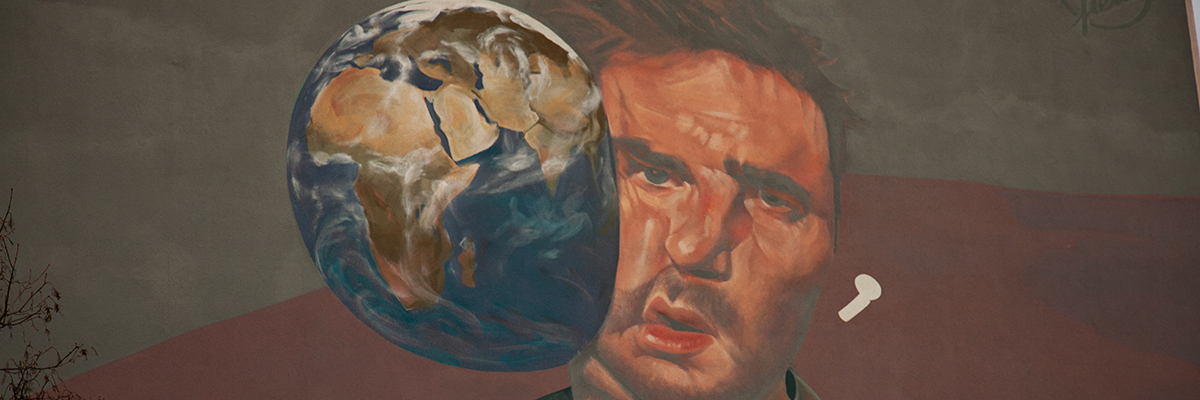
Launched in 2022 and heading into its third edition in 2026, Urban Pictus is the mural festival shaping Prague’s public art future. Co-founded by Petr Hájek and Petr Kopal of The Chemistry Gallery, the biennial brings together the city’s cultural institutions, municipal partners, and an evolving network of post–Velvet Revolution creative districts. In a city defined by Gothic spires and Baroque curves, Urban Pictus doesn’t shy from the friction of graffiti and street art—it uses it. The festival has activated walls across Prague 1, 6, 7, 8, and 10, inserting large-scale muralism and street-rooted practices into the visual rhythm of a city known for its architectural legacy.
On our recent visit to the so-called City of a Hundred Spires (real count: more like 500), that energy was hard to miss. Prague’s street scene is compact but loaded, less sprawling than some but no less charged. Writers and muralists work tight: from industrial edges to sanctioned façades, they’re building a visual grammar that feels deliberate, hybrid, and defiantly local. You can see the push and pull—between reverence and rebellion, tradition and disruption. What’s emerging is a language that mixes studio finesse with graffiti instinct: abstract fields, narrative symbols, pop-text hits, and gestures that still carry the urgency of the street. The trains and tunnels haven’t gone quiet either—graffiti here still breathes fast, and the old codes hold.
Beyond being a wall project, Urban Pictus is a mural-driven platform with gallery exhibitions, guided tours, workshops, and crossover projects that build bridges between institutional and informal public-voiced scenes. Born out of The Chemistry Gallery’s commitment to newer voices in contemporary urban art, the festival walks both sides of the line between the street and the gallery.
Across its first two editions, Urban Pictus has hosted a sharp and varied roster: Innerfields (Germany), AEC / Interesni Kazki (Ukraine), M-City (Poland), Gorka Gil (Spain), Michal Škapa (Czech Republic), and Tim Marsh (France/Spain). More recent editions have added Toy_Box, YBR, Malujeme Jinak, Zeb One, and Matěj Olmer (Czech Republic), as well as Yessiow (Indonesia), expanding the festival’s reach across Europe and beyond.
With 2026 on the horizon, here are a few standout murals we caught on the ground this fall.
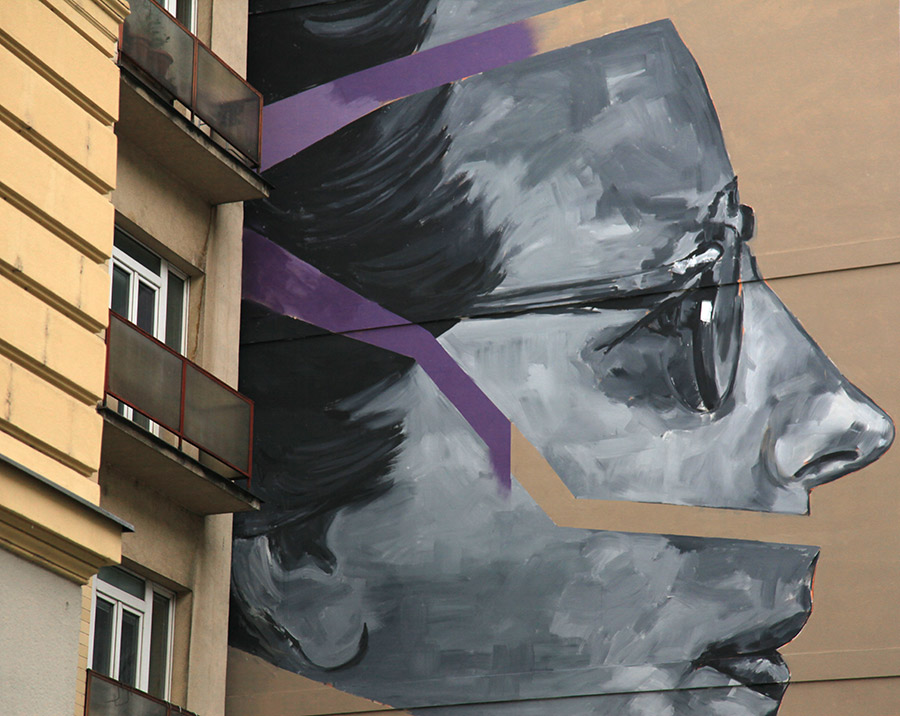
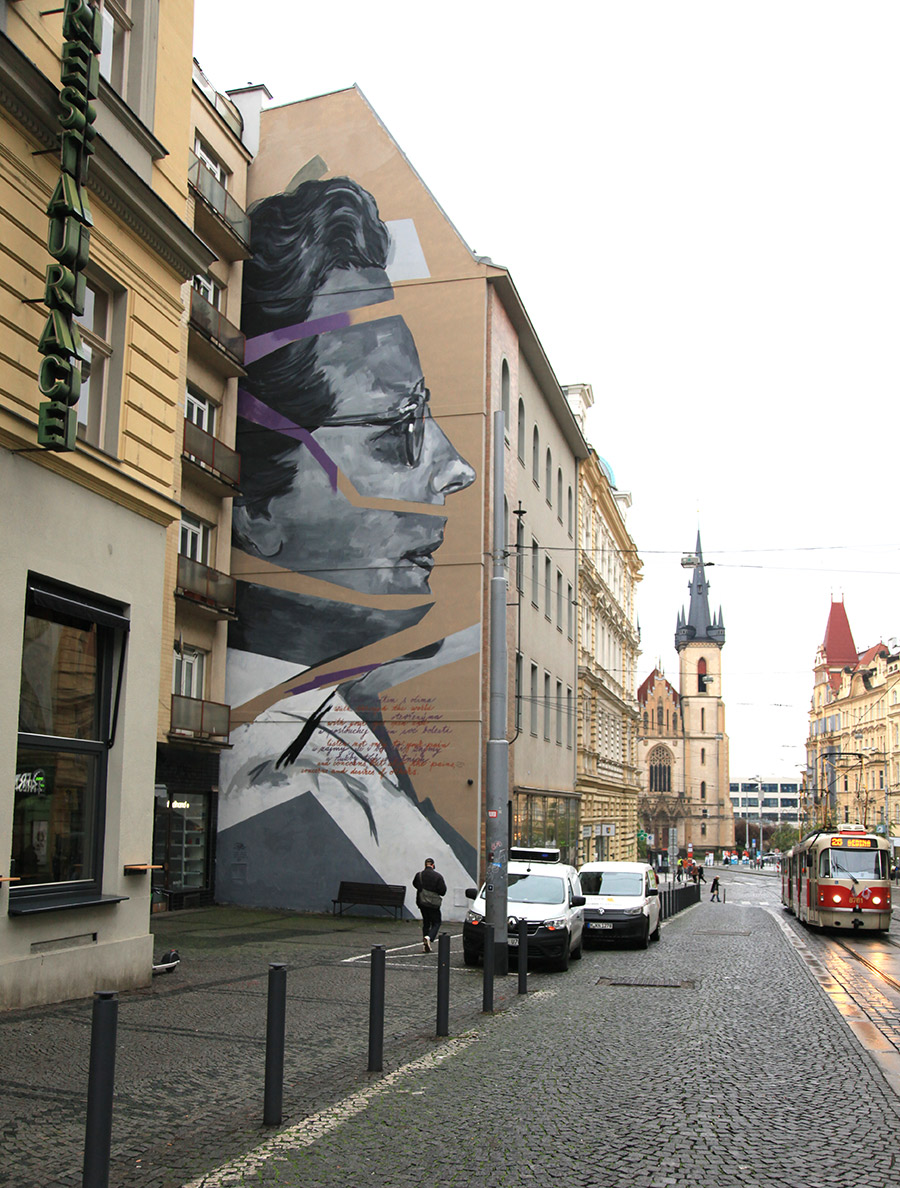
Toy_Box (Czech Republic) is known for blending classical painting, comic art, and street aesthetics. Her mural on Milady Horákové Street in Prague 7 honors the politician Milada Horáková on the 75th anniversary of her execution by the communist regime, depicting her portrait in fractured forms alongside a bilingual quote.
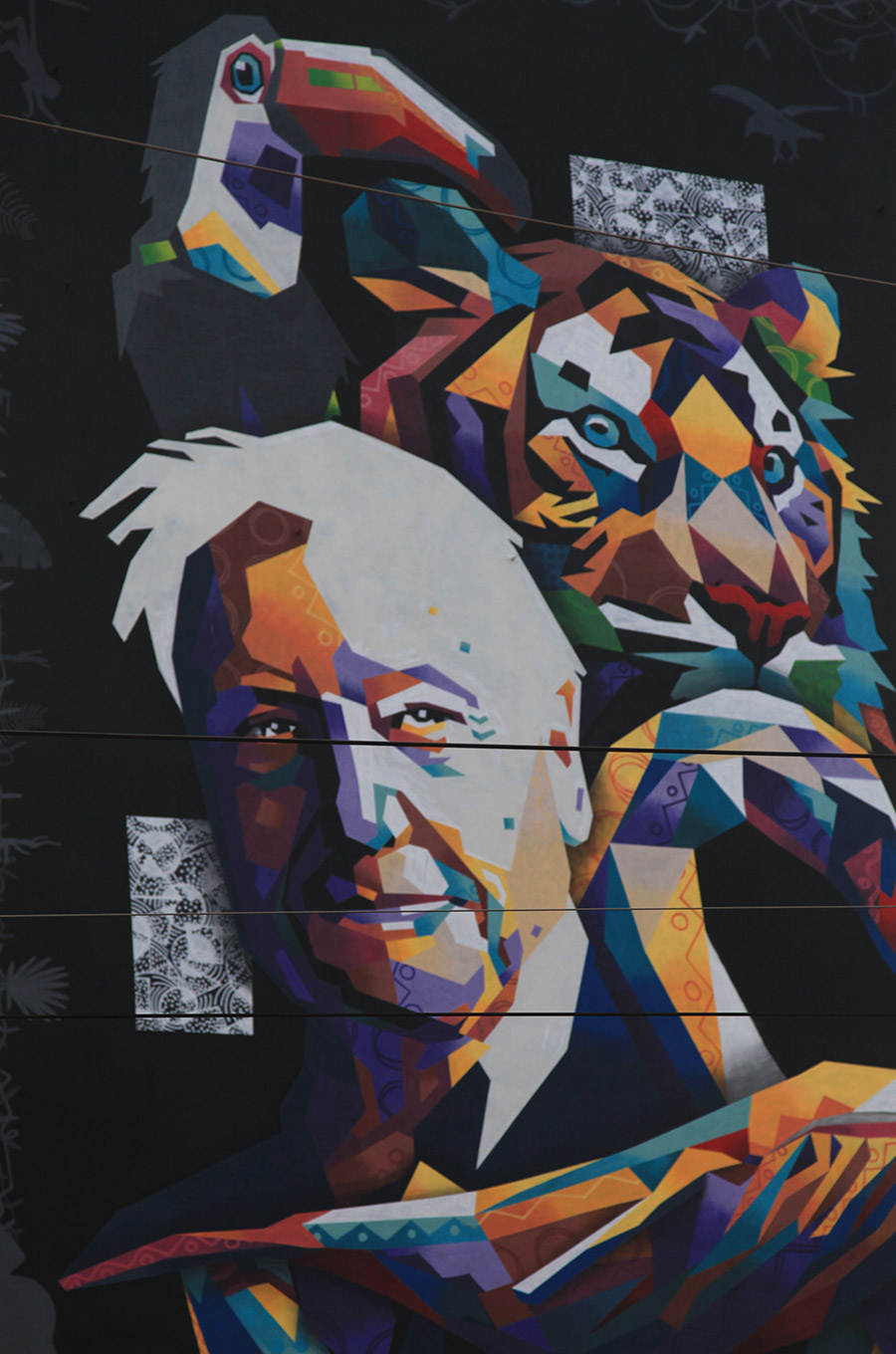
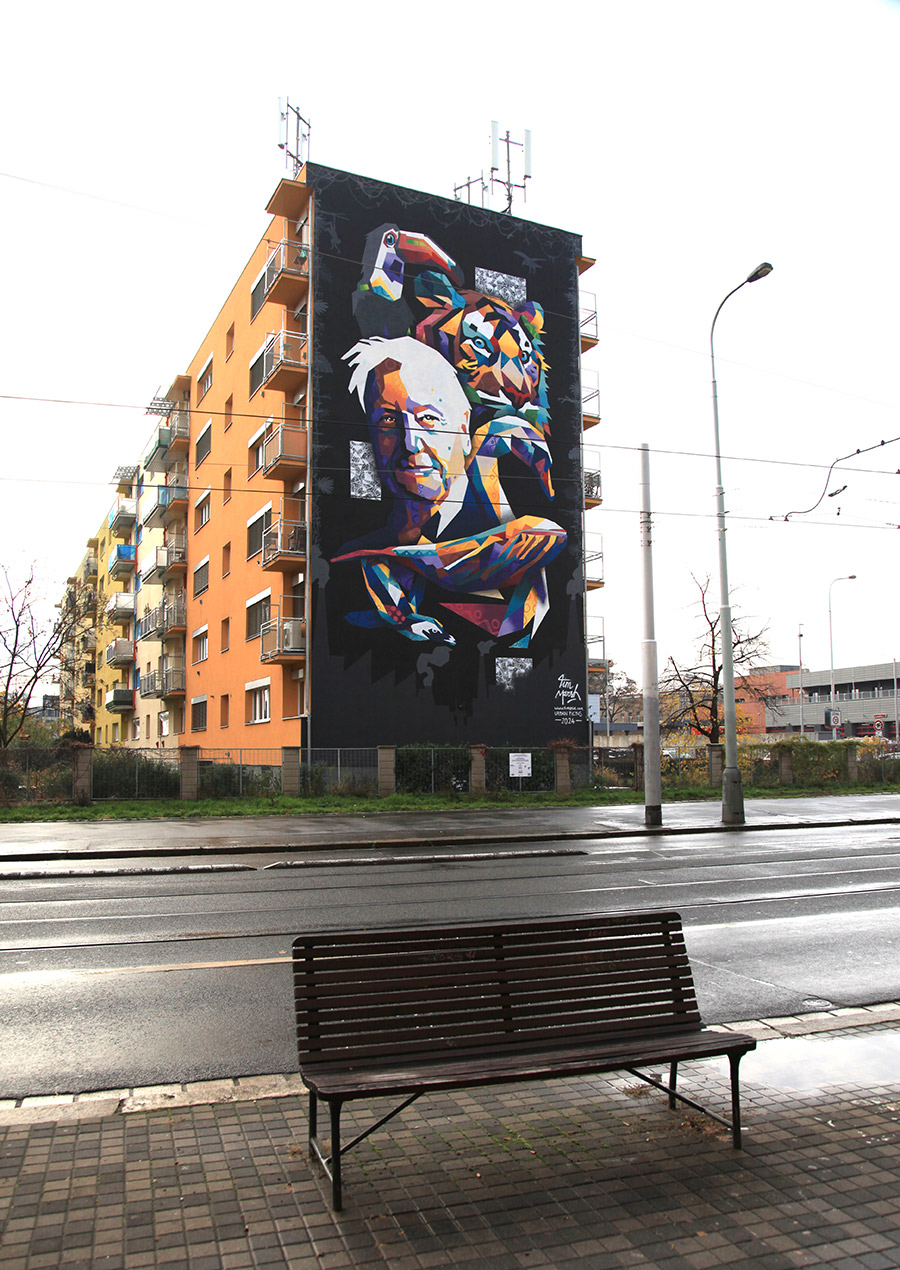
Tim Marsh (France/Spain) works in geometric abstraction, using bold colors and masking-tape precision. His 22-meter mural in Holešovice portrays David Attenborough surrounded by animals, part of his ongoing series celebrating biodiversity.
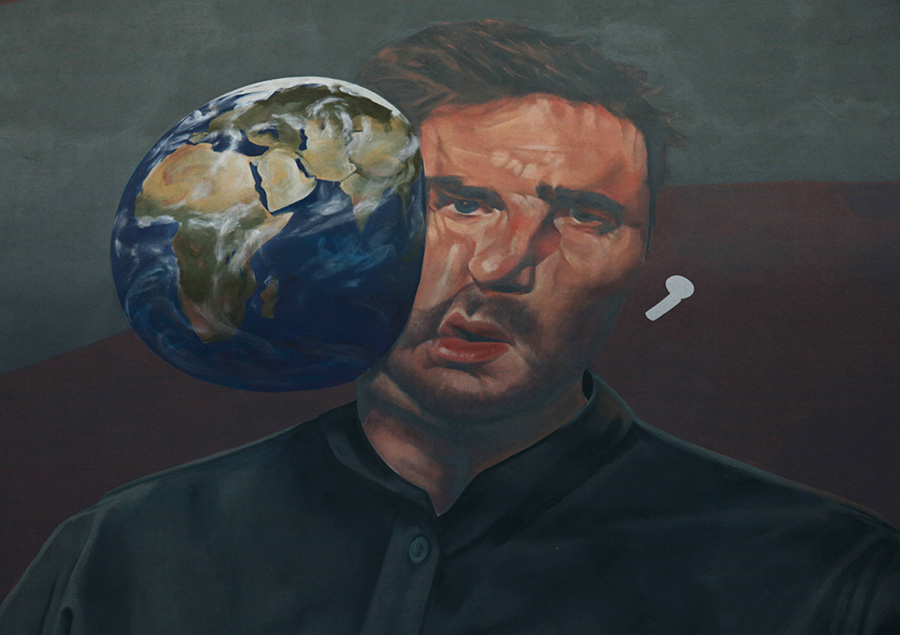
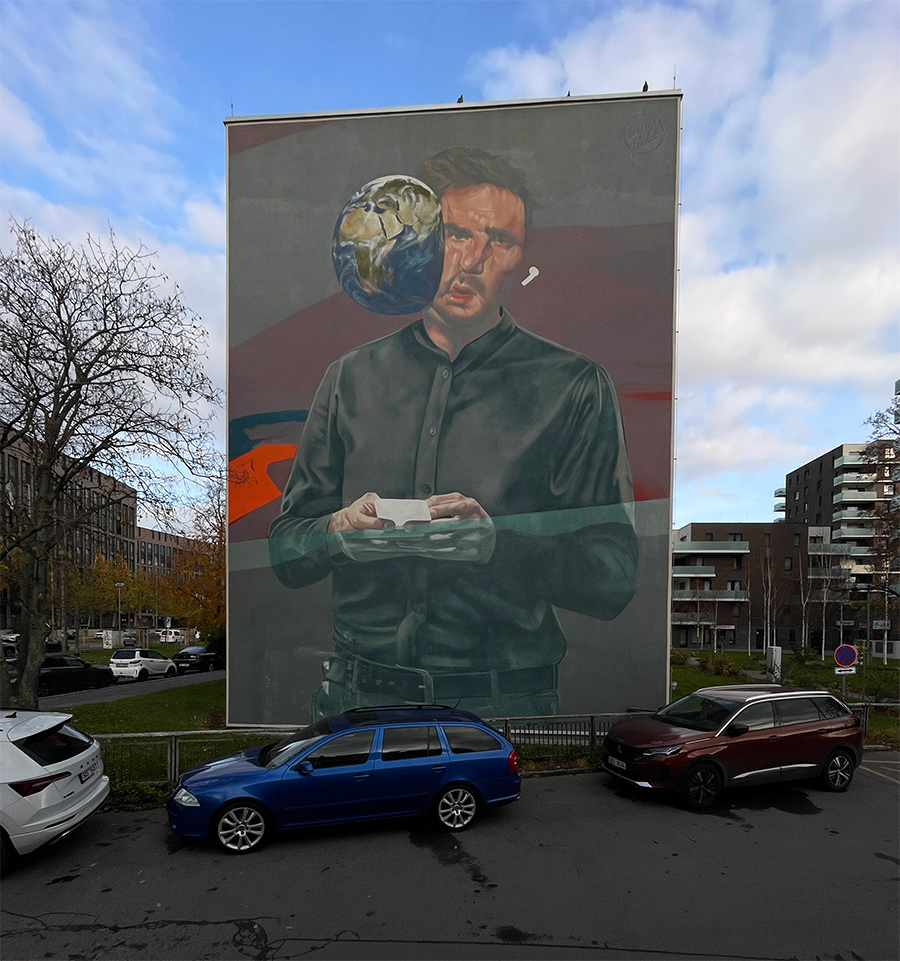
Innerfields (Germany), a trio known for blending realism and symbolism, painted a mural in Karlín of a figure staring at a smartphone while a levitating Earth floats nearby, striking him in the head—a reflection on digital distraction and environmental neglect.
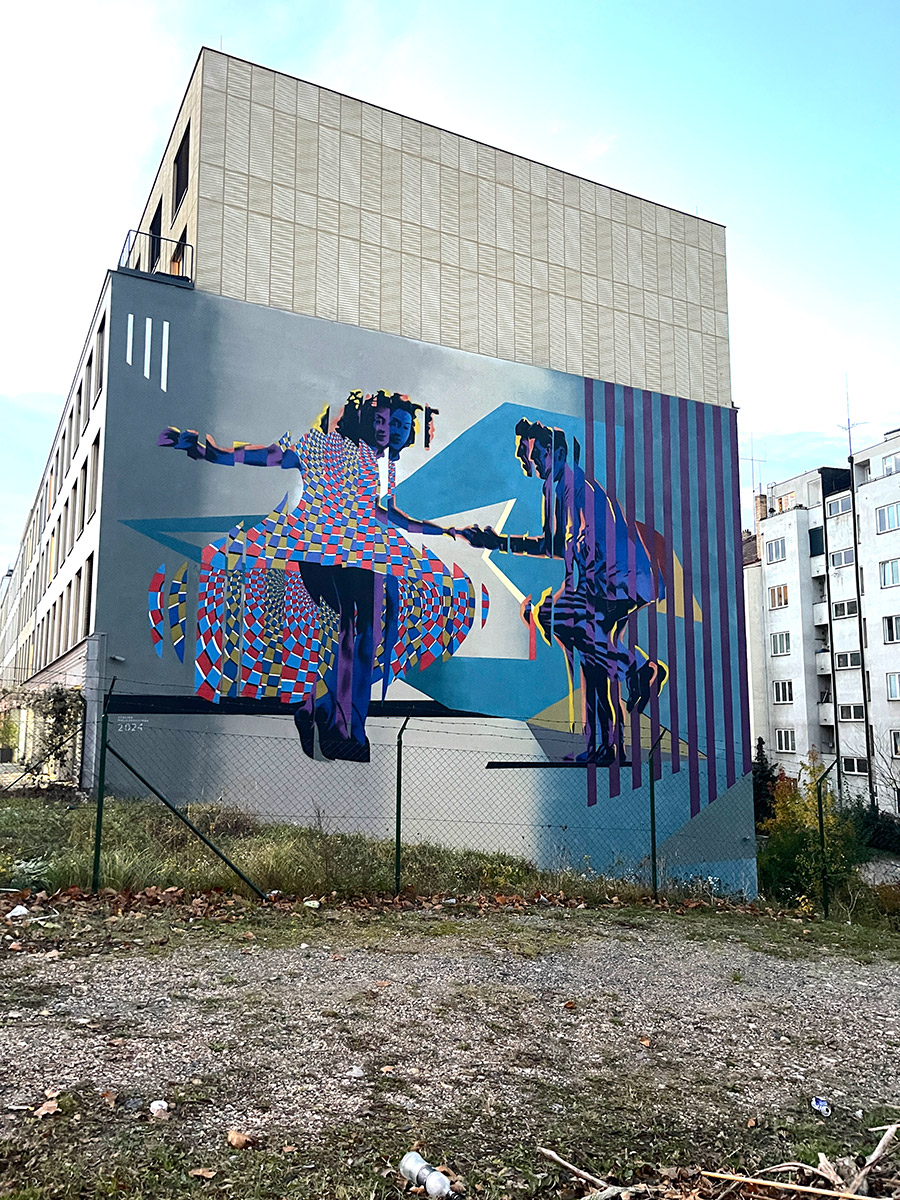
Lukáš Veselý / Malujeme Jinak (Czech Republic). The brothers use optical tricks and graphic design to bring kinetic energy to this university environment. Their Holešovice mural on a student residence features abstract dancing figures that celebrate youth and movement.
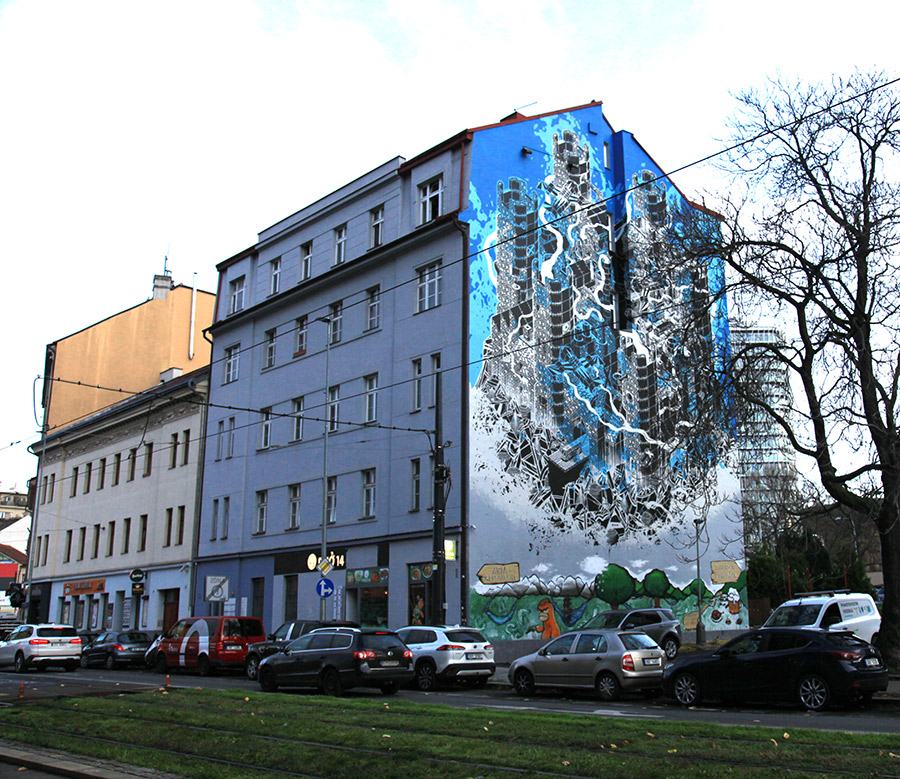
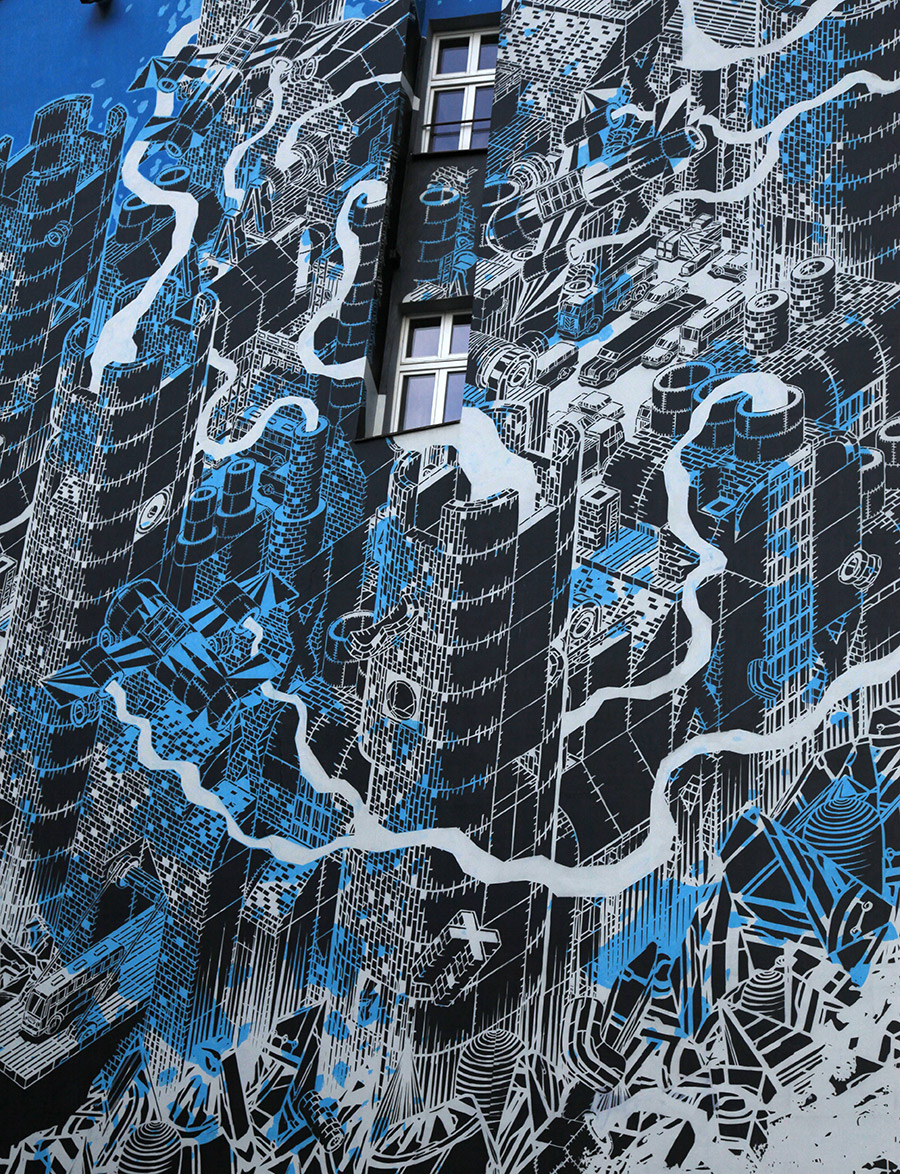
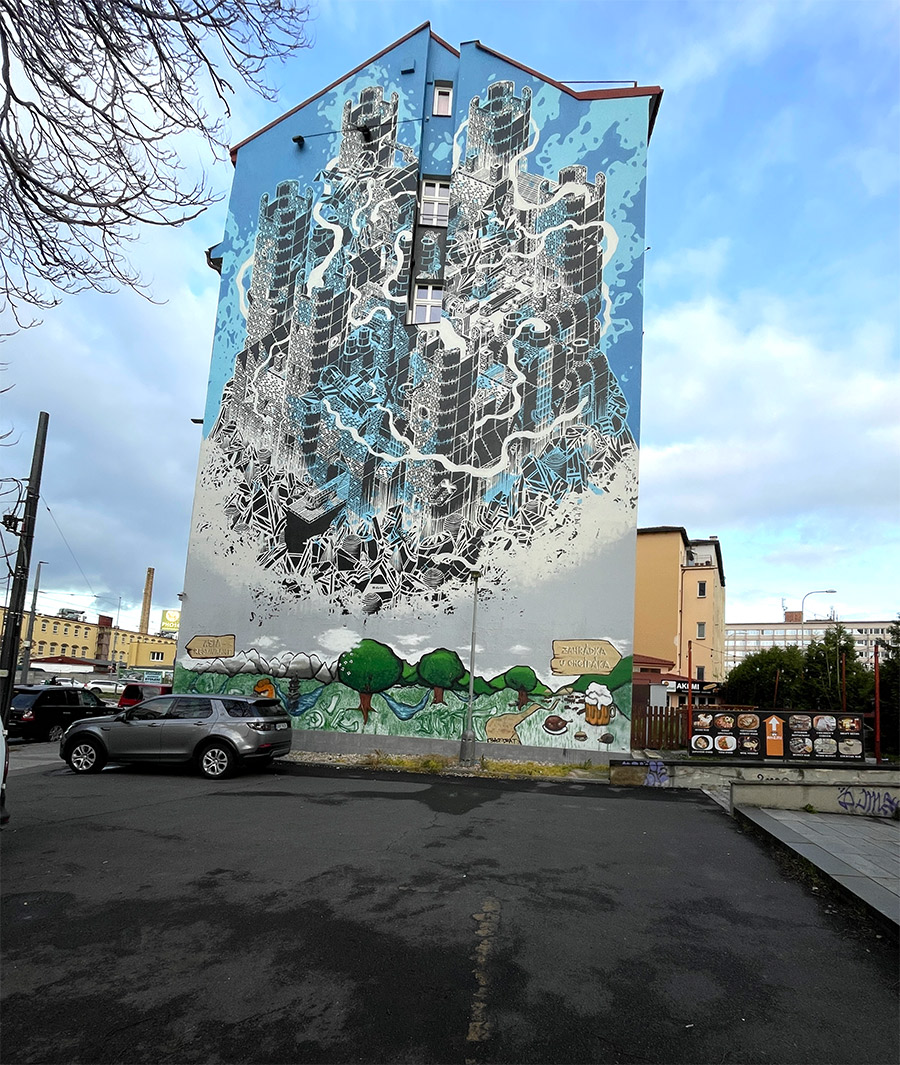
M-City (Poland) is recognized on many continents for his large-scale stenciled cityscapes with industrial themes. His mural in Invalidovna, “Road Ahead Closed,” presents a dense monochrome metropolis made from layered mechanical motifs and factory forms.
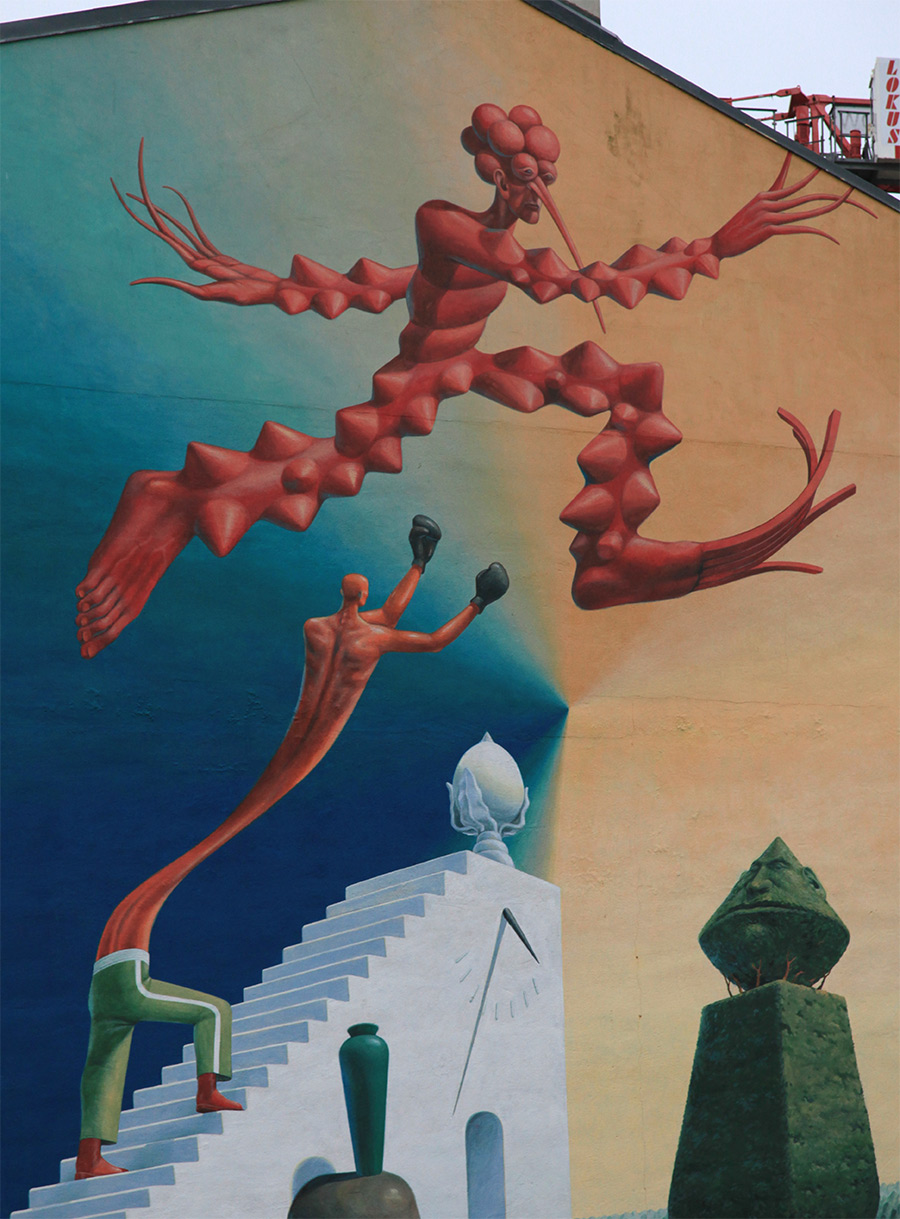
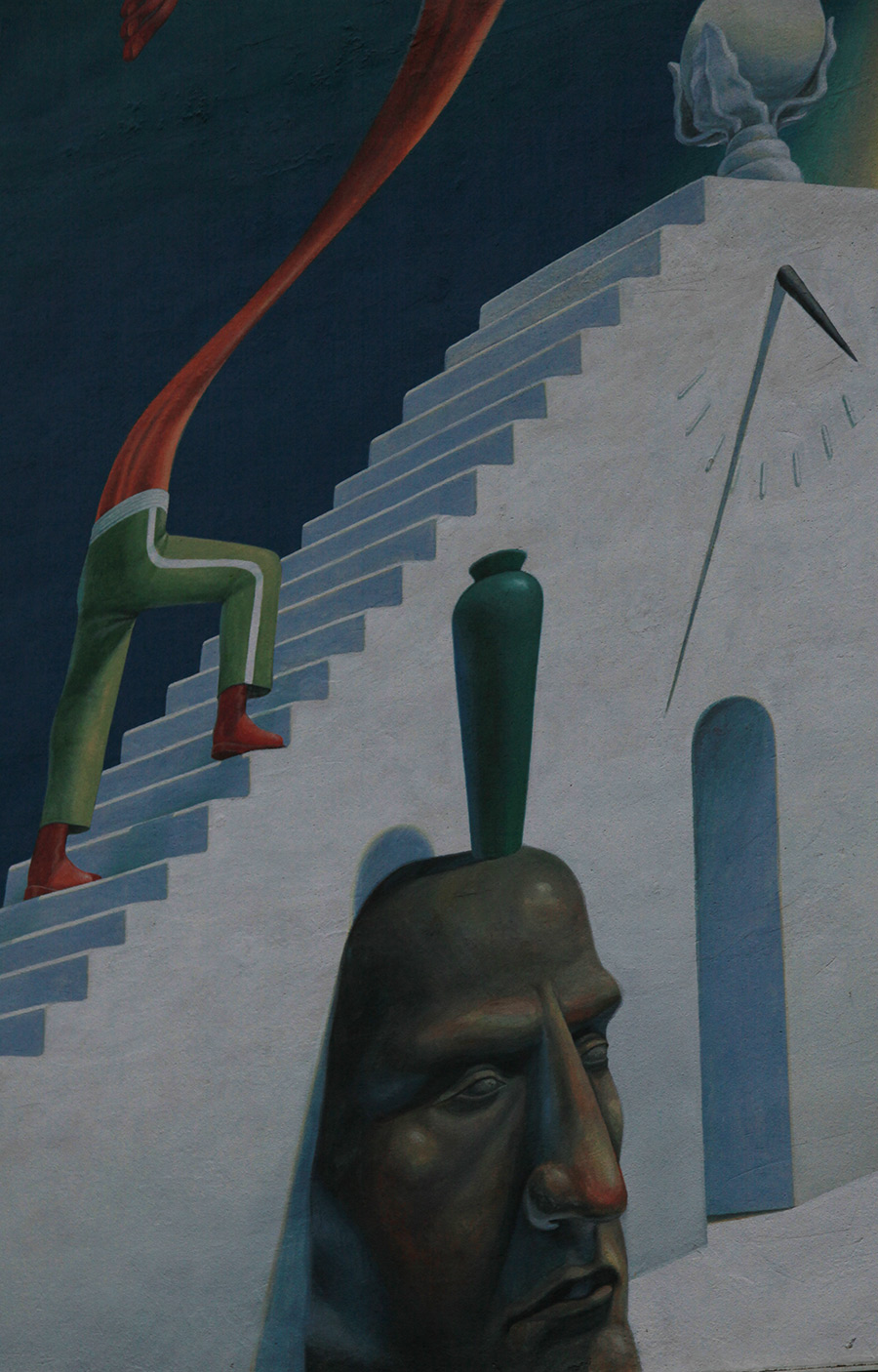
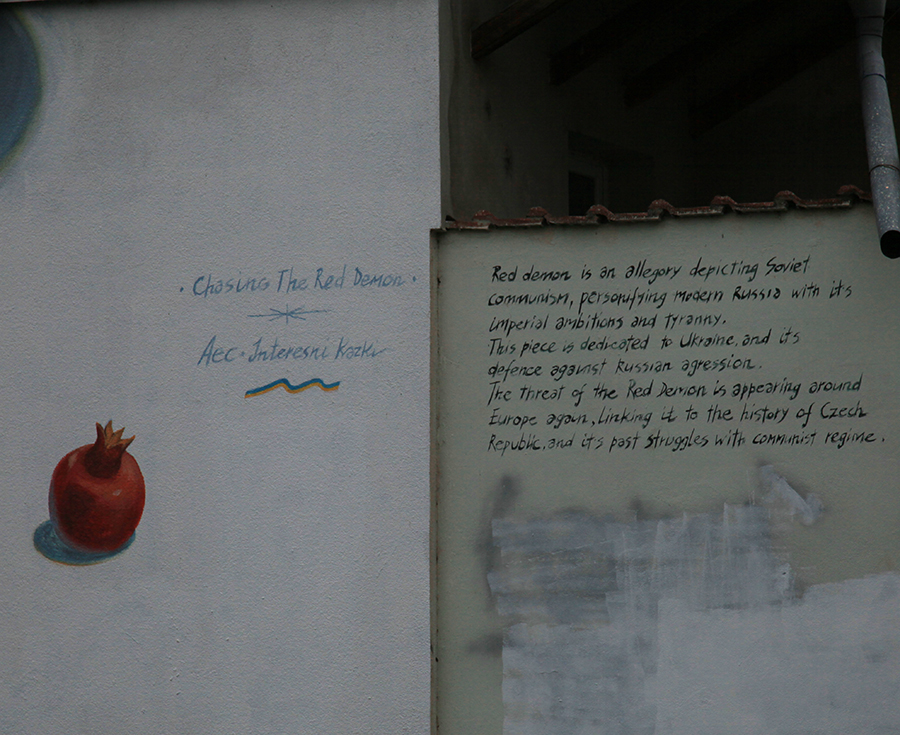
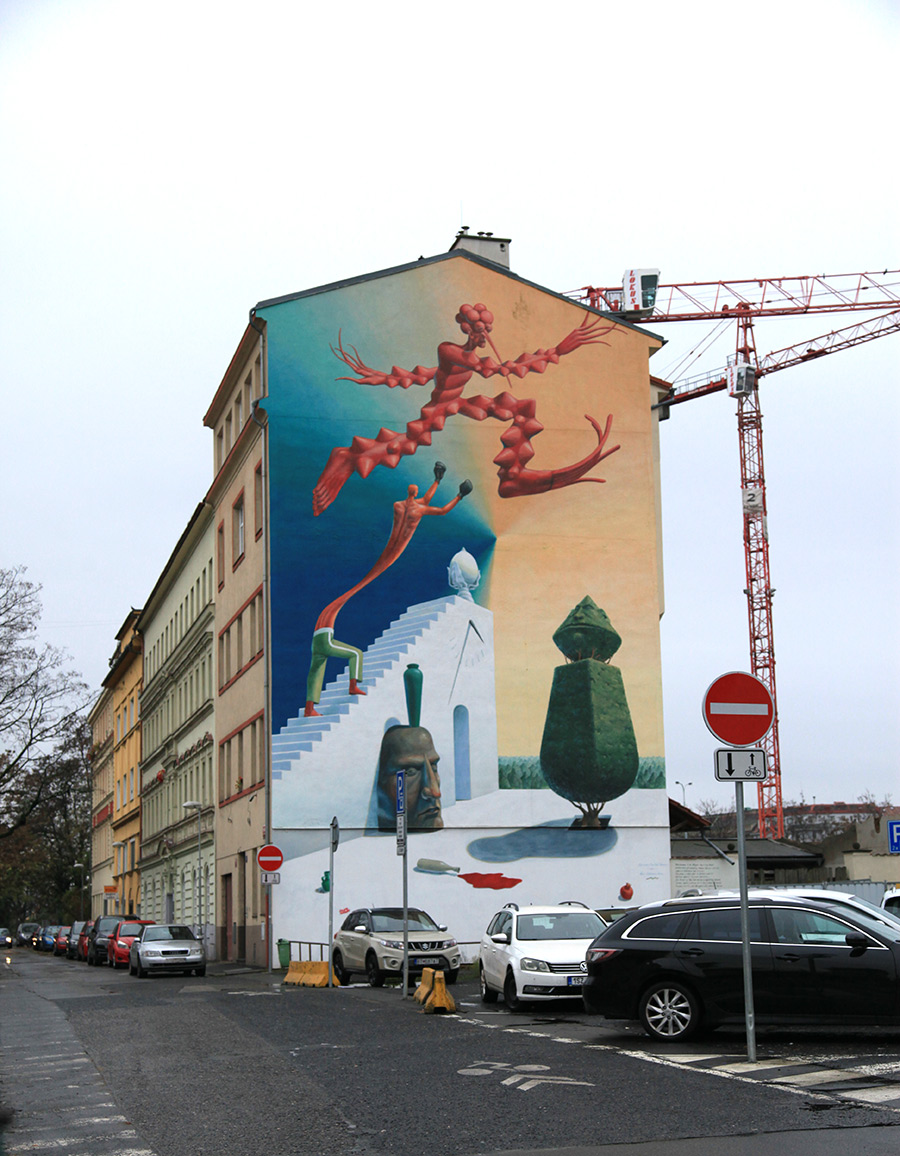
AEC / Interesni Kazki (Ukraine) is known for surreal, mythic, sometimes epic murals. His piece “Chasing the Red Demon” in Holešovice allegorizes resistance to Soviet imperialism, referencing both Ukrainian and Czech histories.
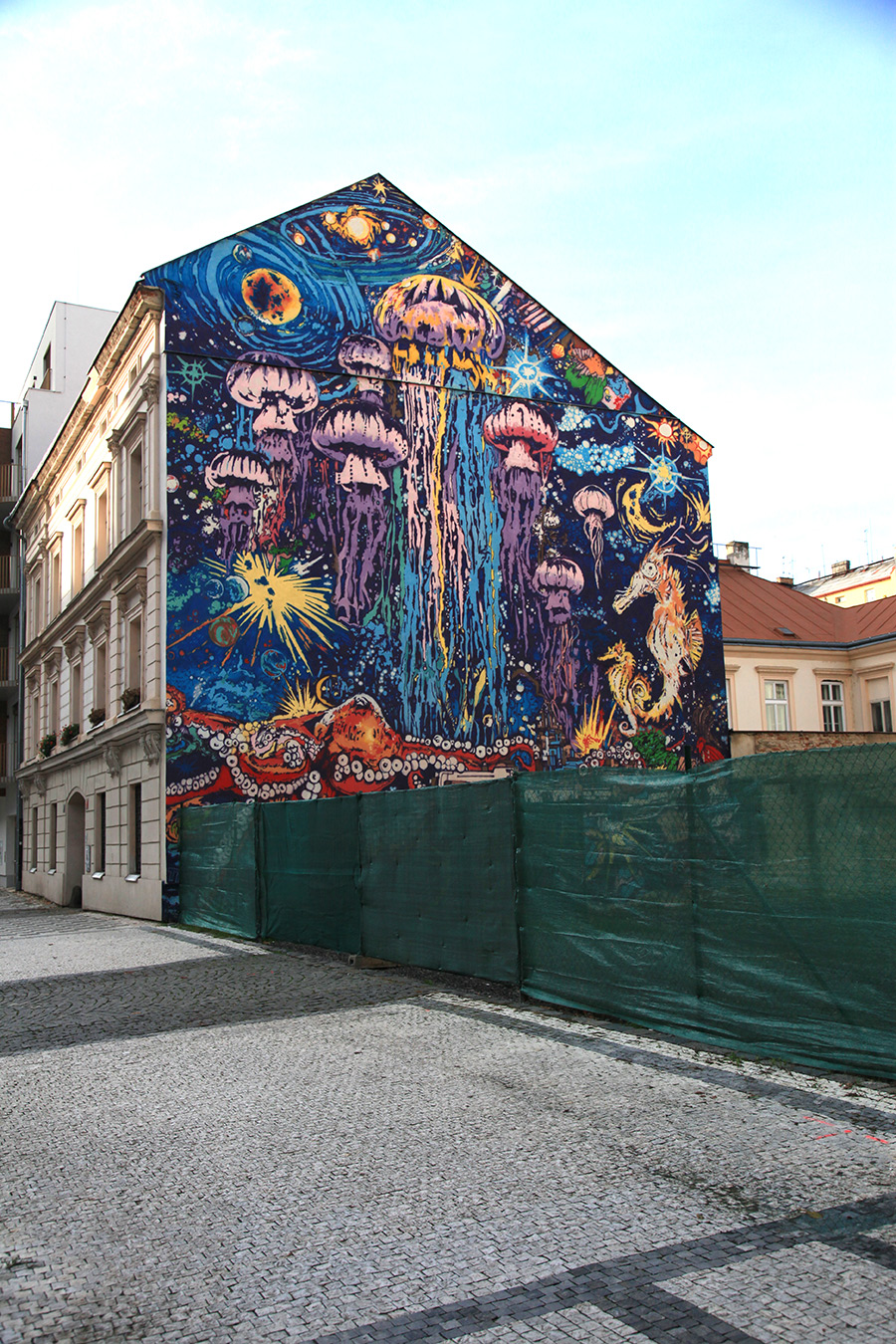
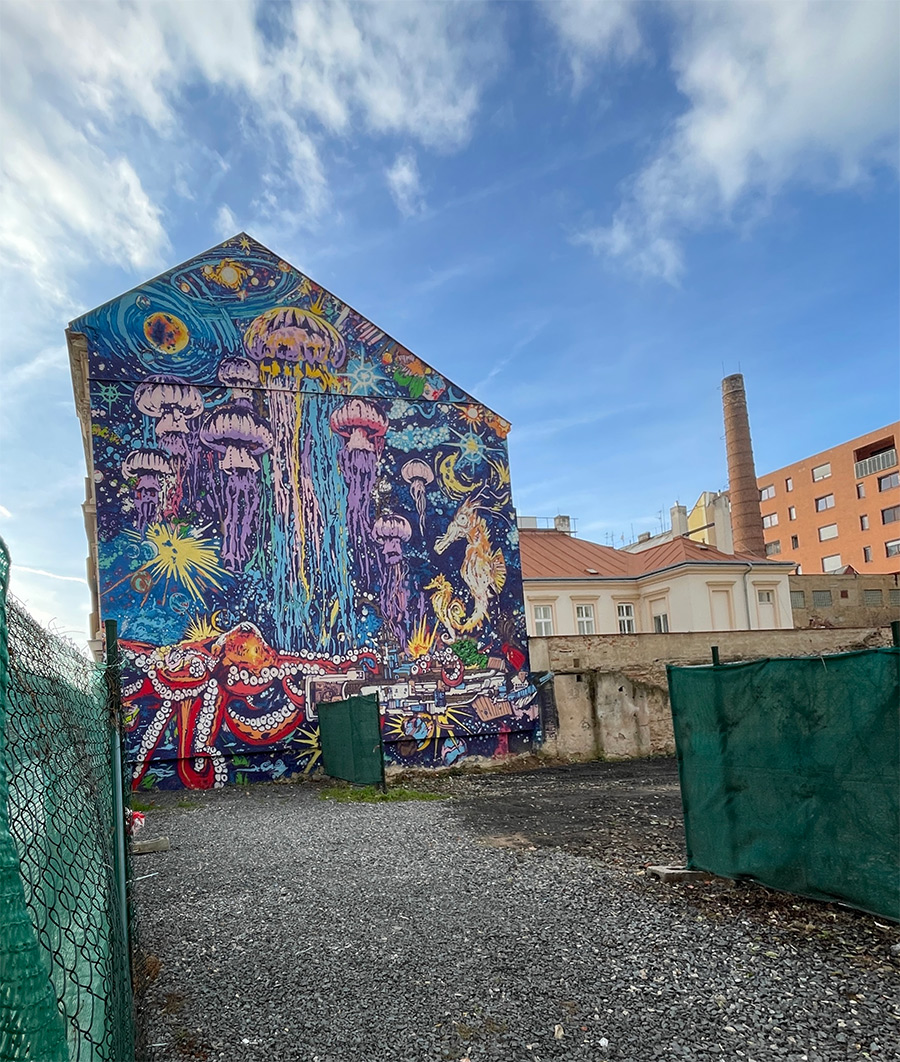
Michal Škapa (Czech Republic) brings a graffiti-rooted, semi-abstract style to murals, often with cosmic or social themes. His Vesmír medúz (“Universe of Jellyfish”) in Prague’s Karlín district for the 2022 edition of “Wall Street Prague”, the inaugural version of what would later become Urban Pictus. Škapa painted a vertical mural that depicts glowing, jellyfish-like forms ascending like spacecraft against a dark background. The piece reflects his signature fusion of street art energy and speculative futurism, creating a surreal visual field that floats somewhere between deep sea and outer space.
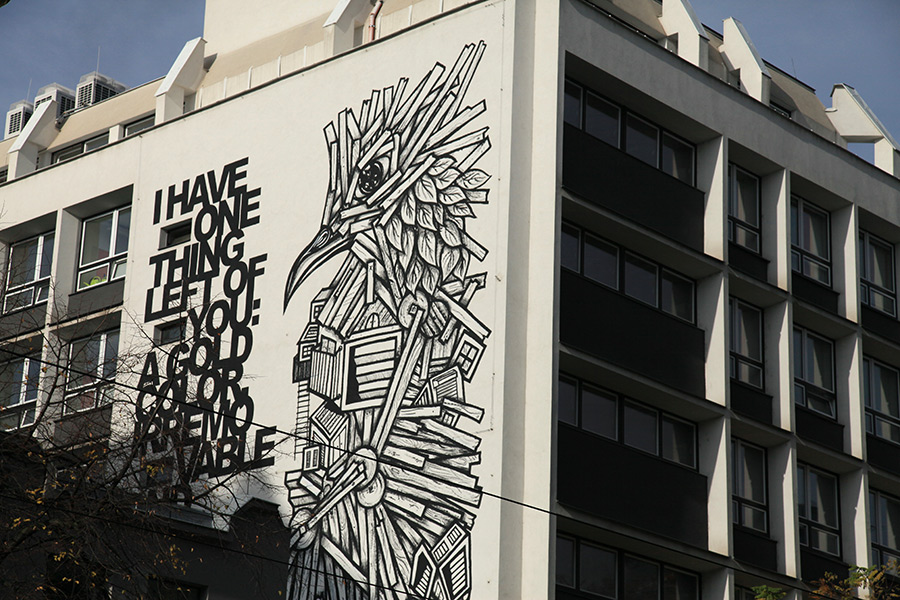
Dede Bandaid (Israel) uses warm-toned urban illustration with metaphorical motifs. His mural “Ambitions” in Žižkov, created with poet Nitzan Mintz, pairs wooden animals with a Czech-language poem about creative drive and personal sacrifice.
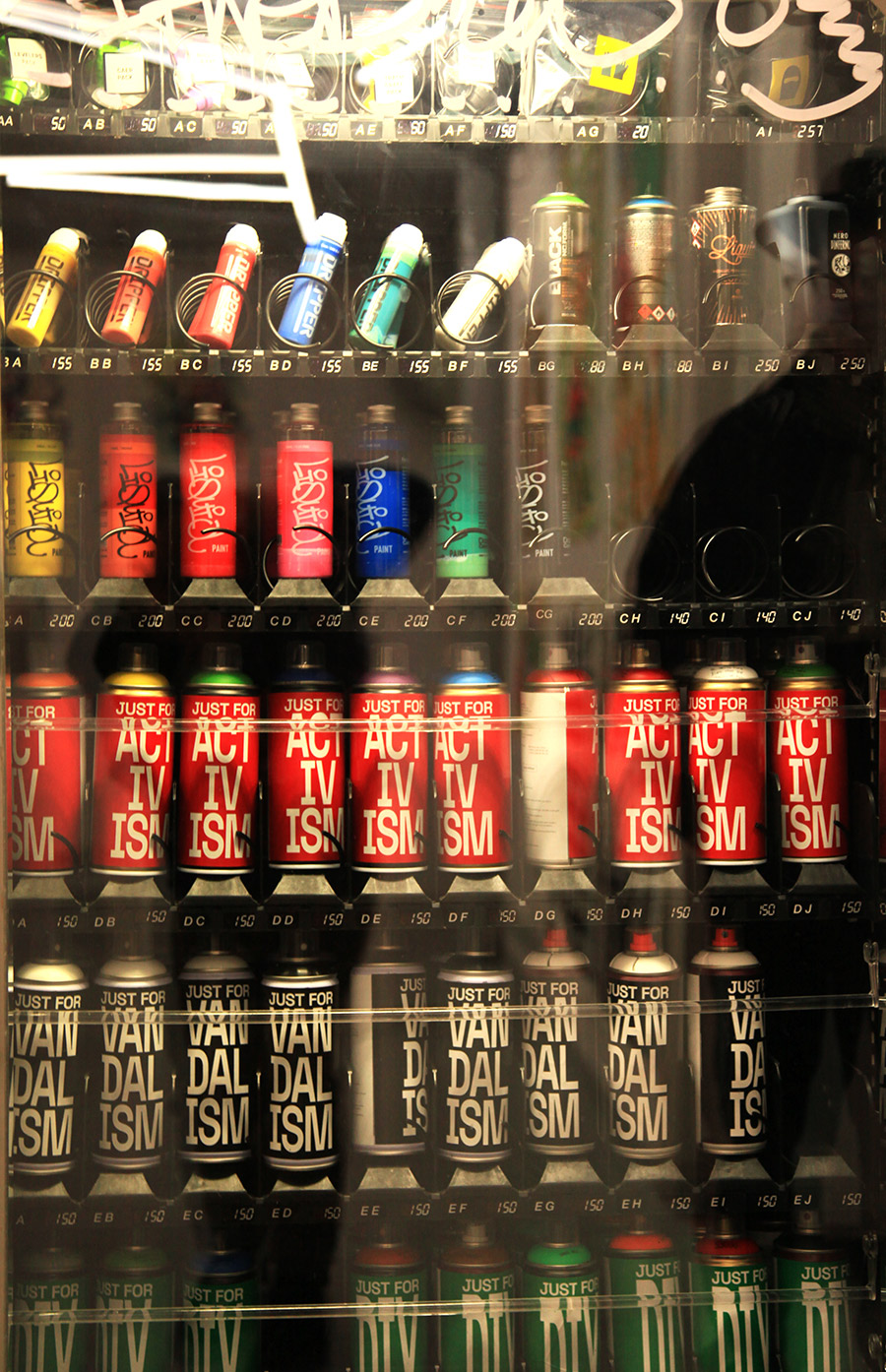
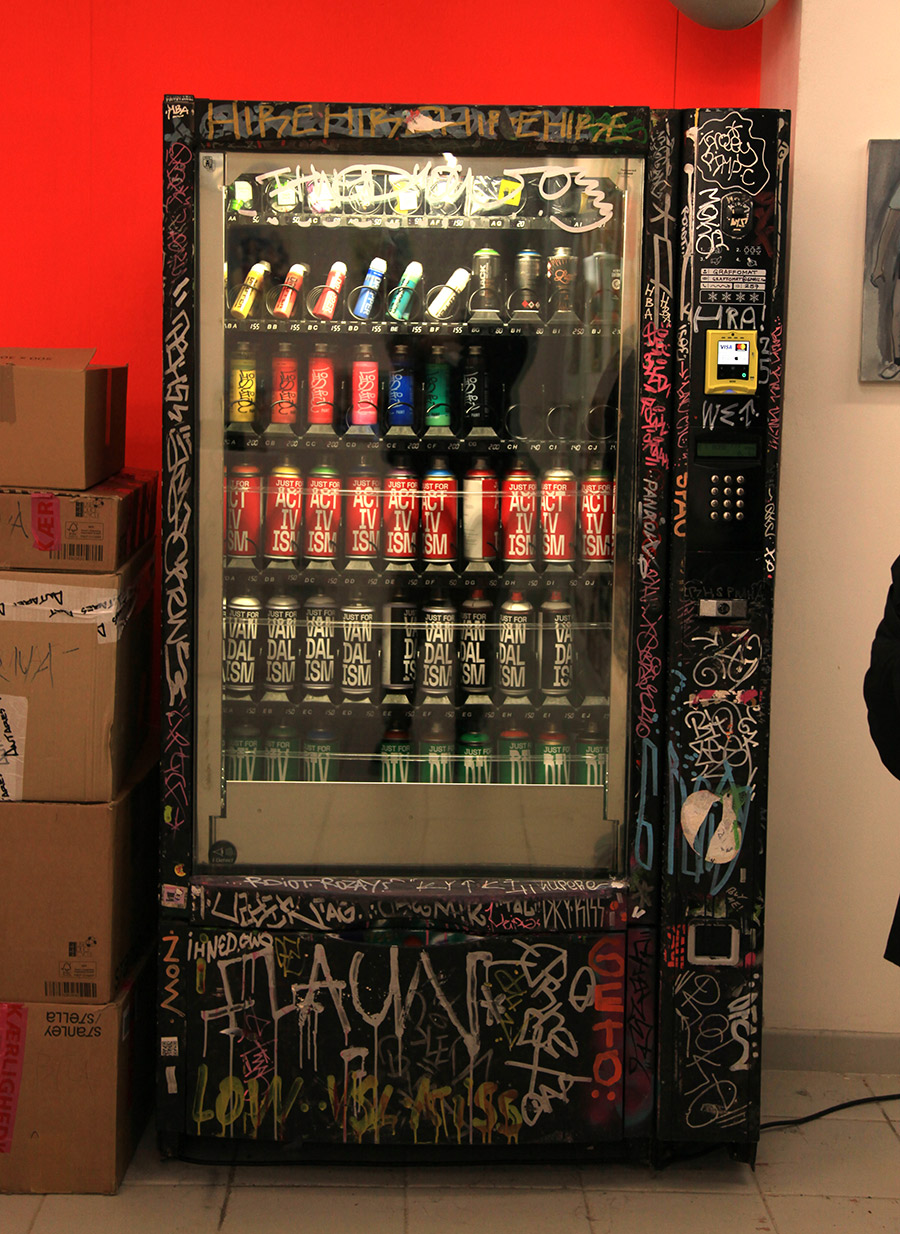
EPOS 257 (Czech Republic) is a conceptual street artist known for anonymous public interventions. His “Graffomat” installation—shown at Urban Pictus 2025—is a vending machine that dispenses spray cans, satirizing the boundary between sanctioned art and illegal graffiti.
Our thanks to Chemistry Gallery and the many folks who volunteer to make this festival a success. Our thanks to our partner Urban Nation Museum (UN) in Berlin for their support as we bring the art on the streets and people of Prague to BSA.