All posts tagged: Brooklyn Street Art

From Douar Chanti to Berlin: Mourad Fedouache and the Second Martha Cooper Scholar

From Douar Chanti to Berlin: Mourad Fedouache and the Second Martha Cooper Scholar

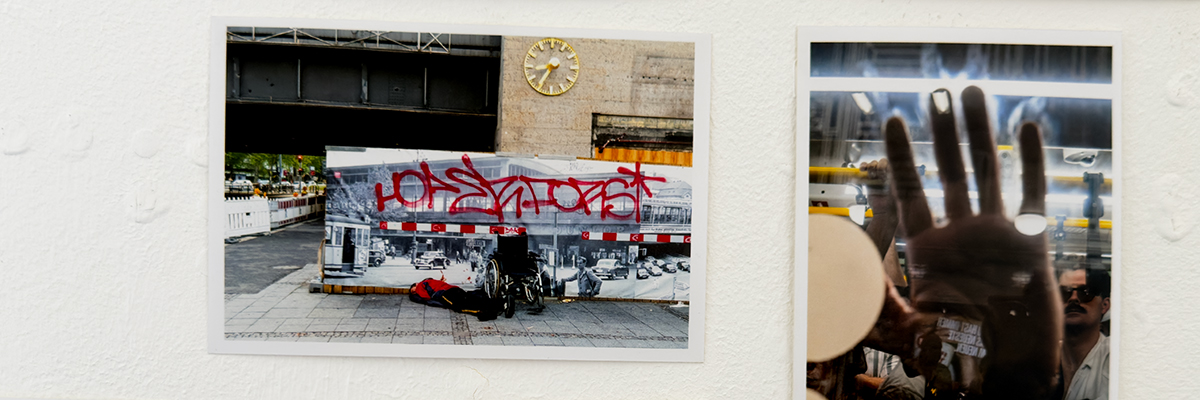
When we recently visited Mourad Fedouache in his Berlin studio, the 2026 Martha Cooper Scholar had begun covering the white walls with photographs and collage. They did not yet form a finished sequence. Instead, they appeared in small groupings, sometimes joined by drawings, objects, dates, and handwritten marks—compact stories developing alongside a larger photographic project.

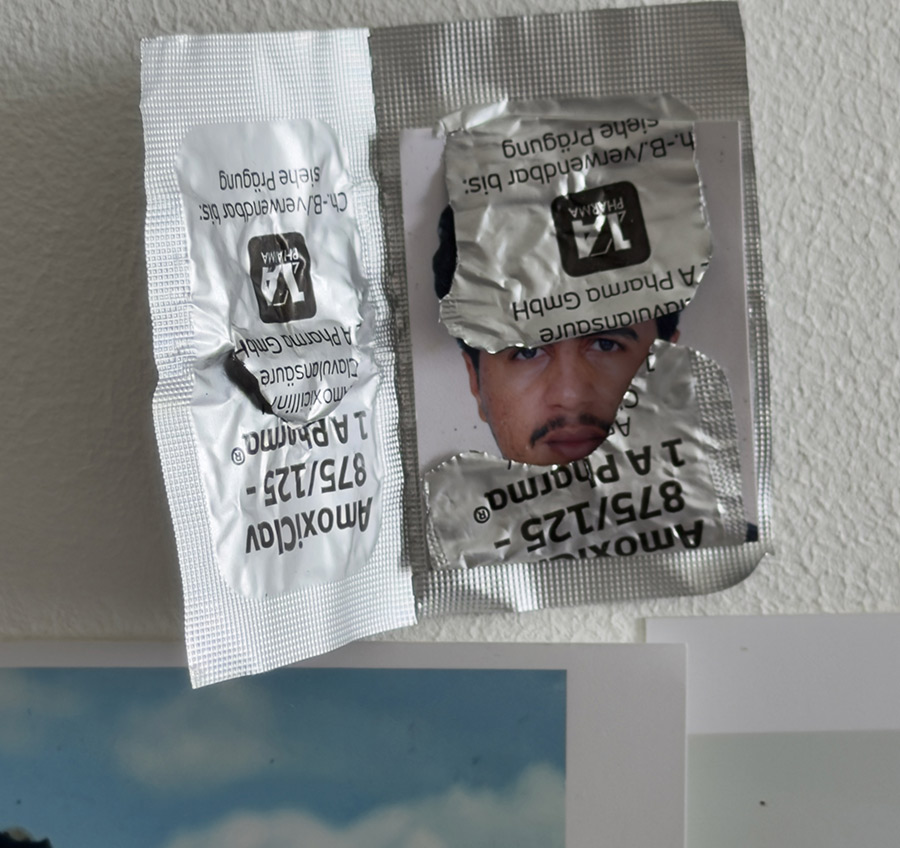
One grouping grew out of an inflamed tooth, bringing medication packaging, handwritten text, and his photograph of a bug on the studio window—a reference to Kafka—into a small, self-contained story. Elsewhere, Fedouache had drawn the outline of a house directly onto the wall. Inside it were photographs he had taken of his iPhone screen, showing people and places back in Morocco, including his mother.

“This is like a diary,” he said while showing us the wall.
Mourad Fedouache. Martha Cooper Scholarship. Stiftung Berliner Leben. Berlin. (photo © Jaime Rojo)

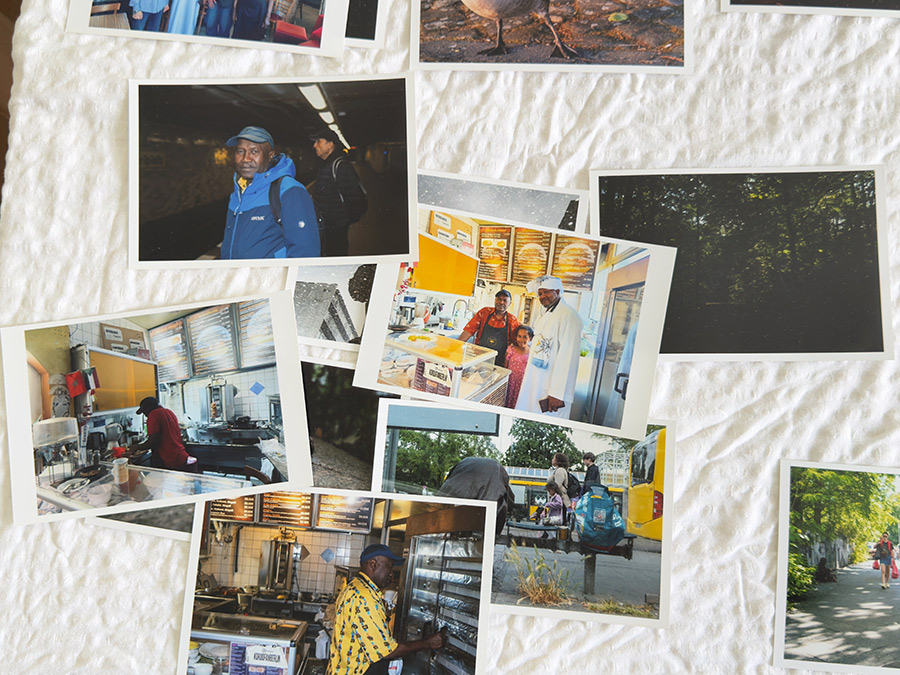
On a table nearby, small photographic prints were being sorted into loose groups. They included demonstrations and public gatherings, individual portraits, street and transit scenes, family-run restaurants, and quieter observations made while moving through Berlin. In one image, a pigeon passed through the city with the same claim on his attention as anyone else. Fedouache moved among the prints, pointing out repeated gestures and possible connections while the sequence was still taking shape.

People remain at the center of his photography.

“I try, because I love people,” he told us. “For that, you will see my pictures—all my pictures, it’s with people.”
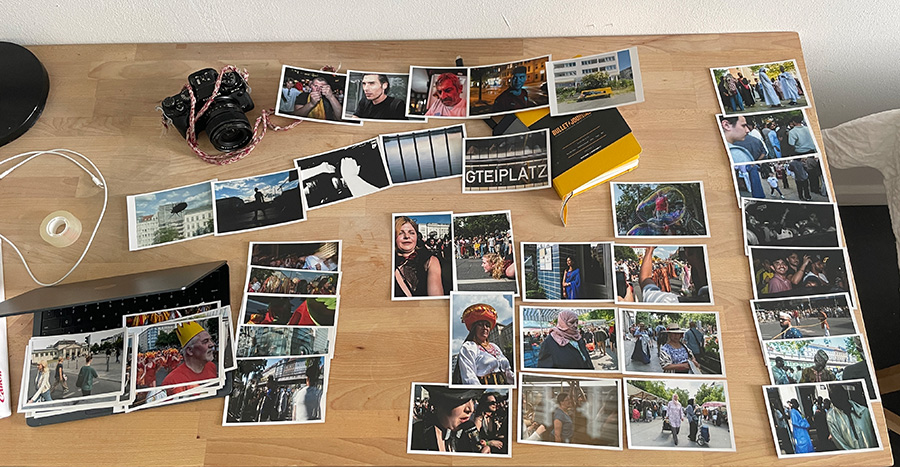
A collection of photos on the streets of Berlin. Mourad Fedouache. Martha Cooper Scholarship. Stiftung Berliner Leben. Berlin. (photo © Steven P. Harrington)

Born in Morocco in 2000, Fedouache is a self-taught photographer raised in Douar Chanti, a neighborhood of Sidi Yahya El Gharb, near Kénitra. He earned his baccalaureate in physical sciences and later studied Arabic law at Ibn Tofail University, but his photographic education began in the market and streets of his hometown. He started taking pictures in 2017 while working as a vendor in the local market, where the customers, workers, children, and families around him became his first subjects. His earliest camera was a mobile phone.

“I worked in markets and with people,” he recalled of his childhood. “Every time I see people, I see the human.”

That sentence, delivered with his direct and unexpectedly frank sincerity, comes close to describing the animating spirit of the work. The people in his photographs are not illustrations of a social condition. They are individuals encountered while working, waiting, celebrating, playing, traveling, or simply passing through a day.

Fedouache first photographed Douar Chanti from within, as someone whose family and history were already part of the place. His pictures record its working life, traditions, children’s games, aspirations, humor, and difficulties without presenting the neighborhood as a spectacle of deprivation. In discussing his first solo exhibition, he said that he wanted viewers to understand that people who possess little and live may nevertheless be happy. Neither Fedouache nor Martha Cooper denies hardship; it is a dry-eyed reality in much of the work. But neither allows hardship to become the entire identity of the people pictured.
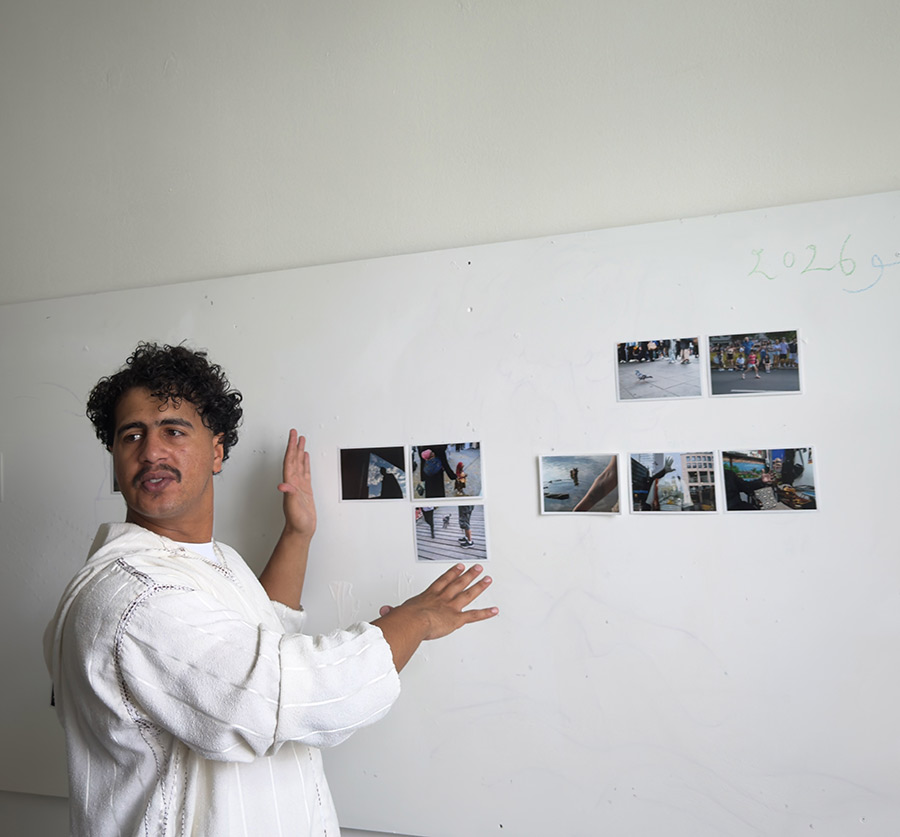
Mourad Fedouache. Martha Cooper Scholarship. Stiftung Berliner Leben. Berlin. (photo © Jaime Rojo)

Fedouache’s work appeared in Sourtna, the inaugural group exhibition at Morocco’s National Photography Museum in Rabat in 2020. In late 2022, he won the photography competition Dream Artist, broadcast on Morocco’s 2M television channel. The program helped make possible his first solo exhibition, From Douar Shanty to New York, presented at the American Arts Center in Casablanca in the spring of 2023. The exhibition brought together photographs of the people, rituals, labor, play, pain, and dreams he had observed in his home community.

Now he is the second recipient of the Martha Cooper Scholarship for documentary photography, administered by Stiftung Berliner Leben within its Fresh A.I.R. artist-residency program. The 2026 scholarship runs from February through November and provides a Berlin living and working space, financial and production support, and time to develop a new photographic project. The theme for this second scholarship cycle is “Future Visions: Artistic Approaches to Peace.”

The Berlin work was still very much in formation during our visit. Fedouache had been photographing immigrant communities, marches, neighborhood businesses, public transportation, and encounters on the street. Some images were made with his camera and others with his phone. For him, the distinction matters less than remaining prepared.

“The good image, it comes to you,” he said. “It doesn’t tell you, ‘Oh, I’m here.’”

He described constantly looking at photography online and in films, sometimes without knowing the name of the person who made the image. “I need to eat photography in my mind,” he said. At home, he keeps a camera near him. On the street, the phone may be enough. The important thing is to remain alert to the picture before it disappears.
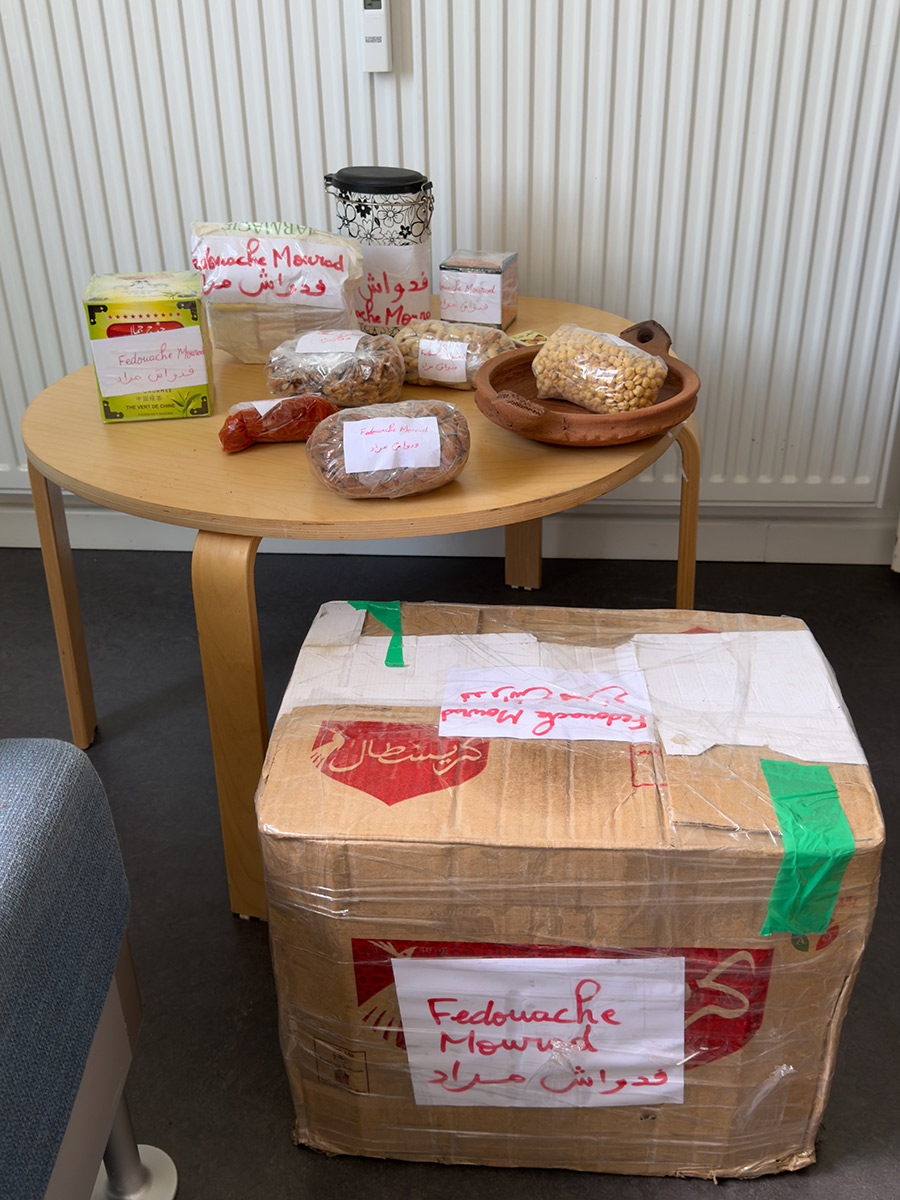
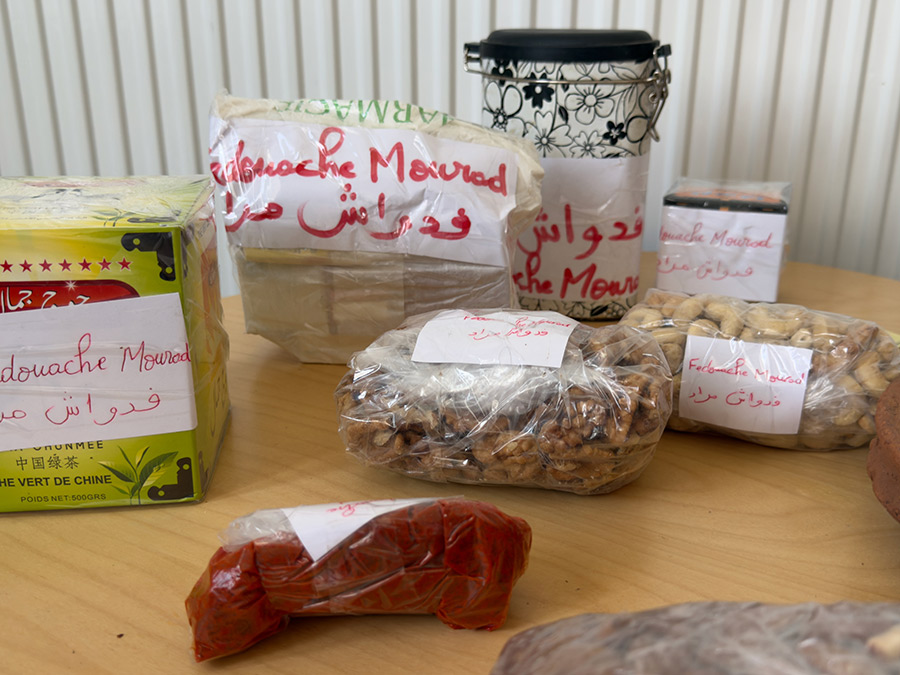
Spices, coffee, nuts and other sundries from his mother back home, each carefully addressed to him. Mourad Fedouache. Martha Cooper Scholarship. Stiftung Berliner Leben. Berlin. (photo © Jaime Rojo)

His mother’s presence in the studio extended beyond the photographs inside the hand-drawn house. She had sent him a large parcel from Morocco filled with familiar foods, each wrapped and labeled with his name. Part of the reason, he explained, was her concern that he might not find the same things in Berlin. Part of it was simply the impulse to send pieces of home along with them.

Fedouache served Moroccan tea and shared one of the foods from the parcel while showing us his photographs. The afternoon moved easily between the table and the walls, between Berlin and Morocco, and between pictures already made and ideas still being tested. The hospitality did not interrupt the studio visit. It was part of it.

One developing idea concerned immigrant families and the meaning of home. Fedouache was considering asking children to draw the houses or places their parents remembered in Morocco, Sudan, or other countries. He might then enlarge the drawings and use them as backgrounds for family portraits. He presented it as an idea rather than an established project, something that had come to him only recently as he considered what he could realistically develop during the residency.

“You know, on the first day I’m in Berlin, I’m just walking here, and I tell myself, ‘Mourad, you used to say to yourself, “I need a place, money, and photography, and you have this now. Do it.’”

The idea of a child drawing a remembered or inherited home also suggests one of the strongest connections between Fedouache and the photographer whose name the scholarship carries.
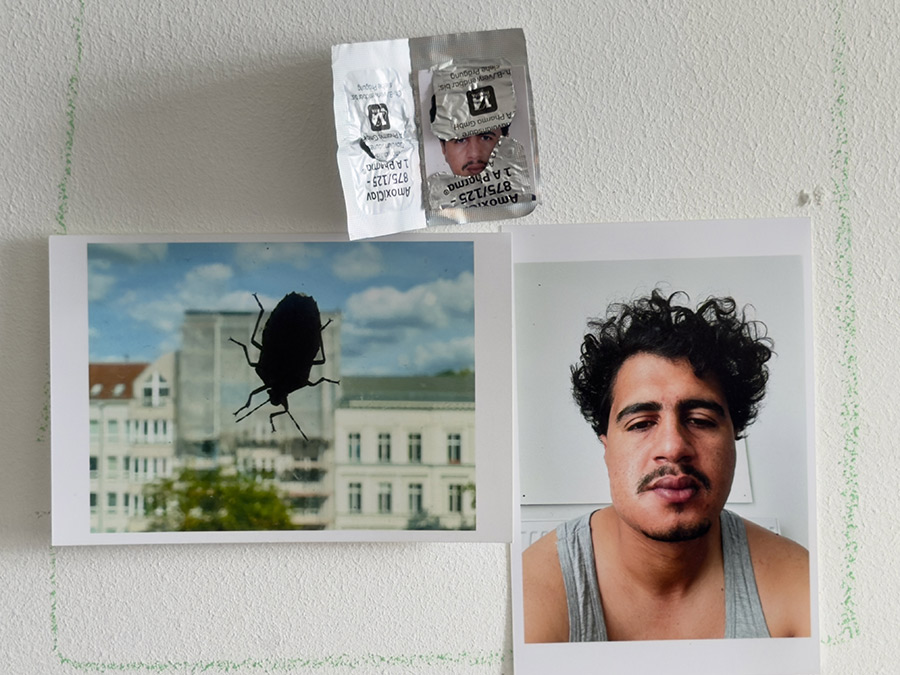
A diaristic module combining inflammation pain, Kafka, and pharma. Mourad Fedouache. Martha Cooper Scholarship. Stiftung Berliner Leben. Berlin. (photo © Jaime Rojo)
From his mood wall, a detail from the small collage of his photograph inside a pharmaceutical package – a sudden dental drama he was caught in upon arrival in Berlin. Mourad Fedouache. Martha Cooper Scholarship. Stiftung Berliner Leben. Berlin. (photo © Jaime Rojo)

These photographs became the basis of Cooper’s book Street Play. They also reveal something fundamental about her way of working. She paid attention to the intelligence of street life and to cultural practices that adults, institutions, and the news media frequently ignored. The same curiosity guided her later documentation of graffiti writers: look closely, learn how a community understands itself, and do not assume that an outsider’s first interpretation is correct.

During the visit, we looked at one of Fedouache’s photographs of a child playing with a handmade toy in Douar Chanti. It recalled Martha Cooper’s long-running interest in the games children invent from available materials. During decades of international travel, Cooper photographed children turning tires, bottles, scrap wood, wheels, and other discarded objects into toys. When she later examined photographs made in different countries, she noticed children separated by geography and culture improvising many of the same games.

Fedouache immediately recognized himself in the comparison.

“Because when I was a child, I did this,” he said. “I did this with my mom.”
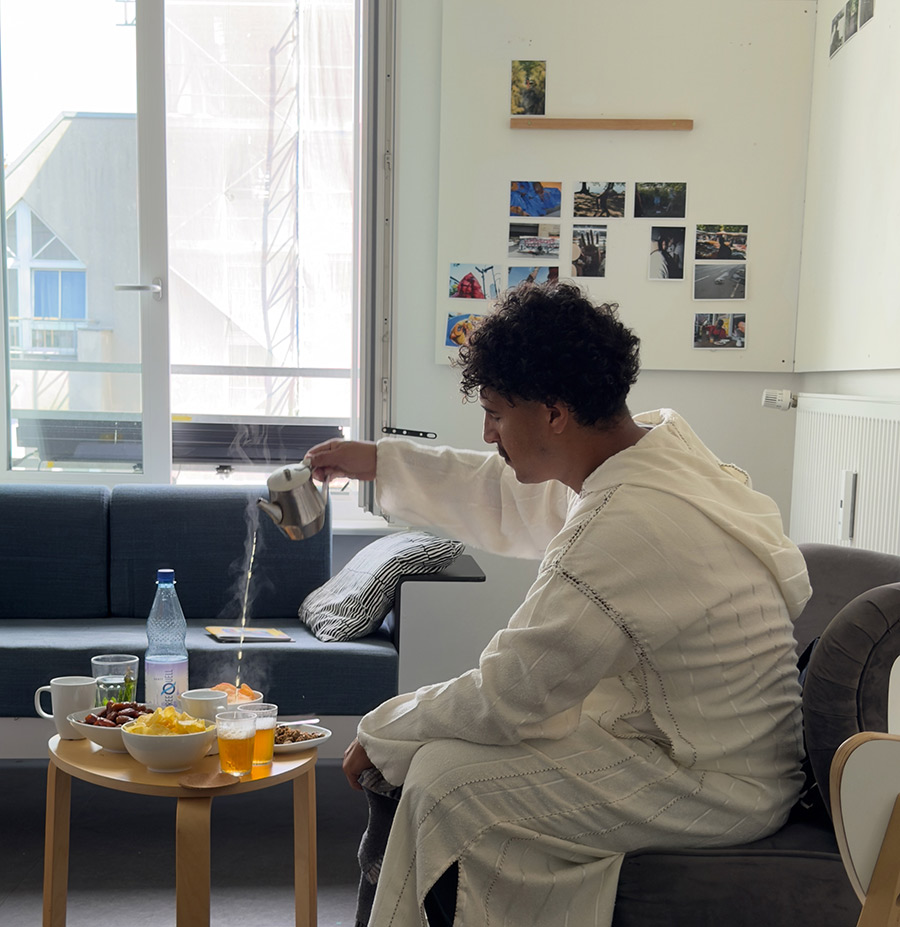
Mourad Fedouache. Martha Cooper Scholarship. Stiftung Berliner Leben. Berlin. (photo © Jaime Rojo)

The resemblance between the two photographers is not primarily visual. Cooper’s photographs are often direct, systematic records of people, actions, and environments. Fedouache’s work can be more diaristic, allowing his own memories, physical experiences, and visual associations to enter the developing sequence. Yet both are drawn to the ingenuity of ordinary people and to the unofficial ways they use streets, buildings, objects, and public space.

Cooper frequently entered communities as an attentive visitor who gradually earned access. Fedouache began by photographing the community from which he came. In Berlin, he is learning how to carry that closeness into places where he is the newcomer. His photographs suggest that he does so by spending time, speaking with people, returning, and allowing an encounter to become more than a picture taken in passing.
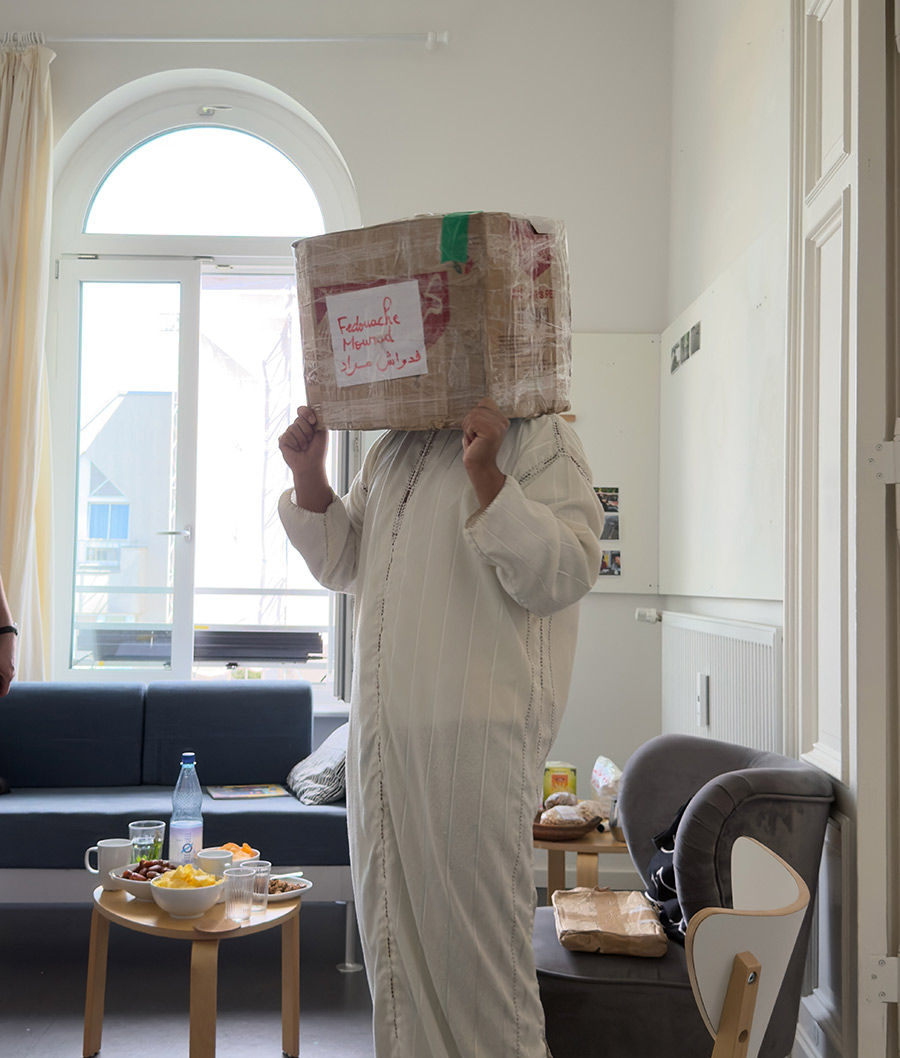
Illustrating a point with a box. Mourad Fedouache. Martha Cooper Scholarship. Stiftung Berliner Leben. Berlin. (photo © Jaime Rojo)

He described photography as a box with one eye. You turn it toward the world, he said, and decide how you will see what is there: beautiful or difficult, intimate or distant. Somewhat comically, he demonstrated the idea by putting a box over his head.

For now, the Berlin photographs remain spread across tables and gathered on the studio walls. A repeated hand may become a sequence. A photograph from a family restaurant may find its place beside an image from a march. Pictures of his mother and Morocco sit within the outline of a house while another idea about home develops nearby.

The final form will emerge later, during his exhibition for the program. What is already present is the consistency of Fedouache’s attention: a willingness to remain close to people, to recognize invention alongside hardship, and to keep looking until daily life begins to tell its own story.
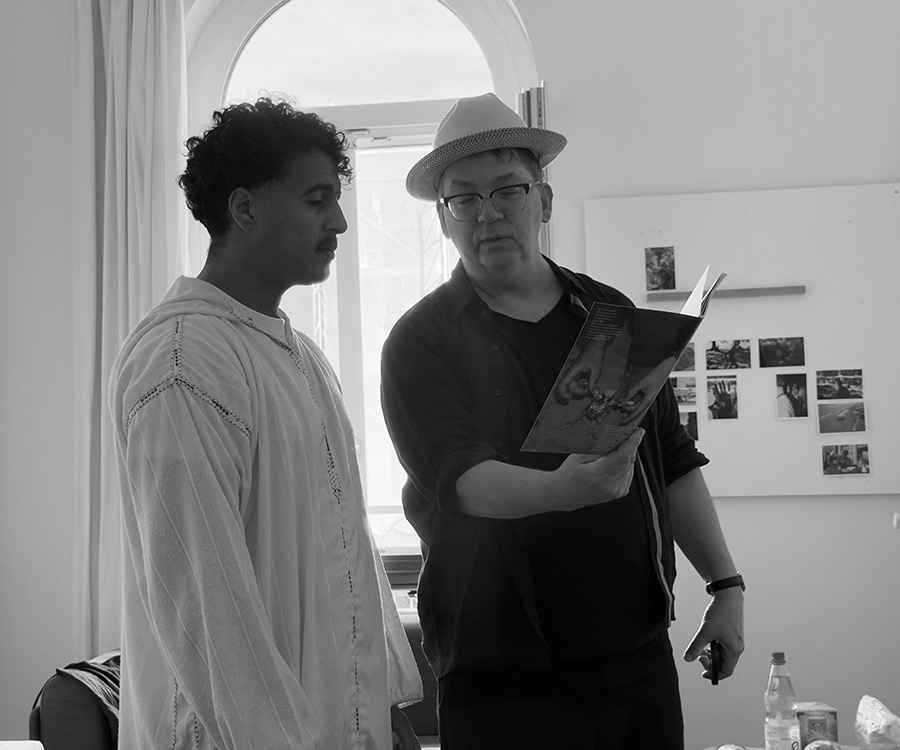
Mourad Fedouache. Martha Cooper Scholarship. Stiftung Berliner Leben. Berlin. (photo © Jaime Rojo)
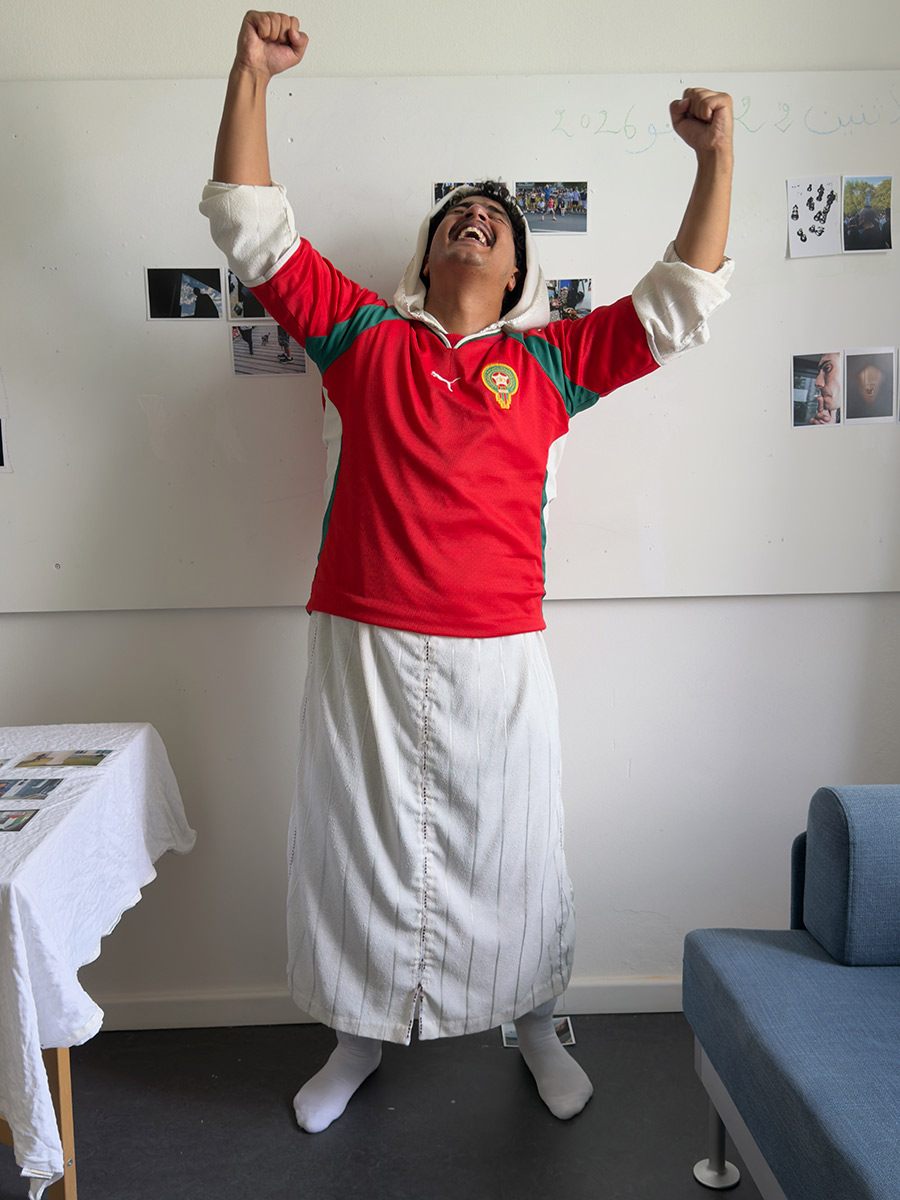
Mourad Fedouache talking about the FIFA World Cup. Martha Cooper Scholarship. Stiftung Berliner Leben. Berlin. (photo © Jaime Rojo)
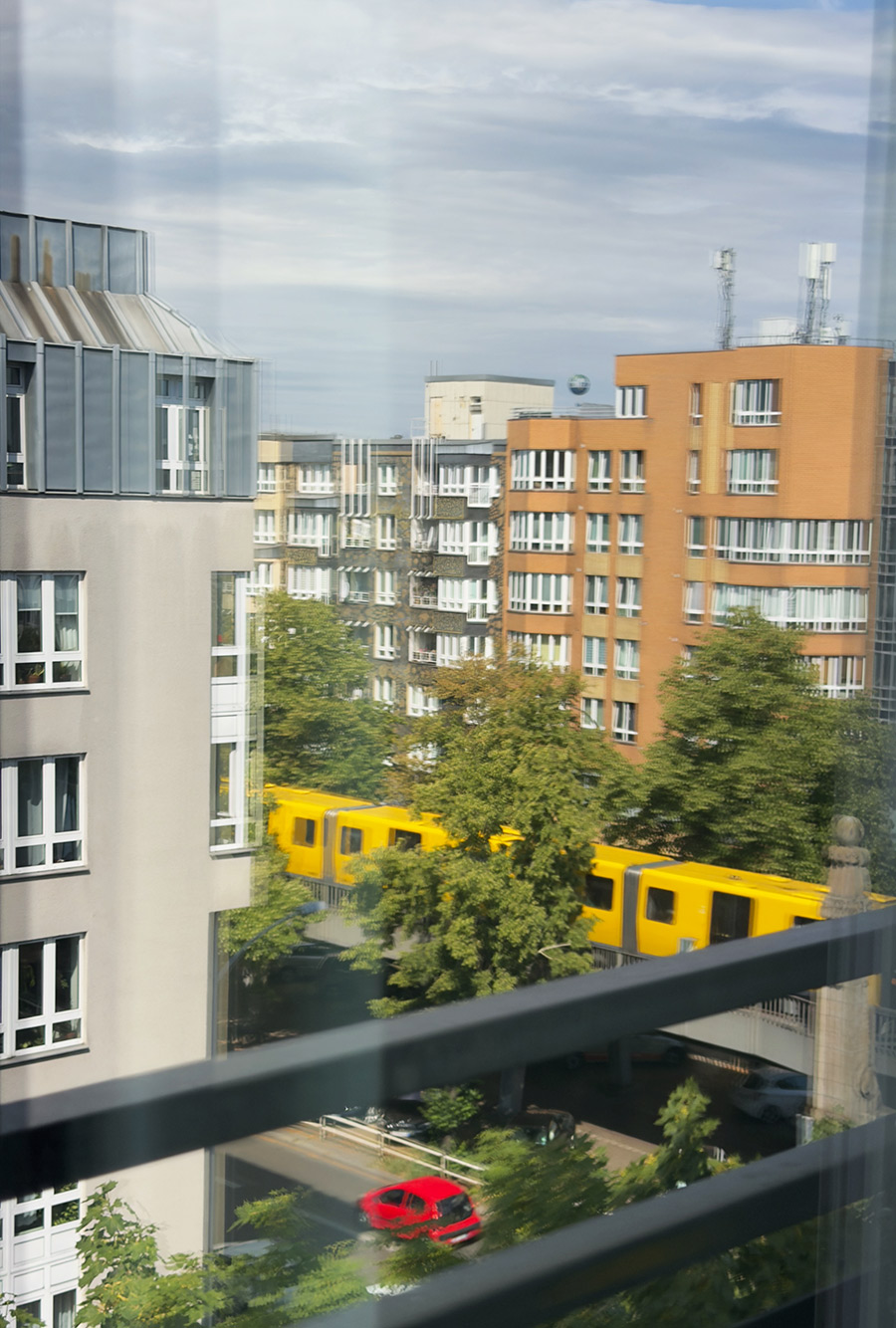
Mourad Fedouache. The view of Berlin from his studio. Martha Cooper Scholarship. Stiftung Berliner Leben. Berlin. (photo © Jaime Rojo)
Read more
Characters Welcome: A Mural Gathering at Barcelona’s Can Batlló

Characters Welcome: A Mural Gathering at Barcelona’s Can Batlló

Barcelona’s Can Batlló is one of those places where street art makes immediate sense. A historic nineteenth-century textile factory in the working-class neighborhood of La Bordeta, the industrial complex has gradually been reclaimed by local residents and transformed into a lively community hub. Filled with workshops, artists’ studios, performance spaces, a library, gardens, cooperatives, and cultural organizations, the place always feels in motion—mid-step, en route. The murals here are part of that larger ecosystem, where culture is understood not as decoration but as something people make together.

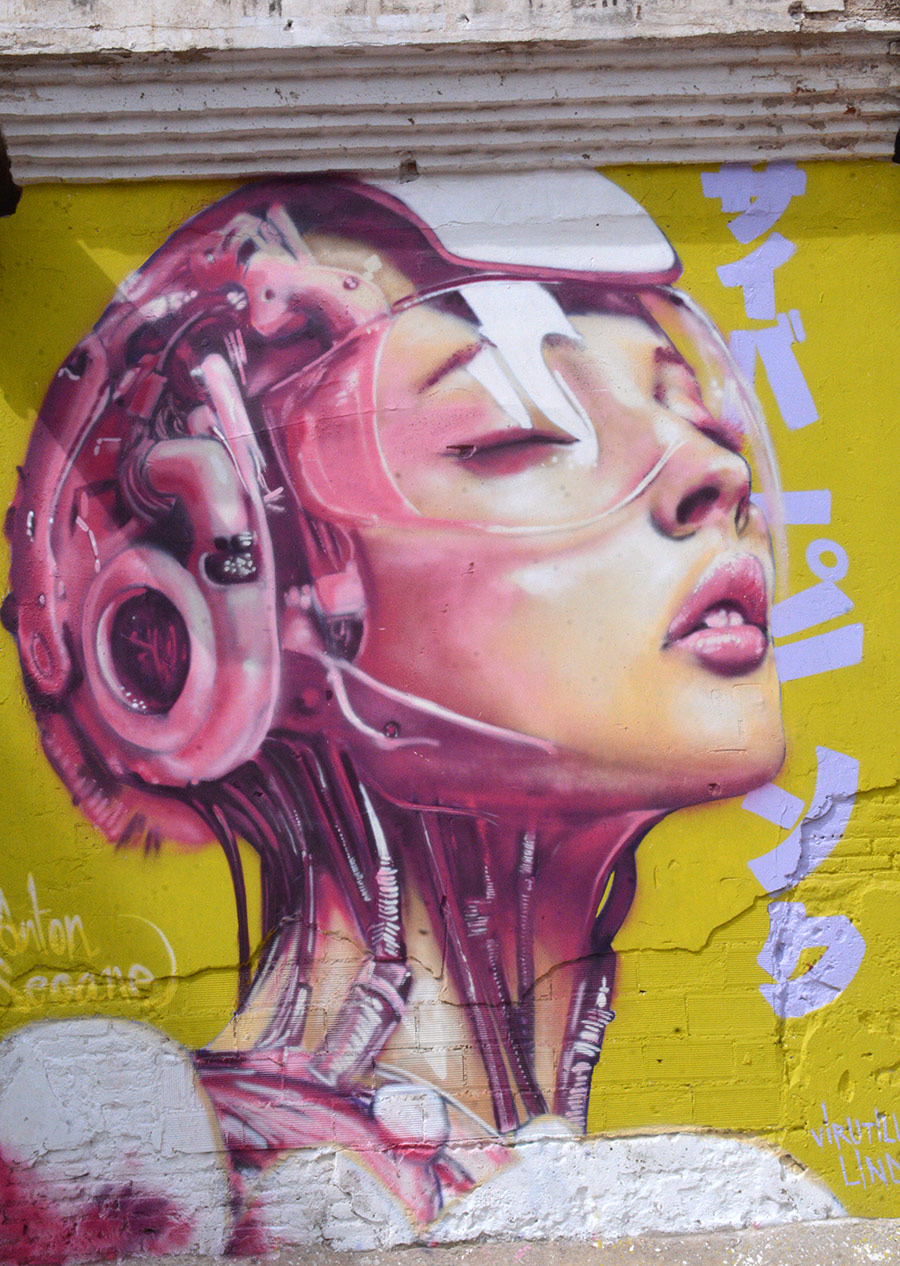
Anton Seoane / La Fabrica Rarita. Detail. Can Batlló, Barcelona. Spain. (photo © Lluis Olive Bulbena)

Courtesy of photographer Lluís Bulbena Olivas, we bring you recent walls organized through La Fábrica Rarita (F.R.U.T.A.), a creative collective based inside Can Batlló. Their recent “Anti-Aniversary” gathering brought together graffiti writers, muralists, illustrators, tattoo artists, musicians, and printmakers for a full day of collaborative painting, workshops, performances, and conversation.

A look through their Instagram quickly reveals that painting walls is only one part of what they do. Workshops in lettering, printmaking, illustration, music, and community arts sit comfortably alongside exhibitions and mural jams, reflecting an interest in building an active creative community rather than simply producing outdoor artworks.

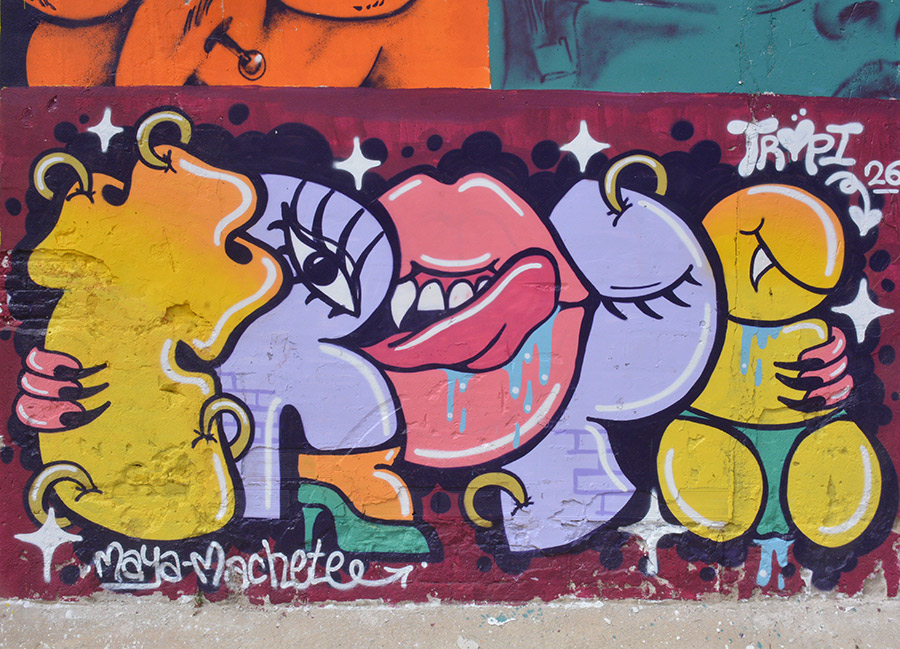
Tropidelia / La Fabrica Rarita. Detail. Can Batlló, Barcelona. Spain. (photo © Lluis Olive Bulbena)

That community-minded approach may also explain the remarkable variety of characters appearing across these walls. Instead of straightforward portraiture or overt political slogans, artists imagine futuristic androids, cartoon eccentrics, graphic poster figures, and fantastical personalities that borrow from graffiti, comics, animation, manga, science fiction, tattoo culture, illustration, and graphic design.

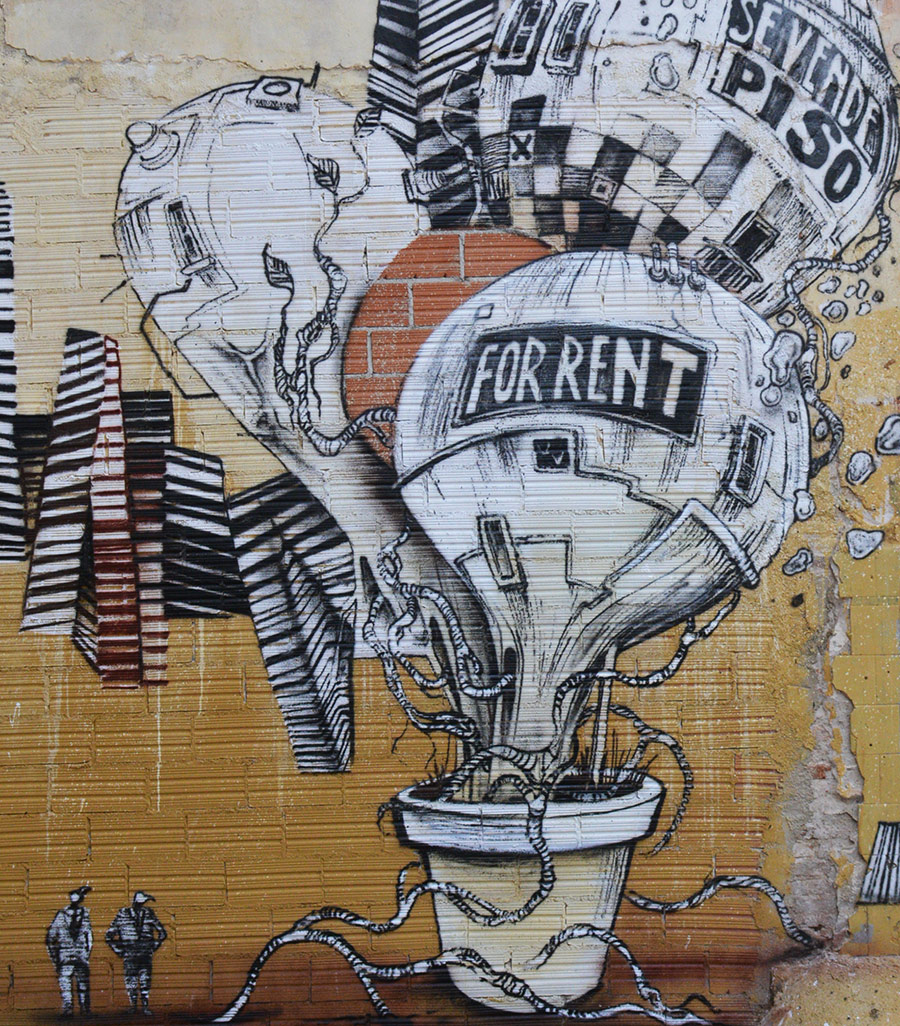
Together they create a cast of invented inhabitants rather than documenting the neighborhood literally. There are political concerns close at hand—Barcelona continues to wrestle with questions of affordable housing, development, and the preservation of independent cultural spaces—but here those conversations often unfold indirectly. The emphasis is on creating a place where artists, neighbors, and visitors can gather, experiment, and contribute to a shared cultural life.

Tropidelia / La Fabrica Rarita. Can Batlló, Barcelona. Spain. (photo © Lluis Olive Bulbena)

That spirit extends beyond Can Batlló itself. La Fábrica Rarita is connected to Cultura de Base (Grassroots Culture Barcelona), a coalition of independent cultural organizations advocating for stronger support of community-led culture. Their recent Model de Cultura? working sessions brought together artists, associations, and neighborhood groups to tackle practical questions: how grassroots cultural spaces survive, how they can be governed transparently, how cultural rights can be strengthened, and how public policy might better support citizen-run initiatives.

Rather than staging another conference, the organizers structured the event as a series of working sessions intended to produce concrete proposals for Barcelona’s political leaders—a reminder that, here, culture is viewed not only as artistic expression but also as a form of civic participation.

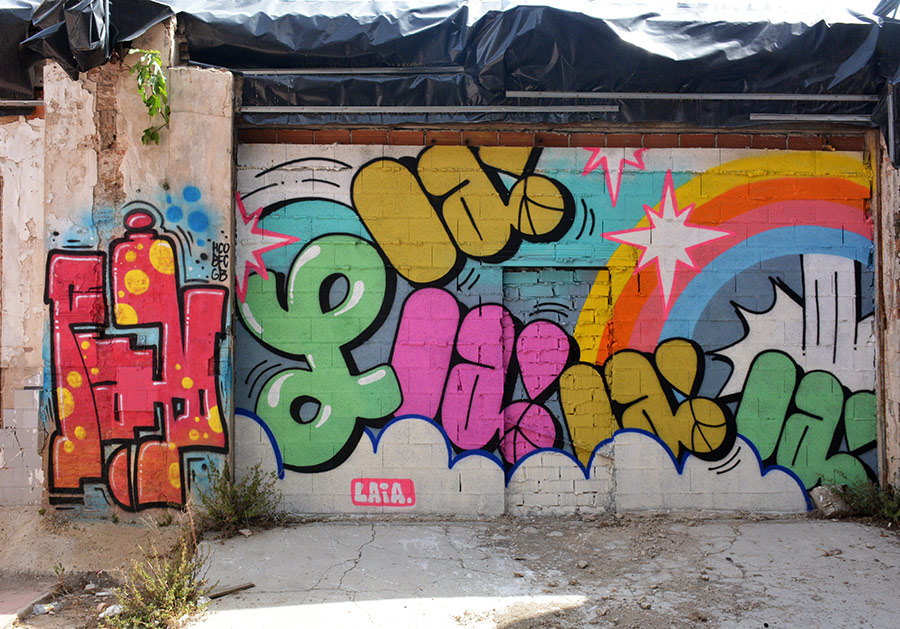
PAKO / Laia / La Fabrica Rarita. Can Batlló, Barcelona. Spain. (photo © Lluis Olive Bulbena)
RUGHY / La Fabrica Rarita. Can Batlló, Barcelona. Spain. (photo © Lluis Olive Bulbena)
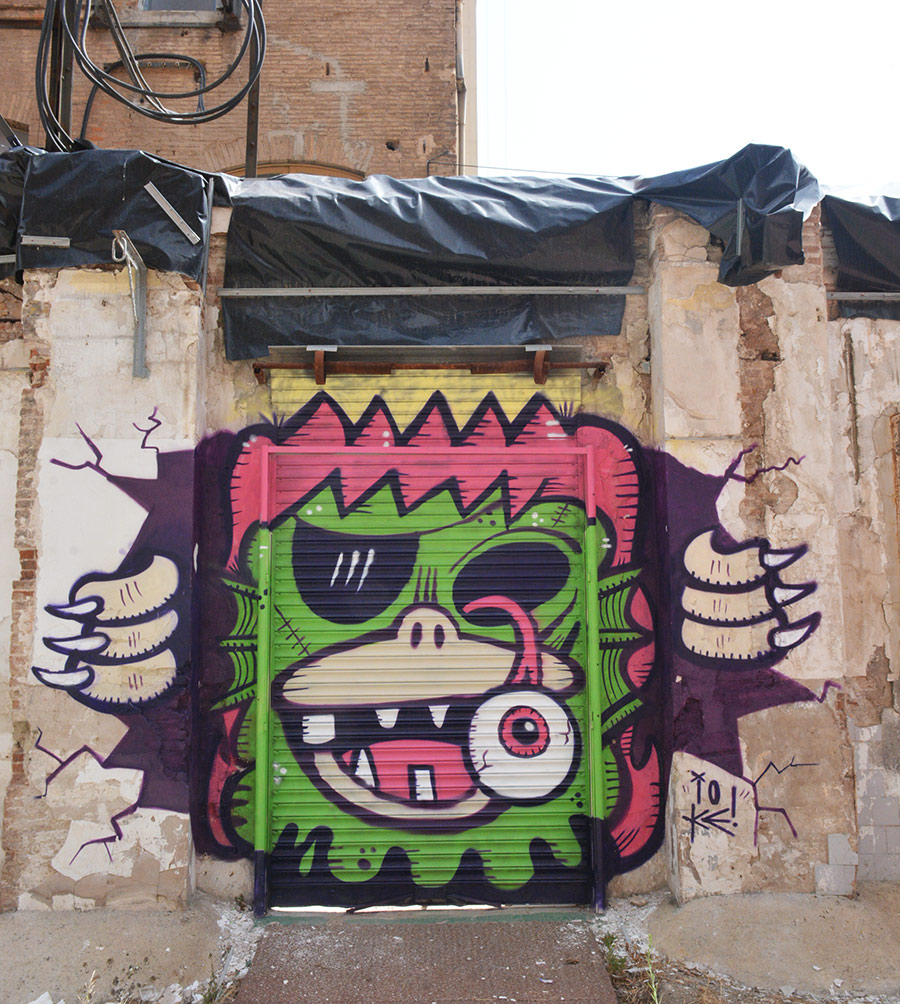
IOKE / La Fabrica Rarita. Can Batlló, Barcelona. Spain. (photo © Lluis Olive Bulbena)
Maligna / La Fabrica Rarita. Can Batlló, Barcelona. Spain. (photo © Lluis Olive Bulbena)
Feoflip / La Fabrica Rarita. Can Batlló, Barcelona. Spain. (photo © Lluis Olive Bulbena)
Feoflip / La Fabrica Rarita. Detail. Can Batlló, Barcelona. Spain. (photo © Lluis Olive Bulbena)
Feoflip / La Fabrica Rarita. Can Batlló, Barcelona. Spain. (photo © Lluis Olive Bulbena)
Tosco69 / La Fabrica Rarita. Detail. Can Batlló, Barcelona. Spain. (photo © Lluis Olive Bulbena)
Tosco69 / Feoflip / La Fabrica Rarita. Can Batlló, Barcelona. Spain. (photo © Lluis Olive Bulbena)
ASEMIKA / La Fabrica Rarita. Detail. Can Batlló, Barcelona. Spain. (photo © Lluis Olive Bulbena)
La Fabrica Rarita. Detail. Can Batlló, Barcelona. Spain. (photo © Lluis Olive Bulbena)

Learn more:

Read more
TRIPL /  Repainting Subway Art: The Most Audacious Graffiti Homage in a Generation

TRIPL / Repainting Subway Art: The Most Audacious Graffiti Homage in a Generation

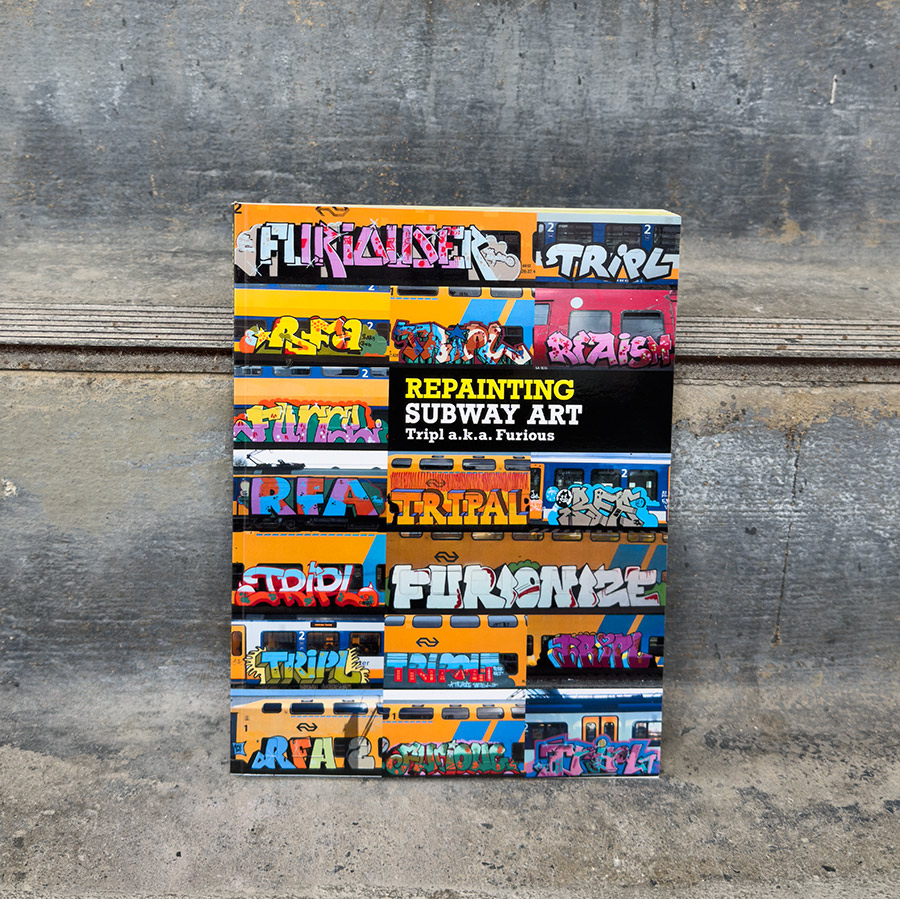
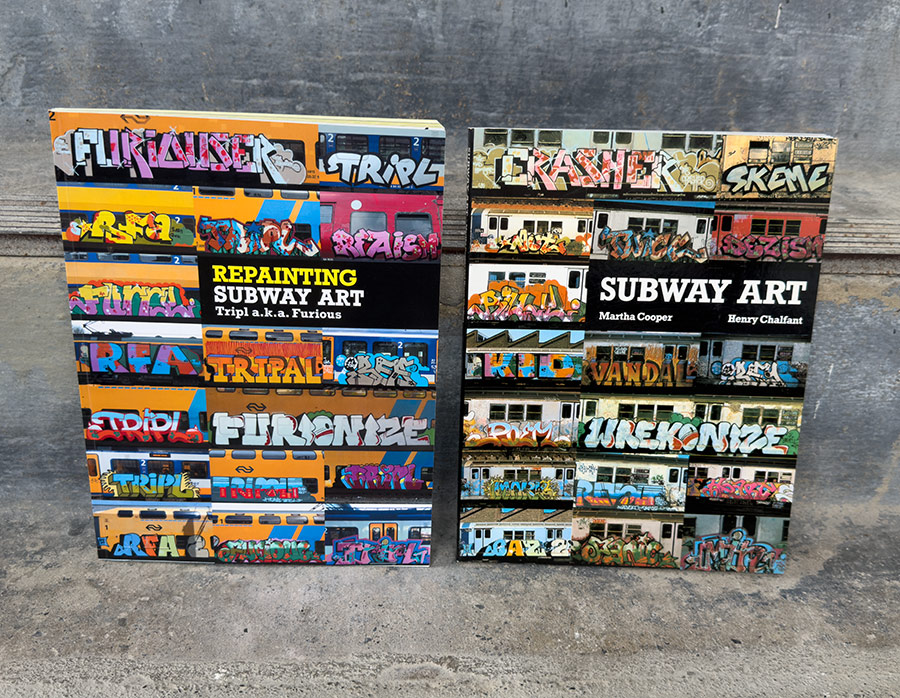
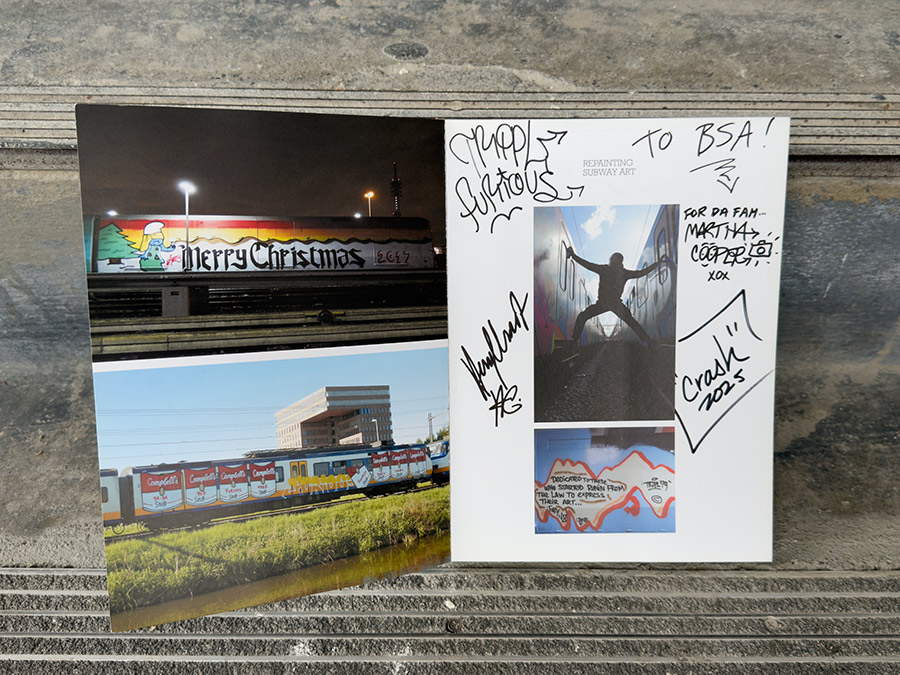
When you consider the time, talent, commitment, and sheer nerve required to create Repainting Subway Art, you hope that, at least once in your life, you have been as thoroughly possessed by an idea as Tripl, a.k.a. Furious. To undertake something on this scale requires the devotion of a monk, the discipline of an archivist, and the alertness of someone who knows that a light may flick on suddenly, a train may move, or a security guard may appear at any moment. What began as a joke in 2013 somehow became an obligation, then an expedition, then ten years of returning to the same nearly impossible proposition: repaint every work in Subway Art, photograph it, restage its scenes, and somehow make the whole unwieldy puzzle hold together.

TRIPL. REPAINTING SUBWAY ART. Tripl a.k.a Furious. Ryuzdael Publishing. Amsterdam, The Netherlands. December 2024.

The original 1984 book by Martha Cooper and Henry Chalfant has been carried across continents in backpacks, studied in bedrooms, circulated in photocopies, and worn ragged from repeated use. According to long-standing graffiti lore, more than a few copies were also “borrowed” from bookshops and libraries and never found their way back. Its photographs are inscribed in the visual memory of generations of writers, many of whom still name it as the first door that opened onto a life of nocturnal reconnaissance, railway yards, letterforms, and paint. Writing about the project in Nuart Journal, Dutch author and researcher Daniël de Jongh notes that Subway Art is commonly called “the Bible of Graffiti”; the phrase conveys its stature, but perhaps not the intimacy with which people have lived beside it. For many, it was less a commandment than an internal map.

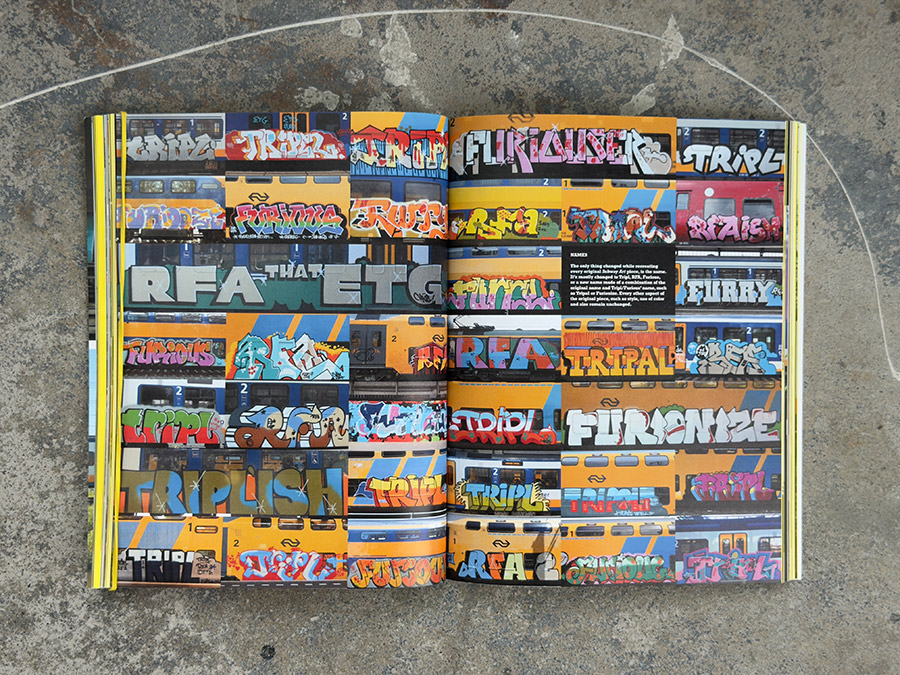
Tripl did not merely borrow its compositions or repaint a selection of celebrated pieces. Working principally on trains in the Netherlands, he recreated all 239 individual works pictured in the original, repeatedly translating the names into TRIPL, FURIOUS, and related aliases while entering the styles, proportions, gestures, humor, and visual decisions of the earlier writers. Dutch train cars were often substantially larger than their New York counterparts, requiring changes of scale, thousands of cans, carefully arranged bags of paint, advance sketches, nights in railway yards, and hurried returns by daylight to document the work before it was cleaned. In that respect, his routine echoed part of Cooper’s own: getting up early, tracking newly painted trains, and trying to make the photograph before the buff erased the evidence.

Painting the trains was only part of the assignment he had set for himself. Tripl also pursued the photographs—the angles, clothing, backgrounds, passengers, poses, interiors, and accidents of place that gave Cooper and Chalfant’s original images their documentary force. He impersonated writers, police officers, commuters, and children; tracked down period-appropriate objects; and sometimes repainted completed works simply because the first photograph was not good enough. Martha Cooper eventually participated in several of these reenactments herself, photographing Tripl in scenes that echoed her pictures of Dondi White and Henry Chalfant.

The resulting book is not a facsimile, although its dependence on the architecture of the earlier volume is central to its conceit. The substitutions, updated details, altered names, changes of country, and movement across four decades make it a reply written in paint, risk, repetition, and stolen hours. Tripl does not answer Subway Art from a desk. He answers it in railway yards, inside an operating train system, under pressure, by submitting himself to some of the scale, uncertainty, and impermanence that shaped the original work—and sometimes answering it with humor. An anti-Koch message becomes an anti-Trump message; a newspaper-reading passenger becomes a woman looking at a smartphone; old declarations receive new answers. Tripl preserves the visual scaffolding while allowing the present to enter through the seams.

At 196 pages and 371 illustrations, Repainting Subway Art is considerably larger than the book it answers. Its additional space accommodates working images, unsuccessful attempts, reconstructed scenes, new writing, and interviews with Tripl and Martha Cooper. Rather than presenting ten years of activity as a seamless triumph, the volume allows the labor to remain visible: the planning, repetition, improvisation, missed photographs, repainted trains, accumulated materials, and improbable persistence required to carry the project across the finish line.

It is easy to admire the project simply as an endurance feat, but the book becomes more interesting when considered as a form of historical participation. Tripl could not preserve the original works; those painted trains disappeared long ago. He subjected himself instead to a version of their circumstances—speed, secrecy, scale, uncertainty, and the necessity of documentation—and then carried the resulting evidence back into print. Repainting Subway Art is homage, reply, performance, open reinterpretation, and a decade-long refusal to let the idea go. Even after the trains have been cleaned and the nights themselves have disappeared, the evidence remains: someone actually did all of this.

Selected exhibitions and events

  • MU Hybrid Art House, Eindhoven, Netherlands
    June 10–August 27, 2023. Curated by Jasper van Es. Martha Cooper joined Tripl during the exhibition for a screening of Martha: A Picture Story and a public discussion.
  • Leicester Museum & Art Gallery, Leicester, United Kingdom
    February 3–May 27, 2024. Presented in association with Bring the Paint.
  • Colab Gallery, Weil am Rhein, Germany
    June 10–November 2, 2024, as part of the group exhibition Patience.
  • Urban Spree, Berlin, Germany
    January 17–March 1, 2025. The exhibition, curated by Jasper van Es, opened with a book signing on January 17.
  • Museum of the City of New York, New York City
    April 4, 2025, at 6:30 p.m. Tripl appeared with Martha Cooper, Henry Chalfant, and John “Crash” Matos for Repainting Subway Art: From NYC to Amsterdam. Moderated by graffiti scholar Edward Birzin, the conversation examined the evolution and international reach of graffiti, the continuing influence of Subway Art, and Tripl’s decade-long response to it.
  • WallWorks New York, Bronx, New York
    A companion exhibition featuring work by Tripl opened April 5, 2025, following the Museum of the City of New York program.

Book details

Produced with support from the Mondriaan Fund

Repainting Subway Art — Tripl a.k.a. Furious

Published by Ruyzdael Publishing, Amsterdam

Publication date: December 19, 2024

196 pages

371 illustrations

Paperback, 21 × 27.5 cm

ISBN: 978-90-833493-2-9

Authors: Tripl/Furious, Edward Birzin, and Mikel van den Boogaard

Editor: Ferry van Zijderveld

Read more
BSA Images Of The Week: 07.19.26

BSA Images Of The Week: 07.19.26

Welcome to BSA Images of the Week! New York has endured a week of choking smoke from Canadian wildfires, 98-degree (37°C) heat, and pounding summer thunderstorms. Today, the FIFA World Cup Final arrives, briefly transforming the city once again. Bars in Argentine and Spanish neighborhoods are overflowing with fans, an estimated 50,000 people will gather before giant screens in Central Park, and across the Hudson, 83,000 will pack MetLife Stadium. The match has also turned the region into a temporary diplomatic capital, drawing President Trump, Mexican President Claudia Sheinbaum, Spain’s King Felipe VI, Spanish Prime Minister Pedro Sánchez, and Canadian Prime Minister Mark Carney.

Yet New York has a way of absorbing even the grandest spectacles. While the sporting euphoria fills many spaces, someone in Jackson Heights is comparing the price of canned beans and reaching for the store brand, another is watering tomatoes at M’Finda Kalunga Community Garden on the Lower East Side, someone else is doing the week’s laundry at Ludlow Laundromat, while another is stretched out beside a rooftop pool in Williamsburg. As they say on Broadway, come hell or high water, the show must go on.

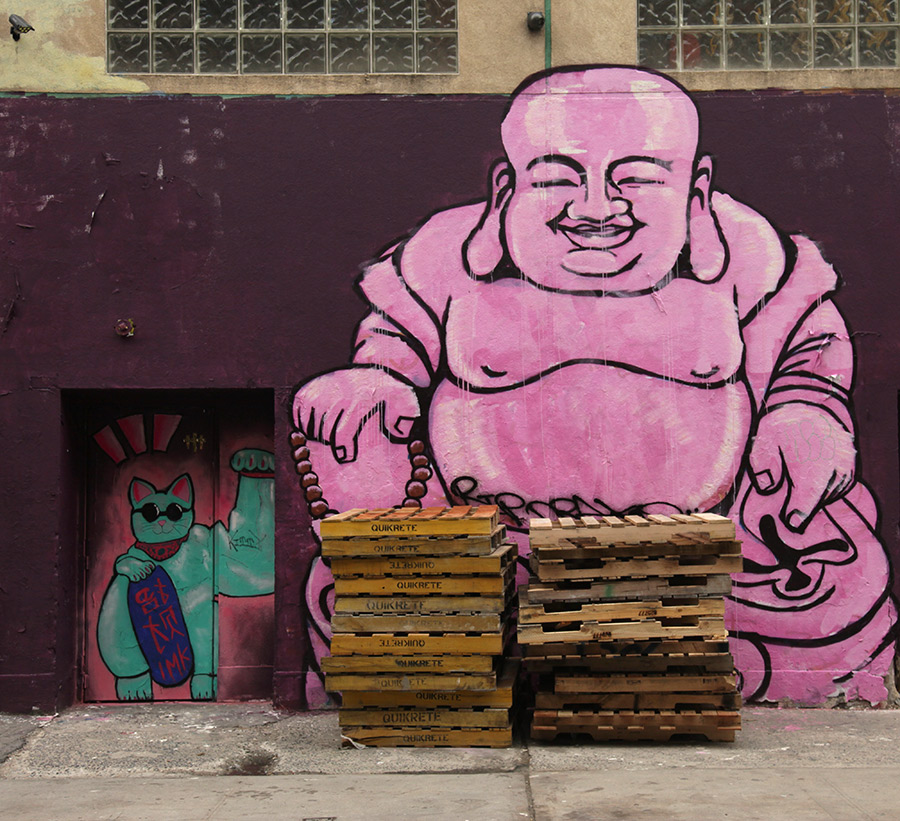
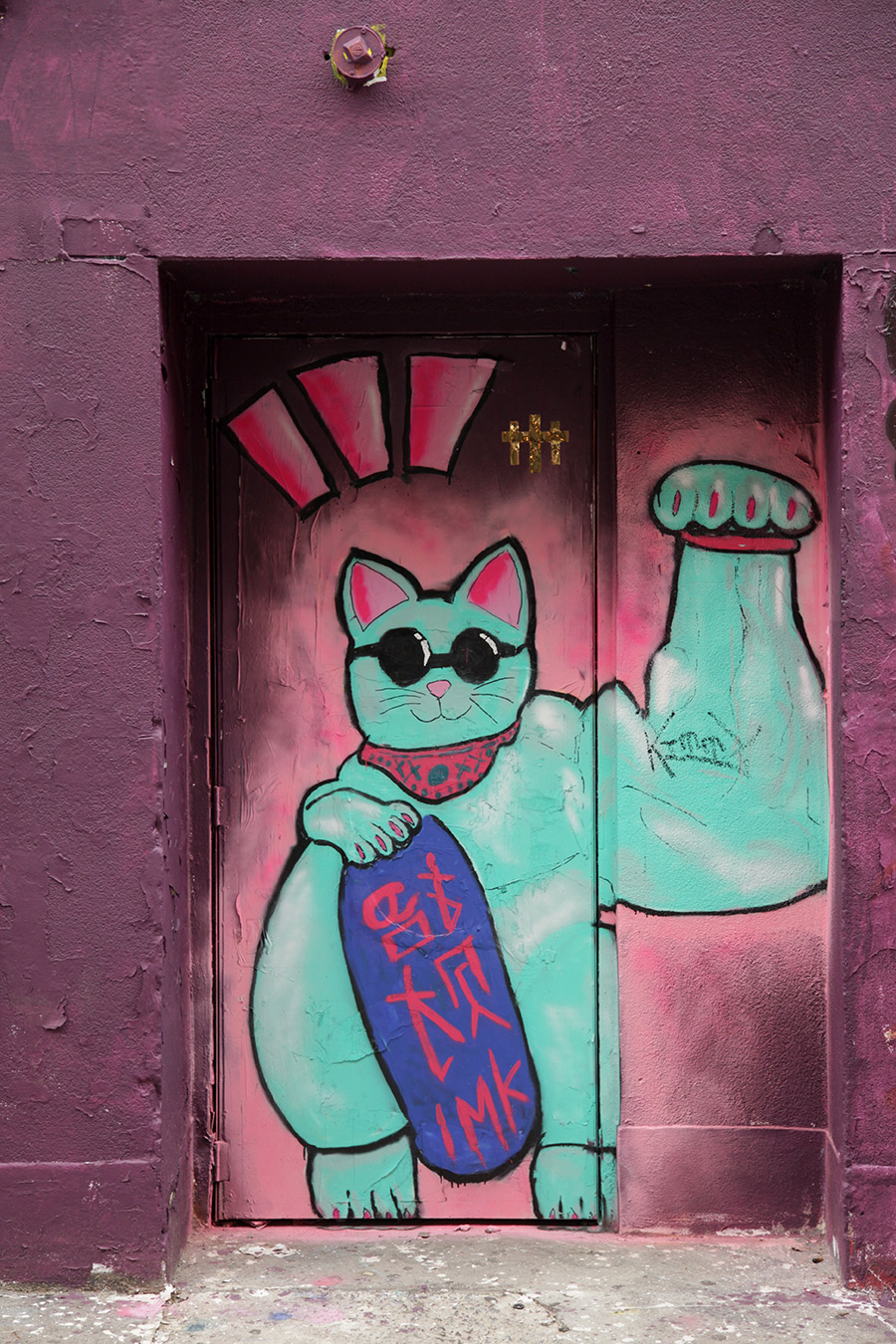
Here is our weekly interview with the street, this time featuring CRKSHNK, Debt, Hops Art, IMK, JerkFace, Little Ricky, Makatron, Sara Lynne Leo, SOOBEK, and Worst Timer.

Mike Makatron for East Village Walls. (photo © Jaime Rojo)
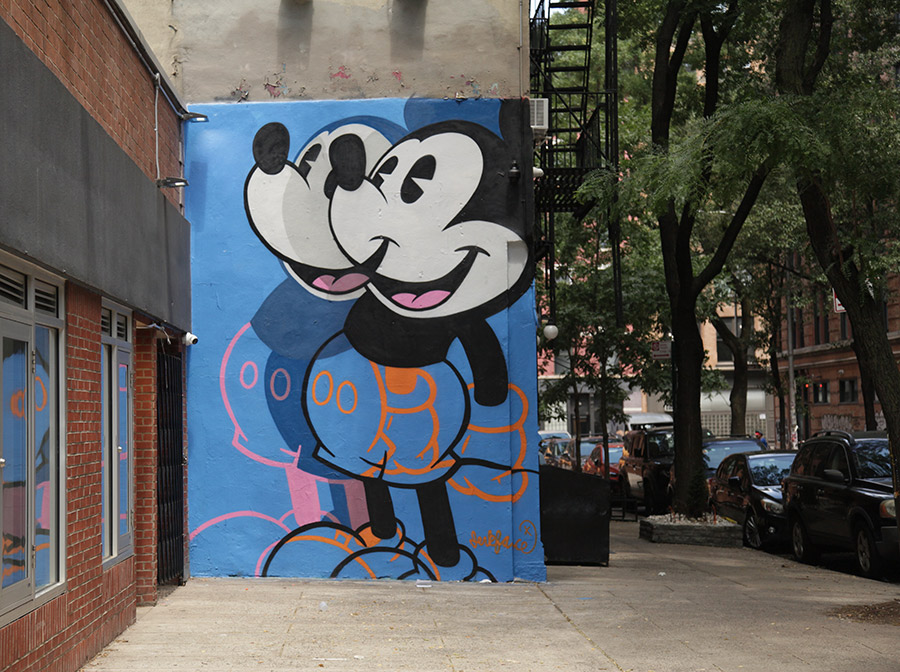
Jerkface gives his double Mickey a new look. (photo © Jaime Rojo)
Talliah Lemper (photo © Jaime Rojo
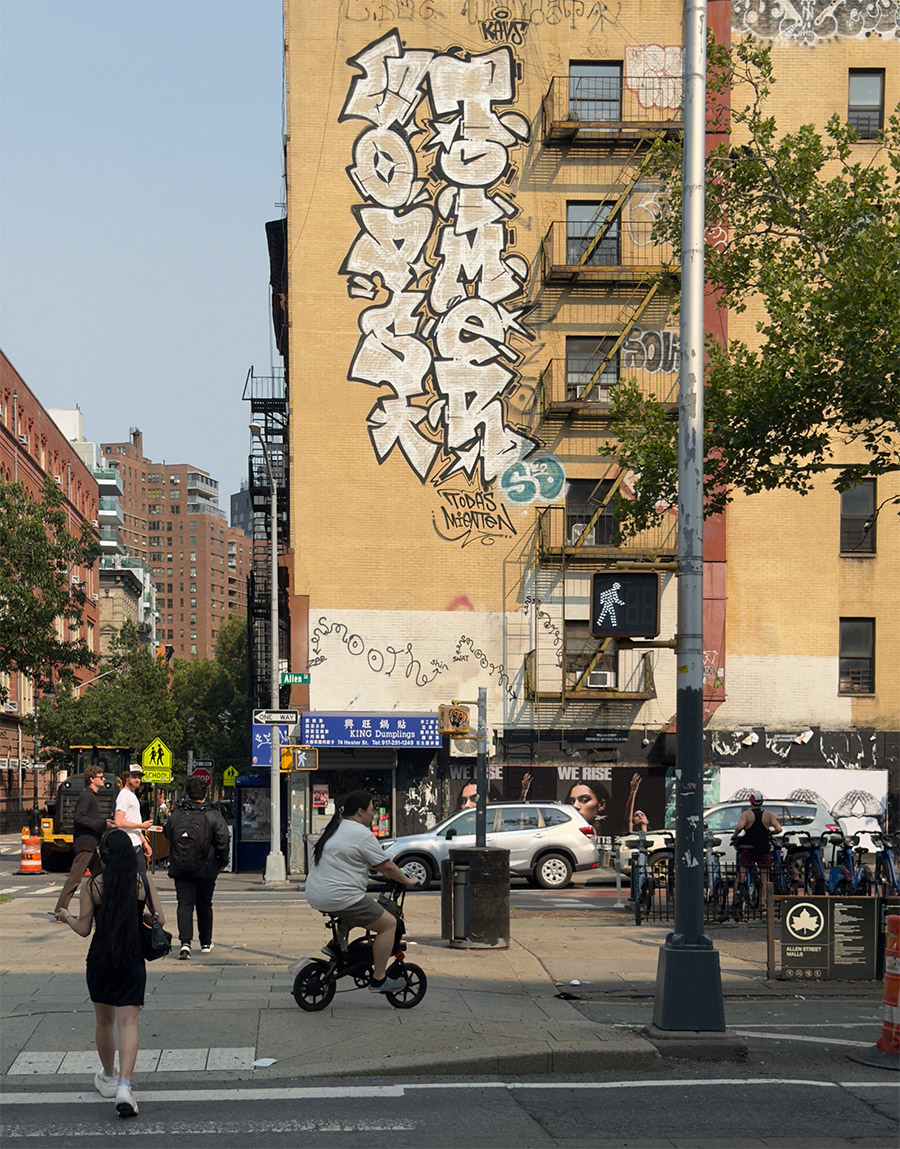
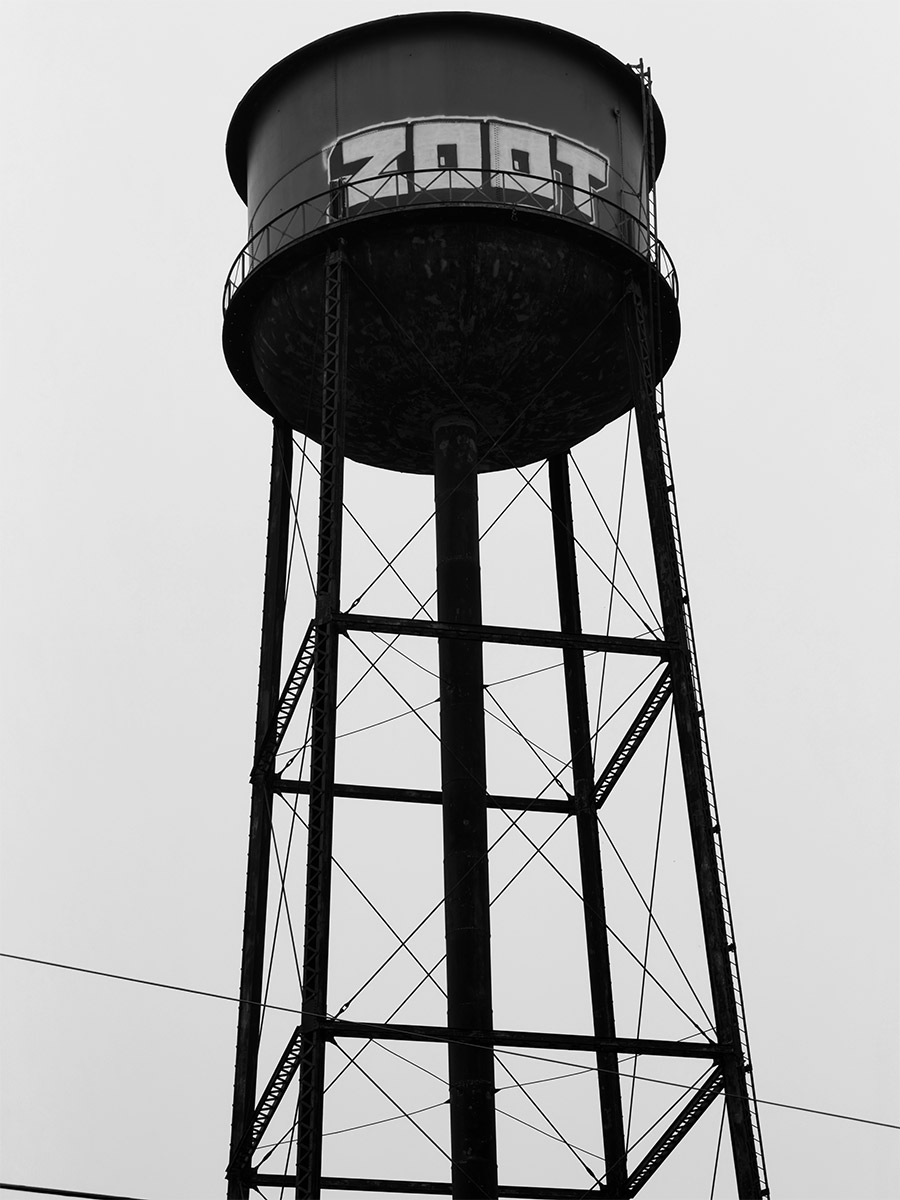
ZOOT (photo © Jaime Rojo)
A pretty prime spot, now occupied by ZOOTER (photo © Jaime Rojo)
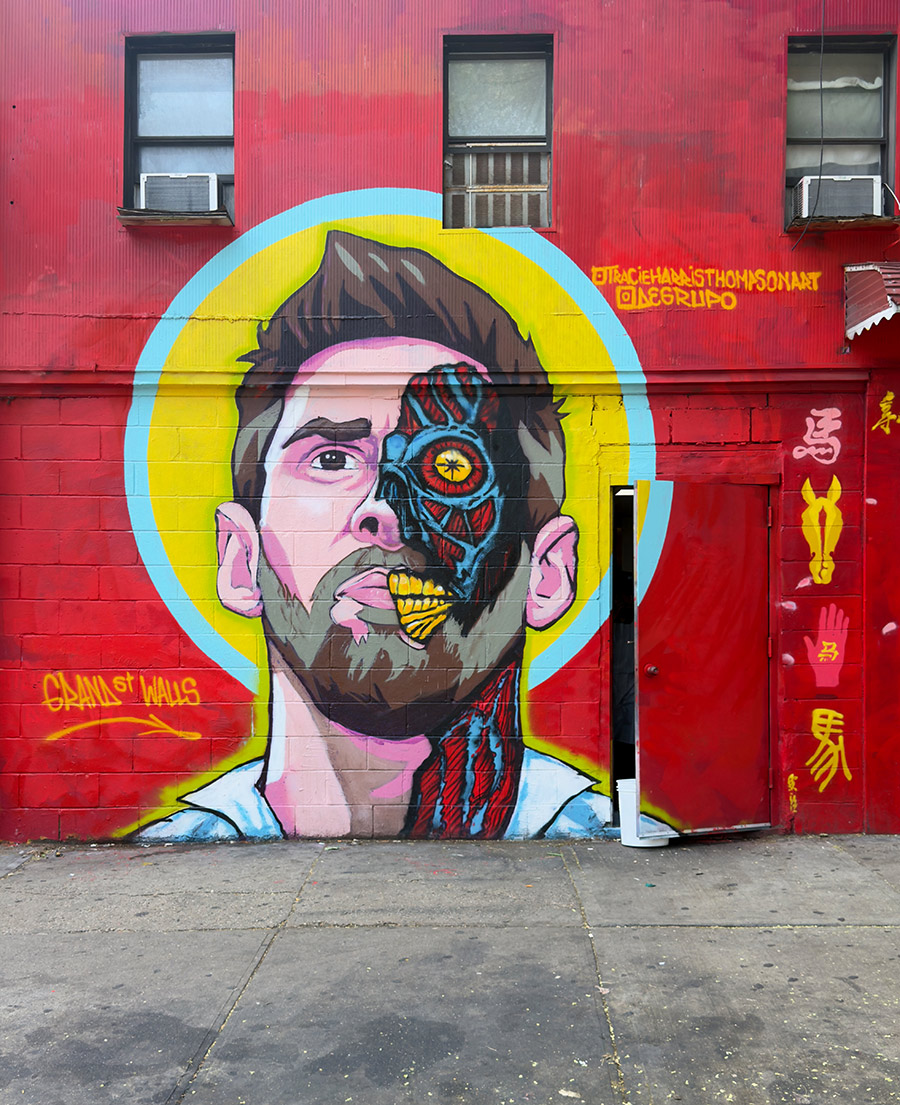
At 39, Lionel Messi is expected to play his final World Cup match today as Argentina faces Spain in the 2026 FIFA World Cup Final. It will be his third World Cup final and Trace Harris diefies him, while Degrupo reveals he’s cyborg. (photo © Jaime Rojo)
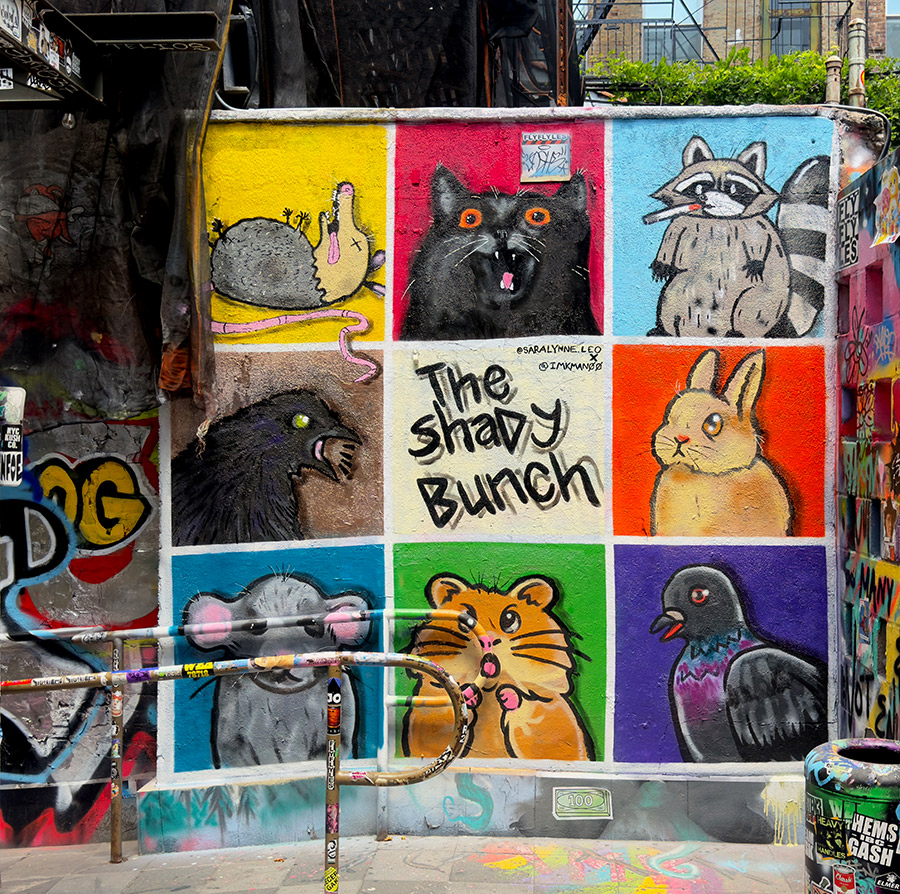
“Then one day when the raccoon met a pigeon, and they knew that it was much more than a hunch…” Sara Lynne Leo / IMK (photo © Jaime Rojo)
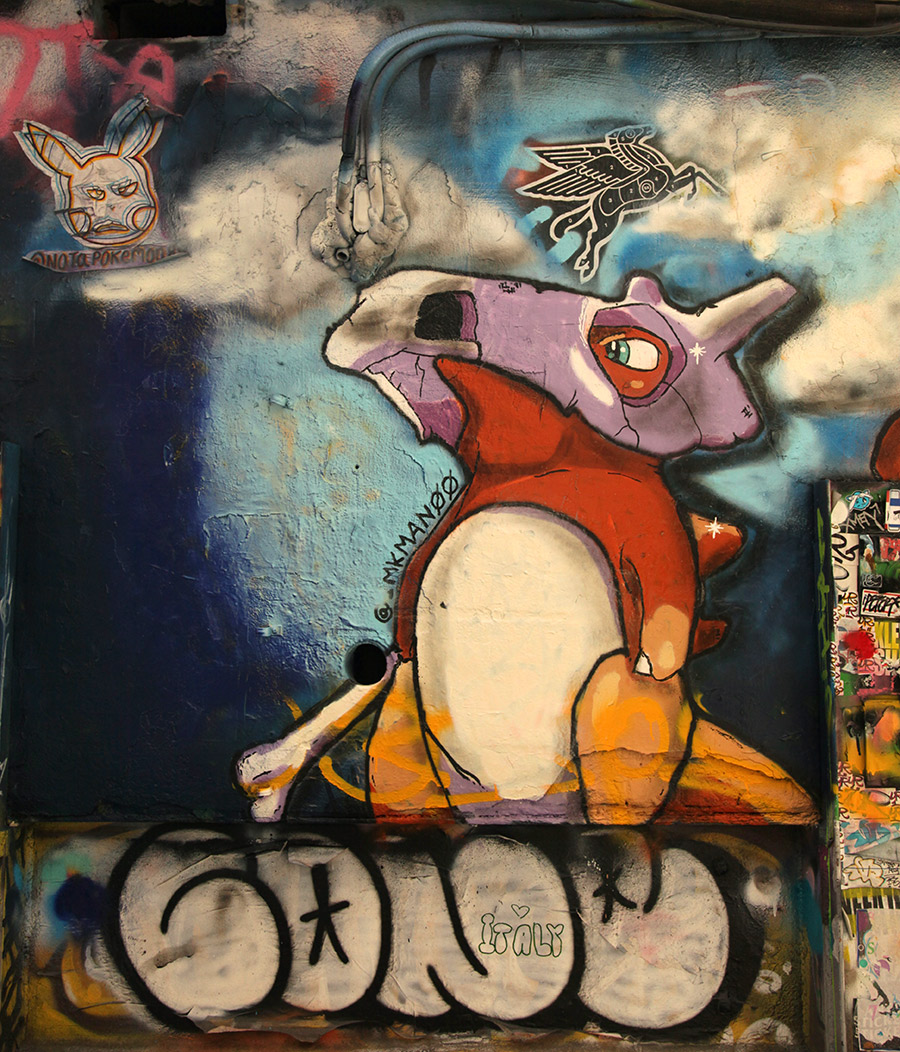
IMK (photo © Jaime Rojo)
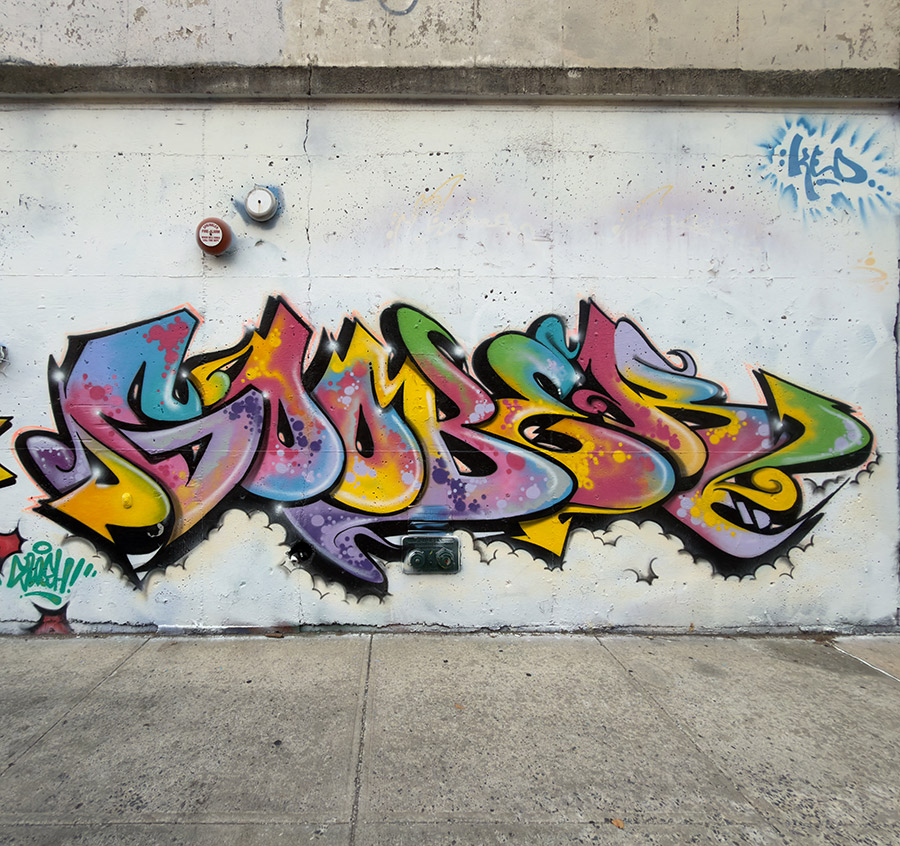
SOOBEK (photo © Jaime Rojo)
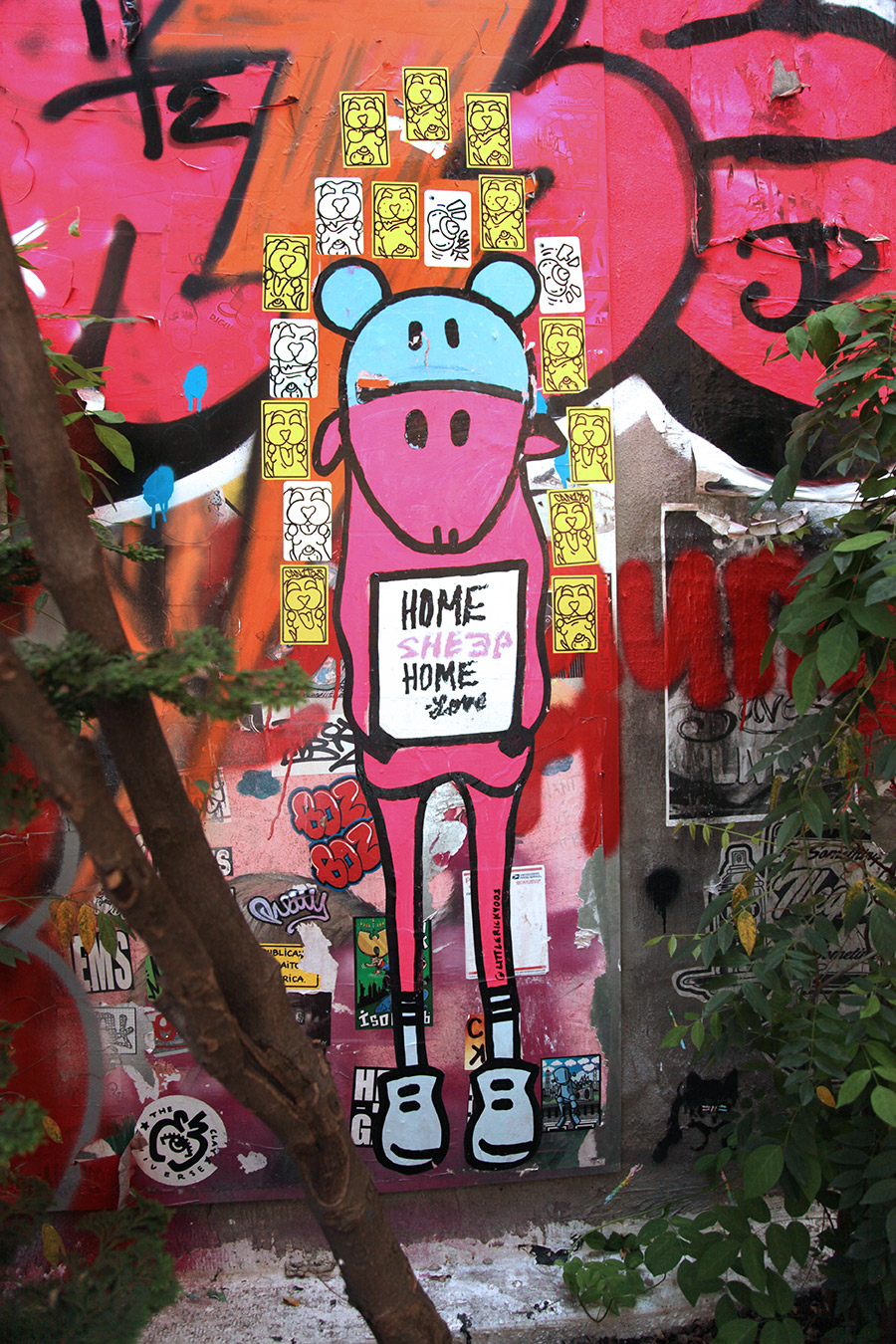
Little Ricky (photo © Jaime Rojo)
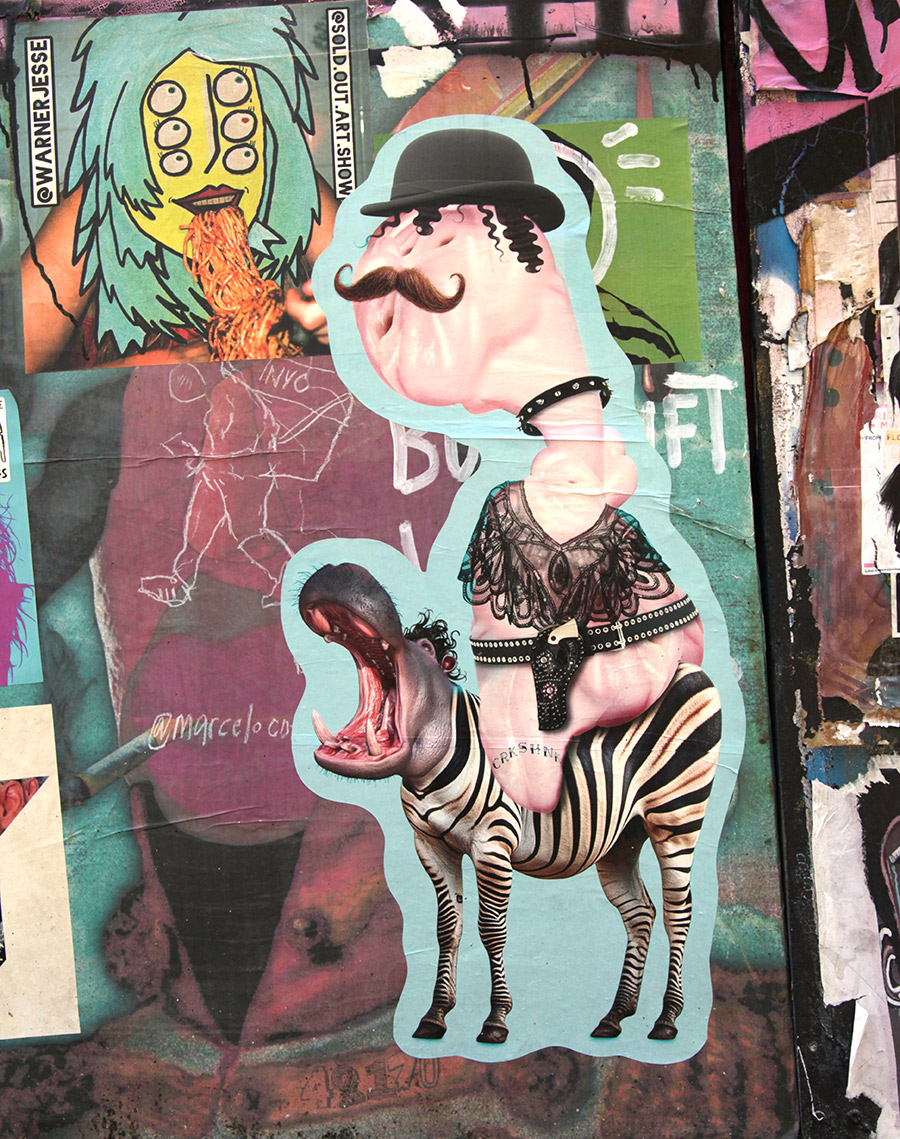
CRKSHNK goes there. (photo © Jaime Rojo)
The power of the state, inked on acid wash. Unidentified artist (photo © Jaime Rojo)
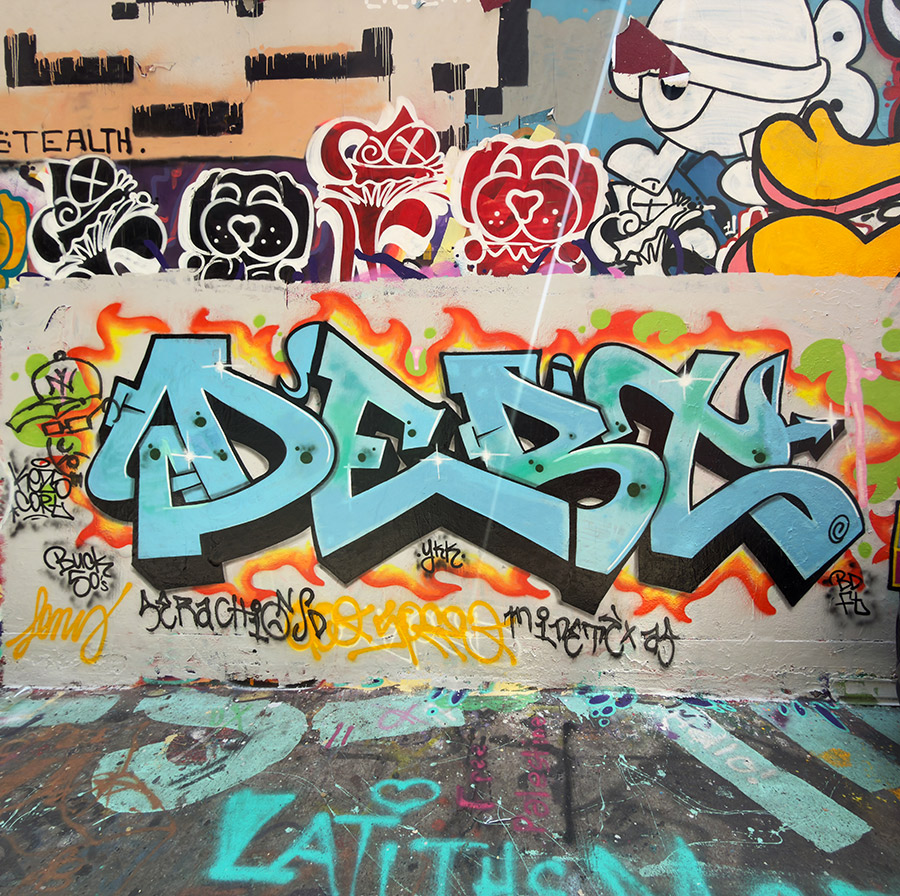
DEBT keeps it tight, and on fire. (photo © Jaime Rojo)
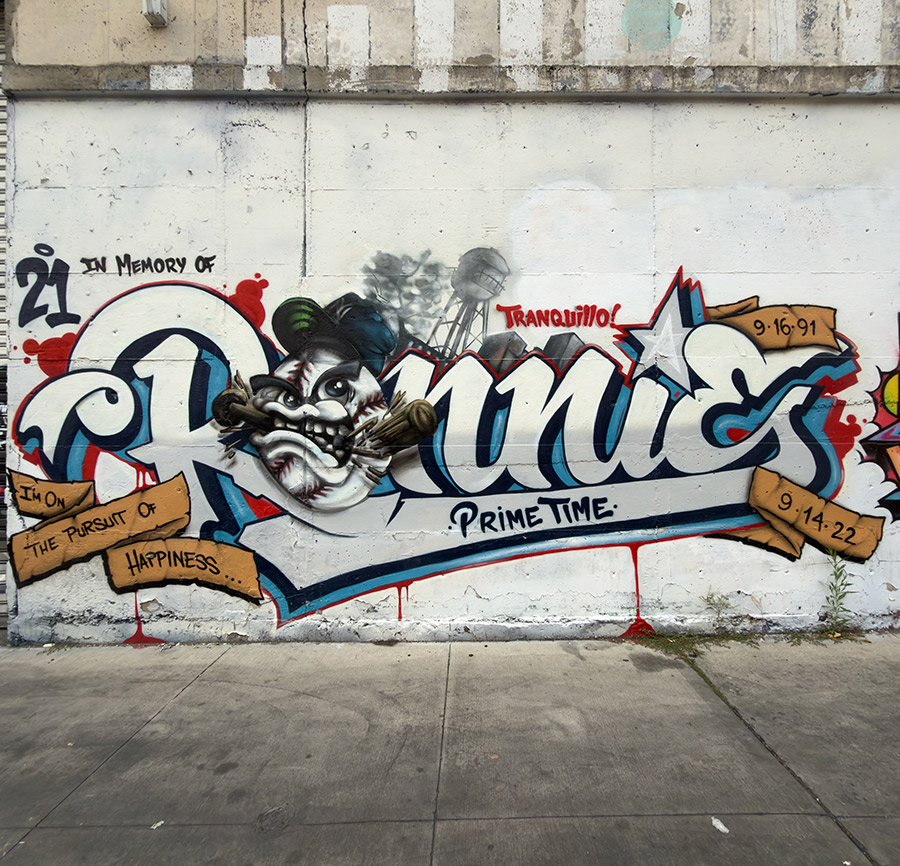
In memory of RONNIE. (photo © Jaime Rojo)
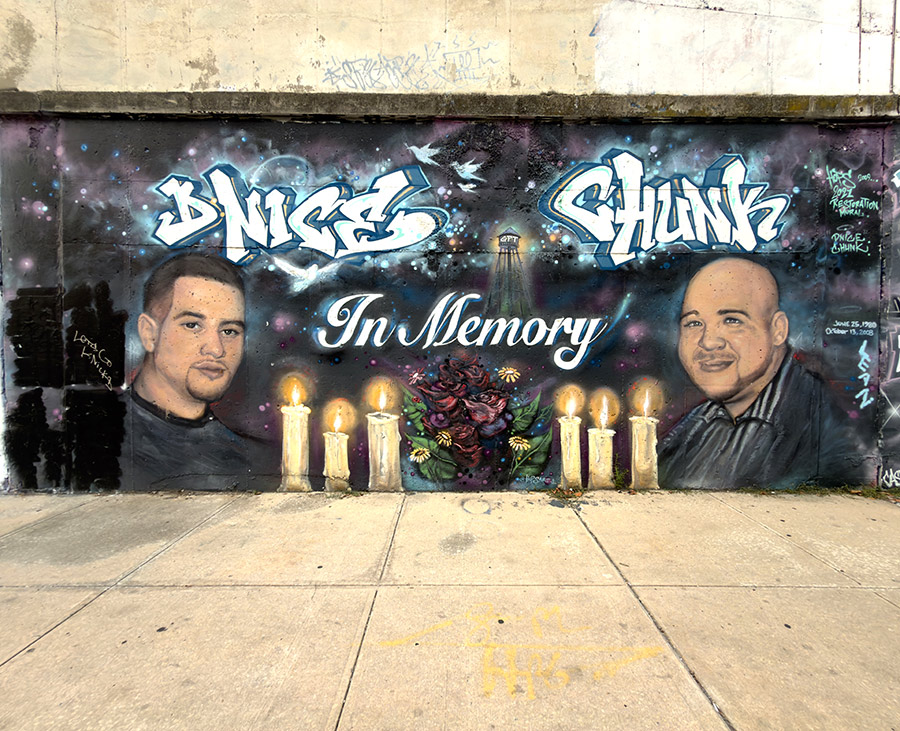
HOPS ART refreshes this memorial mural of DNICE AND CHUNK. (photo © Jaime Rojo)
WORST TIMER (photo © Jaime Rojo)
NYC engulfed in smoke from Canadian wildfires. Summer 2026. (photo © Jaime Rojo)
Read more
My Precious : A Gollum for the FIFA Era

My Precious : A Gollum for the FIFA Era

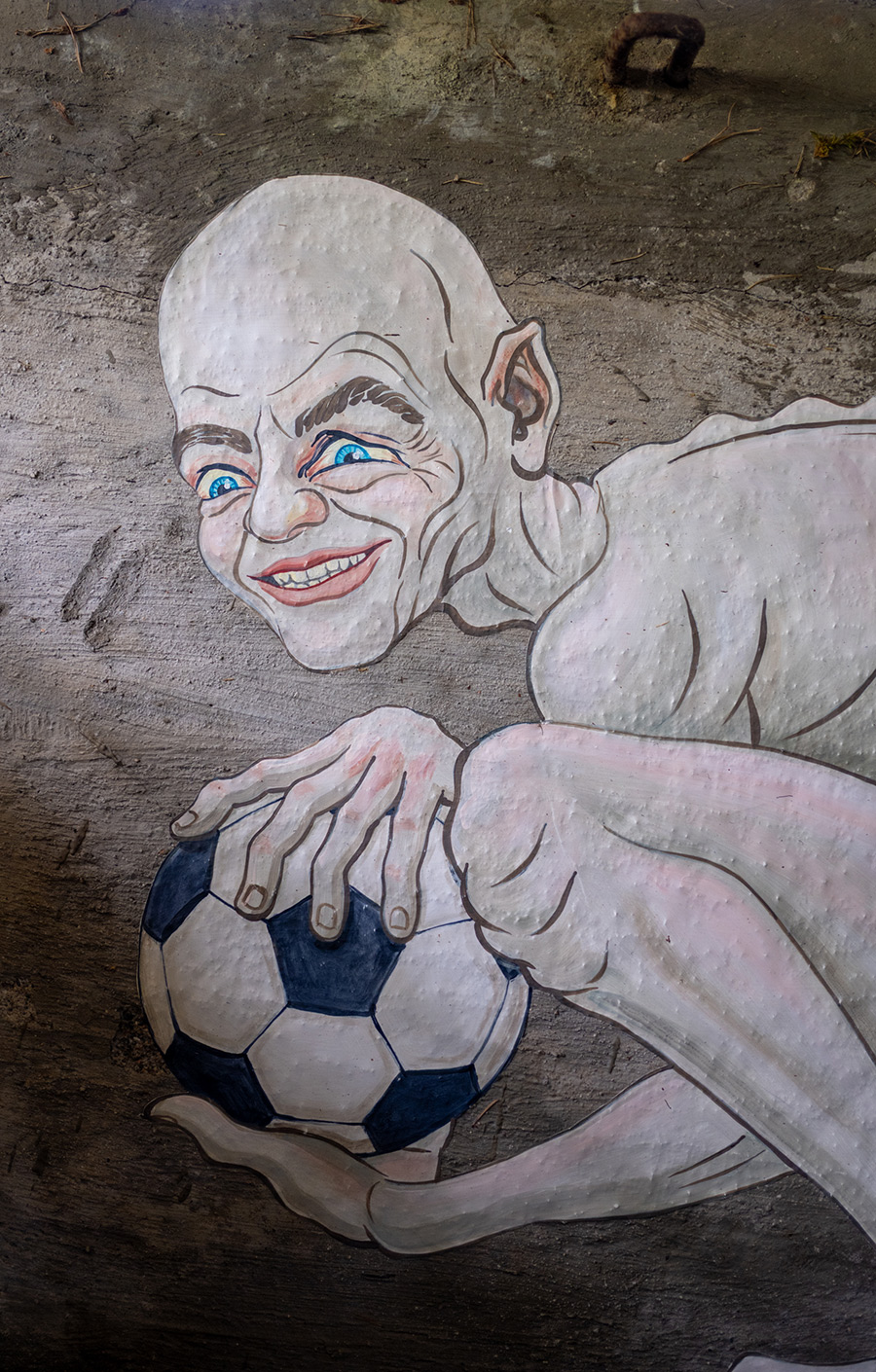
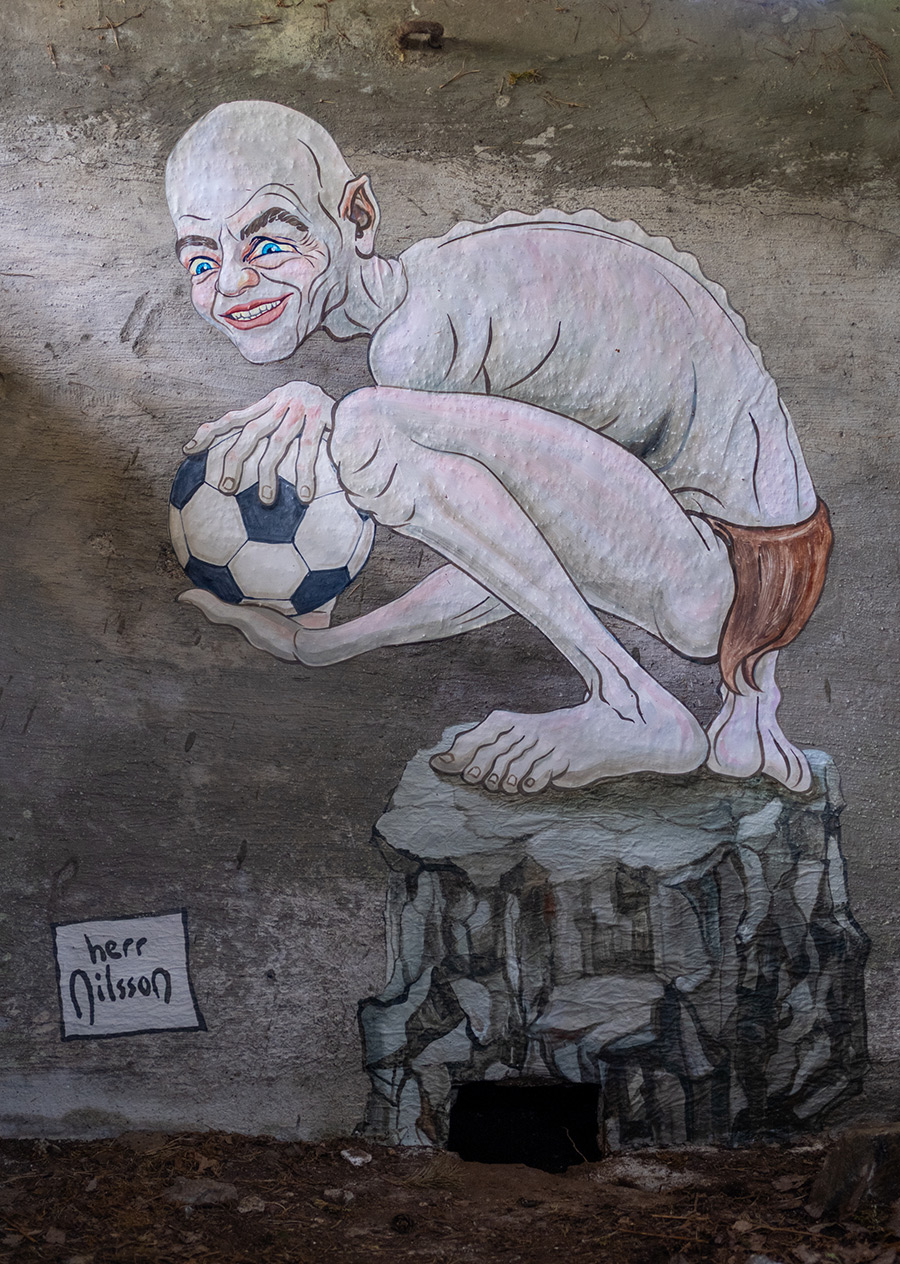
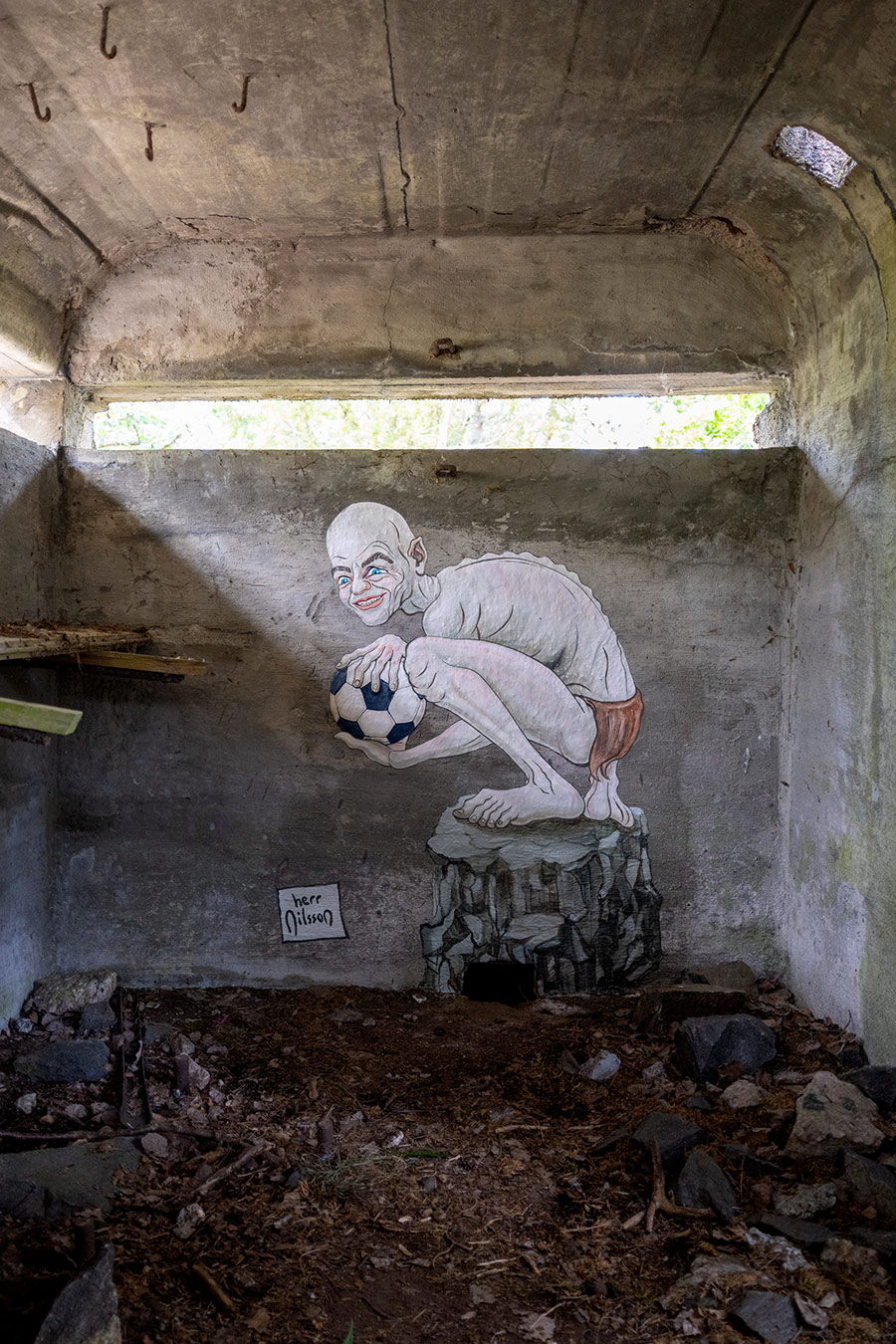
Hidden inside a decommissioned military bunker in the Stockholm Archipelago, street artist Herr Nilsson has tucked away a new obsession. Beneath a moss-covered entrance that looks as though it belongs in Middle-earth, Gollum crouches lovingly over a football. Gone is Tolkien’s One Ring. In its place sits the world’s most popular game—his new “Precious.”

The face appears to borrow features from FIFA president Gianni Infantino, turning Gollum’s all-consuming fixation into a sly comment on football’s governing establishment and its grip on the sport.

Herr Nilsson. “My Precious”. Detail. Stockholm Archipelago. July 2026. (photo © Herr Nilsson)

It is a timely reminder that football has become far more than a sport. It is spectacle, identity, commerce, politics, and, for many, a substitute for civic engagement itself. Victories and defeats by players we’ll never meet can send millions into the streets, while issues much closer to home struggle to command the same collective energy.

Herr Nilsson doesn’t lecture about any of this. He simply replaces the Ring with a football—and suddenly Tolkien’s most famous addict begins to look uncomfortably familiar.

Herr Nilsson. “My Precious”. Detail. Stockholm Archipelago. July 2026. (photo © Herr Nilsson)
Read more
“Vandalism – A Social Sculpture”: Brad Downey, Berlin Writers, and a Monument to Graffiti in Ceramic

“Vandalism – A Social Sculpture”: Brad Downey, Berlin Writers, and a Monument to Graffiti in Ceramic

Unconventional is a high bar to reach, and artist Brad Downey has specialized in it for more than two decades.

An American from Louisville who has made Berlin his home since the mid-2000s, Downey has built an international reputation by treating the urban sphere as studio, laboratory, and material. His interventions in many cities have ranged from subtle “spontaneous sculptures” fashioned from everyday street furniture to larger public projects that quietly question who controls public space and how authority is expressed through the built environment.

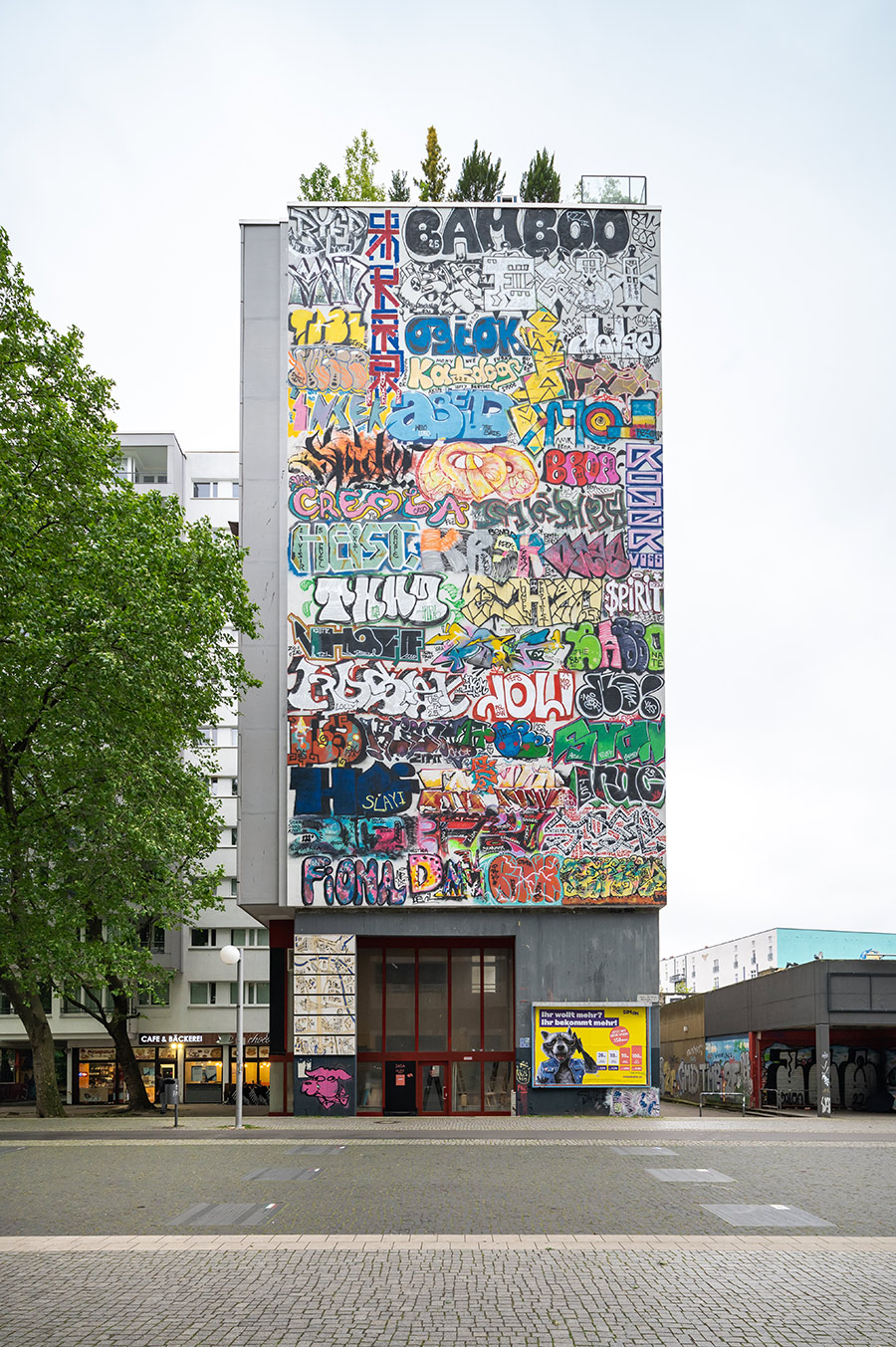
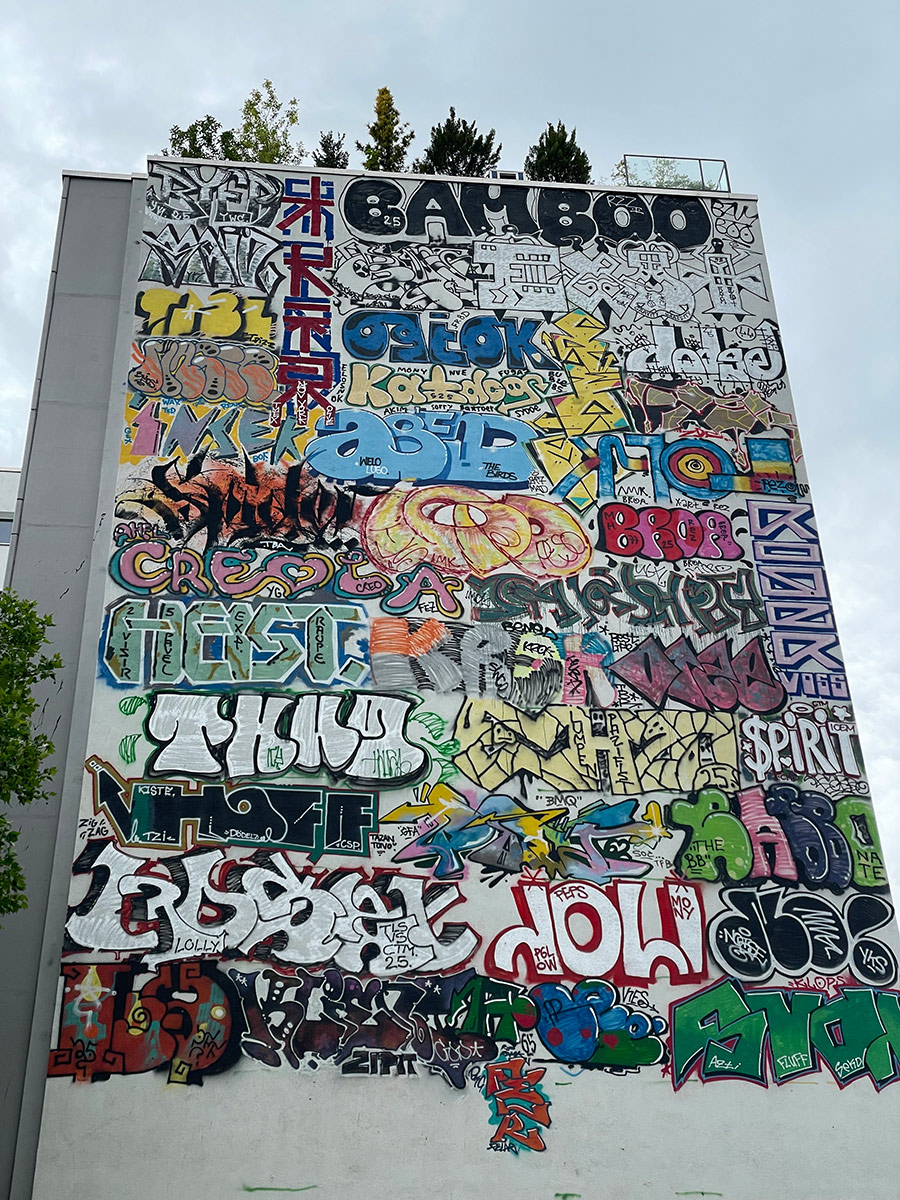
VANDALISM – A Social Sculpture. Part 1, May 2025. The completed facade of the building with graffiti painted directly on the walls by graffiti writers from Berlin. (photo © Benjamin Pritzkuleit)

Downey often shows that the smallest intervention can transform the meaning of a place. Rather than starting with canvas or bronze, Downey works with the city itself, repurposing everything from traffic signs and phone booths to shopping carts and paving stones into his ongoing series of “Spontaneous Sculptures.” Each begins with the same proposition: change the context, and you change the conversation. A carved wooden statue of Melania Trump erected in rural Slovenia ignited an international conversation about politics, symbolism, and public memory. Years earlier, while still a student, his documentary Public Discourse captured a pivotal moment when artists like Swoon, Shepard Fairey, and REVS were redefining what graffiti and street art could become. Downey has always occupied an unusual position between conceptual art, sculpture, and graffiti culture, rarely painting walls himself but consistently expanding the possibilities of what public intervention can be.

In a recent unveiling of a public mural in Berlin, the man who walks in those margins again is at the center of a nervy, joyful re-blending of archetypes that have become hardened over time. A wall built from the tags, throw-ups, and signatures of some of Berlin’s most respected graffiti writers—painstakingly translated into fired ceramic tiles and permanently cemented to the side of a housing block—was celebrated with a neighborhood festival that felt less like an art opening than a summer block party.

PART 1 BERLIN

VANDALISM – A Social Sculpture. Part 1, May 2025. A sketch by Brad Downey on the day he and Akim were trying to arrange the writers. Some of the people in the sketch didn’t show up. (photo © Brad Downey)

On a cheerful and warm July afternoon, children played with simple toys on the street and made ceramic artworks at activity tables while local hip-hop filled the square. Families wandered through the crowd. Older men traded stories over cups of free warm beer. Representatives from the community and the Graffiti Museum project addressed the audience.

Joachim Spurloser read aloud the names of every participating writer, while Stefan Wartenberg performed poems assembled entirely from graffiti aliases. Their remarkable collaborative book CALYBA transforms thousands of graffiti names into found poetry, proposing that the city itself can be read as one enormous collective text. One of Wartenberg’s poems appears among the photographs accompanying this story. Smiling comfortably in the middle of it all, shaking hands with the familiarity of your cousin Archie at a backyard barbecue, was Brad Downey—the devious, generous, and quietly determined conductor of the whole improbable affair.
VANDALISM – A Social Sculpture. Part 1, May 2025. Work in progress. (photo Anonymous)

“As an outsider who has called Berlin home for many years, I still hold onto the romantic tension between East and West Germany—the contrast between the socialist vision embodied in public ceramics and the city’s wild, contemporary graffiti culture,” Downey told us.

“This artwork was two years in the making, but its concept began nearly twenty years ago, when I first arrived in Berlin.”

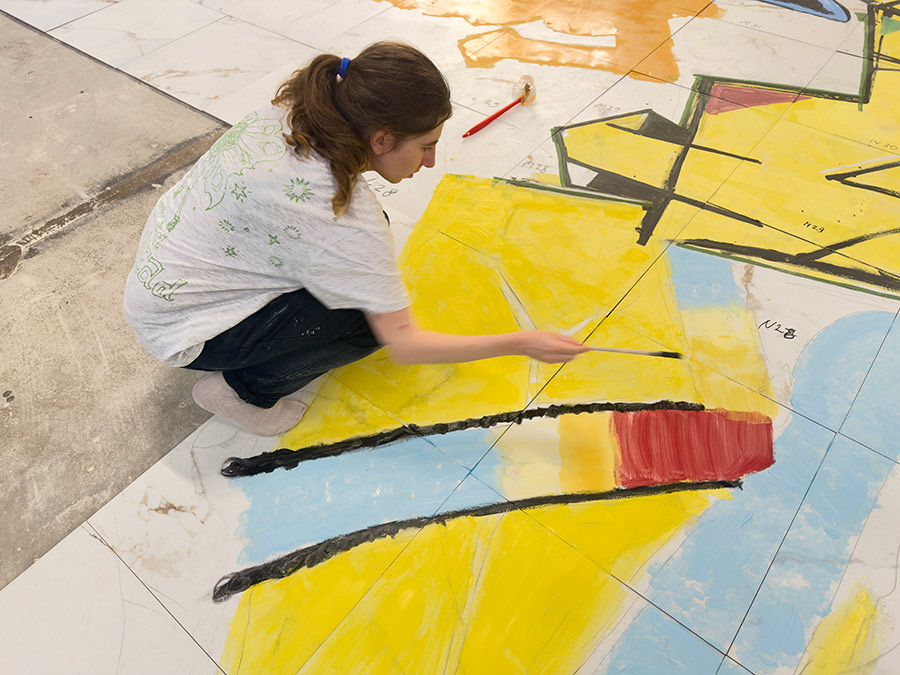
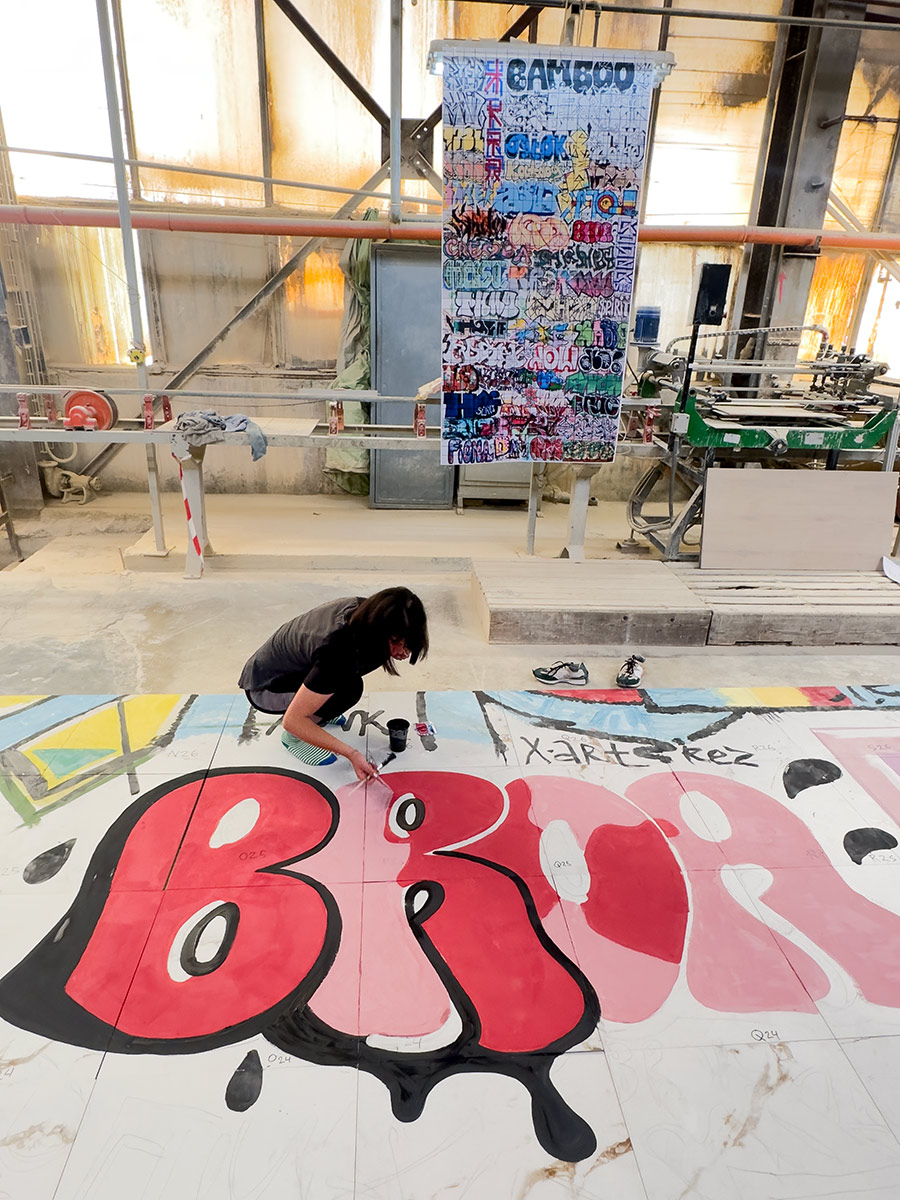
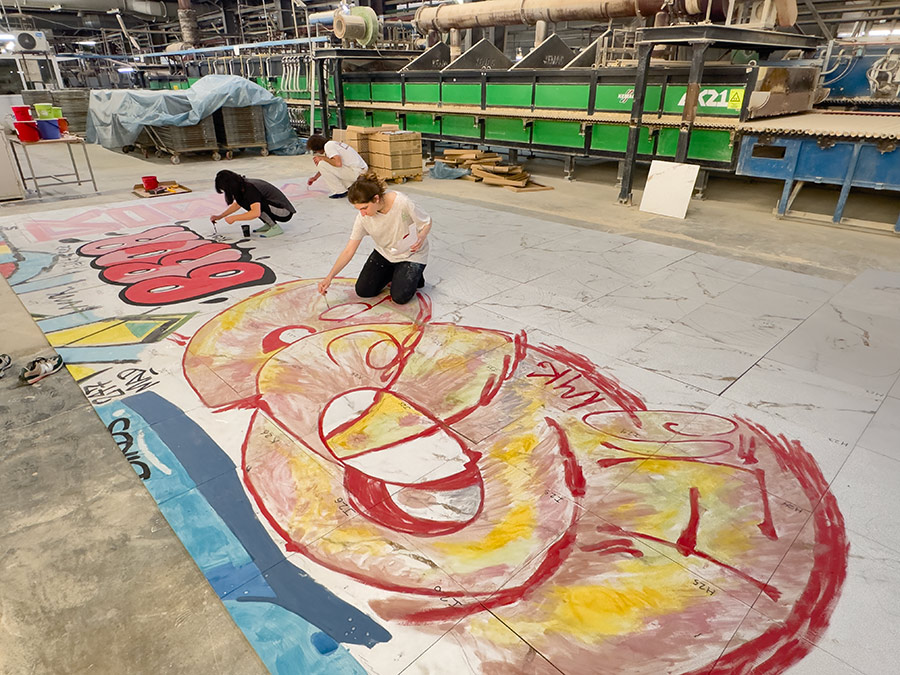
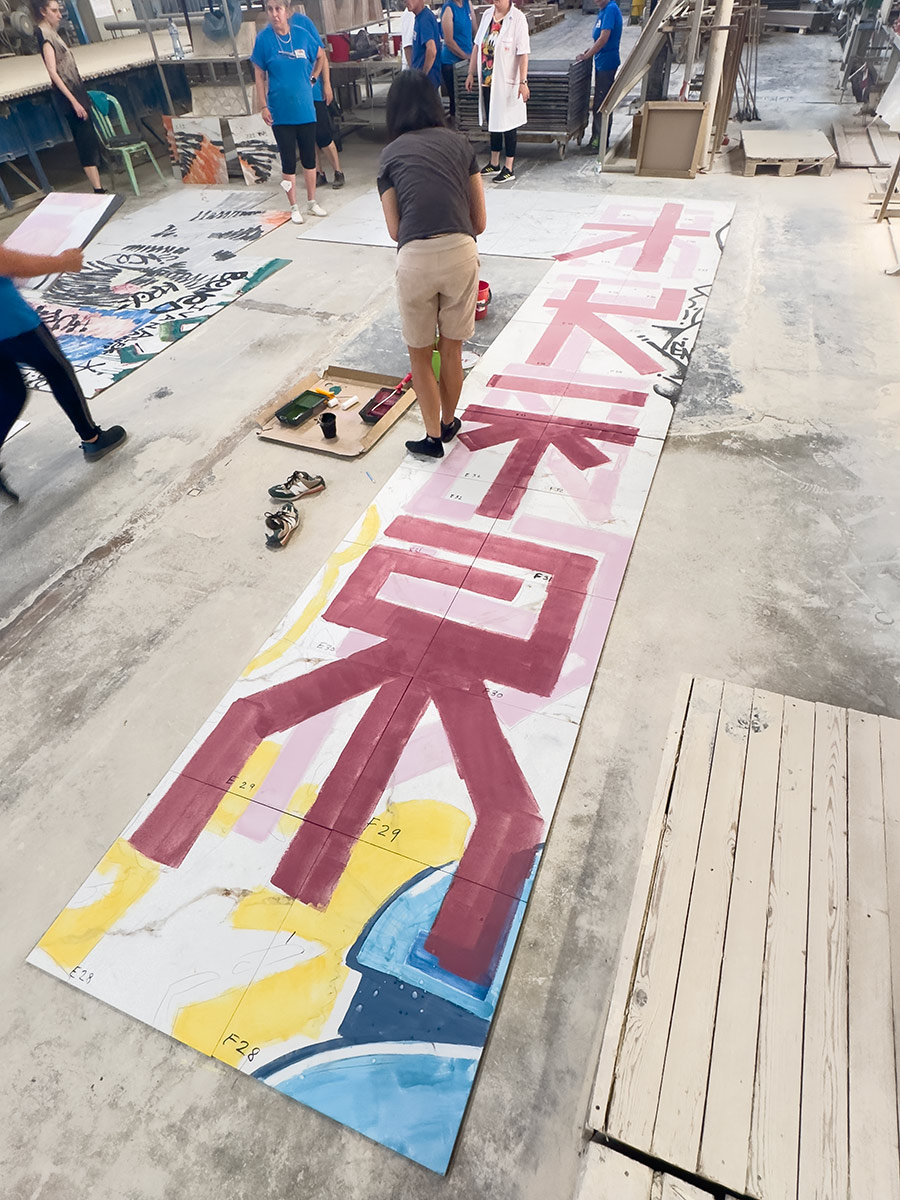
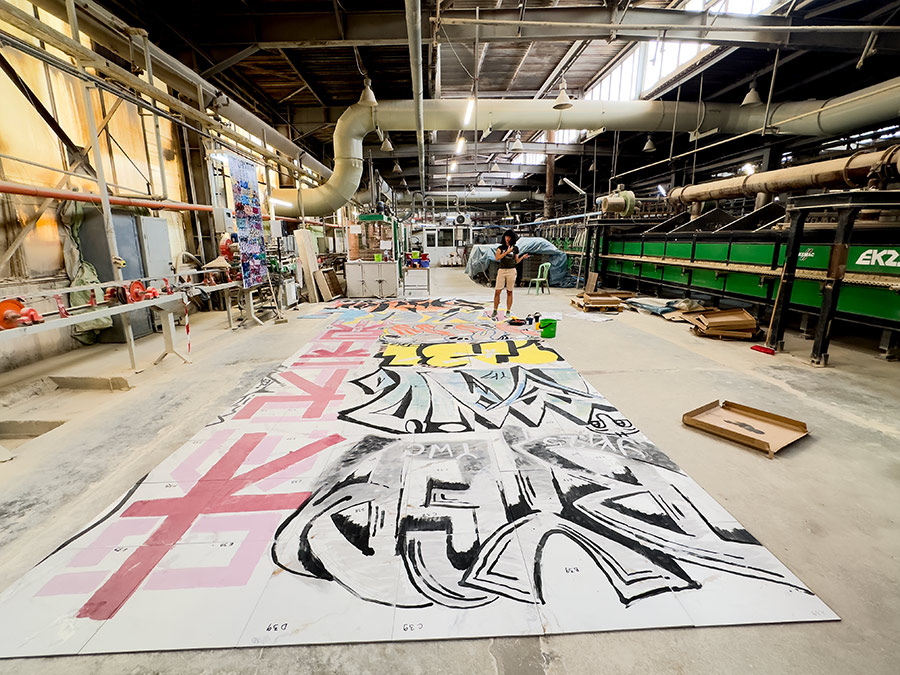
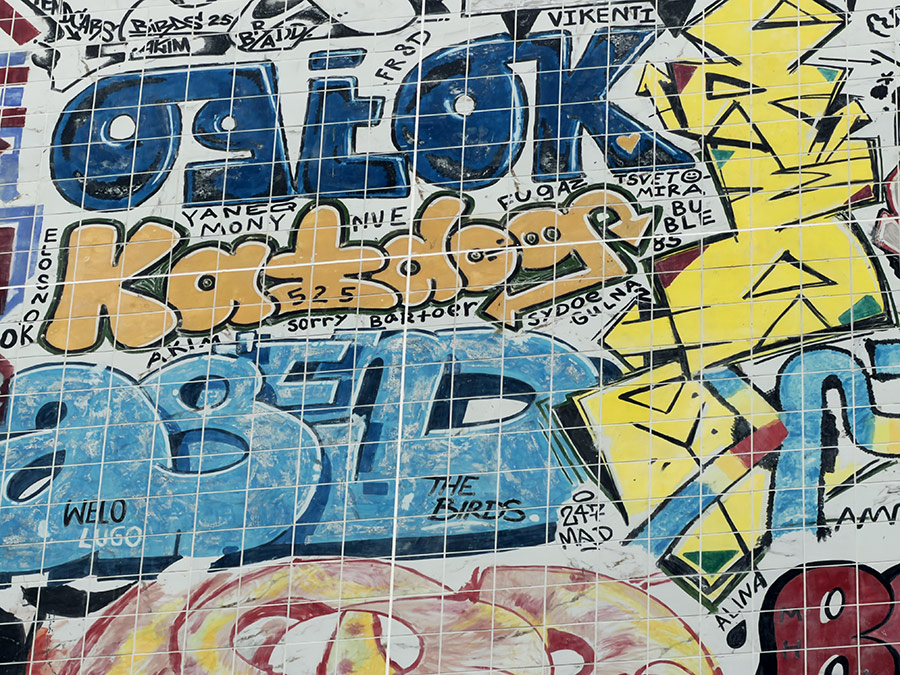
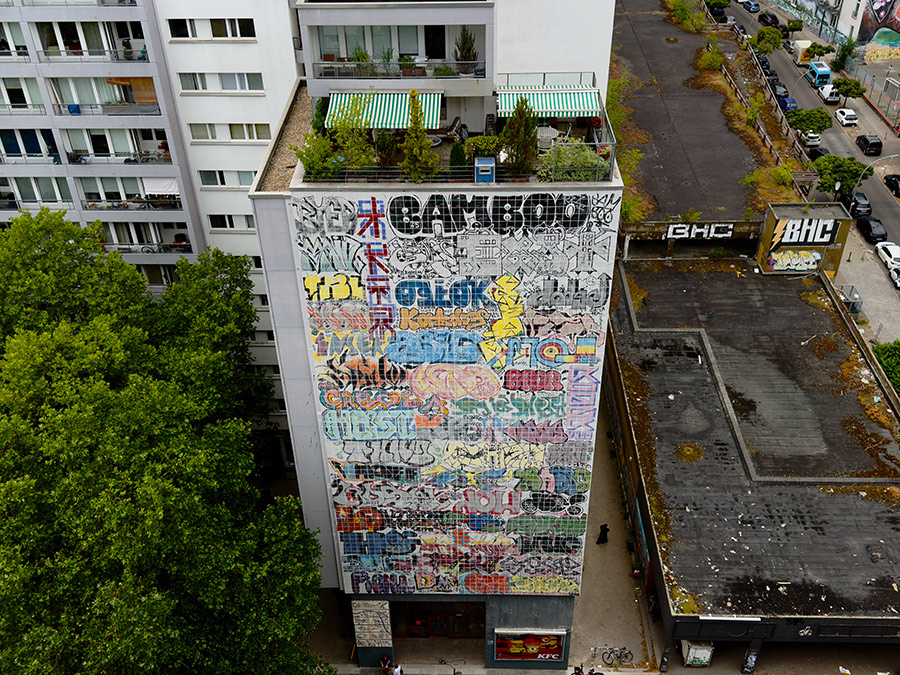
That long incubation became VANDALISM – A Social Sculpture, an 11-by-26-meter ceramic façade covering the western side of a residential building at Mehringplatz in Kreuzberg. More than fifty graffiti writers first painted the wall conventionally, creating a dense composition of tags, throw-ups, and pieces. Every painted mark was then documented, translated into approximately 3,200 glazed ceramic tiles, fired in kilns, and installed permanently by professional tile setters. Graffiti—perhaps the most ephemeral of urban art forms—was transformed into architecture.

VANDALISM – A Social Sculpture. Part 1, May 2025. Work in progress. (photo Anonymous)

“I consider graffiti one of the most democratic art forms because virtually anyone can participate,” Downey said. “Organizing and directing the painting with Akim brought together a broad spectrum of artists from Berlin’s graffiti scene. More than six generations of graffiti writers took part, their diverse styles converging into a single composition.”

The result gives an unusual sense of permanence and civic honor to an artistic language that is normally expected to disappear under fresh paint or weather within days. It also recalls art historian Raphael Schacter’s recurring argument that graffiti can function as a monument—not despite its informality, but because it records the presence, memory, and accumulated voices of a community. Downey arrives at a similar conclusion through different means: instead of preserving a single masterpiece, he monumentalizes an entire social ecosystem, and looses countless voices into the air.

VANDALISM – A Social Sculpture. Part 1, May 2025. Work in progress. (photo Anonymous)

The open square filled steadily as old friends reunited, younger writers sized up names they had previously known only from walls or train lines, and curious neighbors wandered through the crowd. Some participants preferred to remain anonymous beneath caps and sunglasses, while others posed proudly in front of the finished work.

Central to making that gathering possible was Berlin graffiti legend AKIMMIND (Akim), one of the city’s most respected second-generation writers and a pioneer of the distinctive roller-painting techniques that became synonymous with Berlin graffiti. Downey credits him with organizing and coordinating the writers for the initial painting phase. “Together we selected sixty writers we would accept, and fifty-two of them ultimately participated,” Downey explained. “I could not have brought together such a large and significant group of participants without his involvement.”

VANDALISM – A Social Sculpture. Part 1, May 2025. Work in progress. (photo Anonymous)
VANDALISM – A Social Sculpture. Part 2. Process. (photo © Brad Downey)

The project itself was equally collaborative behind the scenes. Commissioned by Stiftung Stadtkultur Berlin for its LOA Berlin public art initiative, the work occupies the façade of a HOWOGE residential building overlooking Mehringplatz. Bulgarian artists, researchers, ceramic specialists, the Kai Group Isperih production team, graphic designers Matthias Hübner and Julien Fargetton, project coordinator ARDOR GLASS LTD, and numerous technicians and installers all contributed to transforming sprayed paint into thousands of individually glazed ceramic tiles.

The towering result belongs simultaneously to conceptual art, graffiti history, architectural craft, and neighborhood life—precisely the sort of unlikely intersection where Brad Downey has always seemed most at home.

Participating Berlin Writers

AGEND, AKIMMIND, BABBO, BAMBOO, BILGE, BOSS, BROA, BROM, BTER, BUS126, CREAM, CREOLA, DODGE, EHSO, EXOT, FELAR, FIONA, FISO, FRGEE, FUTUR2, GHEE, HEIST, HETE, SLAY1, HOFF, IGID, IKEM, INSEK, IRAC, JOLI, KATDOG, KLIENT, KROK, LOFK, MAGIC, MAID, MR. IX, DEVIL, NOISE, OGTOK, OTZE, POET62, ROGER, ROSER, ROXOR, SNOW, SPIDER, SPIRIT, SUSY, TAKHI68, TDIZ, and THUG1.

PART 2 – BULGARIA

Bulgarian artists : Vikenti Komitski, Nikola Grozdanov, Alina Papazova, Tsvetomira Borisova, Rustwo, Antonia-Maria Toneva, Ivan-Alexander Todorov, JahOne, Ban Kurtis.

Bulgarian research team: Mina Petrova, Boyana Dzhikova, Mihail Mihailov.

Kai Group Isperih team: Borislav Bozhurin, Lyubka Kumanova, Teodora Marinova, Atanaska Nikolova

Project coordinator Bulgaria: ARDOR GLASS LTD

VANDALISM – A Social Sculpture. Part 2. Process. (photo © Brad Downey)

PART 3 – BACK IN BERLIN

VANDALISM – A Social Sculpture. Part 3. June 2026. The building’s facade is covered with the tiles painted and fired in Bulgaria. (photo © Kevin Schulzbus)
VANDALISM – A Social Sculpture. Part 3. June 2026. Detail. The building’s facade is covered with the tiles painted and fired in Bulgaria. (photo © Jaime Rojo)
VANDALISM – A Social Sculpture. Part 3. June 2026. The building’s facade is covered with the tiles painted and fired in Bulgaria. (photo © Jaime Rojo)
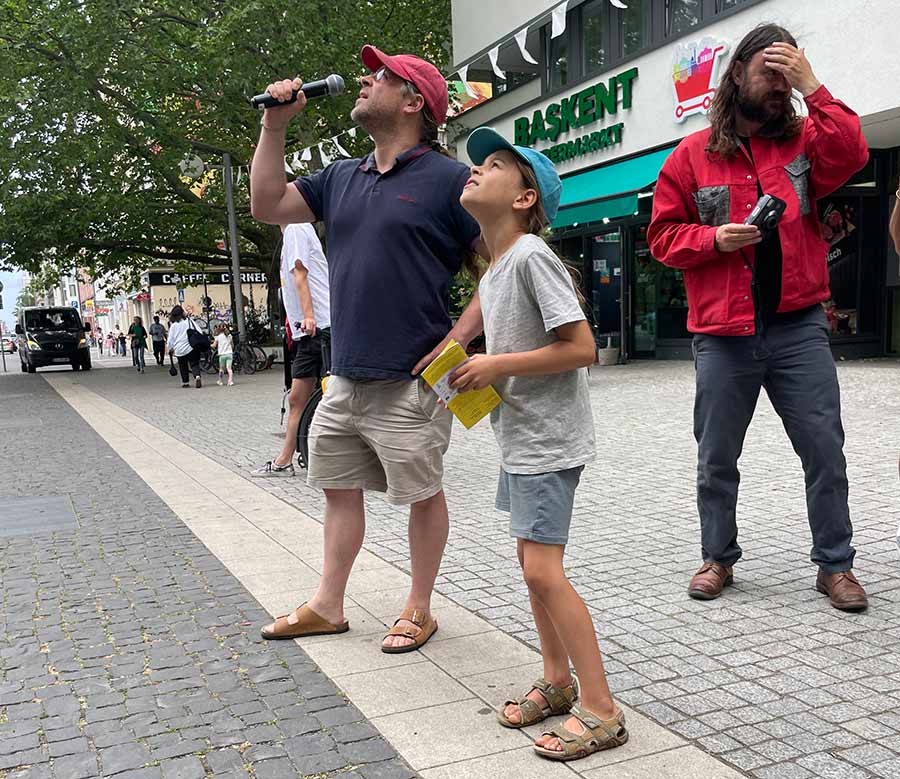
A public role call is part of the unveiling and celebration for VANDALISM – A Social Sculpture. June 2026. (photo © Steven P. Harrington)
Stefan Wartenberg reads a poem using graffiti writer’s names as part of the unveiling and celebration for VANDALISM – A Social Sculpture. June 2026. (photo © Steven P. Harrington)
A portion of Stefan Wartenberg’s poem using graffiti writer’s names that he read at the celebration for VANDALISM – A Social Sculpture. June 2026. (photo © Steven P. Harrington)
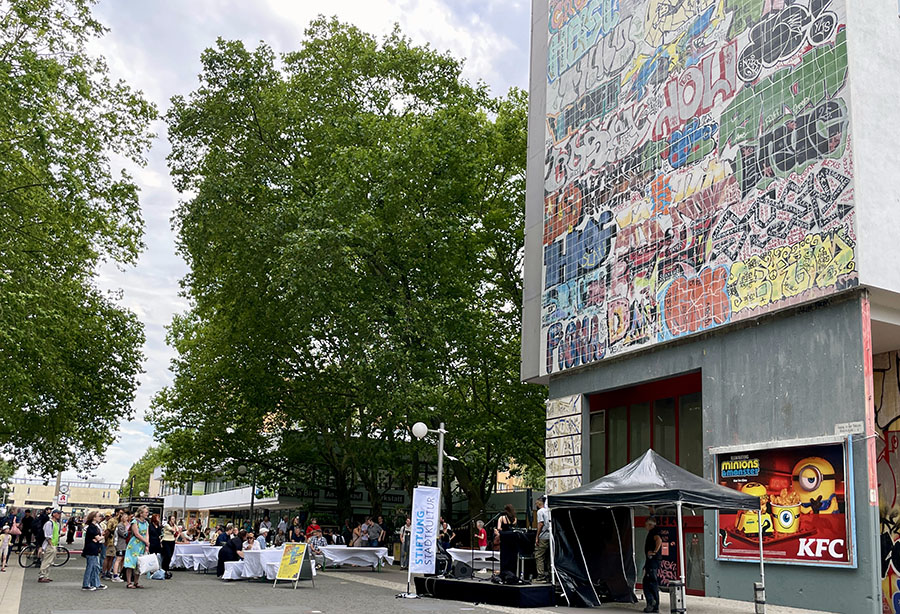
The community scene for the unveiling of VANDALISM – A Social Sculpture. June 2026. (photo © Steven P. Harrington)
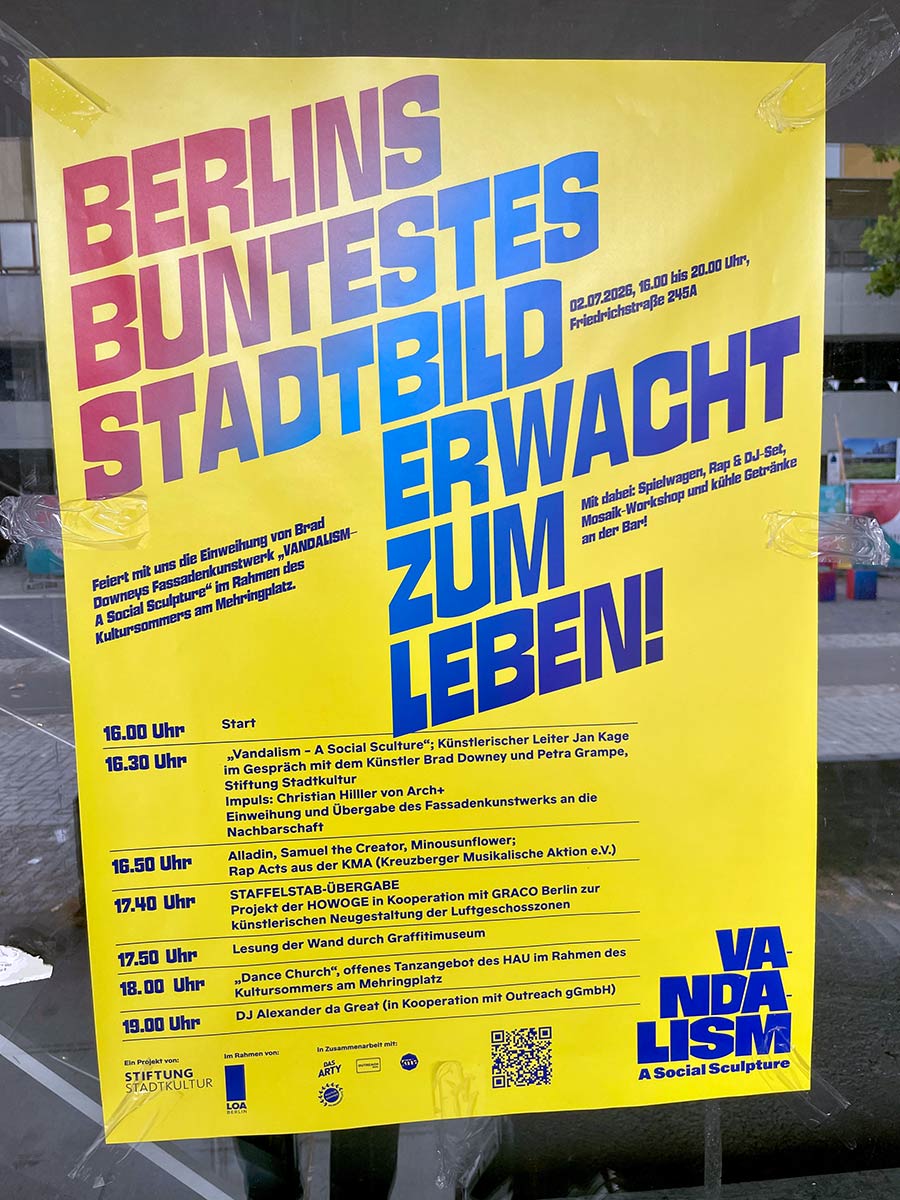
The poster for VANDALISM – A Social Sculpture. June 2026. (photo © Steven P. Harrington)
The community scene for the unveiling of VANDALISM – A Social Sculpture. June 2026. (photo © Steven P. Harrington)
A familiar looking motif created by adults and kids for VANDALISM – A Social Sculpture. June 2026. (photo © Steven P. Harrington)
The community scene for the unveiling of VANDALISM – A Social Sculpture. June 2026. (photo © Steven P. Harrington)
Creating a new work at the opening of VANDALISM – A Social Sculpture. June 2026. (photo © Steven P. Harrington)

VANDALISM – A Social Sculpture

2025, 11 x 26 m, glazed and fired ceramic tiles.

Commissioned by Stiftung Stadtkultur Berlin Howoge

Graphic Design team: Matthias Hübner, Julien Fargetton 

Read more
BSA Images Of The Week: 07/12/26

BSA Images Of The Week: 07/12/26

Welcome to BSA Images of the Week!

“When I press summer dusks together, it is

a month of street accordions and sprinklers

laying the dust, small shadows running from me.

It is music opening and closing, Italia mia, on Bleecker,

ciao, Antonio, and the water-cries of children

tearing the rose-coloured sky in streams of paper;

it is dusk in the nostrils and the smell of water

down littered streets that lead you to no water,

and gathering islands and lemons in the mind.”

Bleeker Street, Summer
Derek Walcott


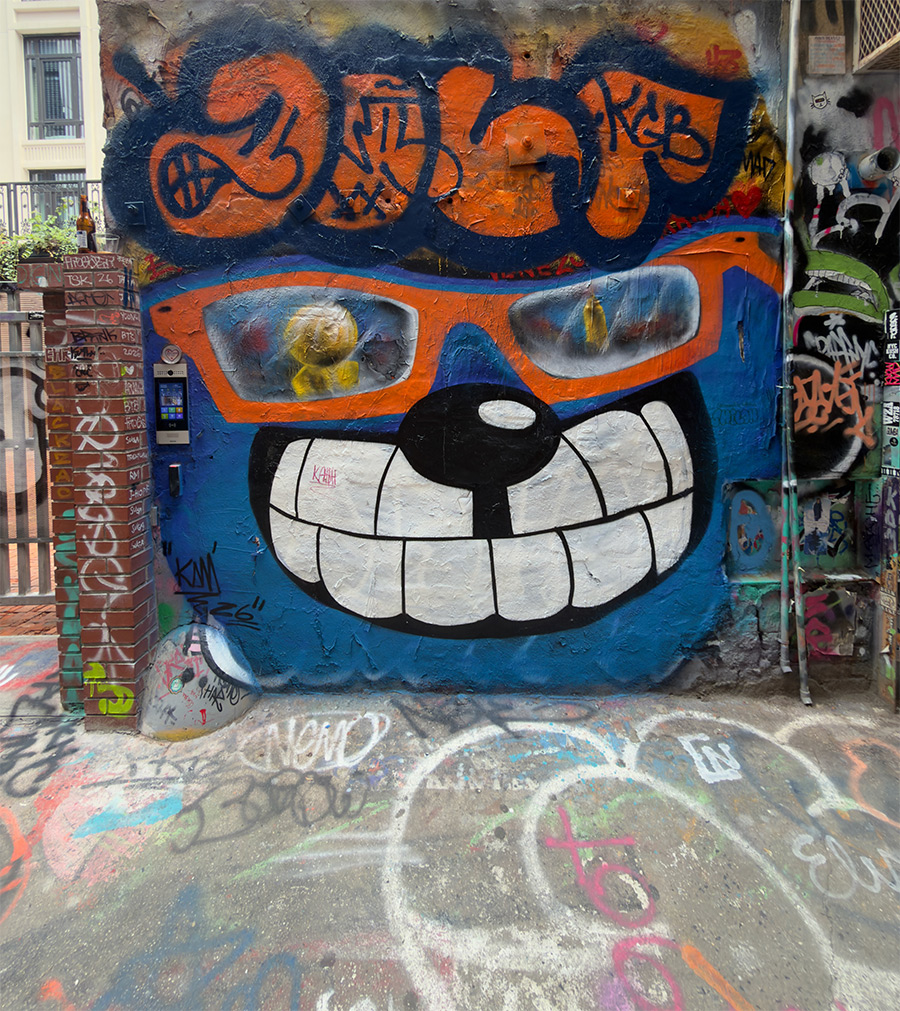
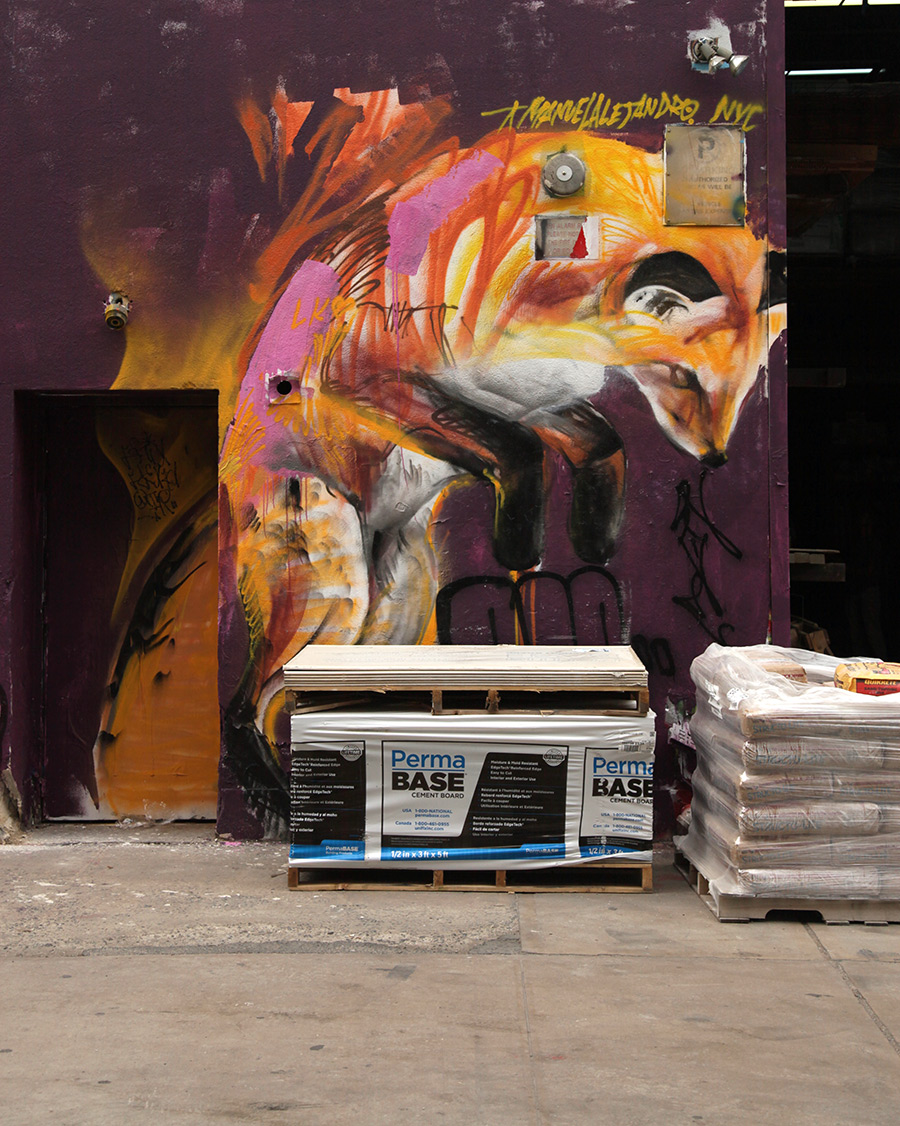
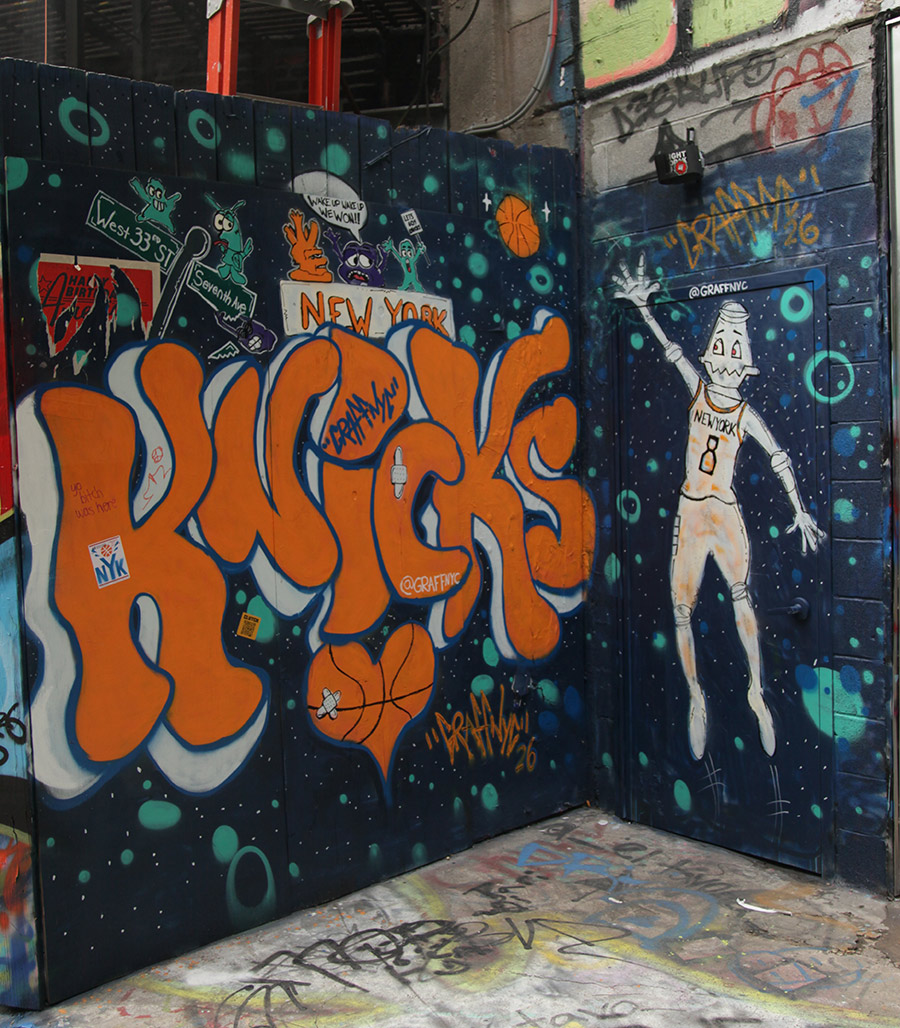
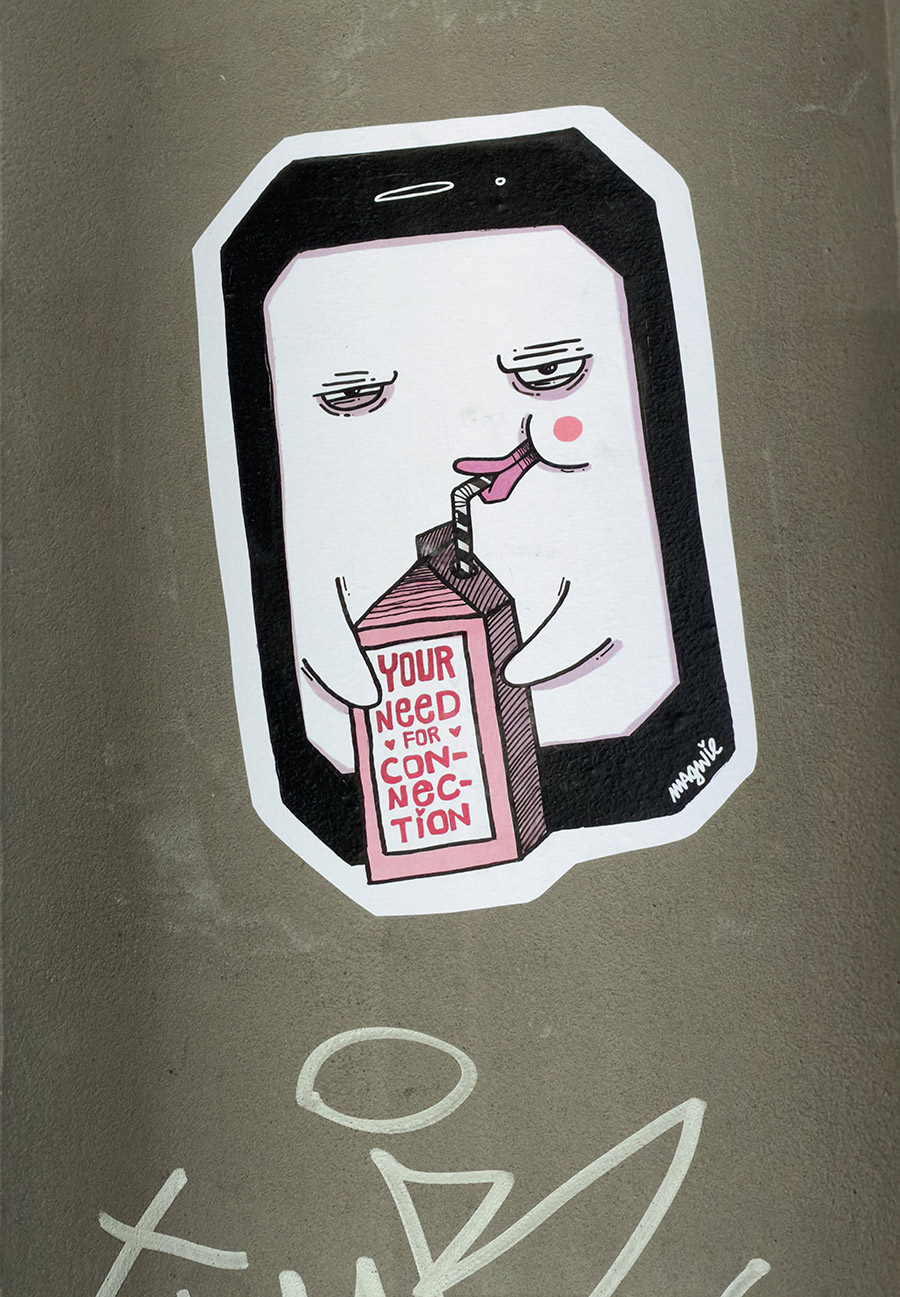
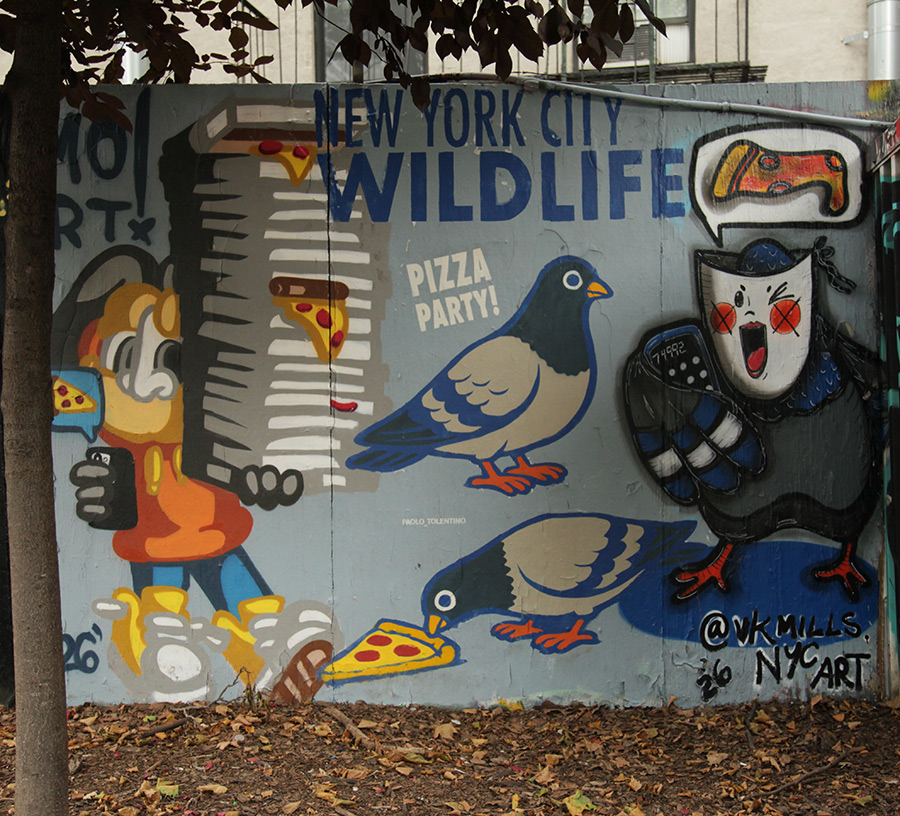
Here’s our weekly interview with the street, this week featuring Buttafly, Dan Witz, ICU463, Iena Cruz, IMK, Jorit, KAM, Magwie, Manuel Alejandro, Odette, Petit Agite, Rise, Sempri, and VK Mills.

IMK (photo © Jaime Rojo)
IMK. Detail. (photo © Jaime Rojo)
KAM (photo © Jaime Rojo)
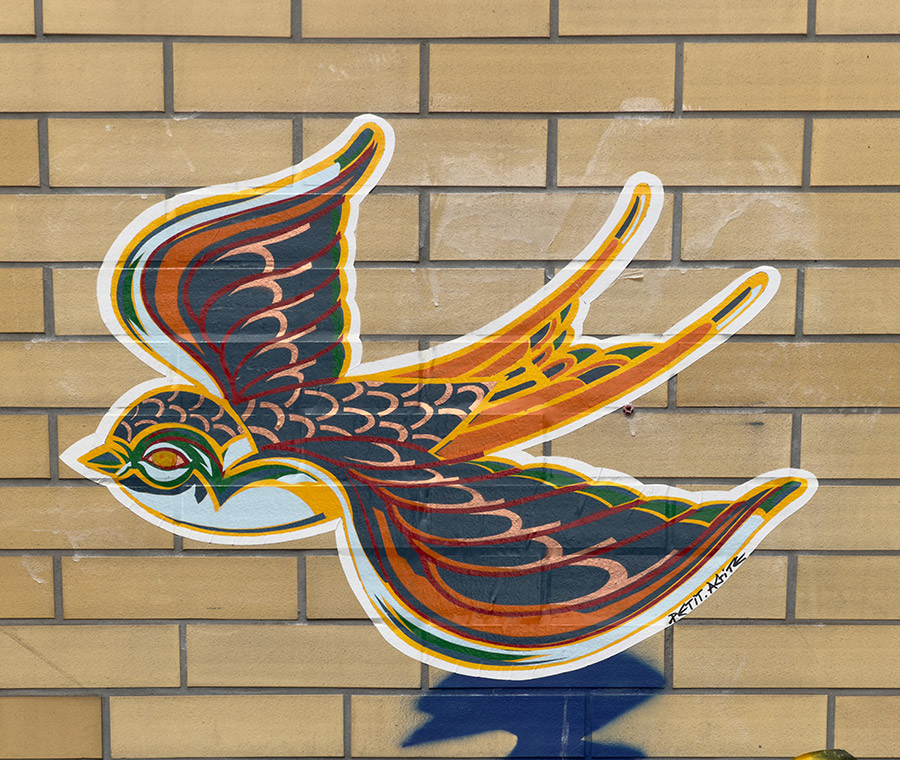
Petit Agite. Berlin. (photo © Jaime Rojo)
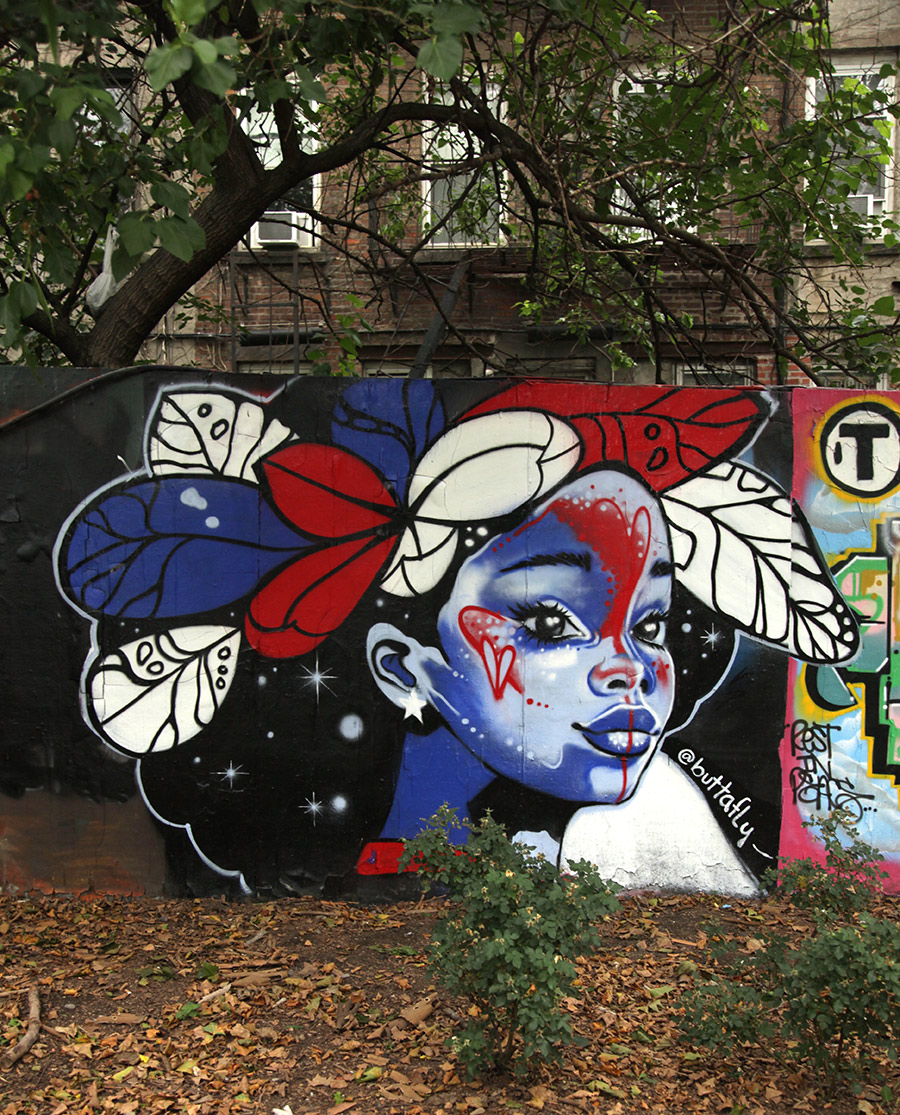
Buttafly (photo © Jaime Rojo)
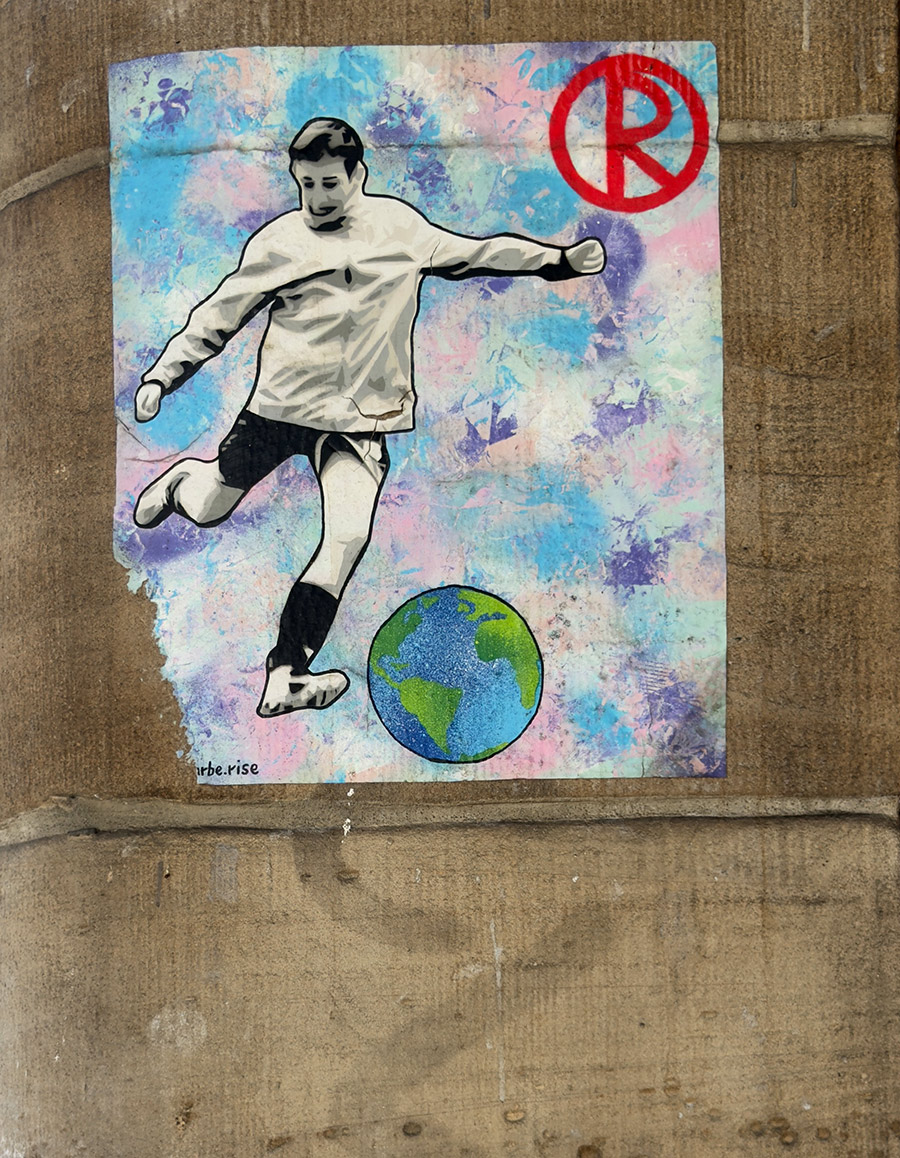
RISE. Berlin. (photo © Jaime Rojo)
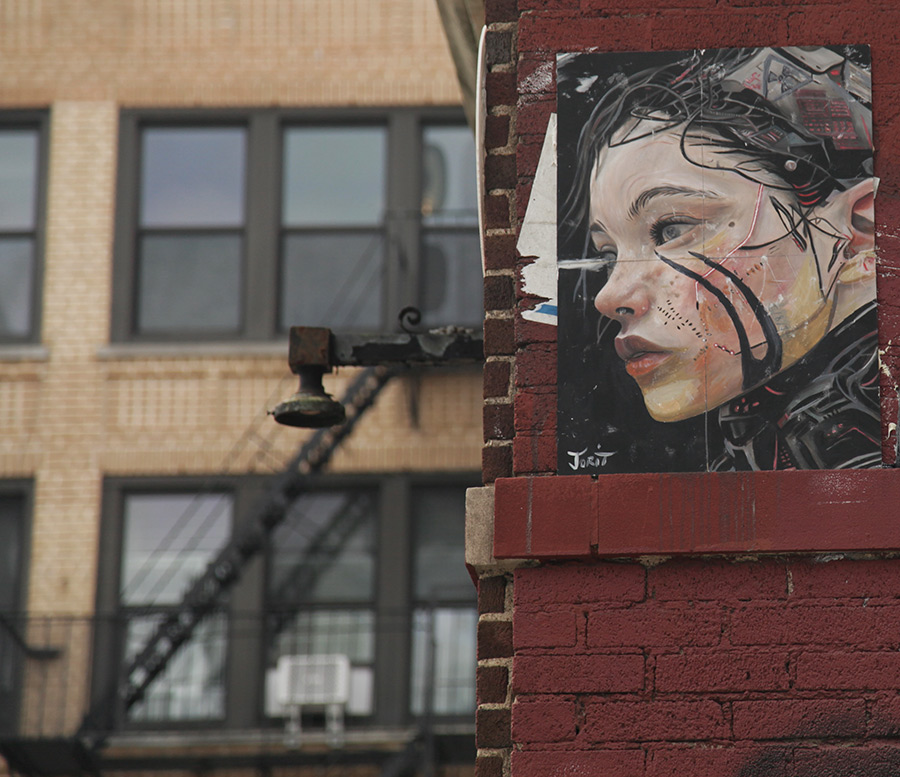
Jorit (photo © Jaime Rojo)
Dan Witz (photo © Jaime Rojo)
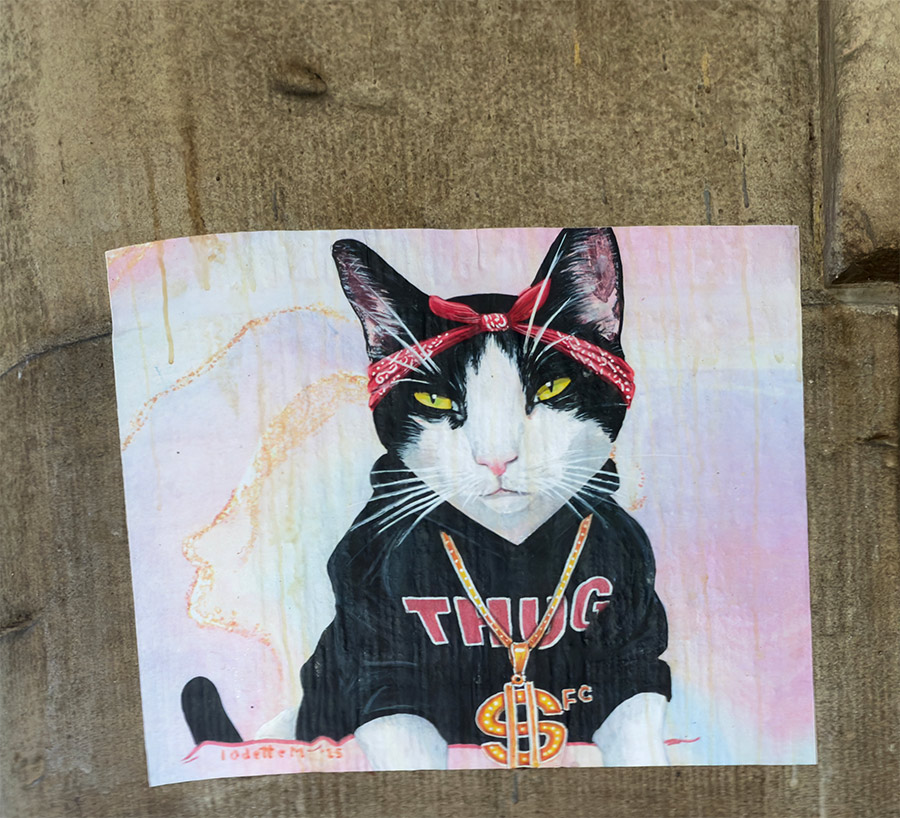
I’m just out here living the thug life. Odette. Berlin. (photo © Jaime Rojo)
ICU463 (photo © Jaime Rojo)
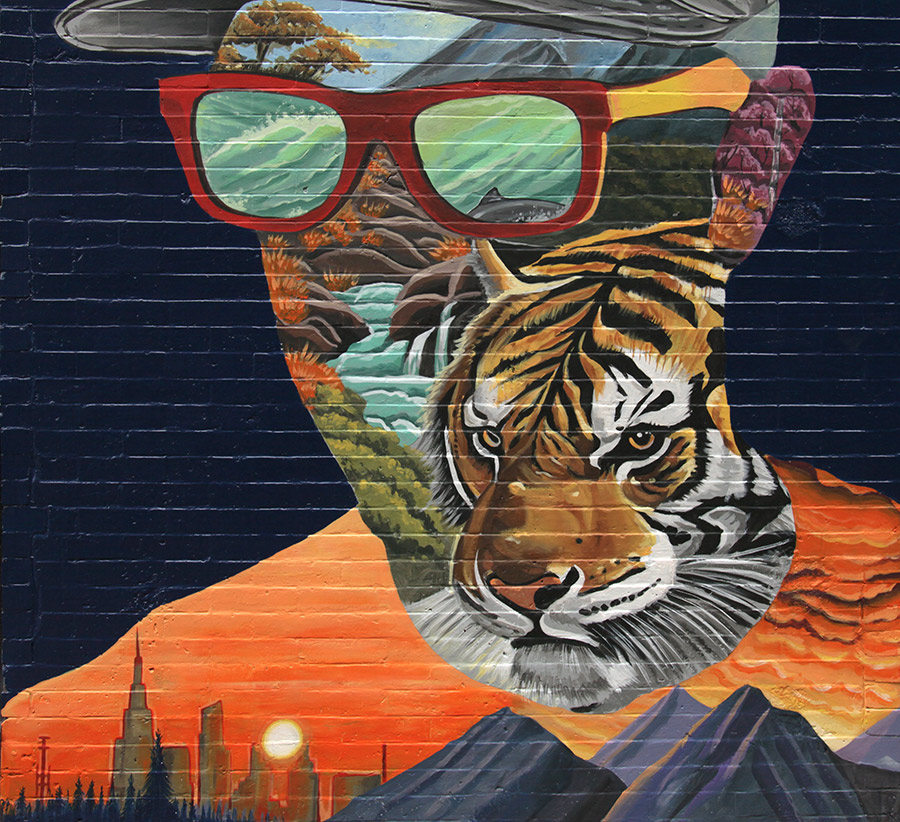
Iena Cruz. Detail. (photo © Jaime Rojo)
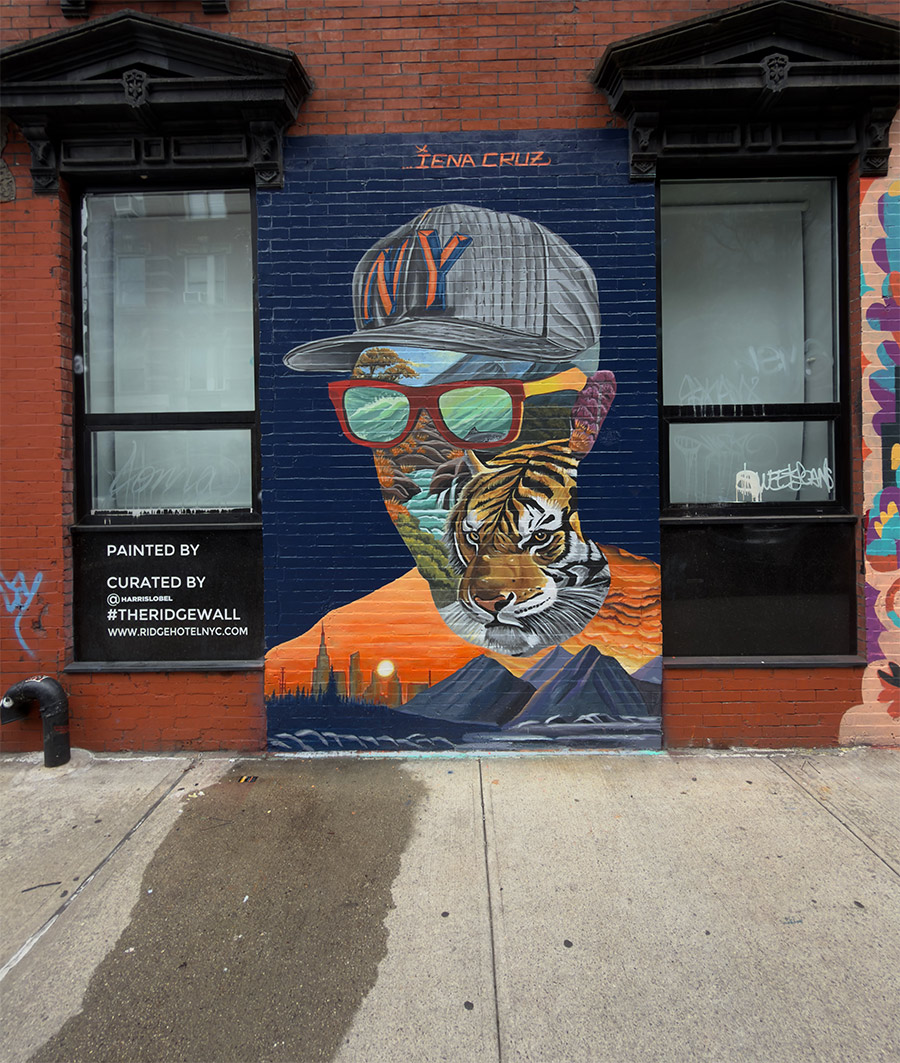
Iena Cruz (photo © Jaime Rojo)
Manuel Alejandro (photo © Jaime Rojo)
GRAFFNYC (photo © Jaime Rojo)
Magwie. Berlin. (photo © Jaime Rojo)
VK Mills (photo © Jaime Rojo)
SEMPRI (photo © Jaime Rojo)
Untitled. Phone break. Brooklyn, New York, July 2026. (photo © Jaime Rojo)

___________

Ah, summer…

Read more
Elfo, Pablos Herrero & David de la Mano in Abandoned Houses in Civitacampomarano

Elfo, Pablos Herrero & David de la Mano in Abandoned Houses in Civitacampomarano

Despite their very different visual languages, Elfo, David de la Mano, and Pablo S. Herrero share a preference for metaphor over spectacle. One works with words, another with elongated human silhouettes, the third with forests and branching forms. All three reduce their visual vocabulary to a handful of recurring elements, in monochrome. Rather than dazzling viewers with technical virtuosity and splashy iconography that screams “street art” in many modern minds, they invite a slower read, using public walls to explore ideas about community, memory, ecology, and the social fabric that binds us together.

Elfo & David de la Mano. Civitacampomarano, Italy. (photo © Elfo)

Italian artist Elfo came up through the graffiti scene in Tuscany before developing a practice built around language itself. Concise, often wry, interventions grab ahold of overlooked walls and turn them into prompts that are equal parts philosophical observation, social commentary, and visual joke.

Spanish artist David de la Mano, from Salamanca, has become instantly recognizable for his lyrical processions of black silhouetted figures, in many an imaginative field of dreams. Spare and quietly poetic, his murals speak of migration, belonging, solitude, and fragile ties that connect people to each other and to the places they inhabit.

Also from Salamanca, Pablo S. Herrero returns repeatedly to trees, roots, branches, and forests as recurring motifs. His restrained murals draw connections. Human communities and natural systems suggest that resilience, growth, and coexistence are as much ecological ideas as they are social ones.

Elfo & David de la Mano. Civitacampomarano, Italy. (photo © Elfo)

These works come from a recent series of collaborations created inside abandoned houses during the CVTà Festival in Civitacampomarano, Italy. Although Elfo, David de la Mano, and Pablo S. Herrero had never collaborated before, the pairings feels surprisingly natural. Happily, they tell us that after this experience, they left not only as collaborators on the walls, but as friends.

Elfo & Pablos Herrero. Civitacampomarano, Italy. (photo © Elfo)
Read more
Pintalis Fest 2026: Six New Murals in Mollet del Vallès

Pintalis Fest 2026: Six New Murals in Mollet del Vallès

Street art festivals have evolved dramatically over the past two decades. Many of the earliest events grew directly out of graffiti jams and street art culture, bringing together artists, photographers, curators, writers, academics, a handful of adventurous gallerists and collectors, and eventually a few local politicians who discovered that art unveilings make for excellent public appearances, to debate questions of authorship, public space, illegality, and the right to the city. And, of course, to get high, paint, and listen to music. Festivals such as Nuart became known not only for the walls they produced but for the conversations they fostered, pairing murals and installations with symposia, publications, lectures, institutional critique, and prickly discussions that situated contemporary street art within broader artistic and social histories.

Its Perfect Chaos. Detail. Pintalis Festival 2026. Mollet, Spain. (photo © Lluis Olive Bulbena)

Today, many newer festivals operate through a different model. Rather than emerging from artist-led initiatives or grassroots scenes, they are sometimes organized through partnerships between municipalities and professional mural producers. The emphasis shifts from examining public space as a contested arena to delivering ambitious, well-managed, and attractive public art projects that contribute to civic identity, cultural programming, and urban regeneration. In marketing parlance, the term “placemaking” inevitably arises. These festivals are capable of producing excellent work, but their priorities and institutional structures are distinct from those of the earlier generation.

Its Perfect Chaos. Pintalis Festival 2026. Mollet, Spain. (photo © Lluis Olive Bulbena)

Pintalis Fest fits comfortably within this newer approach. Produced by the Barcelona-based mural company Pintalis in partnership with the city of Mollet del Vallès, it combines mural production with family activities, workshops, and community celebrations, presenting public art as an accessible civic experience. It is also worth noting that these categories are no longer rigid. Even Nuart—long regarded as one of the movement’s most intellectually engaged festivals—has evolved through its long-running partnership with Aberdeen City Council, becoming part of the city’s cultural strategy while continuing to surround new public artworks with conferences, essays, walking tours, and some critical debate. The result is a reminder that municipal partnerships and intellectual inquiry need not be mutually exclusive, even as different festivals continue to emphasize different aspects of what public art can be.

Today we travel to Mollet del Vallès, about 25 kilometers northeast of Barcelona, to take a look at six new murals created for the 2026 Pintalis Fest. Our thanks to photographer Lluís Bulbena Olivas for generously sharing these images with BSA readers.

Connor Art. Detail. Pintalis Festival 2026. Mollet, Spain. (photo © Lluis Olive Bulbena)
Connor Art. Pintalis Festival 2026. Mollet, Spain. (photo © Lluis Olive Bulbena)
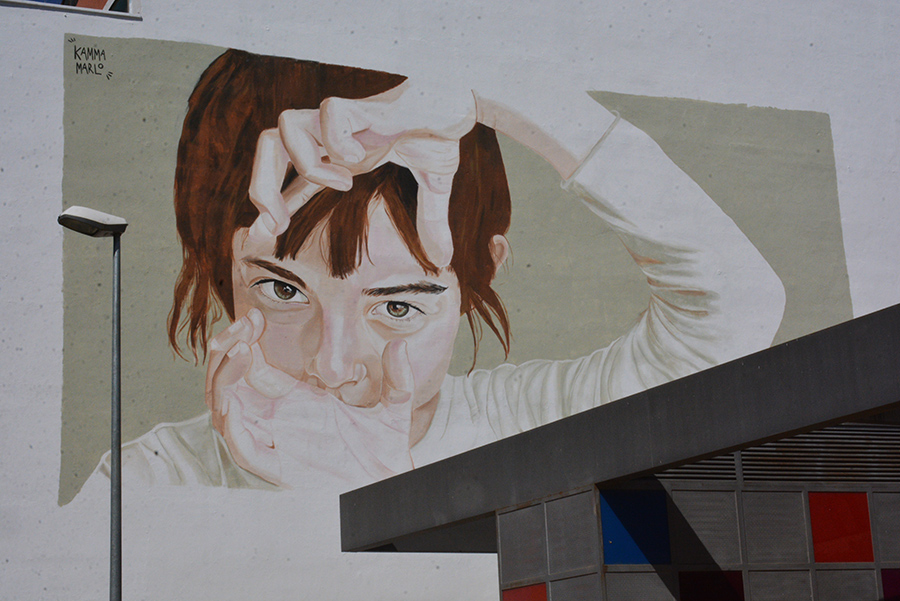
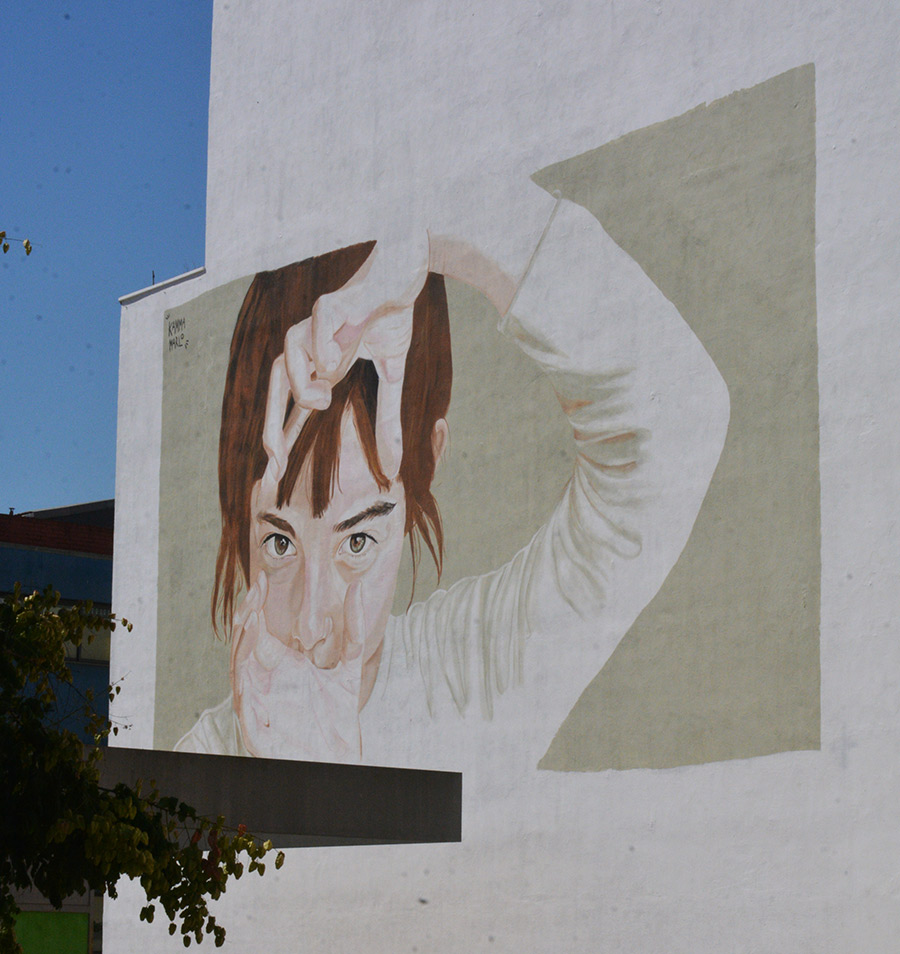
Kamma Marlo. Detail. Pintalis Festival 2026. Mollet, Spain. (photo © Lluis Olive Bulbena)
Kamma Marlo. Pintalis Festival 2026. Mollet, Spain. (photo © Lluis Olive Bulbena)
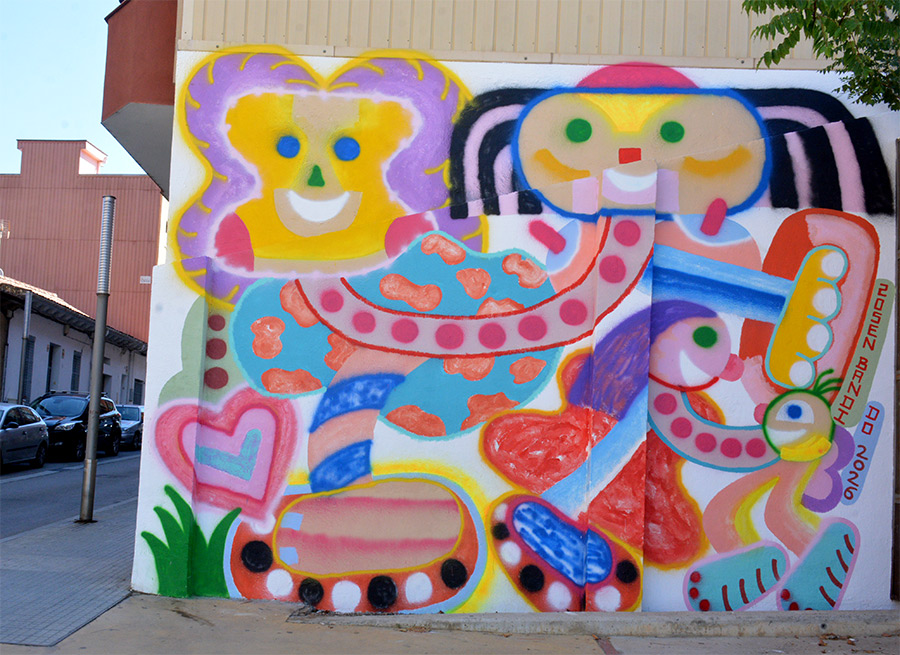
Zosen Bandido. Pintalis Festival 2026. Mollet, Spain. (photo © Lluis Olive Bulbena)
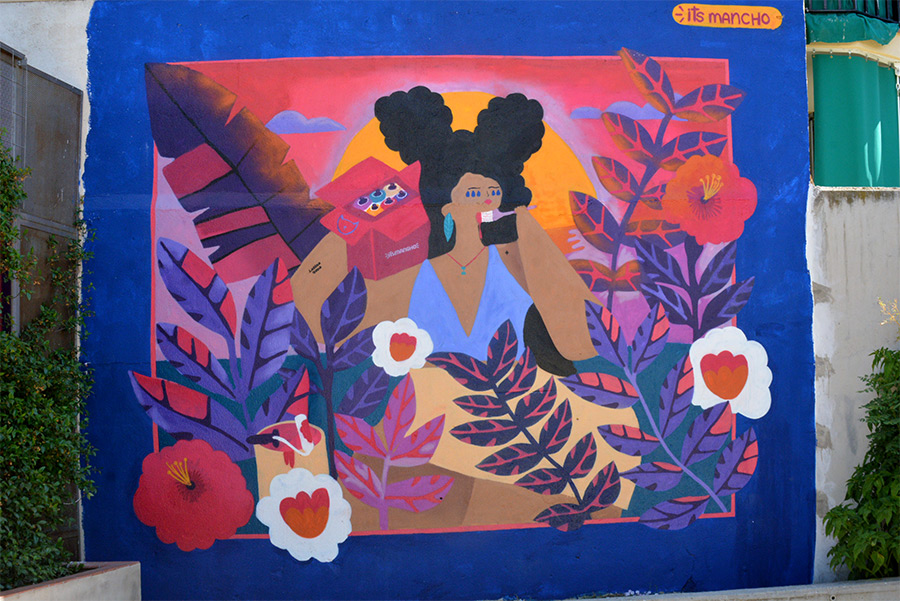
Its Mancho. Pintalis Festival 2026. Mollet, Spain. (photo © Lluis Olive Bulbena)
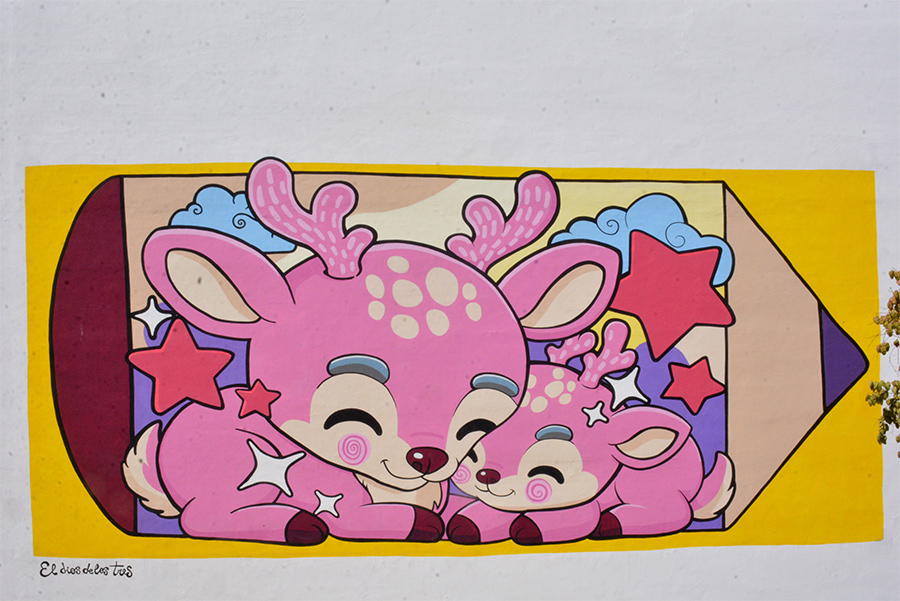
El dios de los tres. Pintalis Festival 2026. Mollet, Spain. (photo © Lluis Olive Bulbena)
Read more
BSA Images Of The Week: 07.05.26

BSA Images Of The Week: 07.05.26

The people of NYC and the rest of the country are celebrating the 250th anniversary of the US independence this weekend, with plane flyovers, tall ships in the harbor, barbecues on the sidewalk, packages of tube socks for sale on card tables next to bootleg Knicks t-shirts, loud music blasting out of car windows, overbearing heat, and an occasional thunderstorm. The ideas about democracy, equality, and individual liberty that we are celebrating are not fully in effect at the moment, and most people know it. But that’s no reason not to talk about it over a hot dog, a beer, a game of volleyball or frisbee – and to walk barefoot through the grass in the park with your friend, your mom, your son.

This week, we split our time between Europe and the US, and you can feel the heat and stress on the streets in both cities. The specific worries may vary, but there are certain similarities around the world today, almost everywhere, including increasing financial pressures on everyday people while corporations have just recorded record profits, a growing right-wing targeting of immigrants that doesn’t really solve any problem, and a strange but steady global drumbeat for war that is not coming from the people.

We looked for some of these anxieties reflected on the walls this week, but street art rarely behaves like an obedient political commentator just to please your agenda. It’s more like the neighborhood cat: independent, occasionally affectionate, impossible to instruct, and perfectly content to ignore the crisis everyone else is talking about. Just when you expect a manifesto, it offers a cartoon character, a nostalgic vignette, or a syrupy poem. Then, when you least expect it, it scratches you with something unexpectedly sharp.

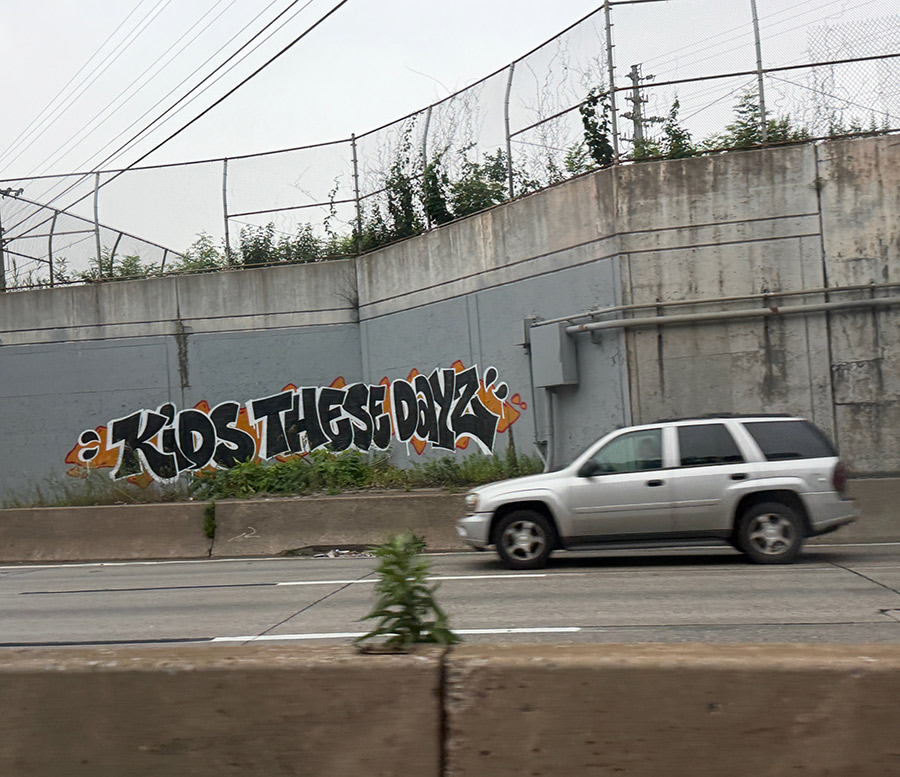
Here is our regular interview with the street – this week mostly from Berlin, and you can make your own divinations. This week features CKMRS, Copy Cat, Don John, El Bocho, Jan Bauer, Kids These Dayz, Kstell, Obey, PichiAvo, and VOLK.

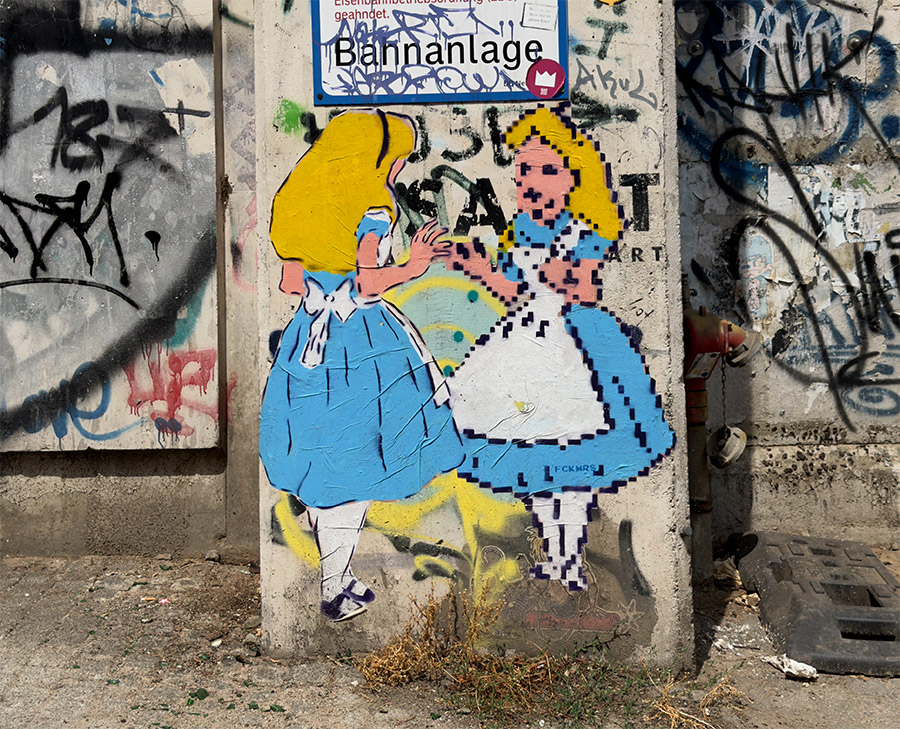
FCK MRS. Berlin. (photo © Jaime Rojo)
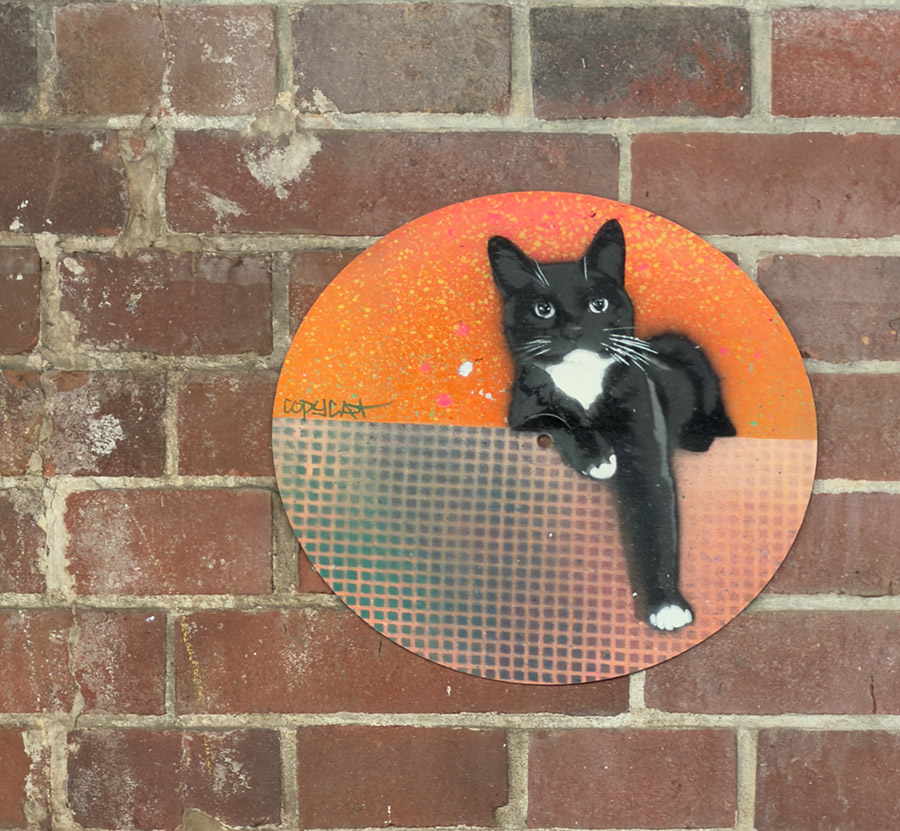
Copy Cat. Berlin. (photo © Jaime Rojo)
KIDS THESE DAYZ in New York. (photo © Jaime Rojo)
Unidentified artist. Berlin. (photo © Jaime Rojo)
PARADOX. Berlin. (photo © Jaime Rojo)
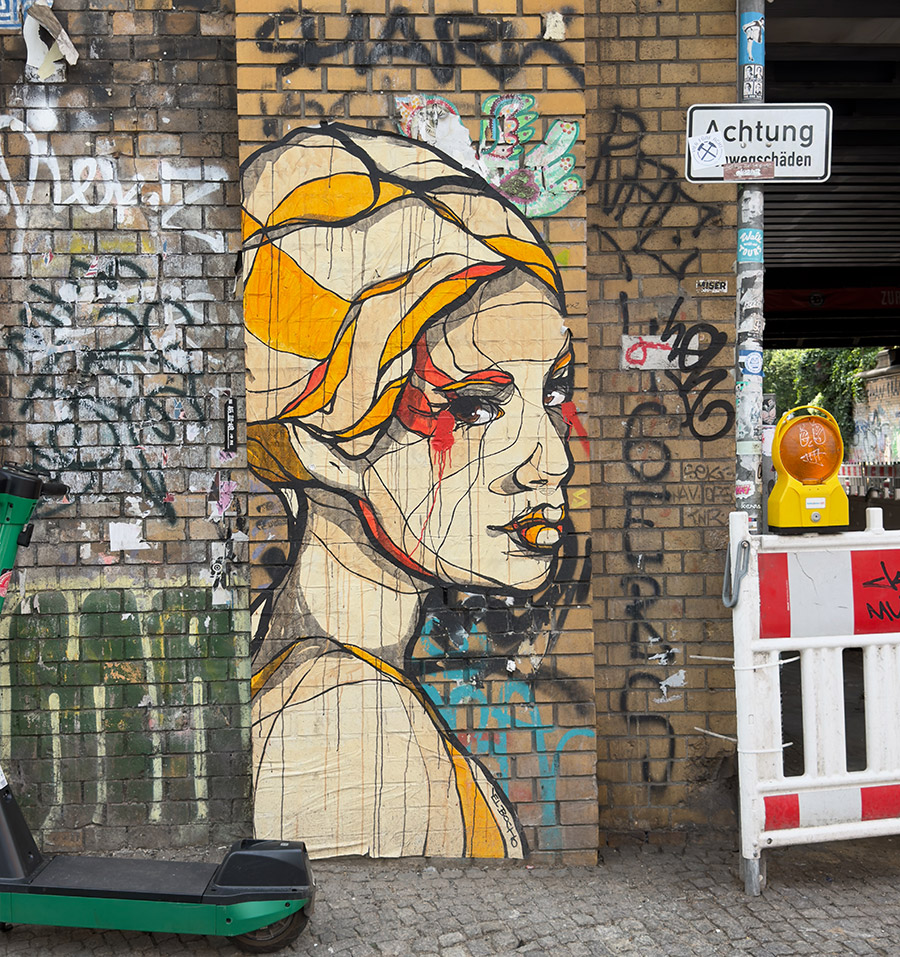
El Bocho. Berlin. (photo © Jaime Rojo)
Don John. Berlin. (photo © Jaime Rojo)
Unidentified artist. Berlin. (photo © Jaime Rojo)
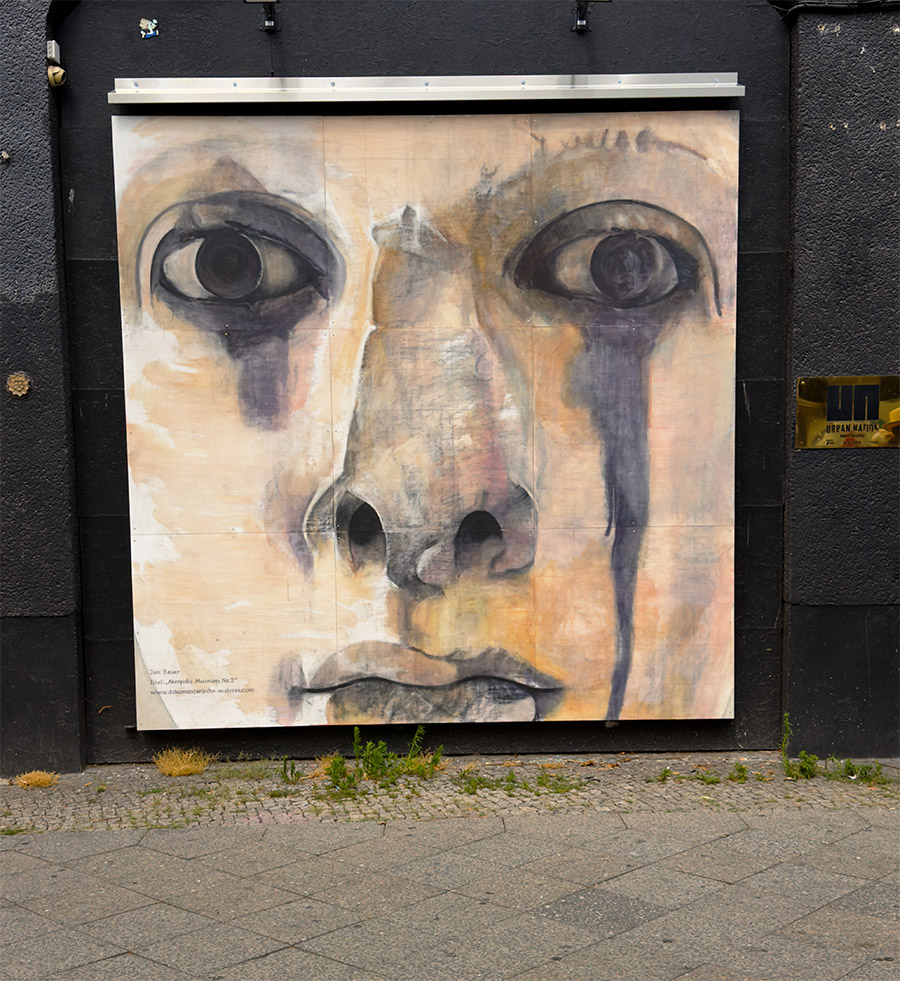
Jan Bauer in collaboration with Urban Nation Museum. Berlin. (photo © Jaime Rojo)
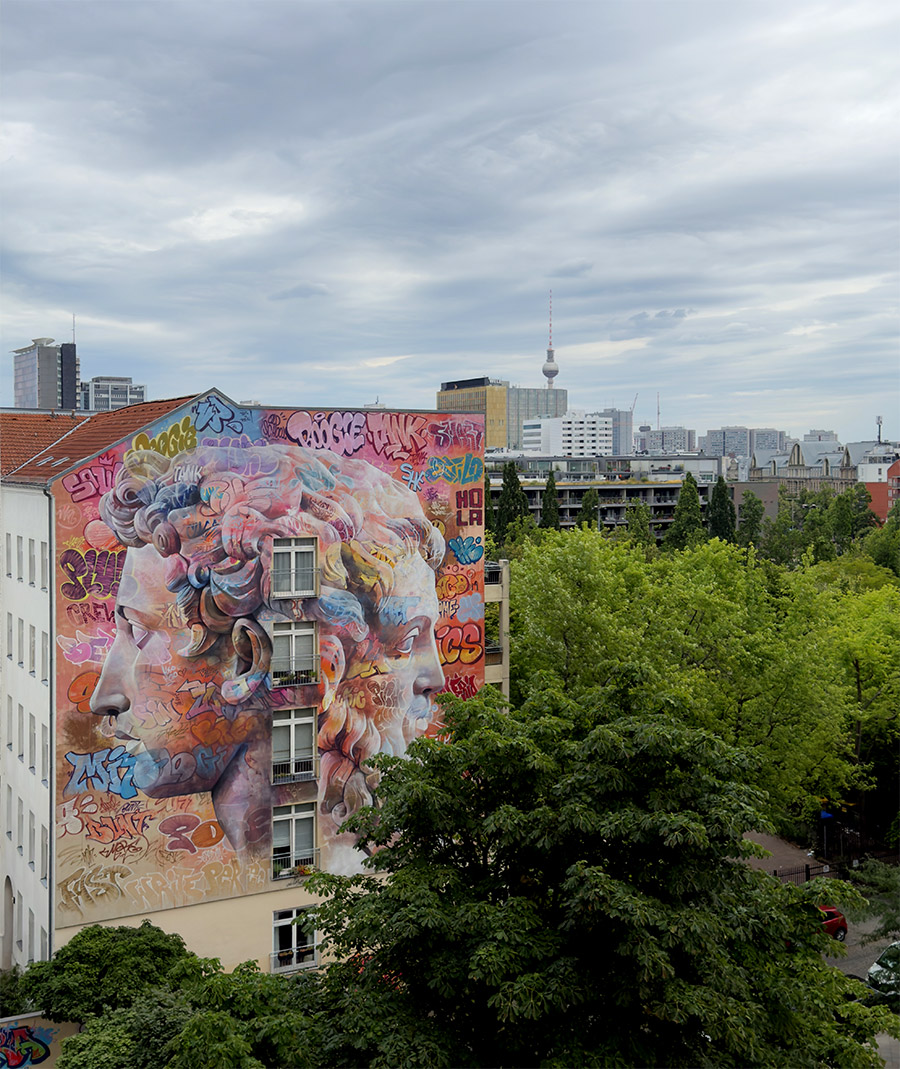
PichiAvo. Berlin. (photo © Jaime Rojo)
VOLK. Berlin. (photo © Jaime Rojo)
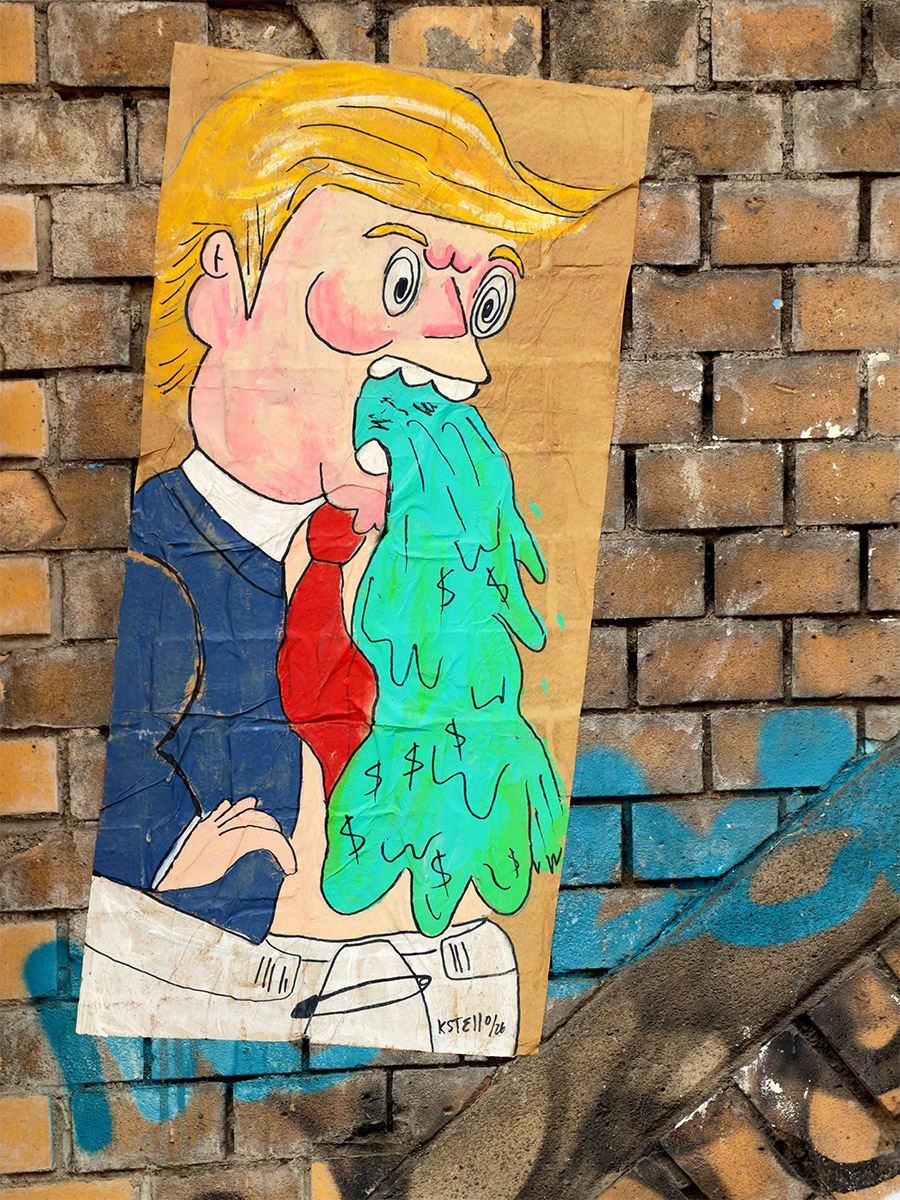
KSTELL. Berlin. (photo © Jaime Rojo)
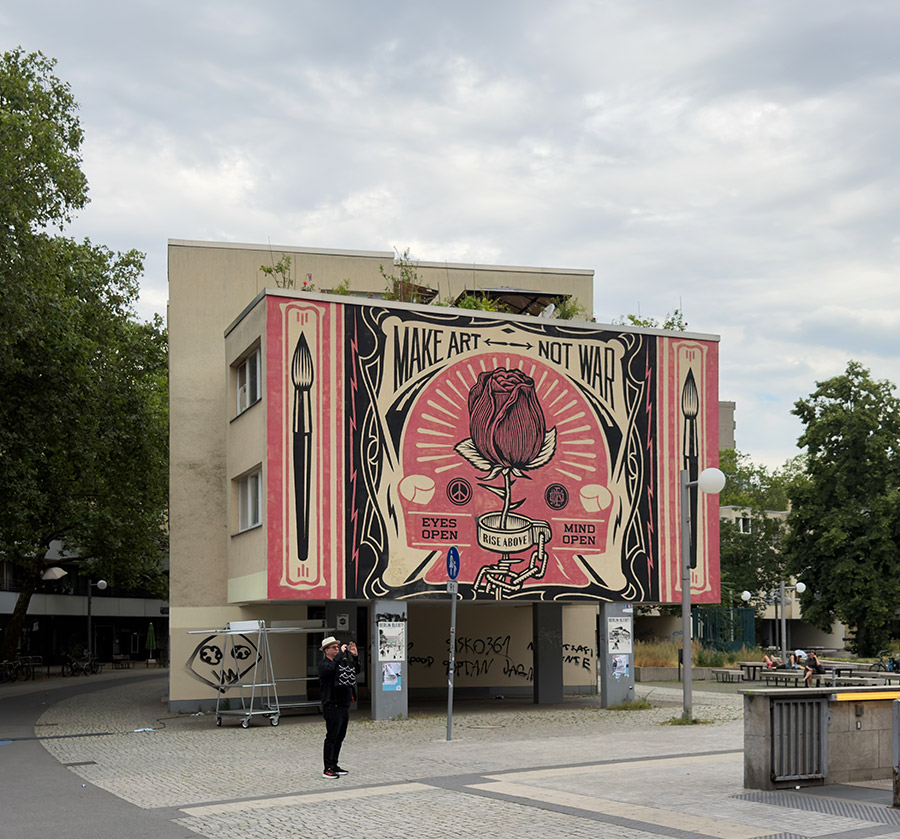
Shepard Fairey. Berlin. (photo © Jaime Rojo)
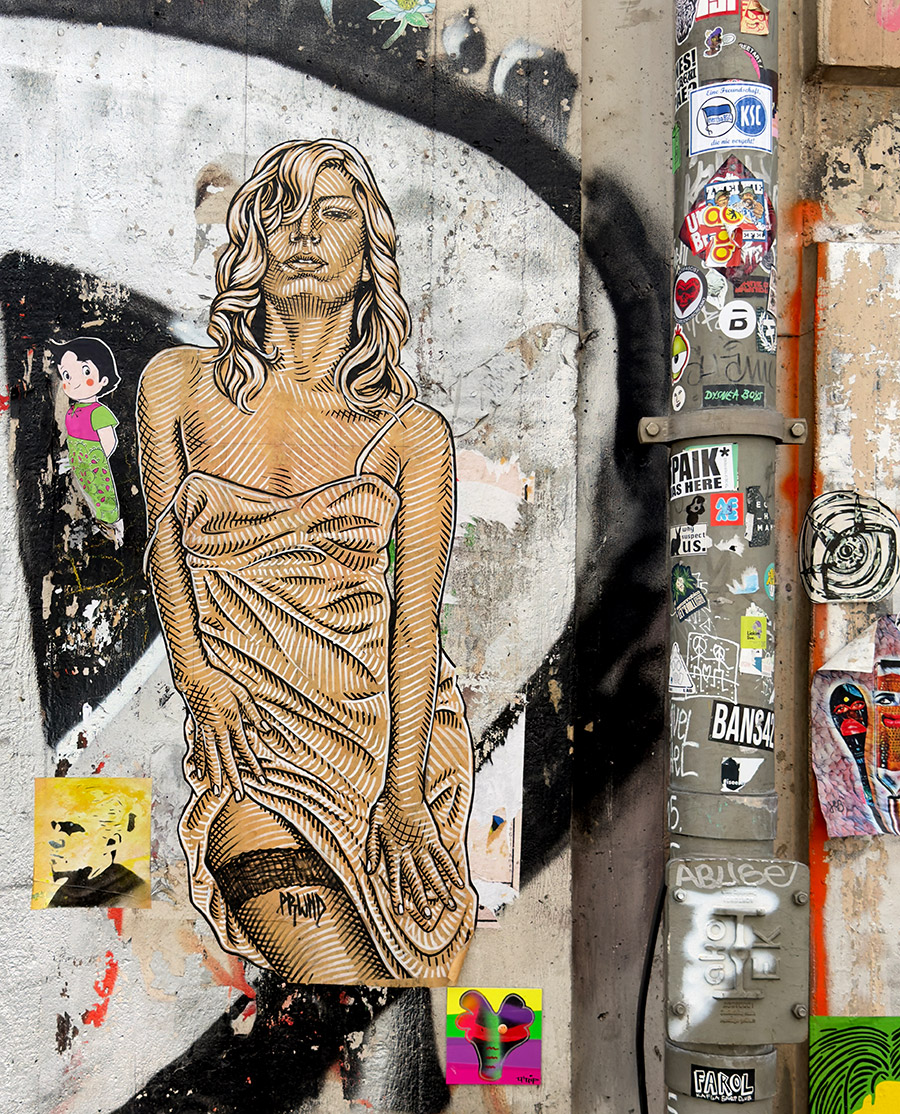
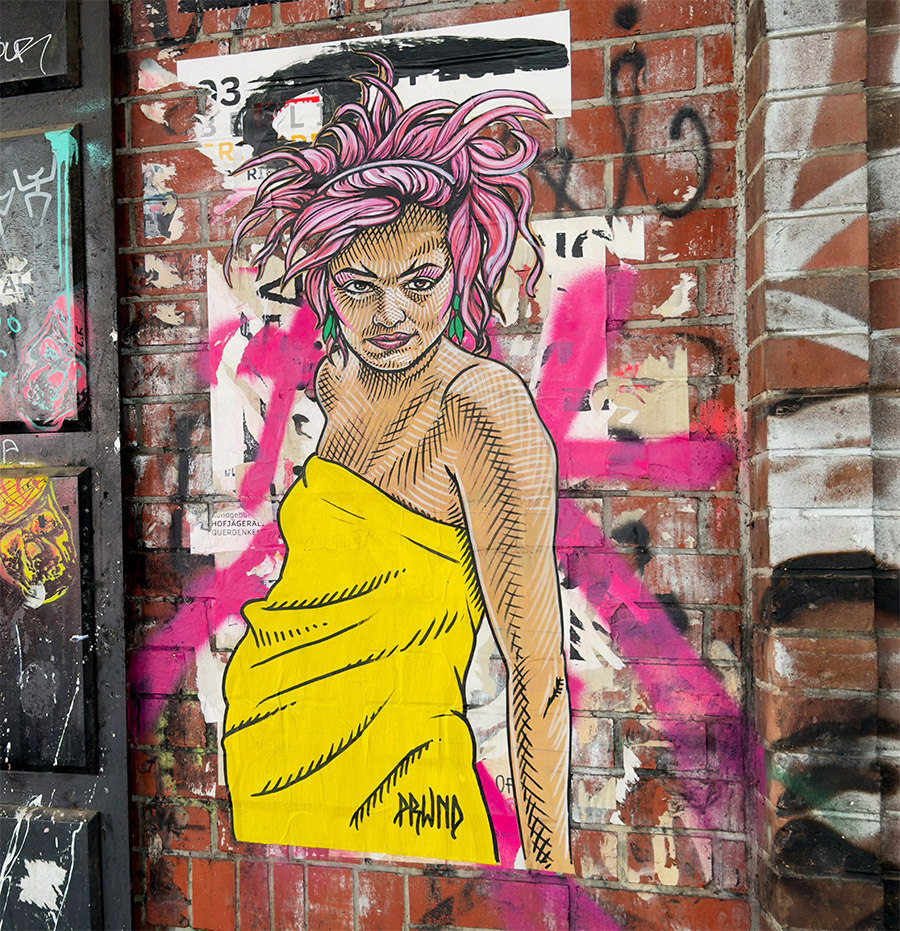
PRWND. Berlin. (photo © Jaime Rojo)
ARYZ. Detail. Berlin. (photo © Jaime Rojo)
Untitled. Spreebogen. Berlin. July 2026. (photo © Jaime Rojo)
Read more
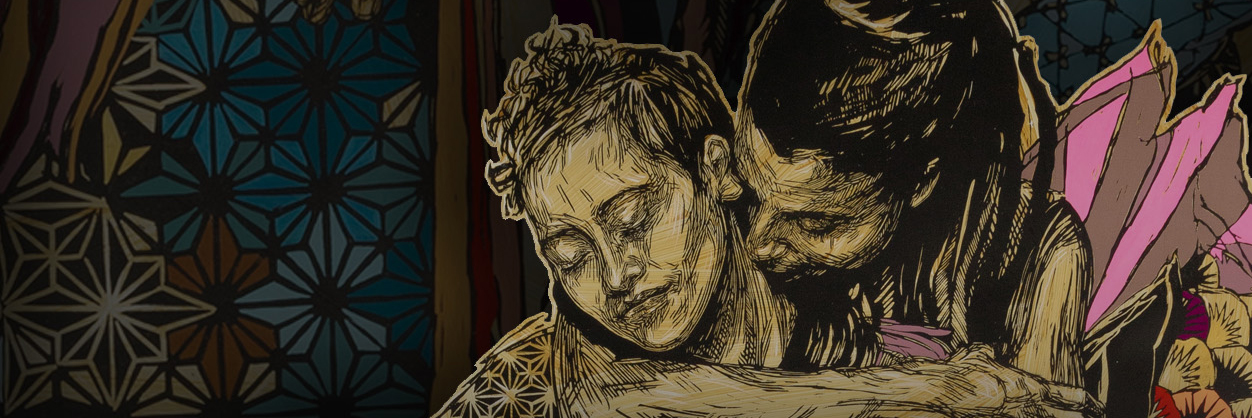
Swoon / The Life of the Work at Woodbury House

Swoon / The Life of the Work at Woodbury House

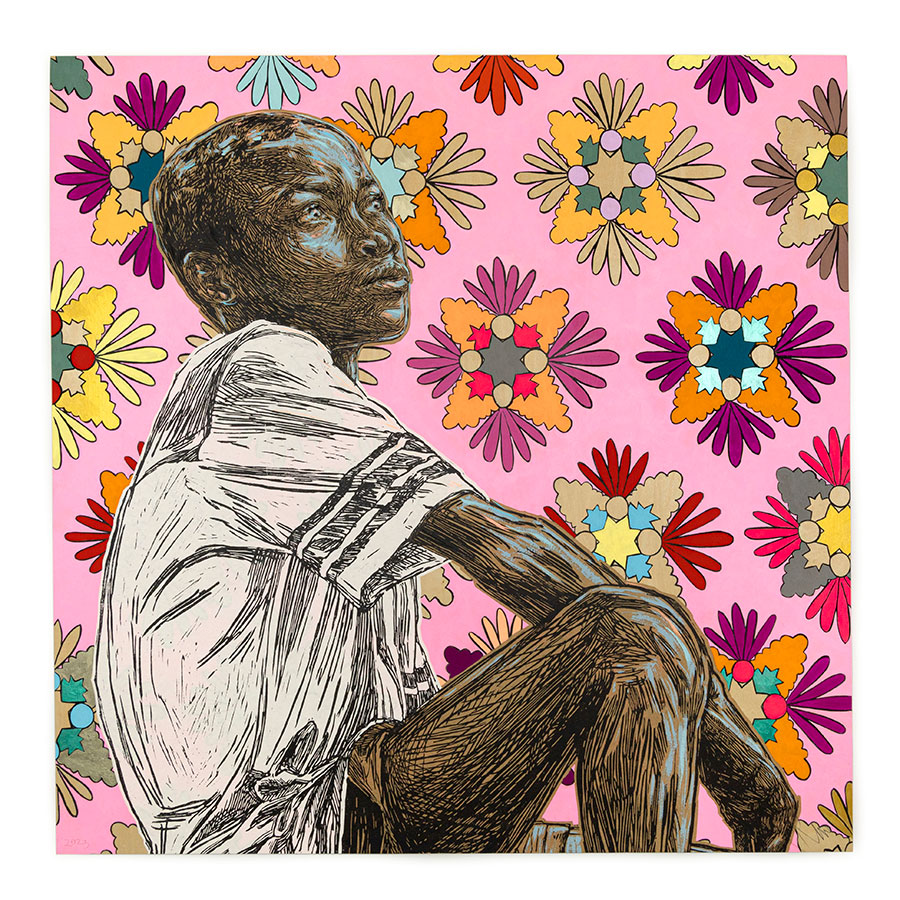
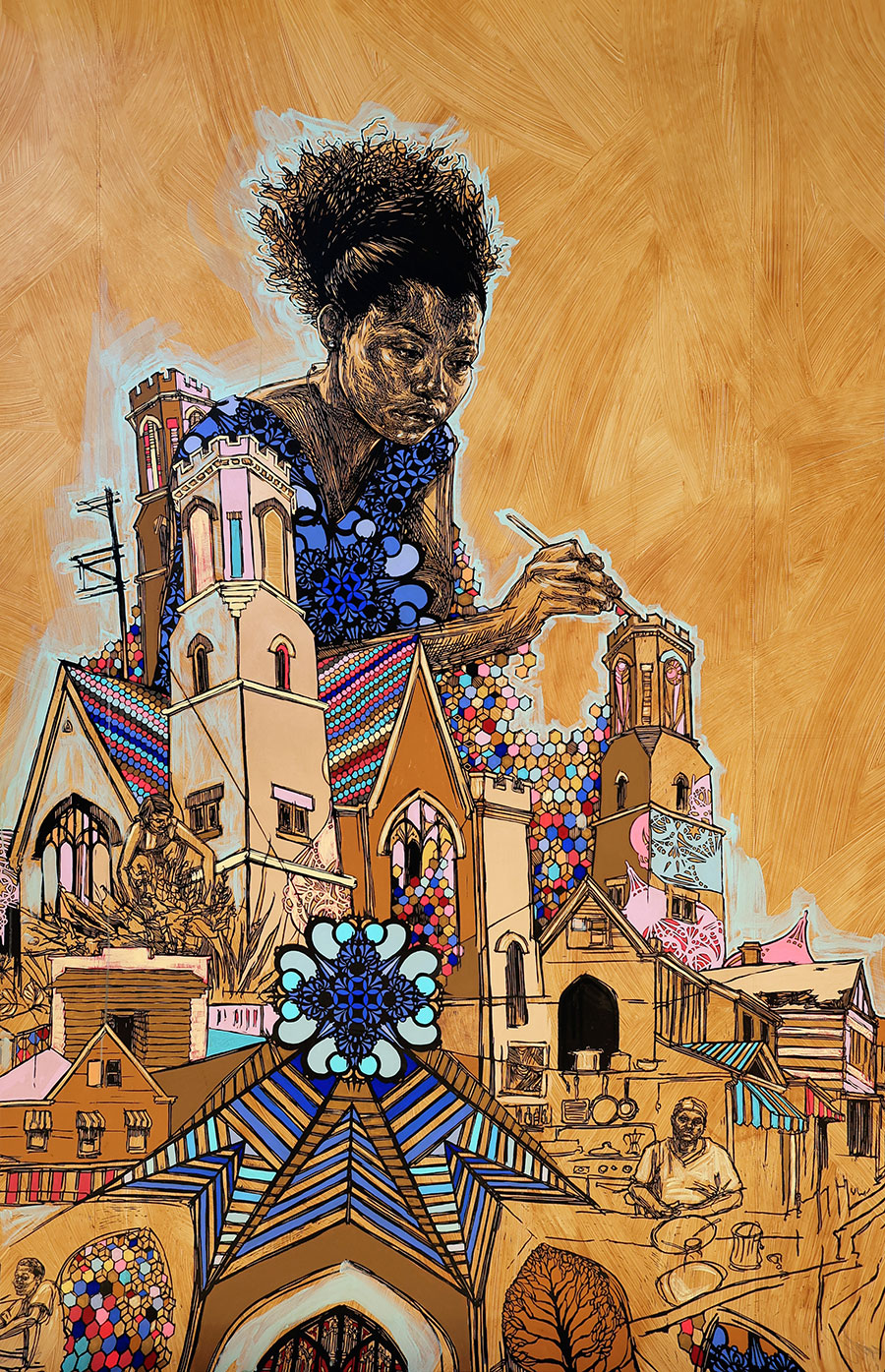
Swoon. “Walkie 2023”. (photo courtesy of Woodbury House)

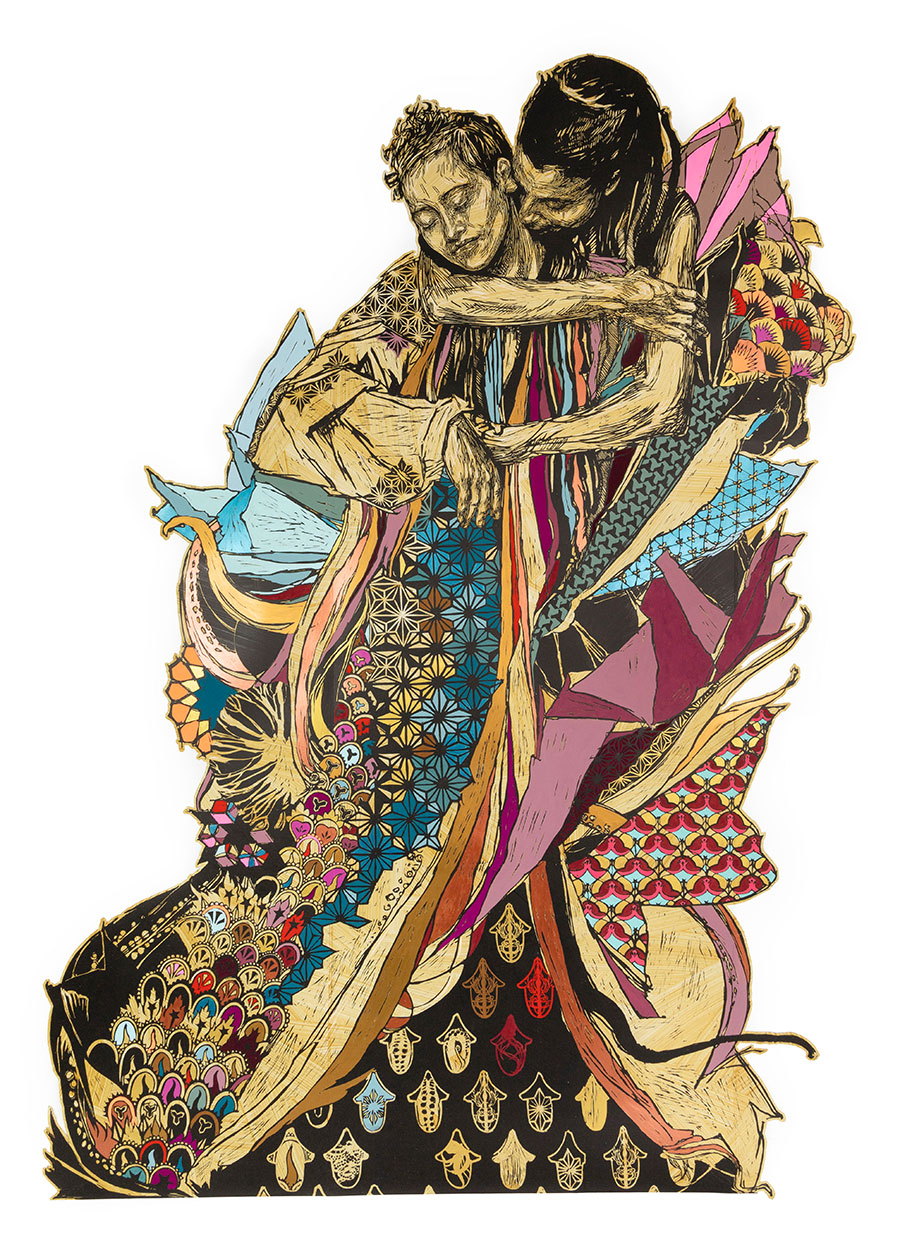
While a student at Pratt Institute in Brooklyn around the turn of the century, Swoon began wheatpasting her hand-cut portraits onto walls around New York, developing a visual language that quickly became one of the most recognizable in the emerging street art movement. Drawing equally from printmaking, portraiture, and direct engagement with the street, her work brought an unusual sense of intimacy to public space. Rather than relying on spectacle, it invited viewers to slow down and spend time with the faces and stories quietly unfolding.

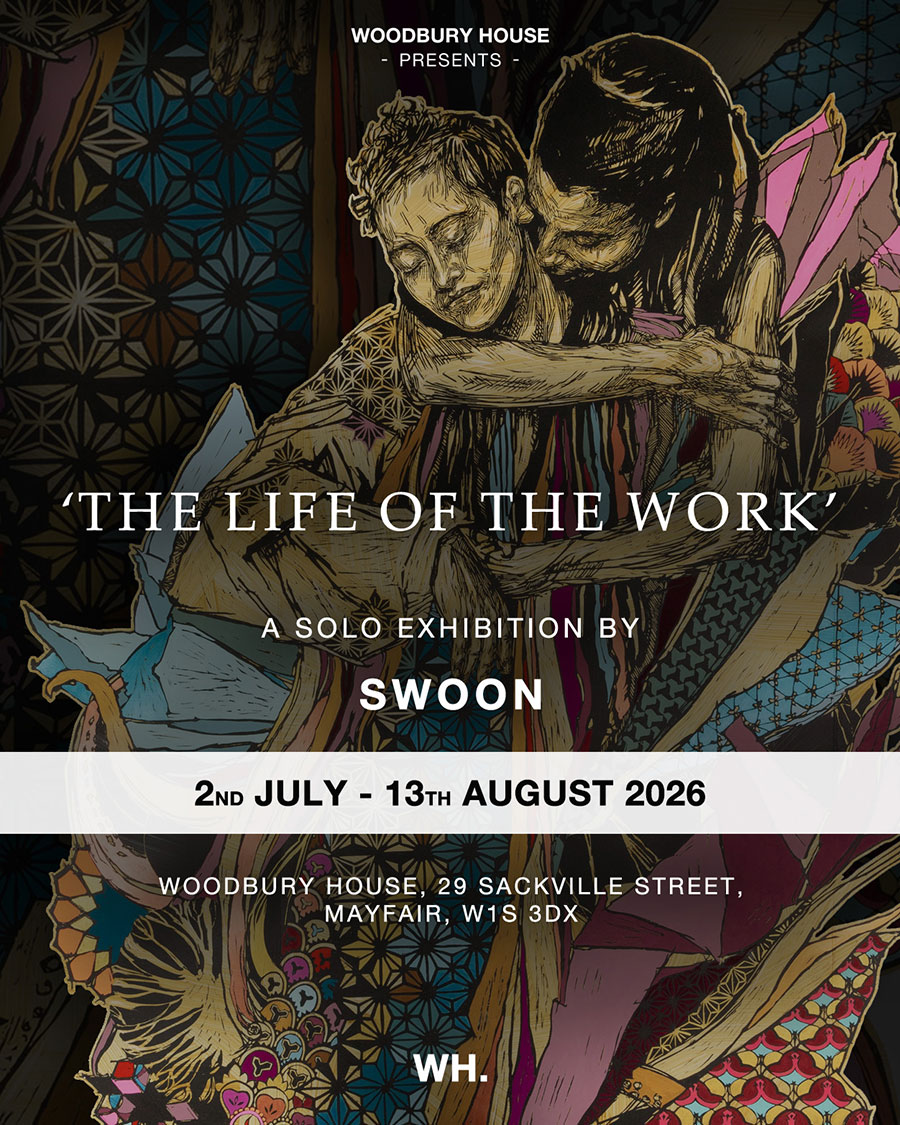
More than twenty-five years later, Woodbury House presents The Life of the Work, the first survey of Swoon’s practice in the United Kingdom, on view from 2 July through 13 August 2026 at the gallery’s Mayfair space. The exhibition follows the thread that runs from those early wheatpastes to paintings, sculpture, installation, and more recent narrative work, revealing a practice that has expanded in form while remaining rooted in the same enduring interests.

One of the pleasures of seeing this body of work together is recognizing how coherent it has remained. Swoon has continued to explore portraiture, storytelling, memory, and community without feeling the need to reinvent her artistic identity every few years. The materials, scale, and settings have evolved, but the work still rests on close observation and a genuine curiosity about the people who inhabit it. That steady commitment has secured Swoon a singular place in the history of street art—an artist whose influence reaches well beyond the walls where many first encountered her work.

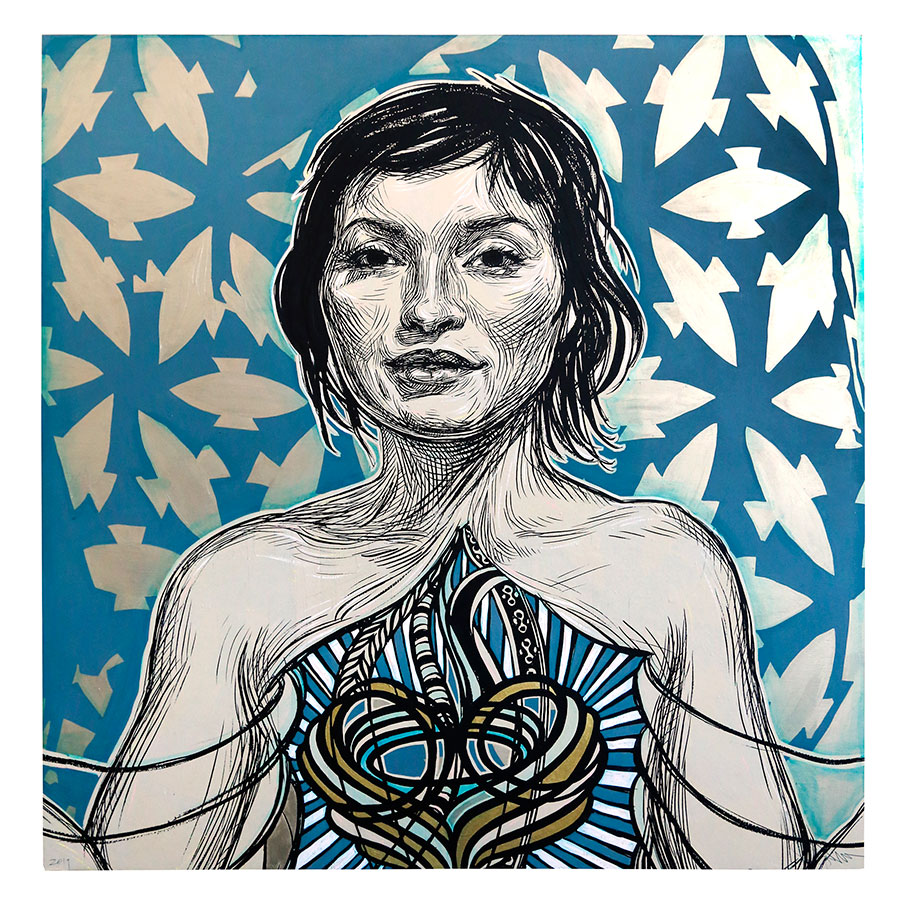
Swoon. “Neene 2021”. (photo courtesy of Woodbury House)
Swoon. “Paulie 2019”. (photo courtesy of Woodbury House)
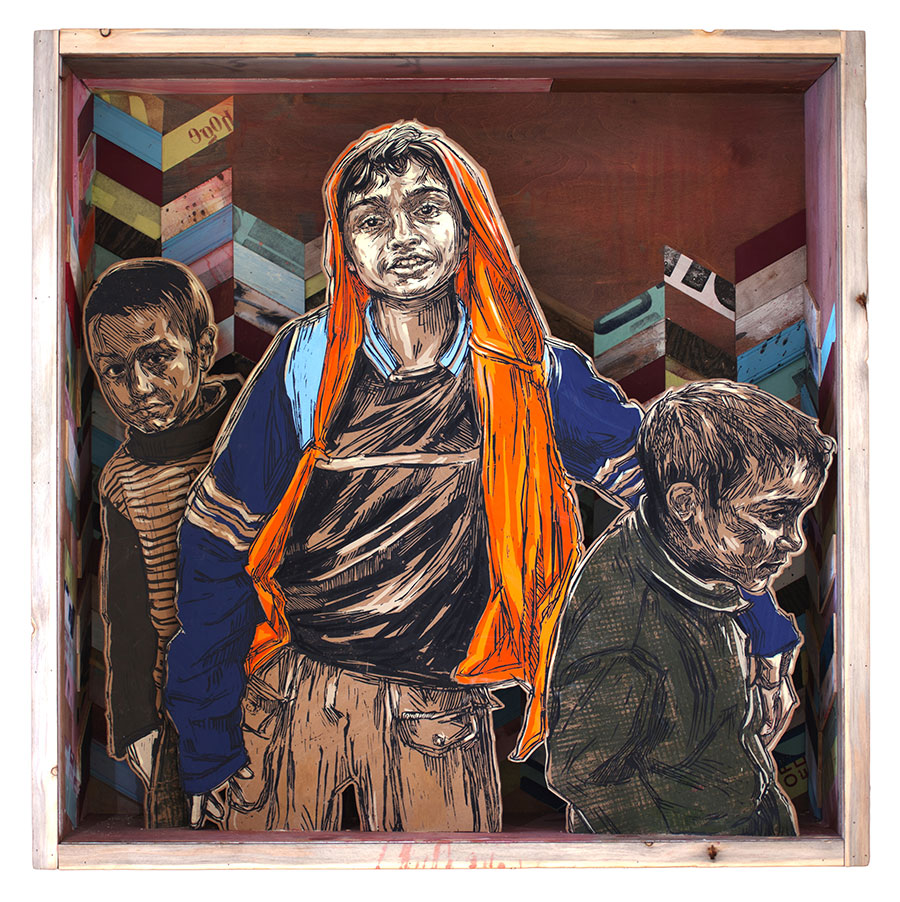
Swoon. “Bethelem Boys 2016”. (photo courtesy of Woodbury House)
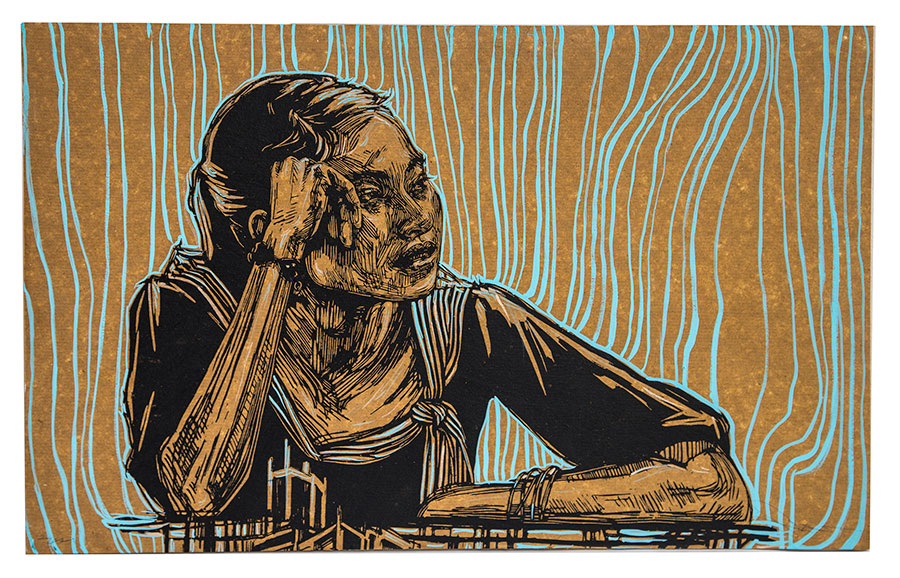
Swoon. “Girl from Ranoon Province 2021”. (photo courtesy of Woodbury House)
Swoon. “Alixa & Naima 2024”. (photo courtesy of Woodbury House)


EXHIBITION DETAILS
PRIVATE VIEW
Thursday 2nd July 2026 | 18:00 – 21:00 | Champagne reception and live
music, with the artist in attendance.
PUBLIC VIEWING
From 3rd July 2026 | Monday to Friday: 10:00 – 17:00.
VENUE
Woodbury House, 29 Sackville Street, Mayfair, London, W1S 3DX.

Read more
BSA Images Of The Week: 06.28.26

BSA Images Of The Week: 06.28.26

Welcome to BSA Images of the Week.

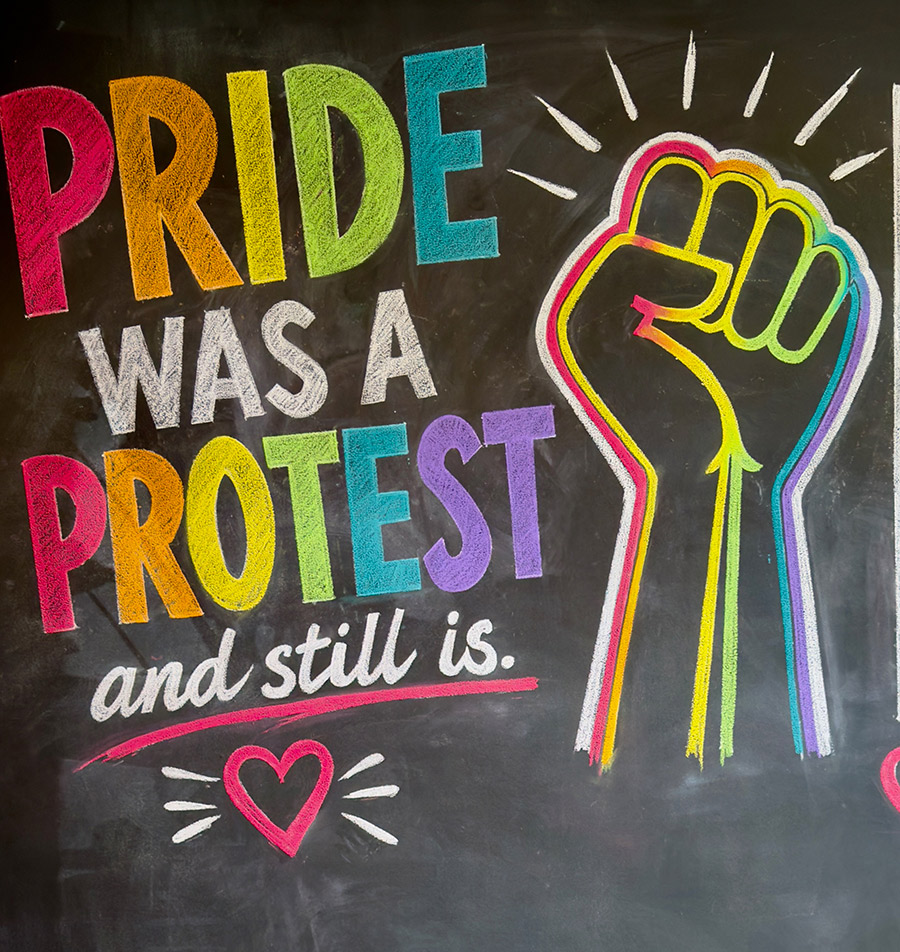
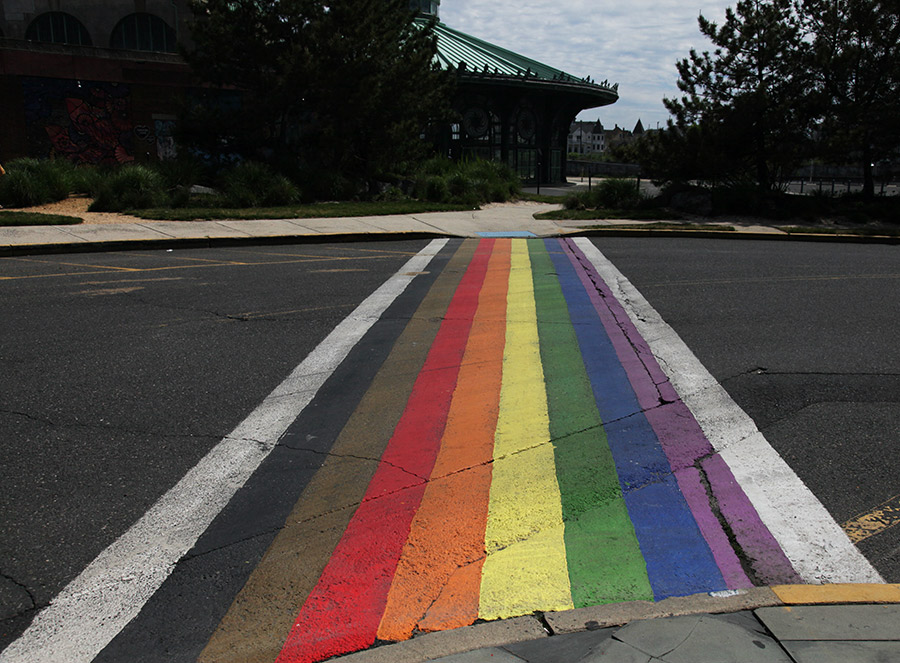
The Pride parade comes down 5th Avenue today – a rebellious and celebratory parade that arose in the late 1960s in a hostile and oppressive political atmosphere toward LGBTQ+ people. After it became socially safe and financially profitable, corporations jumped into the parade during the 90s and 00s and pretended that they were friends of queer folks all along – while selling them shampoo and beer, or whatever else they could slap a rainbow on. With the retrogrades making war on people across the US today and many of those same corporations withdrawing their support of DEI initiatives in obedience to political winds, it is good to remember that the pride parades across the world are just not about go-go boys and drag queens; It’s simply about equal rights.

This week, we take you down the East Coast about an hour and a half south to Asbury Park, New Jersey, to see what’s happening on the boardwalk this summer. Often a good place to catch street artists who have painted murals, we also share this project from photographer Mike McLaughlin.

For decades, he has been quietly chronicling the people who give Asbury Park some of its soul. With one foot in documentary and the other in portraiture, McLaughlin has built an expansive visual record of a city that continually reinvents itself, from the music scene at Asbury Lanes to the artists, entrepreneurs, and everyday characters who animate its streets.

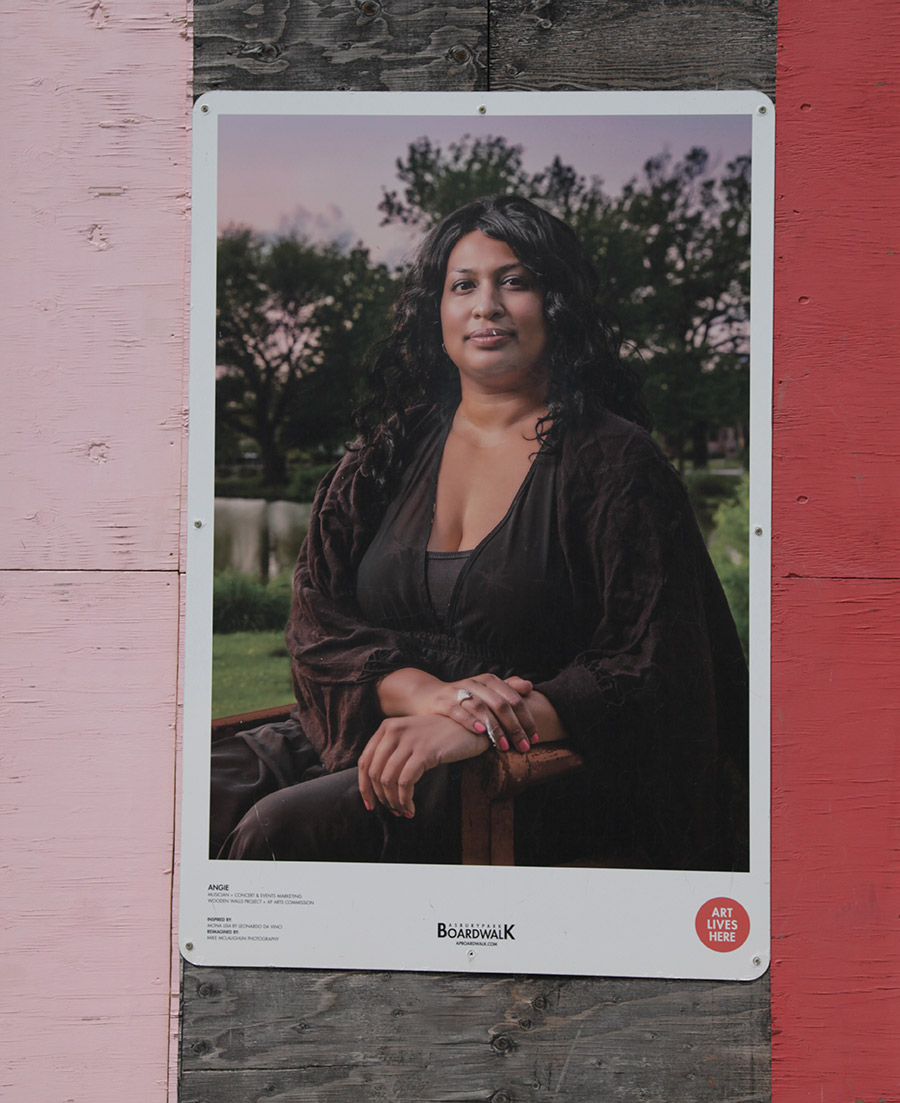
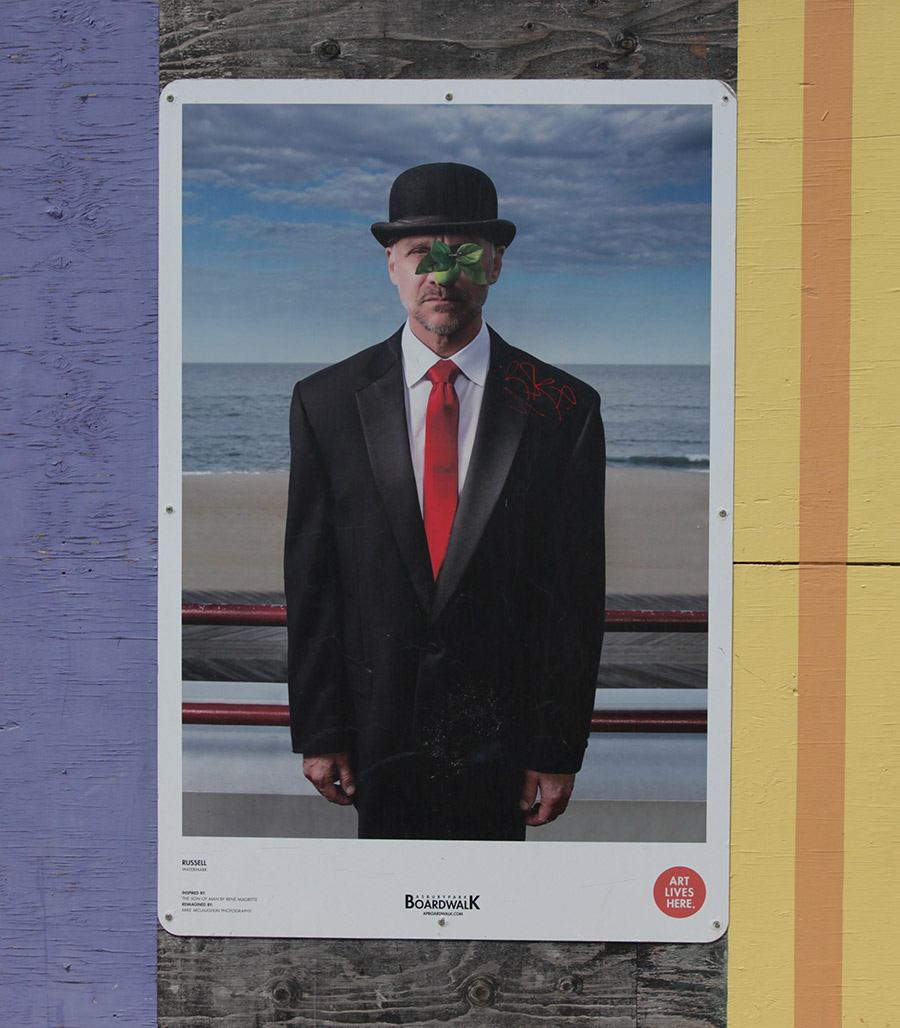
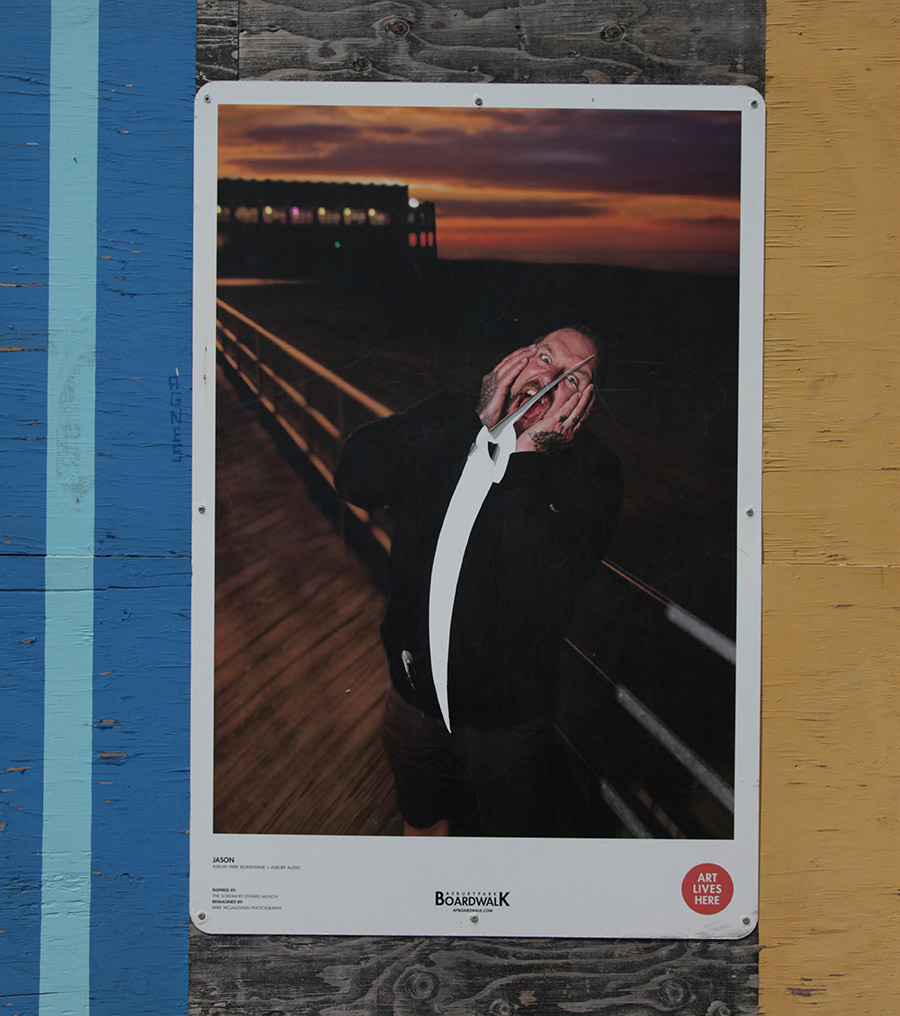
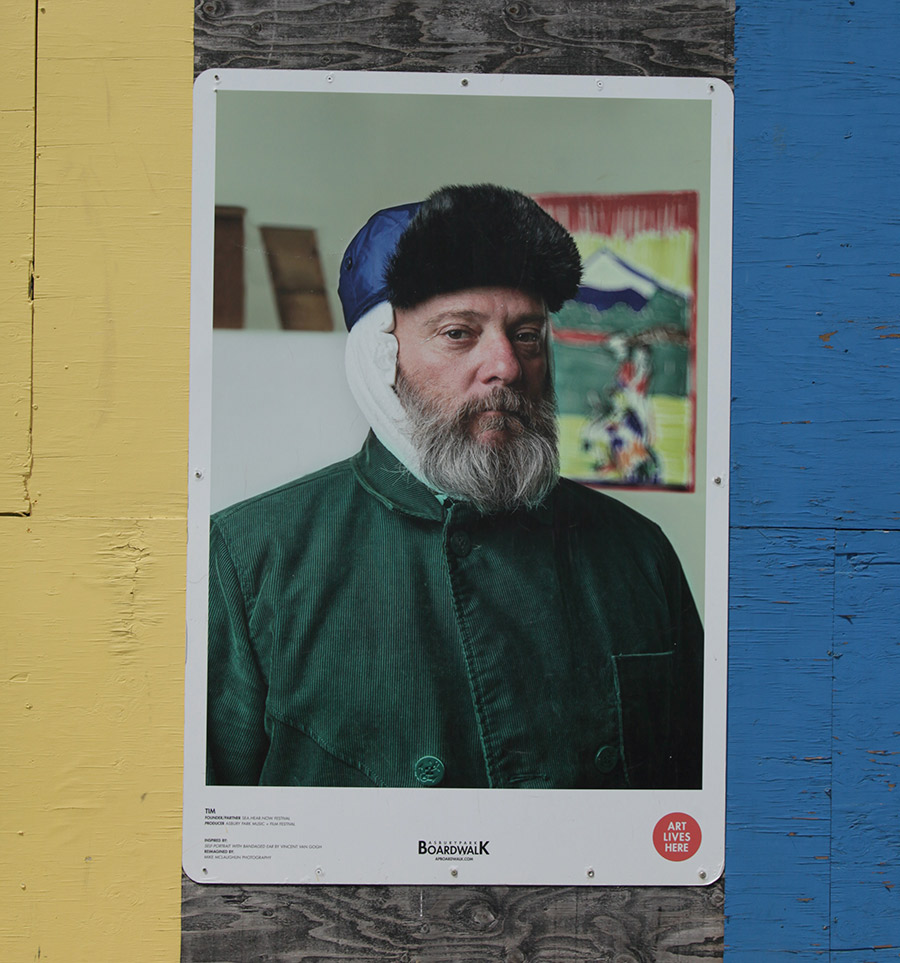
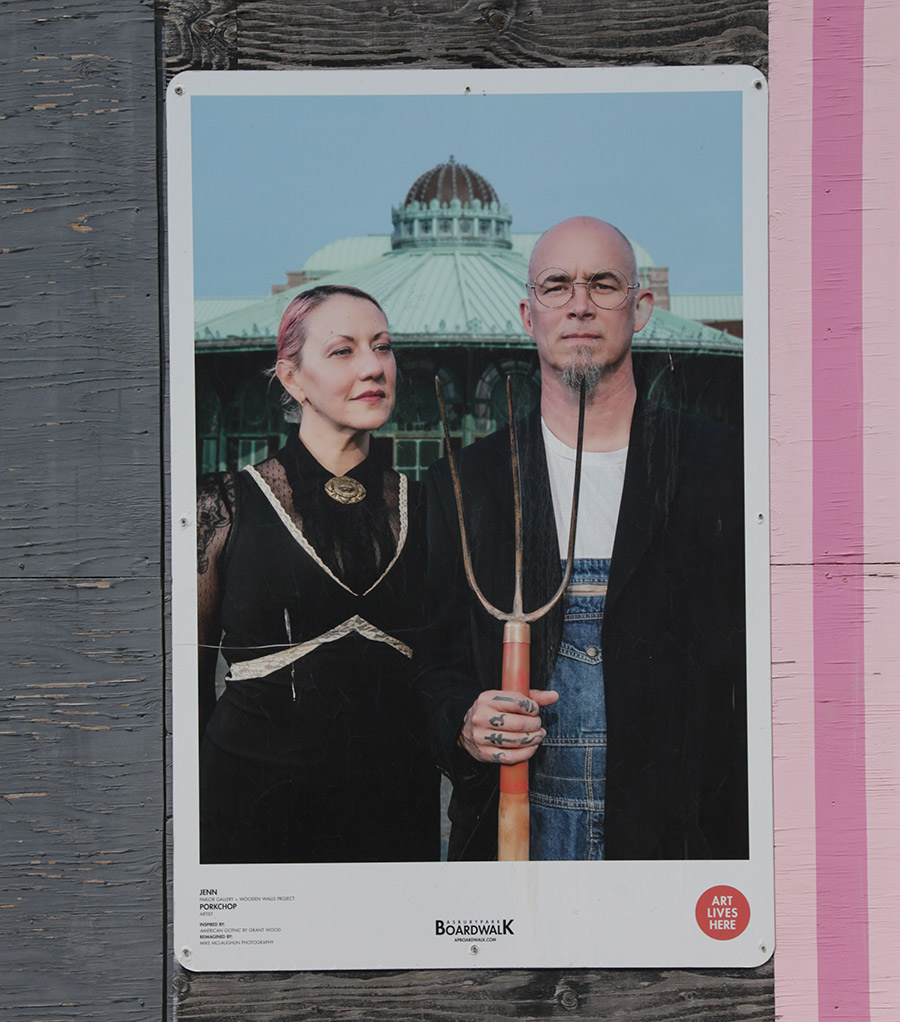
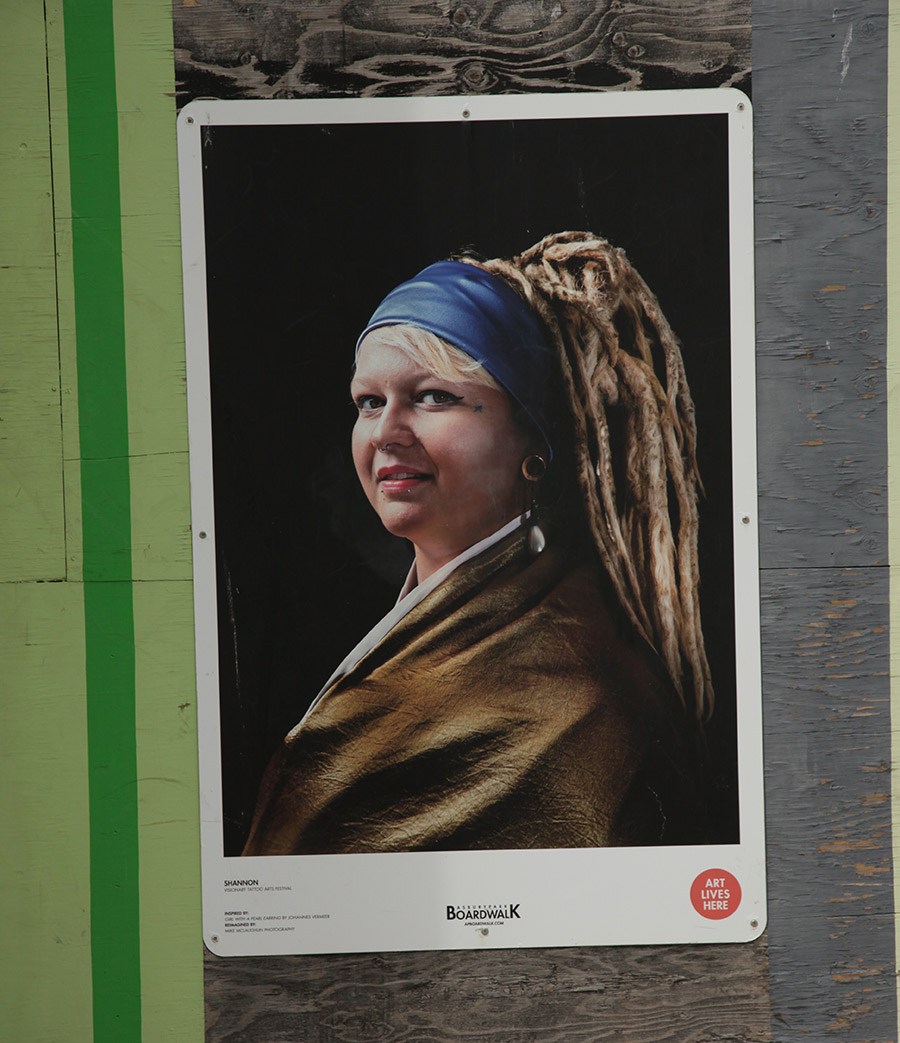
Below is one of his most memorable public projects, Art Lives Here, which turns the boardwalk into a gallery. Local musicians, tattooists, artists, bartenders, and other familiar faces were cast as the protagonists of celebrated paintings by Leonardo da Vinci, Johannes Vermeer, Grant Wood, Edvard Munch, René Magritte, Vincent van Gogh, Norman Rockwell, and others. The result is a playful art-history exercise – and a reminder that every city has its own living masterpieces—ordinary people whose personalities, histories, and creative energy deserve a frame as much as any museum icon.
Here’s our weekly interview with the street, this week featuring Amberella, Anna Mraz, Ant Carver, Chelsey Luster, Dan, Gianni Lee, Hyland Mather, Mike McLaughun, and Vitale Bros.

PRIDE 2026 (photo © Jaime Rojo)
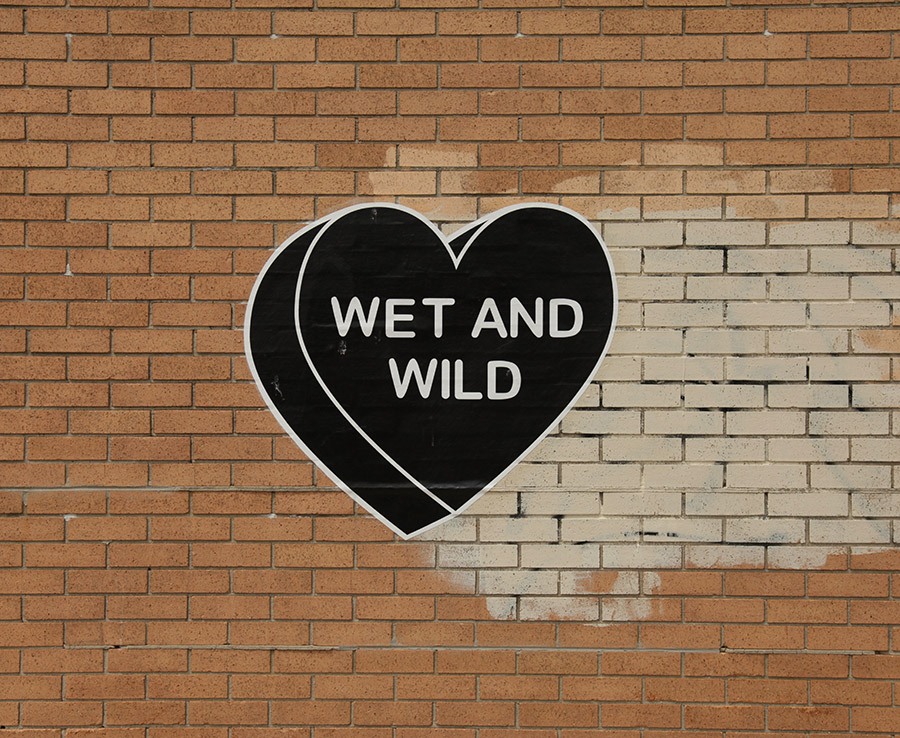
Asbury Park, NJ (photo © Jaime Rojo)
Angie, inspired by Leonardo da Vinci’s Mona Lisa. Photographed by Mike Mclaughun. Asbury Park, NJ (photo © Jaime Rojo)
Rusell, inspired by René Magritte’s “The Son of Man”. Photographed by Mike Mclaughun. Asbury Park, NJ (photo © Jaime Rojo)
Jason, inspired by Edvard Munch’s “The Scream”. Photographed by Mike Mclaughun. Asbury Park, NJ (photo © Jaime Rojo)
Tim, inspired by Vincent Van Gogh’s “Self-Portrait With Bandaged Ear”. Photographed by Mike Mclaughun. Asbury Park, NJ (photo © Jaime Rojo)
Jenn & Porkchop, inspired by Grant Wood’s “American Gothic”. Photographed by Mike Mclaughun. Asbury Park, NJ (photo © Jaime Rojo)
Shannon, inspired by Johannes Vermeer’s “Girl With a Pearl Earring”. Photographed by Mike Mclaughun. Asbury Park, NJ (photo © Jaime Rojo)
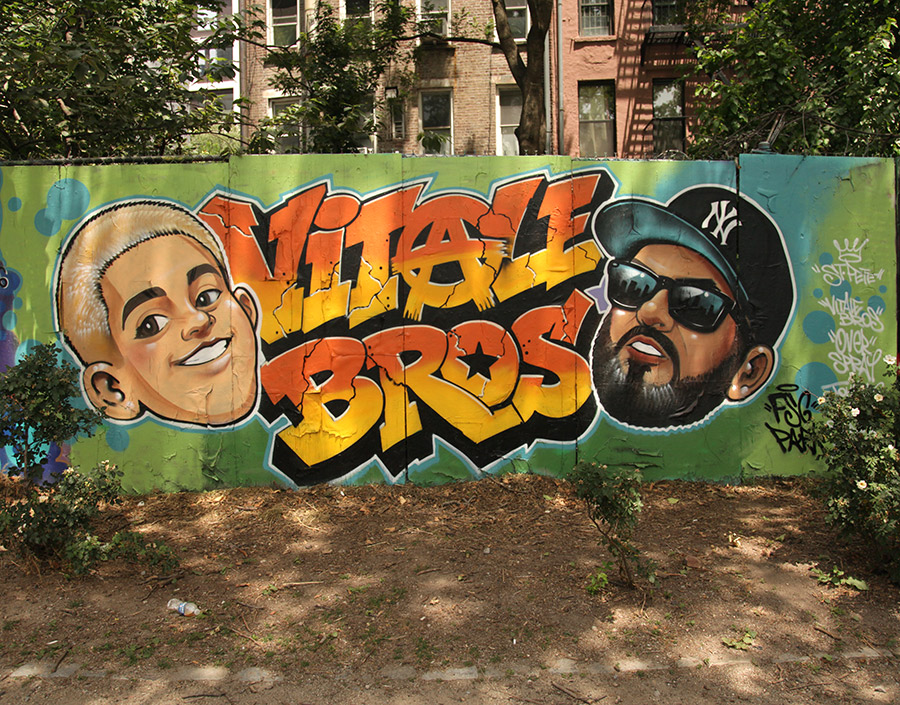
Meanwhile, back in New York, the Vitale Bros (photo © Jaime Rojo)
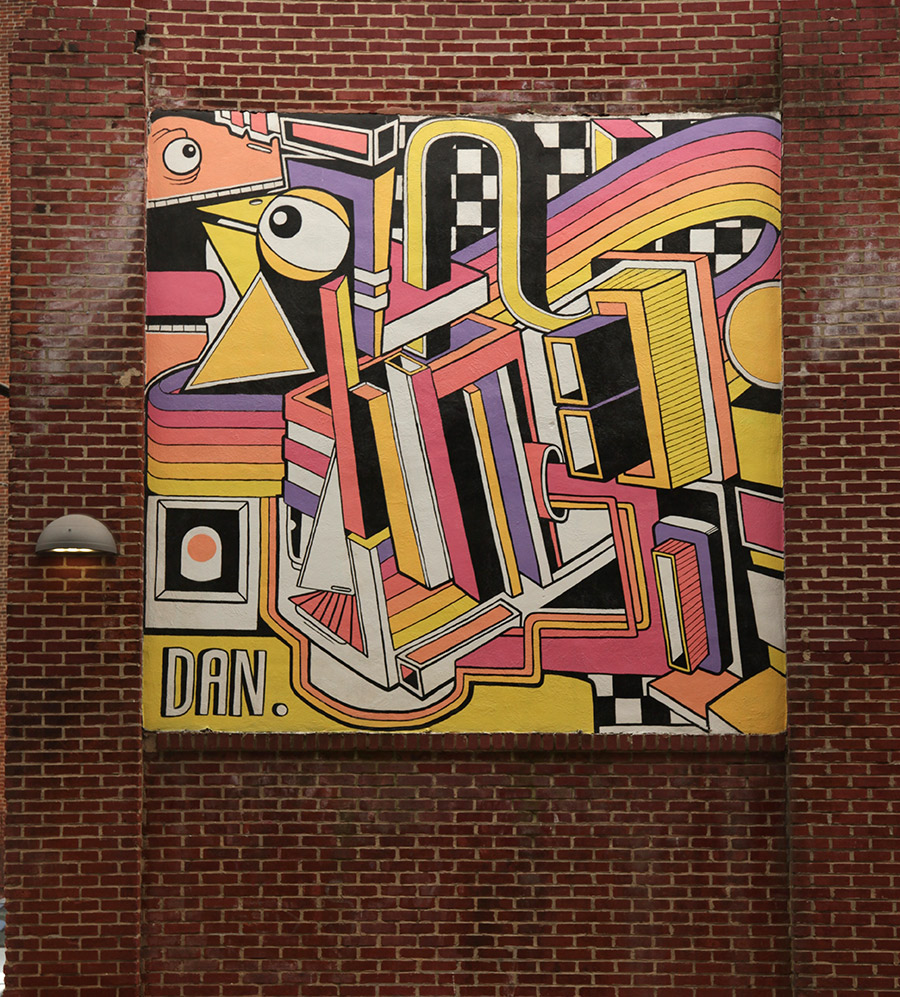
DAN. Philadelphia, PA. (photo © Jaime Rojo)
Gianni Lee. Detail. Philadelphia, PA. (photo © Jaime Rojo)
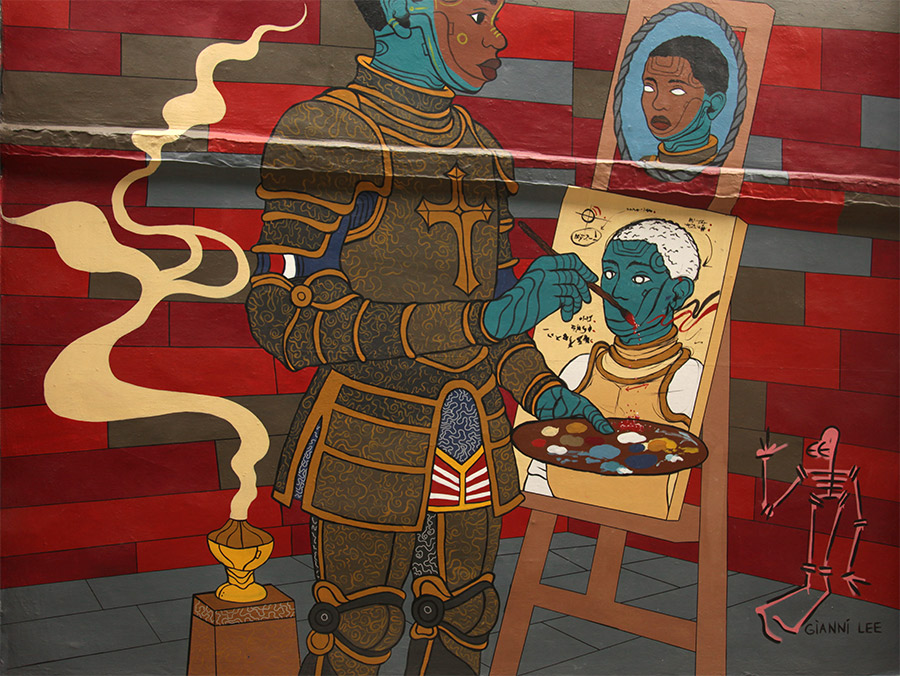
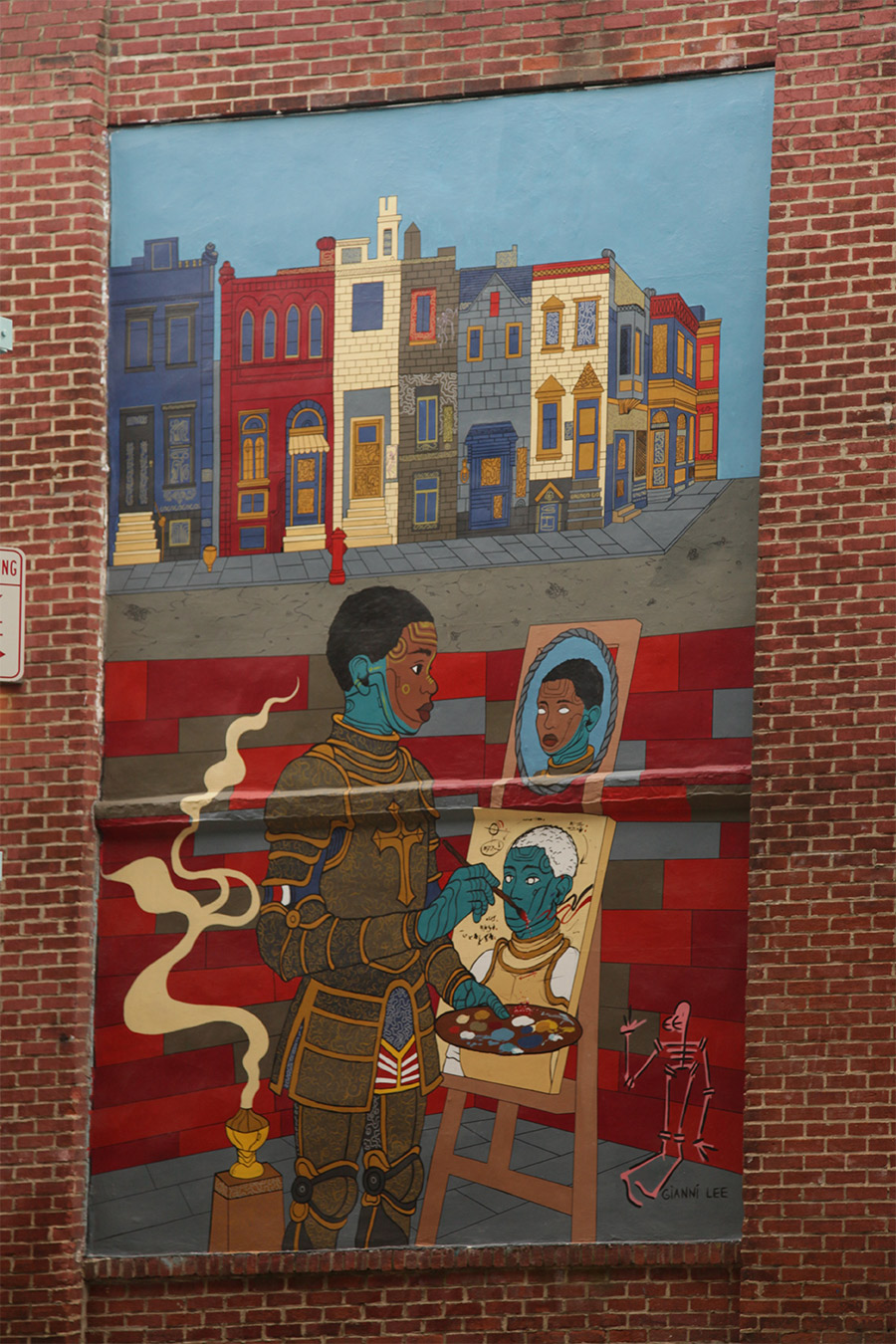
Gianni Lee. Philadelphia, PA. (photo © Jaime Rojo)
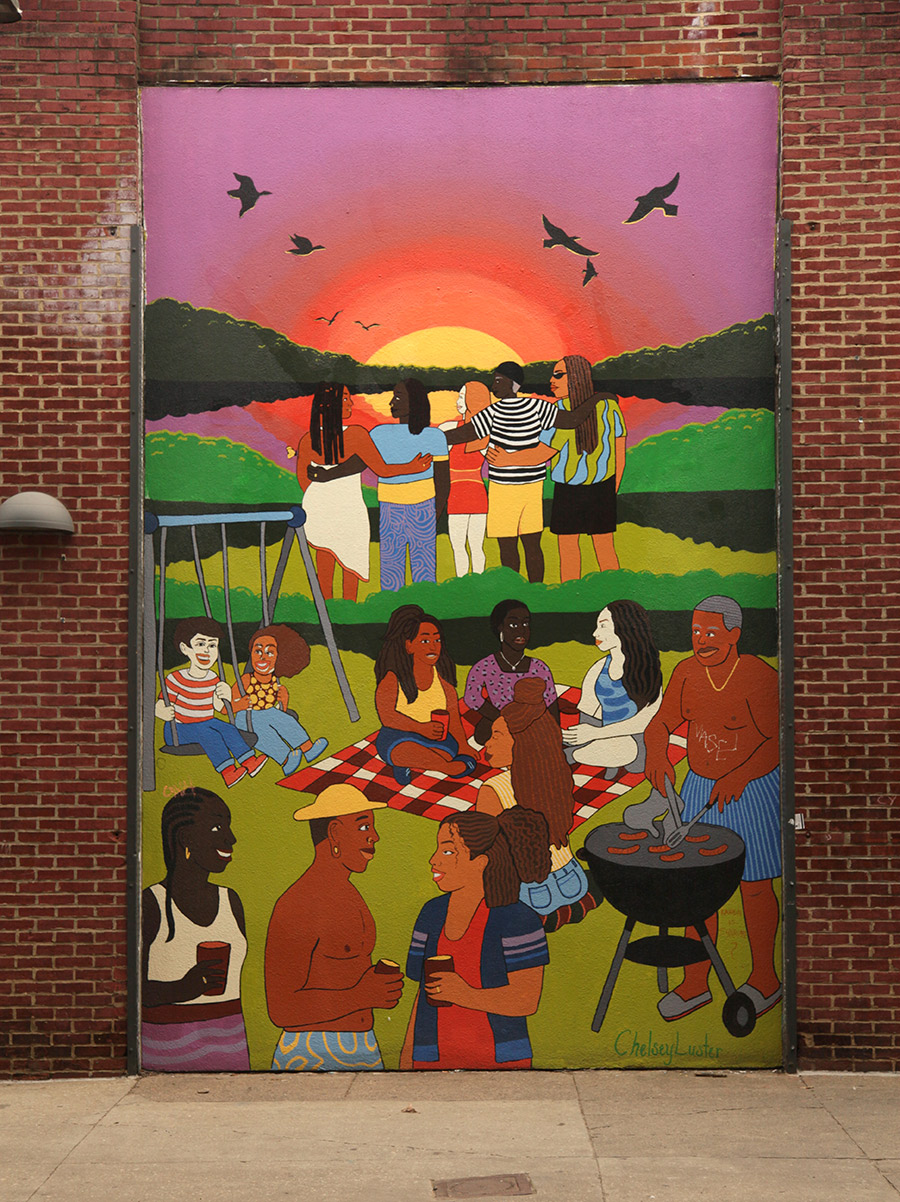
Chelsey Luster. Philadelphia, PA. (photo © Jaime Rojo)
Ant Carver. Philadelphia, PA. (photo © Jaime Rojo)
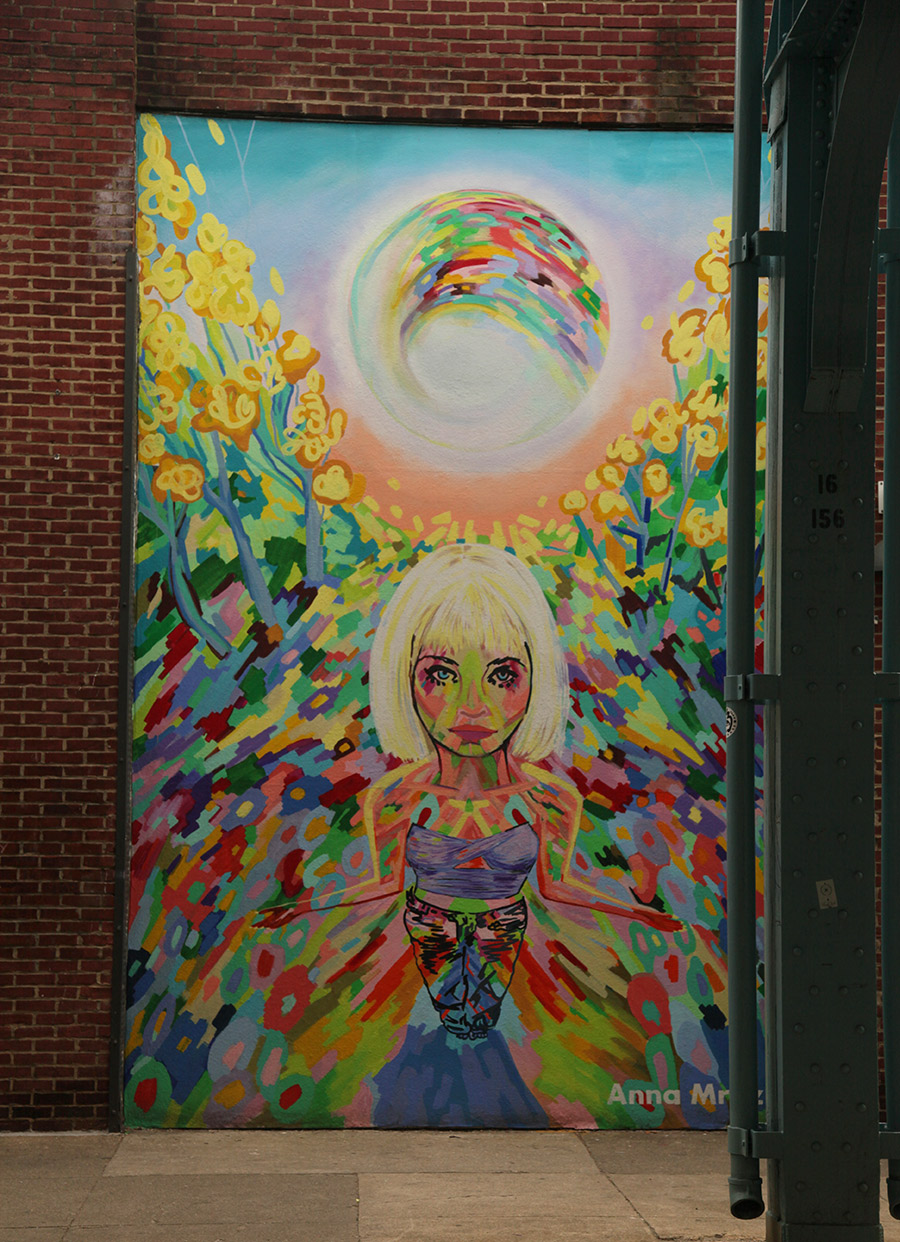
Anna Mraz. Philadelphia, PA. (photo © Jaime Rojo)
Amberella. Philadelphia, PA. (photo © Jaime Rojo)
Amberella. Asbury Park, NJ. (photo © Jaime Rojo)
Hyland Mather. Asbury Park, NJ. (photo © Jaime Rojo)
PRIDE 2026 (photo © Jaime Rojo)

Read more