 BROOKLYN STREET ART LOVES YOU MORE EVERY DAY
Street art festivals have evolved dramatically over the past two decades. Many of the earliest events grew directly out of graffiti jams and street art culture, bringing together artists, photographers, curators, writers, academics, a handful of adventurous gallerists and collectors, and eventually a few local politicians who discovered that art unveilings make for excellent public appearances, to debate questions of authorship, public space, illegality, and the right to the city. And, of course, to get high, paint, and listen to music. Festivals such as Nuart became known not only for the walls they produced but for the conversations they fostered, pairing murals and installations with symposia, publications, lectures, institutional critique, and prickly discussions that situated contemporary street art within broader artistic and social histories.

Today, many newer festivals operate through a different model. Rather than emerging from artist-led initiatives or grassroots scenes, they are sometimes organized through partnerships between municipalities and professional mural producers. The emphasis shifts from examining public space as a contested arena to delivering ambitious, well-managed, and attractive public art projects that contribute to civic identity, cultural programming, and urban regeneration. In marketing parlance, the term “placemaking” inevitably arises. These festivals are capable of producing excellent work, but their priorities and institutional structures are distinct from those of the earlier generation.
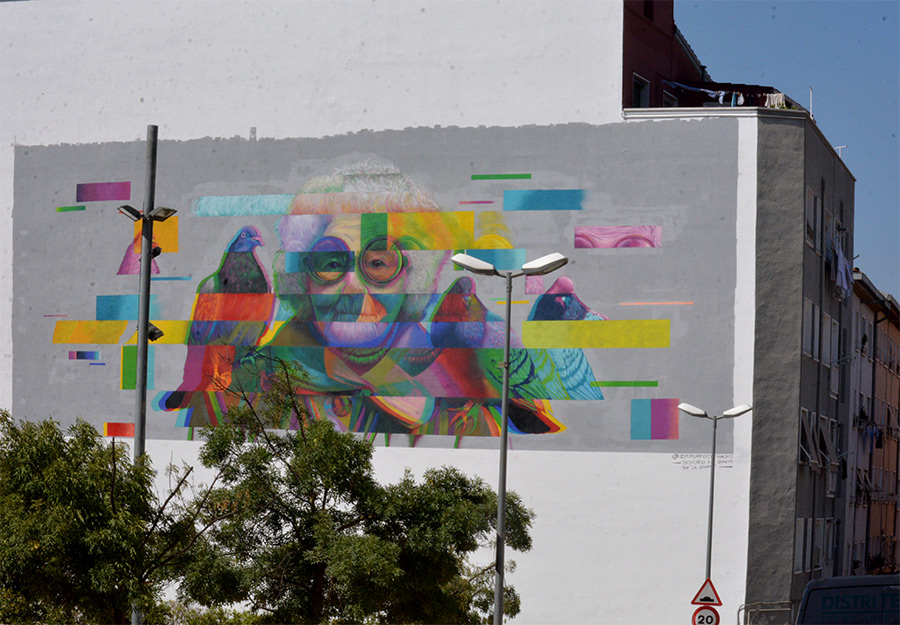
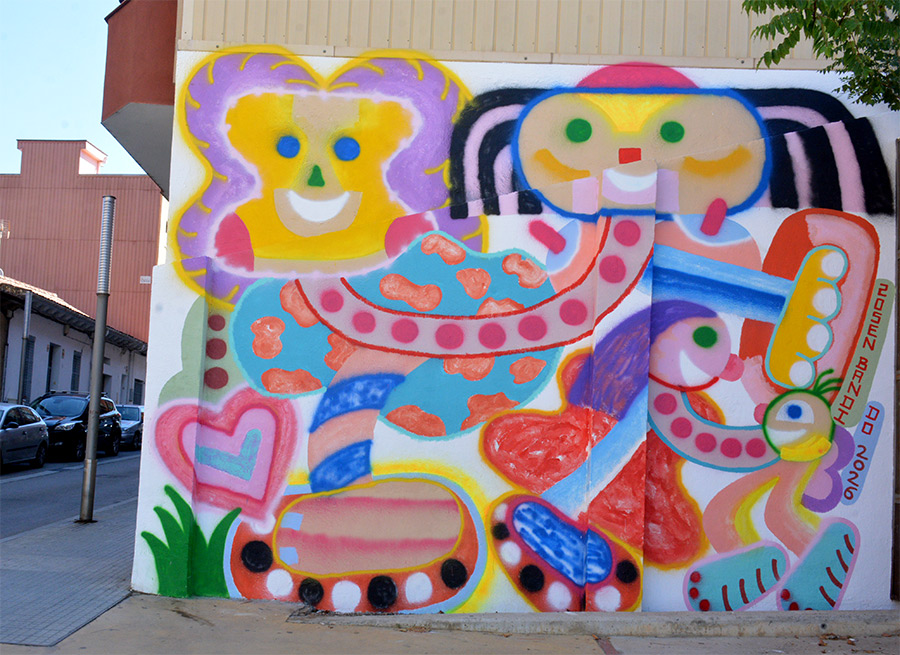
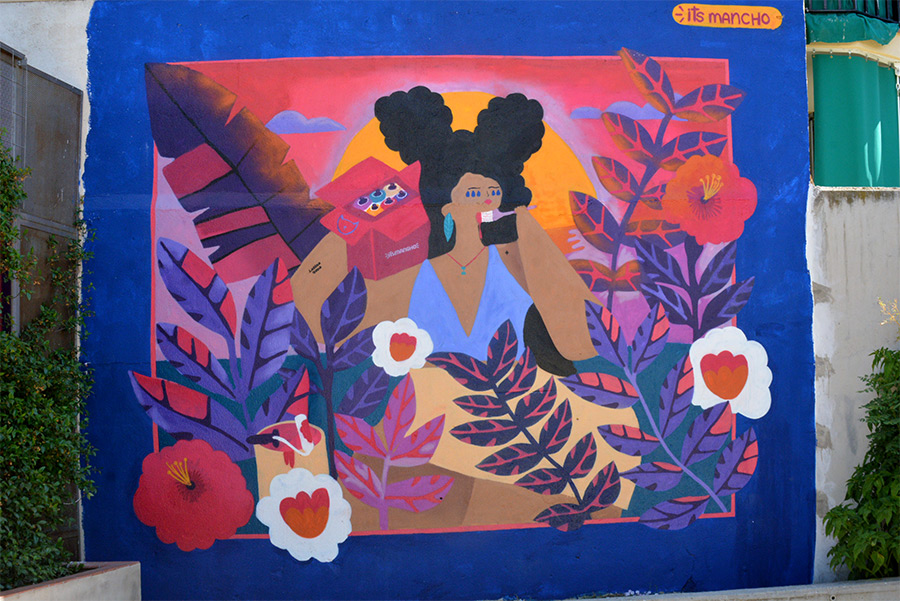
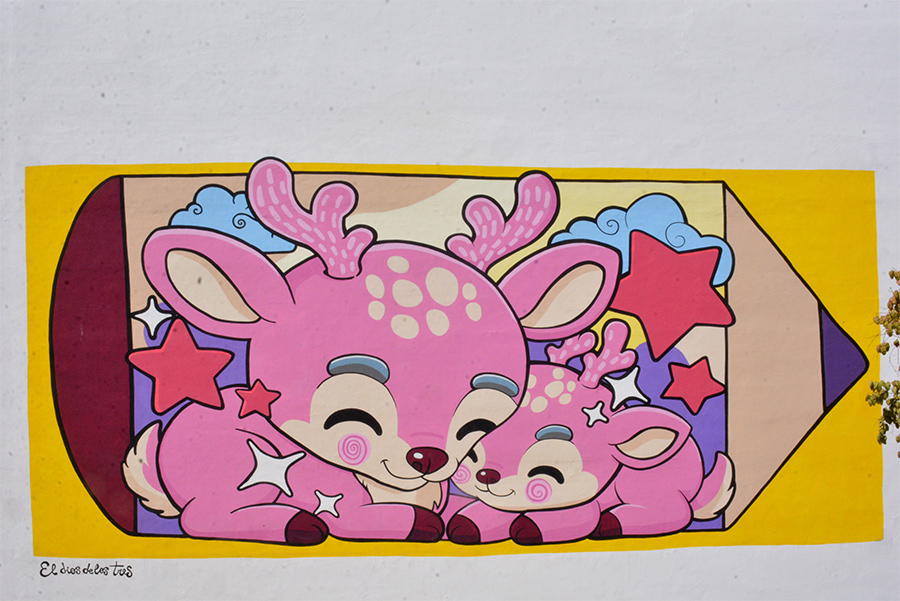
Pintalis Fest fits comfortably within this newer approach. Produced by the Barcelona-based mural company Pintalis in partnership with the city of Mollet del Vallès, it combines mural production with family activities, workshops, and community celebrations, presenting public art as an accessible civic experience. It is also worth noting that these categories are no longer rigid. Even Nuart—long regarded as one of the movement’s most intellectually engaged festivals—has evolved through its long-running partnership with Aberdeen City Council, becoming part of the city’s cultural strategy while continuing to surround new public artworks with conferences, essays, walking tours, and some critical debate. The result is a reminder that municipal partnerships and intellectual inquiry need not be mutually exclusive, even as different festivals continue to emphasize different aspects of what public art can be.
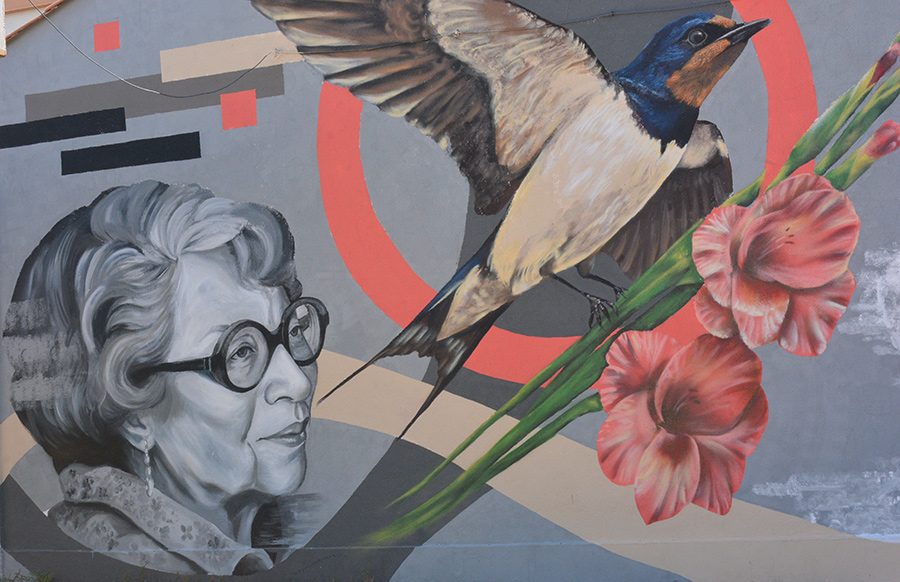
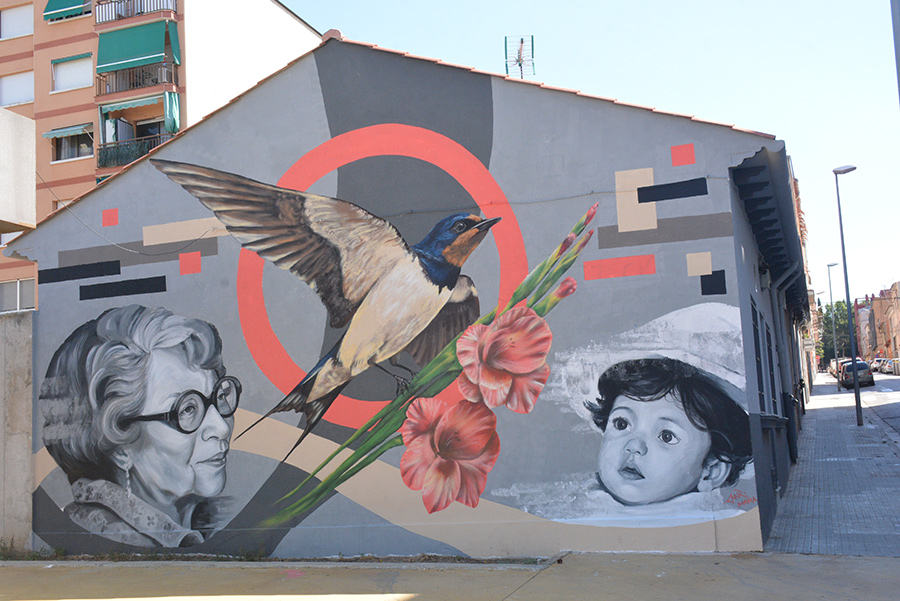
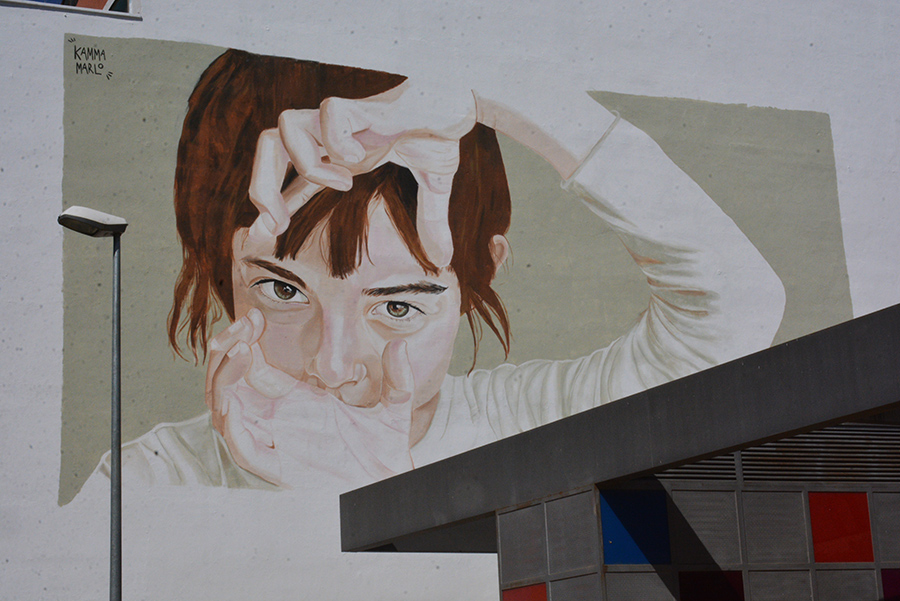
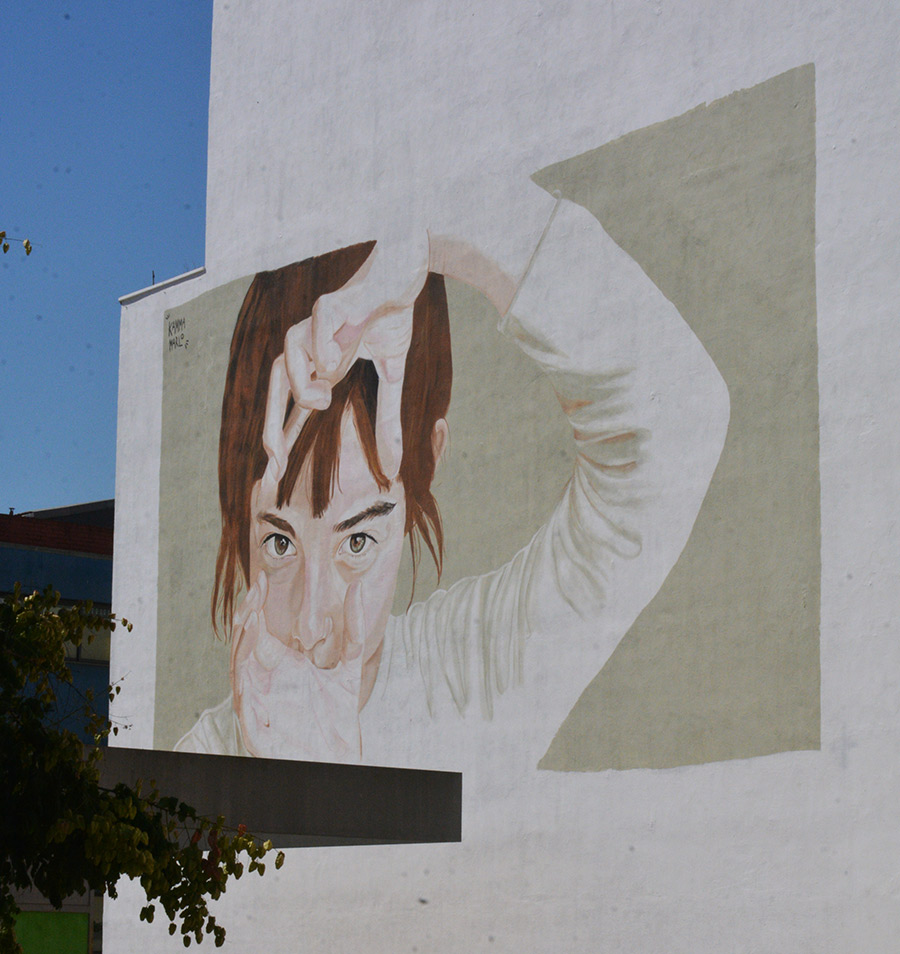
Today we travel to Mollet del Vallès, about 25 kilometers northeast of Barcelona, to take a look at six new murals created for the 2026 Pintalis Fest. Our thanks to photographer Lluís Bulbena Olivas for generously sharing these images with BSA readers.