 BROOKLYN STREET ART LOVES YOU MORE EVERY DAY
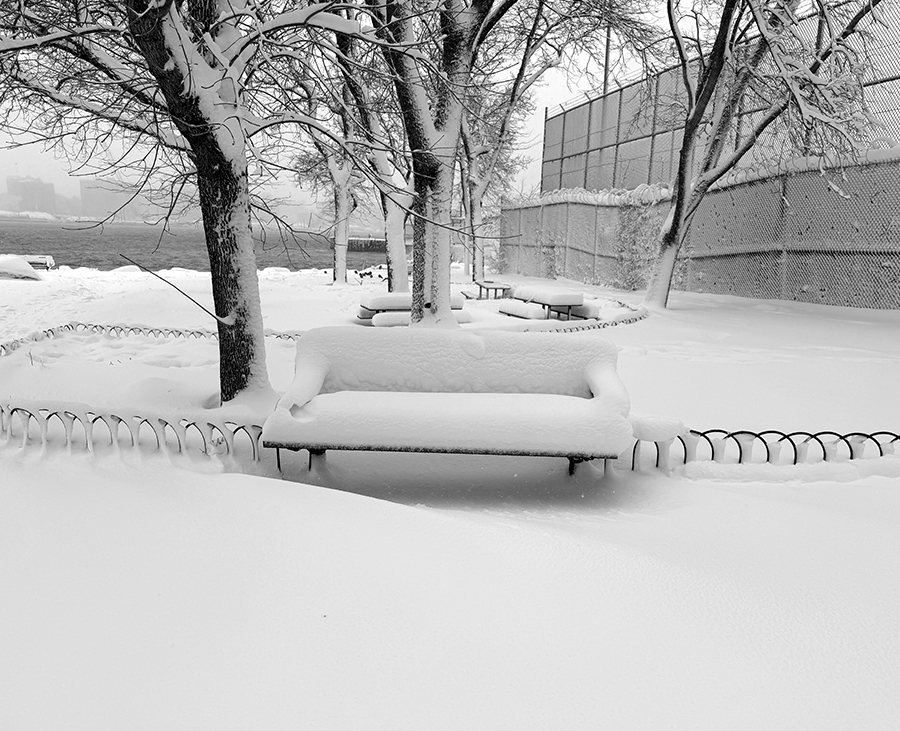
Welcome to BSA Images of the Week! Many street artists and graffiti writers have stayed away from painting new works these last few months because winter has been so brutal and relentless in New York. Grey has been the predominant color so far this year.
So you have to expand your vision to discover something new if you are trekking through our dirty old town. Travel to new parts of the city, and consider how space is occupied by creativity in other ways, like the community murals full of historical heroes of the culture, and like the ‘casitas’ our photographer, Jaime Rojo, shot in Harlem this week. This city never stops surprising you, and art on the street is sometimes not what you might narrowly define it as.
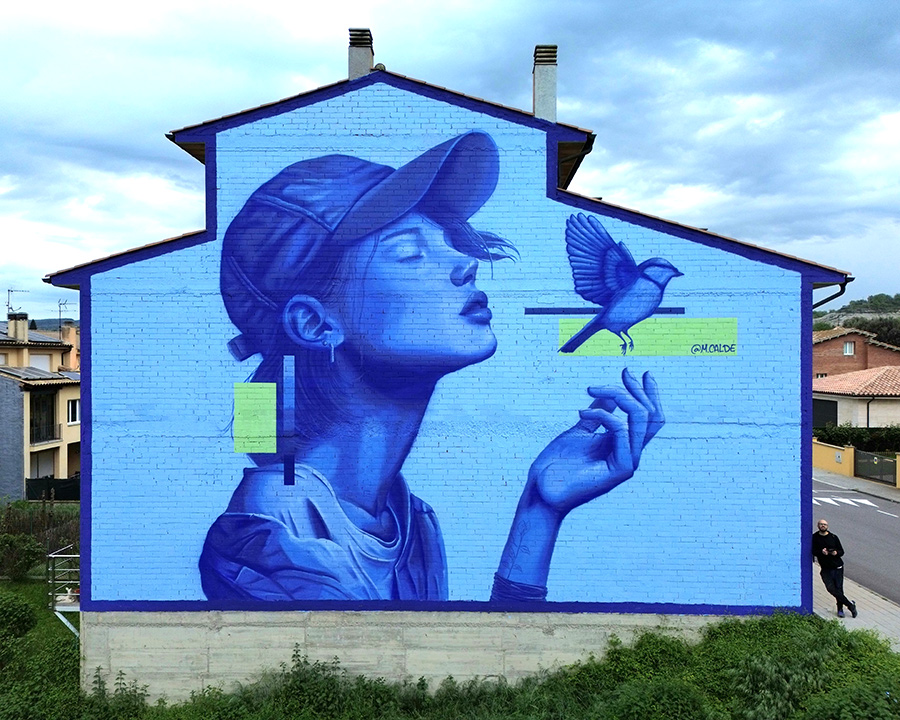
We start the collection with a shot of CALDE’s piece from Caldetenes, Spain, during the FACC festival. Thanks, Calde! Perhaps this is our first sign of spring.
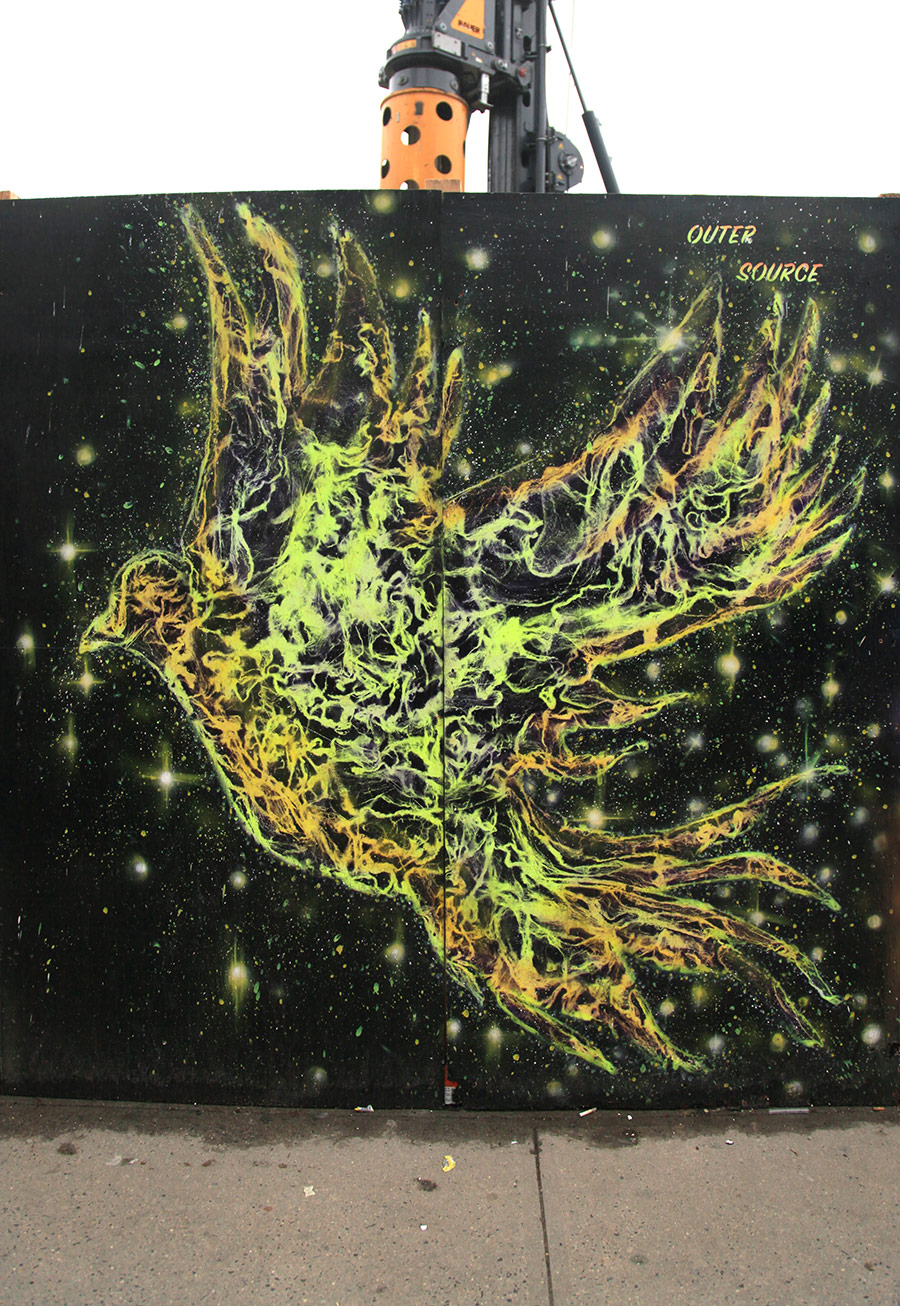
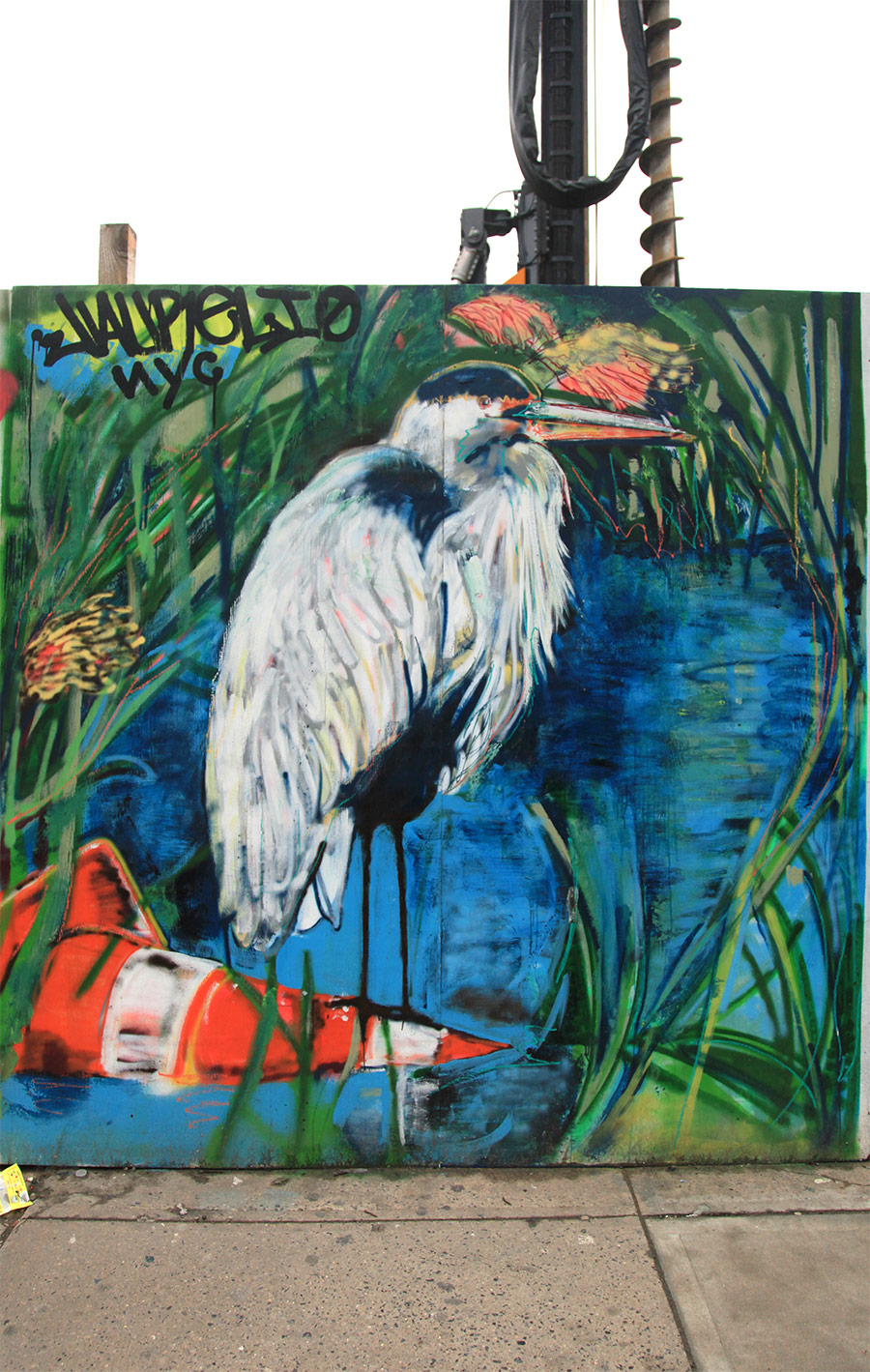
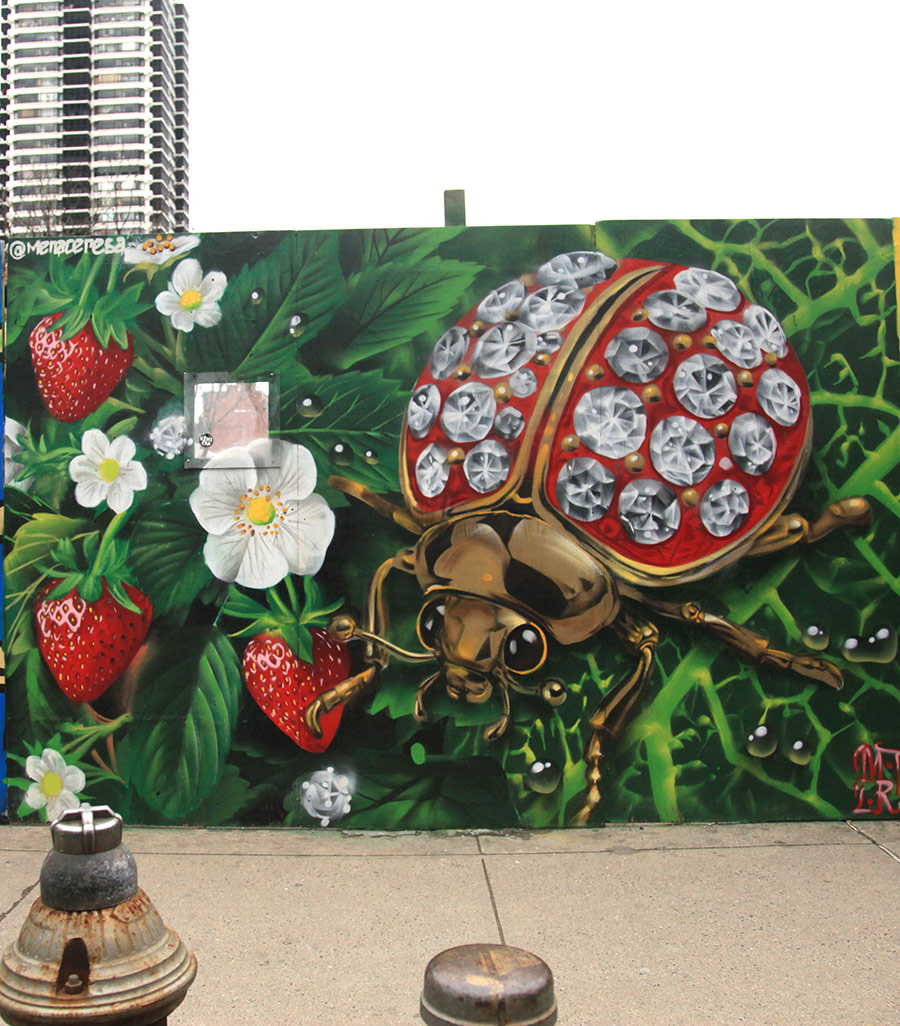
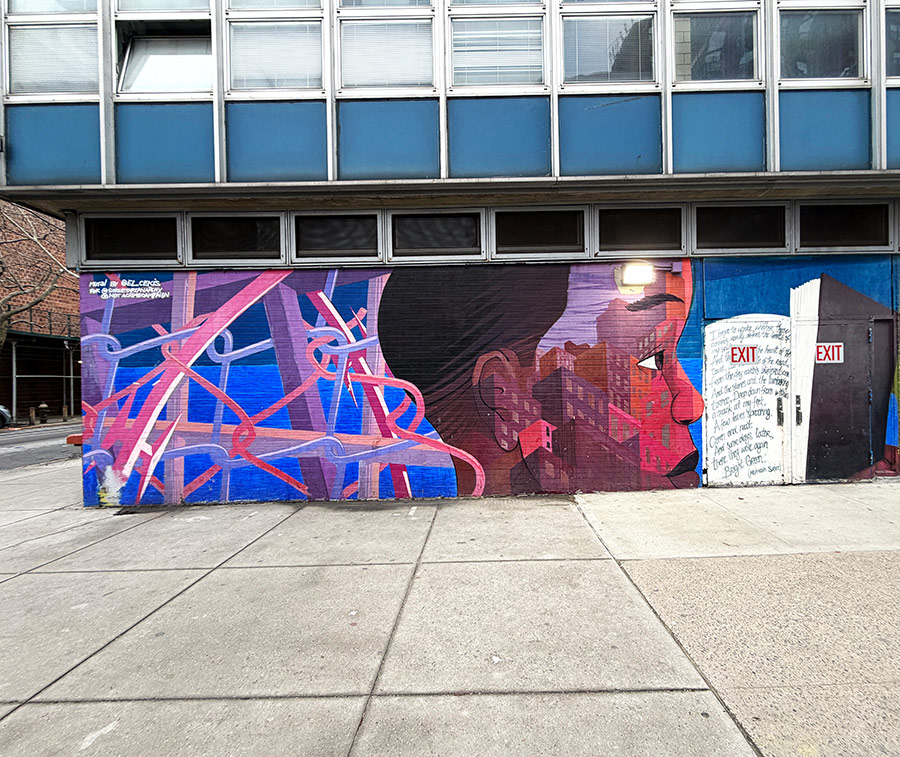
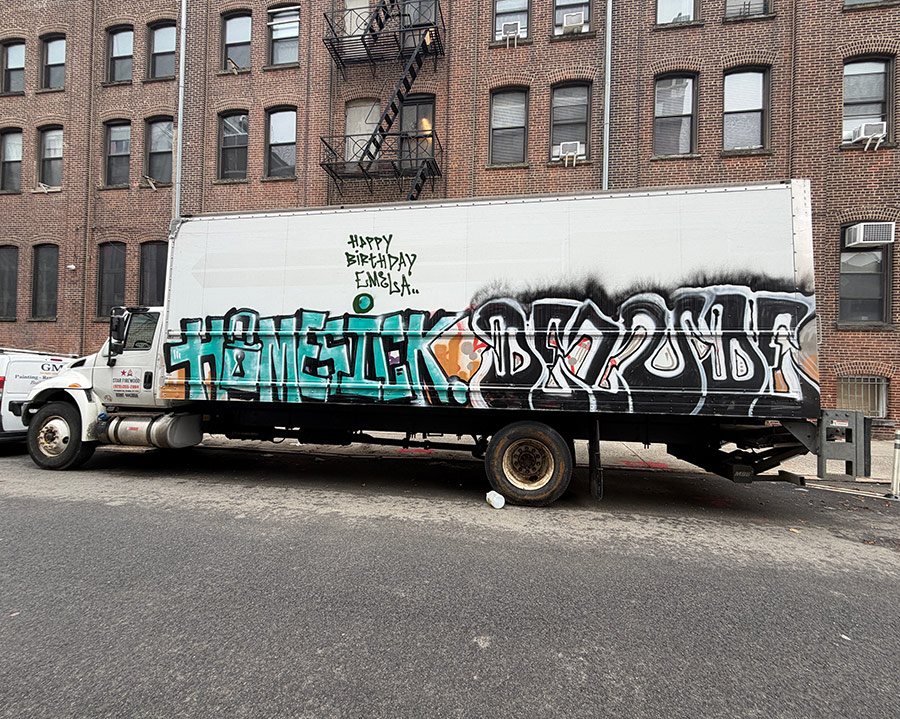
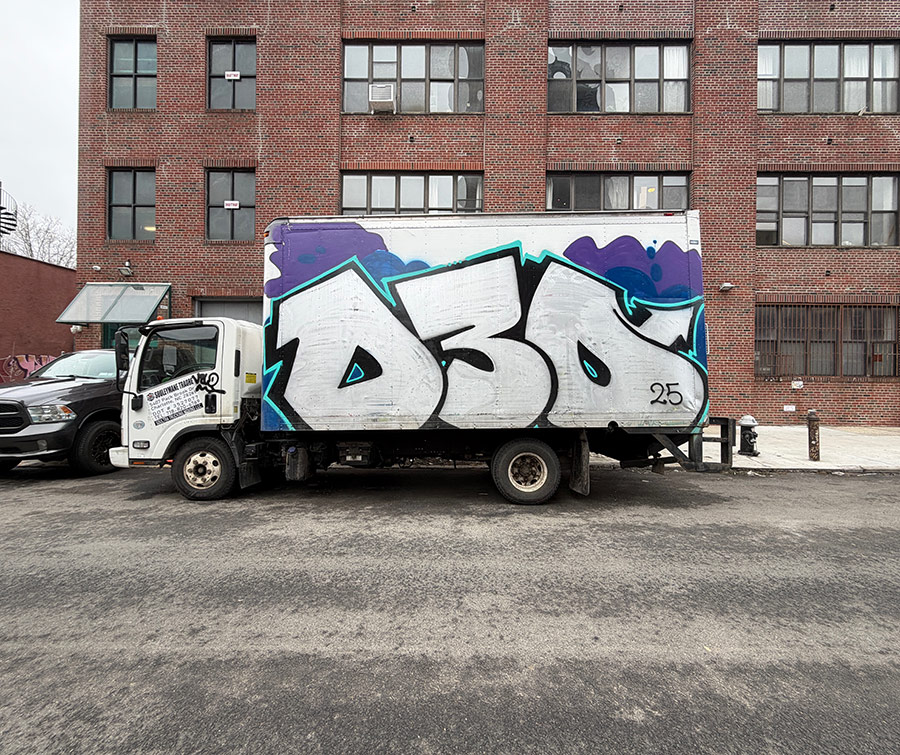
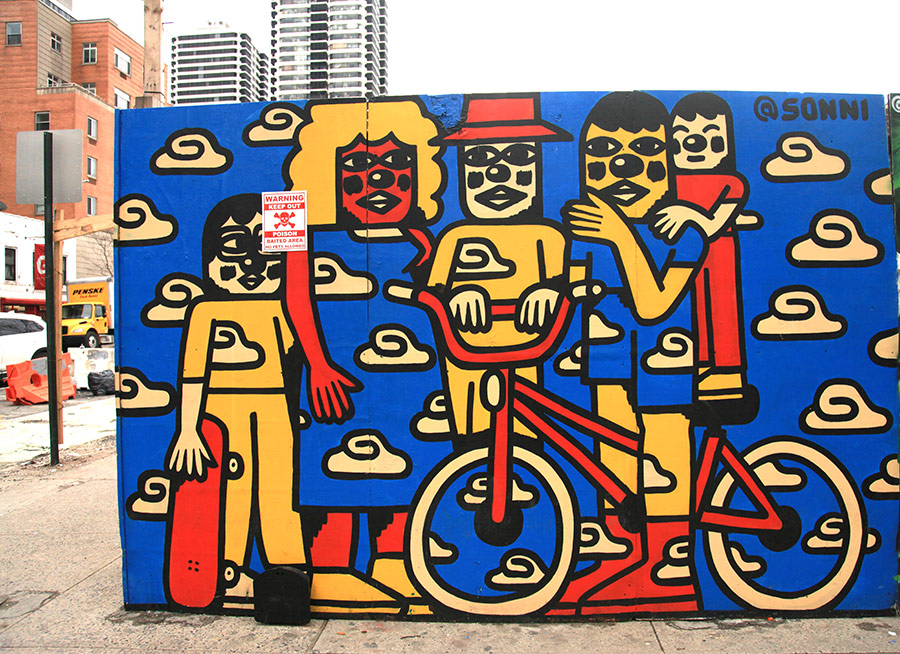
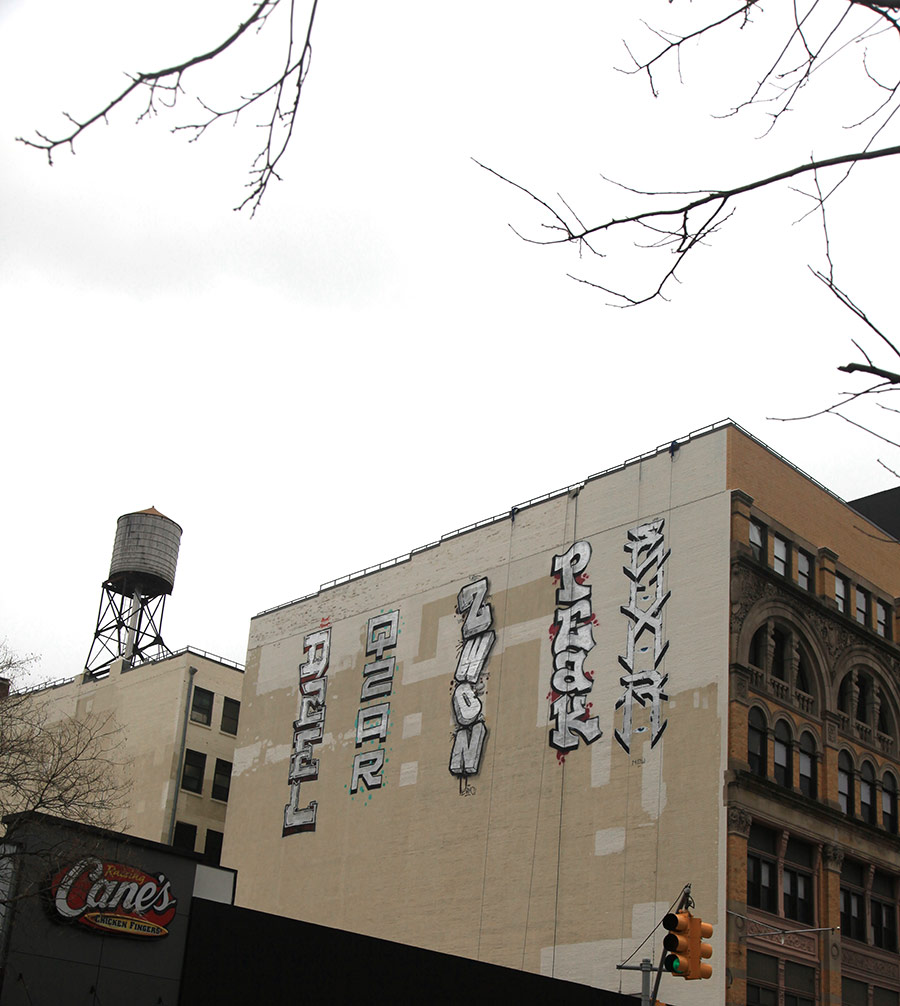
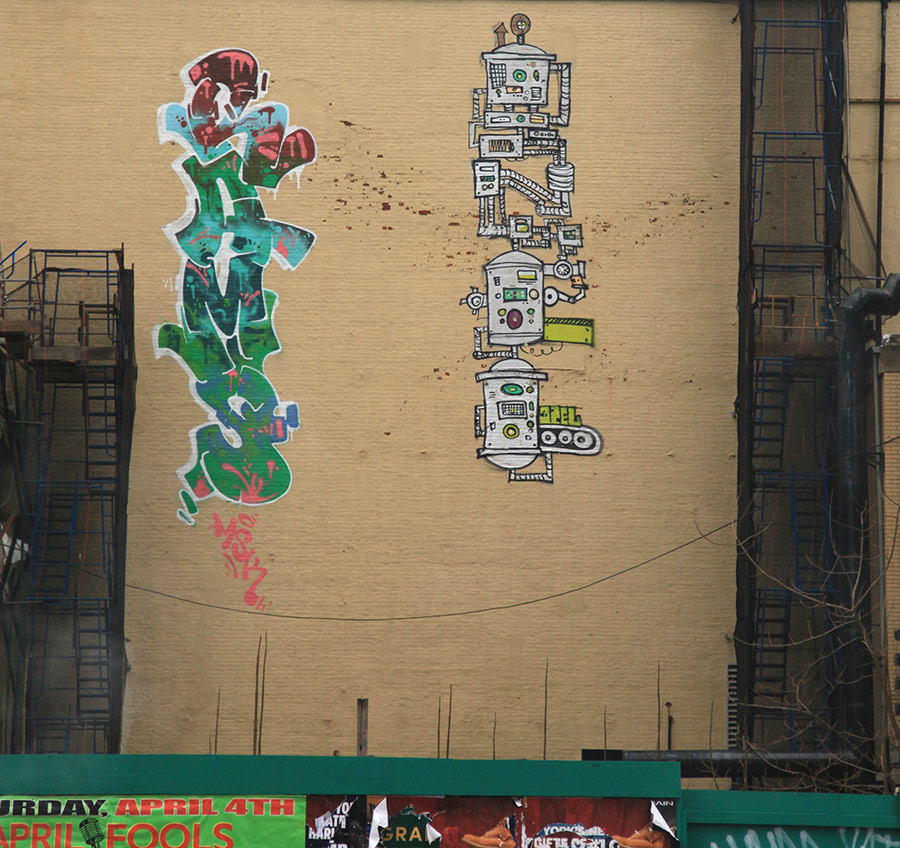
Here is our weekly interview with the street, including Andre Trenier, Calde, Caryn Cast, D30, Delude, Dzel, El Cekis, Garuma, Jaurelio, Living Relic, Mena Cereza, Outer Source, Peak, Qzar, Rams, and Zwon.
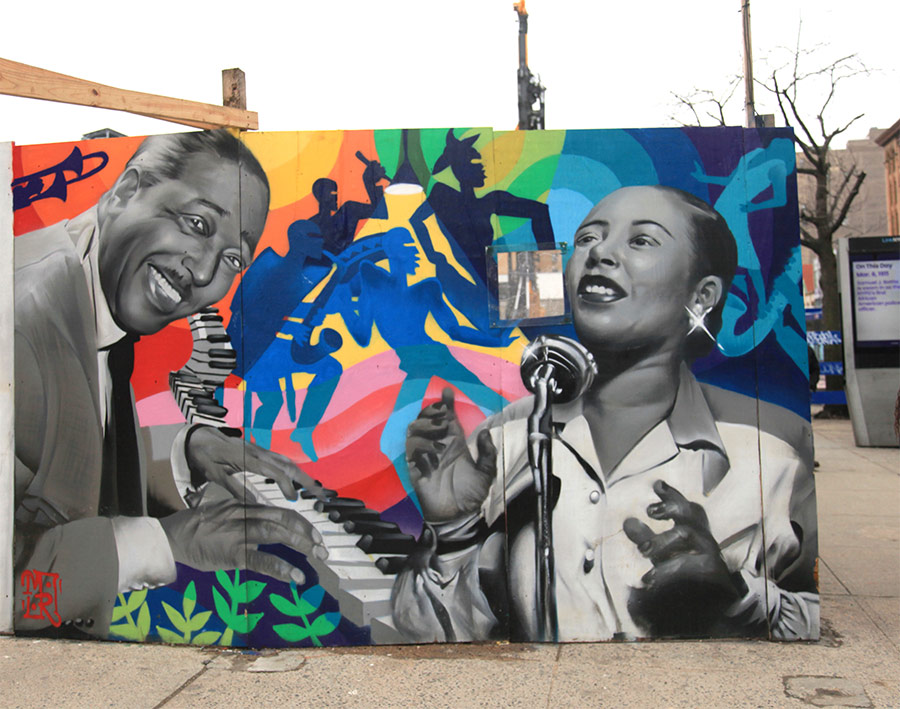
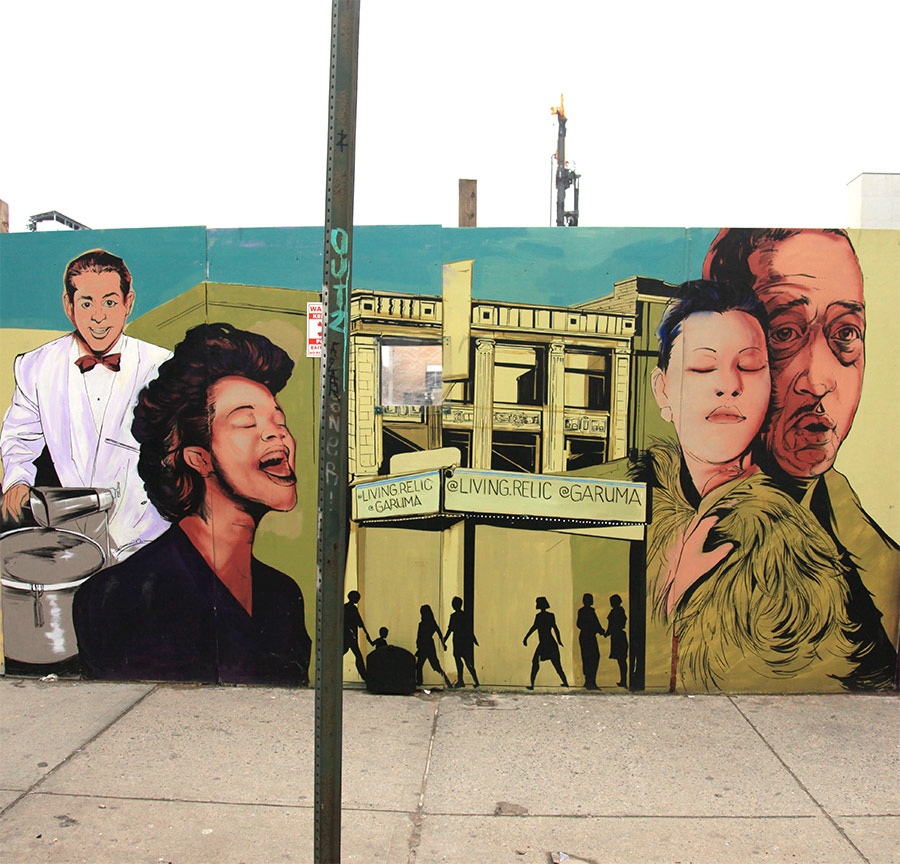
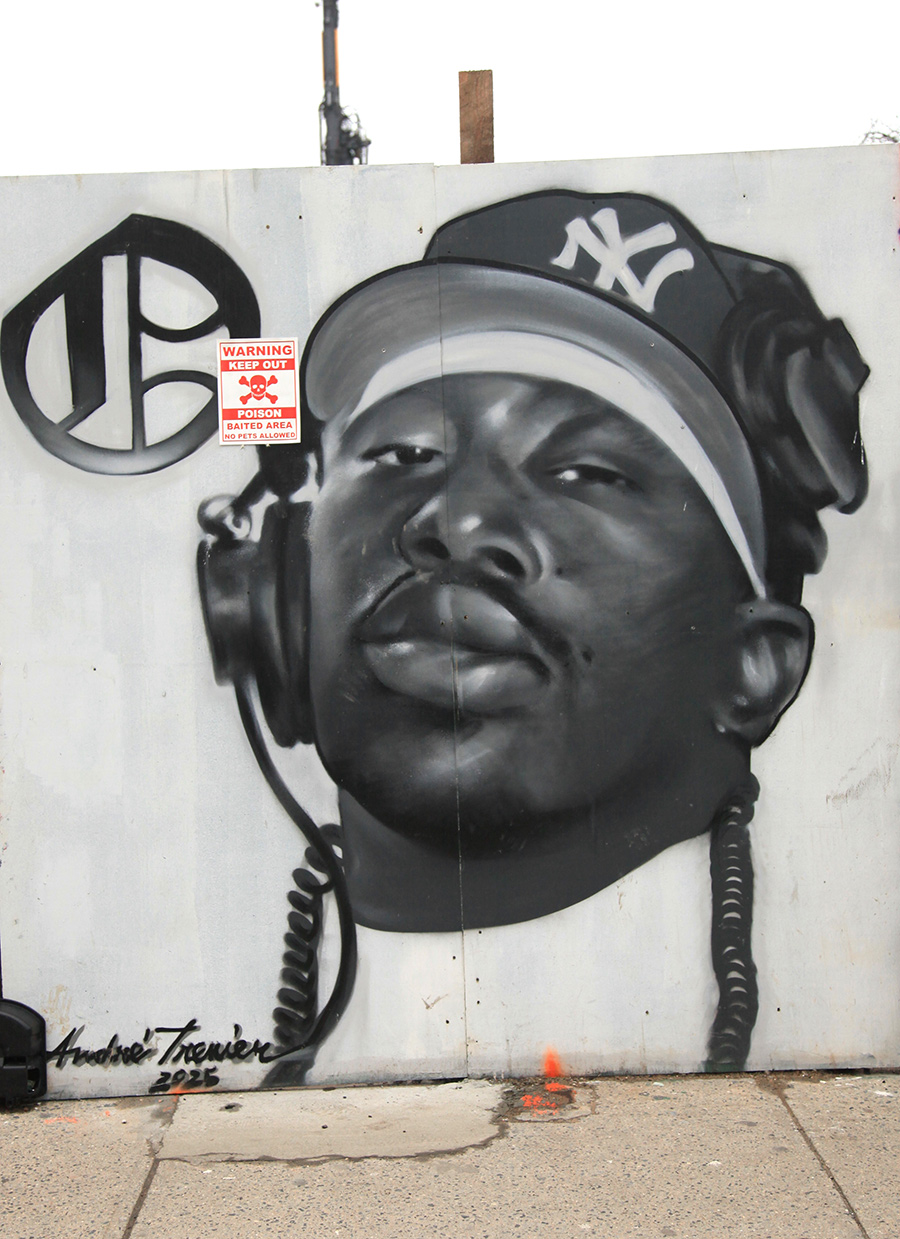
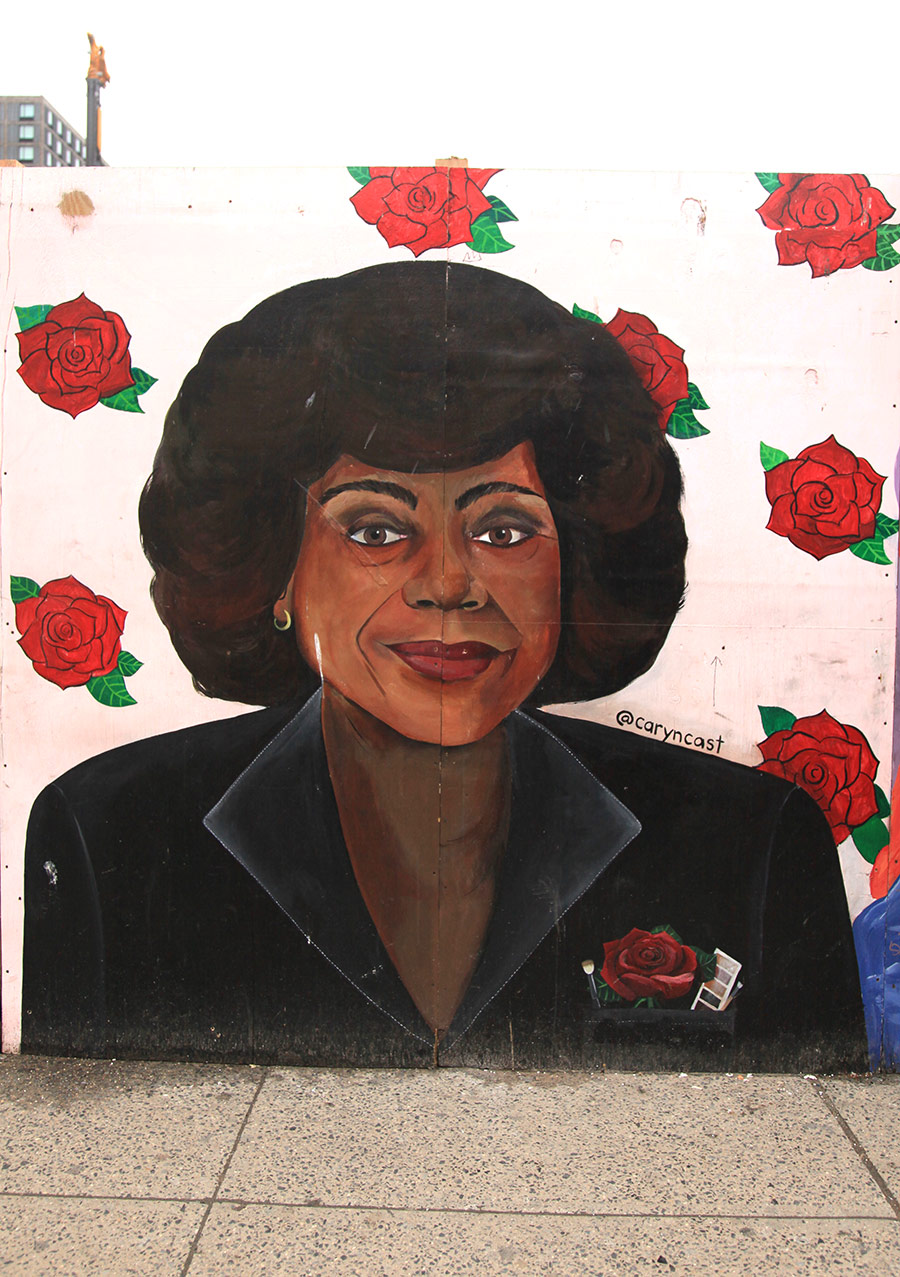
“This year I chose to paint Rose Meta Morgan. A little about her legacy:
Rose Morgan was the owner of The Rose Meta House of Beauty, the largest black beauty parlor in the world at that time, in 1946 in Harlem. She created a safe space for black women, creating elegance and calm, while overcoming many hurdles opening up her salon inside an old mansion on 147th street. Aside from being a hair and nail salon, Rose expanded her house of beauty to include a dressmaking department, a charm school, she started a makeup line, opened a wig salon, held fashion shows, and later went on to open a bank!” (photo © Jaime Rojo)
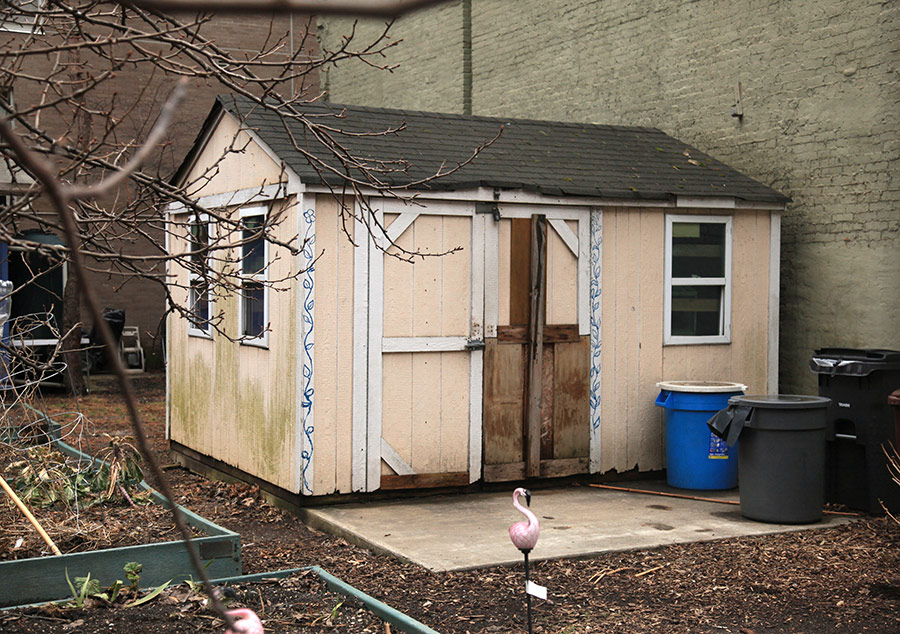
In New York, casitas are small, Puerto Rican-style structures built inside community gardens—part porch, part clubhouse, part cultural anchor—created by residents who reclaimed vacant lots and remade them as places for music, meals, dominoes, gardening, and neighborhood life. They also belong to the world of folk and vernacular art: handmade, improvised, often built with recycled materials, and carrying memory, pride, and everyday aesthetics rather than formal architectural polish; that is one reason photographers such as Martha Cooper have been drawn to them for decades.
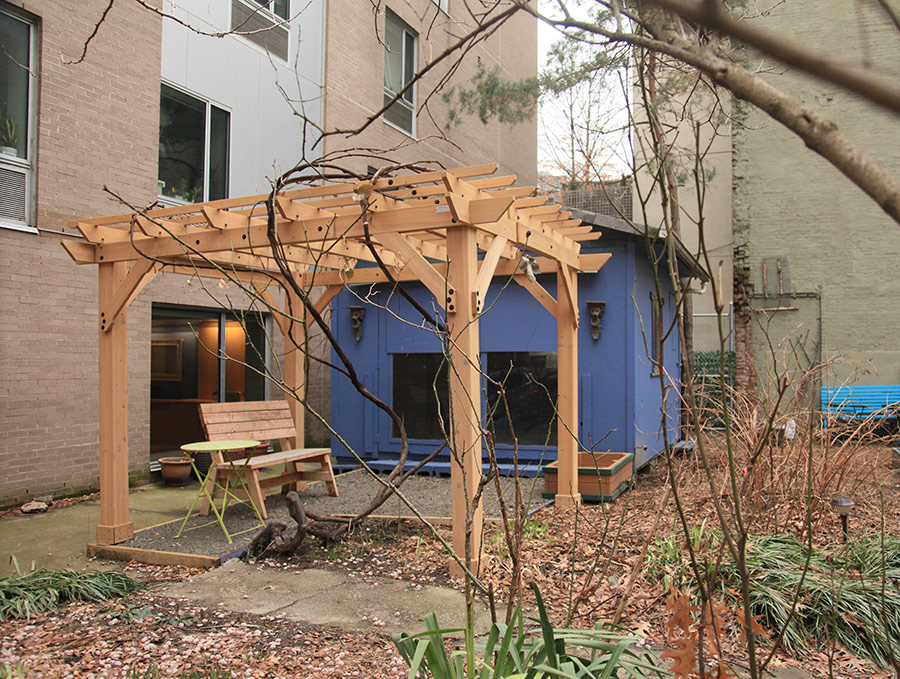
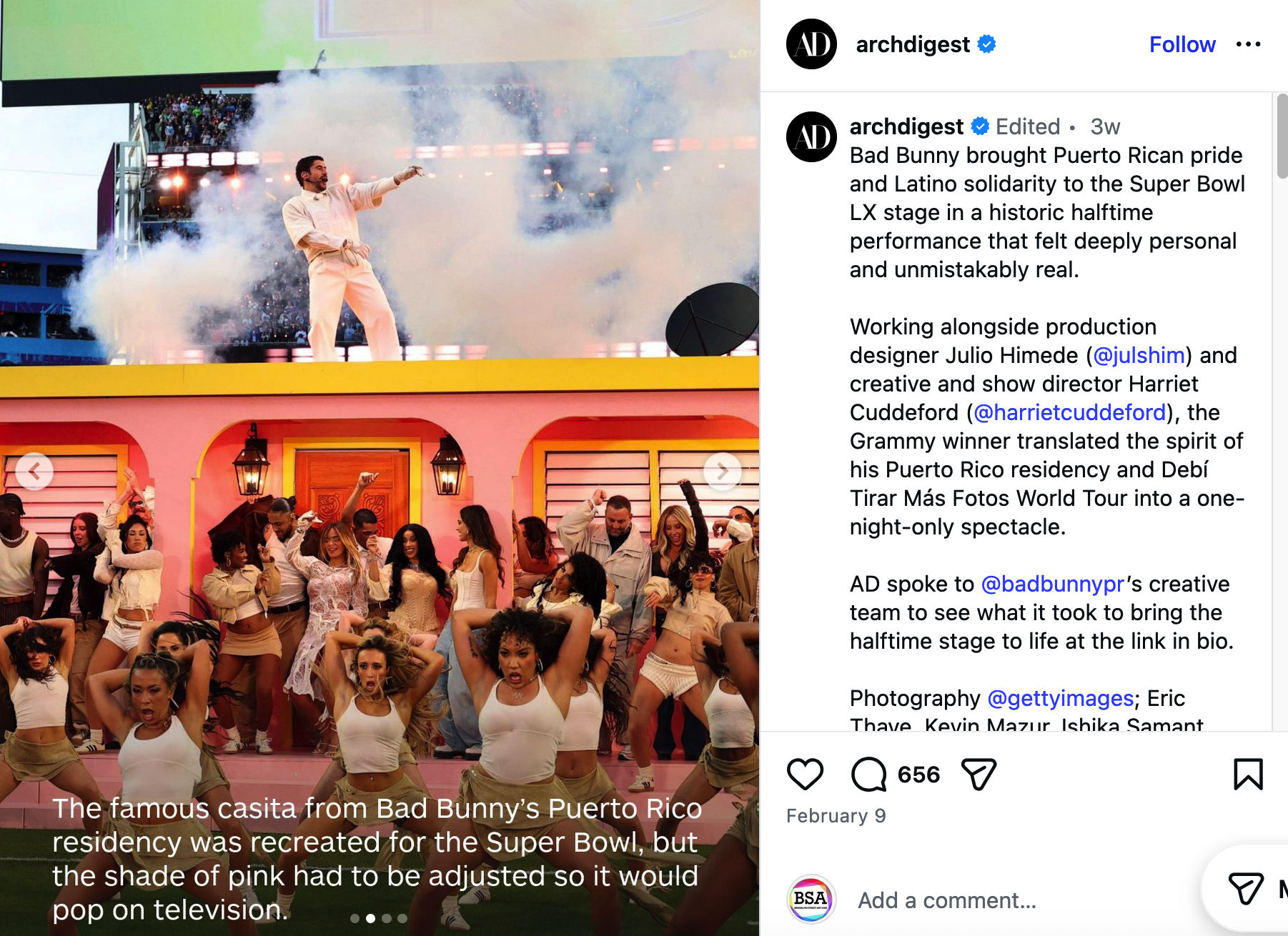
Bad Bunny’s Super Bowl halftime set tapped into the same visual language by placing a brightly colored “casita,” modeled on traditional Puerto Rican homes, at the center of a mass-media spectacle, turning a humble form of domestic architecture into a symbol of cultural identity and belonging. Some are protected here in New York, but not all: Casita Rincón Criollo in the Bronx became nationally recognized through historic preservation efforts, while many other casitas remain vulnerable unless they have specific legal or community-based protections.