 BROOKLYN STREET ART LOVES YOU MORE EVERY DAY
Sofort alle Fenster und Türen schliessen! (Immediately Close All Windows and Doors)
On the night of November 1, 1986, Basel was told to “immediately close all windows and doors.” A fire ripped through a Sandoz chemical warehouse, and the Rhine River ran red with toxic runoff. Thousands of fish floated belly-up, and citizens were left in fear and fury, just months after the trauma of Chernobyl【1】.

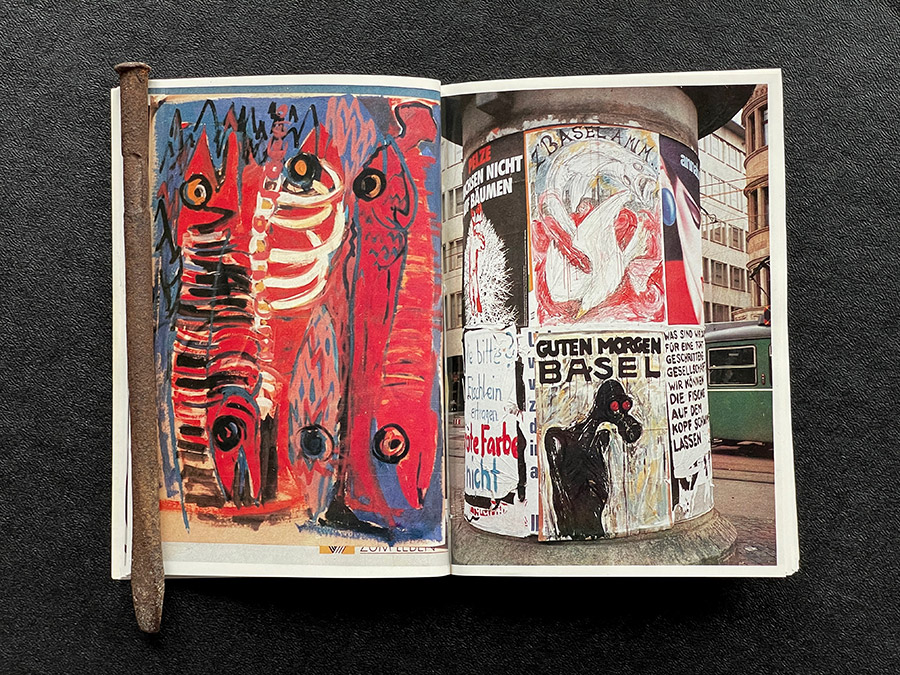
When the authorities stumbled and minimized the danger, Basel’s artists and students seized the opportunity to express themselves on the walls. Within days, in the middle of the night, activists from the School of Design plastered the city’s billboards and poster kiosks with their furious responses【2】. They worked fast, stayed anonymous, and left the streets covered with raw, hand-painted images and biting slogans.
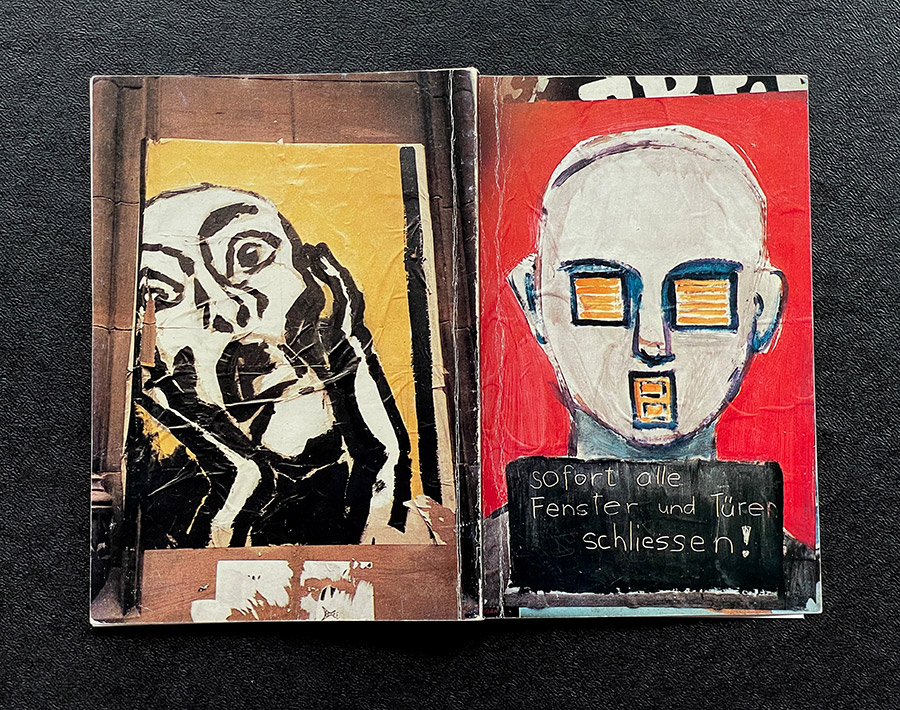
“Two nights after the incident, when it was not yet known what the outcome would be for the health of the people in the region, countless activists, especially artists and students, set out to cover the commercial posters on billboards and pillars with their own artistic statements,” recalls Bernard Chiquet. “The booklet that followed was printed anonymously and the artists also remained anonymous, of course, because otherwise there would have been a threat of prosecution.”【2】
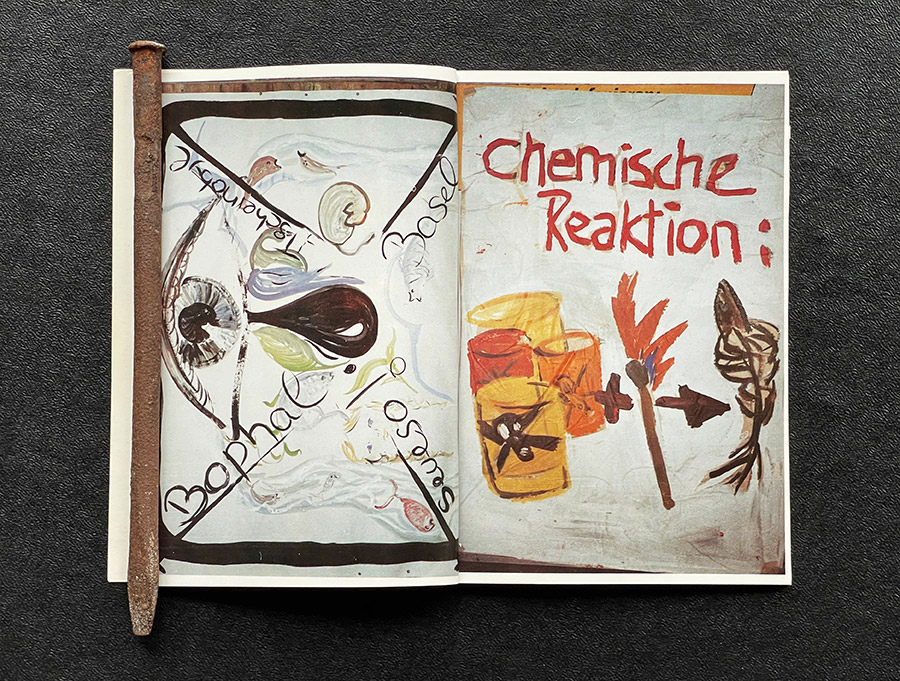
The images were brutal and urgent: skeletal fish swirling in poisoned currents, corporate logos twisted into symbols of death, slogans like “Today the fish – tomorrow us,” and darkly comic fakes such as “SANDOZ invites you: Fish dinner for all.” Some mocked advertising language, others screamed in gestural strokes and scarlet hues. It was fear, rage, and satire – made public art.
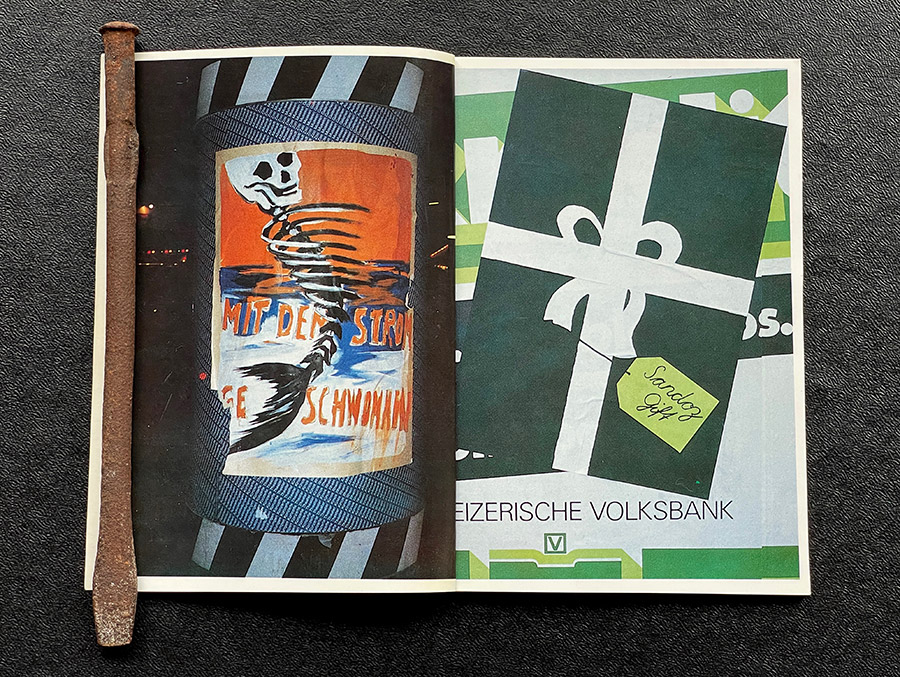
Most of the posters were torn down by morning, but an anonymous zine preserved the action. “Sofort alle Fenster und Türen schliessen!” documented the protest campaign in photographs and slogans. Distributed one year after the fire, it kept alive the moment when Basel’s walls shouted what many would not say aloud【3】.
This was more than vandalism. It was a public service: a way for oppositional voices to be seen, a way to hold power accountable. The artists stayed hidden, but their images spoke for thousands. Decades later, their urgency feels just as sharp. Street art like this doesn’t just decorate a city – it may defend it.


Sources
[1] Wikipedia, “Sandoz chemical spill” (Schweizerhalle, Basel, Nov. 1986).
[2] Historisches Museum Basel – 1. November 1986 Poster Campaign documentation.
[3] 1. November Büchlein (1987, anonymously published photo zine).
We wish to offer our most heartfelt gratitude to BSA collaborator Mr. Bernhard Chiquet for his generous donation of the Zine and for taking the time to translate the text on the posters into English.