 BROOKLYN STREET ART LOVES YOU MORE EVERY DAY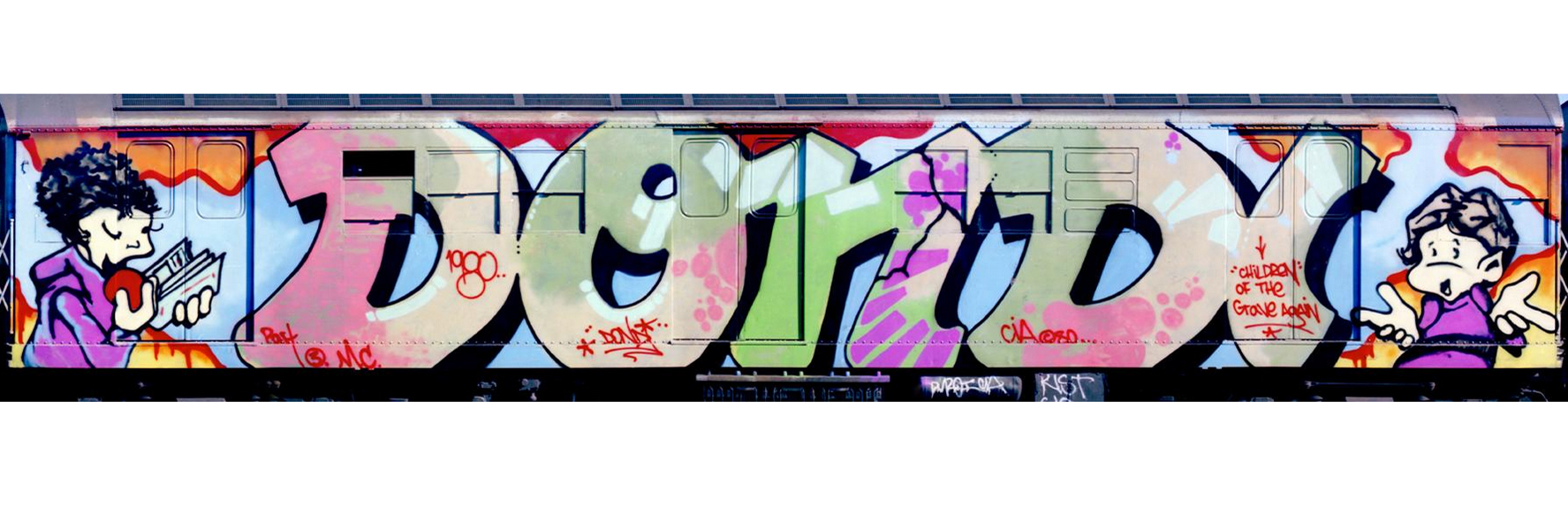
It wasn’t a fait accompli that Henry Chalfant was going to capture an entire graffiti train in late 1970s New York. He needed to devise a technique and plan his attack.
In much the same way that train writers like Blade, Dondi,
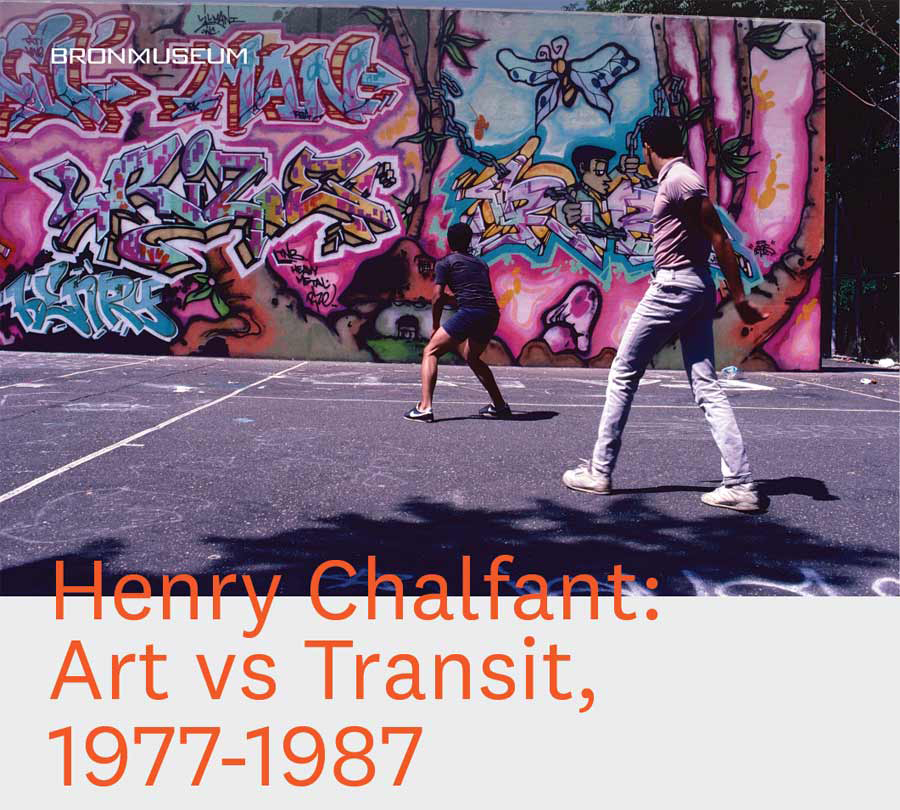
By presenting an ingenious visual anthropology, Henry captured for a greater audience the aesthetics and a more permanent record of the final product – at a time when most authorities and public sentiment saw little if any
From
the press release:
“He co-authored the definitive account of New York graffiti art, Subway Art
(Holt Rinehart Winston, N.Y. 1984) and a sequel on the art form’s world-wide
diffusion, Spray Can Art (Thames and Hudson Inc. London, 1987). Chalfant
co-produced the PBS documentary, Style Wars, the definitive documentary about
Graffiti and Hip Hop culture and directed Flyin’ Cut Sleeves, a documentary on South
Bronx gangs, in 1993. He produced and directed Visit Palestine: Ten Days on the
West Bank in 2002. His film From Mambo to Hip Hop was featured in the Latino
Public Broadcasting series, Voces in 2006-2007, and won an Alma Award for Best
Documentary.
Henry Chalfant: Art vs. Transit, 1977-1987
is generously supported by KAWS, Michael D. & Kristin Elkins, David
Forbes and Velda Turan, Janet Goldman, Hal & Jodi Hess, Supreme,
Powerhouse Arts, Philip & Cheryl Milstein, Eric Firestone Gallery, Sacha
Jenkins & MassAppeal, Rob Cristofaro & Alife, Shepard Fairy, Anne
Brown, and Josh Rechnitz.”
The exhibition is also supported by the 190 backers on Kickstarter who donated to his outreach. https://www.kickstarter.com/projects/568527850/henry-chalfants-first-us-museum-retrospective
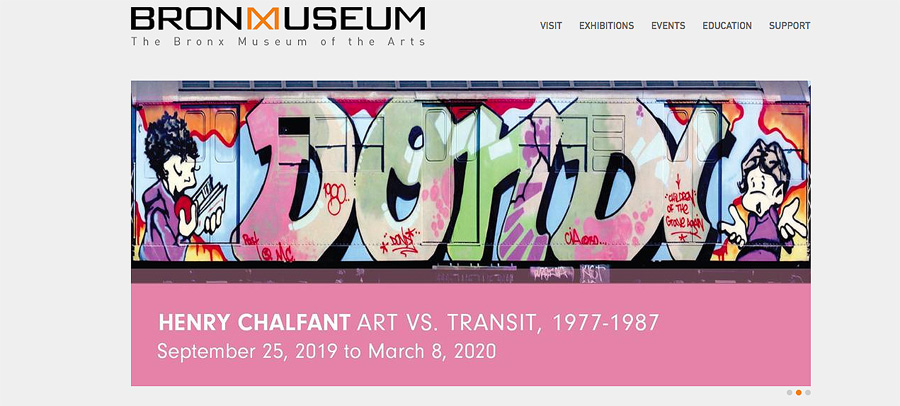
Banner image:
Henry Chalfant
Dondi, 1980, 2013, 2013
Kodak Professional Endura Metallic Paper
17h x 65h in.
Henry Chalfant: Art vs. Transit, 1977-1987
For more information about HENRY CHALFANT: ART VS. TRANSIT, 1977-1987 and the museum’s hours of operation and tickets click HERE