All posts tagged: NYC

Images of the Week: 04.08.12

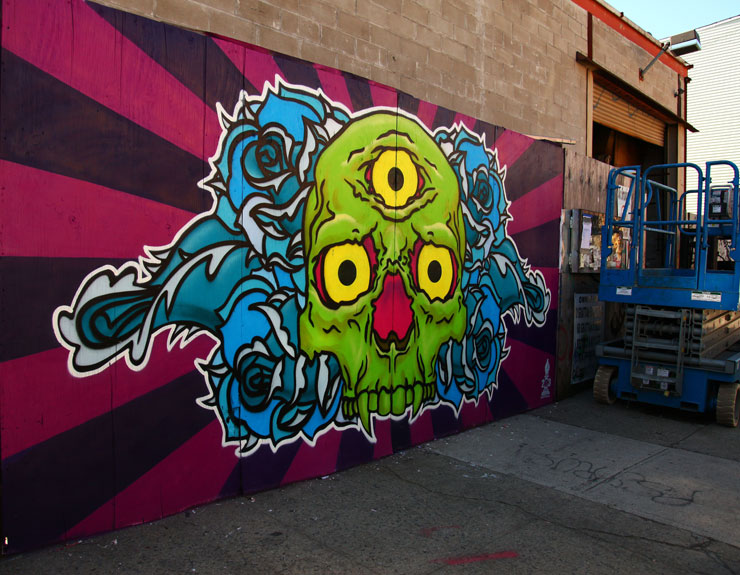
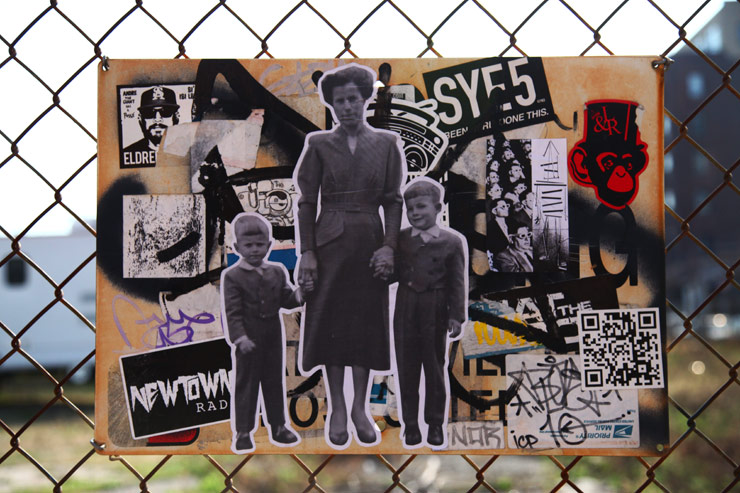
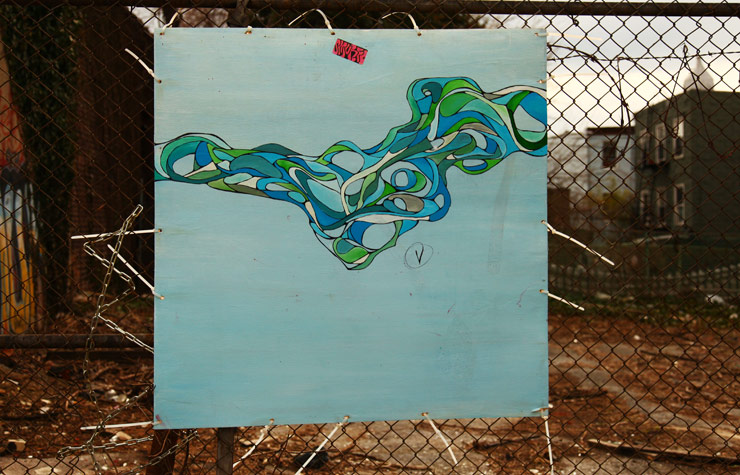
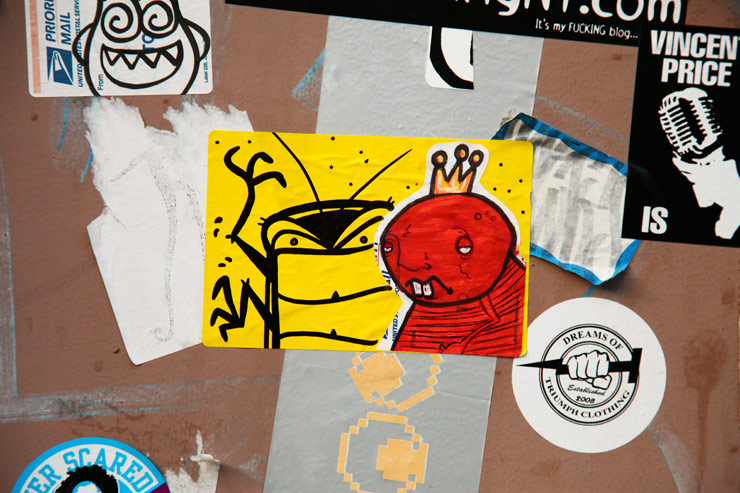
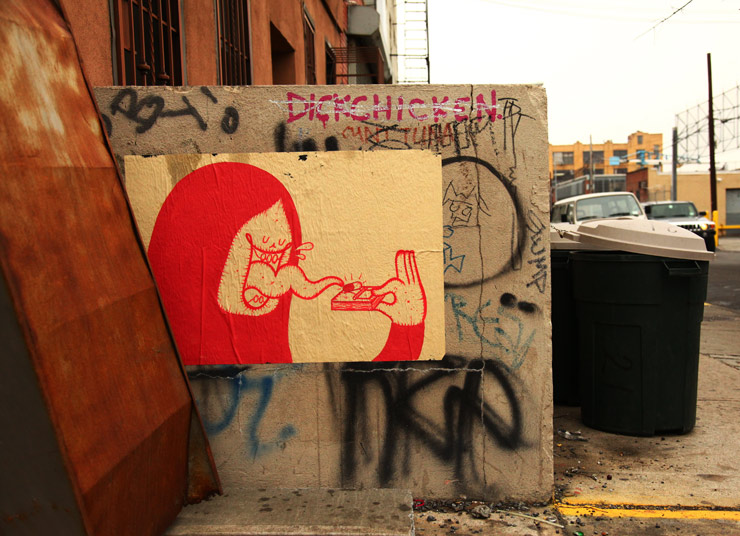
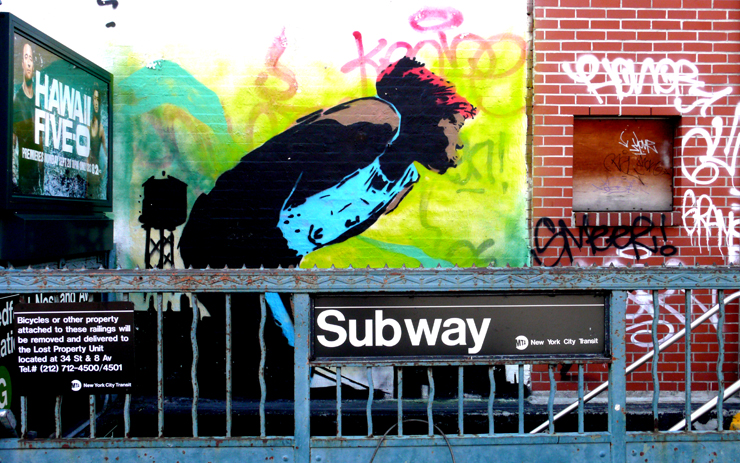
Our weekly interview with the street, this week featuring Anarkia, Gaia, Sien, Stem, Tats Cru, Woebots, Velma from Scooby Doo and XAM.

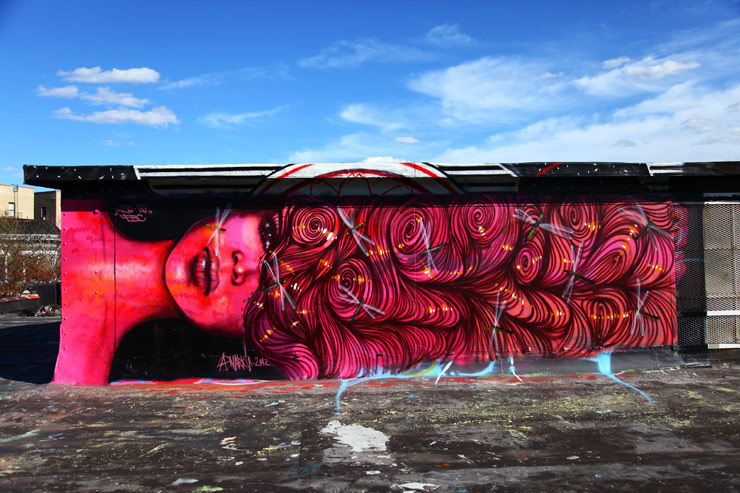
Anarkia (photo @ Jaime Rojo)

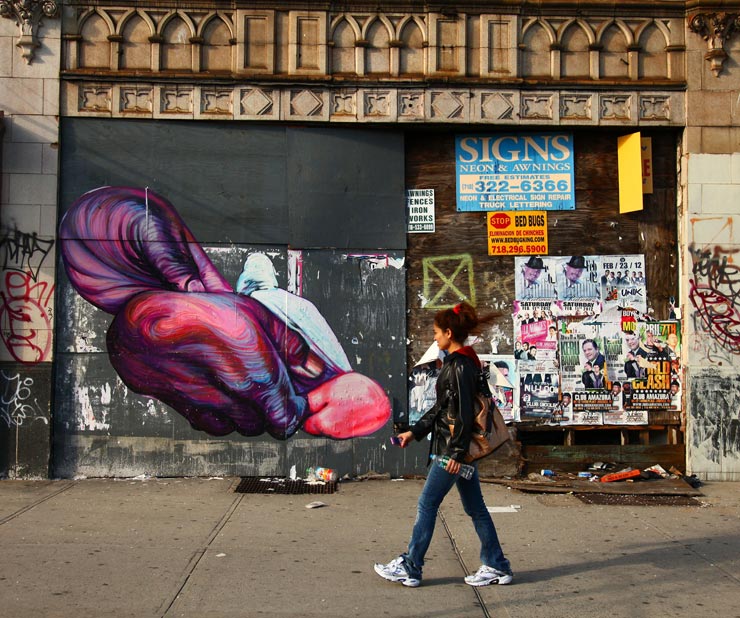
Gaia (photo @ Jaime Rojo)

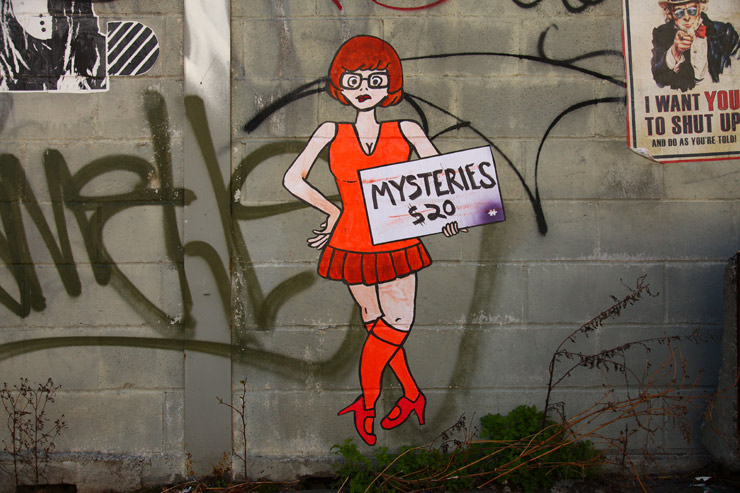
This version of Velma looks a little sexified. Mysterious. Artist Unknown (photo @ Jaime Rojo)

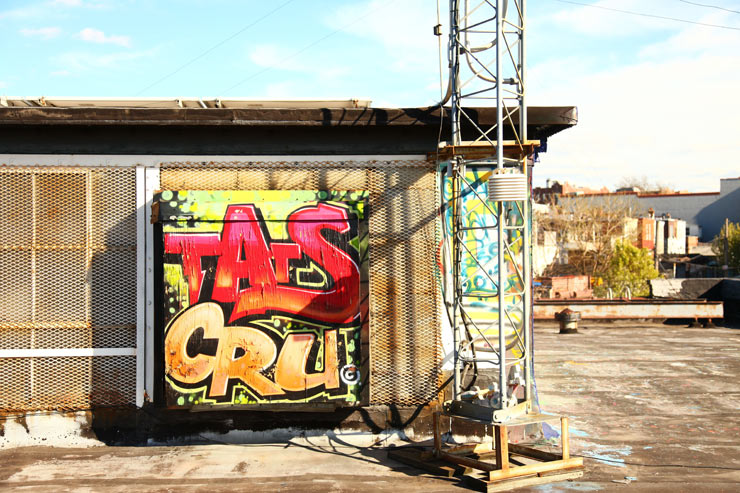
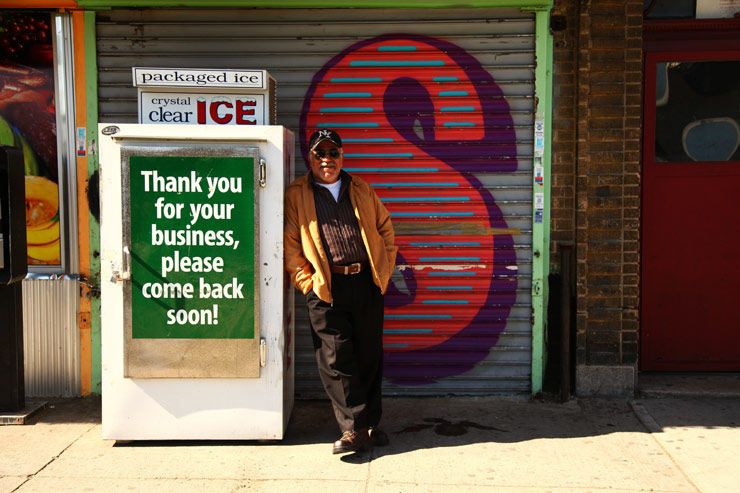
Tats Cru (photo @ Jaime Rojo)

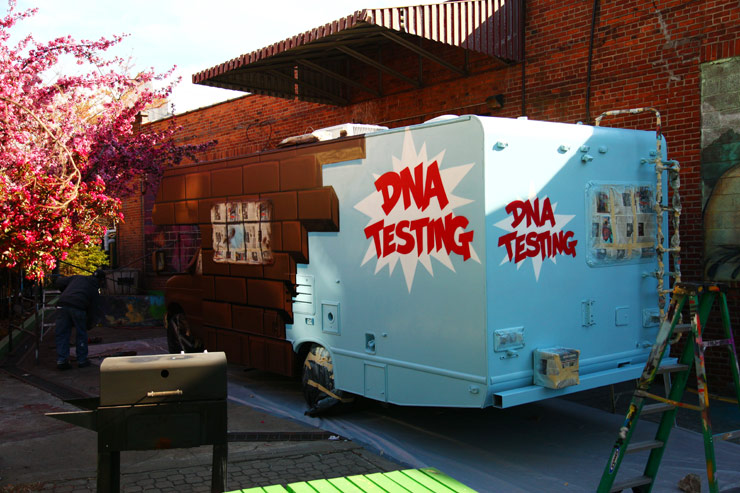
Who’s your Daddy? Here is a brand new DNA testing truck coming soon to a corner near you. Tats Cru redefines the use of the taco truck in this work in progress for a commercial company…stay tuned. (photo @ Jaime Rojo)

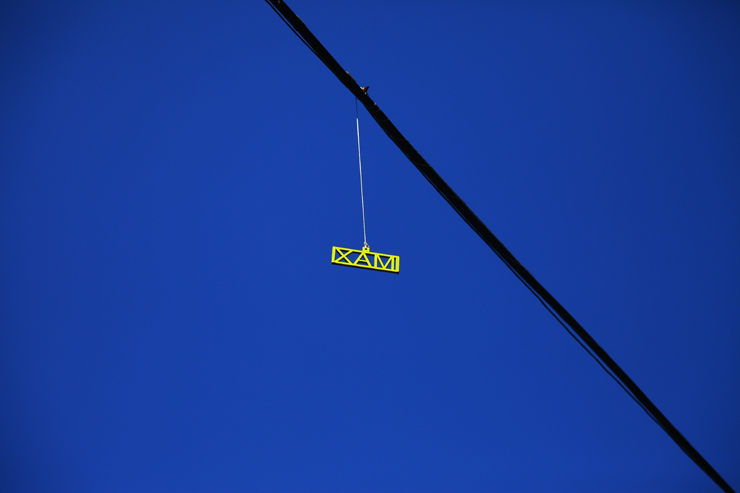
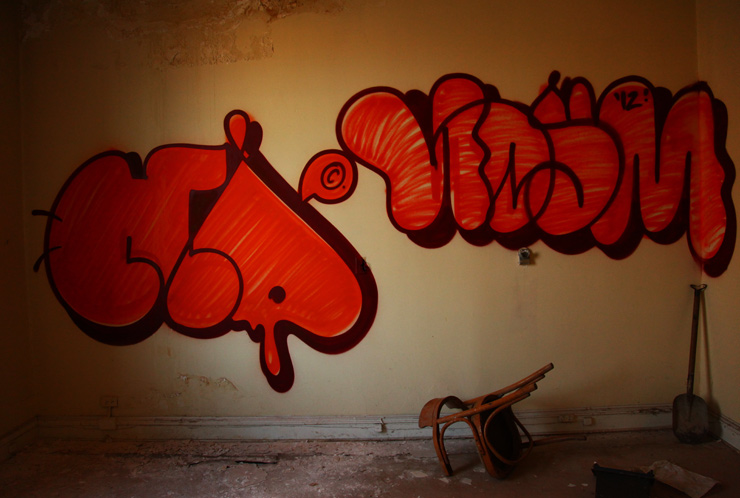
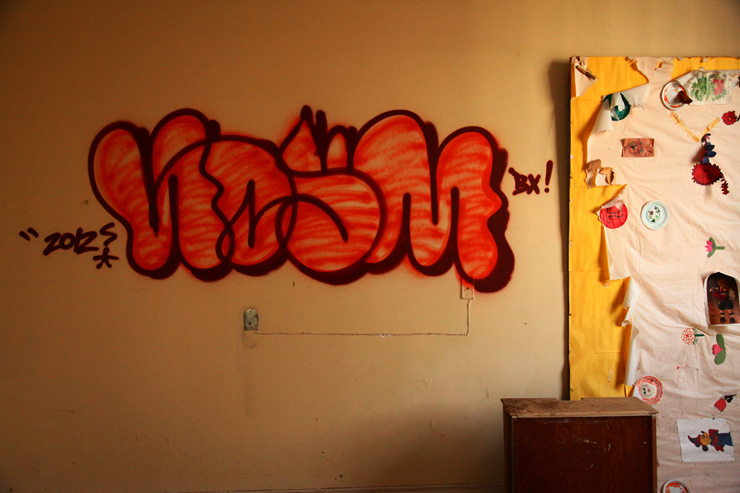
How’s this for a tag? XAM. (photo @ Jaime Rojo)

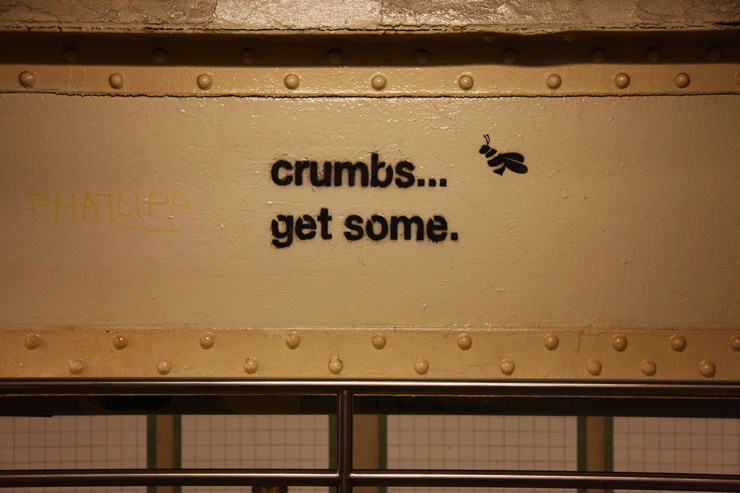
The new right wing Republican slogan? Artist Unknown (photo @ Jaime Rojo)

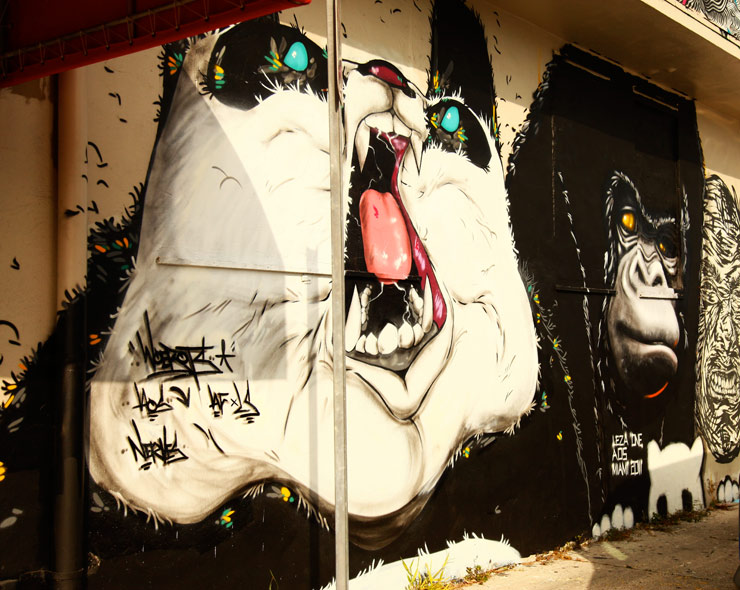
Woebots (photo @ Jaime Rojo)

Sien and Stem (photo @ Jaime Rojo)

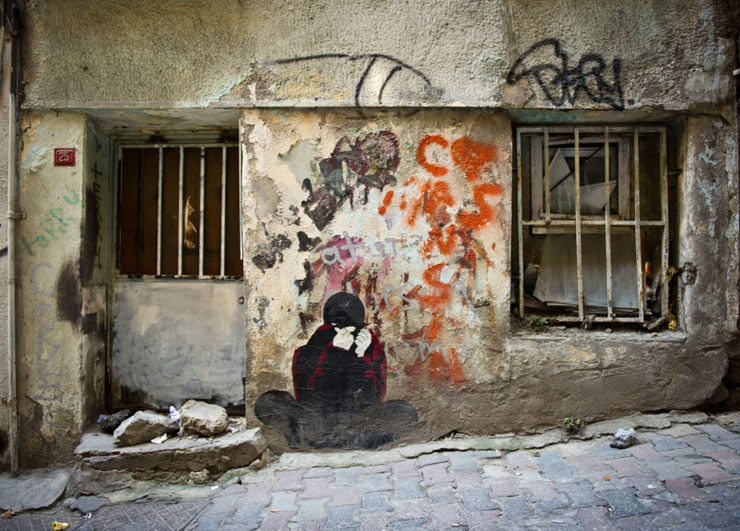
Artist Unknown (photo @ Jaime Rojo)

Artist Unknown (photo @ Jaime Rojo)

Untitled (photo @ Jaime Rojo)

Read more
Images of the Week 04.01.12

Images of the Week 04.01.12


Our weekly interview with the street, featuring Alias, B.D.White, Bast, Ben Eine, Bishop 203, Gilf, Istanbul, MEMO, ND’A, Never, QRST, RWK, Sis-Art, Stikman, Vampire Cloud, and Veng (RWK).

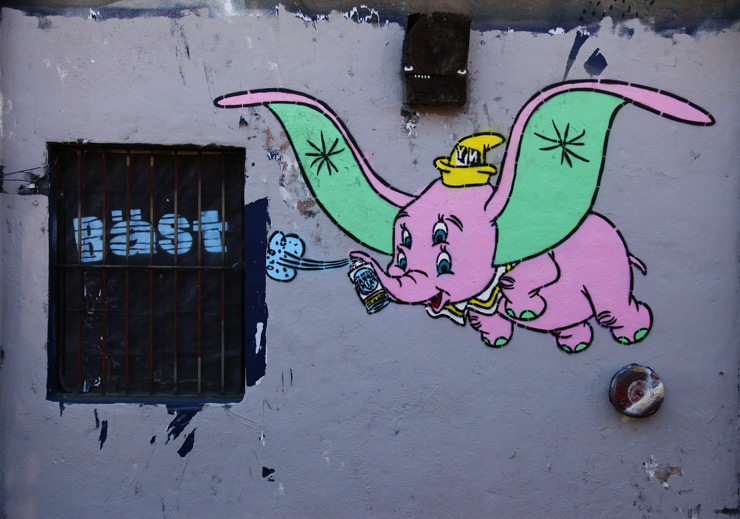
BAST (photo © Jaime Rojo)

BAST (photo © Jaime Rojo)

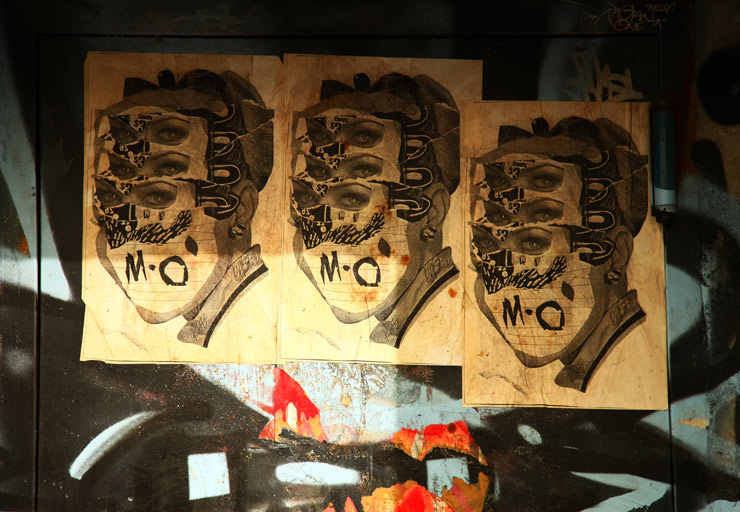
Alias. A wheat paste from Istanbul (photo © Geoff Hargadon)

Vampire Cloud (photo © Jaime Rojo)

Bishop 203 (photo © Jaime Rojo)

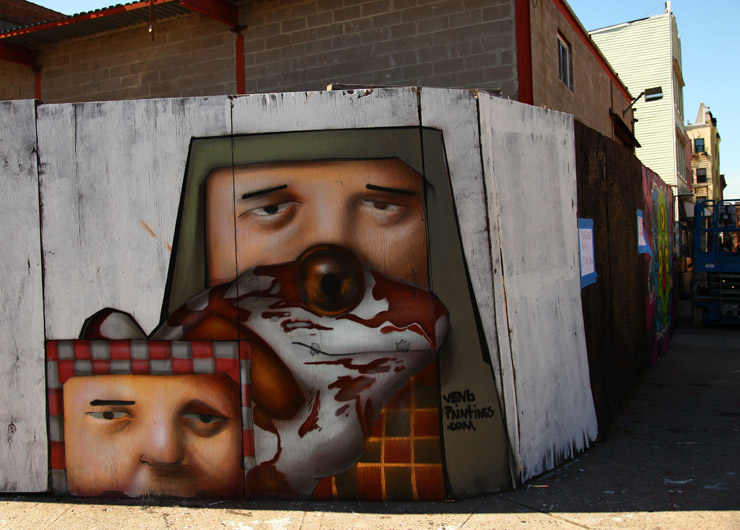
Veng RWK (photo © Jaime Rojo)

ND’A (photo © Jaime Rojo)

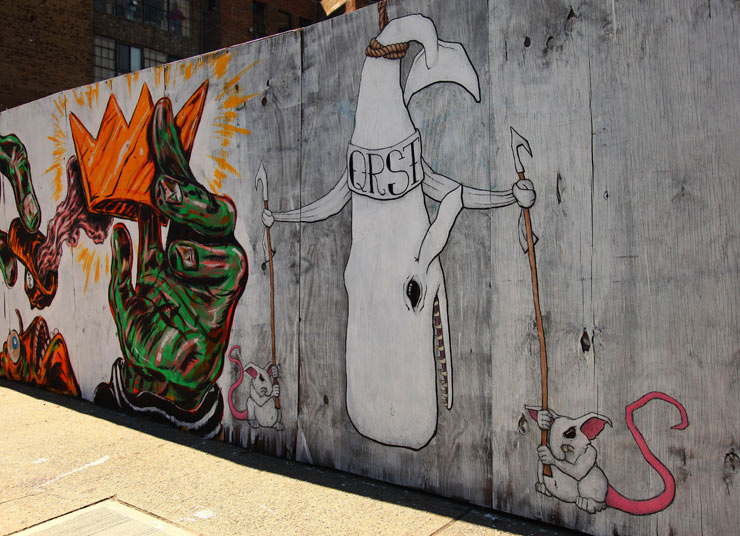
QRST (photo © Jaime Rojo)

Never (photo © Jaime Rojo)

Gilf! We’ll be keeping an eye on this one…it is going to grow! (photo © Jaime Rojo)

B.D. White (photo © Jaime Rojo)

Stikman (photo © Jaime Rojo)

Sis-Art sent this image of her wheat paste from Chapala, Jalisco, Mexico! (photo © Sis-Art)

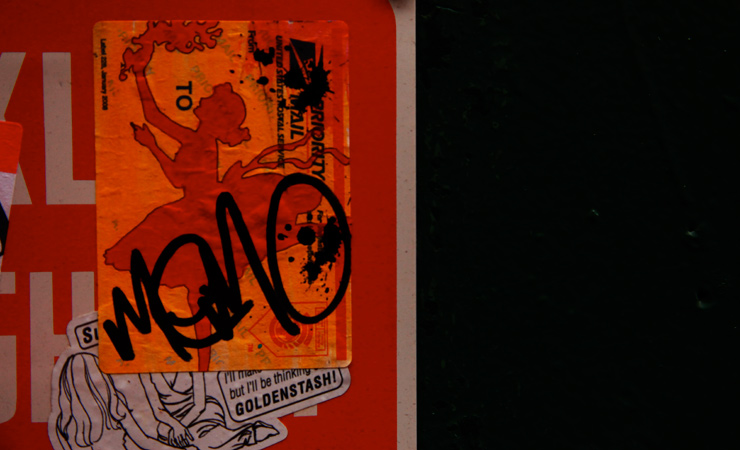
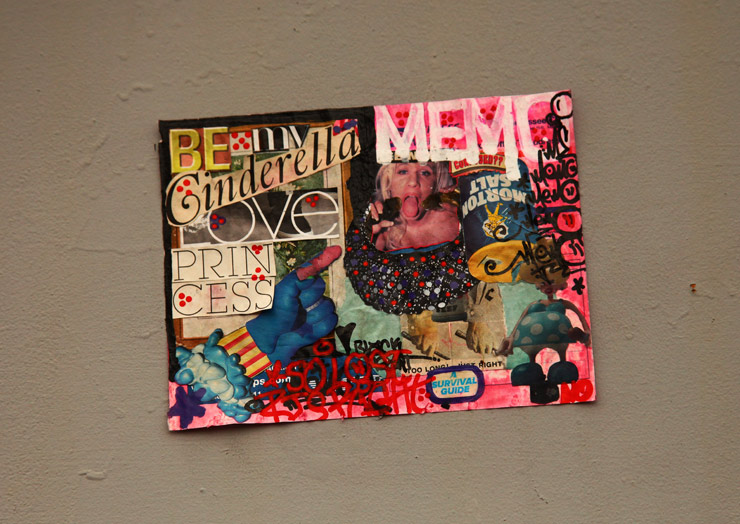
MEMO (photo © Jaime Rojo)

Ben Eine (photo © Jaime Rojo)

Ben Eine (photo © Jaime Rojo)

Untitled (photo © Jaime Rojo)

Read more

“Poorhouse for the Rich” Revitalized By The Arts

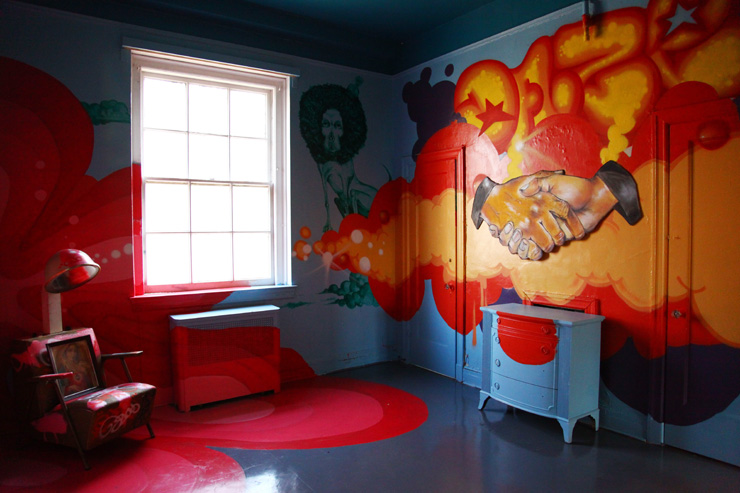
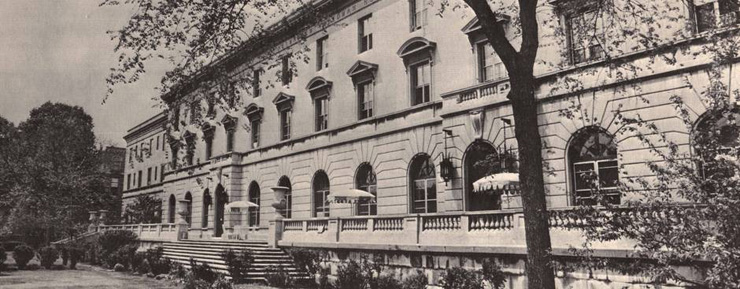
A block-long limestone mansion originally built as a welfare hotel for the retiring rich invites streetwise Graff artists and others to gild it’s decayed rooms, raising it from pigeon-infested squalor. Call it “This Side of Paradise”

Enter a discussion about the impact of the modern Street Art movement and someone will inveigh with swollen gravitas that Street Art has the power to “activate” or “re-vitalize” a previously moribund space, to bring it to life. Aside from sounding like part of the gentrification process, the “activate” argument is meant to tip on its head the impulse of  simple-minded dullards who opine that Street Art and it’s cousin graffiti are pure social disease and degrading to the foundations of city life.

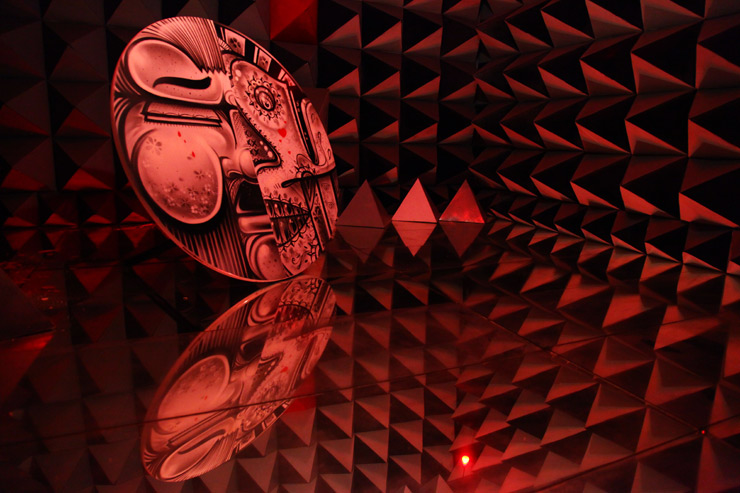
How and Nosm “Reflections” (photo © Jaime Rojo)

Opening in April in the Bronx a similarly anti-intuitive project invites artists of the street to create new life in a decaying mansion and the looking-glass contradictions are as rich as those of the benefactor for whom the aged home is named. The Andrew Freedman Home, with it’s Italian Renaissance details and stepped back grandeur along the Grand Concourse and a mile south of Yankee Stadium, acquired its landmark status in 1984 – the same year it breathed it’s final breath as a retirement home for the rich who had fallen on hard times.

When the building’s namesake, a New York millionaire businessman and colleague of the corrupt Tammany Hall, died as a confirmed bachelor in 1915, he wanted to make sure the money he left would keep the wealthy feeling wealthy after falling in the poorhouse. He simply didn’t want his peers to suffer no matter their financial plight so his wealth commissioned this mammoth home with roughly twice the space of the White House to give these deserved folk a good life in their later years, with servants. Beginning in the Roaring Twenties and over the next six decades, with hallways as long as 22 Town Cars, the ground-bound ship liner swam with former Cunard attendants serving the mostly white seniors as they dined in red and black Chinoiserie style, thumbed books in the library, played sport in the billiard room, and bobbed in the grand ballroom.


How and Nosm “Reflections” (photo © Jaime Rojo)

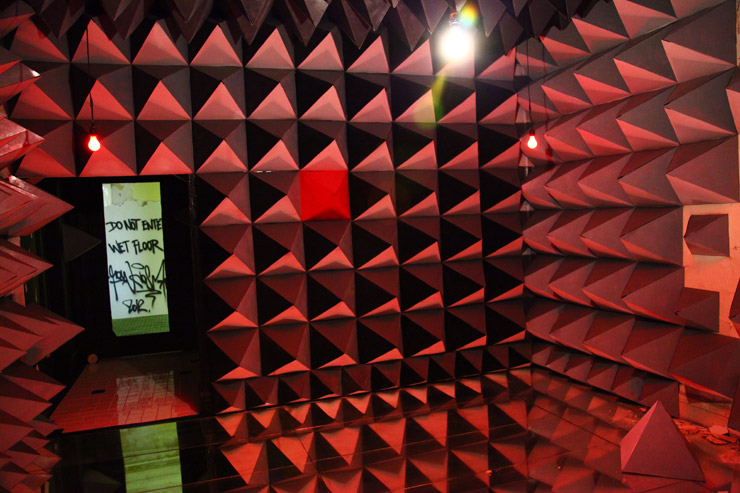
How and Nosm “Reflections” (photo © Jaime Rojo)

“I think that you cannot help but be struck by the bizarre nature of the enterprise because it was class solidarity. He was less concerned with the indigent poor than protecting his own class who had fallen on hard times,” exclaims Manon Slome as she frames the ridiculous circumstances that kept “members” well heeled into their twilight.

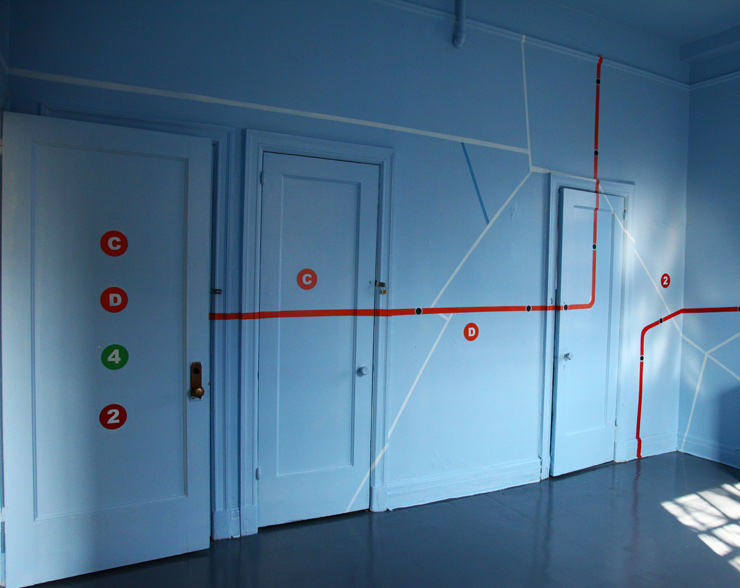
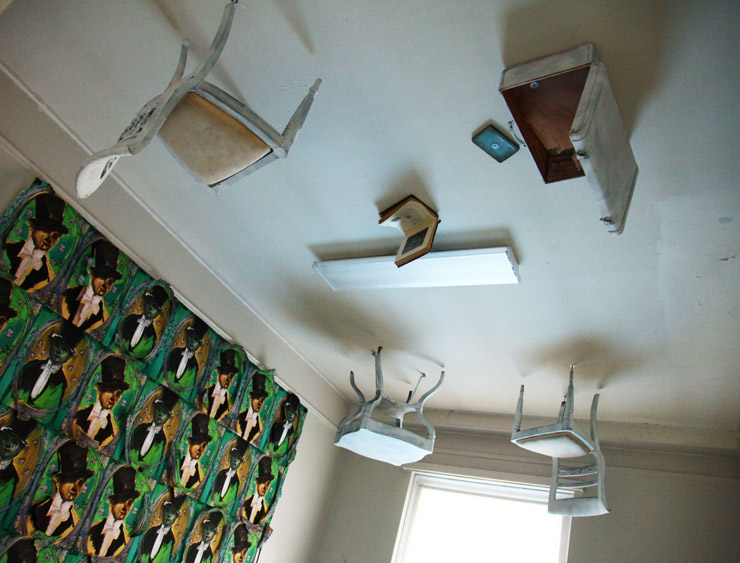
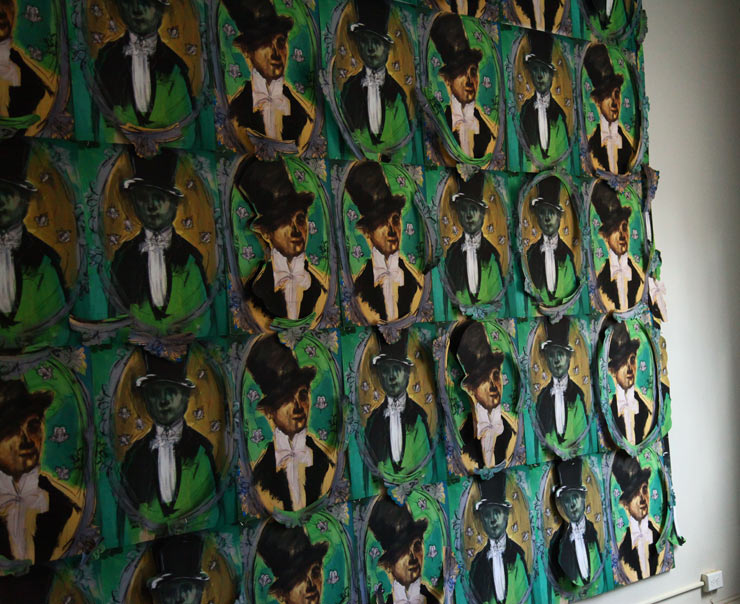
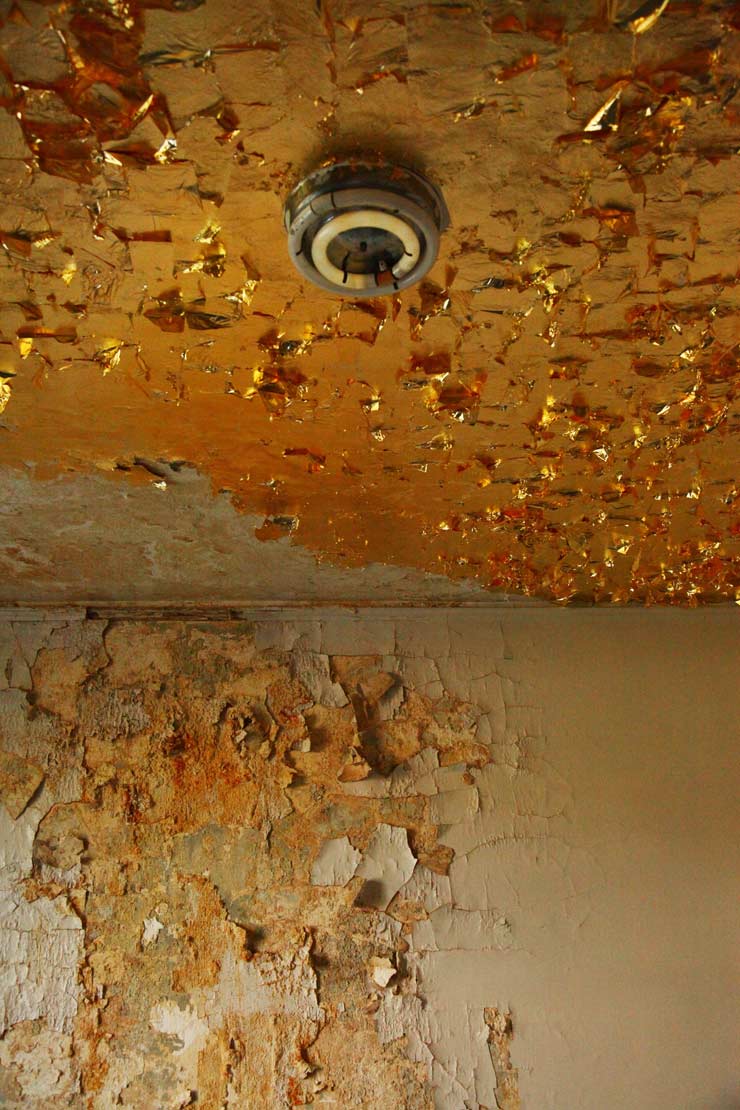
Slome is President and Chief Curator of No Longer Empty, a contemporary public art organization that takes empty buildings that are often in disrepair and revitalizes them with site-responsive contemporary art exhibitions. Together with the Mid Bronx Senior Citizens Council, the non-profit that has owned the 117,000 square foot complex since 1984, No Longer Empty is curating a 32 artist show that for two months will offer curious visitors the first peek at the decrepitude that is slowly being enlivened.  Since bidding farewell to their last upper crust in the early 1980s, the crusty decay of walls and ceilings has been curling and peeling and dropping to the floor. With artists interpreting the history and memories of the place along with their own take on the economics involved, the results are definitely site specific.

How and Nosm “Reflections” (photo © Jaime Rojo)

How and Nosm “Reflections” (photo © Jaime Rojo)

As she talks about the new show “This Side of Paradise,” Jeanette Puryear, Executive Director of Mid Bronx Senior Citizens Council, reflects on how she used to watch the games and social activities in the grassy gardens of the home from the other side.  “We began across the street when the council started in 1973. I came aboard as a staff person in ’77 and I used to look down on the parties that they had on the lawn here. I just thought it was a wonderful building.”

Discussing the selection of No Longer Empty (NLE) as partner to the arts community and curator of the new show, Puryear feels like it is a natural accord. “The idea, our collaboration, really came about when I met Manon and she talked about NLE’s interest in revitalizing communities and it really fit very much with our mission of comprehensive community revitalization.”

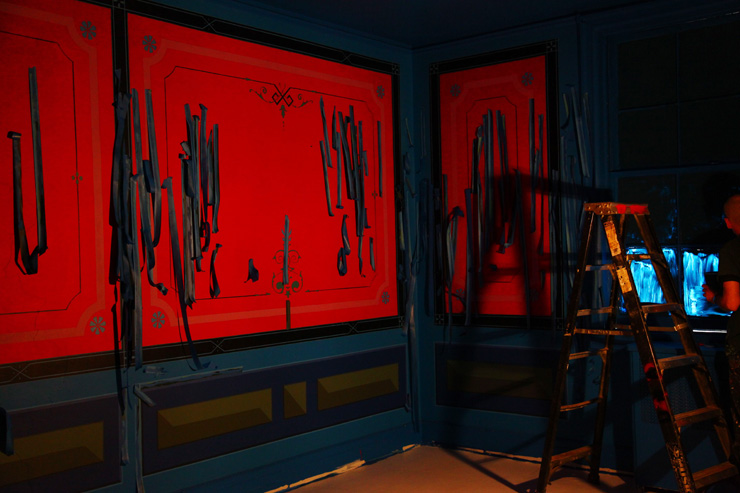
Justen Ladda. “Like Money, Like Water”. Eventually this installation in progress would be black lit. The blue tape affixed to the walls is to economize and will not be a part of the installation. (photo © Jaime Rojo)

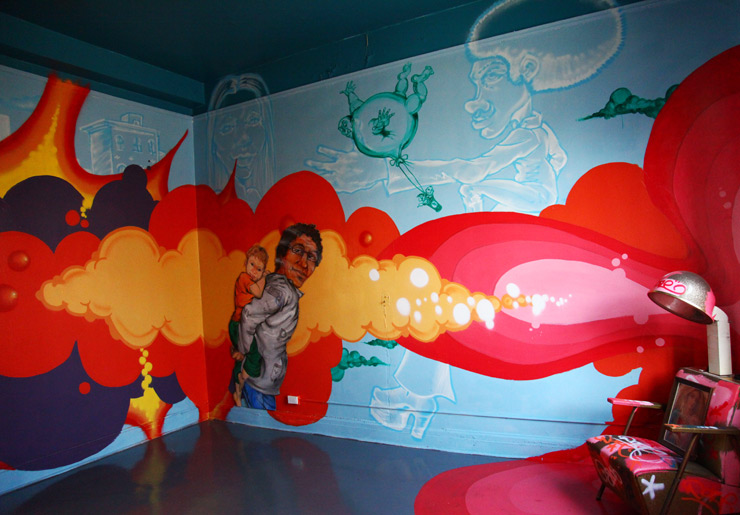
Daze (photo © Jaime Rojo)

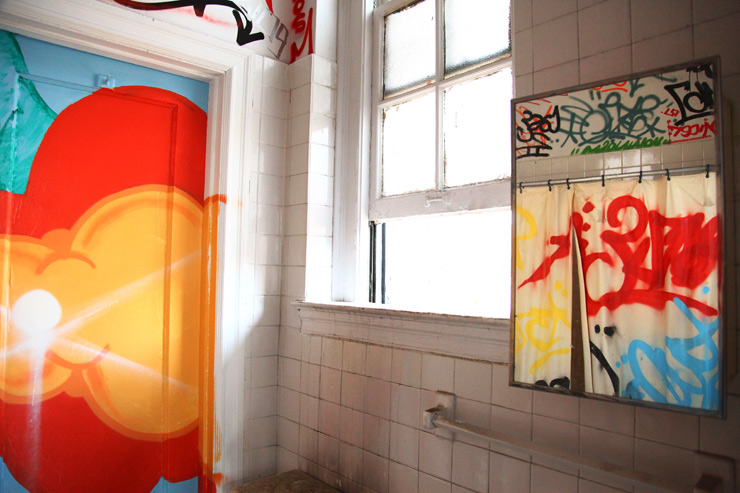
This may come as news to some that graffiti kings like Crash and Daze were called upon to do community revitalization in the same borough where leaders once reviled their painting style.  With a few heavyweight street art and graffiti names bringing these rooms to life, it’s interesting to see their role as one of contributing in a positive way here where the emergence of a global “Wildstyle” graffiti first blossomed while entire neighborhoods burned.

“At the same time in the late 70s and early 80s when this home’s original purpose was failing you had the rise of Bronx graffiti,” says curator Keith Schweitzer, who introduced Crash, Daze and Tats Cru alumni How & Nosm to Slome, each taking one of the rooms and bringing it to life. Schweitzer sees many parallels in this Bronx tale as he reflects on the role of the artist rising from the ashes of the burned-out neighborhoods then and an art show in the decay of this home now. “At that time you had things like Fashion Moda in the Bronx, which sort of incorporated graffiti into a contemporary art exhibition and these conceptual spaces that Street Artists and Graffiti artists participated in. And it all happened at the same time.”


Daze (photo © Jaime Rojo)

Daze (photo © Jaime Rojo)

Slone brings the stories full circle as she excitedly relates the multiple arts and education projects currently afoot in the home, including many with a social mission of building community and connections within it. “When we started selecting and inviting the artists, we steeped them in the history of the home. The goal was really to create a fusion of the history of the home and the nature of the history of the Grand Concourse and the present day realities of the Bronx. And that fusion was really the creative springboard, if you like, for most of installations in the exhibition.”

Whatever role you assign the artist in this clubby home of decay, the experience of discovering these complete room installations is at times reflective, sometimes illuminative, and often revitalizing to the spirit. It will depend on the definition of paradise.

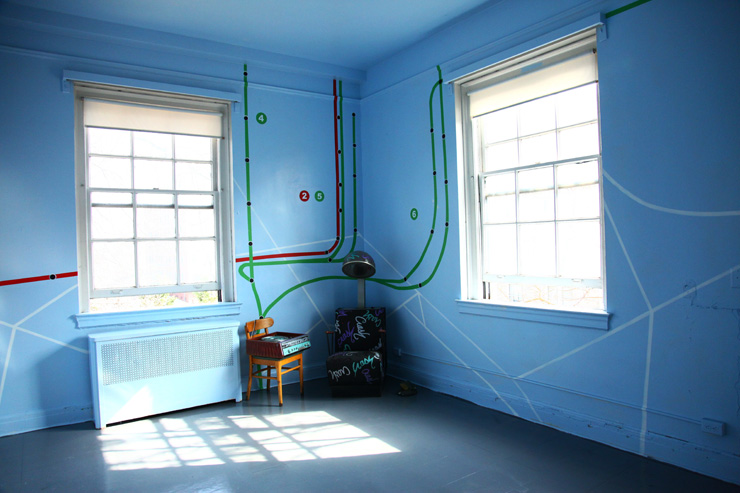
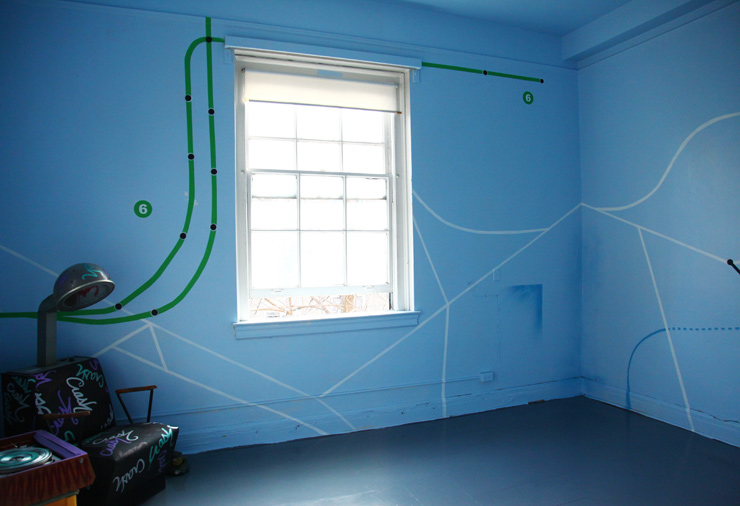
Crash “Connections” 2012. (photo © Jaime Rojo)

Crash “Connections” 2012. (photo © Jaime Rojo)

Crash “Connections” 2012. (photo © Jaime Rojo)

Scherezaede Garcia. (photo © Jaime Rojo)

Scherezaede Garcia. (photo © Jaime Rojo)

Cheryl Pope “Then and There” Installation in progress. (photo © Jaime Rojo)

Cheryl Pope “Then and There” Installation in progress. (photo © Jaime Rojo)

Cheryl Pope “Then and There” Installation in progress. (photo © Jaime Rojo)

Cheryl Pope “Then and There” Installation in progress. (photo © Jaime Rojo)

Adam Parker Smith. “I Lost All My Money In The Great Depression And All I Got Was This Room”,  2012. Installation in progress in collaboration with Wave Hill. (photo © Jaime Rojo)

Adam Parker Smith. “I Lost All My Money In The Great Depression And All I Got Was This Room”,  2012. Installation in progress in collaboration with Wave Hill. (photo © Jaime Rojo)

Adam Parker Smith. “I Lost All My Money In The Great Depression And All I Got Was This Room”,  2012. Installation in progress in collaboration with Wave Hill. (photo © Jaime Rojo)

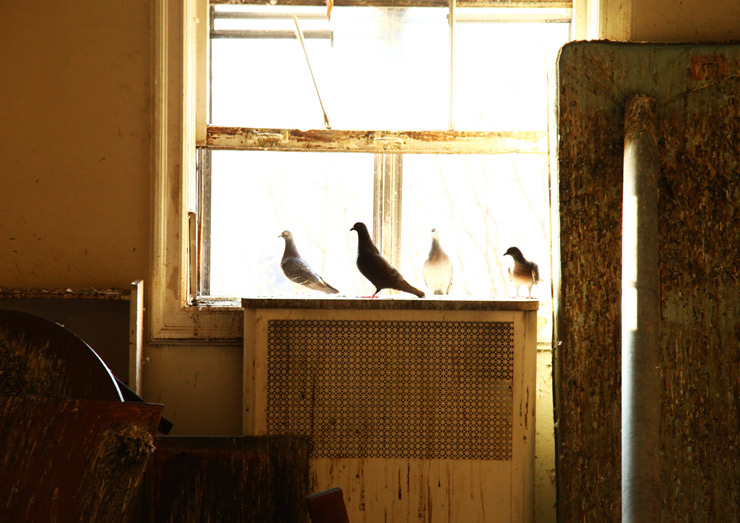
Untitled. Pigeons took over while most of the house remained close and unused. (photo © Jaime Rojo)

BSA>>><<<<BSA>>><<<<BSA>>><<<<BSA>>><<<<BSA>>><<<<BSA>>><<<<

This Side of Paradise will open on April 04 at 6:00 pm.  For further details about this exhibition click here.

With special thanks to President and Chief Curator Manon Slome and Curator Keith Schweitzer of No Longer Empty for their generous access to the installations in progress. To learn more about No Longer Empty click here.

BSA would also like to extend our gratitude to Jeanette Puryear, Executive Director of Mid-Bronx Council for taking time to answer our questions. To learn more about Mid-Bronx Council click here.

Read more

Rusted Metal: Canvas and Collaborator on the Streets

Street Art is ephemeral. That, for the most part is true. Unless we consider the role that the Internet plays in the way most people experience it. Then it doesn’t seem ephemeral at all.

From the moment a piece of Street Art appears, its evolution begins. Transformed by the elements; rain, sun, the rusting and oxidation of metal, the fading of paper. If you become familiar with a piece on the street, you might see it daily on your way to work or school or the laundromat. Over time it matures, evolves, takes on new characteristics, and eventually disappears.

Today we look at metal and it’s collaborative behavior as art material, its personality, its natural qualities. Industrial lots, garbage bins, heavy old gates secured with chains and locks, scrap yards, untreated wood facades – they all provide a myriad of surfaces, textures, shapes that serve as canvas and collaborator. Over time you observe the aging process of a stencil on a metal plate, or a decaying wheat paste peeling off of it or rusting into it, masking it’s shape onto it. The collaboration of materials and elements can be one of the most beautiful experiences one encounters on the streets, even an enduring one.

Here are some pieces on metal for you to enjoy.

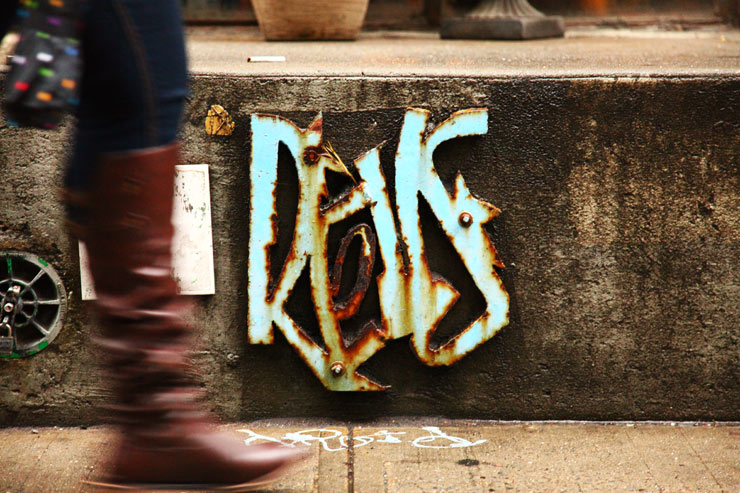
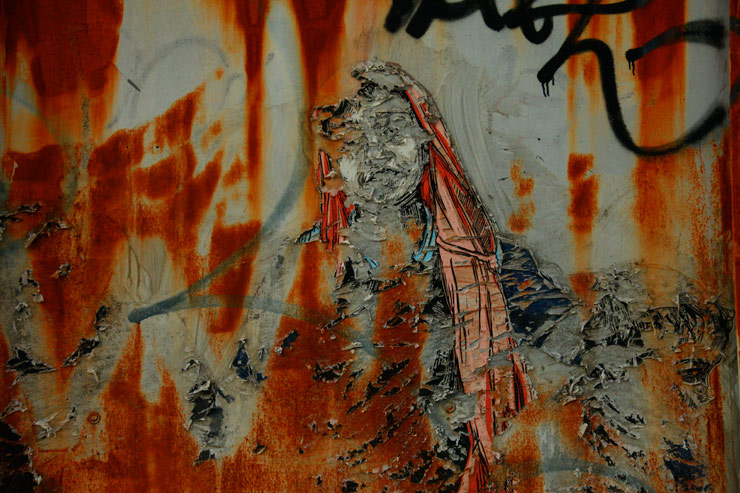
Revs (photo © Jaime Rojo)

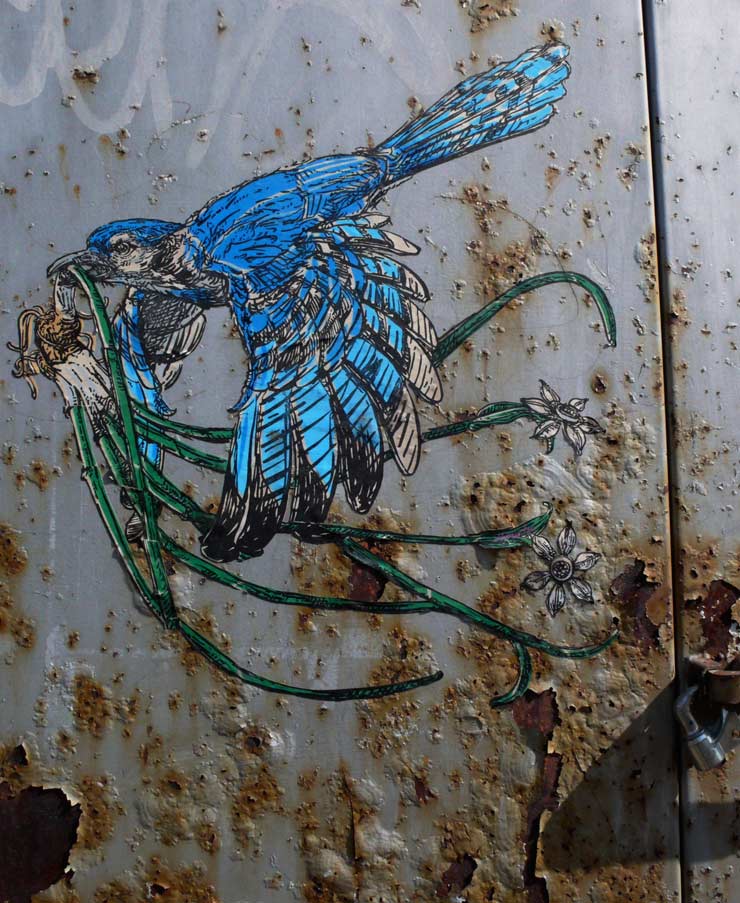
Swoon (photo © Jaime Rojo)

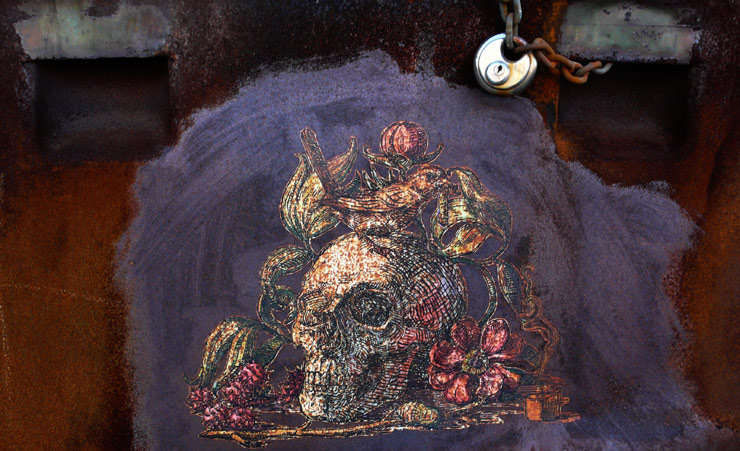
Elbow Toe (photo © Jaime Rojo)

Elbow Toe (photo © Jaime Rojo)

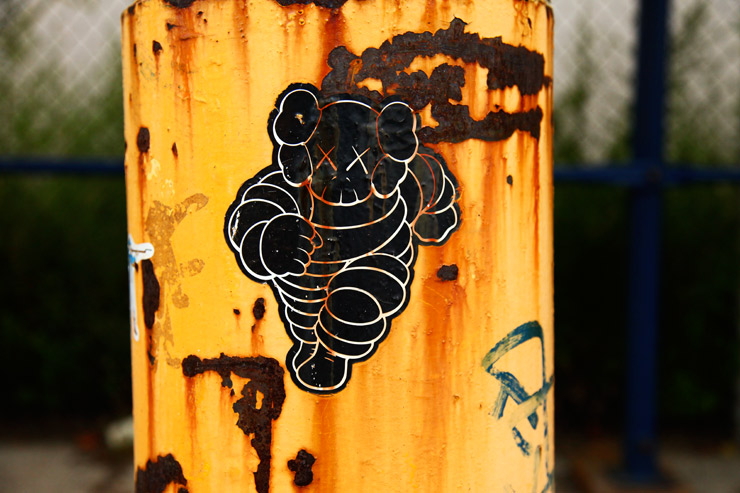
Kaws (photo © Jaime Rojo)

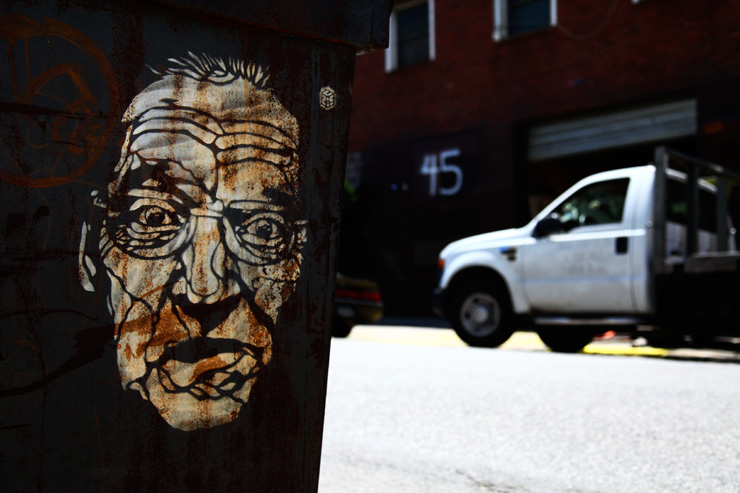
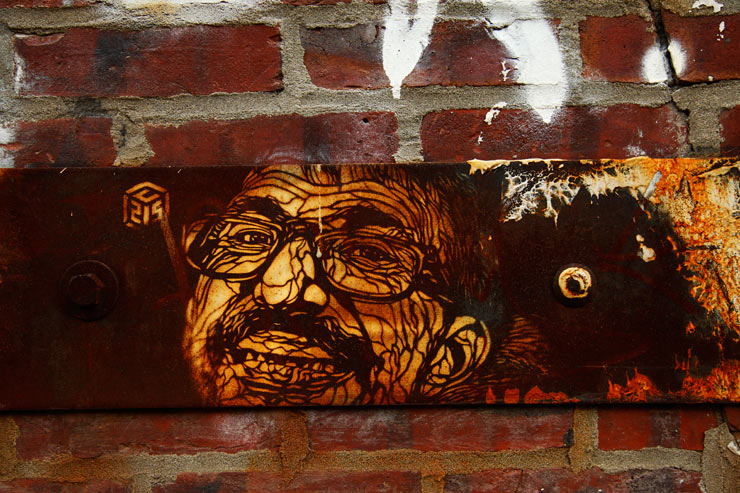
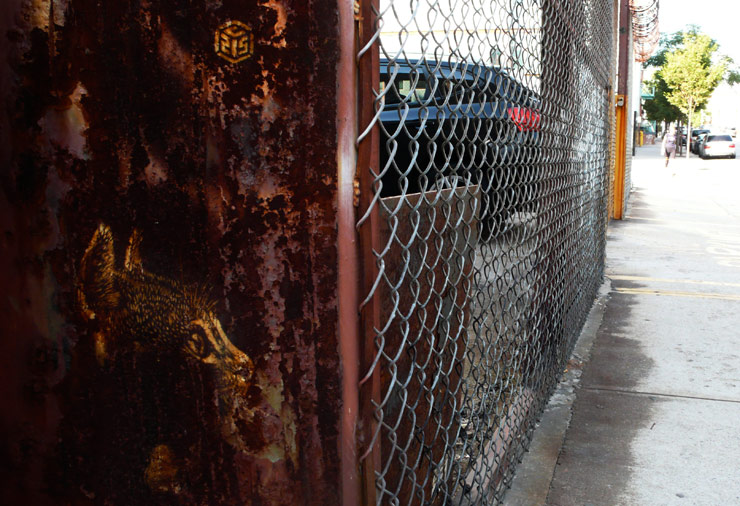
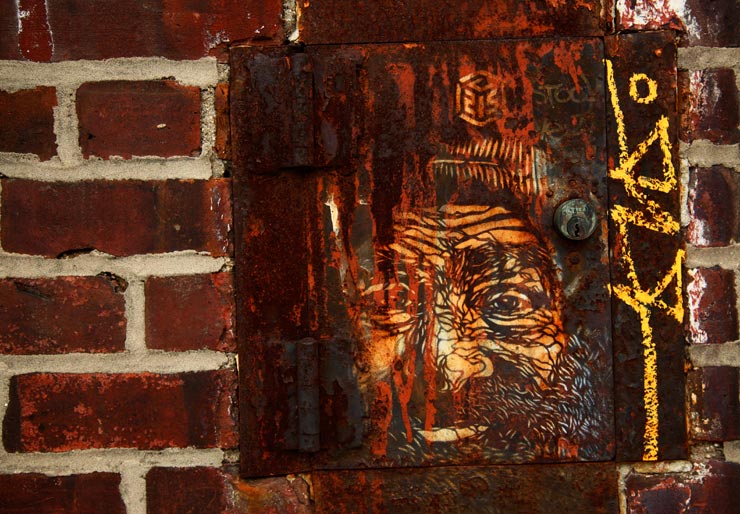
C215 (photo © Jaime Rojo)

C215 (photo © Jaime Rojo)

C215 (photo © Jaime Rojo)

C215 (photo © Jaime Rojo)

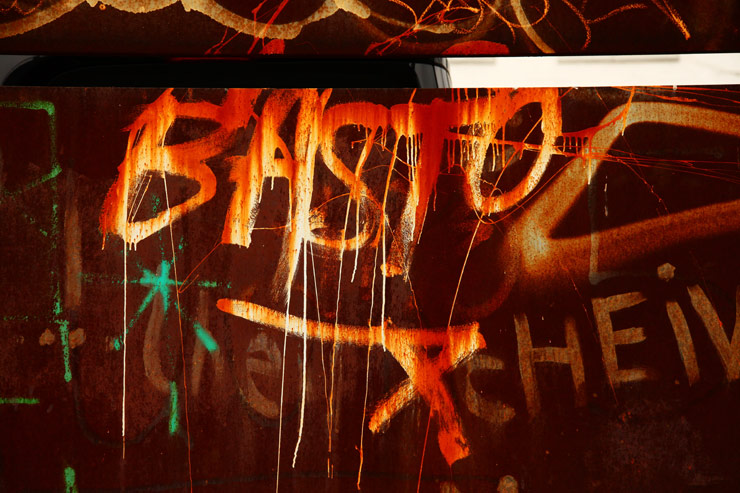
Bast (photo © Jaime Rojo)

See One (photo © Jaime Rojo)

See One (photo © Jaime Rojo)

The Dude Company (photo © Jaime Rojo)

Anera (photo © Jaime Rojo)

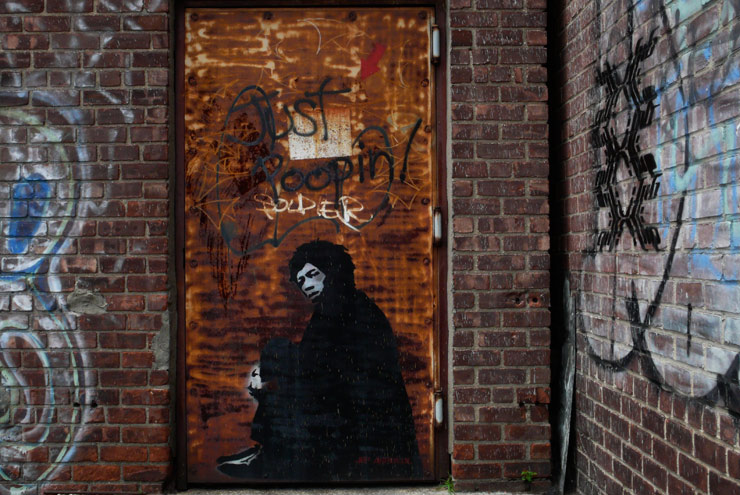
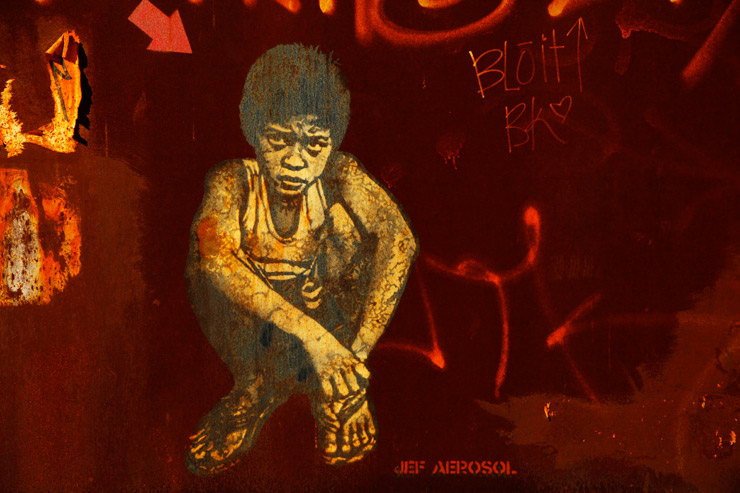
Jef Aerosol (photo © Jaime Rojo)

Jef Aerosol (photo © Jaime Rojo)

Skewville (photo © Jaime Rojo)

White Cocoa (photo © Jaime Rojo)

NohjColey (photo © Jaime Rojo)

Artist Unknown (photo © Jaime Rojo)

The 1% (photo © Jaime Rojo)

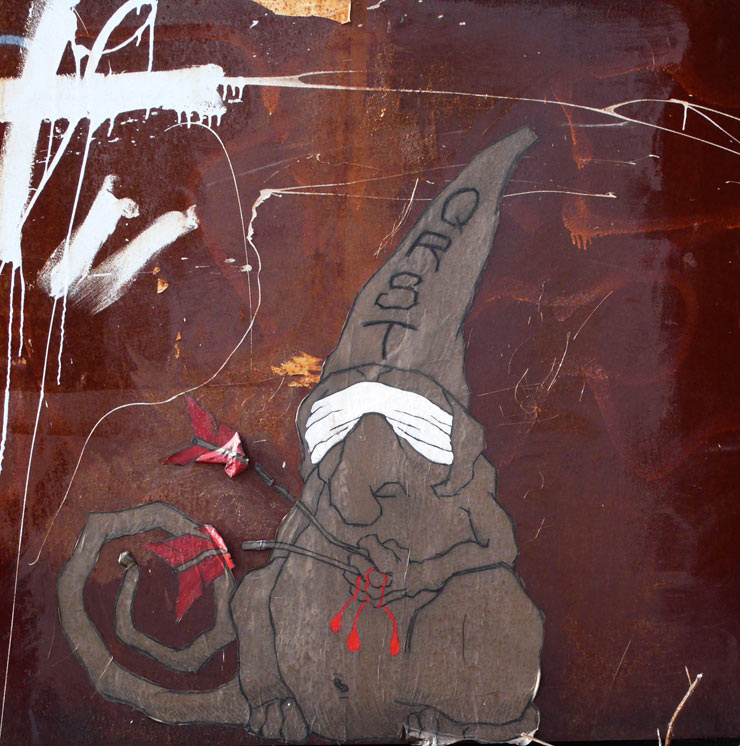
QRST (photo © Jaime Rojo)

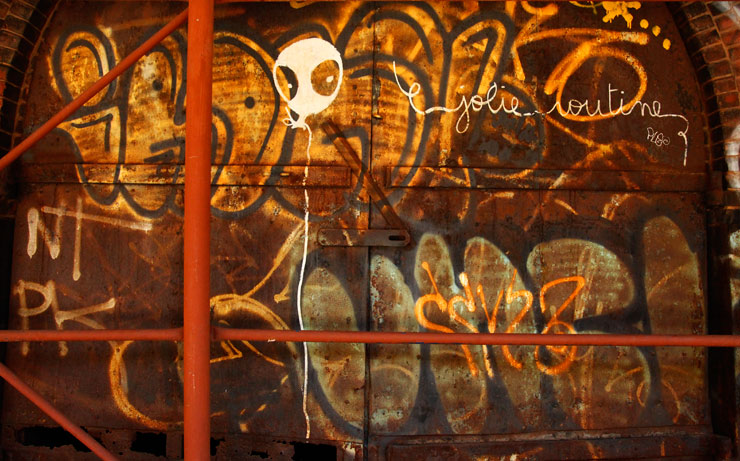
Jolie Routine (photo © Jaime Rojo)


Read more

Images of the Week 03.25.12

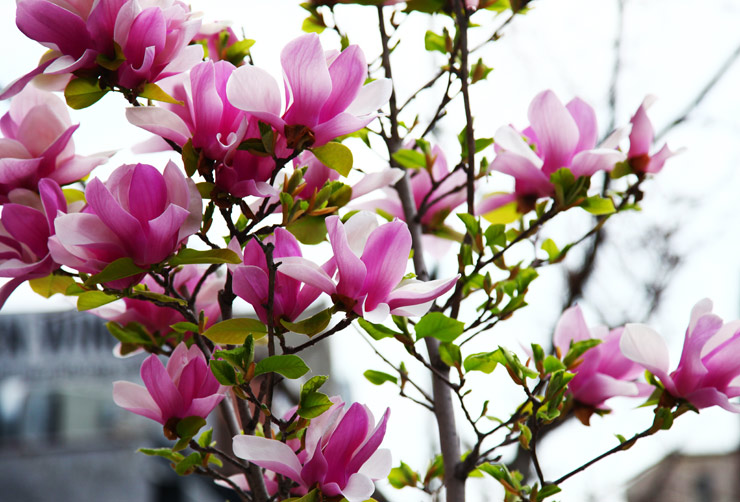
Saw my first barefoot hippie walking down 7th Avenue on Friday and it was like spotting a Robin on the lawn in Union Square Park. SPRING! Spring time hit New York like a truckload of thick sweet kisses and homeboys started checking every cute move of all the shorties, who mysteriously also fluffed up all their magnolia pink feathers and almost imperceptibly put a bit more sa into their shay. Don’t ask us what any of that means, except that when the days get all comfy and warm like these, it’s all about the birds and the beeeeeeees, B.

Here’s our weekly interview with the street, with some special shots by Jaime Rojo from a secret place in the Bronx as well as some contributions from Lima, Peru by Adolfo Bejar, and in Essen, Germany from Skount. Names this week include DCT, Elliot Tupac, Essam, How & Nosm, EKG, Keith Haring, Mariposa Mentirosa, Radical!, Seth, Skount, V, and Zam. First we start out with some spring flowers by an unknown artist.

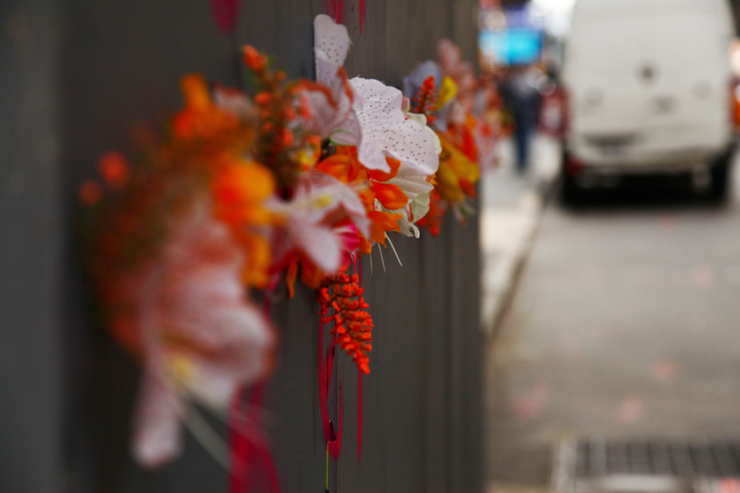
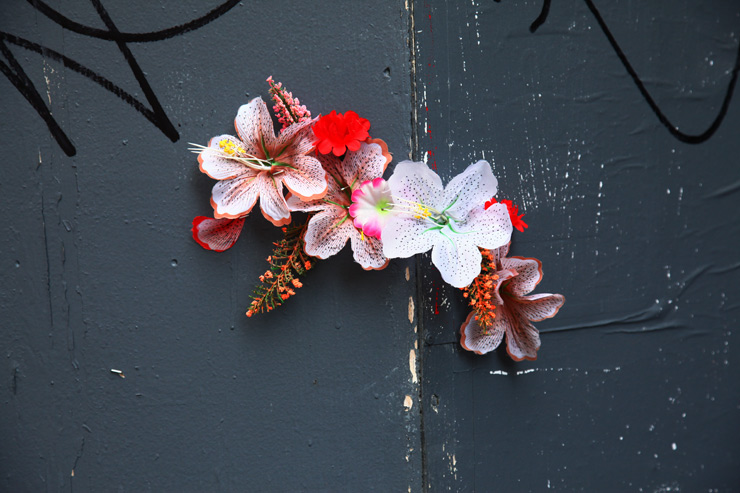
Artist Unknown. Street installation to welcome the Spring 2012 (photo © Jaime Rojo)

Artist Unknown. Street installation to welcome the Spring 2012 (photo © Jaime Rojo)

Mariposa Mentirosa. Street installation to welcome the Spring 2012 (photo © Jaime Rojo)

How & Nosm (photo © Jaime Rojo)

How & Nosm (photo © Jaime Rojo)

How & Nosm (photo © Jaime Rojo)

How & Nosm (photo © Jaime Rojo)

EKG…is feeling a bit cocky. (photo © Jaime Rojo)

Artist Unknown  (photo © Jaime Rojo)

V (photo © Jaime Rojo)

Zam (photo © Jaime Rojo)

Radical! (photo © Jaime Rojo)

#Heros Street Art…Keith Haring. (photo © Jaime Rojo)

Essam (photo © Jaime Rojo)

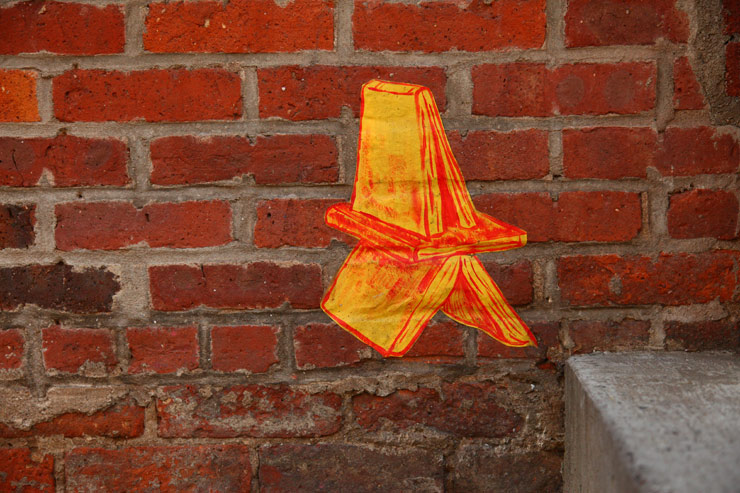
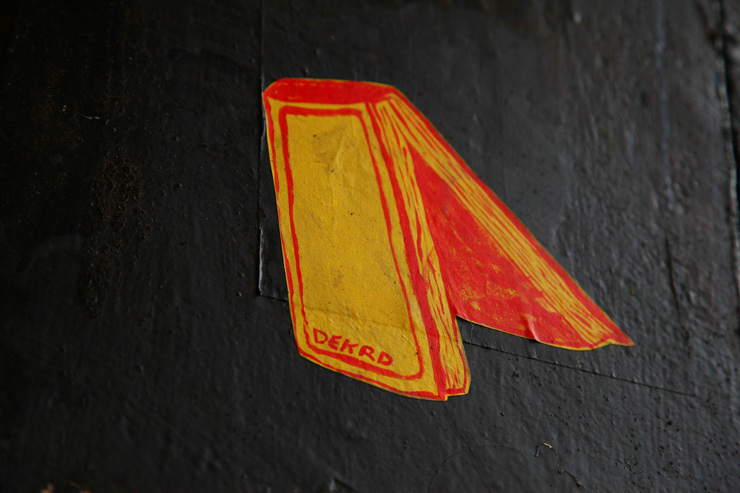
DEKRD (photo © Jaime Rojo)

DEKRD (photo © Jaime Rojo)

 SKOUNT “The Automata Repairer” Essen, Germany. (photo © Skount)

SKOUNT “The Automata Repairer” Essen, Germany. (photo © Skount)

DCT, SETH and ELLIOT TUPAC. Lima, Peru. (photo © Adolfo Bejar)

DCT, SETH and ELLIOT TUPAC. Lima, Peru. (photo © Adolfo Bejar)

Untitled. (photo © Jaime Rojo )


Read more

No Longer Empty in Collaboration With Mid-Bronx Council Present: “This Side of Paradise” (Bronx, NYC)

This Side Of Paradise

On April 4, 2012, the gates of the Andrew Freedman Home will open to the public. The Home was once built to be a haven, a paradise, for the rich elderly who had lost their fortunes. Bequeathed by millionaire Andrew Freedman, the Home provided not only food and shelter but all the accoutrements of a rich and civilized life style – white glove dinner service, a grand ball room, a wood-paneled library, billiard room and a social committee who organized concerts, opera performances and the like.

Referencing this quixotic history, This Side of Paradise will reference the past and reconnect the vision of Andrew Freedman to today’s Bronx and its realities. The exhibition and its extensive public programming onsite and offsite will draw together the economic and social history of the Home with the present day realities of the Bronx and its residents.

The selected artists’ will work in a site-specific manner and will respond to such issues as memory, immigration, storytelling, aging and the creation of fantasy that the original concept of the Home “being poor in style” suggests. This Side of Paradise will celebrate human ingenuity, the strength of the human spirit and the resilience needed to fashion beauty, hope and rejoicing.

Opening Reception will be Wednesday, April 4 from 6 to 8pm followed by the Speakeasy After Party Fundraiser sponsored by St. Germain starting at 8:30pm. Support NLE and future exhibitions by purchasing tickets here.

Exhibition Hours: Thursday to Sunday, 1pm to 7pm (extended hours when events are hosted).

Bronx Arts Alliance is a partner for This Side of Paradise either installations, events or general cross-promotion of Bronx Arts. Partnering organizations are: Bronx Documentary Center |  Casita Maria  |  Hebrew Home at Riverdale  |  Lehman College Art Gallery  |  Longwood Art Gallery at Hostos College  |  The Bronx Children’s Museum  |  The Bronx Council of the Arts  |  The Bronx Museum of the Arts  |  The Bronx River Art Center  |  The POINT  |  Wave Hill

Organizations Presenting Installations are Wave Hill – Installation by Adam Parker SmithThe POINT – Designed by Carey Clark, Alejandra Delfin, Danny Peralta, Lady K Fever, Sharon de La Cruz, Tats Cru, David Yearwood among others;  The Bronx Museum of the Arts – Works by artists in the AIM Program; Bronx Documentary Center -Film by Tim HetheringtonLehman College Art Gallery – Works by Scherezade García

Video and Production SupportBronxNet– a not for profit  that provides local television by the people of the Bronx, for the people of the Bronx.

Media Partner: WNYC Radio

The Cafe in the Home is generously supported by La Colombe Torrefaction coffee.

This Side of Paradise is a collaboration with the Mid Bronx Senior Citizens Council, one of the largest nonprofits who has been providing community services in the South Bronx. Contact wpuryear@midbronx.org about the Andrew Freedman Home and mjenkins@midbronx.org about MBSCC.

Curatorial team is Manon Slome, Keith Schweitzer, Charlotte Caldwell and Lucy Lydon. A tremendous thank you to all our volunteers and interns involved in the project. Thank you!

ARTISTS:

Read more

Images of the Week: 03.18.12

Our weekly interview with the streets, this week featuring Buttless, Curly, Don’t Fret, Droid, ENO, Enzo & Nio, ENO, Eras, Keith Haring, Memo, ND’A, Nev1, Never, Pakpoom Silaphan, Radical!, Read, Sheepman, and Skewville.

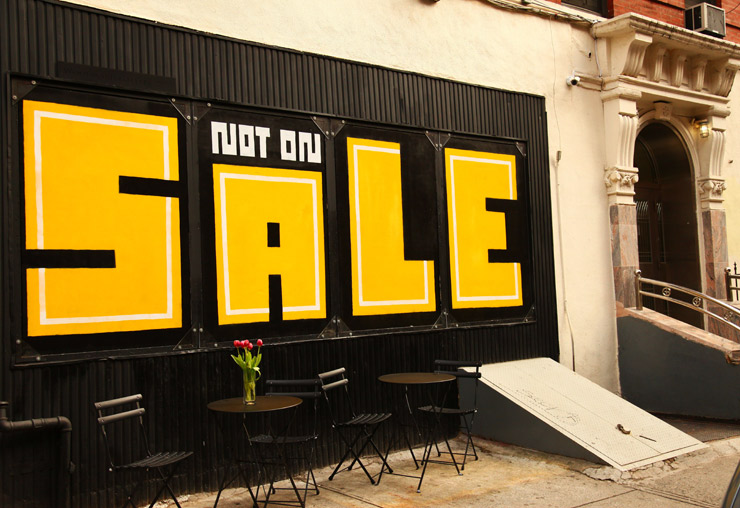
Skewville IS NOT ON SALE but you could make him an offer he can’t refuse. (photo © Jaime Rojo)

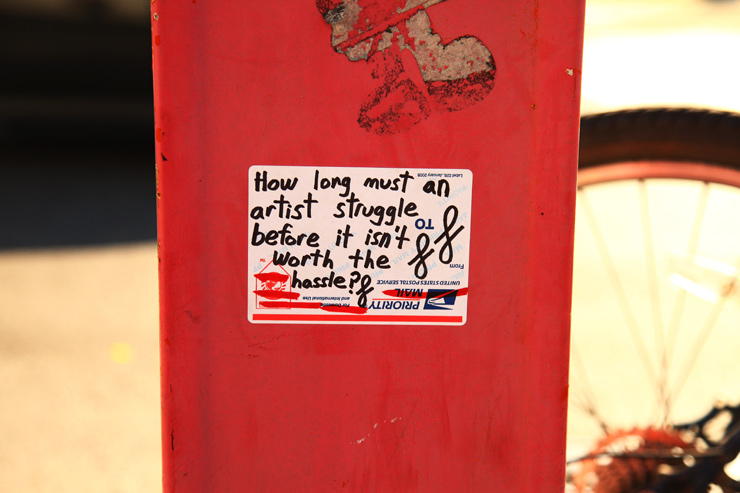
Curly wants to know how much longer he has to toil…any answers? (photo © Jaime Rojo)

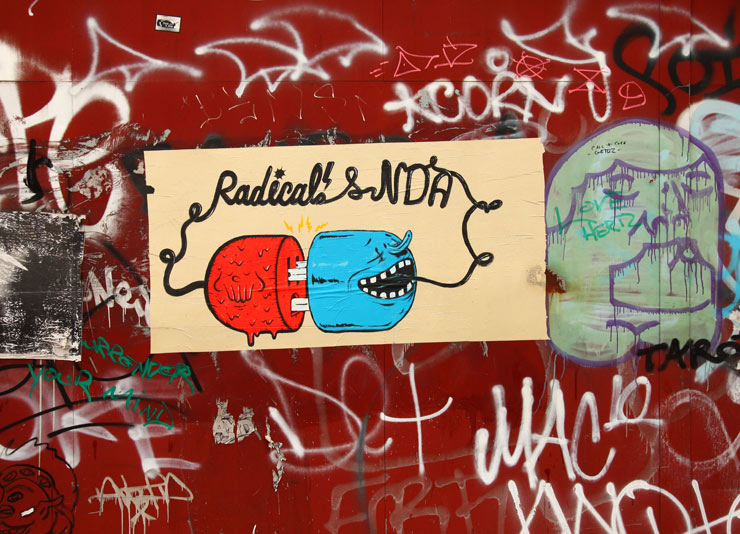
Radical and ND’A making a connection.  (photo © Jaime Rojo)

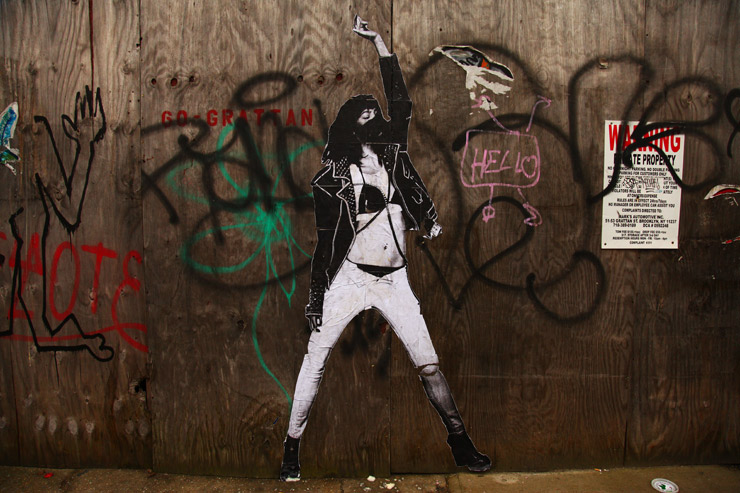
Punk wheat paste. Who is the artist? (photo © Jaime Rojo)

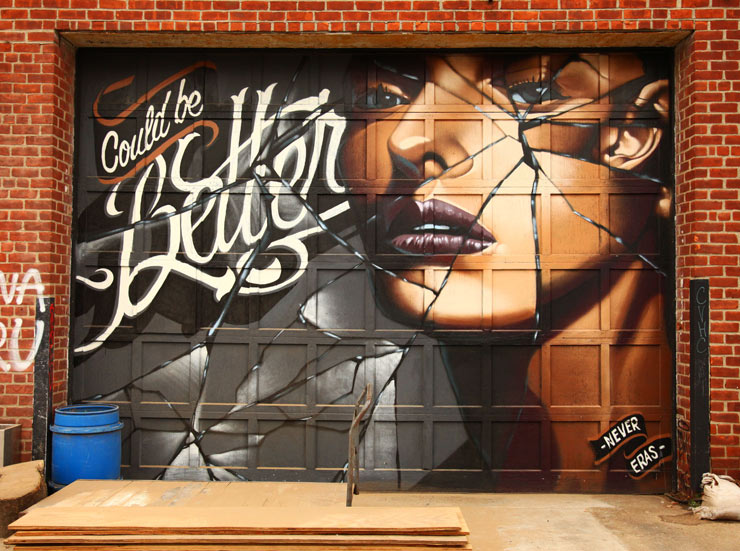
Never . Eras (photo © Jaime Rojo)

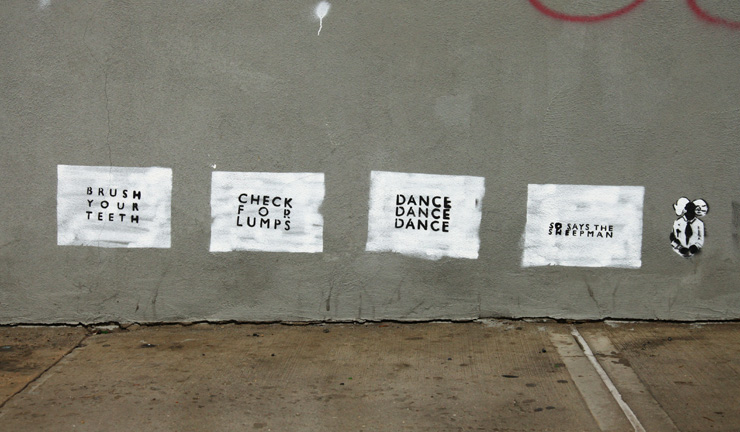
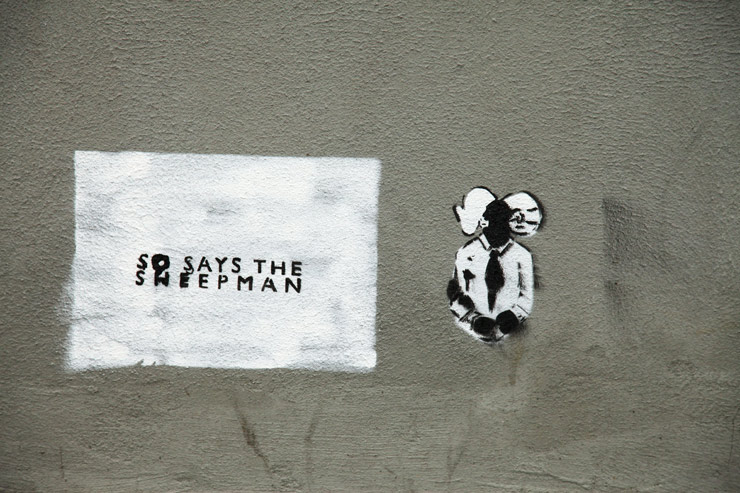
Sheepman (photo © Jaime Rojo)

Sheepman (photo © Jaime Rojo)

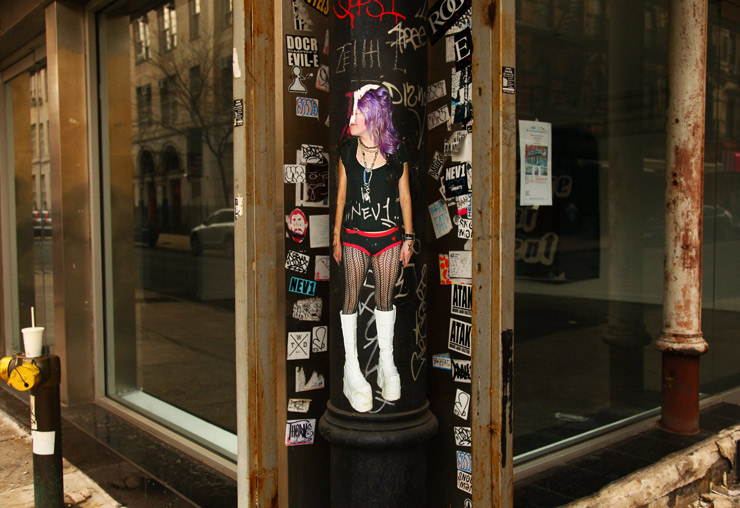
Nev 1 with girl in her panties. (photo © Jaime Rojo)

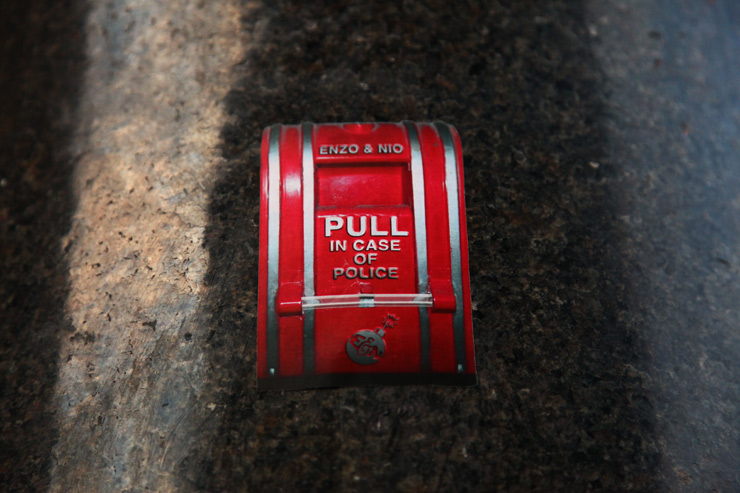
Enzo & Nio (photo © Jaime Rojo)

Droid . Read (photo © Jaime Rojo)

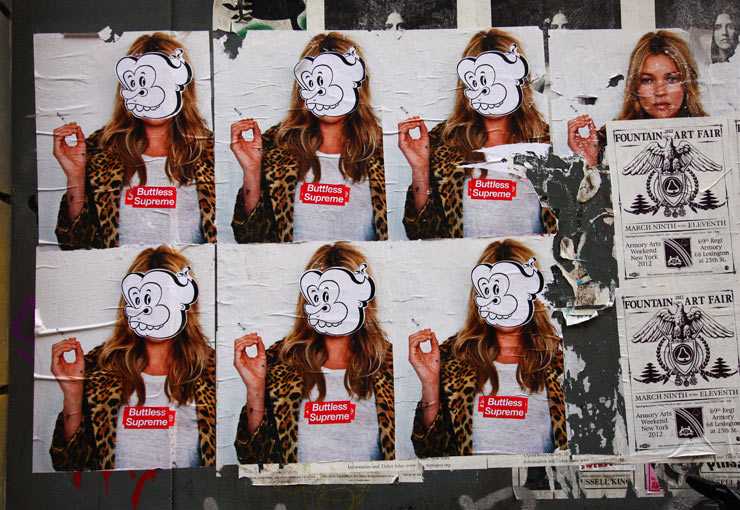
Buttless helped out Supreme with their ubiquitous yearly banal postering campaign, in much the same way that Faile assisted in 2009 with tiger heads over Lou Reeds’ face. Their big Kate Moss repetition irked a number of Street Artists again this time by mindlessly papering over the individual with the mass message. By the way, is smoking cigarettes the new heroin chic? (photo © Jaime Rojo)

MEMO (photo © Jaime Rojo)

MEMO (photo © Jaime Rojo)

Don’t Fret in Chicago (photo © Don’t Fret)

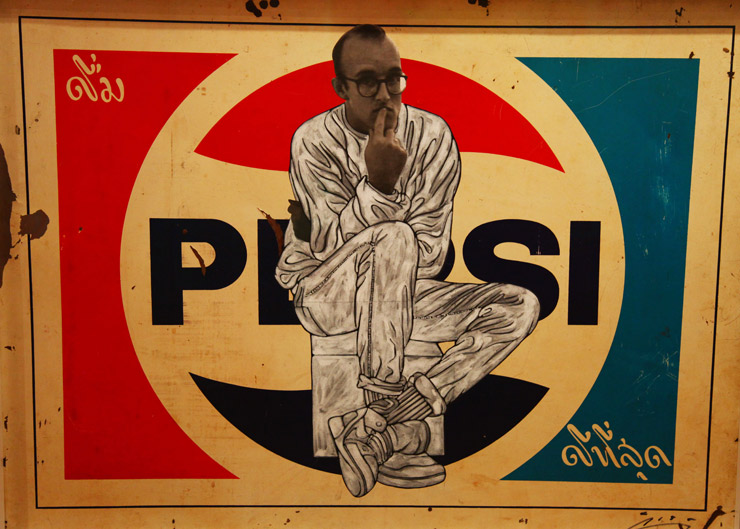
Pakpoom Silaphan did this portrait of Keith Haring on a vintage Pepsi sign spotted at one of the art fairs last weekend. Might this have been a calculated effort to ride on the success of the Keith Haring retrospective currently on view at the Brooklyn Museum? Maybe it is simply another expression of the well worn practice of re-appropriating pop culture, with Haring clearly now in icon territory. (photo © Jaime Rojo)

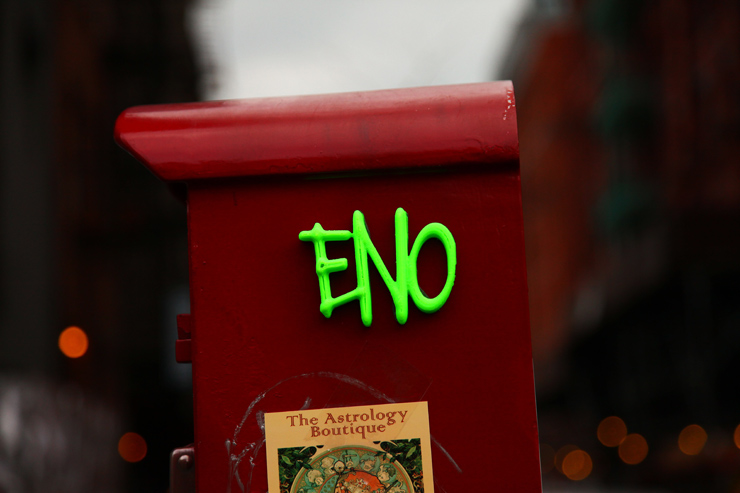
We listened for some ambient synthesizer music when this was discovered. ENO (photo © Jaime Rojo)

Untitled (photo © Jaime Rojo)

Read more

Fun Friday 03.16.12

Yowsah! It’s a Triple Header for Street Artist shows in Brooklyn tonight, with Haring at the Museum, Stikman at Pandemic, and JMR/See One at Mighty Tanaka. But that’s not all that’s happening this weekend.

1. Keith Haring: 1978-1982
2. Stikman “20” at Pandemic
3. JMR and See One @ Pandemic
4. SANER @ Fifty24SF (San Francisco)
5. Chris Stain “Long Story Short” at Wooster Social Club
6. Sickboy, White Walls Gallery new show “Wonder Club”
7. Asbjorn Skou AKA Armsrock “Stedfortrædere” at  Mosh Gallery in Copenhagen
8. “My Turn” at Carmichael Gallery with Bumblebee, Hyuro, Interesni Kazki, Jaz, Klone, LineLineDot, Moneyless, Penny, Stinkfish, Zeus.
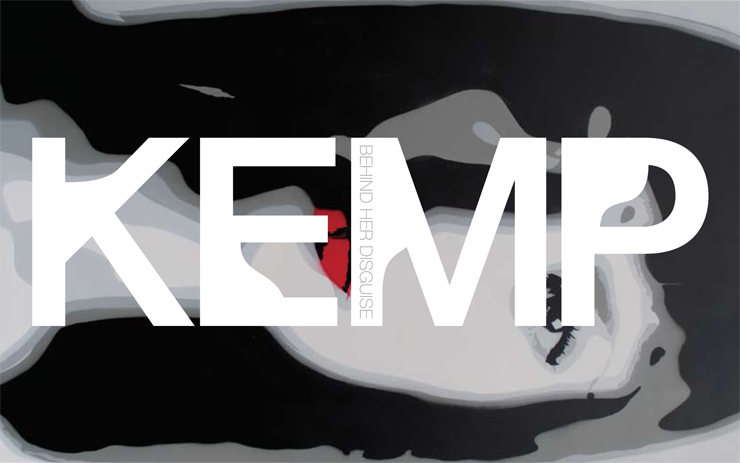
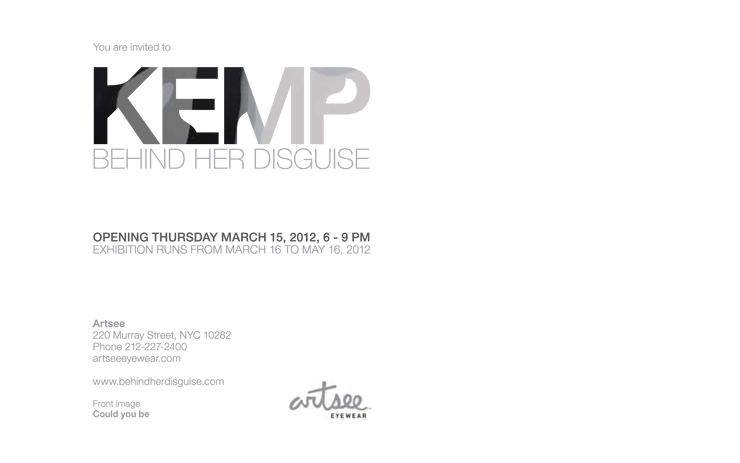
9. KEMP “Behind her Disguise” at Artsee.
10. Kid NES in Dallas. Time Lapse (VIDEO)
11. Mimi The Clown turns Superhero by OAOFB. (VIDEO)
12. Mimi The Clown turns Superhero by OAOFB. (VIDEO 2)
13. Ben Eine getting up in London by Abbie Brandon (VIDEO)

Keith Haring: 1978-1982

“This exhibition shows you how much fun New York City used to be” – Mare 139

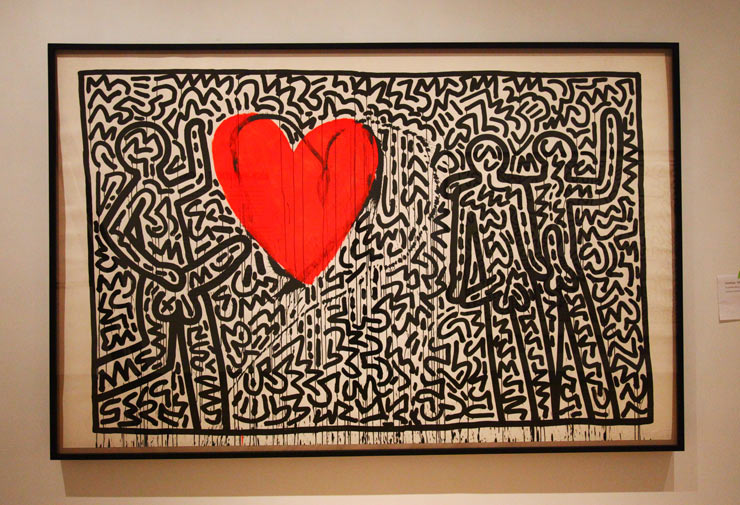
Opening to the public today Keith Haring: 1978-1982 at the Brooklyn Museum and while Mare 139 has a point, we contend that Brooklyn is still tons of fun, if Manhattan has lost much of it’s edge. Regarding this exhibit, GO! Exquisitely curated, it welcomes the viewer to Mr. Haring’s early days in NYC when the “downtown” scene was the scene.

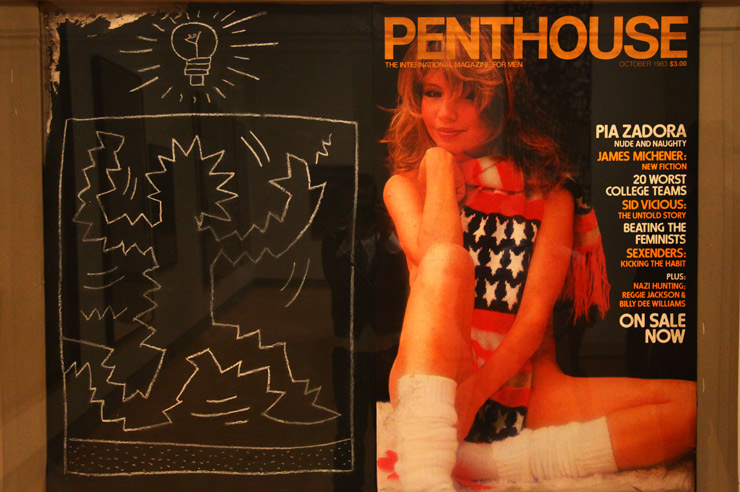
Keith Haring. Pia Zadora subway installation. Courtesy of Mugrabi Collection. © Mugrabi Collection. The Brooklyn Museum (photo © Jaime Rojo)

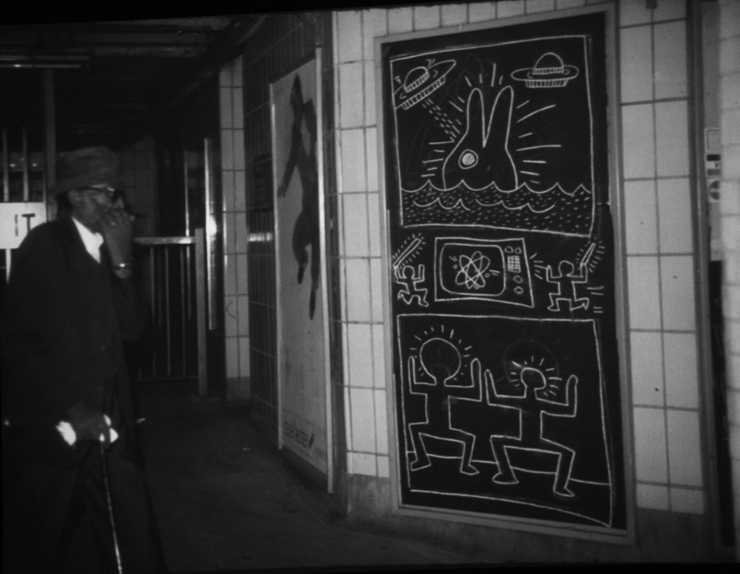
The curators have included pieces rarely or never before viewed including an amazing slide show of images taken by Kwong Chi showing the artist illegally putting work in the subways. Combined with some of Harings journals, his Cipher chart, videos and 155 works mostly on paper, it is informative, accessible and fun to see.

Keith Haring. A photo taken from the Slide show at the exhibition of images taken by Kwong Chi. Courtesy of and © The Keith Haring Foundation. The Brooklyn Museum (photo © Jaime Rojo)

For more information regarding this exhibition click here.

To read our article on the Huffington Post of this exhibition with a complete photo essay and and written overview click here.

Stikman “20” at Pandemic

One of the most prolific and hermetic Street Artists working today on the streets of New York, sometimes literally melted into the street, Stikman has a gentle legend to his name. His solo show “20” opens today at Pandemic Gallery today, offering a rare glimpse into his world of secrecy and continuous invention. The little stick character he’s been leaving for two decades is synonymous with the symbol-based tagging of graff writers and the re-inventive practice of a fine artist continuously exploring new techniques of expression.

Stikman (photo © Jaime Rojo)

For further information regarding this show click here.

JMR and See One @ Pandemic

Fresh off their showing at Fountain last weekend, Mighty Tanaka is not skipping a beat by unveiling a brand new dual show in Dumbo tonight. If you thrill to “Color and Motion” then check out new works by JMR and See One tonight.

JMR (photo © Jaime Rojo)

For further information regarding this show click here.

SANER @ Fifty24SF (San Francisco)

Mexican Street Artist SANER has been impressing Street Art and graff fans in the last couple of years with his near magic interpretations, incredibly rendered. A down to earth fellow who often teams up with SEGO for collaborations, the artist makes his debut solo show in San Francisco tonight at the Fifty24SF Gallery.

Saner with Sego in Miami (photo © Jaime Rojo)

For further information regarding this show click here.

Chris Stain “Long Story Short” at Wooster Social Club

At the crowded opening for Chris Stain’s new show and book launch Wednesday, the vibe was a testament to his working class roots and real people charm, with Billy Mode on the turntables and Ray Cross from Bushwick Print Lab screen-printing some fresh Occupy Wall Street posters for people to take to the streets. It’s the the kind of kindred community that fostered “Long Story Short”, his new monogram on Drago, and the kind of environment that makes Stains work resonant in these times where the working person feels like they have a boot to his/her neck. Stop by The Wooster Social Club anytime to see Mr. Stain’s new body of work and catch an intimate look into his influences both as an artist and as a person.

Chris Stain (photo © Jaime Rojo)

For further information regarding this show click here.

Also happening this weekend:

  • San Francisco’s White Walls Gallery new show “Wonder Club” opens tomorrow. This is Sickboy‘s first US major solo show. Click here for more information about this show.
  • Asbjorn Skou AKA Armsrock new show “Stedfortrædere ” at the Mosh Gallery in Copenhagen, Denmark opens today. Click here for more information about this show.
  • Bumblebee curates the new show “My Turn” at the Carmichael Gallery in Culver City, CA opening this Saturday with artists including: Bumblebee, Hyuro, Interesni Kazki, Jaz, Klone, LineLineDot, Moneyless, Penny, Stinkfish, Zeus. Click here for more information about this show.
  • KEMP solo show “Behind her Disguise” is marks his New York debut at Artsee. This show is now open to the general public. Click here for more information about this show.


Kid NES in Dallas. Time Lapse (VIDEO)

Mimi The Clown turns Superhero by OAOFB. (VIDEO)

Mimi The Clown turns Superhero by OAOFB. (VIDEO 2)

Ben Eine getting up in London by Abbie Brandon (VIDEO)


Read more

Artsee Presents: Kemp “Behind her Disguise” (Manhattan, NY)

Kemp

KEMP is an intriguing Irish artist, making his debut solo exhibition in New York City.

KEMP digresses from the traditional features of stencil art, which tend to be represented as flat simple modes of mass-communication sprayed in public spaces. By taking the concept from the political and urban sphere into a studio environment, more akin to the screen printing process, he breaks down the customary limiting stencil strucure by creating multiple layers of depth from light through to shadow. He attacks the formal representations of his selected images by re-introducing detail in certain areas and pulling out and accentuating shapes, where the order of dark to light is not always regarded.

KEMP’s unusual colour choices move away from the type of palette often used by other artists of a similar visual nature, generating vibrancy while still using a predominantly muted palette.

During a trip to Ireland, the co-owner of Artsee, Oleg Rabinovich, became aware of KEMP and invited

him to hold his first American exhibit in the unique space that is Artsee, Battery Park City, NYC.

Behind Her Disguise is a collection of seventeen wood-panel iconic visuals of women, as seen through the KEMP filter. This exhibition was inspired by subculture, pop-art and the cult of celebrity. KEMP emphasises eyes and lips, while preserving the subject’s beauty as other features are flattened, obscured or masked. In selecting the subjects for the exhibition, KEMP chose sometimes beautiful, sometimes dysfunctional, sometimes disturbed women. He elicits an alternative underlying meaning during the process of production, as reflected in the titles of the pieces. KEMP invites the viewer to climb into a piece, wander around and unveil the truth behind her disguise.

KEMP is excited and honoured to introduce the city of New York to his collection and is enthusiastic about building connections with the city and its inhabitants as inspirations for his future work.

Read more

The Brooklyn Museum Presents: Keith Haring: 1978-1982 (Brooklyn, NY)

Keith Haring

Keith Haring. Courtesy of Keith Haring Foundation. ©Keith Haring Foundation. The Brooklyn Museum (photo © Jaime Rojo)

March 16–July 8, 2012

Morris A. and Meyer Schapiro Wing, 5th Floor

Keith Haring: 1978–1982 is the first large-scale exhibition to explore the early career of one of the best-known American artists of the twentieth century. Tracing the development of Haring’s extraordinary visual vocabulary, the exhibition includes 155 works on paper, numerous experimental videos, and over 150 archival objects, including rarely seen sketchbooks, journals, exhibition flyers, posters, subway drawings, and documentary photographs.

The exhibition chronicles the period in Haring’s career from his arrival in New York City through the years when he started his studio practice and began making public and political art on the city streets. Immersing himself in New York’s downtown culture, he quickly became a fixture on the artistic scene, befriending other artists such as Jean-Michel Basquiat and Kenny Scharf, as well as many of the most innovative cultural figures of the period. The critical role that these relationships played in Haring’s development as a public artist and facilitator of group exhibitions and performances is also explored. Pieces on view include a number of very early works never before seen in public; seven video pieces, including Painting Myself into a Corner (his first video piece) and Tribute to Gloria Vanderbilt; and collages created from cut-up fragments of his own writing, history textbooks, and newspapers.

Keith Haring: 1978–1982 is curated by Raphaela Platow. The exhibition is co-organized by the Contemporary Arts Center, Cincinnati, and the Kunsthalle Wien. The Brooklyn presentation is organized by Tricia Laughlin Bloom, Project Curator, and Patrick Amsellem, former Associate Curator of Photography, Brooklyn Museum.

This exhibition is made possible by Lisa and Dick Cashin with additional support provided by the Stephanie and Tim Ingrassia Contemporary Art Exhibition Fund.

Read more

Keith Haring 1978-1982 : Early Keith at The Brooklyn Museum

1978 and 2012 seem closer to one another than ever right now when we look at the blossomed Street Art scene in cities around the world. More than 30 years after Keith Haring moved to New York as an art school kid at the School of Visual Arts, a new generation of art school kids consider it almost a birthright to take their work directly to the street. Right now feels like an excellent time for Brooklyn to spotlight this study of his first four years in the city that blew his mind and inspired him to alter the whole system of how an artist reaches the public.
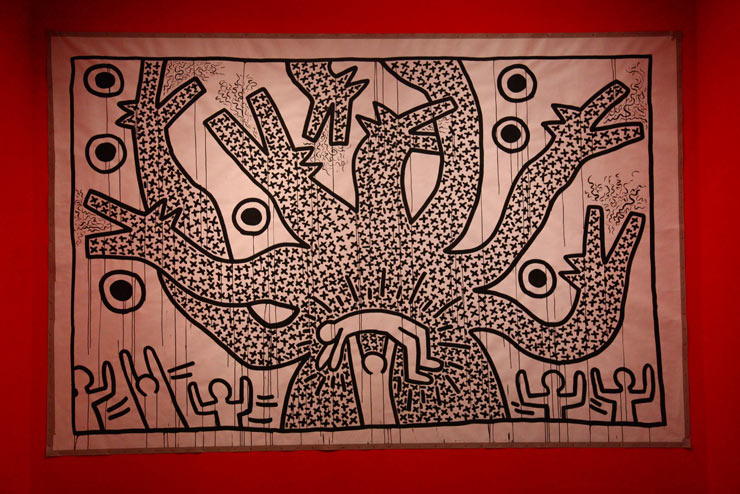
Keith Haring. Untitled, 1982. Courtesy of  and © Keith Haring Foundation. The Brooklyn Museum. (photo © Jaime Rojo

Keith Haring: 1978-1982, a traveling exhibition first shown in Kunsthalle Wien in Vienna and The Contemporary Arts Center in Cincinnati, introduces a period of his work not often examined, taking you up to the edge of the seemingly sudden international fame he experienced as artist, activist and public figure through the rest of the 1980s.

“Raphaela Platow, who was the original curator of this show, went into the archives and pulled out things that had basically just been sitting there, ” explained Tricia Laughlin Bloom, the project curator for the current show as she gave a tour this week before its opening at the Brooklyn Museum Friday.

At a time when the small-town boy was developing his visual vocabulary as an artist, Haring was also discovering himself as a man in the world and in a city that he found endlessly fascinating and worthy of exploration. Capturing his spirit of hands-on experimentation, the show is almost entirely comprised of works on paper with one collaborative piece on plywood with his contemporary Jean Michel Basquiat, paper collage, video, and documentary photos.
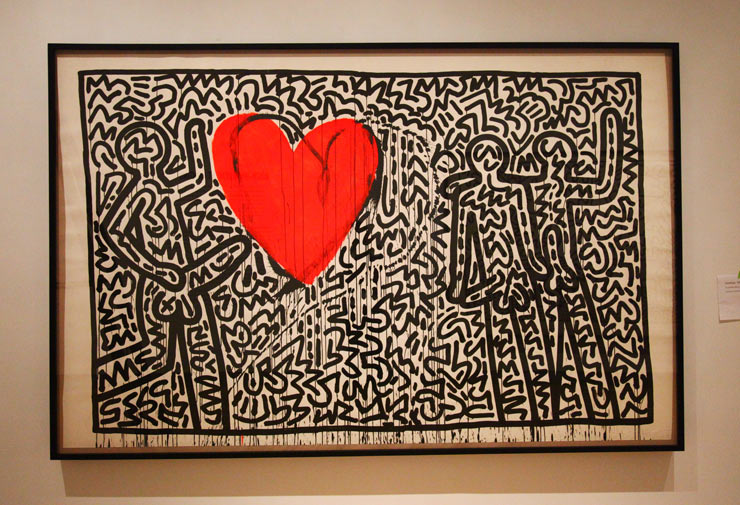
Keith Haring. Untitled, 1982. Courtesy of and © Keith Haring Foundation, The Brooklyn Museum. (photo © Jaime Rojo)

In these years Disco was on a full force collision course with Punk, New Wave, and Rap, and Haring was embracing the nightlife of a college student sampling the downtown scene, exploring his sexuality, and commandeering entire rooms at SVA to mount shows on paper. Some of those “body involvement” painting sessions are documented well here in video; a sort of full immersion painting baptism. While jamming out to music he covers every white surface with thick black symbols and gestural marking, sometimes painting with both hands in a rhythmic automatic study of both the physicality of the process and his own interaction with space and materials.

Not to be missed in person is the 30 piece collection in the final room of actual subway black papers that Haring adorned with his white line drawings, energetically created symbols and characters throughout stations in New York’s train system. The frames and glass protect them for us to appreciate them today in their disarming simplicity, their collection ironically alleged by some to be why the artist discontinued the subway practice. Equally compelling is the projected large slide show of Haring in photos by Tseng Kwong Chi, whom the artist called to shoot almost every time he did an illegal piece in the subway.
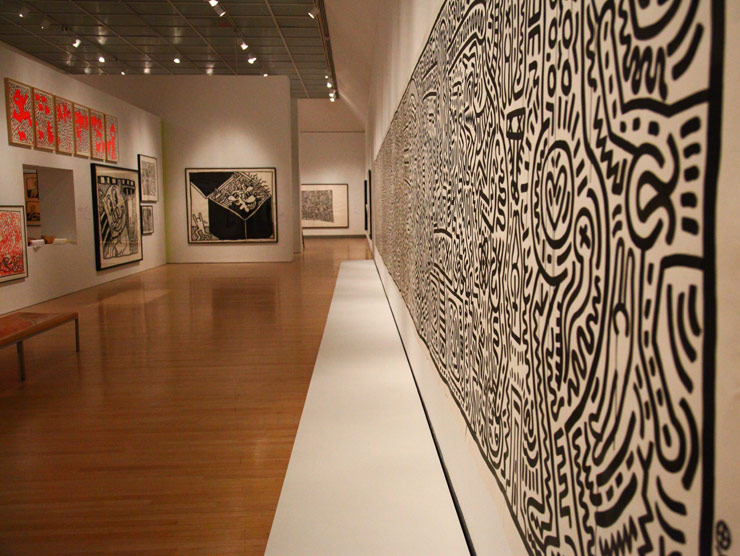
Keith Haring. Matrix, 1983. Courtesy of and © Keith Haring Foundation, The Brooklyn Museum. (photo © Jaime Rojo)
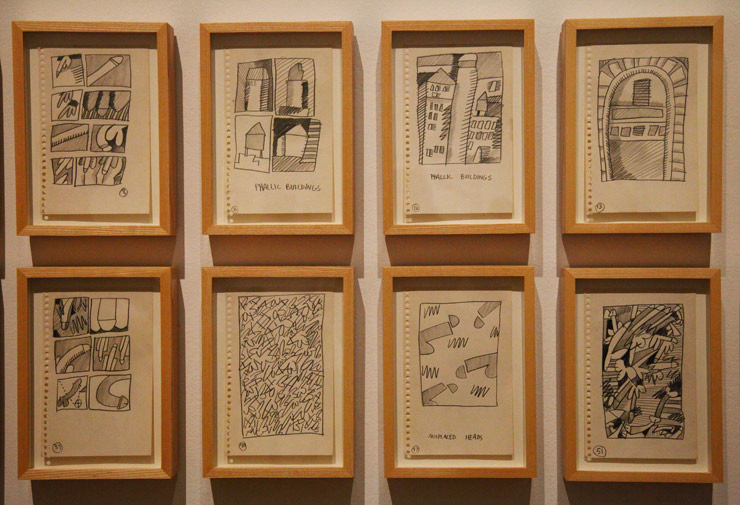
Keith Haring. Manhattan Penis Drawings for Ken Hicks, 1978. Courtesy of and © Keith Haring Foundation, The Brooklyn Museum. (photo © Jaime Rojo)

With almost half of the pieces here never displayed publicly like this before, the show is a welcome revelation for fans hoping to peel back a little of the hype-like gloss that time and opportunism may have shined his legacy with. Whether it’s his hand-collaged flyers for the indie group shows he curated, his home movies of Klaus Nomi and Joey Arias performing in the living room, or the complete re-installation of a wall from his 1980 show at PS 122, you get the idea that this was an audacious observant art student gulping at the faucet of life in a pulsating dirty city that welcomed him.

“He’s such a thoughtful and complicated figure – at the same time with that really pure impulse of not wanting to alienate people but to bring them in,” says Laughlin Bloom as she describes the young artist she discovered en route. “He’s this combination of fun-loving, and life-loving, and intellectual, accessible – a total populist but not in an insincere way.”
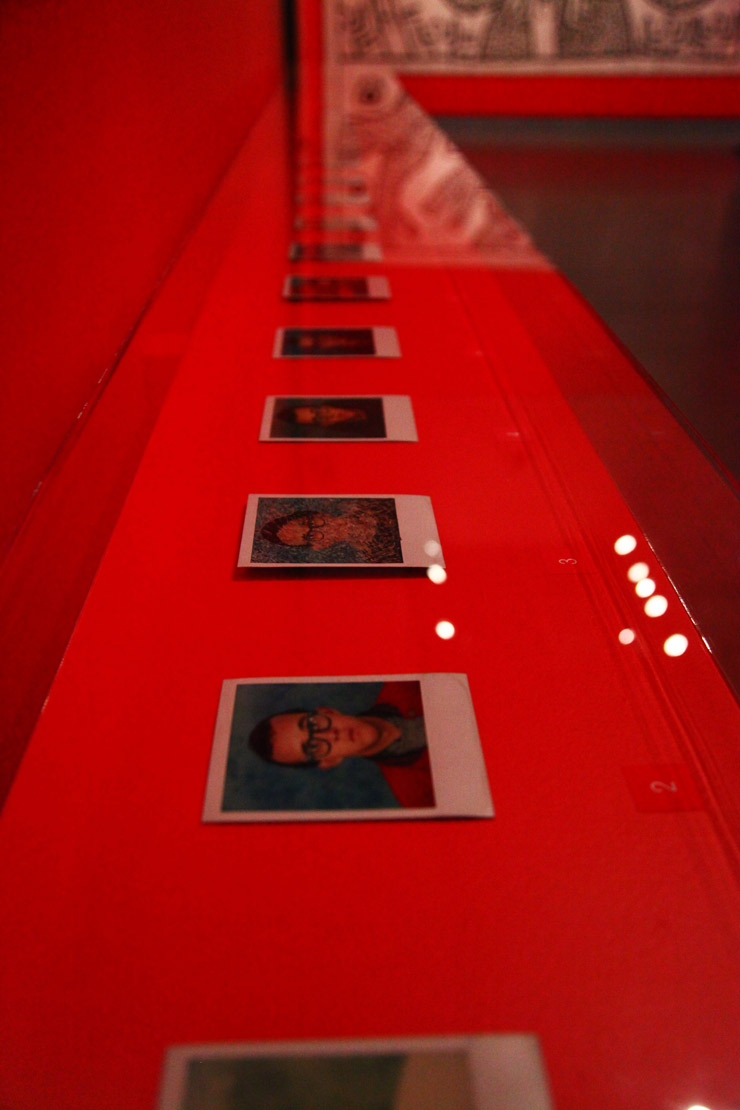
Keith Haring. Twenty Polaroid self-portraits with glasses painted by Kenny Scharf and Peter Schuyff, 1979-82. Courtesy of and © Keith Haring Foundation, The Brooklyn Museum. (photo © Jaime Rojo)
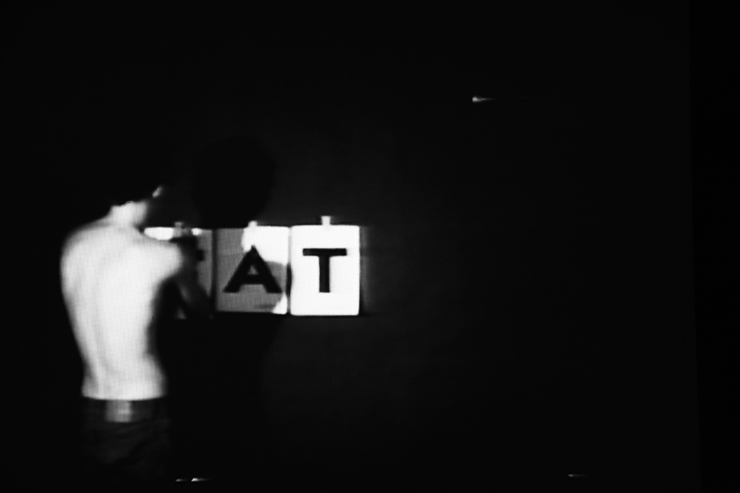
Keith Haring. Still from Lick Fat Boys. April, 1979. Vide0 3 min. Courtesy of and © Keith Haring Foundation, The Brooklyn Museum. (photo © Jaime Rojo)
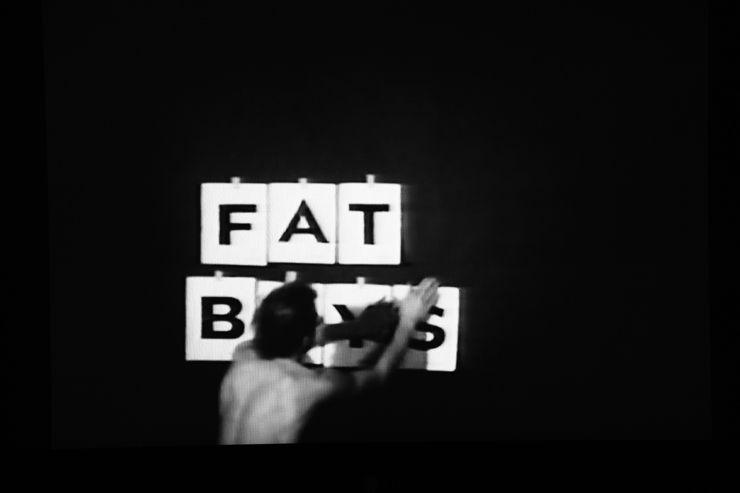
Keith Haring. Still from Lick Fat Boys. April, 1979. Vide0 3 min. Courtesy of and © Keith Haring Foundation, The Brooklyn Museum. (photo © Jaime Rojo)
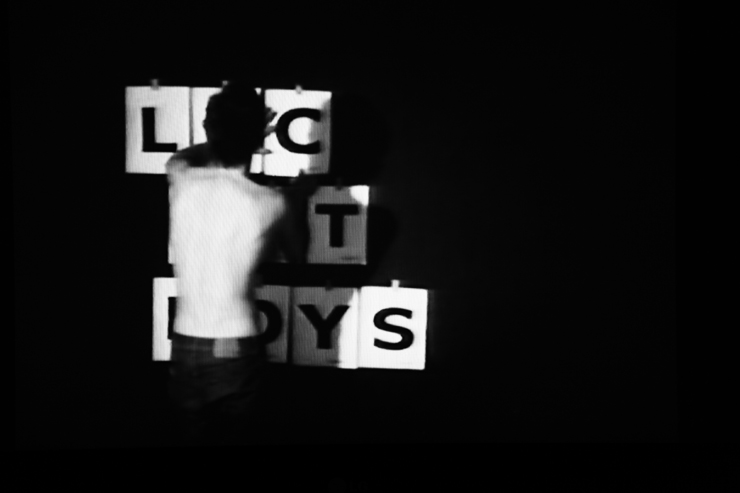
Keith Haring. Still from Lick Fat Boys. April, 1979. Vide0 3 min. Courtesy of and © Keith Haring Foundation, The Brooklyn Museum. (photo © Jaime Rojo)
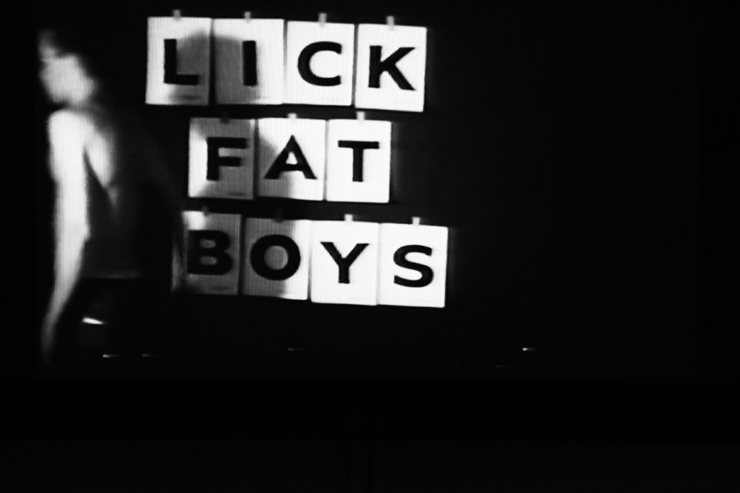
Keith Haring. Still from Lick Fat Boys. April, 1979. Vide0 3 min. Courtesy of and © Keith Haring Foundation, The Brooklyn Museum. (photo © Jaime Rojo

After 1982, Haring’s entire visual language of characters and symbols would become iconic, international; his work in dialogue with modern art history and everyday people eventually outlasted him to inspire a diverse generation of artists working on the street from Shepard Fairey and Swoon to Stikman and Specter, among many others.

“Haring saw the subway as the ideal platform for showing work – one of the few places to catch New Yorkers off-guard,” says Poster Boy, a Street Artist/collective who is credited/blamed for re-engineering and culture jamming subway posters with a razor in very recent years. Speaking of Haring’s chiding of corporate commercialism in the culture, Poster Boy observes, “For advertisers it’s the perfect opportunity for a commercial break. Haring saw it as a break from commercials.”

Respected for his early interest in busting down barriers in social activism, street art, and illegal art, it’s likely that many on the Street Art scene today will be checking out the pre-buzz Haring on display at this show. At the moment, it feels like one of New York’s adopted hometown heroes is back in Brooklyn.
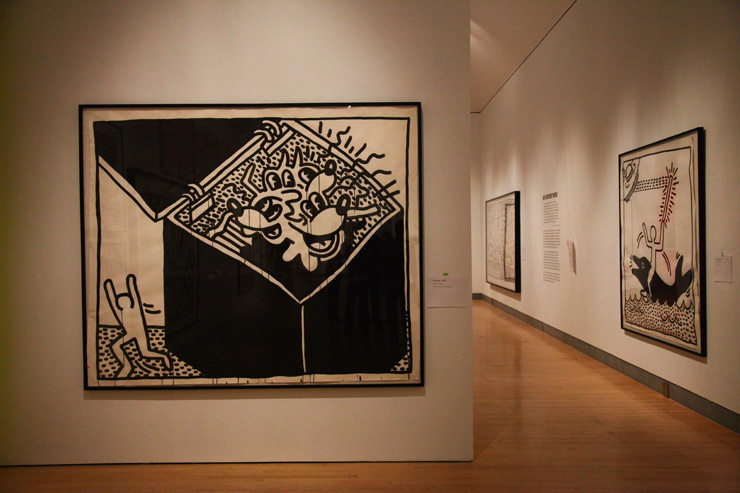
Keith Haring. Untitled, 1982. Courtesy of and © Keith Haring Foundation, The Brooklyn Museum. (photo © Jaime Rojo)

“Art is for everybody. To think that they-the public- do not appreciate art because they don’t understand it, and to continue to make art that they don’t understand and therefore become alienated from, may mean that the artist is the one who doesn’t understand or appreciate art and is thriving in this “self-proclaimed knowledge of art” that is actually bullshit.”  1978

 – Keith Haring Journals
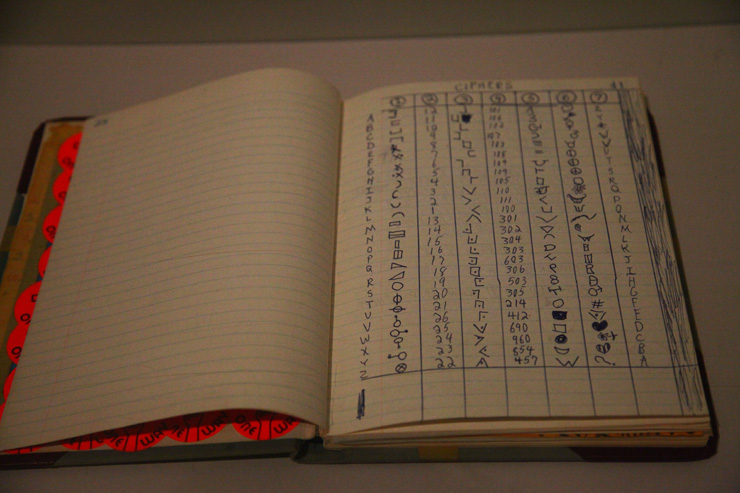
Keith Haring. Cipher chart, 1971-73. Courtesy of and © Keith Haring Foundation, The Brooklyn Museum. (photo © Jaime Rojo)
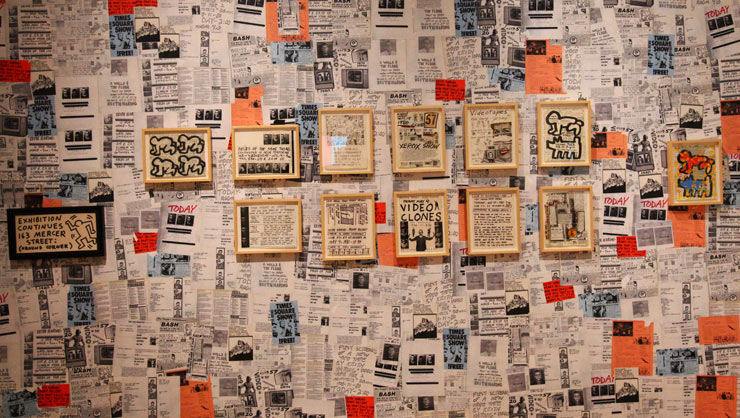
Keith Haring. Wall papered with reproductions of hand collaged flyers to advertise shows that Keith Haring curated, 1981. Courtesy of and © Keith Haring Foundation, The Brooklyn Museum. (photo © Jaime Rojo)
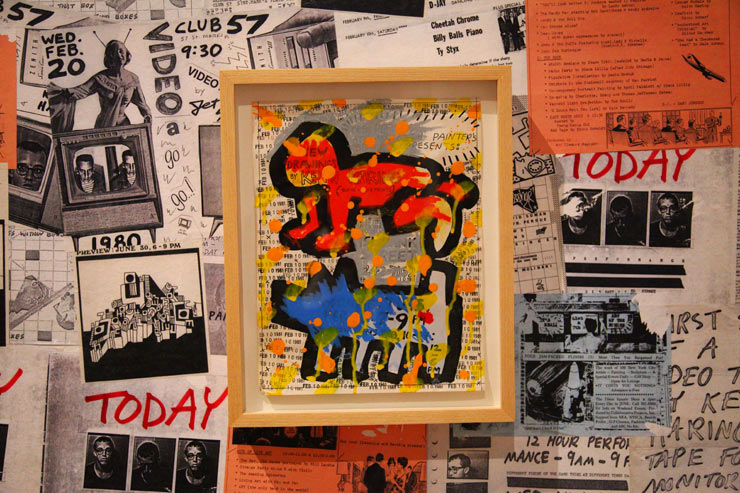
Keith Haring. Detail. Courtesy of and © Keith Haring Foundation, The Brooklyn Museum. (photo © Jaime Rojo)
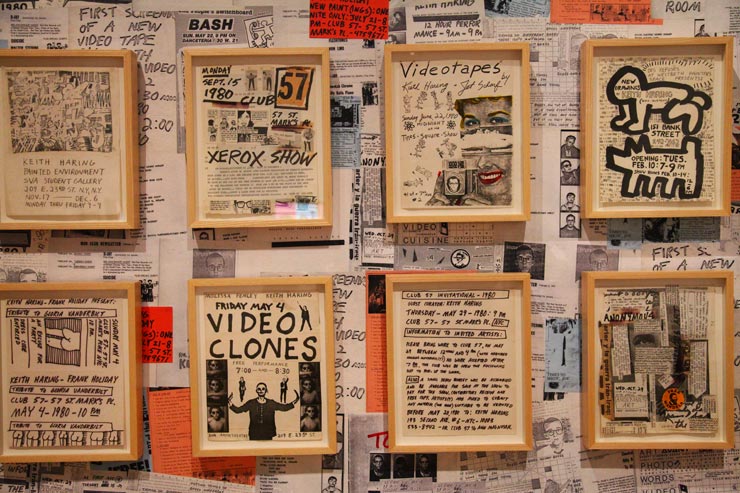
“These are flyers from 1981 – an aspect of his production that maybe people aren’t aware of. He did a lot of organizing shows in alternative spaces and curating 24 hour exhibitions, xerox exhibitions, neon exhibitions, open-calls for artists where they show your work for 24 hours and then it’s taken away. He designed these – the framed works are the originals of the collages and posters that he did for these shows,” Tricia Laughlin Bloom, the project curator for the show.  Keith Haring. Detail. Courtesy of and © Keith Haring Foundation, The Brooklyn Museum. (photo © Jaime Rojo)
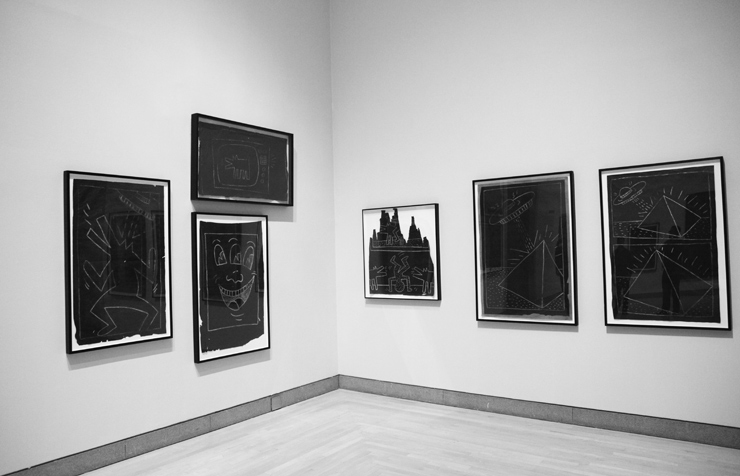
Keith Haring. Thirty untitled subway drawings, 1980-85. Private Collection. The Brooklyn Museum. (photo © Jaime Rojo)
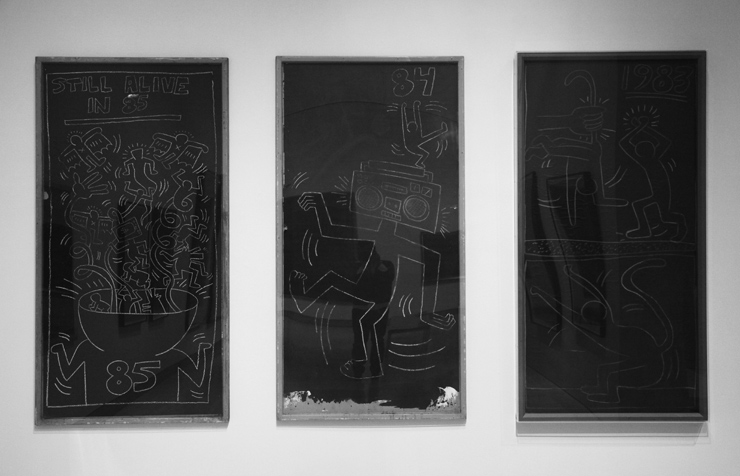
Keith Haring. Thirty untitled subway drawings, 1980-85. Private Collection. The Brooklyn Museum. (photo © Jaime Rojo)
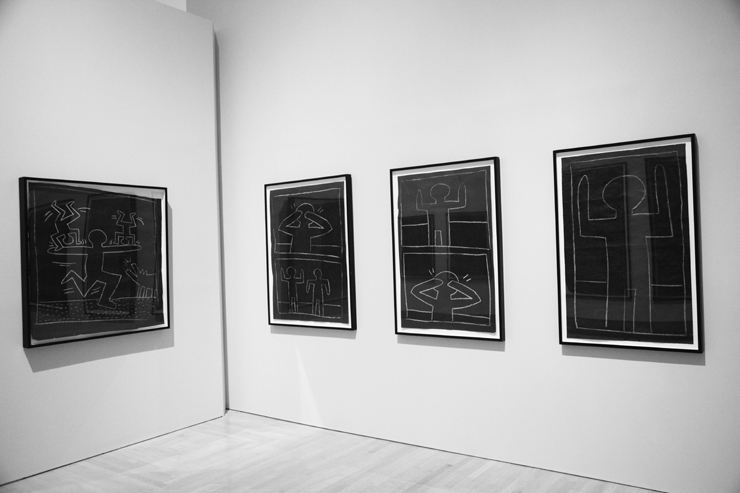
Keith Haring. Thirty untitled subway drawings, 1980-85. Private Collection. The Brooklyn Museum. (photo © Jaime Rojo)


With special thanks to Tricia Laughlin Bloom, Sharon Matt Atkins, Sally Williams, Marcus Romero, Matthew Branch, The Brooklyn Museum, and the Keith Haring Foundation.

 

Read more