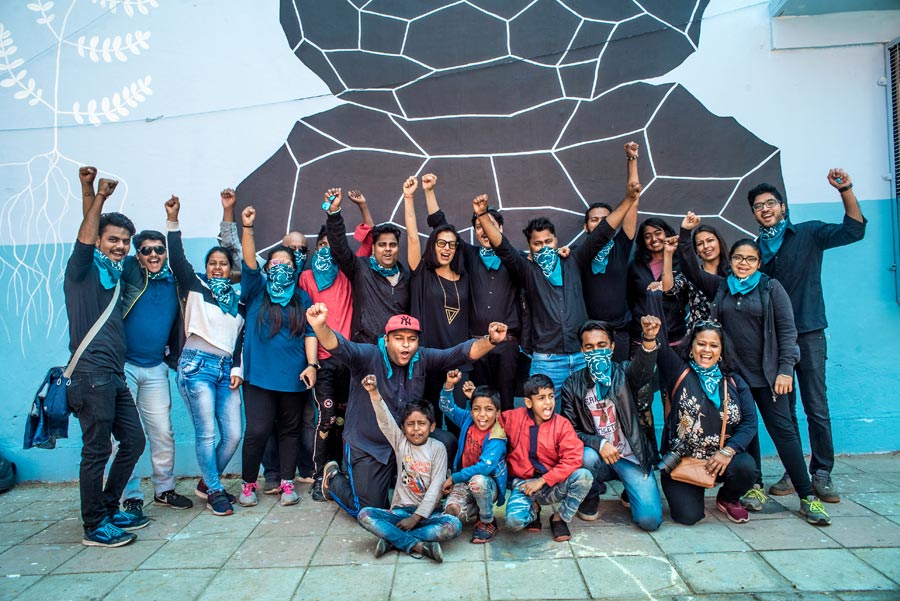
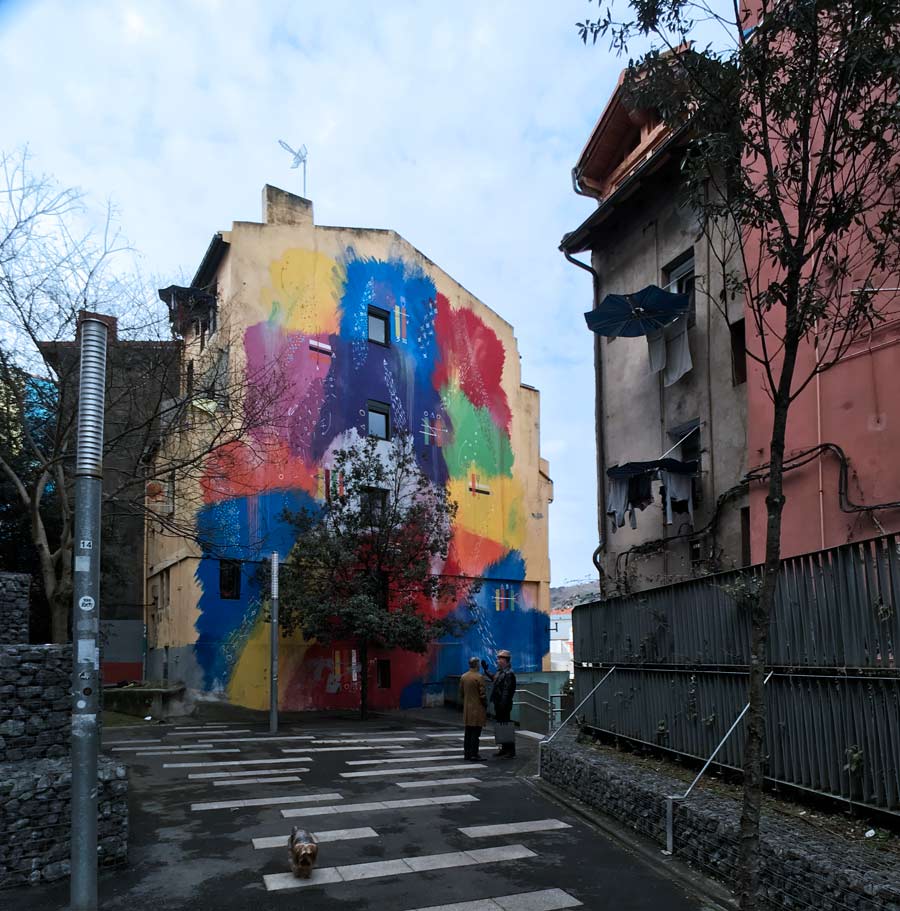
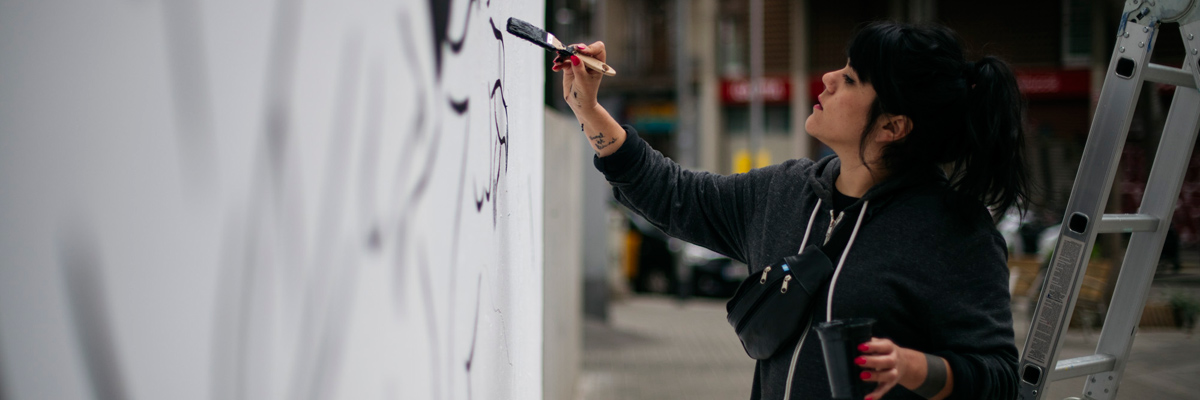
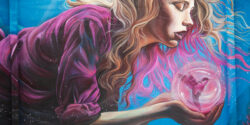
One of three female artists keep these walls on lockdown right now in Sant Vicenç dels Horts, Capdevilla says she’s calling into question our classical comparisons of our own bodies to those ideals of Eurocentric sculptures and painters from centuries ago.
She says “the plaster bodies are a good analogy for the rigid canons of beauty we’re used to,” and you can see exactly what she is talking about, from many angles.
Organizers
of the parent project “Contorno Urbano,” itself a grassroots run collection of
public and Street Artists and their admirers, say work like this hits one of
their many people-fueled goals. “We keep working every day to normalize women’s
participation in Street art projects, because art belongs to all of us.”
Springtime in New York! Crocuses, tulips, fire extinguisher tags! Ahh the joy of life! Happy Purim to the Jewish neighbors. Saal-e-no mobaarak (سال نو مبارک) Happy New Year to the Iranian neighbors. Yes, this is New York, where we disprove the notion that we can’t all get along. Every dang day. We also sing together on the train when its stuck.
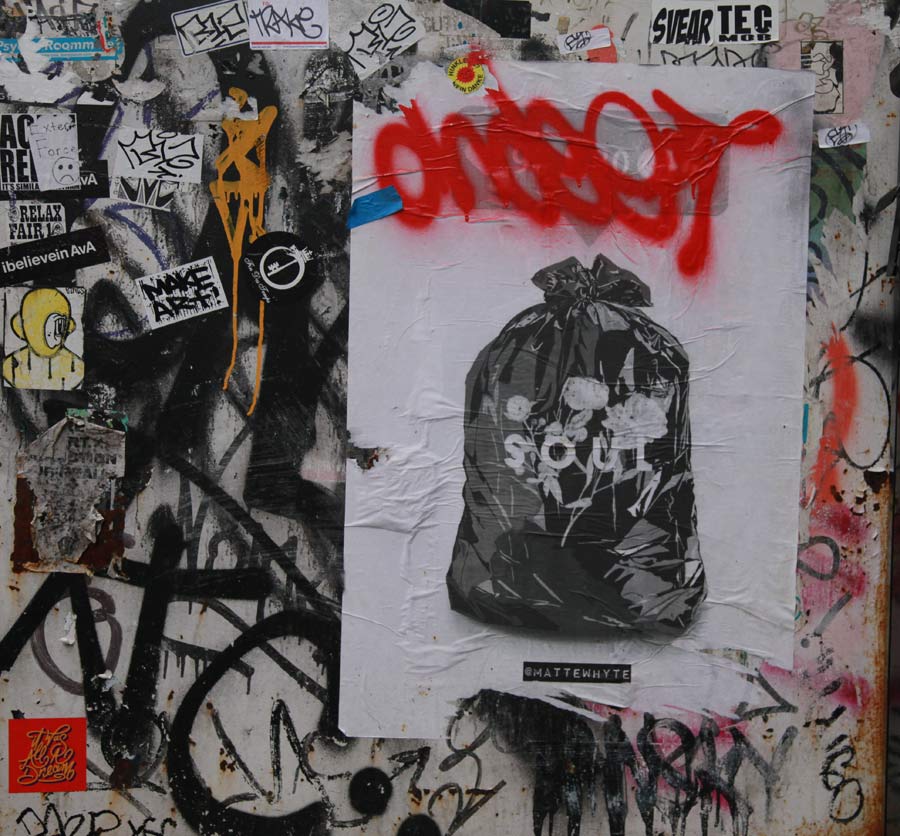
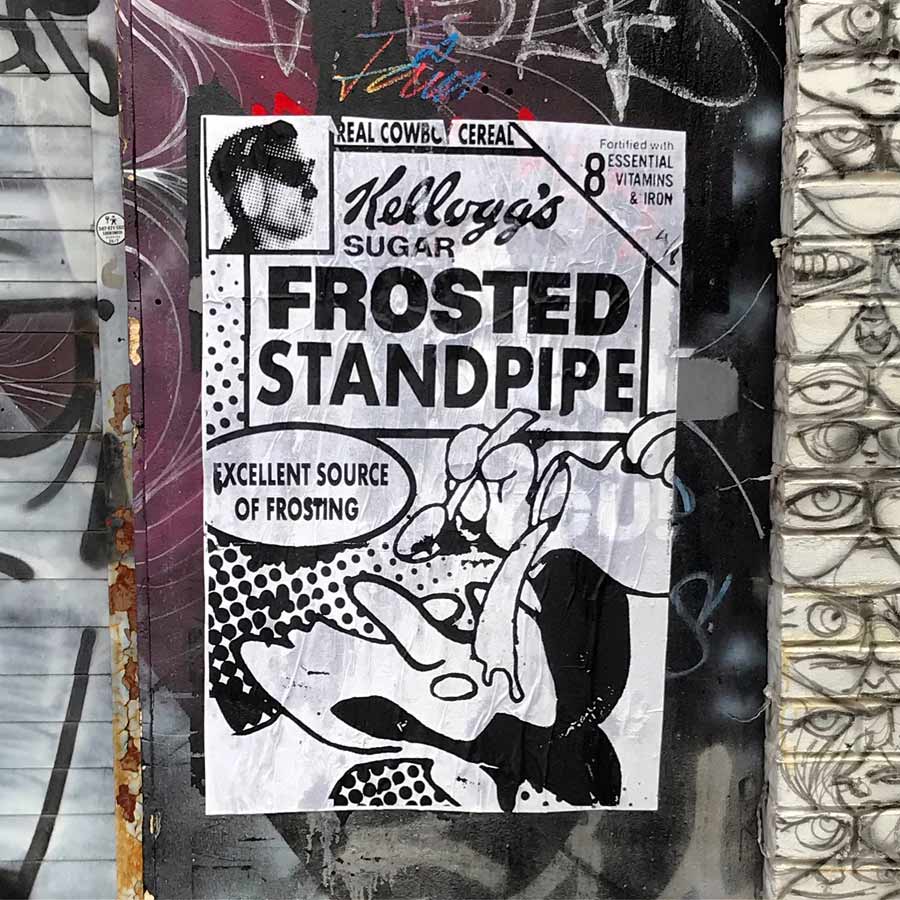
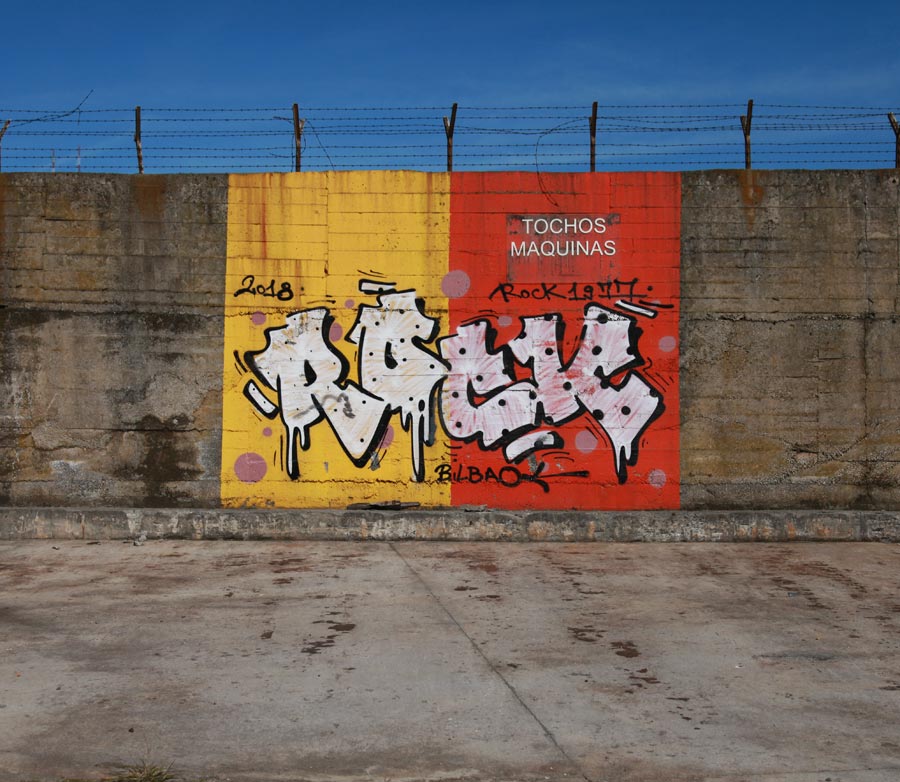
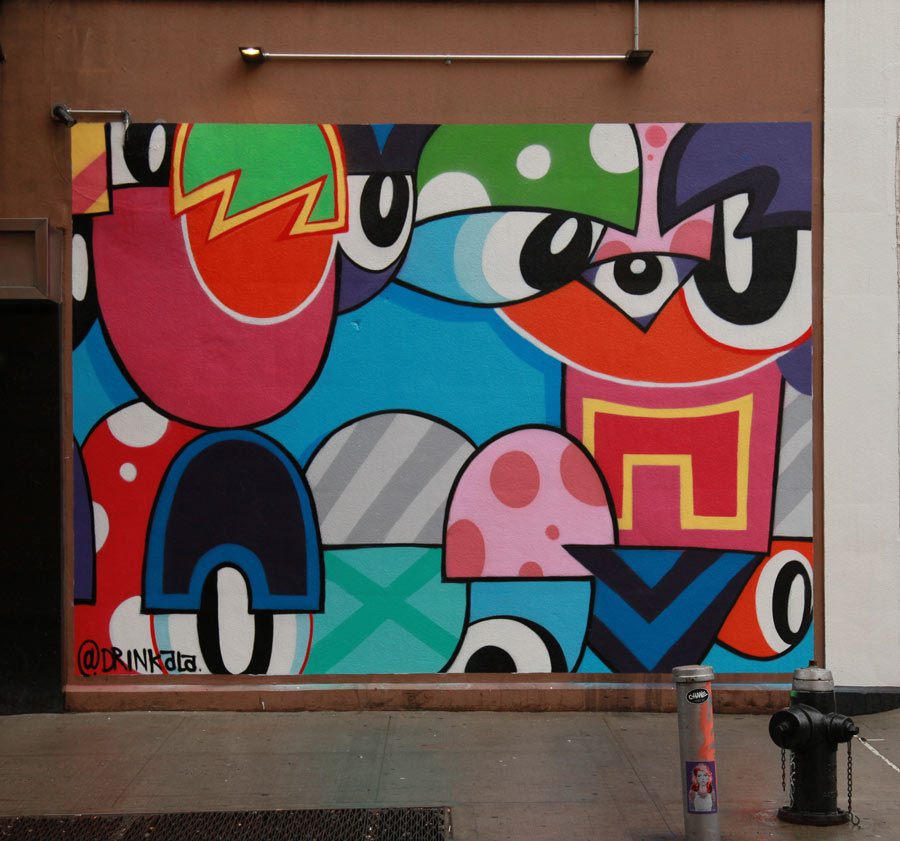
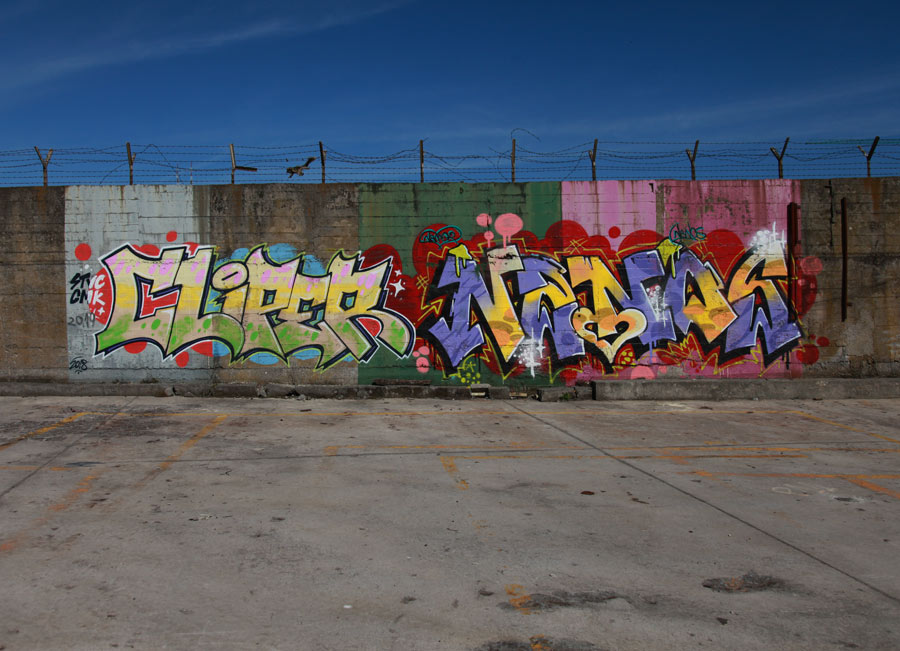
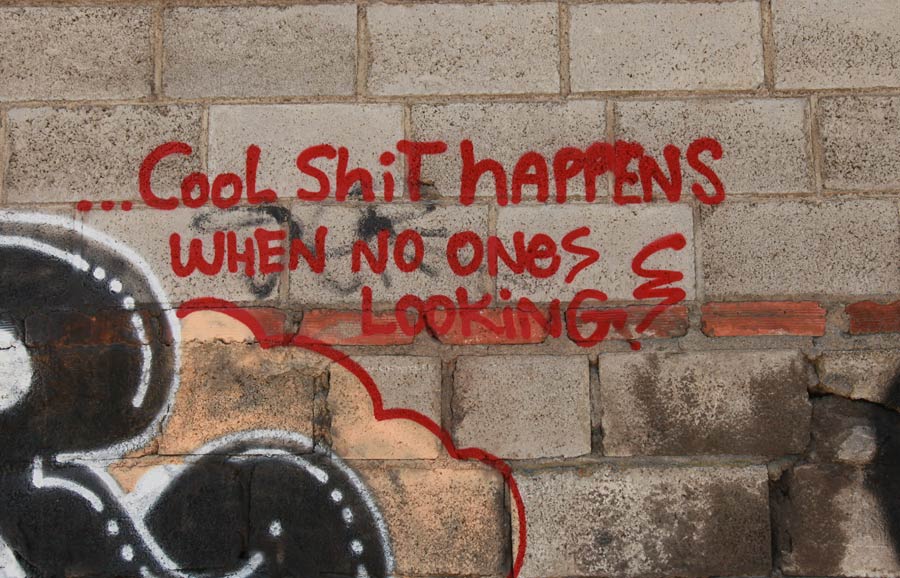
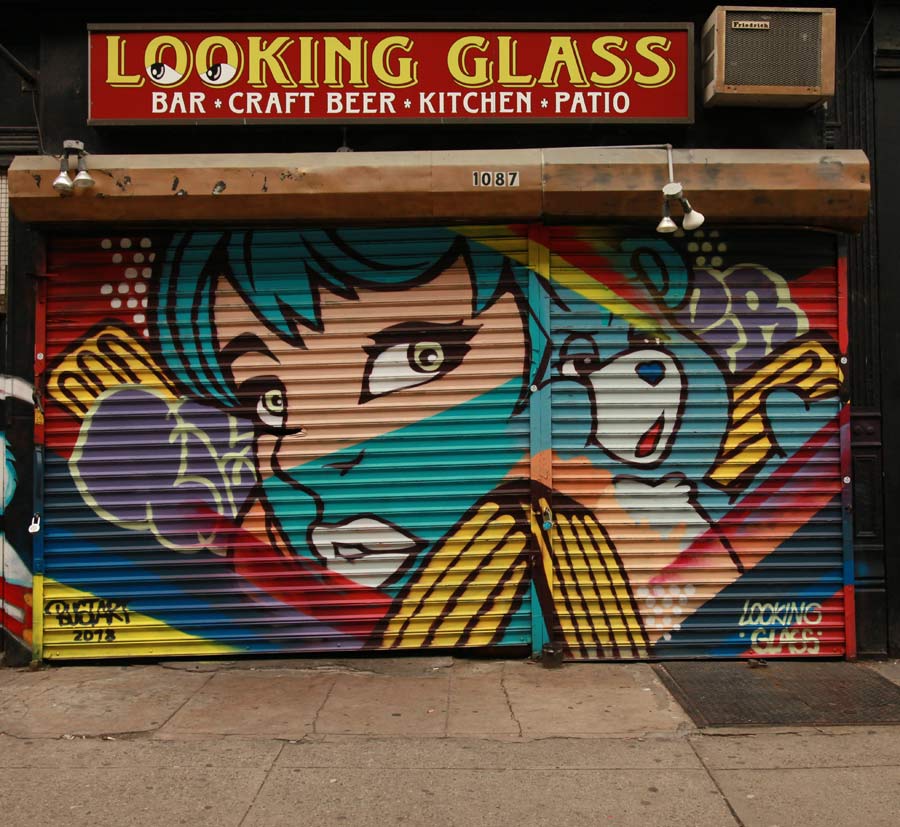
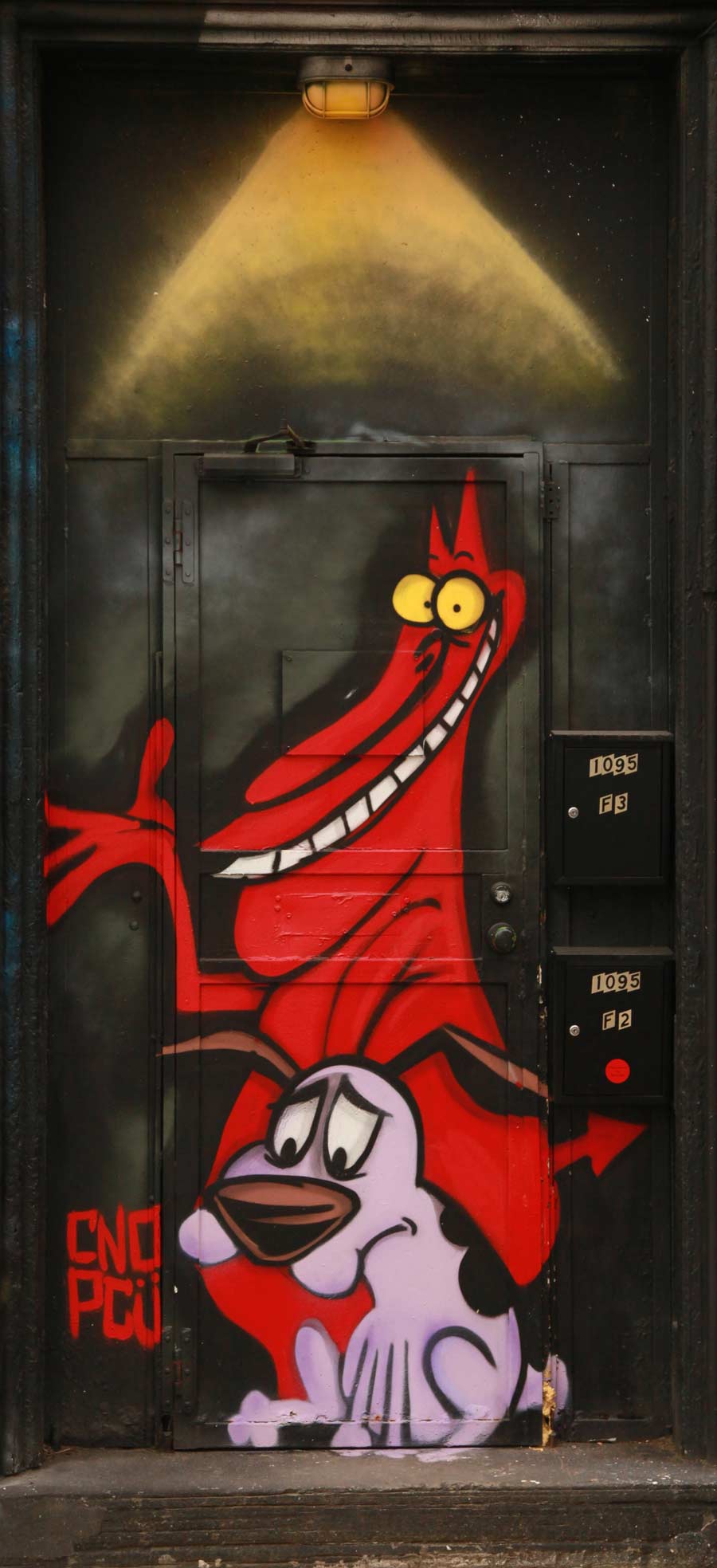
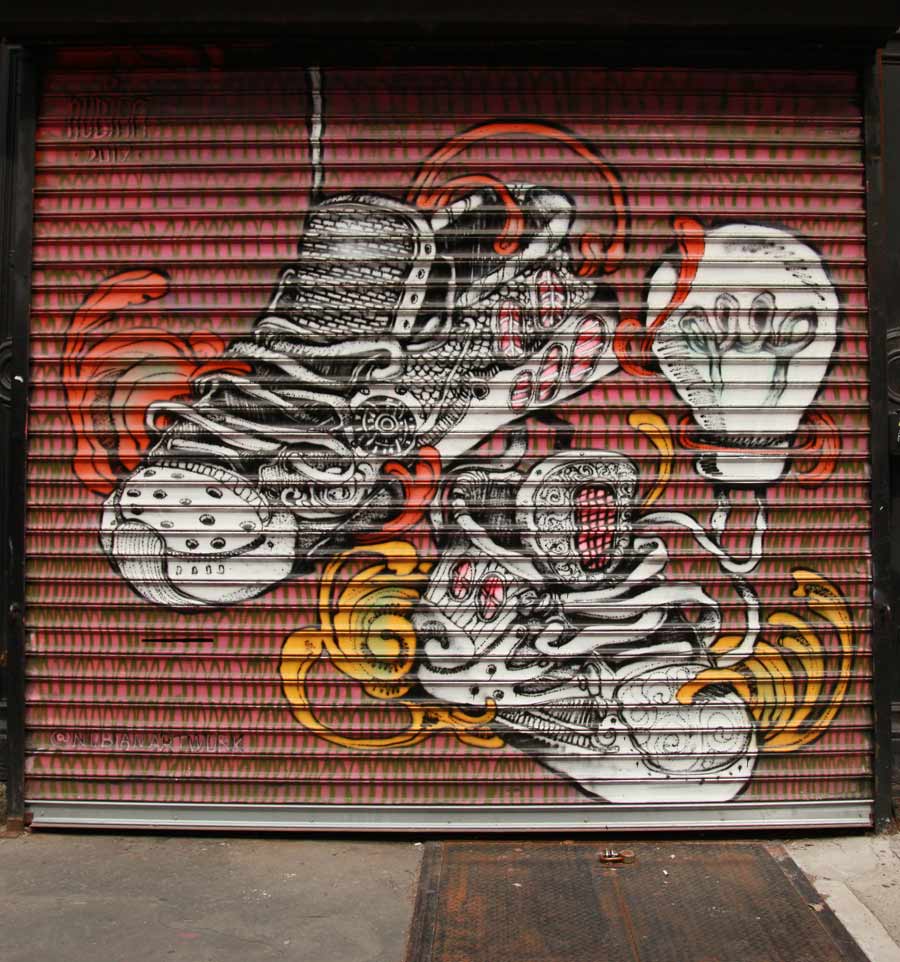
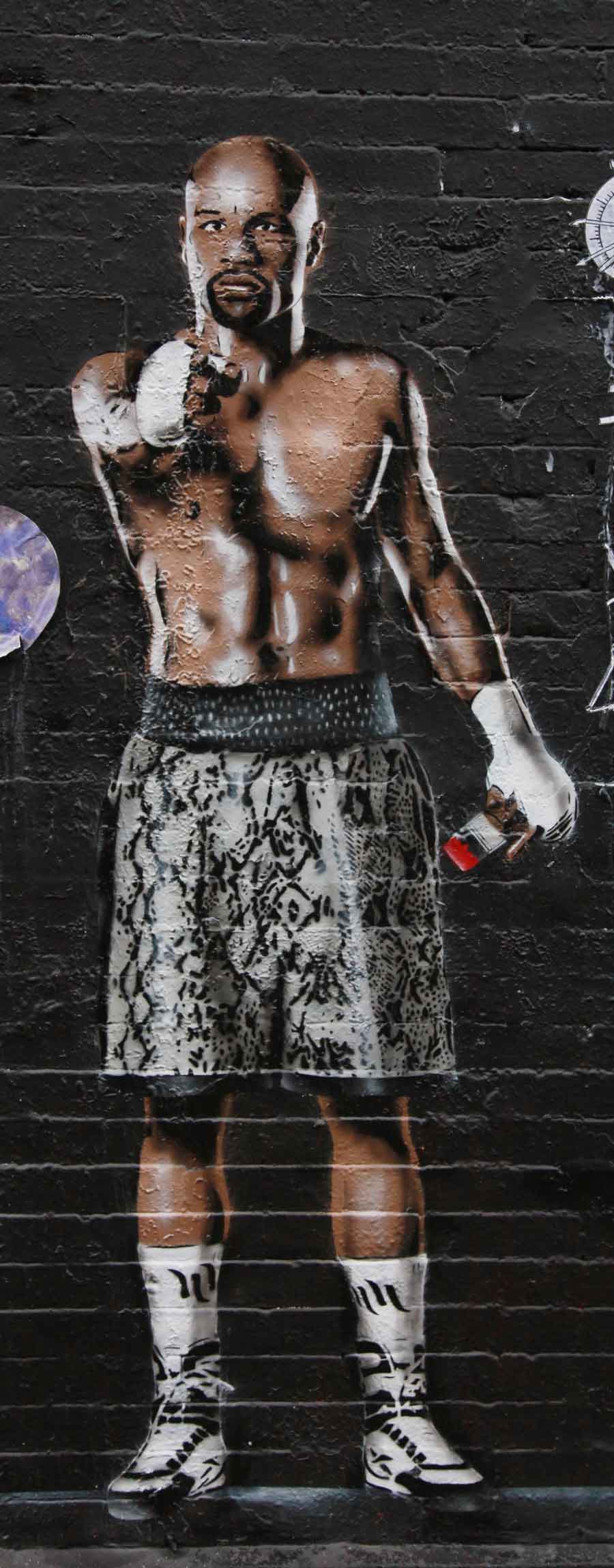
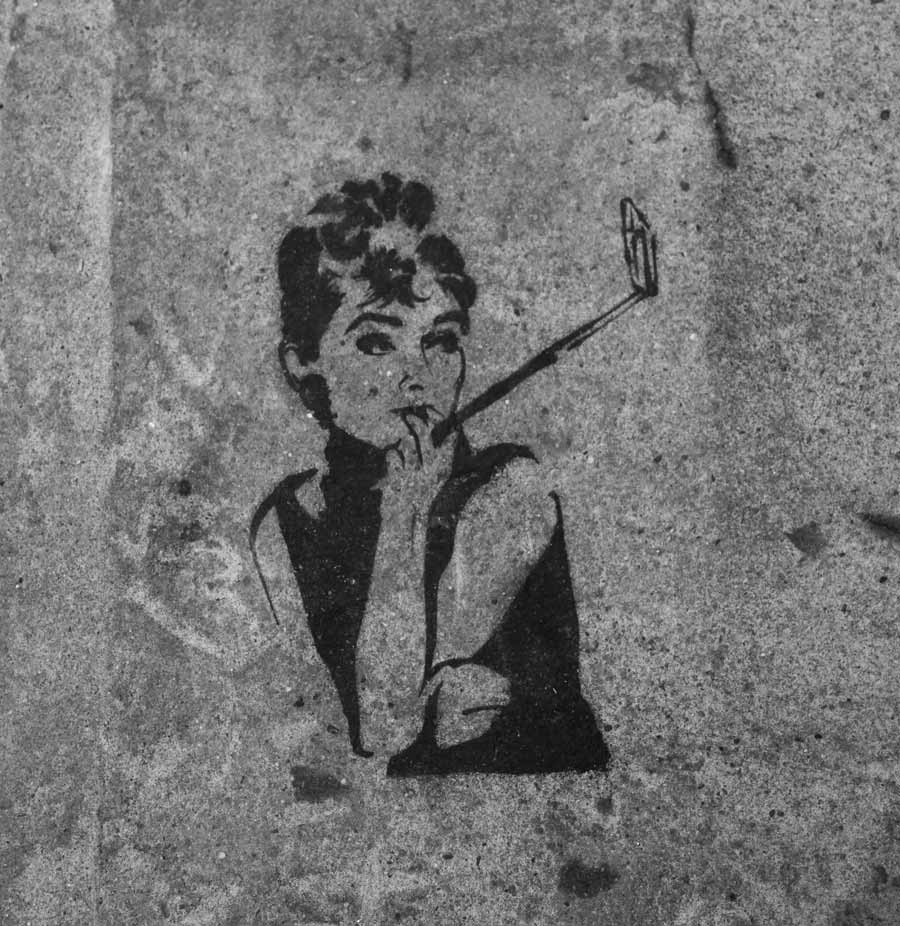
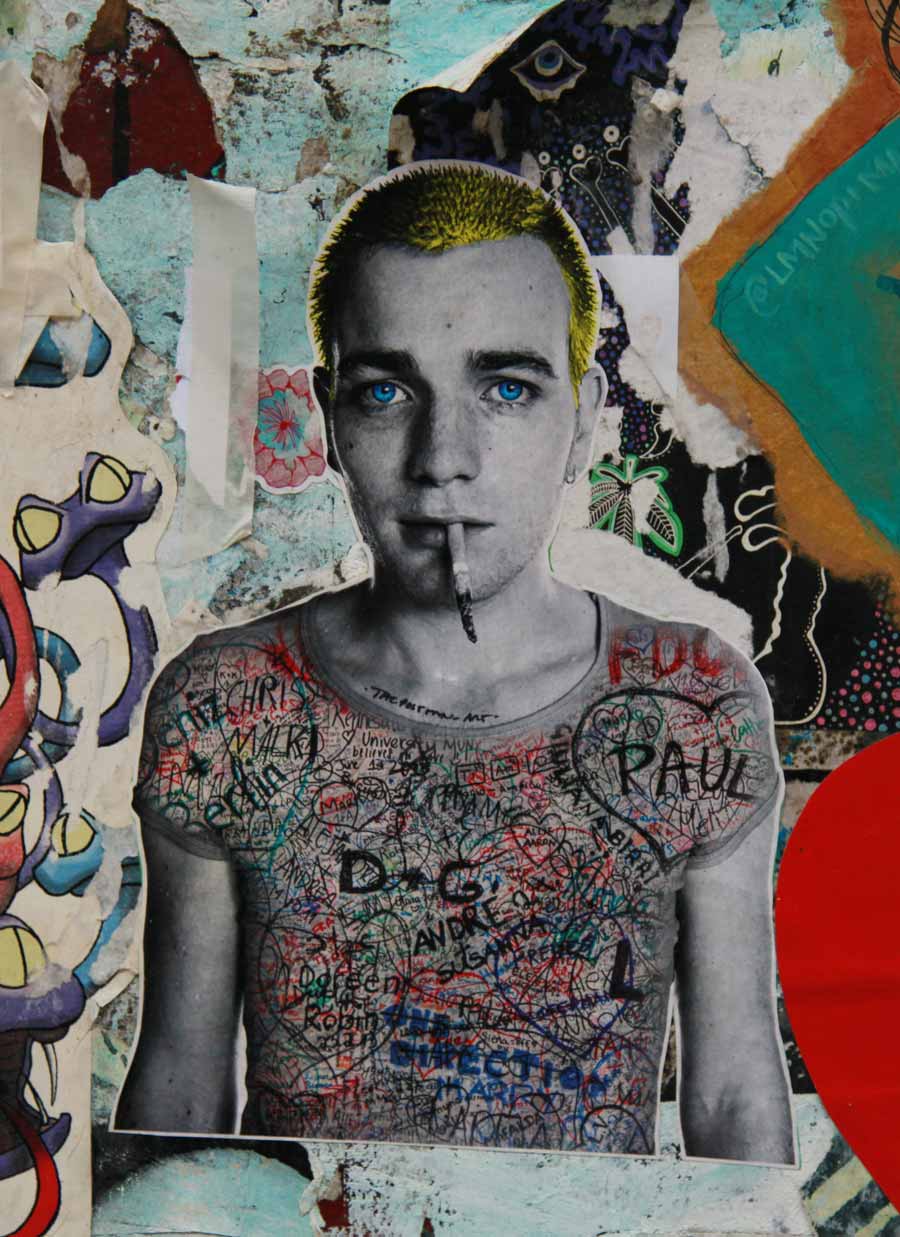
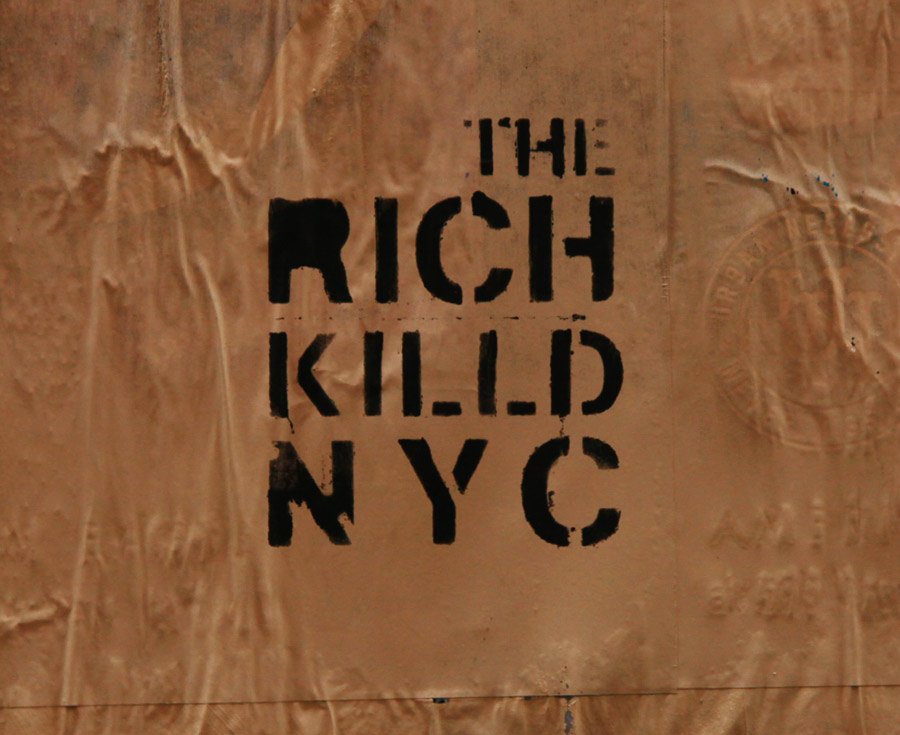
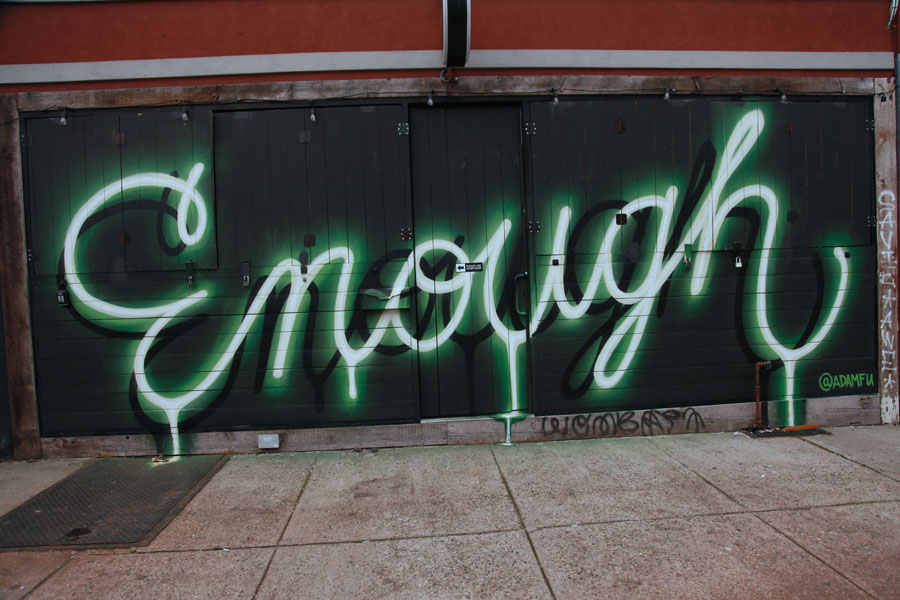
So here’s our weekly interview with the street, this time featuring Ardif, BustArt, Clipper, CNO PCU, Drinkala, JPS, Mattewythe, Nanos, Nubian, Pork, Rock, George Standpipe, and The Postman Art.
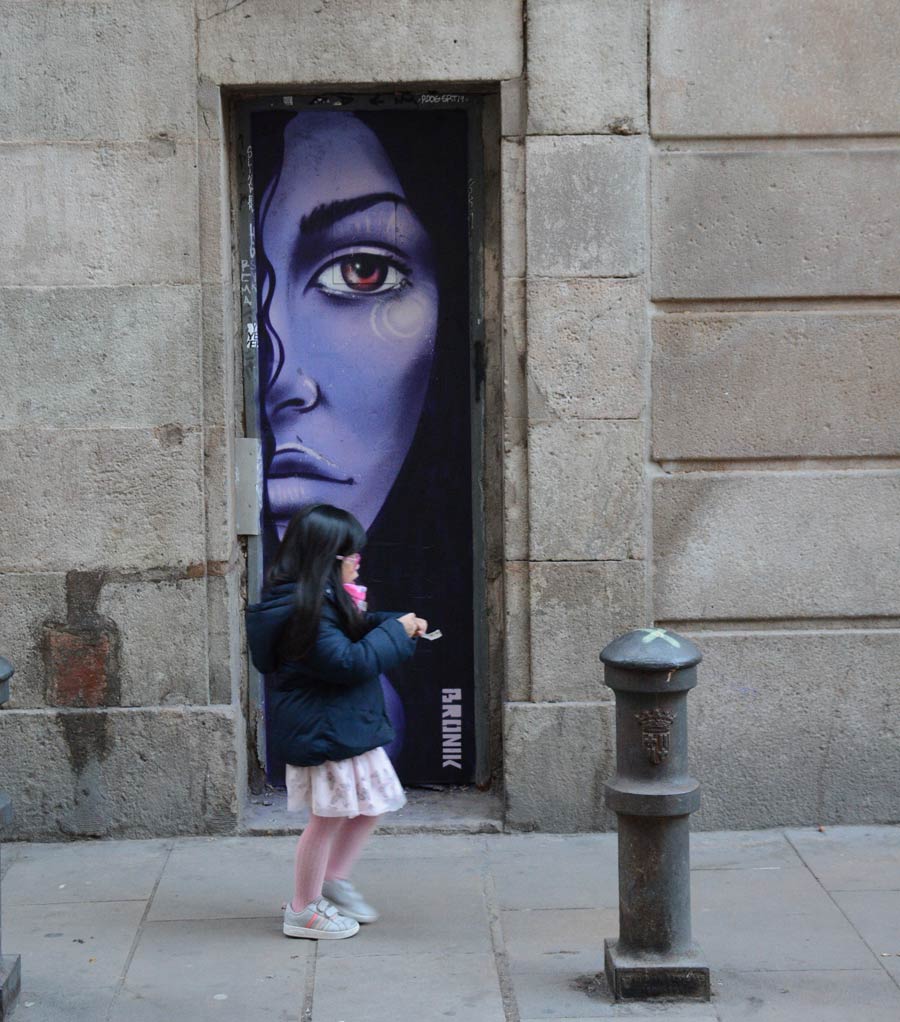
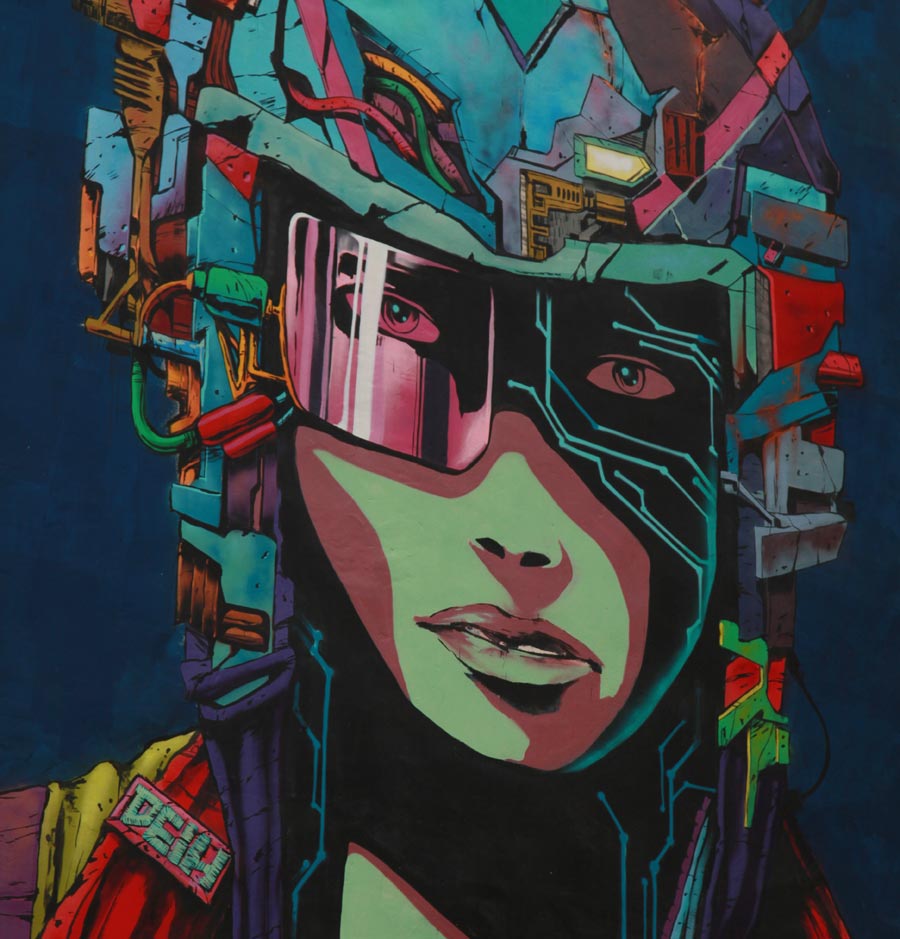
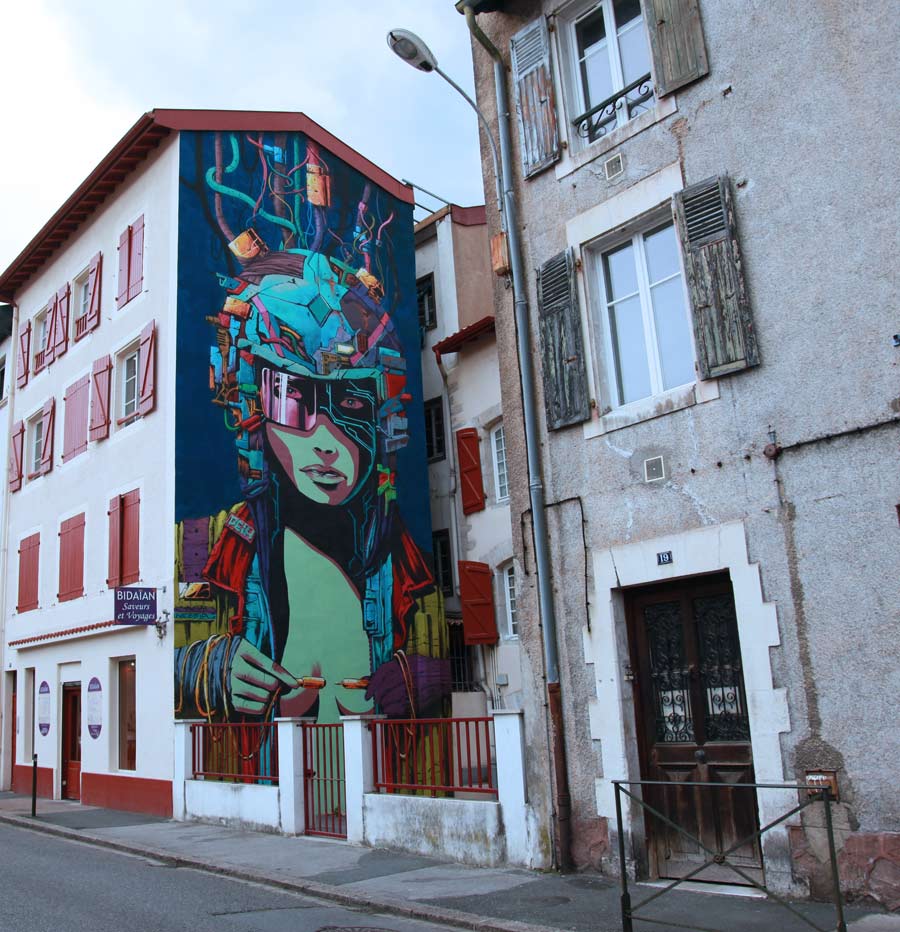
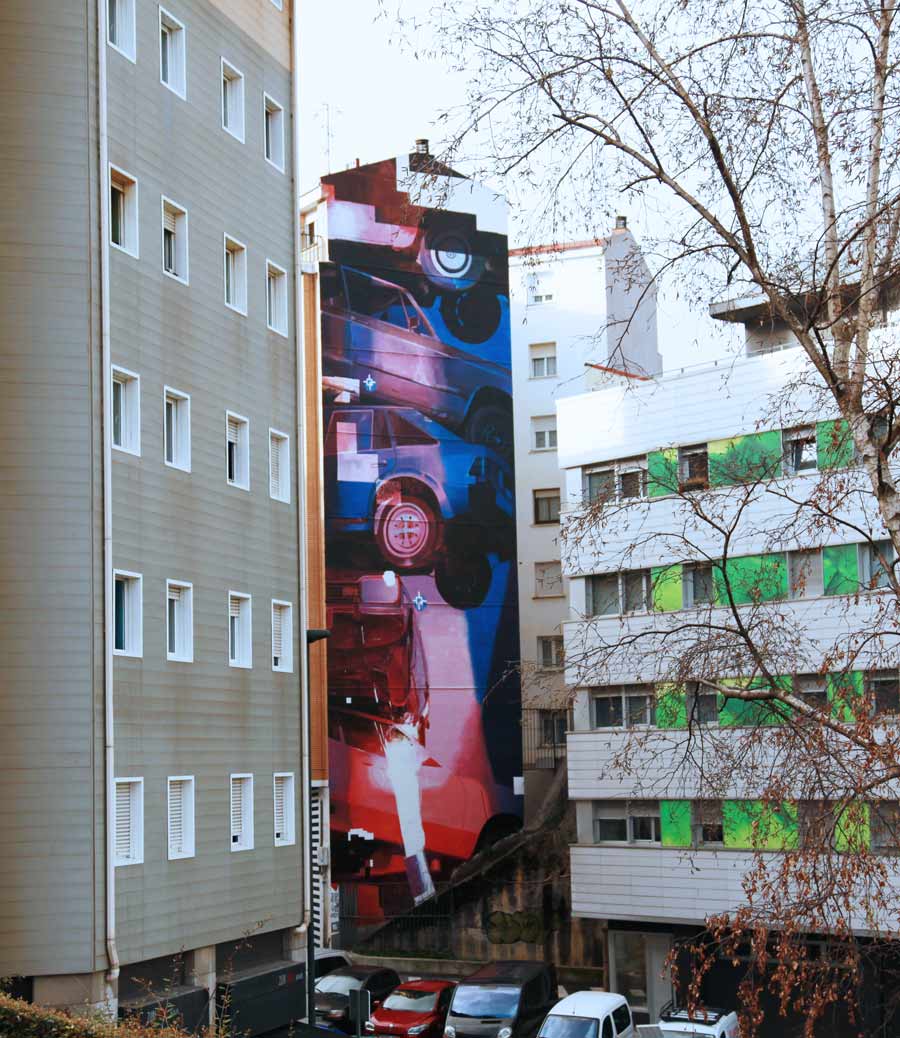
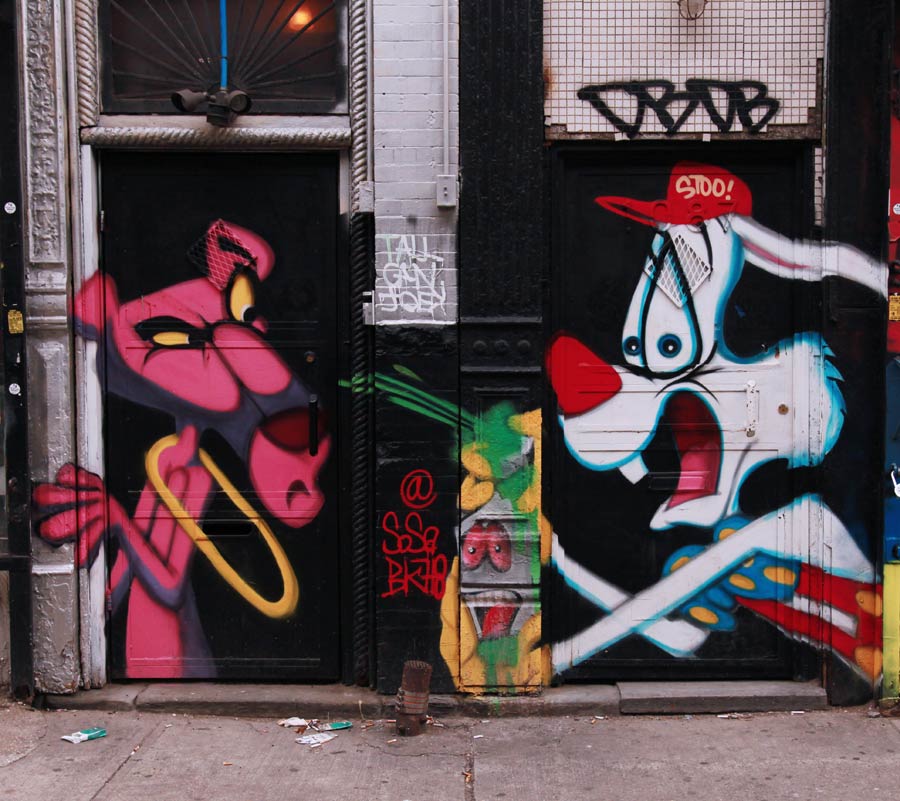
La Ciutat Vella or The Old City is a district in Barcelona also known as the Gothic Quarters. Among many things it is also known as the stomping grounds for the young Pablo Picasso, who attended the Fine Arts school that once stood on Calle Avinyó.
Not to mention the impressive Gothic architecture and the first project of Famed Catalan architect Antonio Gaudi. Rambling up La Rambla is a good way to check out the parade of Barceloneons with its long walking avenue and take get great food in El Raval which is 50% populated by immigrants who come from many places including South America, Pakistan, the Phillipines, and Romania. Also, its close to the beach.
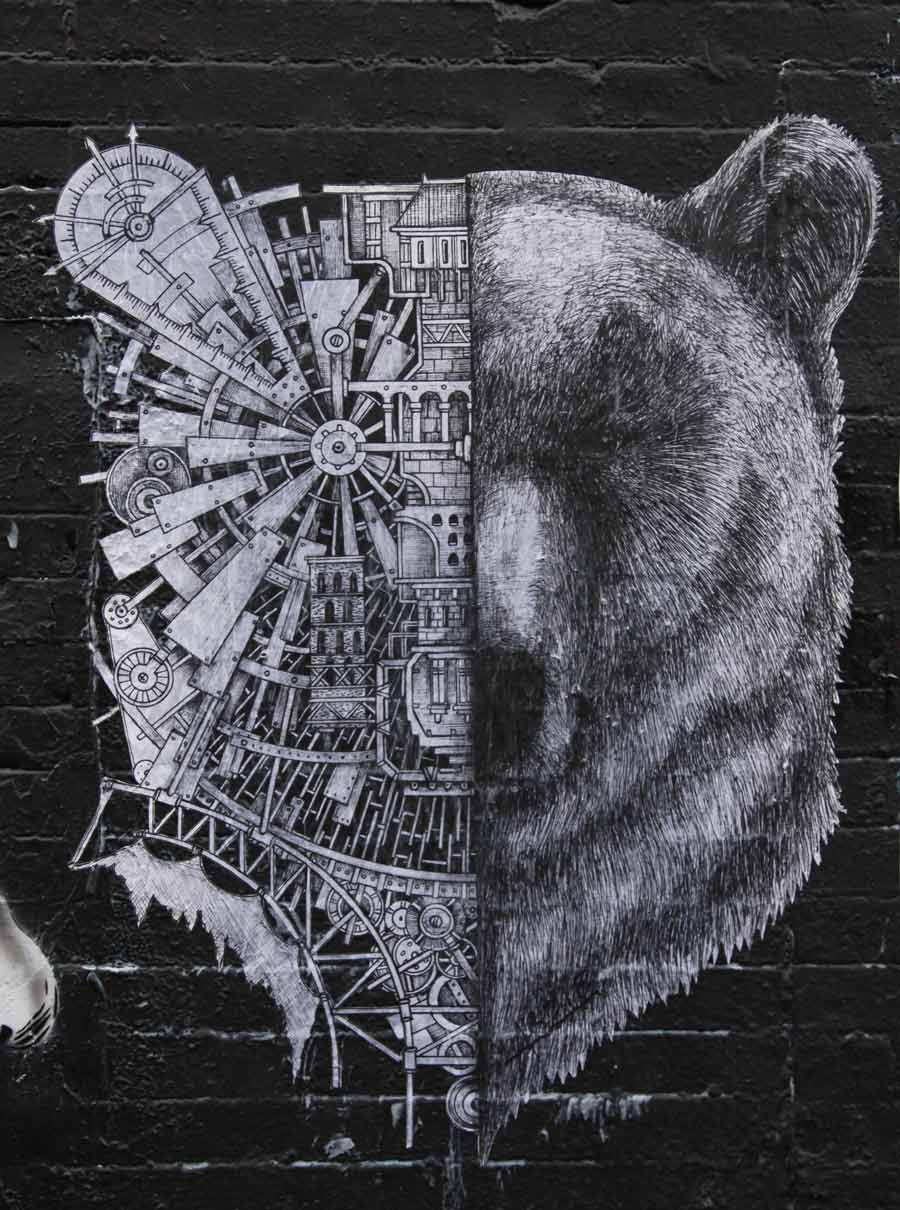
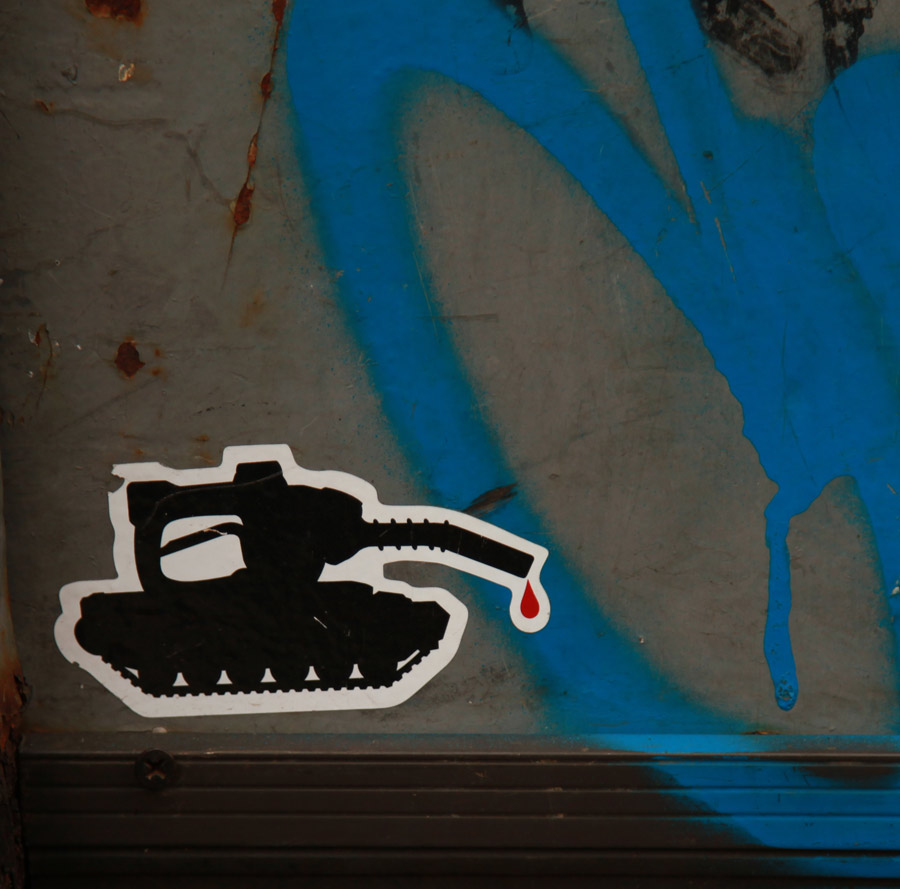
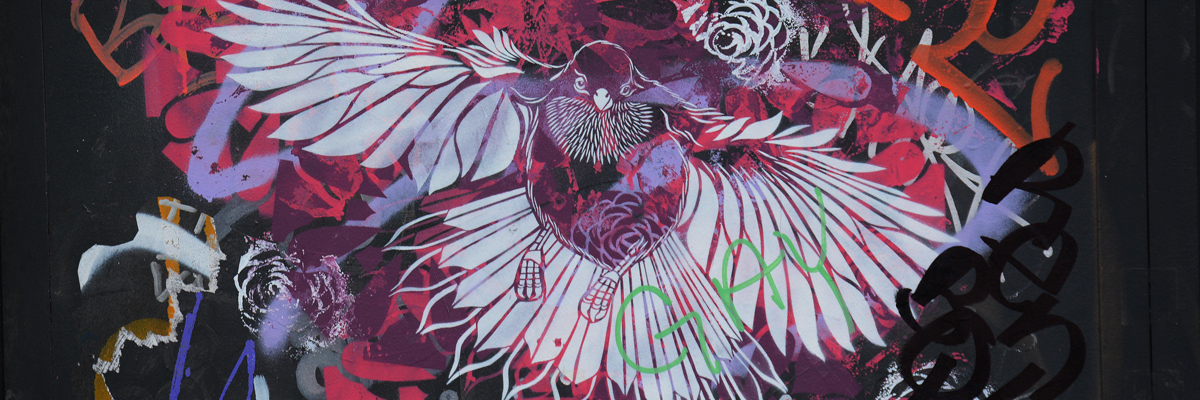
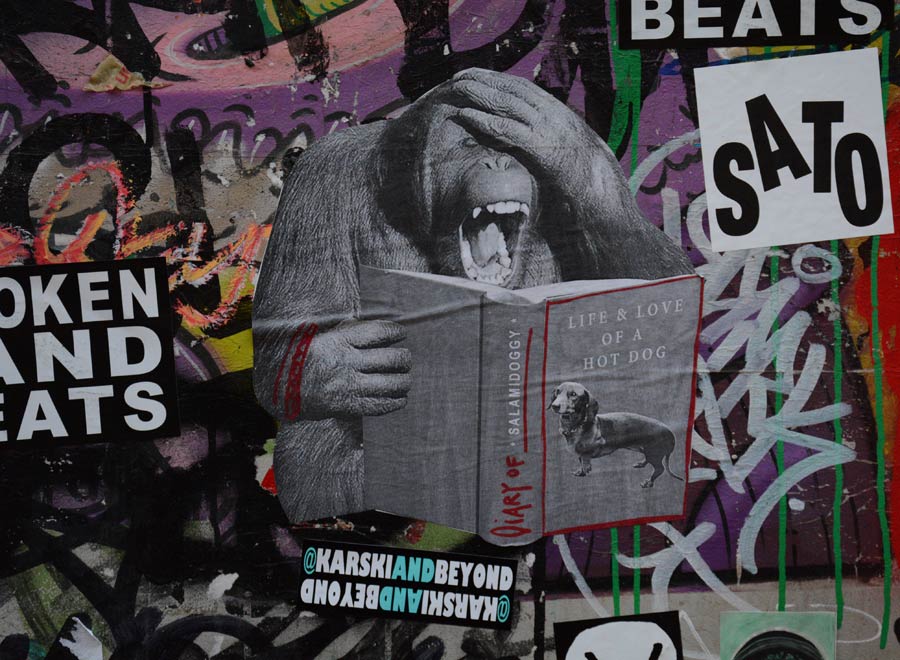
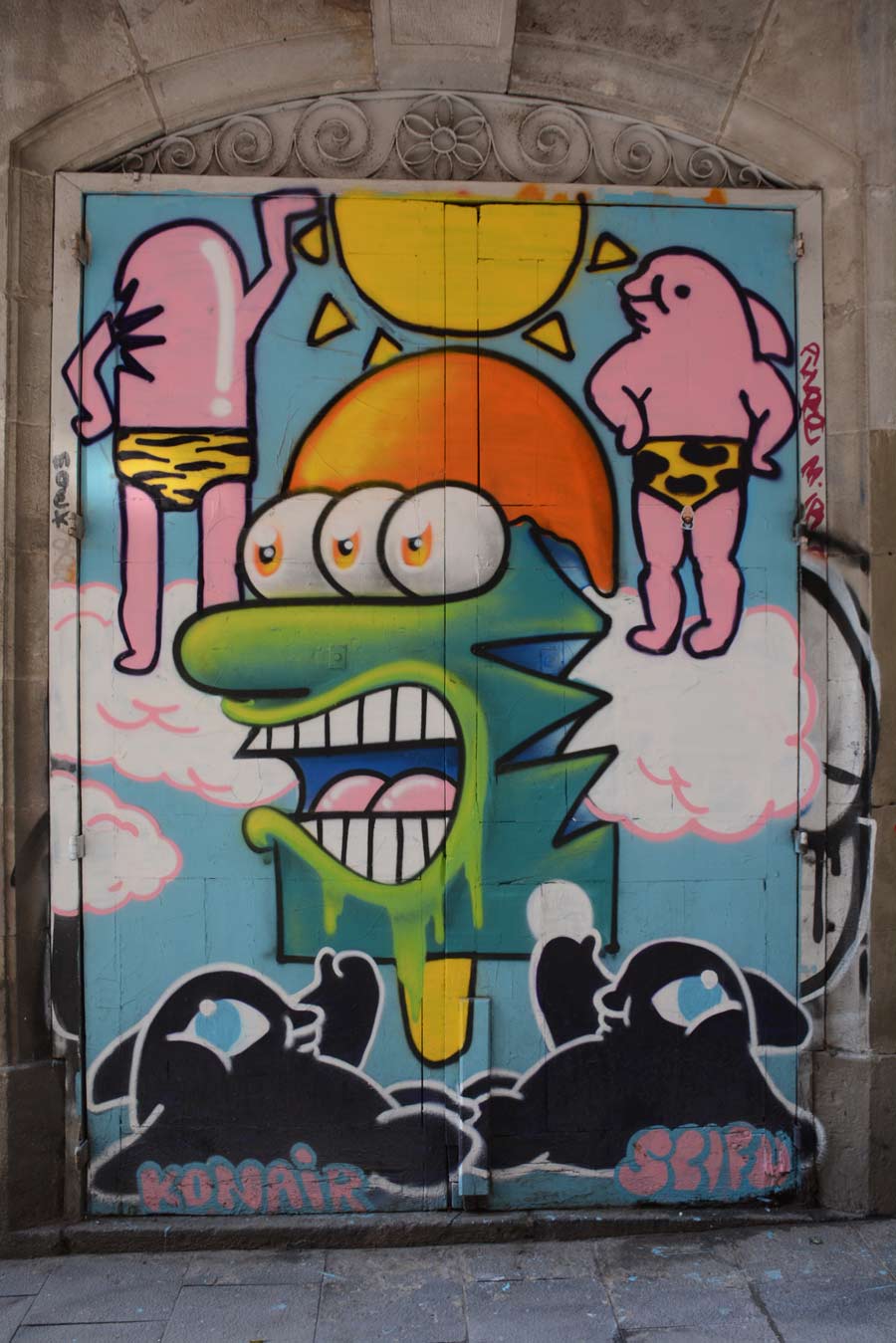
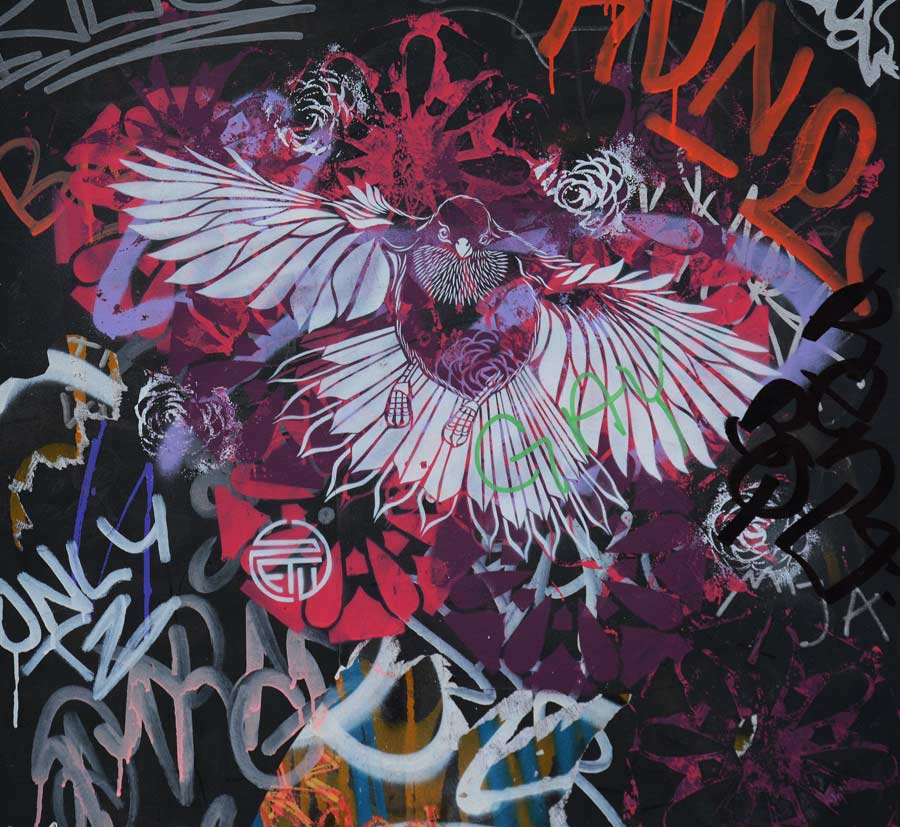
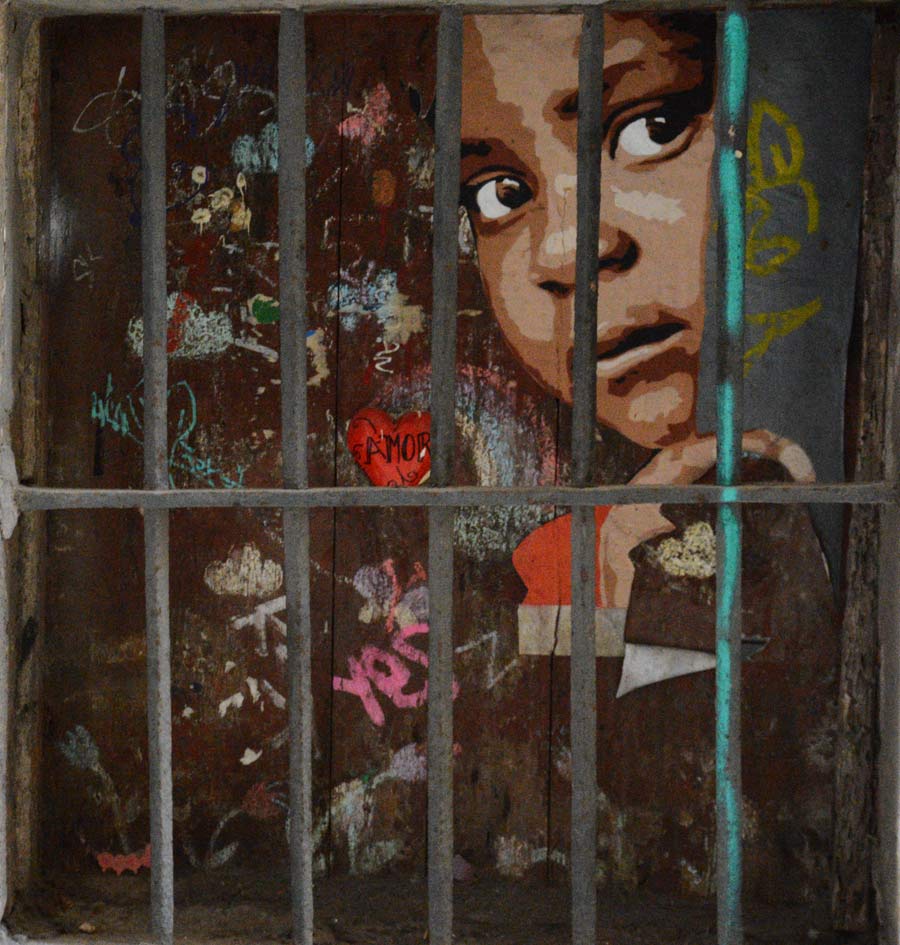
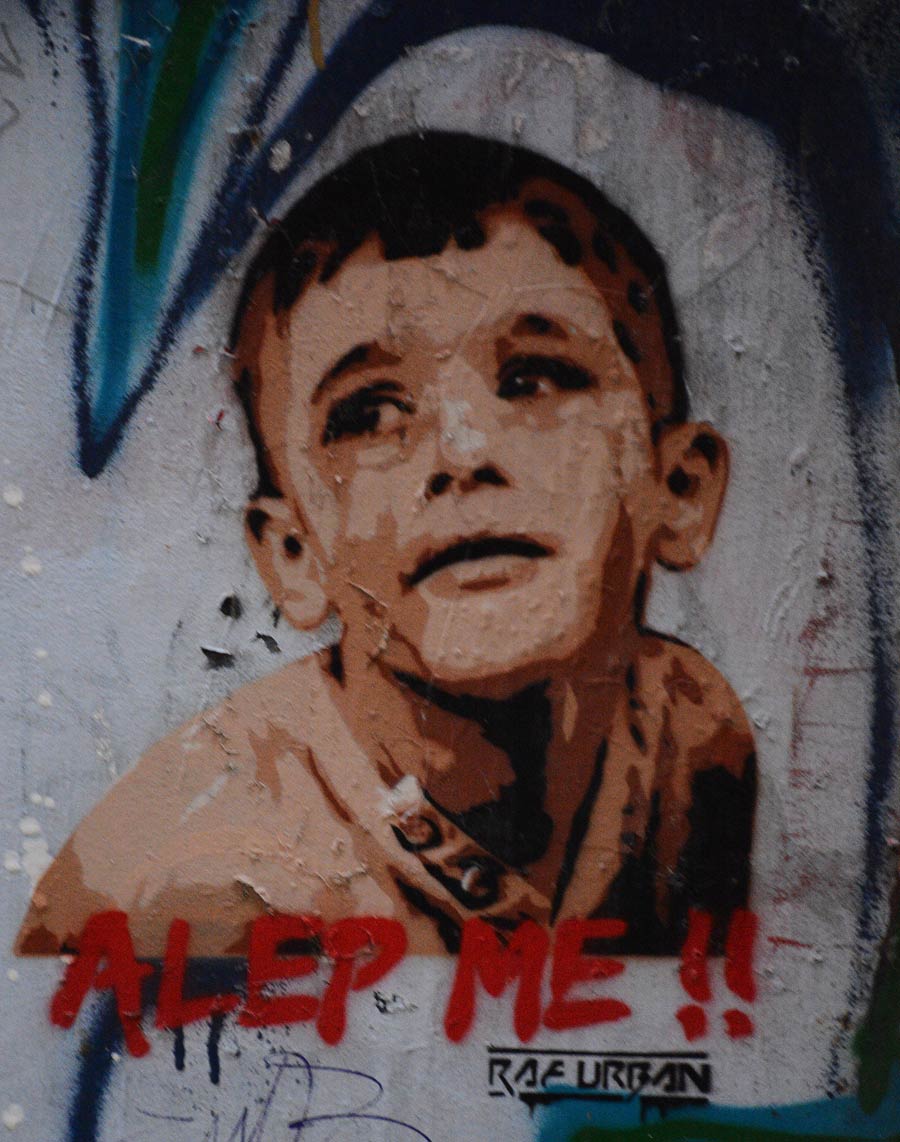
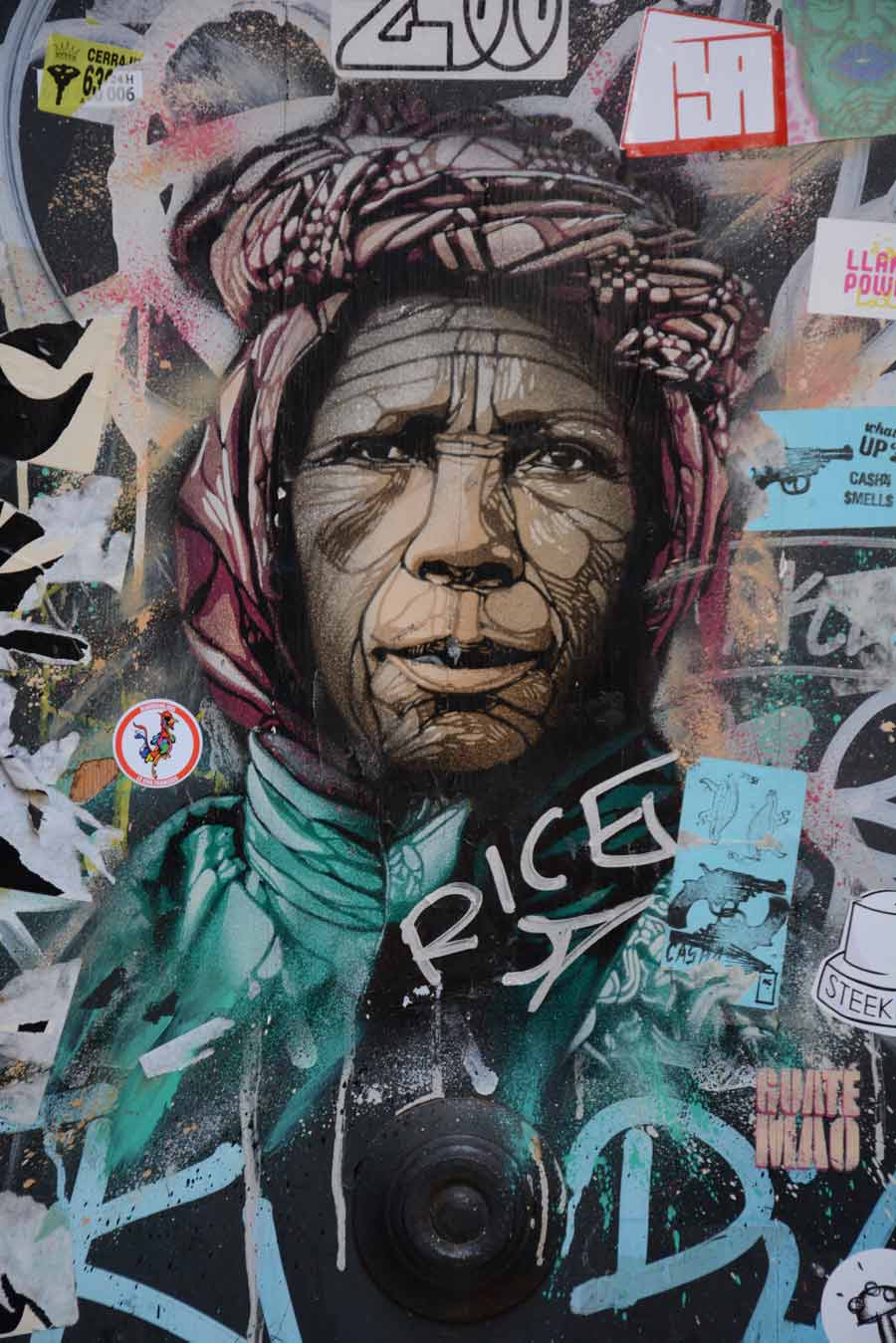
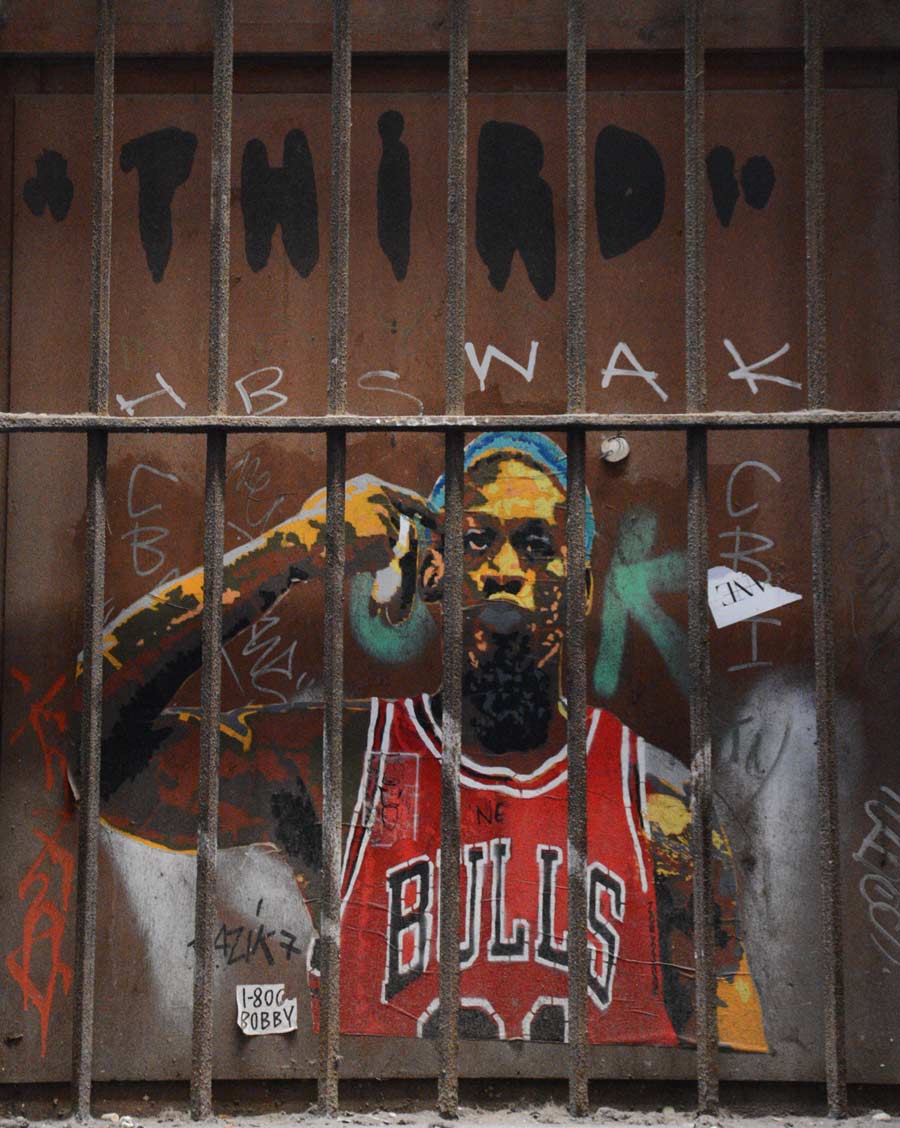
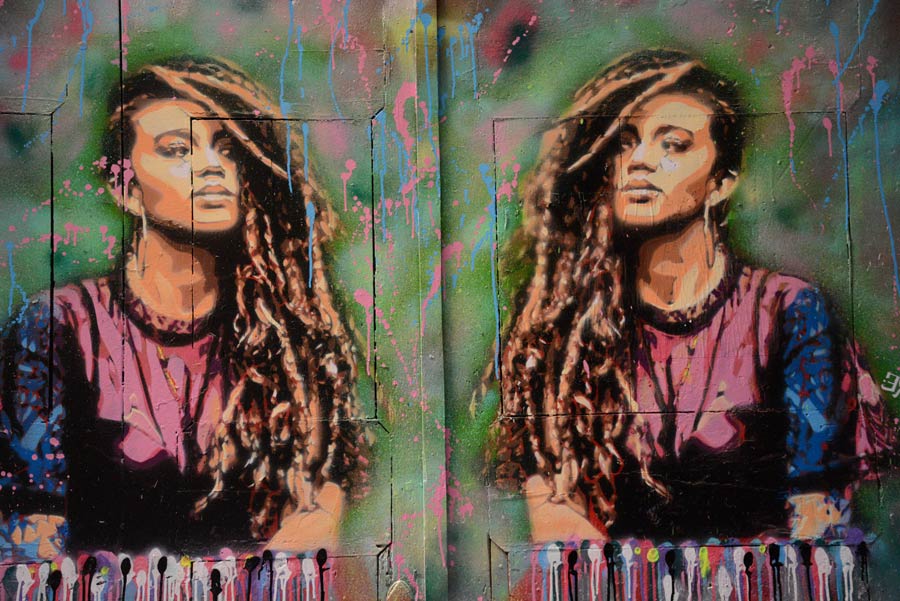
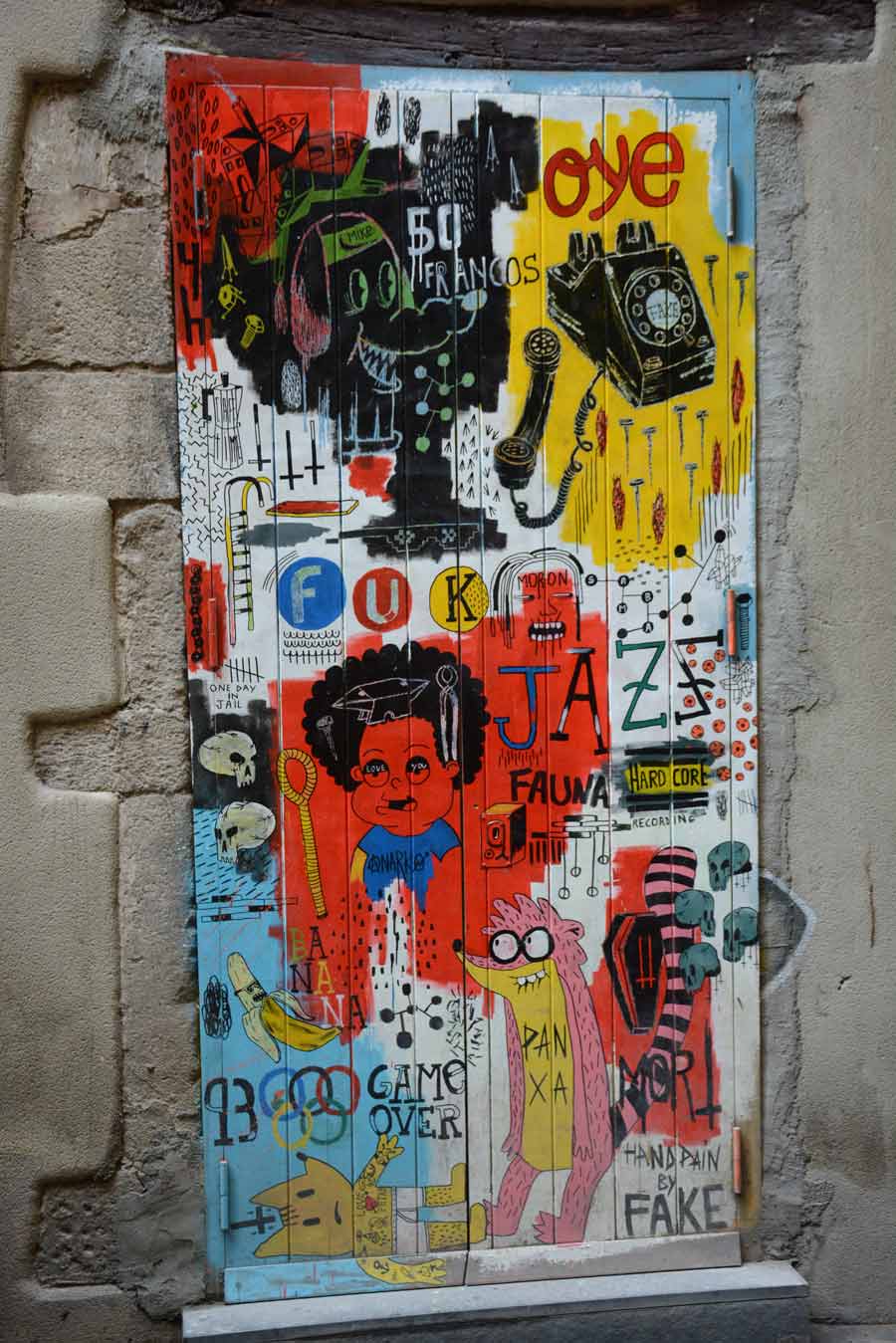
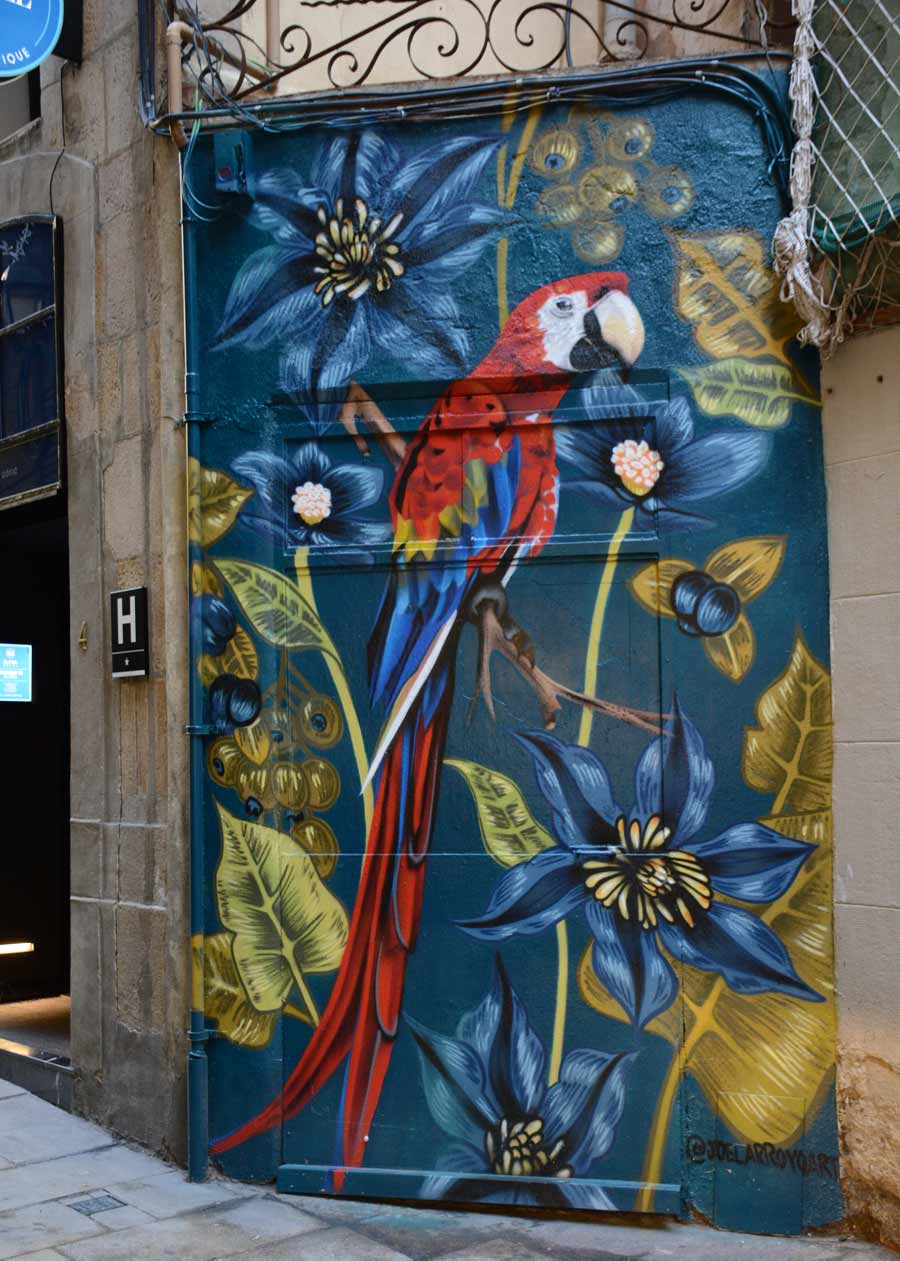
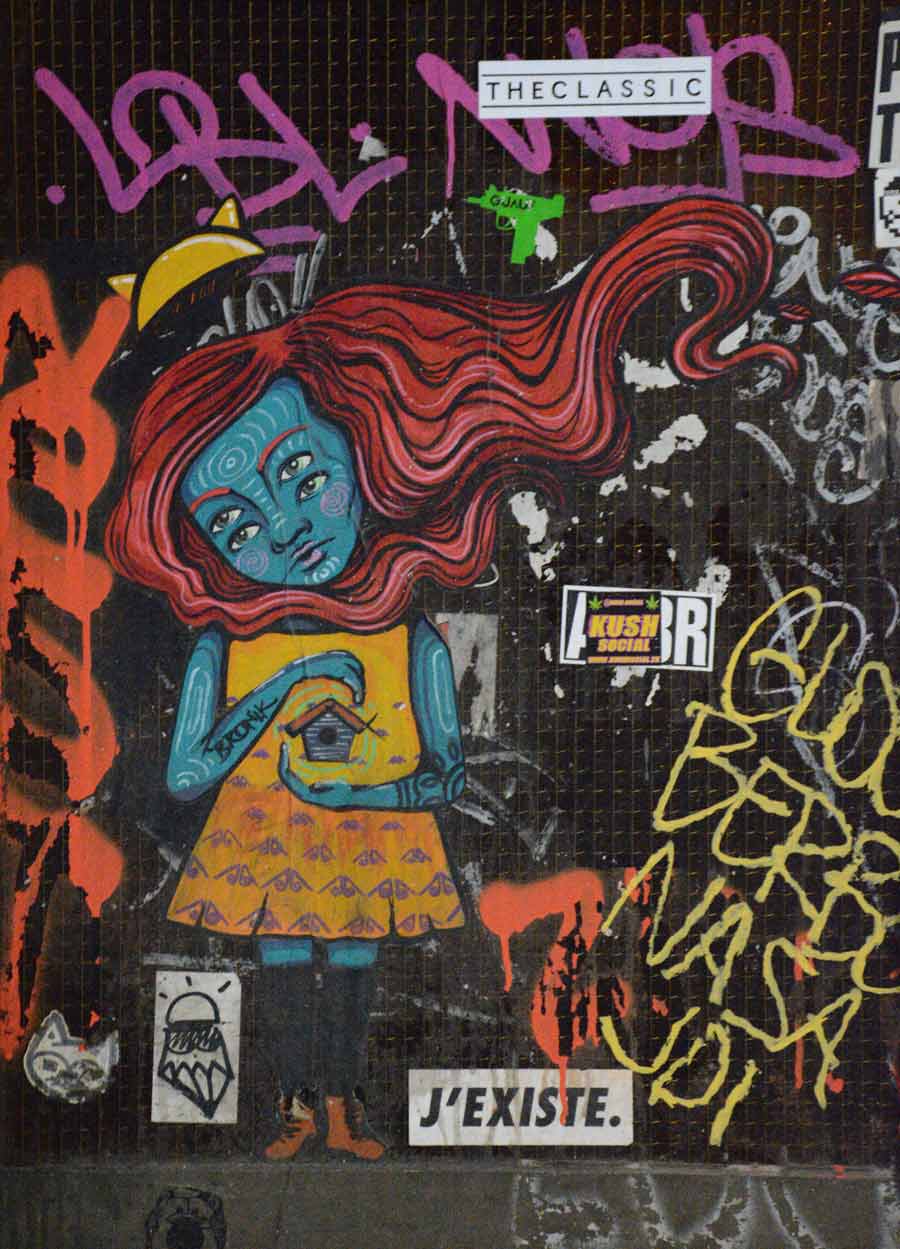
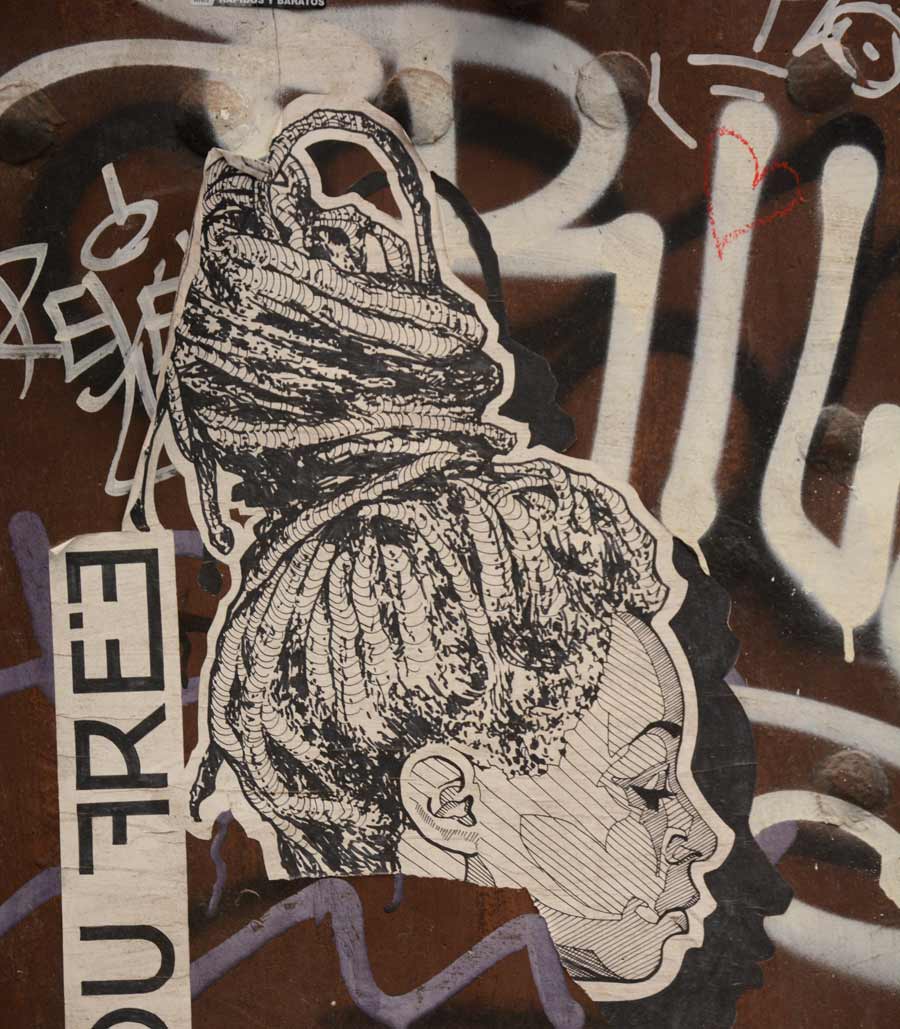
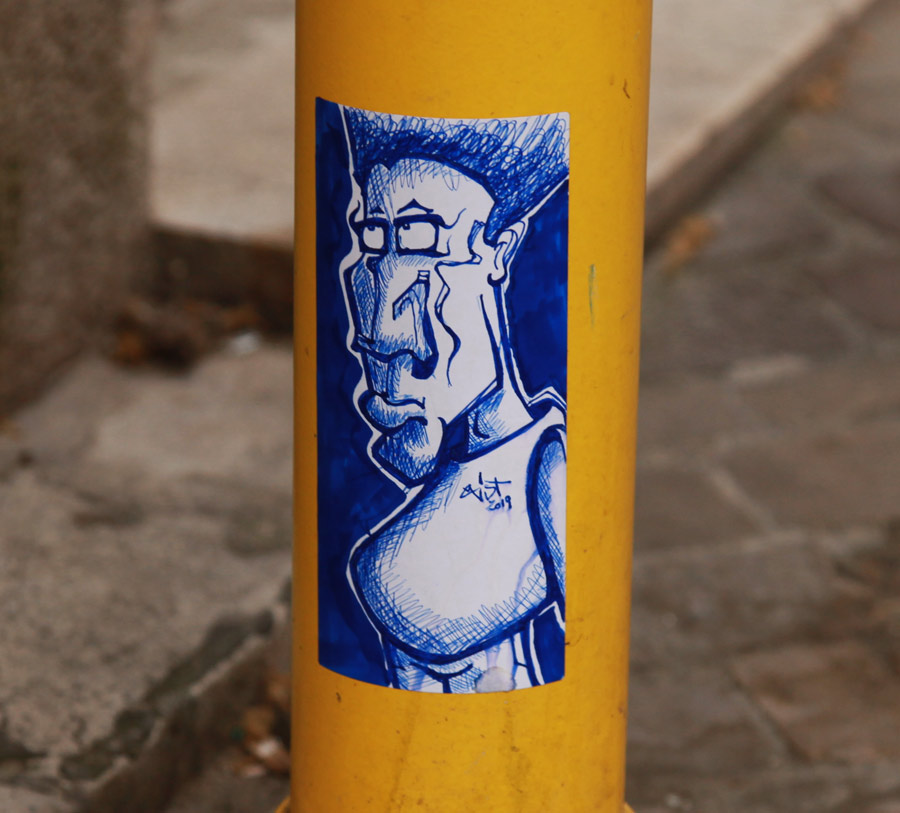
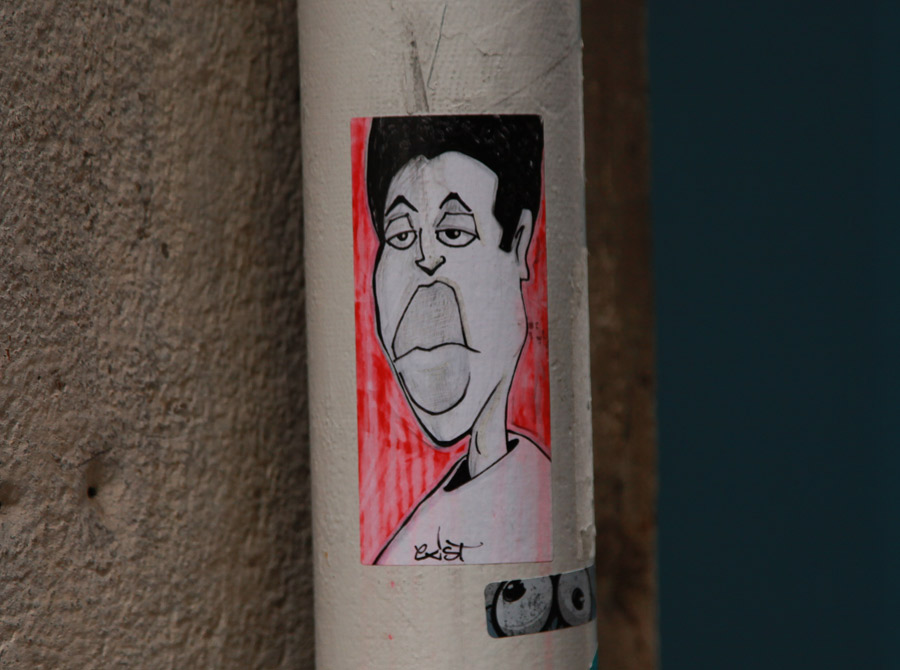
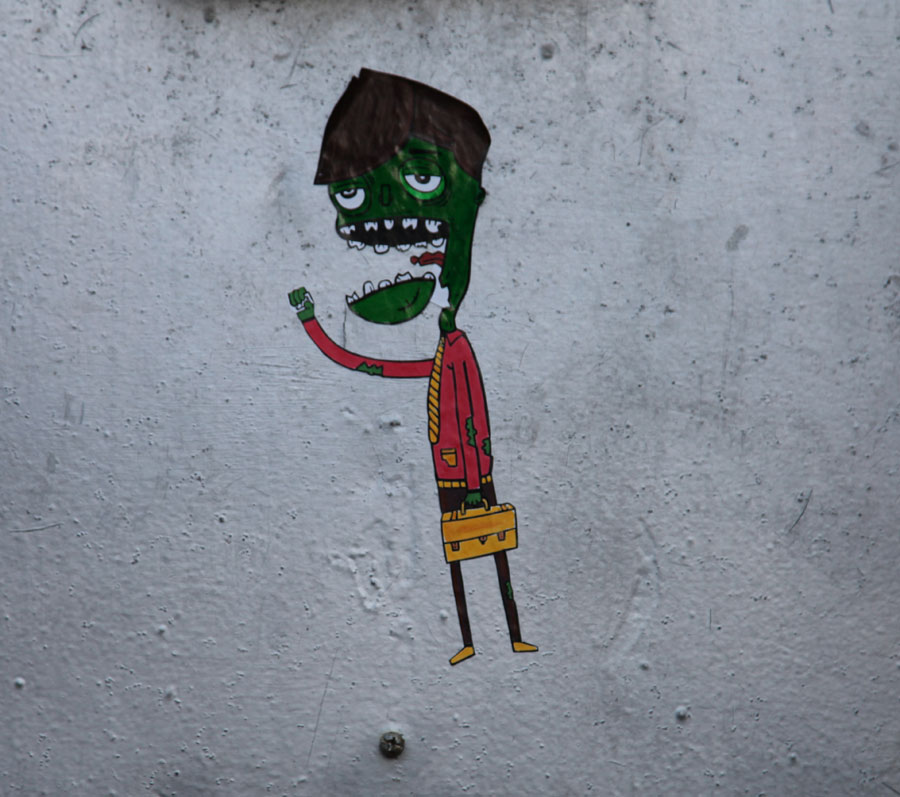
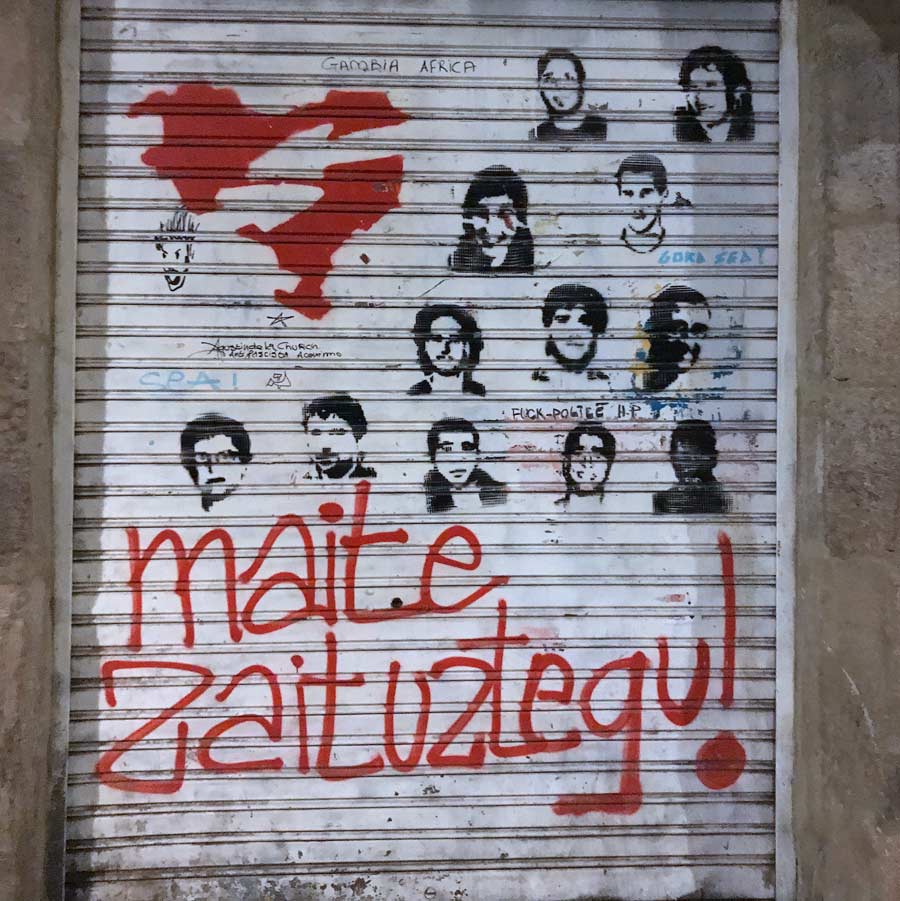
For those looking for street art this is also a remarkable point of destination. There are no big walls really but The Old City has plenty of back allies where artists find old rusty doors or windows to put up small pieces of Street Art.
Figurative, fantastical, surreal, dark pop, illustration techniques are favorites for local artiststs, who use all the compliment of modern Street Art techniques, including stencils, posters, stickers, and wheat pastes.
Our sincere thanks to photographer Lluis Olive who visited this part of the city recently and sends this dispatch of small offerings to share with BSA readers.
Our weekly focus on the moving image and art in the streets. And other oddities.
Now screening : 1. PHLEGM – Mausoleum of Giants – A Behind the Scenes View 2. Hamburger Eyes; A documentary by Aaron Rose 3. Conor Harrington / American Flag 4. Fujito Nakaya. Fog Sculpture #08025 (F.O.G.) 1998. Guggenheim Museum. Bilbao.
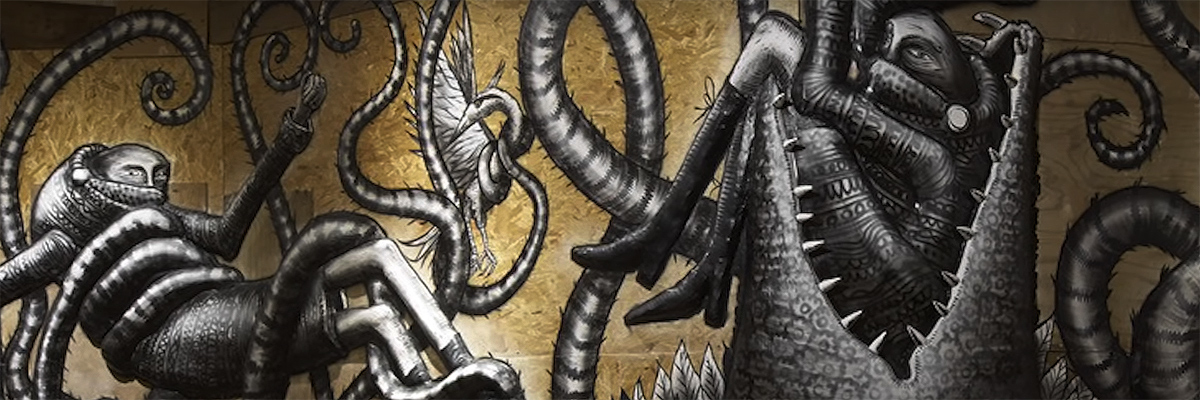
BSA Special Feature: PHLEGM – Mausoleum of Giants – A Behind the Scenes View
Delicious Clam Records, Bal Fashions Speakeasy, Plot 22...
How
long has this been going on?
According to Doug at Fifth Wall TV Sheffield has been in the thick of it as a cultural hotbed of music and art for quite some time – with artist collectives and installations like this new one in an old ironworks building by Street Artist Phlegm.
“All
of that combined means there is a really vibrant underground scene and we have
a lot of D.I.Y. stuff happening” says Steve of @CADS Sheff – the grassroots
formed team that activates spaces like this.
Don’t be a mardy bum then, let’s go and take a look at Phlegm shall we?
Hamburger Eyes
Street photography, when done well, can
summon euphoria and nausea. Rather like a chain restaurant hamburger.
Perhaps that is the inspiration for the name “Hamburger Eyes” for this eclectic
collection of photographers from the San Francisco Bay Area, who capture the
American fun and folly that you may have missed.
Just screened this month in New York at
Metrograph with a Q&A with Ray Potes and Clark Allen, its a documentary by
Aaron Rose (Beautiful Losers) that helps remind us why some people are drawn to
cities, while others avoid it like limburger. With interviews, stills, and
video the film brings to action the magazine by the same name that has just
celebrated its 18th birthday, yo. Watch out! Legal age!
The Irish Street Artist and muralist and painter has a go at the nationalism that blinds and could lead you to walk into traffic or off a cliff. We think.
Fujito Nakaya. Fog Sculpture #08025 (F.O.G.) 1998. Guggenheim Museum. Bilbao.
A foggy memory from standing outside the Guggenheim in Bilbao a few weeks ago. This fog sculpture is activated periodically, and if visiting school students are nearby, the excitement is multiplied! Video by Jaime Rojo.
Remember that red-haired aerobics teacher that used to yell loudly over the thumping disco beat while her head-banded spandex army jumped and kicked in unison in front of a mirror at the community center?
“Don’t
forget to breeeeeeeaaaath, people! Okay? And 2 and 3 and 4. Good!”
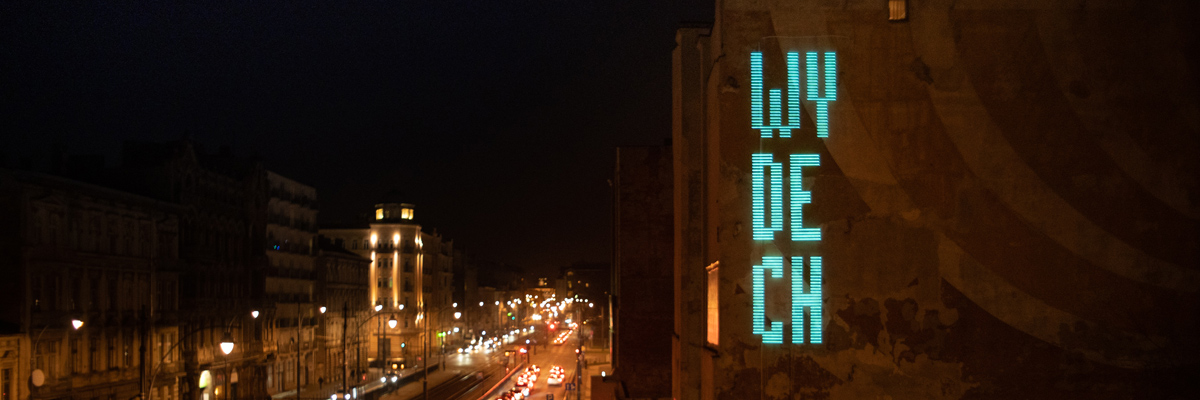
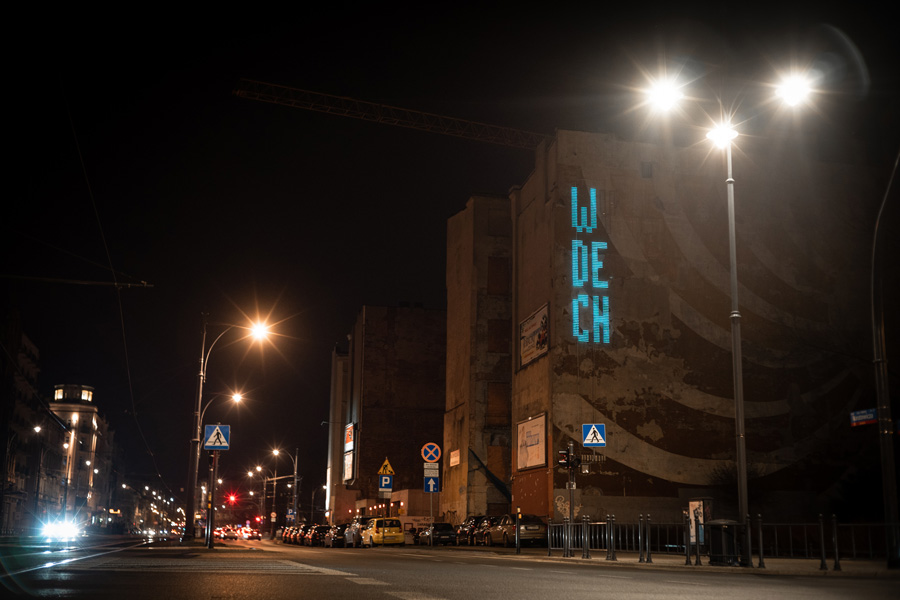
SUPERGUT STUDIO (Katarzyna Furgalinska, Lukasz Smolarczyk). Wdech/Wydech | Breathe-in/Breathe-out Łódź, Poland. March 2019. (photo courtesy of Michal Biezynski)
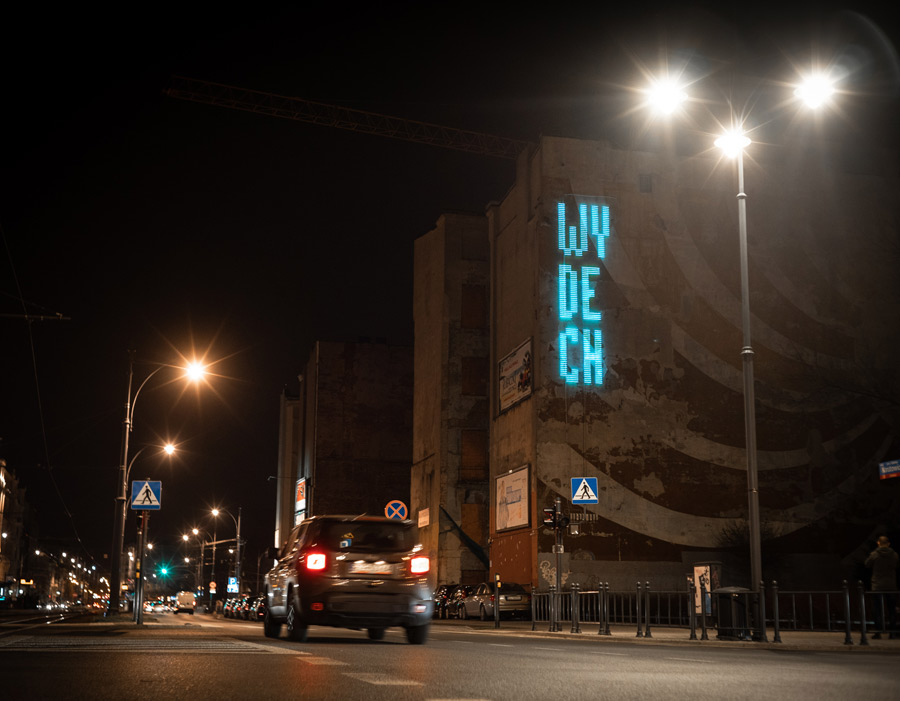
You cannot forget to breath if you are gazing down Piotrkowska Street in Łódź on your average Thursday night either. You will see the slowly pulsing acqua neon sign just installed there reminding you to do that normal thing that you may not pay much attention to.
“Wdech/Wydech”
“Breathe-in/Breathe-out”
The
artist duo Supergut Studio (Katarzyna Furgalinska, Lukasz Smolarczyk), have
just completed this new public art piece, “throbbing in line with human’s
breathing, creating an illusion of synchronization between the neon light and
the human organism, ” they say.
SUPERGUT STUDIO (Katarzyna Furgalinska, Lukasz Smolarczyk). Wdech/Wydech | Breathe-in/Breathe-out Łódź, Poland. March 2019. (photo courtesy of Michal Biezynski)
Made with old fashioned neon technology instead of the LEDs that are taking over public light fixtures everywhere, this sign is shrouded effectively in the darkness of night despite its proximity to illuminated crossings and traffic. Watching it silently from a distance, it also summons a memory of city life in the past – perhaps your past.
“The idea is to direct the installation’s influence at a single recipient and his individual sense of ‘here and now’,” says the project’s curator Michal Biesynski, who has over the last decade brought a huge number of artists opportunities to paint walls and erect sculpture here in the Polish city.
This new installation in the public sphere may actually be good for citizen’s health, and possibly their peace of mind.
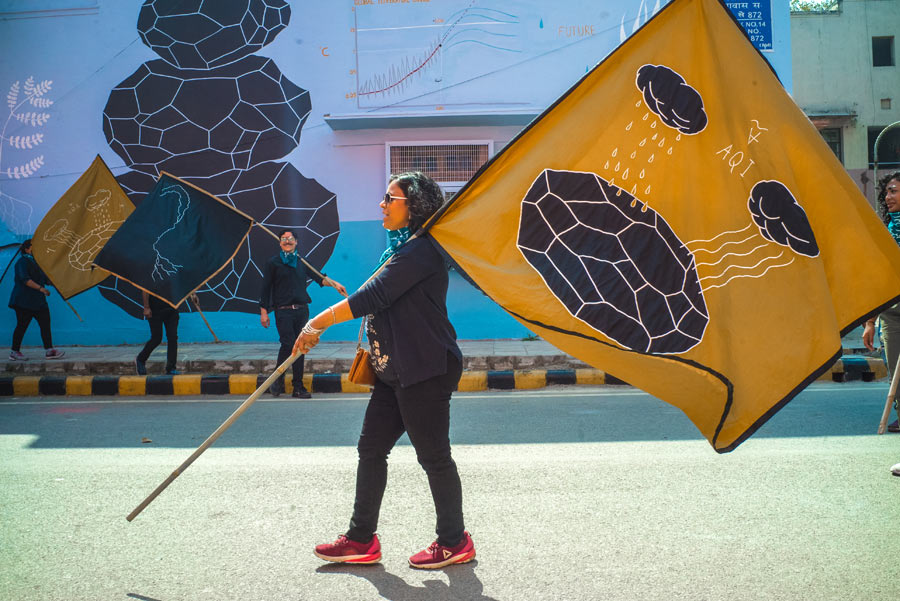
An Art, Science and Climate Action project by Andreco
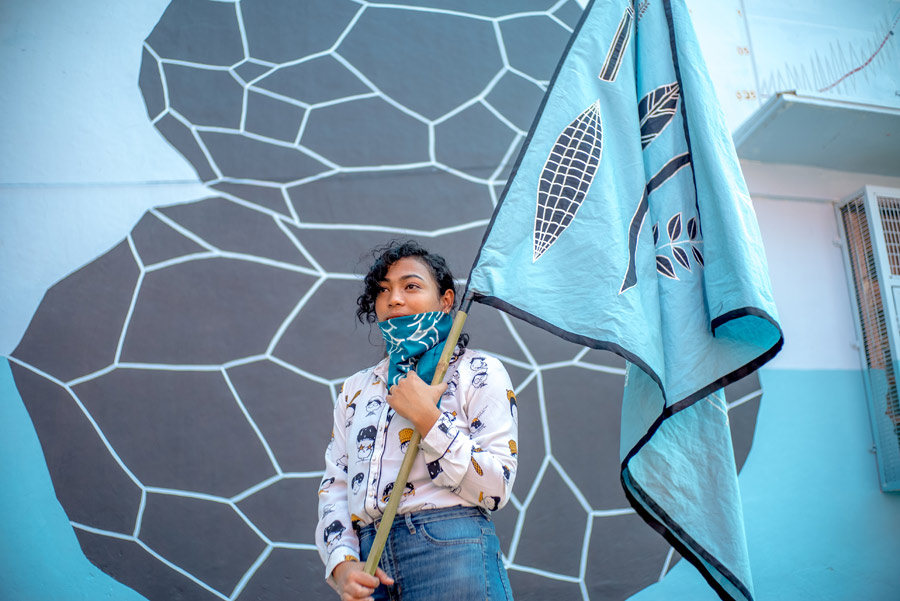
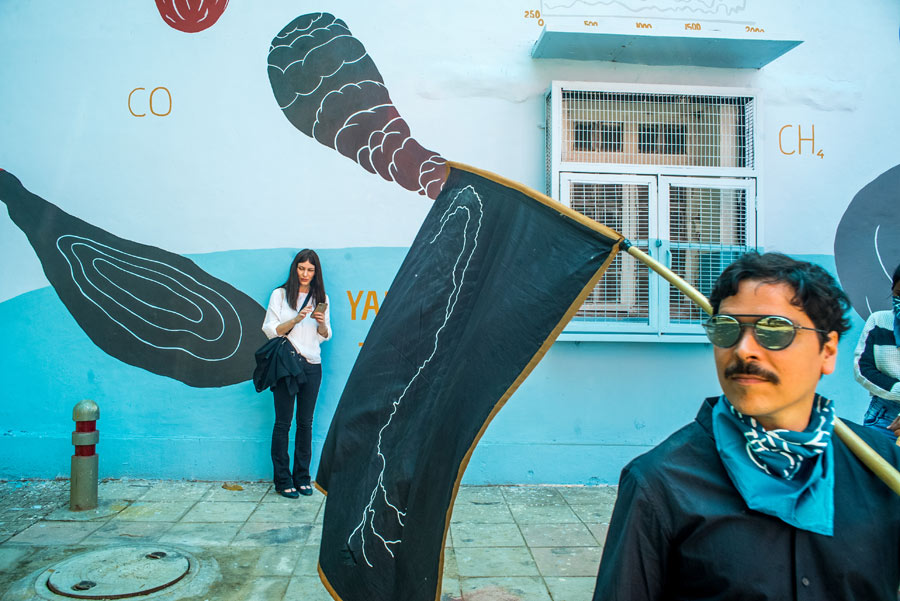
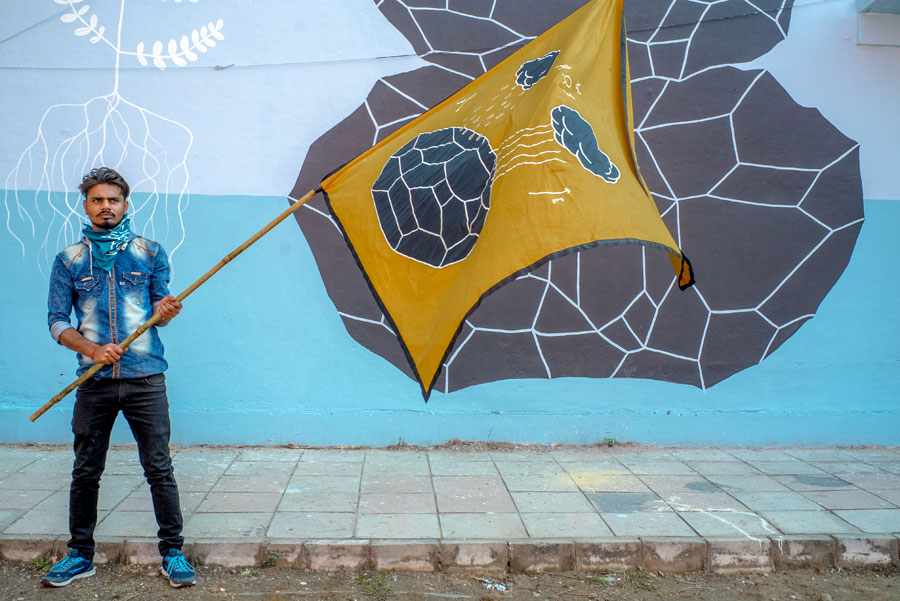
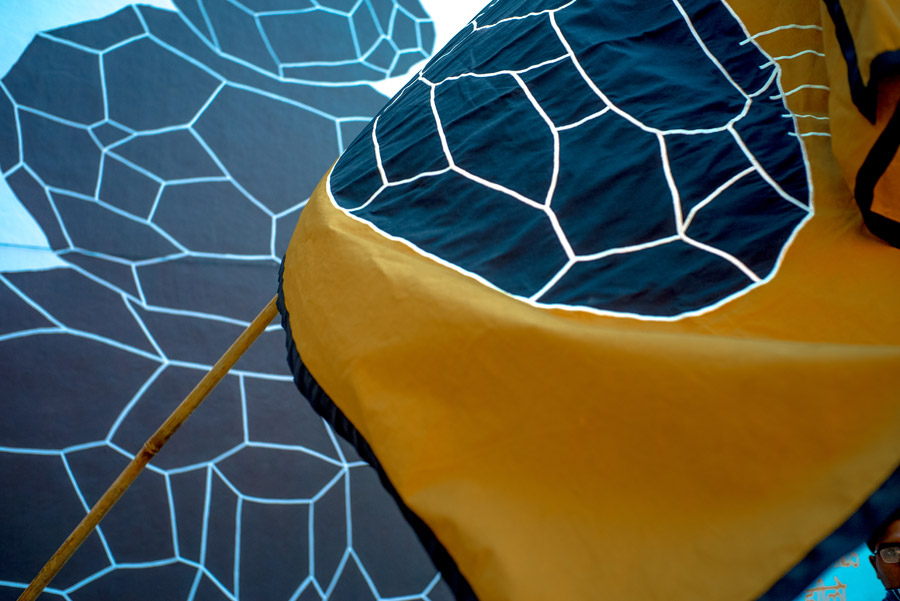
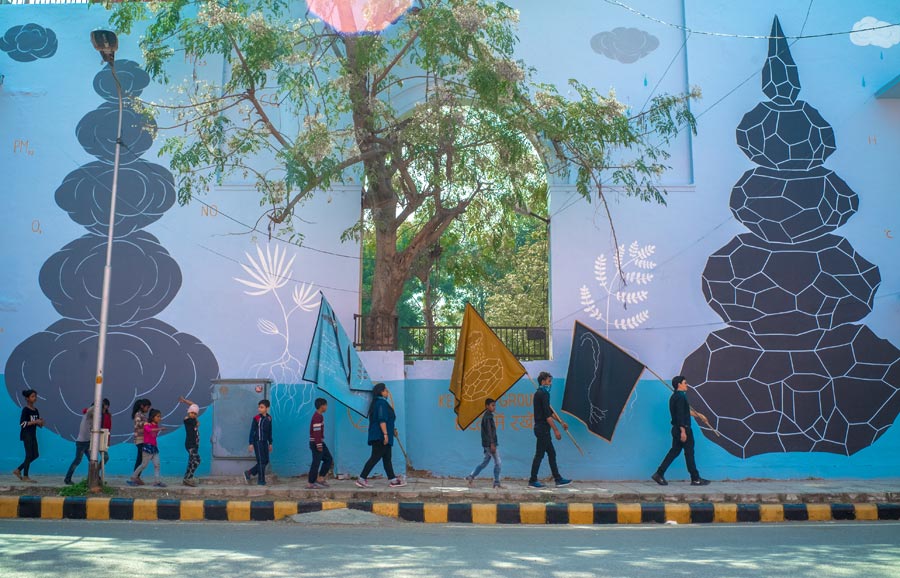
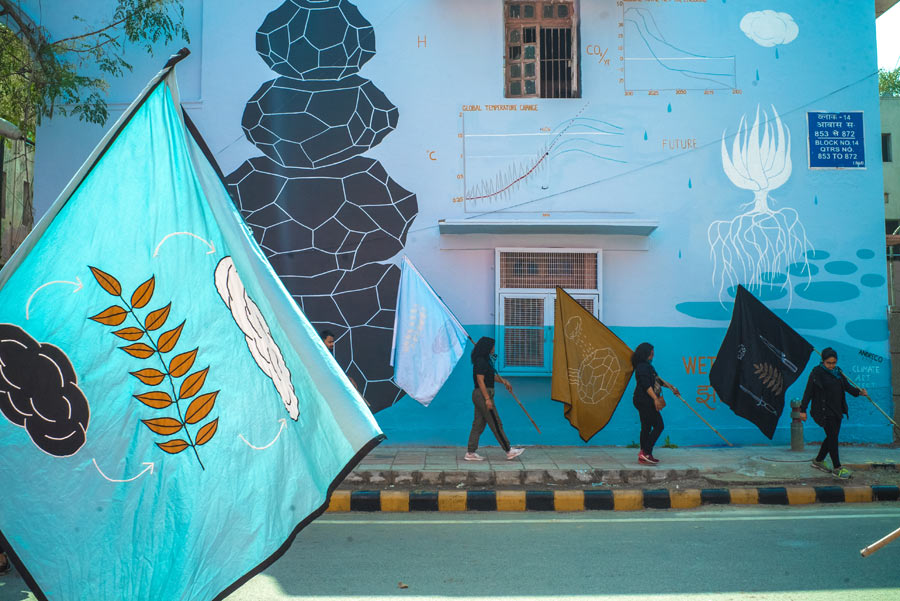
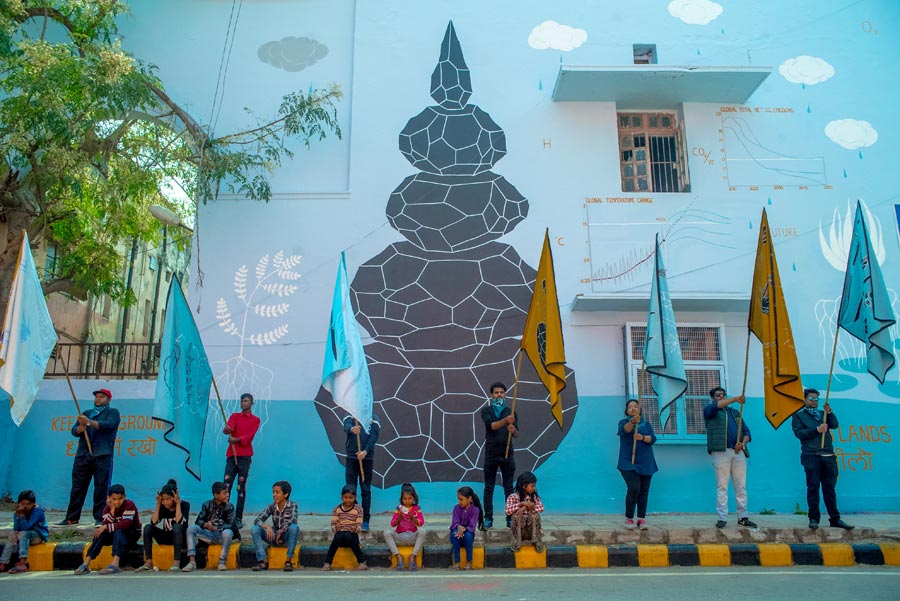
Andreco. Climate Art Project. In collaboration with St+ART India Foundation. Delhi, India. March 2019. (photo Akshat Nauriyal)
“ANDRECO painted the air pollution with the air pollution itself,” say organizers in the 20 million strong New Delhi – which was declared the world’s most polluted capital, according to Reuters this month.
And the statement isn’t hyperbole, according to AIR-Ink, the company that made his ink, which is “the first ink made entirely out of air pollution,” they explain on their website.
Andreco. Climate Art Project. In collaboration with St+ART India Foundation. Delhi, India. March 2019. (photo Akshat Nauriyal)
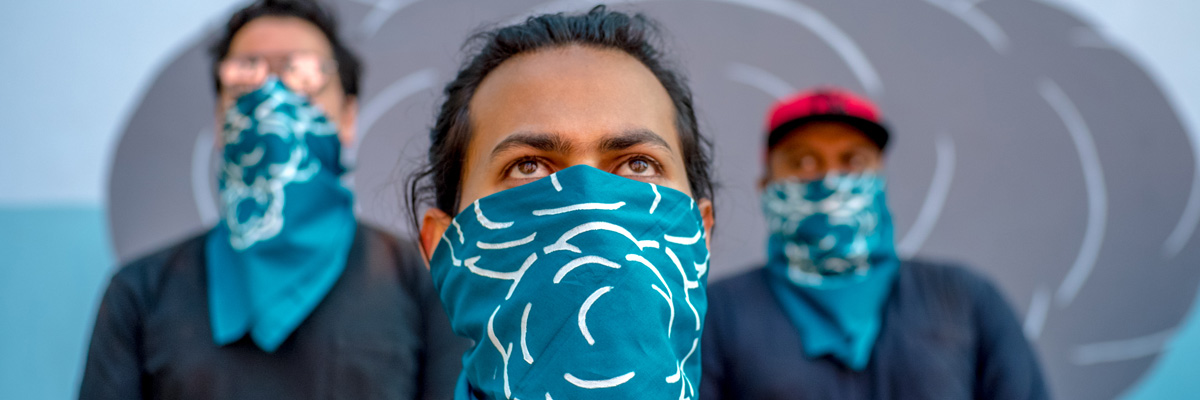
The unique art-making material is part of the Italian Street Artist / Activist’s most recent installment of his Climate ArtProject, which he orchestrated on the streets here in New Delhi for the St+Art Festival this year. Part of a global, multi-city installation and demonstration, “Climate 05 – Reclaiming Air and Water”.
Andreco. Climate Art Project. In collaboration with St+ART India Foundation. Delhi, India. March 2019. (photo Akshat Nauriyal)
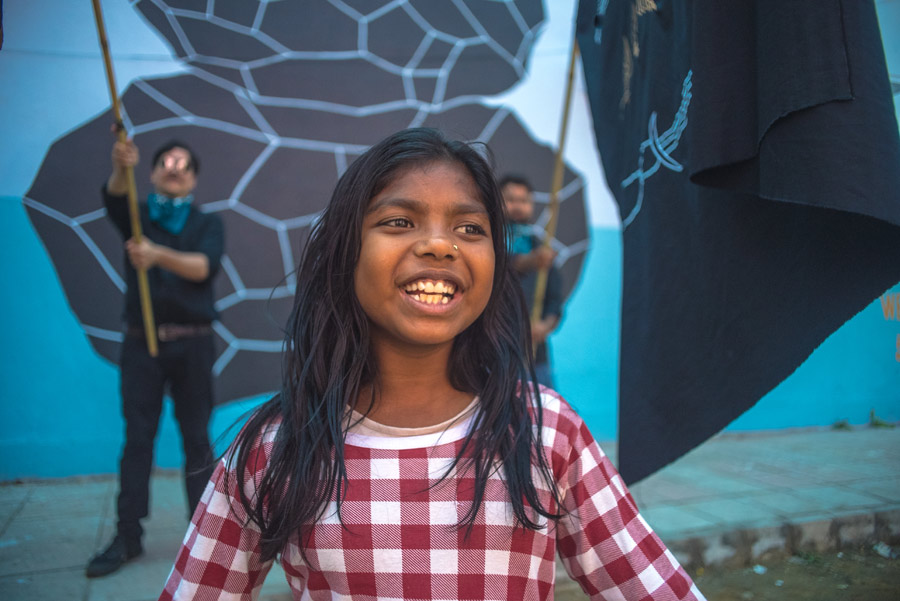
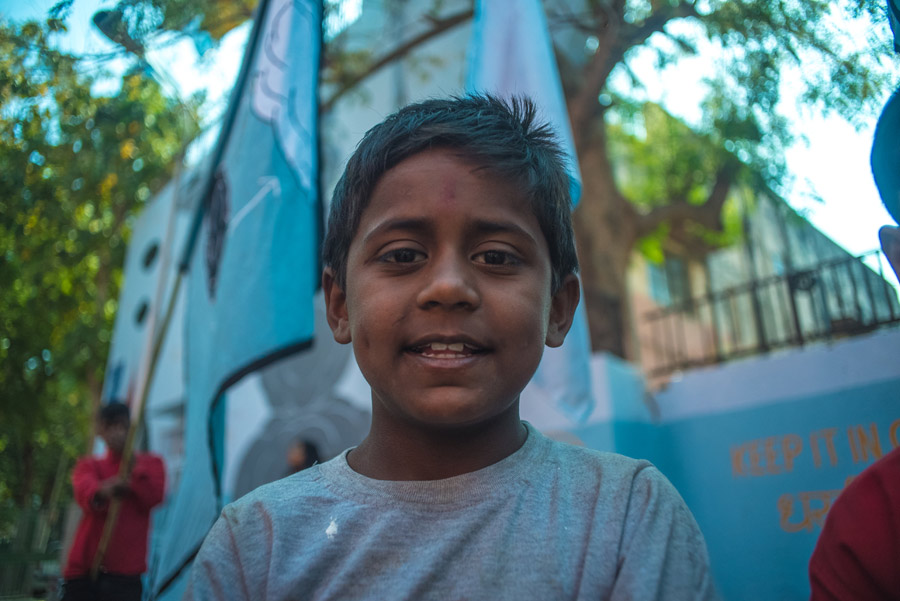
The mural, people’s march and public talks are a hybrid of activism, art and science, ANDRECO tells us. His goal is for residents in Delhi to focus on the consequences of the climatic changes and the air water pollution in their city.
“In particular the project takes inspiration by the latest studies on the Air quality and the condition of the Yamuna river,” he tells us, “and it aims to underline the best practices for air and water remediation and climate change adaptation and mitigation.”
Andreco. Climate Art Project. In collaboration with St+ART India Foundation. Delhi, India. March 2019. (photo Akshat Nauriyal)
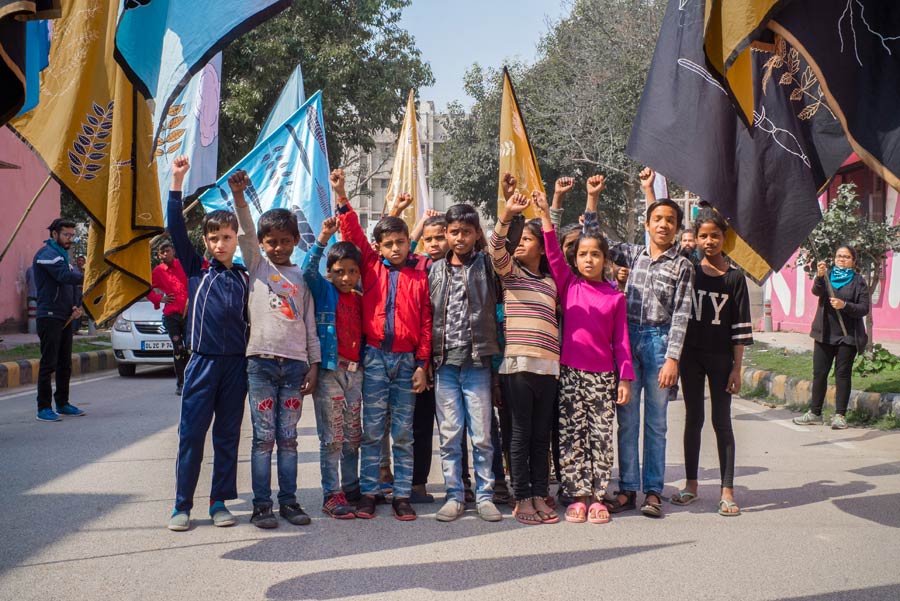
We have published previous editions of this project and it is always good to
see the images of people participating in the demonstration and march with
flags, a physical commitment to the expressed goals of standing in solidarity
with Mother Earth, her natural systems, and our responsibility to preserve
them.
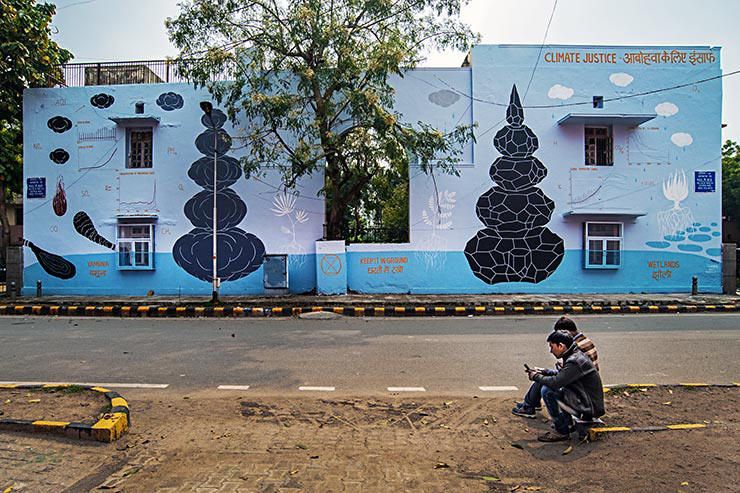
“The mural at the Lodhi Art District in Lodhi Colony, Delhi represents an
artistic translation of the studies about air and water remediation,” says a
press release from organizers. “The wall painting symbolizes the transition of
toxic smoke and greenhouse gases, coming from unregulated emissions from
industrial pollution, emissions from vehicles and crop burning, into a healthy
environment with clean clouds. The transition is made possible due to the tree
that stands in the middle of the wall.”
Andreco. Climate Art Project. In collaboration with St+ART India Foundation. Delhi, India. March 2019. (photo Akshat Nauriyal)Andreco. Climate Art Project. In collaboration with St+ART India Foundation. Delhi, India. March 2019. (photo Akshat Nauriyal)Andreco. Climate Art Project. In collaboration with St+ART India Foundation. Delhi, India. March 2019. (photo Akshat Nauriyal)Andreco. Climate Art Project. In collaboration with St+ART India Foundation. Delhi, India. March 2019. (photo Akshat Nauriyal)Andreco. Climate Art Project. In collaboration with St+ART India Foundation. Delhi, India. March 2019. (photo Akshat Nauriyal)Andreco. Climate Art Project. In collaboration with St+ART India Foundation. Delhi, India. March 2019. (photo Akshat Nauriyal)Andreco. Climate Art Project. In collaboration with St+ART India Foundation. Delhi, India. March 2019. (photo Akshat Nauriyal)Andreco. Climate Art Project. In collaboration with St+ART India Foundation. Delhi, India. March 2019. (photo Akshat Nauriyal)Andreco. Climate Art Project. In collaboration with St+ART India Foundation. Delhi, India. March 2019. (photo Akshat Nauriyal)
As part of the offerings on the street this year in Madrid, the Urvanity fair featured four artists creating new murals in the nearby environs to the Colegio Oficial de Arquitectos de Madrid (COAM) campus.
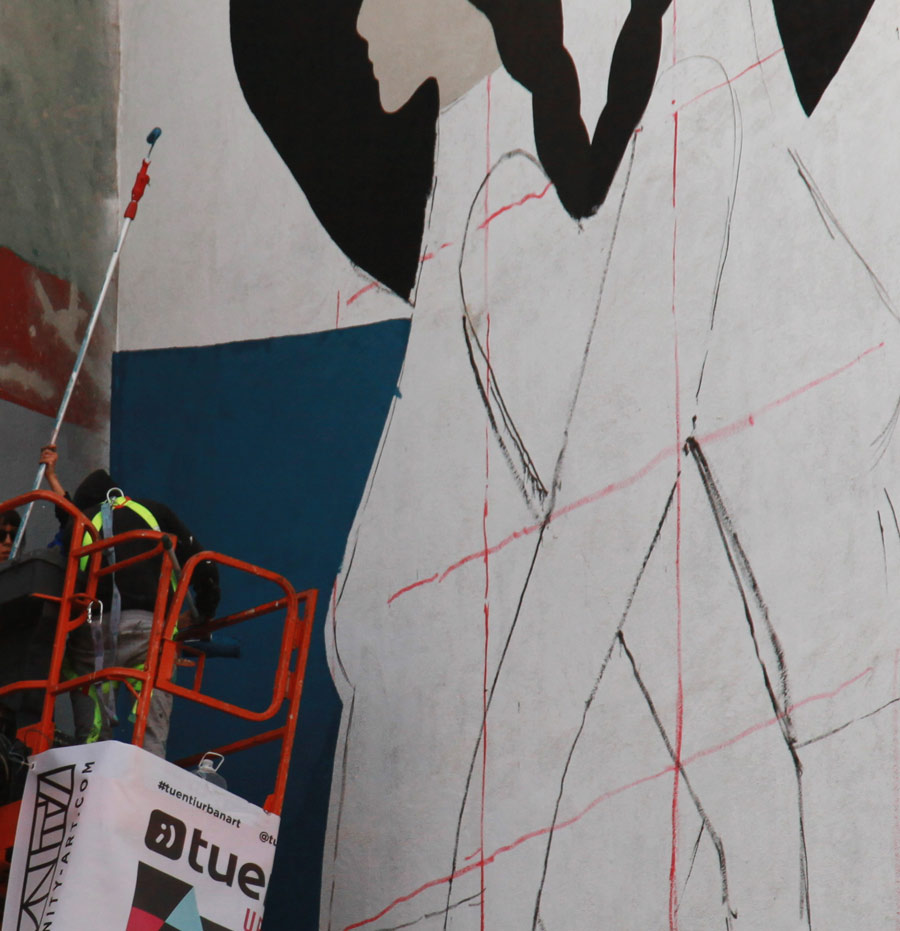
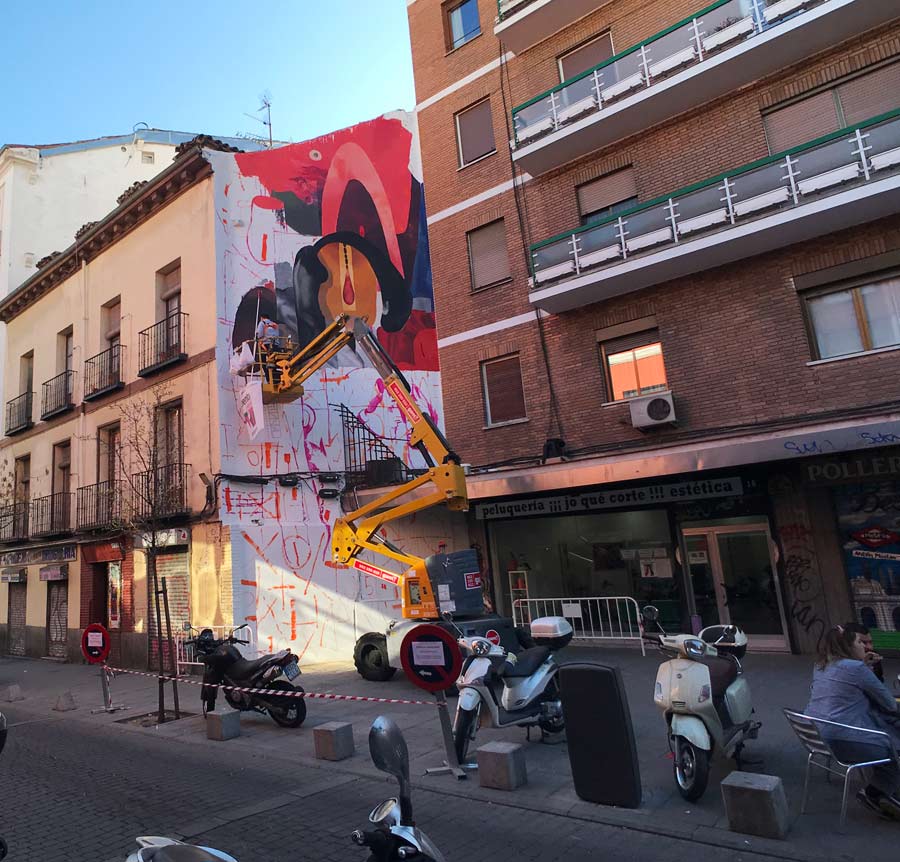
Today we have some shots of the new works by Artez, Marat Morik, Poni, and Pro176, who each were working on their pieces while the Madrid crowds milled by in what really felt like the first sunny days of spring. Here are some process shots and final shots of the walls.
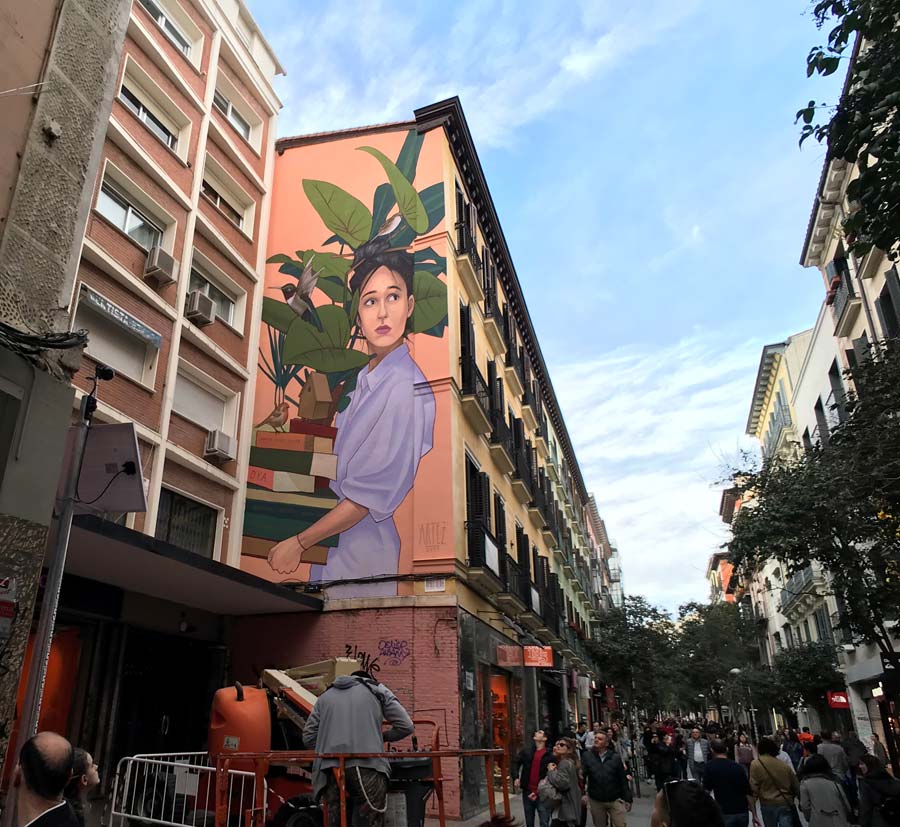
Artez
Serbian Artez brings his realistic illustration style says he is talking “About
this Town” with this mural placed in the central shopping district. “Instead of
carrying shopping bags,” he says on his FB page, “the girl is depicted as
holding a pile of books important for the history and culture of the city along
with a plant with a small birdhouse that is inviting all the ‘birds’ to come
and feel like home!”
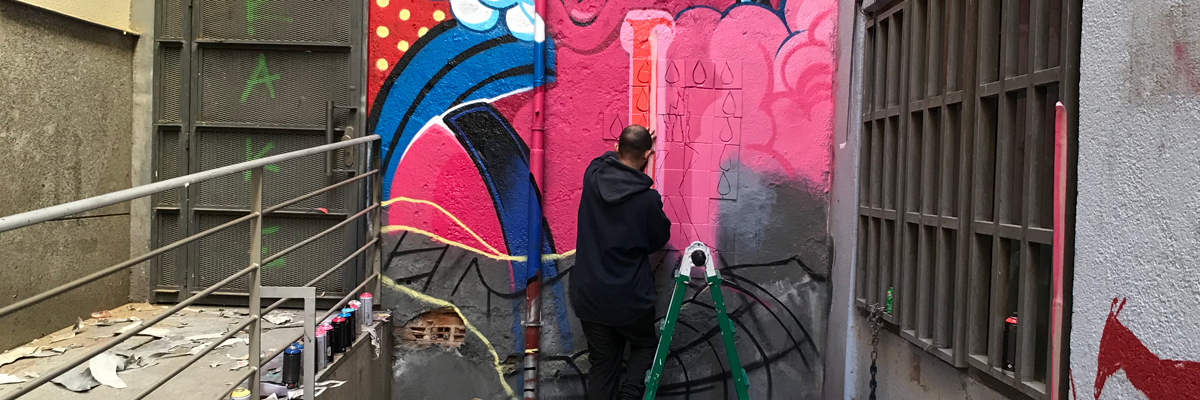
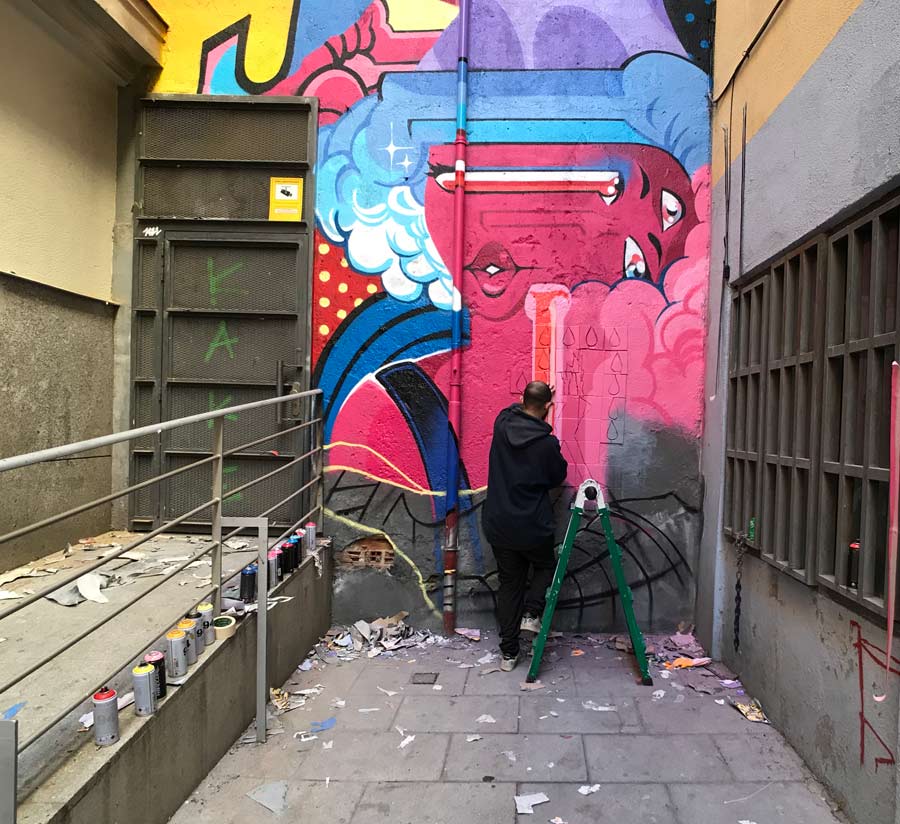
Parisian graff writer Pro176 busted out a tall slim slice of back-alley
wall with his collaged pop comic style that may trigger memories of
childhood adventures with superheroes and comedic capers. You may have
to hunt for it but it feels like a reward once you discover this hidden
powerhouse by an aerosol painting pro.
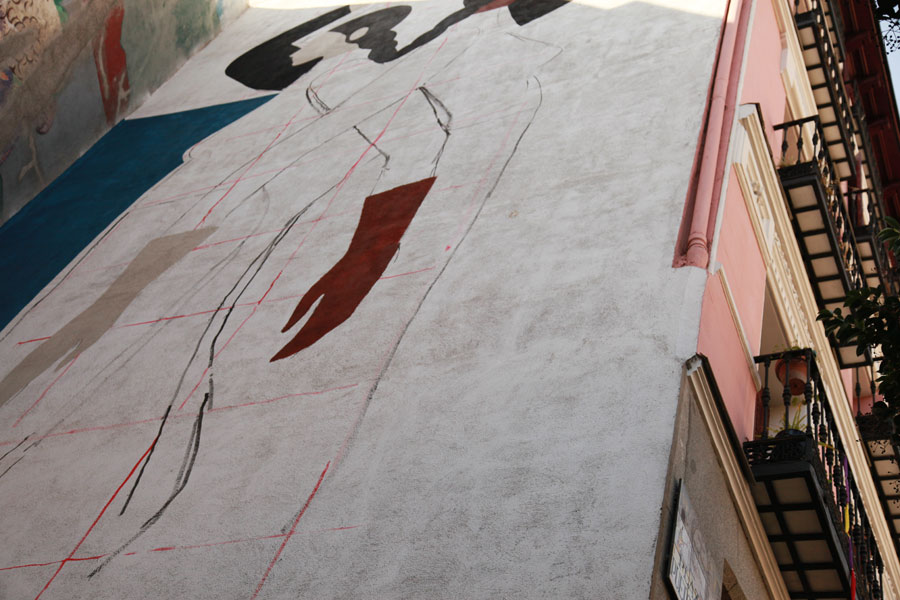
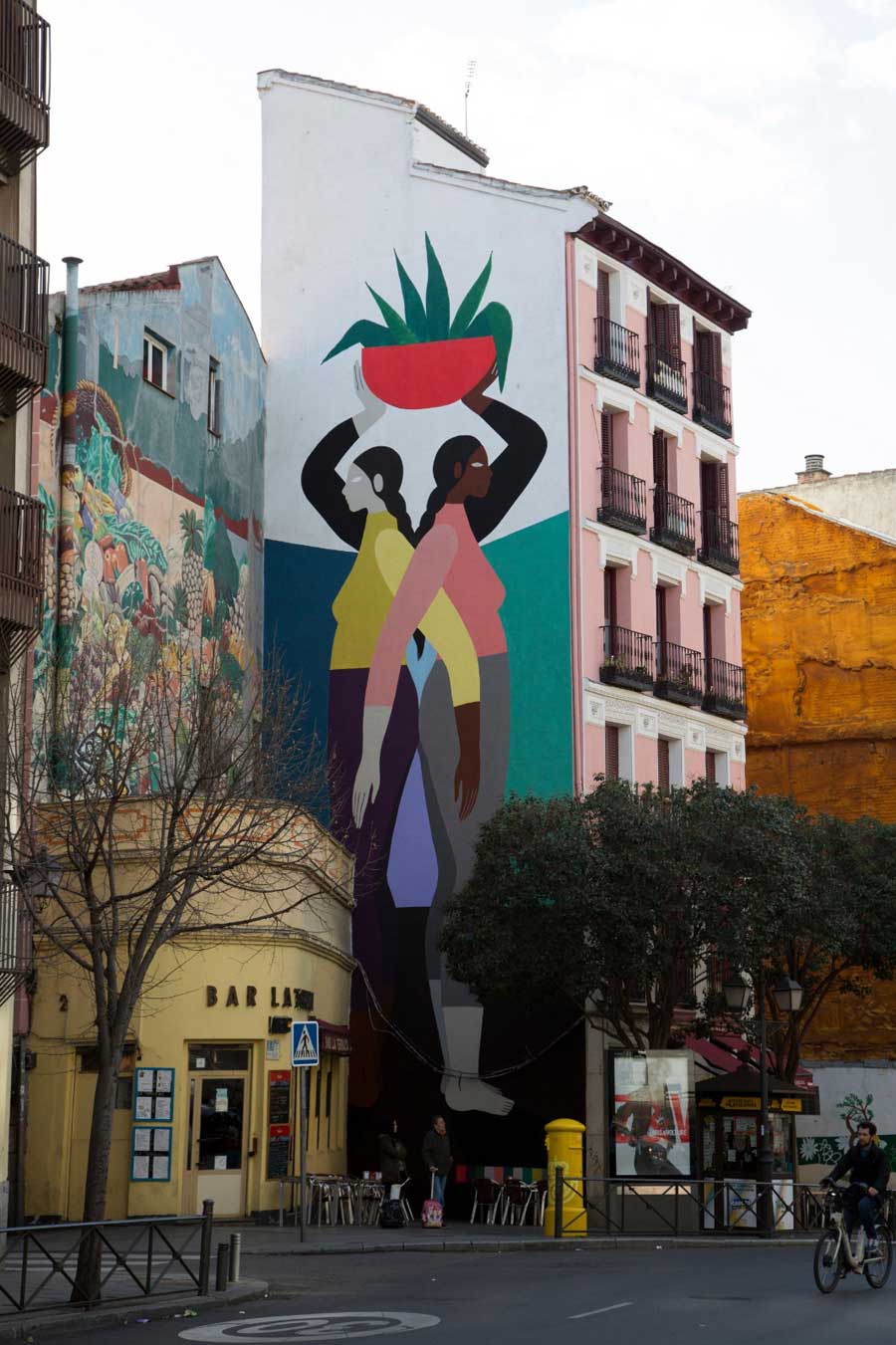
The Mexican artist Poni brings this balance of feminine and
statuesque alive on this tall slab of wall that rises high above the street.
With a nod to sisterhood and Matisse cutouts, her solid shapes buttress the
history of womens work and liberates as well.
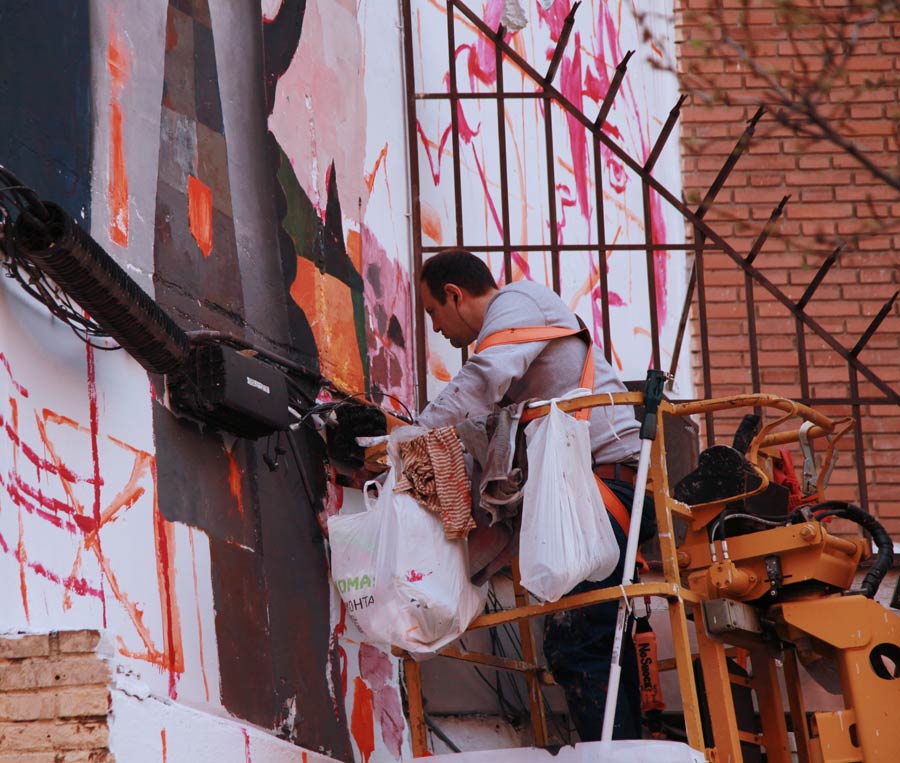
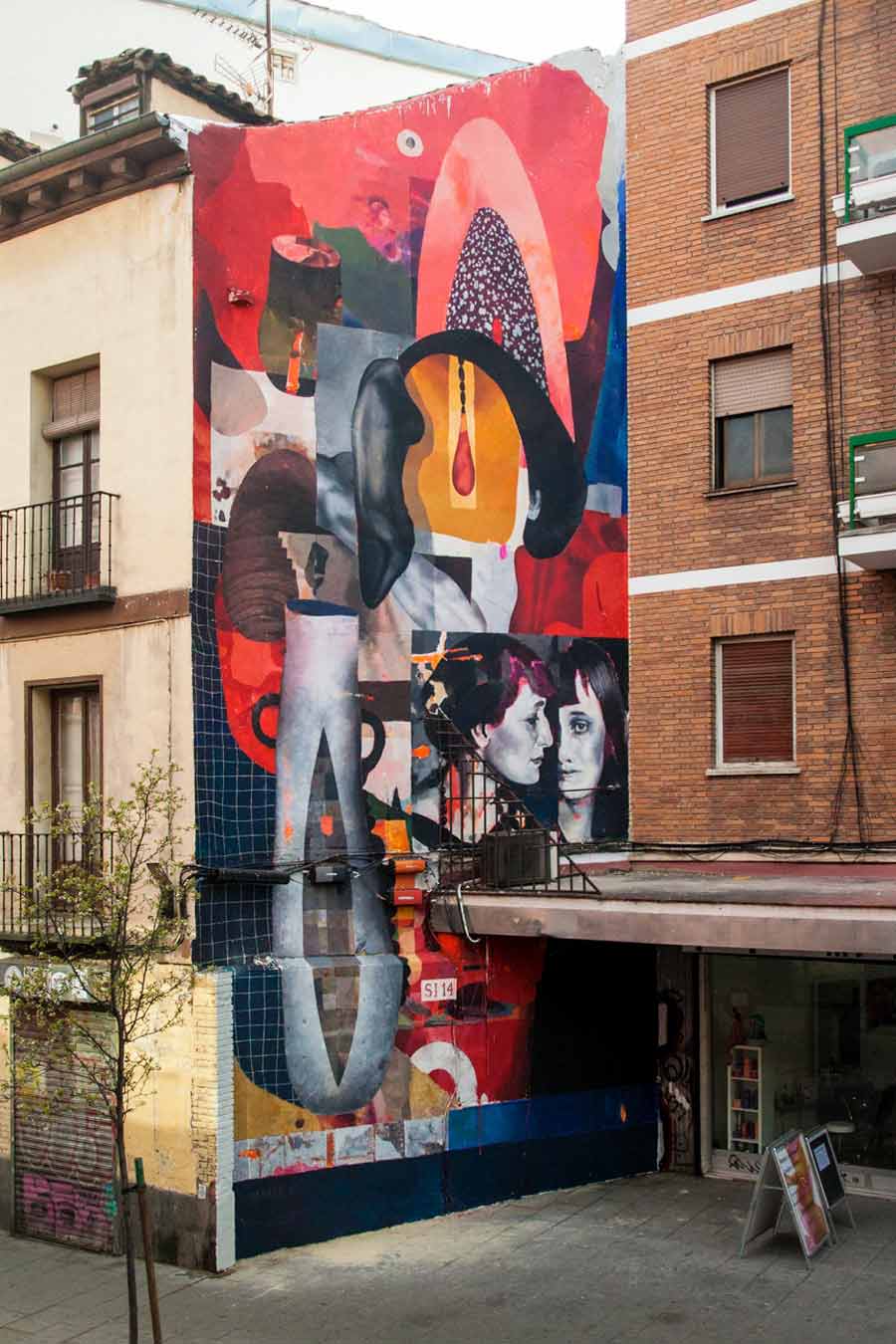
Former graffiti writer Marat Morik from Russia now uses his illustration style work to evoke the dramatic, darker elements of the street and fiction novels perhaps. Here his portrait of poet Anna Akhmatova, who looks like she’s been caught unaware amidst a deepening plotline shrouded in collaged symbolism, text and textural elements.
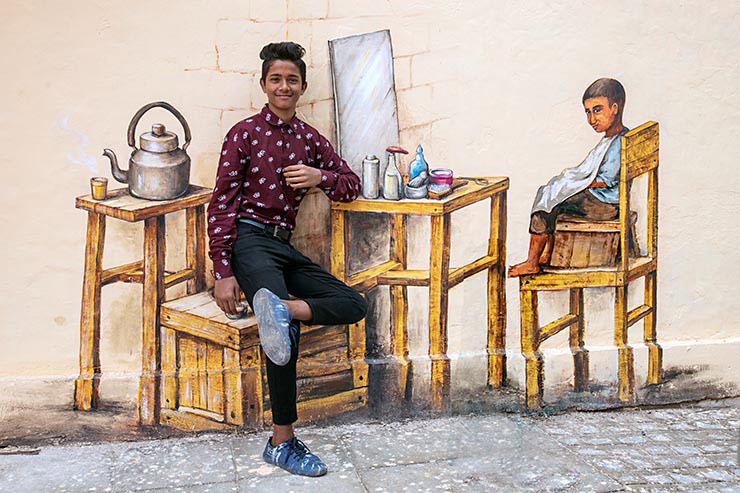
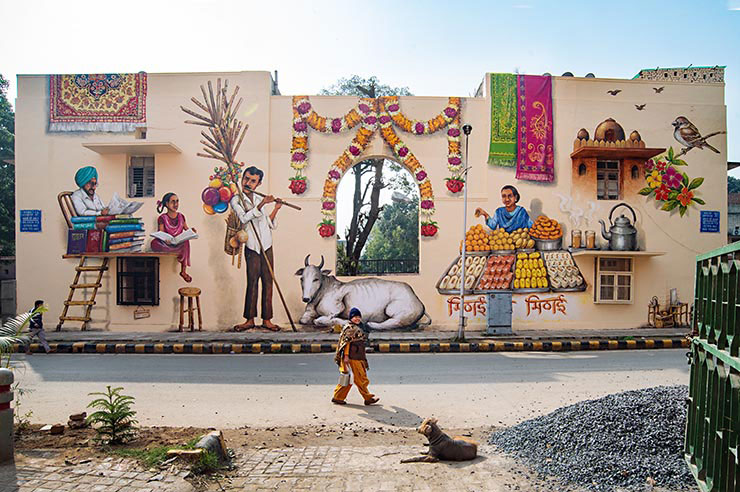
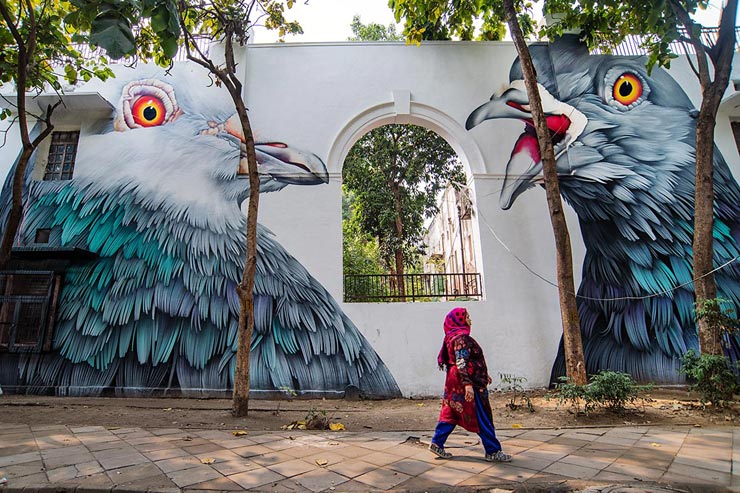
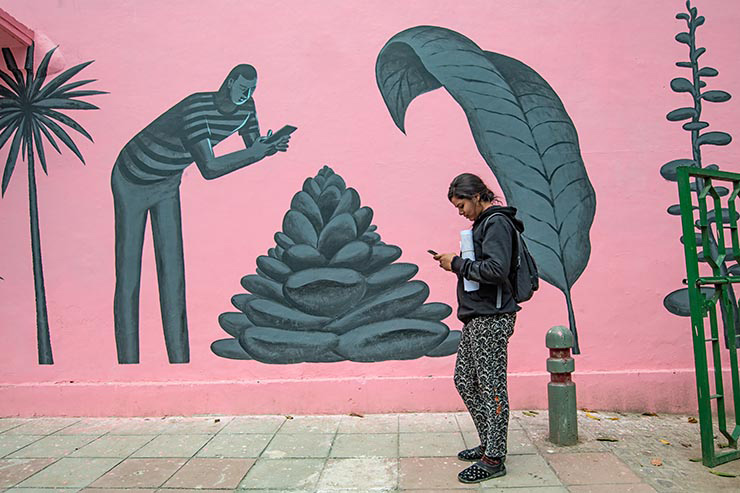
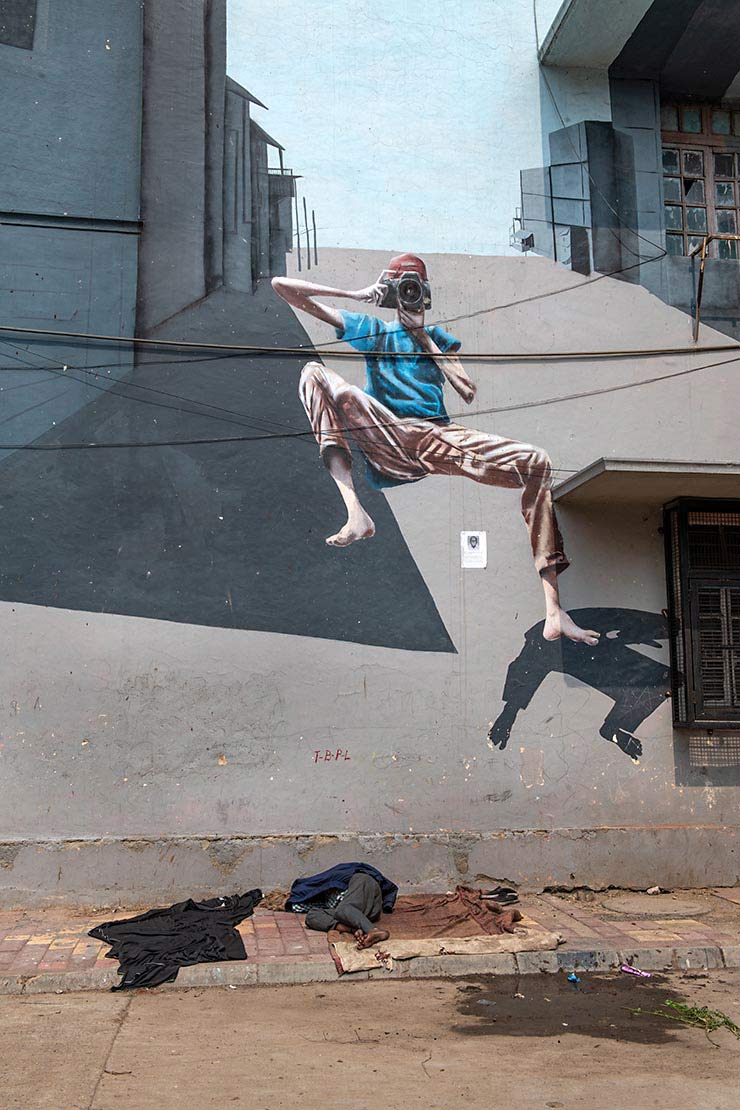
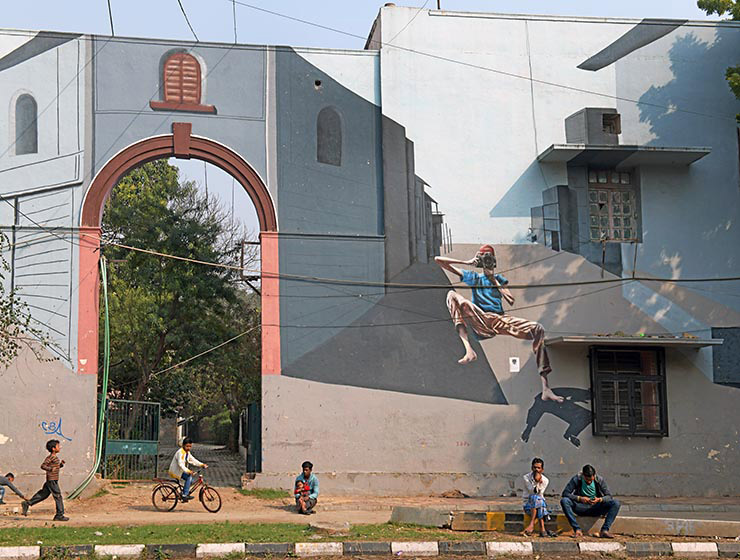
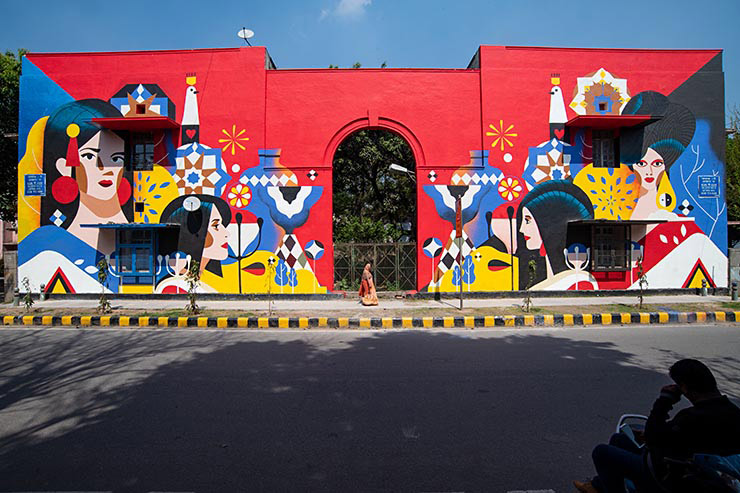
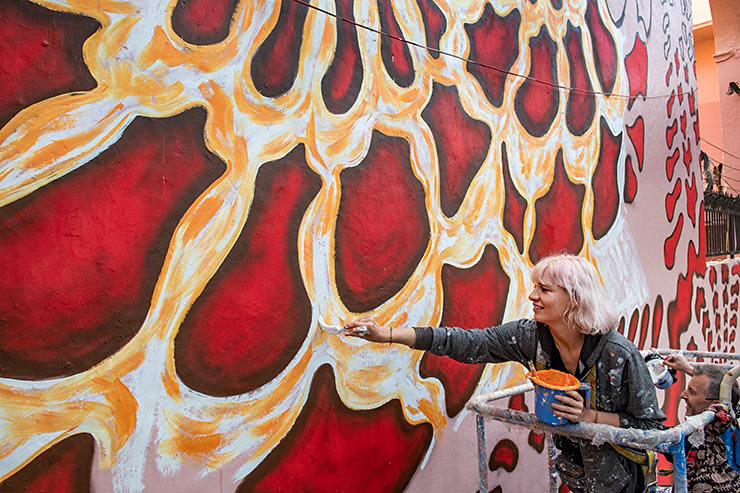
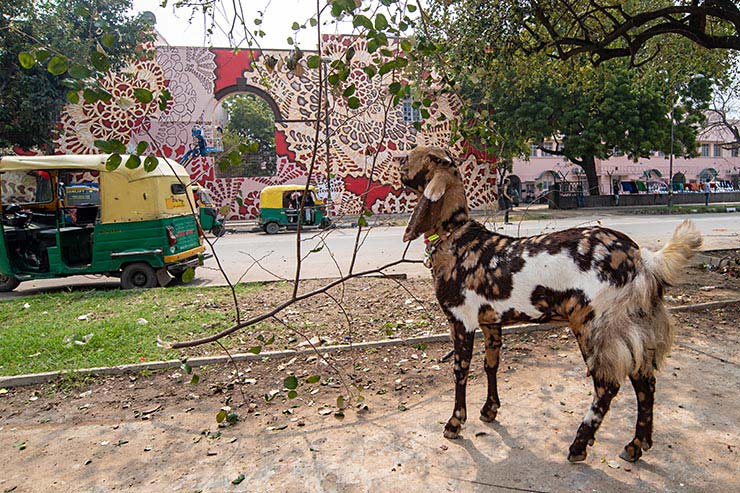
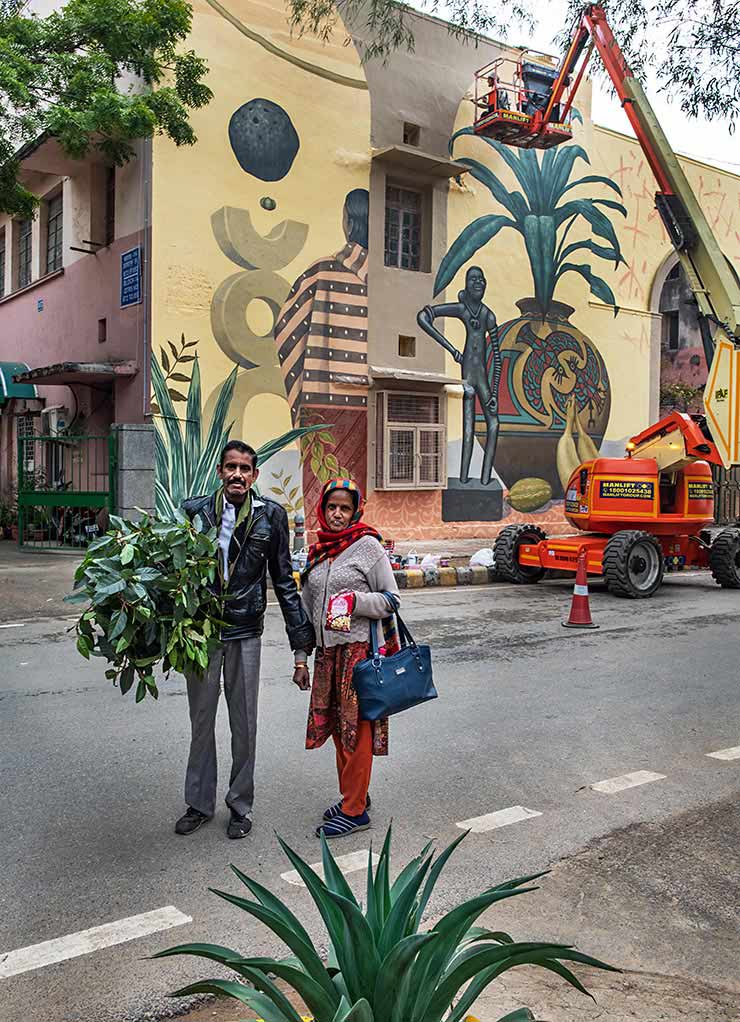
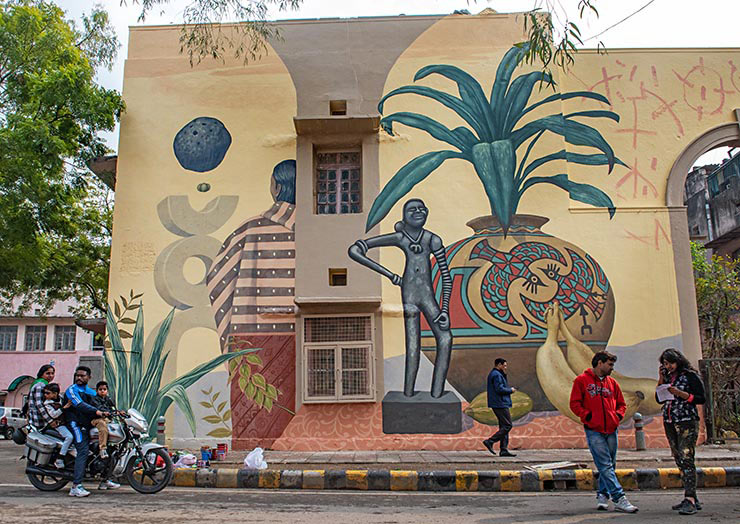
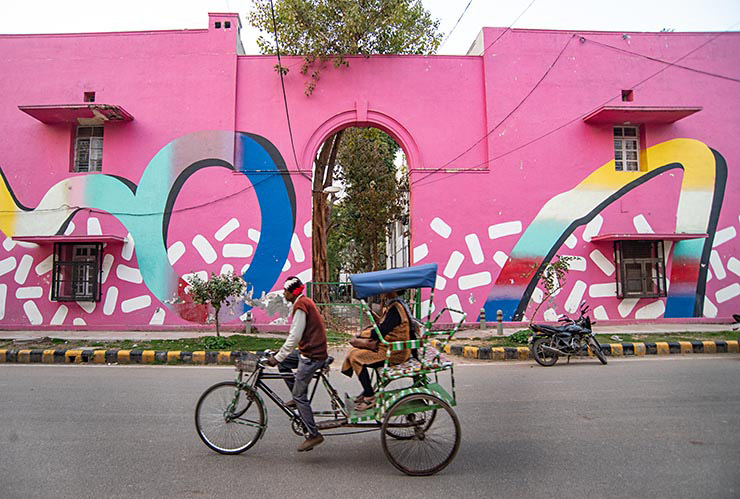
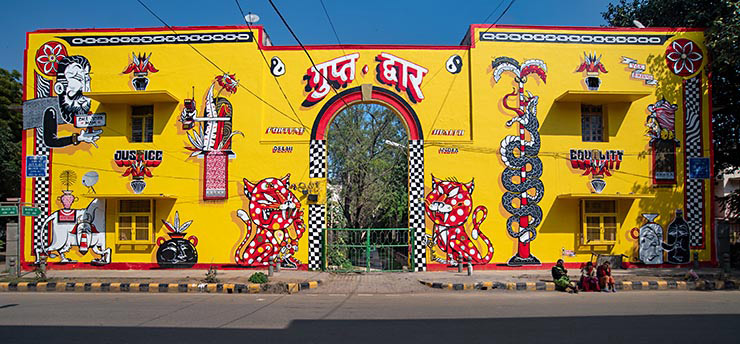
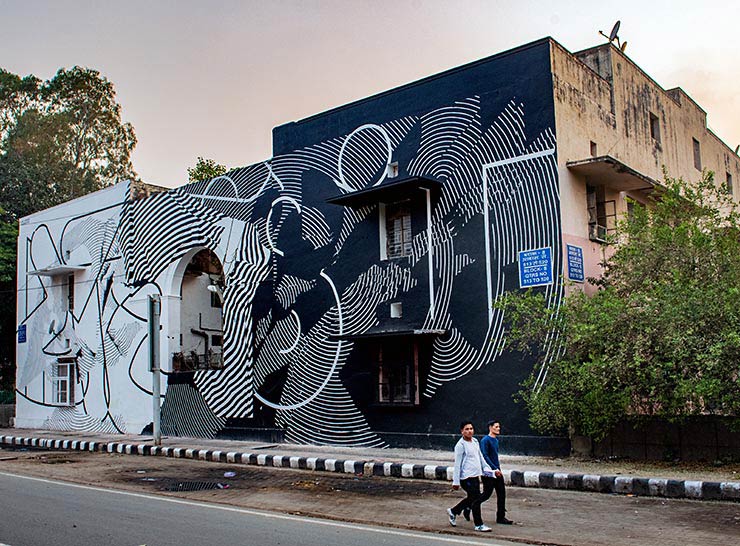
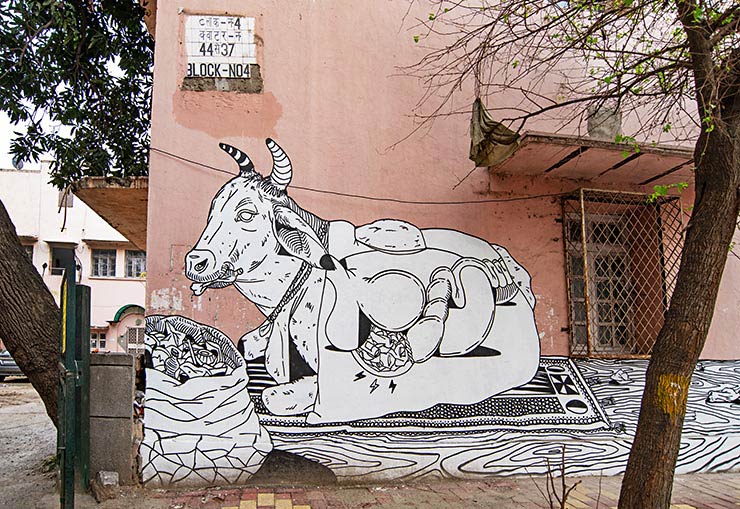
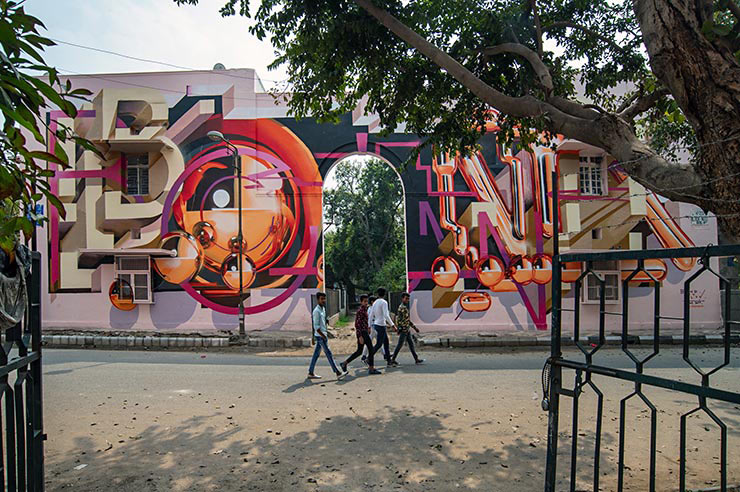
St+Art Delhi continues apace with an ever-expanding roster of artists and financial/commercial/municipal partners five years after we first began writing about it, and photographer Martha Cooper brings us today some of the newest installations and shots that she recently discovered while there.
A mural program at heart, many of the artists invited here bring a decorative character to the districts of Shahpurjat, Khirki Village and Hauz Khas Village also have roots in illegal graffiti and Street Art back home, and during their youth.
Over the years that list has included an international and local array of artists invited to paint at Lohdi Colony from all the continents – well maybe not Antarctica. Names have included ECB, Lady Aiko, local students Avinash and Kamesh, Suiko of Japan, Reko Rennie from Australia, Lek & Sowat from France, Kureshi from India, Inkbrushnme from India, Dutch artist Niels Shoe Meulman, Swiss duo Never Crew, Tofu from Germany, Mattia from Italy, Artez from Serbia, M-City from Poland, Ano from Taiwan…
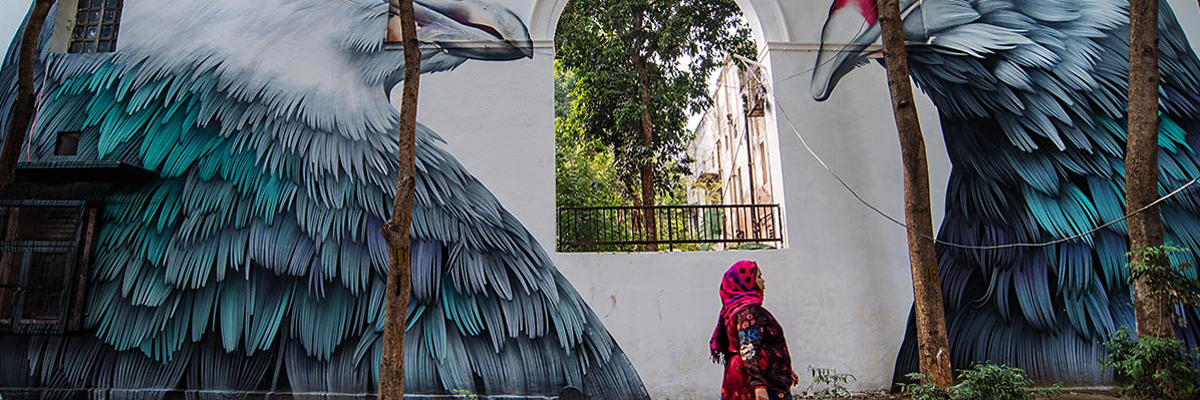
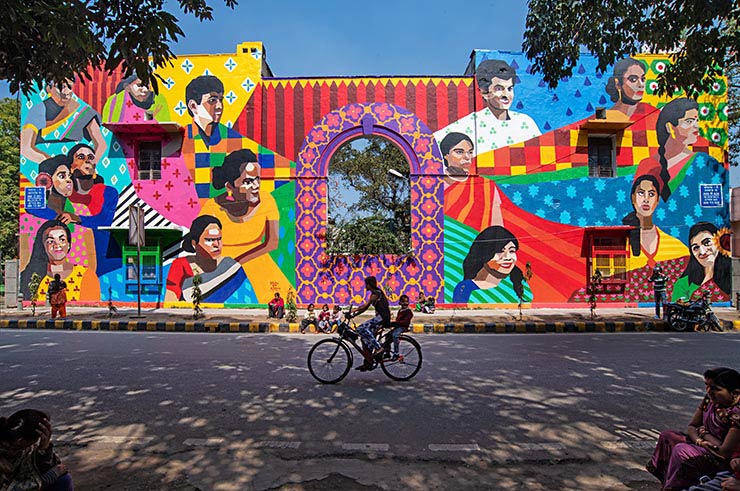
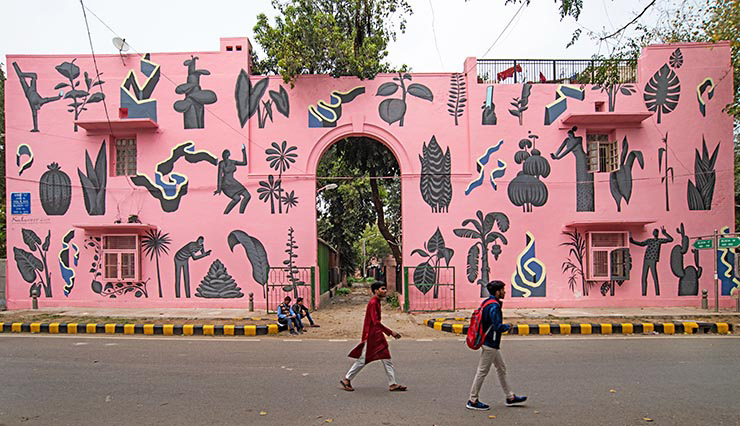
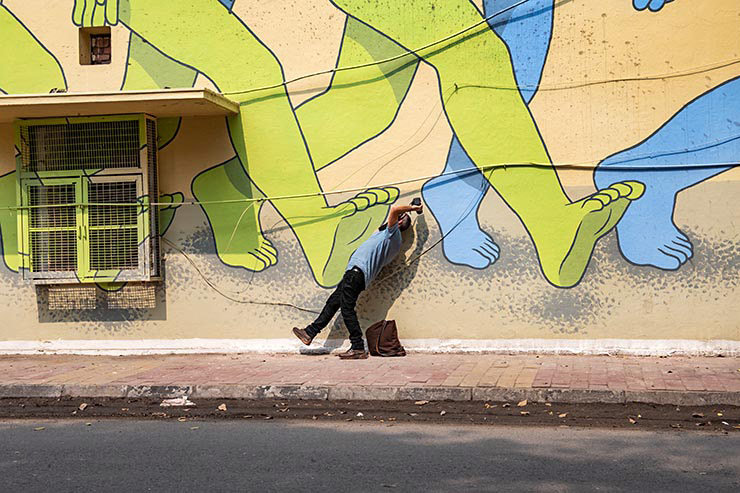
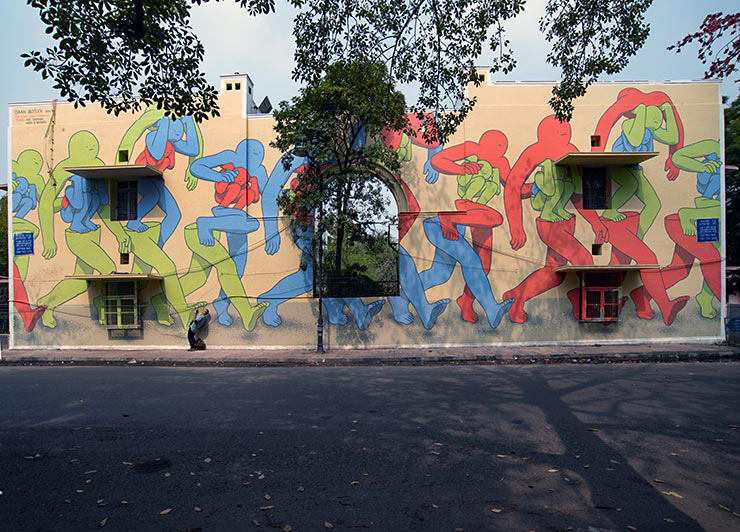
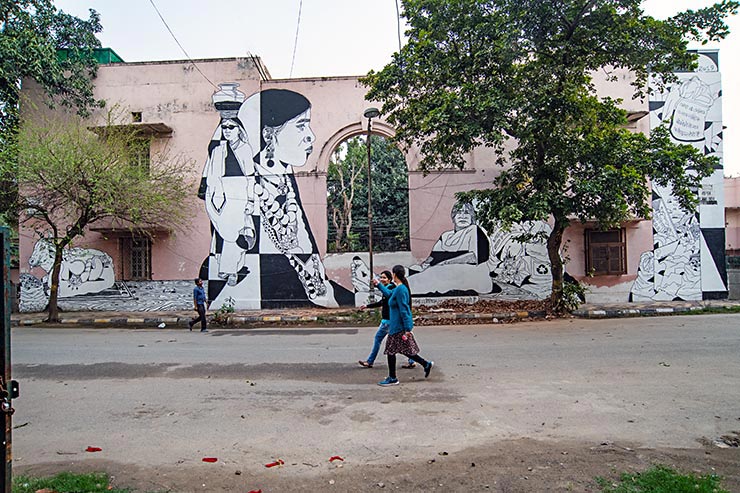
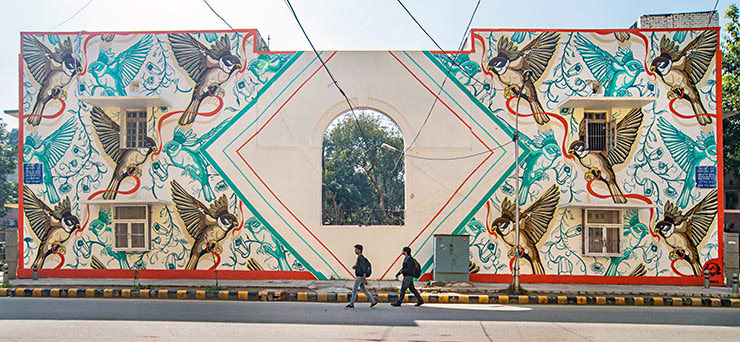
Notable here is the architectural framing convention for most of these murals- the distinctive facades of Lodhi Colony architecture that features a central archway and four windows divided by it on a semi-ornate face forward. Some of the arches begin on the ground while others have been bricked into windows. Each provides a view inside the entry or courtyard, while others are bursting out with limbs and trees that protrude through them to the street.
Originally designed by the British-born architect William Henry Medd in the late 1930s and early 1940s as part of a program to house certain populations, this unifying pattern sets the quiet neighborhood apart from others in the city.
As Chief Architect to the Government of India during that period, Mr. Medd
oversaw much of the design of the relatively new city as well as buildings like
the Cathedral Church of the Redemption and Sacred Heart Cathedral, both of which
reflect his affinity for the high arches that distinguish the period.
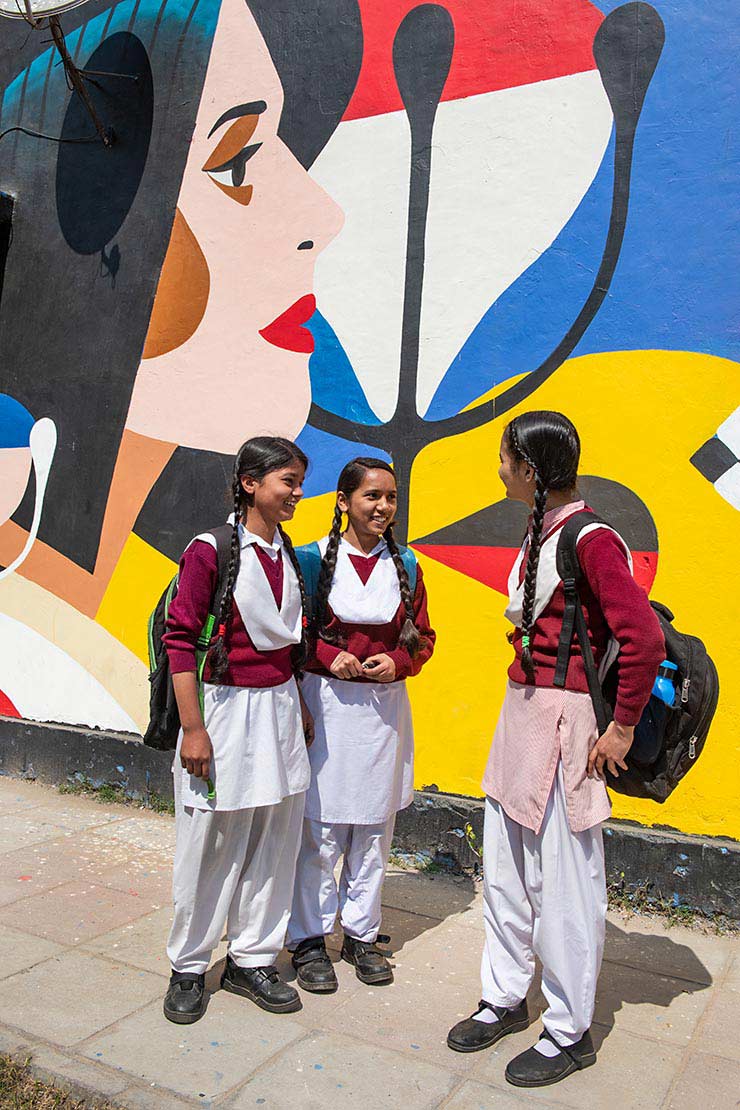
“It’s interesting to see how the very different artists have incorporated the arch into their murals,” says photographer Cooper. “The uniform size and shape of the walls unify the disparate collection and the arches give the whole area an exotic touch.”
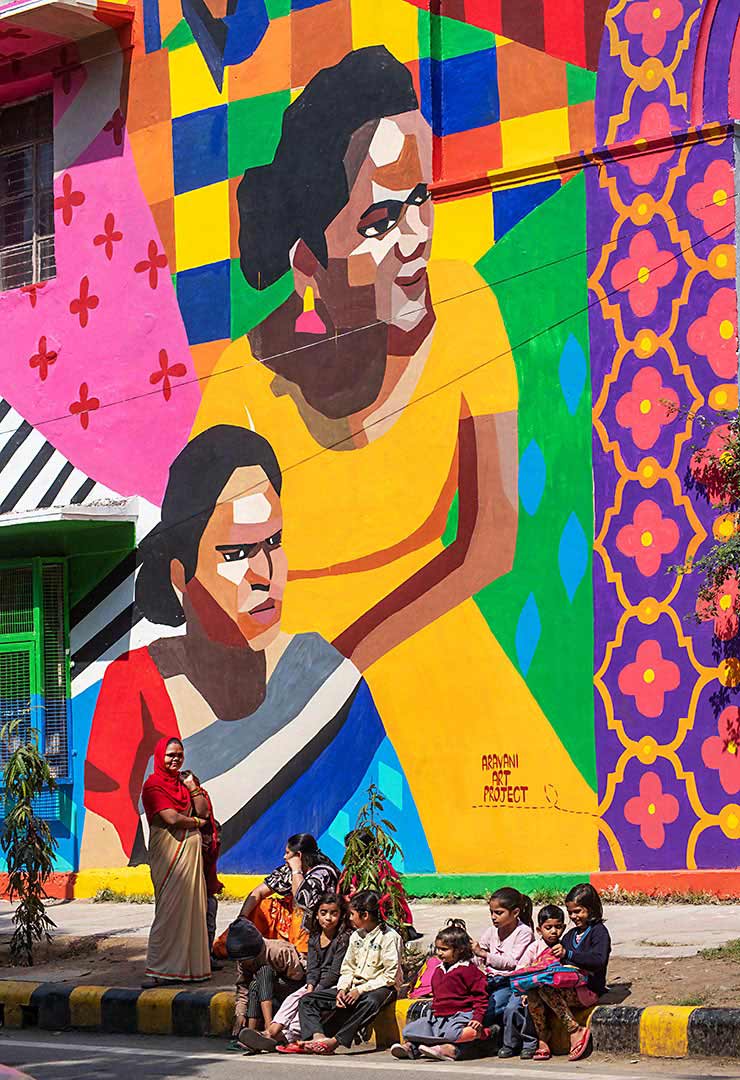
As is her practice many of these images also skillfully incorporate the foot traffic and community who live here and who are beginning to associate these figurative, abstract and folk-inspired murals into their daily lives. Asking people to pose in front of the new paintings gives them context, somehow also bringing them alive in certain cases. At other times, her timing and eagle eye capture the passerby who unknowingly creates a serendipitous counterpoint to the new work.
“It’s a quiet neighborhood compared to the rest of Delhi,”
Martha says, “making it a very pleasant place for an afternoon walking tour.”
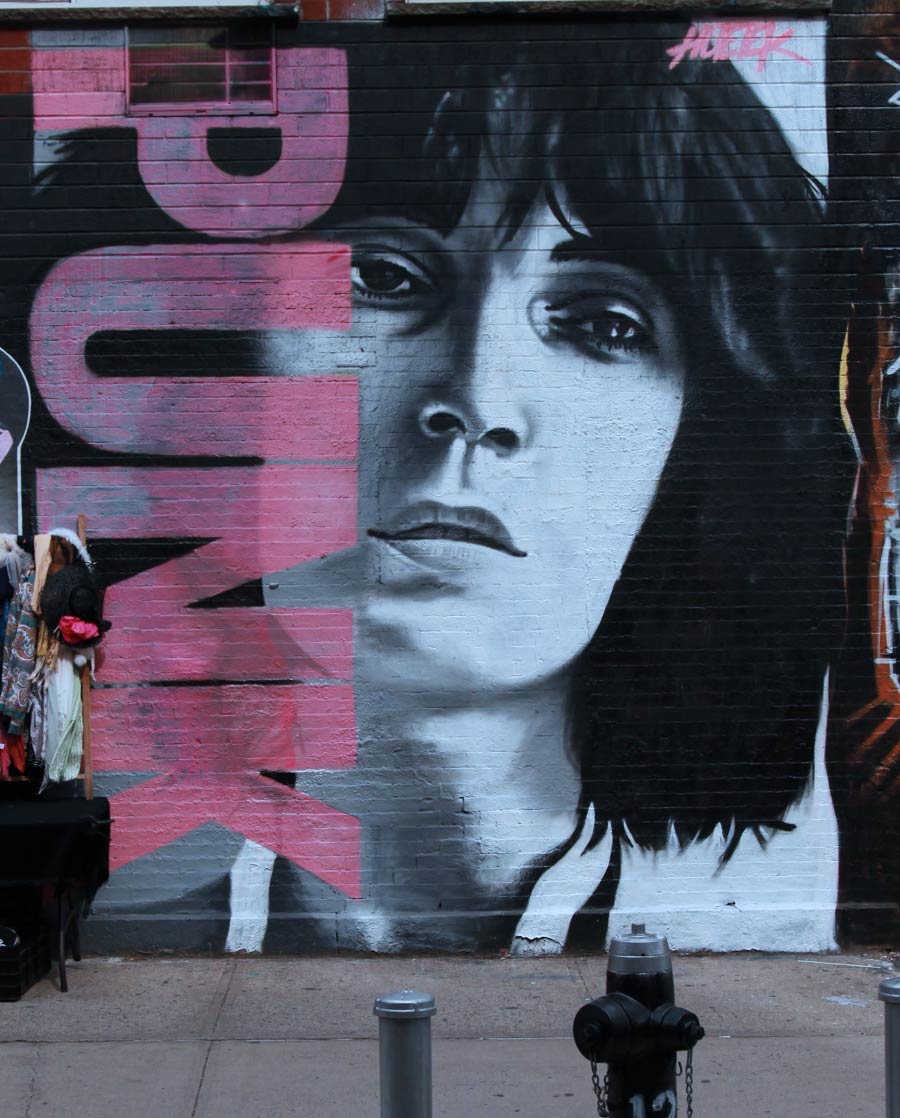
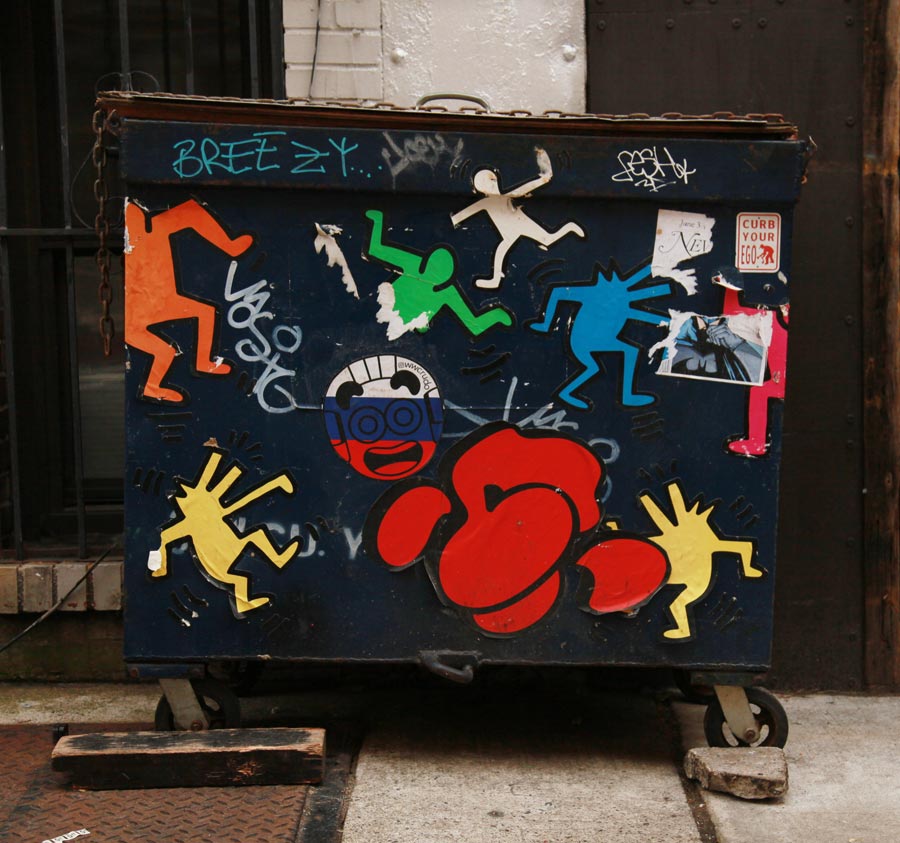
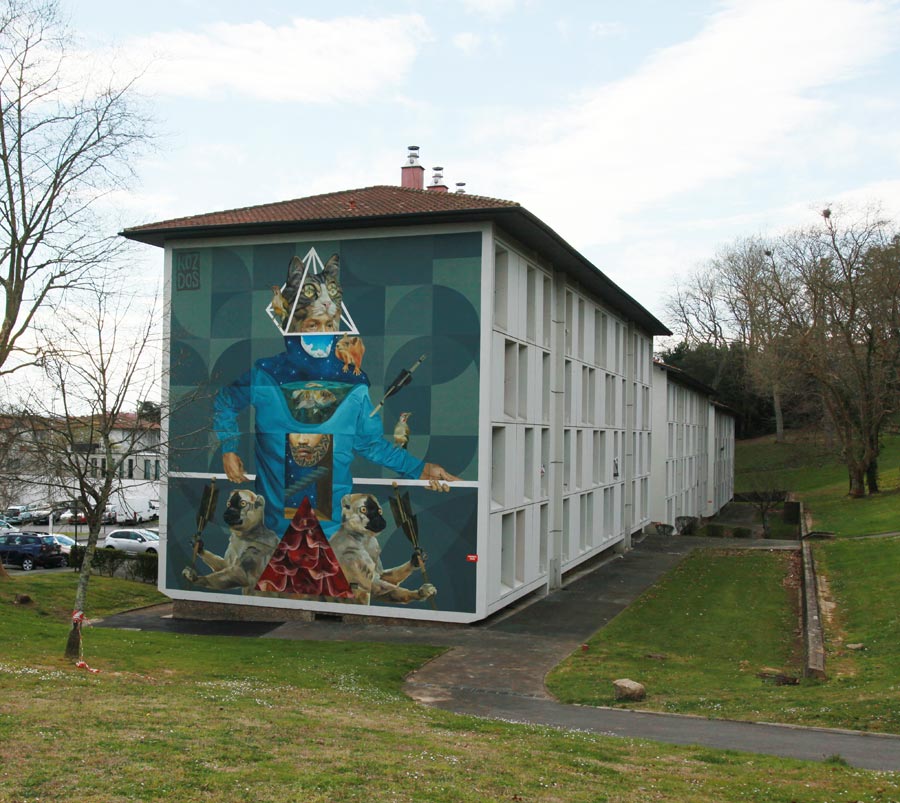
Patti Smith begins the roll call for BSA Images of the Week in this portrait by Huetek. The punk term is loosely tossed around today, but it only applies to a certain number of people truthfully. In so many ways she is one. But she is also an author, poet, activist, and champion of the people – who she says have the power.
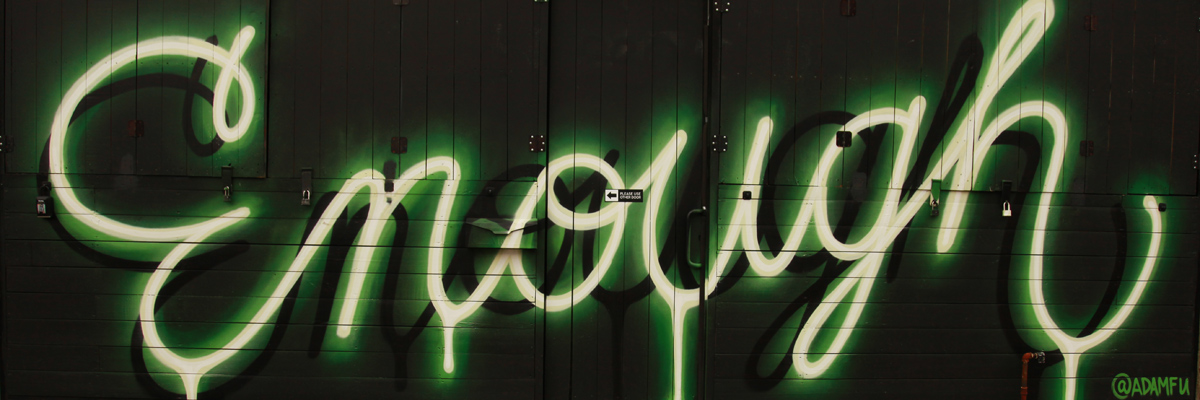
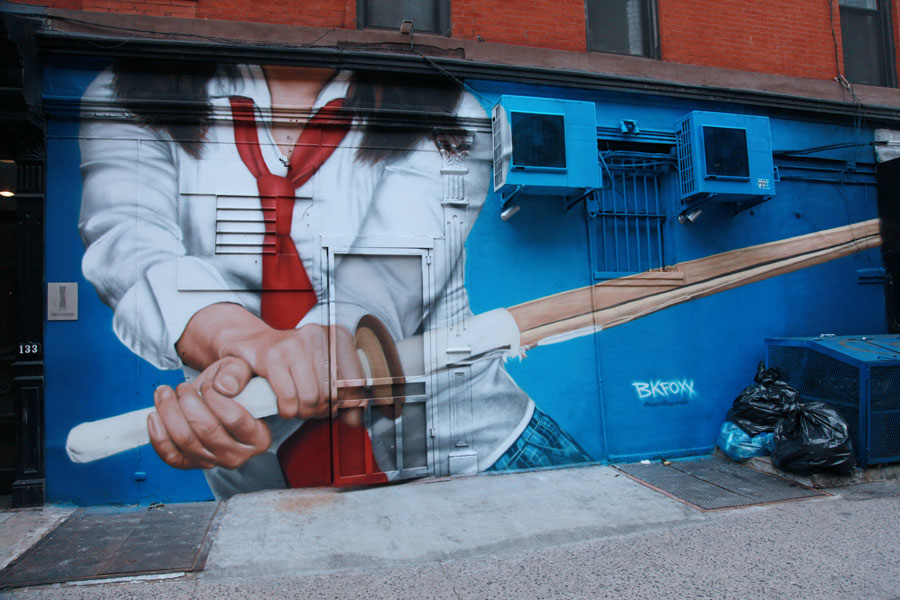
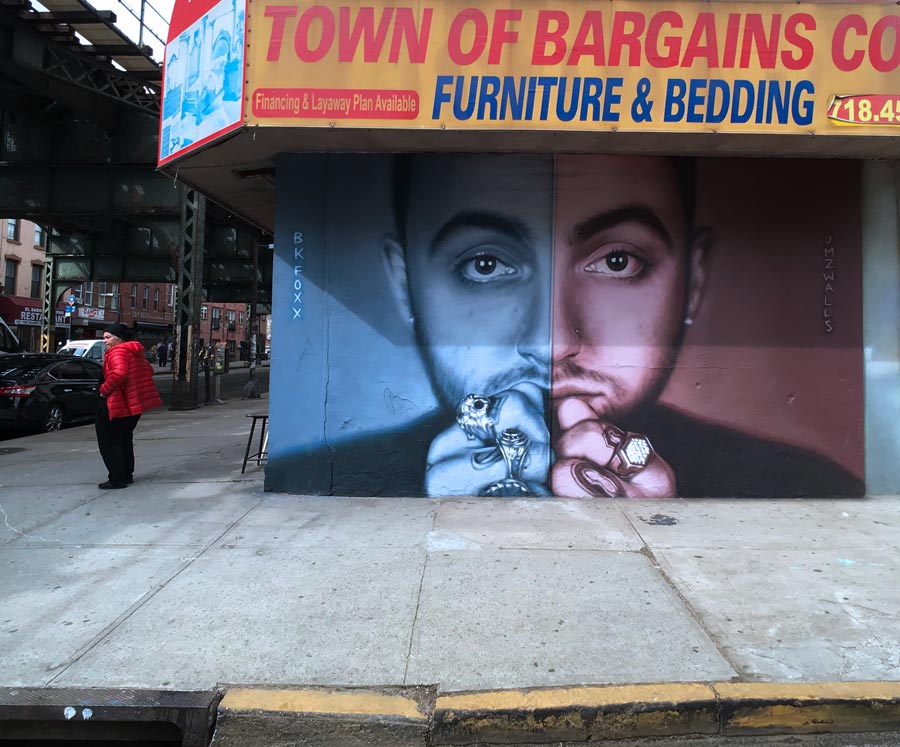
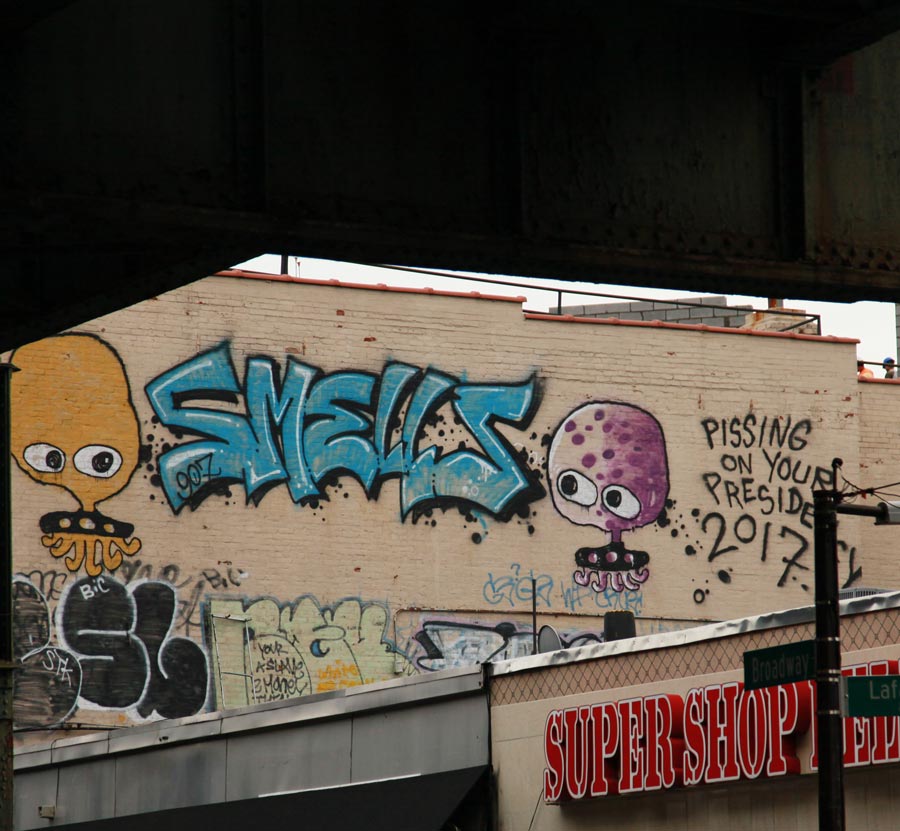
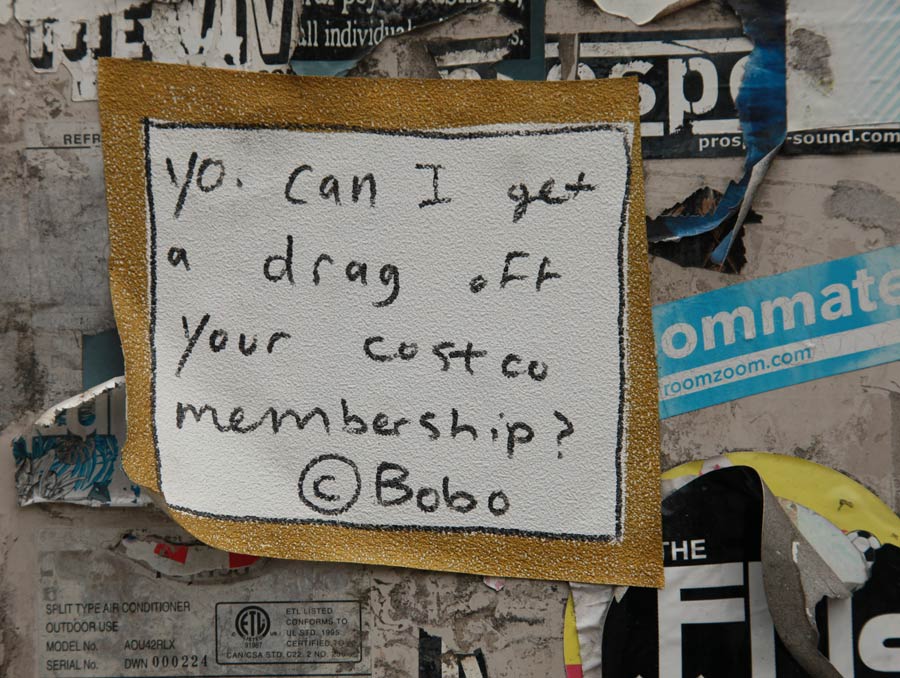
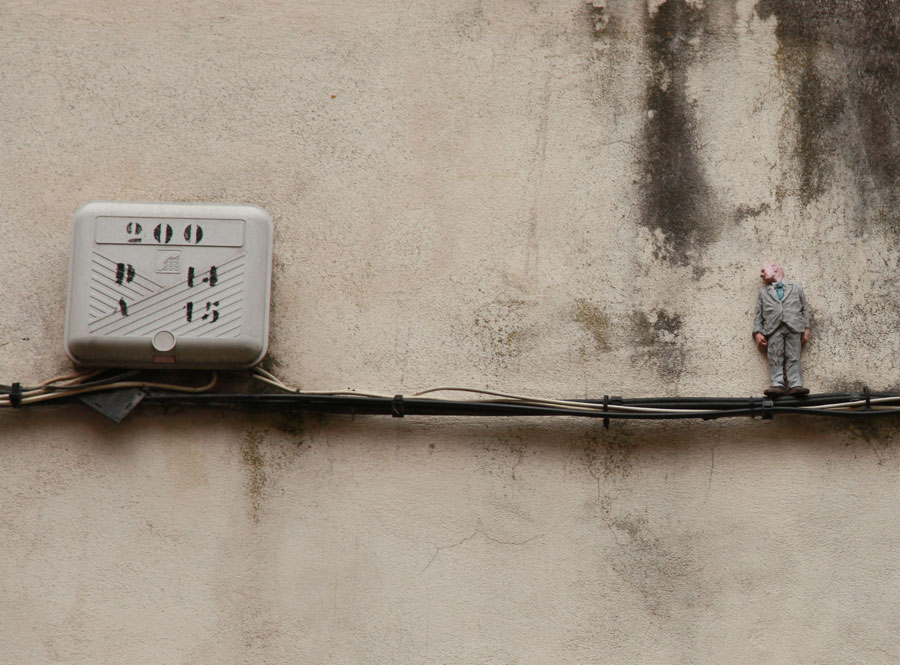
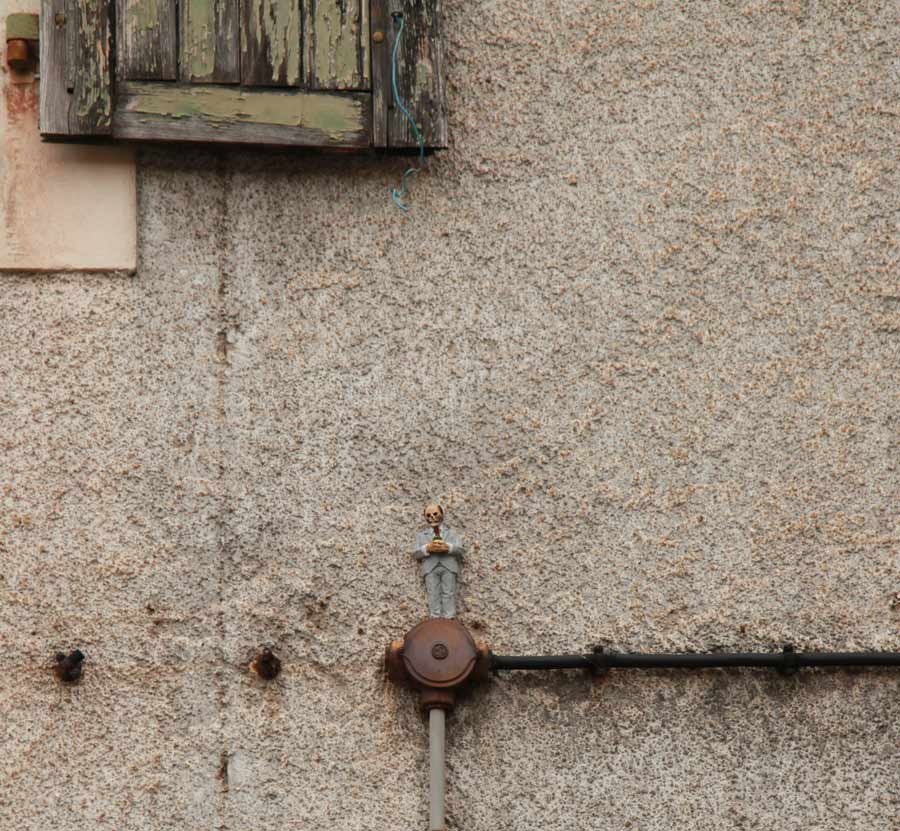
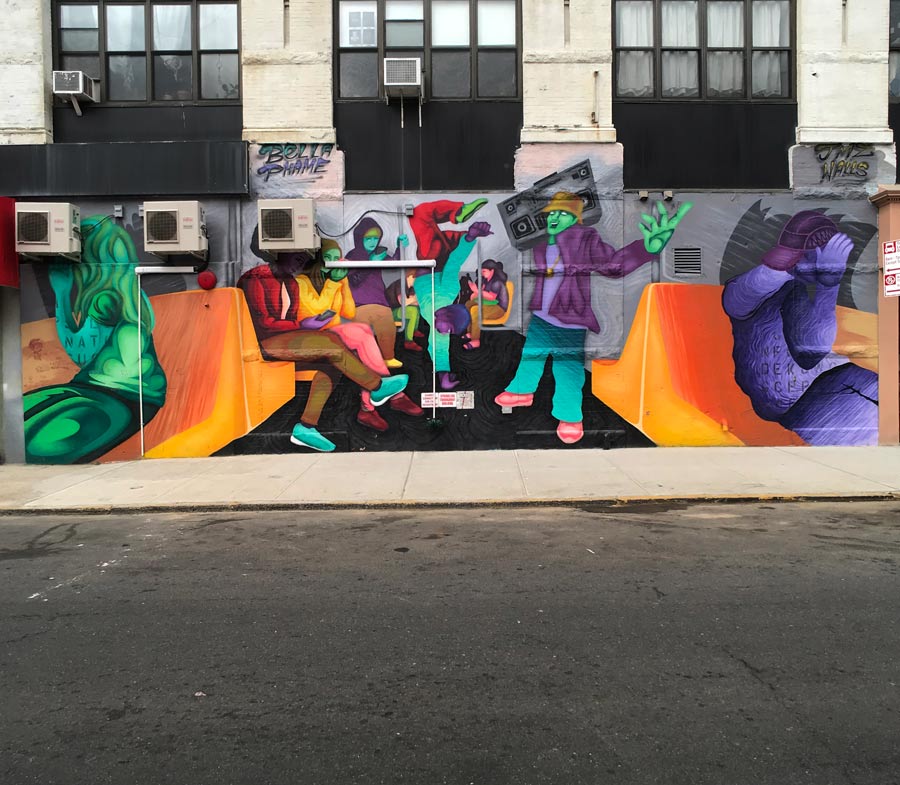
So here’s our weekly interview with the street, this time featuring Adam Fu, Bella Phame, BK Foxx, Bobo, Deih XLF, Exist, Huetek, Isaac Cordal, Koralie, Koz Dos, Sixe Paredes, Smells, SoSa, UFO 907, Velvet, WW Crudo, and Zoer.
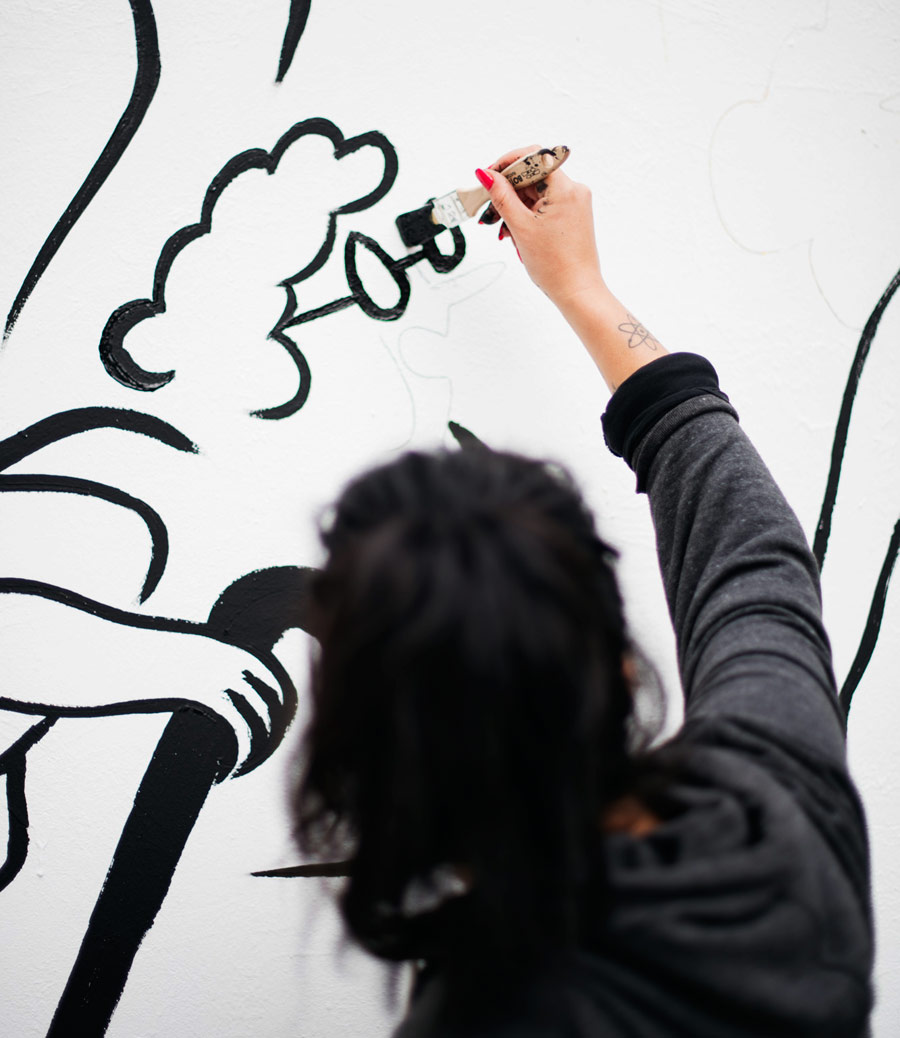
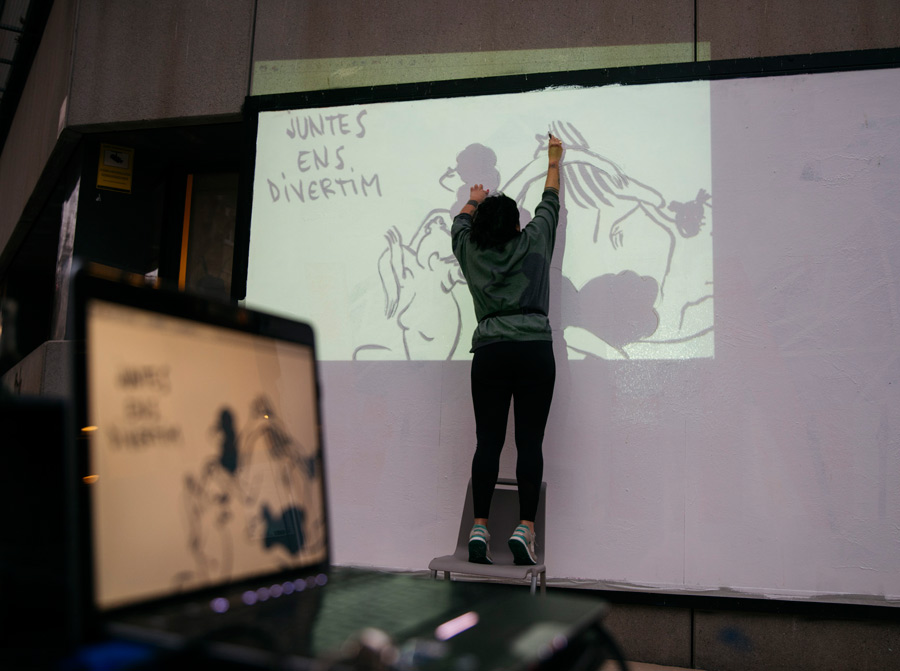
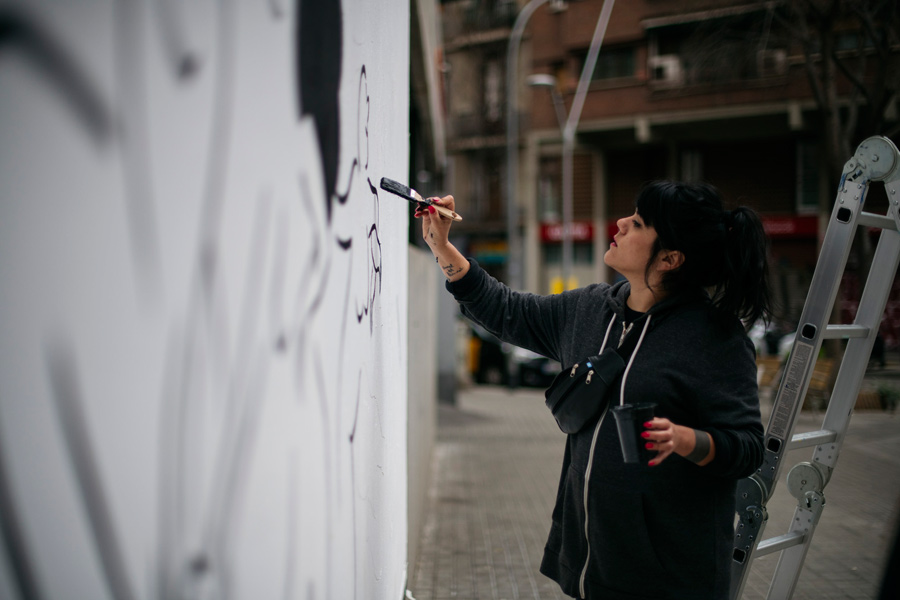
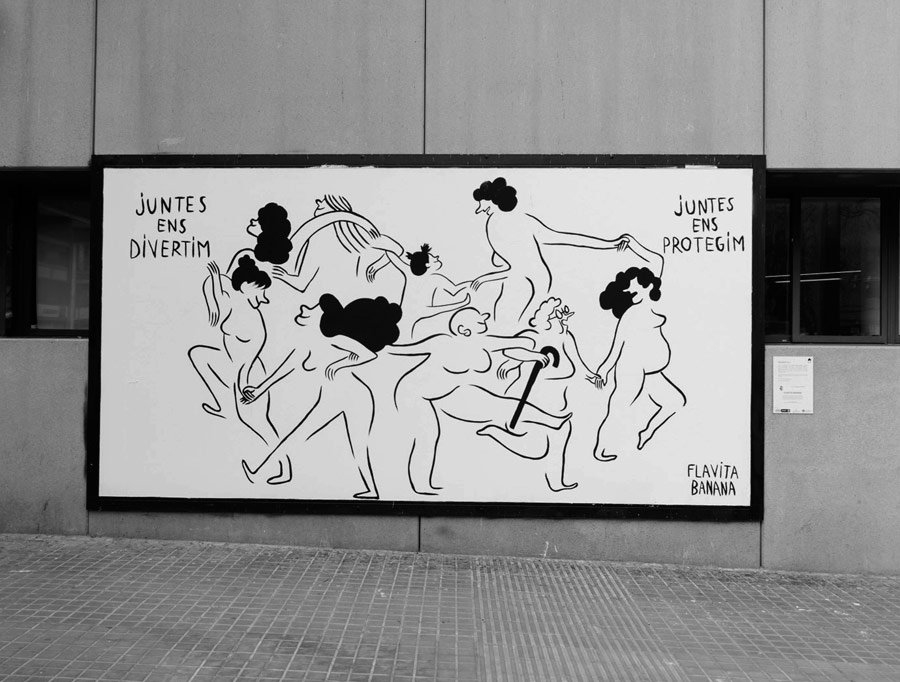
With a nod to La Danse by Henri Matisse and many human tribes’ rites of Spring, artist Falvita Banana creates her new “Juntes sumem” (add together) here on the façade of Cotxeres Borrell in Barcelona.
Her illustrations have been in magazines, books and on public walls, often with the most basic and courageous technique at play; the simple stroke in monochrome. Humor, absurdity, melancholy all are intertwined. Here the expansive commanding of space and convivial craze infers the spirit as well as the movement of these celebrants.
But as with many of her humorous works, she says that this new wall completed Wednesday has a sadness – the clan-like closeness on display is for safety as well as intimate sisterhood.
This is a feminist ring-around-the-rosy says the artist. “At any
time and situation, women have to be alert and united. We have to protect and
help each other; unfortunately, even when we’re having fun,” she says of the
jovial scene. “Above all, we have to remember that we are stronger together.”
Our weekly focus on the moving image and art in the streets. And other oddities.
Now screening : 1. RONE Wrecks a Mansion in Melbourne
2. Vegan Flava: The taste of fresh water
3. Vegan Flava: Foot prints in the snow
4. Nina Chanel Abney’s “Colorfully Seductive, Deceptively Simple” Art at ICA Boston
BSA Special Feature: RONE Wrecks a Mansion in Melbourne
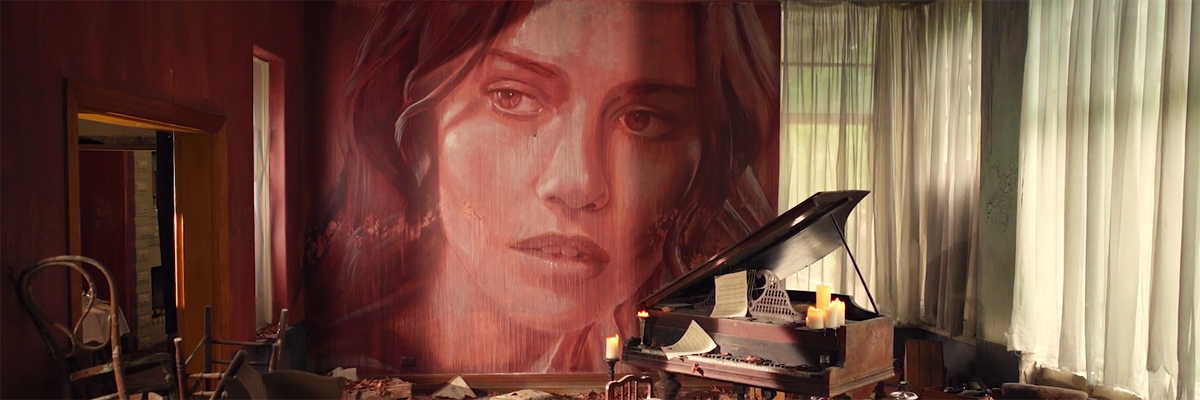
You know that a Street Artist is heading toward serious consideration as a collectible artist, no, painter, when they begin invoking the imagery and trappings of European so-called classicism. Here Rone temperately unveils the sweeping view of an estate, the tinkling of grand ivories, the complex mourning of strings, the long veiled windows of the sitting room. It all serves as a set piece for a portrait of the light-skinned royal. This one takes the entire wall and has no gilded frame. But it does have drips, so you know we’re keeping it real, bro.
No candalabras, you ask? Hang in there, Whitaker, they’re coming.
A secret installation inside the Burnham Beeches mansion in Sherbrooke, Victoria, the artist has a velvet crush on the ghosts who may still live here. He sets the stage for their return, and invites you to tour the handsome estate just east of Mellbourne. Bring your gin and vermouth, darling, and enjoy the EMPIRE, while it lasts.
RONE “EMPIRE”
Fresh Water and Foot Prints from Vegan Flava
Switching hemispheres, we fly to lake Översjön in Stockholm
and find Vegan Flava writing in the snow, contemplating existence. First he sets the pristine stage of this two
chapter story. Or rather nature does.
Then he defiles the crystalline palette with aerosol
(biodegradeable black chalk), smudging matter together like a charcoal
portraitist. As the camera pulls away we see the portrait, or relic in the snow.
“How we produce food, consume, and the
burning of fossil fuels leaves the footprints of collapsed ecosystems,” he
says, “melting the worlds glaciers, dead ocean floors, logged and burned
forests, dirty air and waters.”
Vegan Flava: The taste of fresh water
Vegan Flava: Foot prints in the snow
Nina Chanel Abney’s “Colorfully Seductive, Deceptively Simple” Art
Sometimes the most impactful art is the kind that begins the conversation with you and can go deeper with you if you would like it to, but can stay on the surface if that is all you can countenance on that particular day.
Perhaps the rapid romance that fans have had with muralist Nina Chanel Abney is her self-described approach of creating “deceptively simple investigations of contemporary cultural issues.” Currently on exhibition at ICA Boston, her work is described by the organizer as “Deeply invested in creating imagery that is legible and accessible, Nina Chanel Abney (b. 1982, Chicago) is known for weaving colorful geometric shapes, cartoons, language, and symbols into chaotic and energetic compositions.”
Also; systemic racism, police violence, unjust incarceration, white privilege.
When you are ready to go there, she will too. Ready? Let’s go!
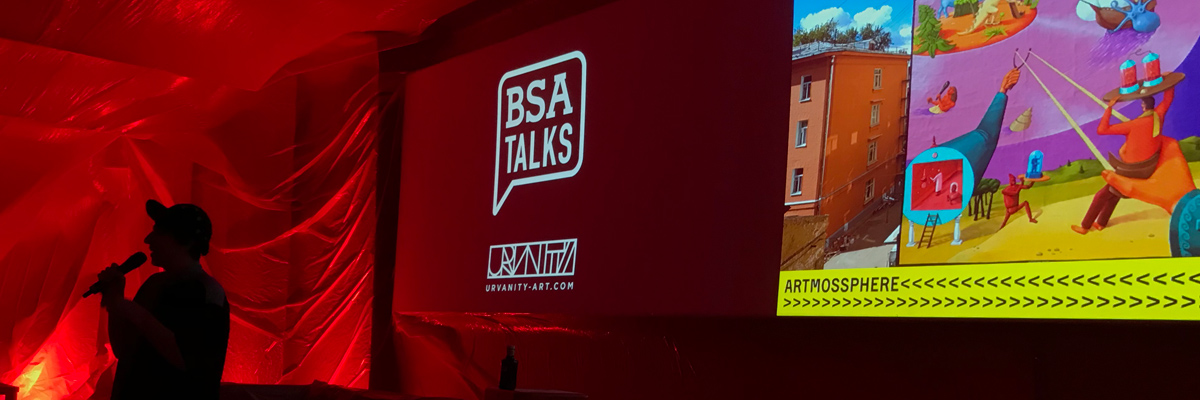
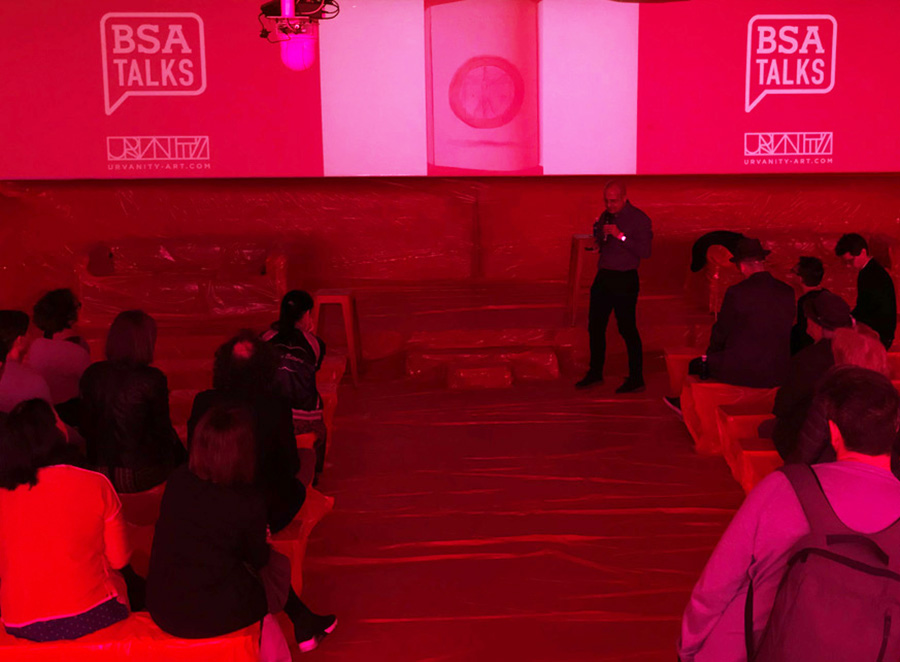
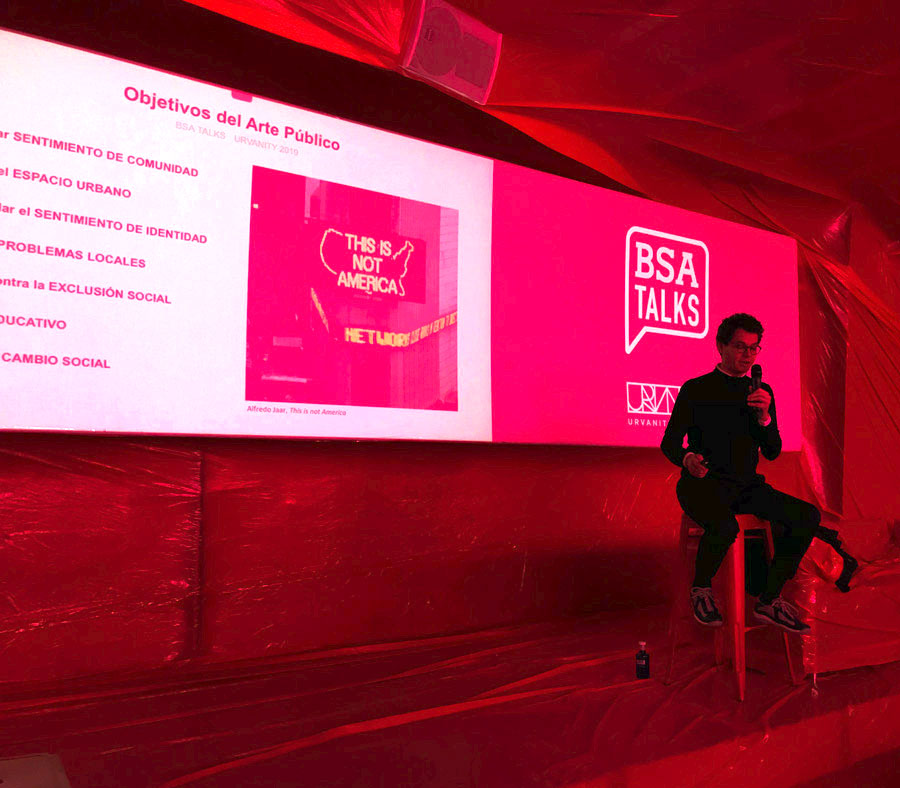
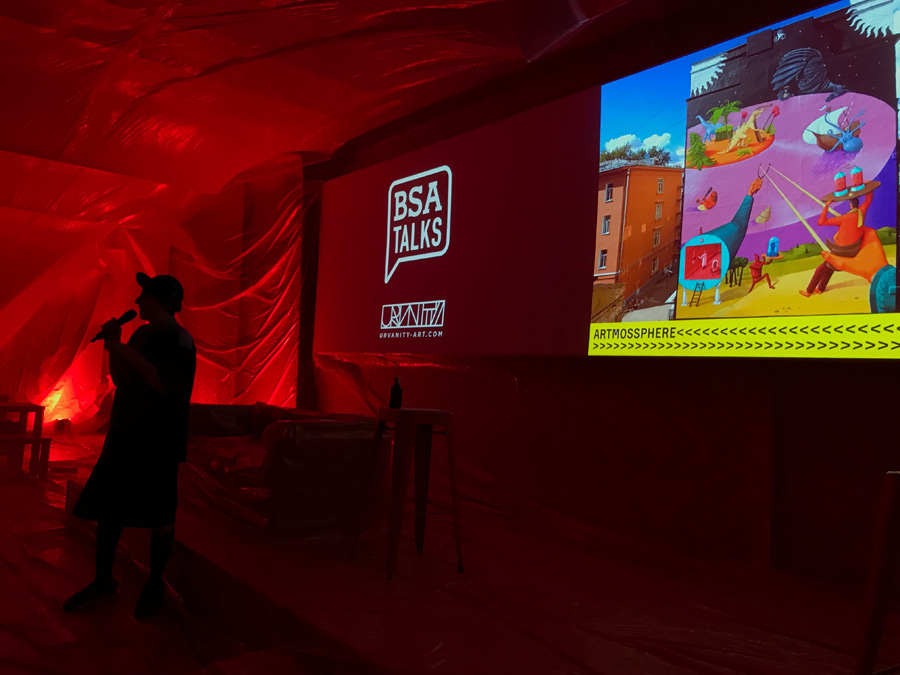
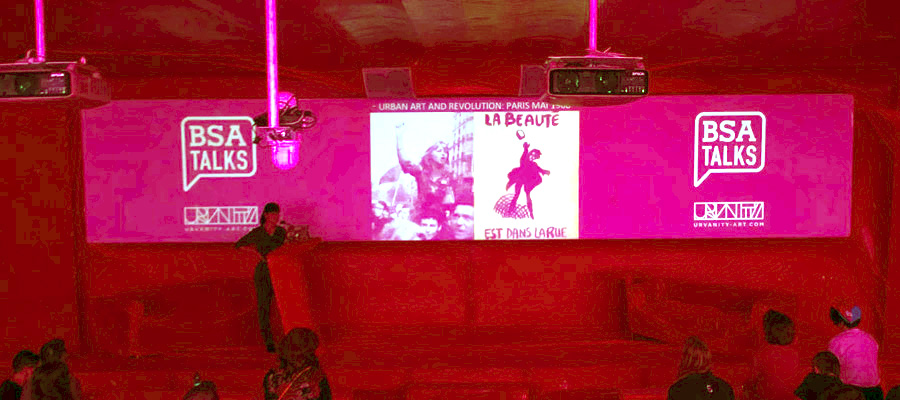
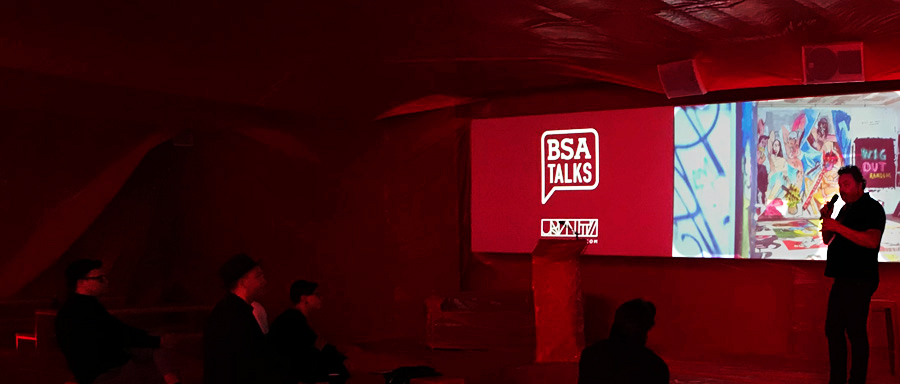
We had a question going into the BSA Talks program at Urvanity in Madrid
earlier this month: How deep is the street? Turns out it’s very deep.
We had 10 minds from different countries and disciplines on the stage
talking to us about a wide range of issues in depth, and armed with a vast
wealth of knowledge.
As we reflect on our week in Madrid we realize that we came out of it vastly
enriched. The knowledge shared on the stage came from people who have devoted a
great part of their lives researching, studying, producing, traveling, writing,
exposing, taking risks, creating on the streets, on stages, outdoors, indoors,
alone, with a team, with funds, without funds.
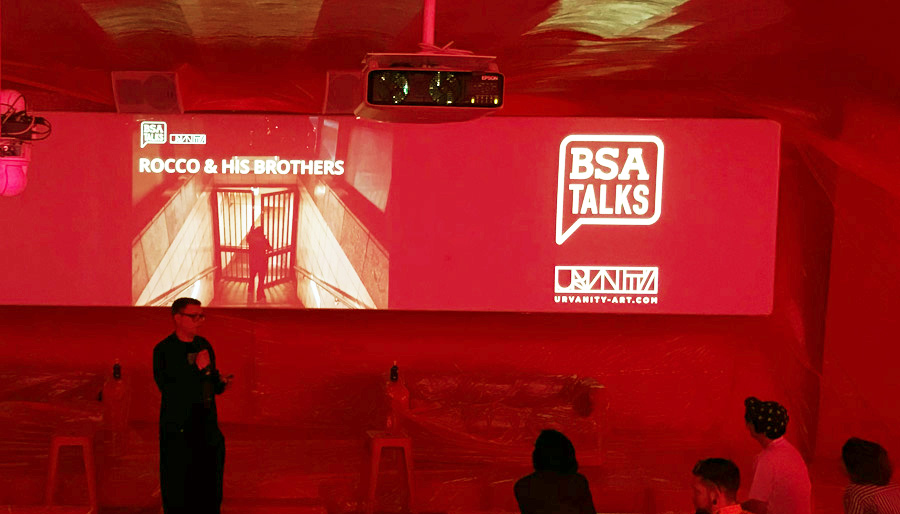
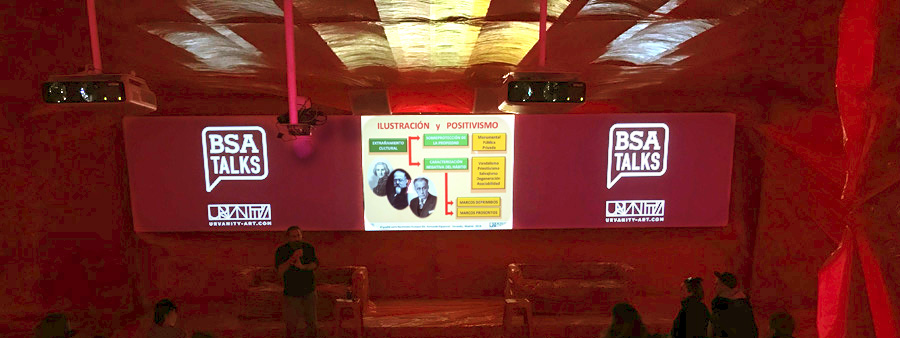
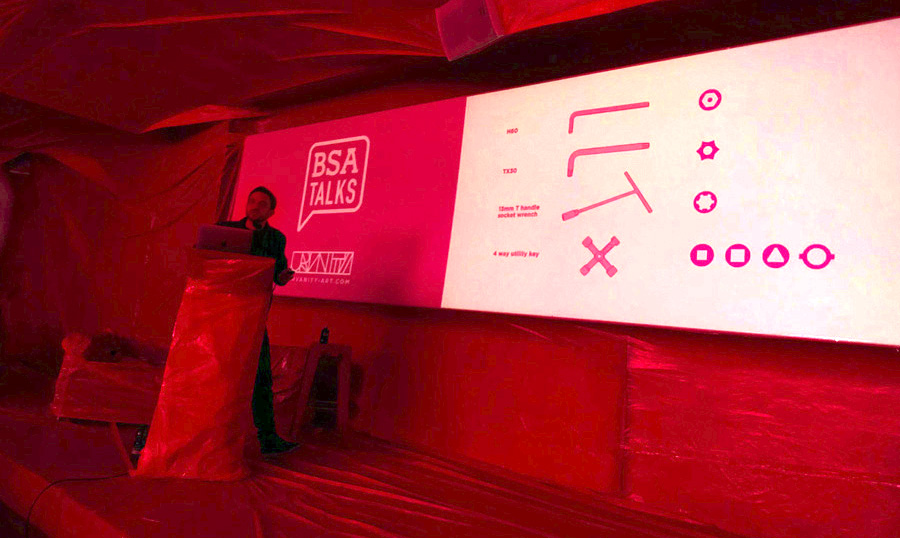
Multiplying the effect was the fact that we were presenting in a bubble.
Perhaps that is a metaphor to some, but in this case our three day exploration
was while inside a room that had been covered with plastic top to bottom, side
to side; a red bubble cave made of plastic. The site specific installation by
the Madrid based collective Penique Productions changed our very perceptions
because everything was drenched in a red/pink glow.
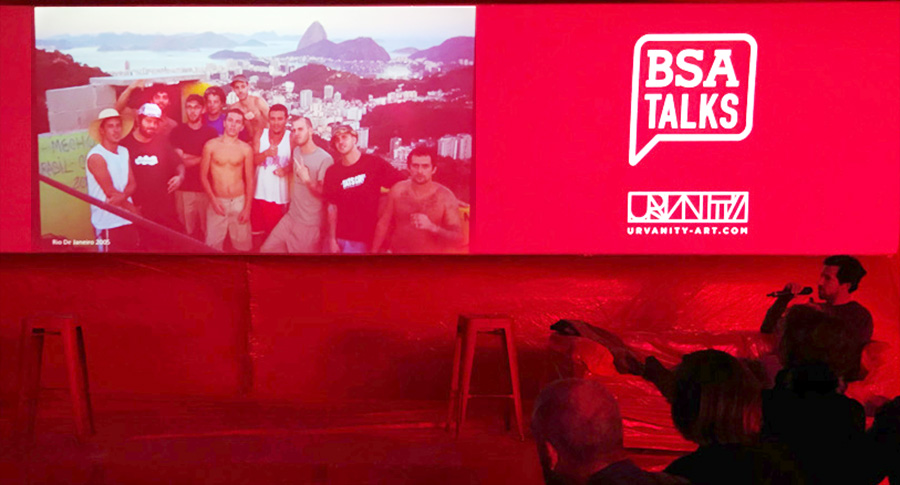
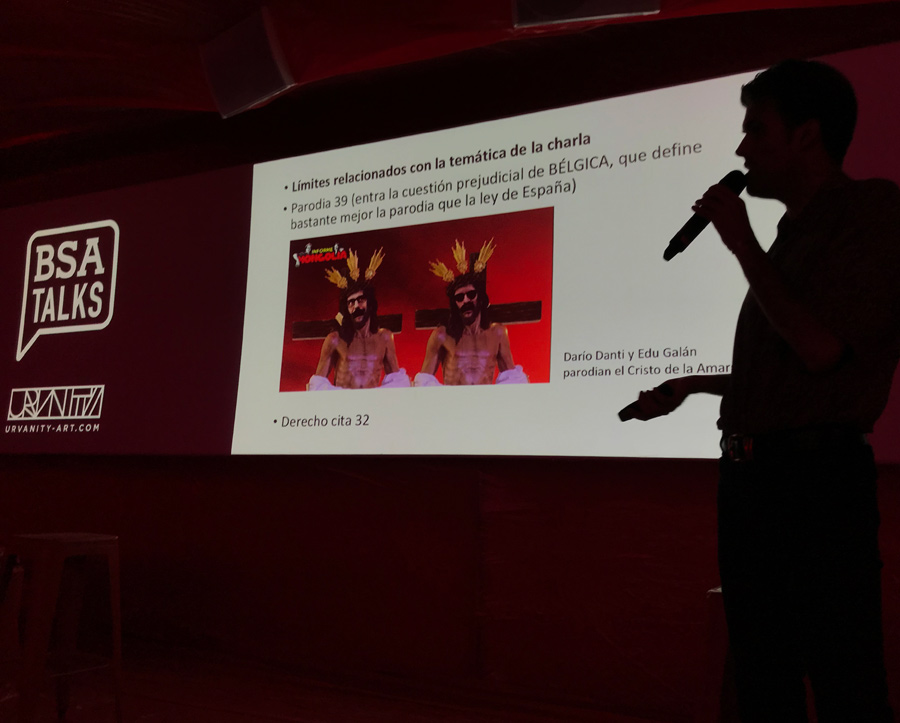
Here are some of the images from those few mind-expanding days;
From the start, big thinker Denis Leo from Berlin spoke to us with his
current vision on “The Intelligence of Many” and what it means in terms of
collaborative place-making, curating, and problem-solving. It seemed a perfect
note to begin as we contemplate a world where long established hierarchies are
flattening and power is reallocated to those who can work collectively and
independently. He reminded us that pretending to know about art may mean that
we close our mind to new opportunity, new experiments and possibly the whole
point.
Following him Dr. Fernando Figueroa from Madrid spoke about how Graffiti and Street Art can act as a social barometer; an emotional and ethical reflection of a neighborhood, a community, and a city. With an unearthing of research on societies attitude toward graffiti and mark-making that went back centuries, his research combined classical notions of civilization, architecture, and urban planning with the individuals’ psychological need to have a voice. He also talked about how to decode the messages we see on the street.
Juan Peiro from Spain and Sergio Pardo from New York spoke about how we can thoughtfully program works that respond to the rhythm of a city, cognizant of its systems, in concert with its various populations.
A New York City Arts programmer and a professor at Universitat Politècnica de València, the two of them have worked in public space with artists and the community. Each had valuable observations about the interactions. An underlying theme: What is “creative placemaking” and how does one obtain permissions from all the parties who are affected by works in the public sphere?
Prague based multidisciplinary artist Jan Kaláb spoke about inclusivity and exclusivity in Street Art as seen through the eyes of someone who’s art practice has continuously evolved in the past two decades. Reclining on the plastic red couch with mic in hand, Jan shared his personal experiences as a graffiti writer hitting trains and explained to us how the graffiti crews are an inclusive community who rely upon each other to succeed and how graffiti is a social experience that thrives in collaboration. Lessons learned from his foundations working collaboratively led him to different forms of working with artists, creators, administrators, galleries, and fans.
Alberto González Pulido from Madrid touched on a timely and very important set of topics from the Gag Law in Spain, censorship to copyrights and artists’ intellectual rights. Armed with in-depth detail about current laws that are evolving to address Internet matters and copyright and free speech – casting a frightening pall of power overreach by corporations into areas exclusively reserved for our courts and governments. The main message for us was that we all need to educate ourselves.
Sabina Chagina from Moscow took us on a personal trip and shared her experience and the process and difficulties co-founding a Biennale of Street Art in Moscow, a city with practically no culture of street art on the streets. A frank and open sharing of knowledge, it was instructive on how huge projects can come together with the right partners and the ability to pivot when necessary toward opportunity. Also, think big!
Susan Hansen and Bill Posters took us on a learning trip with their lectures about hacking public space with subvertising, brandalism, collaborative interventions, the street practices of Creative Activism. They both spoke of the role that activism plays in a time of social-political-psychological upheaval and how Street Artists are using the existing public furniture to disseminate their message – and reclaim public space.
And finally curator, visionary, publisher and gallery owner Pascal Feucher from Berlin spoke about the importance of nurturing artists and giving them the space and the freedom to create, experiment, fail, learn and succeed.
Three days of intense learning and meeting people and talking about why we do what we do – and the importance of remaining independent and commercial free – gave us new impetus to continue taking risks. We are newly determined to make things happen; providing a platform for artists, curators and big thinkers to present their proposals and voice their dreams and aspirations. For galleries to announce their exhibitions. For art fairs to promote their programs, for authors to voice their thoughts and for the public to experience art without the intrusion of advertisements.
Street art welcomes all manner of materials and methods, typically deployed without permission and without apology. This hand-formed wire piece …Read More »
 BROOKLYN STREET ART LOVES YOU MORE EVERY DAY