 BROOKLYN STREET ART LOVES YOU MORE EVERY DAY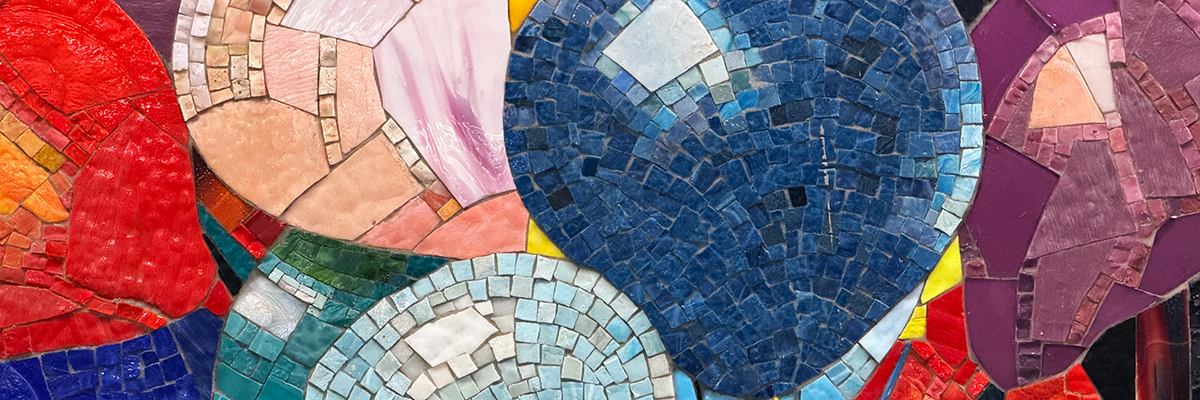
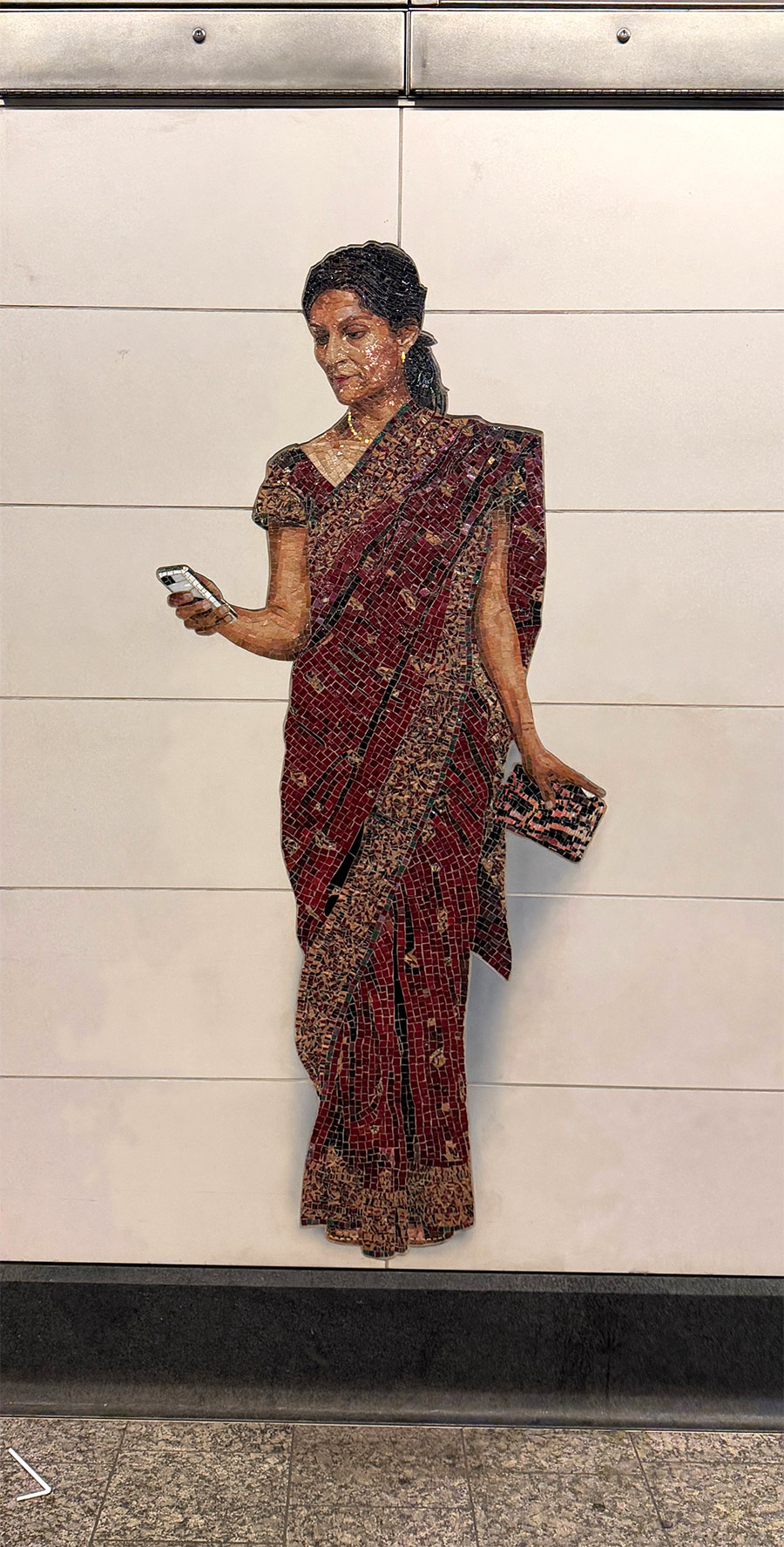
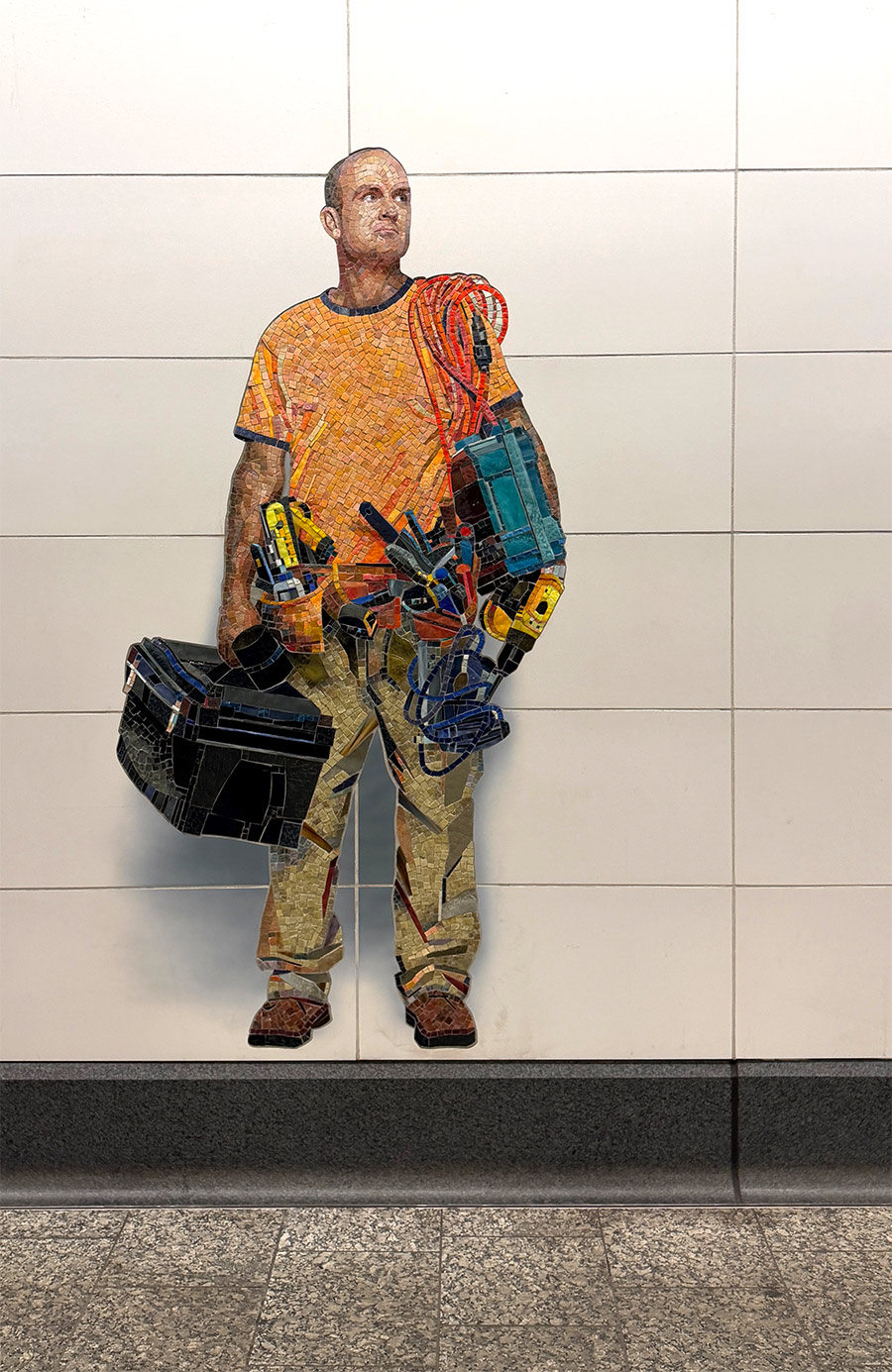
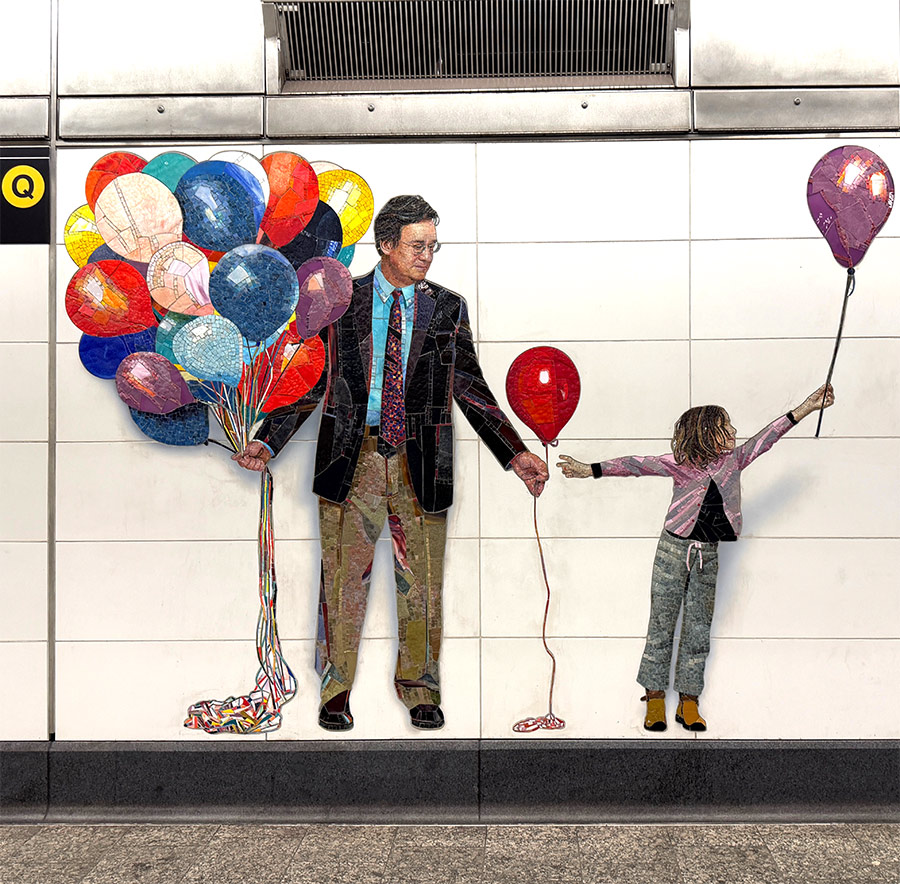
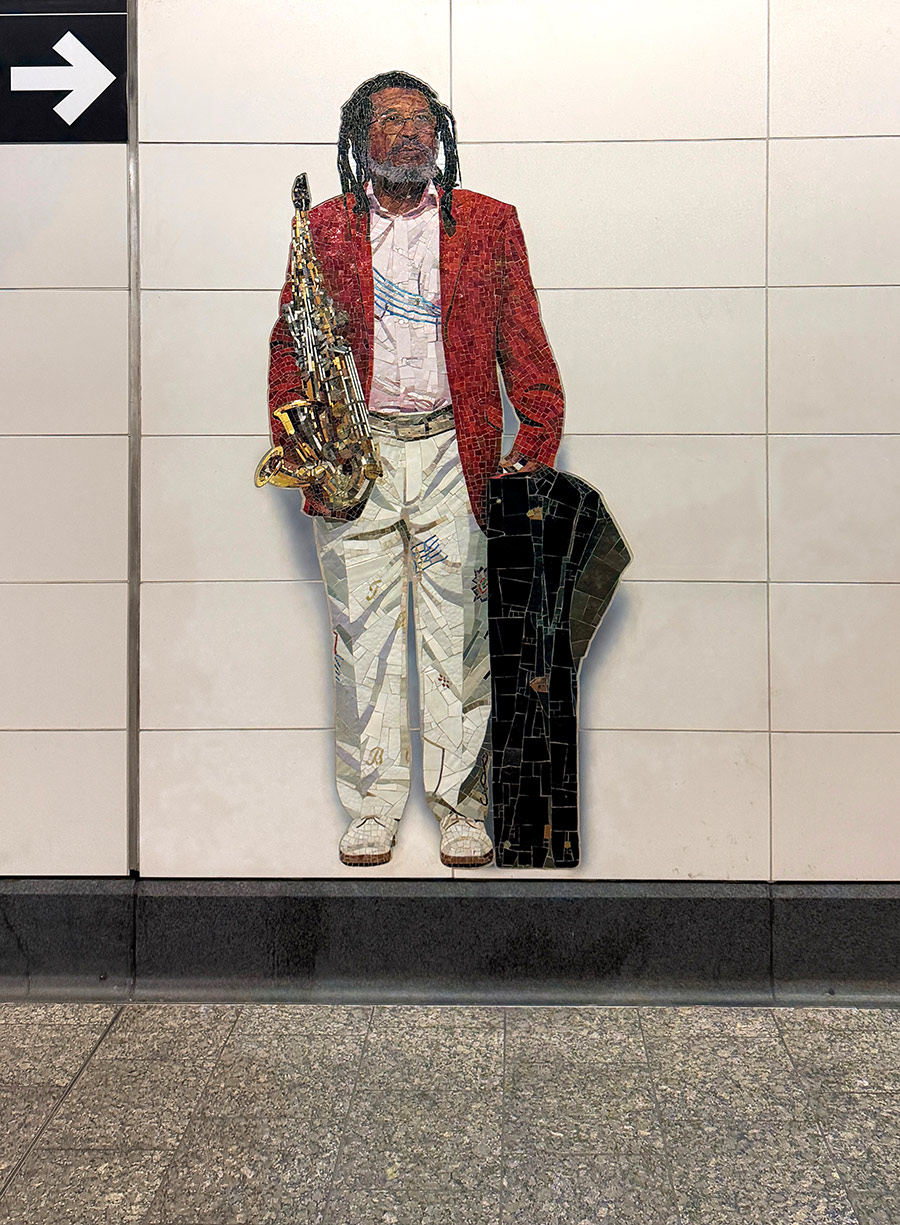
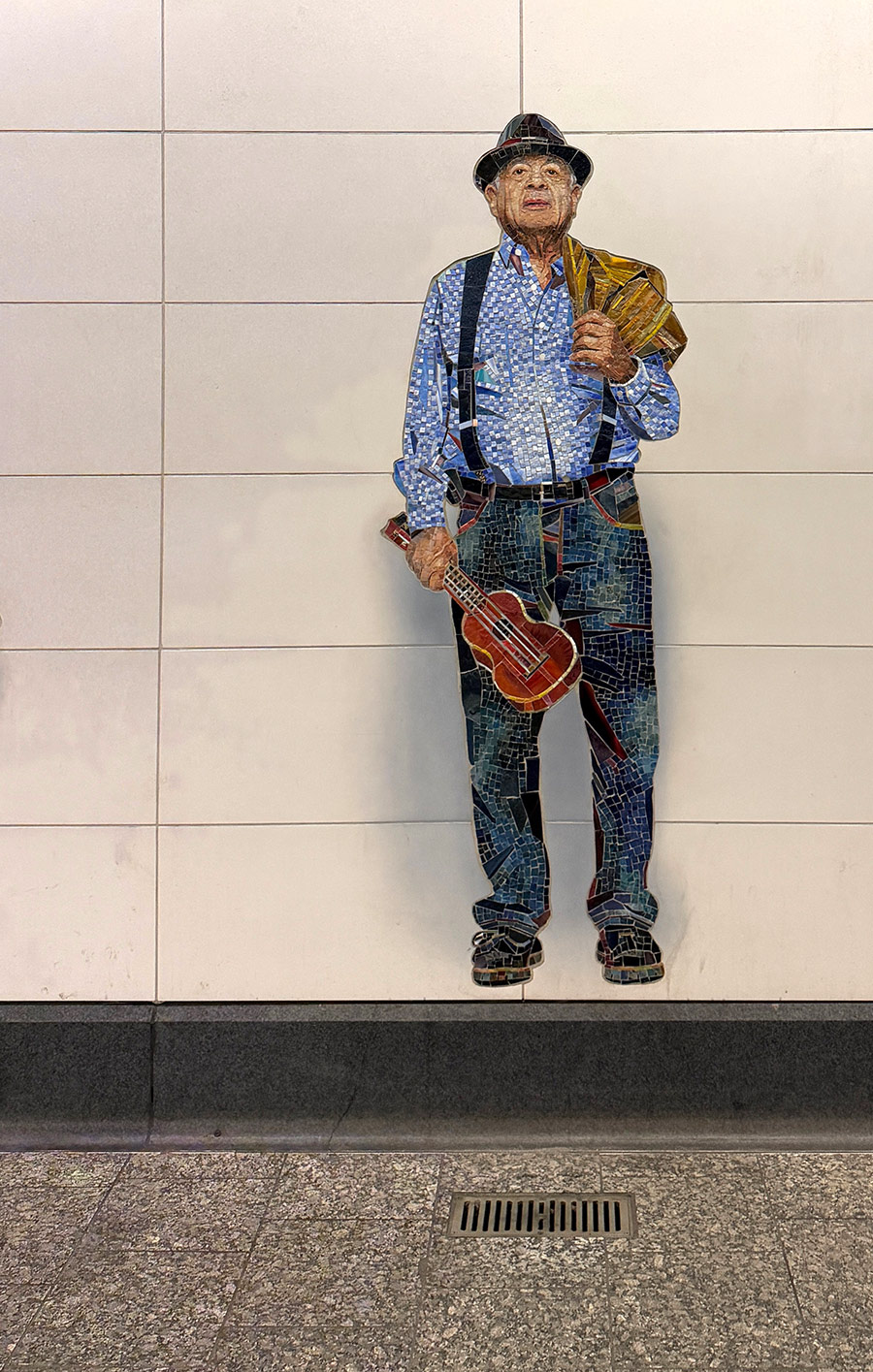
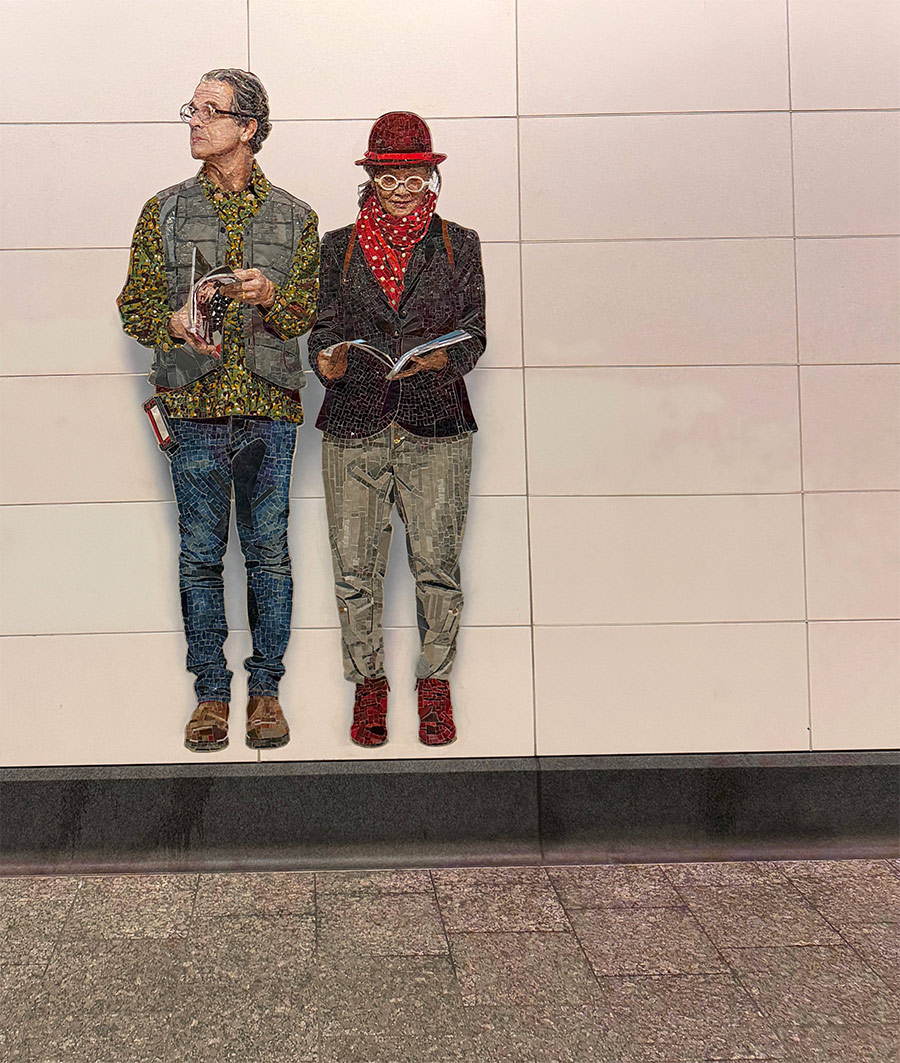
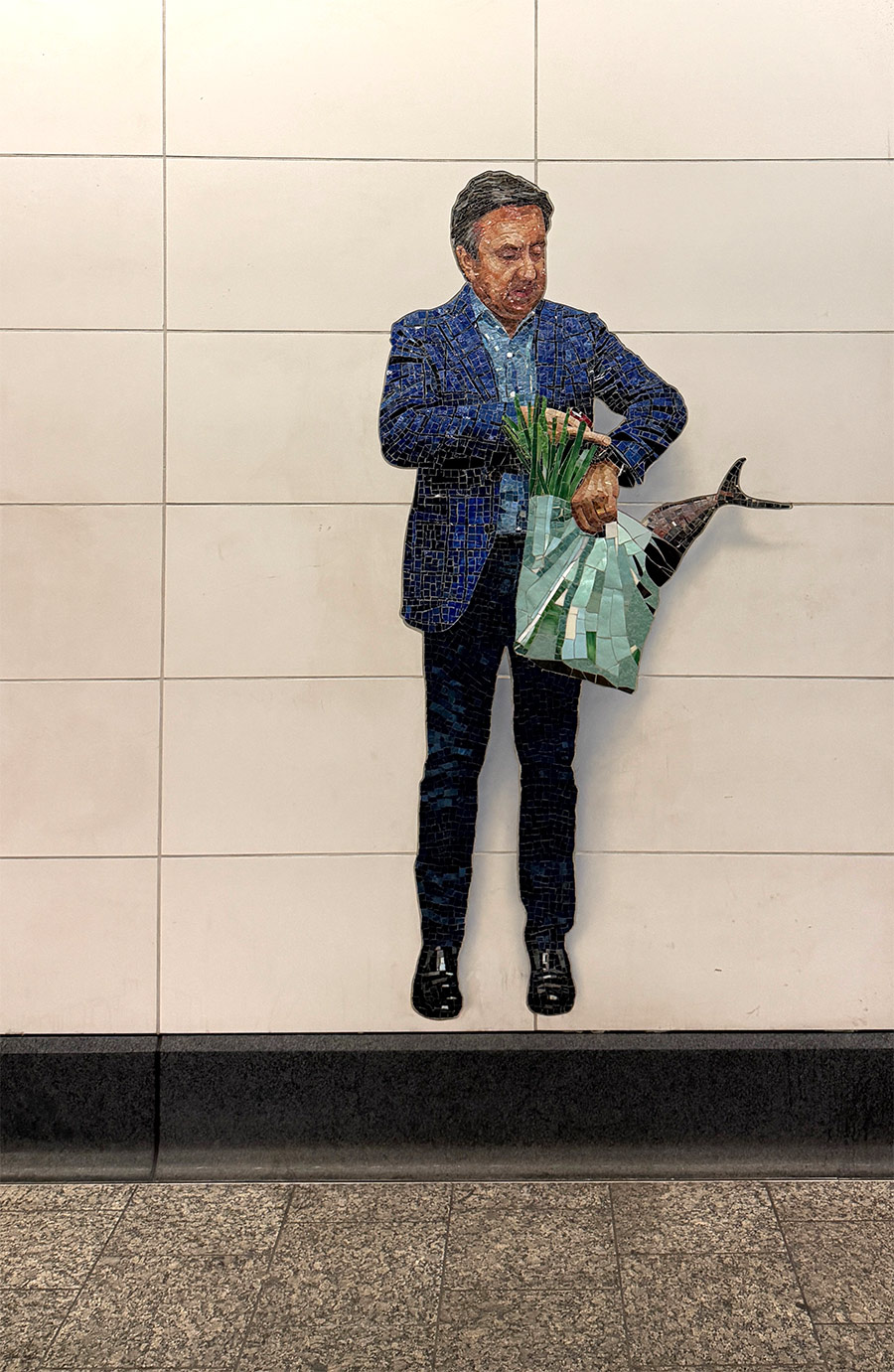
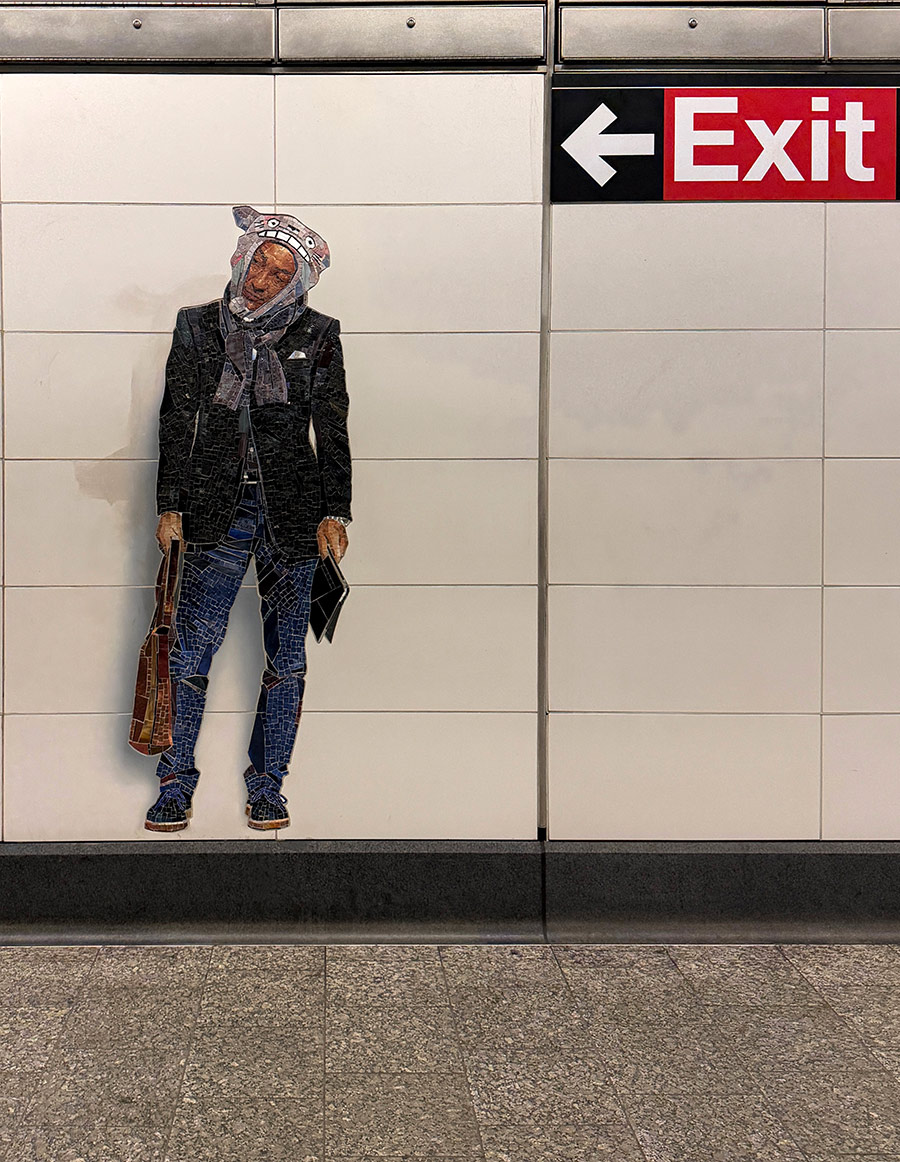
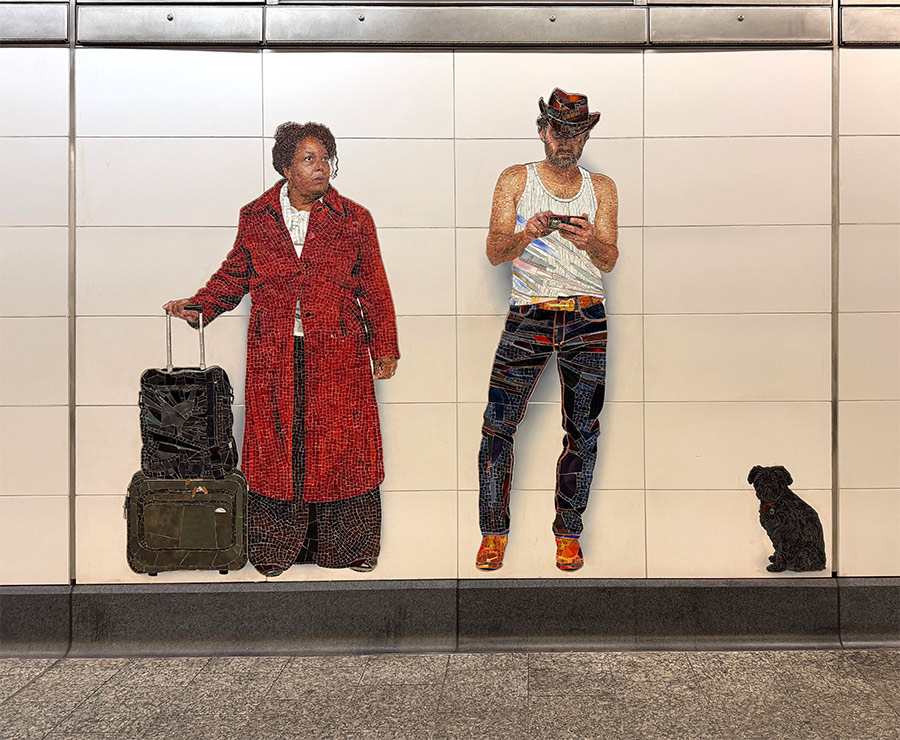
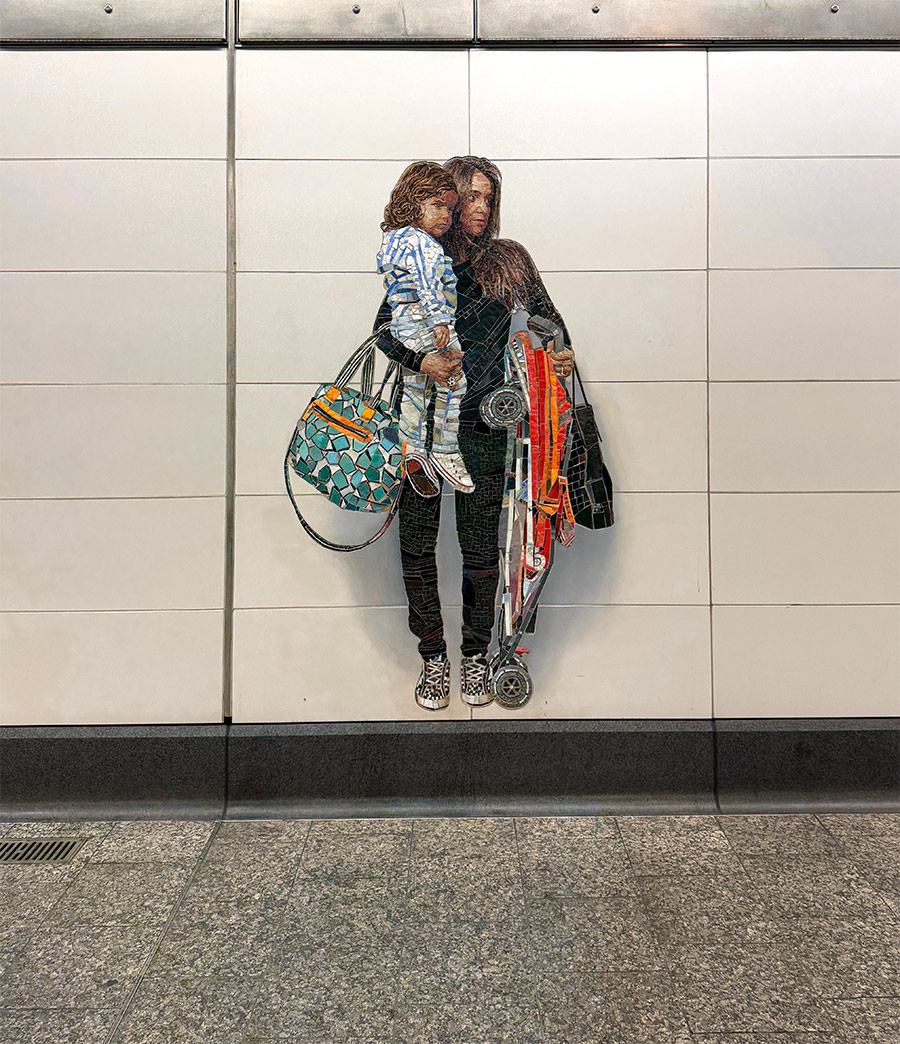
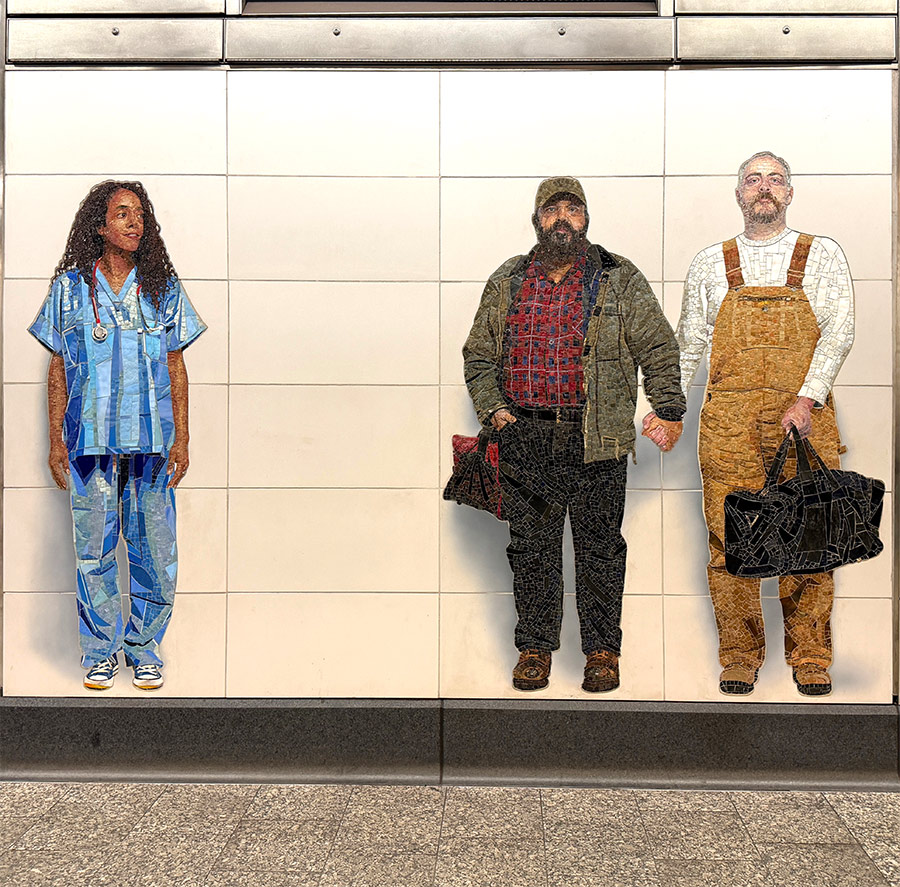
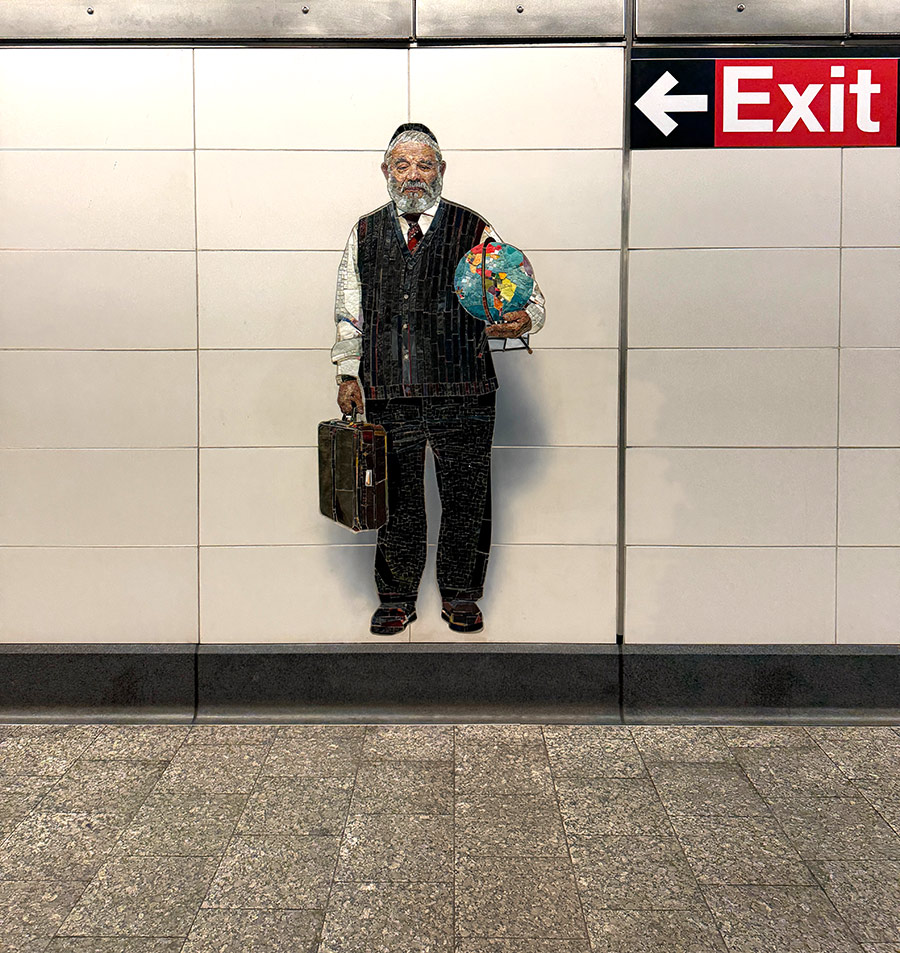
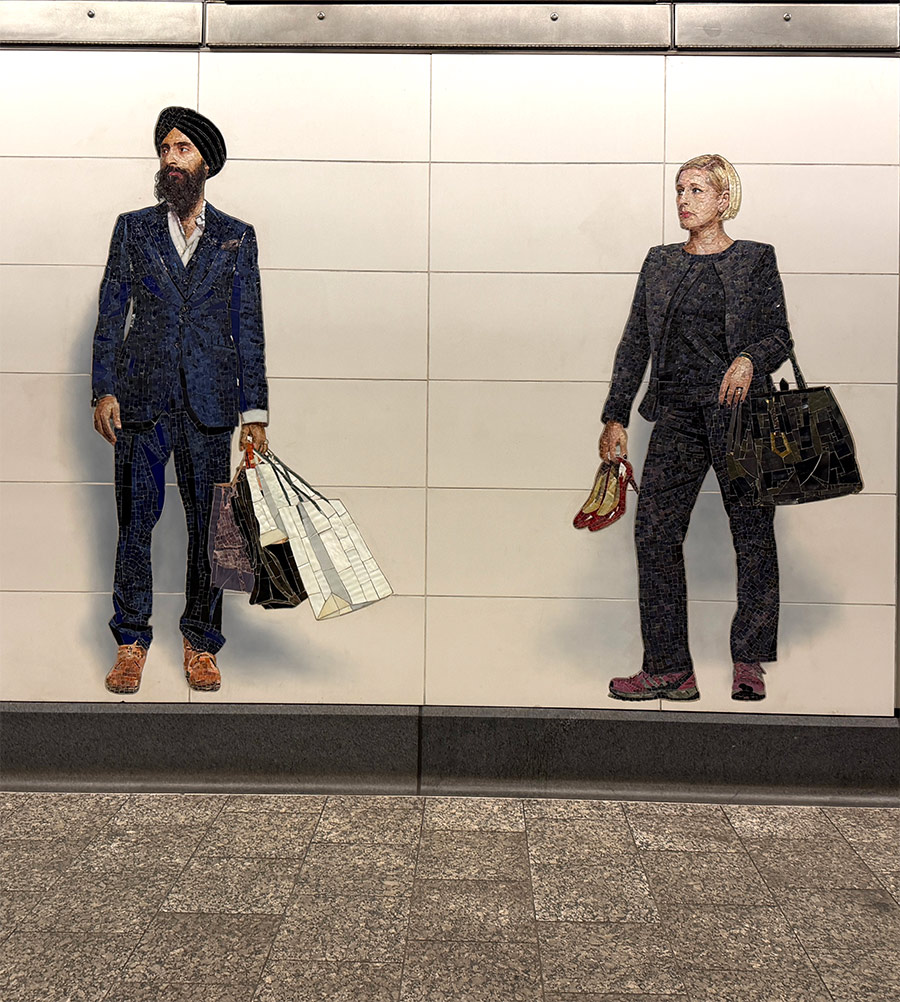
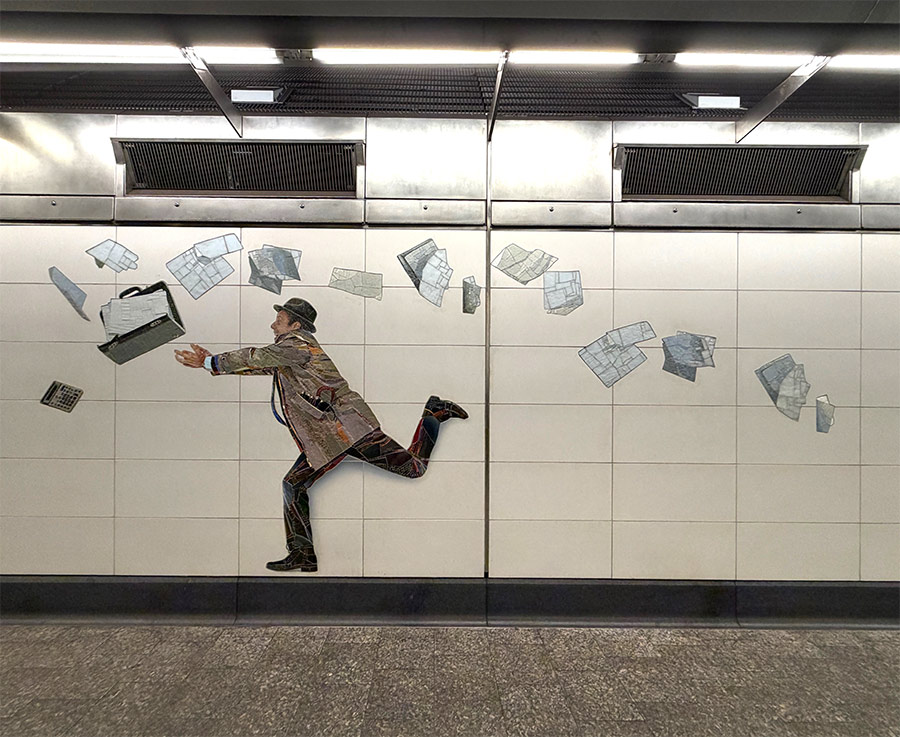
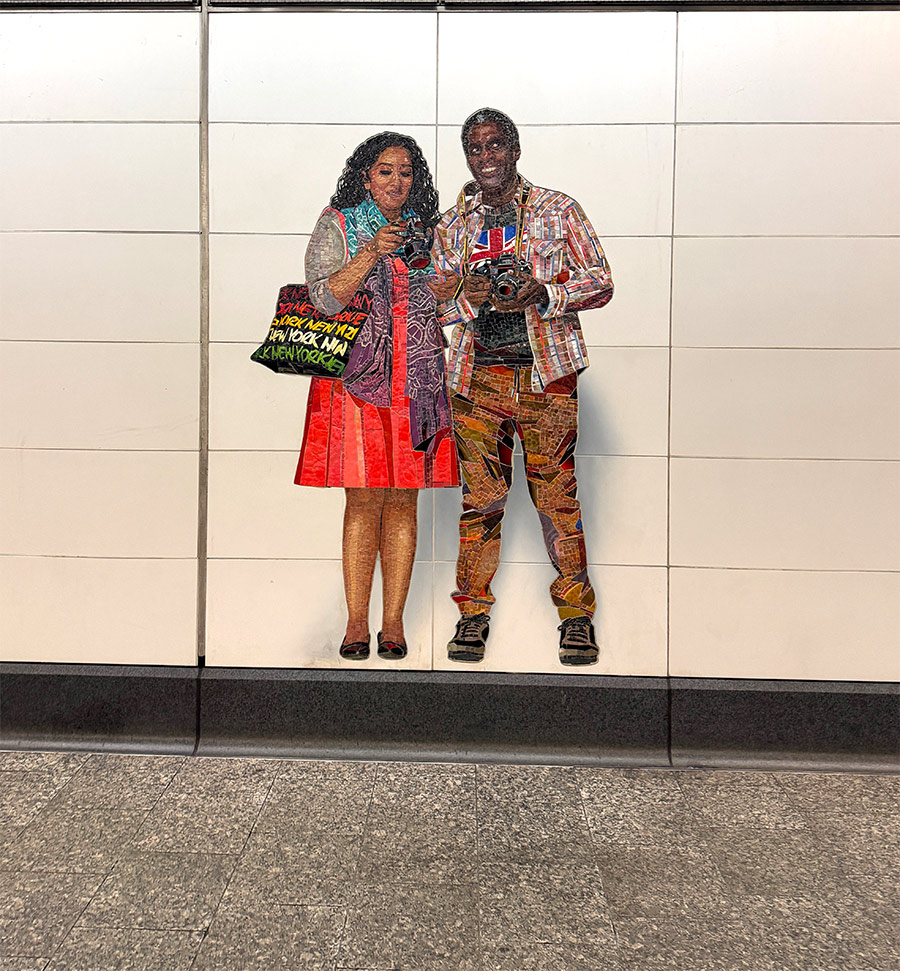
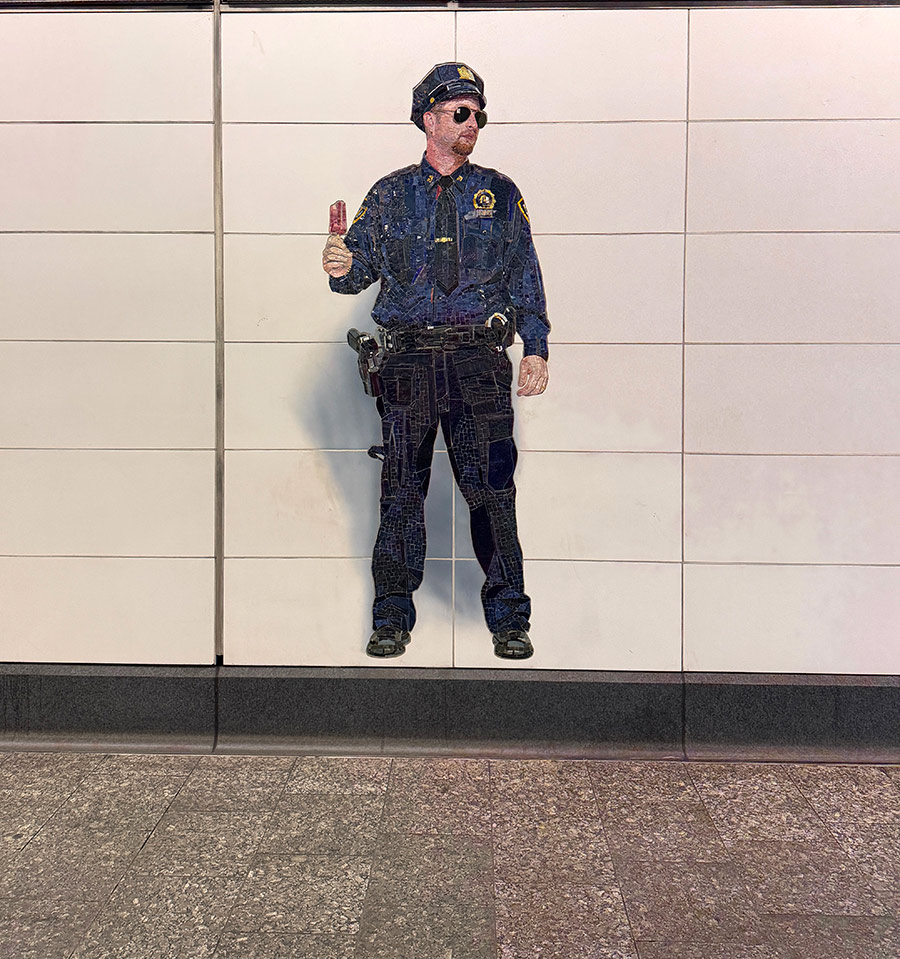
Vik Muniz’s Perfect Strangers, installed at the 72nd Street station on the Q line train as part of the MTA Arts & Design program, meets you with a clarity of purpose that can feel disarming underground. It’s rare that people outside the city refer to New Yorkers as “normal people.” That is not in alignment with the mythology that fuels the imagination about us—and yet that is exactly what Muniz said he was aiming for: “I wanted them to be normal people. I know lots of normal people. I kept thinking: Who would make the perfect stranger?”
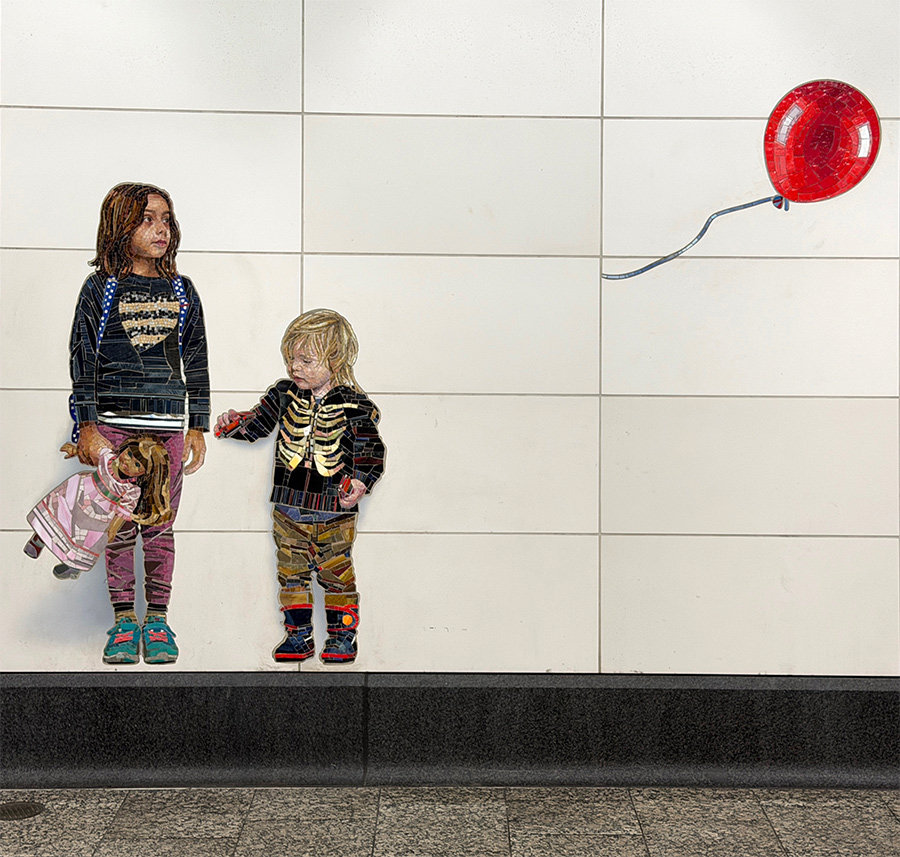
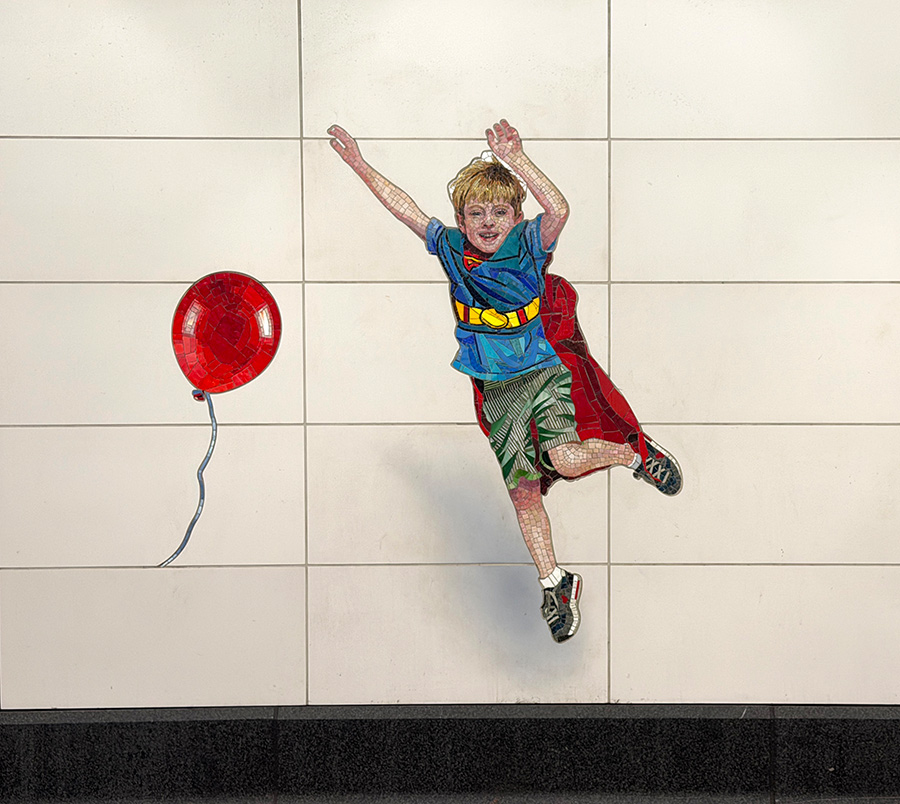
In a system built to move millions efficiently, the work interrupts your trip just enough to spark recognition—yourself, Doreen from the library, that nameless stud from the club last week, the woman who owns your building, or someone you passed on the stairs five minutes ago.
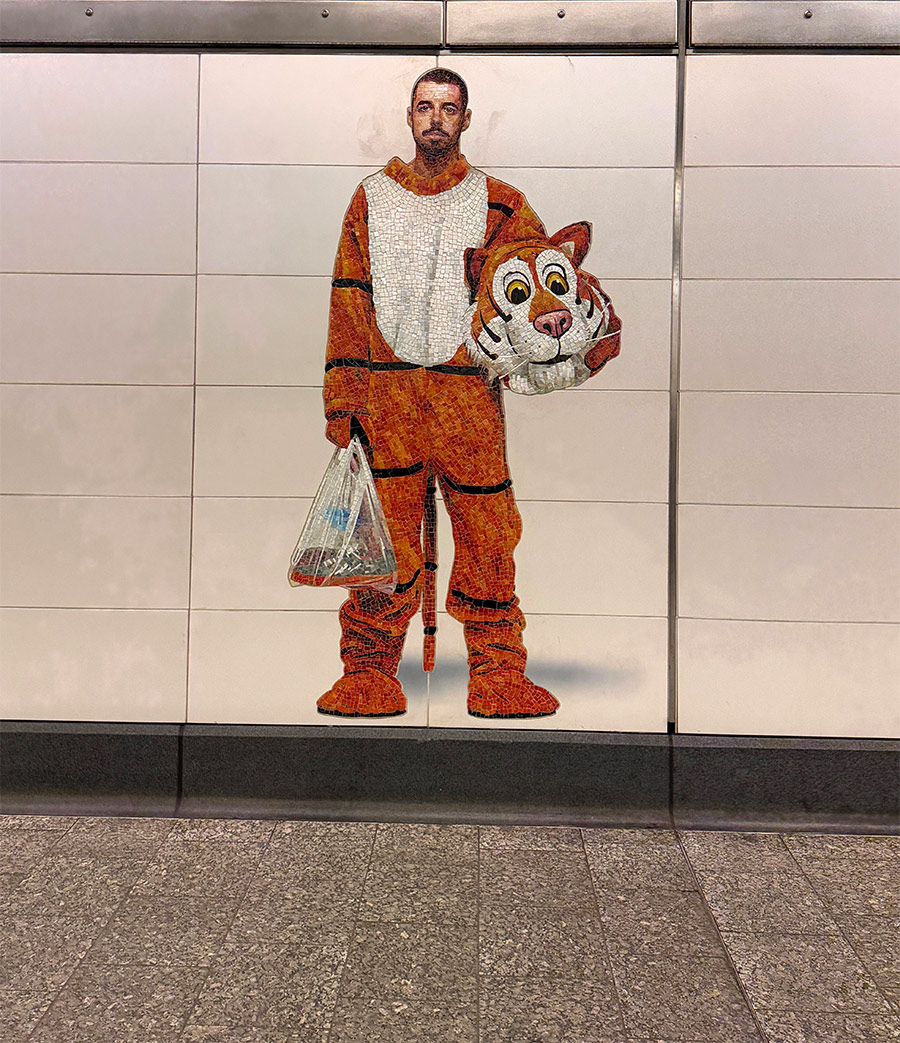
This collection of people is not a narrow definition of “normal,” of course. A polycultural city like New York requires a wide spectrum of fashion, profession, posture, attitude, and lifestyle to even begin to reflect who lives here. Muniz cast a large net, and the fish he caught are wide-ranging indeed: sharply dressed commuters, kids in costume, workers, wanderers, couples, and characters who feel both specific and archetypal. The MTA’s description of the work likewise emphasizes the “unique and quirky kinds of people one encounters on the subway,” and that breadth is part of what makes the installation feel true to the city.
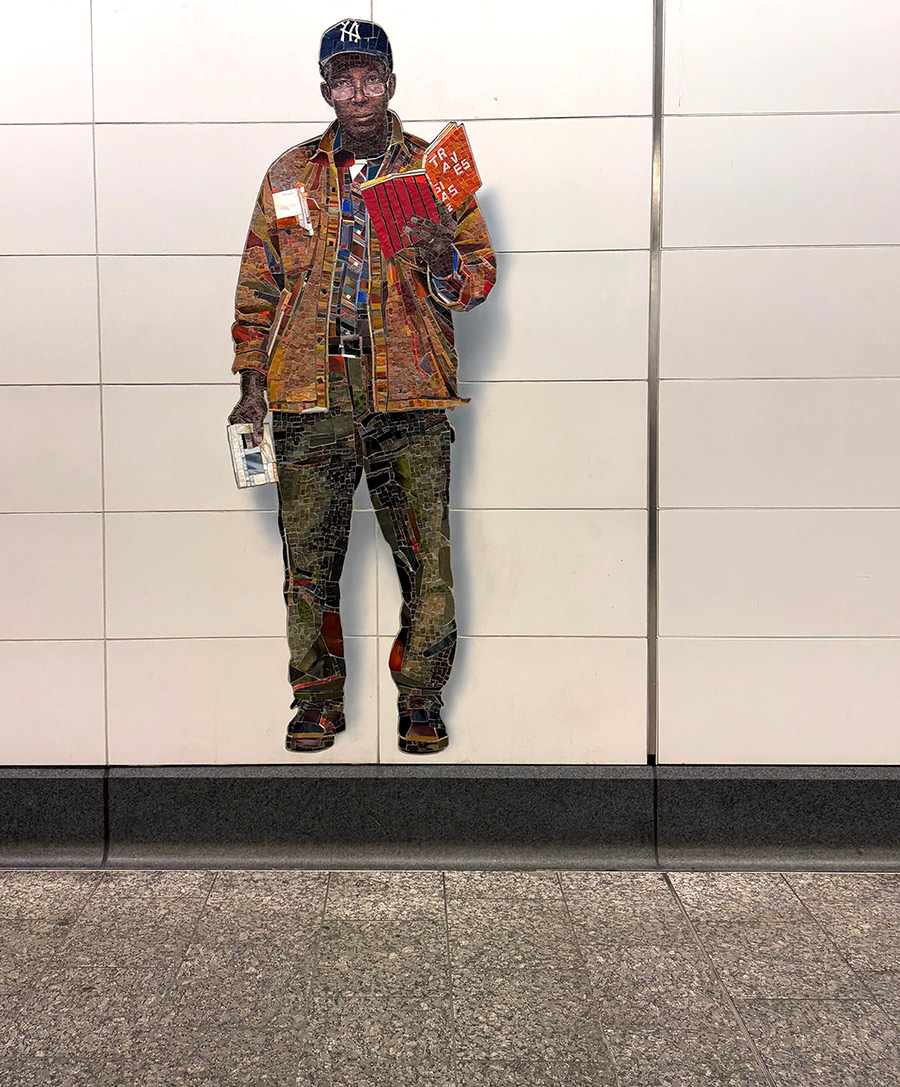
Technically, the works carry Muniz’s familiar sleight of hand. At a glance, many of these portraits read as photographic—crisp, immediate, almost casual—but they resolve into mosaic as you draw near. The project was made from photographs of more than three dozen figures, then recreated in glass mosaic and installed throughout the mezzanine and entrance areas, with laminated glass also used at street level. The tension between realism and material construction is central to Muniz’s practice, and here it serves the public especially well: the images are legible in passing, but richer the longer you stay with them.
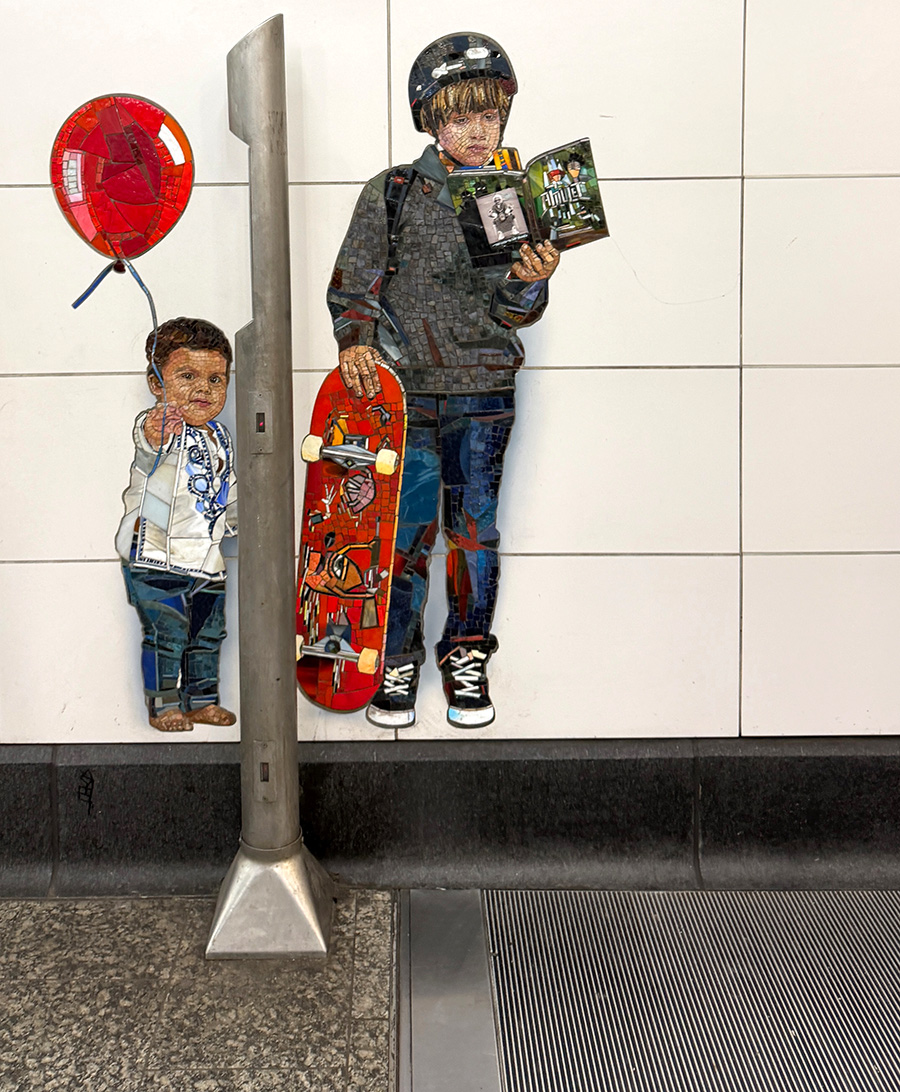
More than decoration, Perfect Strangers understands its audience. It doesn’t monumentalize or flatten; it observes. In a setting where anonymity is the default, Muniz offers recognition without sentimentality, reflecting back a city that is at once familiar and strange, ordinary and highly specific. Its success lies in that balance.