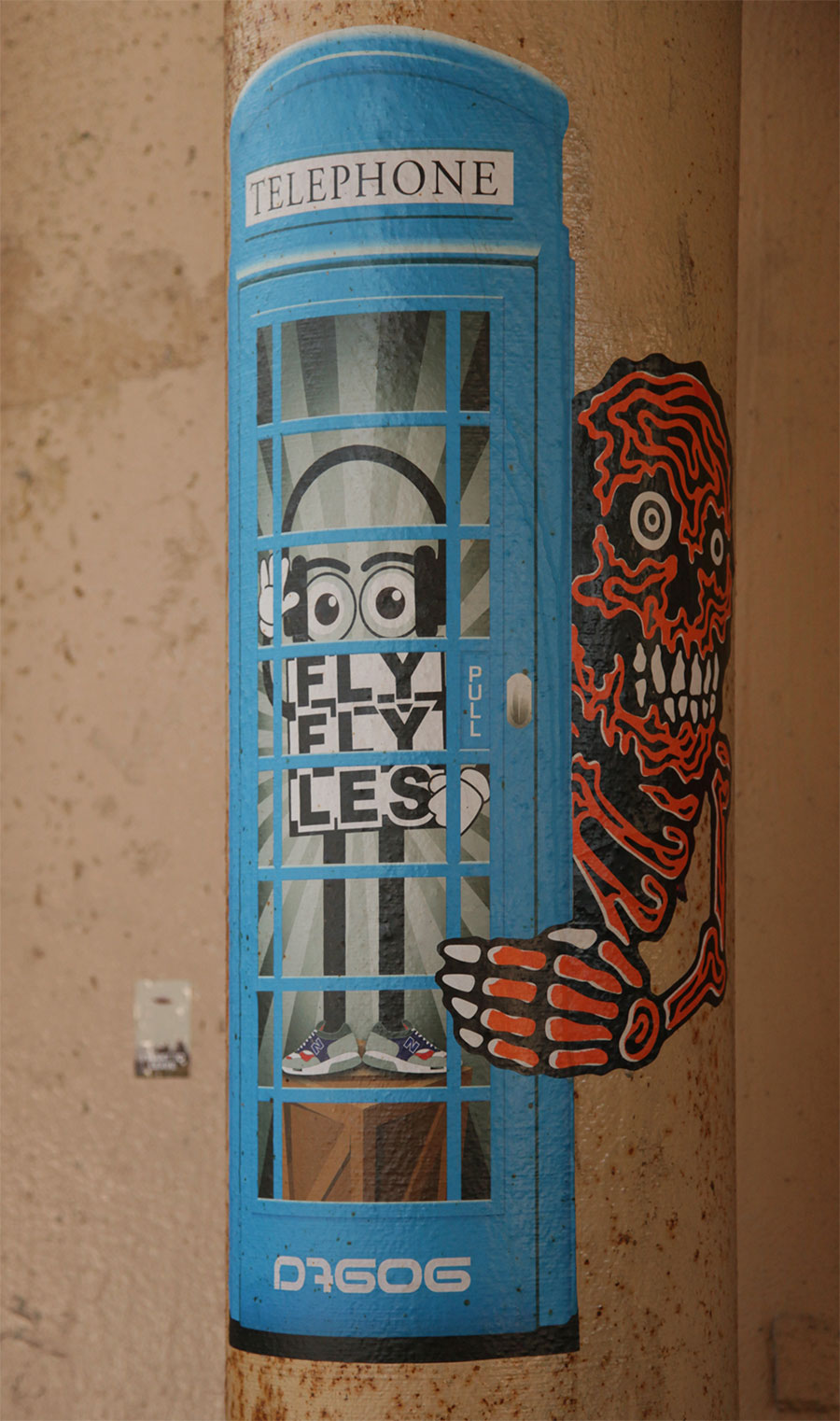
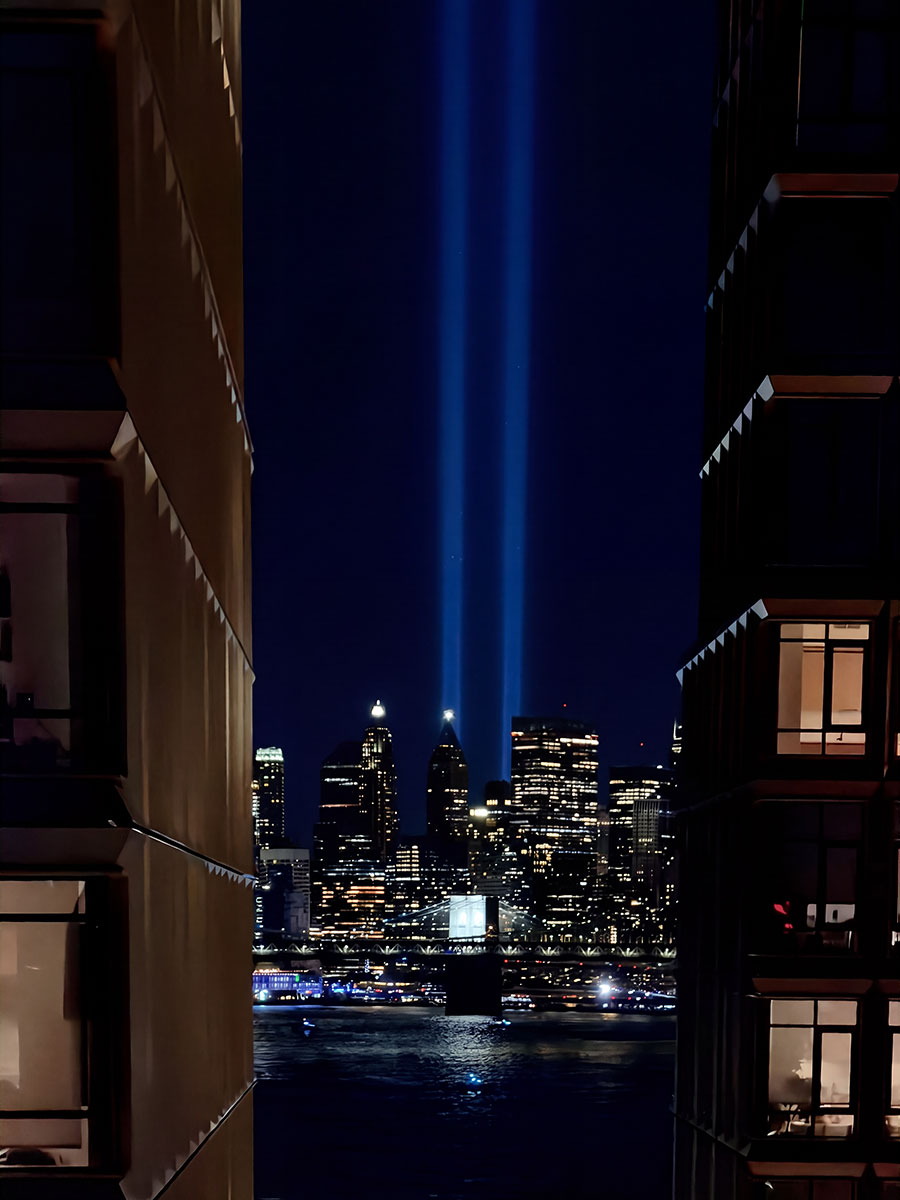
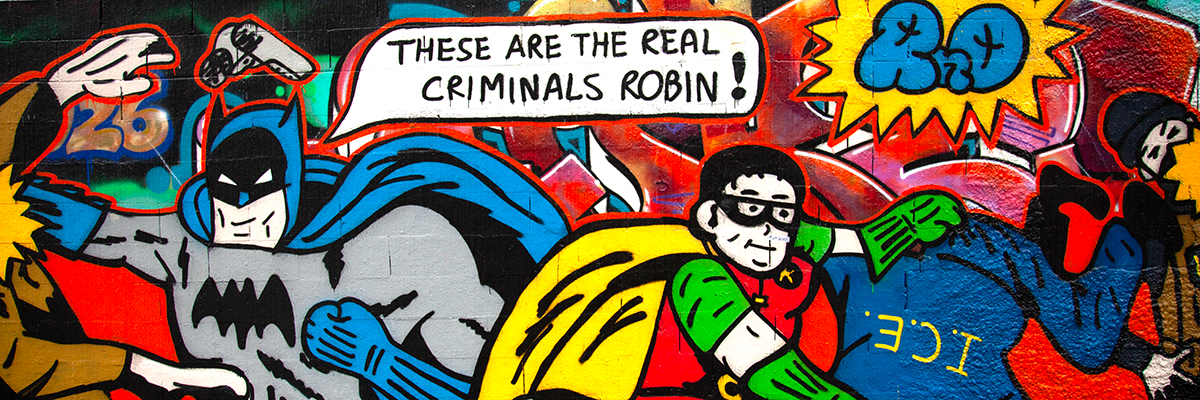
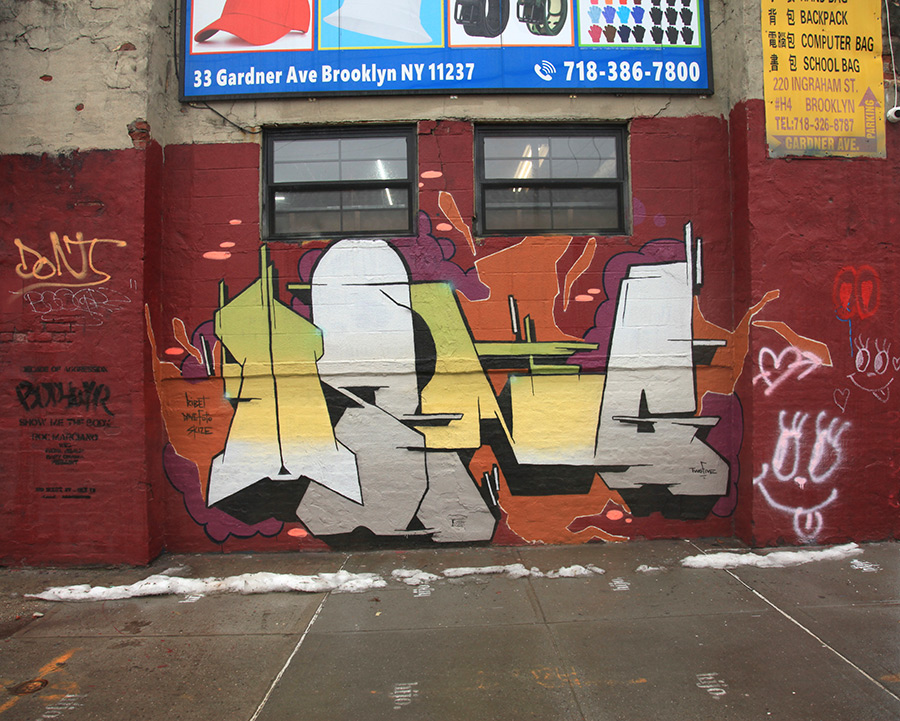
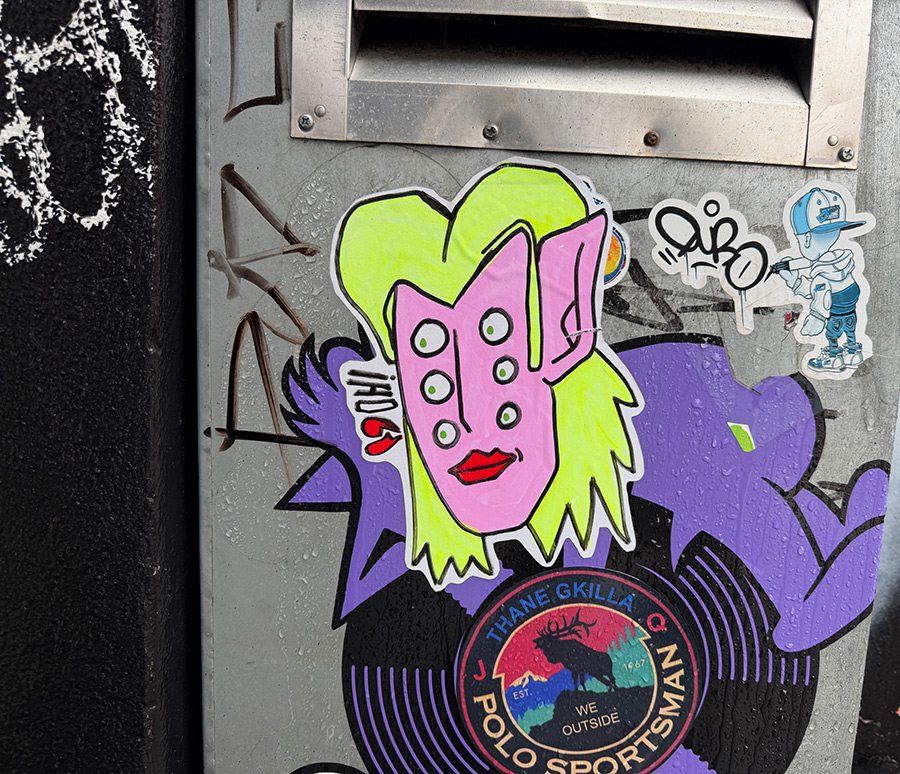
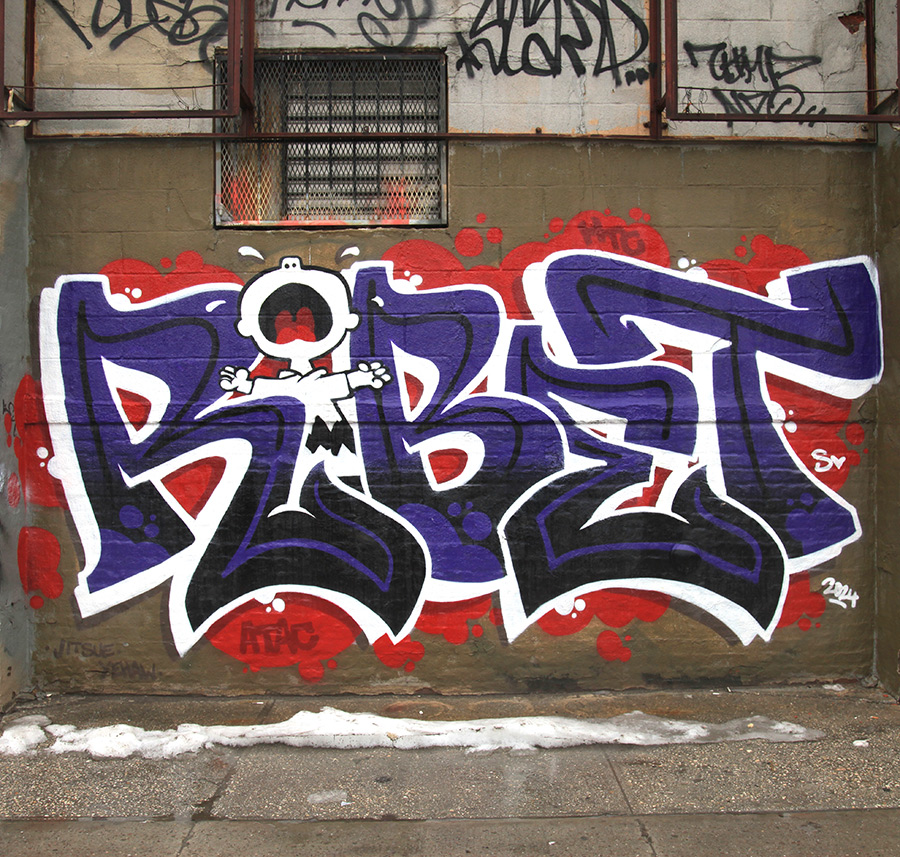
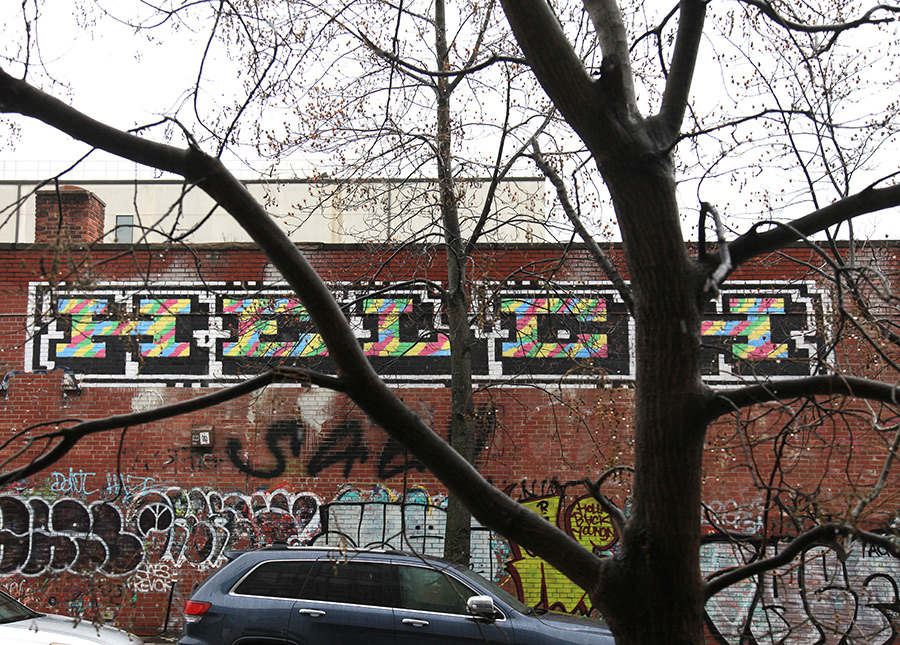
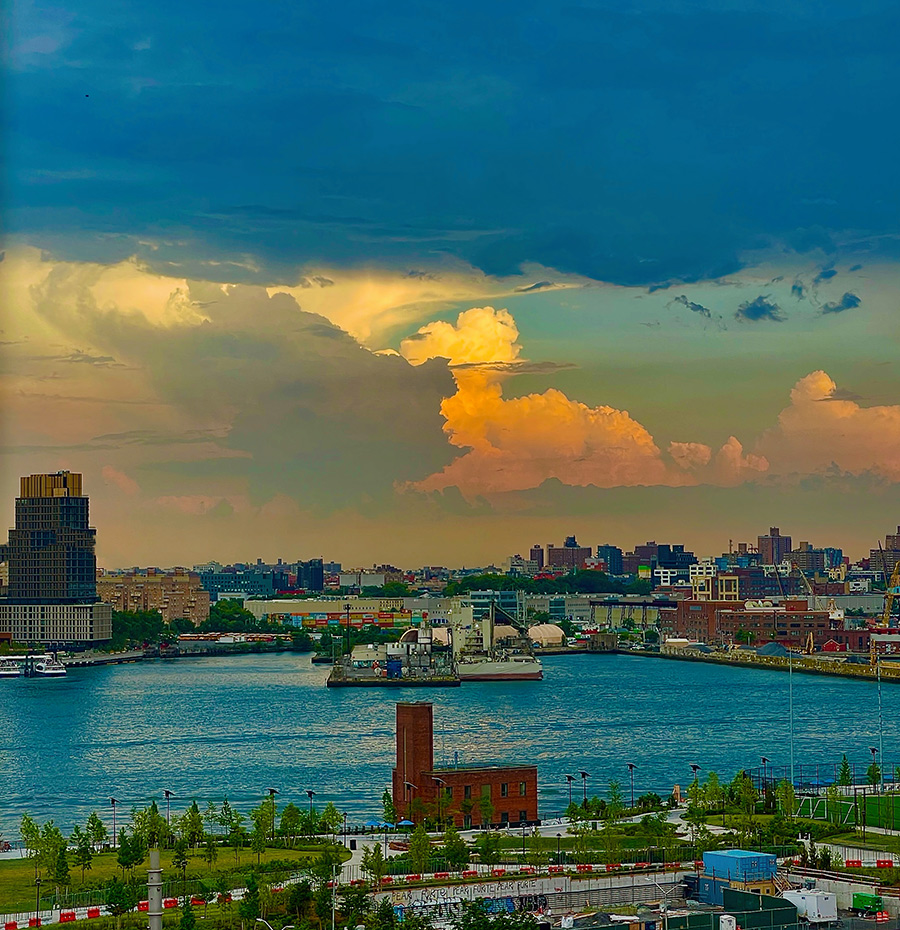
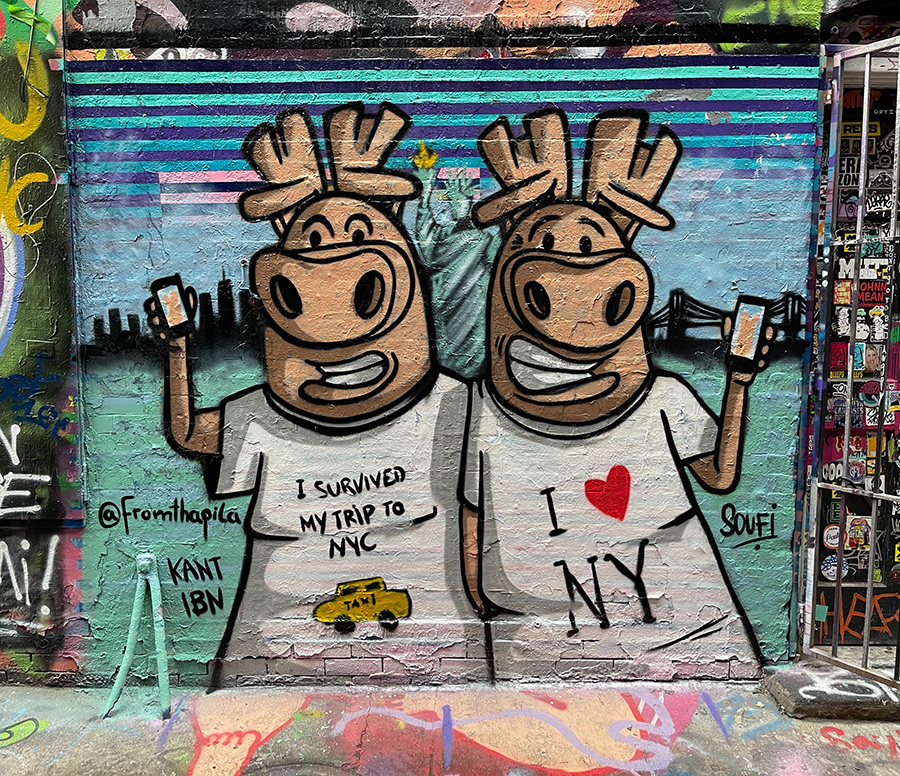
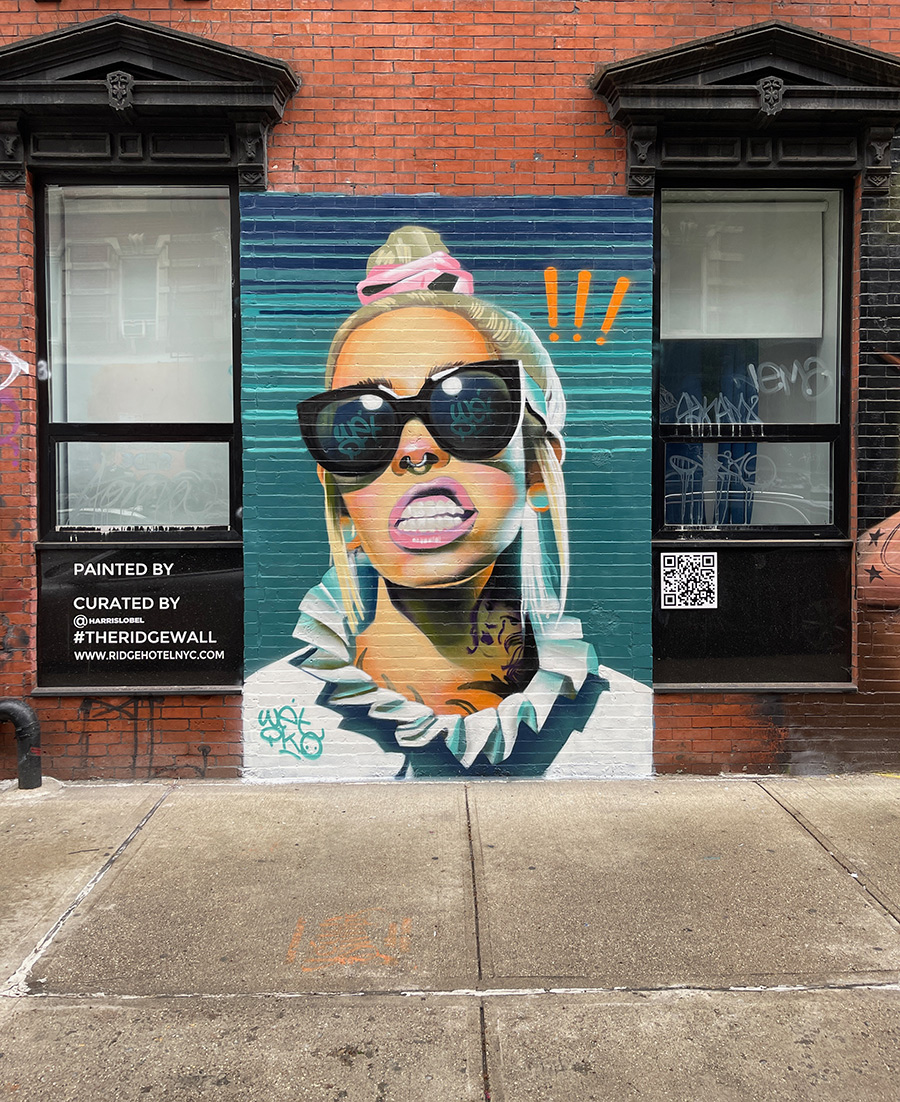
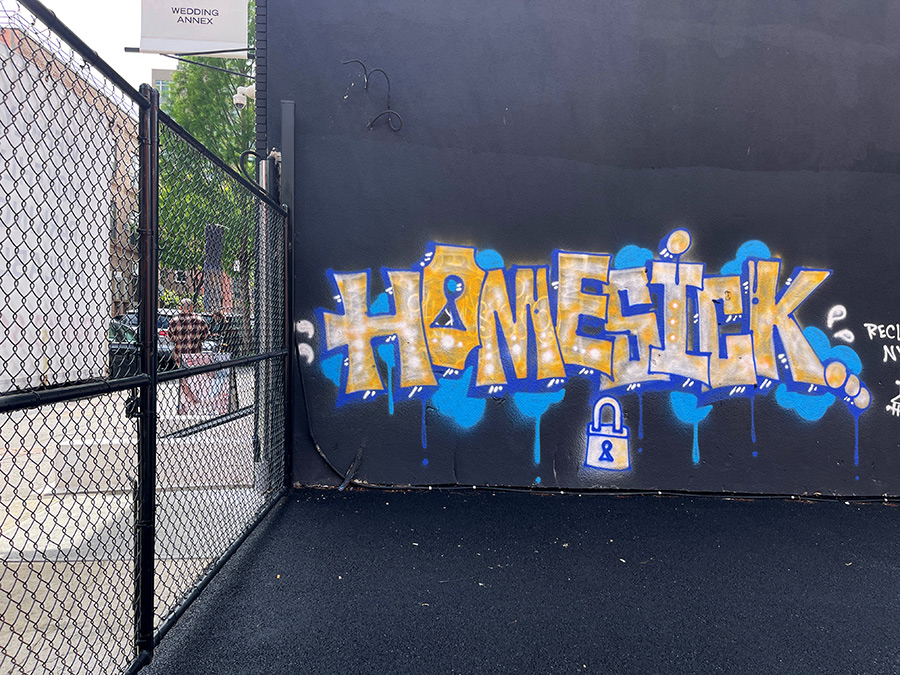
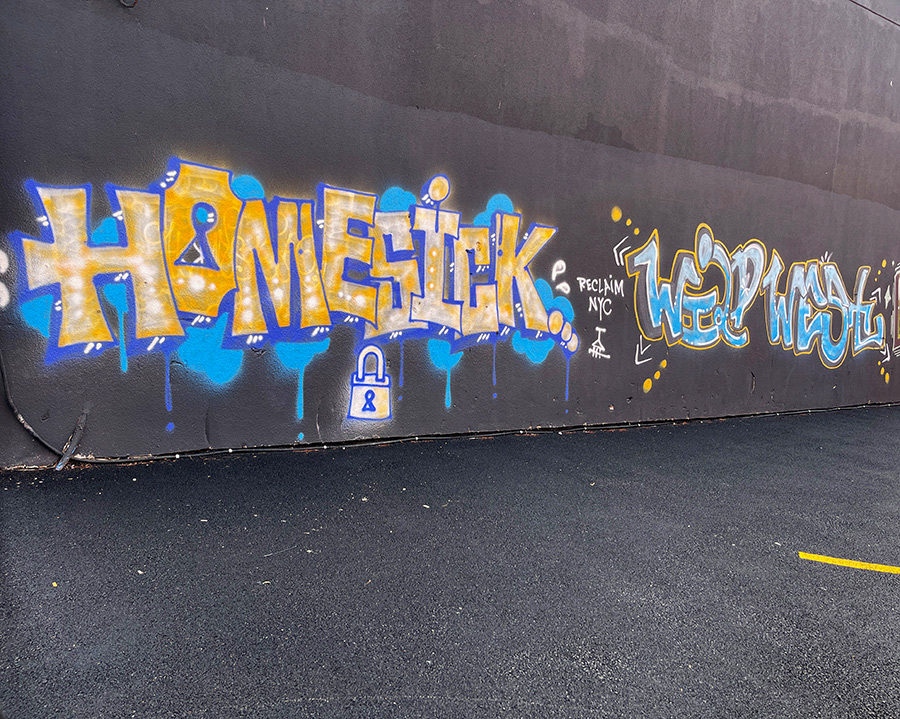
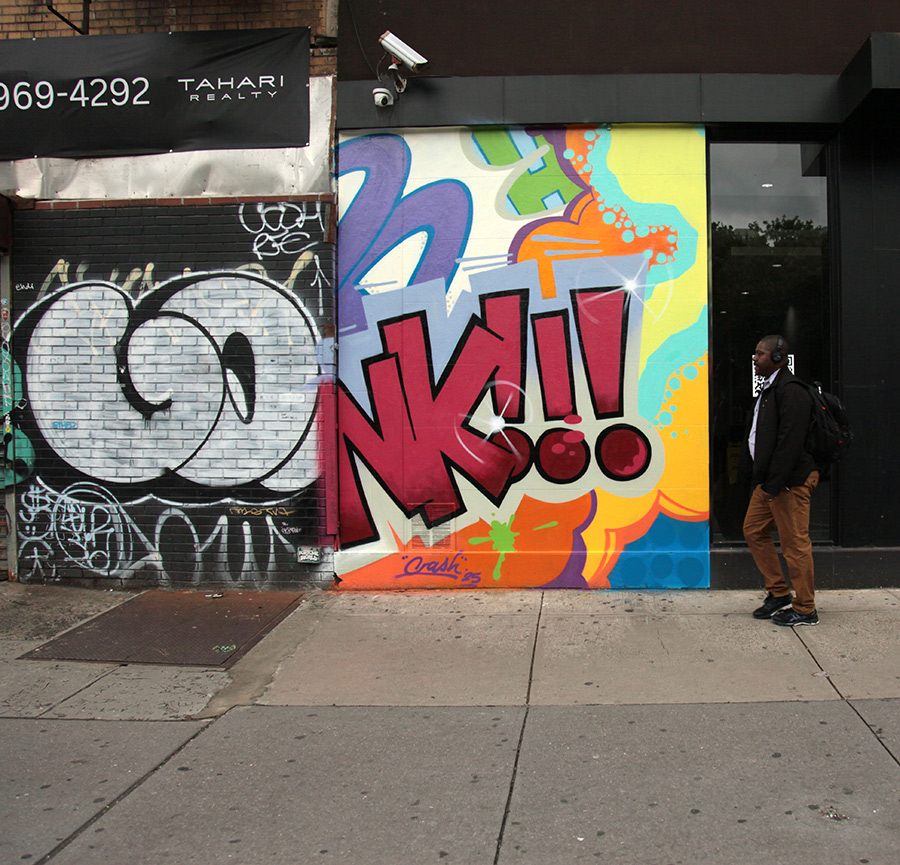
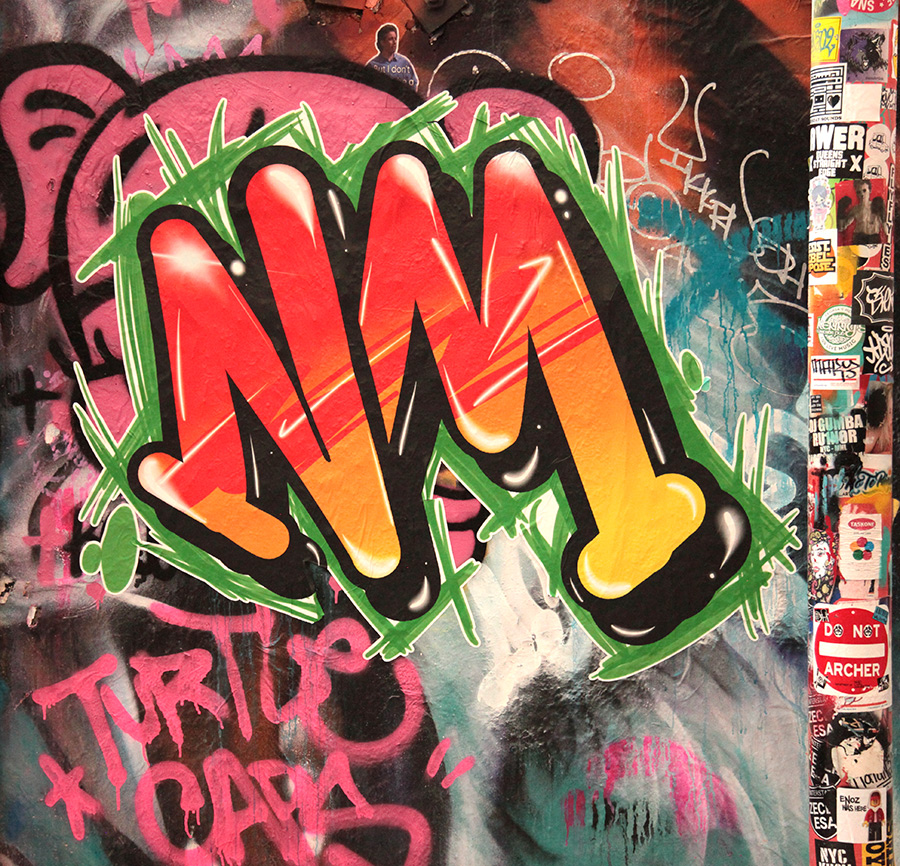
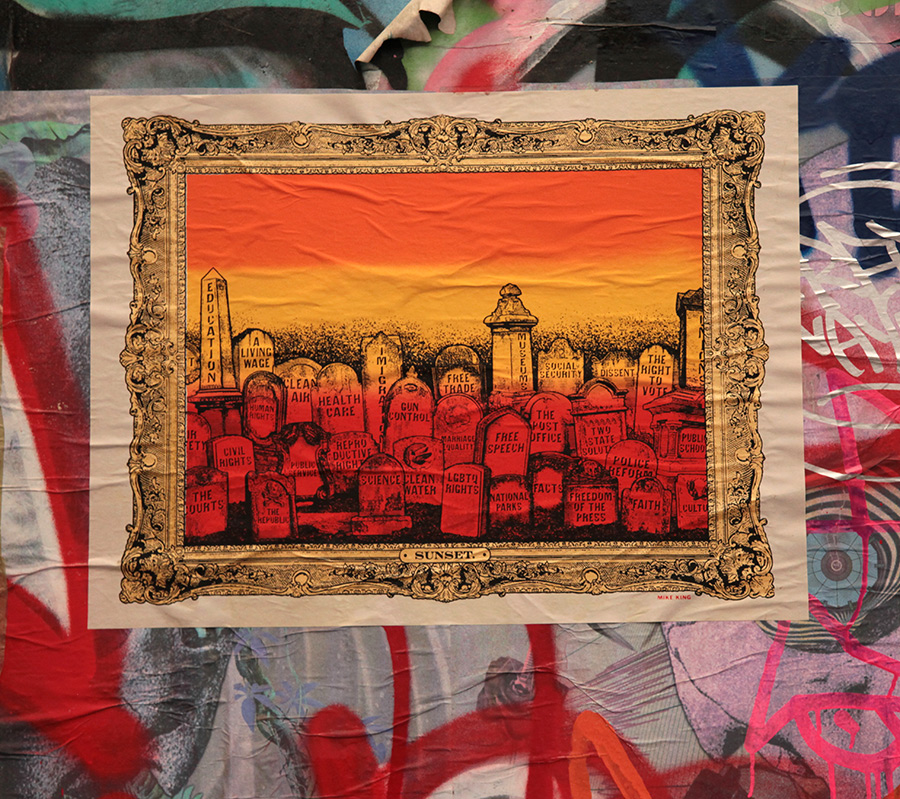
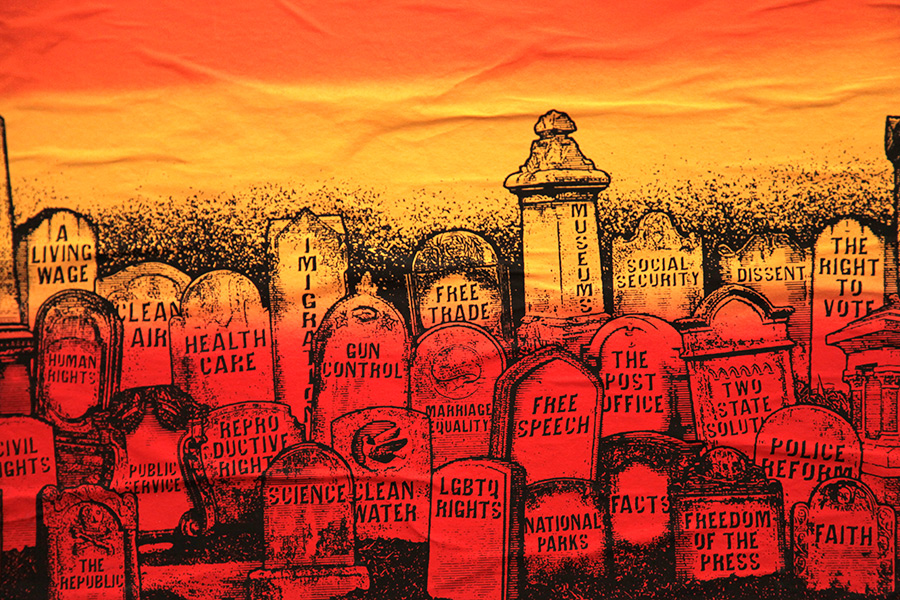
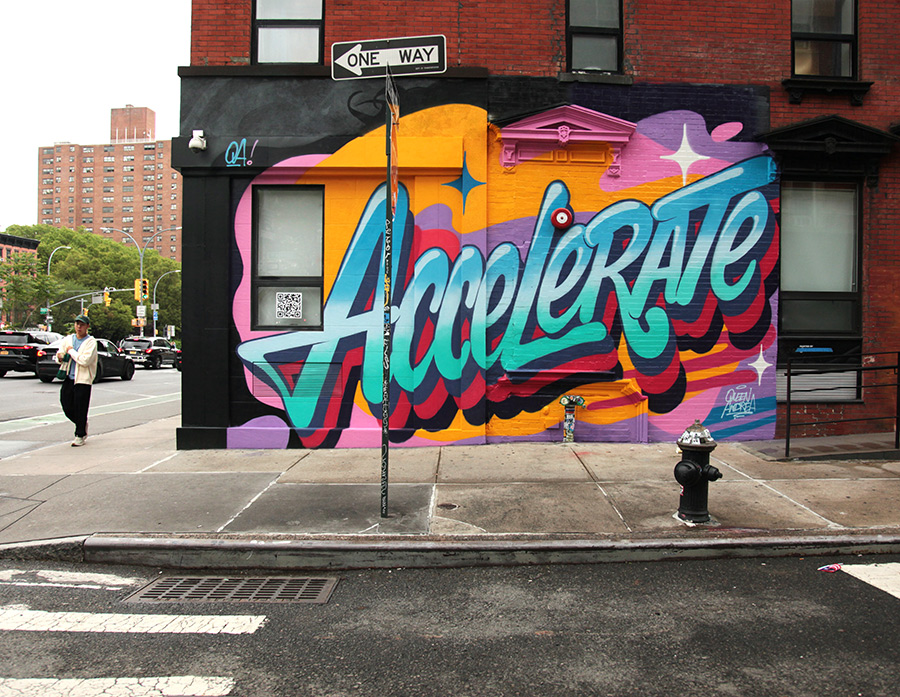
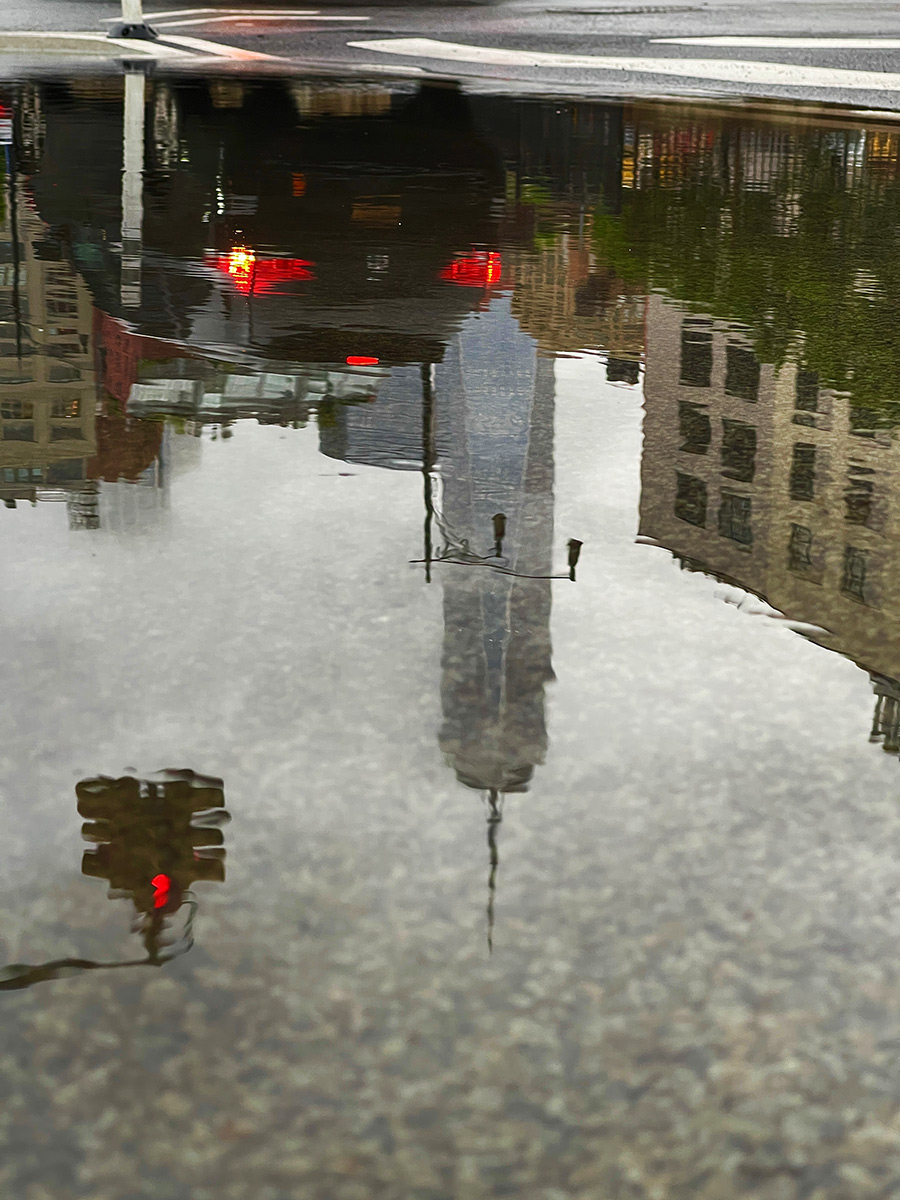
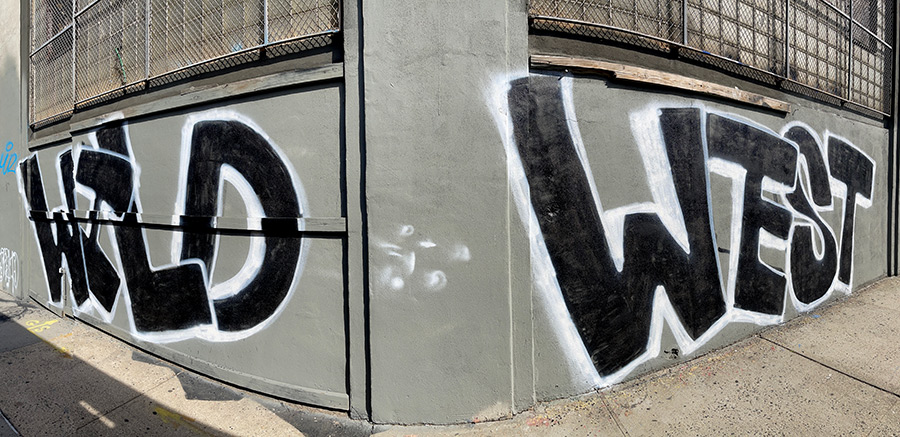
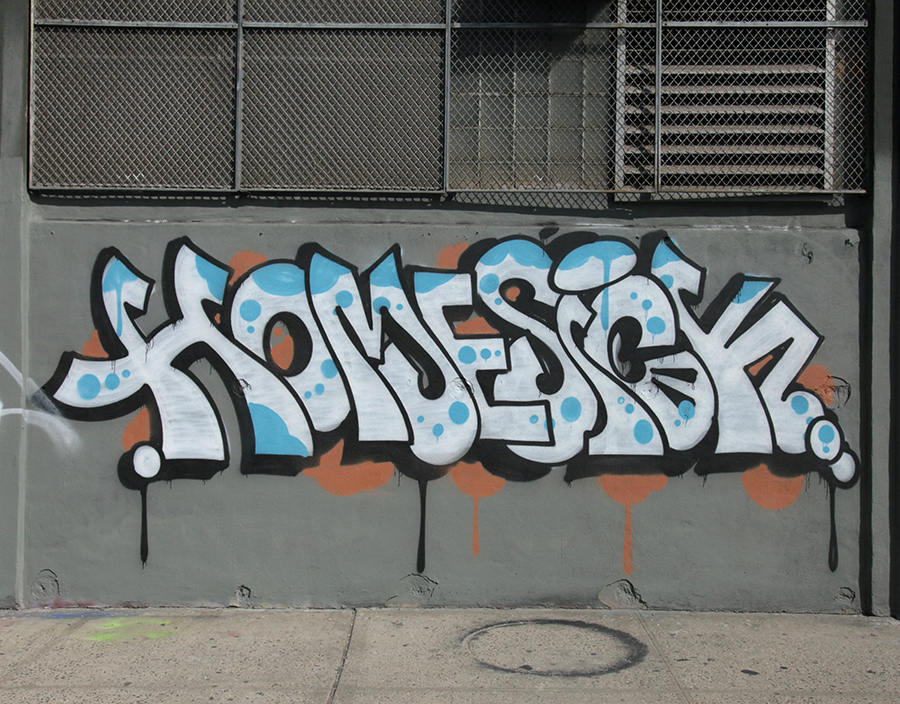
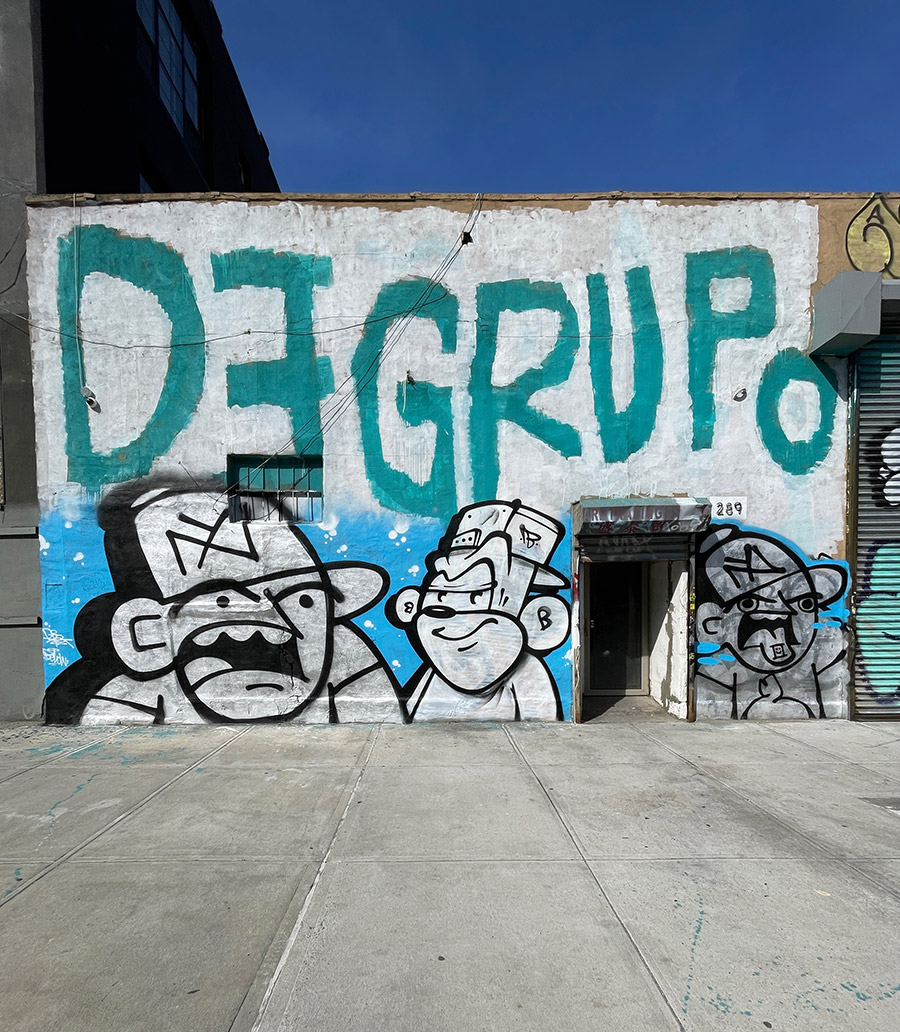
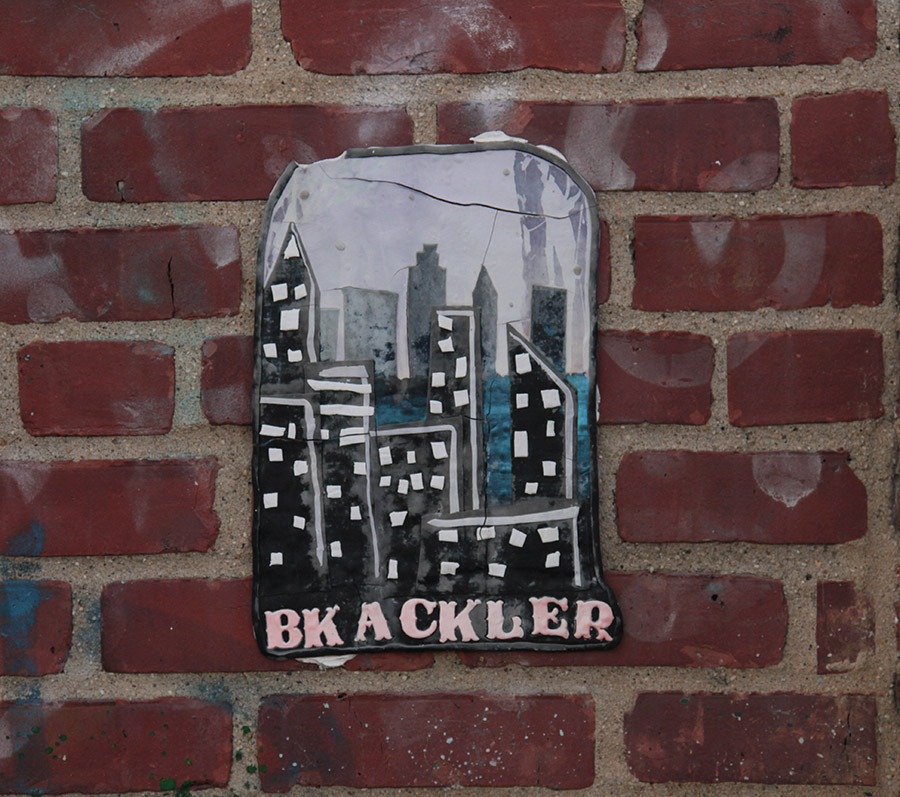
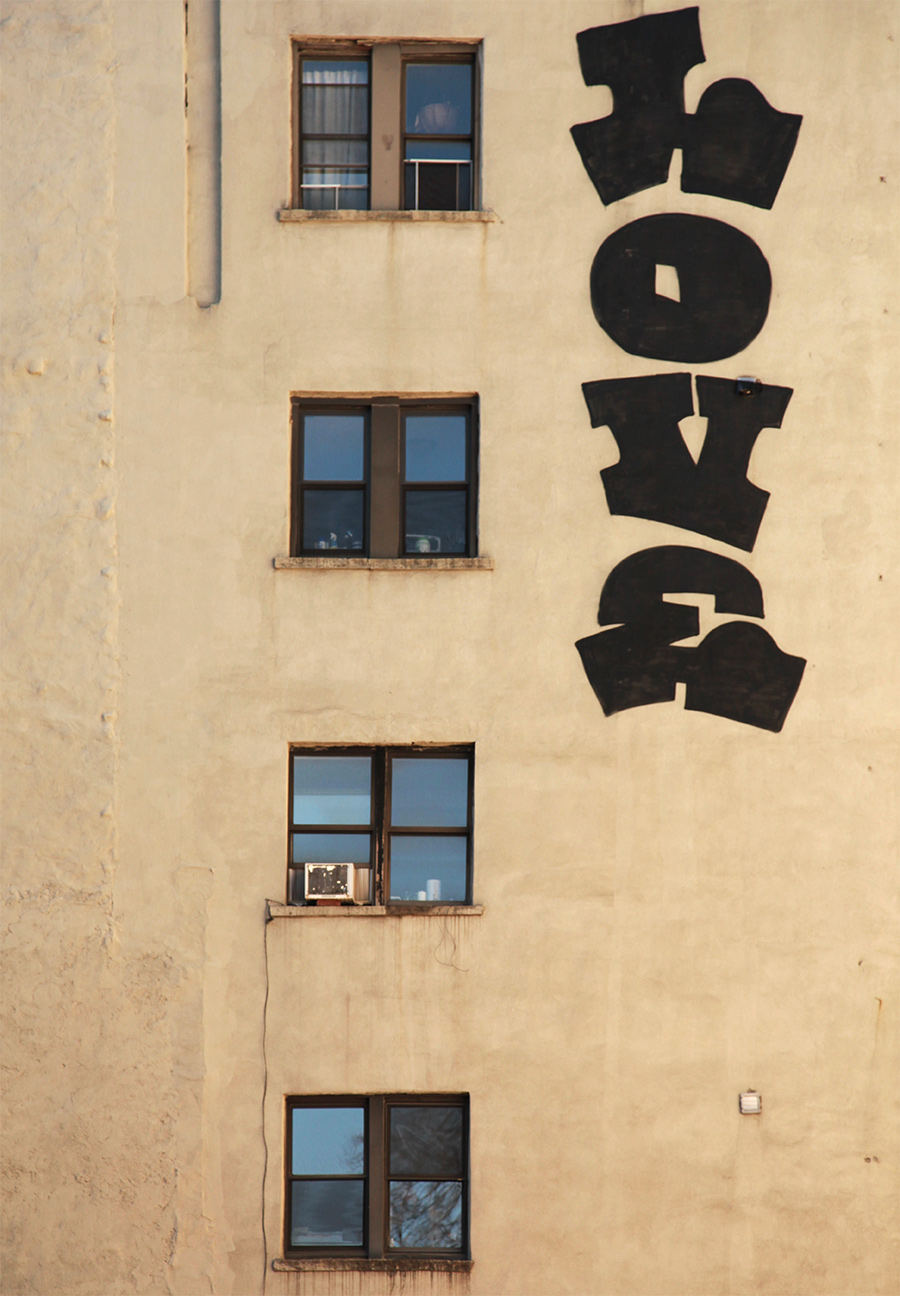
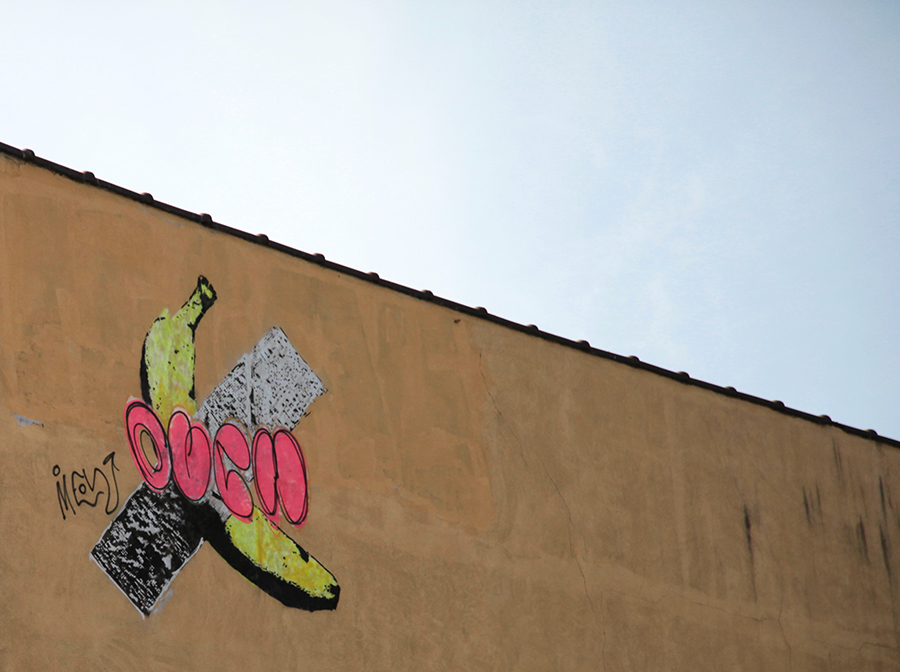
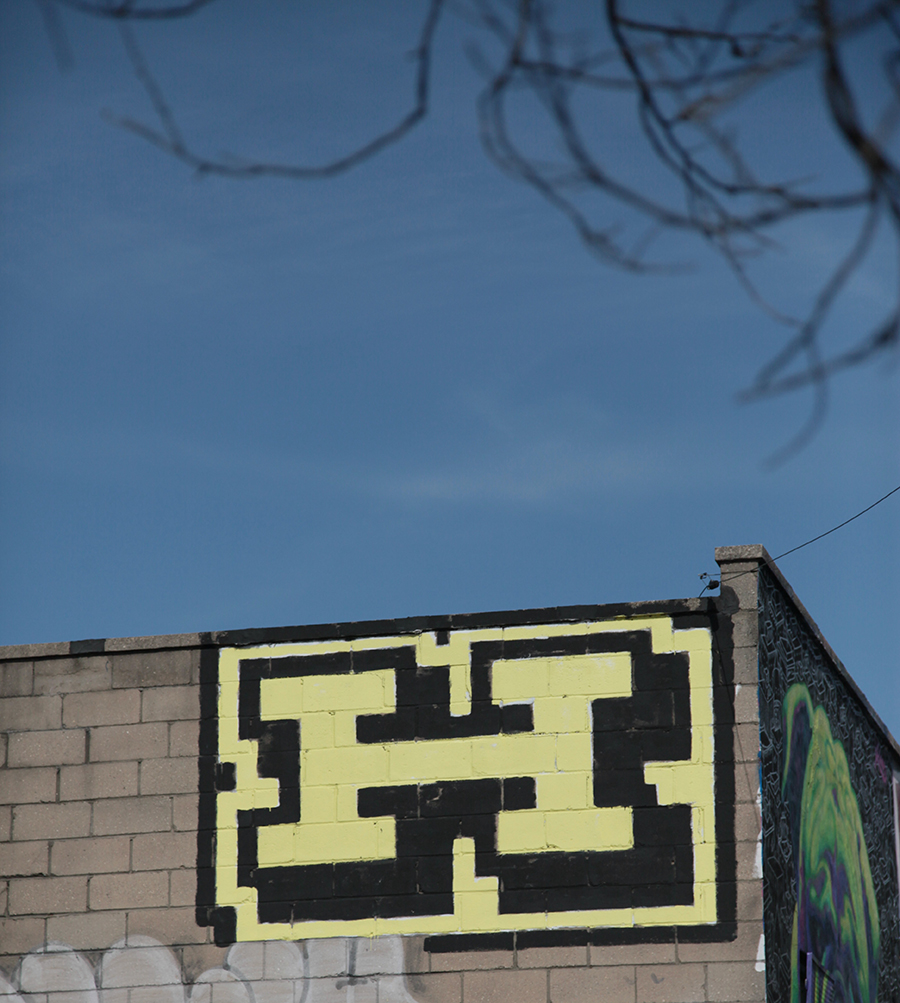
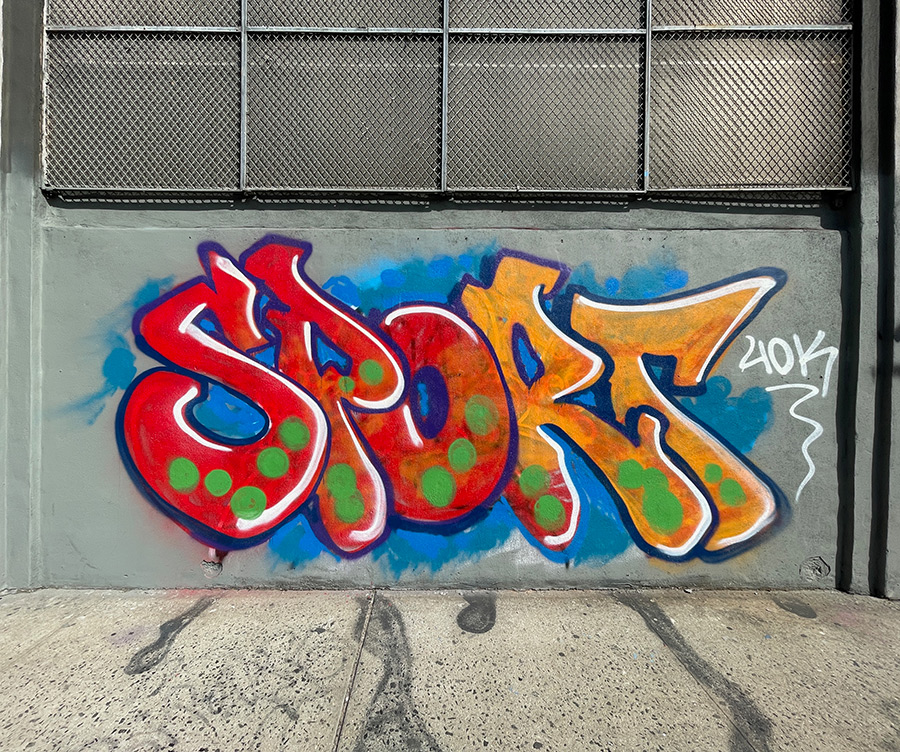
The clear, crisp September days, like that one 25 years ago this week, have returned to us. Street art and graffiti have morphed over the intervening years, but the feelings from that day are still raw. There are a few narratives about what happened, and who did it, and why. But one thing is for sure: many families lost their loved ones, and ceremonies on Friday brought it all back in Lower Manhattan.
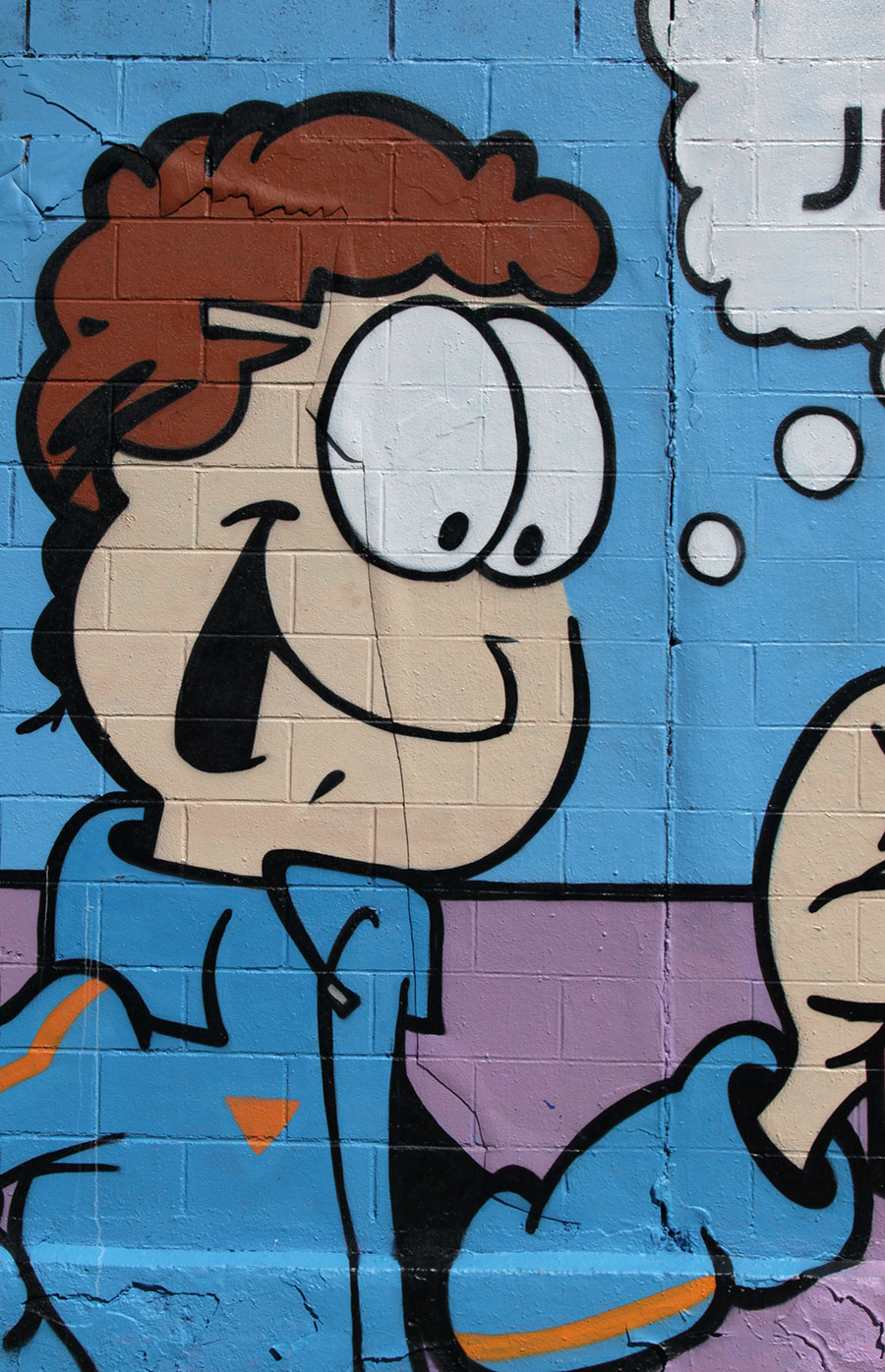
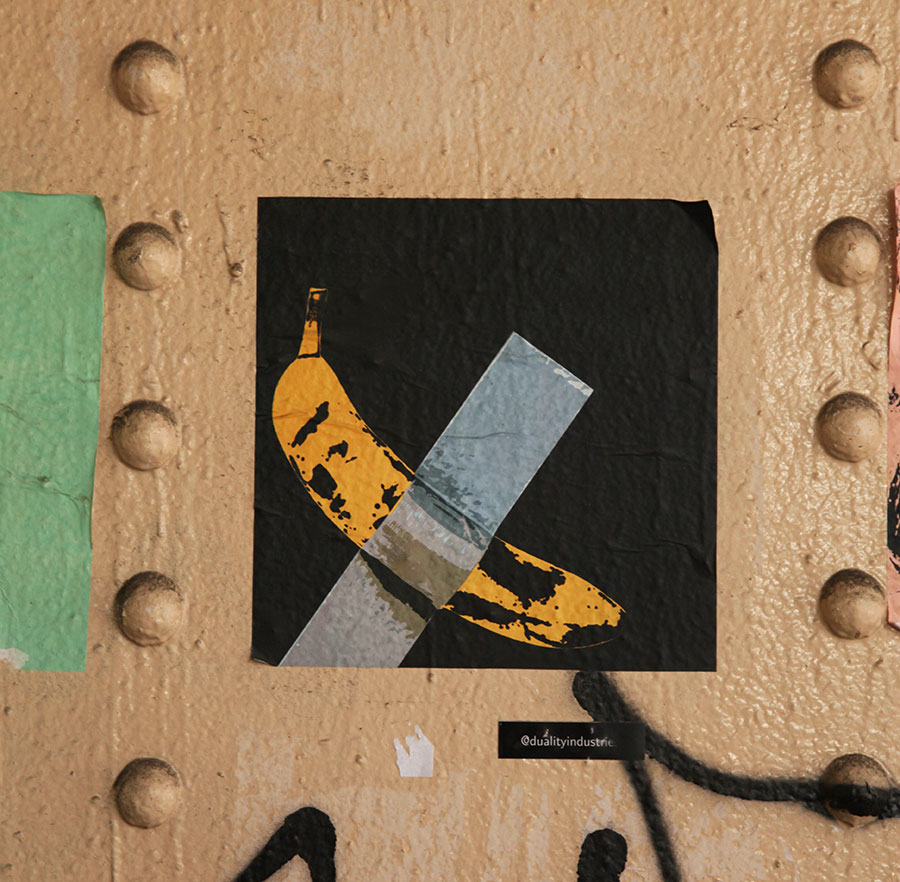
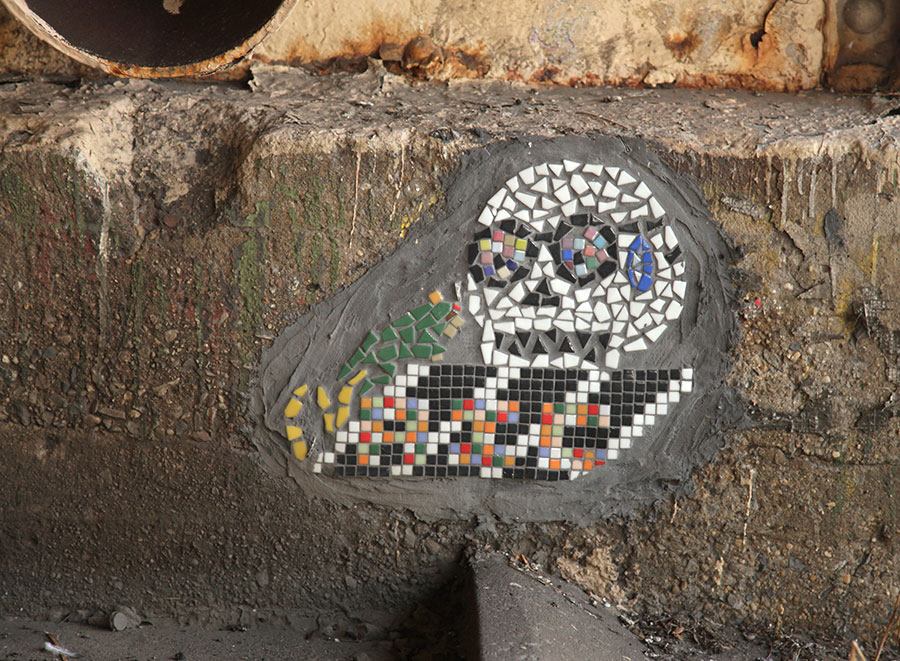
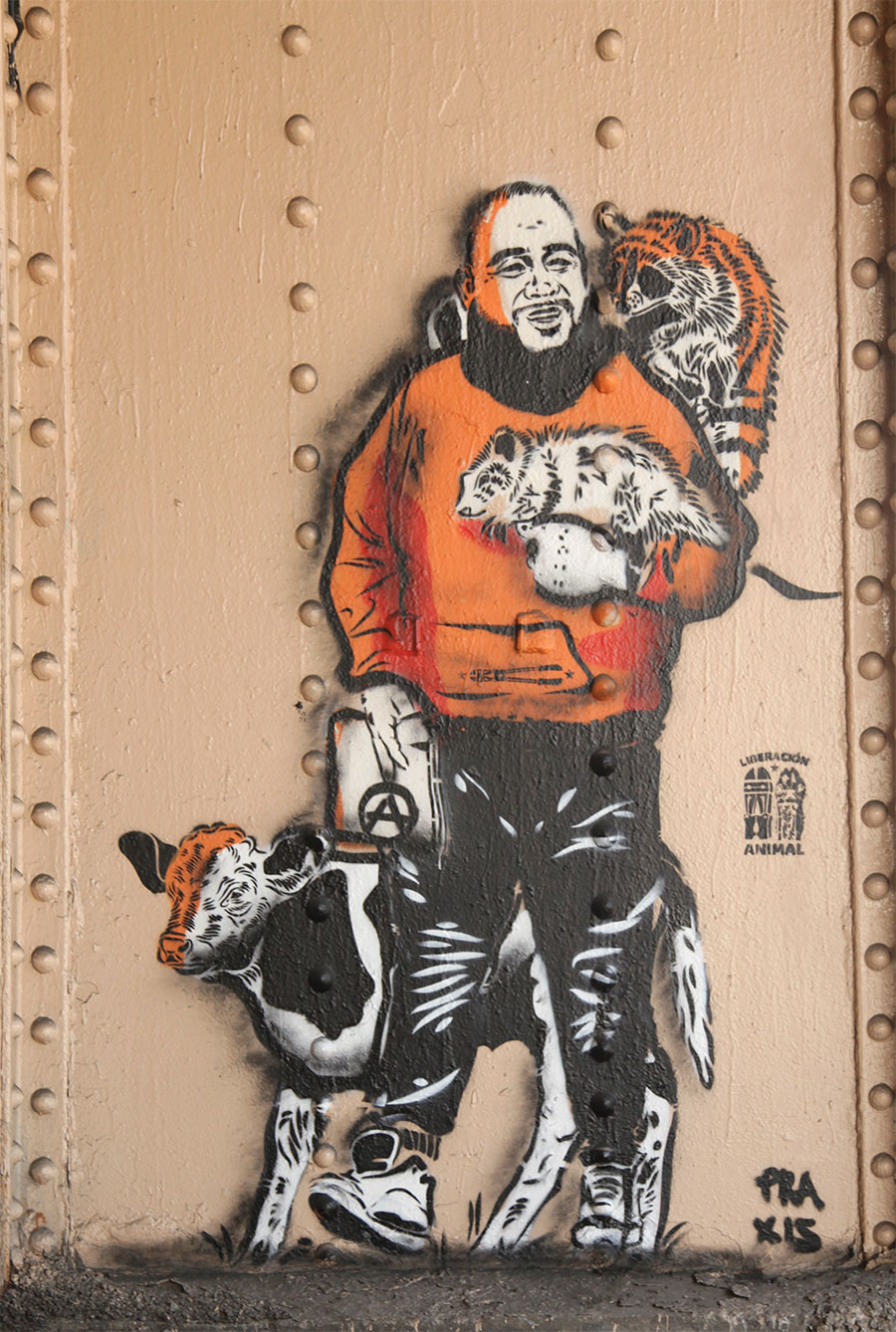
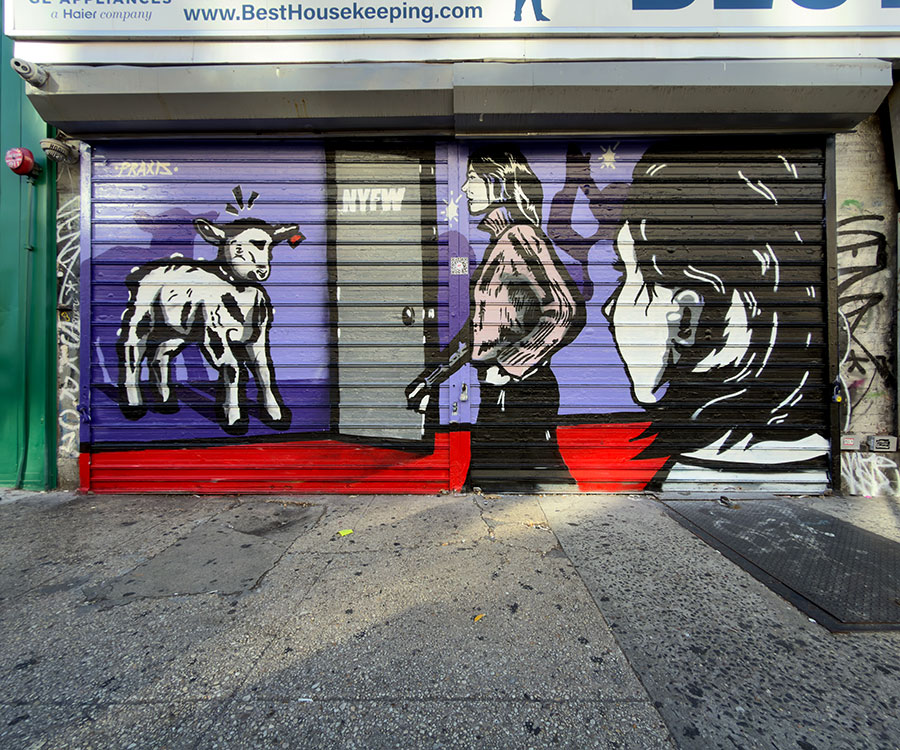
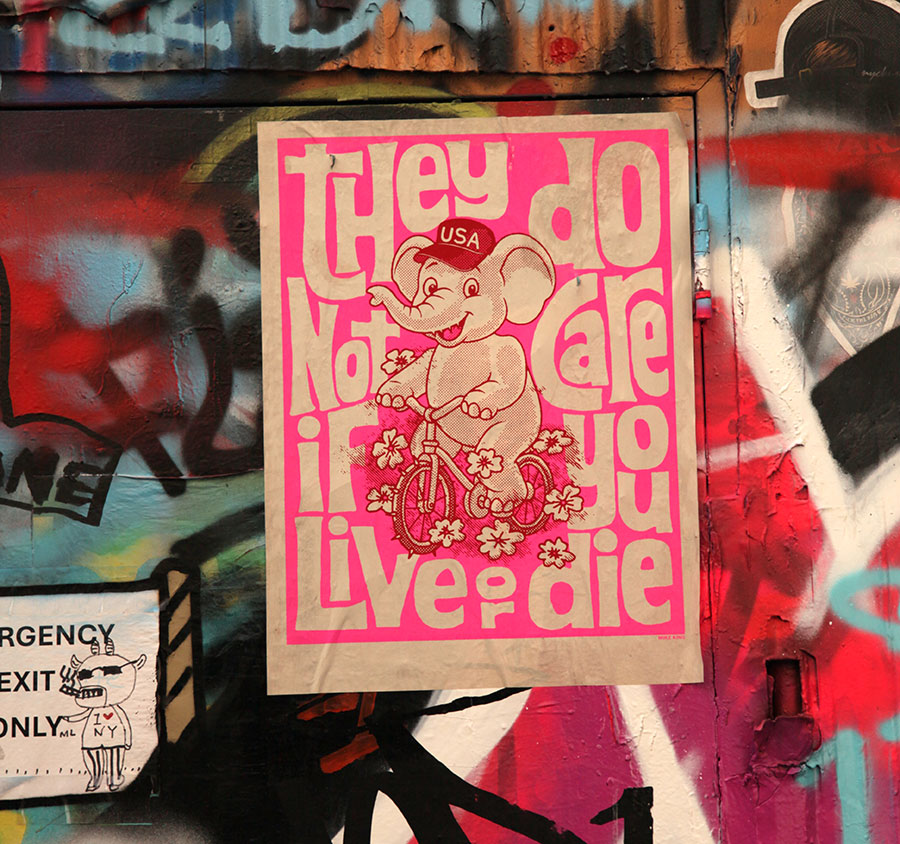
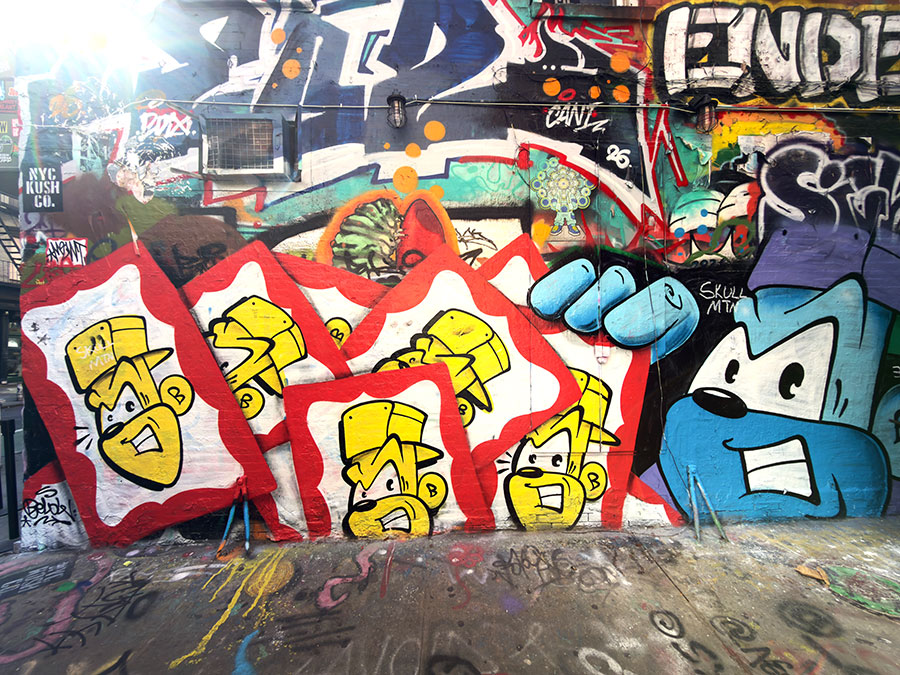
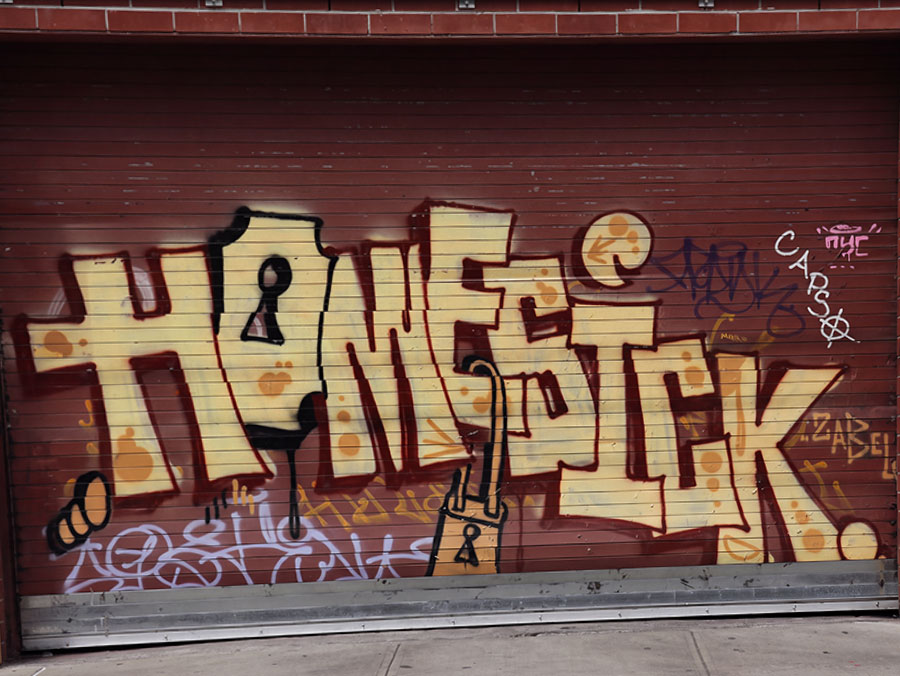
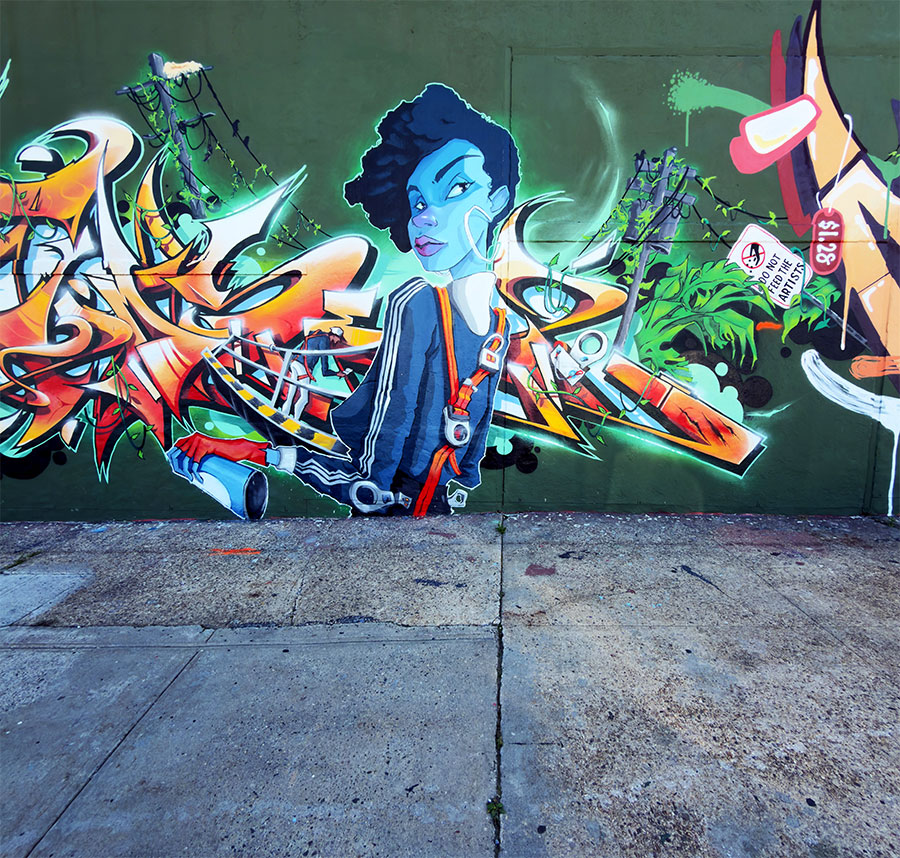
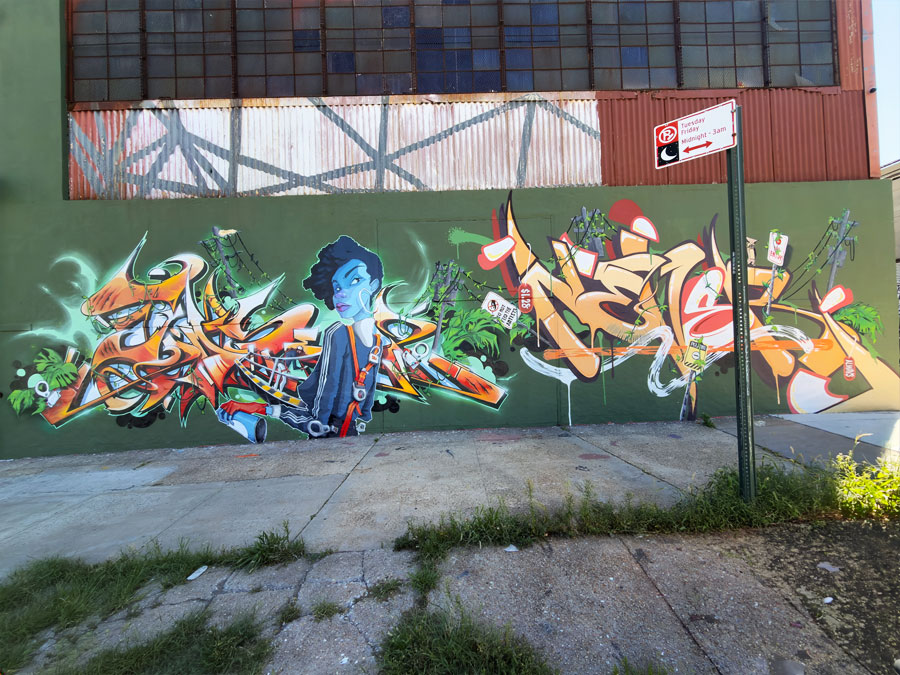
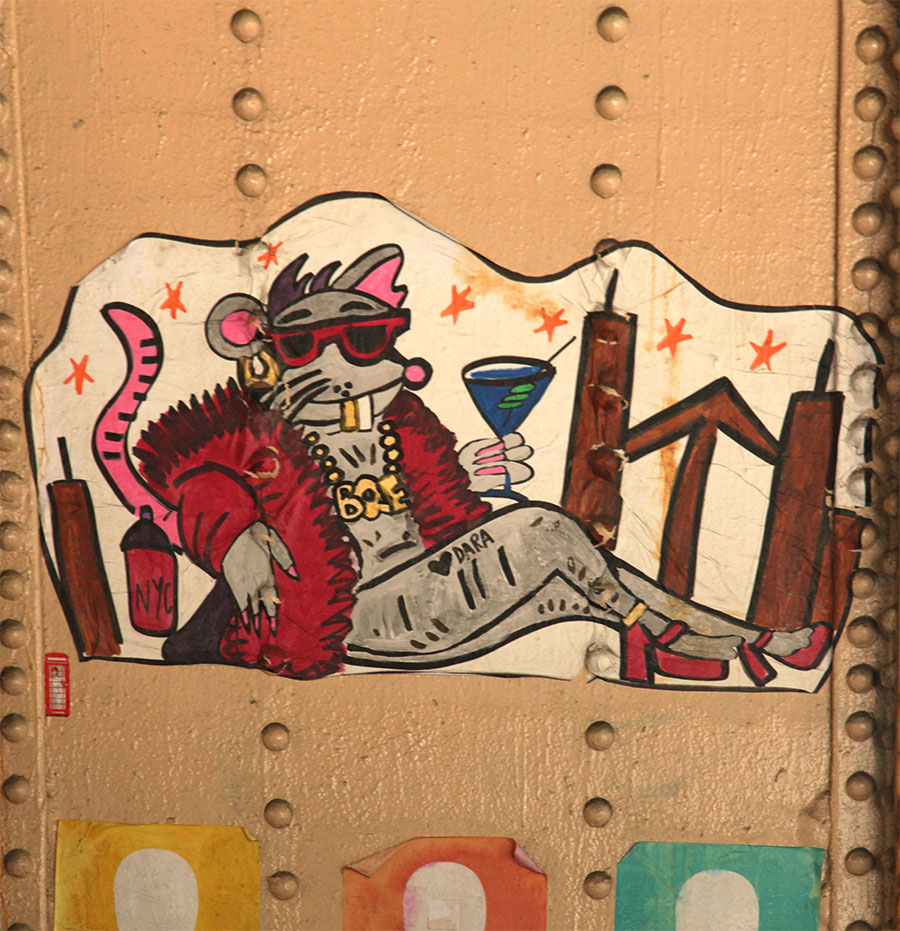
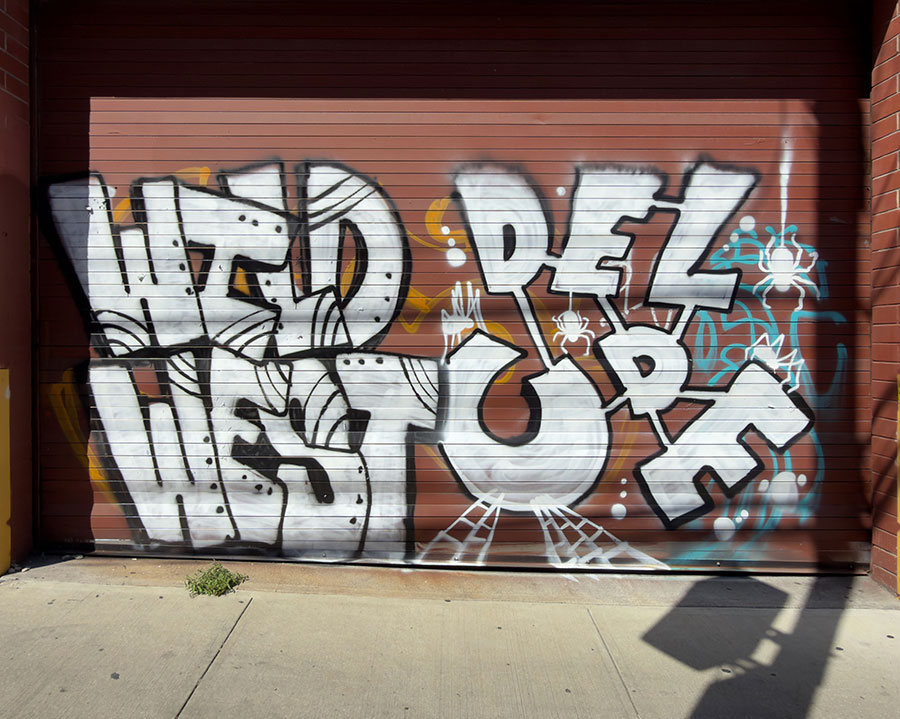
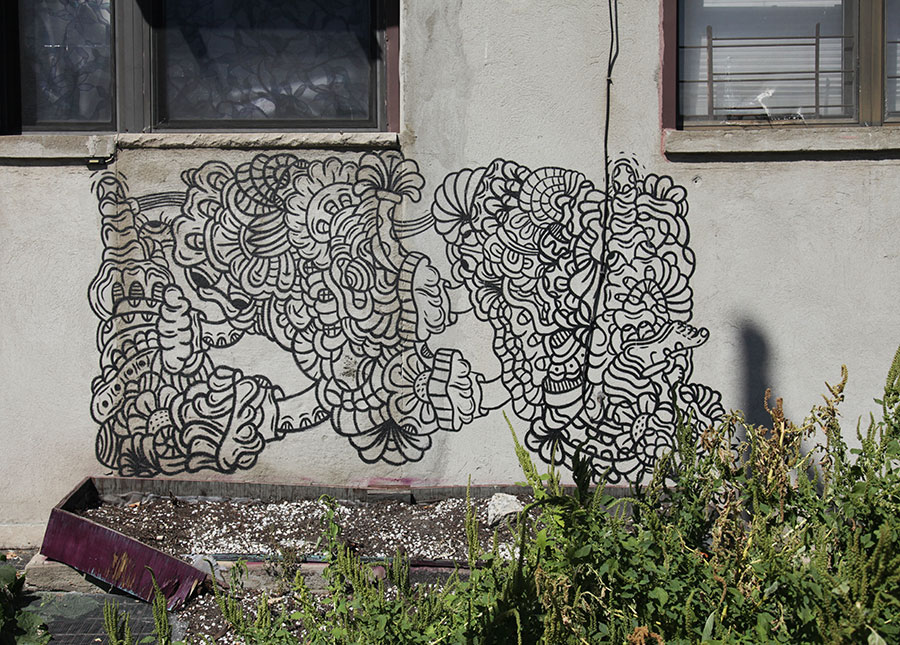
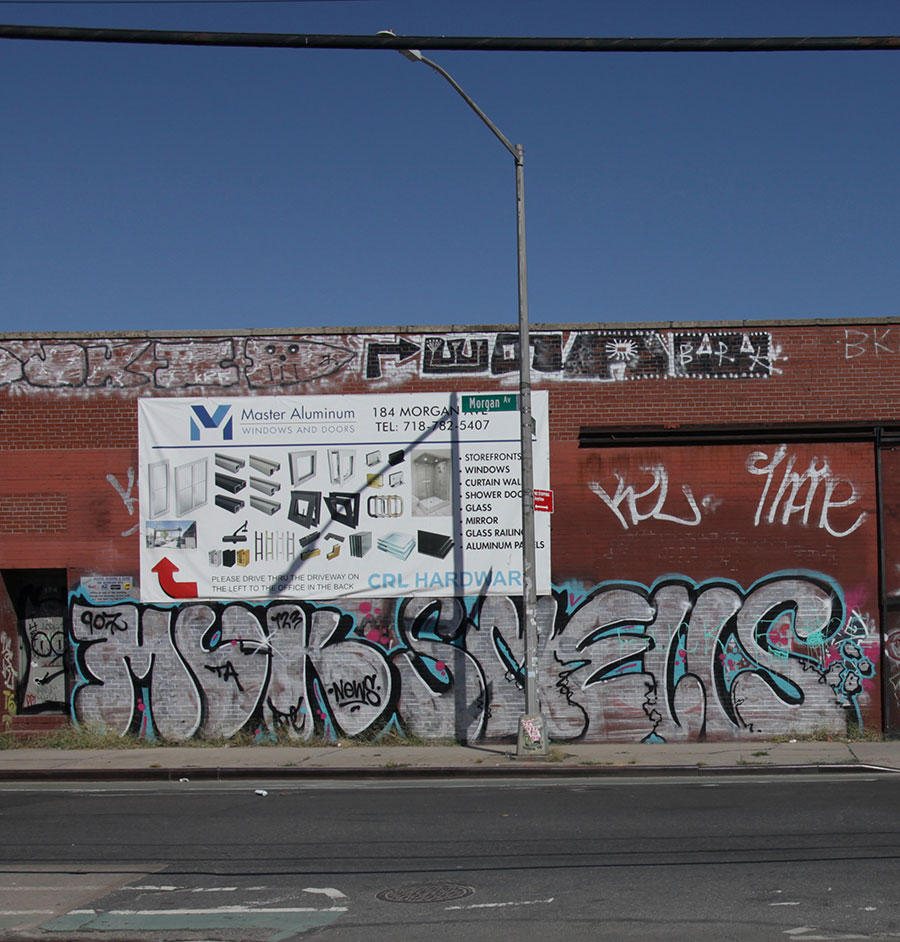
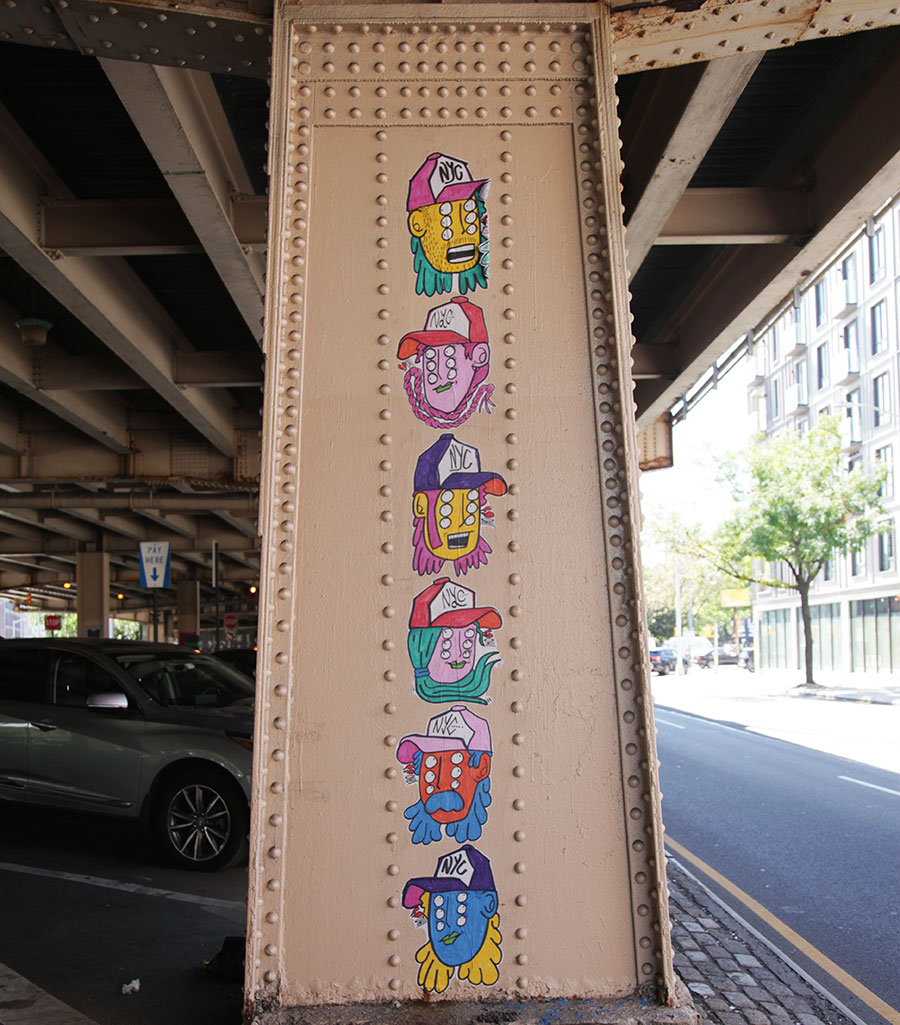
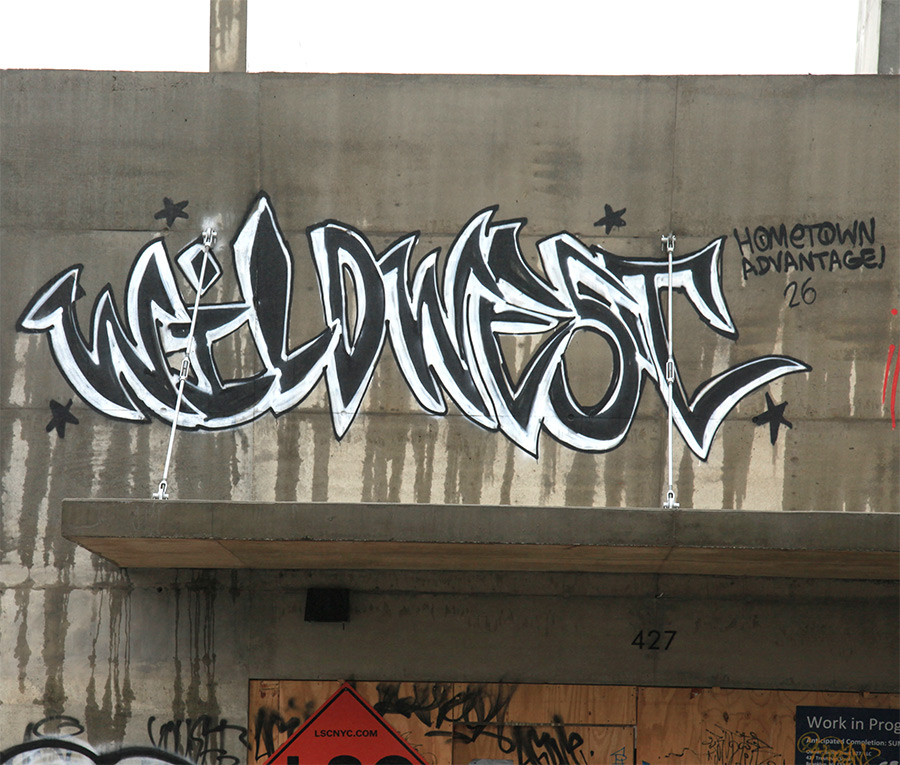
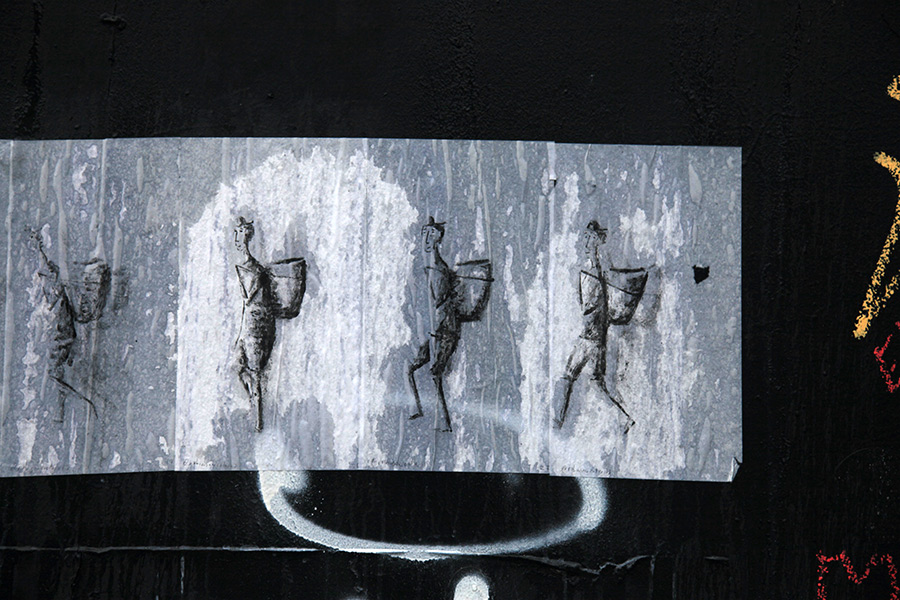
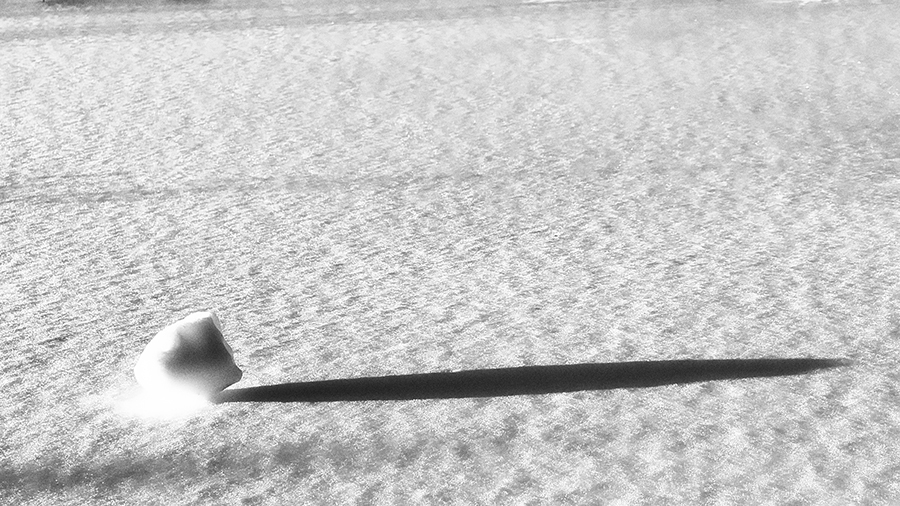
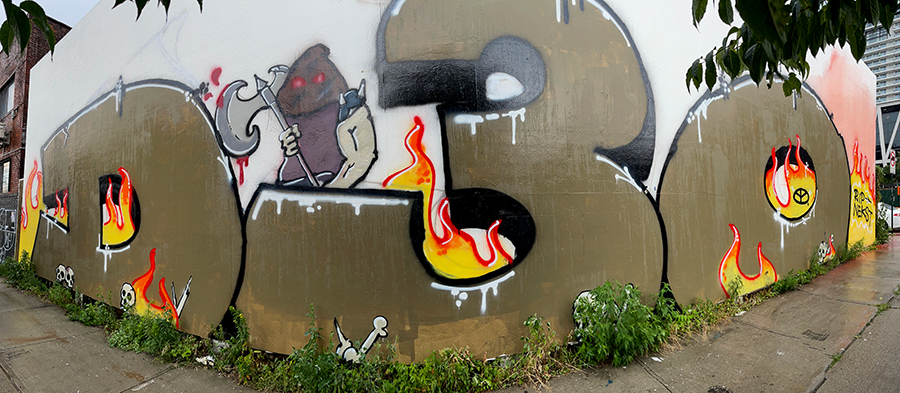
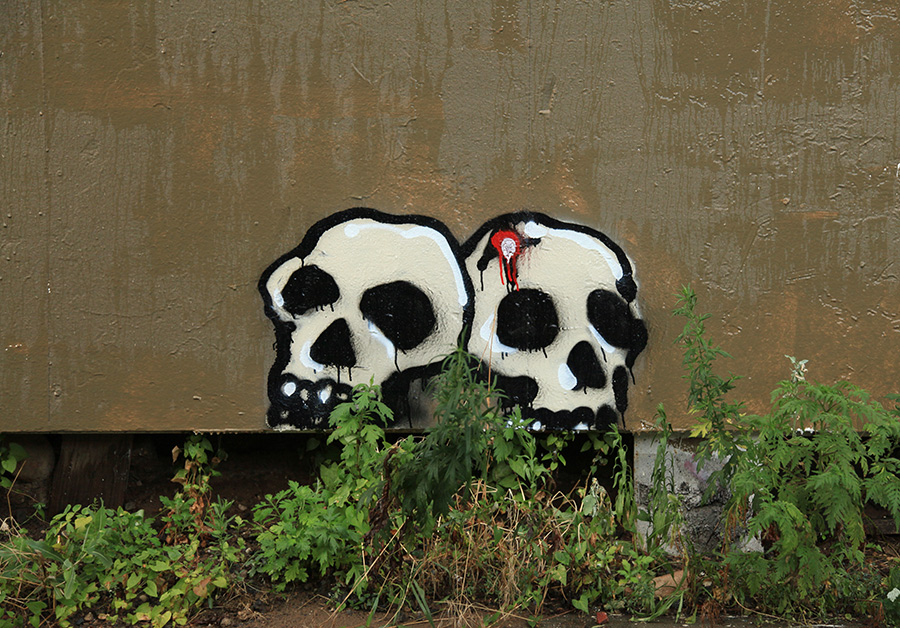
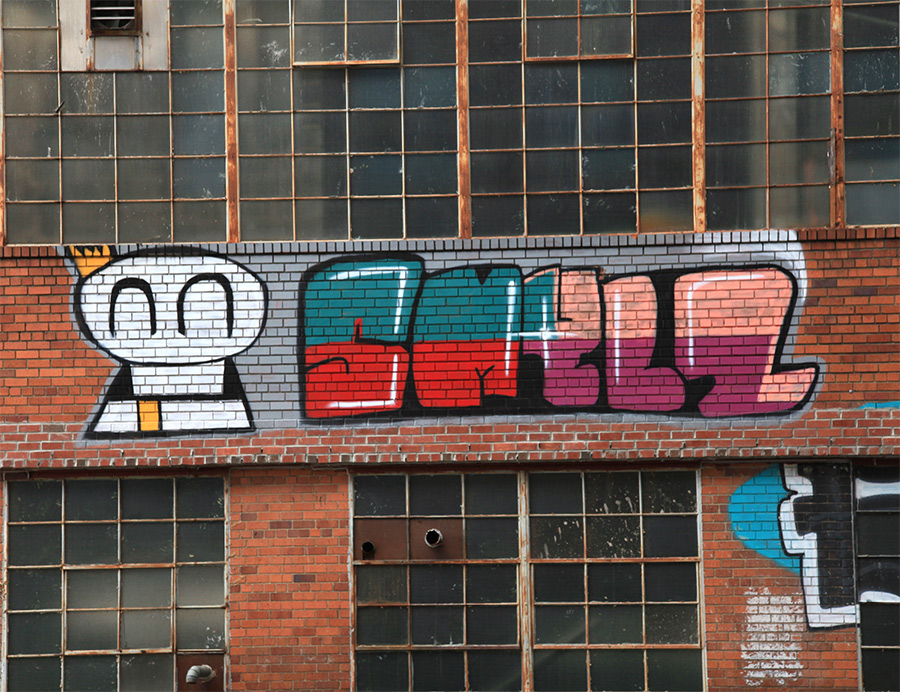
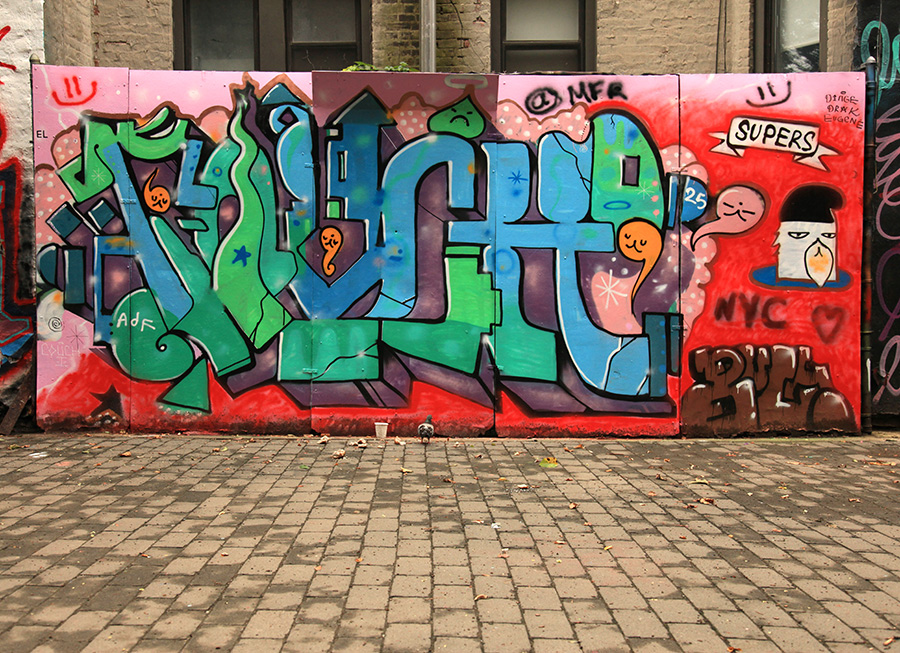
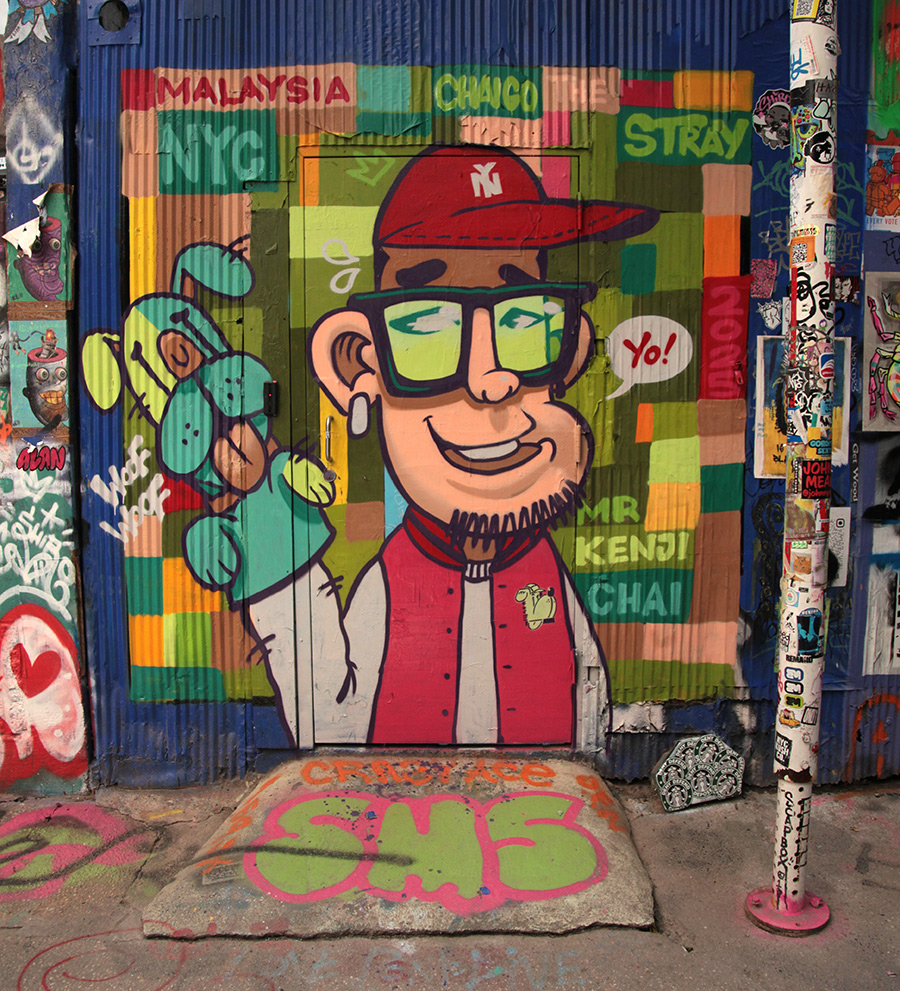
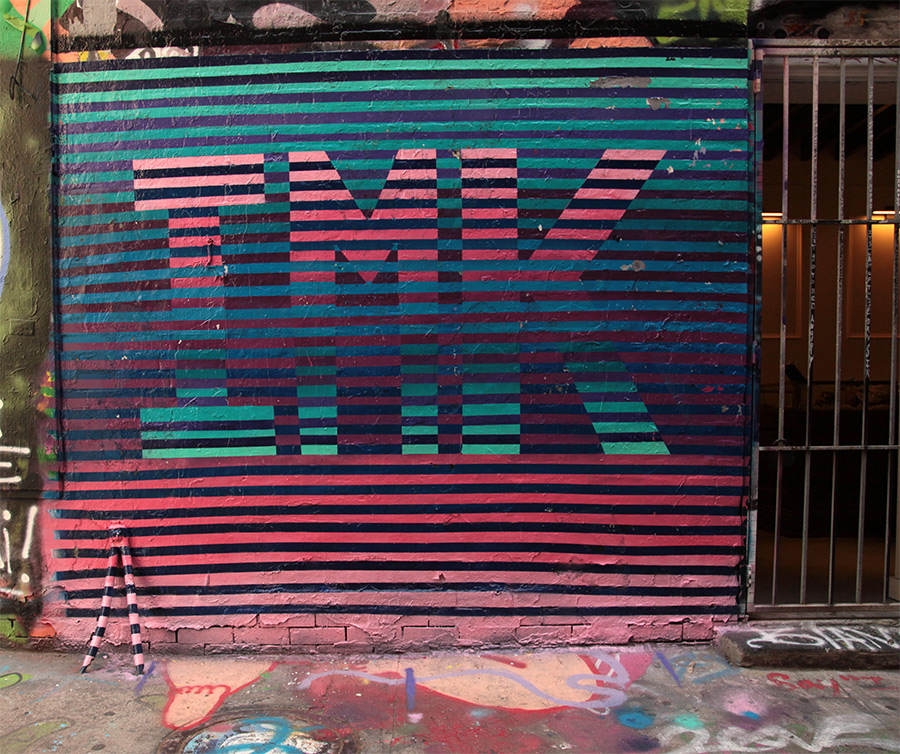
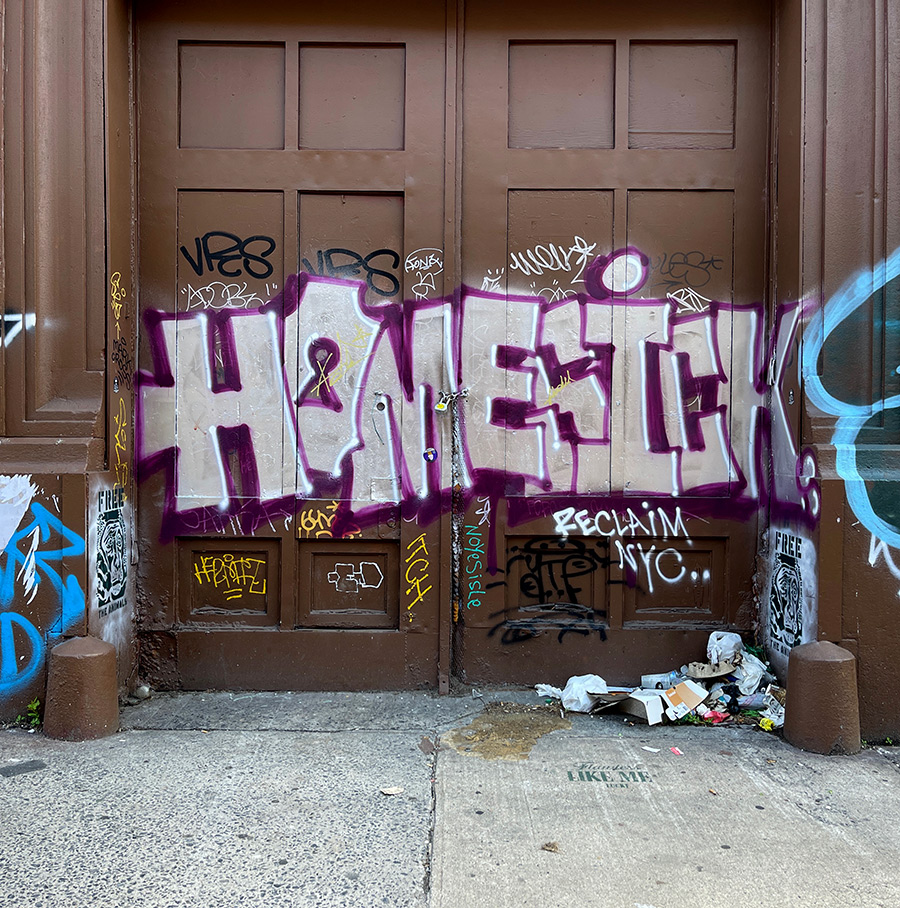
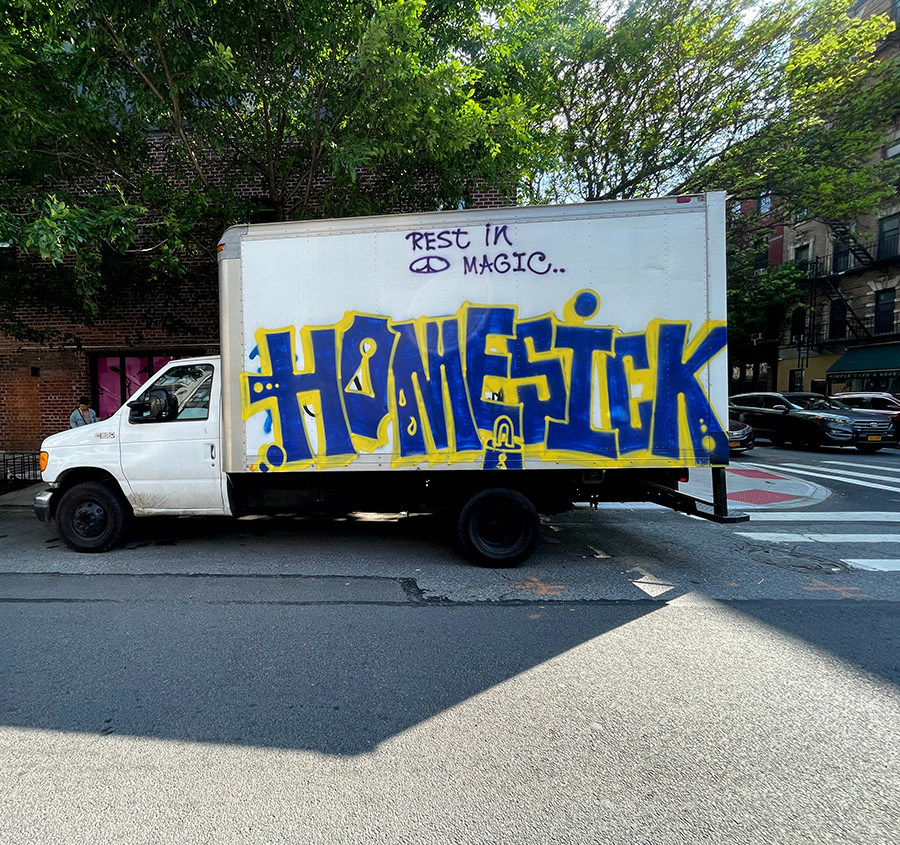
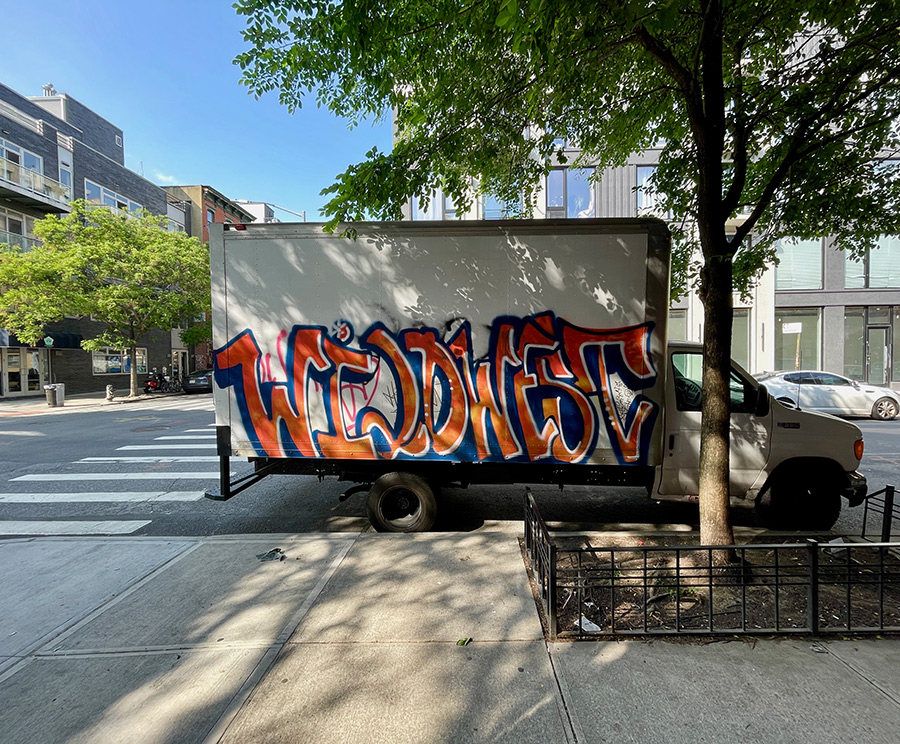
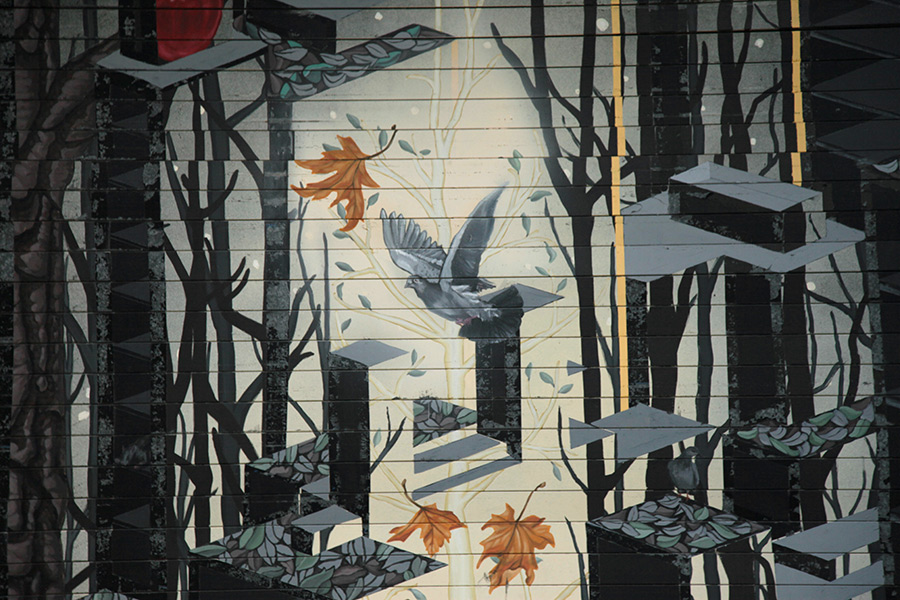
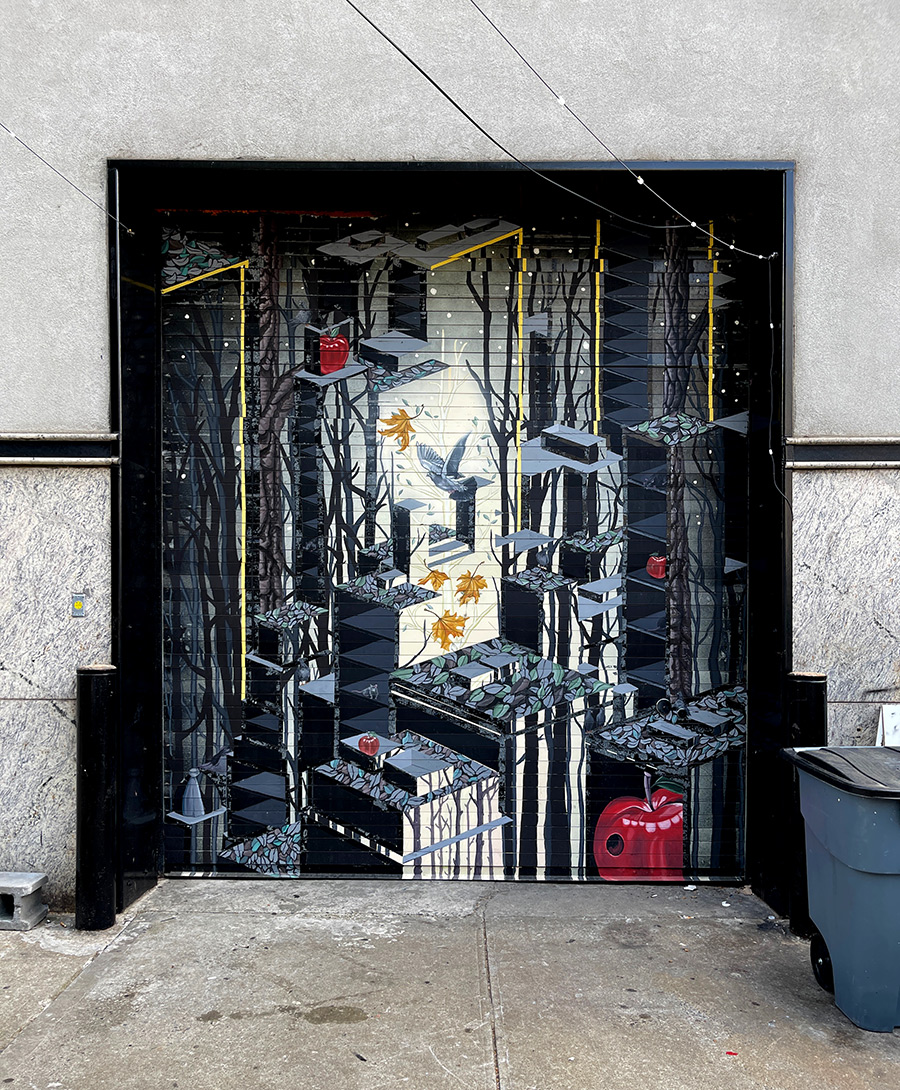
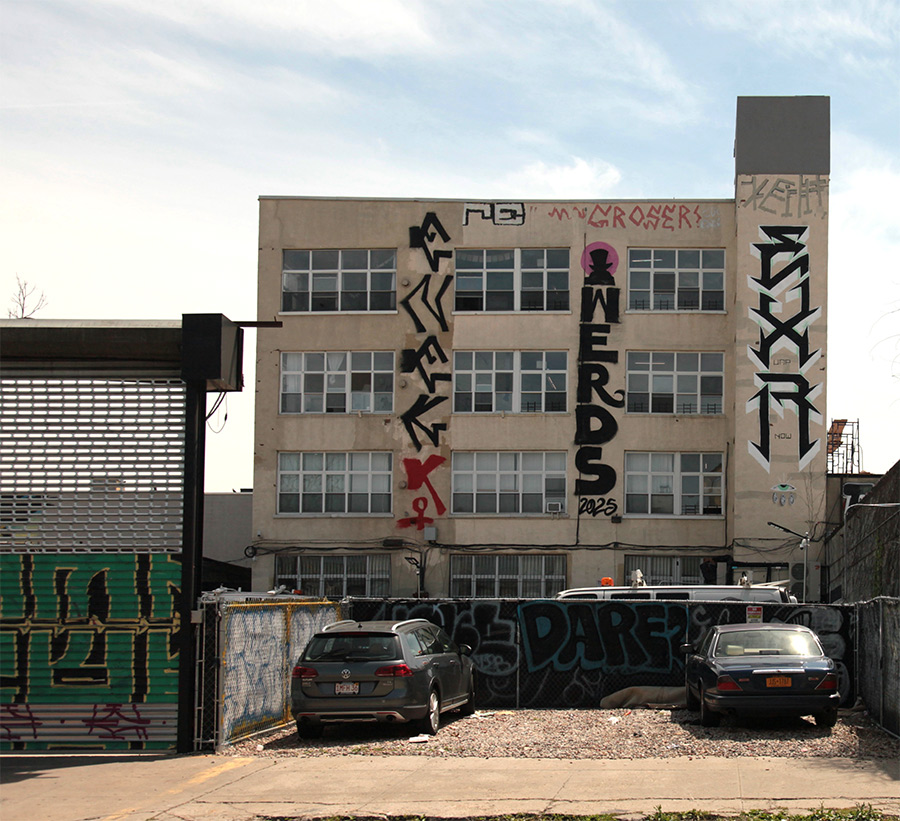
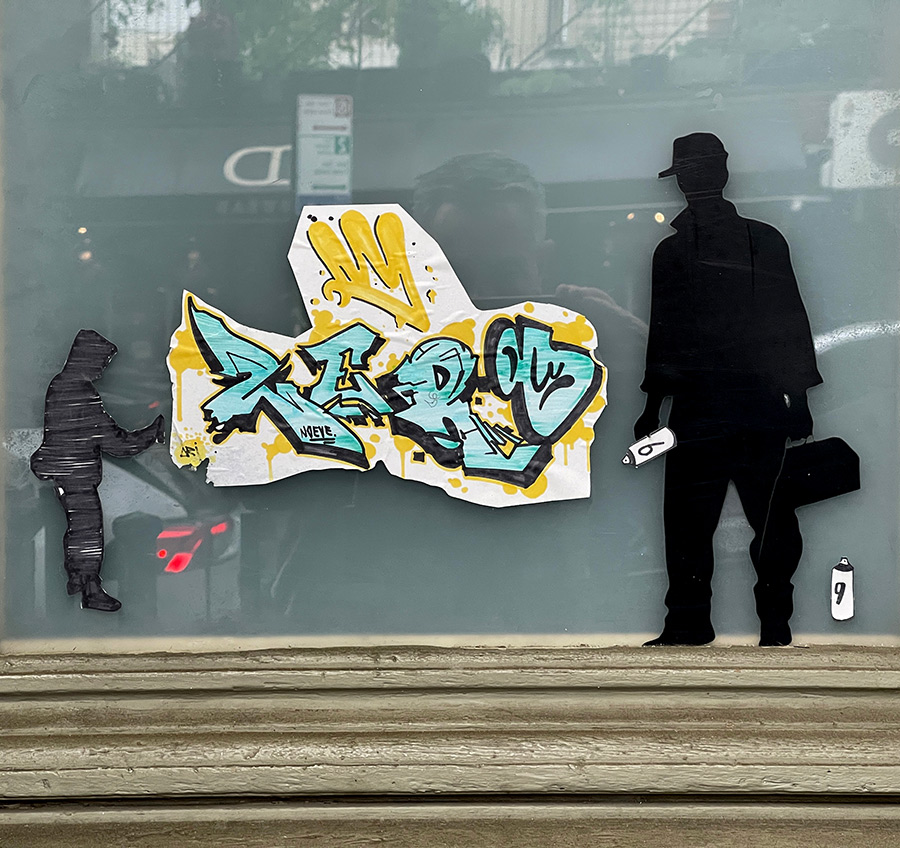
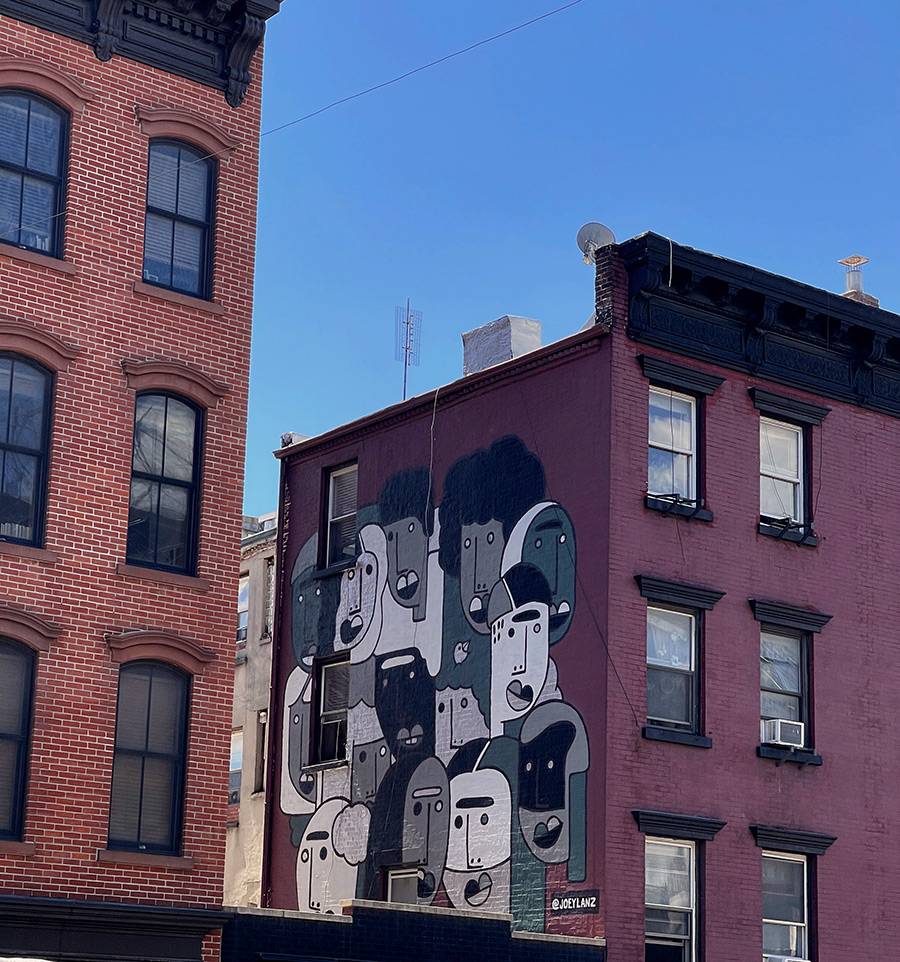
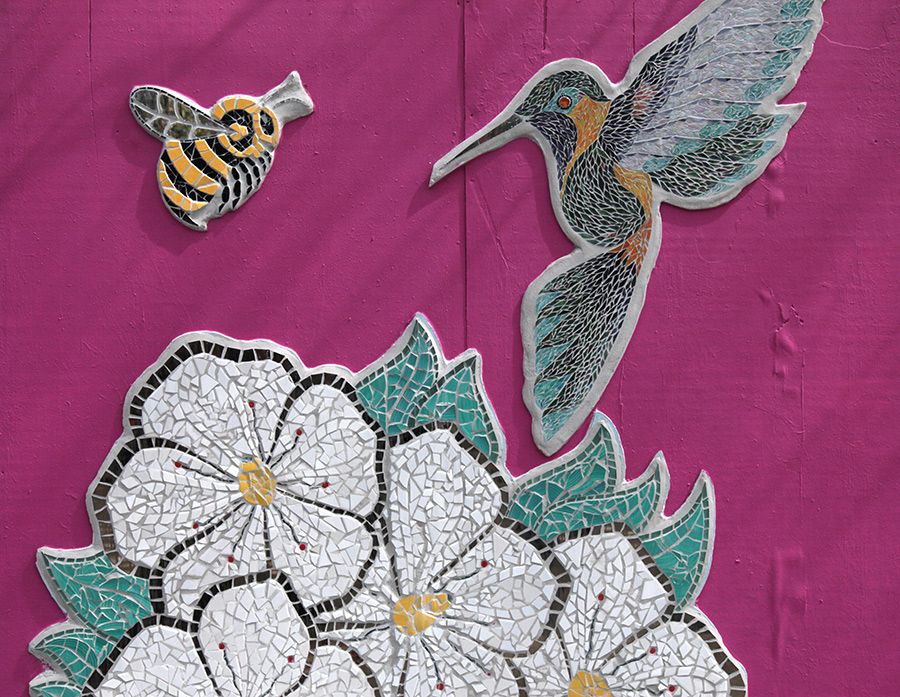
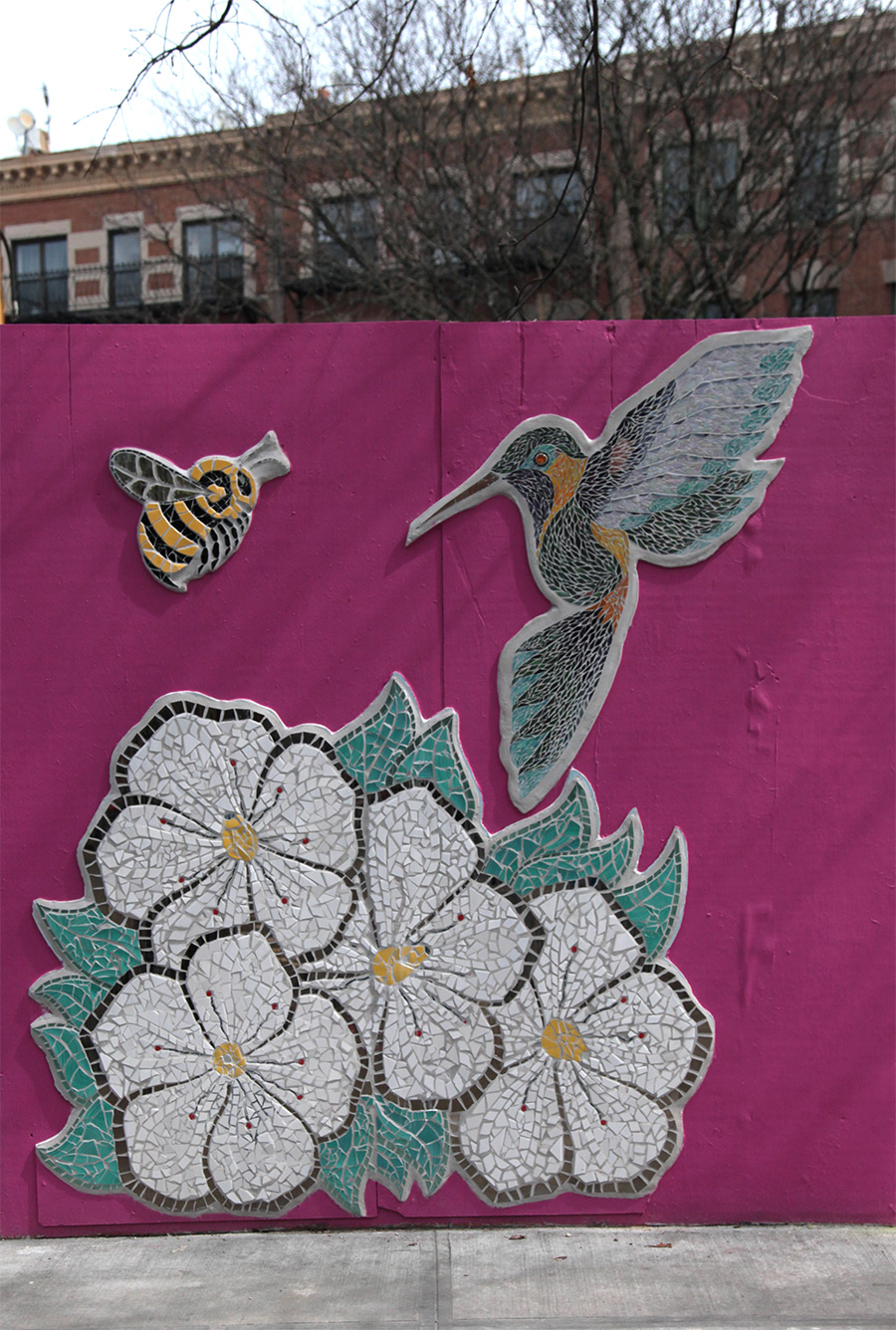
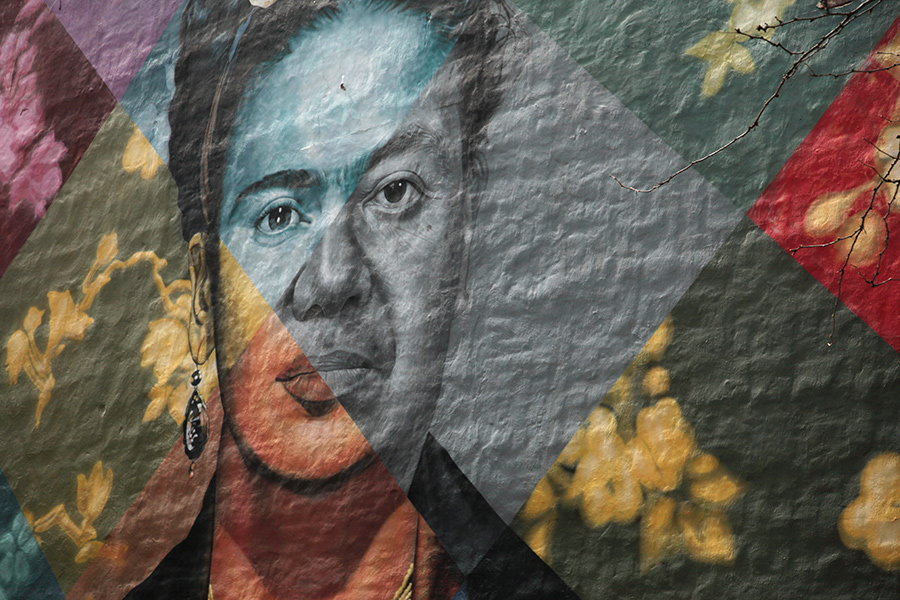
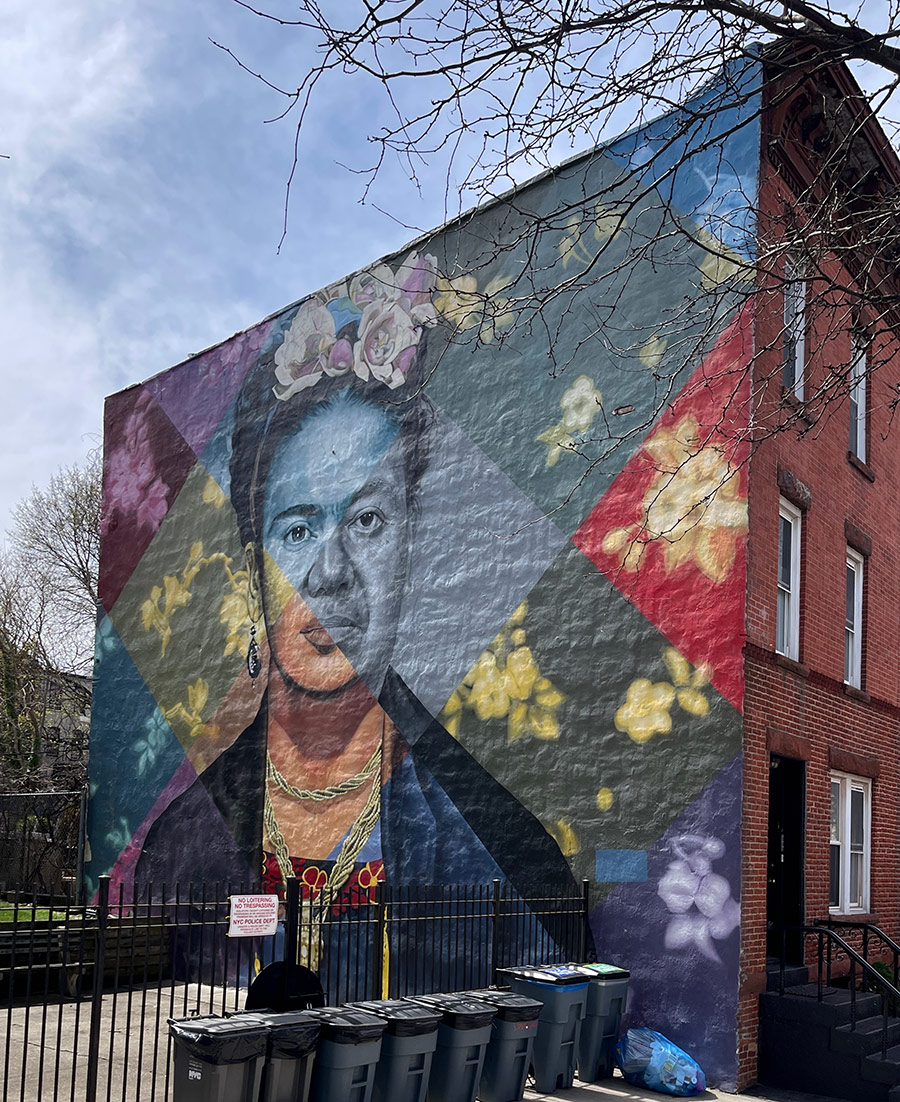
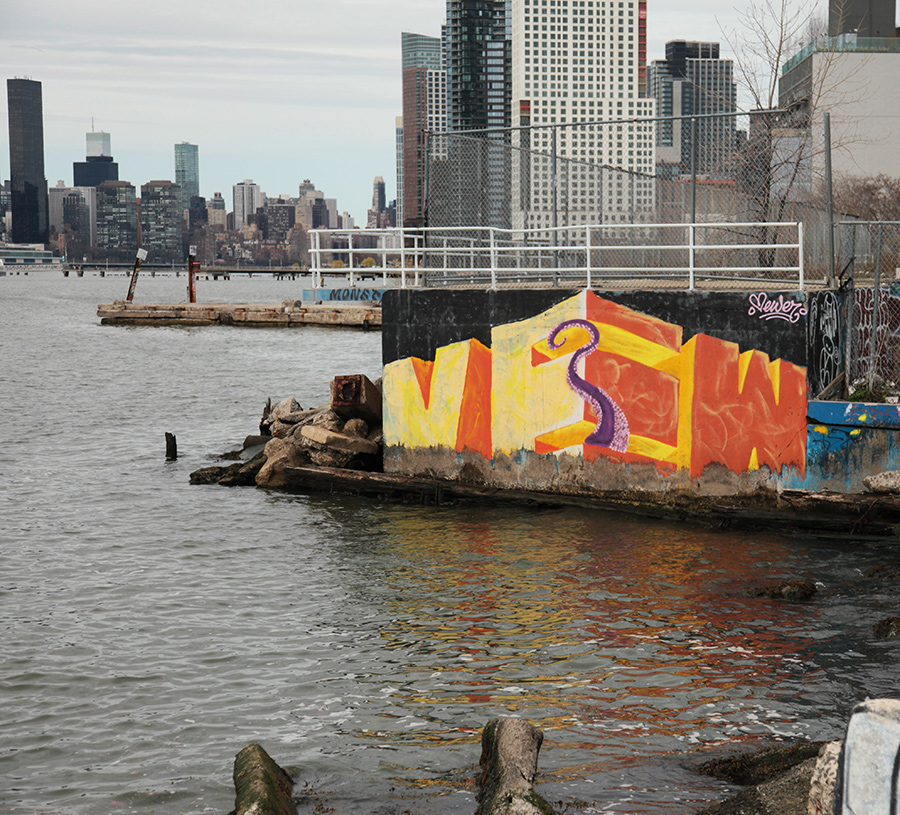
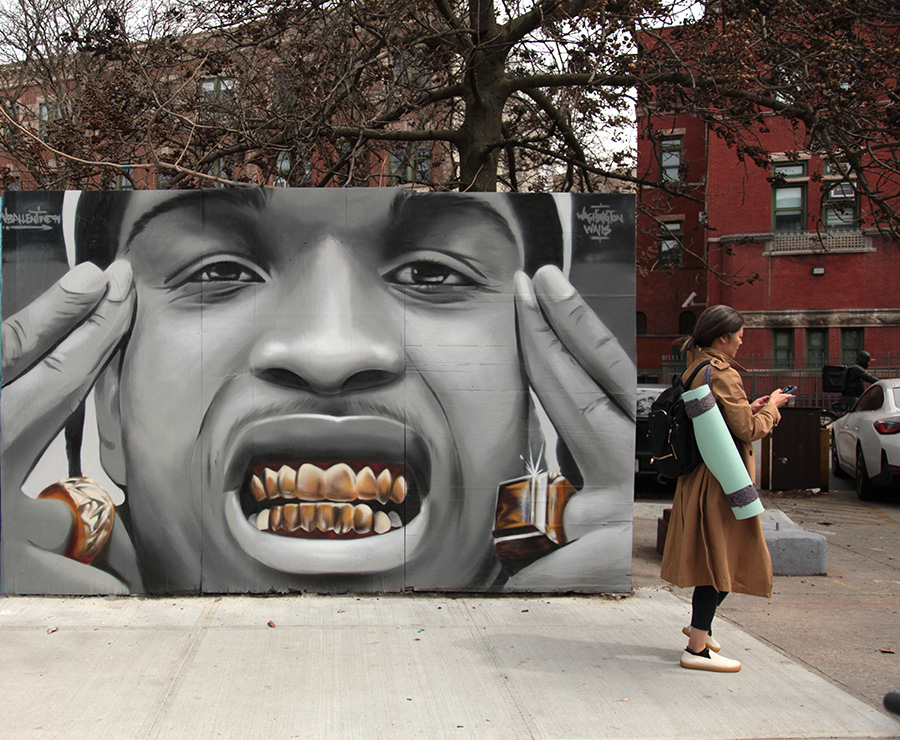
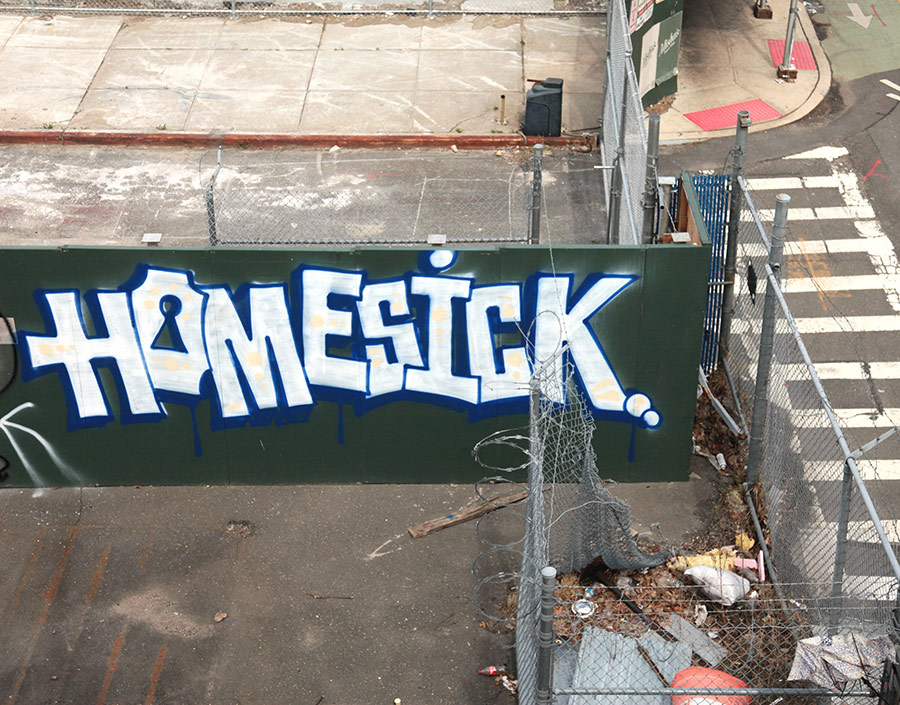
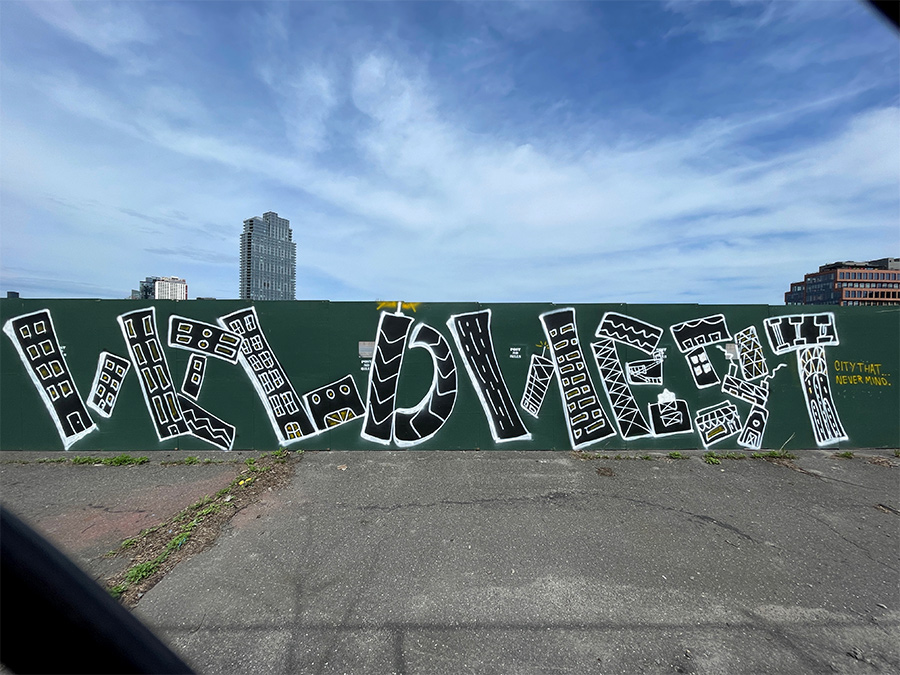
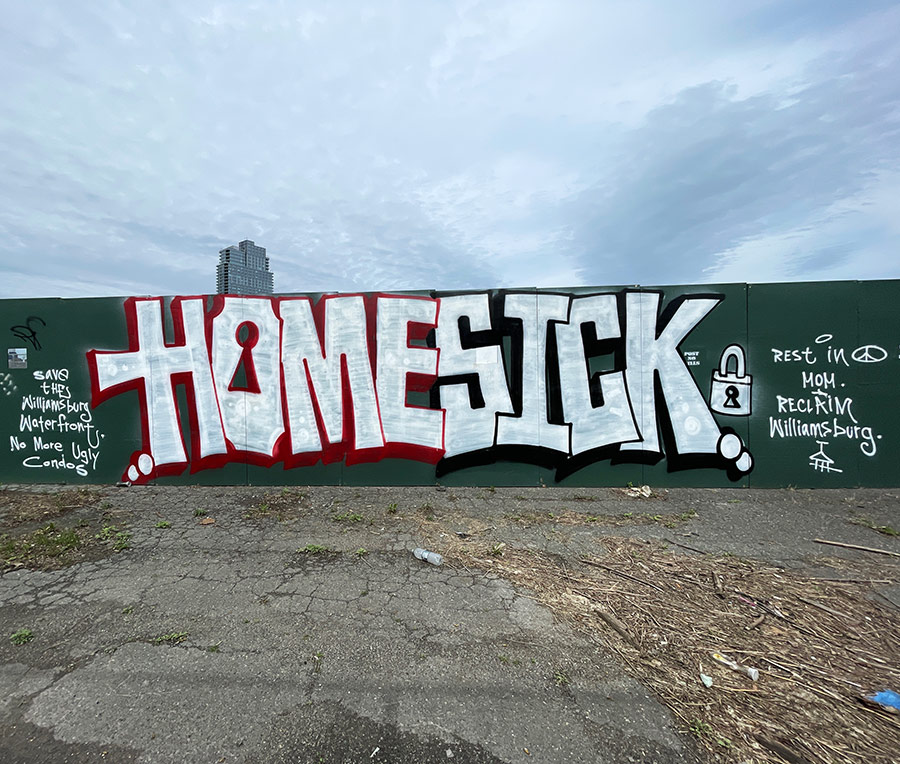
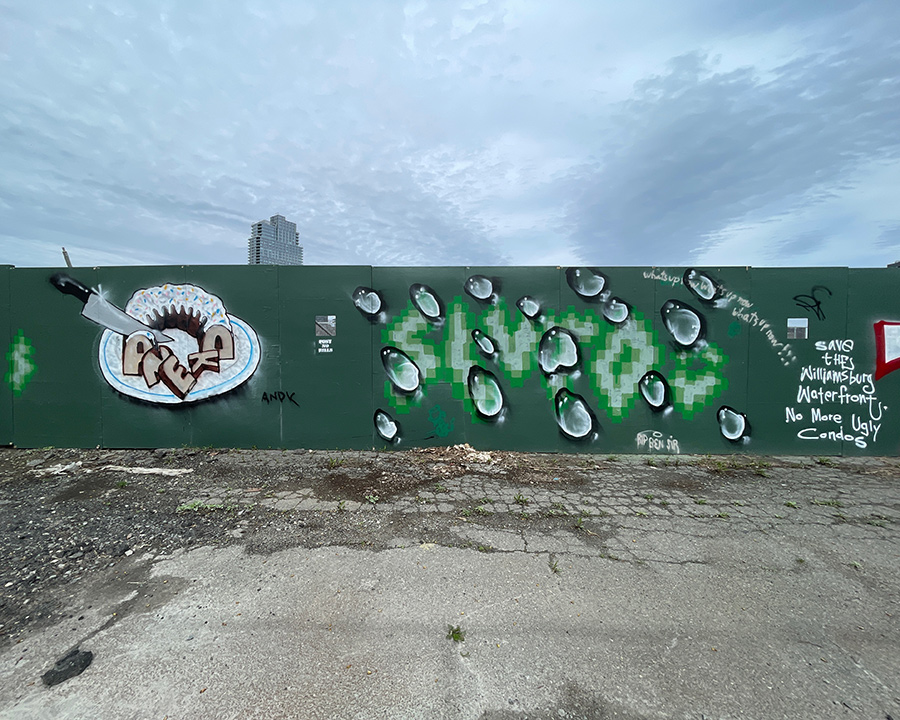
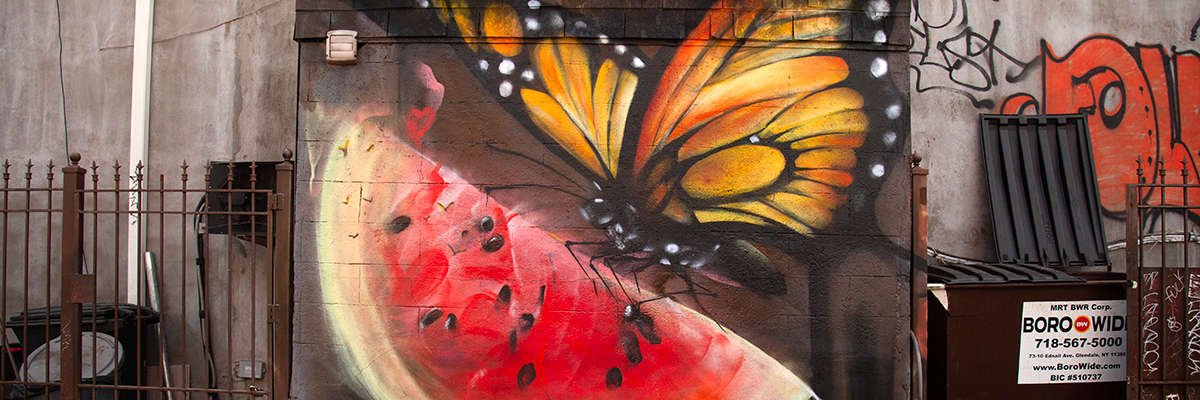
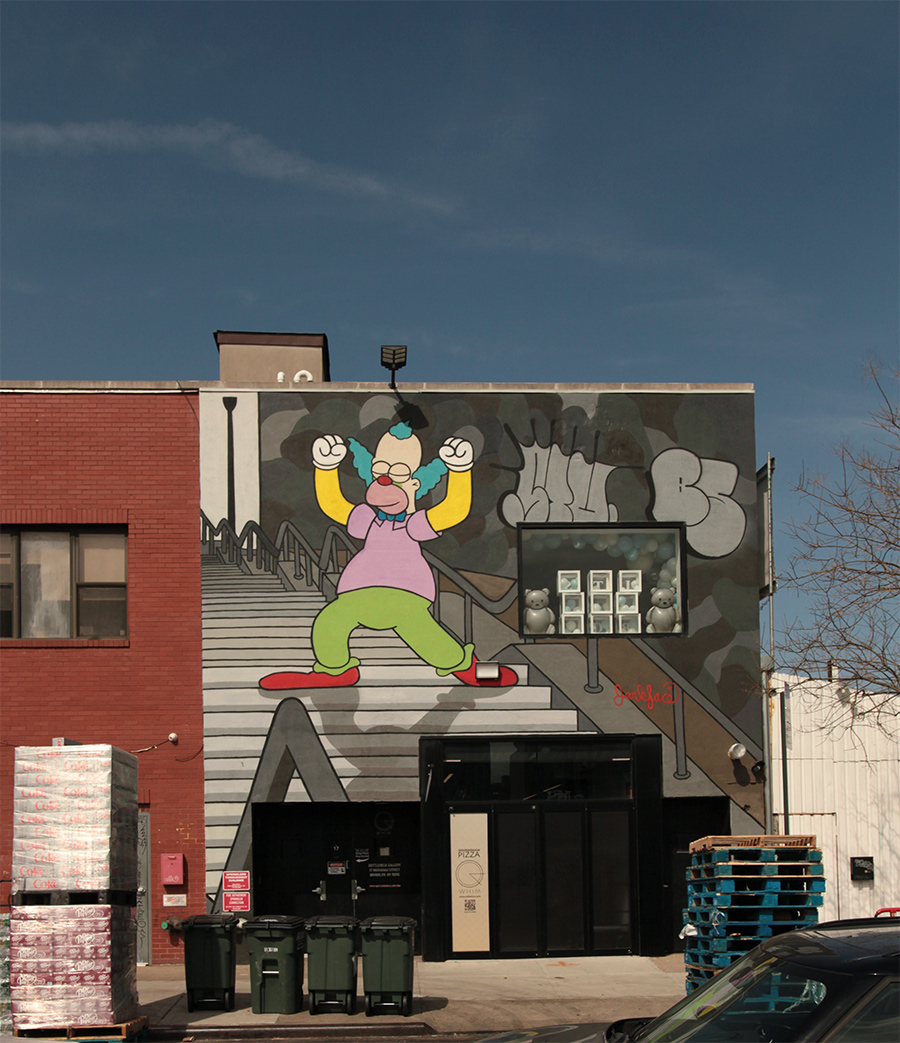
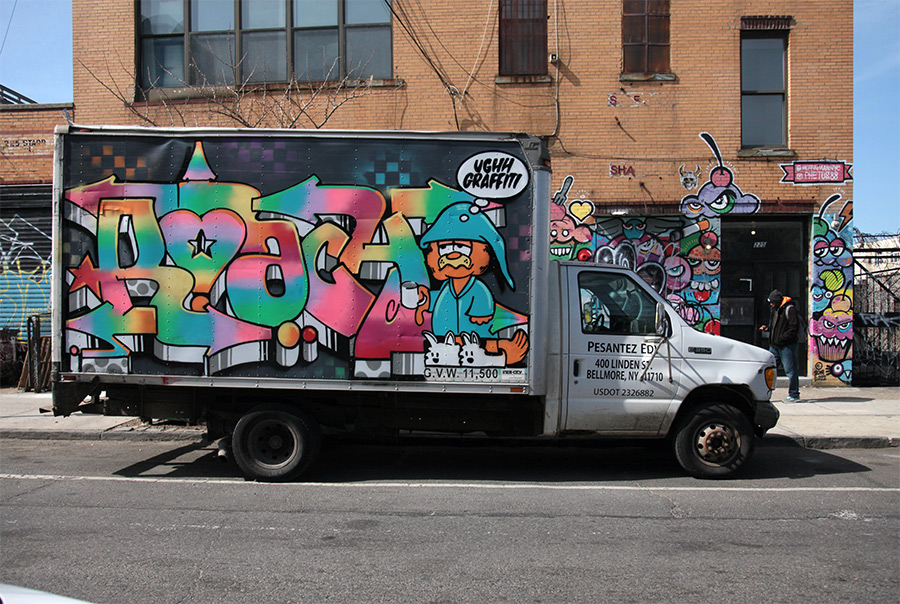
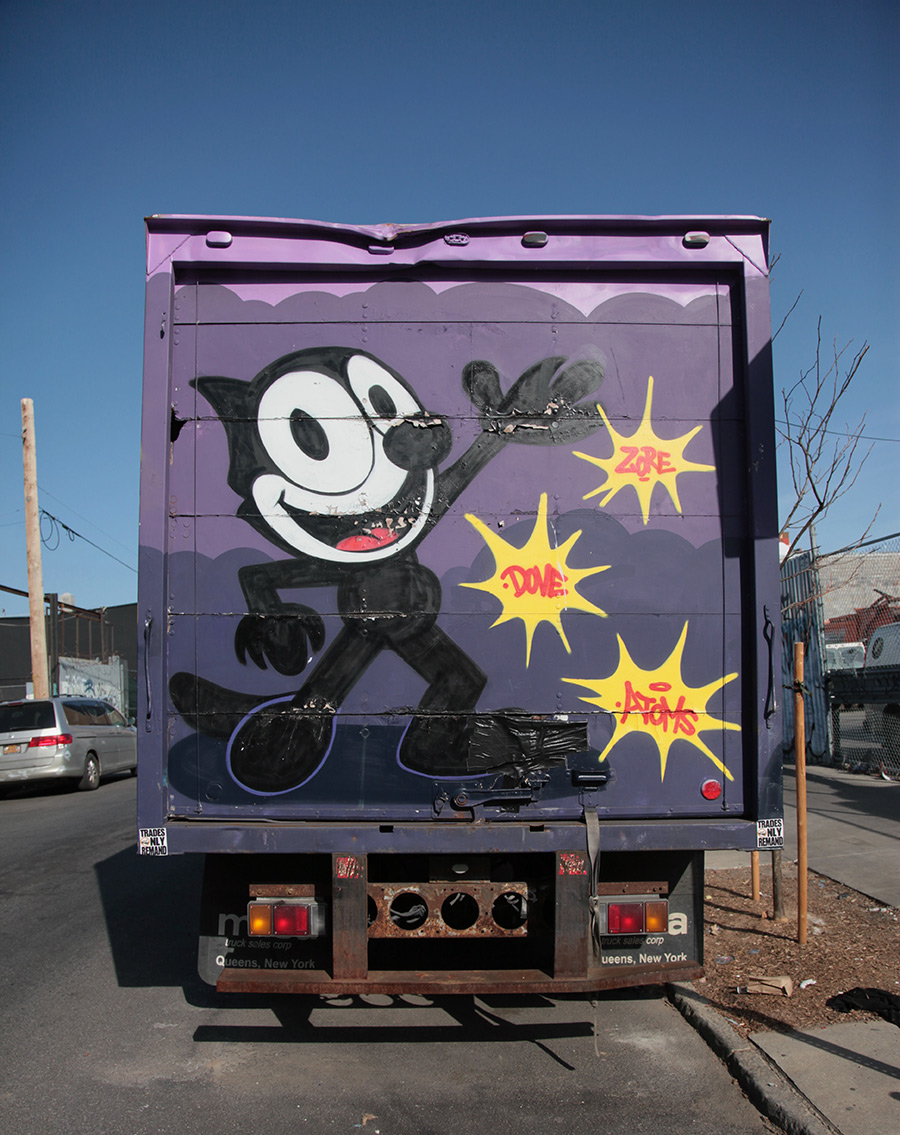
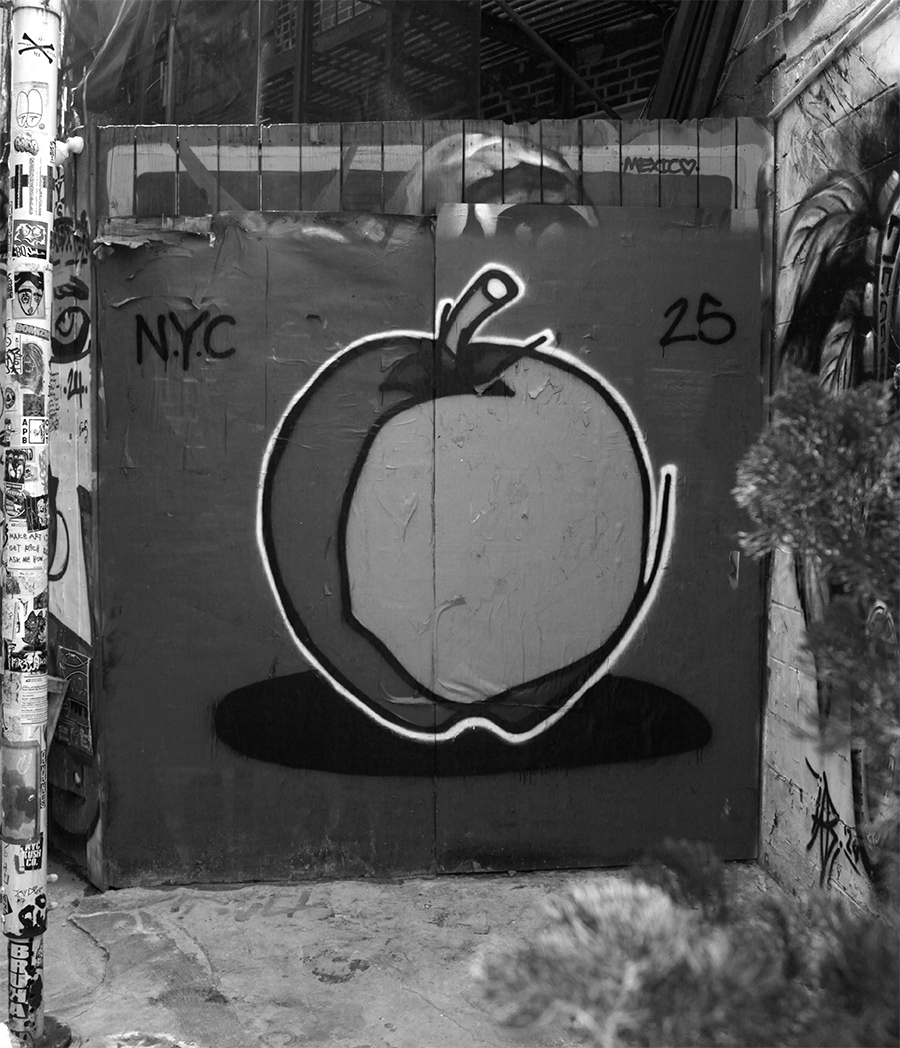
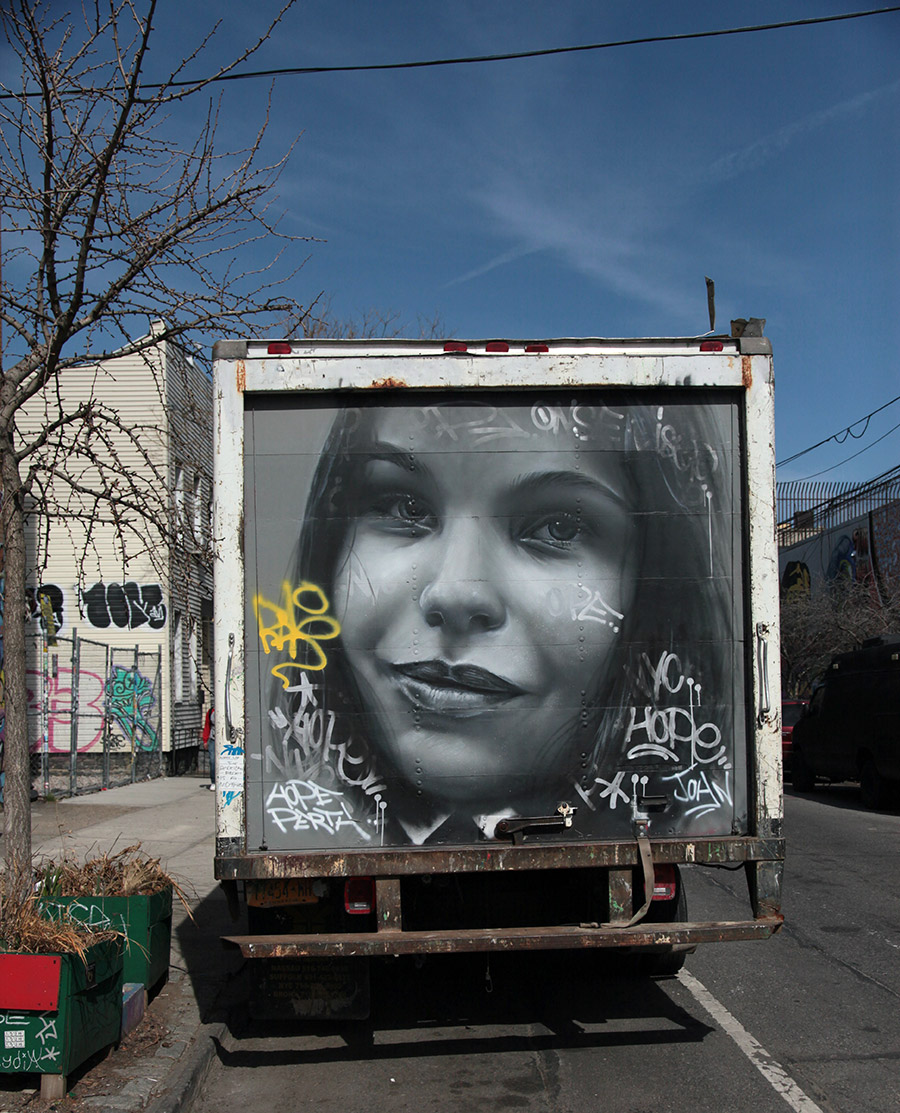
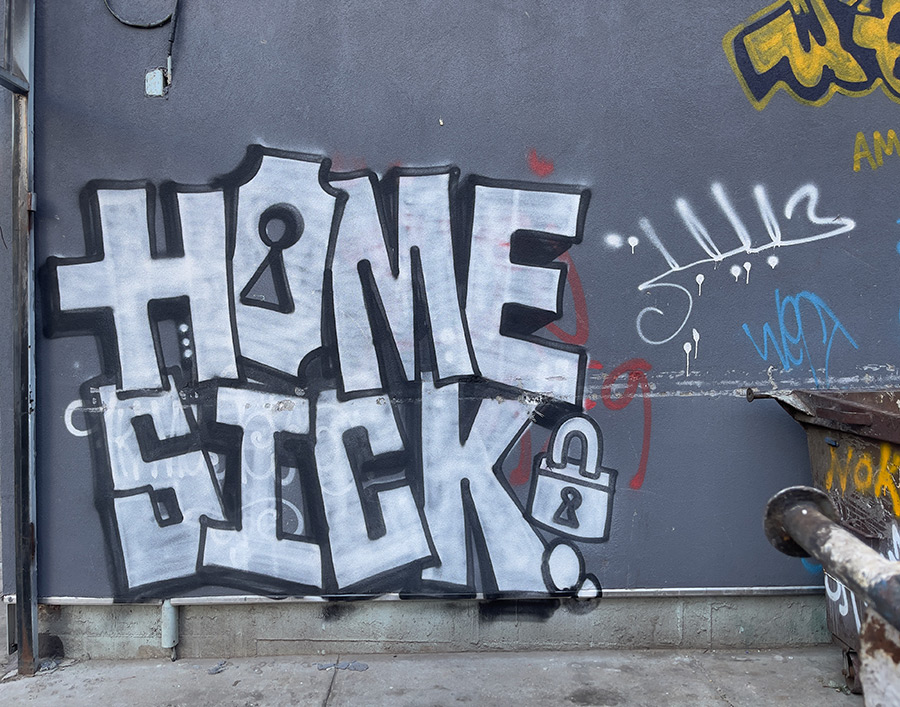
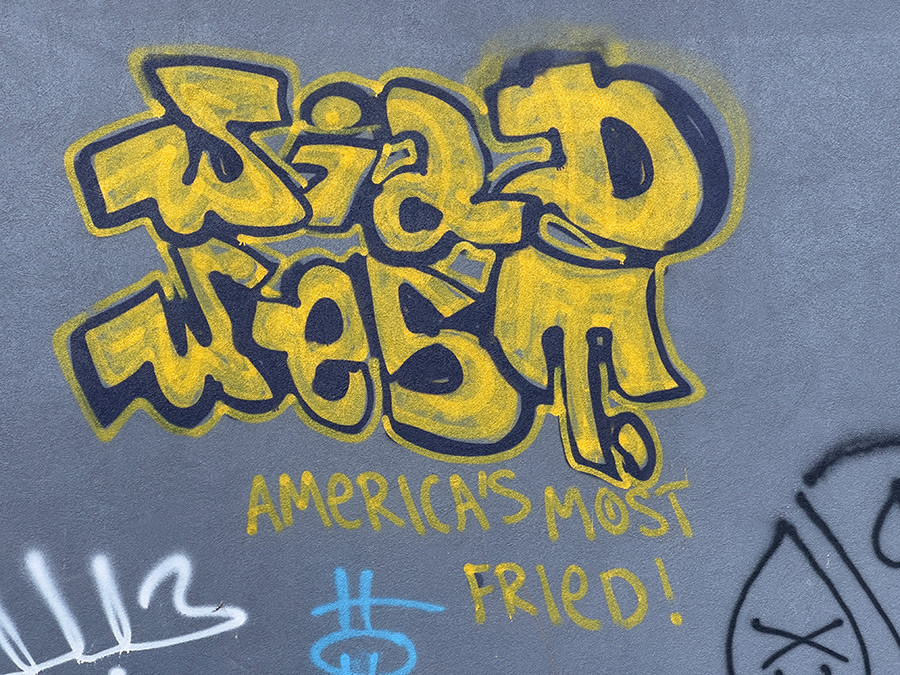
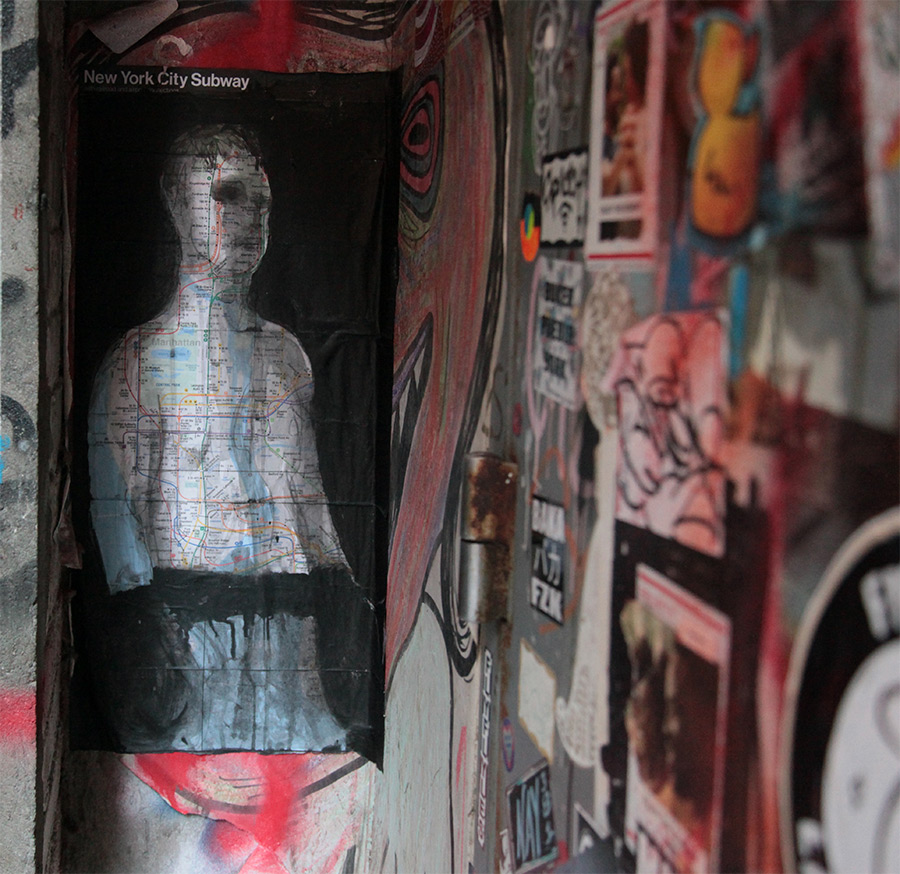
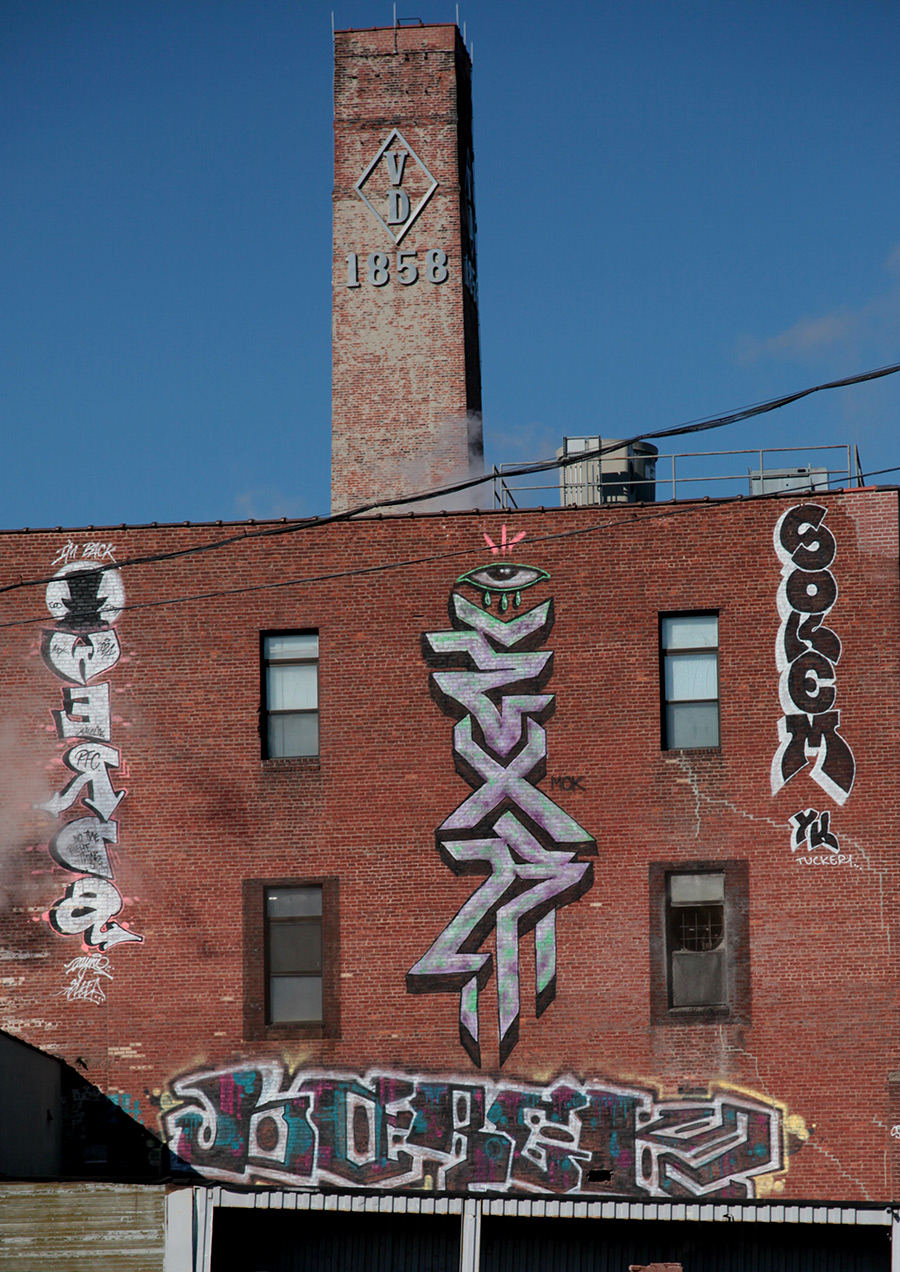
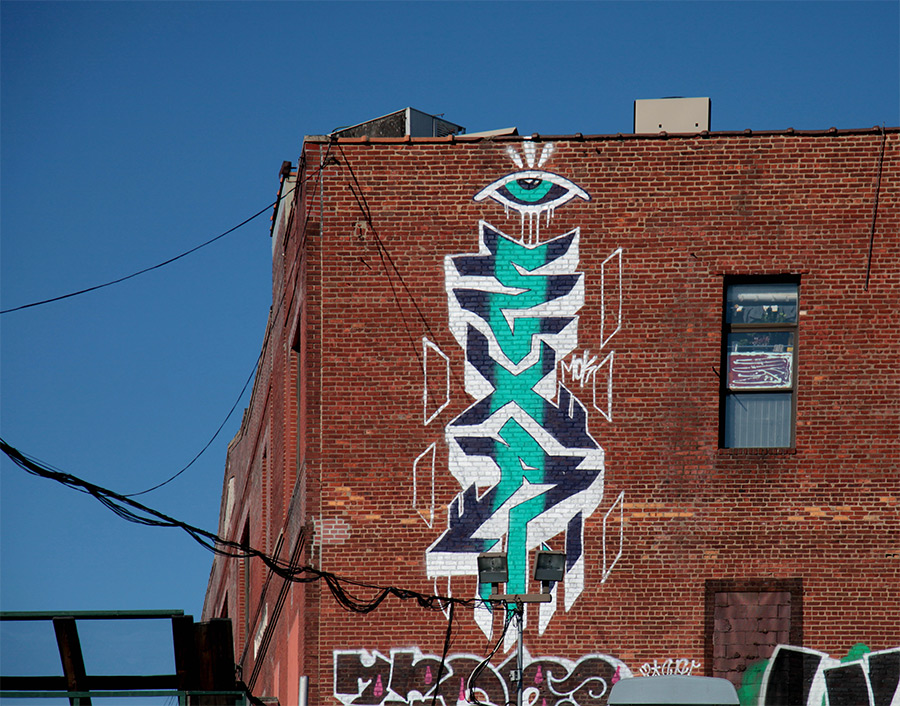
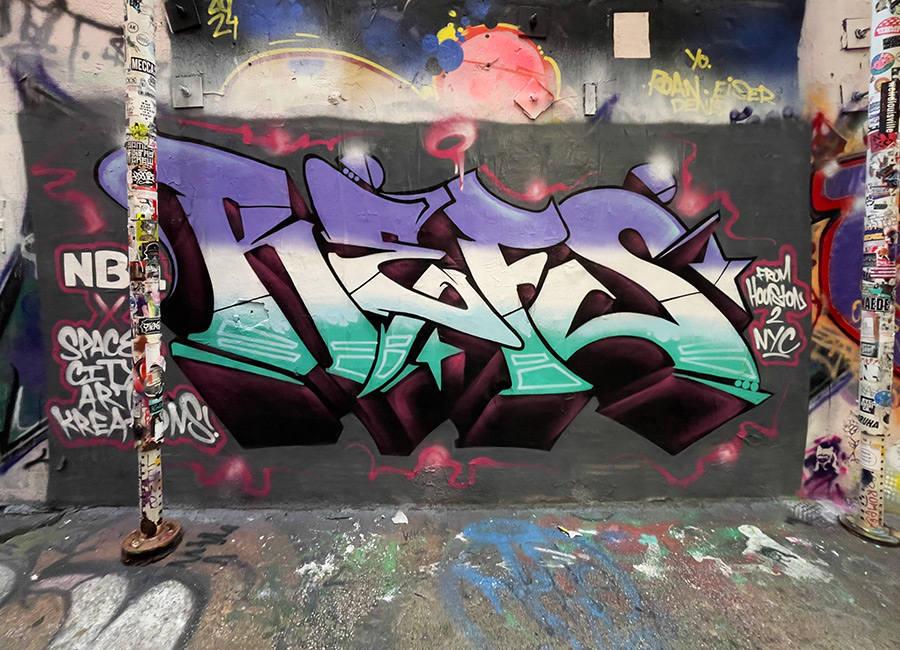
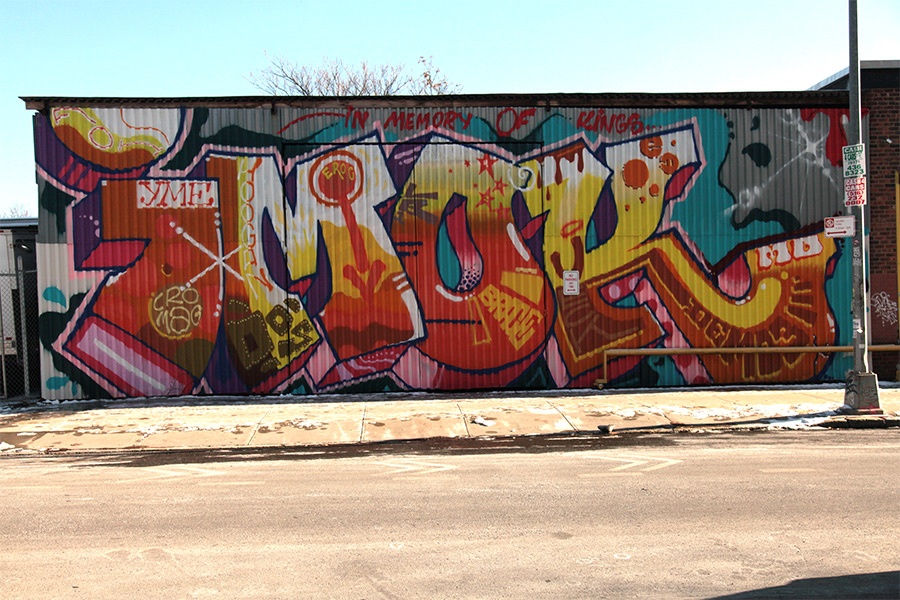
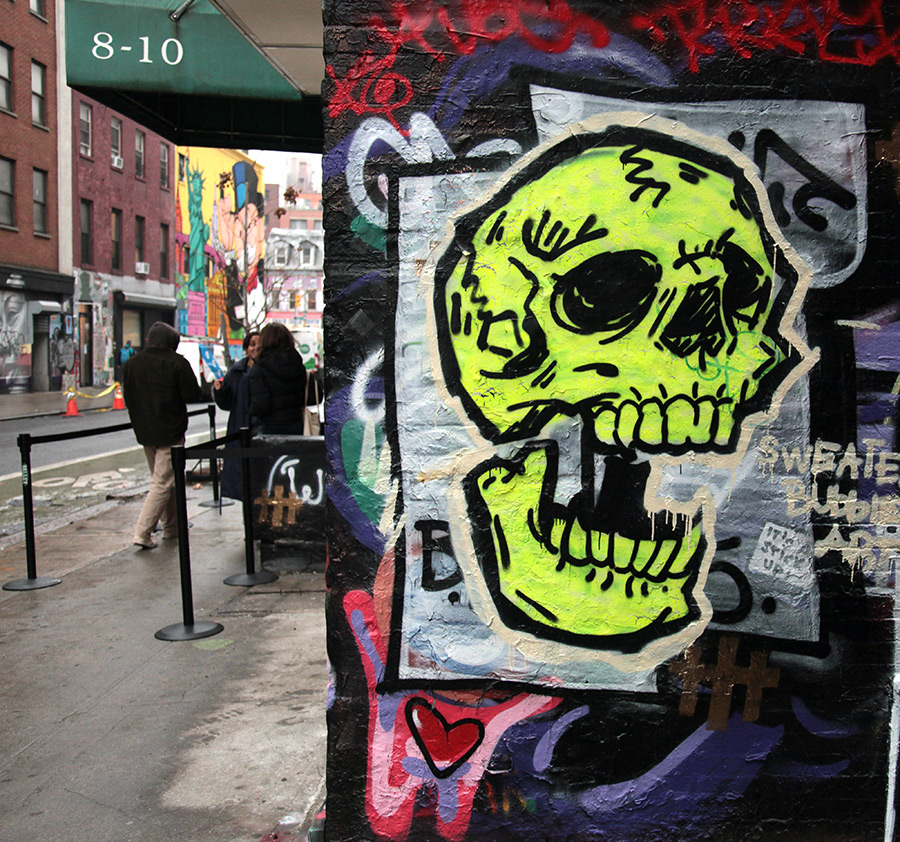
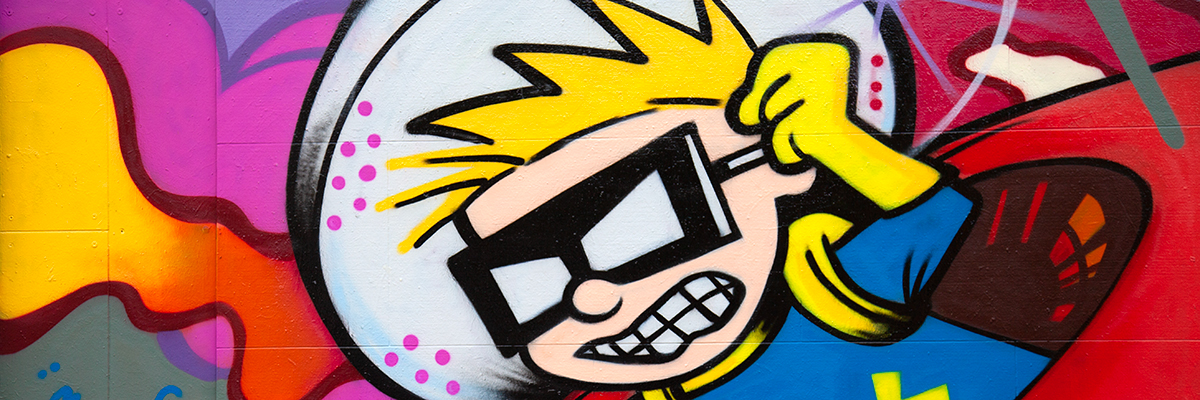
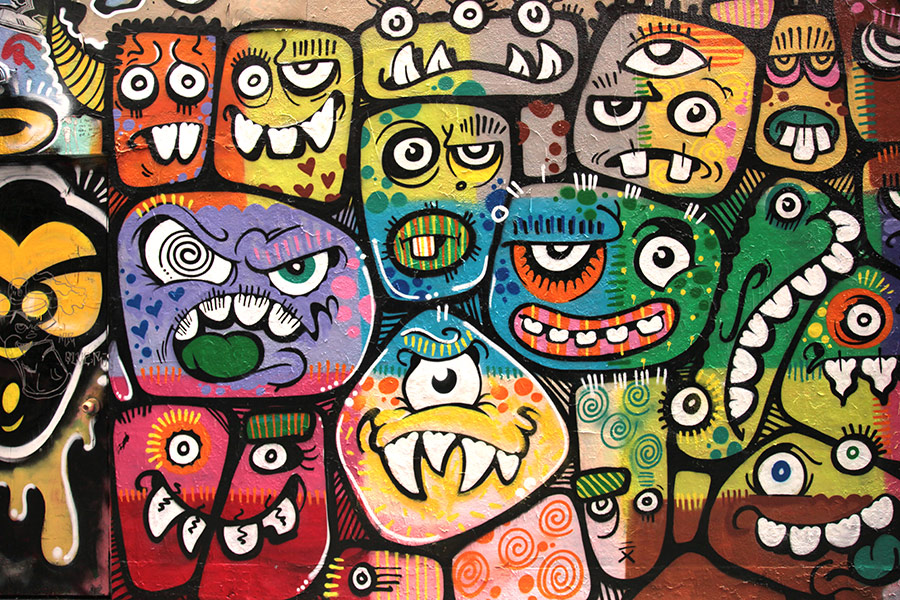
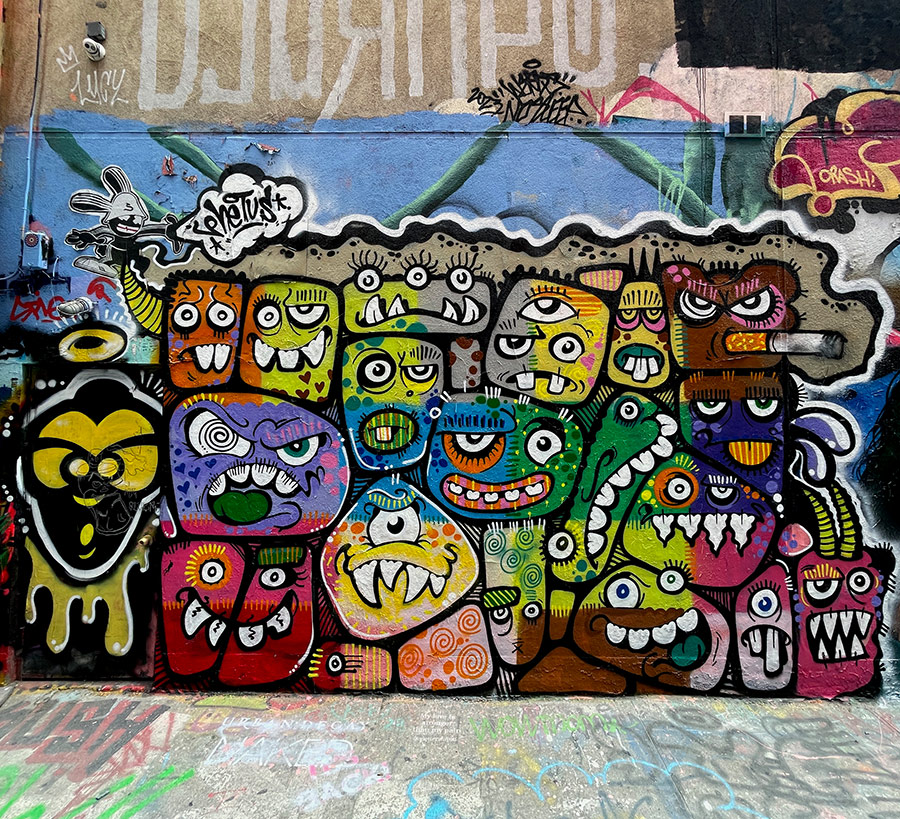
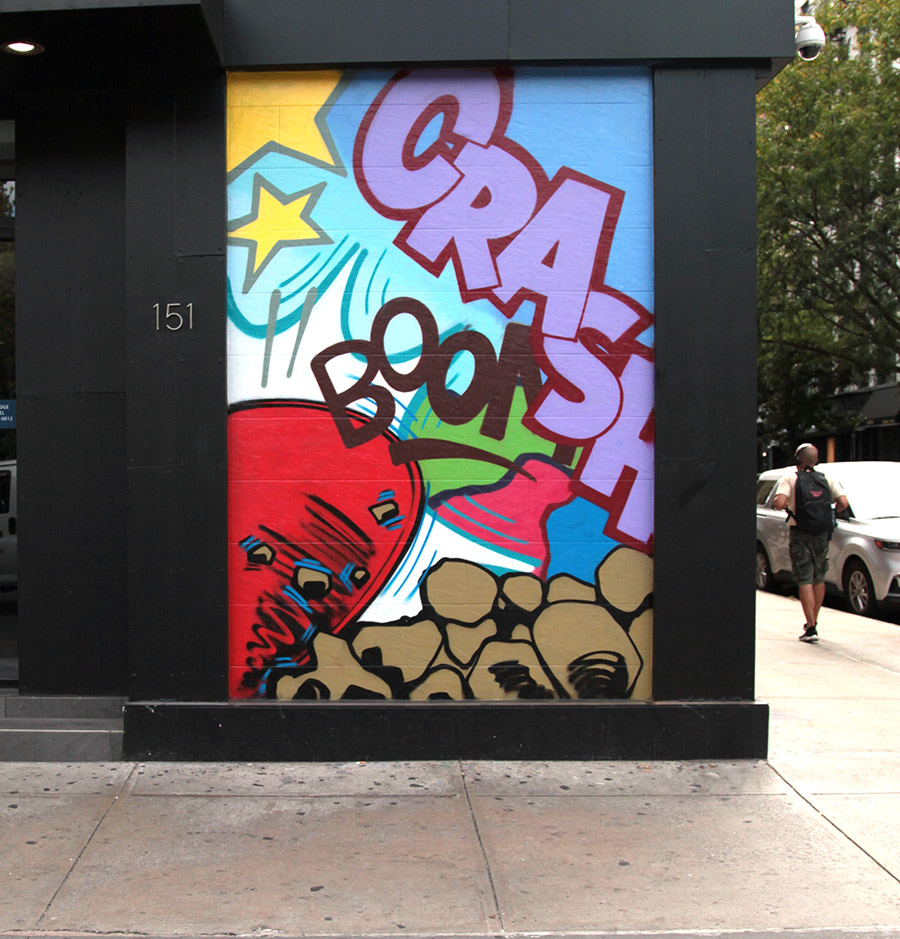
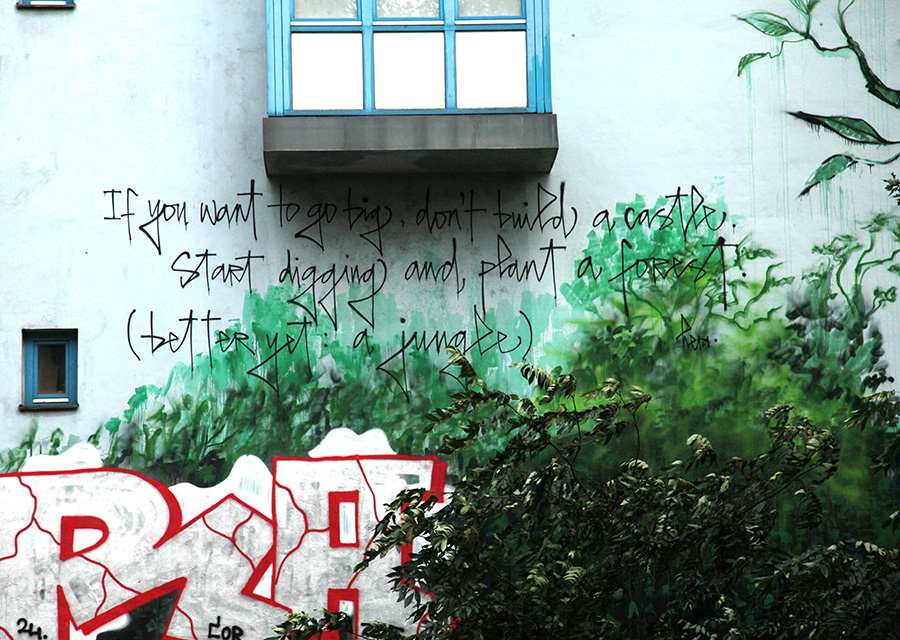
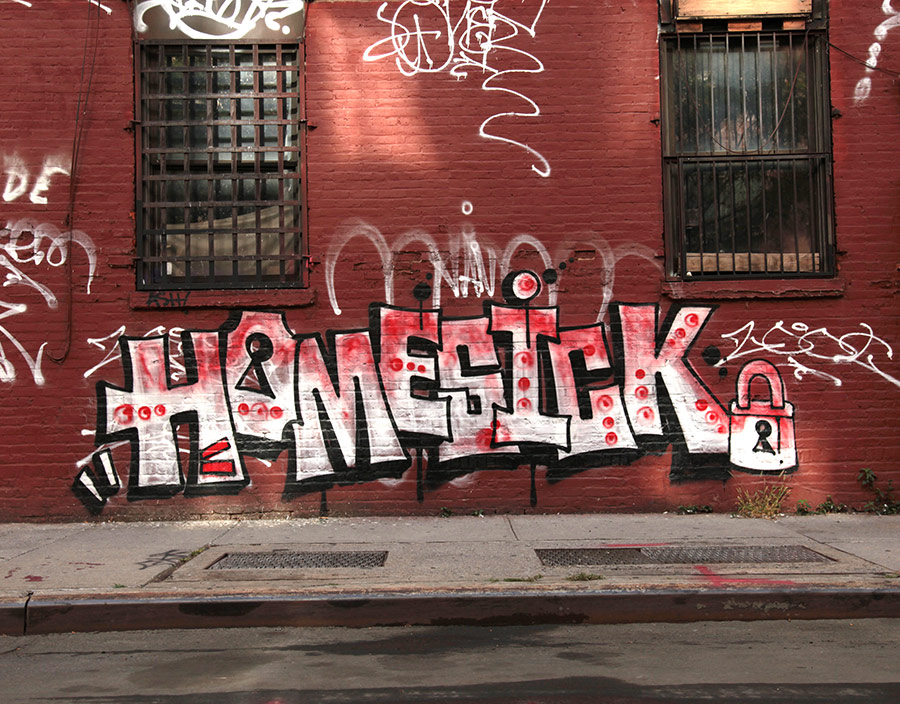
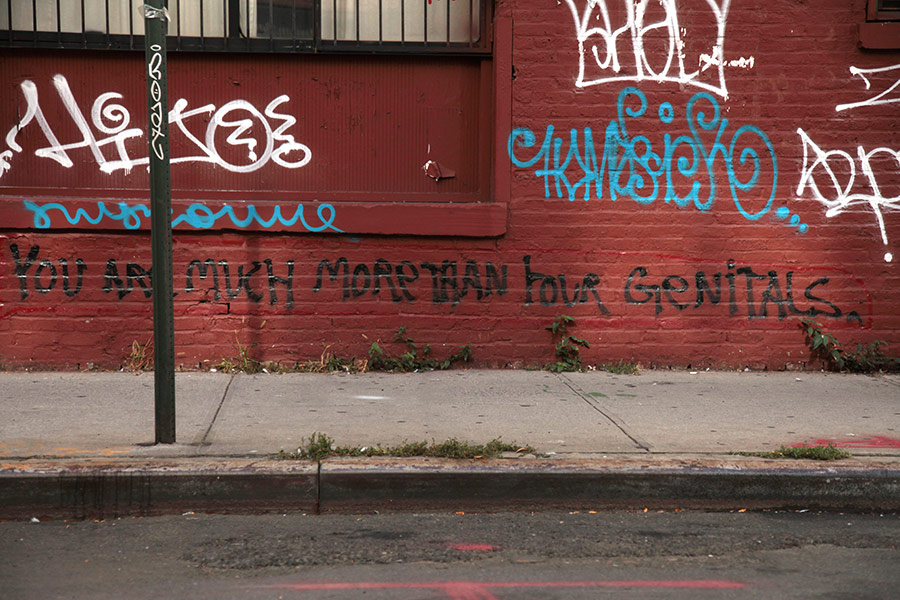
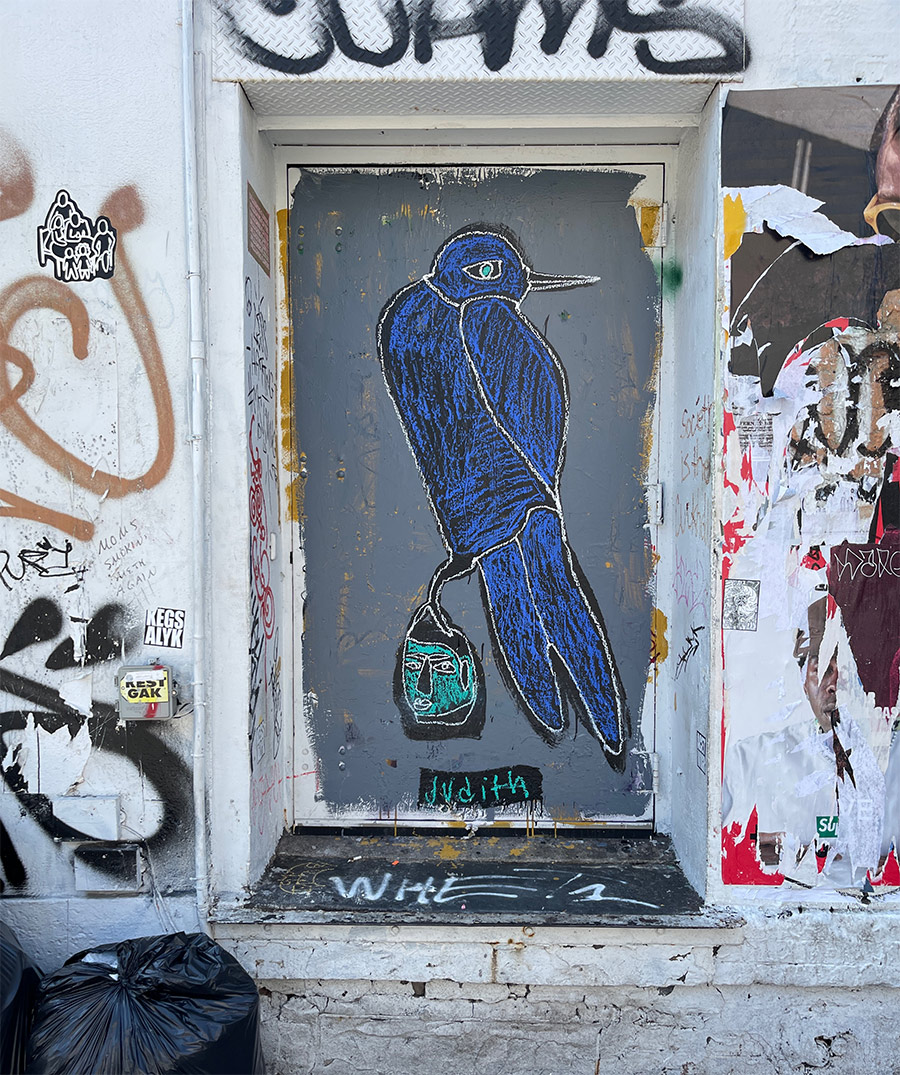
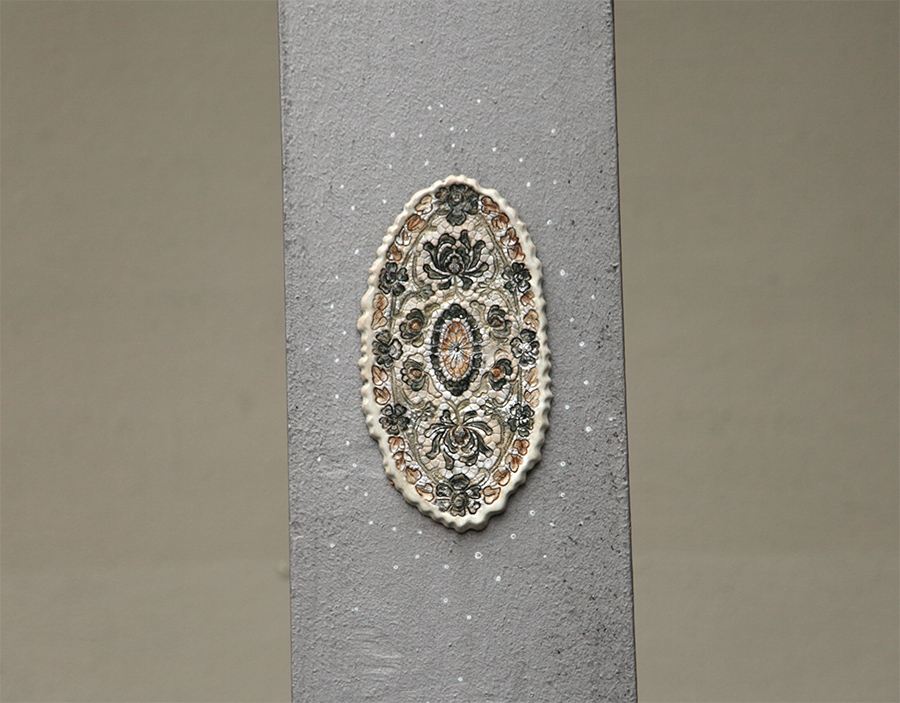
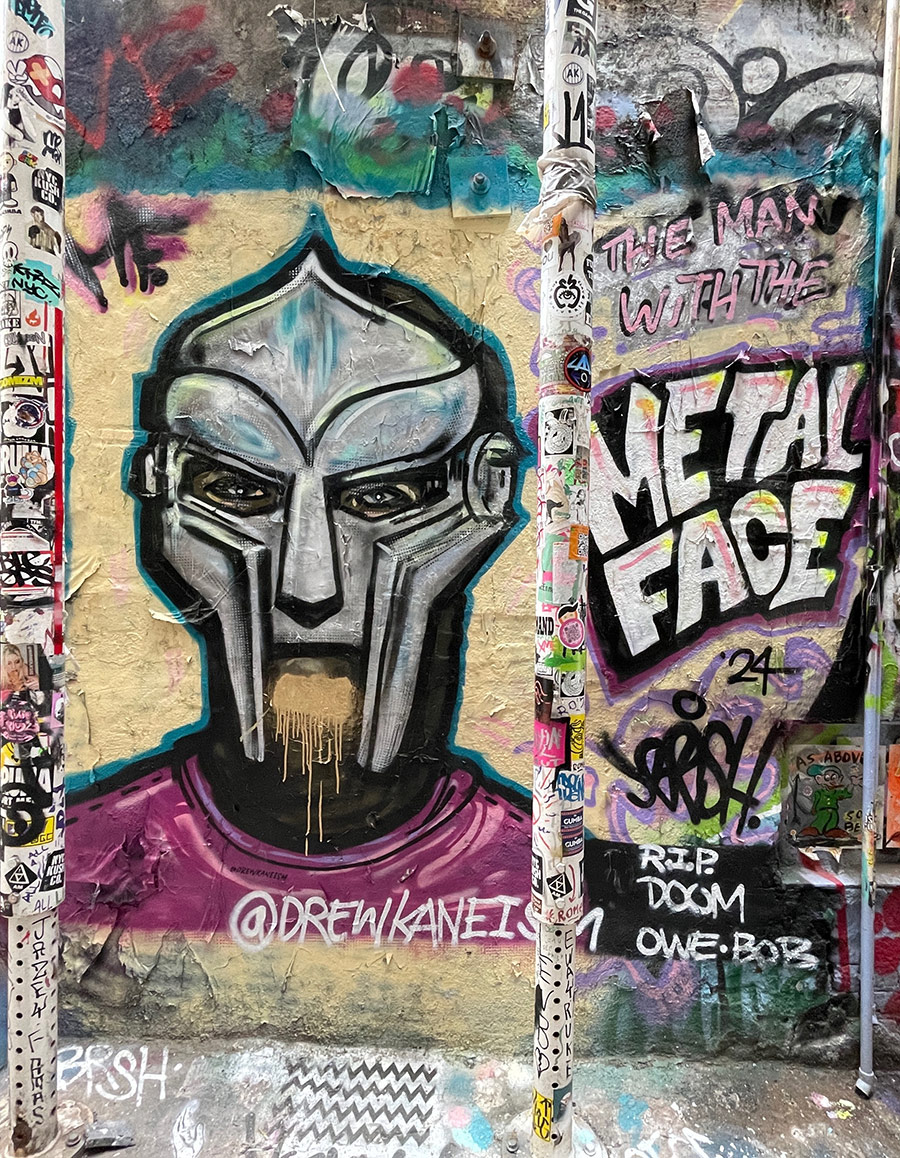
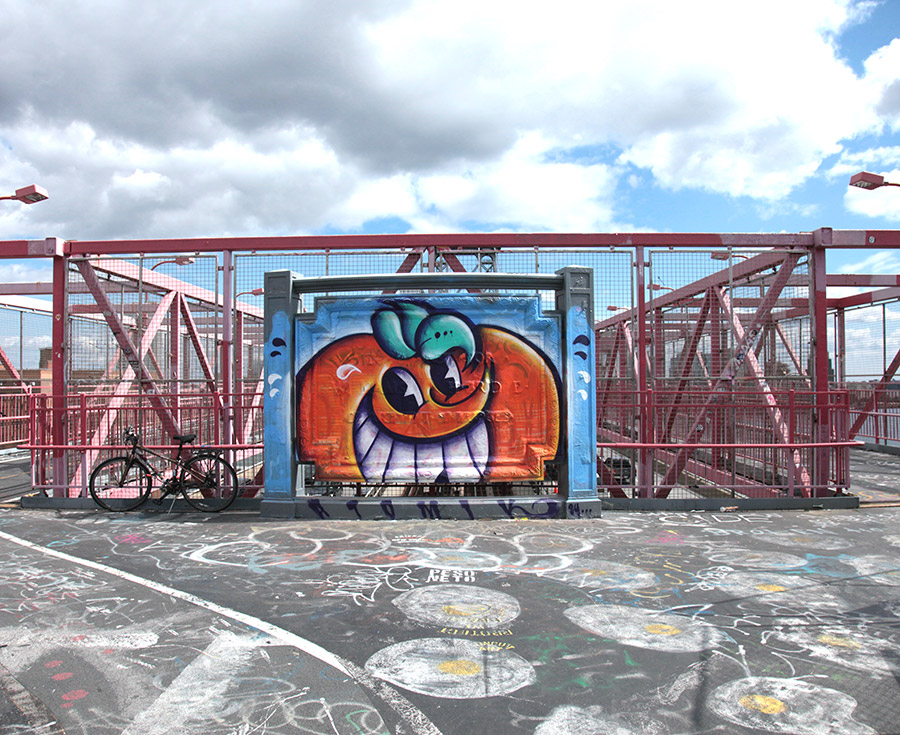
Here’s our selection of new pieces from the street, this week featuring AIC Mosaic, Below Key, Benny Bean Bag, D7606, DARA, Delude, Dissatisfied, Duality Industries, Flyless, Homesick, IMSE704, JerkFace, Mike King, MUK, Never, OH!, Praxis, RX Skulls, SAKOKA704, Slasher, Smells, and Wild West.
Street artist/kinetic artist/commercial artist Felipe Pantone debuted his“Visual intensification: Focus” installation on the XO/Art Exosphere project at Sphere in Las Vegas,and it is blowing minds and stopping traffic (video below).
Another Sphere alum, Shepard Fairey has a new exhibition, Modular Frequency, opening this week in LA that distills three decades of modular geometry, street-campaign punch, and layered mixed-media into a tight visual rhythm drawn from Constructivism, propaganda graphics, and pop-culture overload.
Also, check out Say She She, a Brooklyn trio of female singers who are part of a larger 70s disco and soul revival a la Nigel Rodgers and Chic. They played at Greenpoint’s Warsaw last night, followed by an afterparty at Williamsburg’s Baby’s Alright. Video at the end of this article.
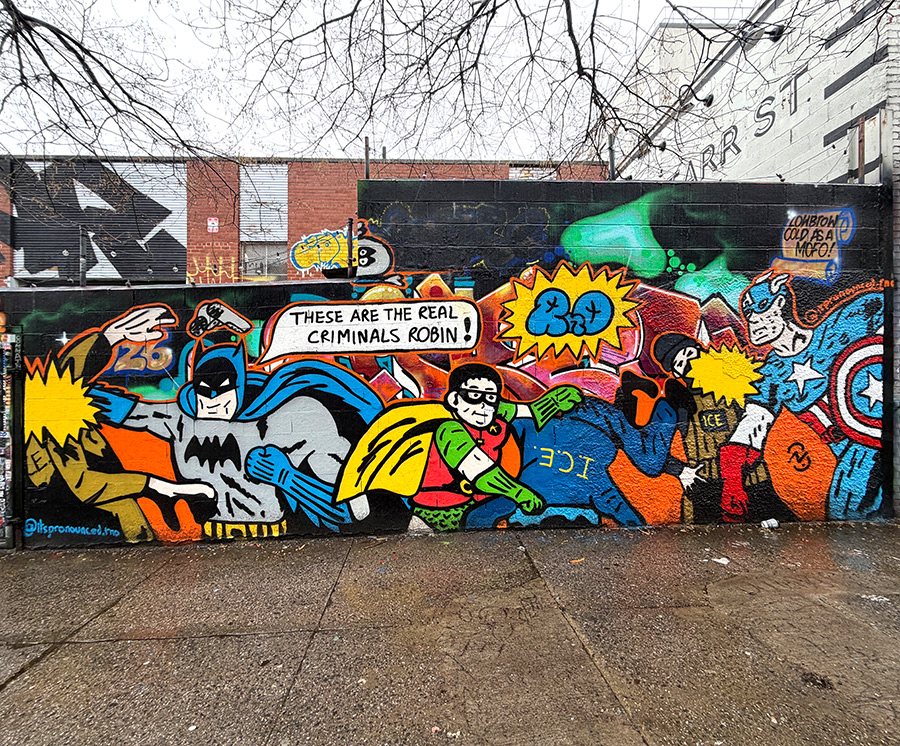
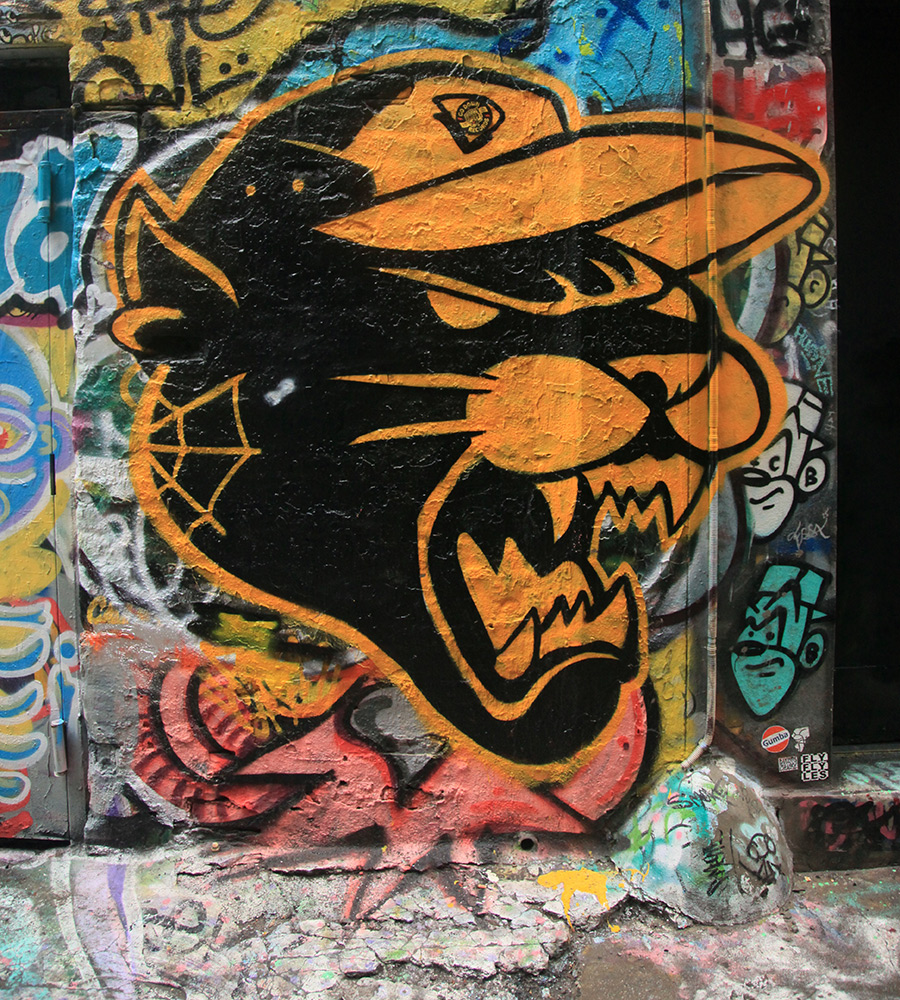
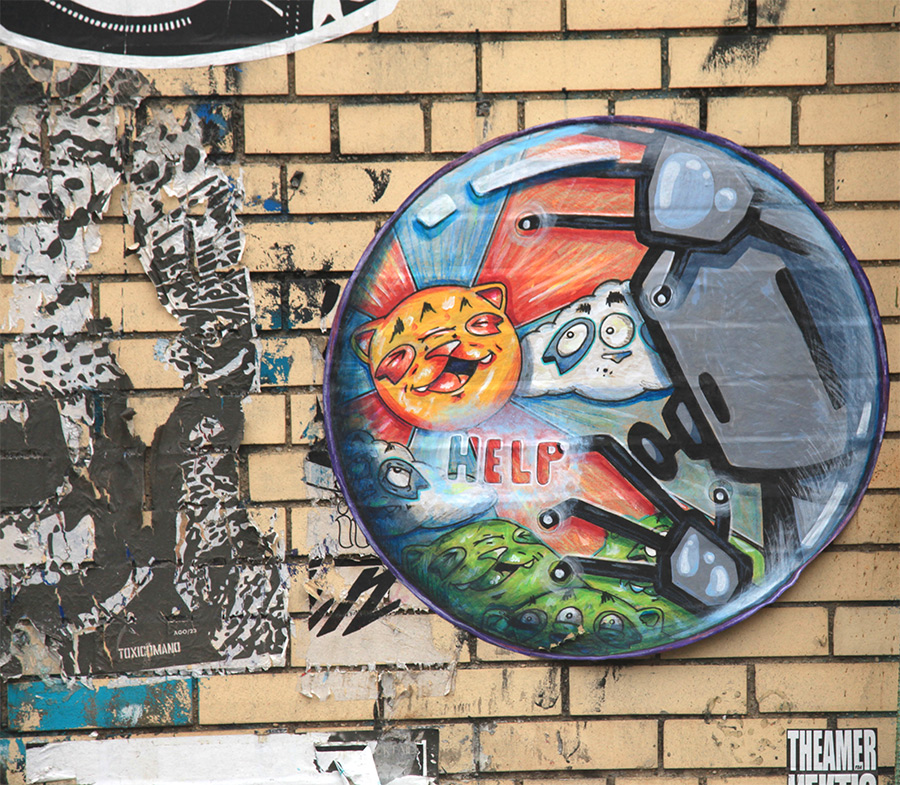
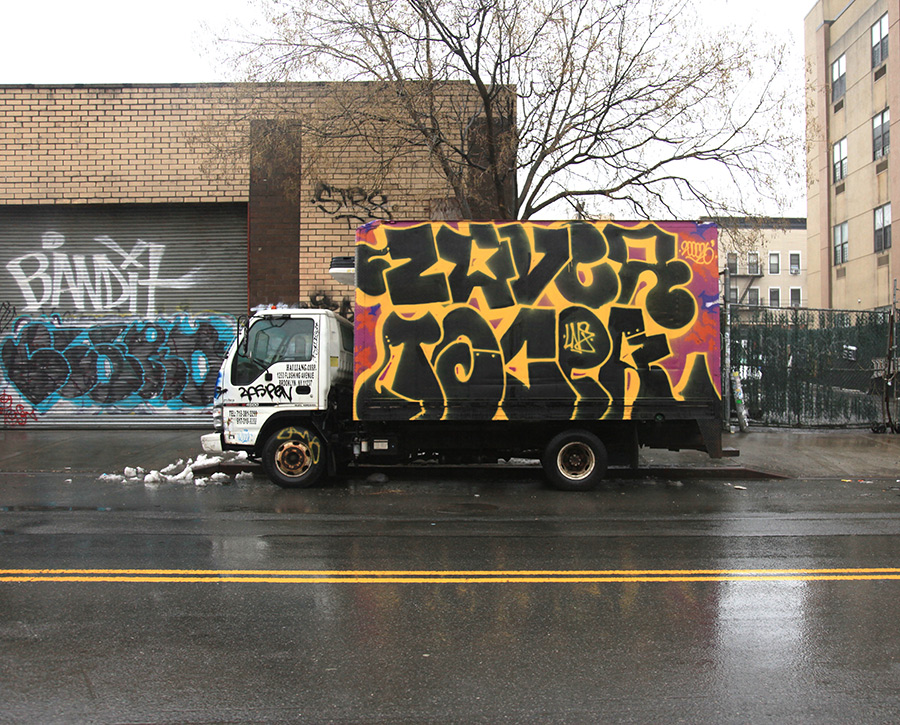
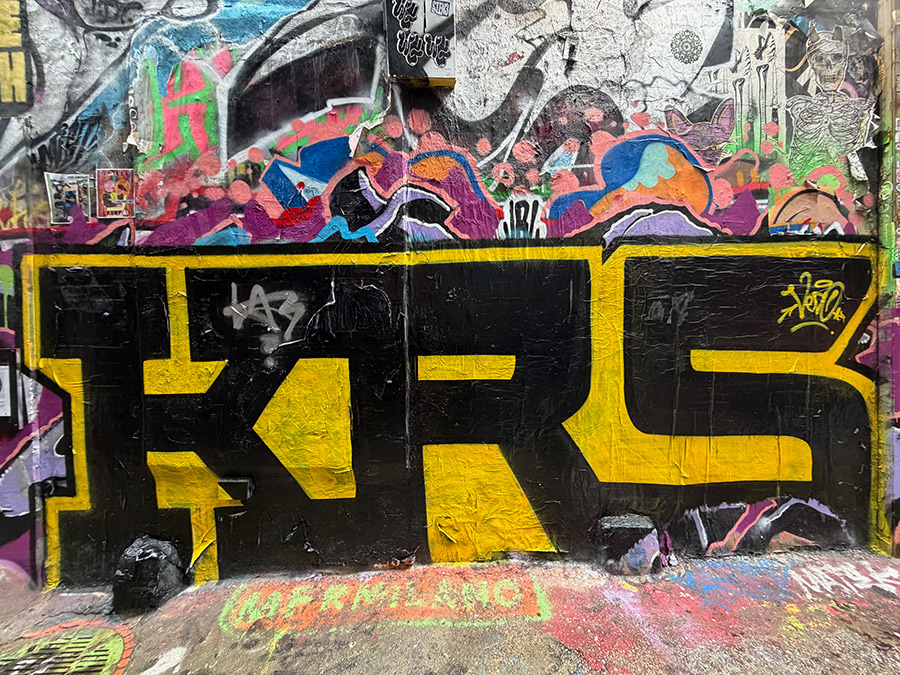
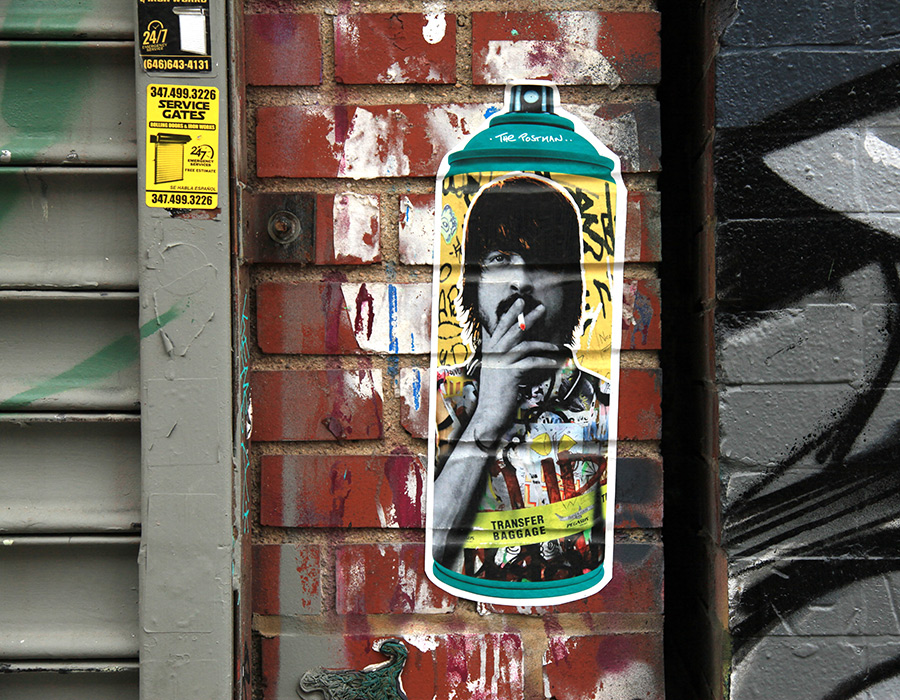
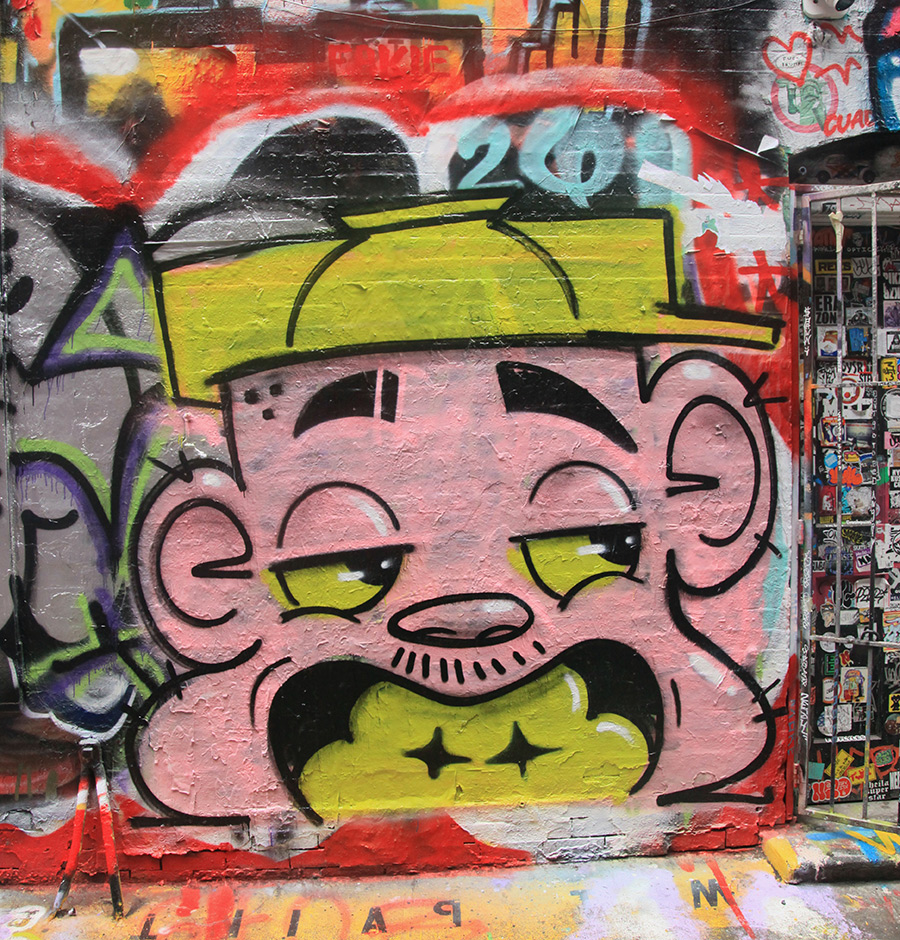
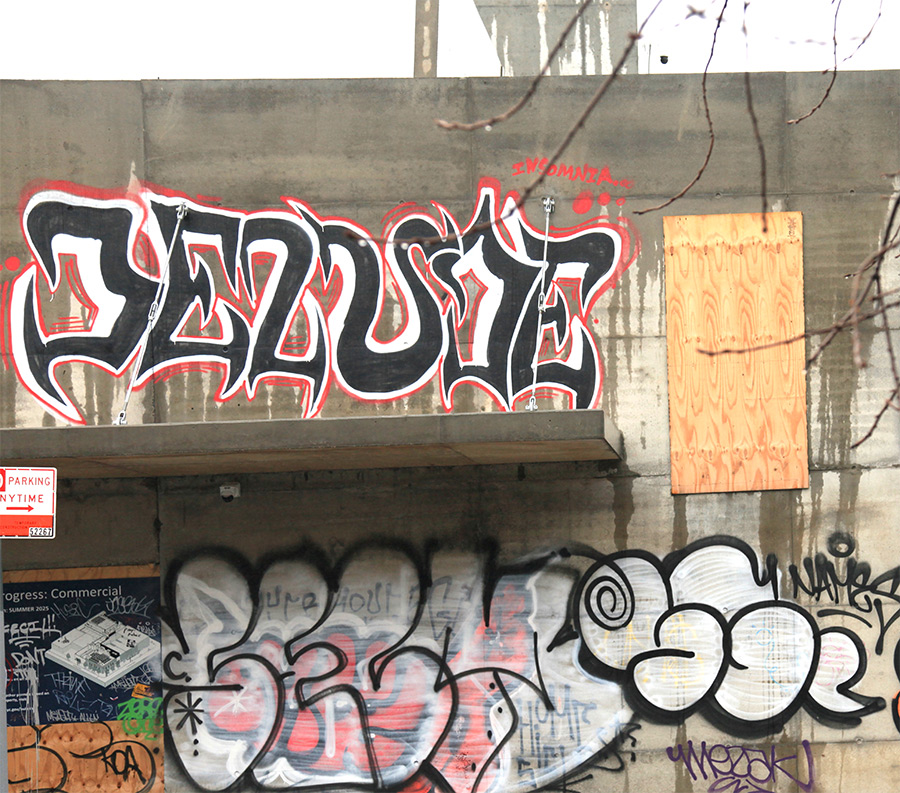
Here’s our weekly interview with the streets, including RnO, City Kitty, Chris RWK, ZOVER, KRS, The Postman, DELUDE, TwoFive, OH!, RIBET, HELCH, WILD WEST, and Robinson Moreno.
Welcome to BSA Images of the Week! This is the last weekend of the summer for some, a celebration of workers’ rights for others. Labor Day’s parade began in 1882 in Union Square, New York City. Now, unions are under attack, as they have been for a long time. However, without your labor, this city would not exist as it does today.
Labor Day in New York is more than just a long weekend — it’s a reminder of the people whose work has shaped the city and inspired workers’ movements worldwide. From builders and transit crews to teachers, caregivers, and service staff who keep daily life moving, New Yorkers have always been at the forefront of fighting for dignity and fairness on the job, often at great personal sacrifice. Like the uncommissioned art and permissioned art that fills our streets, some labor is public, visible, and often underappreciated — yet it leaves an unmistakable mark on the life of the city. We honor that history and salute the many workers across the five boroughs who carry it forward every day, with grit, pride, and a determination that makes New York what it is.
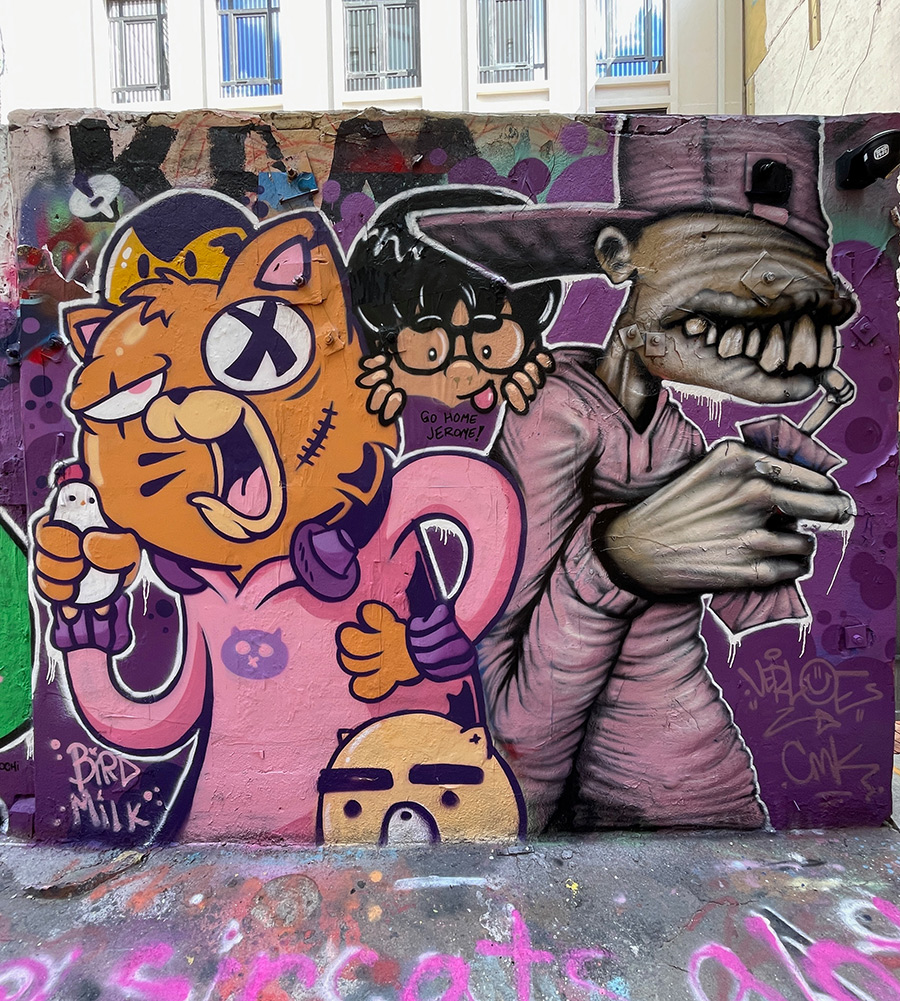
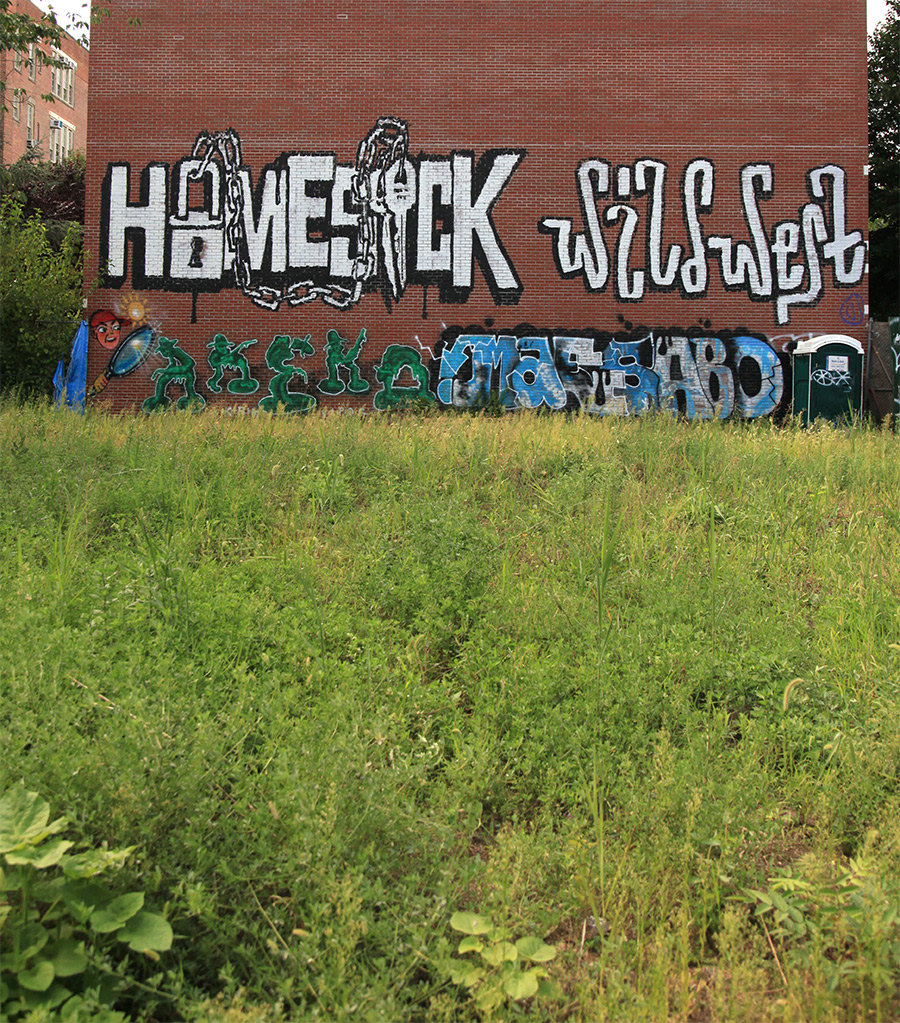
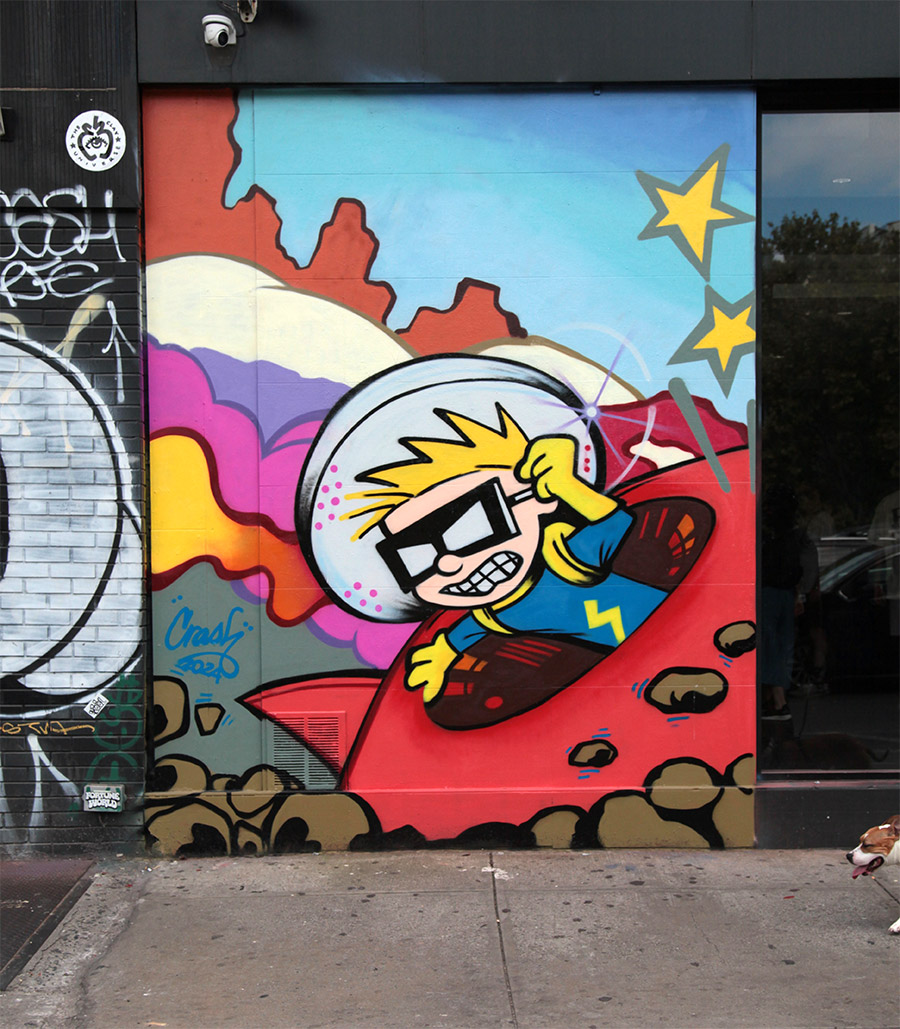
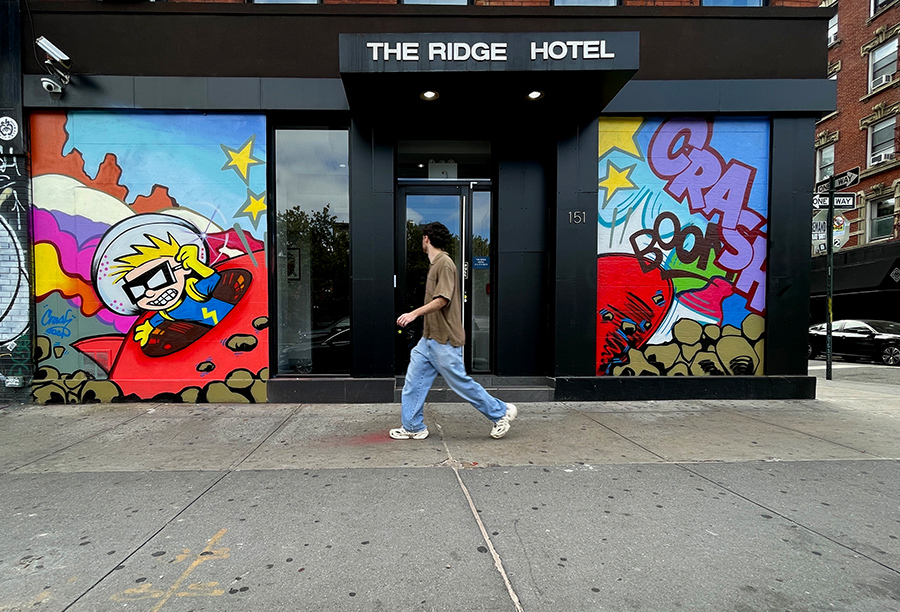
Here’s our weekly interview with the street, this week featuring works from Bird Milk, Crash, Duke A. Barnstable, Homesick, Molly Crabapple, PAGED, SAMO@, SAMOI, TFP Crew, and Wild West.
Welcome to BSA Images of the Week! It’s the Wild West out here, and there, there, there, and there. Is this deliberate? Does it all have to go up in a fireball, people? Honestly.
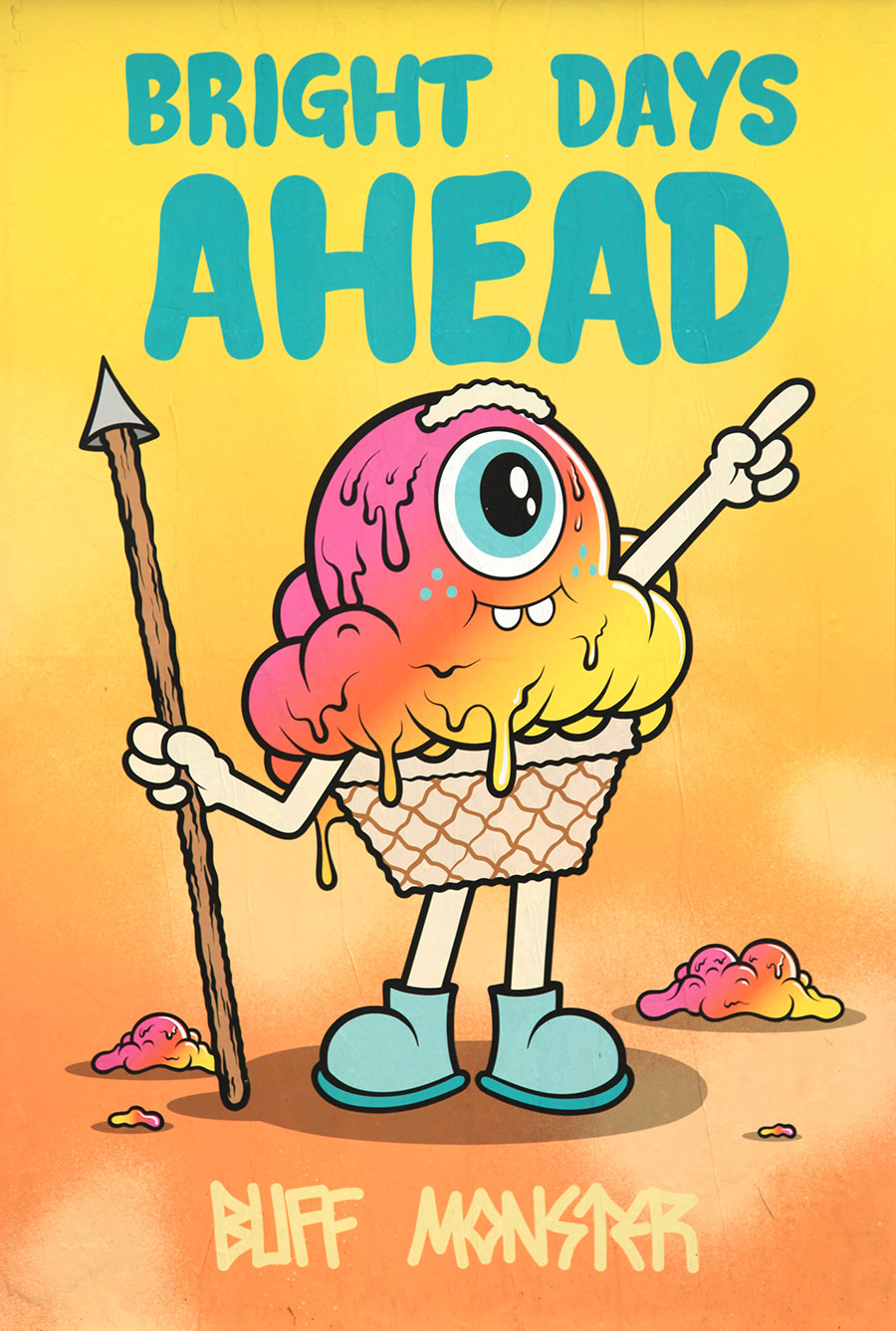
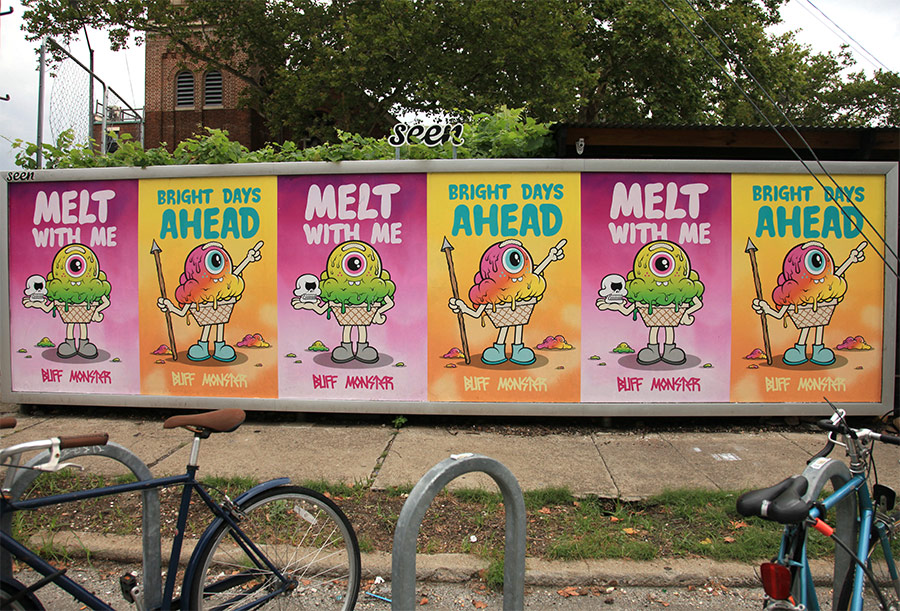
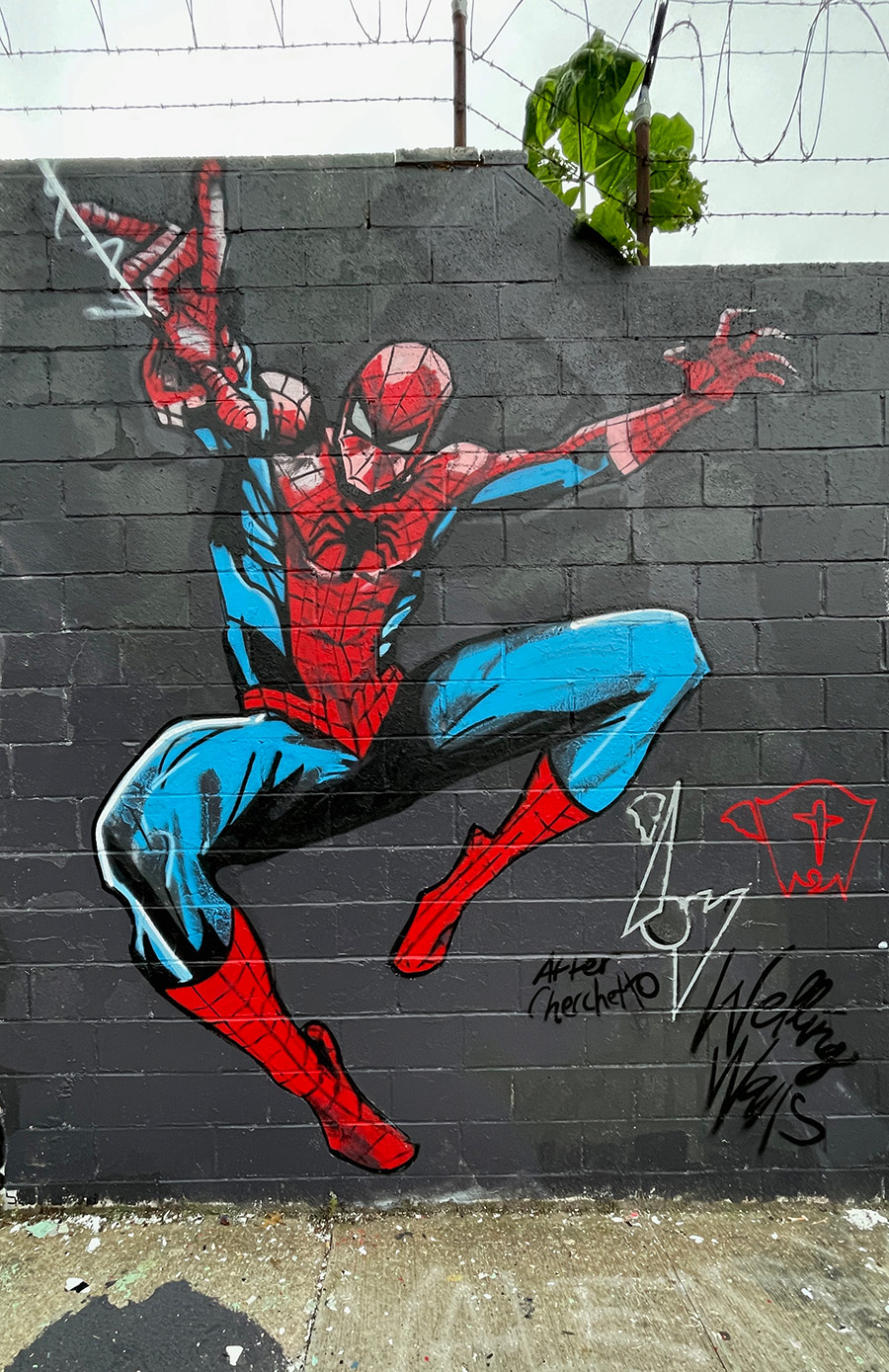
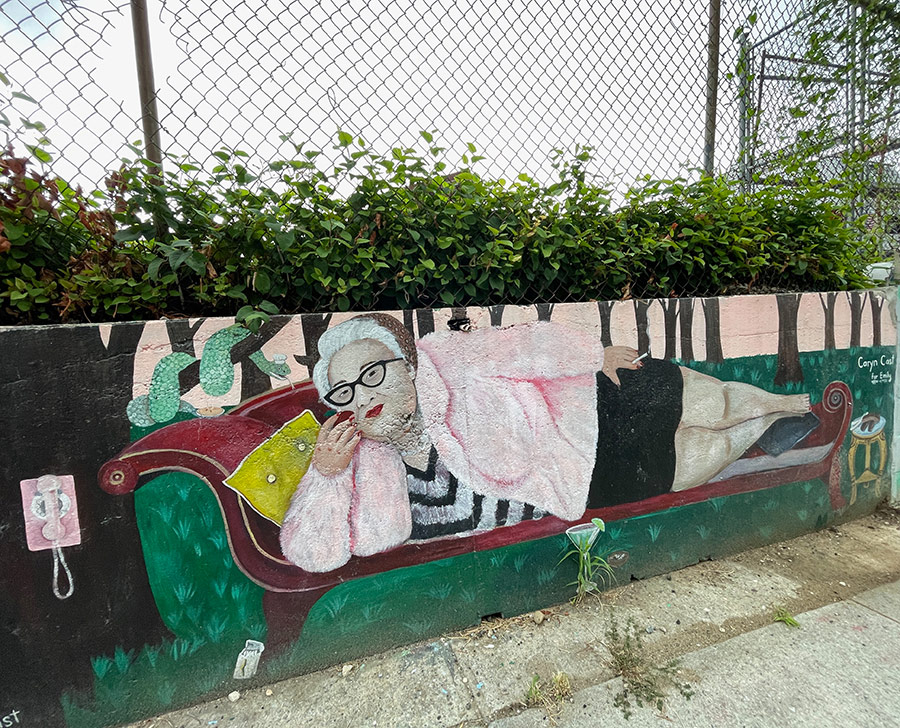
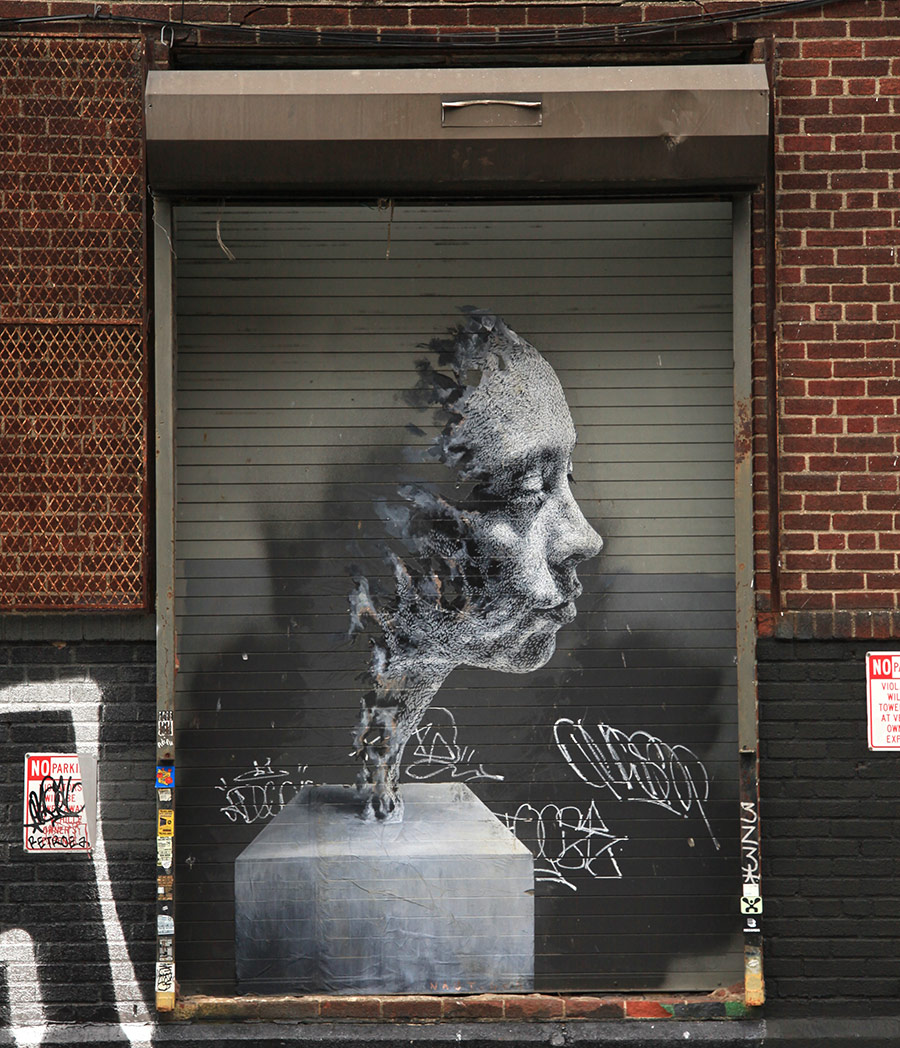
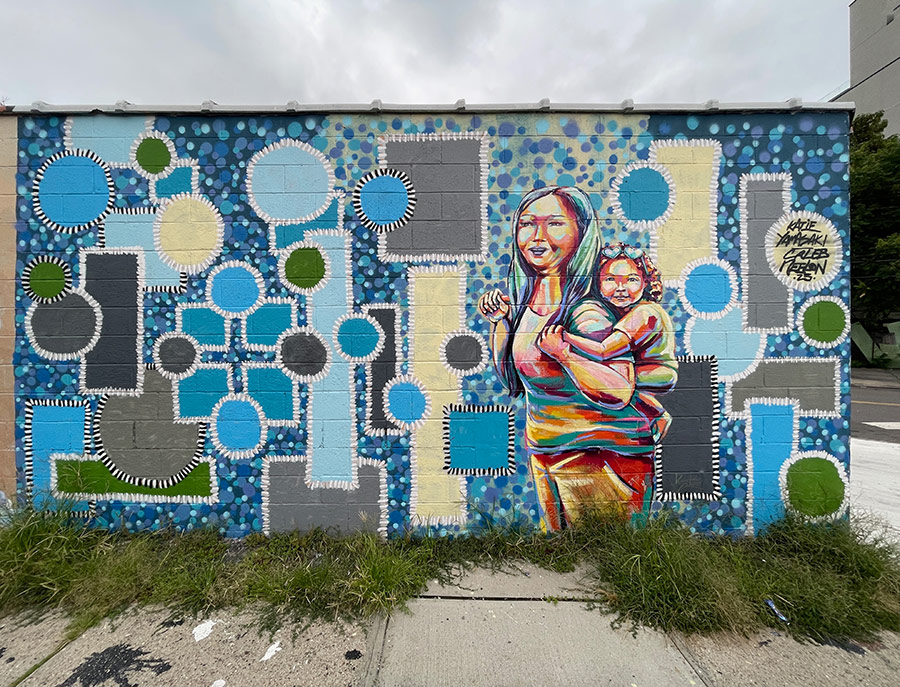
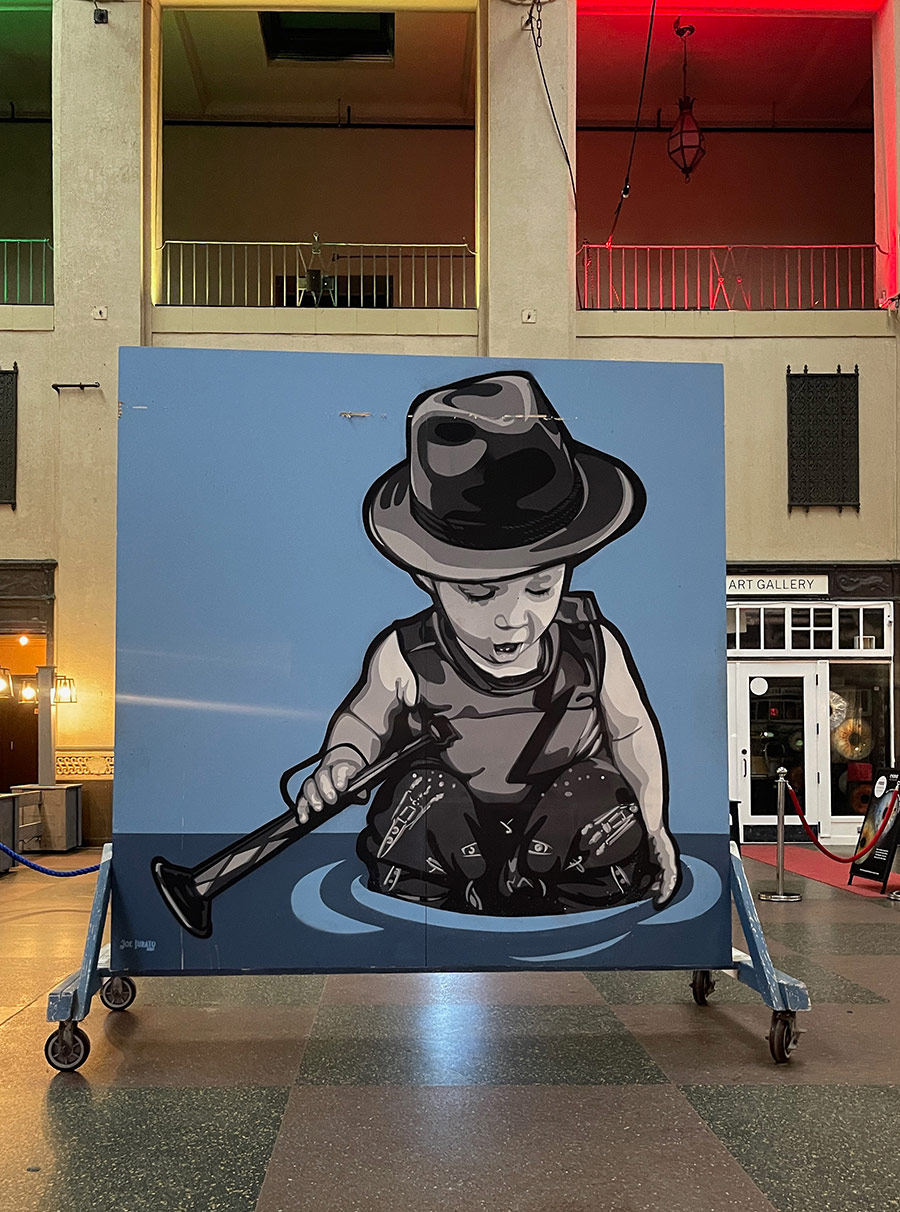
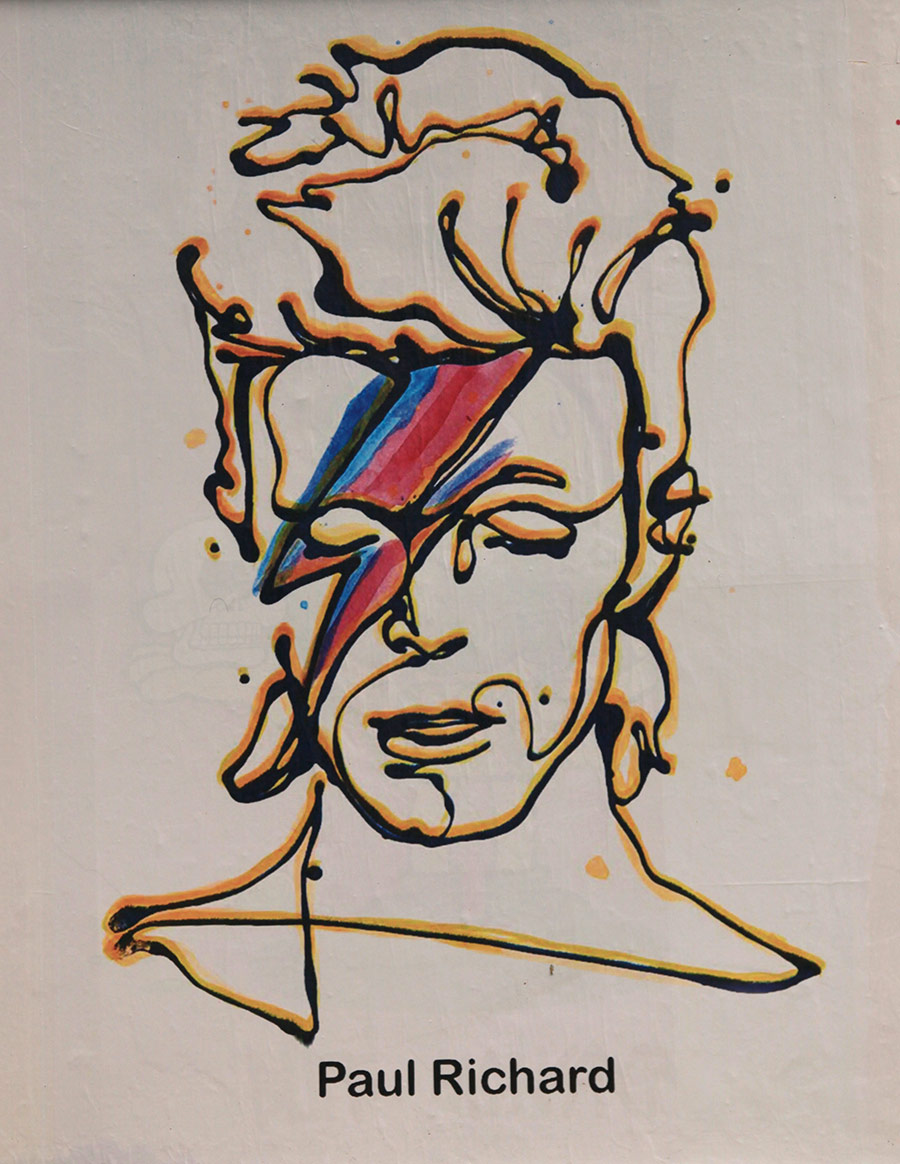
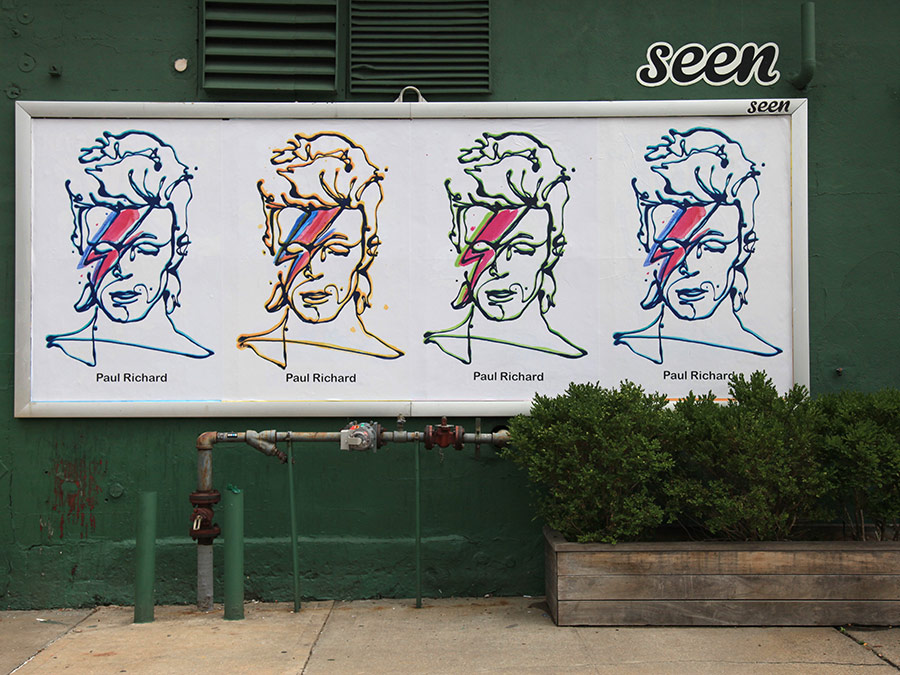
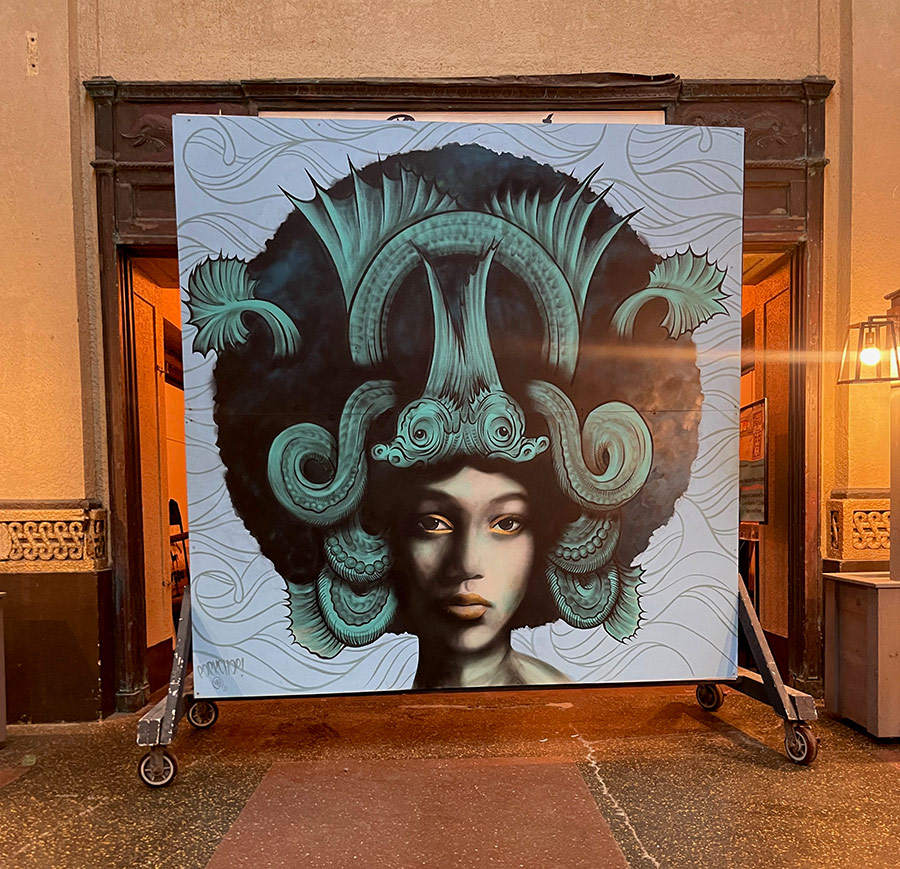
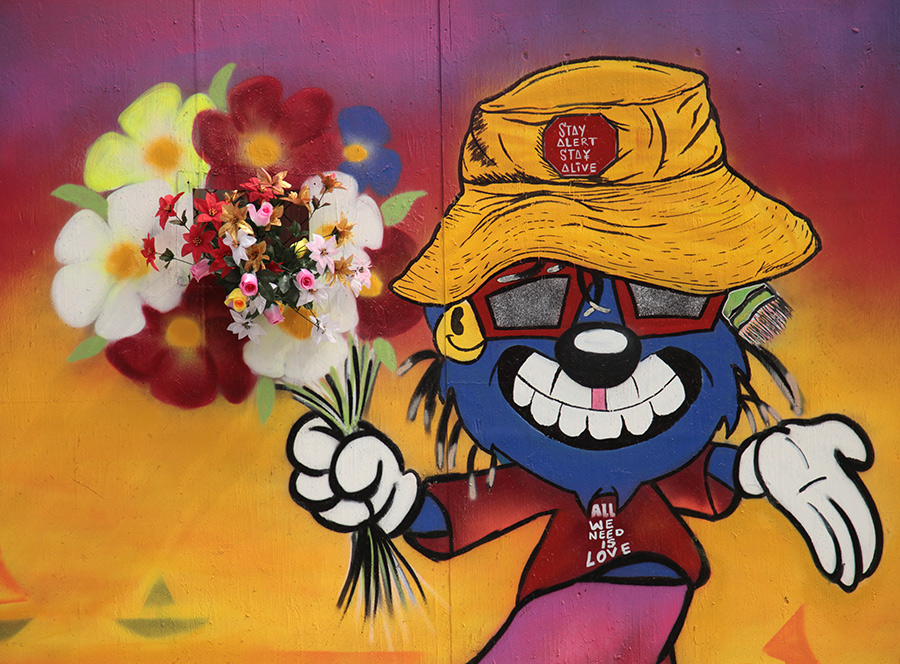
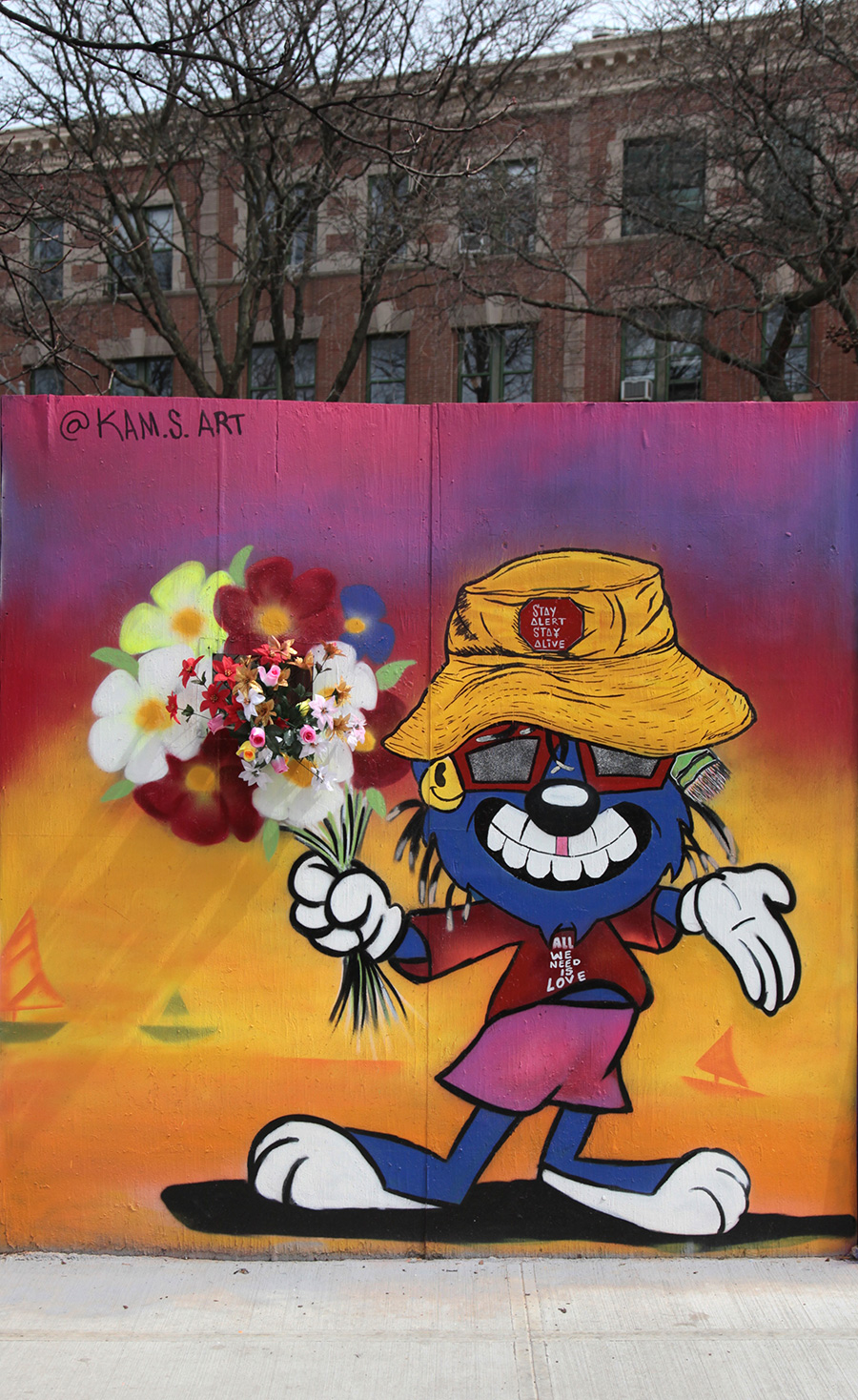
Here’s our weekly interview with the street, this time featuring Ben Keller, BIR, Buff Monster, Caleb Neelon, Caryn Cast, Fernando “SKI” Romero, Homesick, Joe Iurato, Kam. S. Art., Katie Yamasaki, Loky Oner, Marco Checcheto, NAST 404, Paul Richard, Porkshop, RUDE, Sky Adler, Wild West, and Yo Skills.
This week’s collection leans toward graffiti—city writers rekindling a romance with old styles, tracing our urban aesthetic lineage with fresh hands, new eyes, and scribes. Beyond that, the crime stats continue their long downward drift, despite some corporate outlets insisting our city is in daily chaos, as if Bedlam had moved in. Immigrants are valued members of New York’s sense of community and multi-culture, as ever, but a strangely well-funded machine would have you think differently- if they could. NYC is far more youthful, open-hearted, and innovative than that kind of thinking can imagine.
National heaviness seeps into the local air: relentless headlines, instability abroad, inhumanity and warmaking, higher costs, service cuts to some of the most in need, attacks on institutions—and on your search for sanity. You can feel it rumbling like the subway underneath: a slow, grinding disquiet, the weight of evident inequalities, the steady drip of absurdity and distraction.
Maybe that’s why the streets speak in heightened tones: sometimes glorious, other times surreal, opaque, saccharine, macabre. Rage simmers alongside wistful nostalgia. Escapism too. As old certainties dissolve, strange new forms begin to emerge. The atmosphere feels charged—thick with tension, possibility, change.
Everyone agrees New York is hot this summer—oppressively so—until, suddenly, there’s a breeze, a clear sky, and you exhale. Let’s go for a walk. How much of what is seen is real? How much is perception? How much is projection? Hard to say. Maybe it doesn’t matter. Maybe it’s all part of the picture.
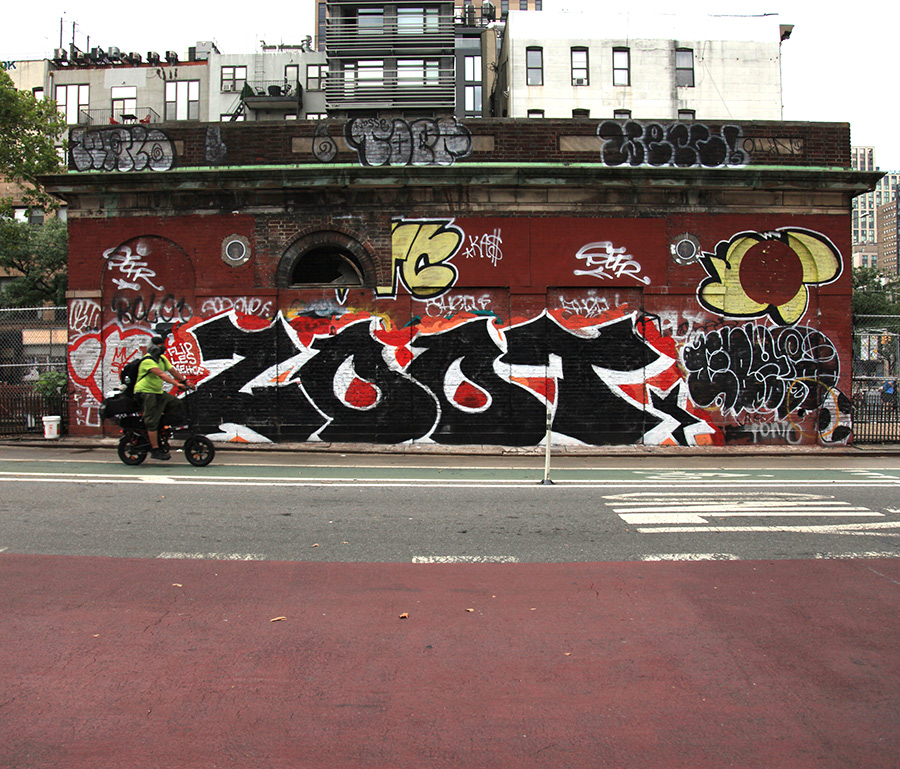
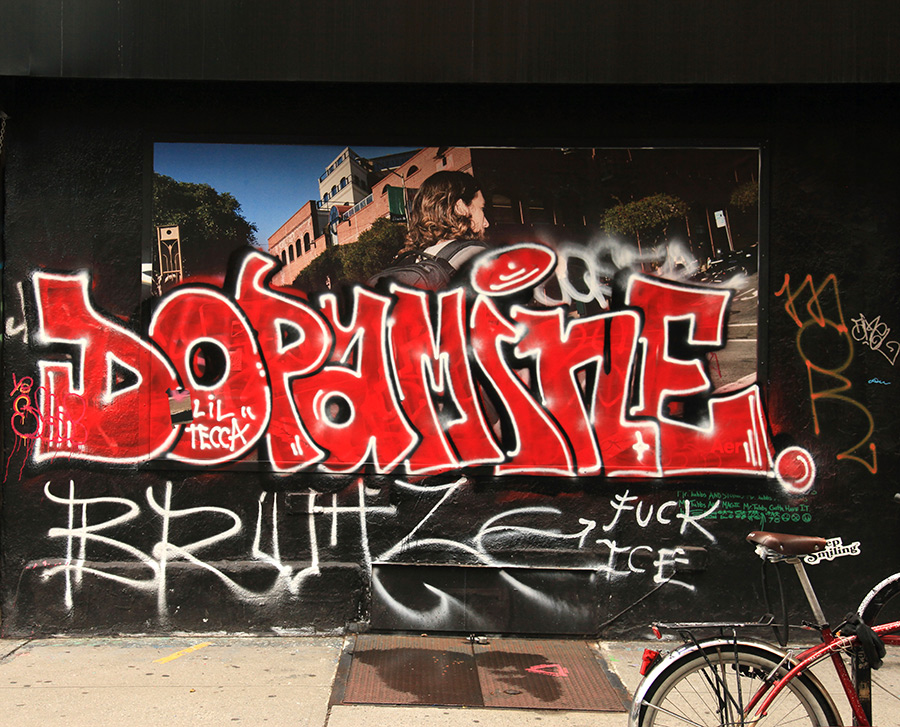
Here’s our weekly interview with the street, this week including Couch, D30, Dopamine, Homesick, Jappy Agoncillo, Kam S. Art, KEG, Nekst (tribute), RatchiNYC, Sefu, SMLZ, Sower Kerd, Wild West, and Zoot.
The George Floyd mural at Elgin and Ennis in Houston’s Third Ward has been quietly demolished — a move that caught many off guard, especially as the fifth anniversary of his death approached. More than a painting on a wall in the margins of the city, it was a community’s act of remembrance, a public reckoning, and a visual anchor for a moment when the country seemed to shift. To awaken.
And yet, here we are. Five years later, and it’s hard to say what lasting change took root. In some camps, being ‘woke’ is a pejorative, and going back to sleep is encouraged. The arc of justice bends, but it bends slowly. Or maybe it bends into circles.
Meanwhile in New York, a Banksy mural on a six-ton wall hit the auction block and… nothing. Not a single bid. Cue speculation: are we finally past the Banksy-buoyed street art boom that’s defined the last two decades? Or was the opening price just too steep? Maybe the rollout was sloppy. Maybe it was the economy. Whatever the reason, the silence in the salesroom is rare — and could signal a shift in the so-called urban contemporary art market.
And yet, the Banksy machine rolls on. At this point, there may be more Banksy museums than Starbucks — none sanctioned by the artist, of course, but still packing in the crowds. There’s The Banksy Museum in NYC, The World of Banksy in Paris, Museu Banksy in Barcelona and Madrid, and the touring Art of Banksy show, rolling through Jakarta, Melbourne, and Vancouver. It’s a brand now — maybe not quite as big as Mickey Mouse, but it’s definitely what cultural tourists reach for when they want a little edge with their museum day. What this says about the artist, the audience, or the architecture of commodified rebellion… you draw your own conclusions.
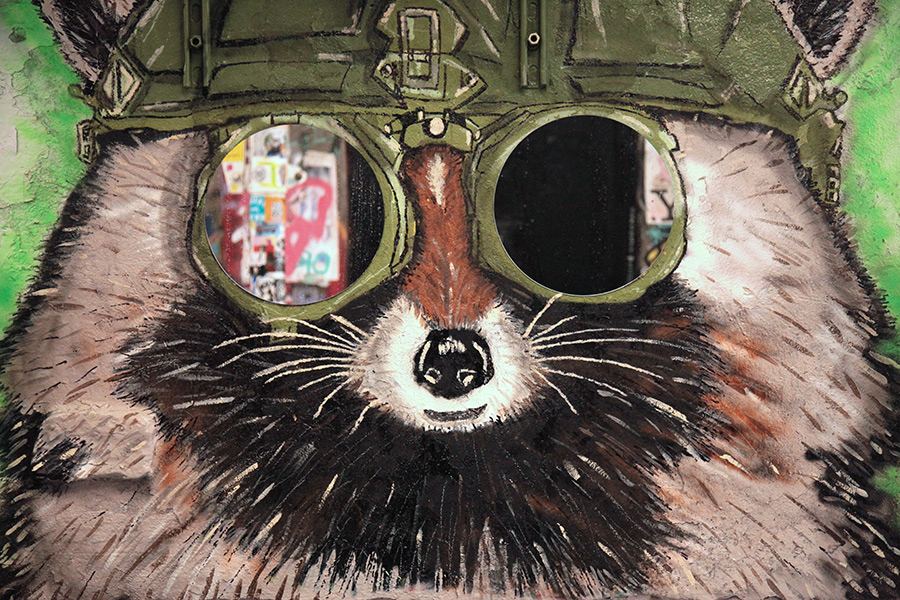
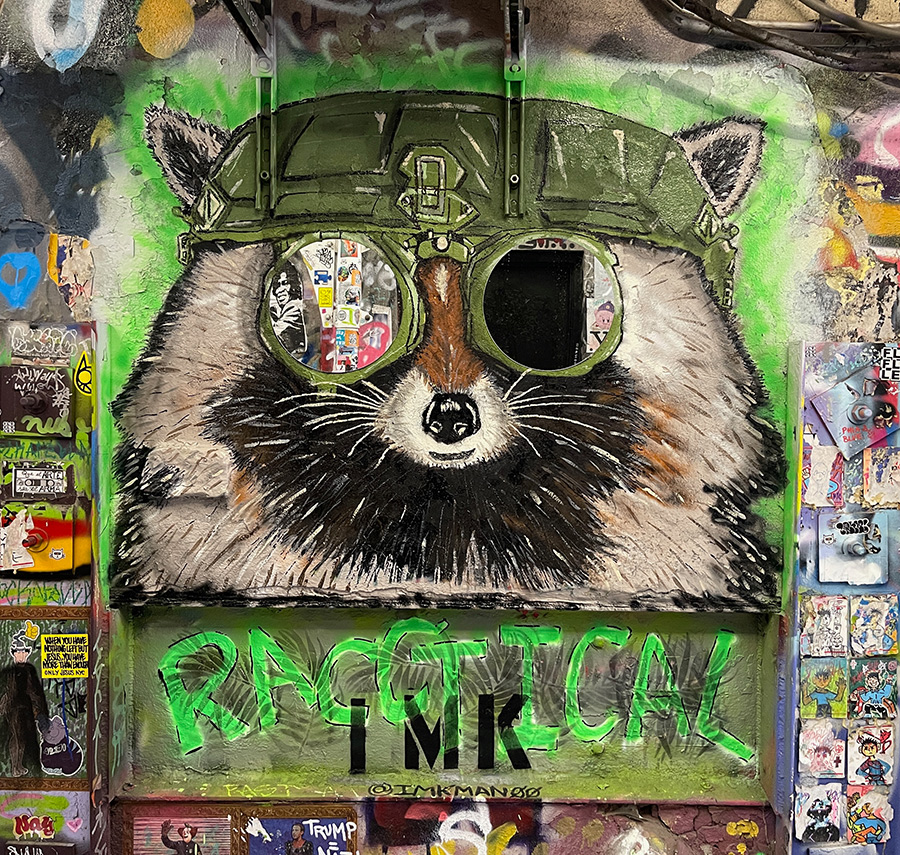
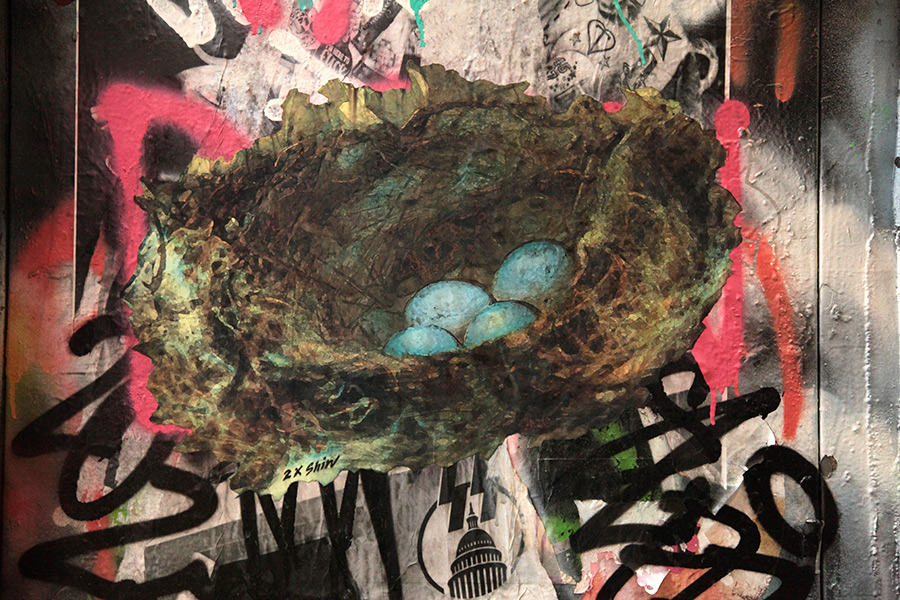
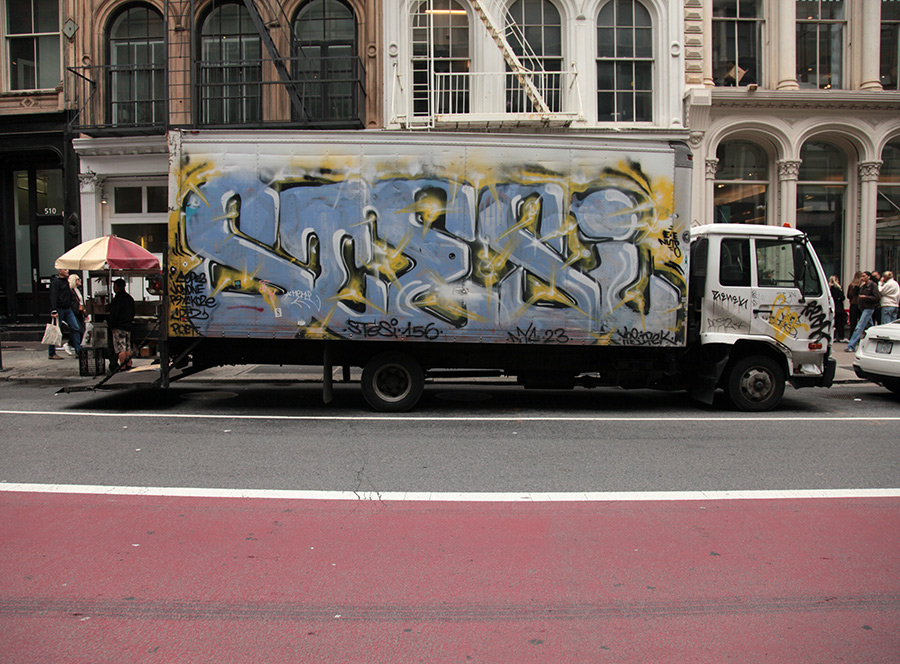
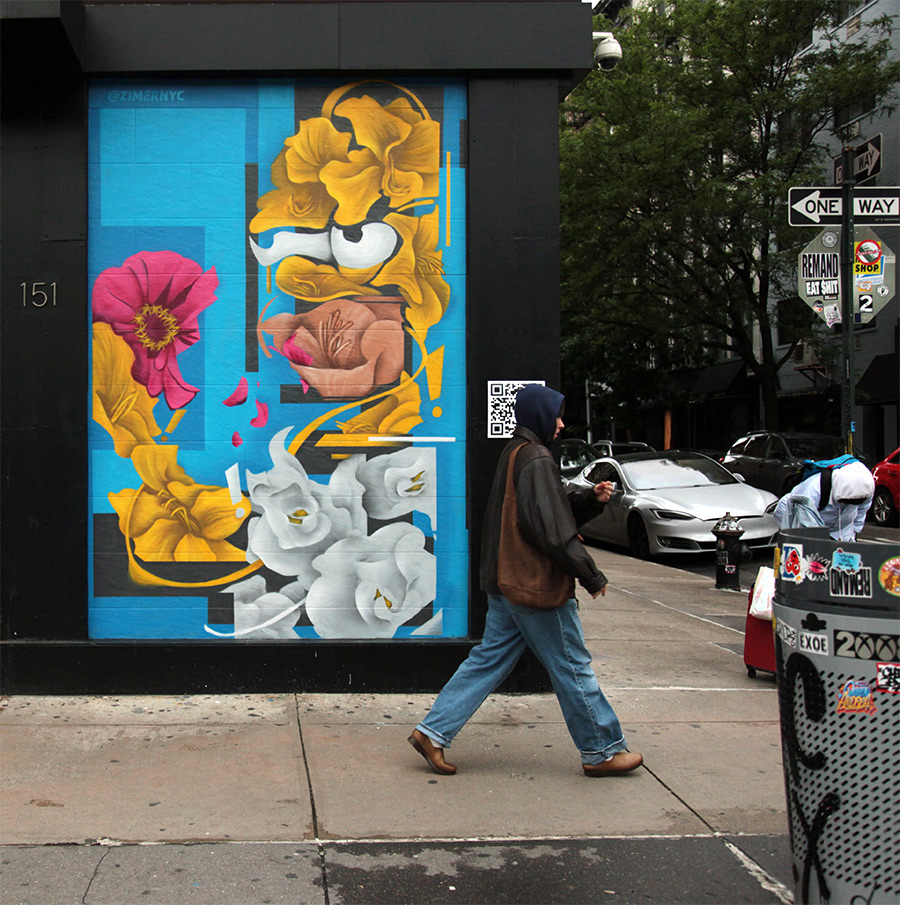
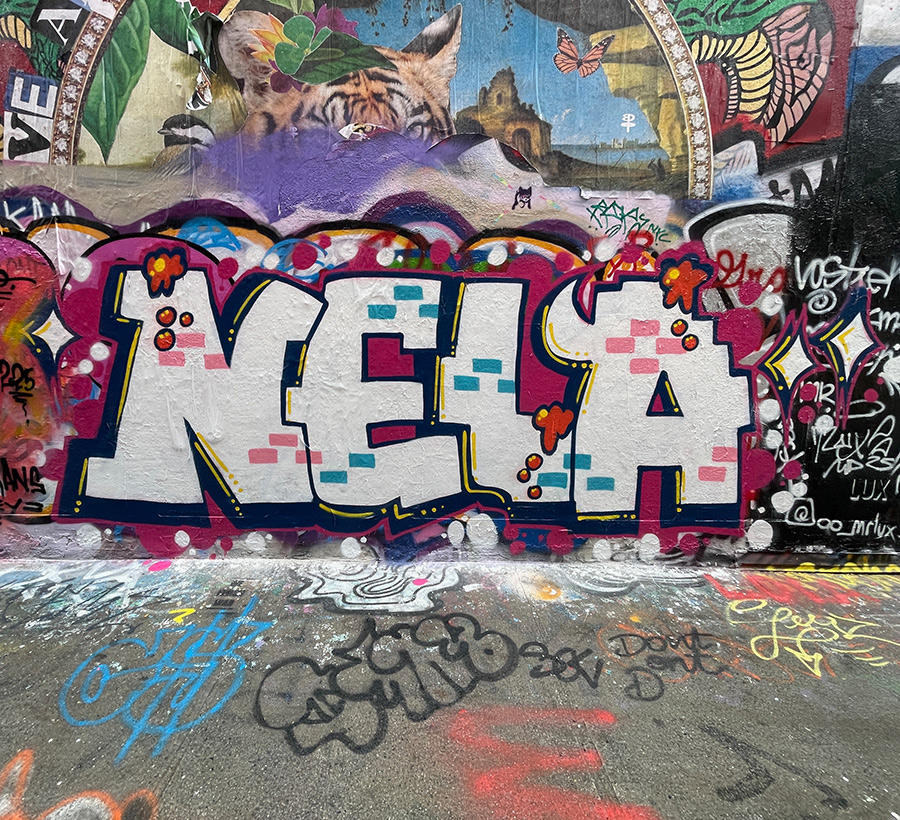
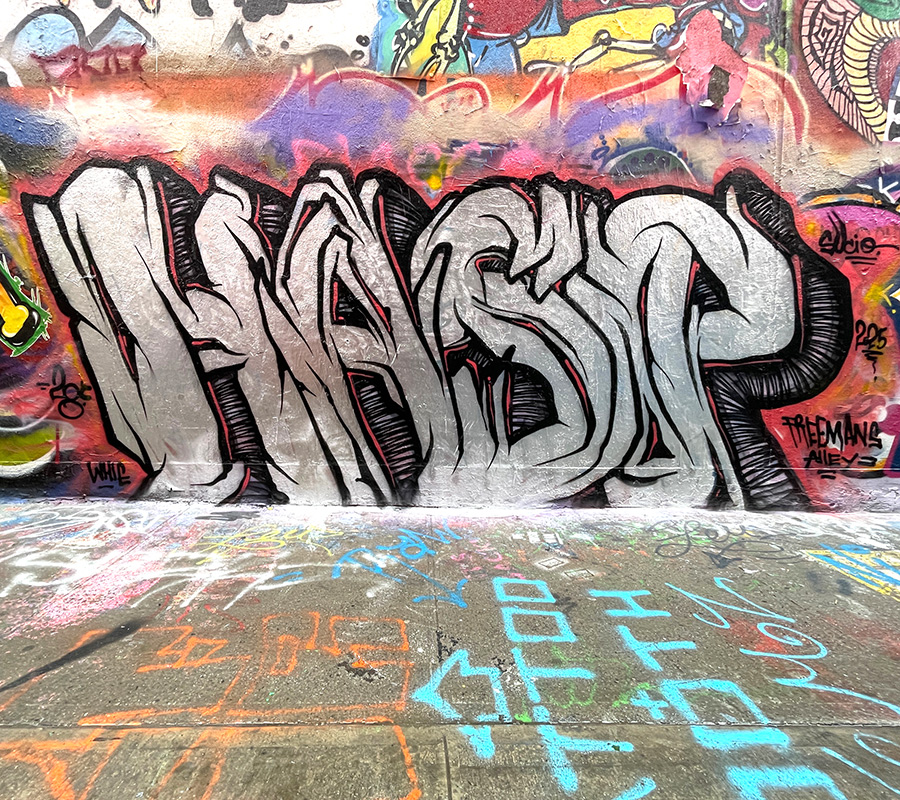
So here’s some of this week’s visual conversation from the street, including works from Shin, Crash One, GO, Ham, Hasp, Homesick, IMK, Jeff Henriquez, Mike King, Nela, Piggie the Pig, Queen Andrea, Stesi, Wetiko, Wild West, and Zimer.
This week, St. Patrick’s Cathedral on Fifth Avenue was suddenly flooded with pealing bells and congregants. In a historic moment for the Catholic Church, Pope Leo XIV, born in Chicago, was chosen, following in the footsteps of his predecessor Francis and his namesake Leo XIII, who was widely admired for his steadfast advocacy for migrants and laborers at the turn of the 20th century. Many observers have noted that the selection of an American pope may reflect a conscious decision by the College of Cardinals to offer a moral counterbalance to the growing tide of authoritarianism and exclusionary politics seen in some of today’s global leadership. With roots in a city shaped by immigration, industry, and social struggle, Leo XIV arrives at a time when such grounding may prove especially relevant. Best wishes to all of us.
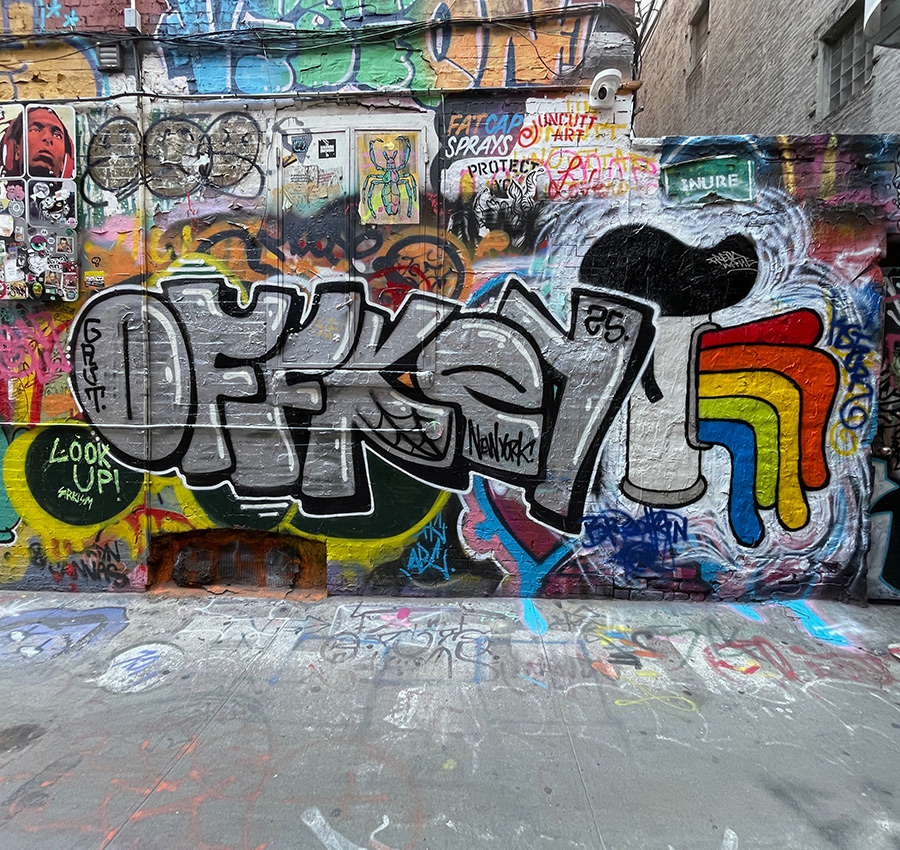
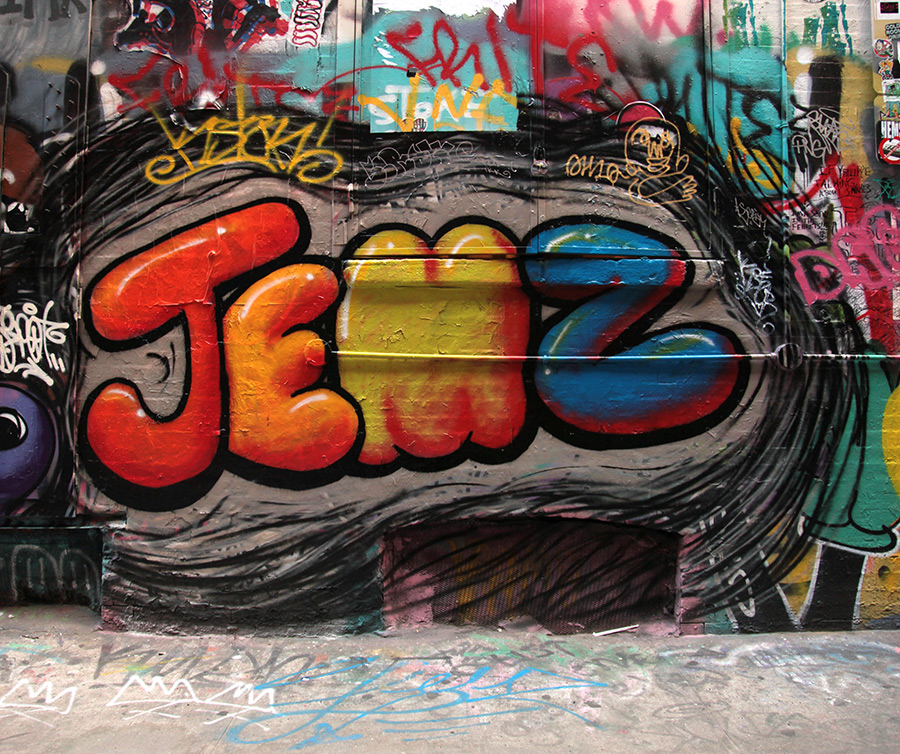
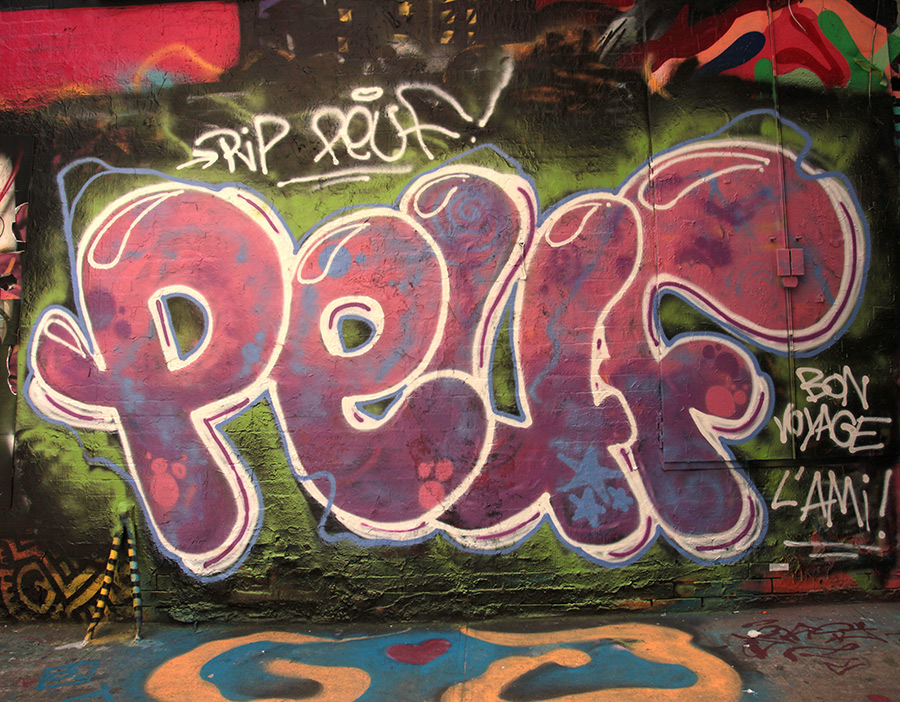
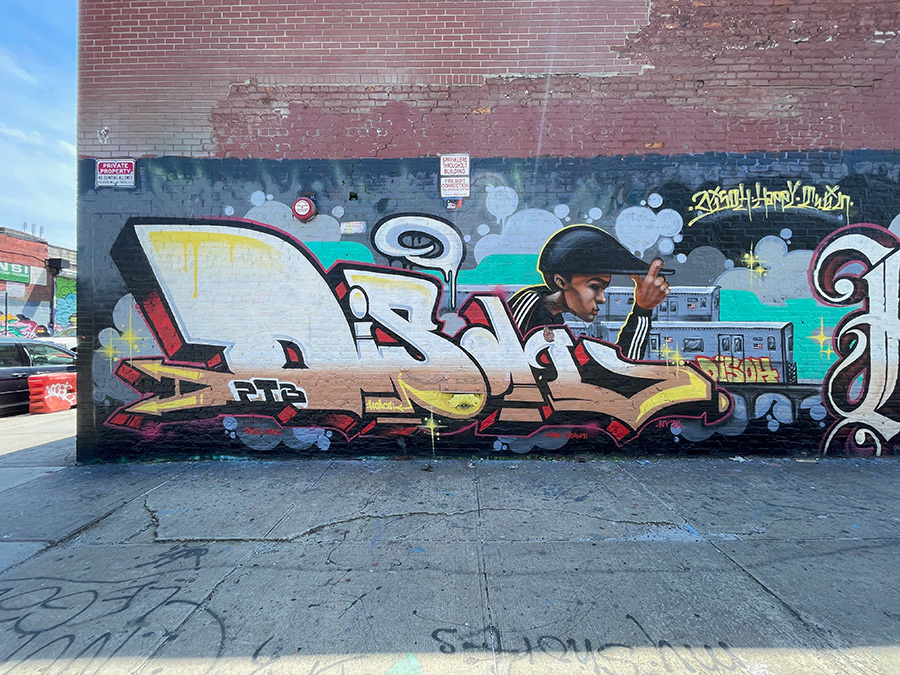
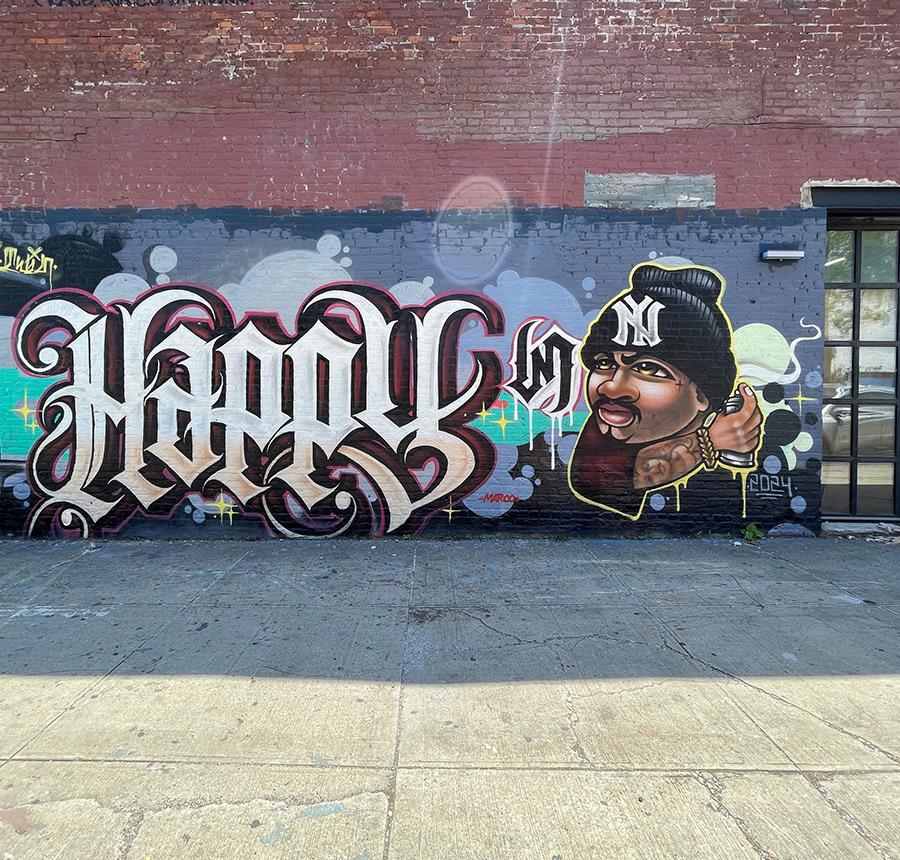
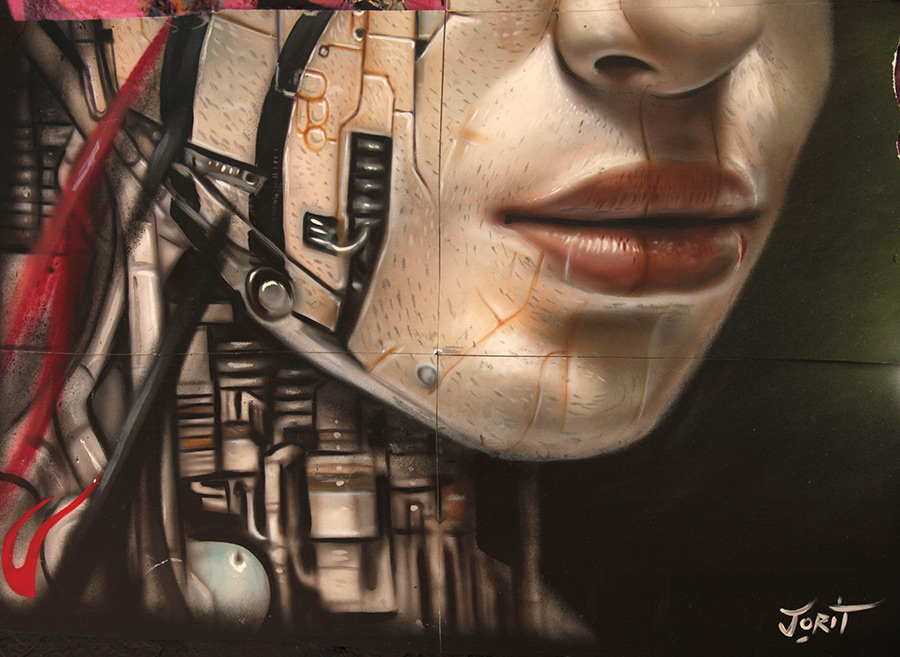
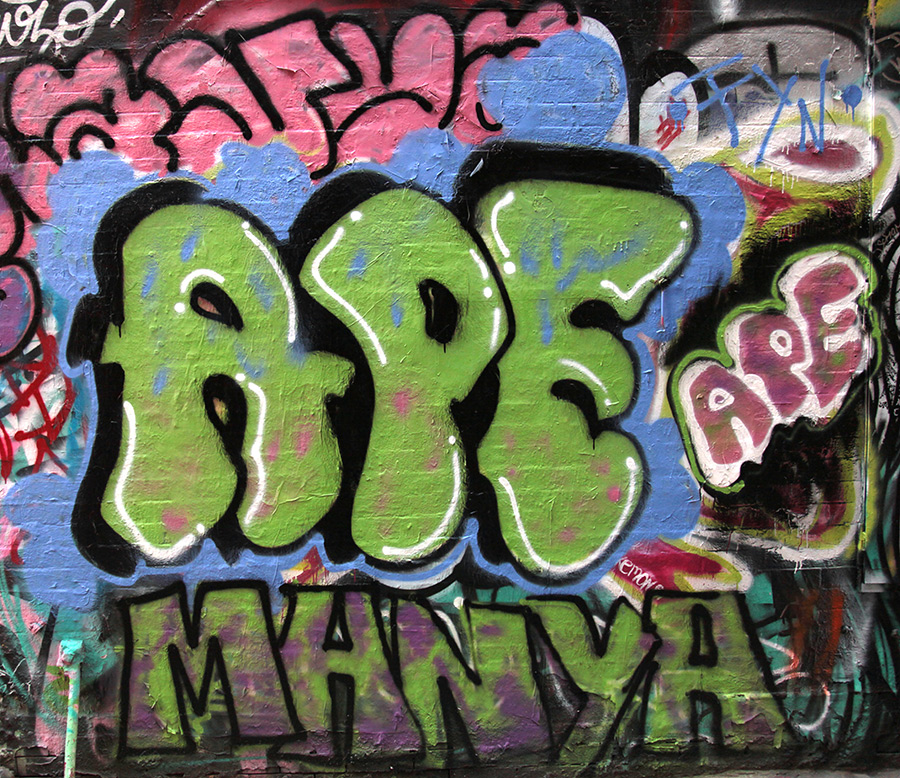
So here’s some of this week’s visual conversation from the street, including works from Homesick, Gabriel Specter, Clint Mario, Werds, IMK, EXR, Jorit, Wild West, JEMZ, Ribs, Diva, Ellena Lourens, APE, NOEVE, ENEKKO, Rene, Happy, Disoh, Peuf, and Off Key.
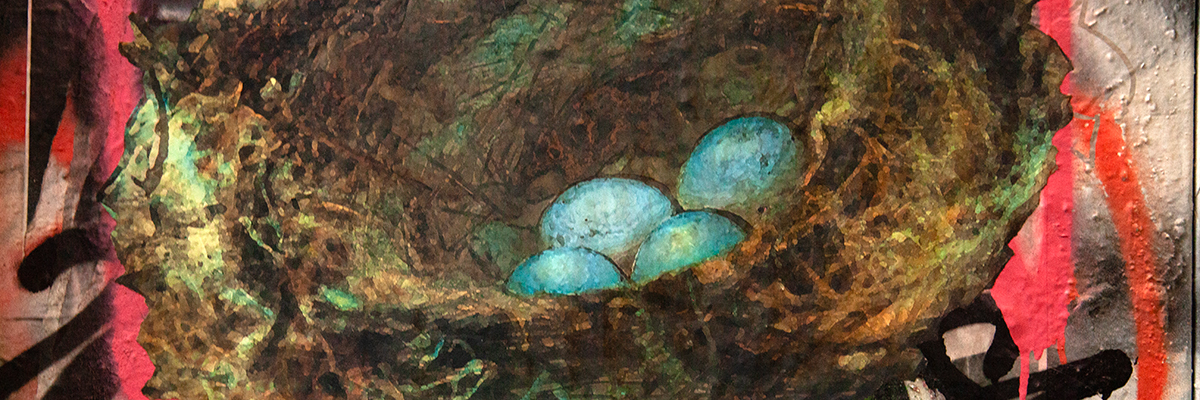
Welcome to BSA’s Images of the week. Mockingbirds are bringing sprigs from the cold, grey, churning East River to build nests on the banks of abandoned lots of Williamsburg/Greenpoint before further ugly gentrification paves it over. Up and down the Brooklyn waterfront, it’s a procession of architectural mediocrity—glass boxes and bland slabs posing as progress. With few exceptions, these vertical office parks evoke visions of photocopier showrooms or surplus staplers stacked in a supply closet.
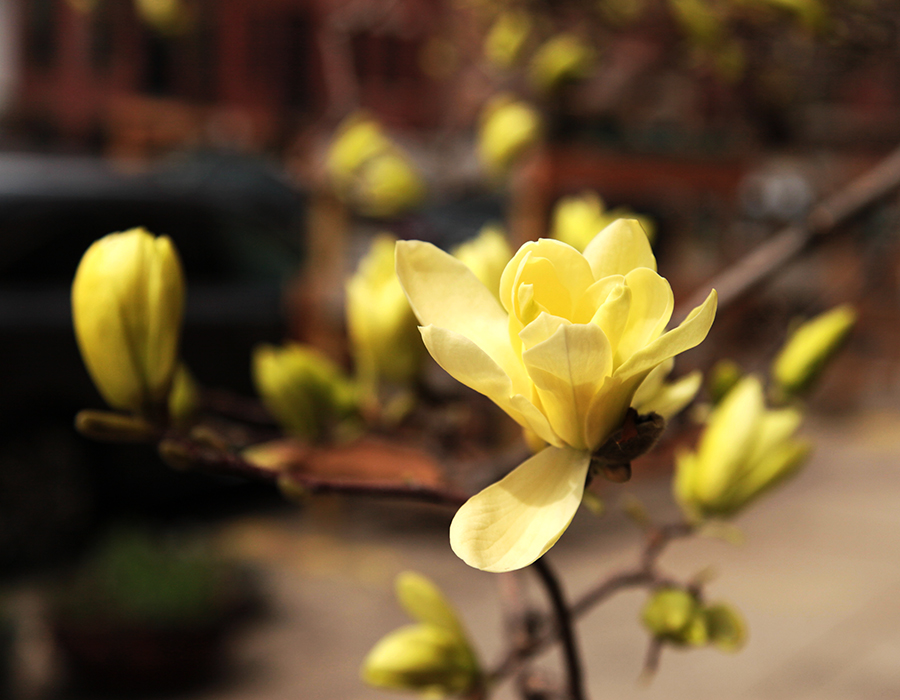
Magnolias and cherry blossoms are starting to bust out all over Brooklyn. Spring is here, and it’s coming in hot—and cold. April’s throwing weather tantrums like a toddler on espresso, bouncing us around like a pinball between heatwaves, cold snaps; all while dodging the political side-swipes we read and hear on social media and the press room. Add in soaring grocery bills (despite what the “official” numbers say), and it’s no wonder everyone’s feeling a little punch-drunk.
In a notable week for New York’s graffiti and street art scene, Dutch artist Tripl, also known as Furious, unveiled his decade-long project, Repainting Subway Art. This ambitious endeavor meticulously recreates the iconic 1984 book Subway Art by Martha Cooper and Henry Chalfant, with Tripl reproducing each original piece on European trains and re-enacting the accompanying photographs. The project culminated in the publication of the 196-page book that was featured Friday night and feted Saturday night.
Friday to a packed auditorium the Museum of the City of New York hosted a panel discussion on featuring Tripl, Cooper, Chalfant, and artist John “Crash” Matos. Moderated by graffiti scholar Edward Birzin and introduced by MCNY’s Sean Corcoran, the conversation delved into the evolution and global impact of graffiti and street art culture and the powerful reverberation of the book’s influence on generations of writers and artists.
Last night, Crash’s gallery WallWorks New York in the Bronx inaugurated the Repainting Subway Art exhibition, offering an immersive experience juxtaposing pages from the original Subway Art with Tripl’s reinterpretations. As word gradually spreads about this project, the graffiti and related communities will undoubtedly debate its significance—as homage, reinterpretation, and artistic intervention—while celebrating the obsessive dedication it took to recreate one of graffiti’s foundational texts from a contemporary, transnational perspective.
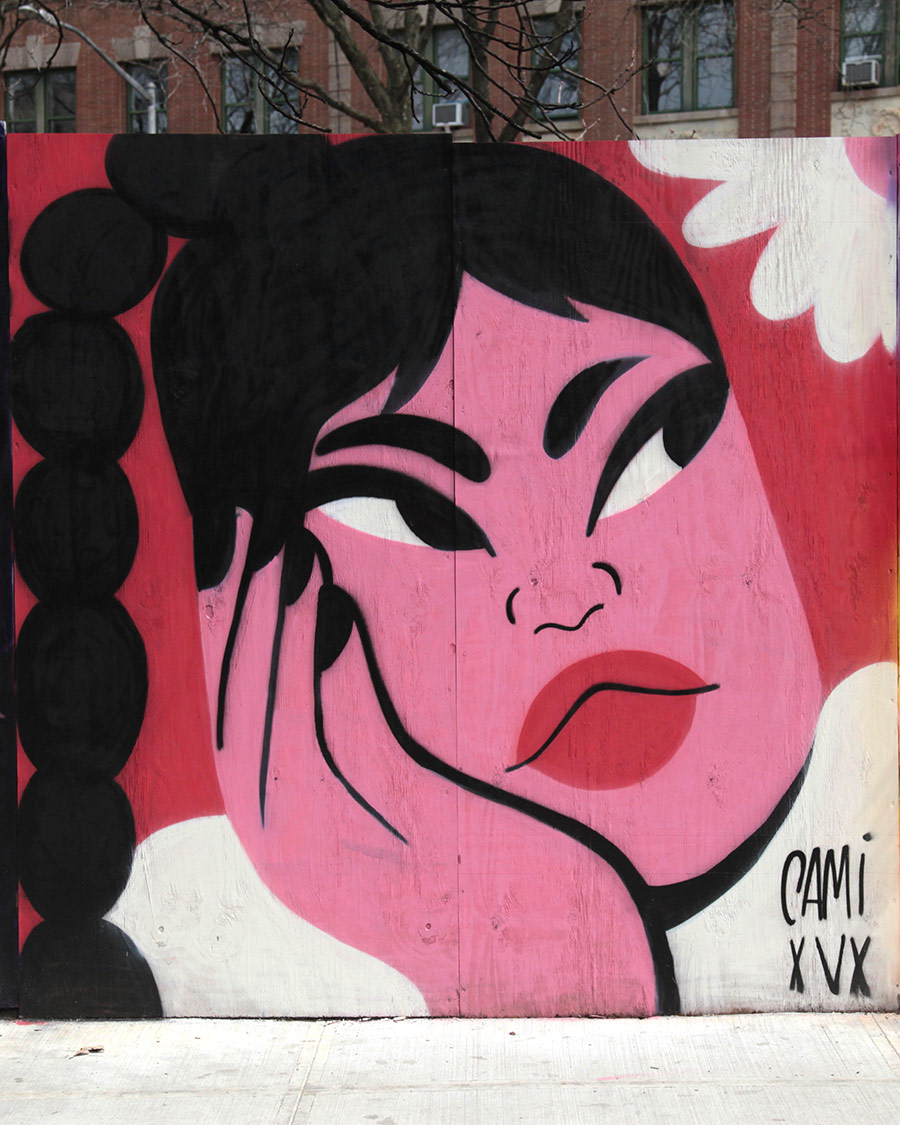
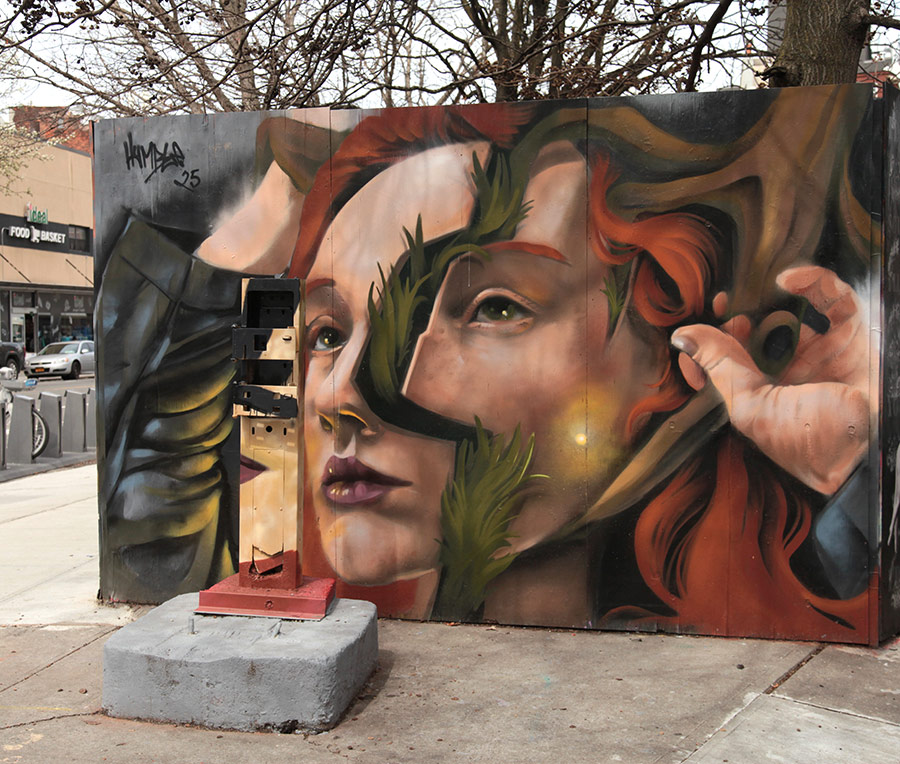
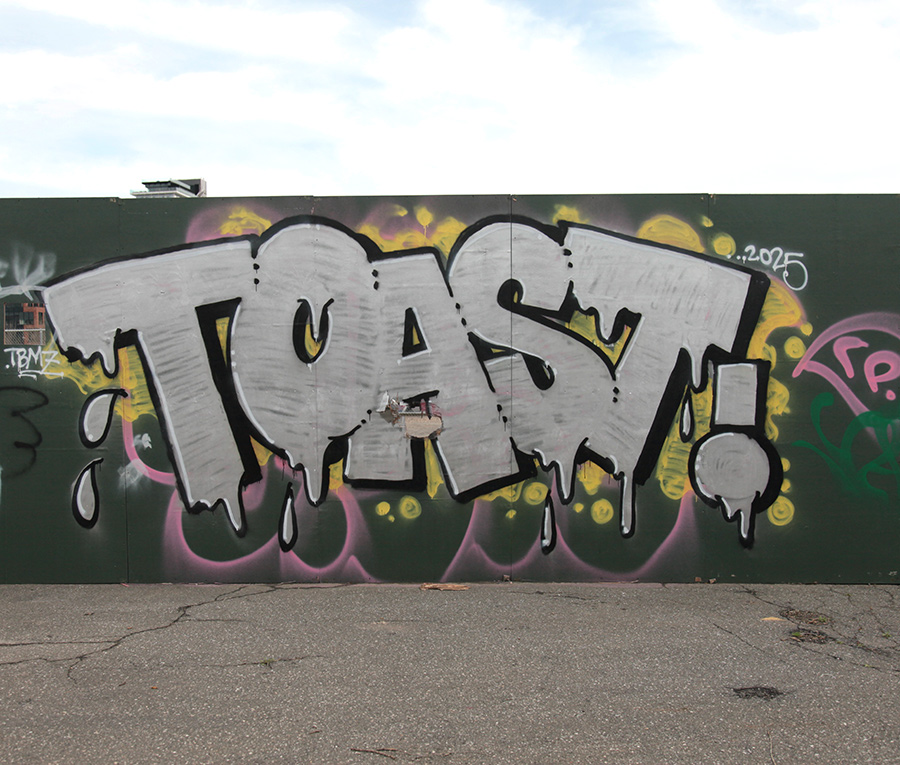
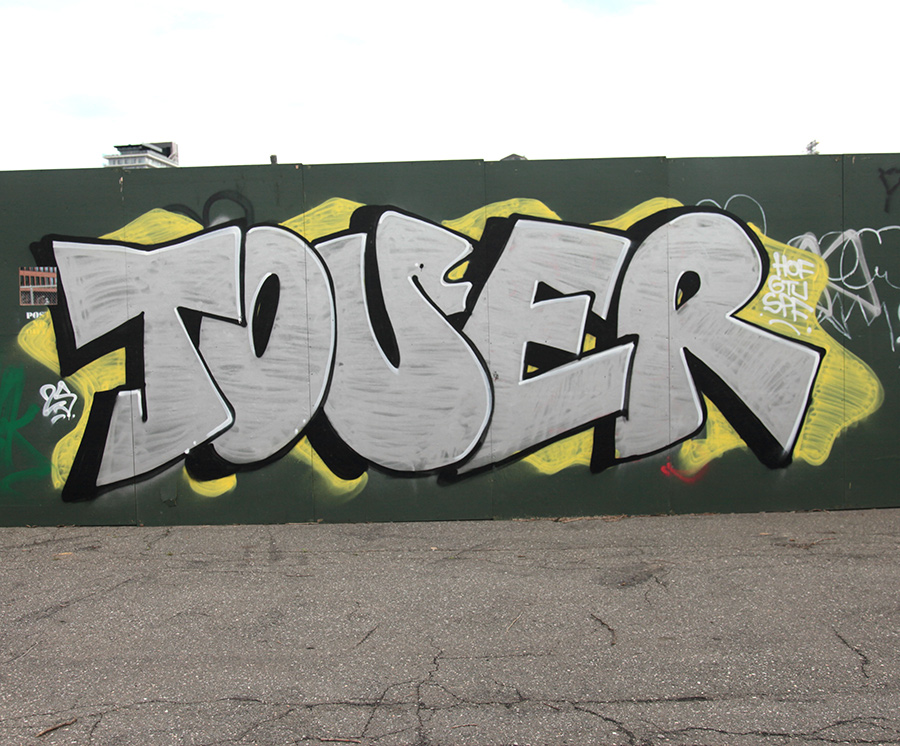
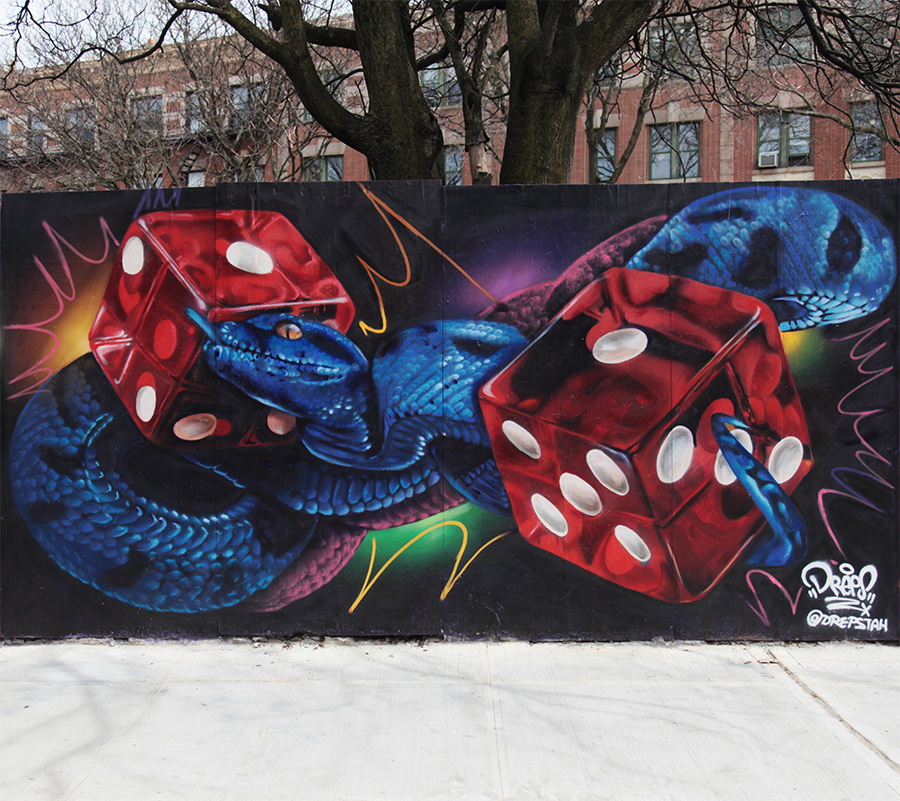
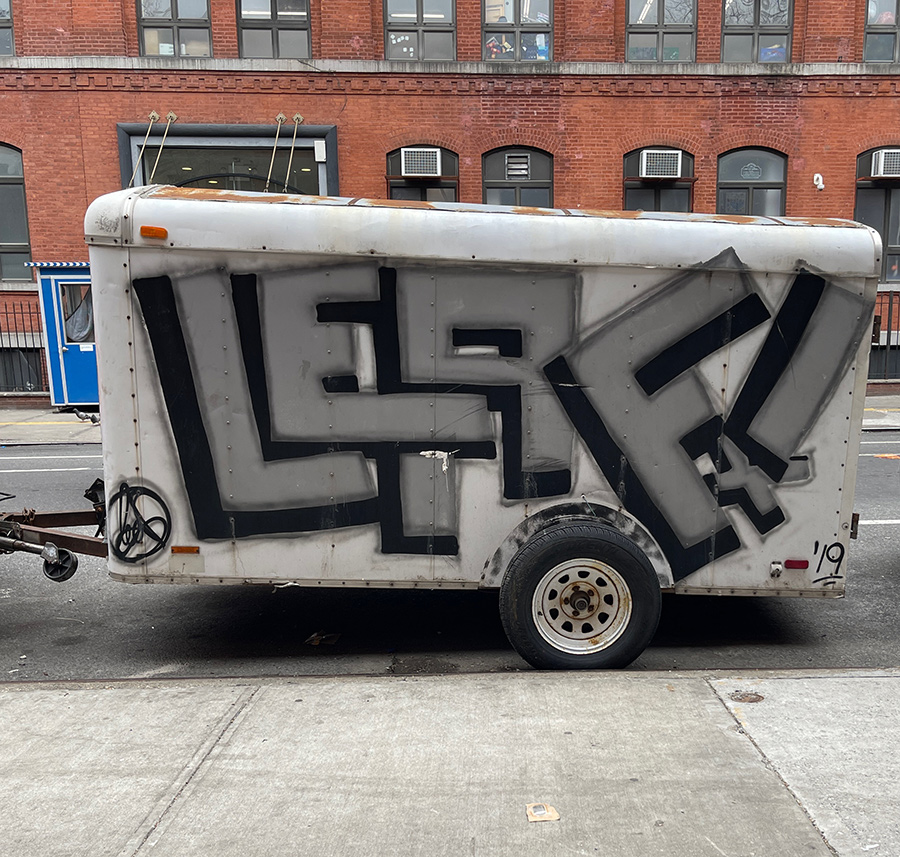
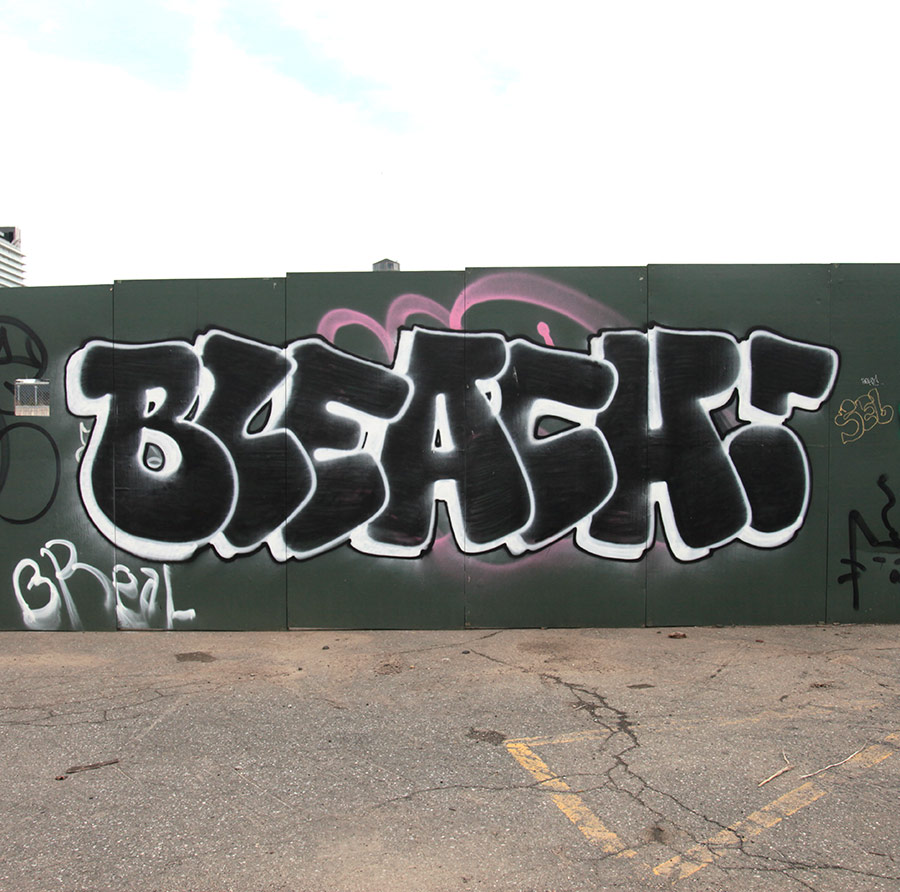
We continue with our interviews with the street, this week including stuff from Homesick, Kobra, Humble, Sluto, Wild West, V. Ballentine, Bleach, Toast, CAMI XVX, Vew, Tover, Dreps, Leaf!, Aneka, Kam S. Art, and John Sear.
Purim has wrapped up in Brooklyn after three days and two nights of exuberant revelry in Hasidic neighborhoods—a celebration that, at first glance, might seem like a fusion of Halloween and New Year’s, complete with thousands of costumed kids and exuberant teens, many of whom are noticeably inebriated, blasting music into the night from roaming RVs. Of course, this being New York, the city takes it all in stride—because if there’s one place that can handle a rolling, Yiddish-speaking Mardi Gras in March, it’s Brooklyn.
In NYC news, a new exhibition celebrates the 20th anniversary of those orange fluttering “gates” one winter in Central Park. Christo and Jeanne-Claude: The Gates and Unrealized Projects for New York City at The Shed is an immersive exhibition that includes an augmented reality component and rekindles memories for those who witnessed The Gates and unveils hidden stories for new audiences. Also, a shout out to the artist duo Zorawar Sidhu and Rob Swainston and their new show Flash Point at Petzel. In visually arresting large-scale woodcut and silkscreen prints that echo the chaotic energy of city streets, they examinethe Anthropocene, forced migrations, and American civil unrest through layered compositions that slow down the rapid circulation of news imagery.
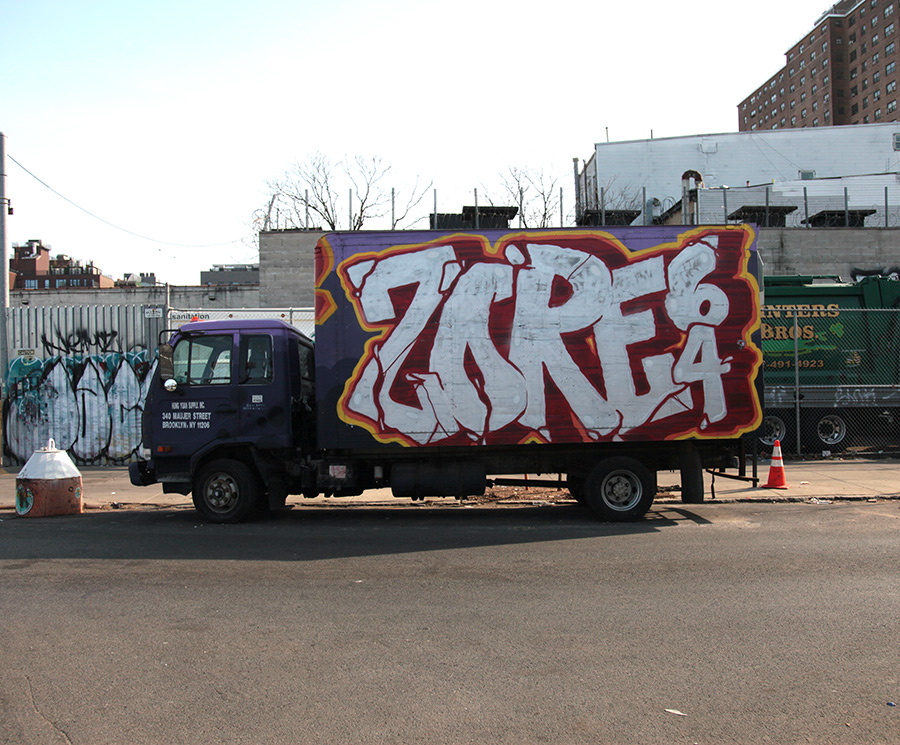
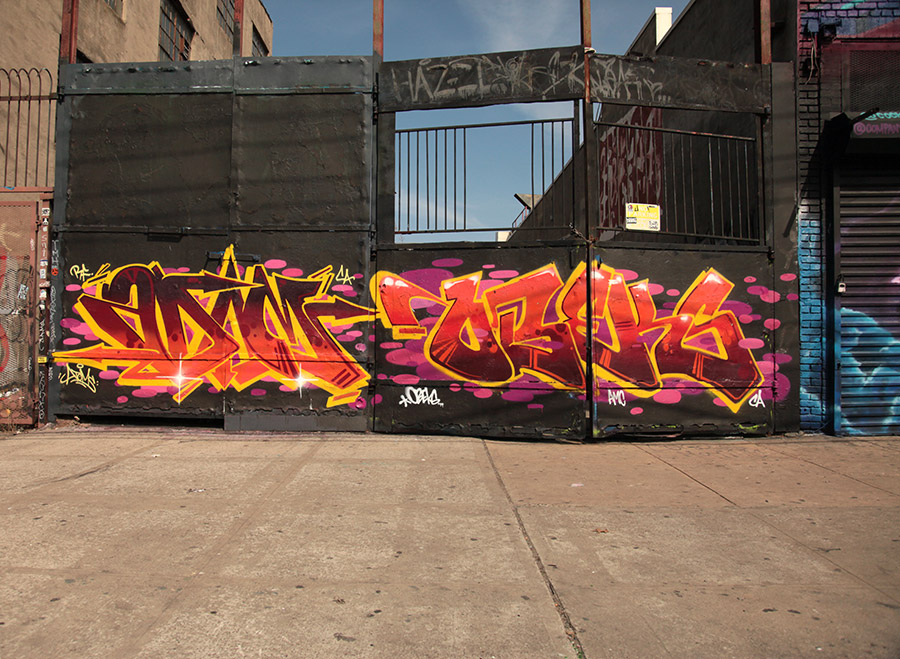
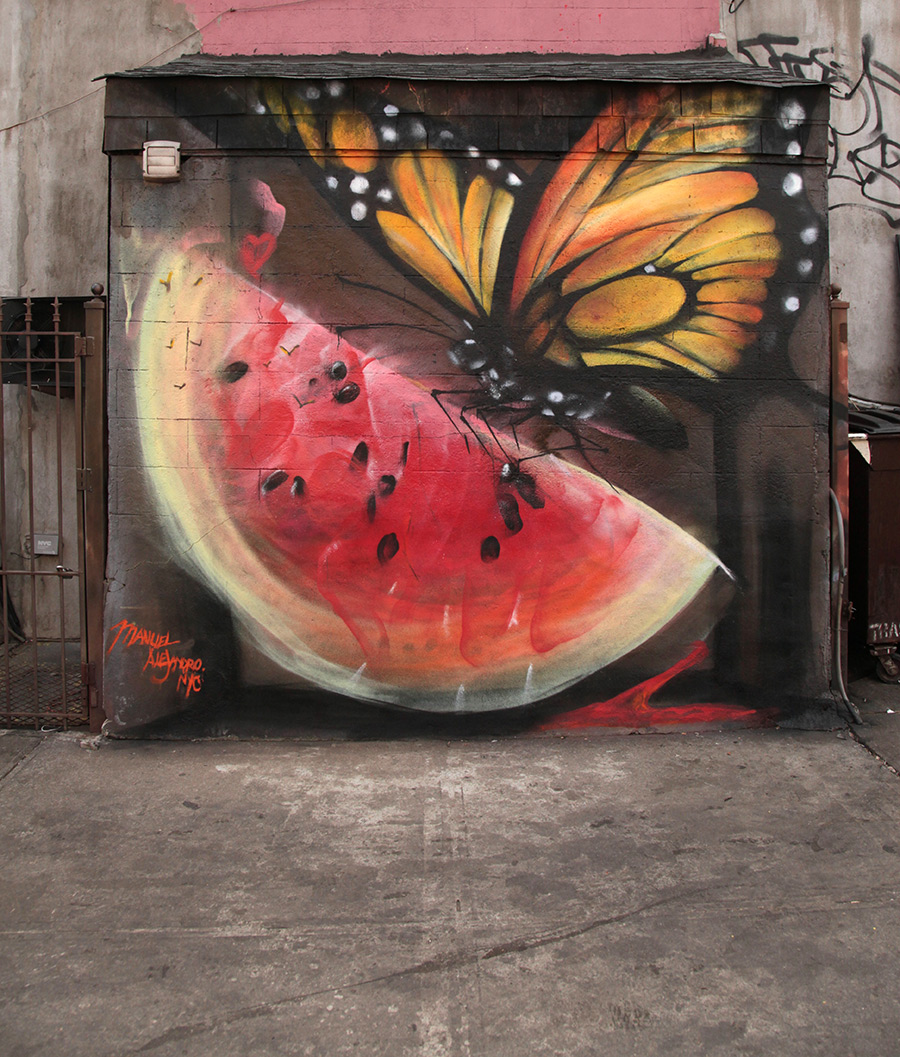
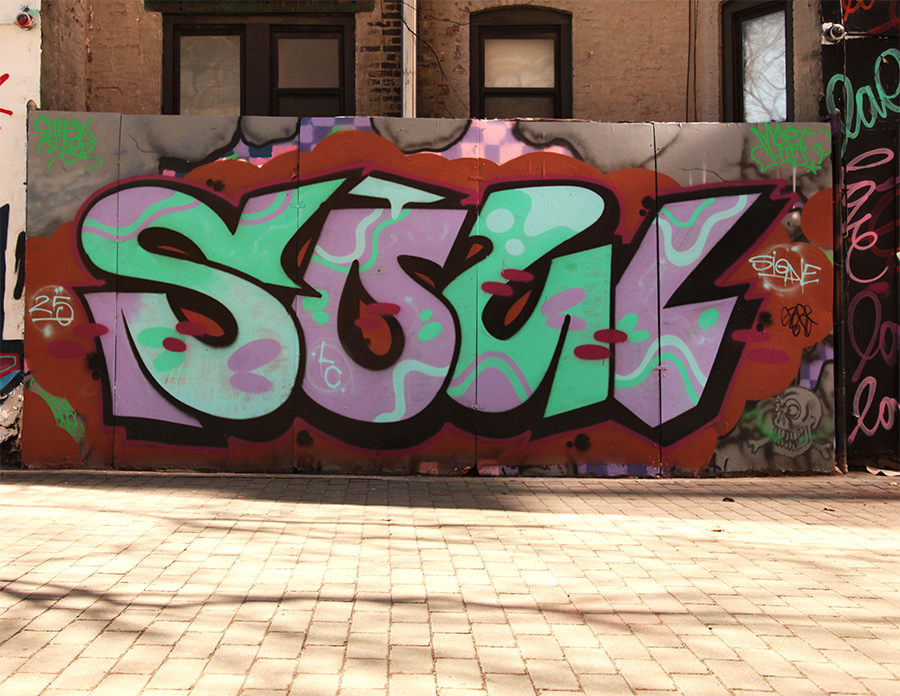
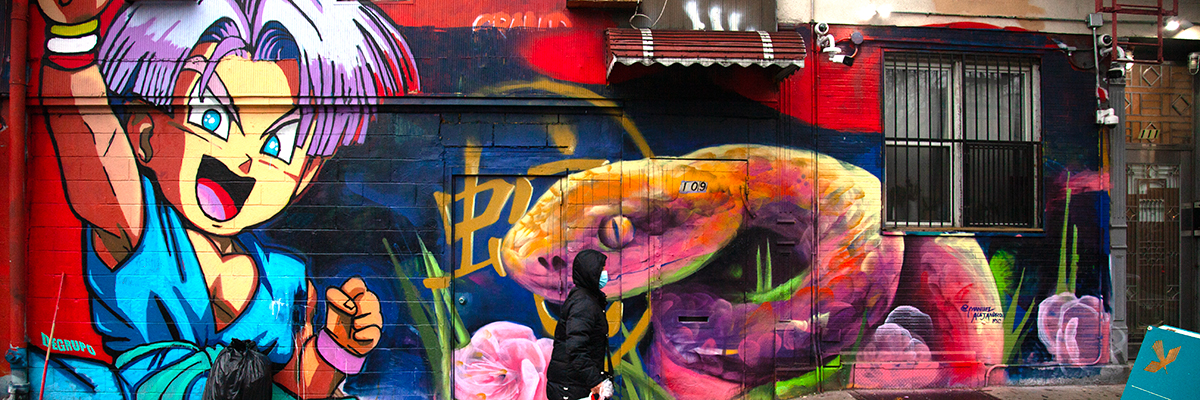
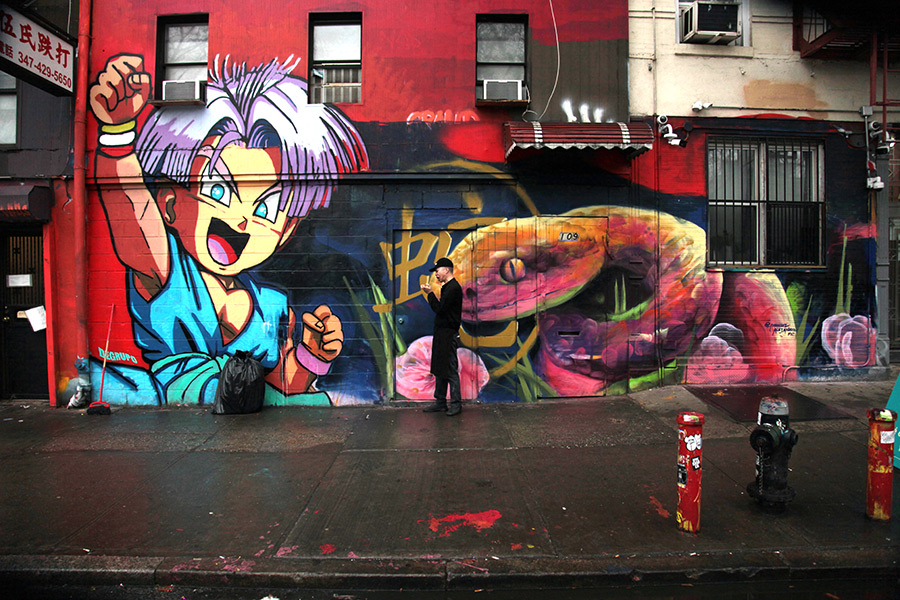
And we continue with our interview with the street, this week including Degrupo, Below Key, JerkFace, Roachi, BK Ackler, Denis Ouch, Manuel Alejandro NYC, ATOMS, Wild West, Helch, Sport, Zore64, Obek, and Soul.
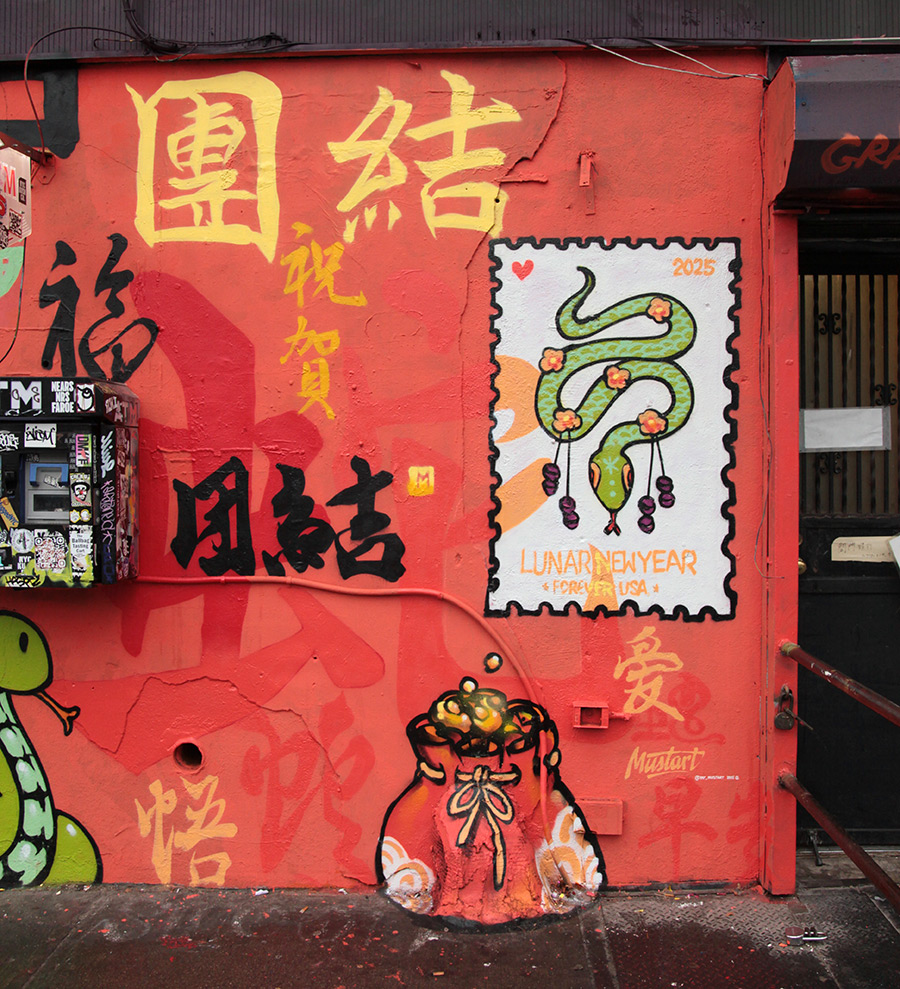
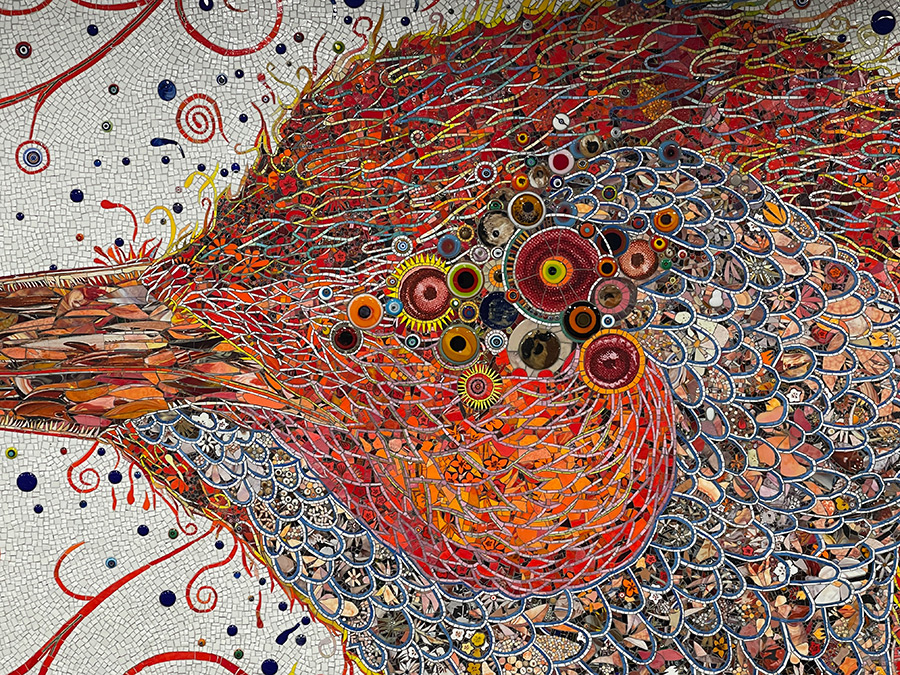
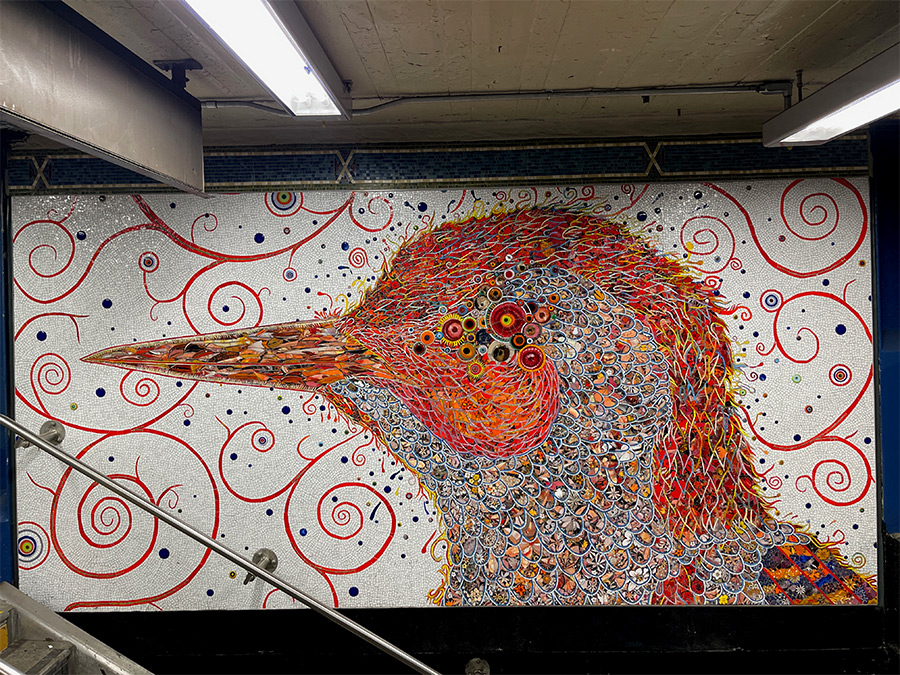
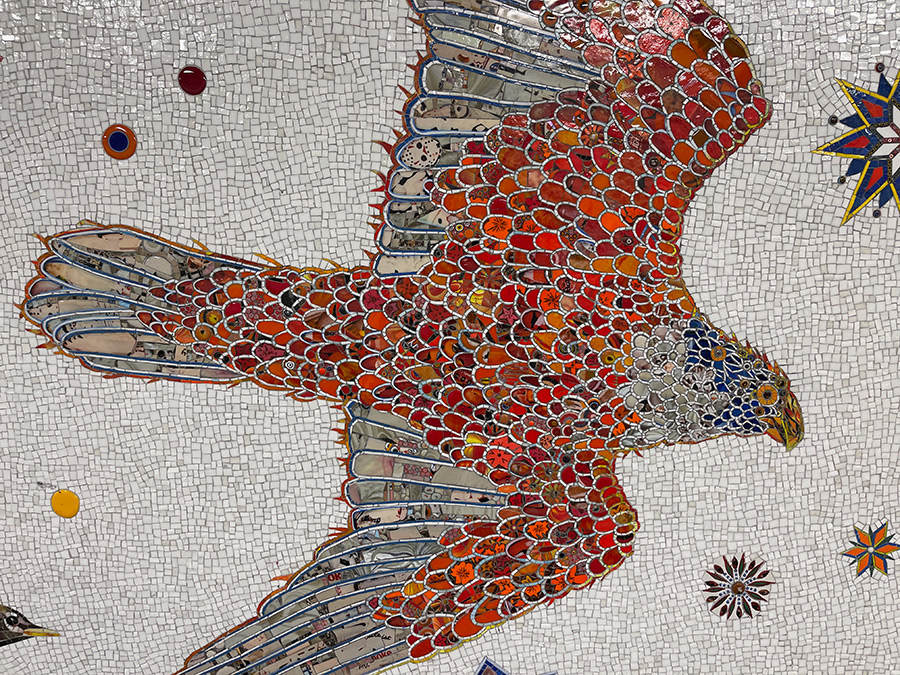
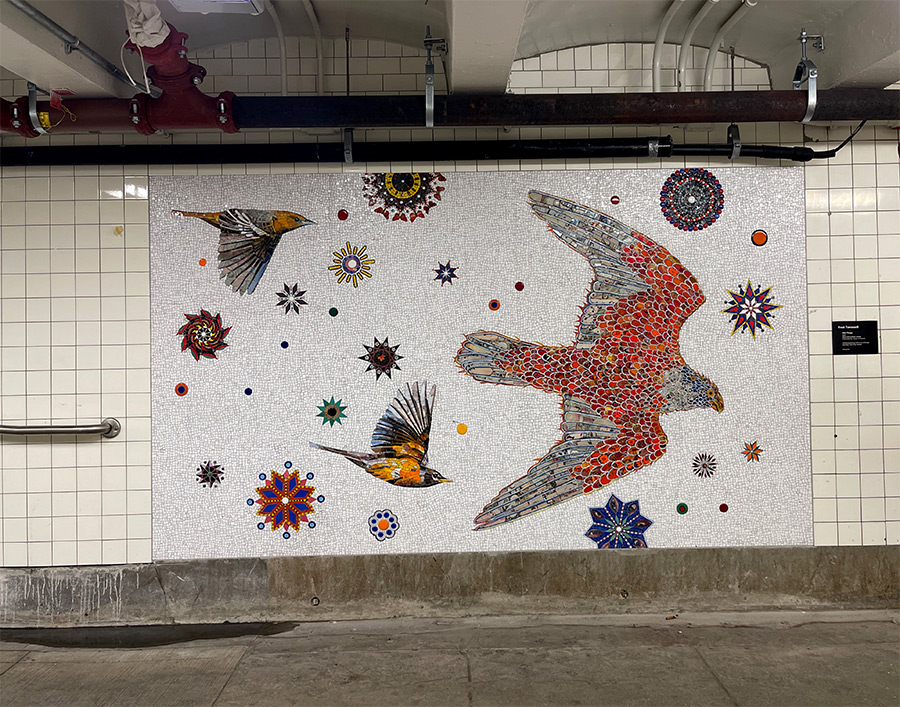
Here’s our weekly conversation with the street, this week featuring Homesick, Degrupo, BK Foxx, Werds, EXR, Manuel Alexandro, Great Boxers, Wild West, Fred Tomaselli, Mr. Mustart, Imok, and Sokem.
Welcome to BSA Images of the Week and to fall—officially here as of this morning in New York and the rest of the Northern Hemisphere. The leaves are starting to pop with yellows, people are breaking out the wool turtlenecks and corduroy way too early, and somewhere under the bleachers at football games, a few sneaky kisses are being stolen. Meanwhile, students are finally settling into the grind of the school year. But flip it for the folks south of the Equator, where spring’s about to bloom. In both hemispheres, whether it’s fall or spring, artists and vandals will continue to tag the overlooked corners and forgotten walls, staking their claim in public space.
This week in the BSA book review department, we’re diving into a new scholastic tome from one of the few brilliant graffiti scholars out there—Rafael Schacter. You might remember him from his global street art compendium, his curated show ‘Mapping the City’ at Somerset House in London (yes, the one that included people like Brad Downey, Swoon, and Eltono), or even his early work at the Tate back in ’08 with artists on the façade of the museum like Faile, Blu, and Os Gemeos. His latest book, Monumental Graffiti: Tracing Public Art and Resistance in the City (MIT Press), just landed on our doorstep. We’re eyeing it with both curiosity and caution as he’s making some bold connections between monuments and graffiti—connections that are peculiar on their face. He’s digging into a secondary or even third-tier definition of ‘monument,’ so who knows, it might all come together in the end. But this is the same guy who gave us ‘intramural’ graffiti about a decade ago… and, that term hasn’t hit the streets, as it were.
Re: intramural – In his curatorial work Schacter sometimes argues that street art occupies a unique space that is neither fully embraced by institutional frameworks (like museums and galleries, the “inside”) nor entirely outside them (like illegal, unsanctioned art in public spaces, the “outside”). Intramural, extramural. Makes total sense. But aside with the confusion caused by the word ‘mural’ buried inside it, there is perhaps a ‘branding’ problem with the word here in the US. It sounds too much like ‘intramural sports,’ which were always introduced at grade school for both boys and girls to play together to foster team-building skills – right around the age when girls typically think boys are ‘gross,’ and boys think girls are ‘weird.’ So it feels awkward and frightful! I feel like my voice is cracking and I’m growing a very light mustache when I hear it. Let’s see how this graffiti/monument thing works out. If anyone can do it, Rafael can!
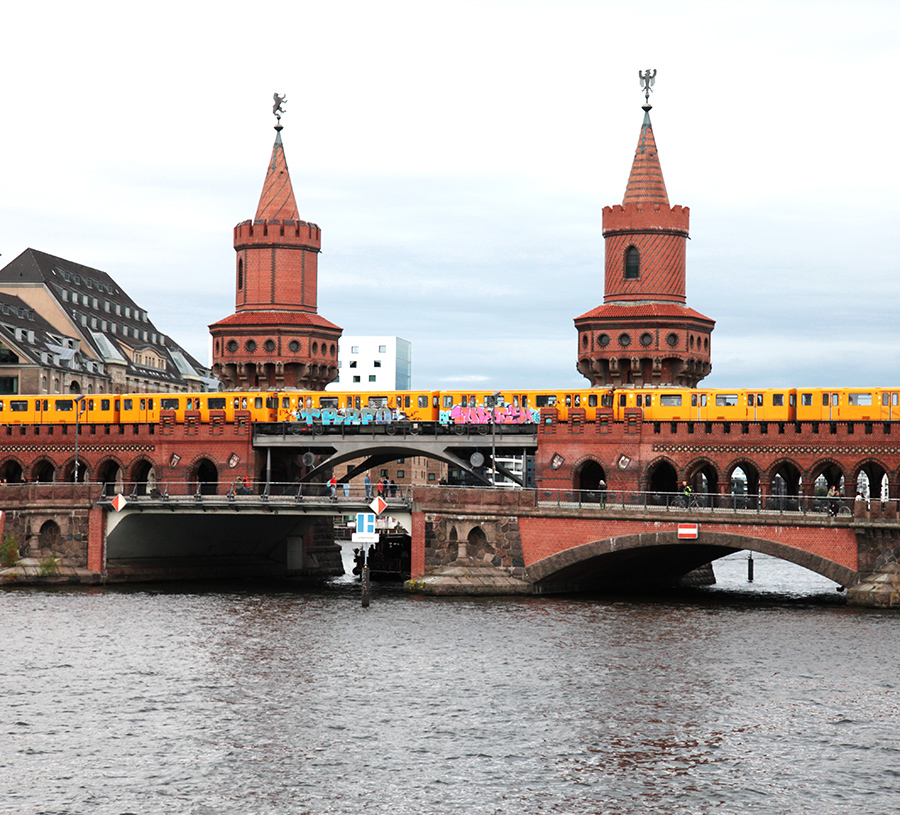
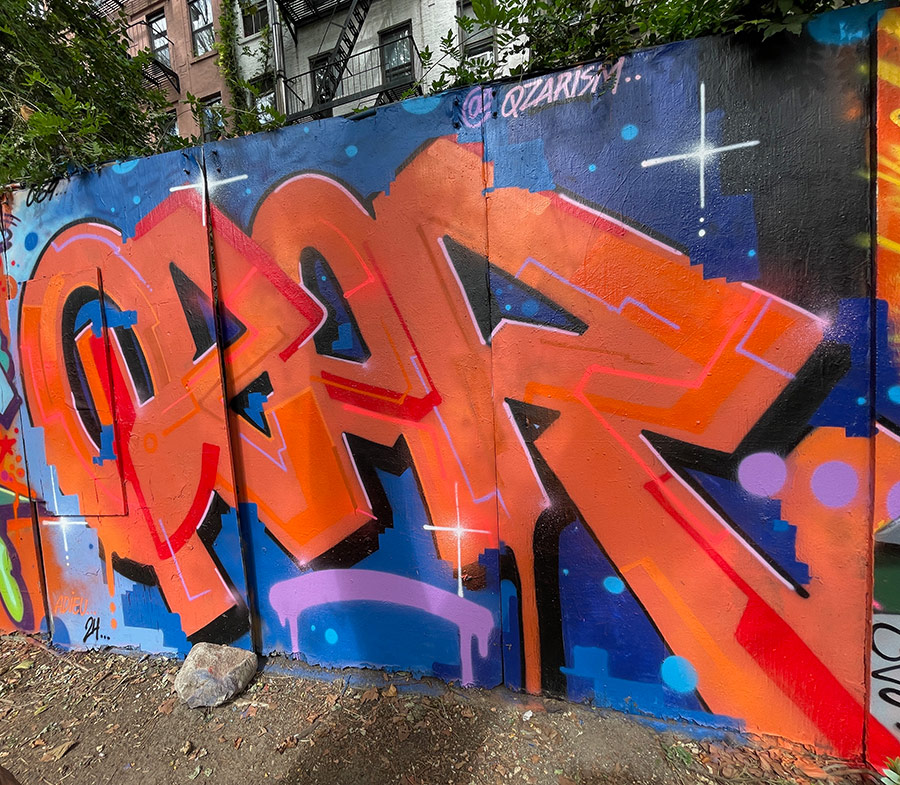
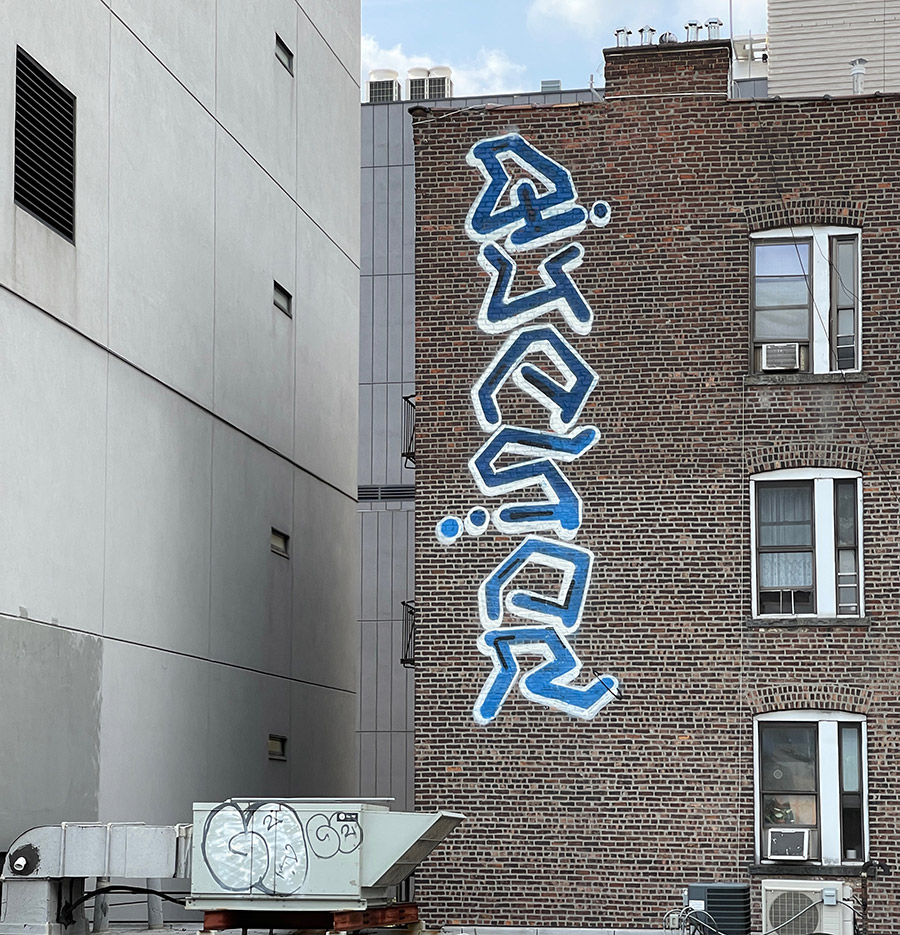
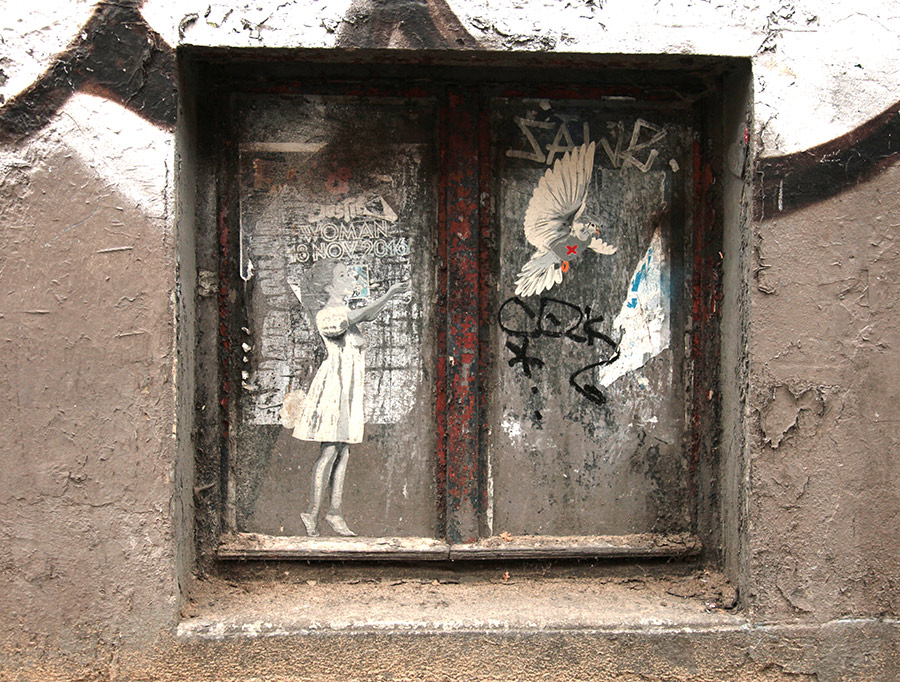
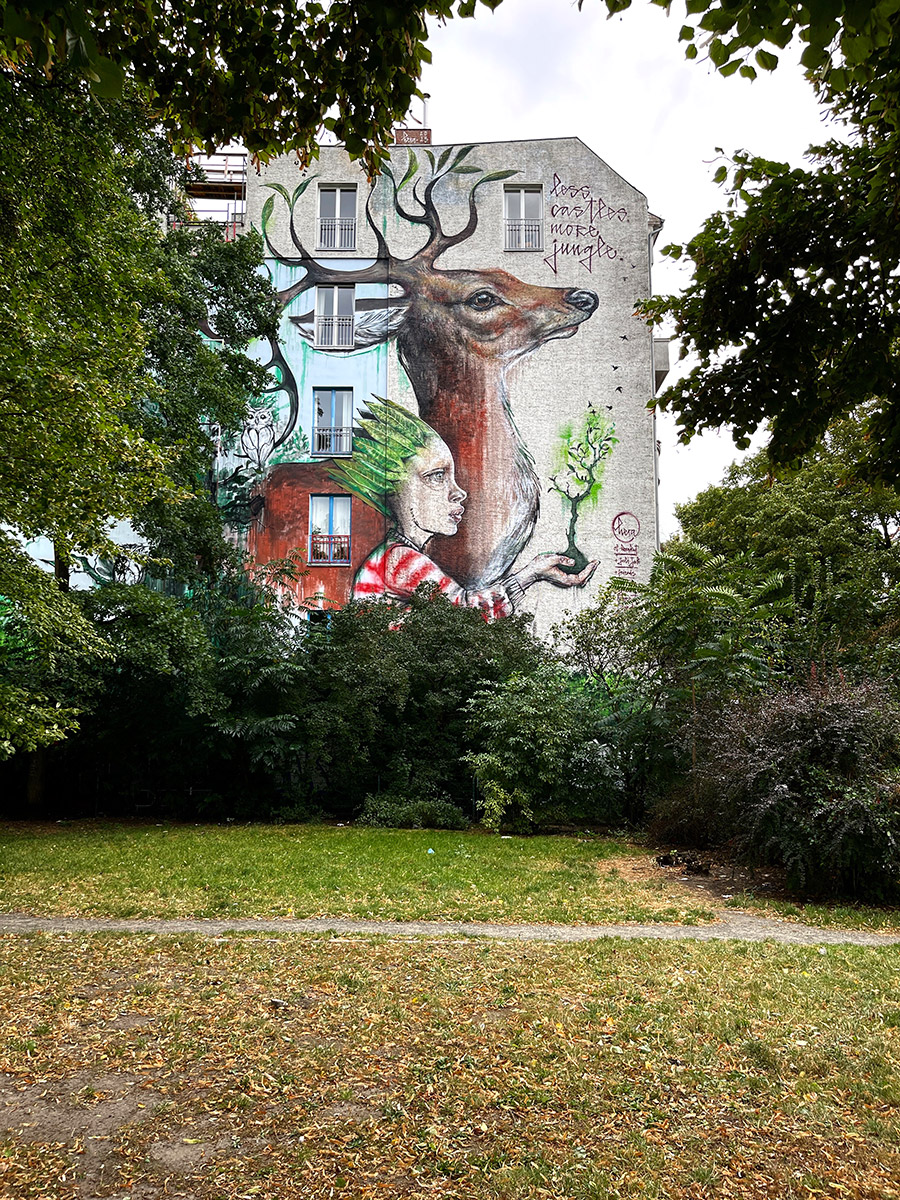
And here we go boldly into the streets of New York and Berlin this week with new extramural stuff from: Judith Supine, Crash, 1UP Crew, Homesick, Nespoon, Hera, Phetus, Atomik, Qzar, Wild West, Drew Kane, and Seileise.
Societal norms and entertainment ethics change, sometimes radically, as time progresses. It would be fantastic if you could determine which era is more shocking and if its behaviors indicate a golden age or a declining one. Just look at New York history at Coney Island, which may seem barbaric and beyond the pale by today’s standards, alongside oddly similar occurrences in contemporary Western society.
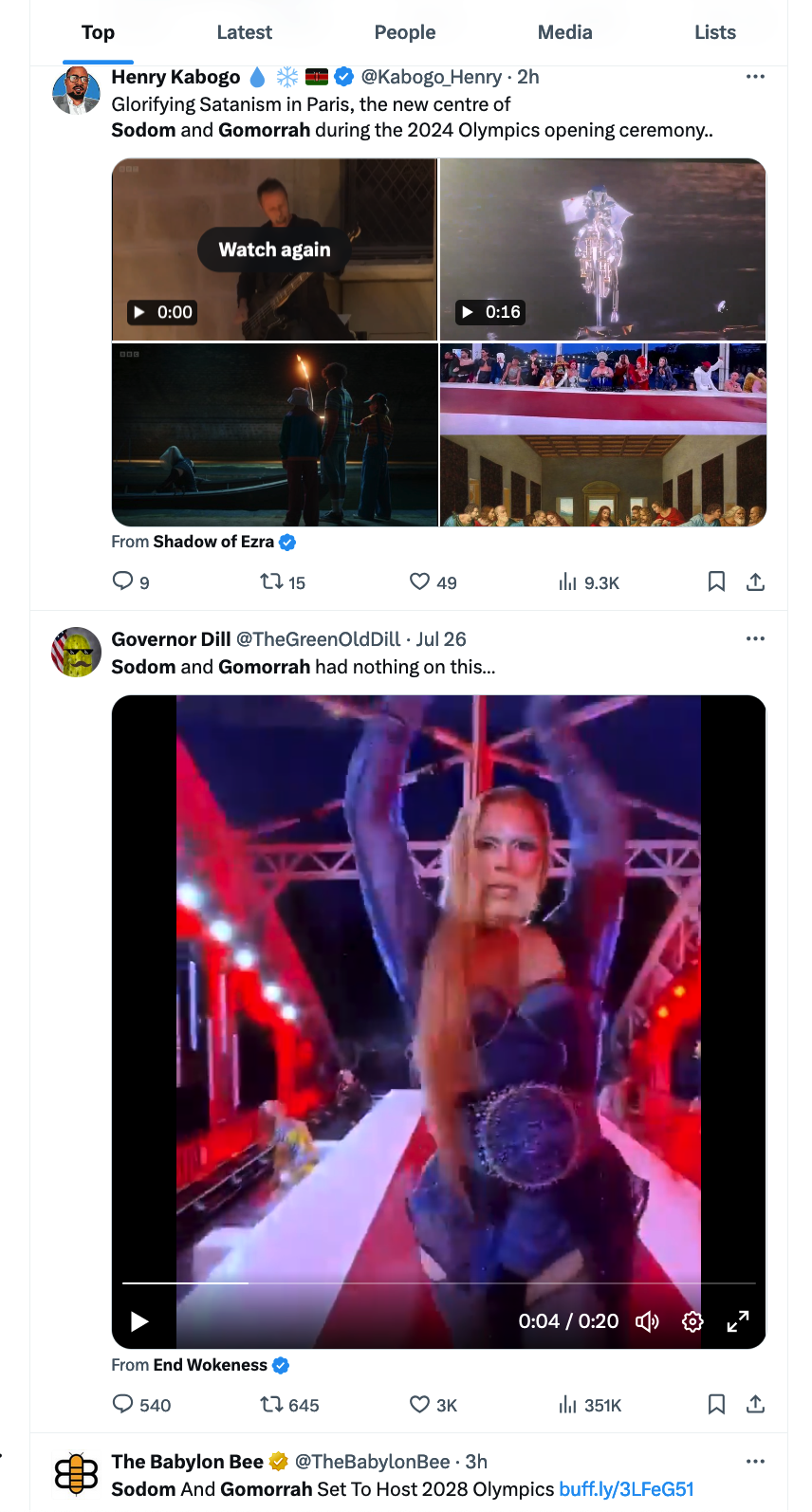
On Friday night, during the opening ceremonies of the Paris 2024 Olympic Games, X was all atwitter with self-proclaimed Christians expressing outrage over a small segment of the three-and-a-half-hour show that featured a few well-known French drag performers doing a campy modern homage to The Last Supper paintings of the Renaissance. Decades of austerity budgets have starved our education system, and it shows, as many were scandalized by this portrayal of ‘Sodom and Gomorrah’ and other ‘disgusting’ scenes referencing French history, such as the French Revolution, the Enlightenment, World War I and II, the Industrial Revolution, and the Cultural Renaissance. And that depiction of Marie Antoinette holding her head under her arm? There’s a story behind that.
And here is our weekly interview with the streets, this week featuring Aiko, Adam Fujita, Homesick, Degrupo, Optimo NYC, Werds, DEK2DX, Lee Holin, Snoeman, NAY 281, Bogus, EXR, Uwont, Jacob Thomas, Chido, Smooth, Kasio, Wild West, JDI, and FAQ COP.
G. James Daichendt. Robbie Conal: Streetwise: 35 Years of Politically Charged Guerrilla Art. Schiffer, 2020. Reprinted from the original review. …Read More »
A vast aquatic landscape painted on the pavement becomes a collective artwork and an open-air playground.Artistic direction by Andrea Conte …Read More »
 BROOKLYN STREET ART LOVES YOU MORE EVERY DAY