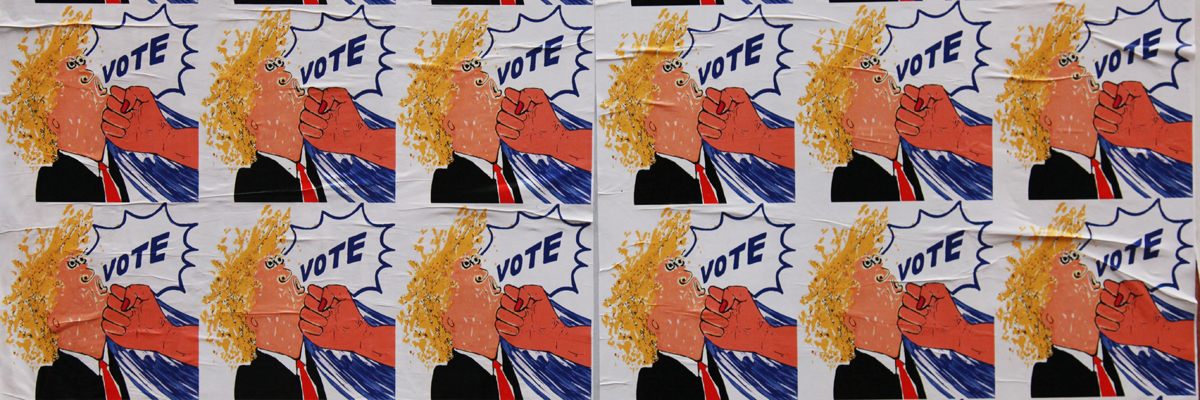
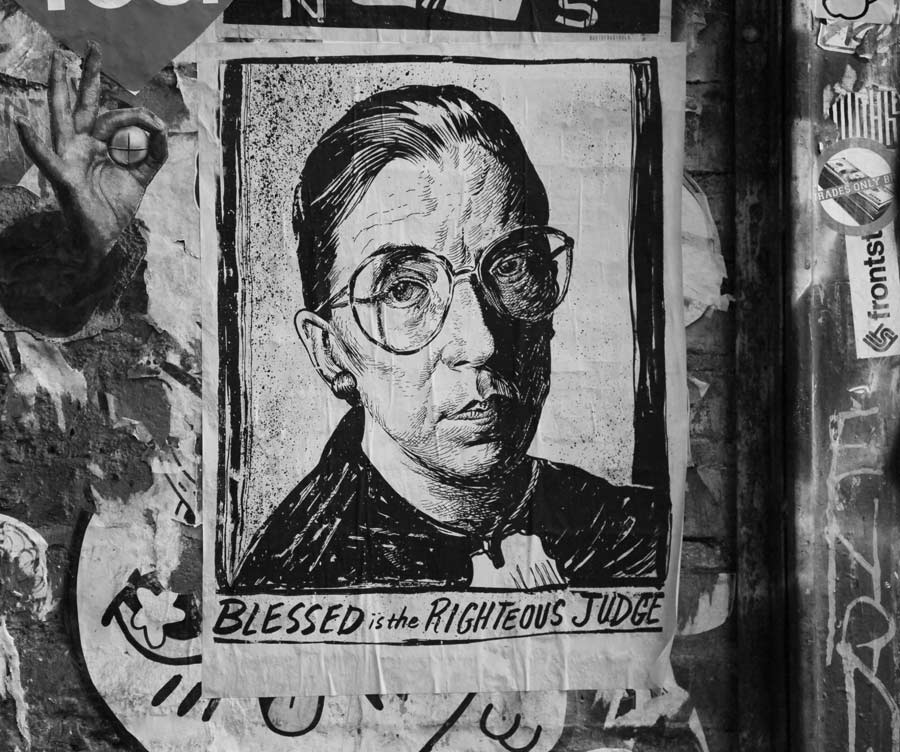
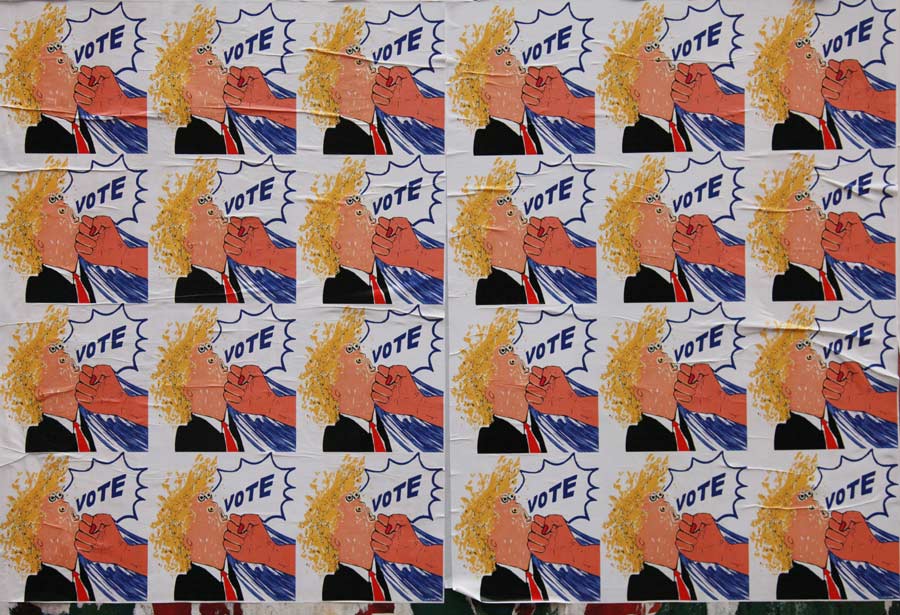
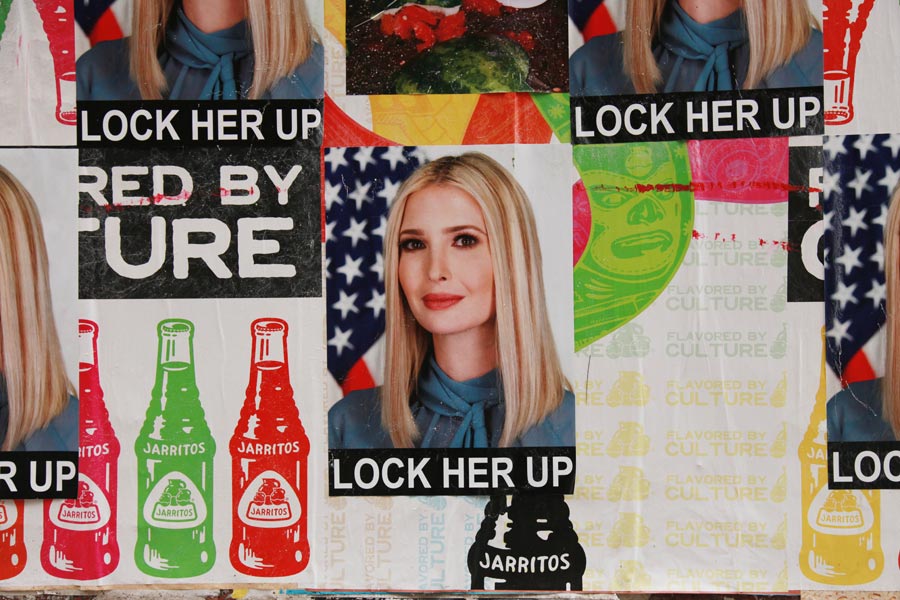
And the
newsreaders are revving you up for the big election, right? Which millionaire
will you vote for to save us? Meanwhile,
millions are already suffering without jobs, without food, without sleep.
Meanwhile in beautiful New York we are seeing splendid new art on the streets, skooling us again as we go back to school. We’re particularly interested in a trend toward using recycled products in the making of art. Welcome to October; and Mercury is still in retrograde for about 4 weeks so hang on brothers and sisters. It’s gonna be bumpy.!
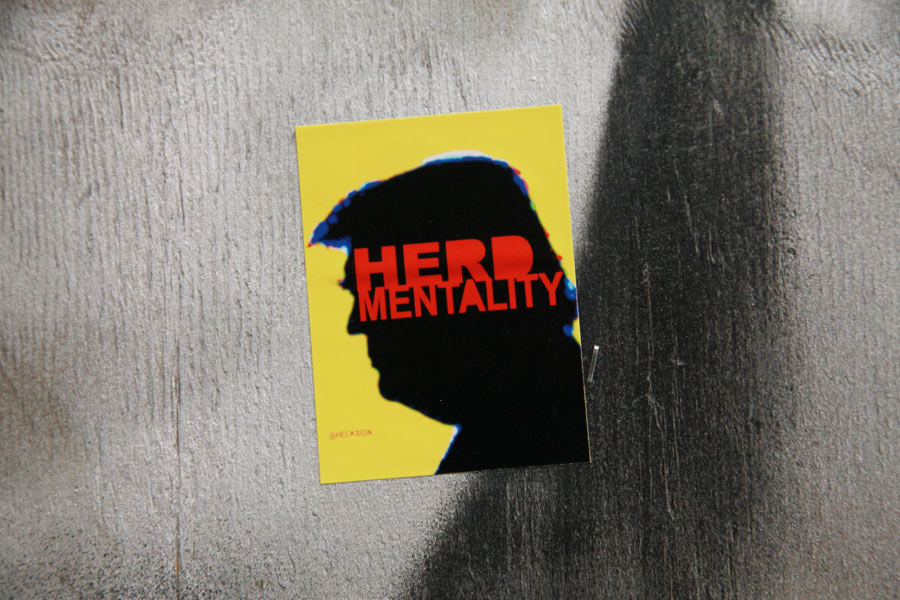
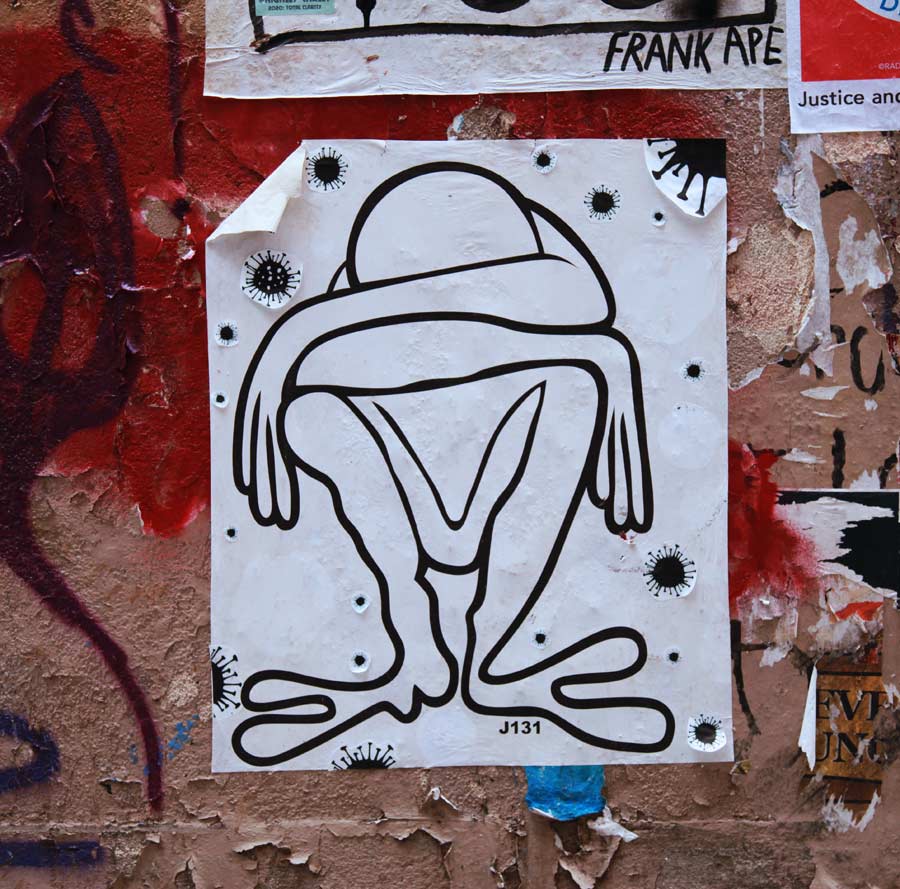
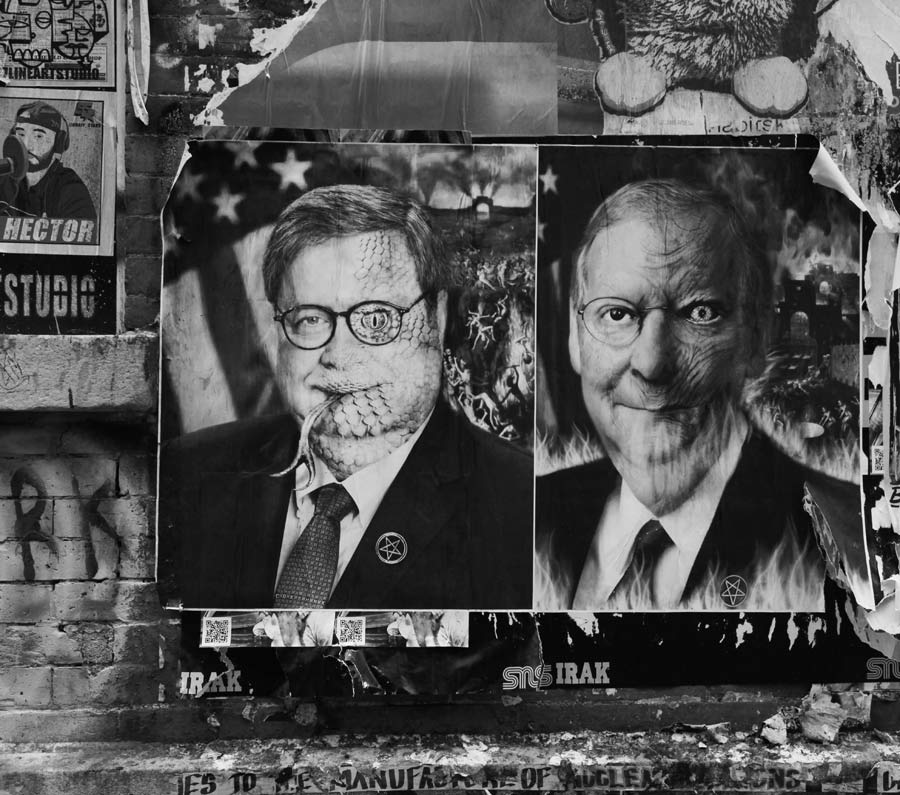
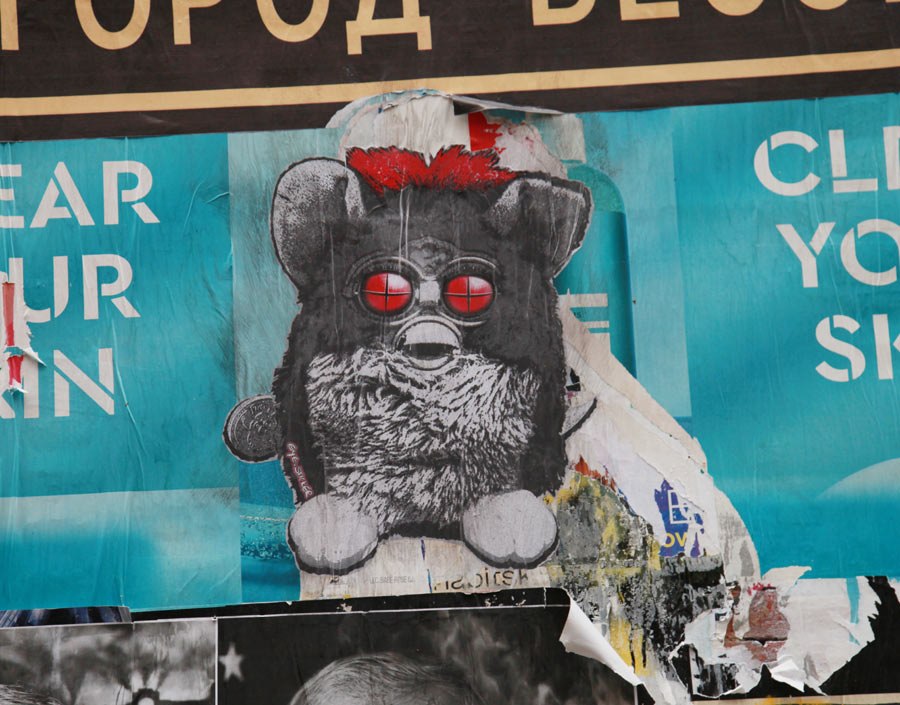
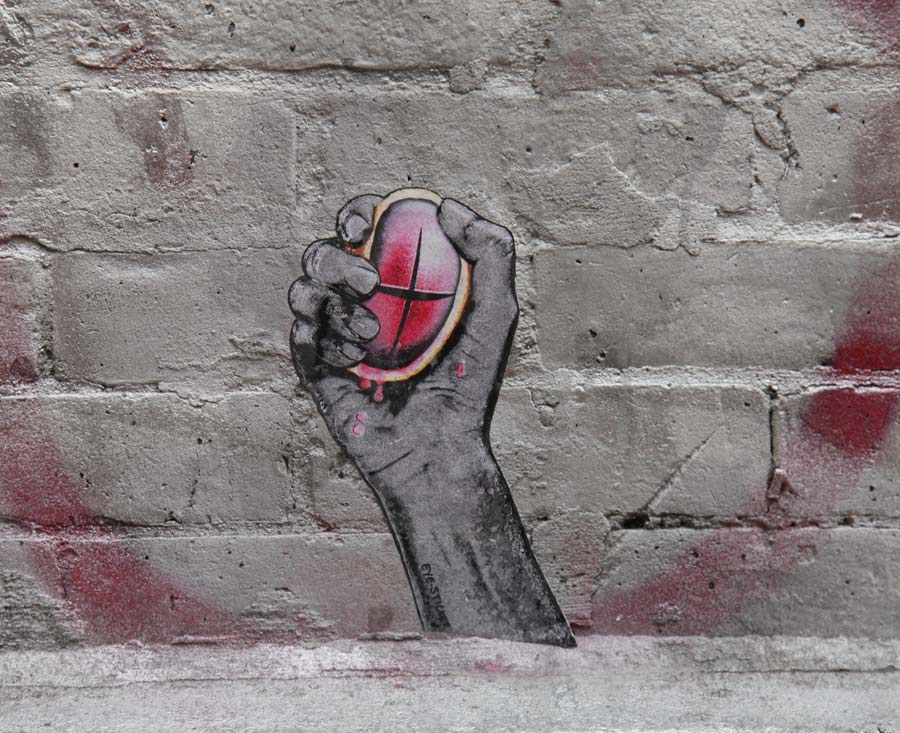
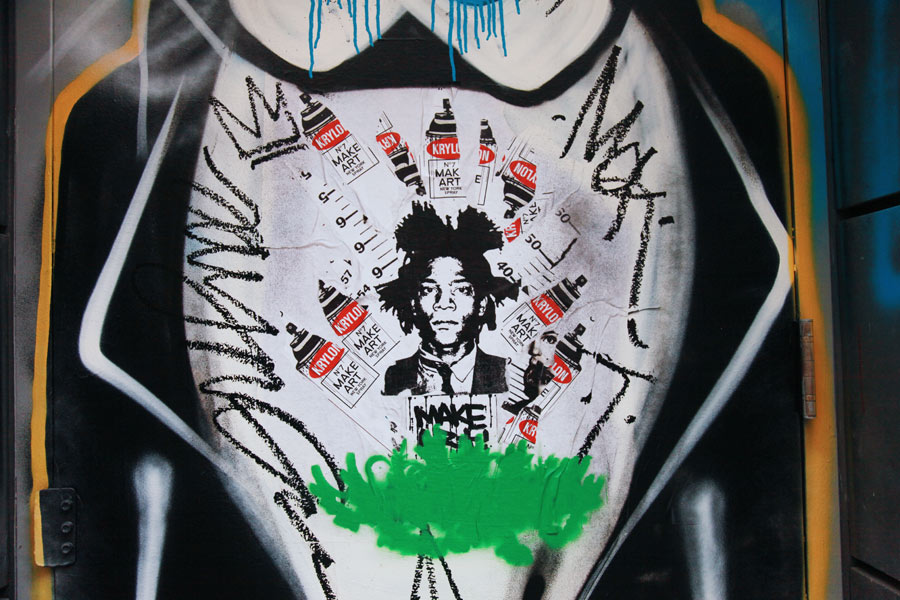
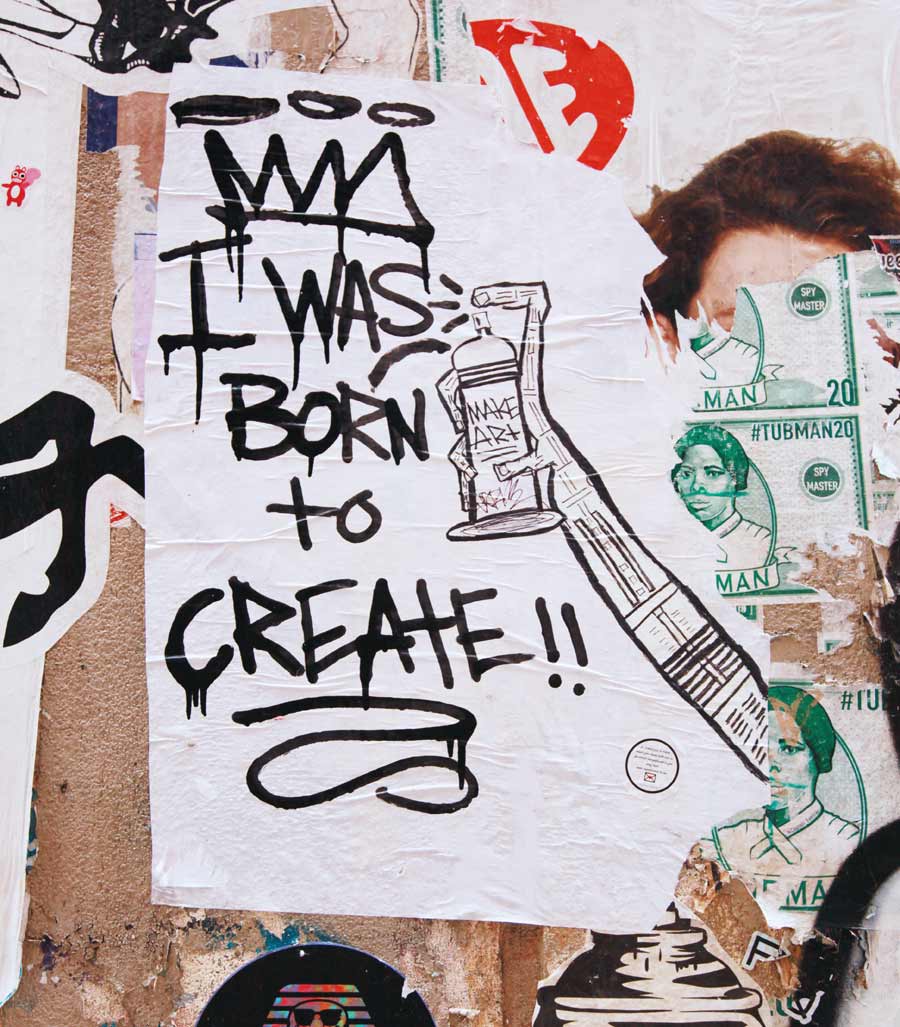
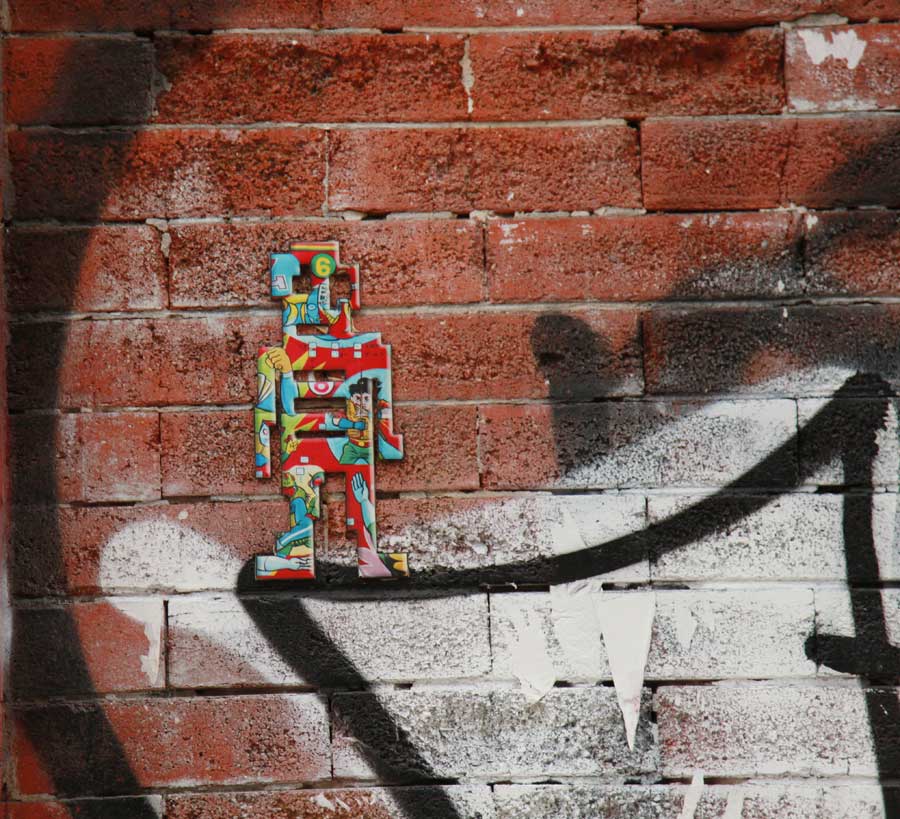
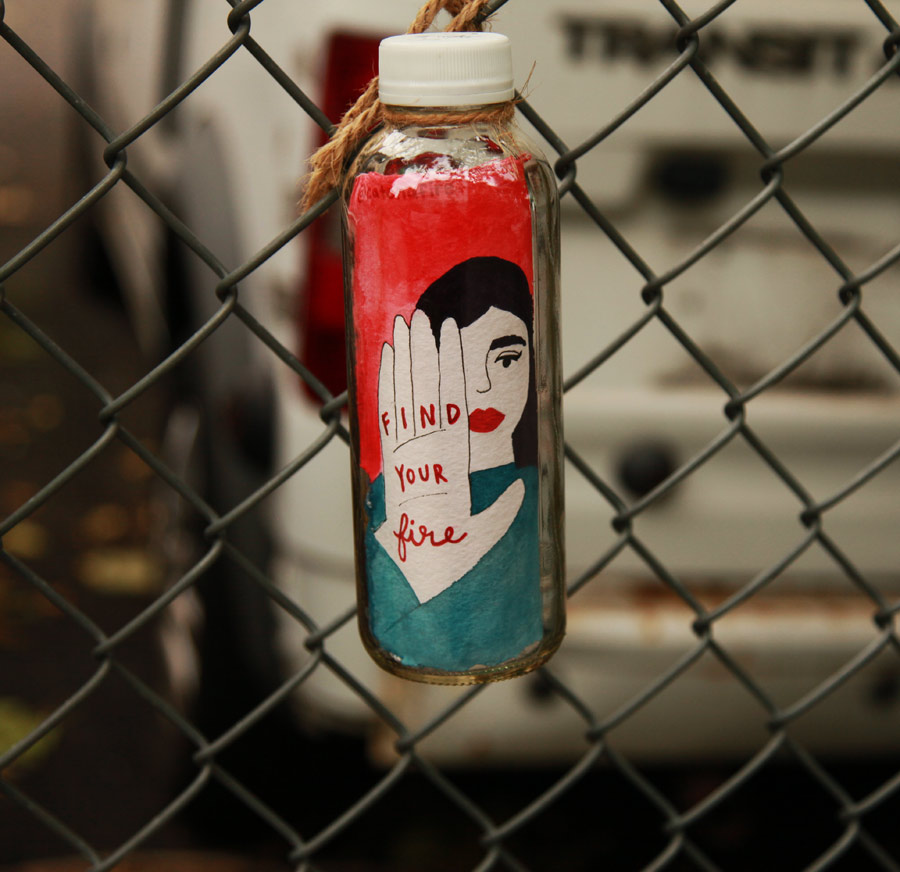
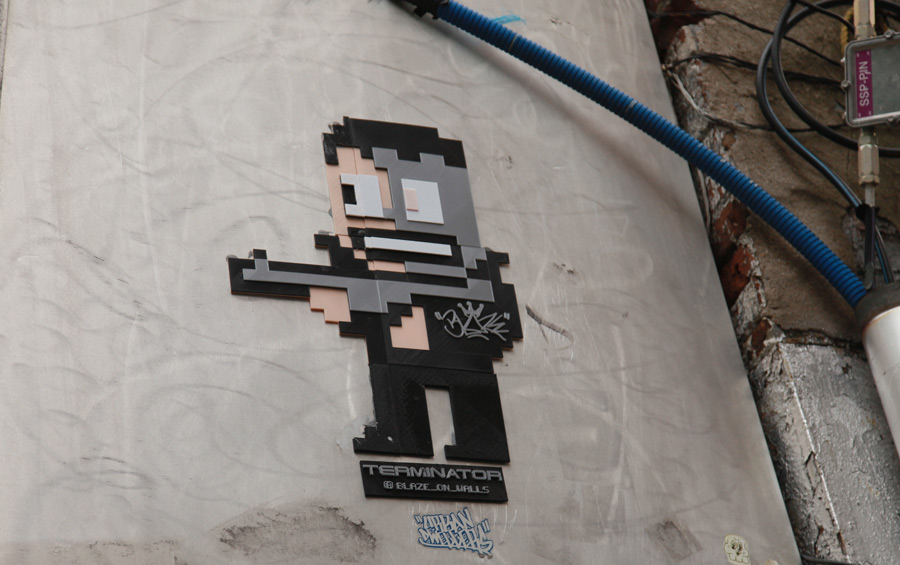
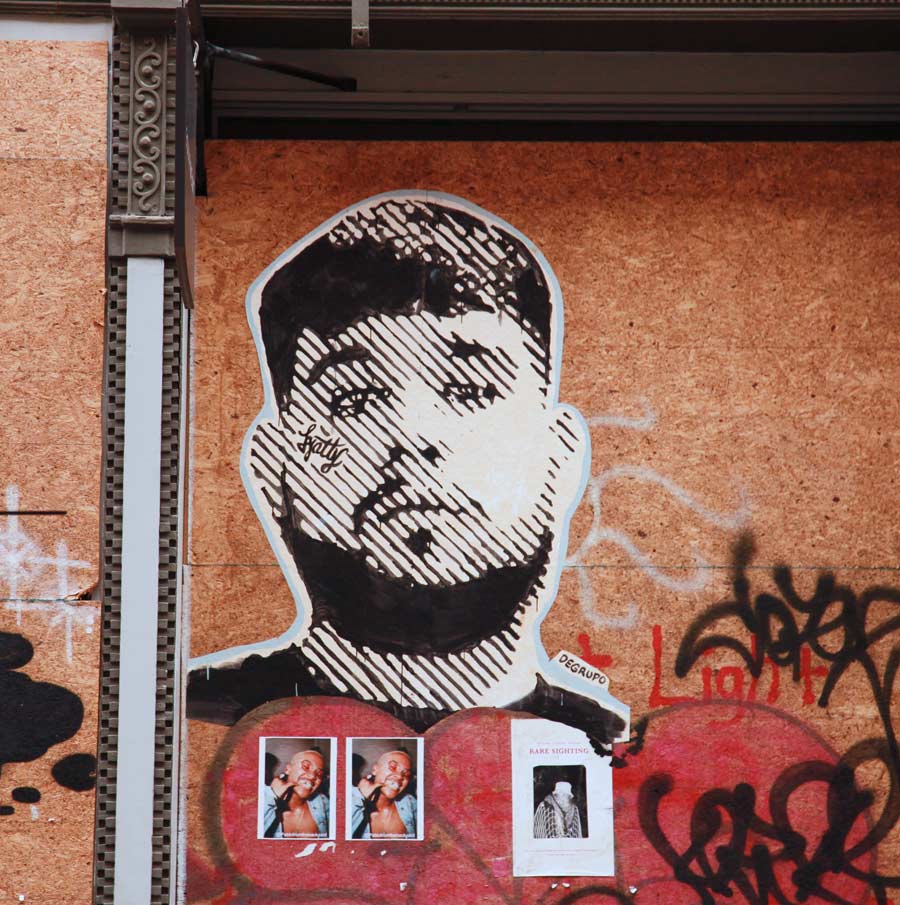
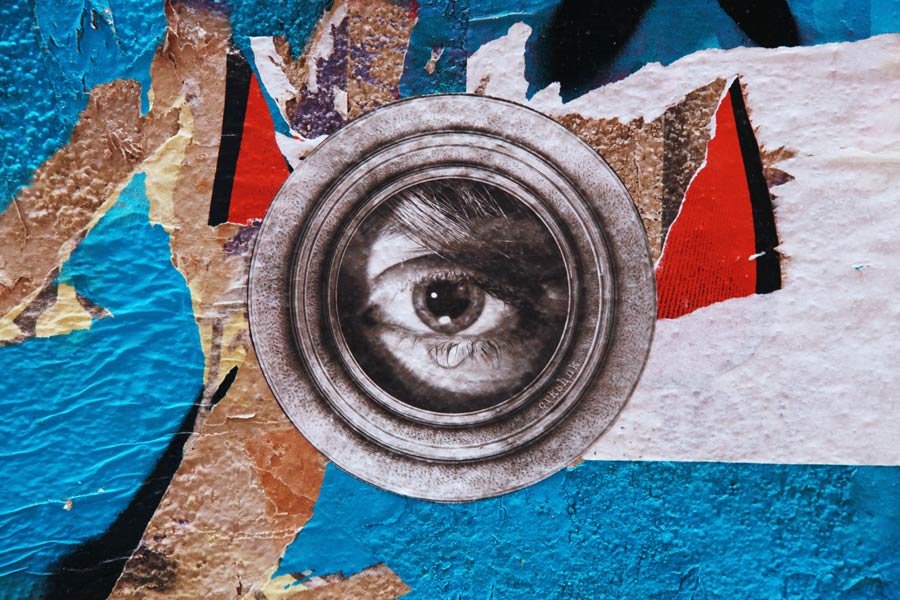
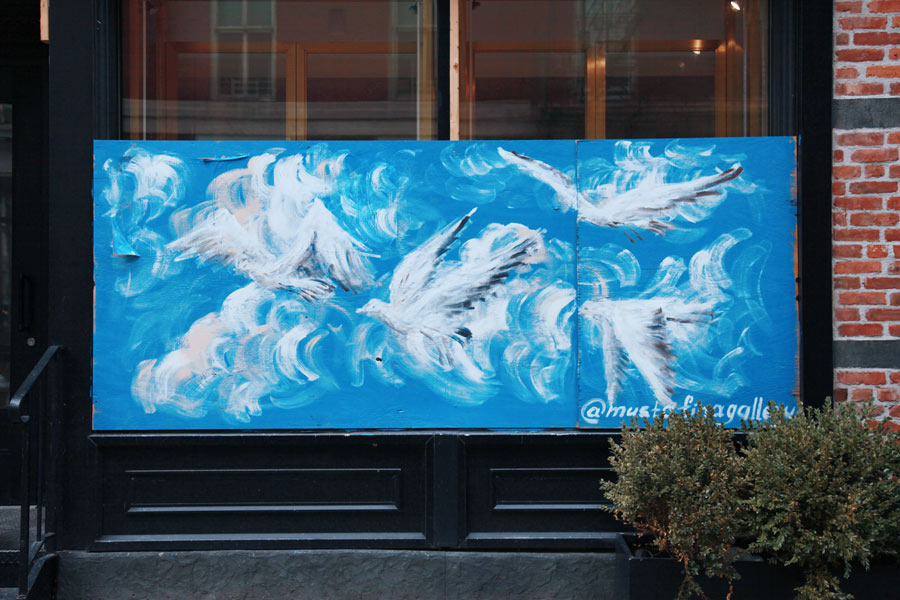
Here is our weekly interview with the streets, this week including Blaze, Catch a Fire, CRKSHNK, David Barthold, De Grupo, Downtown DaVinci, Eye Sticker, J131, Rae, and Stikman.
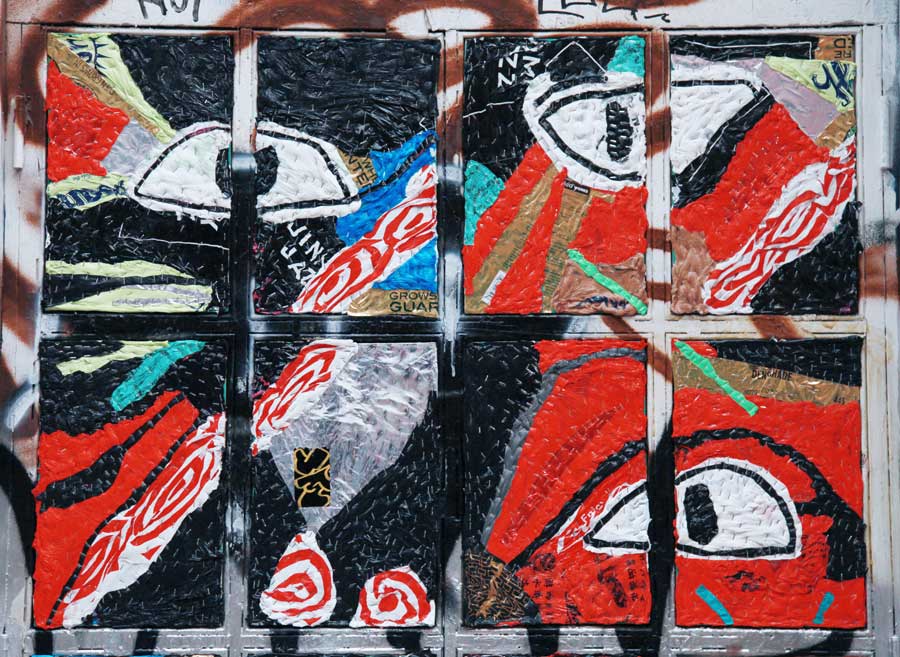
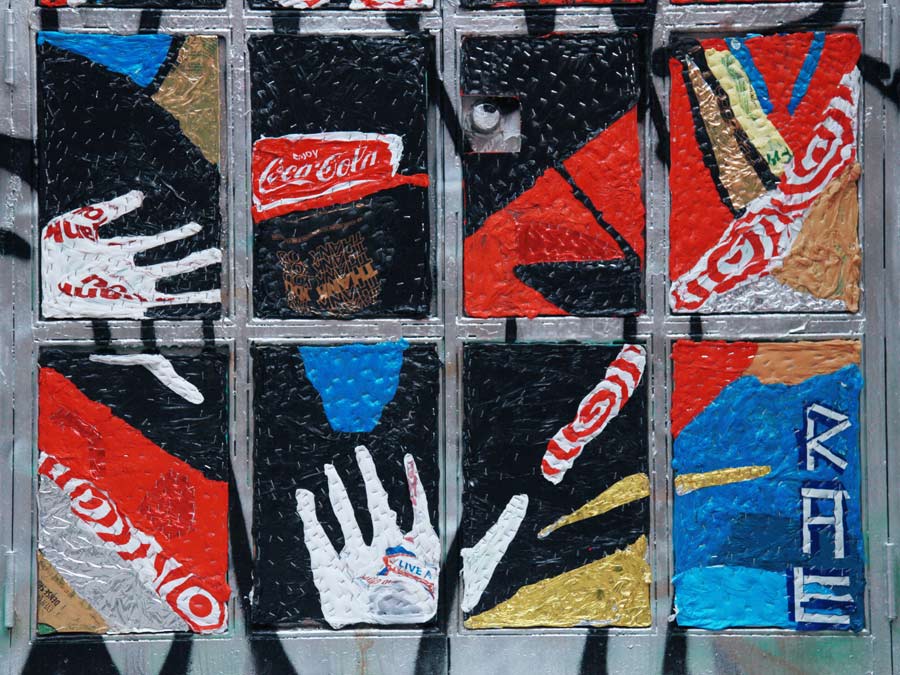
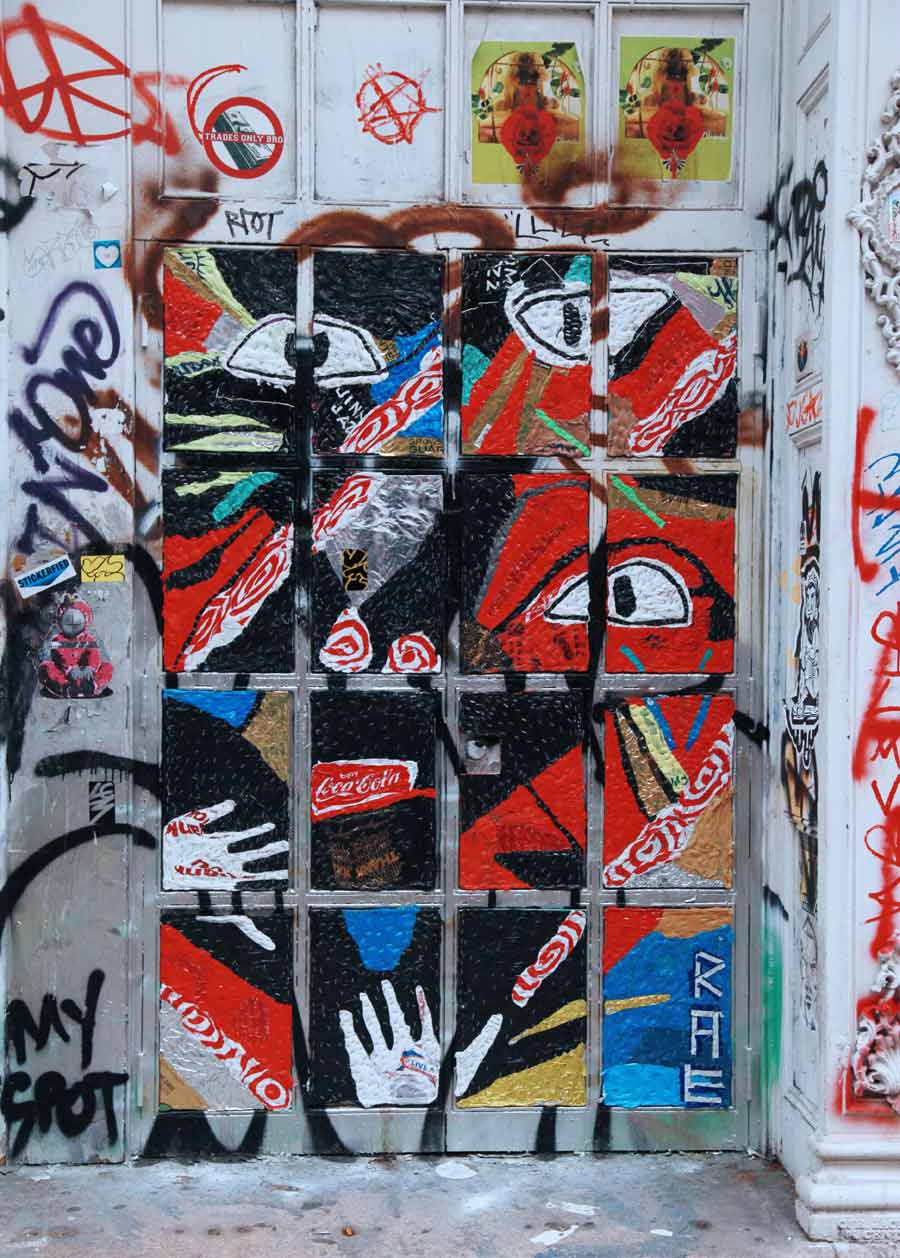
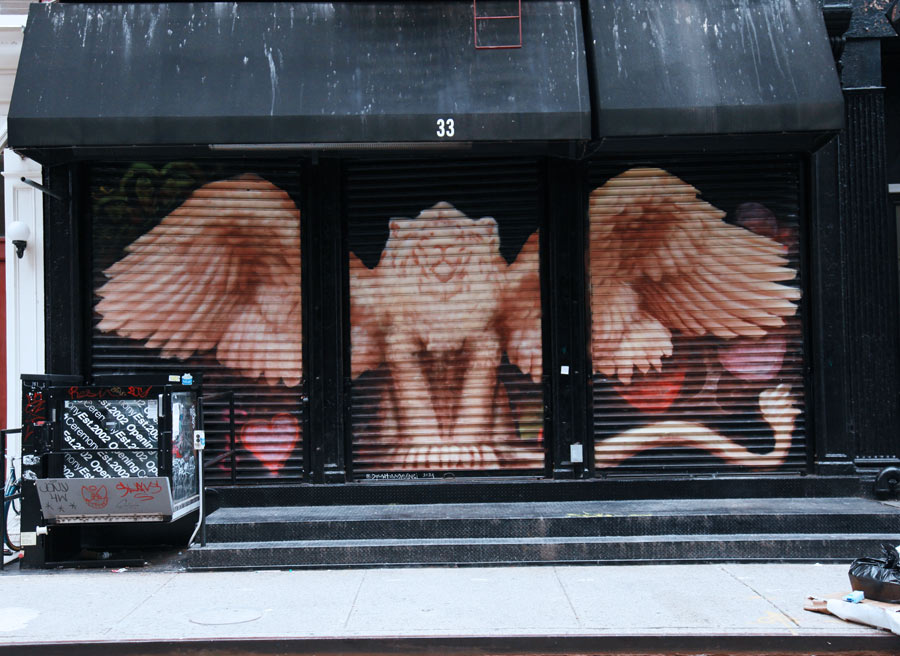
RAE constructed this site-specific piece on the street by molding plastic supermarket bags into the desired design and using staples to keep them in place. Each panel was individually created to fit the existing panels on the existing door. That’s why we are calling it site-specific. We know that placement is a key element of any successful street art piece.
Corona has killed off the street art
festivals in many ways. These days we think that all street art is local, and
the nature of the graffiti street scene is changed by it as well. Additionally
with so many people out of work, many artists have more time, we see more
thoughtfully considered pieces and perhaps better executed pieces. Just a theory.
Since the beginning of the Corona pandemic,
Lapiz says that he has gone back to his earlier days more than a decade ago: posters
and wheatpaste. Living in Hamburg, Germany now, he has travelled to places like
New Zealand and parts of Africa and South America in the past, but right now he’s
more focused on developing work with a message – partly as a way to communicate
ideas to passersby but partly as a way to contemplate complex modern matters.
Today Lapiz tells BSA readers in his own words about three recent
socio-political issues, with his own approach to critique.
Again, time has passed, restrictions
have further been lifted, travel is possible again, so are services at church,
the museums are open again. Protests are possible if the rules of social
distancing and wearing a mask are observed. Rightfully, people started to
protest against the restrictions implemented by the government, but a small
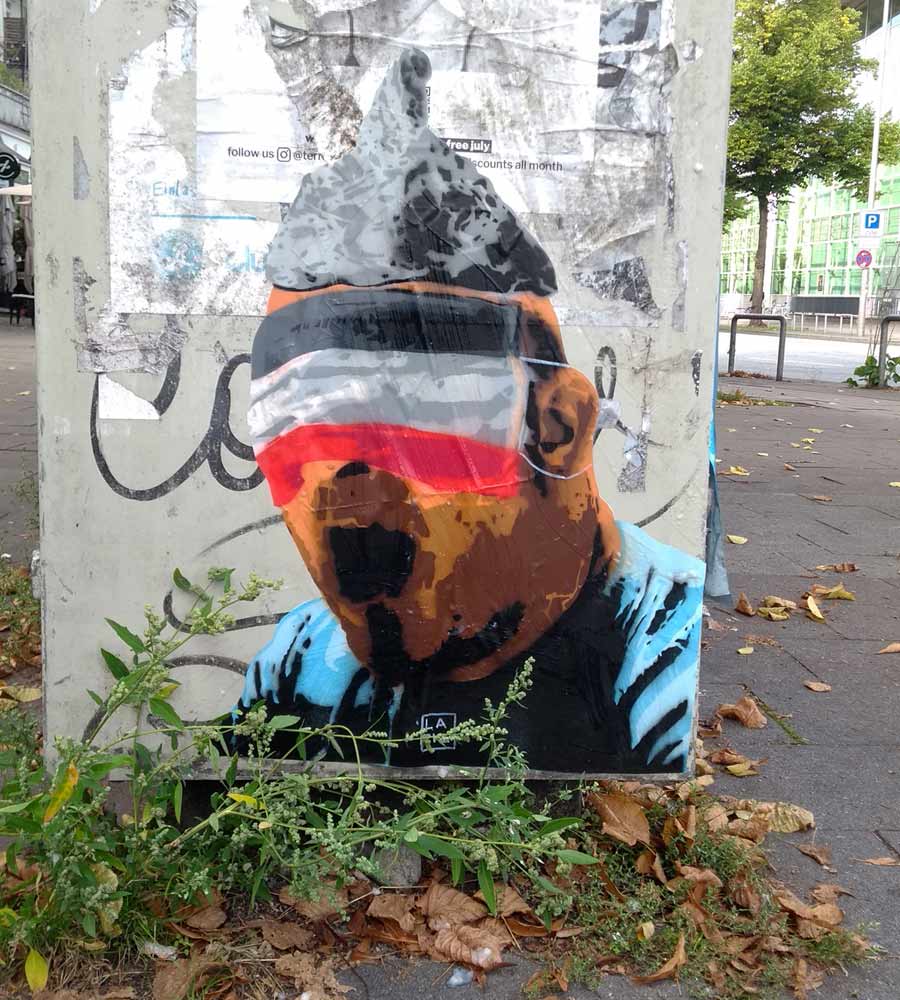
group took the stage. The Covidiot, according to the urban dictionary, is a
person ignoring the warnings regarding public health and safety.
On top of that all kinds of wild
stories are spun to explain the virus in ways that can be interpreted as
anti-Semitic. The challenge for me to address this was to not resort to the
obvious and paint a mask; but here it had to be done. But here the black-white-red
mask is covering the eyes. The colours are taken from the Reichs-flag, a symbol
of all those rejecting the legitimacy of the modern German state. Here it was
used as a metaphor for people blinded by anti-Semitic propaganda something all
Corona-deniers around the world have in common,
So far, the Covidiot is the last
entry in this body of work. However, the pandemic is not over and it is just
days since the best-known Covidiot in the world tested positive. We will see
what other challenges lay ahead.
The feeling of loneliness did not go
away, but it felt as if the people adapted to it, the new normal, this is what
life is now. Since the first intervention of this piece on the street some
time has passed and the second installment was glued up on the same poster
board a few weeks after the restriction of the lockdown were loosened. While
supermarkets, shops and restaurants were allowed to open again, most other
things are strictly forbidden and many liberties granted in the constitution are
“temporarily” suspended in favour of safety and security.
So, while shopping was possible,
protest wasn’t, religious groups could not gather, access to playgrounds was
restricted and culture was declared obsolete. A new feeling came about,
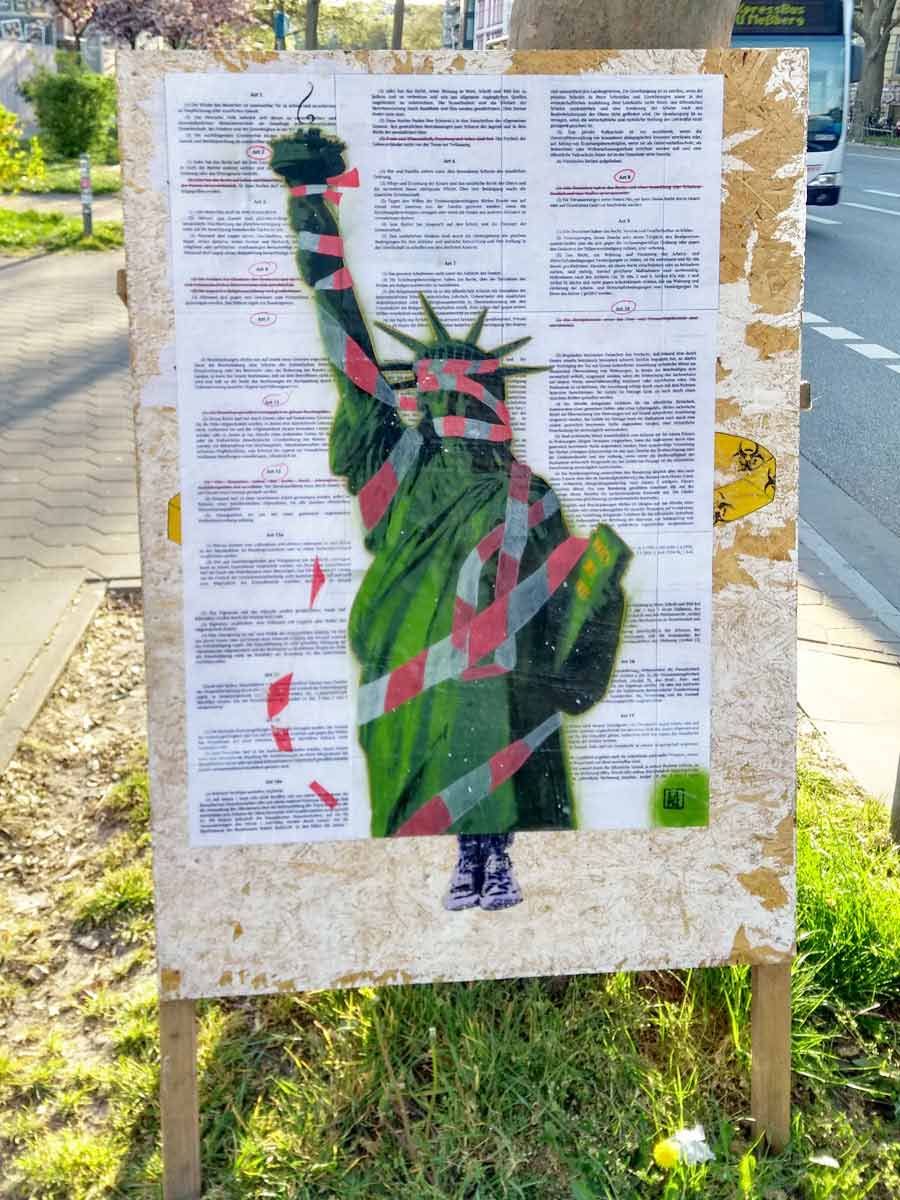
disbelief: how easy it is to take human rights away. These printed big sheets are
of the first articles of the German constitution, crossing the articles that
are now deemed to be irrelevant to the system. Onto this changed constitution is
painted the universal symbol of freedom, Miss Liberty, wrapped in banner tape
used by police to mark restricted areas.
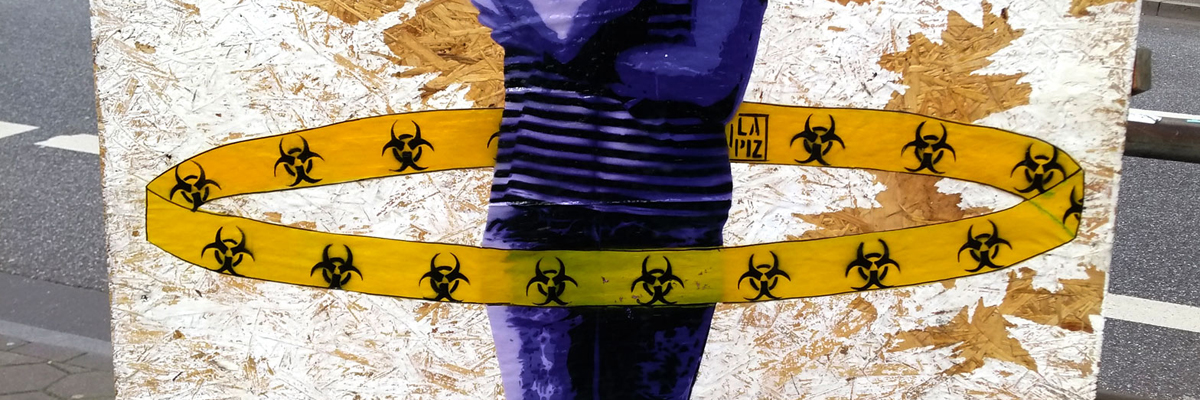
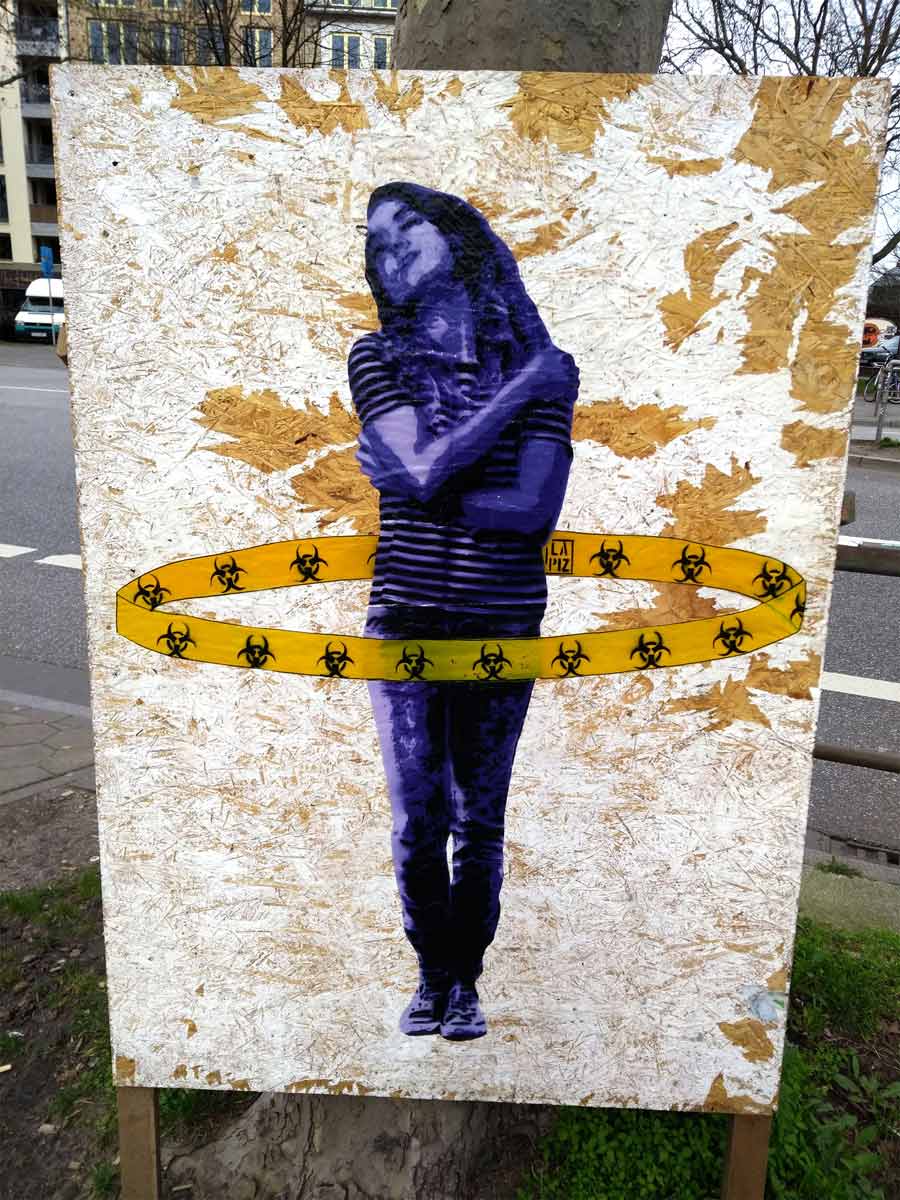
A girl hugging herself, surrounded
by a yellow social-distancing hoola-hoop was the first piece – it is glued on a
poster stand that is normally reserved for local politicians. It was right in
front one of the biggest supermarkets in Hamburg, one of the only shops open in
the first weeks. Instead of focusing on the mask, I wanted to concentrate on
what it would mean to be locked away in a city without having contact with
anyone, not even your neighbours or friends.
How would you feel if everyone else is
regarded as a potential threat – when hugging would be hazardous and close ones
would not be allowed to be close anymore? Would you hug yourself, close your
eyes and pretend it was someone else?
Our weekly focus on the moving image and art in the streets. And other oddities.
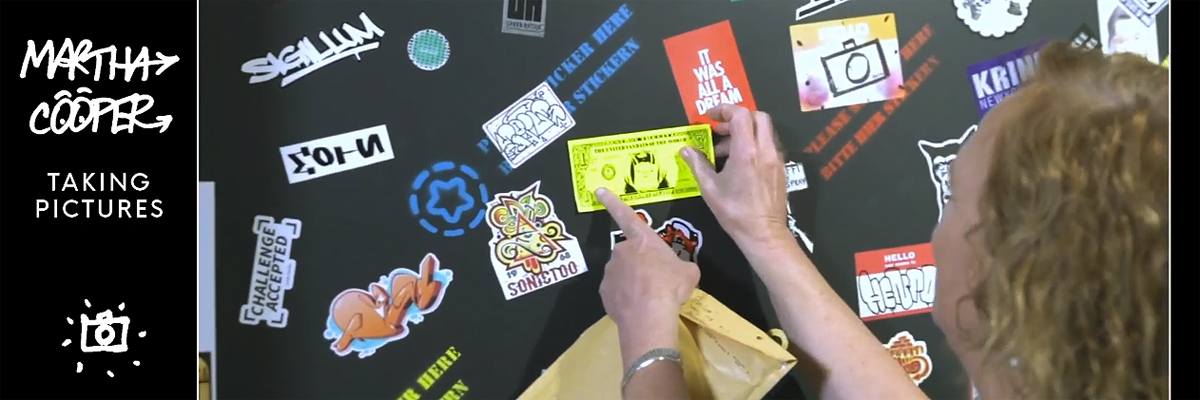
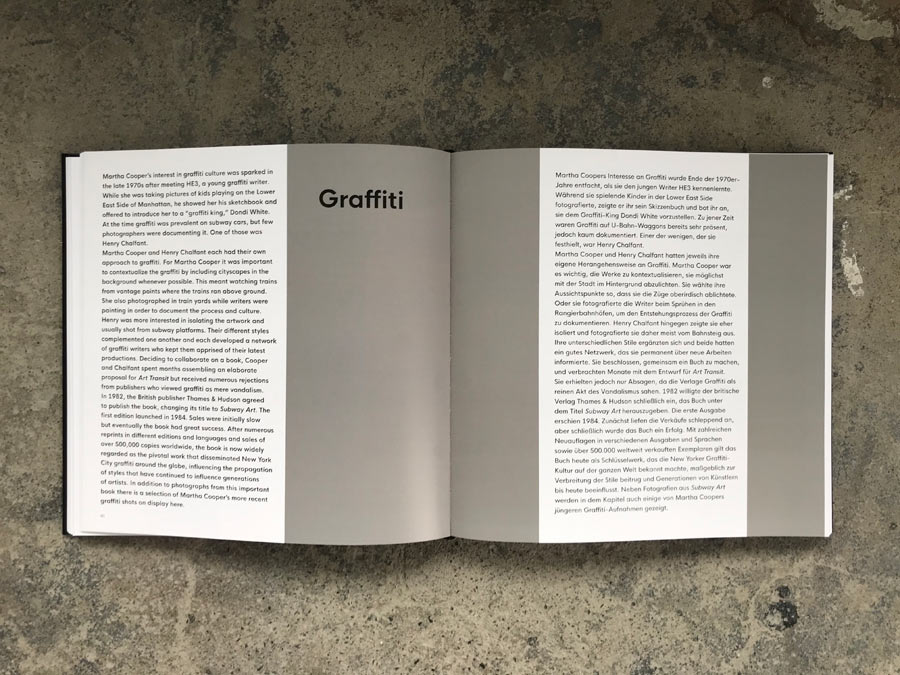
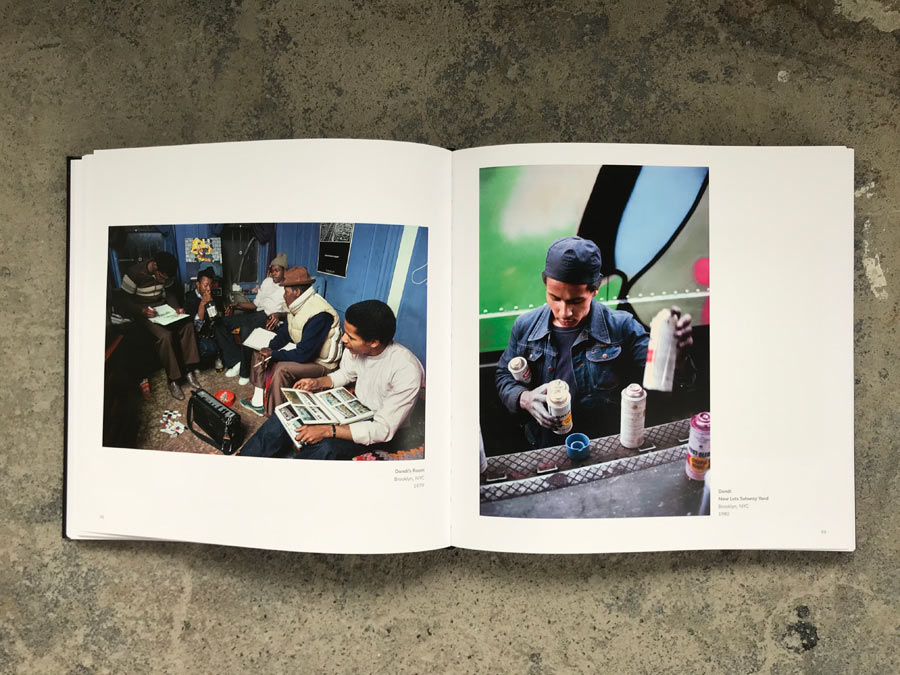
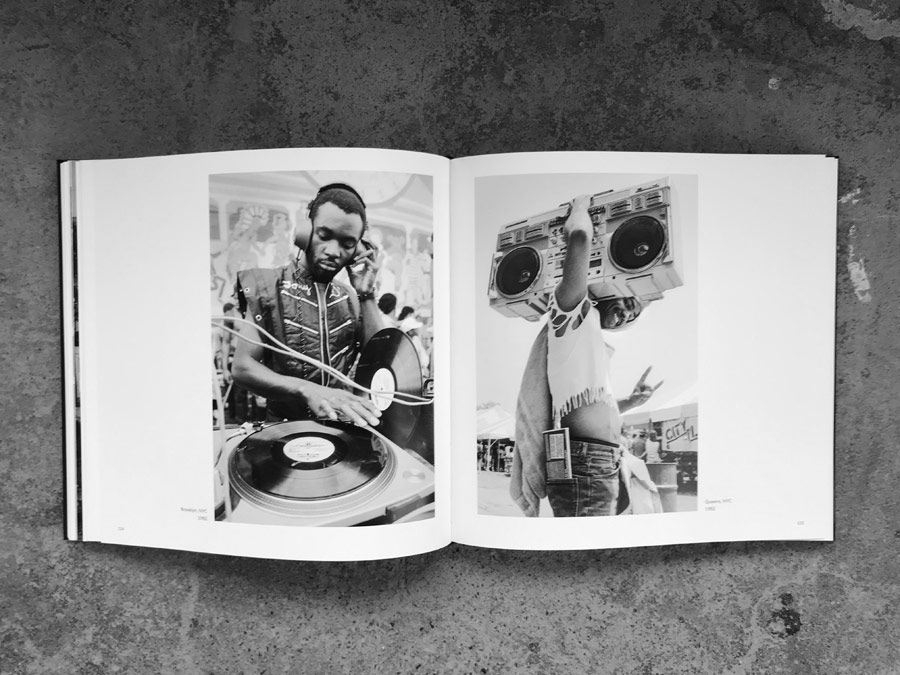
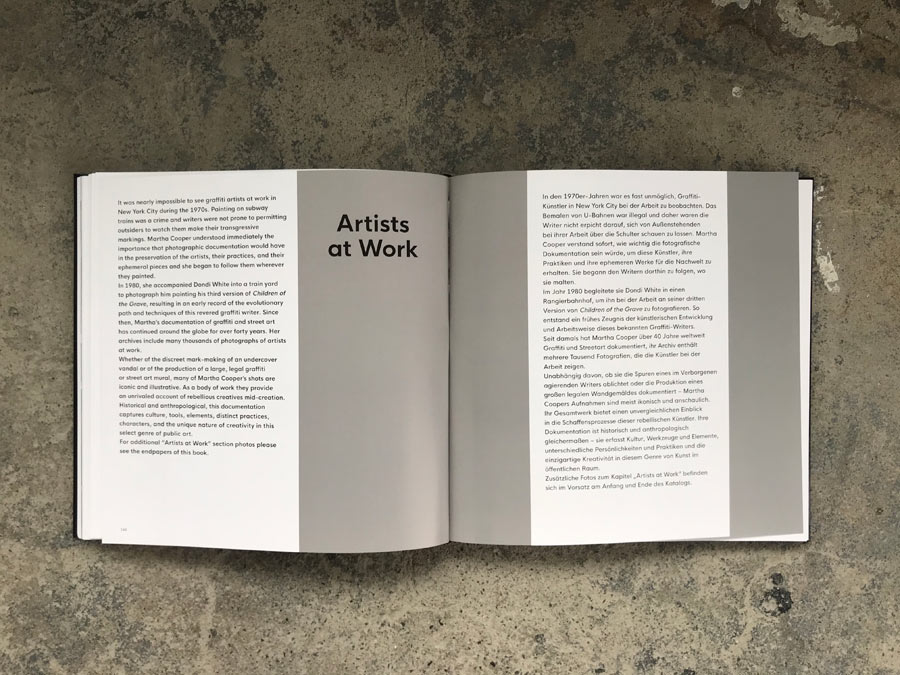
Now screening : 1. “Martha Cooper : Taking Pictures” Opening Night in Berlin at UN 2. Behind the Scenes home video from Nika Kramer
BSA Special Feature: “Martha Cooper : Taking Pictures” Opening Night in Berlin at UN
The exhibition is open!
Our sincere gratitude to Martha Cooper and all of the team who worked so hard to make this event happen at Urban Nation Museum (UN) in Berlin during this difficult year of Covid. We will thank them more in detail soon, but for now please enjoy the official LiveStream of “Martha Cooper: Taking Pictures”, directed by René Kaestner and his A-1 team at Red Tower Films, along with our eloquent hosts, Mick La Rock (Aileen Middel) and Falk Schacht .
“Martha Cooper : Taking Pictures” Opening Night in Berlin at UN. Behind the scenes footage via Nika Kramer
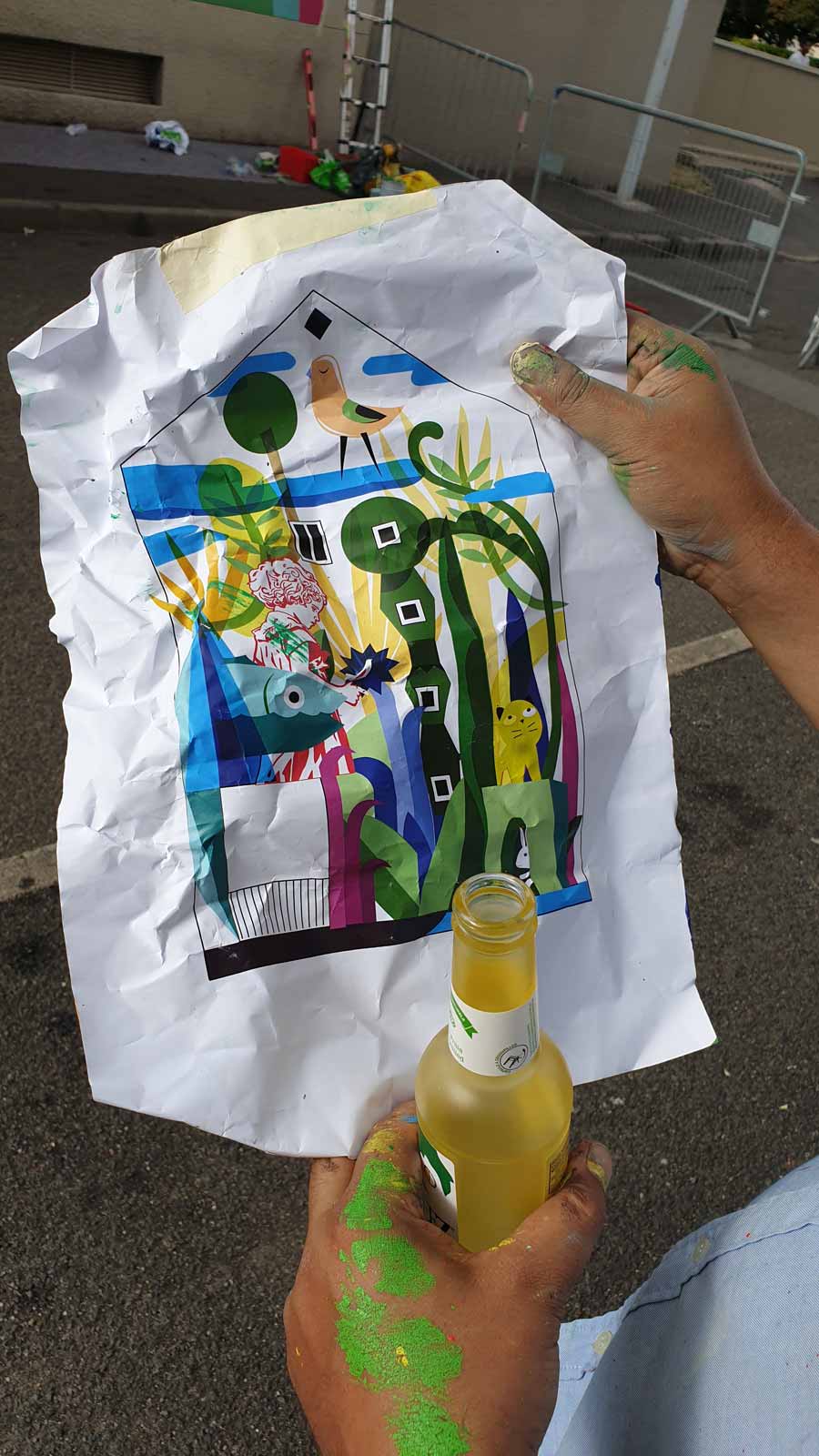
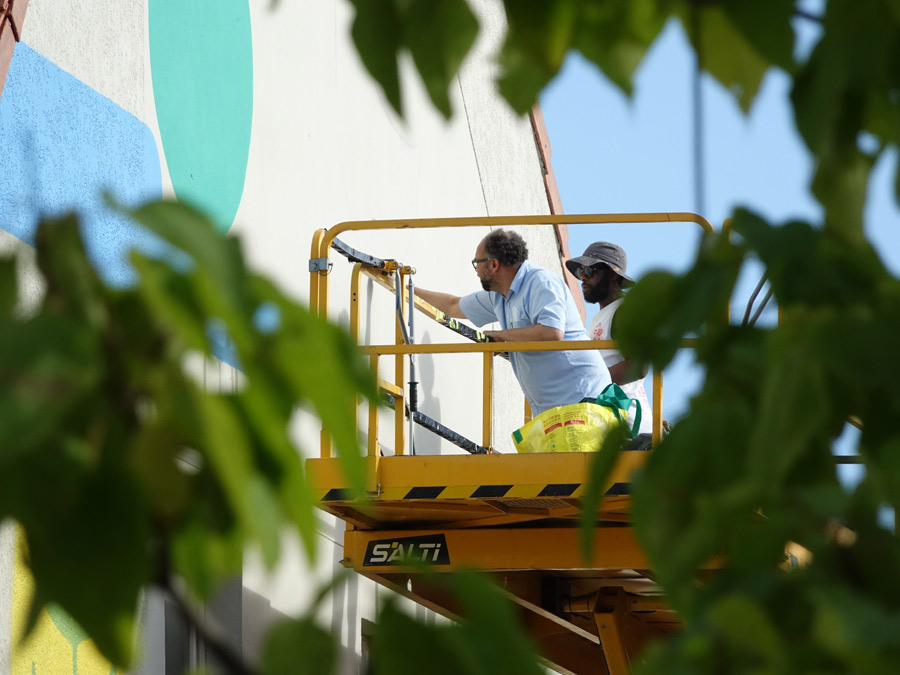
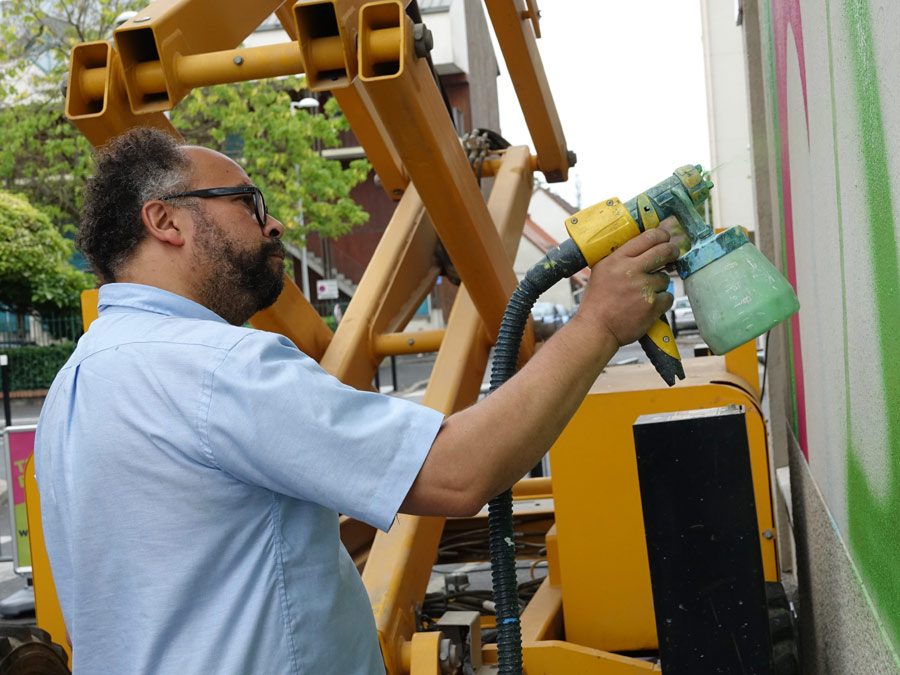
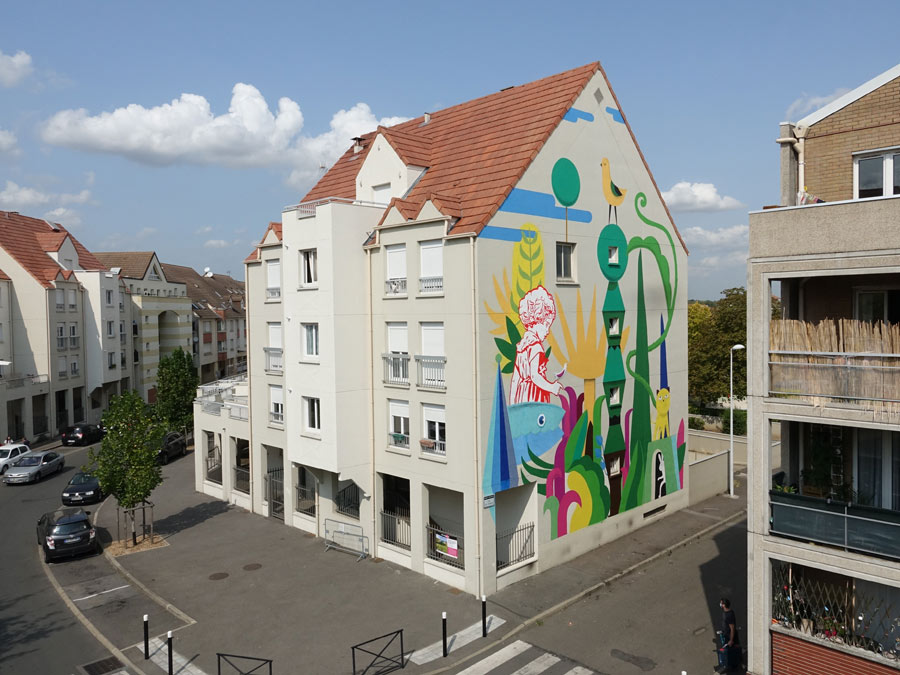
Feel like you are living on the other side of the looking glass? Yes, that is because your society is in the final collapse of this controlled demolition. No need to worry, though, Gilbert Petit has created an Alice in Wonderlandtheme for his newest mural to brighten your day.
The Parisian artist brought his illustration style 2-D interpretation to Moissy-Cramayel just as summers’ warm rays still had their full strength, the evening begins to cool. With his own interpretation of the children’s tale by Lewis Carroll and published in 1865, you may even find it tempting to step through the glass, but you may likely fall down through a rabbit hole of nonsense and hysteria.
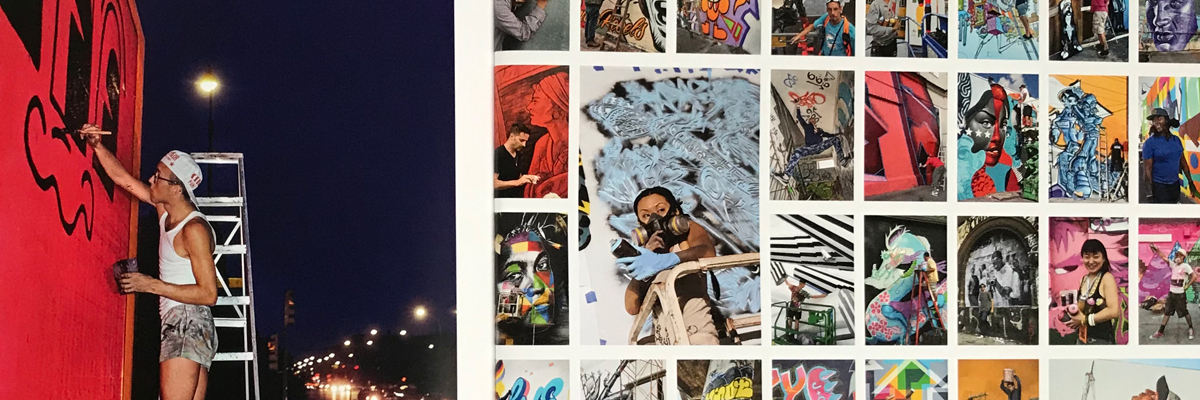
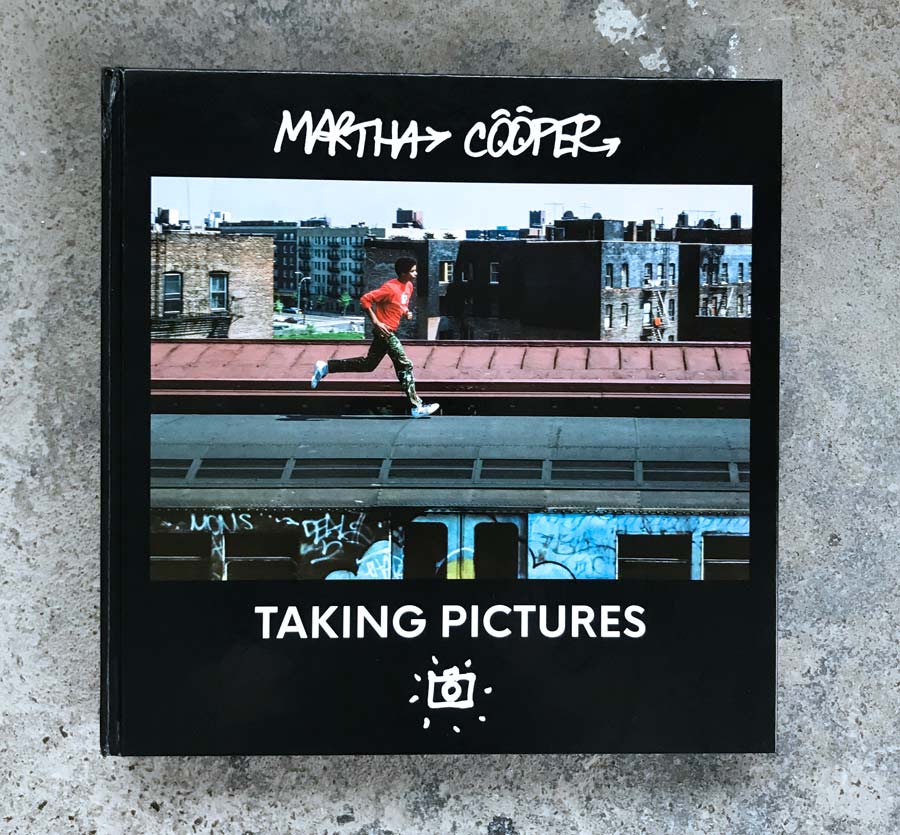
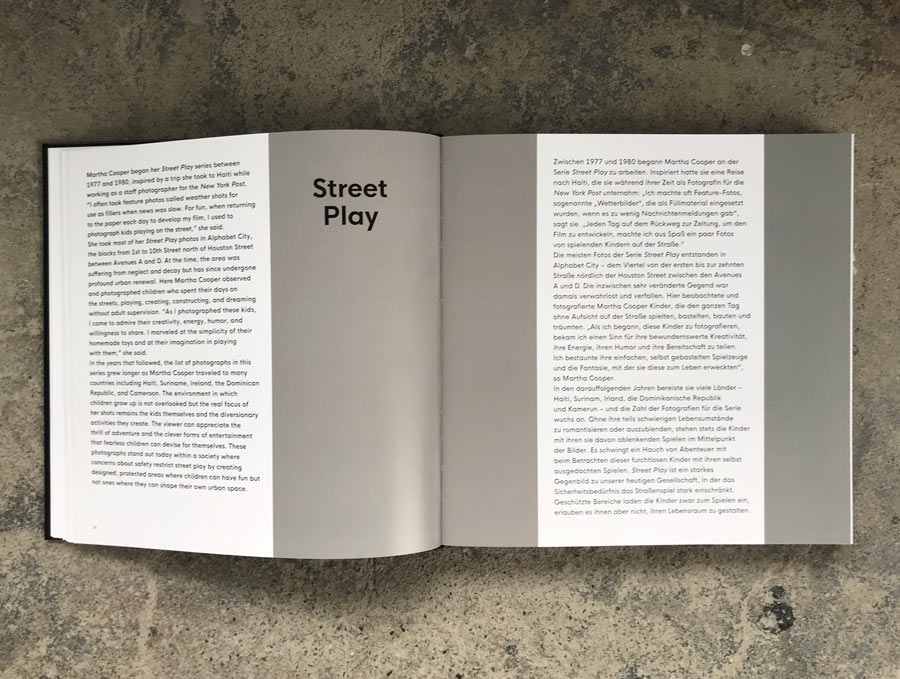
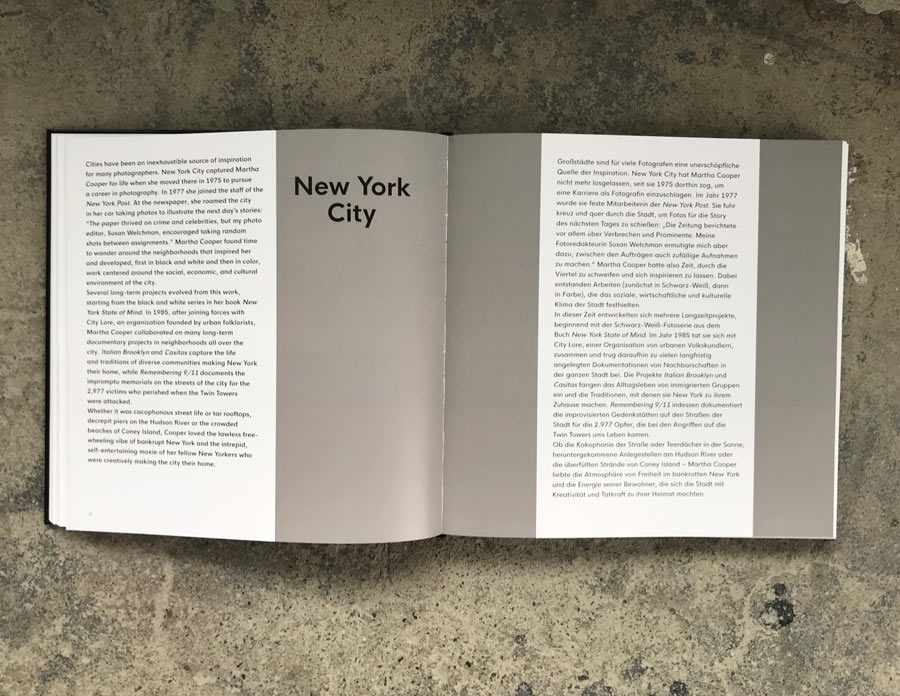
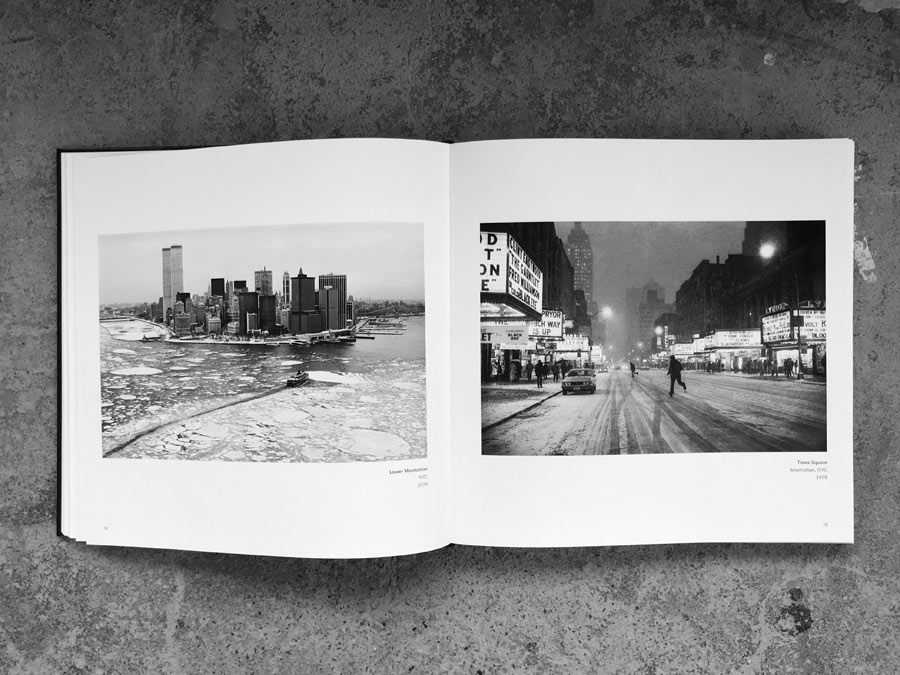
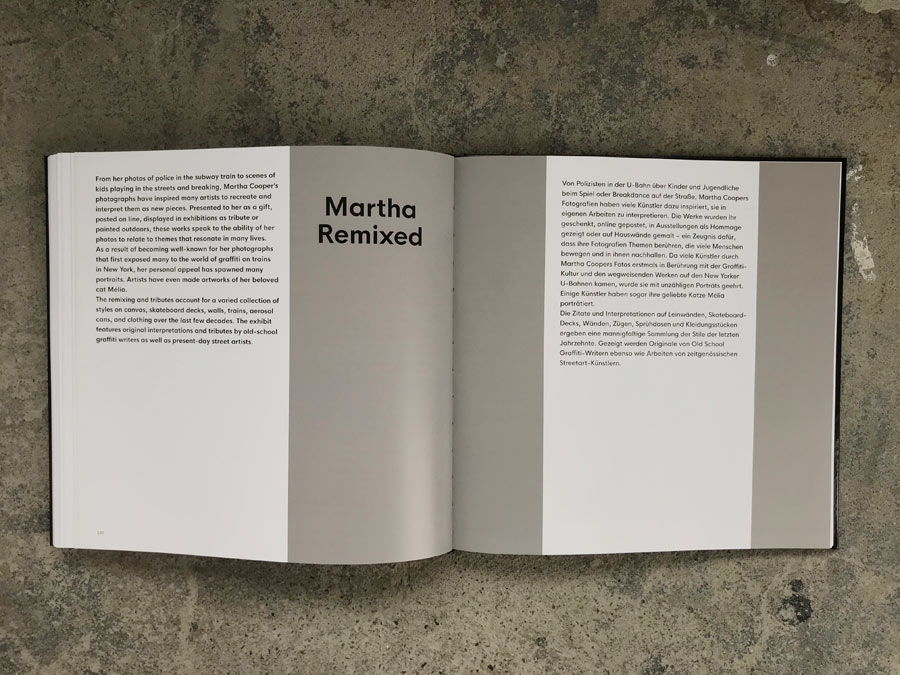
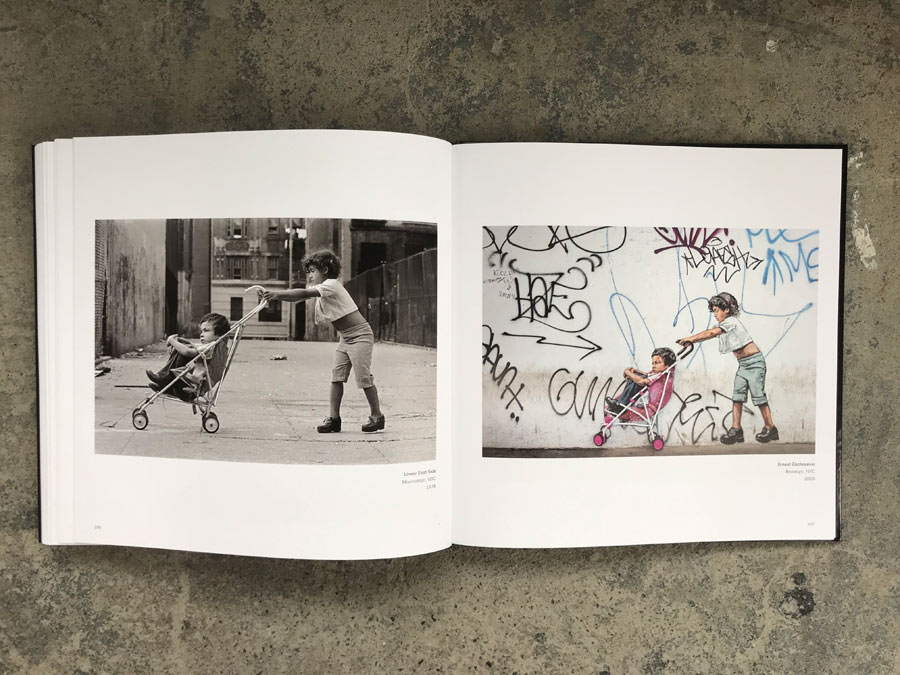
As we prepare to open the Martha Cooper: Taking Pictures exhibition this weekend, we wanted to let you know that we are publishing a handsome catalogue with UN to accompany the show.
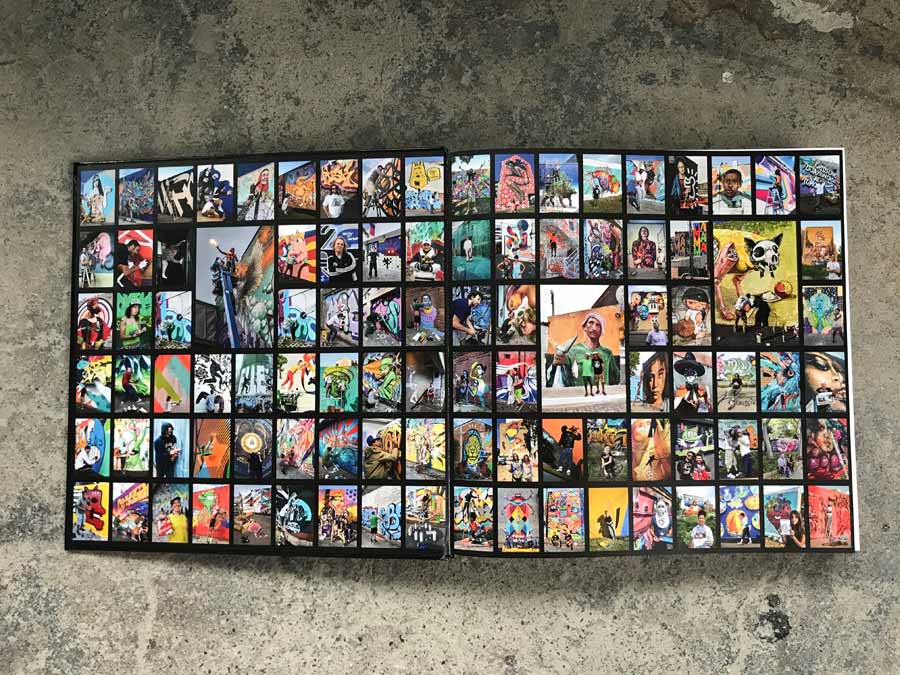
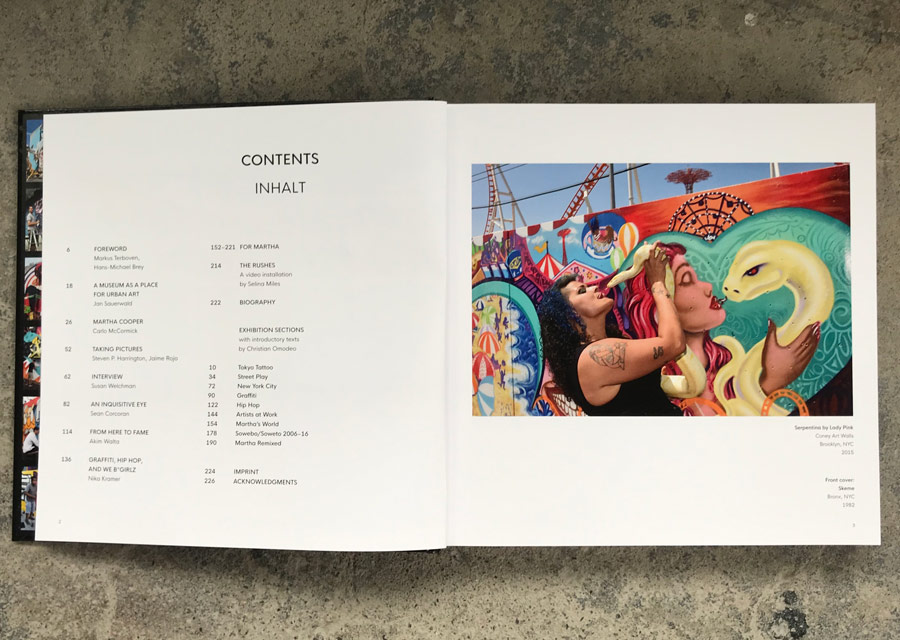
In addition to lush photo
spreads of Martha’s documentation over 6 decades, we have essays written by art
critic, curator and author Carlo McCormick, UN Executive Director Jan
Sauerwald, author and photographer Nika Kramer, author, curator, and Hip Hop
historian Akim Walta, National Geographic chief photo editor Susan Welchman,
curator of prints and photographs at the Museum of the City of New York Sean
Corcoran, and the curators of this exhibition Jaime Rojo and Steven P. Harrington.
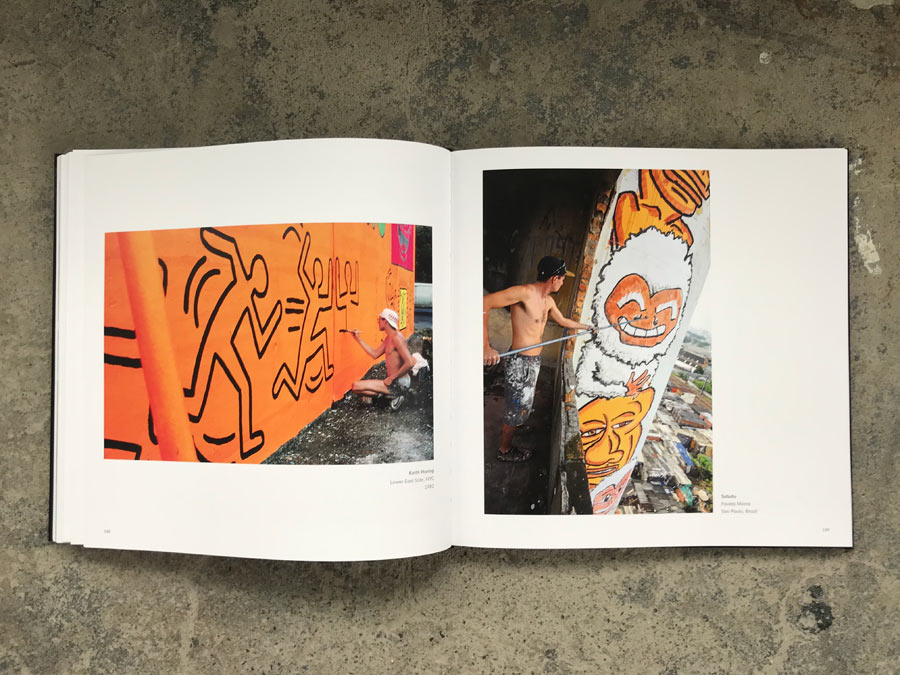
The hefty hardcover, a richly illustrated and modernly designed book, is timed for release simultaneously with the exhibition opening this Friday, October 2. In addition to the essays, we have 40 quotes about Martha from her peers, artists, authorities in photography, folklore, graffiti, and Hip Hop, along with long-time friends and her family. The cover of the book features a photograph rarely seen of graffiti writer Skeme train surfing in NYC taken by Martha in 1982. The introductory texts to each of the 10 sections are written by author and curator Christian Omodeo.
At 230 pages, the new book is published by Urban Nation Museum For Urban And Contemporary Art, Berlin, and Steven P. Harrington / Jaime Rojo (BrooklynStreetArt.com). The book will be available for sale at the museum’s gift shop and on view for you to peruse in the Martha Cooper Special Projects room.
Designed by Krimm Studios
in Berlin, the project was greatly shepherded by Dr. Anne Schmedding, who
edited with us along with Martha. The entire project was carefully managed by
the brilliant Christiane Pietsch. Our sincere thanks to everyone who has worked
studiously alongside us this year during many Covid-caused complications to
produce a handsome tome we can all be proud of.
More about this project in
a future posting.
Martha Cooper: Taking Pictures Curated by Steven P. Harrington and Jaime Rojo
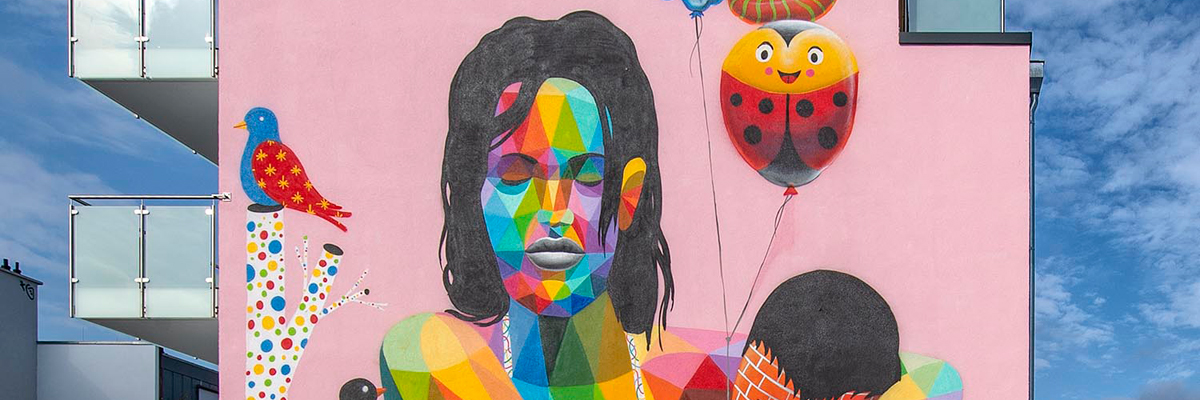
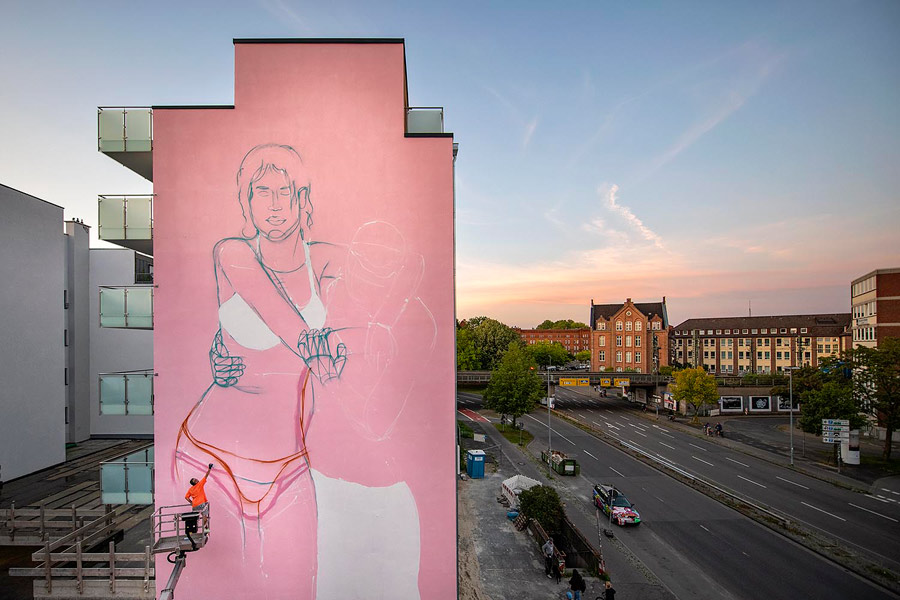
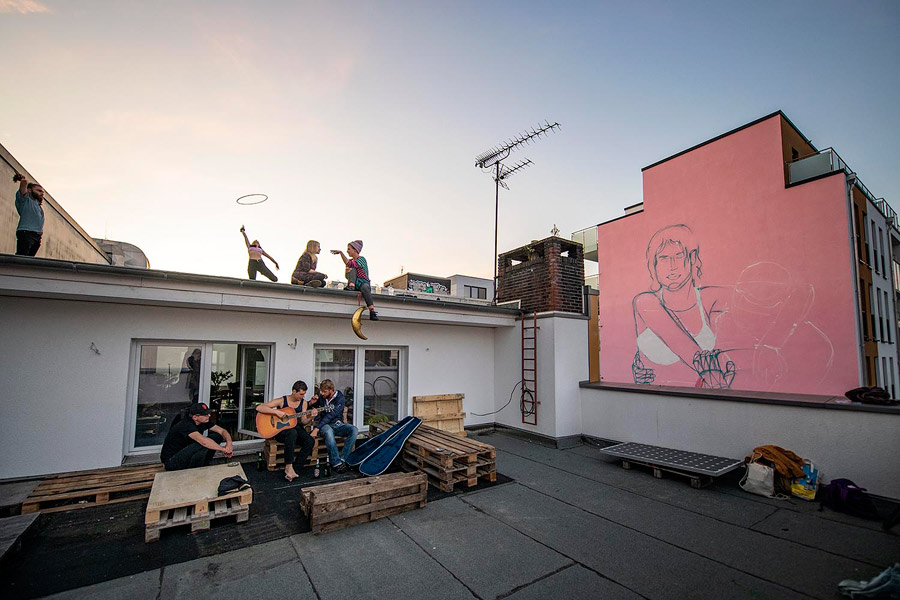
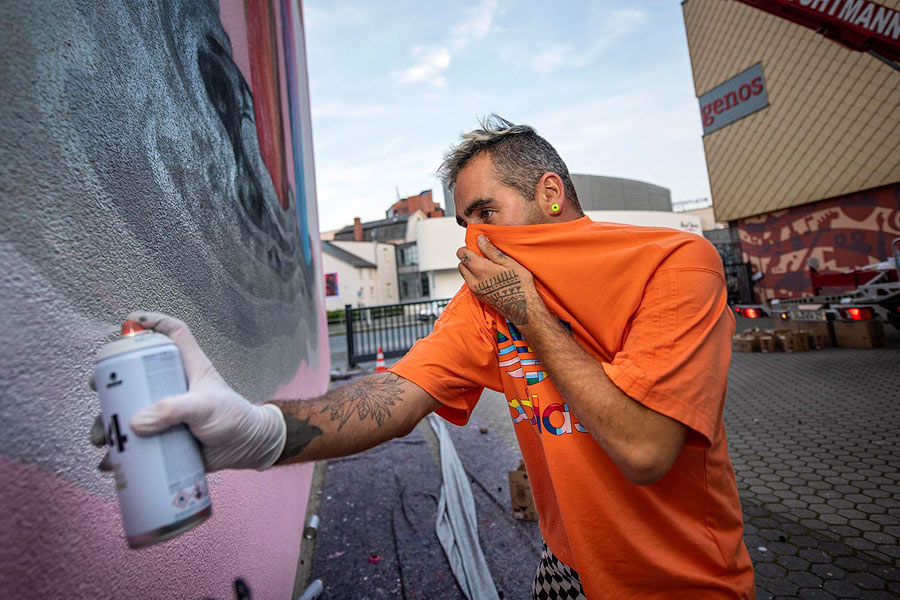
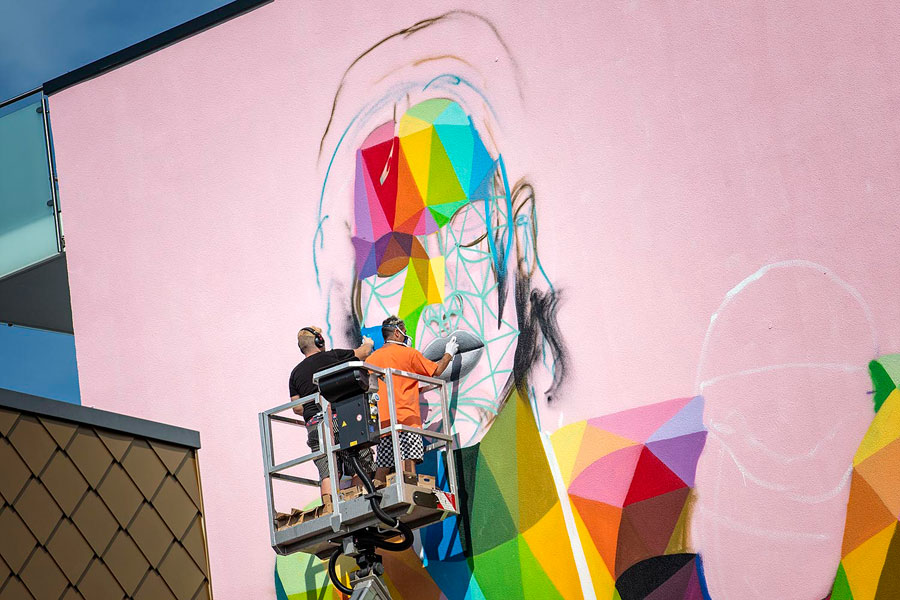
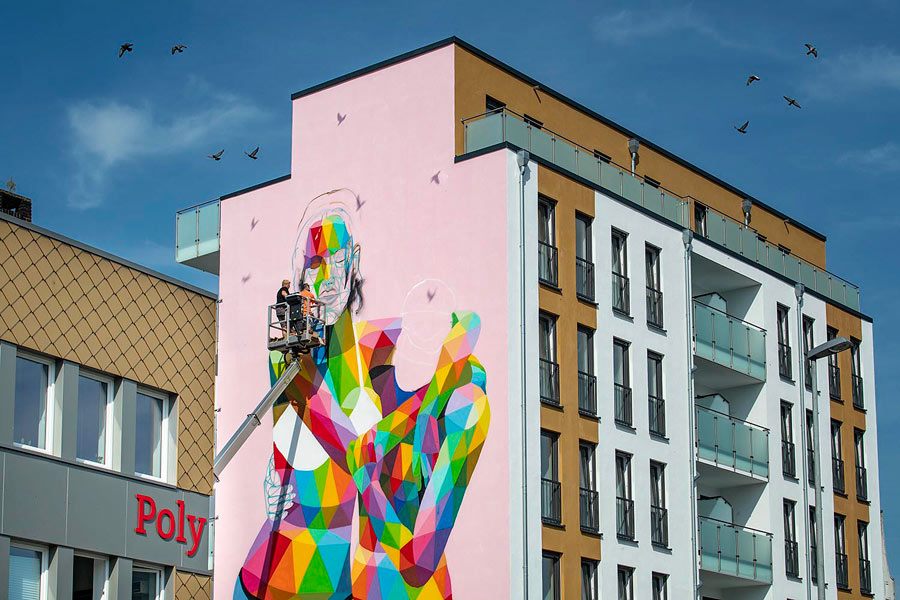
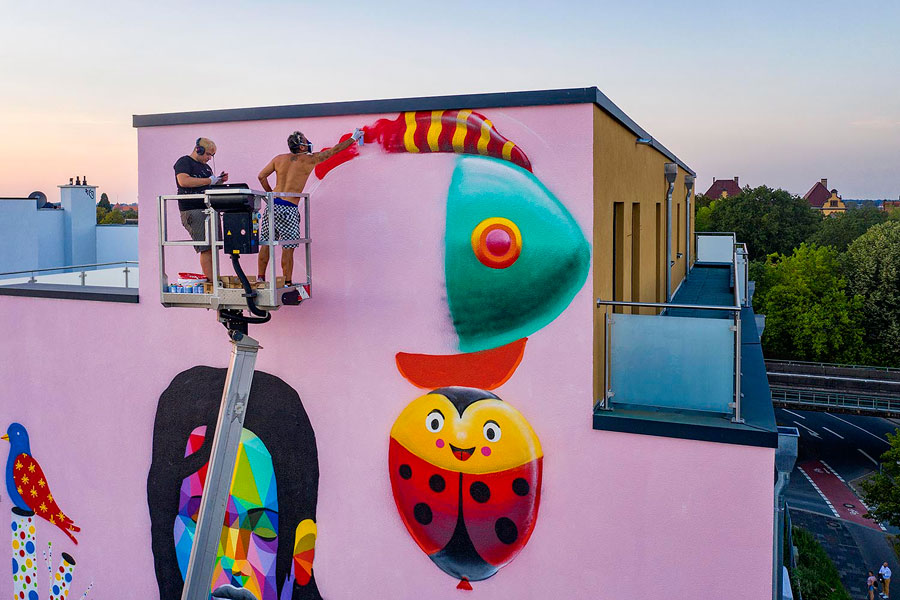
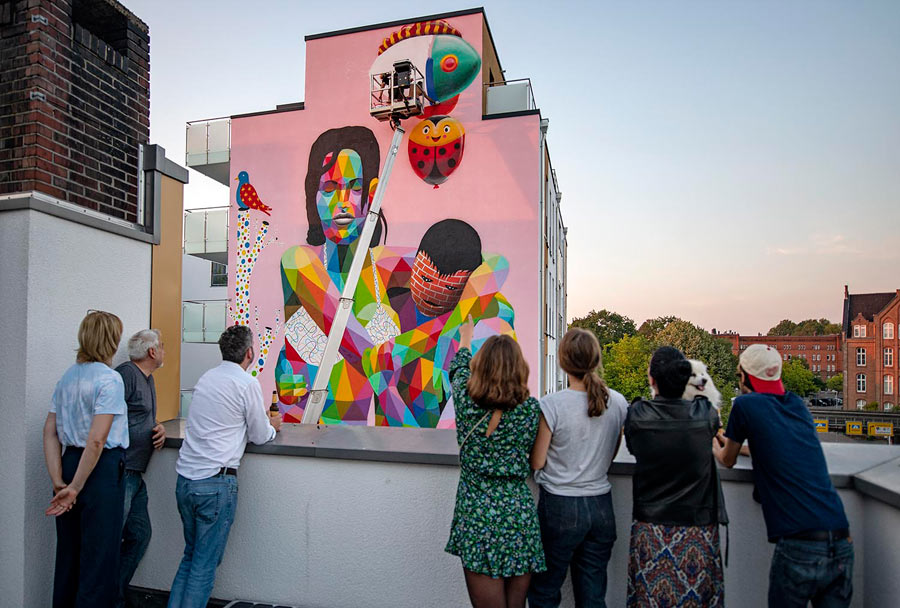
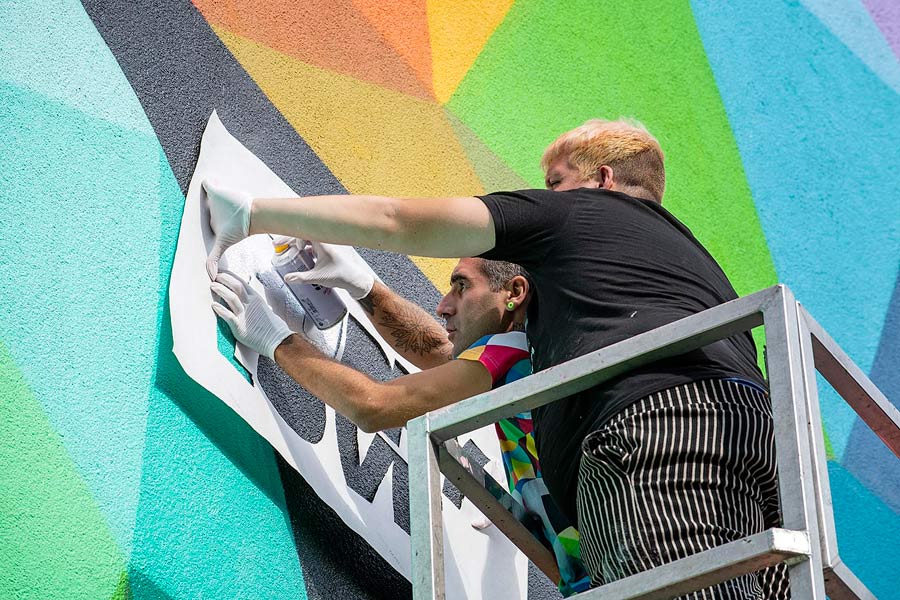
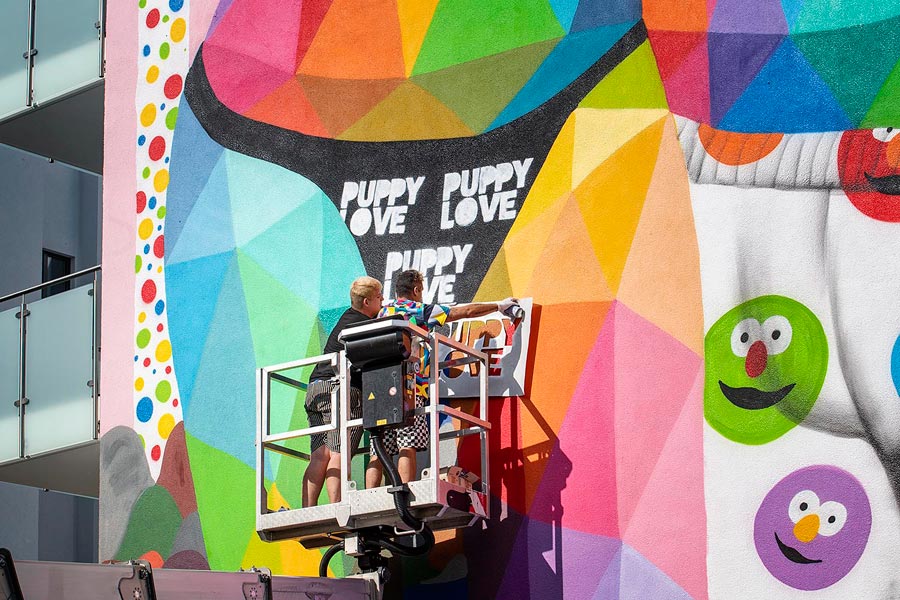
“It’s like
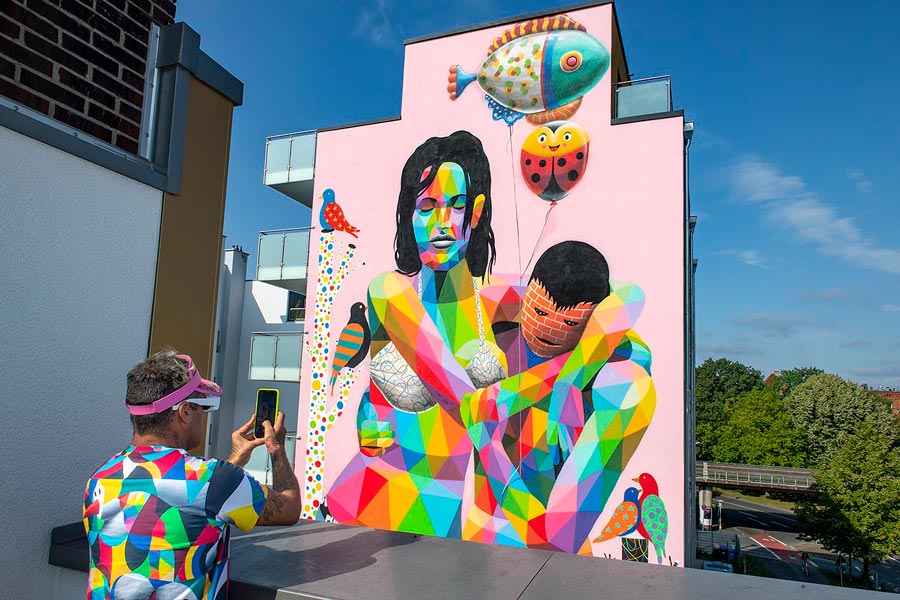
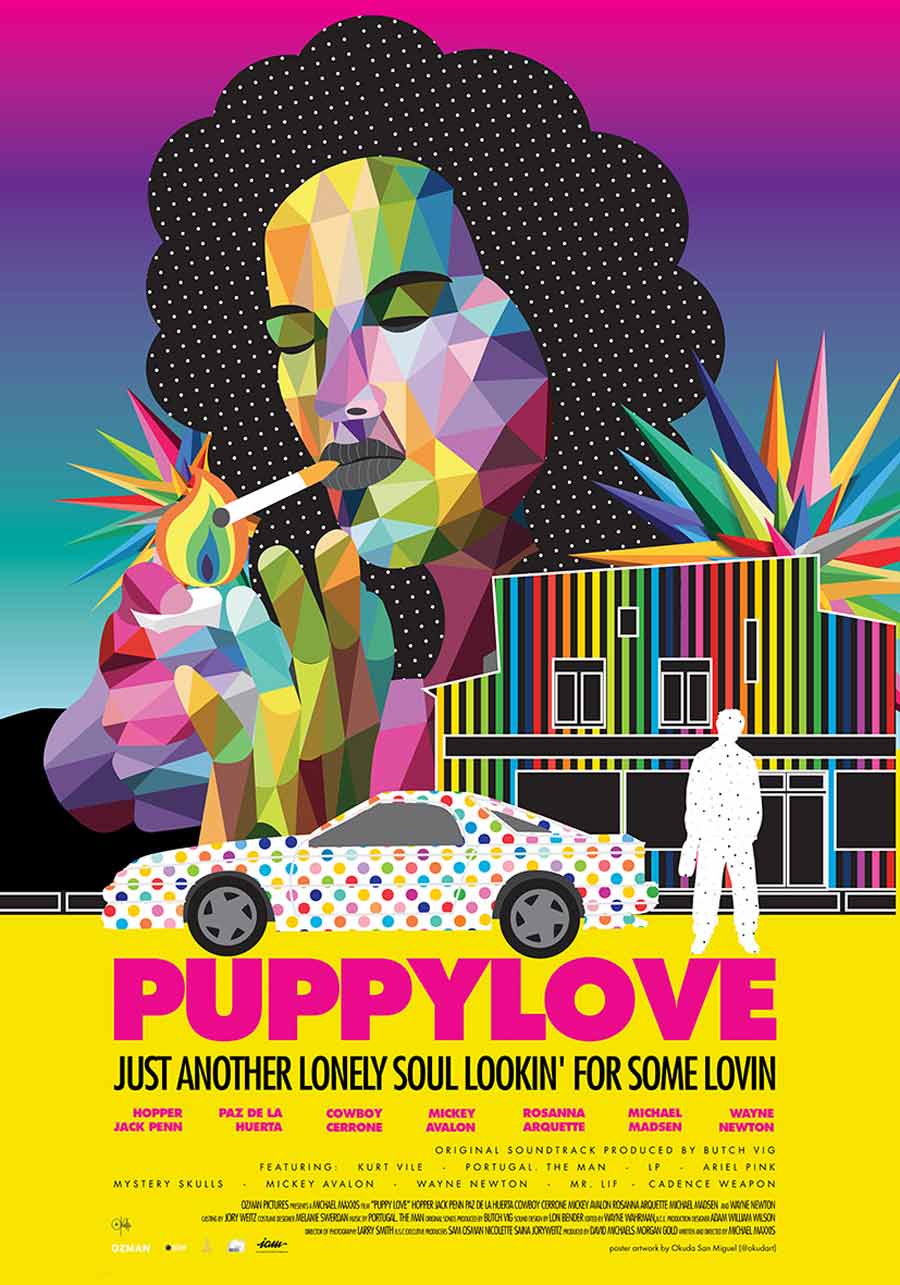
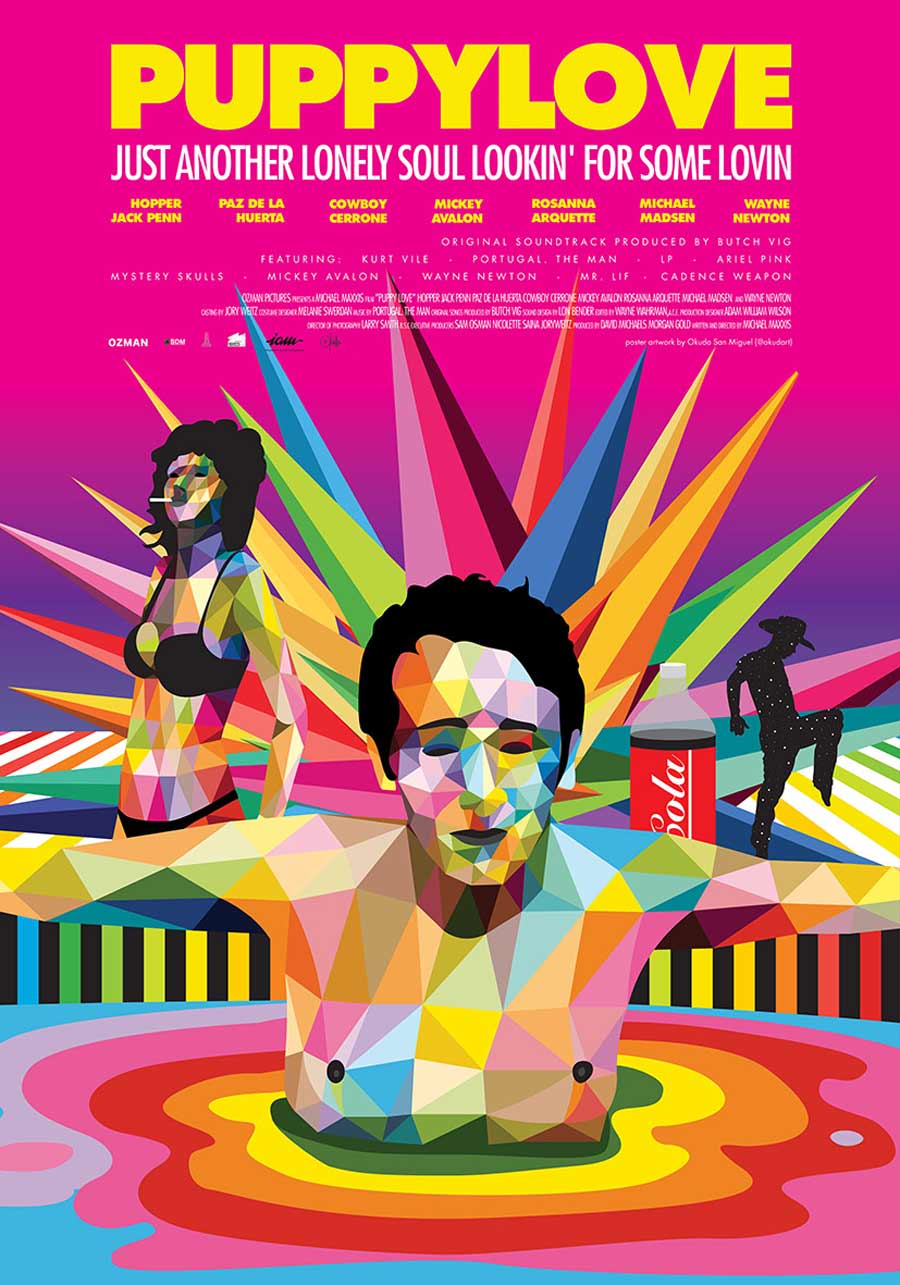
performance art,” says film director Michael Maxxis, as he watches street
artist Okuda painting a scene from Maxxis’ new film here in Oldenburg, Germany.
It’s unusual for this city to have graffiti or street art, so this commercial painting
by a street artist is pretty close to the real thing.
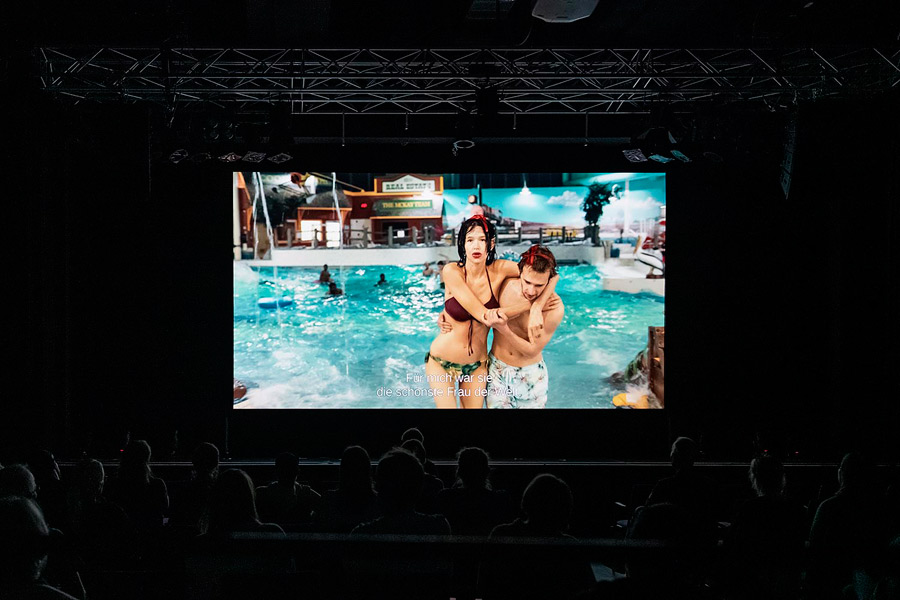
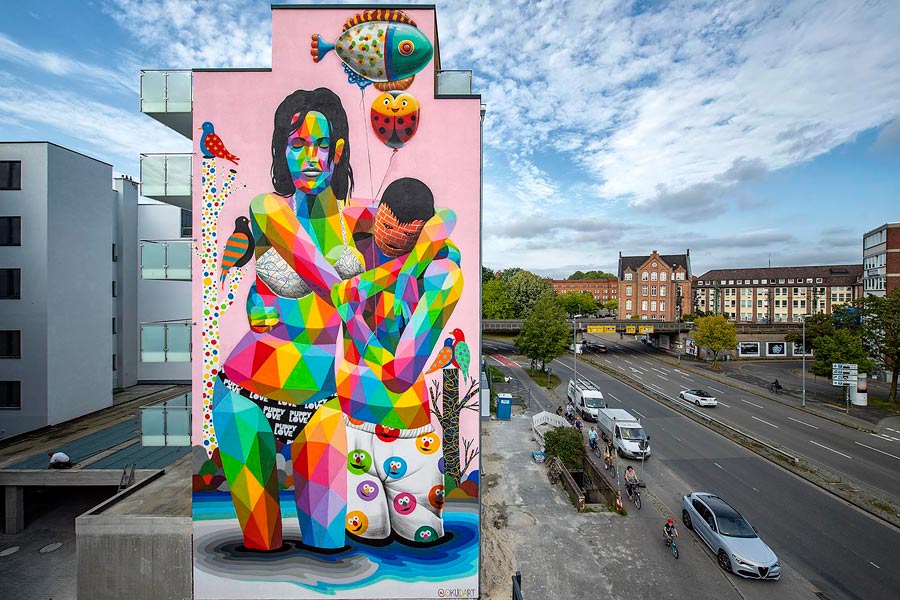
According
to the Spanish artist, he took a screenshot of one of his favorite scenes and
the idea was to bring the main characters in the movie to his own world. With eye-popping
color and unusual combinations of geometrics with organic forms, he succeeds in
sparking your imagination into an alternative-world of play. For the director,
the image that Okuda selected to paint is a representation of the paradise of
childhood.
The
Filmmaker and writer and director has known Okuda for a few years and loves his
work – Okuda even designed the film posters for the movie. Here in Olderburg,
it appears to be love at first sight.
Our sincere thanks to photographer Nika Kramer who shares this story and her photographic documentation of this painting under the stunning September skies of northern Germany.
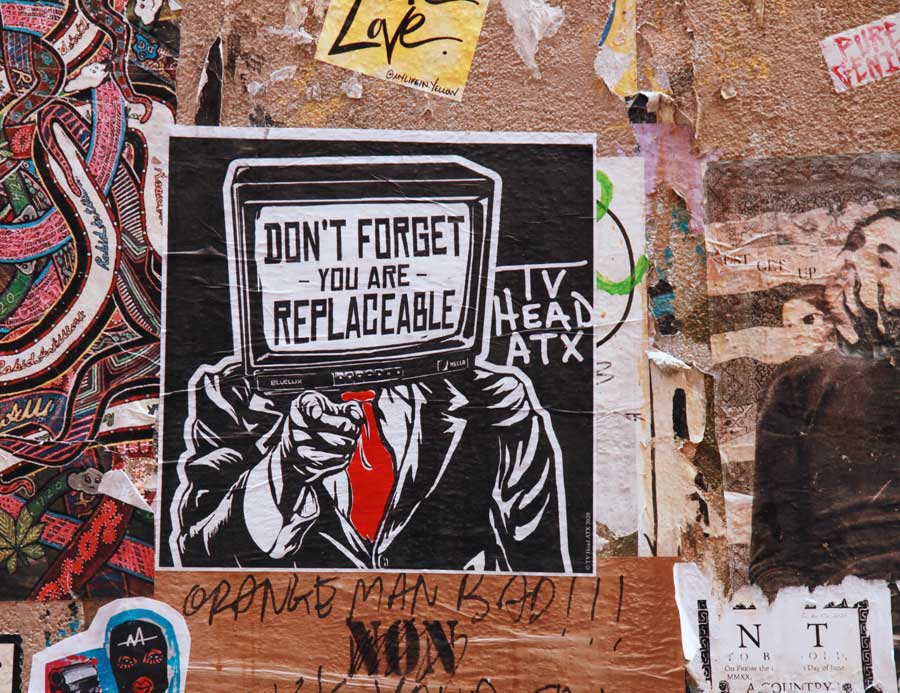
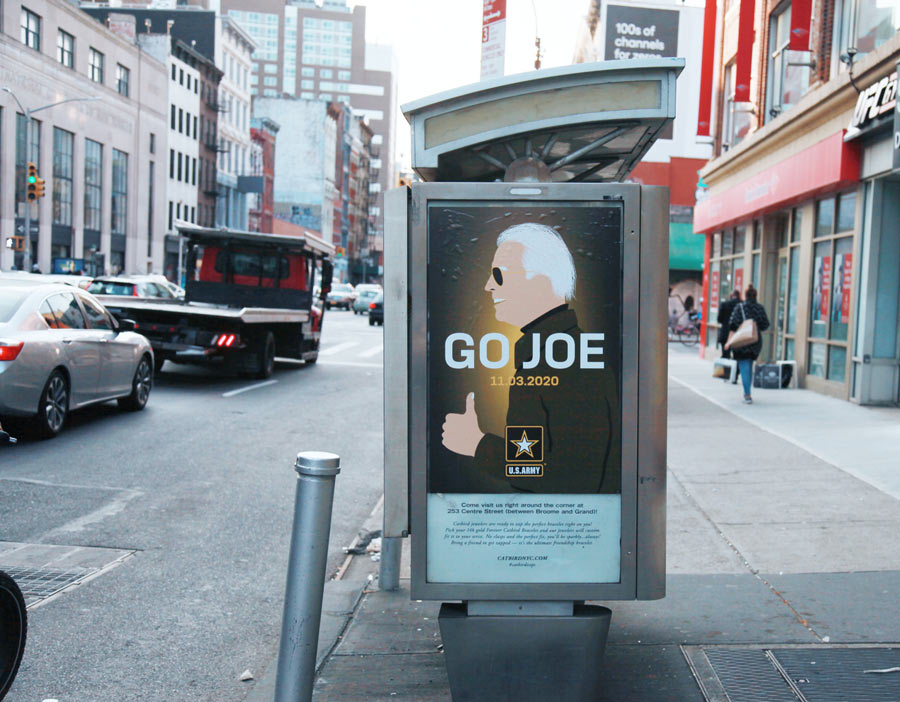
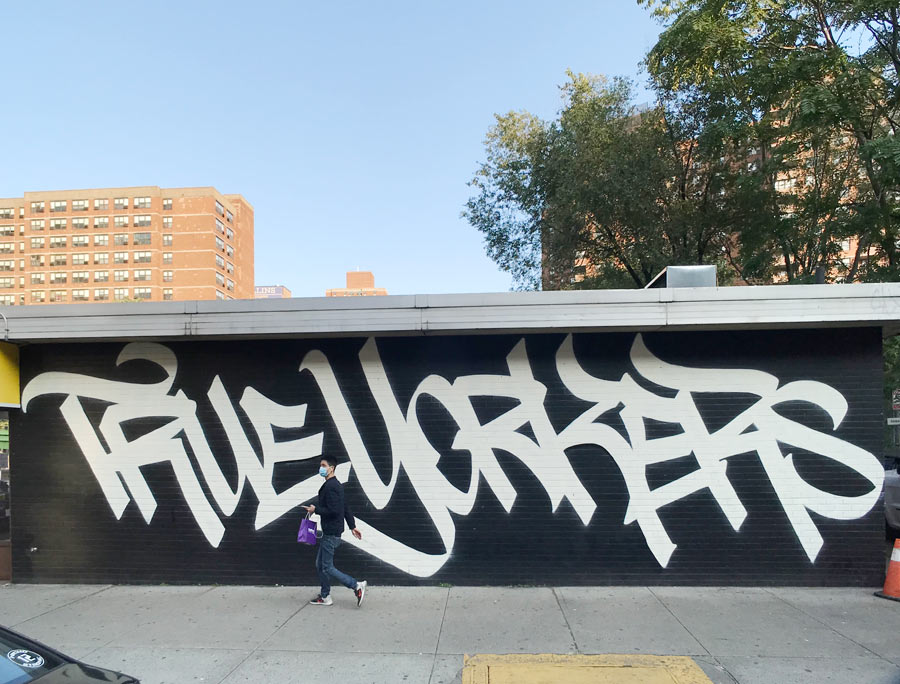
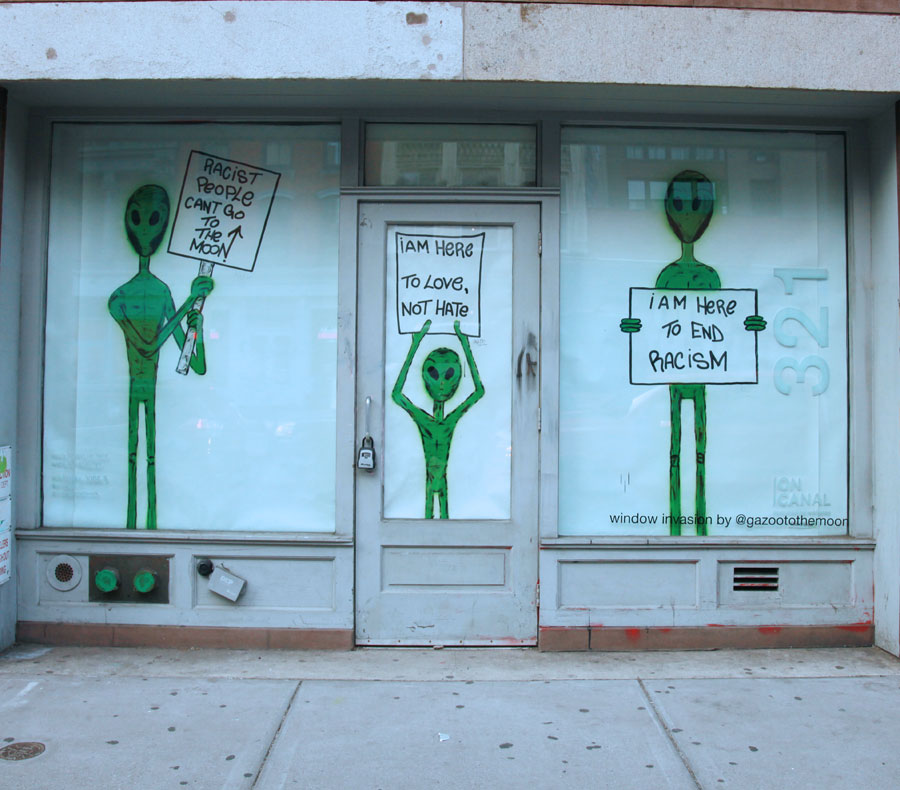
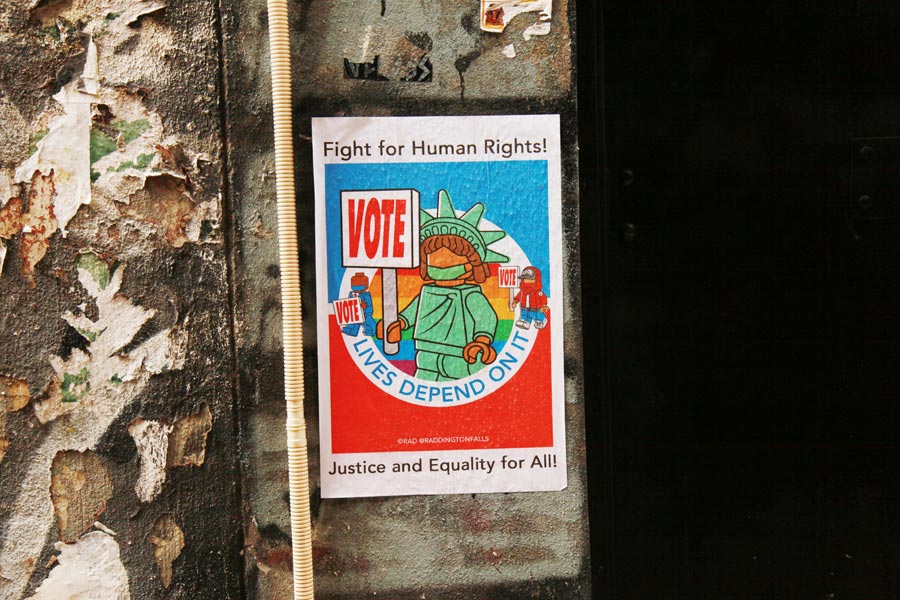
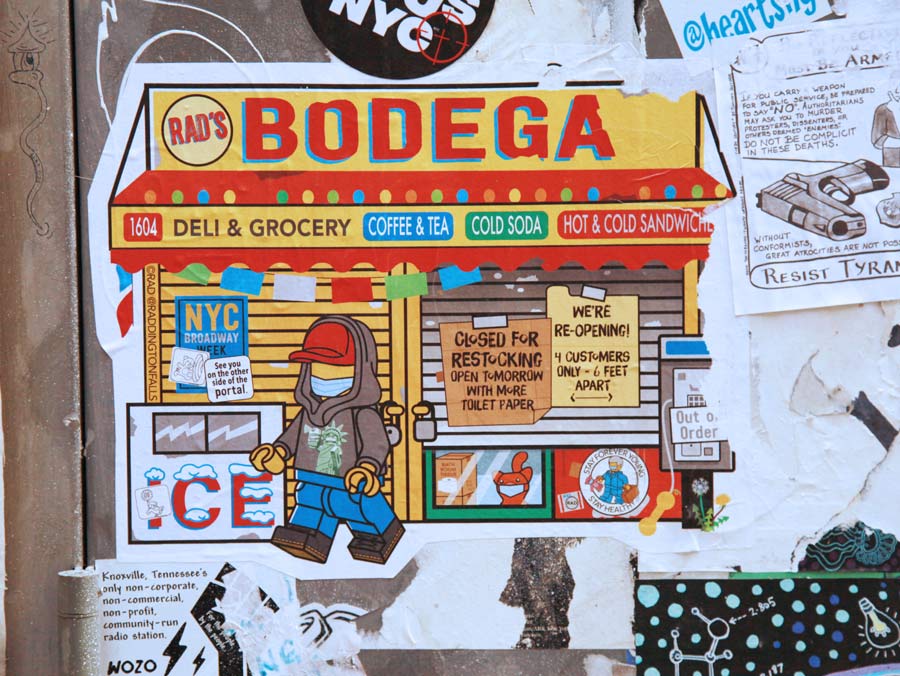
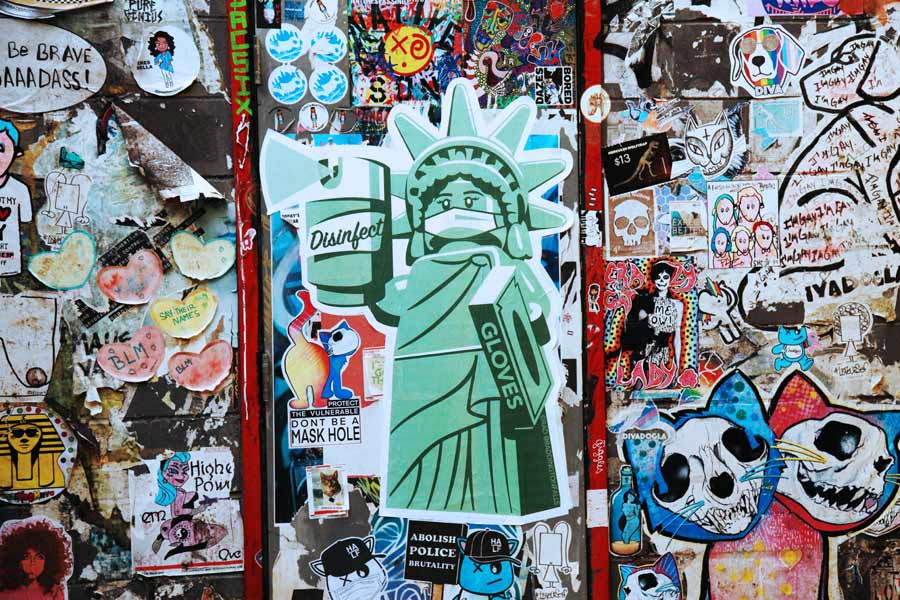
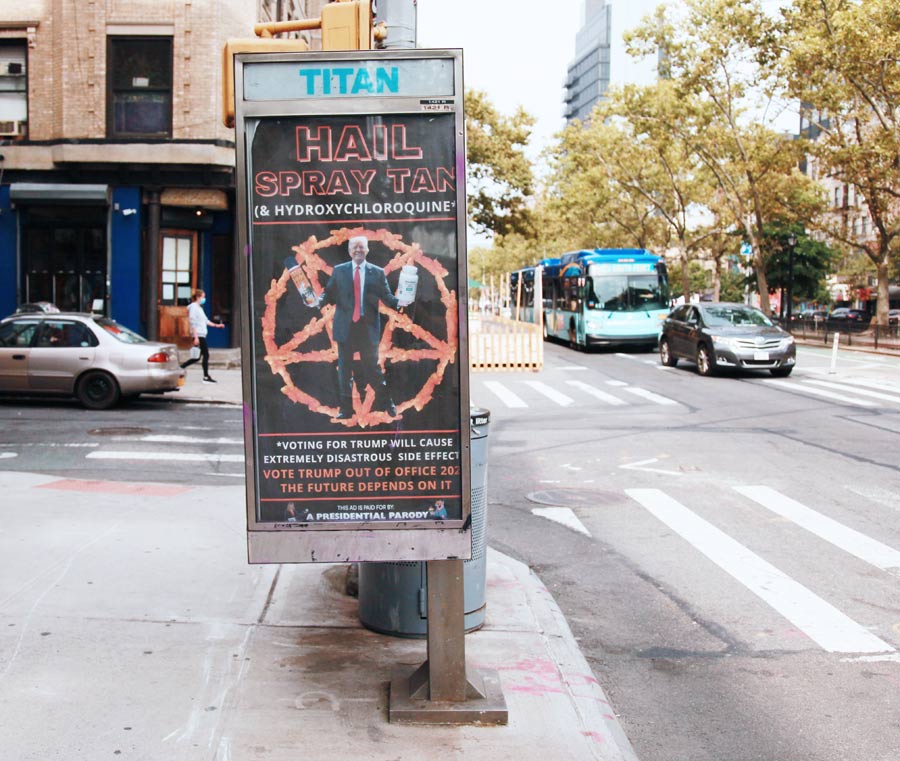
They are not staying quiet. If you had doubted the inclination of street artists to join the socio-political fray in 2020, don’t. Among the cute and decorative pieces out there, we are steadily discovering that artists are using the public sphere to take risks, addressing issues that are thorny and puzzling. As ever, the streets are a reflection of our society and all its fabulous dysfunction – a refreshing take on free speech that often makes much more sense than the disinformation war raging hourly right now on corporate media.
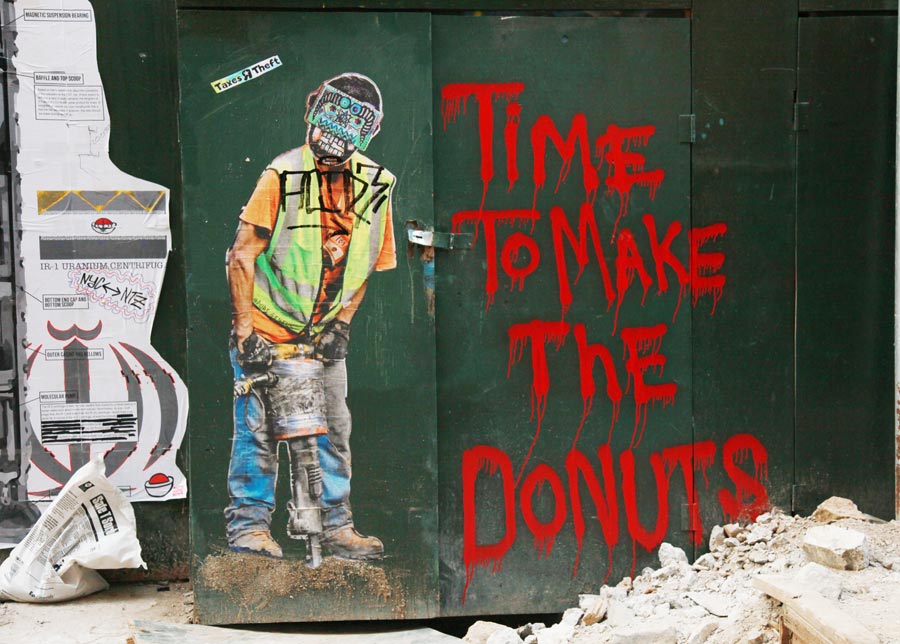
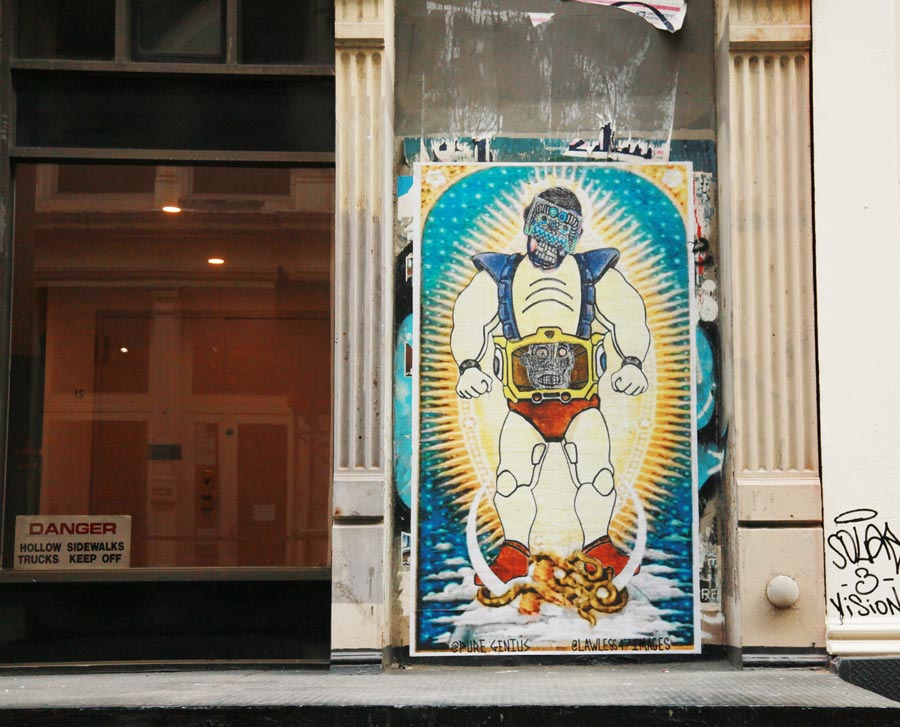
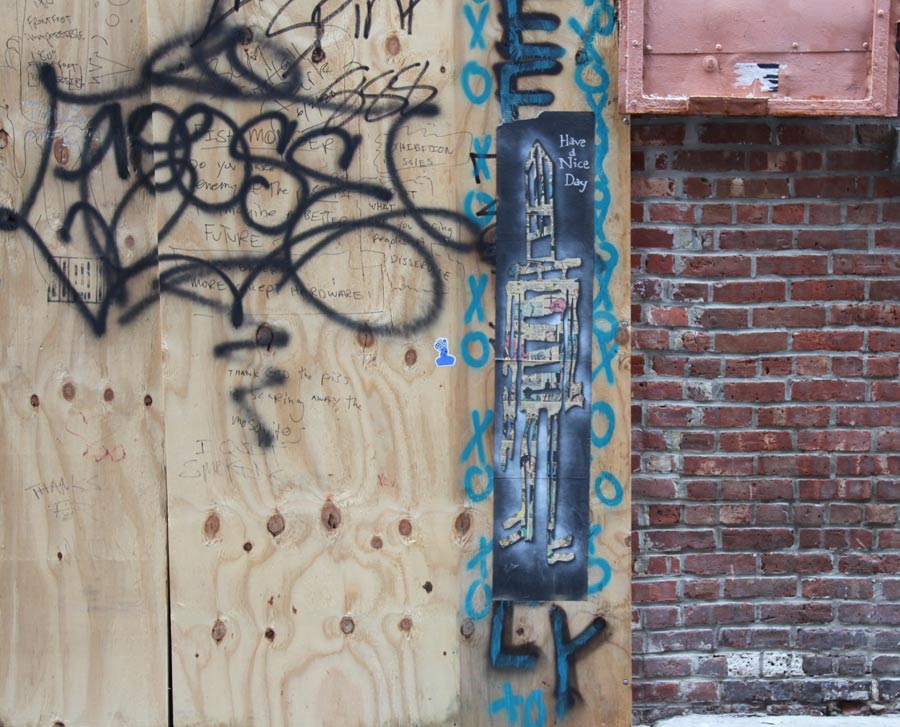
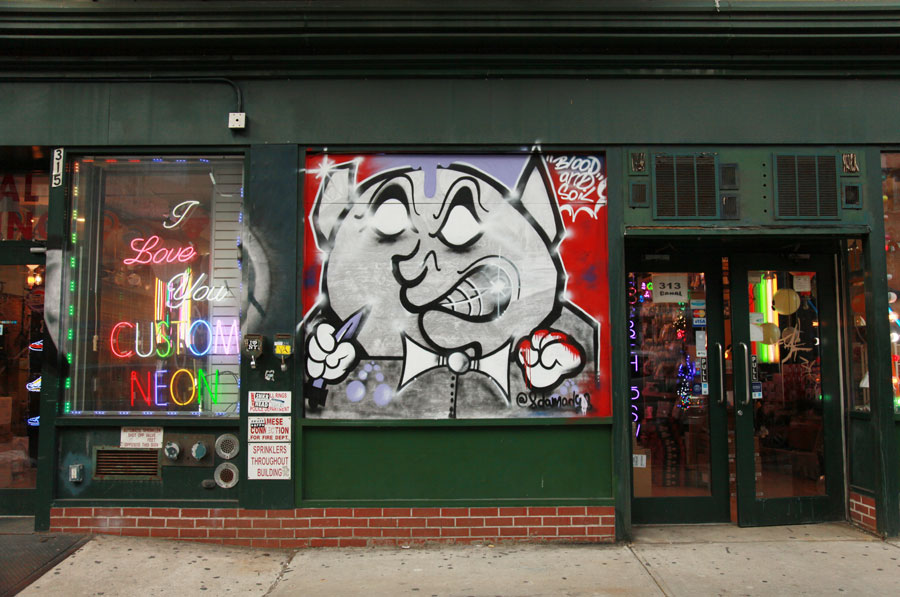
Here’s our weekly interview with the streets, this week featuring Adam Fu, Blood and Soul, Clint Mario, Faust, Gazoo to the Moon, Jarus, Maia Lorian, Pure Genius, Raddington Falls, Sticker Maul, Stikman, TV Head ATX, Will Pay, and Winston Tseng.
With less than one week to go before the opening of our exhibition MARTHA COOPER: TAKING PICTURES at Urban Nation Museum in Berlin the installation of the exhibition is well underway. Under the watchful eye and guidance of Michelle Houston and her team at YAP (Yes And Productions), the 400 printed photos, 1400 digital photos, 260 collected artifacts, 35 artists original artworks, one commissioned indoor mural, one new 24-video environmental installation, 10 black books, journals, passports, SIM cards, 8 audio voice recordings, a huge stickerboard, and a timeline covering 1943-2020 are all being installed throughout the entire museum.
A career retrospective, this one has been carefully planned with a rich offering of items for those who love photography, those who are avid fans of graffiti and street art, those who are scholars of the art forms and practices in public space, and for the families with kids who are looking to spend an afternoon being entertained and educated.
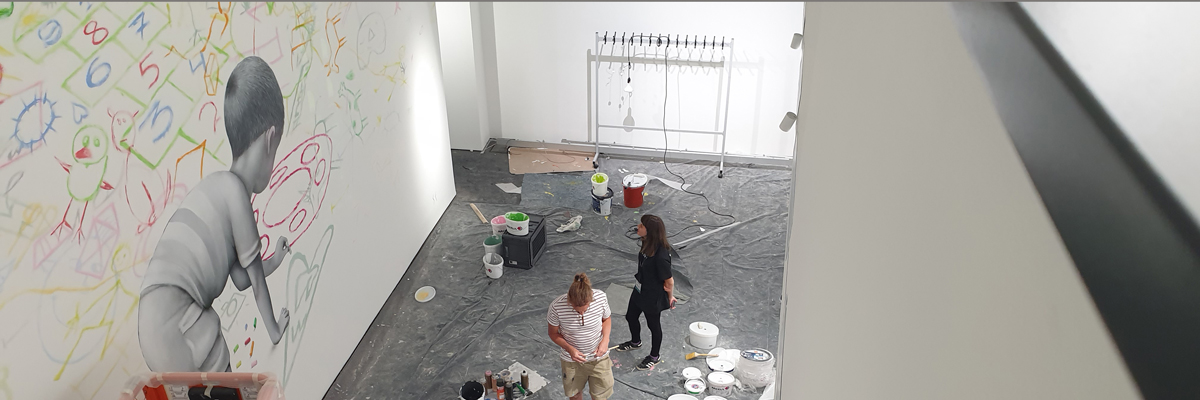
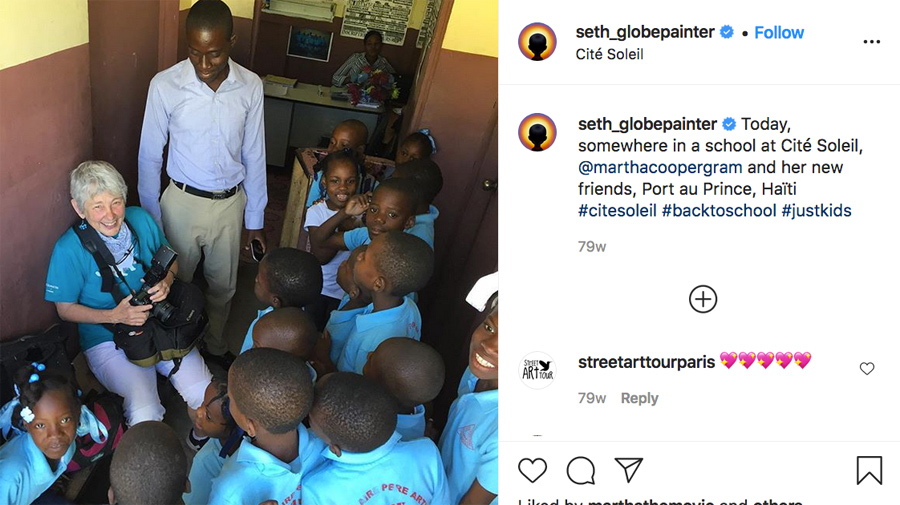
One highlight of the exhibition will be the brand new two-story high site-specific indoor mural by French artist SETH, who has created a new interpretation of one of Martha’s photographs from the 1970s, effectively bridging two of the ten sections of the exhibition entitled “Street Play” and “Martha Remixed”.
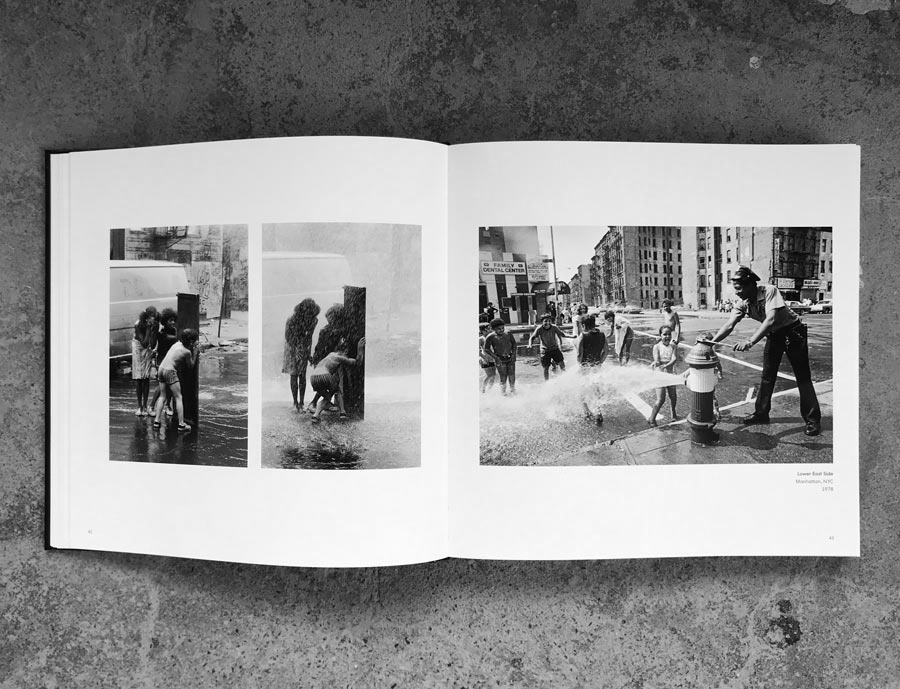
SETH understands Martha’s long time interest in photographing kids creating their own world with their imaginations, their own games, play-acting out scenarios in public space in city streets and empty lots. Photos in the exhibition from Haiti bridge several visits Martha made there, first in 1978 and recently in 2018 – this most recent visit with SETH to collaborate on a project with one another.
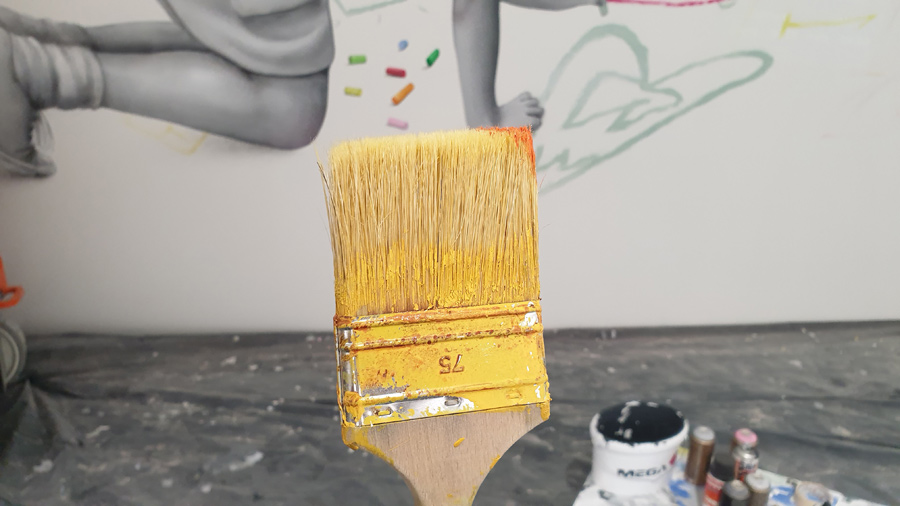
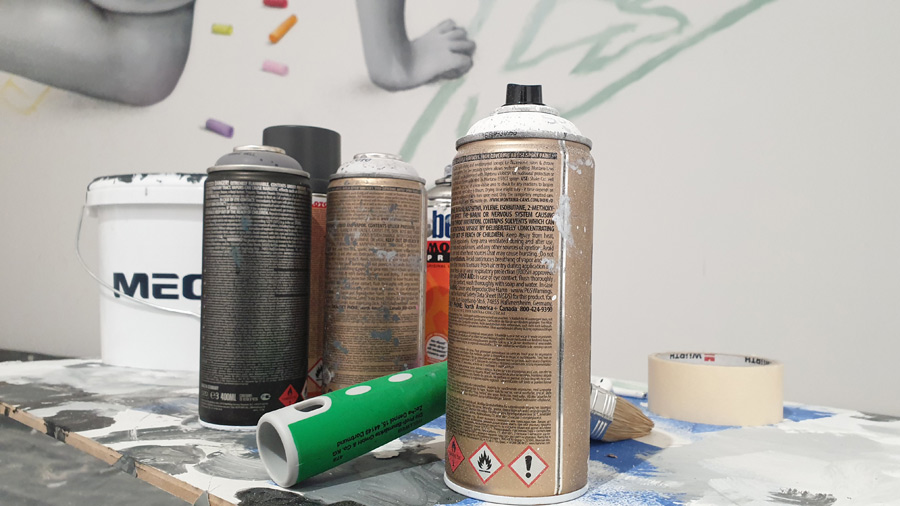
We wouldn’t want to spoil the surprise for you but we would like to share with you a handful of detail shots of the mural in progress. We’ll unveil the original photo and the full mural on October 2nd.
You are invited to the Official Opening of “Martha Cooper: Taking Pictures”, which will be streamed LIVE online and have all sorts of special guests and feature a tour of the exhibition, interviews, and documentary material with Martha herself – beginning at 8 pm Berlin time Friday, October 2nd.
Martha Cooper: Taking Pictures Curated by Steven P. Harrington and Jaime Rojo
Our weekly focus on the moving image and art in the streets. And other oddities.
Now screening : 1. Doug Gillen/Fifth Wall TV: Is New Brighton a future model for the British Sea Side Town? 2. Lidia Cao. Tribute to Dolores Medio. Parees Fest 2020 3. INDECLINE: On Second Thought. A reflection on gun violence in collaboration with artist David Fay.
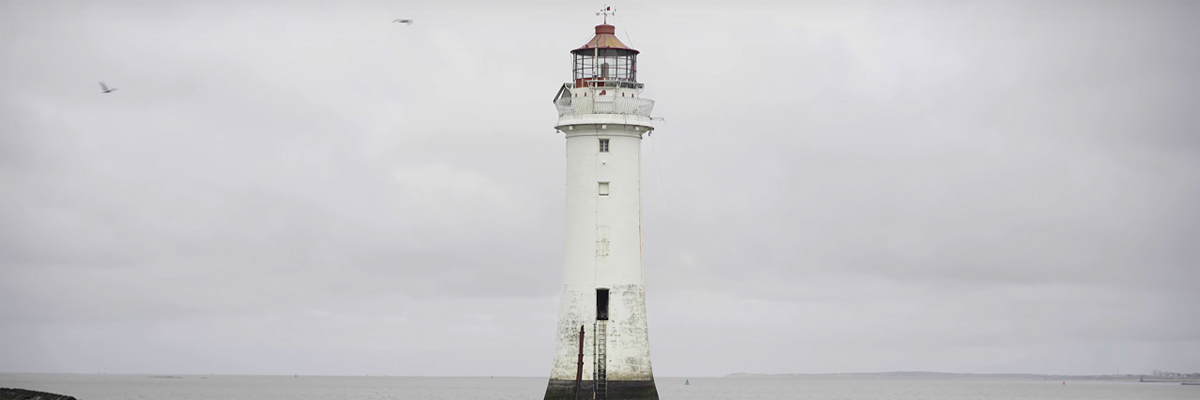
BSA Special Feature: Visit a Sea Side Town with Doug Gillen
You can’t really send out a gilded invitation to your cousin Gentrification to come visit and be surprised when his emotionally draining wife and video-game playing snot-nosed kids are in the car with him. When you use words like “platform” to describe art-washing of a town, and your organization has a “brand director”, there won’t be much surprise when the moneyed professionals complain that music at the curated-bar across the street is keeping their new baby awake at night.
Doug at Fifth Wall is more surreptitiously stealthy than ever, gradually upping his stealthy-stealthitude as he lets this story basically tell itself while posing as a merely curious art-fan.
The story is literally everywhere you look right now, and apolitical, non-confrontational Street Art and murals are almost always intercedent. A small town is sucked dry after decades of neo-liberal economics and back-room political deals, leaving a godless lot feeling listless and depressed without prospects for the future. Broad strokes, but you’ve undoubtedly heard the concept proffered by real estate investors that comes next.
“Yes there’s a commercial side to it but there is also very much a community element to what we’ve been doing,” says one male voice as the camera scans some run-down architecture with good bones and historical character. They’ve been buying up properties and “introducing a new independent concept into them”.
You predict what comes in this chapter; small portions of fussy food, art galleries, street art, vinyl!, kooky cafes with drip coffee and cold brew, clever grandma-anti-fashion fashion, artisanal cheeses, greater police presence and the occasional night-time social cleansing of hardscrabble types pushed into other neighborhoods.
Next step, edgy
lifestyle brands will need some quirky space to set up shop.
“We’re
trying to keep the big boys out of our little part of town.”
“2020 is a year calling out for change,” says Doug in his wrap-up, but he knows this particular model is not at all new. It’s still a reaction to the devastation, and we all seem to be trapped in it. Even so, this can be a kind of rejuvenation that many small towns would ache for and there is reason to think that the formula can be configured to be more just to those who will get displaced – if you’re dedicated to it.
And your cousin Gentrification could be cool to hang out with, even if his very classy wife gently insults your wife and the décor of your home and the food you eat and the music you listen to.
Doug Gillen/Fifth Wall TV: Is New Brighton a future model for the British Sea Side Town?
Lidia Cao. Tribute to Dolores Medio. Parees Fest 2020
Lidia Cao paints a portrait of Dolores Medio, the Spanish writer, teacher, and journalist for the Parees Festival in Spain in this short video by Titi Muñoz.
INDECLINE: On Second Thought. A reflection on gun violence in collaboration with artist David Fay.
600 decommissioned weapons were
combed over and refashioned by Las Vegas based artist David Fay into this
semi-kinectic sculpture that recalls Rodin’s “The Thinker”. In an America that
is fascinated by weapons, at least in movies and television, this sculpture may
make people think, or not.
From their press release: “The
piece stands just over 6 feet tall and weighs approximately 250 pounds. It took
David Fay 4 months and over 750 man-hours to complete the piece.”
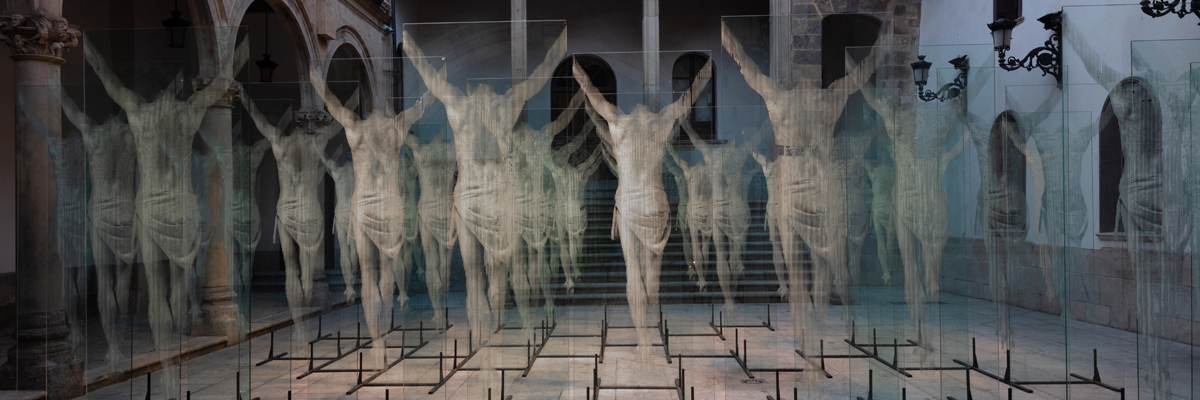
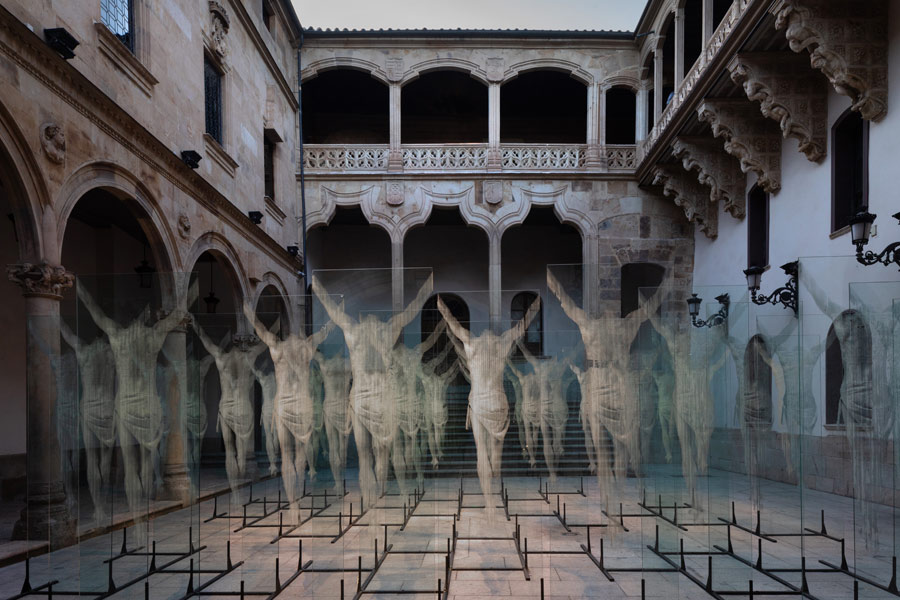
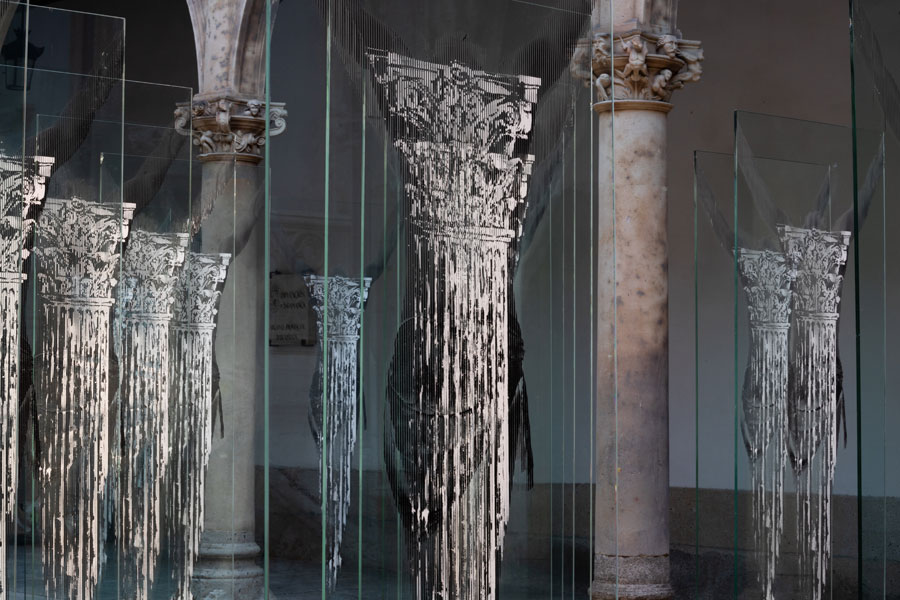
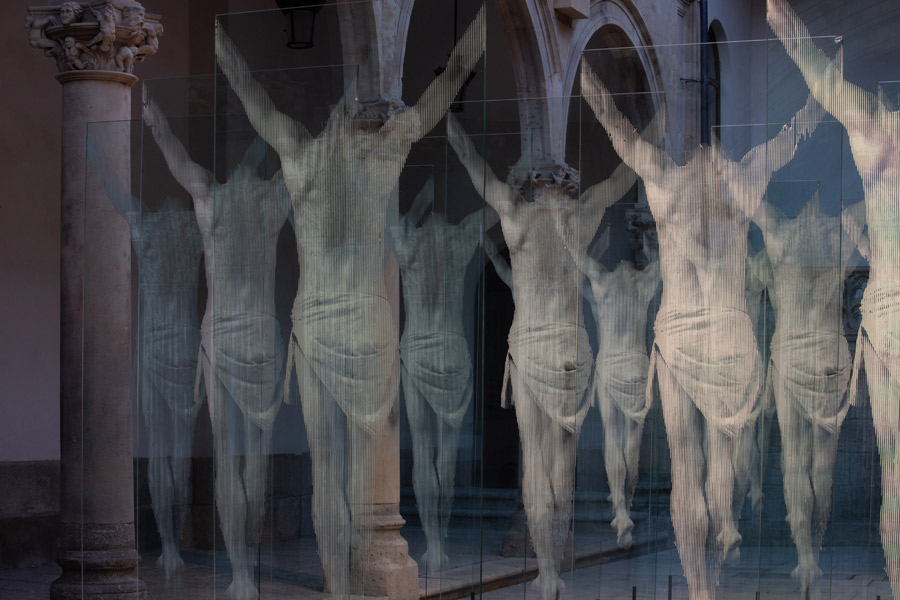
Gorgeous and haunting images today from photographer Roberto Conte of street artist/fine artist Gonzalo Borondo’s latest installation fo “Non Plus Ultra”, this time in the Salina Palace in Salamanca, Spain.
Testing the
qualities of glass once again, the artist screen prints 56 pieces and installs
them across 80 meters of space, evoking a chorus of forms, but who are these/is
this forms/form.
Christ
suspended from the cross comes to mind, so does the drama of an army of models
marching down the stage.
“Transparency
and hardness; fragility and resistance; protection and danger,” he reflects as
Borondon considers what draws him again and again to glass as a canvas for
screen print. All of these are applicable and yet his placement in this
repetitive way strikes you as the ephemera of projection of image.
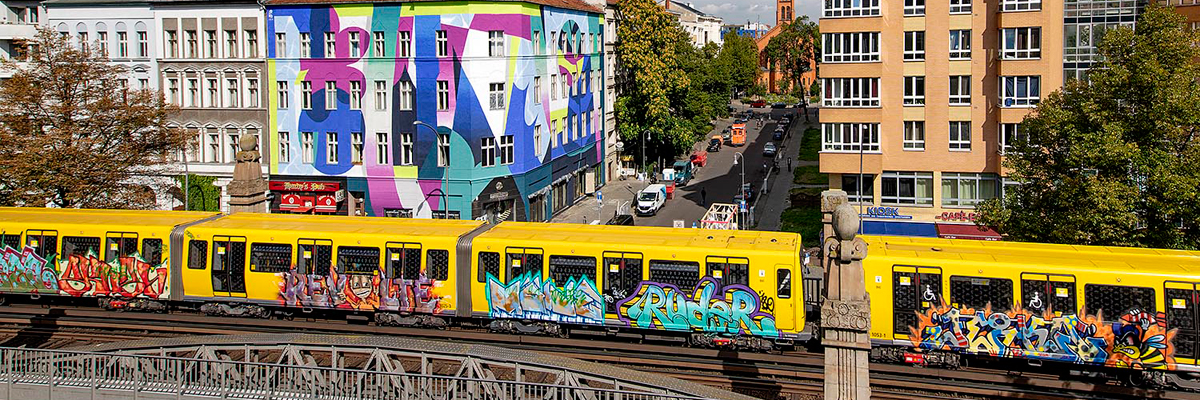
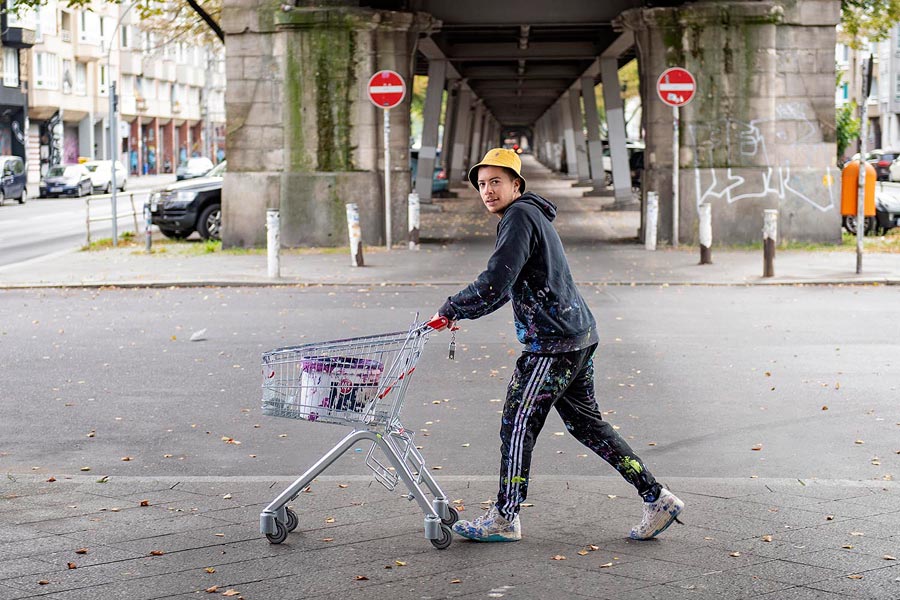
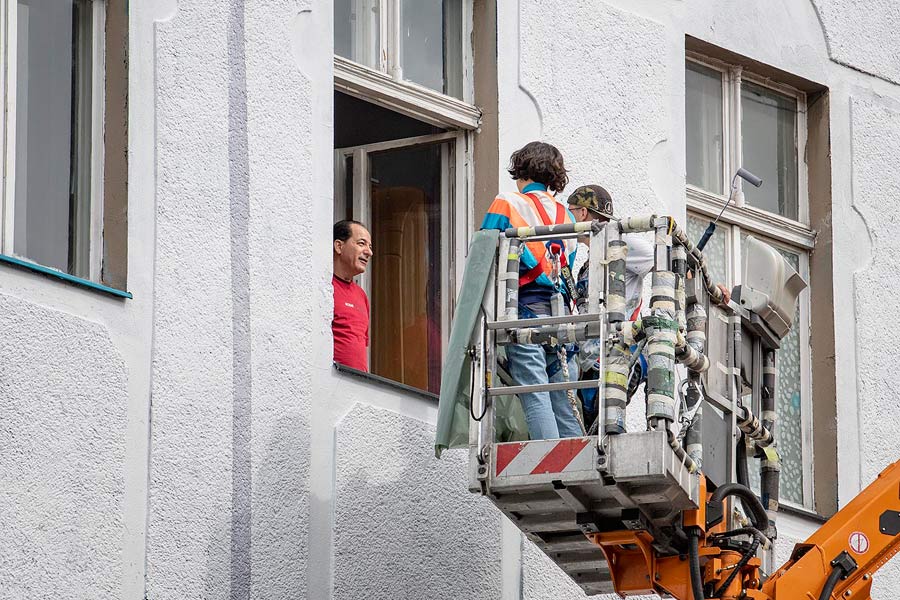
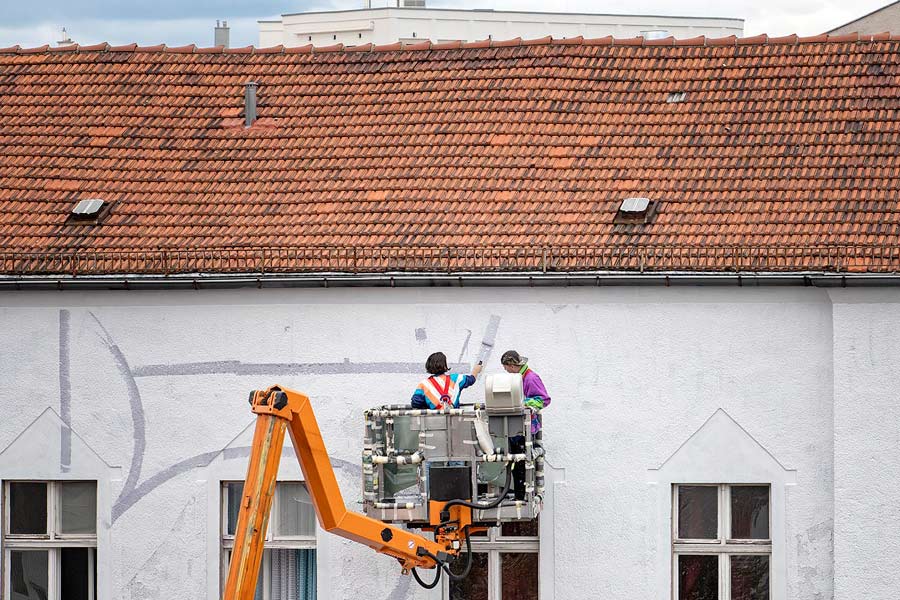
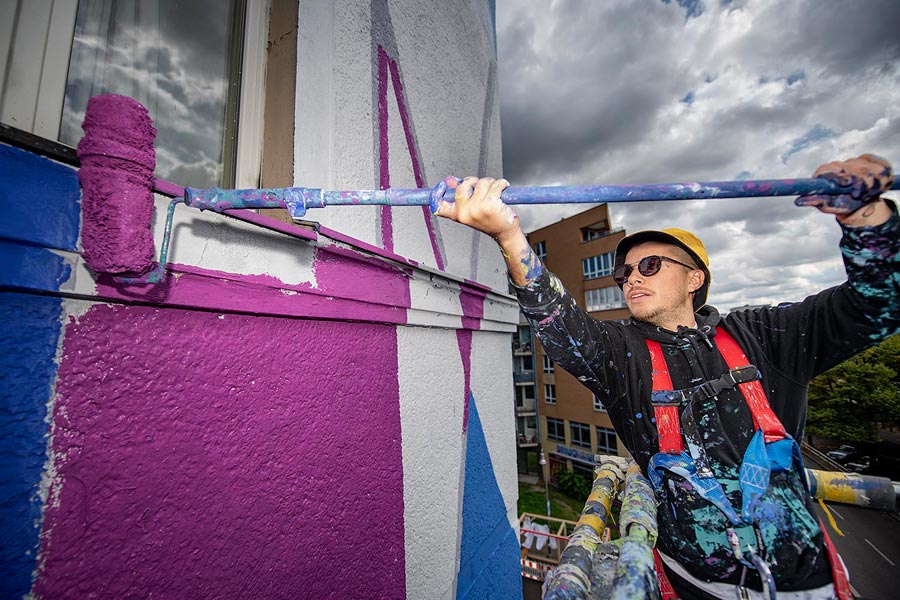
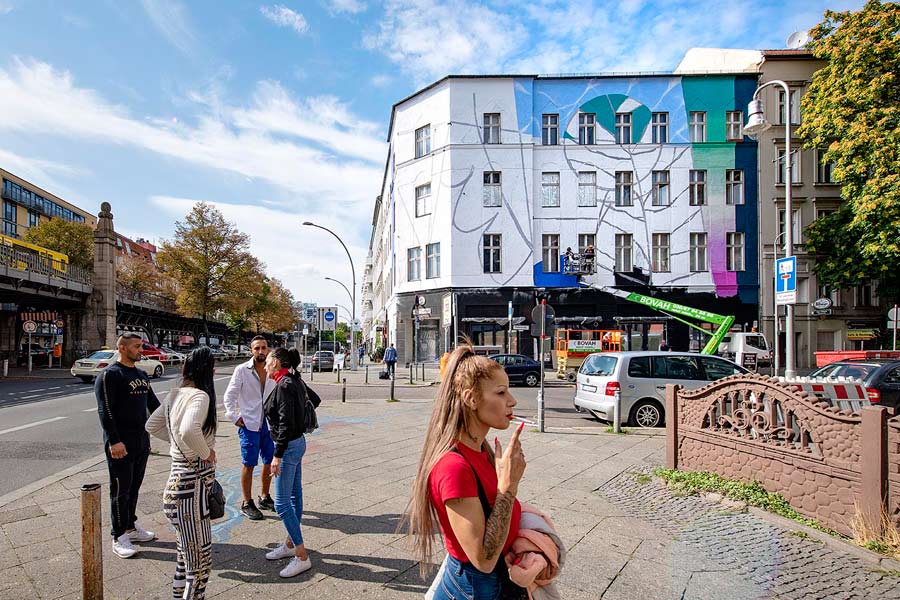
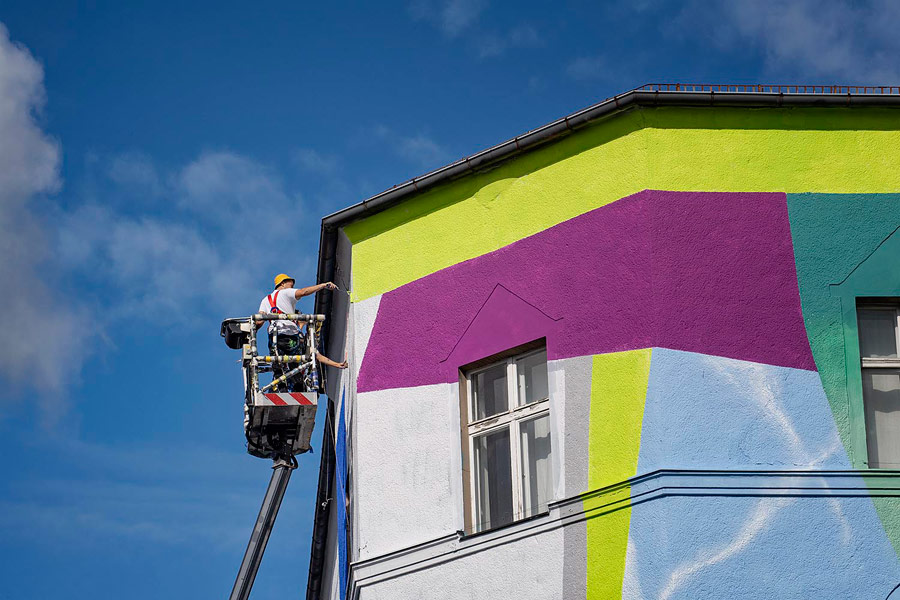
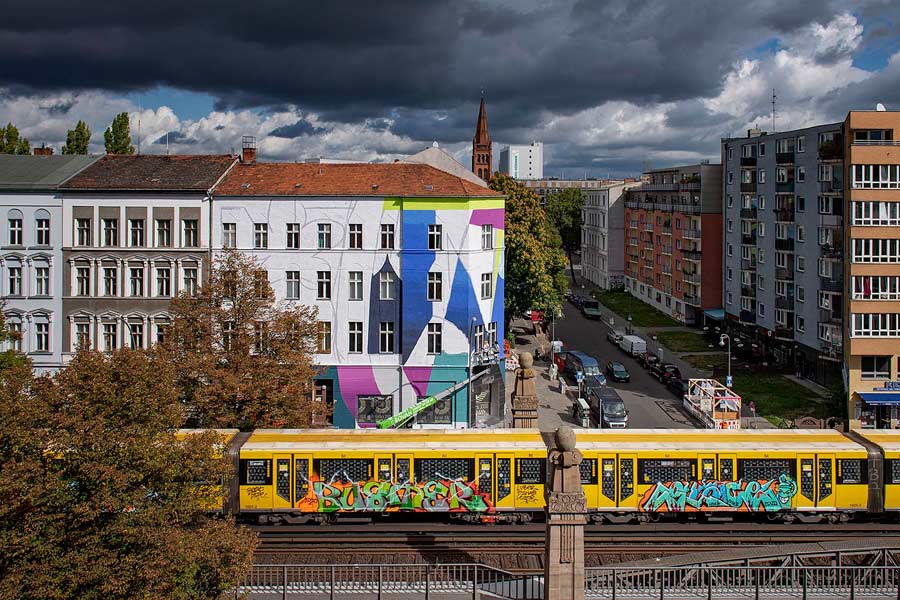
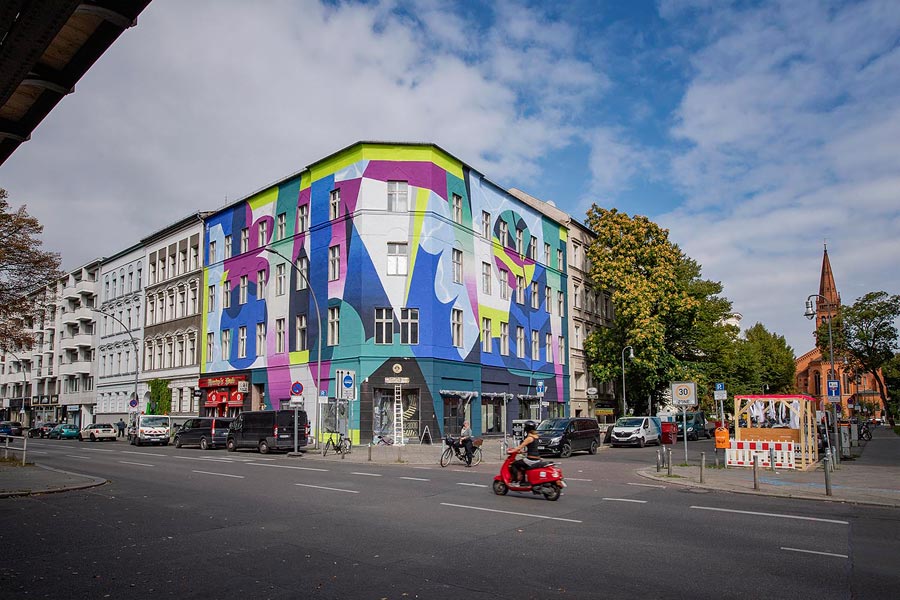
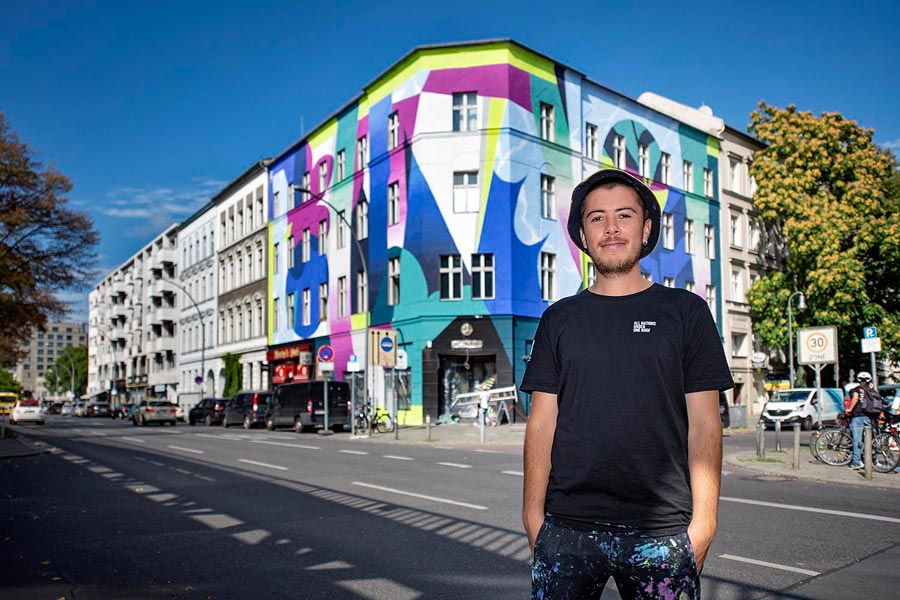
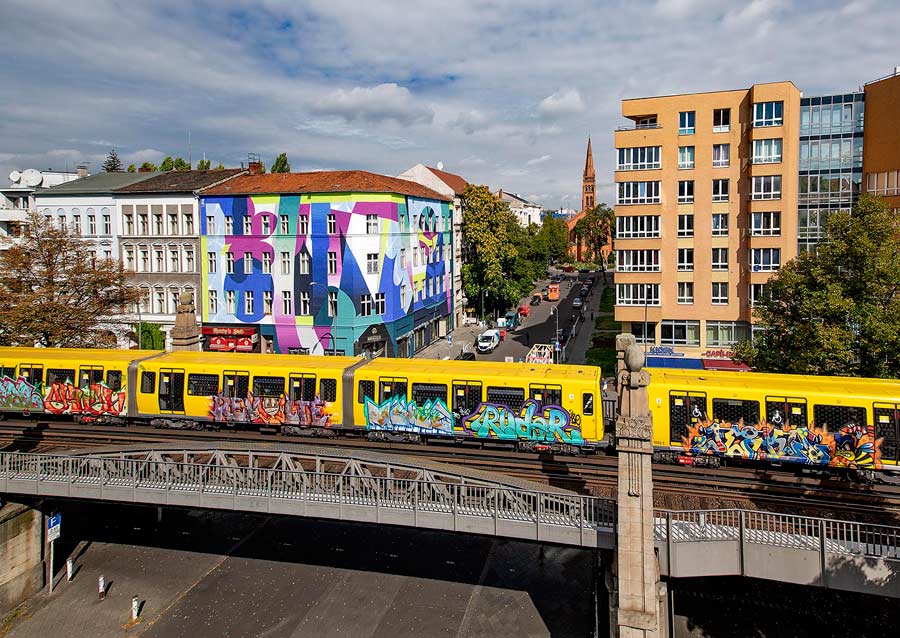
Originally from Quito, Ecuador, Urku says he began his true immersion into graffiti and street art when he lived in Sydney, Australia and he hooked up with the Higher Ground crew. His first attempts were painting in abandoned places, he tells us, but the big scale walls really caught his attention.
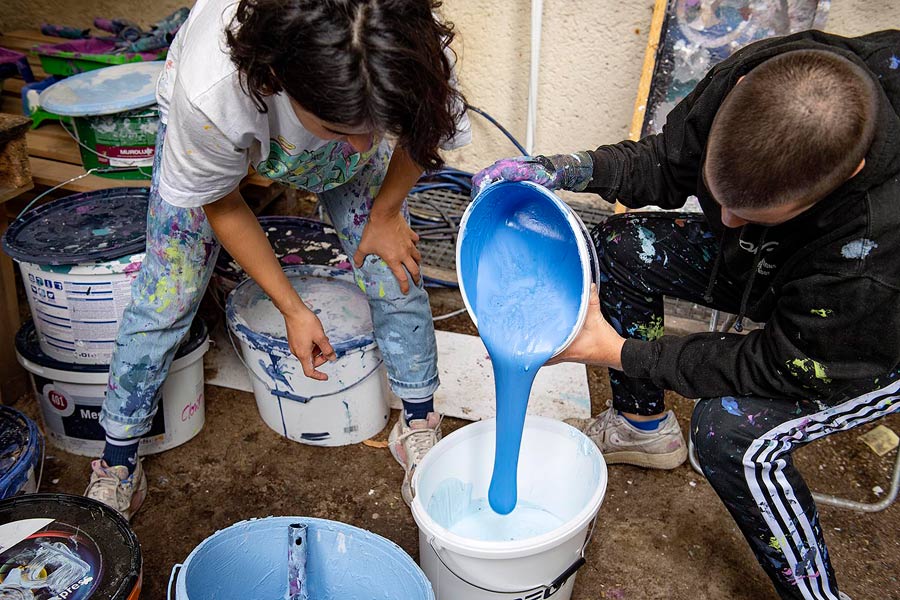
Living in Berlin since 2015, Urku brought his girlfriend, Gamze Yalçın who is also an artist in Berlin, along for this installation on the busy thoroughfare full of noise and distractions. He says his style has evolved more into abstraction today and he likes to think his art as a visual diary – one where he re-interprets his daily visual experiences into abstract compositions.
How did he feel elevated
alongside the famous yellow trains of Berlin watching the burners fly by? “Perhaps
it would have been very nice to have appreciated the scene while painting the
wall with the trains running behind me,” he says, “but the fact is I had to
paint all the time and to complete the project. But I was in awe that this was actually
happening and seeing the trains with graffiti passing by was very cool.”
Our special thanks to BSA contributor Nika Kramer for these images and to UN.
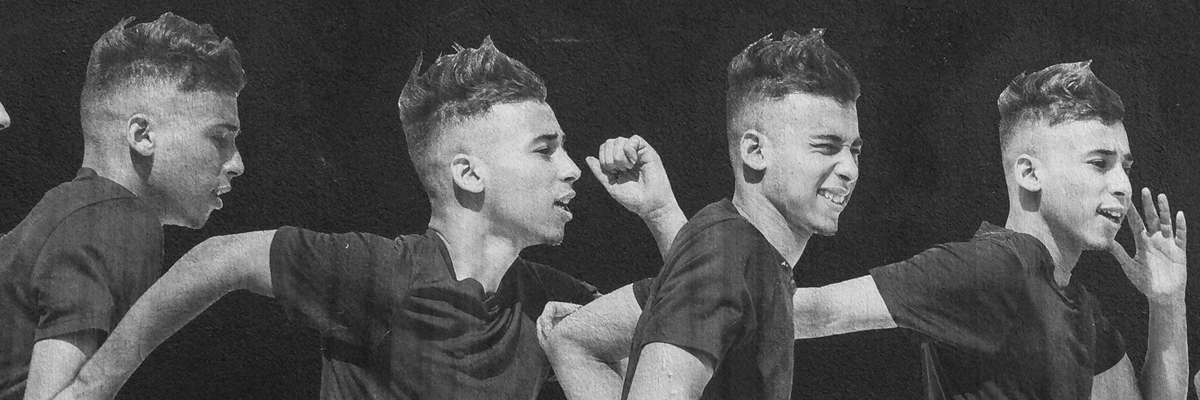
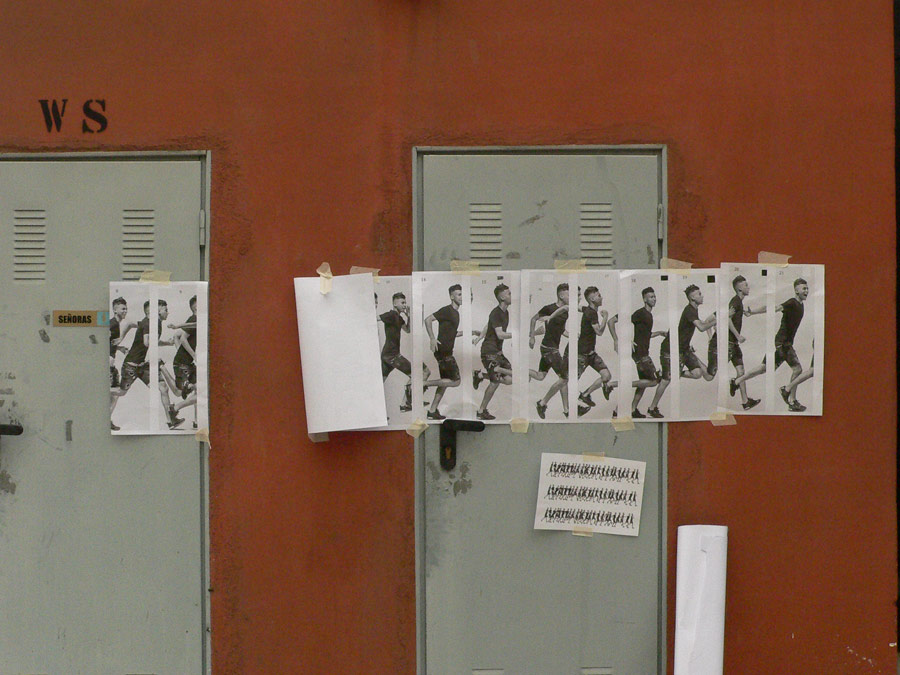
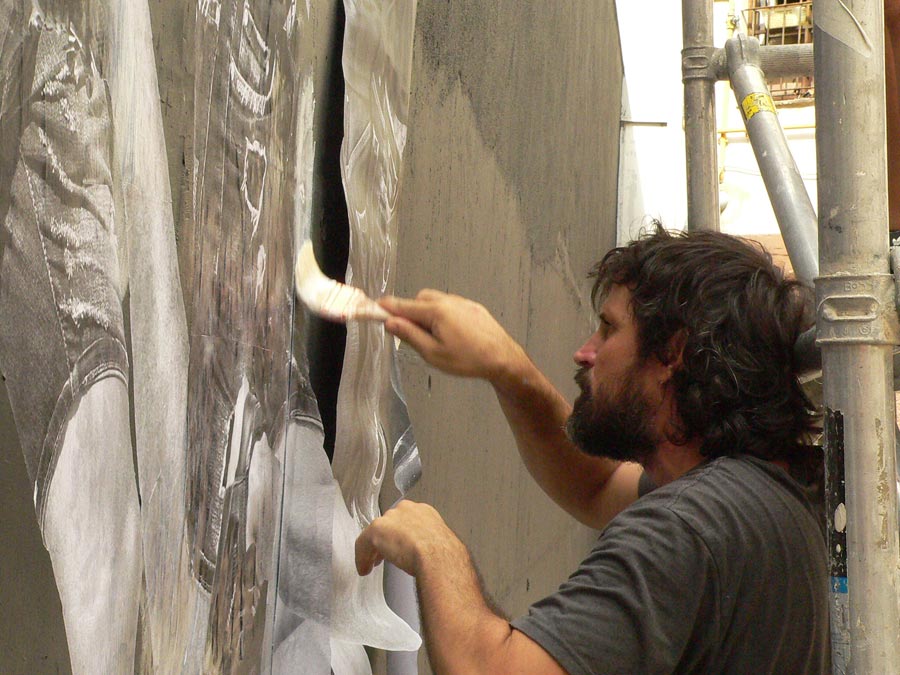
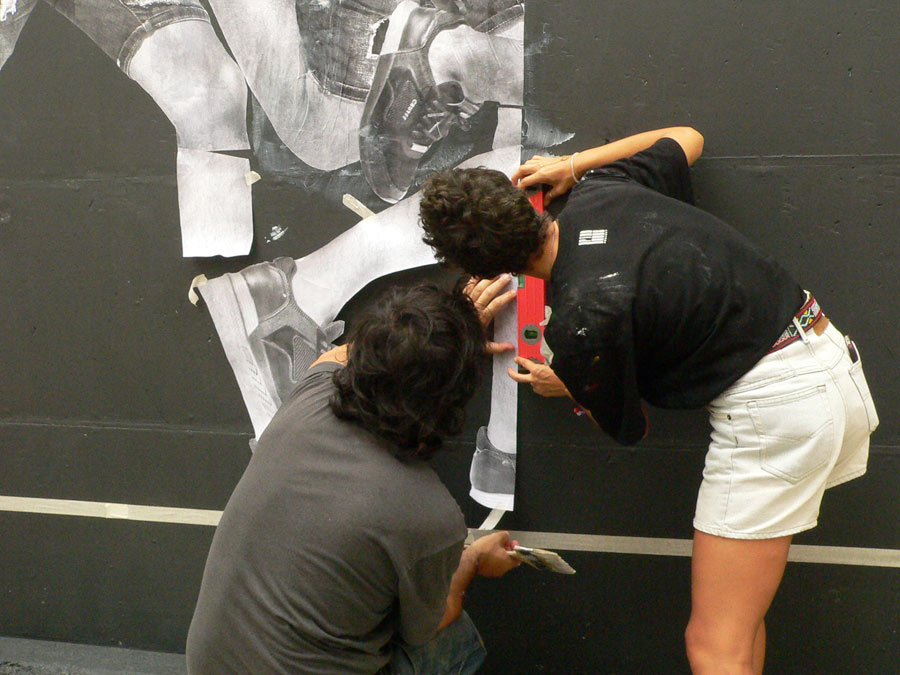
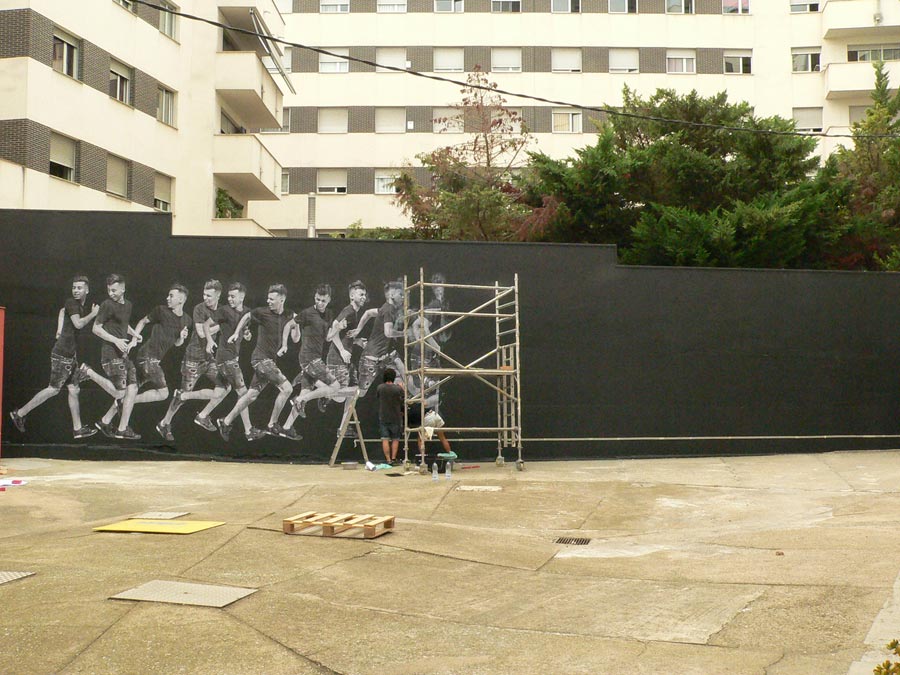
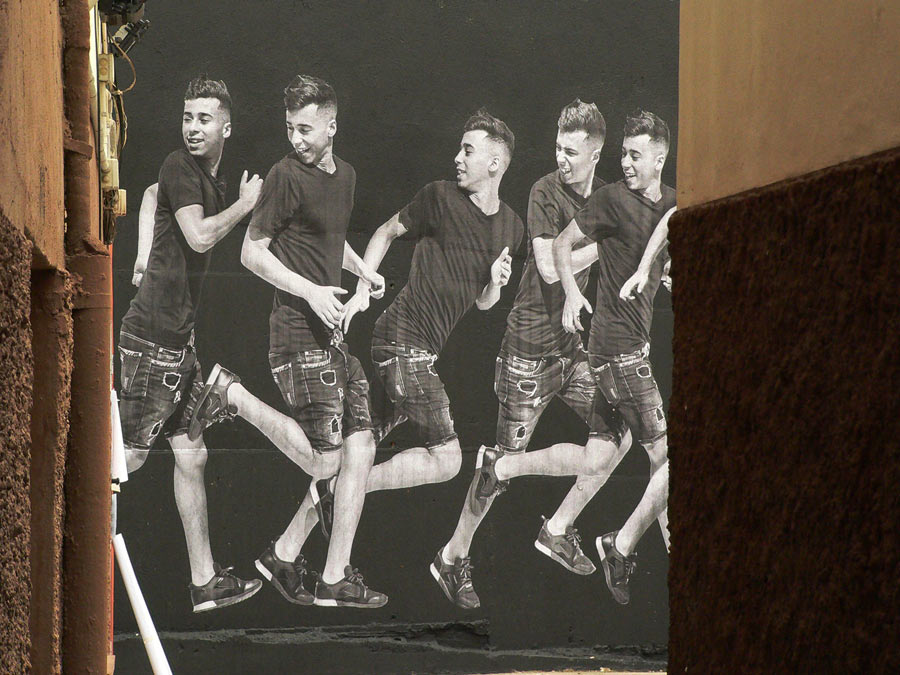
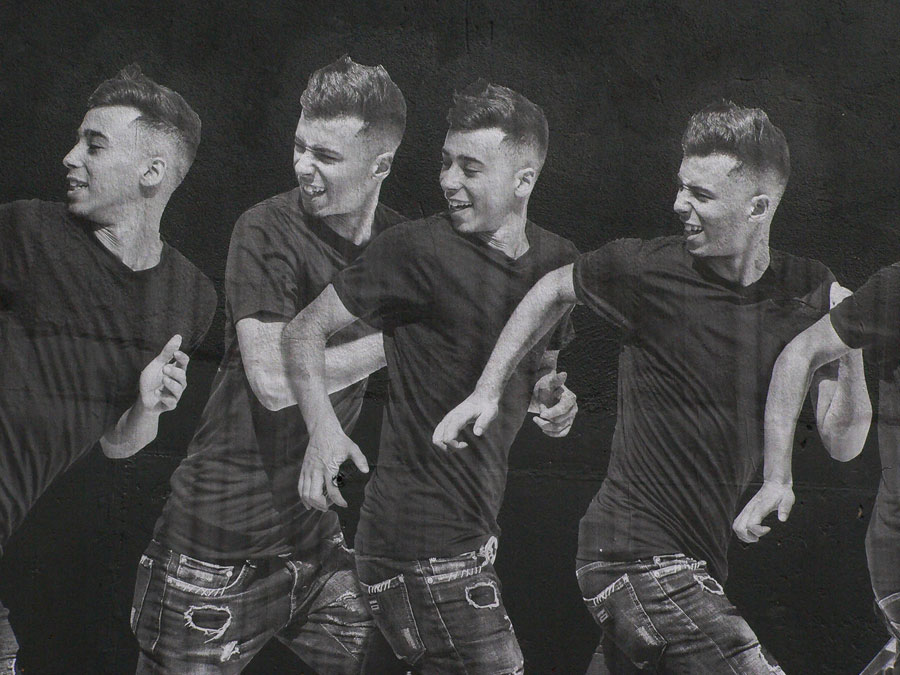
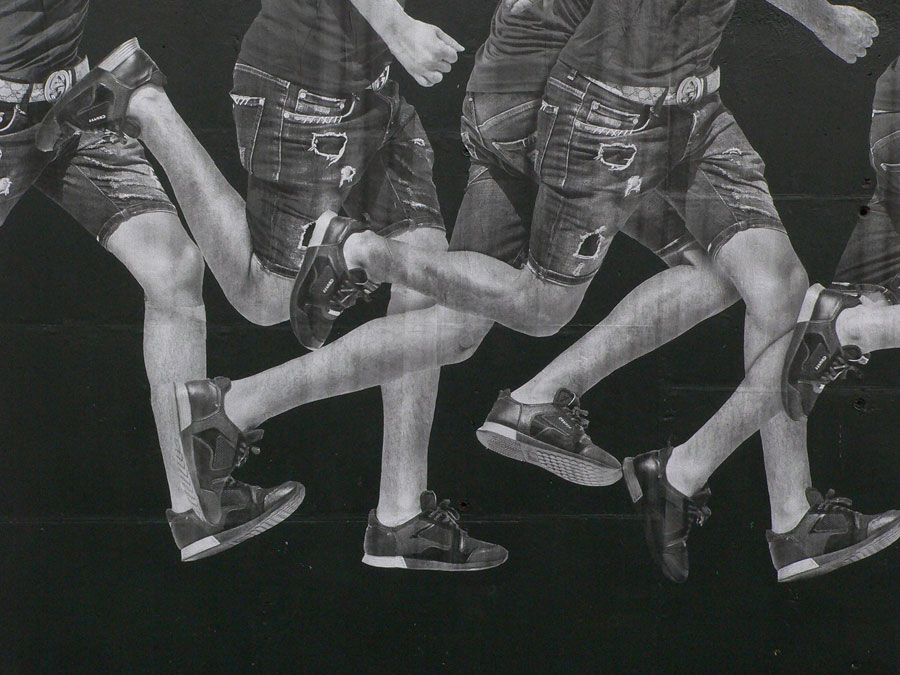
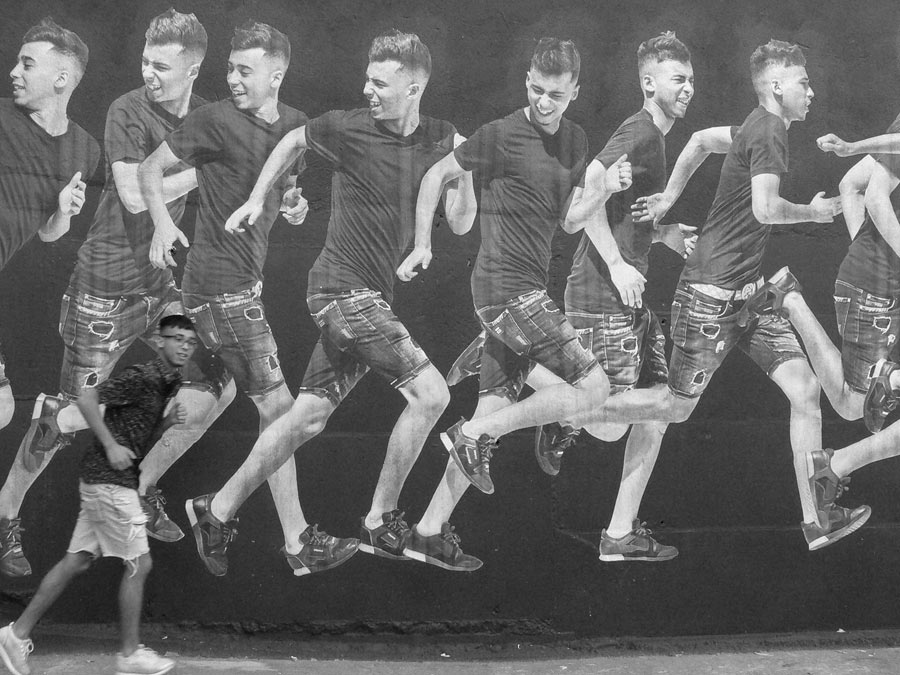
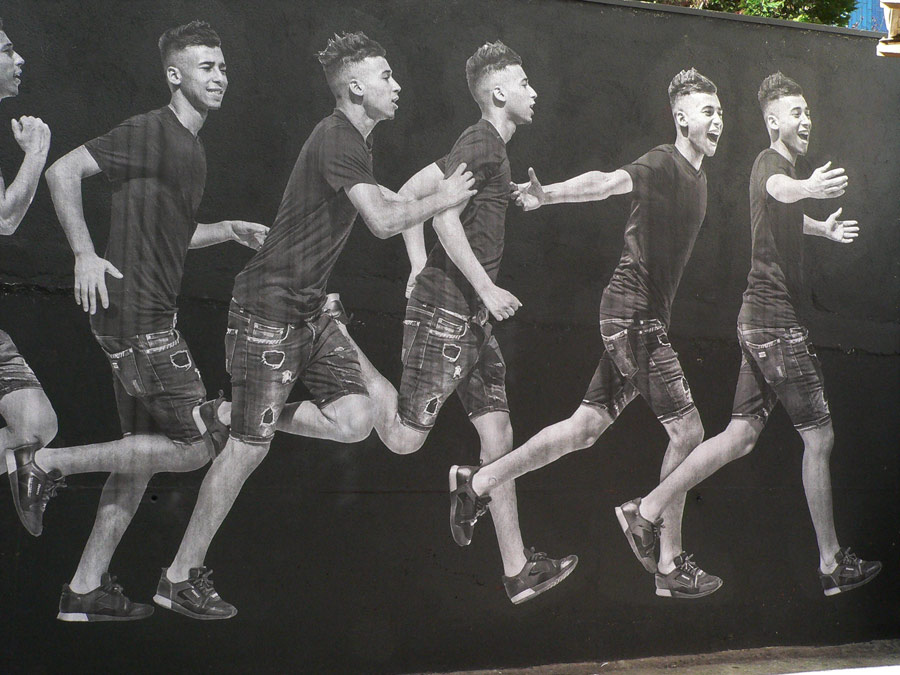
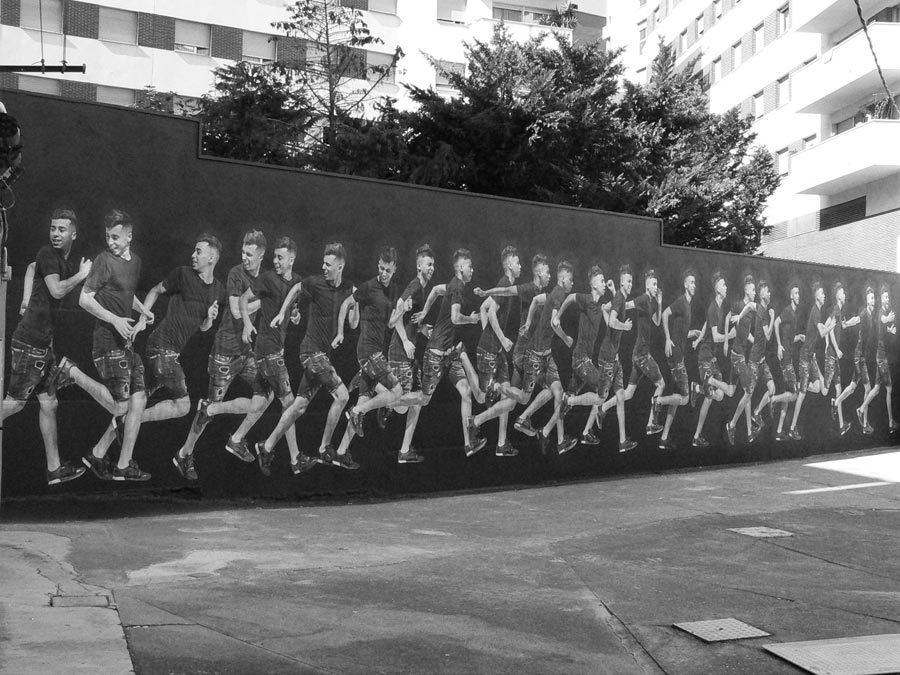
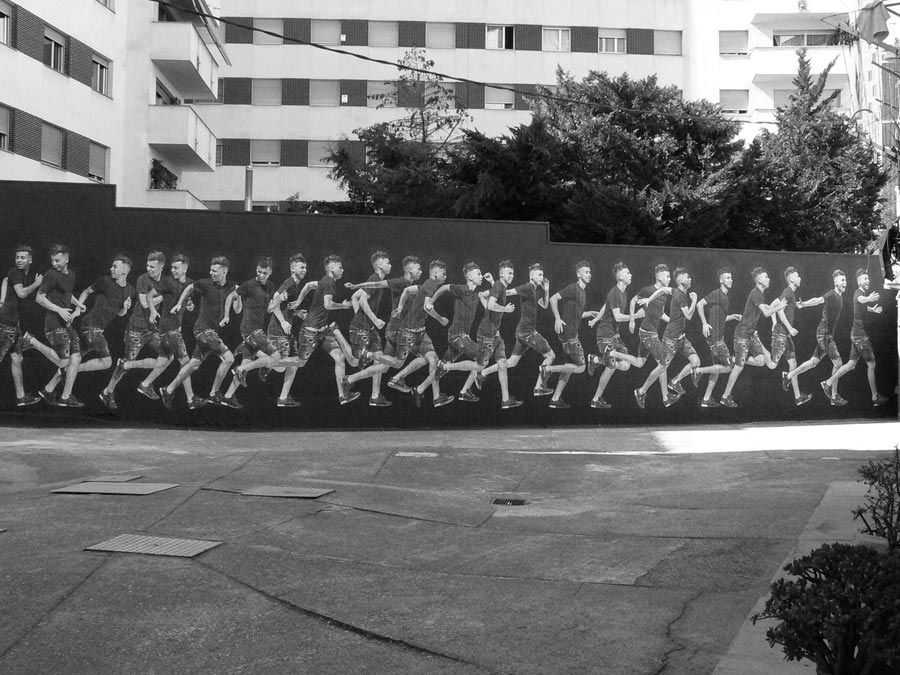
Mourad is
running! It’s 20 meters along this wall on the inner courtyard of
the Bac de Roda Housing Cooperative in Poblenou, a neighborhood of Barcelona,
Spain.
The new stop-action installation is meant to freeze for a moment the emotions and sensations that can occur during migration – which many people are forced today to do all over the world, whether they are escaping from hardship, fear, war, environmental extremes, or decimated economies.
Artist Teo
Vázquez wants us to think about the distance that people run, and how crossing
a simple national boundary can be the difference between life and death. If you
studied Western art history, these figures may also call to mind warriors and
heroes of so-called classical antiquity.
Here Vázquez
says he has captured “through a sequence of movements, different snapshots
which reflect a mosaic of unique expressions.” This, he says, is “a figure who
symbolically represents all who they have made a migratory journey risking
their lives.”
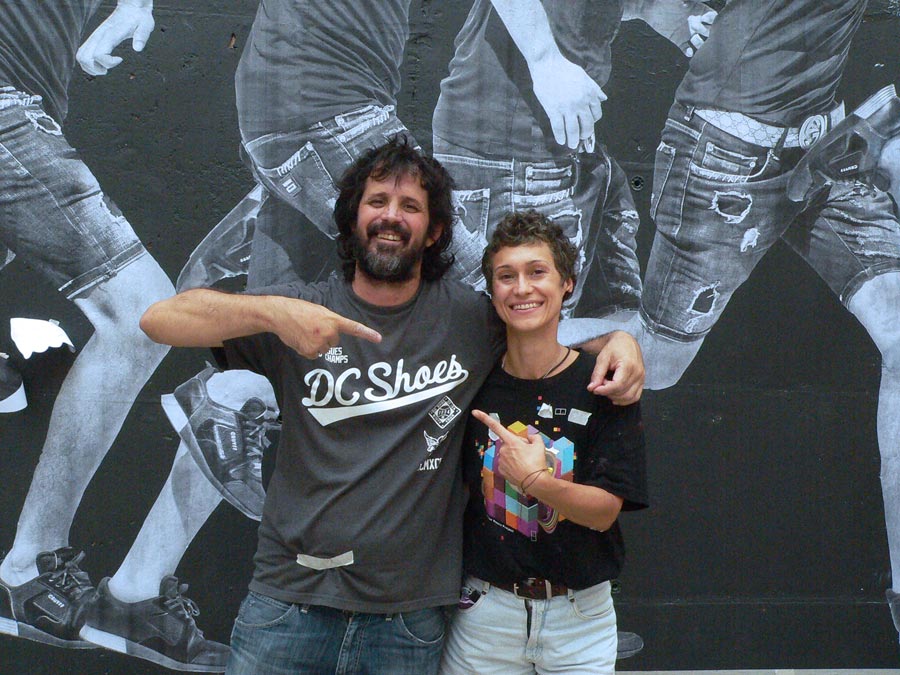
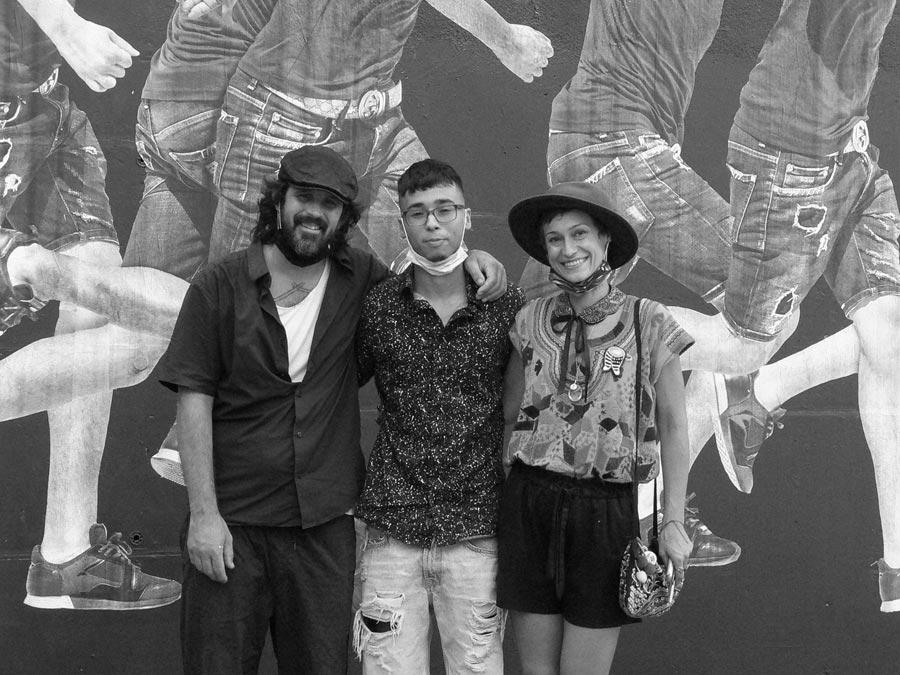
Born in
Cadiz, now living in Barcelona, Vázquez is participating in the fourth edition
of MURAL / LOCAL, an artistic action that annually renews this wall. He would
like to thank his subject Mourad as well as his fellow artist Magda Cwik, who
assisted him in hanging the new installation. Our thanks go to photographer Lluis
Olive Bulbena, who shares his photos of this new work with BSA readers.
This one caught our eye for the merging of classic graffiti nerve, blunt style execution, sentimental velvety roses, inspirational verses, …Read More »
 BROOKLYN STREET ART LOVES YOU MORE EVERY DAY