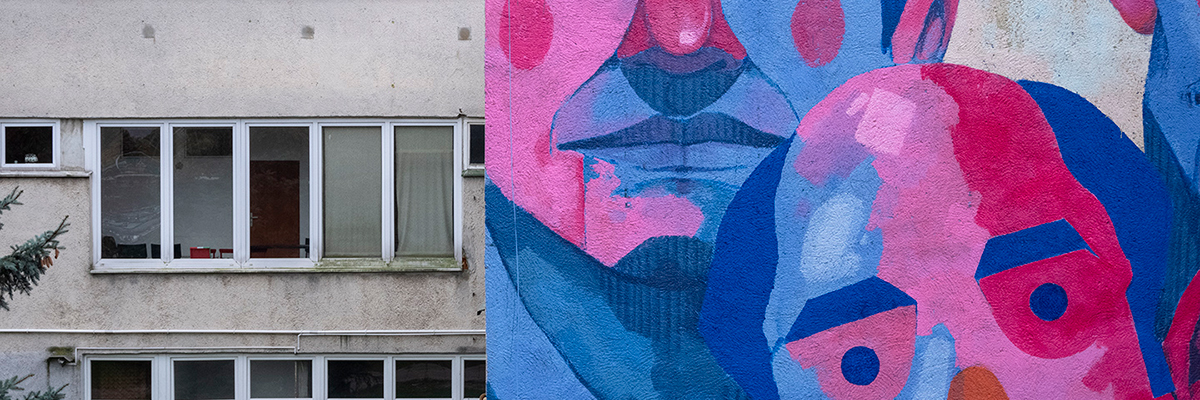
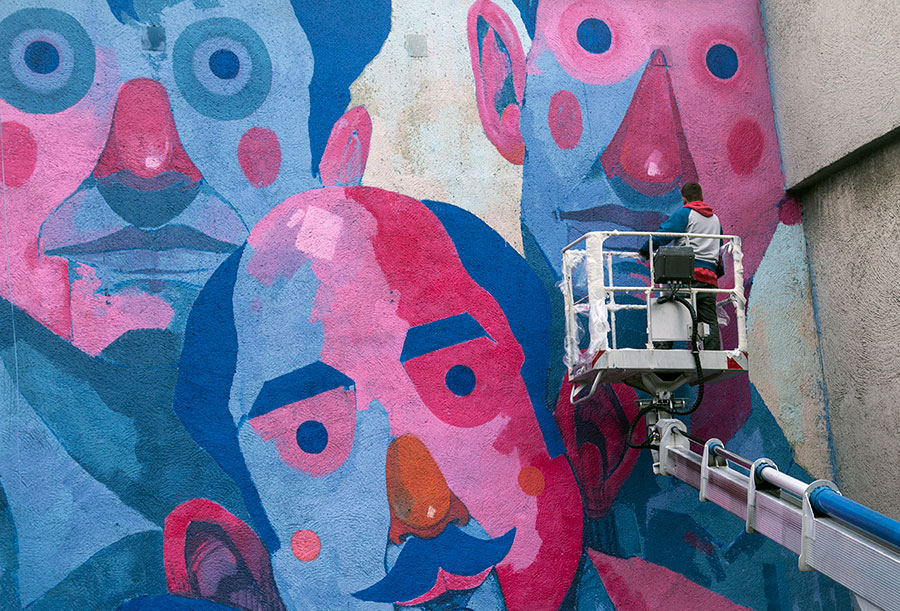
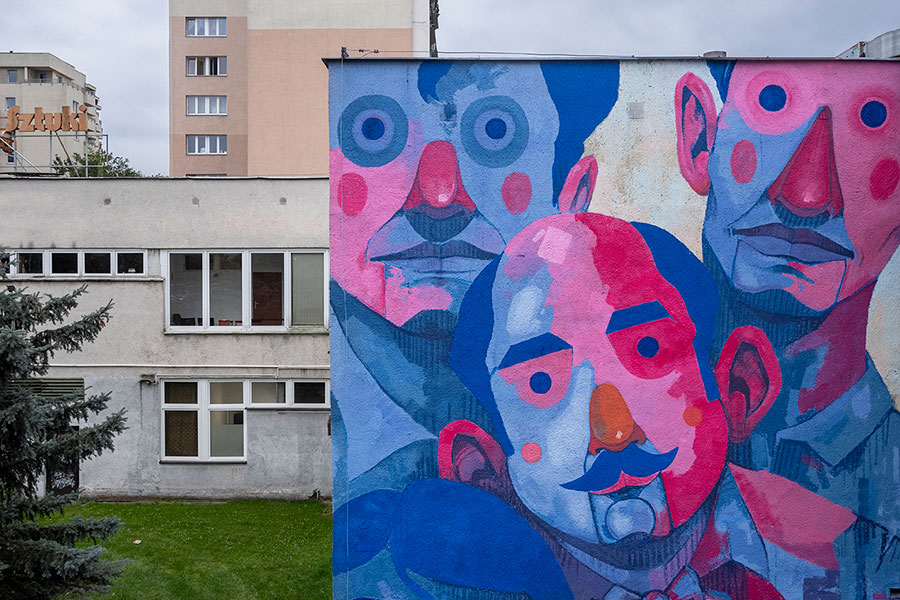
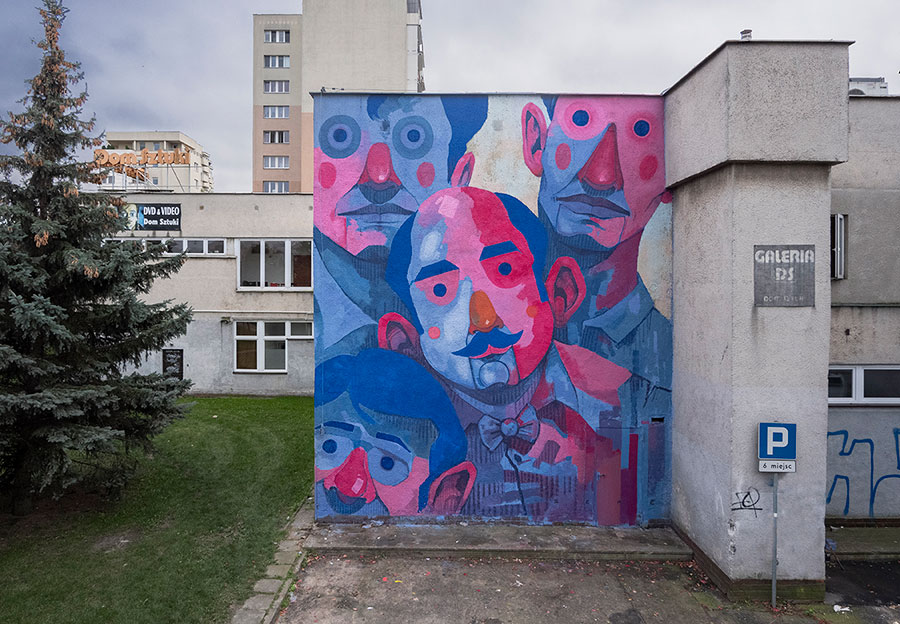
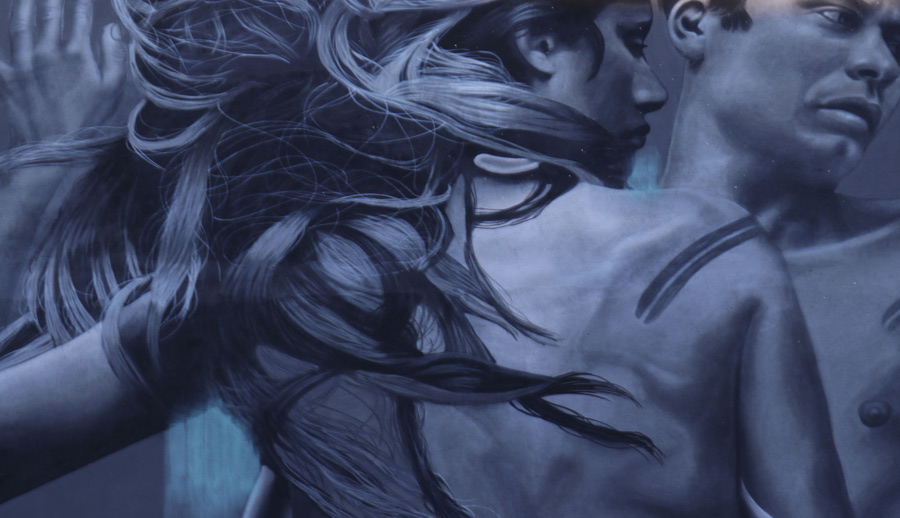
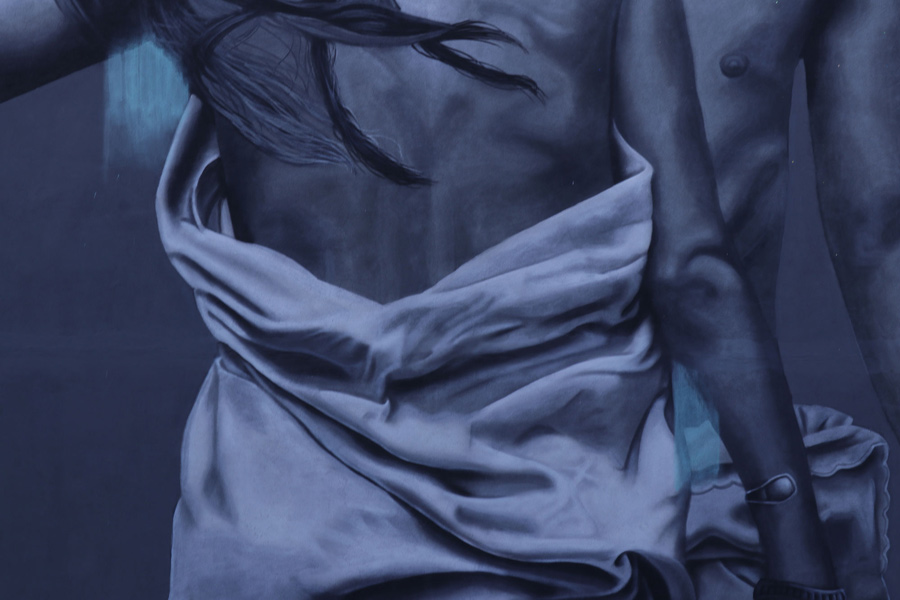
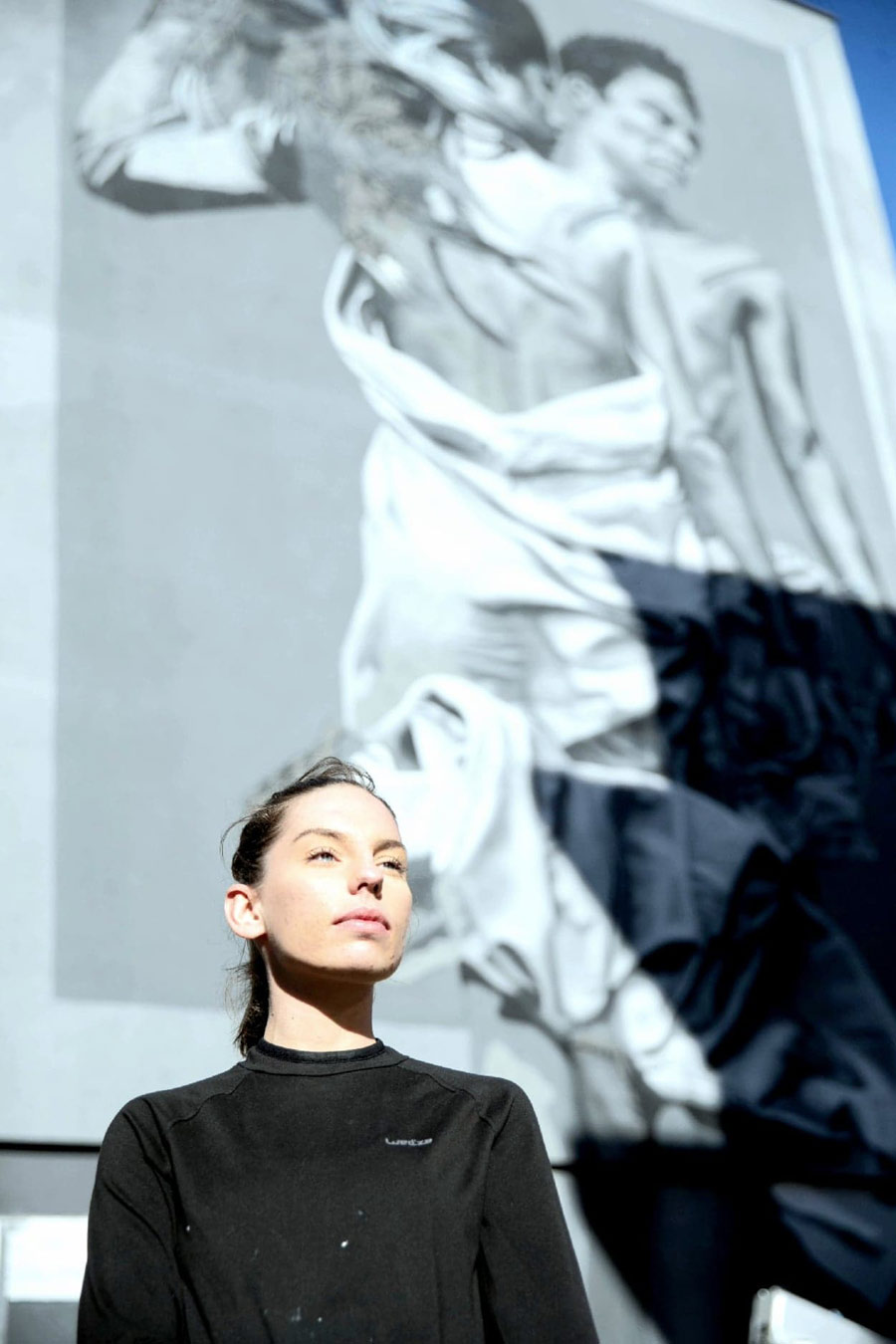
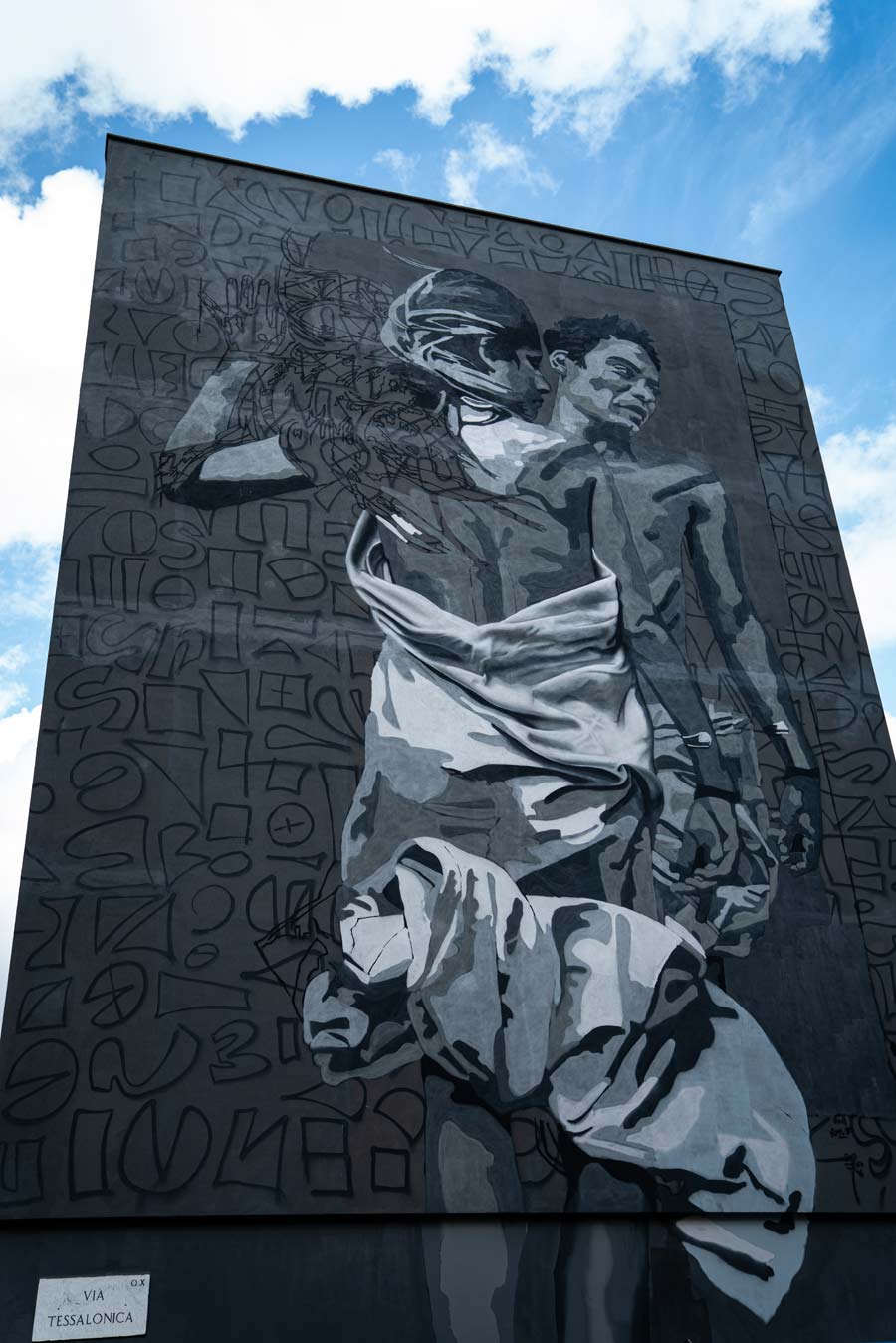
As you make your resolutions for the new year, you may find yourself trimming the bushes of your life, pruning away the unproductive branches, as it were. Polish poet Tadeausz Nowak (1930-1991) may have been thinking of clearing away the dead brush when he wrote about “ludzikowie” (petty people) in his “Frolic Psalm”.
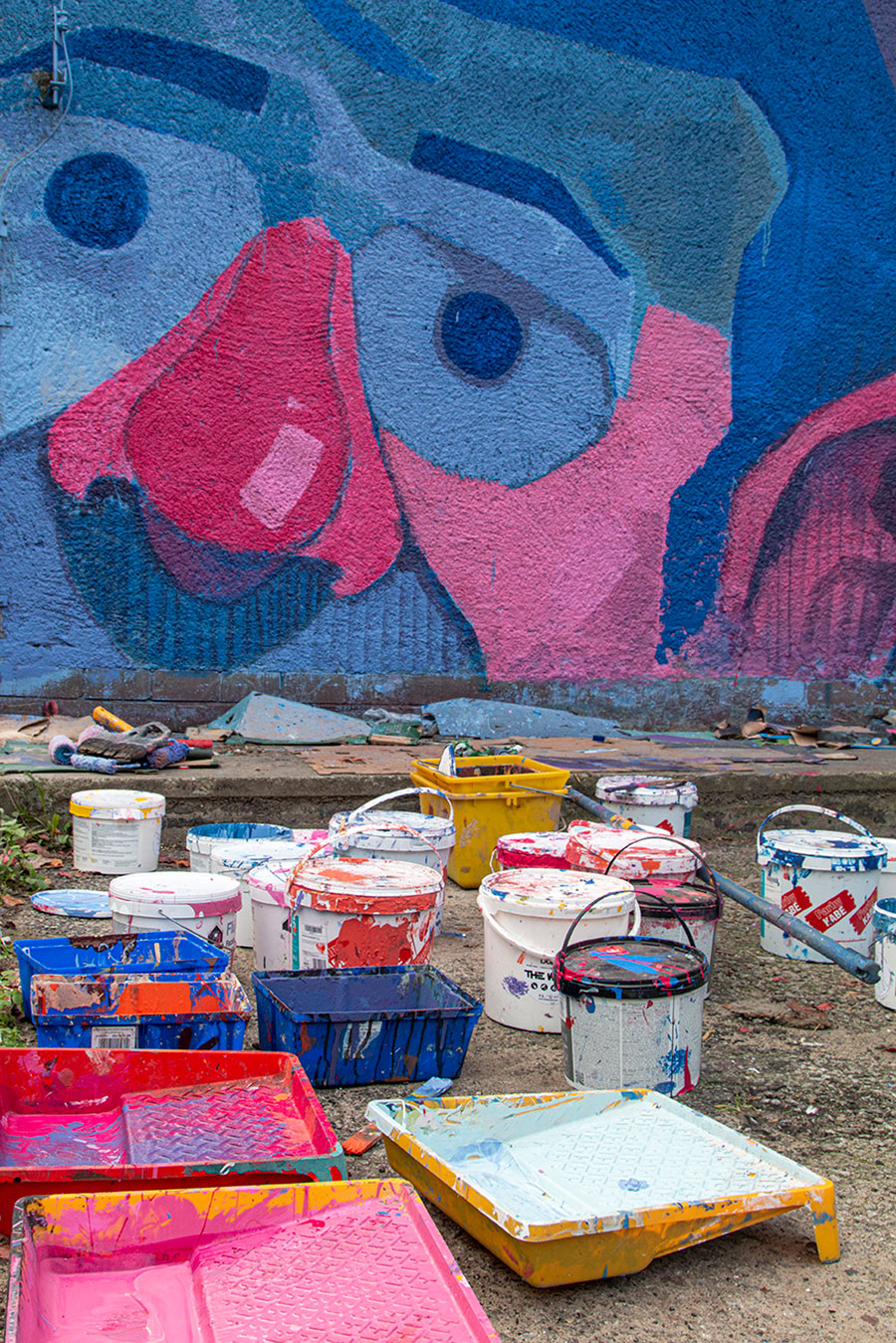
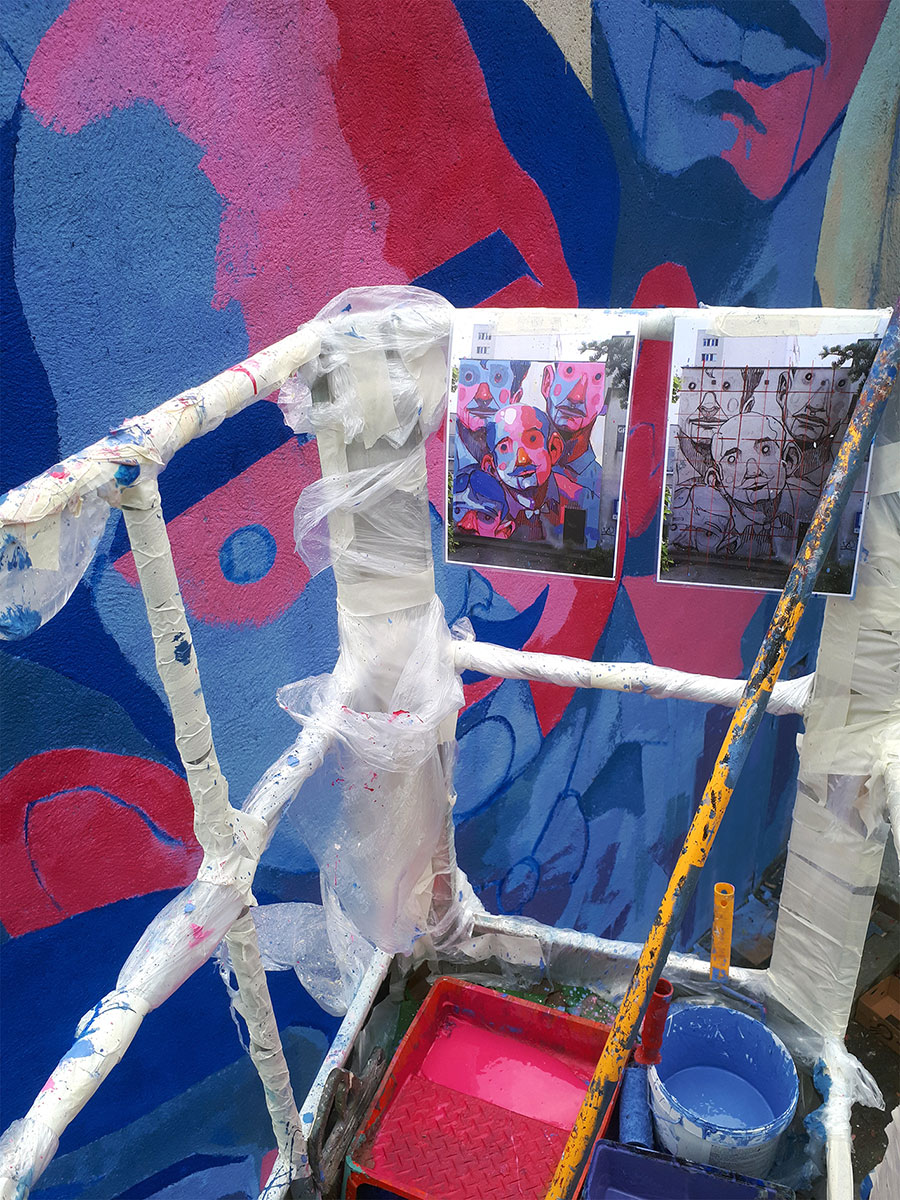
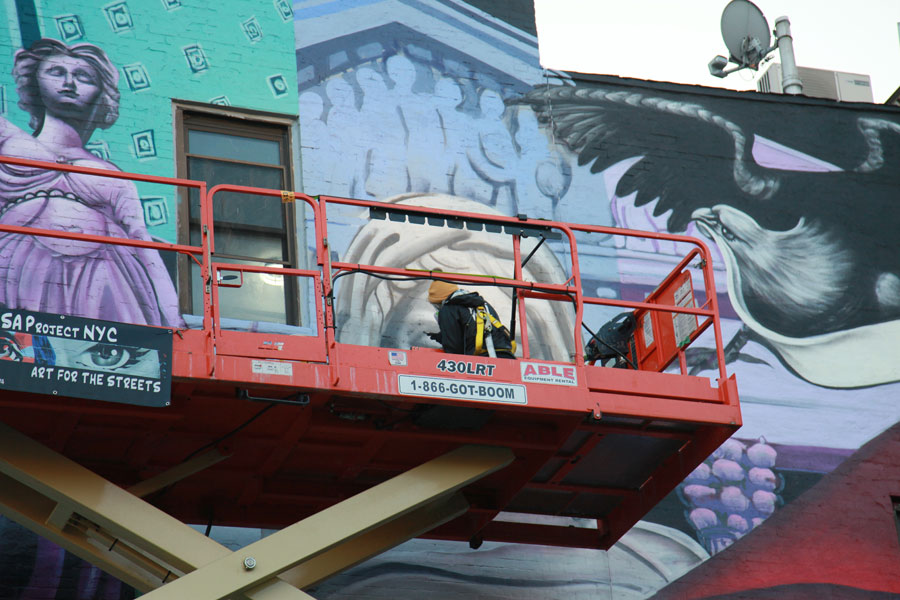
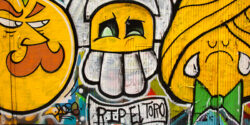
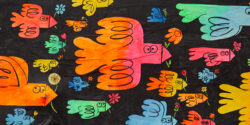
Polish street artist Michał ‘Sepe’ Wręga was born in Warsaw and tells us about this new mural he painted in his hometown as a tribute to the poet. Always in touch with his graffiti roots, Sepe now plays with a sophisticated palette like an illustrator and painter, giving these figures a maudlin cheer, mired as they are in trifling fixations.
To better describe his intentions with these pink and blue painterly depictions, Sepe quotes Nowak for us: “Heaven, oh heaven, pricked with spears, pierced through with a cow’s horn, poor petty people standing beneath with their God swamped in plaster”.
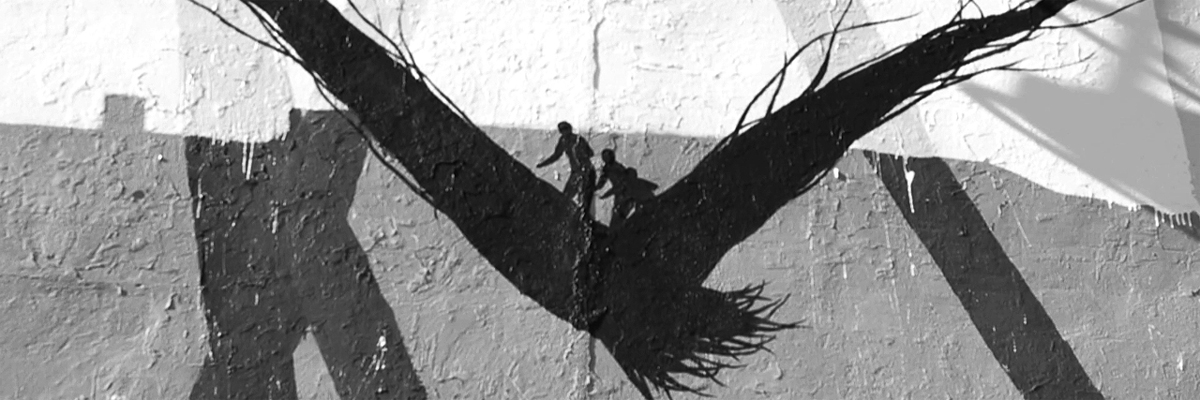
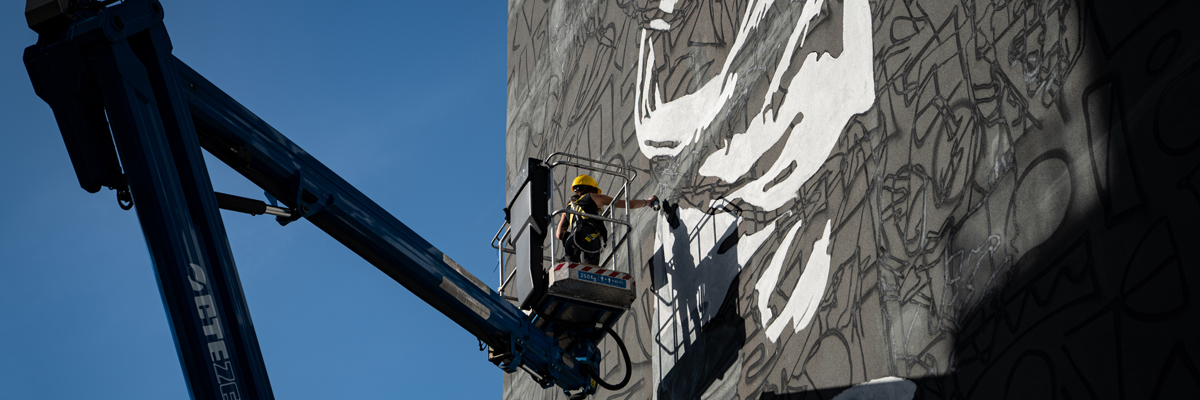
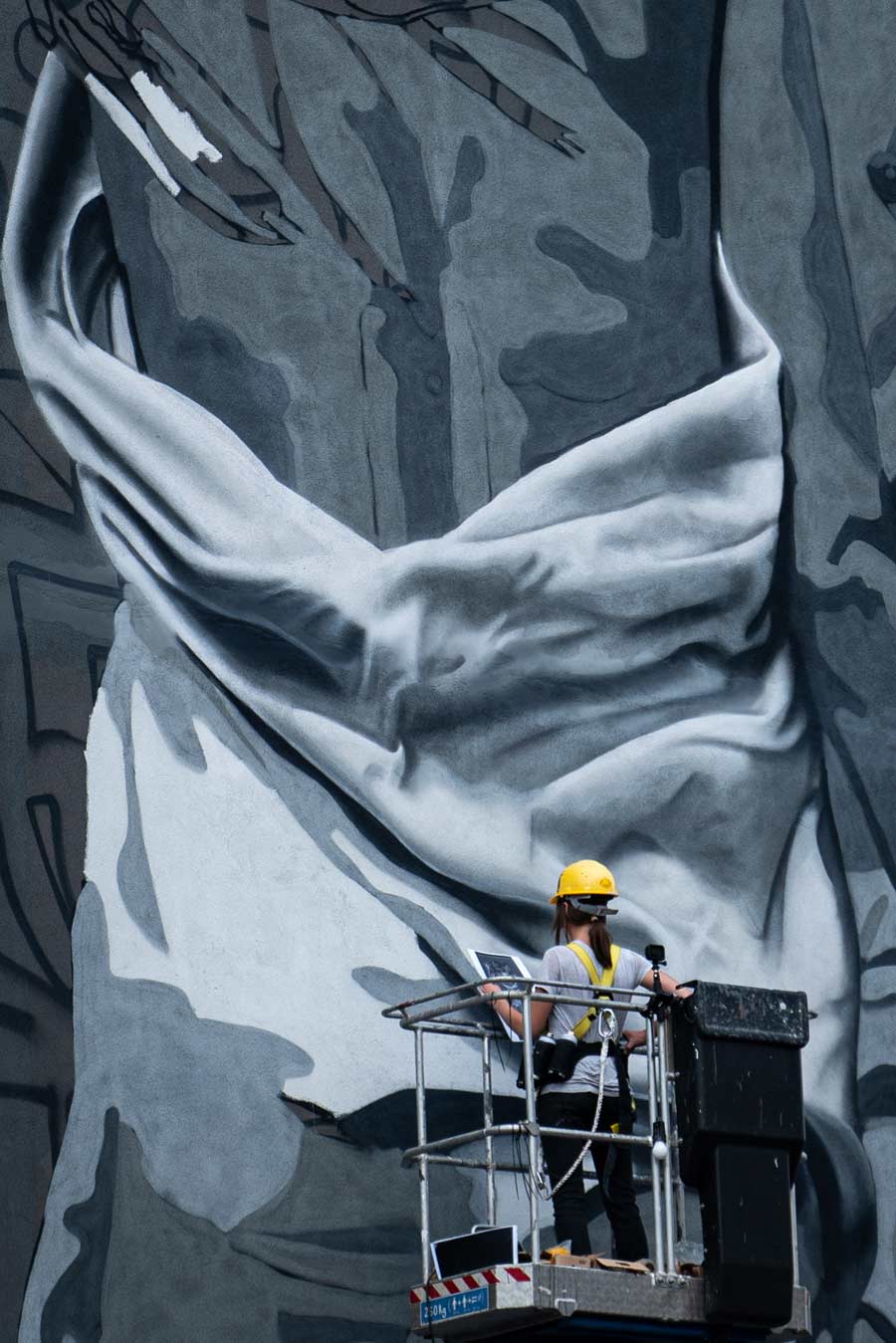
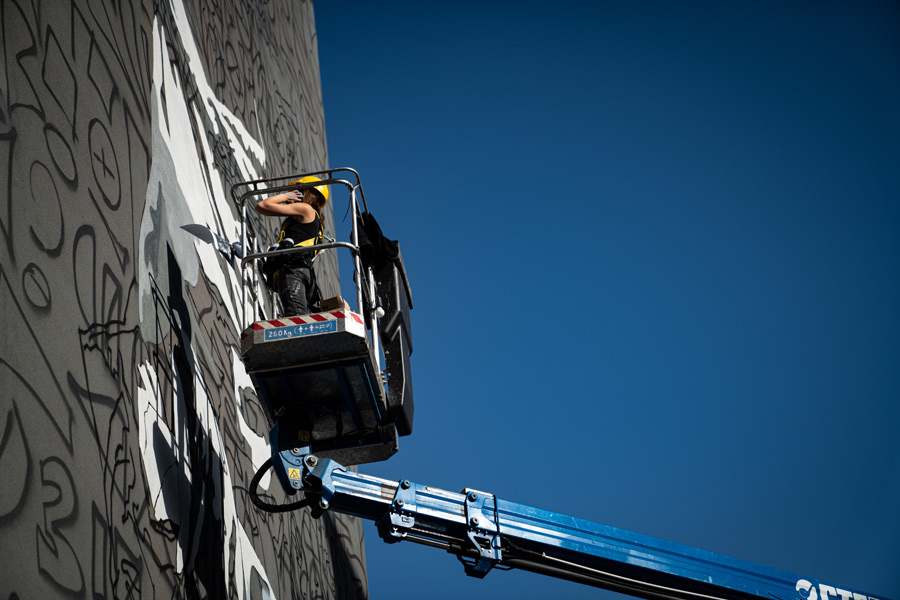
“The glacier has melted by about one meter annually since the turn of the millennium,” says Swedish street artist Vegan Flava. In fact, he says, the southern peak was Sweden’s highest mountain until two years ago as the 40 meter thick glacier continues to melt due the warming of the atmosphere. Now it is lower than the northern peak.
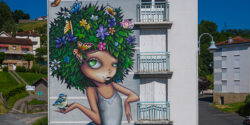
Today we are looking at the artists’ newest mural in Linköping, the title of which references this specific melting occurence “From Here to the Southern Peak.”
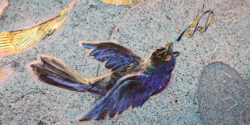
The circuitous artist mind imagines a bird from the roots of a blue corn flower in the Swedish province of Östergötland, and this painter meditates on the birds’ flight over rooftops up to the Southern Peak.
Vegan Flava’s interconnectedness of themes reminds us that one vital life system is affected by and often dependent upon the next. “Everything we humans build and live from depends on a stable climate,” Vegan Flava says, “like our water supply, agriculture, infrastructure and healthcare.”
Welcome to the first BSA Images of the Week of 2021 !
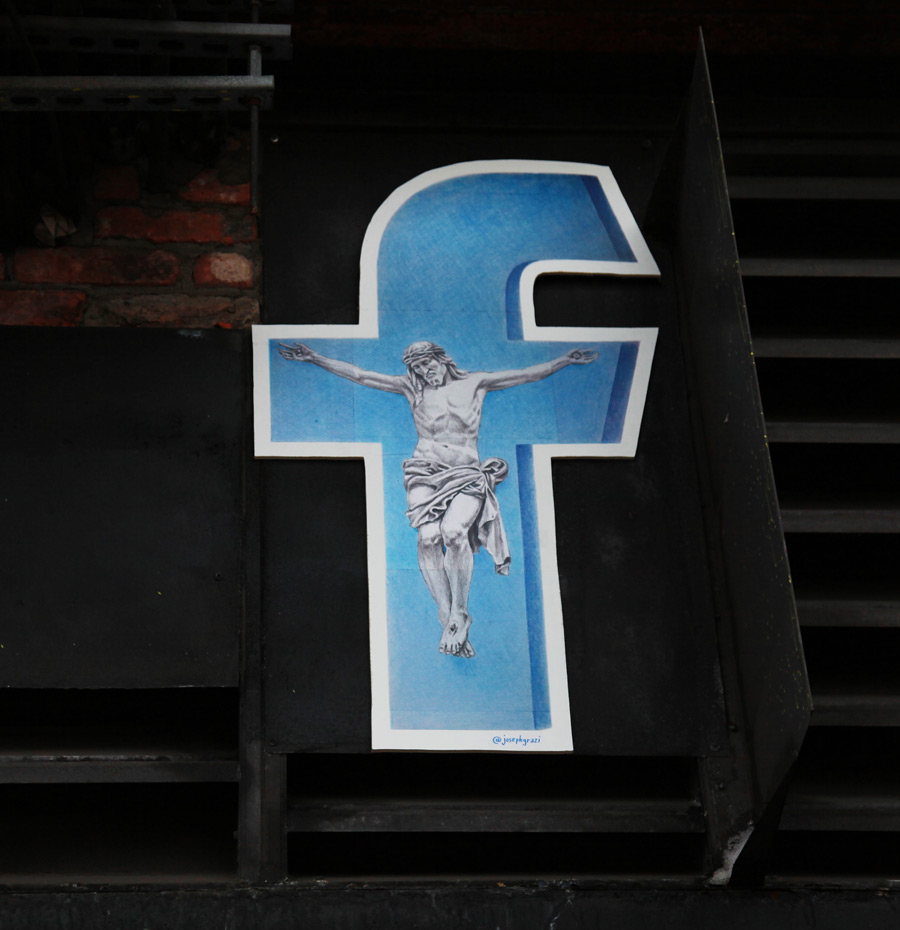
We start our collection this week with an image of Christ crucified on a Facebook logo. If this is the level of subtlety that we can expect from the new year…gurl, we in trubble.
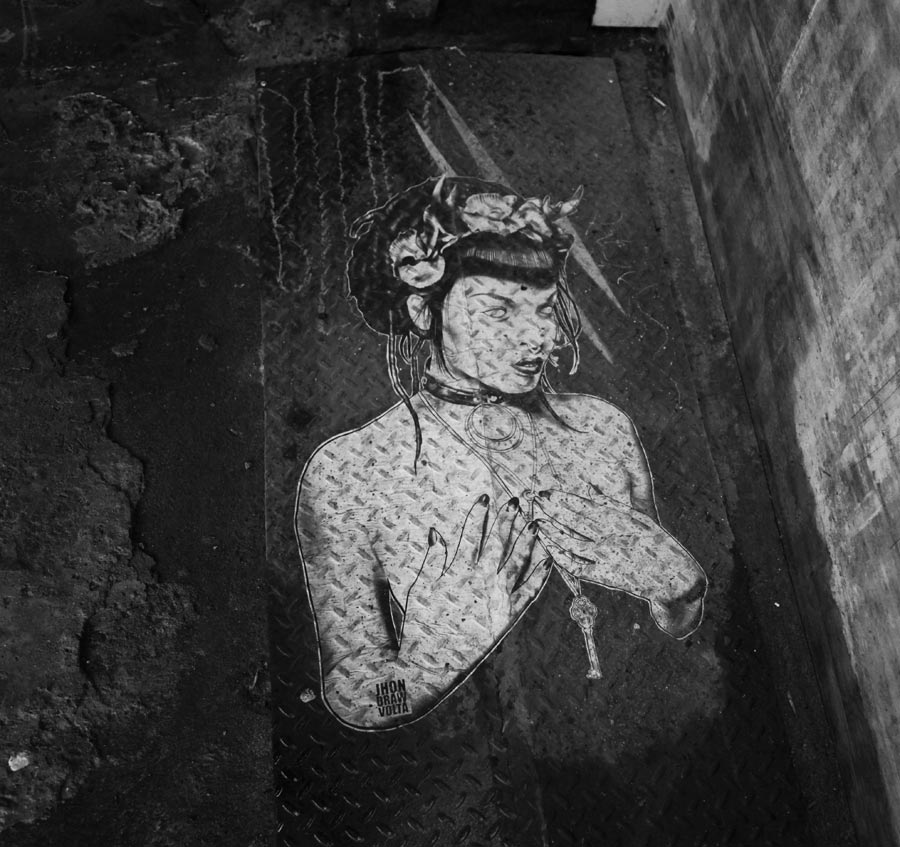
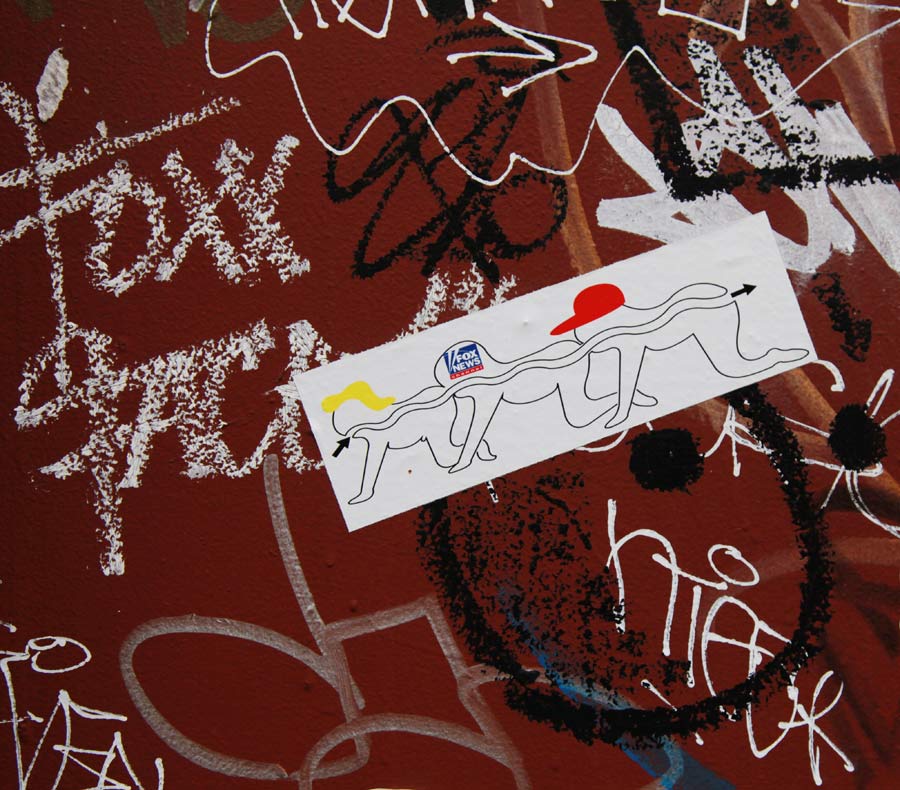
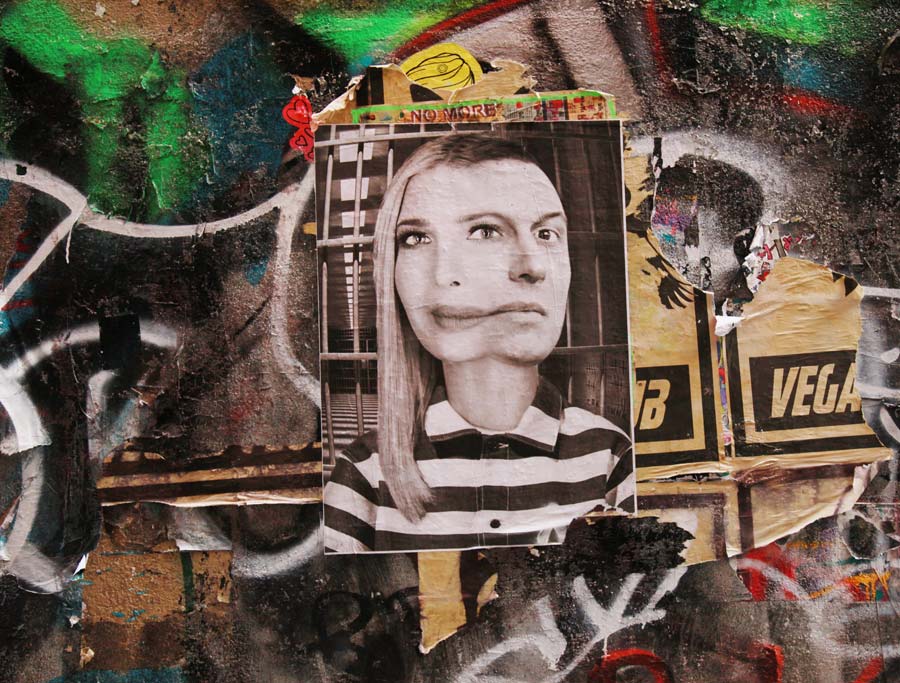
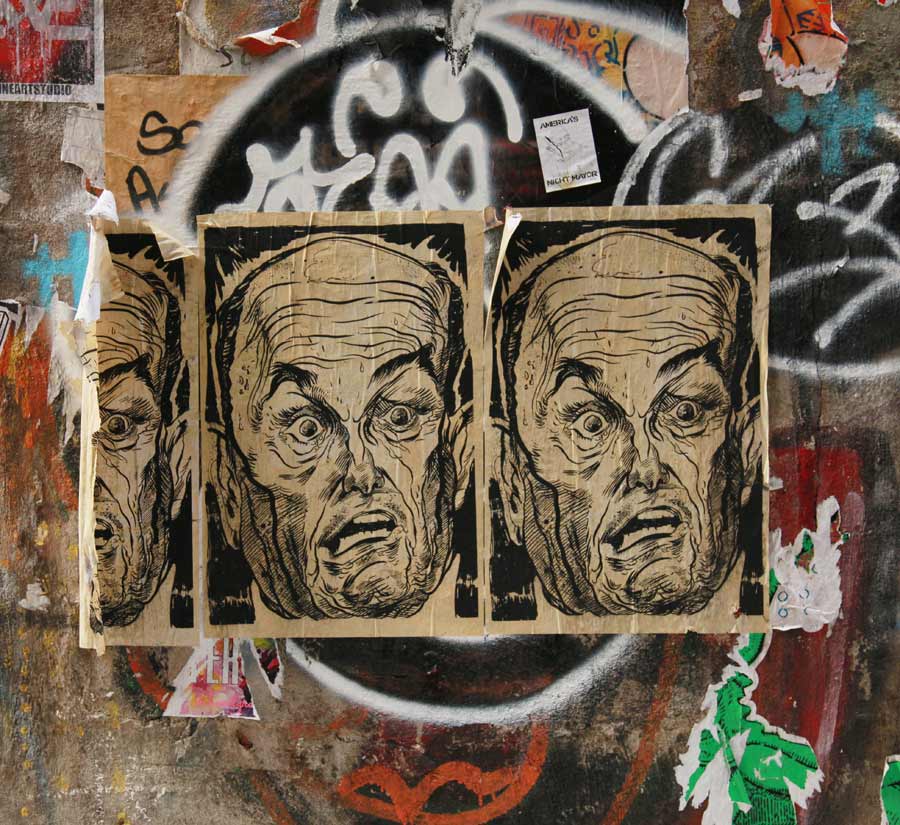
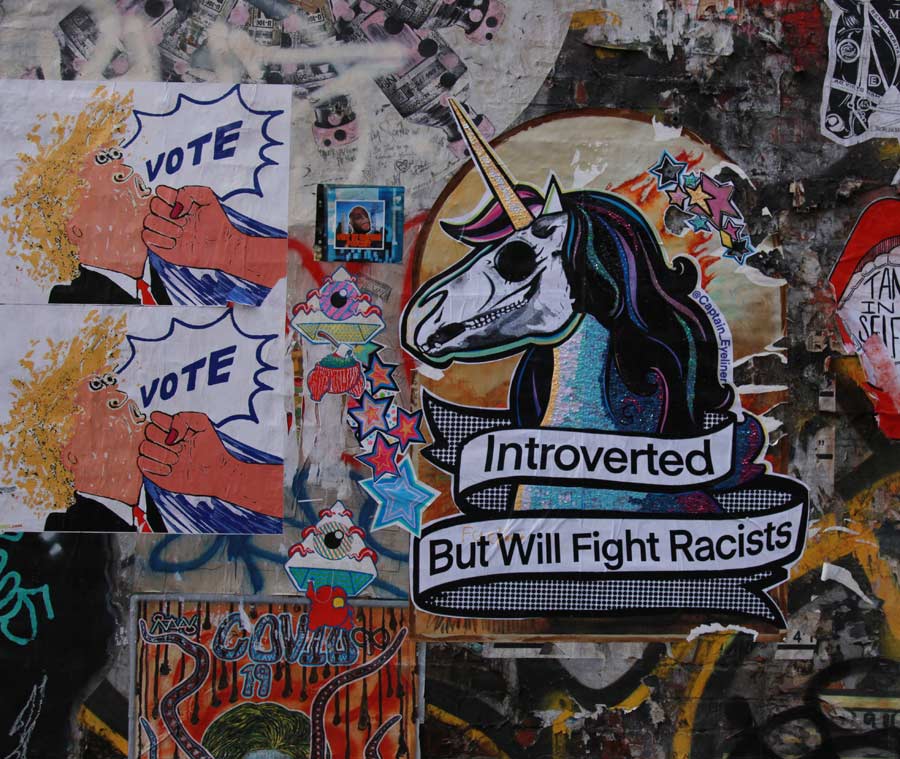
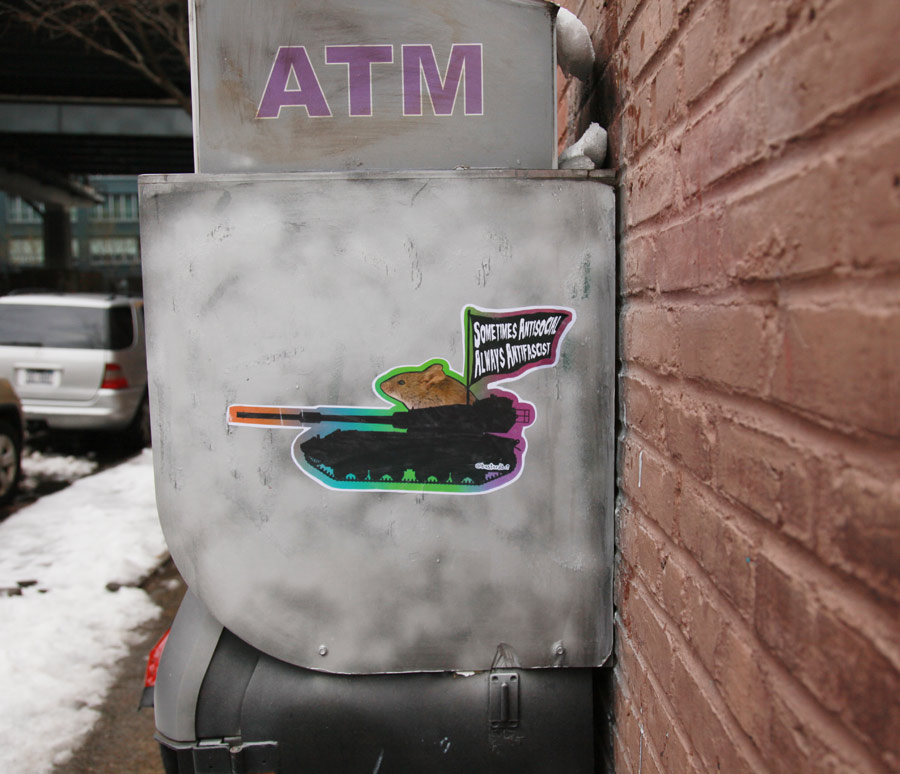
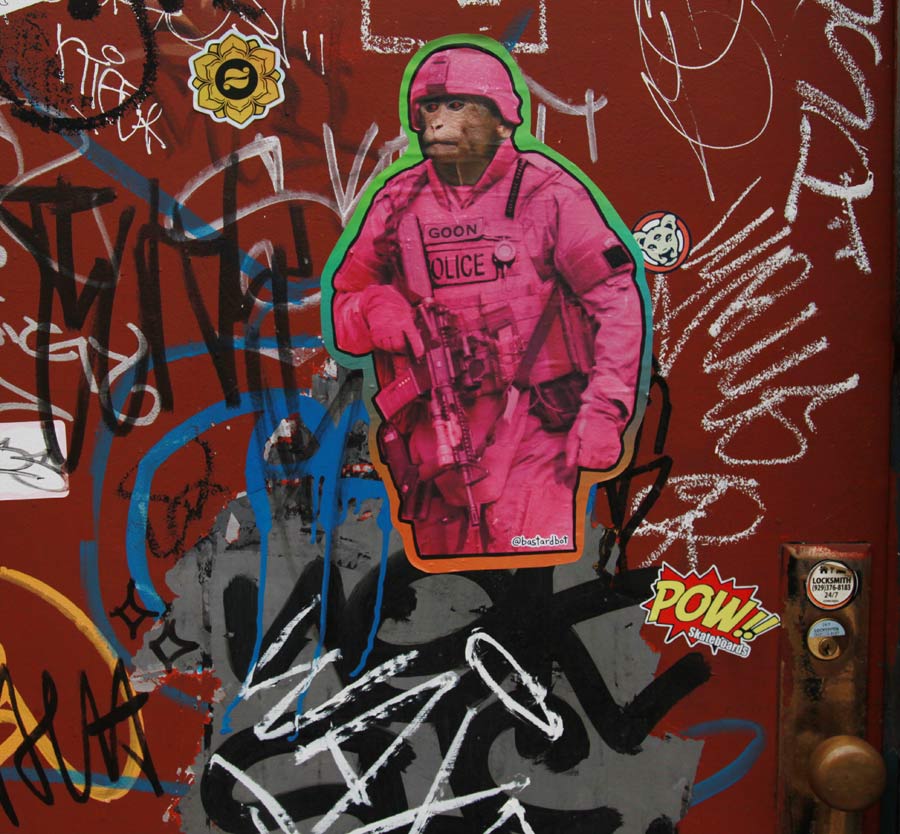
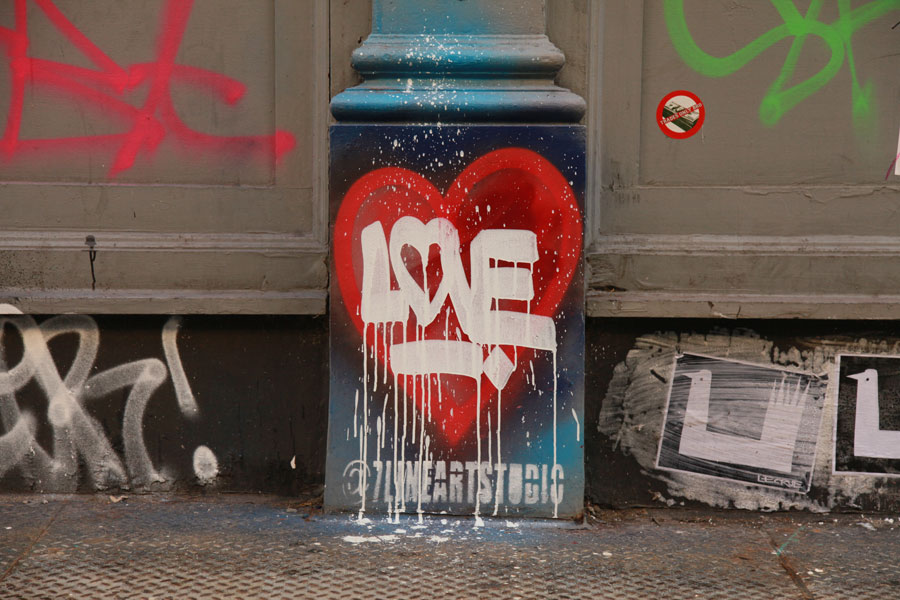
In fact, we have found that much of the organic street art that we find today has become increasingly strident in opinions expressed, especially around themes of social justice and political skullduggery. It’s all mixed in with favorites like pop figures, sports figures, cats. In a way, the artists are ahead of us, so we consider these images as the tea leaves for what is coming.
How will you interpret these messages from the street? Will you become emboldened? Scared? Or will they not have any impact on passersby?
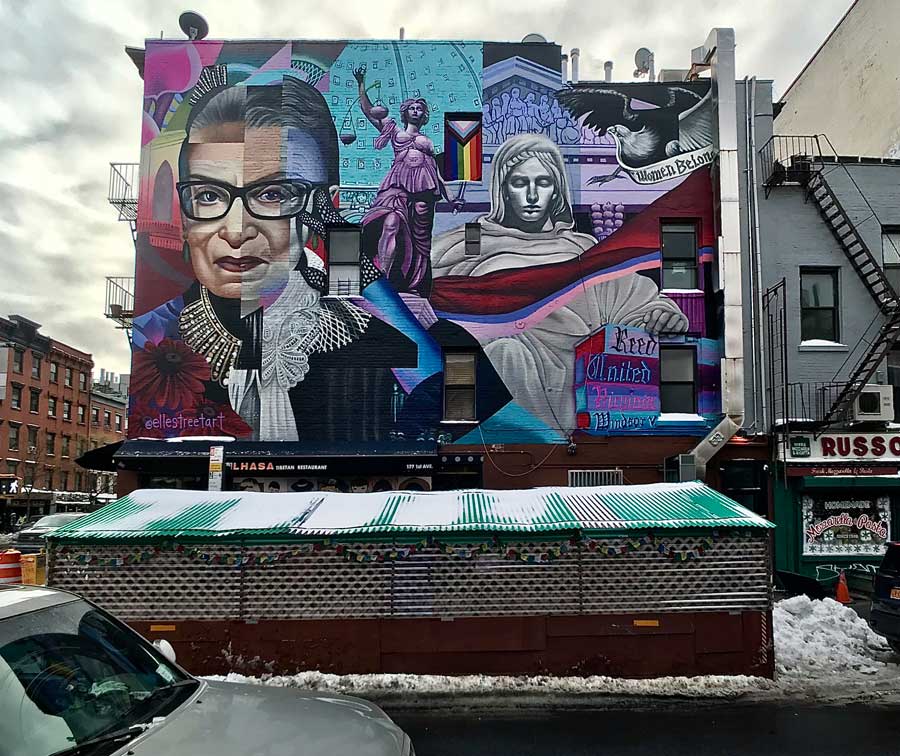
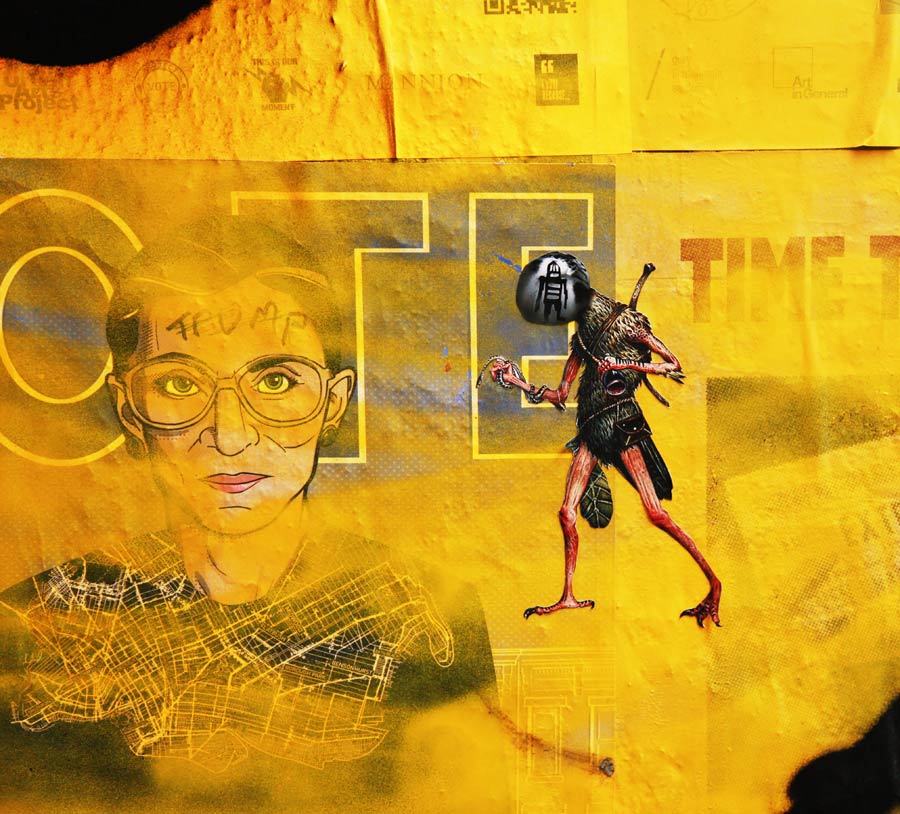
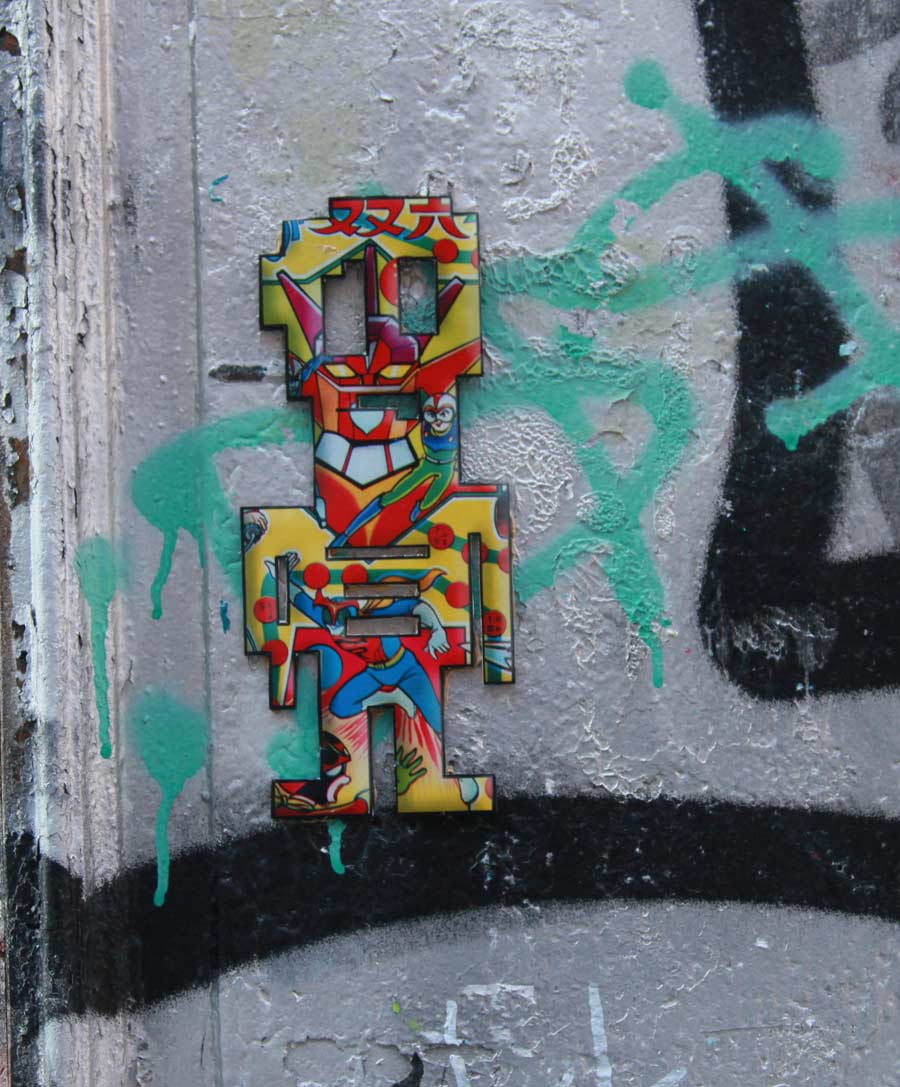
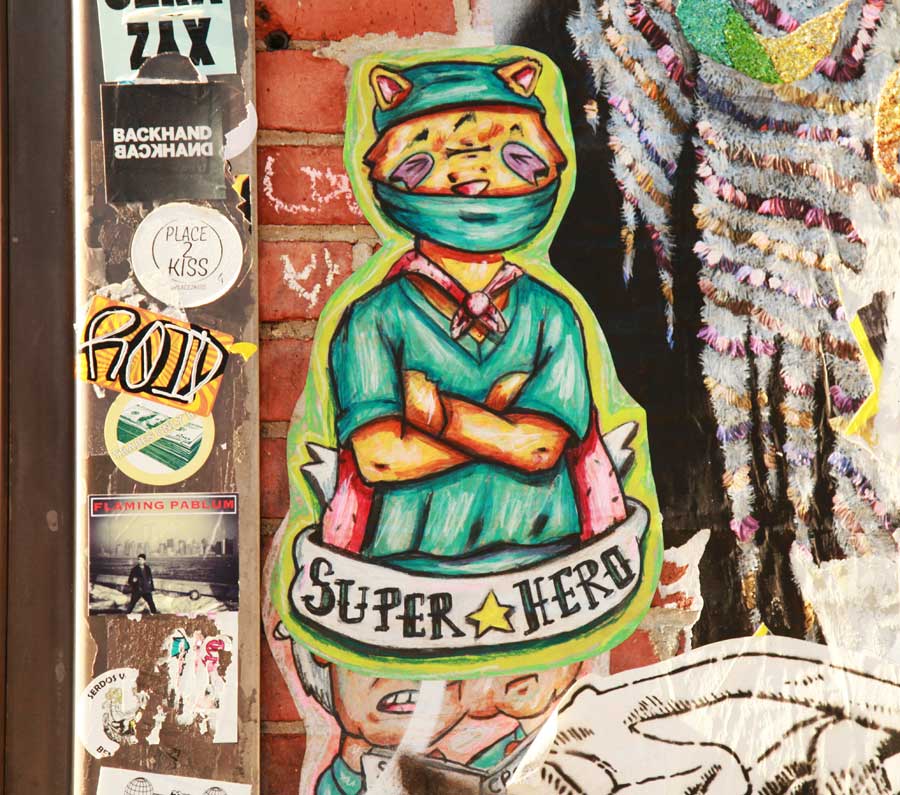
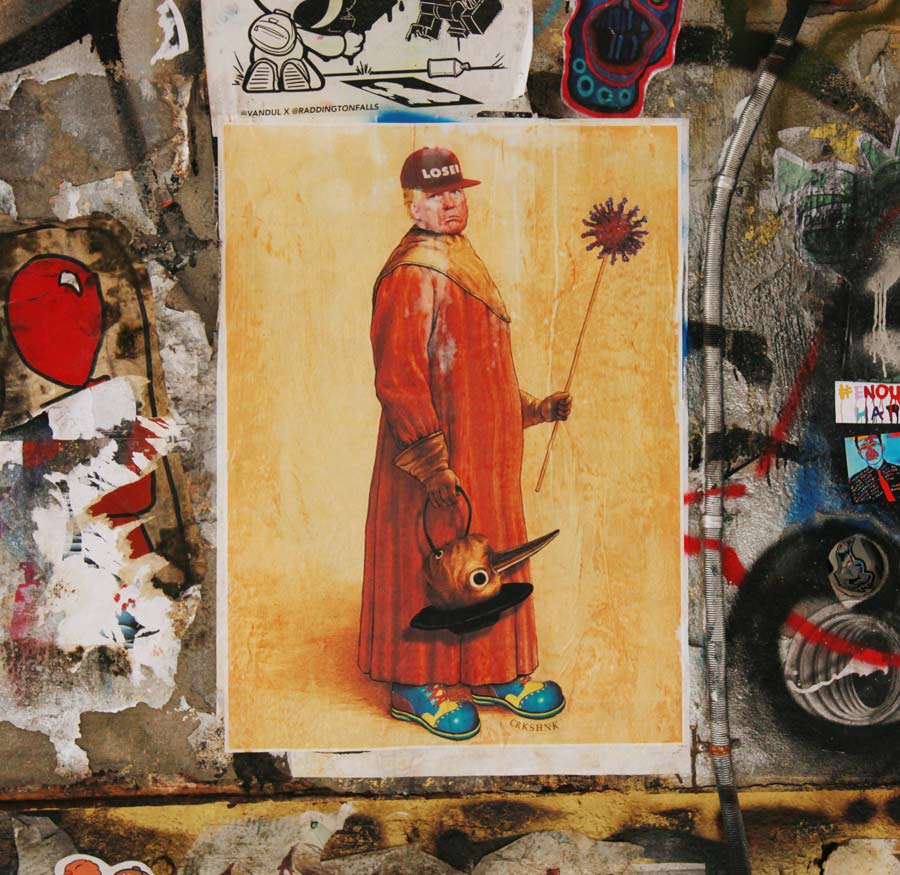
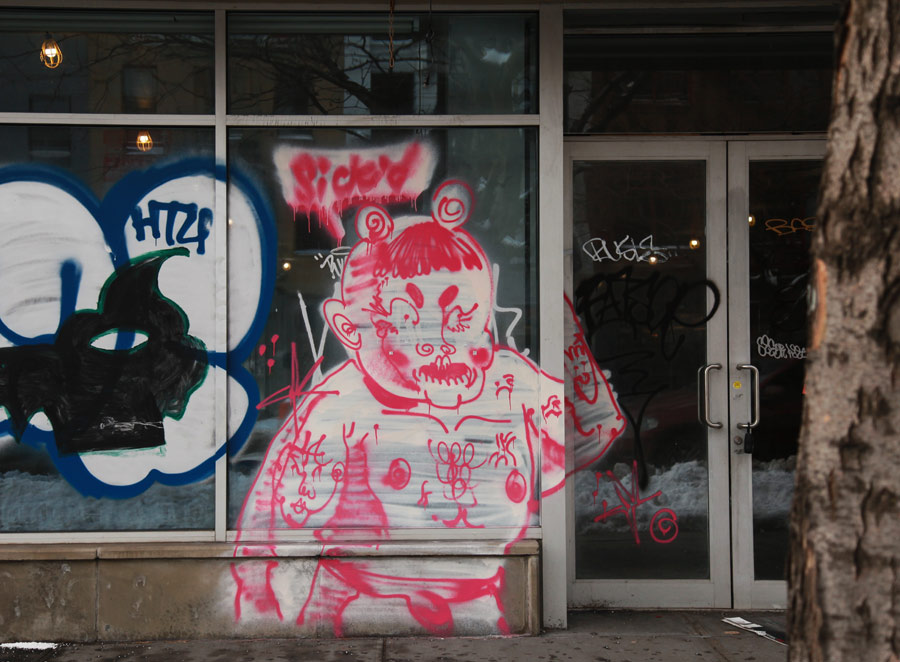
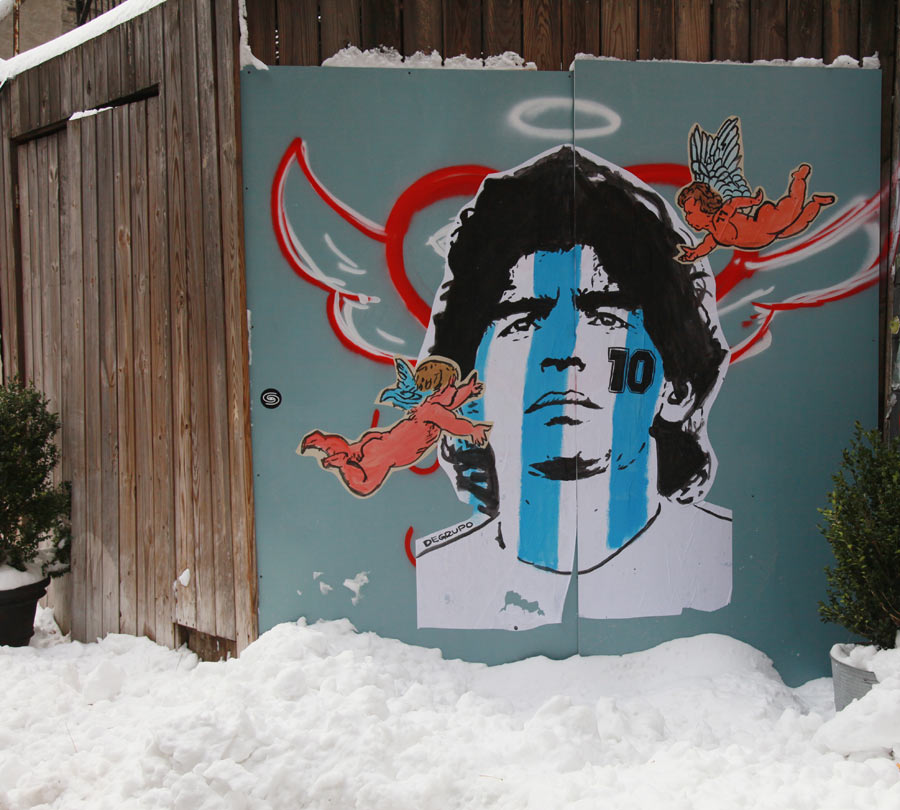
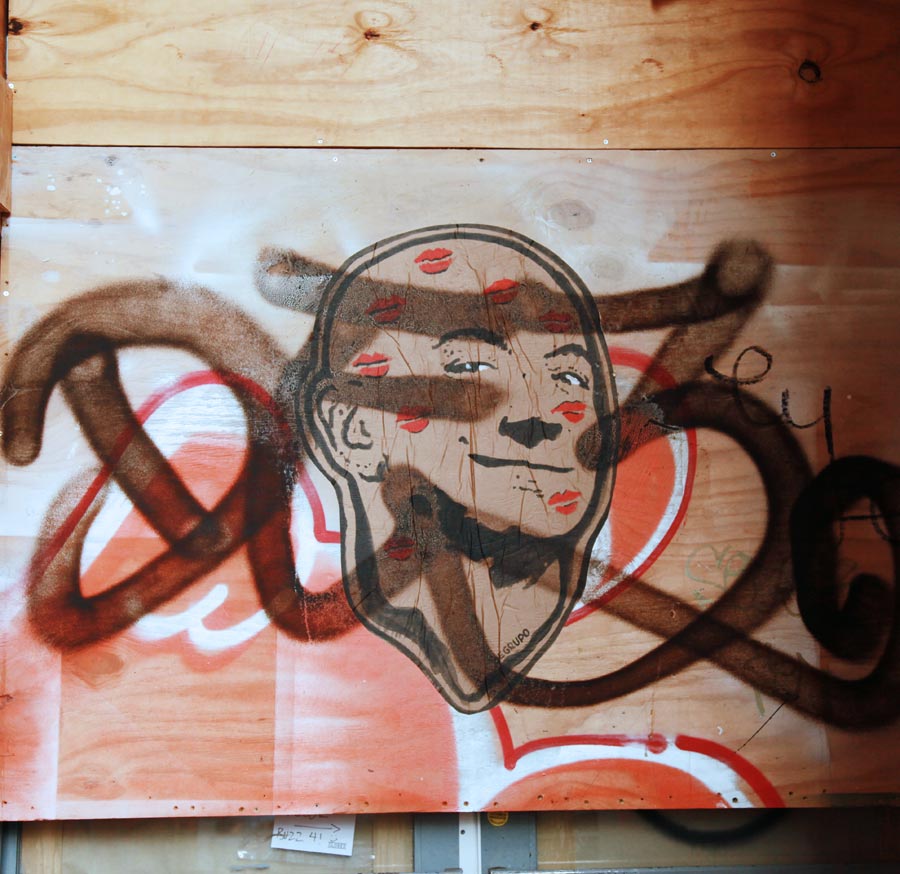
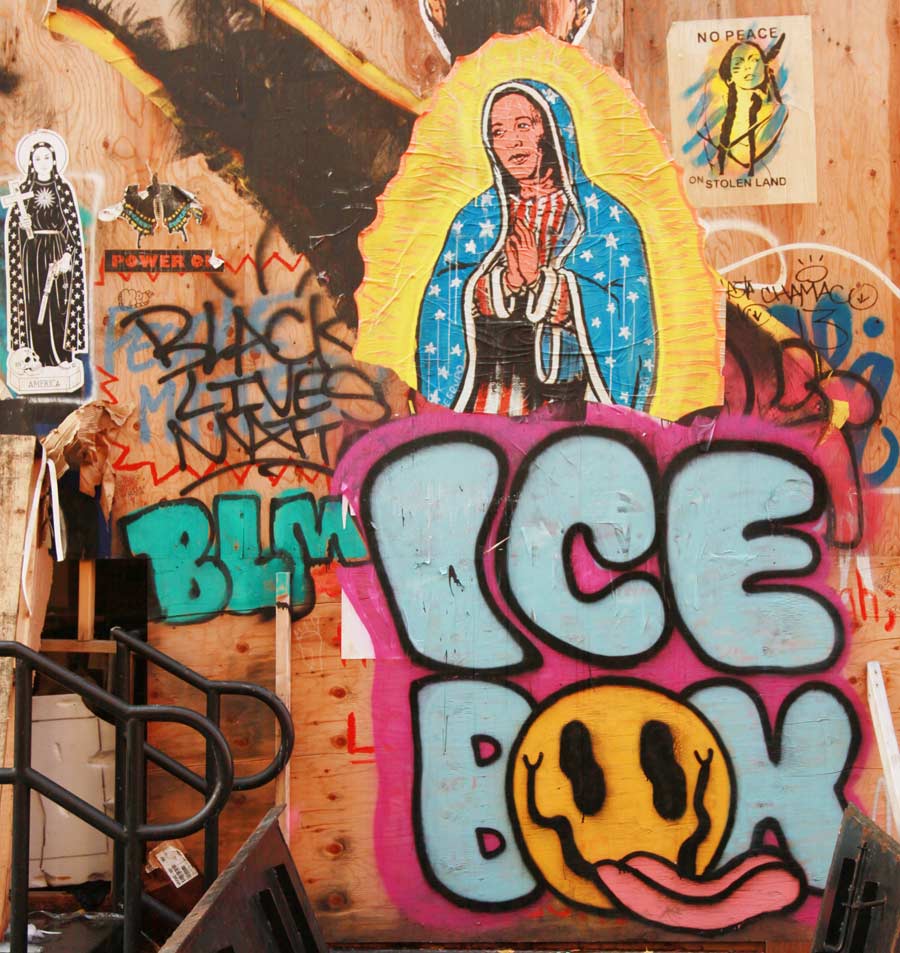
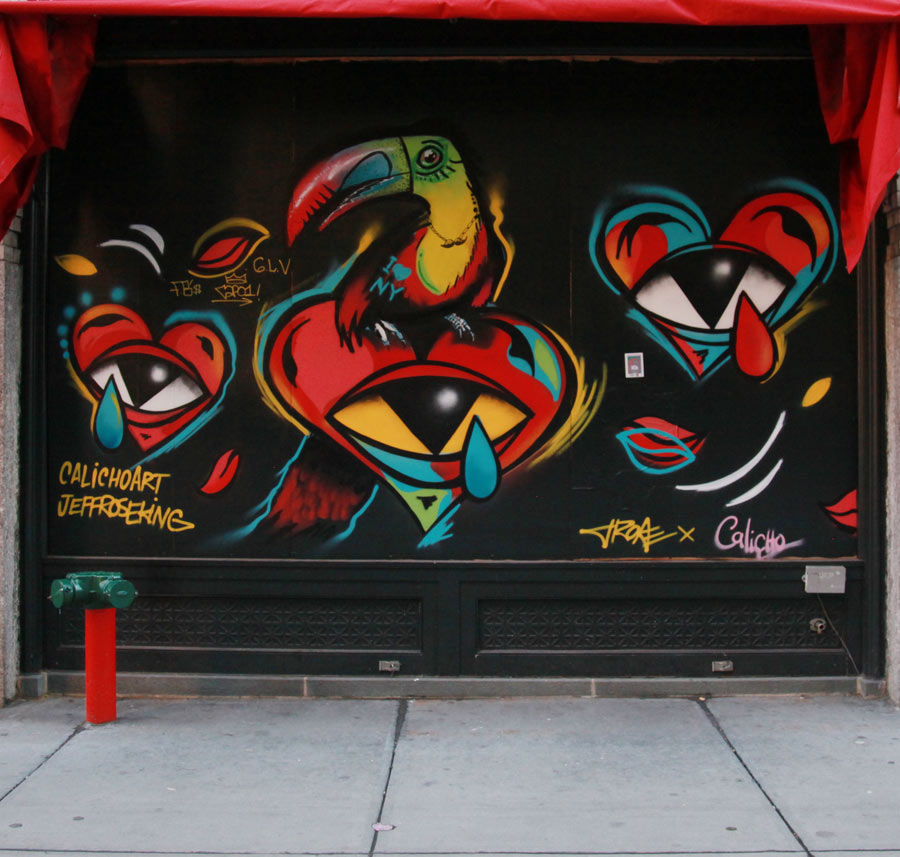
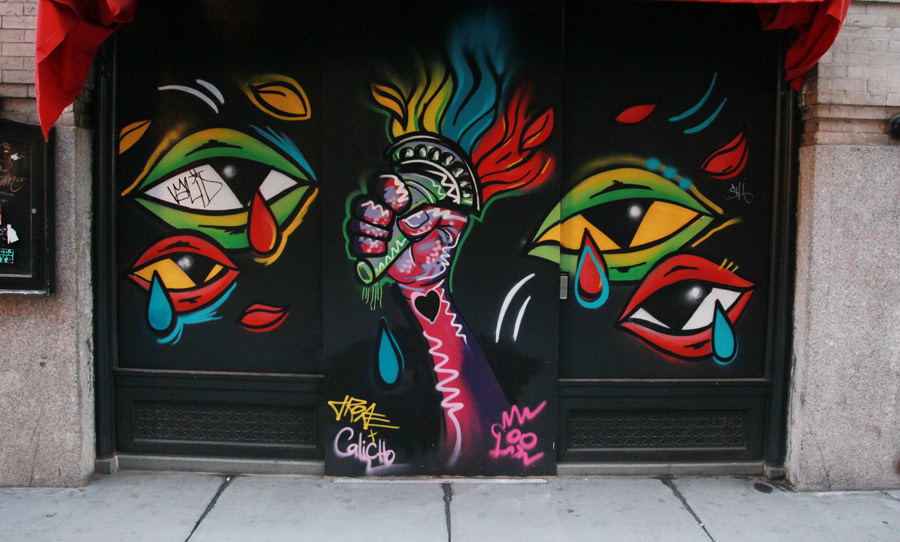
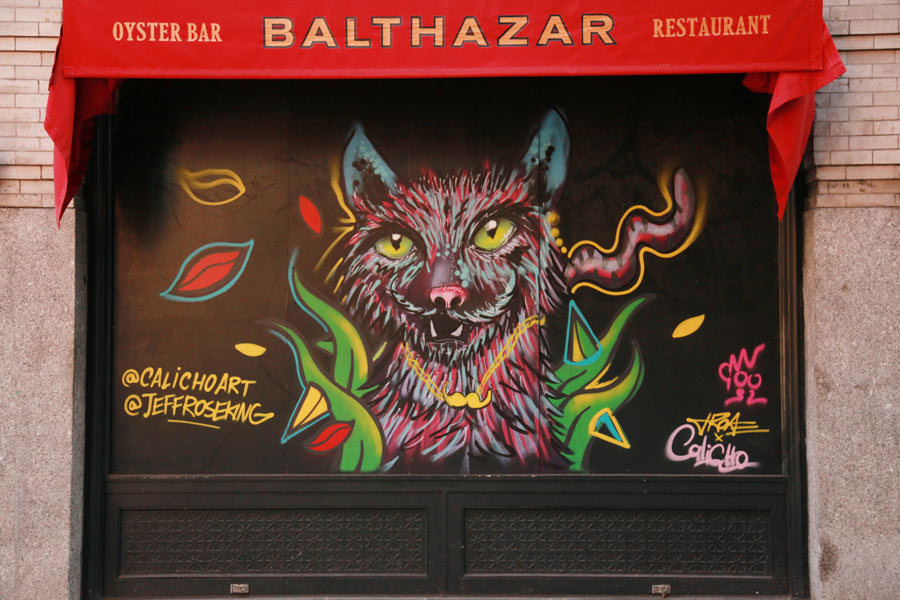
Here is our weekly interview with the streets, this week featuring 7 Line Arts Studio, Bastard Bot, Calicho Art, Captain Eyeliner, Calisi Maultra, City Kity, CRKSHNK, David F Barthold, Degrupo, Elle, Jeff Roseking, Joseph Grazi, NohJColey, Poi Everywhere, Sickid, Sticker Maul, and Stikman.
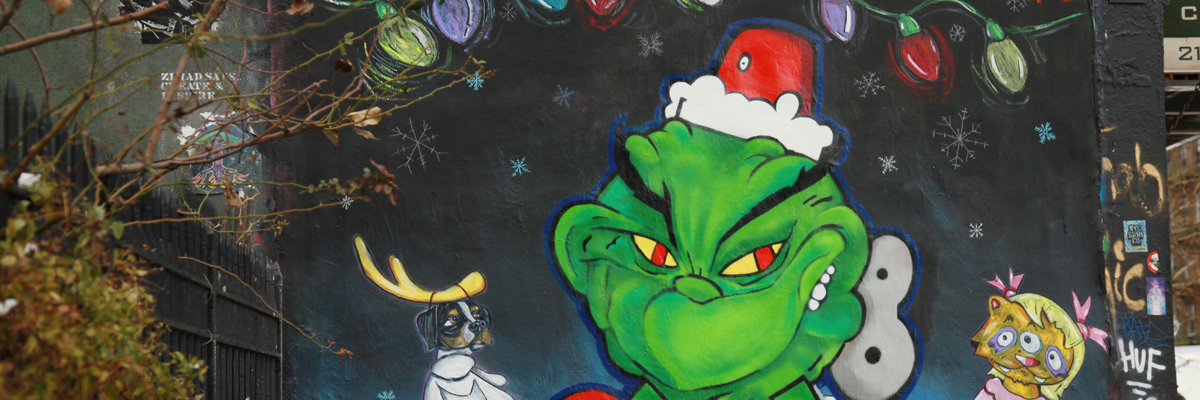
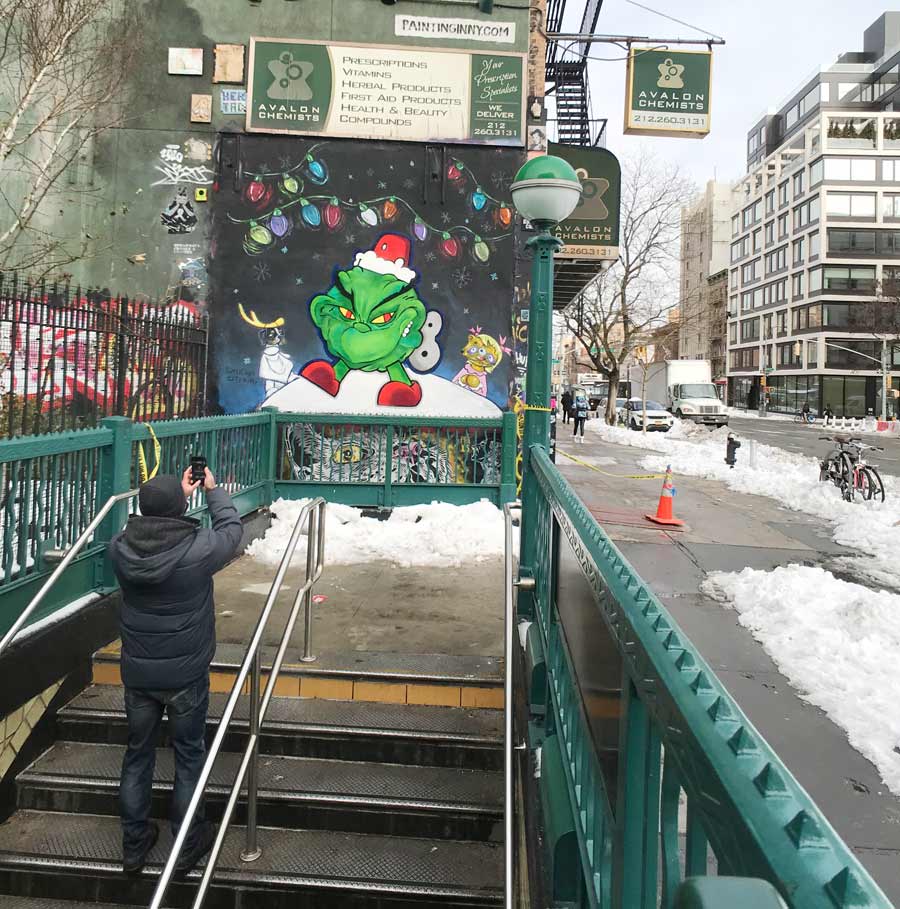
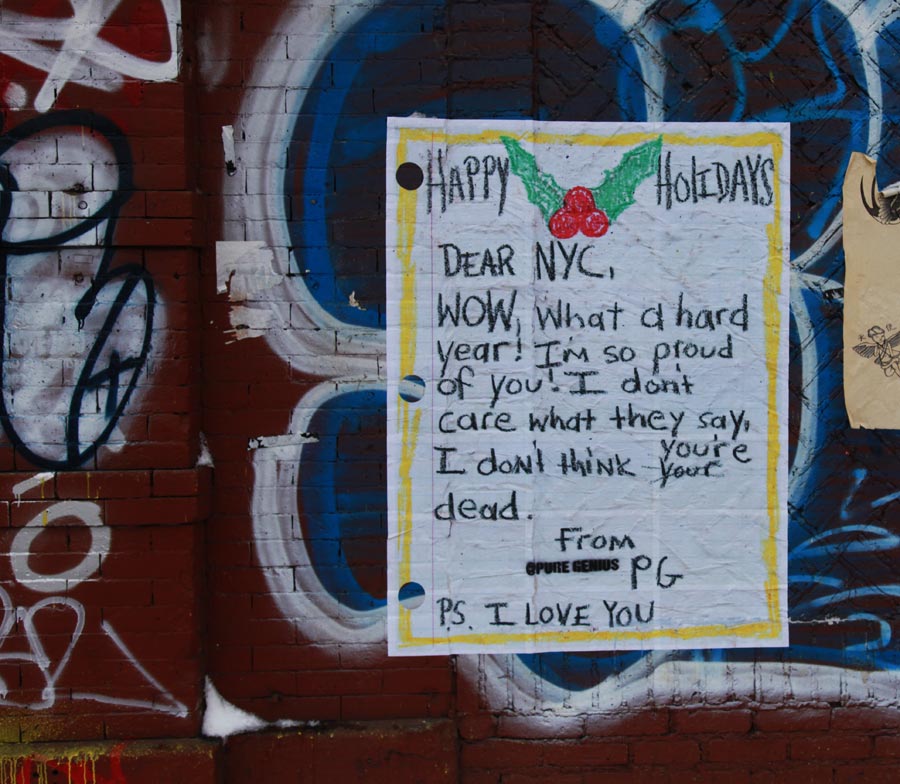
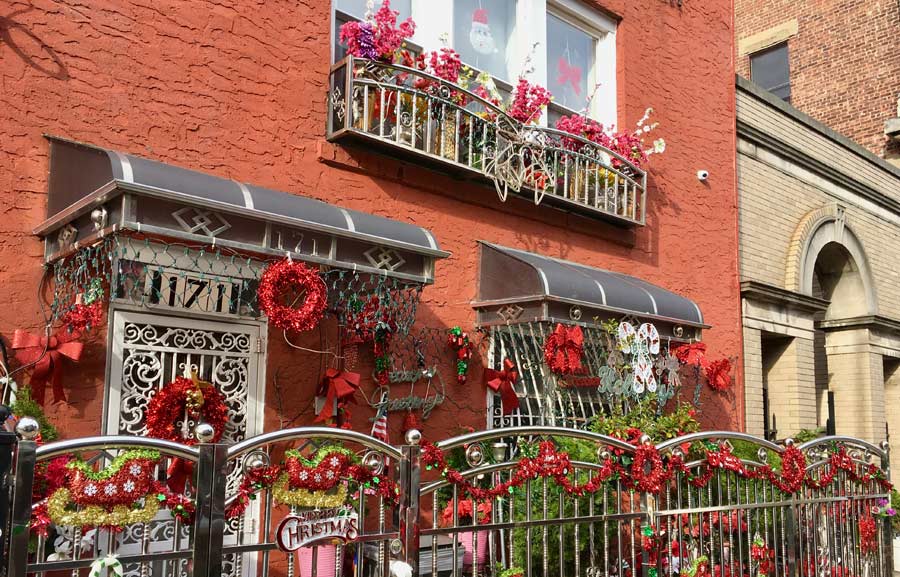
You could be forgiven for feeling a little like a Grinch for a part of this Christmas; a global virus and a completely fumbled response to the economic well-being of all Americans has left many without home, food, jobs, healthcare, security on this day in 2020.
But let’s rejoice that we persevered, and we found some reasons to be positive, to be hopeful, and to work together. New York is unbeatable! God Bless NYC!
And we are thankful for you. From your friends at BSA we wish you a very Merry Christmas.
It’s that time of the year again! BSA has been publishing our “Hot Lists” and best-of collections for more than 10 years every December.
In this year that has been so heavy and difficult for many of the BSA family we thought it would be inappropriate to do things the way we always do, out of respect for this moment. The one list that we feel good about this year of course is our shortlist of some of our favorite books from 2020 that you may enjoy as well – just in case you would like to give them as gifts to family, friends, or even to yourself.
From BSA:
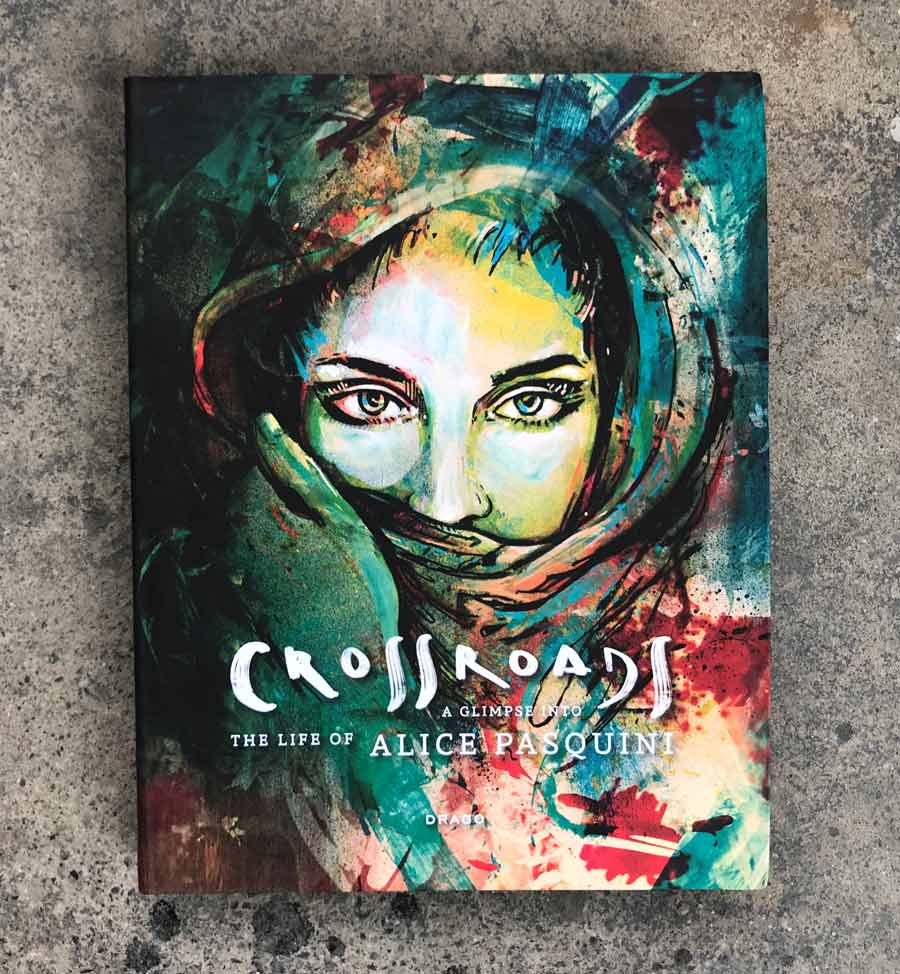
Crossroads, the new monograph from Alice Pasquini is full of the young daring and confident girls and women whom have been traveling with her since she began painting walls around the world two decades ago.
Rendered in aqua and goldenrod and midnight, withstanding winds and rains, these figures are willing to be there as a testament to the daily walk through your life. A survey and diary of her works and experiences, her style is more human than international in its everyday appeal, advocacy gently advanced through the depiction of intimate personal dynamics and internal reflection.
Perhaps this quality alludes to the invitation of interaction, the ease of integration with the public space in a way that the cultural norms of her Italian roots influenced her.
“In Rome, where I grew up, everything is urban art. Any little fountain or corner was made by an artist. And there were always a lot of expressions of freedom in this city,” she says in an interview here with writer Stephen Heyman.
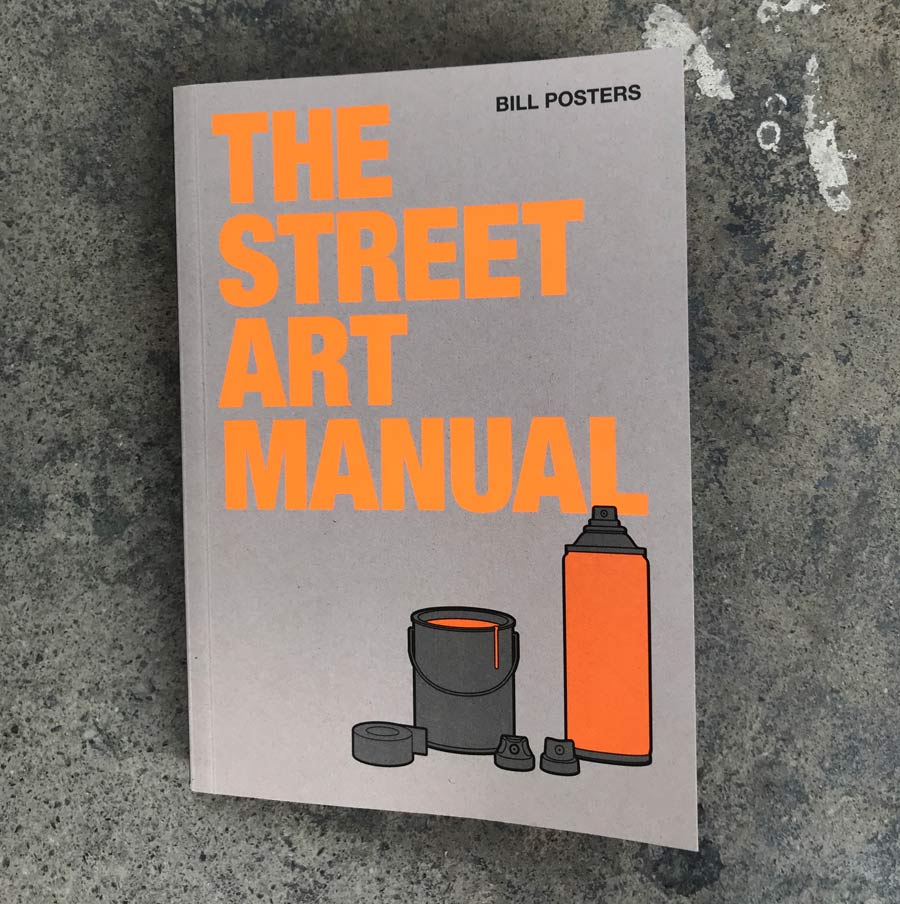
Bill Posters knows his street art and activism history.
From Beuys’ practice of ‘social sculpture’ and John Fekner’s blunt upbraiding of urban planning hypocrisies to AIDS activists using street art to shame government homophobia and the paint-bombing of a Mao portrait that led to the arrest and torture of the artists/activists for counter-revolutionary propaganda, he’ll give you a solid foundation on precedence for this rebellious art life in “The Street Art Manual.”
He also knows how to yarn-bomb.
And myriad other techniques for freelance intervening in city spaces that you own, that all of us own, but which are often commandeered for commercial messages, political propaganda messages, or commercial-political propaganda messages – otherwise known as fascism.
The Street Art Manual by Bill Posters. The Street Art Manual new US on-sale date is now Sept. 8th. 2020. Published by Laurence King Publishing Ltd. London, UK. 2020.
From BSA:
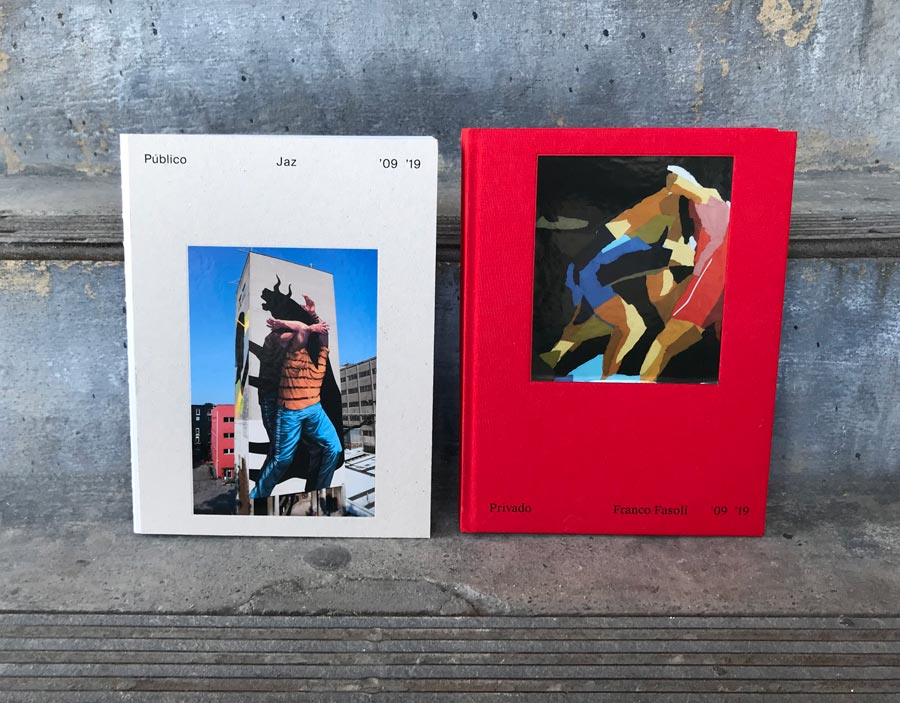
Taking a decade long view of your creative life can be astoundingly instructional if you are brave enough; perusing over the body of work that you have taken with eyes focused and blurred may reveal broad outlines and finer features of a creative life-path – a psychological mapping of the inner world and its outer expression with all its impulses, longings, expressions of received truths and newly discovered wisdom.
Franco Fasoli aka JAZ has looked over his last decade (2009-2019) of work as a street artist and fine artist and offers you the opportunity to examine his public and private side as well in this new two-volume compendium. Painting on the streets since the mid-nineties and his mid-teens in his hometown of Buenos Aires, the visual artist knew his path would be a creative one. His family and role models, comprised of well-schooled artists and educators, had provided a foundation of critique and appreciation for him to build upon from the earliest years.
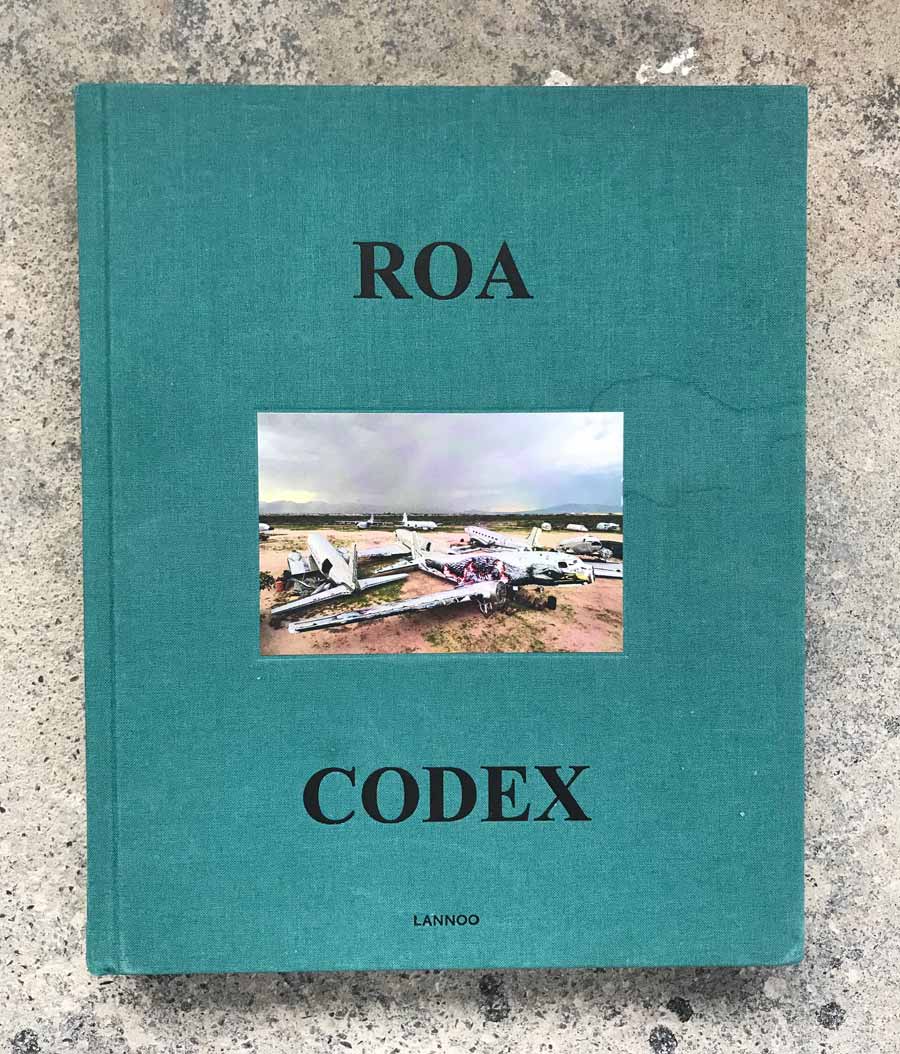
Belgium’s ROA, whom we have featured in perhaps 30+ articles, put out his “CODEX” monograph this spring, and while sitting inside your lockdown we thought you would enjoy freeing your mind to travel the world with him.
A gypsy by nature, a naturalist by practice, he has investigated and heralded the animal world, complete with its heartless savagery. Accurately depicting many of the most marginalized and endangered specimens, this uncanny portraitist spooks you with the scale of his animals, draws you in to their presentation without guile.
Willing to let his work do the talking, ROA is still anonymous after more than a decade on the global street art stage. Following his own path, we recognize his achievements here, and wish him good travels wherever he goes.
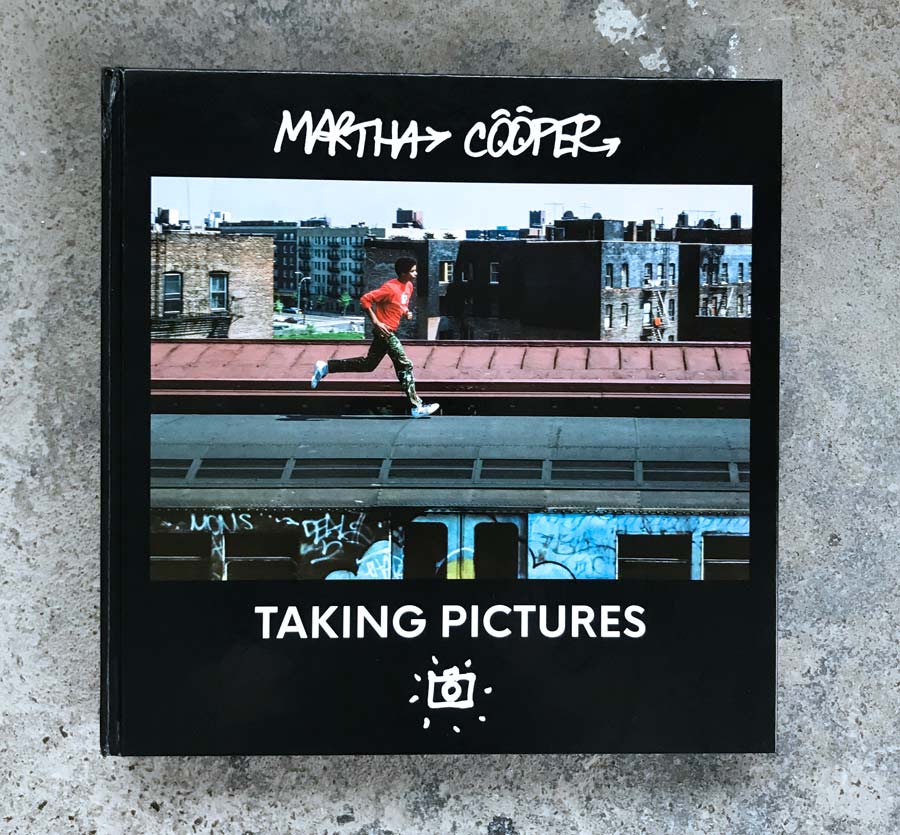
In addition to lush photo spreads of Martha’s documentation over 6 decades, we have essays written by art critic, curator and author Carlo McCormick, UN Executive Director Jan Sauerwald, author and photographer Nika Kramer, author, curator, and Hip Hop historian Akim Walta, National Geographic chief photo editor Susan Welchman, curator of prints and photographs at the Museum of the City of New York Sean Corcoran, and the curators of this exhibition Jaime Rojo and Steven P. Harrington.
The hefty hardcover, a richly illustrated and modernly designed book, is timed for release simultaneously with the exhibition opening this Friday, October 2. In addition to the essays, we have 40 quotes about Martha from her peers, artists, authorities in photography, folklore, graffiti, and Hip Hop, along with long-time friends and her family. The cover of the book features a photograph rarely seen of graffiti writer Skeme train surfing in NYC taken by Martha in 1982. The introductory texts to each of the 10 sections are written by author and curator Christian Omodeo.
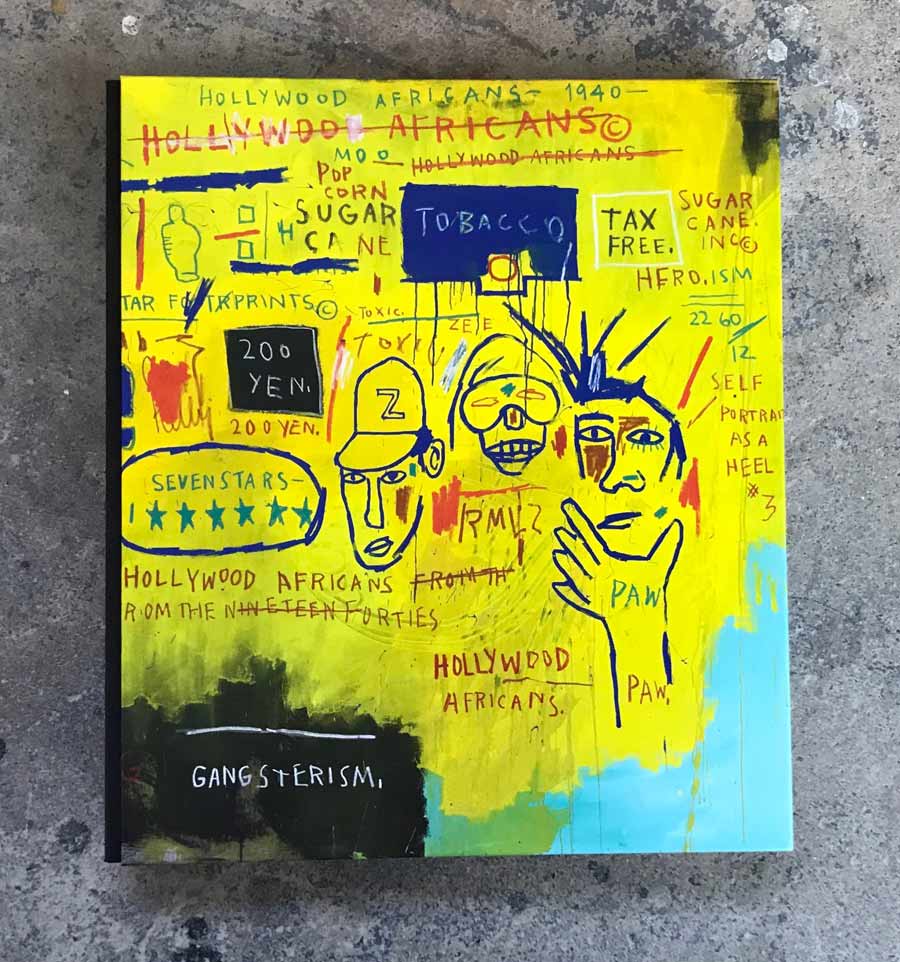
Accessible and erudite, the catalogue unpacks the social connections, the various emerging music, art, and performance sub-scenes of “Downtown” and “Uptown” New York culture, the opaque underpinnings of the dominant culture, and the urban syntaxes that formed this young Brooklyn artist and his work in the 1970s and 1980s. To faithfully set the stage for this story; to conjure the atmosphere, the moment, the context that Basquiat evolved himself into, you would need to create an interactive urban theme park with an impossible set design budget, a cacophonous sound-music map, a handful of public policy and political advisors, an anthropologist, a warehouse of costumes, too many actors, too many attitudes, and even more drugs.
With precision and guile Sandra Chevrier has painted a female world that is sophisticated, unreachable and appealing, whether painted on canvas, street mural, or stuck to a wall in the margins of a city. The characters who are punching and pouncing and swooning across her faces are reflective of her own hearts’ adventures, seamlessly rolling and intermingling with those epic storylines and dust-ups with superheroes and villains of yesterday.
Perhaps it is because of this sense of inexactly placed nostalgia, in “Cages” we are aware of the ties that bind us, the roles that we hold – whether chosen or imposed – and we’re rooting for these Chevrierotic women to win – as they scream and cry and swing for the rafters, looking for the way out.
“A dance between triumph and defeat, freedom and captivity, the poison and the cure,” stands the ambivalent quote on the page facing her black and white photo by Jeremy Dionn.
A closeup of her face, her hand horizontally obscures the lower half, her index finger raised to allow Sandra to see, to study and assess. Without question this artists’ work is more than autobiographical – these expressions offer a stunning sense of mystery, an understanding at the precipice, an adventure-ready to occur.
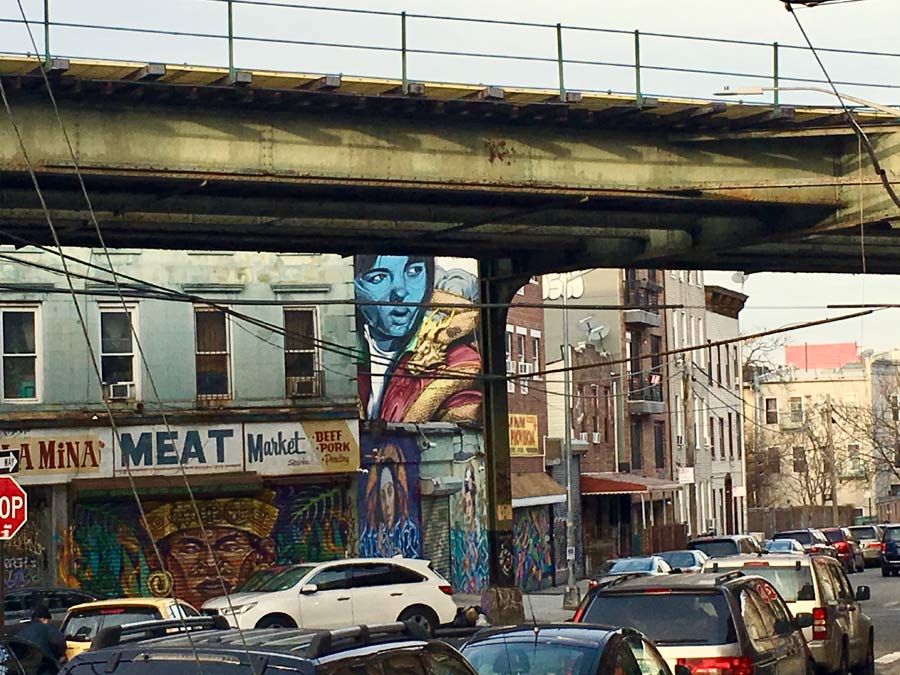
It was very agreeable to stroll around Bushwick, Brooklyn on Sunday; the weather golden and sunny for the few hours of daylight that December allows us. They say we’re going to get a foot of snow dumped on us in a couple of days, but with all these people milling around with their jackets unzipped, buying fruits on the corner of foot-long sausages off the grill or scrubbing their cars by the fire hydrant and chatting colorfully with each other in the fresh cool/warm breeze, you wouldn’t guess it. Tell the blooming rose bushes that it’s winter. The many closed restaurants and stores due to Covid-19 restrictions mean that many of us are now flushed outside and talking to each other, or stuck inside our homes and talking to ourselves.
It was gratifying to see that Maria Hernandez park is so uniquely lively in the way that New York reliably blends many cultures and languages so effortlessly. Artificially constructed prohibitions between cultures are actively torn down in this city of hundreds of languages, and we’re proud of this social experiment that succeeds, again and again, disproving xenophobes worldwide. I watched some volleyball games with Mexicans and enjoyed seeing runners, teenaged soccer teams, meandering walkers, angling skateboarders, impatient kids skipping ahead of moms and dads, and self-conscious hipsters picnicking in the dappled grass beneath leafless trees.
I sat on a park bench struggling to eat with a small plastic fork from the container of Mexican-deli breakfast (yellow rice, black beans, scrambled eggs with jalapenos, and four tortillas in tin foil). I gently fended off an interested family dog who wanted to put his nose on the plate and I sportingly watched the attempted volleyball games in front of me – not much volley and a lot of laughter from participants who spent half the time explaining the rules and the other half chasing a runaway ball across the grass.
After I finished my late breakfast I might have stayed a little longer on the bench and stared into the sky aimlessly in reverie but this Russian guy named Peter on the next bench engaged me with a discussion about the volleyball game and the poor skills of the family who were playing. He quickly turned the volleyball conversation to some of his favored topics such as how his wife stole thousands of dollars from him by purchasing clothing at Century 21 for discounted prices. She cut the bottom off the price tag so it only had the original high price – and he would give her too much money. He said that she sent the money to her relatives in Russia, who are all lazy and do nothing. He also revealed that all the women teach each other these tricks so I should be careful.
Other topics from Peter included how many people on welfare are drunks, how he drove a taxi for 30 years and he learned to piss in a bottle because there aren’t enough public bathrooms. He also taught me that people are more likely to give taxi drivers a $20 bill in the morning than in the afternoon and that black people are the most likely to get out of the car and run without paying. Although, he said, one time a black guy gave him double the fare because he could tell that Peter was having a very bad day.
You may have noticed that many art-school 20-somethings are wearing non-fashion fashion; cutting their pant-legs three inches too short and plodding along ironically in clunky shoes or white sneakers. I’m sure it’s all very clever but they don’t really seem like “hipsters” to tell the truth; a little conformist in their non-conformity. But that’s probably me and my projections. Compared to the hyper-gentrified areas like Williamsburg in 2020 Bushwick still feels more genuine, more human – full of old-timers and characters and eclectic patches of community.
One newly coalescing “church” of about 30 people in a rented office space on the ground floor was spilling out onto the sidewalk Sunday – due to the raucous and enthusiastic live band. The choir of singers was using that gospel feature of phrase repetition to work the clapping-dancing congregation into a frenzy and it was definitely working. I felt a rush of euphoria and was inspired by the volume and energy and smiles through the clear glass modernist windows.
With slightly different religious enthusiasm I also am drawn like a magnet to 99-cent stores, with their befuddling eclectic possibilities and home adornments I didn’t realize I need. There are still a few walk-in, rag-tag art galleries with unframed art hung from little binder-clips, but truthfully I’m also drawn to people selling their wares on folding tables on the sidewalk – like arrangements of all the plastic lambs and cows and chickens that you will need to assemble your home nativity scene. Naturally, a statue of the Virgin of Guadalupe will complete your display.
I don’t like to see so many people looking like they are struggling, and there are greater numbers who appear like they are barely scraping by. New York has lost many jobs and the government is not helping to meet the need, regardless of which party is in office. That number of desperate people looks like it is growing and I saw numerous people opening recycling bags on the sidewalks to collect returnable cans, and perhaps four or five people asked me for money while I was walking.
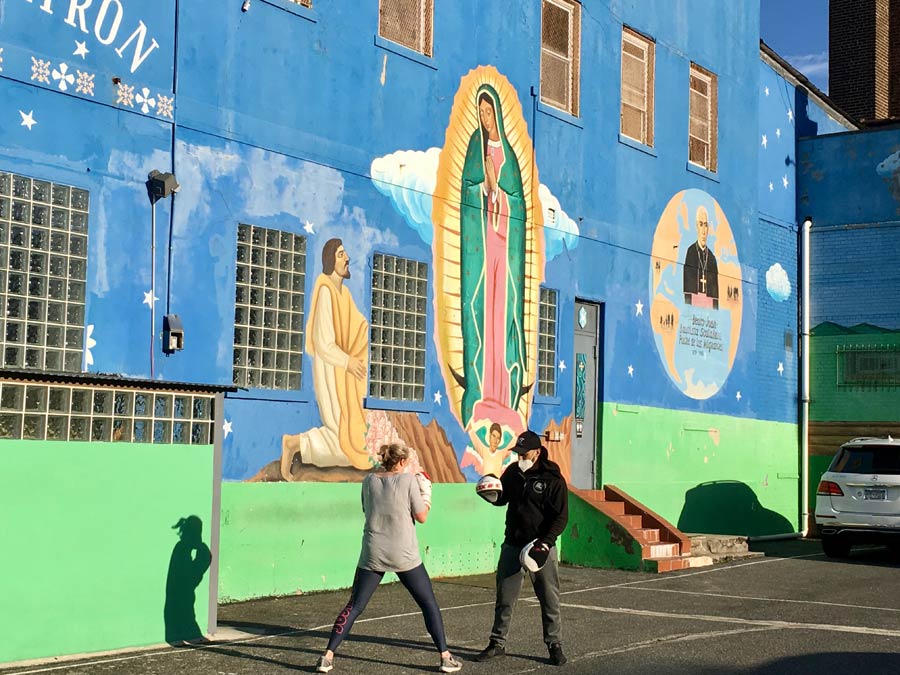
Another church, St Joseph Patron Roman Catholic Church, was very friendly and the parishioners seemed dedicated to it, greeting each other before the service inside the vestibule. The heavy wooden front doors were wide open possibly to allow fresh air to flow and a nervous pre-teen rushed past me in his embroidered brown vest that said, “Usher”. Church ladies and men were selling religious-themed artifacts (laser engraved wooden crosses, for example) on the sidewalk in front of the church and at another table, they were serving food from aluminum trays with long-handled spoons onto paper plates to people who were not part of the church, who walked down the sidewalk with a plate of food.
I’m always in love with New York, except when I hate it. I don’t know what I expected from this Sunday walk, but as usual, I felt deeply grateful for so many beautiful scenes and people and discoveries. Art on the streets is everywhere I look.
Happy Hannukah to all our Jewish friends this week as the festival of lights began on Thursday night. “Chag Sameach!”
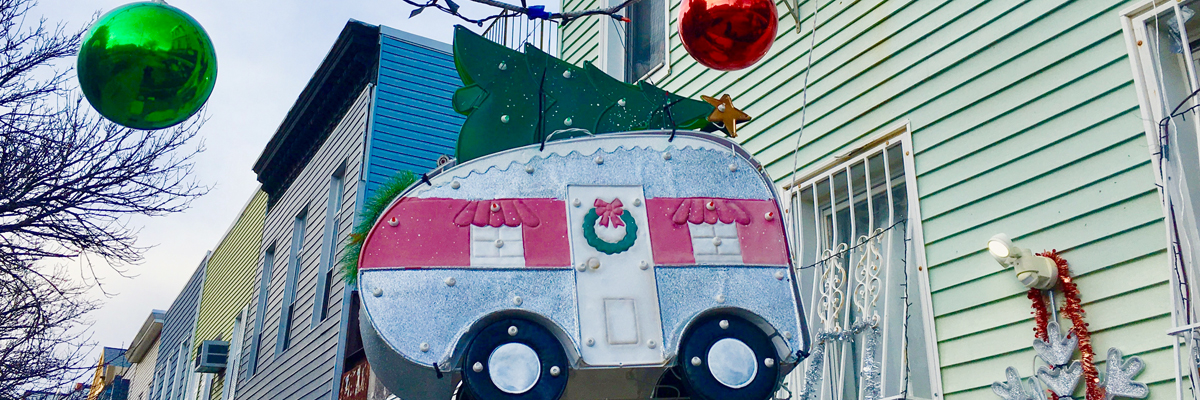
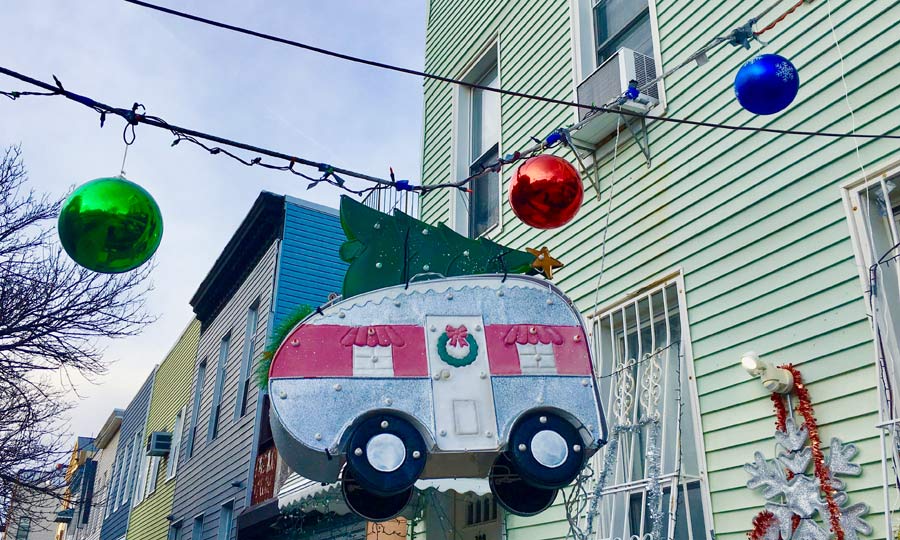
Meanwhile, the Christmas jam is in full force with lights in people’s windows and in stores and yesterday in Bushwick, Brooklyn…. those little electric lights were surrounding a statue of the Virgin of Guadalupe that a small group of women crossing the street was carrying at the intersection of Broadway and Myrtle. They looked like they were holding prayer books or papers with prayers on them. For those of you unfamiliar with the Our Lady of Guadalupe Day 2020, it culminates in a popular Catholic feast that celebrates the belief that a man encountered the Virgin Mary, Mexico’s patron saint, in Mexico City on December 9 and 12, 1531.
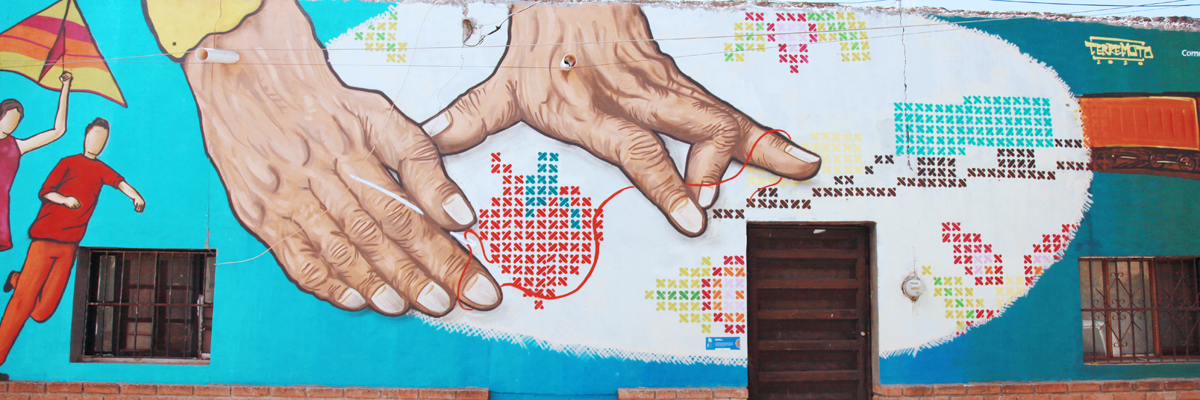
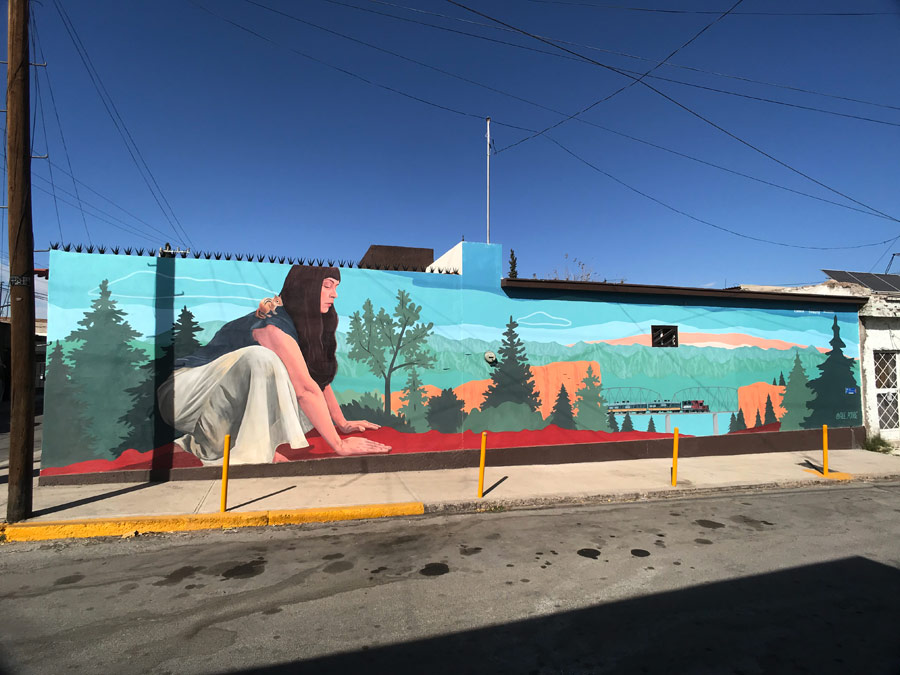
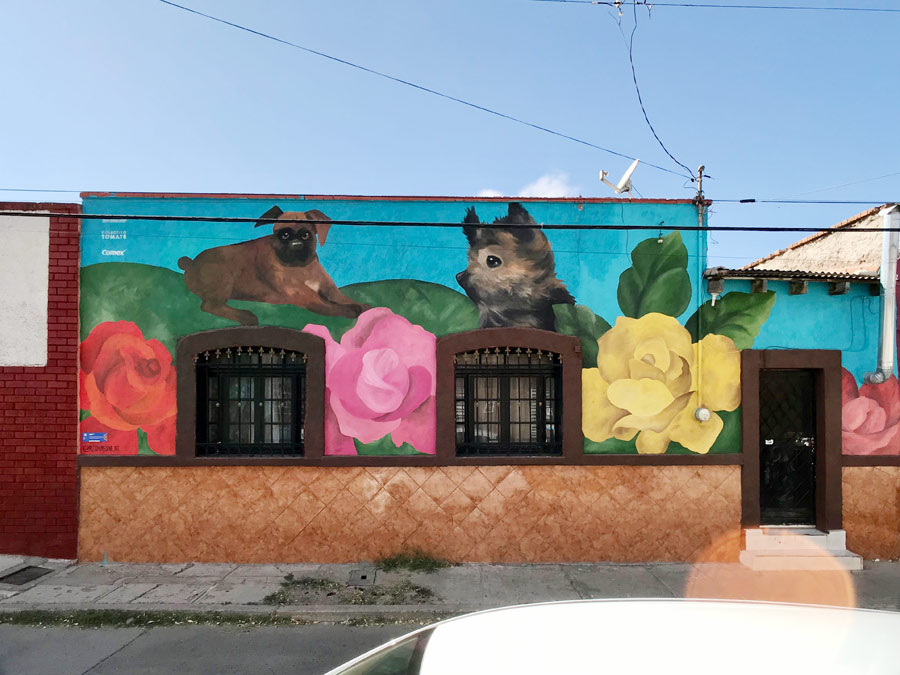
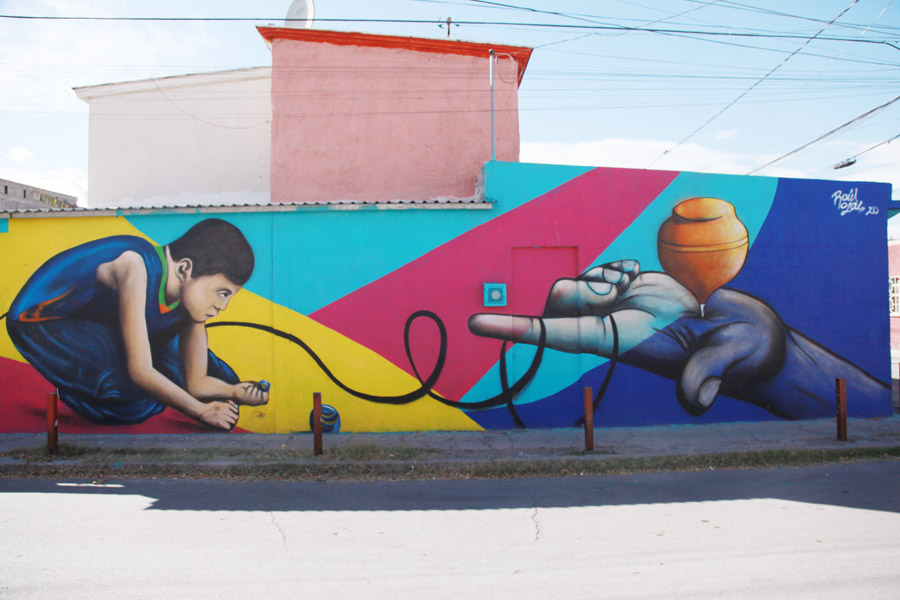
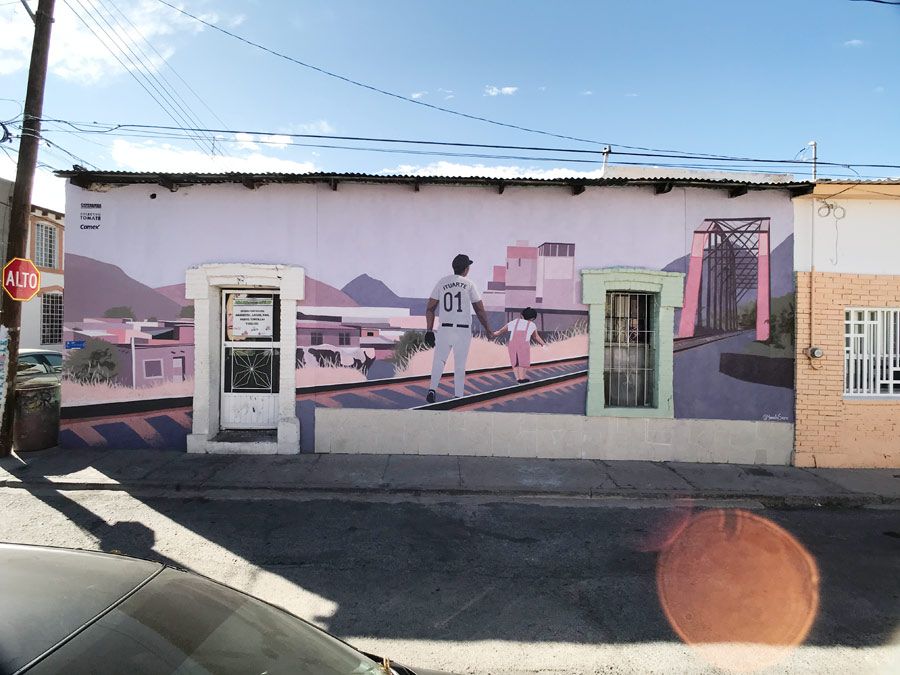
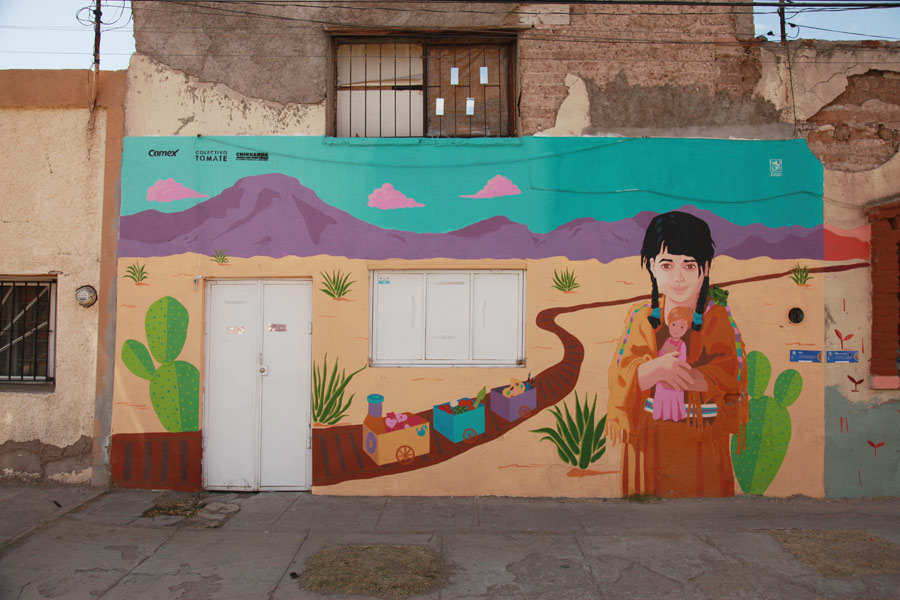
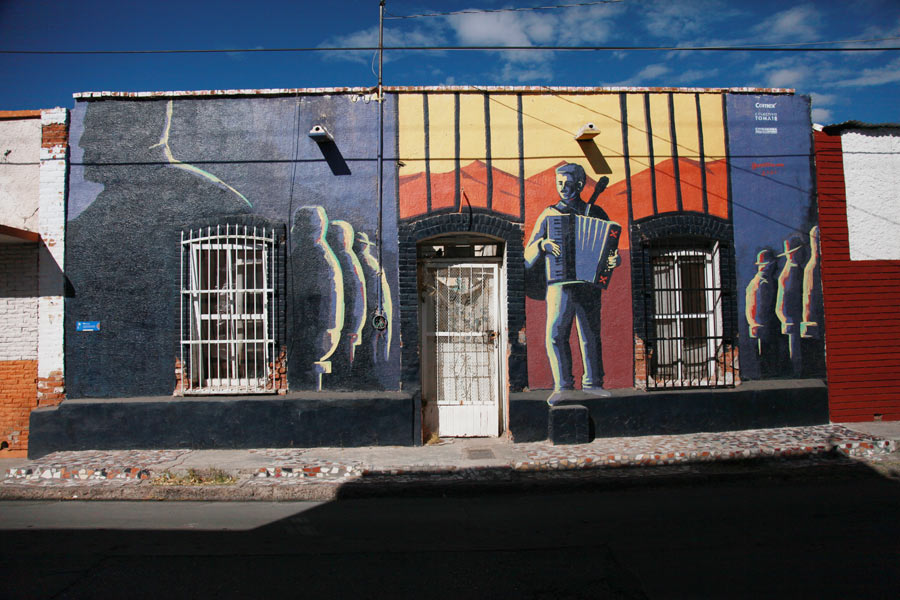
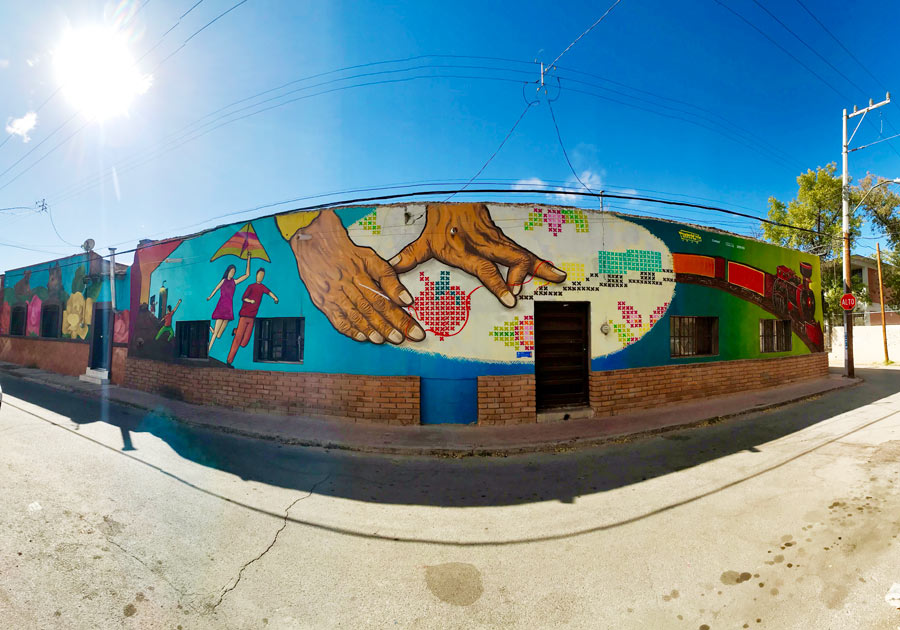
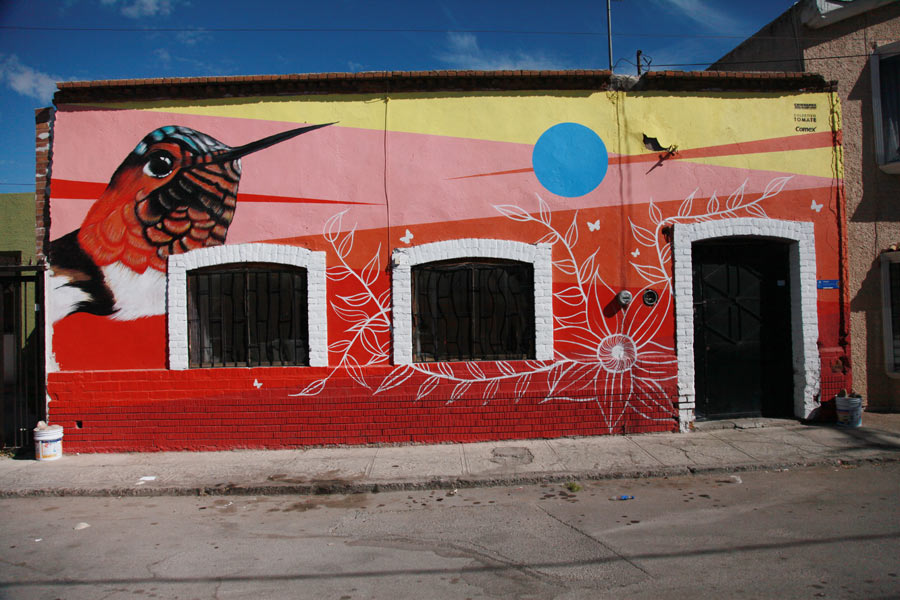
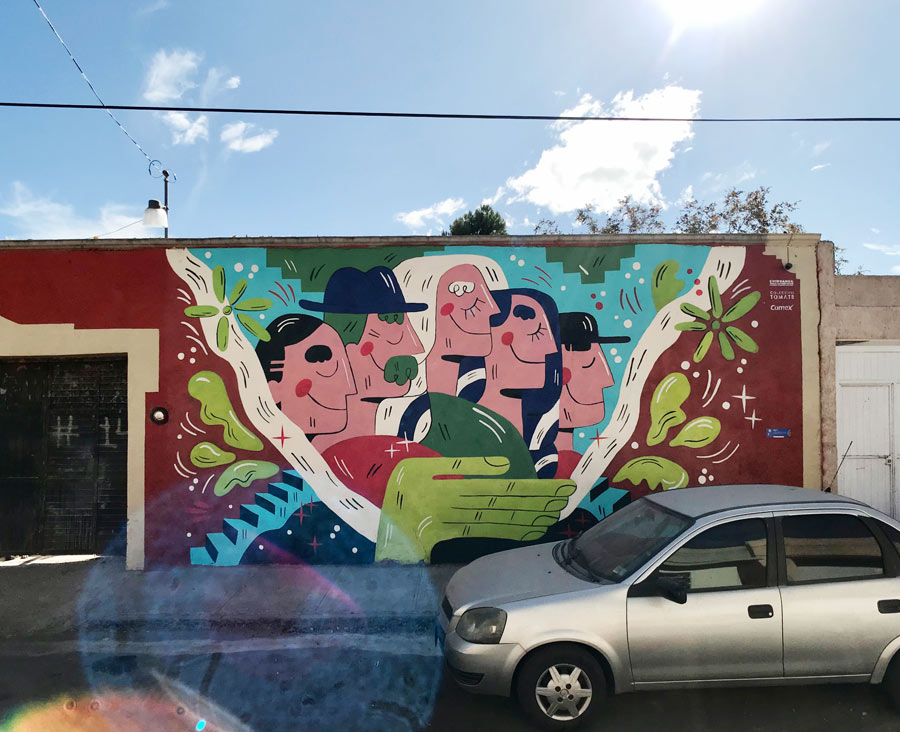
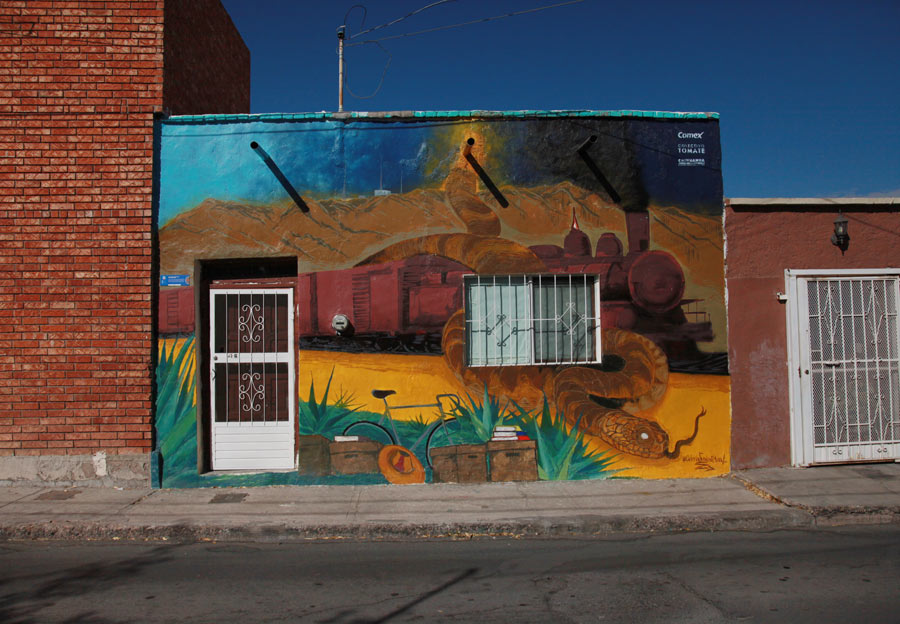
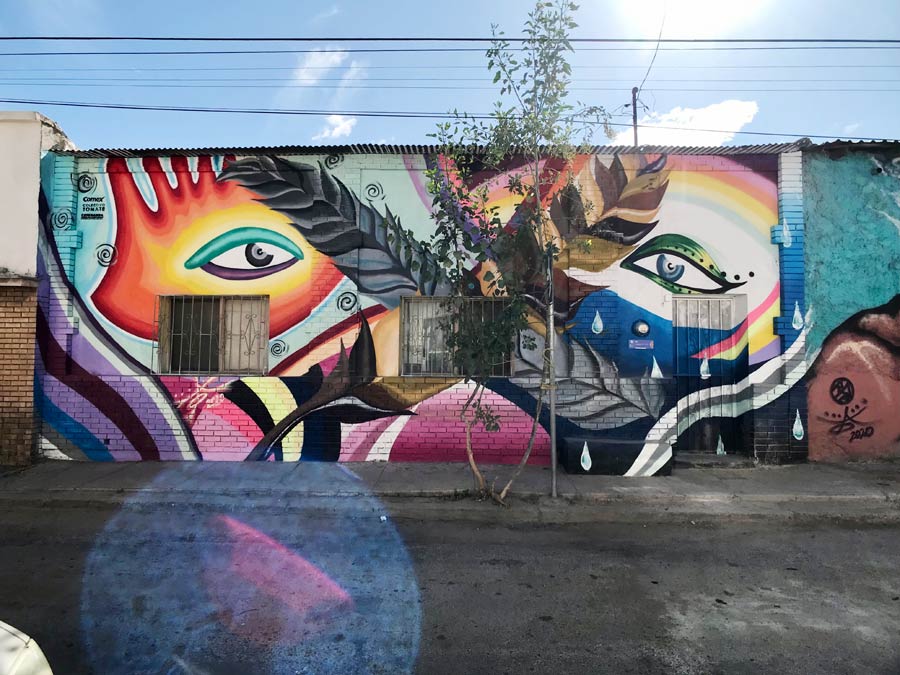
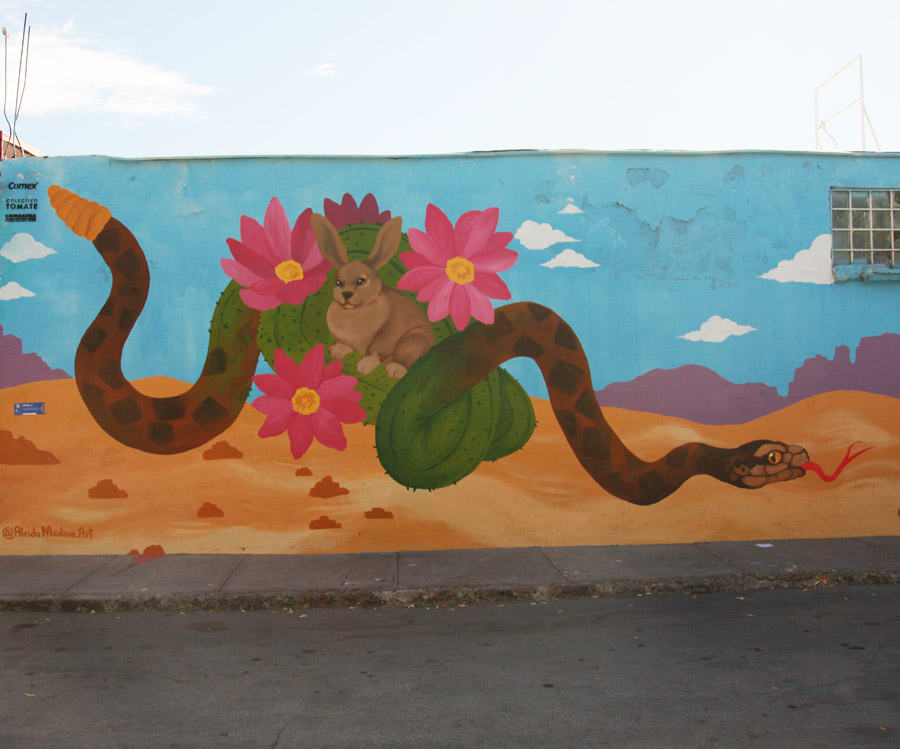
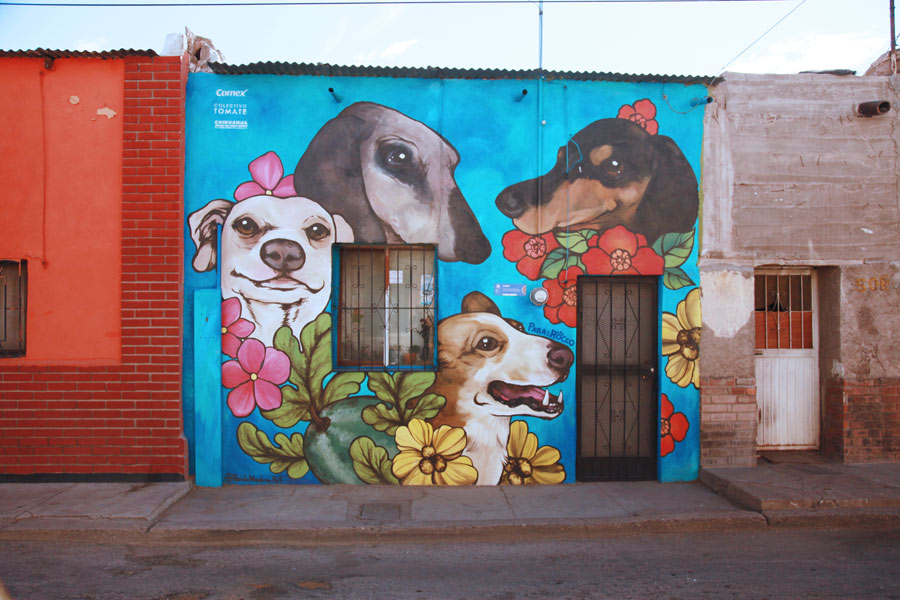
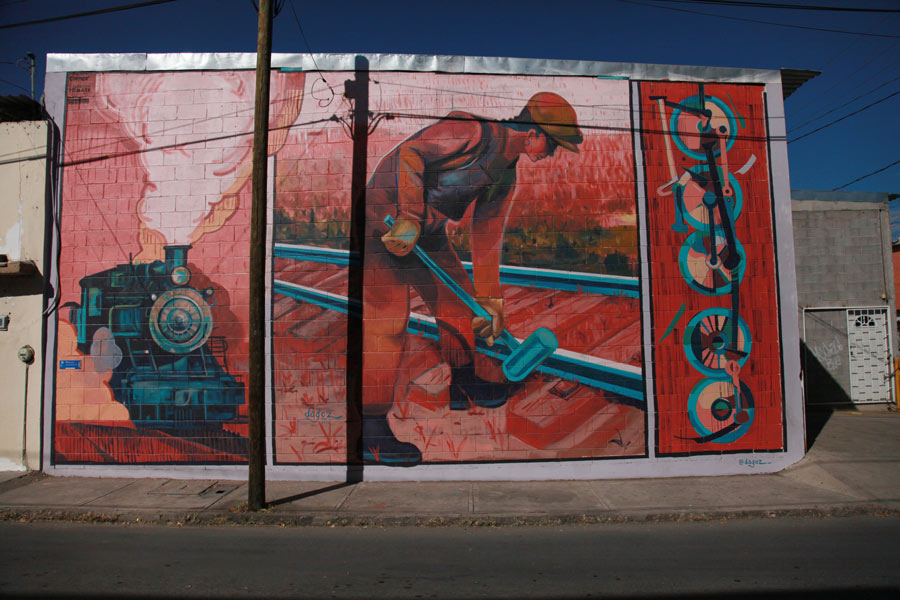
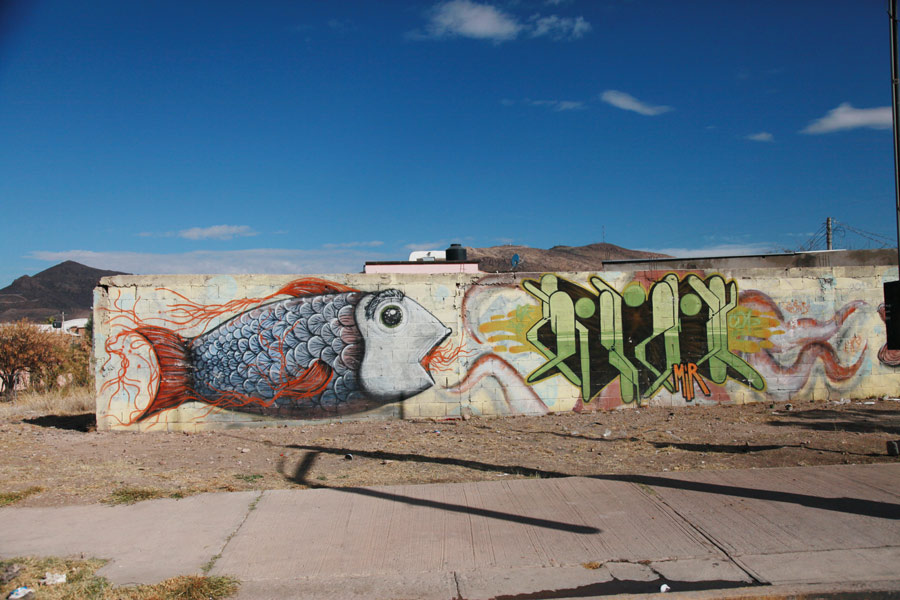
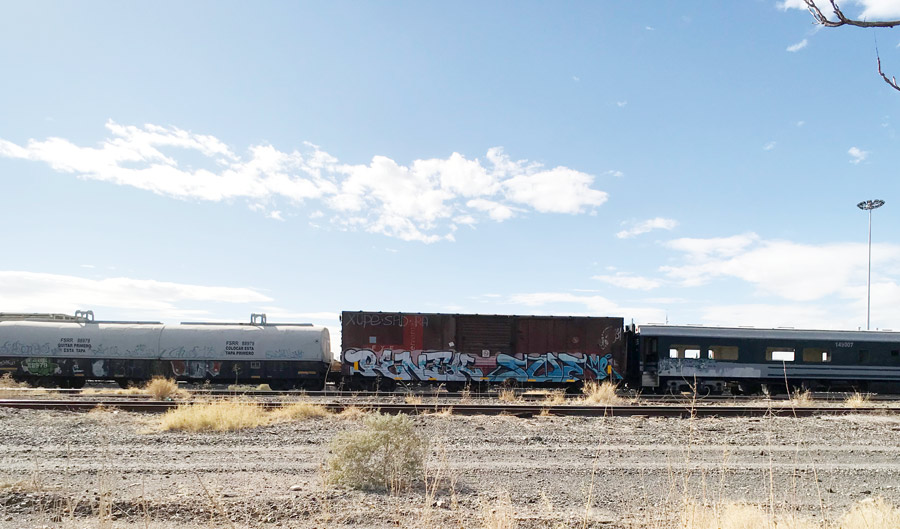
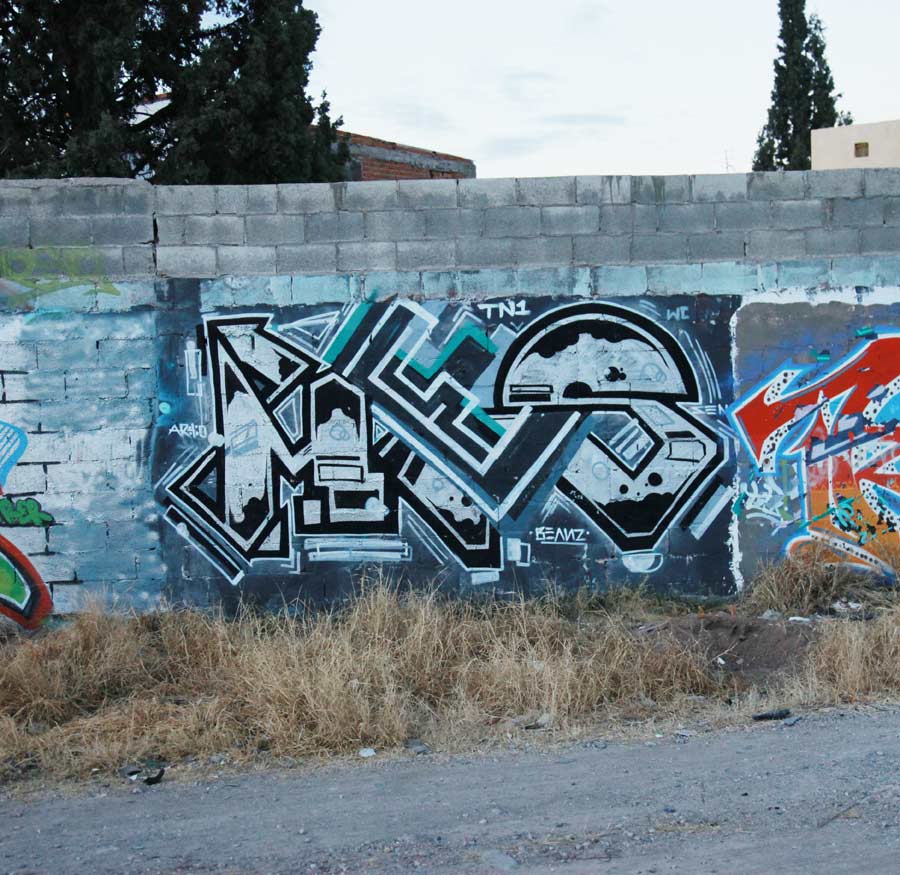
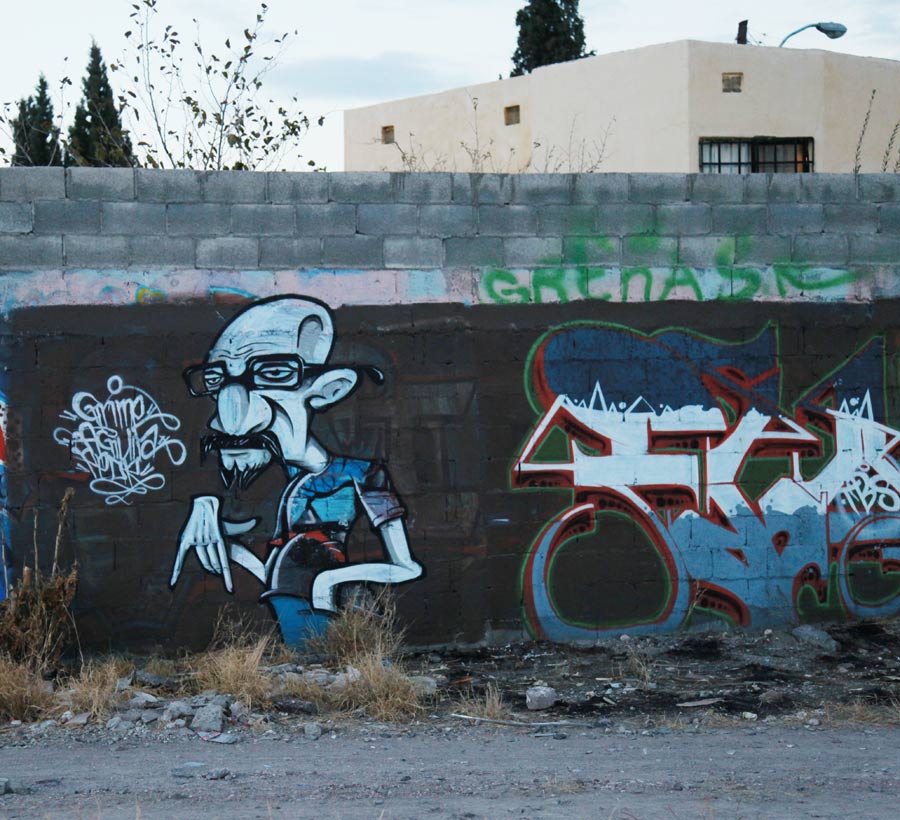
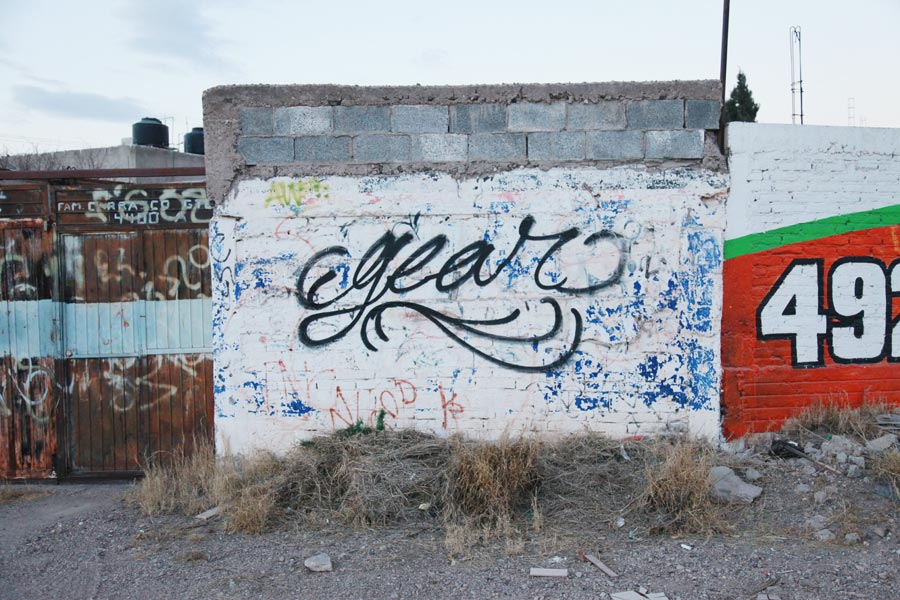
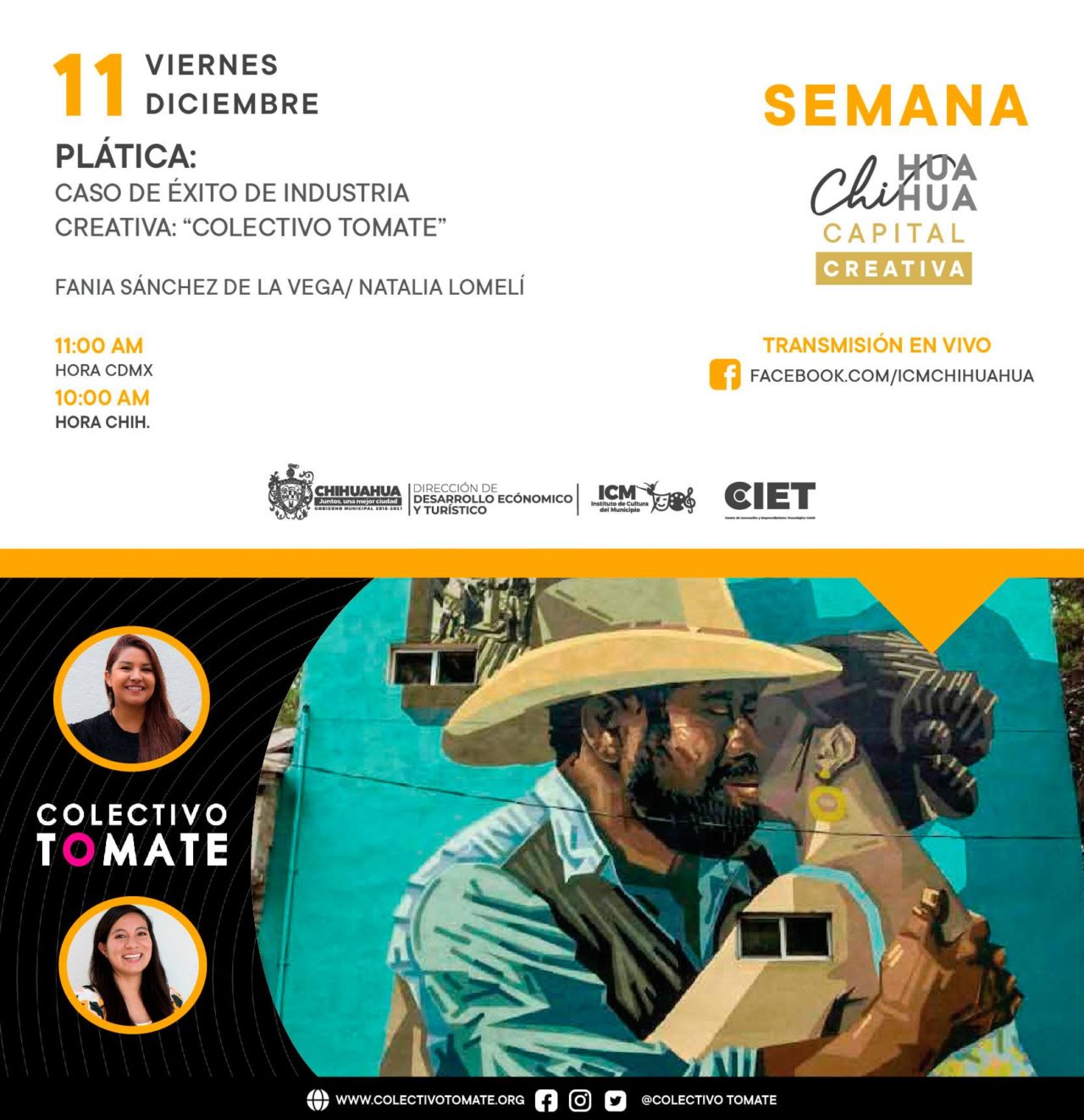
Speaking of Mexico, all of our Images of the Week are flown straight here from there today – sunbaked and sweet. Colectivo Tomate is the name of the group responsible for many of these brand new historically-inspired murals in Chihuahua, Mexico – and we thought we’d share this collection of new works from this warm desert-based city of a million only 4 hours from El Paso.
The collective describes itself as an independent group of young Mexicans who seek an improvement in the way of life in the cities in Mexico. They talk about using their mural works and arts programs in terms of healing communities immersed in environments of violence, extreme poverty, or social conflicts – with artistic processes, dialogue, and community work.
Aside from the fact that Mexico is the birthplace of inspiration for the great mural movement in the 20th century, it is also important to recognize that graffiti, street art, and mural art are very personal in how you define them, but those definitions are going to vary from person to person, city to city, decade to decade. It’s good to see how art in the streets here in Mexico is also building healing and strength in the community.
So a shout out to Colectivo TomateChihuahua, who is participating in this to celebrate “Chihuahua Capital Creative” – a week where they host talks, conferences, and workshops, entirely free at the Instituto de Cultura del Municipio de Chihuahua.
Here is our weekly interview with the streets, this week featuring Dagoz, Ale Poire, Aleida Medina, AO, Carlos Van Frankenstein, Ely Astorga, Gear, Grimp, Joaquin Salvador Navarro, Luis Miguel Lopez, MES, MiR, Mitthu, MUDA, Raul Rojas, Renik, Terrmoto, Yanely Sara, and Zoe.
Our weekly focus on the moving image and art in the streets. And other oddities.
Now screening : 1. “About William Lanson” – David de la Mano in Connecticut 2. Orestis Pangalos: Greek Graffiti Animation Lyric Video. 3. Pep Williams x RISK 4. Danny Hathaway’s version of “This Christmas” now Animated!
BSA Special Feature: “About William Lanson” – David de la Mano in Connecticut
The Uruguayan muralist David de la Mano was in Connecticut last month to paint a new mural in his signature silhouetted style that evokes local wildlife and the historical coastline and industrial past of this northeastern city of 130,000.
Although his figure is not featured in the mural and the connection may not be obvious to a passerby, the project design intends to honor the 19th century entrepreneur, engineer and industrial leader in New Haven, a black man named William Lanson, who built the Long Wharf and was an advocate for racial equity.
Add another to the Graffiti Hall of Fame record books – An all-Greek graffiti animation lyric came out just before the Covid collapse, almost as a prophetic pre-cursor to the world we would soon inherit.
The creator and director is Orestis Pangalos, an old graffiti writer, co-editor of ‘The History of Graffiti in Greece’ book series, a Ph.D., and professor at the Aristotle University of Thessaloniki.
The lyrics of the song are brandished across every surface in a post-industrial wasteland, the words from ‘Darkness is not Black’ by old-school rapper λ.ο.σ.
“Locations, atmospheres, and symbolisms were chosen to make each particular sentence correspond with its spatial context,” he says. “However, in a sense it sometimes (sadly) seemed like its verbal and visual references were coinciding with the current year’s events.”
The video is one part of and the result of an extensive multi-year project undertaken by Pangalos that may draw you deeper into the motivations and philosophies that inspire his work. You can find many of the lyrics translated at @darkness_diaries IG account where the making of the video is chronicled.
Pep Williams x RISK:
Photographer Pep Williams sent us this new video; “A collaboration with me and infamous graffiti artist RISK.”
Danny Hathaway’s version of “This Christmas” now Animated!
When it comes to the methodology of transgressive art in the streets you can take over a whole subway car with screaming bubble letters and animated characters in eye-popping color to get your message out, or you can subtly mess with public accommodation signage. In an unconscious way, the minimalist and subversive one can have as powerful an impact. It could also just confuse you.
Sweden’s Vlady Art says that he calls this installation “White, Male, Supremacy.”
In a city known for its reverence of so-called classical beauty, this beauty is looking in the mirror and seeing someone who others may not. She’s “looking into a frame, as a mirror, seeing her reflection as a man,” says JDL.
“It is designed to create an emotional understanding in the process of acceptance of persons in the LGBT+ movement.”
Part of Yourban2030, organizers say it is the first green mural dedicated to the LGBTQ+ movement, with mixed materials – where the last layer of paint (airlite) is actively displacing enough pollution to equal the same amount produced by 52 cars per day.
Together with the team, JDL has created an iconic image of the LGBTQ+ world, Andrea Berardicurti, a larger than life figure who passed away in 2018 and who was also known as Karl Du Pigne.
Here’s the euronews video on YouTube where a lot of hateful comments were added towards the LGBT+ community, a time-honored tradition that still hangs on:
This mural was done in collaboration with Yourban2030 and with the support of the Kingdom of the Netherlands, Circolo Mario Mieli, and Vladimir luxuria.
 BROOKLYN STREET ART LOVES YOU MORE EVERY DAY