Welcome to BSA Images of the Week, where that silence you hear is the controlled collapse of the entire economy. Blink. Notwithstanding the drama that monopolizes the airwaves courtesy our daily-car-crash-in-chief, the breeze lilts and whirls gently downward like a loosened yellowed leaf set free from a tree.
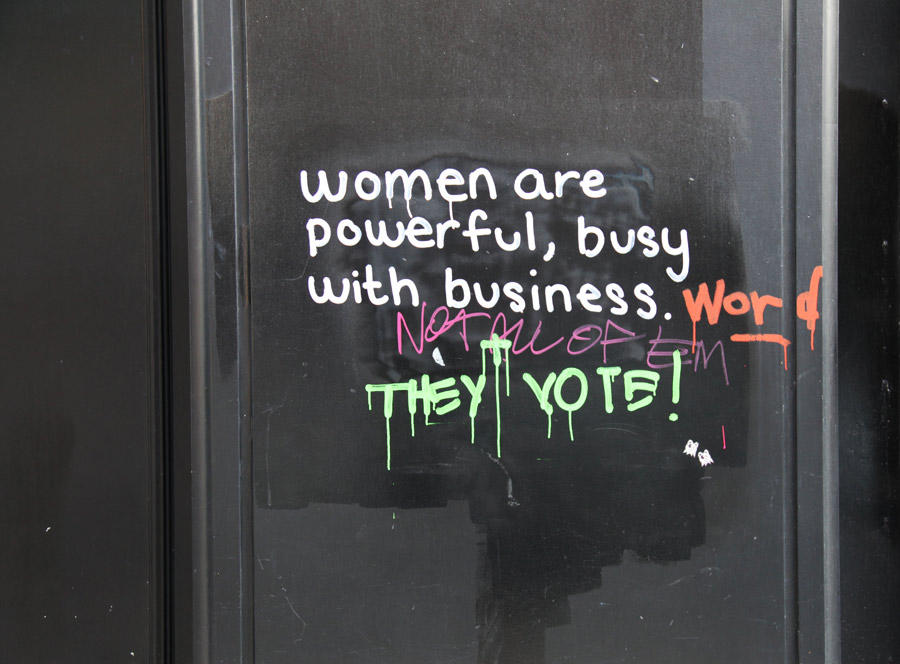
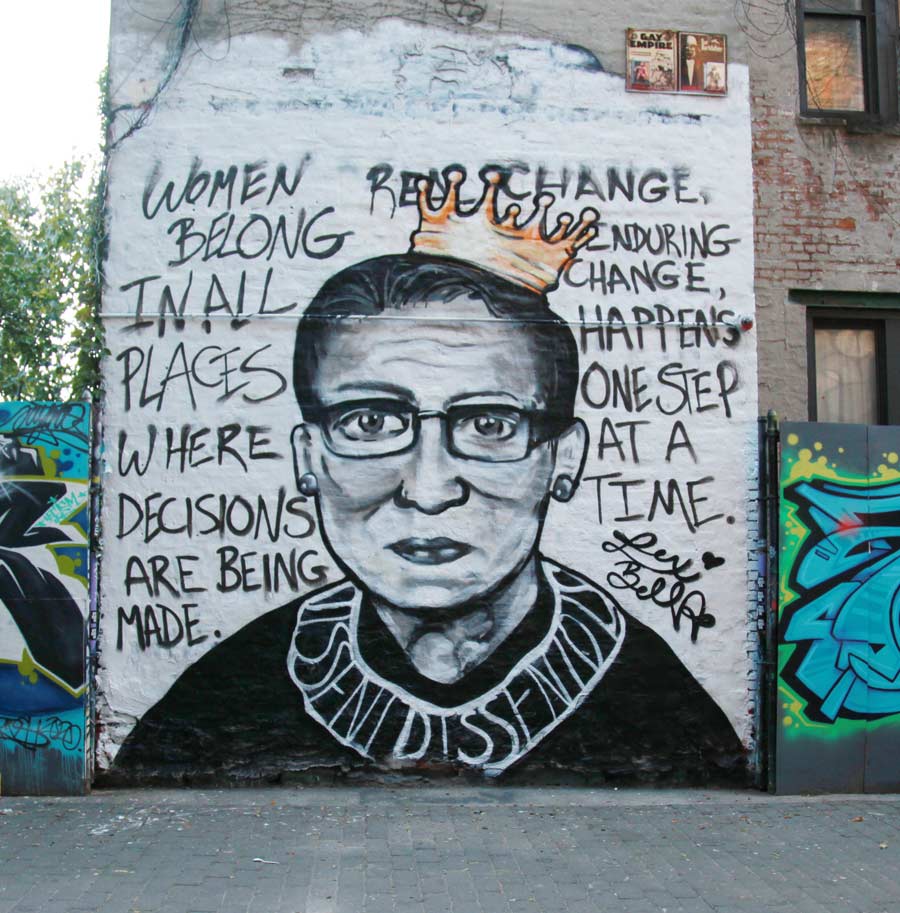
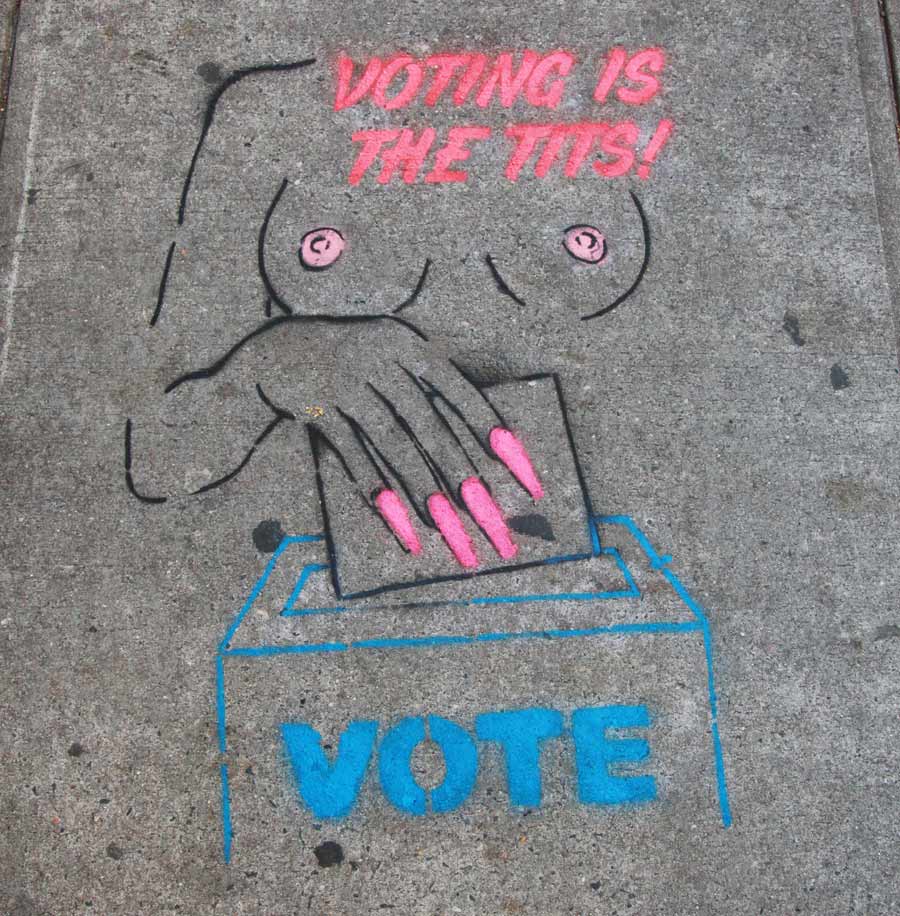
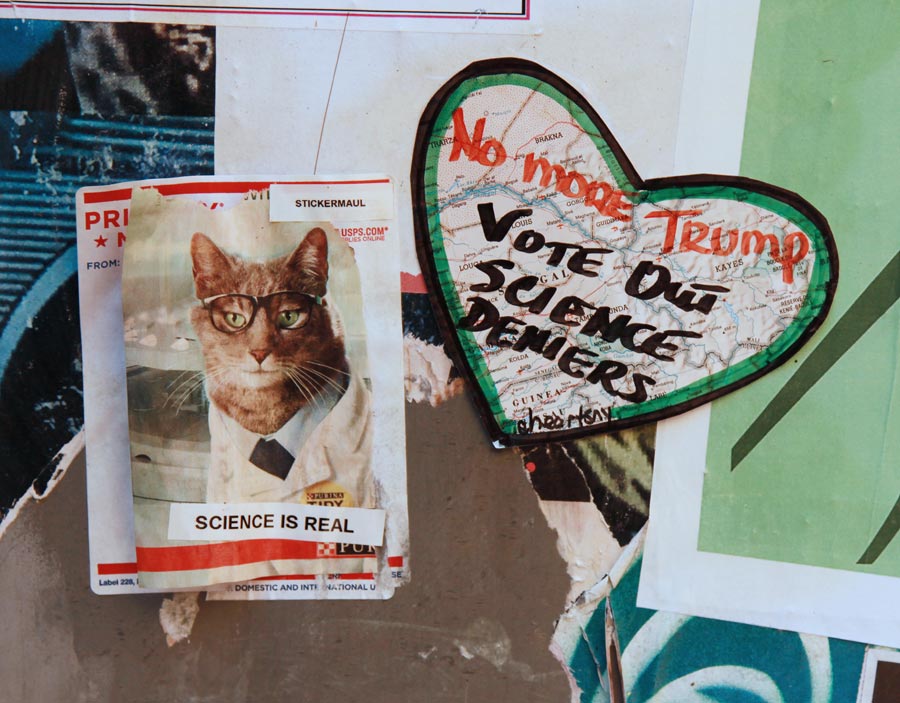
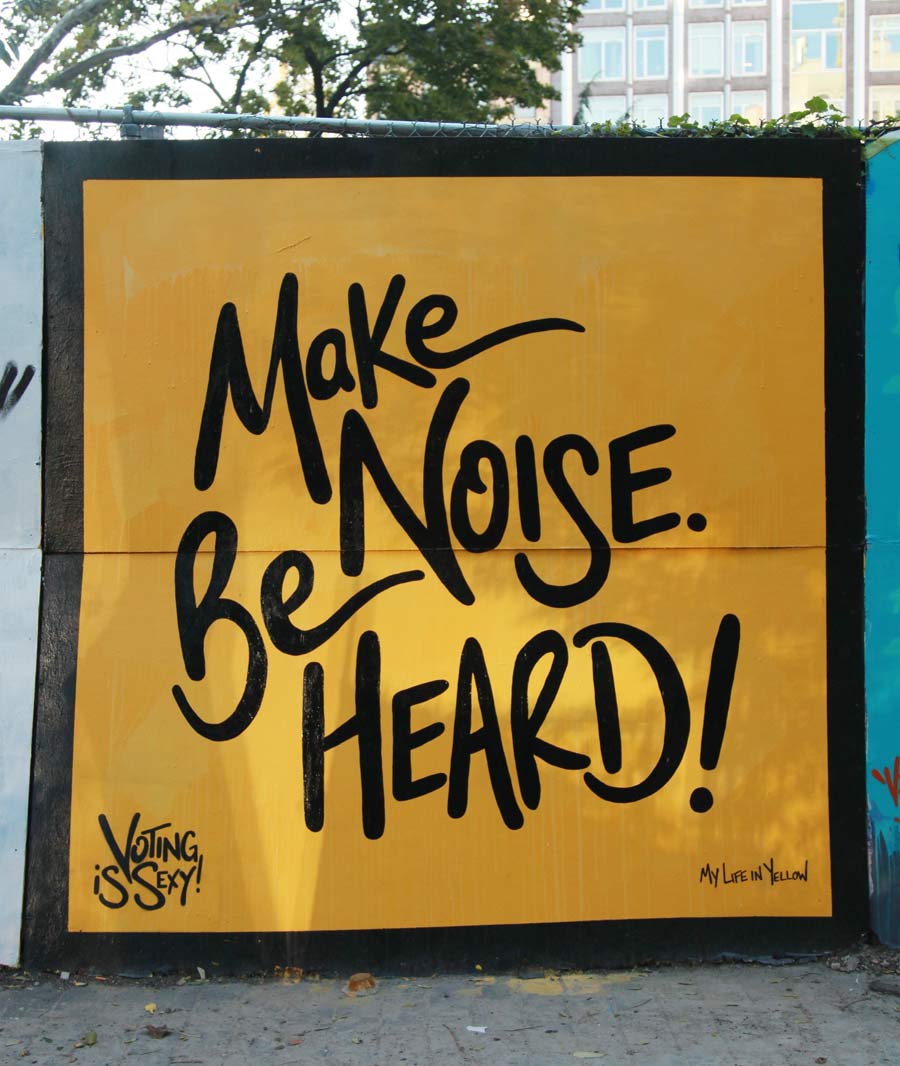
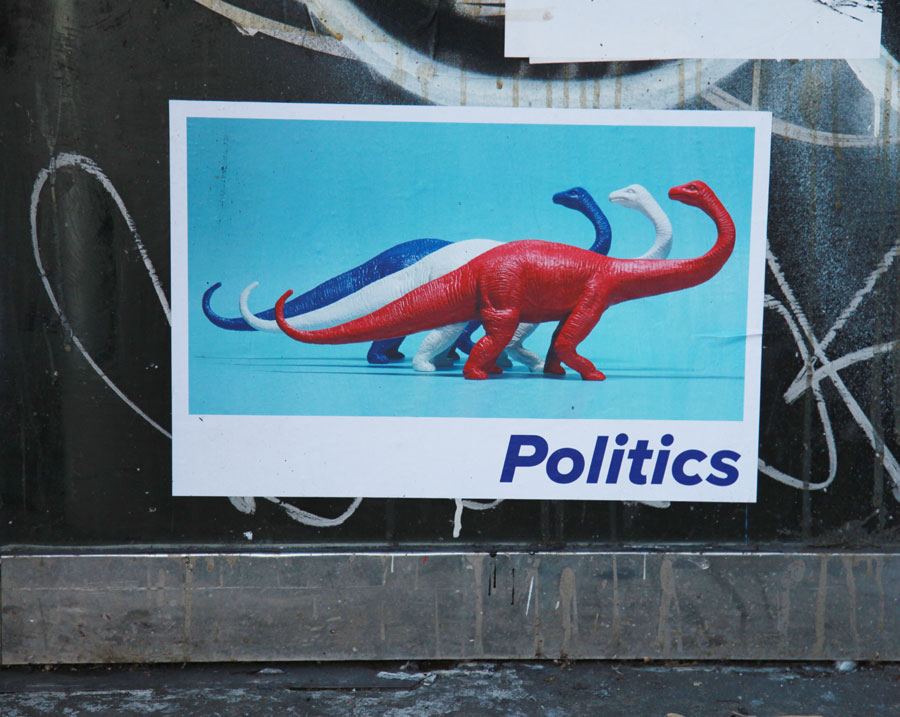
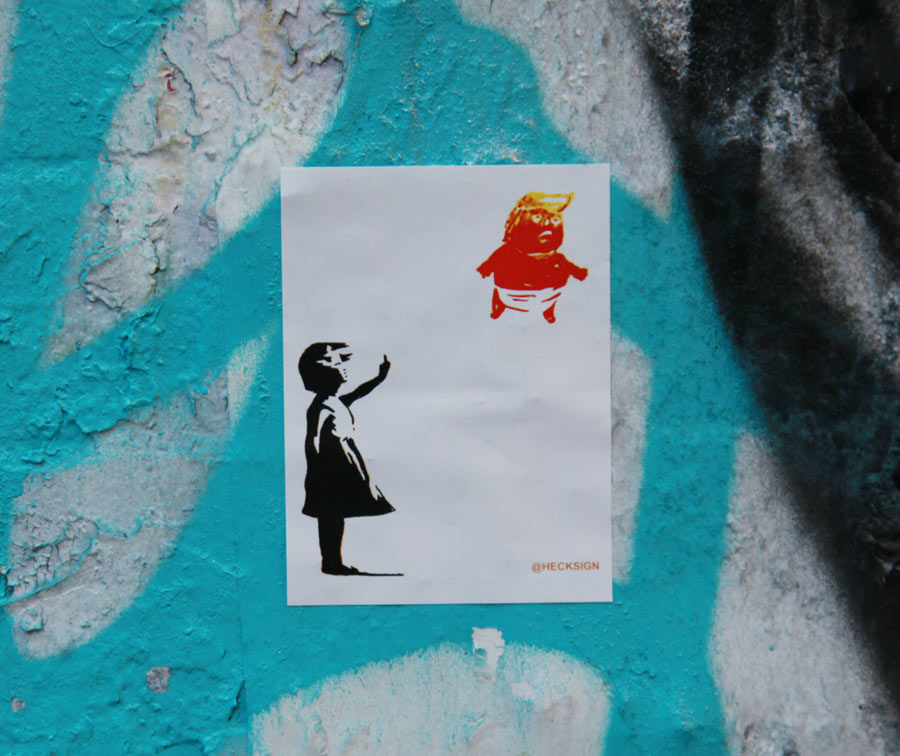
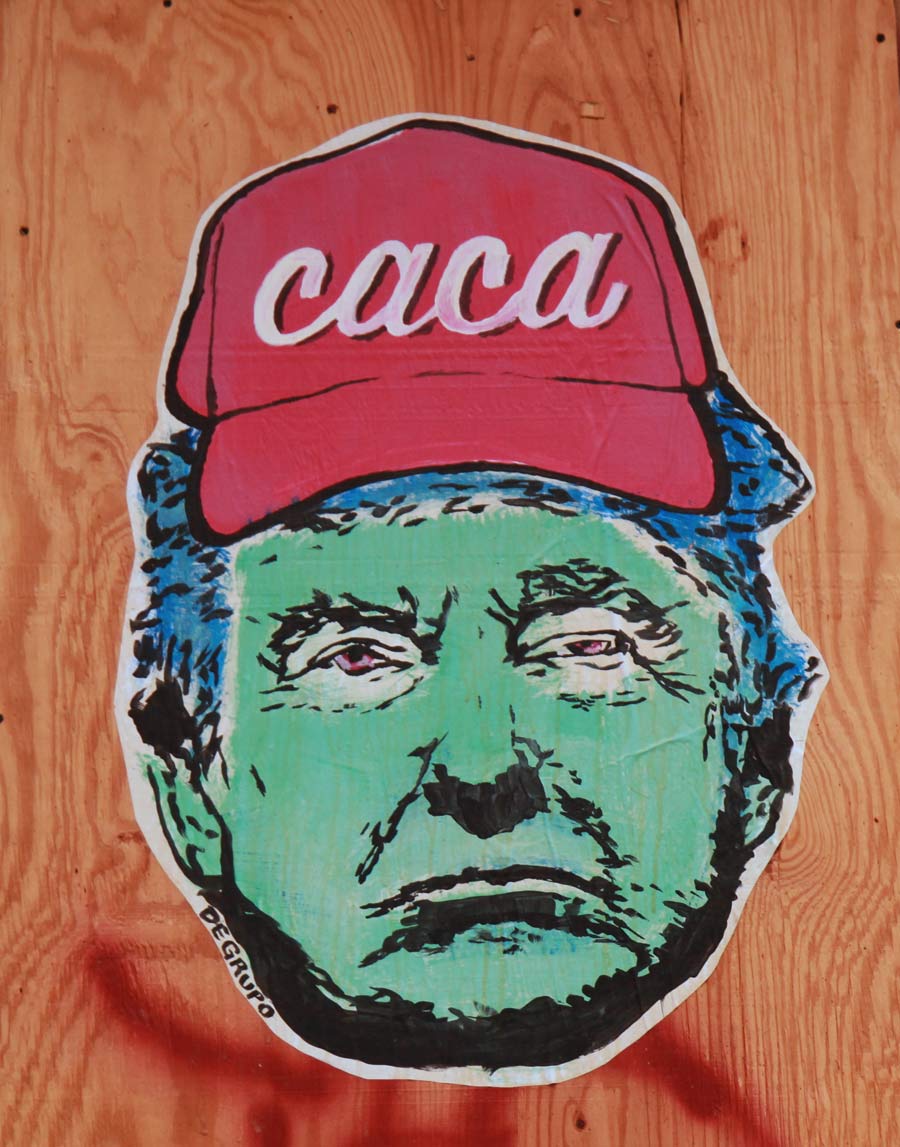
But right now – New York street art is all about the raw nerves that are on display across the culture.
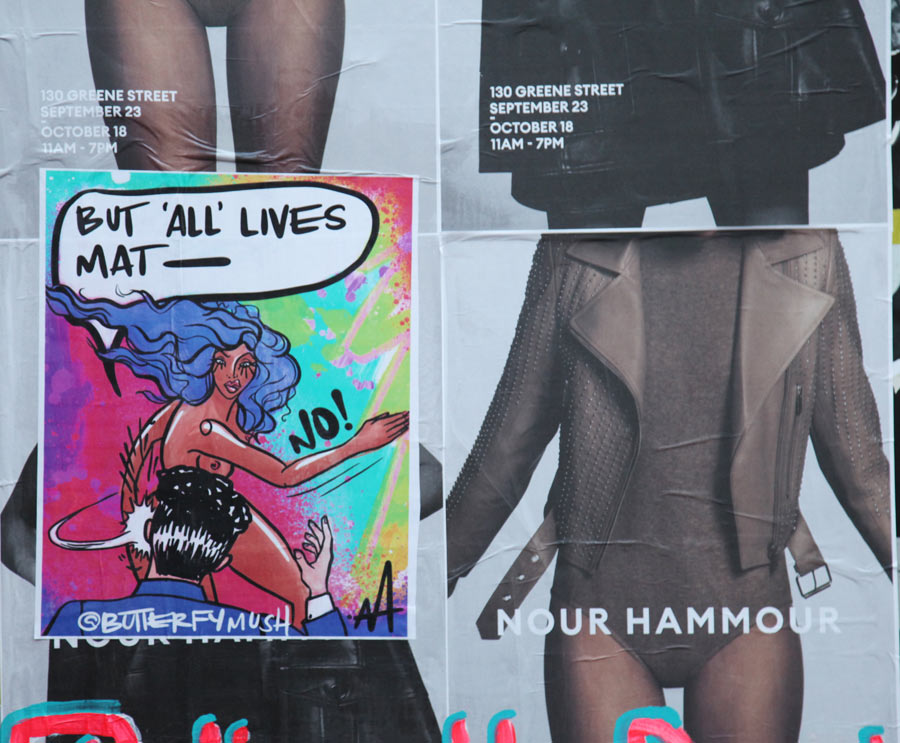
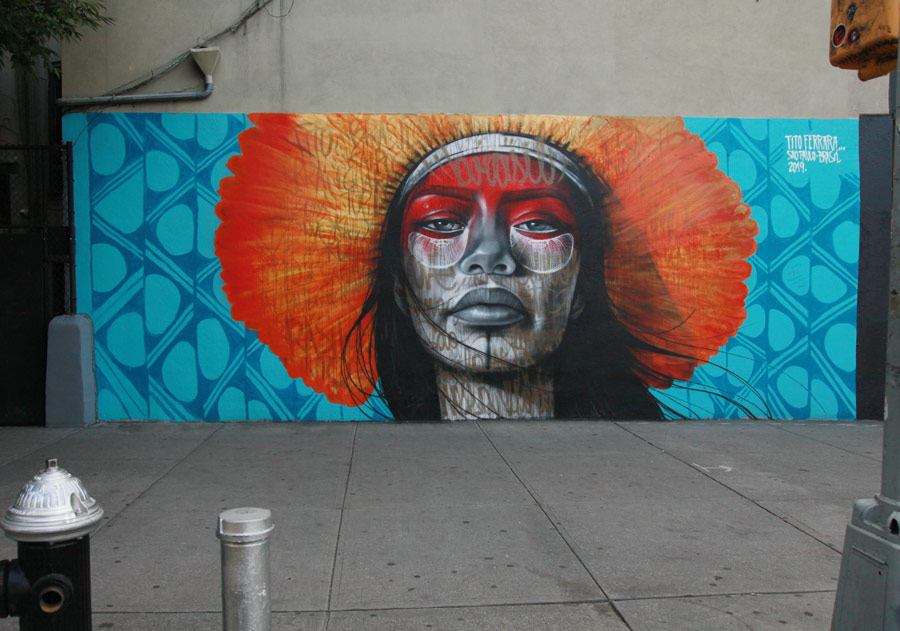
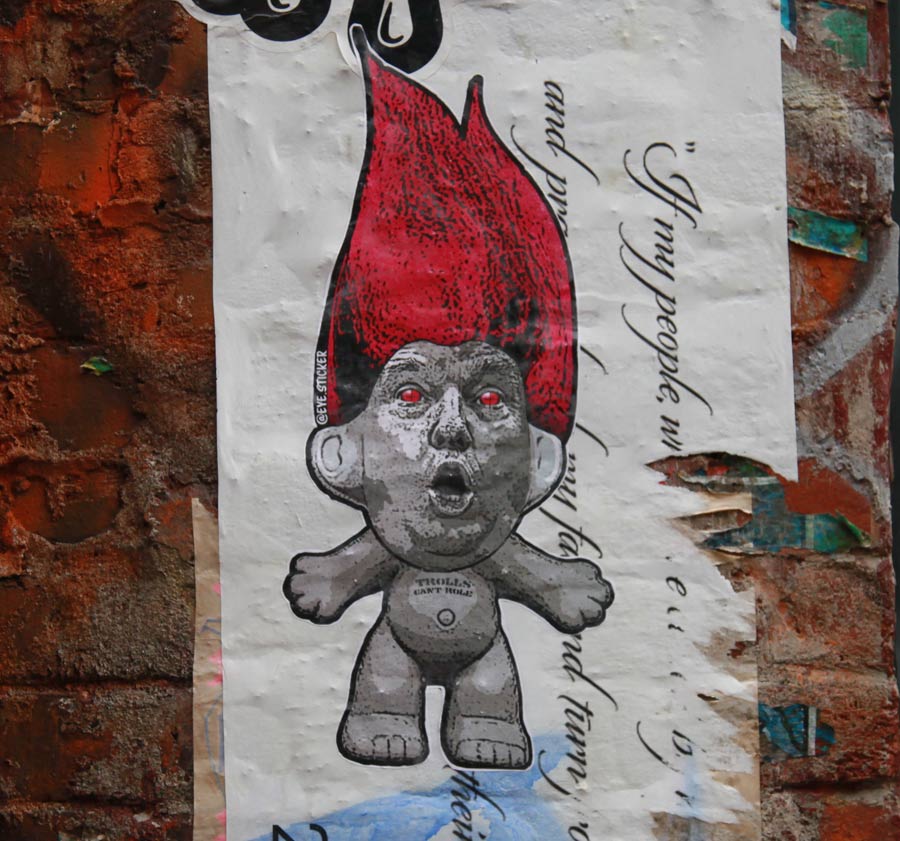
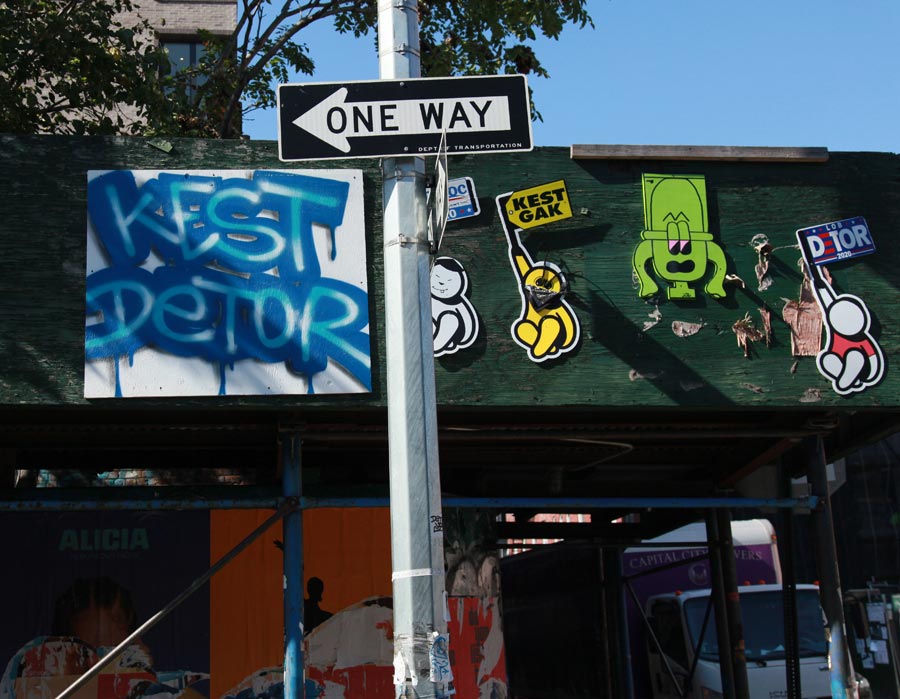
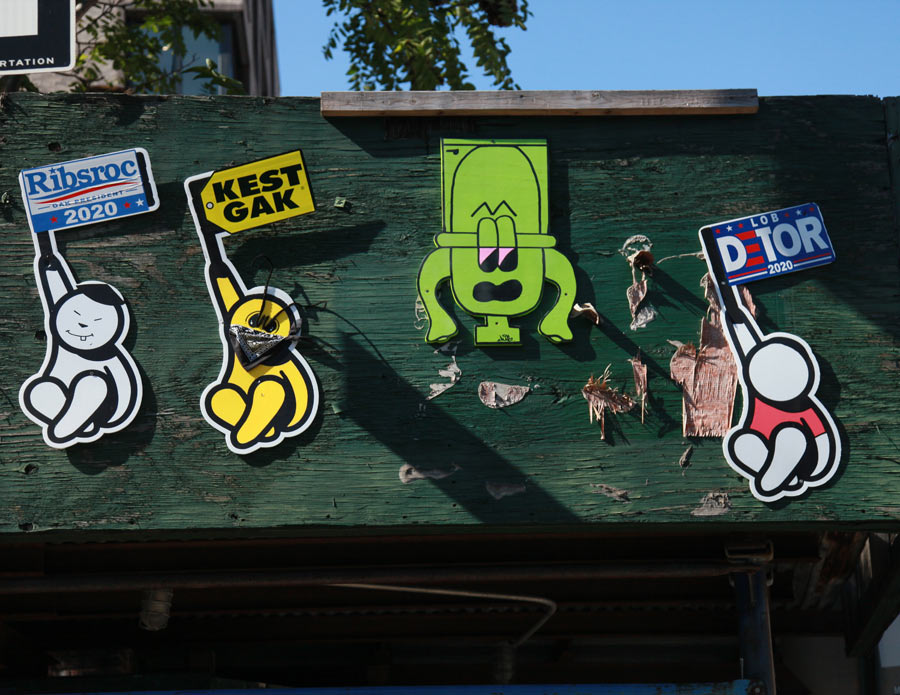
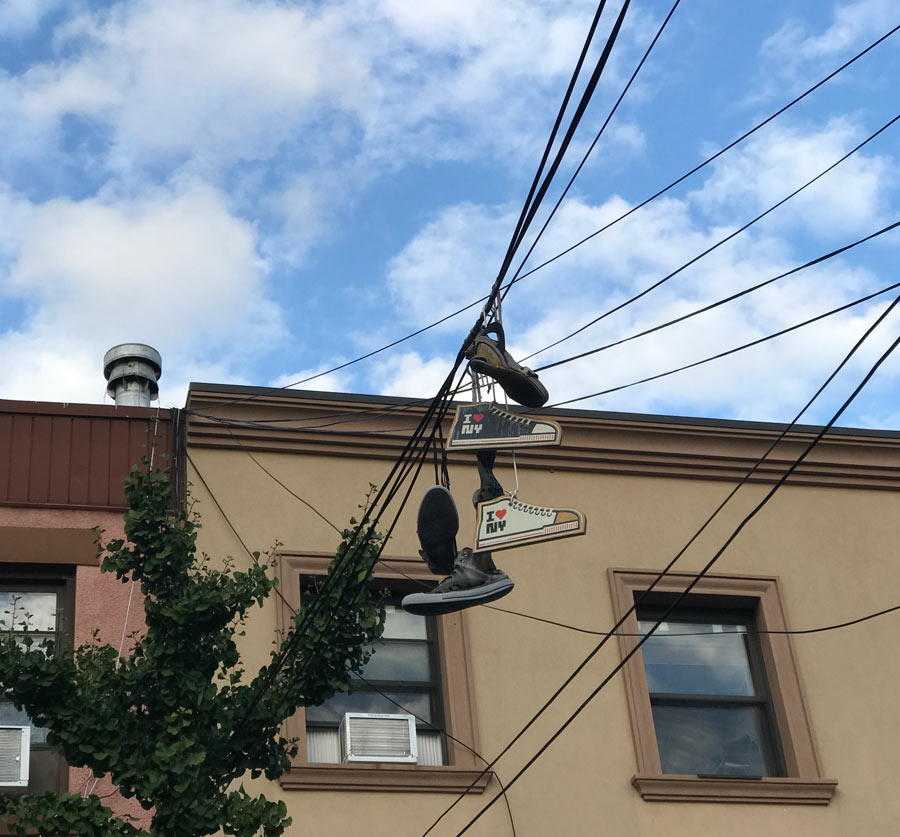
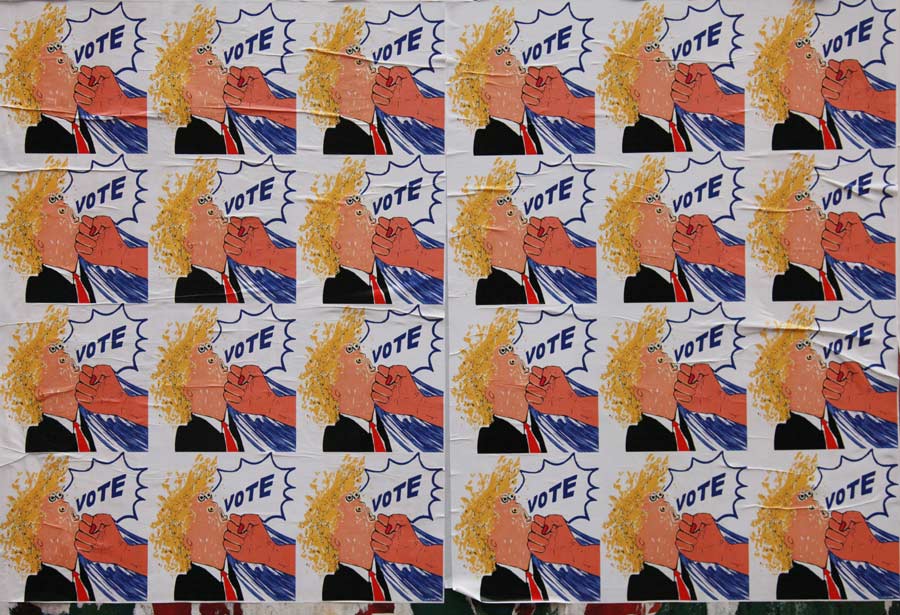
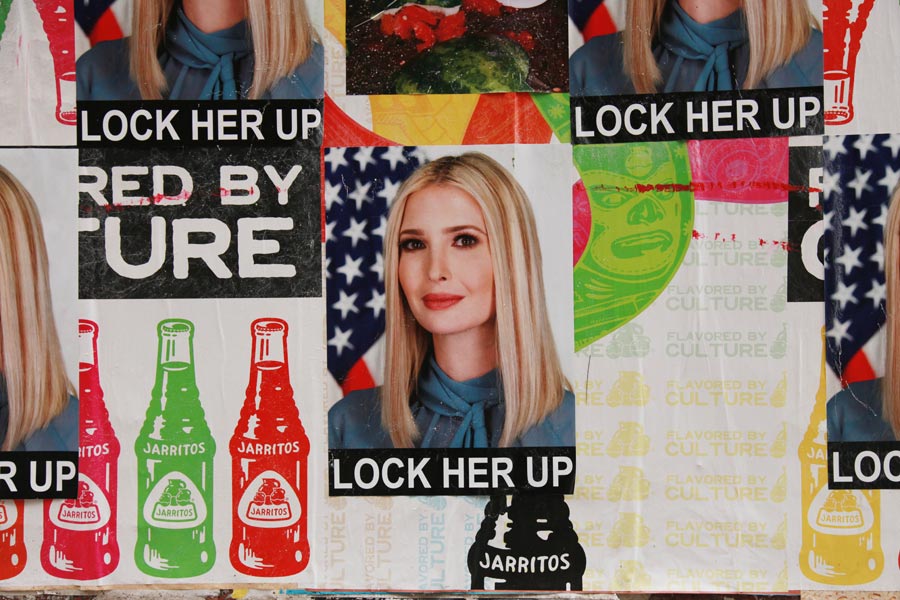
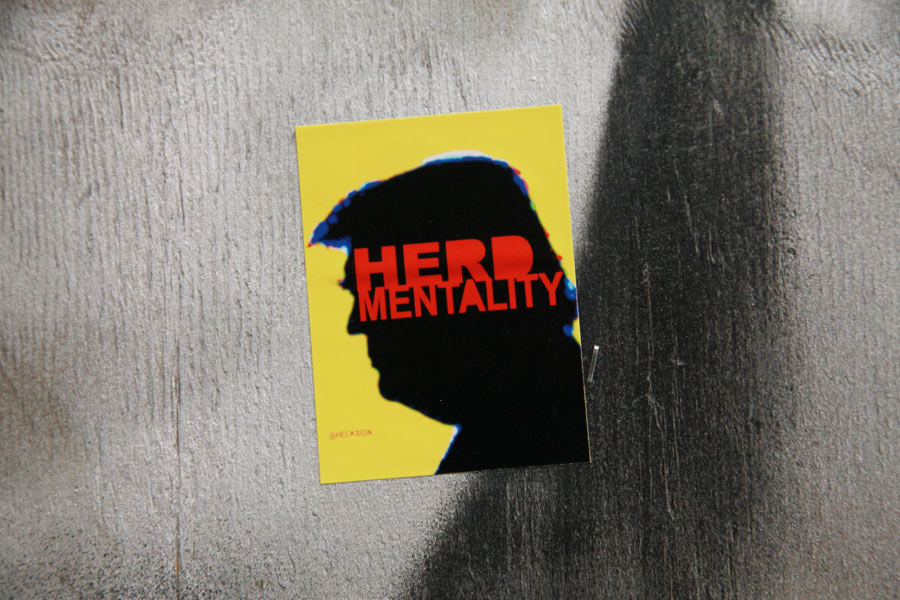
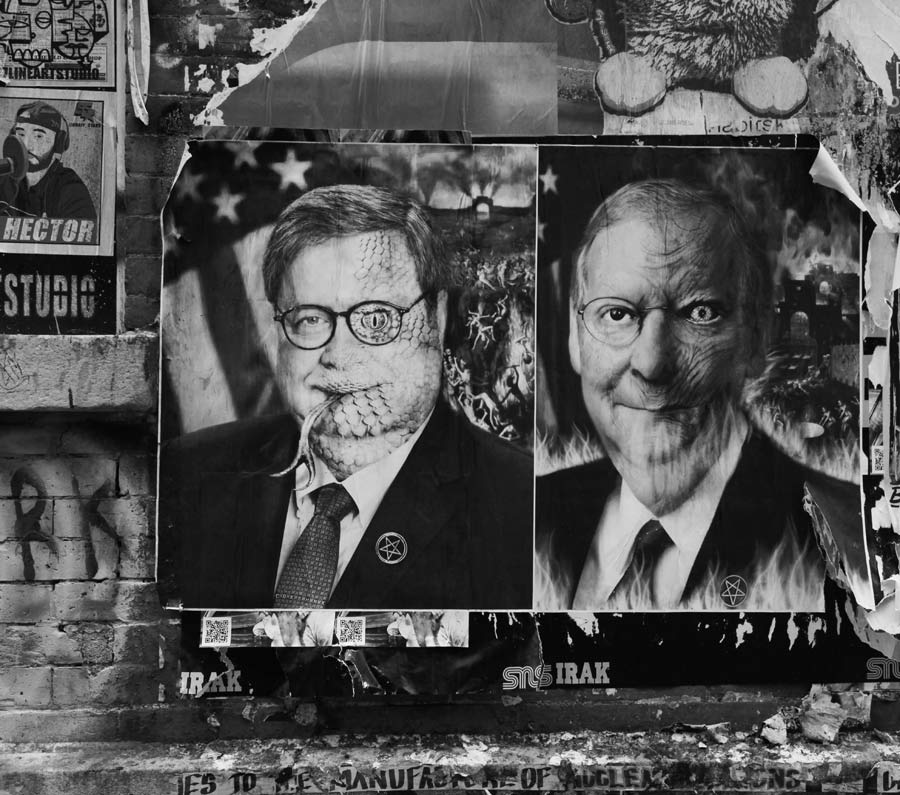
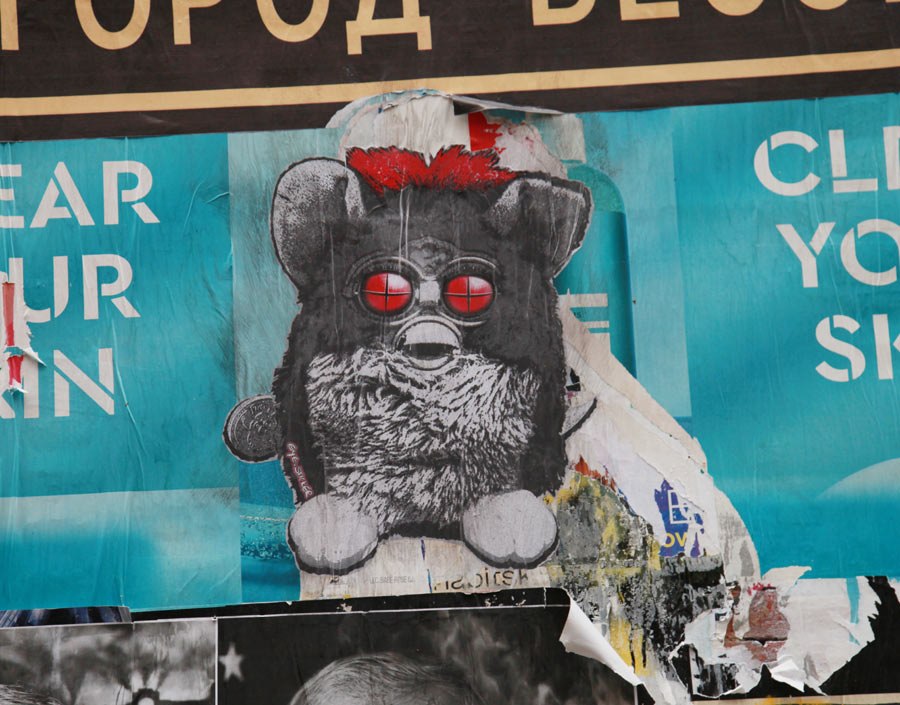
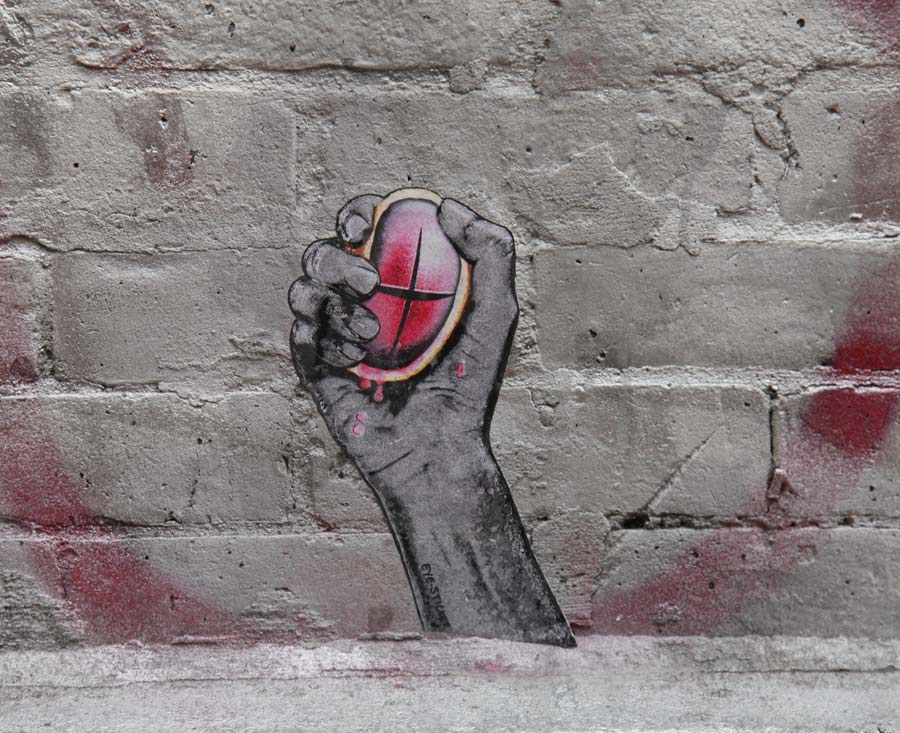
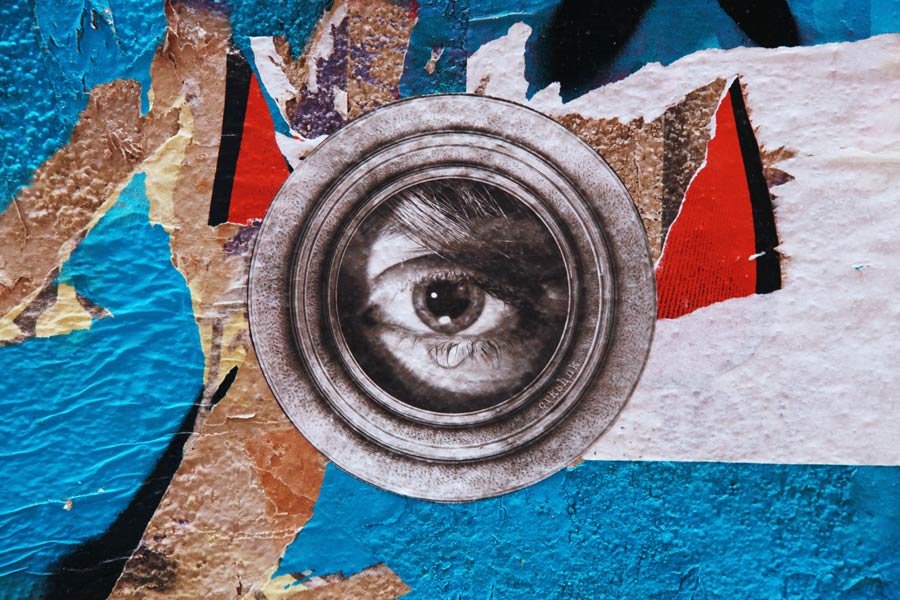
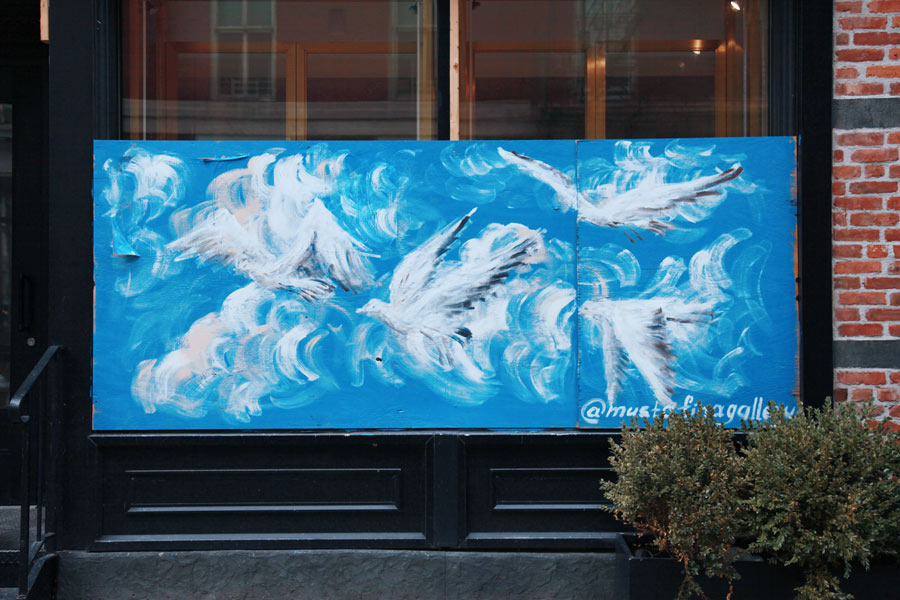
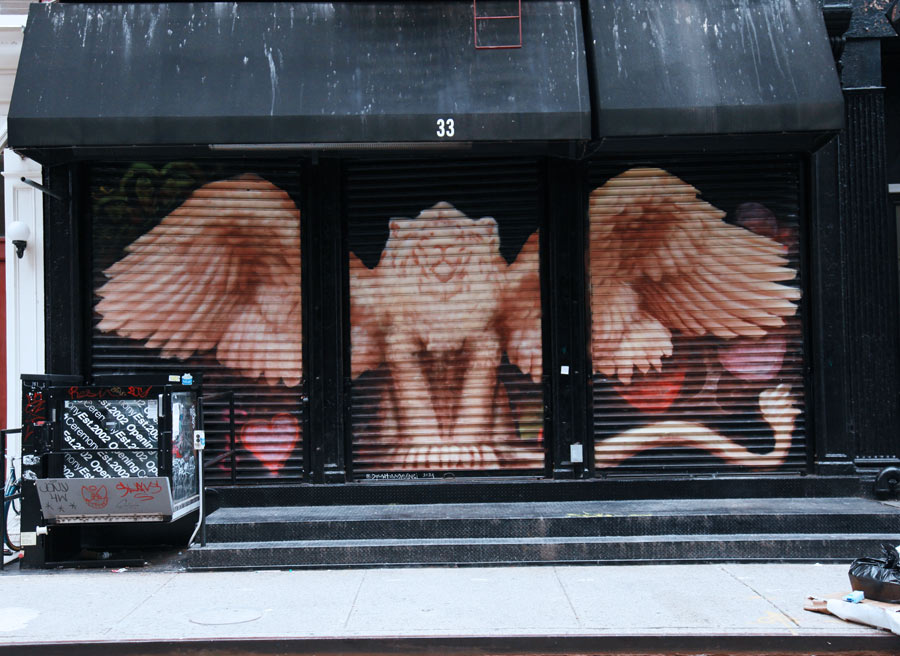
Here is our weekly interview with the streets, this week including Butterfly Mush, De Grupo, Eye Sticker, Hani, Hearts NY, Heck Sign, Kest, Detor, Daie, Ribs, Lexi Bella, My Life in Yello, Reisha Perimutter, Skewville, Sticker Maul, The Art of Willpower, Timmy Ache, and Tito Ferrara.
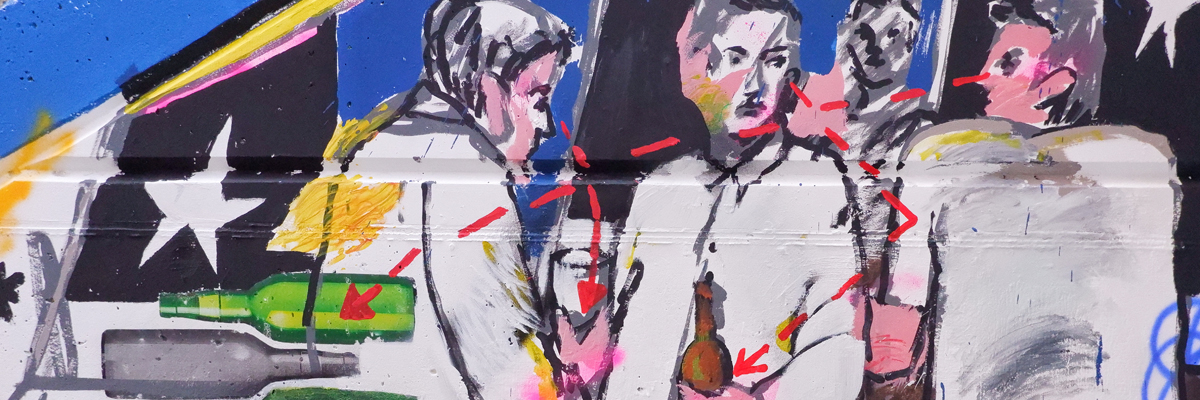
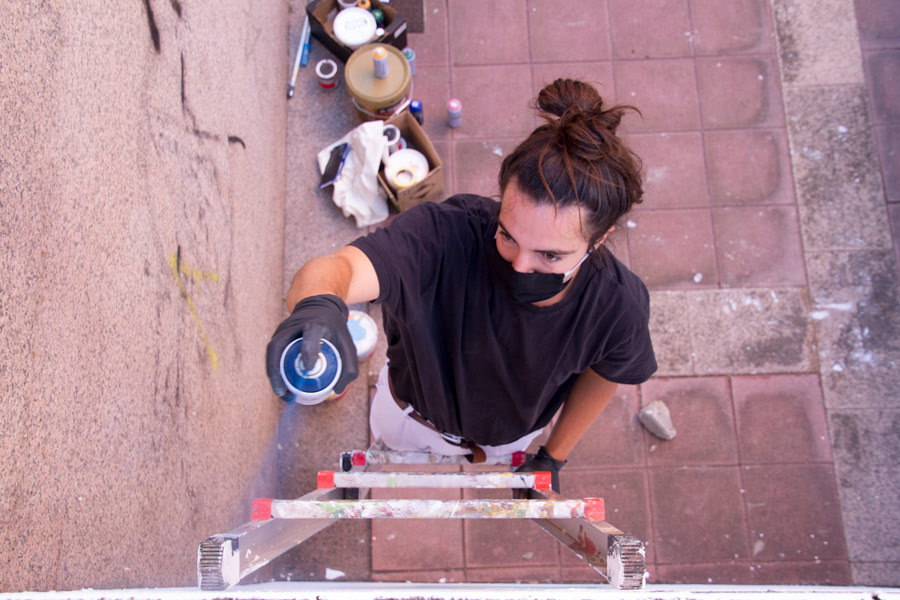
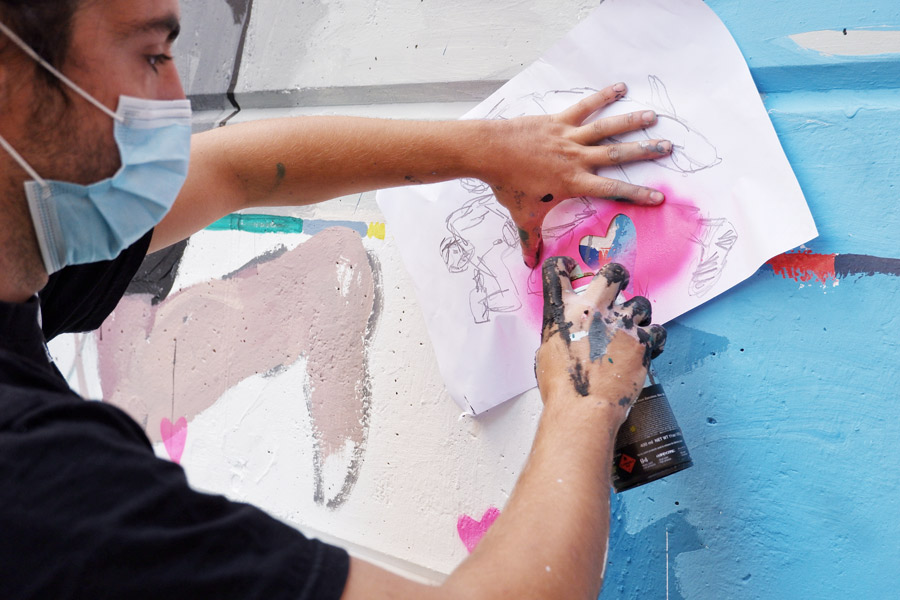
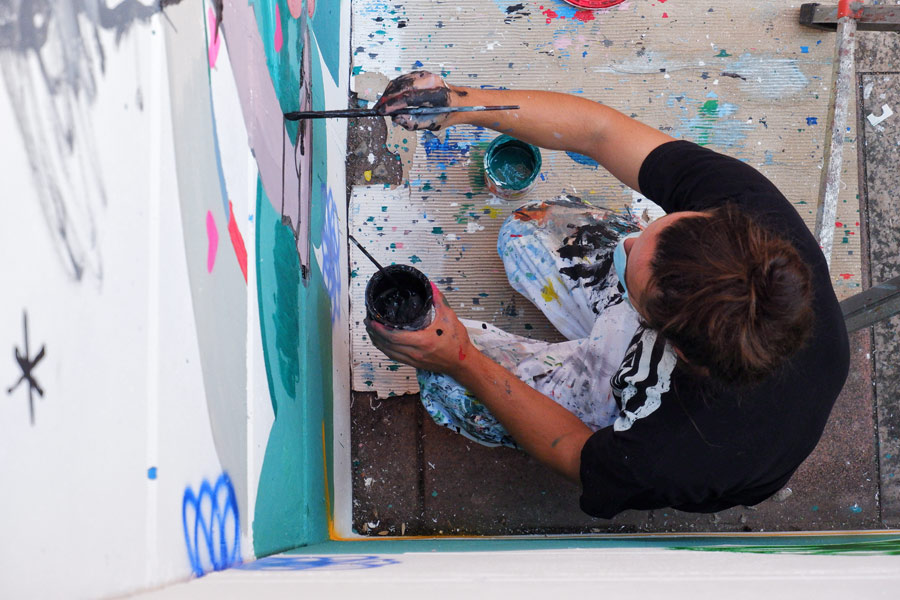
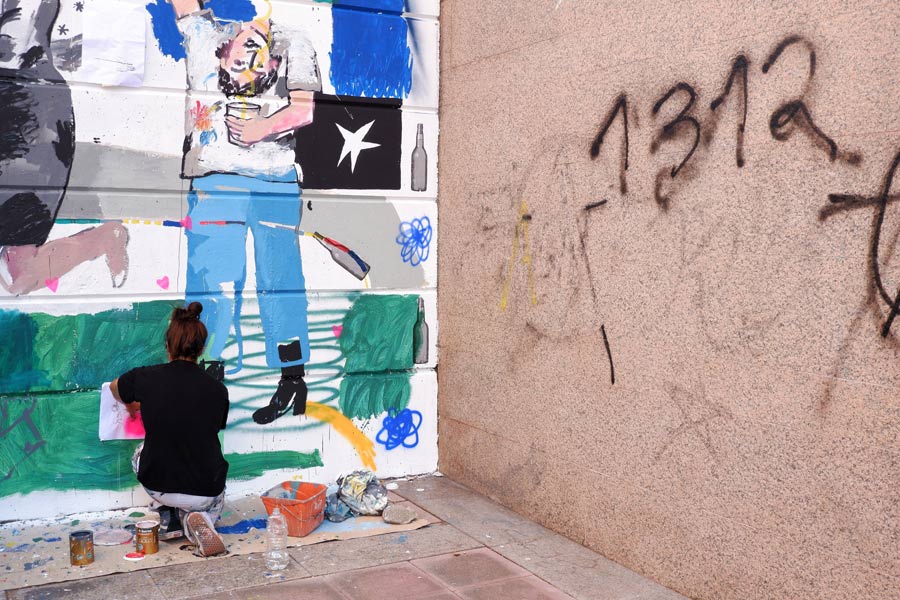
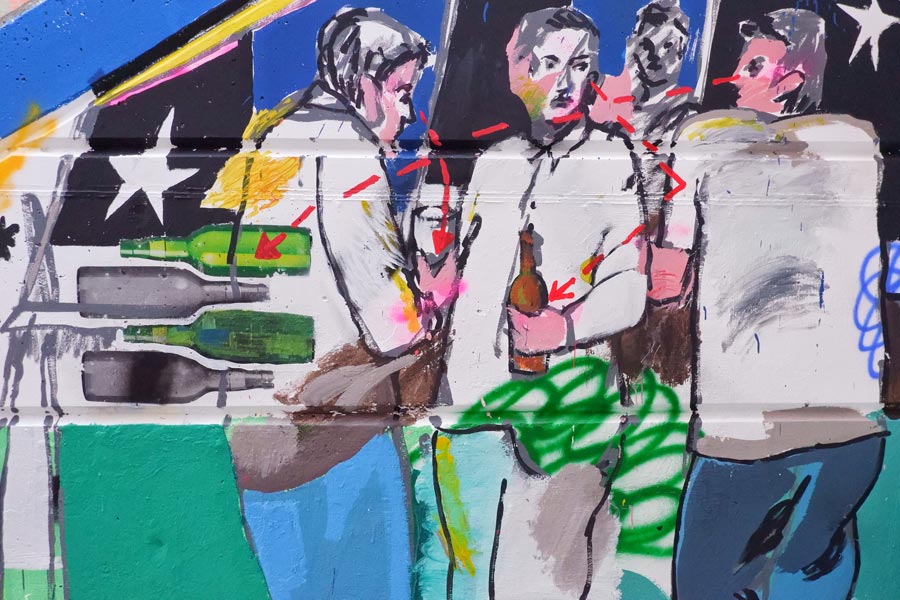
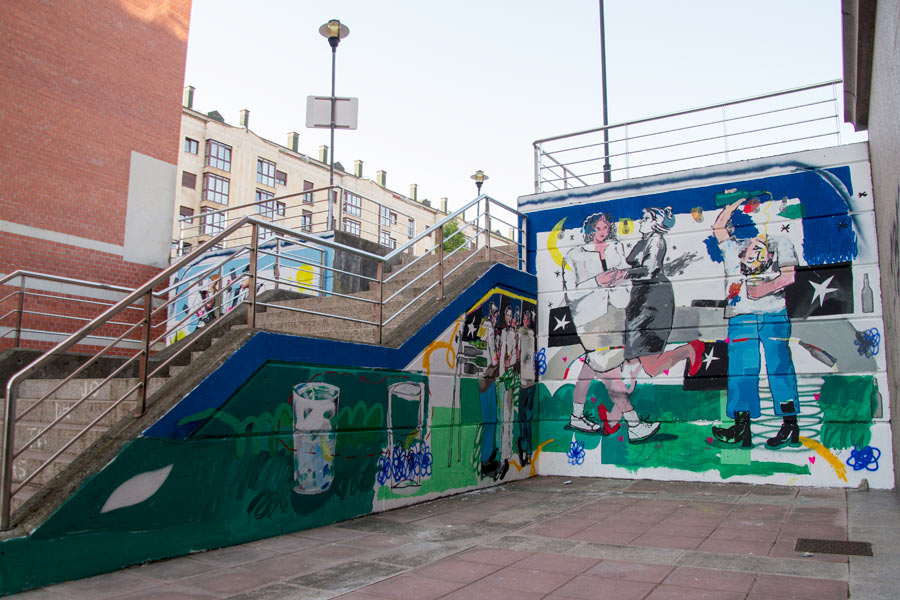
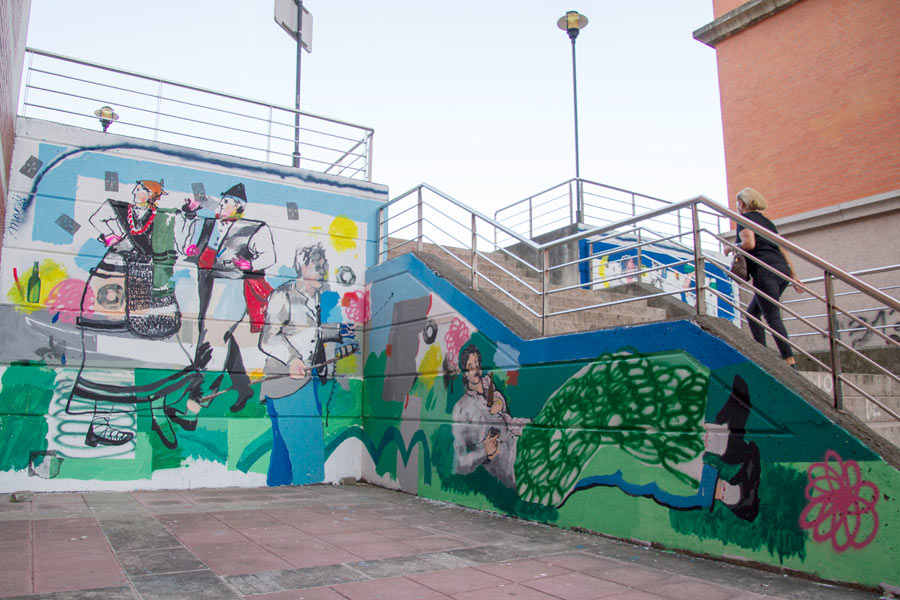
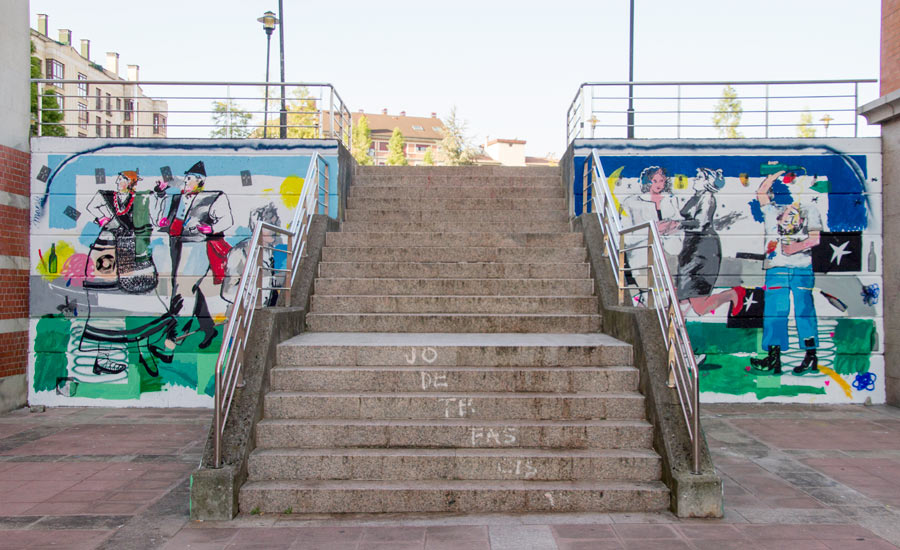
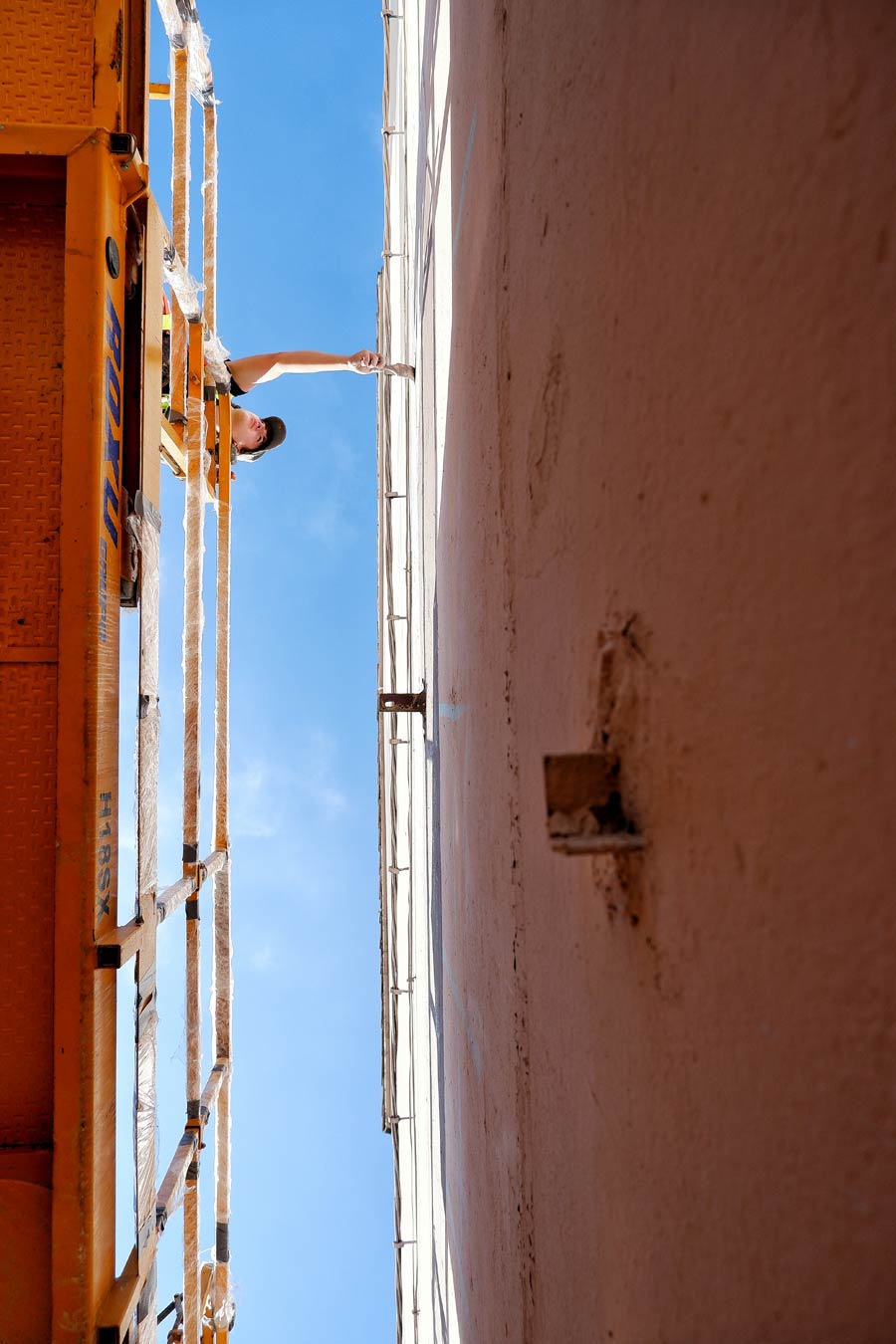
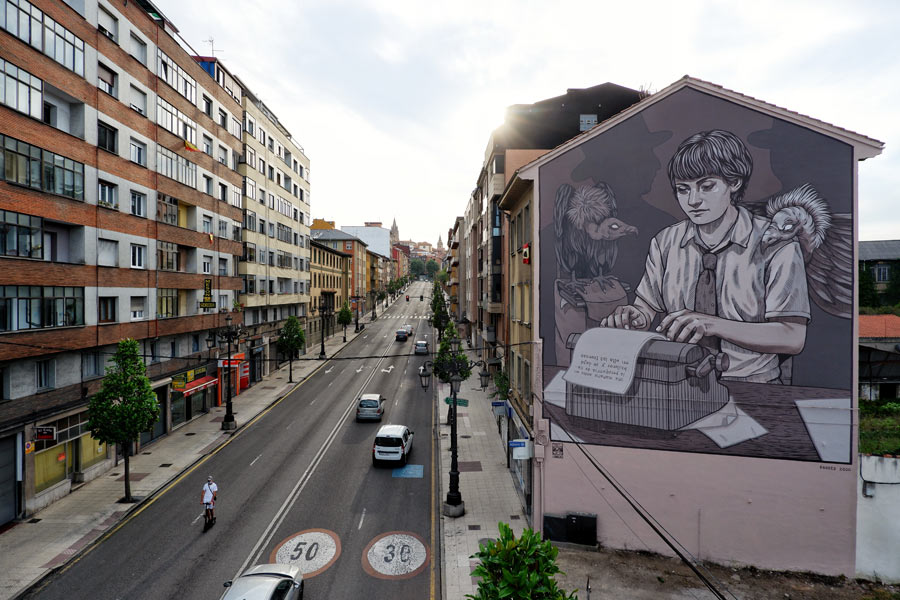
Modern primitive expressionist Manuel García Fernández AKA ‘El Nolas’ was born in the mid-90s here in Oviedo, Spain. Now his autobiographical mixed-technique perspective is taking over some large public walls here for the Parees Festival 2020, its fourth edition.
It’s good to see a fresh take on the current state of urban interventions; even as it recalls more formal studio practices of contemporary artists that you have seen in the last decades. In retrospect, this is the path that a lot of Street Art has often followed; name checking the past masters in galleries/museums and updating them to this moment on the street.
Our weekly focus on the moving image and art in the streets. And other oddities.
Now screening : 1. XENZ – Concrete Jungle 2. Harsa Pati: Parees Fest 2020. Video by Titi Muñoz 3. Manu García ‘El Nolas’: Parees Fest 2020. Video by Titi Muñoz 4. COVITA
BSA Special Feature: XENZ and Hummingbirds in the Concrete Jungle in Oslo
“That’s the ethos of graffiti, I think,” says the British artist Xenz as he talks about his new project in Oslo, “You’ve got to have your own identity and push your own style, really.”
The new video from James Finucane and Street Art Oslo lets the artist speak about his process and his philosophy. He got into graffiti not out of murderous feelings of rebellion, necessarily, but rather an appreciation of possibility, and maybe even an attitude of celebration.
“It was
about decorating these derelict warehouses – making them beautiful.”
“I’m trying to do something that is ironically pretty. Not quite twee,” he says as he answers the unasked questions that hardened graffiti writers may have when a fellow writer diverges from the typical activities that may define the modern archetype of a rebellious vandal who could care less about society.
“A hummingbird flying? – they’re like the most amazing things if you’ve ever seen one. It’s like ‘Let’s do that, instead of writing my name everywhere’,” he says.
So the sentiment is in alignment with how he describes a new public project with concrete columns in a margin of activity that most don’t consider a destination, only a through-point. Xenz says he chose a theme of nature reasserting itself to overtake the industry of humans. We all know that in the end, its nature will win, long after we destroy ourselves.
And did he like the experience of bringing his inside work outside? “It was a pleasure really – to have the opportunity to do what you do, there.”
XENZ – Concrete Jungle
Harsa Pati: Parees Fest 2020. Video by Titi Muñoz
Manu García ‘El Nolas’: Parees Fest 2020. Video by Titi Muñoz
COVITA
With apologies to Evita; HUMOR OR IN THIS CASE SATIRE OFTEN IS THE BEST ANTIDOTE…
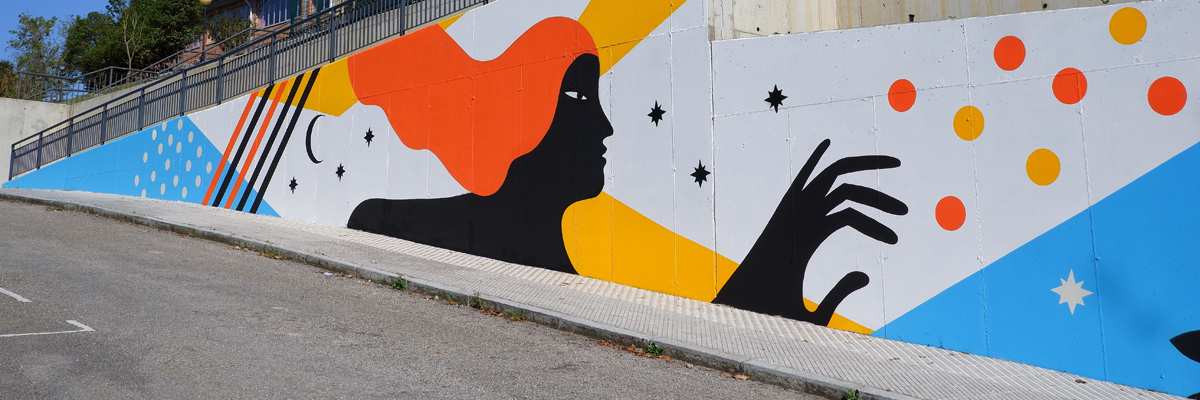
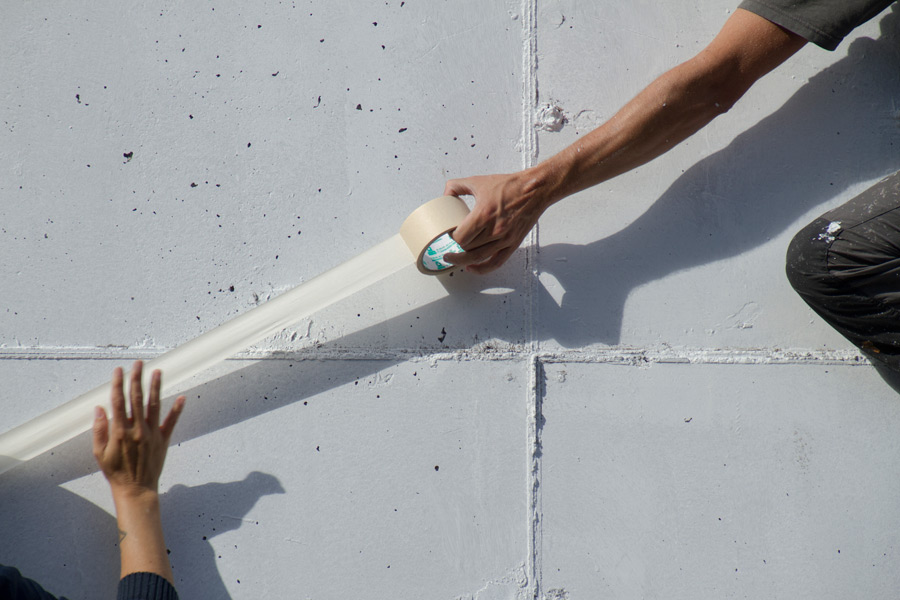
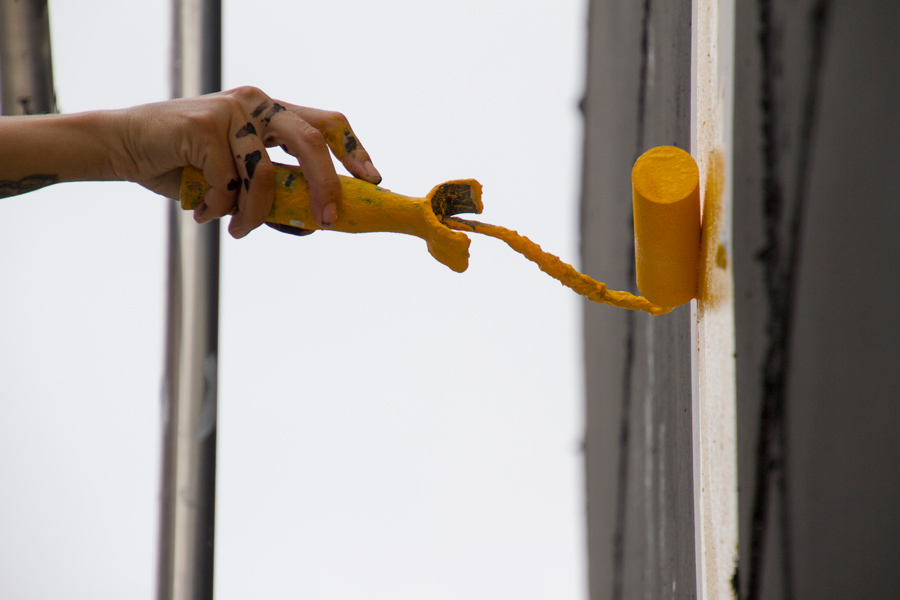
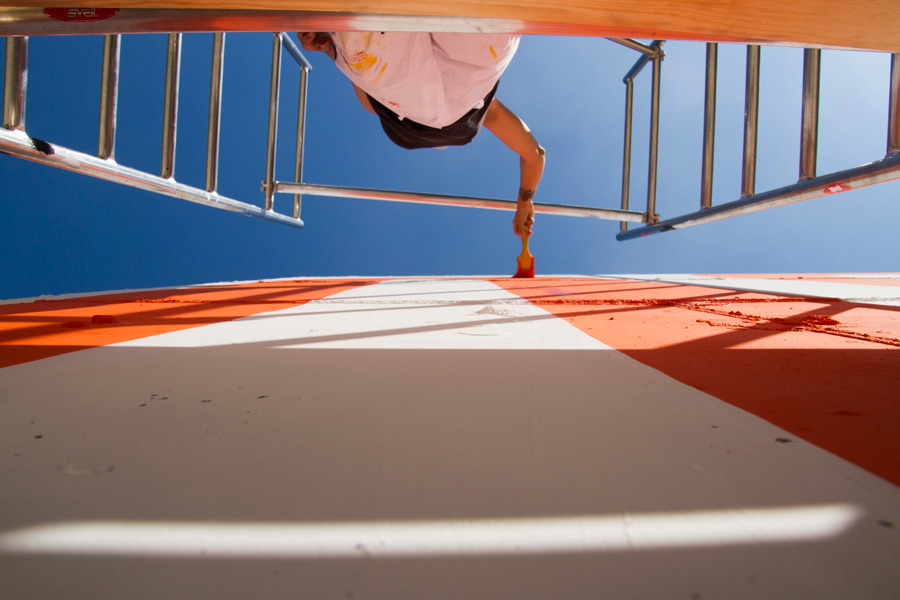
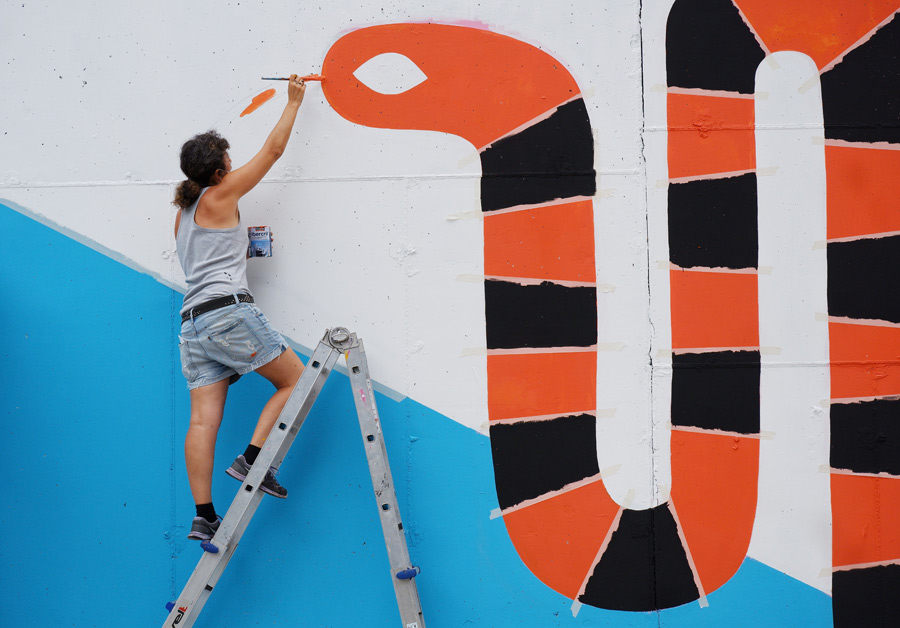
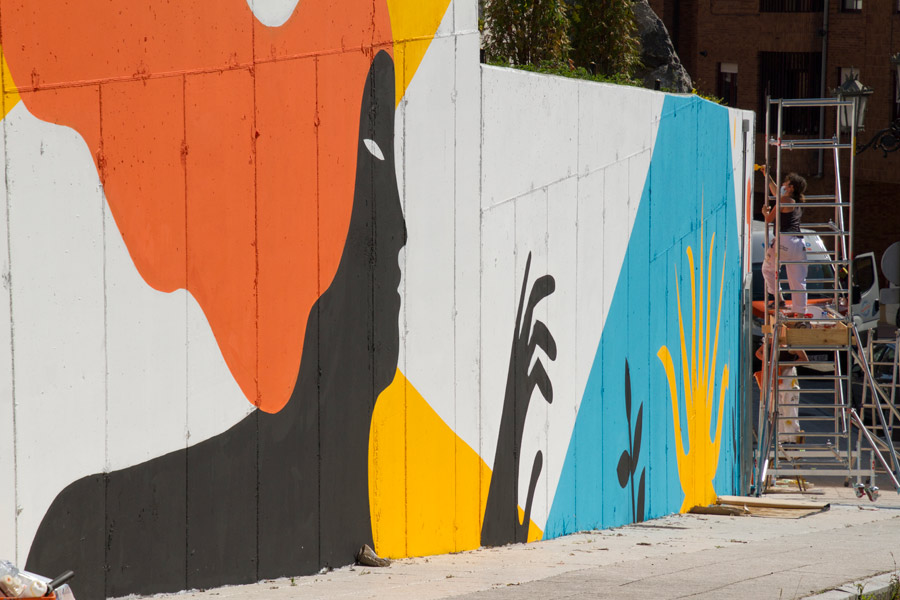
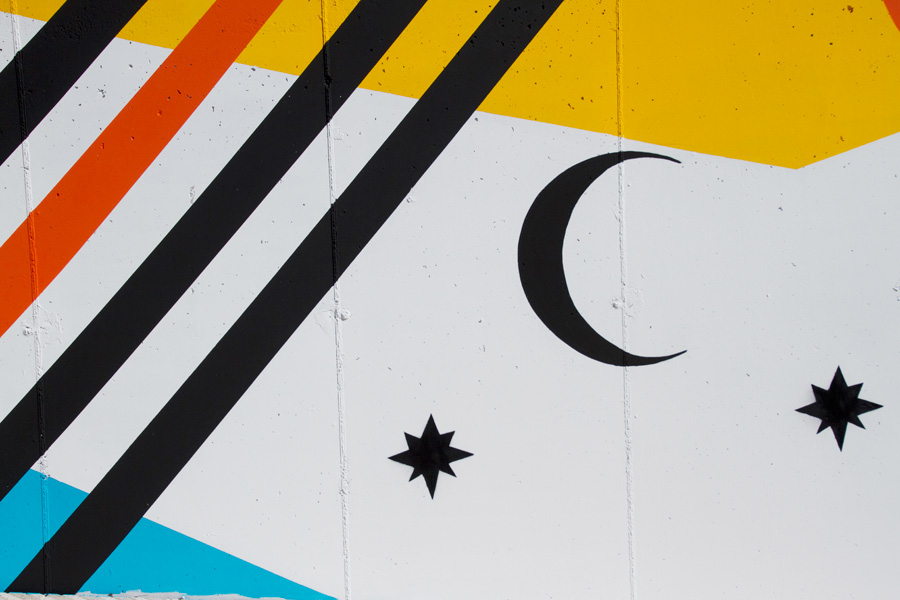
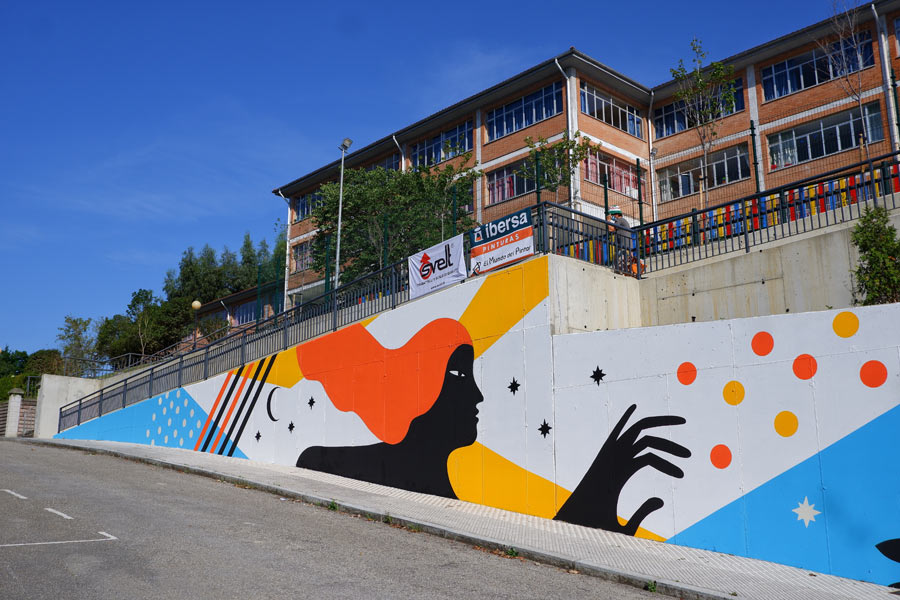
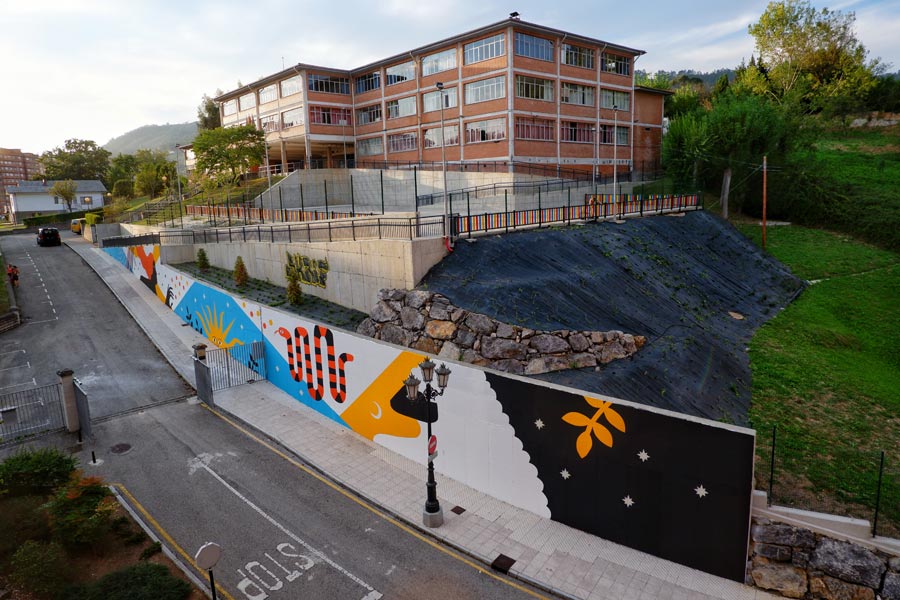
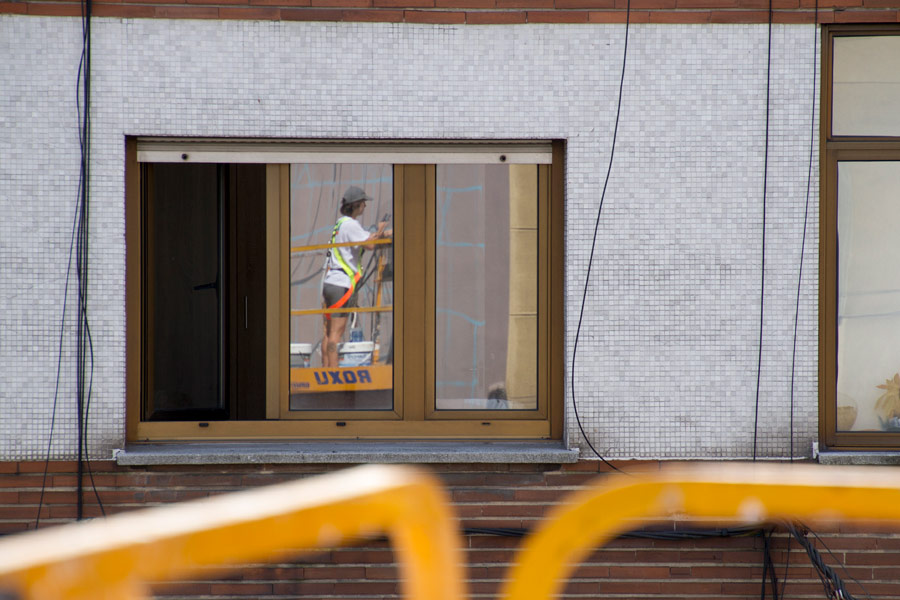
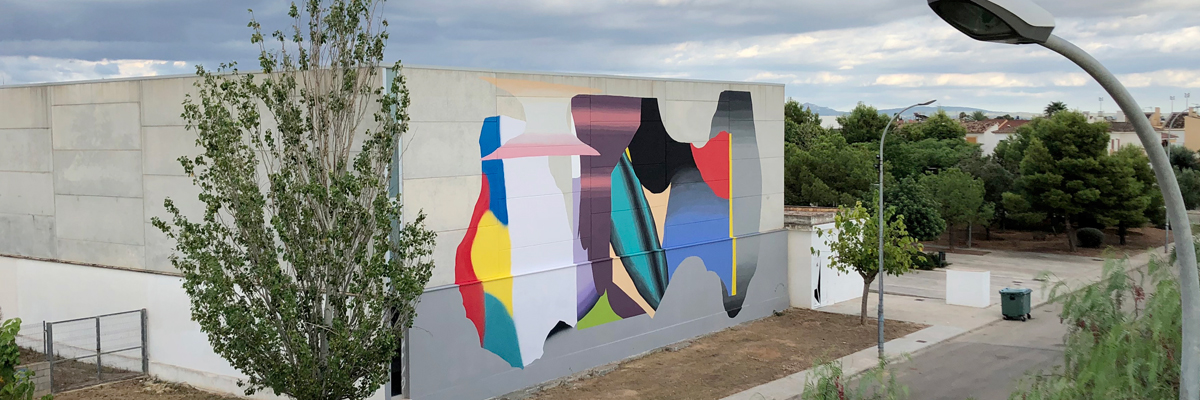
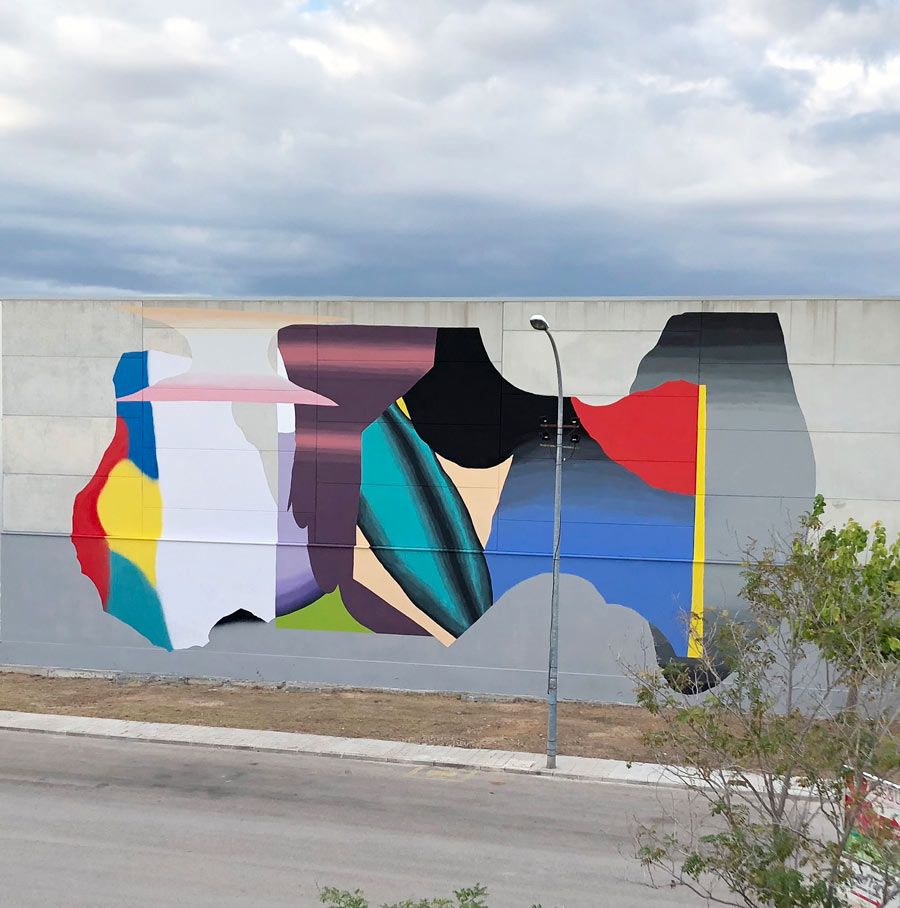
With a mural that she says is inspired by traditional Asturian tales Arantxa Recio Parra employs additive and reductive 2-D shape painting strategies in public space. With painting technique that may recall crisp illustration and advertising styles of the 1950s and 60s, her new work stretches buoyantly along this long expanse in Oviedo, a town in northwest Spain between the Cantabrian Mountains and the Bay of Biscay.
Almost paper cut outs in appearance, these bright forms imply both space and spatial relationships, re-drawing a public street and your relationship to it.
Born in Zaragoza the multidisciplinary artist joins the Parees festival this year with her style that is commercially popular at the moment; bright, simplified, and just quirky enough to capture the publics’attention. The past few years her illustrative style has landed her on walls in Mexico, Argentina, Italy, Austria, Scotland, and Croatia.
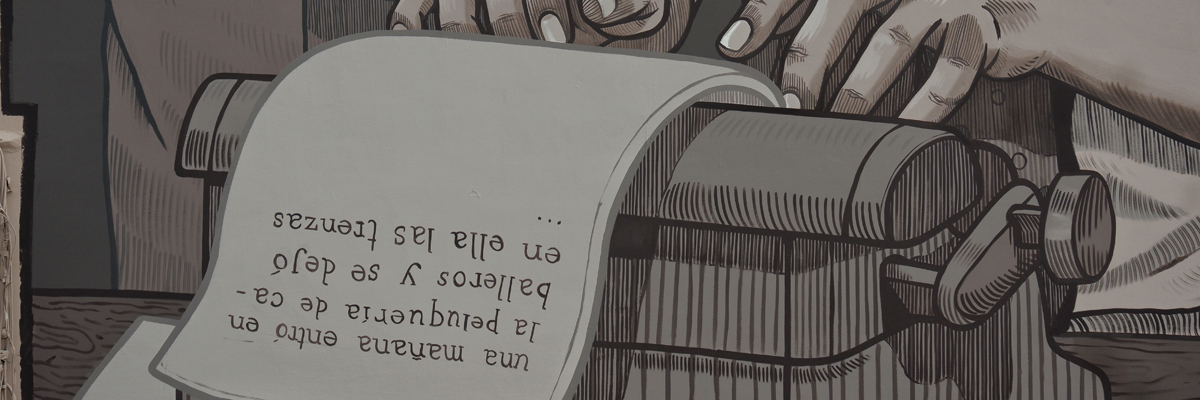
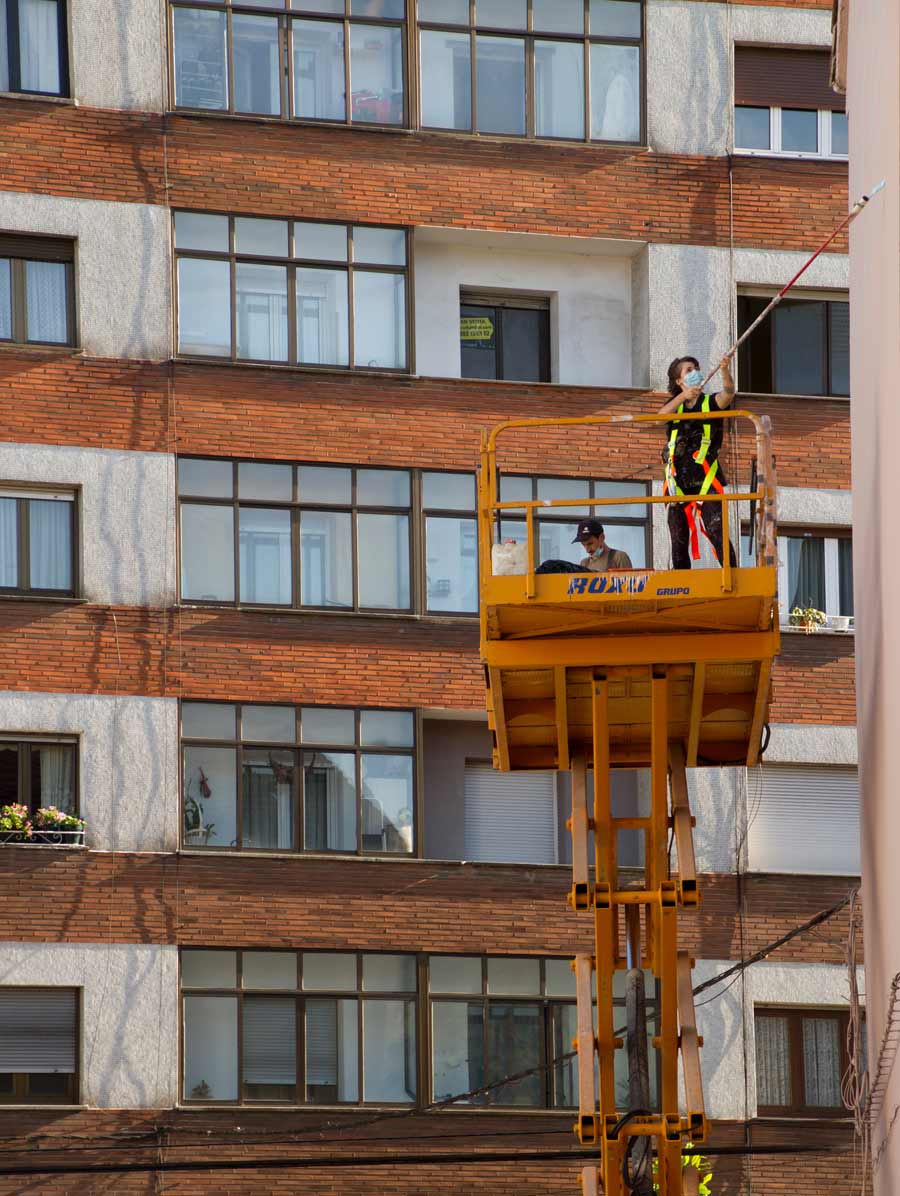
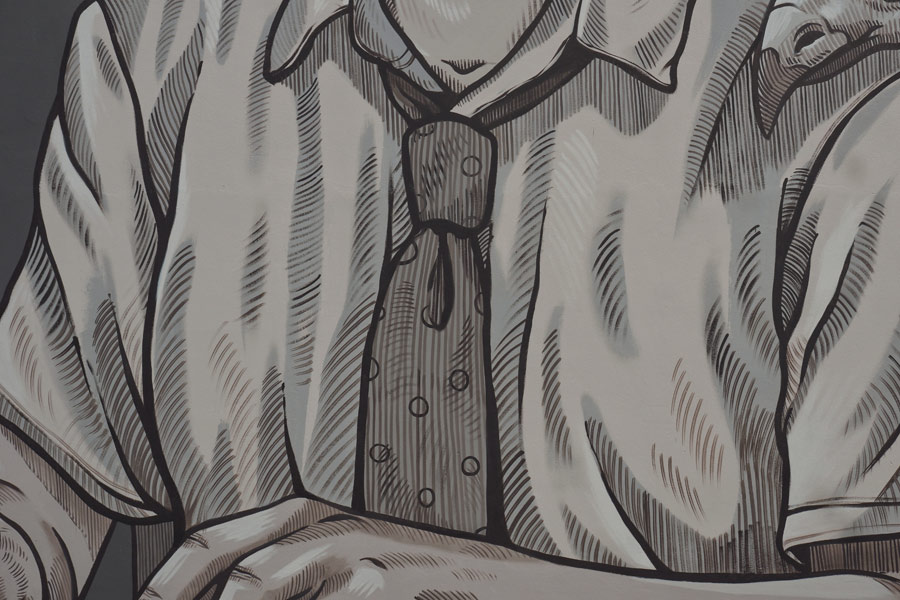
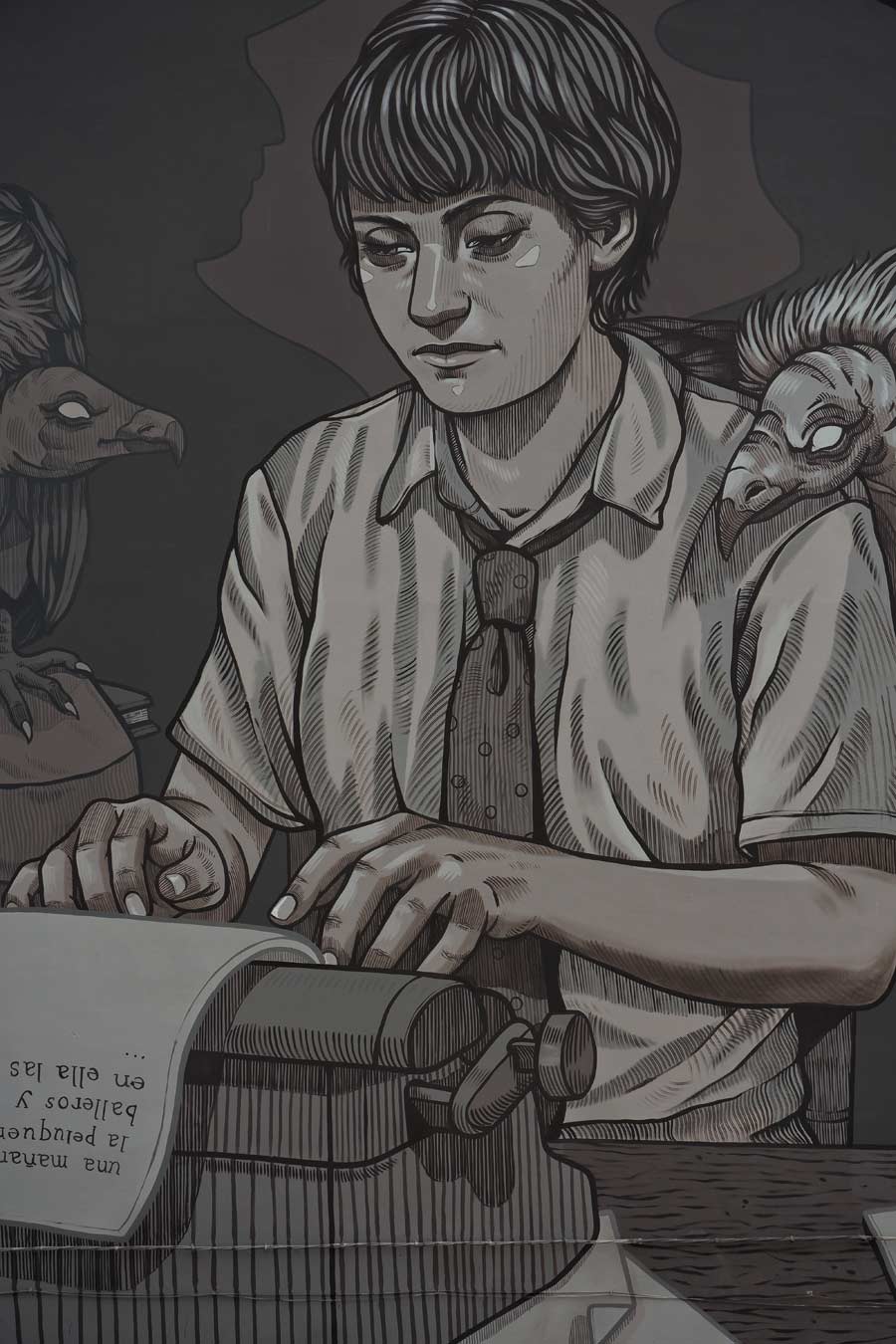
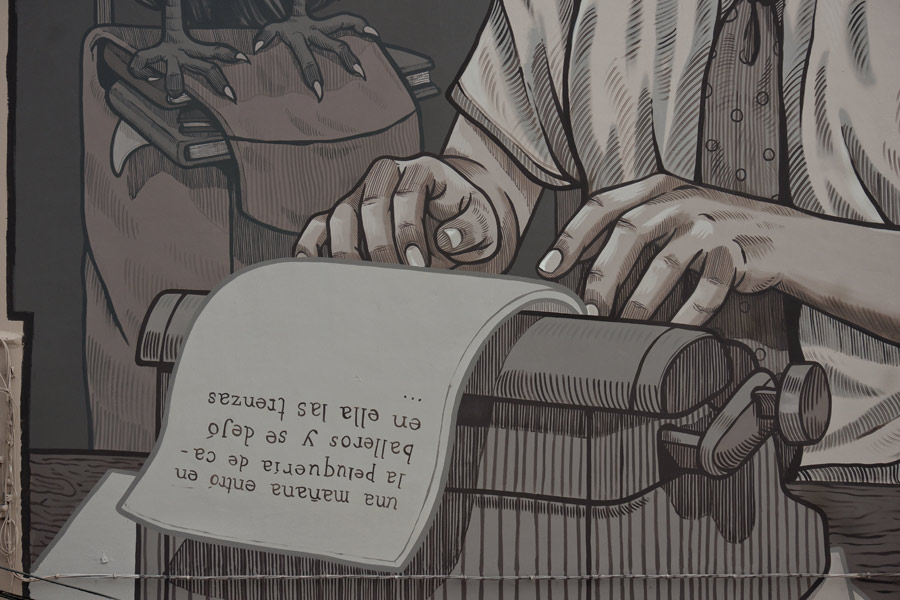
A valiant and revolutionary woman and winner of the Nadal Prize for literature in 1952, Delores Medio gets new life here at the 2020 Parees mural festival. Painted by artist Lidia Cao, the character of the writer comes through, a veiled portrait of her personality, her intensity.
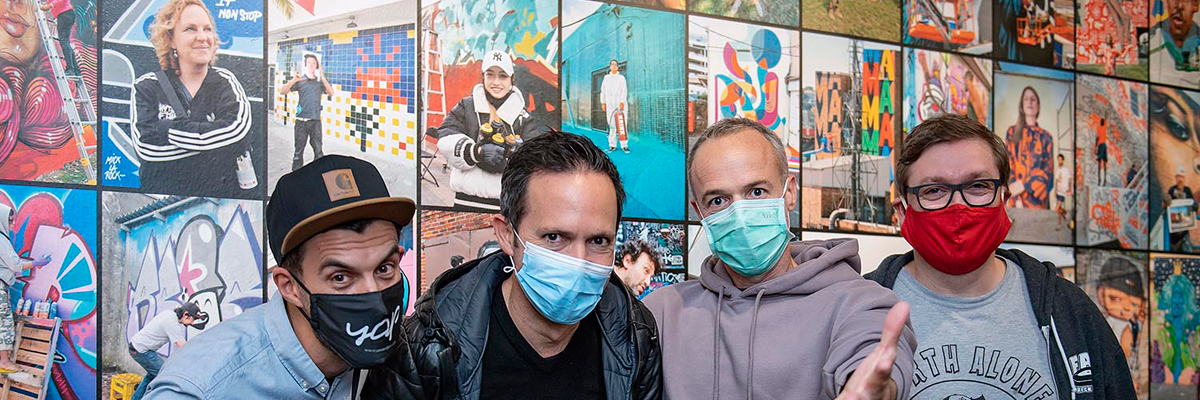
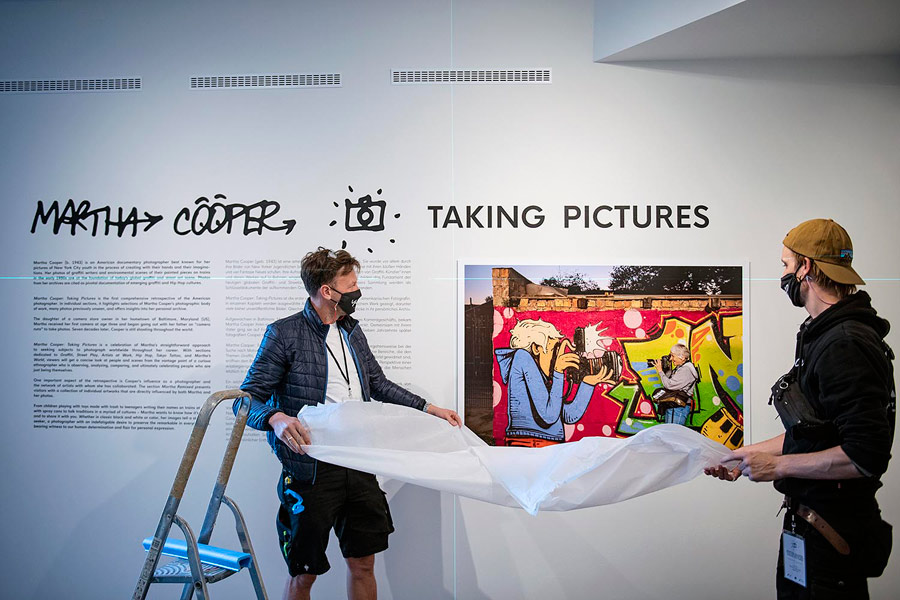
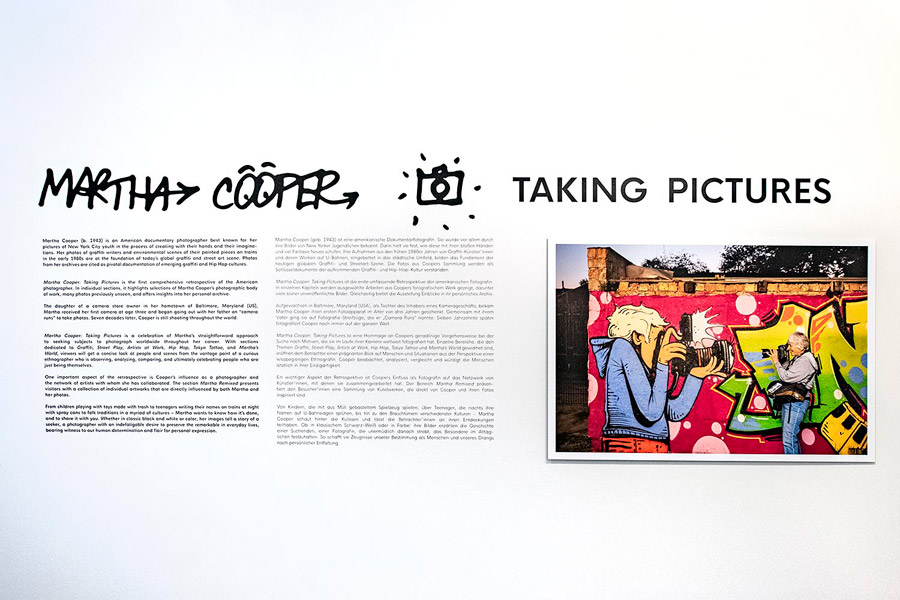
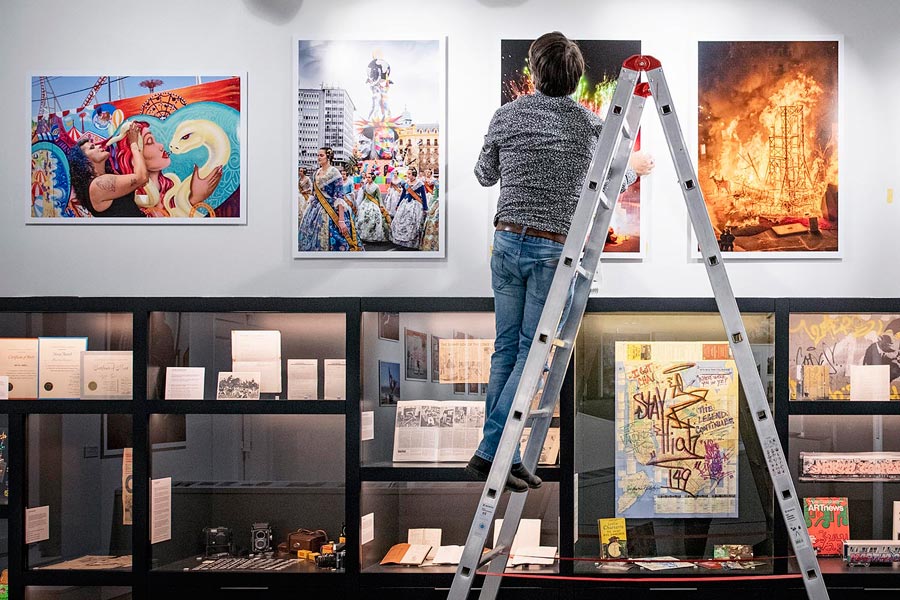
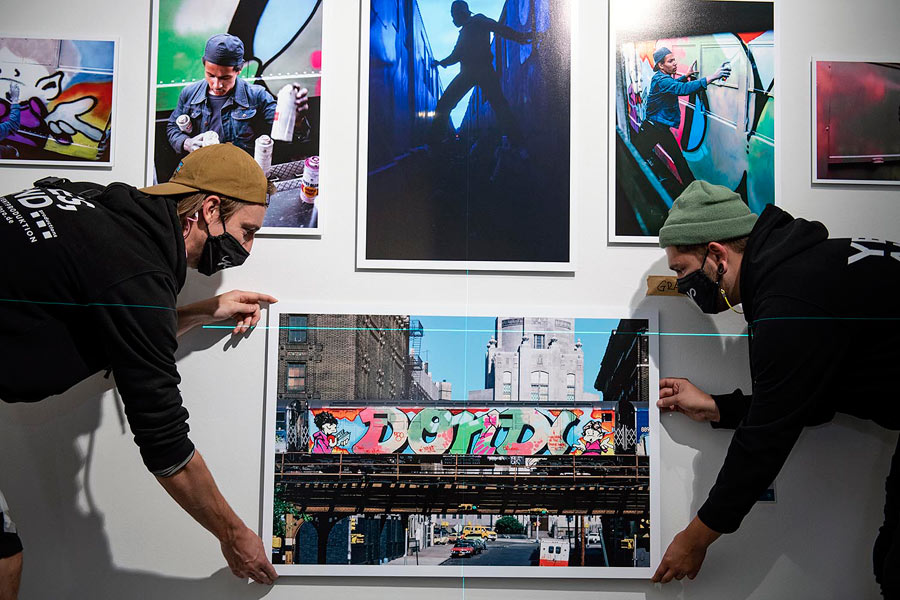
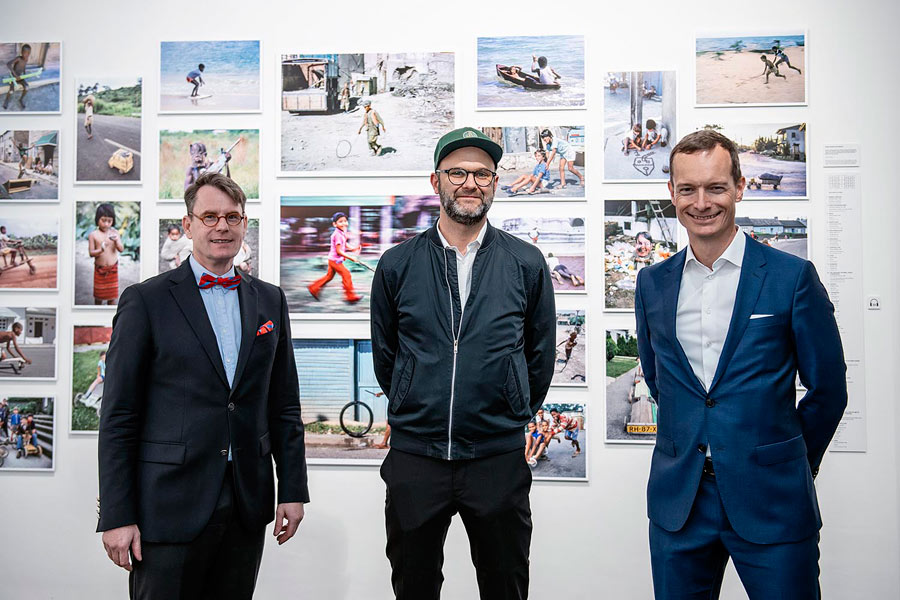
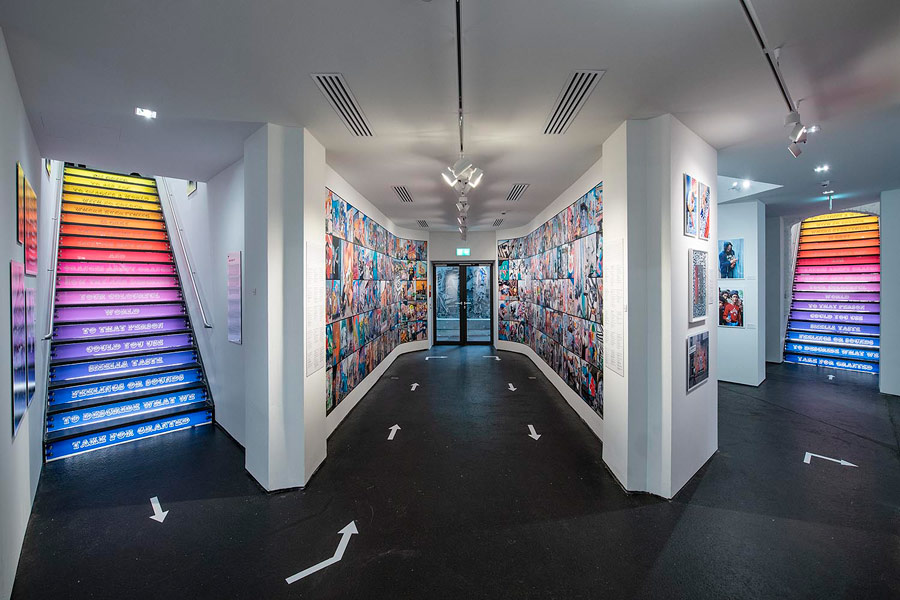
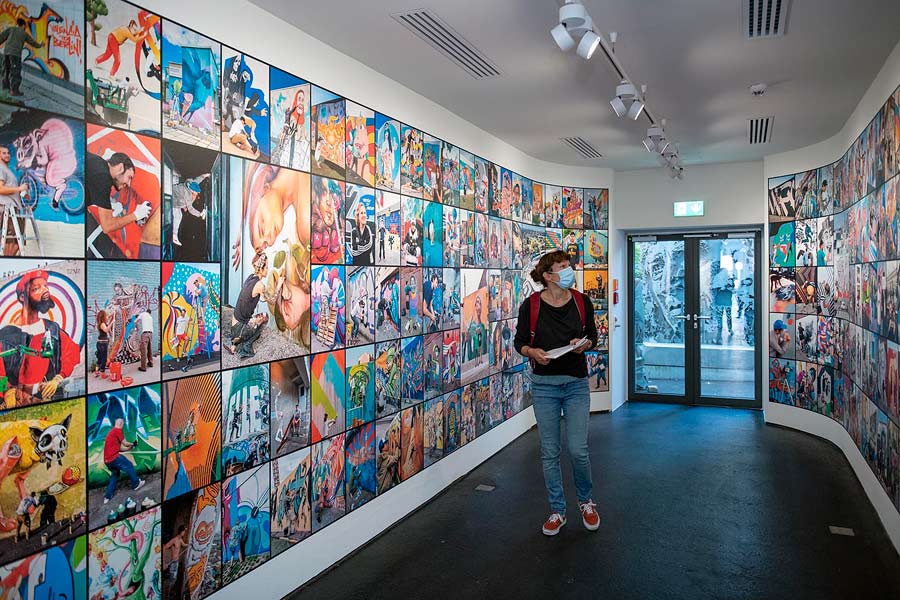
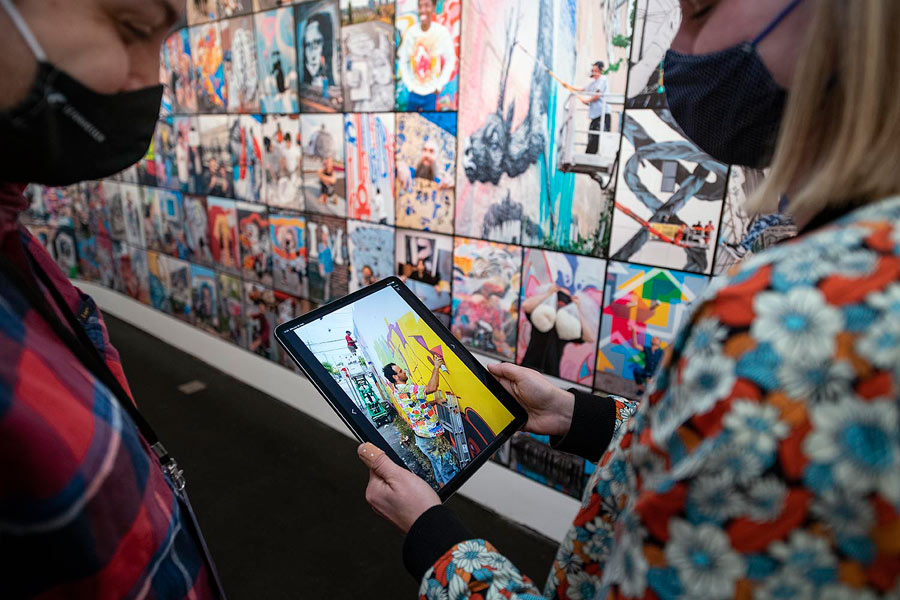
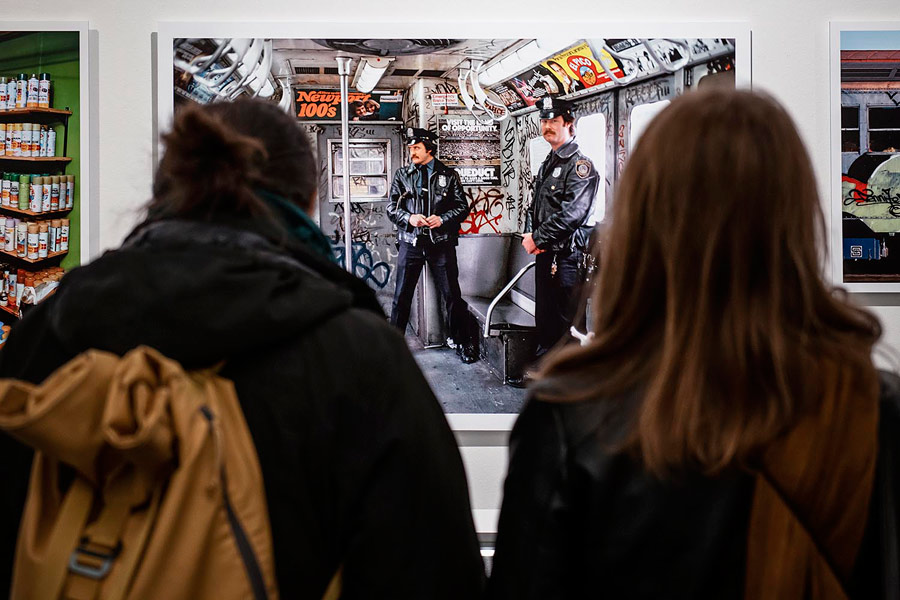
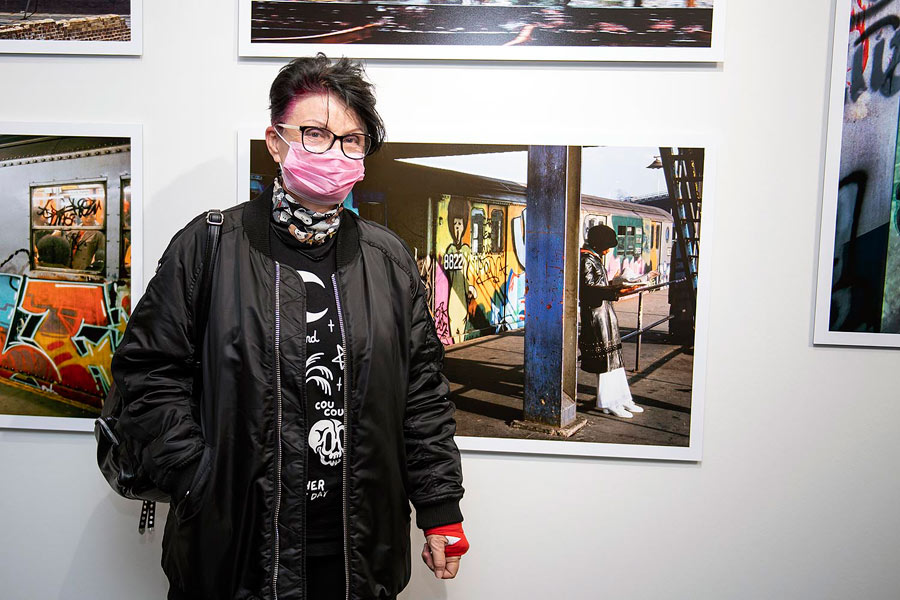
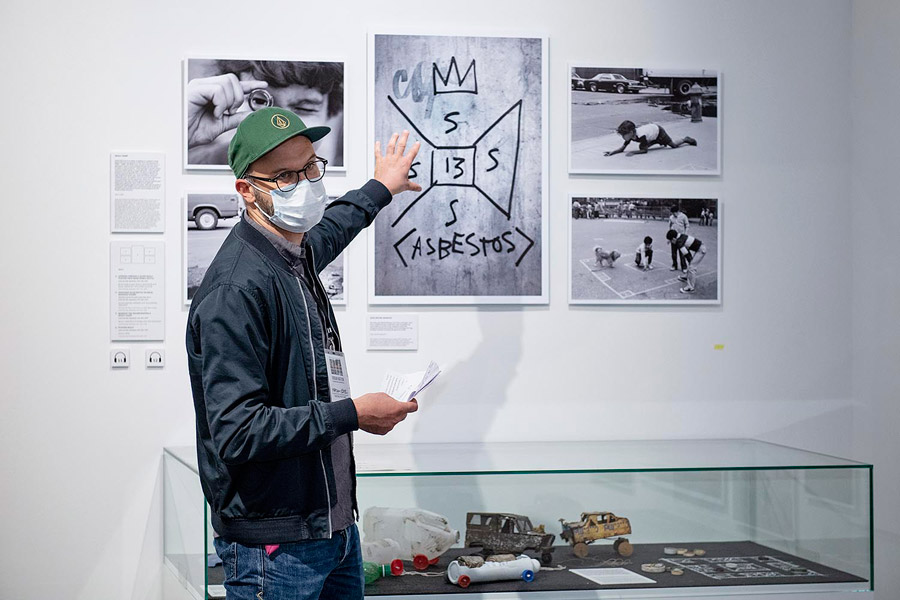
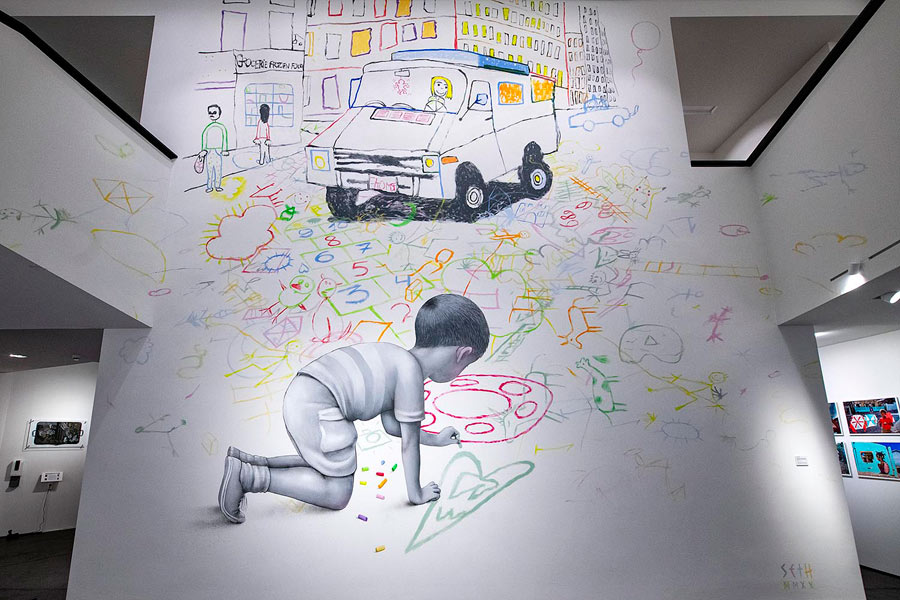
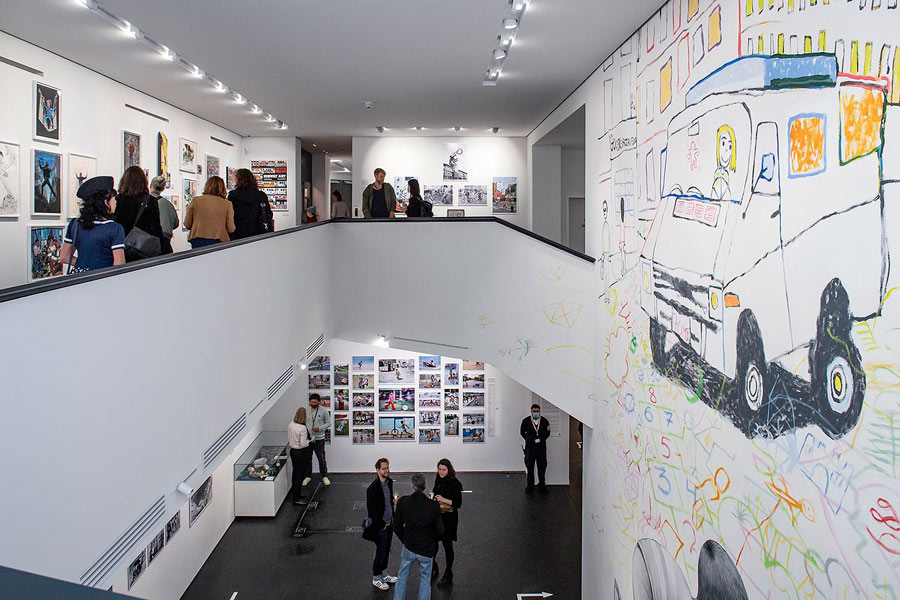
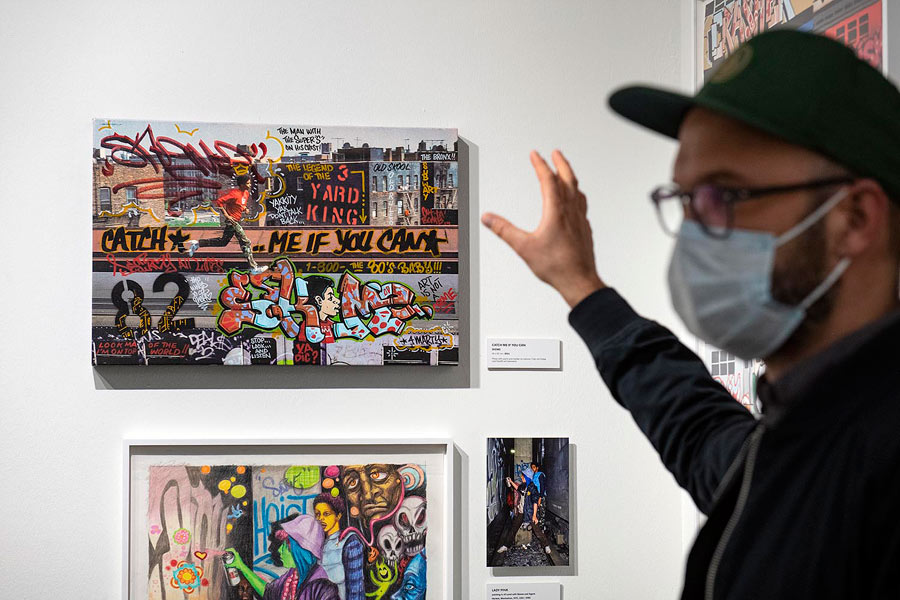
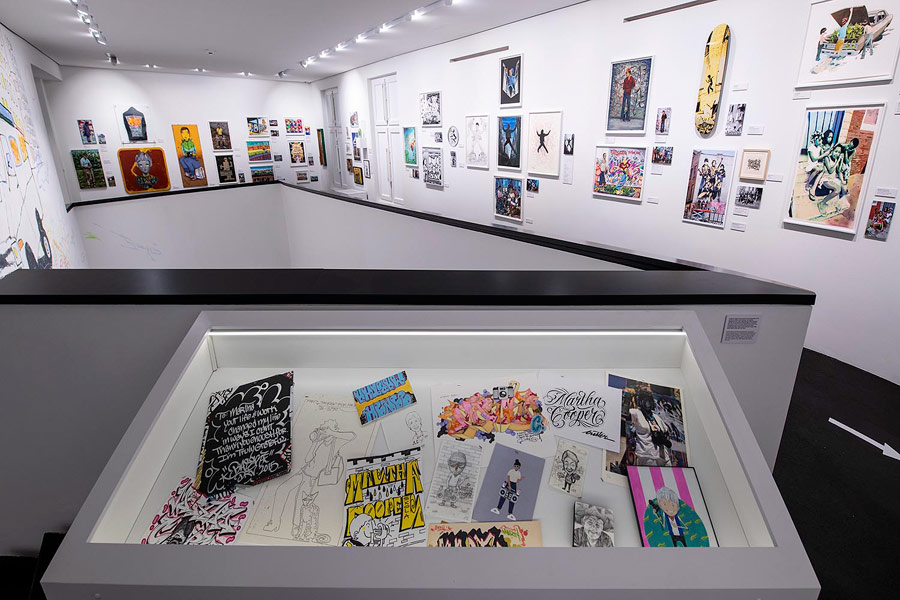
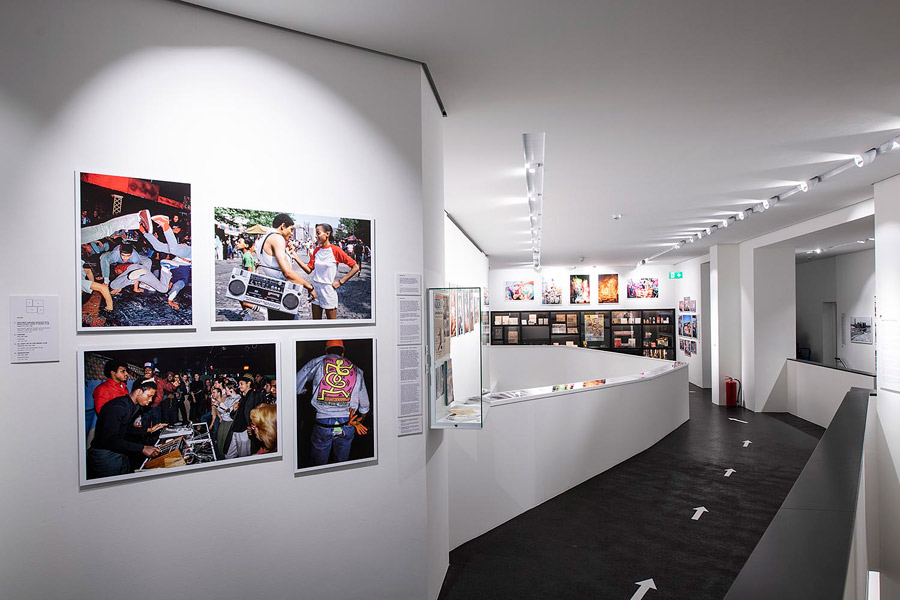
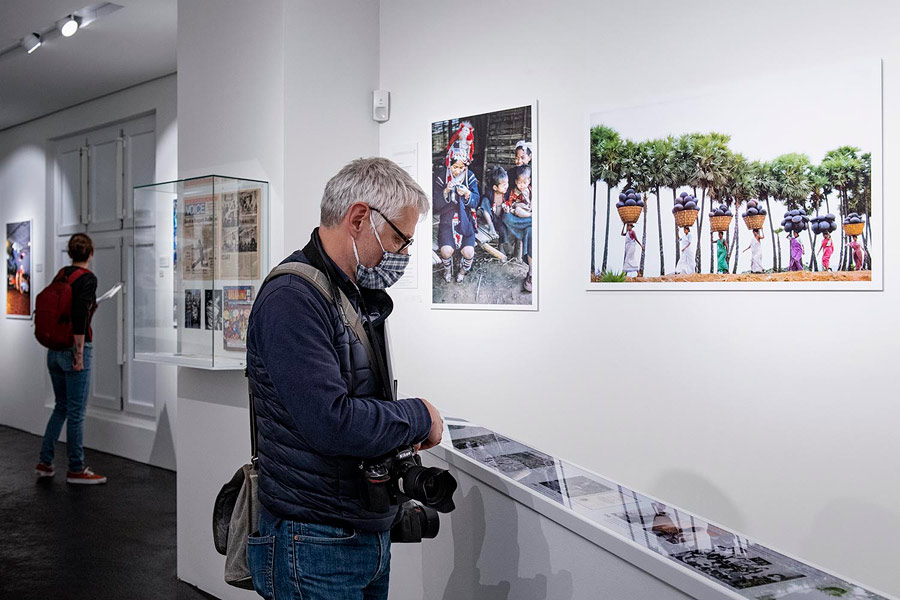
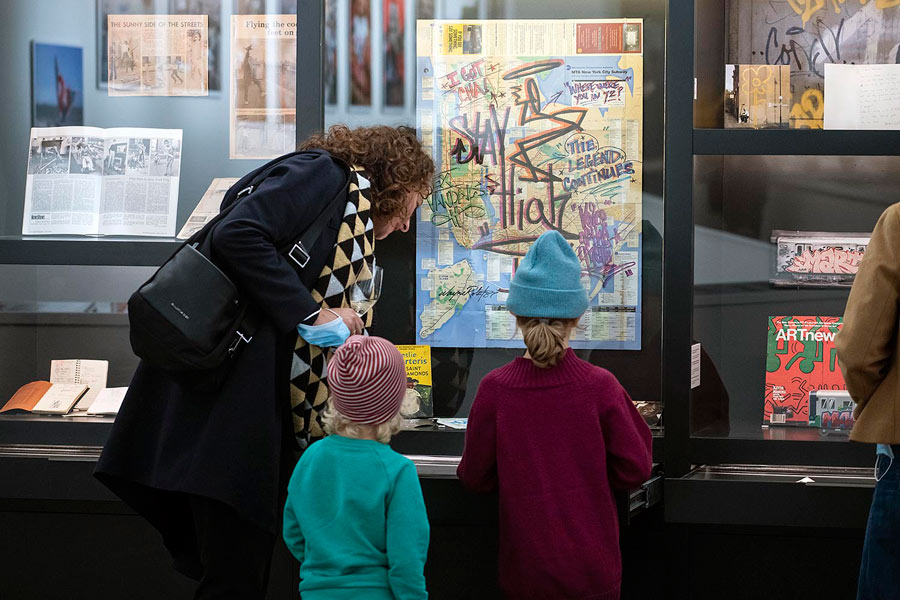
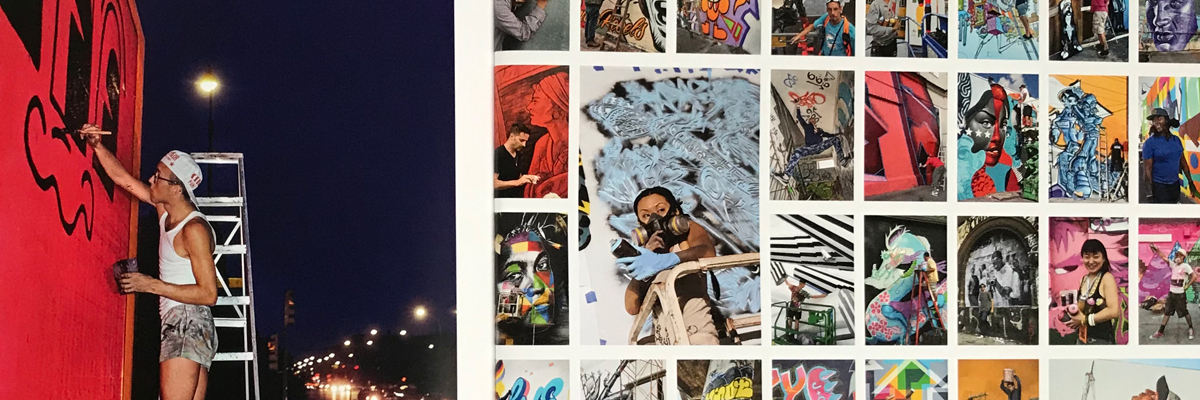
Fully booked and fully celebrated, the weekend long celebration of the Martha Cooper career retrospective opened with great success and great reviews as it has been heavily covered by media in print, online, and radio. Because of Covid restrictions the museum can only accommodate a certain number of guests at a time but so far all tickets have been claimed each day. Please be sure if you are going to grab a free ticket online at Urban Nations’ website.
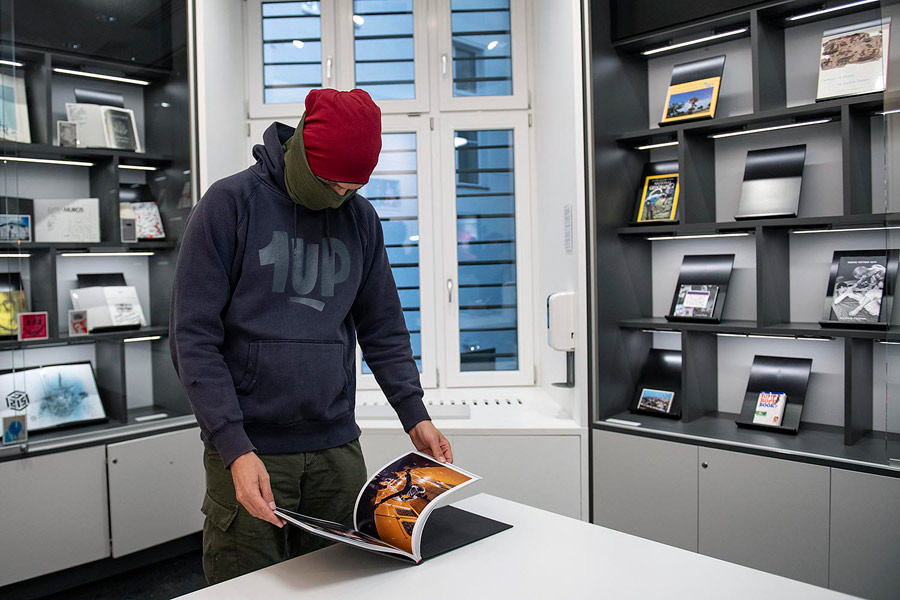
We wish to extend a heartfelt thank you to photographer and BSA collaborator Nika Kramer for sharing her photos with us.
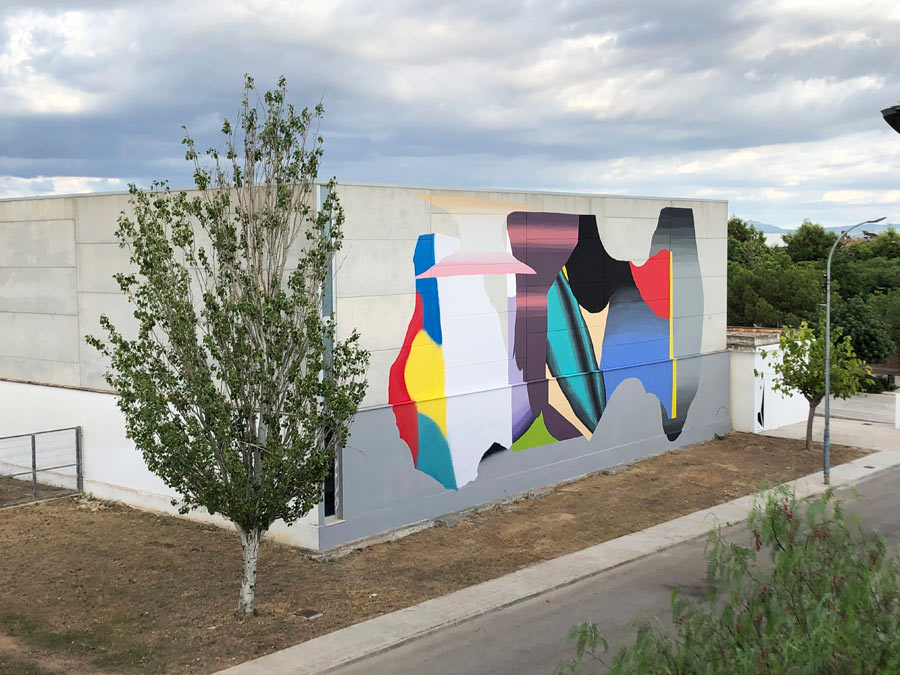
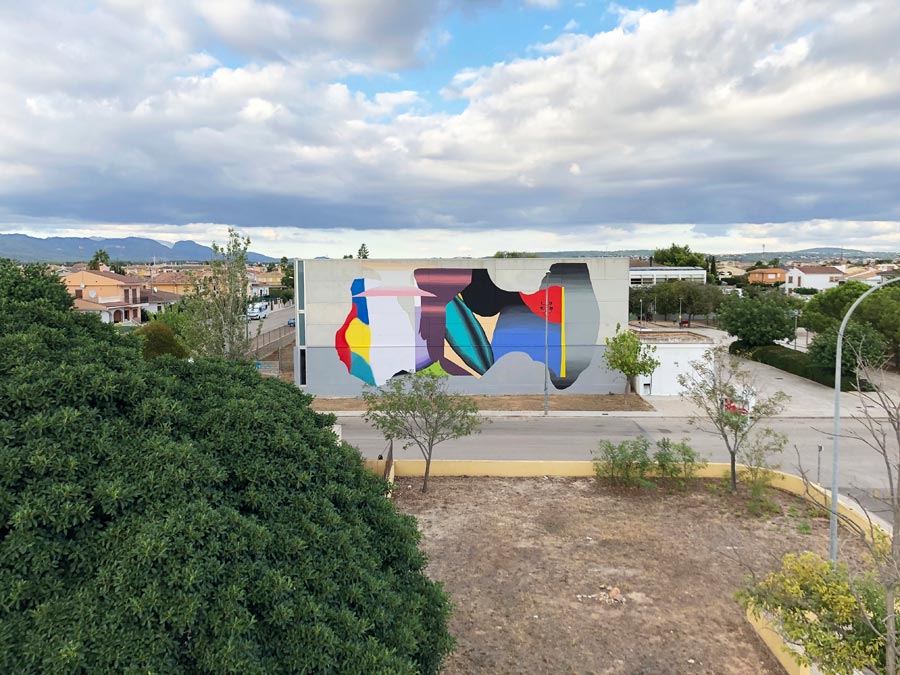
His years of eclecticism are melting now into digitally influenced abstraction on Grip Face’s new mural in Palma de Mallorca’s Pont d’Inca neighborhood in the Balearic Islands.
Grip Face. “Les Obstacles génerationnels”. Palma De Mallorca, Spain. (photo courtesy of the artist)
With this pastiche of modern impressions, Grip Face finds a common aesthetic; one that rises from his own histories in skateboarding, graffiti, and street art to evolve this new entry into something he calls his Obstacles Series. This mural in particular is entitled “Les Obstacles génerationnels” (Generational Obstacles). Oh yes, you’ve heard of those.
The artist says he’s not feeling
very optimistic about the future at the moment and that his attitude has crept
into his new mural, where Grip Face generates a visual dialogue about the future.
Perhaps he will feel more optimistic once all the parts of this puzzle come together.
Grip Face. “Les Obstacles génerationnels”. Palma De Mallorca, Spain. (photo courtesy of the artist)Grip Face. “Les Obstacles génerationnels”. Palma De Mallorca, Spain. (photo courtesy of the artist)
And the
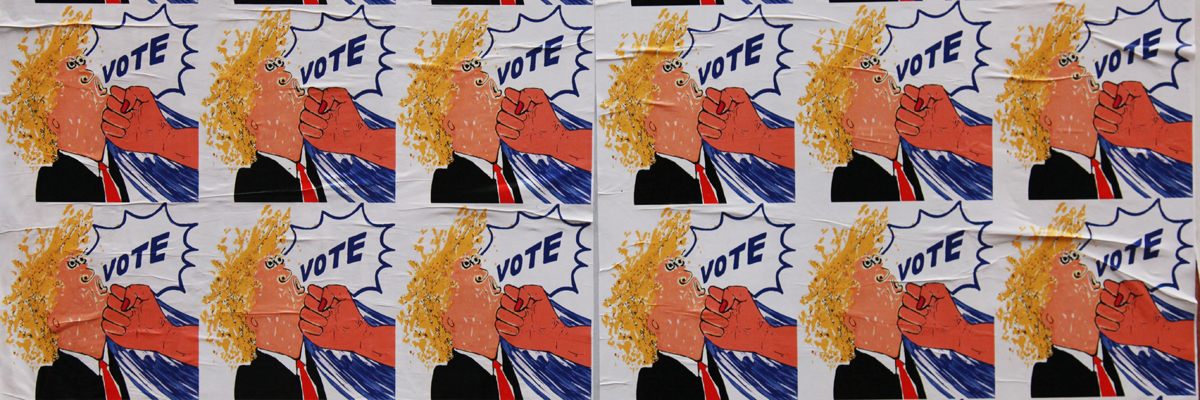
newsreaders are revving you up for the big election, right? Which millionaire
will you vote for to save us? Meanwhile,
millions are already suffering without jobs, without food, without sleep.
Meanwhile in beautiful New York we are seeing splendid new art on the streets, skooling us again as we go back to school. We’re particularly interested in a trend toward using recycled products in the making of art. Welcome to October; and Mercury is still in retrograde for about 4 weeks so hang on brothers and sisters. It’s gonna be bumpy.!
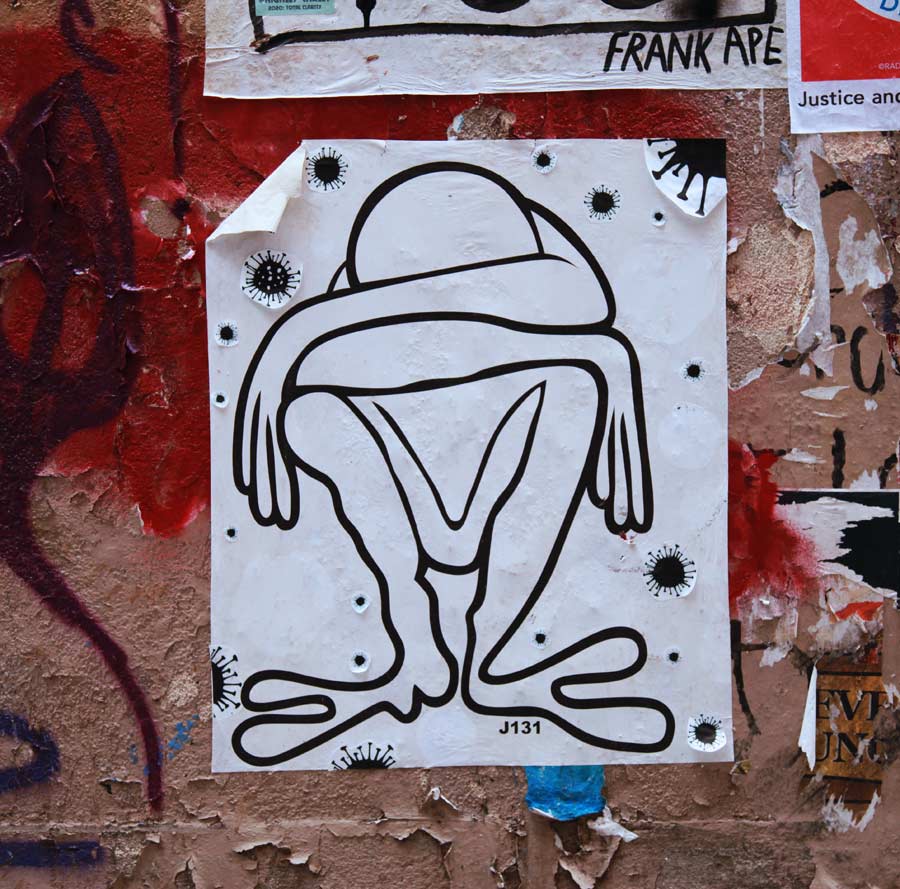
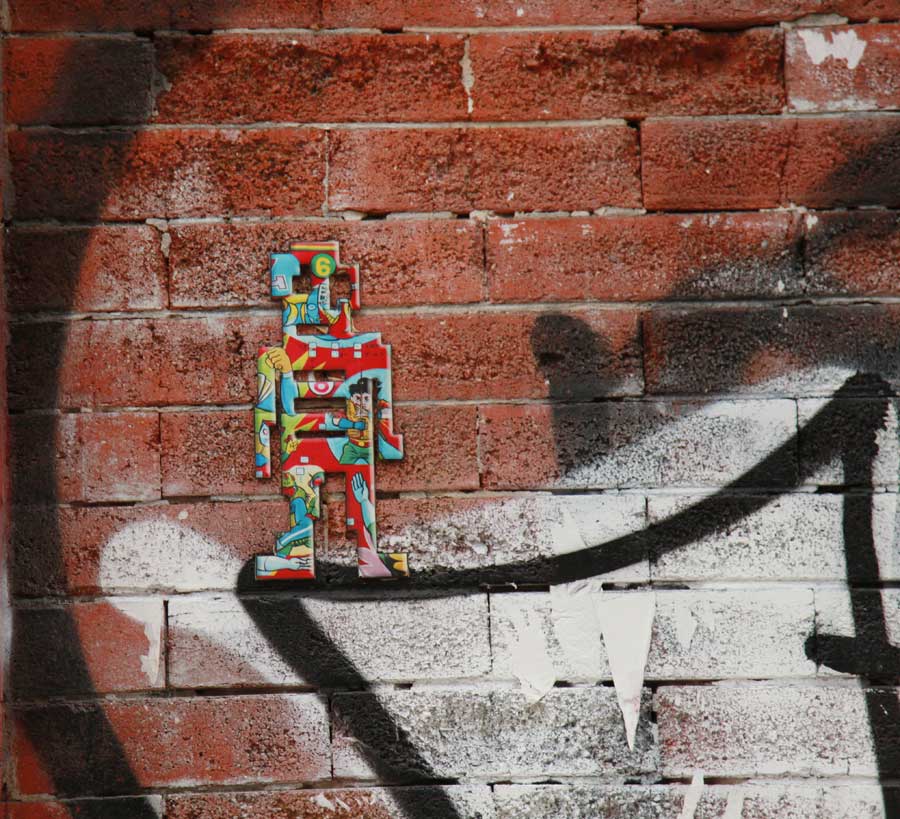
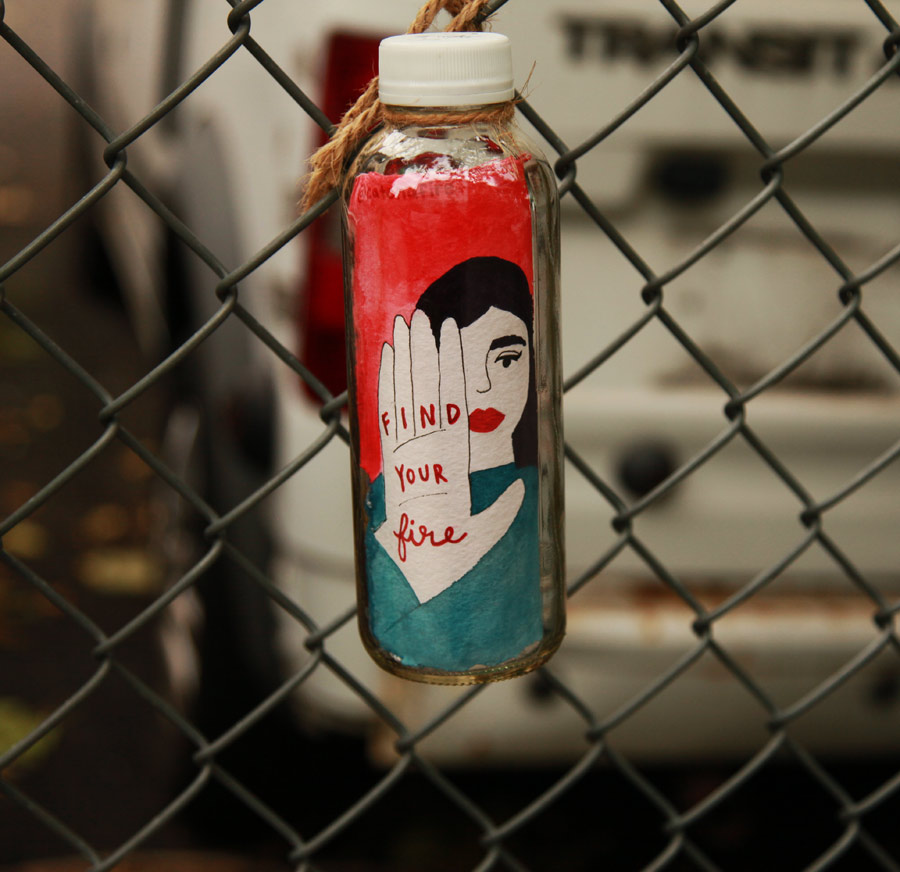
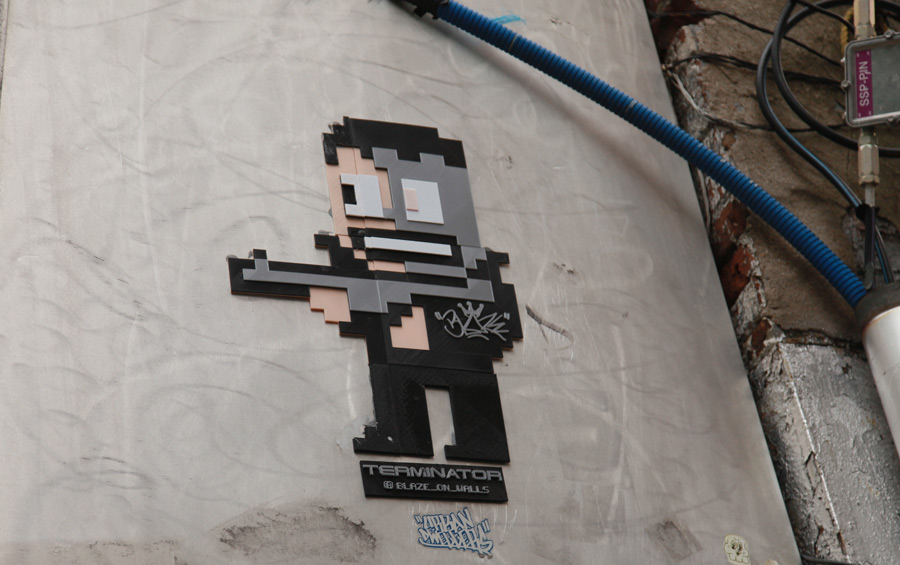
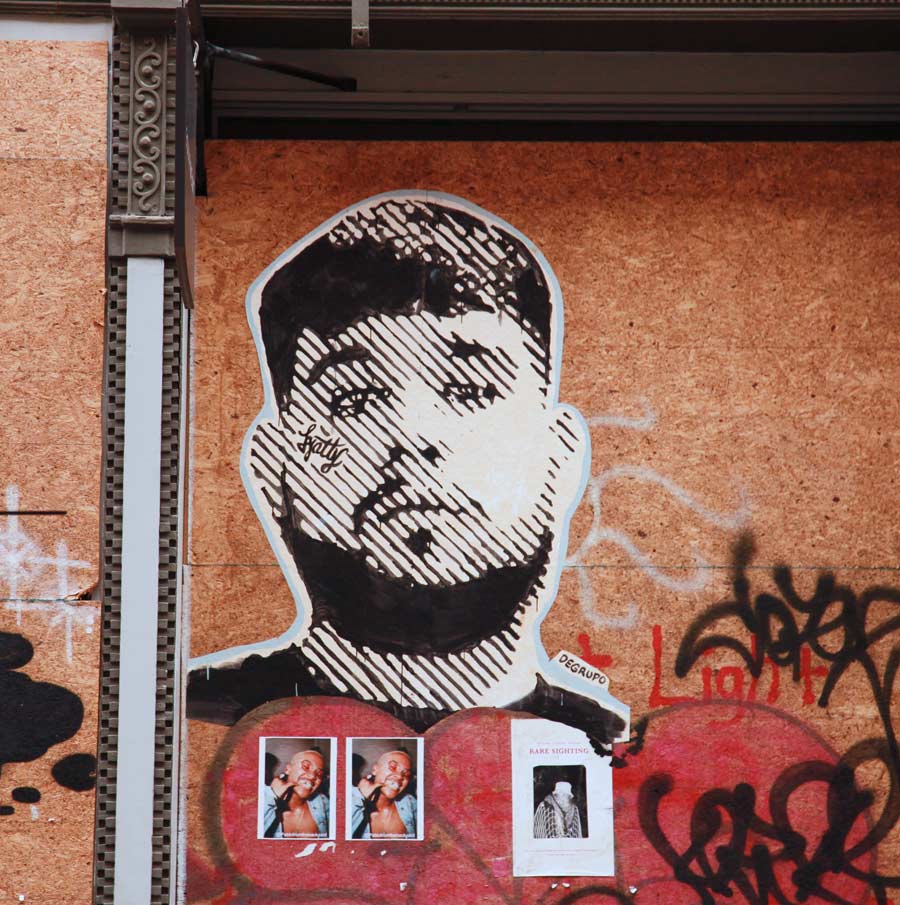
Here is our weekly interview with the streets, this week including Blaze, Catch a Fire, CRKSHNK, David Barthold, De Grupo, Downtown DaVinci, Eye Sticker, J131, Rae, and Stikman.
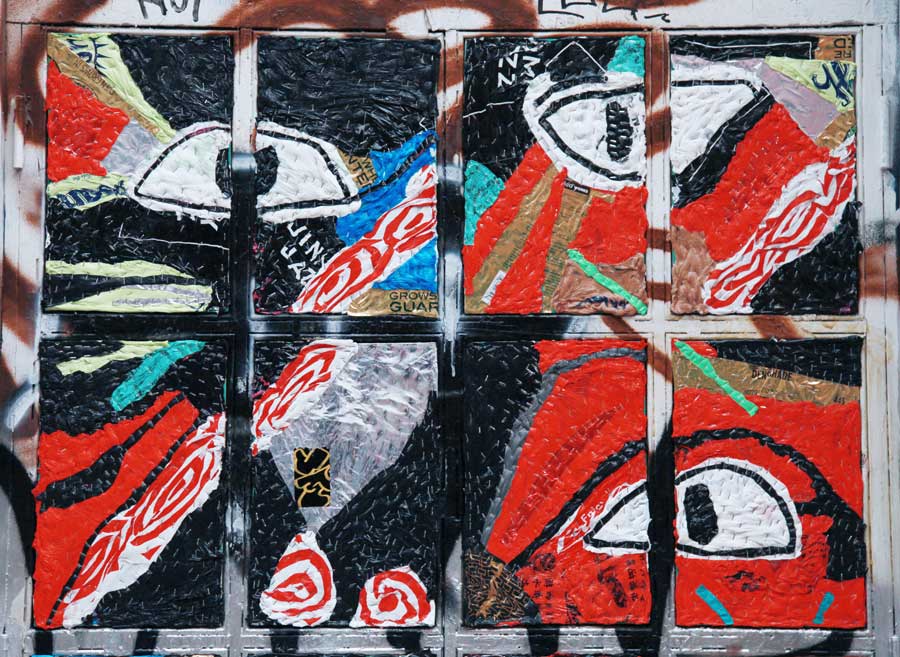
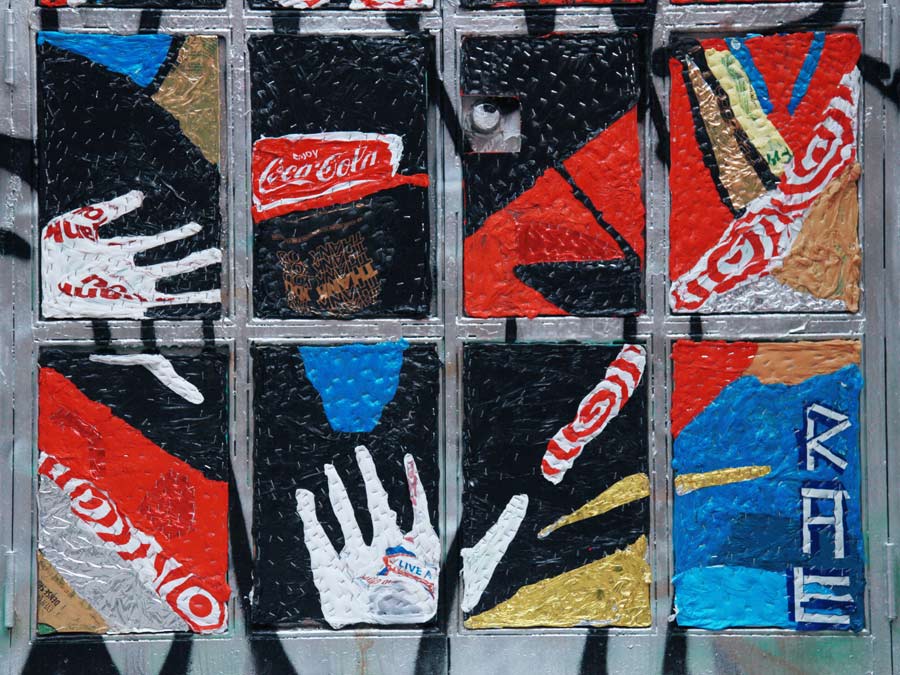
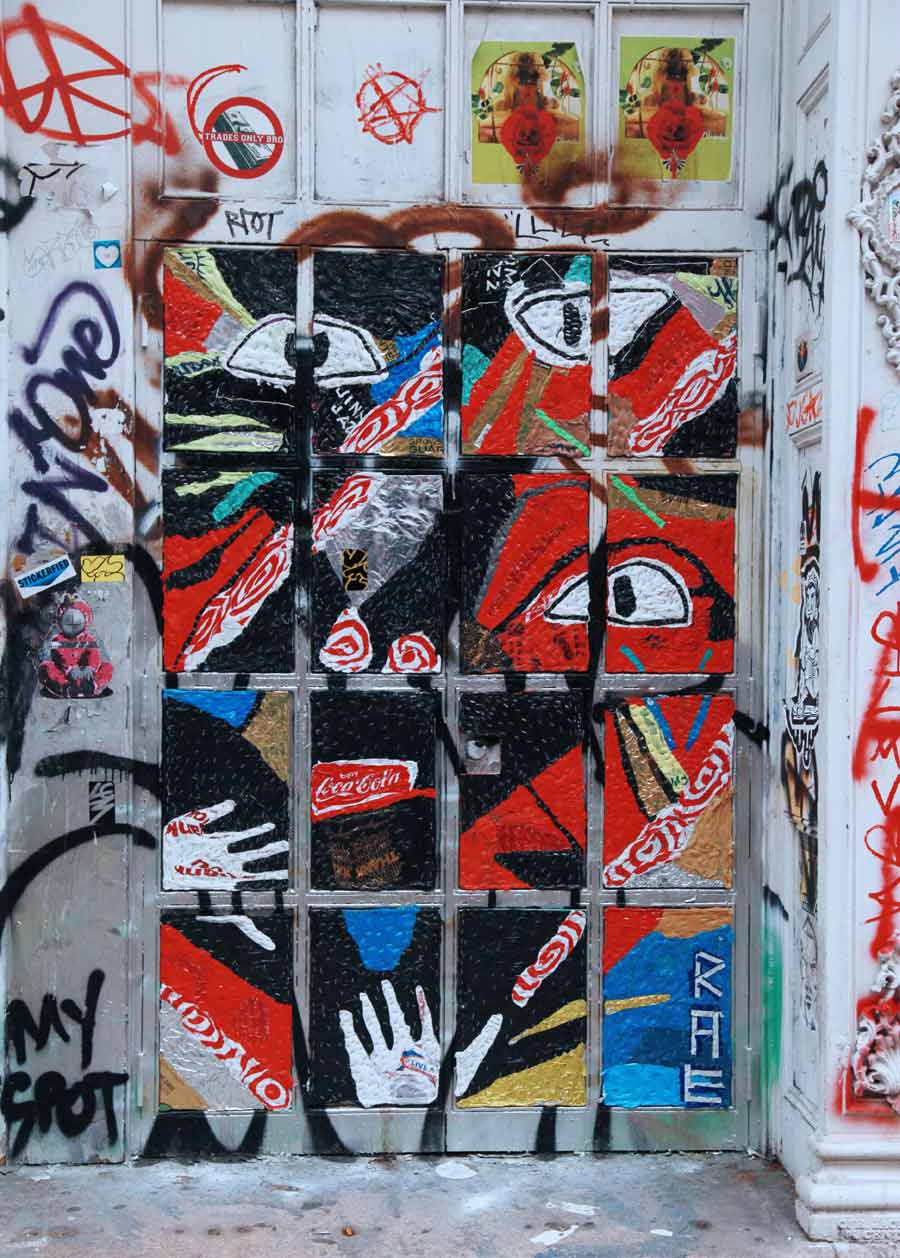
RAE constructed this site-specific piece on the street by molding plastic supermarket bags into the desired design and using staples to keep them in place. Each panel was individually created to fit the existing panels on the existing door. That’s why we are calling it site-specific. We know that placement is a key element of any successful street art piece.
Corona has killed off the street art
festivals in many ways. These days we think that all street art is local, and
the nature of the graffiti street scene is changed by it as well. Additionally
with so many people out of work, many artists have more time, we see more
thoughtfully considered pieces and perhaps better executed pieces. Just a theory.
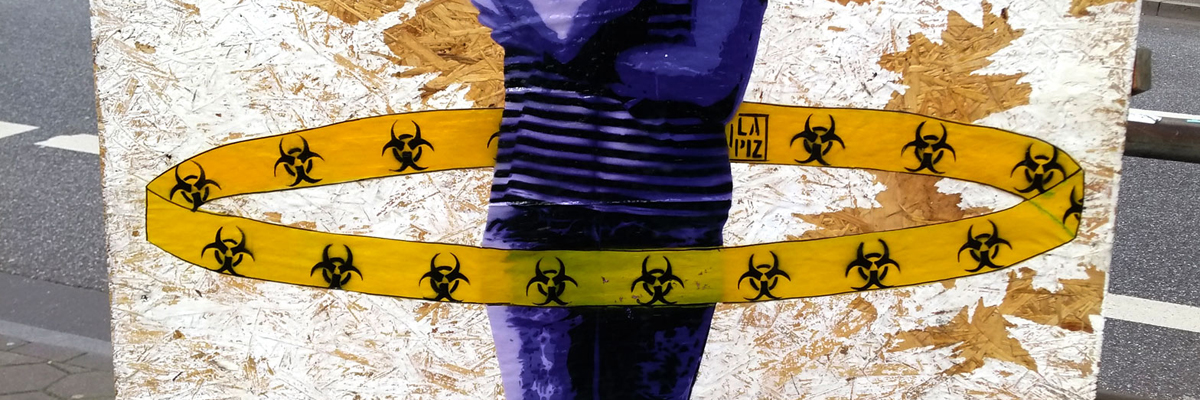
Since the beginning of the Corona pandemic,
Lapiz says that he has gone back to his earlier days more than a decade ago: posters
and wheatpaste. Living in Hamburg, Germany now, he has travelled to places like
New Zealand and parts of Africa and South America in the past, but right now he’s
more focused on developing work with a message – partly as a way to communicate
ideas to passersby but partly as a way to contemplate complex modern matters.
Today Lapiz tells BSA readers in his own words about three recent
socio-political issues, with his own approach to critique.
Again, time has passed, restrictions
have further been lifted, travel is possible again, so are services at church,
the museums are open again. Protests are possible if the rules of social
distancing and wearing a mask are observed. Rightfully, people started to
protest against the restrictions implemented by the government, but a small
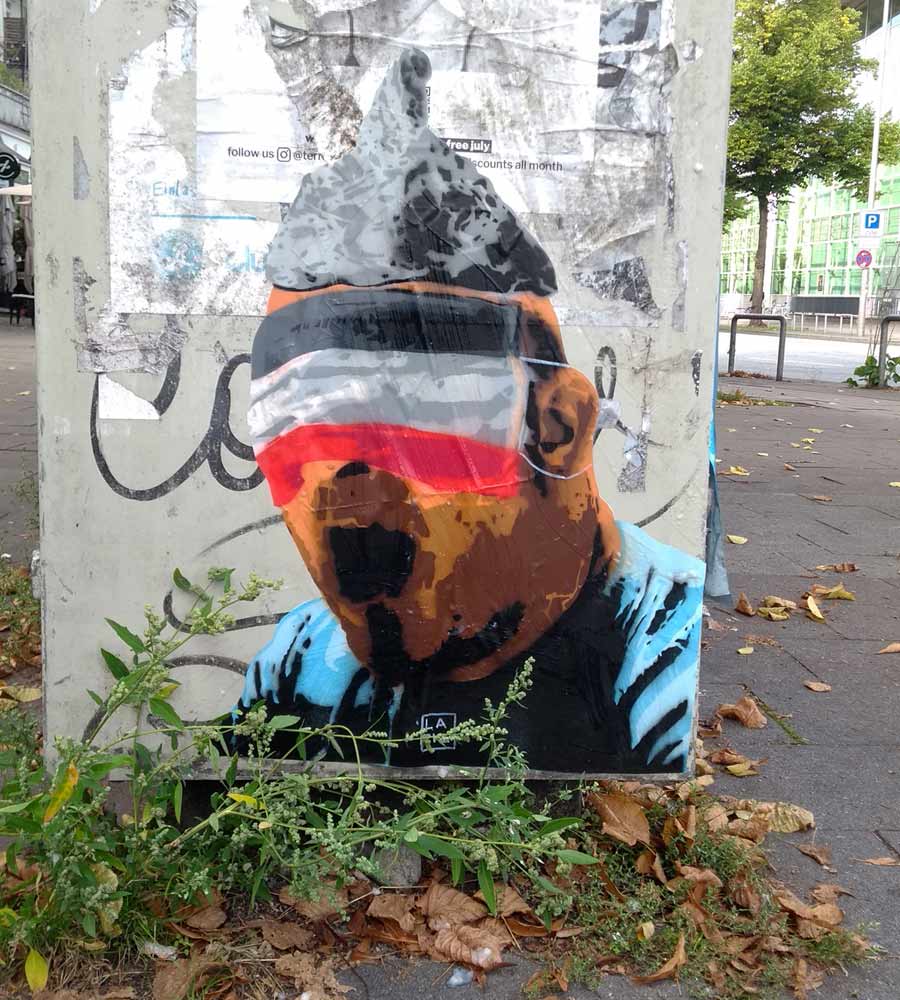
group took the stage. The Covidiot, according to the urban dictionary, is a
person ignoring the warnings regarding public health and safety.
On top of that all kinds of wild
stories are spun to explain the virus in ways that can be interpreted as
anti-Semitic. The challenge for me to address this was to not resort to the
obvious and paint a mask; but here it had to be done. But here the black-white-red
mask is covering the eyes. The colours are taken from the Reichs-flag, a symbol
of all those rejecting the legitimacy of the modern German state. Here it was
used as a metaphor for people blinded by anti-Semitic propaganda something all
Corona-deniers around the world have in common,
So far, the Covidiot is the last
entry in this body of work. However, the pandemic is not over and it is just
days since the best-known Covidiot in the world tested positive. We will see
what other challenges lay ahead.
The feeling of loneliness did not go
away, but it felt as if the people adapted to it, the new normal, this is what
life is now. Since the first intervention of this piece on the street some
time has passed and the second installment was glued up on the same poster
board a few weeks after the restriction of the lockdown were loosened. While
supermarkets, shops and restaurants were allowed to open again, most other
things are strictly forbidden and many liberties granted in the constitution are
“temporarily” suspended in favour of safety and security.
So, while shopping was possible,
protest wasn’t, religious groups could not gather, access to playgrounds was
restricted and culture was declared obsolete. A new feeling came about,
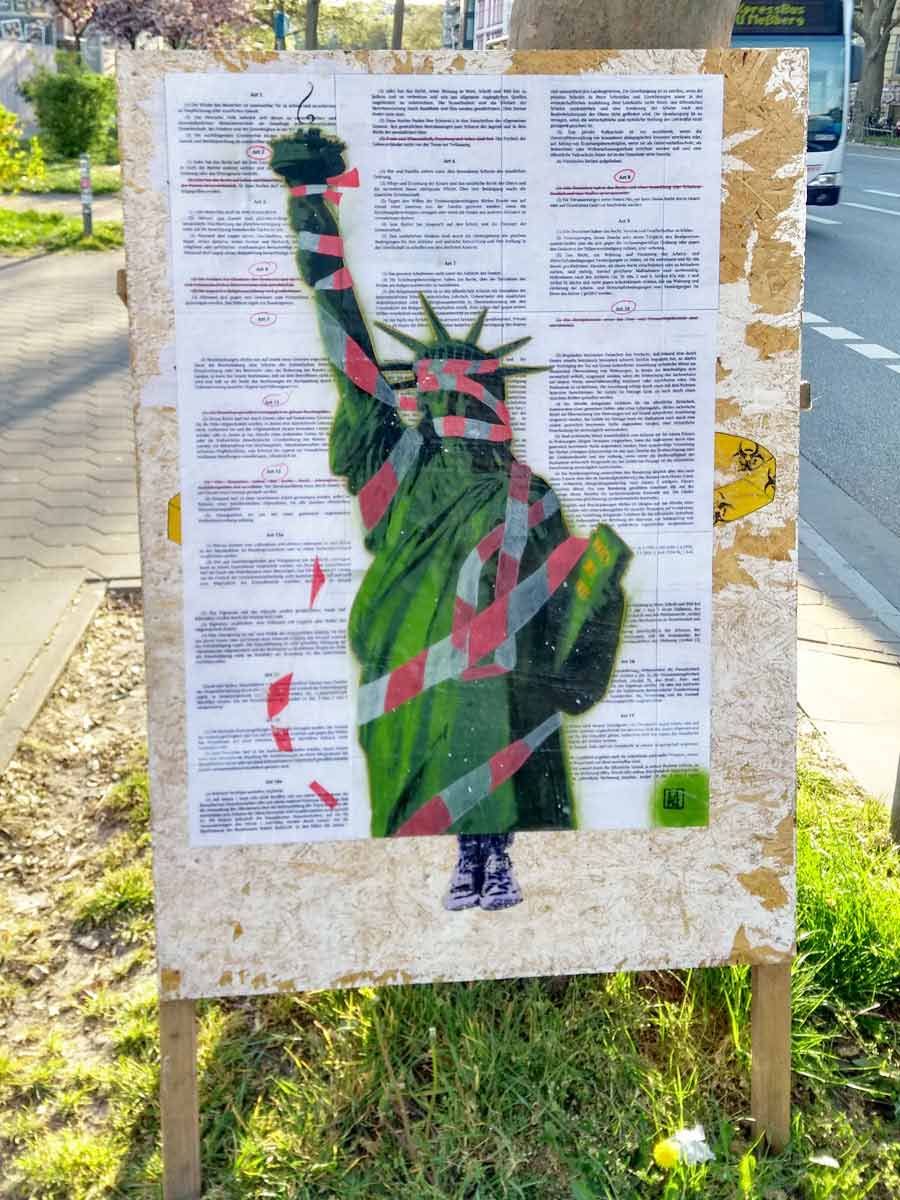
disbelief: how easy it is to take human rights away. These printed big sheets are
of the first articles of the German constitution, crossing the articles that
are now deemed to be irrelevant to the system. Onto this changed constitution is
painted the universal symbol of freedom, Miss Liberty, wrapped in banner tape
used by police to mark restricted areas.
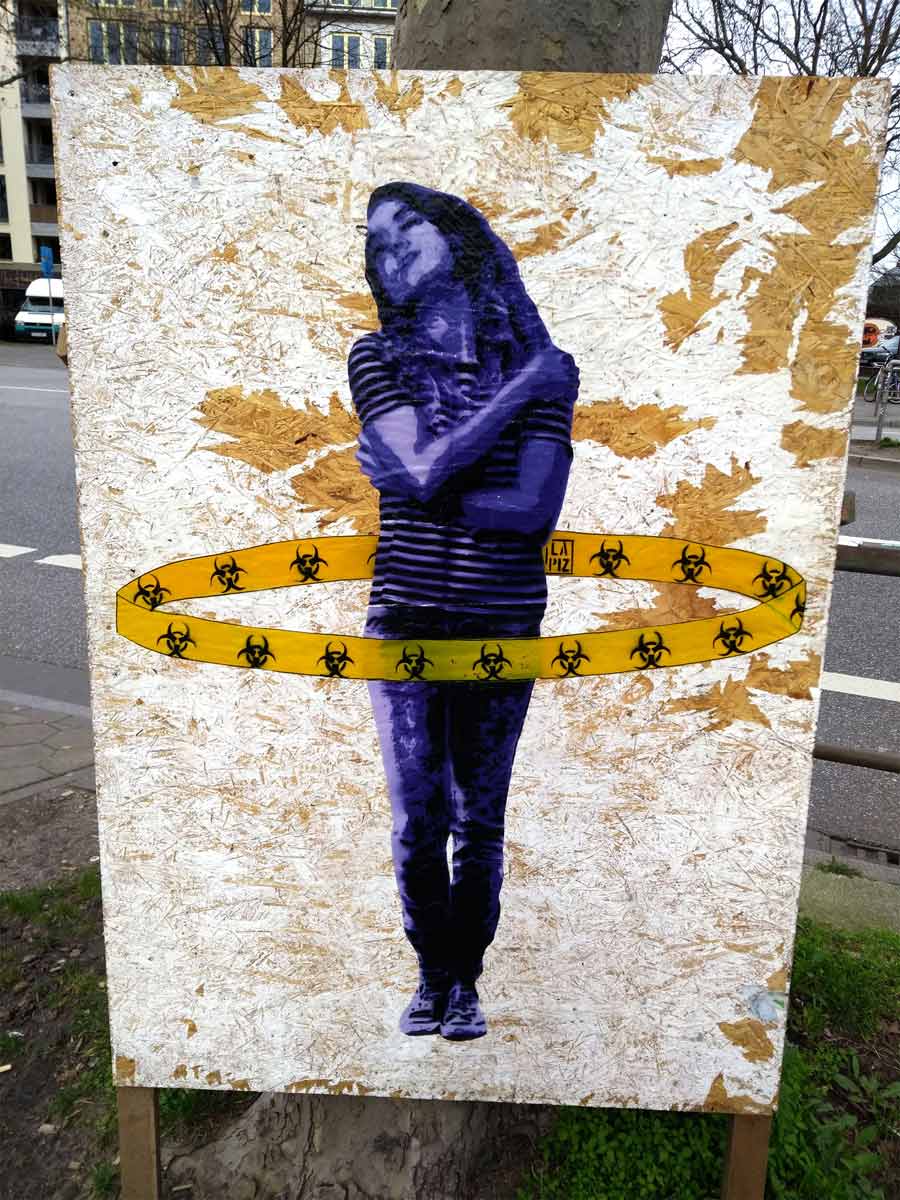
A girl hugging herself, surrounded
by a yellow social-distancing hoola-hoop was the first piece – it is glued on a
poster stand that is normally reserved for local politicians. It was right in
front one of the biggest supermarkets in Hamburg, one of the only shops open in
the first weeks. Instead of focusing on the mask, I wanted to concentrate on
what it would mean to be locked away in a city without having contact with
anyone, not even your neighbours or friends.
How would you feel if everyone else is
regarded as a potential threat – when hugging would be hazardous and close ones
would not be allowed to be close anymore? Would you hug yourself, close your
eyes and pretend it was someone else?
Our weekly focus on the moving image and art in the streets. And other oddities.
Now screening : 1. “Martha Cooper : Taking Pictures” Opening Night in Berlin at UN 2. Behind the Scenes home video from Nika Kramer
BSA Special Feature: “Martha Cooper : Taking Pictures” Opening Night in Berlin at UN
The exhibition is open!
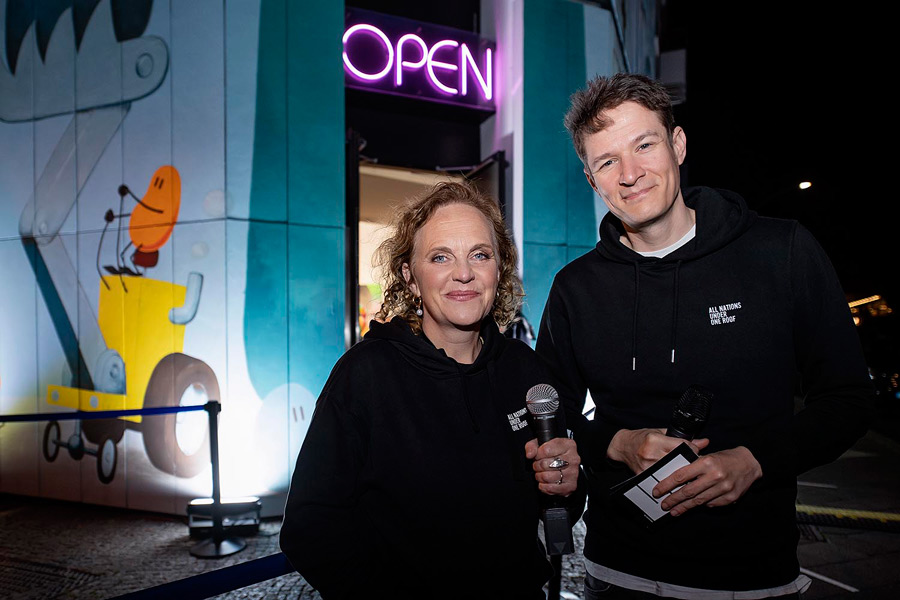
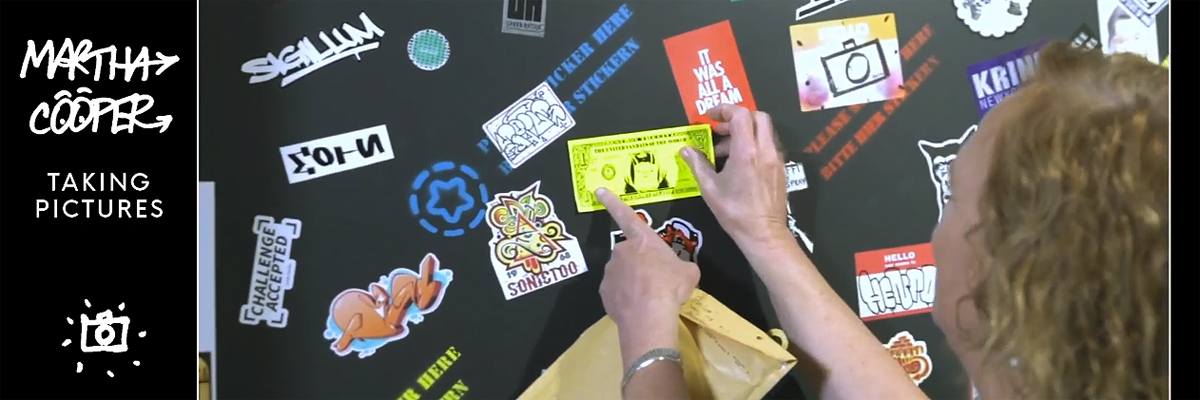
Our sincere gratitude to Martha Cooper and all of the team who worked so hard to make this event happen at Urban Nation Museum (UN) in Berlin during this difficult year of Covid. We will thank them more in detail soon, but for now please enjoy the official LiveStream of “Martha Cooper: Taking Pictures”, directed by René Kaestner and his A-1 team at Red Tower Films, along with our eloquent hosts, Mick La Rock (Aileen Middel) and Falk Schacht .
“Martha Cooper : Taking Pictures” Opening Night in Berlin at UN. Behind the scenes footage via Nika Kramer
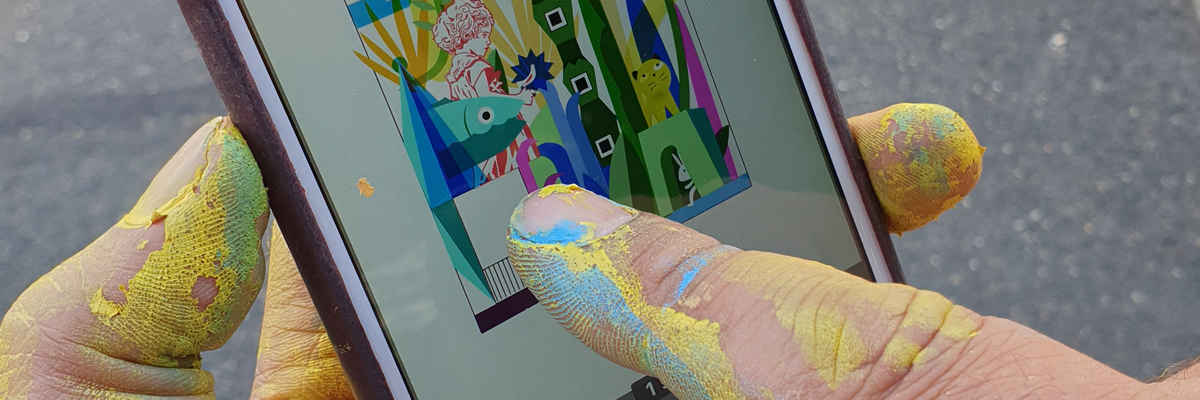
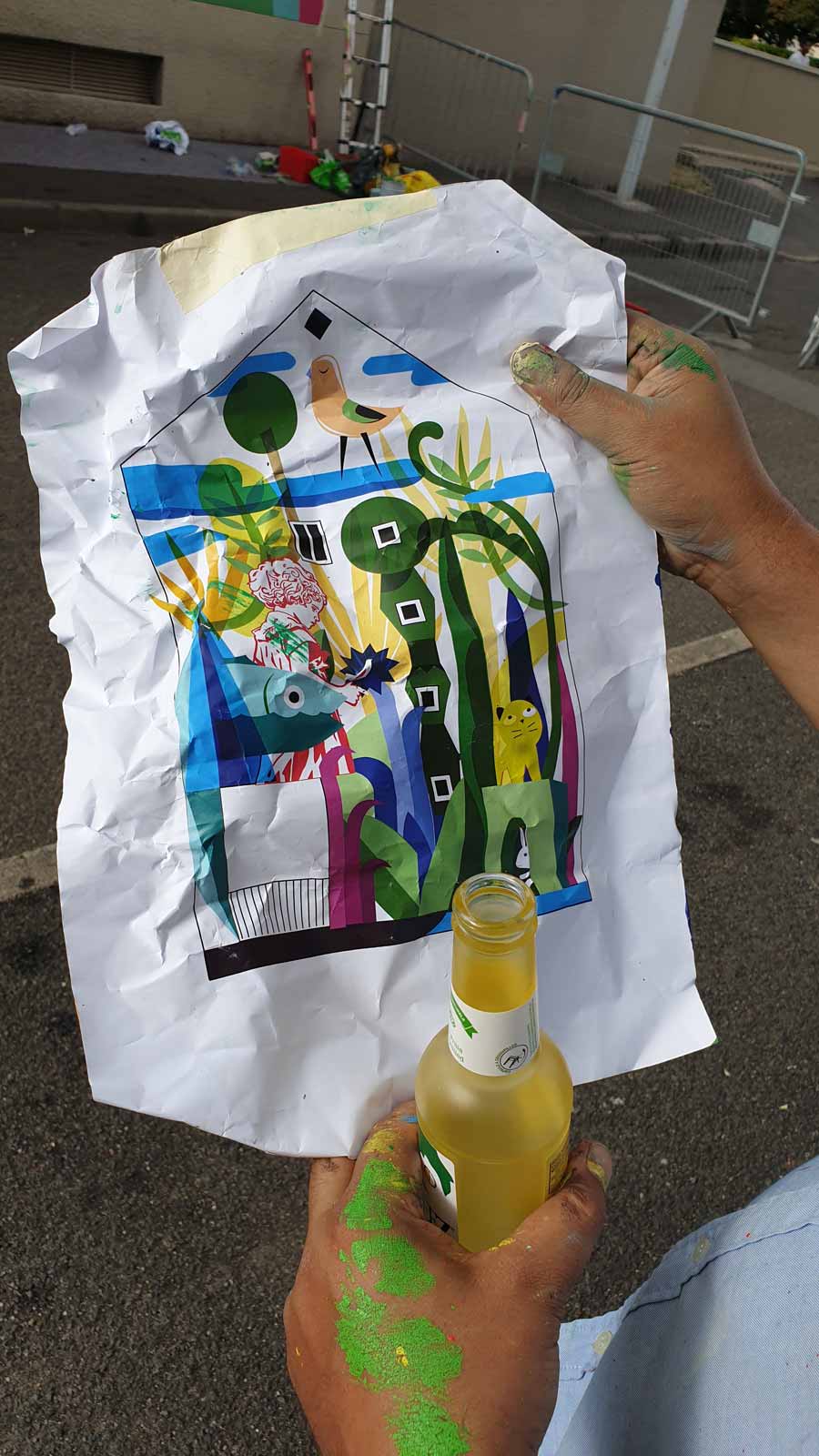
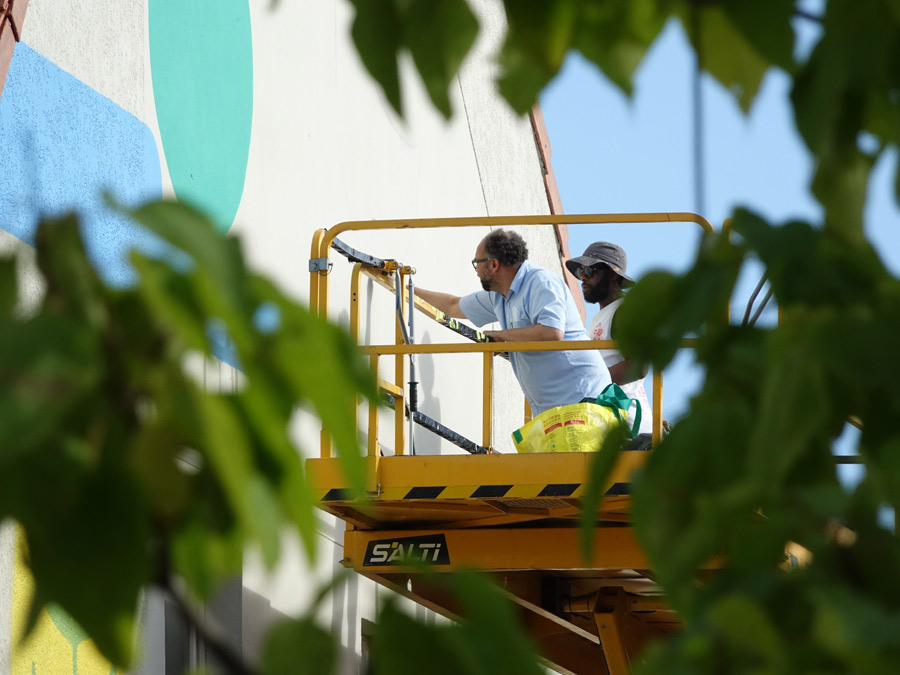
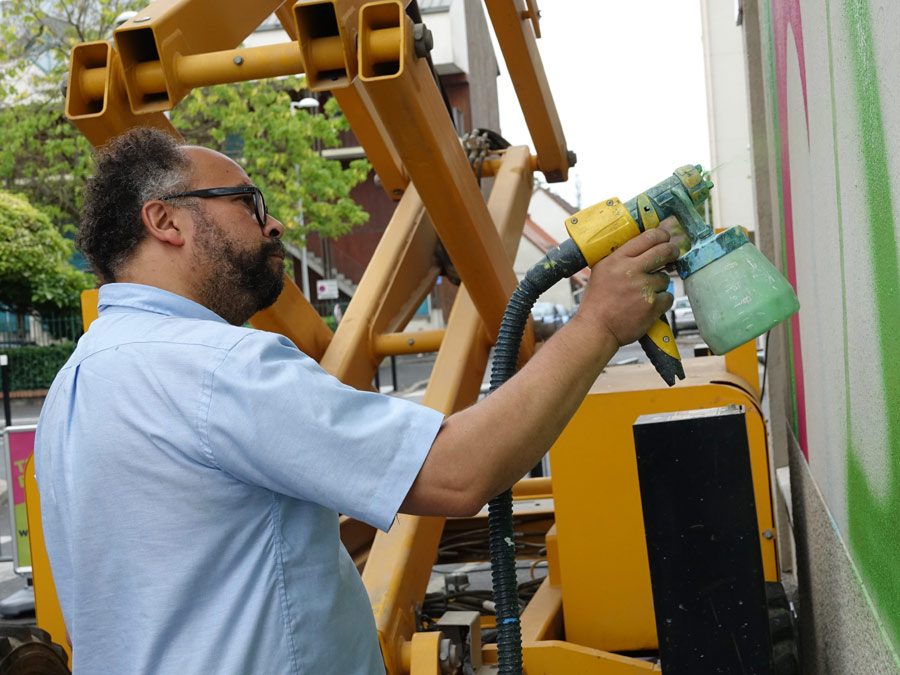
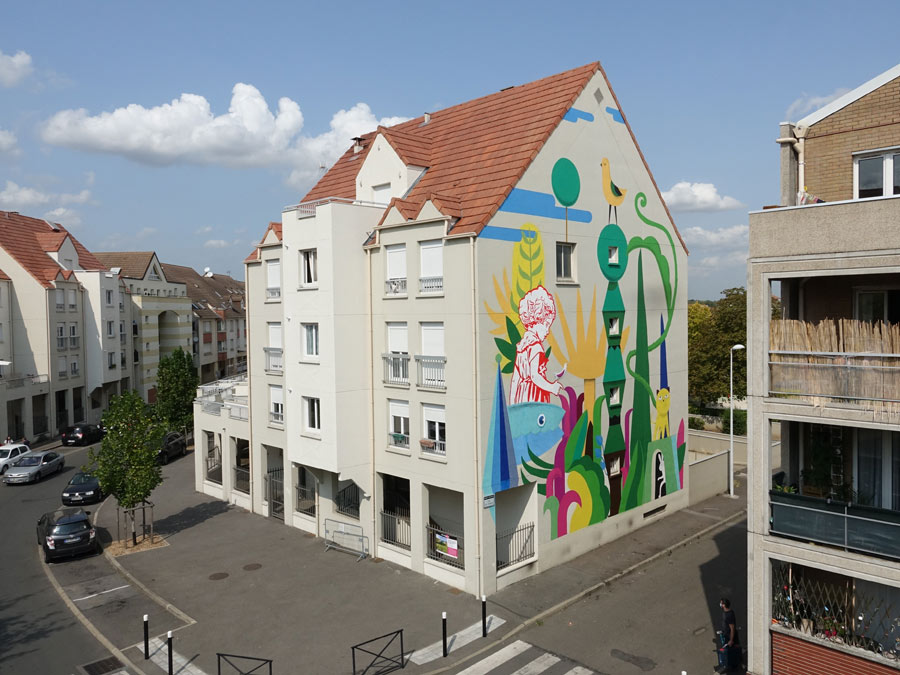
Feel like you are living on the other side of the looking glass? Yes, that is because your society is in the final collapse of this controlled demolition. No need to worry, though, Gilbert Petit has created an Alice in Wonderlandtheme for his newest mural to brighten your day.
The Parisian artist brought his illustration style 2-D interpretation to Moissy-Cramayel just as summers’ warm rays still had their full strength, the evening begins to cool. With his own interpretation of the children’s tale by Lewis Carroll and published in 1865, you may even find it tempting to step through the glass, but you may likely fall down through a rabbit hole of nonsense and hysteria.
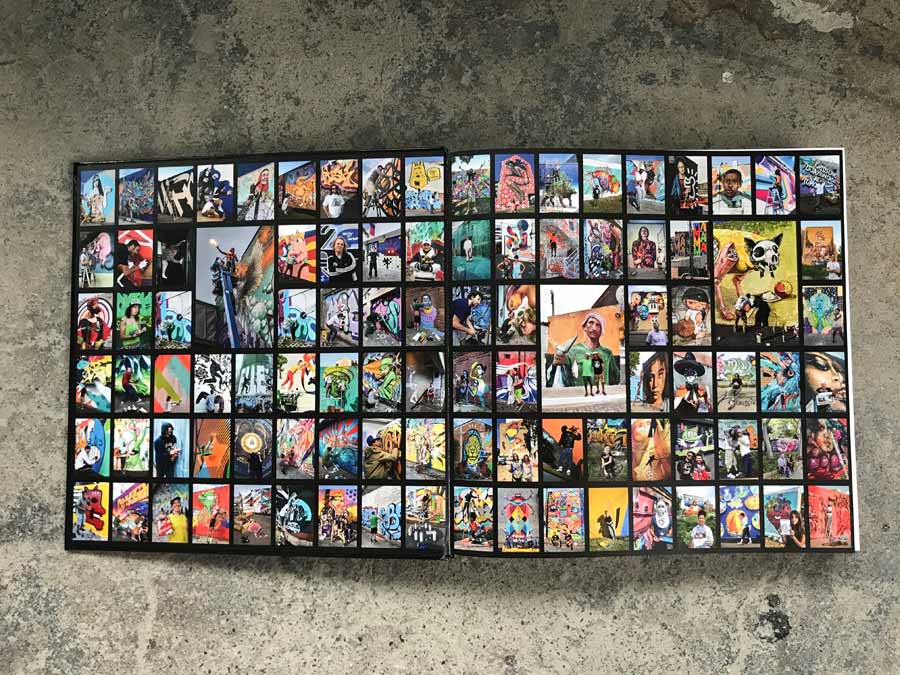
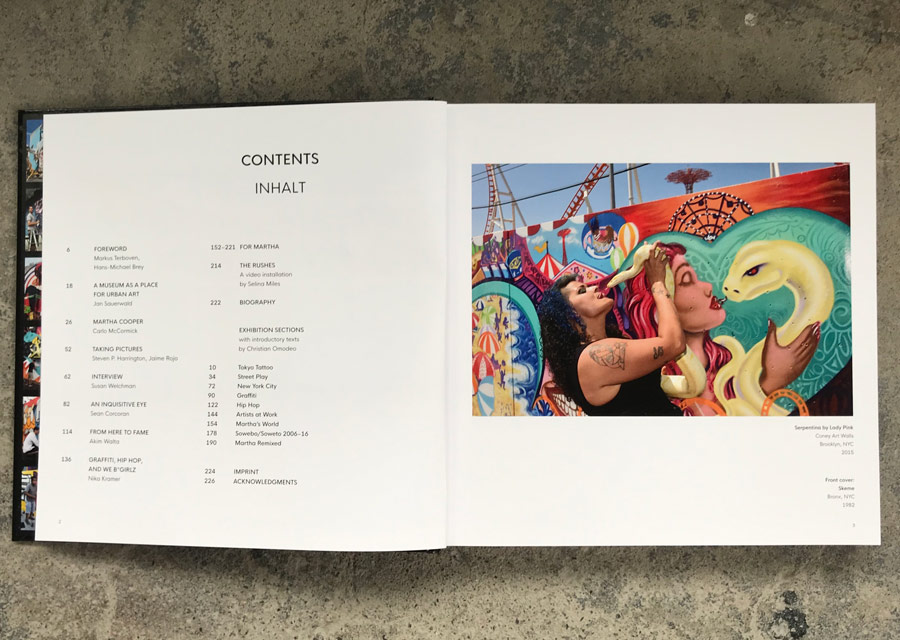
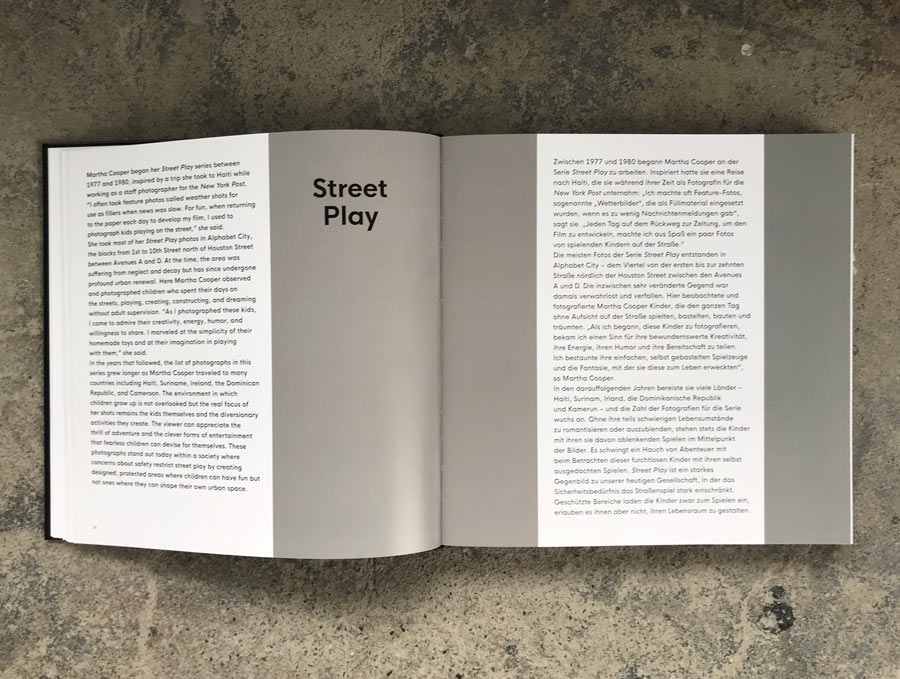
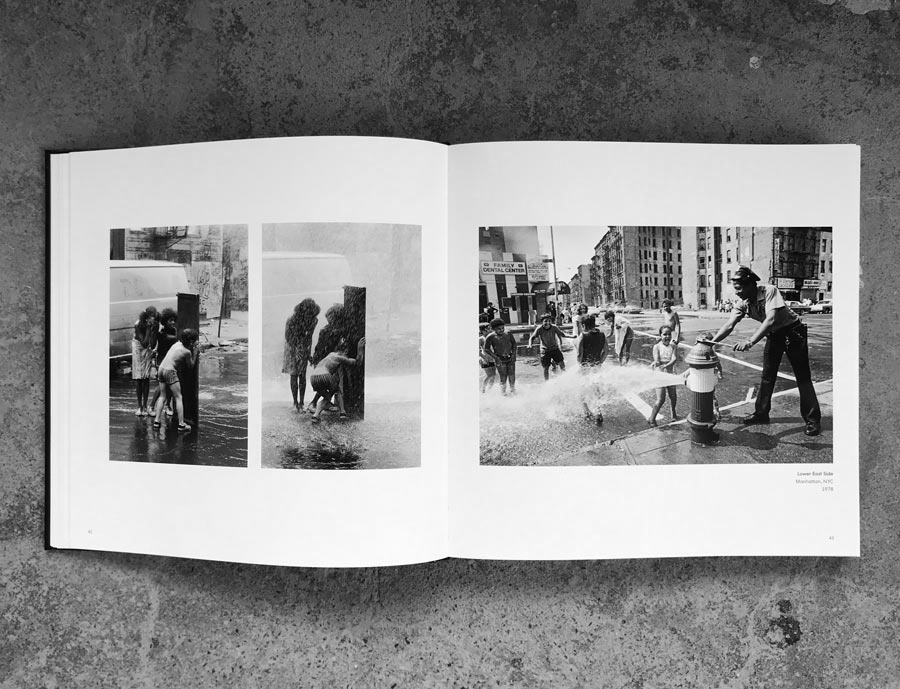
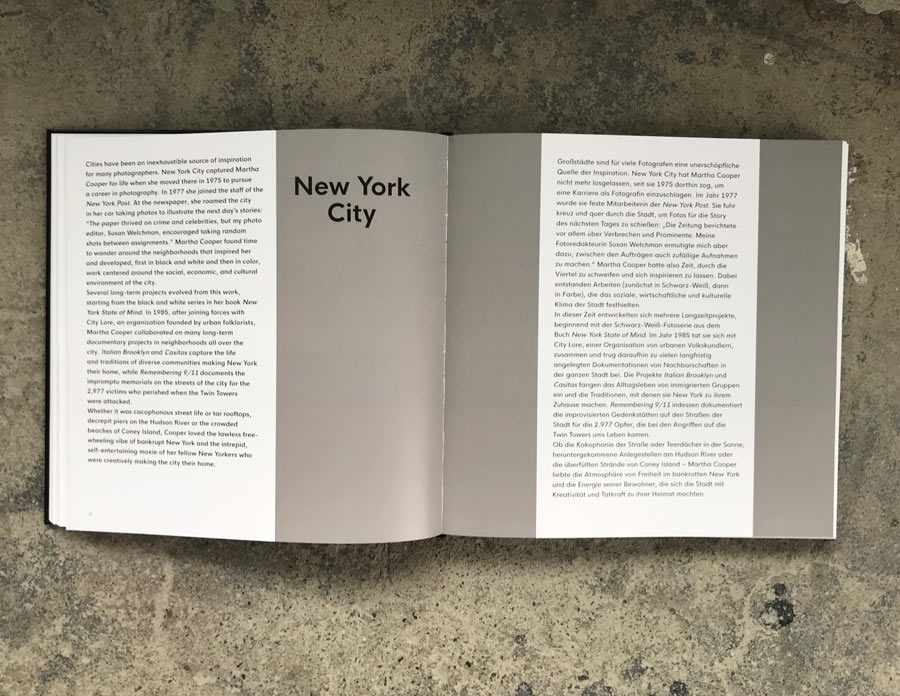
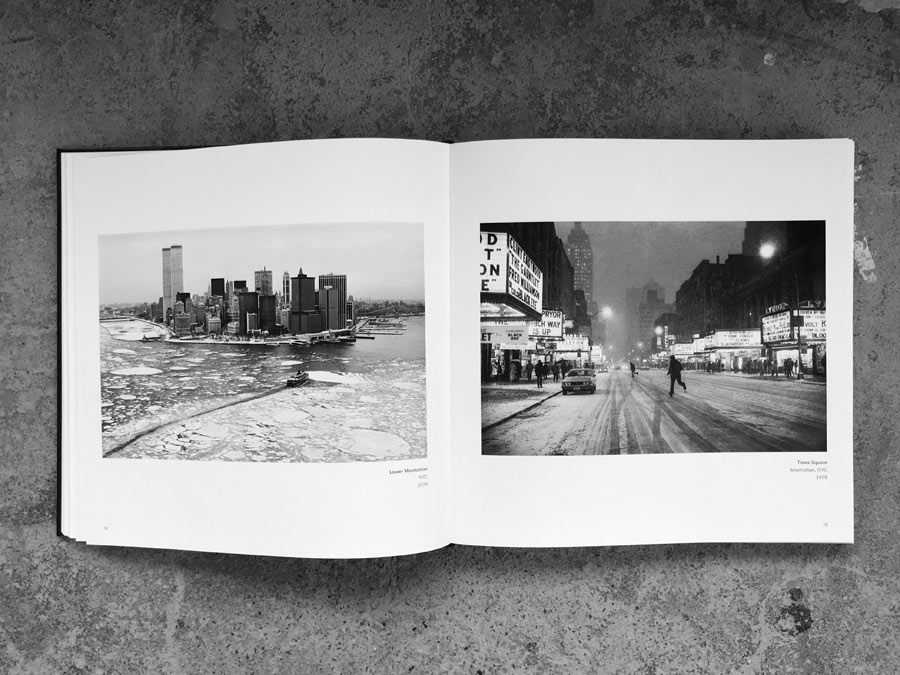
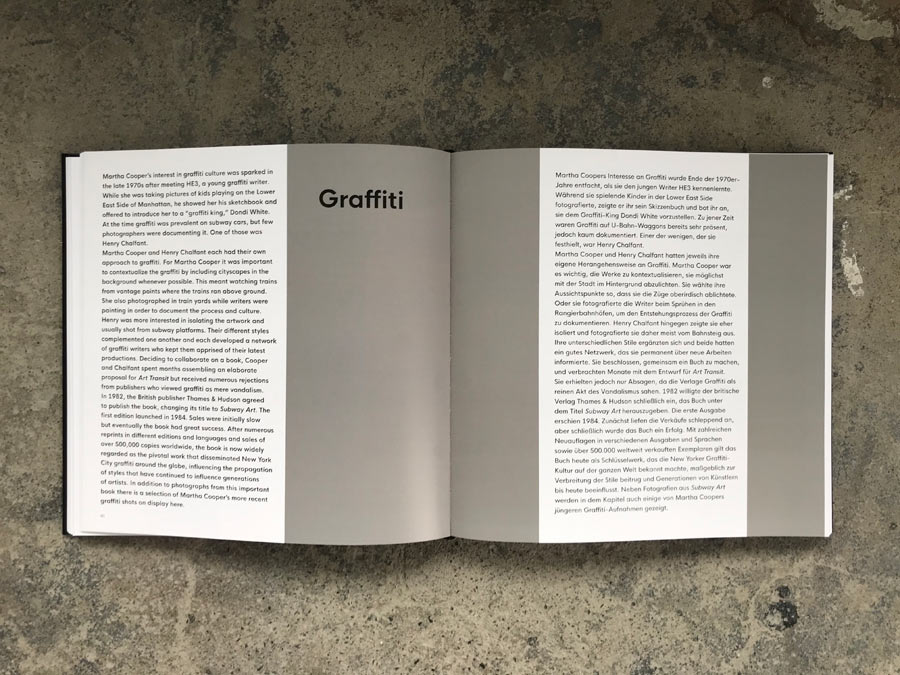
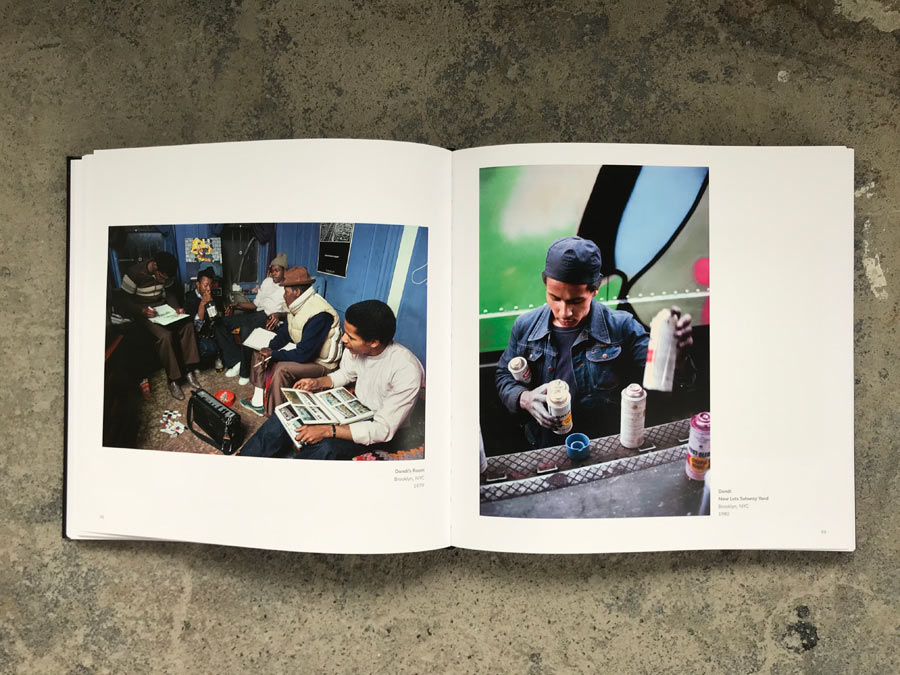
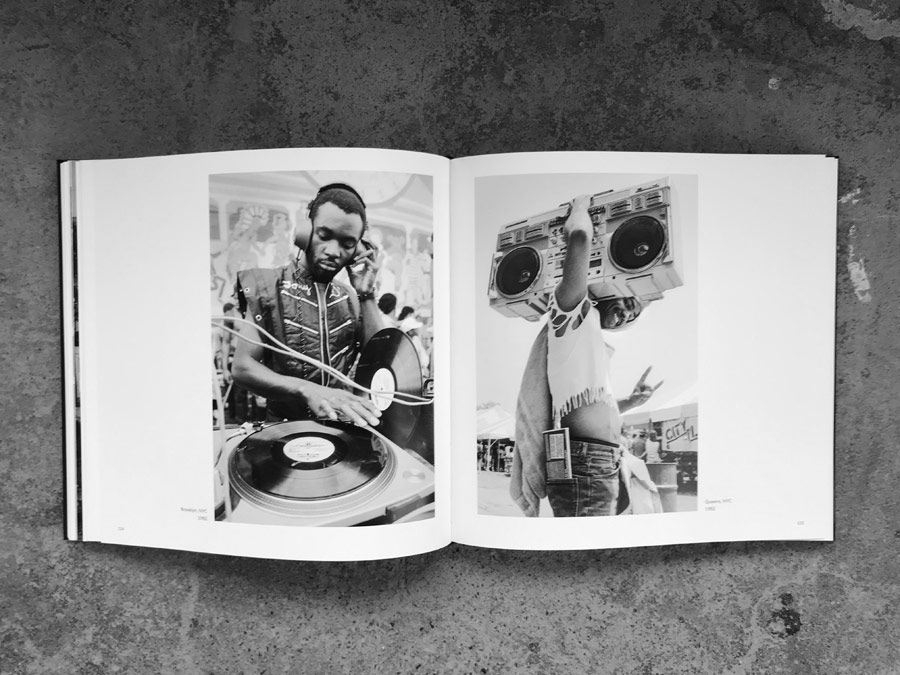
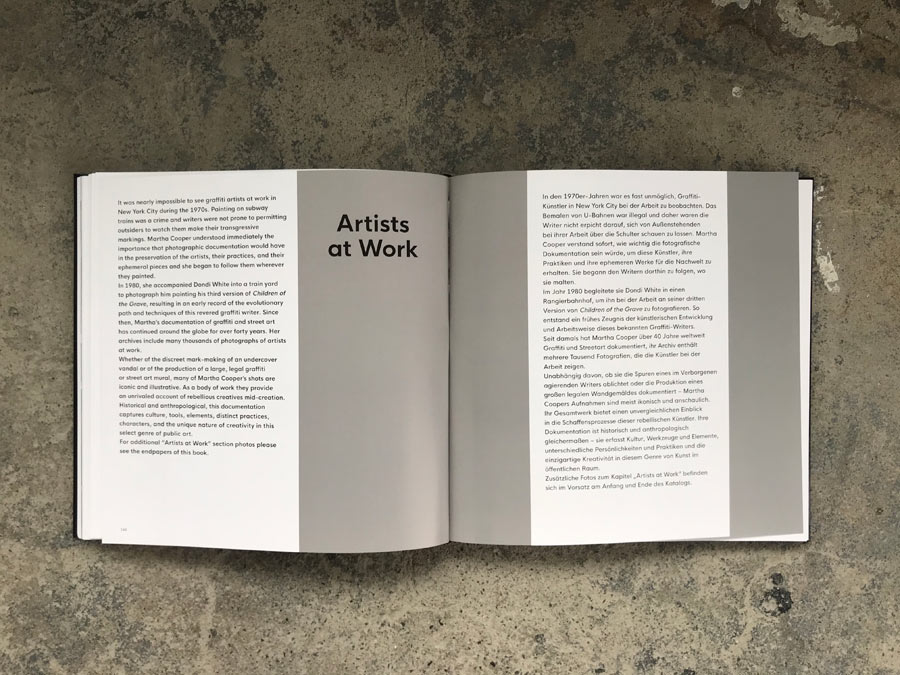
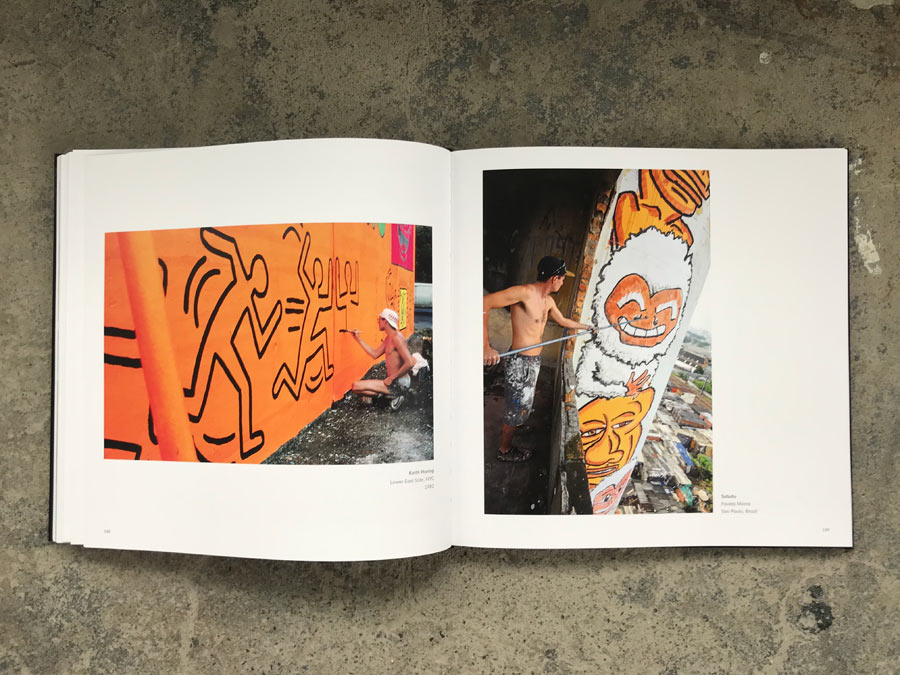
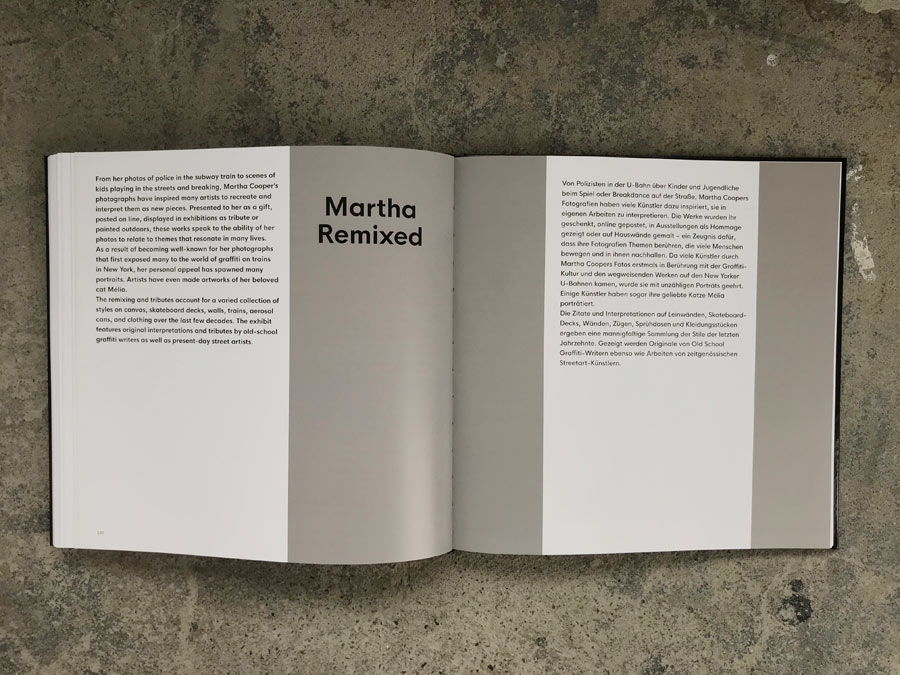
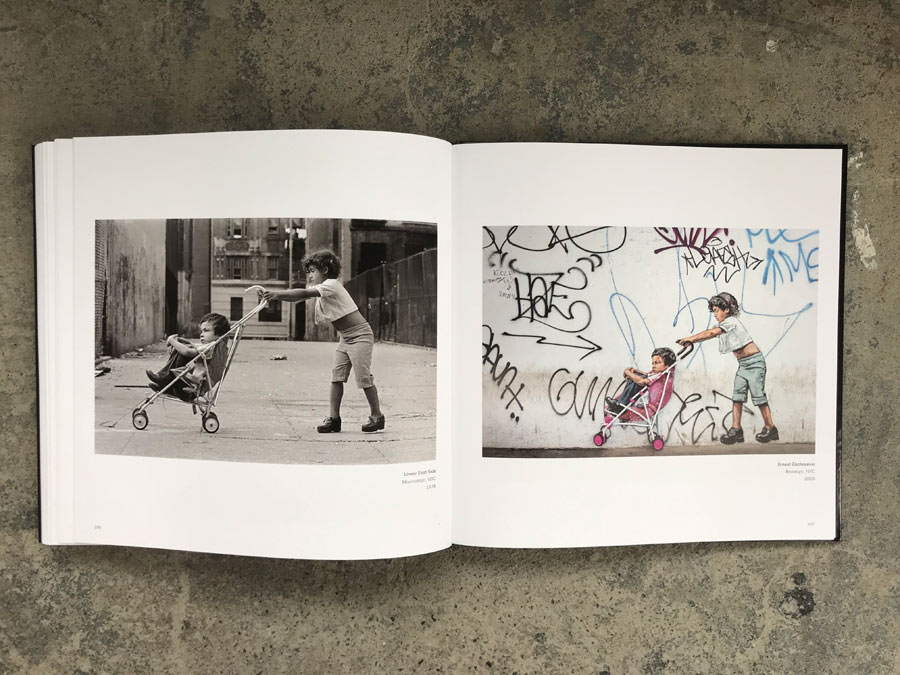
As we prepare to open the Martha Cooper: Taking Pictures exhibition this weekend, we wanted to let you know that we are publishing a handsome catalogue with UN to accompany the show.
In addition to lush photo
spreads of Martha’s documentation over 6 decades, we have essays written by art
critic, curator and author Carlo McCormick, UN Executive Director Jan
Sauerwald, author and photographer Nika Kramer, author, curator, and Hip Hop
historian Akim Walta, National Geographic chief photo editor Susan Welchman,
curator of prints and photographs at the Museum of the City of New York Sean
Corcoran, and the curators of this exhibition Jaime Rojo and Steven P. Harrington.
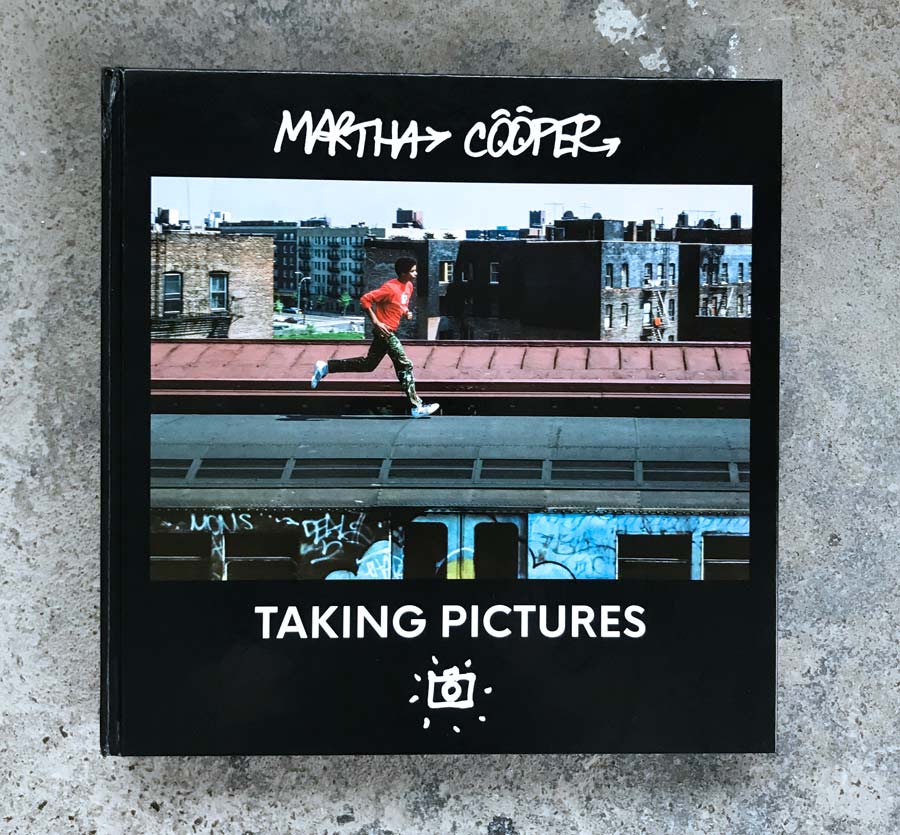
The hefty hardcover, a richly illustrated and modernly designed book, is timed for release simultaneously with the exhibition opening this Friday, October 2. In addition to the essays, we have 40 quotes about Martha from her peers, artists, authorities in photography, folklore, graffiti, and Hip Hop, along with long-time friends and her family. The cover of the book features a photograph rarely seen of graffiti writer Skeme train surfing in NYC taken by Martha in 1982. The introductory texts to each of the 10 sections are written by author and curator Christian Omodeo.
At 230 pages, the new book is published by Urban Nation Museum For Urban And Contemporary Art, Berlin, and Steven P. Harrington / Jaime Rojo (BrooklynStreetArt.com). The book will be available for sale at the museum’s gift shop and on view for you to peruse in the Martha Cooper Special Projects room.
Designed by Krimm Studios
in Berlin, the project was greatly shepherded by Dr. Anne Schmedding, who
edited with us along with Martha. The entire project was carefully managed by
the brilliant Christiane Pietsch. Our sincere thanks to everyone who has worked
studiously alongside us this year during many Covid-caused complications to
produce a handsome tome we can all be proud of.
More about this project in
a future posting.
Martha Cooper: Taking Pictures Curated by Steven P. Harrington and Jaime Rojo
Street art welcomes all manner of materials and methods, typically deployed without permission and without apology. This hand-formed wire piece …Read More »
 BROOKLYN STREET ART LOVES YOU MORE EVERY DAY