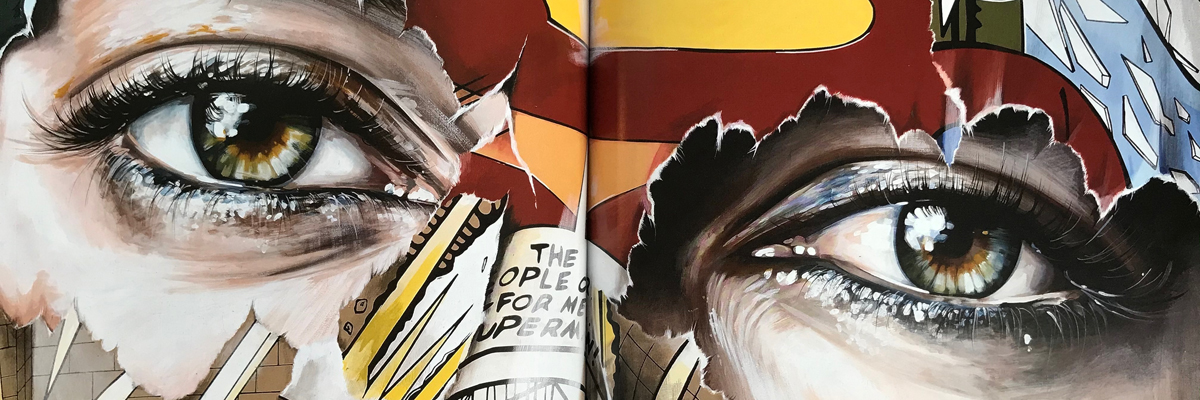
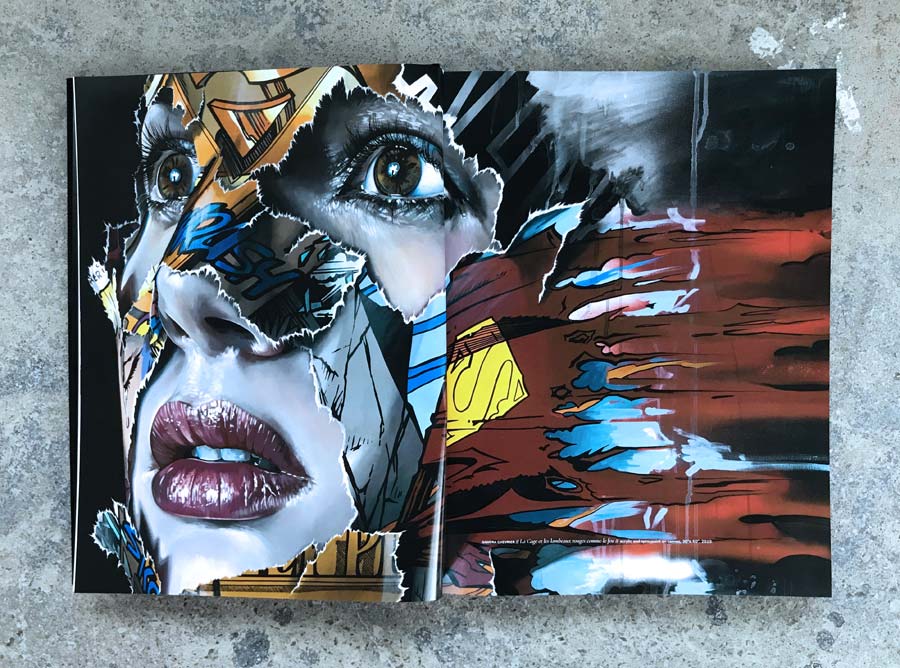
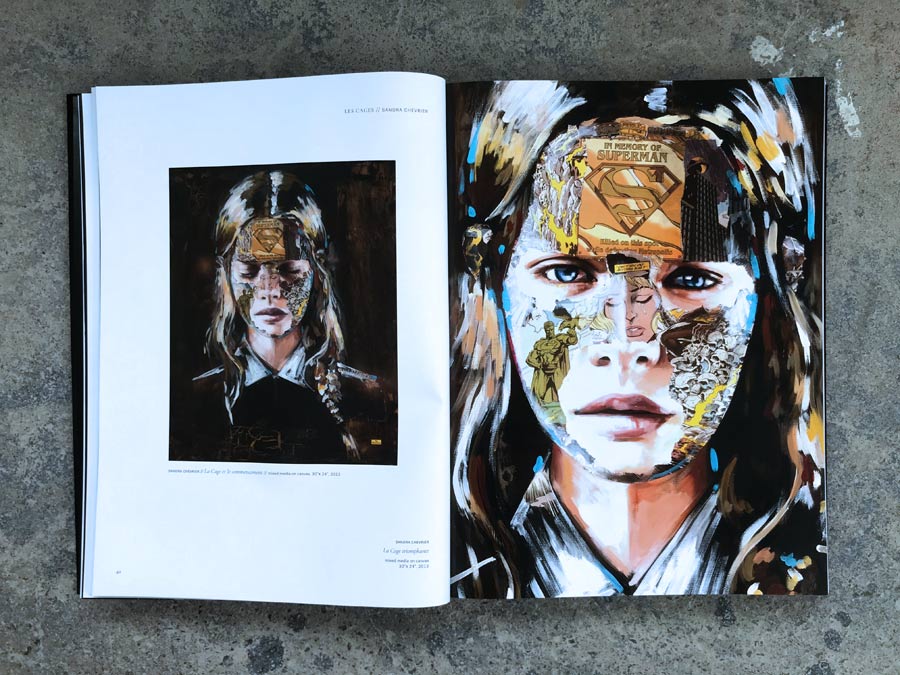
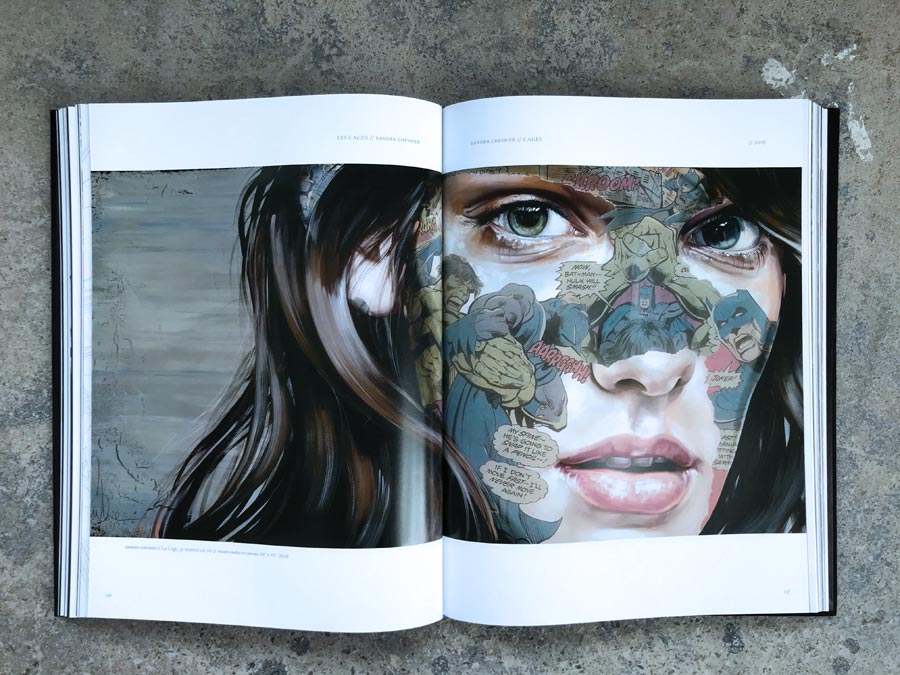
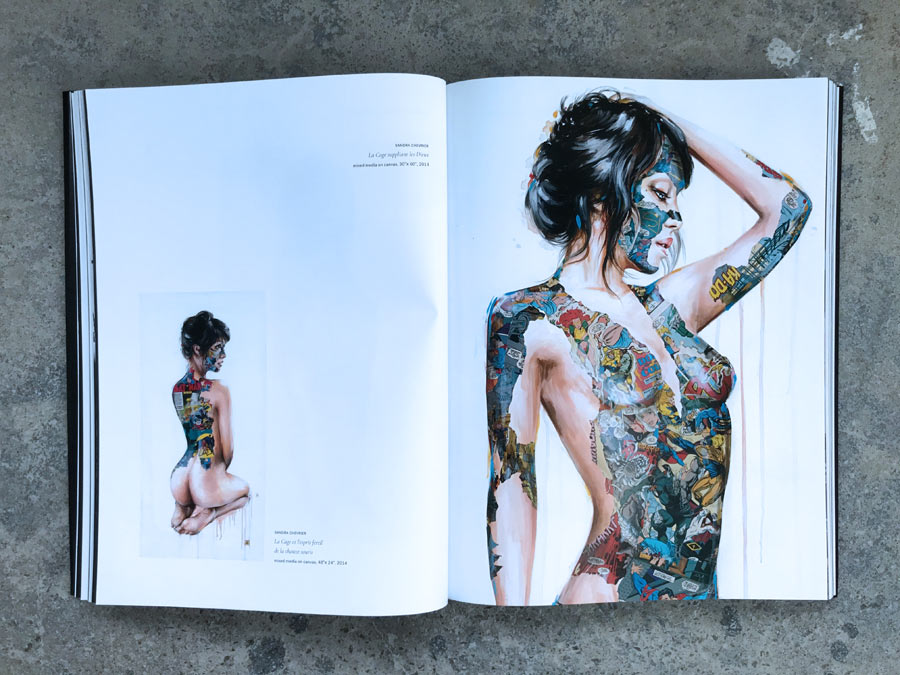
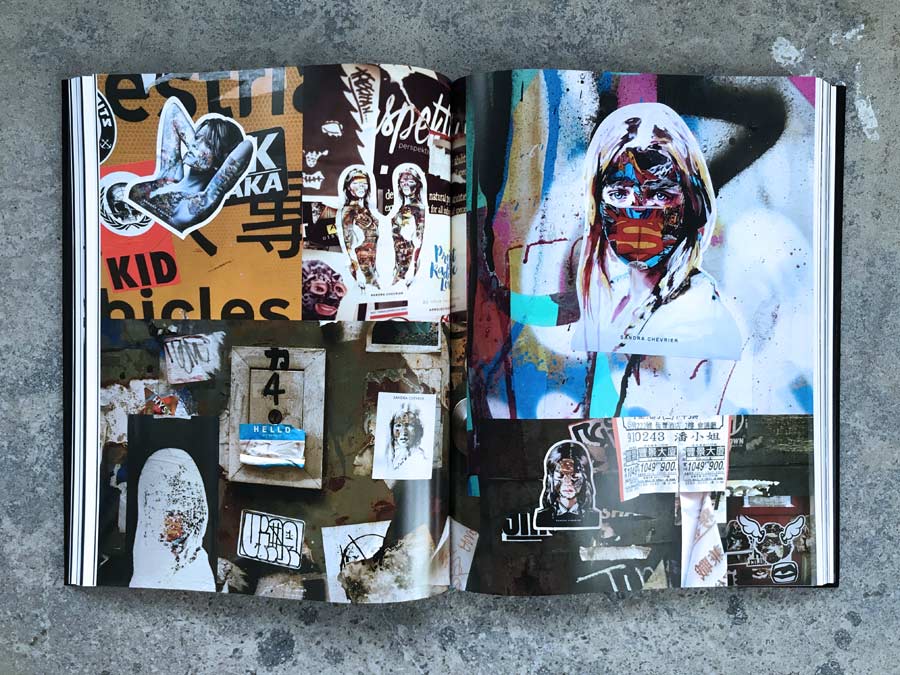
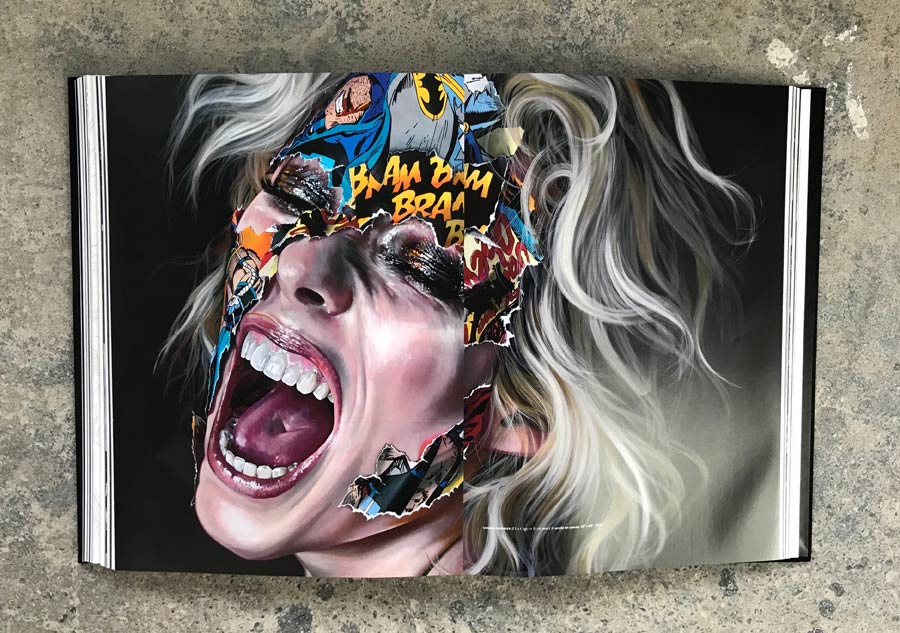
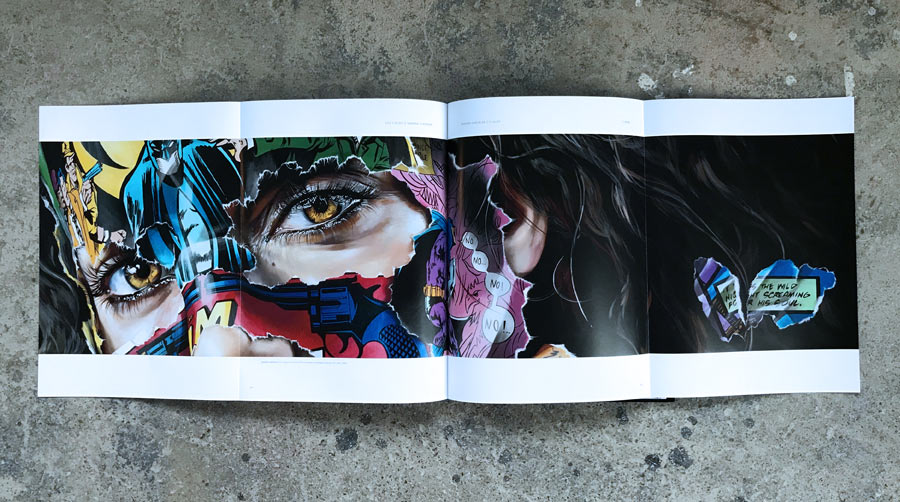
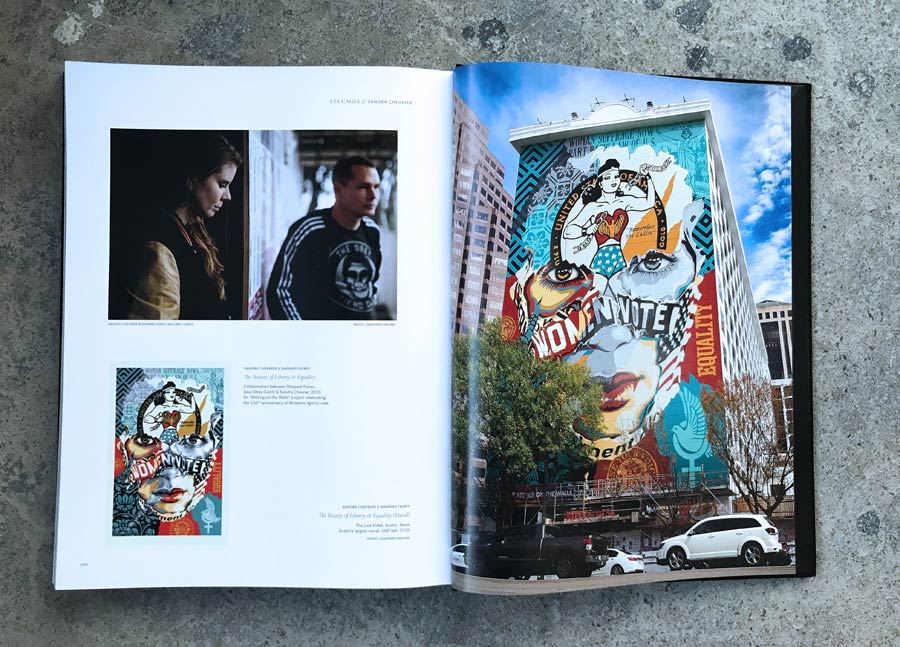
With precision and guile Sandra Chevrier has painted a female world that is sophisticated, unreachable and appealing, whether painted on canvas, street mural, or stuck to a wall in the margins of a city. The characters who are punching and pouncing and swooning across her faces are reflective of her own hearts’ adventures, seamlessly rolling and intermingling with those epic storylines and dust-ups with superheroes and villains of yesterday.
Perhaps it is because of this sense of inexactly placed nostalgia, in “Cages” we are aware of the ties that bind us, the roles that we hold – whether chosen or imposed – and we’re rooting for these Chevrierotic women to win – as they scream and cry and swing for the rafters, looking for the way out.
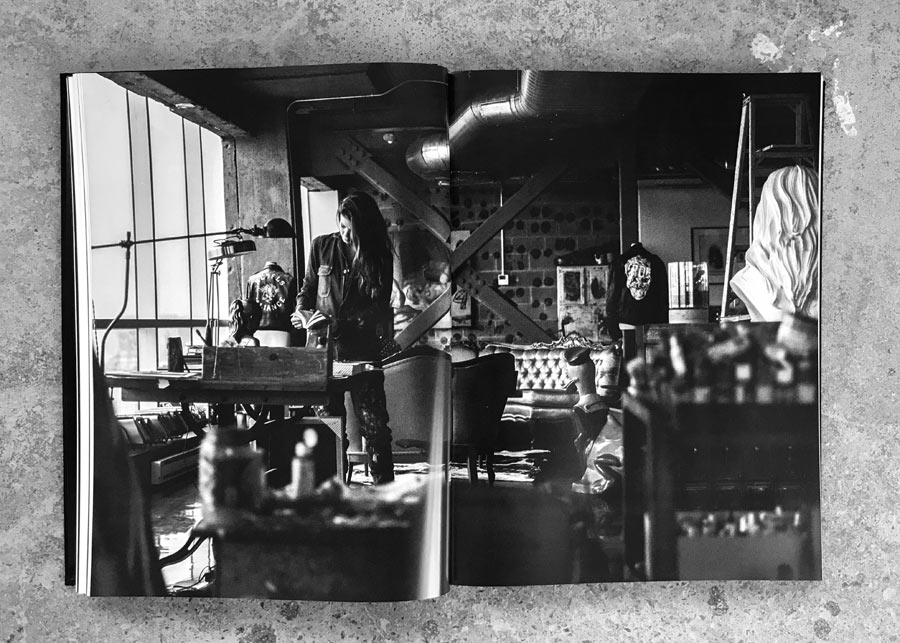
“A dance between triumph and defeat, freedom and captivity, the poison and the cure,” stands the ambivalent quote on the page facing her black and white photo by Jeremy Dionn.
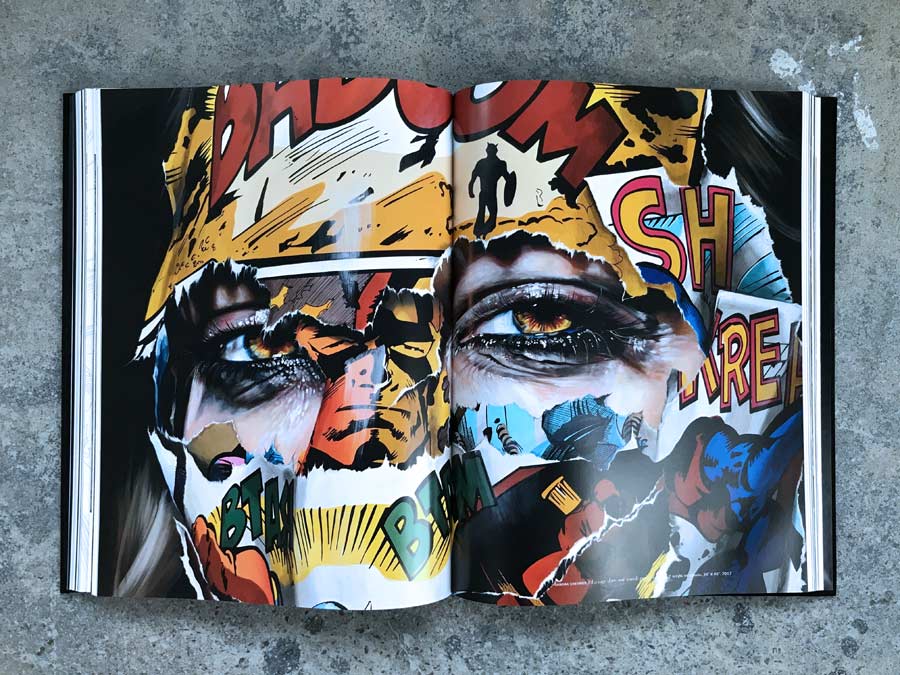
A closeup of her face, her hand horizontally obscures the lower half, her index finger raised to allow Sandra to see, to study and assess. Without question this artists’ work is more than autobiographical – these expressions offer a stunned sense of mystery, an understanding at the precipice, an adventure ready to occur.
Arranged chronologically over the last decade you can witness in her works ample evidence of her refinement of technique and reverence as an artist and as an individual; struggling between revealing and hiding, adding human dimension or remaining an object. Selected swatches of superheroes form collage masks across a steady parade of beautiful female faces and forms, their drama stirred and everpresent, lying in wait until confidence takes root.
Gorgeously designed and laid out; alternating between large matt-finished plate portraits and small sketch paper inserts, the book conveys warmth and clarity even as her superheroes remain mysterious. These cages, however they present themselves, are glossy and refined. Are they empowered, or are they objectified? The lines are blurred. Her femmes are imbued as more than just the fatale who lures one into a dangerous or compromising situation, but these figures may also revel in mystery itself, just beyond your arms reach.
Inquisitive, strong, and full of imagination, Chevrier may surprise everyone when these figures eventually take off their masks. Until then, the enchanting mysteries continue.
In our own Brooklyn neighborhood during a Thanksgiving stroll we witnessed people cueing up to get into a local overpriced restaurant while one block later we saw 4 people – two middle aged women and two teenagers – opening garbage bags on the sidewalk and looking for 5 cent returnable bottles.
Remind us please: Is this a Republican failure, or a Democratic failure? The wealth gap has continued to grow no matter who was in office for the last few decades. We are better than this.
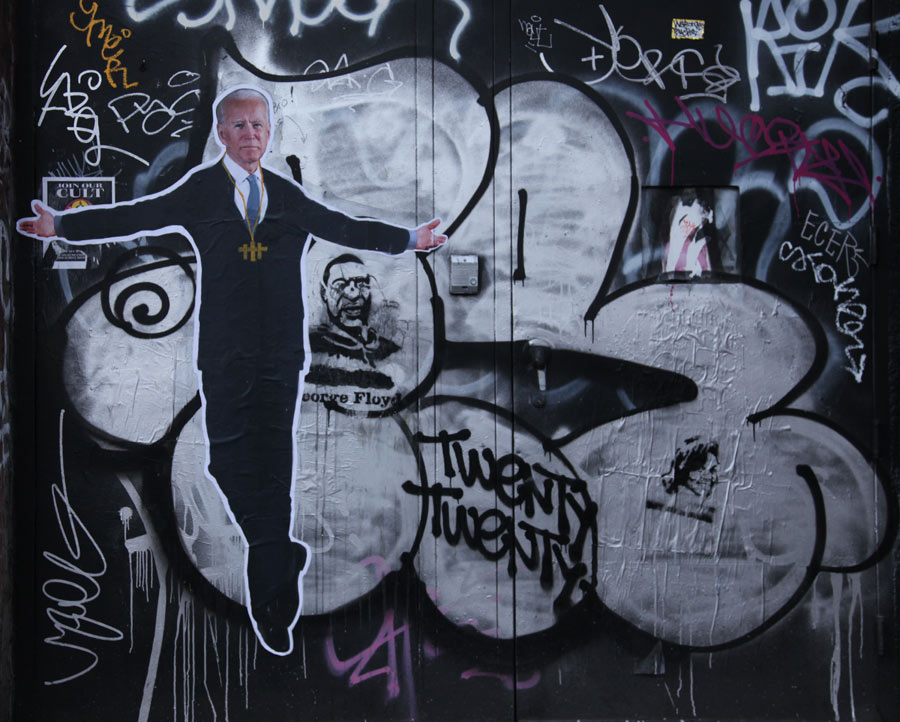
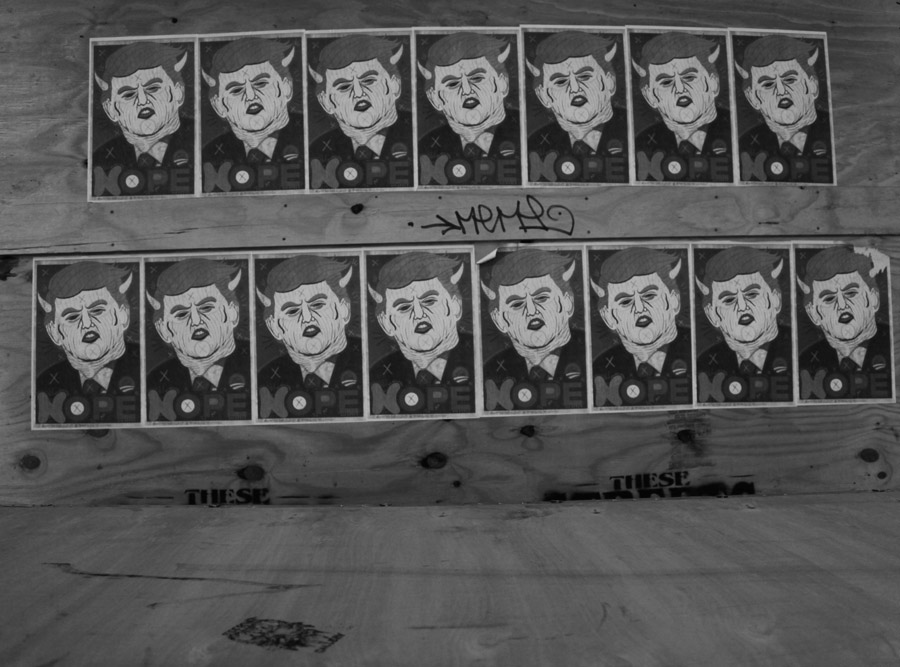
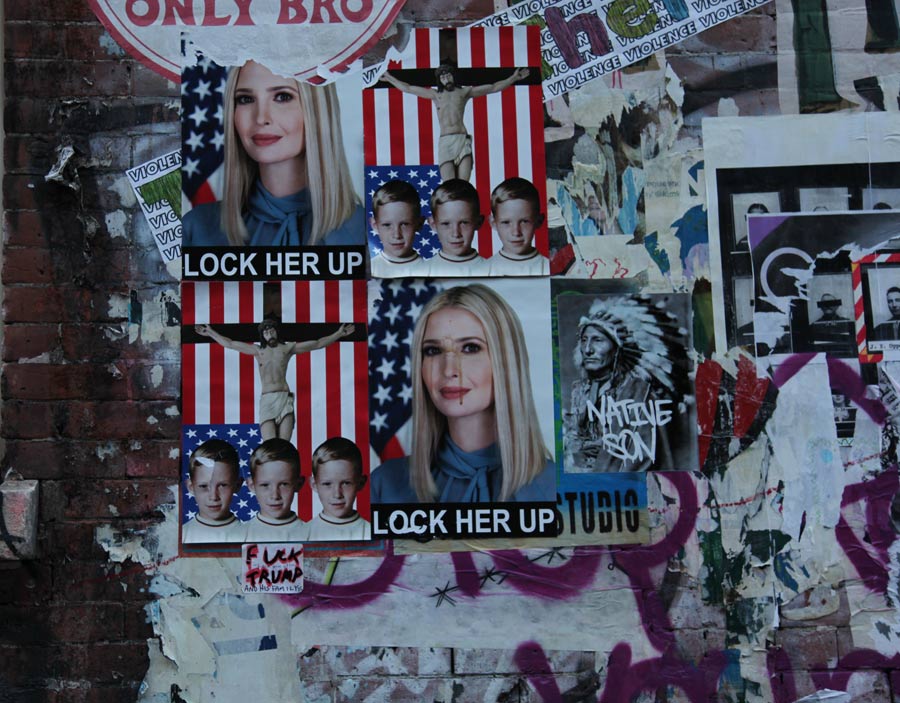
Looks like Trump has finally accepted that he lost and is now turning his attention to who he will pardon. Regarding his hometown New York City, Trump will probably come back like a rash, fielding lawsuits and bragging about one thing or another. Other recent articles are turning attention to his various brood and surmising things like “Ivanka Probably Isn’t Welcome Back in New York City.”
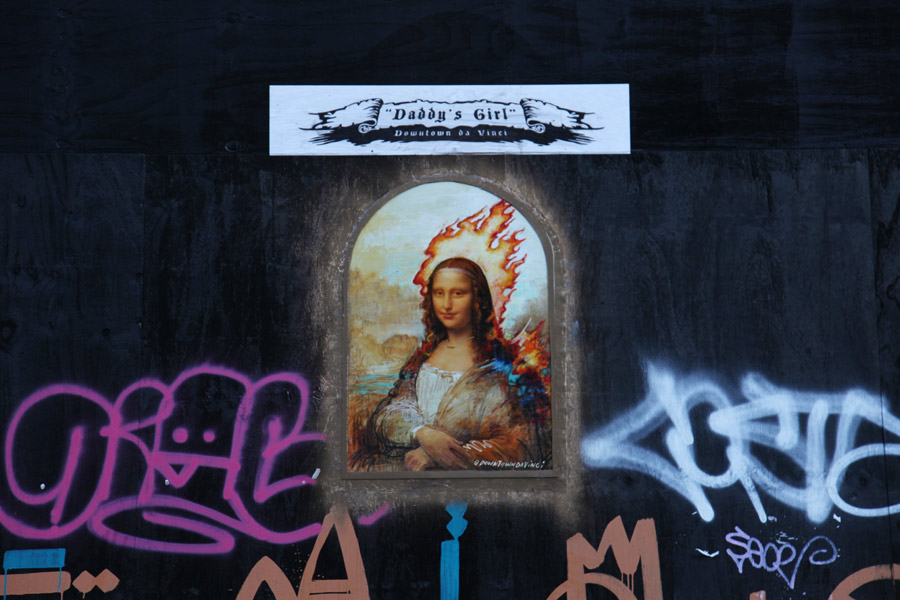
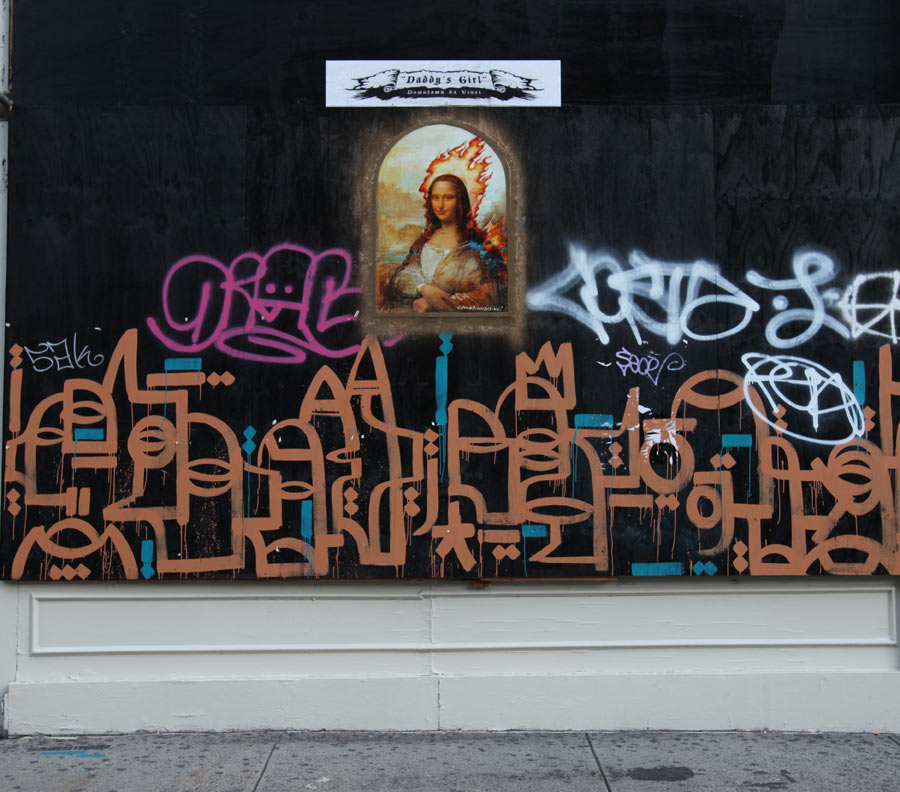
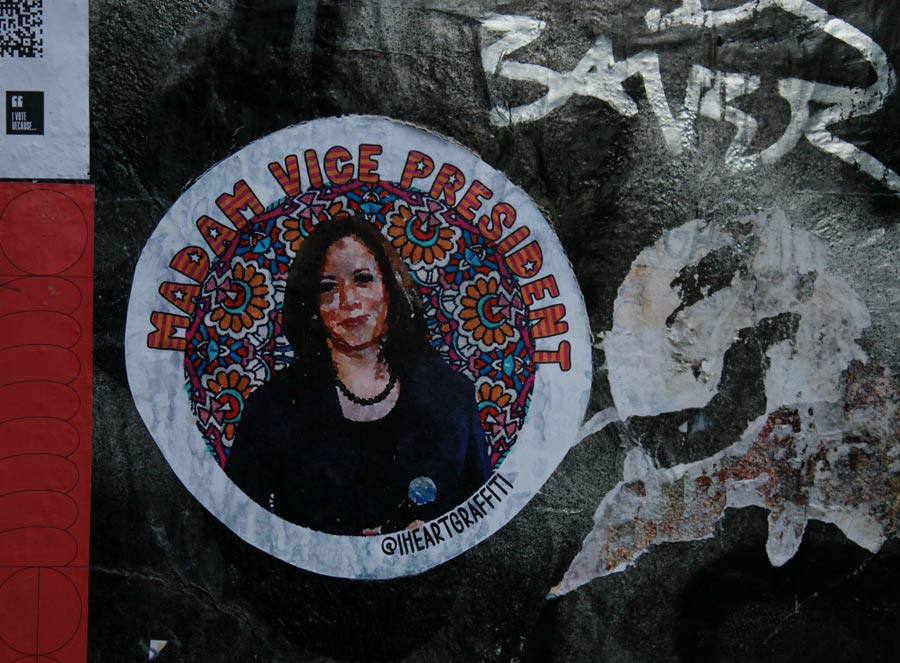
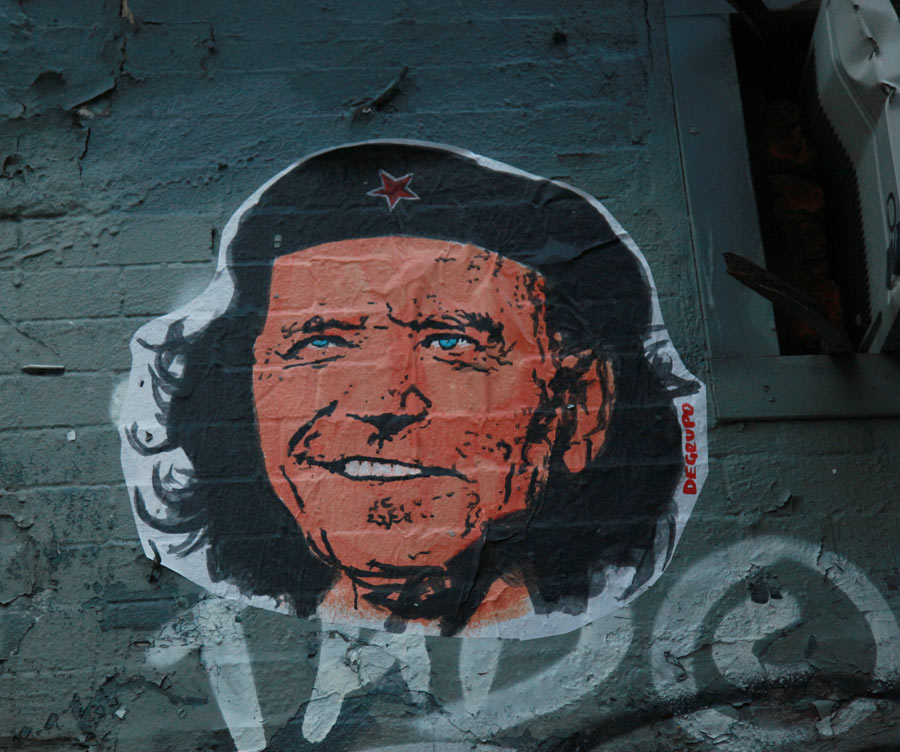
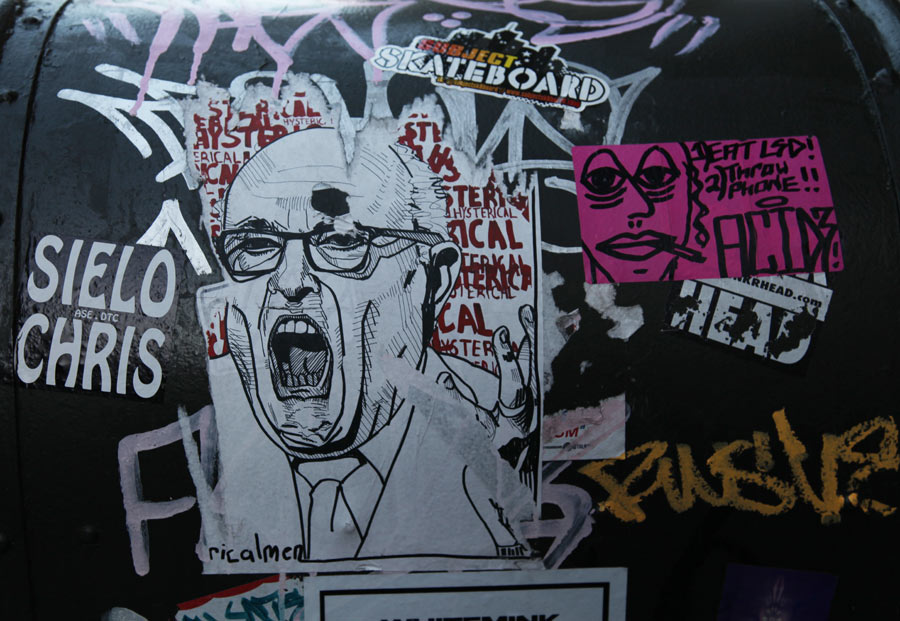
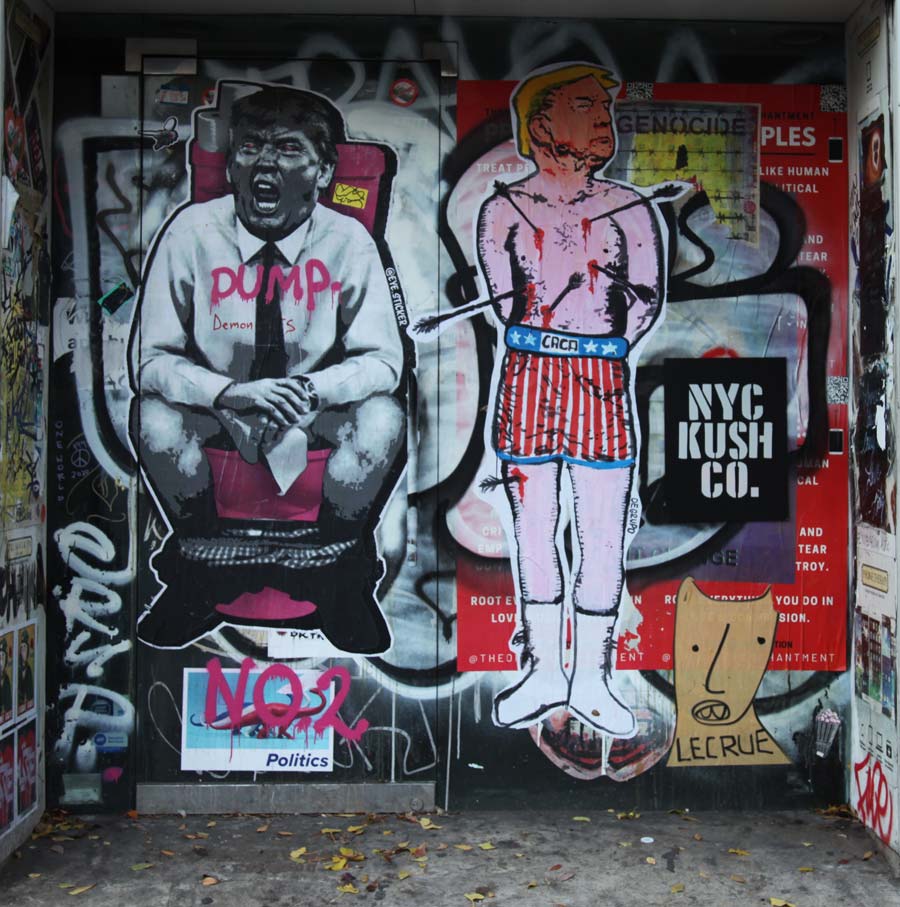
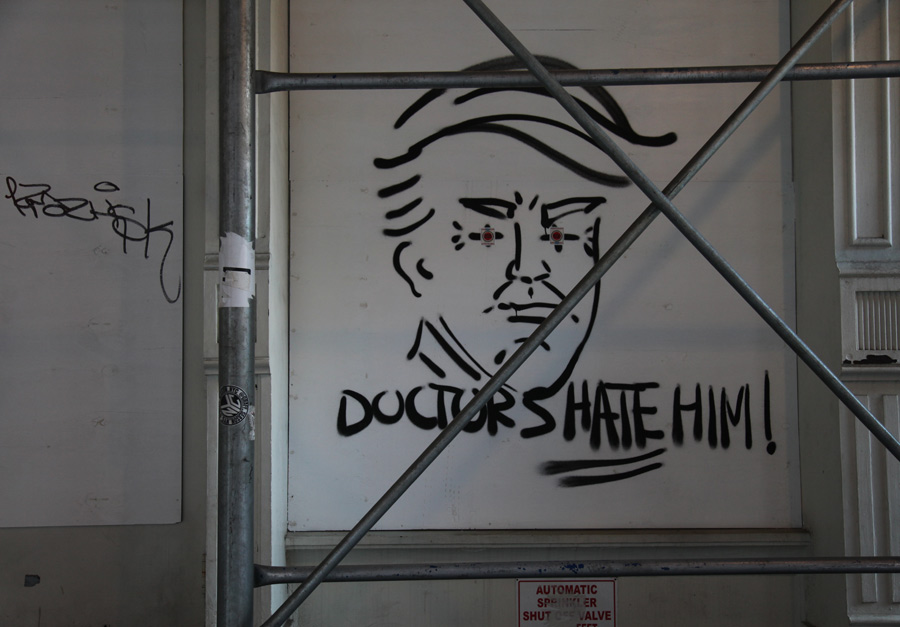
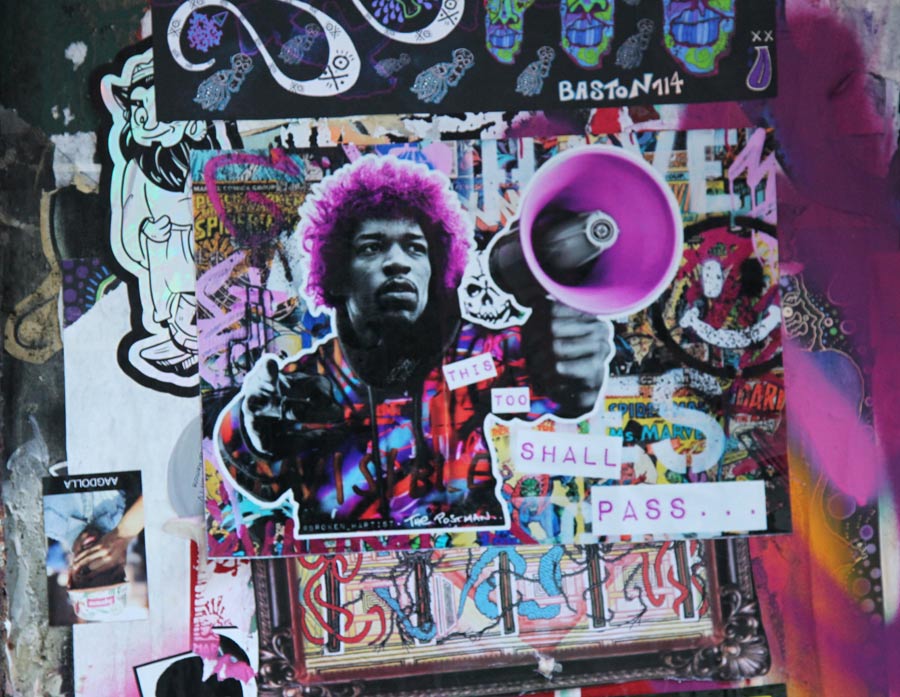
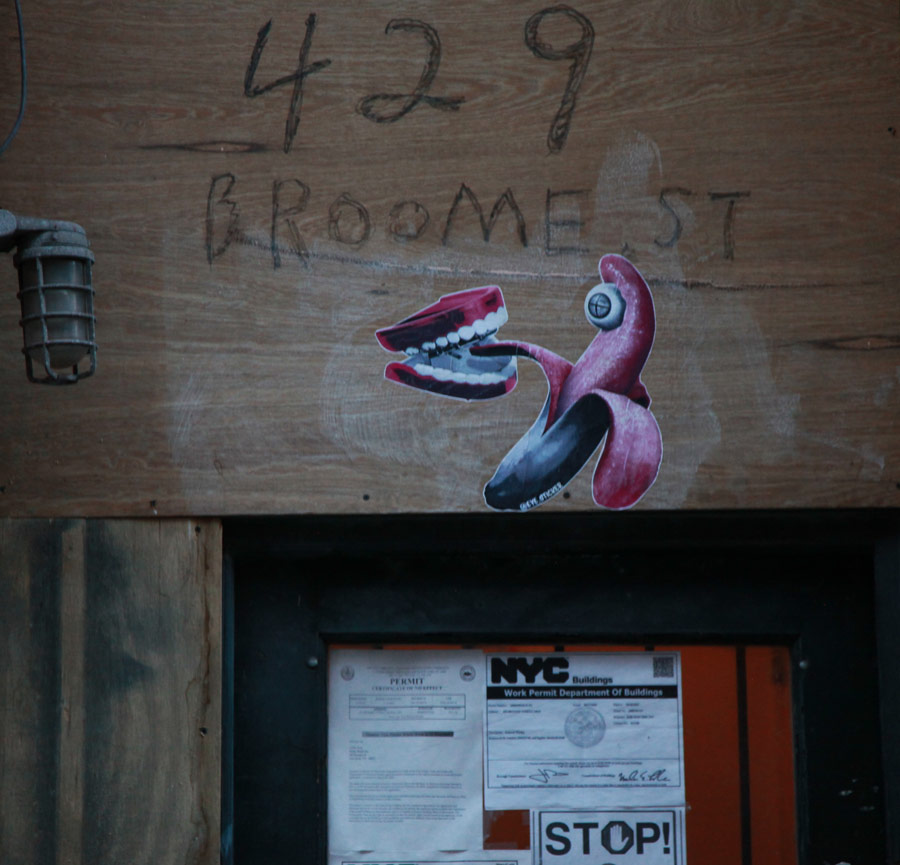
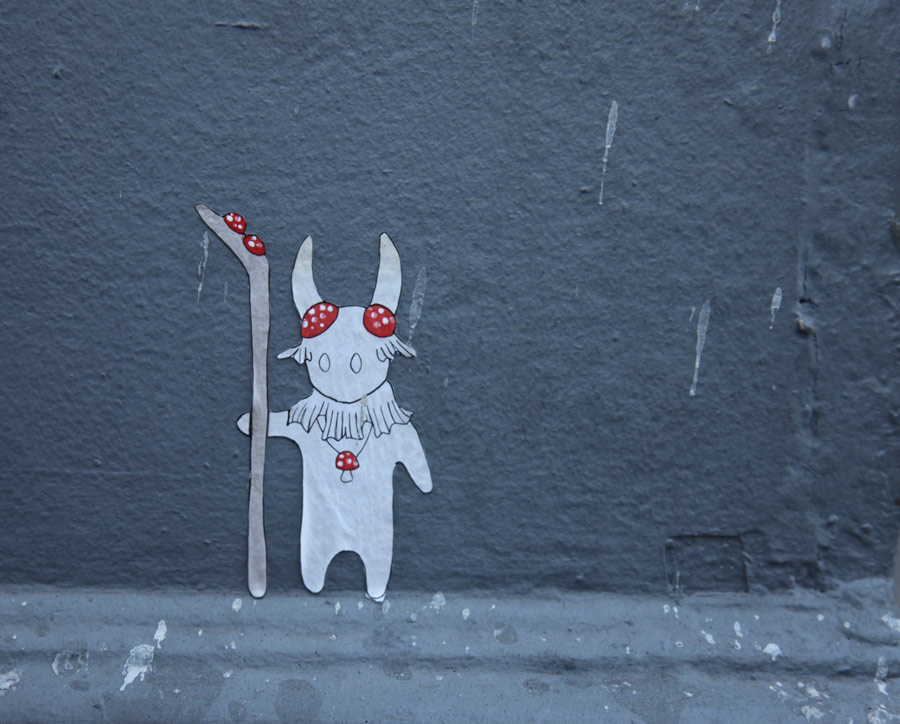
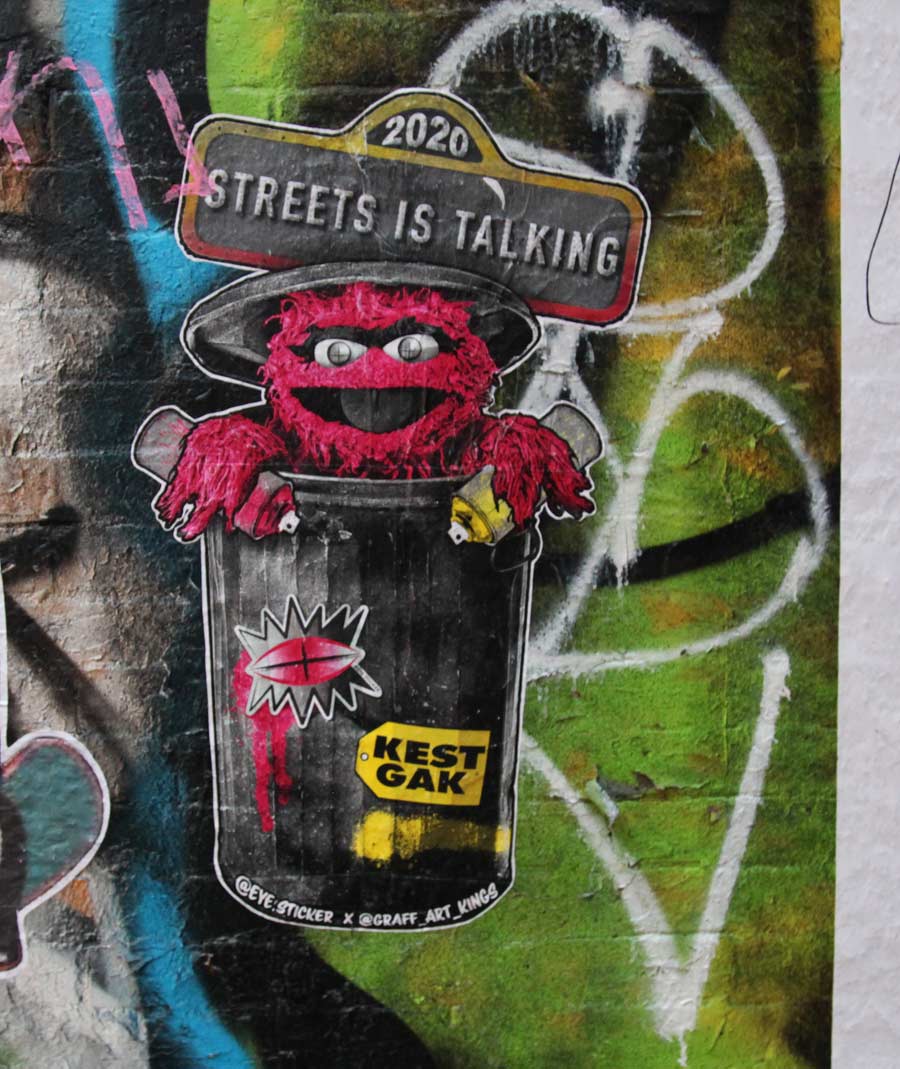
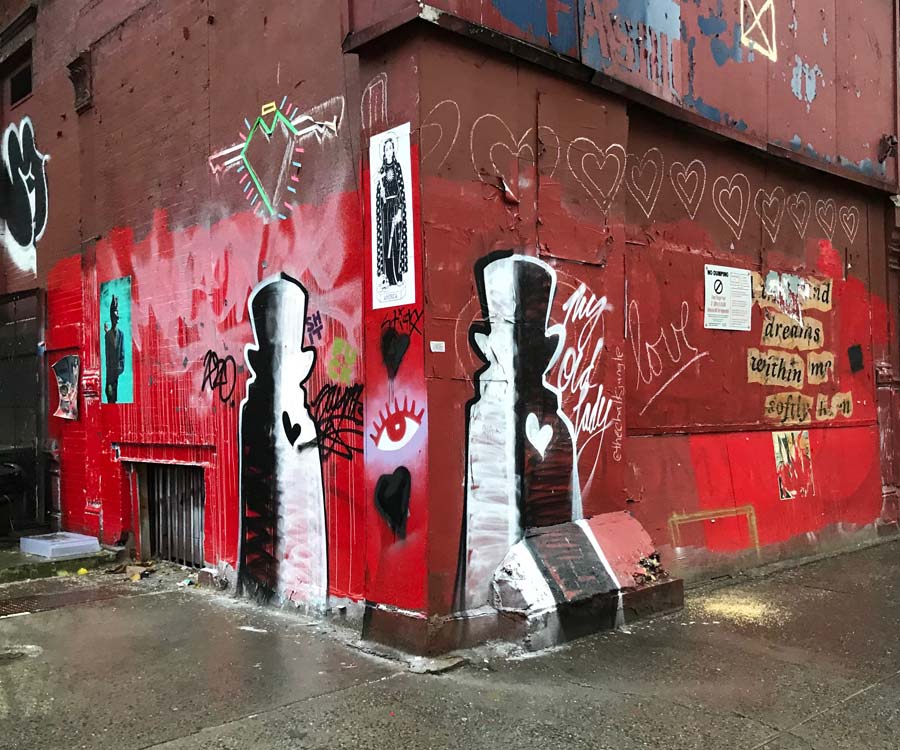
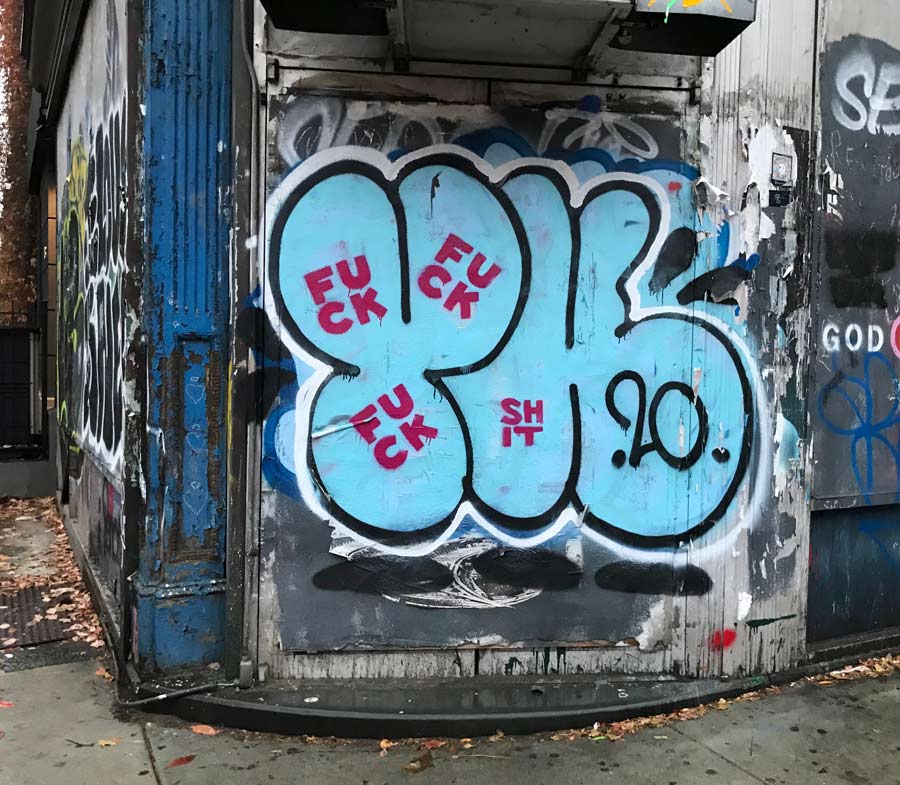
Here is our weekly interview with the streets, this week featuring A Toy Shop, Allei Kelley, CRKSHNK, De Grupo, Downtown DaVinci, Eye Sticker, I Heart Graffiti, Tenderloin Television, and The Postman Art.
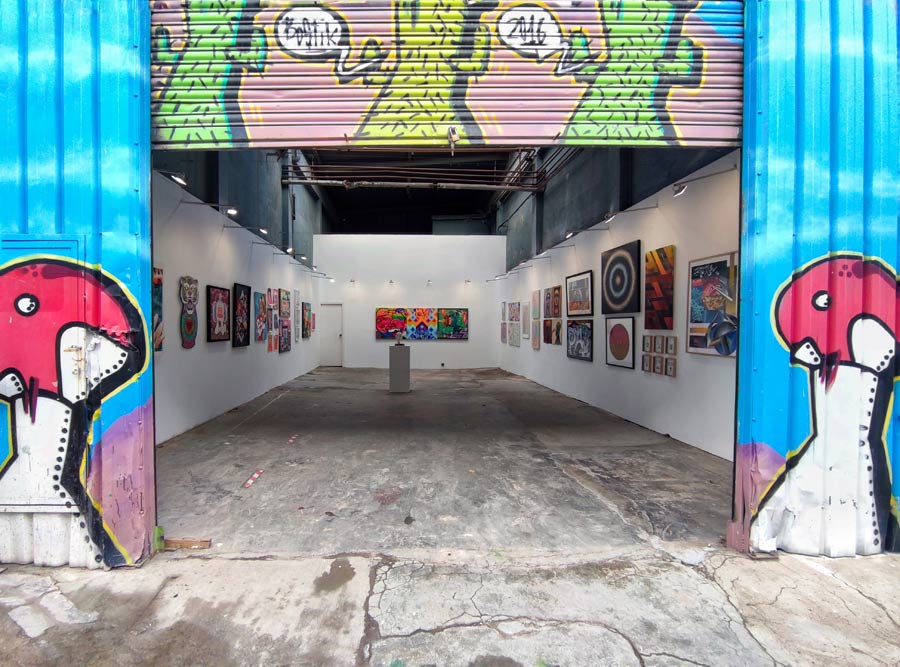
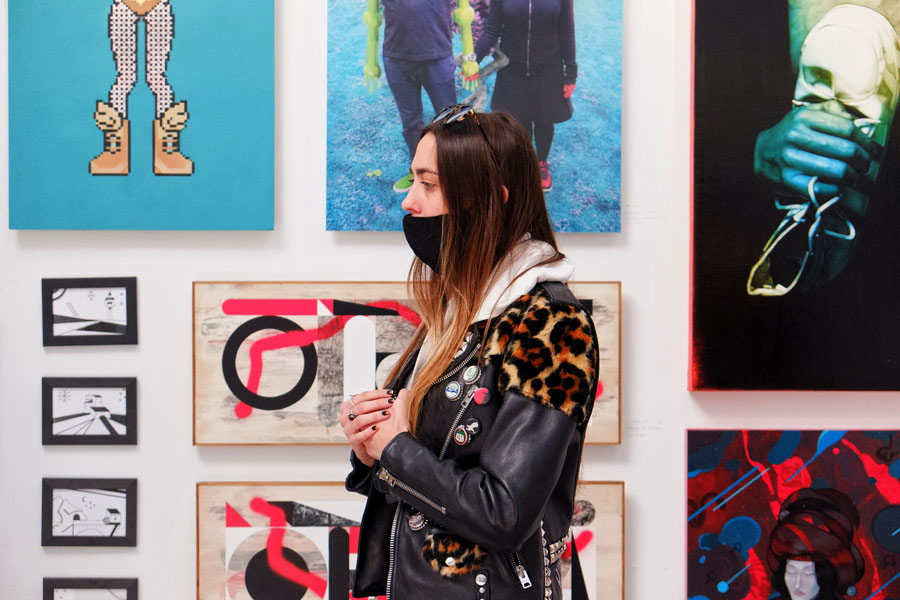
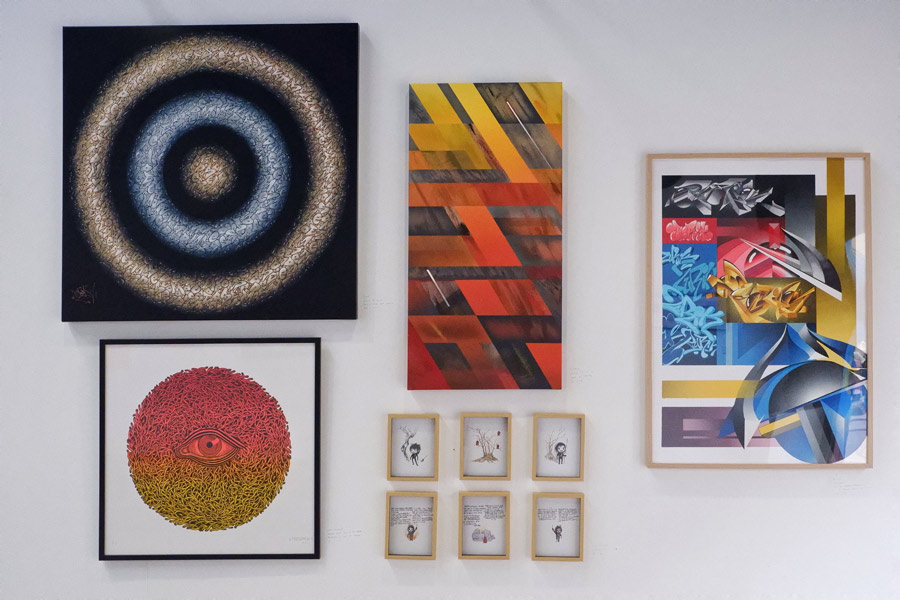
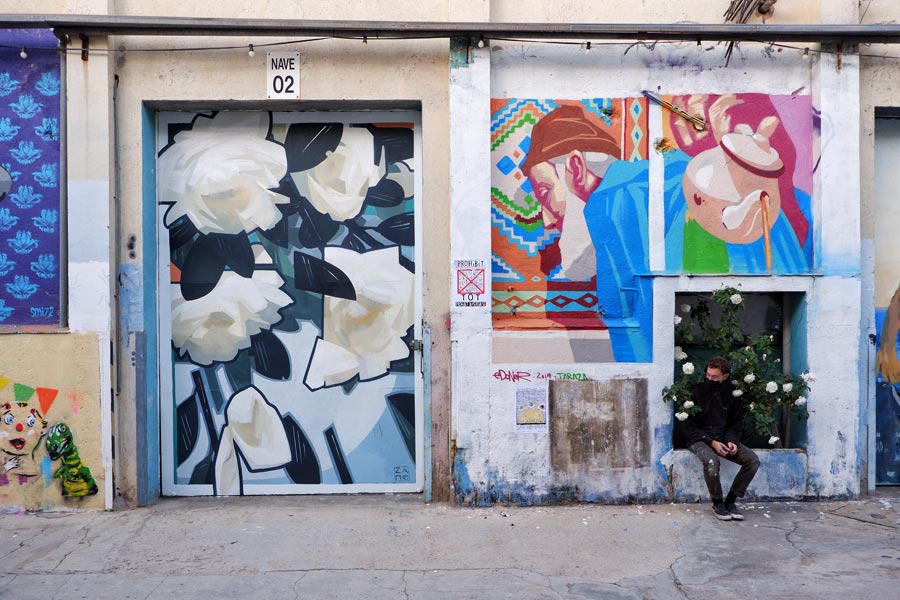
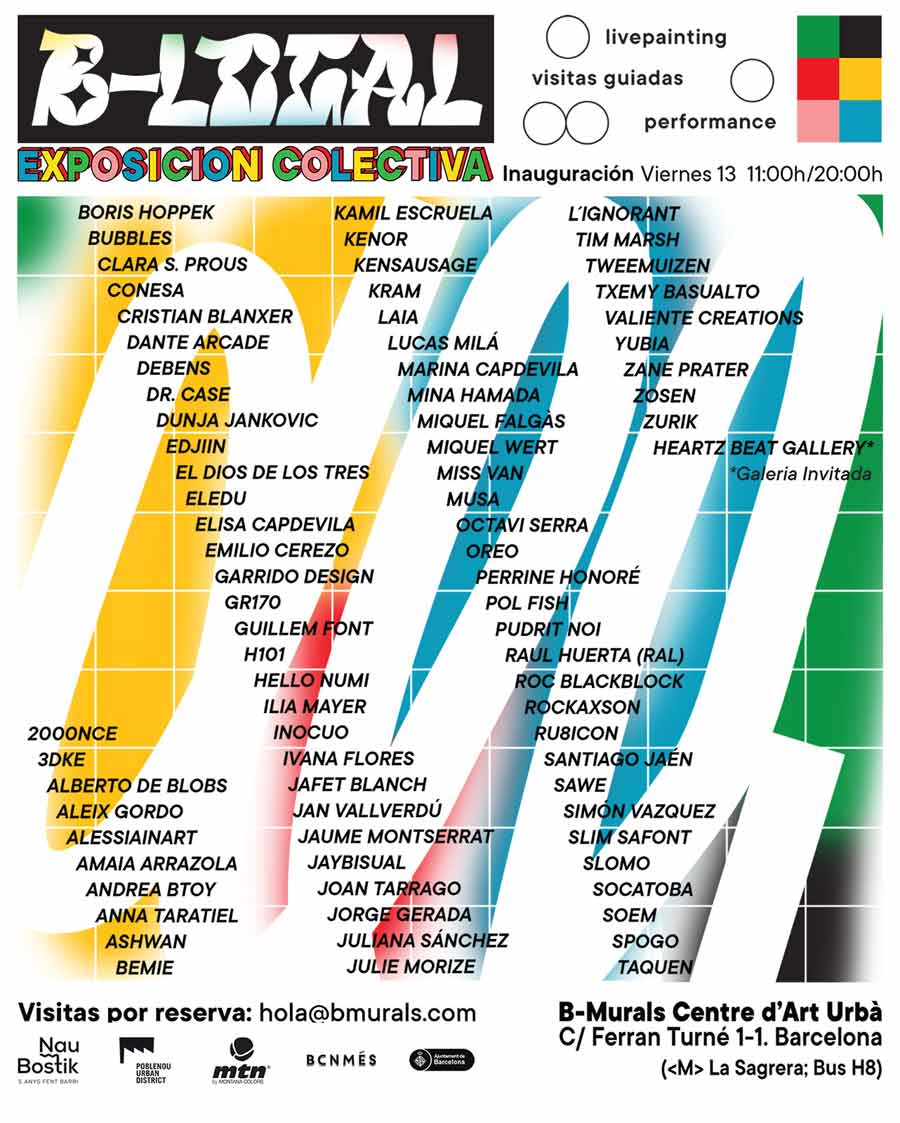
It’s a challenge for artists to find opportunity to show their work, but in an era where opportunities for artists are diminishing by the day, here’s a new group show mounted mid-pandemic in Barcelona.
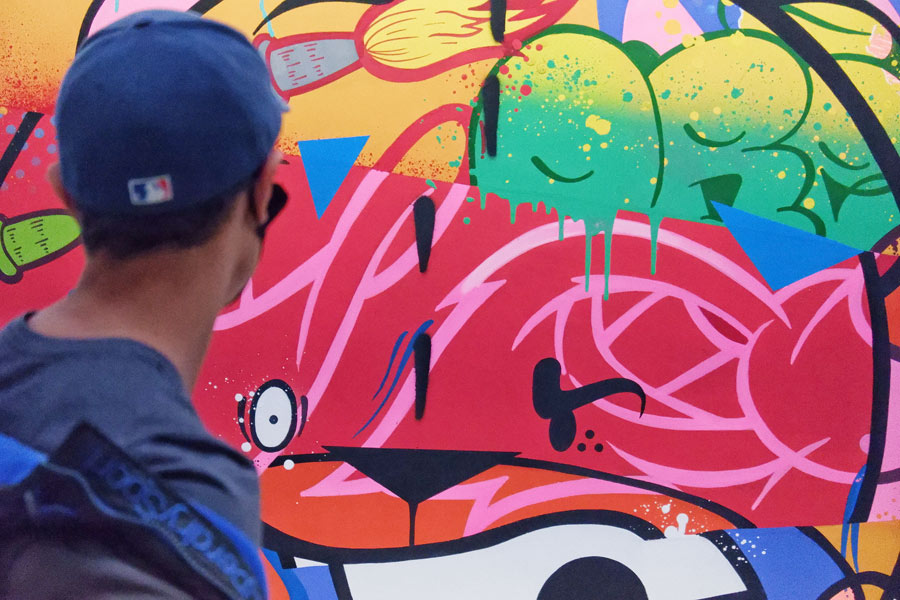
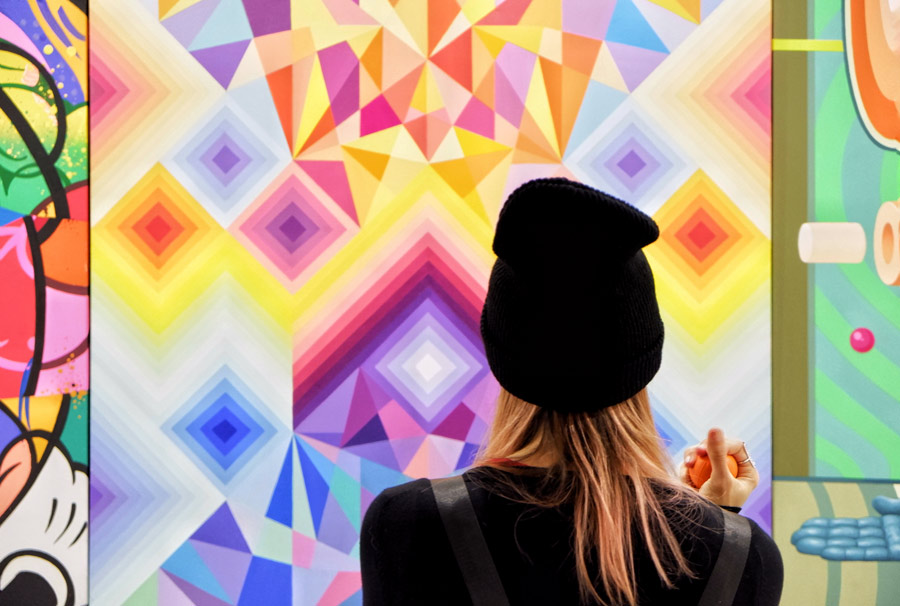
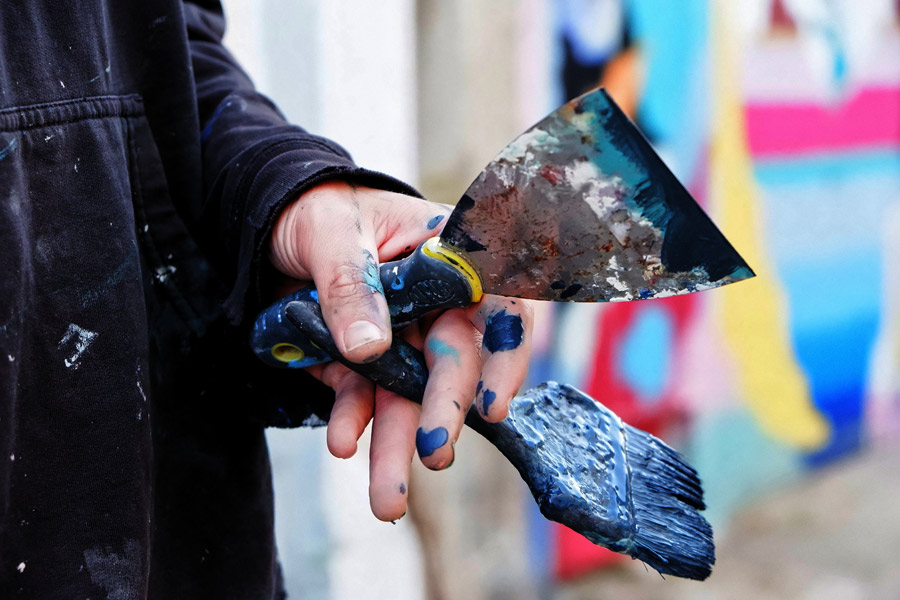
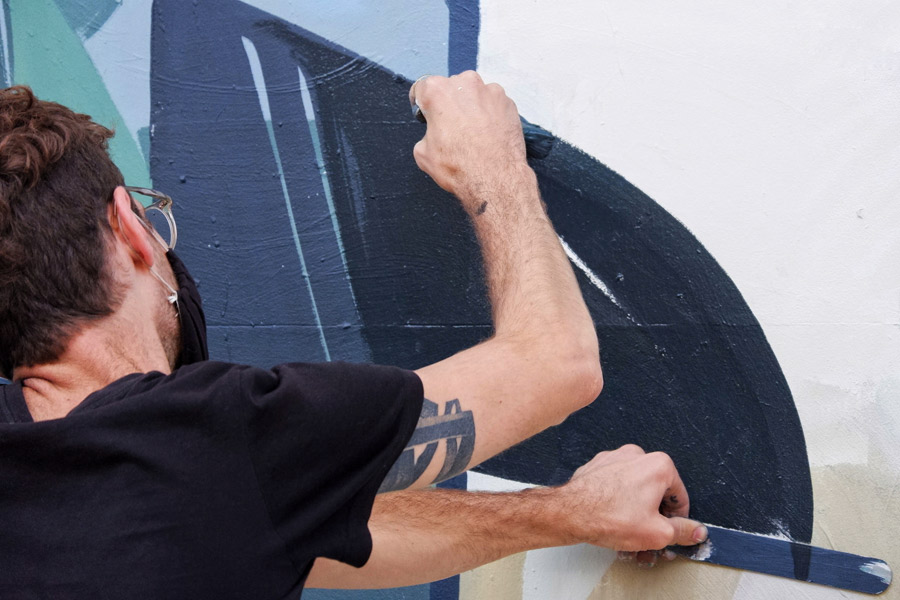
80 artists of many levels and styles are using the materials that they had handy when the first lockdown hit – cardboard, old canvases, frames, wood, paper. Each piece reflects the anxiety, fear, and hope of the artists – all expressed as they know best.
It’s good to see curators like Ana Manaia and Xavier Ballaz putting their heads together to create a show at a time like this one, named ‘B -L O C A L’. Certainly there can be no big party, but one by one, visitors can come to see the works and be reassured that art will continue to flourish in the time of Corona.
It’s been a difficult year for many. We hope that each of us can find something to be thankful for, and develop an attitude of gratitude. We look forward to being able to gather with friends and family next year. To you all, we wish you a very Happy Thanksgiving.
We’re featuring a great interview today from Martha Cooper – whose career retrospective we curated this year at Urban Nation in Berlin. We particularly love the title. Because its true.
‘I Don’t Scare Easily’: Martha Cooper on Crawling Her Way Through Train Tunnels to Become One of the Leading Photographers of Graffiti – on tArtnet
“In a photography career that spans six decades, Martha Cooper has broken boundaries and defined genres. She became the first female staff photographer at the New York Post in 1977 and shot seminal images of graffiti and the burgeoning hip hop scene during its infancy.
Now, Cooper is being honored with largest retrospective of her work to date. “Martha Cooper: Taking Pictures,” opening this weekend the Berlin’s Urban Nation Museum for Urban Contemporary Art, charts the artist’s photography, from the pictures taken with her very first camera, which she got when she was in nursery school, in 1946, through the present day.
Curated by Steven P. Harrington and Jaime Rojo, founders of BrooklynStreetArt.com, the show includes images from Cooper’s many books, which feature such as bodies of work as her photographs of women’s breakdancing competitions (We B*Girls); of traditional Japanese tattooist Horibun I at work (Tokyo Tattoo 1970), and the streets of gritty 1970s-era New York City (New York State of Mind).”
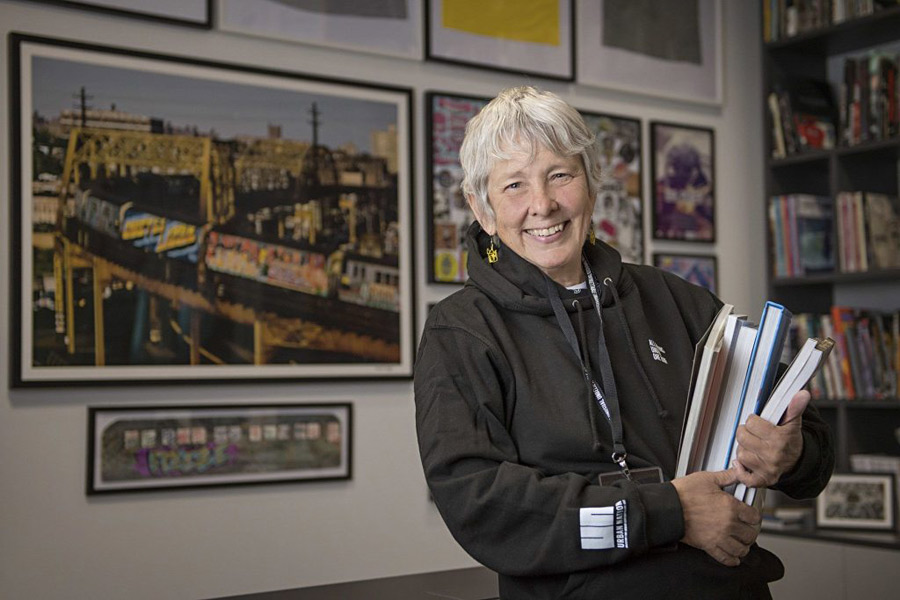
Martha Cooper in the Martha Cooper Library at Berlin’s Urban Nation Museum for Urban Contemporary Art. Photo Nika Kramer/Urban Nation Museum for Urban Contemporary Art.
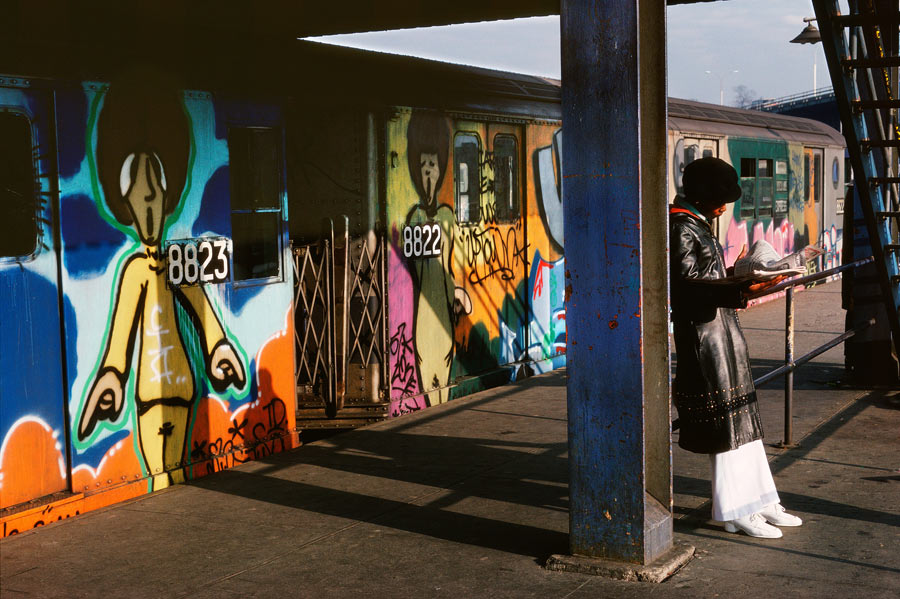
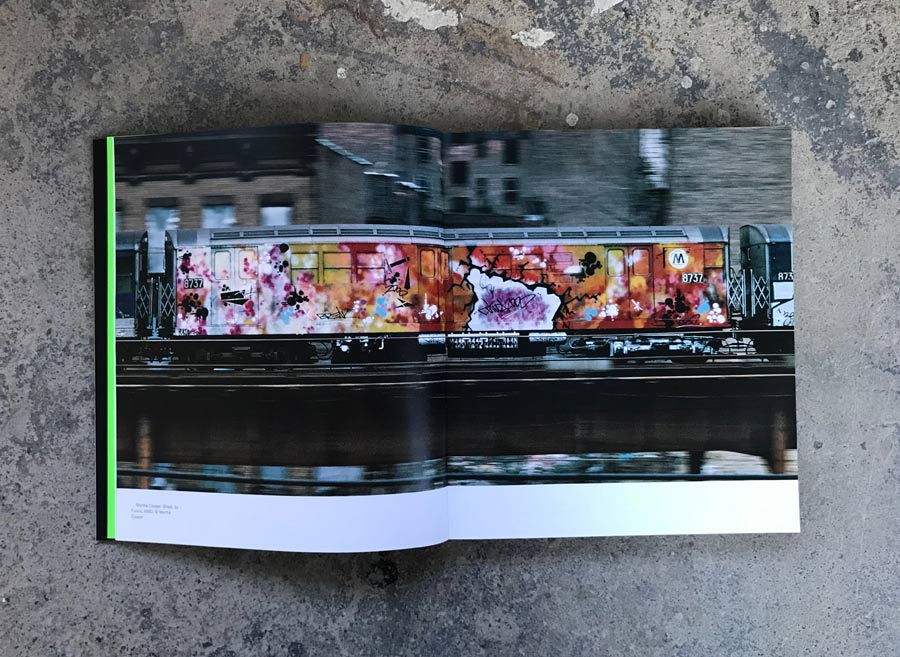
“But it was graffiti that inspired Cooper’s best-known work, immortalized in the 1984 book Subway Art, which she published with fellow photographer Henry Chalfant. Cooper was drawn to the tracks by the desire to save for posterity these fleeting artistic creations, which were unlike anything she had ever seen.”
CLICK HERE TO CONTINUE READING THE INTERVIEW AND ARTICLE WRITTEN BY Sarah Cascone for ArtNet.
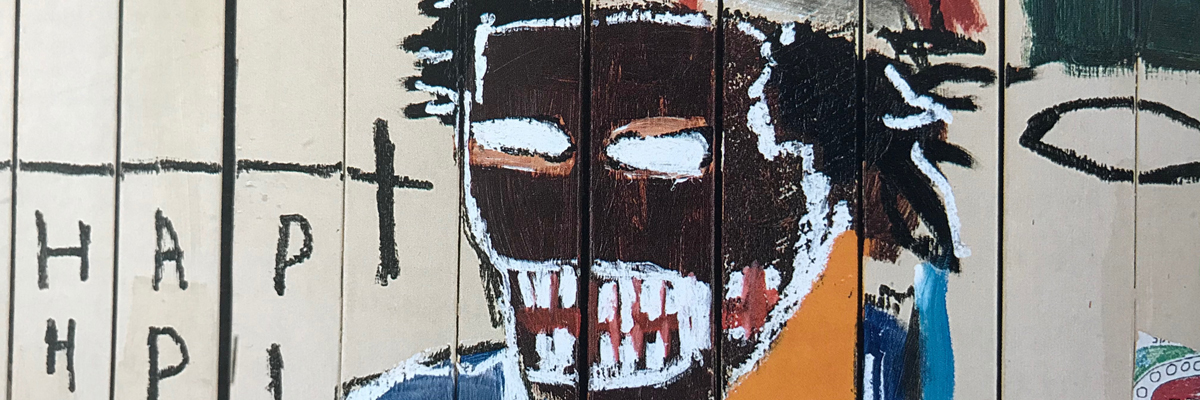
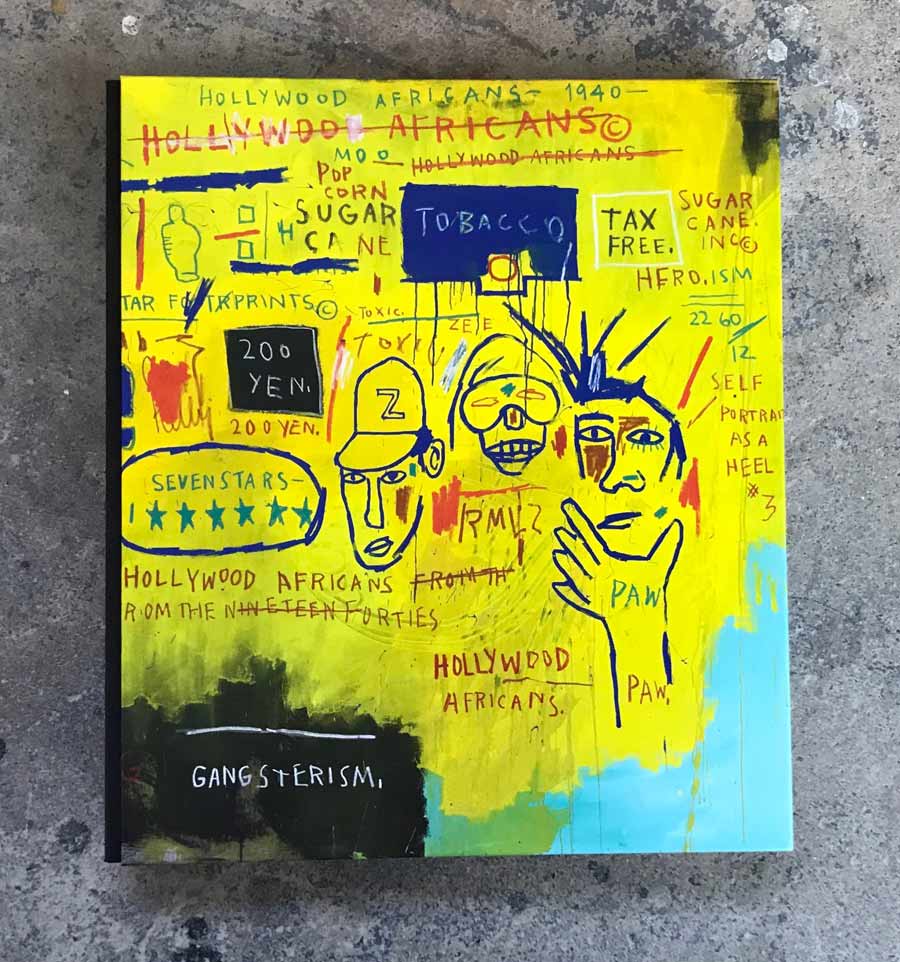
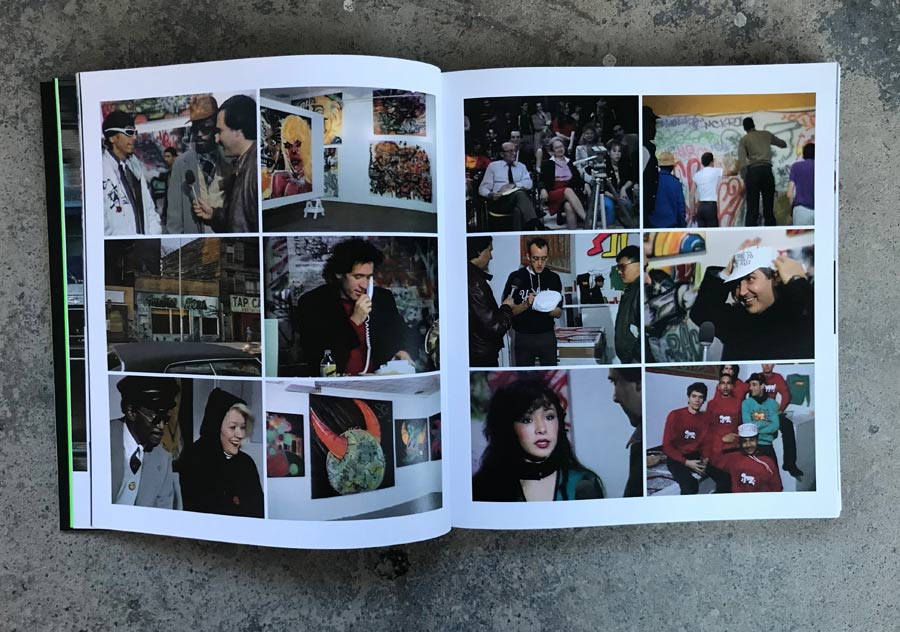
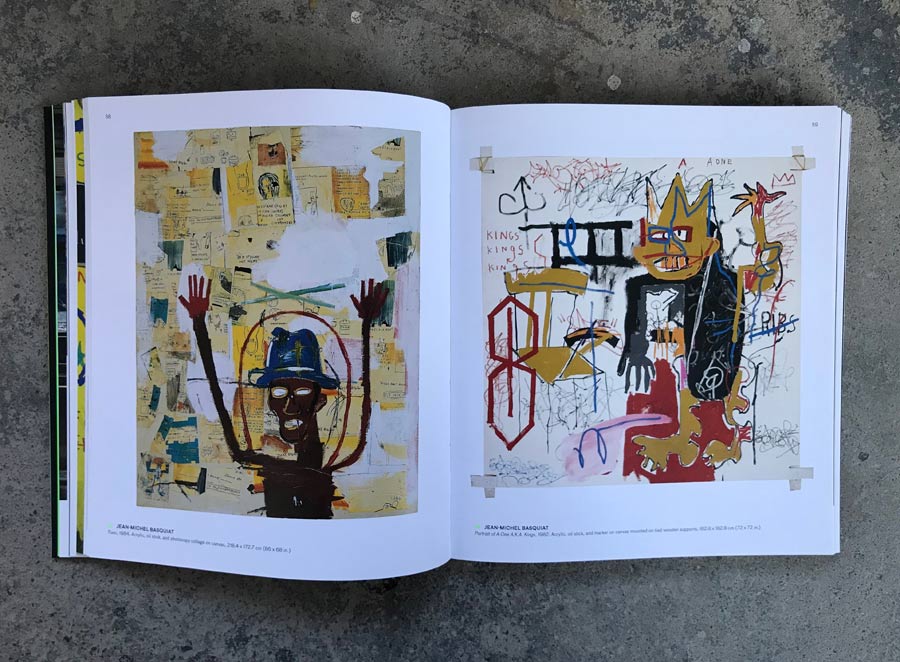
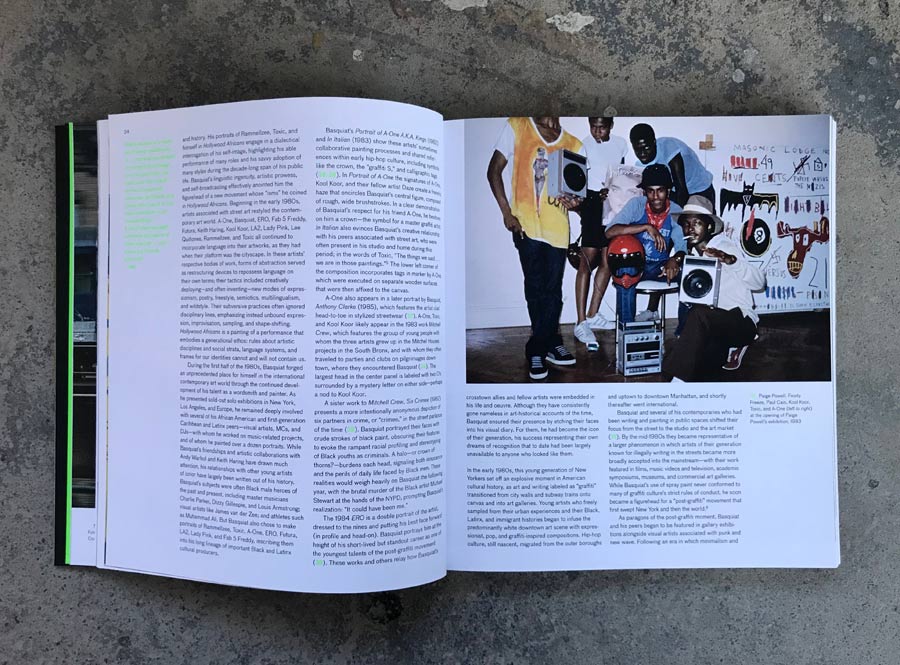
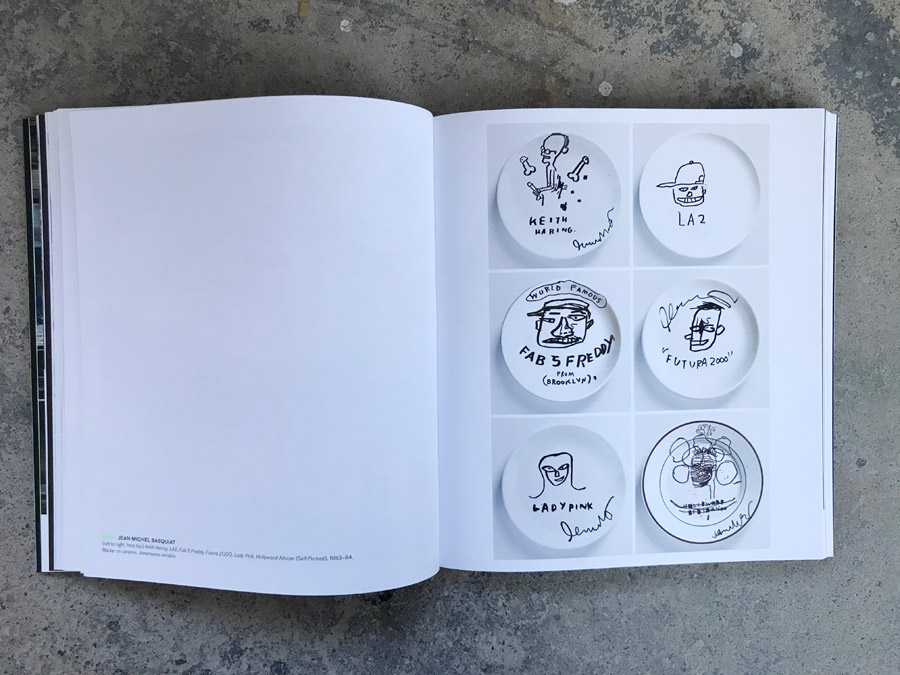
Accessible and erudite, the catalogue unpacks the social connections, the various emerging music, art, and performance sub-scenes of “Downtown” and “Uptown” New York culture, the opaque underpinnings of the dominant culture, and the urban syntaxes that formed this young Brooklyn artist and his work in the 1970s and 1980s. To faithfully set the stage for this story; to conjure the atmosphere, the moment, the context that Basquiat evolved himself into, you would need to create an interactive urban theme park with an impossible set design budget, a cacophonous sound-music map, a handful of public policy and political advisors, an anthropologist, a warehouse of costumes, too many actors, too many attitudes, and even more drugs.
Considering the elements of this planetary system, one that drew protagonists into layers of swirling space in overlapping concentric patterns at a time where “high” and “low” distinctions were melting and crashing into one another, a viewer is still drawn physicality of the works and artifacts, the hand and the gesture. If you are going to talk about expressionism and its reaction to stimuli, you’ll also want to appreciate the tactility of this art-making process, one that was endemic to Basquiats’ daily existence in the studio and on the streets of Brooklyn and Manhattan.
Editor of the “Writing the Future” catalogue, Liz Munsell, delves directly into that physicality in her essay, an experiential process that he shares with the viewer. “In several areas of the composition, Basquiat seems to have taken his own hands directly to the painting’s thick, wet surface, dragging his fingers across it into an area where he painted the hand of his self-portrait,” says Munsell. Willfully enigmatic at times and decidedly cryptic in his textual references, one cannot argue with this, an ultimate form of mark-making.
While Munsell is addressing something tangible, she is also witness to the spirit. We take it as an apt response to the greater challenge of decoding the works; presenting “the shattered poetics of Jean Michel Basquiat lyric memory cabinets.”
Basquiat scholar Carlo McCormick, who also happens to have been a full participant and observer of the ratty and glittering decline of New York during Basquiats’ rise, opens the book. Within his lyrical prelude to the artists’ ascent is a similar effort to place the moment; a sea of creative talents from privilege and without, trying their hand at sinking or swimming on the gallery of the streets, seizing a moment that reshaped a sleepy and self-satisfied gallery system that had painted itself into a proverbial white-box (and white-skin) corner.
“It’s all a crazy quilt conversation, talking in wild style tongues from the train yards to the writer’s bench, from bewildered commuters and savvy fans to the posturing politicians with their broken-windows theories in vandal squads, from little nightclub art shows and the ad hoc outposts like Fashion Moda and the Fun Gallery to a global stage of major exhibitions from the primal voice of mark-making to the sweet sounds of the studio, where a generation of outlaws joined that historical confab of painters in the culture of canvas. It’s got a beat hard-scrabbled out like the scratching of those early playground turntablists, but it’s all about the language, transmuted beyond easy recognition, private in the most public of ways, the insider voice of the outsider externalizing the interior. It’s pure jive, freeform and freestyle, the deceptions of code carrying the truth of the heart, the lyrics to all our collective pain, anger, alienation, and hope writ large like an aerosol atom bomb.”
Talk about shattered poetics.
In fact, art in the streets was a direct respondent to trauma, inequity, dislocation, and the effects of the flight of capital– and if certain populations found it discordant, it was possibly because it functioned as a funhouse mirror – distorted and vaguely threatening. While Basquiat was self-promoting in the venues and manners he was most suited, he was placing a bet that society was ready, or would be soon, for the platform and the content and the challenge.
“Graffiti had found the speed at which it needed to be seen,” the graffiti writer, fine artist and street style branding wizard Futura says in a quote.
By chasing it and learning how to read these writings on the wall we would gain a better understanding of what was to come in the future.
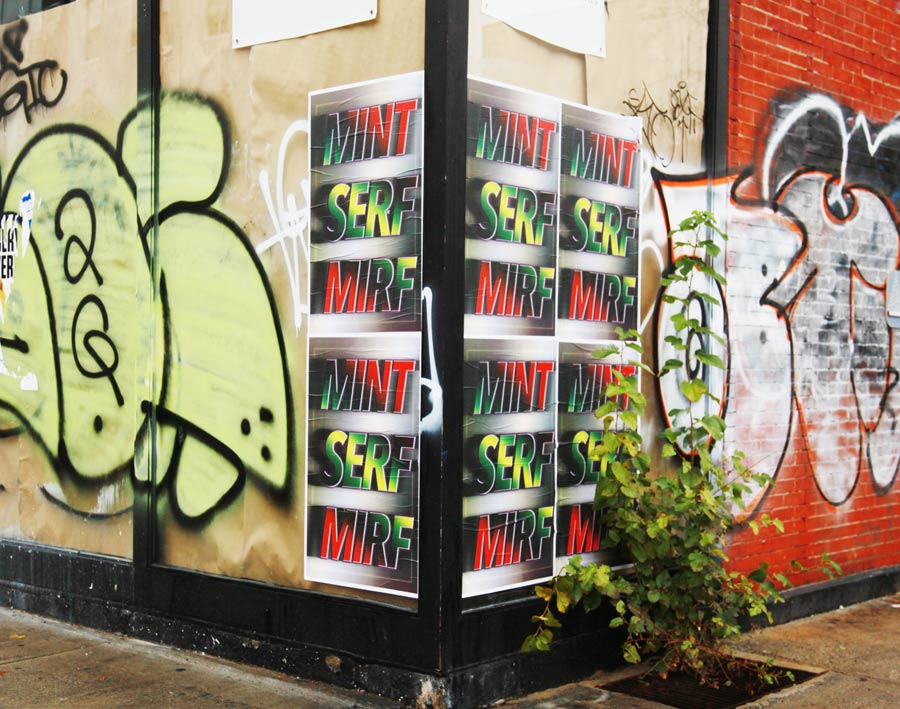
Good to see Mint and Surf on the streets again here in NYC. We wondered where they had gone.
Wishing all of you a Happy Thanksgiving this week, whether you are alone or with family, cooking a turkey or baking a pie, spraying a tag or slapping a sticker, collecting art or collecting bills. We hope that we can all count some blessings this week. Please stay safe from the Covid-19.
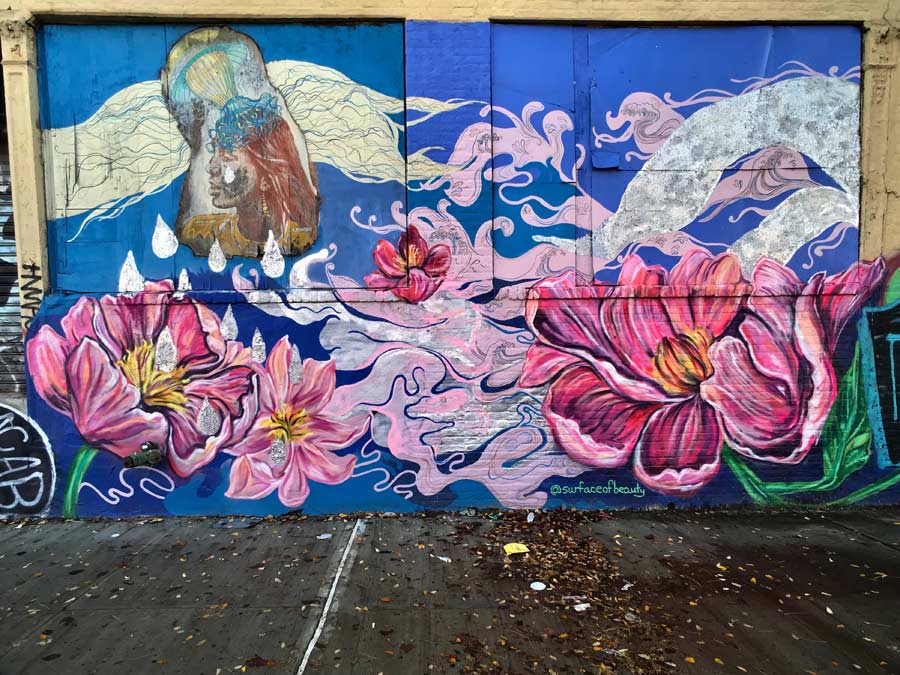
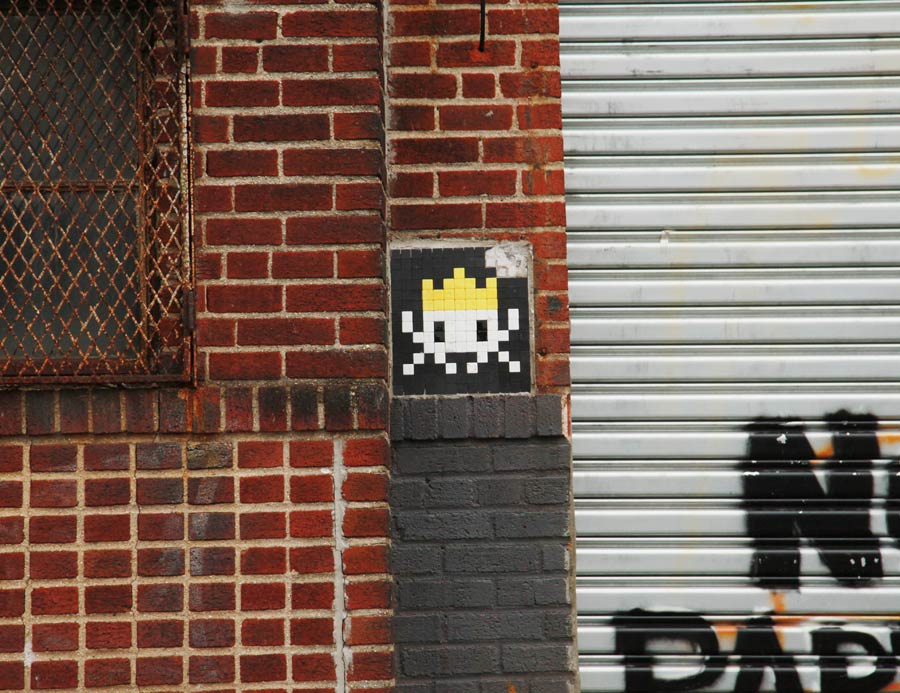
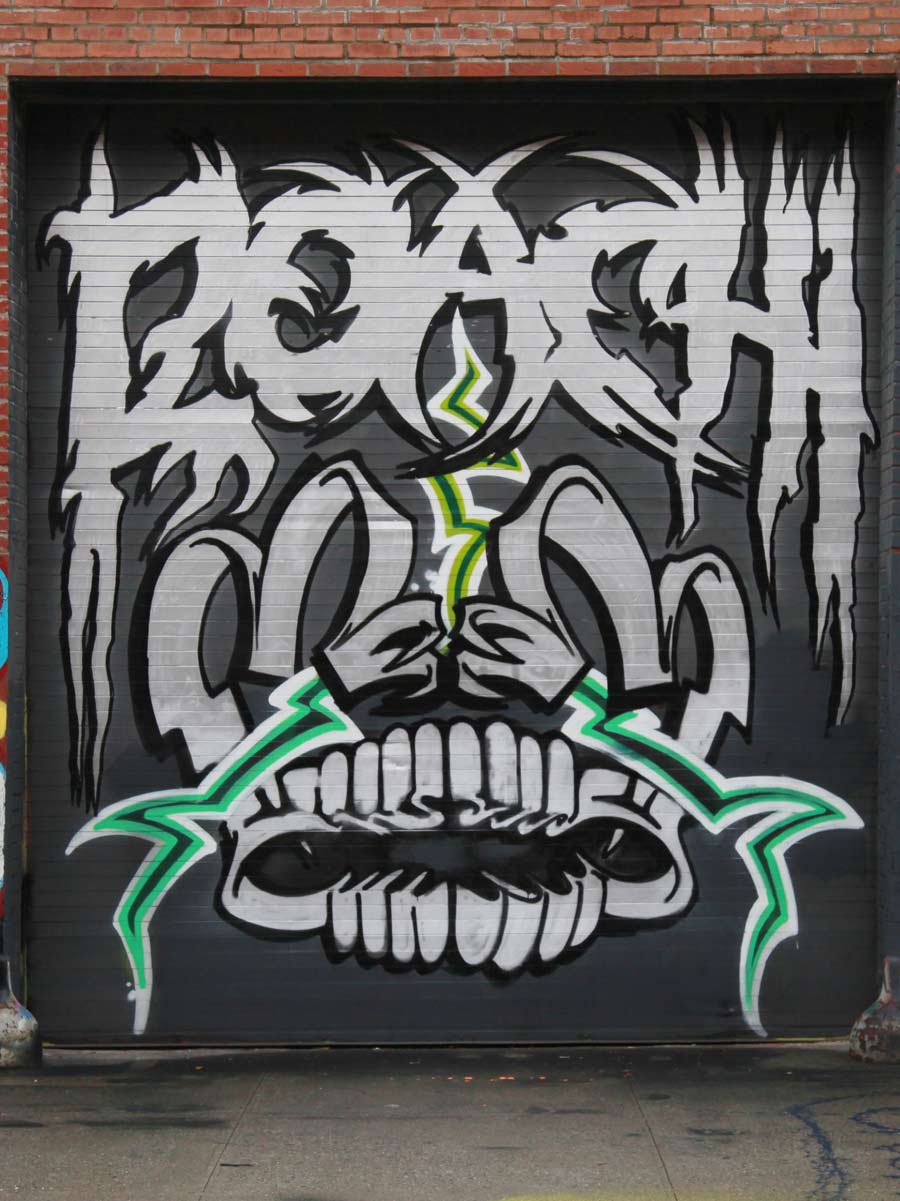
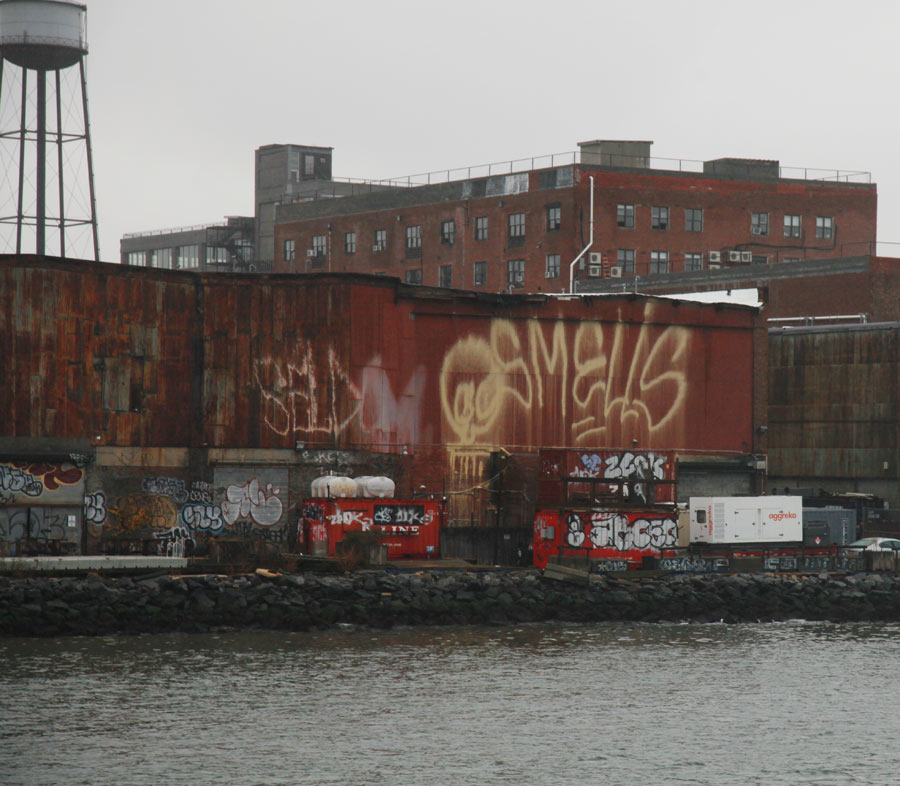
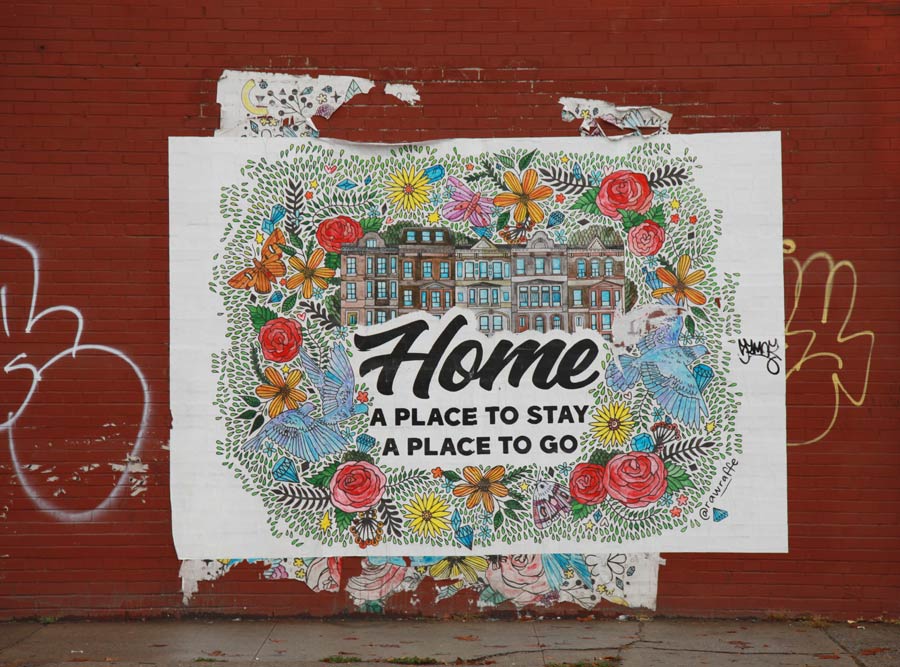
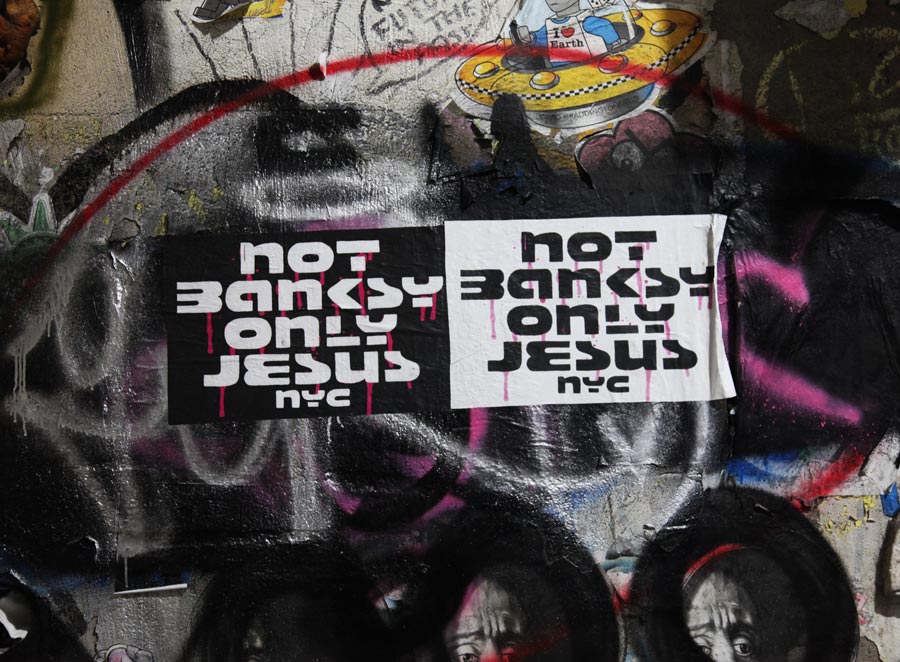
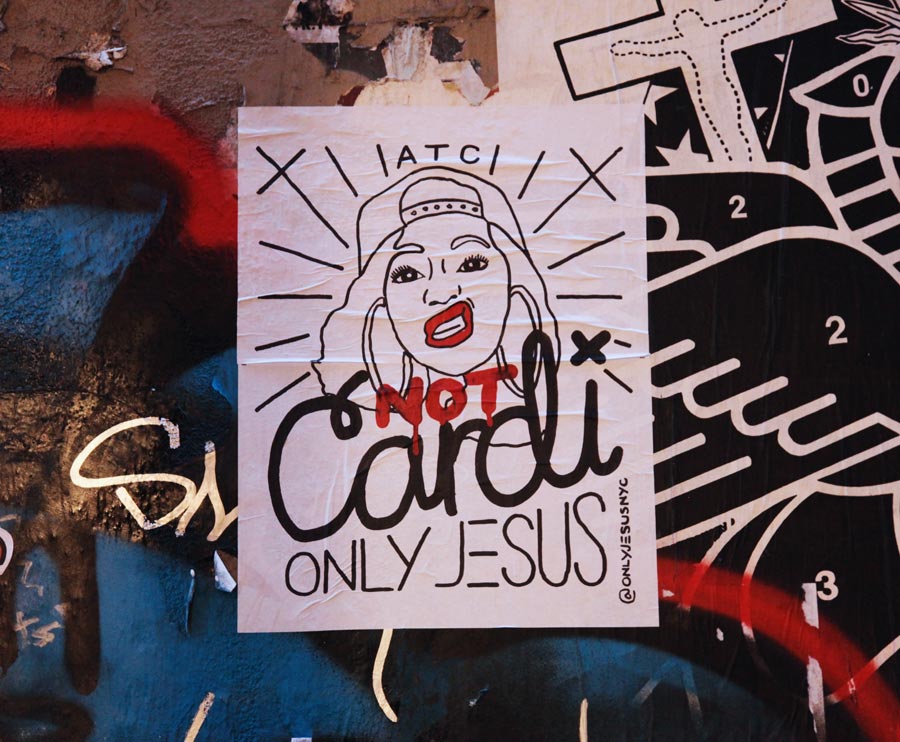
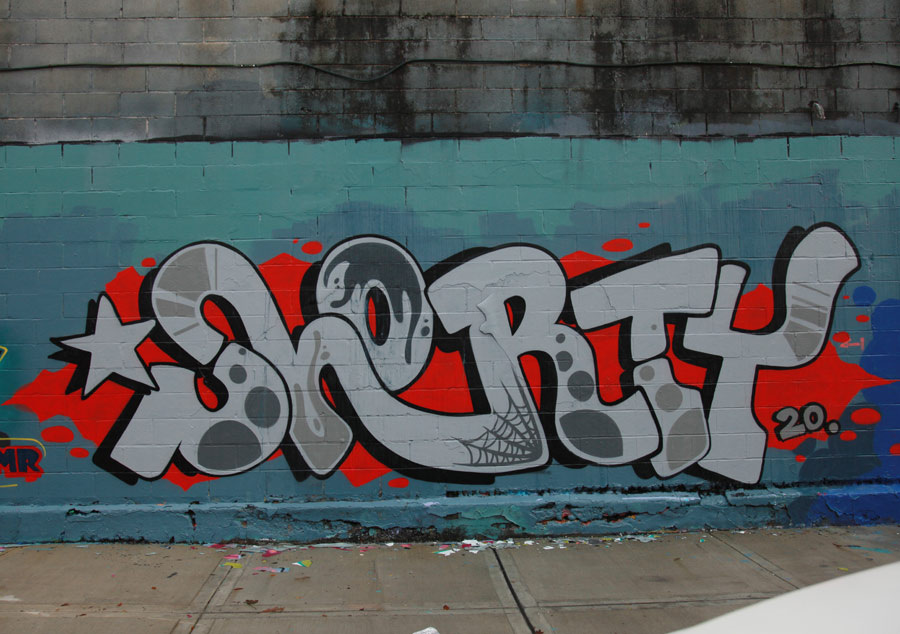
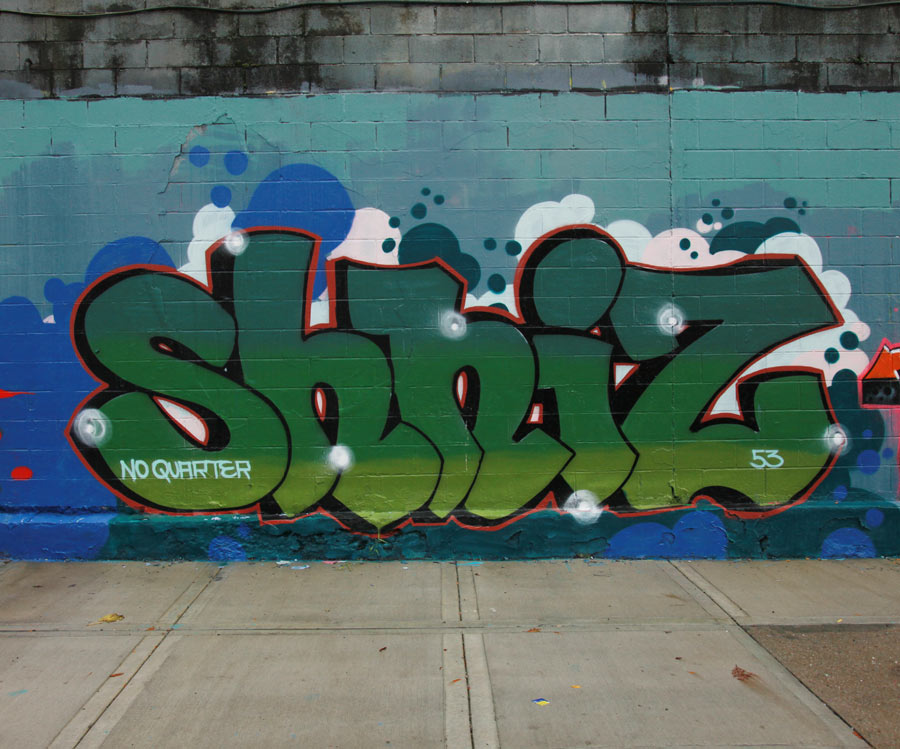
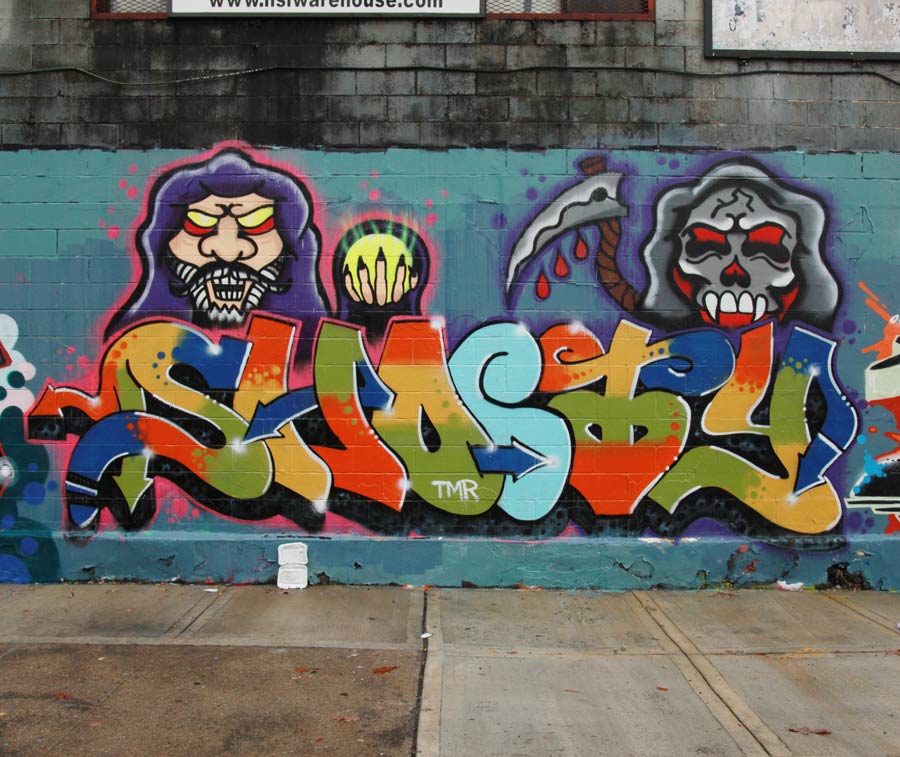
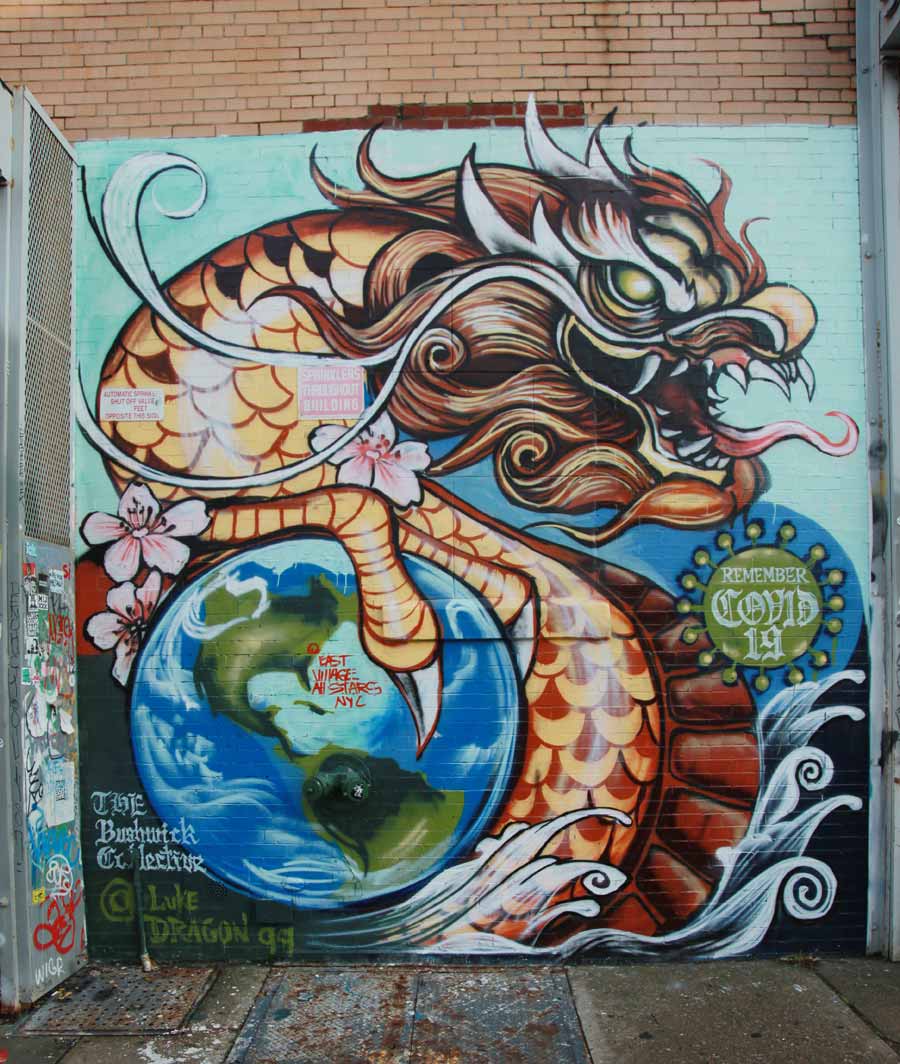
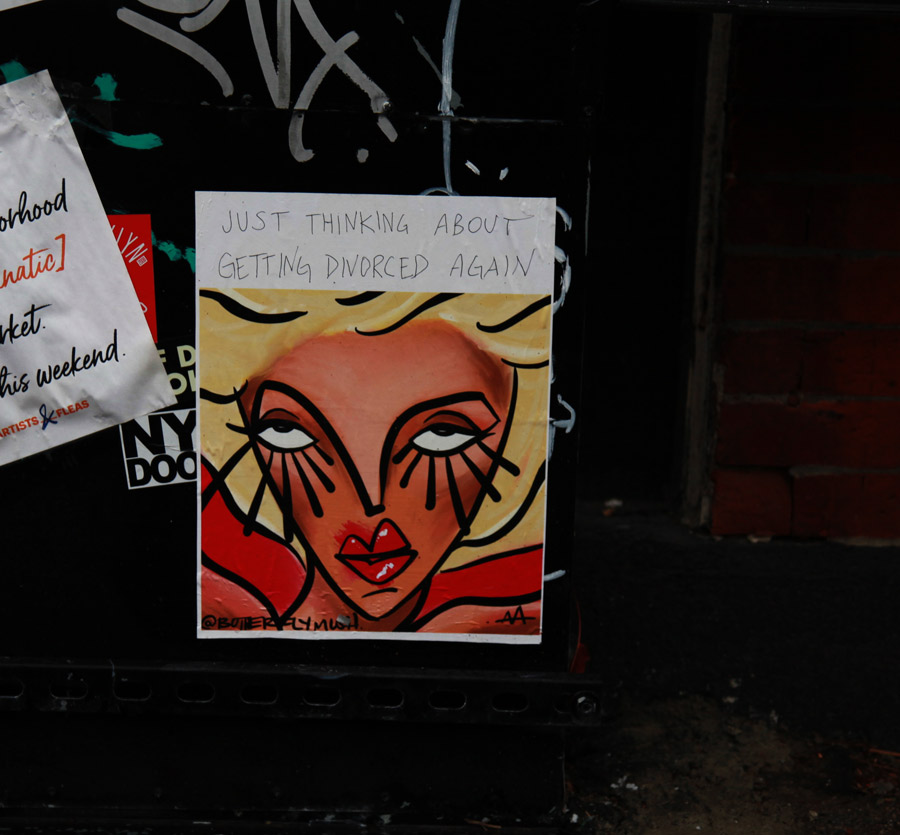
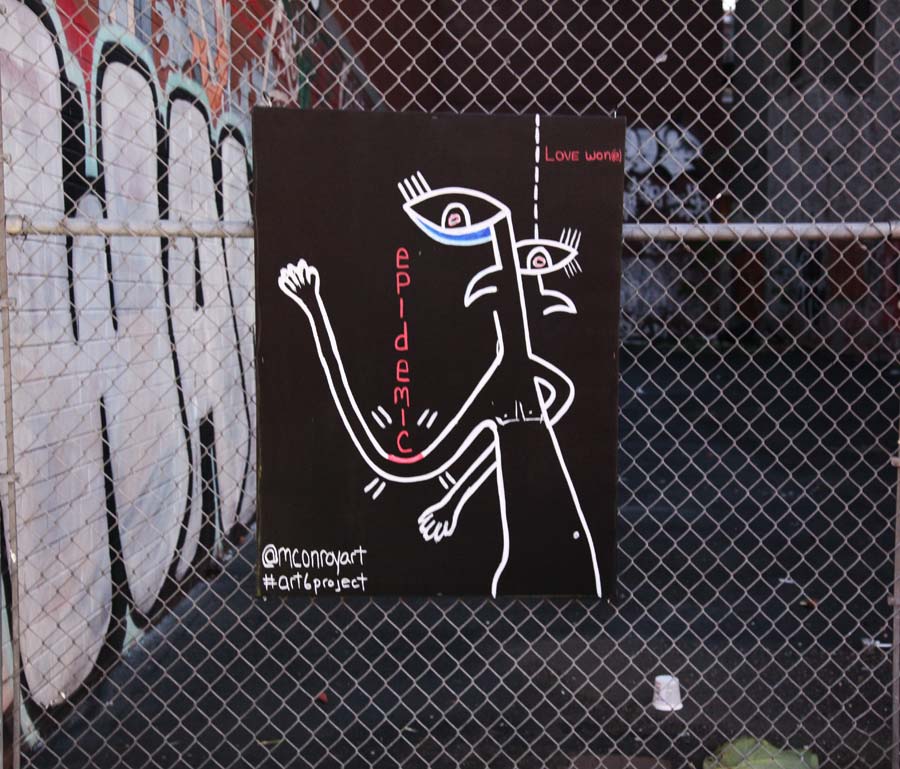
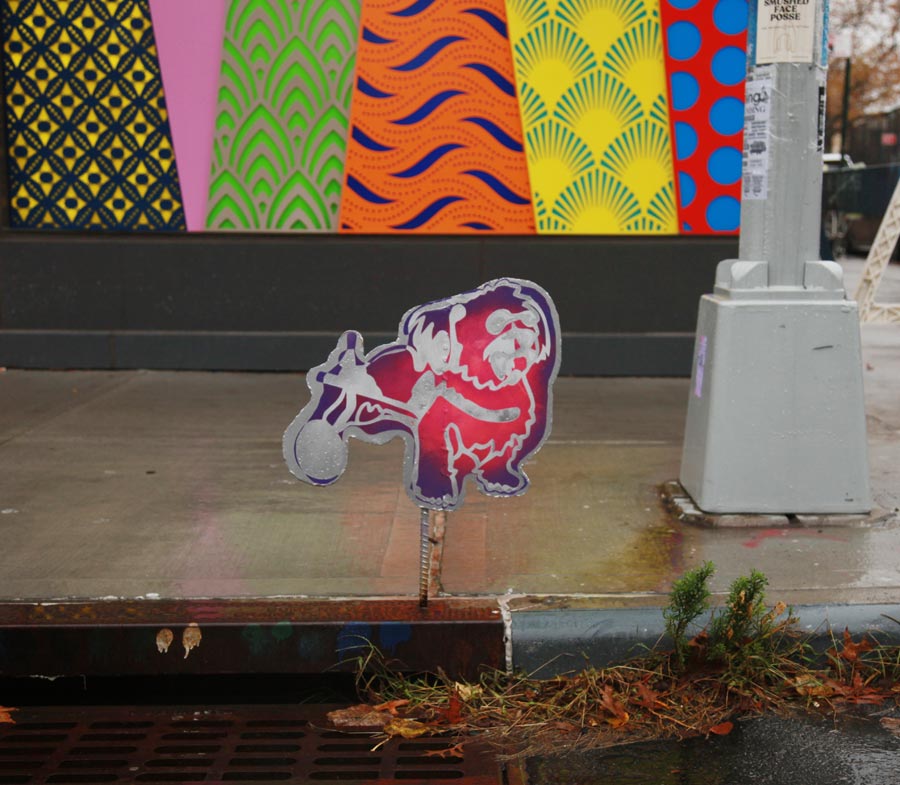
Here is our weekly interview with the streets, this week featuring Butterfly Mush, Dragon 99, Eye Sticker, Fours Crew, Graff Art Kings, HOACS, Invader, Michael Conroy, Mint & Serf, Mr. Can Do, No Sleep, Only Jesus NYC, Rawraffe, Roachi, Shniz, Shorty, Smells, and Surface of Beauty.
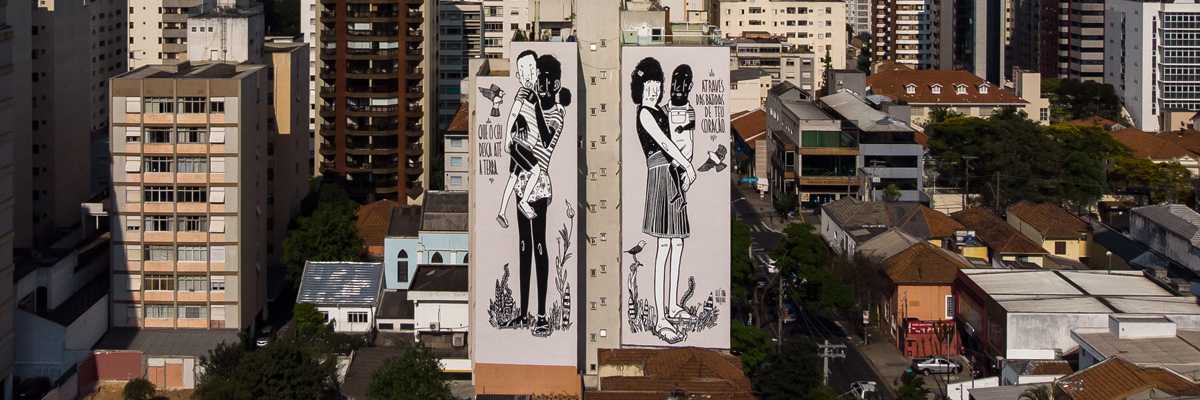
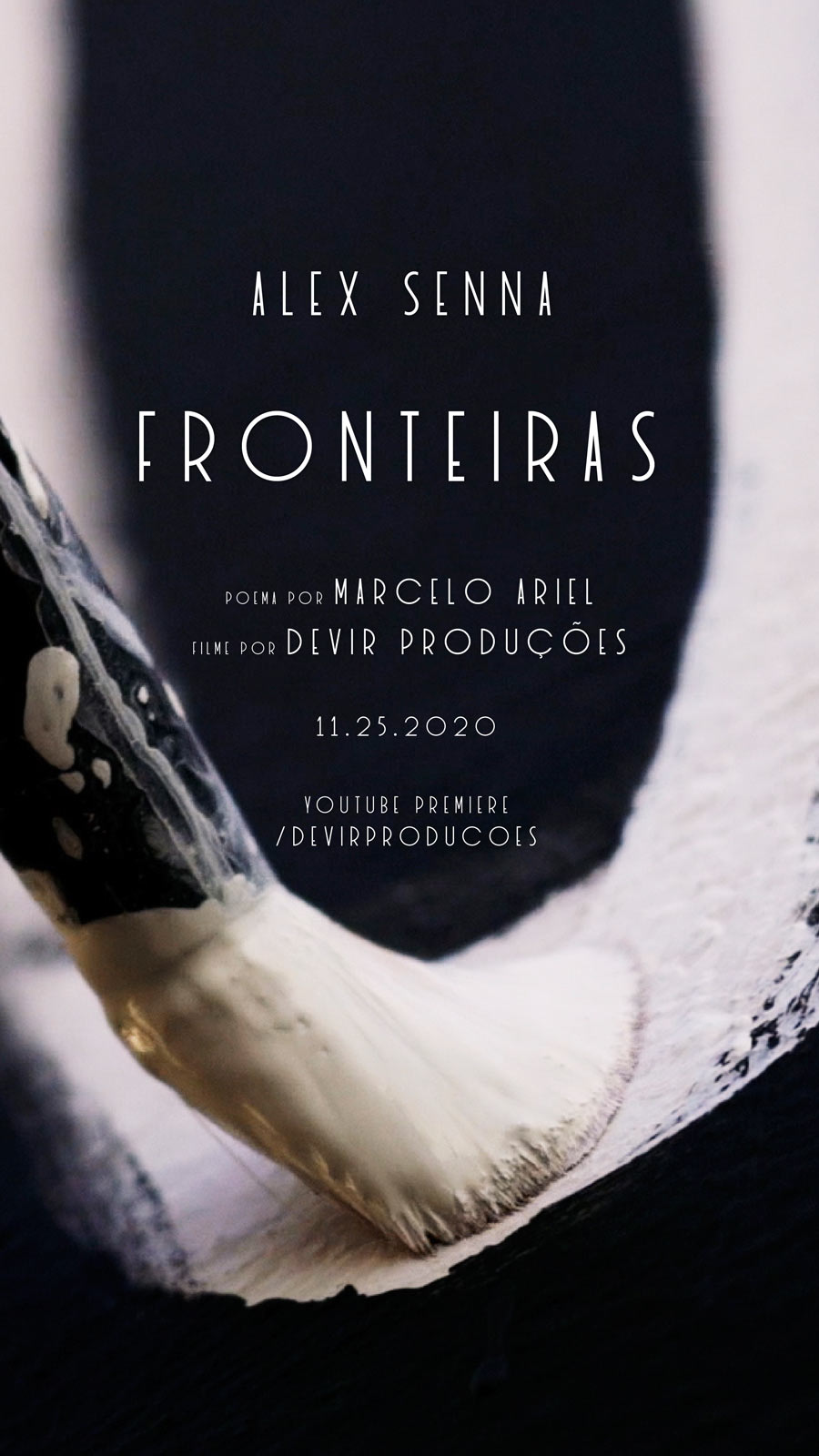
A quick heads up for a new video with Brazilian street artist and muralist Alex Senna and contemporary Brazilian poet Marcelo Ariel that will debut on November 25th. Any time street art collaborates with another form of expression, we have the opportunity to gain a new appreciation for it.
Alex Senna. Fronteiras. (photo courtesy of the artist)
While international capital flows freely, we discover that boundaries for people are still in place – often to confine and conform. These Fronteiras may be personal, political, or matters of the state.
We’re looking forward to seeing and hearing these two artists’ collaboration in the wake of Senna’s dual walls for the Nalata International Street Art Festival, which took place in São Paulo a couple of months ago. It is an idea germinated from poetry, translated in paint.
Our weekly focus on the moving image and art in the streets. And other oddities.
Now screening : 1. “Strength” from Pejac 2. Chant – Faith XVII 3. Spells, The Salton Sea – Faith XLVII 4. EDOARDO TRESOLDI, An Interview
BSA Special Feature: “Strength” from Pejac
Santander, Spain has suffered from COVID, of course, as has most of the country. Local street artist PEJAC says he wanted to contribute to his local hospital, the University Hospital Marqués de Valdecilla, by painting in public areas for people to enjoy. He says the common theme that unites the three distinctly different styles he used, is Strength.
“It’s a gesture of gratitude to the heath workers of Valdecilla, for their work in general and during this Covid crisis in particular,” says PEJAC
PEJAC / STRENGTH
FAITH XLVII / CHANT
Reliably enigmatic, street artist Faith XVII is using the medium of video to add impressions and associations to her works here on a text series called “Chant”. The irony of using the letter C that may call to mind Chase bank is drawn tighter as you see neighborhoods and walls probably redlined by corporate banks, or targeted for annihilation through neglect. In the context of our older societies, one may see in her work the power of chanting to focus a larger group to act in union with purpose, and power.
SPELLS / SALTON SEA / FAITH XLVII
60 miles south of Palm Springs, California, the Saltan Sea is disappearing, it’s shore moving miles in only a couple of decades, along with its population. Faith XVII is a Californian these days and she is here pondering the “beach” that remains, full of mercury, arsenic, selenium. California’s largest inland body of water now turns into dust, and Faith pours herself into the soil and the air that carries it; and the drought, well… How this translates to her art on the street or in the studio, it is in alignment with her ongoing concerns about climate change – and you can be sure this project will appear again in her work.
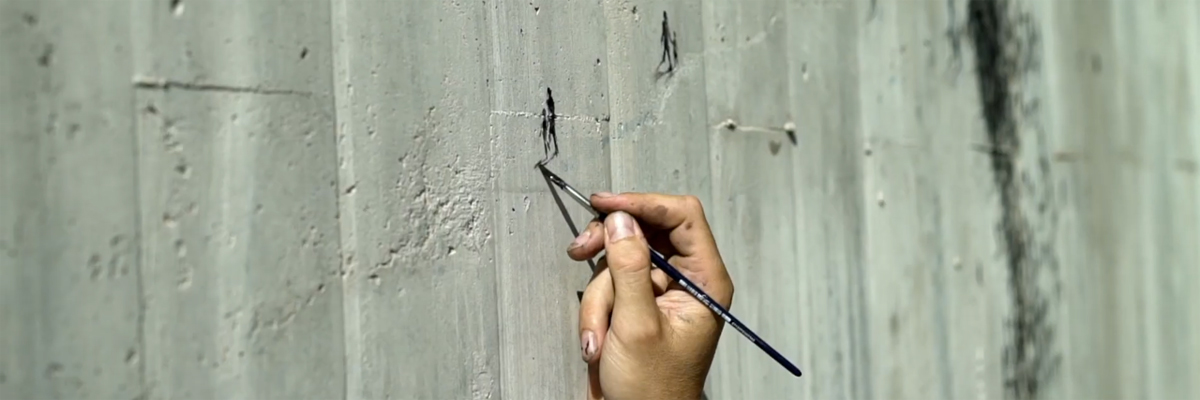
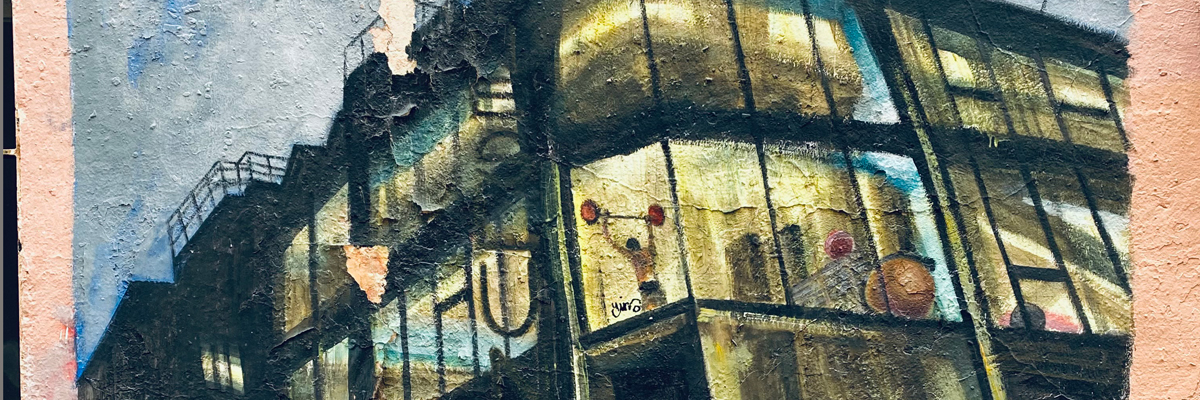
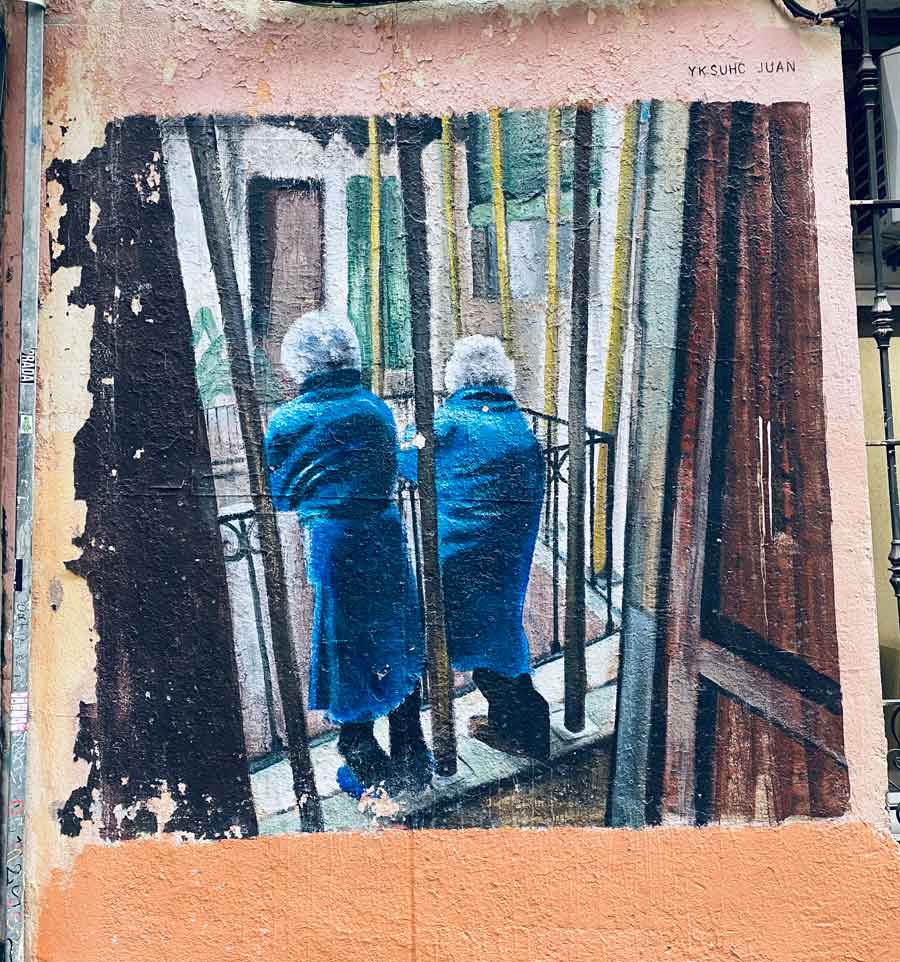
Juan Yksuhc is more oil-on-canvas than aerosol-on-steel, but he’s done the latter with the same fantastical figurative free-wheeling quotidian panache as the former. Rich tones and stretched torsos give way to static snapshots of real life, always rendered in a fevered fervor.
Here in Madrid his paintings are episodic and serially thematic, you may say. Photographer Ricardo Hernandez seeks them, warmed with curiosity at their formal classicism, their nonplussed aplomb and sometimes obvious symbolism. It’s a different kind of lengua de la calle.
Yksuhc in fact is not eager to be unpacked, preferring the graphic manifestation of a historical present to catch you in your moment, ready to walk into the world he’s just painted for you.
For example he tells us that this series “Centropelia” is an allusion to the conflicted realities bound within gentrification; as modern as it is historic with its themes of speculation, expulsion, and the spiraling economic violence of rent.
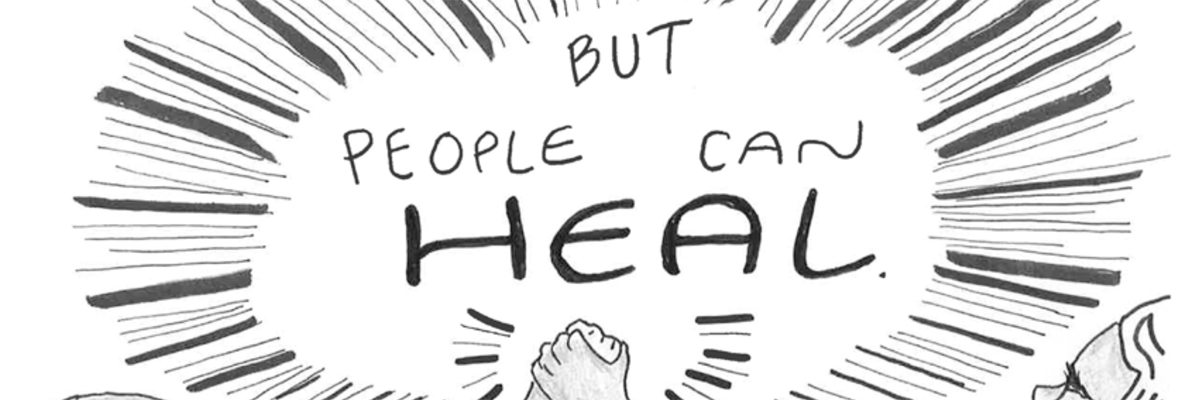
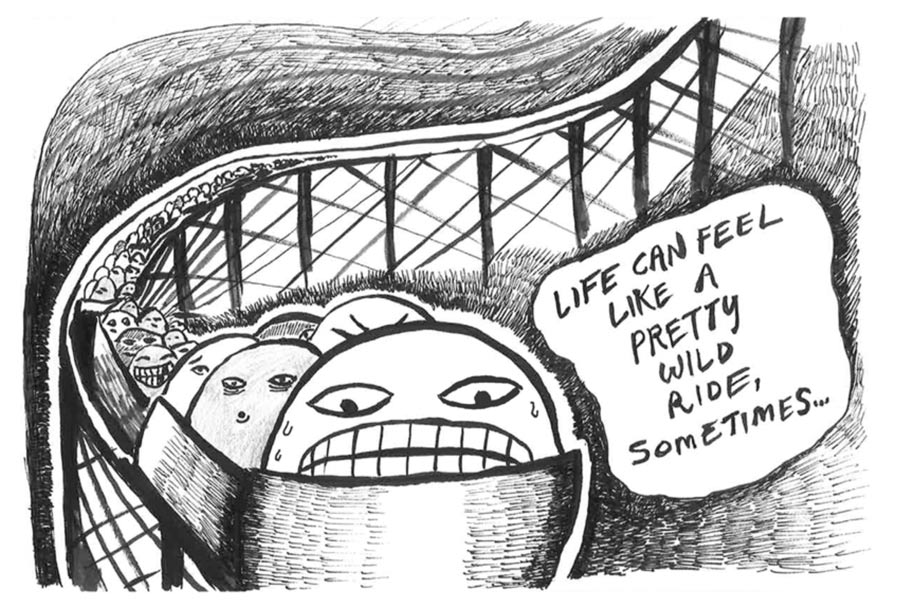
“When I first read Jessi’s zine I cried the kind of tears you cry when you feel seen and known in a loving way,” says New York street artist Swoon, who has made her own recovery from childhood trauma quietly and gently public in the last few years. An internal process of discovery that is central to her art practice, you may also discern related stories in the pieces she makes for the street.
Swoon is speaking of the second zine in a series we began this past Saturday – a zine that you can download for free. This one is about working with trauma that we or others in our lives have experienced. “It’s a beautiful book which speaks so simply and clearly to the condition of trauma, and to the footholds we can get in our everyday lives which will help us on our journey towards wholeness,” says Swoon.
She considers therapist and artist Jessi Rado to be one of those brave visionaries who is not afraid to “go there” and who uses their skills and their art to help people to heal. Using her workshops with The Million Person Project and Philly Mural Arts, Jessi has developed this very accessible booklet that may be helpful to you or somebody you care about. Working with the The Heliotrope Foundation and Swoon, we are proud to share it with you.
“Trauma and the question of how to heal from it has become a central part of my practice as an artist,” says Swoon. “What I have found over the years is that trauma is real, it’s not “just in our heads” and it can be healed from. There are many brave therapists at the frontlines of this field who are finding new ways to work through the nervous system and the mindful self to unravel the debilitating stress which holds people in destructive patterns of coping.”
So eager are we to rid ourselves of this year 2020, some of us are already laying plans for humanity in 2021.
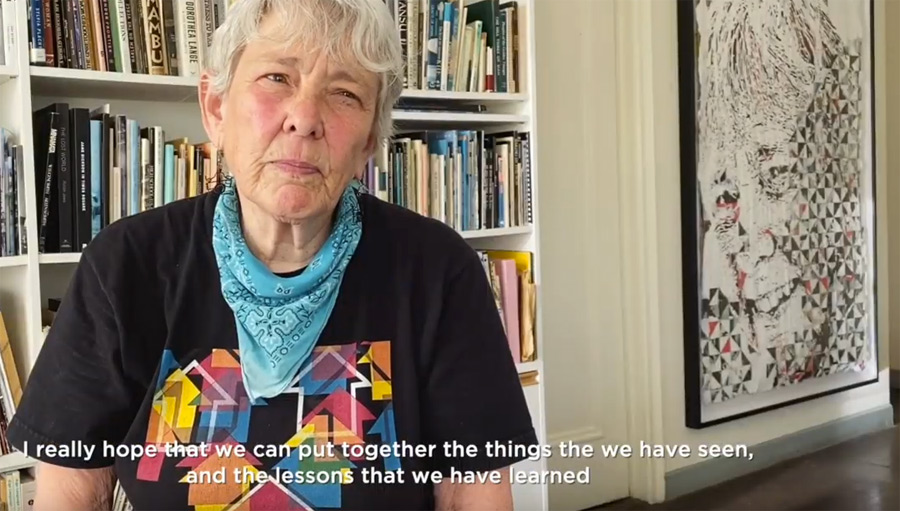
Martha Cooper in a still from video shot by Jaime Rojo for “The New Humanity” 2021.
“I really hope that we can put together the things that we have seen and the lessons that we have learned and work together so that we can achieve justice and equality for all,” says photographer Martha Cooper in this new video for “The New Humanity”, an art project by Lavazza for 2021.
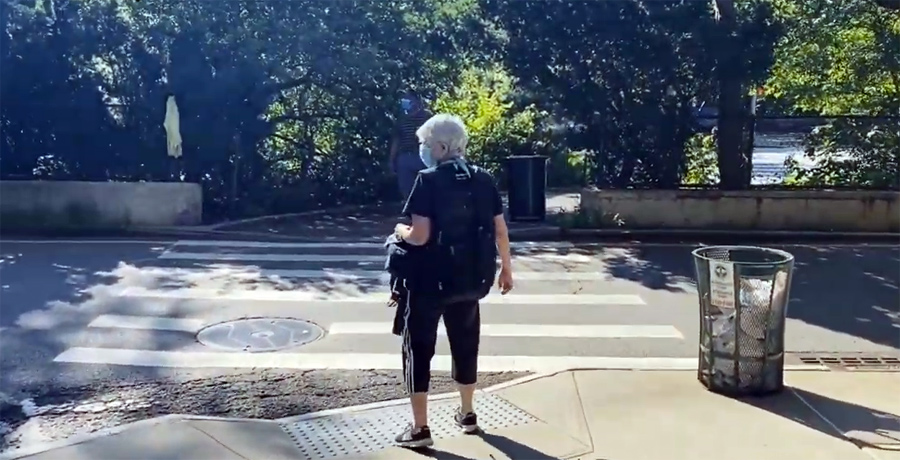
Martha Cooper in a still from video shot by Jaime Rojo for “The New Humanity” 2021.
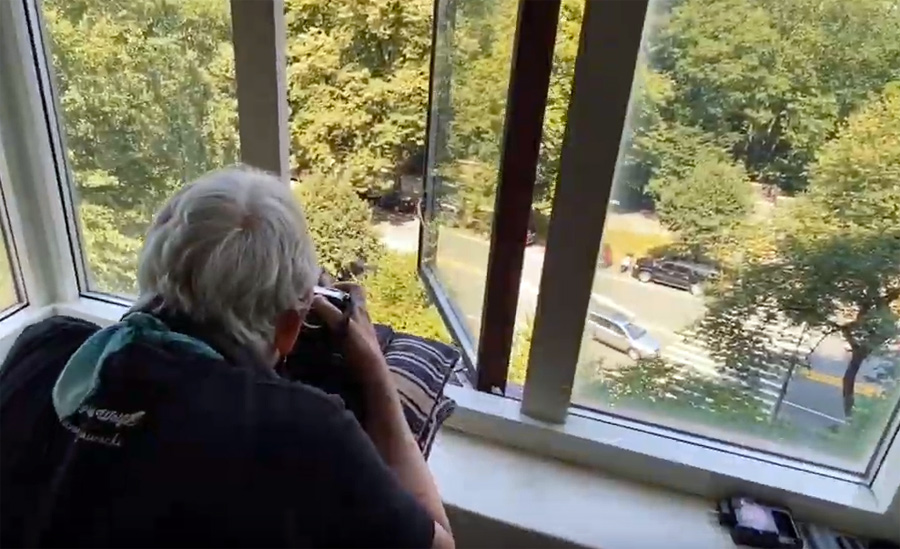
The video, shot by BSA’s Editor of Photography Jaime Rojo, follows Martha as she shows us the new project that she took on in response to being cooped up in her apartment this year.
Martha Cooper in a still from video shot by Jaime Rojo for “The New Humanity” 2021.
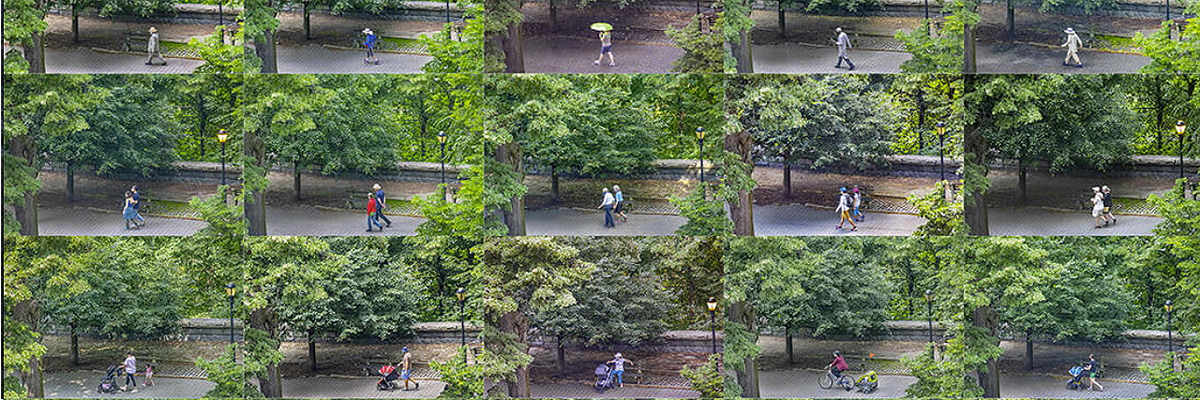
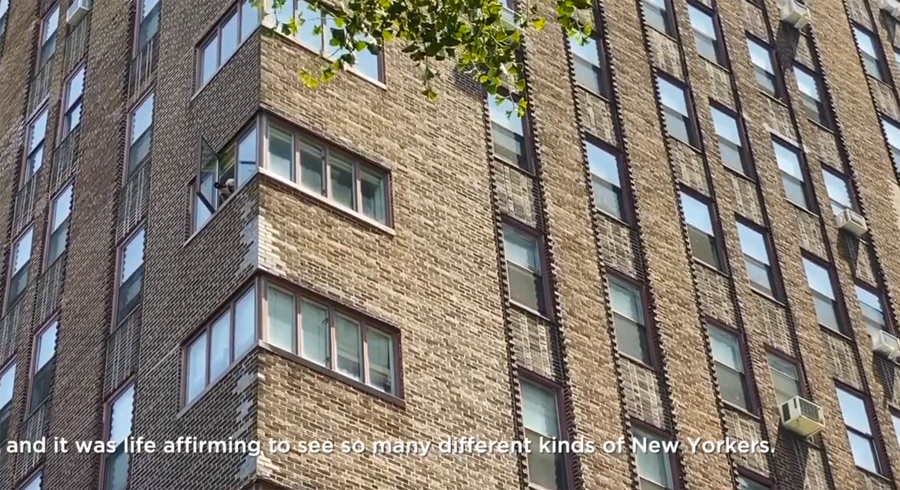
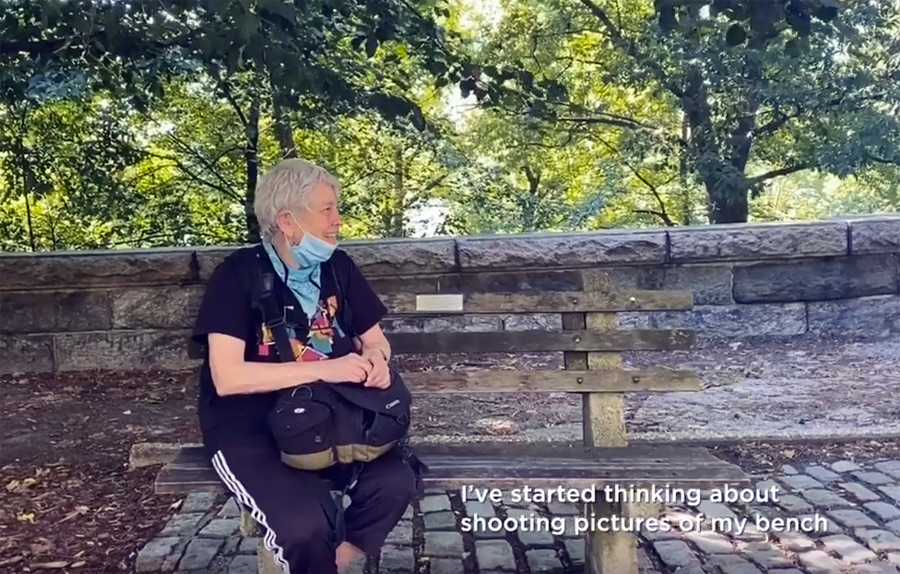
Shooting regularly out of her Upper West Side apartment window Martha captured thousands of people passing by a particular bench that she has officially adopted. The text on the placard is a joint effort by Cooper and Steve Harrington, the Editor in Chief of BSA, who proposed a few options for it at Martha’s request in the summer of 2018.
Martha Cooper in a still from video shot by Jaime Rojo for “The New Humanity” 2021.
Ultimately, she liked Steve’s “writer’s bench” idea, since it is a graffiti term and Martha’s well regarded for her preservation of graffiti culture history with her photography. Together they tailored her selection to its current form on a plaque which many New Yorkers have strolled in front of, sat upon, eaten lunch next to, and spent peaceful summer moments of golden slumber beneath.
“A writer’s bench of my own, a place to plan more adventures as I gaze upward to the windows of this captivating city.”
Martha Cooper in a still from video shot by Jaime Rojo for “The New Humanity” 2021.
In “The New Humanity 2021” calendar 13 photographers present their take on a possible vision the theme, each expressing their personal viewpoints and styles. Included along with Cooper are David LaChapelle, Simone Bramante, Martin Schoeller, Ami Vitale, Christy Lee Rogers, Steve McCurry, Joey L., Carolyn Drake, Denis Rouvre, Eugenio Recuenco, Charlie Davoli, and TOILETPAPER.
Alongside and in addition, there are 6 cultural “ambassadors” in the campaign – our personal favorite is true New York activist, performer, and poet Patti Smith. Don’t miss her performance of “Because the Night” that will send chills down your spine.
To see more about Martha and the whole campaign, check out
An overview of the New Humanity 2021 / Lavazza Calendar.
80 years ago the great actor and philosopher Charlie Chaplin delivered a “Final Speech” in the movie The Great Dictator. The words are so appropriate to our time that the speech could have been written today, as we slip into the Greater Depression and a rise of fascism in many corners of the world. We only hope we will find and retain our humanity again.
Editor note: Lavazza is not an advertiser with BSA, although Jaime did enjoy shooting video of Martha for her contribution to their campaign.
 BROOKLYN STREET ART LOVES YOU MORE EVERY DAY