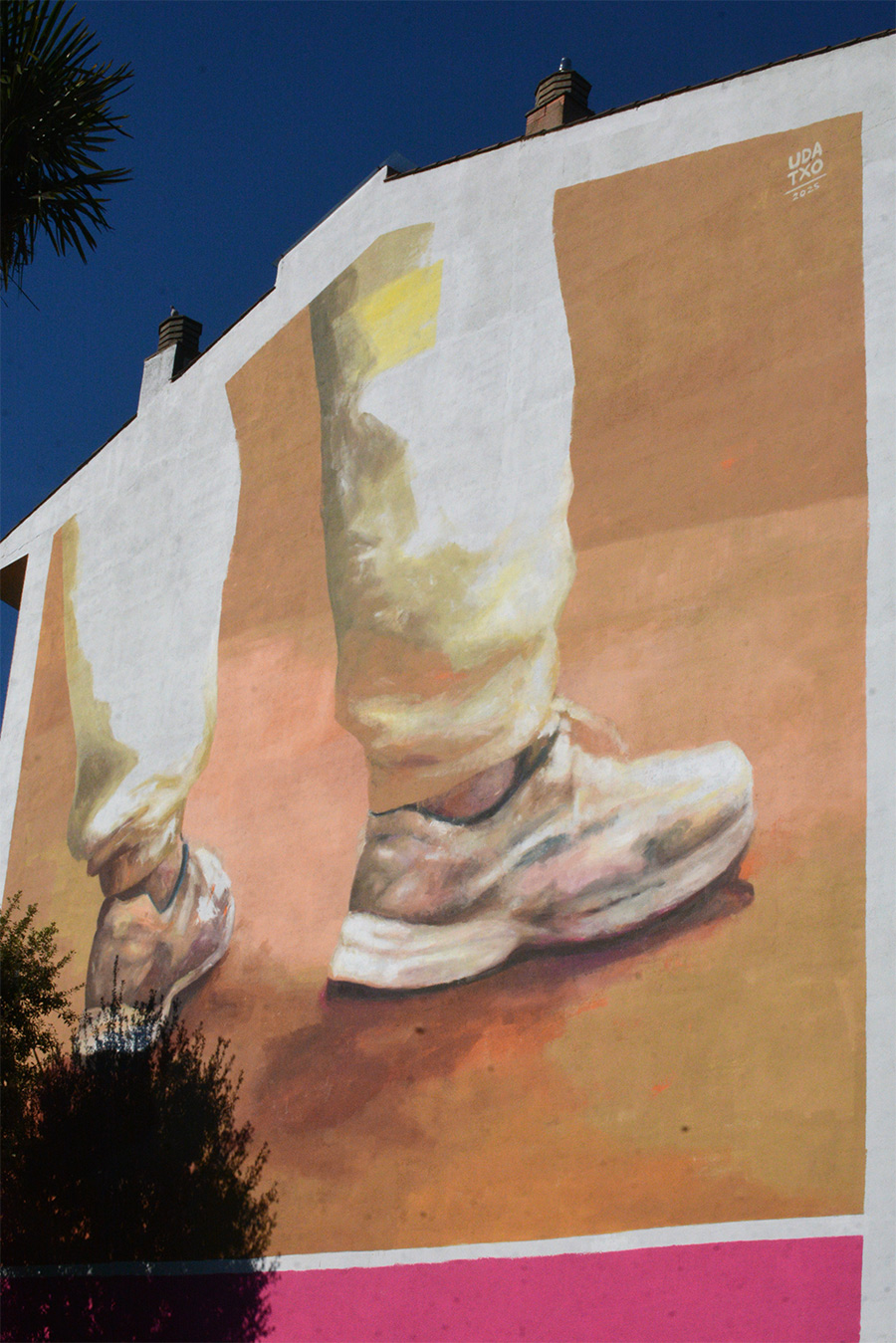
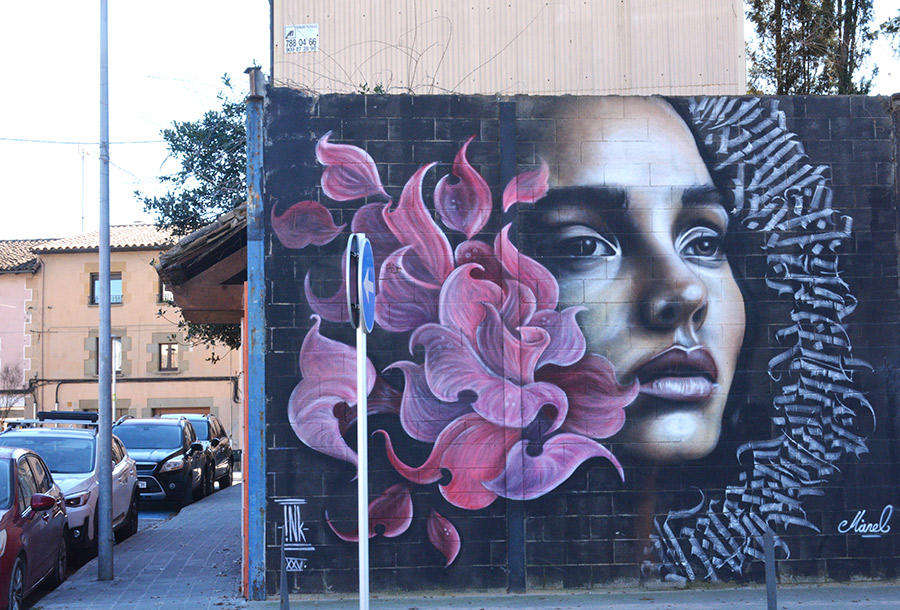
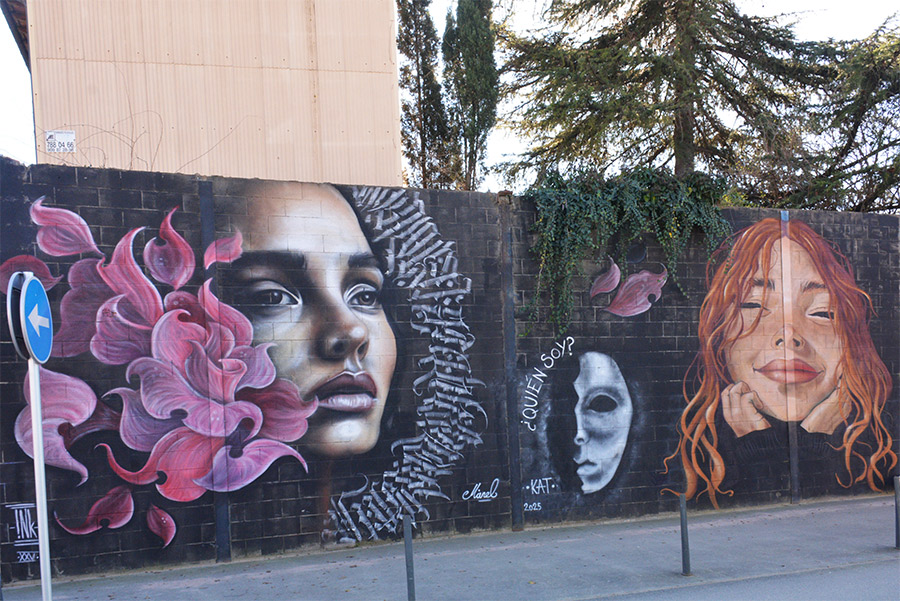
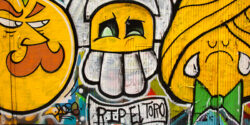
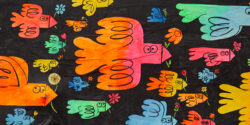
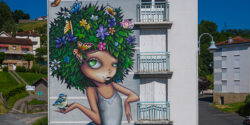
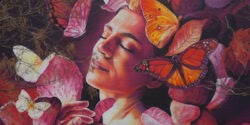
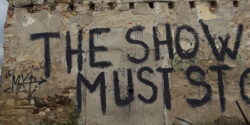
Today, we travel to a community in Spain that knows how to nurture its connections, celebrate its culture, and recognize the value of art in the streets.
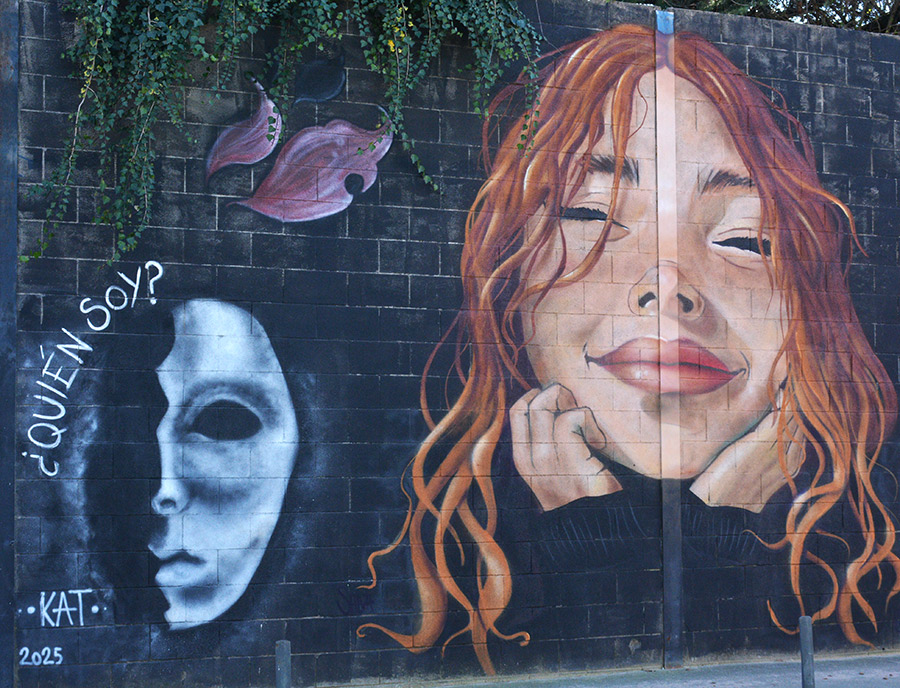
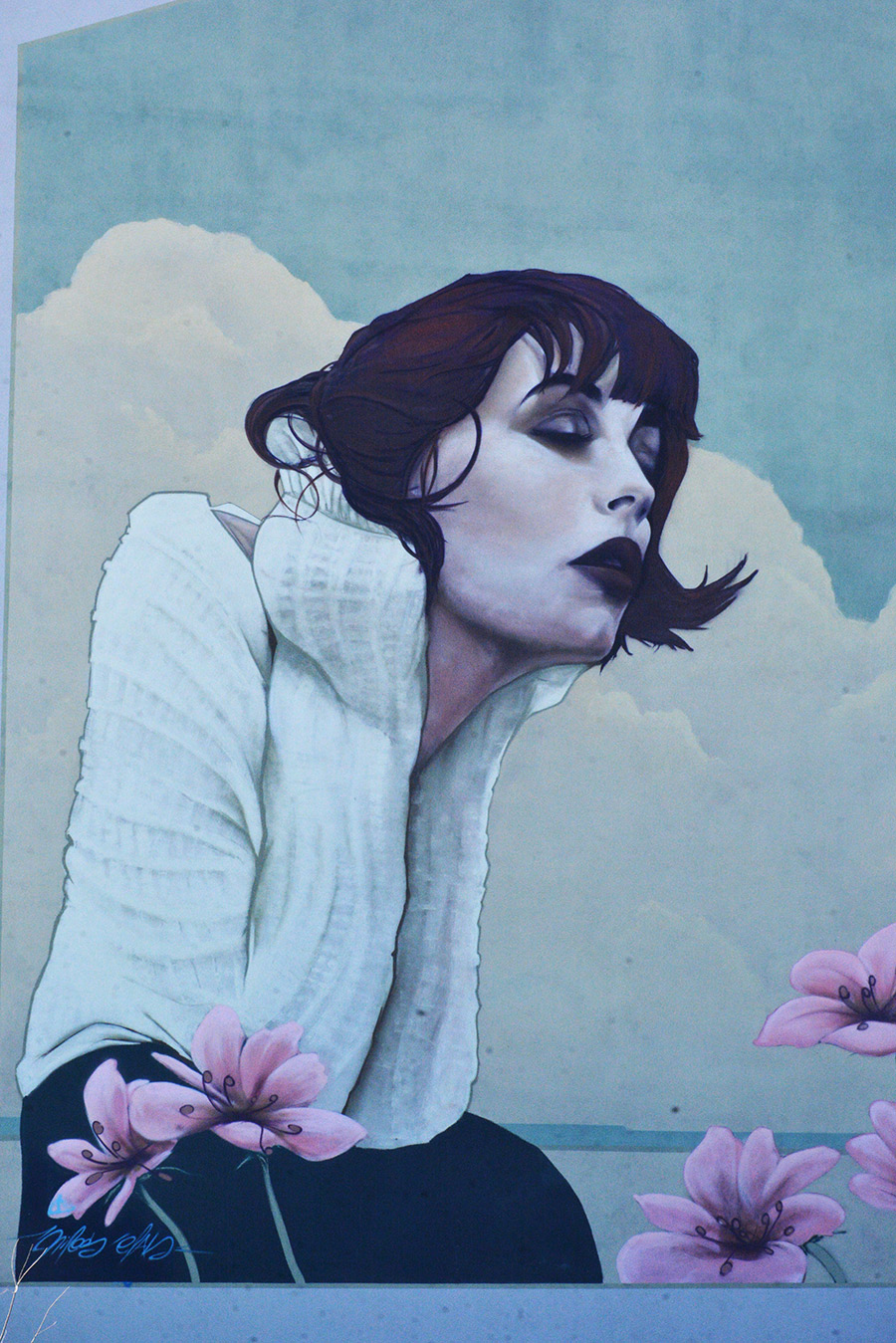
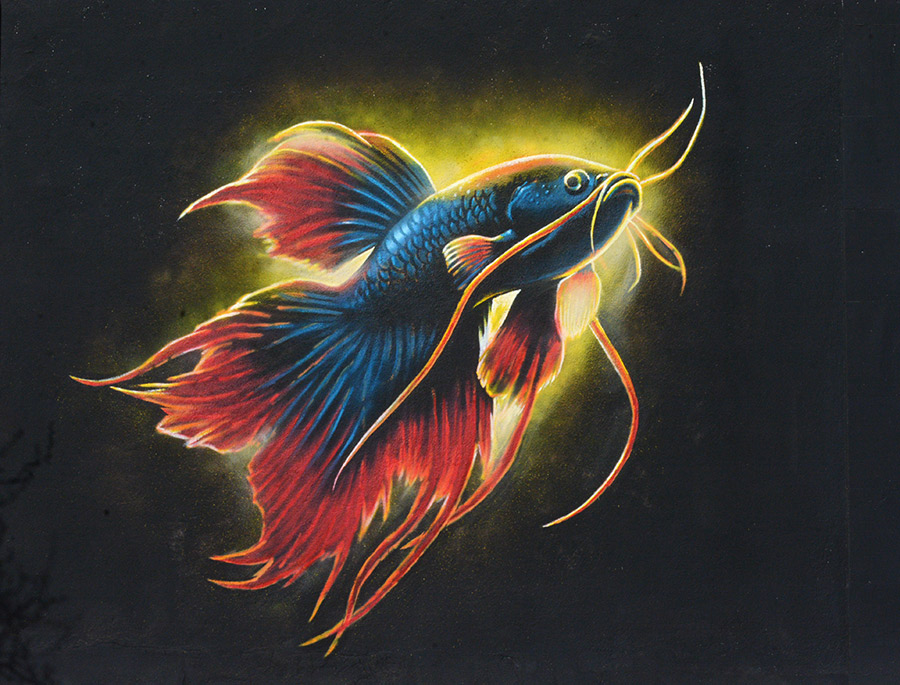
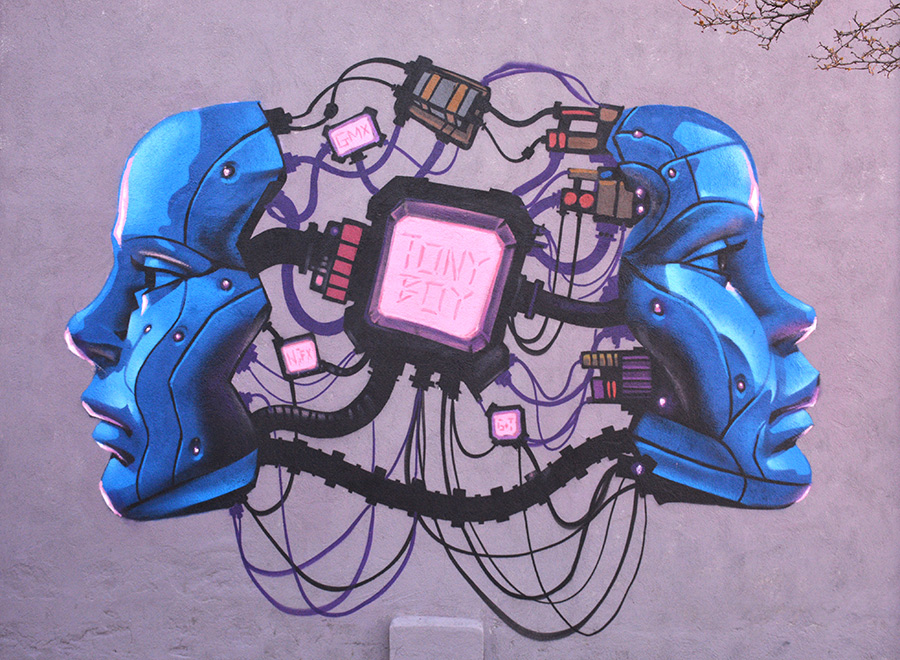
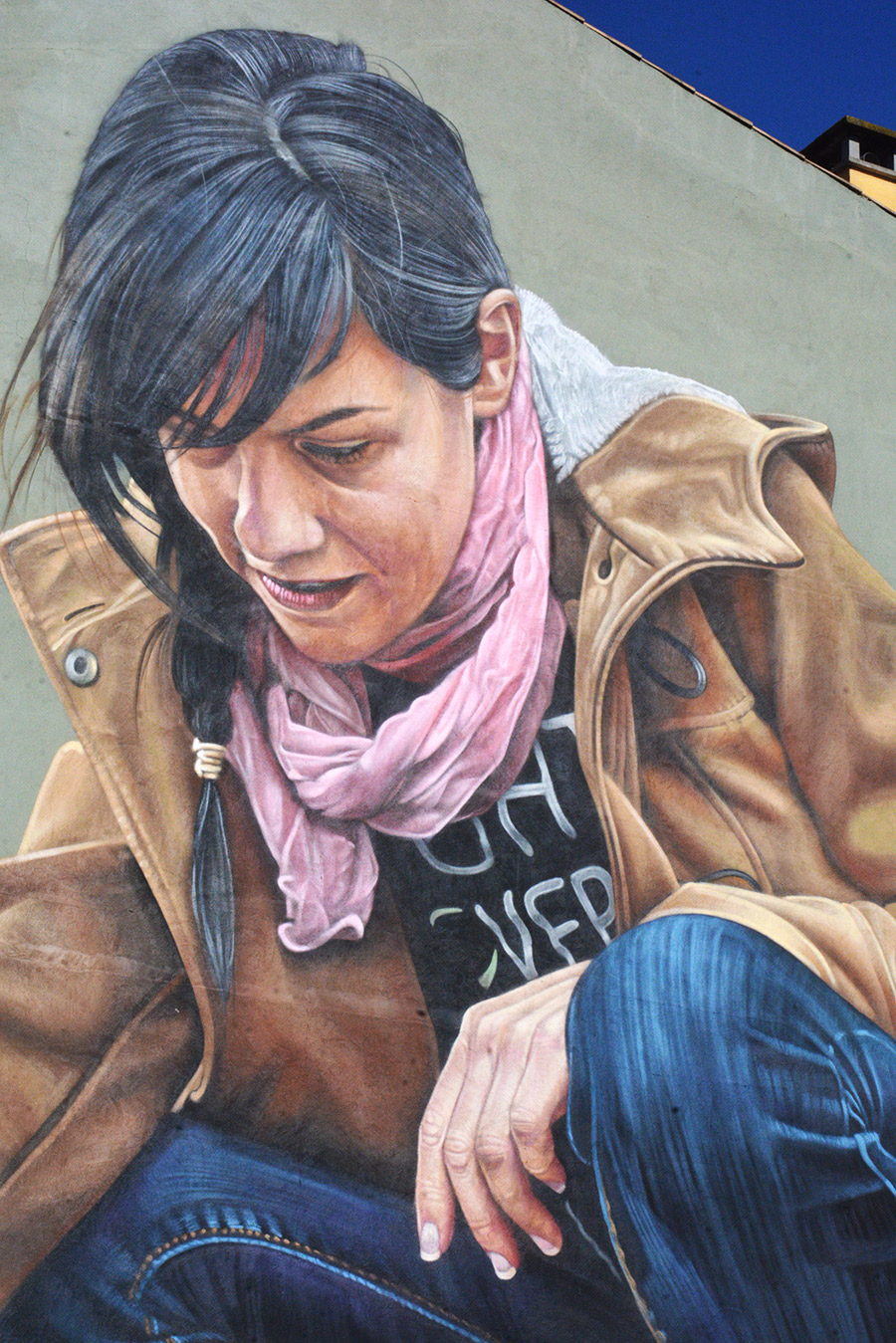
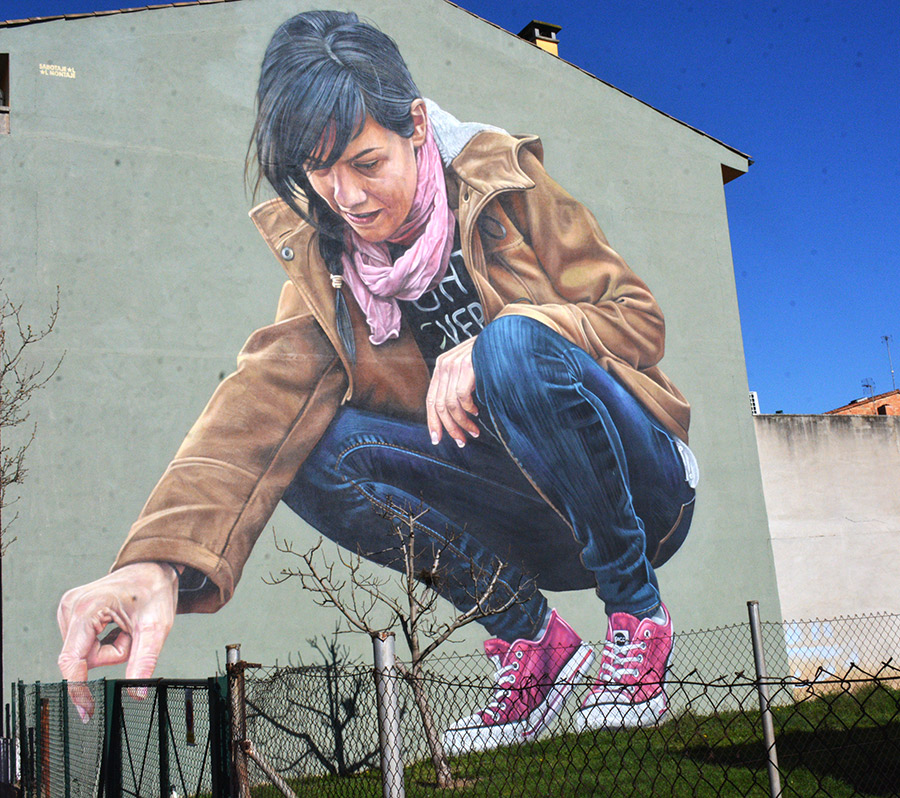
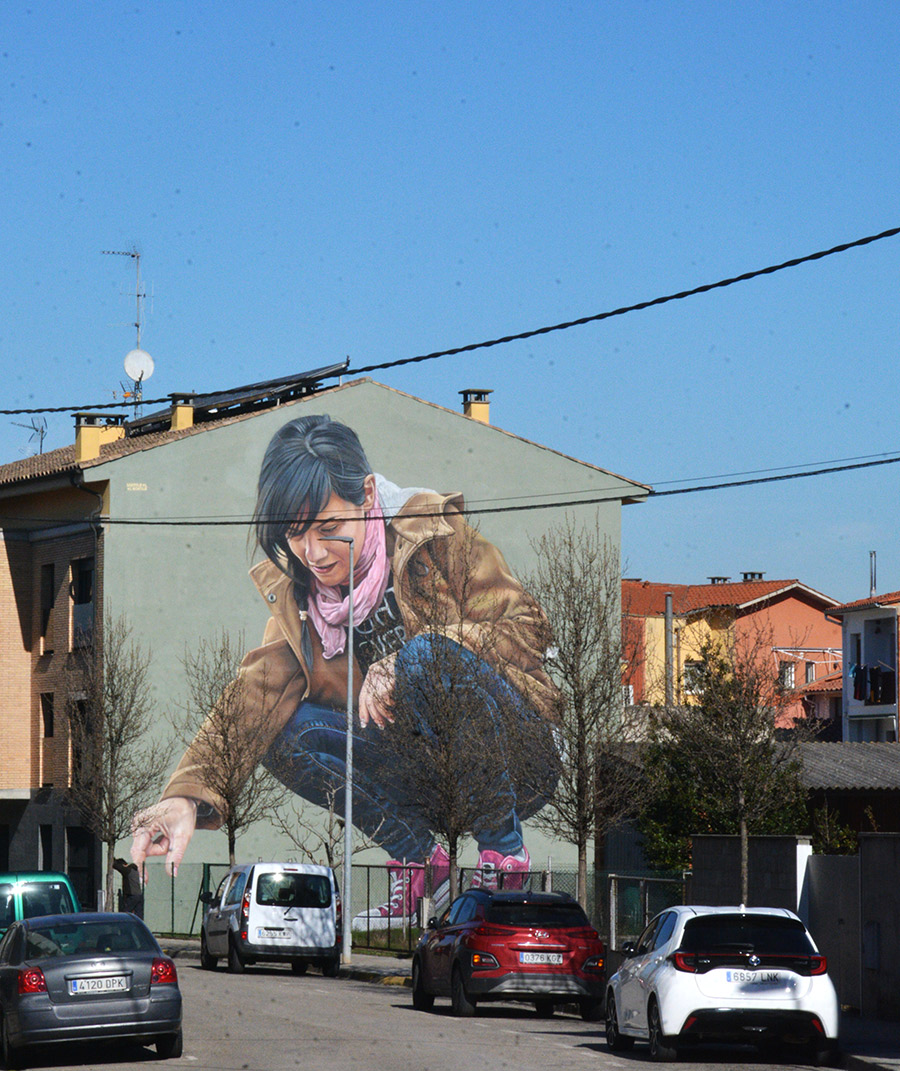
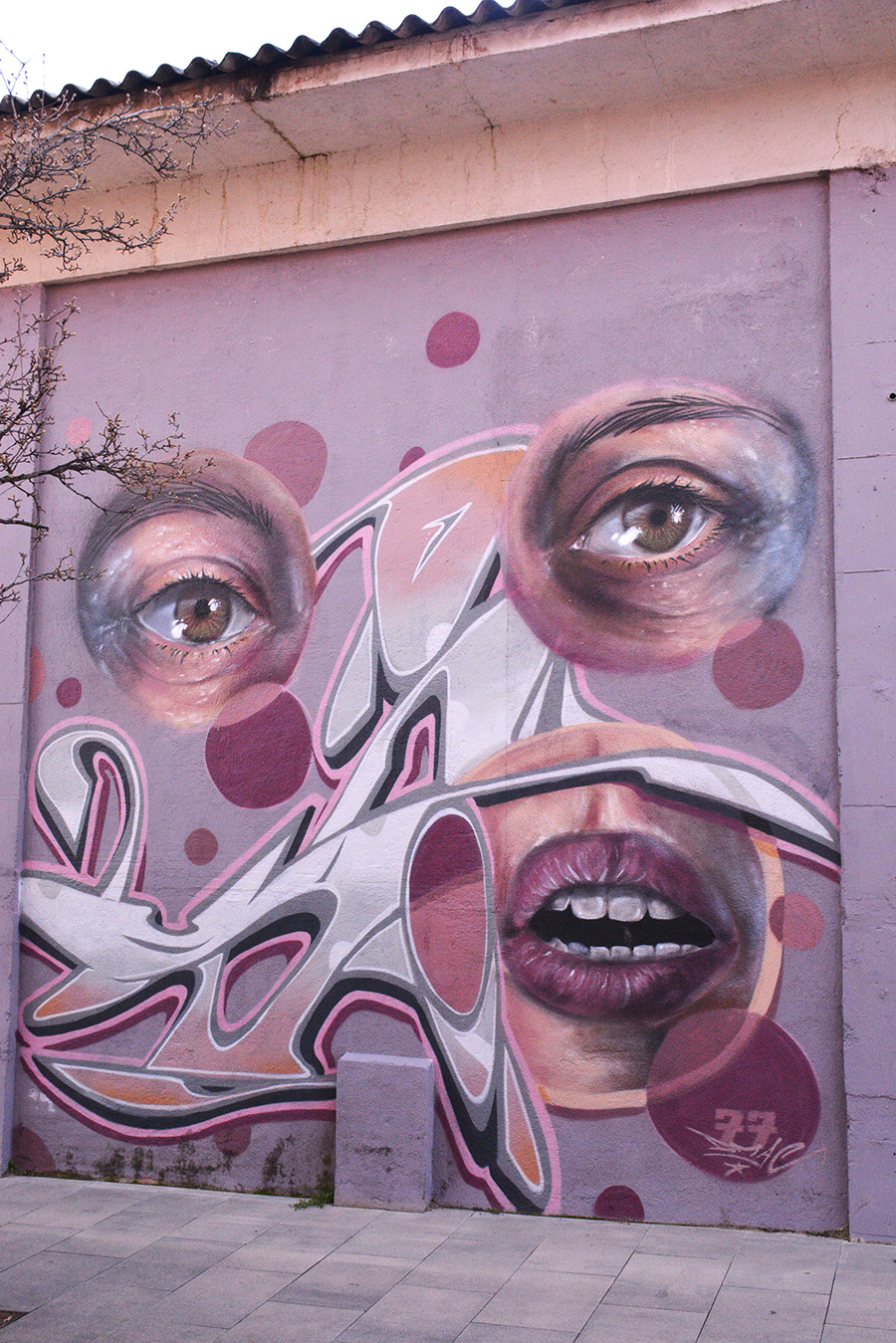
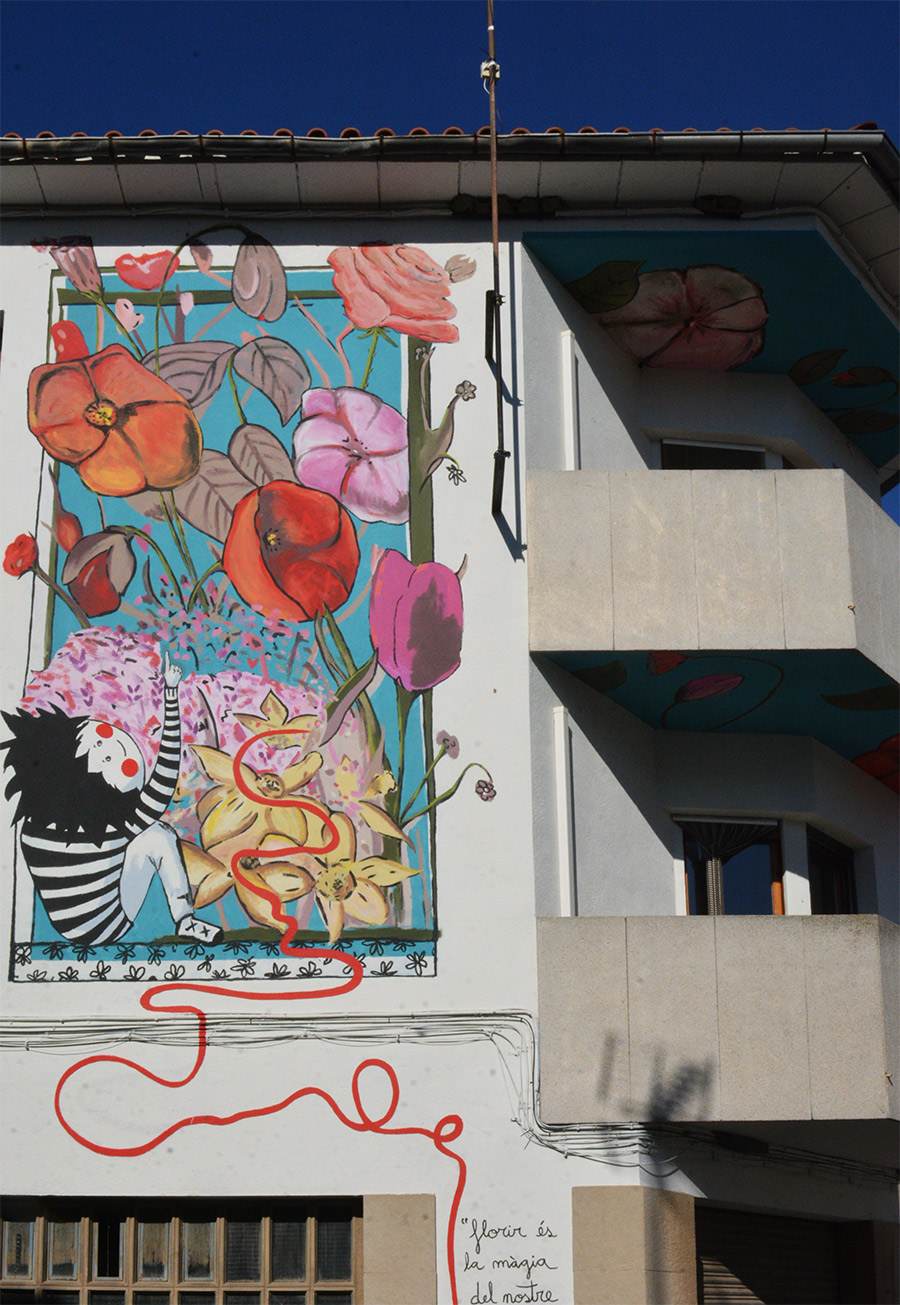
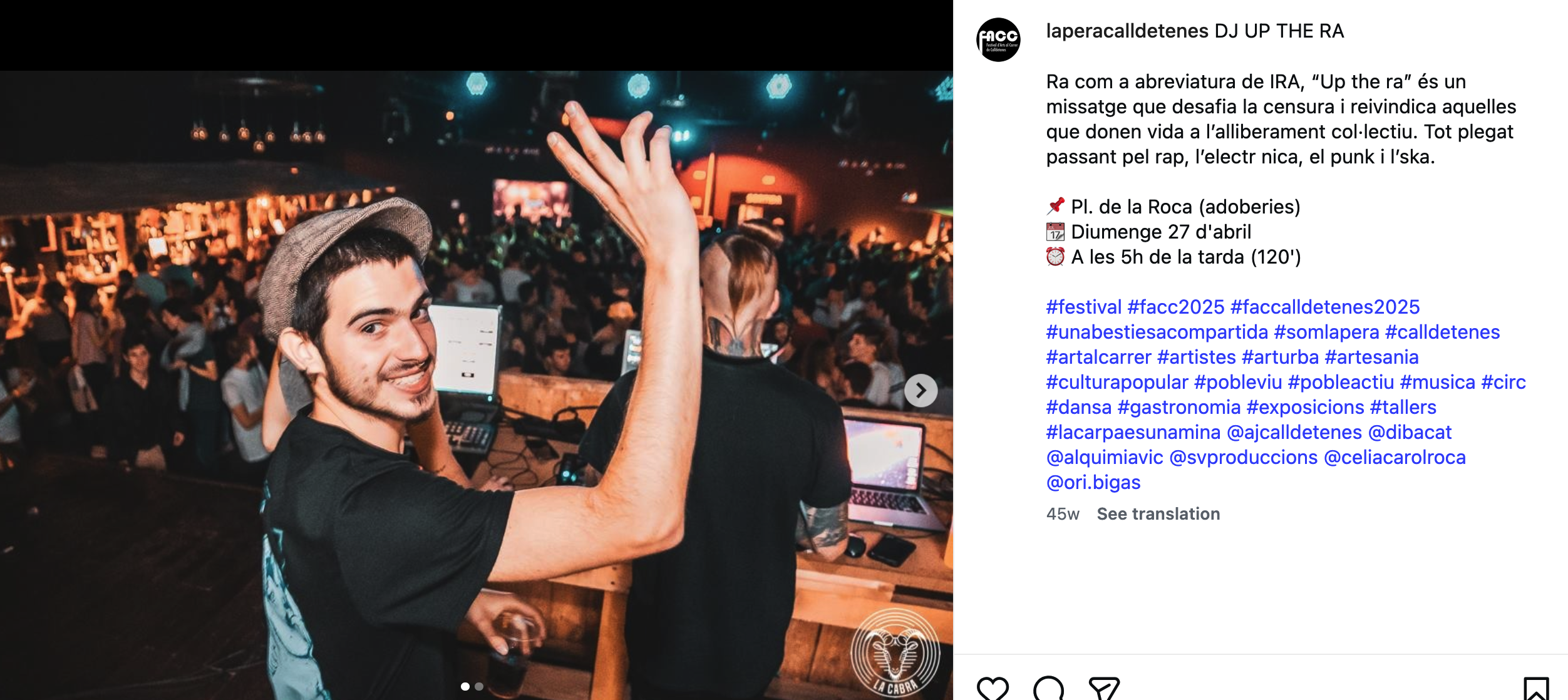
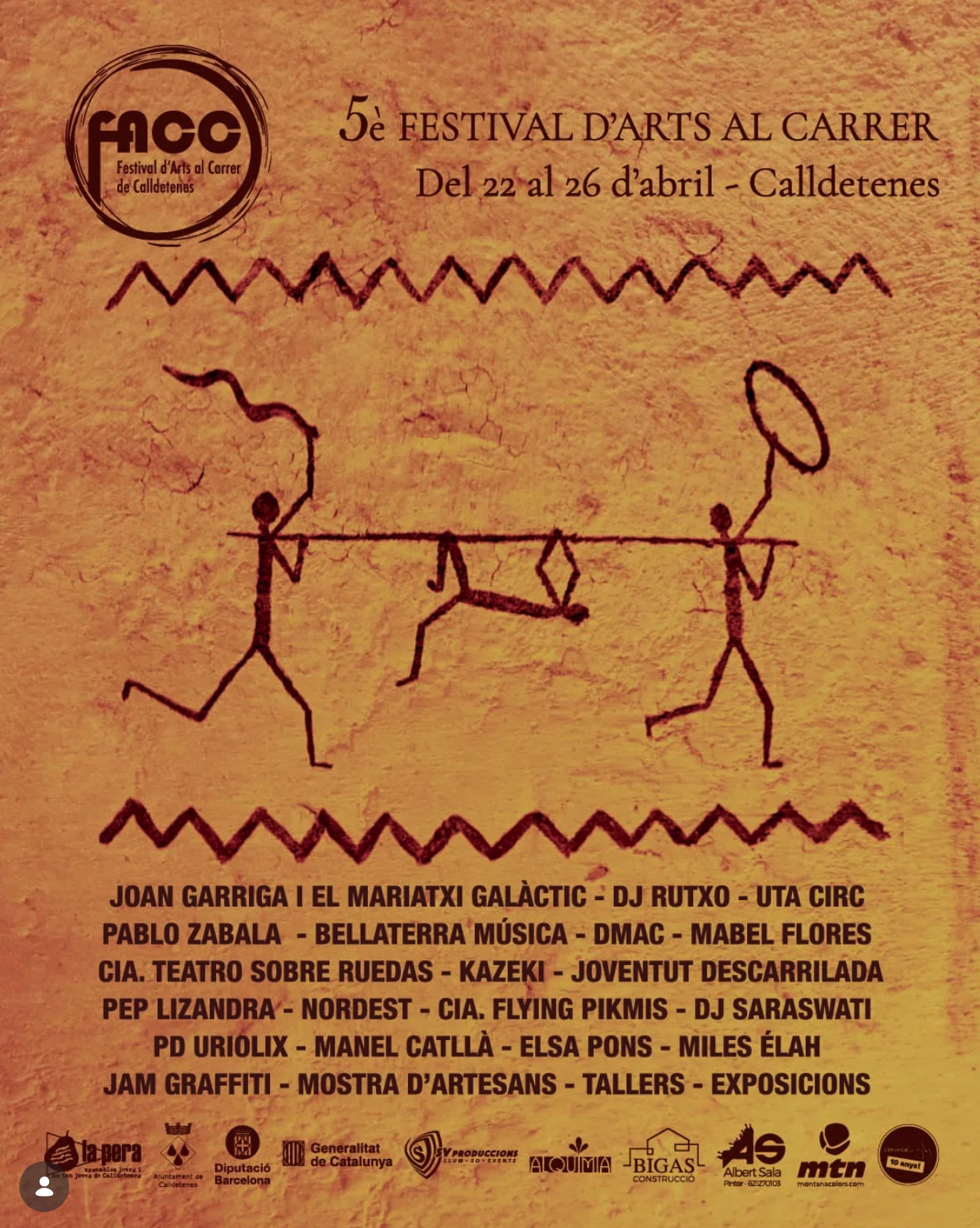
In the small Catalan town of Calldetenes, just outside Vic in the comarca of Osona, about 40 minutes from Barcelona, the FACC – Festival d’Arts al Carrer de Calldetenes (FACC) turns quiet streets and village façades into a stage for contemporary urban culture. With figurative, hyperrealistic, illustrative, abstract, and graffiti/calligraphic lettering styles, it reflects many of the street art and mural movements one may see in large cities across Europe and the world. Nonetheless, this spirit is clearly local in flavor.
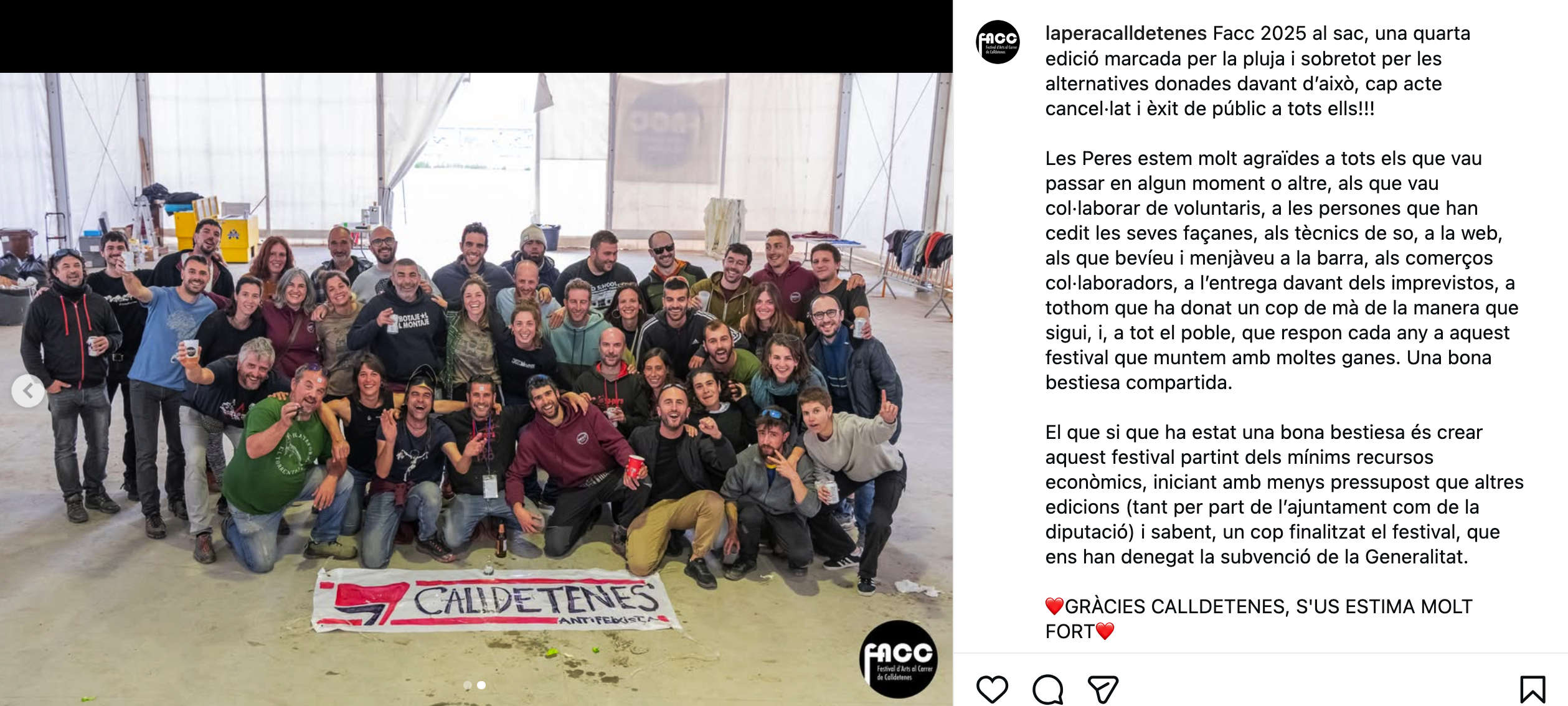
With a population of only a few thousand, the town embraces the idea that art belongs in everyday life, and during the week of Sant Jordi (April 23)—the beloved Catalan celebration of books, roses, and cultural pride—the festival brings murals, music, performance, and community life together in a compact, energetic program. Organized by a local nonprofit association founded in 2005 to “bring life to the village,” the festival is supported through a hybrid of municipal backing, regional cultural support, and private partners, while a core team of volunteers—neighbors, families, and friends—help build a new edition each year from the ground up.
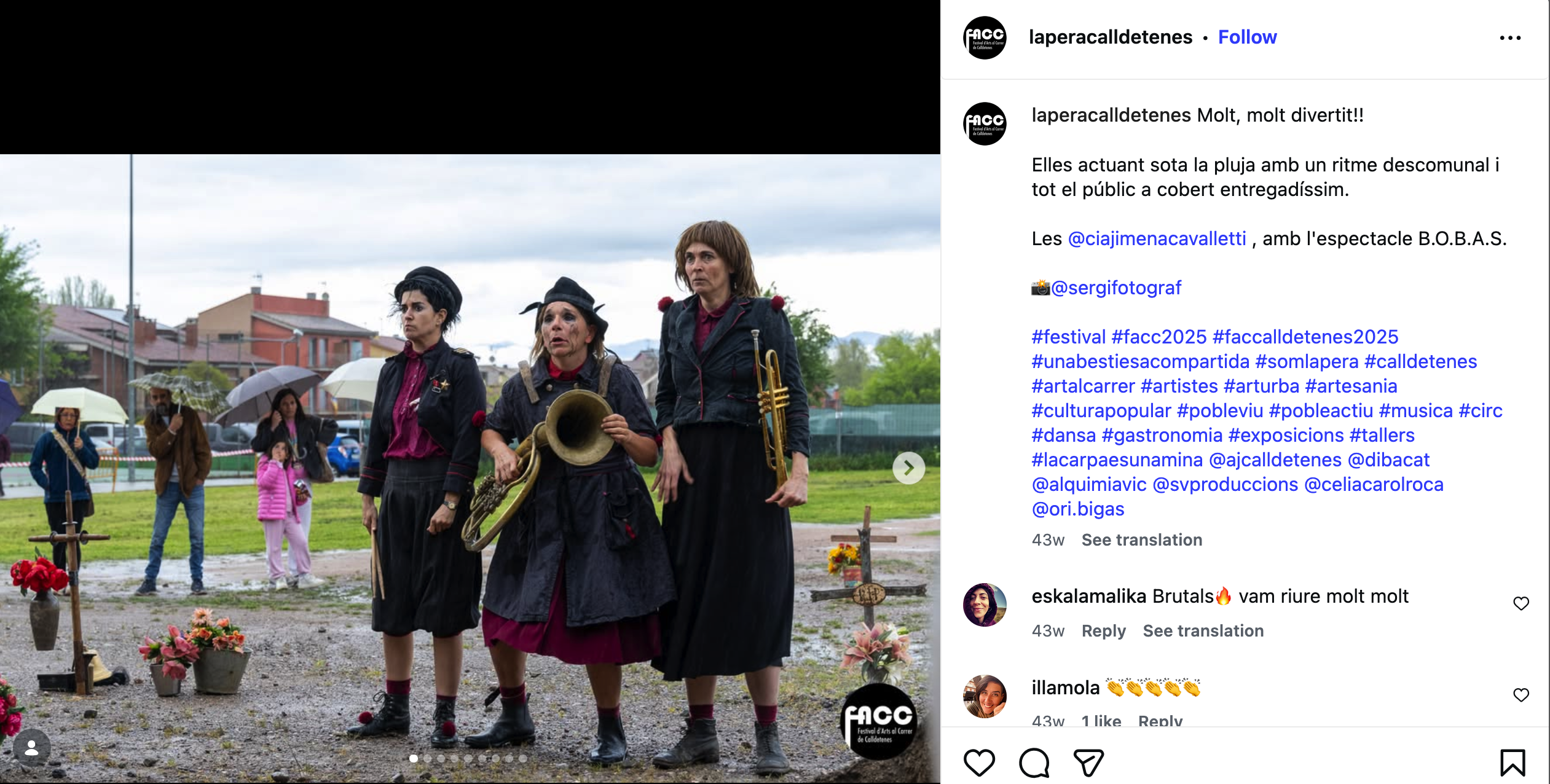
Murals are central to the project, with invited artists painting large-scale works on village façades while a jam session encourages additional painters to work side by side in a more spontaneous format. But FACC is broader than a mural festival. Throughout the main festival week, the streets host circus performers, theater pieces, poetry readings, DJs, concerts, dance, and community gatherings, collectively reflecting the festival’s aim to make art accessible as a shared civic experience.
The tone is proudly local and distinctly Catalan. The organizers speak of “acostar l’art a la gent”—literally “bringing art closer to the people”—and the festival itself embodies the phrase “fer poble,” a Catalan expression meaning to strengthen the life of the village through collective participation.
Language and identity run through the event. Catalan dominates the program and communication, reflecting a culture that values community and creative expression. The festival has become a point of pride for residents who see street art not as an imported spectacle but as something that grows naturally from village life. The murals become both cultural exchange and neighborhood conversation. The town is excitedly anticipating the latest edition this April.
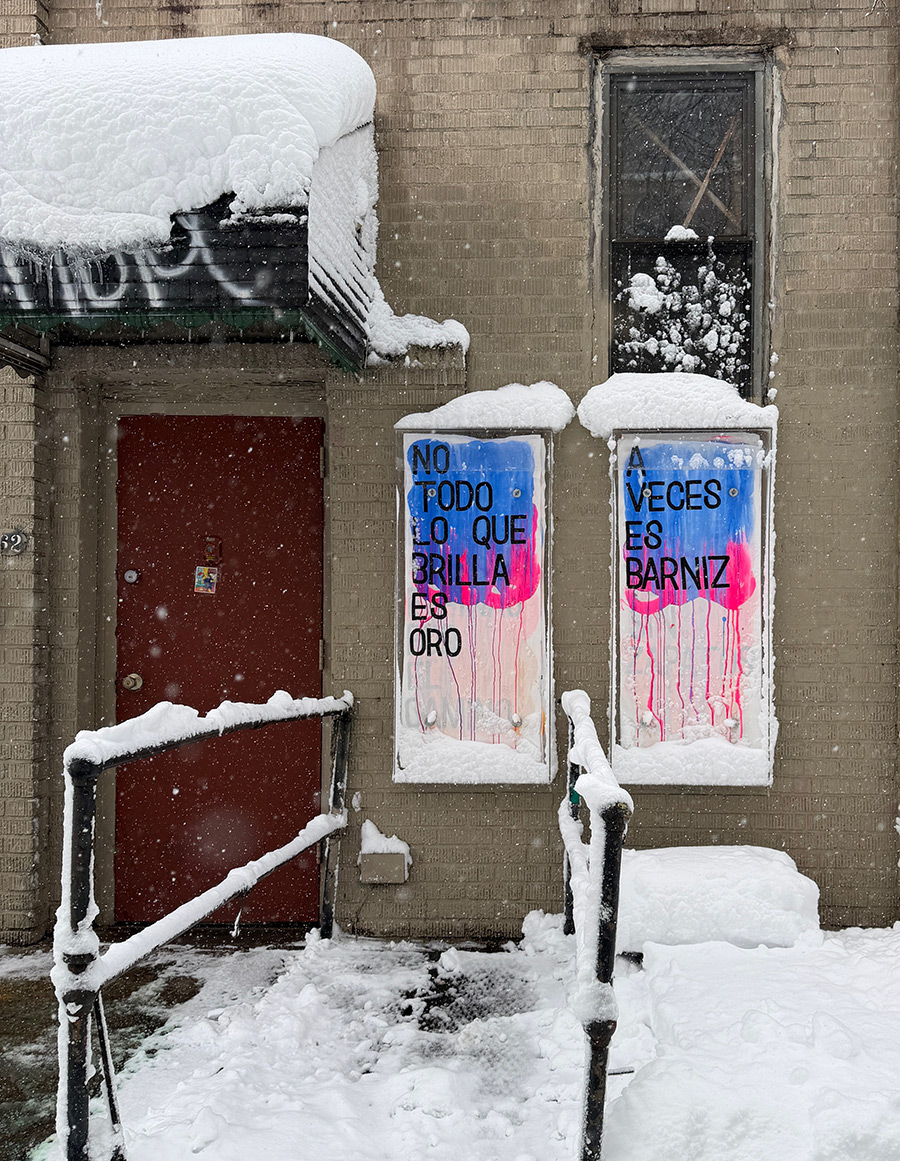
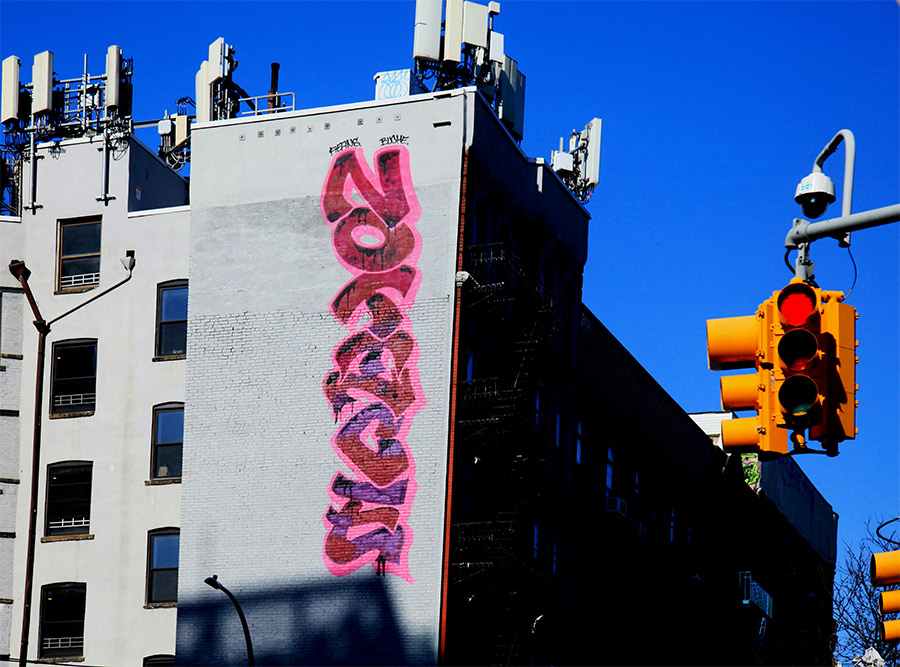
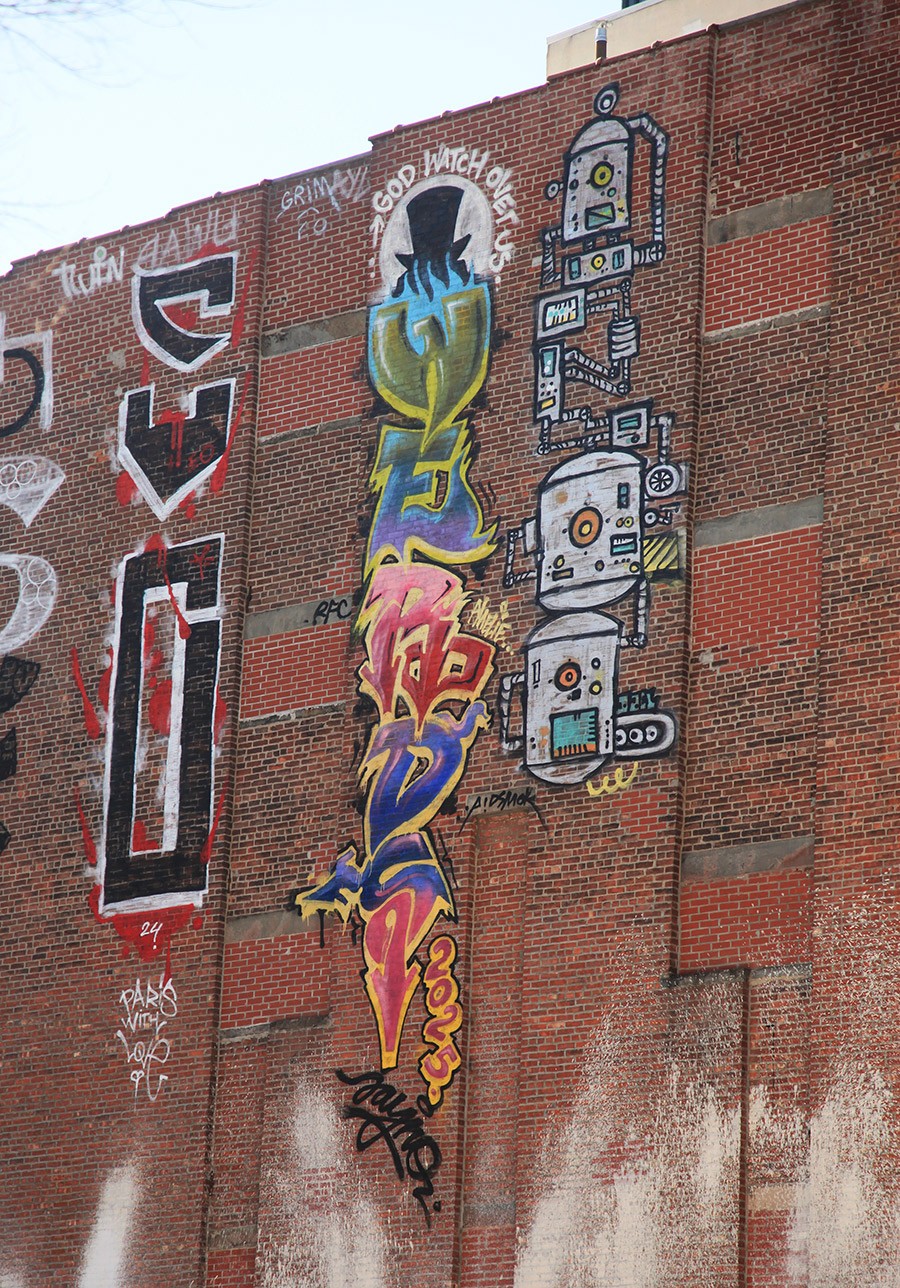
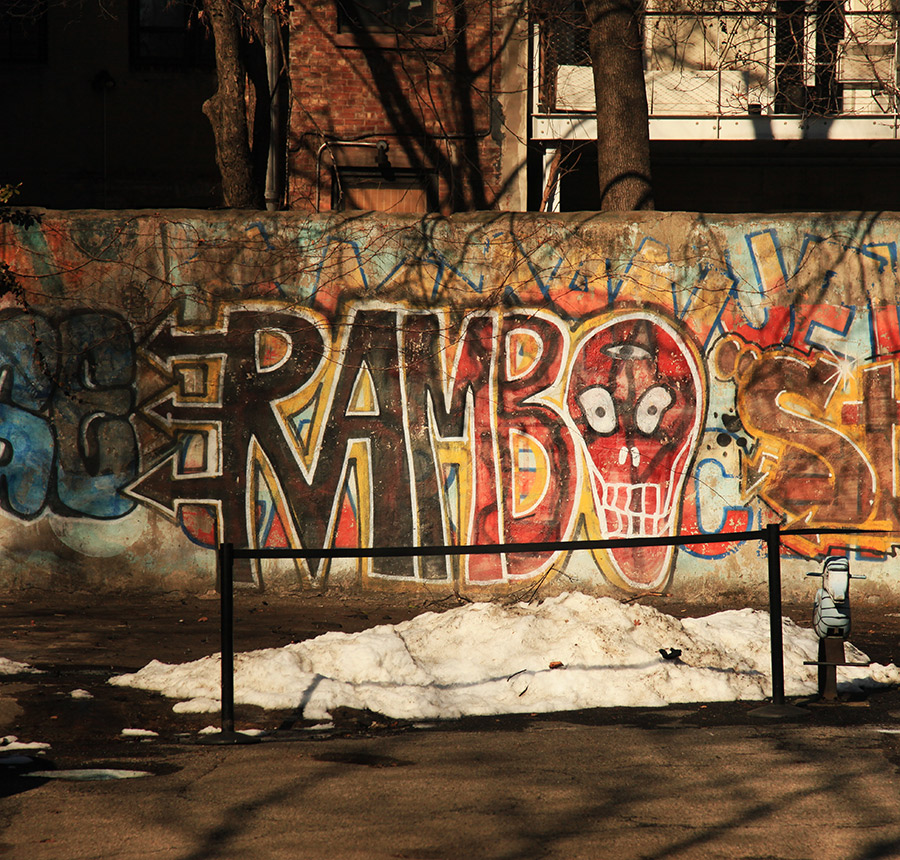
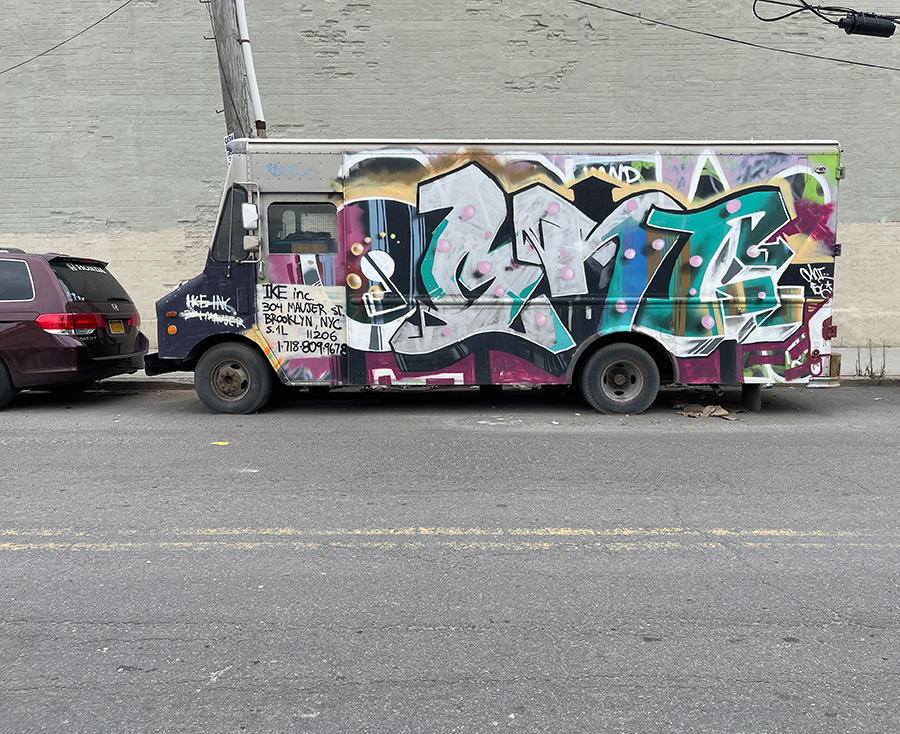
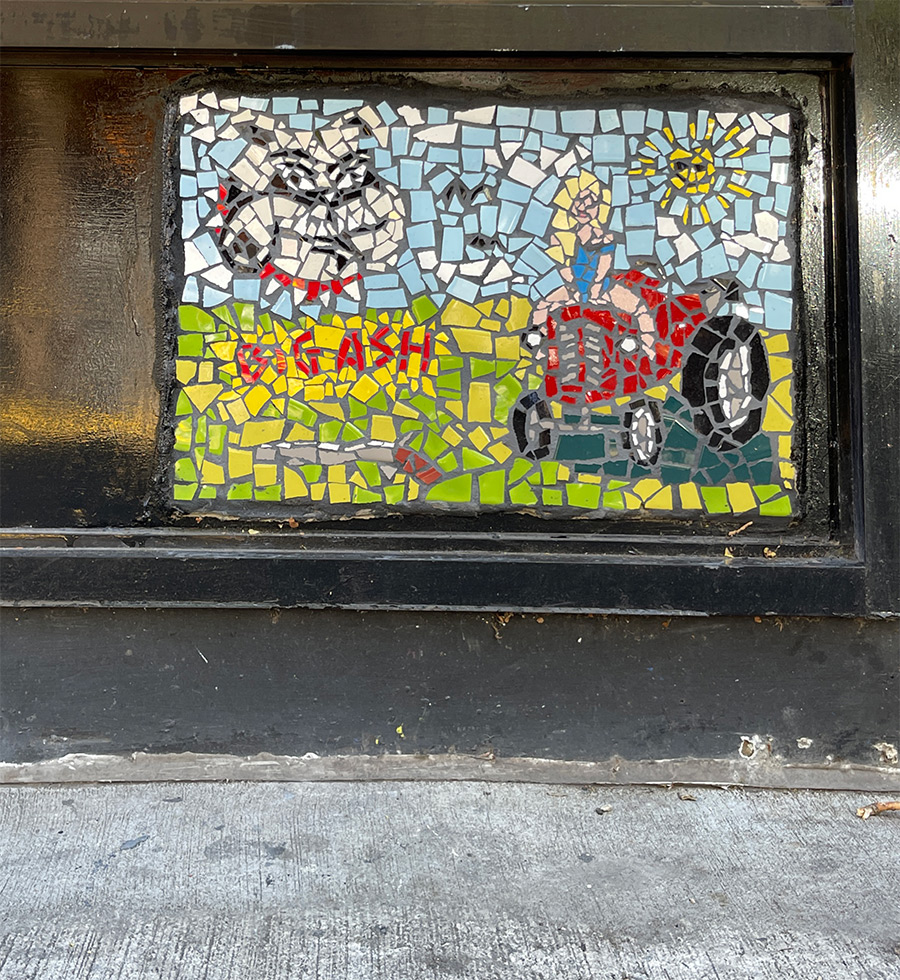
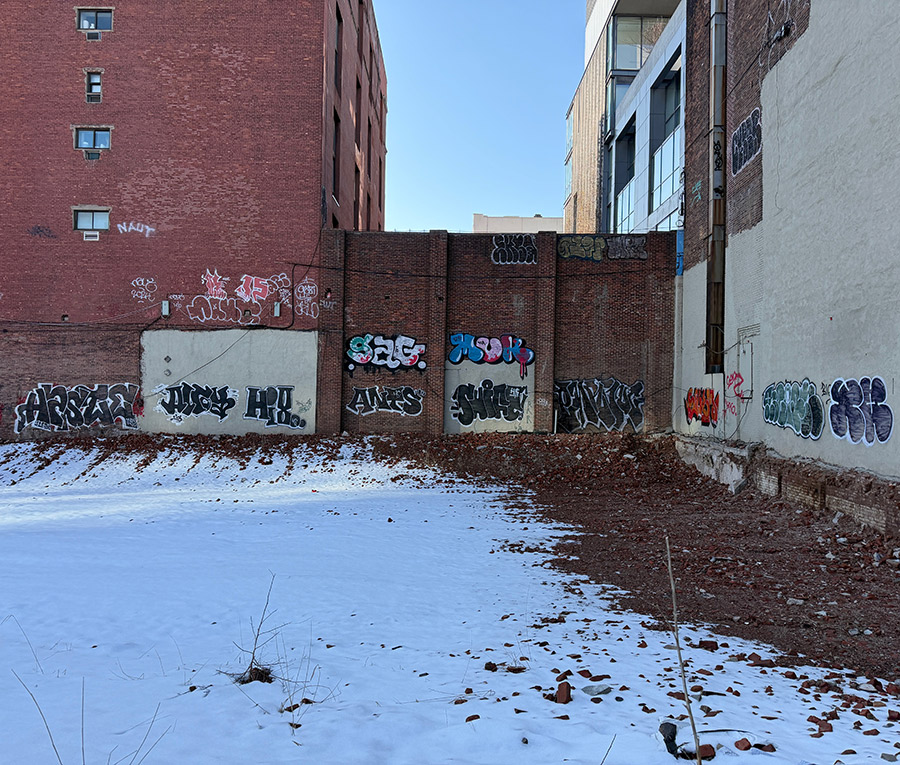
Here we have some recent shots from photographer Lluis Olivas Bulbena, who shares his photos with BSA readers.
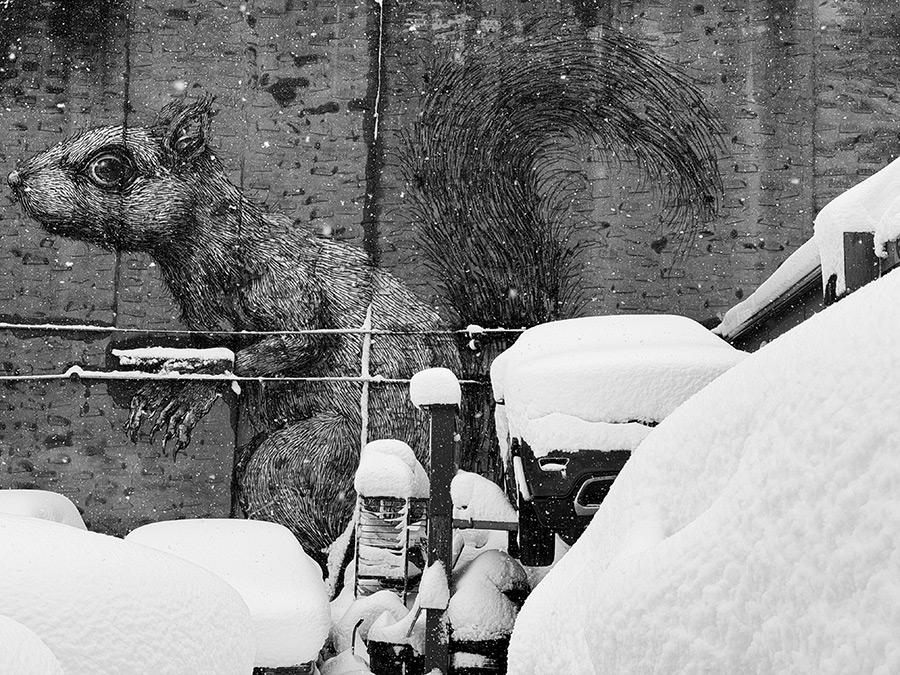
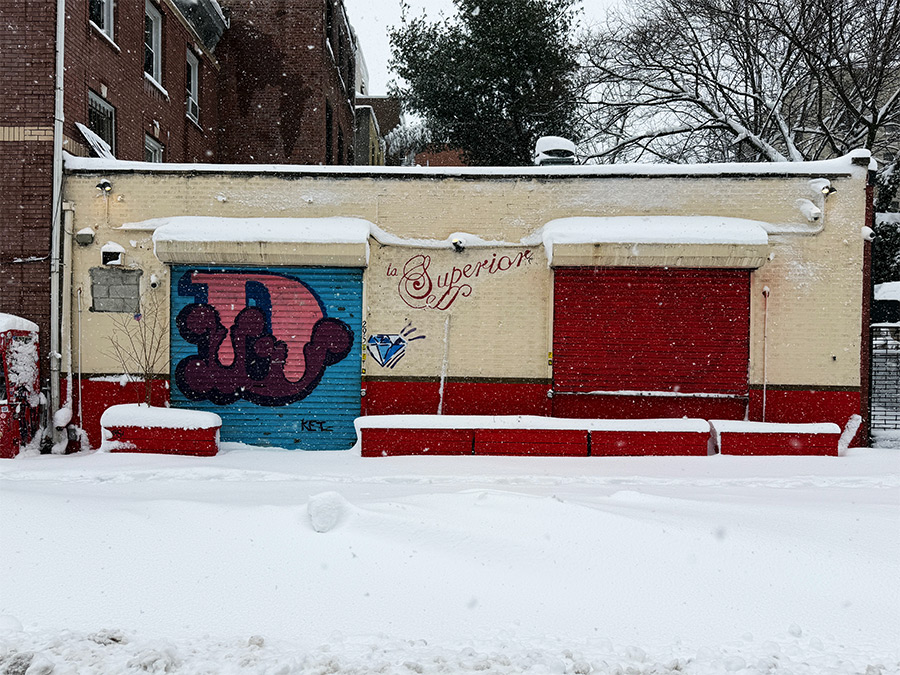
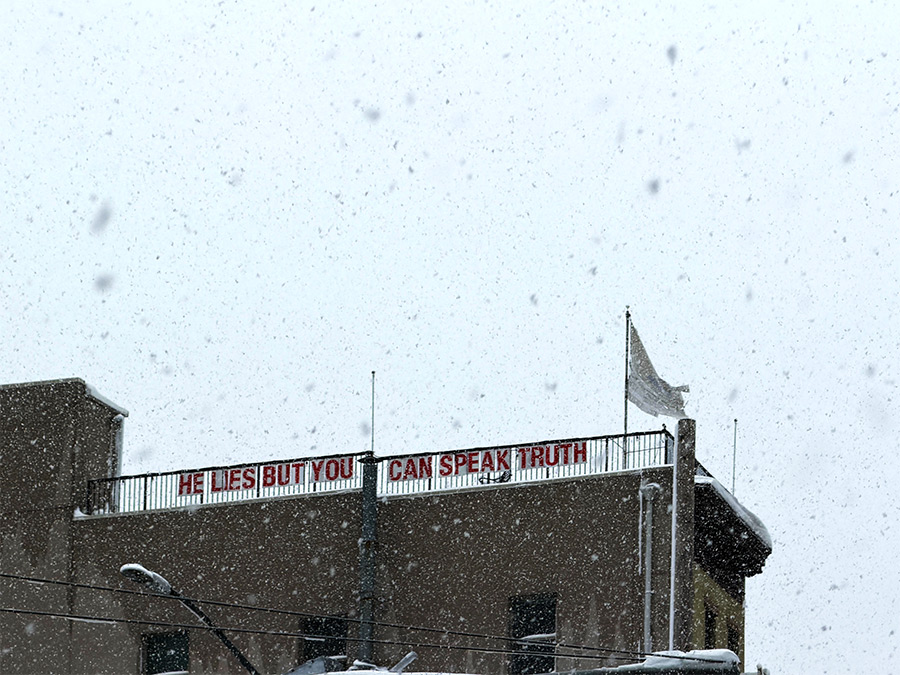
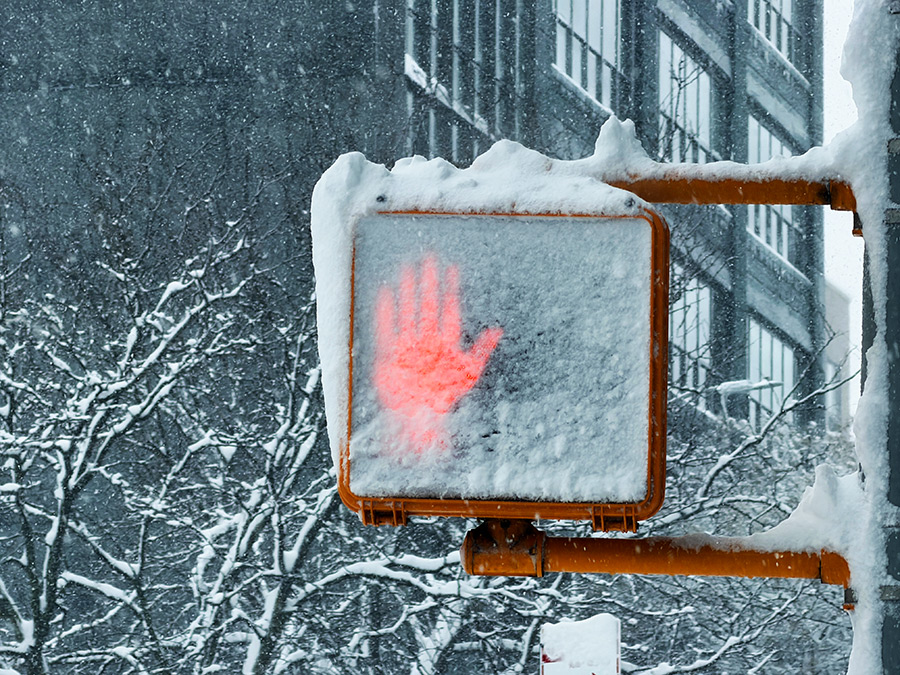
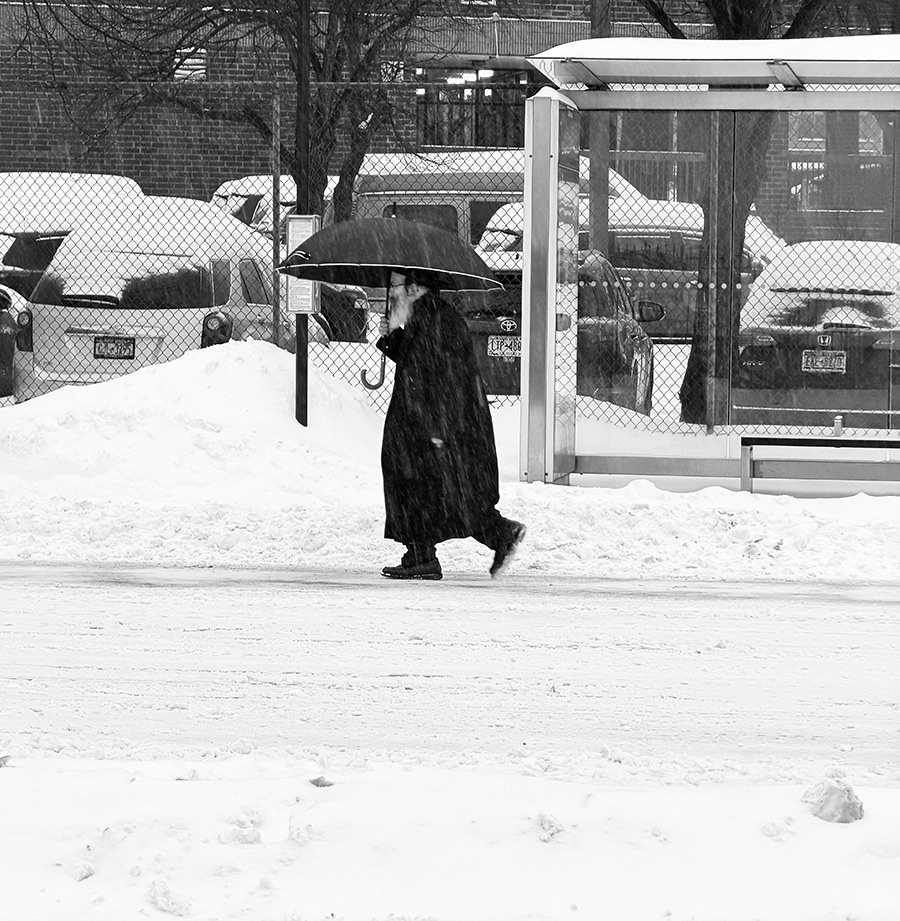
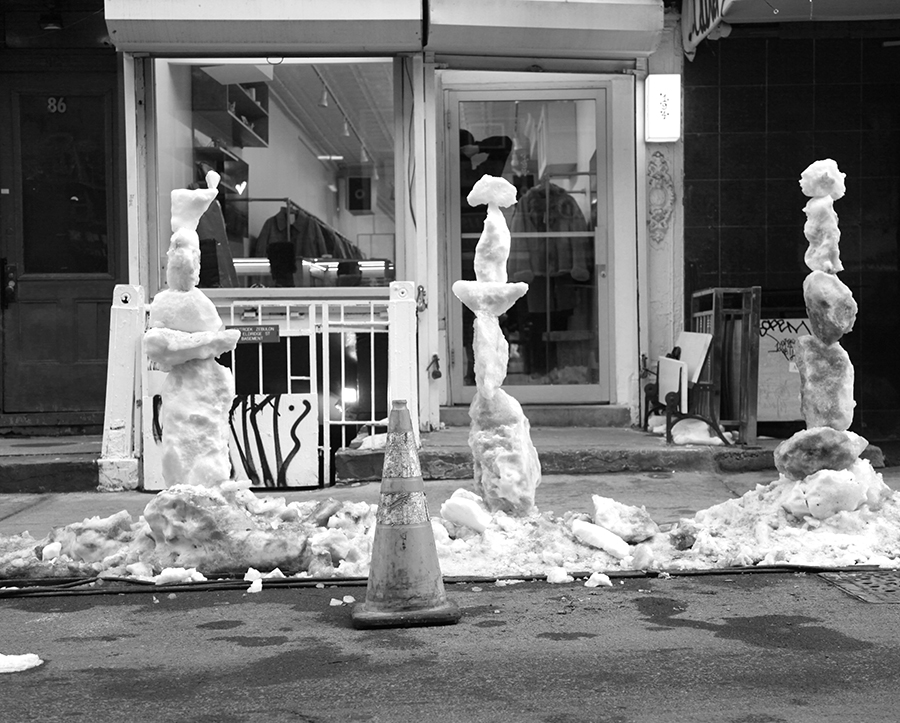
The Blizzard of ’26, which New York endured this week, is already a fading memory. We have fresh chaotic news every day, keeping everyone off-kilter, with purpose – some would say.
Djerbahood: Open Air Museum of Street Art. Mehdi Ben Cheikh. 2015
Reprinted from the original review.
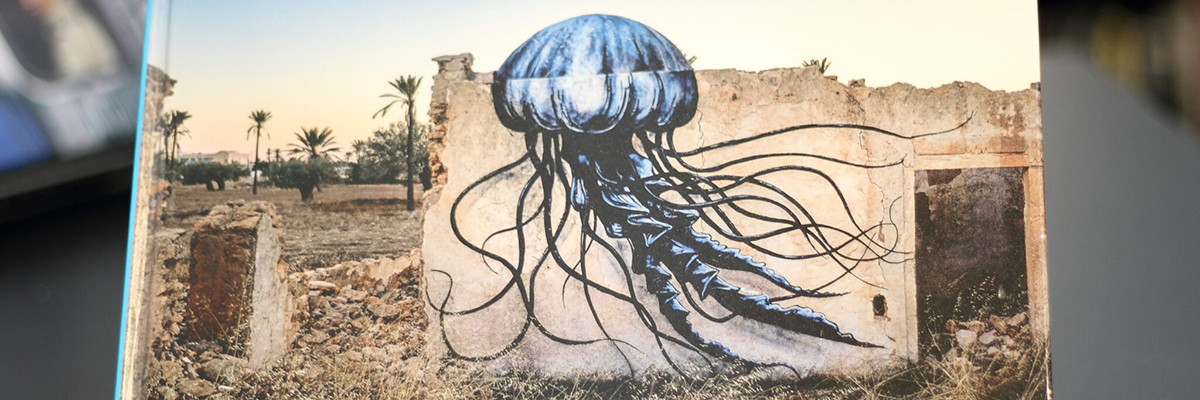
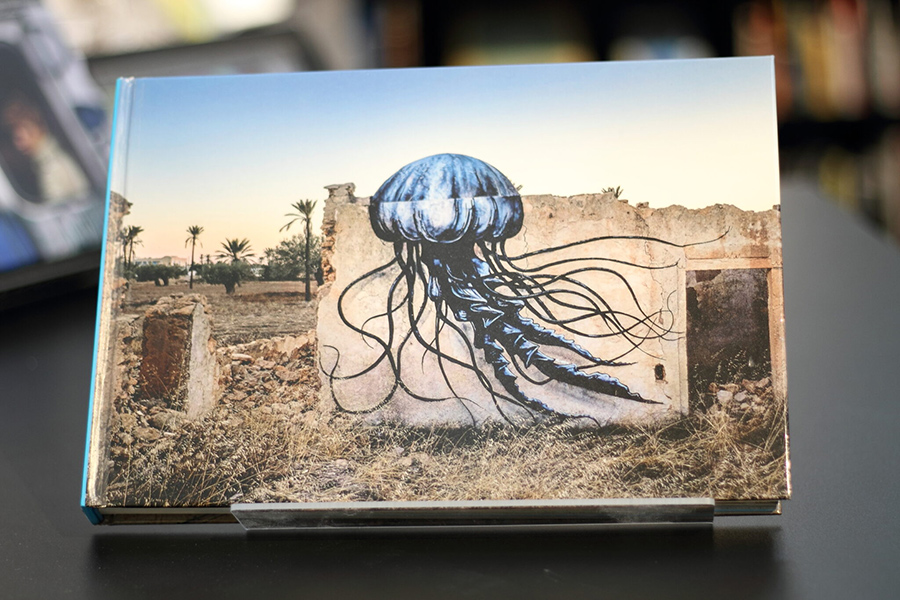
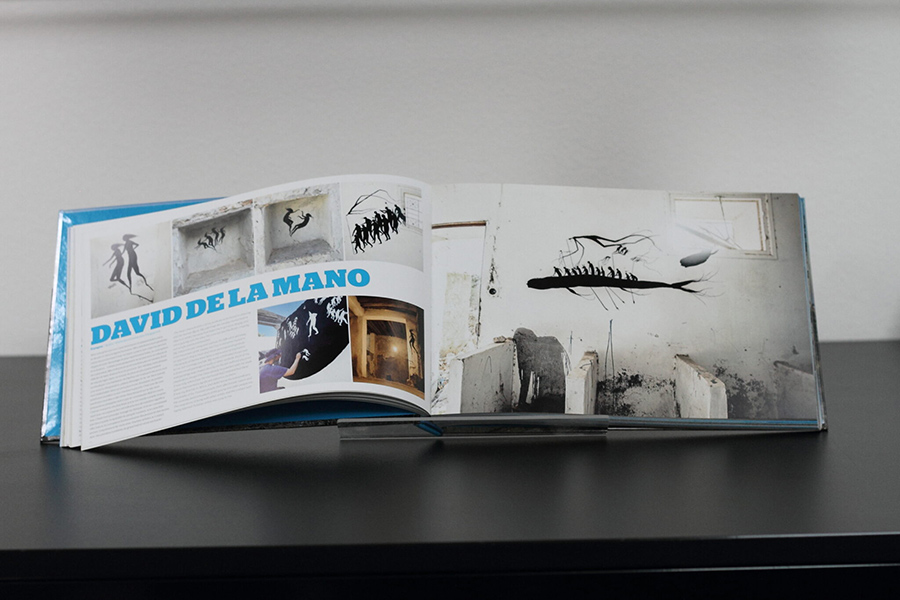
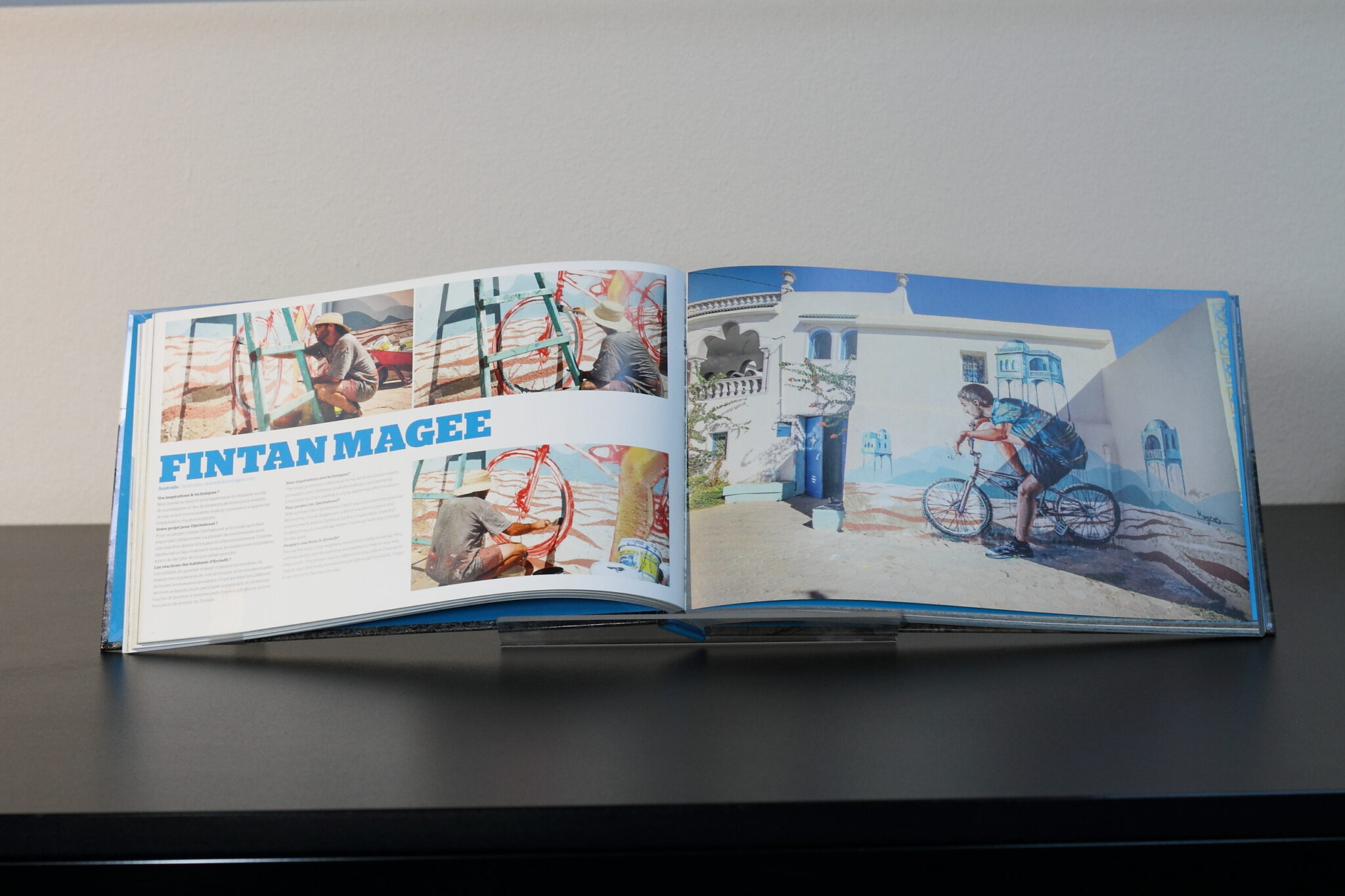
If Tour Paris 13 was the demolition swan song of an era, Djerbahood may feel like an expansive sunrise on the other side of the world. Conceived by gallerist and curator Mehdi Ben Cheikh and realized in the whitewashed village of Erriadh on the island of Djerba, Tunisia, this project gathered more than one hundred artists from thirty countries to create what Ben Cheikh calls a “museum à ciel ouvert”—an open-air museum under the North African sun. The resulting book, published by Albin Michel, offers a monumental visual record of this transformation: 500 photographs across 272 pages, documenting walls, artists, and villagers in a rare moment of collective creation.
In these images, the desert light hits walls like paper. Works by eL Seed, ROA, Pantonio, Phlegm, Jaz, Fintan Magee, Curiot, Inti, and Sebas Velasco coexist with local architecture—white domes, low arches, latticed shadows—turning the town into a living gallery. As Brooklyn Street Art observed in its review, Djerbahood “absorbs your mind and imagination, giving you a sense of the place and the people who live there.” It’s true: the book’s pacing—half atlas, half photo-essay—lets readers wander through alleys as if following the scent of plaster and sea air.
Text Steven P. Harrington & Jaime Rojo Fotos Eveline Wilson
Title: Djerbahood: Open Air Museum of Street Art Published: Published by Albin Michael / Galerie Itinerrance, Paris, 2015 Author: Mehdi Ben Cheikh Language: English
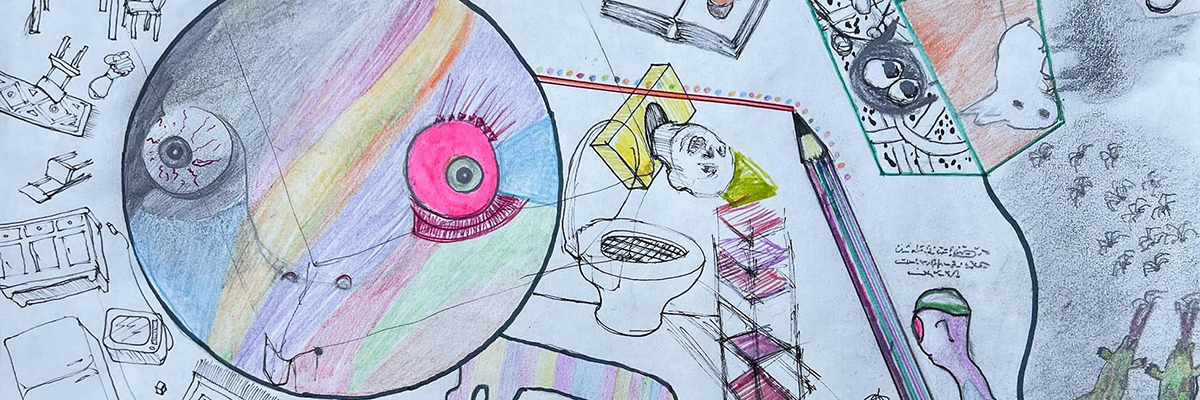
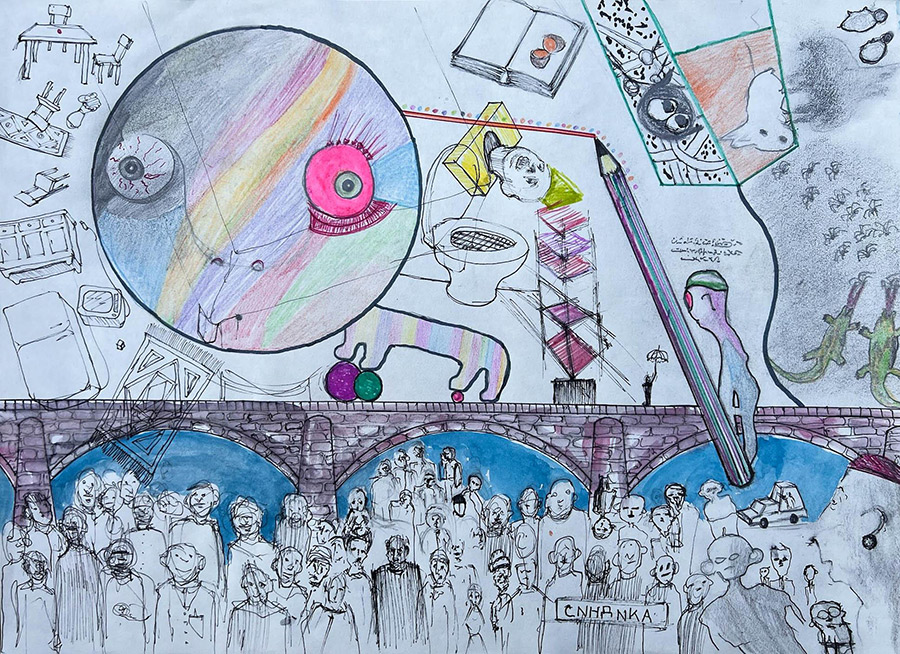
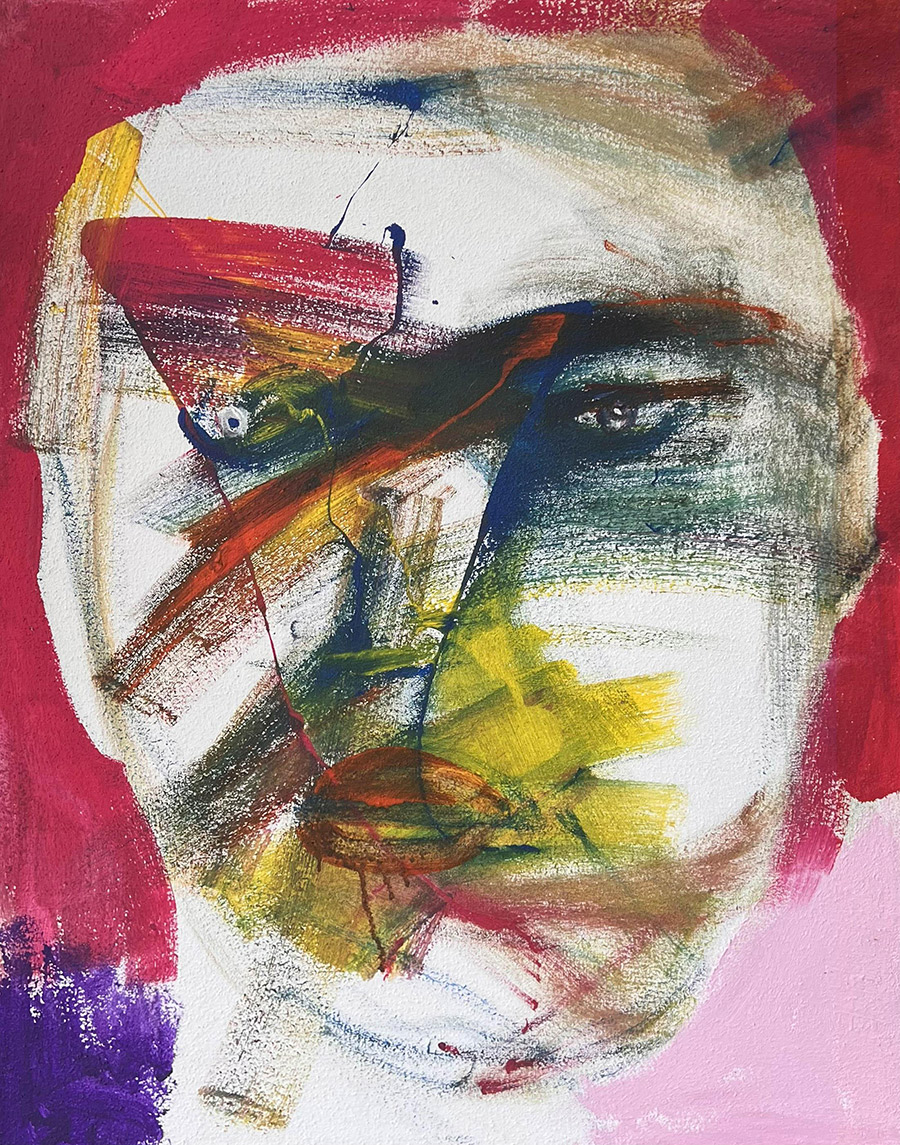
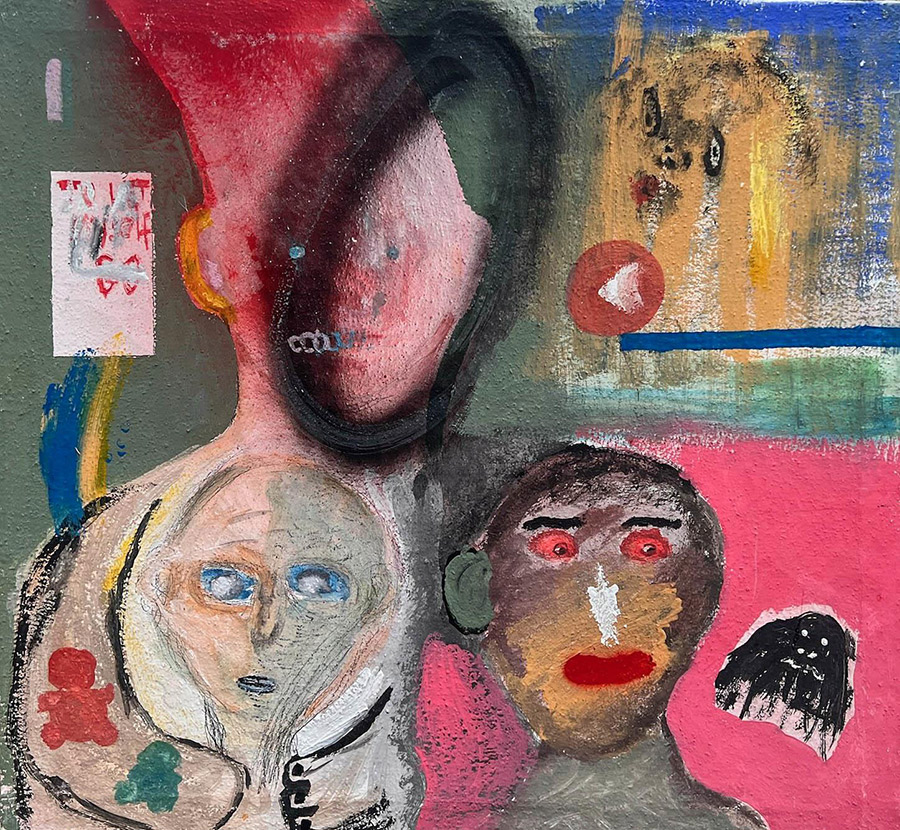
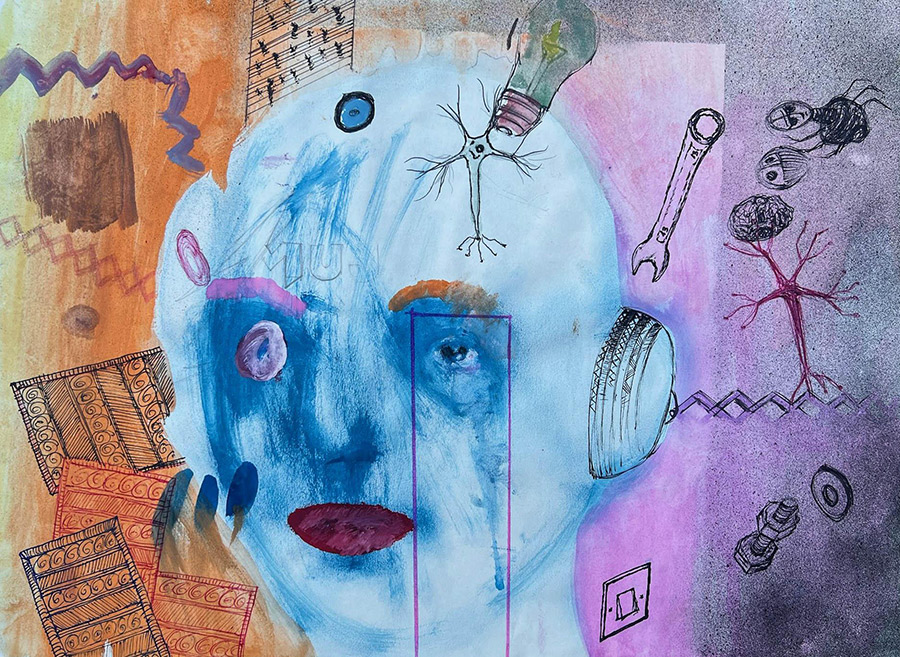
Zuhanean Haneanzu is a collective of four interdisciplinary artists from Bosnia and Herzegovina: Anel Lepić, Husein Ohran, Muhamed Bešlagić, and Jasmin Zubić.
Today, we look at a collective that celebrates the act of spontaneous co-creation in an art world that often rewards fixed narratives and singular signatures. With only 11 followers on their Instagram page, you may not have heard of them, but they are like so many artists around the world who produce work because the creative spirit insists. ZUHANEAN HANEANZU treats authorship as a negotiated, collective condition—and turns the friction of togetherness into the content. The result feels less like finished statements and more like documents of collaboration: four voices choosing, again and again, to speak as one without pretending they’re identical.
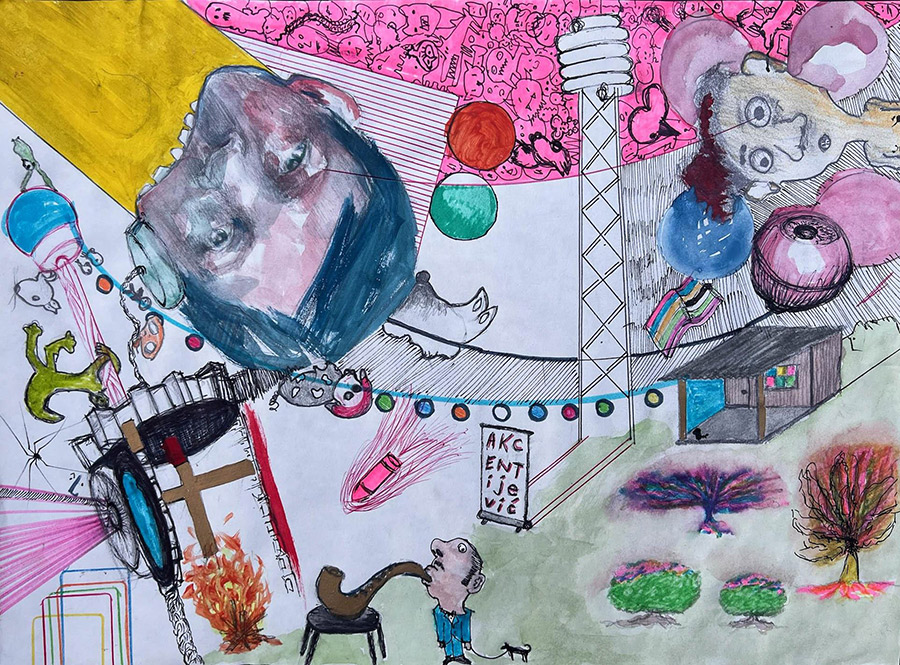
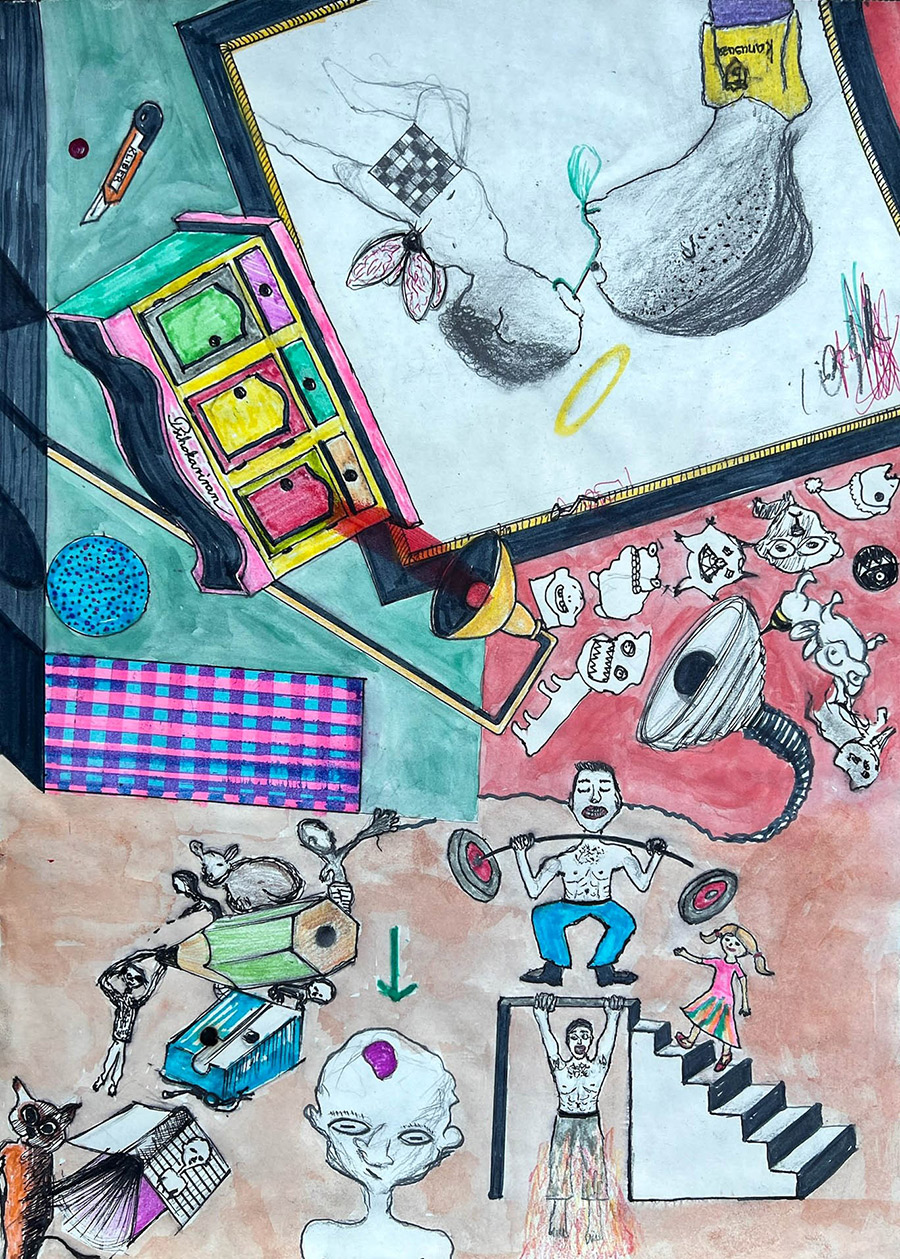
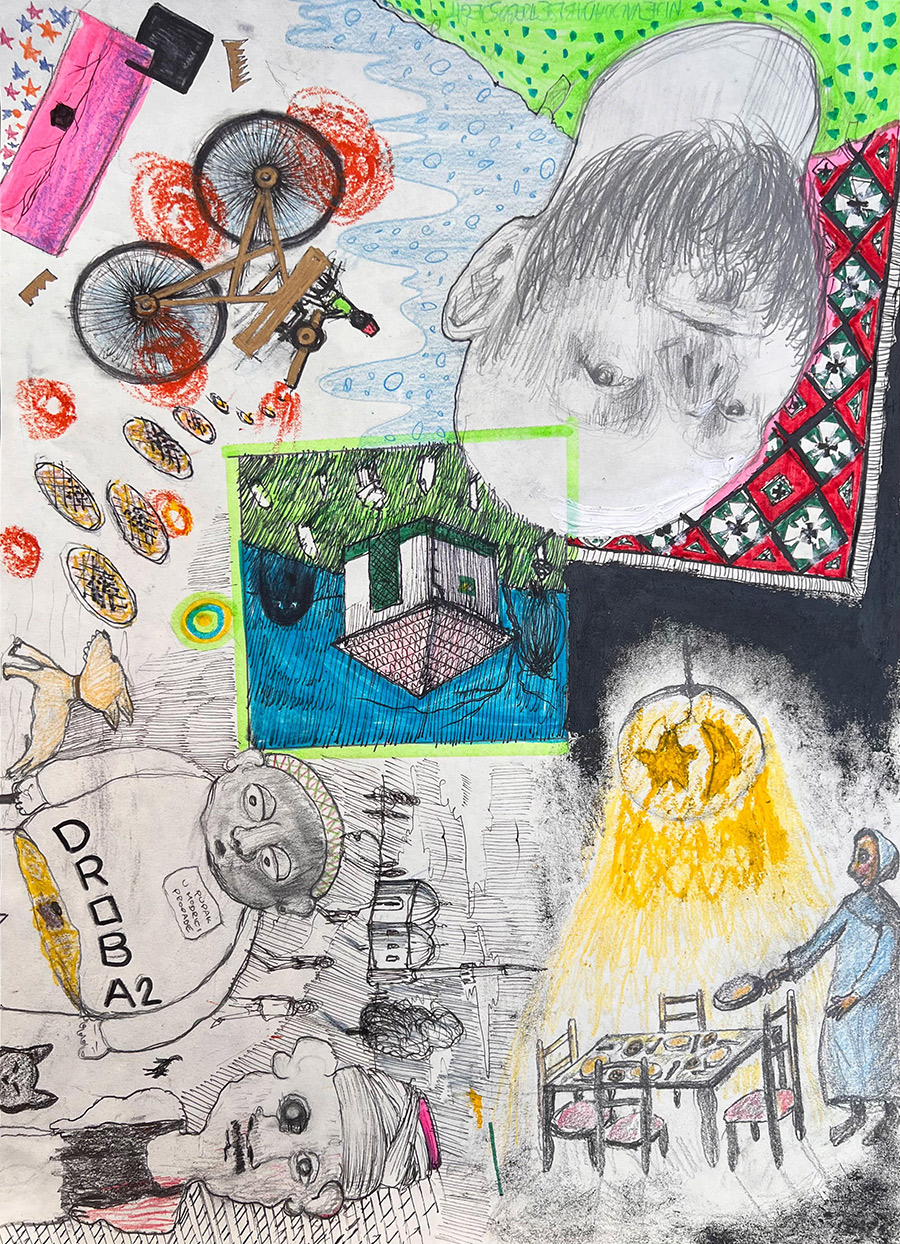
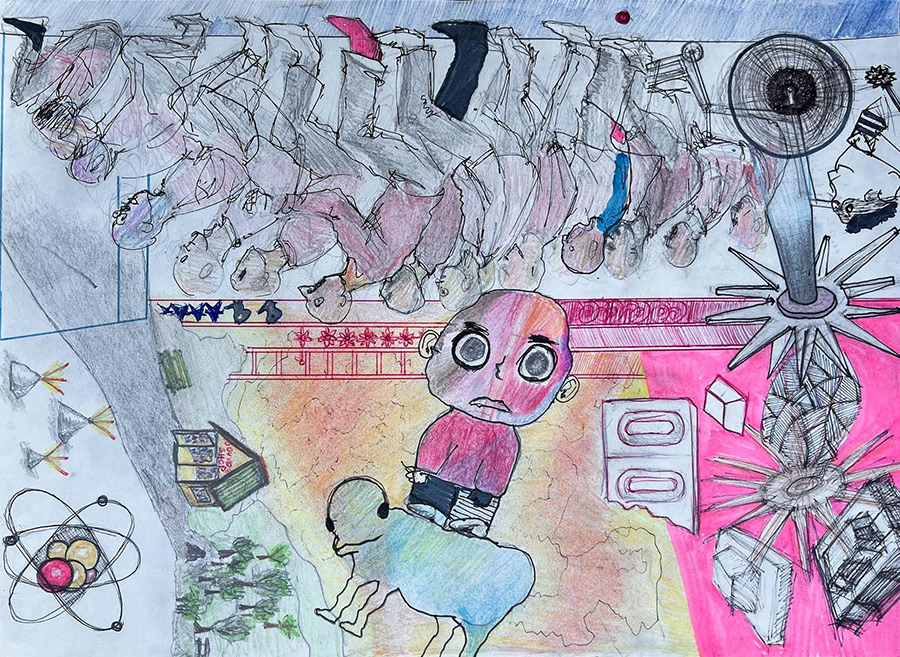
To examine the pieces posted collectively, one can see a psychologically charged drawing and mixed-media practice that draws from Art Brut and outsider traditions, while touching on neo-expressionist figuration and collage. Flattened space, fractured faces, handwritten notes, and hybrid figures create a diaristic, interior language rather than an academic one, placing the work within a broader Balkan tradition of intimate, small-scale psychological drawing. Bold, unpolished color and occasional photographic insertions add a note of absurdity, and together the pieces read as a studio-based exploration built on a deliberately raw visual grammar.
Our special guest editor and essayist Ilhana Babić-Lepić, gives an insider view of the quartet, who interplay musical excursions with visual ones to achieve their own kind of harmony.
The Chaos of Cohesion: The Radical Simultaneity of Bosnia’s ZUHANEAN HANEANZU
By Ilhana Babić-Lepić
The art world still leans heavily on the idea of the singular voice. We’re taught to look for the hand that leads, the style that repeats, the author who anchors meaning. But sometimes a work asks a different question: what happens when authorship is shared so fully that it begins to blur?
In Bosnia and Herzegovina, a landscape where history is often shaped by rigid, competing narratives, four interdisciplinary artists — Anel Lepić, Muhamed Bešlagić, Husein Ohran and Jasmin Zubić — work under the collective name ZUHANEAN HANEANZU. Their practice moves between painting and improvised music, but what binds both is a simple, radical premise: they begin together. No sketches passed around, no hierarchy settling the surface, just four people entering the same moment at once. You can feel that simultaneity immediately in the paintings.
They don’t unfold like carefully plotted compositions. They gather. Layers of drawing and color sit beside one another the way overlapping conversations do in a crowded room. In works like Psihokariran or Ramazanska Zebnja 1446, the surface holds a kind of lived time, marks arriving quickly, some tentative, others insistent, none fully erased.
The eye keeps moving because nothing resolves too soon. A thin, deliberate line might drift into a loose wash of color, and a small figurative detail surfaces only to be partially covered, as if memory itself passed over it. In pieces like Savatré and Comment S’appelle Tu?, structure flickers in and out of focus. The paintings feel less finished than paused, held in a state where tension is still breathing.
Faces appear often, but they rarely settle into portraits. In Family Portrait and Mir Žrtav, human forms hover between presence and distortion. Features shift, overlap, and blur at the edges. They feel familiar in the way dreams do, recognizable but never fully stable. The result is quietly disarming. You’re not looking at identity as a fixed point, but as something shared, porous, still forming.
There’s a rawness running through these works, and it doesn’t feel accidental. Some passages carry a childlike openness, lines drawn with unguarded immediacy. Others hold heavier emotional weight, dense with reworking. The collective doesn’t smooth those differences out. They leave the seams visible. You sense not just the image, but the moment it was made.
That same openness carries into their musical practice as HANEANZU. The setup is simple: instruments gathered in a room, guitar, bass, ukulele, drums, saxophone, and no clear leader. They begin by listening. A rhythm might surface and linger, or dissolve almost as quickly as it arrives. A melody bends as another player leans into it, reshaping the air in real time.
The music moves like weather, shifting, responsive, never quite repeating itself. You can hear fragments of different traditions pass through, but nothing settles long enough to harden into genre. Each session feels singular, shaped by proximity and attention rather than plan. What remains afterward are traces, like footprints in soft ground, pointing back to a moment that can’t be reconstructed.
Across both painting and sound, the collective returns to the same quiet proposition: what if meaning doesn’t need a single center? ZUHANEAN HANEANZU doesn’t erase individuality, but it loosens its grip. Each gesture holds its own weight while leaning into the others. The work breathes through that shared balance.
There’s tenderness in that choice. In a culture that rewards clarity and ownership, letting authorship remain open carries a certain vulnerability. The results are less predictable, sometimes uneven, but they feel alive in a way tightly controlled works often don’t.
Collective processes always carry risk. They can drift toward excess, or blur into anonymity. What makes ZUHANEAN HANEANZU compelling is their willingness to stay close to that edge without retreating. The works don’t collapse into chaos, and they don’t resolve into neat order. They remain suspended somewhere in between.
And in that suspended space, something begins to take shape. Not a single voice, but a layered one. Not agreement, but nearness. The brilliance of ZUHANEAN HANEANZU lies in their refusal to tidy the seams. They leave us inside the vibration of the process itself, where the image is never a destination, but a living record of four voices choosing, again and again, to speak as one.
They didn’t merely deinstall it. They buffed it—campus-style. Brown paper over glass, a quiet little blackout, like a night crew rolling beige paint across yesterday’s burner and calling it “maintenance.” The only twist is the location: not a freeway underpass, but a university gallery that’s supposed to teach young artists what it means to put their artwork and ideas into public circulation—so they can be seen and debated.
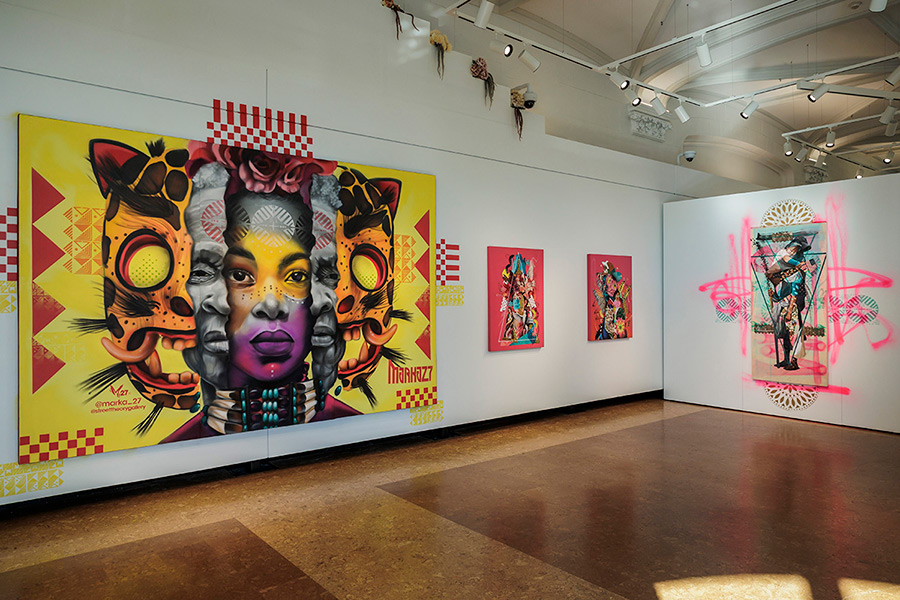
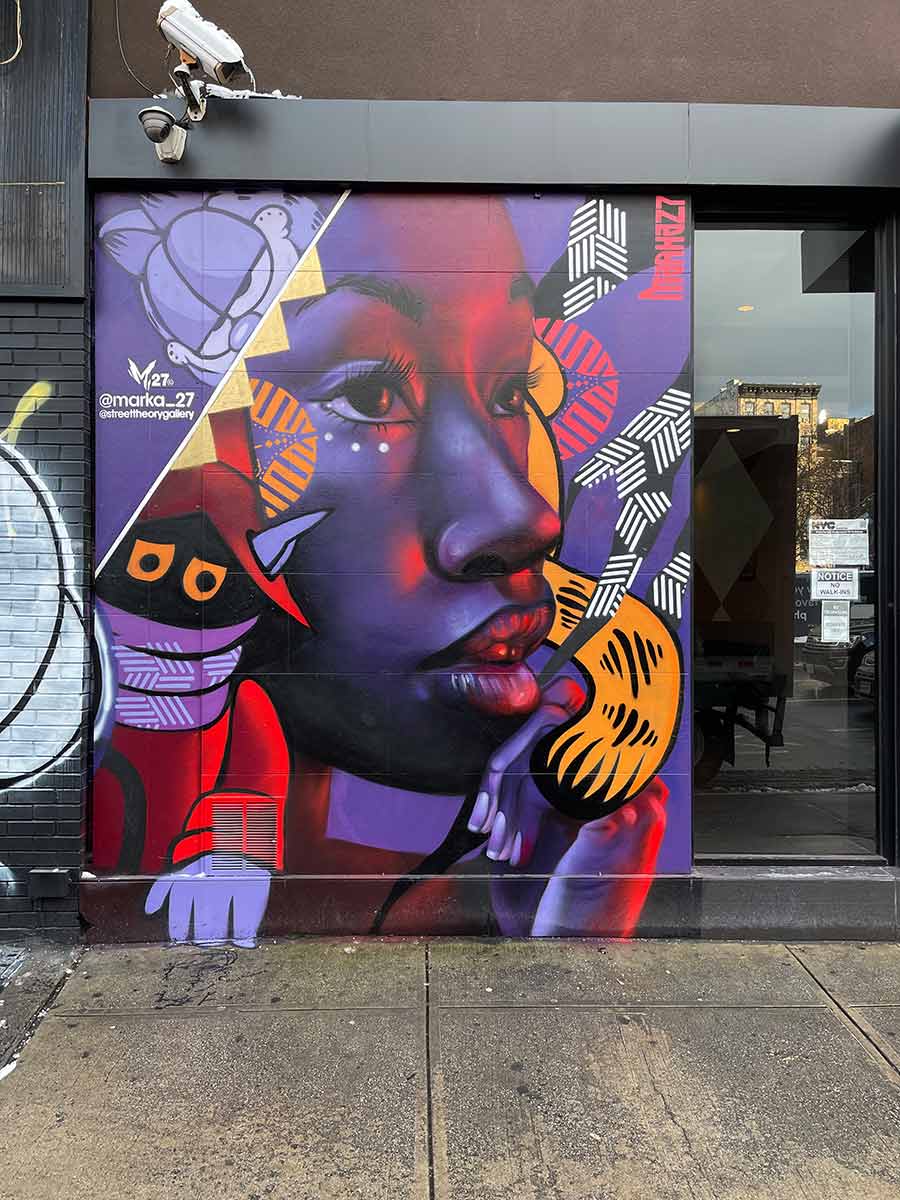
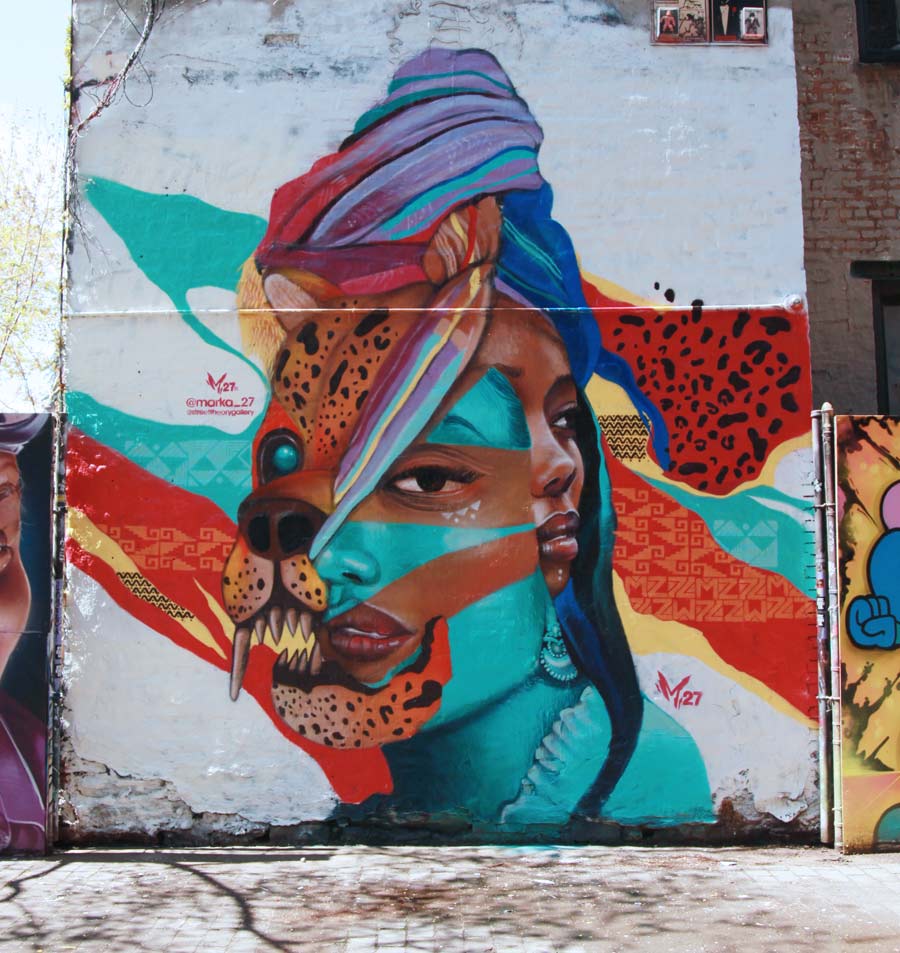
The show was Ni de Aquí, Ni de Allá, the traveling solo exhibition by Brooklyn-based street artist/muralist/fine artist Victor “Marka27” Quiñonez—first staged at Boston University last fall, curated by Kate Fowle, then scheduled to run at the University of North Texas CVAD gallery through May. It included his bright, biting I.C.E. Scream paletas—sweet-looking monuments with handcuffs and weapons trapped inside—plus paintings, graffiti-rooted work, and cultural installations that treat everyday immigrant vernacular (bodega shelves, candles, carts) as both memory and evidence.
Victor “Marka27” Quiñonez. Ni de Aquí, Ni de Allá (Not From Here, Not From There) (photo courtesy of the artist)
So far, administrators haven’t publicly explained the sudden closure; absent an explanation, the decision can read as reactive. Silence is a message too. A faculty petition didn’t mince words, calling the removal of “legally protected artistic expression” a contradiction of the institution’s stated commitments. What makes this story odious isn’t just the cancellation; it’s how familiar it feels: invite the ‘street artist’ in for edge, then pull back when the work refuses to sit quietly as décor.
And the cleanest read comes from someone still teaching in the building. Adjunct instructor Narong Tintamusik put it plainly to Hyperallergic: “As an educator, I think this is a good reminder for students about why they’re studying art….” Exactly. Art school should be a space to explore the pleasant and the difficult—and to remain unbuffable. It’s where students learn to stand up, not get crossed out. When a public university removes a reportedly contracted exhibition with little public explanation, it isn’t just the artist who gets ghosted. Students are being trained—by negative example—in how institutions translate controversy into ‘neutrality,’ something many will read as censorship.
BSA has been publishing Marka27’s work on the street for years, so we were interested in asking him about his gallery show, his opinions, and his intentions with Ni de Aquí, Ni de Allá
BSA:When you use an object as culturally familiar and comforting as a paleta and embed enforcement tools within it, you’re creating a collision of associations. What response are you most interested in activating first — recognition, discomfort, or reconsideration? Markus27: The I.C.E. SCREAM series was created to bring awareness and, most importantly, empathy. My goal is for viewers to see and acknowledge our humanity.
BSA: Universities often embrace “street art” as a visual language and cultural signal. Why does it still seem to surprise institutions when work rooted in that tradition carries a critique of the social and political conditions it emerges from? Markus27: In my experience, university faculty and students are generally the ones who embrace progressive and socially impactful artwork. It is more often the university administration and its donors who have the power to influence decisions that lead to the censorship of exhibitions.
BSA:Ni de Aquí, Ni de Allá centers dual belonging and the friction between identities. In your view, is there an unspoken expectation that artists present cultural experience without examining and questioning the forces shaping it? Markus27: I cannot speak for other artists or their views on expectations. My work stems from lived experience and an authentic connection to my dual identity; it has never been about seeking acceptance, but rather about honesty. If my work is perceived as controversial, I believe that speaks more to a societal desire to control our narratives when we speak the truth.
BSA: If you were to restage this exhibition in Texas without institutional constraints, what kind of setting would allow the work to function as intended — culturally, politically, and spatially? Markus27: I challenge museums and cultural institutions to step up and exhibit work that speaks to our current political climate. Currently, I am exhibiting “Elevar La Cultura,” a 22-foot immersive Mayan pyramid installation, at the Latino Cultural Center in Dallas. They are a progressive institution that supports Latino communities and artists without censorship, and they would have been a great fit for “Ni De Aquí Ni De Allá.”
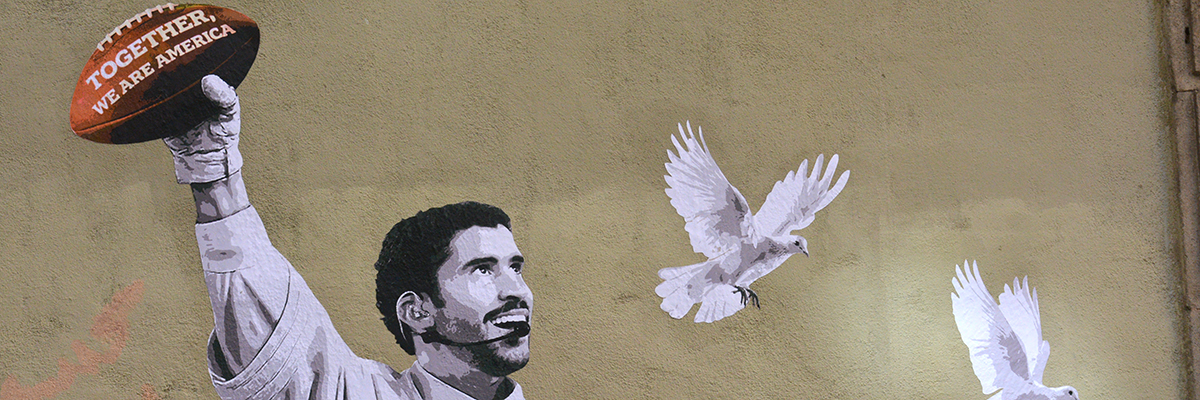
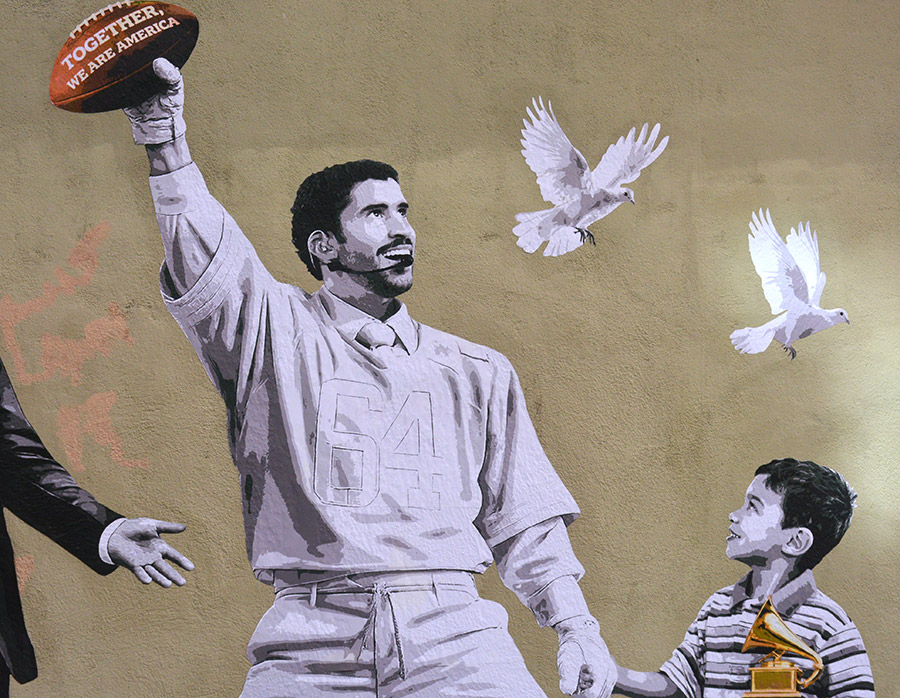
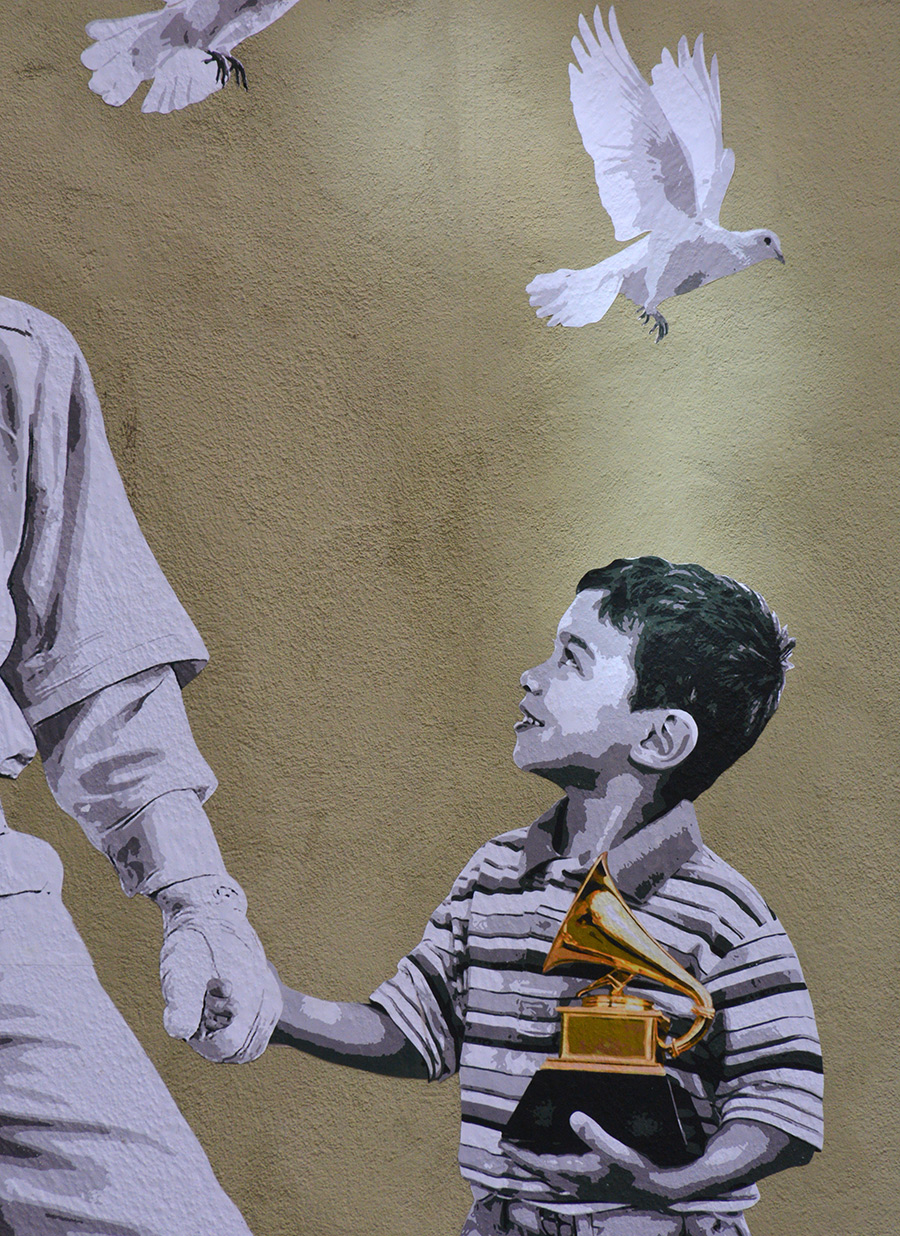
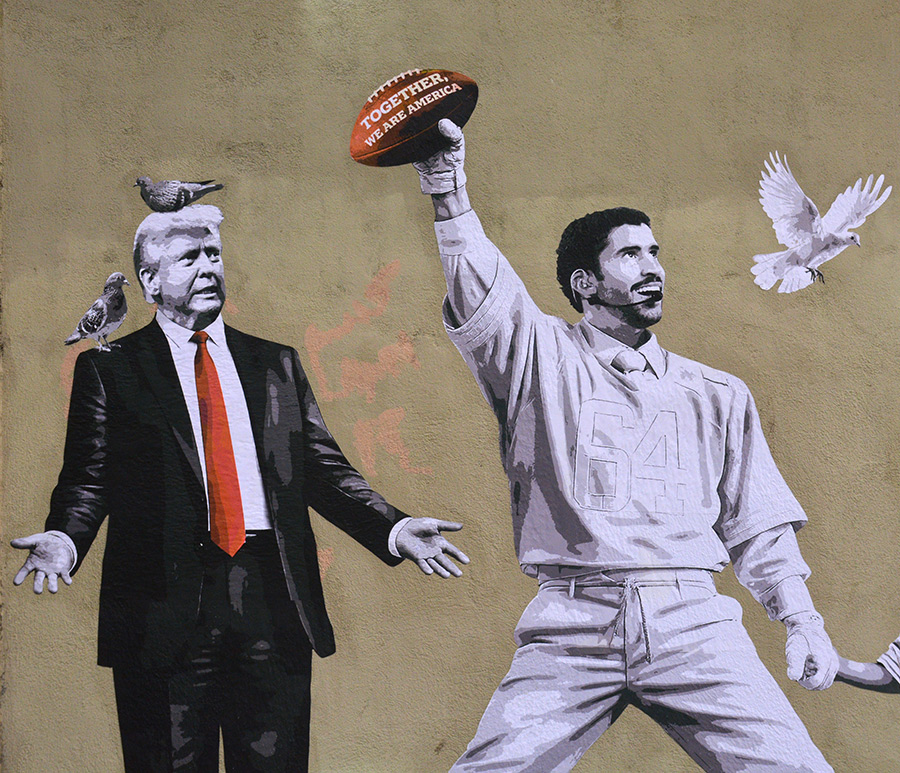
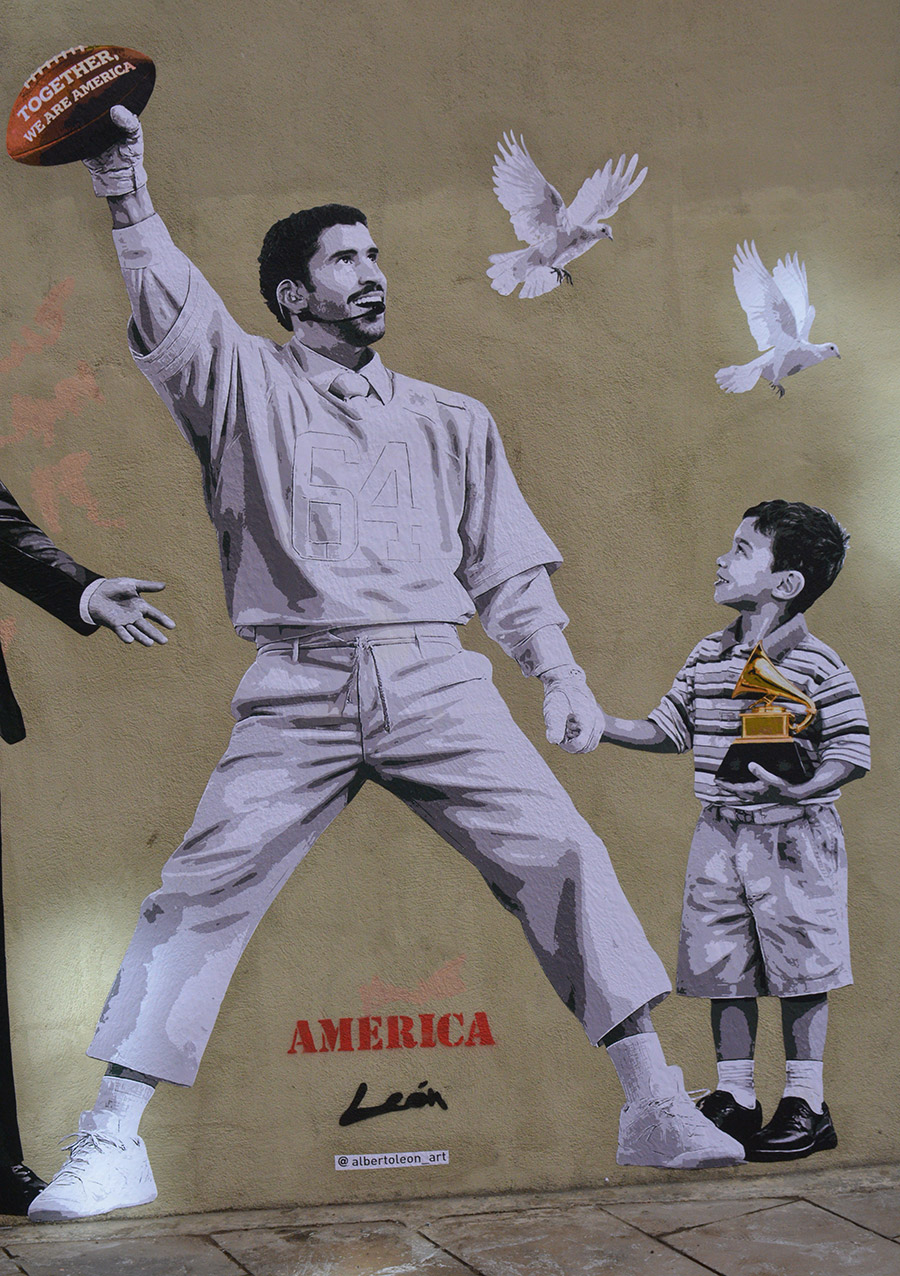
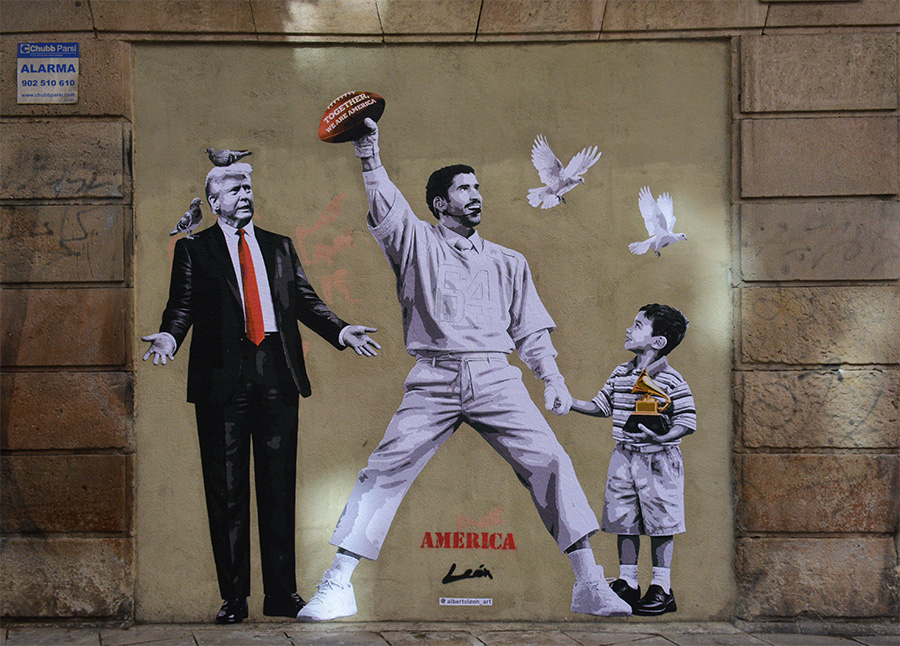
Seizing the moment after a high-visibility Super Bowl performance, street artist Alberto León created a wheatpaste titled “America” in Barcelona. The piece is tightly composed and references several of the instant memes that followed the event, touching on themes of unity, fulfilled promises, the cultural force of patriotic sports spectacle, and the racial tensions stirred by reactions on the political right. It shows Bad Bunny holding the hand of his younger self, offering him a replica of the Grammy he had received the week before, while a football of American unity is raised overhead, doves pass through the scene, and a bewildered Donald Trump stands nearby.
Alberto León is a Spanish artist whose work ranges from graphic and visual production to street-based work, shaped by time spent between the Canary Islands and larger urban centers, where design, print culture, and mural practice intersect. His imagery often draws on widely recognizable figures, sentimental or socially charged scenarios, and fragments of mass-media language, positioned for quick reading in public space. Stylistically, he works in a pop-urban register that combines grayscale photographic or stencil-like imagery with typographic elements, collage textures, and saturated paint gestures to create high-contrast compositions.
Special thanks to BSA contributor, photographer Lluis Olive Bulbena, for sharing his images with BSA readers.
Our hearts are full of love this Valentine’s weekend for you, dear reader.
A new study shows New York’s artist population is declining for the first time in decades due largely to housing costs, and most people here will agree with that conclusion. Brooklyn-based Street Artist Marka27 (Victor Quiñonez) found that censorship is strong on campus when his exhibition addressing immigration enforcement was cancelled at the University of North Texas, yet another example of universities not standing up for free speech but suppressing it. Meanwhile, Street artist Ernest Zacharevic has filed a lawsuit against AirAsia for unauthorized use of his famous Penang mural imagery, highlighting ongoing battles over ownership and reproduction of street art. In graffiti news, Street Art NYC has a brief interview with curator Christine DeFazio on her Tales from the Ghost Yard show in the Bronx. In Paris A Valentine’s Day exhibition yesterday brought together street and contemporary artists Clément Herrmann, Mr Byste, FinDAC, Uri Martinez, Belin, and Sandra Chevrier in a live, public-facing showcase.
The Federal government continues its campaign to remove people’s histories from public space, most visibly this week with the removal of the Pride flag from the Stonewall National Monument — the symbolic birthplace of the modern LGBTQ rights movement — before local officials and activists raised it again in defiance. New York Governor Kathy Hochul criticized the removal, calling it “hurtful”, noting that the LGBTQ community has been “discriminated against and oppressed for much of its history,” adding, “The Pride Flag has meant a lot to all of us here in New York and to those who come around the world to see this place.”
New York’s Public Art Fund is featuring a number of artists in 2026 whose paths have crossed with street art, including Barbara Kruger, whose early wheatpaste posters and later bus-shelter text works established a new language of the street; Nina Chanel Abney, whose large-scale murals and façade projects have extended the public wall tradition with socio-political critique; and Jane Dickson, whose decades of street-level and transit-based projects in Times Square and the subway system connect directly to New York’s urban visual culture. It’s encouraging to see institutions recognize artists whose methods have long existed outside the mainstream—even if that recognition often arrives only after the market has validated the work.
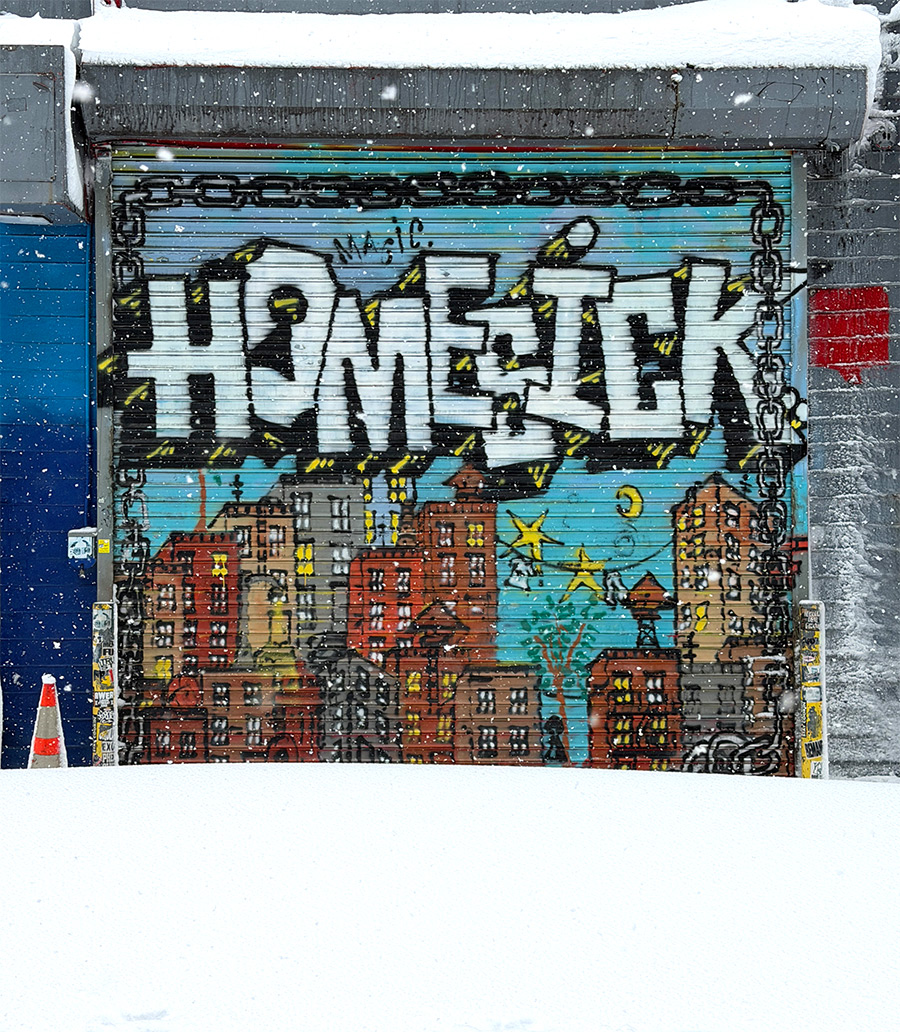
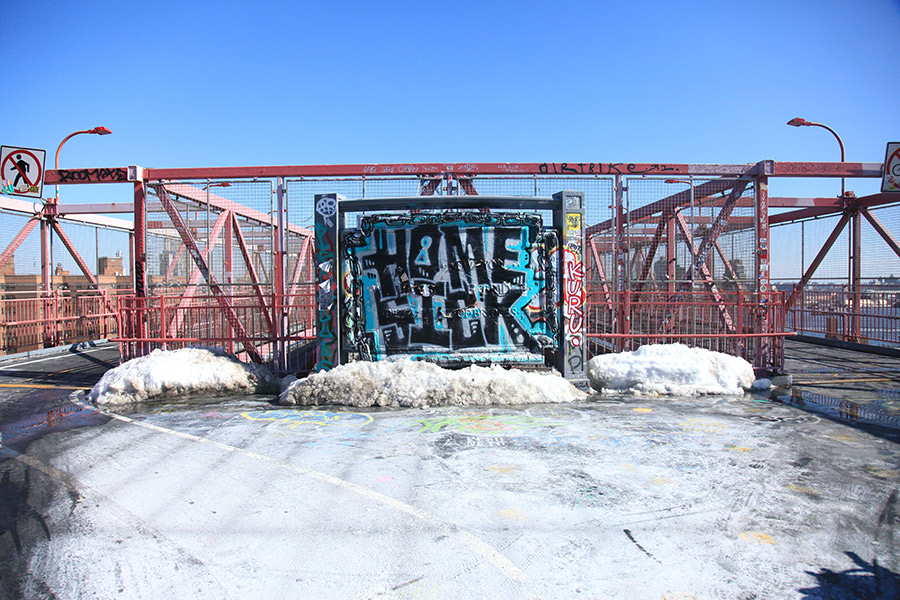
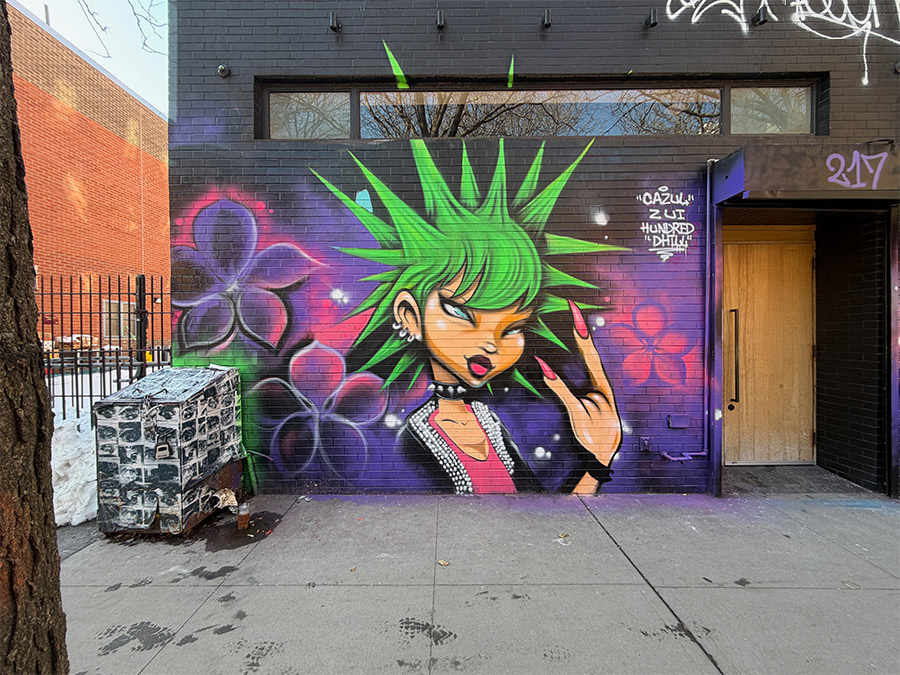
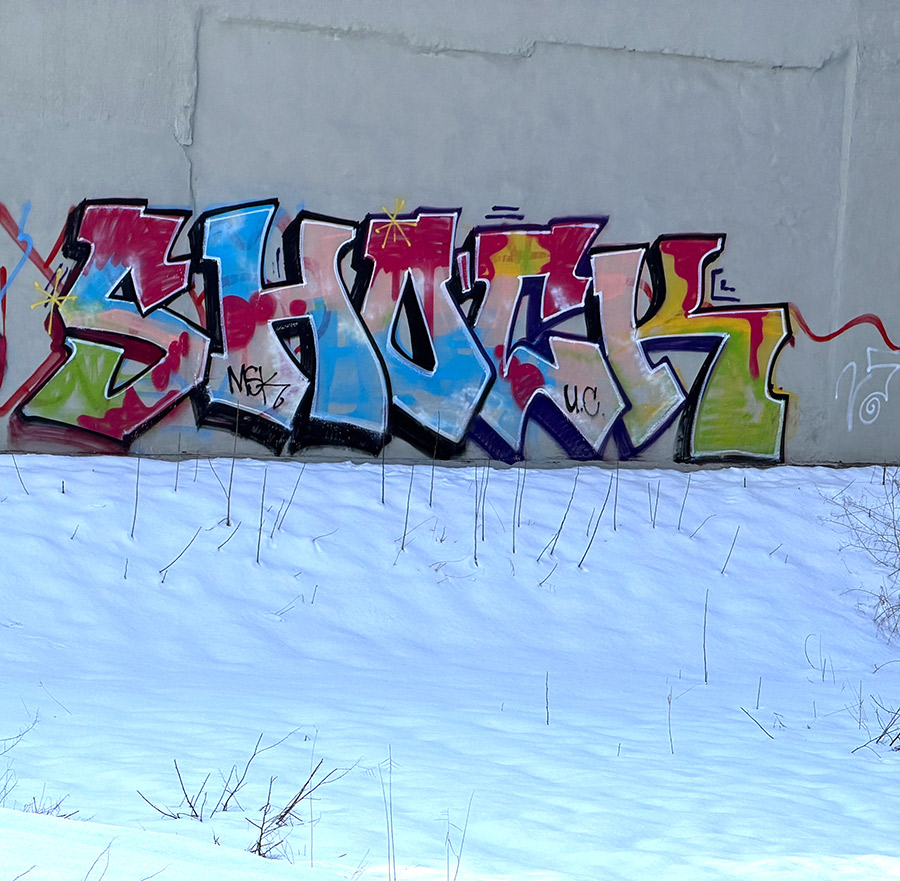
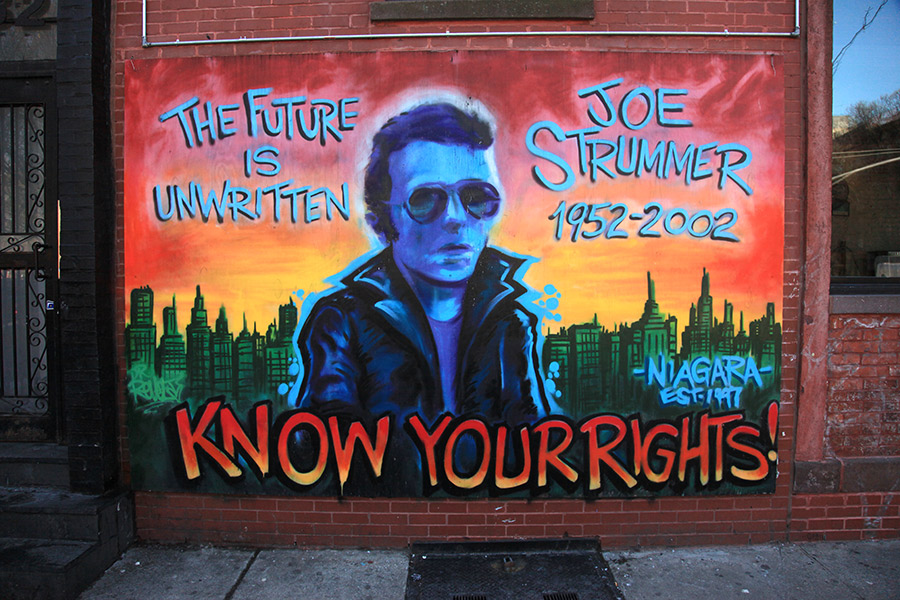
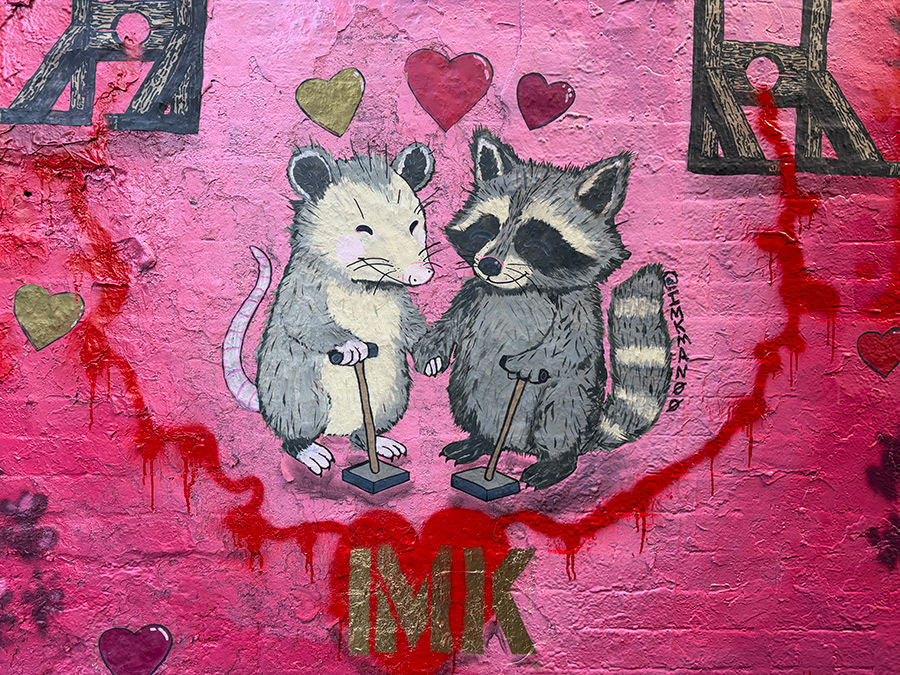
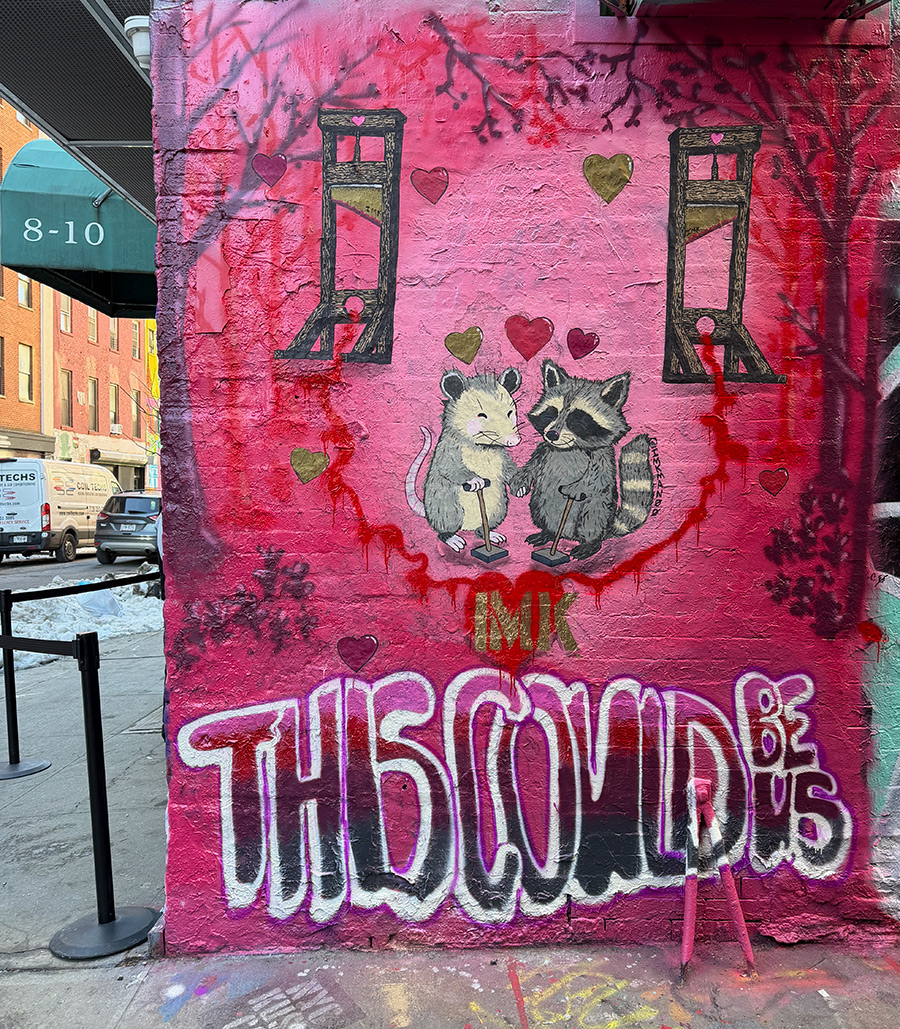
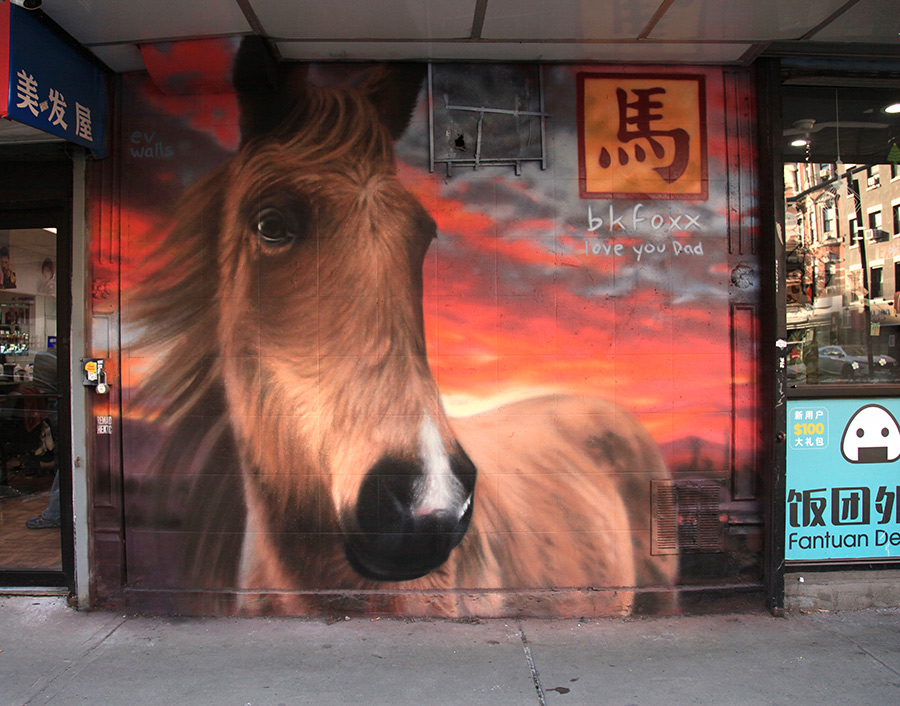
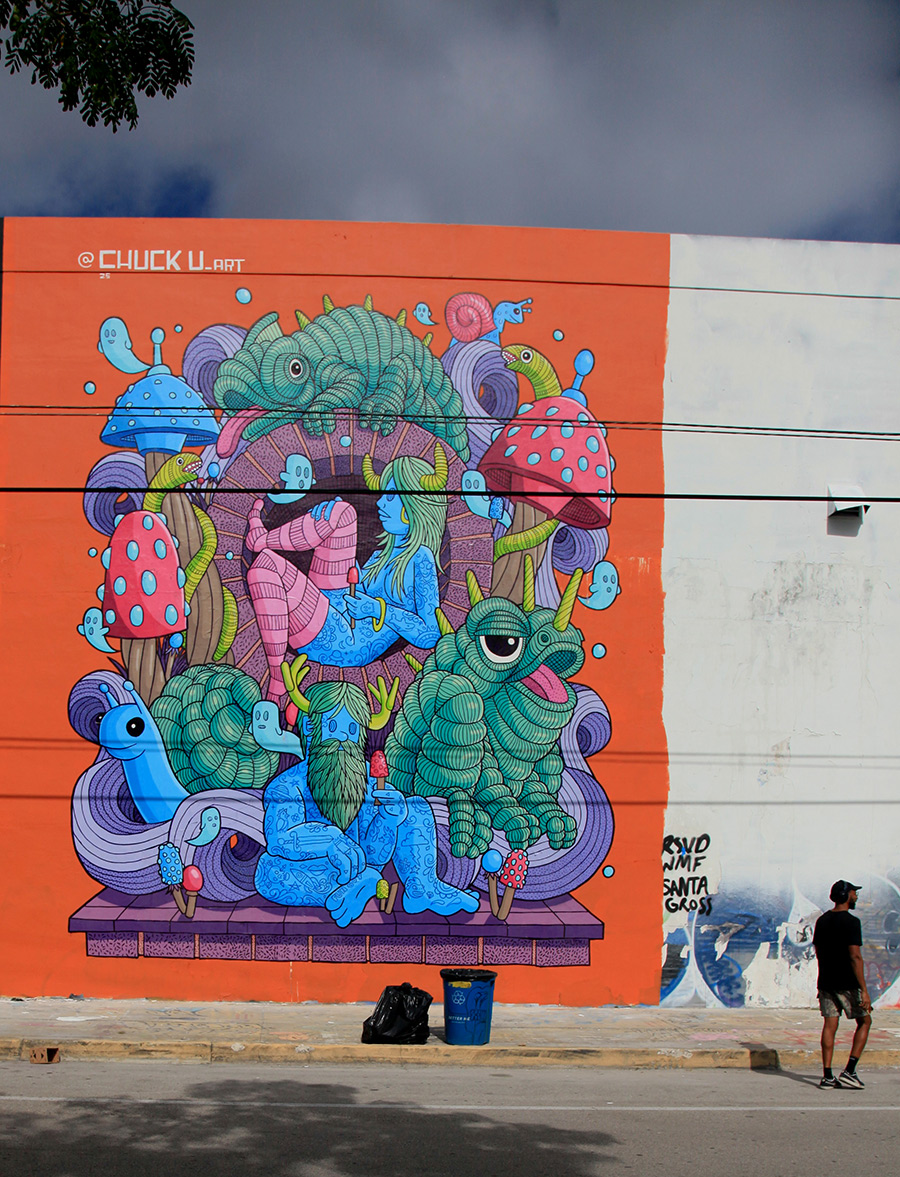
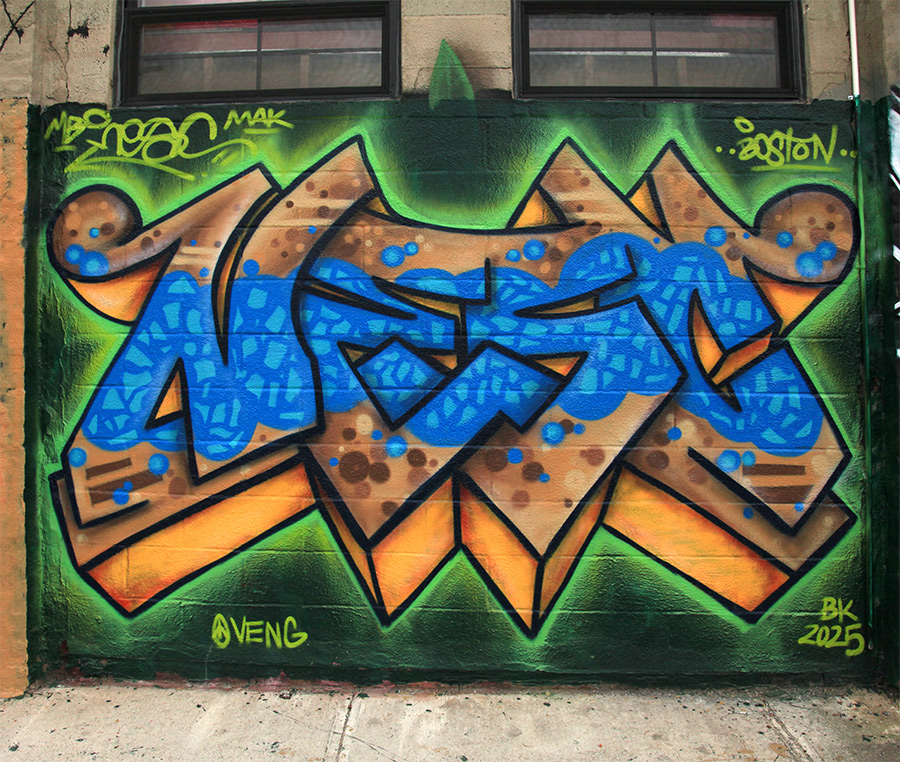
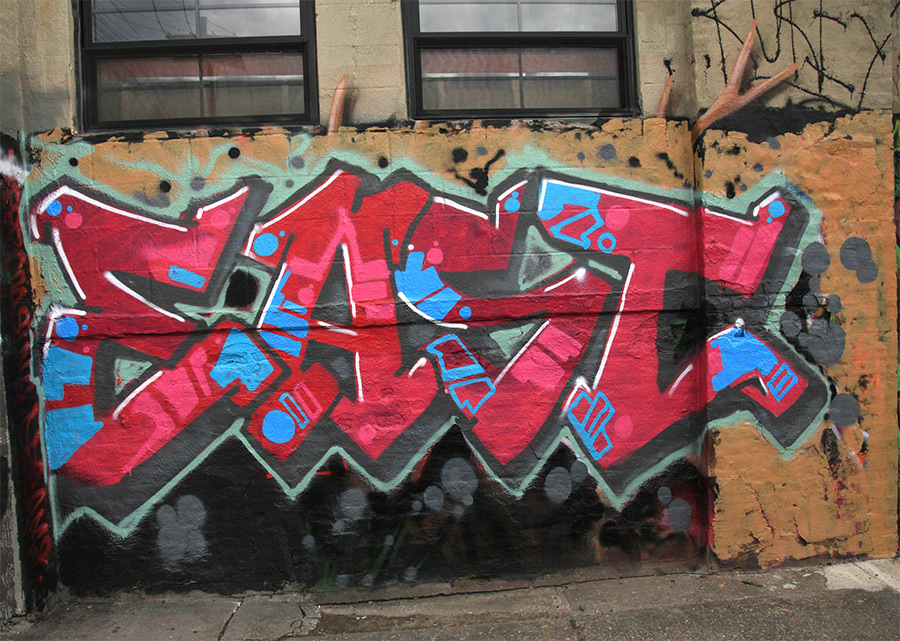
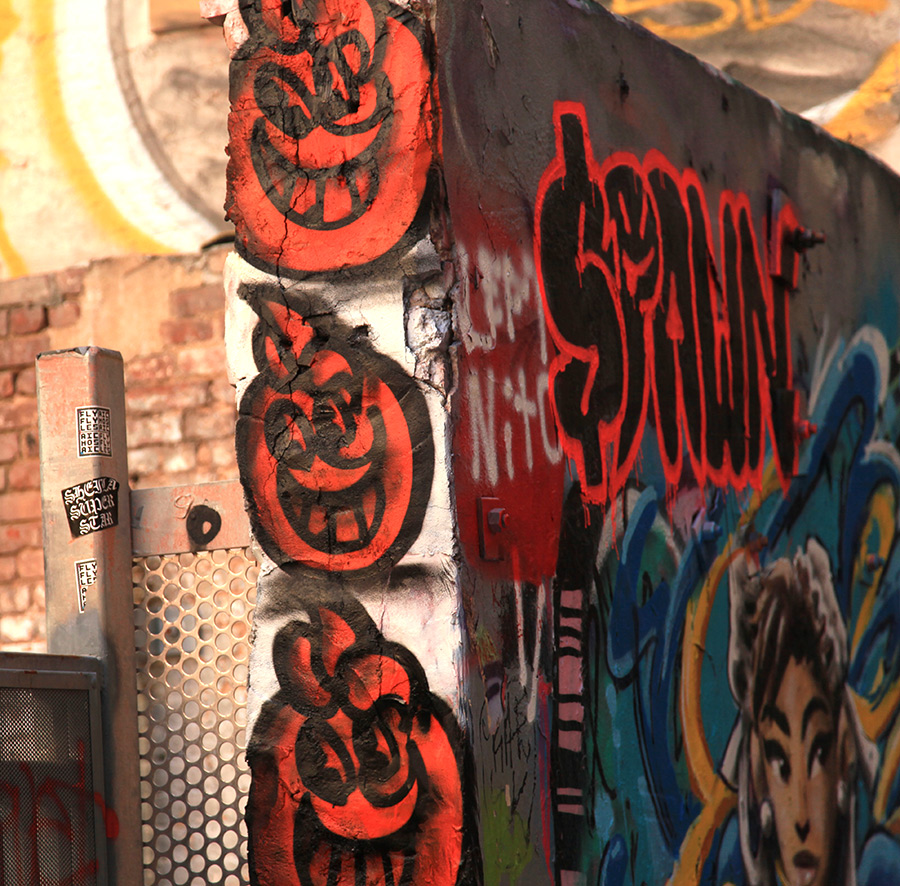
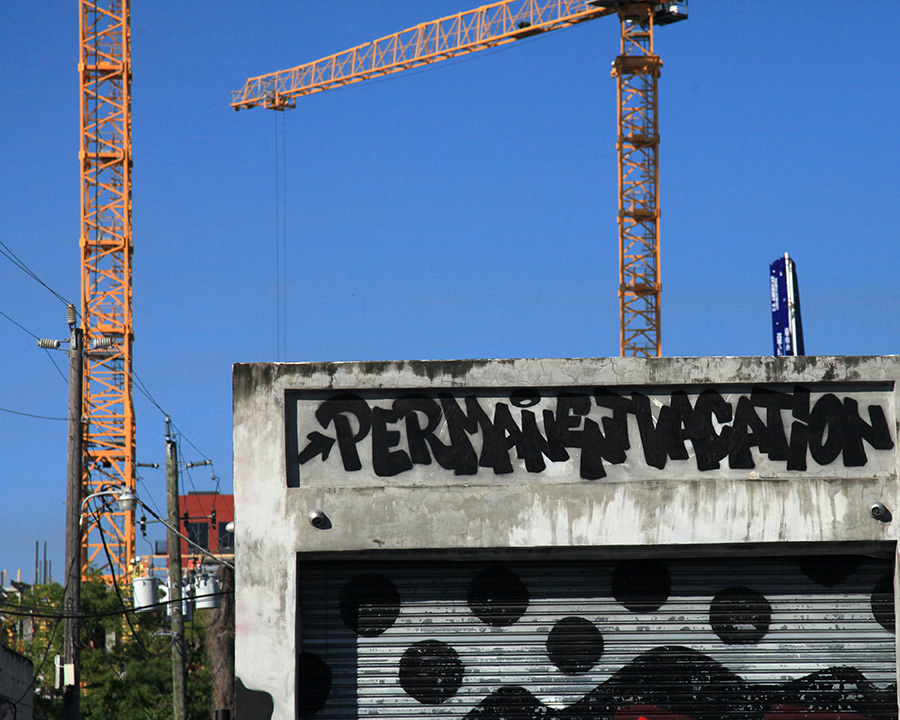
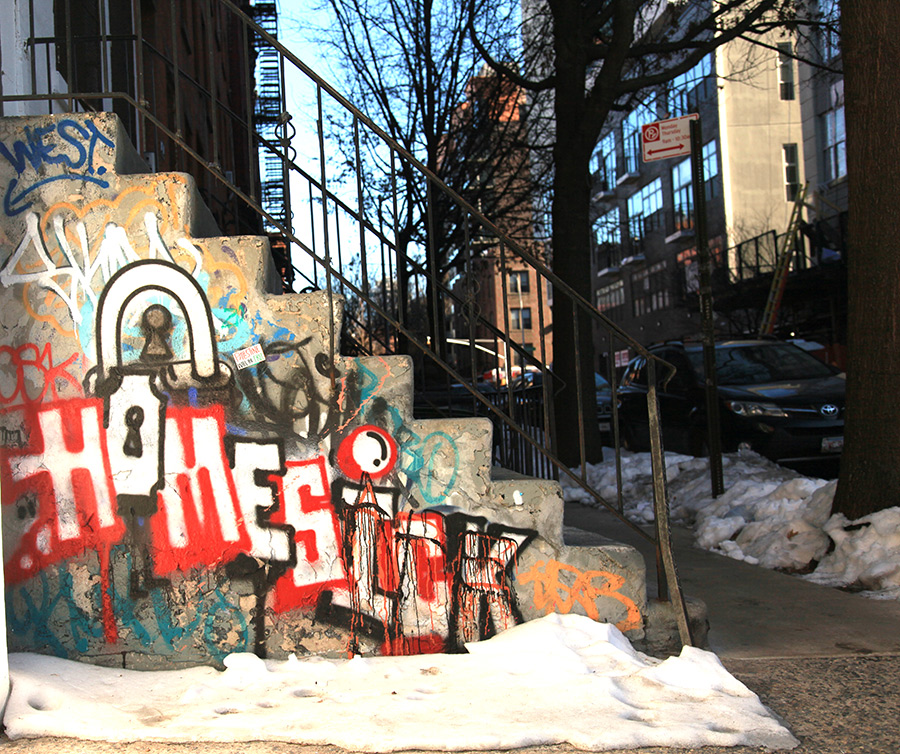
Here’s our weekly interview with the street, this week featuring Appleton Pictures, Atomik, BK Foxx, Chuck U, Dee Dee, EASC, Homesick, IMK, NESC, and Siner One.
Queens, New York-based Duendita often moves between NYC and Berlin contexts. “Mind” reads more as an intimate, interior/performance piece rather than a particular place.
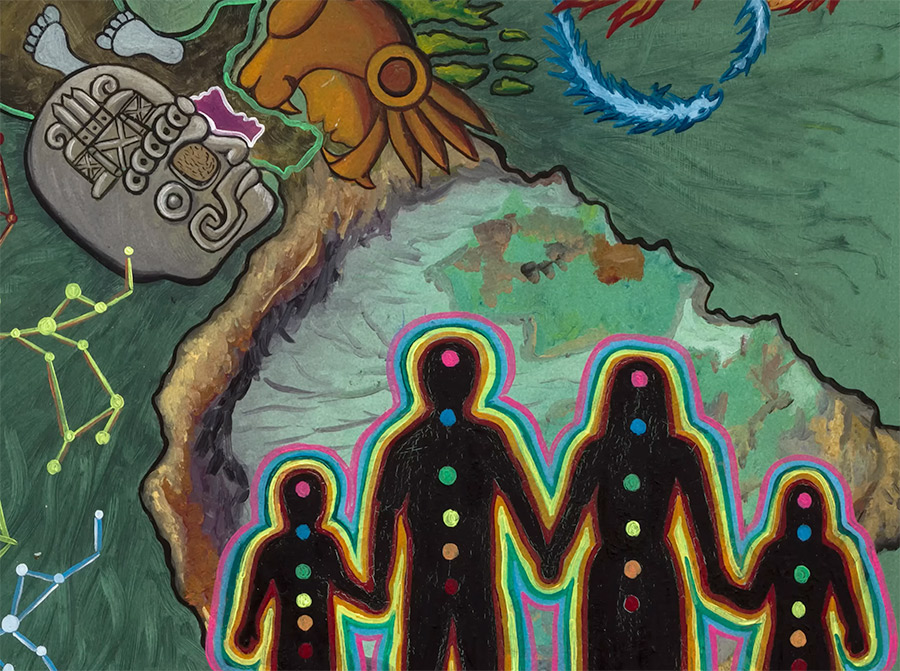
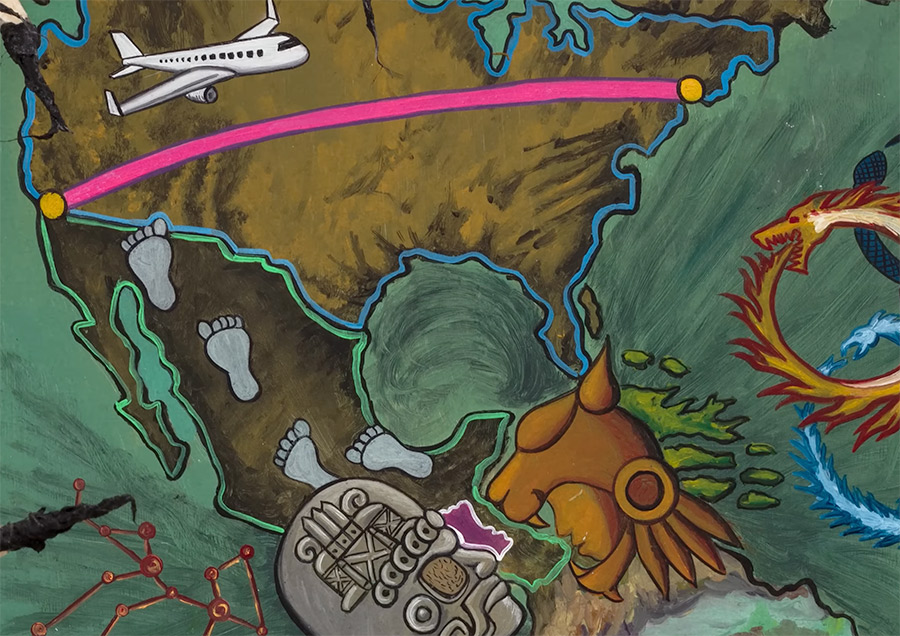
A transformed school bus becomes a mobile healing site at the US-Mexico border. This documentary short (Guadalupe Maravilla’s “Mariposa Relámpago”) follows the artist as he commemorates and confronts his journey to the United States as an unaccompanied, undocumented minor fleeing civil war in El Salvador in the 1980s.
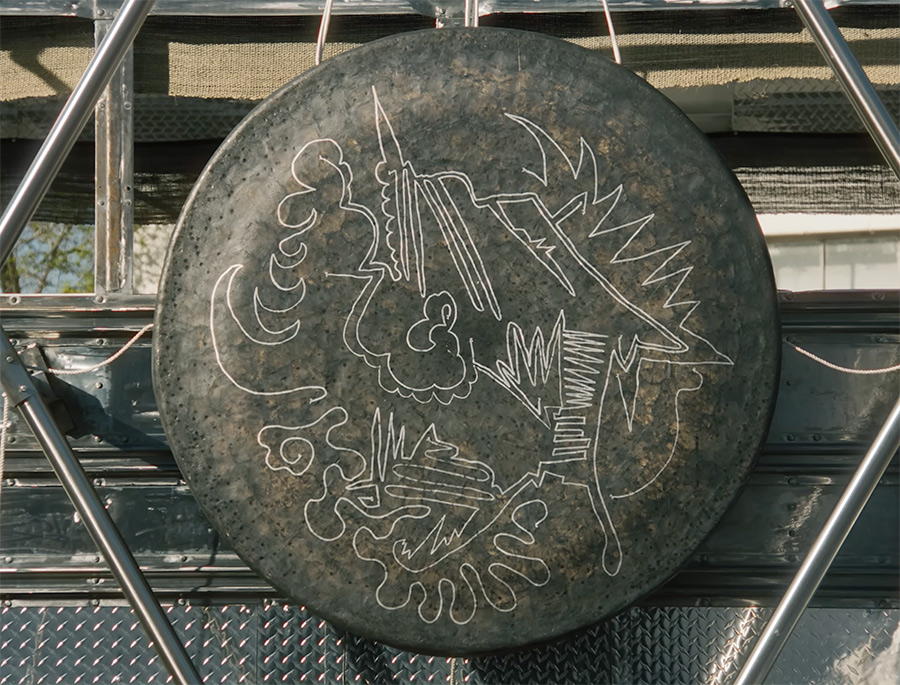
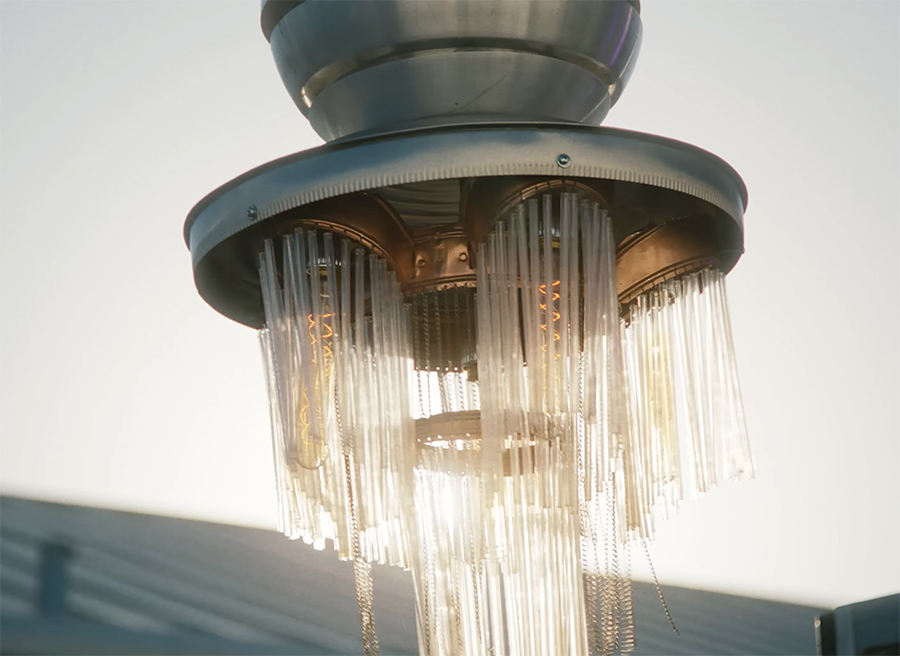
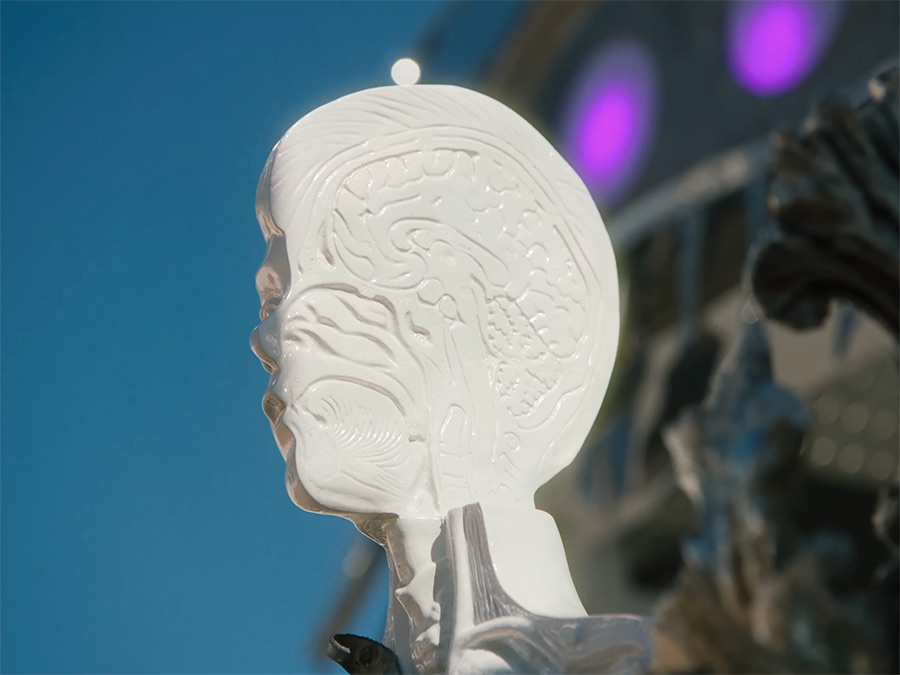
Guadalupe Maravilla stands beside the bus like someone greeting an old companion, not a sculpture. Mariposa Relámpago is both vessel and instrument—rebuilt from recycled parts, covered in objects with personal and ancestral meaning, and driven along the same route he once traveled as an unaccompanied child leaving El Salvador. The bus hums with purpose: a mobile site for sound, memory, and much-needed psychological, spiritual, and cultural repair.
You sense immediately that this is not about spectacle; It is about returning—physically and emotionally—to the path that shaped him, and offering it back to others as a place for healing. Hopefully as a healing for him also.
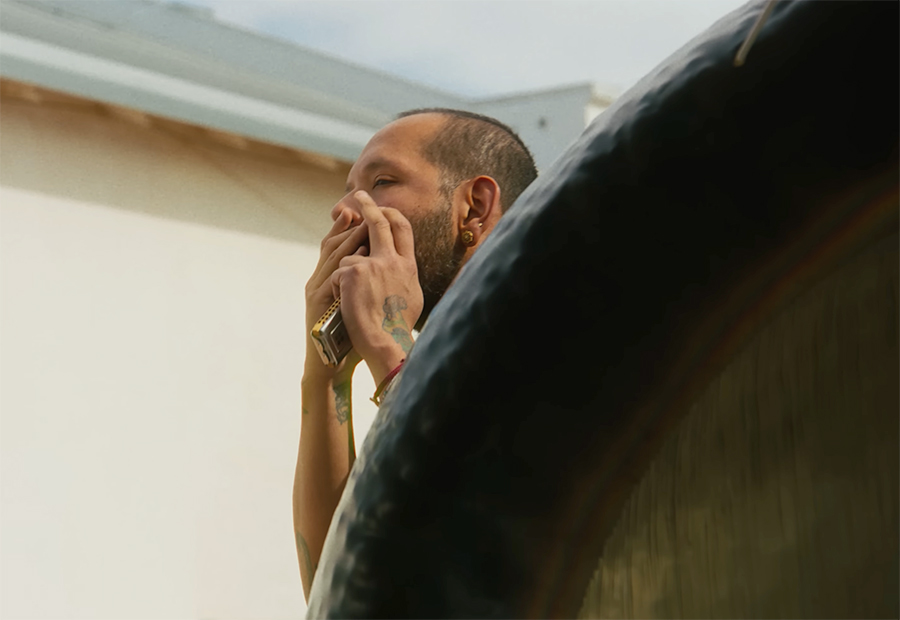
Dreams, butterflies, lightning bolts gathering in a storm. Abuelitas speaking of healers who could heal a whole town. The wind moves through two harmonicas like spirits passing through a doorway. “Sound is really powerful,” he says, “a universal way of experiencing healing.”
Children caught in an inhuman system—misplaced, afraid, angry—brush against humanity at arm’s length, waiting for someone to see them. Everyone feels it, he says: plants feel it, babies feel it. The bus vibrates with hundreds of objects, each carrying a story, repurposed into a kind of medicine.
He remembers classrooms in New York where no one knew what he had survived, how necessary healing had become to him, and how elusive it was. He looks back to Maya ancestry, forward to communities from Philadelphia to Marfa, where new ceremonies unfold under watchful skies and border patrol blimps. “I had so many mixed feelings,” he admits.
But the work keeps moving—an ongoing story of resilience born of profound hurt, a bus as an instrument, sound as medicine, a journey retraced so others might find a way through it, too.
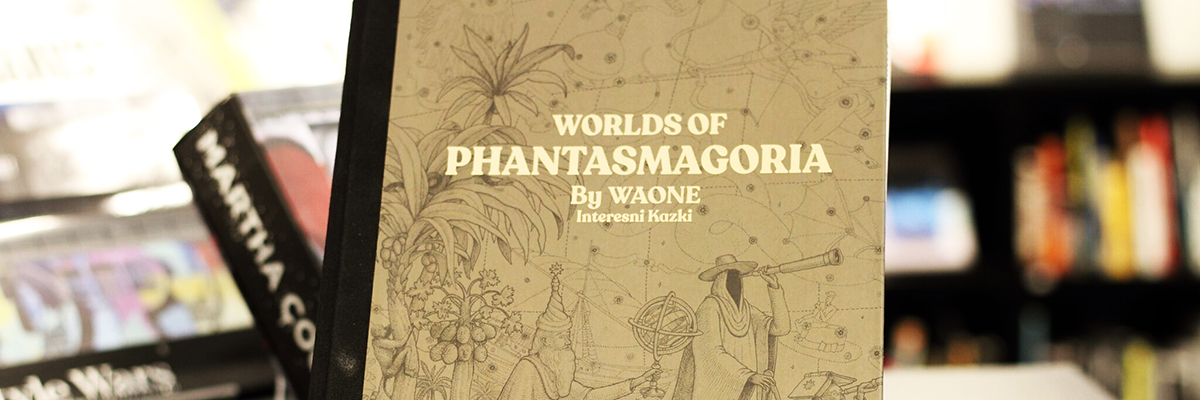
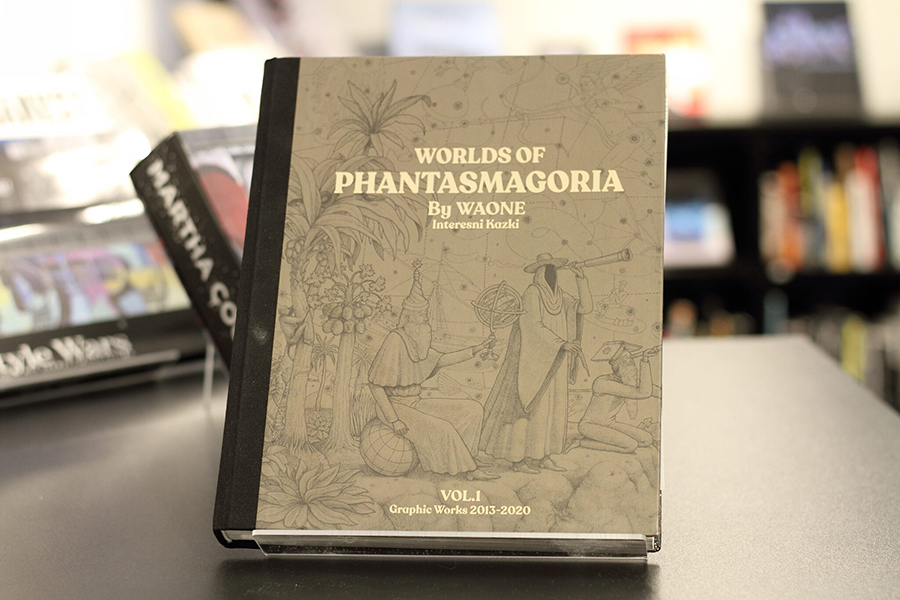
WAONE: Worlds of Phantasmagoria, Vol. 1. Vladimir Manzhos. 2020
Reprinted from the original review.
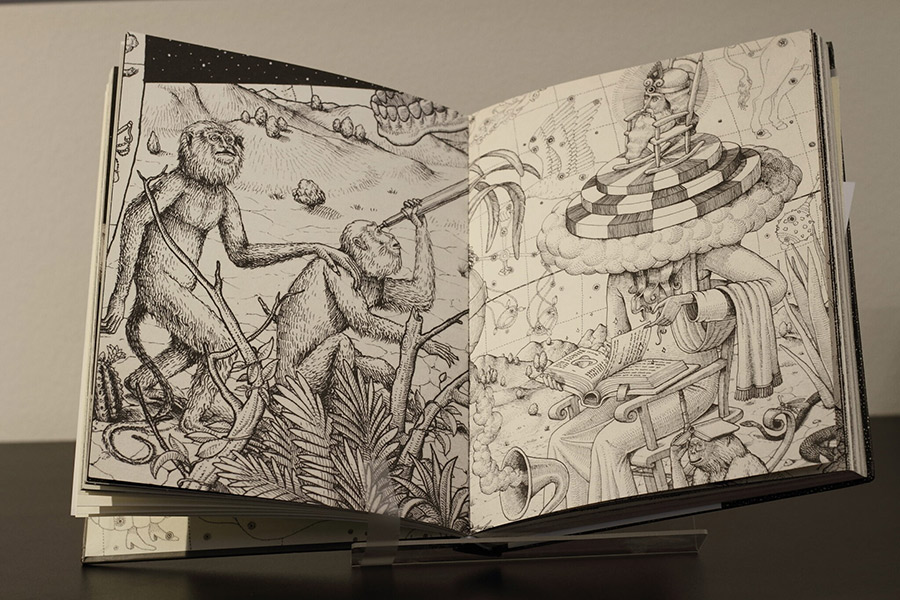
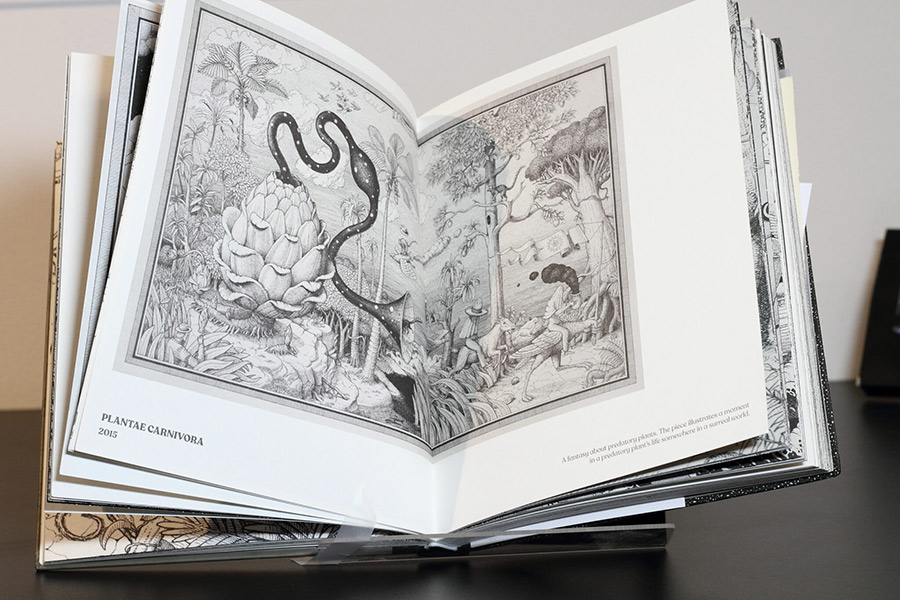
Worlds of Phantasmagoria, Vol. 1 is a comprehensive exploration of the monochromatic works of Ukrainian artist Vladimir Manzhos, known as WAONE. Spanning the years 2013 to 2020, this 208-page hardcover book provides a chronological view of his artistic evolution. It highlights his transition from large-scale, colorful murals in public spaces to intricate black-and-white compositions created in the studio.
The book features a range of works, including murals, ink drawings, etchings, and lithographs, each accompanied by detailed narratives from the artist. These descriptions provide insight into WAONE’s creative process and the philosophical themes that underpin his work. Drawing inspiration from mythology, folklore, science, and personal introspection, his pieces weave together surreal imagery with symbolic depth.
With the aesthetics of a musty and mythical library, the illustrations open the preconceptions of psychology, offering myriad views through recombining familiar elements into unusual associations. In the process, you travel with Waone as he dedicates himself to this uncolorful view, which is nonetheless rich, if not tinged with a bit of antiseptic horror.
Text Steven P. Harrington & Jaime Rojo Fotos Eveline Wilson
Title: WAONE: Worlds of Phantasmagoria, Vol. 1 Published: WAWE 2020 Author: Vladimir Manzhos (WAONE) Language: English
Welcome to BSA’s Images of the Week! It’s Superbowl day! Bad Bunny at half-time!
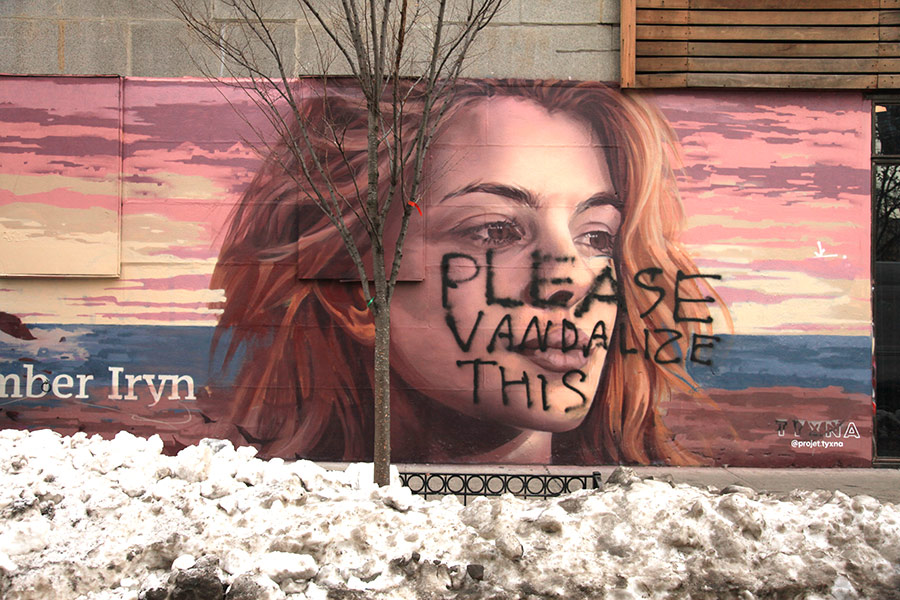
This week in NYC art news, vandalism of a politically charged mural is causing “debate“, an exhibition at the Noguchi Museum reimagines the city through unrealized designs, and the School of Visual Arts saw their chair of MFA Art Practice program resign after it was revealed that he featured several times in the latest release of the Epstein files. According to ArtReview, “Ross was formerly director of the Boston ICA, the Whitney and SFMoMA, and had been chair of the MFA Art Practice program at the SVA since 2009”.
Also, Tony from down the block is trying to figure out how to get a dozen roses for your sister Chambray before Valentine’s Day without blowing his entire paycheck from the funeral home, and the pressure is on for couples to make some cinematic gesture this week. But honestly, an afternoon wandering a museum together, followed by a pizza slice and a soda under fluorescent lights, still does the job better than any prix-fixe romance package ever could. These are not times to break the bank. Don’t stress; as a certain Chicago street artist used to say, “Don’t Fret.”
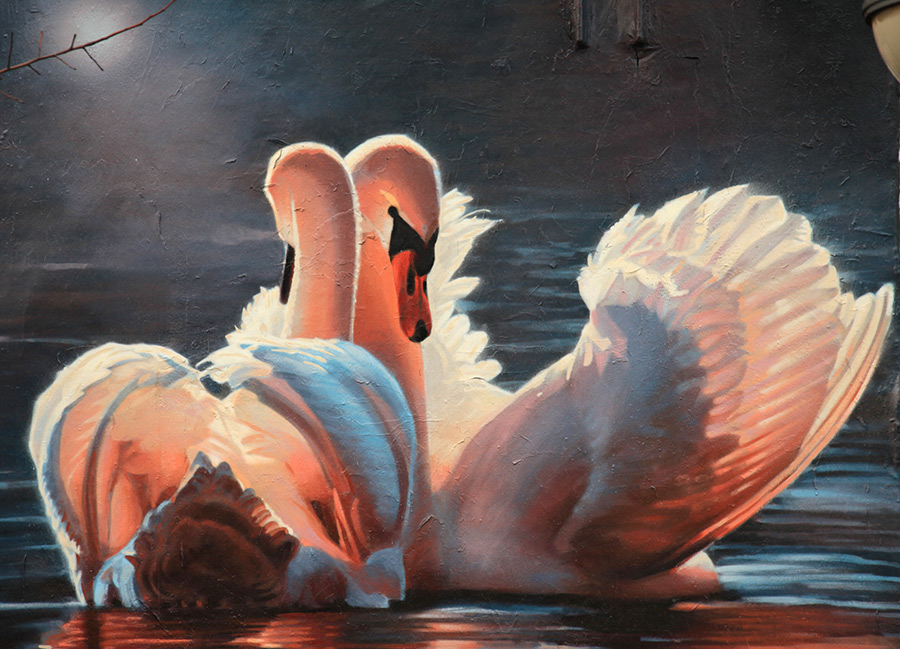
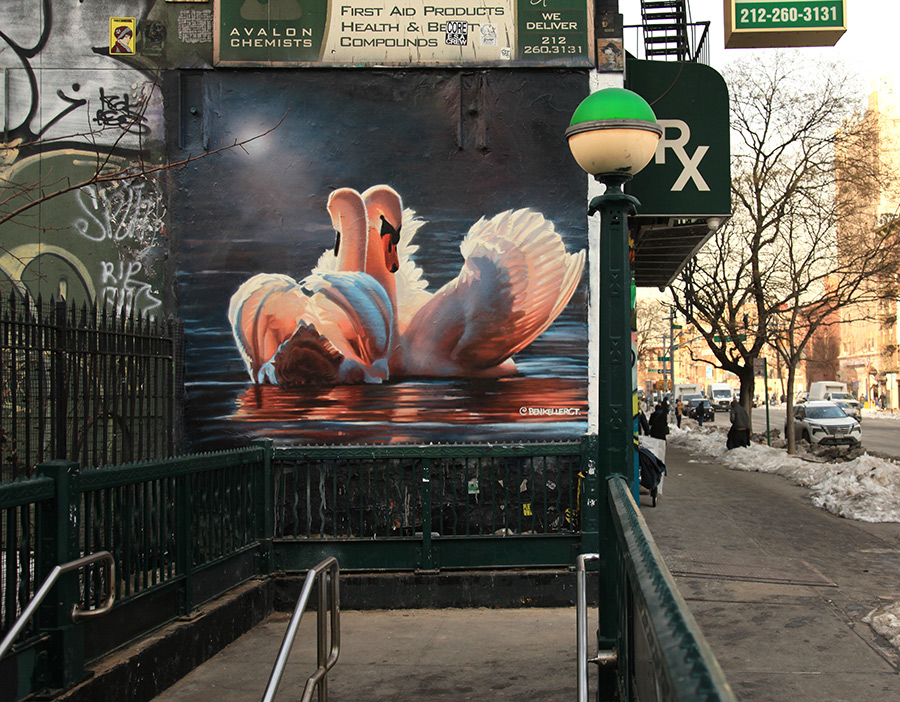
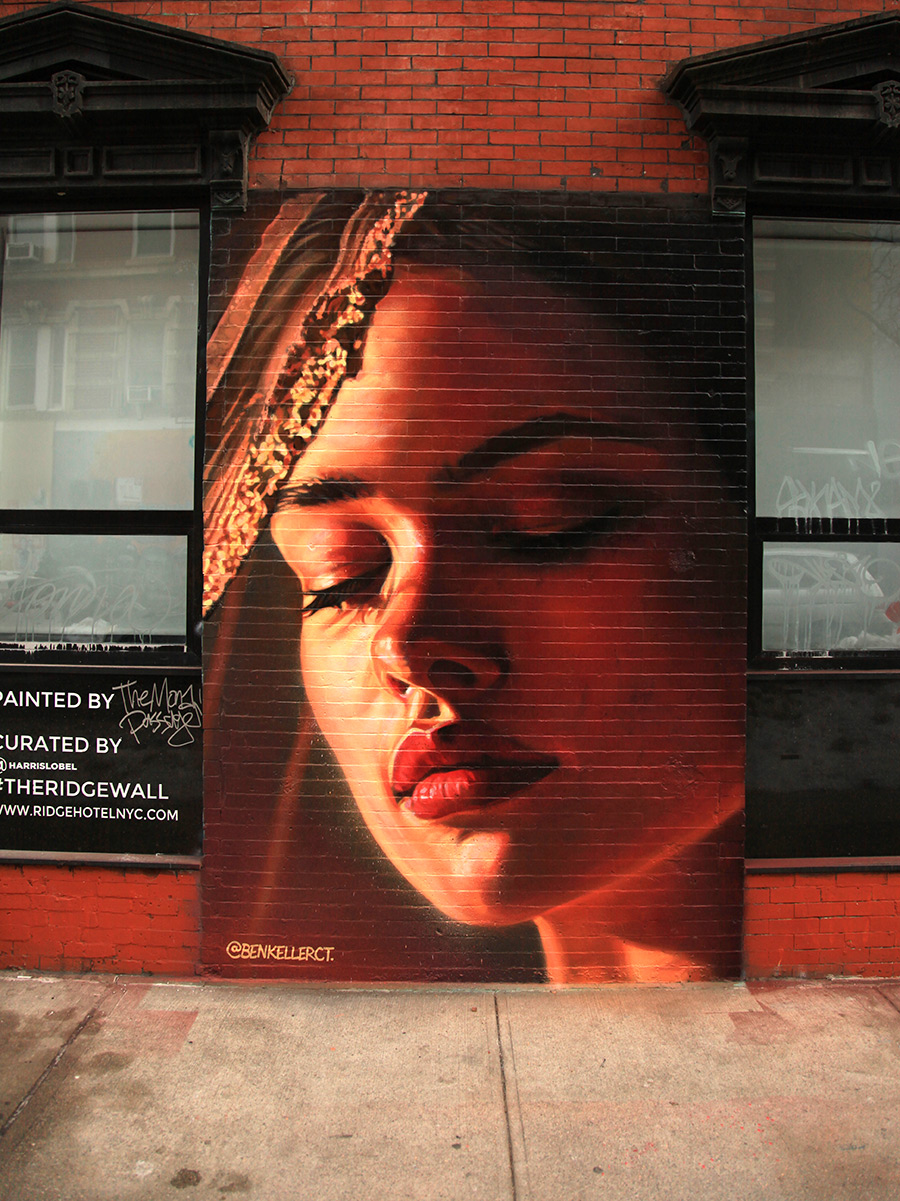
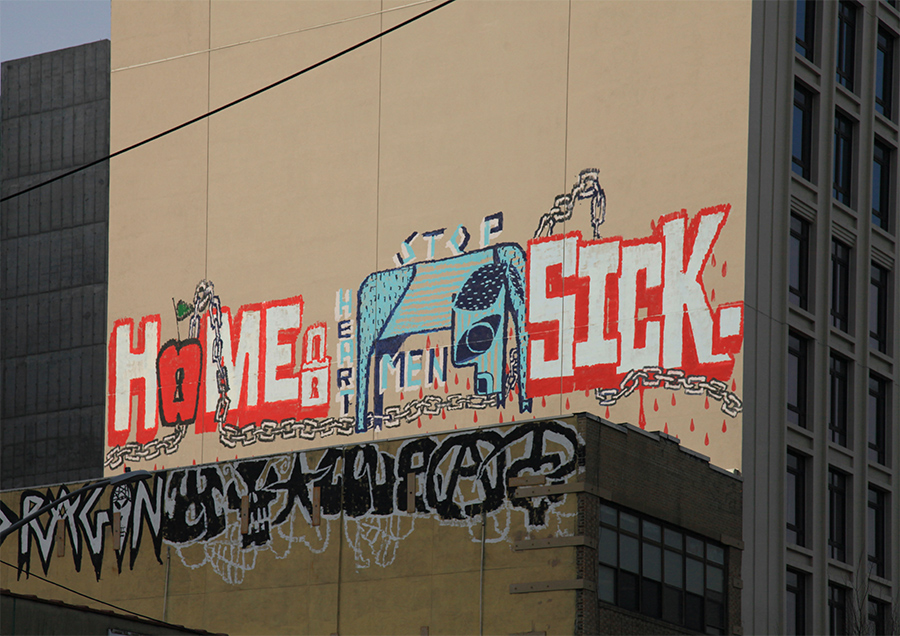
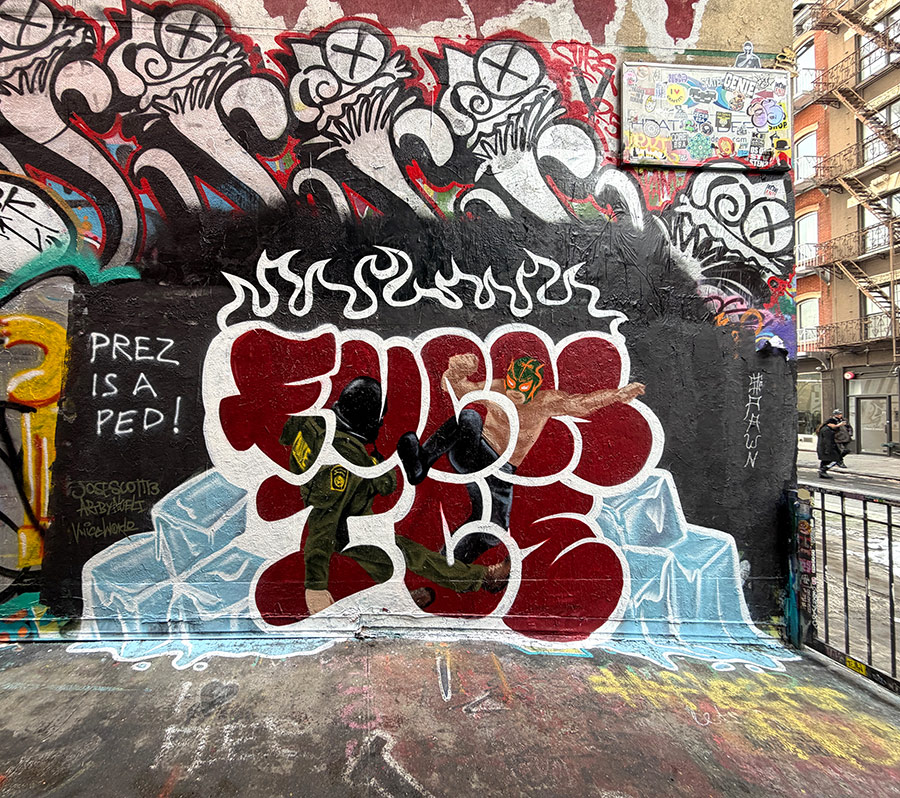
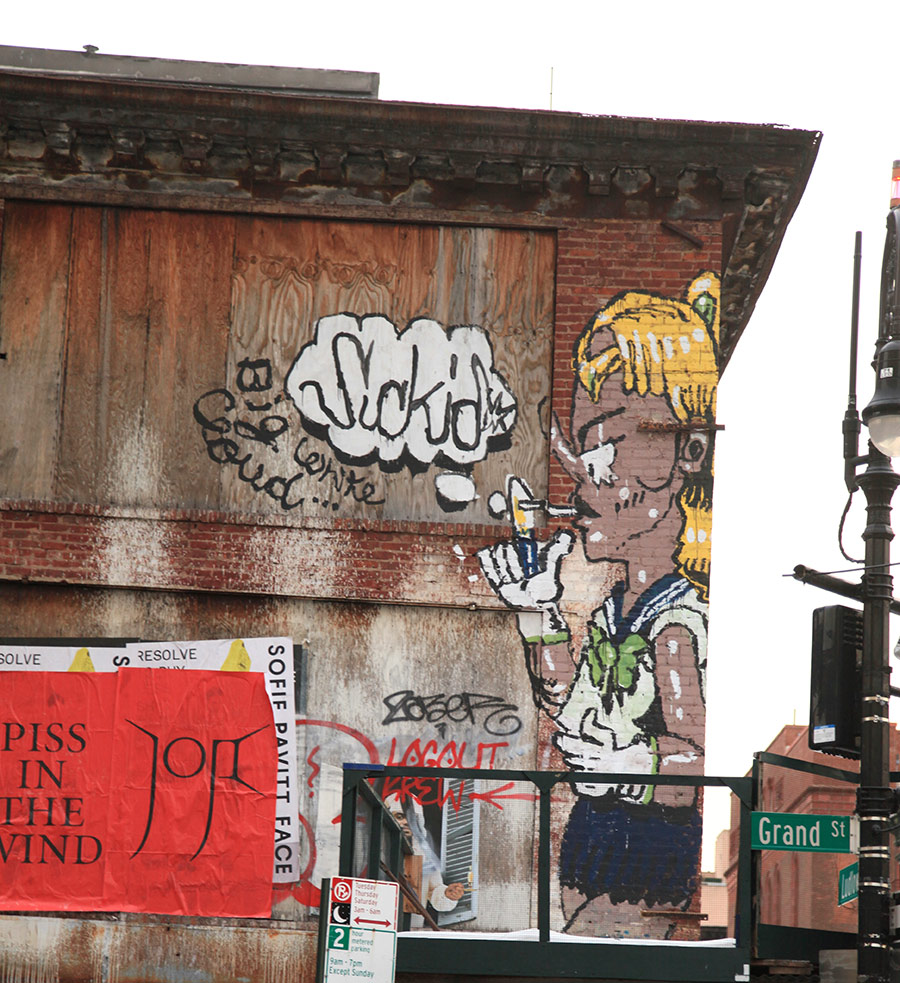
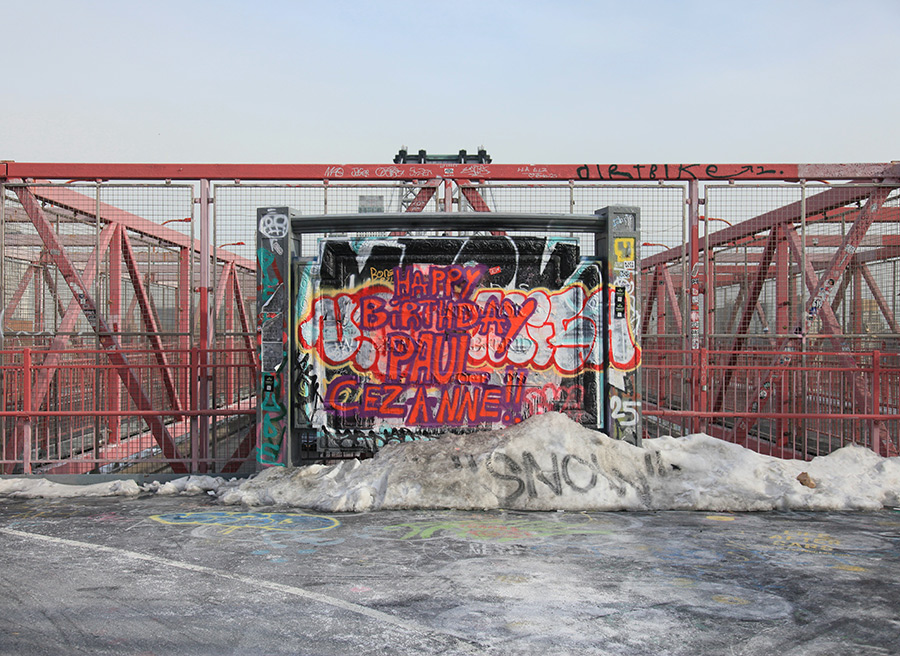
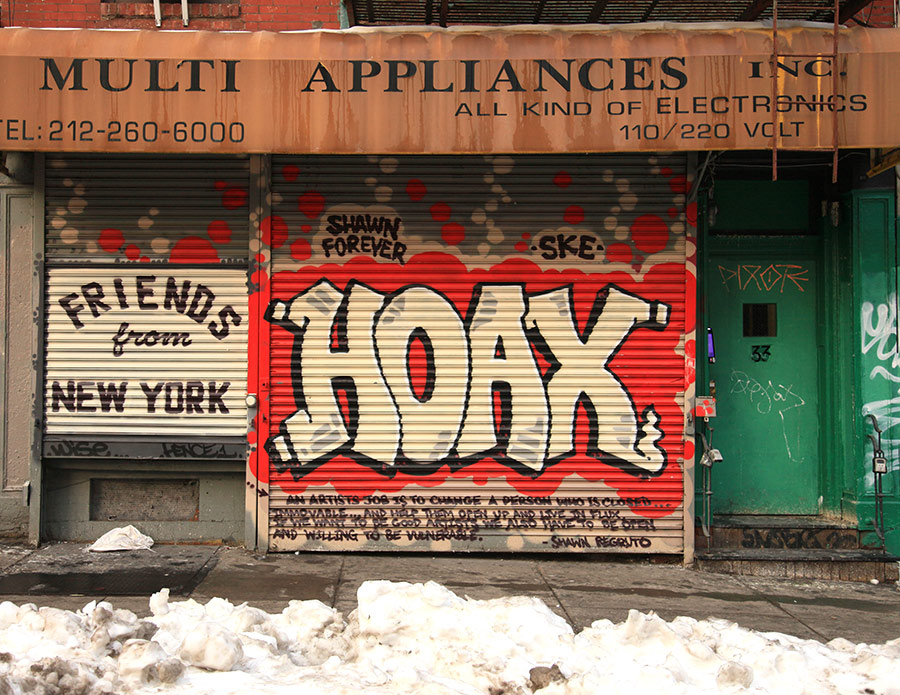
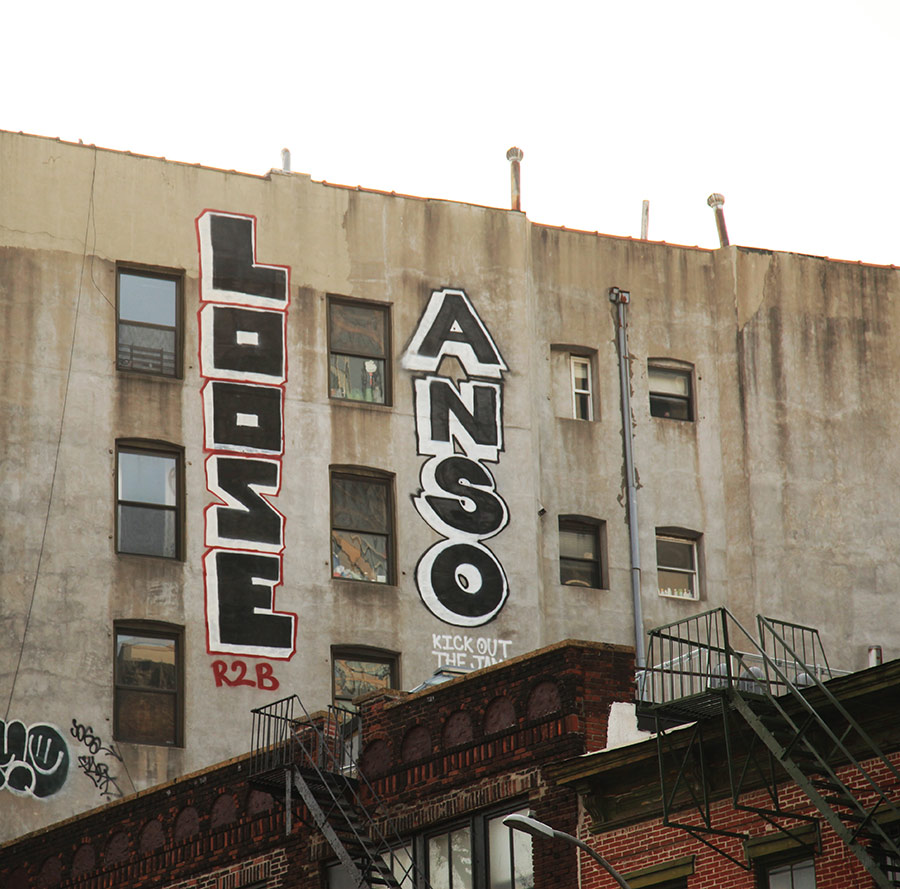
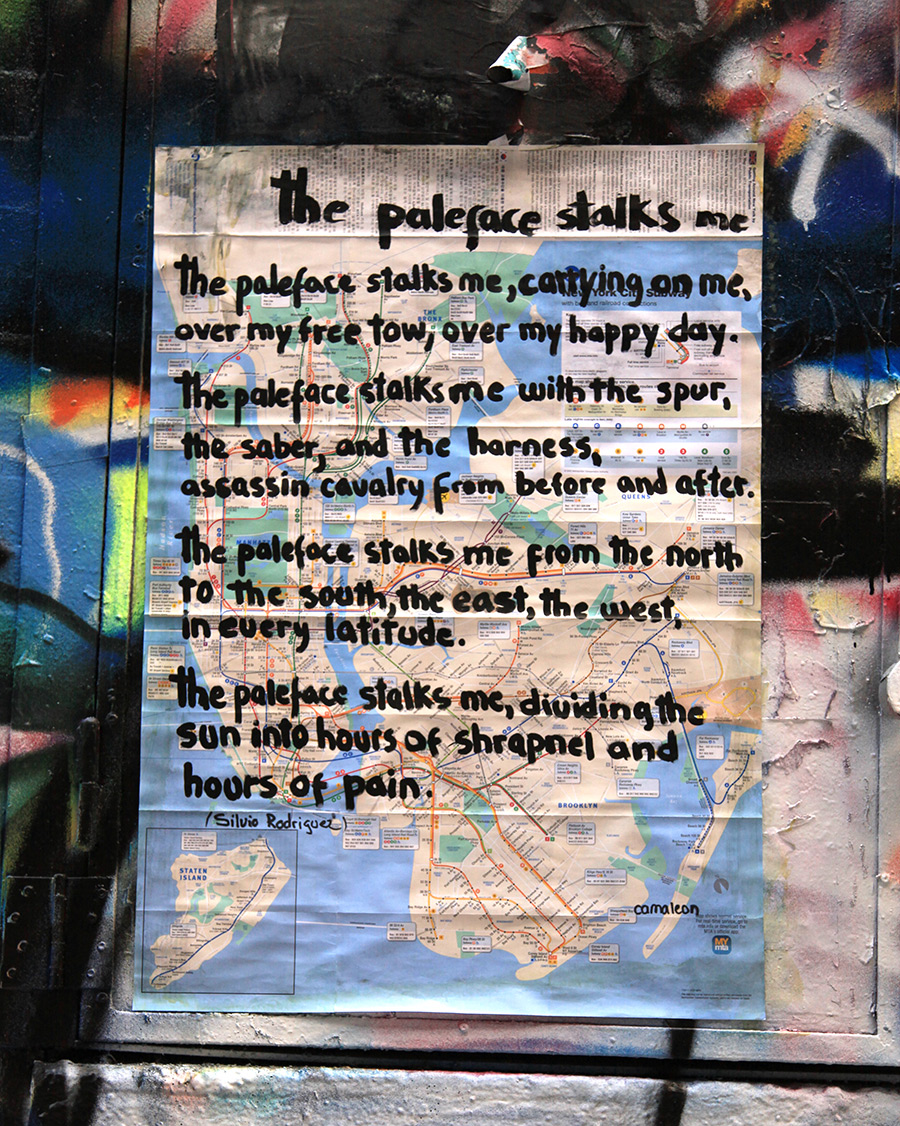
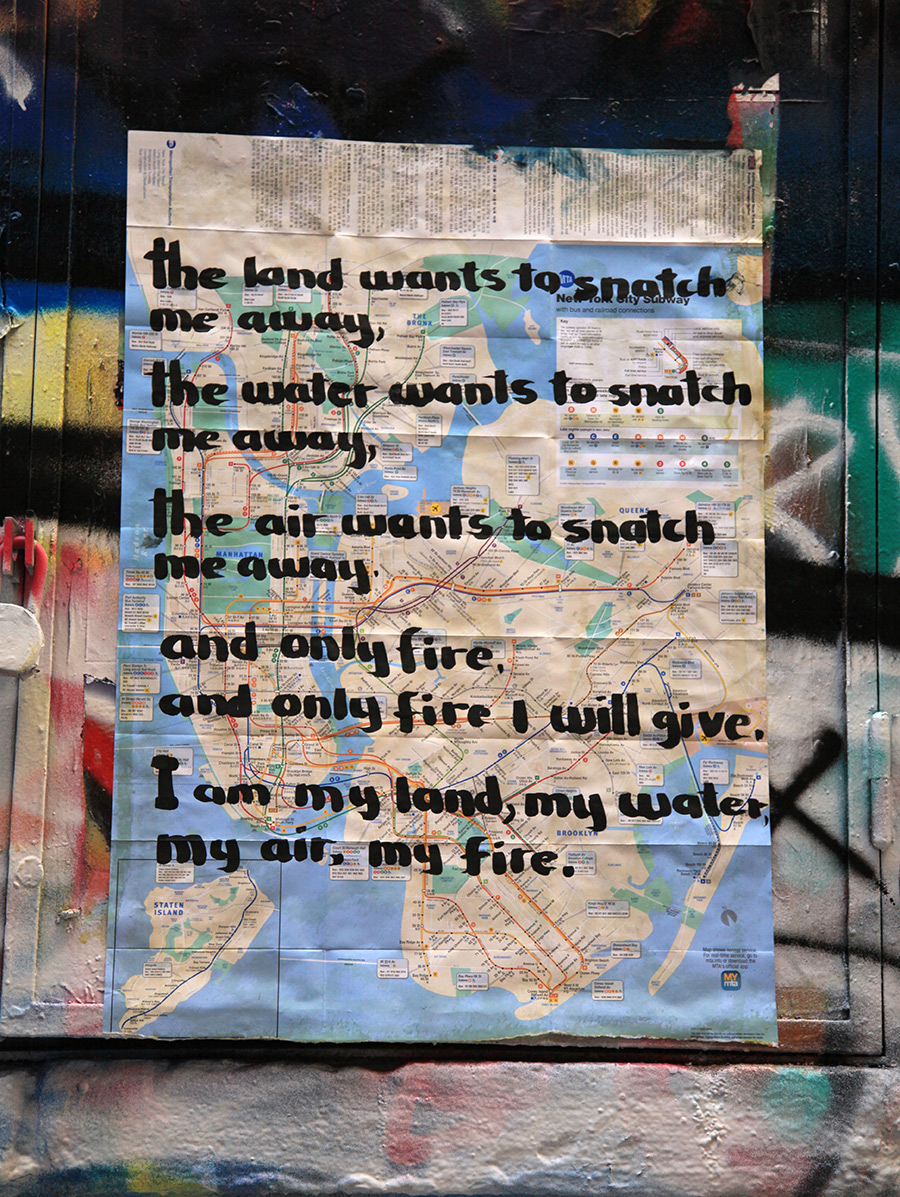
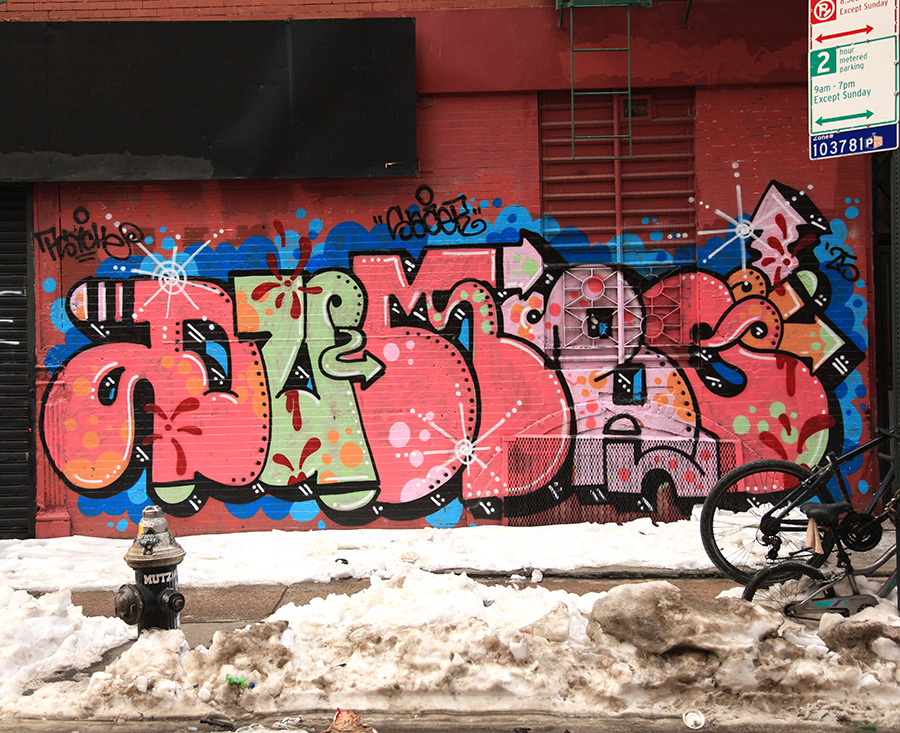
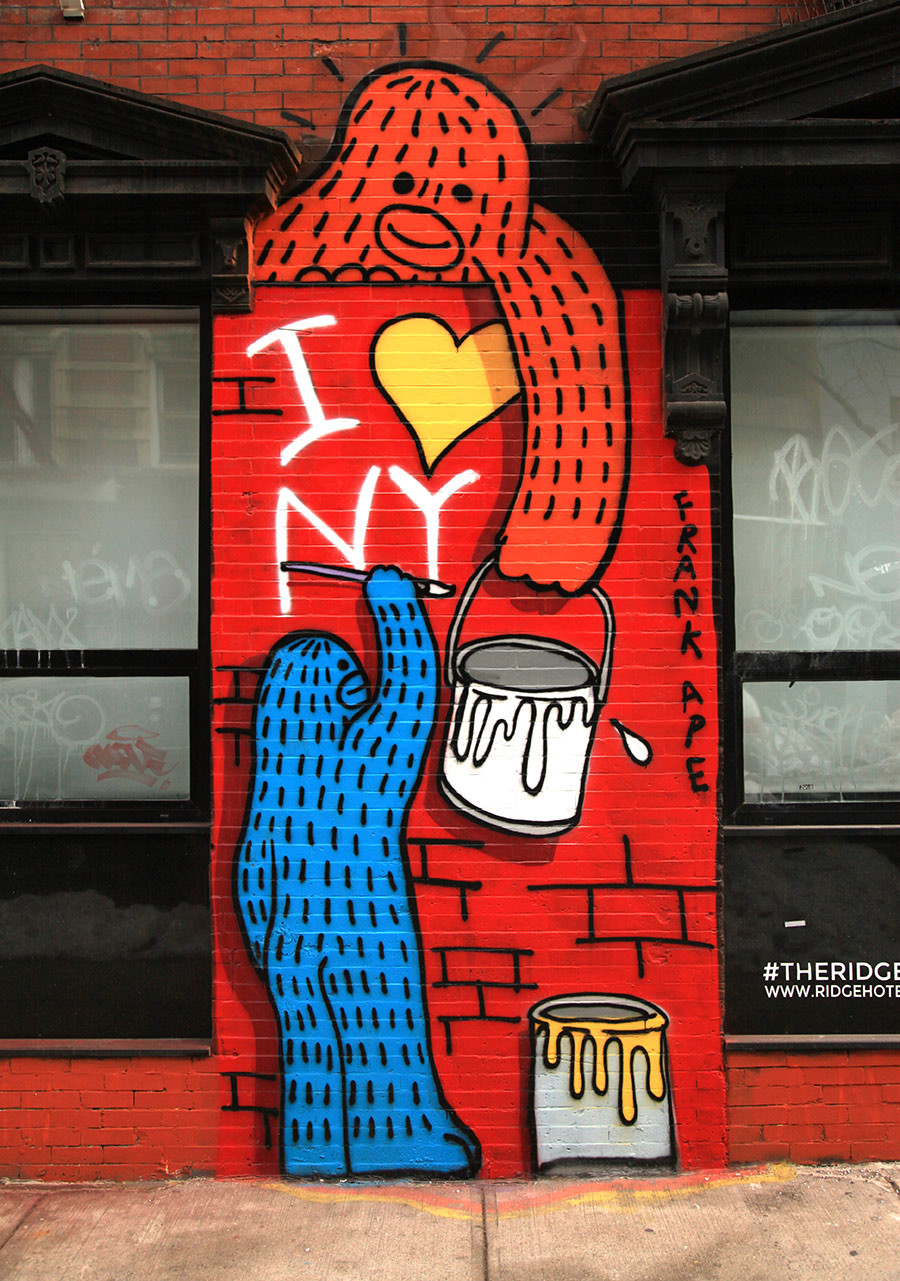
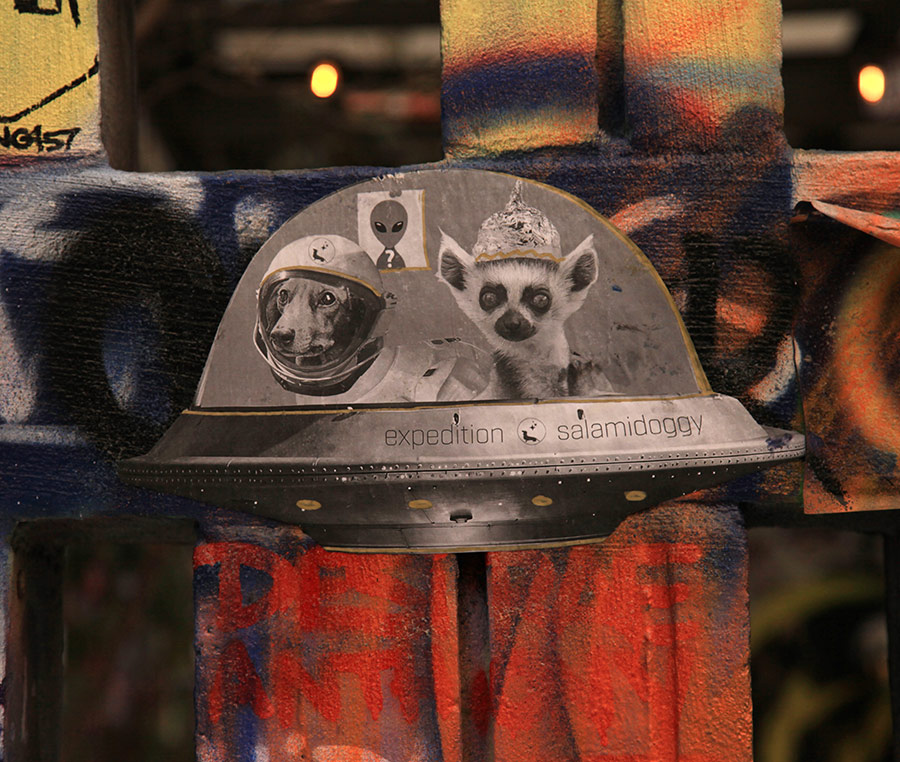
Here’s our weekly interview with the street, this week featuring ANSO, Ben Keller, CP Won, Frank Ape, Hoax, Homesick, Jose Scott13, Loose, Salami Doffy, Tyxna, Vnice World, Noeli, and Xara Thustra.
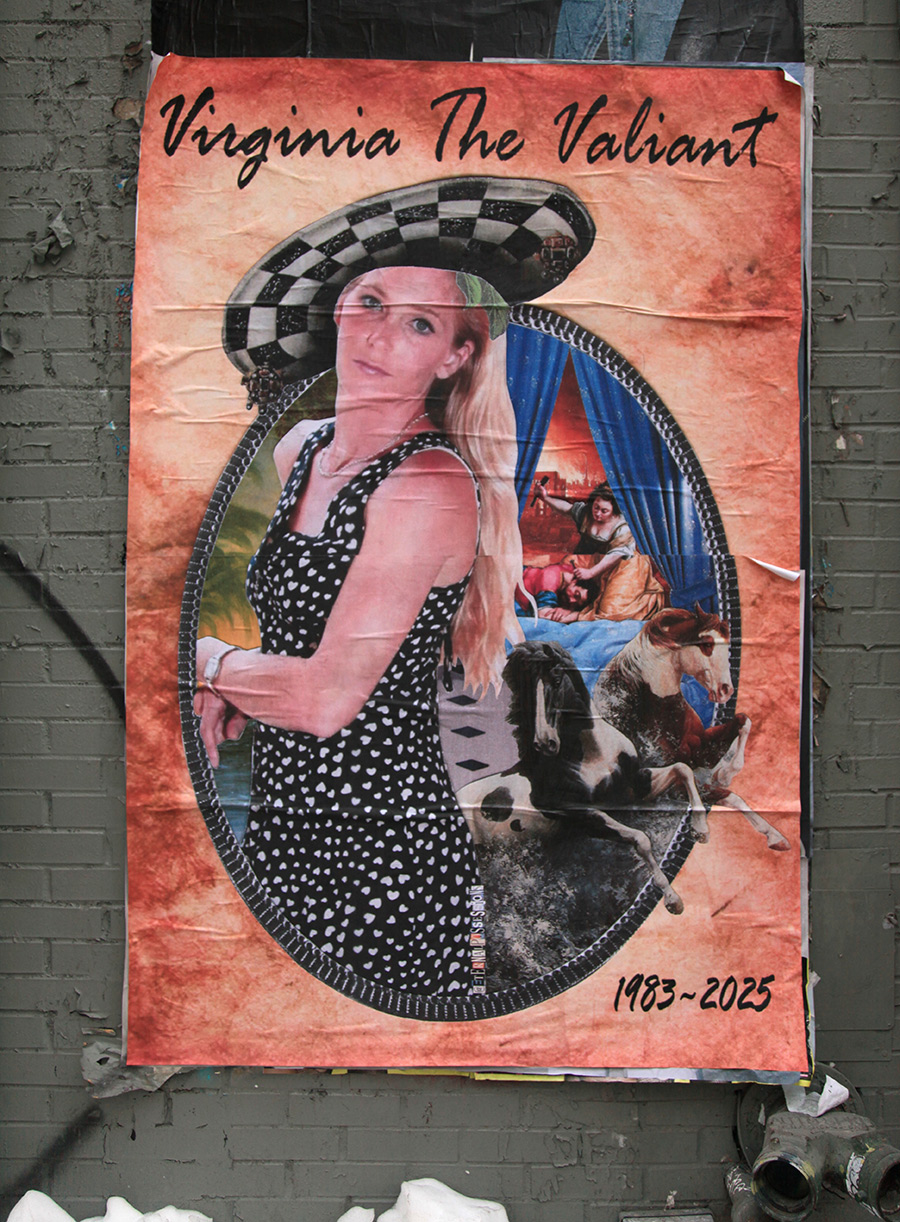
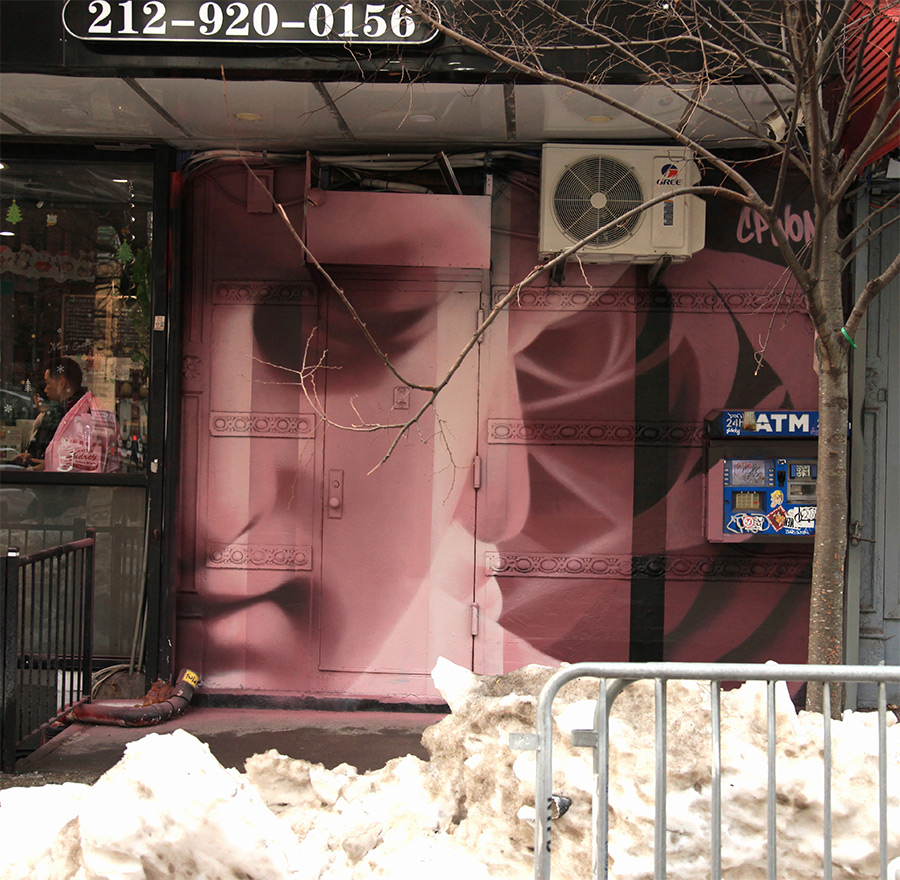
Murals like this new one in Manhattan, and an earlier example in Bushwick, have been appearing in cities including Washington, Miami, Los Angeles, and Chicago, depicting Iryna Zarutska, a victim of violence in Charlotte last summer. The campaign positions her death as a reductionist symbol within a broader, loosely defined narrative that unrestrained “street” crime has overtaken American cities. Her image — carefully selected and conventionally appealing to a certain segment — functions as a cherry-picked face for that message, which some critics view as echoing earlier eras of racially coded fear-based rhetoric that is on display again. Members of Chicago’s Ukrainian community have also pushed back, describing the murals as a cynical tactic and noting, according to local reporting, that the victim’s family was not consulted. The Guardian says the funders have ties to the MAGA movement and billionaire Elon Musk, and it asks, “Are they weaponizing her memory?” The accused attacker’s mom told the local newspaper that her son suffered from severe mental health problems. Whatever the case is, some on the street have decided the whole thing is sus, as the gamer kids say, and have been vandalizing the murals.
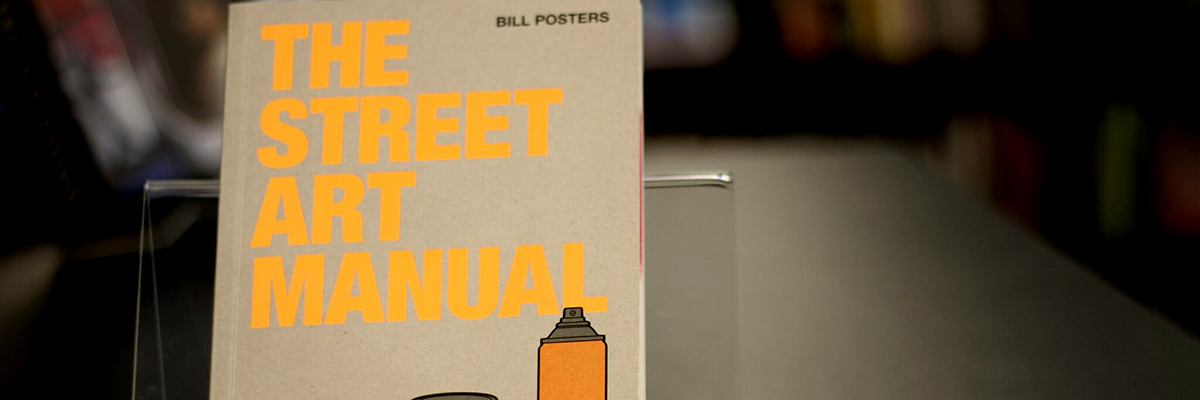
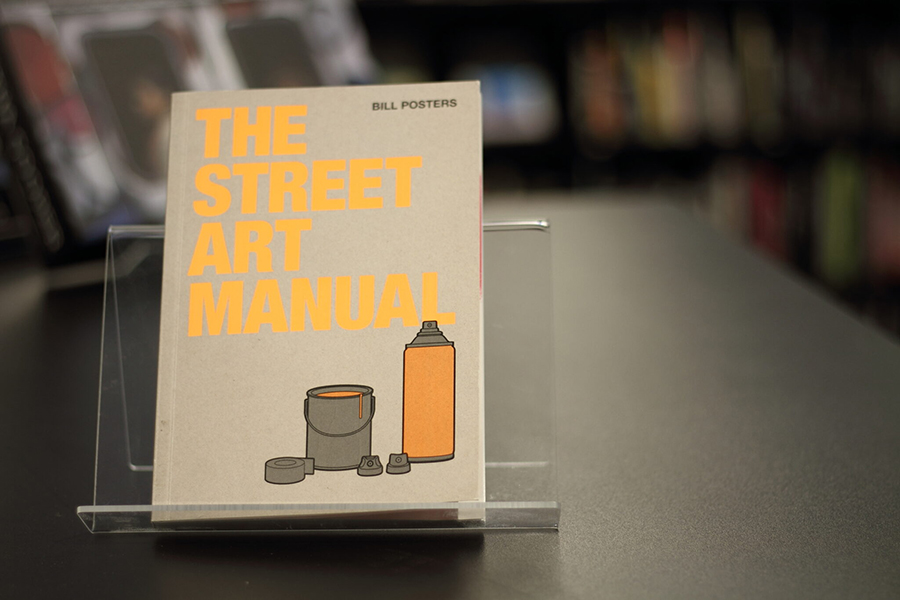
Bill Posters. The Street Art Manual. September, 2020.
Reprinted from the original review.
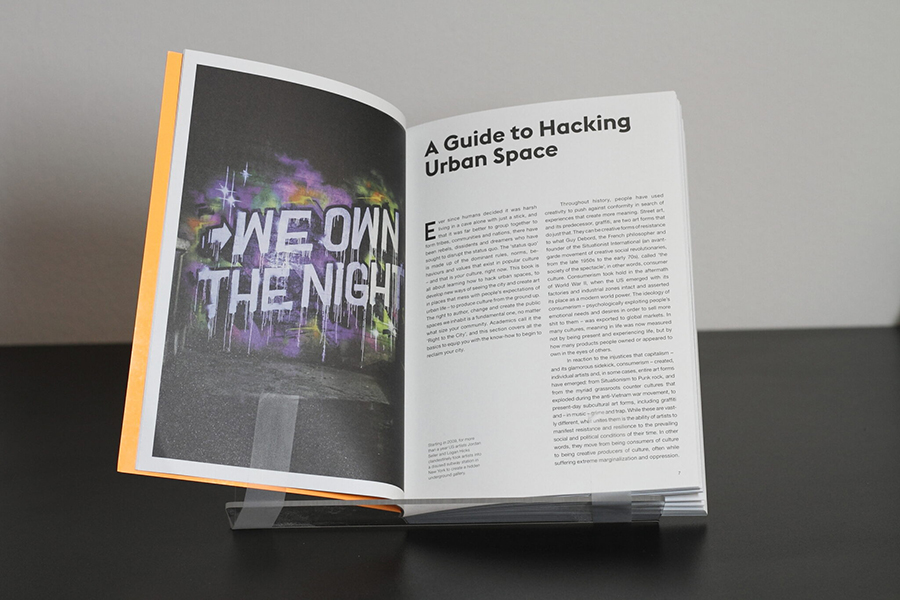
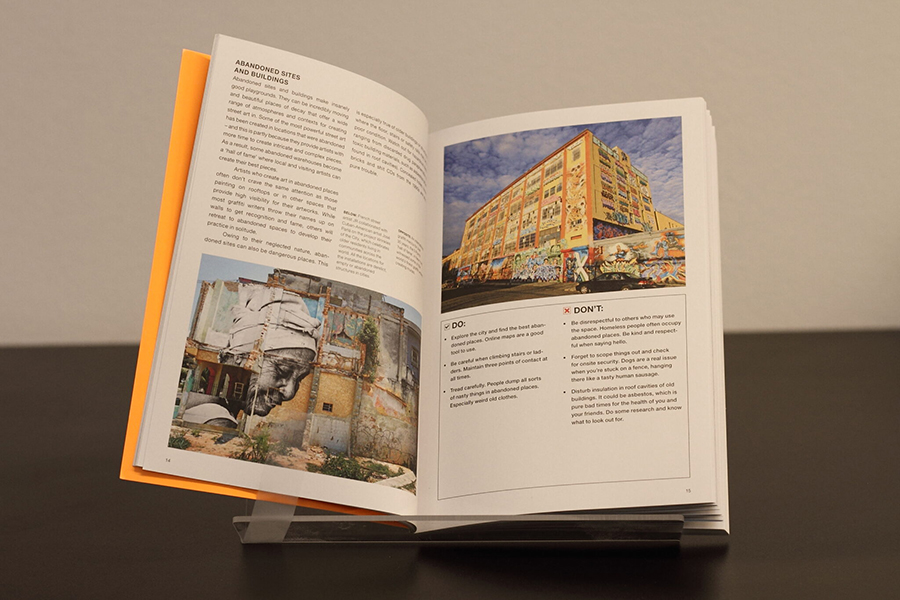
A field guide to resistance and reinvention, The Street Art Manual by artist and agitator Bill Posters is equal parts DIY toolkit, art history primer, and subversive etiquette handbook. Structured with the confidence of a seasoned practitioner and the welcoming, humorous tone of a supportive older sibling, the book offers practical instruction and philosophical grounding for anyone intent on engaging with public space creatively—and responsibly.
Posters, co-founder of the Brandalism project and known for controversial deep-fake online campaigns like Spectre, brings a broad knowledge of global activist art movements to the table. From Beuys’ notion of “social sculpture” to John Fekner’s typographic landmines and the ACT UP visuals of the AIDS crisis, the opening chapters trace a lineage of public dissent that informs his own practice. These references aren’t dusty citations but sharp reminders that creativity in the streets has always been more than aesthetics—sometimes it feels like survival, strategy, and classic satire.
Text Steven P. Harrington & Jaime Rojo Fotos Eveline Wilson
Title: The Street Art Manual Published: Laurence King Publishing. September 08, 2020 Author: Bill Posters Language: English
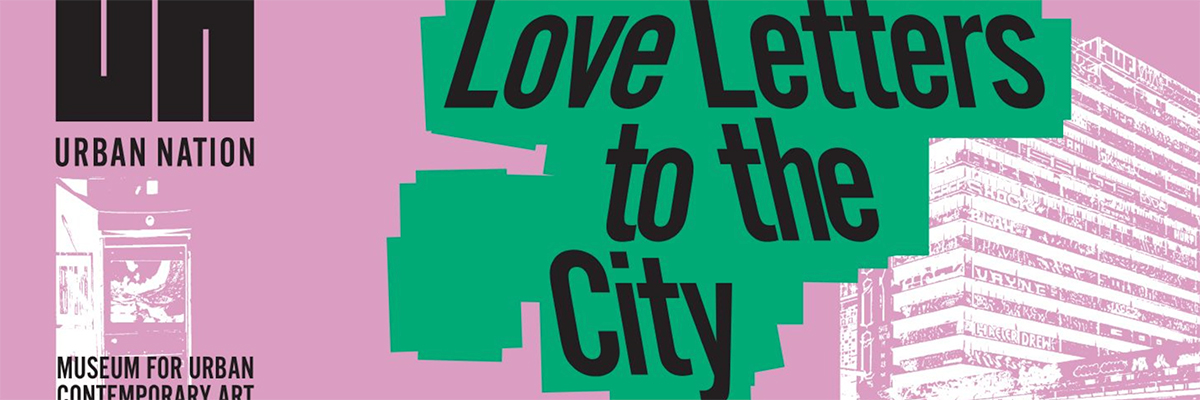
LOVE LETTERS TO THE CITY at Urban Nation Museum, Berlin
A newly released Interview snippet with curator Michelle Houston and Steven P. Harrington from the opening of the exhibit toys with the question of where art belongs and who gets to decide.
Has this been settled to your satisfaction?
Video credits: Commissioned by Stiftung Berliner Leben. Shot by Alexander Lichtner & Ilja Braun. Post-production, additional footage, graphics, and a final version by Michelle Nimpsch for YAP Studio/YES, AND… productions GmbH & Co. KG
“Love Letters To The City” is currently on view at Urban Nation Museum Berlin. Click HERE for more details about the exhibition, schedules, directions, events, and programs.
Spanish artist Gonzalo Borondo, from Valladolid, arrives at LuzMadrid Festival with Redentora, a site-specific installation that continues his steady movement …Read More »
 BROOKLYN STREET ART LOVES YOU MORE EVERY DAY