Museum of Graffiti Unveils “A Mouthful of Crome”: A Reflective Exhibition on the Evolution of a Graffiti Legend.
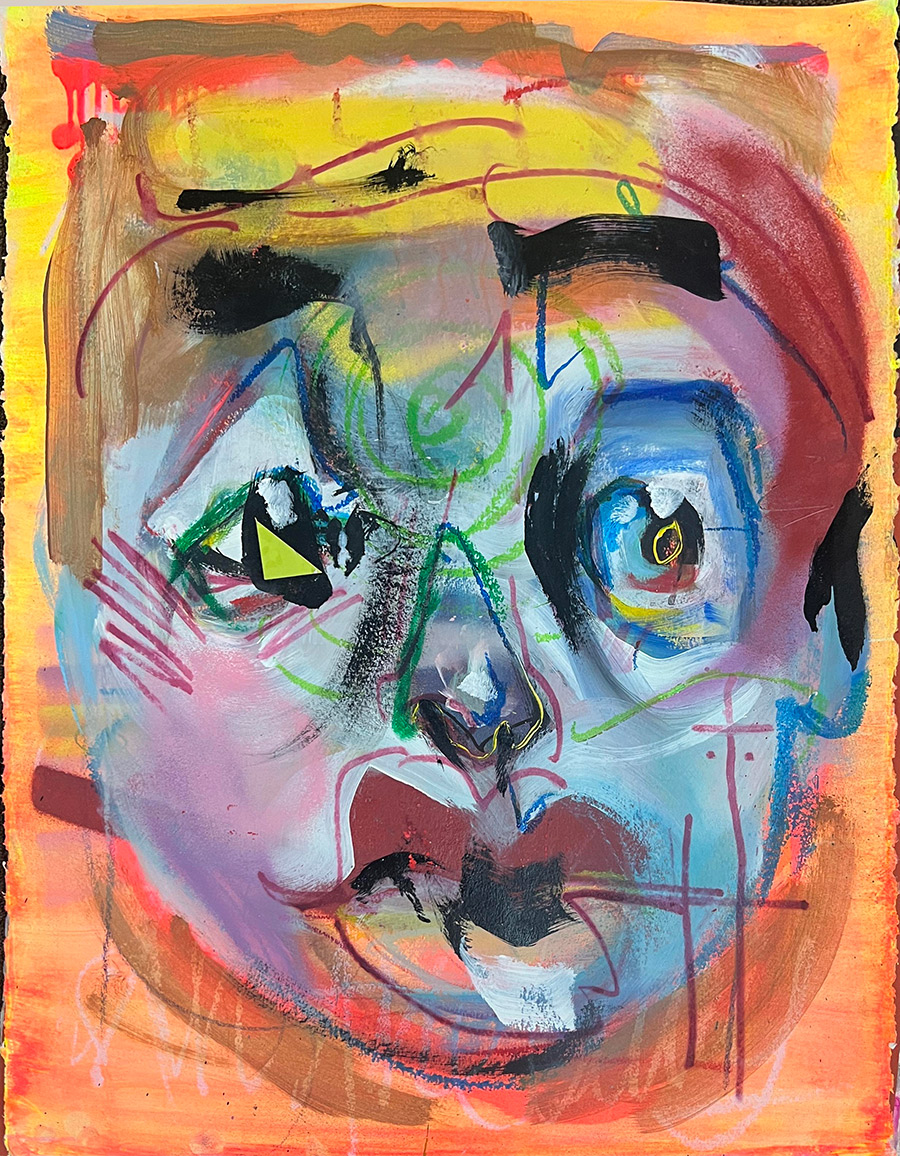
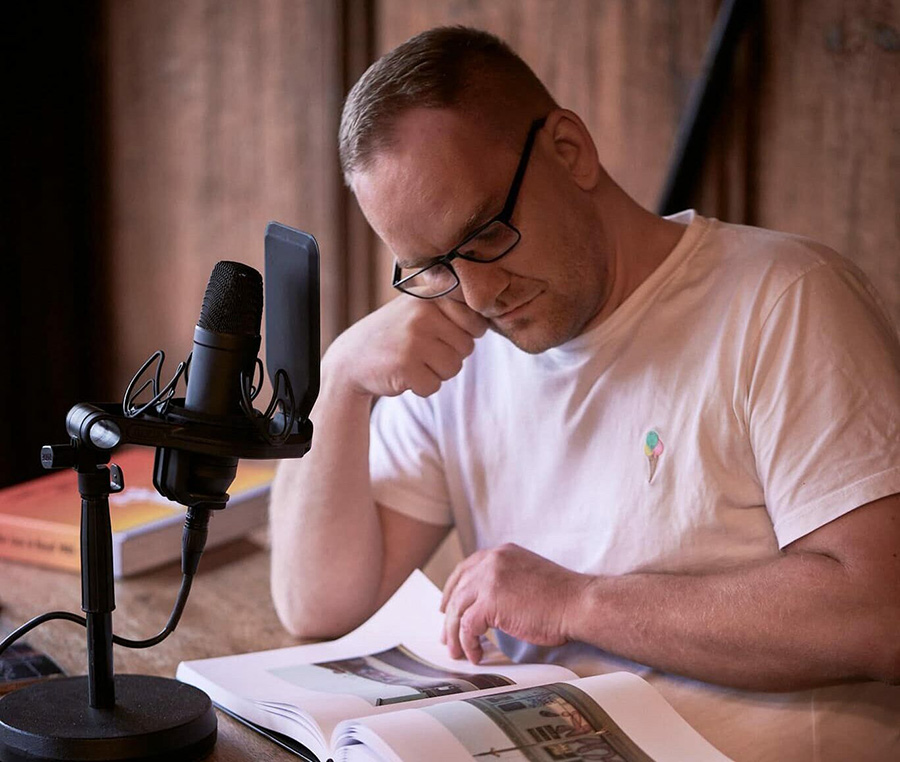
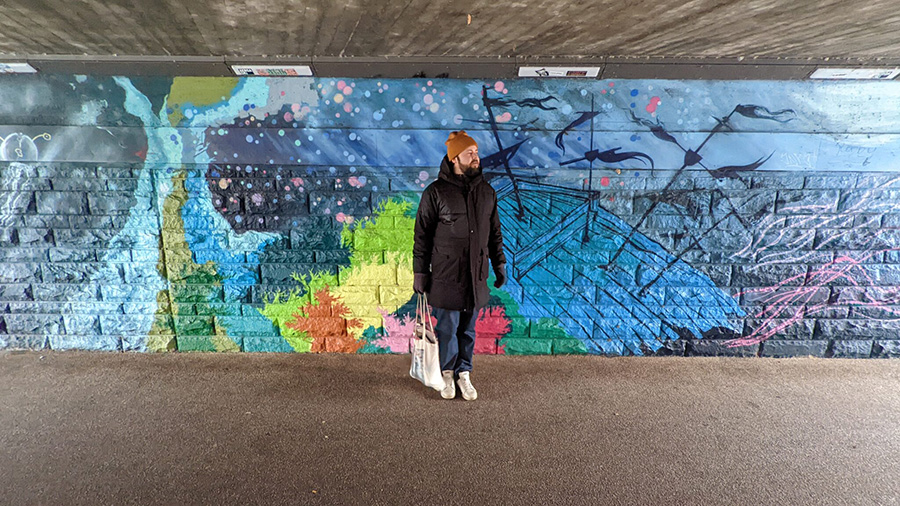
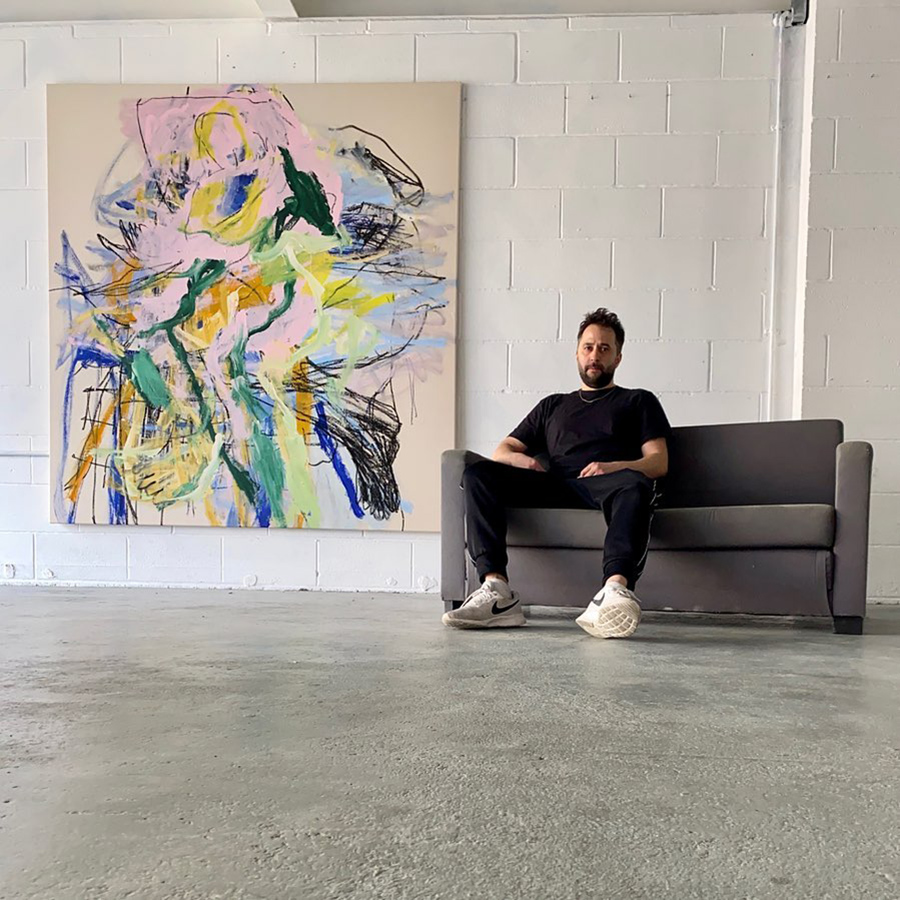
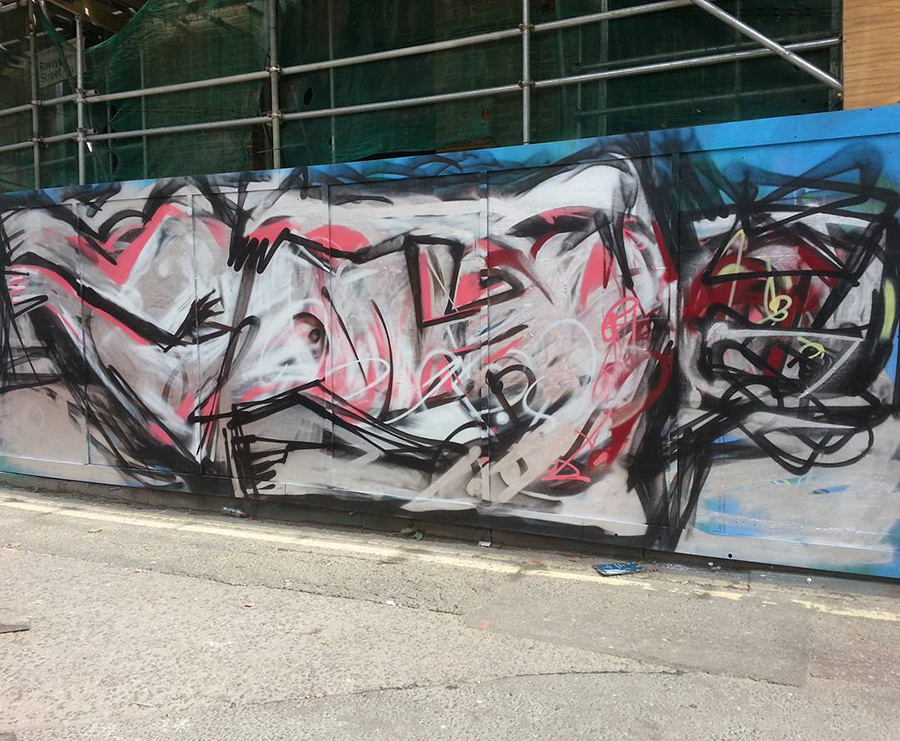
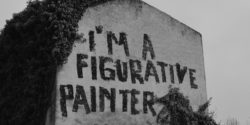
Crome (image courtesy of the Museum of Graffiti)
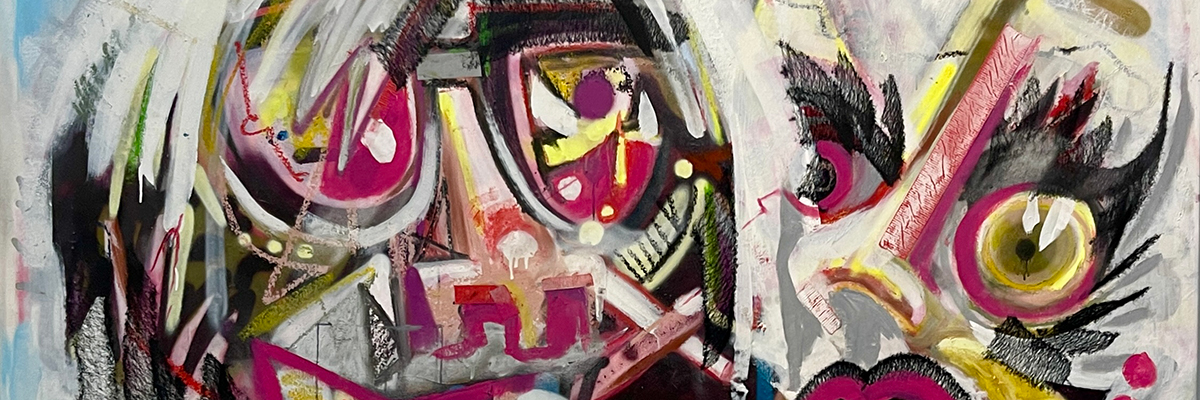
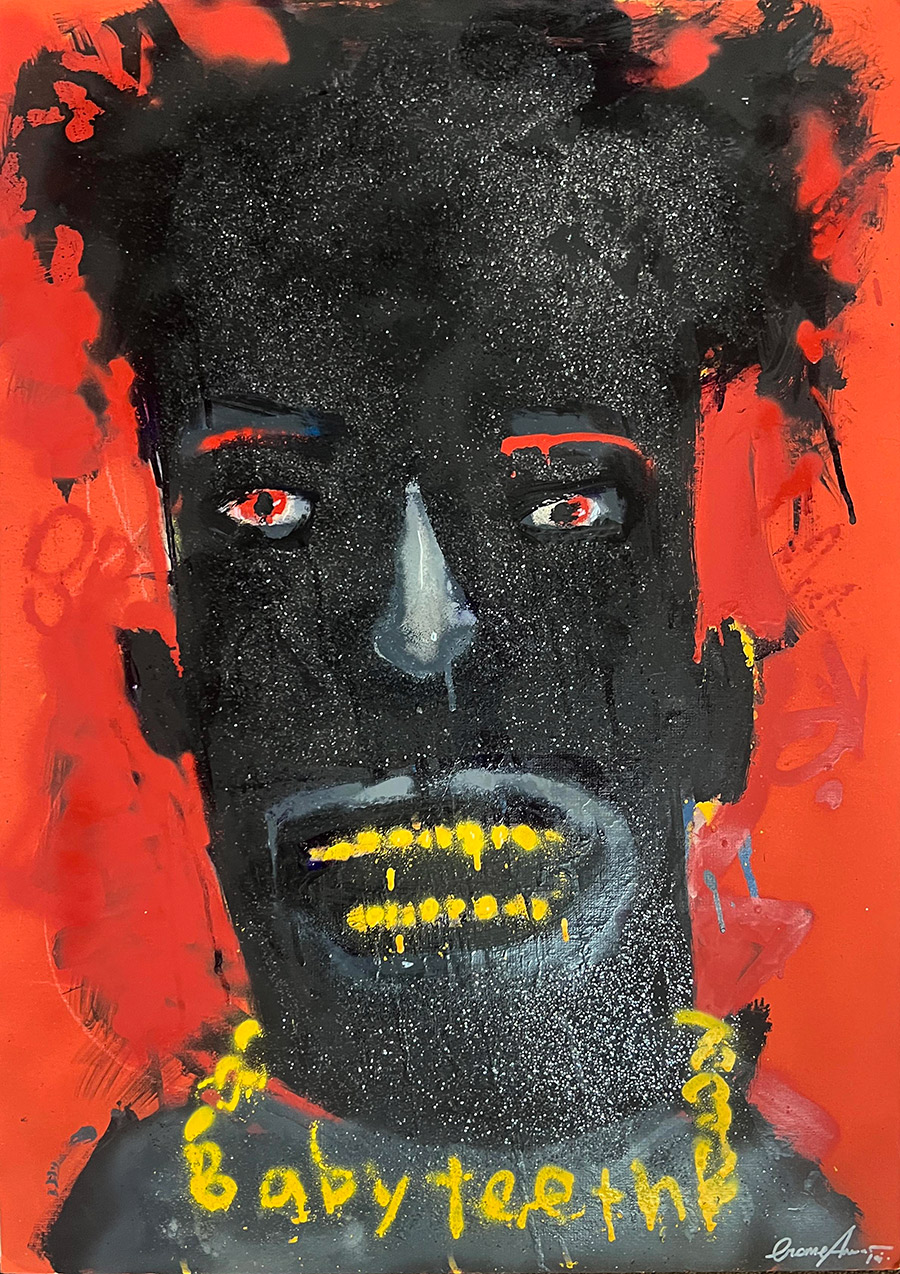
Set to debut on March 5 at Miami’s Museum of Graffiti, the “A Mouthful of Chrome” exhibition spotlights the work of Crome a graffiti artist who made his mark across South Florida in the 1990s. Alongside his roommate Crook, they tagged surfaces across Miami-Dade, Broward, and Palm Beach counties, from stop signs to massive walls. One of their most notable works was a mural painted in broad daylight on the defunct RC Cola factory wall in Wynwood, visible from I-95.
Their bold actions attracted attention from law enforcement, leading to Crook’s arrest shortly after. The State Attorney General pushed for an extravagant one-million-dollar bond, which the judge rejected, sending a message to other graffiti artists.
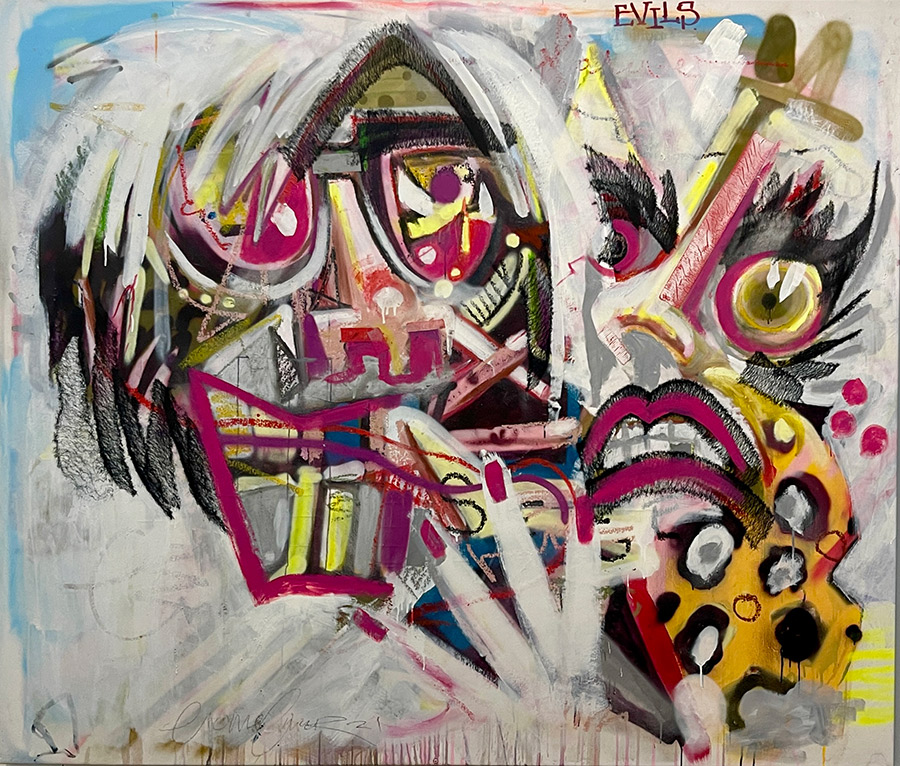
Despite the legal trouble, Crome continued his artistic journey. He shifted to abstract portraits on canvas and paper, exploring new avenues beyond the streets.
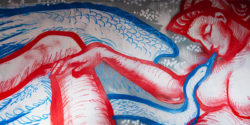
Crome (image courtesy of the Museum of Graffiti)
“Guests of the exhibit can expect masterful paintings that communicate the artist’s raw emotion, a dedication to a life of art, and an honest perspective on life in an urban environment where people’s dreams are often lost and free thinkers are rarely celebrated, Crome’s paintings celebrate the marginalized and the fighters that inspire him to stay in the game as a working artist.” – Alan Ket
In an unprecedented homage to one of graffiti’s most transformative periods, the Museum of Graffiti proudly presents “A Mouthful of Crome,” a showcase of new works by the artist Crome, commemorating 25 years since his pivotal role in Miami’s graffiti history. The exhibition opens to the public on March 5, 2024, at the heart of the Wynwood Art District.
For the 4th installment of the Martha Cooper Library at Urban Nation Berlin’s series MCL Presents, the theme for discussion will be Graffiti and politics. Many people have argued that all art is political, and, graffiti wouldn’t be an exception. From the American writer Toni Morrison who famously declared “All good art is political! There is none that isn’t. And the ones that try hard not to be political are political by saying, ‘We love the Status quo.’ To the American performing artist Lin-Manuel Miranda who wrote in an article for The Atlantic “All art is political. In tense, fractious times—like our current moment—all art is political. But even during those times when politics and the future of our country itself are not the source of constant worry and anxiety, art is still political.” The MCL Librarian Mrs. Eveline Wilson will lead the talk with hosts René Kästner, Sven Niemann, and a mystery surprise host.
Talk with René Kästner, Sven Niemann, and a special guest from a street art crew
February 29, 2024, 6.00 to 7.30 pm URBAN NATION Museum | Bülowstr. 7, 10783 Berlin
Vandalism or message? Sprayers reach for the can when they want to convey a political message to a broad audience in highly visible and public places. The volume “Political Graffiti” was recently published in the Guernica Society’s “Art and Politics” series. René Kästner and Sven Niemann discuss graffiti as a tool of political agency with an artist from an internationally renowned street art crew.
For more details and information about the guests and related exhibitions at the museum click HERE
René Kästner (photo courtesy of Martha Cooper Library. Urban Nation Berlin)Sven Niemann (photo courtesy of Martha Cooper Library. Urban Nation Berlin)
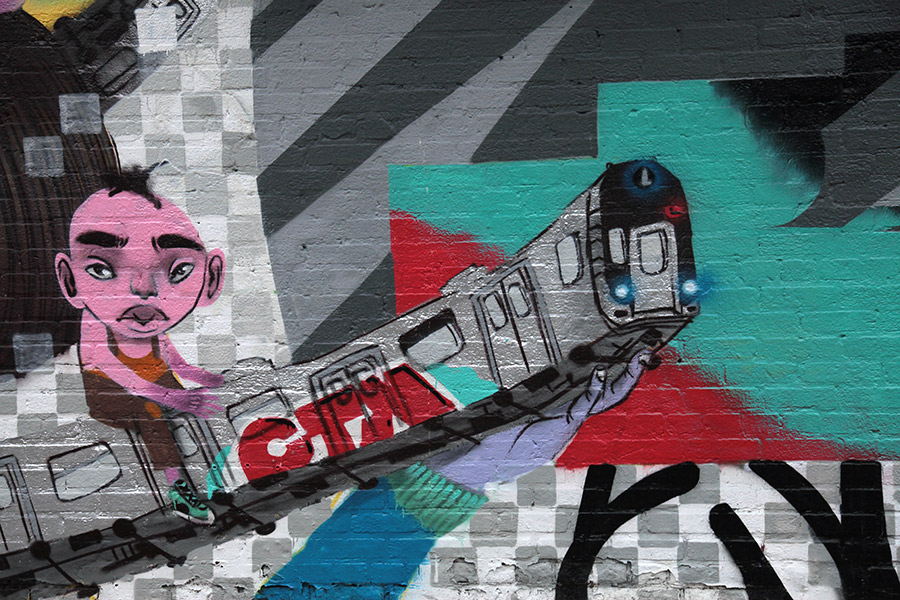
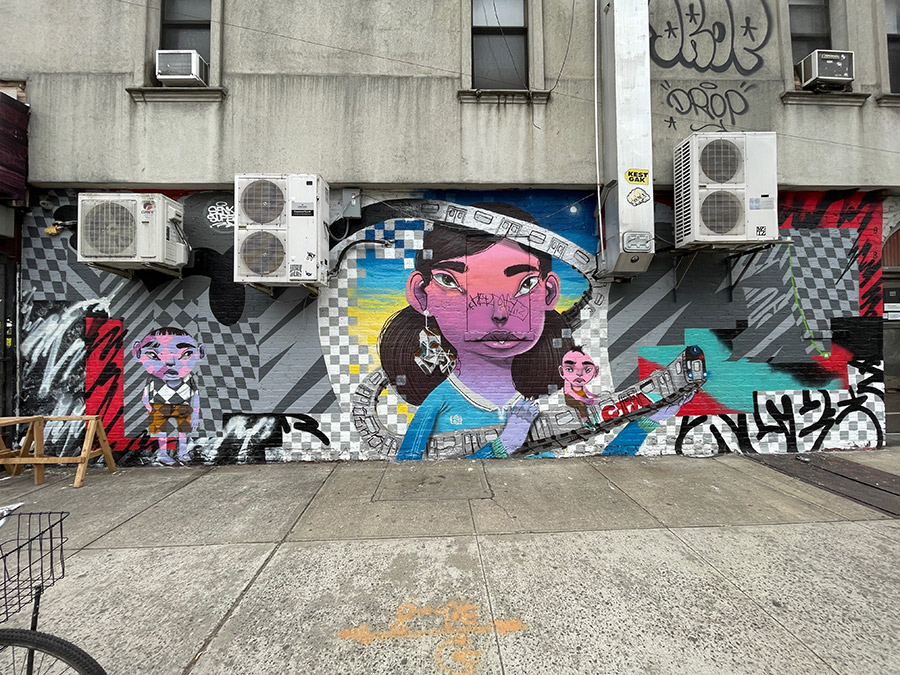
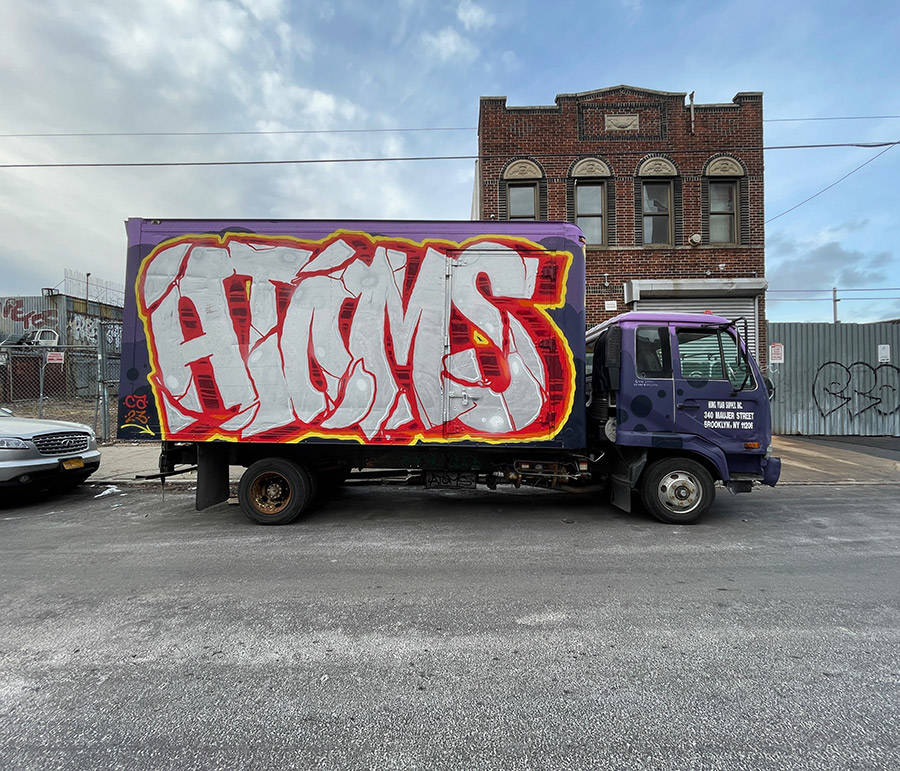
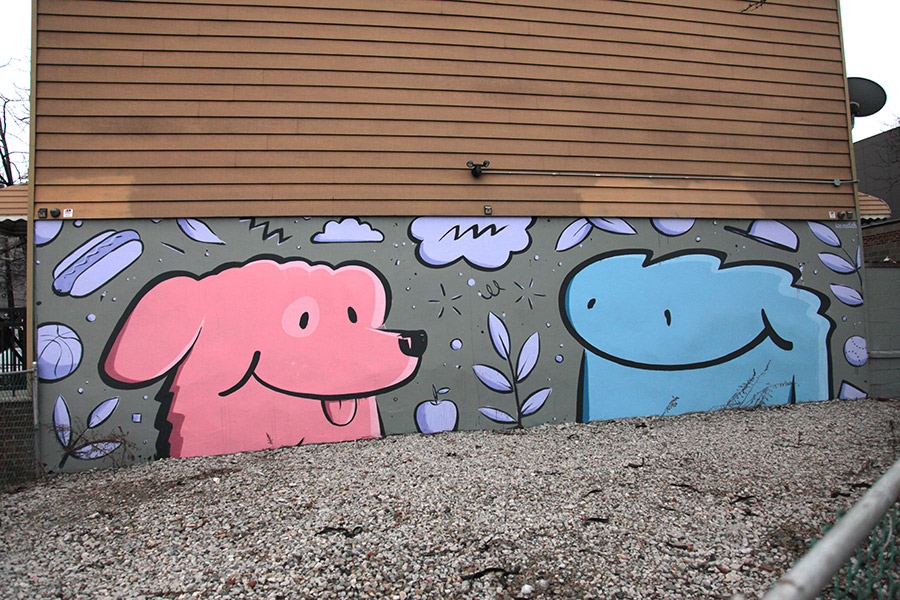
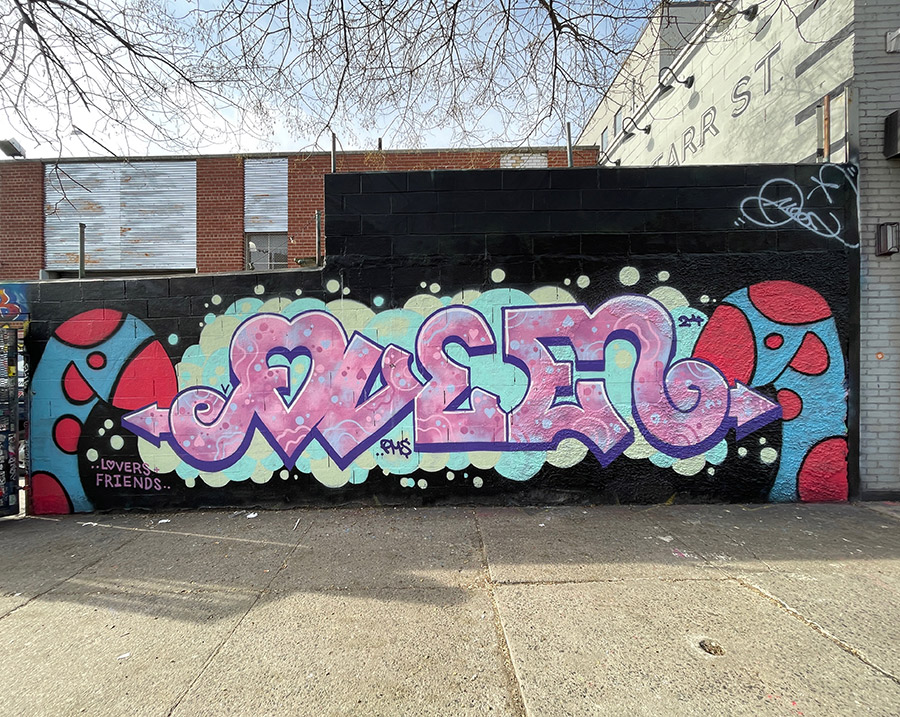
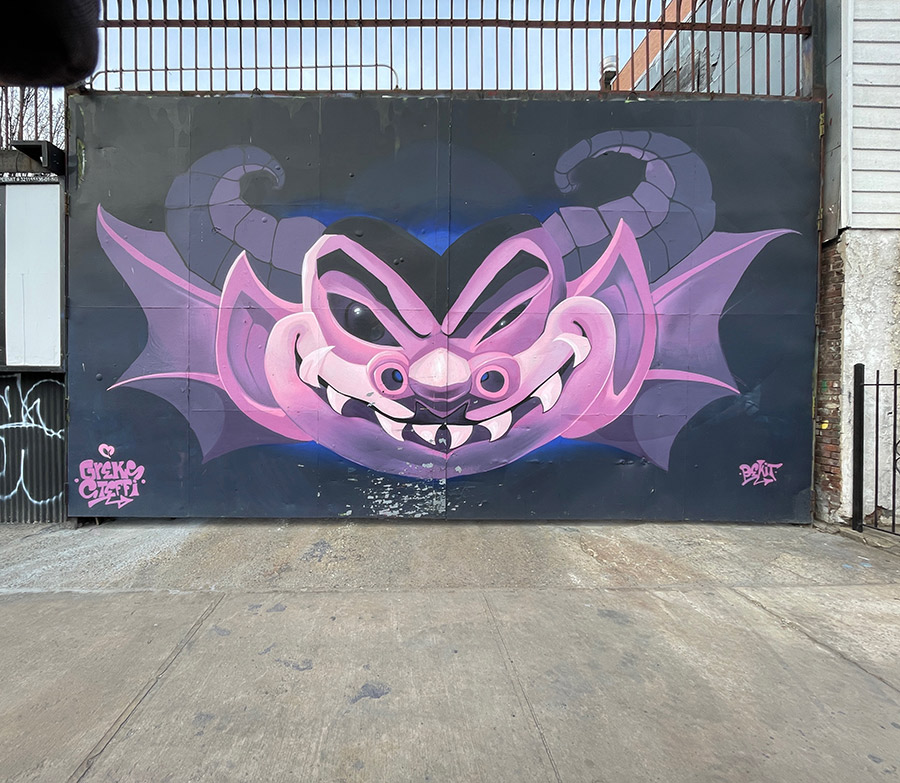
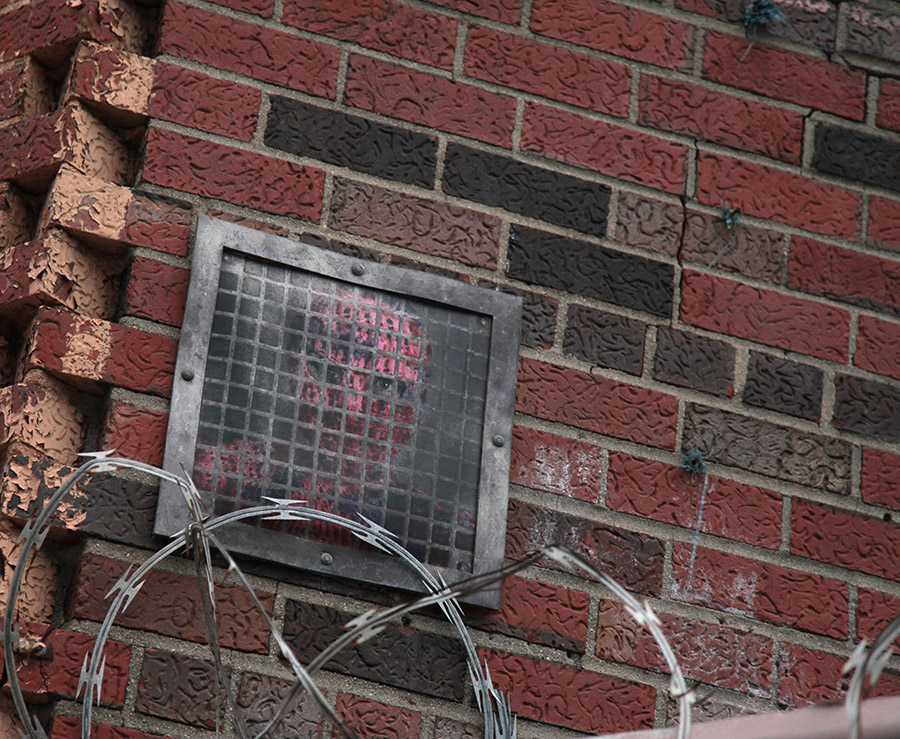
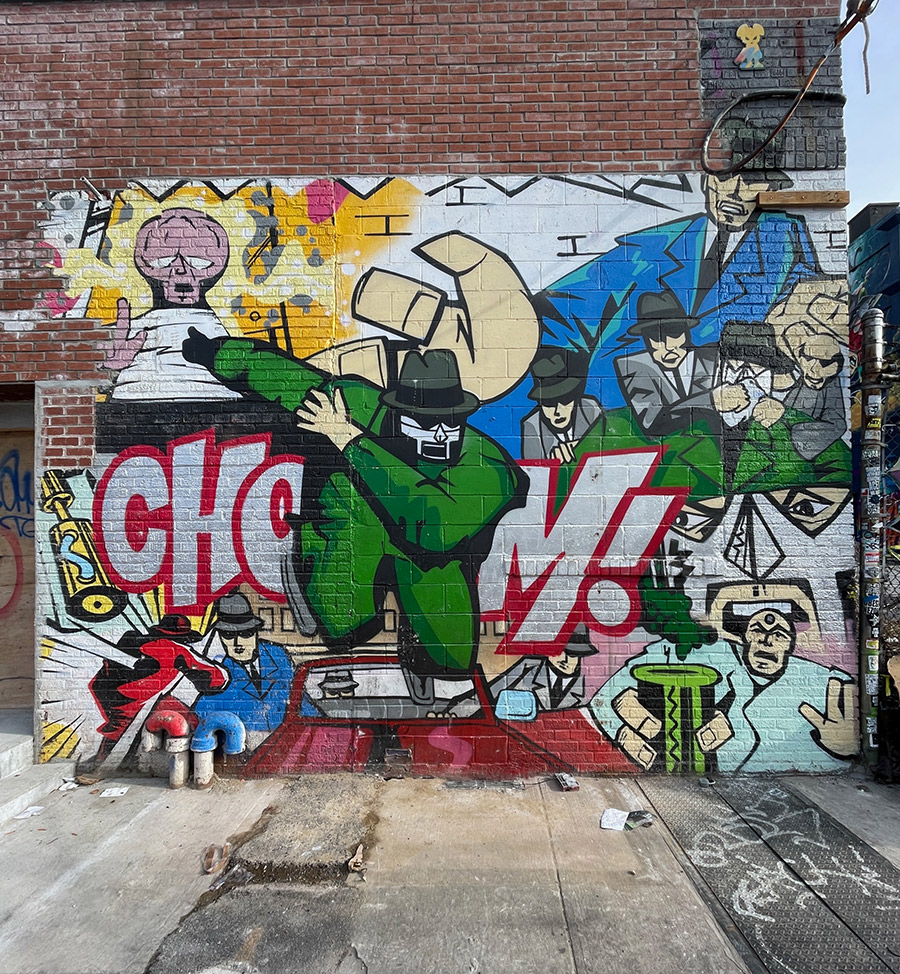
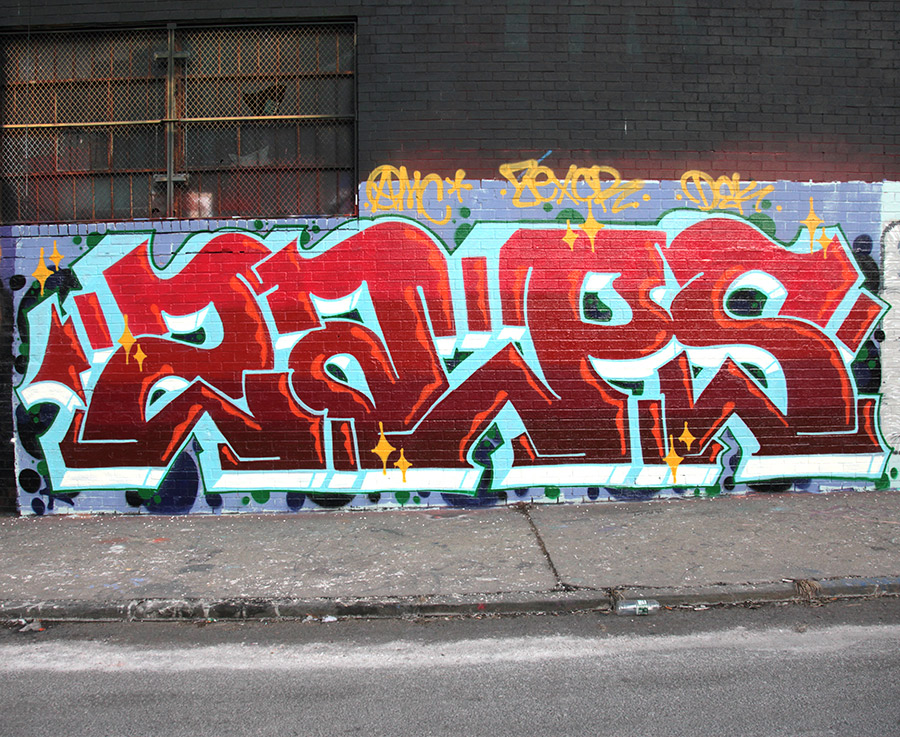
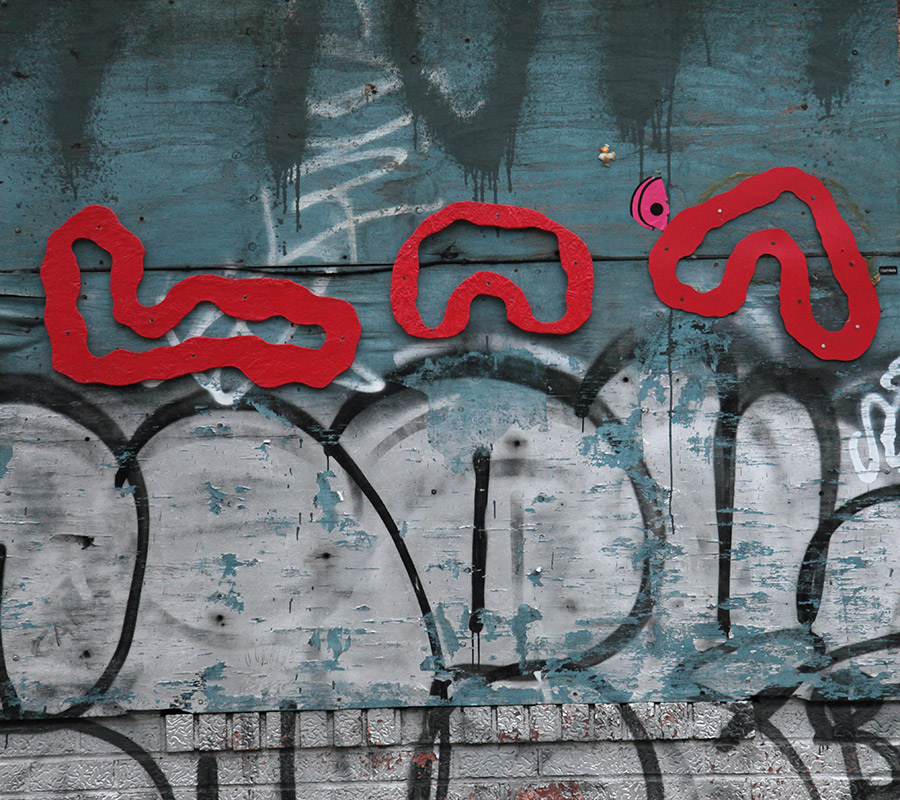
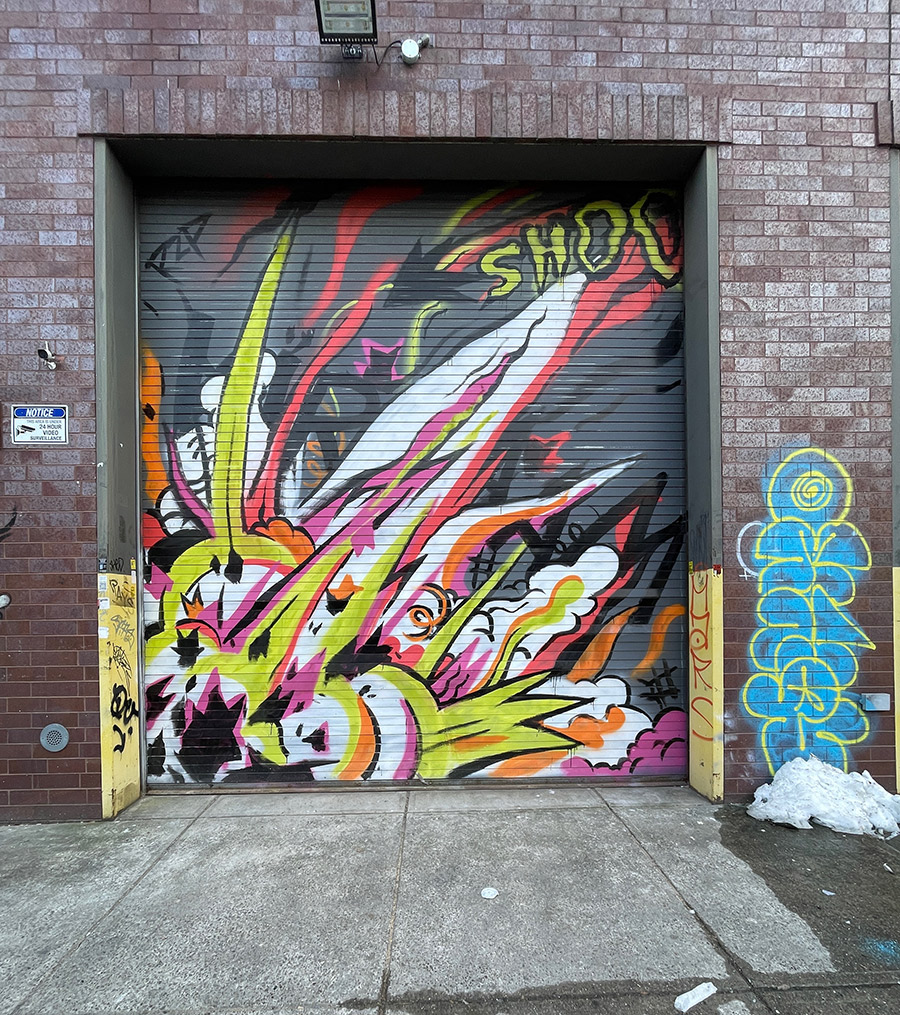
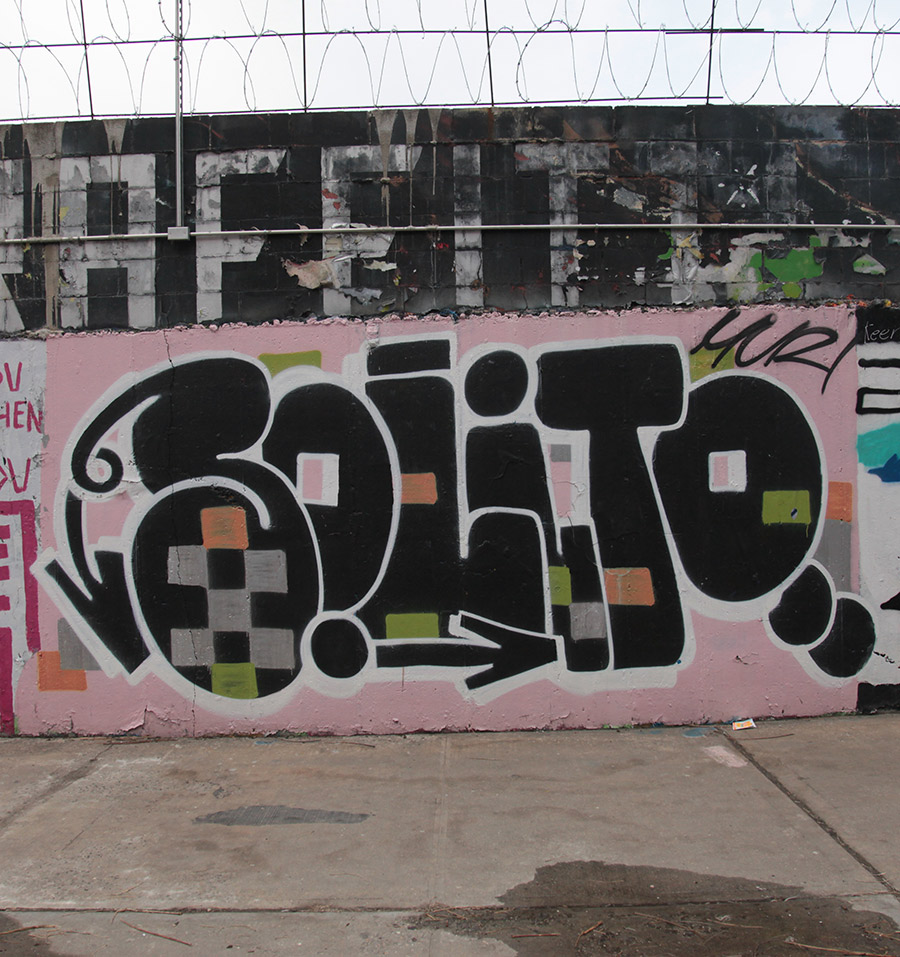
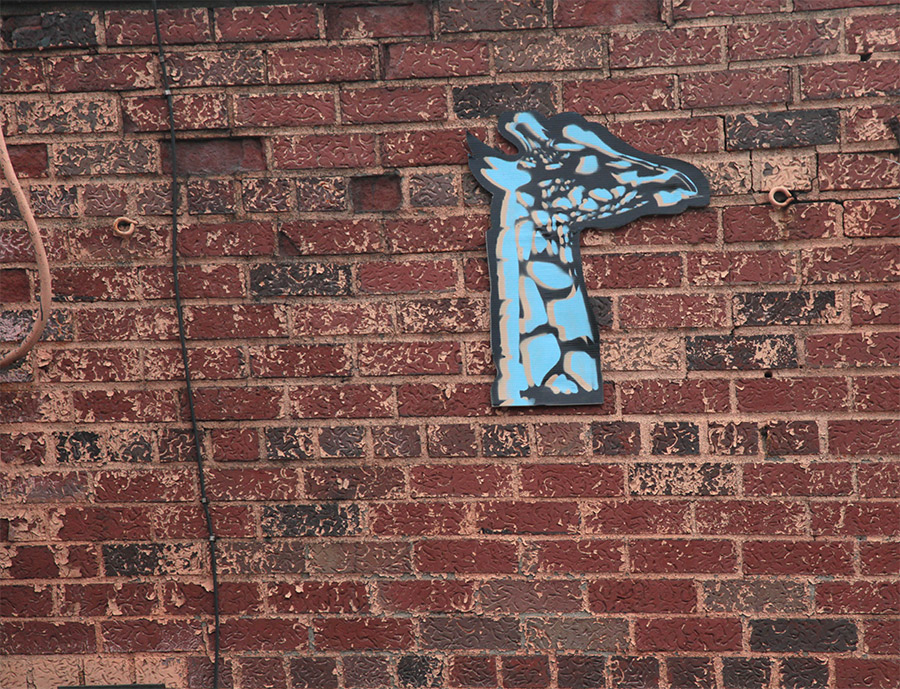
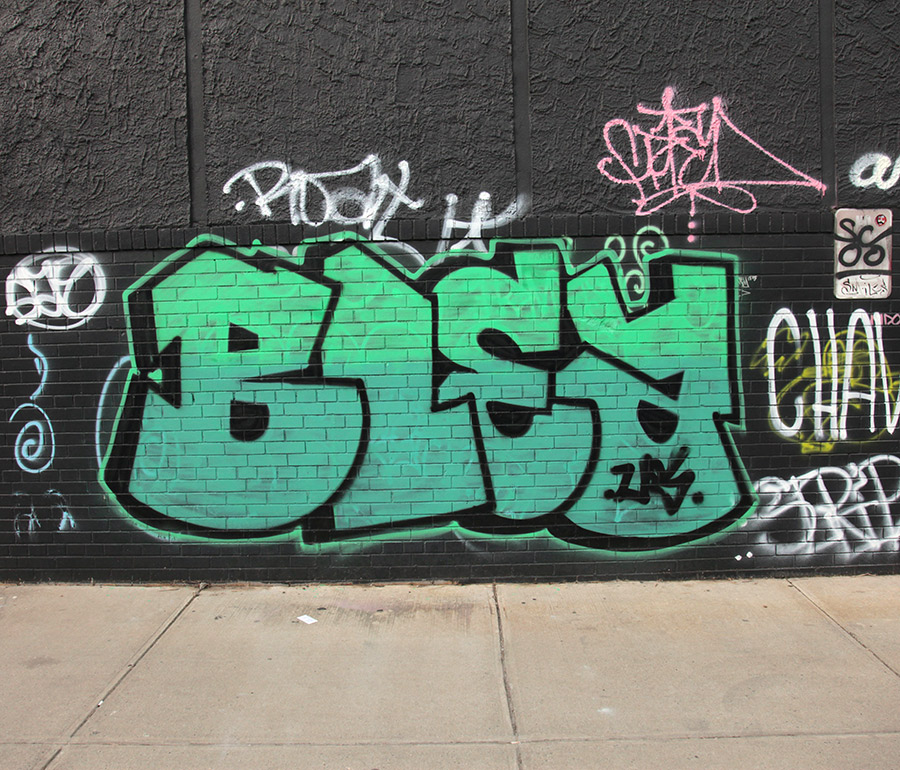
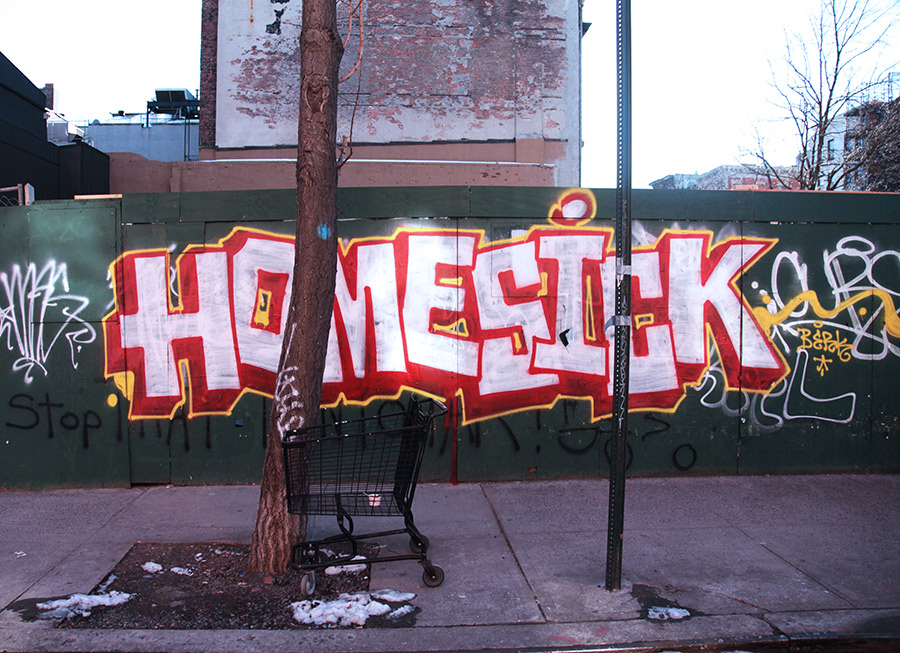
Here is our weekly conversation with the street, this week including Dan Witz, Okek, Ian Mutch, ATOMS, Lover, Senk, Greks Steffi, ZAPS, Solito, and Bley.
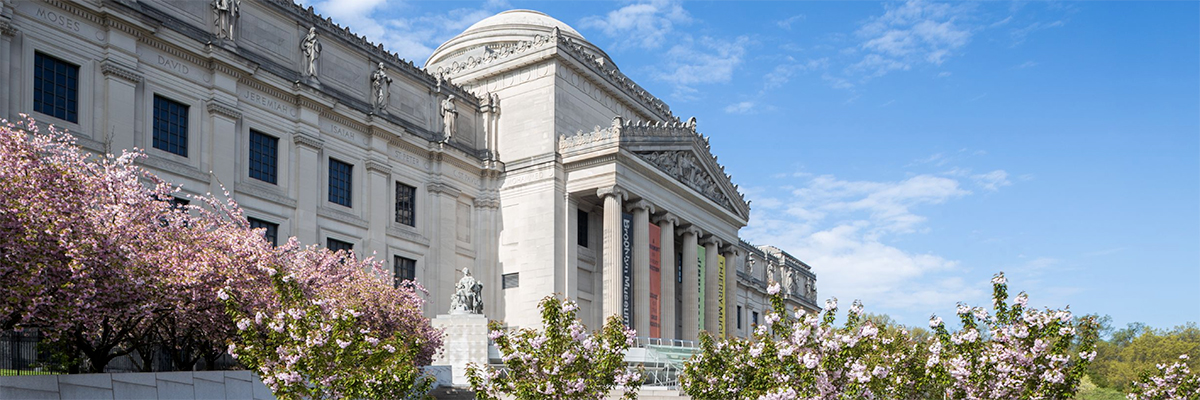
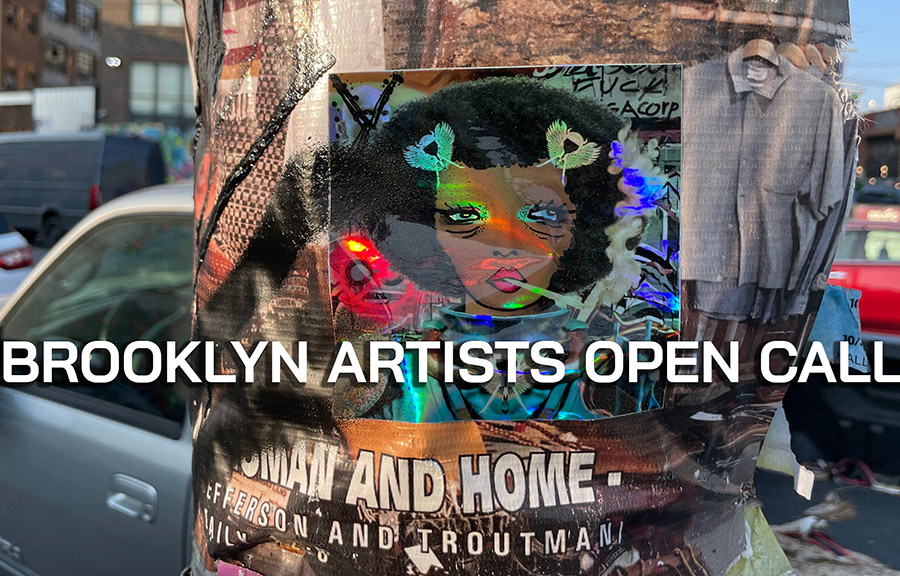
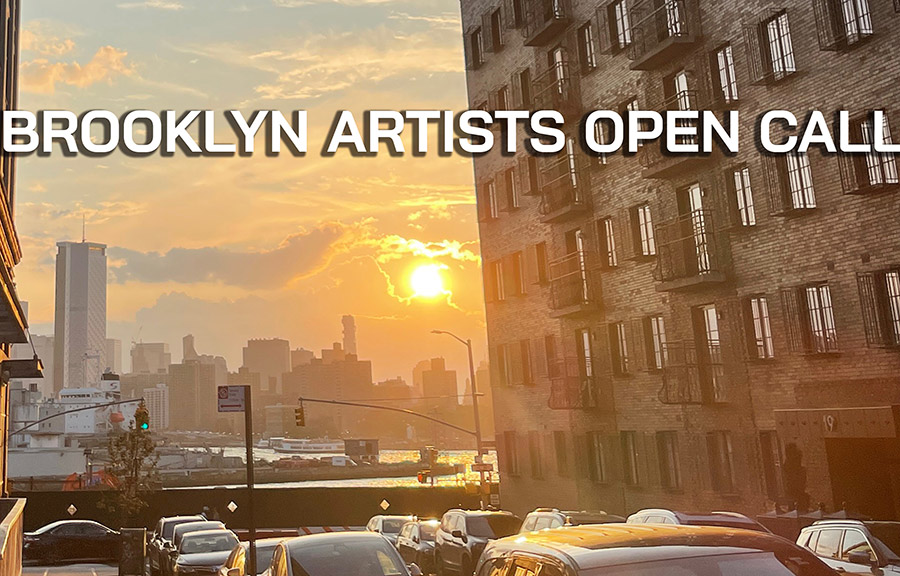
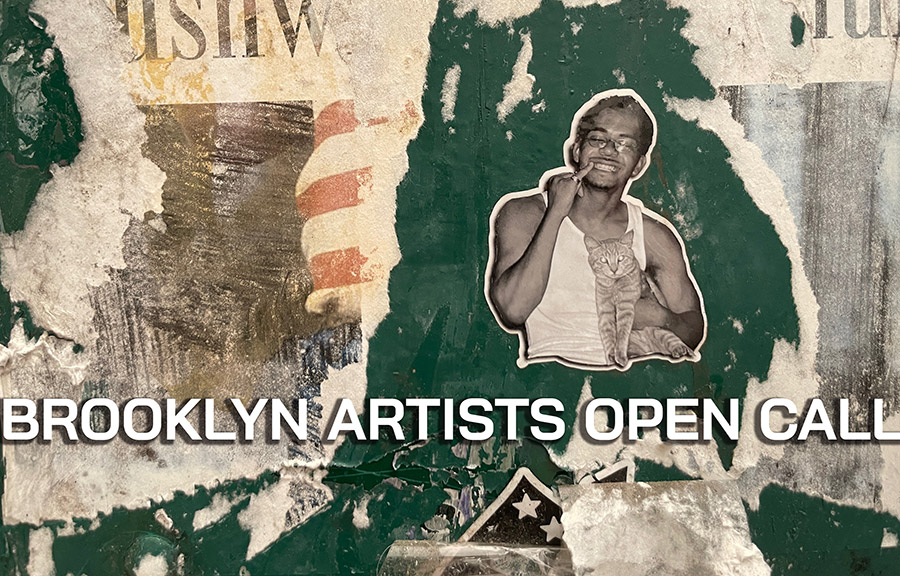
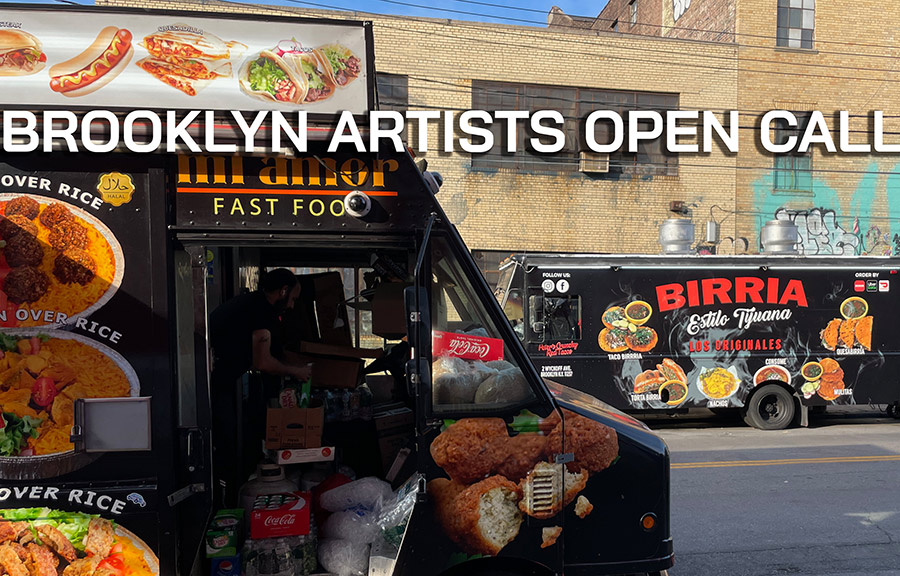
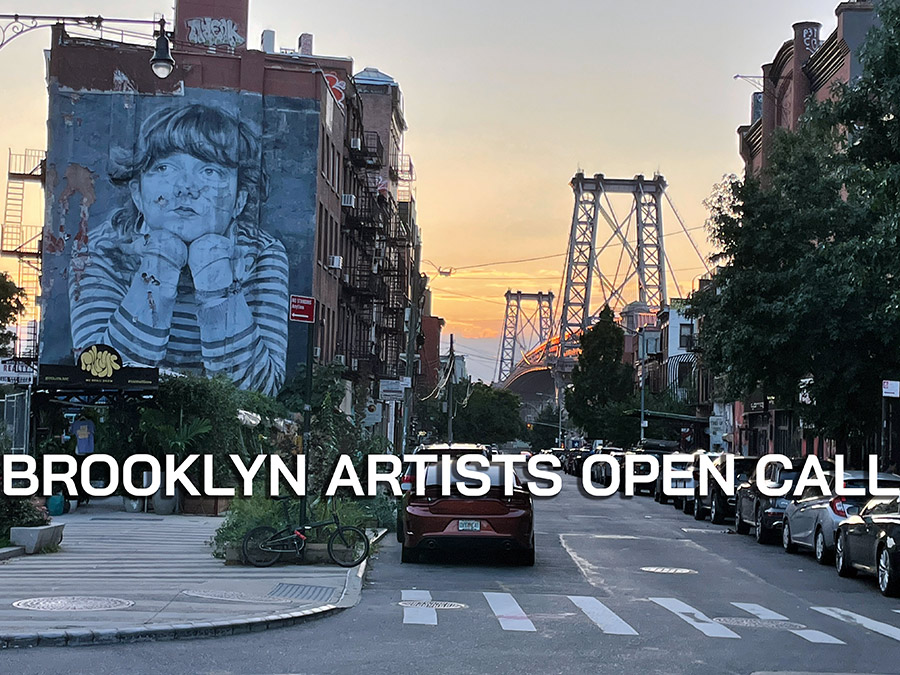
Hey Brooklyn Artists! This is your moment to shine and showcase your incredible talent at the iconic Brooklyn Museum, which is throwing a massive bash to celebrate its 200th anniversary. And guess what? You’re the stars of the show. The museum is rolling out The Brooklyn Artists Exhibition this fall, paying homage to the rich history of creativity and artistic brilliance that defines the borough. This isn’t just any exhibition; it’s a love letter to Brooklyn’s diverse and dynamic art scene, curated by some of our own local legends: Jeffrey Gibson, Vik Muniz, Mickalene Thomas, and Fred Tomaselli.
Why Brooklyn artists, you ask? Because Brooklyn’s heart beats through its art. From Walt Whitman’s early days as the museum’s first librarian to the vibrant streets filled with the energy of new immigrants, Brooklyn has always been about community, knowledge, and the transformative power of art. This exhibition is more than just a show; it continues a legacy that champions local talent and community spirit.
Whether you’re into painting, sculpture, video, performance, or any other medium, this open call is your chance to be part of Brooklyn’s artistic lineage. We want to see your work if you’ve been living or creating in Brooklyn for the past five years. Dive into this unique opportunity to stand alongside your fellow Brooklyn creatives in the Museum’s Great Hall, illuminating our borough’s artistic journey’s past, present, and future. Let’s make history together, Brooklyn style!
To Apply
The application deadline for The Brooklyn Artists Exhibition open call is Sunday, April 7, 2024, at 11:59 pm ET. Applications must be submitted on or before the deadline to be considered for the review period. Late submissions will not be accepted. Submissions will only be accepted via the Brooklyn Museum’s Submittable application. Email submissions, phone calls, or walk-ins will not be considered. There is no fee for applying to this exhibition open call.
CLICK HERE FOR DETAILS ABOUT HOW TO APPLY TO THE OPEN CALL
A groundbreaking exhibition showcases over 200 photographs of graffiti by Gordon Matta-Clark.
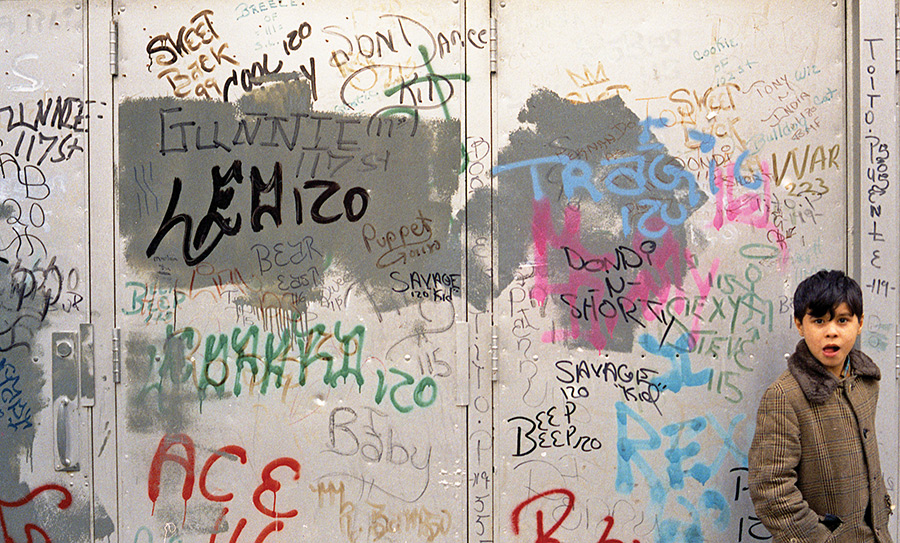
Gordon Matta-Clark. Tag Wall. 1972. (photo courtesy Estate of Gordon Matta-Clark)
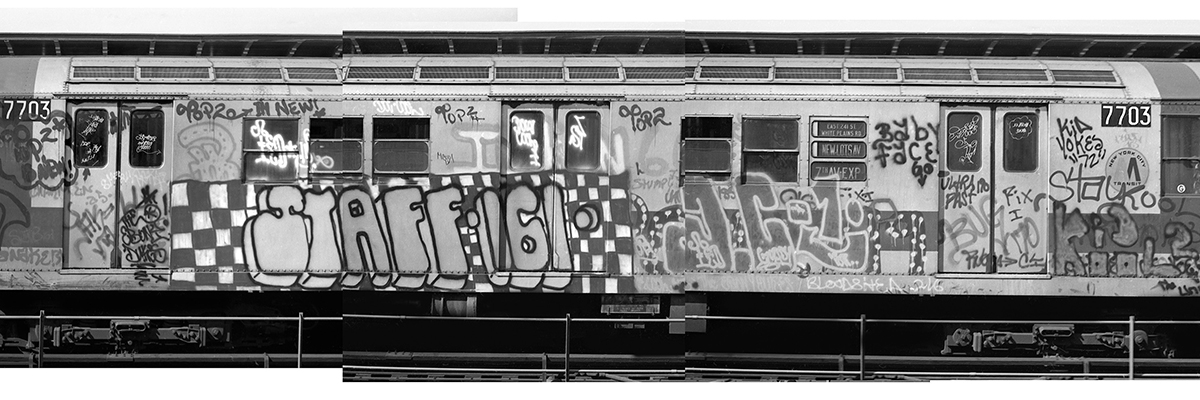
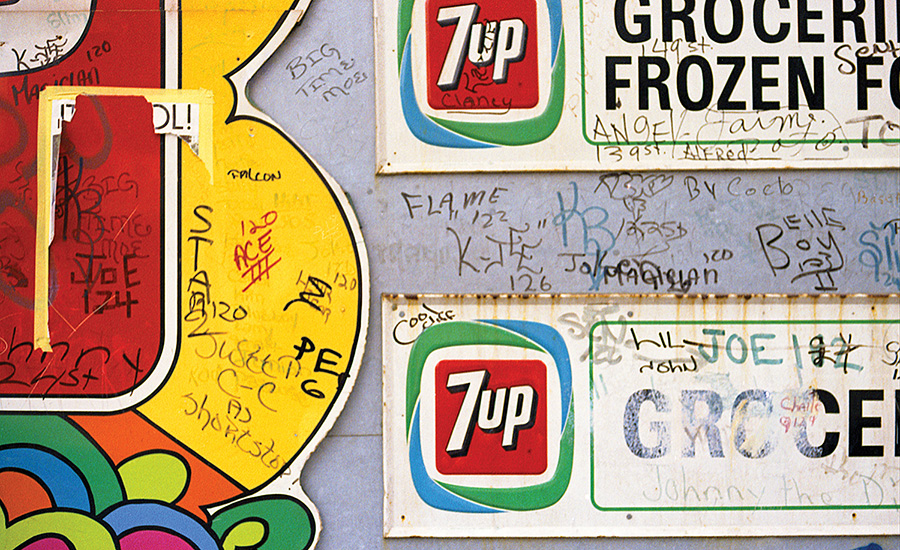
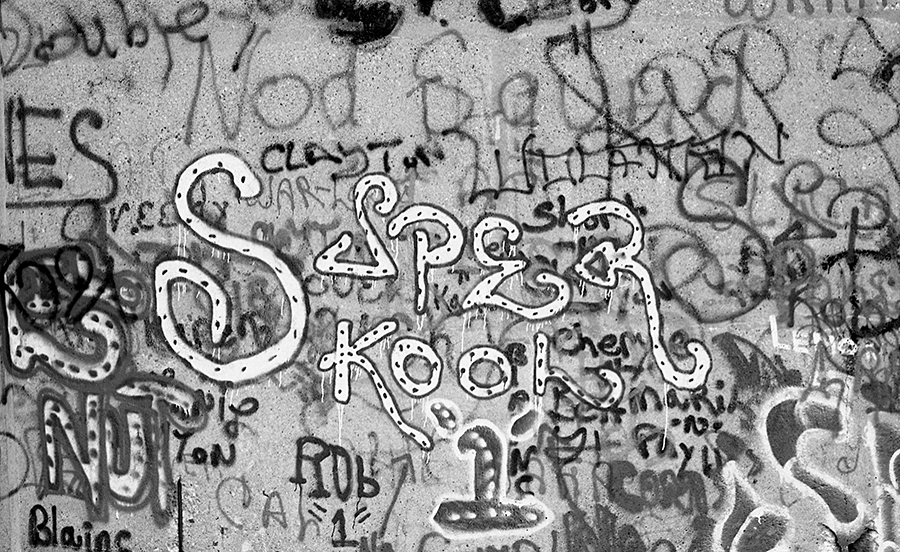
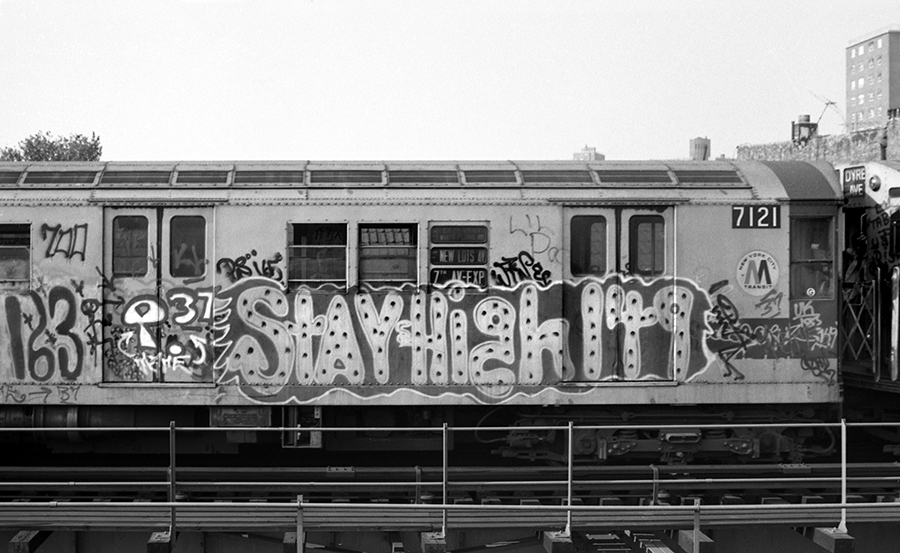
“GRAFFITI ARCHIVE 1972/73: An Exhibition of Photographs from Gordon Matta-Clark” provides a unique glimpse into the graffiti culture of New York City in the early 70s, shot by the New York artist at a time when the movement was just beginning to take shape. Matta-Clark’s exploration of this vibrant street culture reflects his eye as much as the burgeoning scene in evolution, a unique pairing of artists’ visions through film.
Gordon Matta-Clark, known for his significant impact on conceptual art and his critiques of urban environments, captured these moments with a different aim than most photographers of his time. Instead of simply documenting, he delved into the graffiti scene with an artist’s eye, capturing the raw and spontaneous energy of the city’s youth. His photographs from 1972 and 1973 reveal the early days of graffiti, where the art form was more about personal expression and claiming space in a rapidly changing city than about the notoriety it would later bring.
Gordon Matta-Clark. 7UP. 1972. (photo courtesy Estate of Gordon Matta-Clark)
Roger Gastman, a key figure in the graffiti community, has played a crucial role in bringing this collection to light. He speaks of the exhibition not just as a display of historical moments but as an important act of preservation, bringing well-deserved recognition to Matta-Clark’s work and the graffiti culture of the time.
“What really resonates with me is the sense of pride I feel to be able to share these photos,” he says. It’s not just about showcasing graffiti—it’s a genuine homage to real history, a glimpse into the ‘who,’ ‘what,’ and ‘where’ of these vibrant stories etched onto walls and trains. I can’t help but feel happiness, knowing that Gordon Matta-Clark had the foresight to capture these moments and that his estate entrusted us to put this show together—it has truly felt like a collaboration,” says Gastman.
He emphasizes the significance of these images, highlighting the collaborative effort between himself and Matta-Clark’s estate to showcase this hidden chapter of art history.
“Throughout the years, I’ve invested considerable time into unearthing vintage gems from the early ’70s—drawings, paintings, and ephemera that tell stories of a bygone era. This exhibition, for me, is like revealing a well-kept secret, placing these treasures in their genuine context,” he says.
Gordon Matta-Clark. SUPER KOOL 1 Tag Wall. 1972 (photo courtesy Estate of Gordon Matta-Clark)
The exhibition doesn’t stop with Matta-Clark’s photographs. It also features original artworks from notable graffiti artists of the period, such as SNAKE 1, SJK 171, LEE 173rd, WICKED GARY, TRACY 168, and STAY HIGH 149. These pieces offer a direct link to the images captured by Matta-Clark, providing a fuller understanding of the era and its artistic output.
Gordon Matta-Clark. STAY HIGH 149. 1973. (photo courtesy Estate of Gordon Matta-Clark)
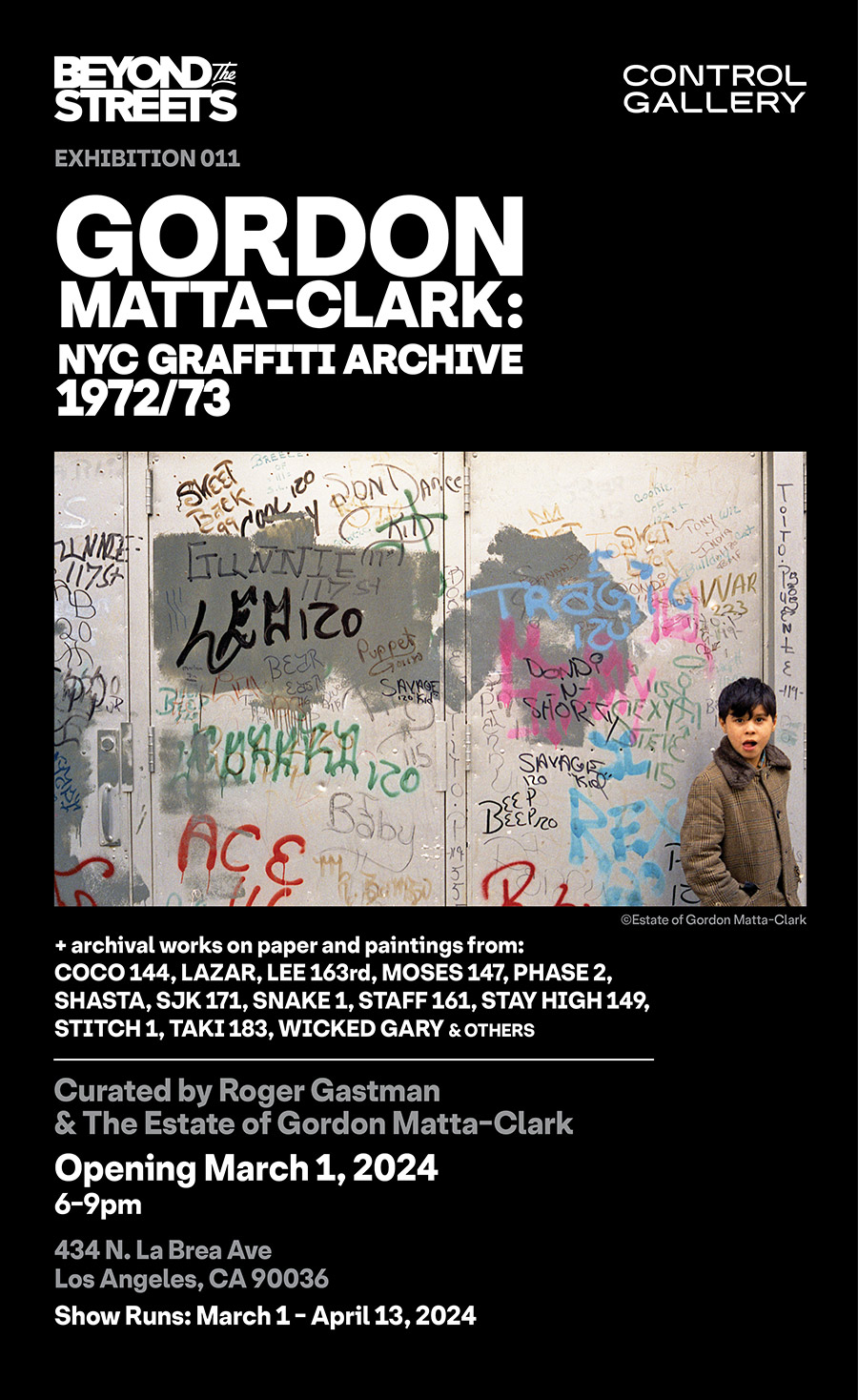
BEYOND THE STREETS & CONTROL Gallery announce the opening of “GRAFFITI ARCHIVE 1972/73” on March 1 and continuing until April 13, 2024.
The opening reception for EXHIBITION 010: GRAFFITI ARCHIVE 1972/73 will be held on Friday, March 1, 2024 from 6PM – 9PM, running through April 13, 2024.
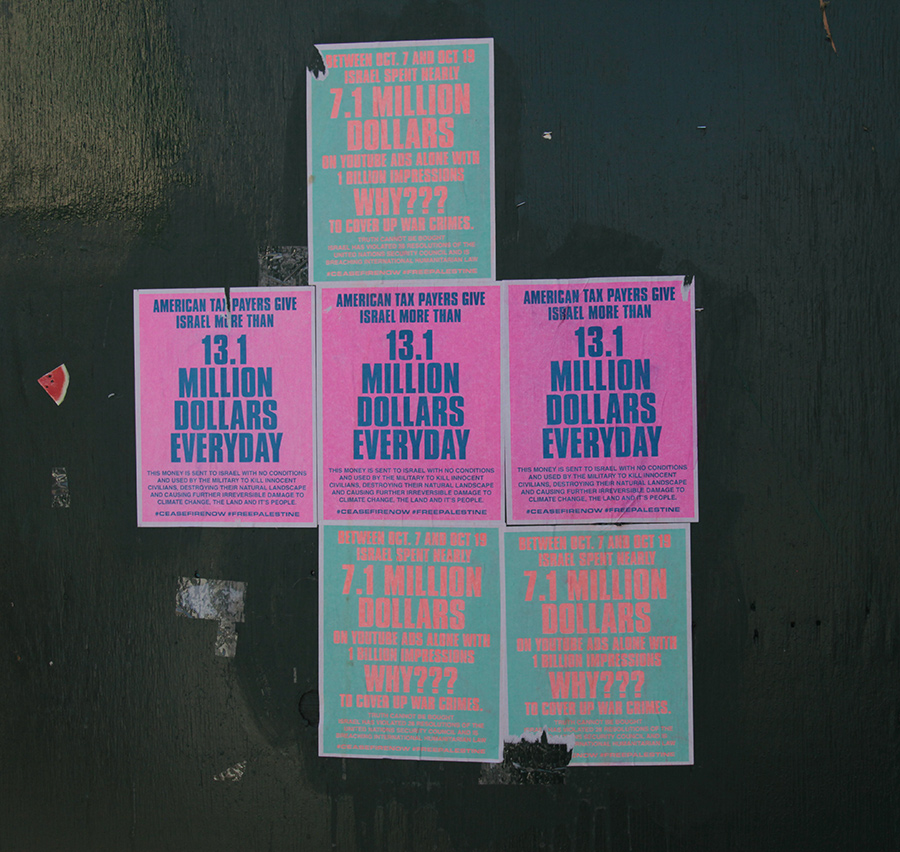
New York State Governor Kathy Hochul wants to classify some graffiti as a hate crime. The arts and culture press has been writing alarming headlines about this new proposal by the Gov, but the burden lies on the lawyers who need to prove that the intention of the graffiti writer was to target a protected class of people with a hateful screed. Wonder if they will hand out tickets for poor handstyles, too.
New York neighbors and peers of the orange man tried years ago to warn the country against him – and yet he was elected. Now Trump has to pay fines for “ill-gotten” gains totaling $453 million. He really hit the jackpot when the judge barred him and his two sons Friday from serving as an officer or director of any New York corporation. Leading the country, presumably, is still fine.
A day after the verdict, he was hawking golden Trump sneakers. Let’s see, $453 million divided by $399.00…
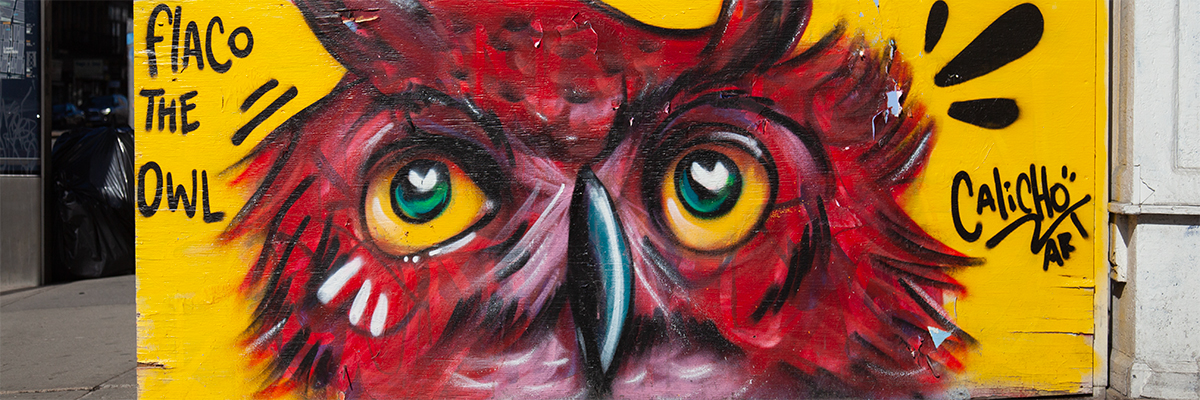
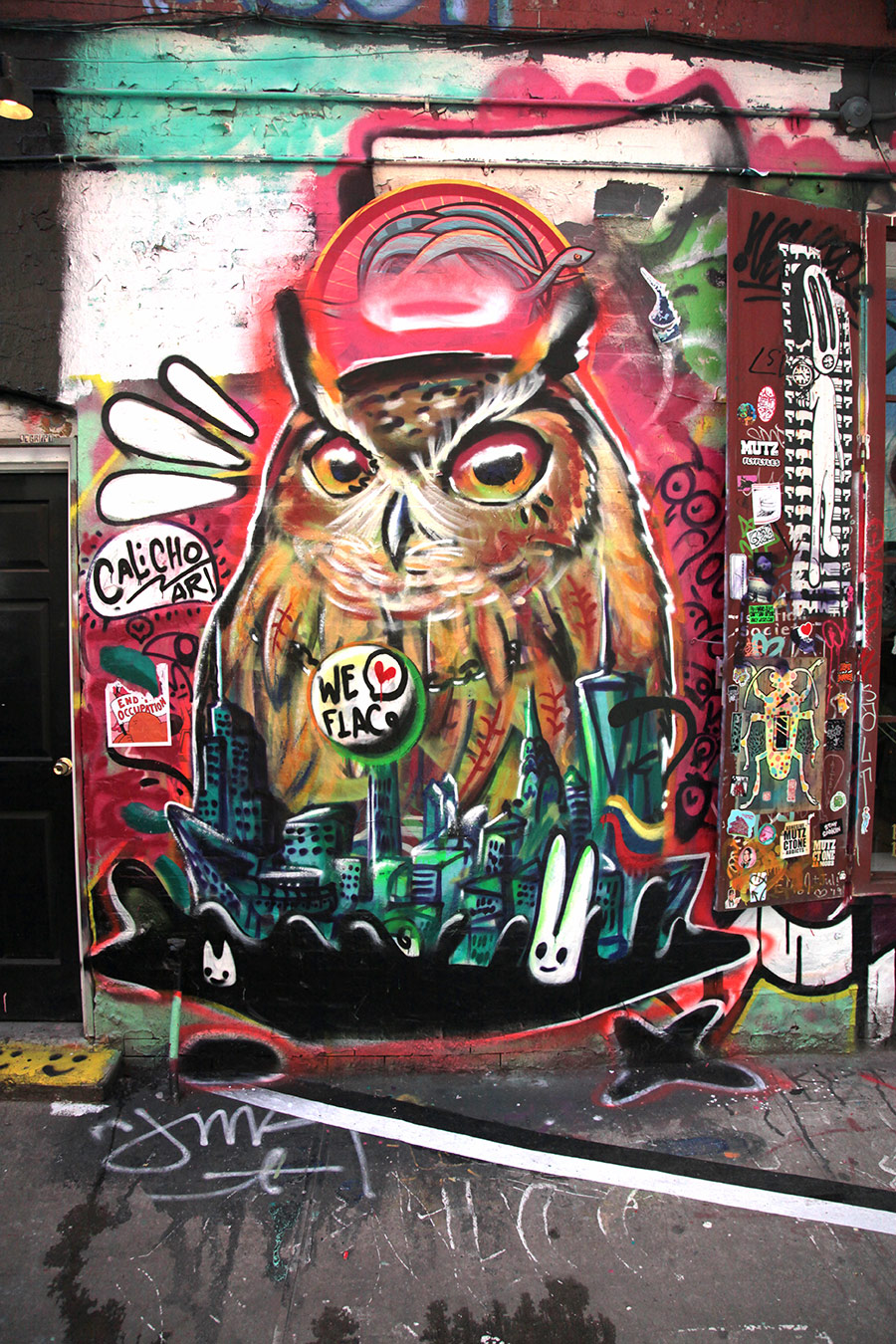
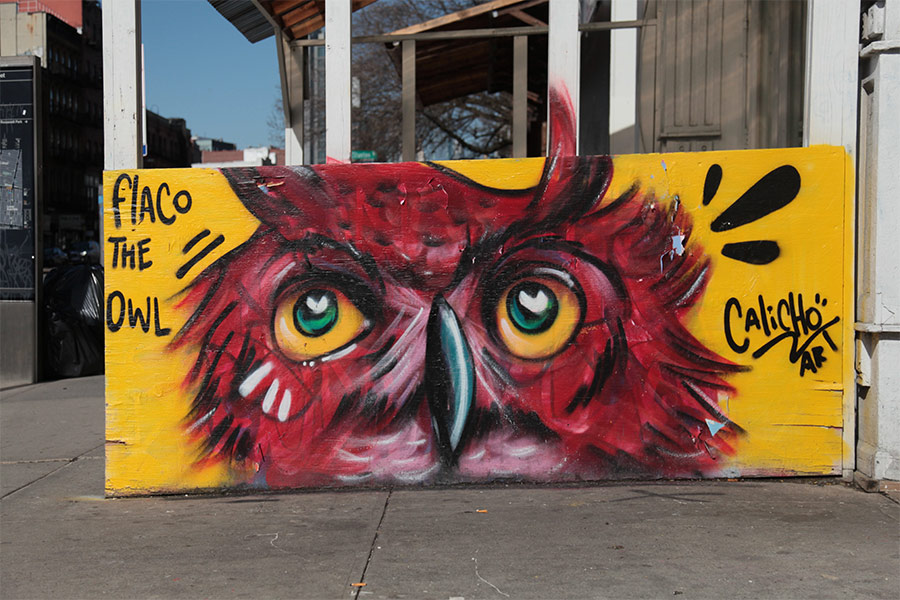
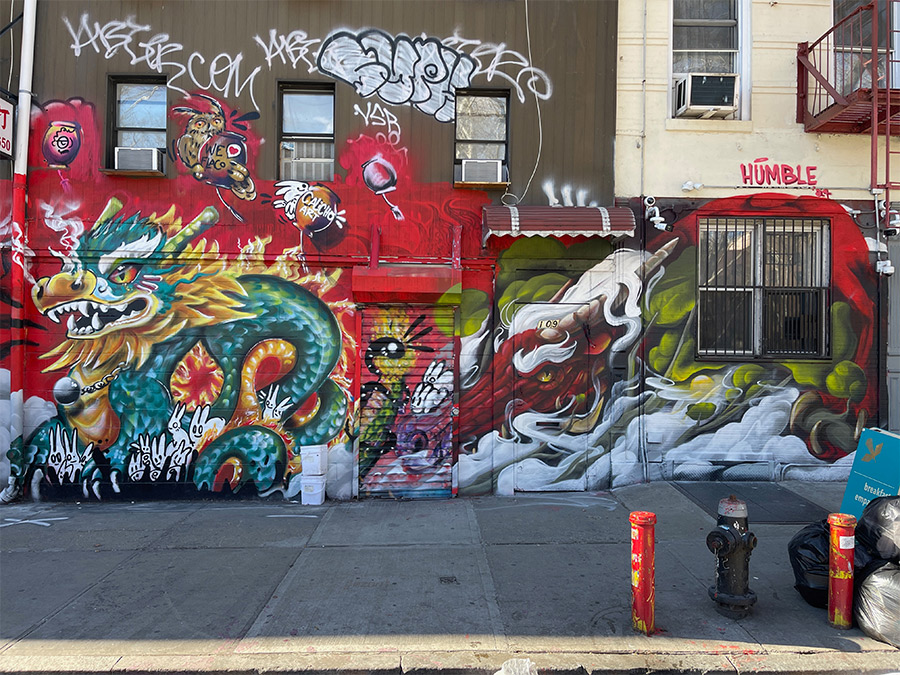
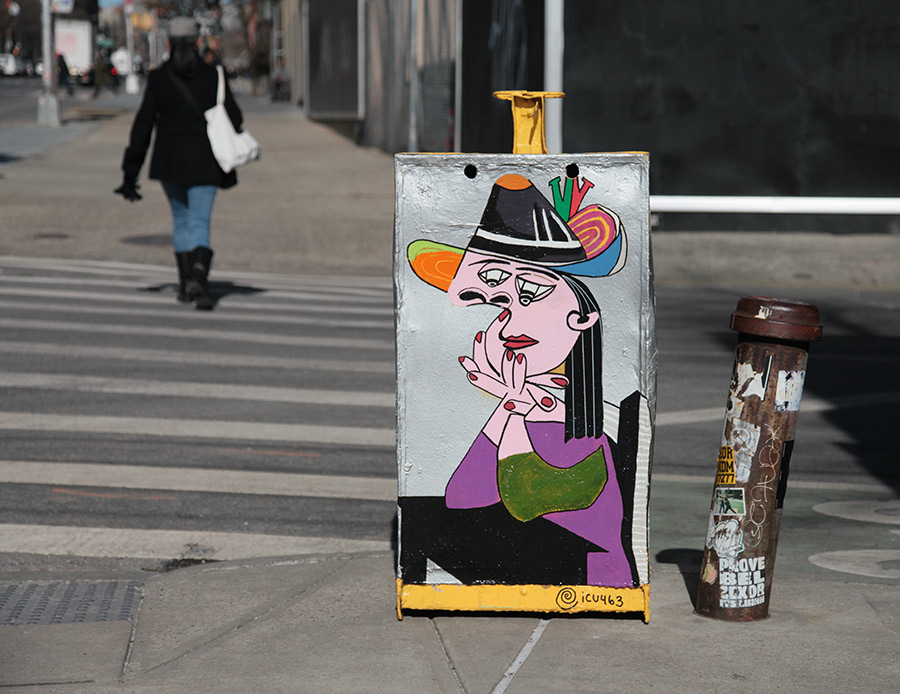
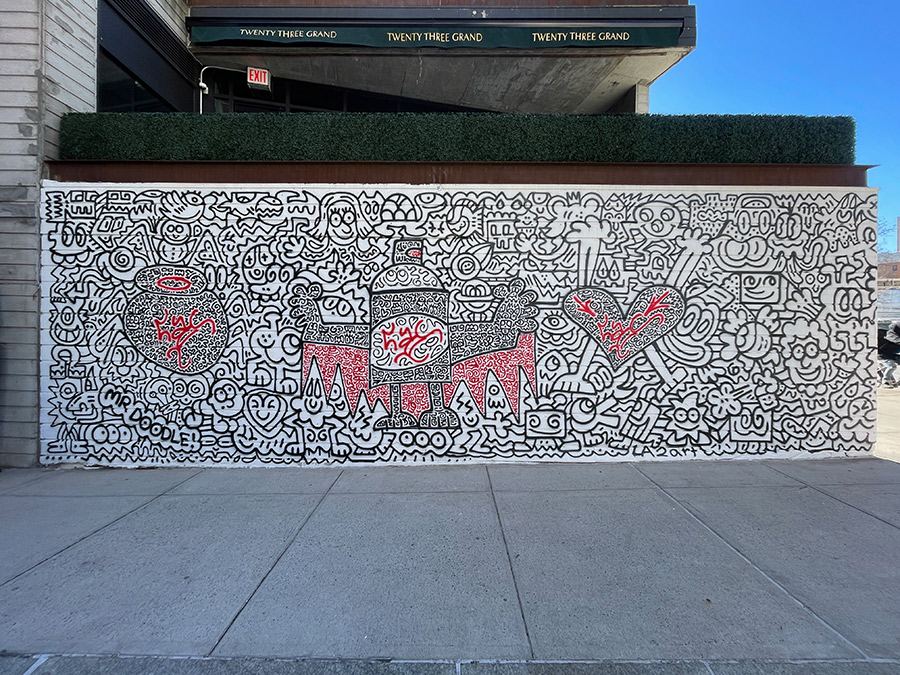
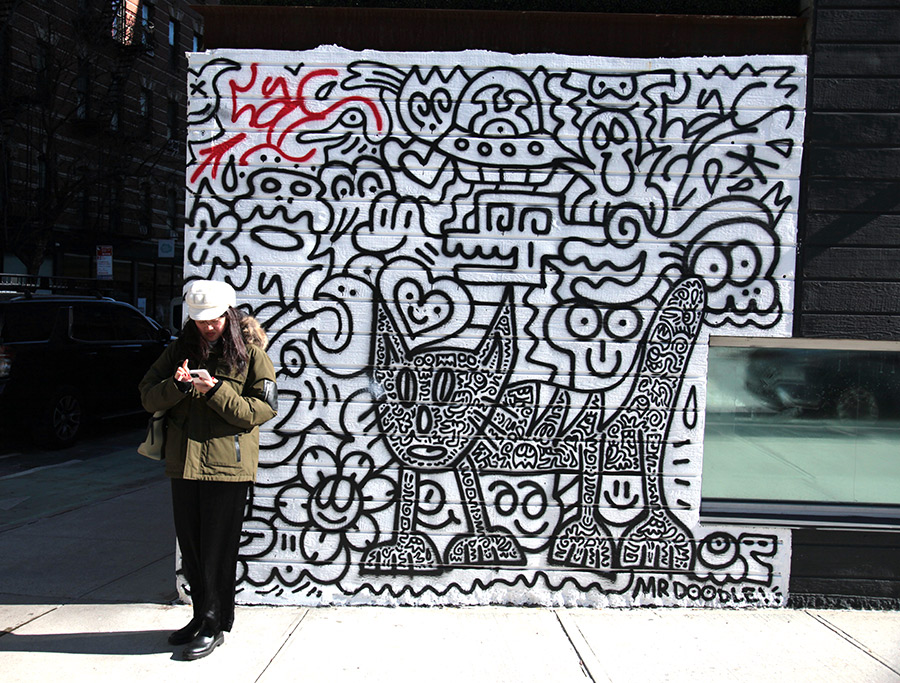
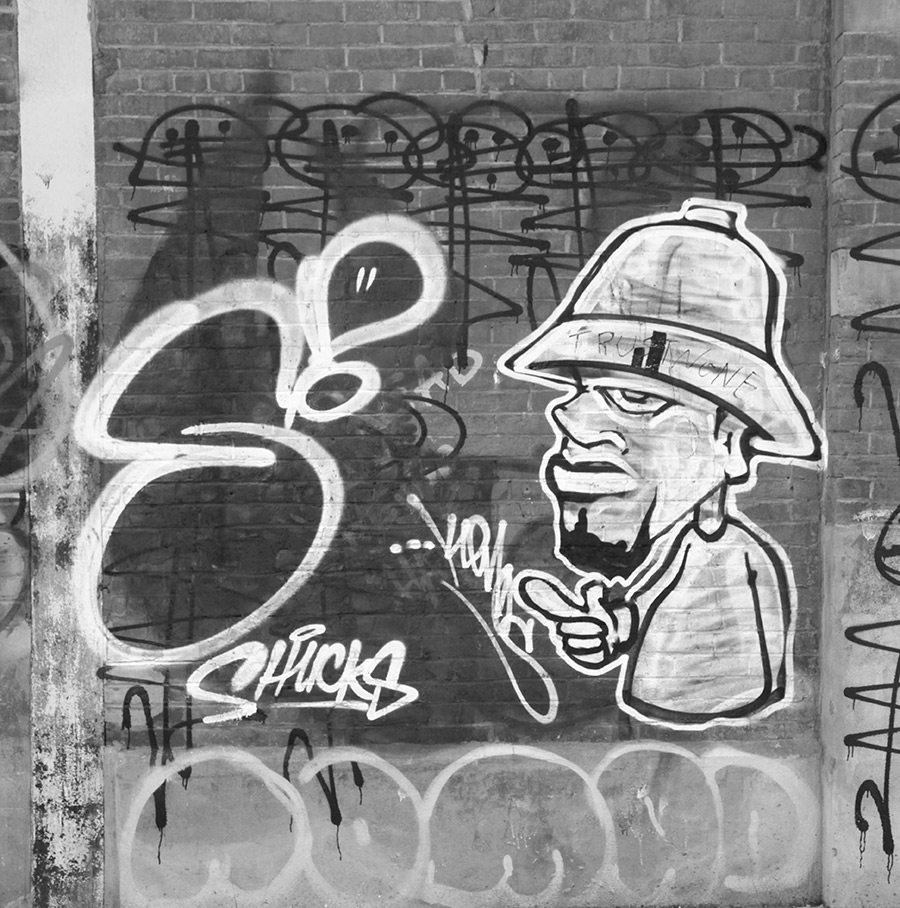
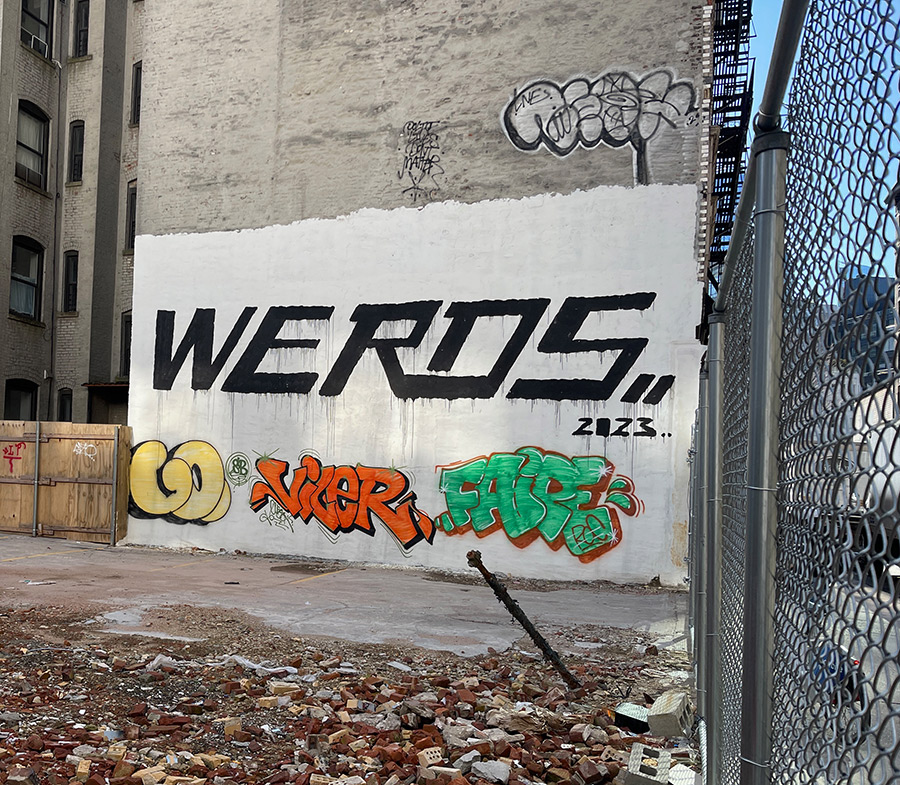
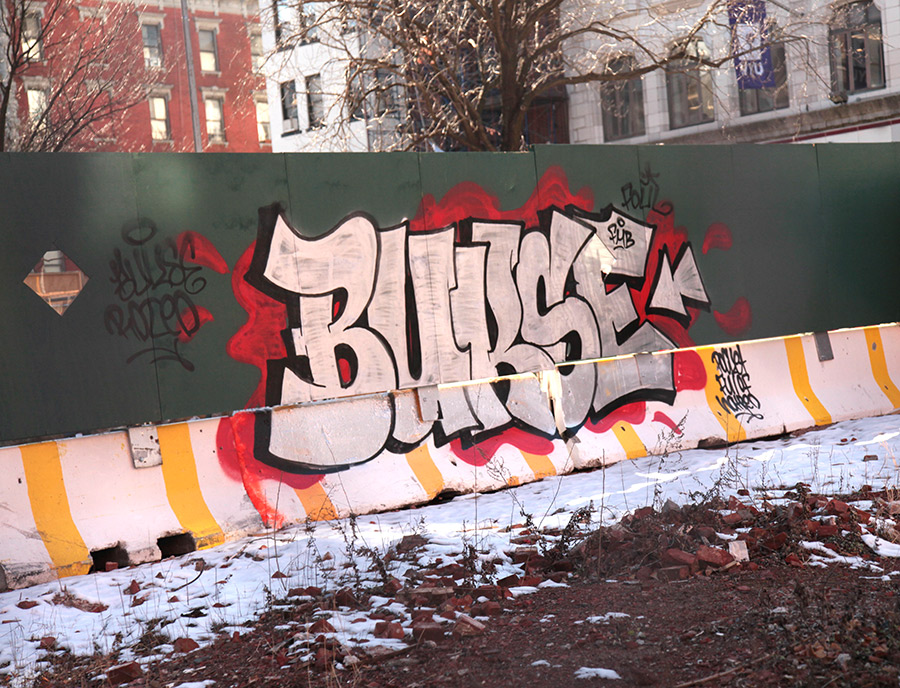
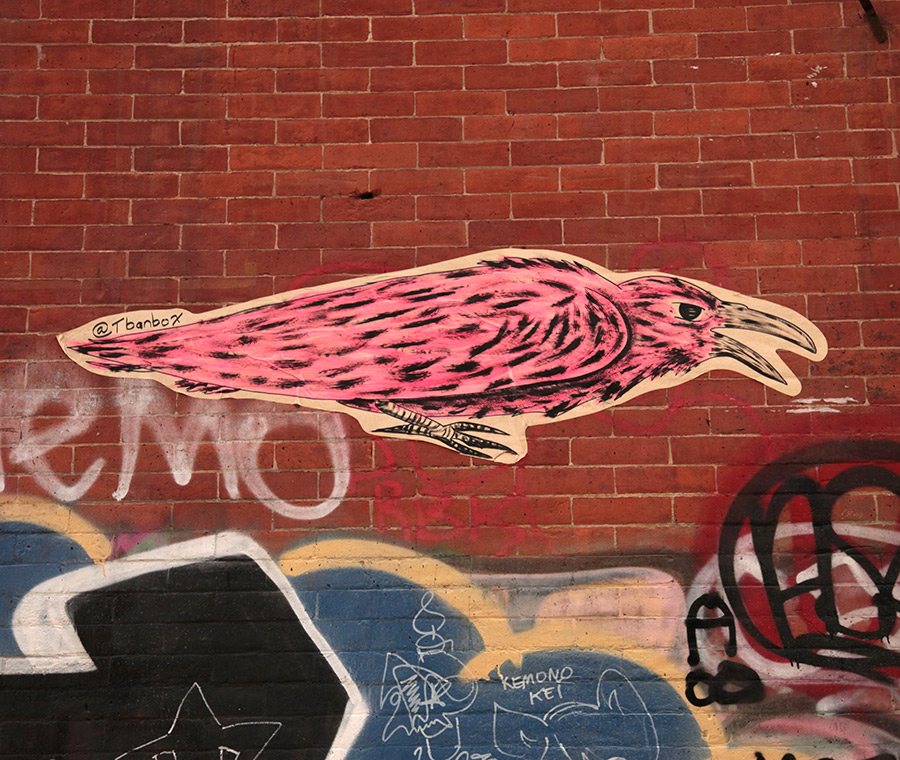
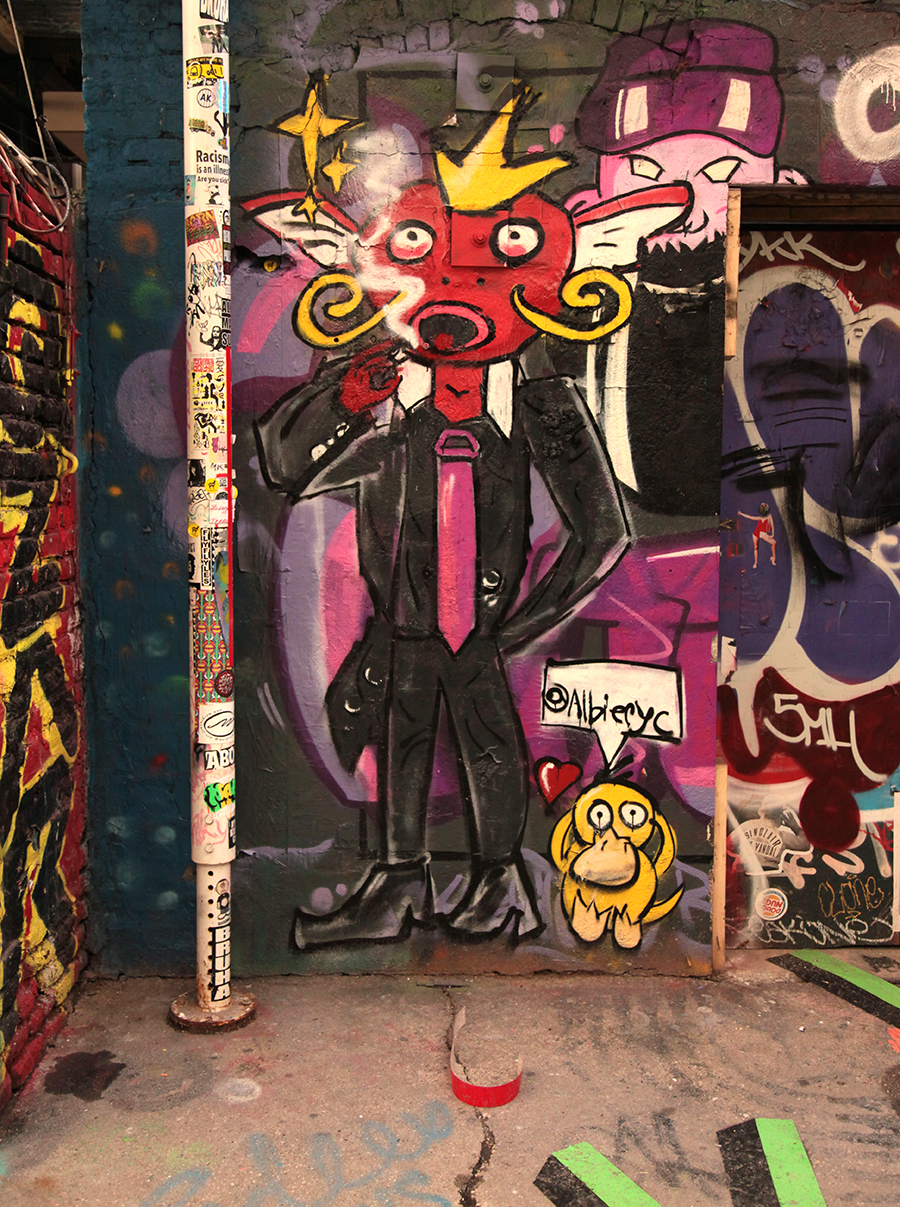
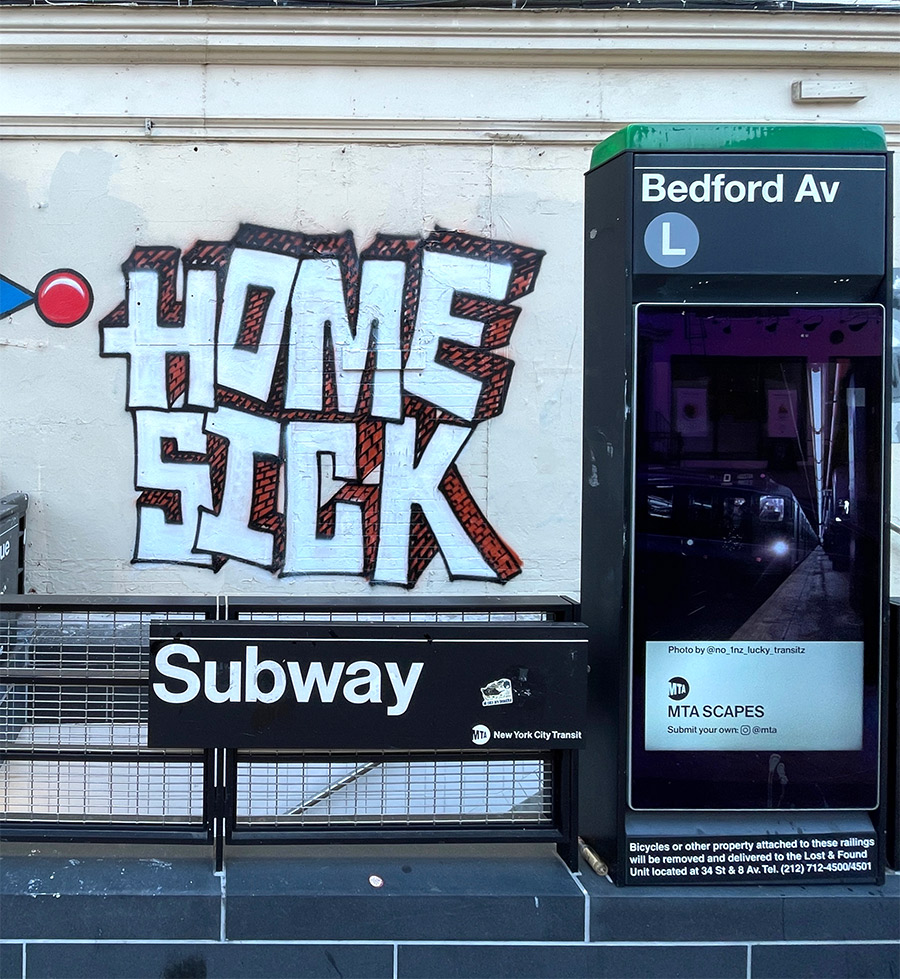
Here is our weekly conversation with the street, this week including Stikman, Homesick, BK Foxx, Calicho Art, Werds, Goog, LA2, TBanbox, ICU463, Propa, NAY183, Bukse, Joser, Vicer, Faire, Shicks, Angel Ortiz, Mr. Doodle, and Albie.
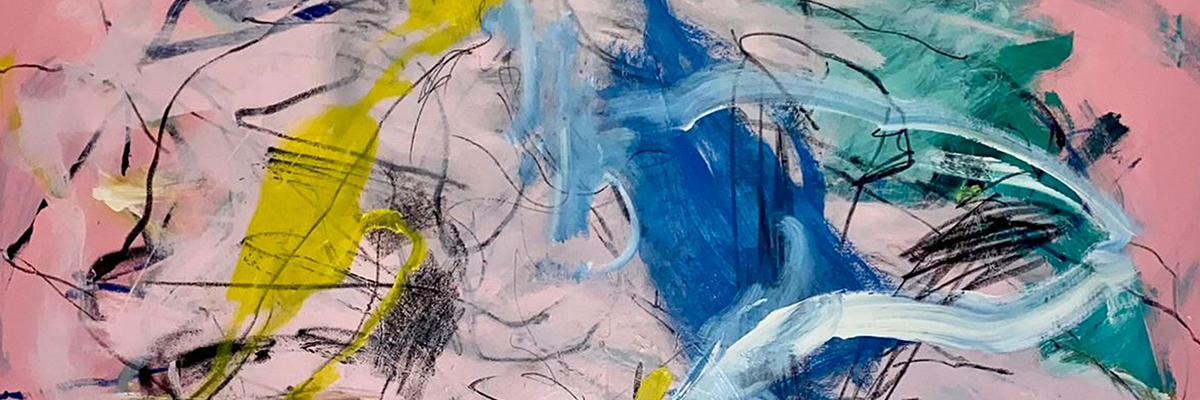
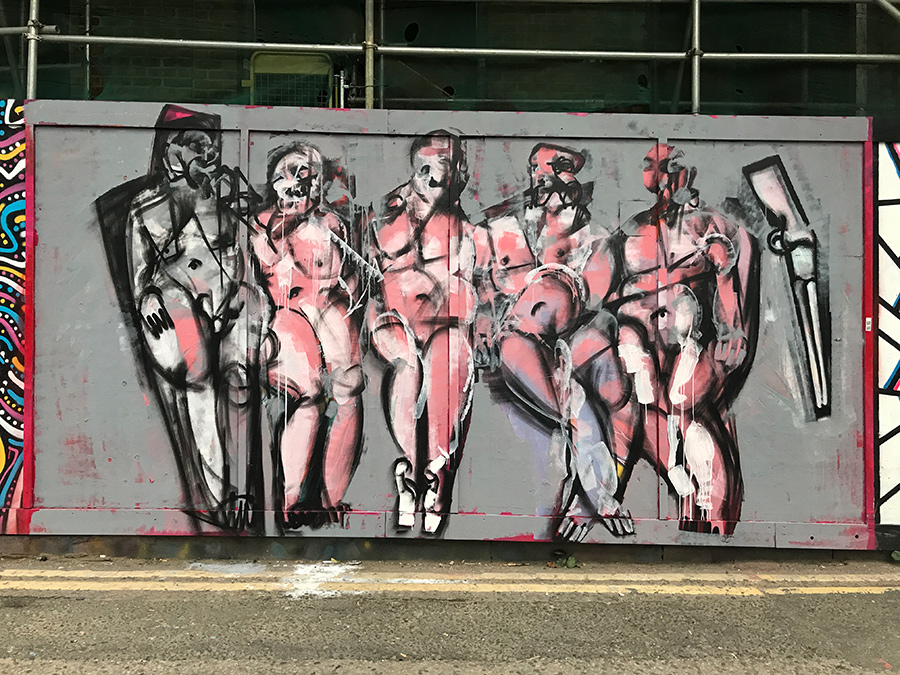
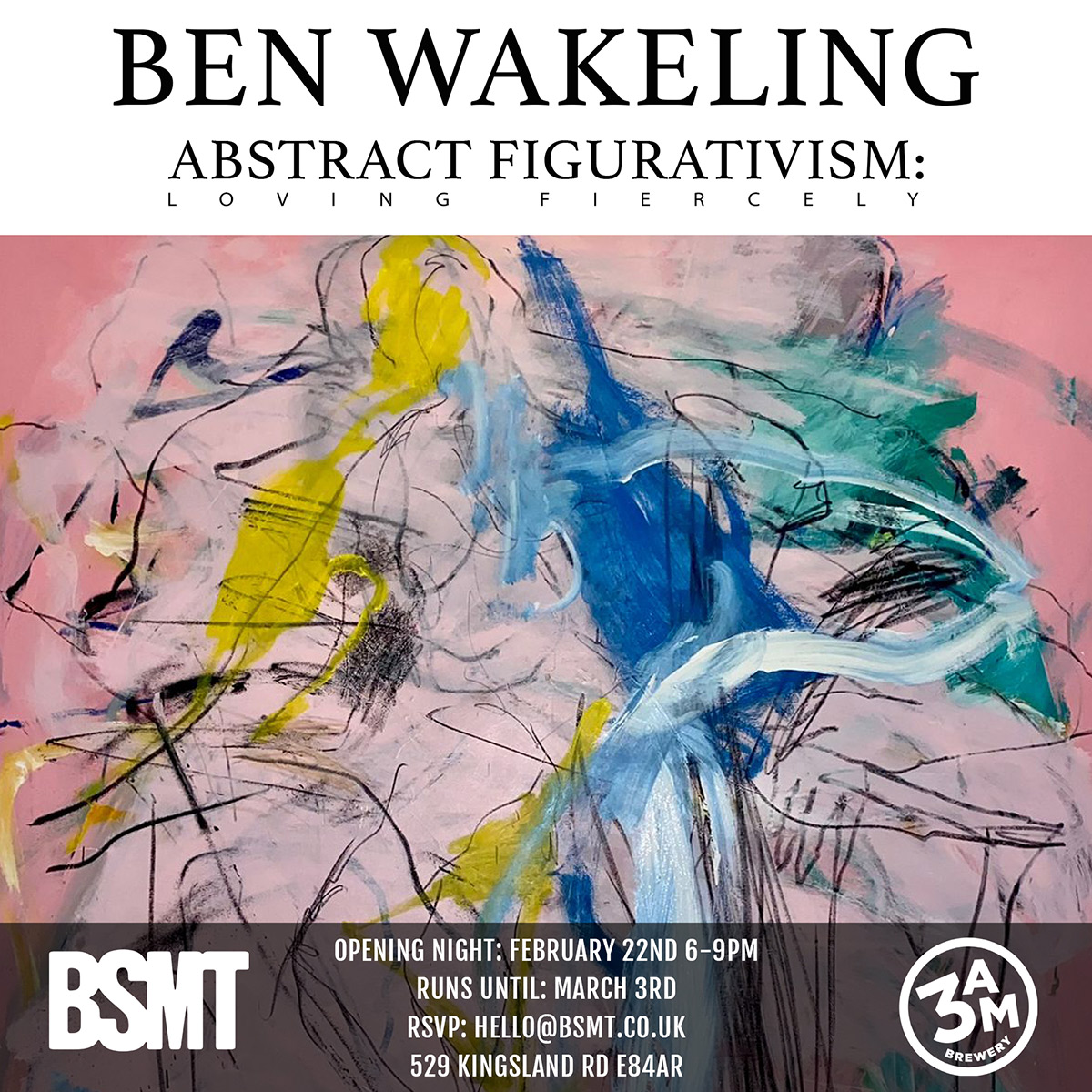
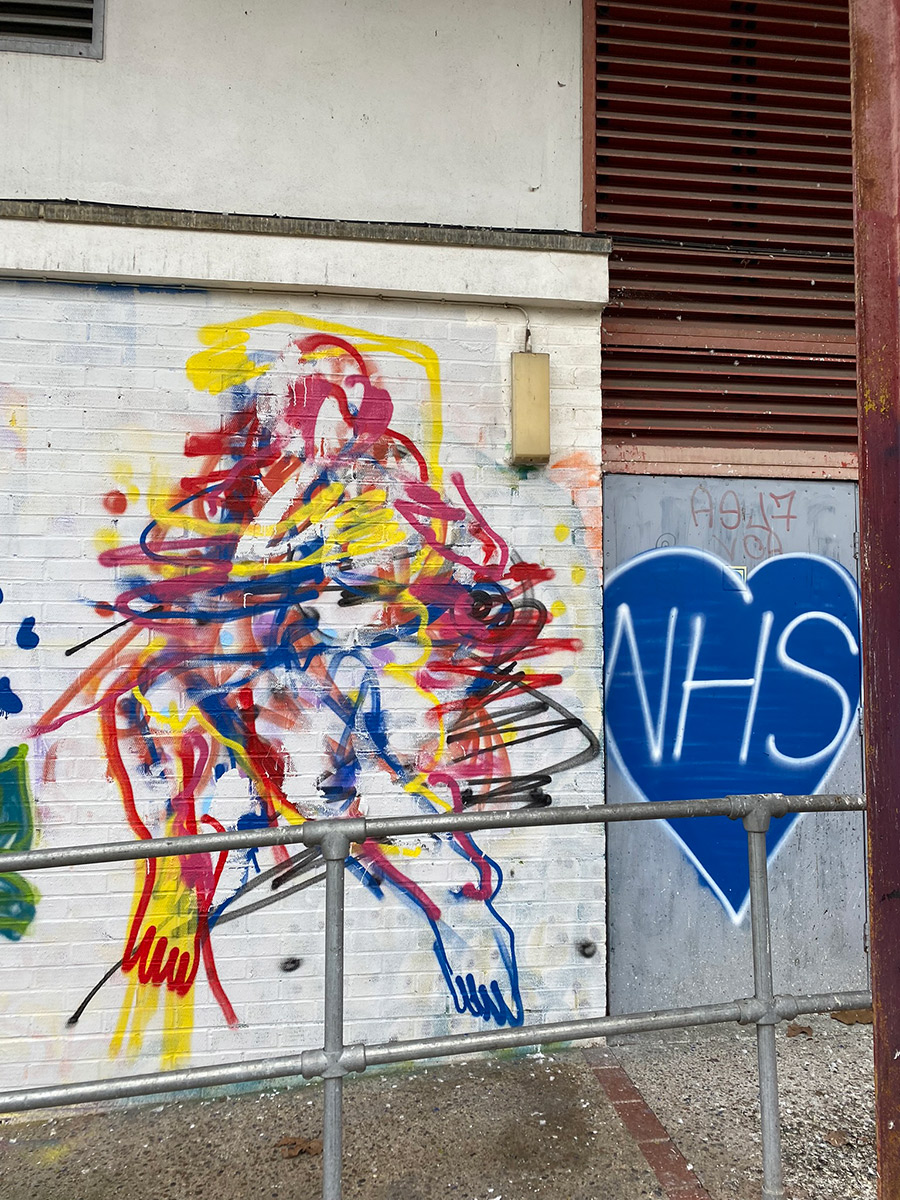
Ben Wakeling, a British artist celebrated for his abstract figurative art on the street and on canvas, brings his unique expression to BSMT with “Abstract Figurativism: Loving Fiercely.”
Wakeling, known for his powerful charcoal lines and bold colors, explores the depths of self-portraiture by letting his hands draw in an automated way, revealing his inner consciousness. His work, a blend of abstraction and classic portraiture, transmutes the inner workings of his world onto canvas.
Wakeling, known for his powerful charcoal lines and bold colors, explores the depths of his self-portraiture by letting his hands draw in an automated way, revealing his inner consciousness. His work, a blend of abstraction and classic portraiture, transmutes the inner workings of his world onto canvas.
This exhibition, opening this February at BSMT, promises a journey through Wakeling’s exploration and re-invention of self-portraiture, showcasing a collection of large-format paintings and unseen drawings.
According to the press release, “He lets his hands draw in an automated way, reminiscent of the surrealist exercise of revealing inner consciousness through automatic writing. However, what Wakeling expresses is his identity in self-portraiture, suppressing conscious control in the process.”
The exhibition will feature a collection of eight large-format paintings alongside a selection of never-before-seen drawings.
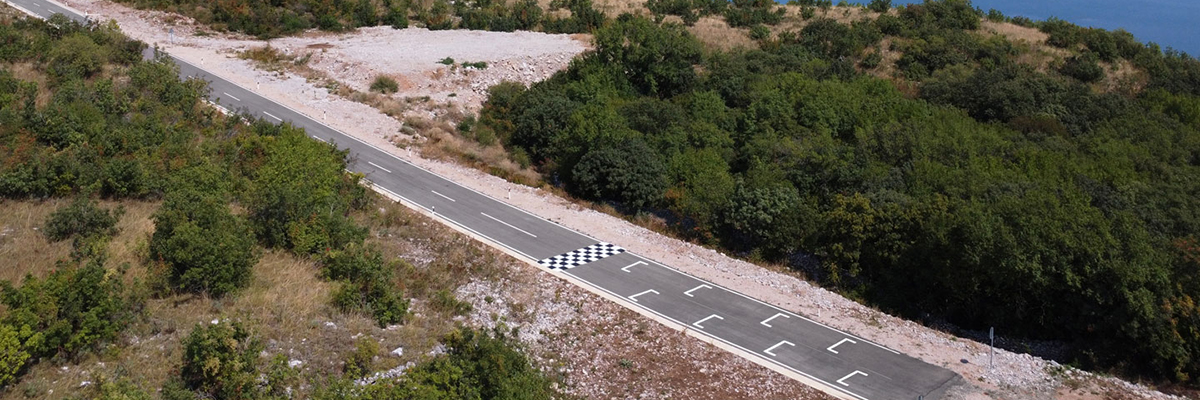
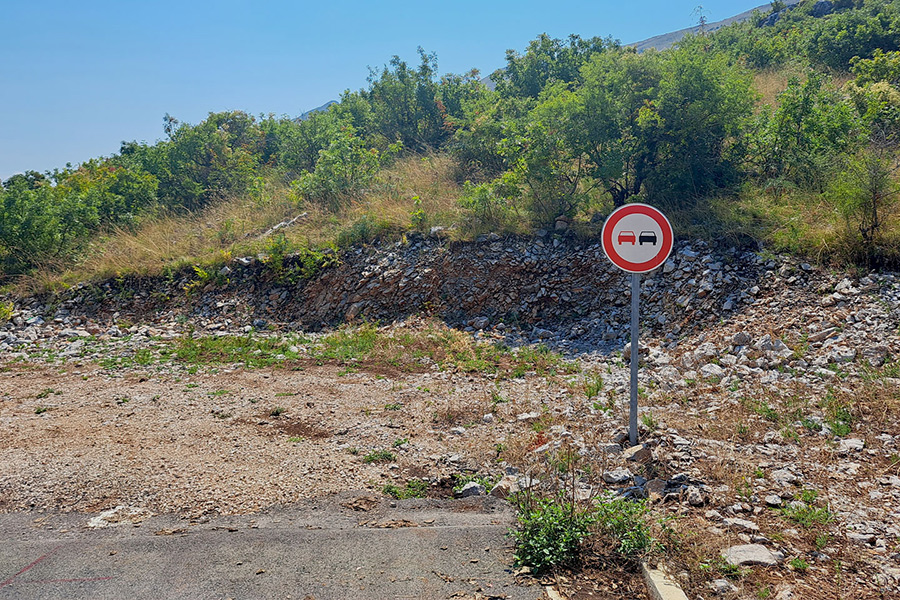
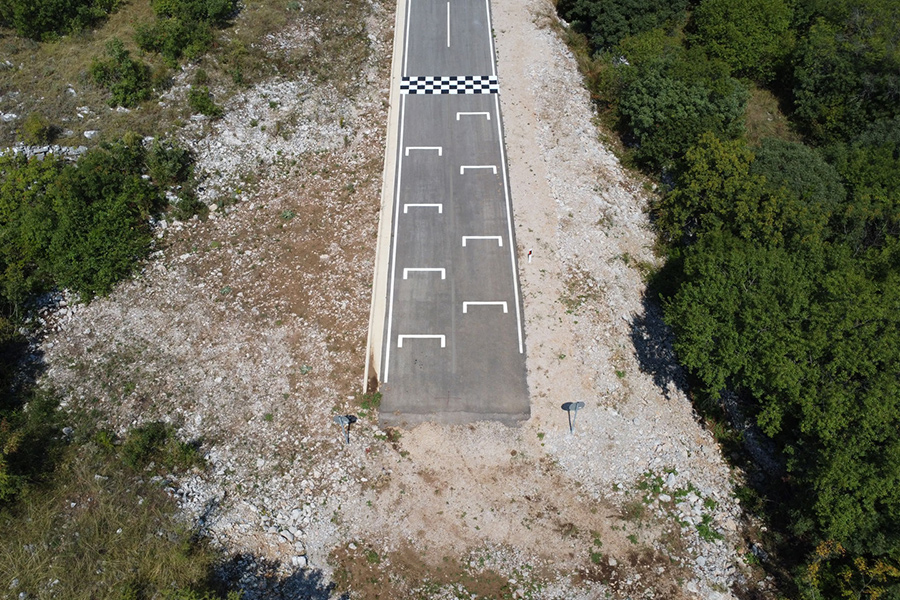
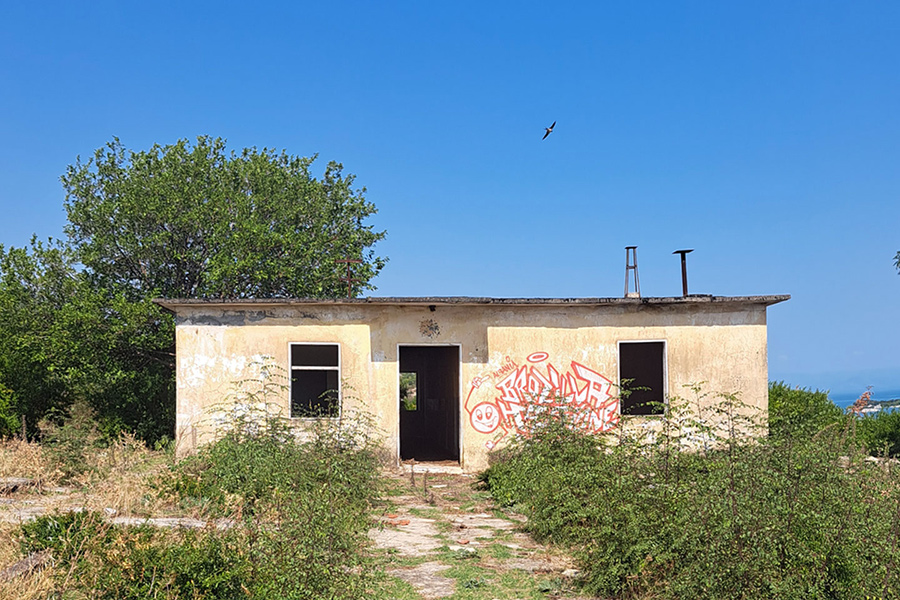
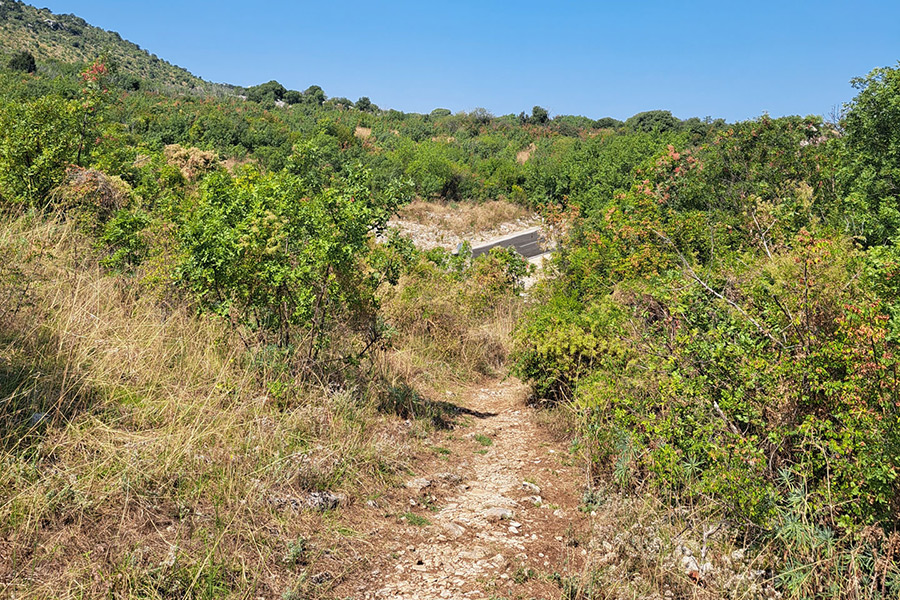
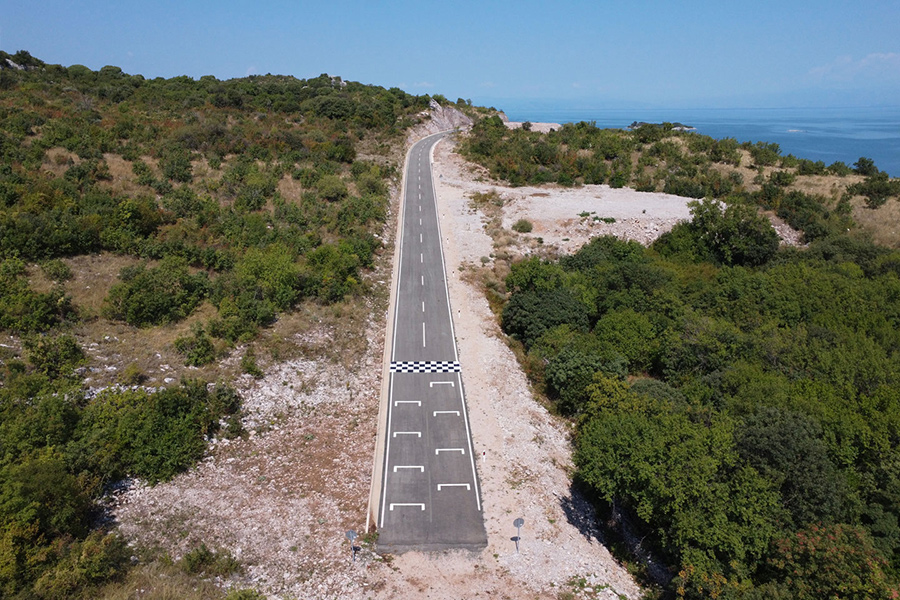
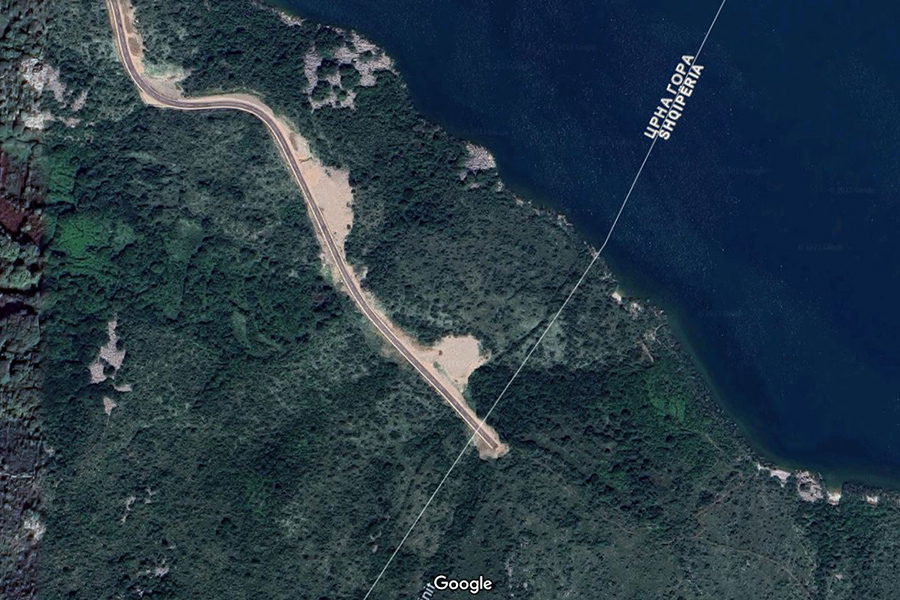
Today’s art intervention by Italian street artist Biancoshock is poignant and grand. It bridges history, geography, and the collective memory of migration with a thought-provoking project along the unfinished road stretching between Albania and Montenegro, beside the serene Shkodër Lake.
Intended to connect the two nations, the road abruptly halts at the border, serving as a silent witness to the aspirations of Albanian immigrants who once traversed this route in search of new beginnings. The intervention erases dividing lines on the Albanian side and installs a starting grid at the border, transforming the pavement into a potential symbol of hope and new beginnings.
“With this action, I aim to address the topics of immobilization and stasis, elements that hinder any form of restart—be it social, economic, or cultural,” Biancoshock tells BSA. “The starting grid symbolizes the initial point for a new beginning; it’s a call to action, an invitation to create the second part of the road that could connect the two countries more efficiently.”
More than an artistic gesture, this serves as a powerful commentary on the possibility of overcoming past barriers and envisioning a future filled with renewed connections and opportunities. An unfinished road becomes a canvas for contemplating the intersections of history, mobility, and the potential for revival.
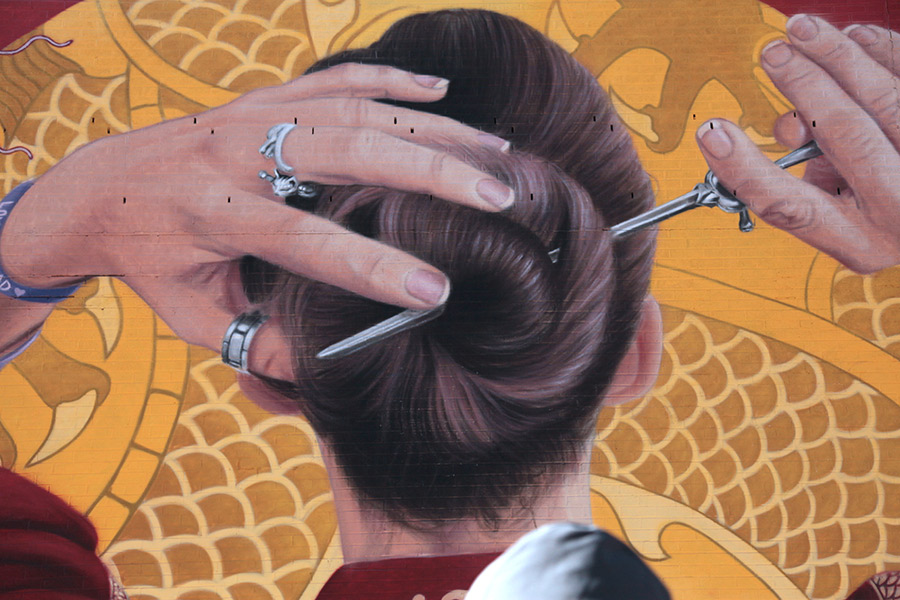
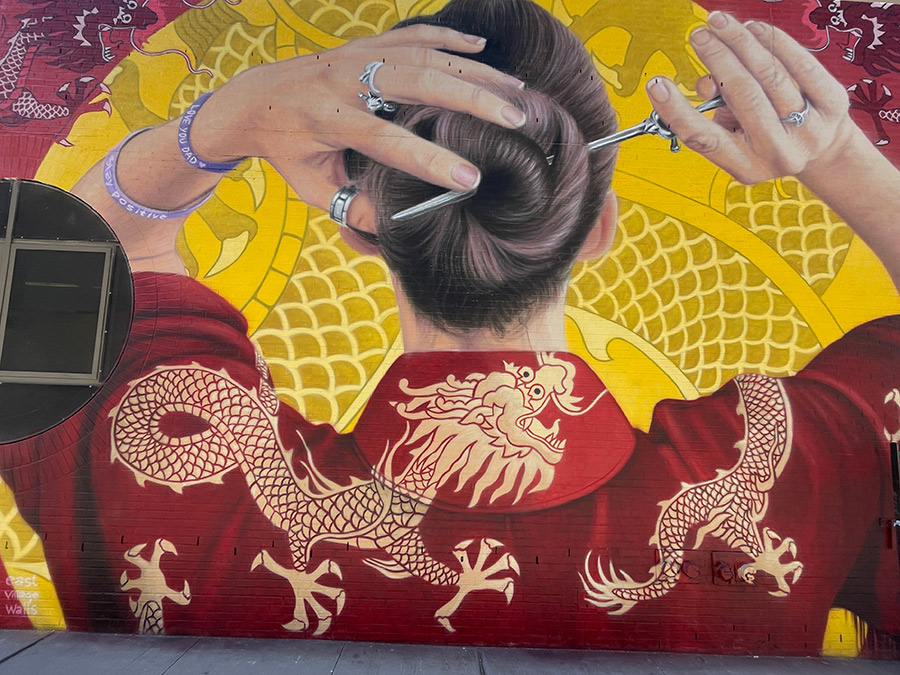
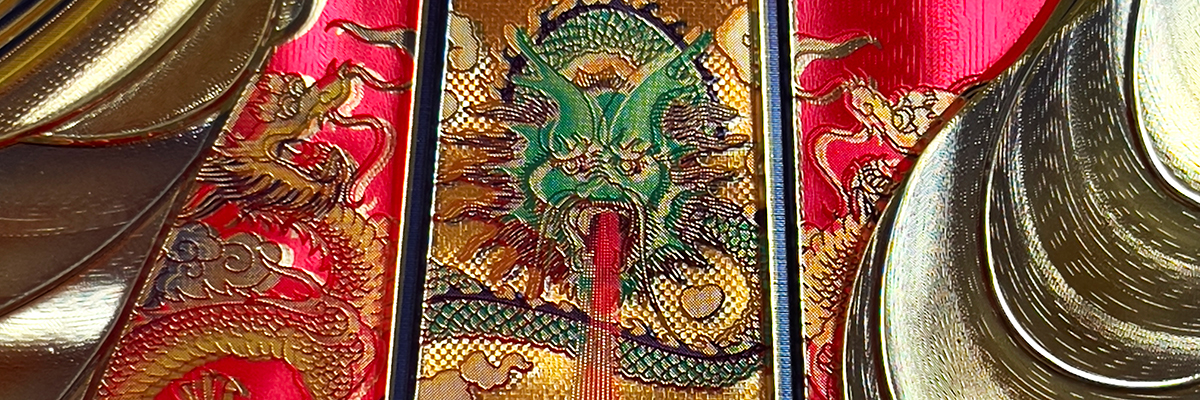
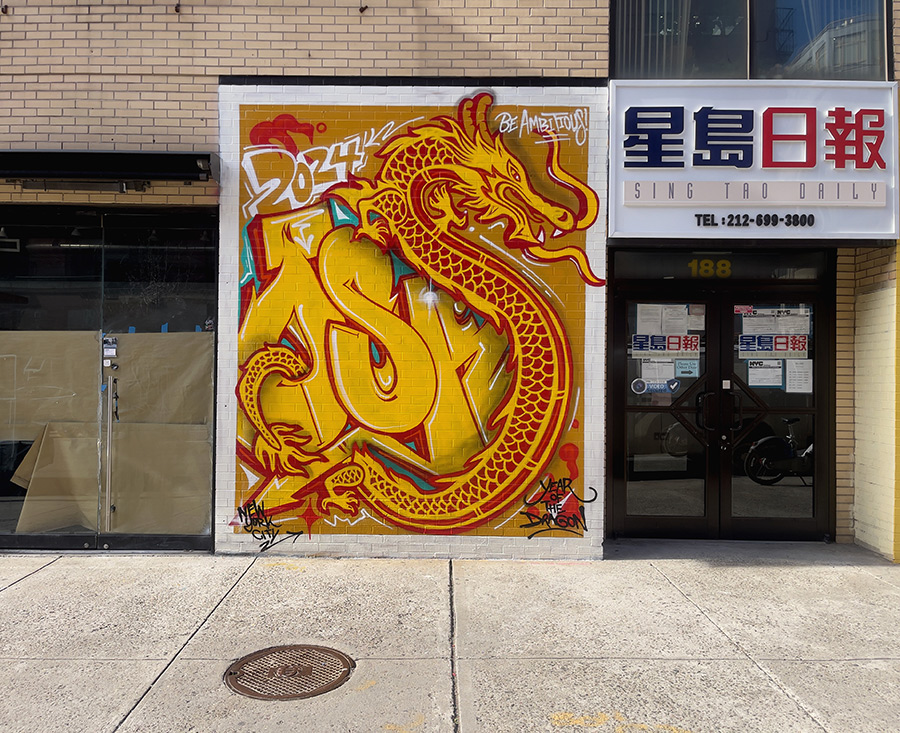
New Yorkers are having a grand celebration this weekend as the Year of the Dragon begins, and traditional lion and dragon dances wend their way through Chinatowns in Manhattan and Queens. You’ll be seeing lots of red, hopefully getting some money in red envelopes (hongbao), and eating dumplings (symbolizing wealth), fish (representing surplus and abundance), and sticky rice cakes. To all our neighbors celebrating, “恭喜发财” (Gōngxǐ fācái), which means “Wishing you wealth and prosperity.”
Later this week, we’ll all profess love for one another on Valentine’s Day. Looks like red is the color for New York this week.
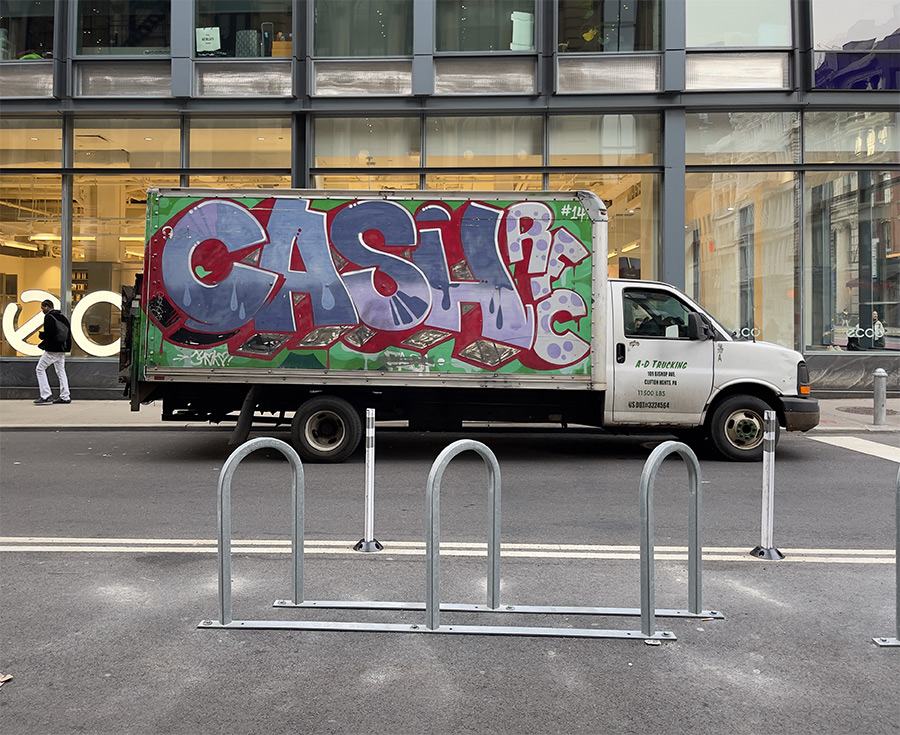
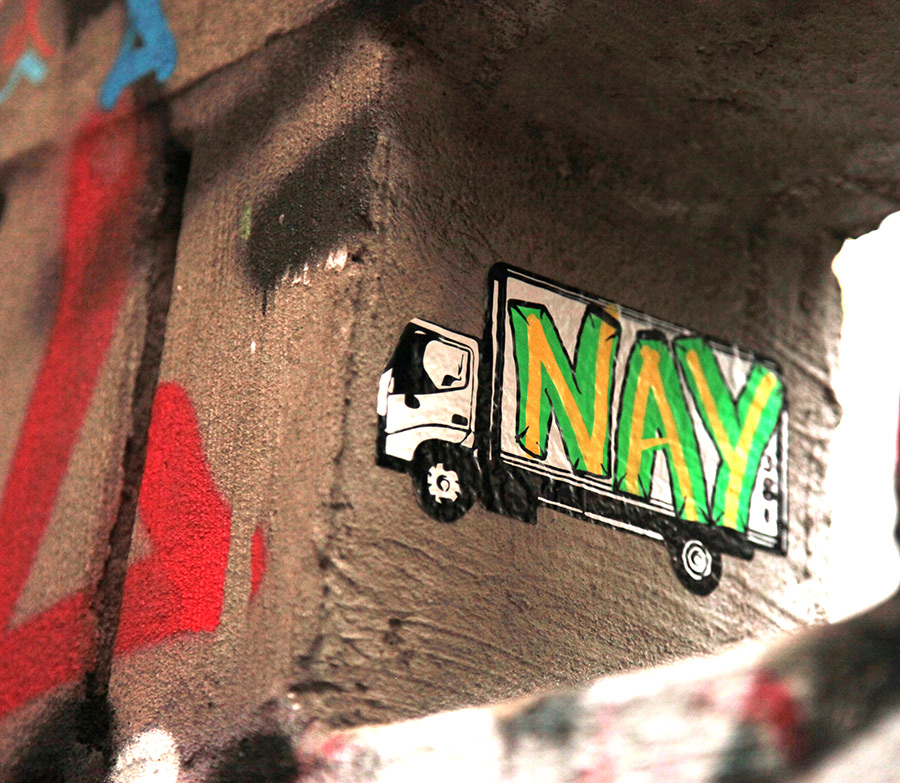
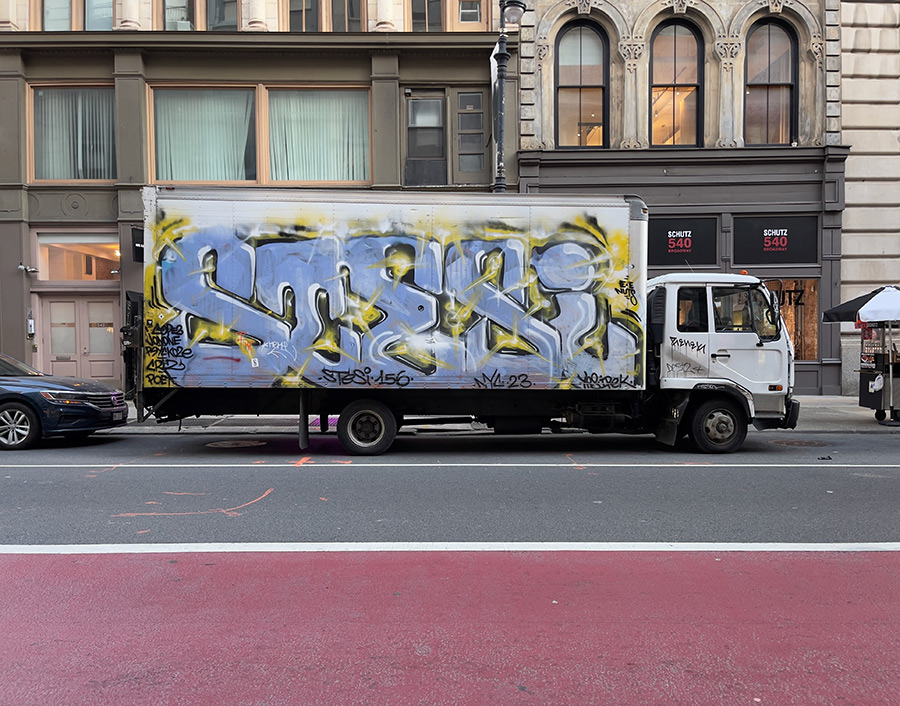
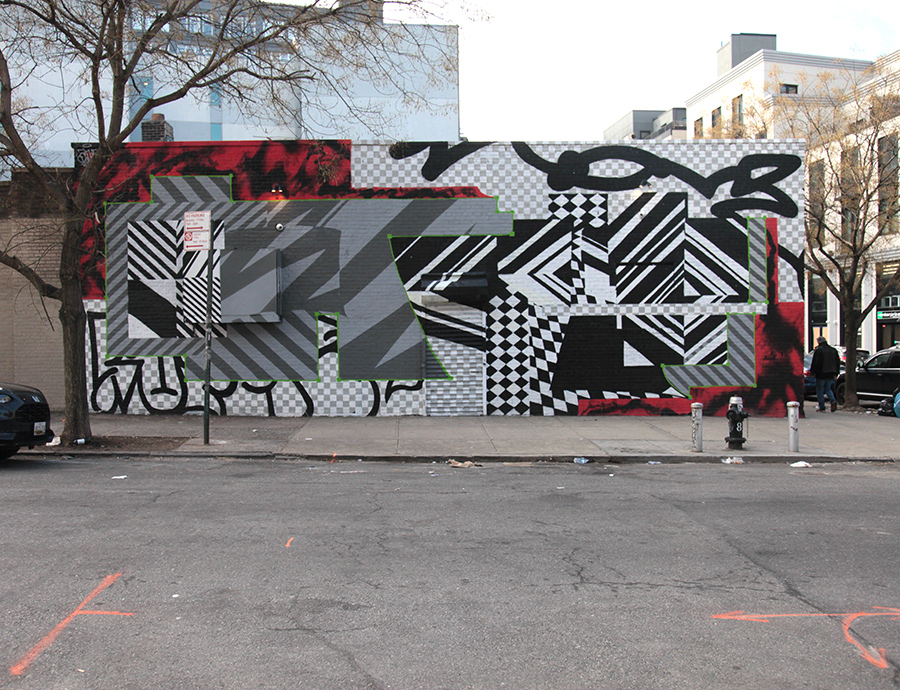
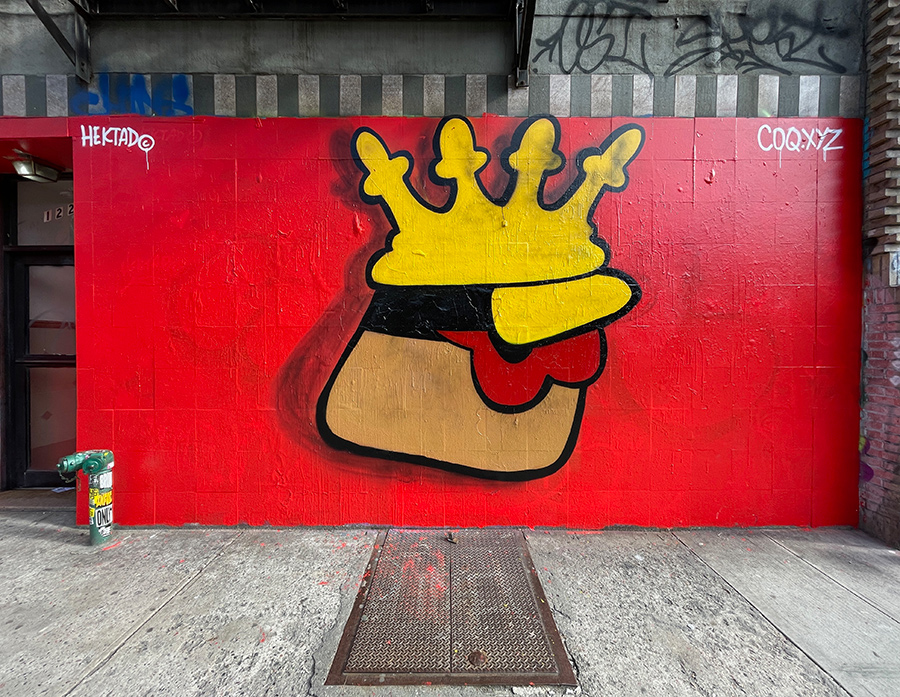
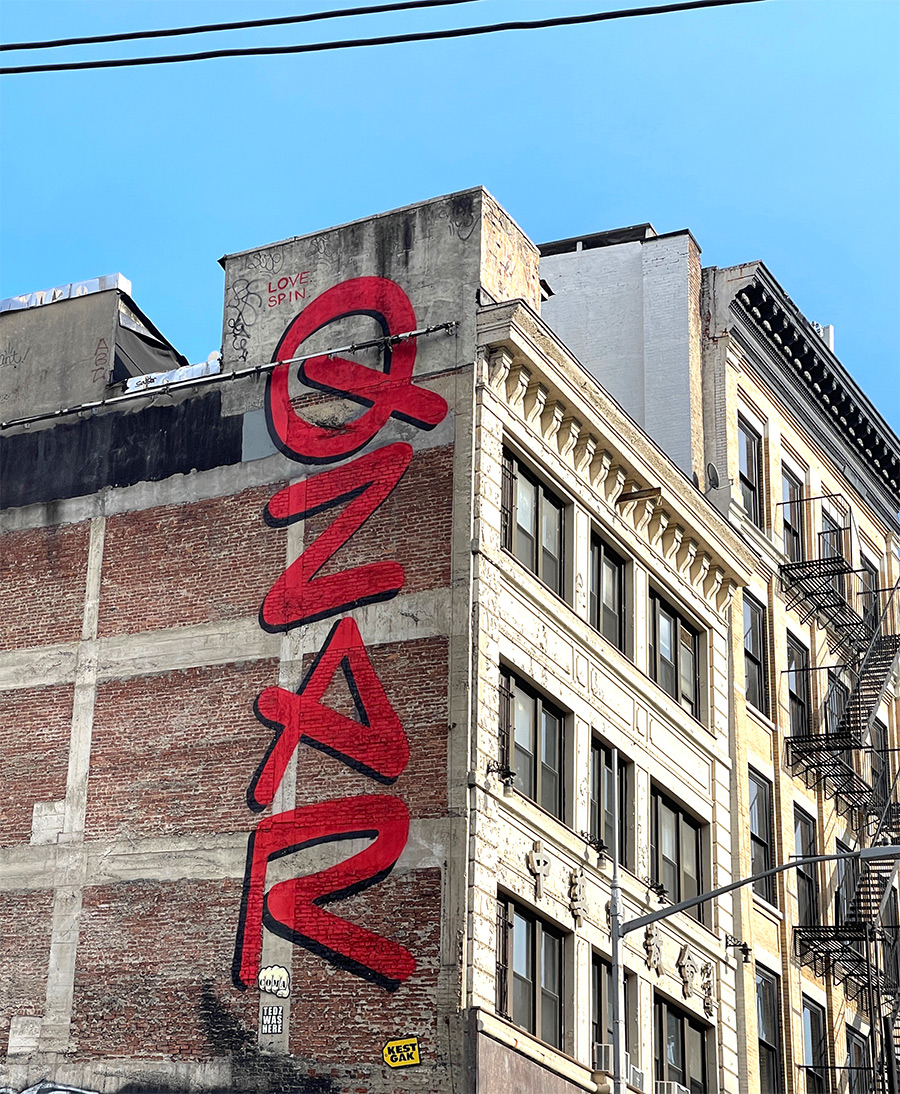
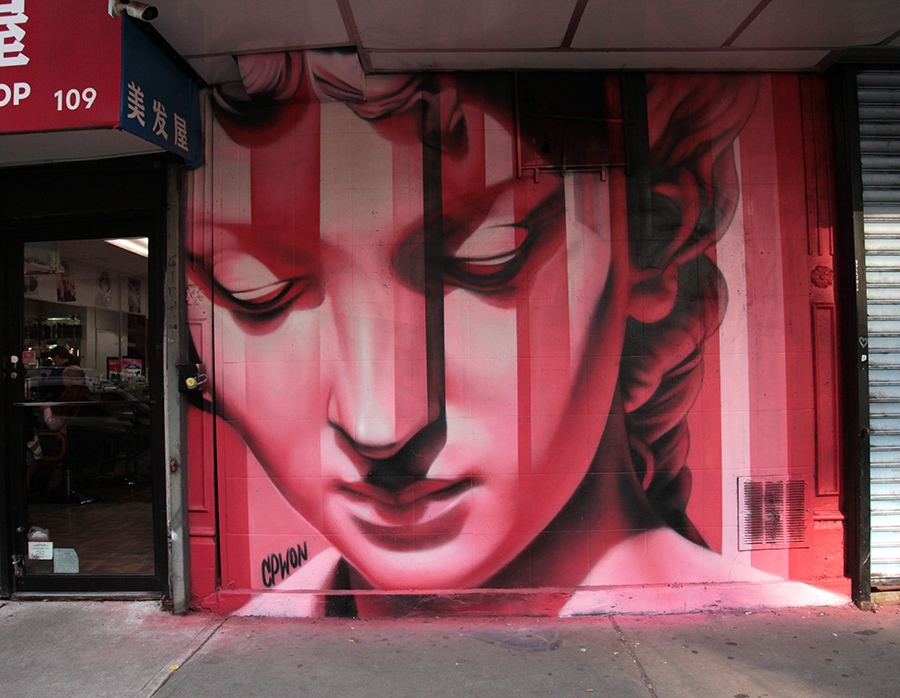
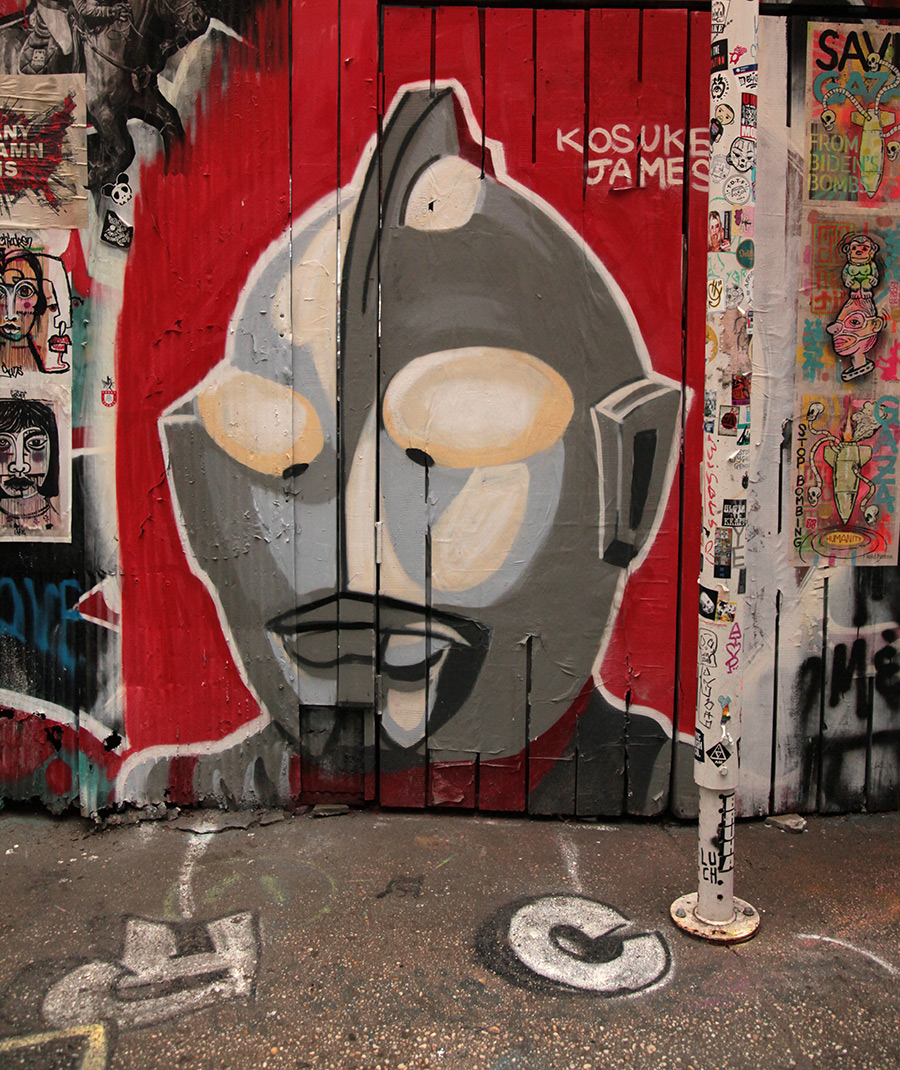
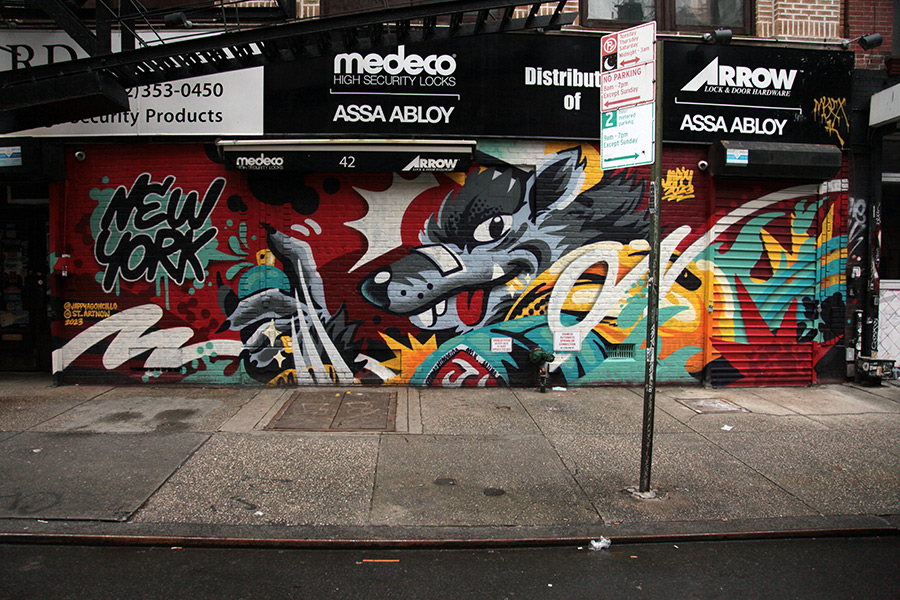
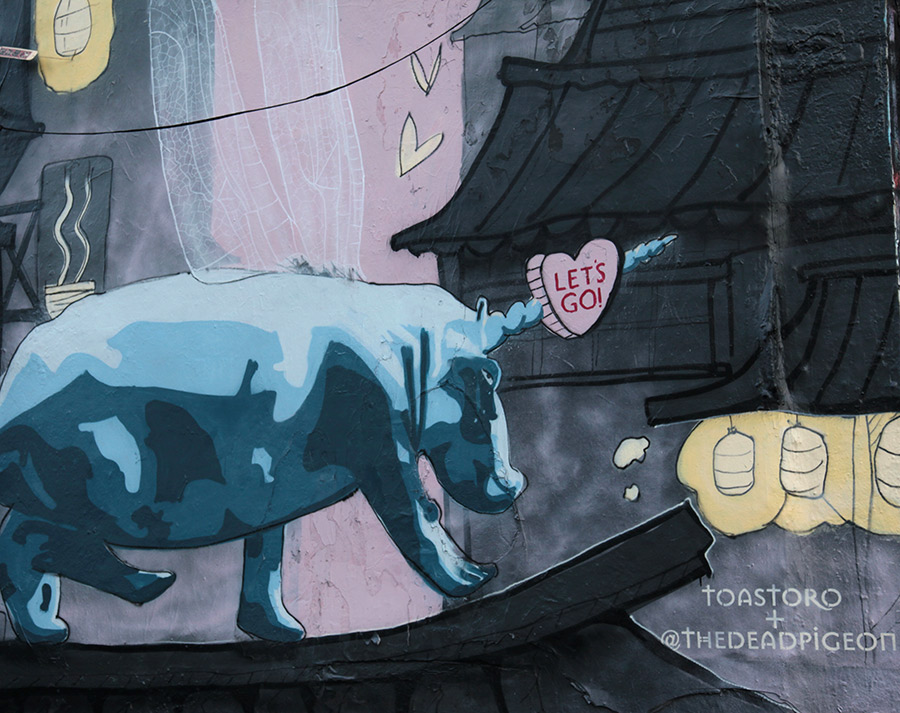
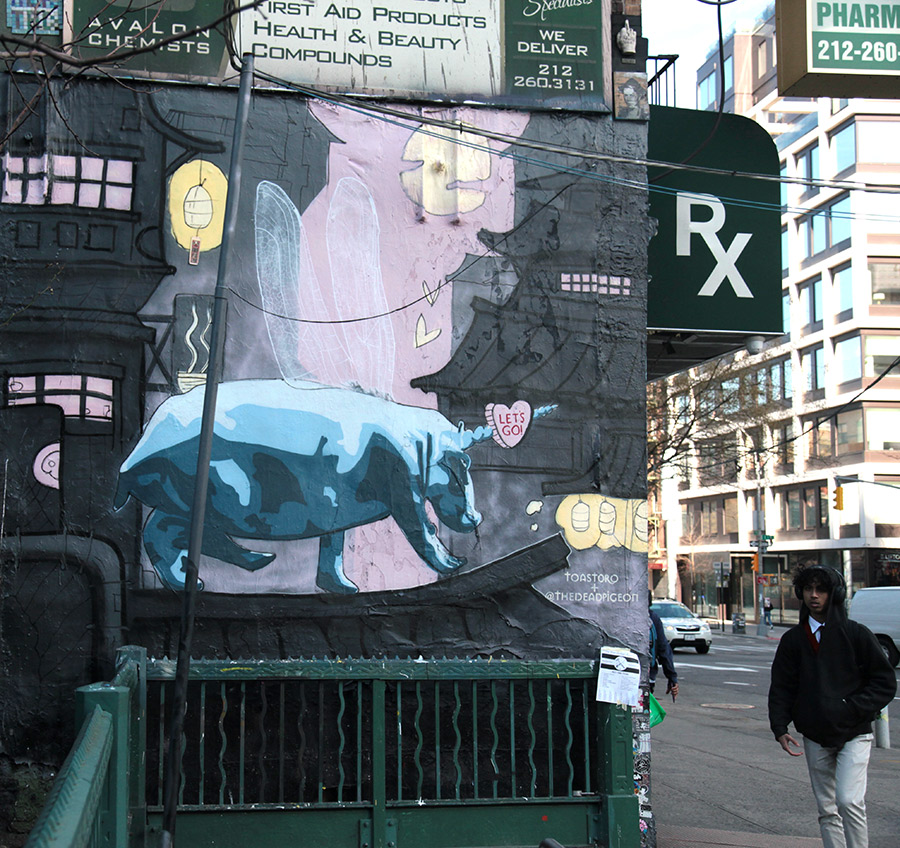
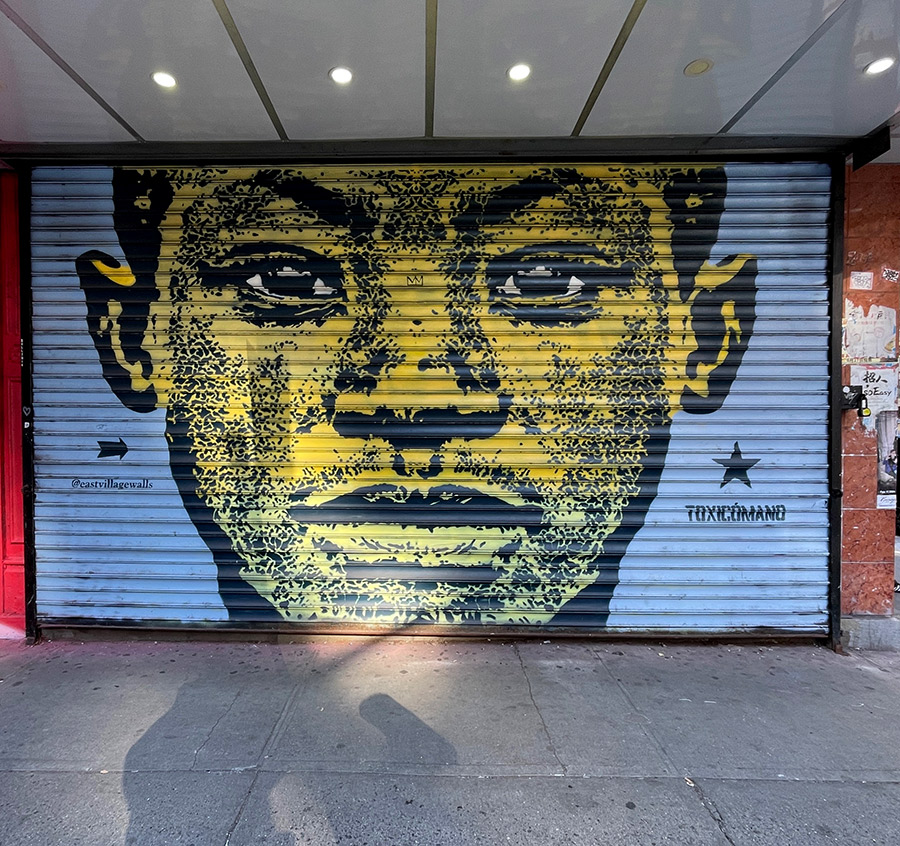
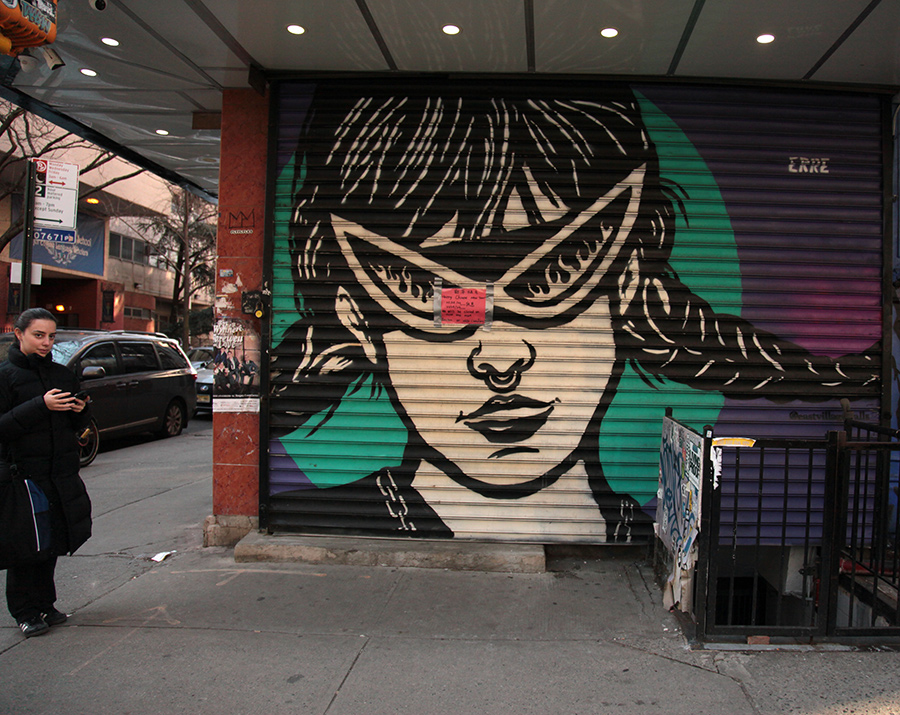
Here is our weekly interview with the street: this week featuring Homesick, Toxicomano, ERRE, CP Won, Qzar, Hektad, Jappy Agoncillo, ToastOro, Senk, Stesi, CASH RFC Crew, OSK OSK, NAY, and Kosuke James.
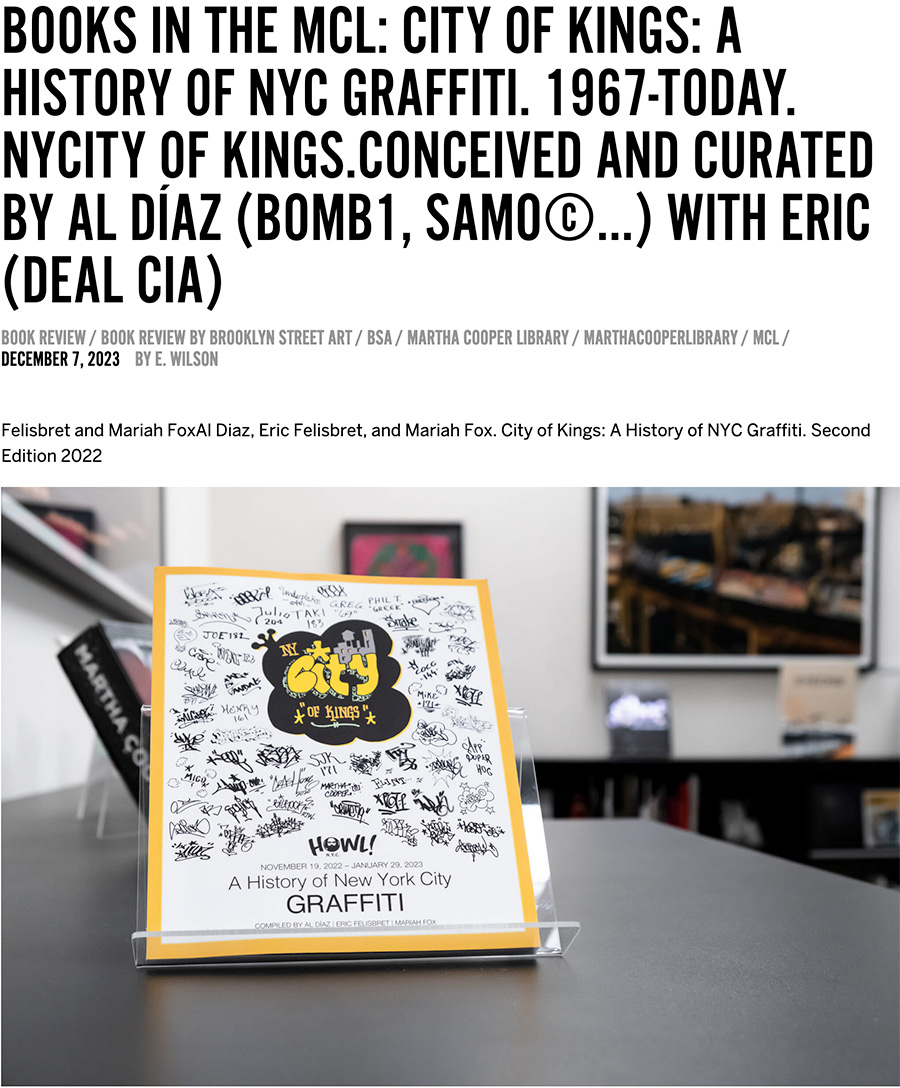
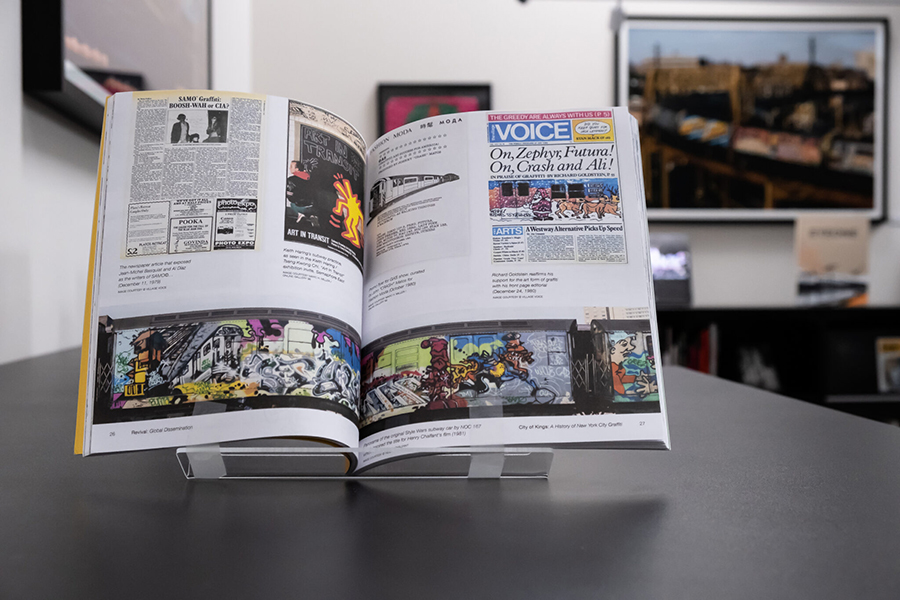
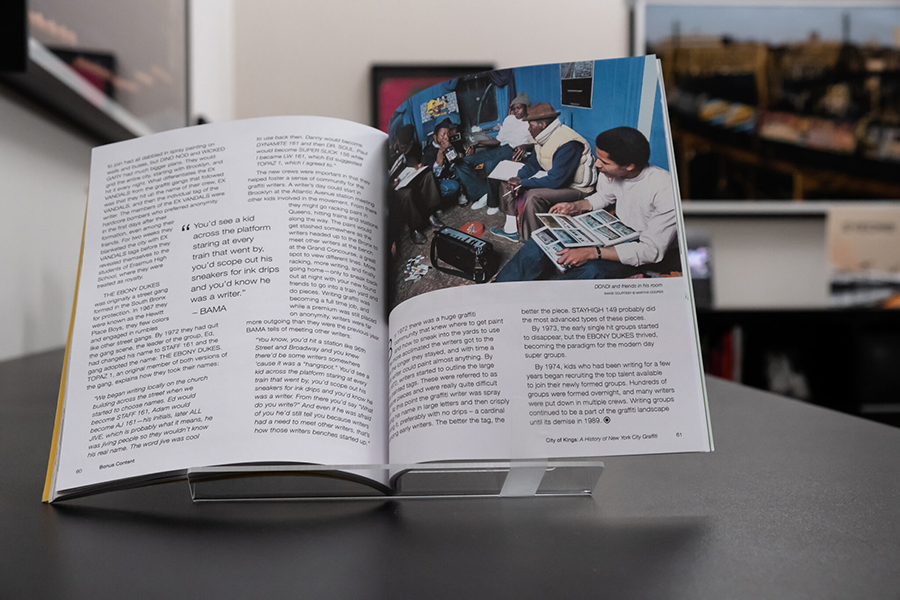
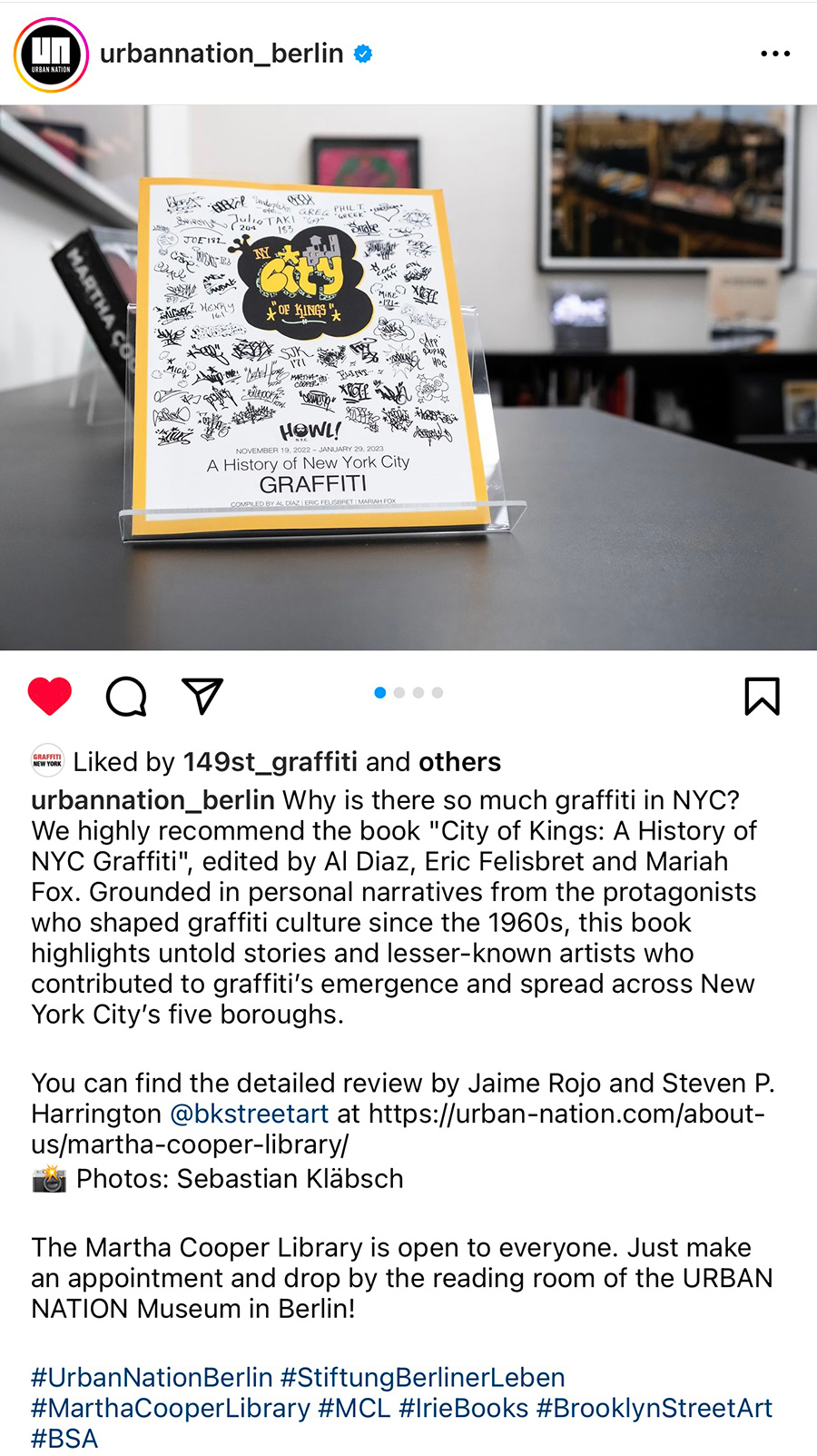
As founding members of the Martha Cooper Library at the Urban Nation Museum in Berlin, Brooklyn Street Art (BSA) proudly showcases a monthly feature from the MCL collection, illuminating the extensive and diverse treasures we’re assembling for both researchers and enthusiasts of graffiti, street art, urban art, and its numerous offshoots. Below, we present one of our latest selections.
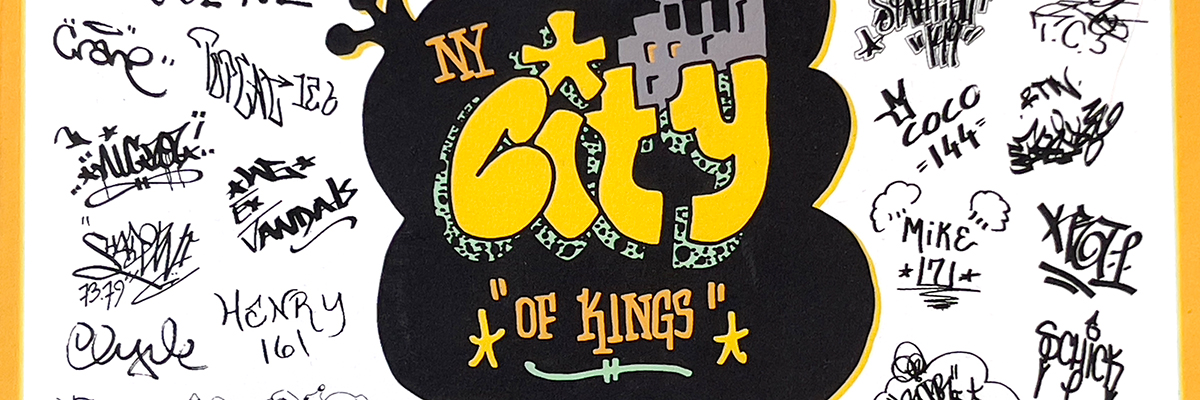
“City of Kings: A History of NYC Graffiti” is a crafted exploration of the graffiti scene’s historical roots in New York City. Born from a prominent exhibition co-curated by Al Diaz, Eric Felisbret, and Mariah Fox, this book transcends the role of a mere catalog to become a substantive text that presents a detailed overview of the graffiti movement in a structured, academic, and engaging manner.
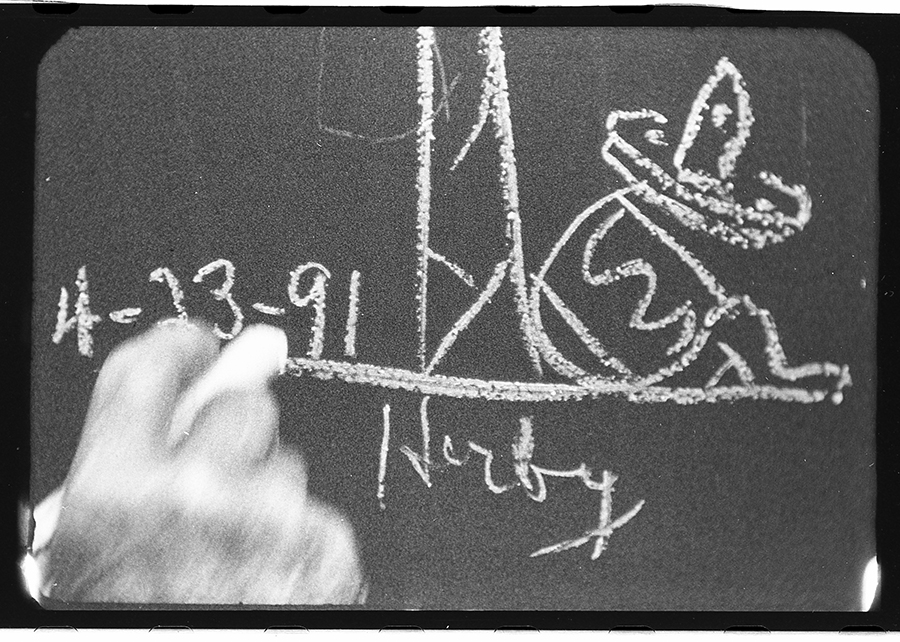
In the shifting culturescapes of urban contemporary art, STRAAT Museum’s latest exhibition, “Moniker: An Origin Story,” emerges as a poignant narrative that bridges the transient heritage of hobo monikers with the vibrant pulse of today’s street art scene. This show not only marks an exploration into the roots of a movement but stands as a tribute to Russell Butler, known as buZ Blurr, a pivotal figure who recently passed away, and whose legacy in the realm of freight train artistry has left an indelible mark on the canvas of American folk art.
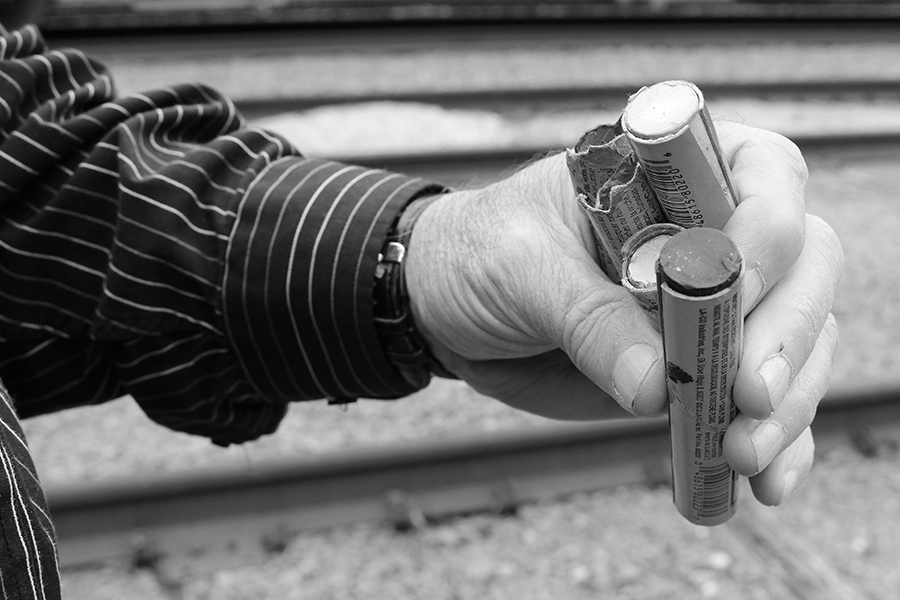
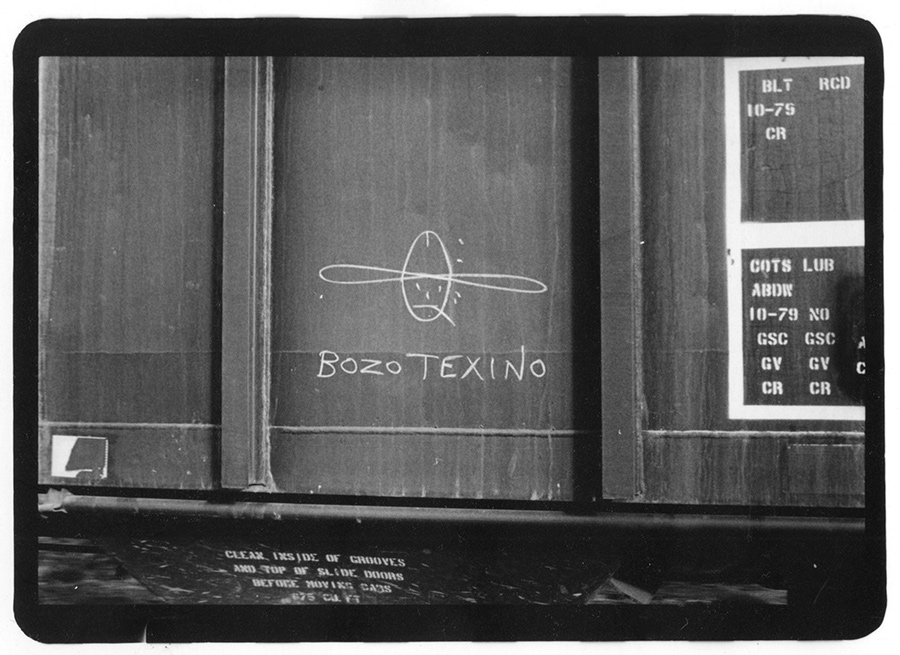
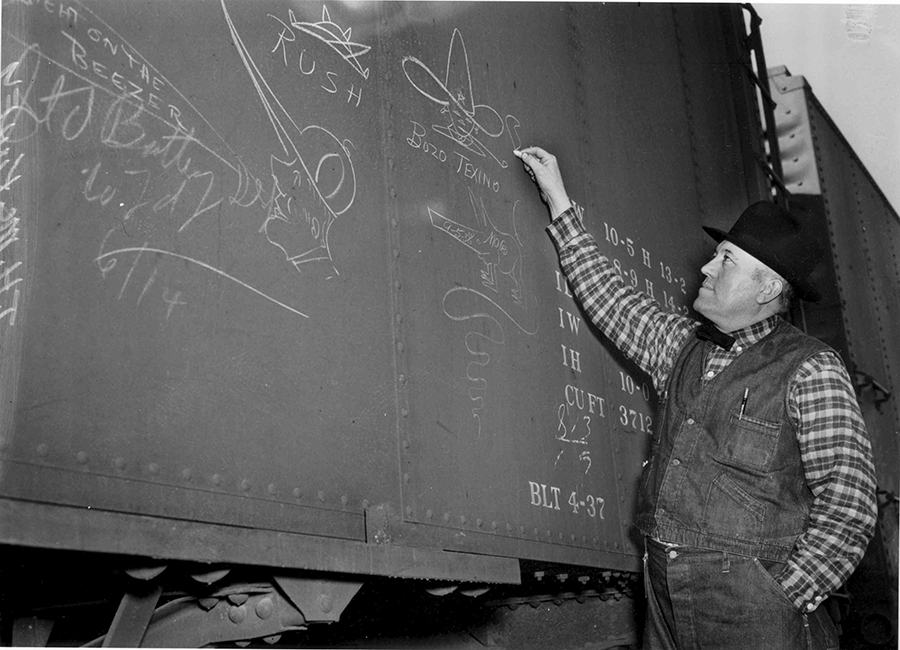
The practice of hobo writing on trains, a tradition from the early 20th century, encapsulates a form of rebellion against the confines of societal norms, embracing a nomadic lifestyle that flourished alongside the tracks of freight trains. In their quest for freedom and community, Hobos developed a unique language of symbols, or “monikers,” that became a vital means of communication within this itinerant community. These monikers, often rendered in solid paint sticks or industrial crayons, are the precursors to the graffiti and punk DIY styles that would later permeate urban landscapes, among other things, embodying a spirit of protest against modern society’s failings and creating platforms for random acts of poetry.
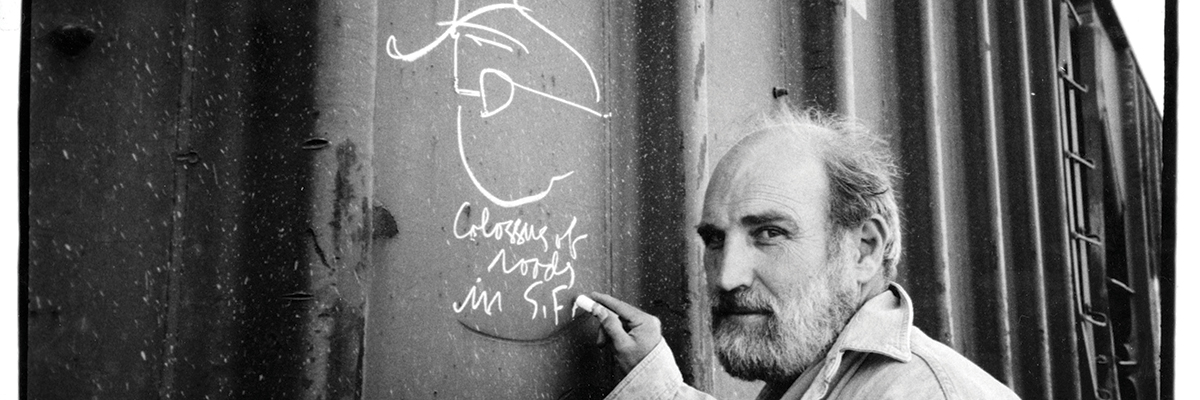
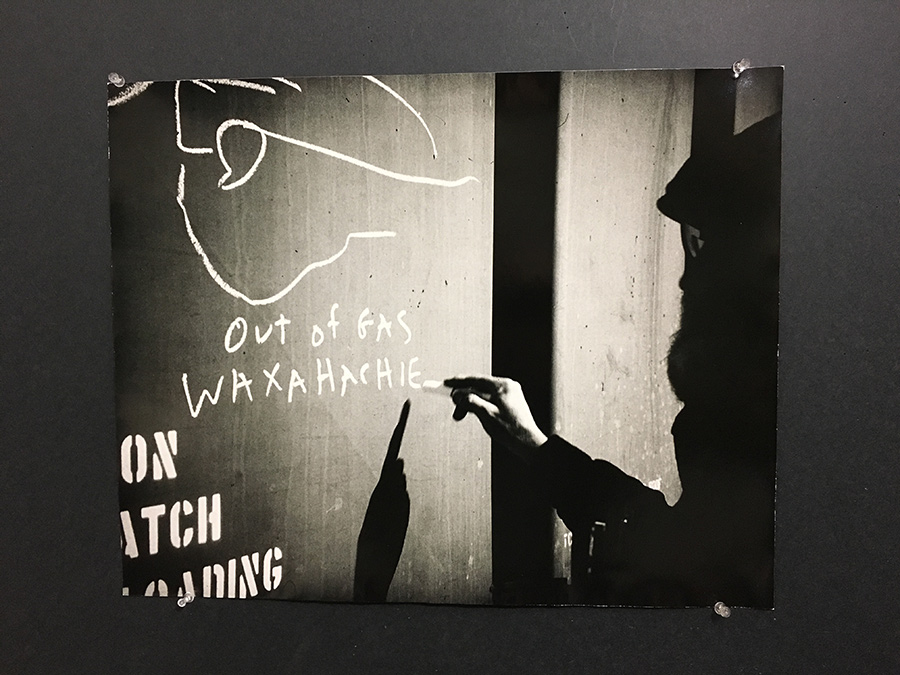
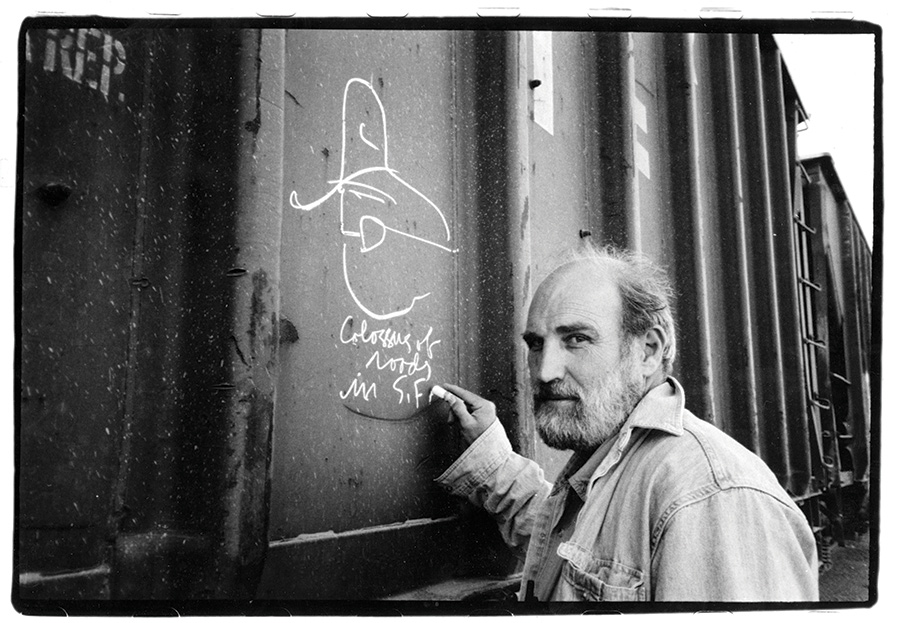
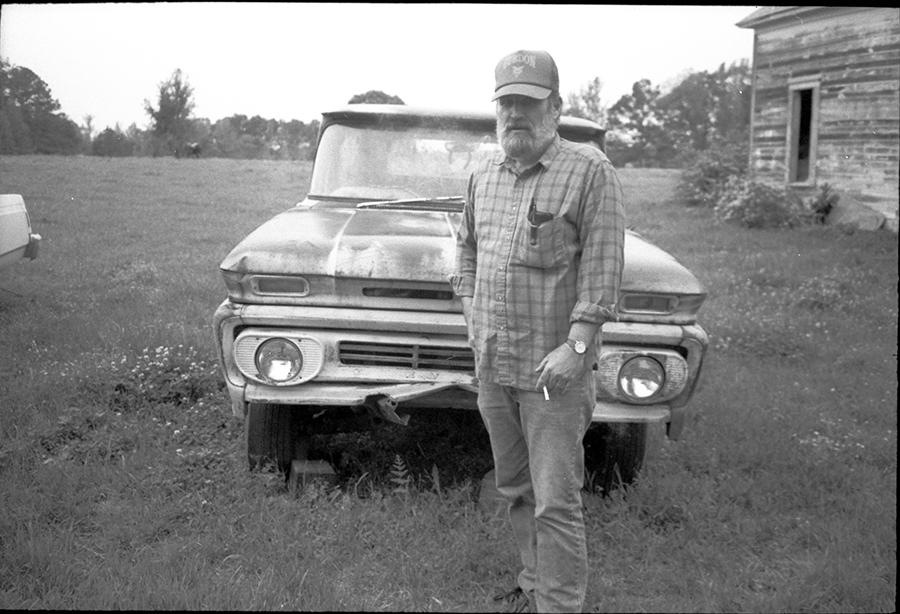
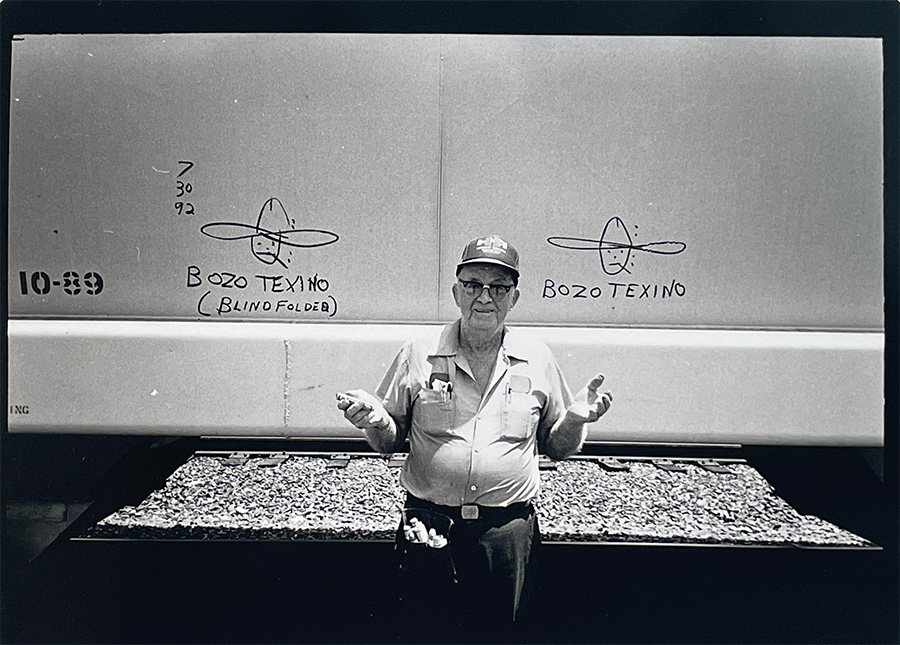
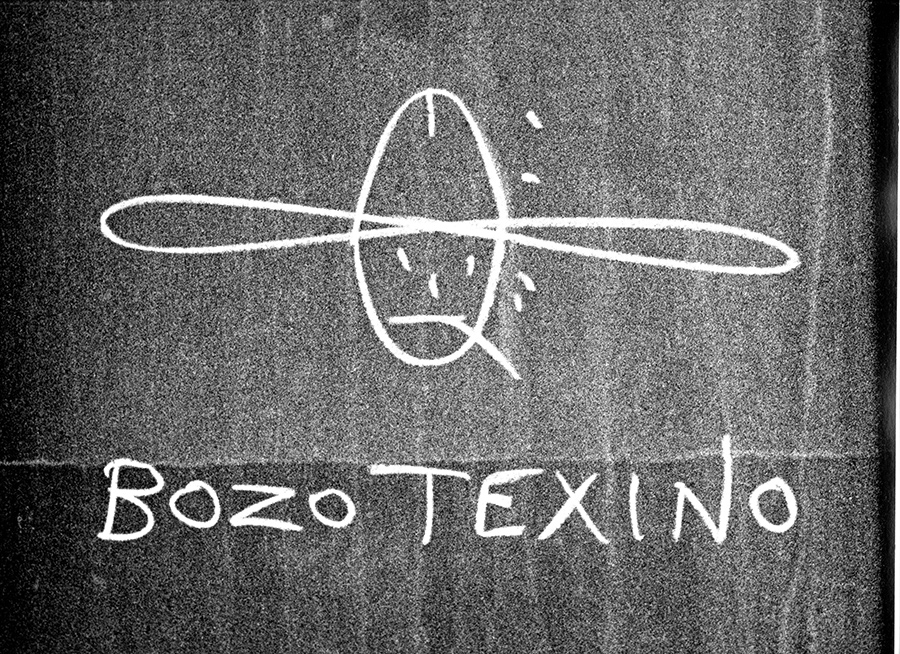
buZ Blurr, an artist who commenced his journey within the rail yards of Gurdon, Arkansas, crafted a visual lexicon over five decades, becoming synonymous with the Colossus of Roads moniker. His “boxcar icon dispatches” served not only as personal narratives but as a collective memory for the transient souls that found solace in the freedom of the rails. Through his friendship and collaboration with Bill Daniel, a documentarian whose work “Who is Bozo Texino?” delves into the subculture of rail graffiti, Blurr’s legacy and the broader narrative of hobo moniker art have been meticulously archived and celebrated.
Colossus of Roads in S.F. Moniker, An Origin Story. Straat Museum Amsterdam. (photo courtesy of Straat Museum)
The exhibition at STRAAT invites audiences to traverse the evolution of this underground art form, from its hobo origins to its present-day incarnation within the global urban art scene. The exhibition showcases a selection of works that encapsulate the essence of the moniker movement, highlighting the original artworks and boxcar iconography that buZ Blurr authored and brandished. Visitors will encounter a diverse array of expressions, from the iconic Colossus of Roads to other seminal figures within the moniker tradition, each piece narrating a story of freedom, identity, and resistance.
In an era where some in the contemporary urban art scene gravitate towards commodification, this genesis story rekindles the foundational values of community, communication, and the unadulterated desire for expression that characterized the organic origins of this movement. STRAAT Museum reaffirms its commitment to celebrating the authentic and genuine voices that have shaped graffiti, street art, and urban art through this exhibition. This show is not just a historical recount but a vibrant testament to the enduring spirit of artists who have navigated the margins to inscribe their narratives on the city’s canvas – and across the country.
Colossus of Roads. Moniker, An Origin Story. Straat Museum Amsterdam. (photo courtesy of Straat Museum)
The exhibition opens its doors with a reception on Saturday, March 9, 2024, from 6-9 PM, inviting the public into a dialogue with the past and present. The exhibition will continue through Sunday, April 28, 2024, at STRAAT Museum. In its essence, one hopes it celebrates the indomitable human spirit’s quest for freedom, identity, and expression.
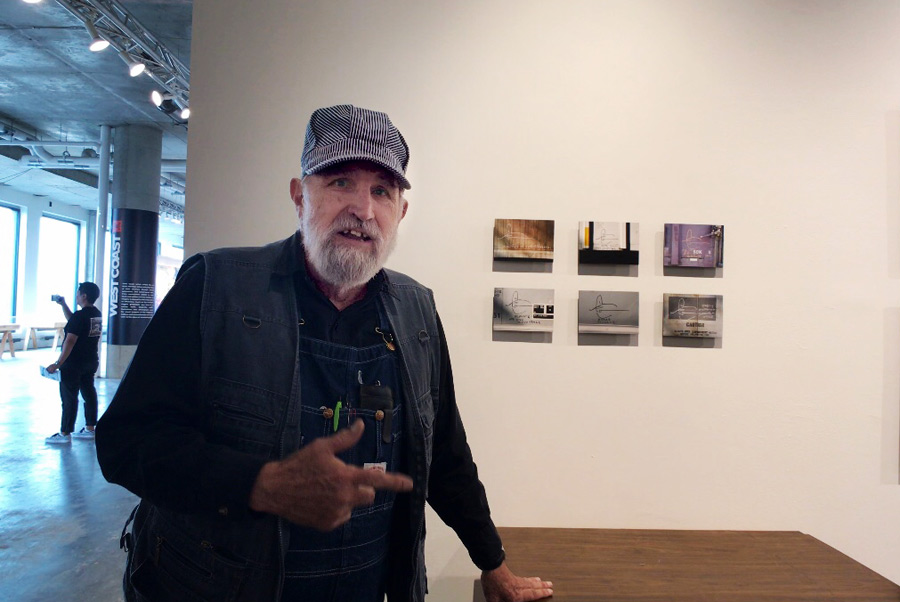
buZ blurr during a conversation with Brooklyn Street Art in 2019.
“These are a self-portrait as predicated on the first Bozo Texino person, and I kind of changed the image around,” says Mr. Blurr, a legendary figure in denim overalls, as he patiently describes his classic tag image of a railway cowboy.
“It is a writer motif – the pipe smoke is going up, and then it is trailing back to signify movement as the train goes down the track,” he says. “I worked in the train yards, and my job was as a brakeman. I had a little free time, so I started making drawings. I made my first one on November 11, 1971,” he says as he recalls a state of mind that he was in at the time as he began to tag freights with the image and text that came to him clearly – yet it may have perplexed other travelers.
“They came from a confused state. I was questioning everything. I was putting a kind of cryptic messages under my drawings. It was anybody’s guess as to its literal interpretation. I addressed some of them up to specific people, but whether they saw them or responded to them, I wouldn’t have any idea.”
The full list of contributing artists includes:
2359, Alquimia Ferrocarrilera, Bill Daniel, Coaltrain, Colossus of Roads, Ed Haskel, Fat Owl, Flangesqueal, I’m Ugly, Khaze, The Kodak Kid, Lamps, Leroy Drown, Milktooth, Mr. Bass, NY Tomato, North Bank Fred, NOVA, POOH. The Rambler, Shrug, Smokin’ Joe, The Solo Artist, Stonewall Jim, Swampy, Take 5, Tex Goth, Wooden Axle, Bozo Texino, Conrail Twitty, Herby, Iowa Blackie, J.B. King Esq, Matokie Slaughter, Mud Up, Taurus, El Truncón, Water Bed Lou.
Moniker: An Origin Story is open to the public from Sunday, March 10th until Sunday, April 28th, 2024
 BROOKLYN STREET ART LOVES YOU MORE EVERY DAY