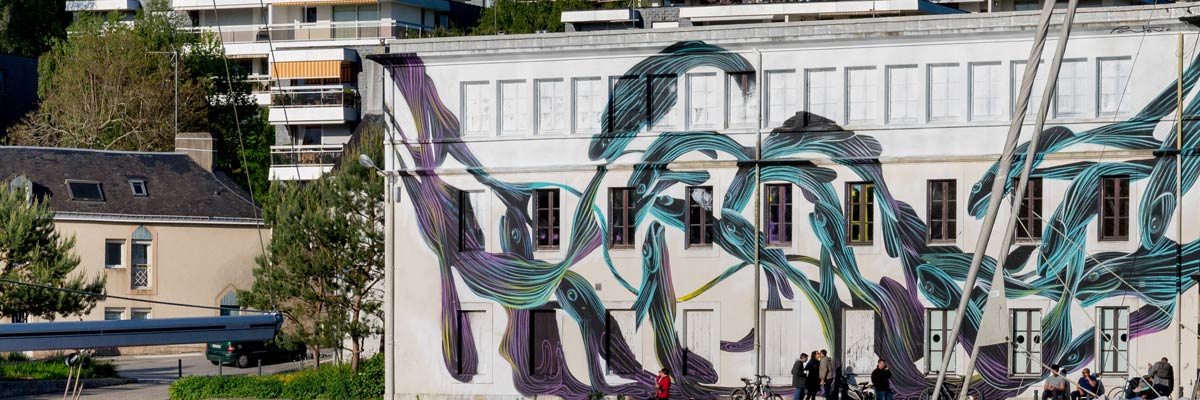
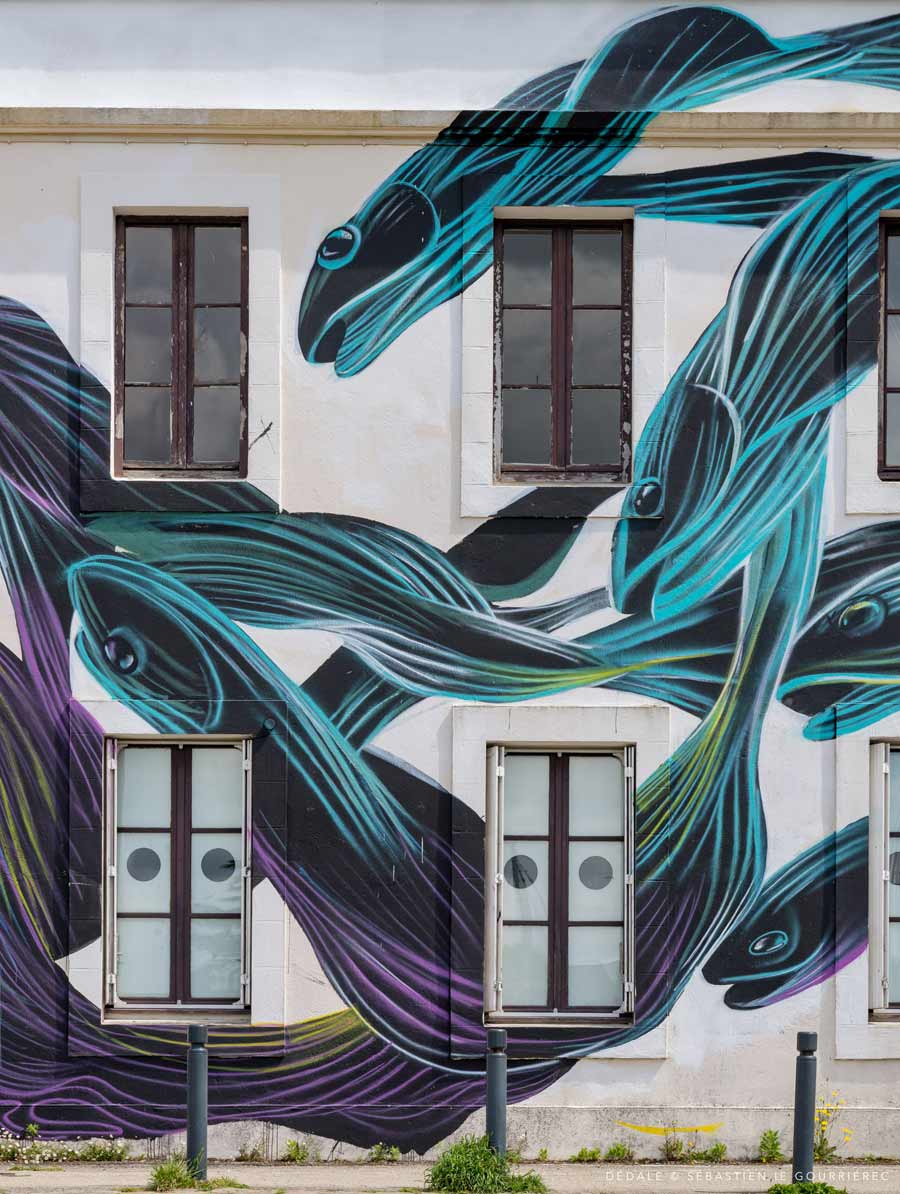
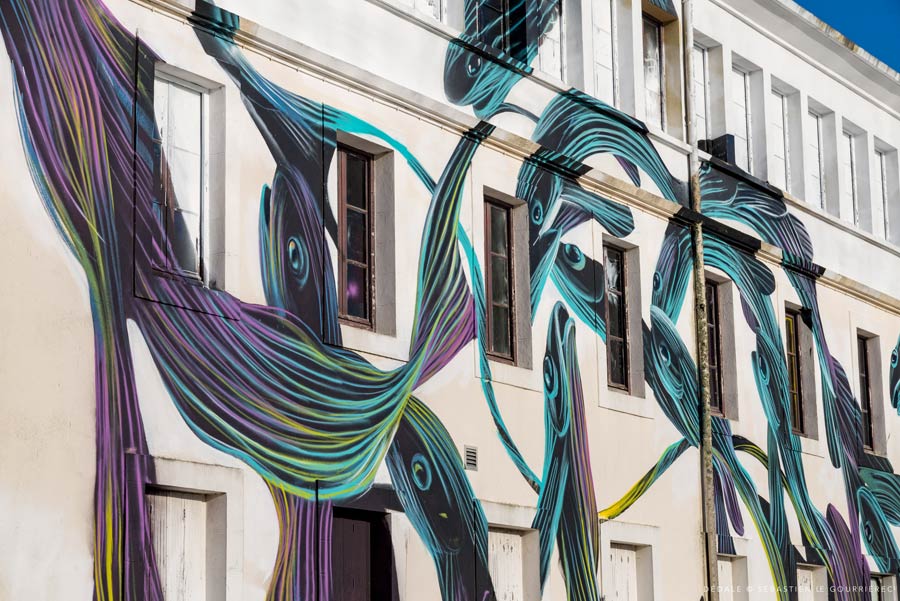
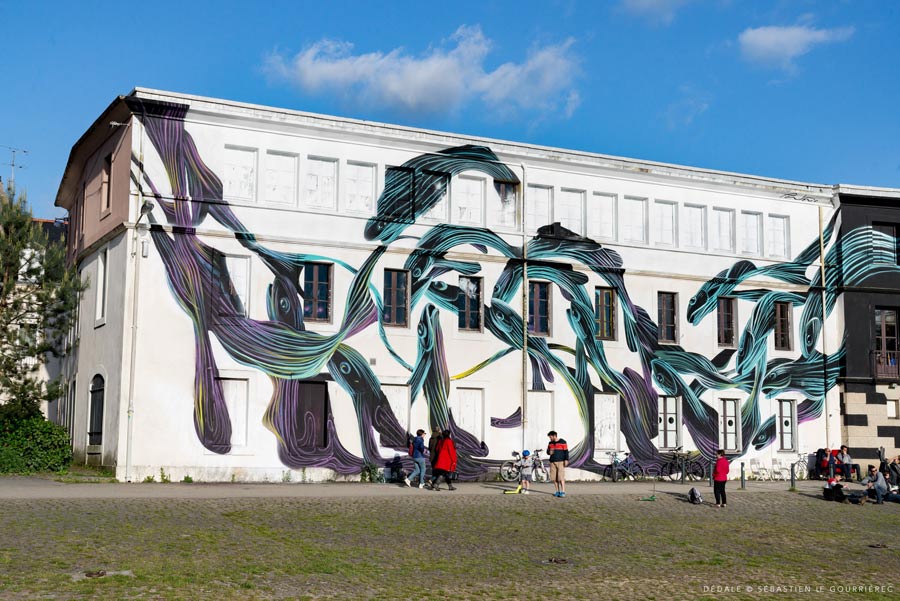
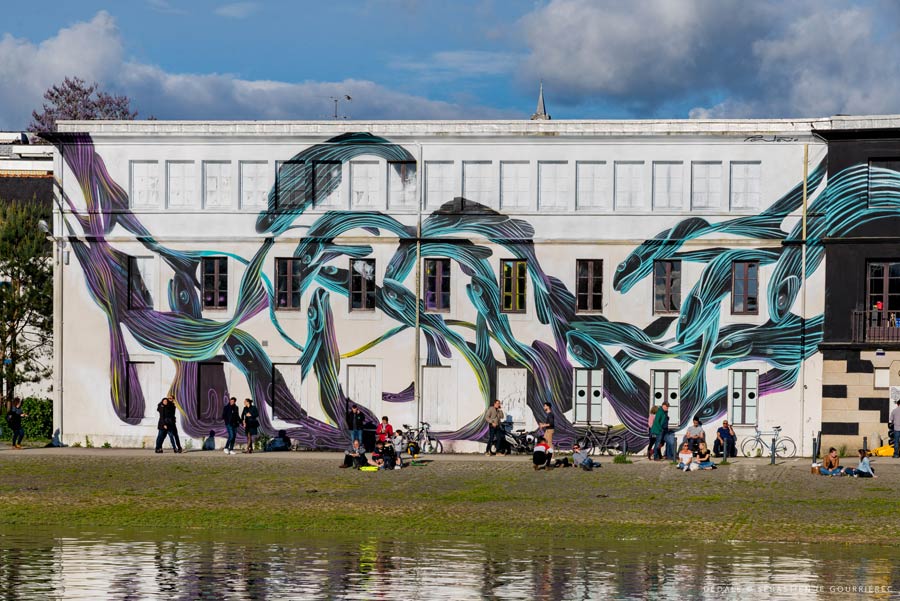
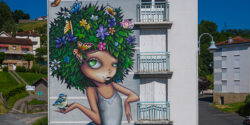
The blackened blueish rivers of energy swirling around this former government building in Nantes beguiles your inquisitive mind, wondering what fluid velocity and movement you have been swept into.
Pantonio. DéDalE. L’Art Prend la Rue.Vannes, France. May 2019. (photo Sebastien Le Gourrierec)
Is it the pulsating grid of power that once coursed through the maze of 130 offices on four floors inside; a buzzing quotidian beehive of 20th century hierarchy, efficiency, government bureaucracy, personal transactions, business ledger balancing. Or is it the newly spray-painting lifeblood of artists’ labor that transforms these spaces into immersive environments?
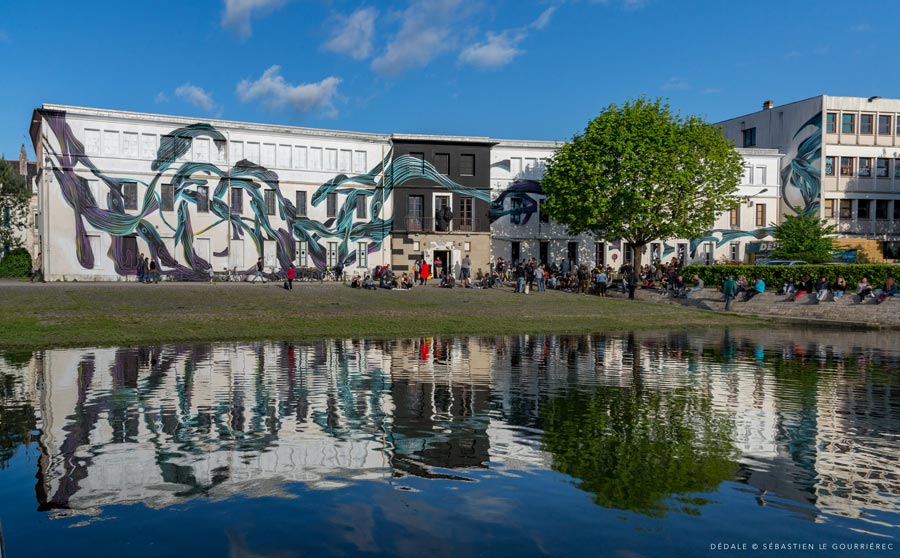
Pantonio. DéDalE. L’Art Prend la Rue.Vannes, France. May 2019. (photo Sebastien Le Gourrierec)
The Lisboan Street Artist Pantonio is not typically one to tell you about the creatures who swim or fly through his work, instead allowing the streams to weave around the façade, carrying your imagination with it. In the case of this waterside project by “L’Art Prend la Rue” called DéDalE (maze), the immersion begins before you have entered.
Pantonio. DéDalE. L’Art Prend la Rue.Vannes, France. May 2019. (photo Sebastien Le Gourrierec)Pantonio. DéDalE. L’Art Prend la Rue.Vannes, France. May 2019. (photo Sebastien Le Gourrierec)Pantonio. DéDalE. L’Art Prend la Rue.Vannes, France. May 2019. (photo Sebastien Le Gourrierec)
Our weekly focus on the moving image and art in the streets. And other oddities.
Now screening : 1. Evan Roth “Since You Were Born” 2. “Island” Hamburg Max Mortal and Robert Lobel 3. Isaac Cordal In-Studio Visit. Bilbao, Spain. 4. ARTRIUM in Moscow
BSA Special Feature: Evan Roth “Since You Were Born”
Graffiti Research Lab
co-founder Evan Roth has been hacking his way through life and art practice for
the mid-2000s when he was a student at Brooklyn’s Parsons, where he was
valedictorian. Now an older wiser daddy of two, he turns his attention to the
saturated everyday data pileup generated from Internet browsing. The
accumulated images, logos, maps, banner ads in the cache is like so much DNA of
the person behind the mouse, and when it is printed to display, one becomes
engulfed.
Our favorite term from his new exhibit?
“An alternate form of art-making,
memory-making, and storytelling”.
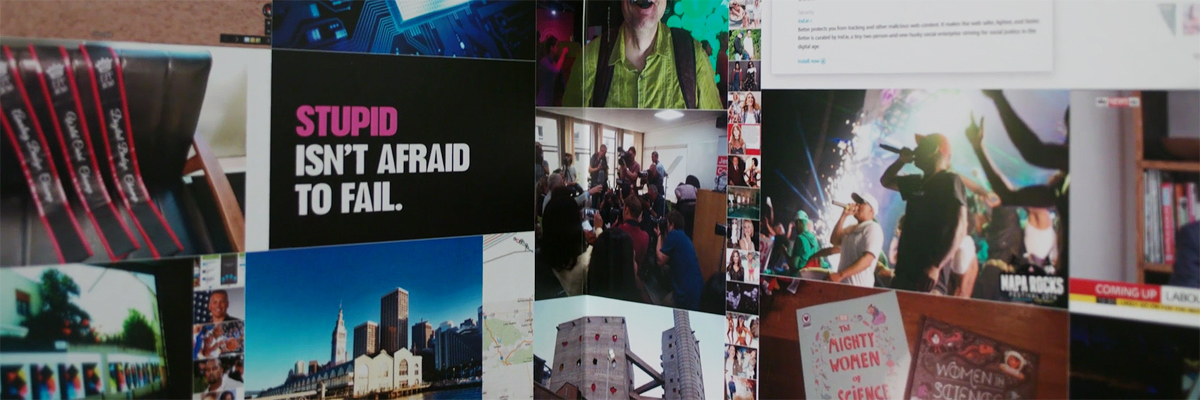
Project Atrium: Evan Roth
“Island” Hamburg Max Mortal and Robert Lobel
From Hamburg an animated short video by Max Mörtl & Robert Löbel explores the irresistible desire to communicate with this stop motion & 2D animation piece. Adorable exotic creatures come alive during the day to explore and seek kindred spirits.
Isaac Cordal In-Studio Visit. Bilbao, Spain.
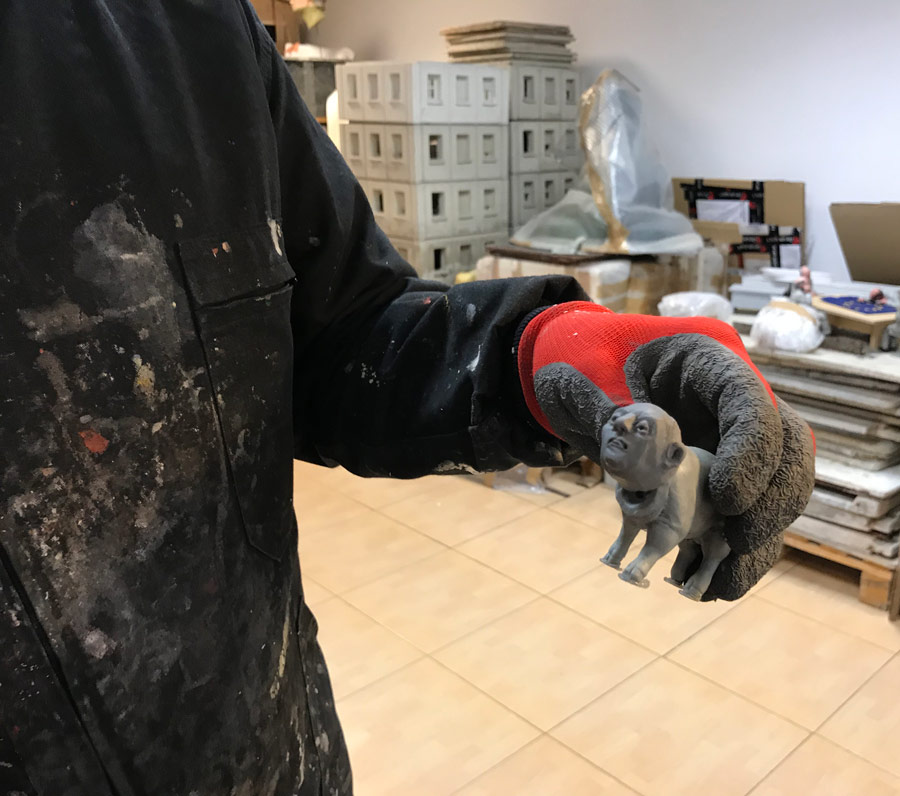
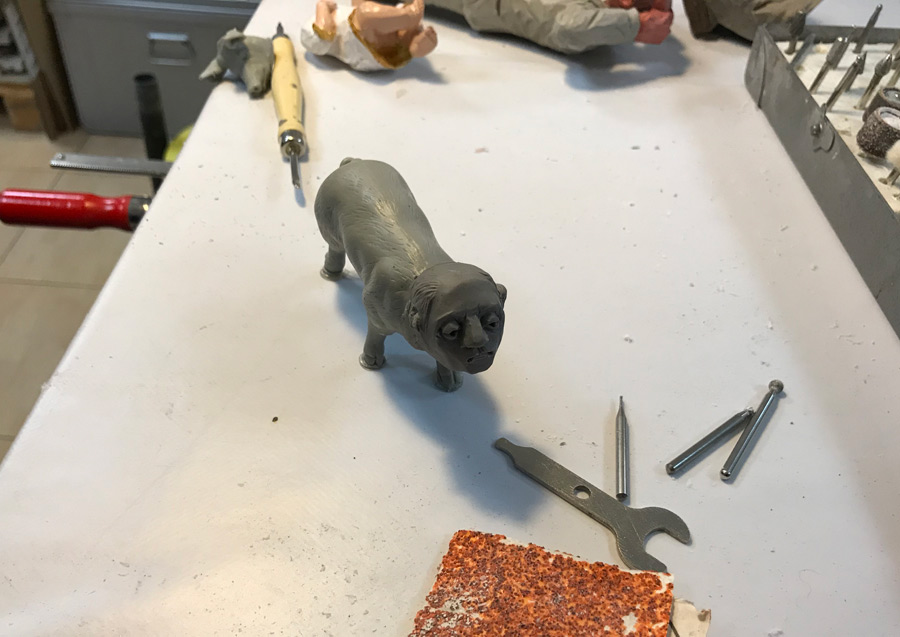
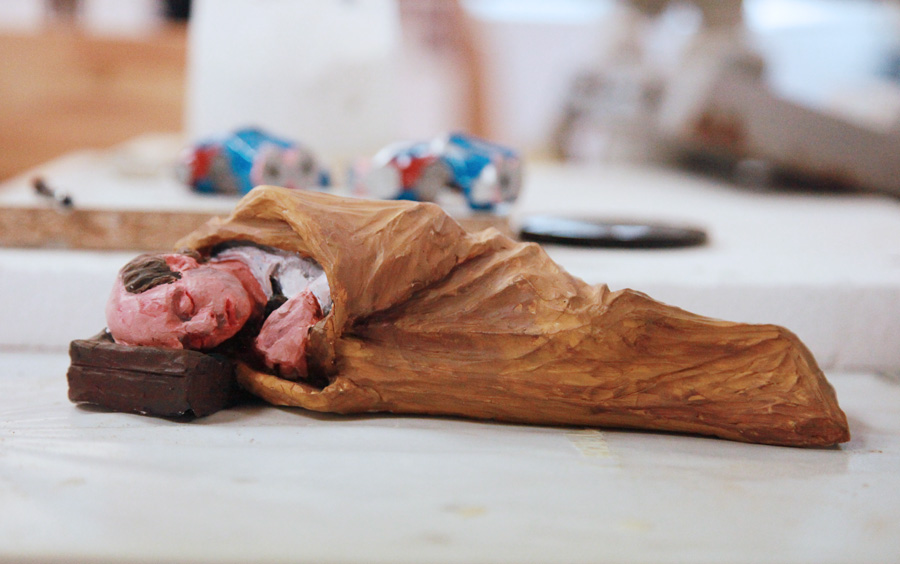
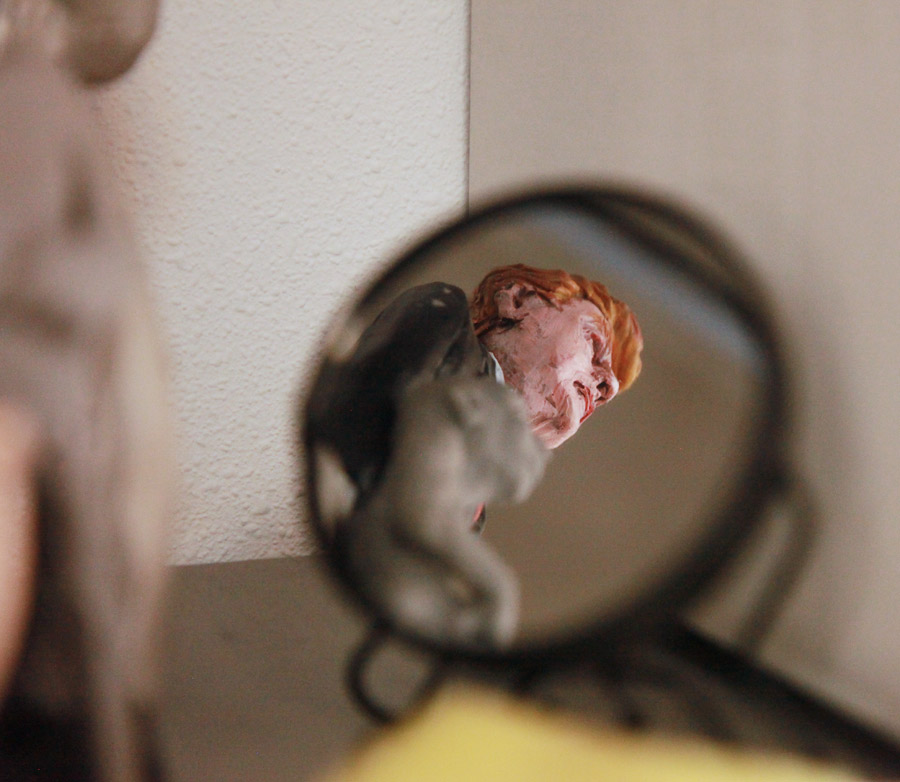
From our visit to his studio comes this silent overview of how to turn a pig into a pig-man. “Here is where you see the craftsman at work; carefully attentive, problem-solving industry in play, possibly more at peace while he is creating than when he is left to think too much. He picks up a pink pig figurine and begins the plastic surgery, the fine reconstruction; a gentle whirring, a whittling away of snout and a defining of chin-line.”
When we were in Moscow last summer as
curators at Artmossphere, we had the opportunity to meet the director of the
new program to bring international Street Artists to paint a shopping
mall. The magnetizing force that drew
artists to hit these walls is pretty strong; just ask Shepard Fairey, Felipe
Pantone, Tristan Eaton, Ben Eine, PichiAvo, Okuda San Miguel, Pokras Lampas,
Faith47, WK Interact, Faust, and Haculla.
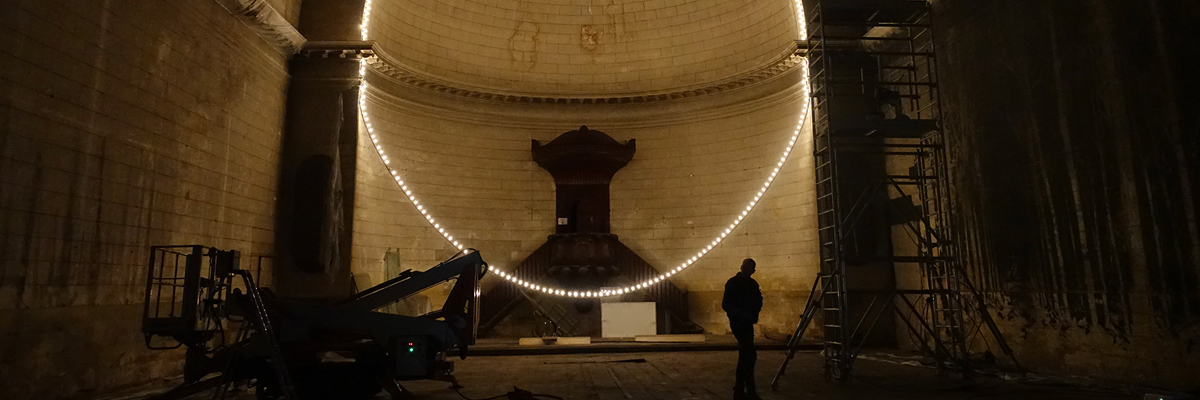
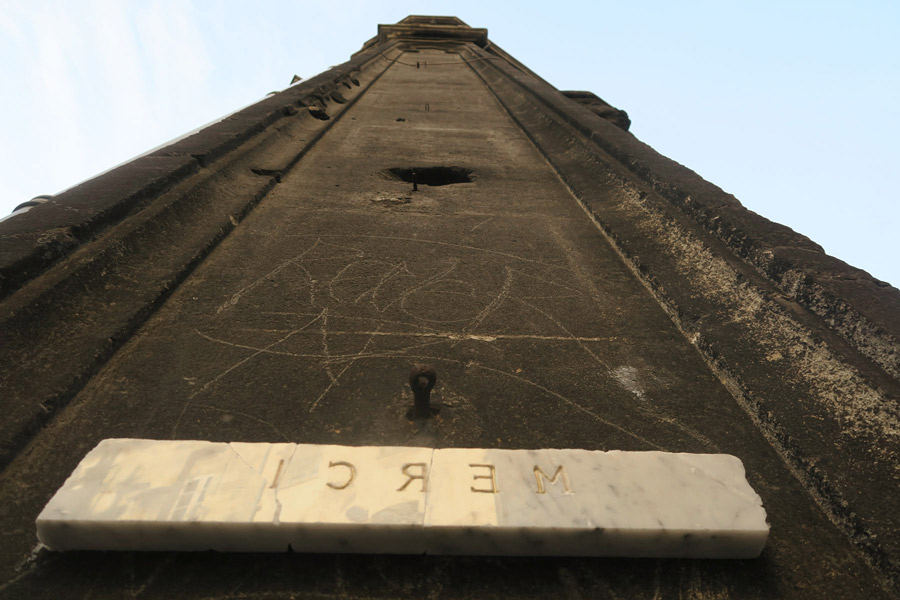
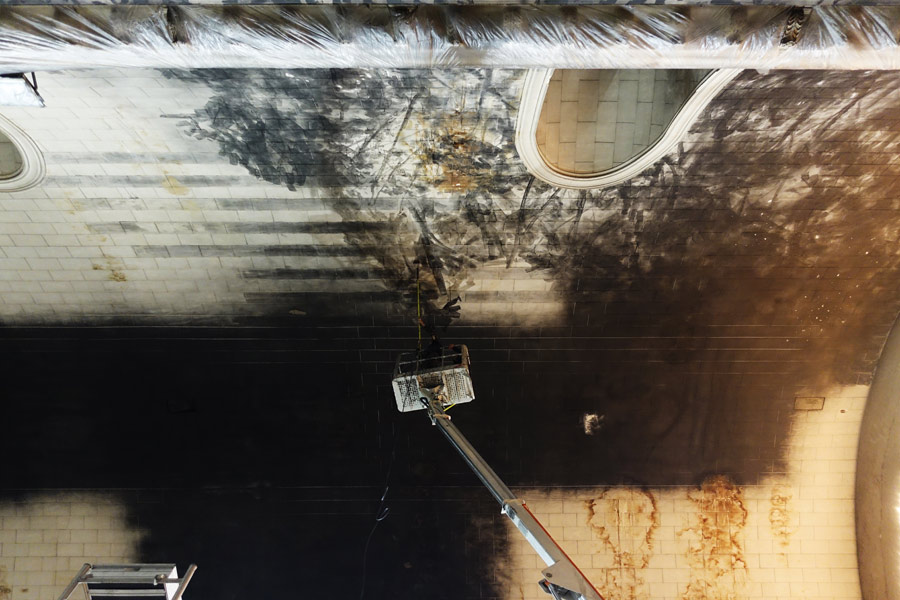
Borondo. “Merci” Le Temple des Chartrons. Bordeaux, France. May 2019. (photo courtesy of Borondo)
We’re accustomed to watching artists interact with the unpredictable mood swings of Mother Nature when creating interventions in public space. Whether it is in the built environment of urban architecture or the crumbling remains of it in the city, followers of Street Art and graffiti are wise to anticipate the wild embrace of the sun, the winds, the floods, the fire, the ice, the snow. Now in the Bordeaux region of France people are preparing for the growing season.
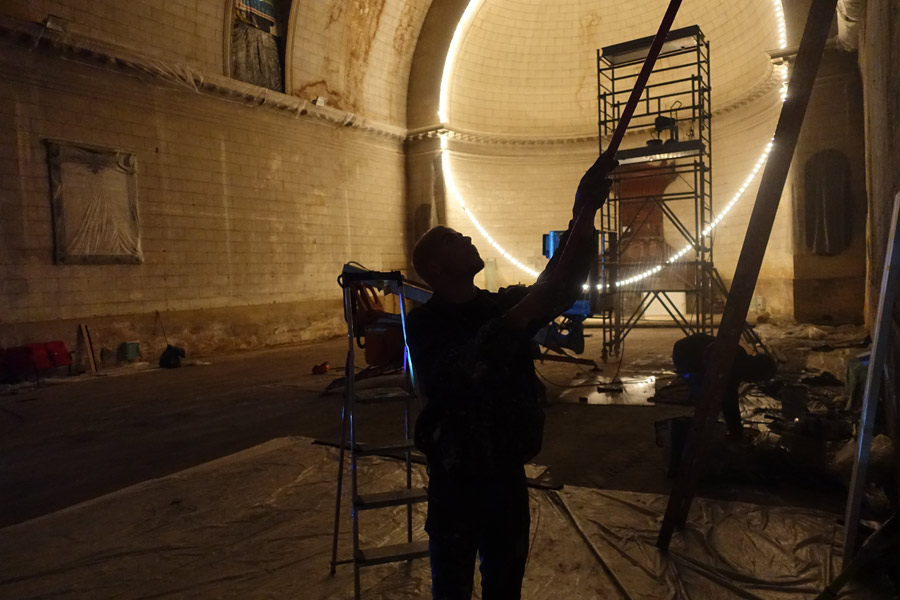
Borondo. “Merci” Le Temple des Chartrons. Bordeaux, France. May 2019. (photo courtesy of Borondo)
The natural cycles are rarely invited indoors as part of an exhibit but this new artistic project of this summers’ MERCI by Gonzalo Borondo hopes to establish a healthy reverence for the revolutions and rotations of agronomy, history, mystery, and inspired variations of natural poetry.
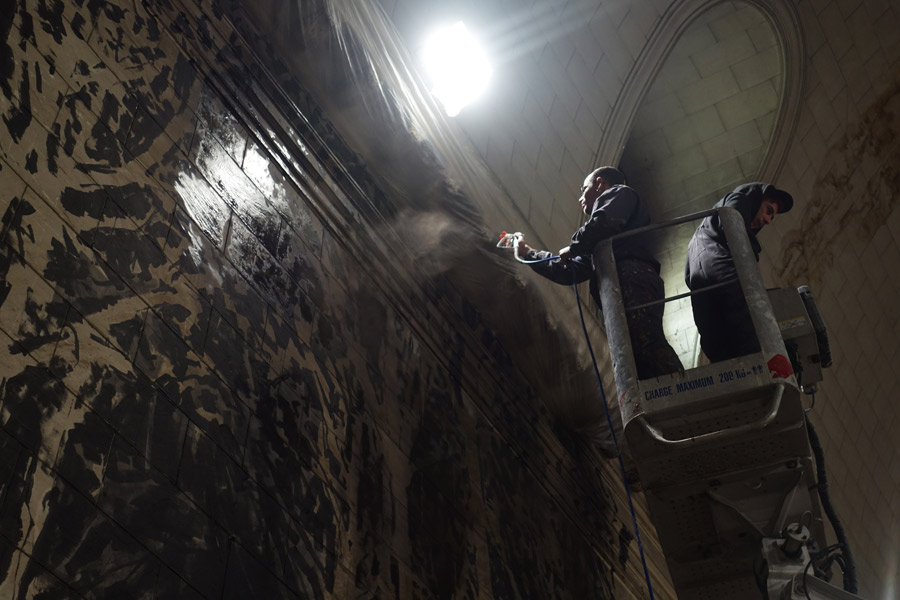
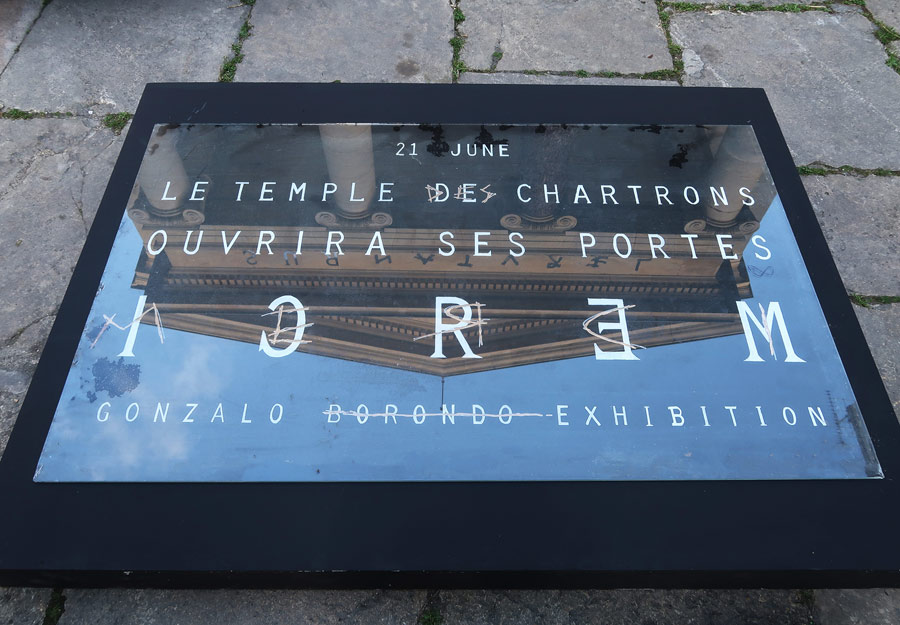
Borondo. “Merci” Le Temple des Chartrons. Bordeaux, France. May 2019. (photo courtesy of Borondo)
“He is working indoors and outdoors in an attempt to create a dialogue with and in the streets of Bordeaux,” says project manager Silvia Meschino of the multi-stage installations that will pour into the temple as we near the grand opening precisely upon the summer equinox. “He has always tried to find a connection with the environment that surrounds him,” she says, and you recall his studied interventions of the past decade.
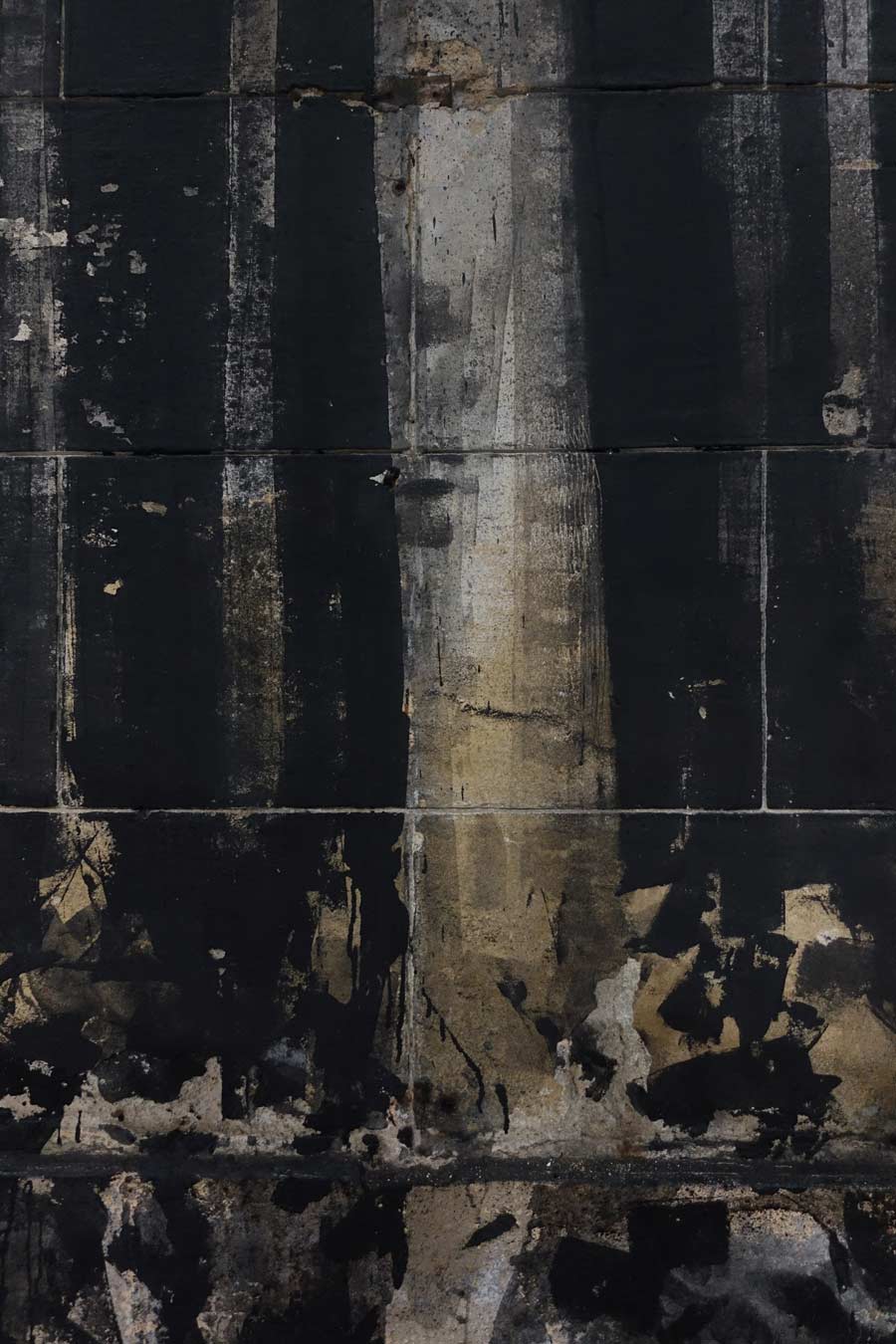
Today we bring you exclusive images and a teaser video of this first phase of Borondo’s adaptation in Le Temple des Chartrons. The old protestant church has been closed for thirty years but has been granted to the Spanish Street Artist/ muralist by the Bordeaux council so that he can freely create within it. We watch with interest as he creates his own version of sanctuary for visitors and of course, the natural world. Possibly the temple will achieve a balance.
Borondo. “Merci” Le Temple des Chartrons. Bordeaux, France. May 2019. (photo courtesy of Borondo)Borondo. “Merci” Le Temple des Chartrons. Bordeaux, France. May 2019. (photo courtesy of Borondo)Borondo. “Merci” Le Temple des Chartrons. Bordeaux, France. May 2019. (photo courtesy of Borondo)
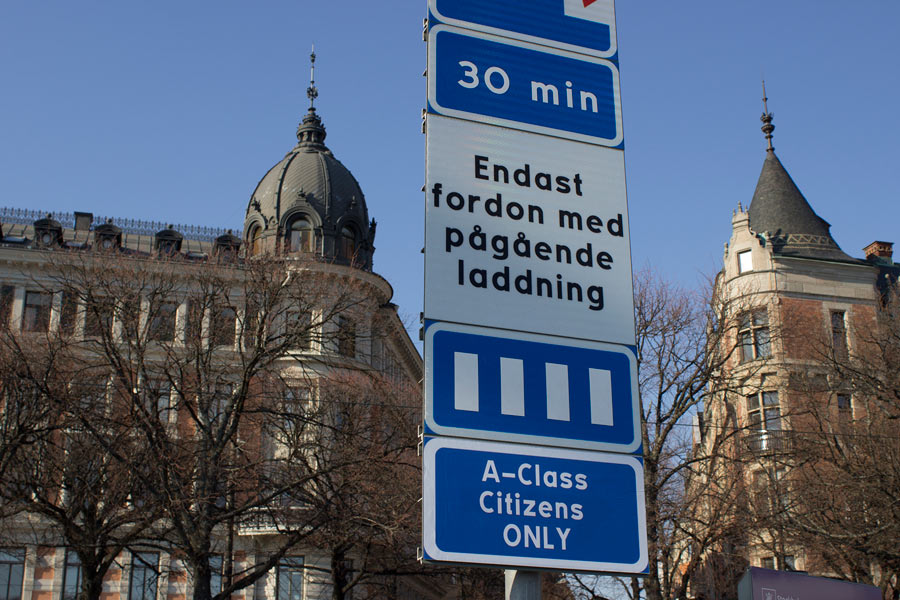
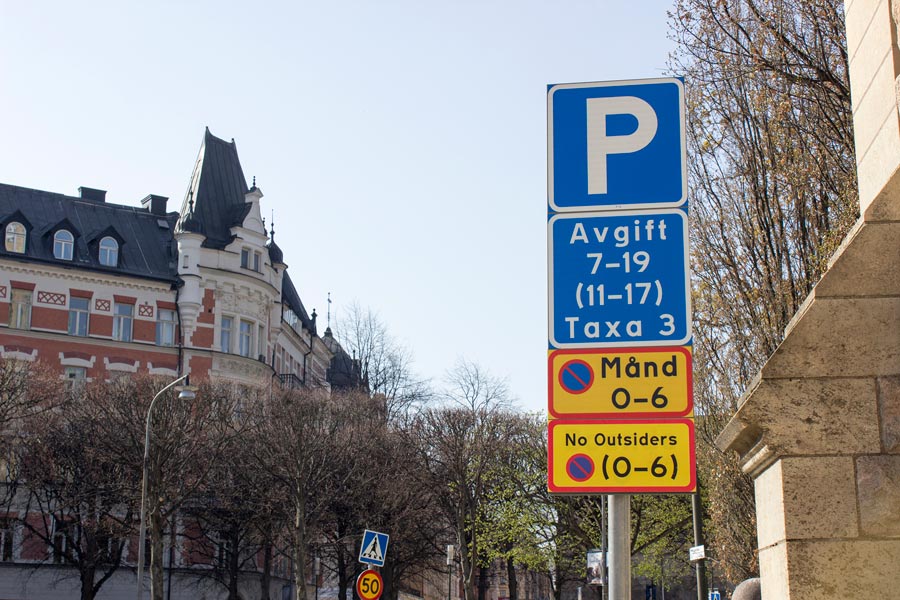
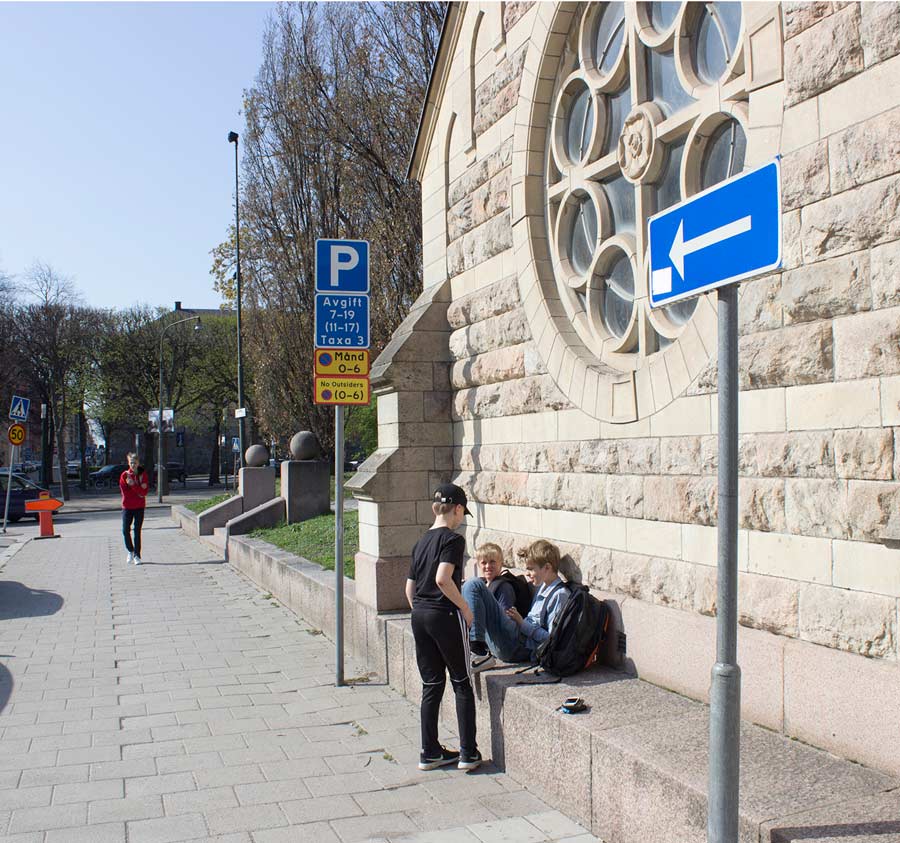
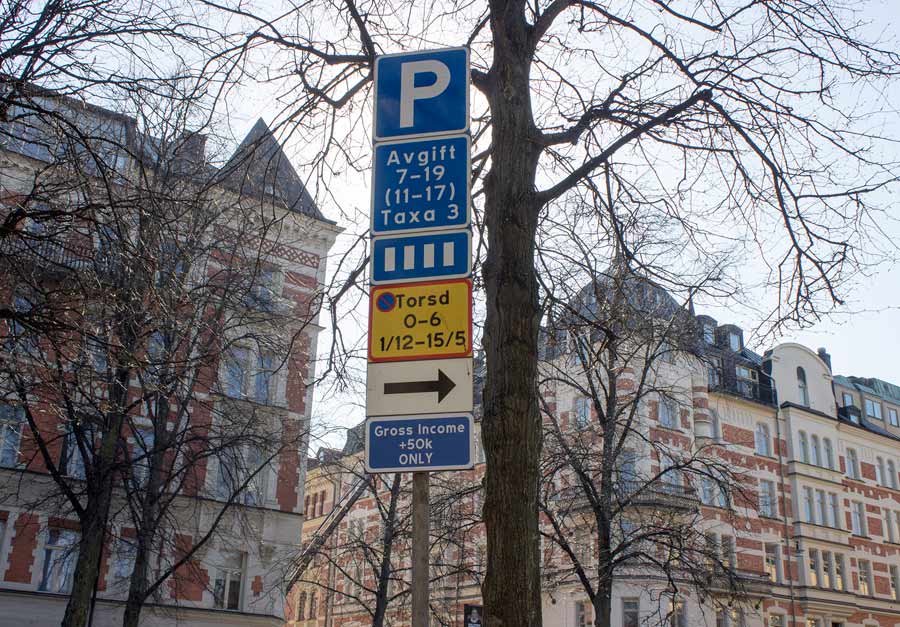
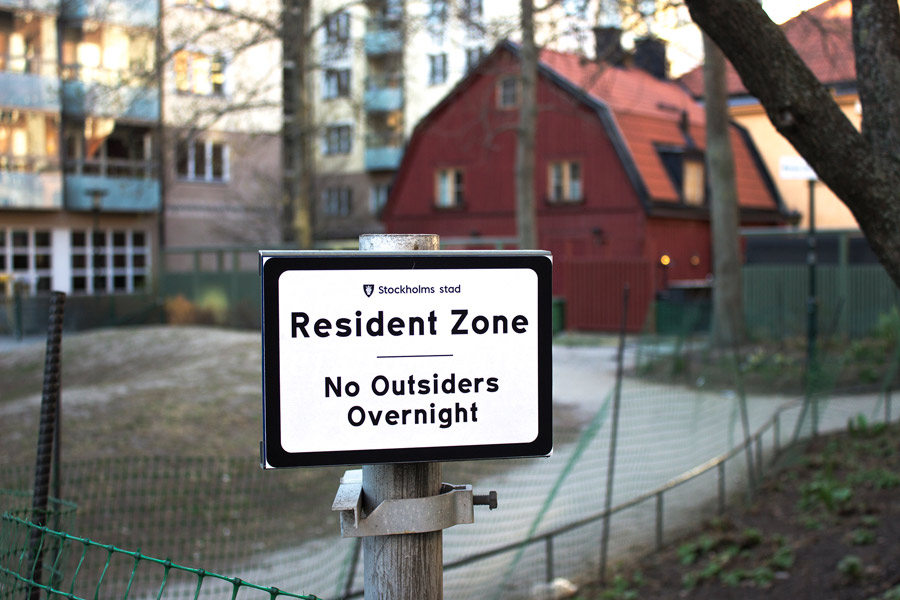
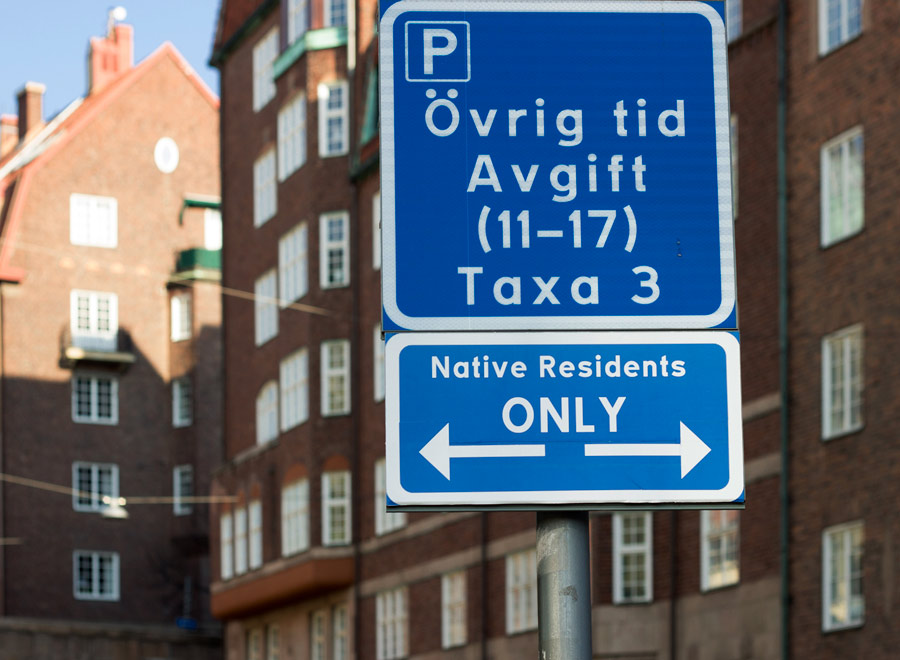
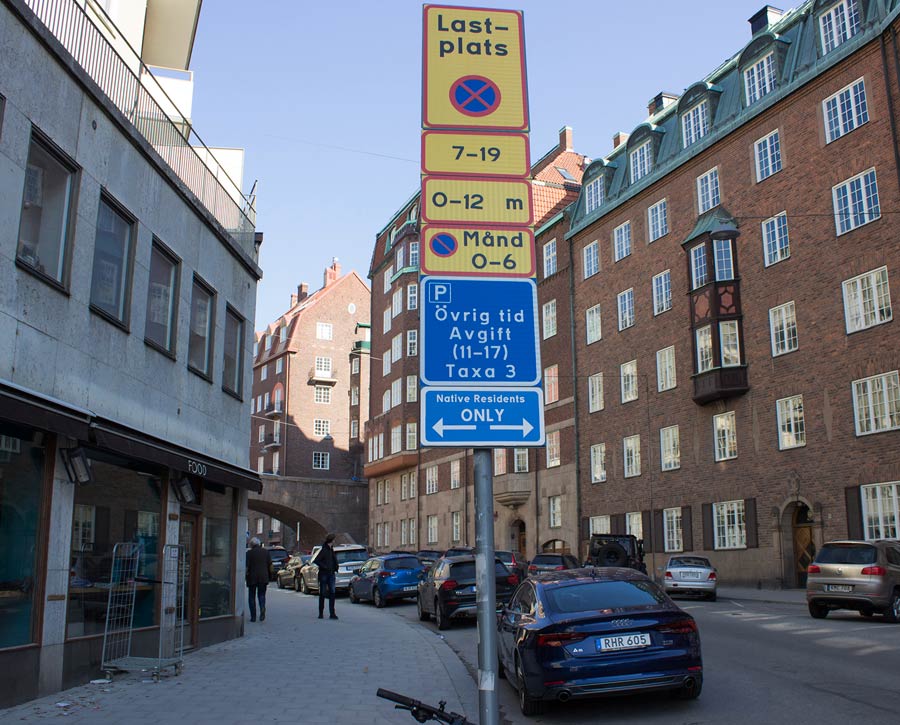
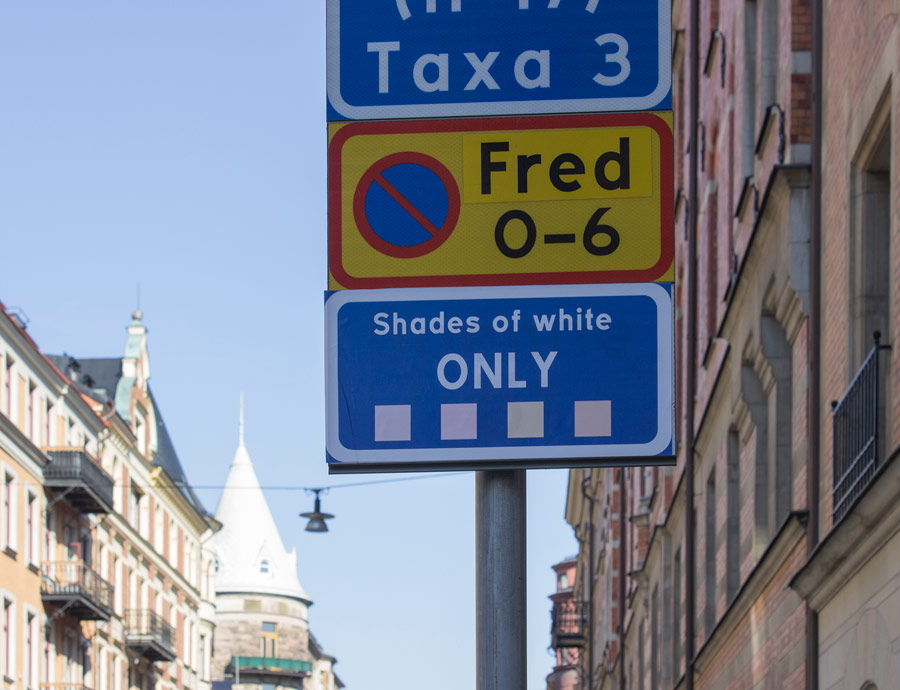
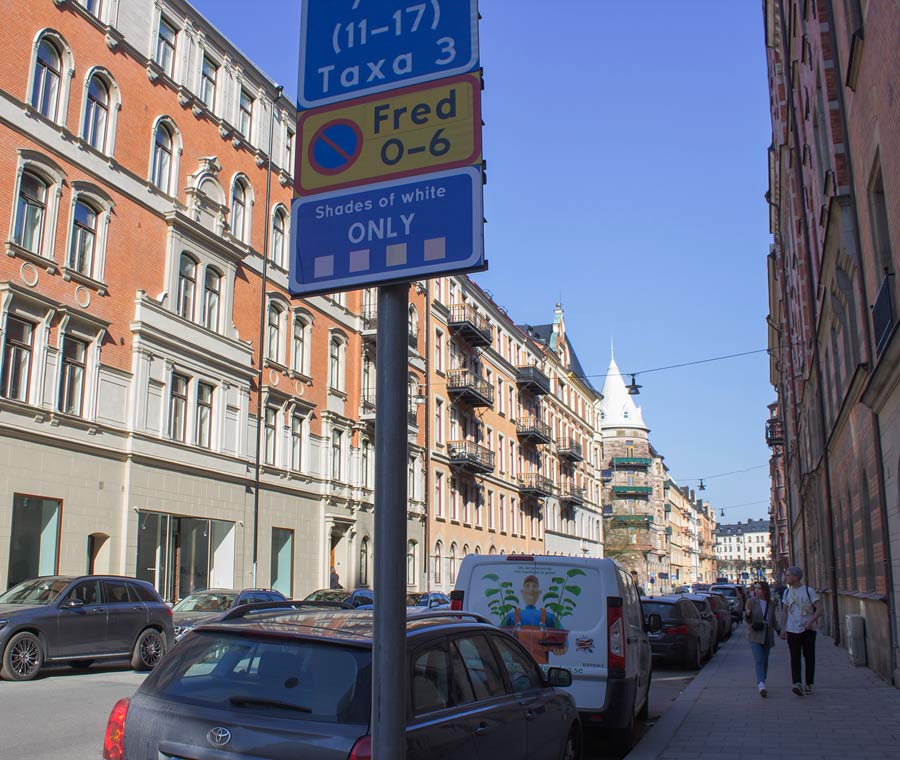
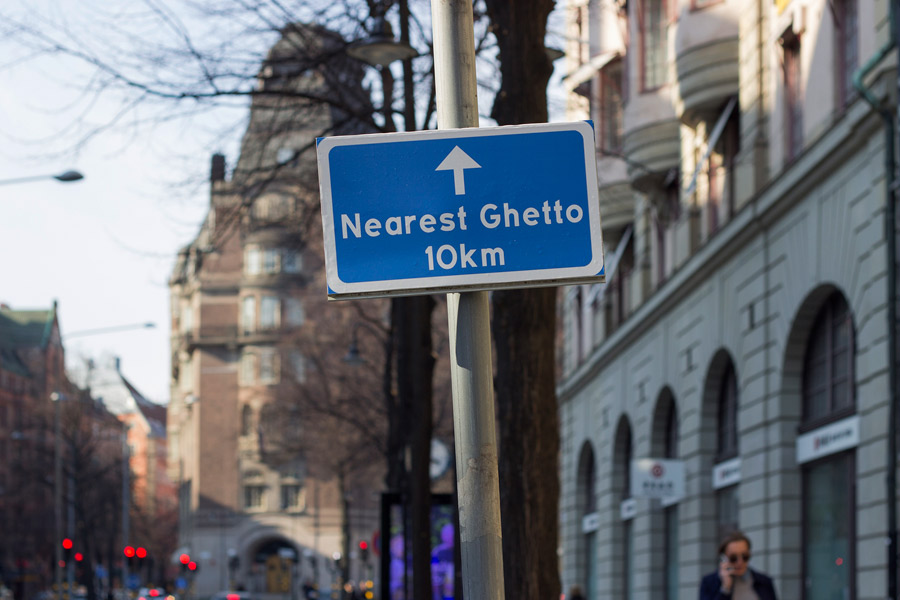
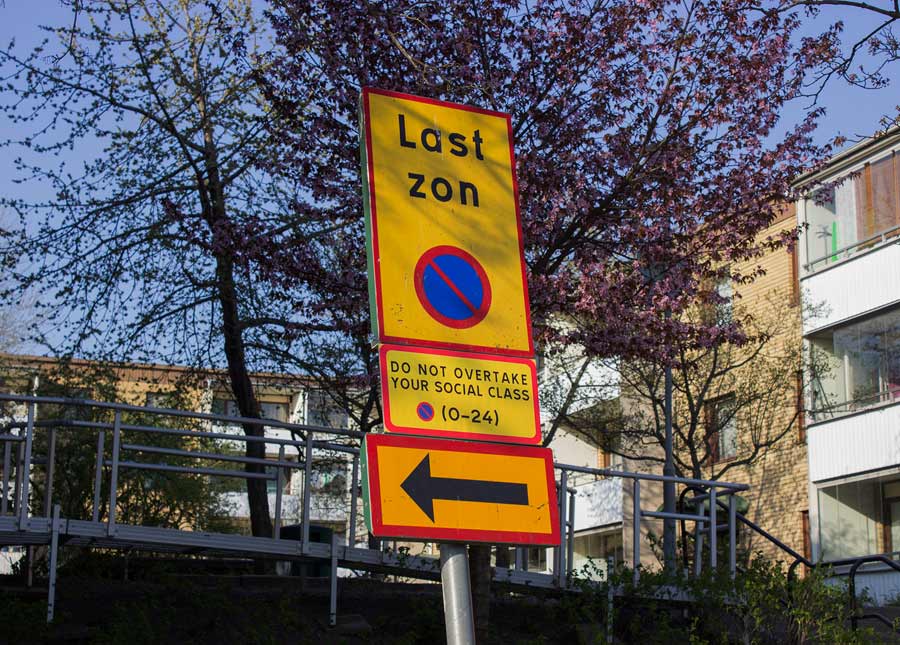
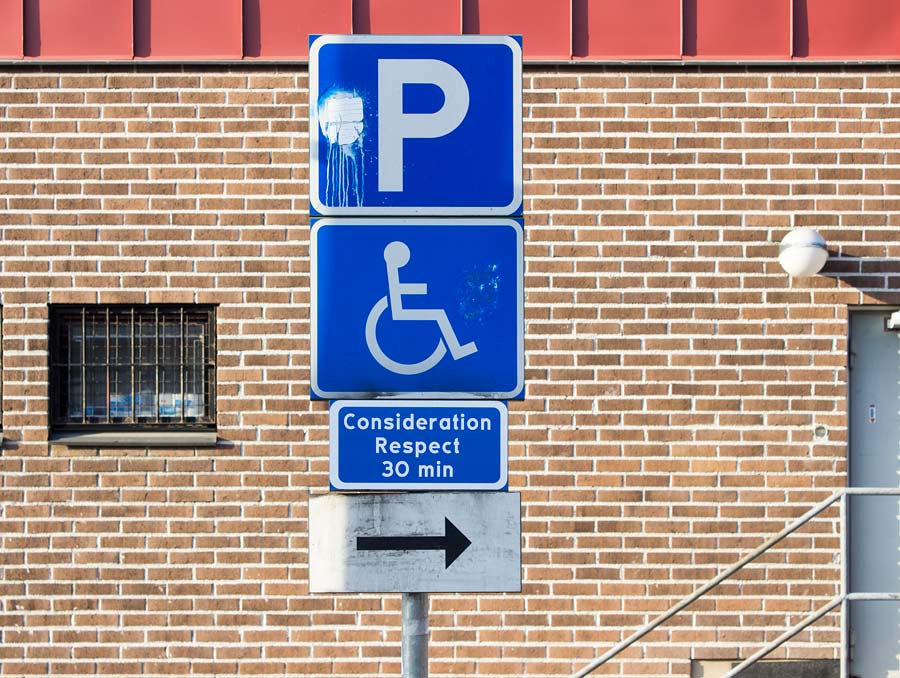
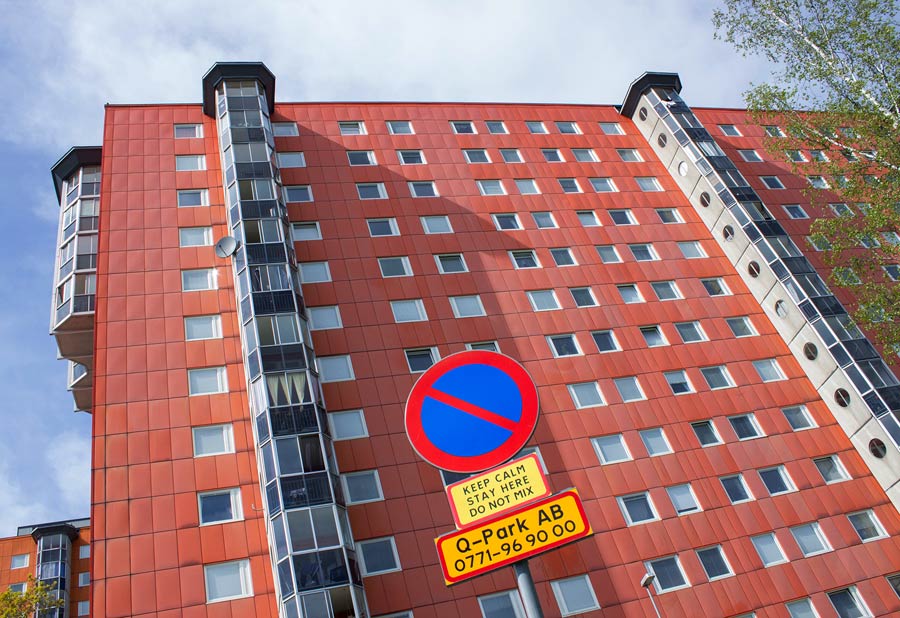
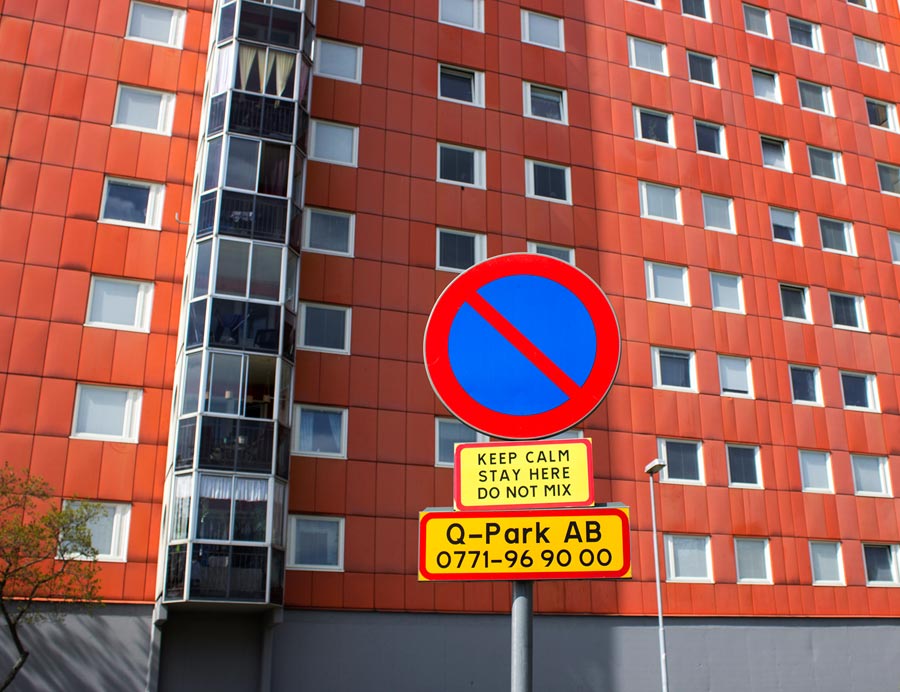
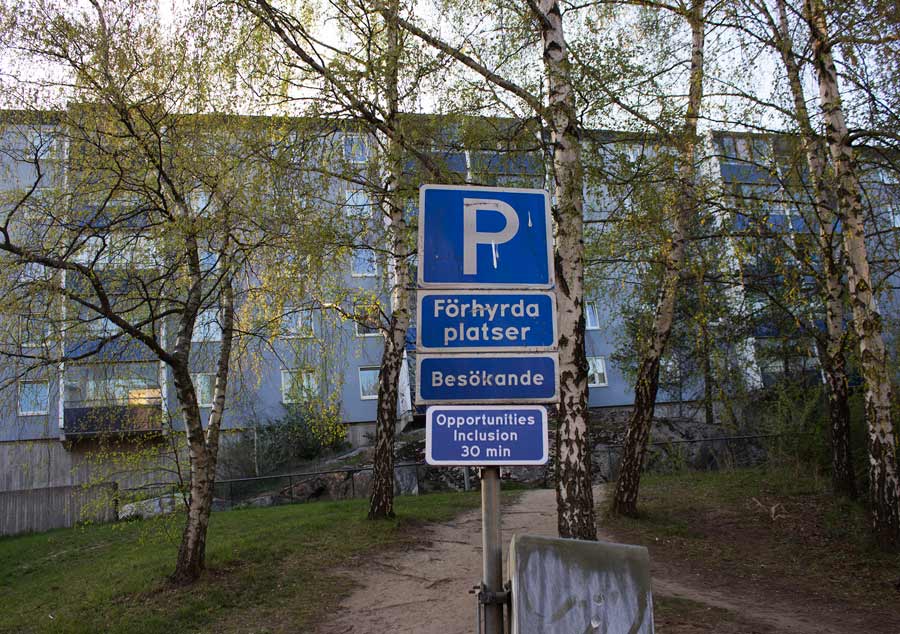
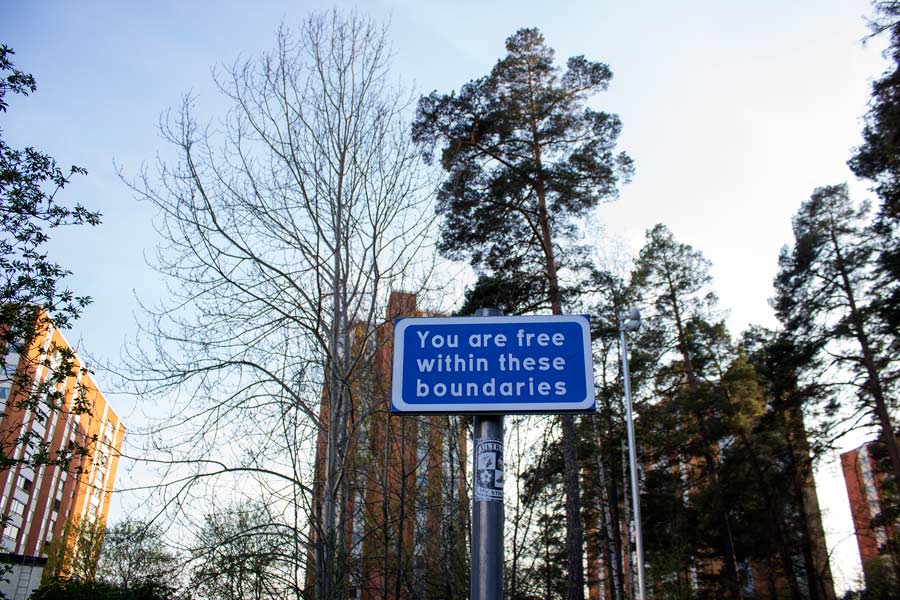
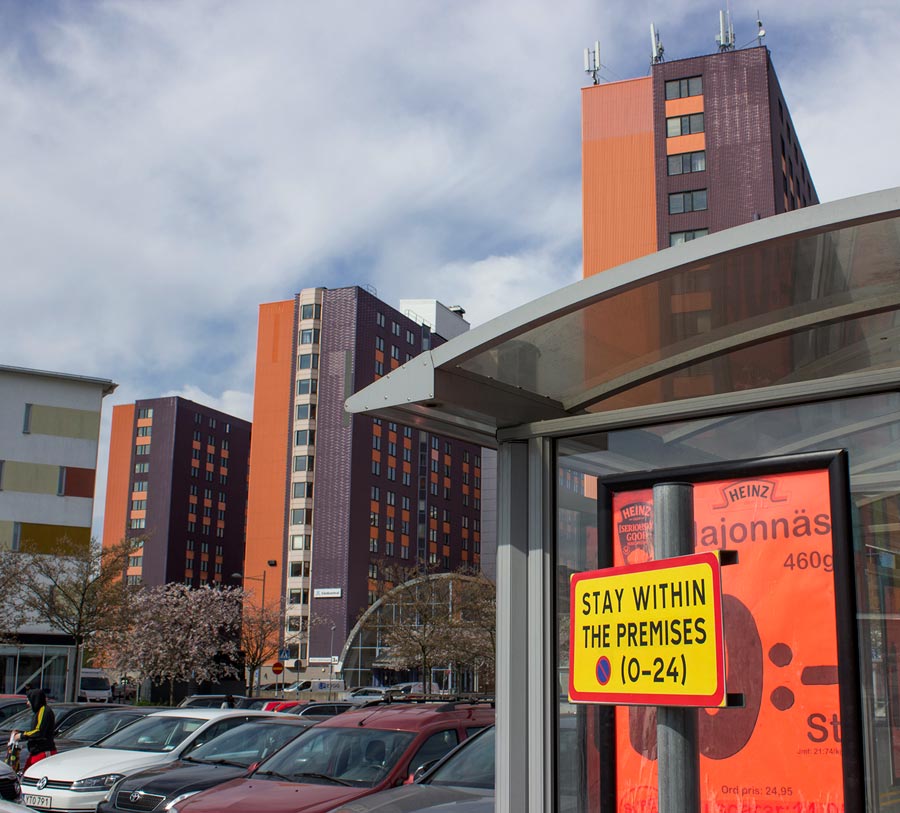
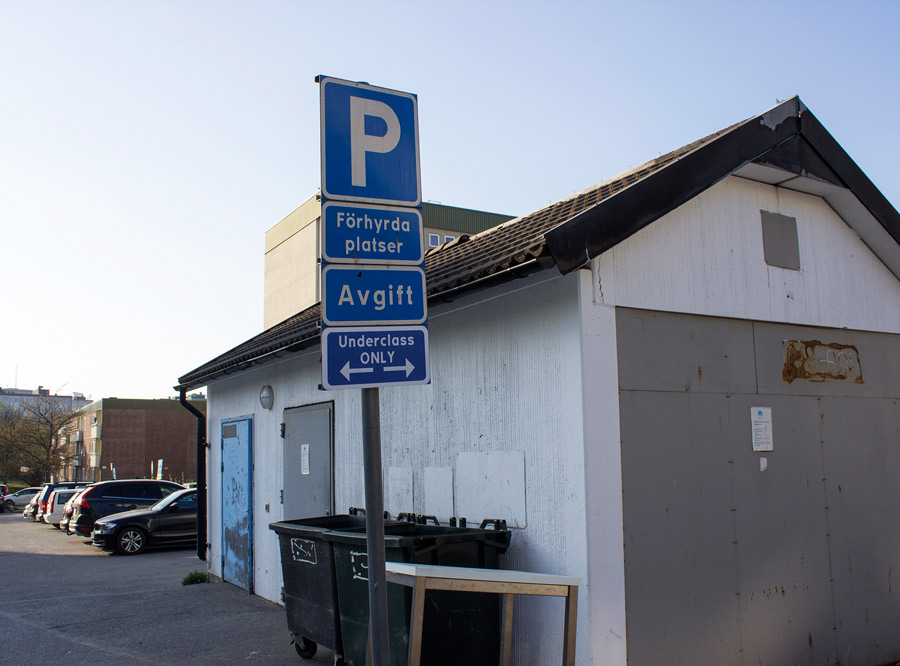
A new street signage campaign in Stockholm by Street Artivist Vlady that addresses obvious segregation plays just under the radar of the everyday. That’s also the location of our subterranean feelings, opinions, and motivations – so truly he treads on a minefield in doing so.
“Stay Within the Premises”
By posting these unwritten rules in the official street nomenclature of the state, with its implied weight of authority and its underlying subtle threat of enforcement, Vlady may be poking at Sweden’s self-image as a welcoming society by drawing attention to its institutionalized demarcation of zones that are allocated to some, but not to others.
“Sweden is a competitive mixed economythat relies on export,” he says, “featuring a generous universal welfare statefinanced through relatively high income taxes that ensures that income is distributed across the entire society, a model sometimes called the Nordic model,” explains the artist by way of background.
He tells us that, despite what appears to have been the best and most sincere intentions of the society to open the doors of opportunity to immigrants over the previous century, newer shadings of right-wing sentiments in recent year have caused him to examine the attitudes of his neighbors.
“Invisible yet perceptible borders today divide the capital: while the city center is economically off-limits for the newcomers, the ghettos are perceived as a “no-go zone” for the most of the white Swedish population,” he says. “This situation might not represent a unique case in Europe, nevertheless comes as a shocking fact for any visitor, as it’s taking place in the least expected country, like a bolt out of the blue.”
European and American racism and classism presents a very complicated history to say the least – a typical way that writers describe stories containing completely uncomfortable realities. But who better to draw our attention to social and political situations than an artist who lives amongst us, and who does installations on the street for the populous to encounter? As is the case historically, we are smart to heed such messages – as the artist on the street frequently function as a canary in the coalmine.
While so-called developed countries worldwide sometimes like to depict themselves as virtuous when encouraging immigration, economists say that demographics tell an additional aspect of the story. In the case of the US, like many “western democracies”, real GDP is increased by immigration.
“There is broad agreement among researchers and analysts that immigration raises total economic output (Borjas 2013; Congressional Budget Office [CBO] 2013),” says a report published by the Brookings Institution last fall.
Vladys says that “This country needed foreigners, but to sound sexier, it declared its motivation was to take ’em onboard for love, not because of necessity. To me it seems like it may be love, but under certain conditions: we love you as long as you stay subordinate. It’s also helping us to lower our blue-collar wages, to fill the positions that we do not wish to fill, to fill those spaces that we have left behind, where we wish no longer to be.” His subtle and revealing signage campaign may prove to be instructive to some, inflaming to others. It may also be misinterpreted.
Aside from his own status as a Street Artist in Stockholm, why does he feel this is an appropriate time for this campaign?
“I think that Sweden today is becoming the battlegroundfor the world’s left and right-wing parties, with persons arguing that our immigration practices are an example of a successful story – or a model not to replicate.” He also says that there is a taboo in the country about discussing such things as racism or inequality and people would prefer to limit strong opinions. But he thinks that is potentially dangerous and may lead to sentiments that are more harsh in the long run.
For those who may think he is Sweden-bashing, it appears from here that the critique itself is out of concern and is motivated by a hope for solutions before there is a deepening of divisions.
“I would put it this way: Sweden forbids itself to be discriminatory, however discrimination does persist at every level. Sweden is a country where anybody is welcome, but where not everyone can afford to stay. Migrants can still have access to many things relatively easily, but they can find themselves trapped in bureaucracy and without a job or money at all. As no one can stay in the country unless they can support themselves, migrants are forced to leave.”
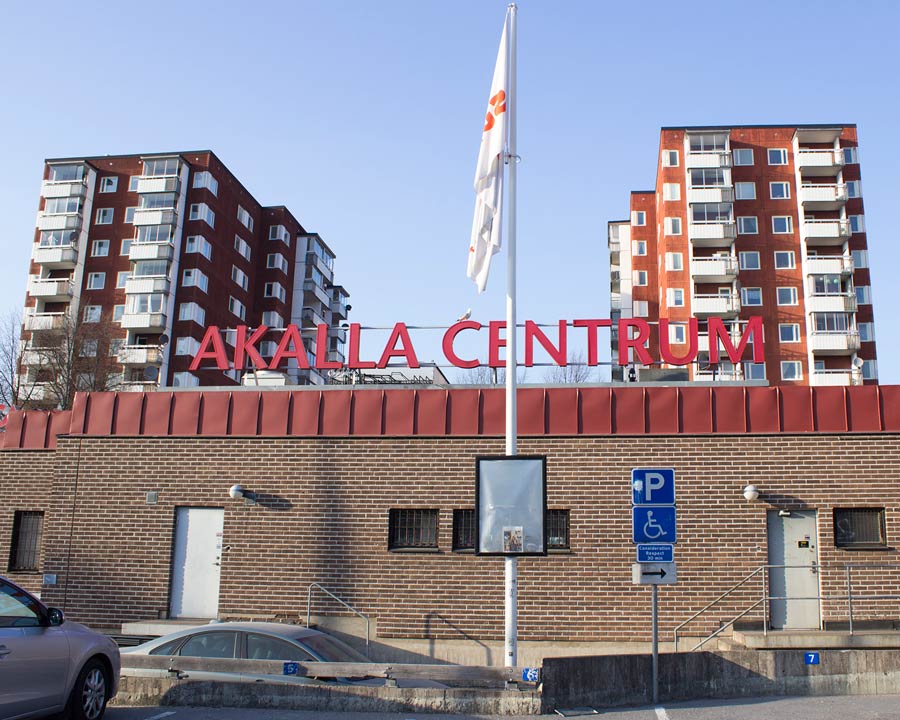
He says that he hopes the “Segregation” campaign can raise awareness about the topic and push for a more open dialogue, although he acknowledges that it may be a “straightforward and unpolitically-correct project” of road signs. The two areas selected are very specific as well for their audiences; the wealthy-white-western folks in the quarter of Östermalm, where all the luxury shops are, and the populous detached suburbs of Flemingsberg, Rinkeby, Kista, Tensta, Akalla, Tureberg, Helelund – “where the residents can find, at most, a supermarket and a few dodgy shops.”
It will be interesting to see if these signs are discovered quickly or slowly, if they provoke discussion, if they are allowed to stay or are removed by neighbors or officials.
“The key point of this action is to raise awareness on this topic,” Vlady says, before giving a litany of questions that he would like passersby to address together: “Can integration come out of segregation? Are we really all equal, or is someone is more equal than others? For how long can we keep the cages closed and hope that no disaster will ever hit the downtown streets? Does anybody see this division, this invisible borderline?”
“I have my own answers to that, but I don’t typically offer answers, I raise issues.”
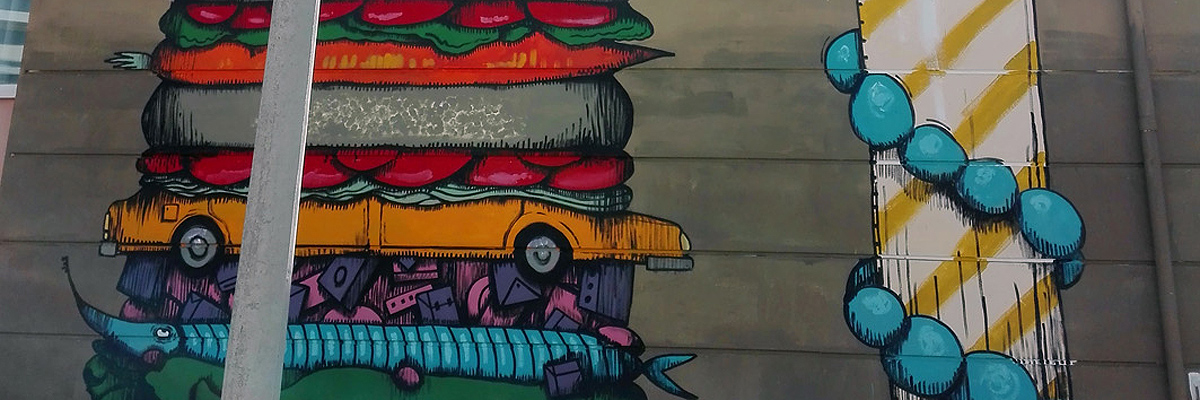
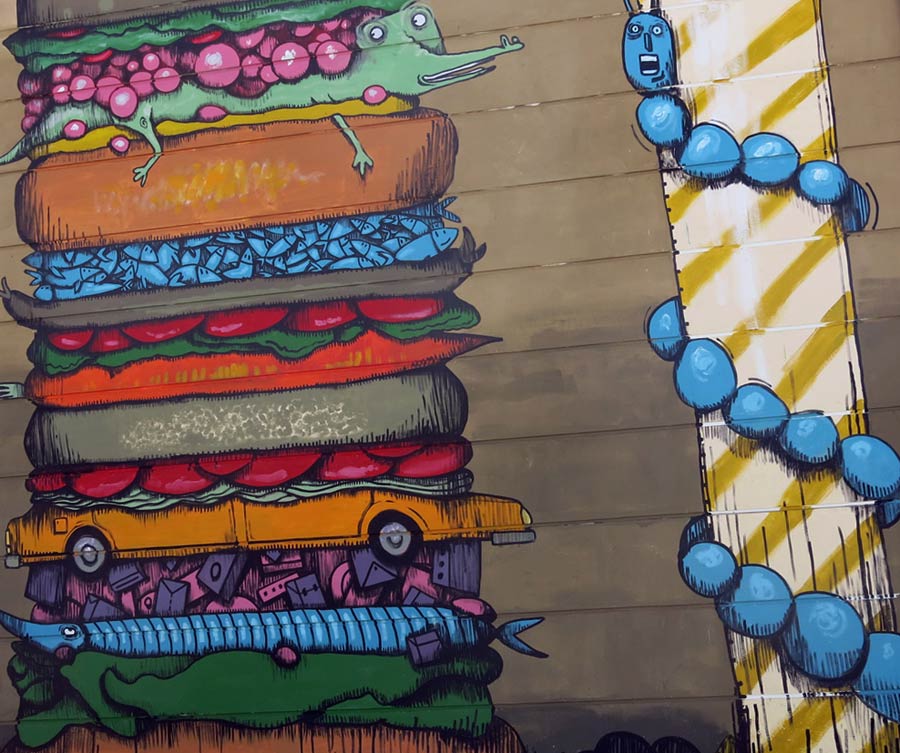
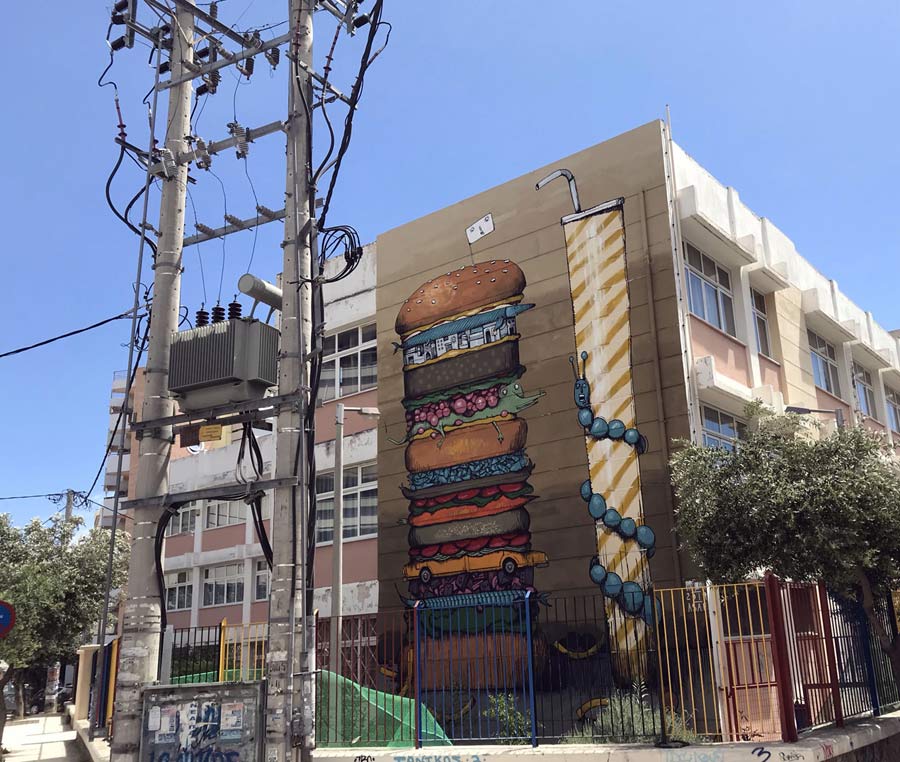
You are what you eat. Mr Fijodor thinks we are eating cars, buildings, cities and a few other non-foods along with all the other stuff in this stack of hamburgers. Of course, he is right.
Researchers from GlobalChange.govsay that already we have chemical contaminants in the food chain, with things like mercury, carbon dioxide, and pesticides altering our daily diet.
Here at the Athens Street Art Festival the Italian Street Artist says his multi-story “XXXL Panta Burger”in Nikaia is, “A visionary section of our times, a fat and enlarged shape of it.”
He began his public art career as a graffiti writer in 1994 but these days Mr Fijodor (alias Fijodor Benzo) receives invitations to participate in quite a few festivals and create works for private clients, usually painting in his dream-inspired cartoon-style illustrations.
Since its’ beginning almost a decade ago the Athens Street Art Festival, lead and organized by Andreas C Tsourapas, has hosted more than 170 artists painting in multiple municipalities of Athens.
Mr Fijodor tells that he was supported and promoted by the Italian Culture Institute of Athens to get to this festival. He says he’s happy to do this mural, which is marked by a social or ecological criticism that he often uses, “using as a weapon a childish and astonished smile realized through a spontaneous and direct style, free from any complex technical elements.”
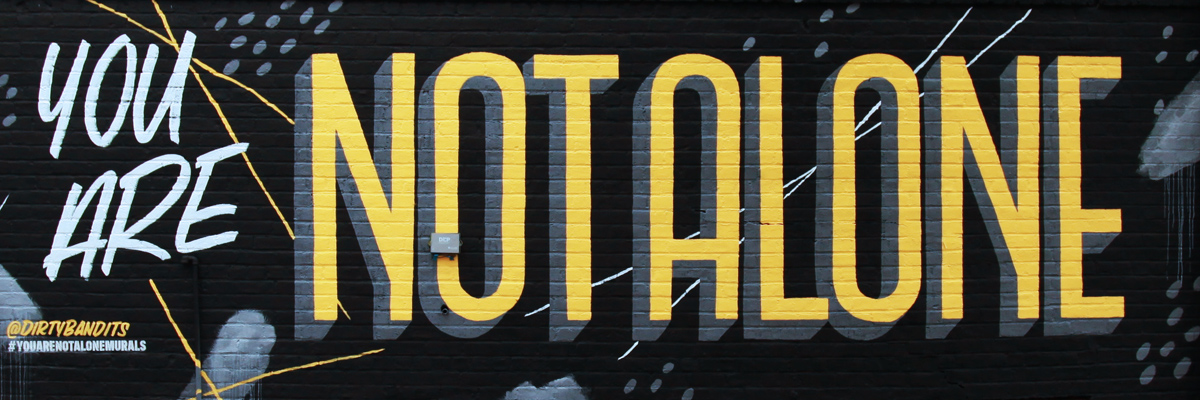
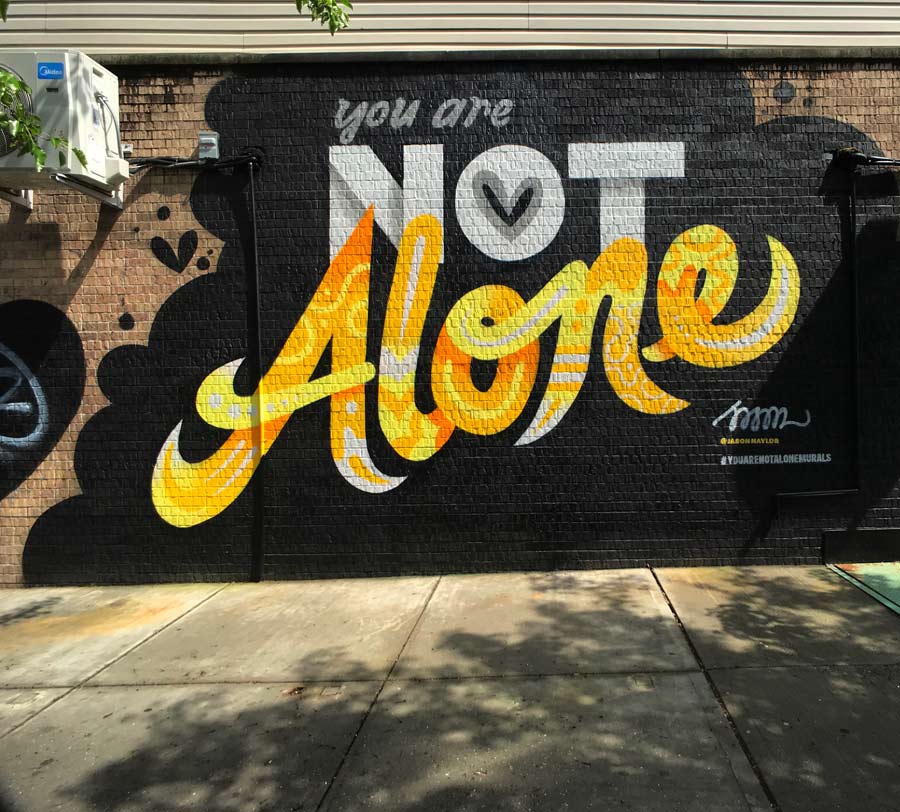
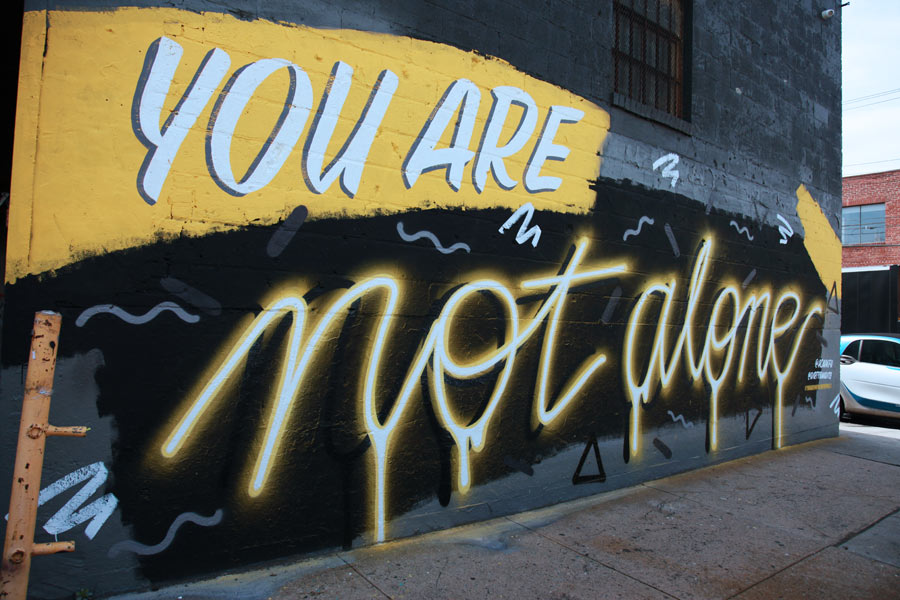
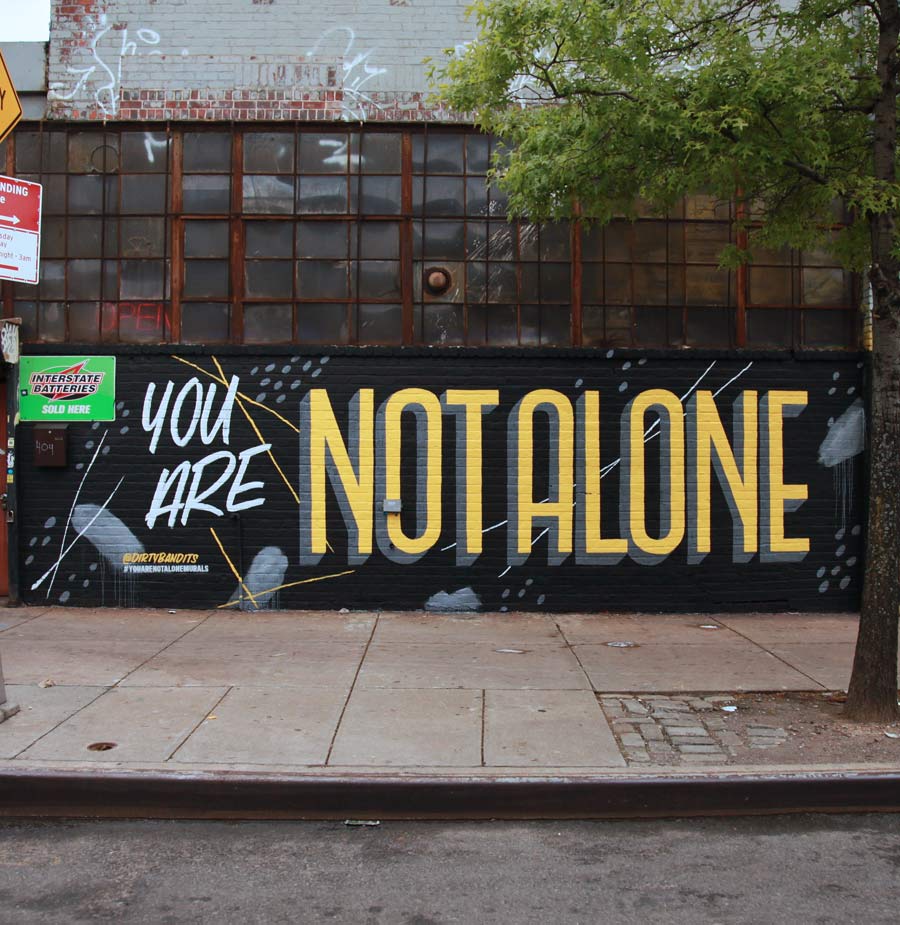
In an era where people may feel more under attack, more alienated, more disconnected from one another (despite “always on” connectivity), comes this new campaign from Dirty Bandits, “You Are Not Alone”. New York walls have been popping up recently (see above) with this message and somehow it completely resonates, hopefully just in time to remind someone struggling.
Brooklyn based lettering artist Annica Lydenberg of the design company Dirty Bandits tells us that this was an idea she came up with her best friend who had recently published a memoir about living with anxiety disorder. The he murals are intended to have broad appeal and offer support to anyone who feels misunderstood, victimized, or abandoned.
She tells us that people need to know “they are not the only ones struggling with mental health. My wish is to be seen as an ally, for not only mental health, but to the many communities who do not feel supported.” She says the campaign is not strictly commercial, although it is certainly not anonymous and some funding came from a media concern. But we agree that it is a very worthwhile message, can actually help people and if you want to learn more go HERE.
As long as we are on the topic, please call these numbers right now if you need help:
National Suicide Prevention Lifeline 1-800-273-TALK (8255)
Lesbian, Gay, Bisexual, Transgender and Questioning (LGBTQ) Suicide Hotline 1-866-488-7386
Teen suicide hotline 1-800-USA-KIDS (872-5437)
National Domestic Violence Hotline 1-800-799-SAFE (7233), or 1-800-787-3224 (TTY).
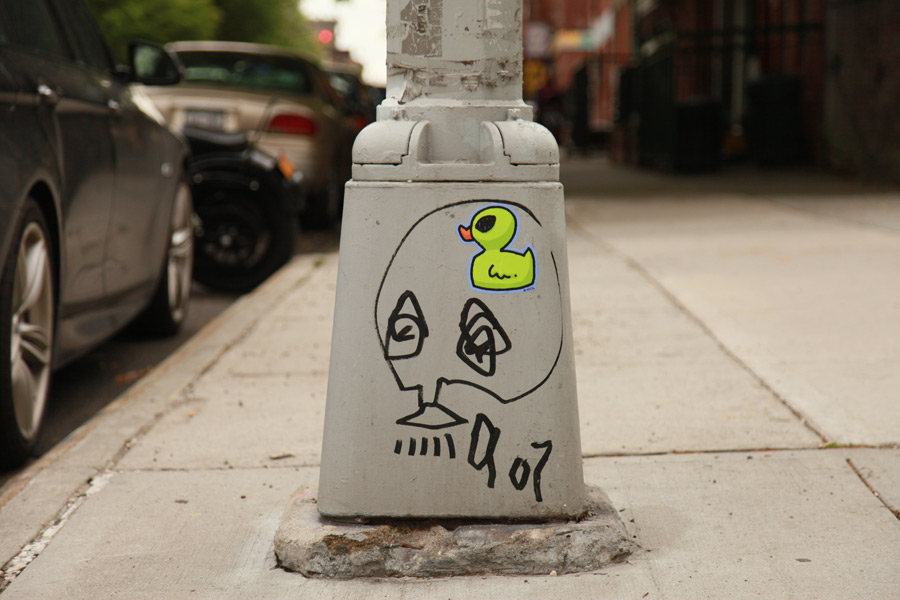
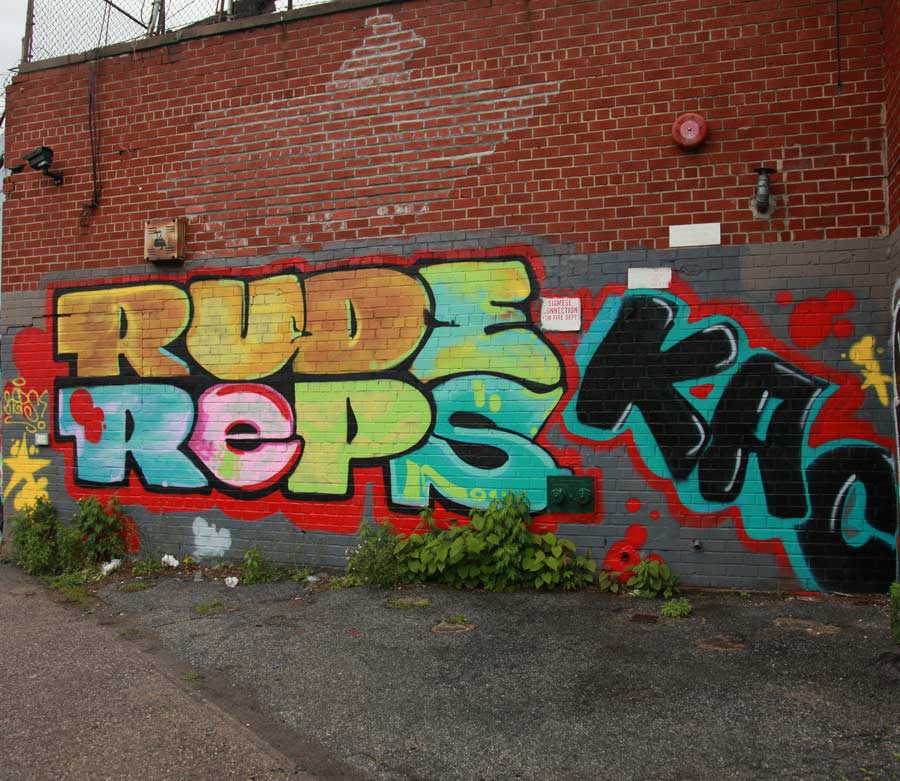
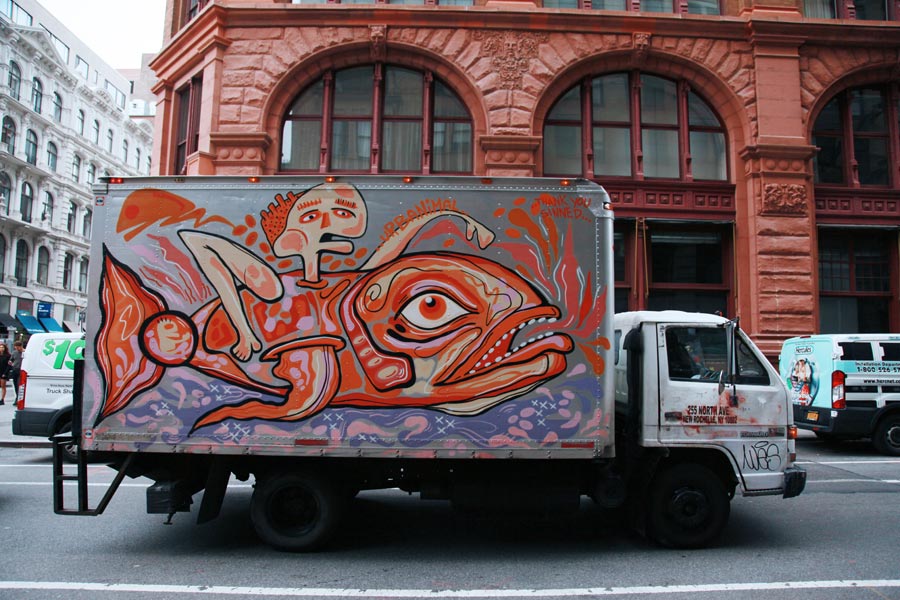
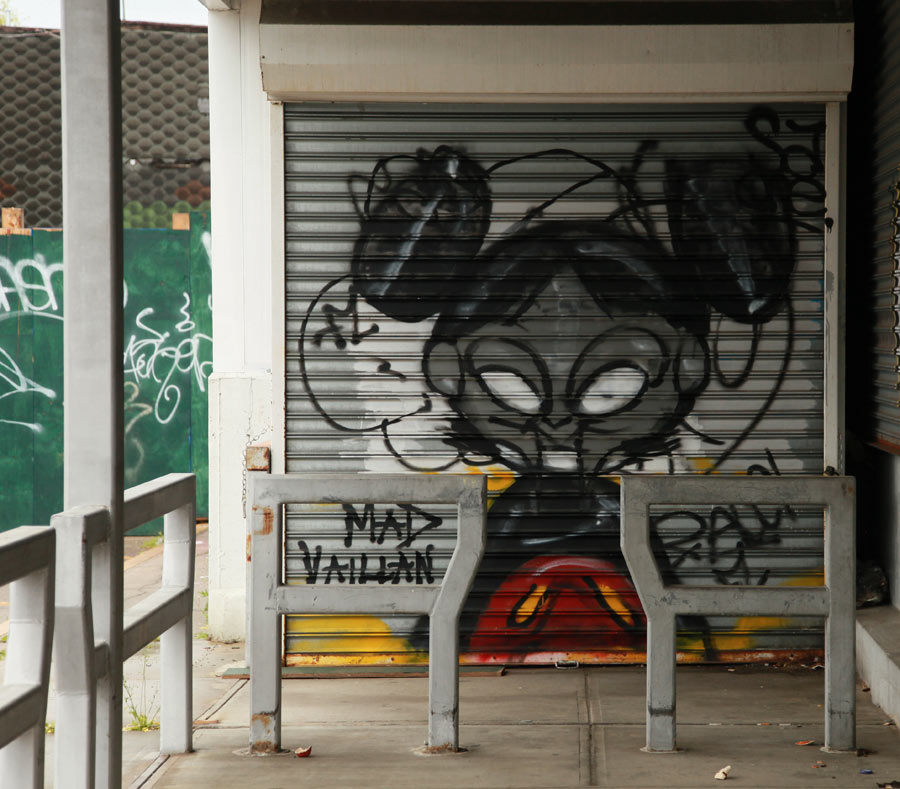
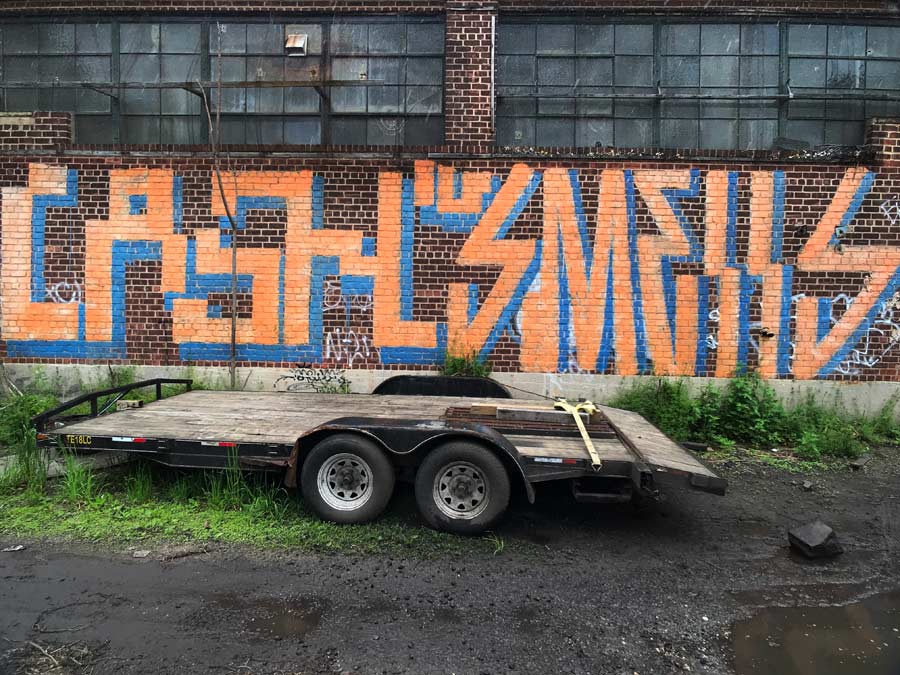
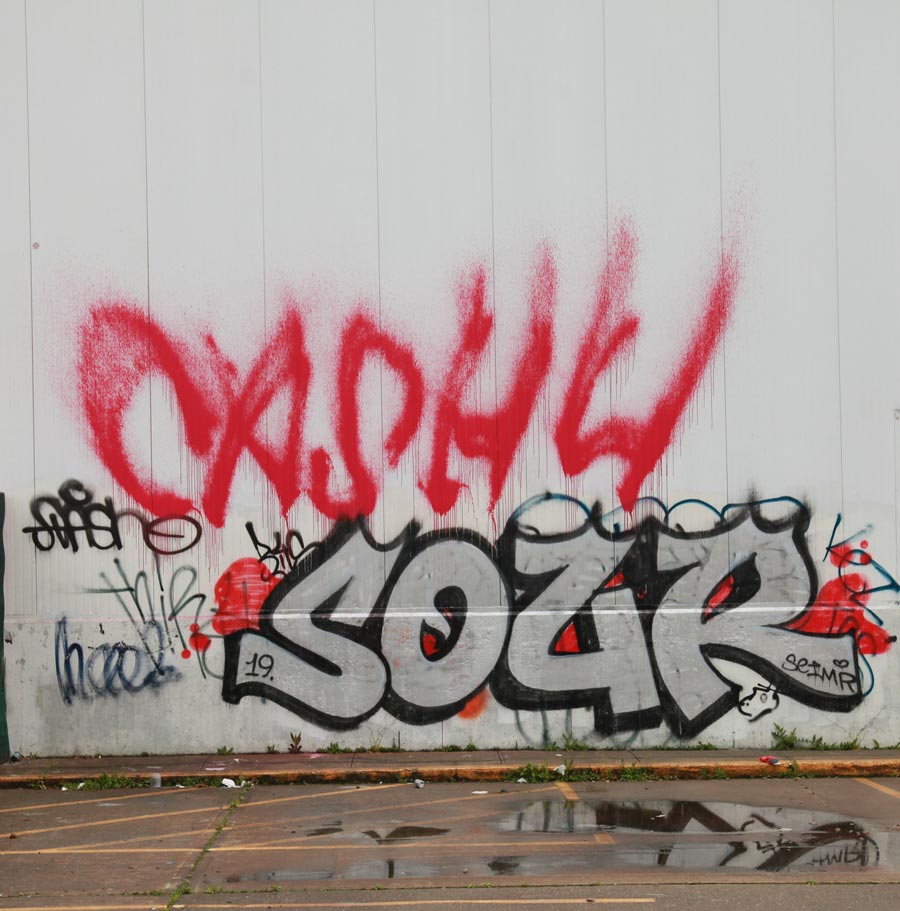
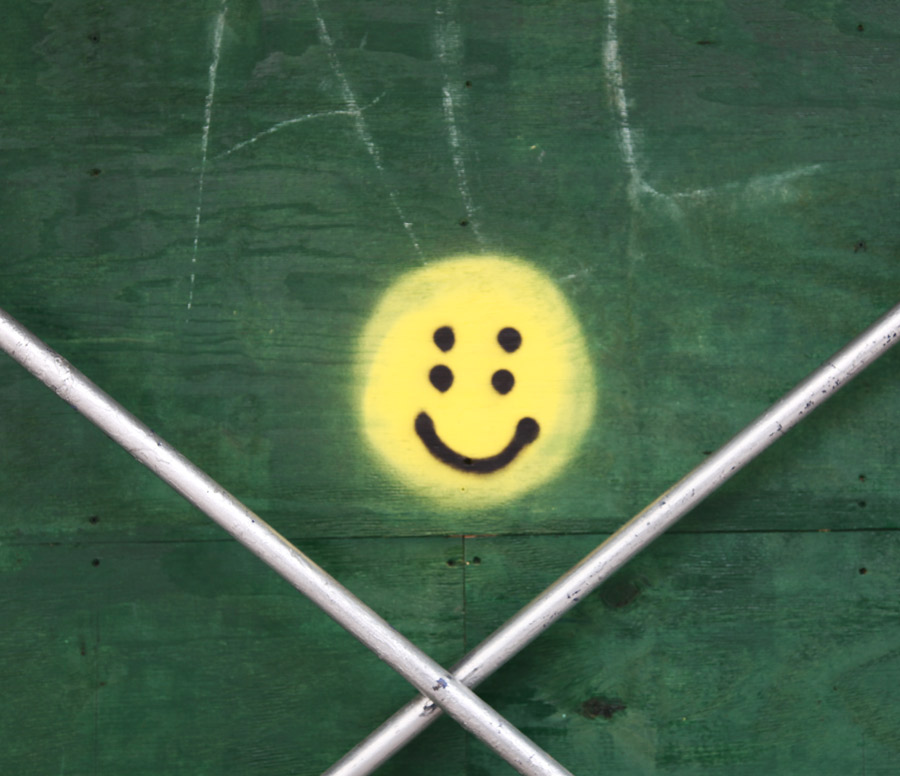
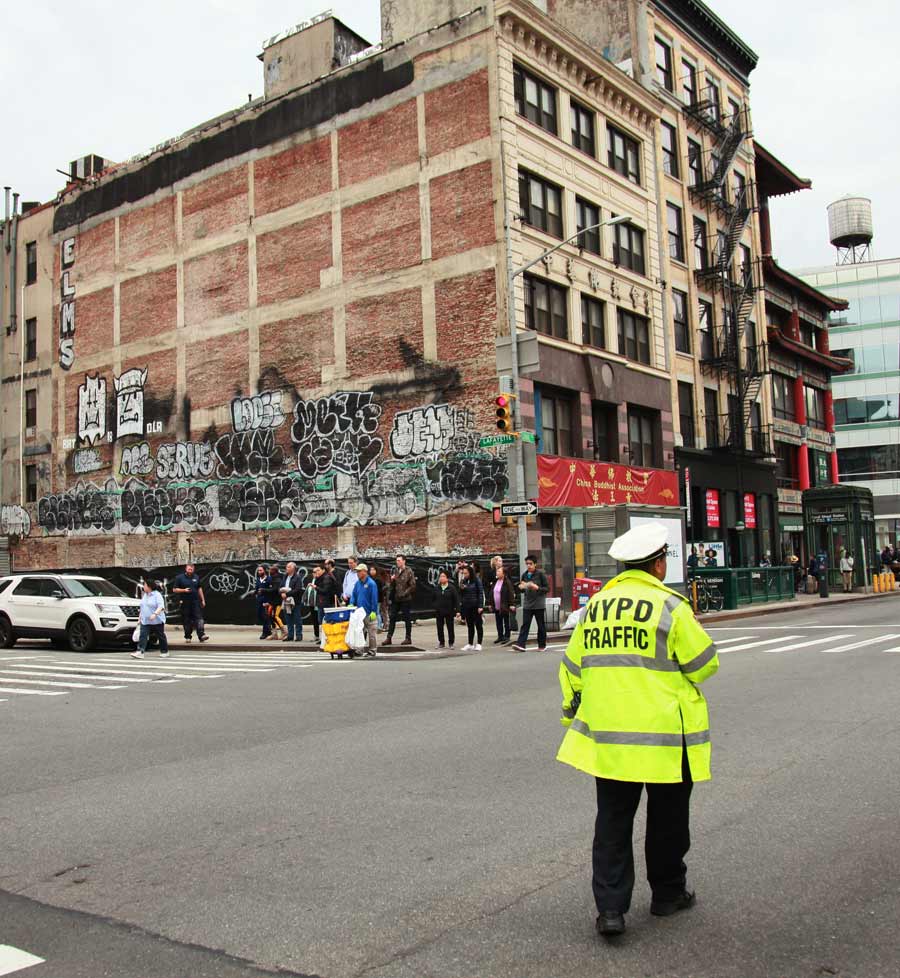
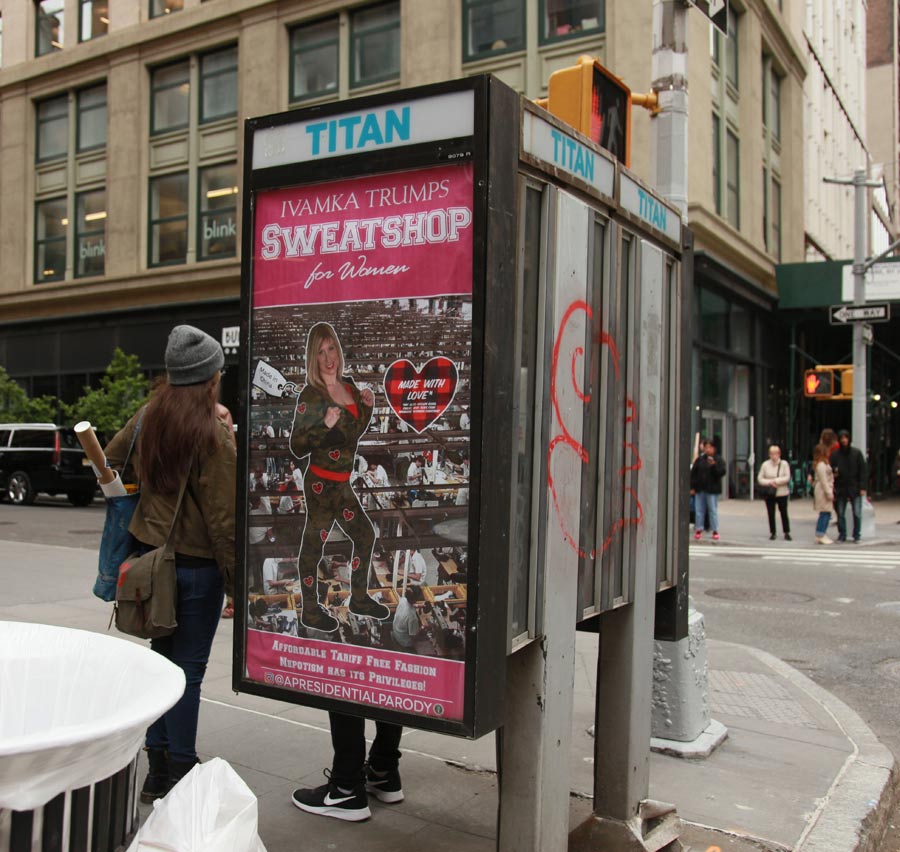
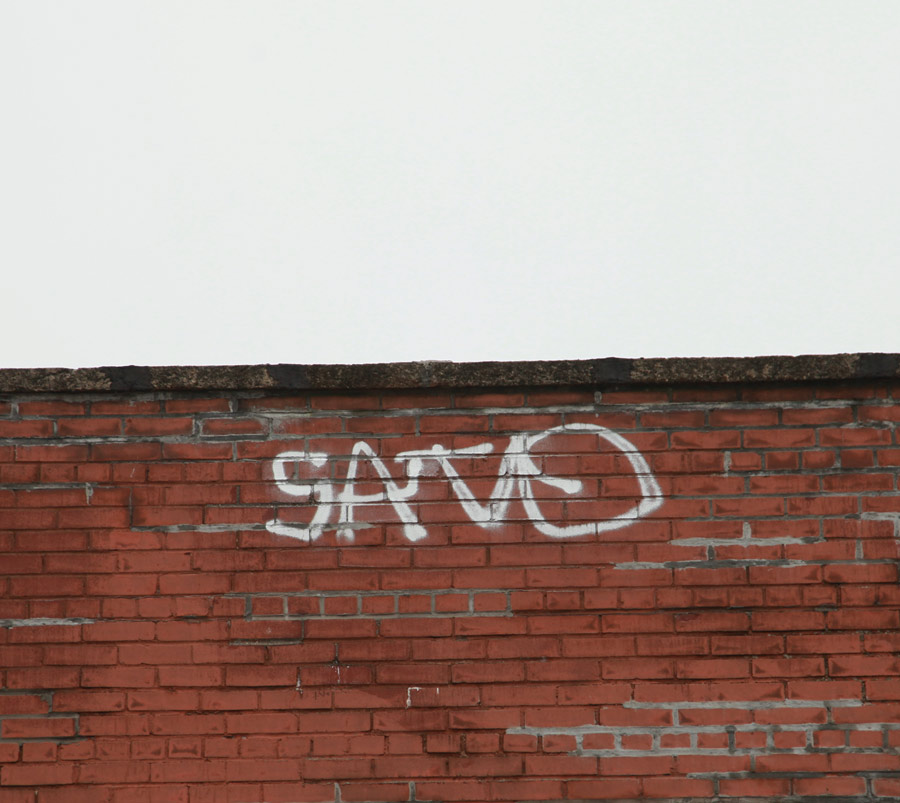
So here’s our weekly interview with the street, this time featuring Abe Lincoln Jr., Adam Fu, Cash4, Dirty Bandits, Elms, Icy & Sot, Jason Naylor, Mad Villain, Maia Lorian, Rude Reps, SAMO, Sinned, Smells, Soar, UFO907, Victor Ash, and Winston Tseng.
When the plants and
animals take over again there will still be remnants of you, as they transform
your achievements and failures organically en route to natural balance.
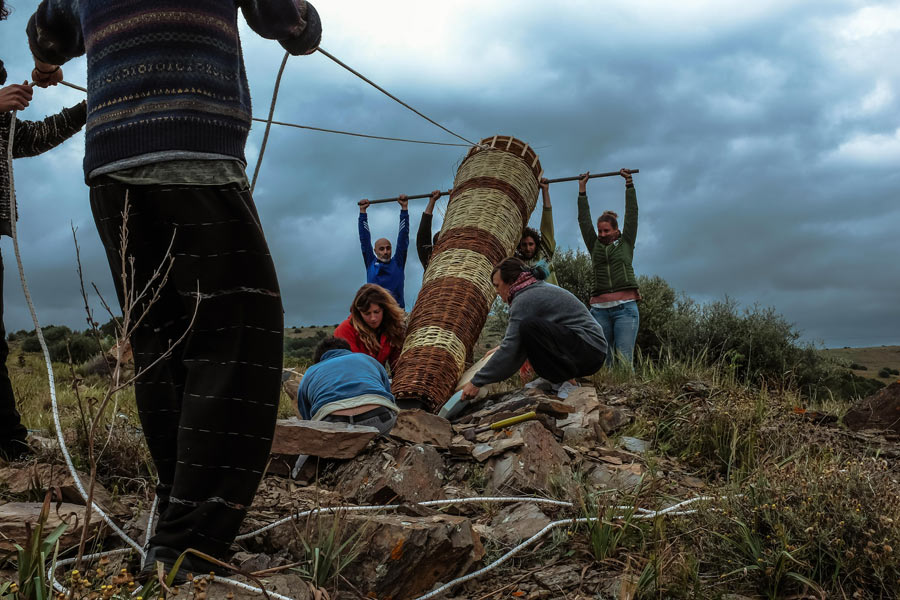
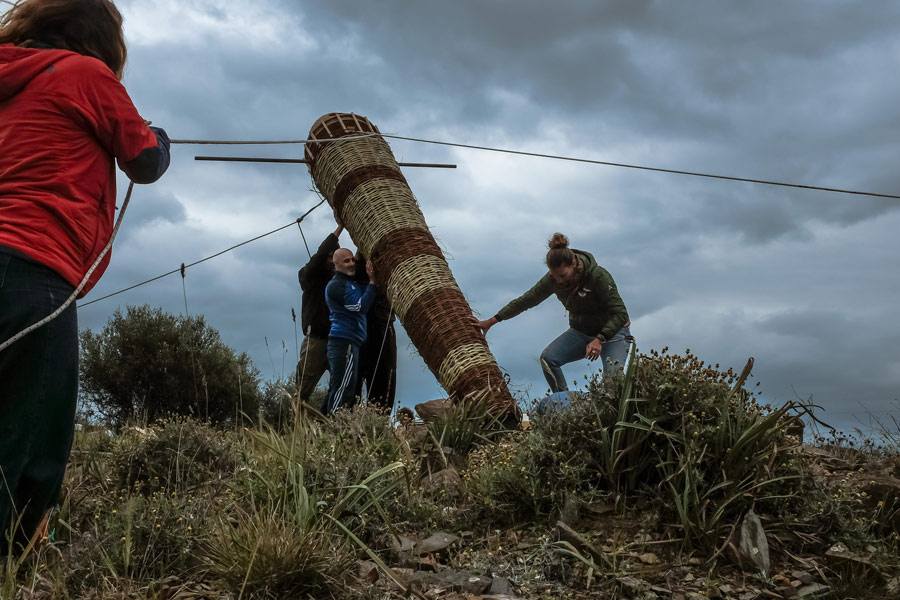
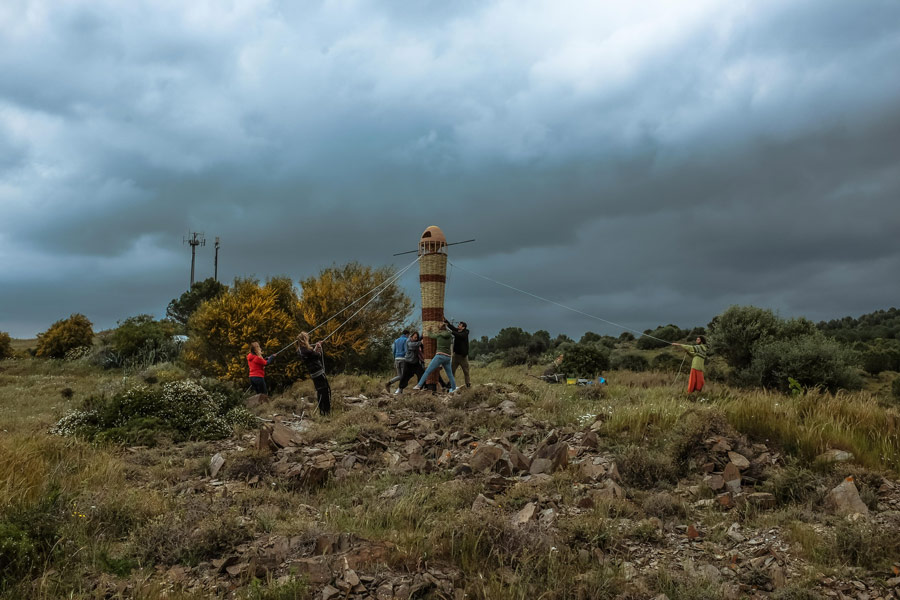
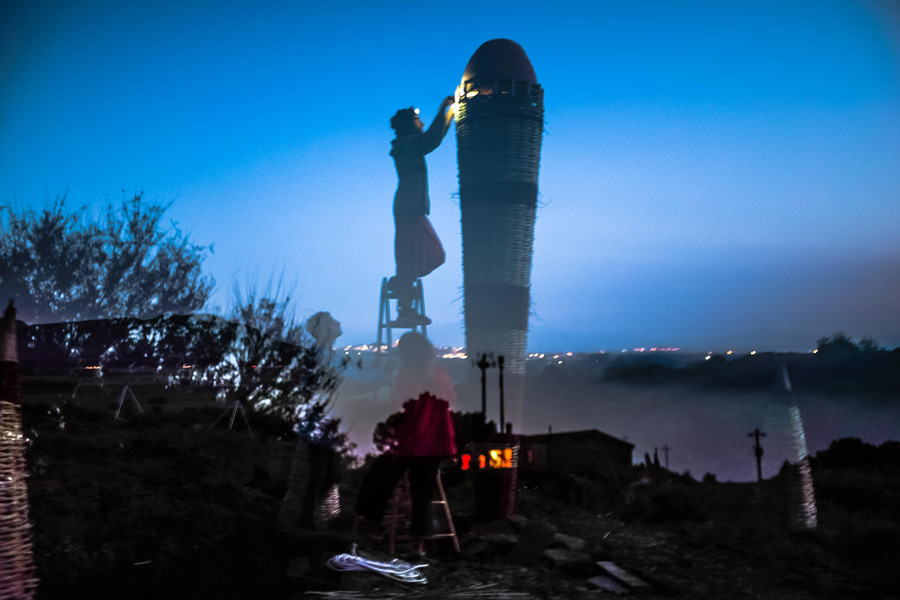
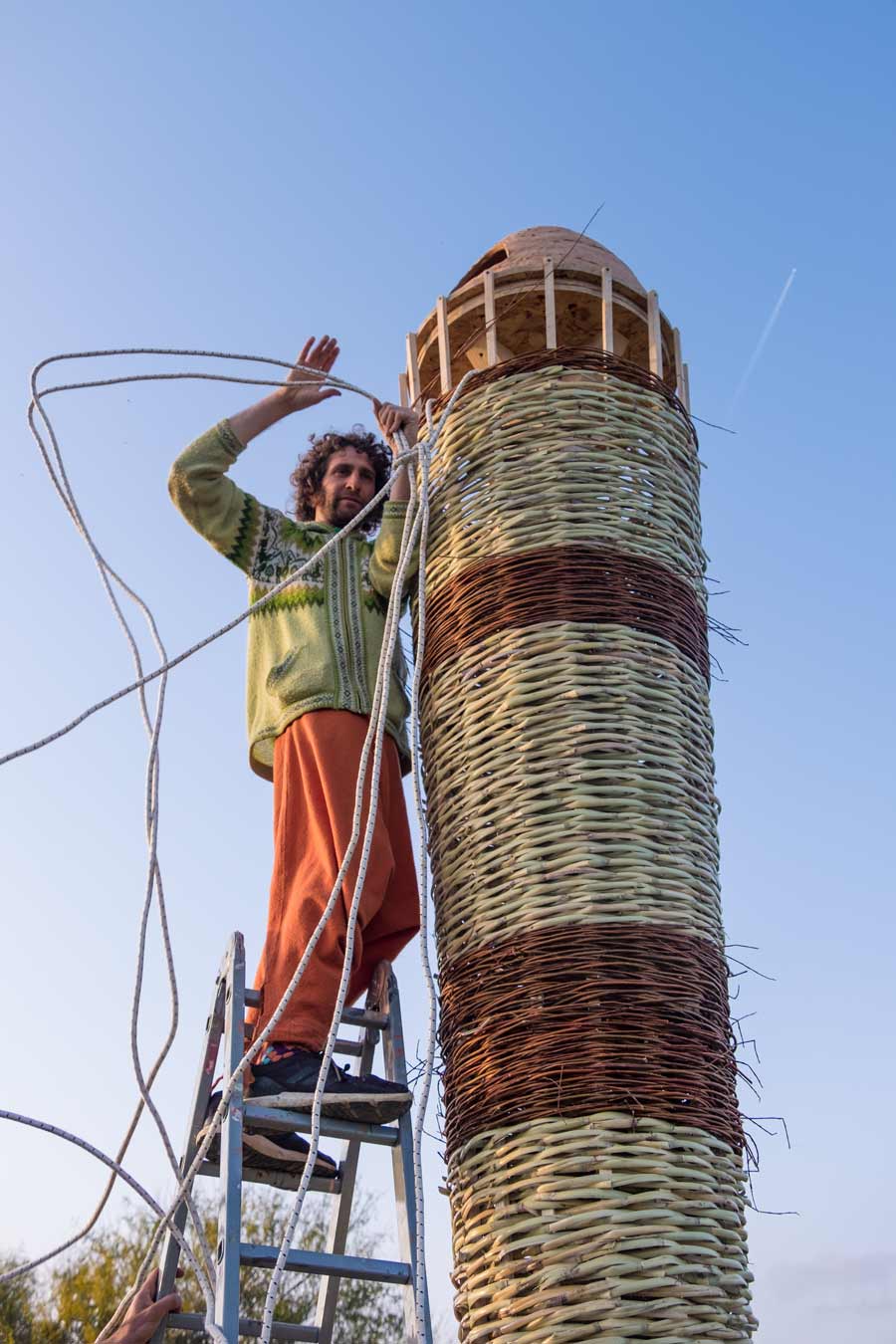
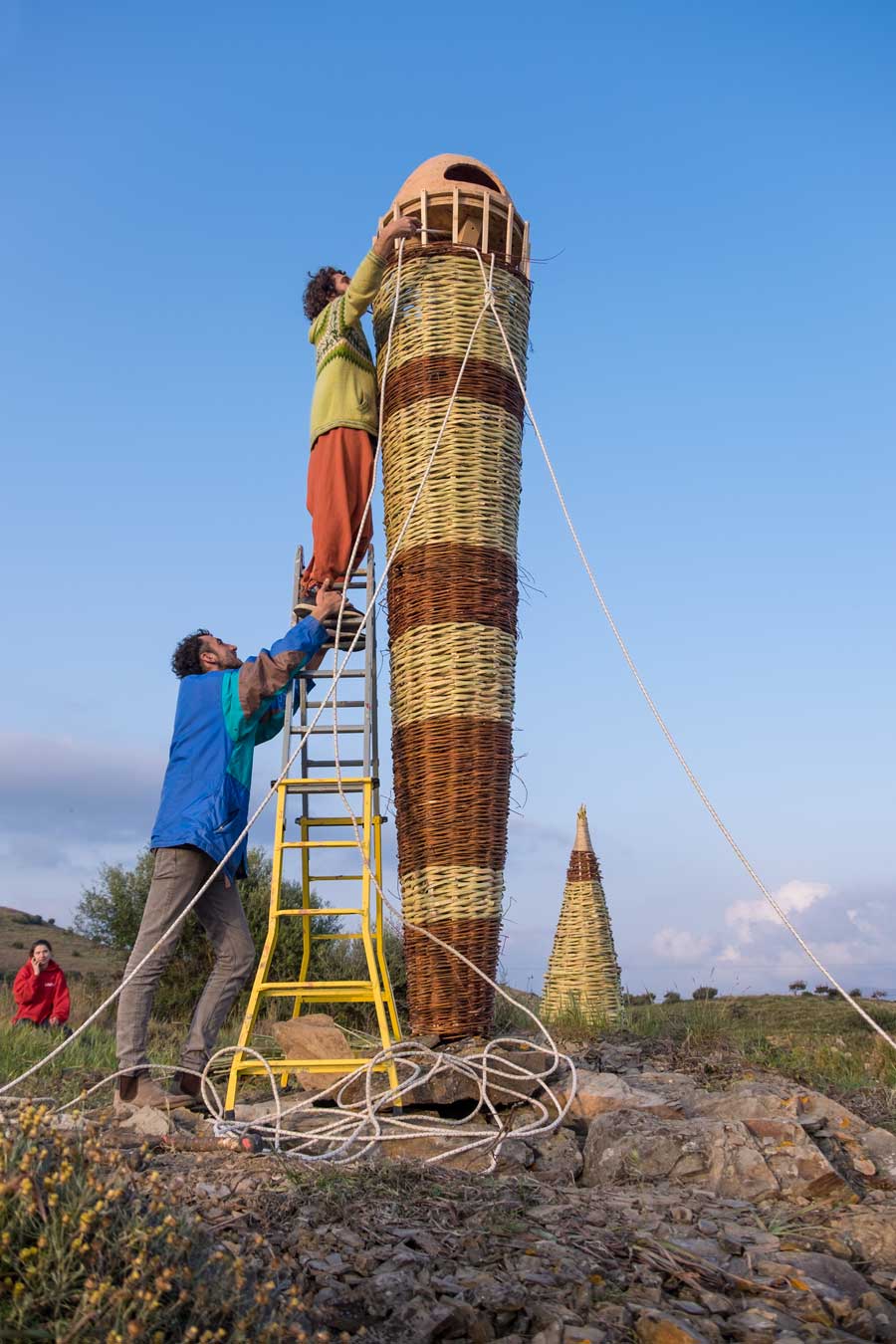
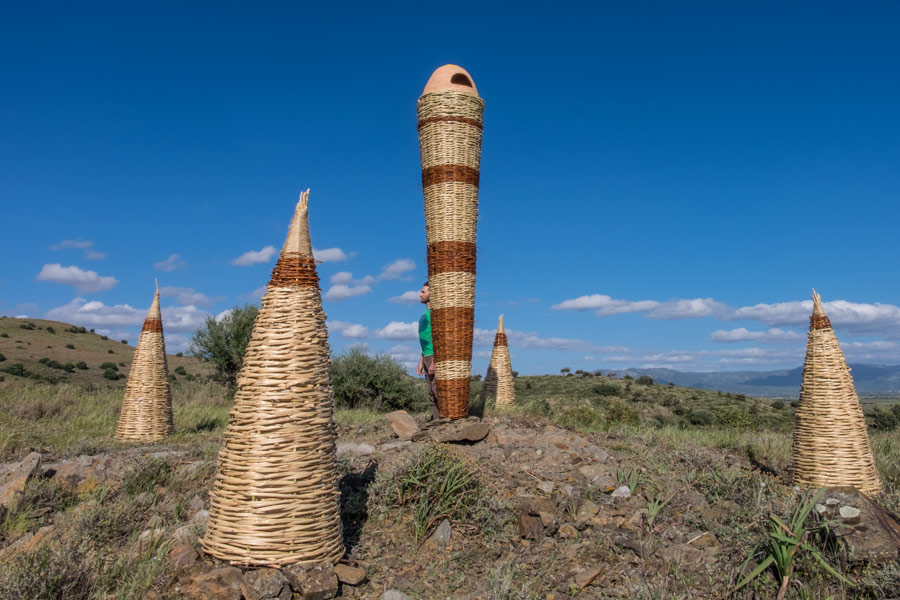
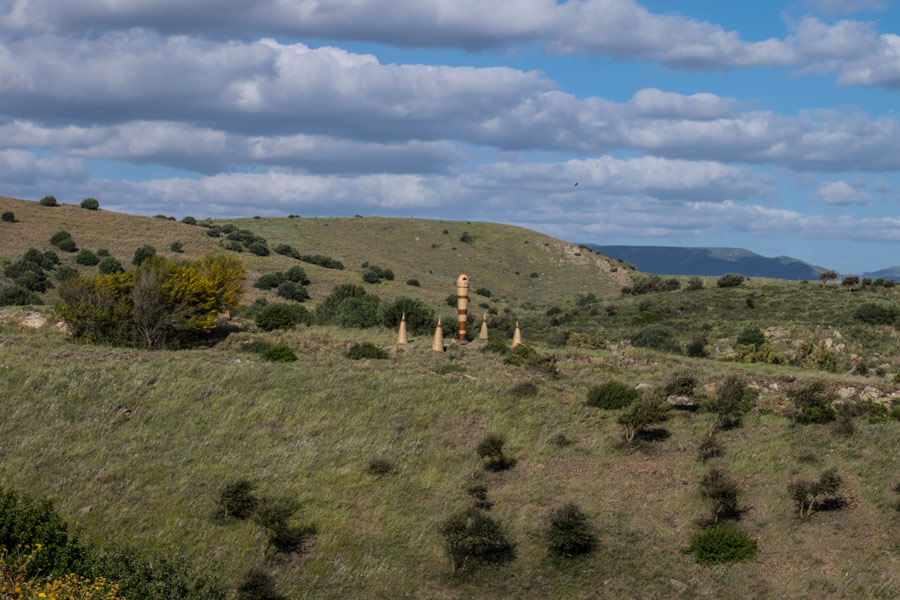
The evidence of this eventuality lies not only in our predilection for self-destruction but on the current existence of the 7,000 tower-fortress structures that still dot this island of Sardinia. Time and elements have not destroyed these structures built over a period of 16 centuries – long before the event of Christ’s birth. Today they are remnants, monuments of that Nuragic civilization, but are also home to birds, four legged creatures, insects, grasses, bushes, and trees.
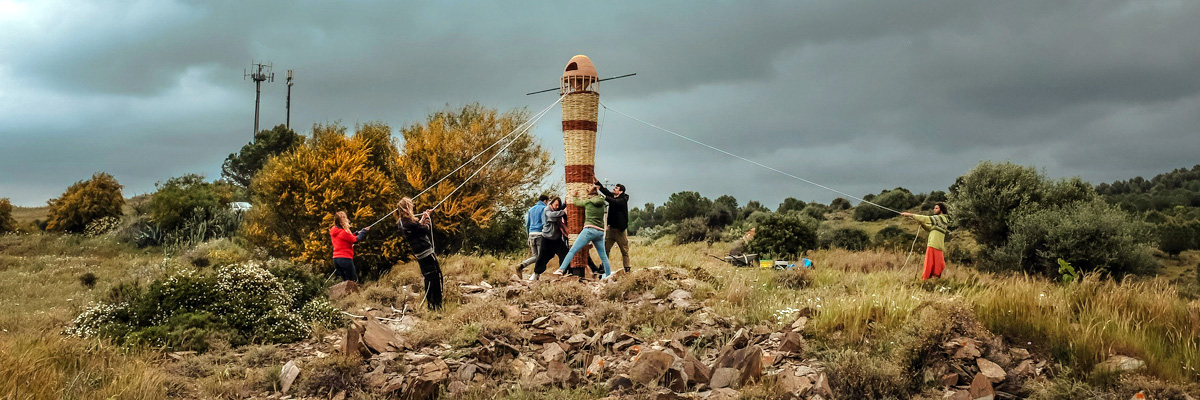
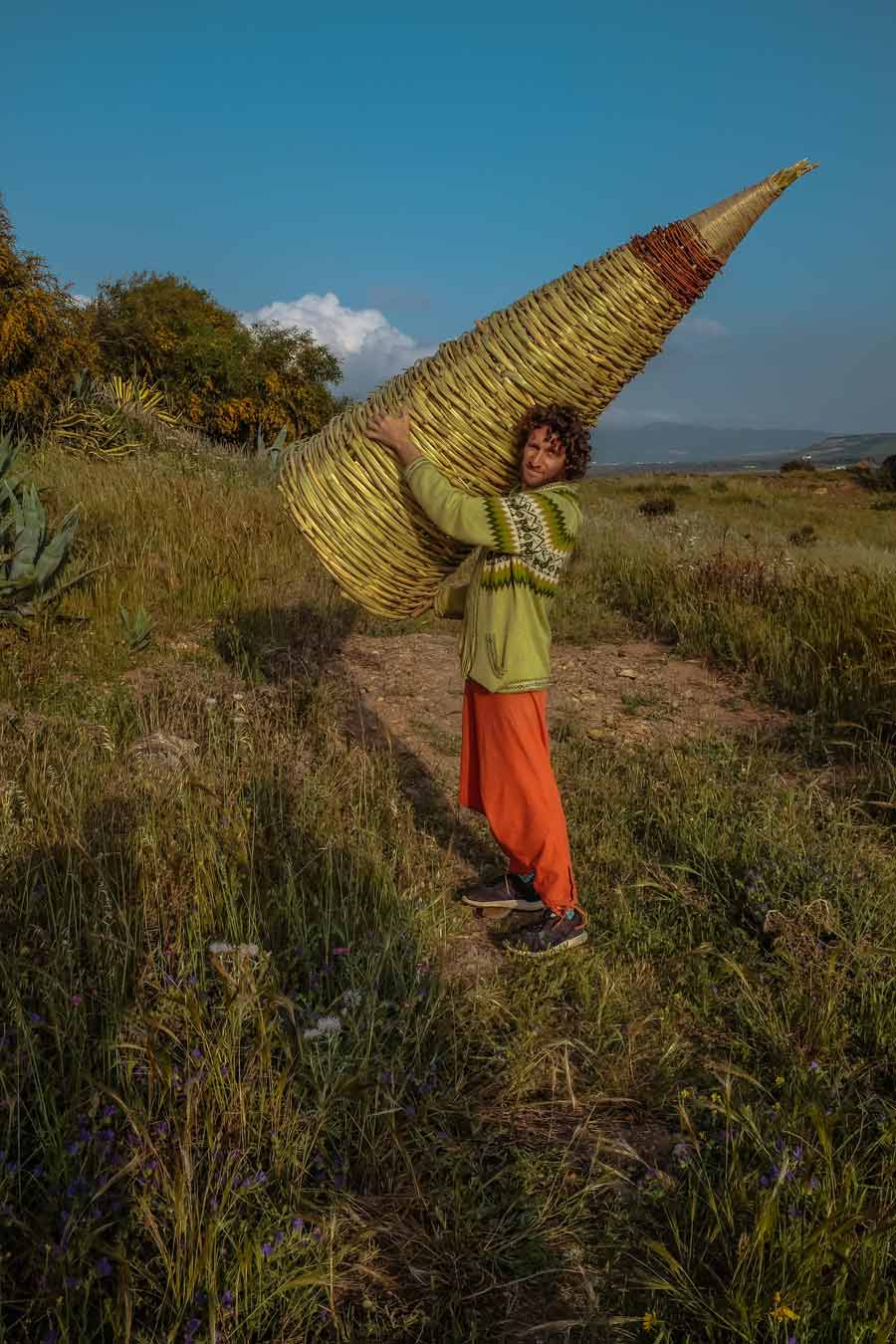
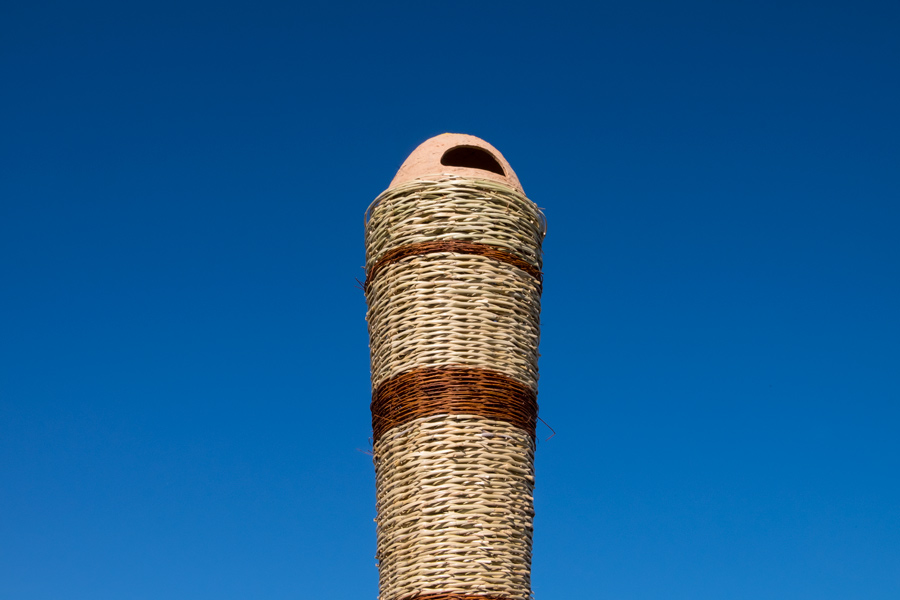
Italian Street Artist, muralist and land artist Gola Hundun thinks of communications towers and overlays them with references of totemic massings, historical human rituals, geographical coordinates, shamanic journeys, and patterns of aviary flight. For this installation called “Torre di volo” (Flight Tower) he also is thinking about guiding birds through controlled space.
“The central element of the installation is inspired by the forms of the flight control towers of the airports,” he says, “a type of architecture that has always fascinated me and had a strong influence on my imagination both aesthetically and poetically.”
Participating in an art residency on the property of the Campidate artists residency (near Monastir), the Italian born millennial finds the support he needs to pursue his natural art-making cycle in an environment that is closest to his personal ethos.
He says that he spotted a bird of prey called a Kestrel inside the Campidarte base buildings and became inspired to imagine himself directing the flight of birds, one further degree of interaction with nature he has pursued for most of his life.
“The installation
stands today on a ridge of that land, in an elevated and strategic position,
generally loved by birds of prey,” he tells us.
A continuation of a personal artists’ campaign he calls ABITARE that more than contemplates his work as potential habitat, “Torre di volo” will be complete when Gola sees a winged friend entering the doorway of his central tower. He says the entire creation is based on his “desire to create a form capable of hybridizing my fascination for the ancestral totemic verticality and the desire to create a living space easily accessible to certain species and biological niches.”
“From the tower that I
interpreted, I hope that in the near future the flight of a bird of prey will
begin, allowing us to observe in reality the idea of flying, going and coming
back and making the structure itself come alive,” he says. “The occupation of
the tower by a bird is part of the idea of the installation and is
indispensable for its completion.”
The endgame of vulture capitalism. The implosion of the corporate culture. The subtle differences between public housing and private jailing. The melting of the ice caps.
However you have wished to interpret the work of Spanish sculptural street artist Isaac Cordal over the last decade, you probably thought he didn’t hold much hope for our future. Or us. But he says his work is more a reflection of what he sees, and he presents it will a subtle humor.
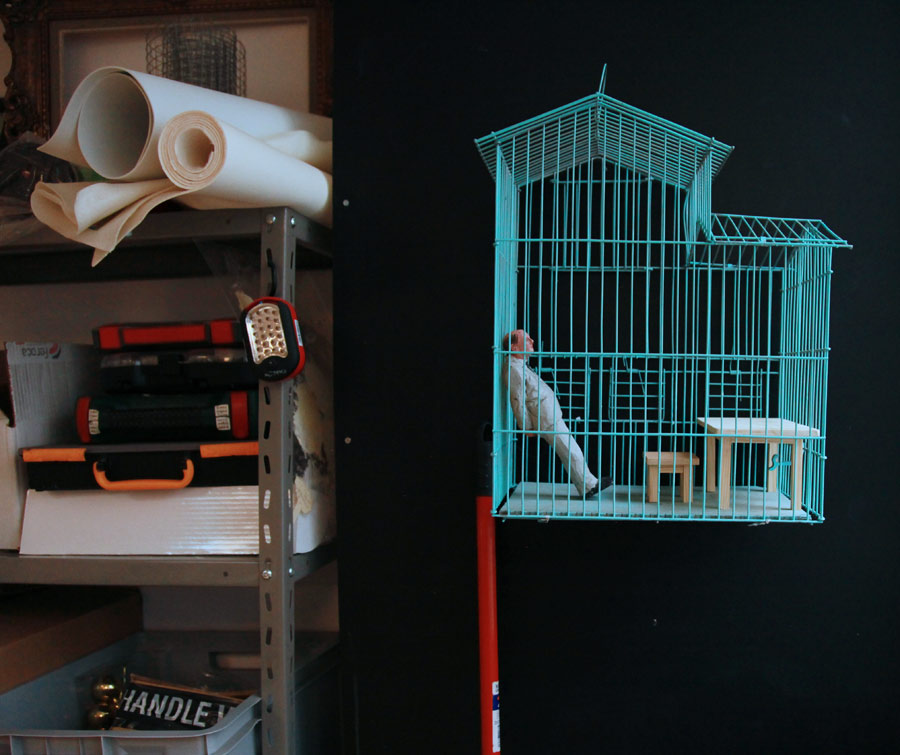
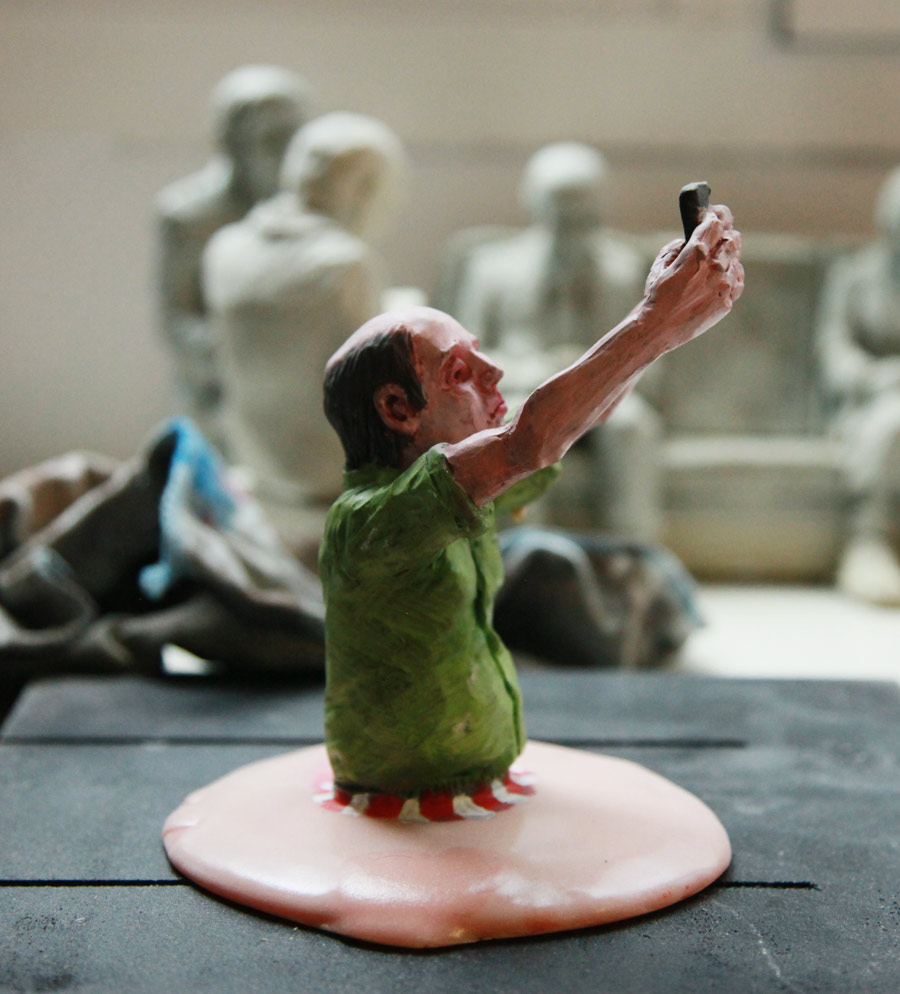
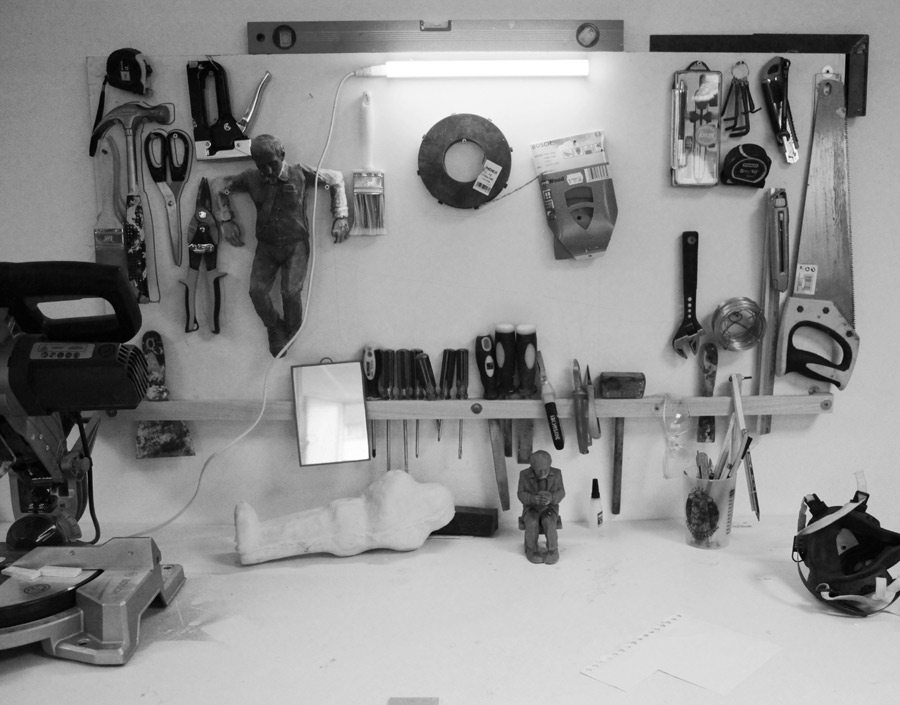
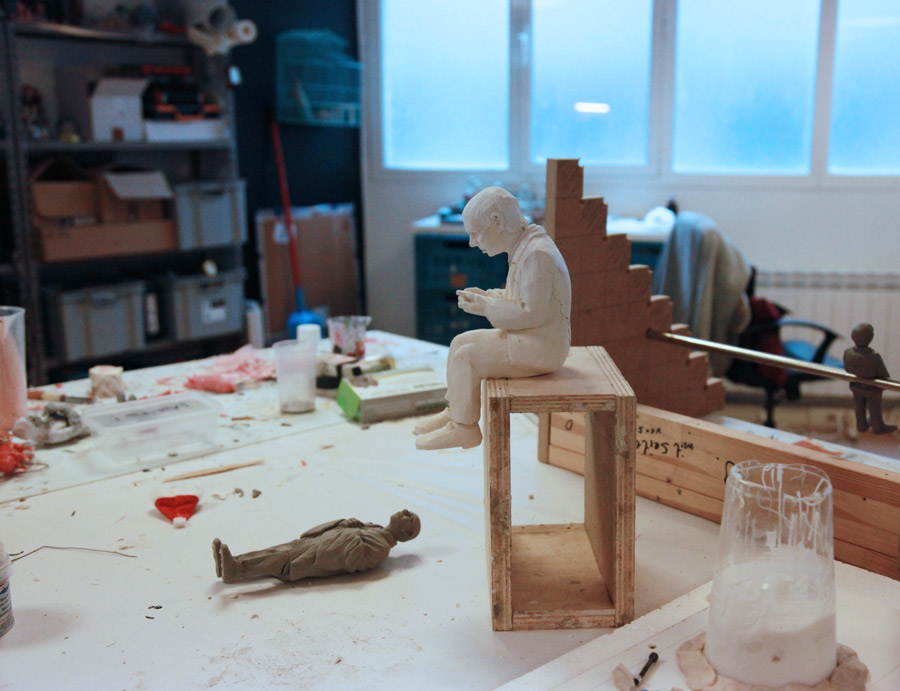
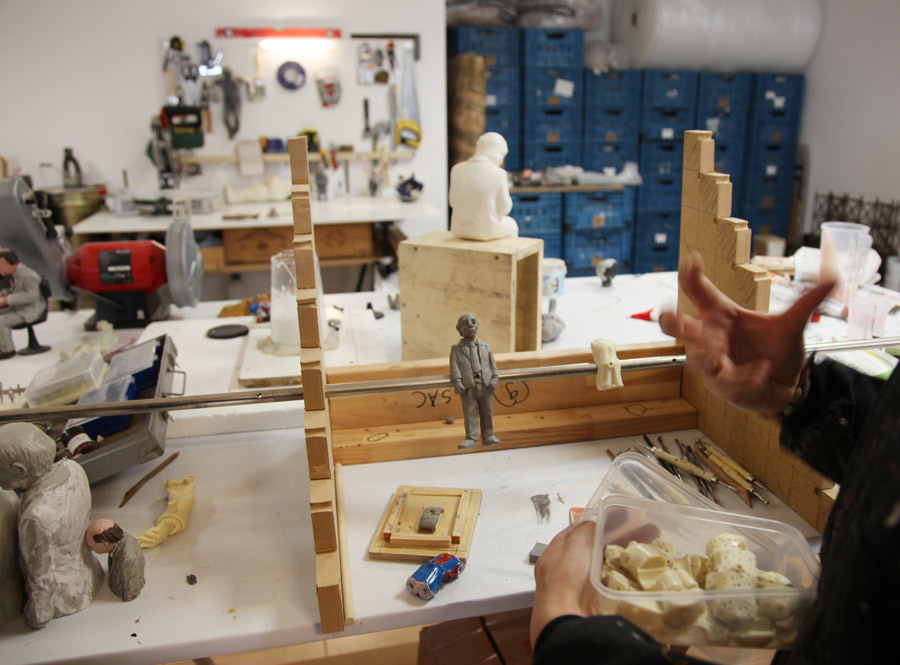
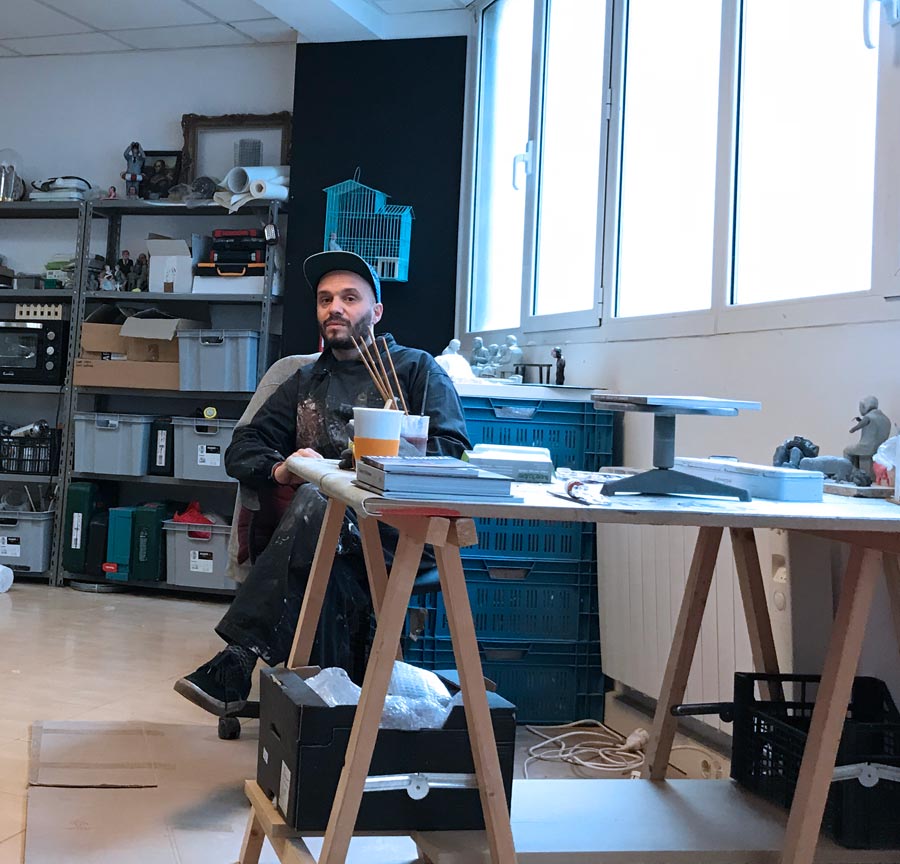
After a recent visit to his ceramic tiled and flourescent-lit artist studio in downtown Bilbao, we realized that his public art darkness is at least as hopeful as it is critical. All around the studio he has created a variety of rehearsal spaces, vignettes, and theatrical scenarios or displays with his figures interacting with other objects that he collects along the way.
It is at least as entertaining as it is educational. His sad characters and formal scenes of concrete dystopia are also humorous in their unlikely repetition, their utter lack of comfort, their repurposing of common objects as dire ones. His critiques of consumerism, environmental degradation, militarism, corporatism merging into fascism are sometimes couched by his own understated humor and attitude of childlike play as well.
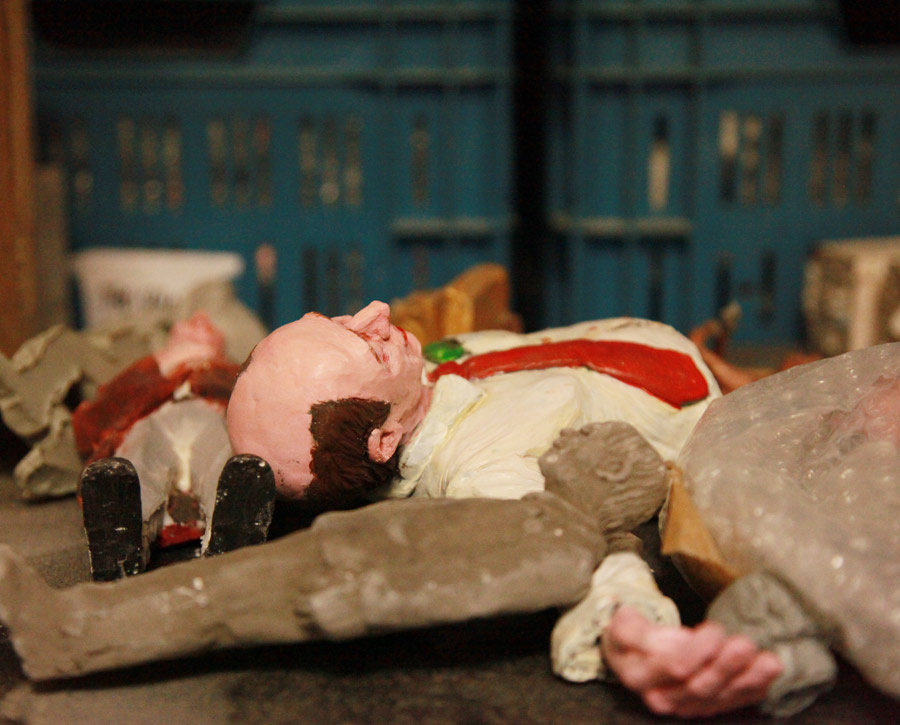
Not that people were chuckling as they encircled the austere and degrading urban jungle scene he constructed in the Spanish capital for the Urvanity 2019 showcase in the courtyard of the Colegio Oficial de Arquitectos de Madrid. The tribal clusters of bald men in suits were situated above, partially submerged in, or up to their chins in gravel from a bombed out lot, perhaps churned rubble created by a drone.
But did the art crowd also see the two
businessmen carrying a stretcher full of wheatgrass? The absurdity is a relief.
Are they rescuing a rectangular slab of nature? Possibly cultivating it for
farming? Blissing out on a wheatgrass juice cleanse to counter the martinis and
amphetamines?
And what about these new human-faced pigs gathered around, looking for a trough? He presents the human/animal hybrids without comment under electric lights that glitter warmly across the compound. They could be a metaphor addressing attitudes or behaviors. They may also be a glimpse into a law-free amoral future where any new life-form you conjure can be sequenced and produced.
A graduate in sculpture at the University of Fine Arts near his hometown in Galicia, he also studied conservation of stone crafts and trained in London at Camberwell College. He was a founding member of a digital art community called Alg-a.org, a heavy metal guitarist in a band called Dismal, and a publisher of a fanzine called Exorcism.
As you learn these details about his life in the 90s and 2000s, you gain a greater appreciation for the powerful work of a guy who has emerged uniquely on the global street art stage with his Cement Elipses.
As hard driving electronic drums, bass, and cryptic lyric loops pounding from a radio on a shop stool, we witness the fastidious artist at work in the tidy studio area in this converted warehouse on a dead-end block. As he circles the center island in his overalls looking for the appropriate steel bit or resin mold he bobs gently to the beat, skillfully switching attachments on his drill and hand-designed vacuum device.
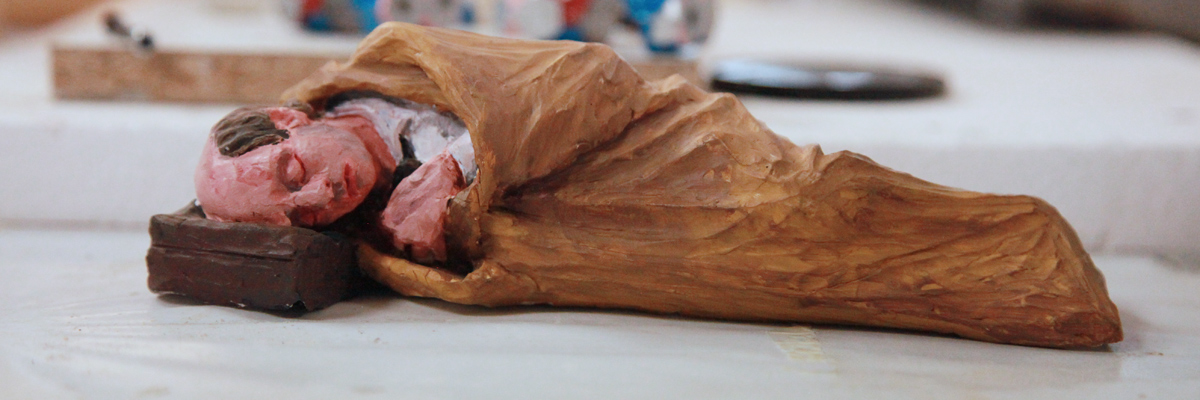
Here is where you see the craftsman at work; carefully attentive, problem-solving industry in play, possibly more at peace while he is creating than when he is left to think too much. He picks up a pink pig figurine and begins the plastic surgery, the fine reconstruction; a gentle whirring, a whittling away of snout and a defining of chin-line.
The result is rough and unrefined, proportions not sweet. He blazes through these final actions and presents his new hybrid man-pig, a satisfied glint flashing by as he blinks. The drill whirrs downward and he sits on the stool for a minute to flip over the figurine a few times and inspect it.
BSA:I imagine sometimes that people must think that you are walking around with a cloud over your head – but you’re not really. You’re a happy person who thinks seriously about the world and its issues.
Isaac: It’s not that I am choosing the topics. It is something that came by default. It is my personality. Also I make this work because I do not like the kind of society that we have now. I think about all the improvements that we have from our new discoveries – and I don’t understand what the reason is that we have all of these situations and problems. We should be a smarter society and more just.
We can find water on Mars but we can’t feed people here – what’s the reason for this? Why is our only worry about how we can have more and more and more? In that sense probably in my work it is like that because I don’t understand what we are doing, or our idea of progress. I say ‘Wow, it’s incredible that we cannot work on a common welfare.’ So the work is probably a reflection of what I do not like.
BSA:Do you think your work is conceptual art? Isaac Cordal: I don’t think so because it’s pretty direct. It’s not codified. It’s very easy to understand and with conceptual art there is a semantic idea, meanings. It’s more of a movement of art.
BSA:So you been doing this project using cement for maybe 15 years? Isaac Cordal: I don’t know maybe the first one was in 2005. Maybe before because I have some others that I made in cement that maybe go back 1999 it’s crazy how fast time goes. Because it was in 1996 that I started to study fine arts at the university in my hometown in Galicia. I also went to stone-carving school for five years. We were like slaves there because we were working with big stones – but I learned quite a lot because I learned to do more in terms of carving and modeling clay.
It was quite an experience for me. Most of the school was nice because it was more conceptual or theoretical – and it was interesting for me to learn more about contemporary art.
BSA: How do you feel about this time of your life as an artist? Isaac Cordal: The future for me I think is a little uncertain because every day is like a new year. I’m laying in the bed hiding behind my covers just looking over the edge. You say, “Oh my God another day that you have to prove yourself, do your projects.”
There are different venues and situations for artists but I think it is a kind of battle, a combat that first starts inside of you and after splashes onto others – your family or maybe your girlfriend. It’s not easy. It’s quite complex. I’ve had so many friends who were studying with me and they were talented but they couldn’t live their lives in this manner. It is a little bit uncertain. People may prefer to have a proper job. For me, probably not.
BSA:Do you have a sense about how people see your art? Issac Cordal: We have to deal with so many fears that this society is selling to us and it seems that you have to think about them. I think the people can understand my work very easily as it is very simple and representative.
BSA: What perceptions or reactions do you think they are having when looking at the “Yard” installation, for example? Isaac Cordal: The “Yard” is kind of a reflection of ourselves on a small scale. The topics are a little bit pessimistic but perhaps people can see it as a sort of reflection. They probably think about the topic that is suggested behind the installation.
BSA:Did you feel a sense of tension, given your worldview about politics and power and privilege and all of the societal structures we work within – your politics are so strong. How do you decide what to manifest? Isaac Cordal: I don’t want to do real political art. I think it is quite complicated. You have to be very clean. When you do political art you cannot make mistakes. In my work I am more interested in creating a reflection of what I see through the window. Sometimes I think I’m only speaking about myself. We are a reflection of the society and the society is always growing and evolving so probably as an artist we have to grow too.
Before there was a scene in Las Vegas, there was a scene in
Las Vegas.
Not in just the shimmering, drink slamming, dice rolling, pink-fur bikini with a rhinestone choker kind of way – that’s the real Las Vegas scene that you may think of – but in the urban art scene as well.
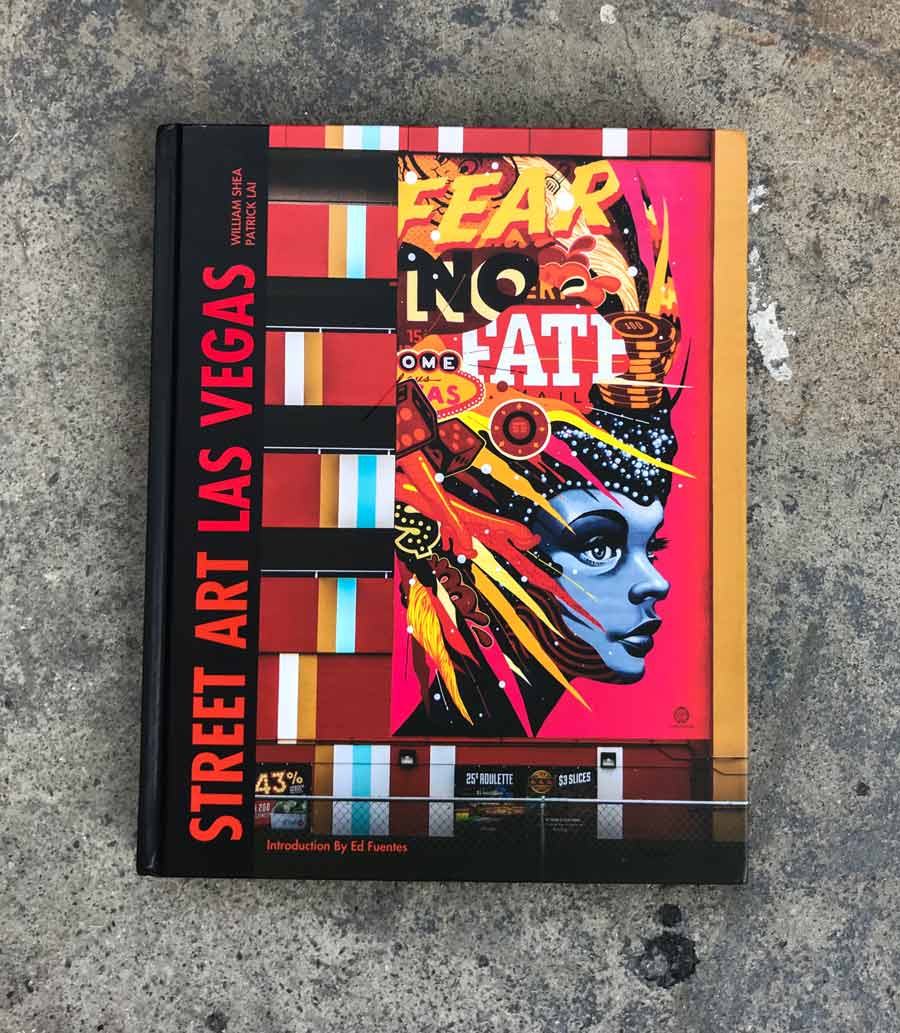
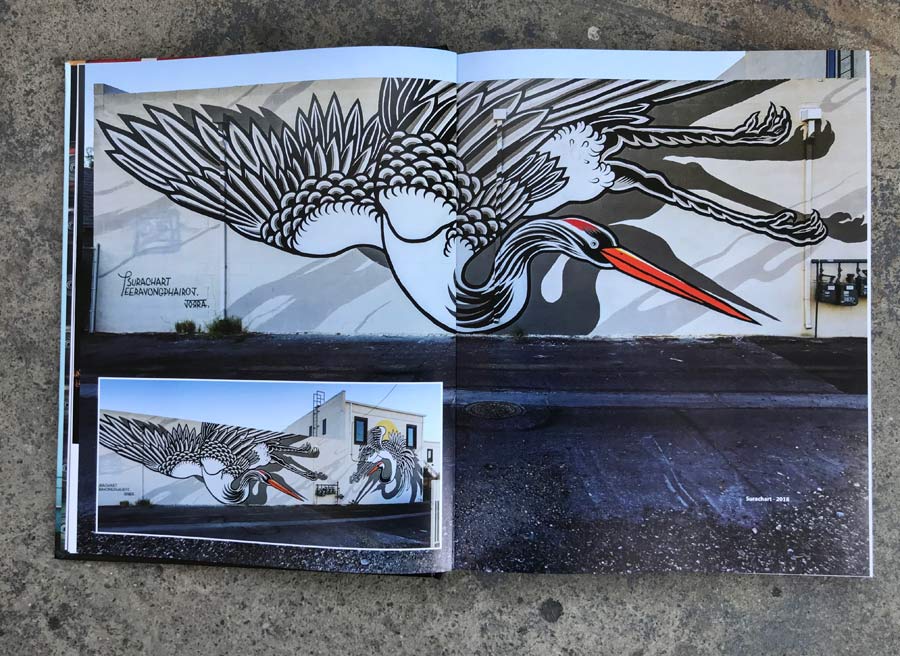
Street Art Las Vegas by William Shea and Patrick Lai. Smallworks Press. Las Vegas, NV. April 2019.
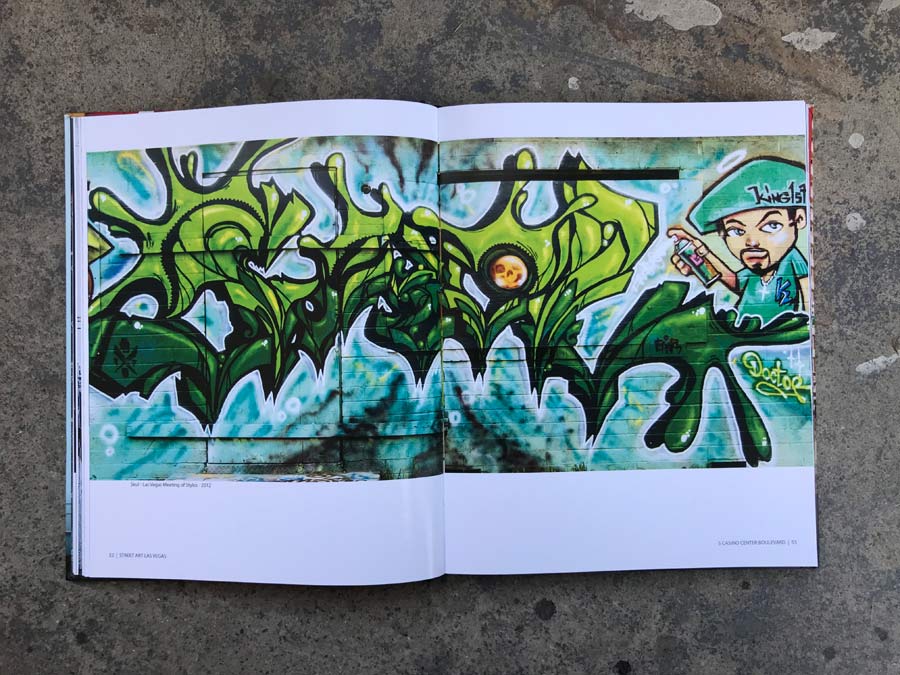
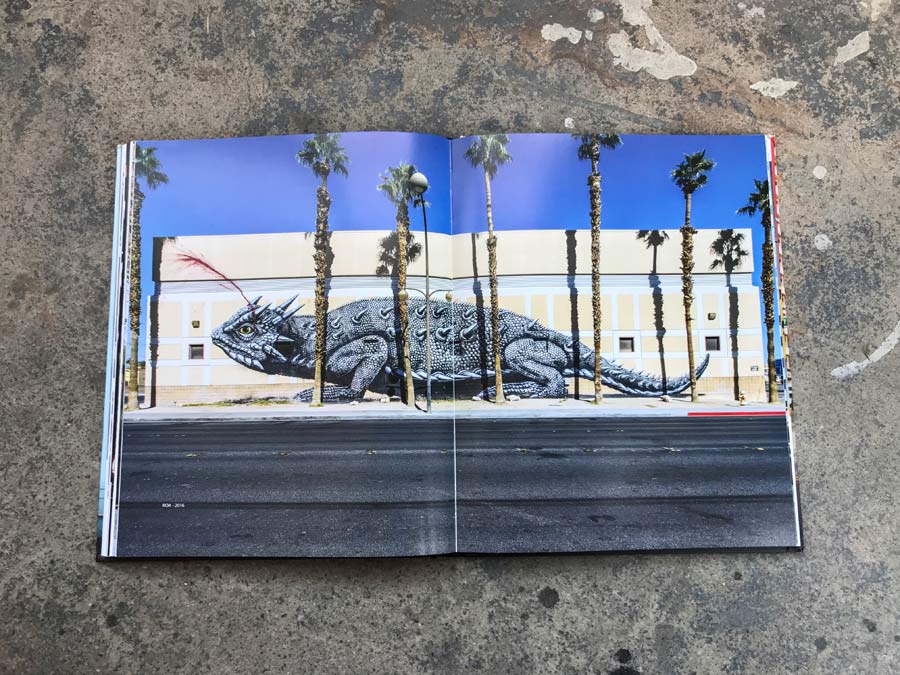
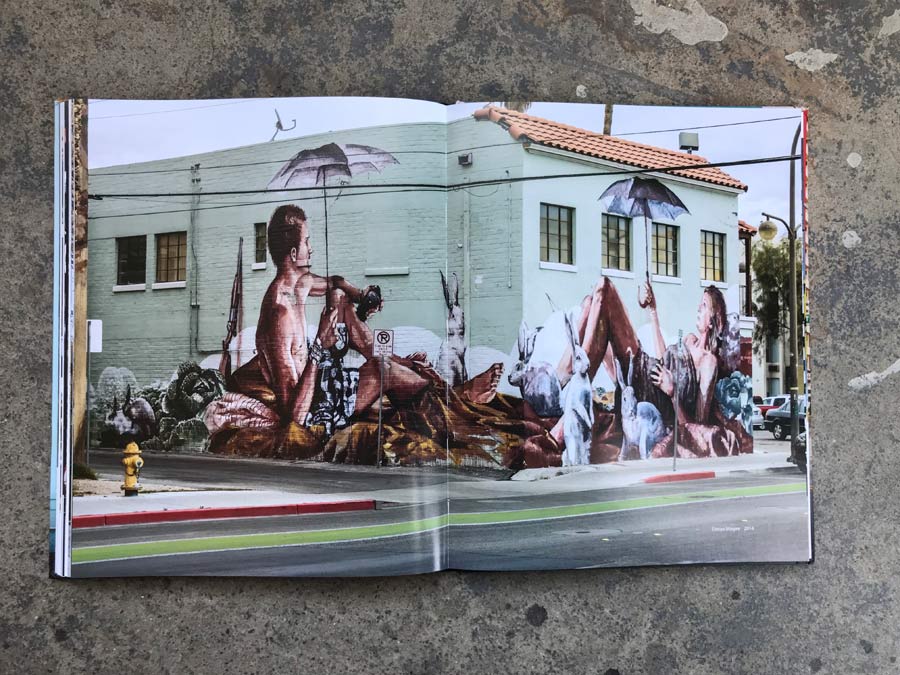
In this context the Las Vegas graffiti/Street Art scene that existed in the 1990s and 2000s that led up to a massive “Meeting of Styles” in 2012 was lively and varied and leaned more toward lettering, handstyle, and characters. Later, beginning in 2013 with a music/art festival called “Life is Beautiful”, a select group of international Street Artists were paid by public and private interests to help the city tap into a growing interest in urban decoration with eye-popping murals.
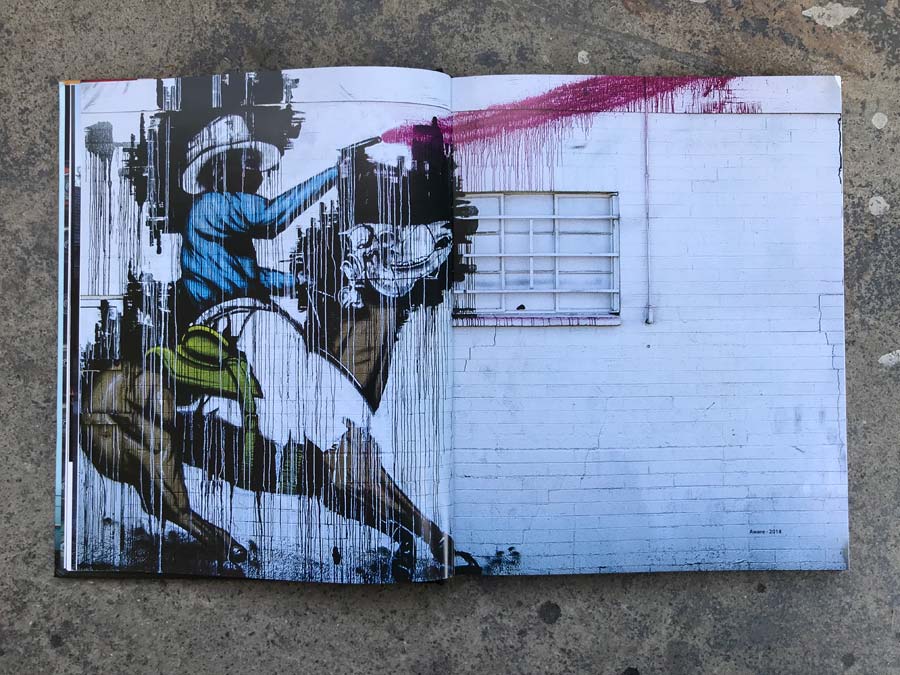
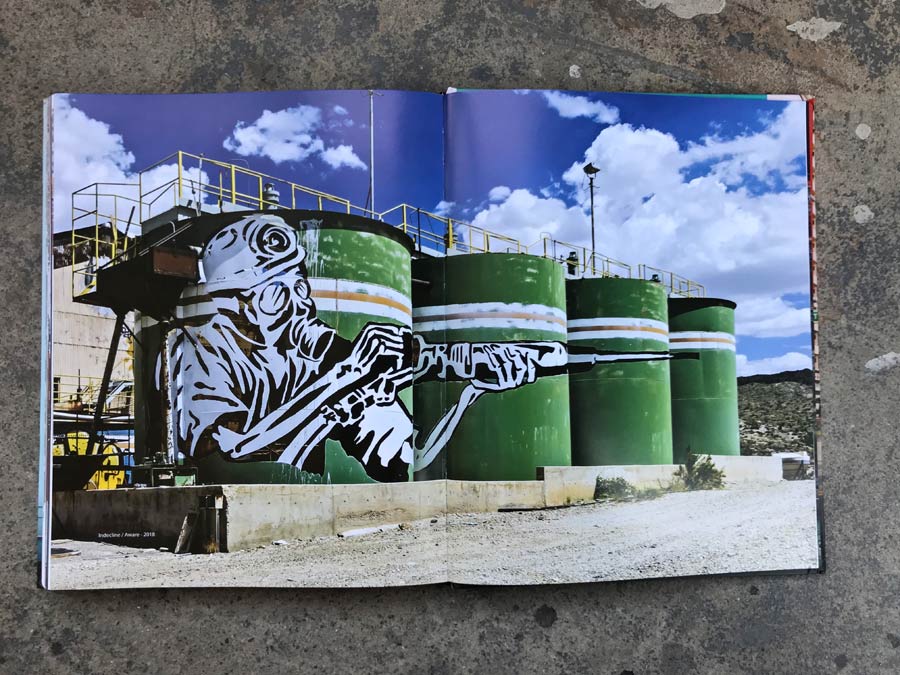
You can see both families of aesthetics at play here on the pages of the new hardcover “Street Art Las Vegas” (Smallworks Press) by William Shea and Patrick Lai, local photographers who have studied the city’s scene closely. Presenting documentation primarily from the 2010s, it is a pretty complete overview of the art-on-the-streets divided into geographical sectors of the city.
Suchart. Street Art Las Vegas by William Shea and Patrick Lai. Smallworks Press. Las Vegas, NV. April 2019.
In very personal texts and essays that reference local developments and flavors, the authors give a sense of the changing political and social dynamics in the city. Notably in such a short period of a decade you learn that popular tastes, behaviors, shifts in demographics, and legal regulations evolve relatively quickly regarding art in the streets – in a city where presentation and image are often paramount.
No surprise, Vegas can take on the air of spectacle.
Aware. Street Art Las Vegas by William Shea and Patrick Lai. Smallworks Press. Las Vegas, NV. April 2019.
“With the increased growth of East Fremont Street, the Arts District became a regular destination for landscape and portrait photographers. Many visitors began to utilize the painted walls as backdrops for graduation and group photos and were willing to pay the extra cost just to use the property,” write the authors to describe the near frantic adoration that surrounded the new murals in one part of town at a certain point.
Despite what appears to be a commercial element that bends the aesthetic landscape away from local talent, the choices of work here are additive, good quality, contextual and well framed.
Skul. Street Art Las Vegas by William Shea and Patrick Lai. Smallworks Press. Las Vegas, NV. April 2019.
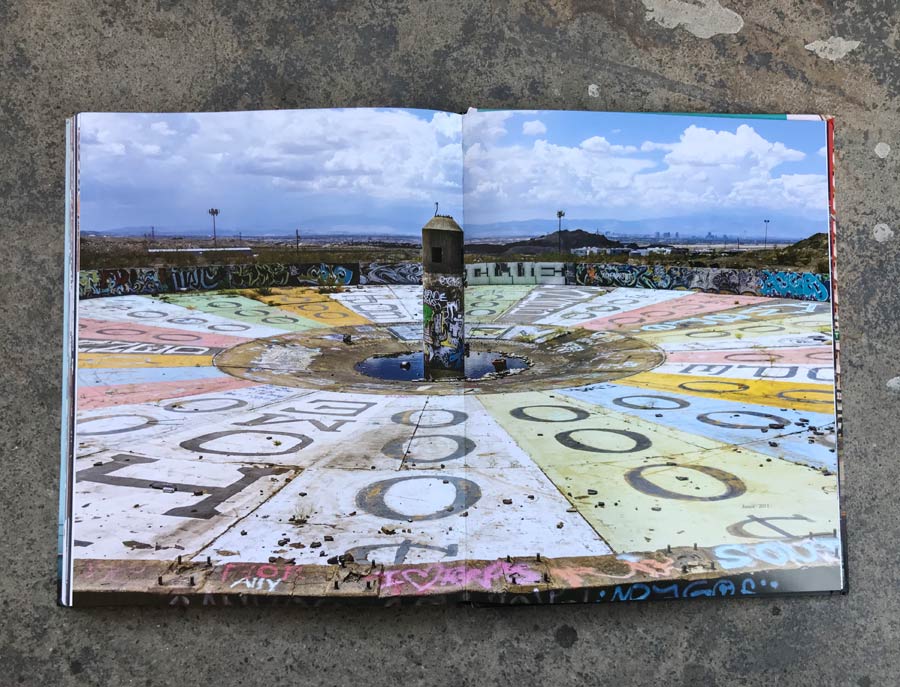
As long-time urban explorers and artists, we’re attracted to the tales of stuff off the beaten path, which they preserve in a chapter called “Outer Limits”:
“From the back-city streets to the deepest corner of the desert,
the vast landscape surrounding the city creates and environment that continues
to amaze even the most experience art seekers. Hidden from public view, large-scale
projects can be discovered for those willing to venture out, explore and get
dirty. In most cases, day trips to these areas yield the greatest finds for
those looking for something beyond your average wall.”
We’re ready!
Aware. Street Art Las Vegas by William Shea and Patrick Lai. Smallworks Press. Las Vegas, NV. April 2019.Lords, ALB, Zeke. Street Art Las Vegas by William Shea and Patrick Lai. Smallworks Press. Las Vegas, NV. April 2019.ROA. Street Art Las Vegas by William Shea and Patrick Lai. Smallworks Press. Las Vegas, NV. April 2019.Alexis Diaz. Street Art Las Vegas by William Shea and Patrick Lai. Smallworks Press. Las Vegas, NV. April 2019.Fintan Magee. Street Art Las Vegas by William Shea and Patrick Lai. Smallworks Press. Las Vegas, NV. April 2019.Indecline. Street Art Las Vegas by William Shea and Patrick Lai. Smallworks Press. Las Vegas, NV. April 2019.
“Every man is the son of his own works” ~ Miguel de Cervantes.
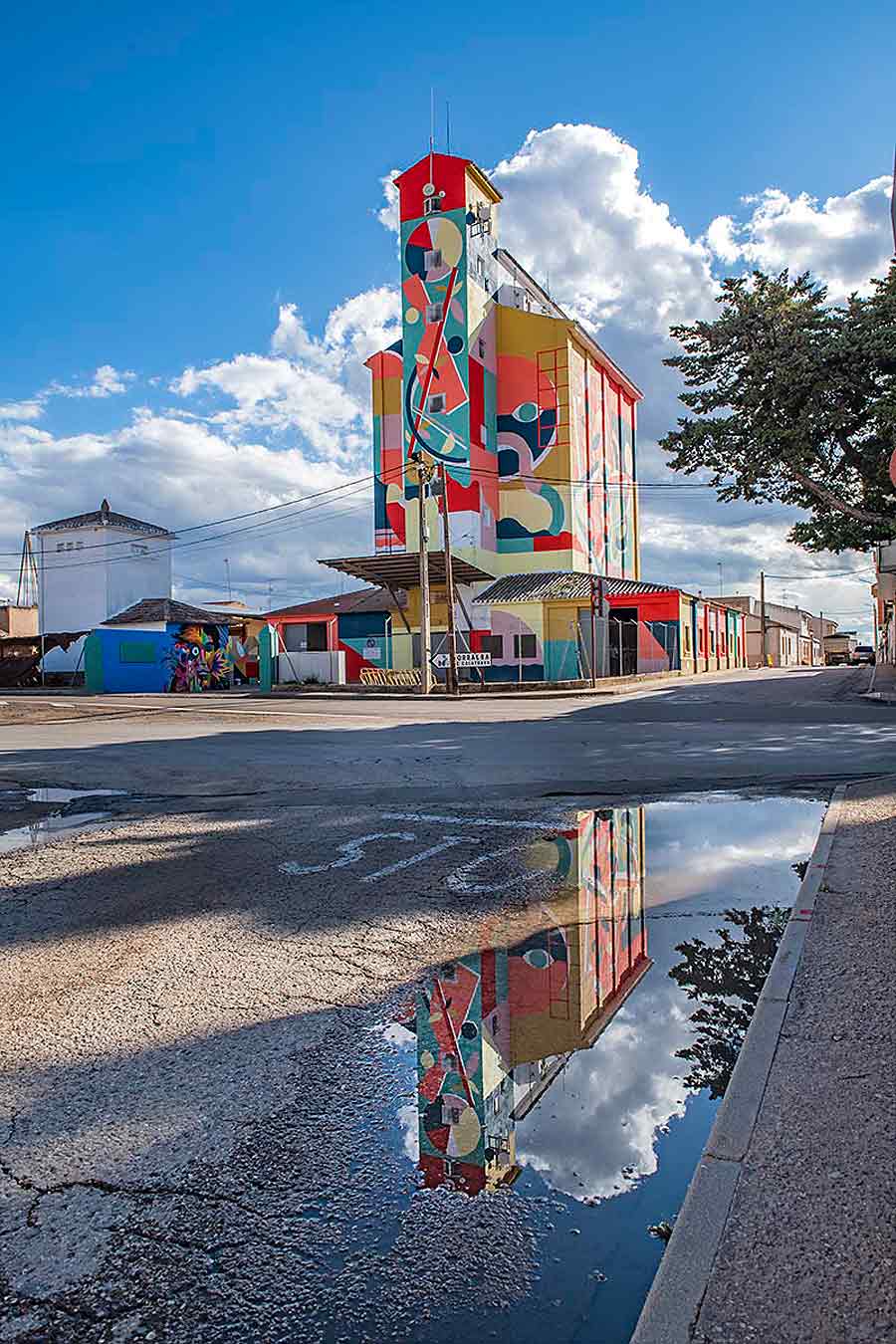
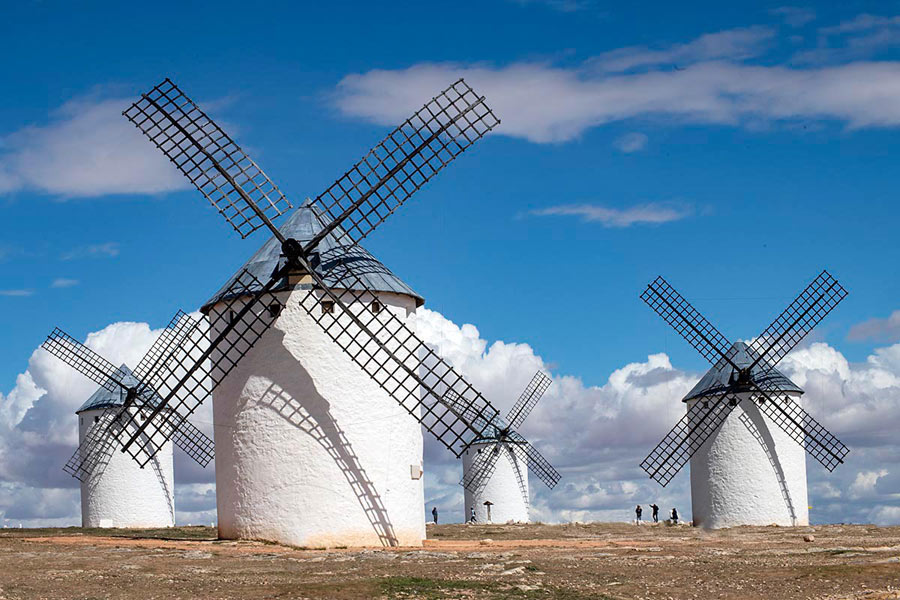
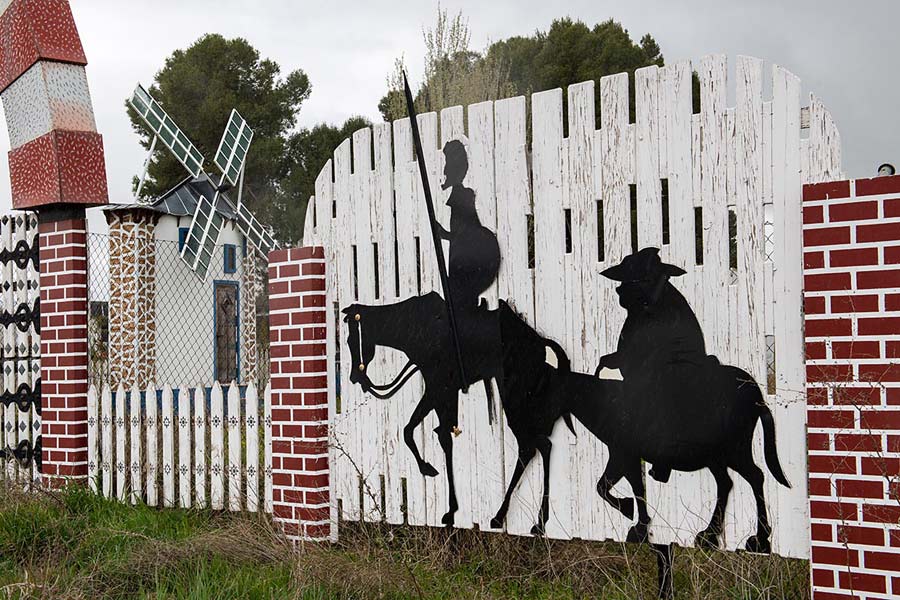
The greatest writer in the Spanish language was inspired by the character of this region and its arid but fertile elevated plateau when creating his greatest work Don Quixote, a true titan of historical literature and one of the world’s most translated books after the Bible.
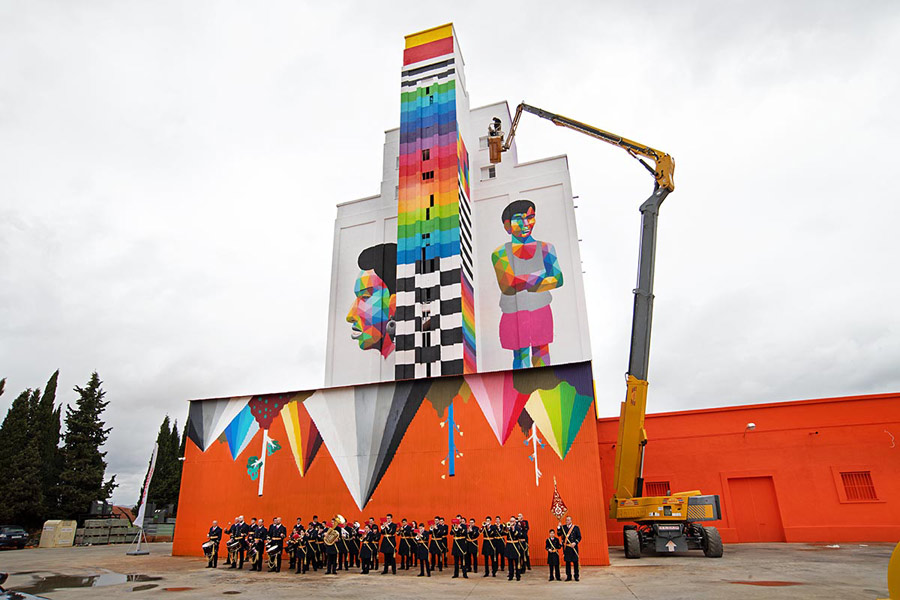
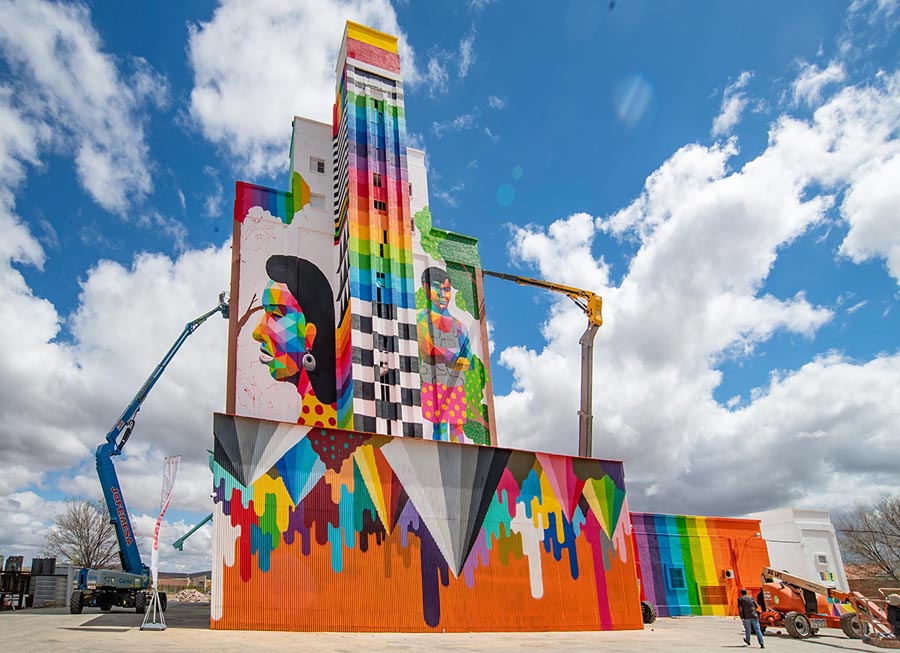
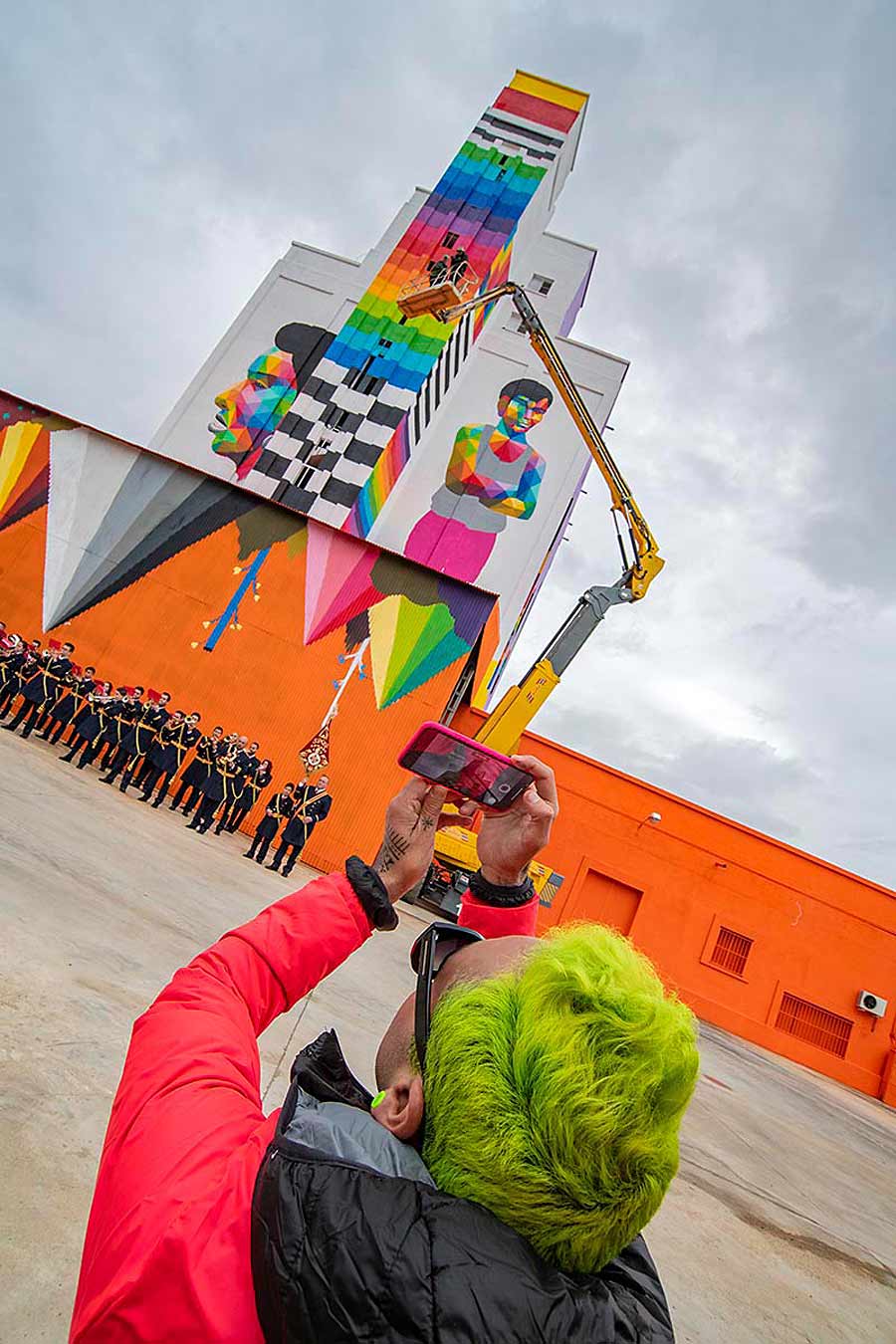
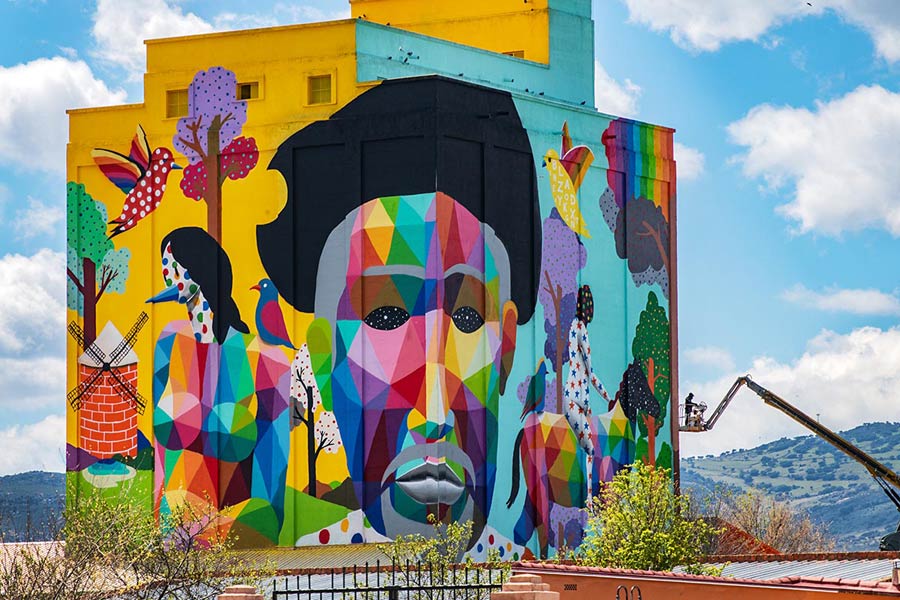
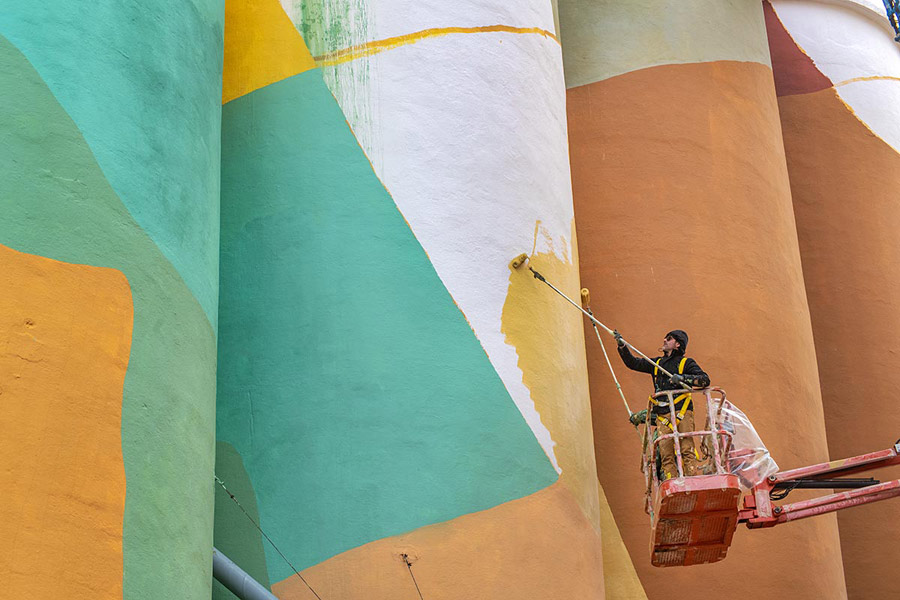
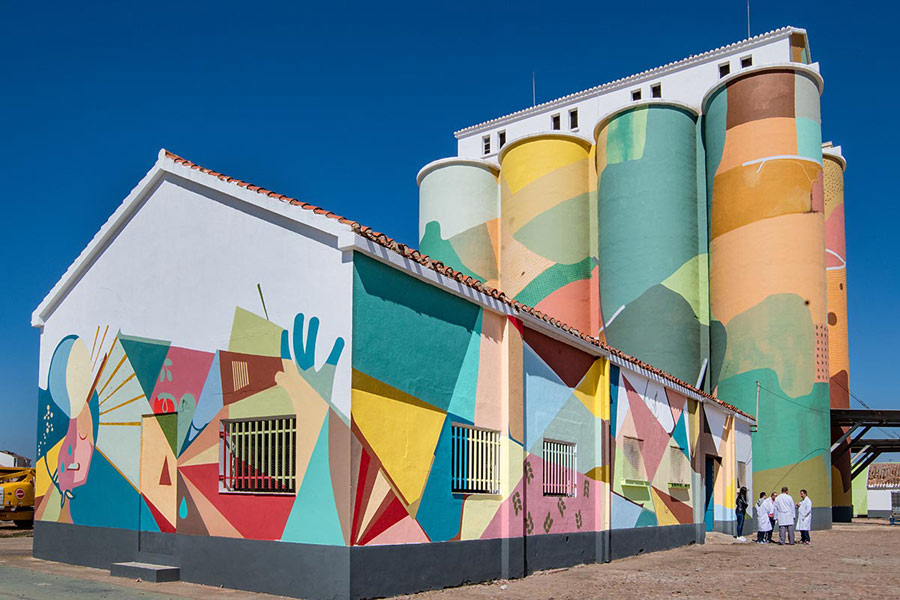
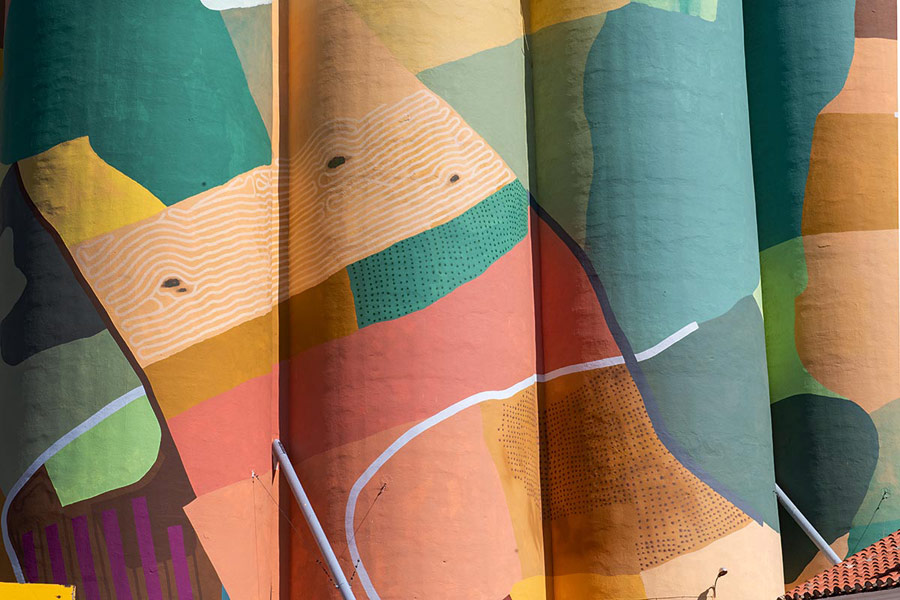
His central character is a delusional would-be knight who calls himself The Ingenious Gentleman Don Quixote of La Mancha. His absurdist but imaginative self-regard is echoed in the sheer scale of the grand new Titanes (Titan) mural project. Given the camaraderie among artists and organizers here you may say that the heart of Titanes is more likely aligned with the earthy wit of his sidekick Sancho Panza.
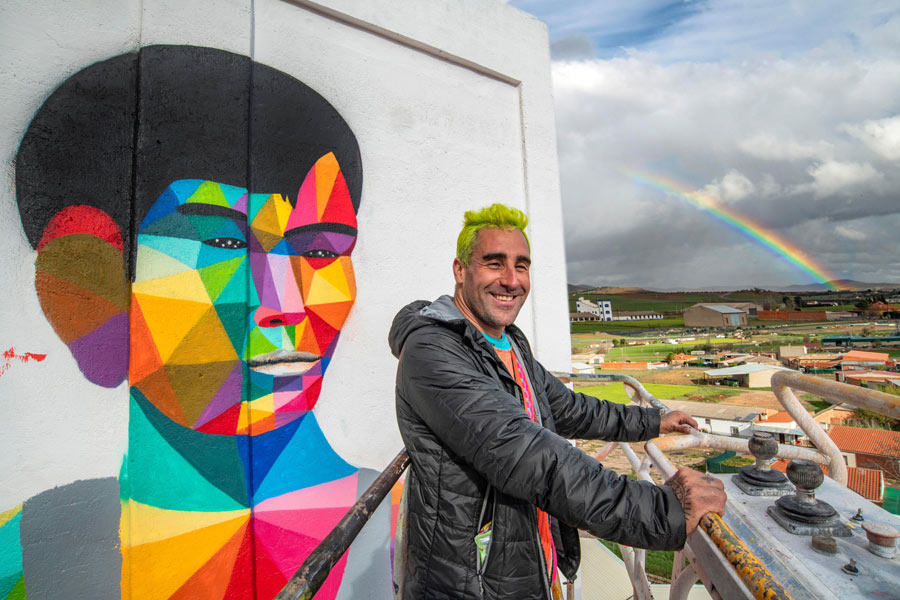
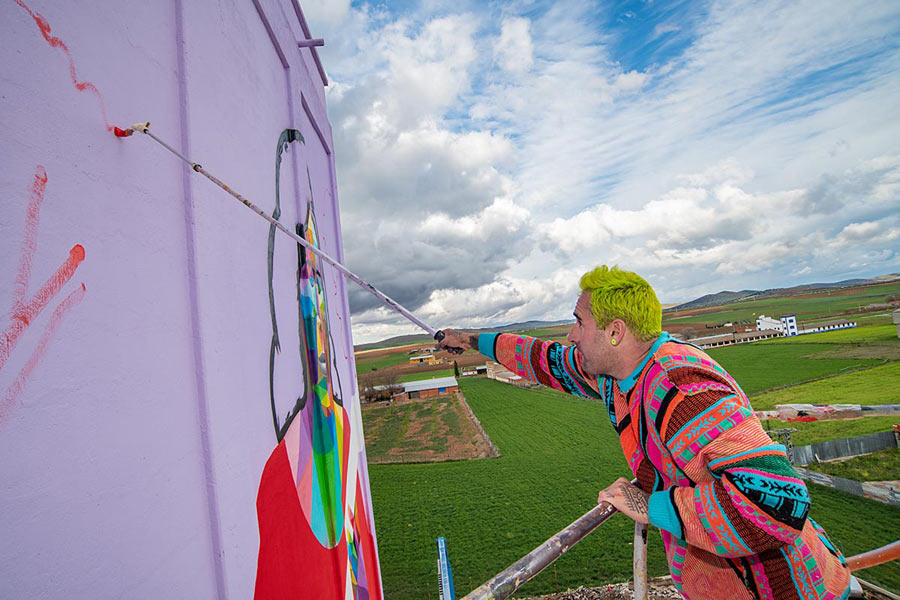
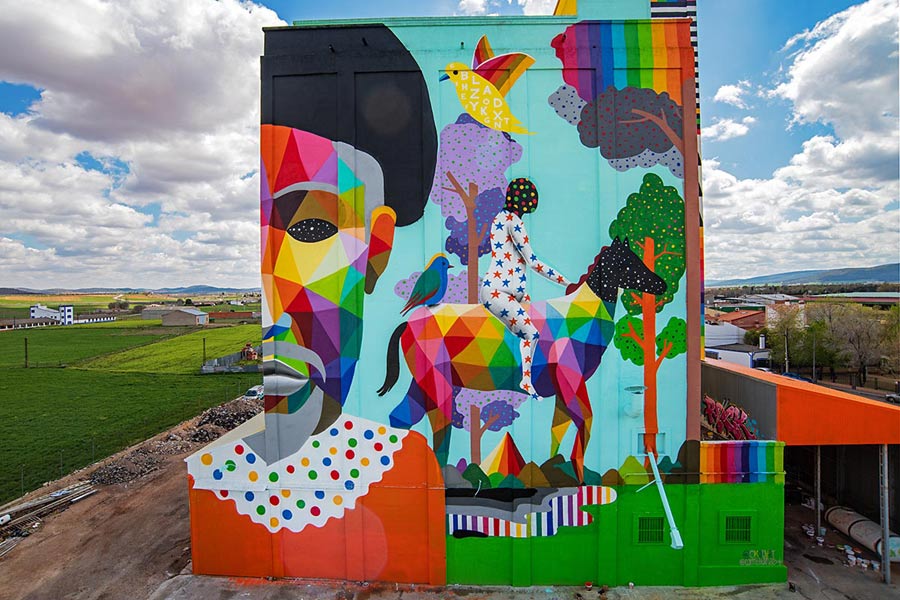
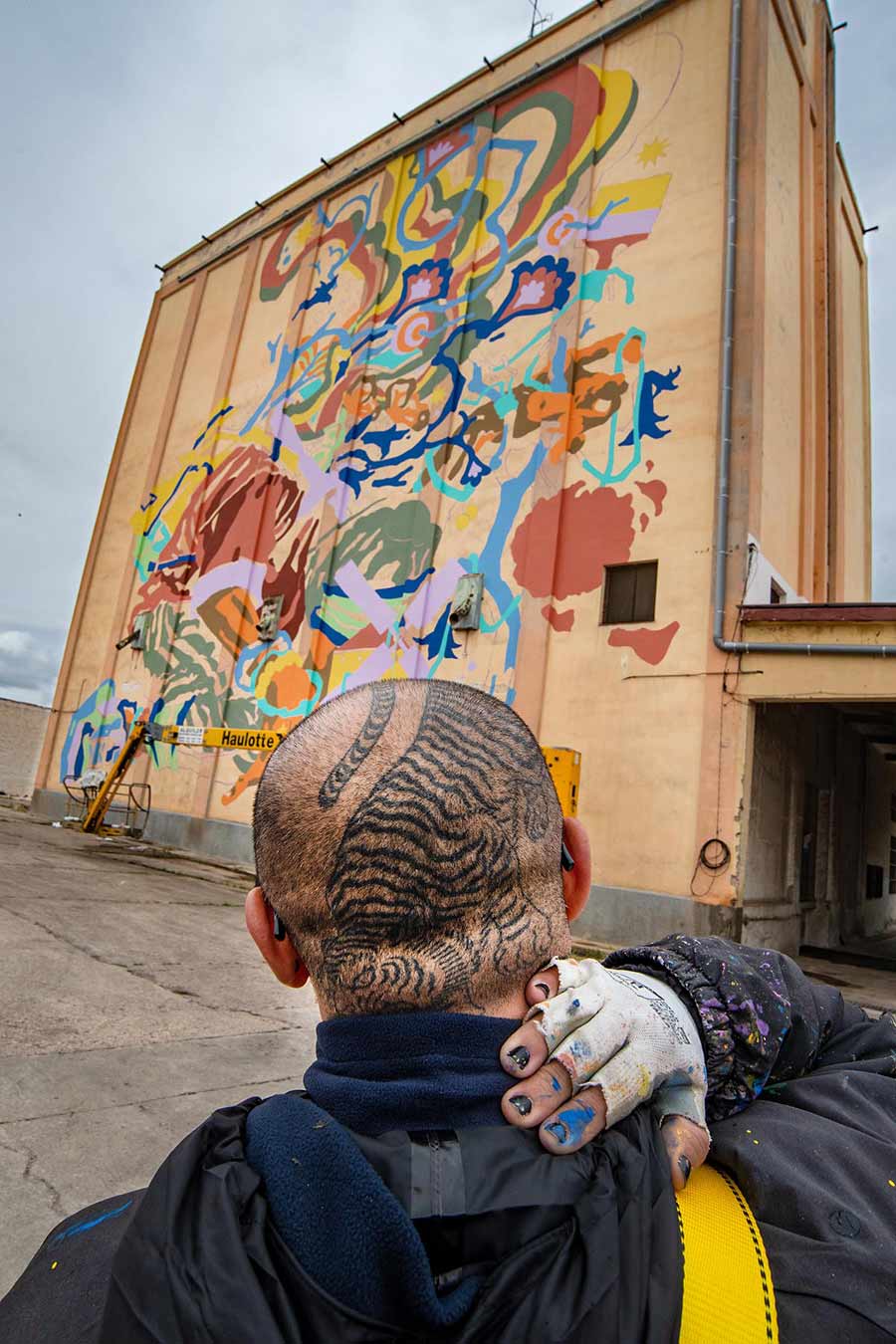
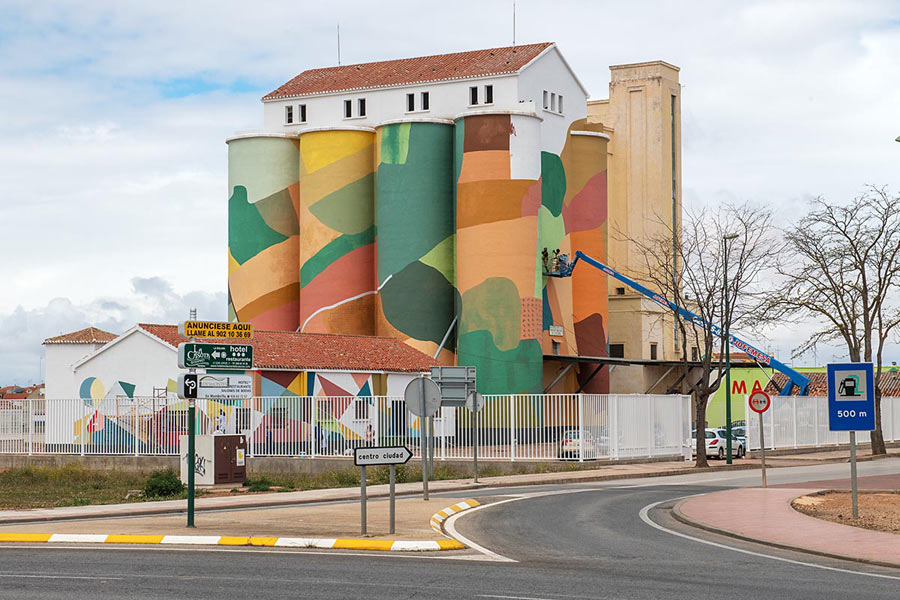
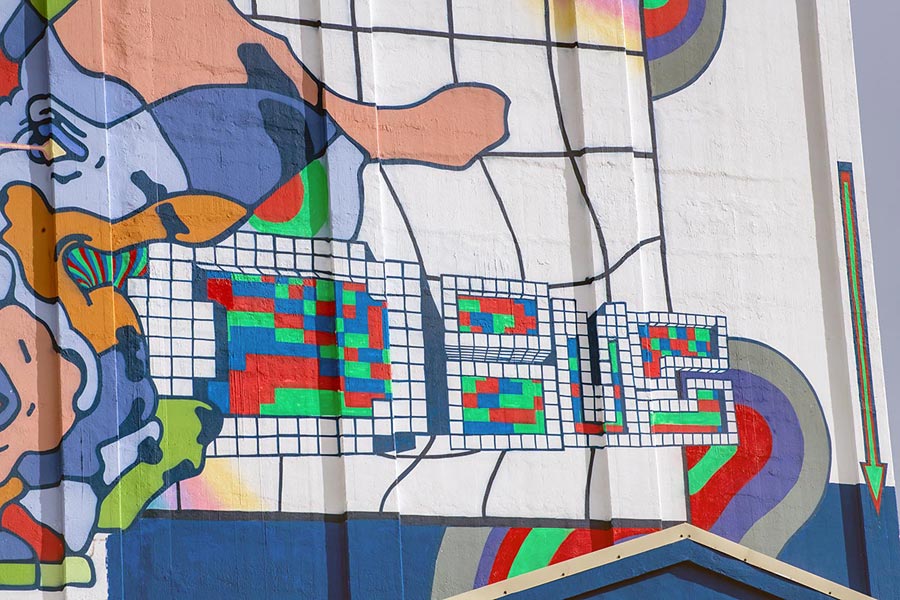
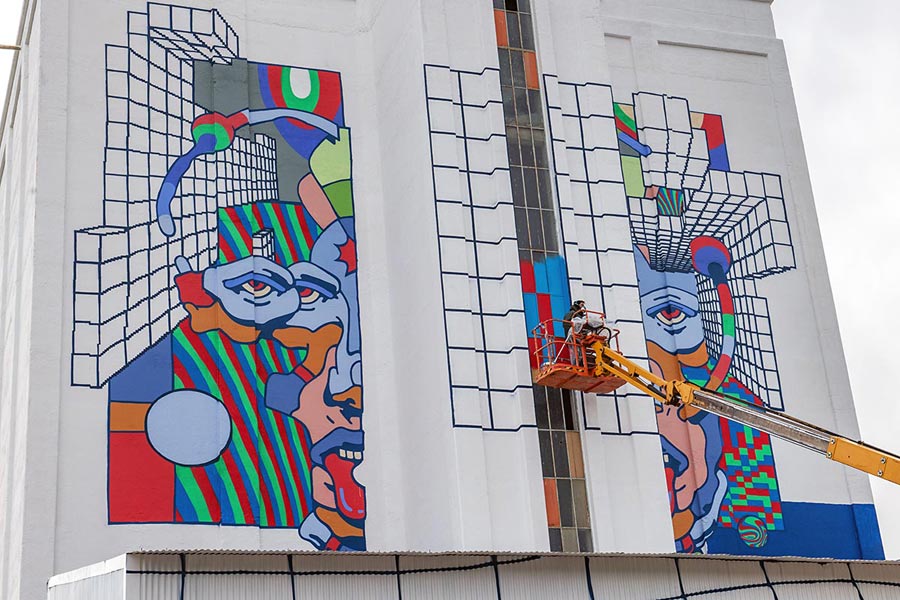
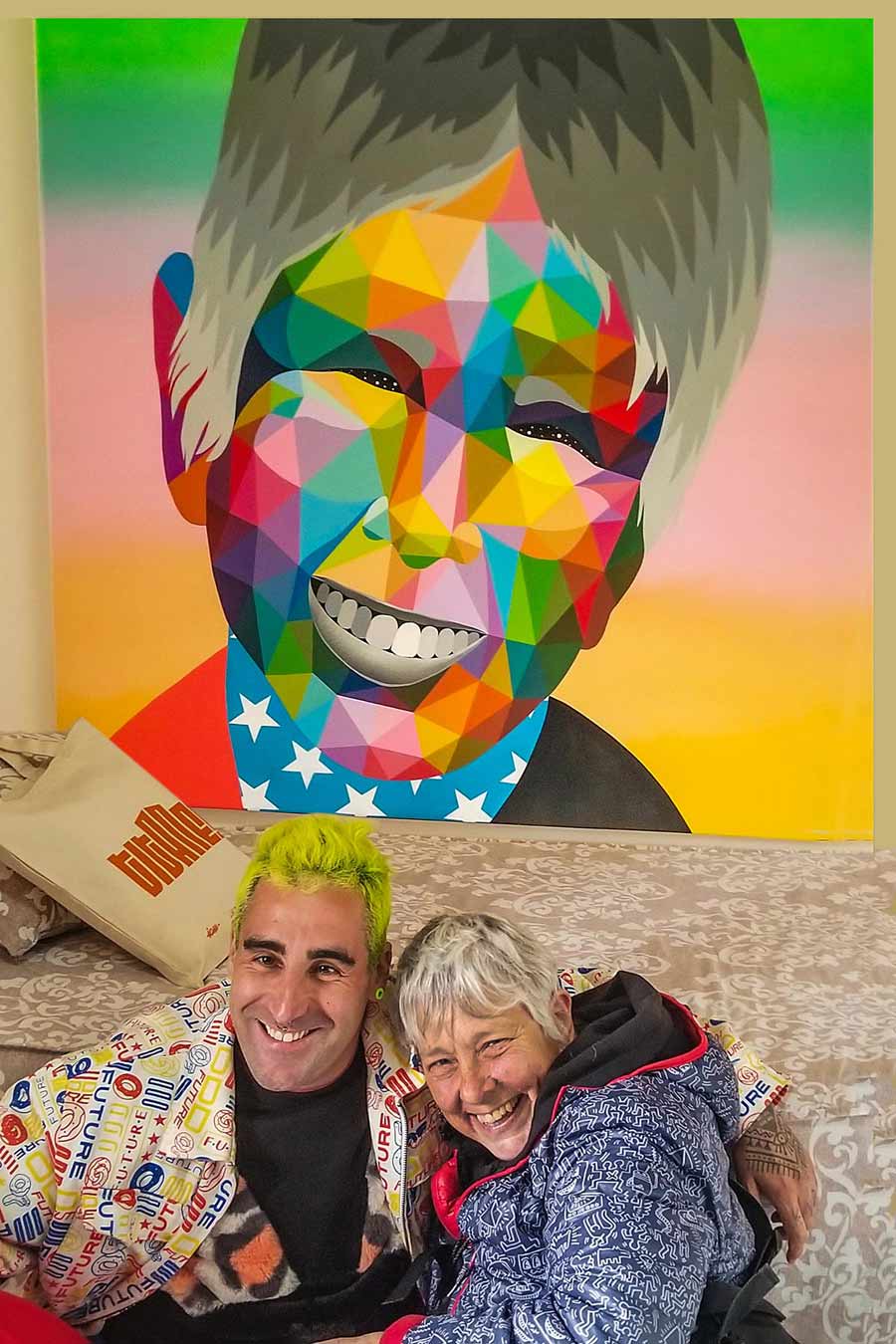
Naturally when these characters are intermingled by an imaginative multi-disciplinary artist like Okuda San Miguel you are not surprised to see the image of movie director Pedro Almodovar co-starring along with Quixote; Okuda’s silo is seated in the filmmaker’s town of Calzada de Calatrava and Almodovar’s richly drawn characters have captured a generation of Spaniards happily. As a rainbow splits the storm clouded sky behind him, it’s precisely this painters intuitive alchemy of reality and fiction that may shake a viewers’ conscience while entertaining them, revealing Titanes as an enormous vehicle of communication.
“The past and present are seen through my geometric and surrealist filters,” says Okuda, who is a principle architect of this audacious public mural project in La Mancha. In an era of perplexing social, political, and economic upheavals, it is comforting to see modern artists take on the messages of the classics, reinterpreting and re-presenting them.
15 or so more murals on silos are on the way here from top talents before the year is complete. The societal outreach is ground-breaking in its own way with an uncommon integration and engagement with the neighboring communities.
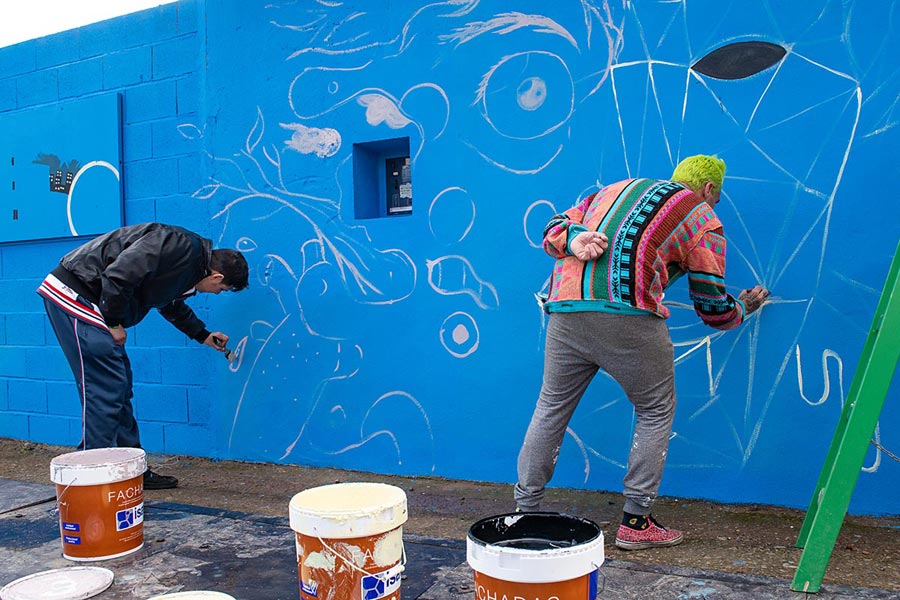
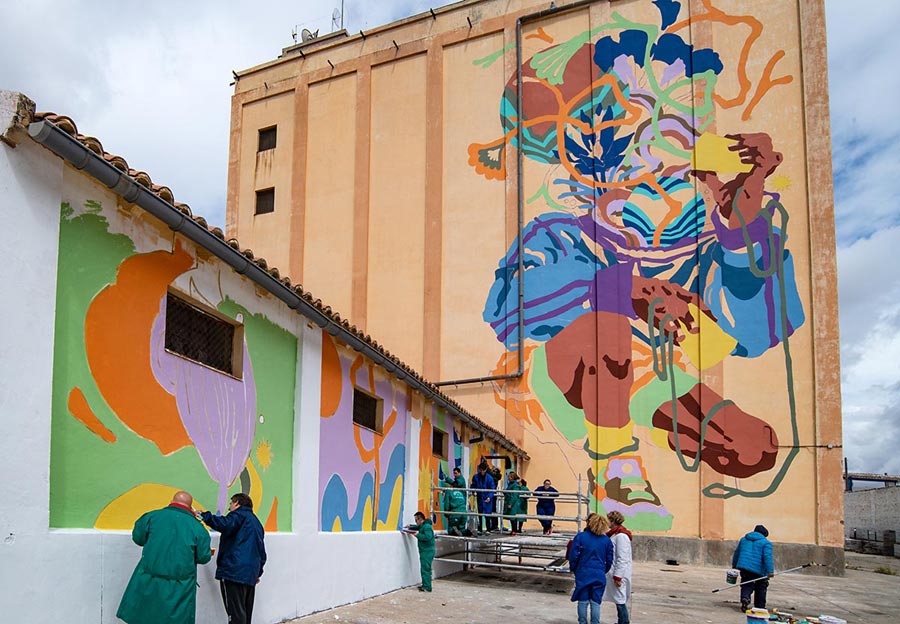
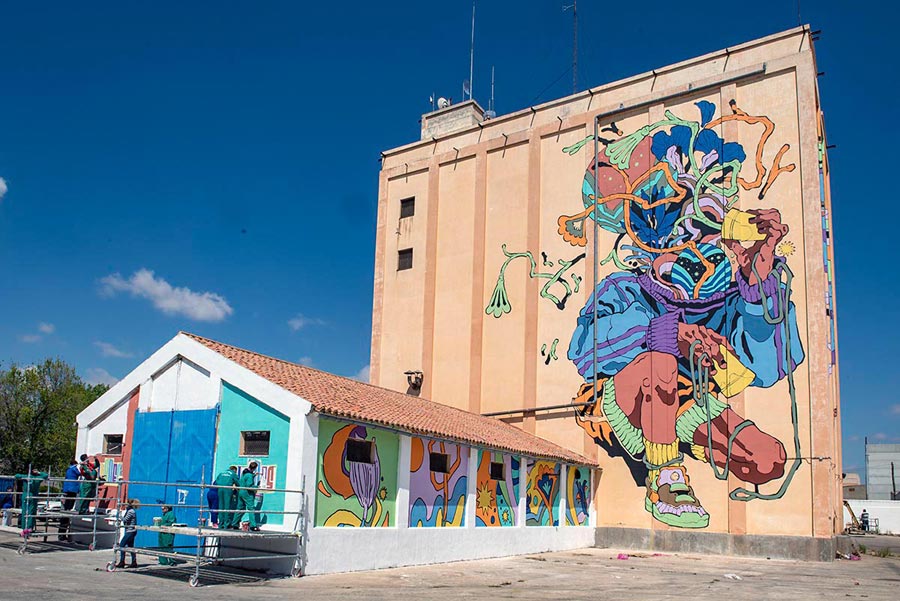
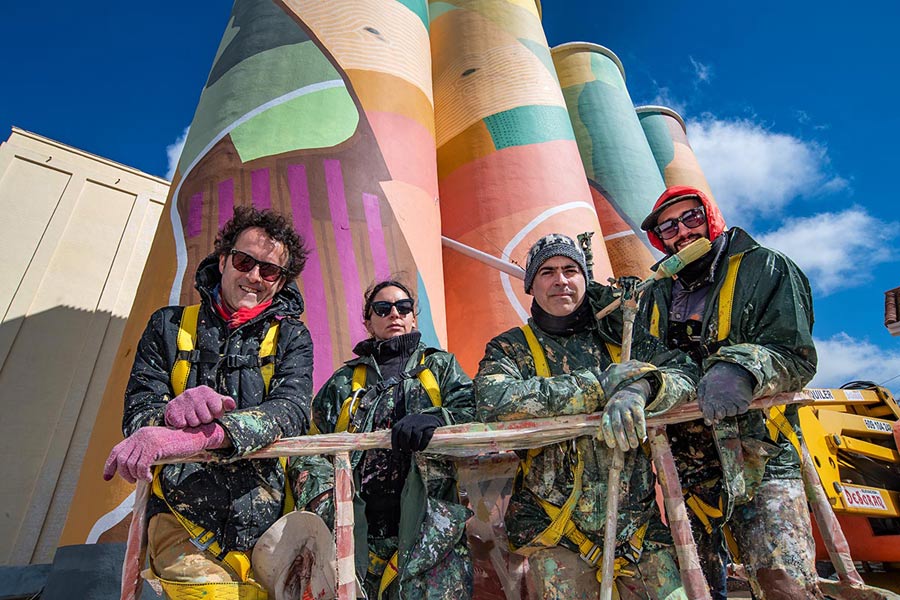
“It’s an interesting story,” says photographer Martha Cooper, who shares her images with BSA readers today. “Okuda is working with organizations who help people with disabilities like autism and Down Syndrome. The part of the mural at the base of each one of the silos was painted by a number of these participants,” she says. “And they all seemed to be having a great time.”
Startlingly original and indelibly context-specific, Titanes is a mural/public art project that resides at the intersection of social responsibility and community participation. Organizers say that the goal is not only to bring a roster of well-respected artists here to paint but to be completely inclusive of societal members who aren’t typically thought of as artists.
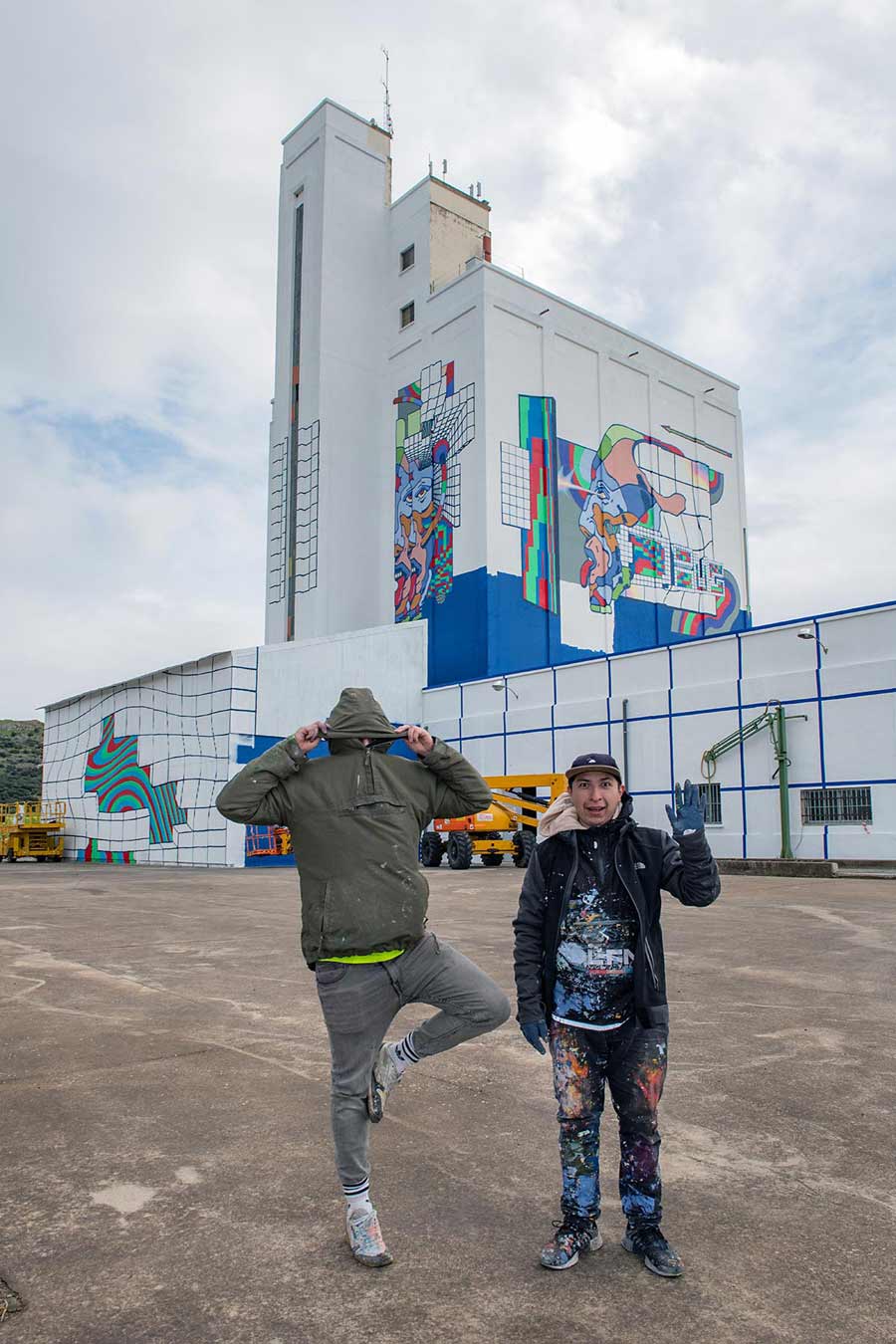
From now until October, a number of artists from the urban art scene will be transforming silos into art all across this region, including Bicicleta sem Freio, Daniel Muñoz, Demsky J., Equipo Plástico (comprised of Eltono, Nuria Mora, Nano4814 and Sixe Paredes), Fintan Magee, Hell’O, Smithe, Nychos, Ricardo Cavolo and Spok Brillor. In an unprecedented program of social inclusion through public art, 450 members of the Laborvalía association will also be working alongside the artists on various creative activities.
Already the program has proven life-changing in many ways, say participants, as perspectives and relationships are evolving during the initial painting program. “Okuda worked with one boy with autism while painting his mural,” Martha tells us. “He began to speak and interact after starting to paint – much to his parents’ delight. This part of the project gave it more weight than just the usual “artists-painting-walls” event.”
Organizers say that they hope Titanes will be an epic project that will go down in history as one of the world’s biggest events to promote social inclusion. At its core are Okuda’s own multi-faceted art agency called Ink and Movement, the Laborvalía organization, the Provincial Government of Ciudad Real, and a number of other municipalities and civic and tourism-related fields who are supporting the art and its message throughout society.
Laborvalía says in its mission statement that its principal goal is to promote the integration of people with disabilities in society and the workplace.
Titanes looks like it is the perfect project to make a big impression.
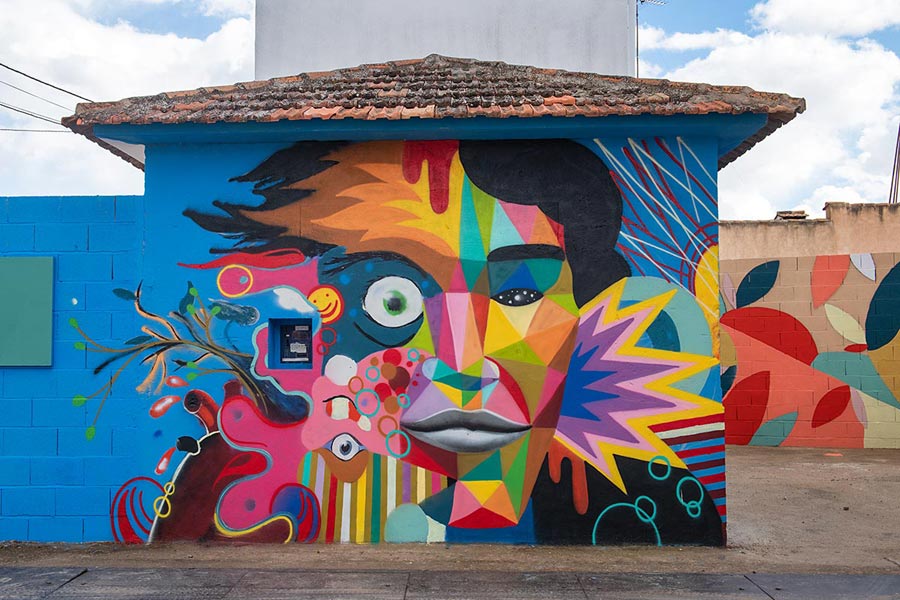
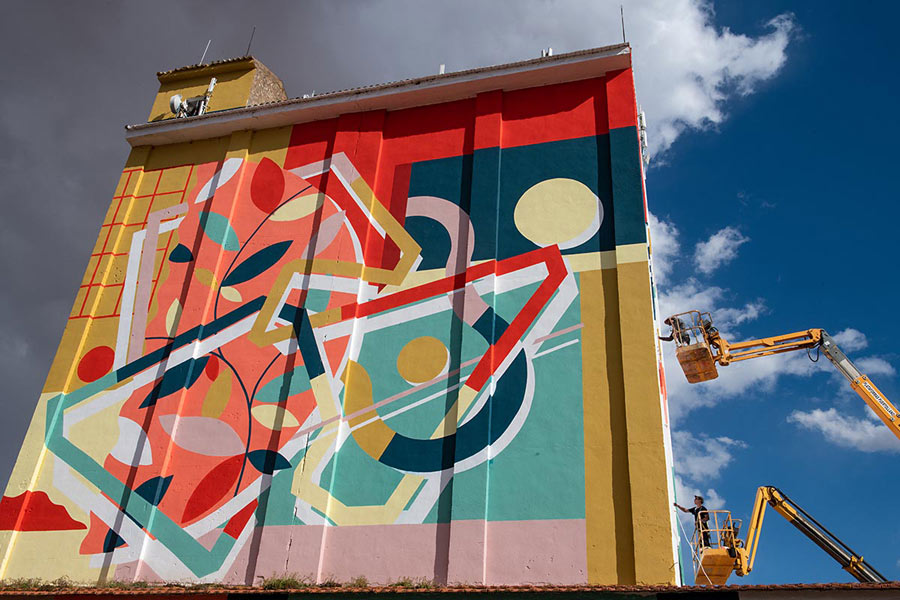
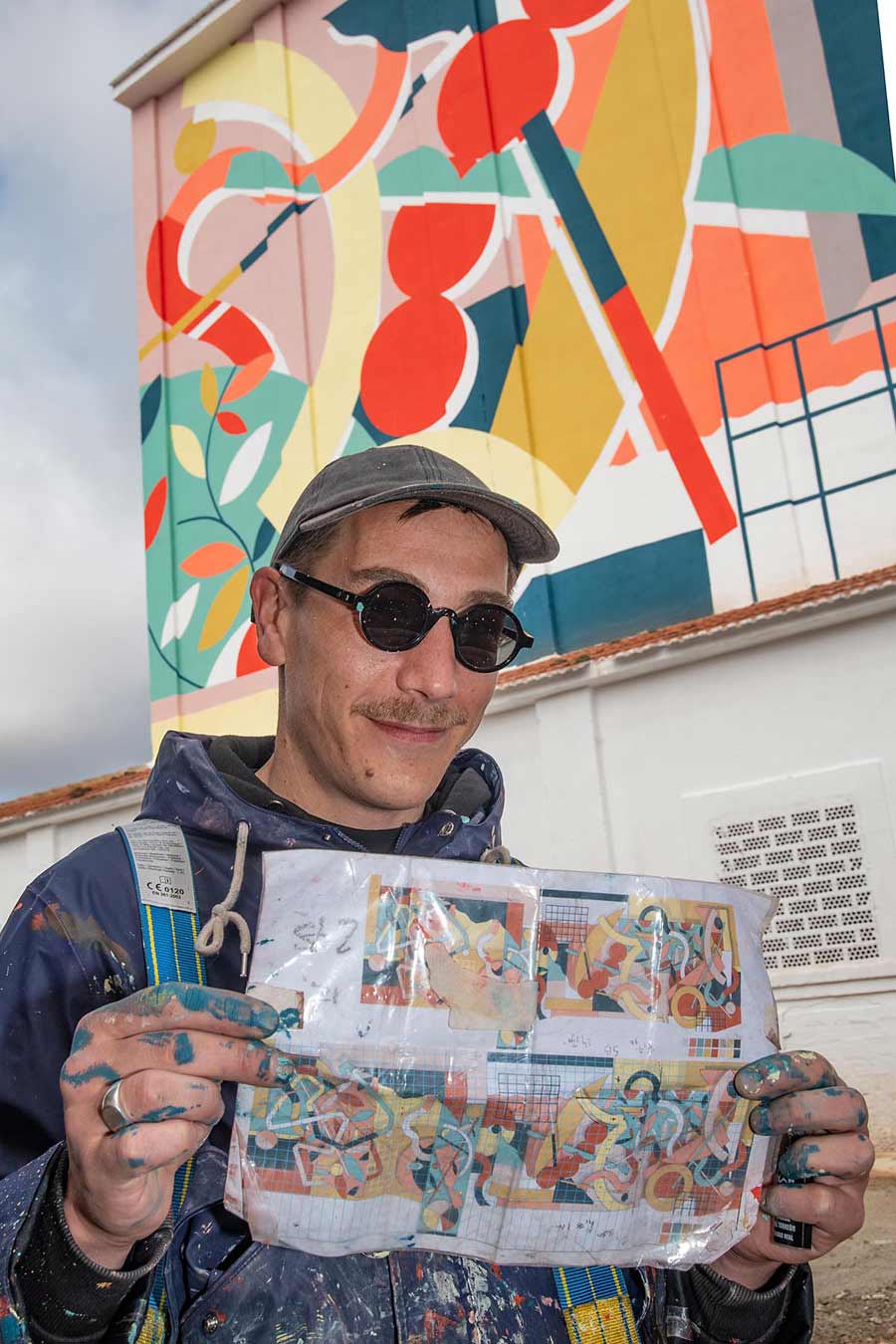
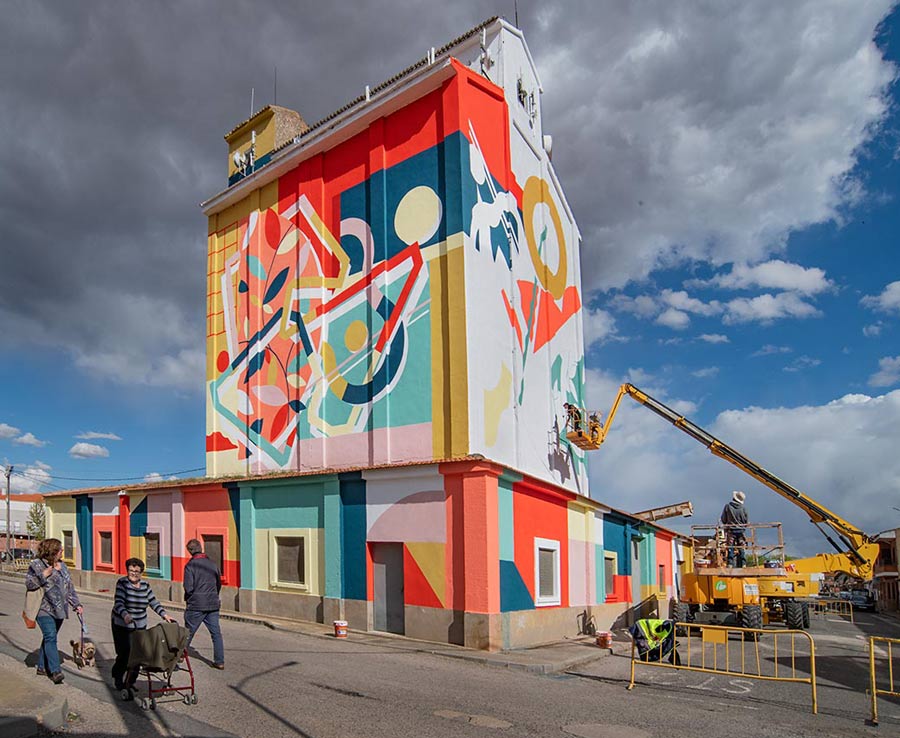
Hell’O Our idea was to mix abstract shapes and figurative elements in a colorful environment. We enjoy playing with the balance between different shapes and finding a homogeneous composition. We wanted to give it an optimistic, pop, fresh touch, something that speaks to everyone
Bicicleta sem Freio
“Os Gigantes de la Mancha” (The Giants of La Mancha) represents the
power of creativity and imagination and its indispensable role in the ability
of human beings to make sense of the world and others, especially among
children and people with disabilities.
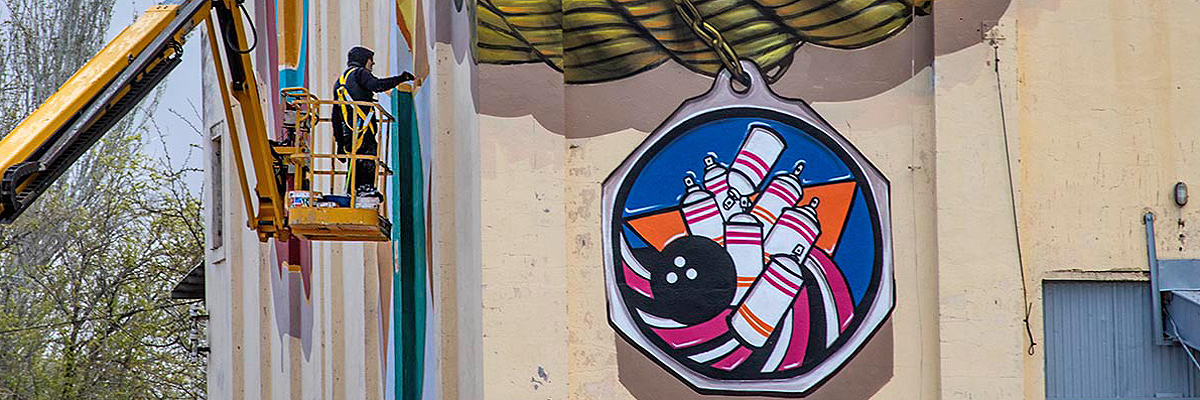
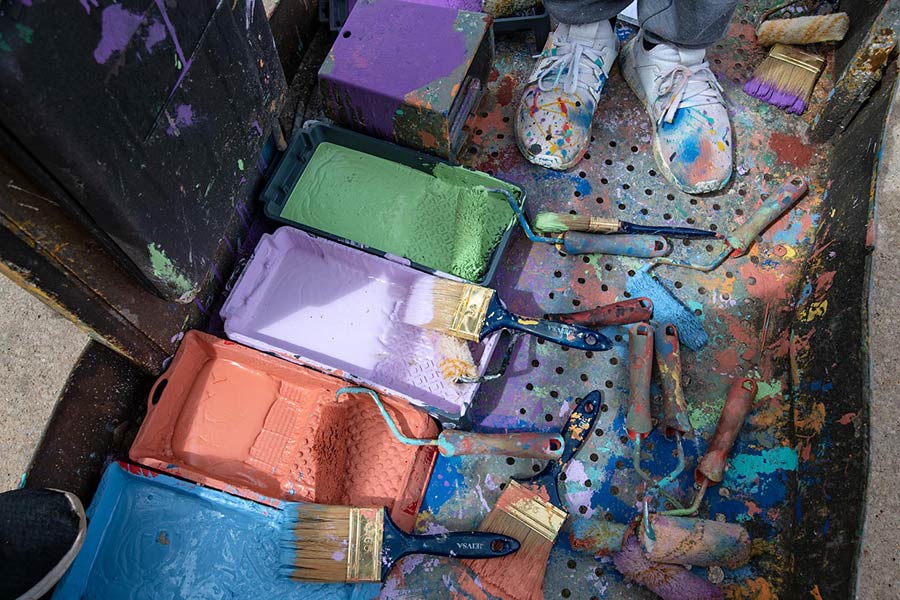
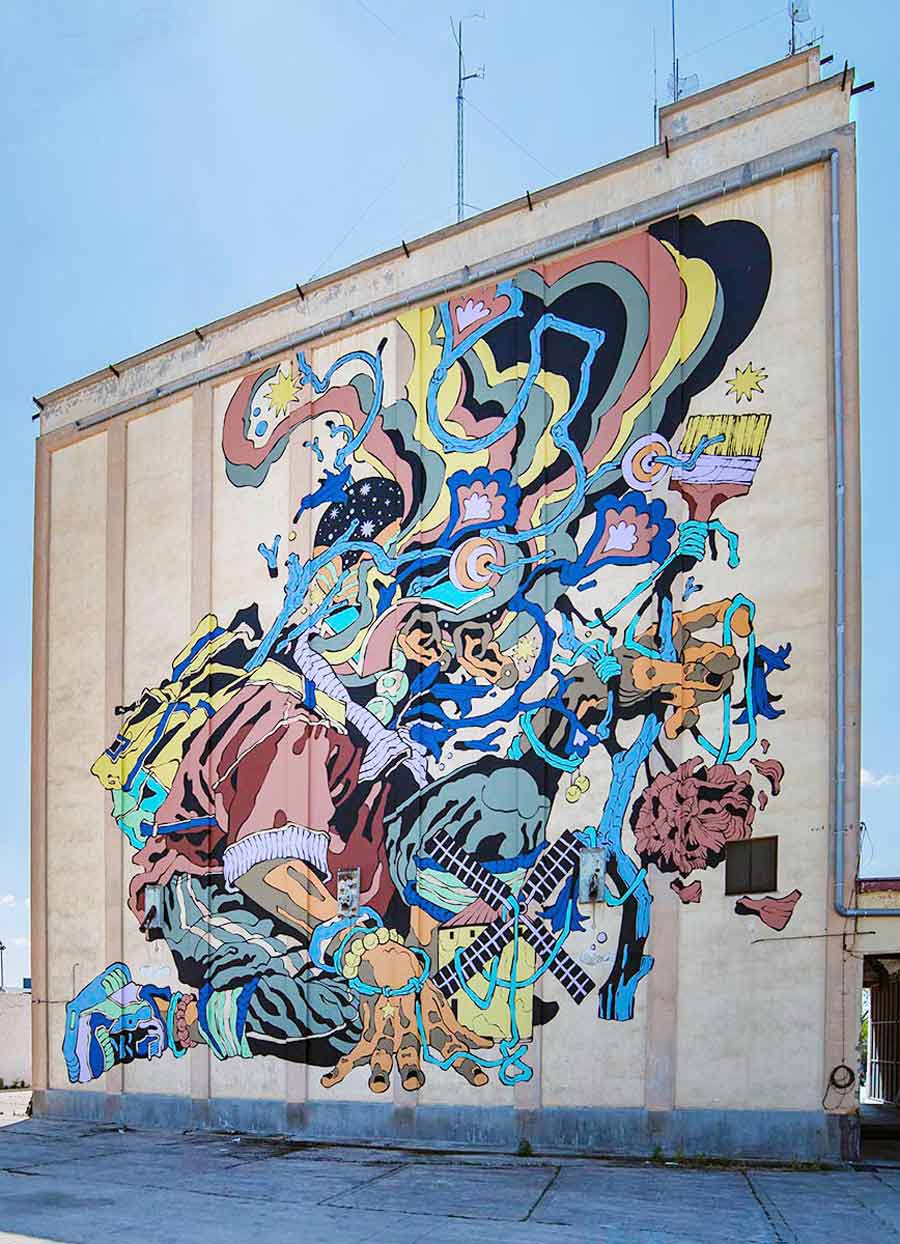
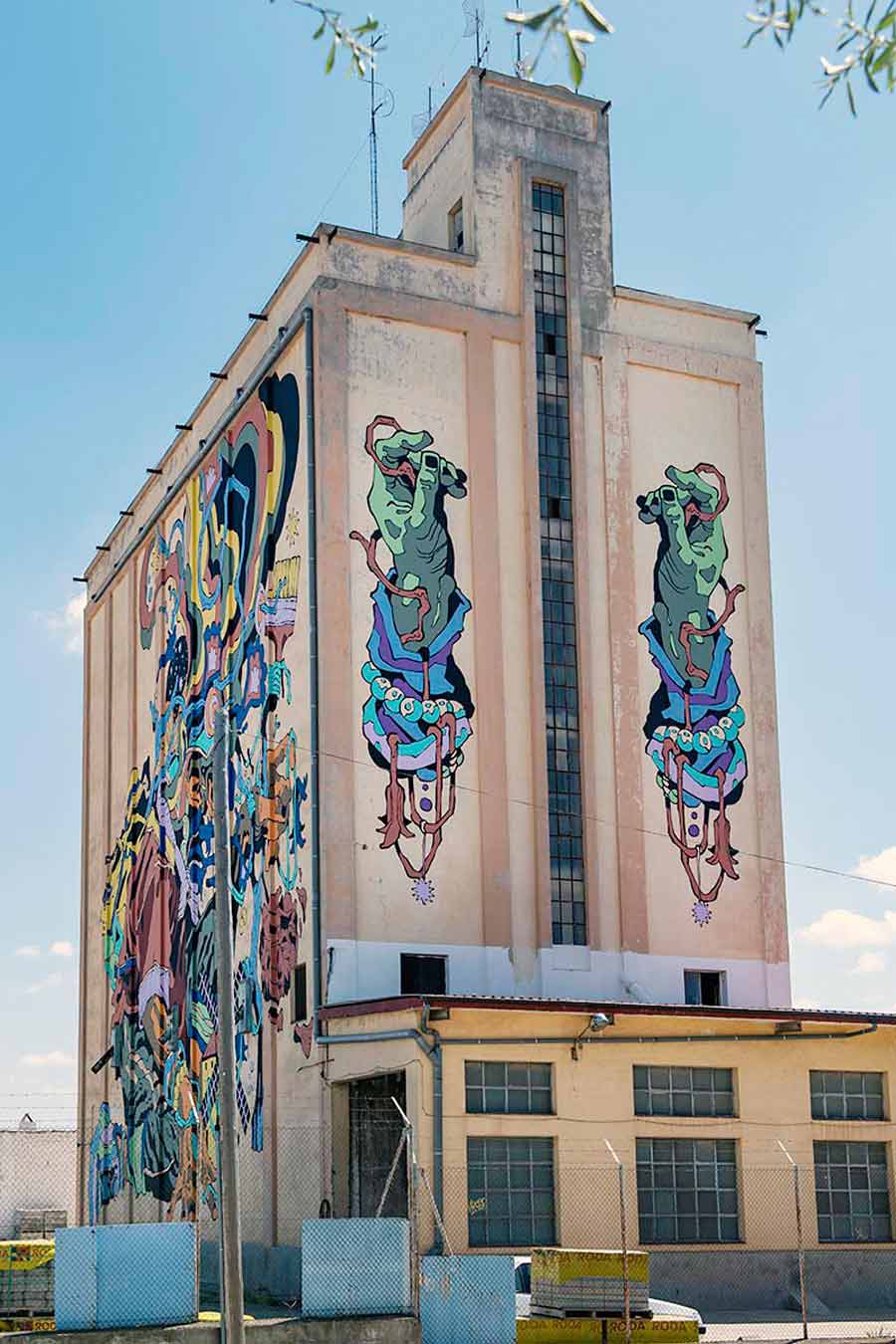
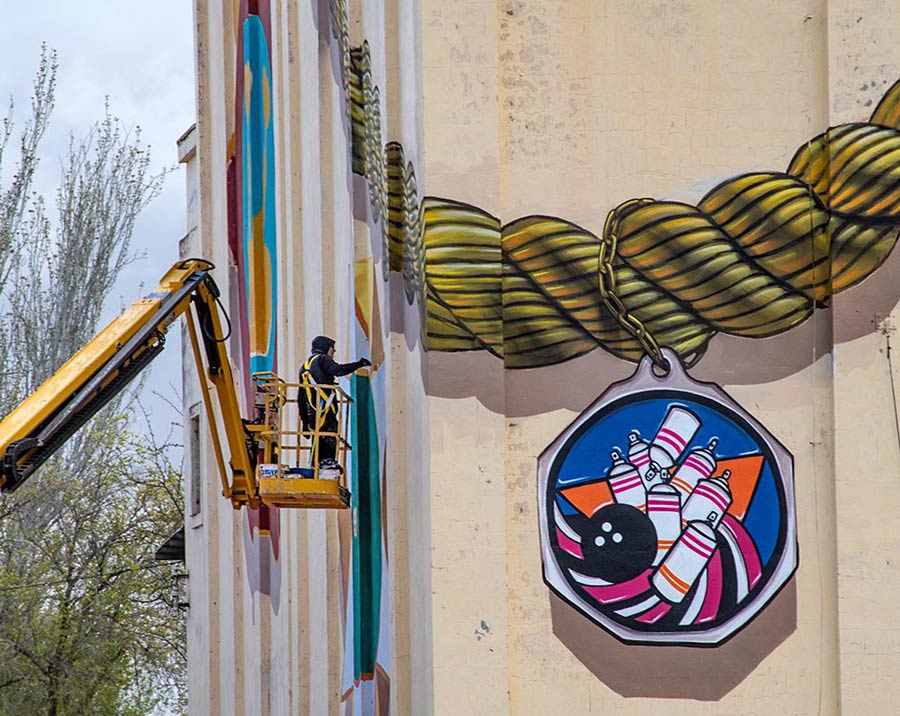
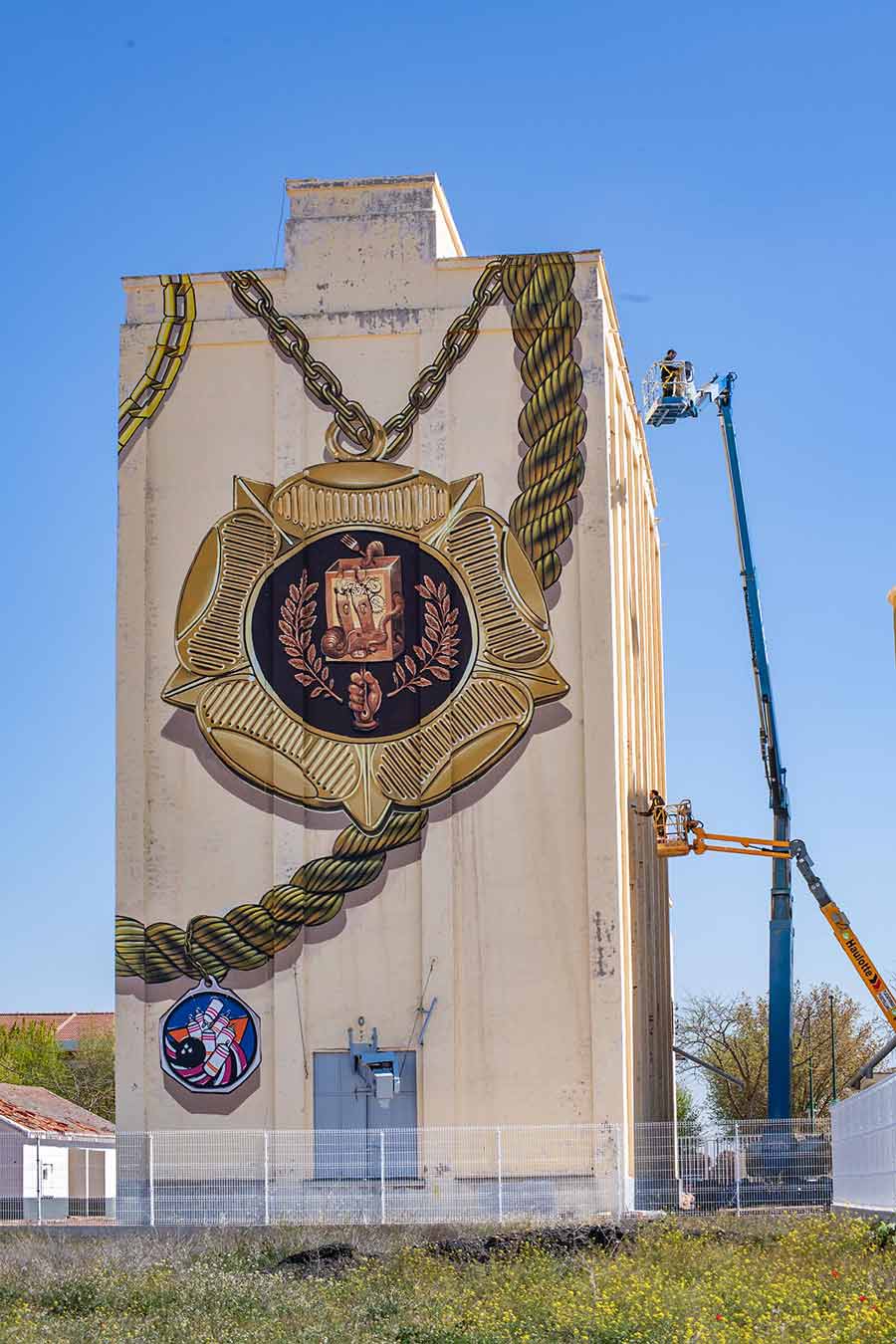
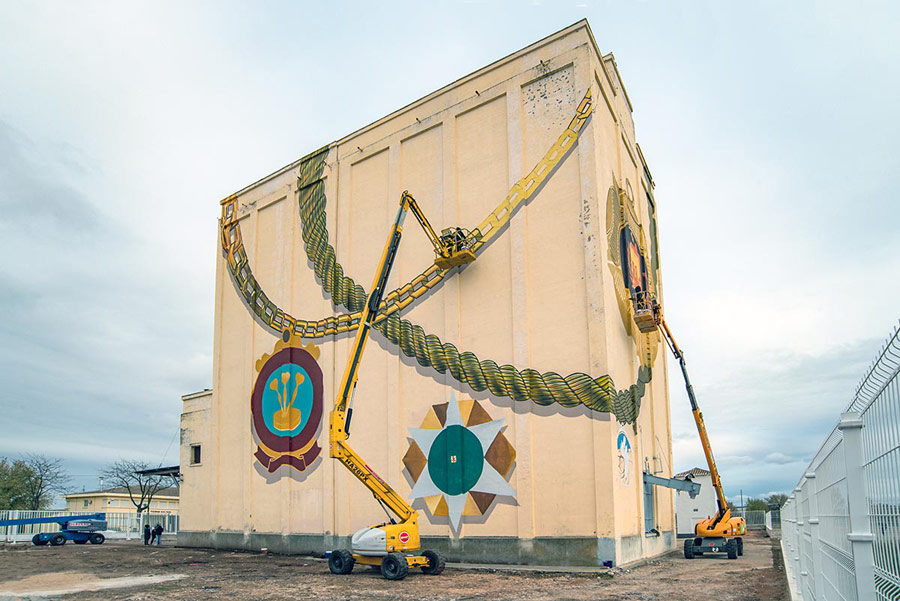
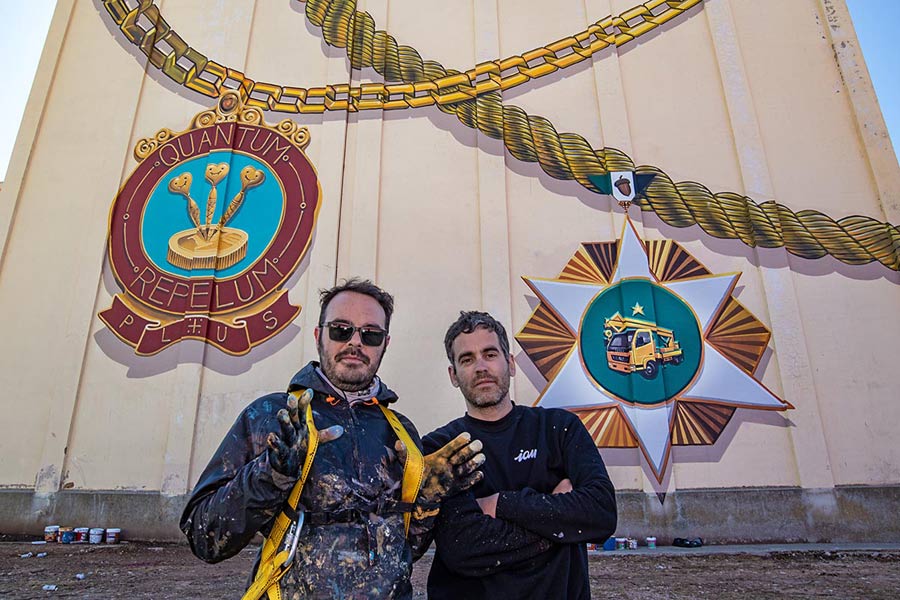
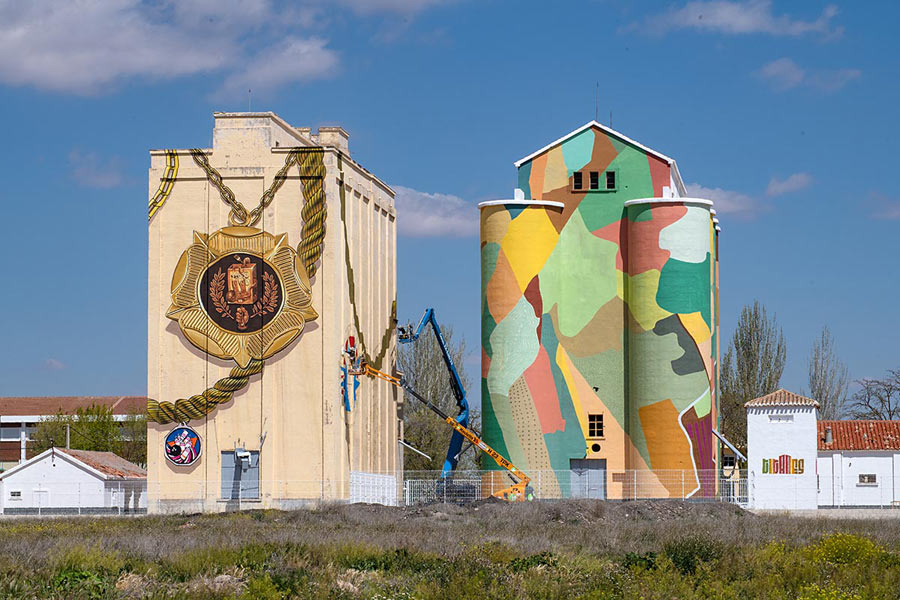
There are a number of concepts behind our intervention. First, it represents 15 years of working together as artists and friends: each medal symbolizes a story from some of the projects we’ve worked on in recent years.
It also reaffirms the building from an architectural standpoint: “decoration” in the sense of an award or honor and not just ornamentation. For us, it’s important to reaffirm the object in itself and not its political history. Finally, there’s an irony in the use of gold and its contrast with bread, a basic product produced by the silo and one that, in reality, was always represented as luminary and powerful in the imaginary of the 20th century.
Equipo Plástico (Eltono, Nuria Mora, Nano4818 and Sixe Paredes)
“Meseta” (Plateau) is a homage to the countryside, to the intractable space surrounding these silos. The tones and patterns of the surrounding areas, their textures and shades, cover every centimetre of the wall like a blanket, giving the building a round, almost sculpted look. Ignoring the limits of the building and symbolically camouflaging it in its environment accentuates its current invisibility after years of neglect and helps lighten the weight of its history.
In “Parábolas del
Pensamiento” (Parabolas of Thought), we have unified our style, based on the
phases of the brain for creation and thinking: preparation, incubation, illumination
and verification.
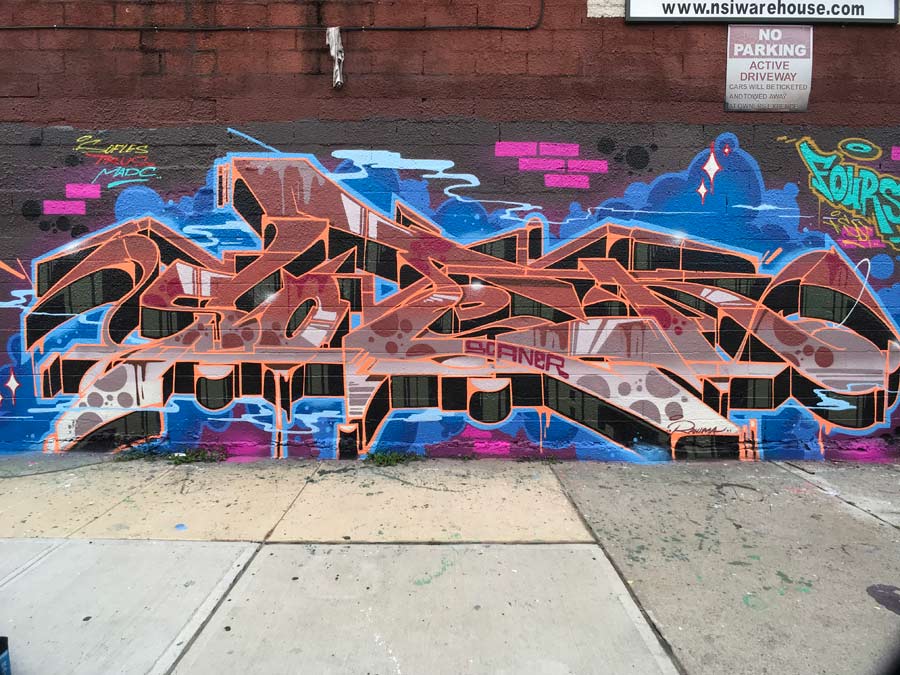
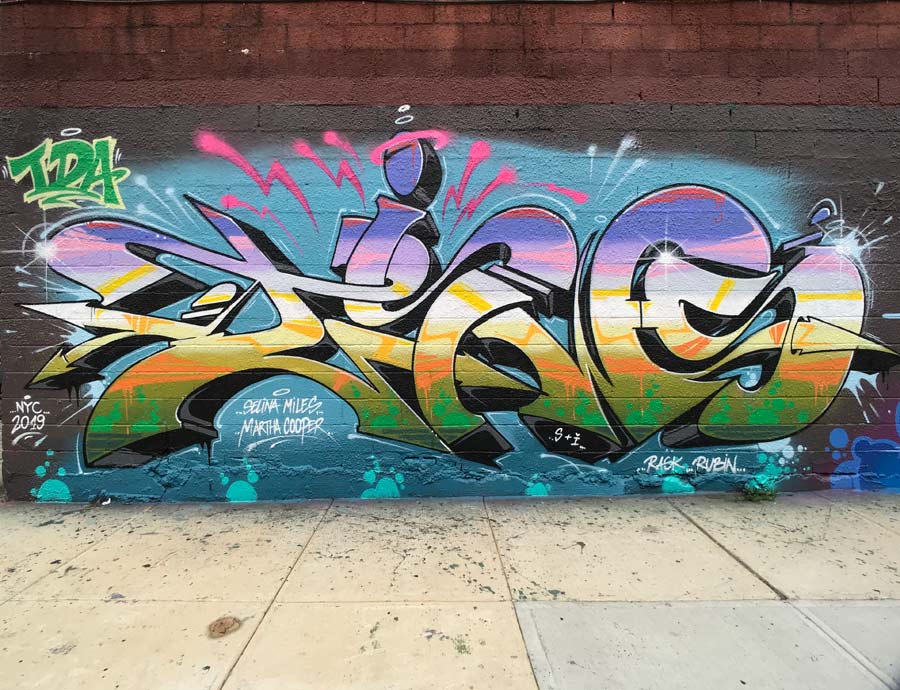
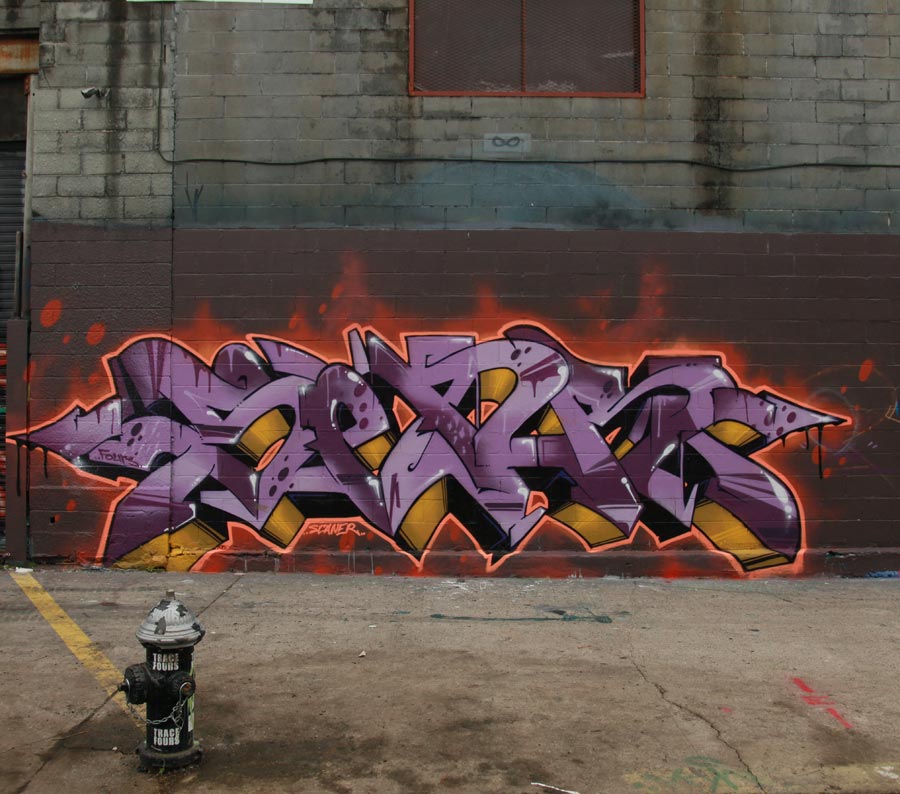
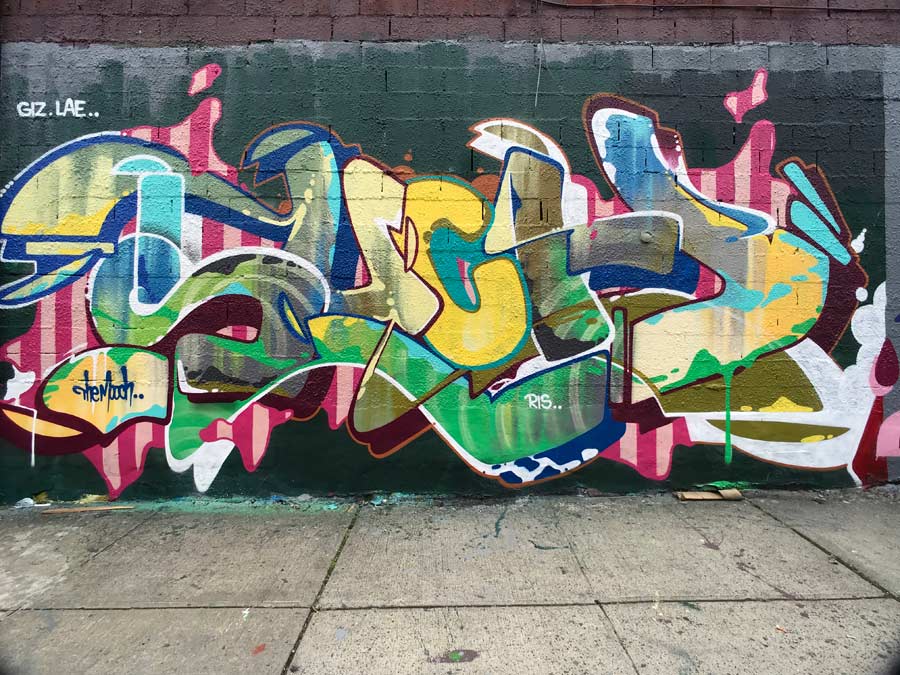
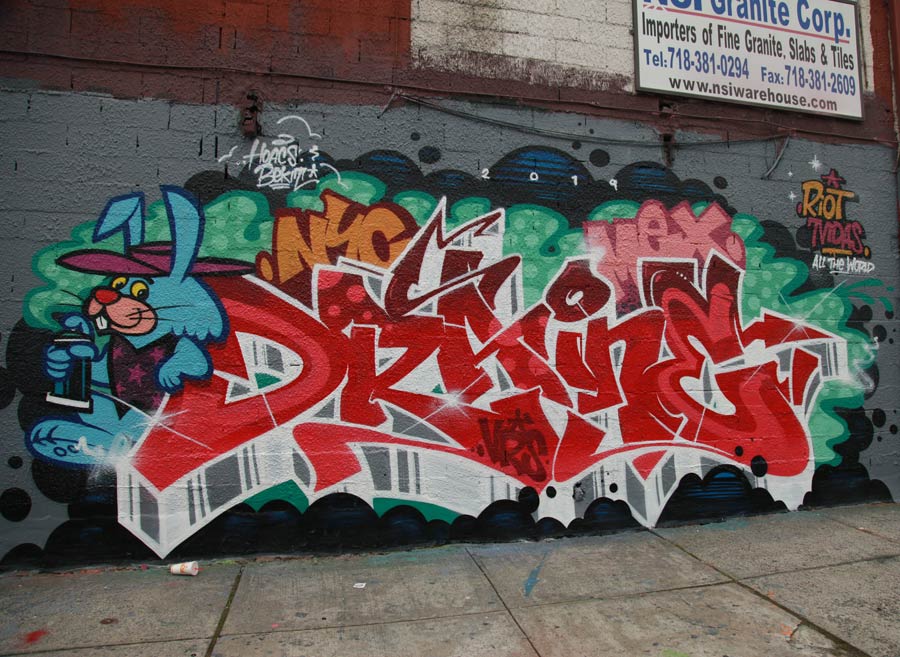
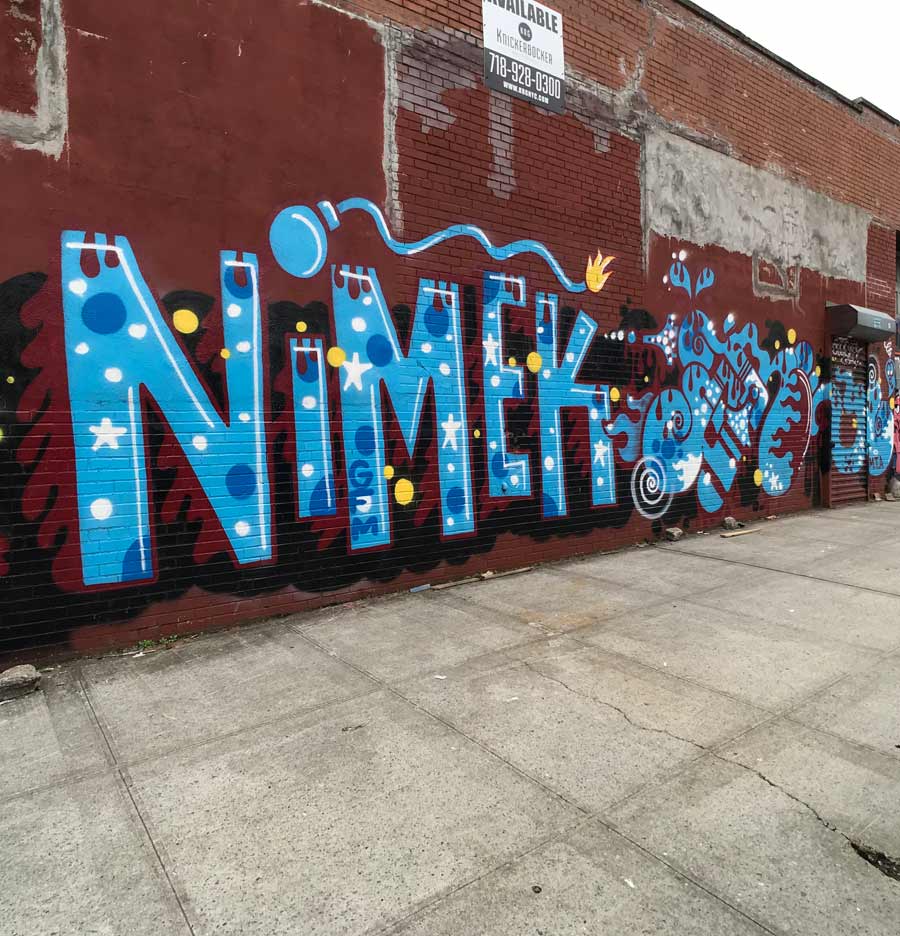
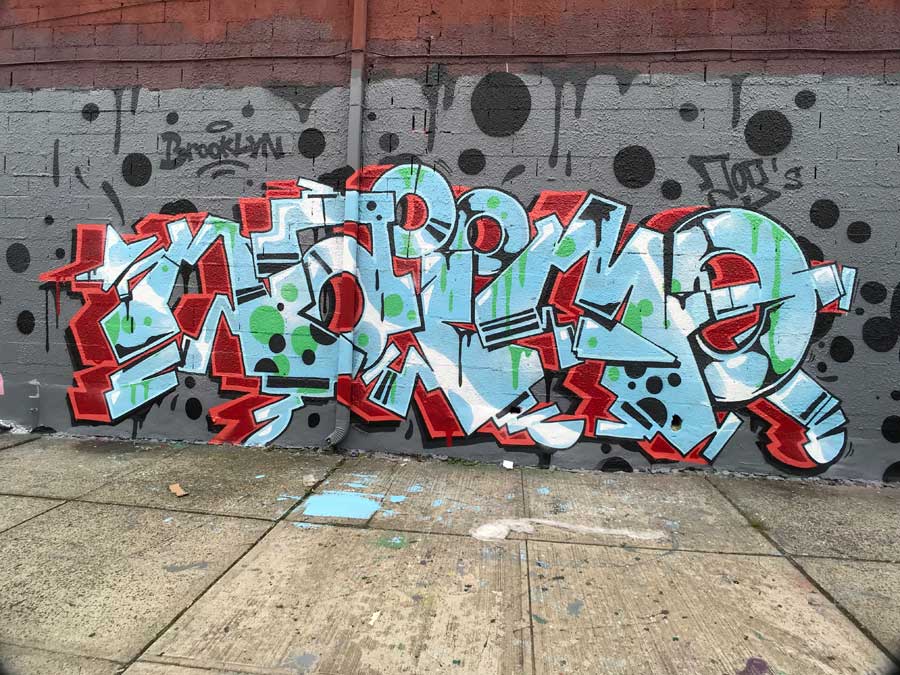
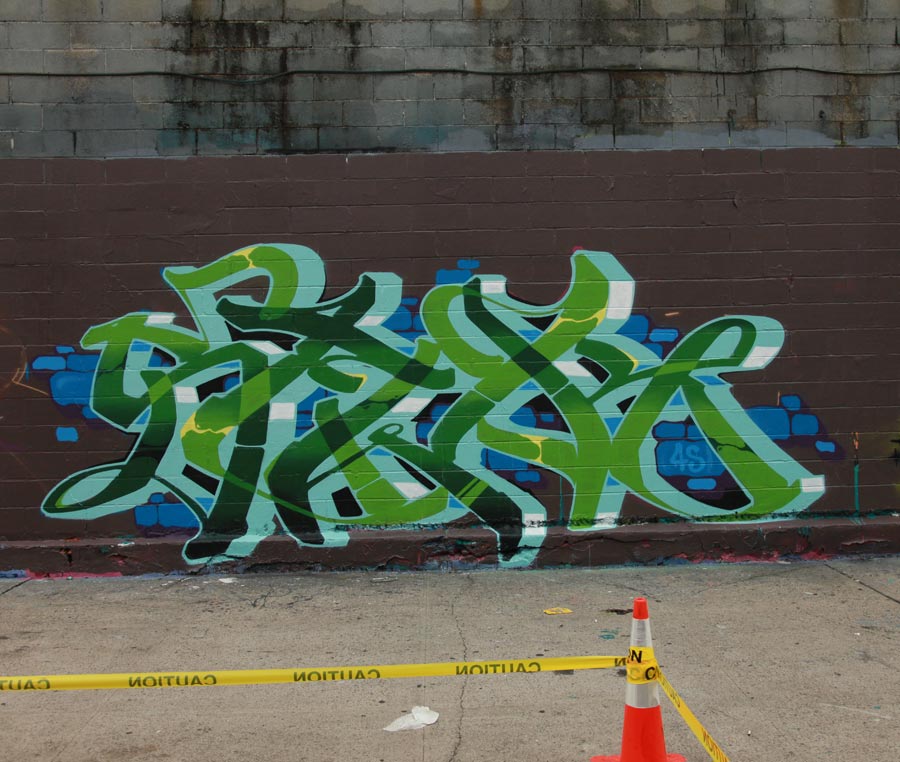
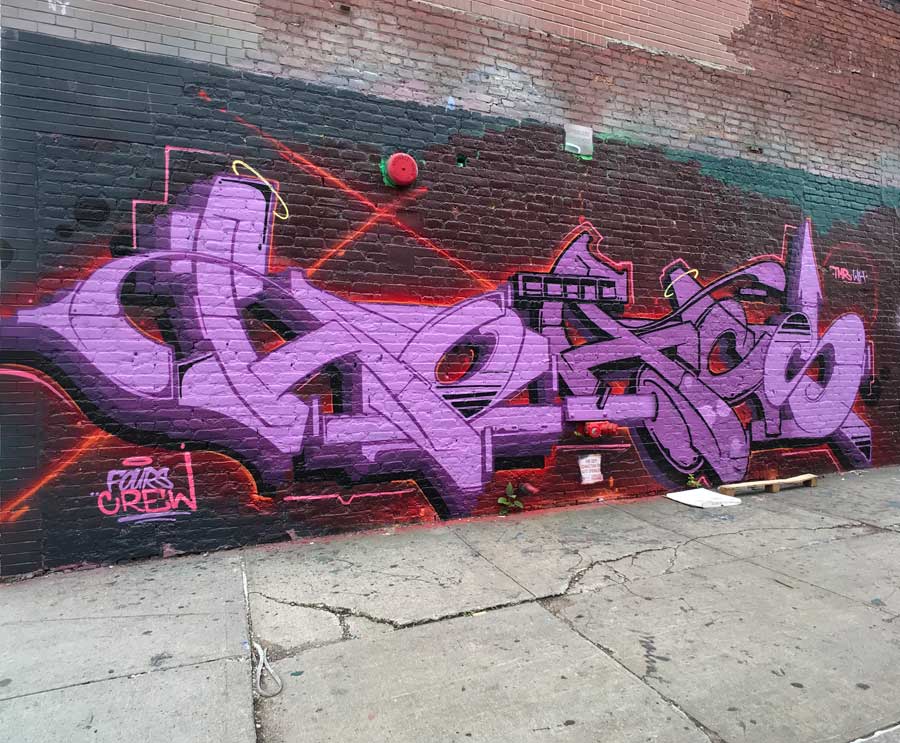
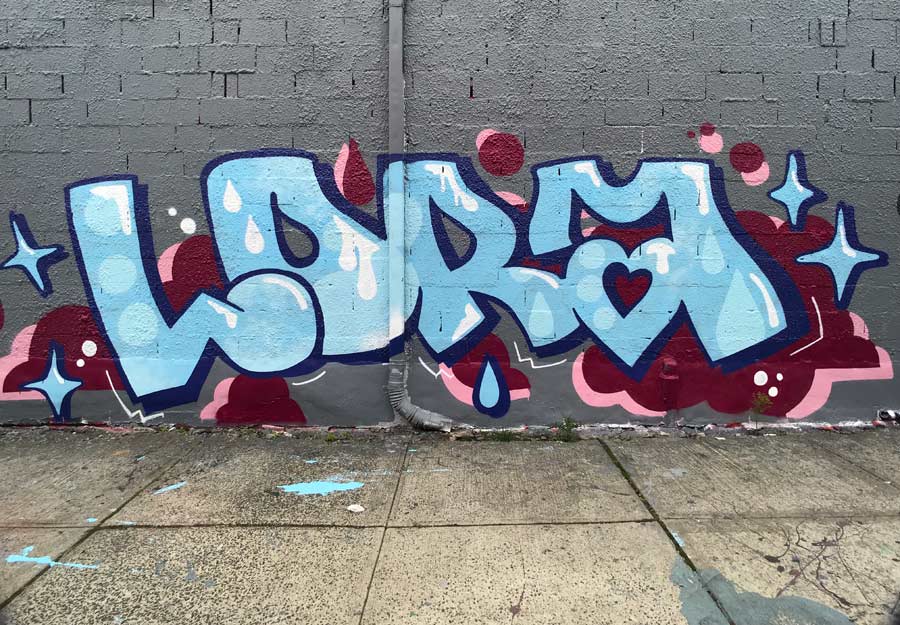
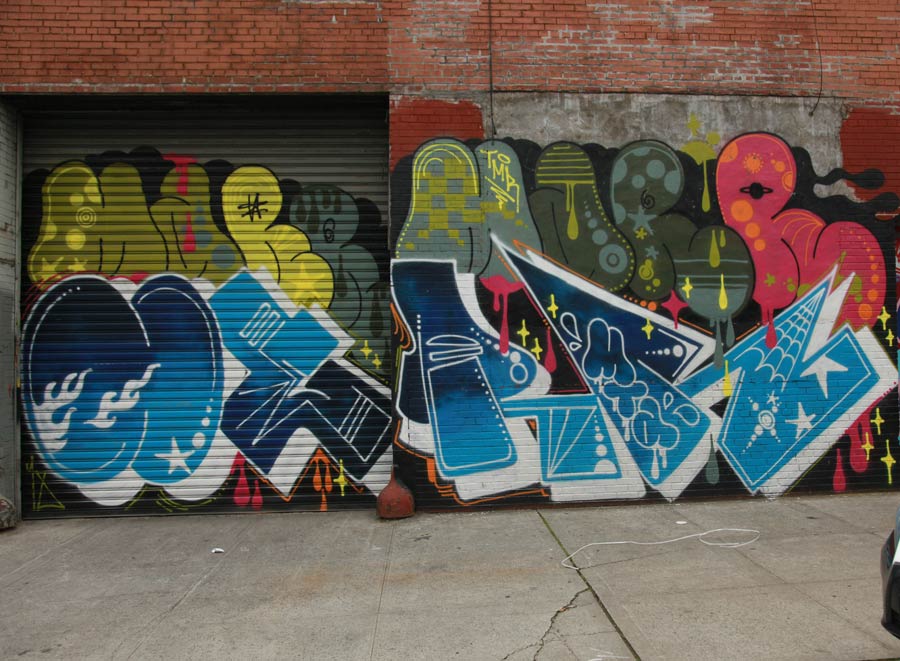
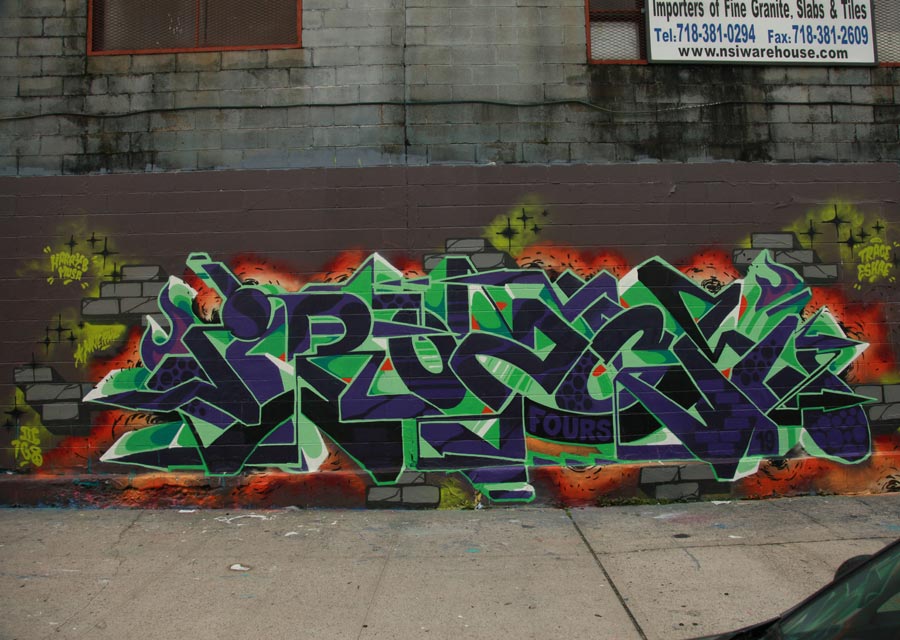
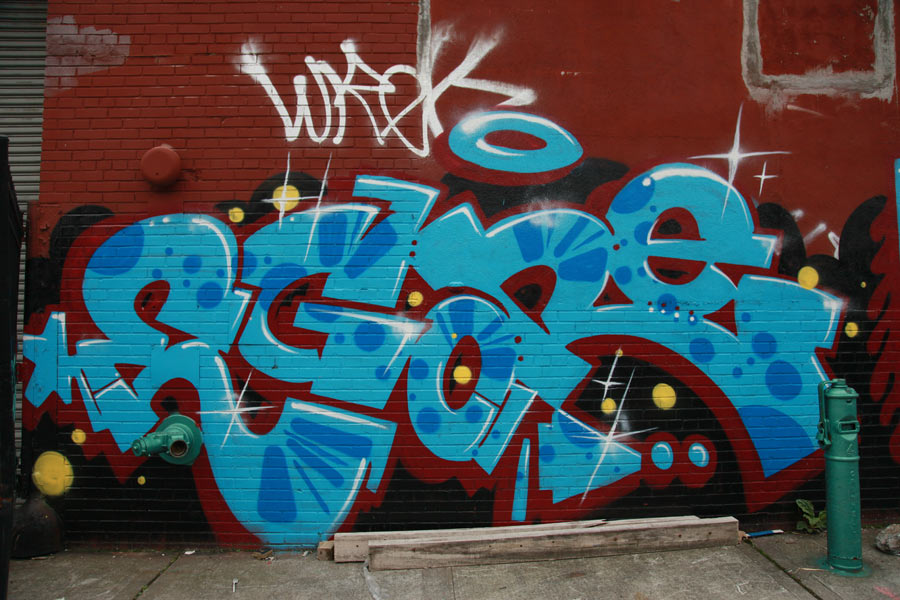
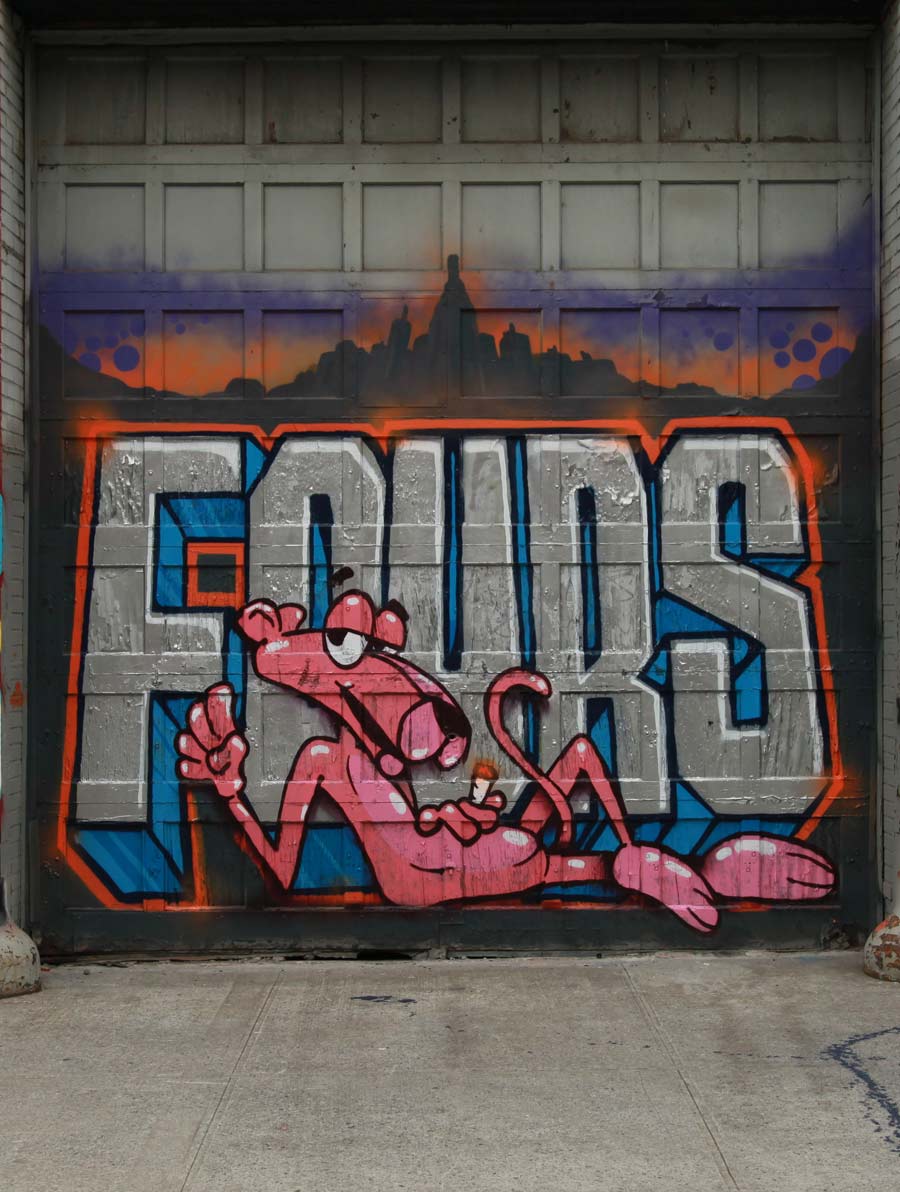
An impromptu mid-sized style meeting of talented graffiti writers hit up an industrial block in Bushwick last week and we’re lucky to have these fresh pieces for you today.
Locals, out-of-towners, and international visitors brought letterstyles full of spring energy, adding classic and fresh new licks together for a proper BK jam. It’s always good to see talents like these getting together to write on walls, paying tribute to their peers and catching up with old friends.
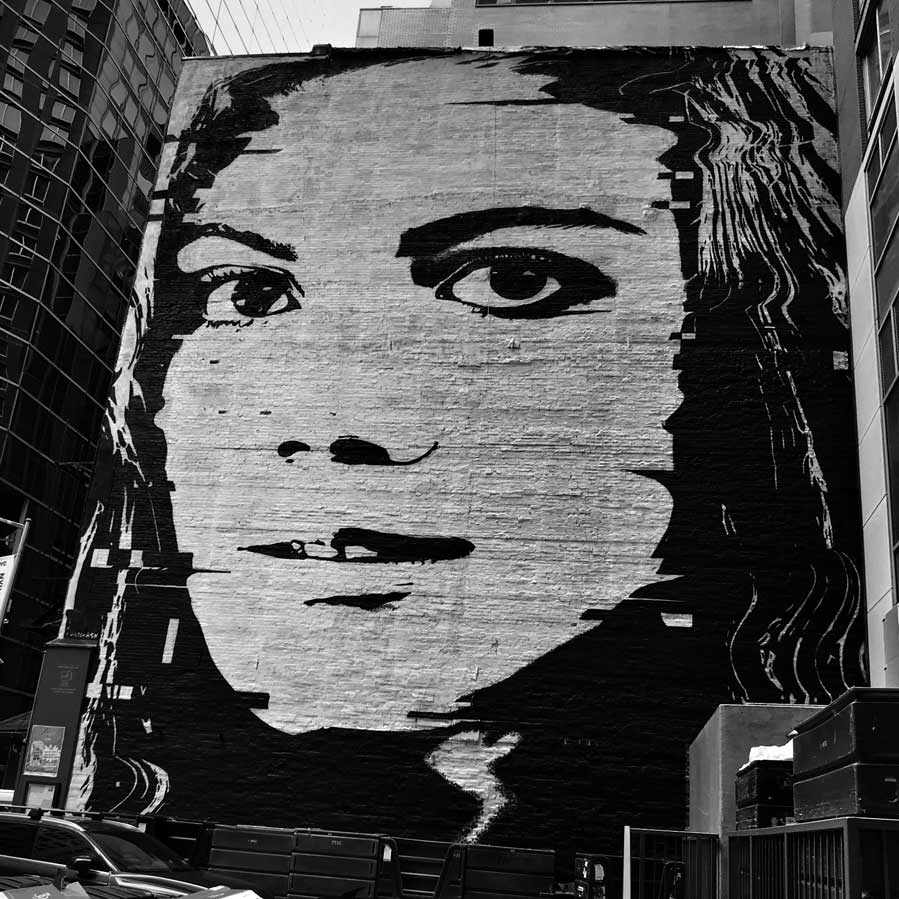
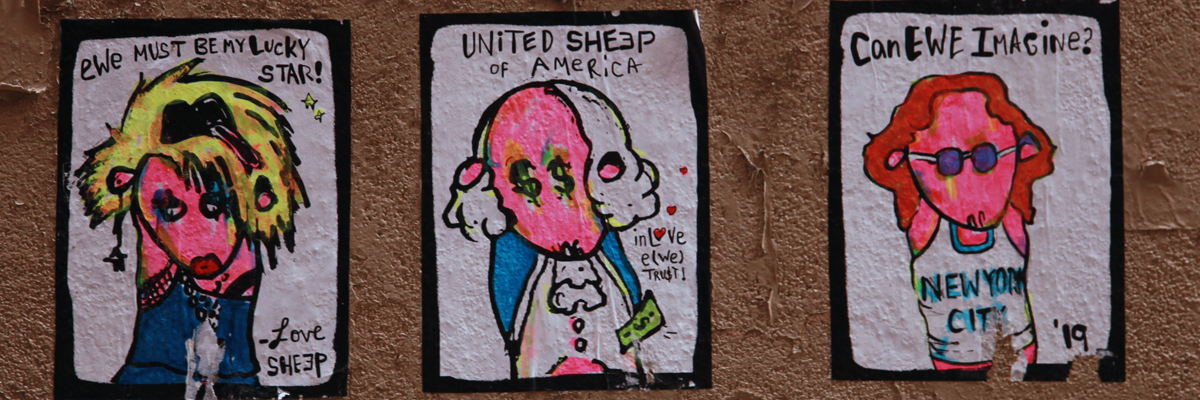
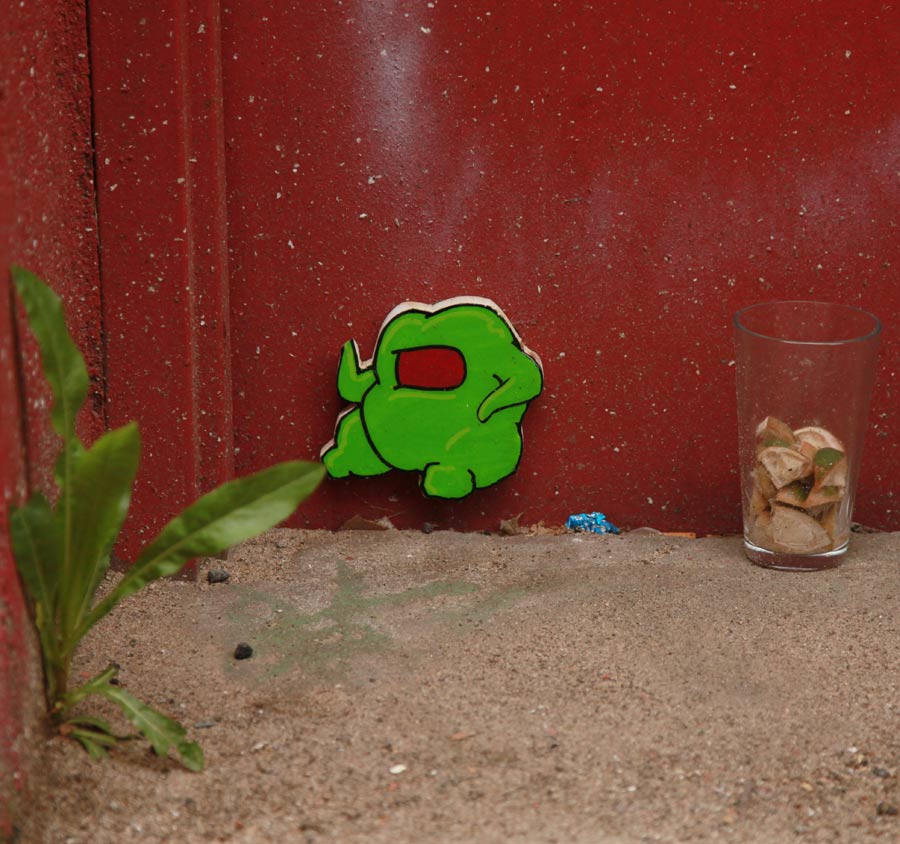
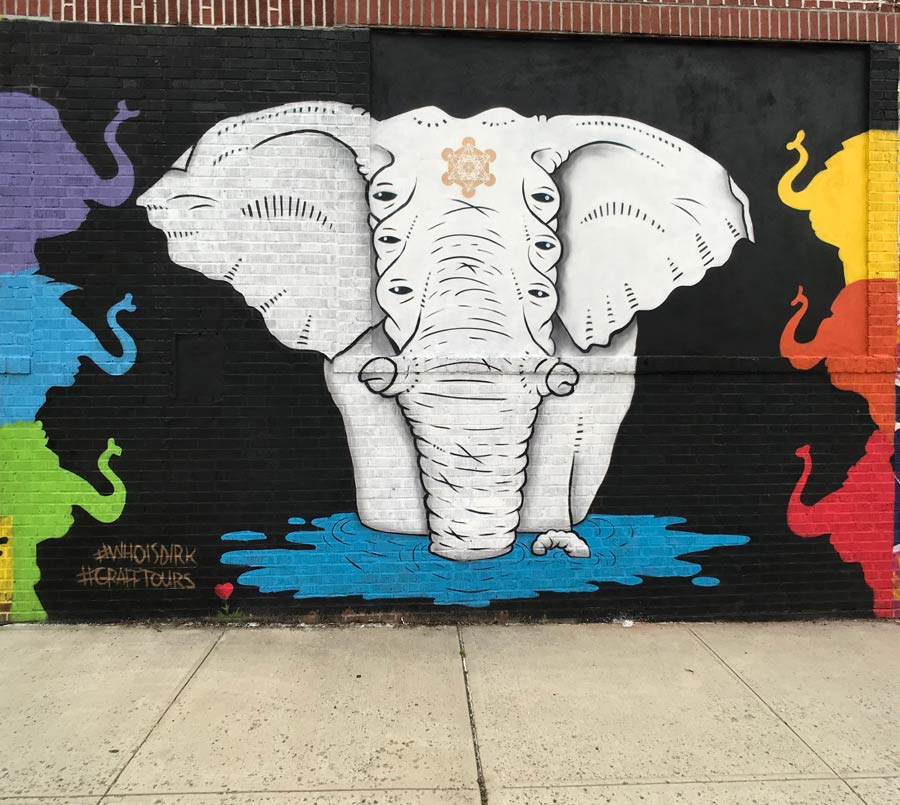
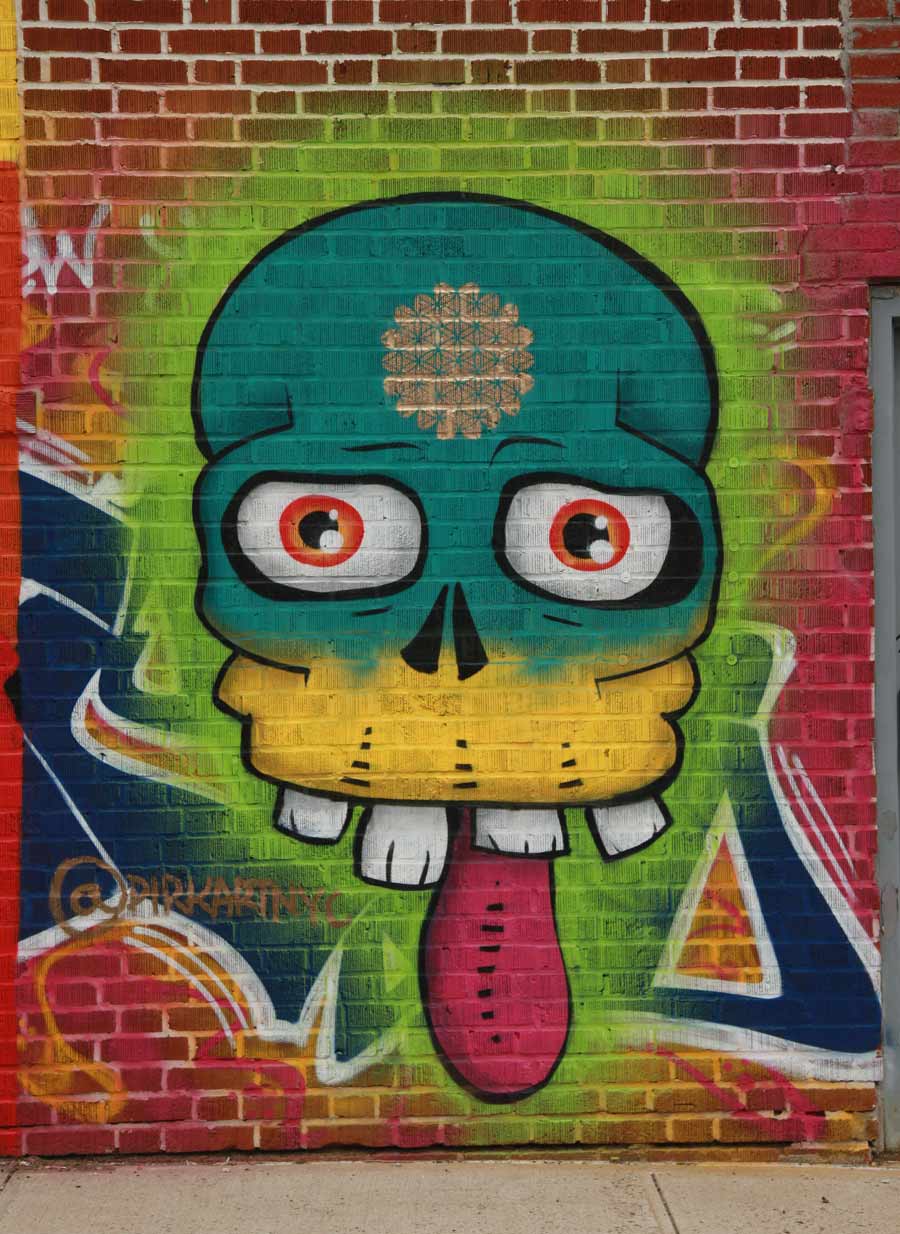
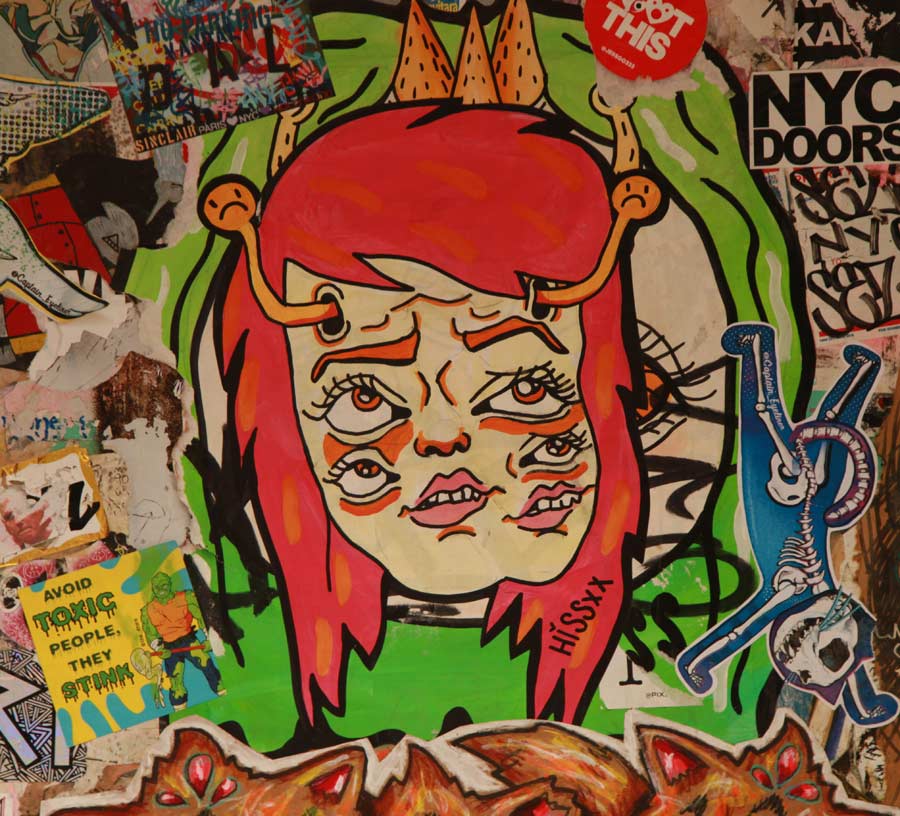
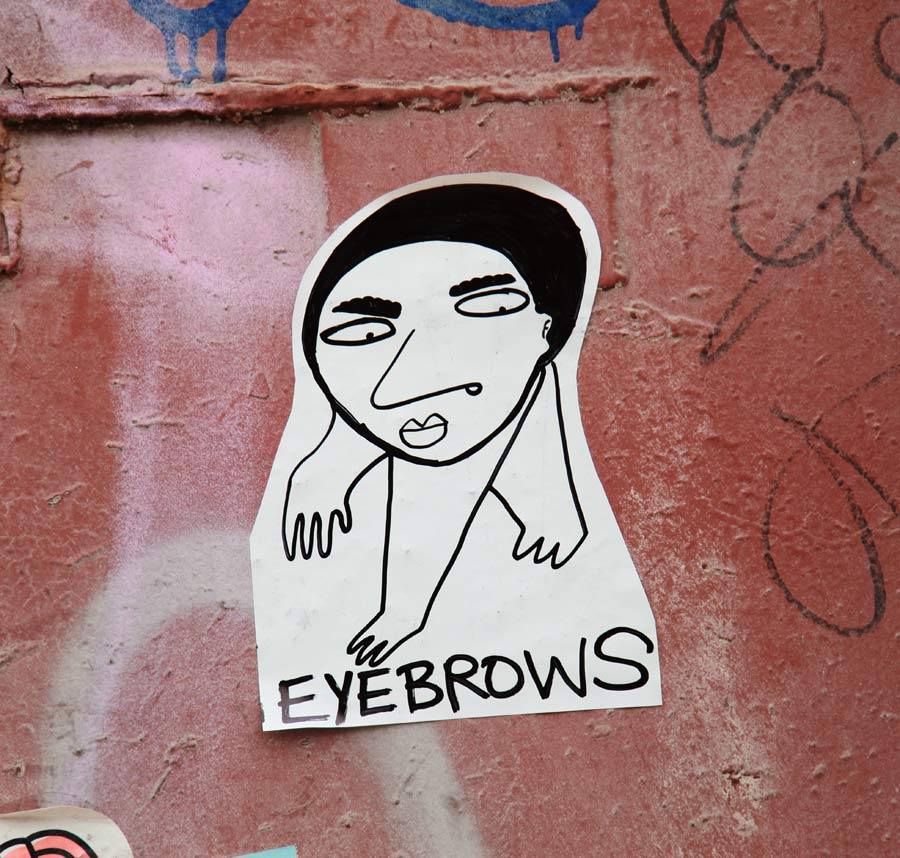
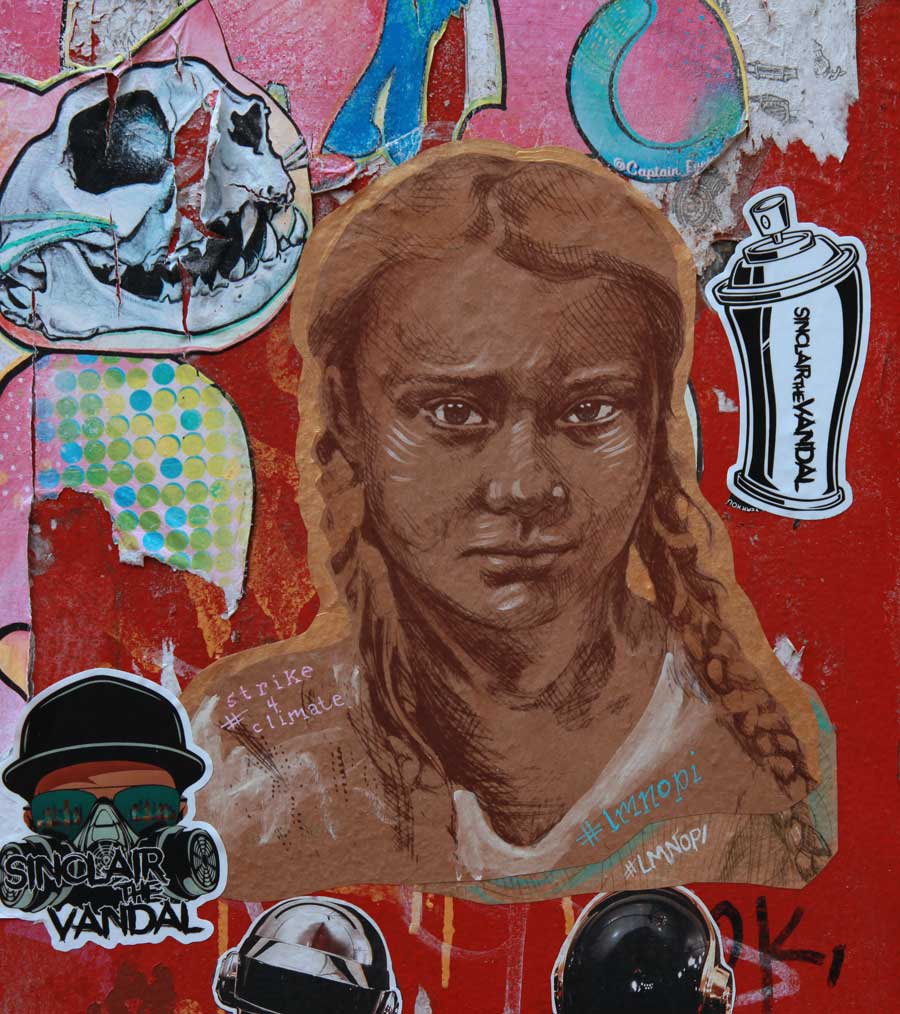
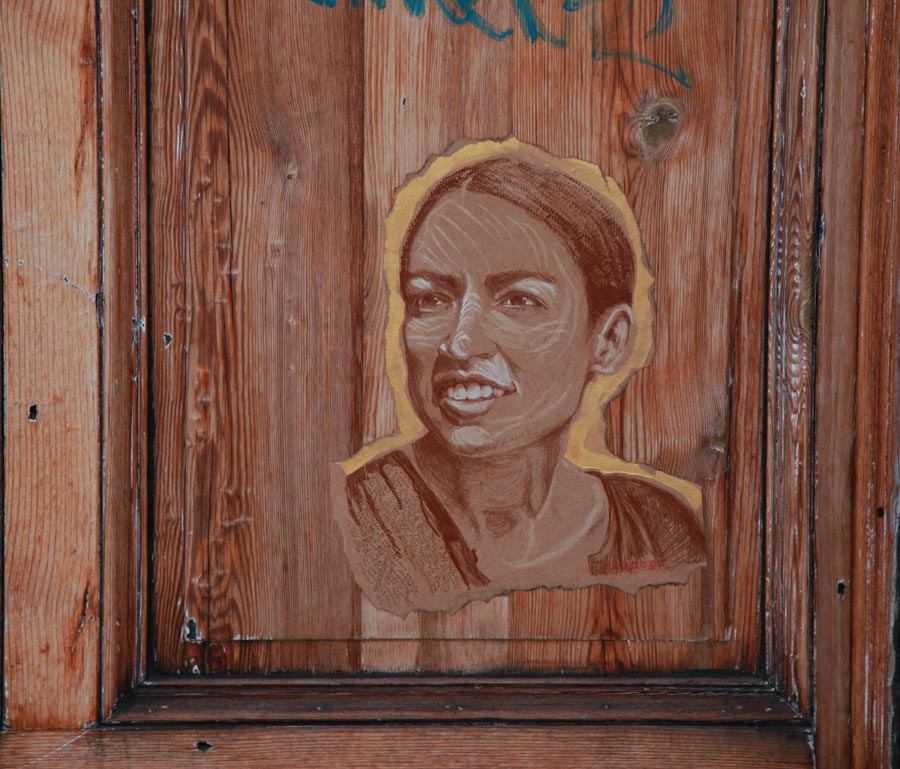
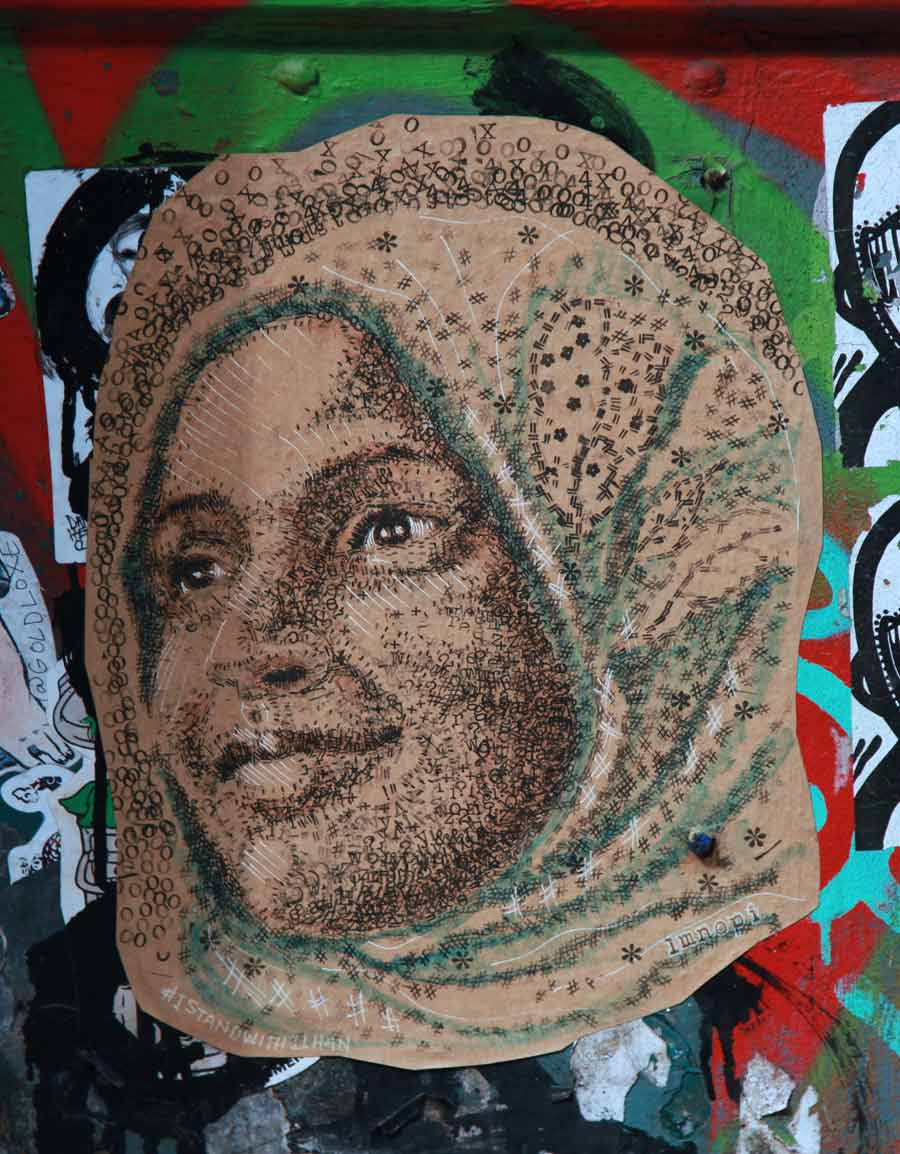
Have you noticed the number of faces and eyes that are pasted, painted, drawn on the Streets right now? Maybe they are an indicator that many more of us are truly paying attention and that we see how close the danger is, even if we don’t know exactly what to do.
The first step of course, is to pay attention. Turning off the corporate controlled media helps.
What do you see?
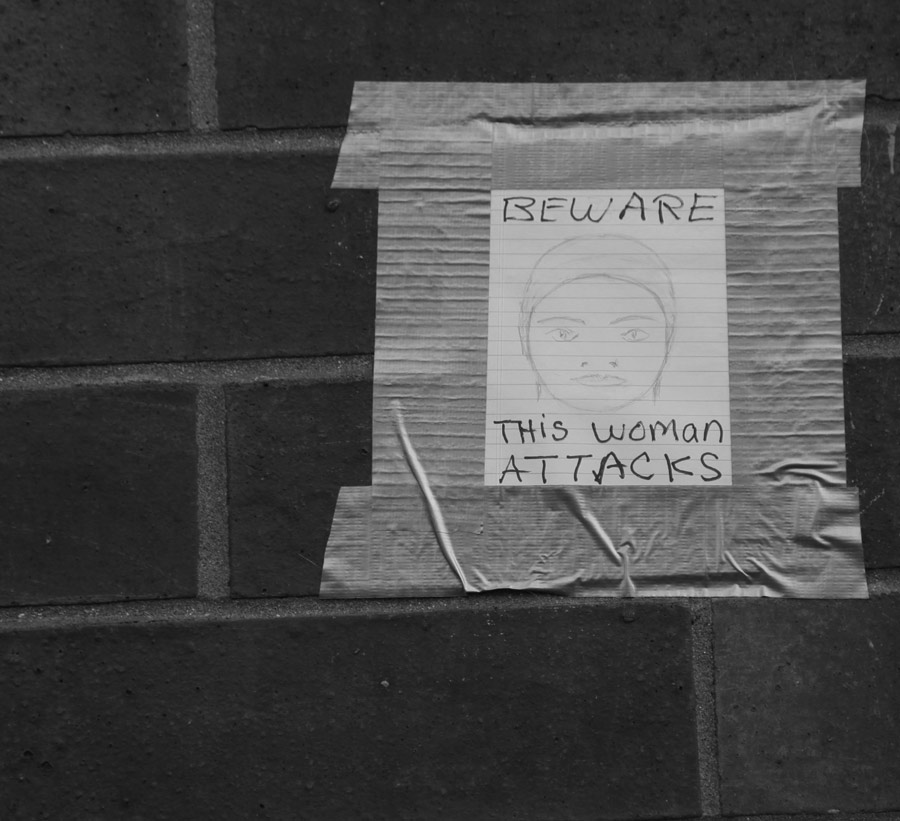
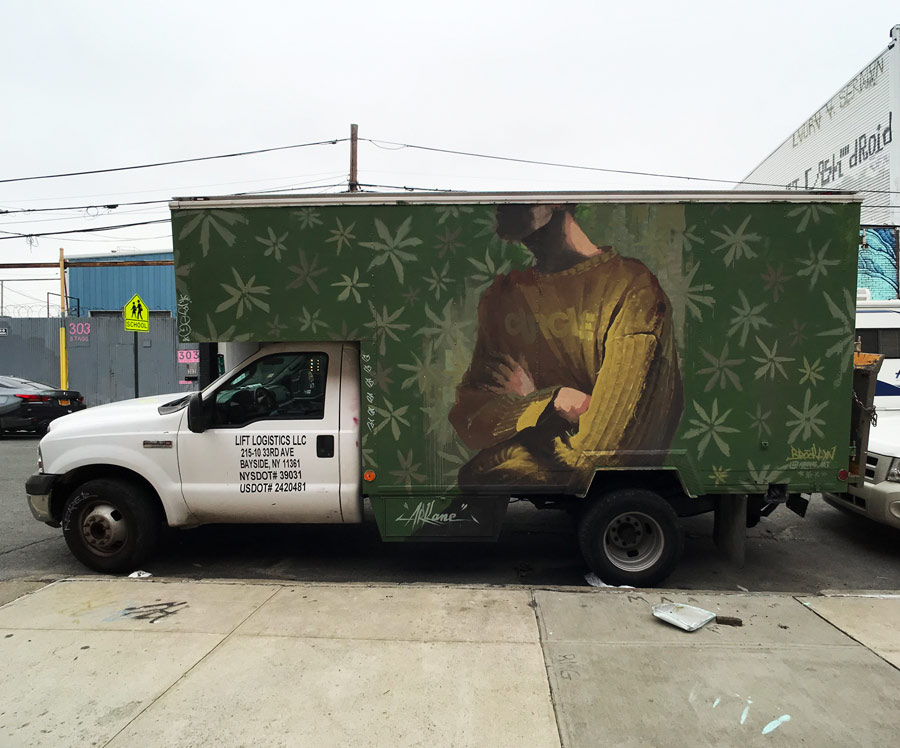
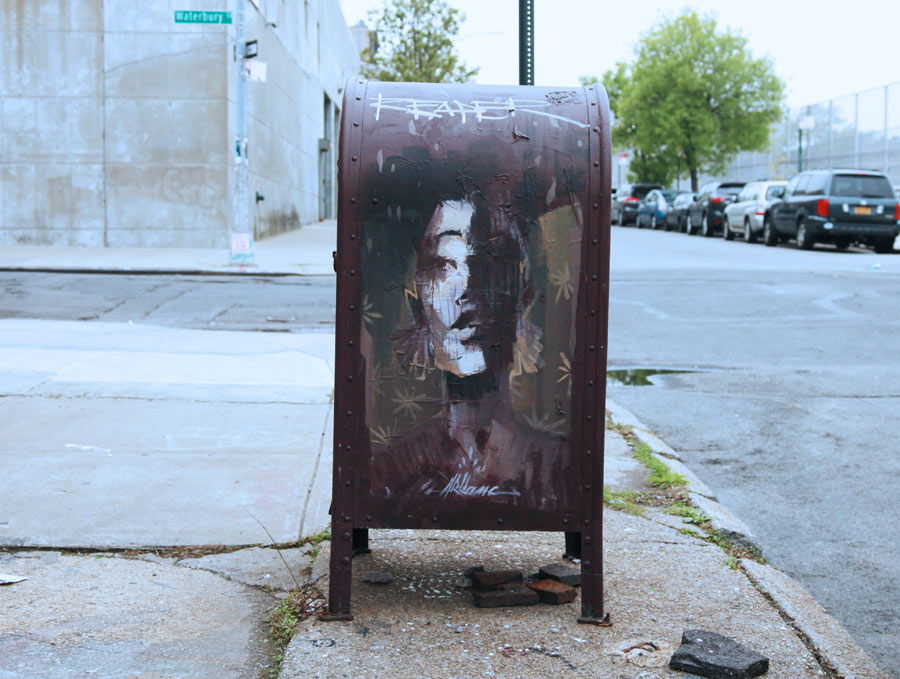
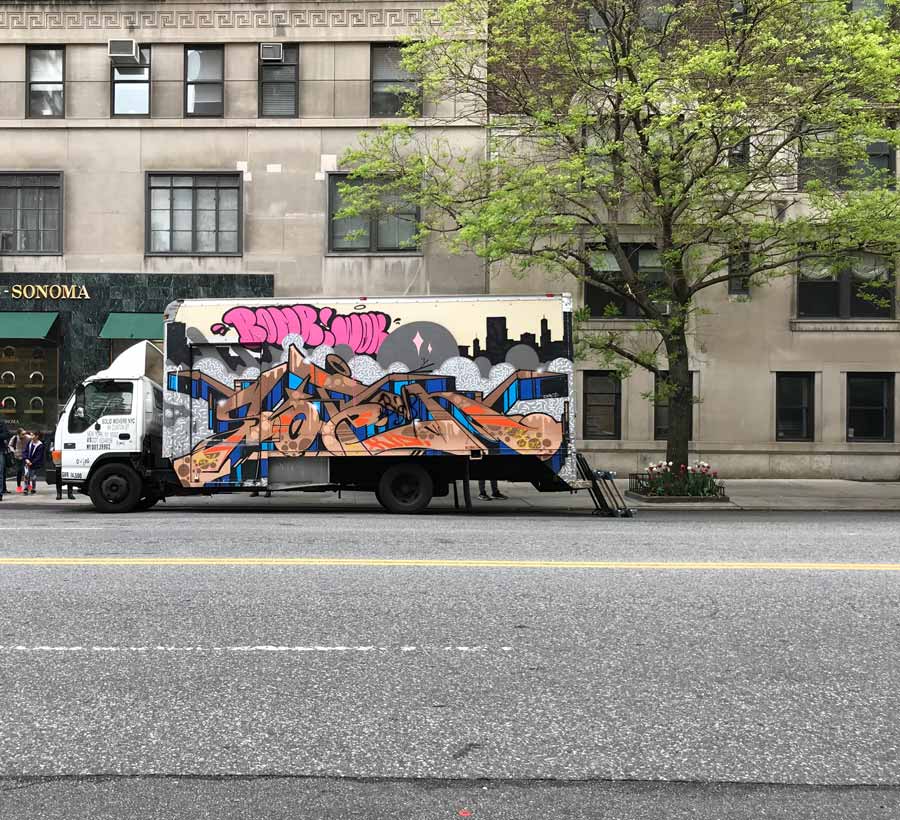
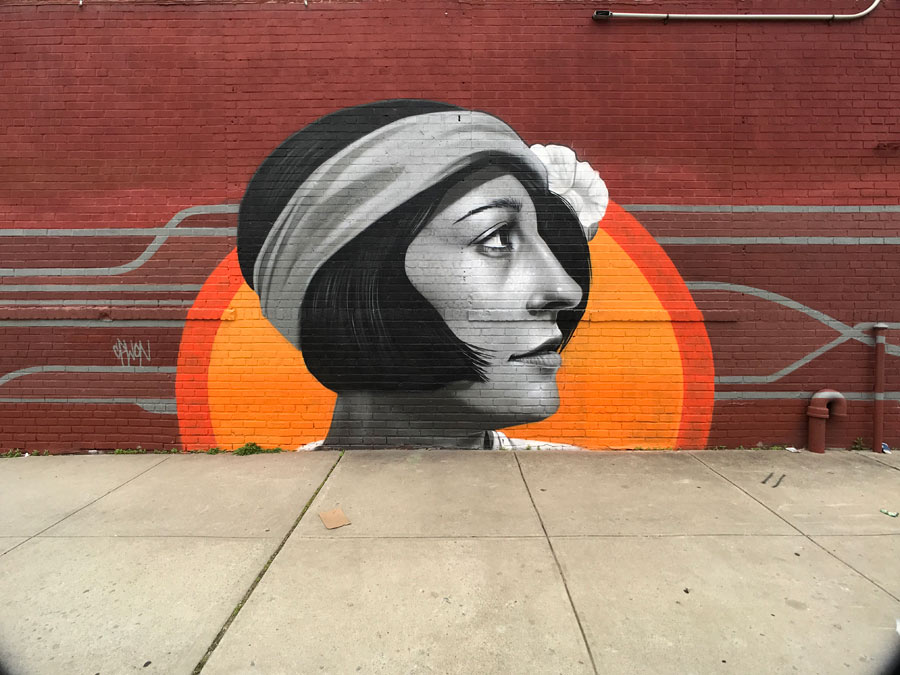
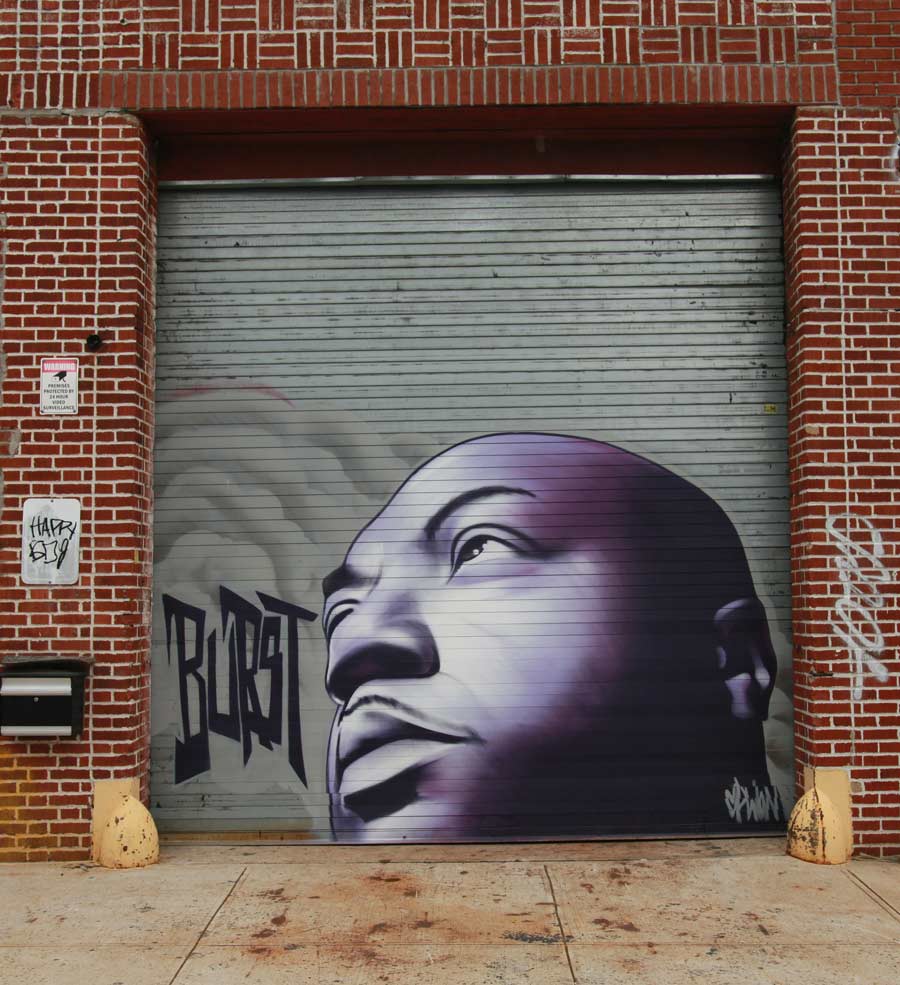
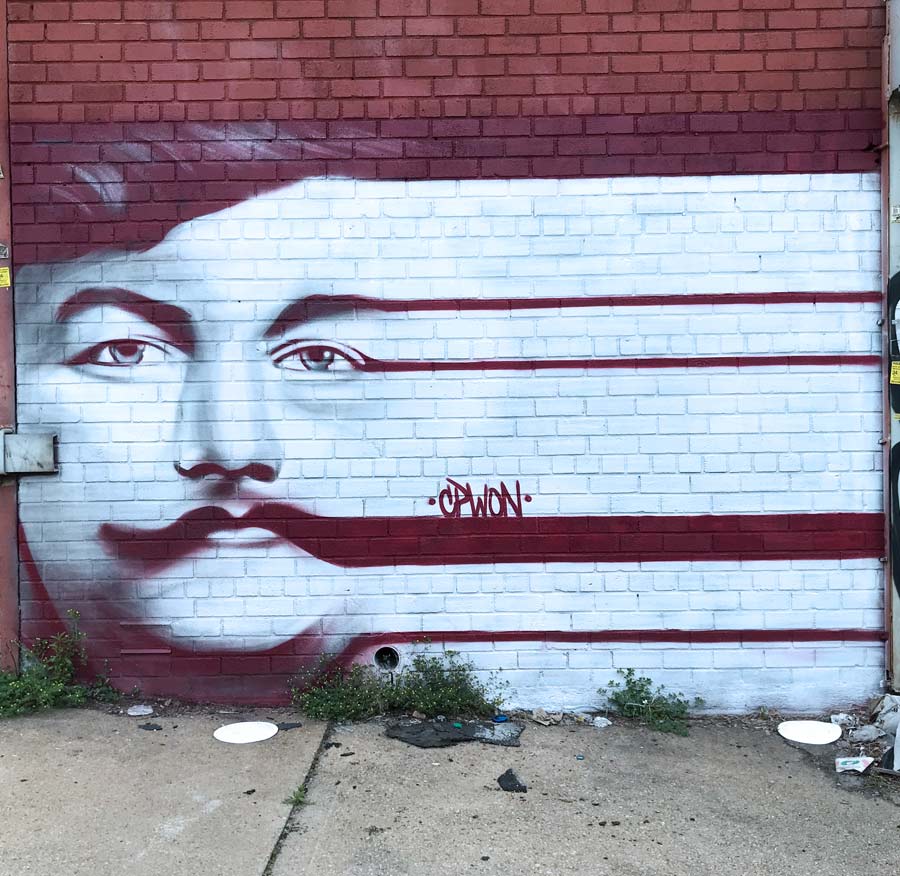
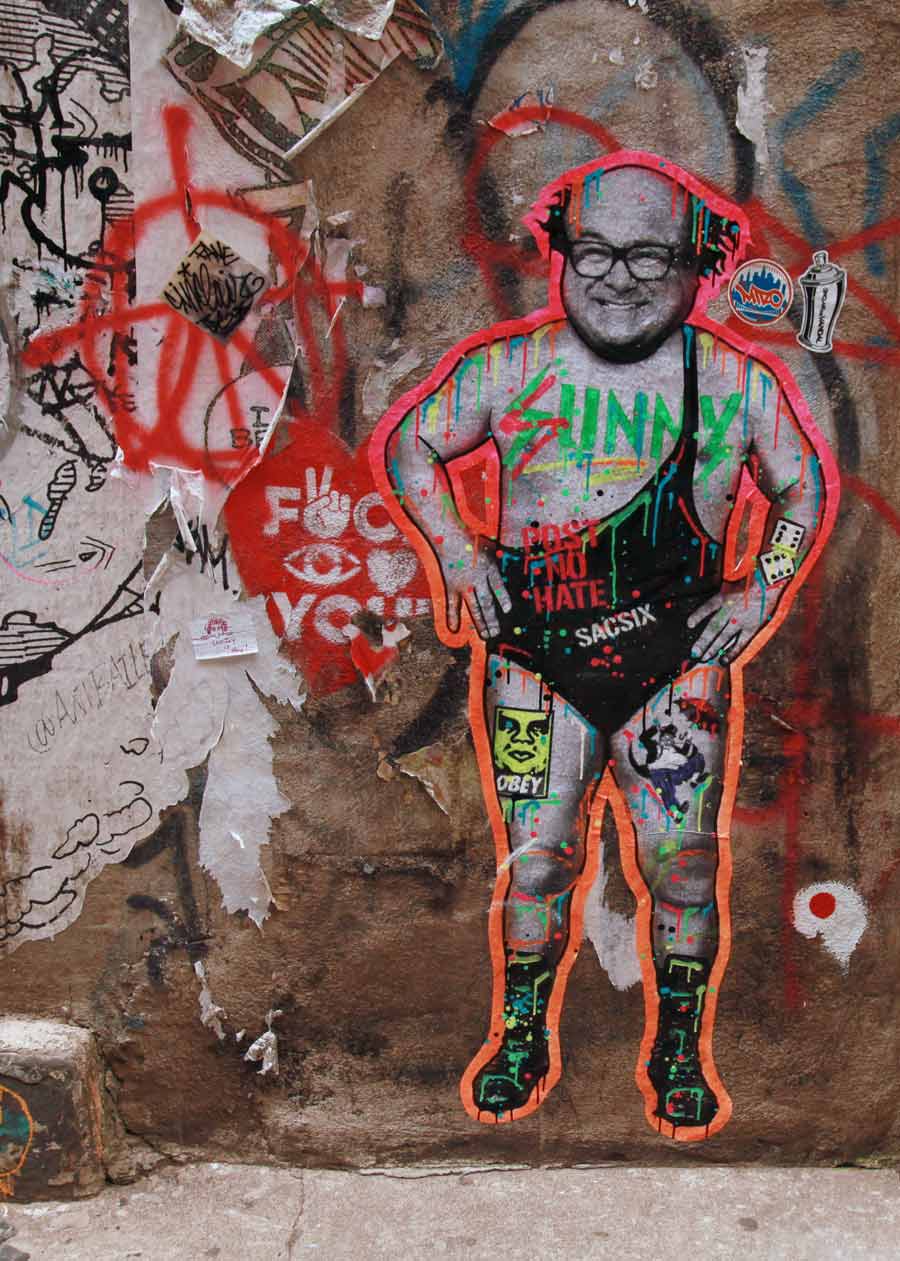
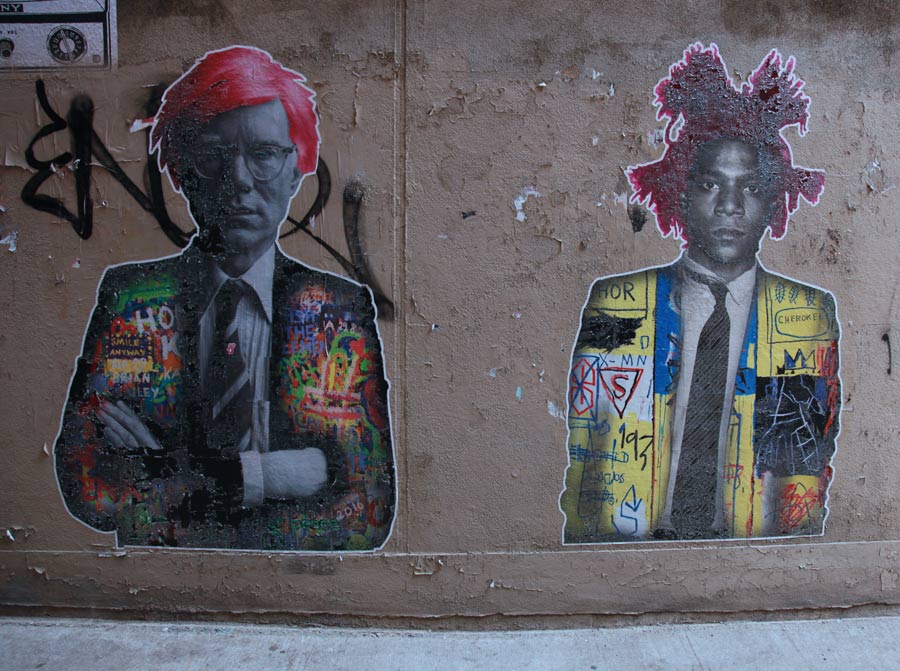
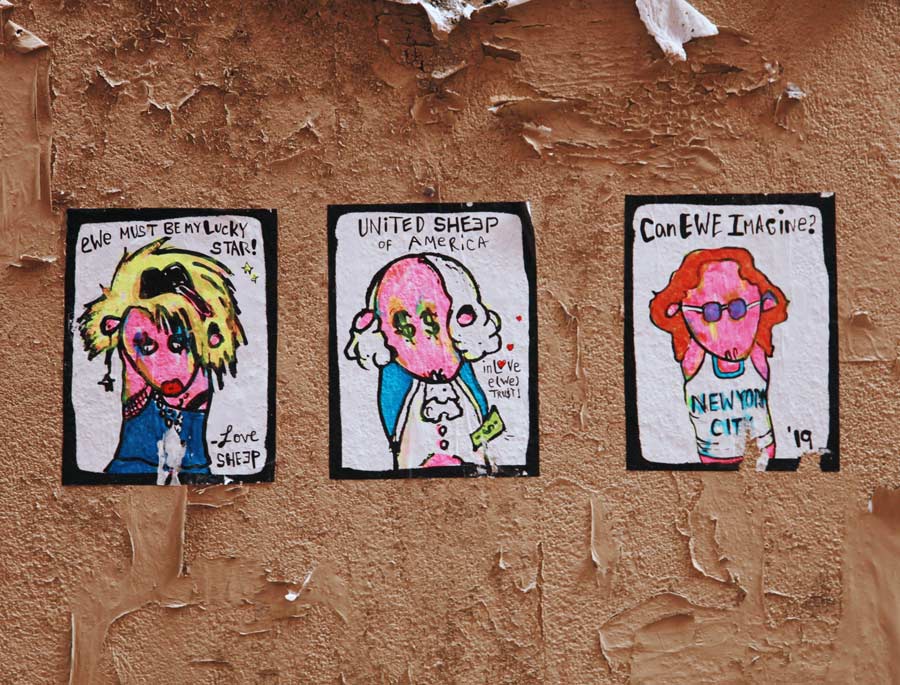
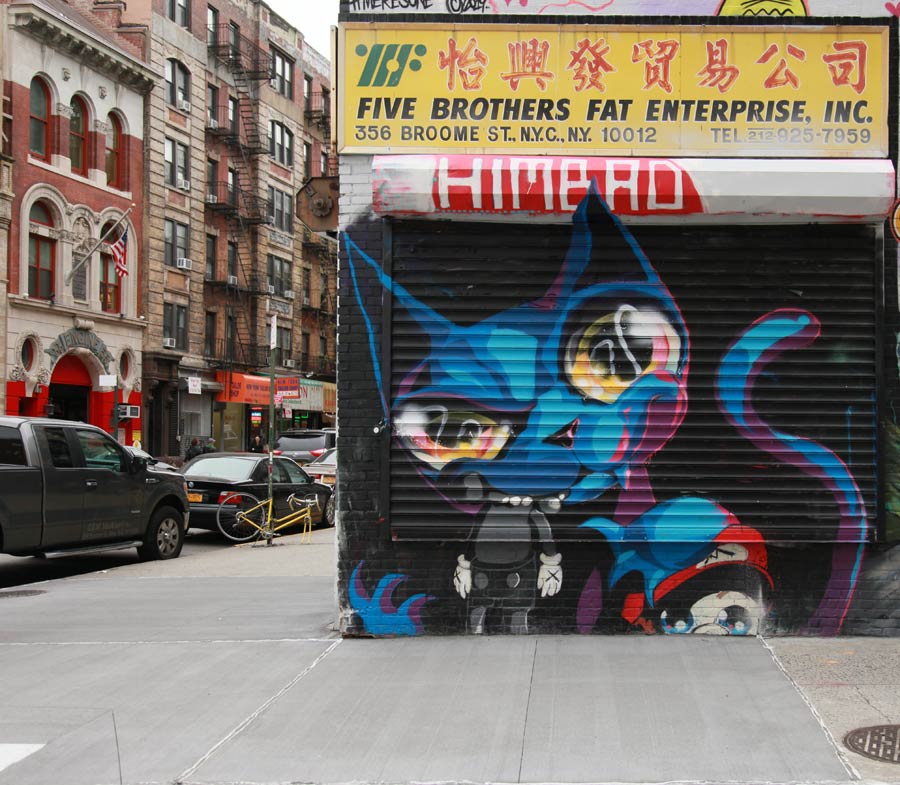
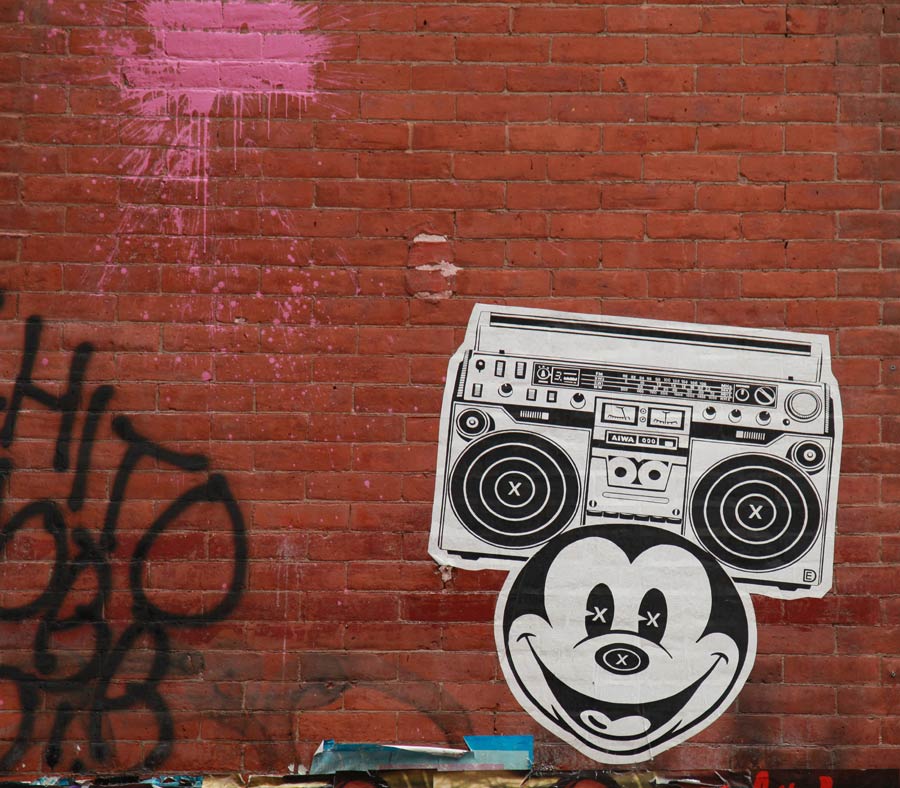
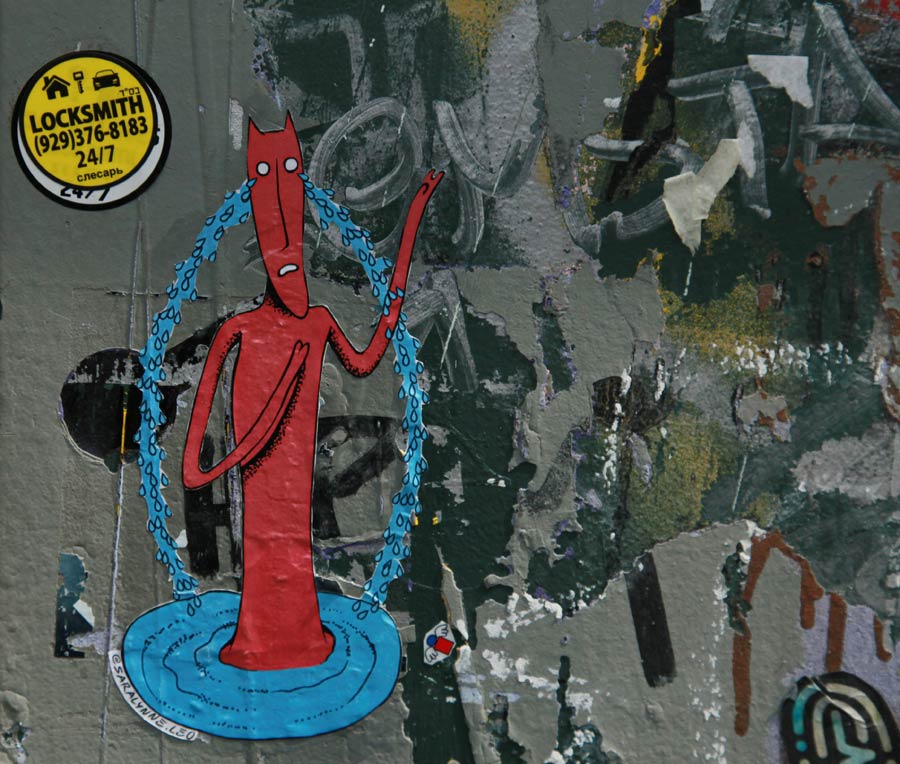
So here’s our weekly interview with the street, this time featuring Arkane, CP Won, Dylan Egon, Eyebrows, Greta Thunberg, Himbad, Hiss, Little Rickey, LMNOPI, Lungebox, SacSix, Sara Lynne Leo, Soten, The Postman Art, and Who is Dirk.
Spanish artist Gonzalo Borondo, from Valladolid, arrives at LuzMadrid Festival with Redentora, a site-specific installation that continues his steady movement …Read More »
 BROOKLYN STREET ART LOVES YOU MORE EVERY DAY