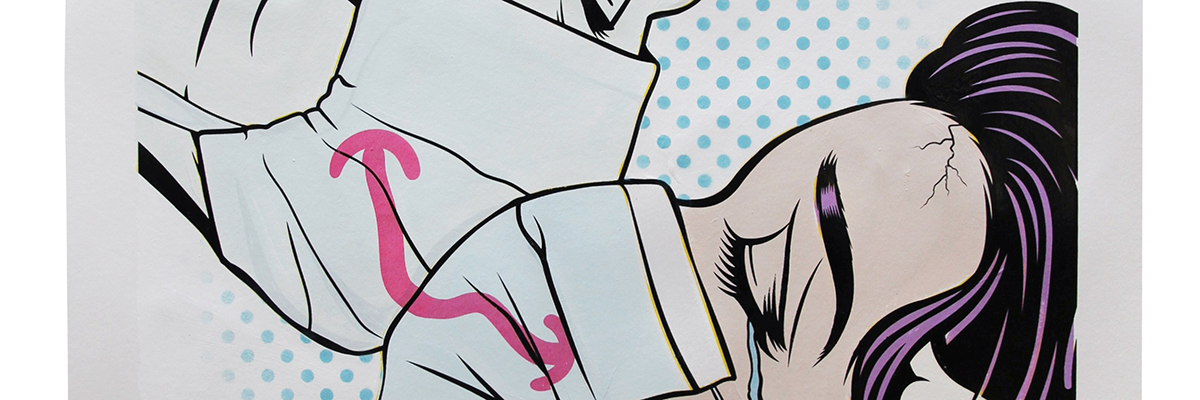
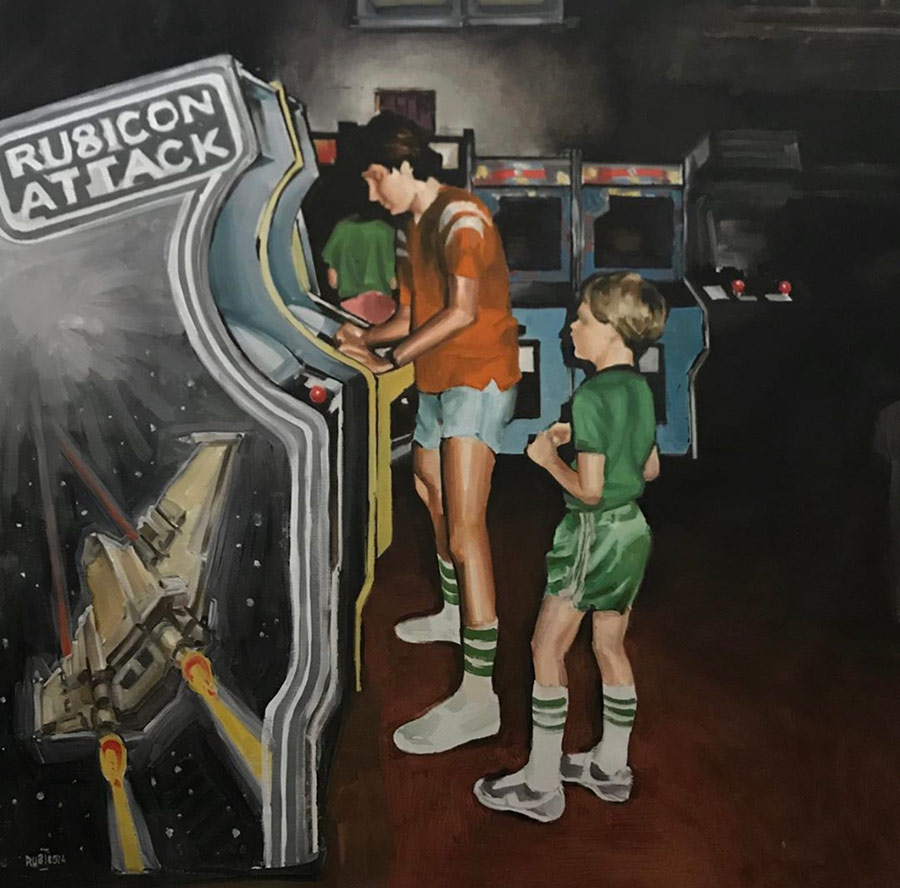
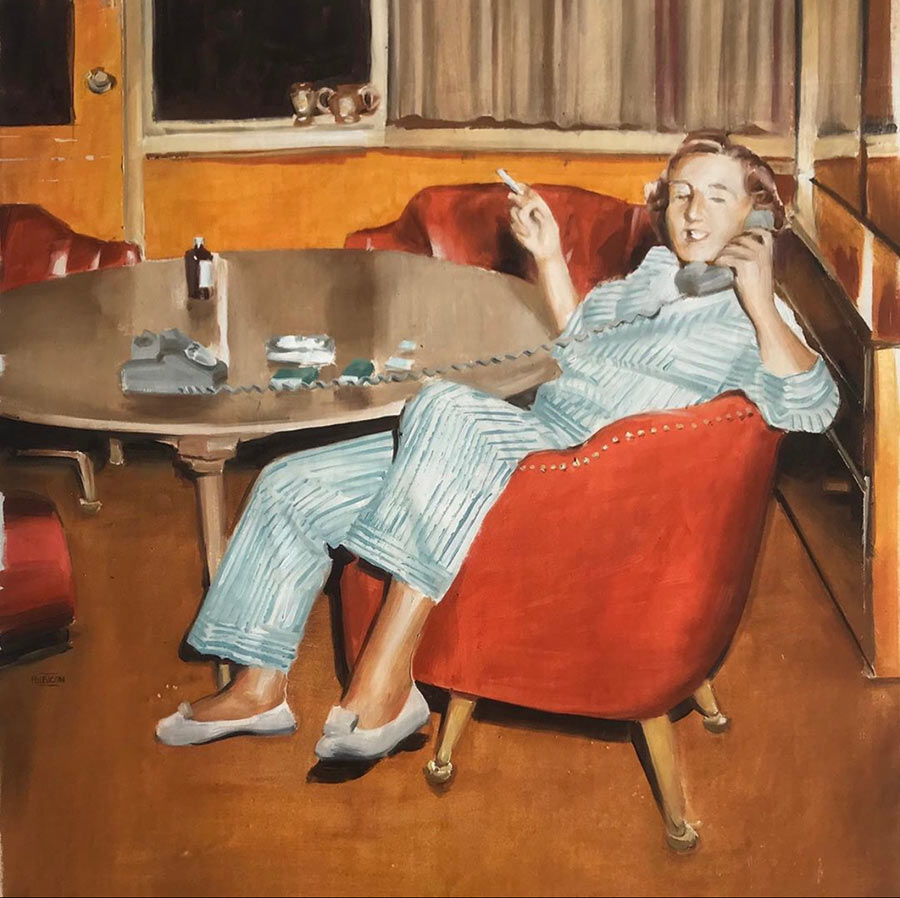
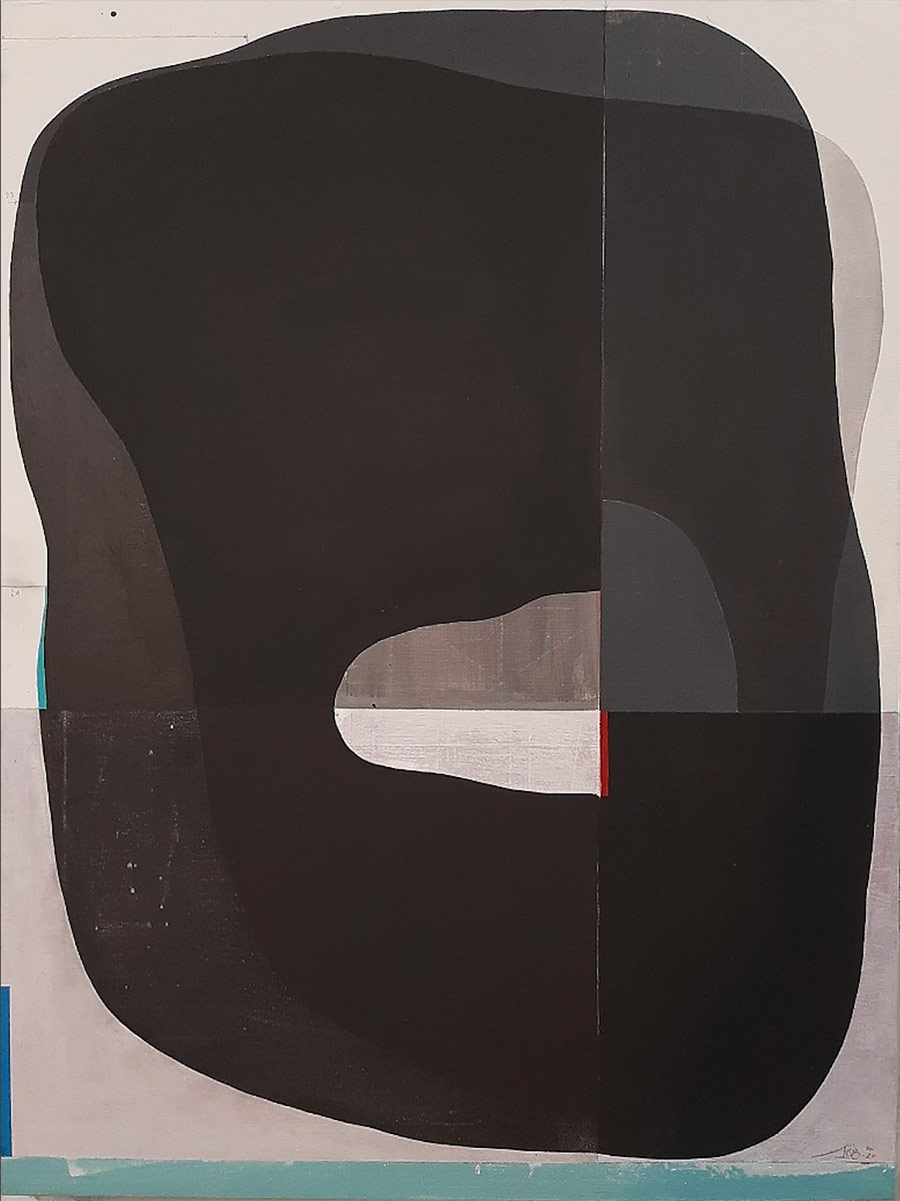
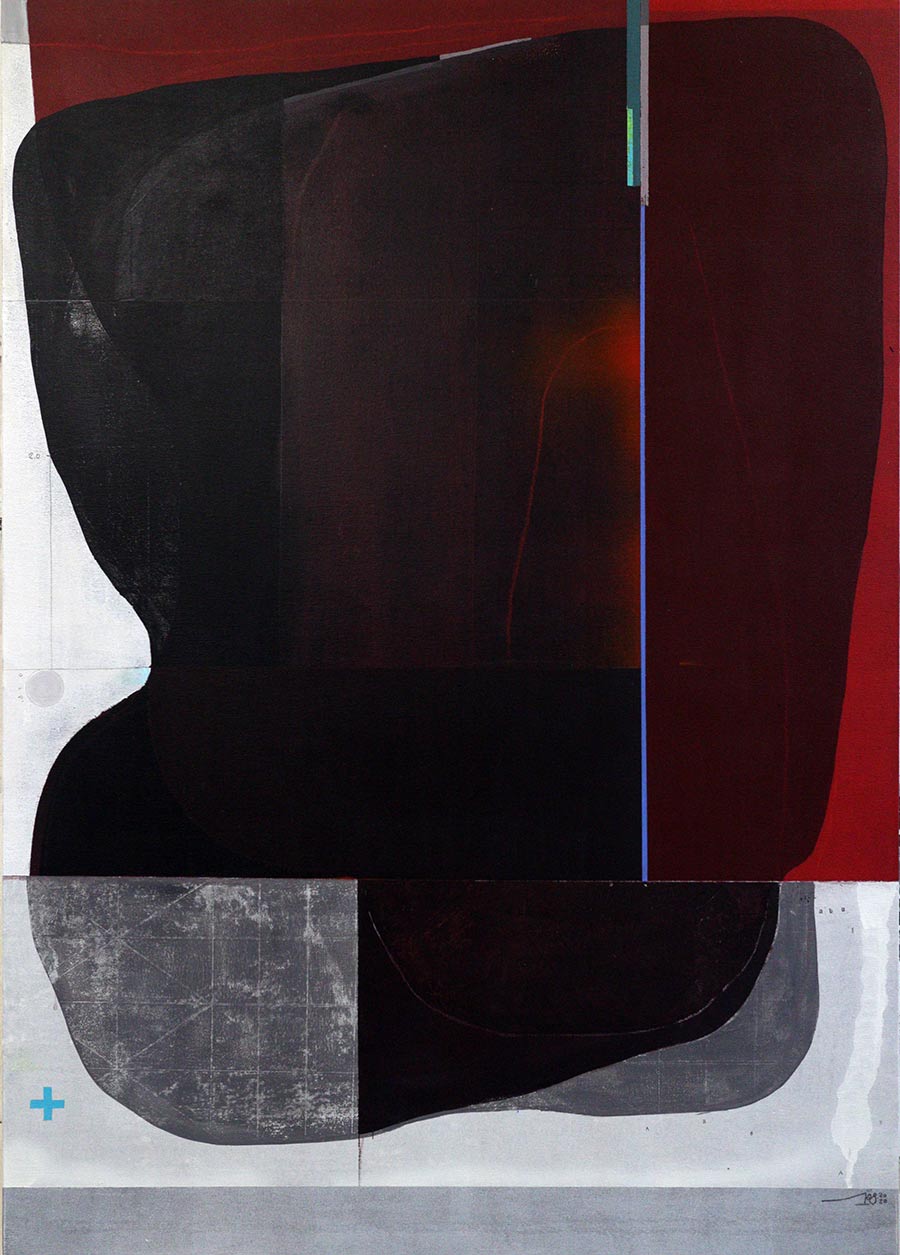
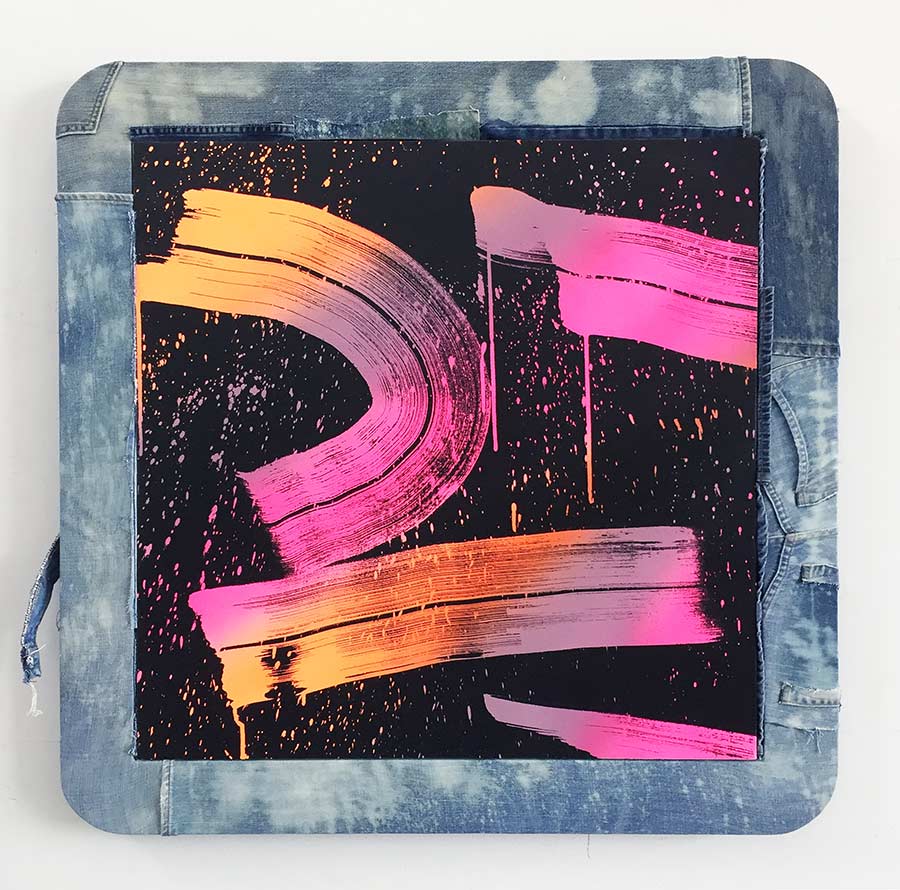
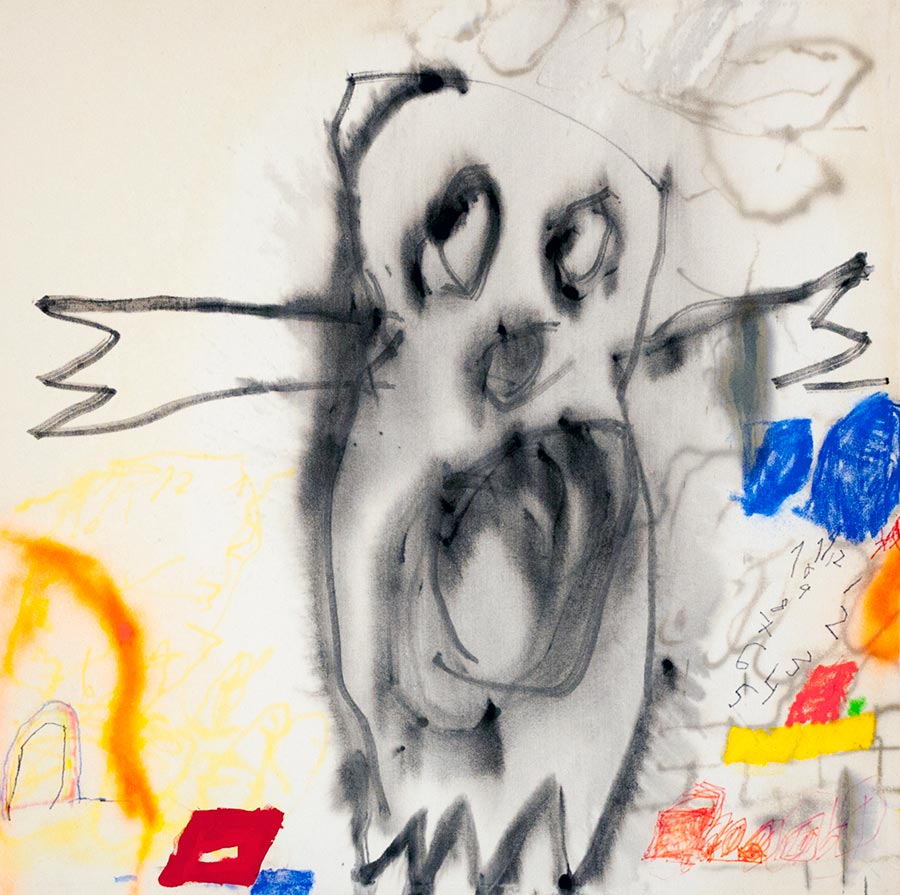
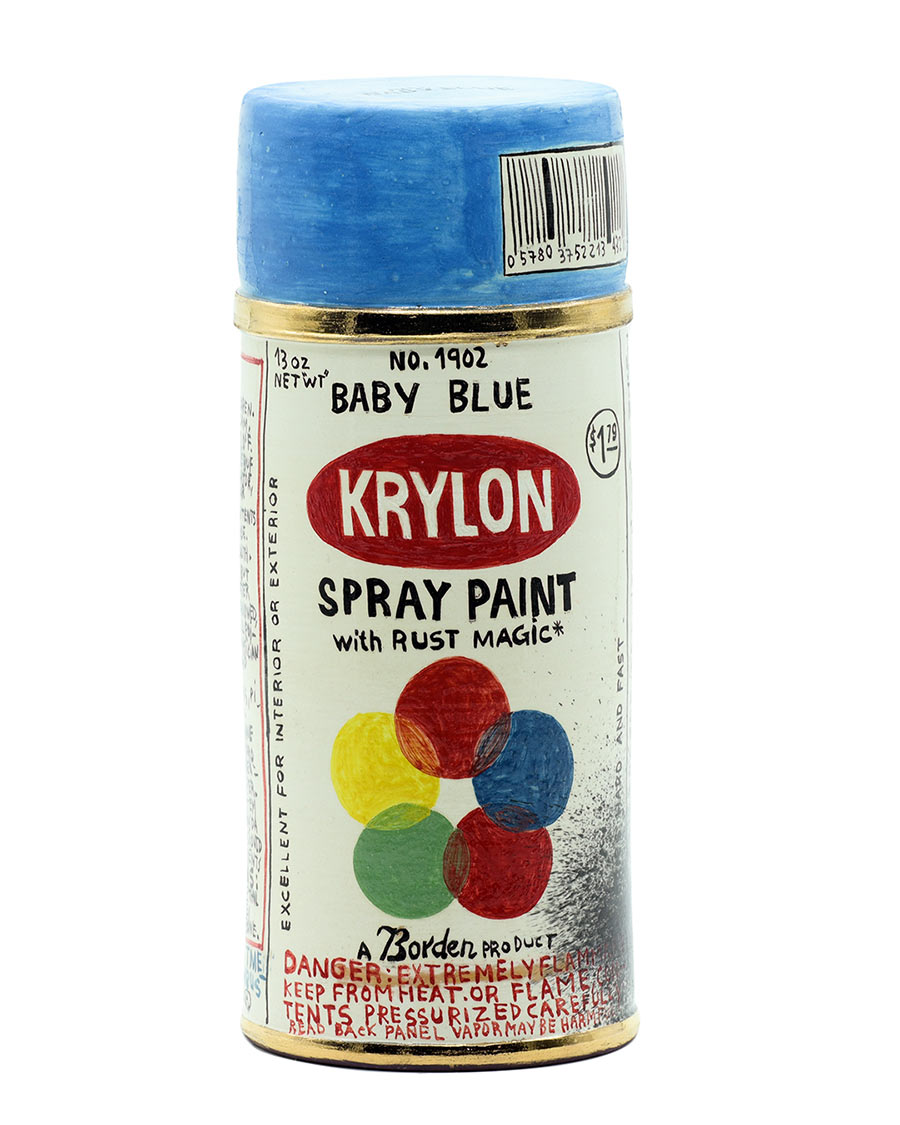
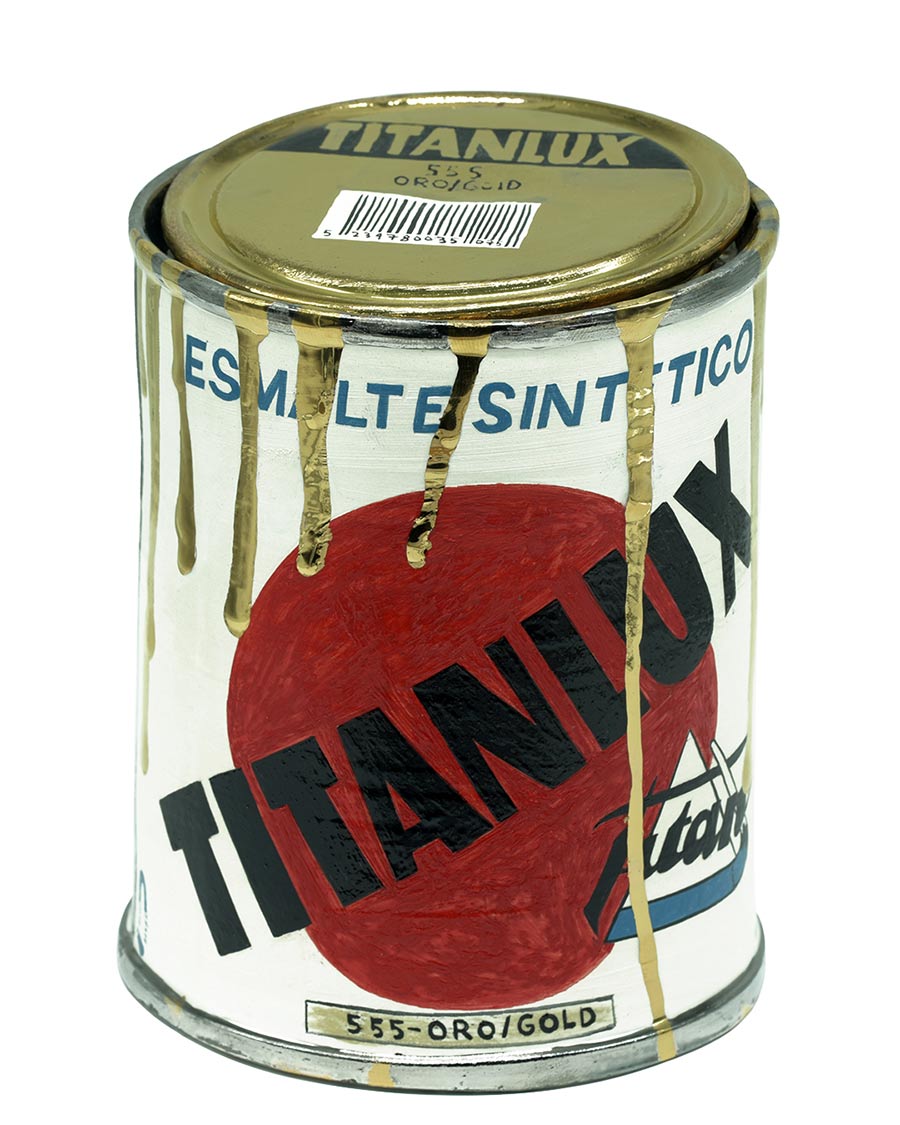
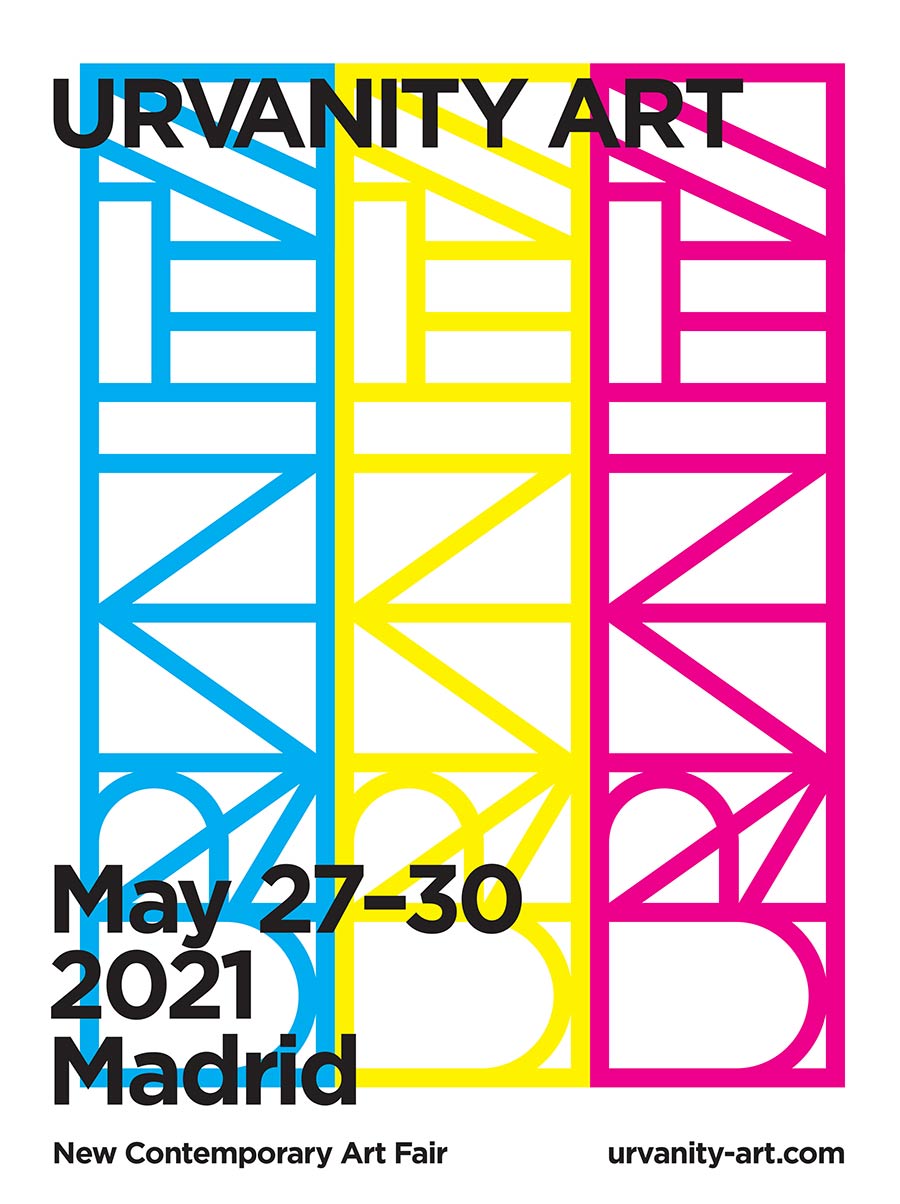
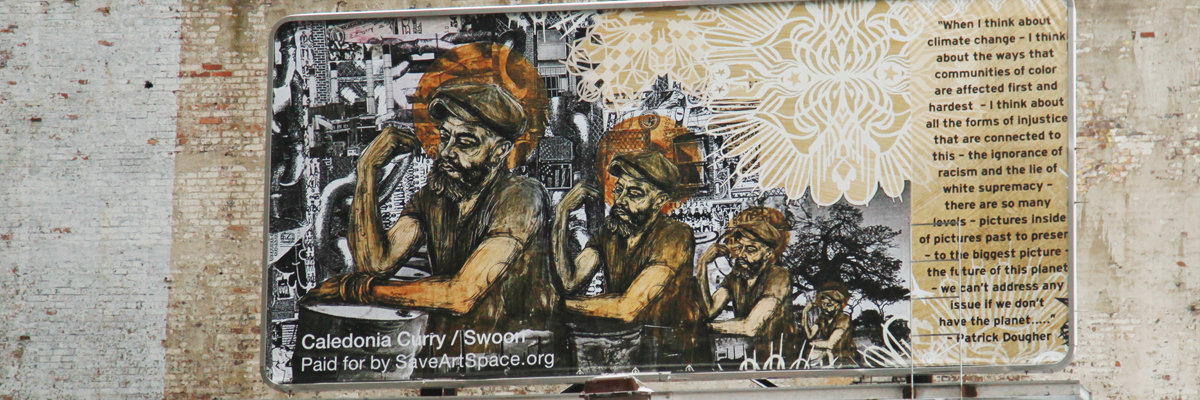
“We’re back!” Announces URVANITY, the organization that has celebrated a distinctly street-influenced flavor of New Contemporary art in Madrid for 5 years. In anticipation of their upcoming fair at the end of May, they’re tantalizing you virtually starting this week with a special program called URVANITY SOLO SHOWS. Featuring 20+ galleries from February 25th to March 28th, attendees will be strolling through the solo shows of artists like D*Face, Eugenio Recuenco, Rafa Macarrón, Marría Pratts, James Rielly, and 108.
Ru8icon. Padre Gallery, NY. Urvanity Art 2021, on-line exhibition. February 25-28. Madrid. (photo courtesy of Urvanity Art)Ru8icon. Padre Gallery, NY. Urvanity Art 2021, on-line exhibition. February 25-28. Madrid. (photo courtesy of Urvanity Art)
We were in Madrid at URVANITY a couple of years ago to host the BSA Talks Program. The energy and mix of talents and visitors created an exciting formula for conversations and education. The impact of graffiti writing and street artists continues to influence the contemporary art field, especially in Europe. We’re also excited this year to learn more about the launch of Urvanity LAB, “a creative laboratory and online shop platform” that will be offering limited edition products by artists like Add Fuel, Boa Mistura, Cristina Daura, GR170, Yubia, and Rorro Berjano.
As we lead into summer and more people get their vaccines, and public spaces begin to open, URVANITY will welcome visitors again to the Colegio Oficial de Arquitectos de Madrid (COAM) May 27-30. We’re looking forward to seeing this smartly curated fair bloom and grow again this year.
We share with you a selection of the participating artists and galleries for this year’s edition of Urvanity Art and a selection of the first crop of artists selected to participate in the first edition of Urvanity LAB.
108. Swinton Gallery, Madrid. Urvanity Art 2021, on-line exhibition. February 25-28. Madrid. (photo courtesy of Urvanity Art)108. Swinton Gallery, Madrid. Urvanity Art 2021, on-line exhibition. February 25-28. Madrid. (photo courtesy of Urvanity Art)D*Face. StolenSpace Gallery, London. Urvanity Art 2021, on-line exhibition. February 25-28. Madrid. (photo courtesy of Urvanity Art)Wendy White. Badr El Jundi Gallery, Marbella. Urvanity Art 2021, on-line exhibition. February 25-28. Madrid. (photo courtesy of Urvanity Art)Marria Pratts. Yusto/Giner Gallery, Marbella. Urvanity Art 2021, on-line exhibition. February 25-28. Madrid. (photo courtesy of Urvanity Art)Rorro Berjano. Urvanity LAB 2021, on-line exhibition. February 25-28. Madrid. (photo courtesy of Urvanity Art)Rorro Berjano. Urvanity LAB 2021, on-line exhibition. February 25-28. Madrid. (photo courtesy of Urvanity Art)Add Fuel. Urvanity LAB 2021, on-line exhibition. February 25-28. Madrid. (photo courtesy of Urvanity Art)
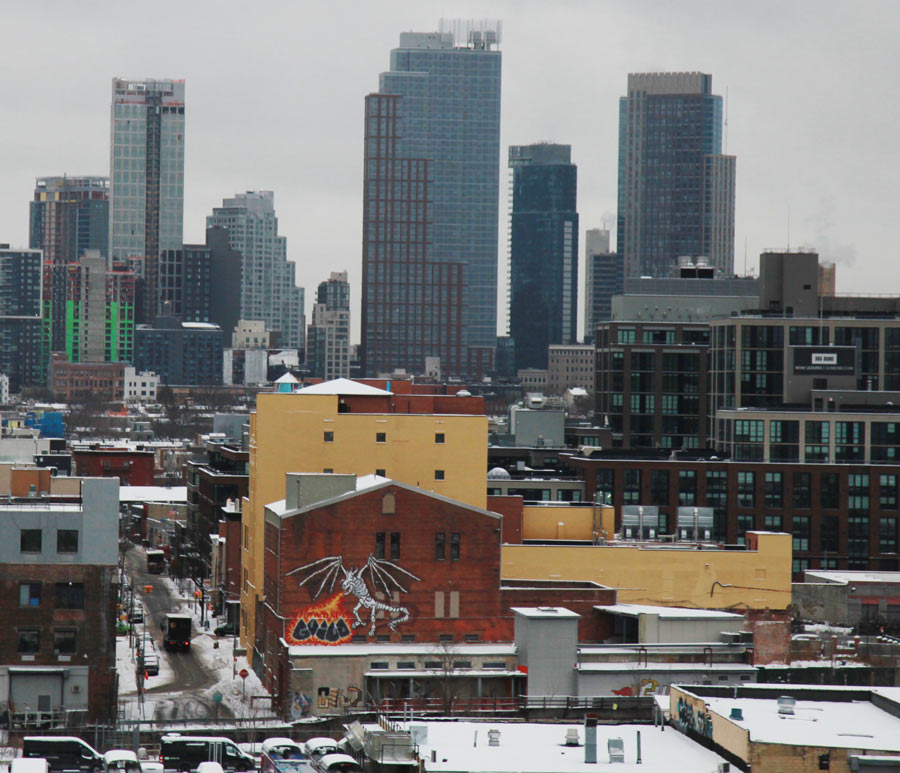
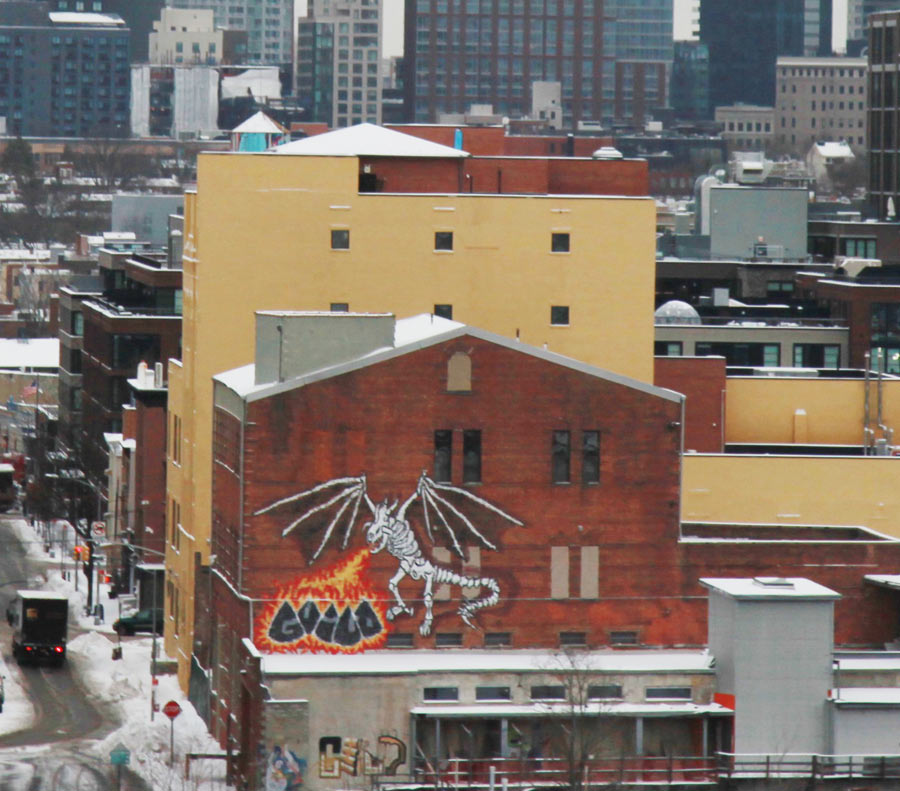
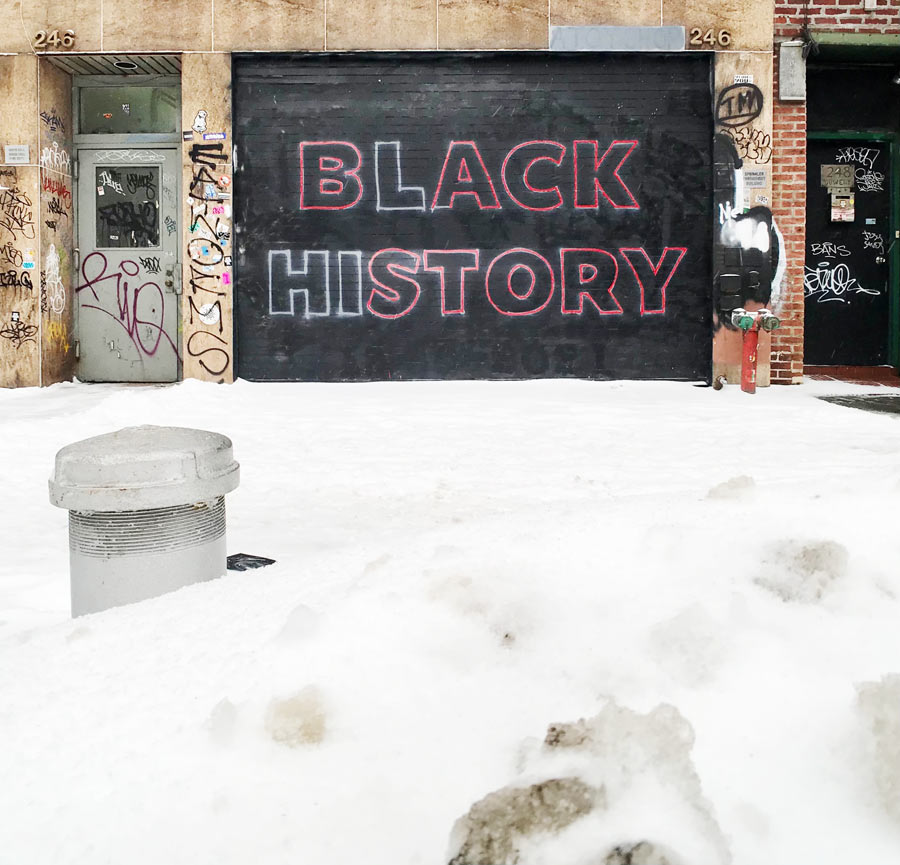
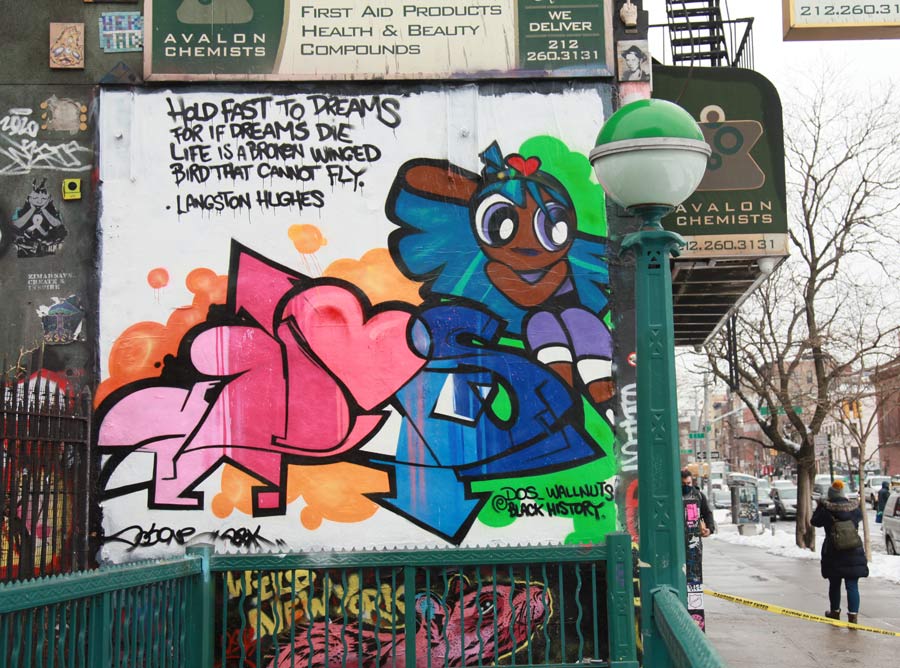
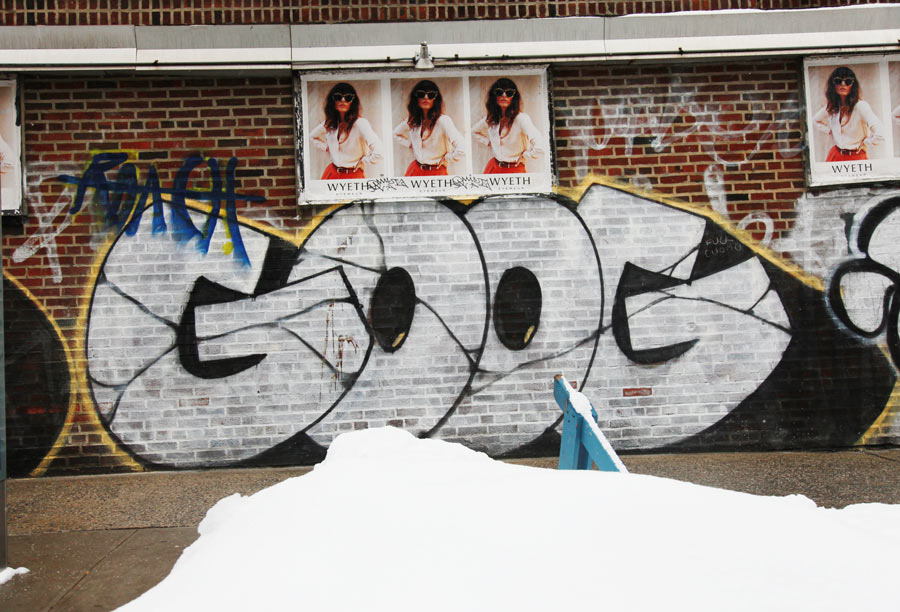
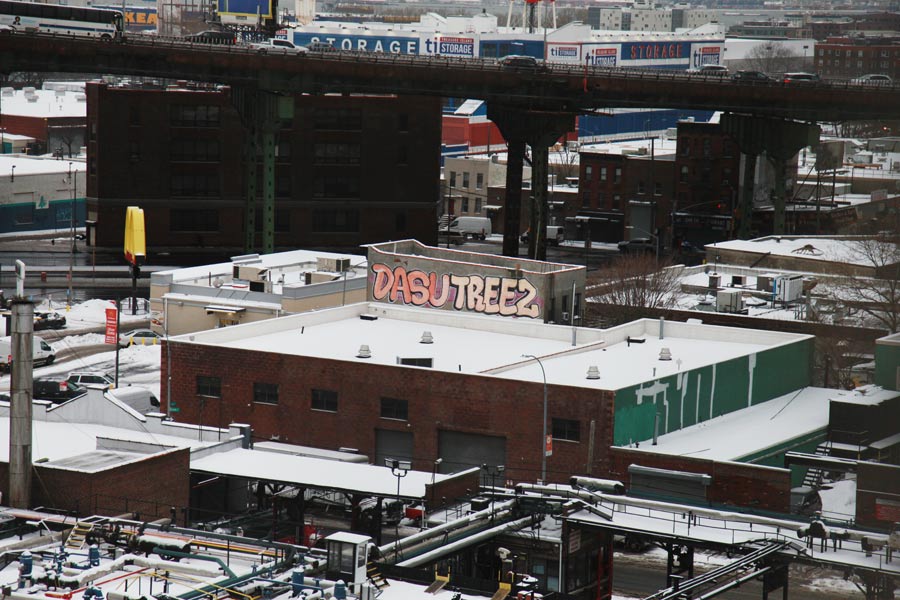
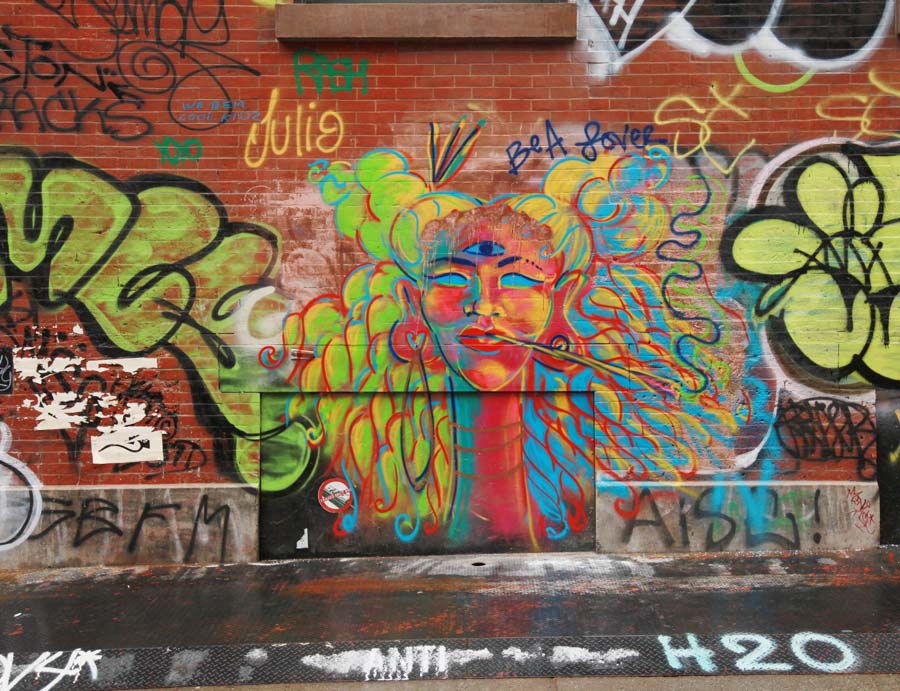
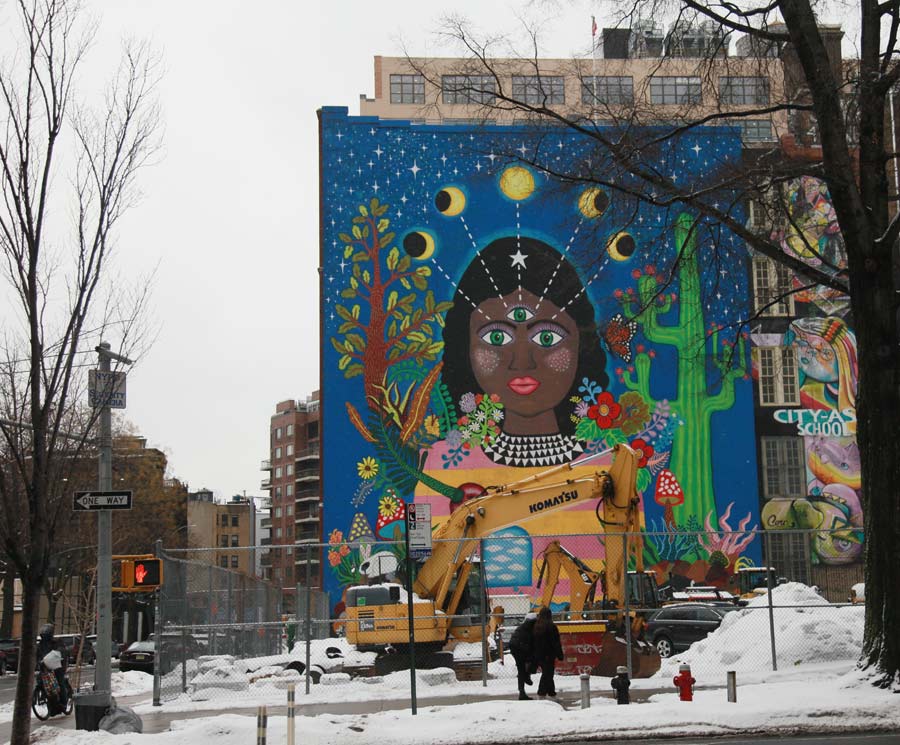
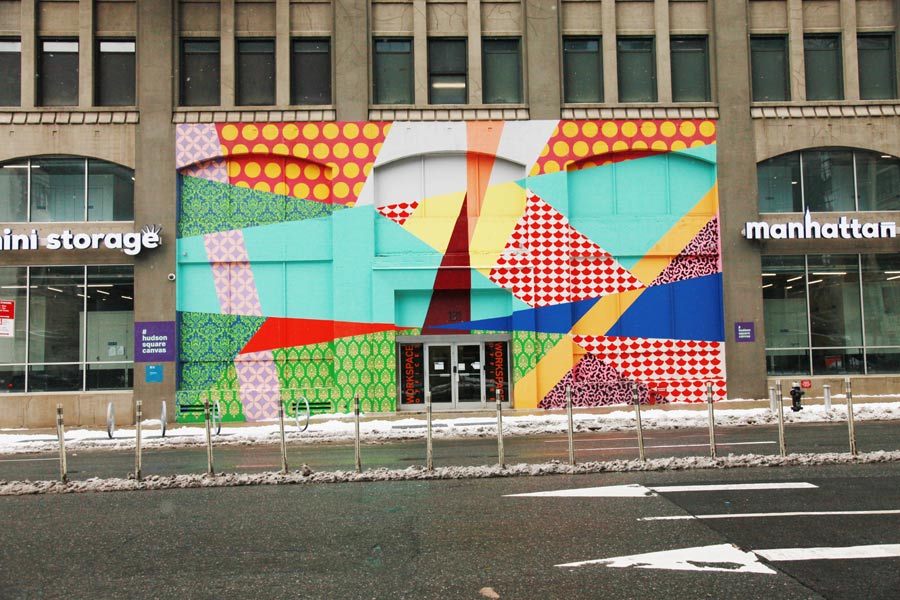
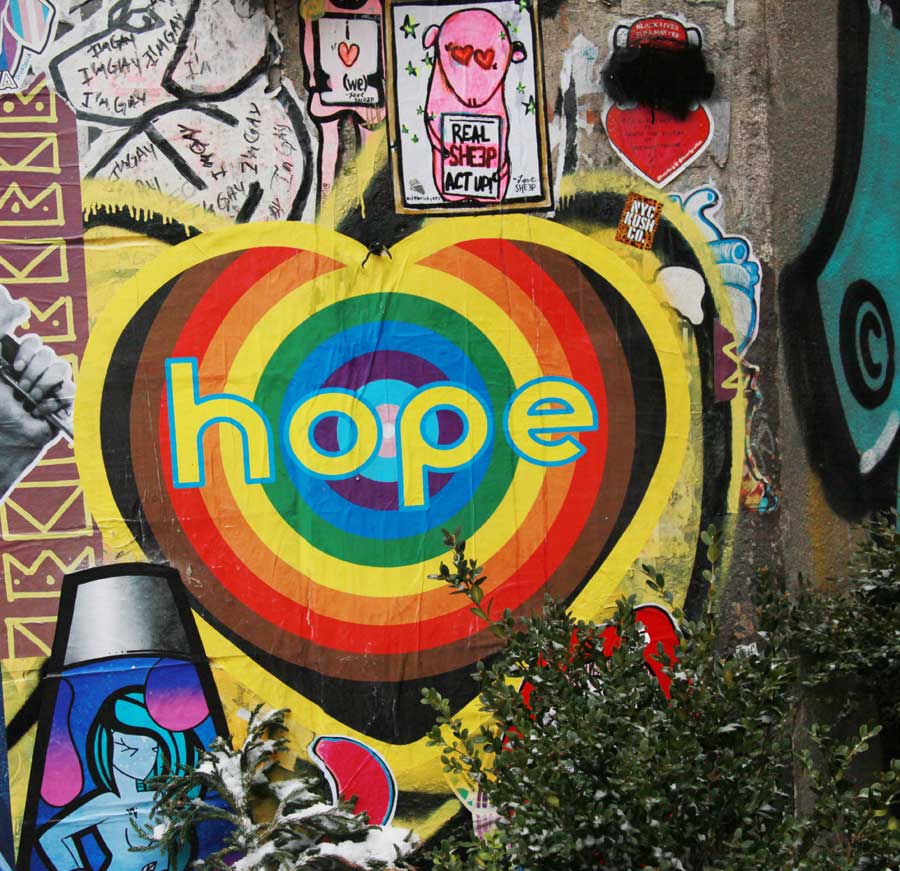
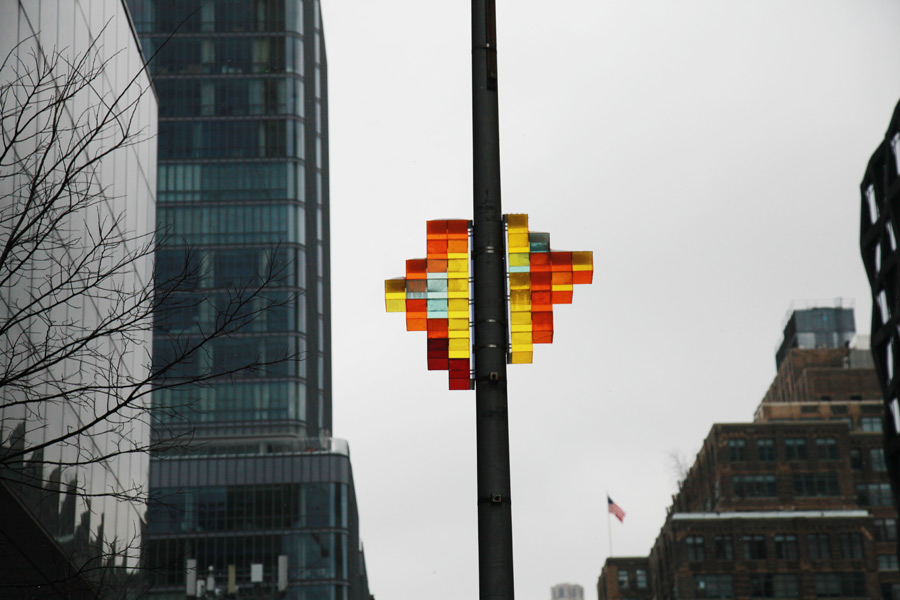
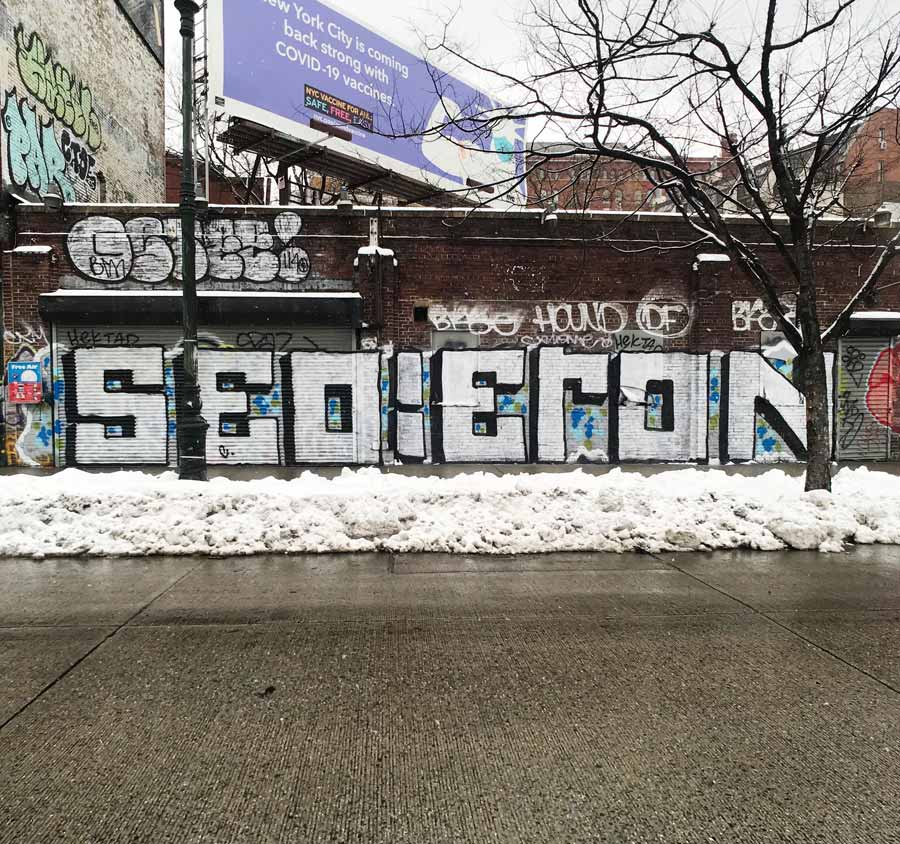
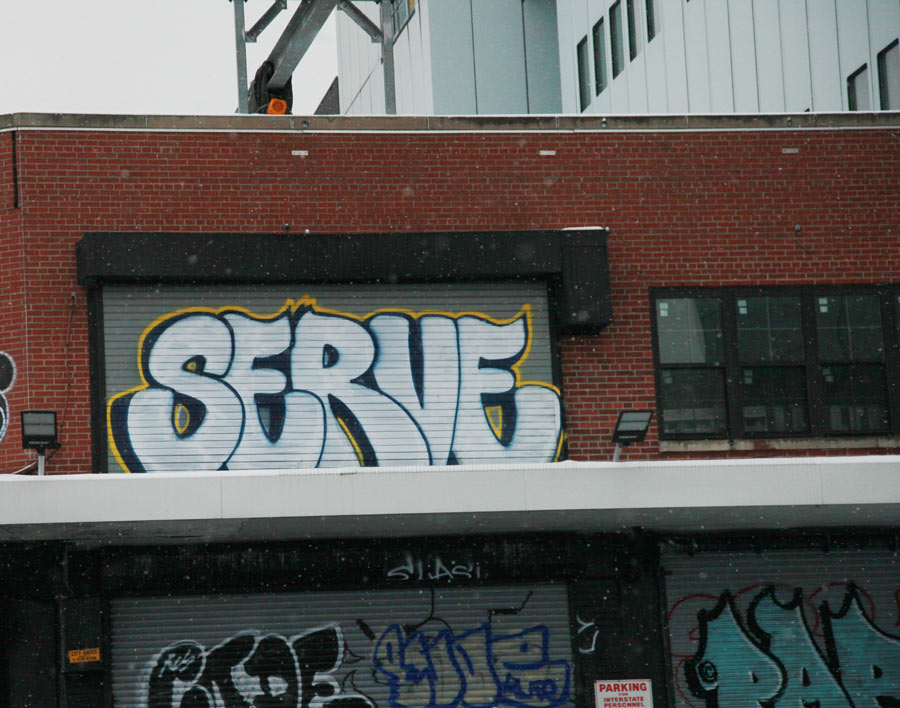
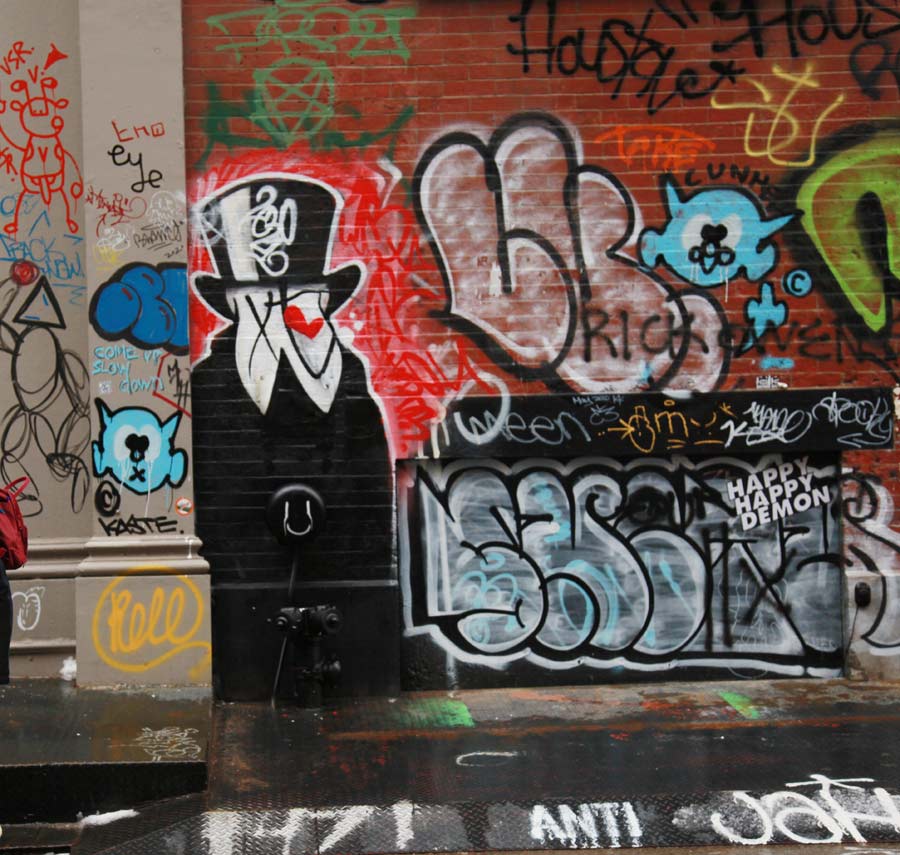
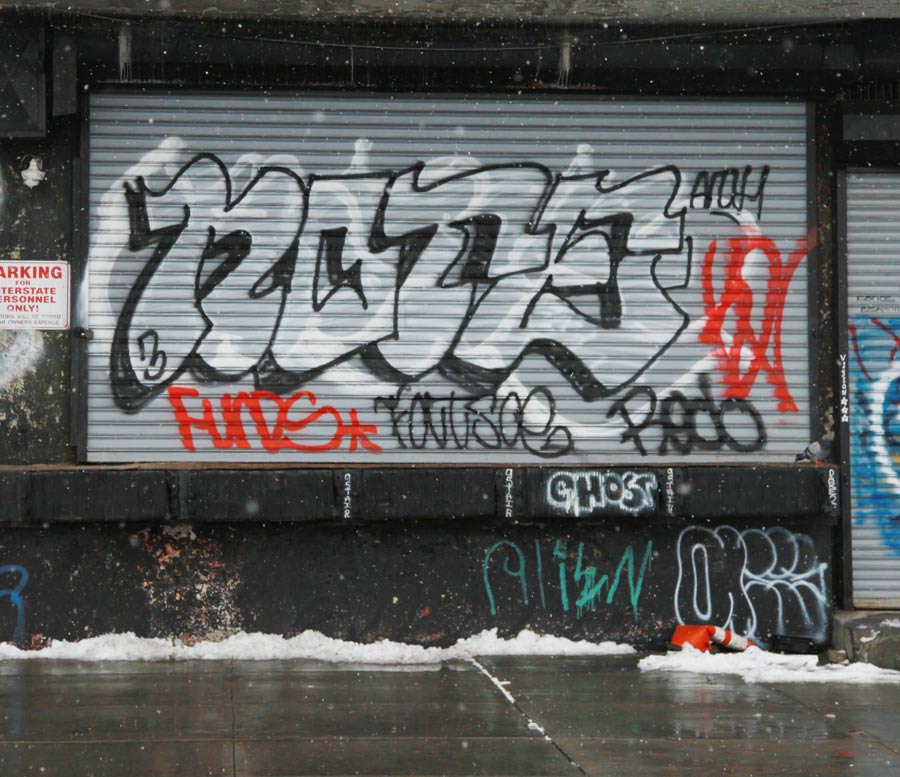
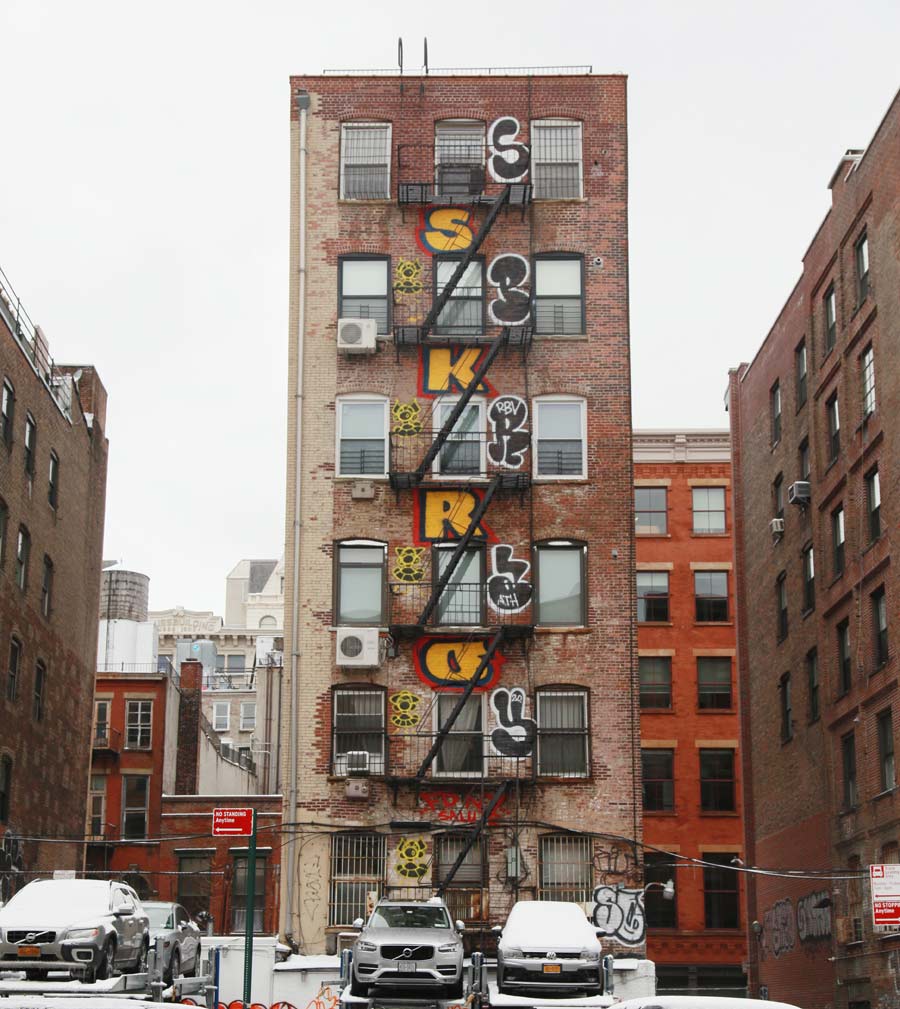
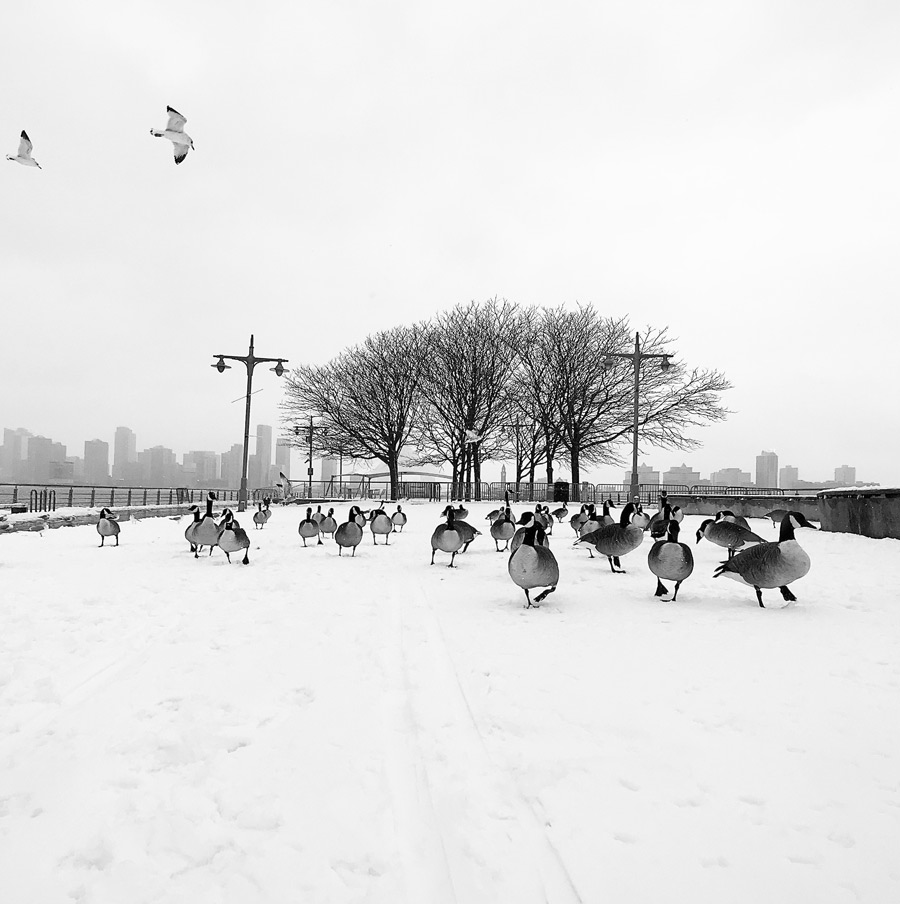
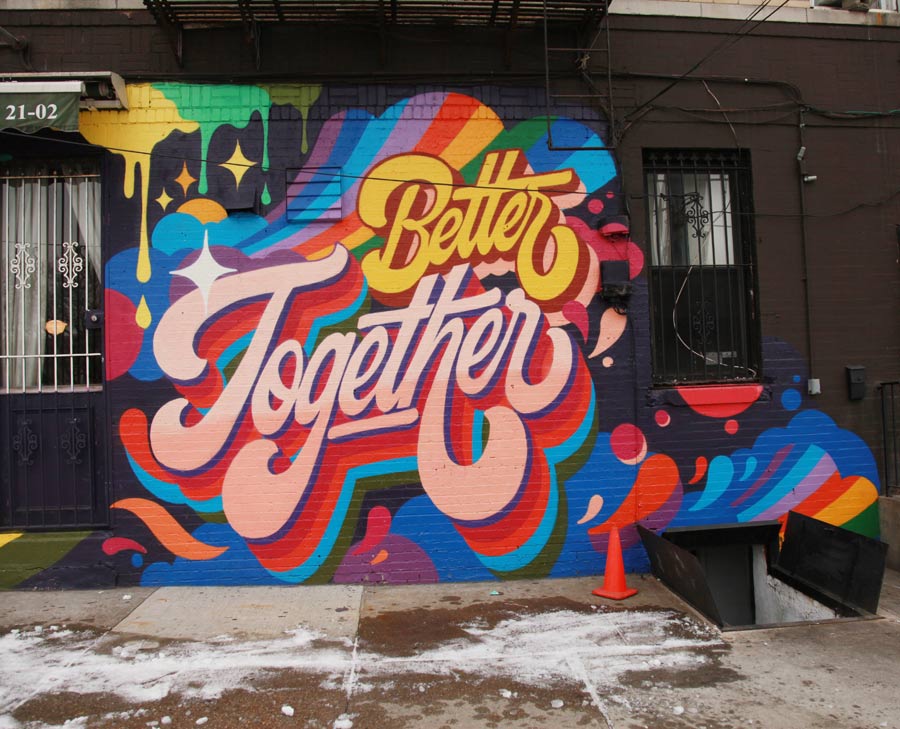
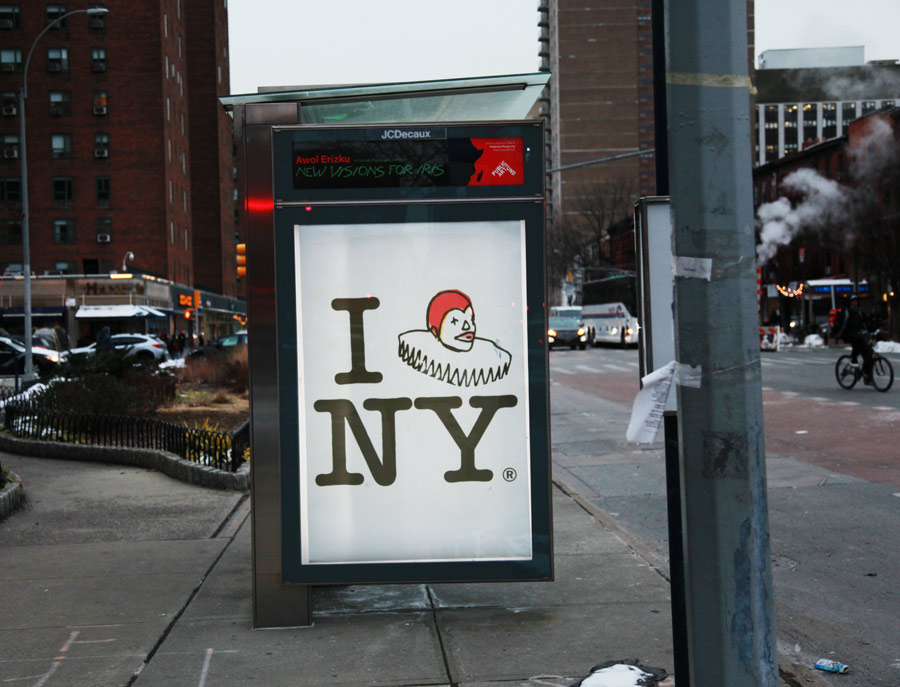
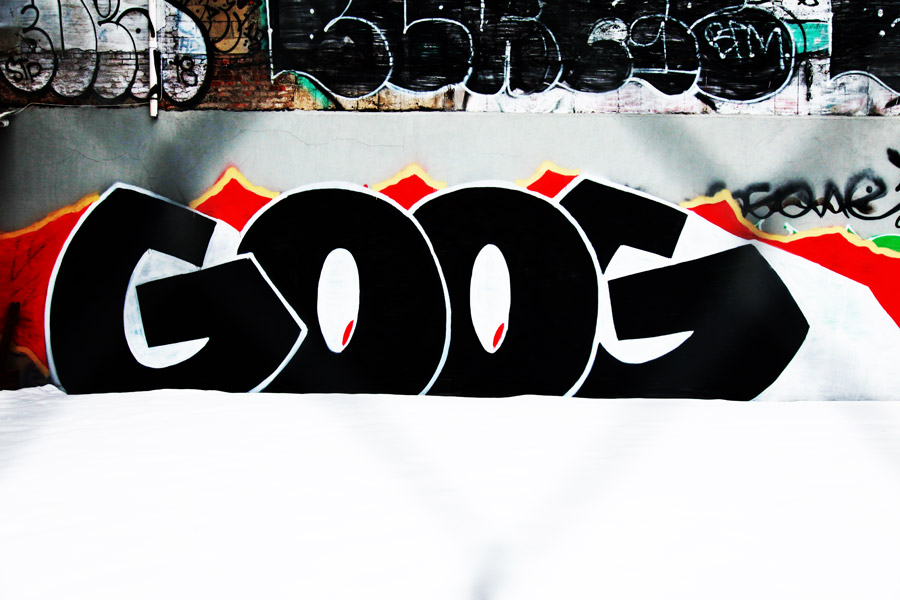
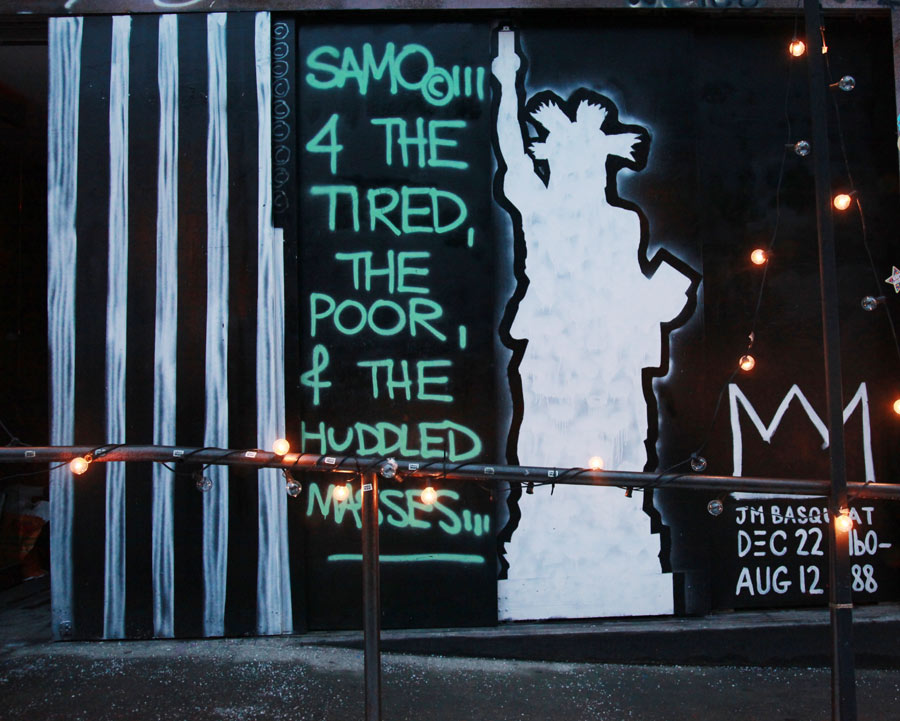
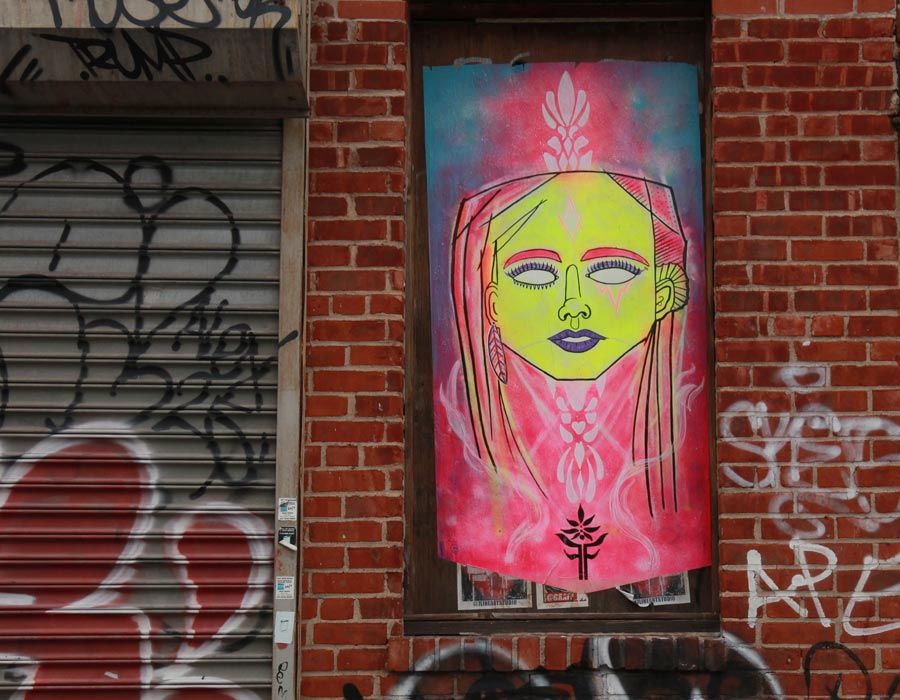
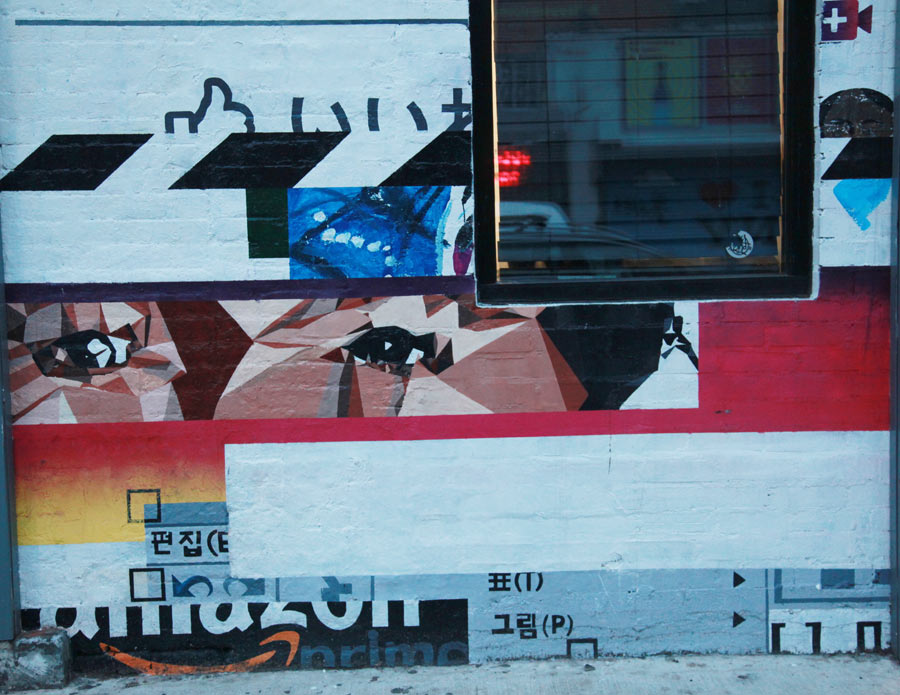
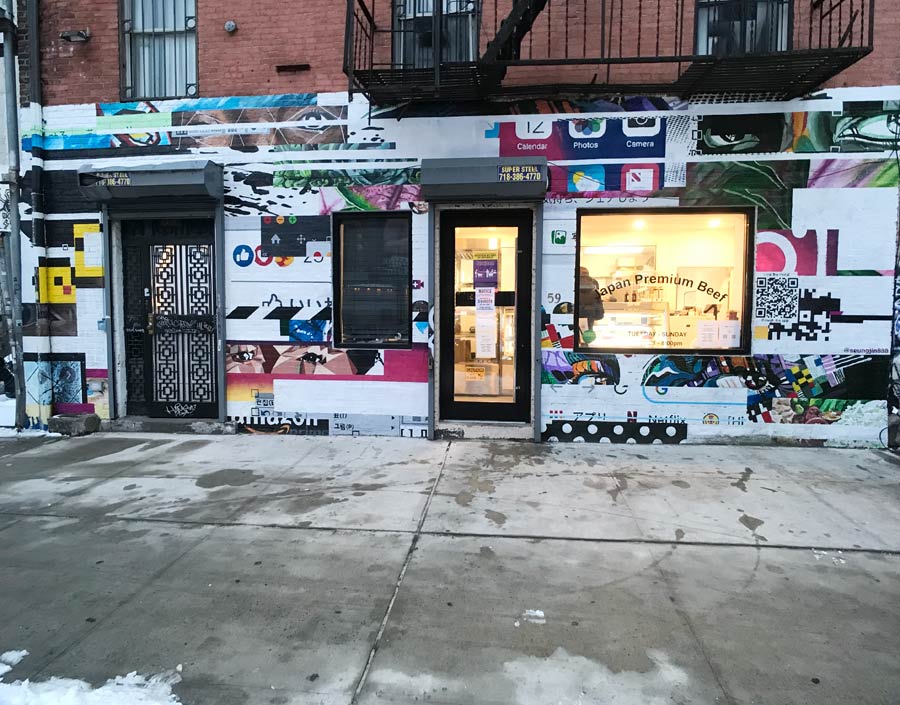
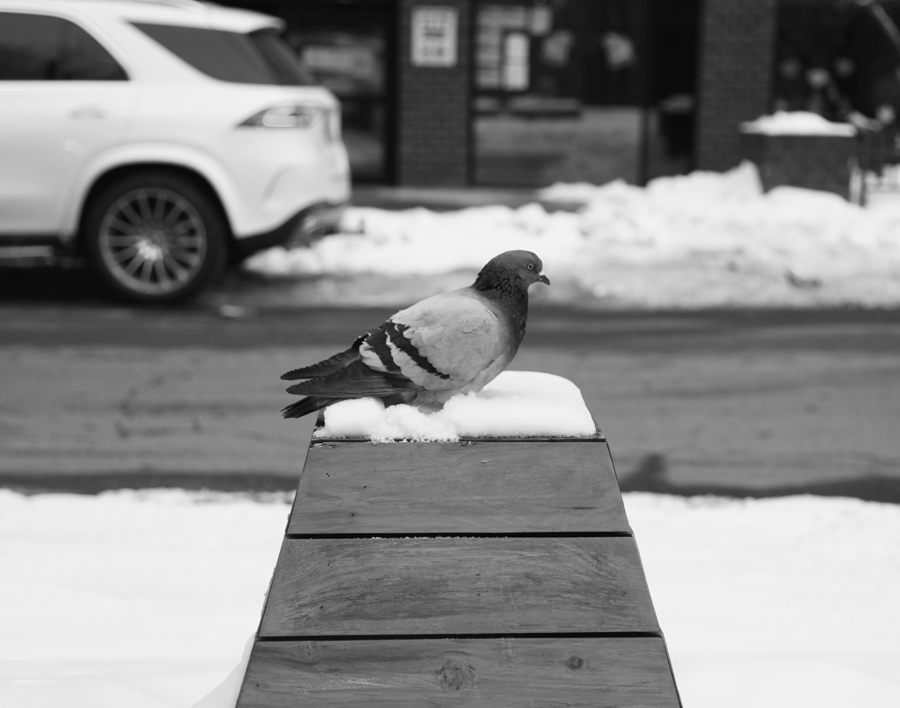
Welcome to BSA Images of the Week. It’s been snowing and snowing and snowing this month in New York – providing perfect framing for graffiti and street art.
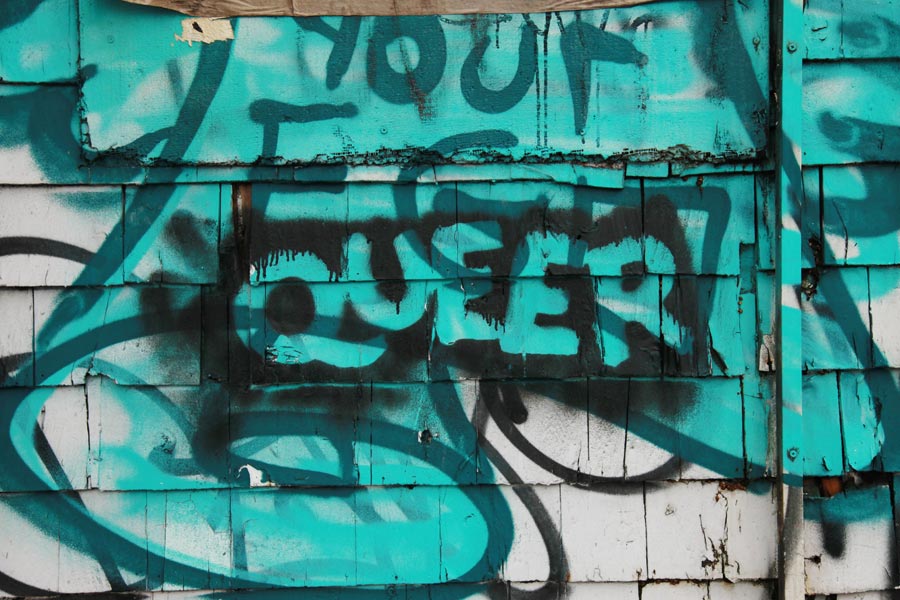
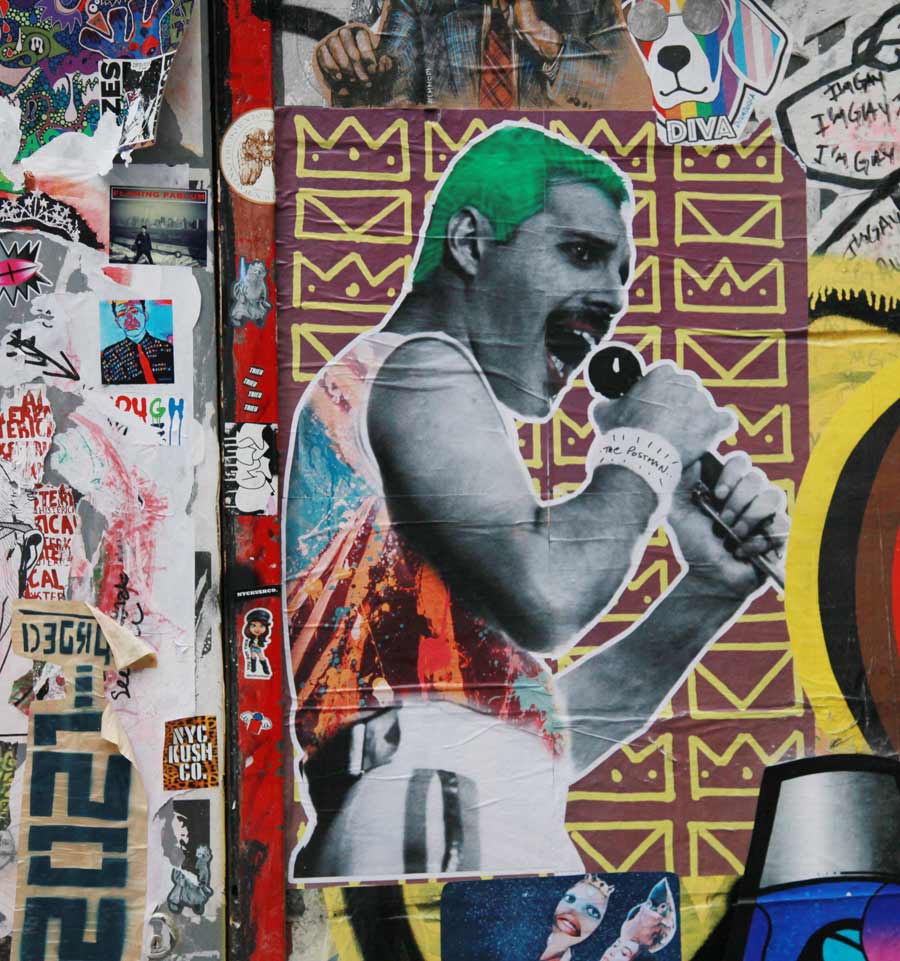
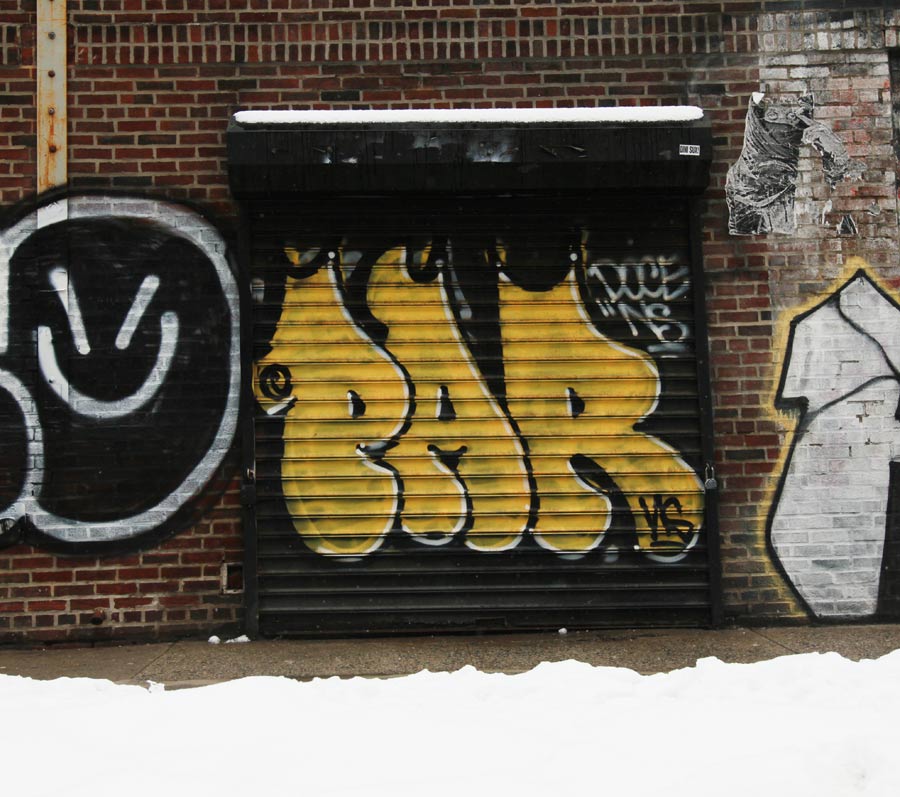
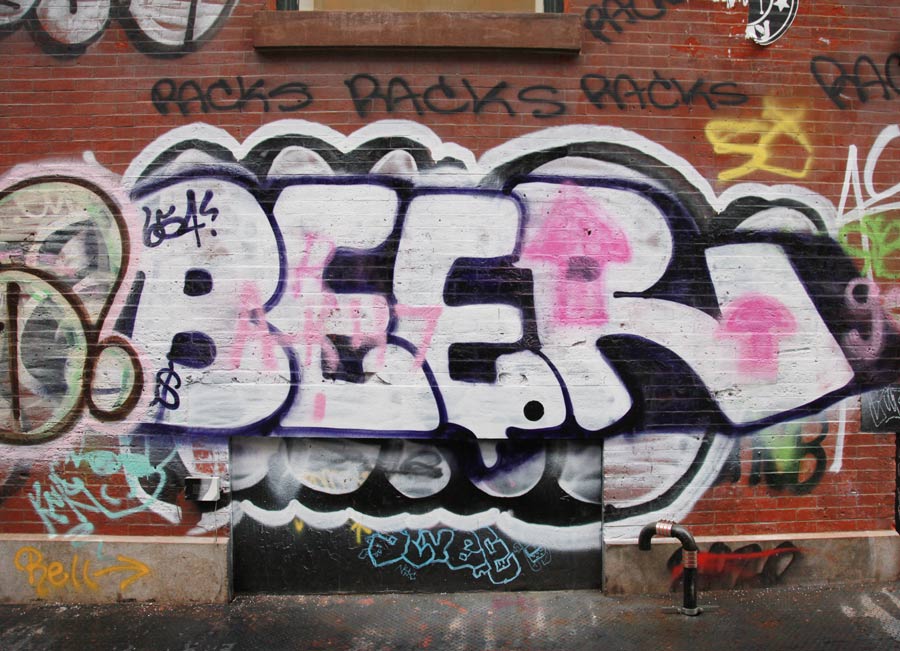
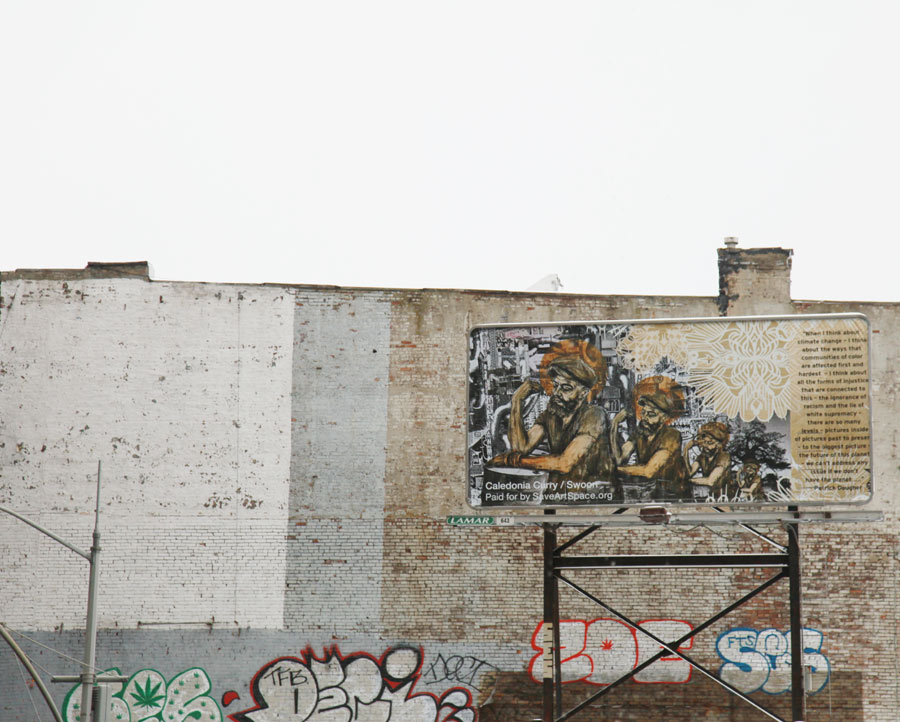
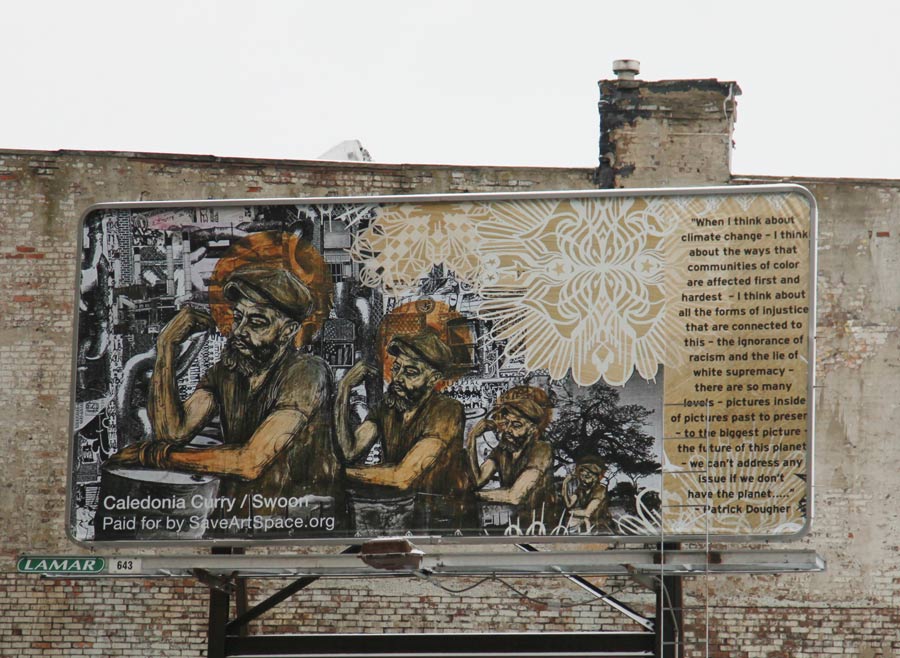
Here’s our weekly interview with the streets, this week featuring Adrian Wilson, Beer, Claudia Ravaschiere, Dasu, Dos Wallnuts, Eron, Goog, Guild234, Hellbent, Magda Love, Michael Moss, No Sleep, Note, Par, Seo, Serve, Swoon, The Postman Art, and Treeze.
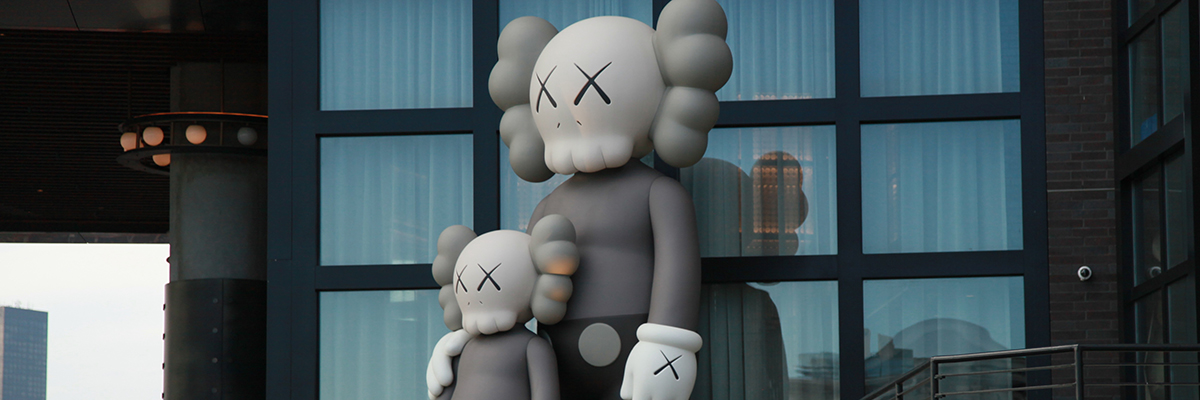
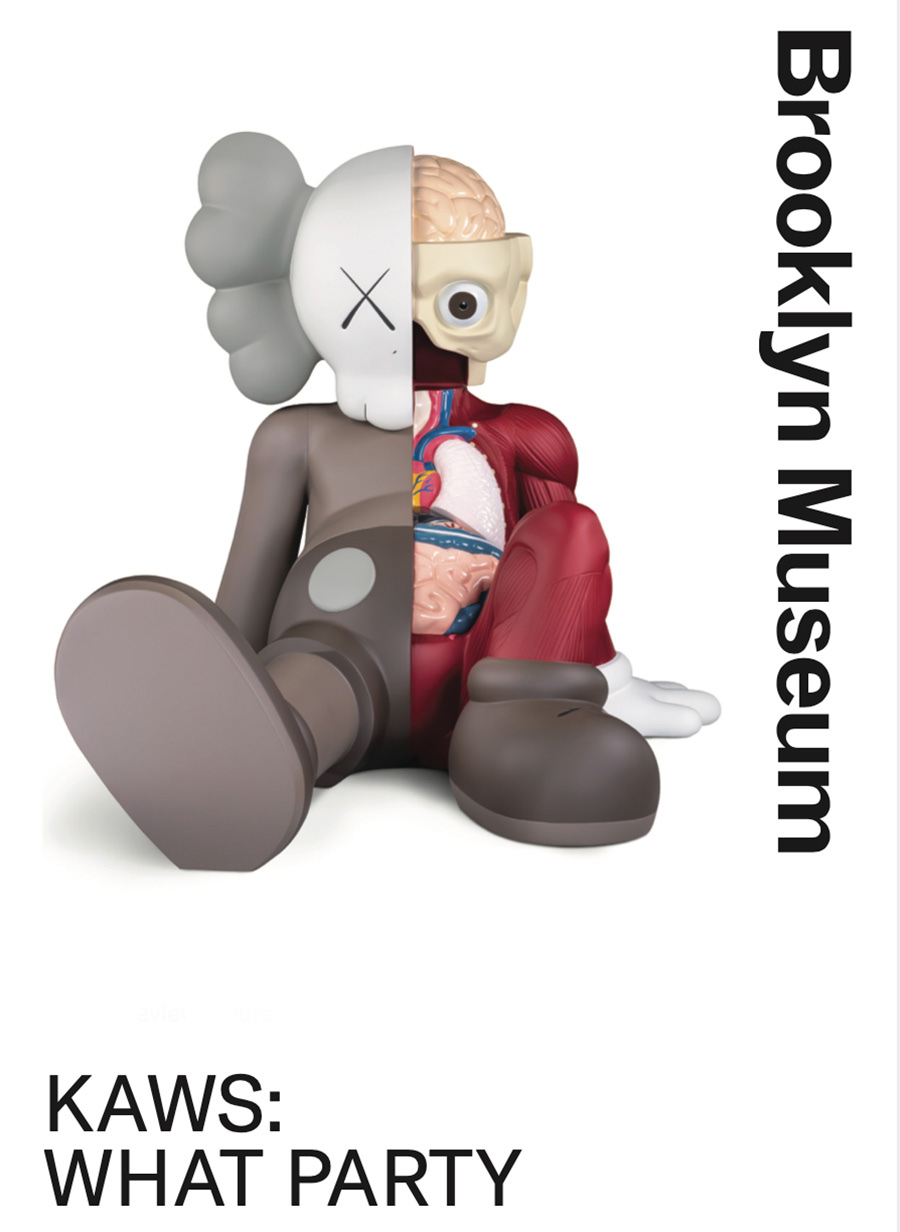
From graffiti writing on the street to art products to massive sculptures in public spaces, the career evolution of Brooklyn’s KAWS embodies graffiti-street-art-urban-art’s commercial moves into the mainstream in an unrivaled way. Now the Brooklyn Museum hosts KAWS: WHAT PARTY, where you may not be able to determine the fine line between exhibition and store display.
The press release says, “Adapting the rules of cultural production and consumption in the twenty-first century, his practice both critiques and participates in consumer culture,” so you are forgiven if you want to put some of these ‘Companion’ items in your cart and head for the register. Also look forward to seeing graffiti drawings and notebooks, paintings, collectibles, furniture, and those bus-stop posters that he high-jacked advertising spots with.
Also, “Teaming up with Acute Art, a digital art platform directed by acclaimed Swedish curator Daniel Birnbaum, KAWS presents new augmented reality works, allowing visitors to interact virtually with his sculptures using their smartphones to create their own experience.”
KAWS: WHAT PARTY February 26–September 5, 2021 Curated by Eugenie Tsai
BROOKLYN MUSEUM
200 Eastern Parkway Brooklyn, New York 11238-6052 Subway: Eastern Parkway/Brooklyn Museum information@brooklynmuseum.org
Our weekly focus on the moving image and art in the streets. And other oddities.
Now screening participants at Festival Asalto 2020: 1. Nychos “1111” 2. Meet Vhils / Leaders in Action Society 3. Jauria / Pack David De La Mano with Nicolás Almada Luraghi and Enzo Rosso
BSA Special Feature: Nychos Begins Again at “1111”
Life has its mysterious and unexpected ways of grabbing our attention. Austrian street artist, fine artist, and epic muralist Nychos may have been too busy to see the cycles he was in until, finally, a devastating physical and emotional series of events brought him to a baseline truth.
In some ways, his search was perhaps being played out before our eyes for those who experienced his art over the last decade: A relentless dissecting and peering into the contents and physical inner workings of the animal world and humans extended to metaphor as well – slicing apart and examining icons, monsters, dinosaurs, and pop culture detritus too. His works could often be accompanied by a certain clinical gore, a brightly illustrated and fascinating horror, a stylish rage, a riveting trauma, a gorgeously gut-wrenching drama.
Today, he tells us part of his journey that involves destruction and pain, of rage, release, clarity, and finally a healing. Brave, as ever, he shares it with us. Like all of us, these painful lessons will shape the path he forges into the future. We are thankful. And we wish him the best.
Nychos “1111”
Meet Vhils / Leaders in Action Society
A broader autobiography is given here by Portuguese street artist Vhils of growing up in a suburban part of Lisbon surrounded by the leftist politics of his supportive family and community in the 1990s at a time of great discord and difficult changes in society. “Graffiti is a game within a group of people who understand the language,” he says in one of the most succinct descriptions ever.
Jauria / Pack David De La Mano with Nicolás Almada Luraghi and Enzo Rosso
Neglected buildings often access and summon elements of your imagination. You may conjure scenarios of how people lived in, worked in, interacted in the rooms and hallways, and windows. Sometimes hearing music like this in an abandoned place gives the impression that it is literally pulling spirits of the past forward, filling the air with the music of the life, the life of the music. Harpist Nicolás Almada Luraghi and violinist Enzo Rosso here finely weave the silk and the lace that surely graced this space. Street artist David de la Mano not only adorns but brings walls to life with his flat figured illustration style and storytelling.
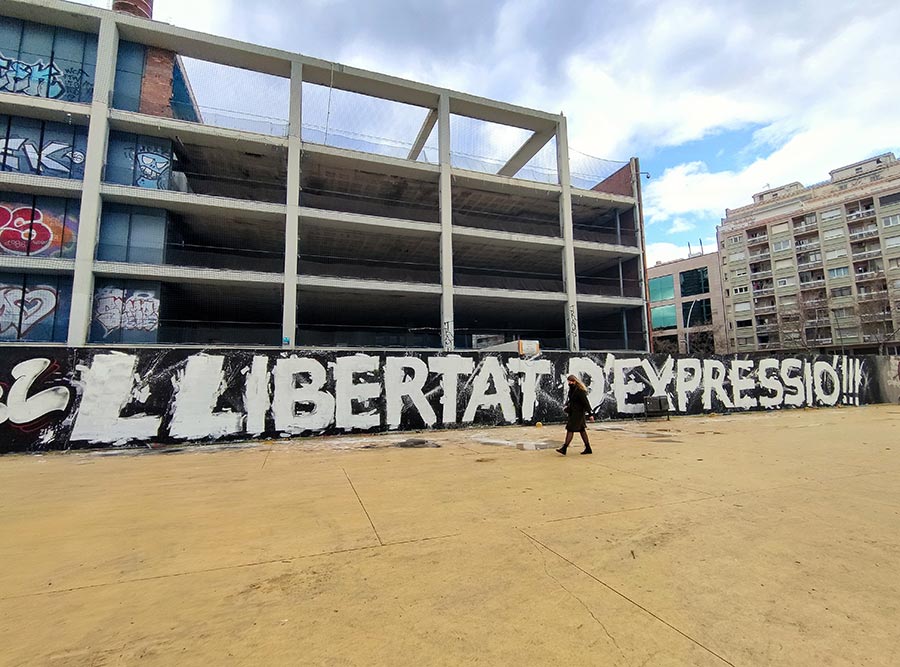
Freedom of expression is foundational in a democracy. Without it, it is not difficult for a culture to descend into authoritarianism, fascism, and dictatorship. By many standards, Spain’s democracy is still young, with a Parliamentary Monarchy since 1978. So it is curious and alarming to hear that this EU country has been silencing free speech in the last few years.
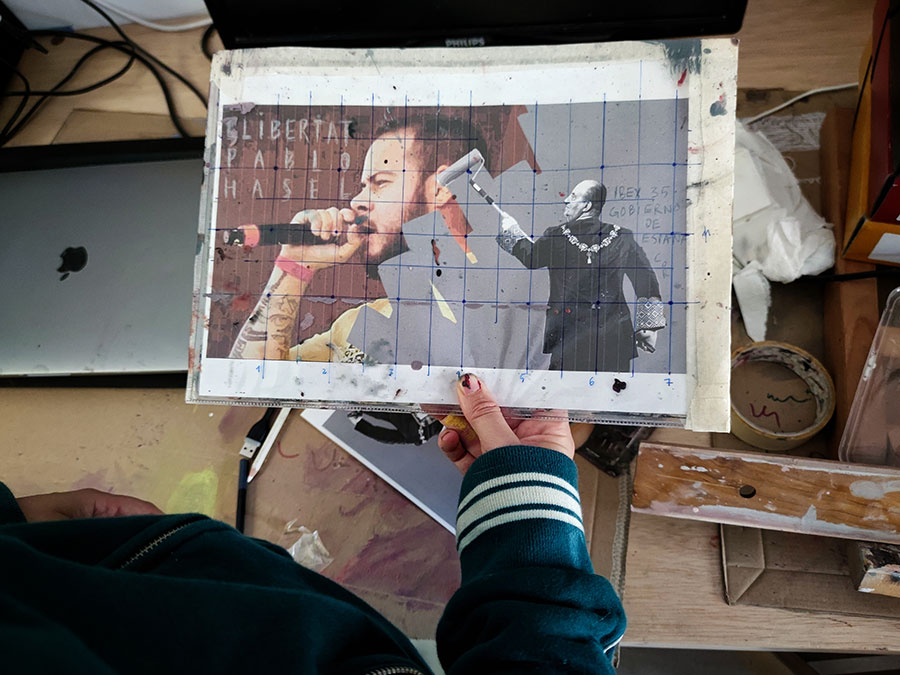
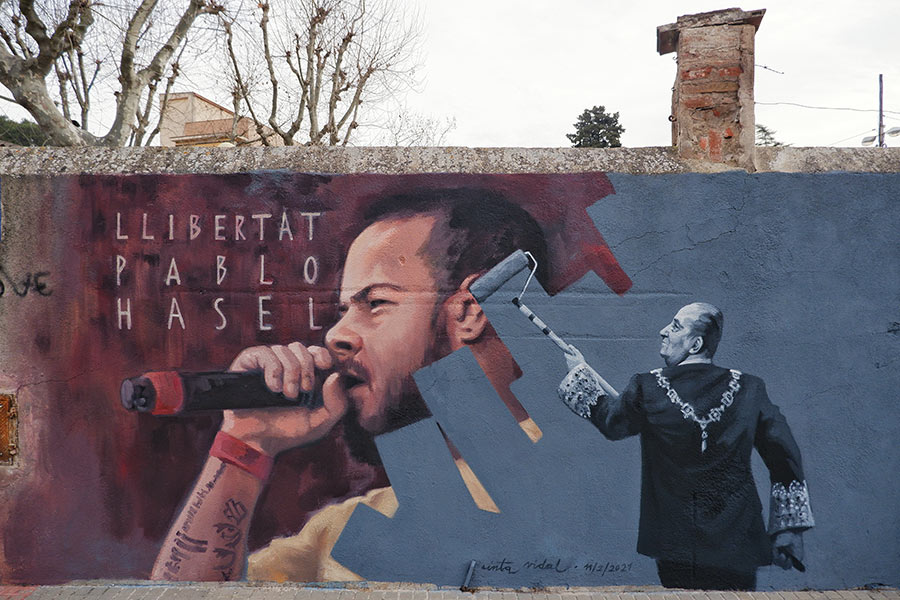
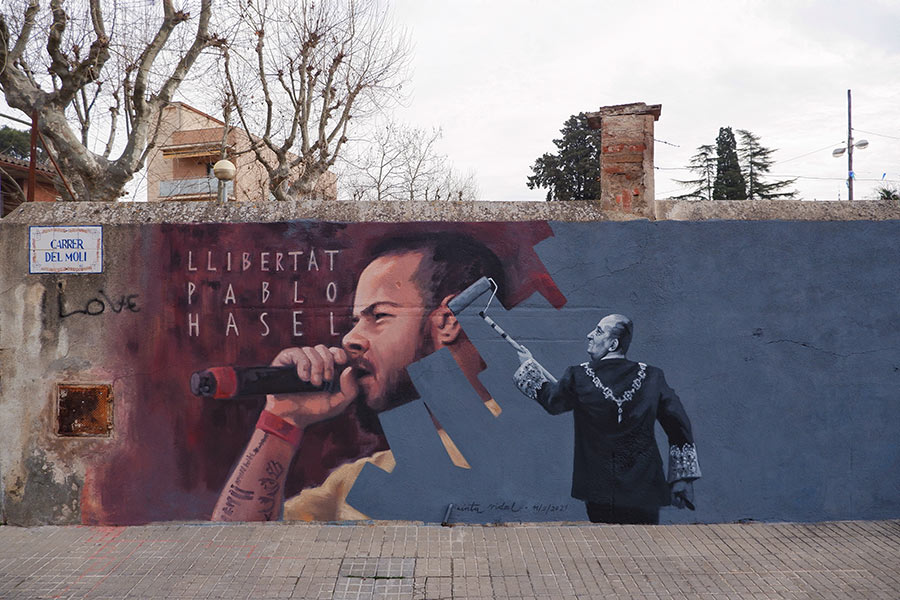
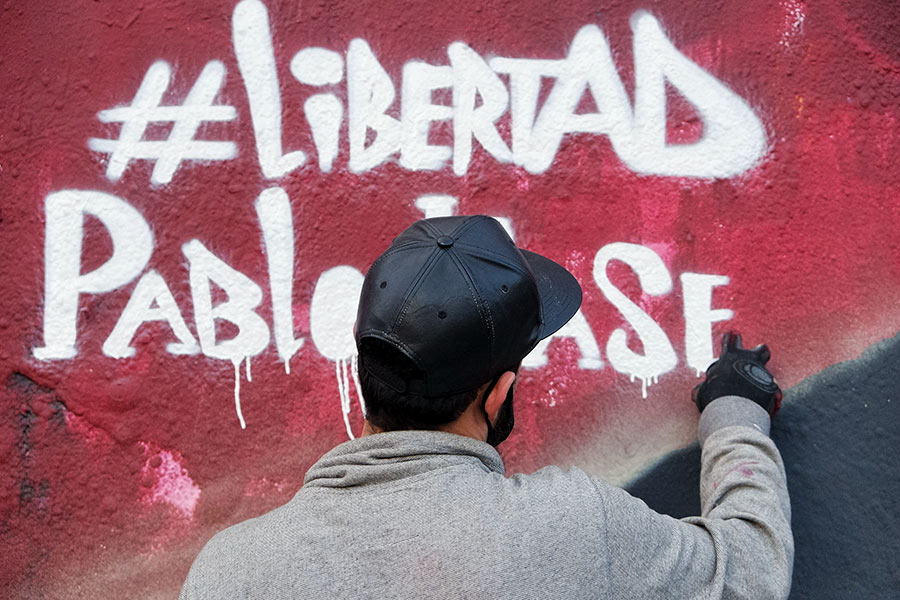
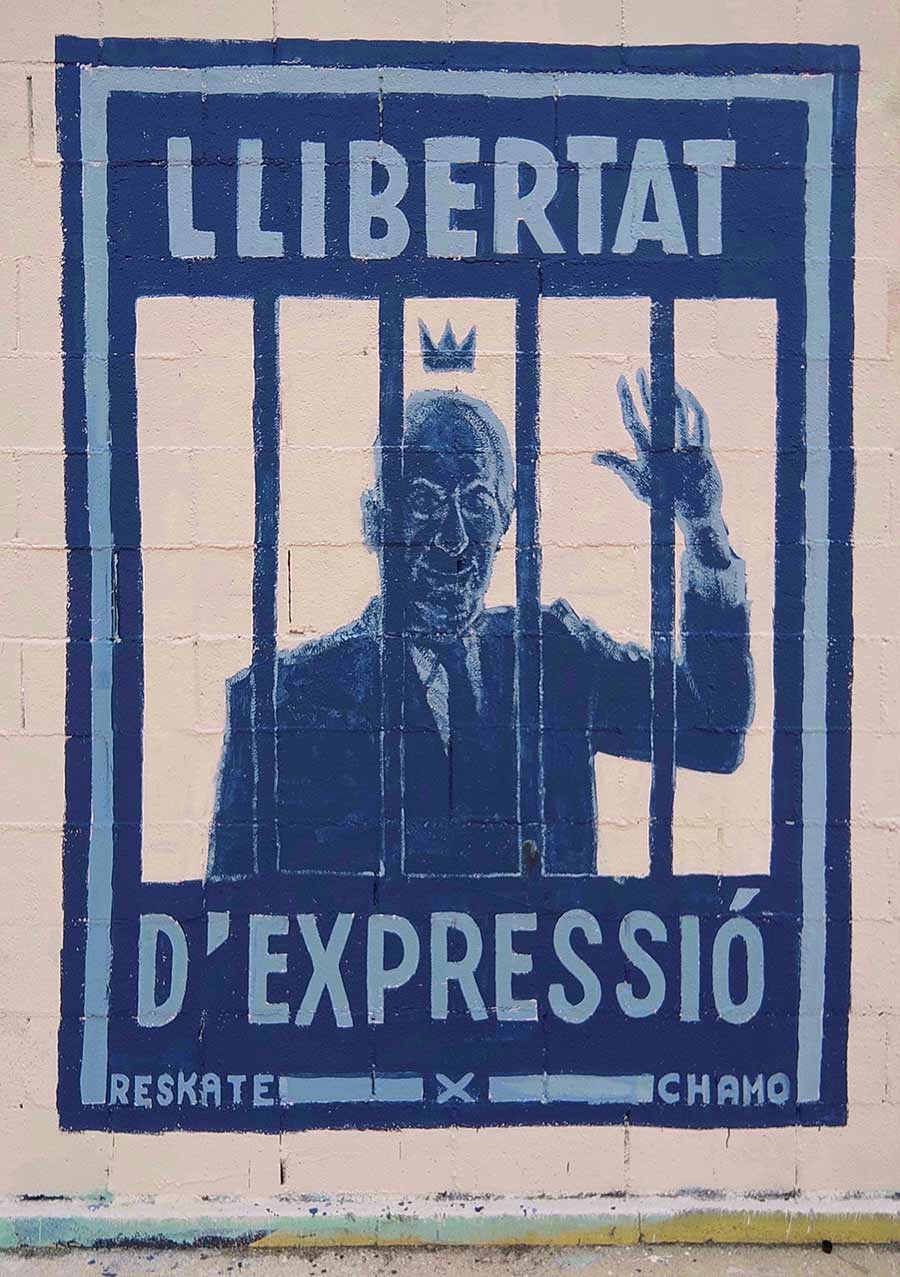
In 2018, we reported here on an initiative undertaken by more than two dozen artists from Spain called #nocallarem, a visual and musical protest inside a former prison to speak out against the Spanish Supreme Court ruling against the rights of an artist, a rapper, Pablo Hasel. In lyrics about the then-King Juan Carlos De Borbon deemed offensive, the young musician violated recently passed laws forbidding such speech.
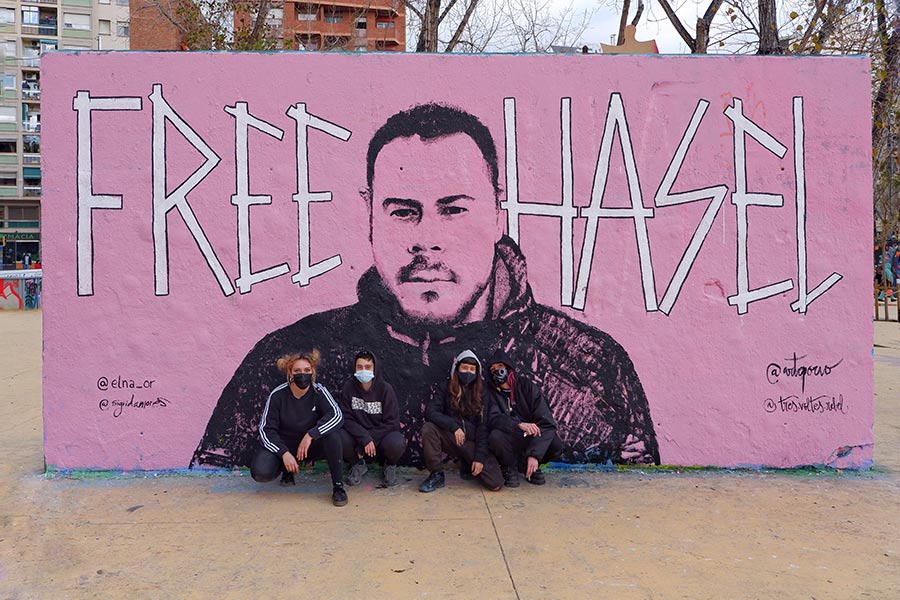
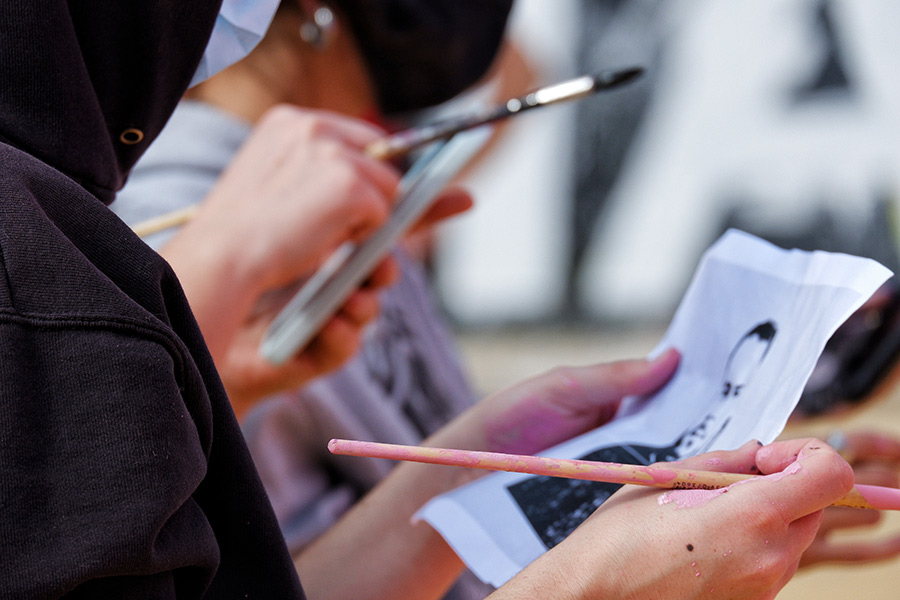
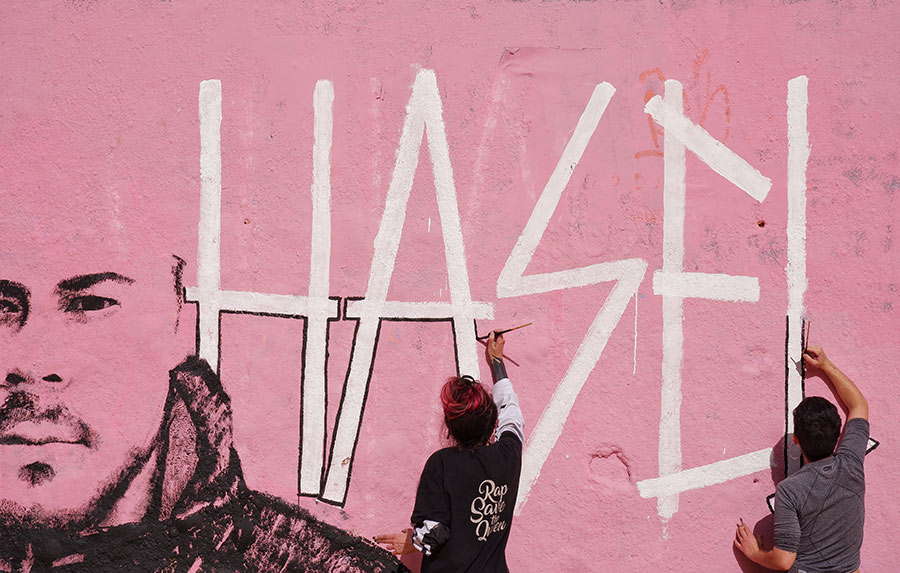
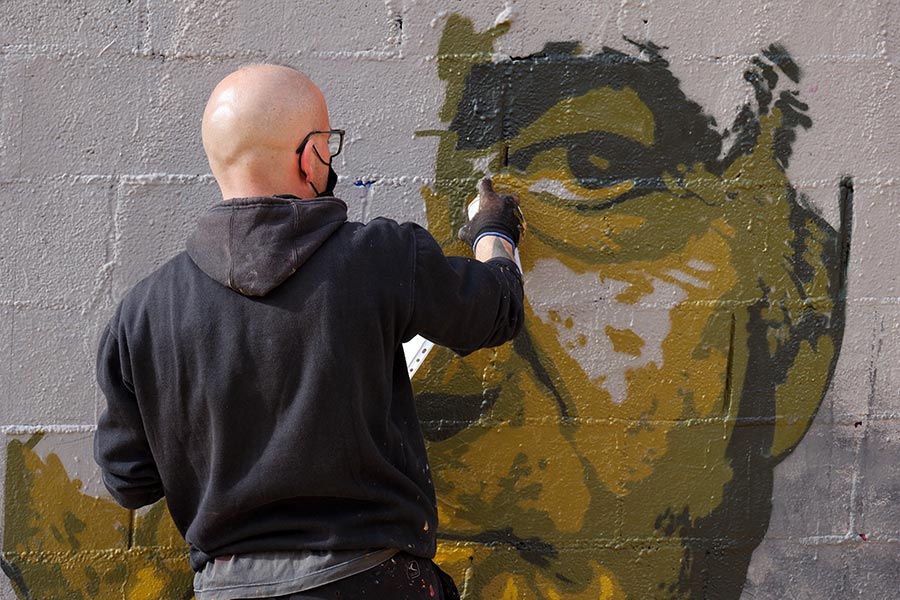
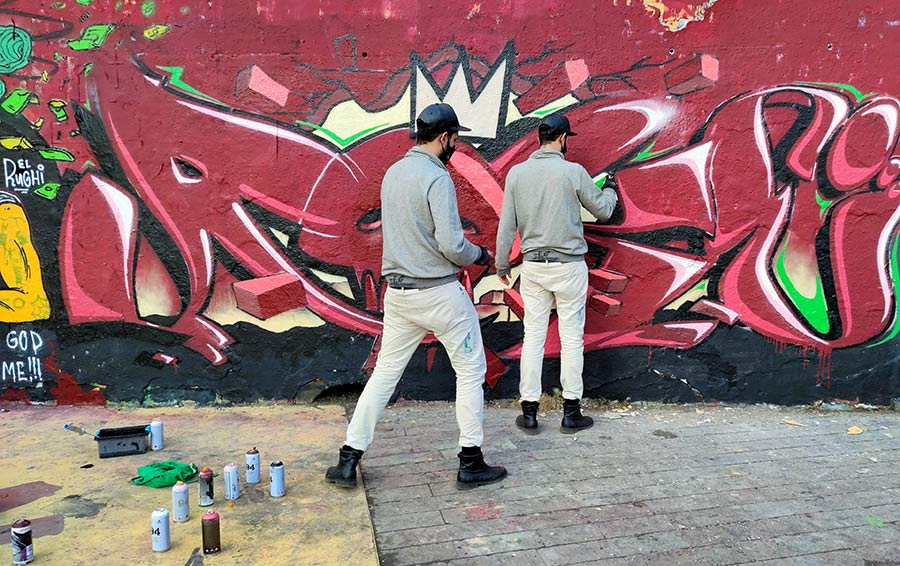
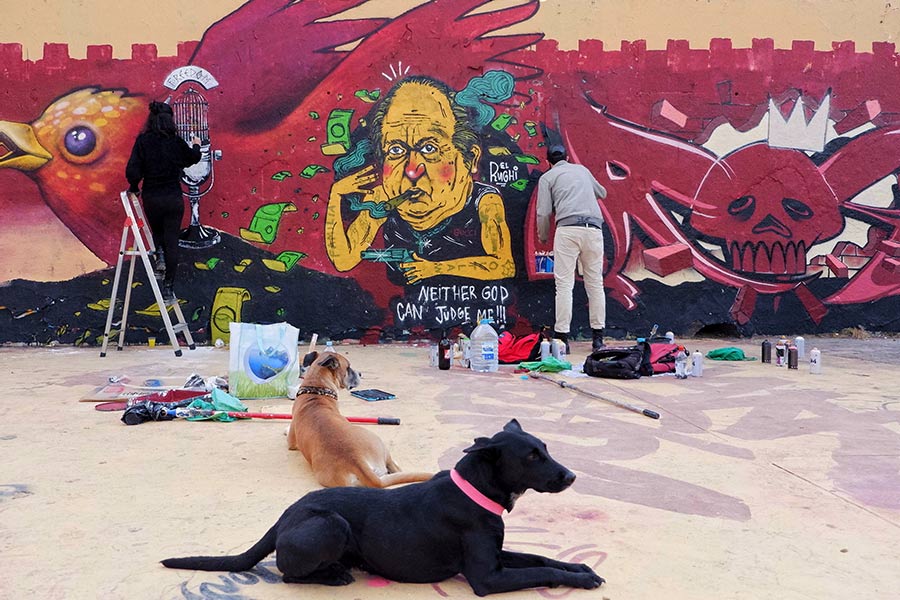
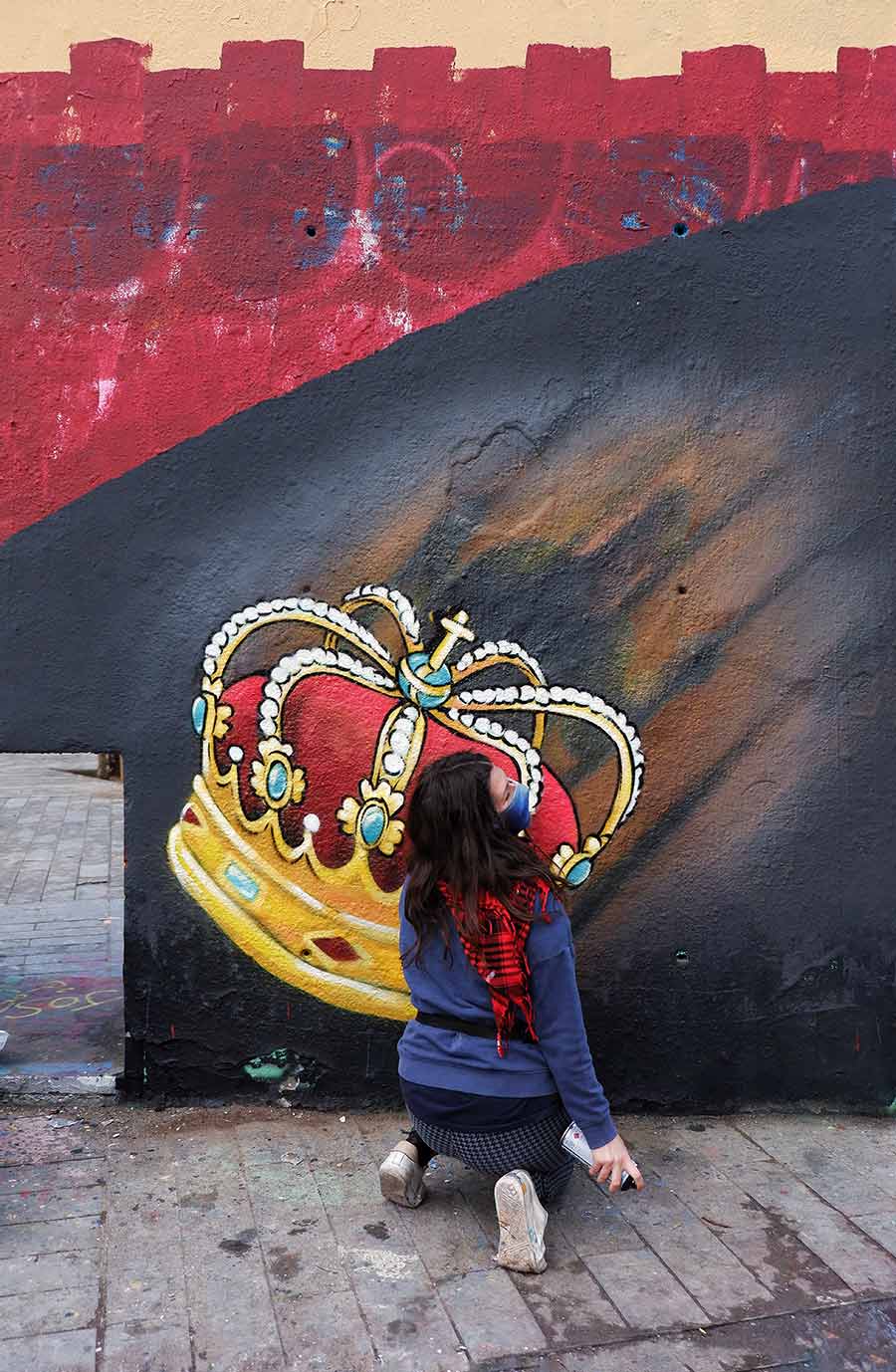
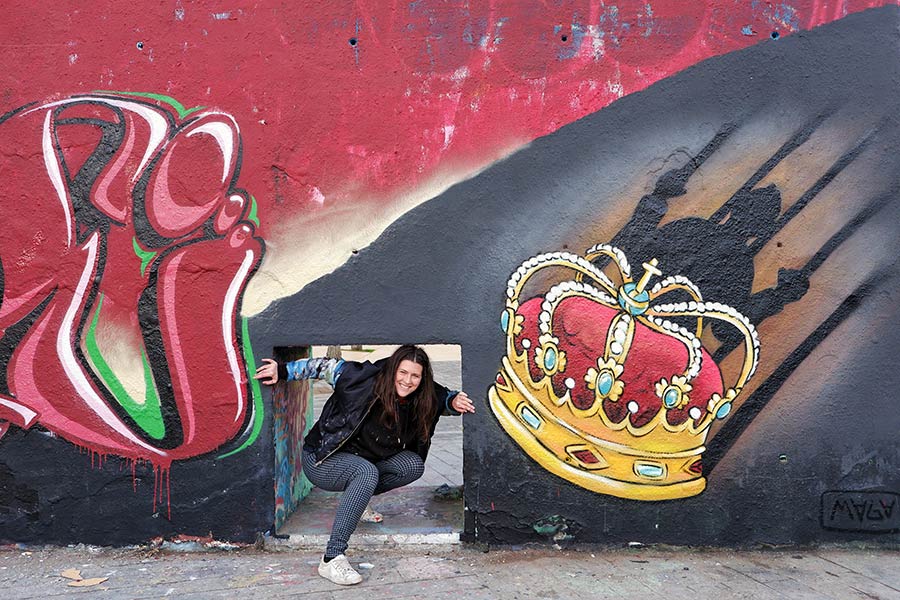
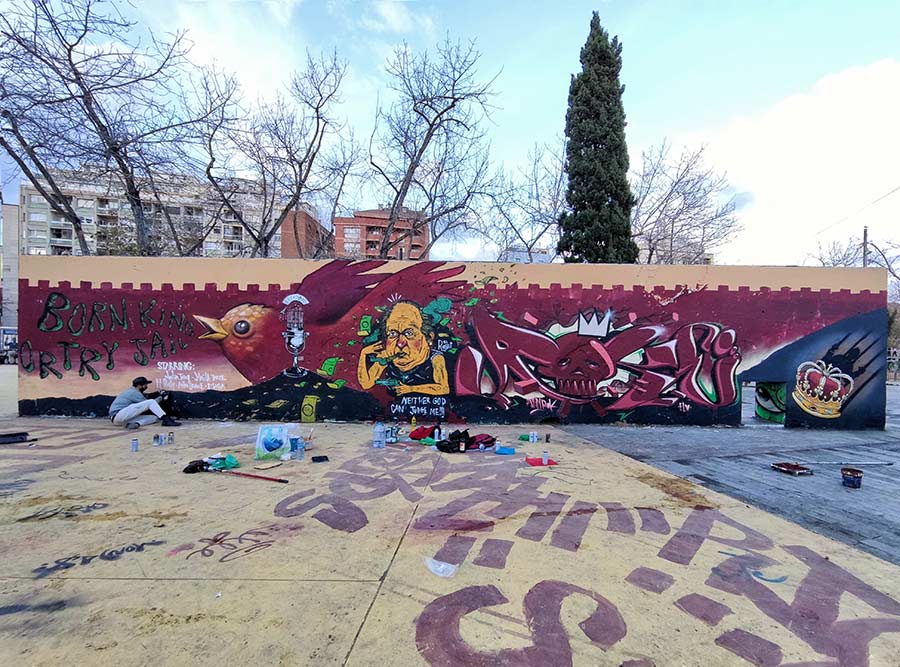
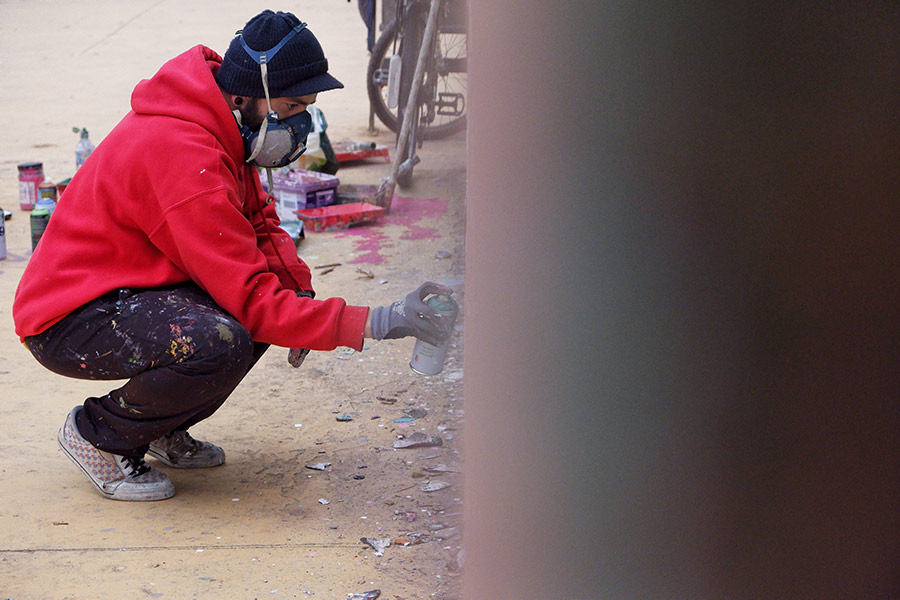
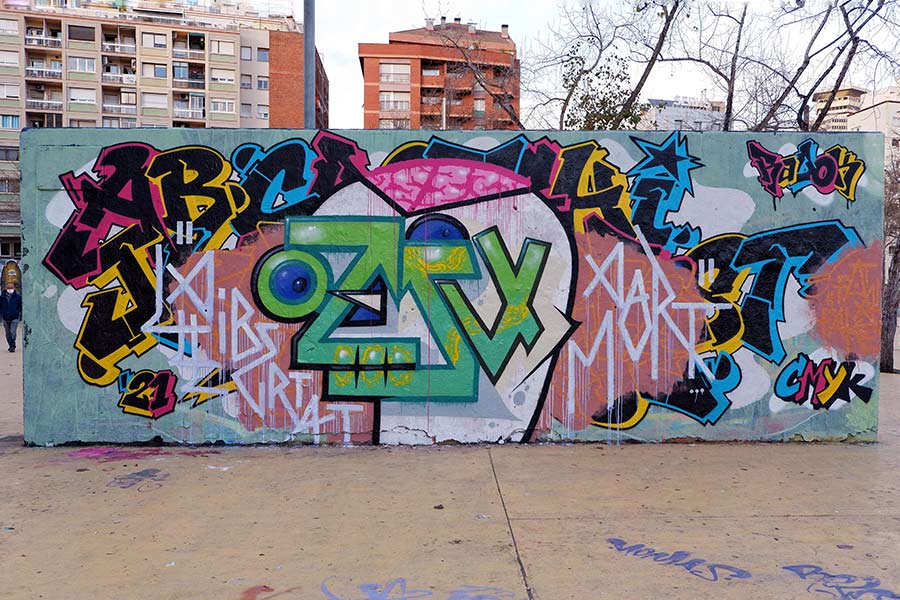
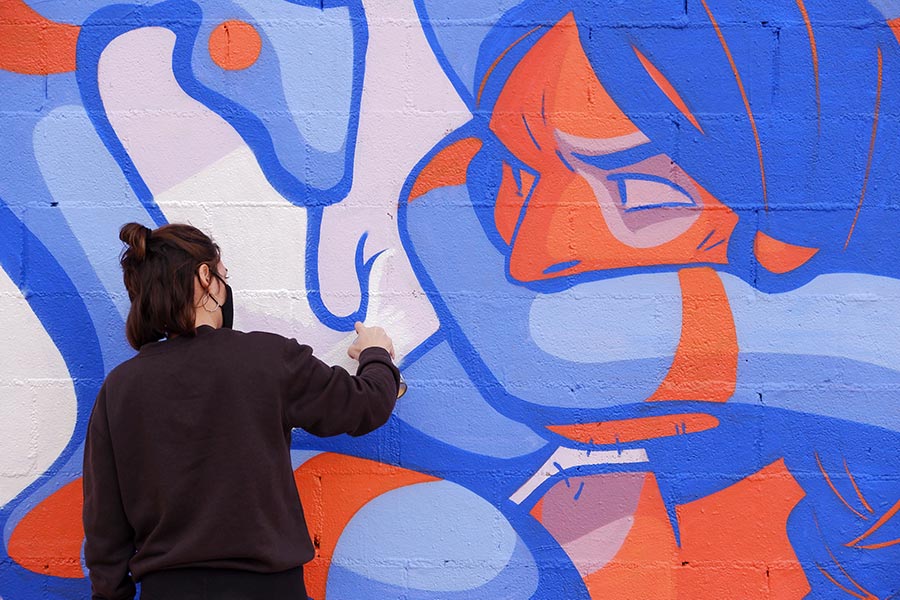
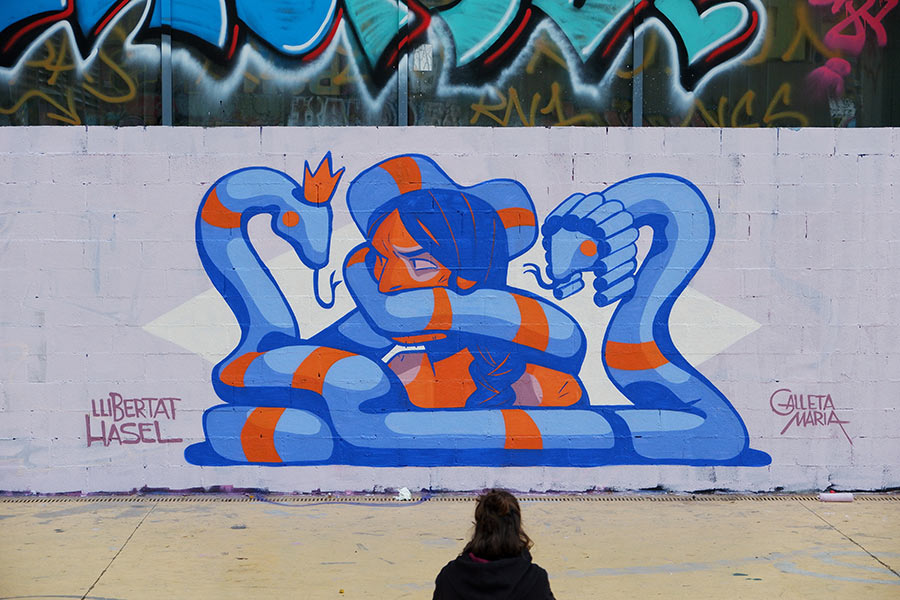
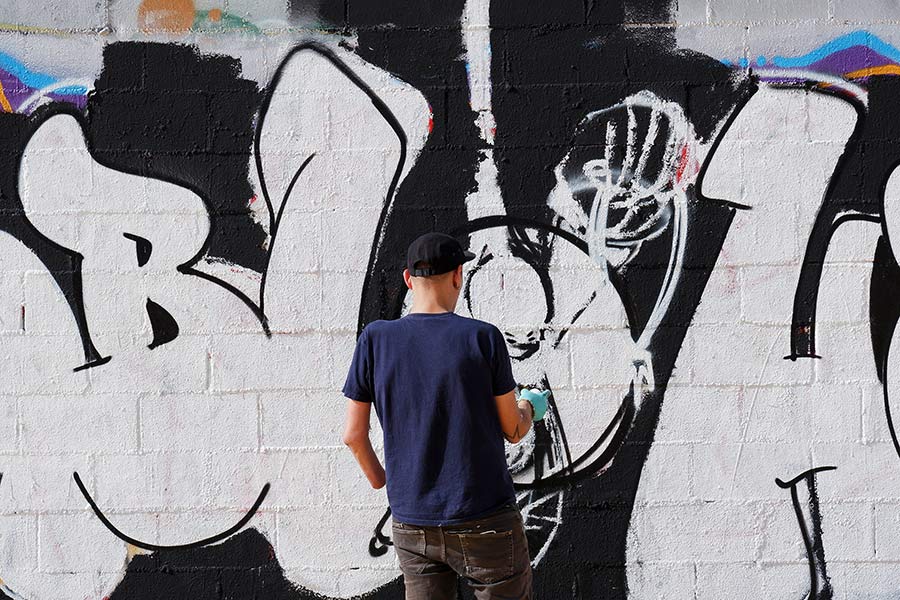
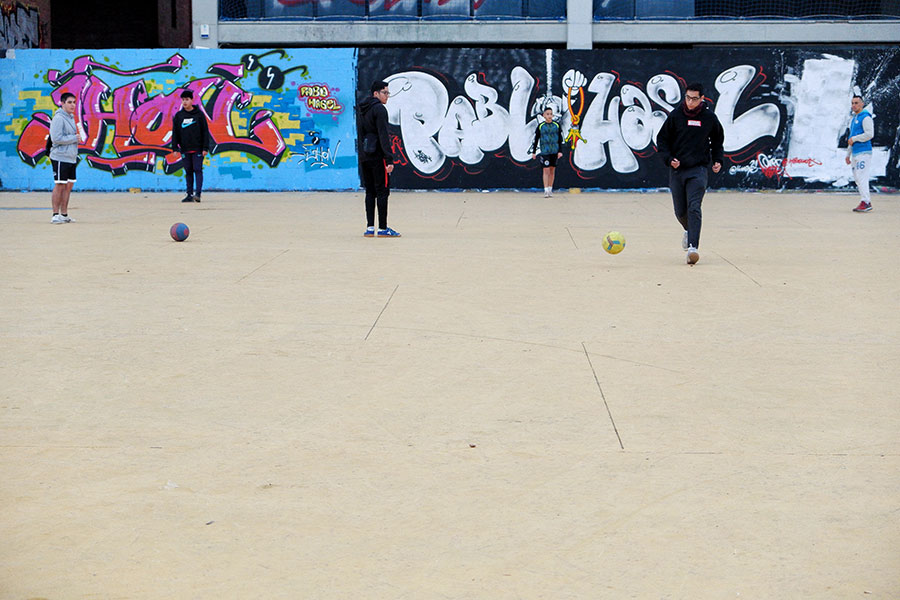
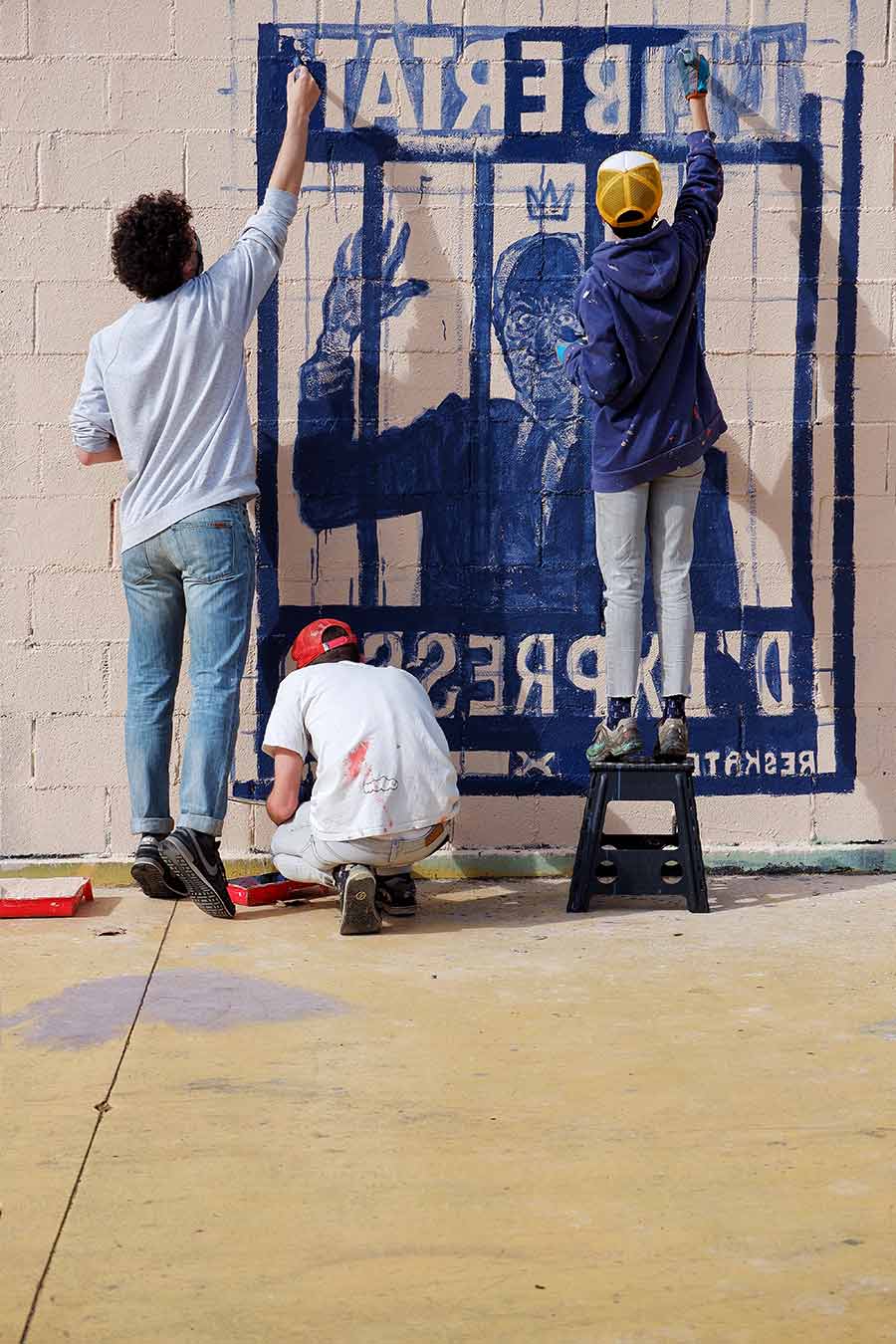
Now, on the occasion of Mr. Hasel preparing to report to the authorities to begin serving his prison sentence, an outdoor art exhibition this month at Parque de las Tres Chimeneas (Three Chimneys Park) in Barcelona, a collection of artists gathered to paint works addressing what they see as an unjust attack on the freedom of a citizen and artist to express opinions in lyrics and writings. As you might expect at a graffiti/mural jam it was a celebratory Saturday of painting, music, dogs, kids, and the occasional soccer (fútbol) scrimmage.
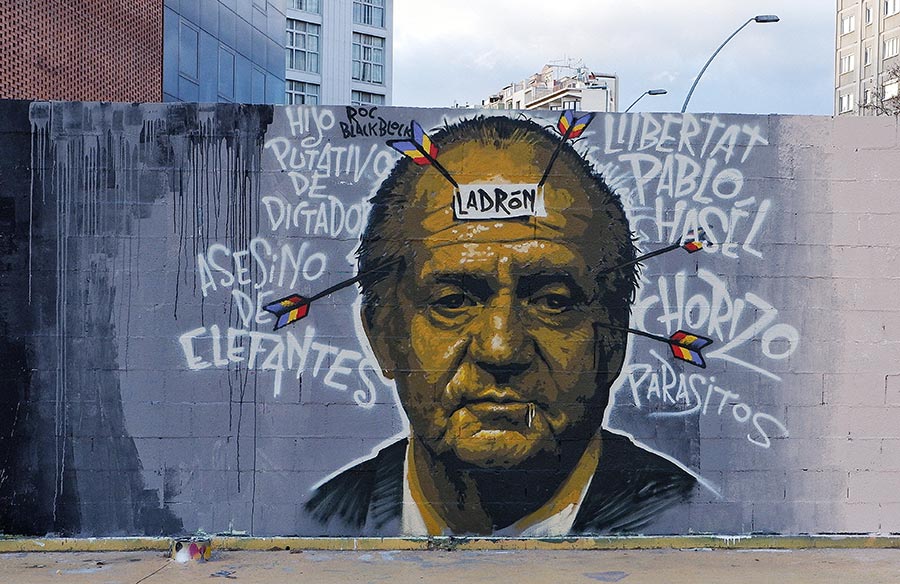
But as soon as the mural paintings were up, the trouble began as well, according to artists and free-speech activists on the scene. “Less than twenty-four hours after doing their artistic actions, an NCNeta brigade escorted by a Barcelona Urban Guard van censored one of the works, covering it fully with paint,” says journalist and activist Audrey García in a Facebook posting.
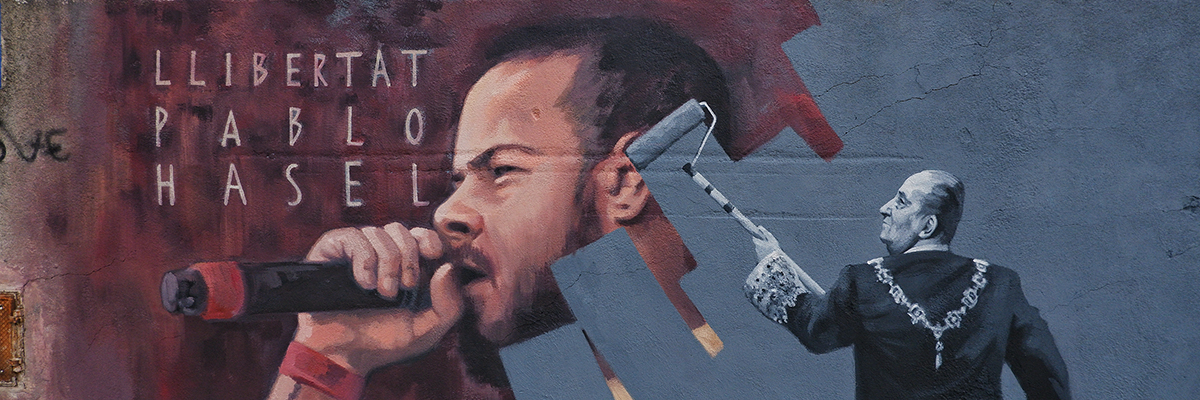
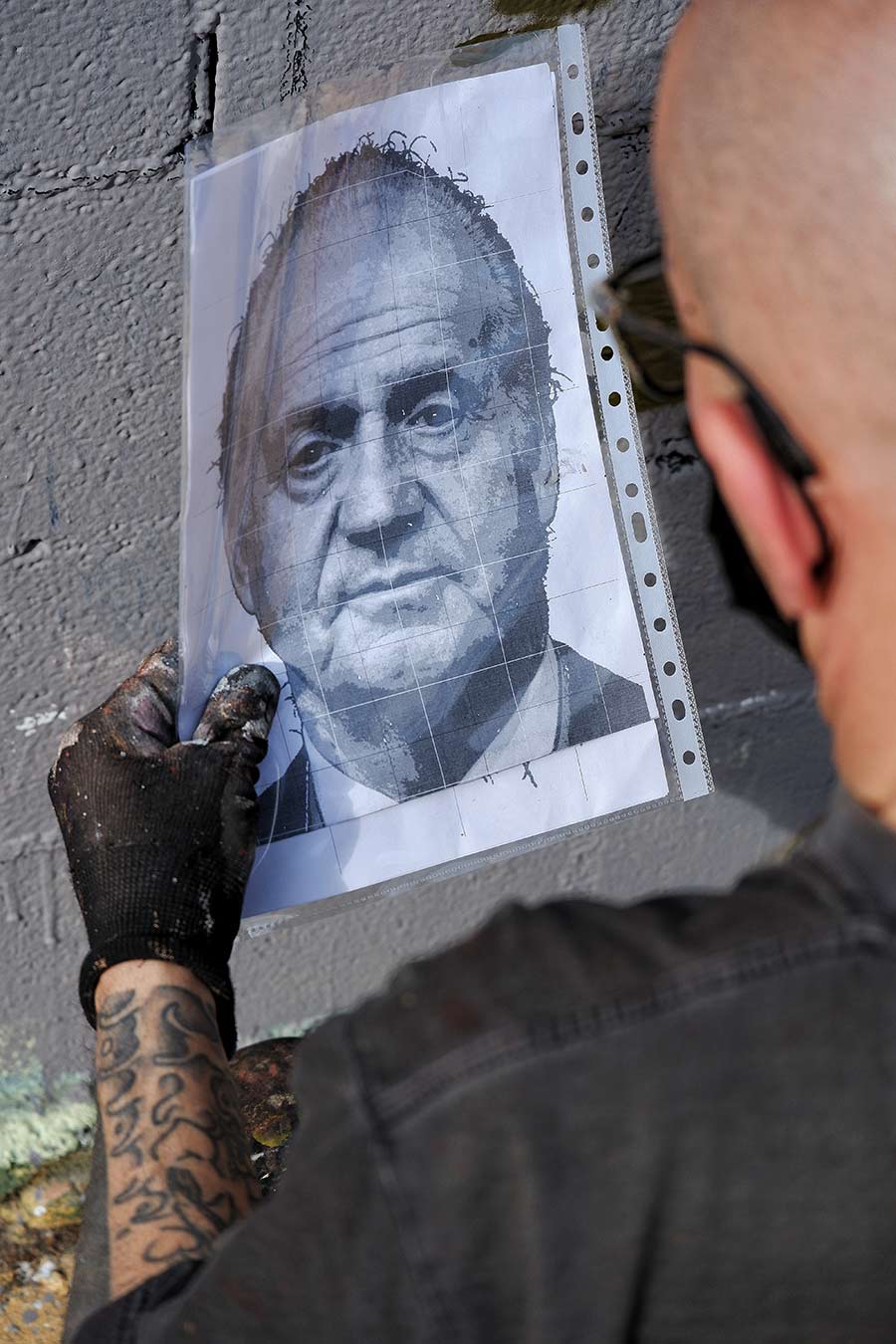
The mural by artist Roc Blackblock featured the former king surrounded by words the rapper had used to describe him, including thief. Aside from being insulting to a public figure and calling out the rapper’s case, it is difficult for locals to understand why it was buffed.
García and others contend that the brazen act was evidence of an increasing level of silencing that targets some members of society for their speech but not others. “The city administration carried out a new act of censorship about our works, making our protest and denouncement of freedom of expression even more evident and necessary, adding a new case to the already too long, outrageous and constant violation of our rights and freedoms as creators and consequently of all society,” she says.
Eventually, the city apologized and offered solutions for restoring the piece, but the movement to free Mr. Hasel and protect free expression continues. About 15 artists participated in the painting jam, including Roc Blackblock, Antón Seoane, El Rughi, Magia Trece, Doctor Toy, El Edu, Galleta María, Kader, Maga, Owen, Reskate, Chamo San, Sigrid Amores, Tres Voltes Rebel, Arte Porvo y Elna Or, among others.
Since then, more demonstrations have taken place in the streets of Barcelona, Valencia, Lérida, and Hasel’s hometown of Segrià to protest his imprisonment. According to the BBC, “More than 200 artists, including film director Pedro Almodóvar and Hollywood star Javier Bardem, have signed a petition against Hasel’s jail term, while Amnesty International described his arrest as terrible news for freedom of expression in Spain.”
Our special thanks to photographer Fer Alcalá for sharing his fine work with BSA readers here.
External critics may never be as brutal as your internal one – but graffiti and street art sometimes reveals a specifically vicious world of criticism that greets artists and writers. Imagine making friends with those critics and validating their position, and then moving on unscathed or even healed.
“Overall, the project is meant to inspire those who may take criticism to heart,” says street artist HOTTEA, and he means it as a form of sweet liberation, not a bitter one.
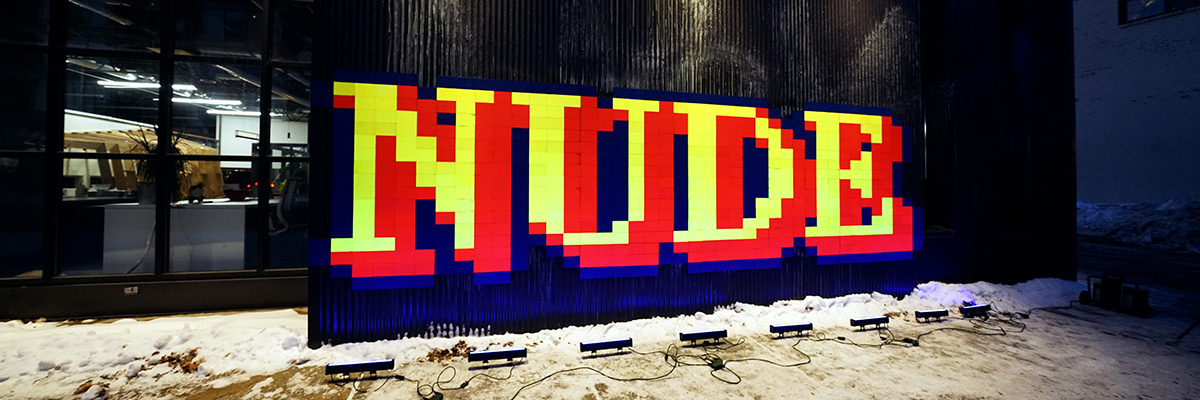
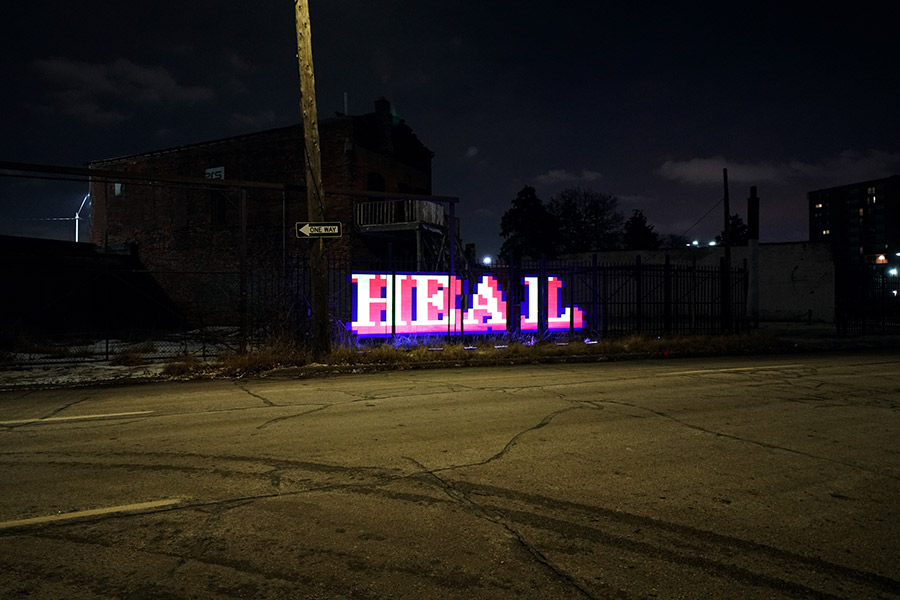
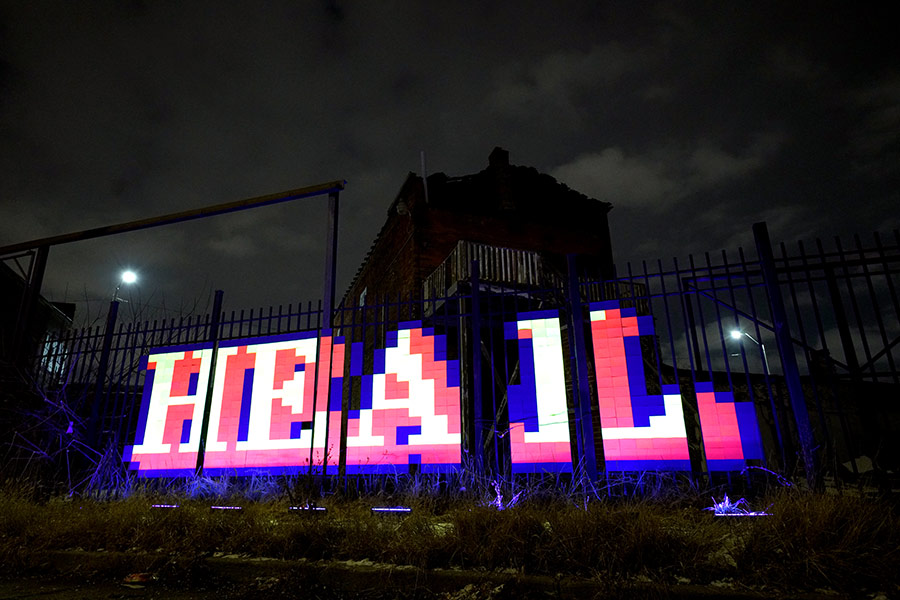
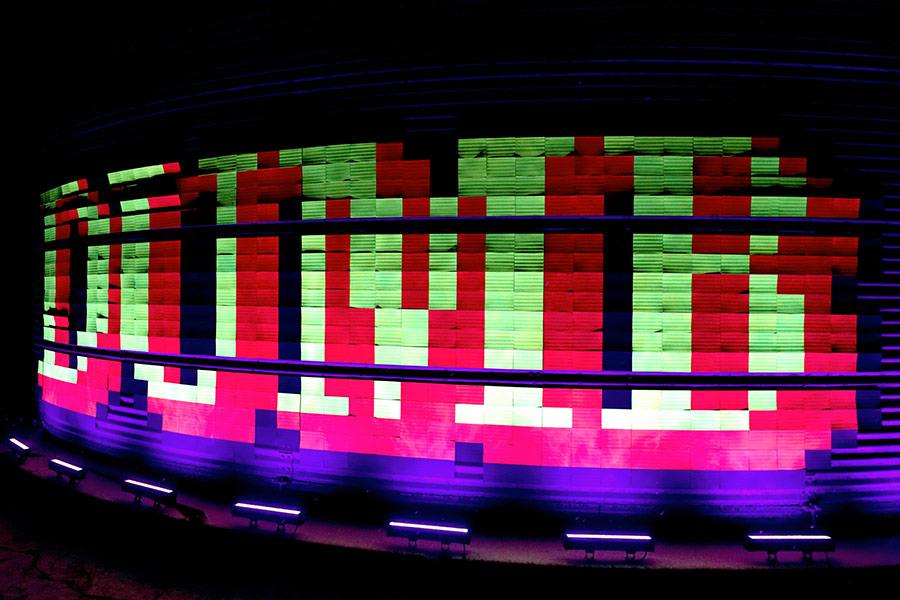
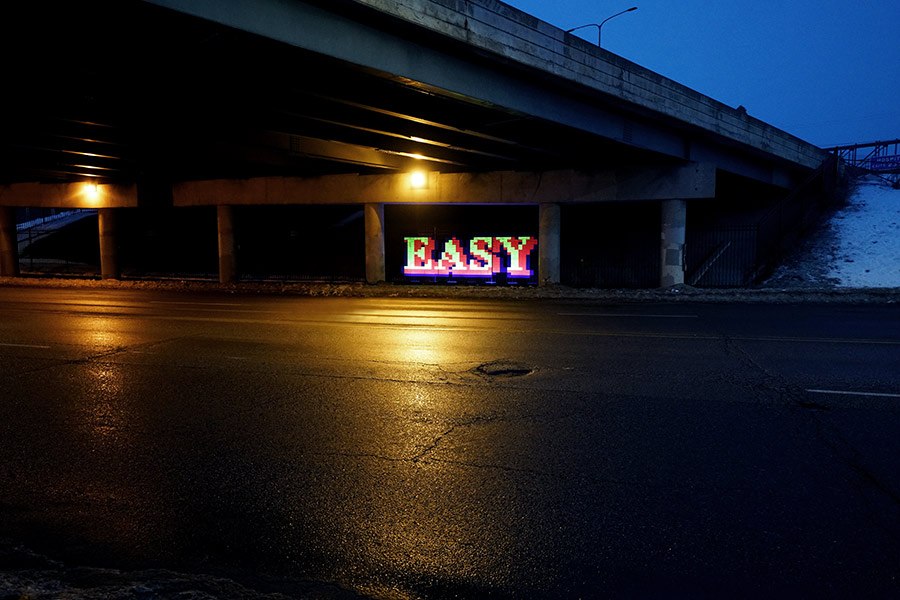
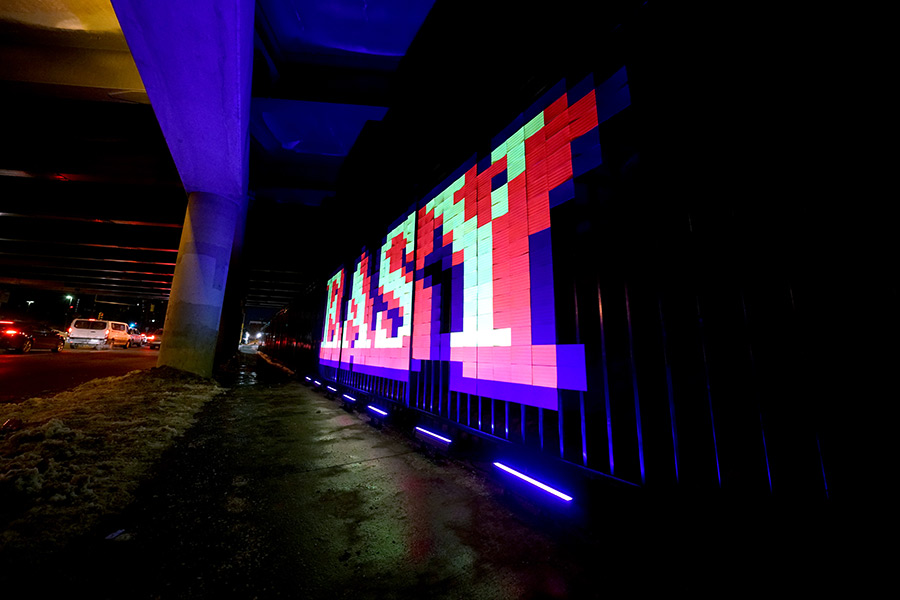
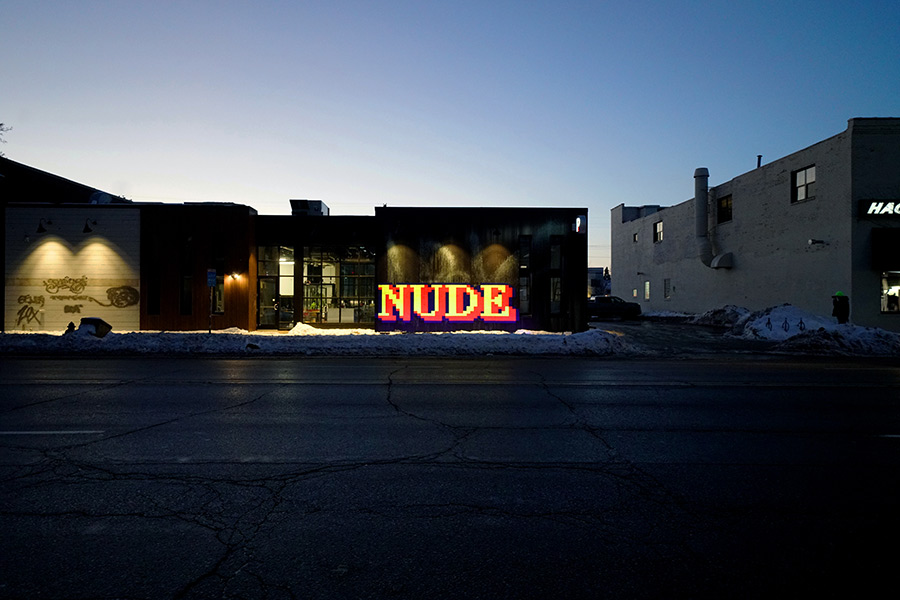
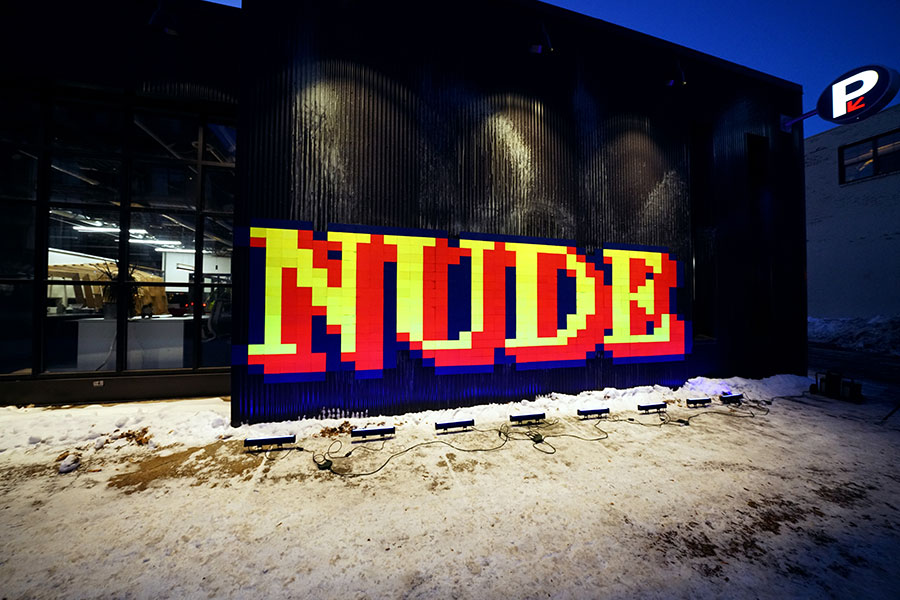
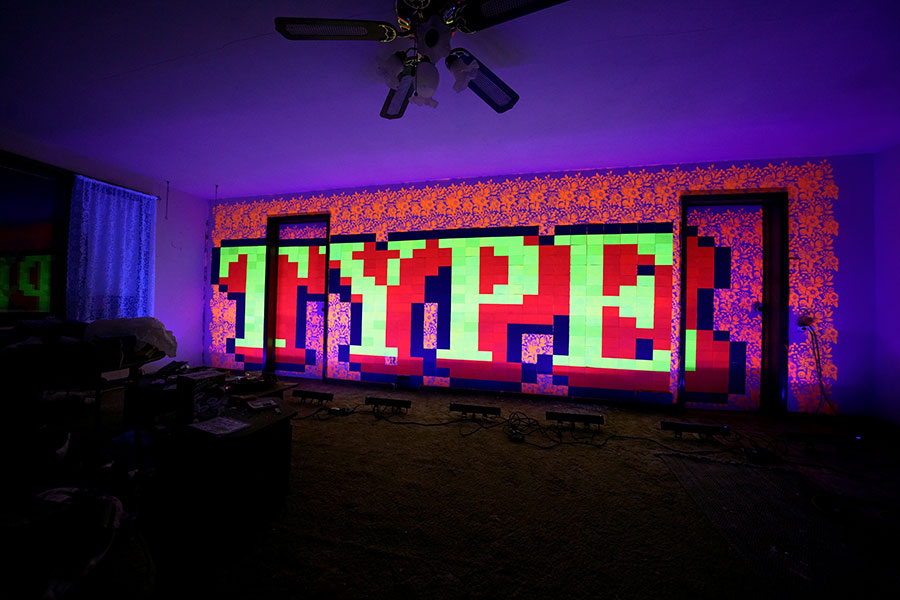
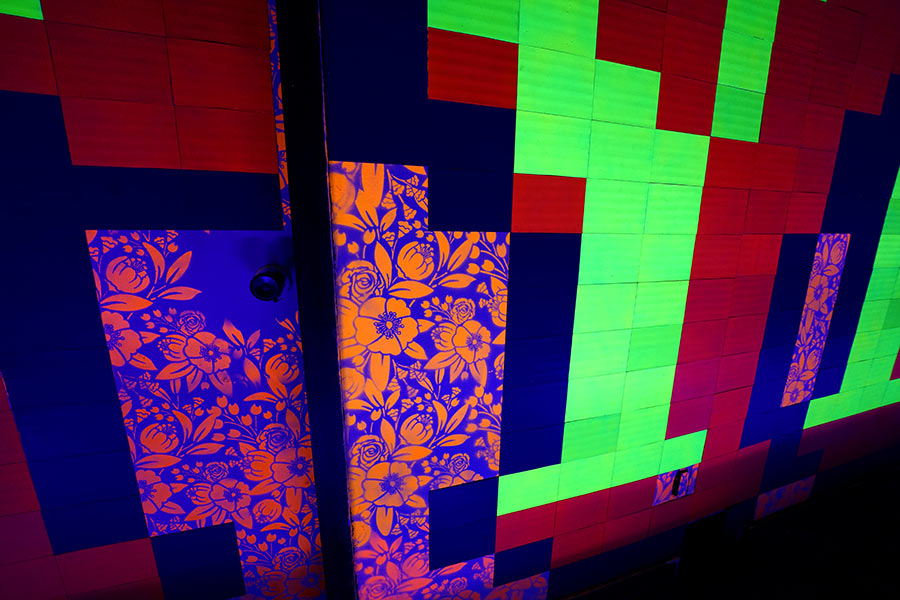
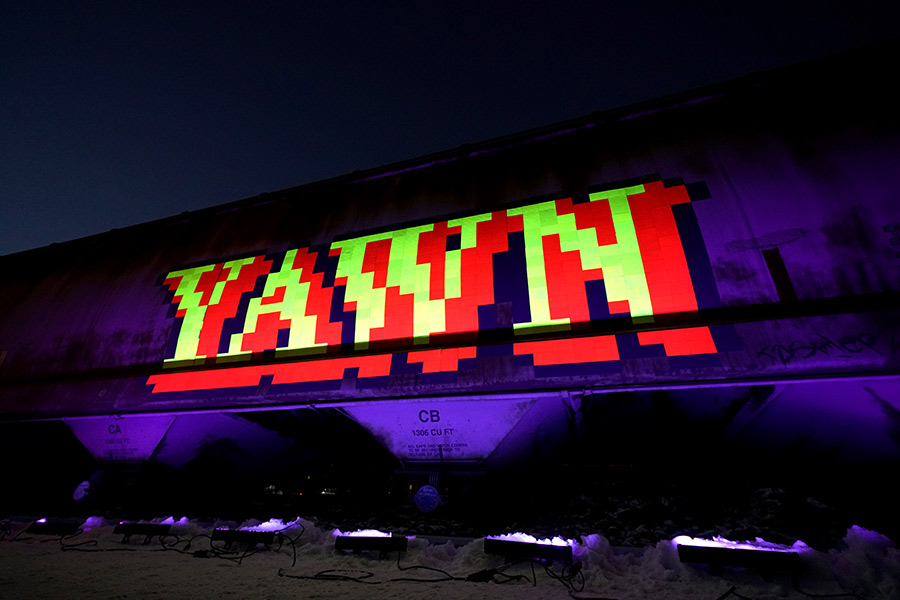
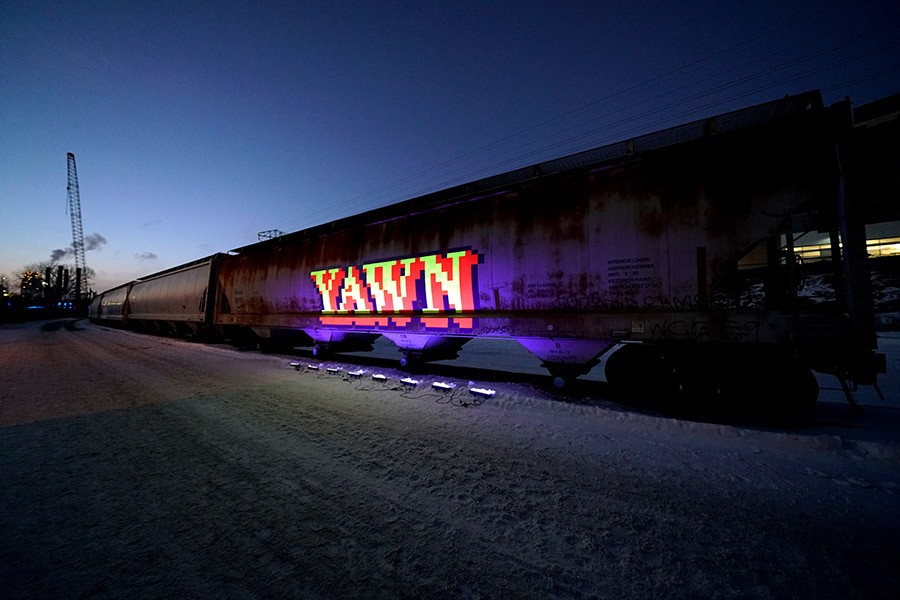
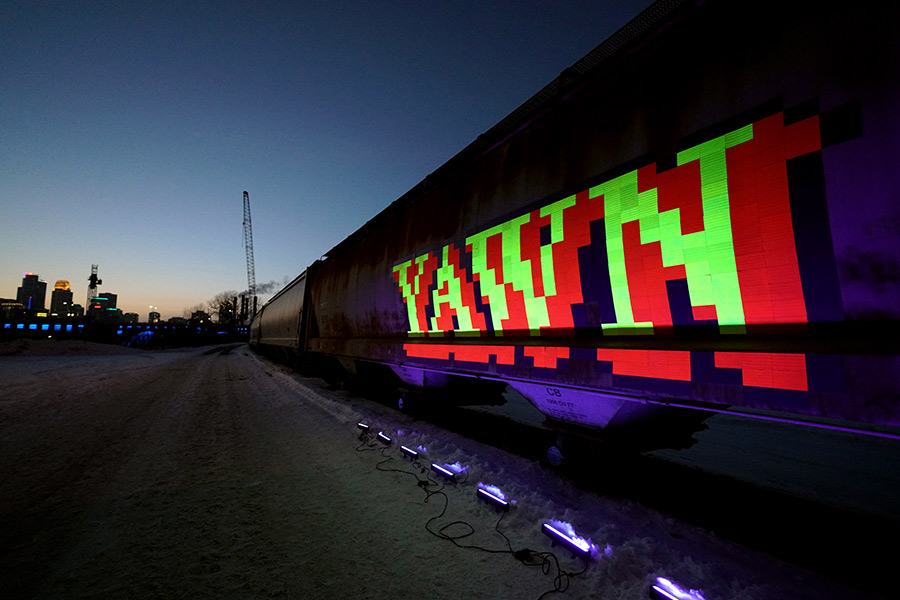
Despite the frigid temperatures and the fact that he is working in Minnesota, HOTTEA has created 6 new installations that may warm your heart this winter, if not your fingers and toes. Using the same digitally inspired grid that is informed by a lifetime of looking at screens, this 90s kid places fluorescent magnetic blocks side by side and hits them with light, so his pieces beam like a glow-stick billboard.
The words he’s spelling are part of his campaign. “The reason I chose the words I did ( DUMB, NUDE, EASY, TYPE, YAWN, HEAL) was to create a commentary between the critic and the artist,” he says.
“I chose DUMB, EASY, and YAWN as words used by critics to describe my work. I chose NUDE, TYPE, and HEAL to describe what influences my art and the concepts I work with within my installations.”
Call the series “Facing Your Critics,” if you will: using the very platform and methods you make art with to confront the issues that come up while creating it as a form of meta-therapy.
Even the materials are under scrutiny. Having moved from aerosol to yarn about a decade ago, HOTTEA withstood plenty of derisive peer reviews that openly questioned his credibility and even his right to work on the street. Here he chooses another material, magnets – and in some cases – magnetic paint to prep the surface. Not only is a typical tagger going to trash him for not being authentically “street” enough, but formal institutional scholars may also dismiss him for not being a true artist.
“Just like yarn,” he says. “magnets are looked upon as a material that is related to lowbrow art – or even less – not a material at all for the means of creating art.”
As a final possible dismissal source for this street artist, he chooses one location decidedly not urban; an abandoned farmhouse. “I painted the entire wall with magnetic paint,” he says, “…then stenciled an ornate floral stencil on it with fluorescent orange spray paint to make it look like wallpaper.”
If any of these works trigger you, you may be one of the critics he’s reaching out to. The video he created (below) for the project features a sped-up chipmunk voice used to emulate those critics in the back of his head. It’s a brilliant personification that is humorous and annoying simultaneously. He answers each one patiently, almost plaintively, while the project’s visual aspects unfold across the screen.
“I actually side with people who oppose injustice,” says Shepard Fairey, “especially when it comes to human rights.”
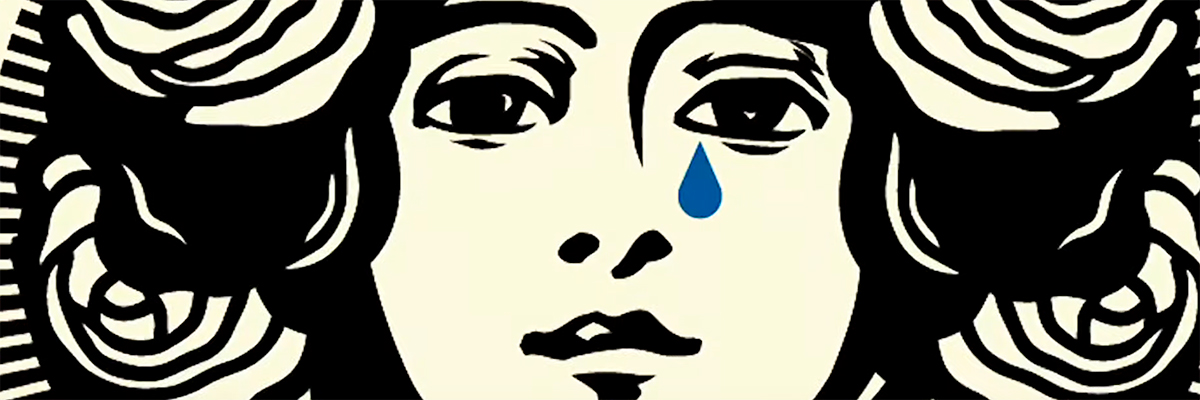
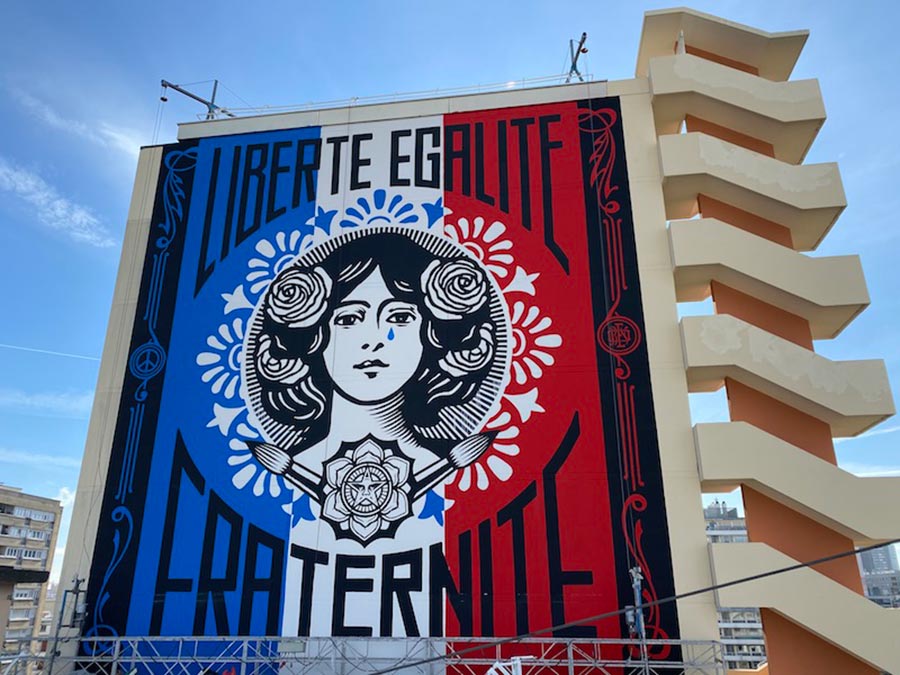
He’s speaking about the recently vandalized mural of the famous Marianne produced by the artist named Liberte, Egalite, Fraternite (Liberty, Equality, Fraternity) in the 13th arrondissement of Paris a few years ago. In a high-profile act of defilement, the anonymous artists/activists who sprayed through the text and added tears to the figure at the end of 2020, captured in a video by Milan Poyet.
Shepard Fairey. “Liberte, Egalite, Fraternite”. Restored mural in collaboration with Galerie Itinerrance. Paris, France. (photo courtesy of the gallery)
Determined to reassert his narrative over his work, Fairey has restored the original beacon of confidence and optimism and added a teardrop to her visage – to acknowledge the actions of the collective as well as the fact that we are failing as a people in such obvious ways to honor these values of liberty, equality, and fraternity.
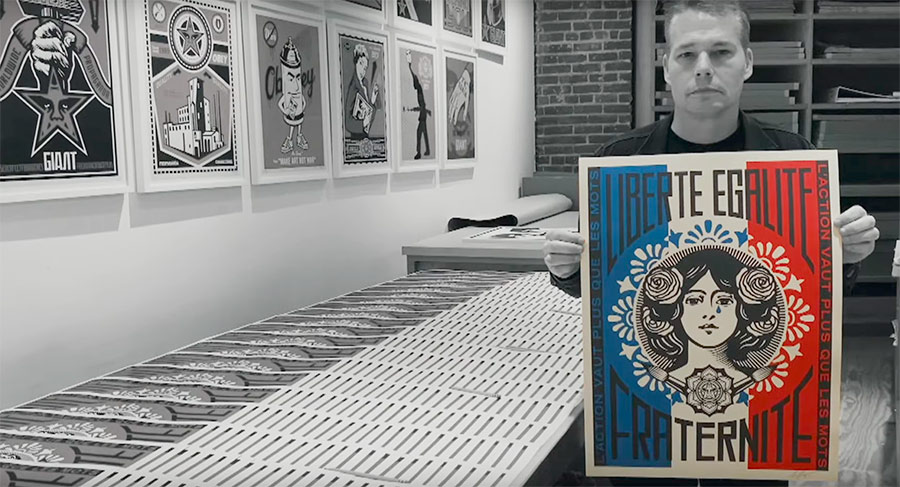
Shepard Fairey. “Liberte, Egalite, Fraternite”. Restored mural in collaboration with Galerie Itinerrance. Paris, France. (photo screen grab from the video)
In the end, these are only words, and they are meaningless unless you back them up with deeds. Fairey tells us that he wants actions to speak louder than that, so in coordination with Galerie Itinerrance, he is releasing a new print of this image Wednesday, February 17, 2021, and the profits will be entirely donated to the non-profit association “Les restos du coeur,” which fights daily for people in difficulty.
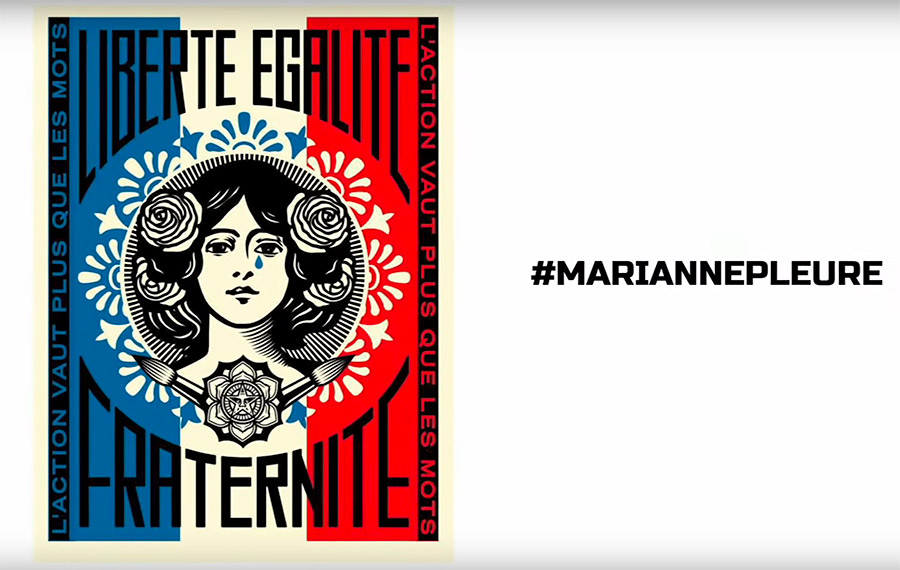
Shepard Fairey. “Liberte, Egalite, Fraternite”. Restored mural in collaboration with Galerie Itinerrance. Paris, France. (photo screen grab from the video)
Find out more about the edition of 650 of the Marianne (#MariannePleure) by checking out the the Itinerrance.fr website and of course obeygiant.com
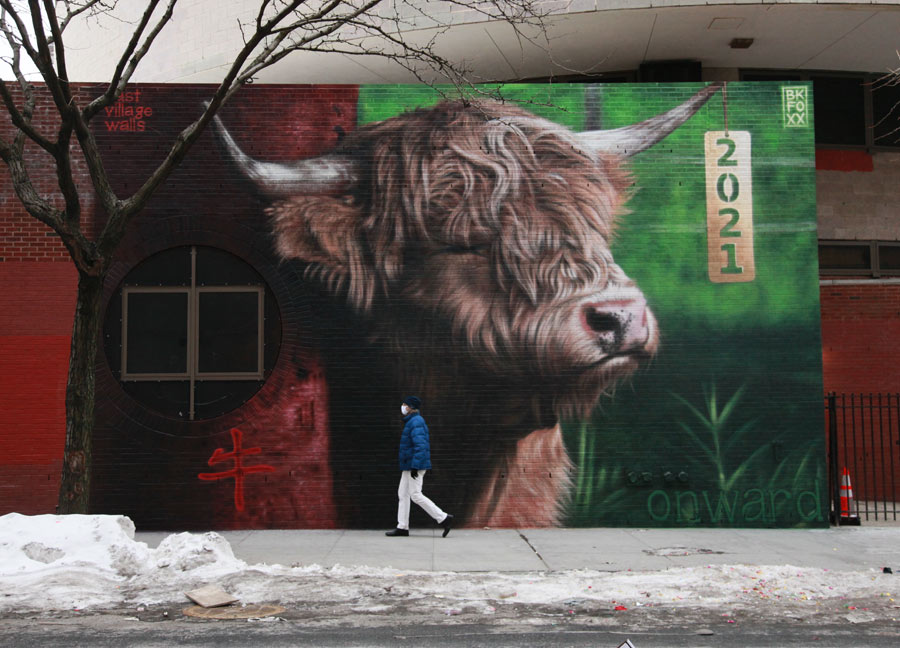
Welcome to BSA Images of the Week. 新年快乐! Happy Lunar New Year! It’s the Year of the Ox, and there was a lot of celebration during this snowy week in New York, although it appeared to be subdued by the standards of pre-Covid times definitely.
Also, Happy Valentines Day to you! We love you more every day! Don’t change a thing; you’re perfect the way you are.
Finally, the 2nd Impeachment of Donald Trump took place this week and it was on every television, radio, laptop, and phone screen it seems.
“Anyone who can make you believe absurdities can make you commit atrocities” is the quote attributed to Voltaire that the Democrat from Maryland Jamie Raskin spoke this week at the 2nd Impeachment trial of the former president in the Senate. It ranks as one of the more memorable.
It would be a stretch to call it a trial when many who voted in this verdict were also witnesses, victims, judges, jury, and/or co-conspirators of the accused. Still, it appears to be the only available way to hold a president accountable for their actions in the U.S.
We would say that it was a good show, but it was not a good show…
Finally, he has been acquitted by a vote of 57 to 43 in the Senate. A two-thirds majority was needed. One outcome is he can run for office again if he wishes. No matter the result of these events, it was inevitable that there would be a pervasive feeling of unrest.
One question remains: Was the January 6, 2021 attack on the Capitol the end of an era or the beginning?
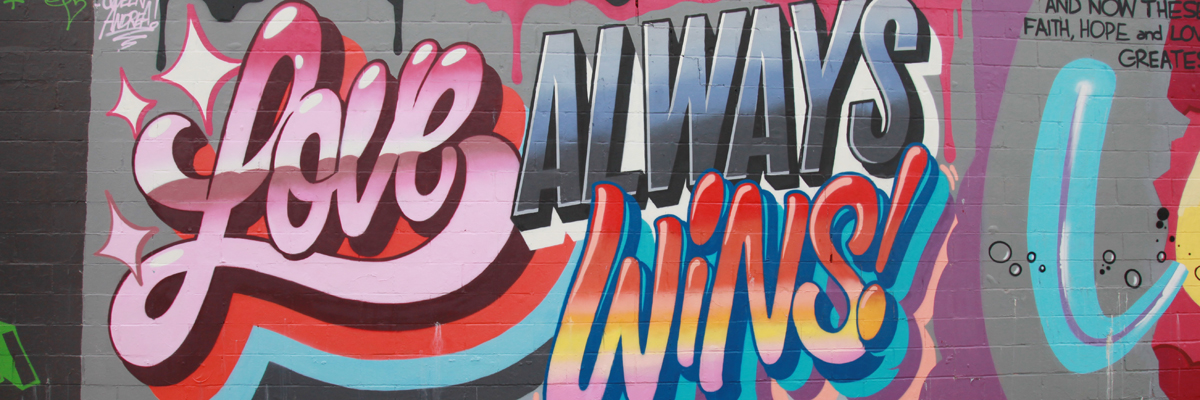
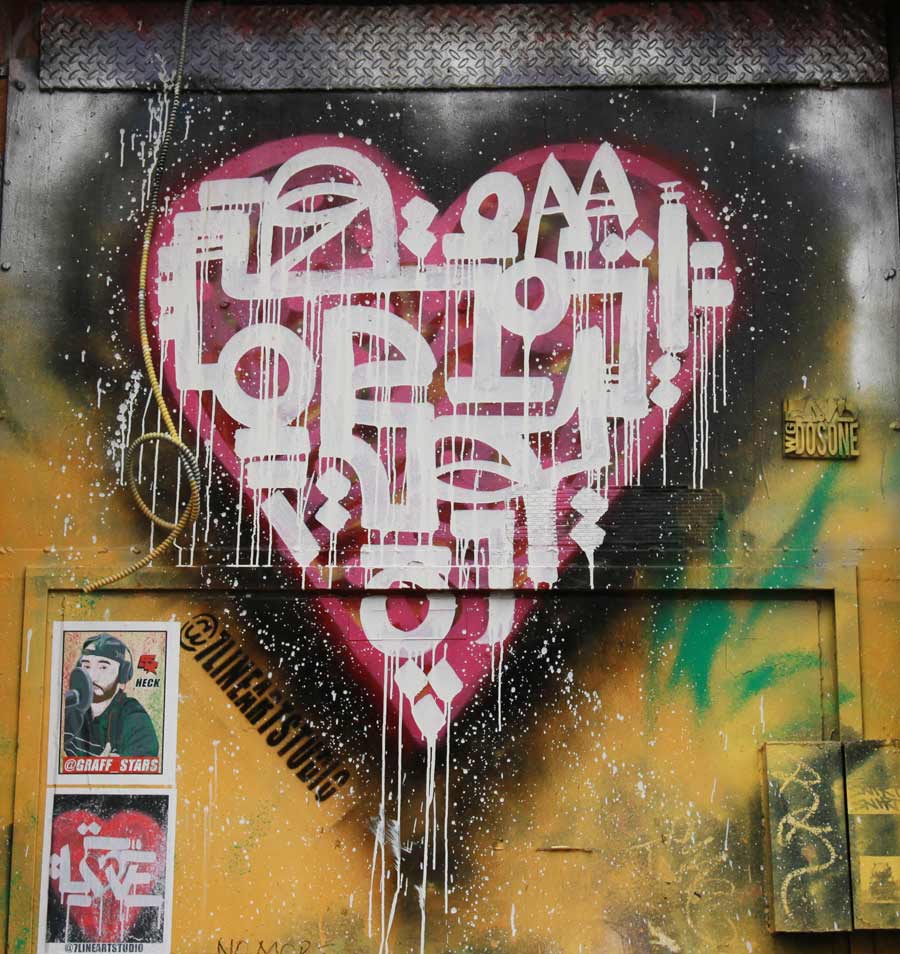
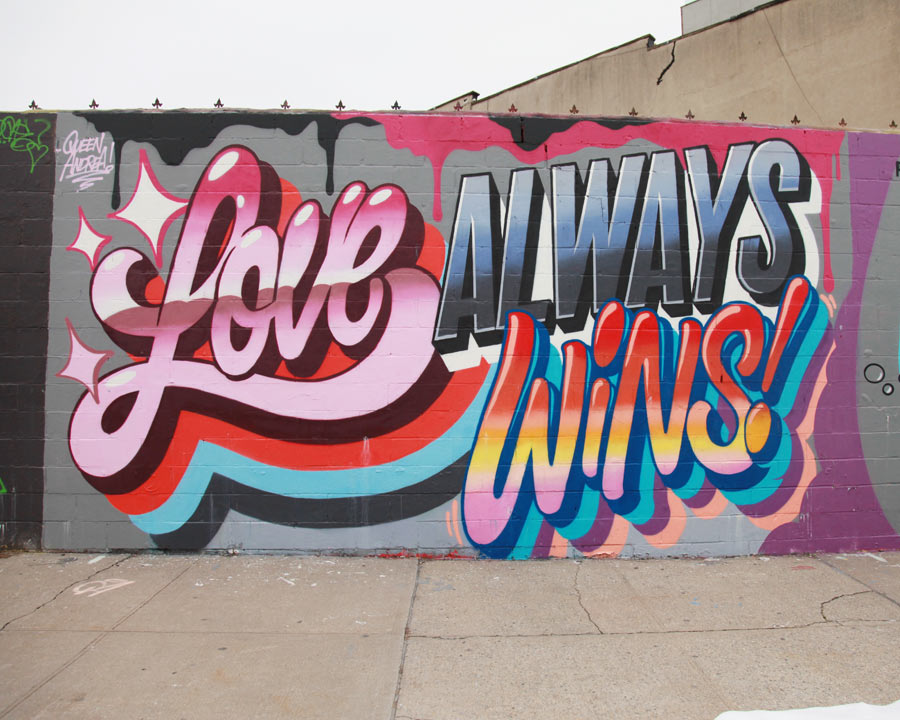
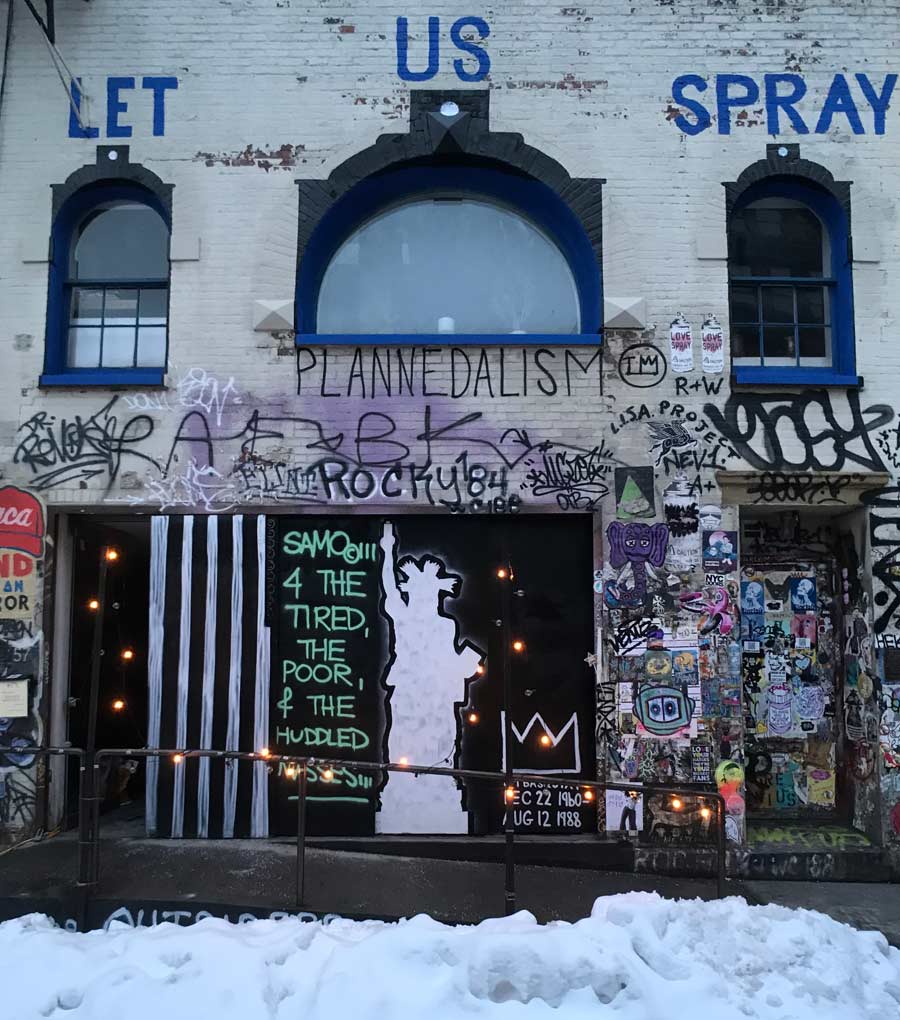
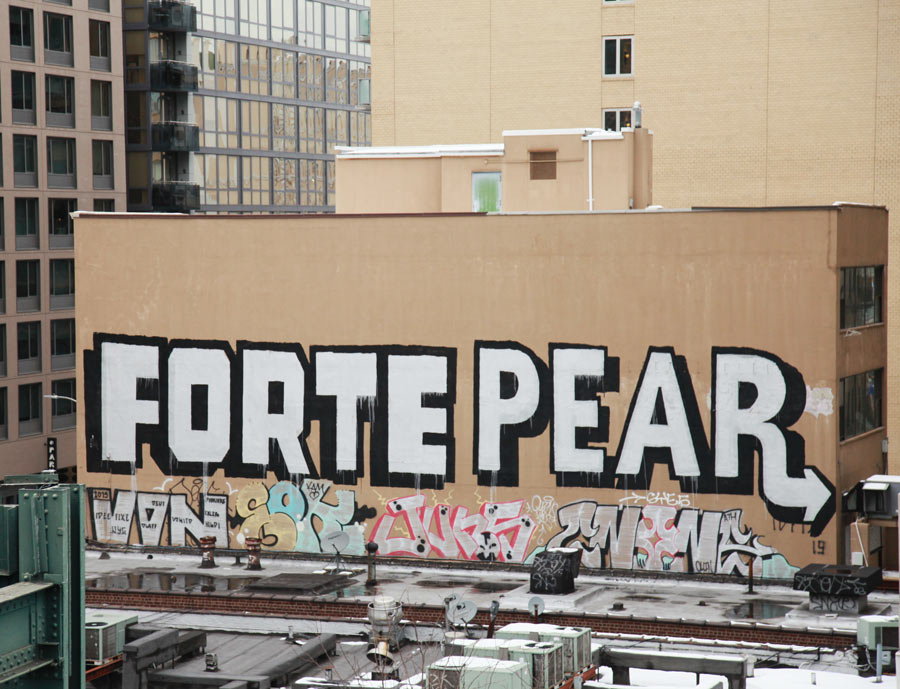
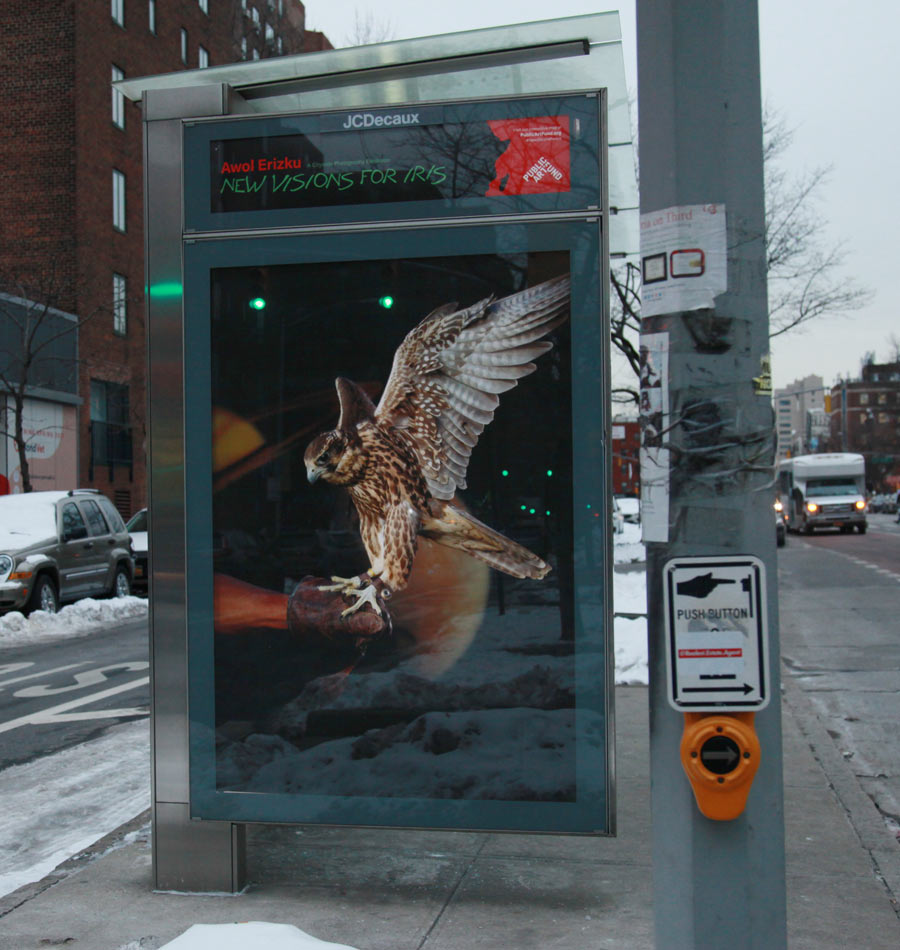
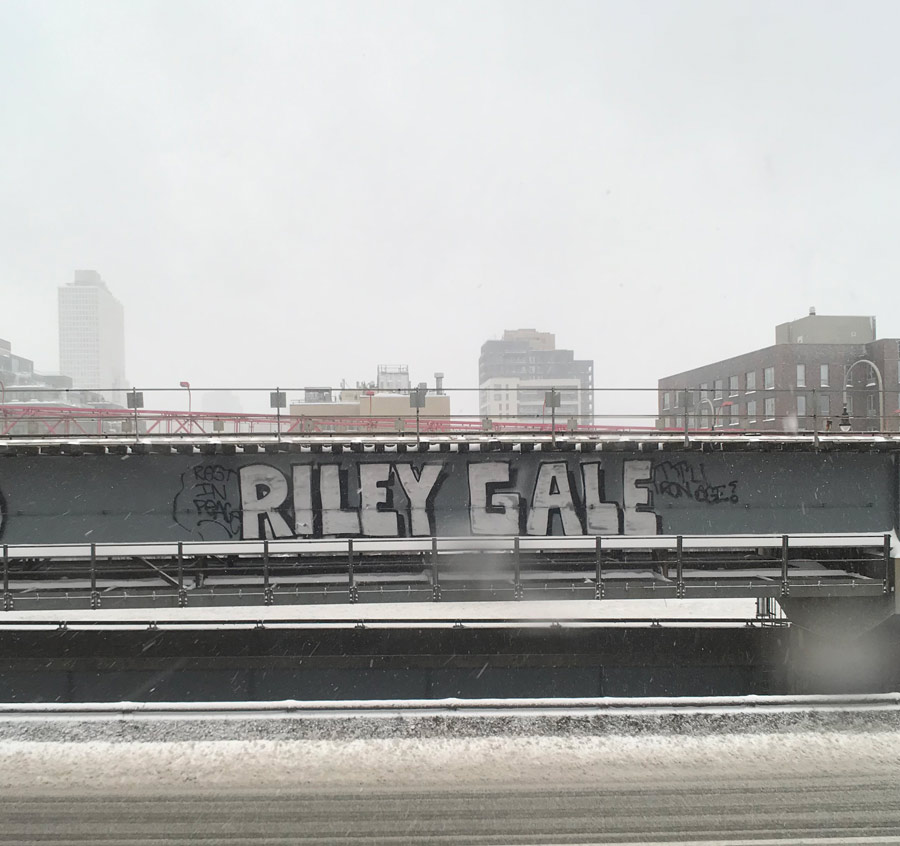
Here’s our weekly interview with the streets, this week featuring 7 Line Arts Studio, Al Diaz, Awol Erizcu, BK Foxx, Clown Soldier, Fire Flower, Goog, Pear, Queen Andrea, Riley Gale, SAMO, and Seung Jin.
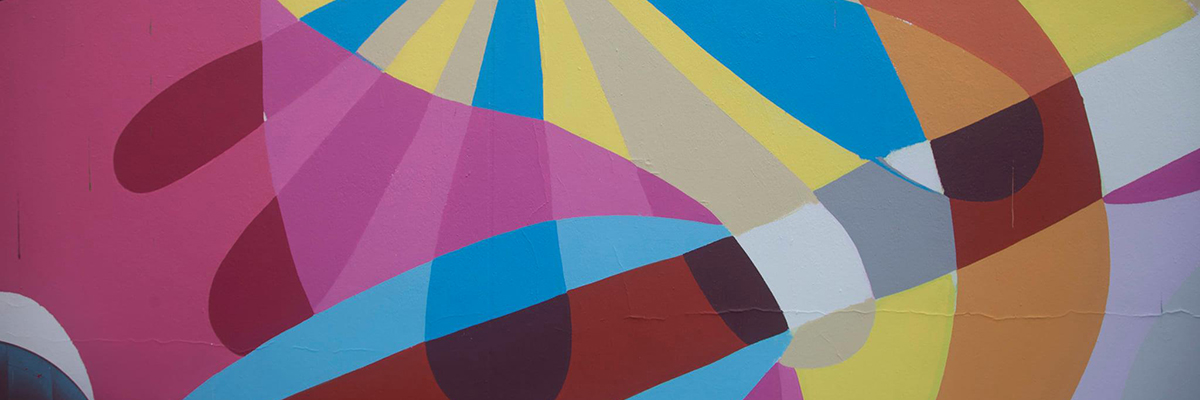
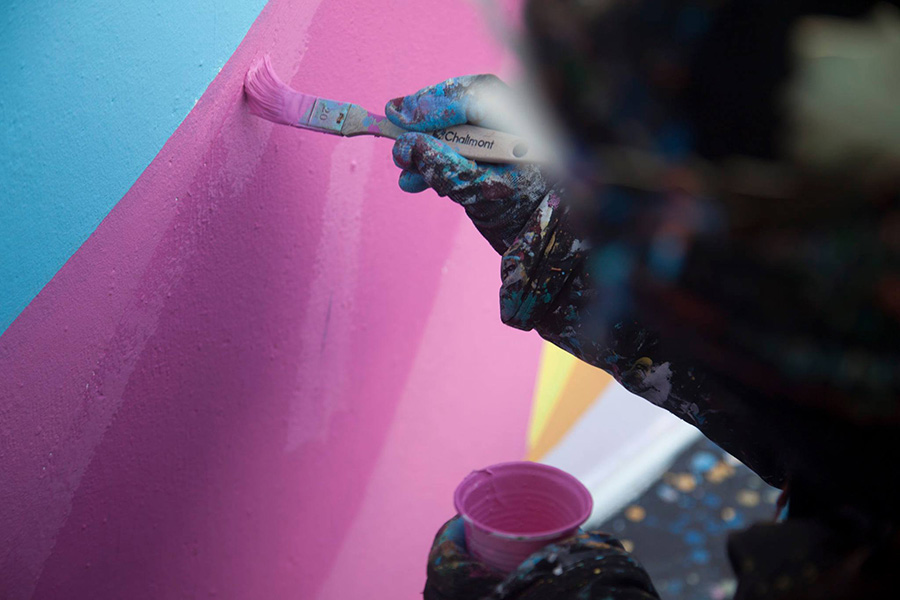
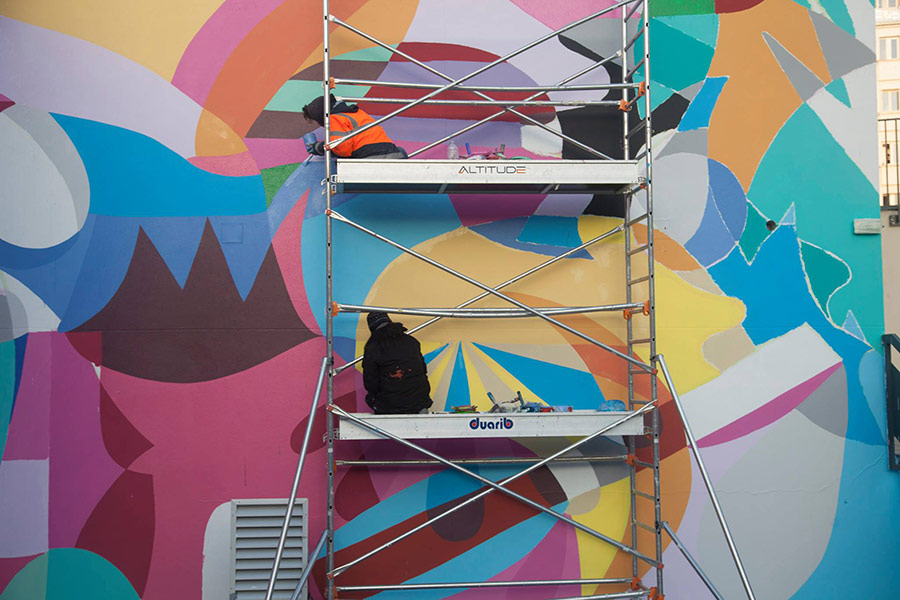
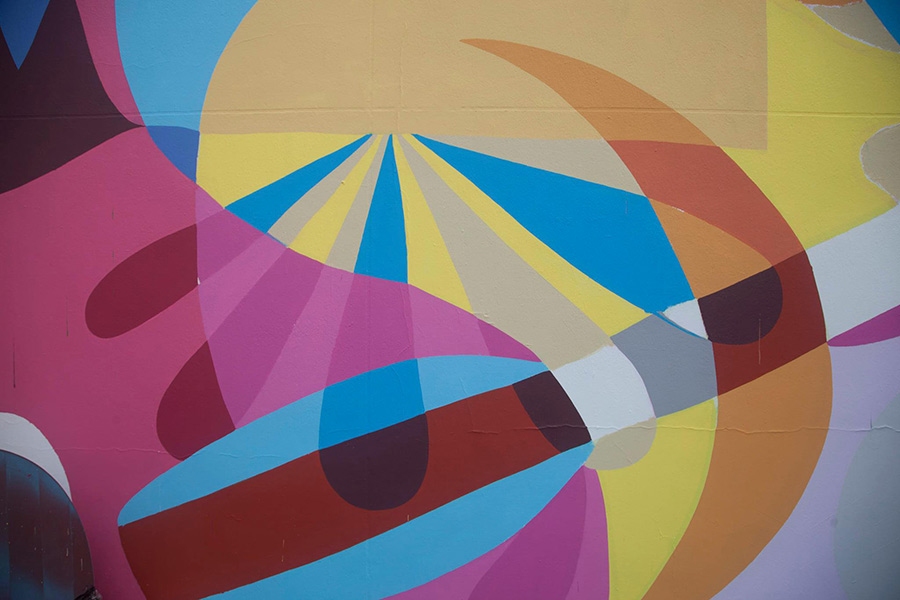
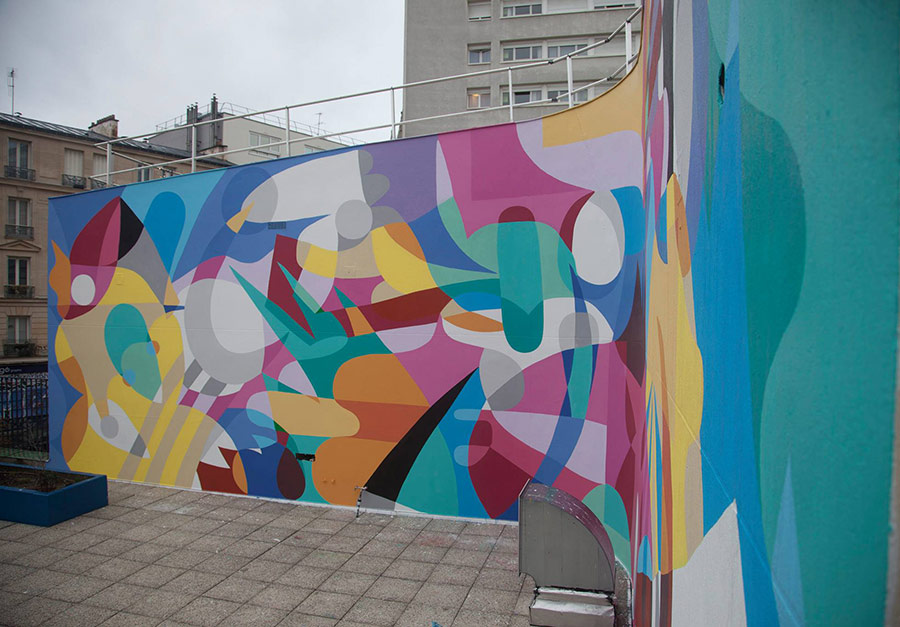
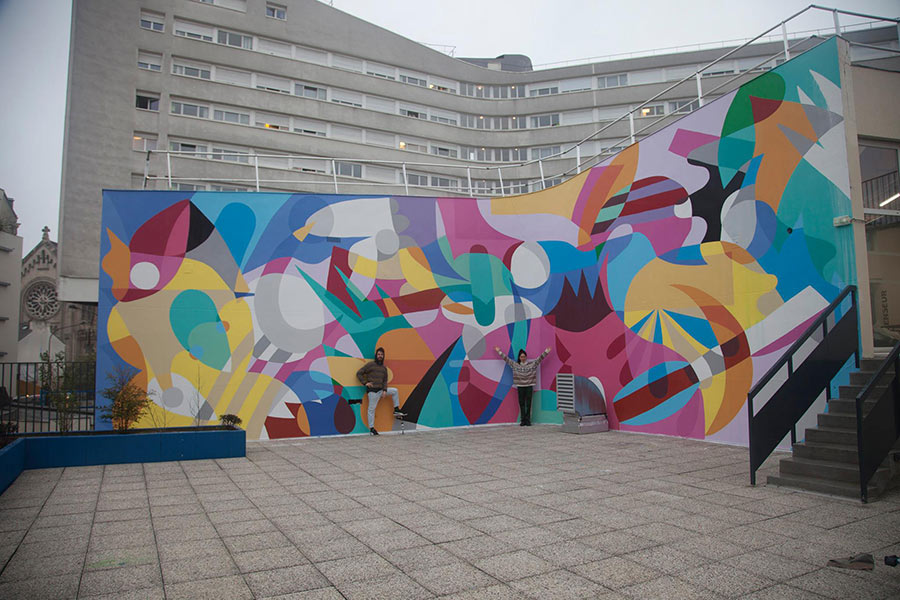
“This mural contains the shapes of each one overlapped in layers and erasing lines to emphasize color, our great passion,” says Zosen of his new collaboration with artist Mina Hamada. The two have created many color-blocked organic and chaotic visual feasts on walls around the world over the last few years, and this one puts an optimistic face on the new year in Paris.
Zosen & Mina Hamada in collaboration with Art Azoï. Paris, France. (Photo courtesy of Art Azoï)
In fact, the painting pair haven’t been able to do a large scale mural like this since late 2019 in Japan, where Mina hails from. “After more than a year, pandemic and confinement in between, we wanted to do something different and fresh to have fun.”
Zosen & Mina Hamada in collaboration with Art Azoï. Paris, France. (Photo courtesy of Art Azoï)
In coordination with L’association Art Azoï and Les Plateaux Sauvages in the 20th arrondissement, the Barcelona-based pair were bundled up and on cherry pickers in the early January cold weather, tracing out their long-pole lines over the top of one another. “For this mural, we prepared two different designs,” says Mina. “Then we mixed over the lines to make the mural.”
Zosen & Mina Hamada in collaboration with Art Azoï. Paris, France. (Photo courtesy of Art Azoï)Zosen & Mina Hamada in collaboration with Art Azoï. Paris, France. (Photo courtesy of Art Azoï)Zosen & Mina Hamada in collaboration with Art Azoï. Paris, France. (Photo courtesy of Art Azoï)
Our weekly focus on the moving image and art in the streets. And other oddities.
Now screening participants at Festival Asalto 2020: 1. MrFijodor, “Logo Al Rogo, MEMORY/OBLIVION” 2. Bunker Walls. Street art inside the cave. 3. Fabio Petani: Phosphorus Oxide & Narcissus 4. TANC at Pavillon Carre de Baudouin 5. Mary Wells 1944-2021 6. Chick Corea 1941-2021
BSA Special Feature: MrFijodor, “Logo Al Rogo”
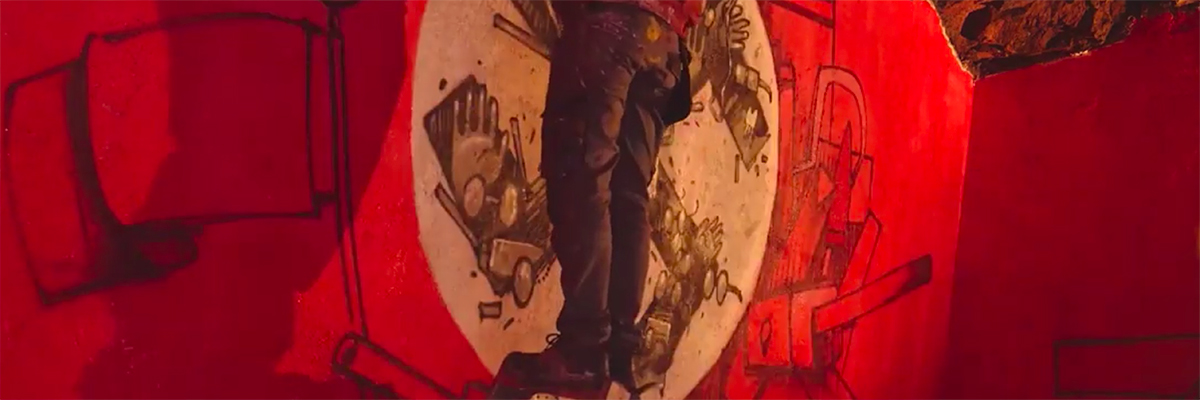
For a project called with twelve artists called “Street Art Inside a Cave” in September 2020 in Bozen, Italy, graffiti writer / street artist / muralist MrFIJODOR worked on three walls creating a storied set of shadowy forms and symbols that he says tie the past with the present – in an unnerving way. He says the goal is to keep the memory of the atrocities of history alive, precisely to ensure that they never happen again.
From the project description “The wall is inspired by the theme ‘Memory and oblivion’: the one is a constant motion of the human mind, the other erases memories and consciences to start a ‘new cycle’ of reminiscences. But there are events that cannot be forgotten, such as the atrocities of the Second World War. The artwork blends art with history: the chromatic fidelity to the Nazi flag contrasts with the provocation of the piece: the swastika is made up of glasses, shoes, teeth, prosthesis of hands and feet, all those ‘personal objects’ of which the deportees were deprived to become what Primo Levi in ‘I sommersi e i salvati’ calls as “human material”. The work is also a sign of contemporaneity. Some speeches and attitudes of current sovereigns create and feed useless violence born from the manipulation of everyday life: symbols, concepts, promises and intentionally repeated gestures of which these ‘powerful’ make it their leitmotif to conquer and subjugate more or less indirectly peoples.”
MrFijodor, “Logo Al Rogo, MEMORY/OBLIVION”
The exhibition “Mythos. Ten impressions” is organized by Cooperativa Talia and MurArte Bolzano.
Bunker Walls. Street art inside the cave.
Fabio Petani: Phosphorus Oxide & Narcissus
Remember summer? Last August Fabio Patino painted this large scale mural for a private gig in in Chivasso, Italy. He calls it Phosphorus Oxide & Narcissus Pseudonarcissus.
TANC at Pavillon Carre de Baudouin
Paris artist TANC began in graffiti moved into abstraction, color washes and geometric illustration – and now enjoys a commercial/fine art career as well. Here with a project for L’association Art Azoï, he painted the exhibition wall at Pavillon Carre de Baudouin a colorscape to offset the grey of winter.
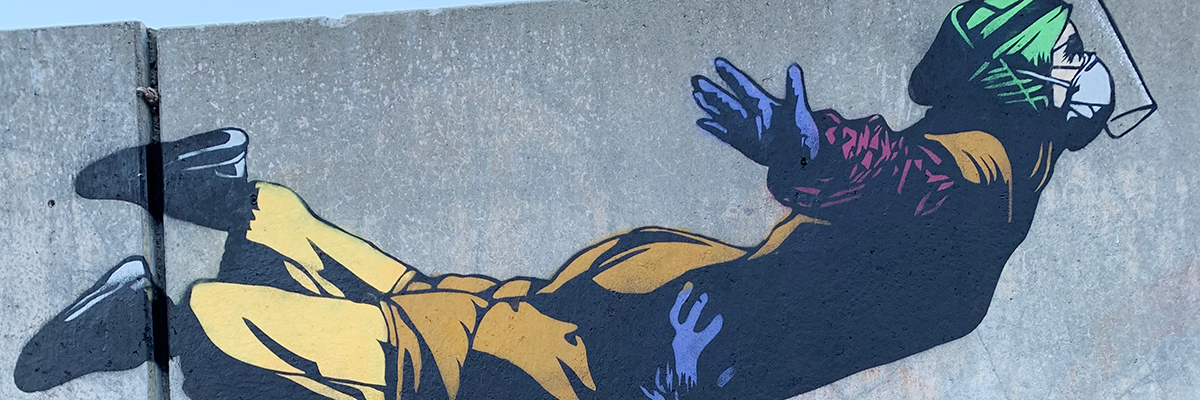
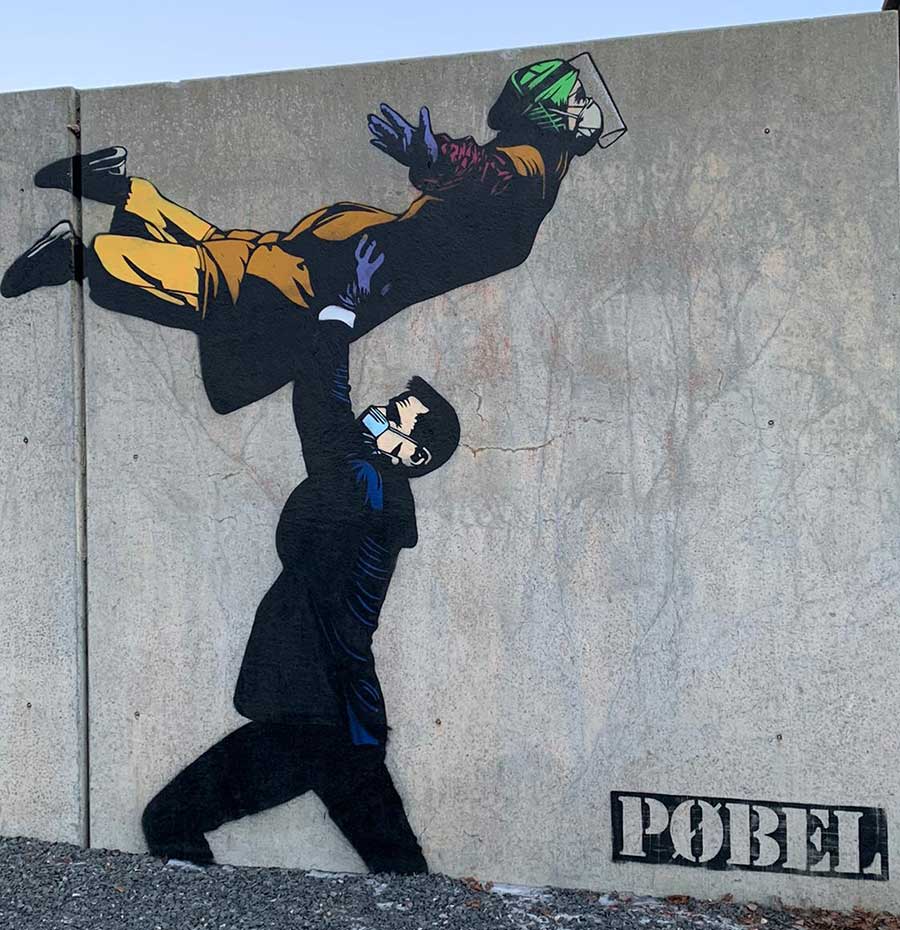
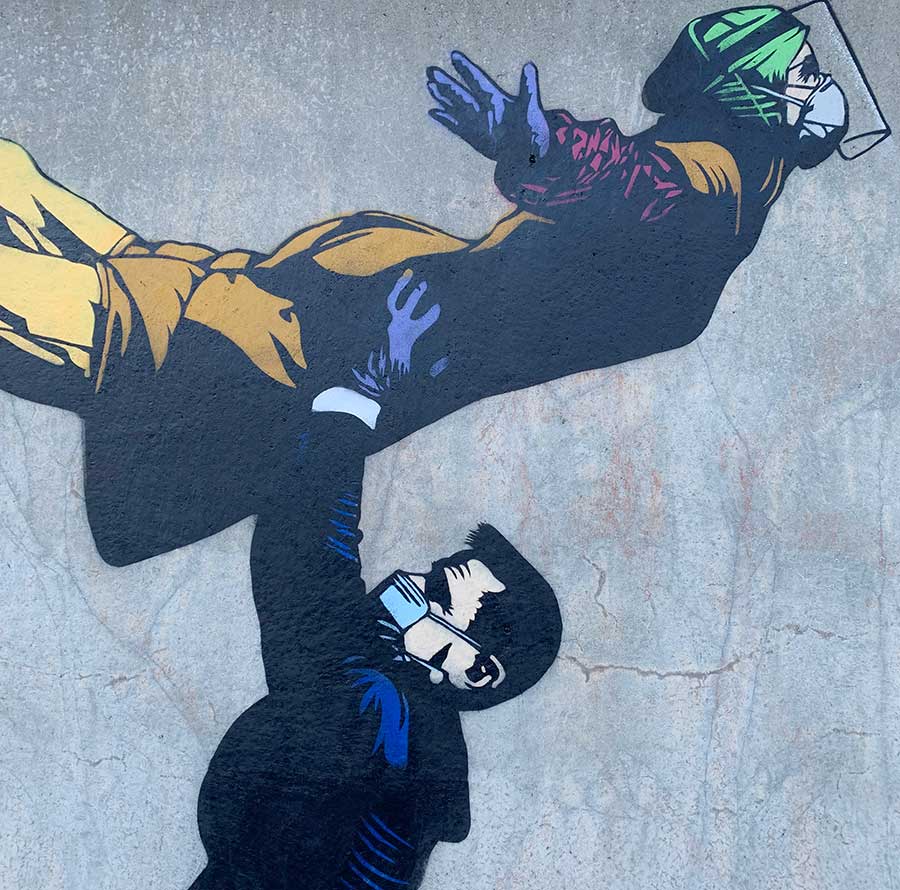
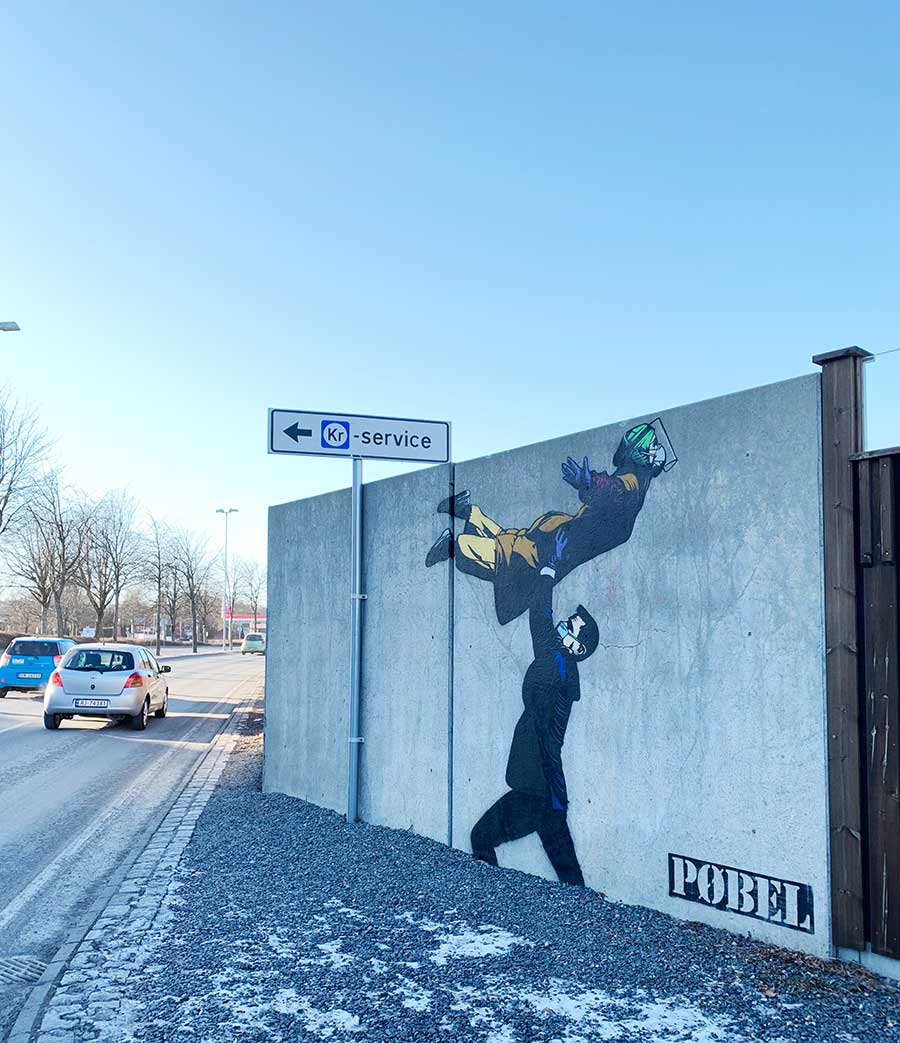
Norwegian street artist Pøbel made a splash last spring with his stencil of a passionate couple kissing with their masks. That was early in our understanding of how the virus might be spread. Today we see his newest piece that lifts a front line medical worker aloft, or rather Minister of Health Bent Høie does. It is good to see that the importance of masking is more evident.
Here on this clean concrete wall alongside car traffic, Pøbel references an arched pose from the ballet (or the movie “Dirty Dancing”) that gives us all a reason to breathe, to exult the love of life, to dance again.
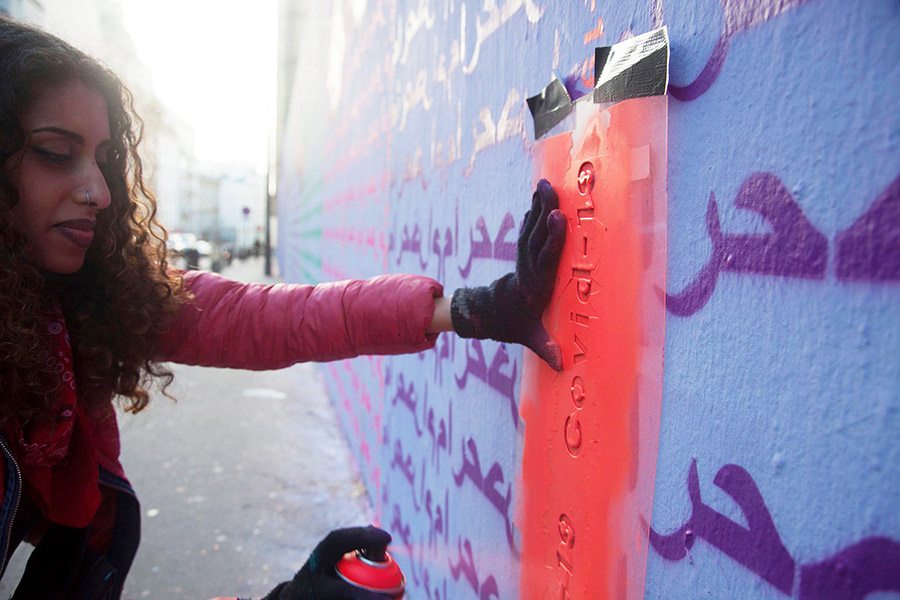
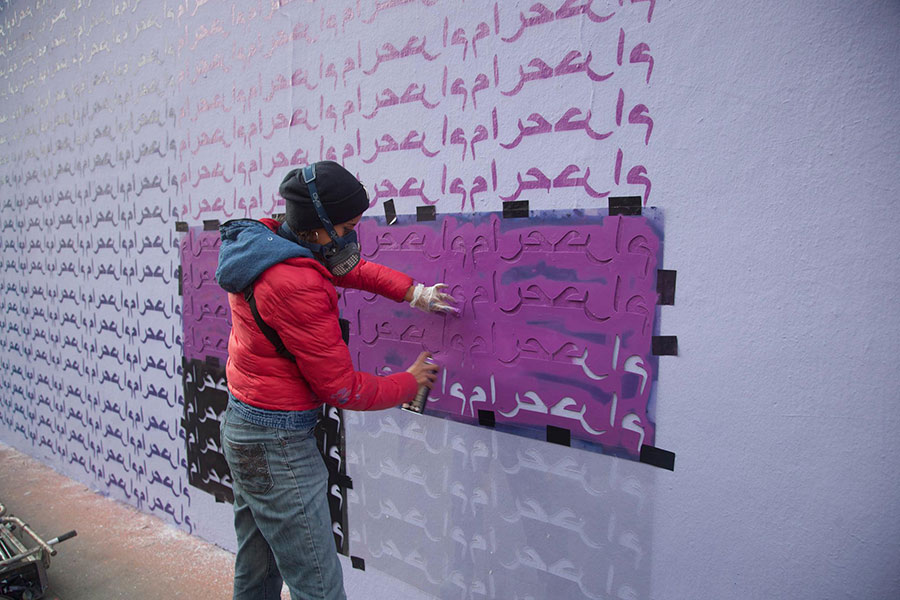
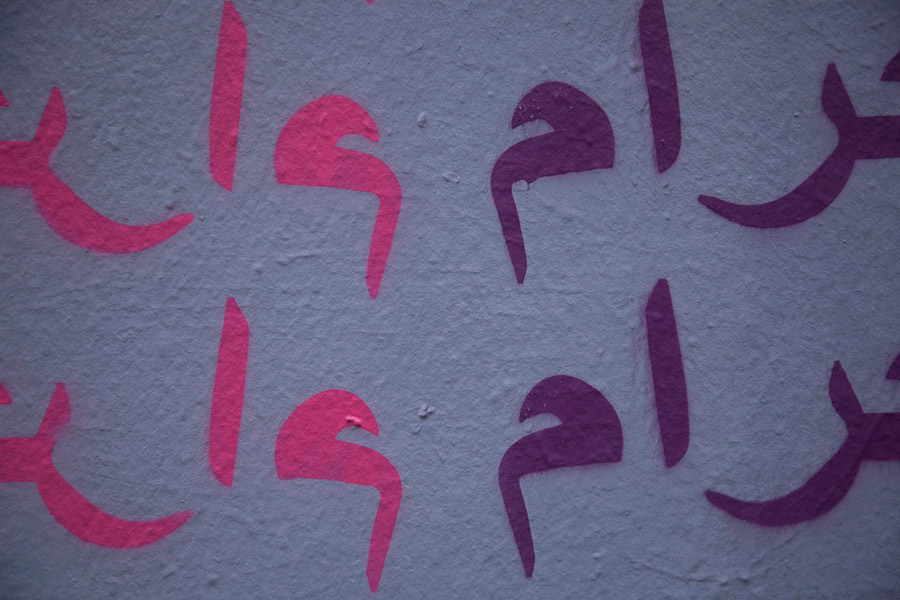
Imagine being forbidden, proscribed by religious law. Haram.
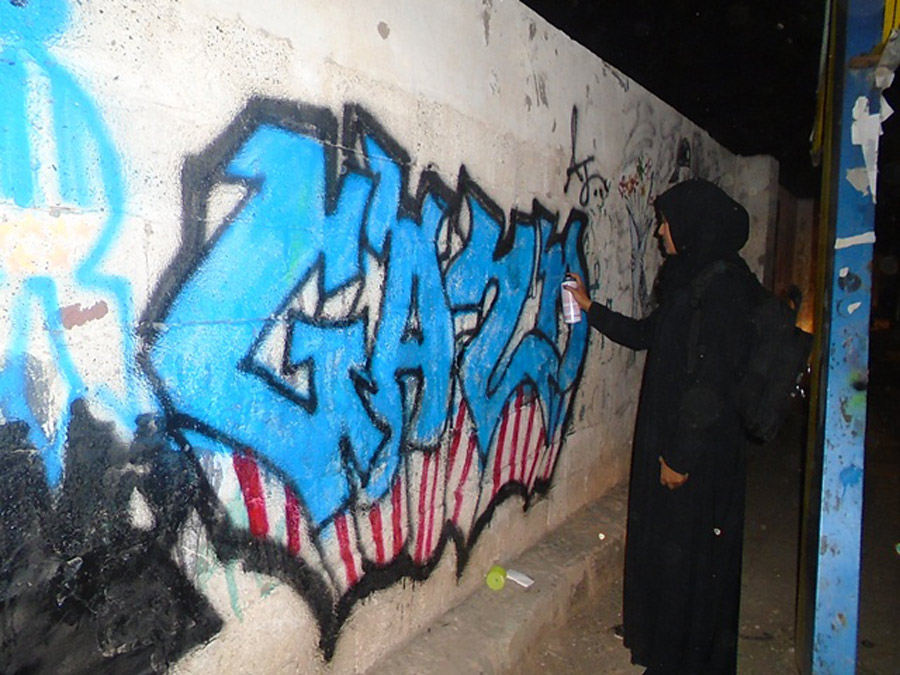
Yemeni artist Ahlam Jarban says that she felt that her very existence as a girl and a woman growing up in her country was forbidden. Now imagine being a female graffiti writer in that war-torn country, eager for your work and your ideas to be seen and considered.
“To be a woman in Yemen is forbidden (haram),” she says. “Street art was my way in Yemen to say ‘I’m not haram; I’m proud of being a woman.’ ”
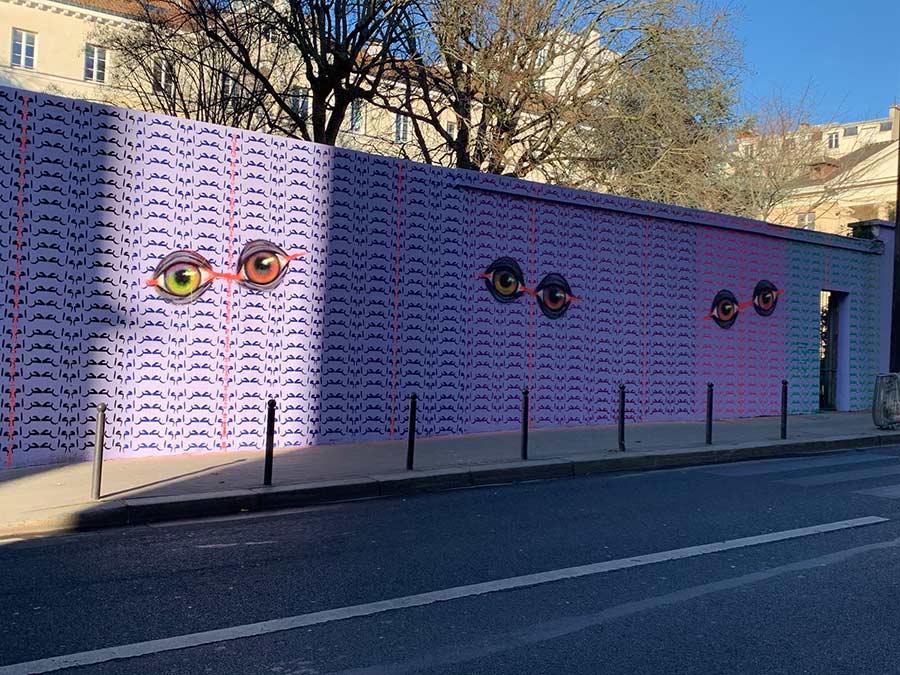
The Haram wall: Ahlam Jarban in collaboration with Art Azoï. Paris, France. (Photo courtesy of Art Azoï)
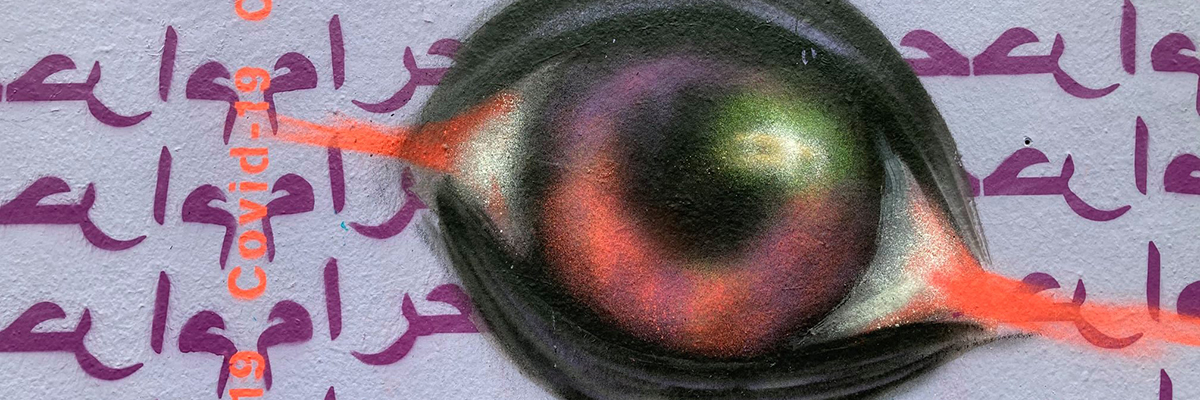
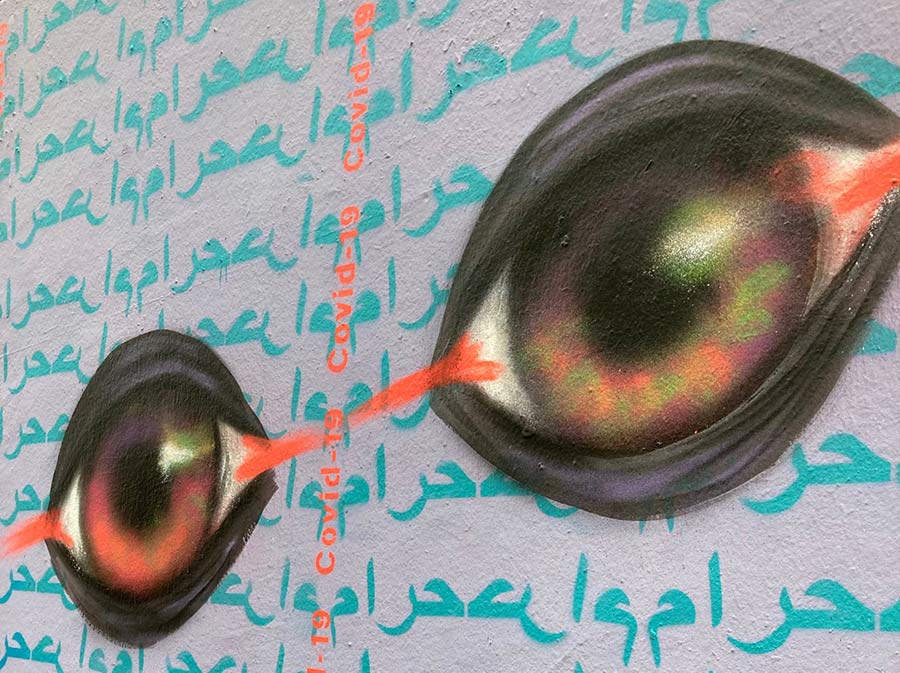
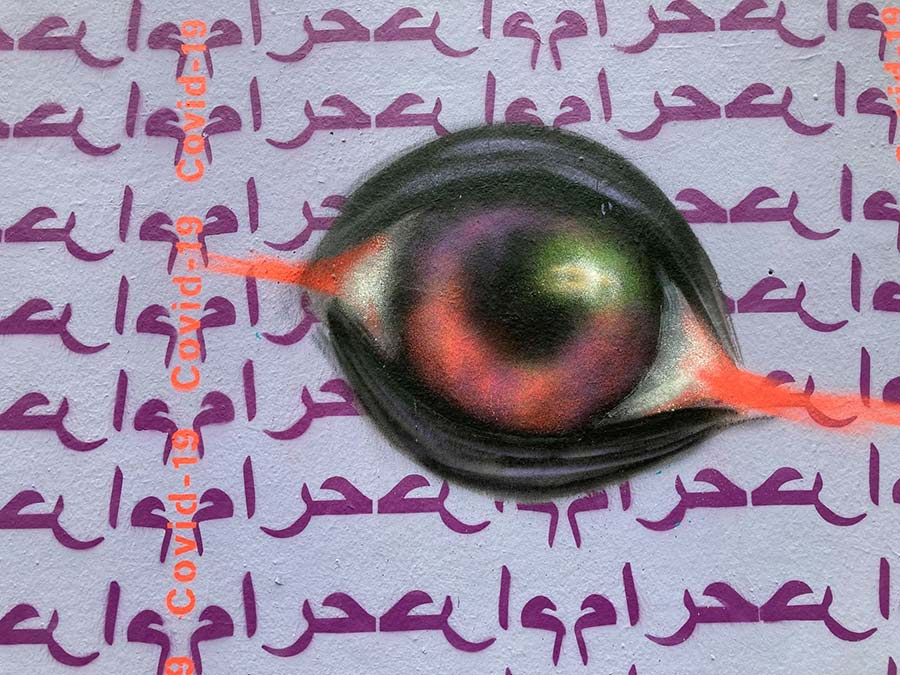
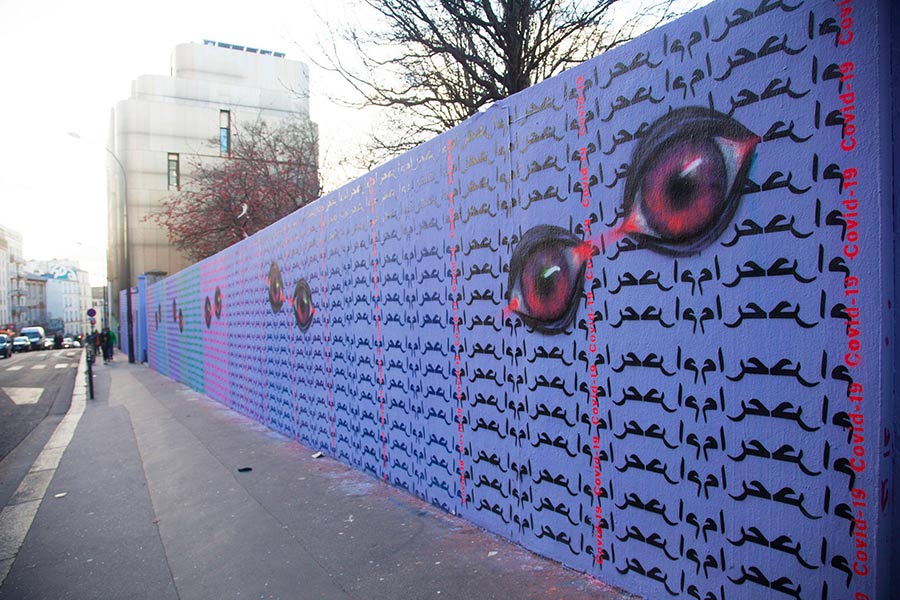
Her new mural was created in collaboration with the Agency of Artists in Exile (Atelier des Artistes en Exil), where she is an artist in residence. Using aerosol and stencils, she draws attention to this denial of personal agency in the world through patterned calligraphy of “Haram” interrupted by the occasional pair of photorealistic eyes, always watching.
Ahlam Jarban in collaboration with Art Azoï. Paris, France. (Photo courtesy of Art Azoï)
Part of an exhibition along a 50-meter long wall at the Pavillon Carré de Baudouin in the 20th arrondissement of Paris, the artist is actively assessing and critiquing the patriarchal behaviors she witnessed during her youth before arriving here in 2018. She is also making connections between the two cultures.
Getting up in earlier days. Ahlam Jarban (courtesy Agency of Artists in Exile – Atelier des Artistes en Exil)
“I painted eyes because I think that was the only thing that was free on a woman’s body,” she says as she describes the various emotions and intentions that are communicated by people purely with their eyes. Immediately she pivots to the correlation to life in her new European home where everyone is encouraged to wear a mask during the Covid-19 pandemic, and people are learning to rely more on communicating with their eyes, perhaps more than ever before.
“I think this mural can be very interesting for the Arabic French people and for the French people to know more about how it can be to be a female in Yemen,” she says in the video below.
Ahlam Jarban in collaboration with Art Azoï. Paris, France. (Photo courtesy of Art Azoï)Ahlam Jarban in collaboration with Art Azoï. Paris, France. (Photo courtesy of Art Azoï)Ahlam Jarban in collaboration with Art Azoï. Paris, France. (Photo courtesy of Art Azoï)
Ahlam Jarban in collaboration with Art Azoï. Paris, France. (Photo courtesy of Art Azoï)Ahlam Jarban in collaboration with Art Azoï. Paris, France. (Photo courtesy of Art Azoï)Ahlam Jarban in collaboration with Art Azoï. Paris, France. (Photo courtesy of Art Azoï)
Street art welcomes all manner of materials and methods, typically deployed without permission and without apology. This hand-formed wire piece …Read More »
 BROOKLYN STREET ART LOVES YOU MORE EVERY DAY