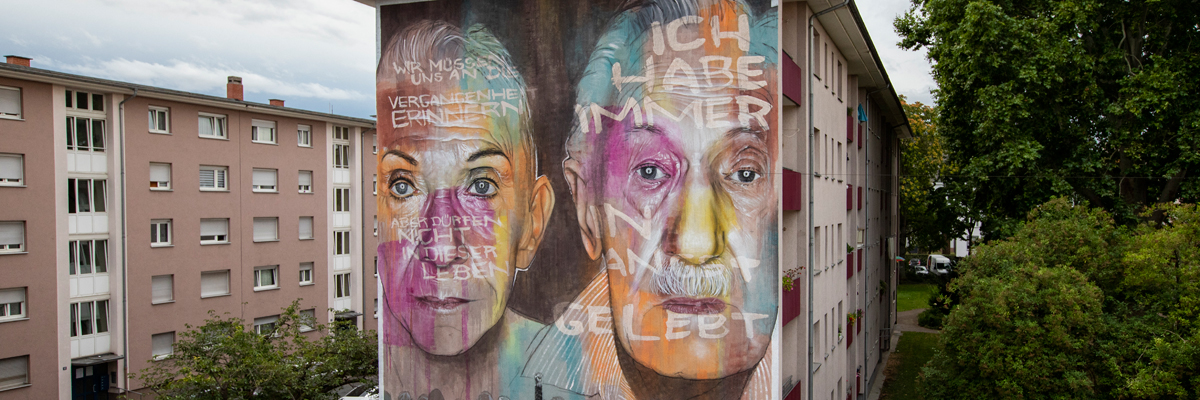
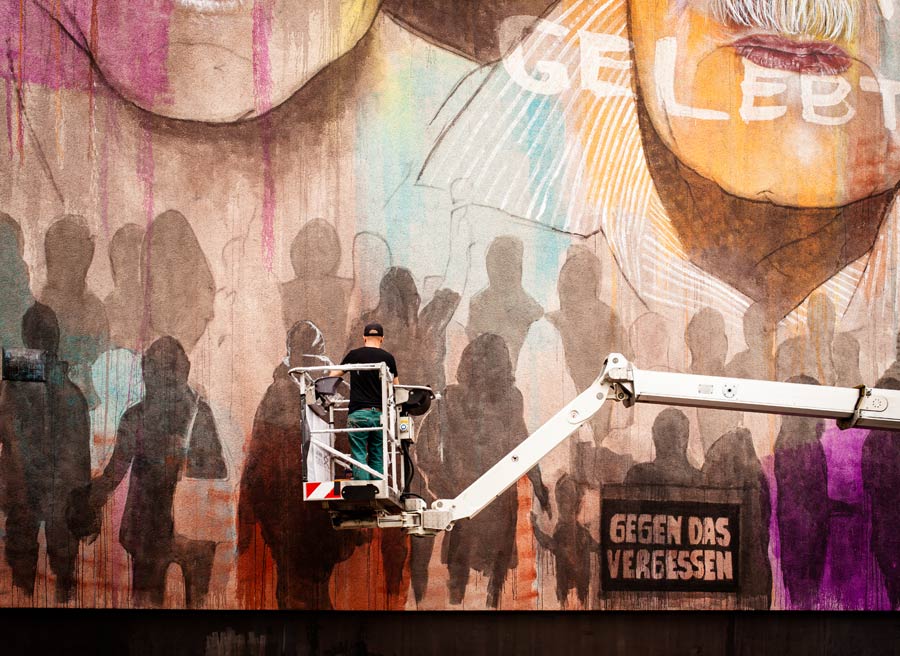
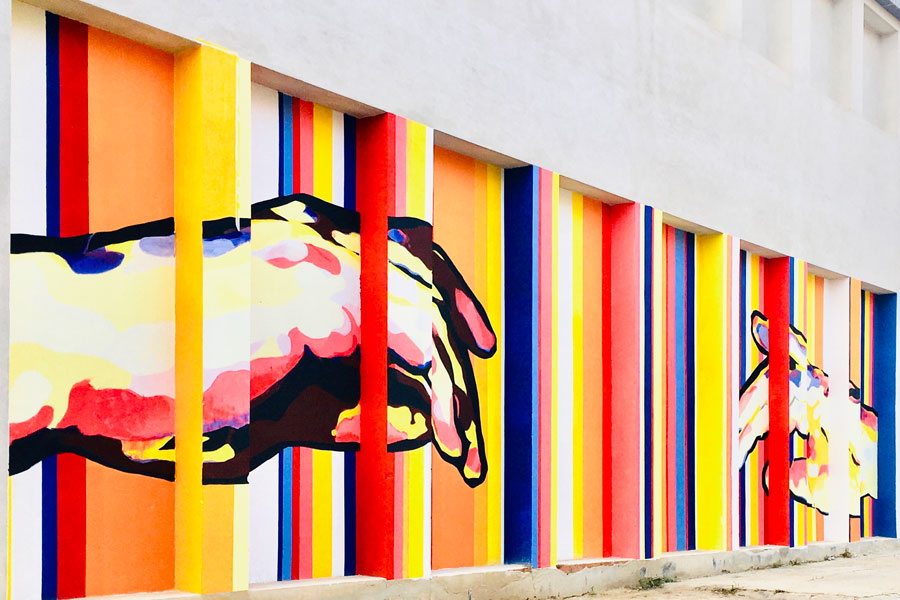
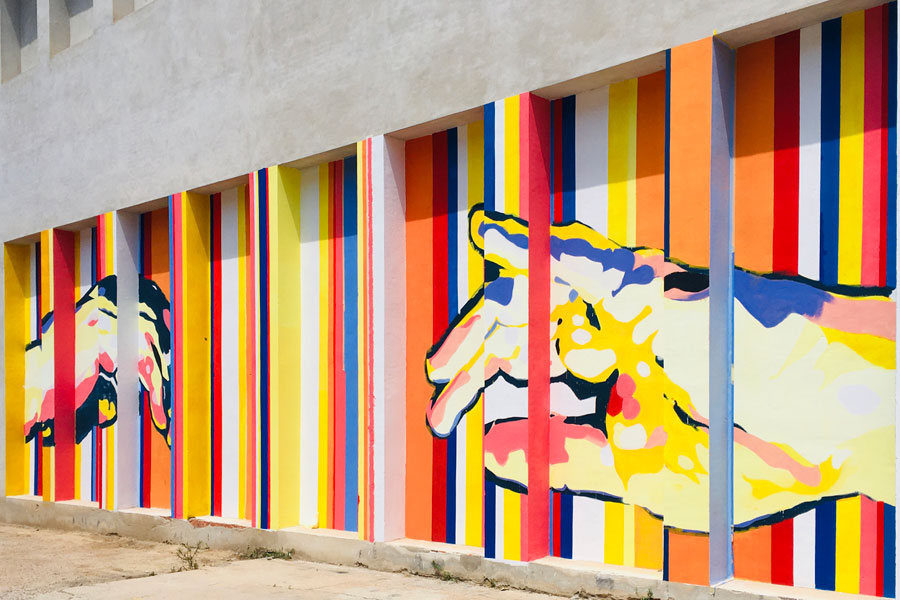
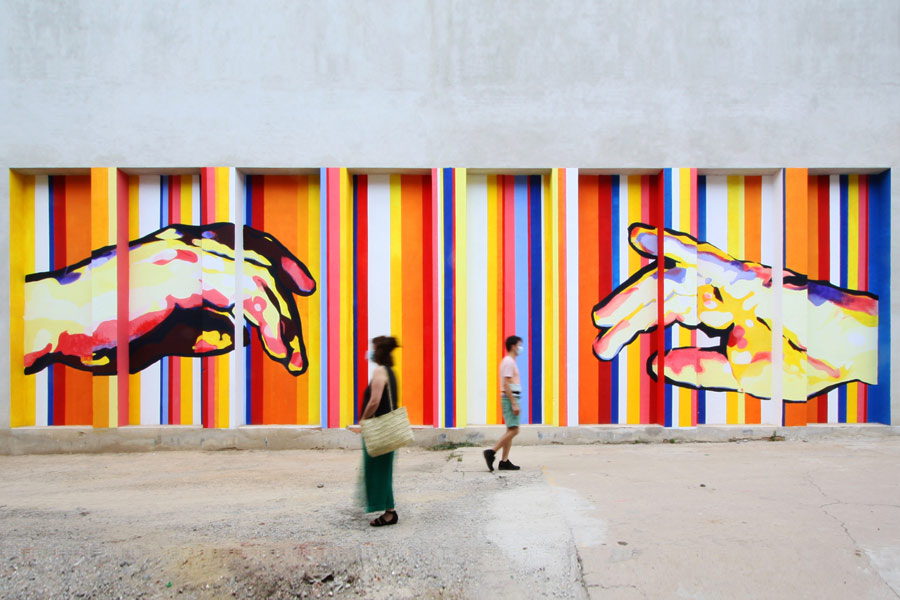
“I felt uncomfortable while confronting myself with the reports about the incidents every person has experienced,” says AKUT in his blog about the research he did into the Holocaust for his new project here.
“It’s unbelievable how one can ever cope with it – and it’s completely unacceptable that there are right-wing populists still gaining more support worldwide. One would think that we have learned from history, but present events prove us wrong regularly.”
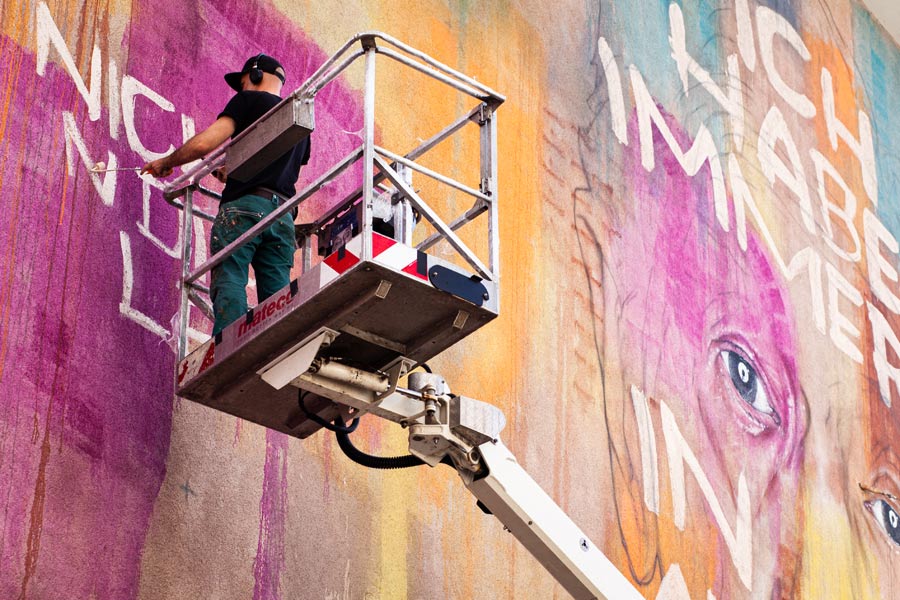
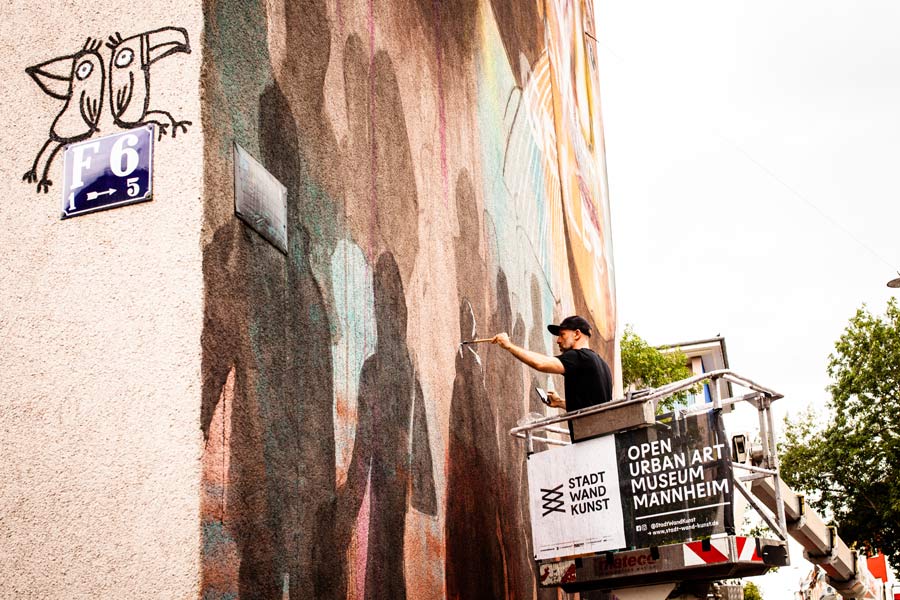
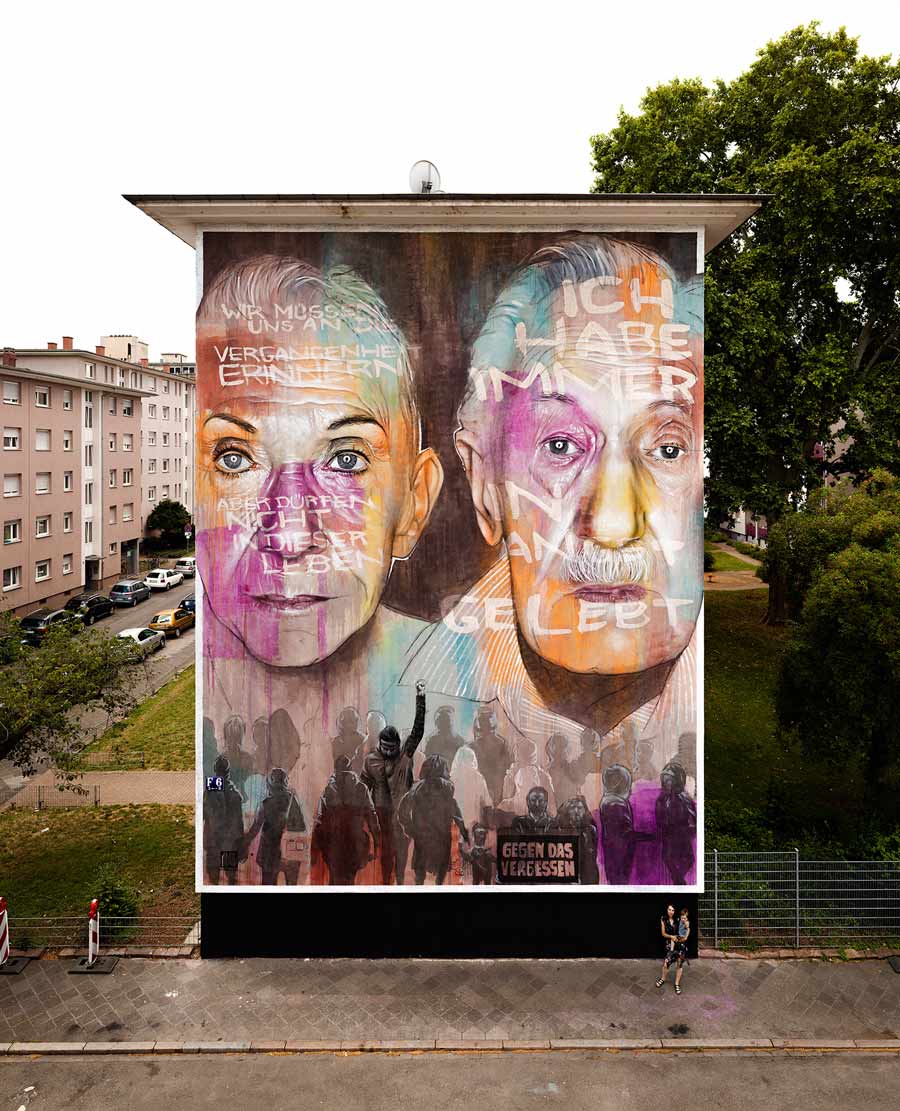
Falk Lehmann AKA AKUT. “Lest We Forget“. Stadt.Wand.Kunst. Mannheim, Germany. (photo courtesy of AKUT)
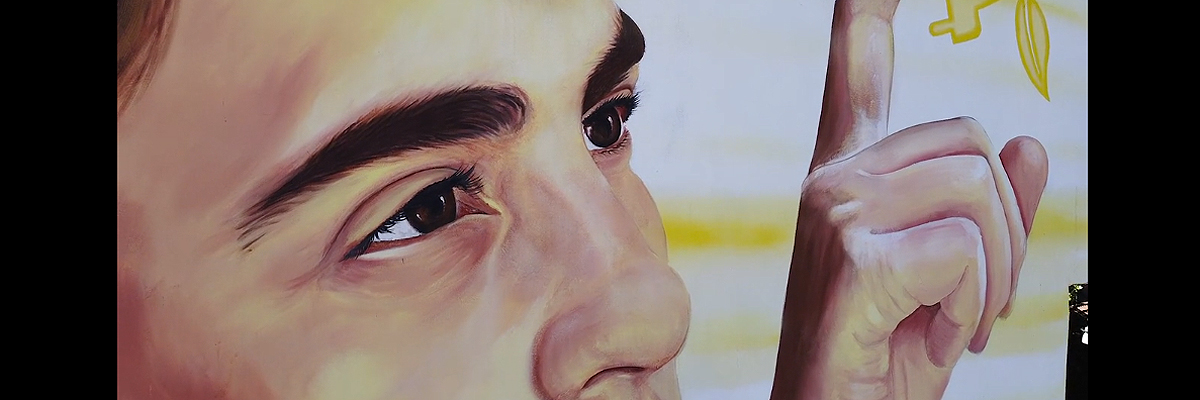
And here now we have two people whose photorealistic eyes we can look into. One is Horst Sommerfeld, a Polish national who lived in hiding in Berlin for two years before he and his whole family were caught and deported to Auschwitz-Birkenau. He was the only family member to live after being liberated by the US army in 1945.
Nonetheless, Mr. Sommerfeld reported, “I have always lived in fear,” before his death in 2019.
Falk Lehmann AKA AKUT. “Lest We Forget“. Stadt.Wand.Kunst. Mannheim, Germany. (photo courtesy of AKUT)
The other portrait is of Bella
Shirin, a Lithuanian whose parents were survivors of the concentration camps of
Dachau and Stutthof. While she is determined to live in the present, her own
past is deeply impacted by her mother’s suicide in 1977 that occurred as a result
of her experiences in the camps.
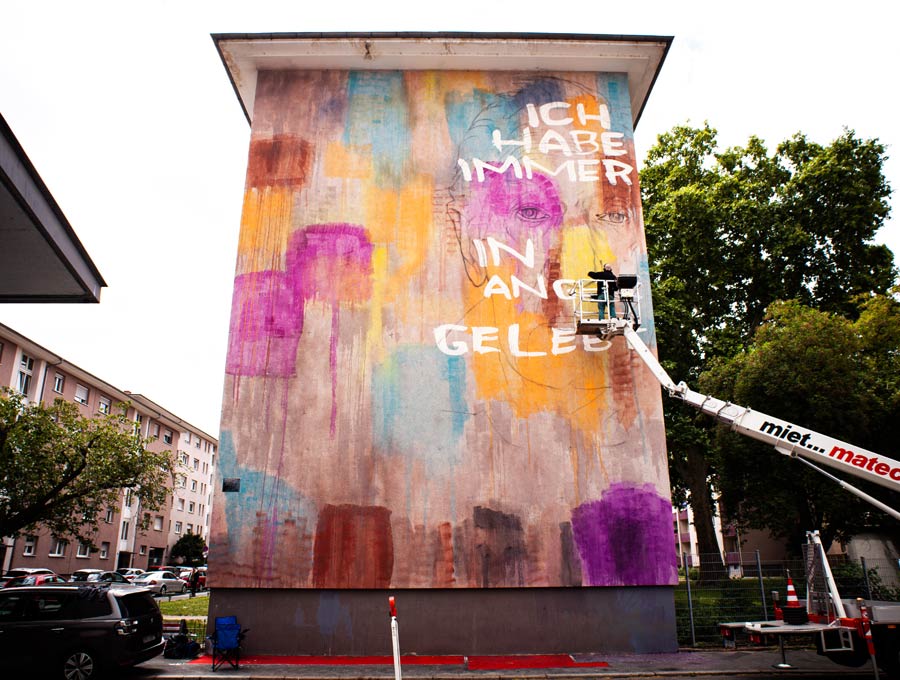
Falk Lehmann AKA AKUT. “Lest We Forget“. Stadt.Wand.Kunst. Mannheim, Germany. (photo courtesy of AKUT)
LEST WE FORGET is a
multi-media project by the German-Italian photographer and filmmaker Luigi
Toscano, who has met Holocaust survivors around the world including in the US,
Germany, the Netherlands, Belarus, Ukraine, Israel and Russia since the early
2010s. This month a new mural by street artist/fine artist AKUT (Falk Lehmann)
pays tribute to two persons directly and deeply affected by the events of the
Holocaust.
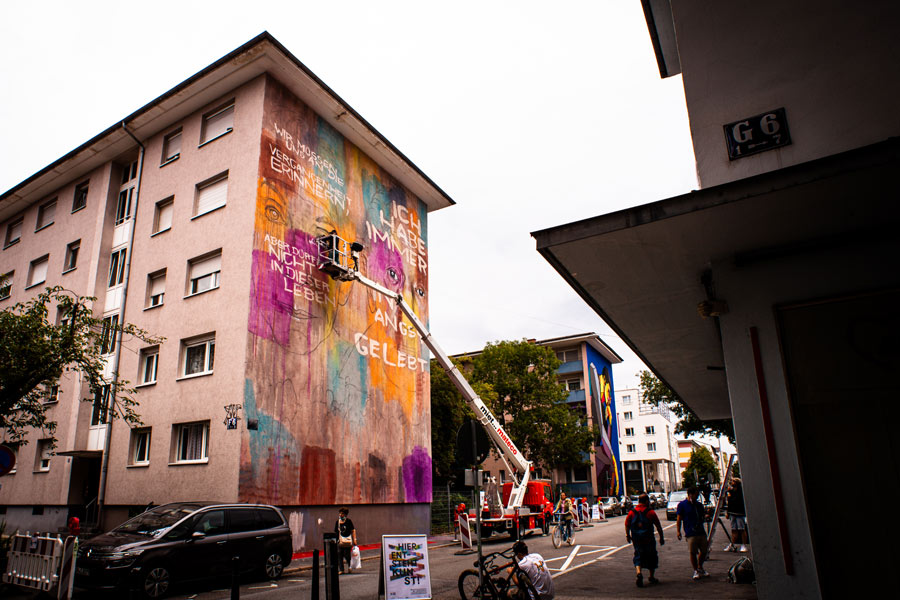
Rising six stories in Mannheim, Germany, this is the 35th mural since 2013 as part of a program to convert underutilized walls into artworks, the first freely accessible museum for mural art in all of Baden-Württemberg.
Falk Lehmann AKA AKUT. “Lest We Forget“. Stadt.Wand.Kunst. Mannheim, Germany. (photo courtesy of AKUT)Falk Lehmann AKA AKUT. “Lest We Forget“. Stadt.Wand.Kunst. Mannheim, Germany. (photo courtesy of AKUT)
“This
expresses the different ways of dealing with their fates, which is certainly
also directly connected to their respective personal stories,” says AKUT. “Horst
was traumatized directly, whereas Bella has indirectly experienced trauma from
her parents’ experiences.”
Falk Lehmann AKA AKUT. “Lest We Forget“. Stadt.Wand.Kunst. Mannheim, Germany. (photo courtesy of AKUT)
Our weekly focus on the moving image and art in the streets. And other oddities.
Now screening : 1. BustArt Says Goodbye to Berlin-Tegel 2. Transform the Tram Wait by MurOne in Barcelona
BSA Special Feature: BustArt Says Goodbye to Berlin-Tegel
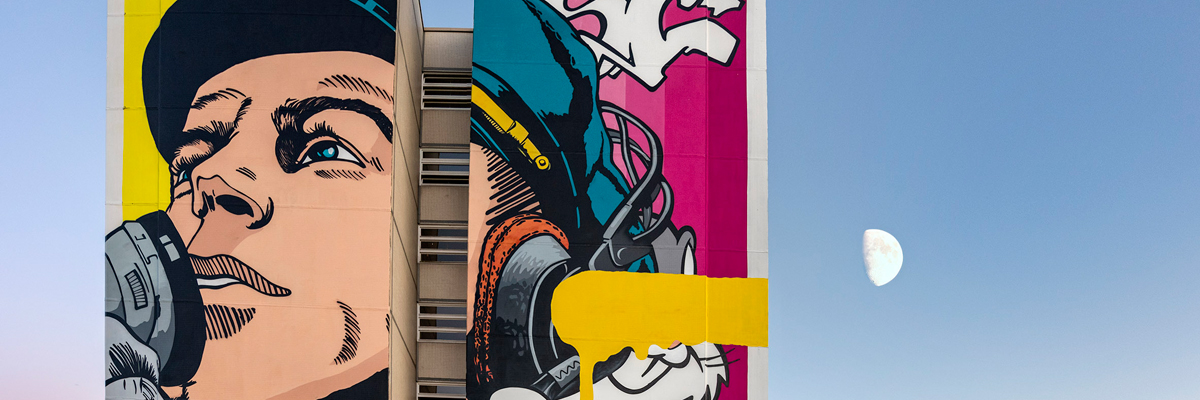
A museum curating in public space is not necessarily new. Many eyes are watching with great interest as this museum in Berlin begins an academic approach toward selecting artists and artworks in public space in Berlin as Urban Nation Museum grounds its projects in its community and local history. The new work by street artist and graffiti writer Bustart is a direct reference to the nearby Berlin-Tegel airport, which will be decommissioned later this year.
Part of the
inspiration is from Otto Lilienthal, the German pioneer of aviation who became
known as the “flying man”, now cast through a 1960s comic strip version of
the modern hero gazing upward to witness the post-war middle class flying the
friendly skies. In a twist of irony, most people in this neighborhood will
probably enjoy their daily lives more now that the airport won’t be filling the
air with the sound of roaring planes overhead, allowing them to listen instead
to birds in the trees.
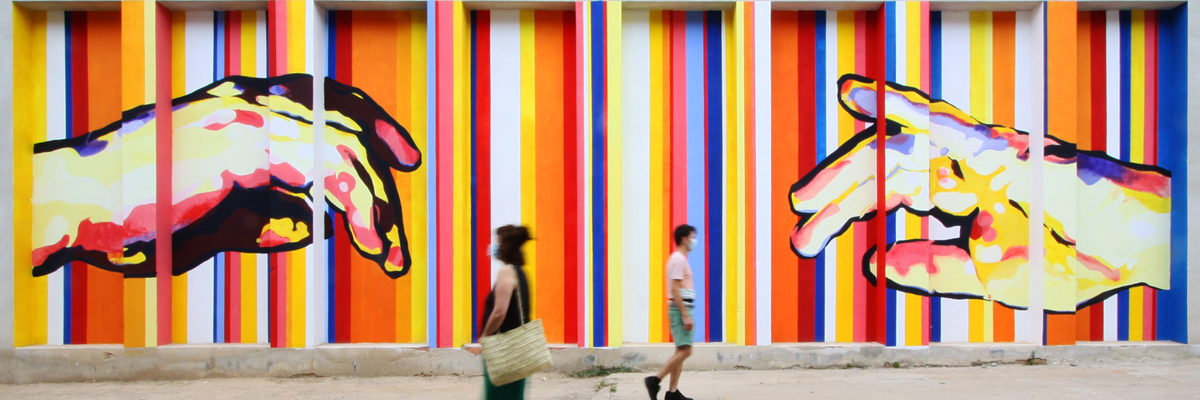
Art al TRAM by MurOne
“Cities have
these rough and rigid spaces whose only purpose is to walk through,” says Marc
Garcia, founder and director of Rebobinart, a Barcelona organization that
brings artists to the urban environment – developing projects with social and
cultural context considerations in public space.
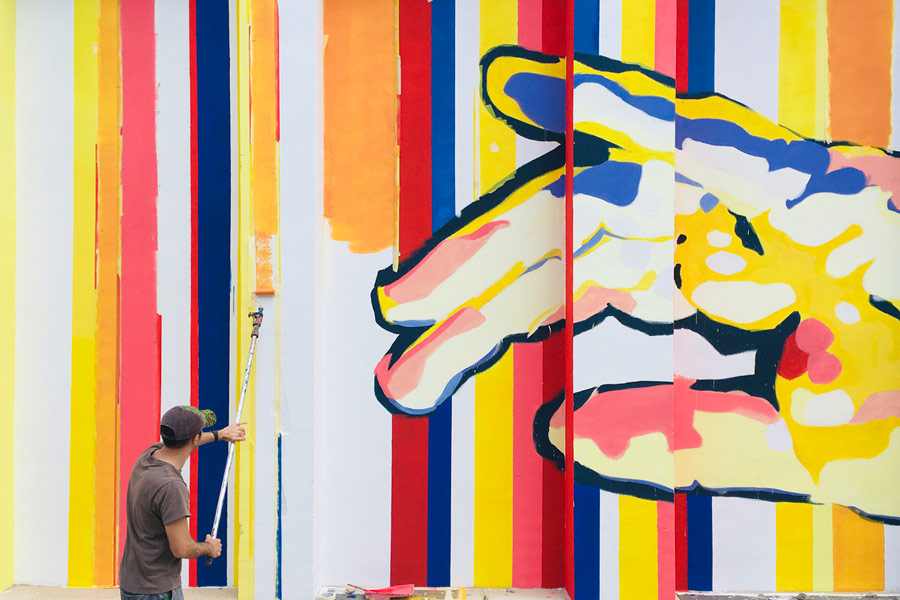
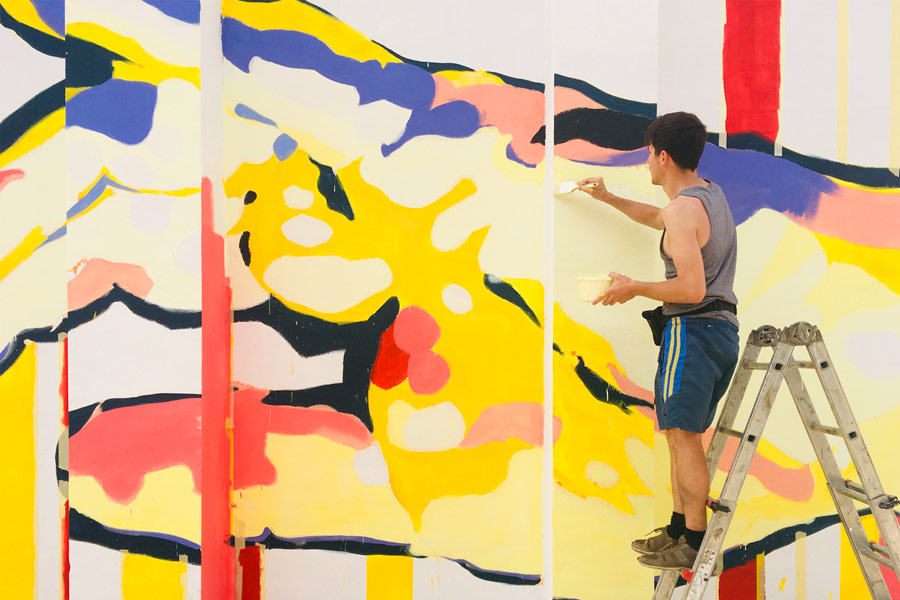
MurOne’s new
mural takes on the space where people wait for the tram – a nondescript
netherworld, a metropolitan purgatory where you are nowhere, only between. The
Cornellà Centre TRAM stop is transformed by the Spanish artist (Iker Muro) who
has been making murals for almost two decades, combining figurative and abstract,
fiction, oblique narrative and vivid color. It’s the city, and its yours while
you wait to go to your next destination
Iker Muro is
a Spanish artist and graphic designer who has been making murals in Spain and
abroad since 2002. His work combines figurative and abstract art, conveying
both tangible and fictional elements through vivid colours and figures
influenced by the visual imagery in the cities where the artist paints.
“I believe
that arriving in a place like this and finding a kind of art gallery is a
reason for attraction,” says MurOne, “I feel motivated by these kinds of
actions.”
Today we go
to Barcelona in Spain, where the country held a memorial ceremony July 16 to
honor more than 28,000 people who have died there from COVID-19. This new mural
contemplates what it means to be connected, and considers what it takes to have
hope.
Utilizing
the architectural barriers as metaphor for the obstacles to connection, artists
Josep Fernandez Margalef and Rice created ‘Esperança’ (Hope) in the Granollers area of Barcelona.
“Even at a distance, hope
acts as a power that can bring us closer to each other, helping us to reach tomorrow. We honor connections, longing,
and a feeling greater than ourselves when we are alone; love, friendship, and
care all belong in this realm of being,” say the artists.
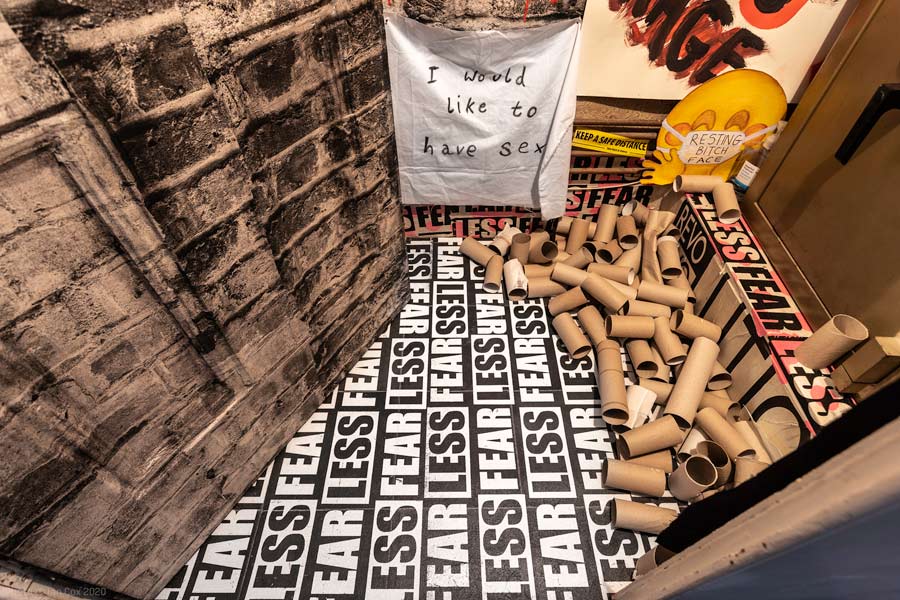
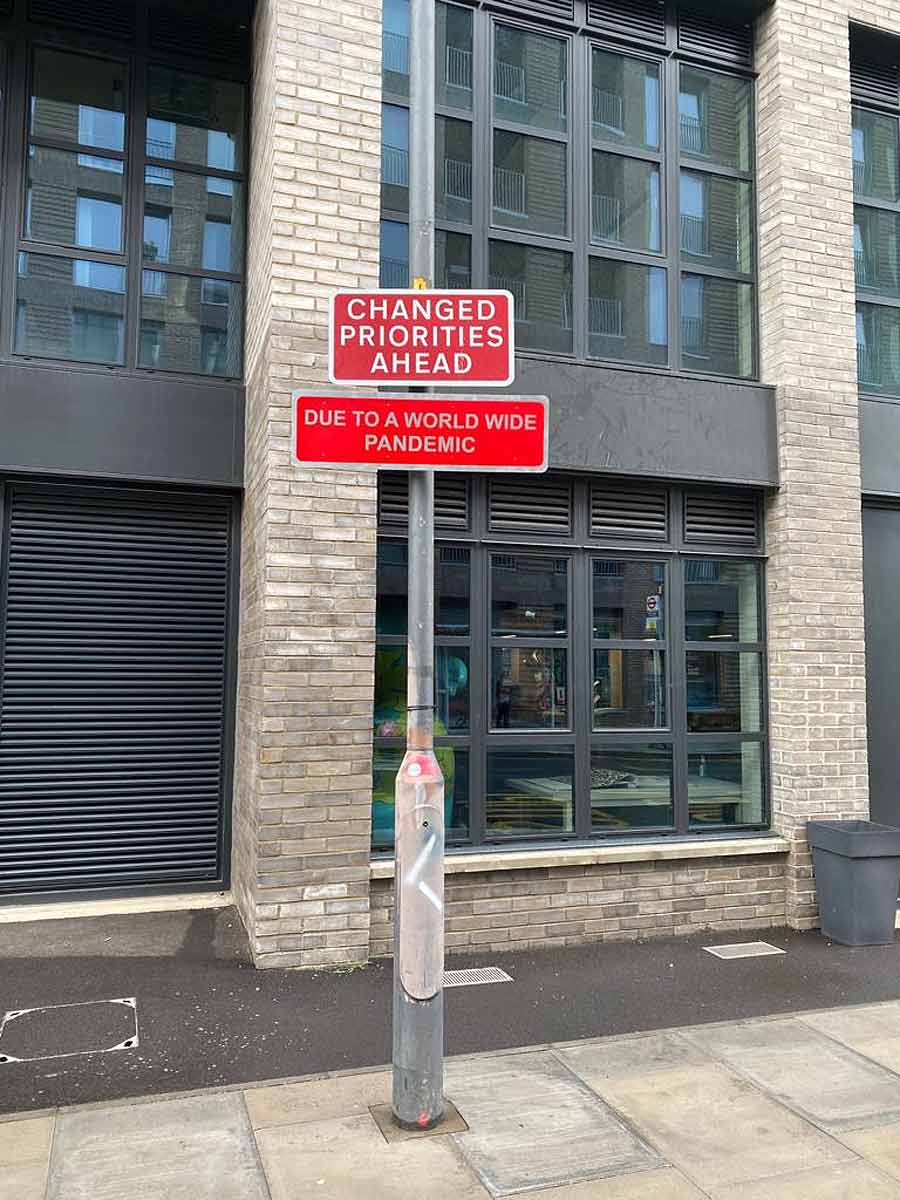
You have been seeing a number of rooms in this old Victorian home regaled and reimagined by a number of artists over the past few weeks as we have featured the installations for a unique exhibition called disConnect. Today we have artist Aida Wilde who speaks extensively here about every aspect of her installation and world view and how she created her work for this project .
“The inaugural exhibition at Schoeni Projects’ London space, a Victorian townhouse in South West London, the exhibition, Titled disCONNECT, transforms the period building – currently under renovation – with new site-specific works from ten urban artists working across seven countries.”
BSA: First tell us which room(s) were designated to you?
Aida Wilde: We were sent very concise floor plans and video of the house as were initially asked to state out preferences to which rooms we would like to take over.
From the off-set, I
was drawn to the most unusual and challenging spots in the house, like the walk
in master cupboard which was a little narrow with mirrors along it and a window
at the end of the little annex ….I also liked the wallpaper in the library but
again, that was a pretty conventional room- I’m not a big fan of the 4 walls/
window/box formula in spaces that I show art work in.
I like working with a
space that can interact and speak with the work… also sometimes I find that a
space can enhance and influence the kind of work being made…. They should go
hand in hand for me, especially when it comes to this kind of installation- in
a house….& if it doesn’t, it can shift context/perception and only be seen
as decoration.
There was
conversations about stair cases and toilets which I have been know to have been
drawn to in the past so Nicole had suggested the downstairs loo (That she had
previously dubbed as the Nanny Loo) and it’s surrounding area which I was very
open to- so I began work based on the photos and videos I had been send. It
wasn’t until the very socially distanced site visit to the space that I knew we
had made the right decision. Everything clicked and was perfect for me.
BSA: Were the spaces intimidating, challenging, hunting or a walk in the park?
Aida Wilde: The spaces weren’t intimidating….I was more concerned about trying to execute the ideas that I had in a middle of a global pandemic, with a lot of the resources that I needed were either closed or operating on a skeleton capacity. There are still a couple things I could fabricate just because what I need was closed.
Fortunately for me, I
have a fully self-contained print studio to work from so I at least I knew that
I would be able to make most of the work here.
BSA: What first came to mind when you saw the space? Did you change your approach to the space a number of times?
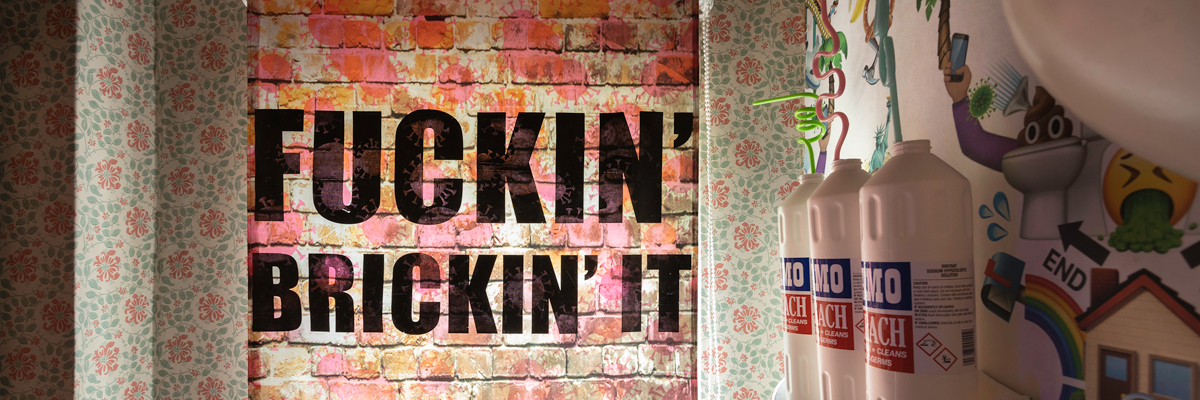
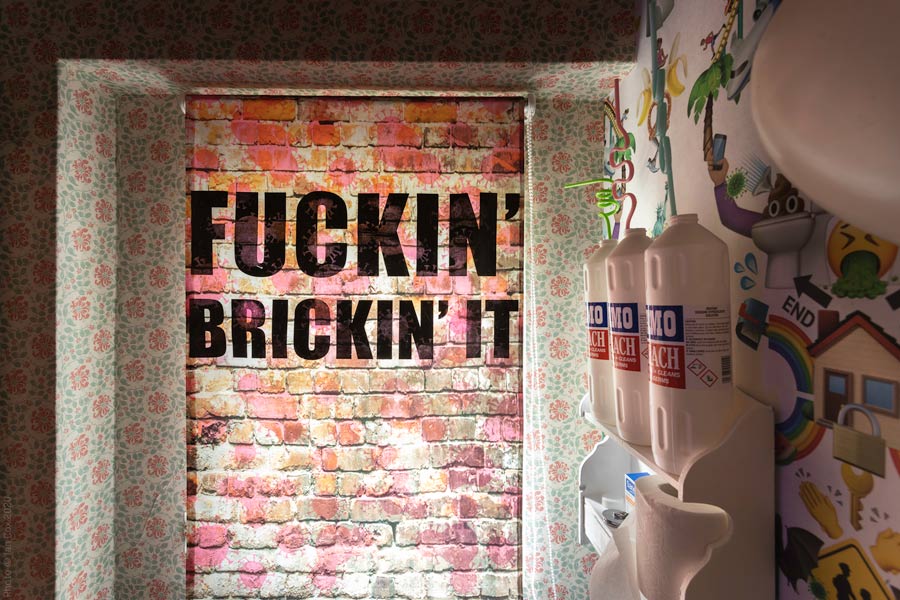
Aida Wilde: I was very excited by the space, in particular the fixings and fixtures that were already there….. I had initially completely dismissed the small cupboard under the stairs, until the site visit and where I saw the big heavy safe inside. I don’t know a lot of houses/people who have a safe like that inside their house, so that sparked a lot of ideas about what I could put inside. I started playing with the idea of being safe/locked in/out, and that is when I came up with the idea of the “Pandemik Panik Room”. A contradiction in itself…. Where you would let out all your fears whilst still locked in inside…. But also, a place for safety, hiding and taking refuge inside of it, under the stairs. Made me chuckle.
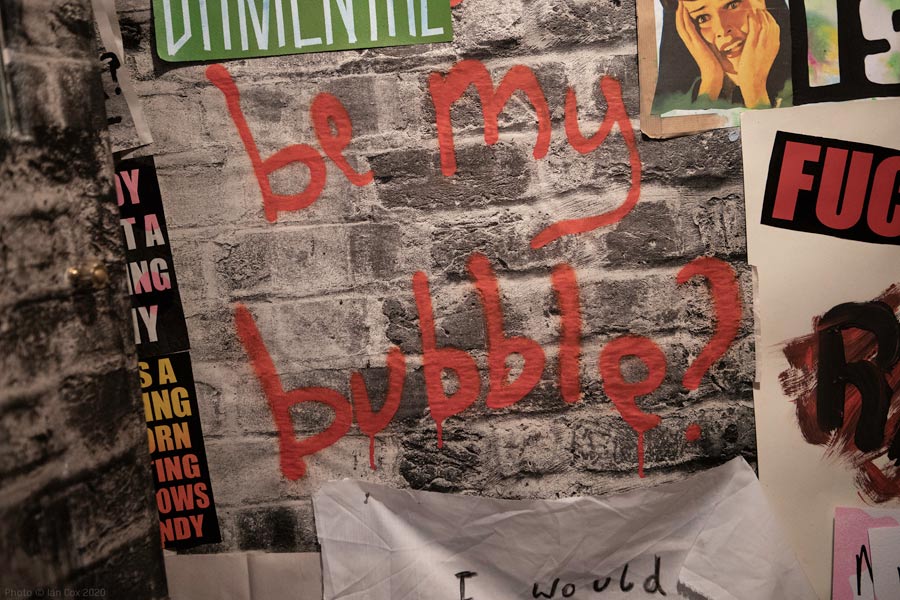
It was always my intention from the beginning, that I would be doing asking people to be involved with the installation, initially via my social media platforms but later as lock down started to ease in the UK, I was able to run a Panik & Fear poster workshop for my neighbours. I live in a pretty sheltered artist warehouse complex, so I spread the word, put some posters up and people turned up outside my place on the day to get involved and make me posters to go inside the “Panik Room”. It was a beautiful sunny day, we shared, talked, created, laughed and got a little emotional, a very rewarding day. I love the fact that it is not only my voice in the house.
Aida Wilde: In all honesty, it was very quick and organic. After initial conversations and half jokingly coming up with names like Nanny Loo and Granny Alley, these things already sparked off a lot of ideas. Dissecting the space into “Zones” / areas also helped with creating a pandemic narrative. I wanted each zone to represent a different idea and feeling that most of us might have gone through during our time in lock-down. There are several personal and emotional elements in the narrative like the Red flower/text pieces transcending up the stairs towards the light from the big window. Those pieces are my exploration of my thoughts about life, love and hope, mixed in with verses from the Persian poet and philosopher Rumi. I guess, it’s all about observation, silence, stillness and contemplation (which came with being in lockdown)
The Staying Alert
serigraphs were mostly sparked off by what I read and saw in the news… I call
these your infomercial doctor/school, you know the ones you may see in a
waiting room….warning you against the perils.
Also, I had started
to pick up a lot of discarded objects and materials that people were leaving
out on the street during the “Lockdown Spring Clean”. I know the thought of
bringing something inside your house left outside in a pandemic is absurd, but
it was good stuff and I had a little ritual where I would obviously pick them
up with gloves, bag them then disinfect immediately once I got them home. A lot
of the things I found also determined what I made them into and how I used them
in the installation.
I was going to print
some of my wallpaper poems to act like banners in the house on paper but I
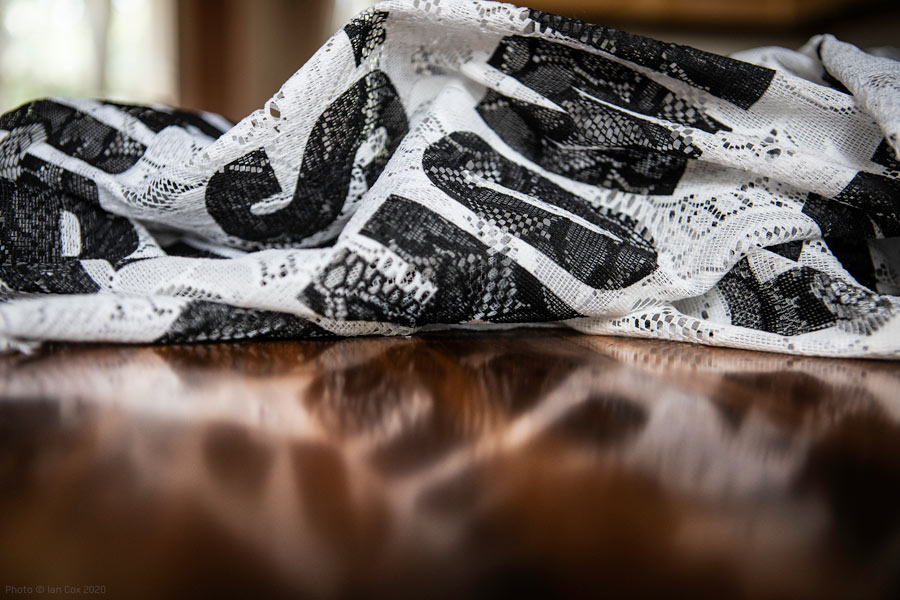
found a big bag of beautiful white lace curtains one day… so this idea evolved
and I finally wrote them on the curtains which look so beautiful and haunting
on the lace with the light shining through them- They are like ghosts, so I
called them “Notes From A Phantom”
I think the curtains
are a great example of how ideas grew and evolved just by the substrate and I
love what they symbolise & the initial function of what curtains are
supposed to do…. So many correlations between lockdown and the outside world
and taking these curtains and placing them somewhere where they are completely
dysfunctional yet representing an ideology.
BSA: The wall papers are all so ornate…until you look closer…then all sinks in. Who would have thought terror could look so decorative. Like candy in a Florida motel. Did you have fun designing the wall papers?
Aida Wilde: I tend to have a lot of hidden sinister meanings behind most of my work- My fine art editions have undertone references to class, colonialism and the taboo. I also like to dissect things within my work. I want to make people stop and look a little bit harder. You know, we’re so used to everything being fast, especially visually; scrolling/swiping etc….. but this has been the perfect time for everyone to slow down and take in the things that we may have dismissed a million times before….so it’s a little bit about discovery and a surprise in the everyday. I wanted to capture this idea in the install. LOOK HARDER.
And I guess when you’re making work about a deadly invisible killer, you can’t instill any more fear and hysteria into people can you! I’m always striving to find a balance between creating something to communicate as well as making it desirable enough for you to want. I want my work to communicate in the most digestible, relatable and clearest way as possible. Art needn’t come with an instruction manual for you to understand it and feel it.
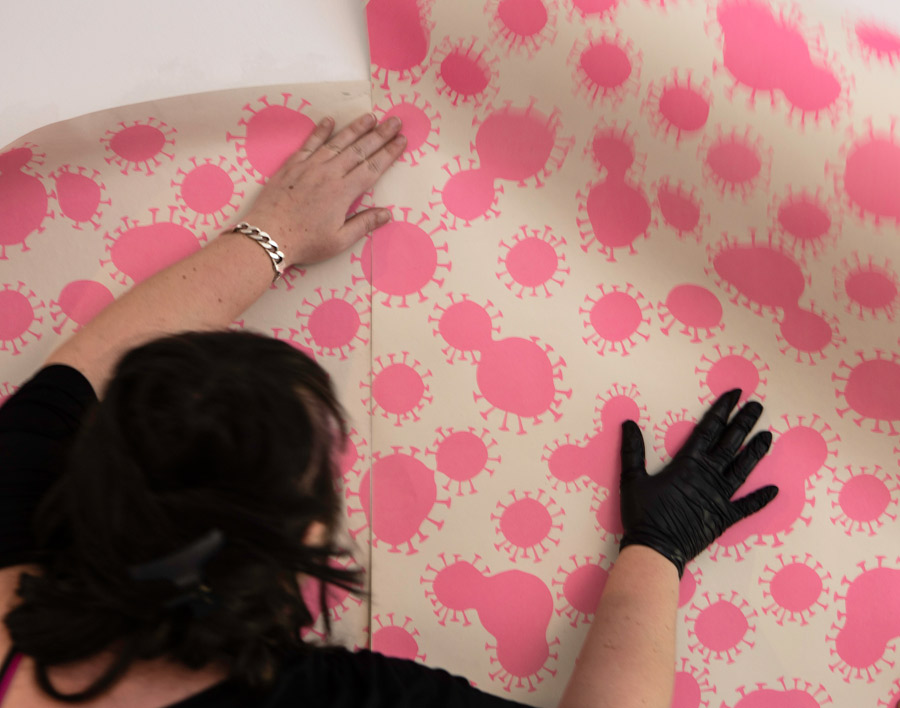
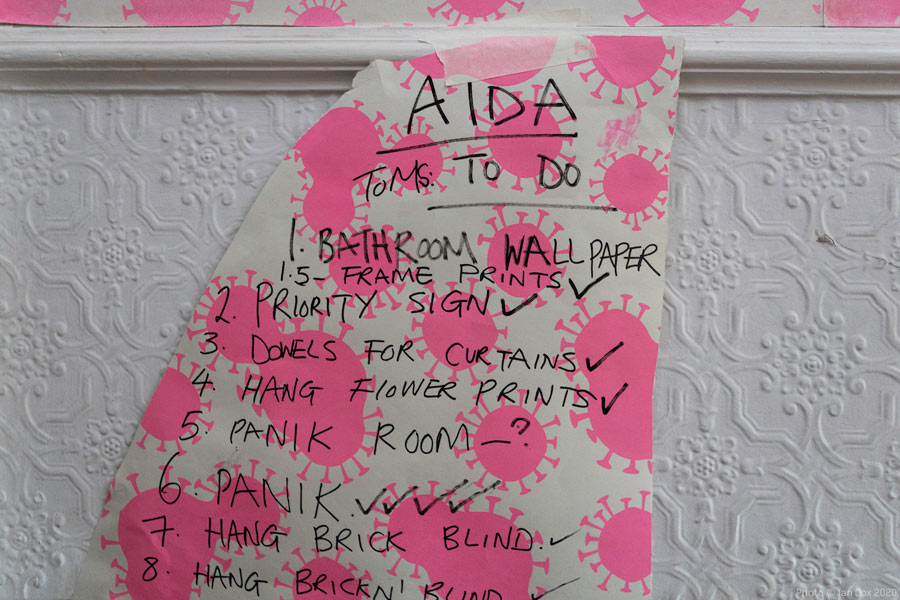
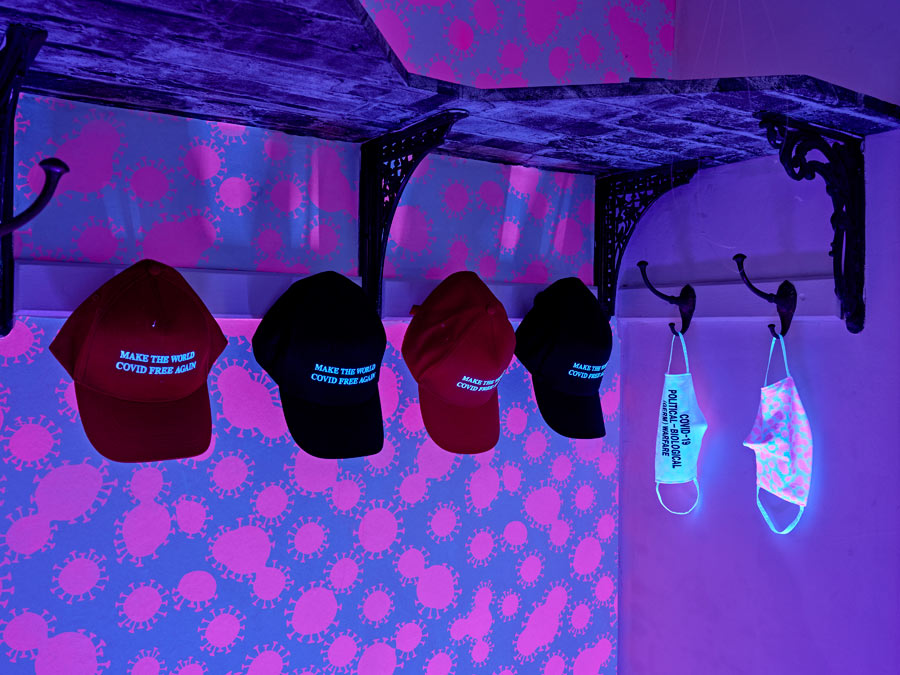
The “Pink Pop Spots”
as I call them have been with me for almost 15 years, they’re kinda my calling
card on the street as I don’t sign any of my work that’s put out, but people generally
recognise its me through them, and it was totally serendipitous that they resembled
the Covid-19 virus cells, and this is how we turned them into these little
mutating playful things. Forever involving.
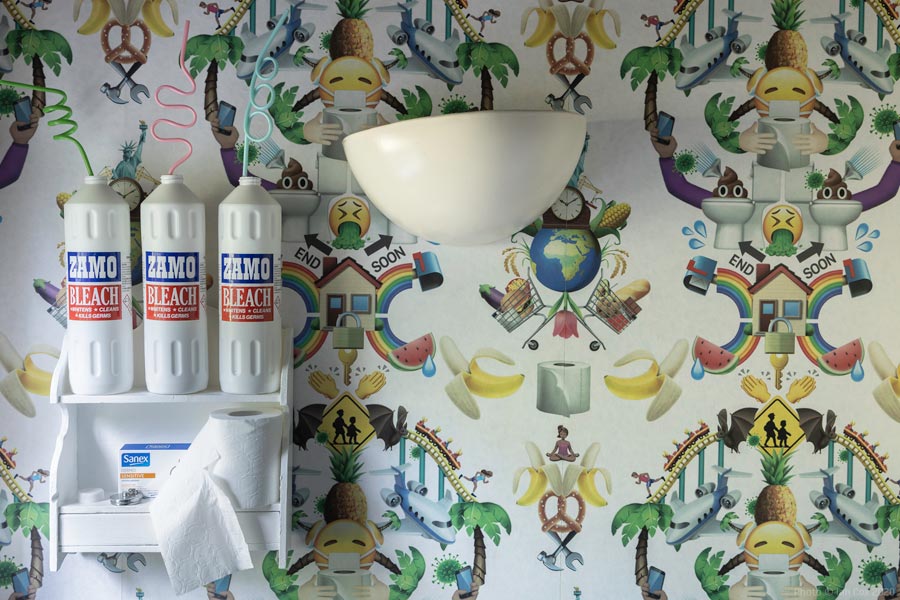
With the emoji “Pandemik Mausoleum” wallpaper, I wanted to make something that was a nod to the houses past and complemented the original wallpapers that were already within it, but take it into 2020 obviously. As mentioned before, I really like the damask wallpaper in the library, so that sparked the idea of designing something based on the traditional damask design. Fortunately for me, my degree was in Printed Surface Design where I specialised in pattern for textiles and wallpaper, so again, this was a very comfortable and organic process for me.
I have been using Instagram and emoji subtly through out some of my street work for a few years now- For me, they are the ultimate universal world language to communicate through. From young to old, even my mother sends me an array of emoji based text messages. I had a terrible vision that what if the human population got wiped out because of Covid and a small section of my wallpaper was found some years later…. What would they be able to decipher from it?
A bit like the hieroglyphics you know, what information could you extract, so that was what was going through my mind when I was making it. It was very challenging to get the initial shape and repeat to the way that I wanted it. It did take weeks to complete but I had so many laughs along the way, the mere fact that I was sitting there making an emoji based design with a yellow man clutching a loo roll and Poo’s coming out of a toilet being showered was just ridiculous and surreal, I laughed a lot, still am. One of the hardest challenges was that I wanted to include so much more of the emojis that I really love, but I had to be very brutal and concise with the story that I wanted to tell, it was hard to strip it way back to what it is now. I am happy with it… it seems balanced.
Inequalities and
systematic racism have been brought to the forefront causing further
questioning of our institutions and causing rifts between friends and even family
members. The global balance is definitely shifting with internal instability on
the rise. With the usual
deterrents of conflict on the decline, a possible uprising could take place globally…
so warfare indeed.
BSA: How can you explain that a Pandemic can devolve into political warfare? Shouldn’t it all be left to the scientists and the doctors?
AW: This is a very thought provoking question so thank you for asking this as I haven’t talked about the piece of work in the installation that you are referencing.
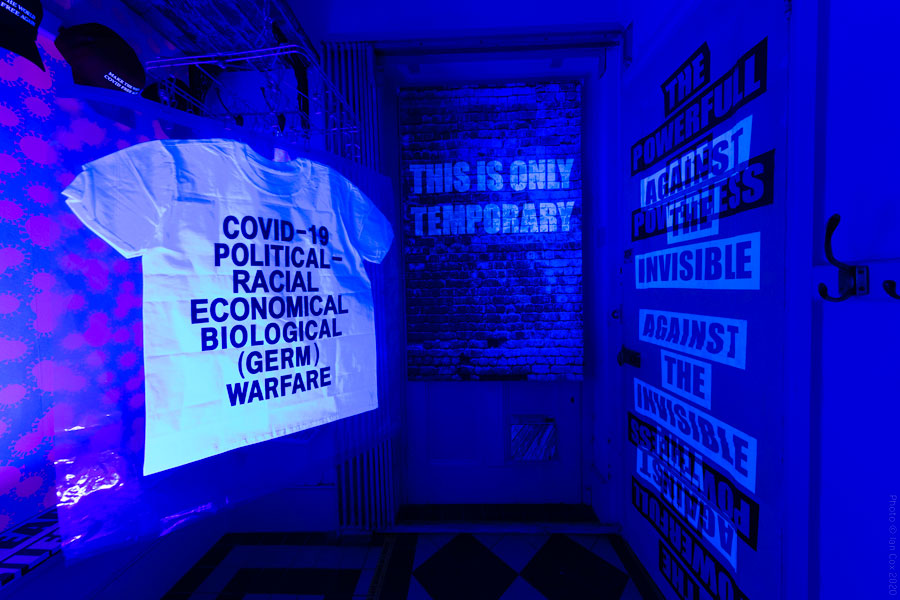
Seemingly a very accessible and disposable substrate, but a t-shirt has a multi-faceted role which can bring forth and highlight personal or political ideals… even becoming a walking billboard in the communication of subcultures and beliefs etc… I always say, “never underestimate the political power of a T-shirt.” Obviously, how you present the said T-shirt as part of an installation is another matter- In this case, I have displayed it in a zip lock Vacuum Seal bag which is supposed to encase and preserve it in a “germ and dust free” environment.
The original design
referring to ‘Germ Warfare’ was
made by Keith Haring in 1987 in reference to the AIDS epidemic and we even had
to consult Annelise Ream the director of collections at the Haring Foundation
to clarify the origins etc… as I could not find any information during my
research into the t-shirt. It really spoke to me and I was very clear that I
needed to adapt this design and bring it into 2020. There were just too many
similarities and circumstances between the epidemic and the virus that struck
an unnerving chord. Shivers…. It was very emotional.
Regarding the scientists…
we are at the mercy of them and on our leaders. Yes, we are in a race, the race
for a vaccine and a cure. We really don’t know the atmosphere and tension
that’s going on behind those secure lab doors but what I feel is that imagining
once a vaccine is discovered! The first question is going to be “who” &
“Where”. The next thing is going to be, will they share this finding freely, and
at what cost? Is it going to become about POWER & control, commodity and
ownership? It’s a bit like someone knowing how to make gold! The power is going
to lie with the people/country, which will discover the vaccine first.
I really don’t want
to think about the worse case scenario & which country finds it first-
because if it is the US and if in particular still under it’s current
leadership- WE ARE ALL FUCKED.
Perhaps not a germ
warfare but a political one for sure, especially in regards to disparity, who
and what is effected and deaths. We need to consider the demographics too…. Those
living in poverty, women, the youth & the displaced like the refugees all
come into mind.
With this great
power, conflict may arise- we have already witnessed what took place in our
shops & the carnage of empty shelves, the fights, the diversion and looting
of PPE/Masks from airports etc… so imagine what conflicts can arise from
someone finding a vaccine.
If things like democracy and economic independence have been keeping the peace thus far, the global recession and depression caused by the virus; these degradations could shift the economic balance within many countries, affecting trade and peace within nations. Especially with the fall of trade, Trump has already waged trade wars as we speak with reconfiguring the US supply chains from China and defunding WHO and widening the economic inequalities, which are a direct consequence of the pandemic.
BSA: How best would you describe your installation besides the obvious messages?
Aida Wilde: I would like it to be seen as a narrative. It’s a time capsule that captures a moment, thoughts, emotions, loneliness, pain, love and politics. It’s about collaboration, community and the voice of the many. The work will speak and shout…. And I really hope it stands the test of time. I tried my best to present a sympathetic and mindful view of what many of us have experienced during these unsettling and unpredictable time in our history. Our individual experiences, memories and traumas have been so varied, so I hope there is something in there that people can relate to individually. I also hope that I have brought some light & humour into the installation- We need to remember how to feel laughter again.
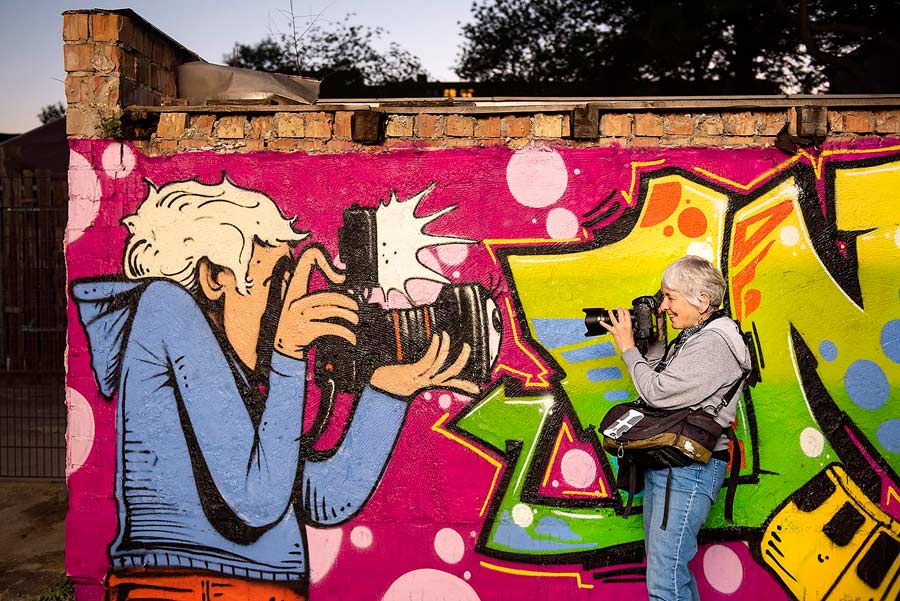
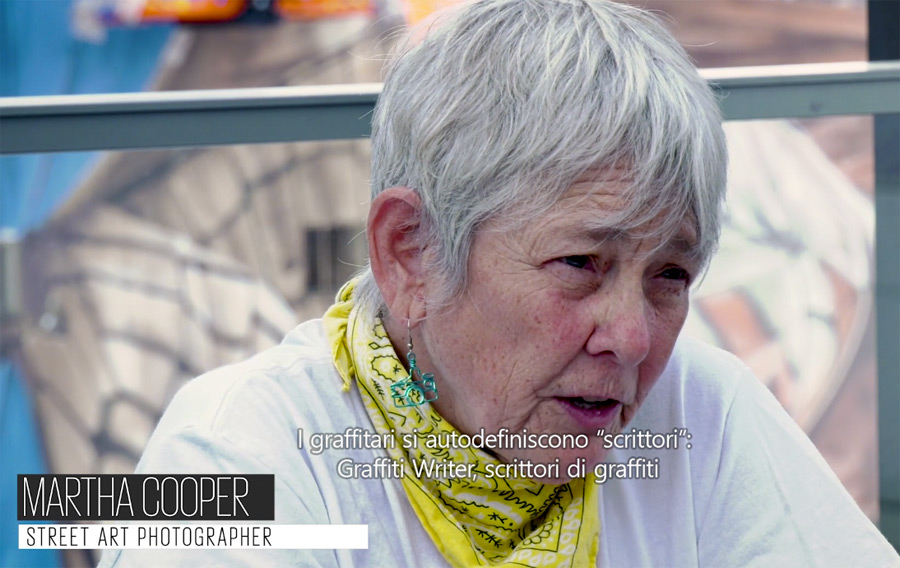
The URBAN NATION MUSEUM FOR URBAN CONTEMPORARY ART presents a six-decade retrospective of Martha Cooper’s photographs.
MARTHA COOPER: TAKING PICTURES
October 2nd 2020 – August 1st 2021
Curated by Steven P. Harrington and Jaime Rojo
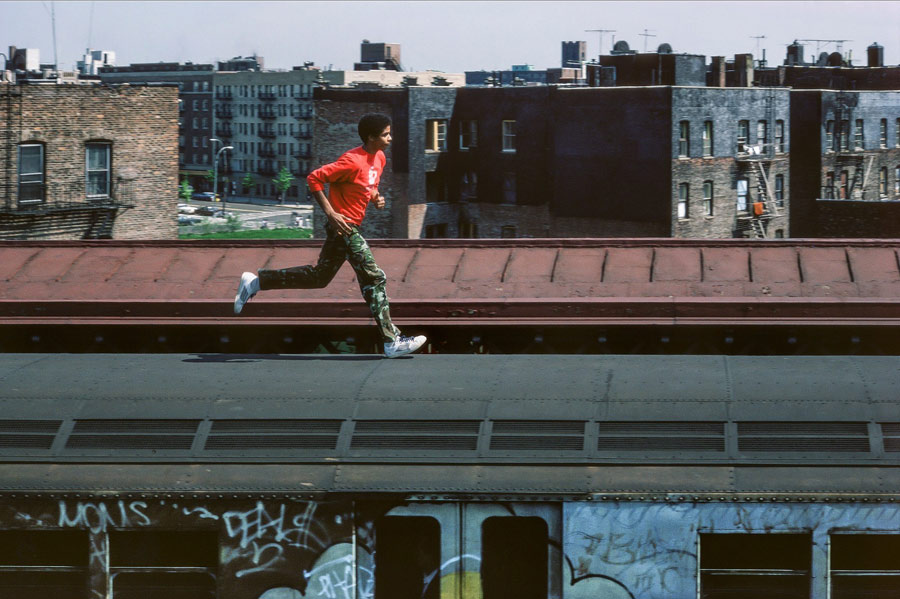
Skeme, the Bronx, 1982. Copyright Martha Cooper.
Combining photographs
and personal artifacts, MARTHA COOPER: TAKING PICTURES traces her life from her
first camera in nursery school in 1946 to her reputation today as a world-renowned
photographer.
This retrospective is the first documentary exhibition to be presented at the URBAN NATION Museum and it ushers in a new era for the museum under its new director Mr. Jan Sauerwald.
MARTHA COOPER: TAKING
PICTURES presents the photographer’s versatile vision of the world, with creativity
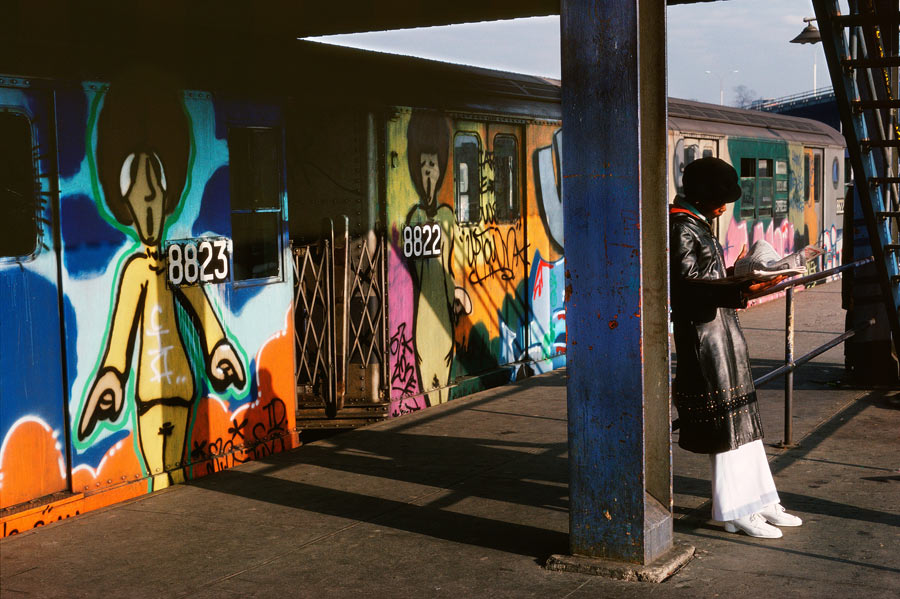
found on every corner. The exhibition opens with the images from Subway Art,
her landmark 1984 book with Henry Chalfant, now credited with jump-starting the
worldwide urban art movement. Martha’s photographs documented the secret subculture
of writers and the coded artworks they created illegally on thousands of New
York City trains.
Martha’s photographs
are distinguished by their frank human vitality, with an eye to preserving
details and traditions of cultural significance. Many of her photographs have become
iconic representations of a time, place or culture. The exhibition will offer a
rare insight into Martha’s archives through previously unpublished photographs,
drawings, journals, articles, letters, and artifacts. As a lifelong and avid
collector, her private trove of black books, stickers, Kodak film wallets and child-made
toys will also be on display. Emphasis is placed on Martha’s extensive travels
and the artistic friendships that she has fostered internationally.
180th Street Station Platform, the Bronx, 1980. Copyright Martha Cooper.
Fans will recognize images
from her books Hip Hop Files (with Akim Walta, 2004), Street Play (2005),
We B*Girlz (with Nika Kramer, 2005), New York State of Mind
(2007), Name Tagging (2010), and Tokyo Tattoo 1970 (2011). As an
exhibition highlight, the original mock-up of her legendary book Subway Art
(with Henry Chalfant, 1984) will be on display, as well as artworks from her
personal collection including a pair of original paintings by graffiti king,
Dondi.
A multi-channel
video installation called “The Rushes” will debut in the exhibition by filmmaker
Selina Miles, who directed the documentary Martha:
A Picture Story and premiered at the 2019 Tribeca Film Festival in NYC.
An extensive section called “Martha Remixed” showcases the work of over
35 artists who have reinterpreted Cooper’s photographs or paid personal tribute
with portraits in an array of styles and mediums and locations. Unique to the
exhibition, visitors will see the new collaboration between Martha and multidisciplinary
Lithuanian artist Ernest Zacharevic who will create a two-story mural onsite inside
the museum.
“We were
immediately excited to be given the opportunity to present the world’s first
major retrospective of photographer Martha Cooper and to introduce her body of
work to URBAN NATION Museum visitors. We are interested in focusing on Cooper’s
photographic work and expounding on her working methods. In addition, we will
present her worldwide collaborations with artists and protagonists of the
street art and graffiti movement and provide audiences the opportunity to delve
deeply into the cosmos of Martha Cooper’s work. We are delighted to be able to
present and convey a unique compilation of photographs and artifacts from her
personal collections.” – Jan Sauerwald, Director of the URBAN NATION
Museum.
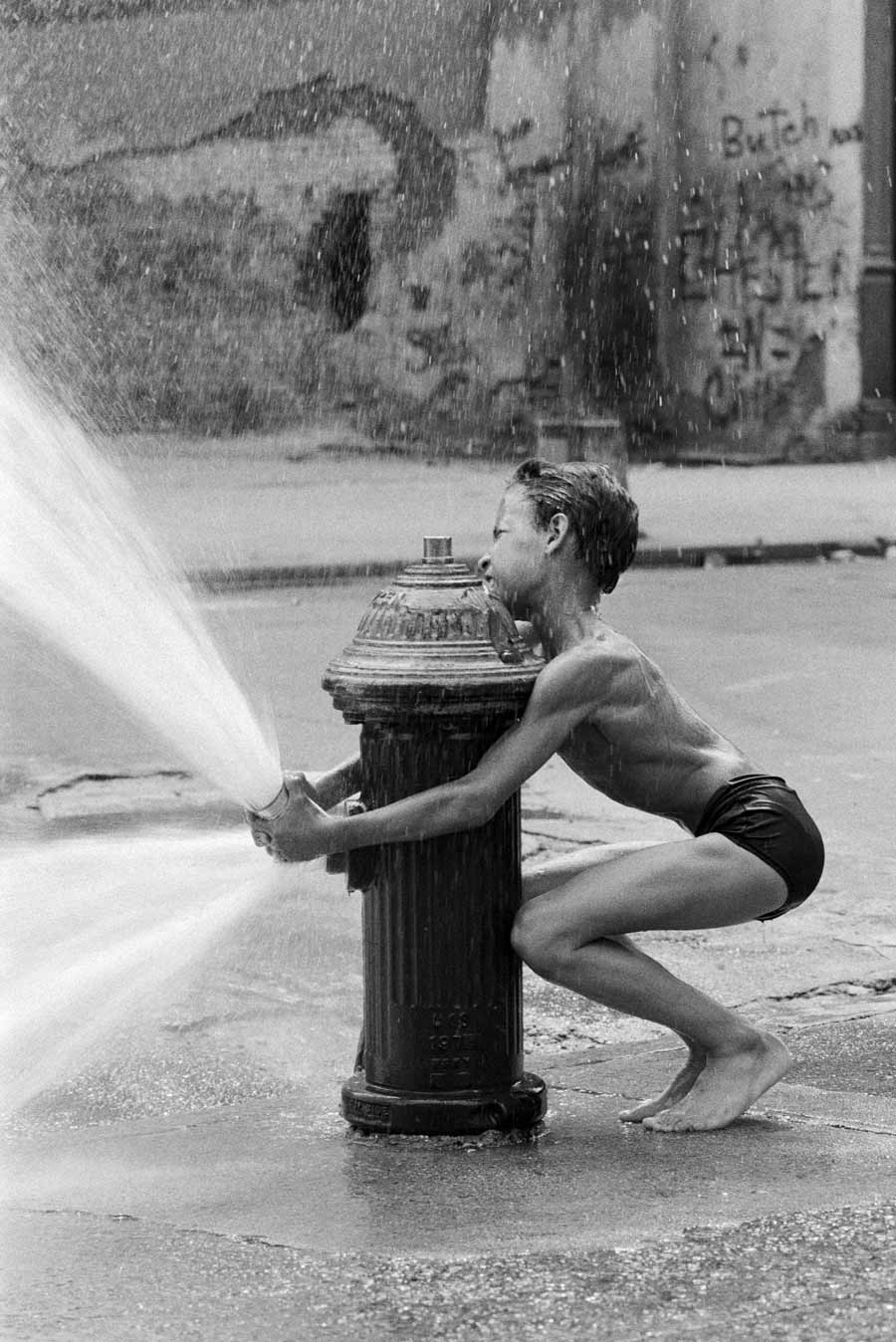
Lower East Side, Manhattan. NYC, 1978. Copyright Martha Cooper.
Martha’s specialty is
documenting artistic process in public space. Her formal training in art and
ethnology set a unique template to better understand cultural practices and
techniques and her friendships with artists gave her close and personal access to
show materials, tools and techniques in detail as they evolve over several
generations. As part of this larger practice, Cooper’s iconic photos of
clandestine graffiti activities have proven to be a valuable record and an important
key to understanding the story of the movement’s proliferation around the world.
Martha’s curiosity has always driven her documentation. Her black and white photographs from her book Tokyo Tattoo 1970 (2011), represent her first foray into an underground art world and hidden practices. In Street Play she concentrated on the invincible spirit of city kids who are creatively rising above their bleak environment. Her photographs of 1980s breakers are the earliest published images of an unknown dance form at the time that became known as central to the definition of Hip Hop culture. As the first female staff photographer on the New York Post, Cooper sought out subjects to pursue independently. Her intrepid and sometimes risky pursuit of taking pictures has inspired many young people to pursue their own artwork and career paths.
Exhibition curators
Steven P. Harrington and Jaime Rojo (New York) have been curators and
co-curators for the URBAN NATION Museum since 2015 (Project M/7 Persons of Interest, 2015, URBAN NATION opening
exhibition UNique. UNited. UNstoppable., 2017). They are also founders
and editors of the influential art site Brooklyn Street Art (BSA) since 2008, a
respected daily clearinghouse of the global street art scene.
“Martha’s style is
to dive in and be fearless, immersing herself in the moment – and she’s been
documenting what she finds around the world for six decades. That’s the
attitude we took curating this exhibition, knowing that each element captured
in her work is genuine and transient. It is our goal for visitors to be
transformed by her unique eye for a historic preservation of the ordinary that
is often exceptional – whether it is documenting the verboten process of making
1970s graffiti, capturing youths performing moves that were later called
“breaking”, the inking processes of Japanese tattoo culture, or the ingenious
games kids devised for play in New York’s abandoned neighborhoods,” say
Harrington and Rojo about MARTHA COOPER: TAKING PICTURES.
URBAN NATION MUSEUM FOR URBAN CONTEMPORARY ART Bülowstraße 7, 10783 Berlin-Schöneberg
Interviews will be
offered in prior with Martha Cooper, Curators Steven P. Harrington and Jaime
Rojo, and Director of the URBAN NATION Museum, Jan Sauerwald. Requests can be
send to pr@urban-nation.com.
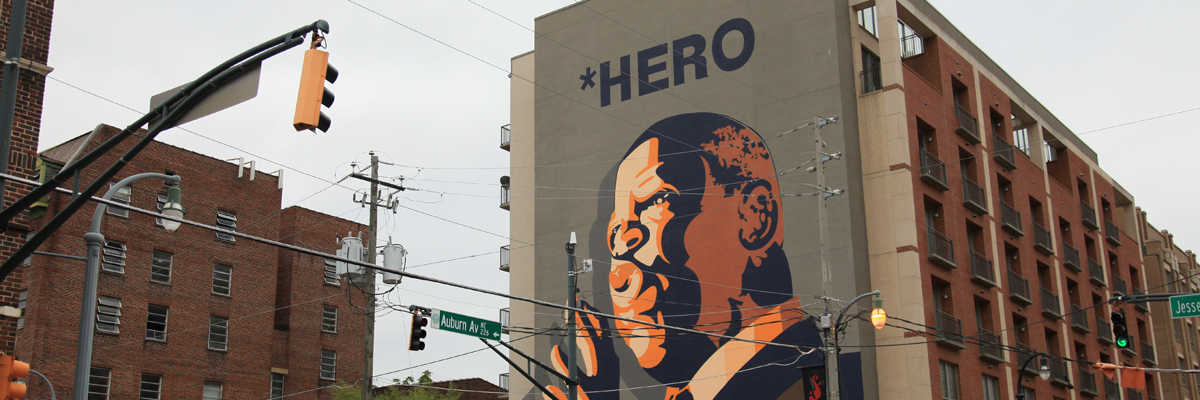
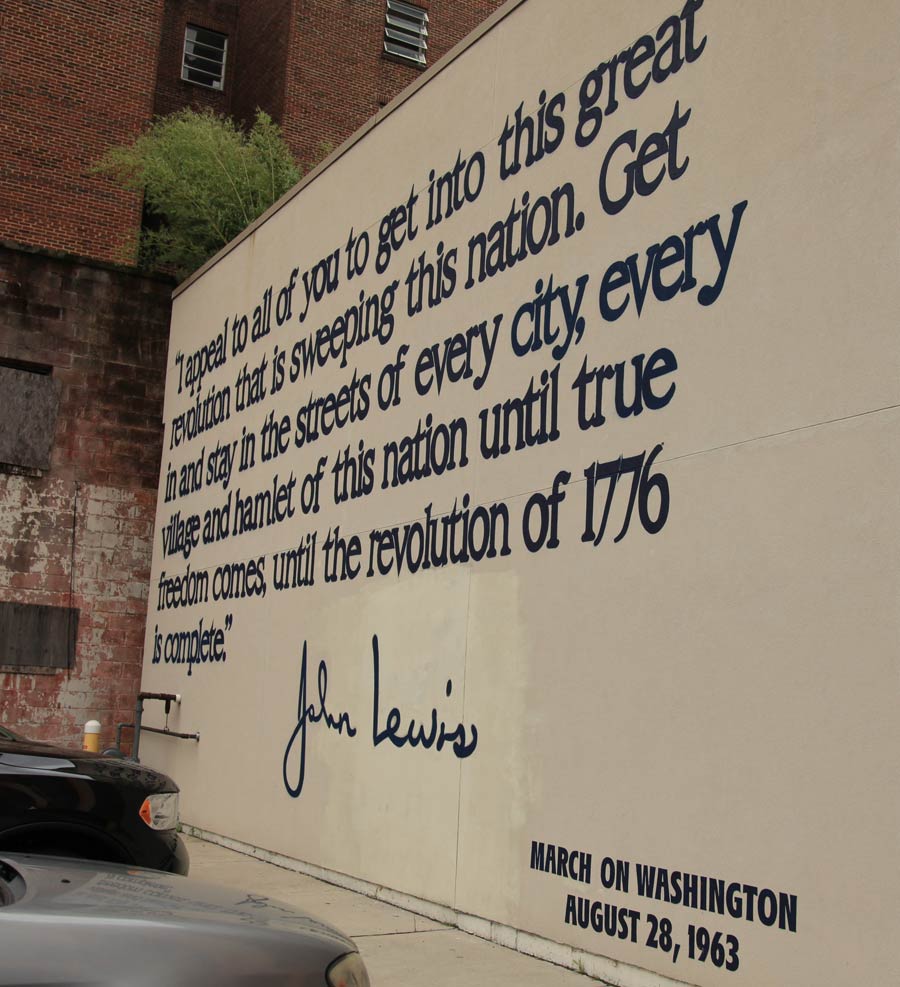
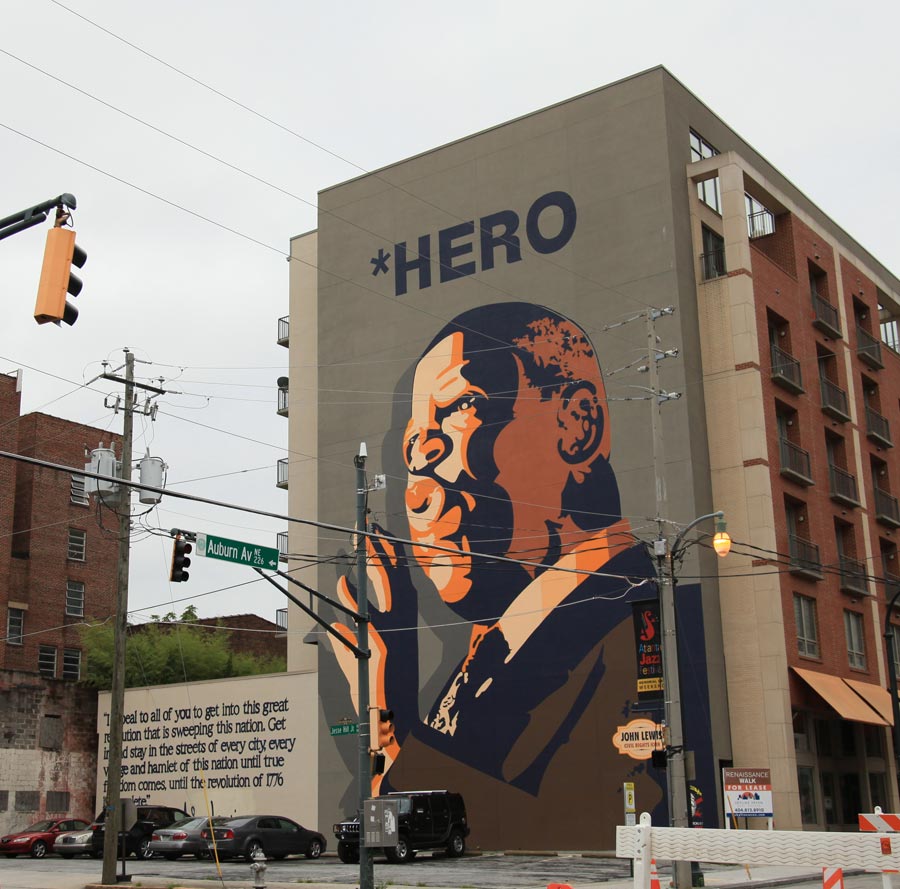
We post images from a mural in Atlanta photographed a number of years ago by Jaime Rojo, as we remember with admiration, gratitude, and respect Congressman John Lewis of Georgia.
“I APPEAL TO ALL OF YOU TO GET INTO THIS GREAT REVOLUTION THAT IS SWEEPING THIS NATION. GET IN AND STAY IN THE STREETS OF EVERY CITY, EVERY VILLAGE AND HAMLET OF THIS NATION UNTIL TRUE FREEDOM COMES, UNTIL THE REVOLUTION OF 1776 IS COMPLETE” – John Lewis, March on Washington, August 28, 1963
Welcome to BSA Images of the Week. The weather has been beautiful in NYC and the organic art popping up on the streets is still forcefully advocating for social and political solutions amidst great upheaval, even while…
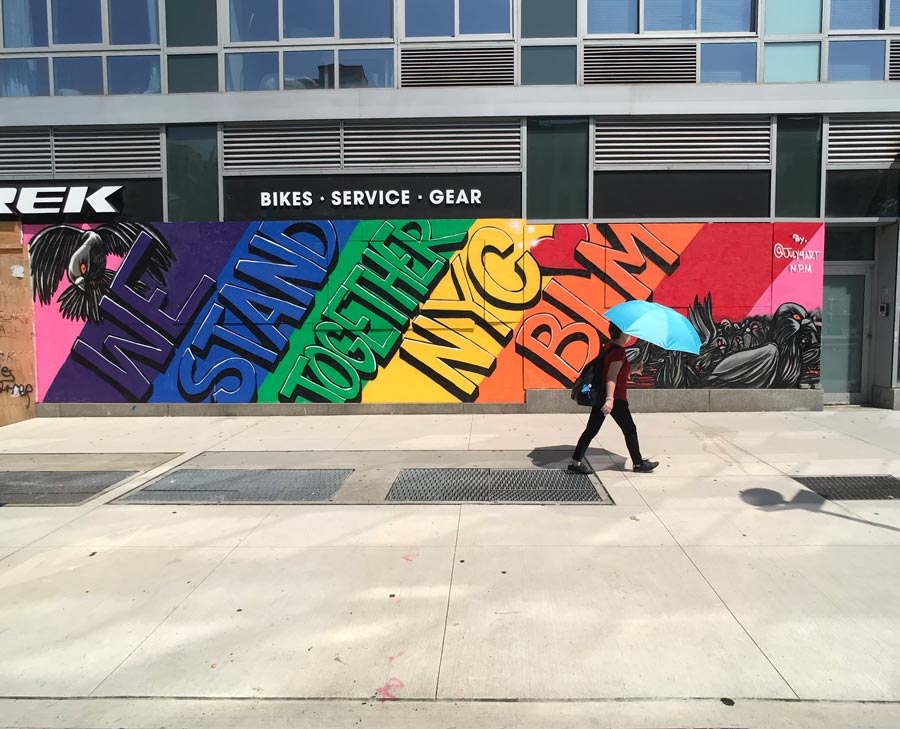
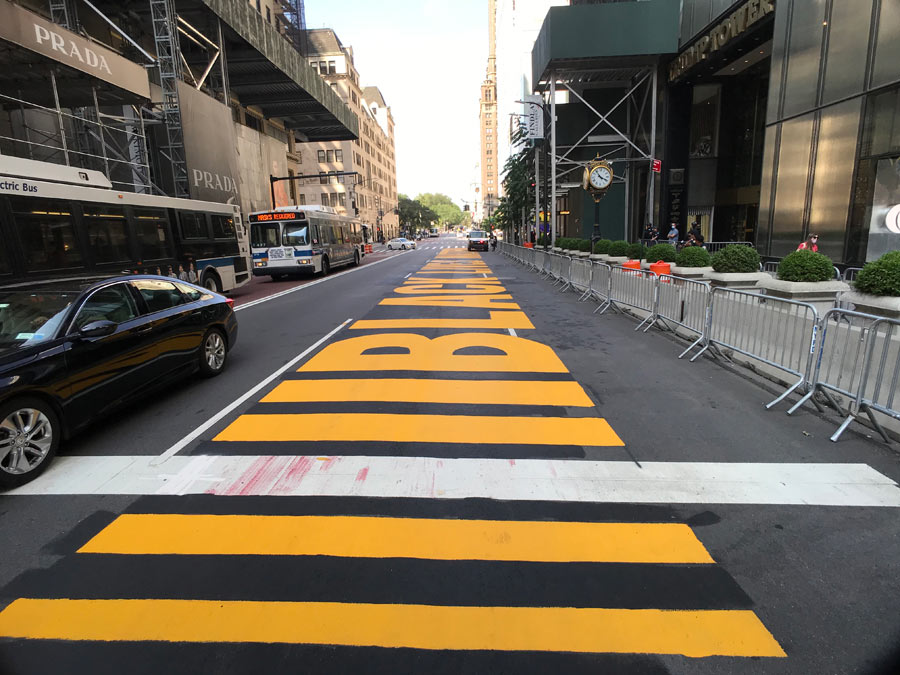
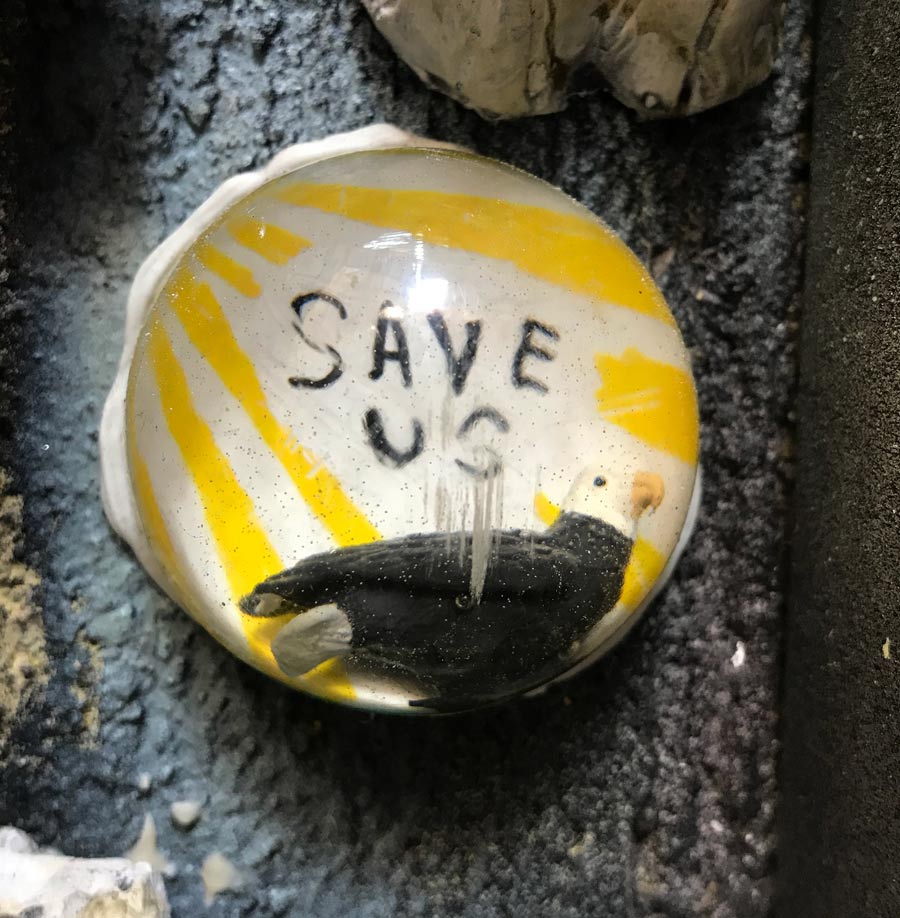
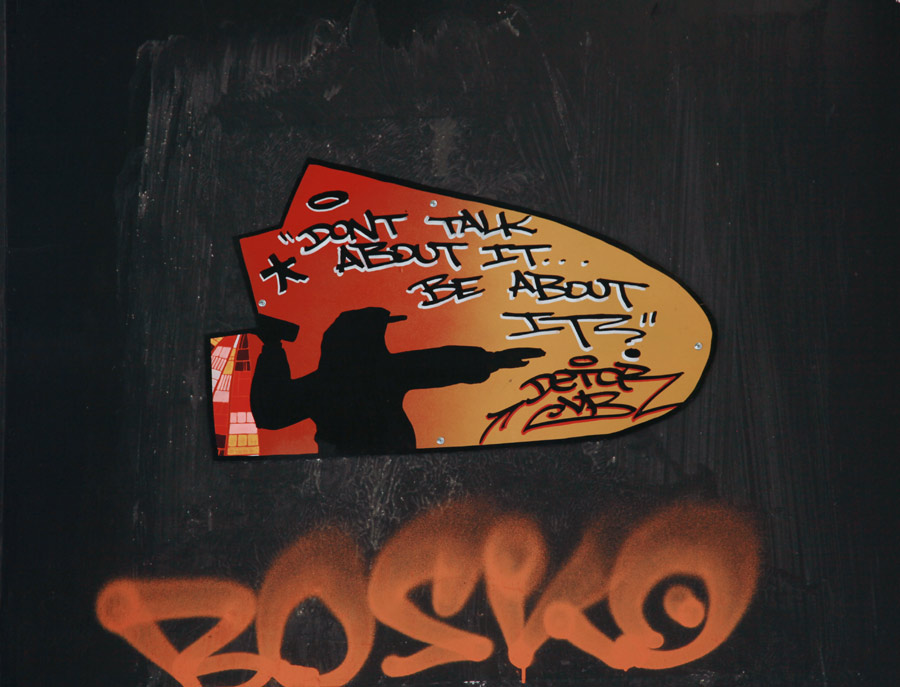
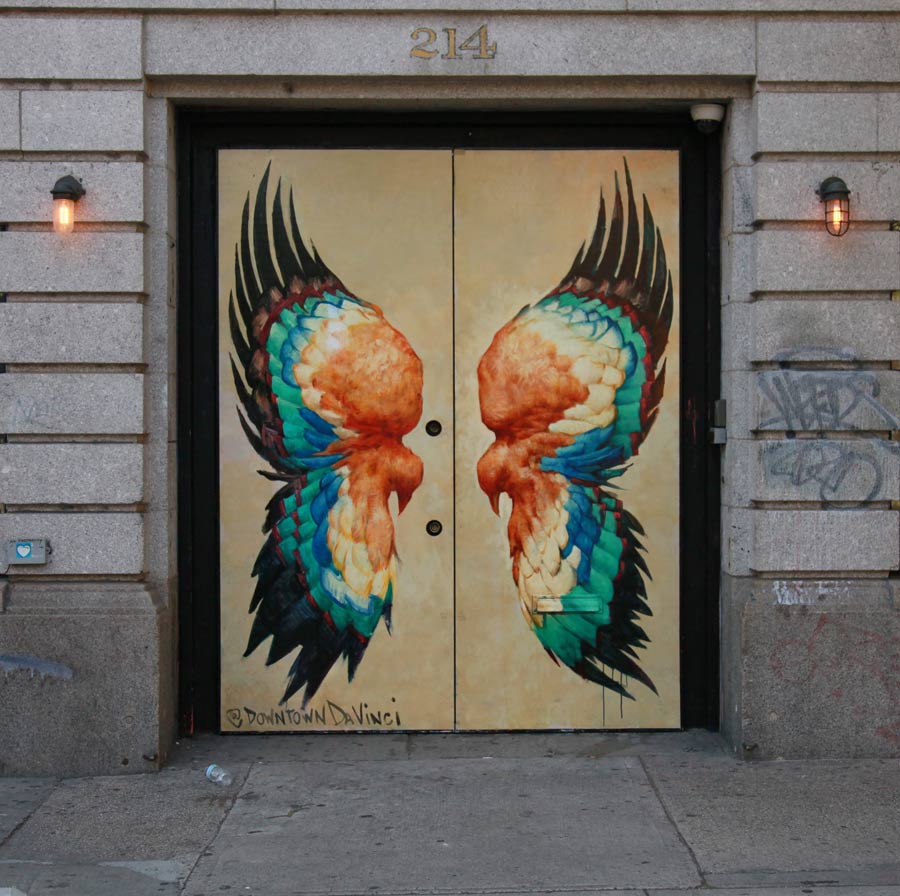
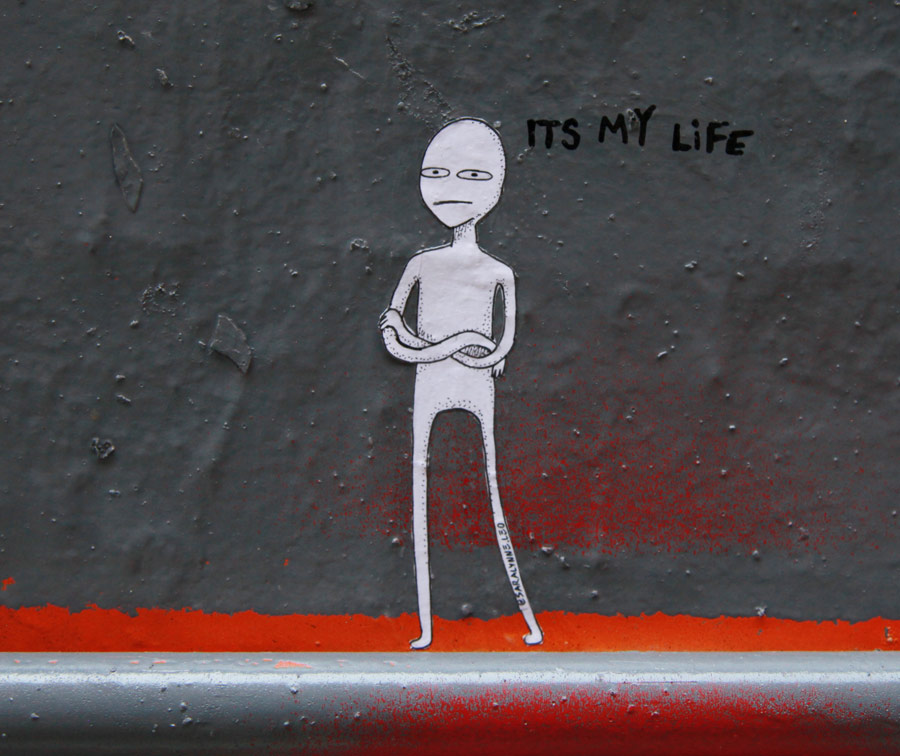
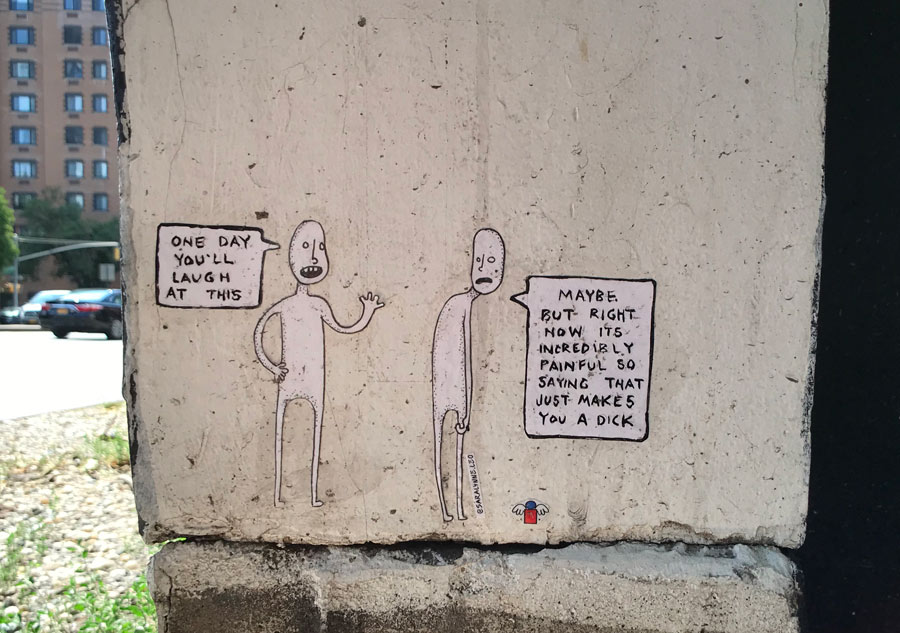
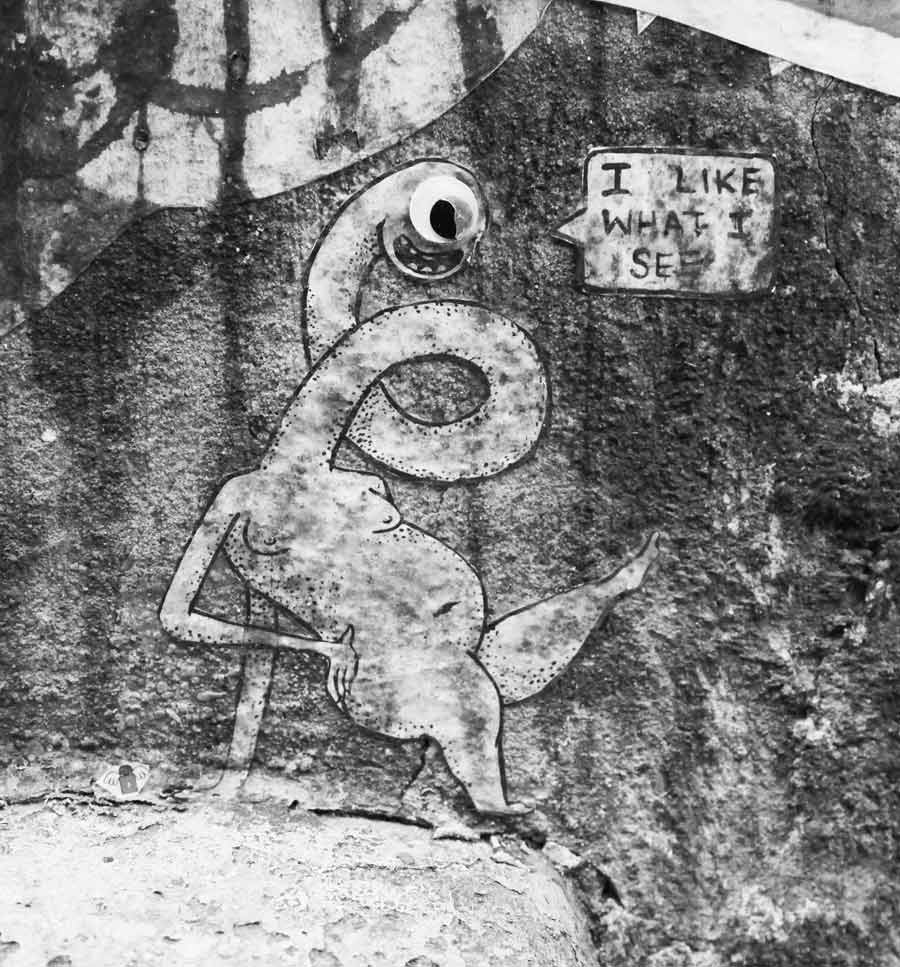
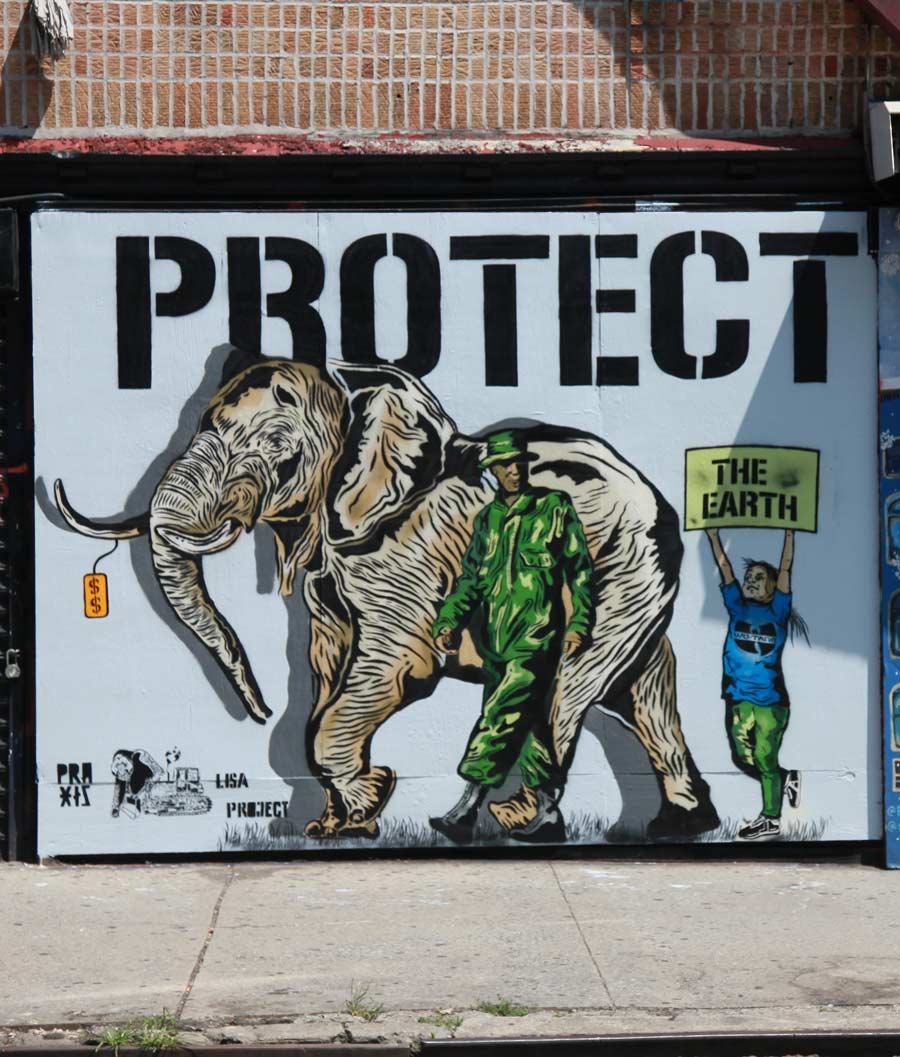
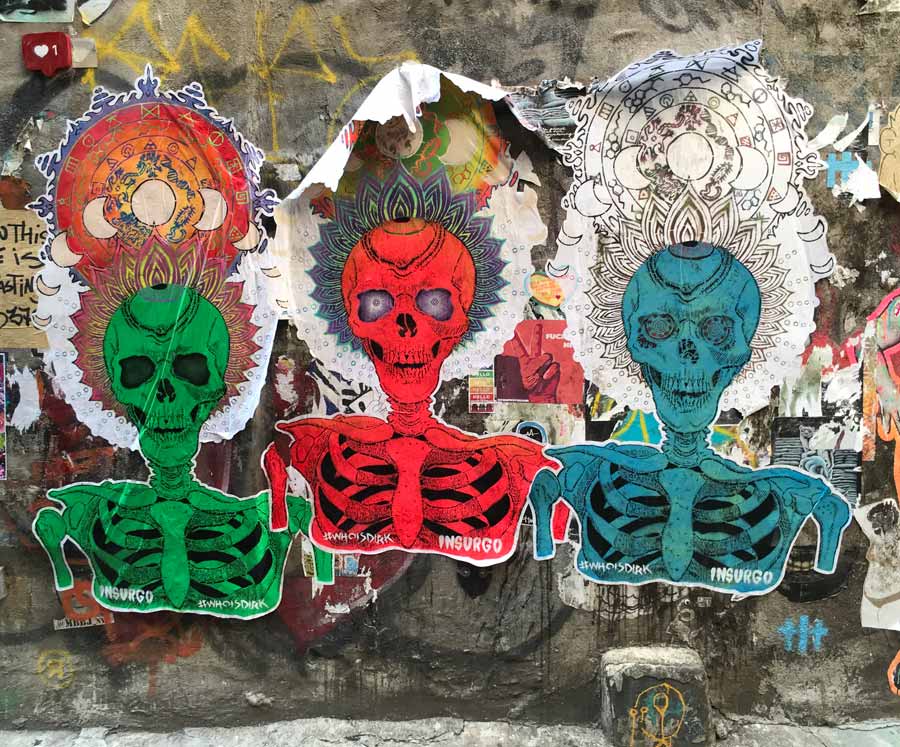
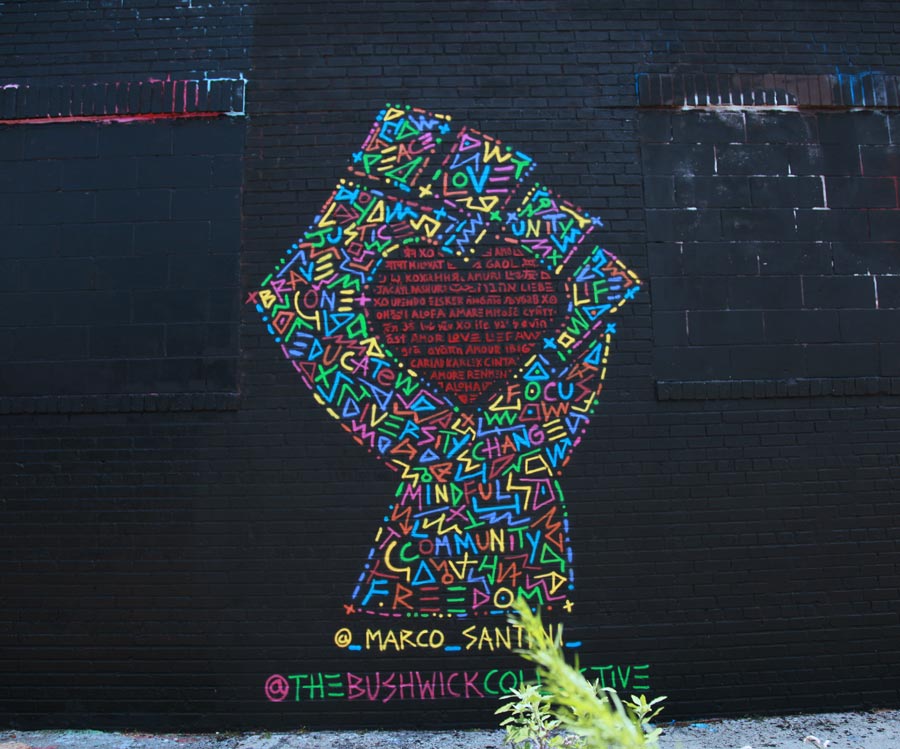
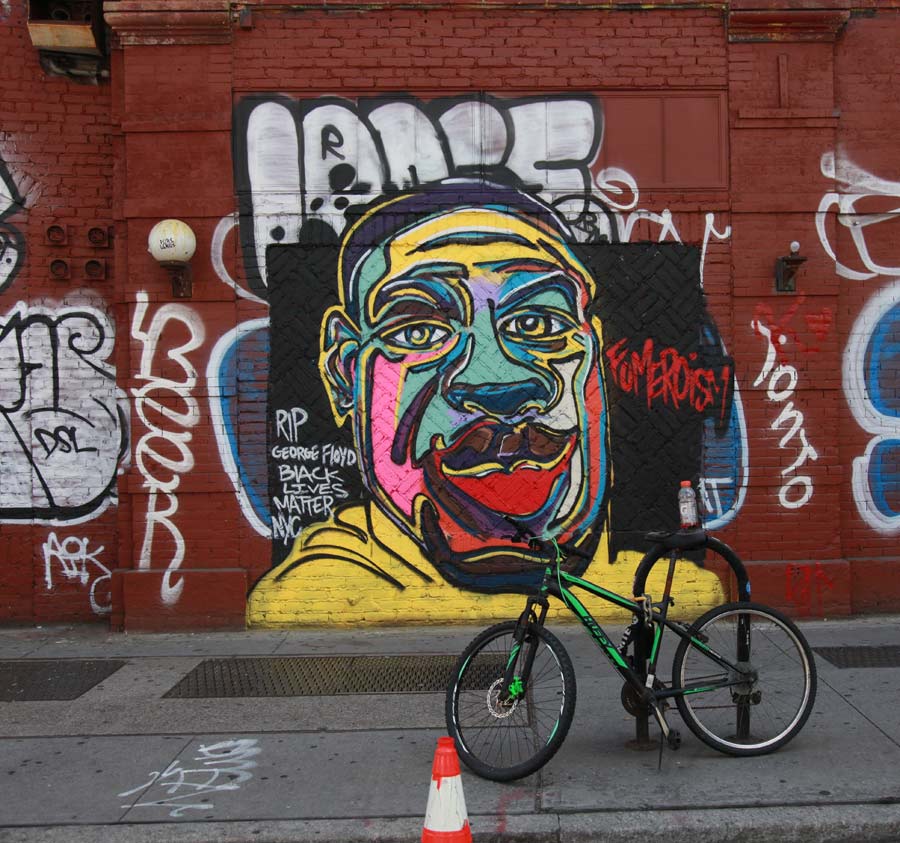
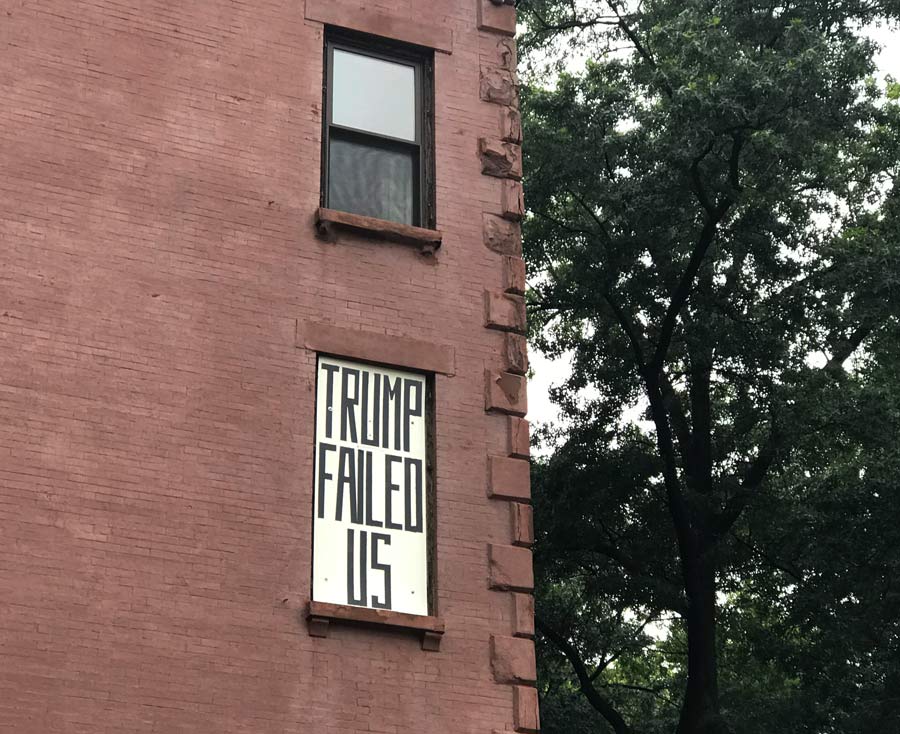
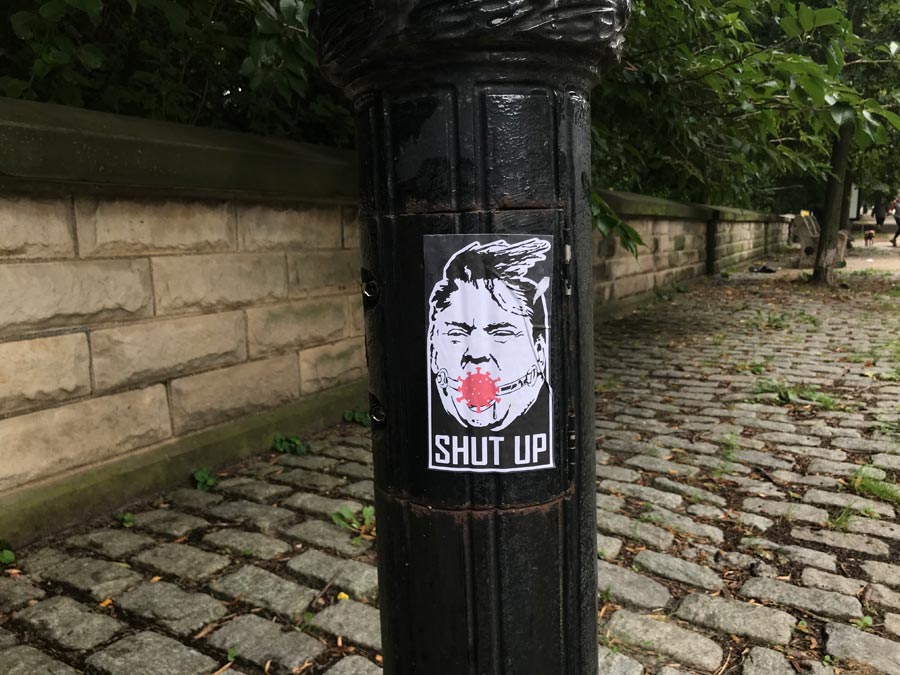
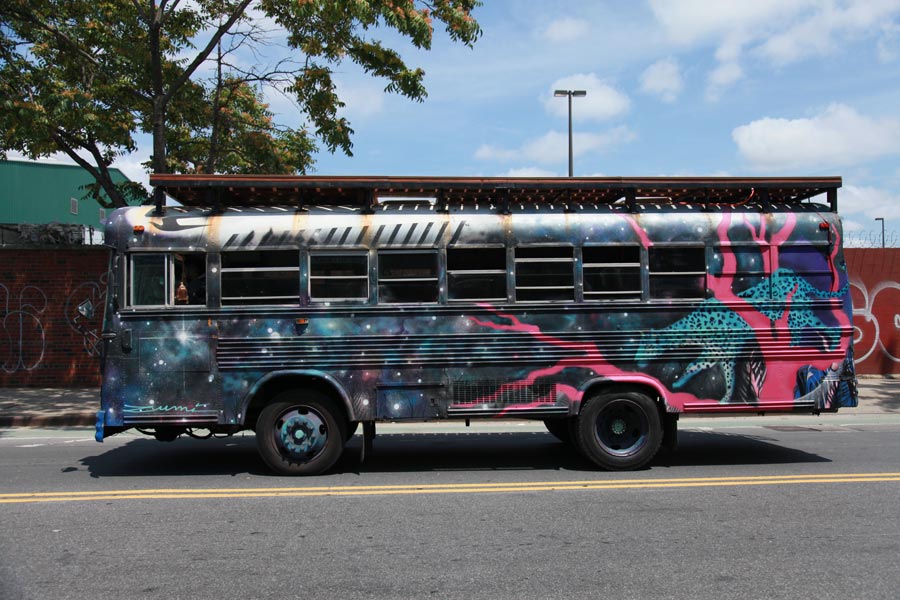
Here’s our weekly interview with the streets, this week featuring Adam Fujita, Almost Over Keep Smiling, Billie Barnacles, Black Lives Matter, Bosko, Detor, Downtown DaVinci, Eric Haze, Fumero, Insurgo, Marco Santini, Marina Zumi, Praxis VGZ, Sara Lynne Leo, and Who is Dirk.
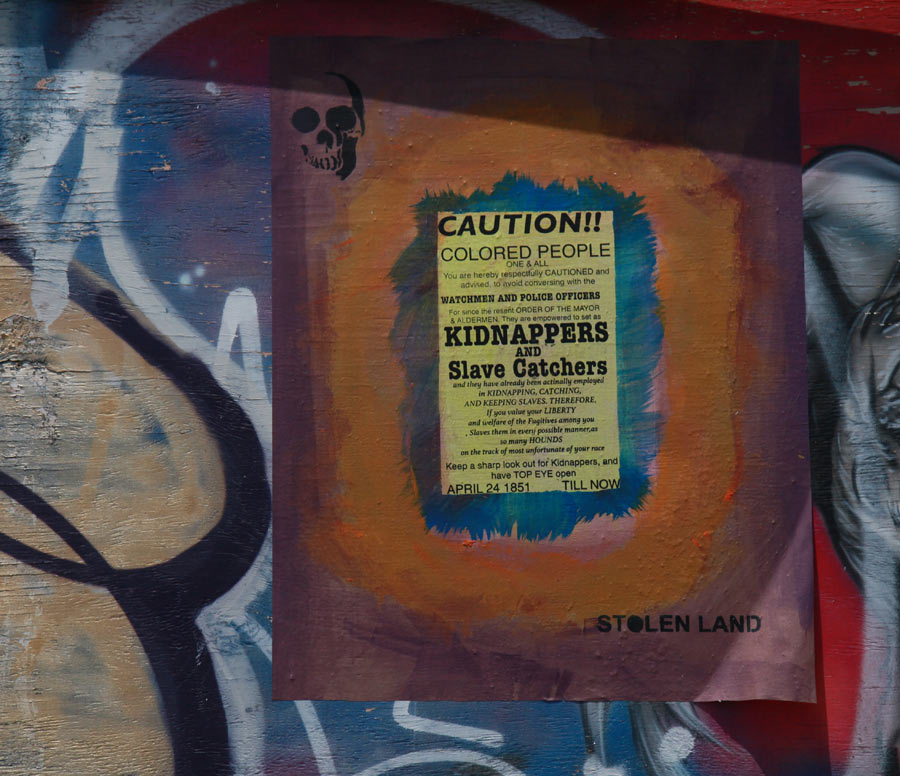
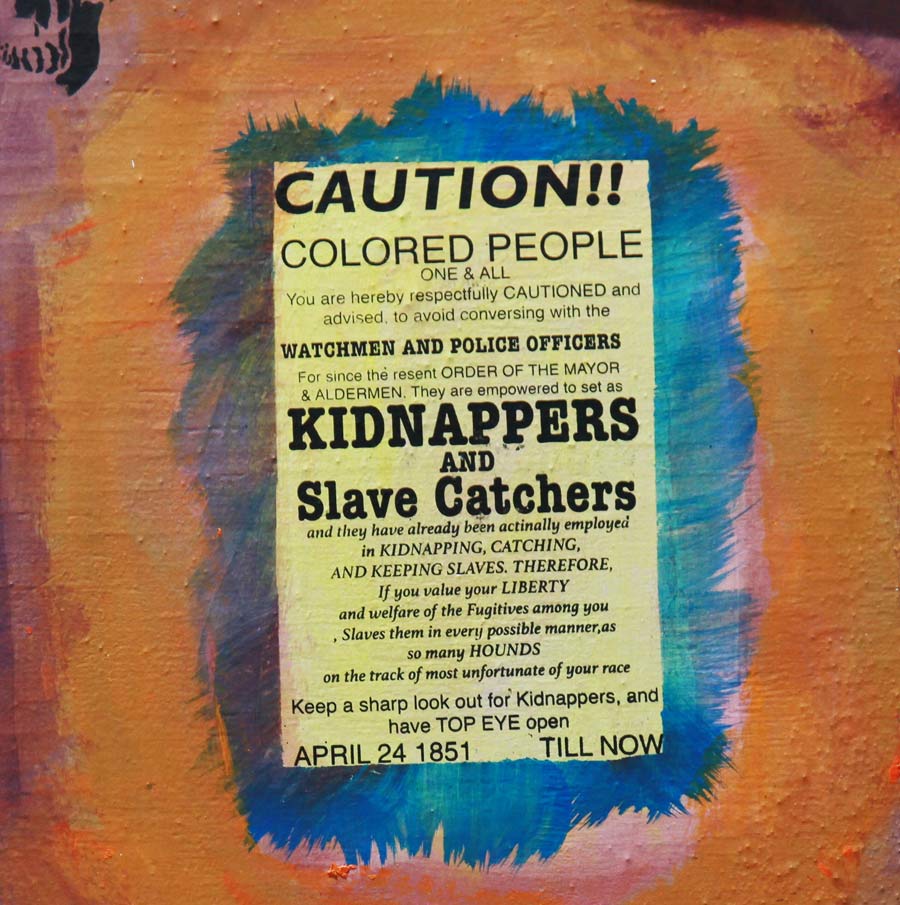
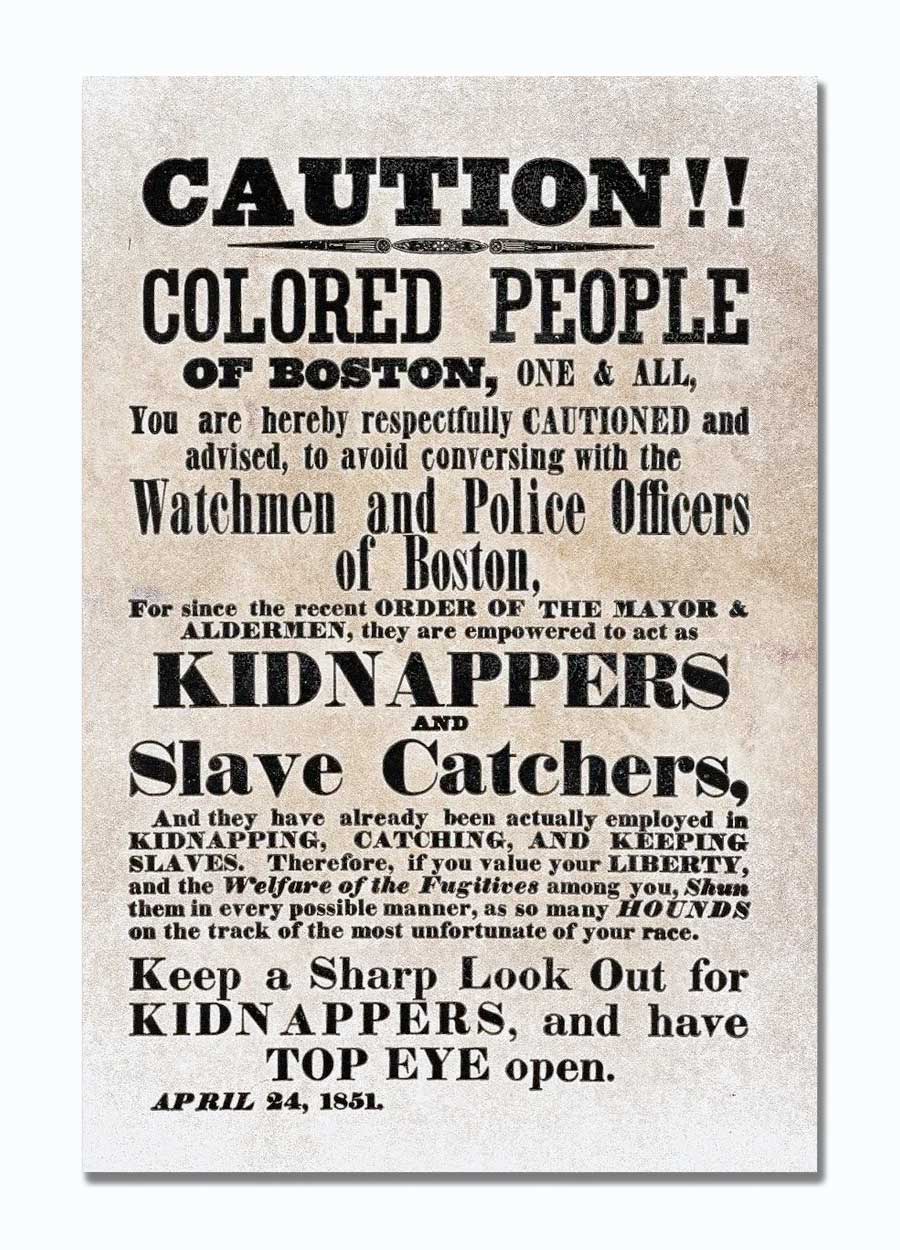
The New York street artist who works under the moniker “Almost Over Keep Smiling” reinterprets slightly this Boston warning poster telling anybody who was black in a “free” state like Massachusetts or New York to stay away from the police because the federal government had passed a law empowering people to capture them and return them to slavery.
The Act was one of the most controversial elements of the 1850 compromise and heightened Northern fears of a “slave power
conspiracy”. It required that all escaped slaves, upon capture, be
returned to their masters and that officials and citizens of free states
had to cooperate. Abolitionists nicknamed it the “Bloodhound Bill,” for the dogs that were used to track down runaway slaves.[2]
The Act contributed to the growing polarization of the country over the issue of slavery, and is considered one of the causes of the Civil War.
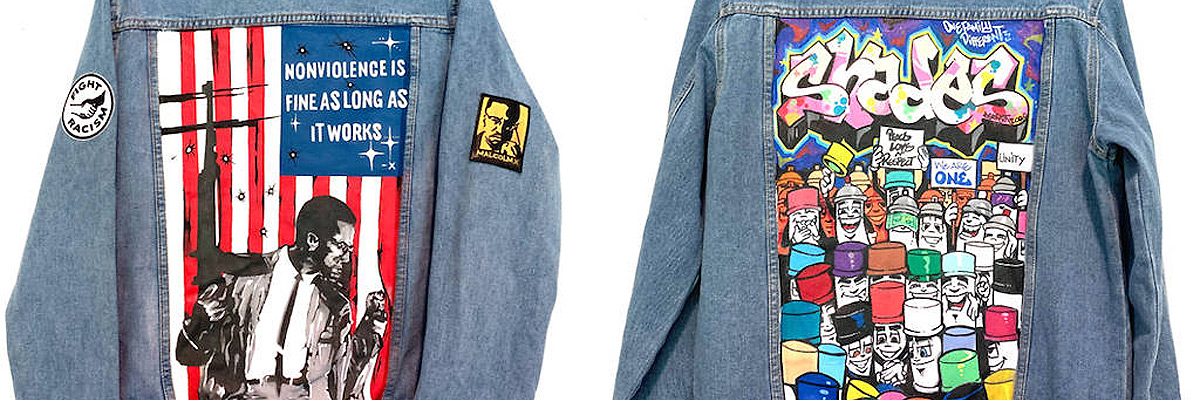
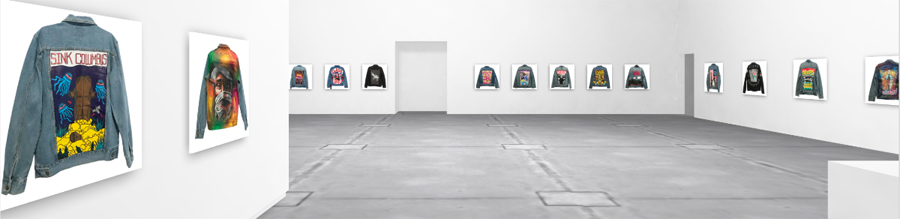
Miami’s Museum of Graffiti forcefully takes on a panoply of social and political issues in today’s upheaval across the US where politically charged graffiti is suddenly a powerful tool being used during public demonstrations.
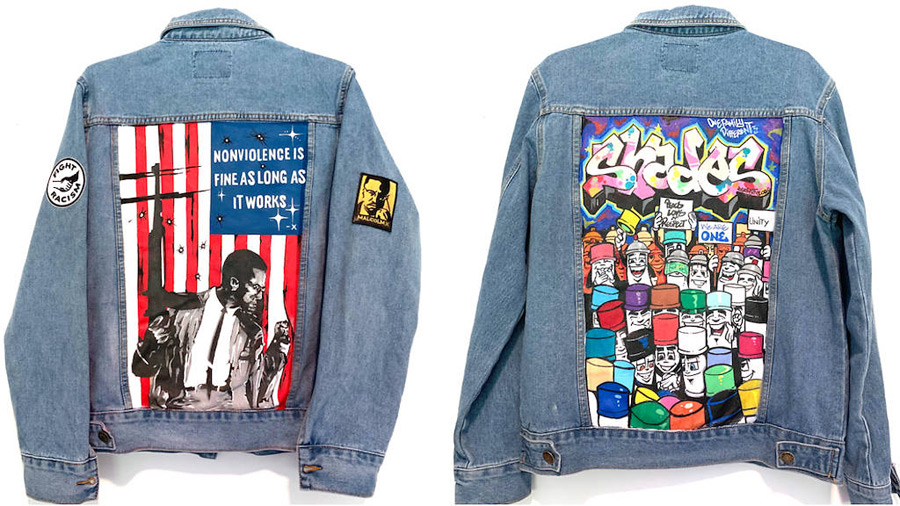
Fabric of America: Artists in Protests features 30 local graffiti artists addressing the fraying of that fabric by painting directly on the back of denim jackets, each addressing issues of social injustice that are currently, historically, and systemically arrayed against black, brown, and other communities in the US.
The exhibition is also available to be toured virtually.
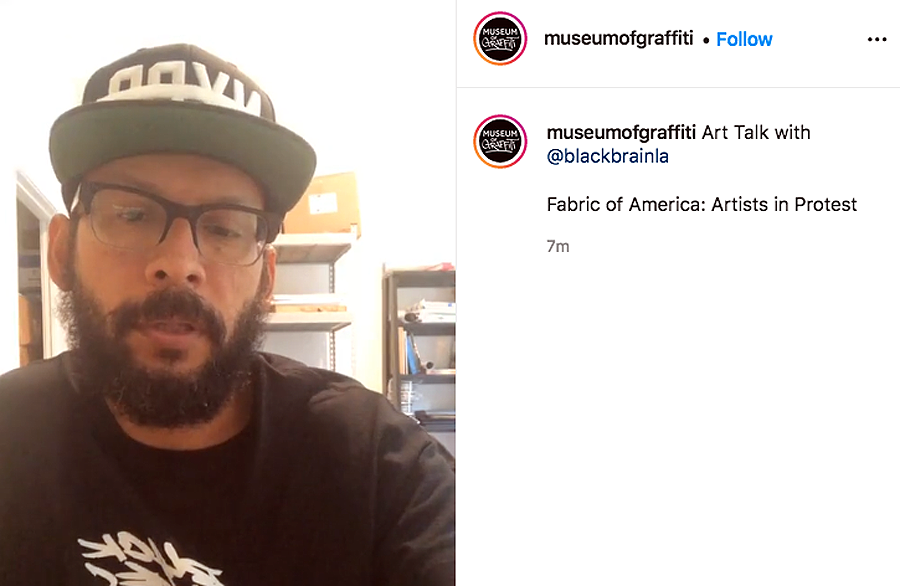
To
celebrate the opening of the exhibition, Museum Director Alan Ket can be caught
live on screen today through a series of Instagram Live interviews with 10 of
the artists who created these protest-inspired jackets.
Artists will talk about the nature of their work for the show as well as what
social/political issues they are targeting with their artworks and why this
moment appears as a flashpoint in the history of the country.
Presented amidst a pandemic from Florida where cases of Covid-19 are currently spiking, guests to the physical museum in the Wynwood District are still being welcomed warmly, just with a few considerations to secure health safety like timed slots for entry and limited capacity inside this still-young institution.
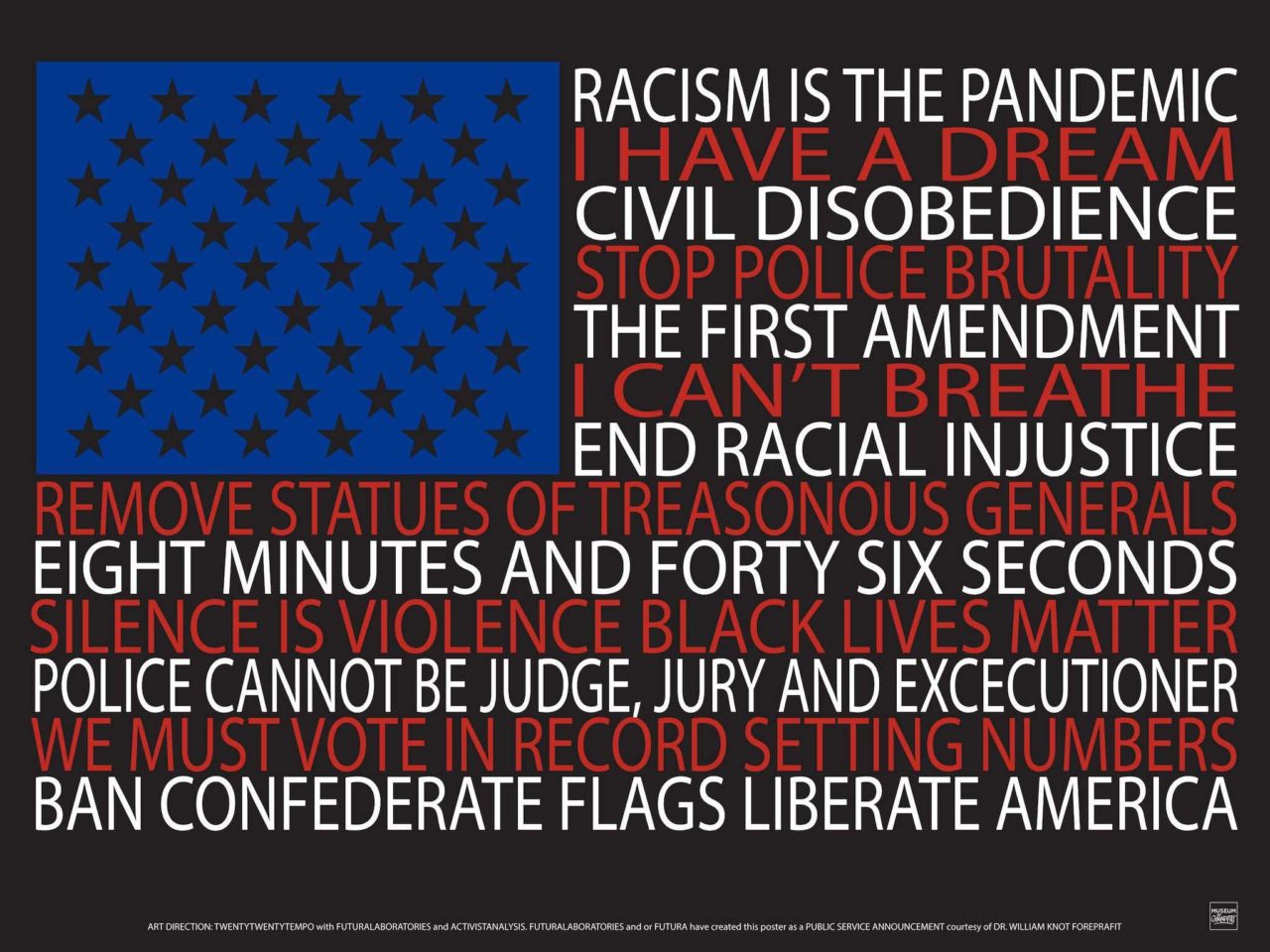
The exhibition also includes a wall of timely prints by Futura 200, Cey Adams, and Tristan Eaton with a focus on the theme of racism and a photo essay revealing the painful and fraught odyssey facing Central American immigrants fleeing to the US by photographer Pablo Allison.
A special
screening of the new “Transit Memorials” will also be offer. The pointedly political
graffiti critique takes on the topics currently addressed by Black Lives Matter
protests in cities across the country; a “graffiti intervention” on subway
trains in New York that “reminds
passengers of the victims of police violence and 526 Opportunities,
a countdown from 8 minutes and 46 seconds that allows us to reflect on the
fragility of life and the loss of George Floyd.”
Our weekly focus on the moving image and art in the streets. And other oddities.
Now screening : 1. Street Art For Sustainable Development
BSA Special Feature: Street Art For Sustainable Development
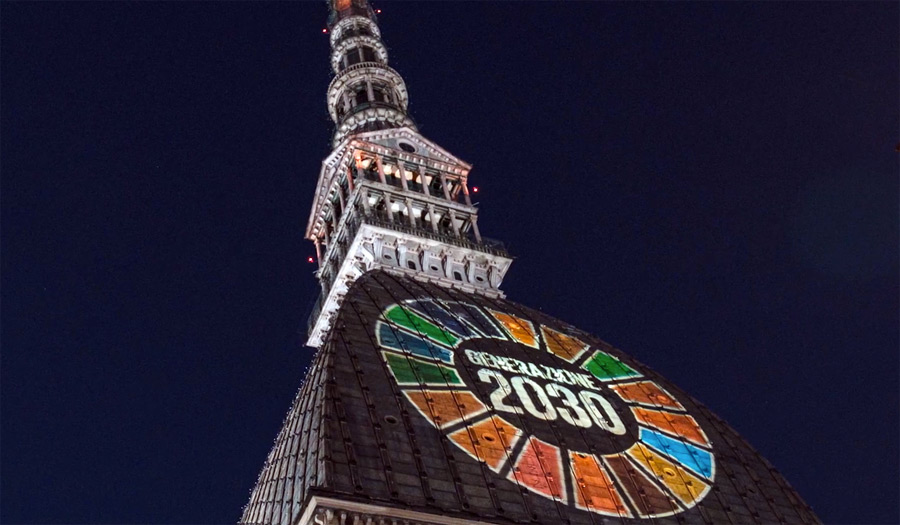
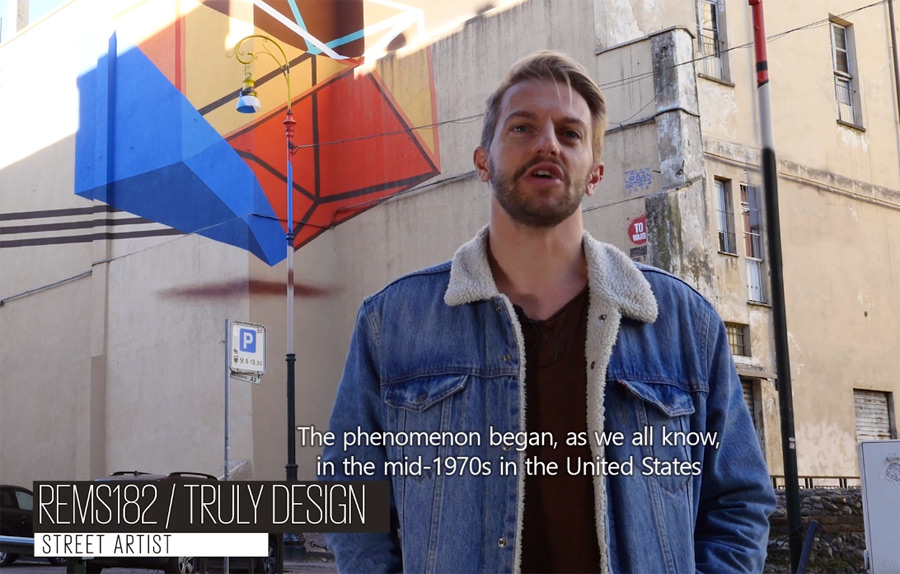
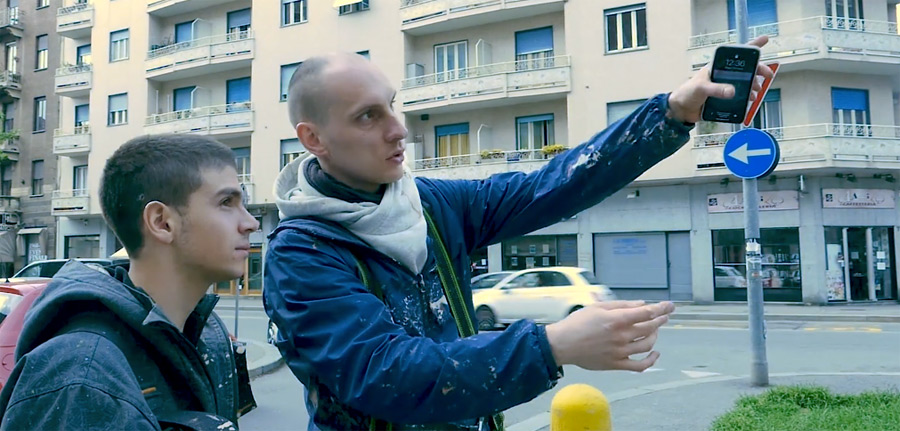
With the UN’s 17+1 Sustainable Development Goals and at least as many artists on hand to interpret them, the City of Turin has had a lot of new artworks on walls throughout the city.
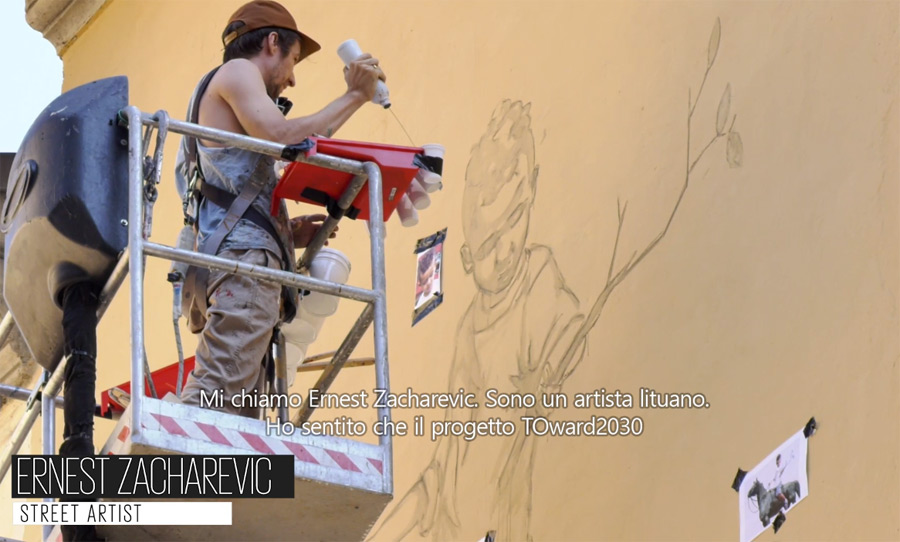
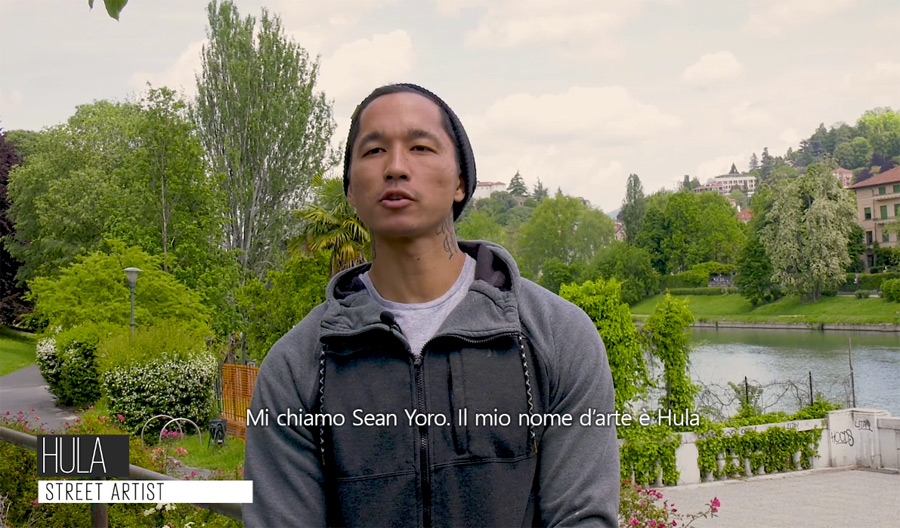
Tapping into a universal language of art and murals that has spread throughout cities around the world, this project imagines meeting all these goals by 2030. Here we present a short documentary that introduces the originators of this mural program, the artists who are painting, and the city of Turin.
Documentary: Street Art For Sustainable Development. Via Cinemage Studio
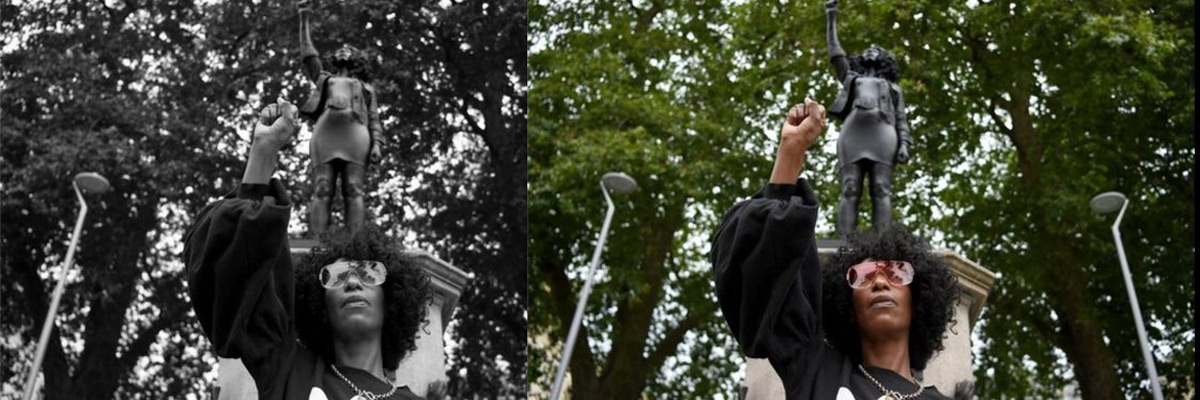
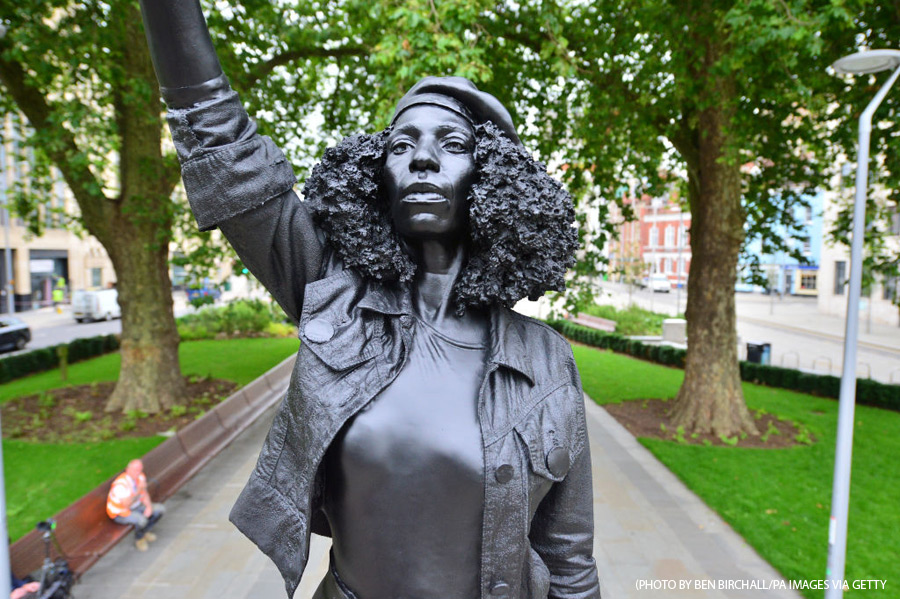
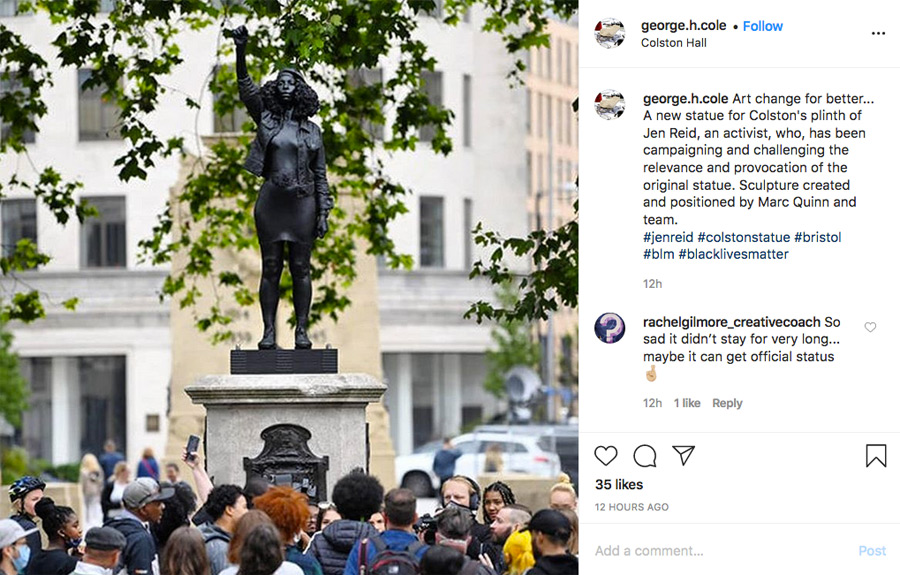
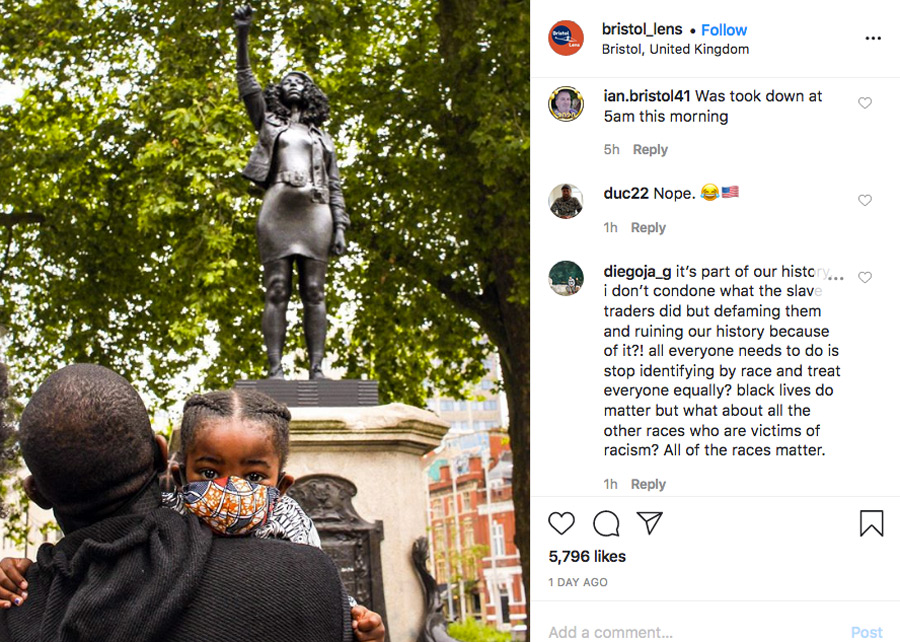
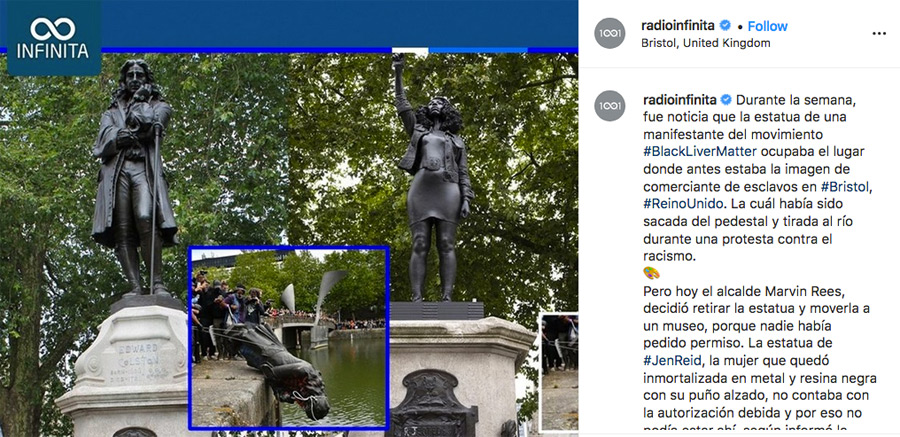
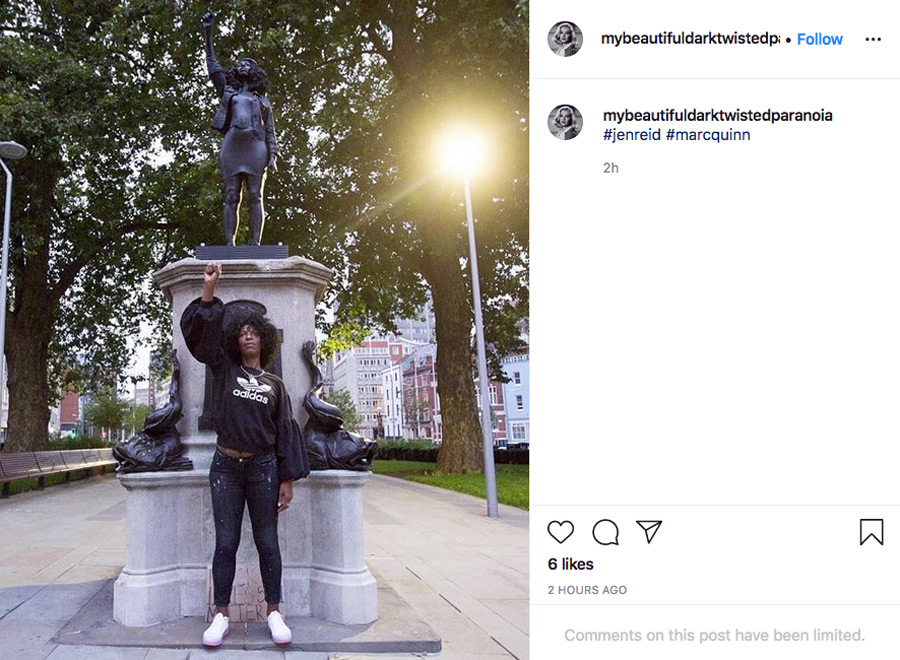
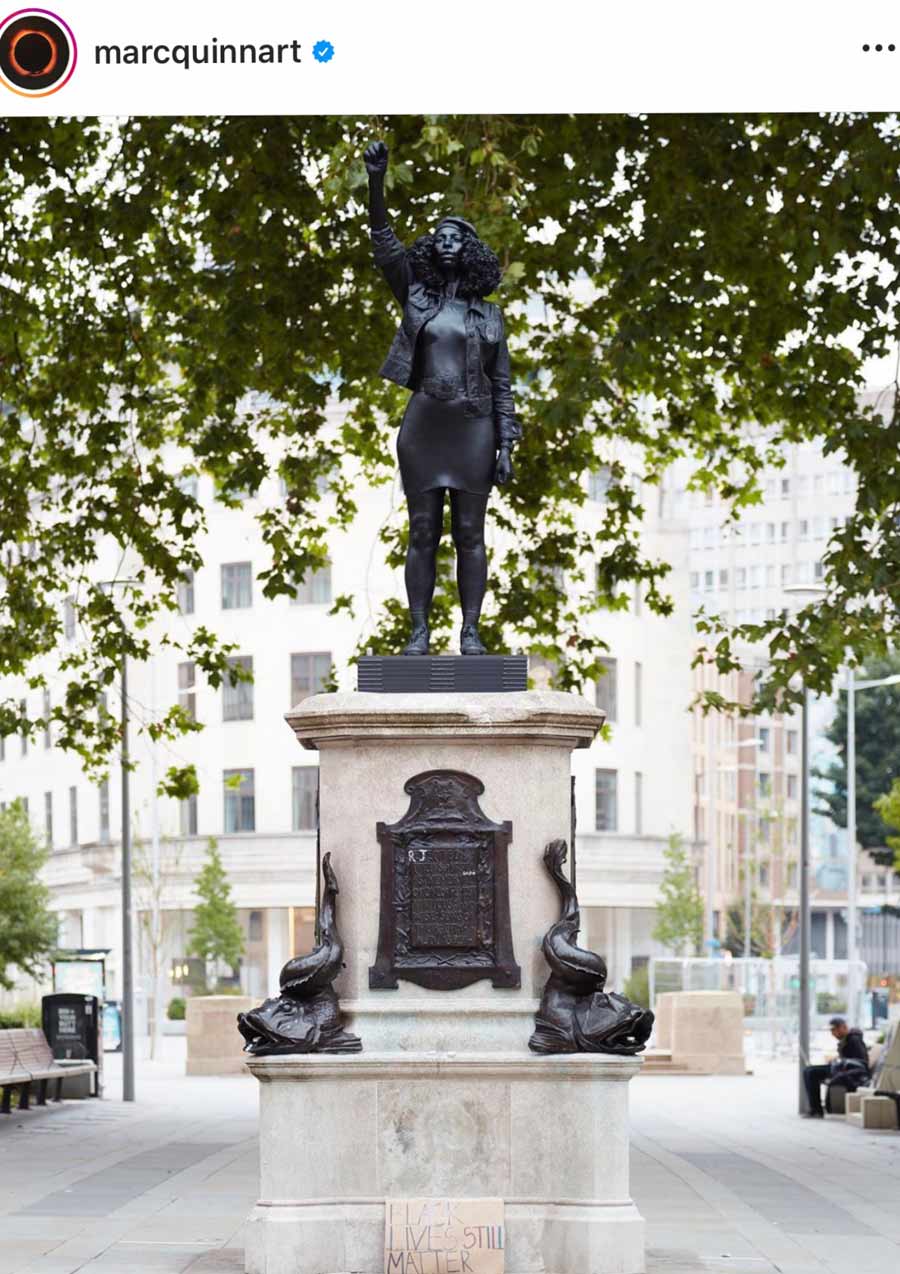
“When I was stood there on the plinth, and raised my arm in a Black Power salute, it was totally spontaneous, I didn’t even think about it. My immediate thoughts were for the enslaved people who died at the hands of (Edward) Colston and to give them power. I wanted to give George Floyd power, I wanted to give power to Black people like me who have suffered injustices and inequality,” says Jen Reid in an interview with DeZeen about this new piece called “A Surge of Power”.
A
remarkable substitution was placed here on July 15th, only 8 days
after a sculpture of the slave trader Colston was toppled from the same place. Various
publications give the previous occupant honorable descriptors like 17th/18th-century Bristol merchant and
philanthropist – as if it is an act of magnanimous charity to be a philanthropist
after you’ve made your money from extracting years of free labor from people
whom you’ve enslaved.
Jen Reid had struck this pose atop the empty plinth and according to published
accounts artist Marc Quinn shot a photo of her at that moment, black beret over
voluminous locks, fist punching the sky. In consultation with Reid the artist
created a monument to that moment – resin and steel cast from a 3D print. With
a team of about 10 the new sculpture rose in the early morning hours.
Public space often affords artistic or aesthetic expression only for the
privileged, the moneyed, those given permission by “experts”, or corporations
who foist their message there. Street artists have been creating new monuments
in the last decade and a half, often surreptitiously placing them overnight,
sometimes so subtly that the new works don’t attract attention for many days. Once
focused primarily on aerosol exclusively, this new generation consider a panoply
of artful interventions and “culture jamming” to be as virile and pugnacious.
Here a glistening black heroic figure is well within the wheelhouse of
Quinn, who is not considered as a street artist, per se. Moved by the message,
he seized an historic moment to use the tools he is familiar with and the voice
he wields to collaborate with someone else marching and living in the thick of the
structural racism that is being protested, studied, acknowledged, denied.
When it comes to offering opinion about art in public space, it is not surprising how many people take responsibility or a sense of ownership of projects, feel personally gifted or wounded by the presence or absence of a sculpture. The removal of many public sculptures in the last months has thrown the conversations into tumult, raising topics previously squelched or avoided. In an era that is pregnant with the possibility of radical transformation, more people are invested across the culture than at any time in recent memory.
Up and on
view only a day, the City of Bristol has removed this triumphant figure of Jen
Reid. One wonders if these city leaders are always so rapid in their response
to all of their duties. Considering the reports of positive reviews from a majority
of passersby during the sculpture’s first day in public, snatching it from
public space with such dispatch smacks of silencing speech – especially when
you learn that the previous sculpture of Edward Colston – the deputy governor
of the Royal African Company –
had reigned freely over the spot for 125 years.
A disapproving couple lectures a group saying “You should be ashamed. It should be “All Lives Matter”, from Diologososoul on InstagramCopyright @marcquinnart
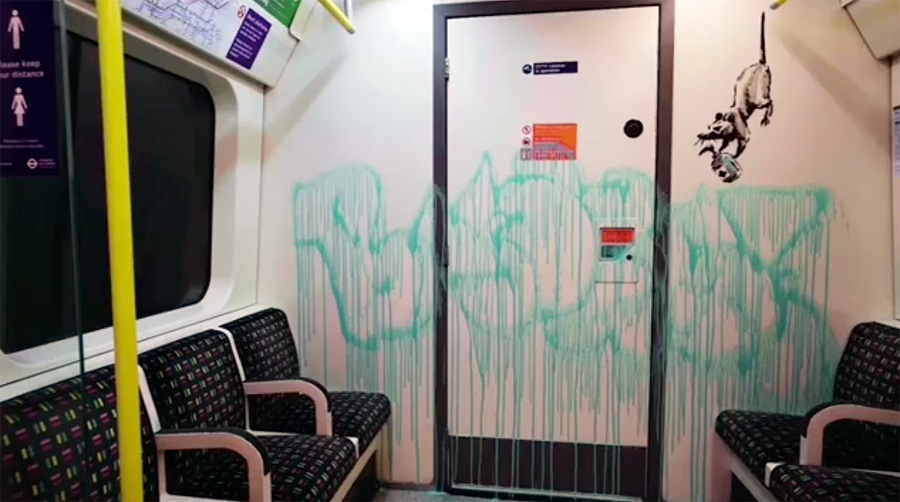
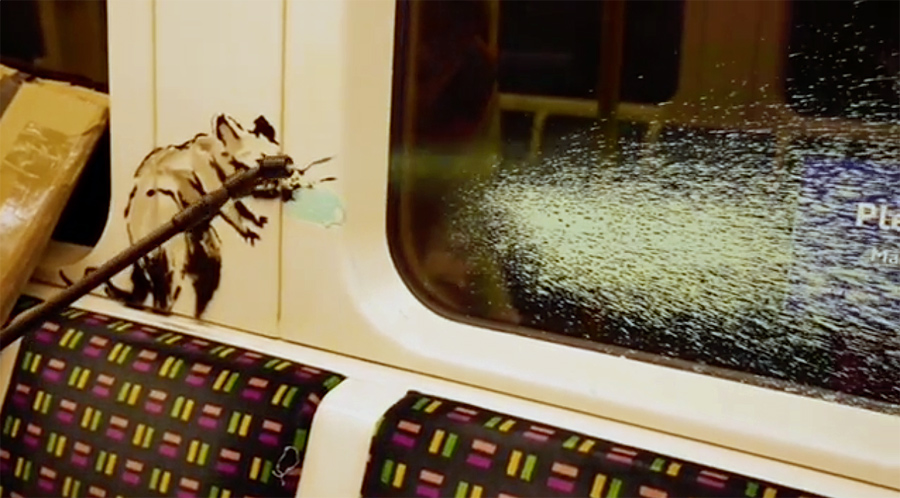
Instagram commenter transparentlemon is irked by Banksy’s apparent defacement of the Tube. “I’m all for graffiti on walls of buildings that’s art,” he says on Instagram, “But on public transport that’s just vandalism”
Oh dear. The Bristol born artist has built his entire career on mucking up public space with his clever observations, but somehow it is still grinding the gears of some peeps who think he might have veered too much into the “vandal” category on this one.
The commenter who self-describes as cultural_creative cannot contenance the idea that the anonymous do-gooding street artist has been fooled by the obviously Bill-Gates-funded conspiracy to take away people’s rights and force them to wear masks and get micro-chipped.
“I’m taking this subjectively..,”
they write, “I refuse to believe @banksy would peddle government propaganda he’s
too slick for that”
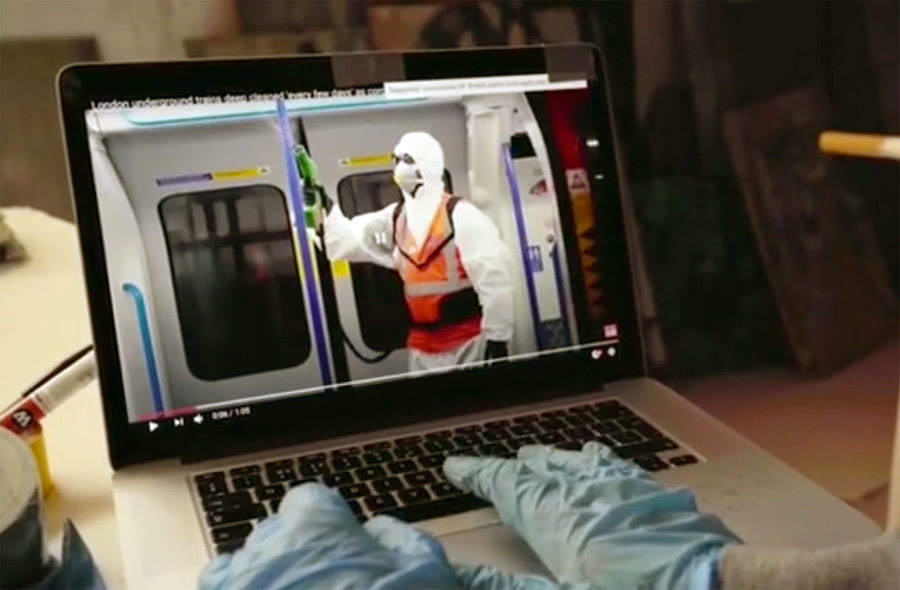
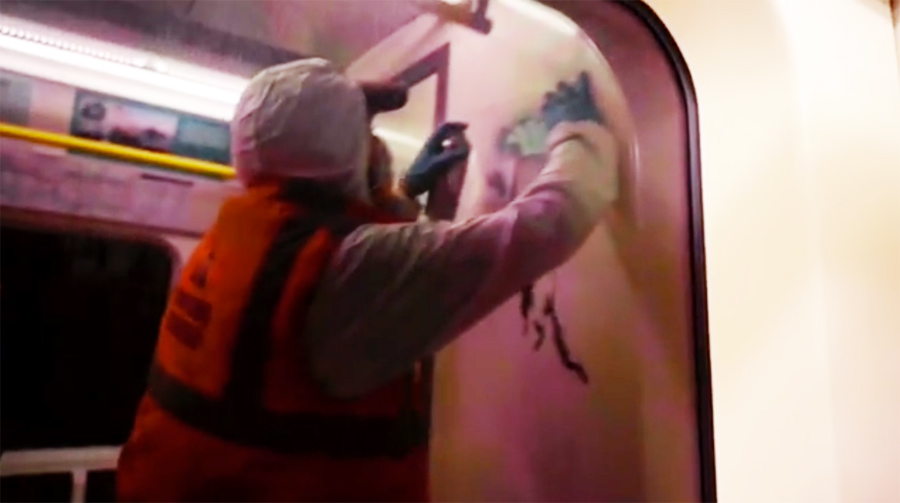
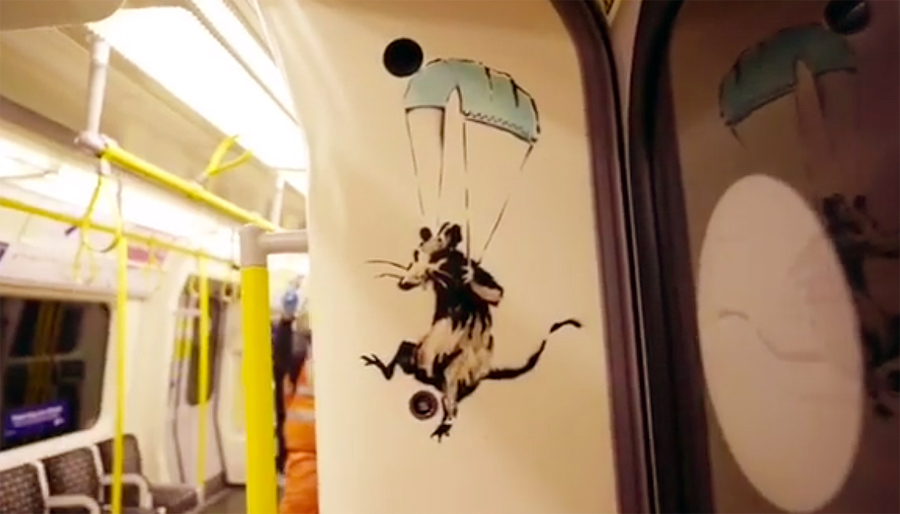
Yes, he’s done it again, Banksy, presenting
his view on a topical topic using his preferred method of aerosol – and heavily
edited video – posted to nearly 10 million fans.
“if you don’t mask – you don’t
get”, he calls it, a double negative that implies that wearing a mask will
increase your chances for Covid-19? Surely not. Surely not?
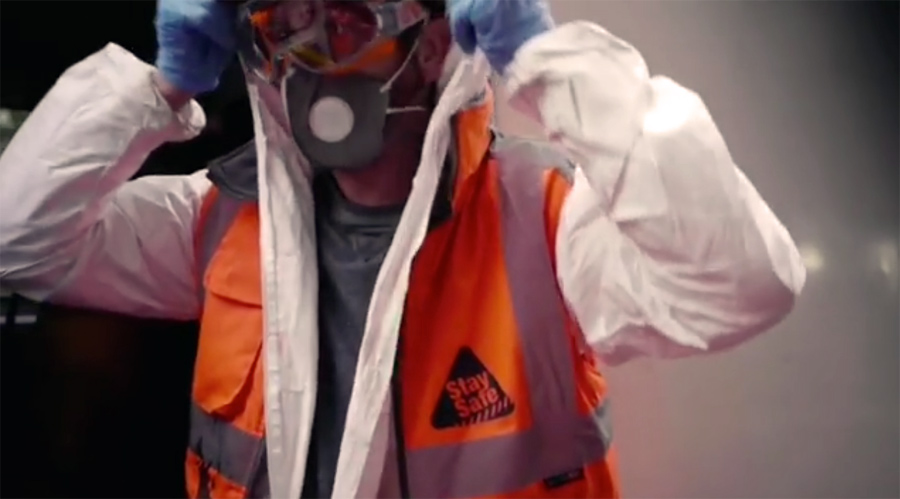
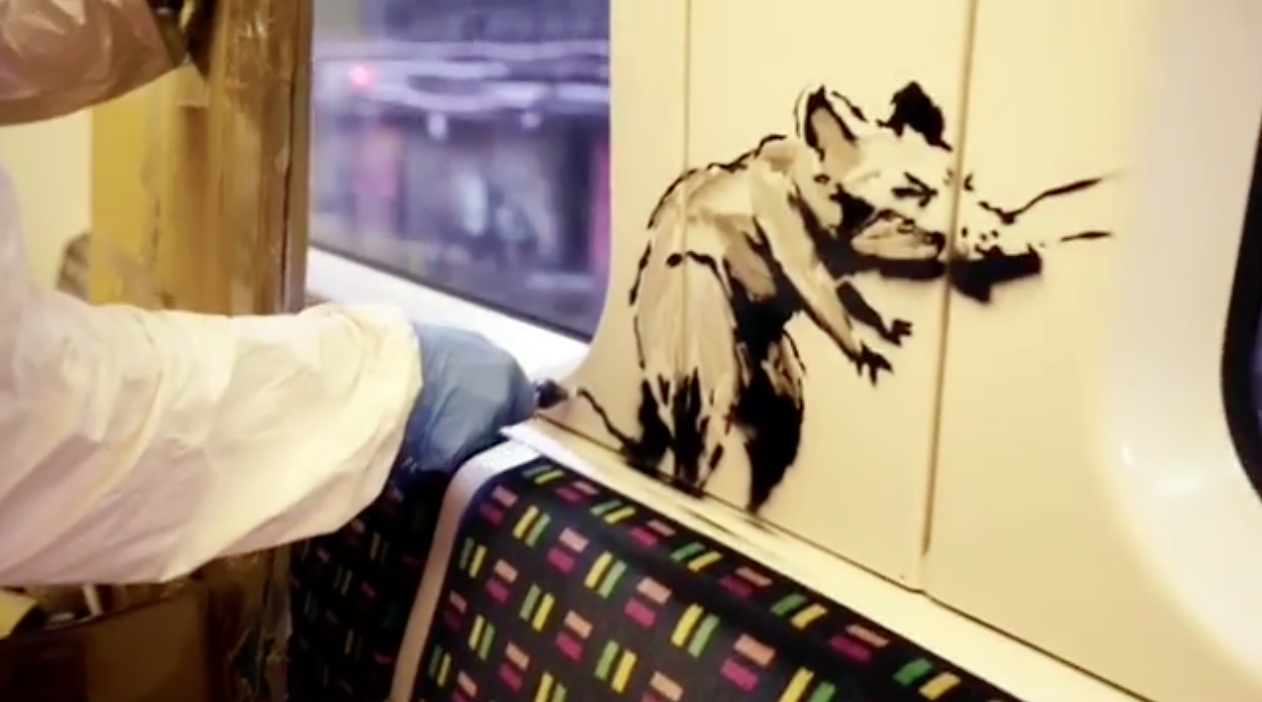
Posted on his Instagram account we
see a video of a man, believed to be the elusive international man of mystery
himself, wearing the ubiquitous protective cleaning gear of many public
professionals and holding the sanitizer sprayer for quite a different task. The
“cleaning” man proceeds to stencil several rats wearing masks and
sneezing in full pandemic mode.
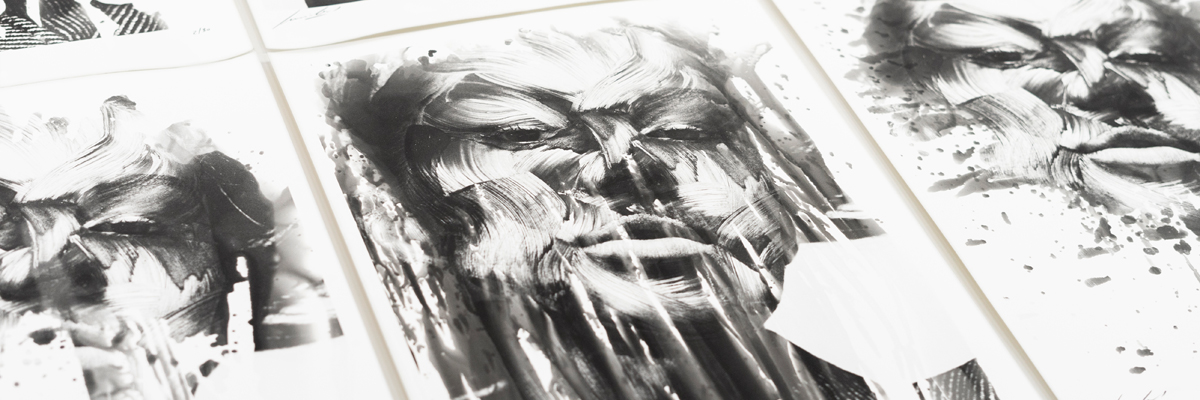
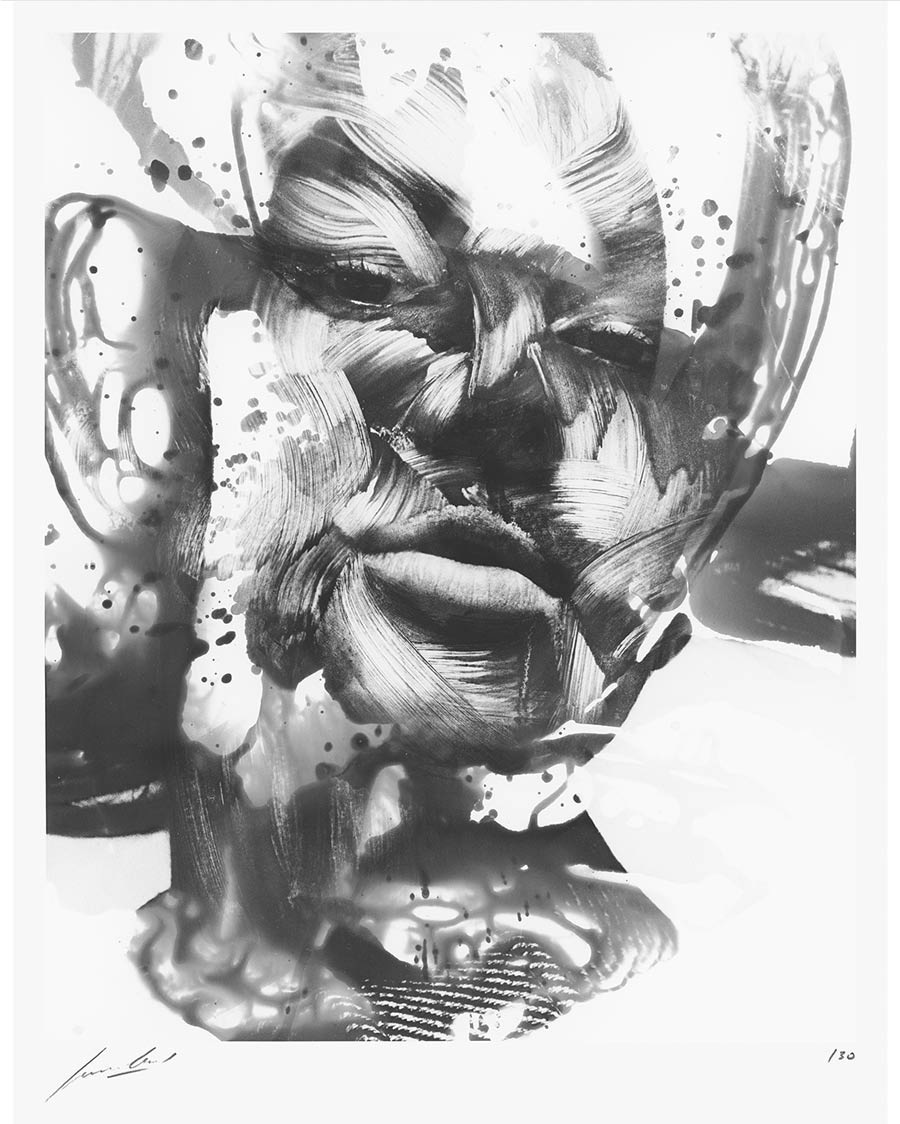
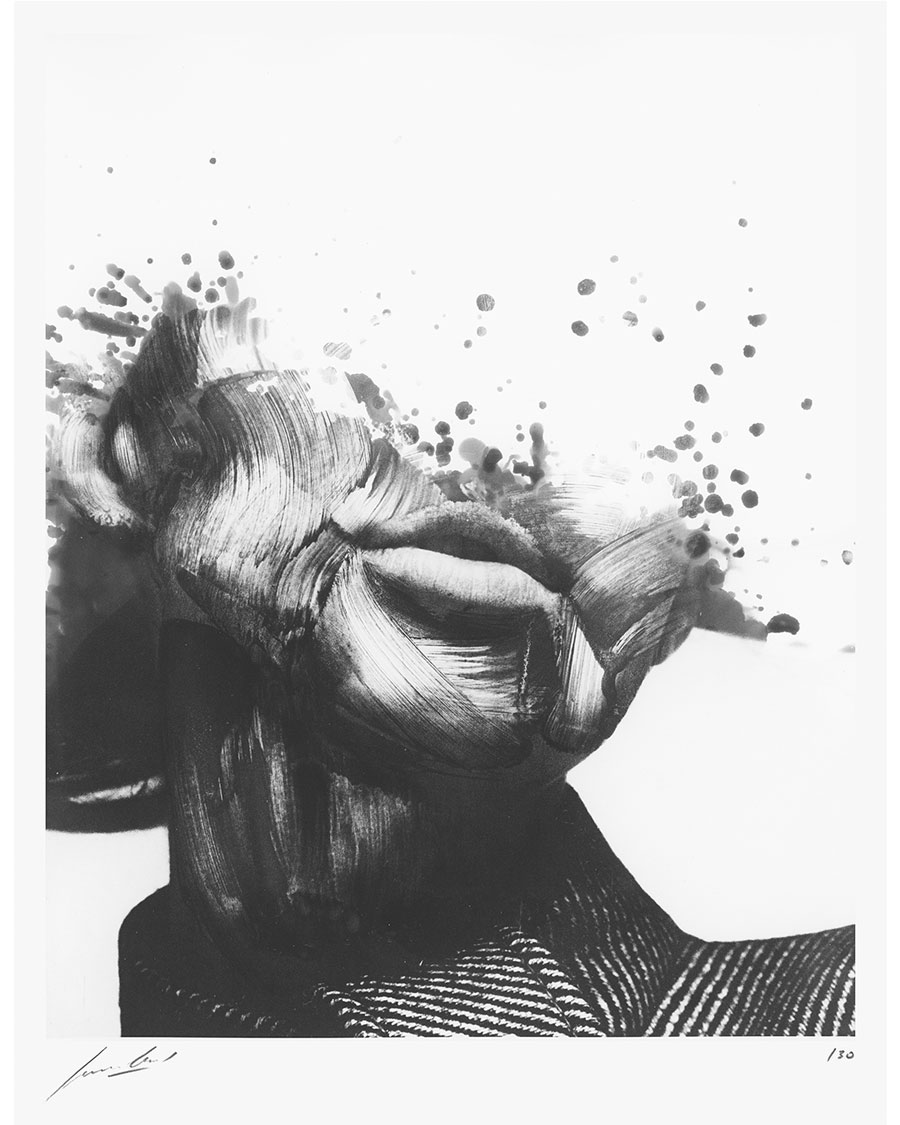
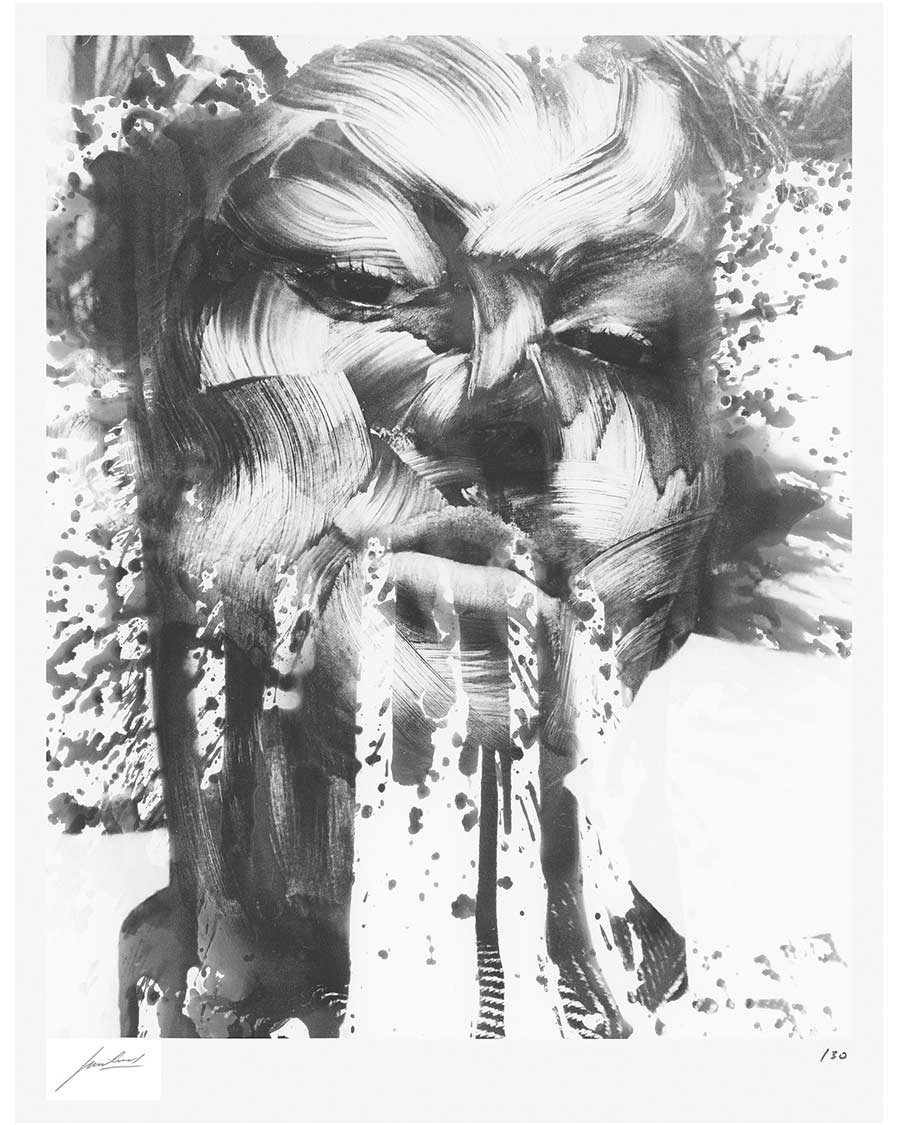
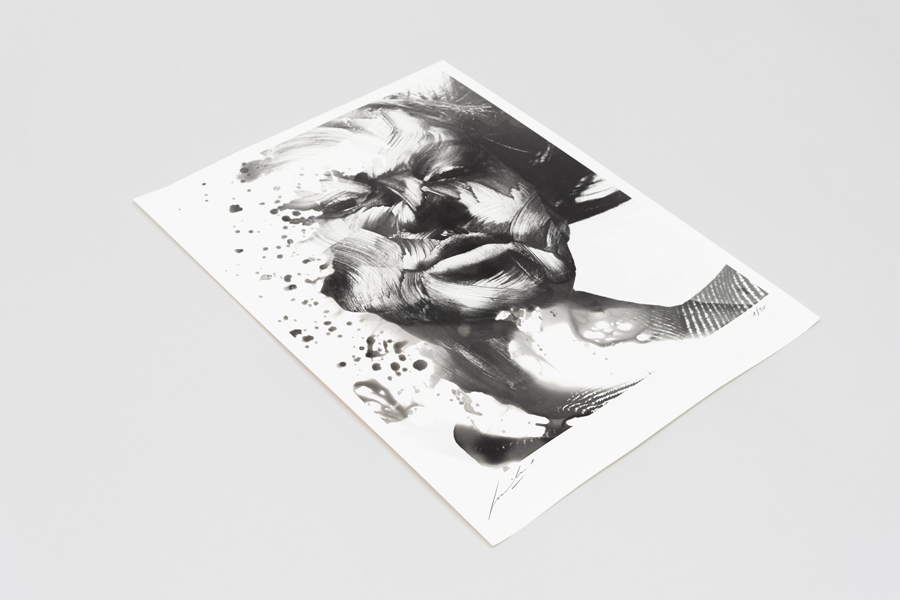
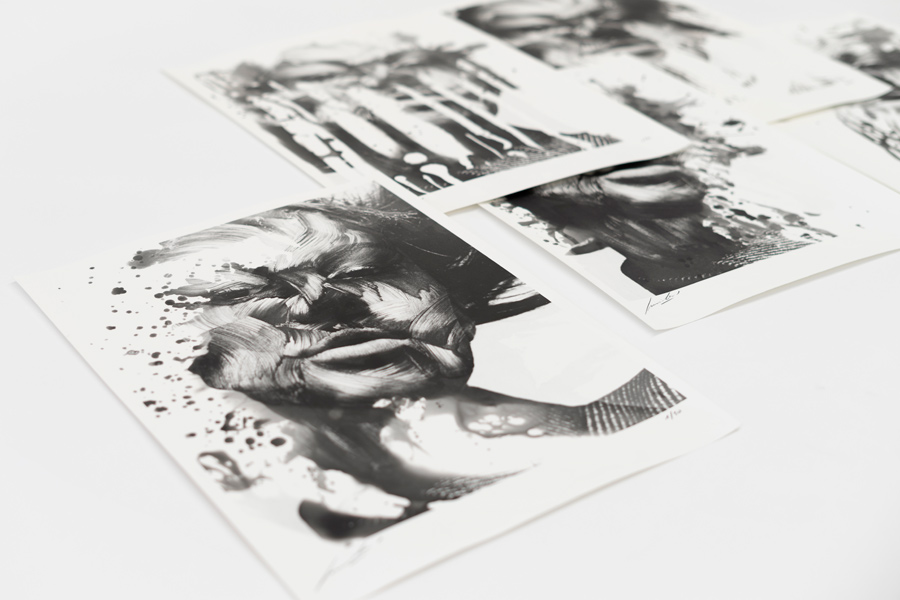
Stylish de-constructor/reconstructor Vermibus continues to refine his practice of image mutilation, sometimes superseding dreams and a couple of nightmares.
It’s a discomforting experimental approach that began in earnest with the backlit bus stop ads for fashion and cosmetic brands; an aesthetic war against those who would presume to determine what beauty is by peddling their wares and worldview in public space. Somehow it turned gorgeous.
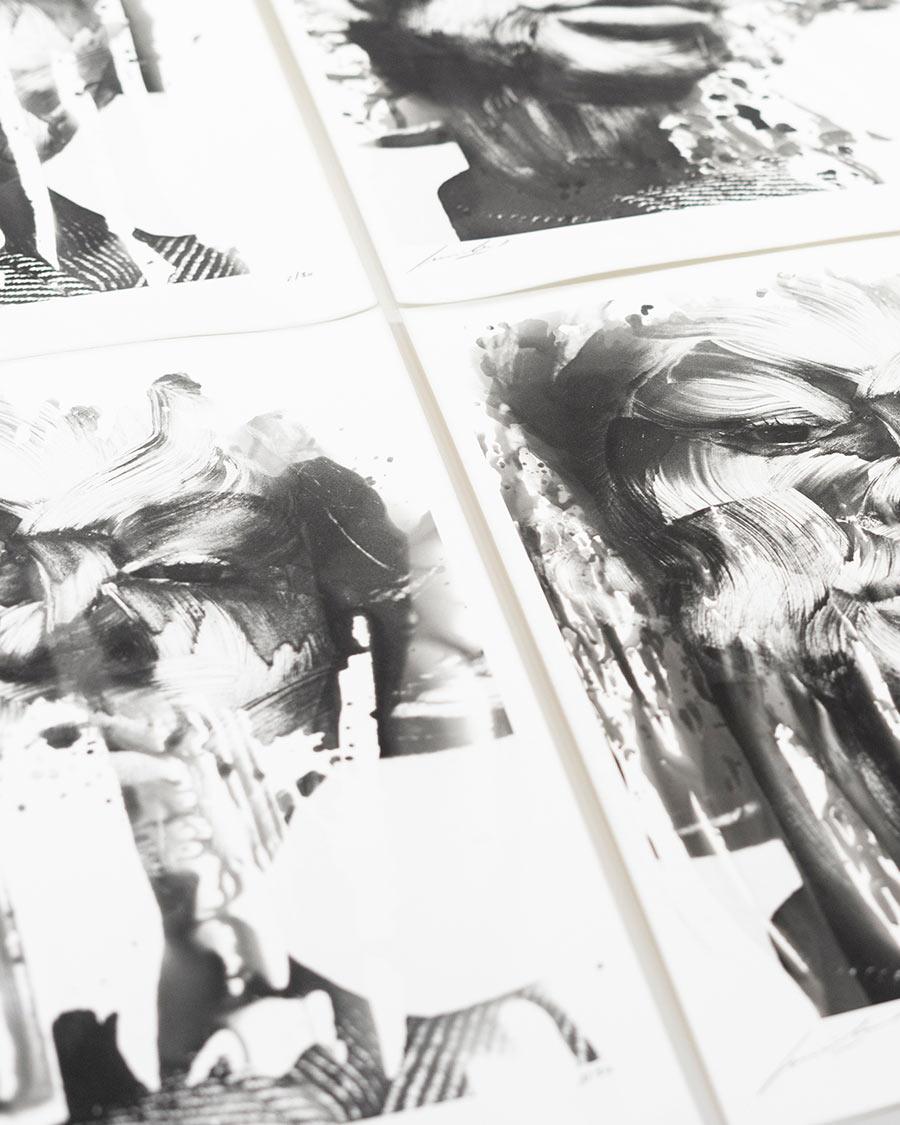
This week he releases a limited edition of “Adamant” an analogue print on baryt matt paper, signed and numbered. The experiment continues, and the results are glimpsed through a veil, speckled by city soot.
 BROOKLYN STREET ART LOVES YOU MORE EVERY DAY