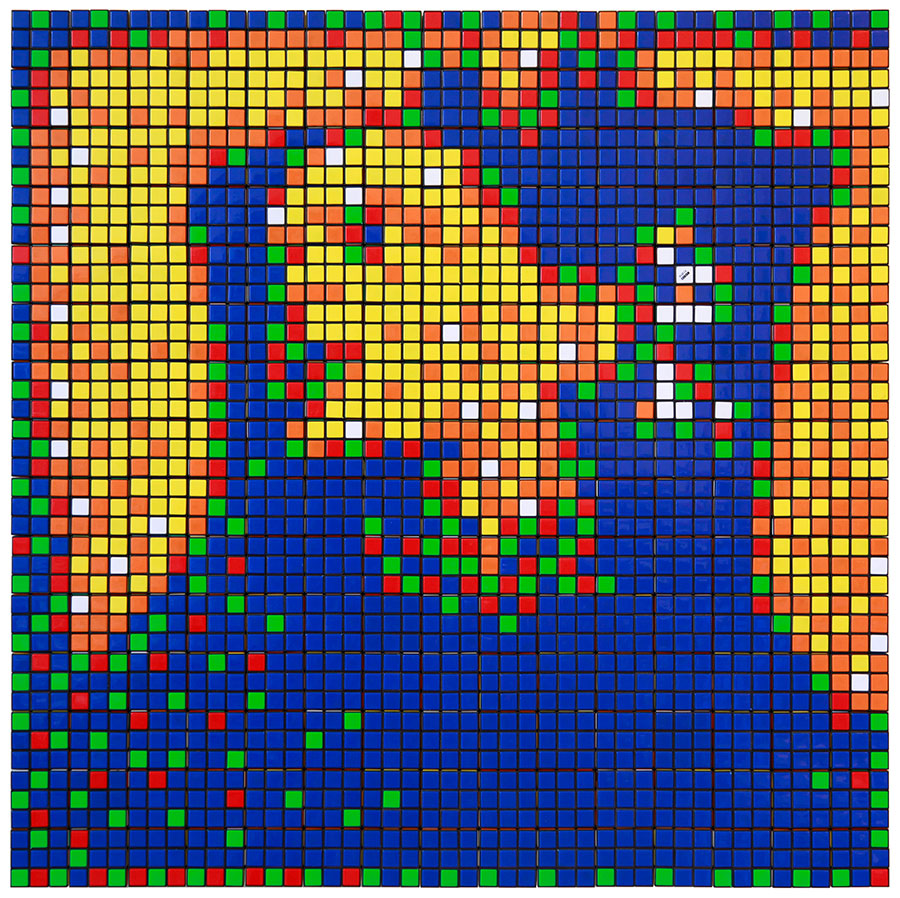
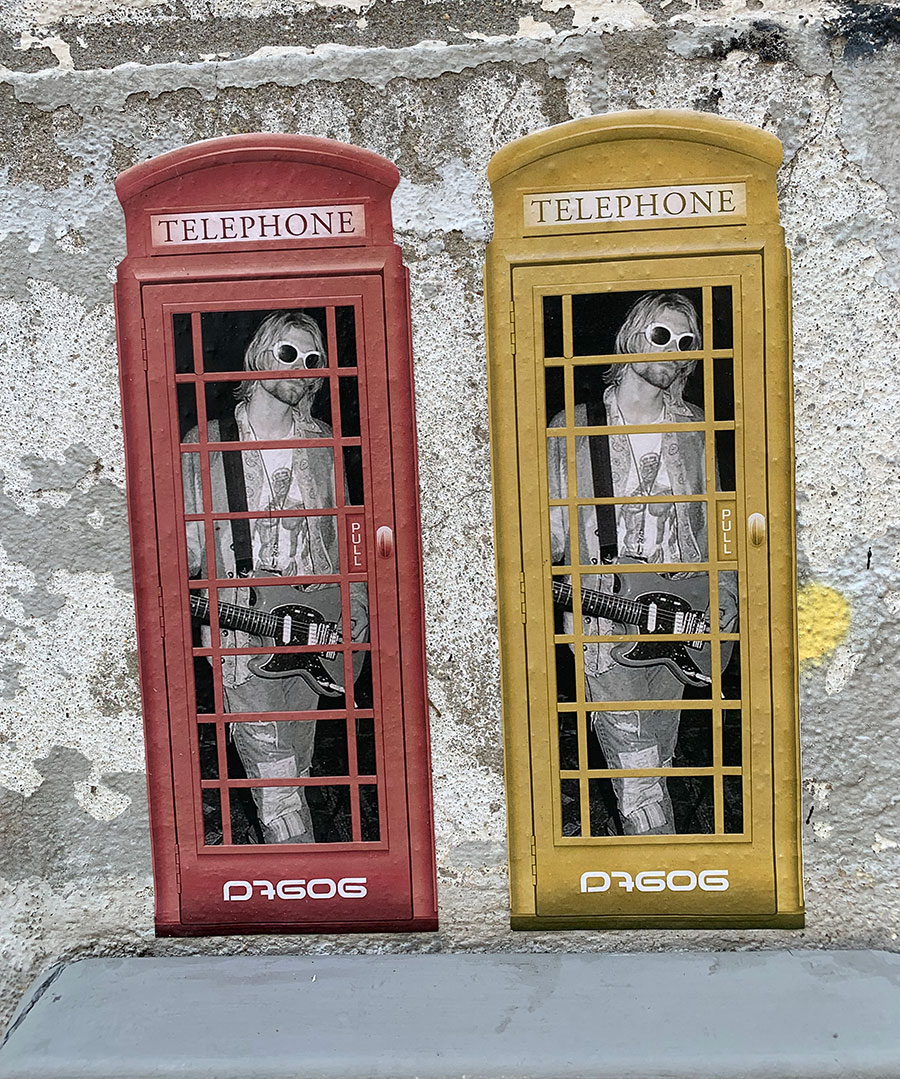
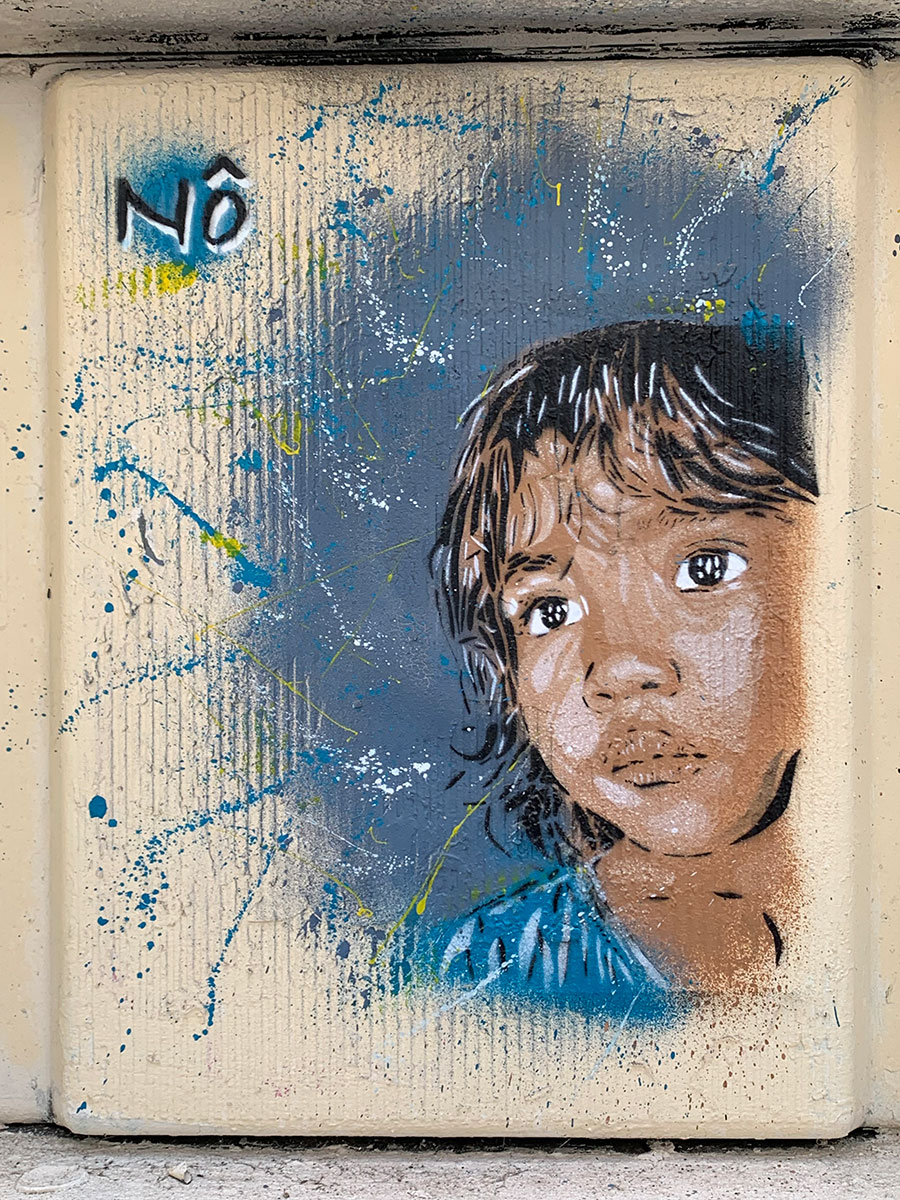
Remember those paint-by-numbers kits that Mrs. Measley used to keep on the top shelf of her hallway closet next to a couple of handmade quilts and a moth-eaten cardigan? During the winter months, the lady who lived in the apartment upstairs used to have one on her kitchen table by the window for some lovely afternoon painting – filling in the appropriate shape with the color corresponding to the number printed inside the form. Somehow you knew what the picture was when she was finished, but it was easier to see if you stepped back a few feet and sort of blurred your vision.
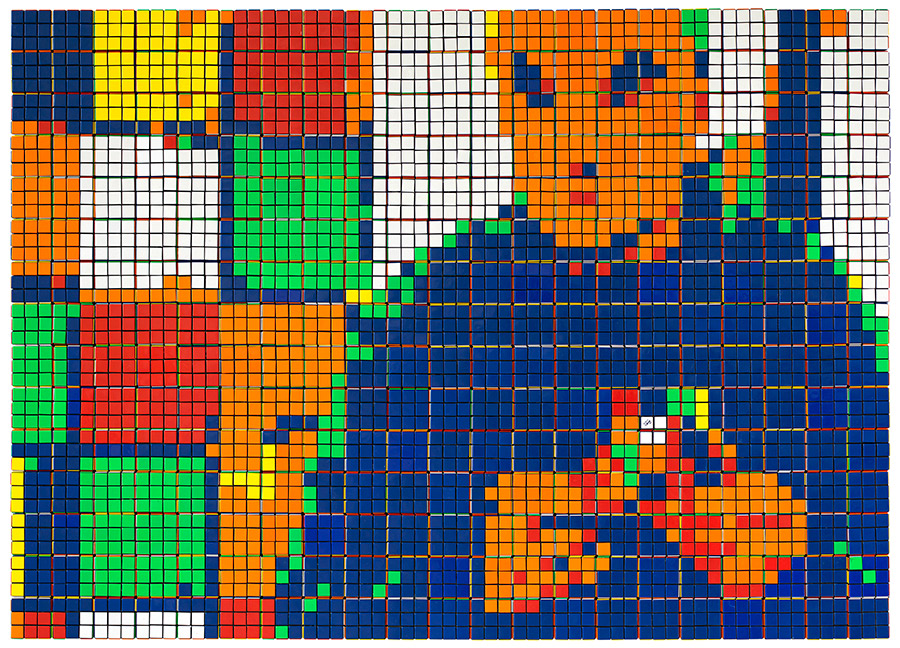
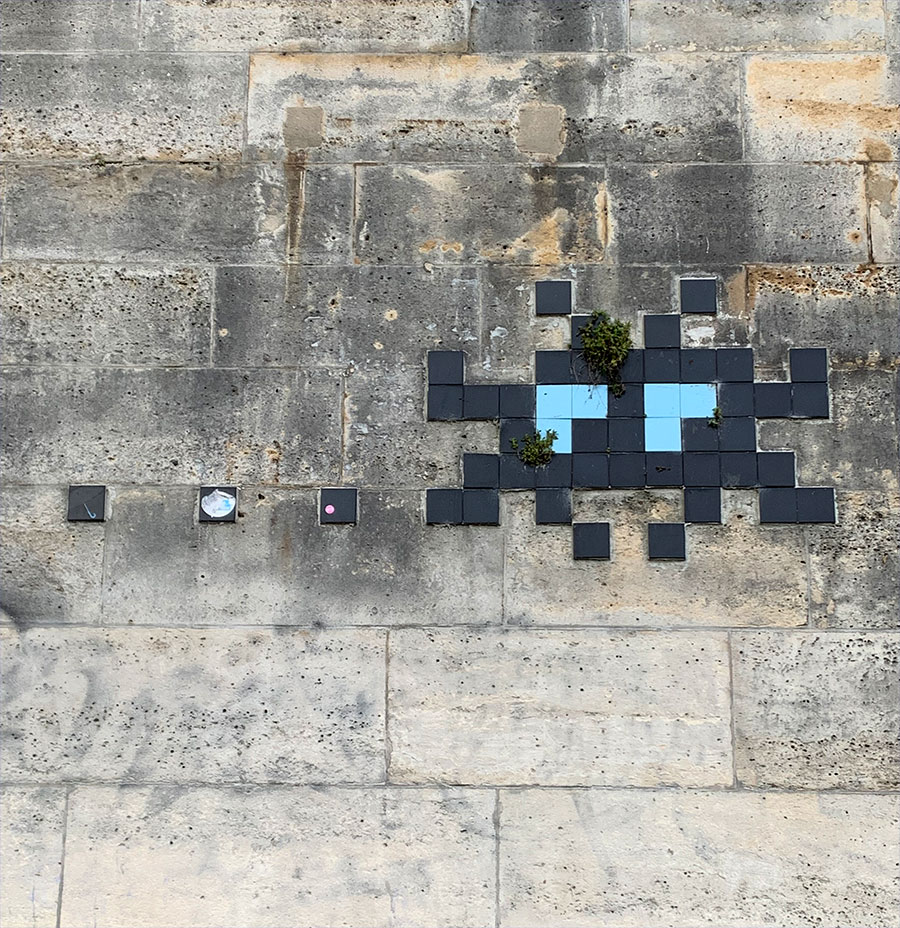
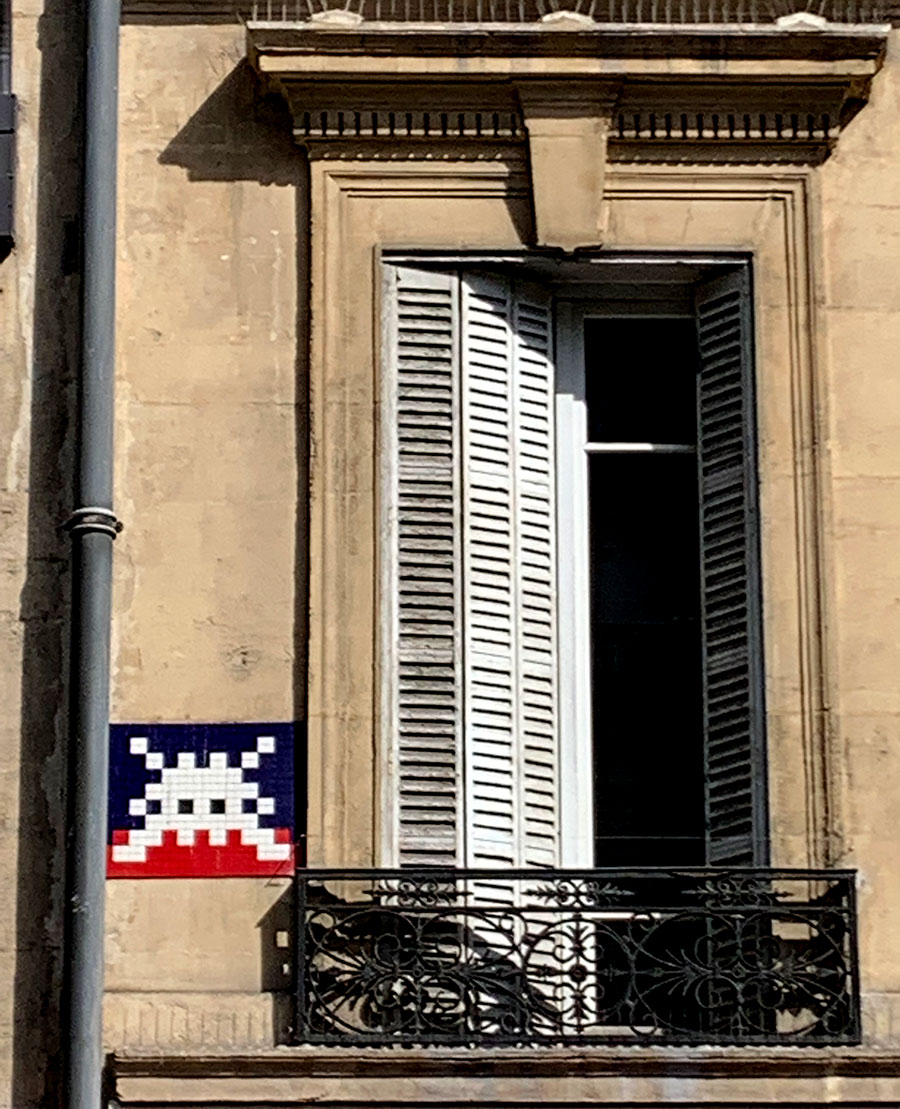
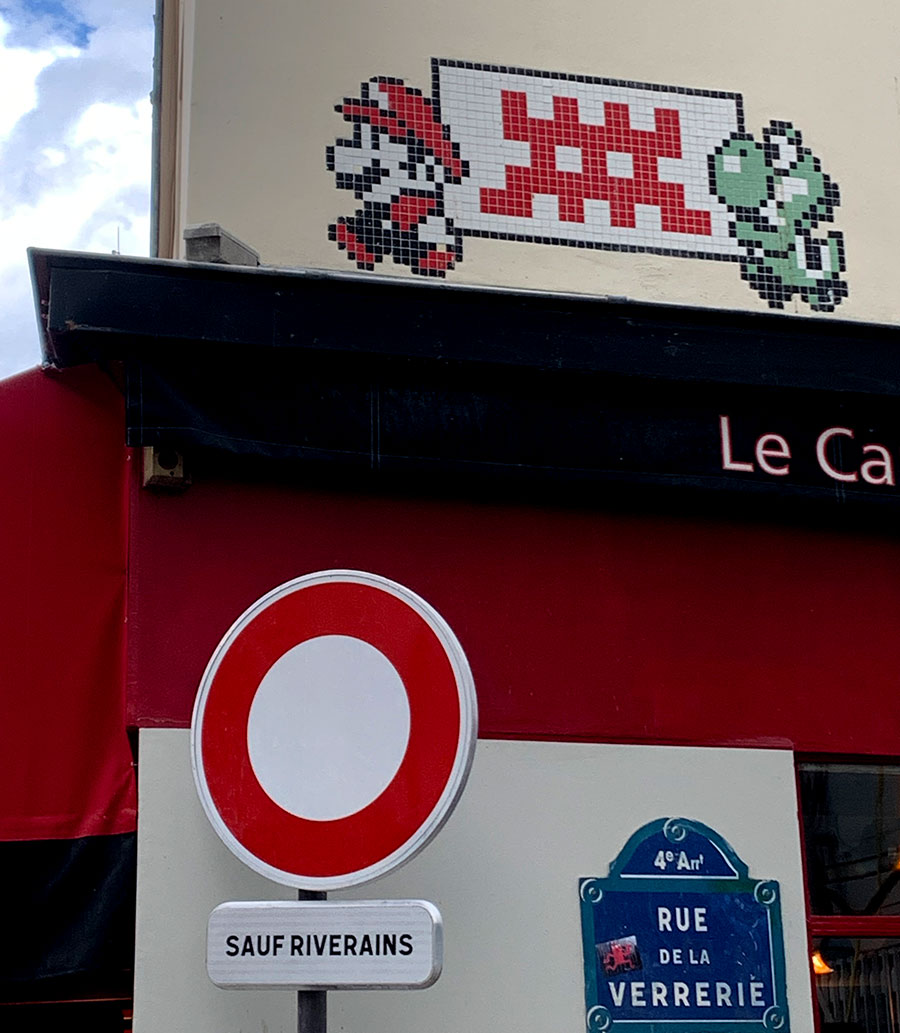
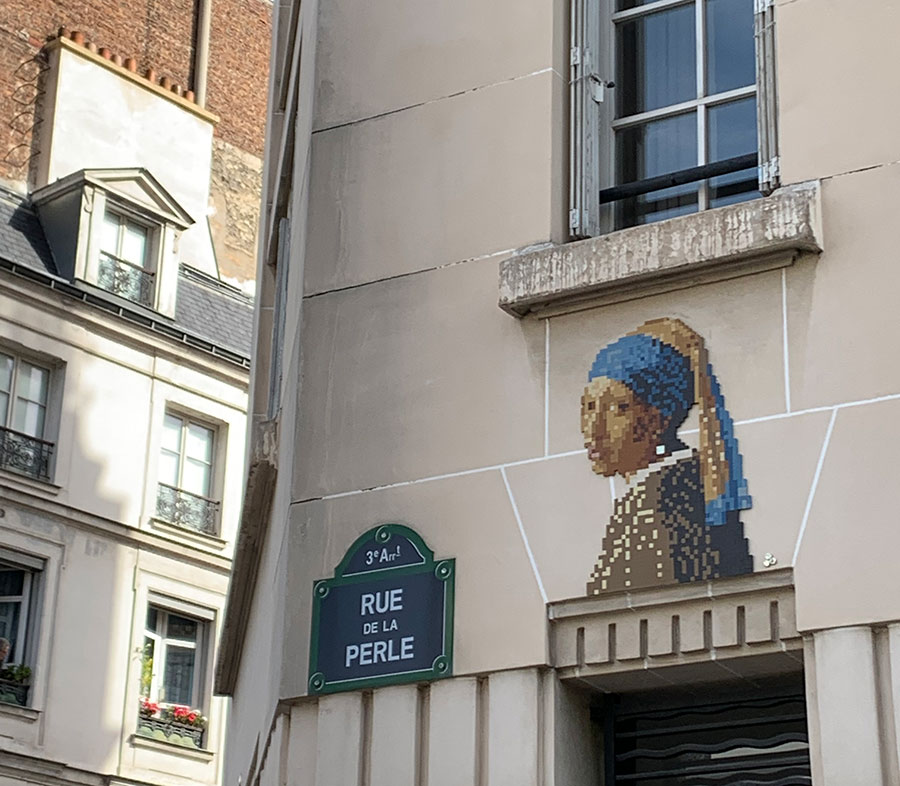
You may want to use that skill when viewing the new Invader show in Brussels opening this month at MIMA, the Millennium Iconoclast Museum of Art. The French street artist is known for creating popular characters in the style of vintage 8-bit video games on walls in cities around the world. It is an early video game reference that is nostalgic for a particular age group of people who long for those simpler times before streaming surveillance and facial recognition.
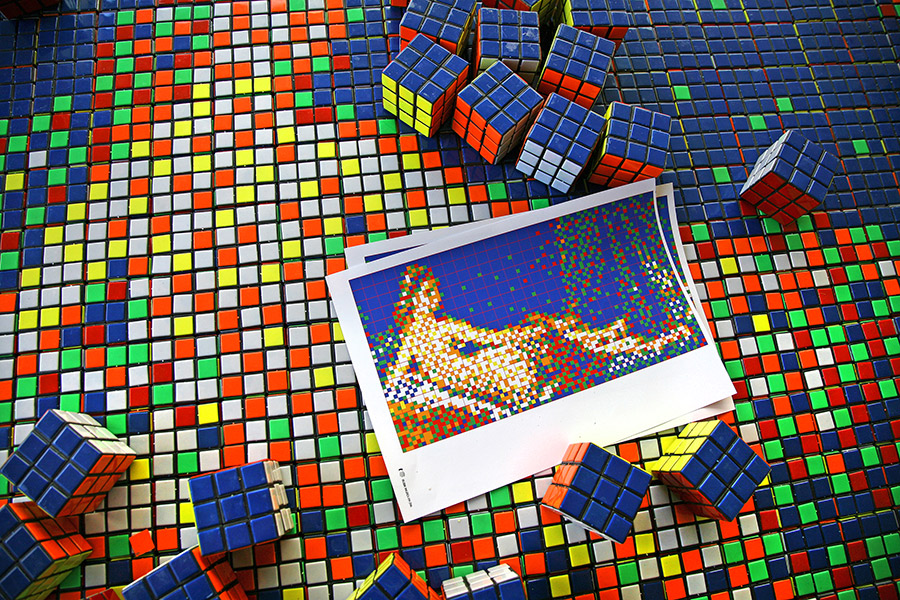
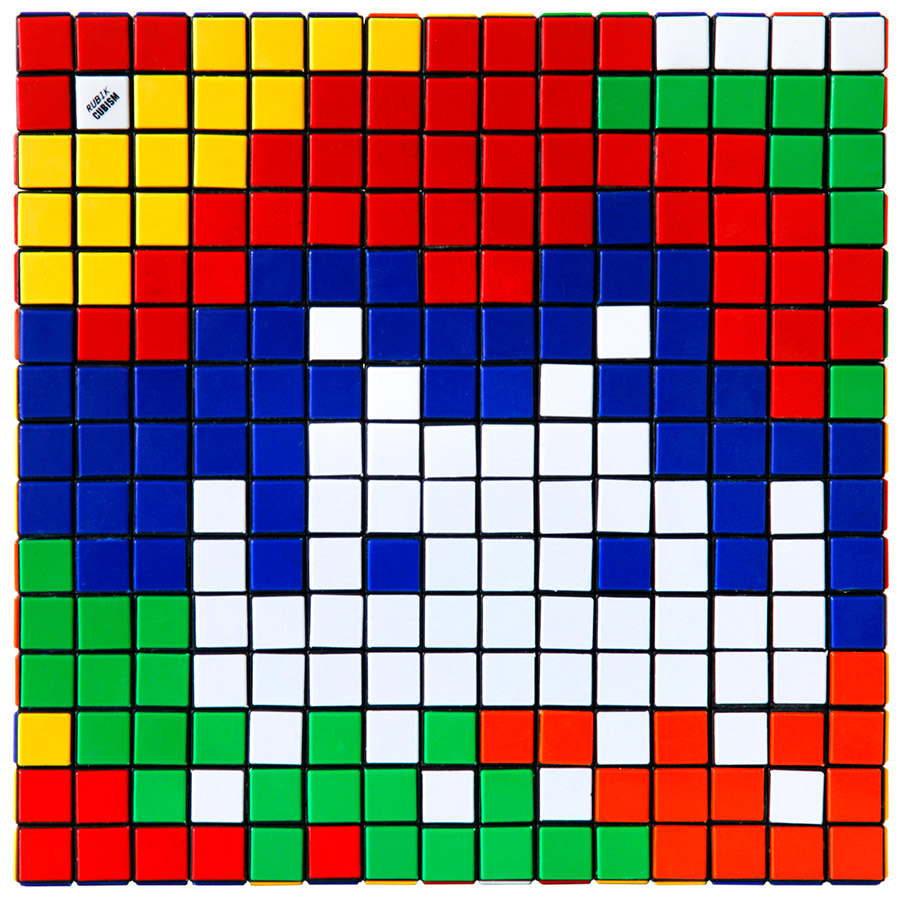
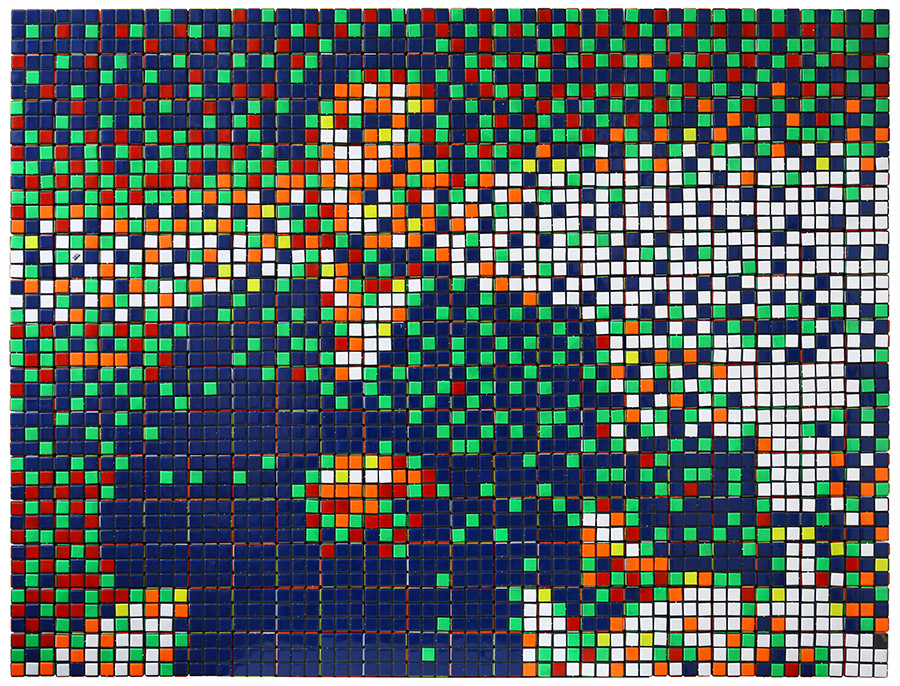
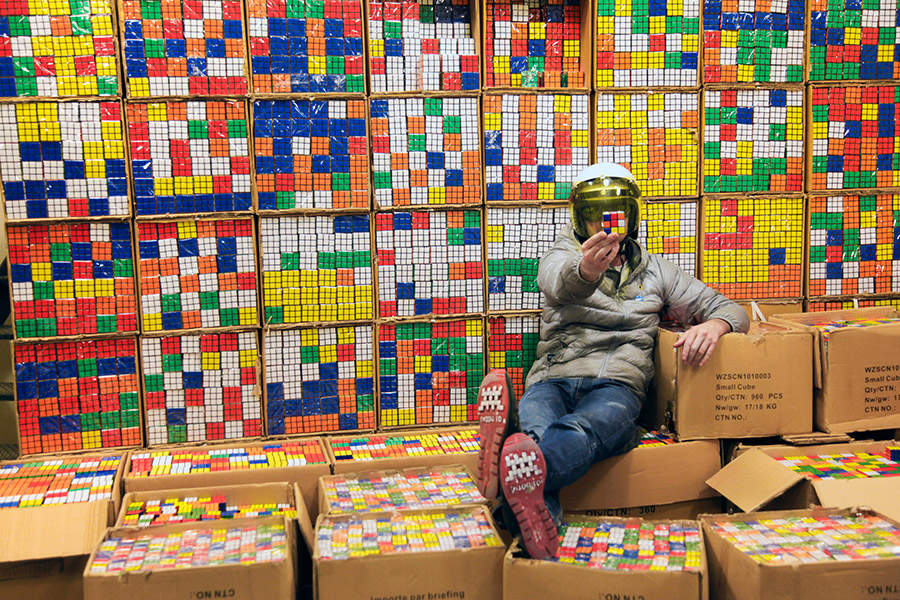
A few years ago, the artist created his digital reference for his rounded square pointillism called Rubikcubism. Presented as a feat achieved by manipulating the popular kid’s toy from the 1980s, the artist recreates famous artworks and movie scenes as ‘canvases.’ The obliqueness of the image recognition also echoes the anonymity of the street artist, who steadfastly hides behind the Invader name after a few decades of illegal installations of tiles stuck high above the street.
With “Invader Rubikcubist” the museum is bracing for a hugely successful summer show with the exhibition featuring the first sculptures presented from the series and a few special new sections like Rubik Bad Men, devoted to the figure of the villain, and Rubik Masterpieces, an homage to masterpieces of art history.
Our weekly focus on the moving image and art in the streets. And other oddities.
Now screening: 1. Just in Time for Jubilee – “God Save the Queen” Reboot – The Sex Pistols 2. YUUE: Homesick 3. Minimum Monument – Néle Azevedo
BSA Special Feature: “God Save the Queen” Reboot – The Sex Pistols
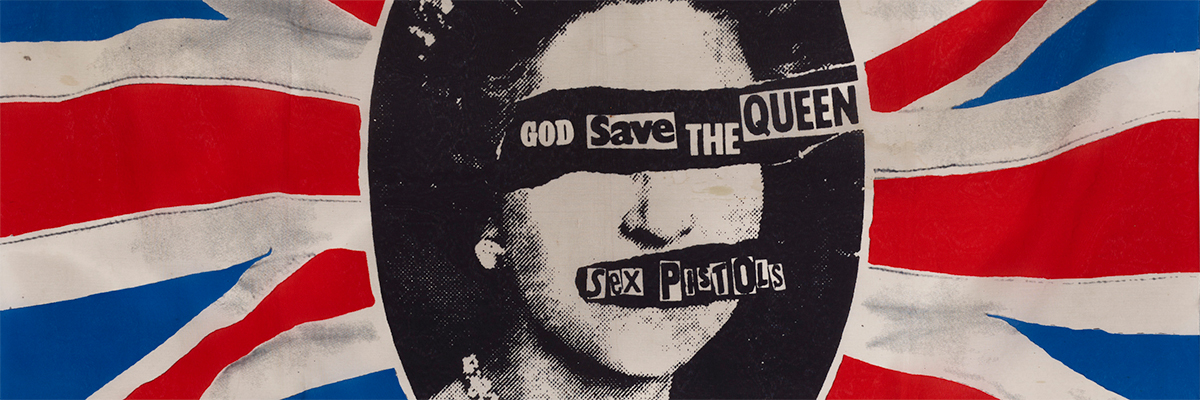
To commemorate the Queen Elizabeth II Platinum Jubilee this weekend, the Sex Pistols have released a “Revisited” video which combines footage of their concert playing “God Save The Queen” in 1977 with images of a party celebrating her Silver Jubillee on a boat cruising the River Thames in the same year. 45 years later, the Sex Pistols have long since disappeared and QEII is marking her 70th year as a monarch.
For those of you at home who forgot the words and would like to sing along;
“God save the Queen A fascist regime They made you a moron Potential H-bomb
God save the Queen She ain’t no human being There is no future In England’s dreaming”
God Save the Queen Revisited – Sex Pistols
You thought your Covid lockdown was hot and stuffy and alienating and fattening and now your dog is so mad at you that he is not talking to you anymore? Well, did you make any art about this?
YUUE design studio decided to address what they describe as “the extreme covid containment strategies in China that created an unnecessary humanitarian crisis” with a “design commentary”.
Here they choose a Ming-style chair and a traditional Chinese porcelain vase “as cultural symbols and wrapped them tightly in a protective suit tailored for each of them.”
“As a vivid metaphor a Chinese chair and vase in a pure white hazmat suit with blue ribbons silently comments on the absurd reality.”
YUUE: Homesick
It’s a good thing that climate change is over and that we no longer need to do anything to solve it.
Brazilian conceptual artist and sculptor Néle Azevedo drew attention to it in Berlin in 2009 with her installation called “Minimum Moment”.
And 13 years later, climate change has been solved, thank God.
Just kidding we’re still messing up the atmosphere with the burning of fossil fuels. Also Alzevedo has installed her small melting ice sculptures in other cities, including Sao Paulo in 2016, Rome in 2020, Middlebury, USA in 2018, Lima, Peru in 2014, and Amsterdam in 2012.
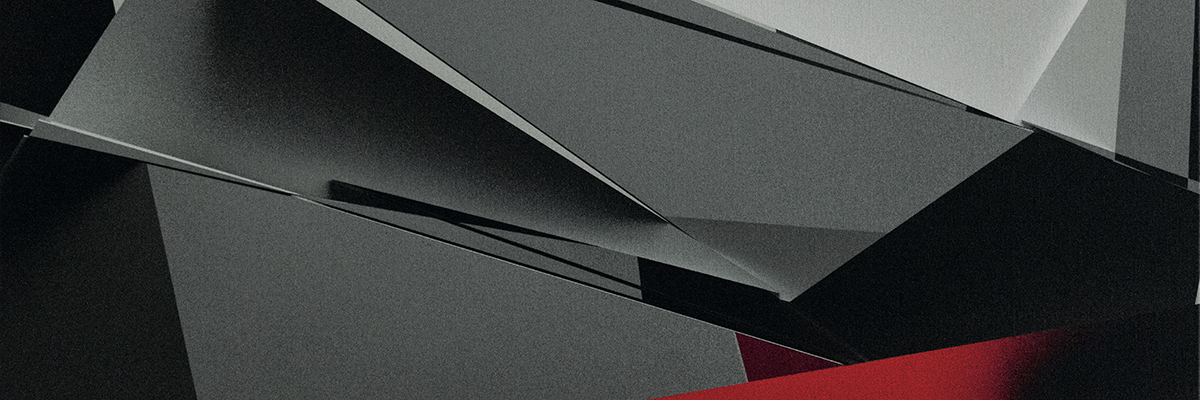
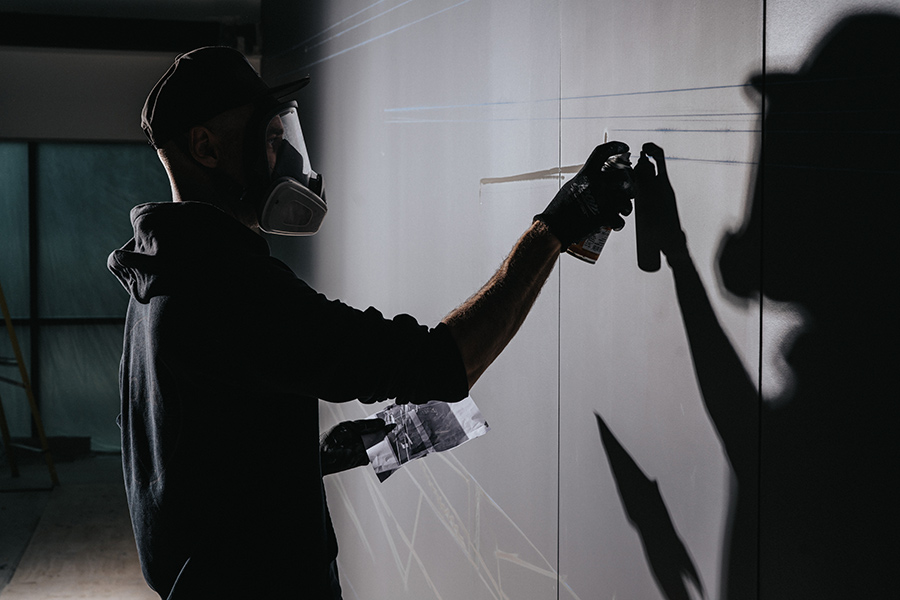
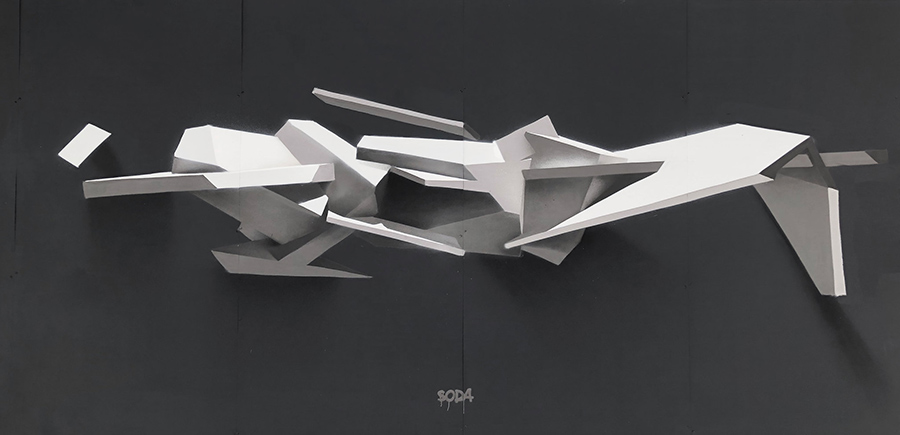
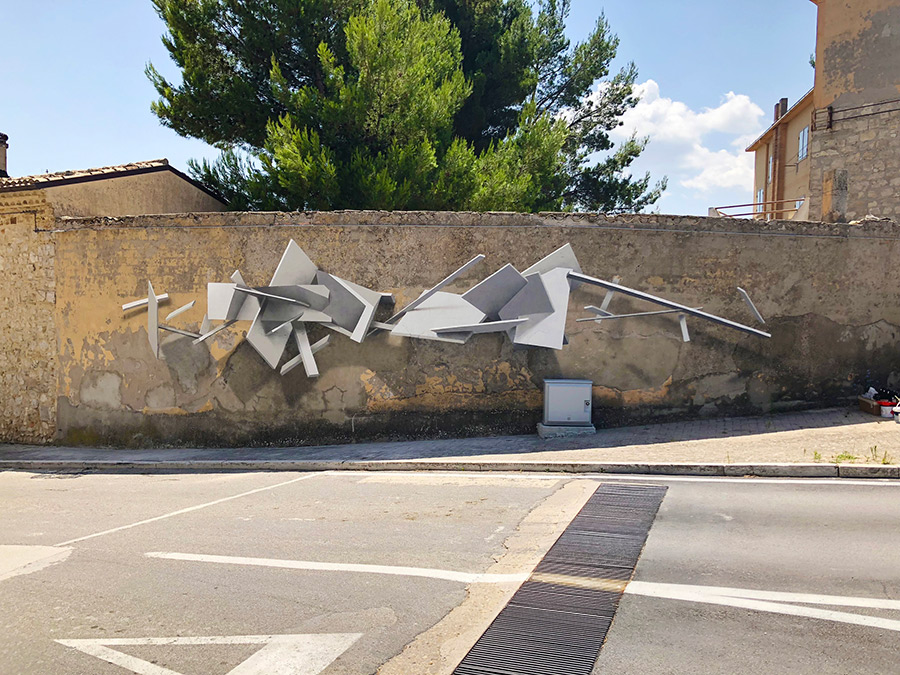
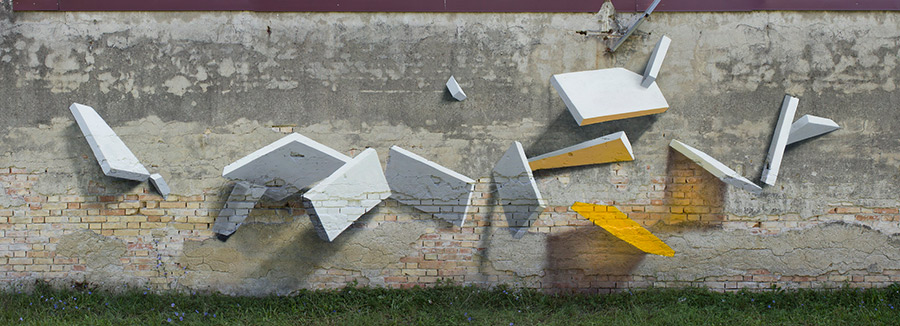
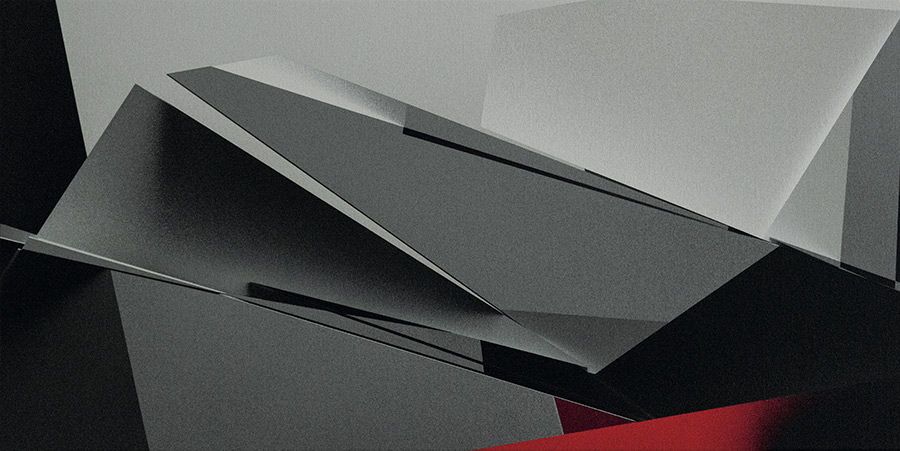
After 20+ years or so in the graffiti writing game, Alan De Cecco aka SODA jumps the rubicon to tap into the letterform at its most elemental, abstract dimension.
For his debut show at BSMT gallery in London, the high-precision Italian forces the perspective, almost making his static work move off the wall. A student of architecture who works as a designer, his street wall geometry sometimes is so removed from the “scene” that one is challenged to understand what they are observing. A remnant? A treatise? An unfinished composition? The remnants of two realities ripped apart?
Now that SODA has made his work for the gallery, at least you know someone will be there to explain it to you.
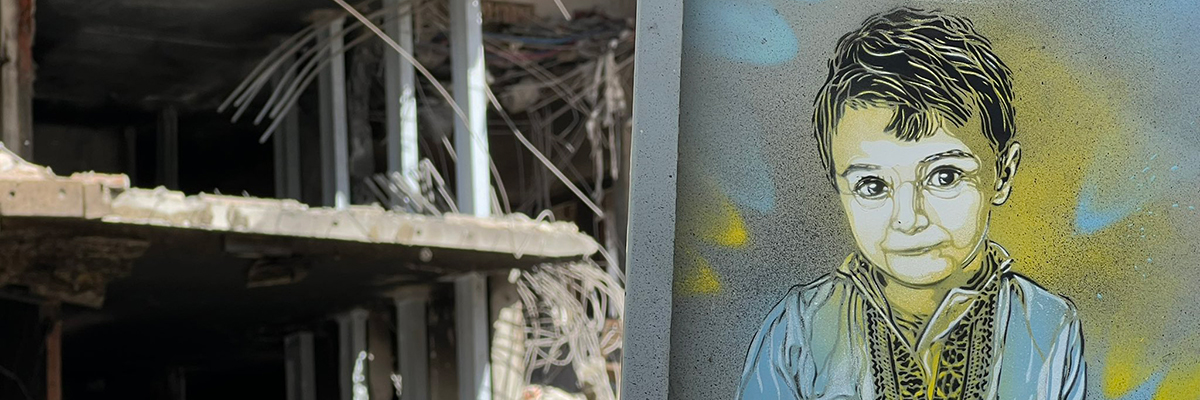
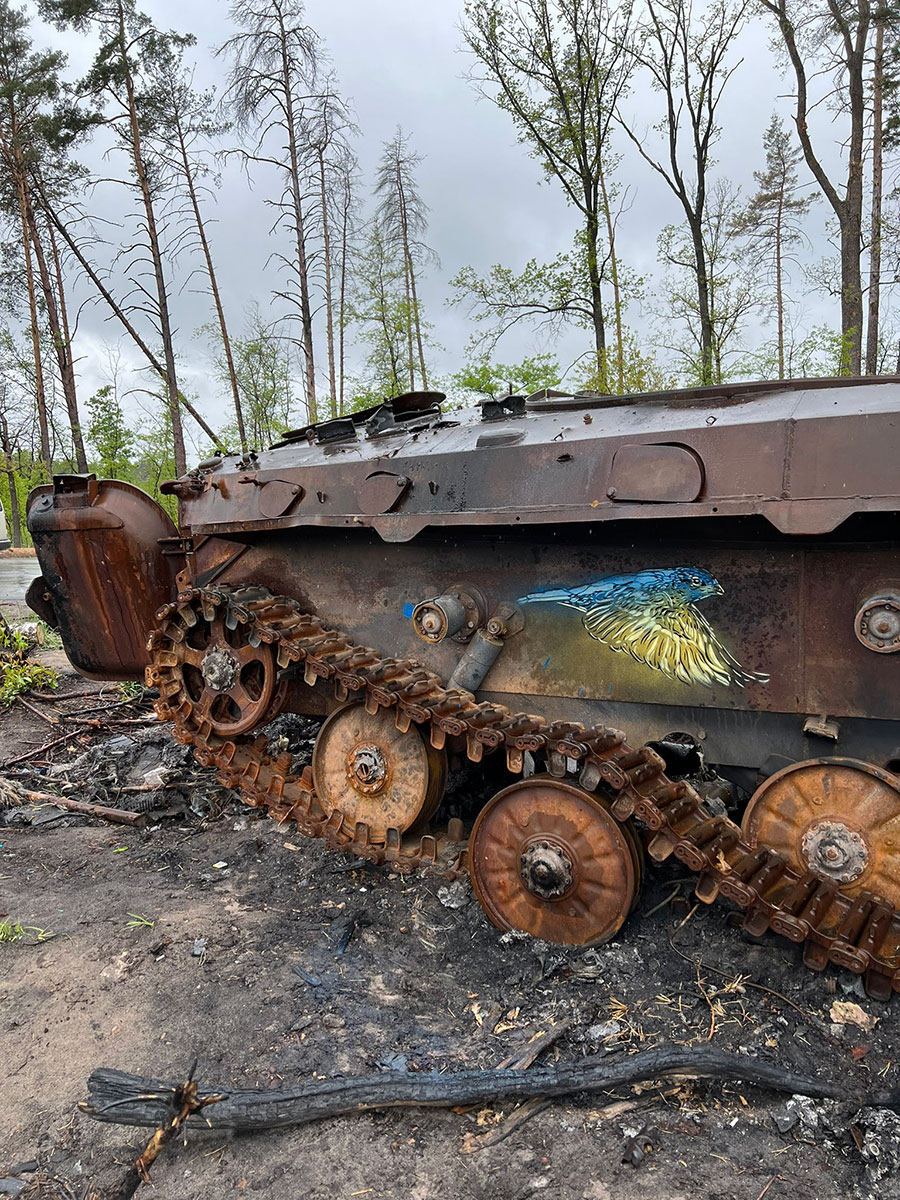
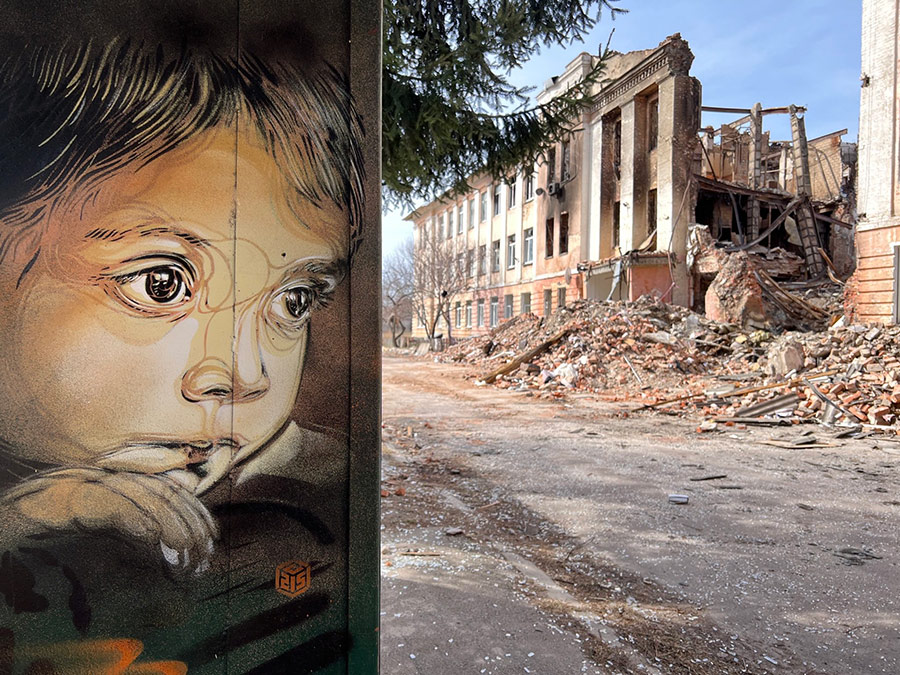
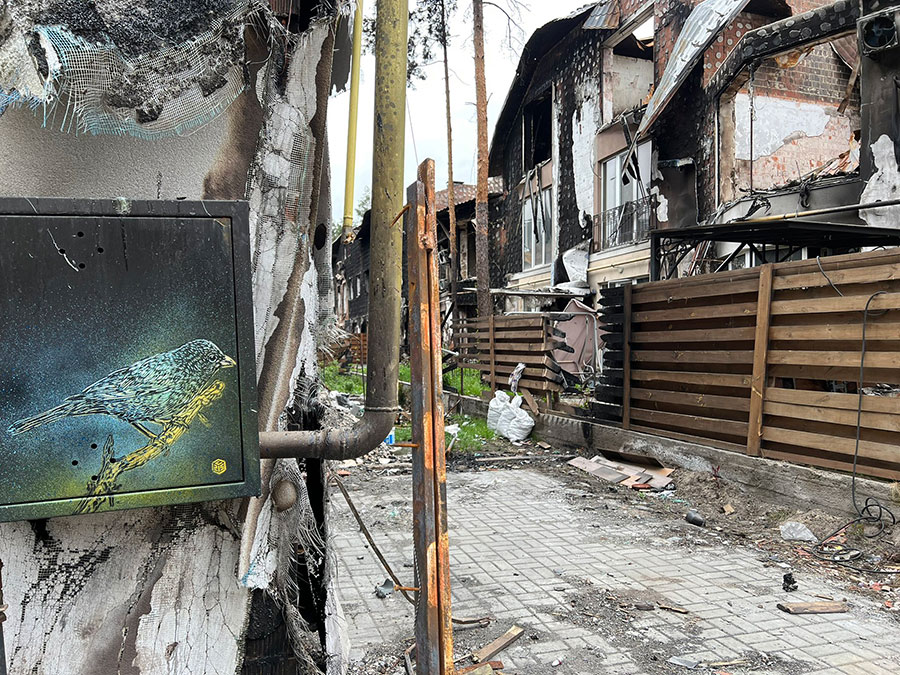
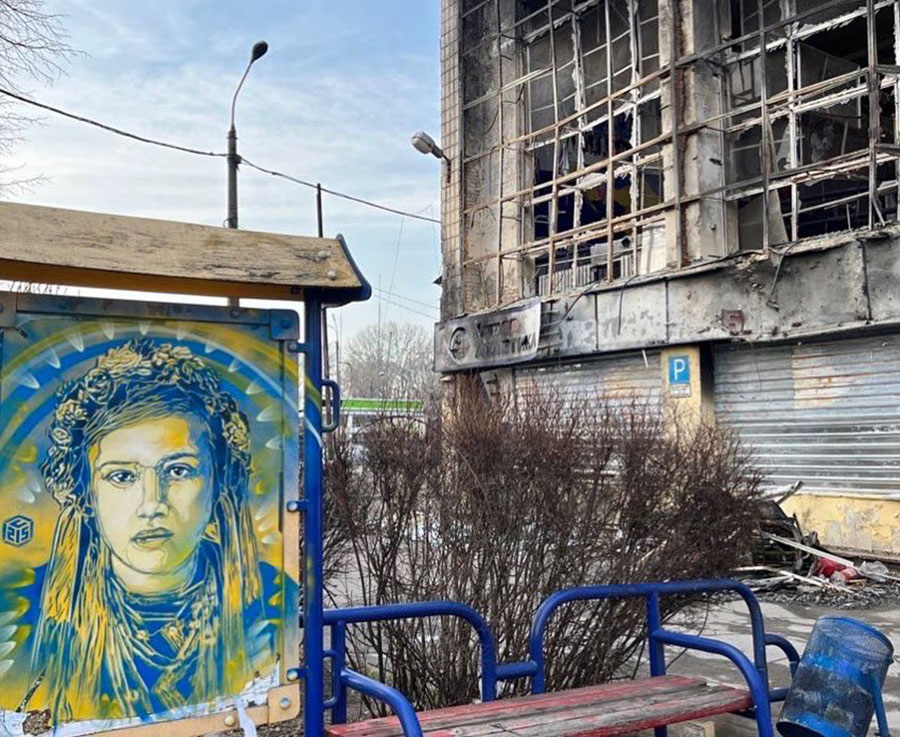
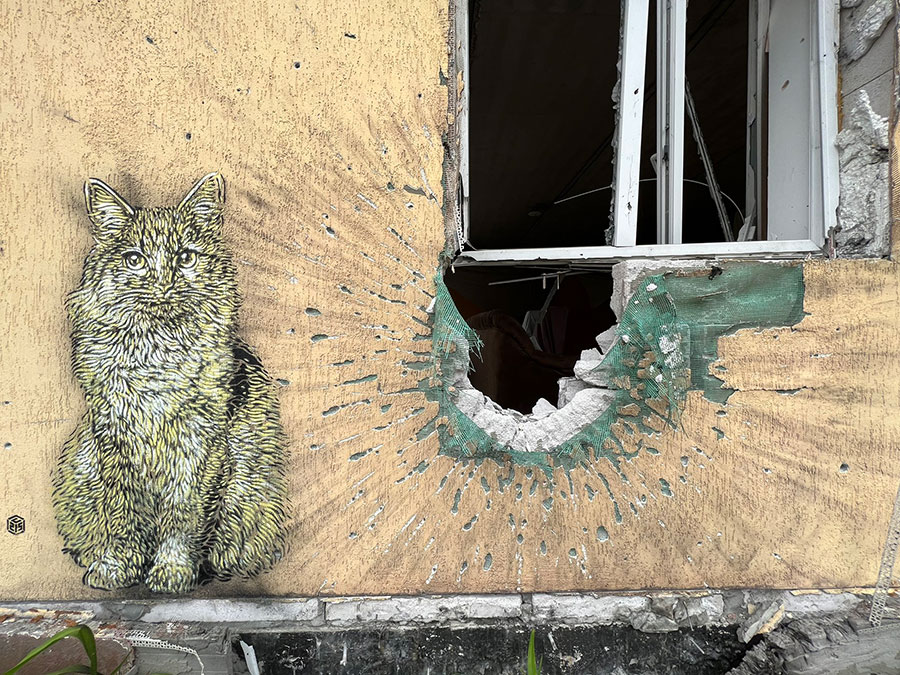
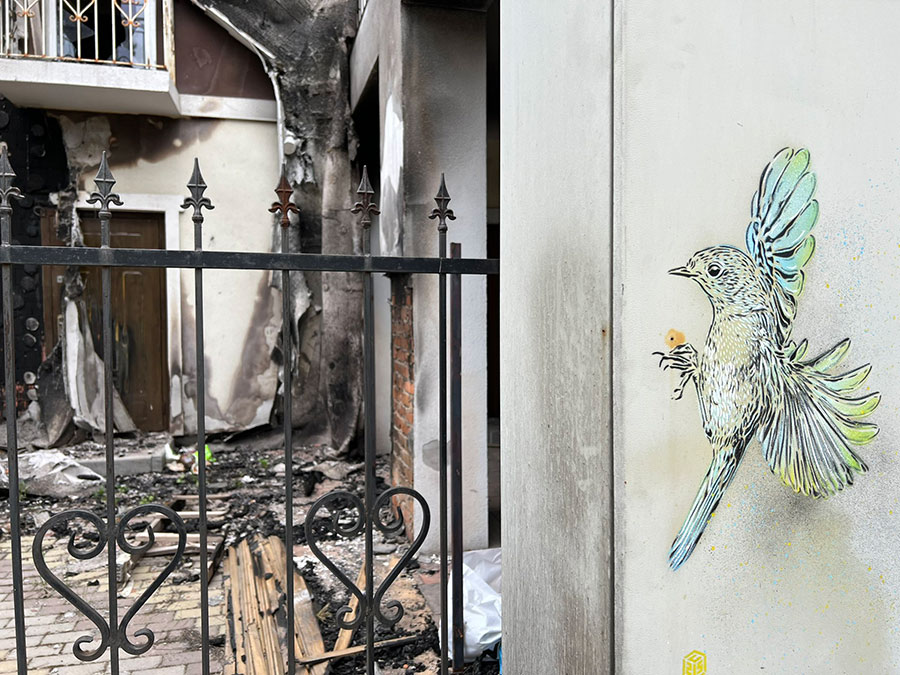
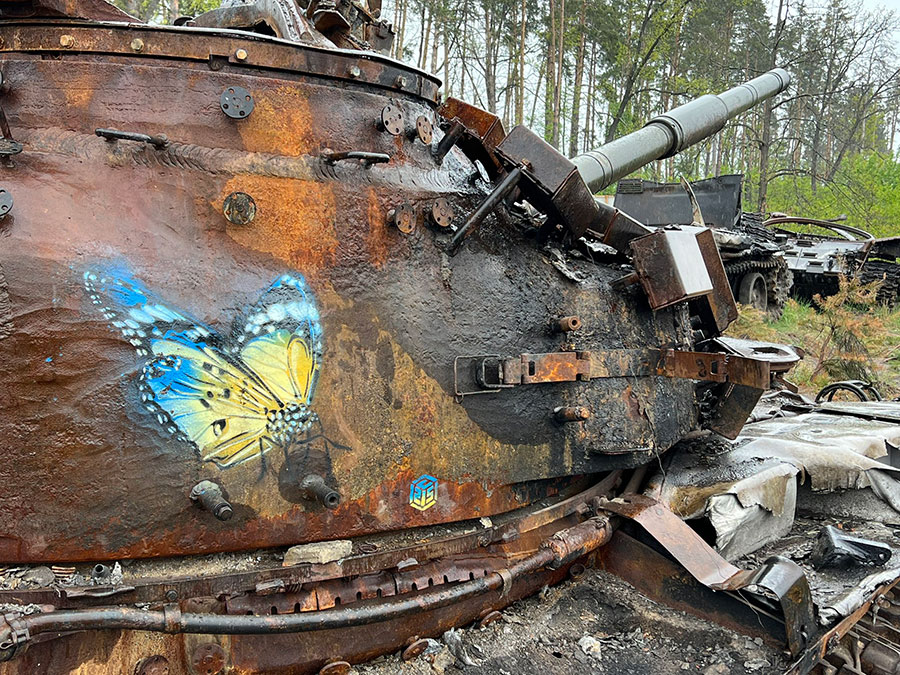
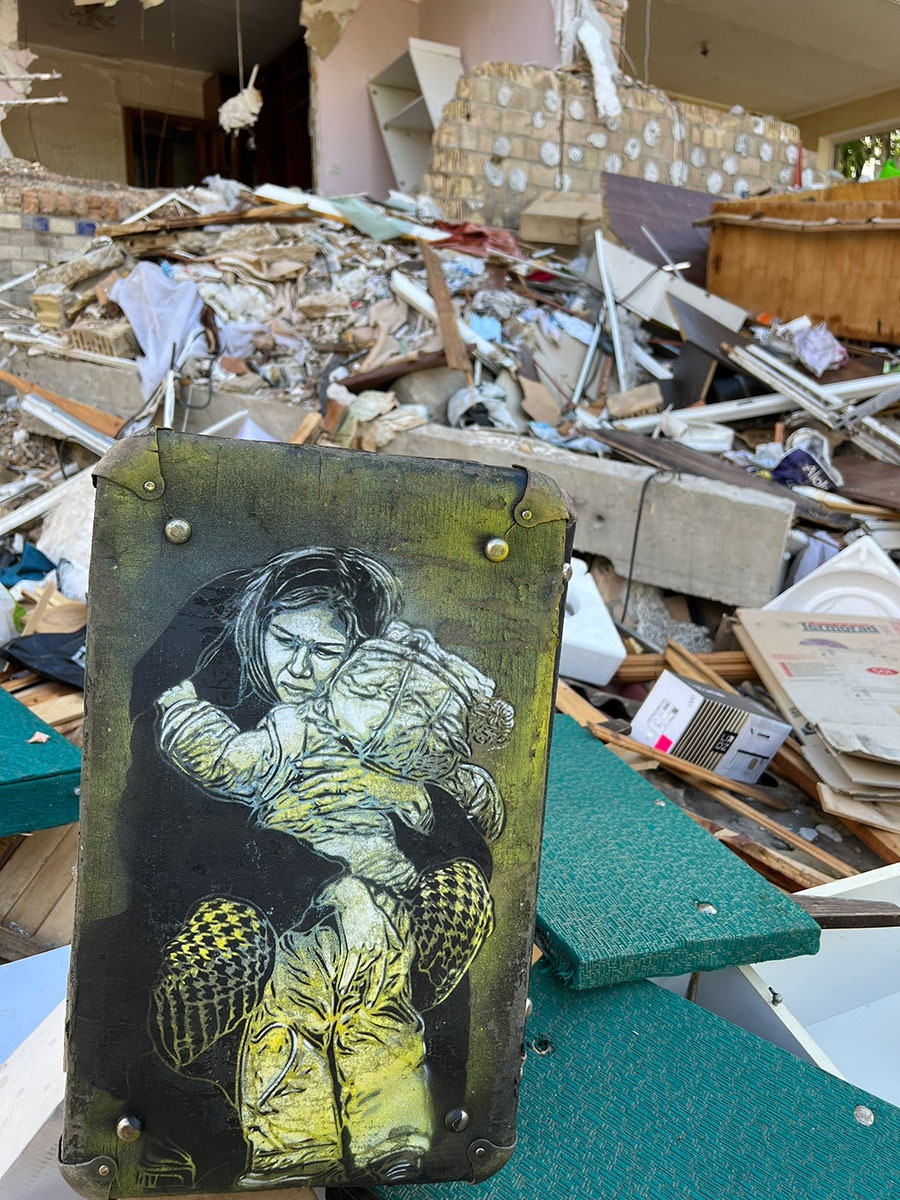
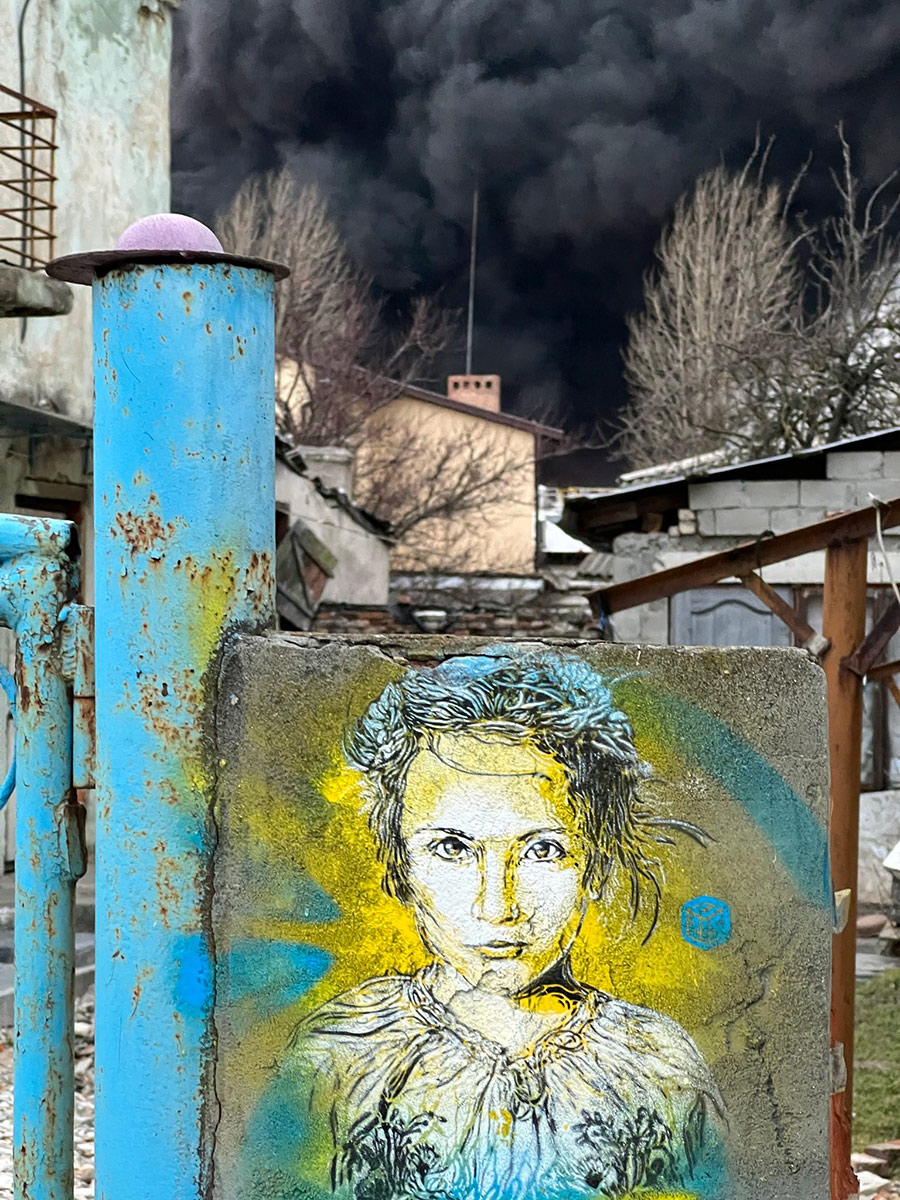
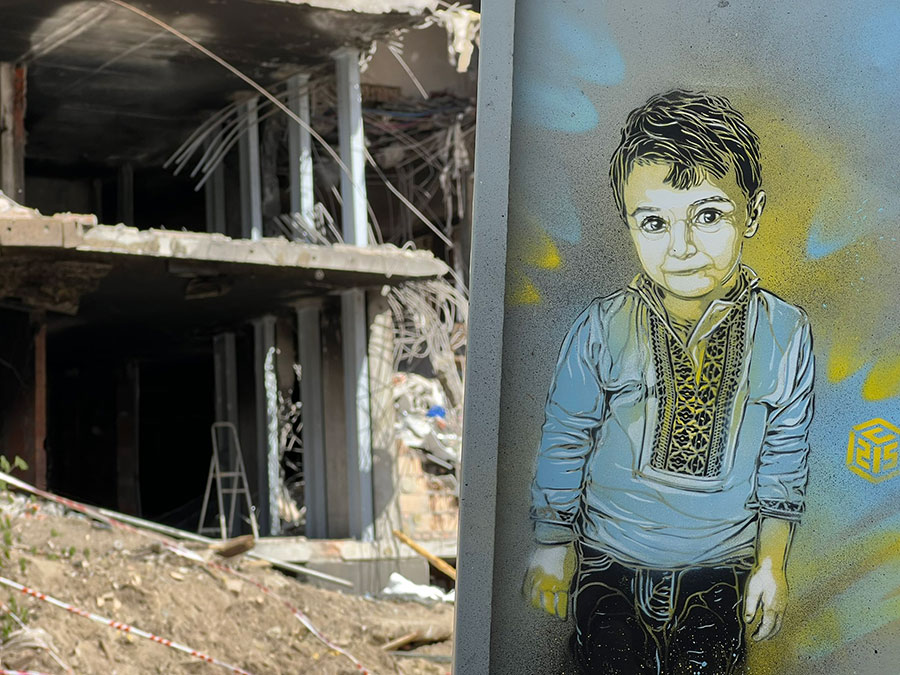
French street artist and stencil master, Christian Guemy AKA C215 shows us all the spots he painted in Ukraine this spring. As has been his passion for many years on the street, he brought art to the most unusual of surfaces and locations.
There to help people and lift the spirits of people in the middle of a war, the artist chose the street as a platform to reach out to others with his visual poetry. Going back and forth to Ukraine in March, April, and May, the artist looked for unconventional surfaces to spray his multi-layer portraits and wildlife onto the ruins of the bombed buildings, abandoned and destroyed vehicles and tanks. Here with some explanations, the artist shares his works with BSA readers.
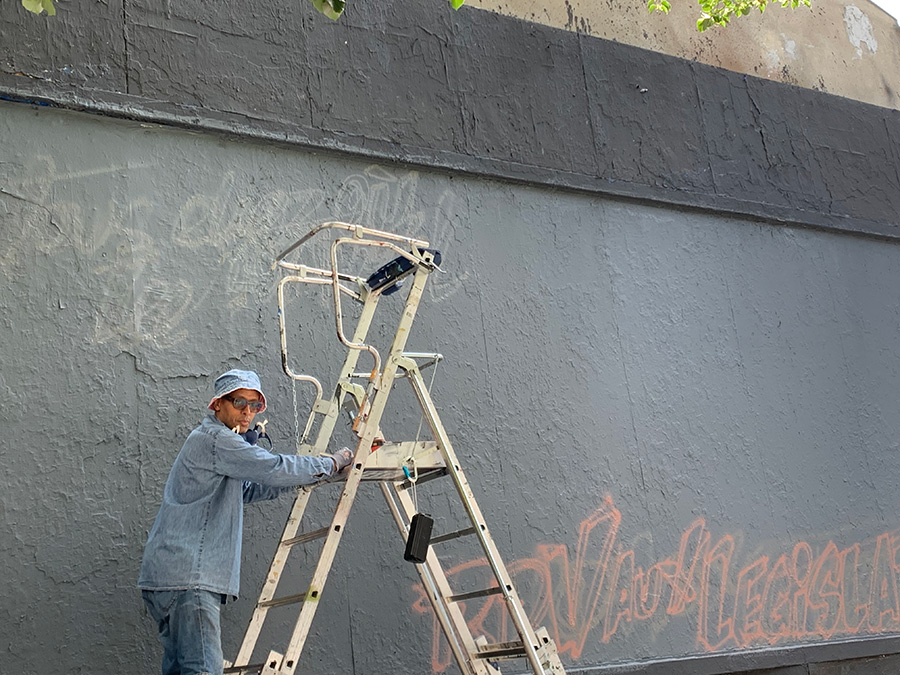
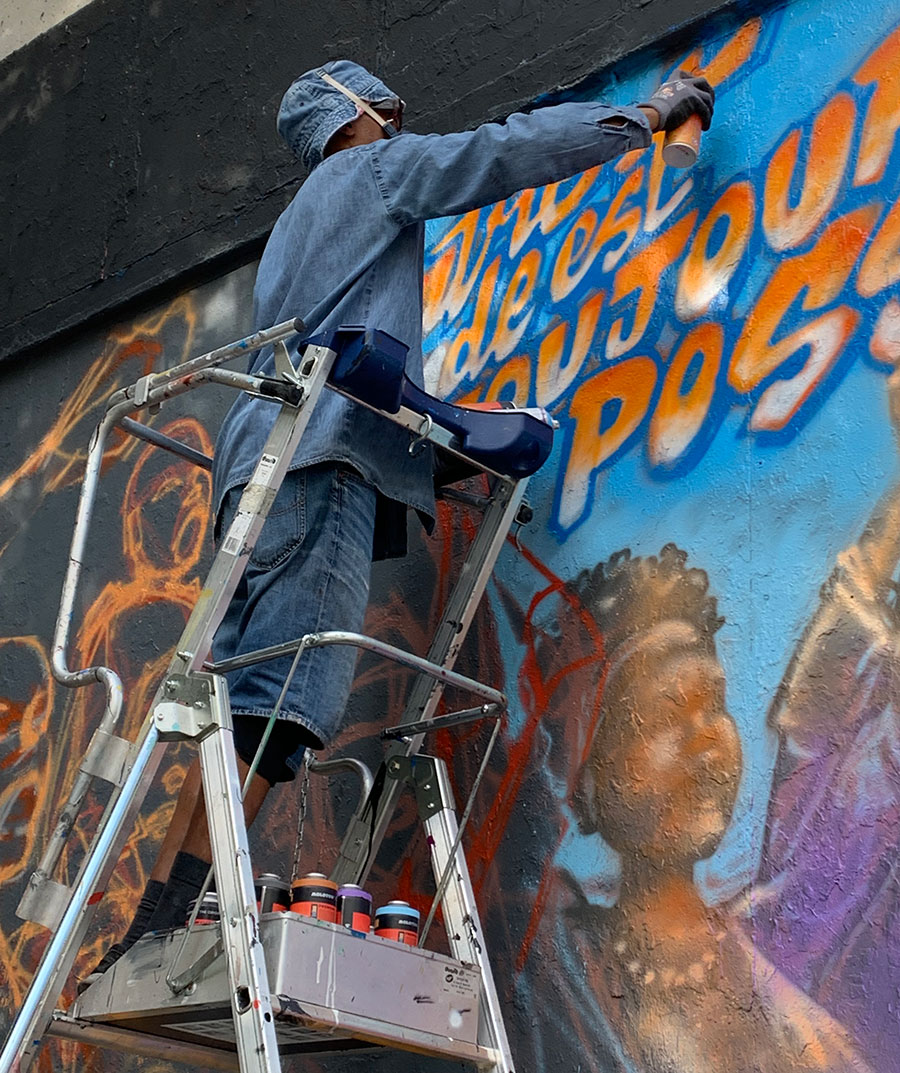
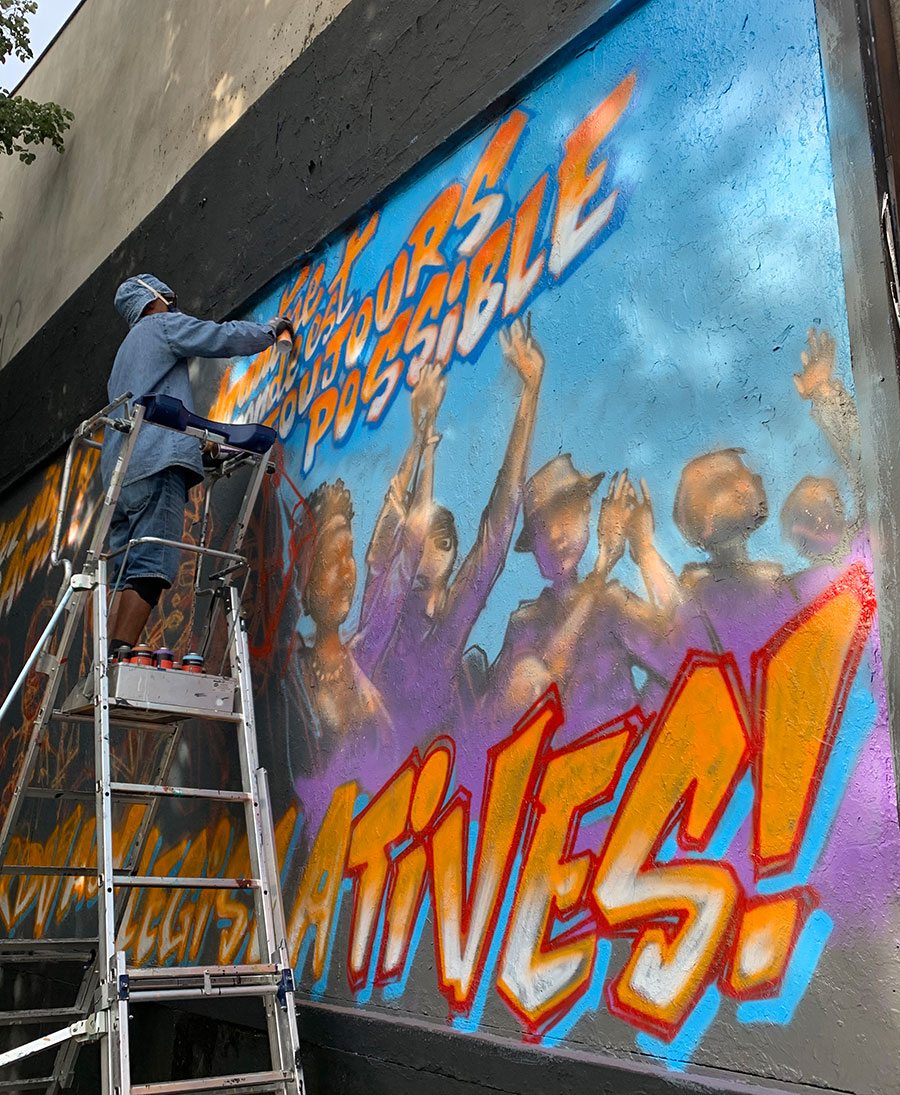
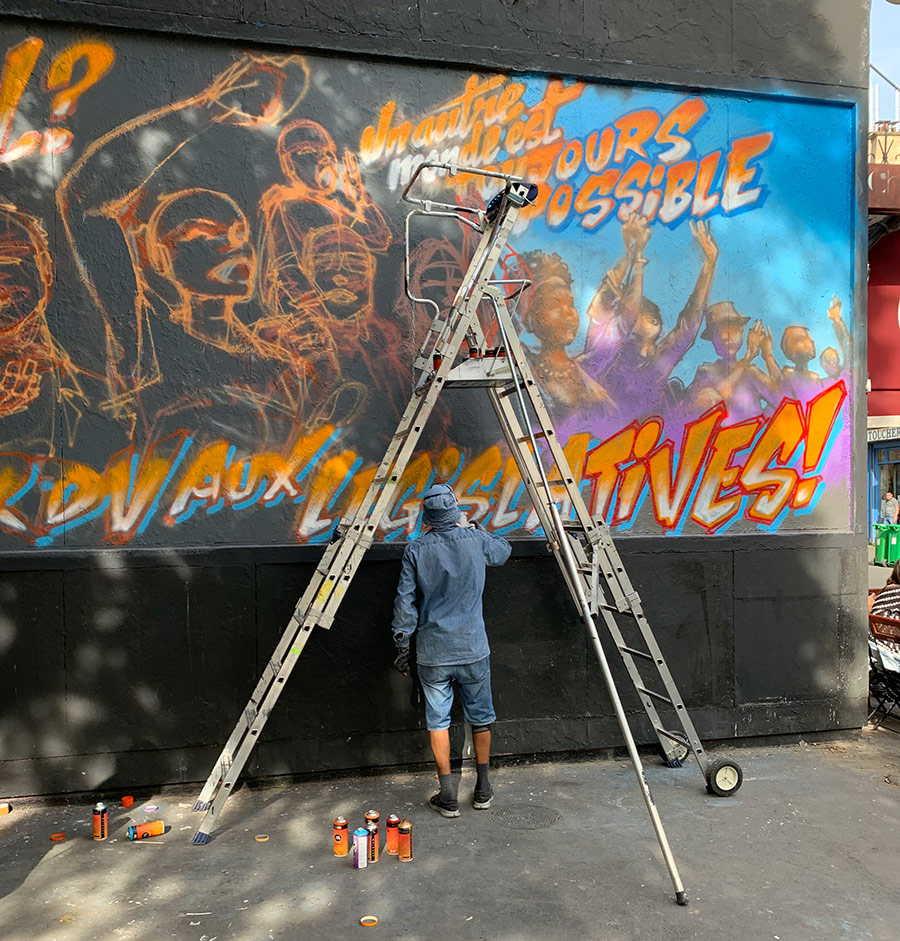
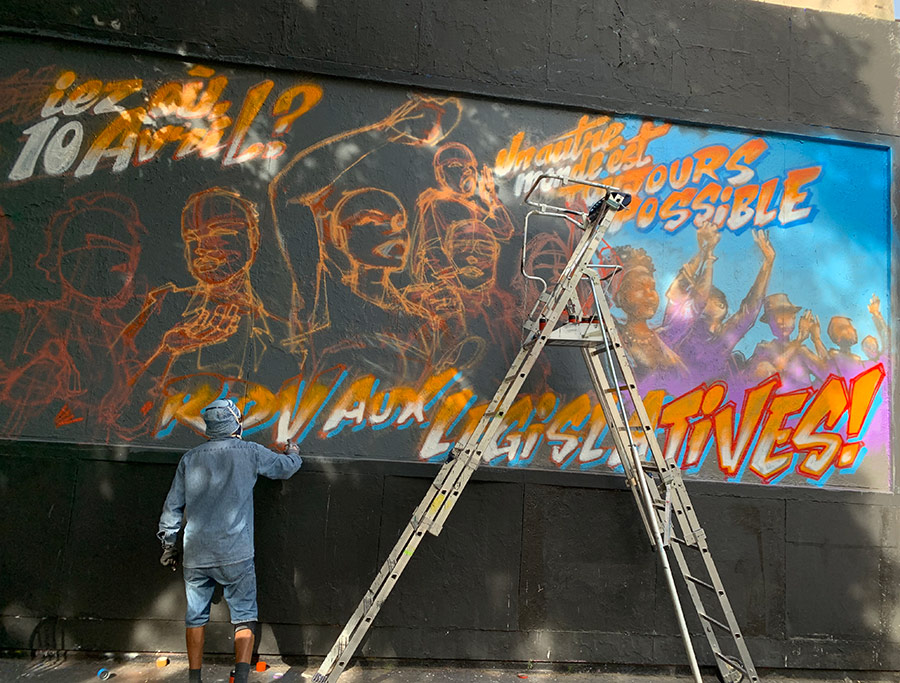
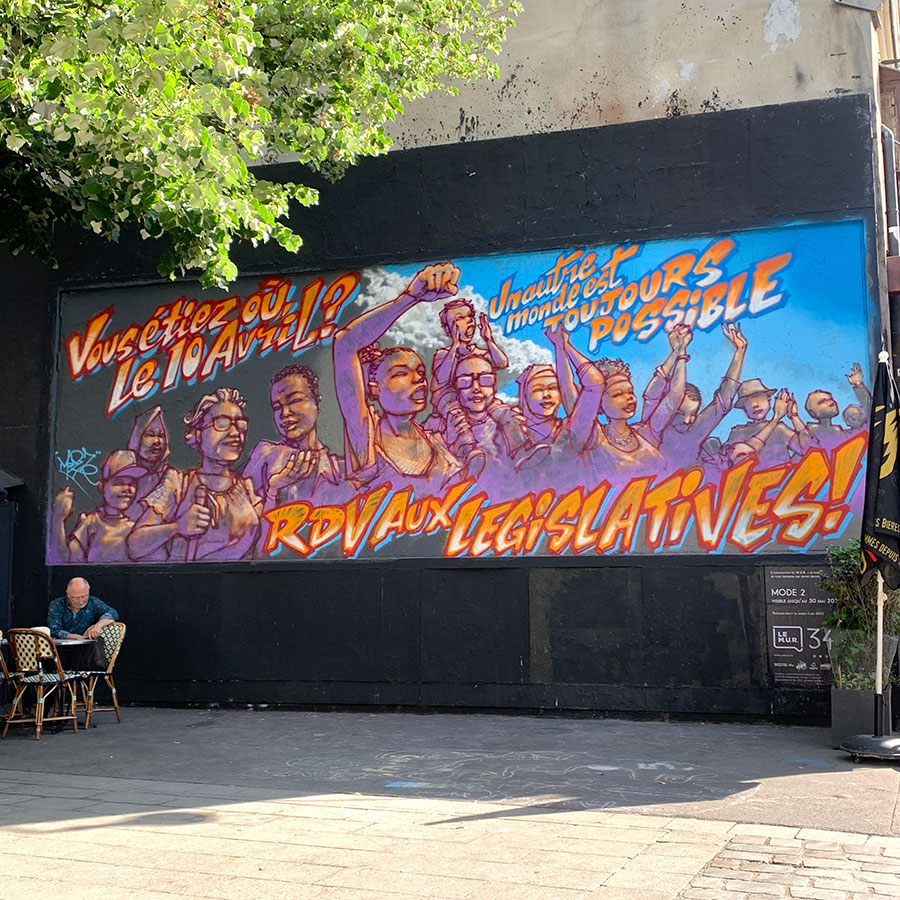
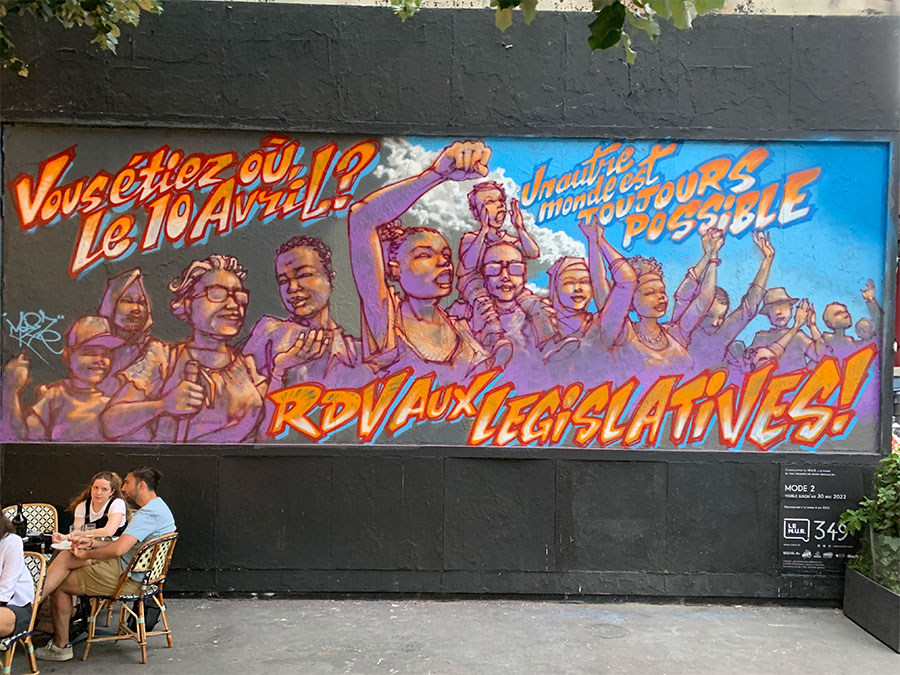
The wall at Le M.U.R. in Paris got the Mode2 treatment just ahead of the legislative elections, offering a fine opportunity for the artist to wax politically. He created his message of empowerment on this fresco during the weekend of the Urban Art Fair in Paris after laying down the design in his sketchbook, he says on his Insta account.
It was “a LONG day”, he says, as he reached for a bit of a 90s atmosphere and greeted old friends and families who came to support him, document his work, share stories, and maybe have a quick meal with him.
In our rough translation, the OG writer, painter, historian, and keeper of the flame says, “I had come on a mission, more or less, no matter the circumstances, because the times we live in require of all of our extra efforts, to try to reverse the status quo that has been rotting our existence for more than four decades.”
Our many thanks to BSA contributor Tor Staale Moen for sharing his photos of Mode2 in action at Le M.U.R. in Paris.
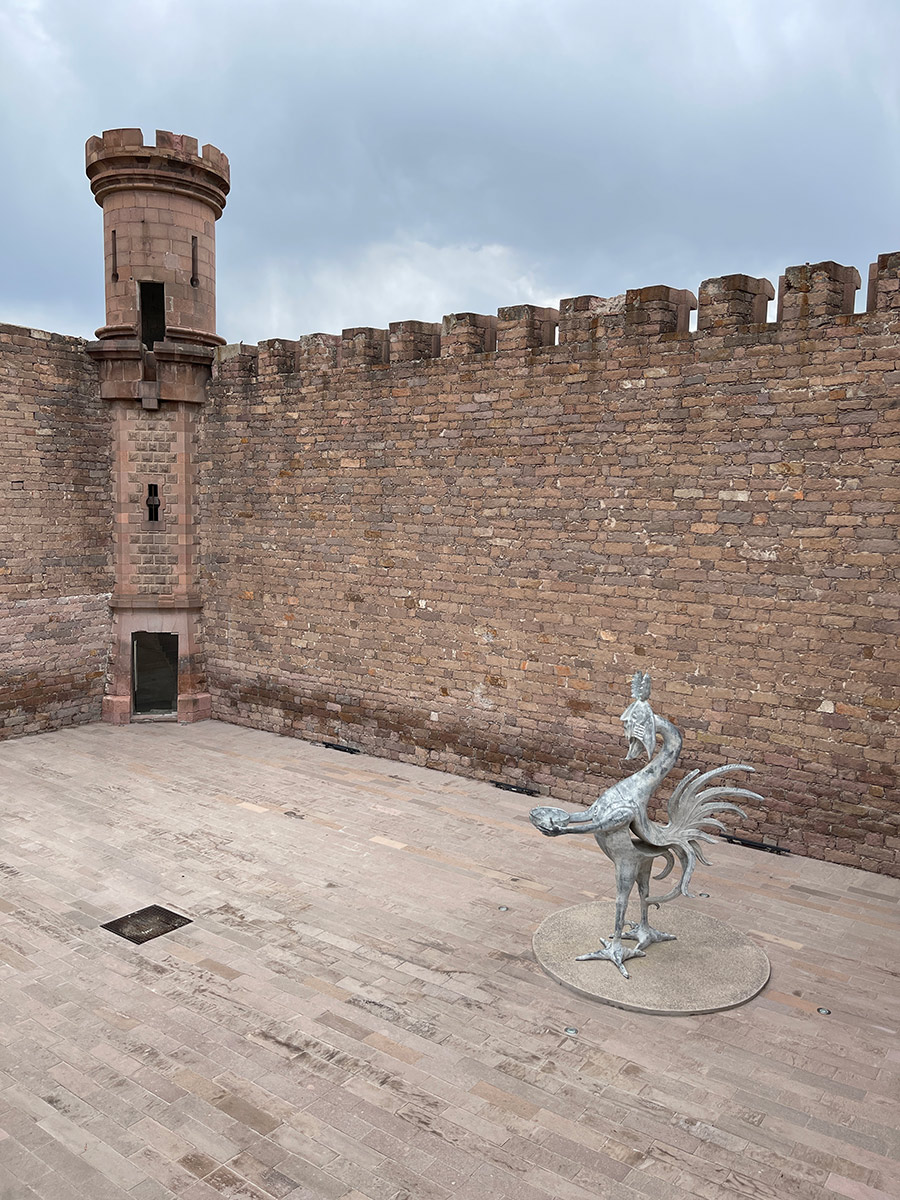
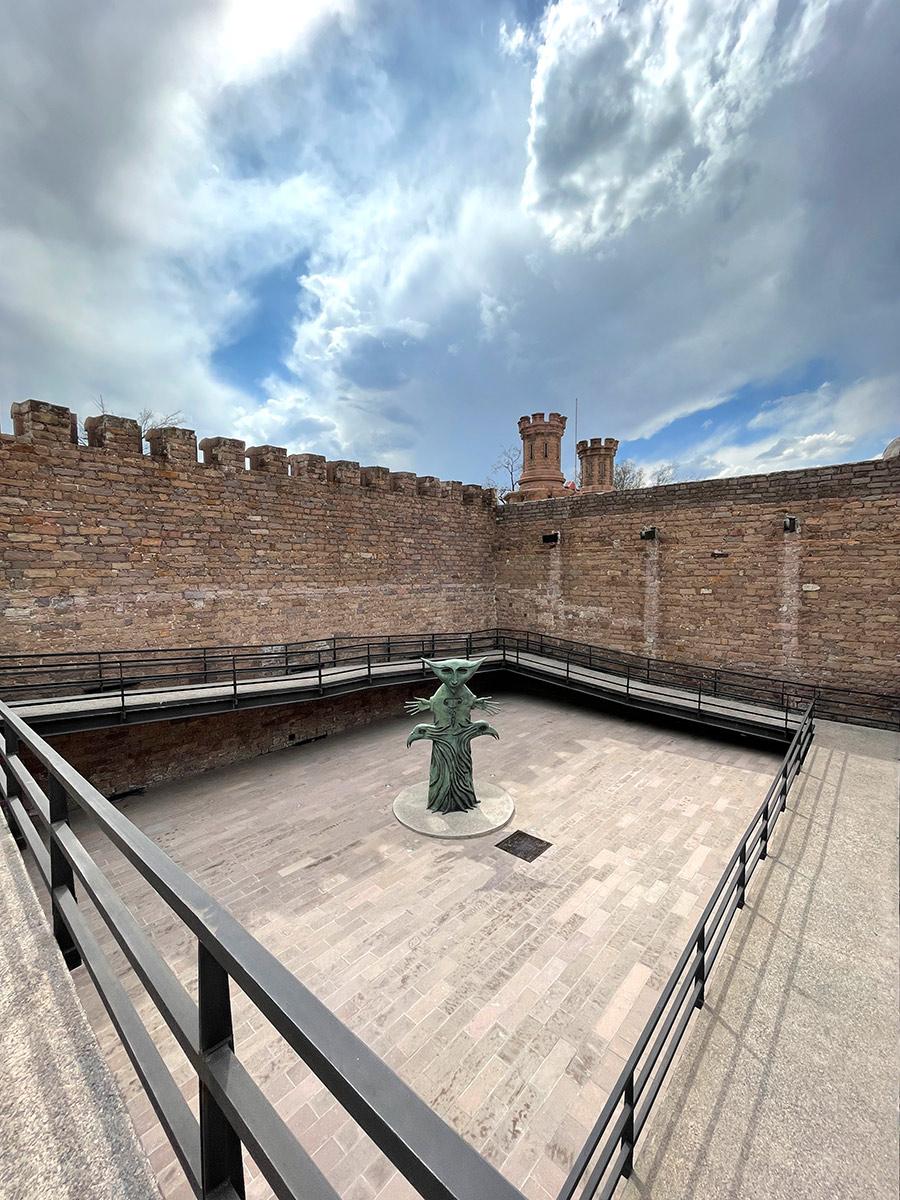
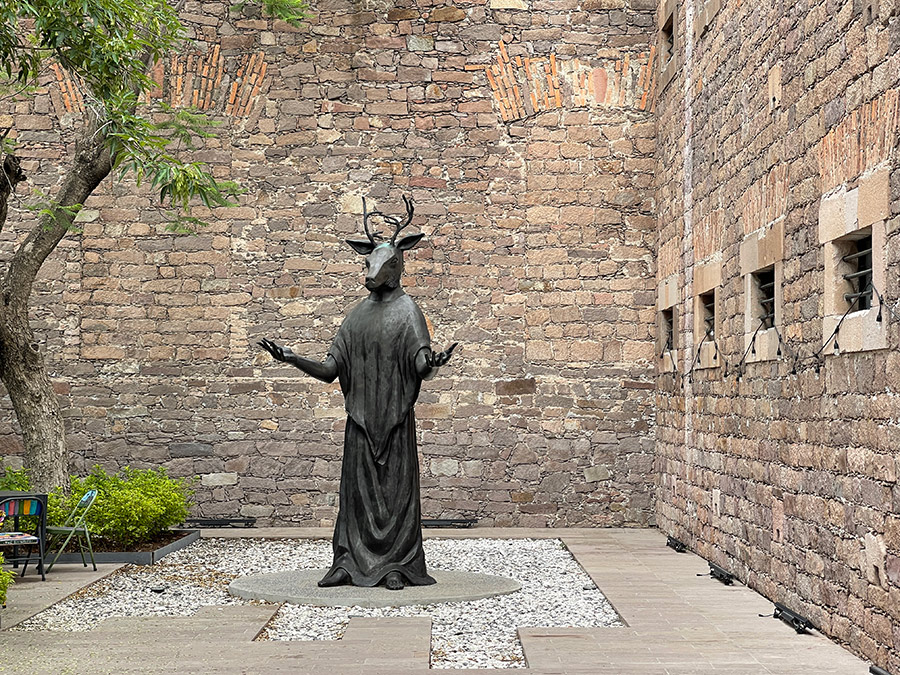
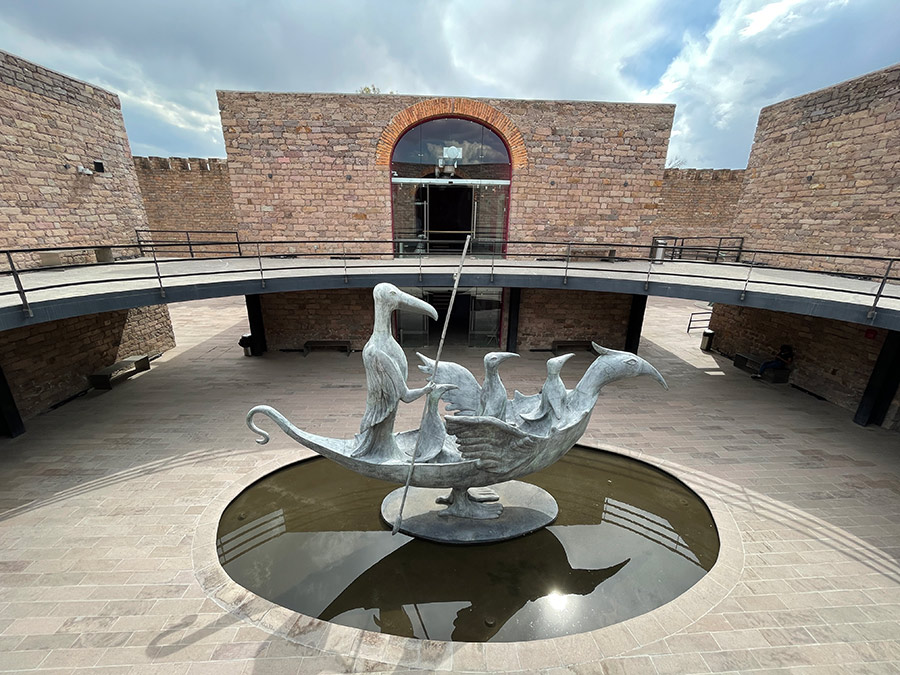
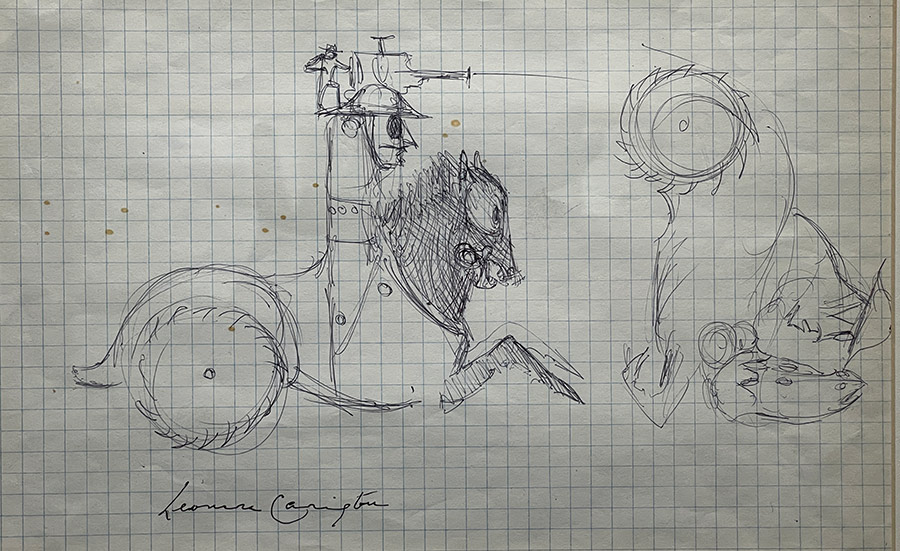
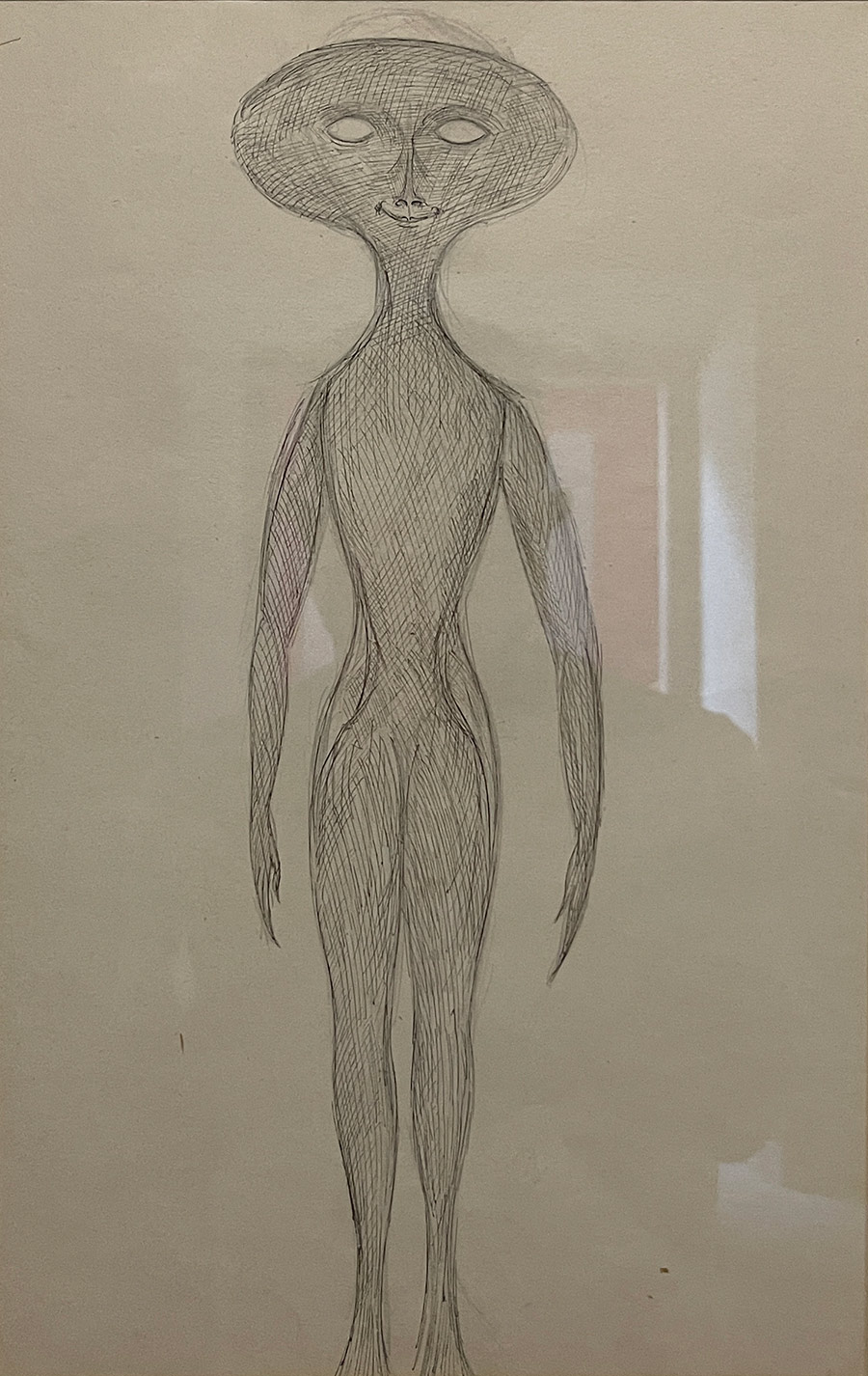
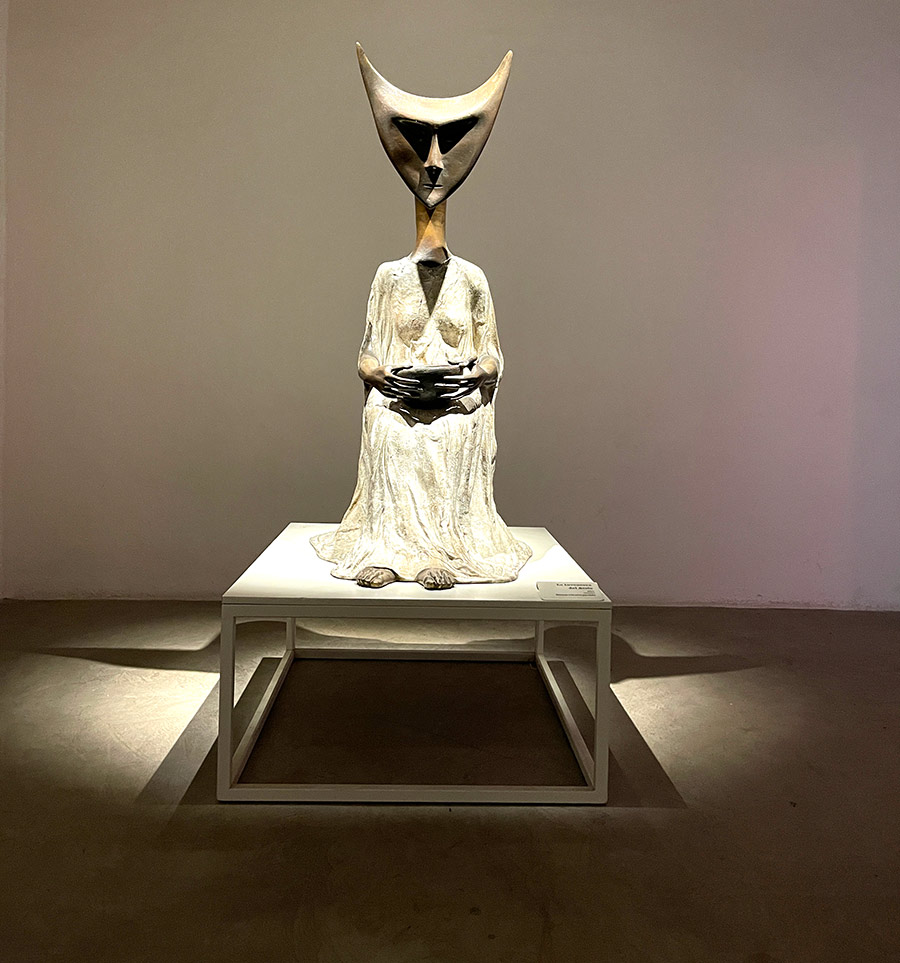
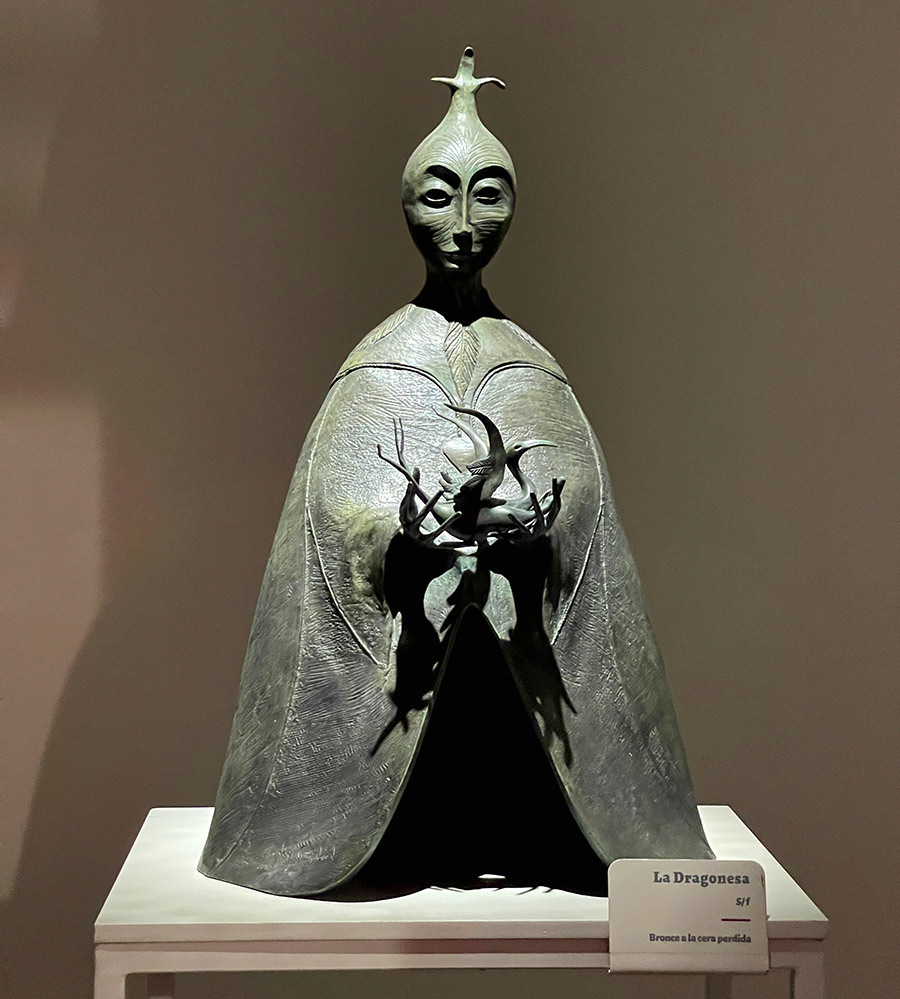
Was Leonora Carrington revealing to us a world of creatures that once existed in our world which we evolved from, or was she following the natural indicators that she sensed to predict the world and people that we would eventually become?
I don’t know if I’m inventing the world I paint,” said the Mexican surrealist Leanora Carrington, “I think rather it is that world that I invent myself.”
Was she being a coy artist, or was she empowering each of us with the ability to bend the arc of time, to alter the future with our imaginations?
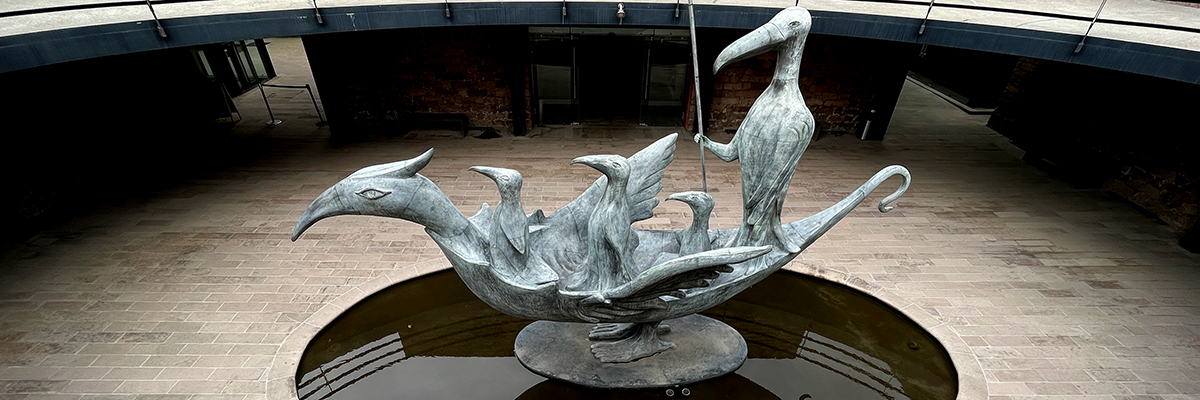
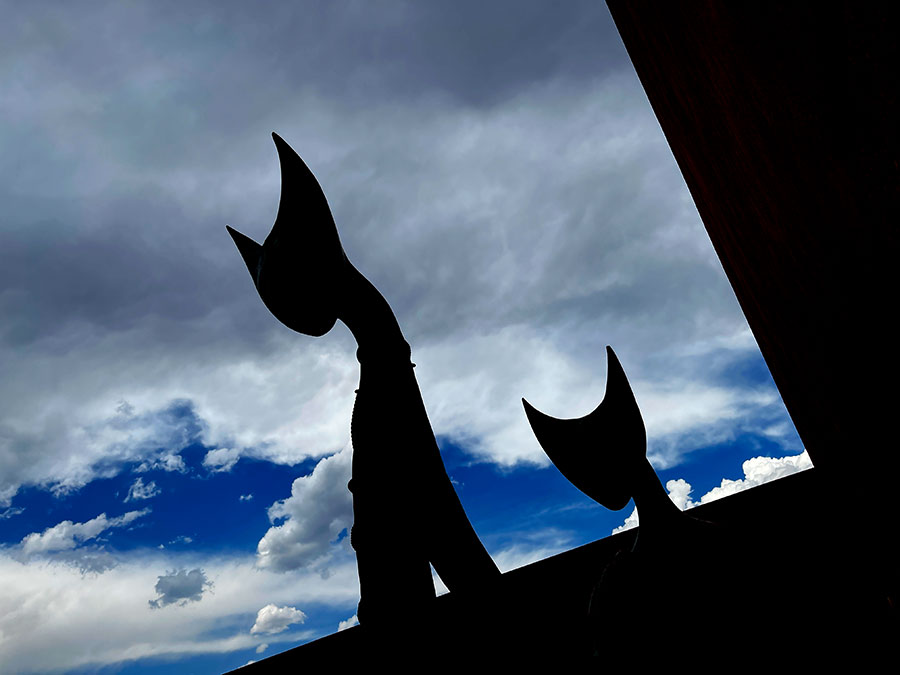
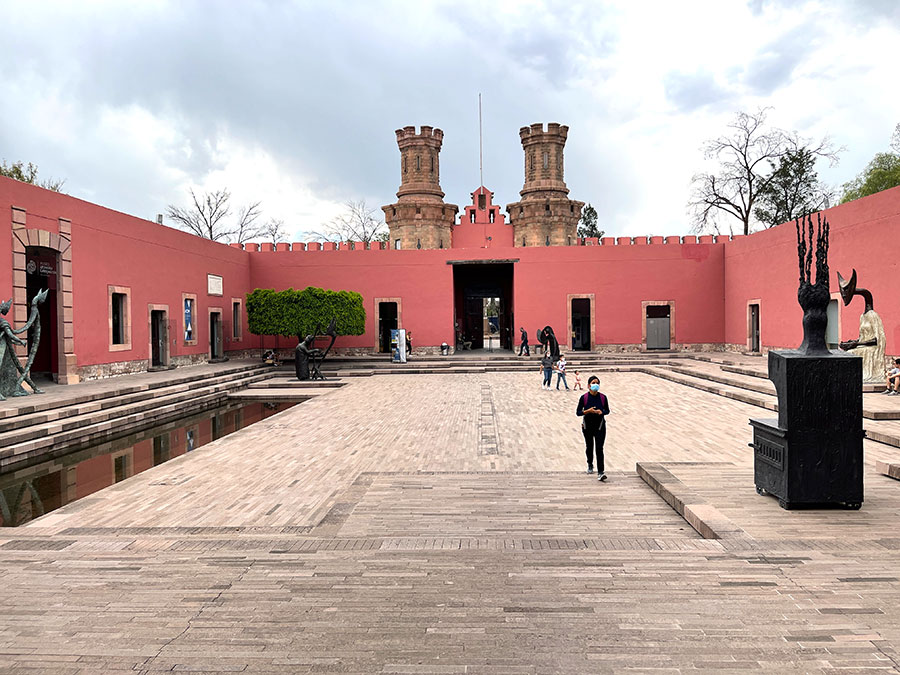
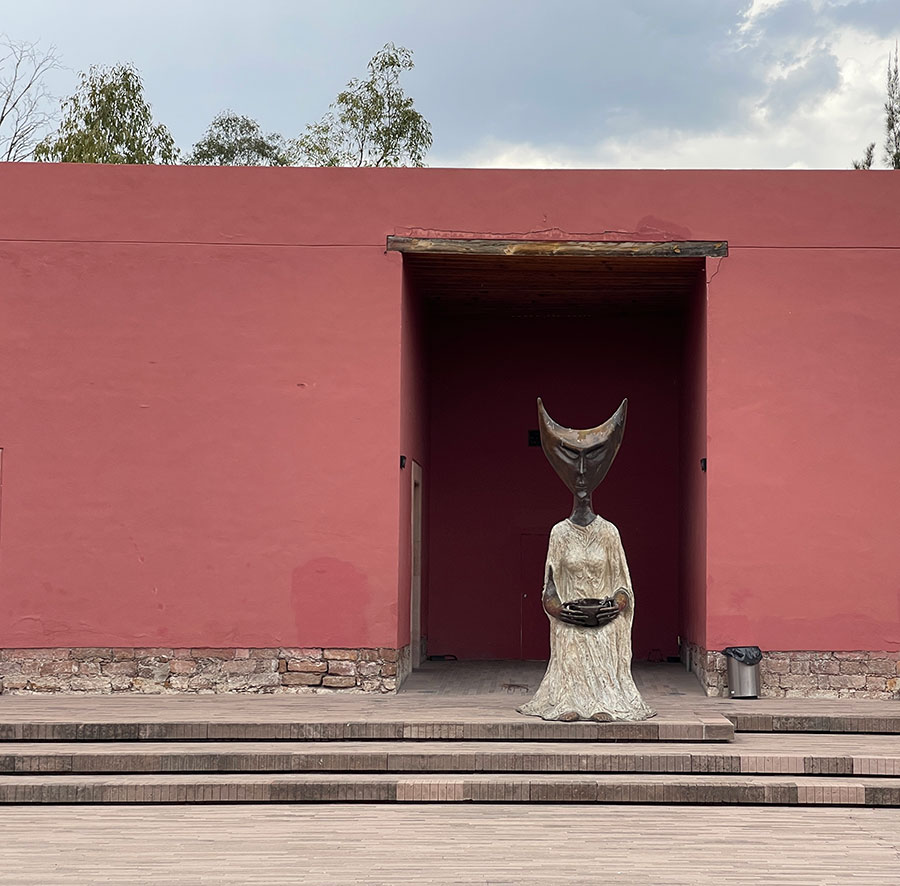
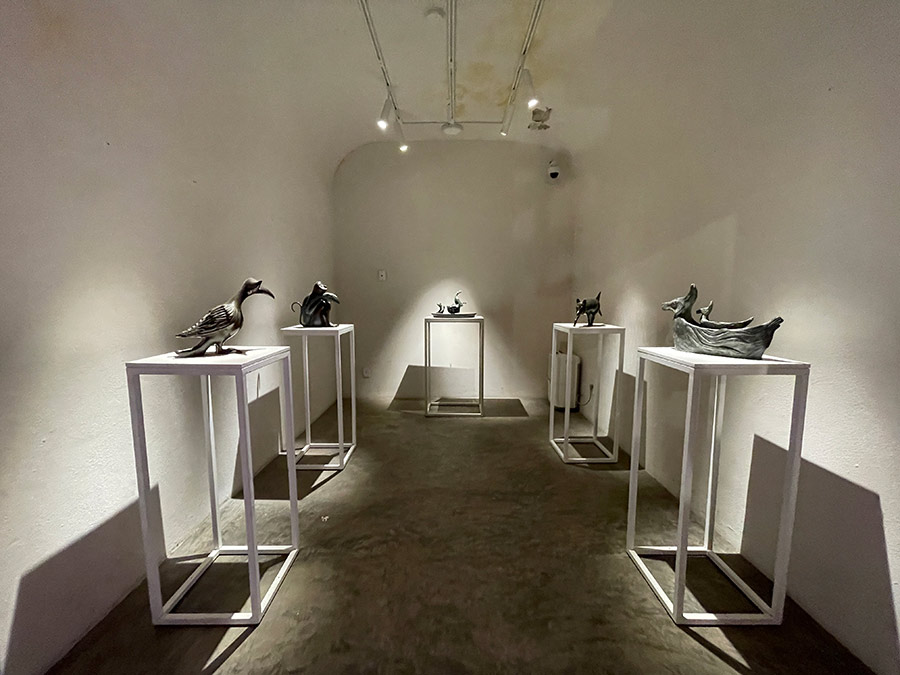
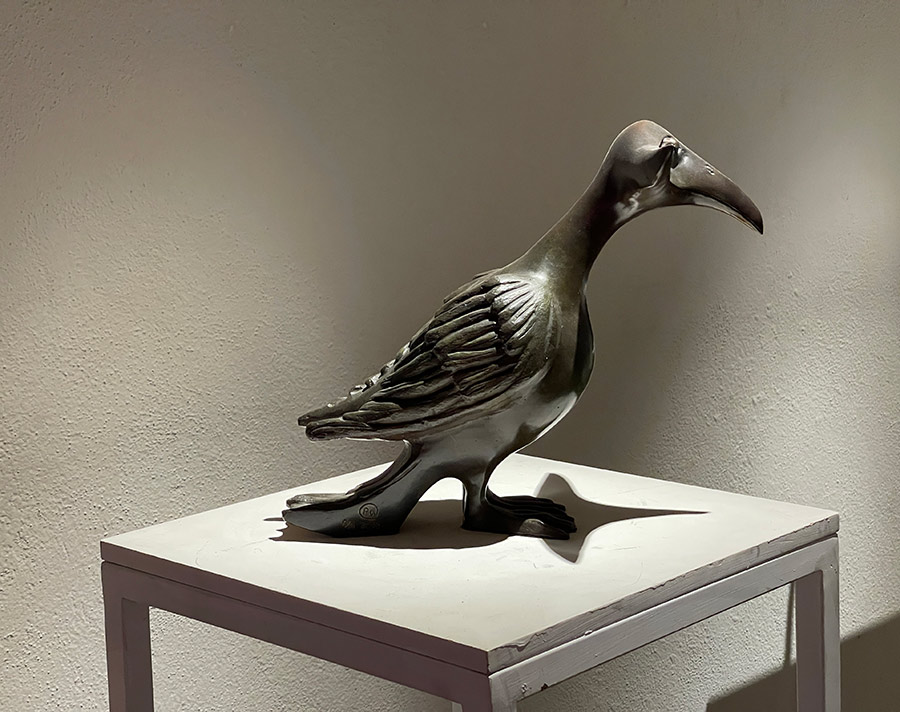
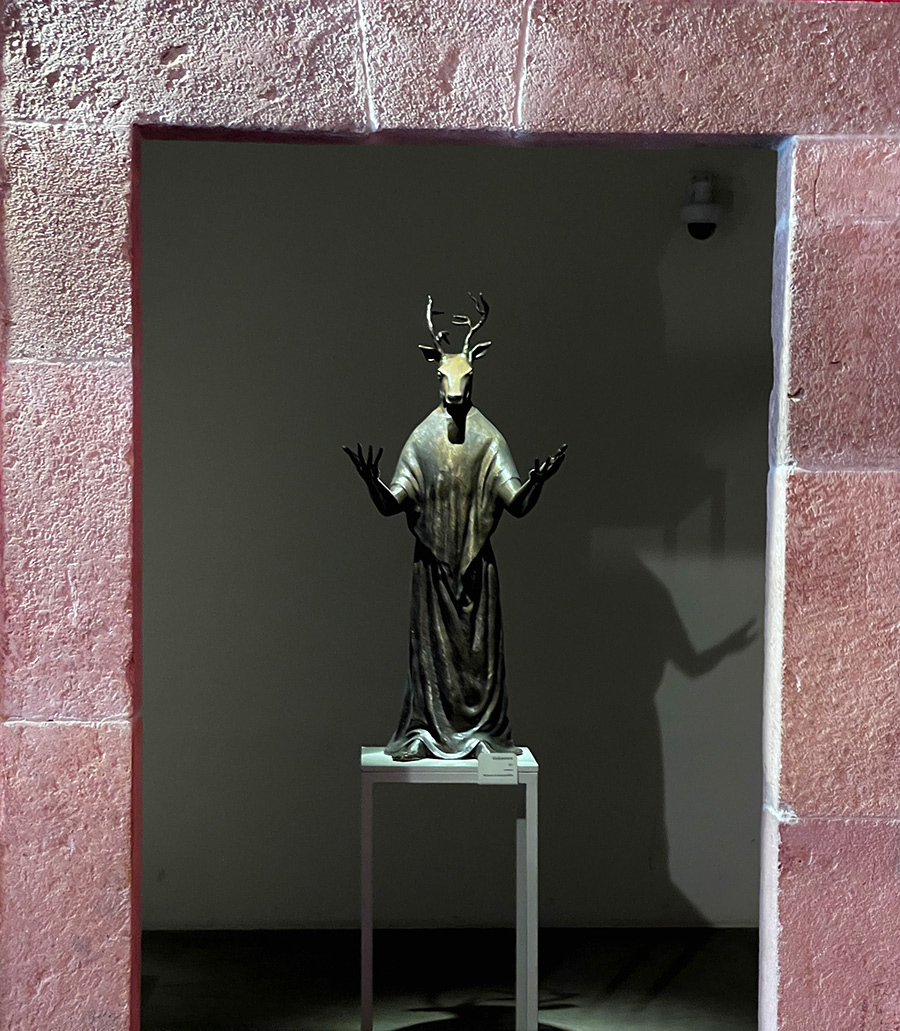
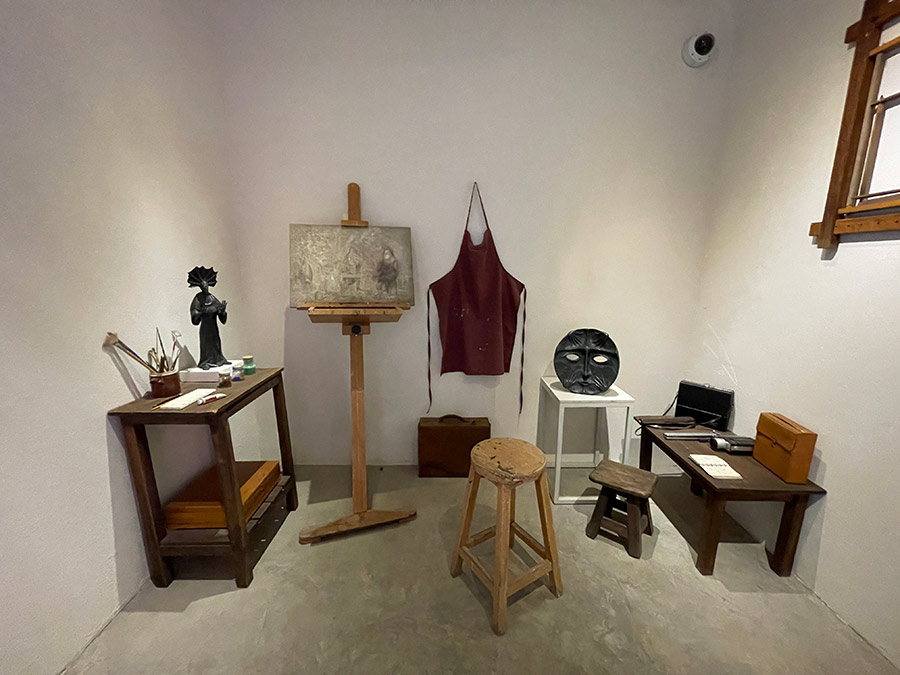
A recent visit to the Centro de las Artes San Luis Potosi in Mexico gave us the opportunity to see a collection of her astounding otherworldly sculptures and drawings and to appreciate her mind’s suggestions in a fully dimensional way.
“Art is a magic that makes the hours fade and even the days dissolve in seconds,” she said.
The 1940s in Mexico sprouted surrealism in art and literature that met, rivaled, and sometimes superseded the movements of Dali, Breton, and Ernst. The British-born Carrington was a surrealist painter and novelist, living most of her adult life in Mexico City, a five-hour drive south of here. Considered one of the last surviving participants of the surrealist movement of the 1930s, this country hosted a legion of artists embracing the surrealism and spreading the magic realism equally through literature and painting with names like the poet Octavio Paz, painters Alfonso Michel, Carlos Orozco Romero, Frida Kahlo, Diego Rivera, sculptor Luis Ortiz Monasterio, illustrator Roberto Montenegro, David Alfaro Siqueiros…
Industrial, post-industrial, and mechanized worlds were de-humanizing humans, pushing children into factories, de-naturing the natural world, compressing minds into chattel, steering humans into ovens, and giving them wings to fly high above the Earth – offering a continuous economic boom, followed by a bust, followed by a boom. Nothing has made much sense since then.
So it was little surprise to see the families at this exhibition in a former prison, the teens posing for selfies with figures that have animal heads, webbed appendages. Carrington’s references to sorcery, metamorphosis, alchemy, the occult and Celtic mythology blend magically into this country’s fixations- a native people’s psyche destroyed by the European invader, and Catholic church’s full-sized portrayals of the tortured, bloody body of Christ displayed in town after town – sometimes alongside the mystical hallowed figures that are so frightening as to evoke supervillans, or Phil Collins.
There is a strange logic to all of Carrington’s creatures – today grown adults wear similar costumes to conventions, and young men bomb villages in the Middle-East while sitting in a basement thousands of miles away. Are these wild frightful creatures what we were, what we are, or what we will become? Carrington is merely helping you imagine.
“Let’s dial down the rhetoric. Let’s work sincerely to negotiate a cease-fire. We need serious diplomacy” said no one who profits from war.
Ka-ching!
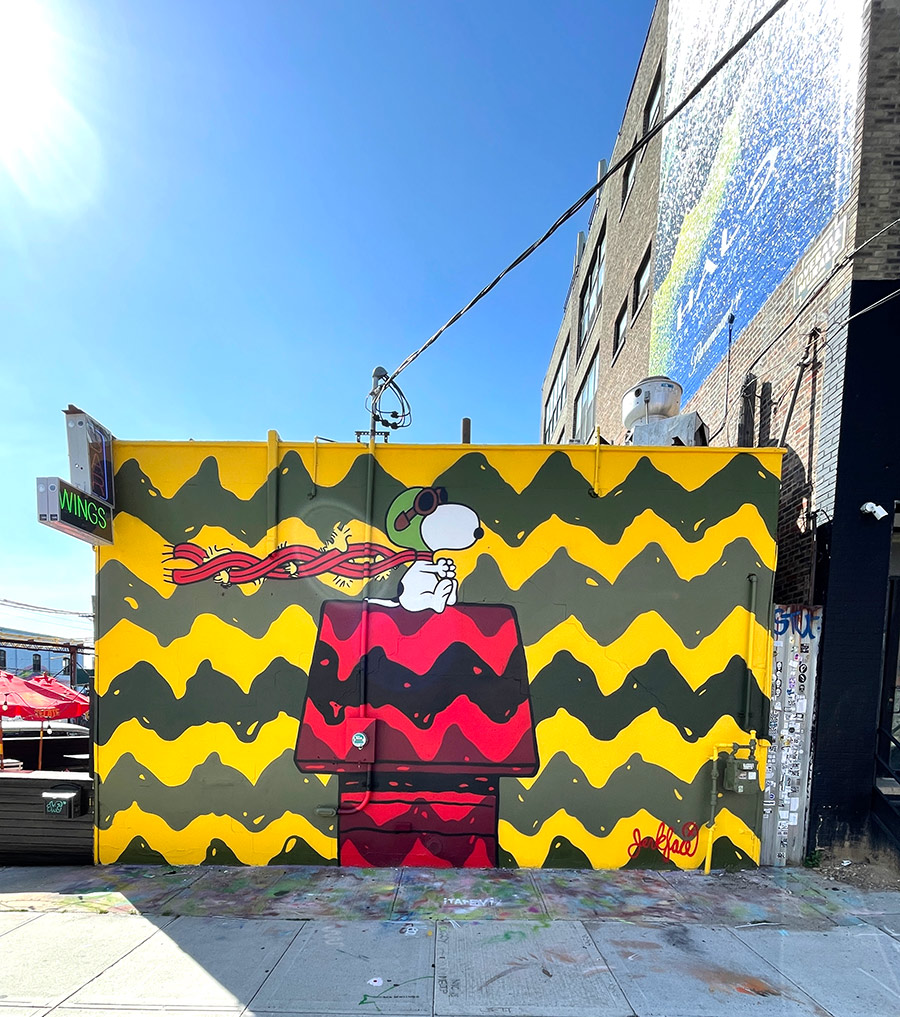
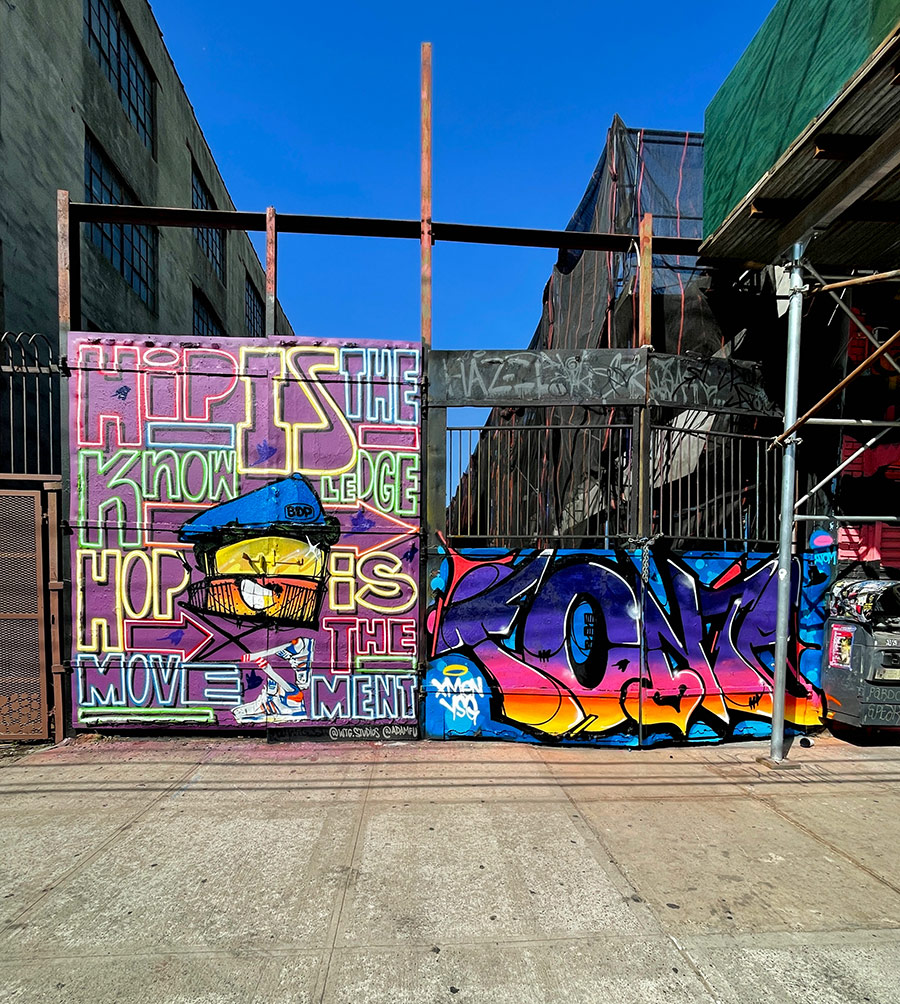
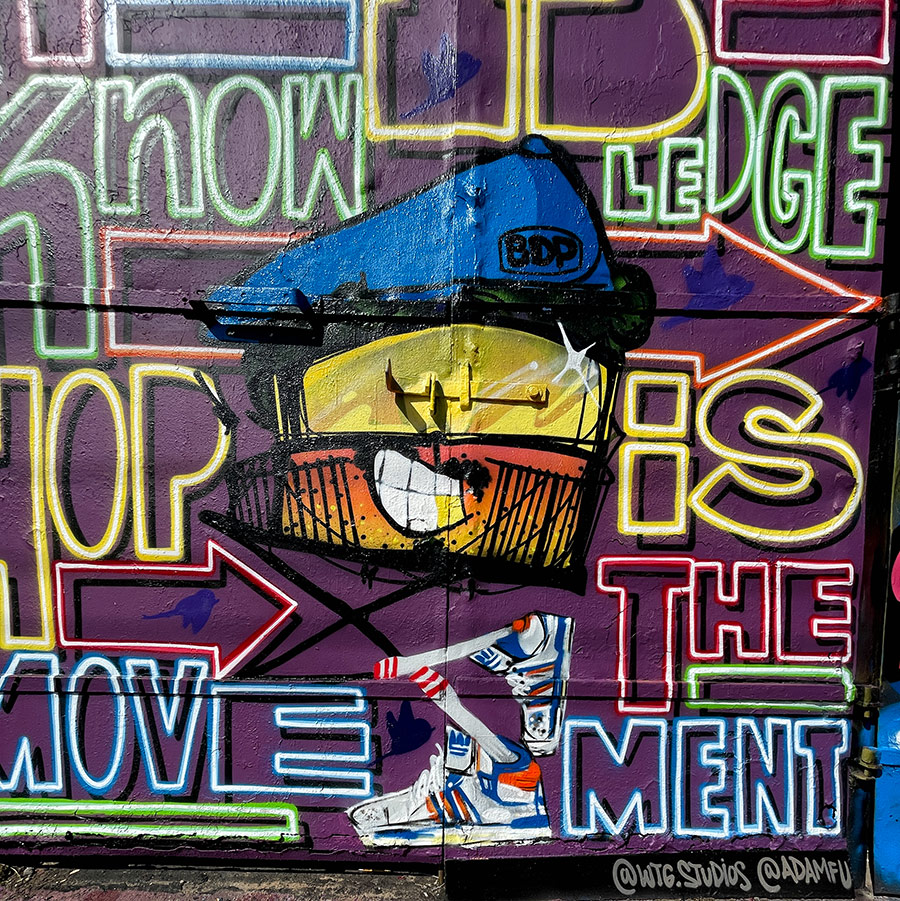
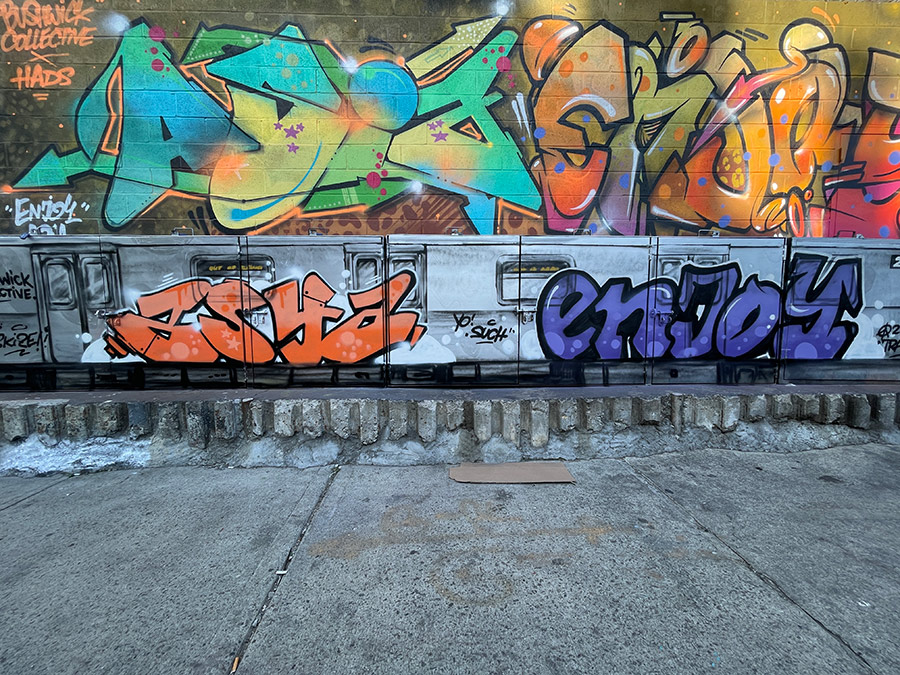
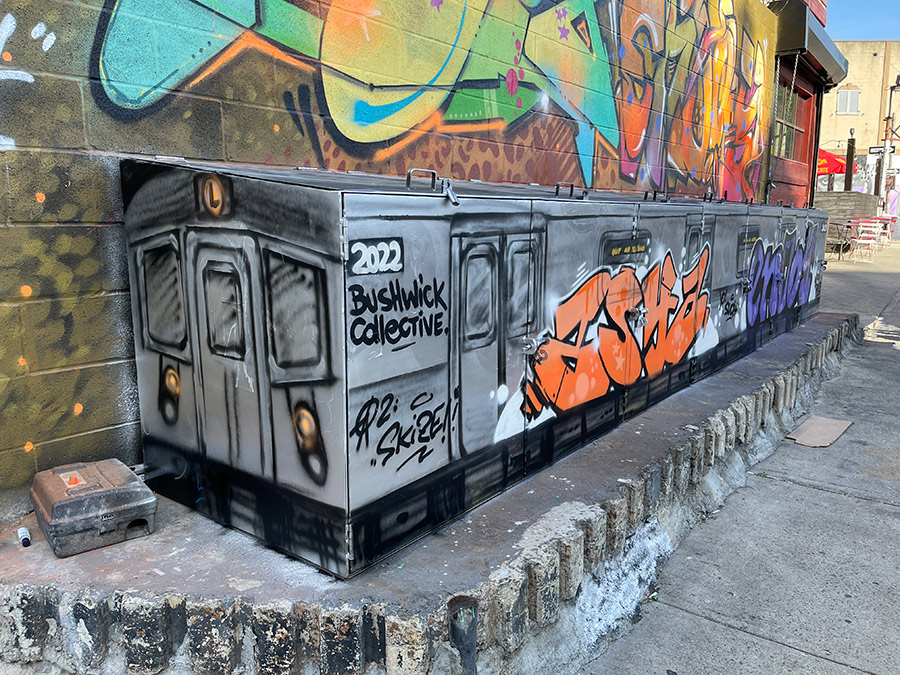
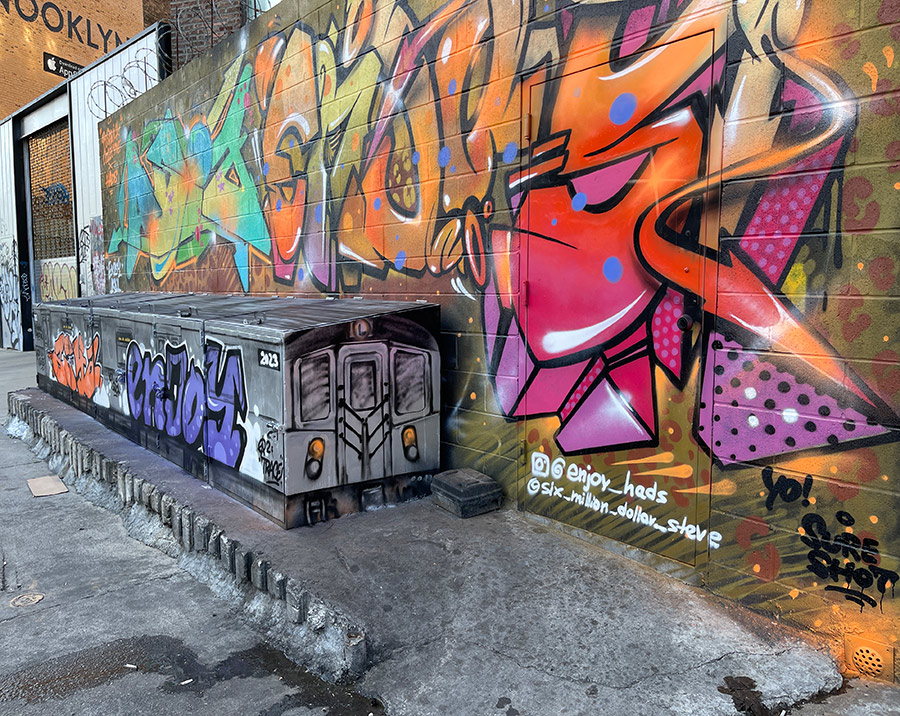
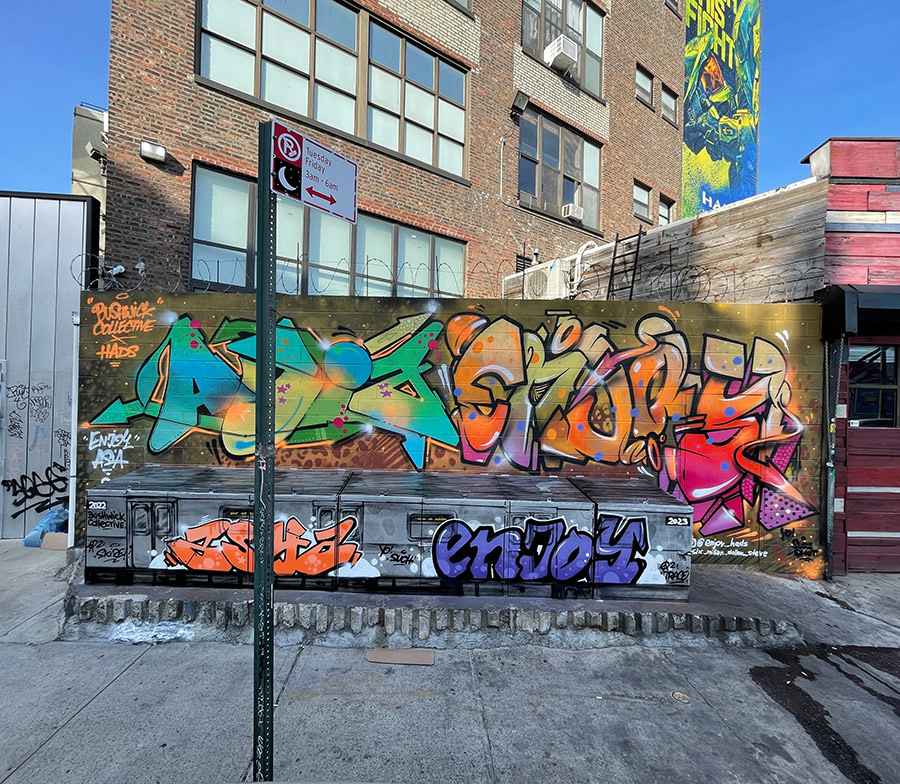
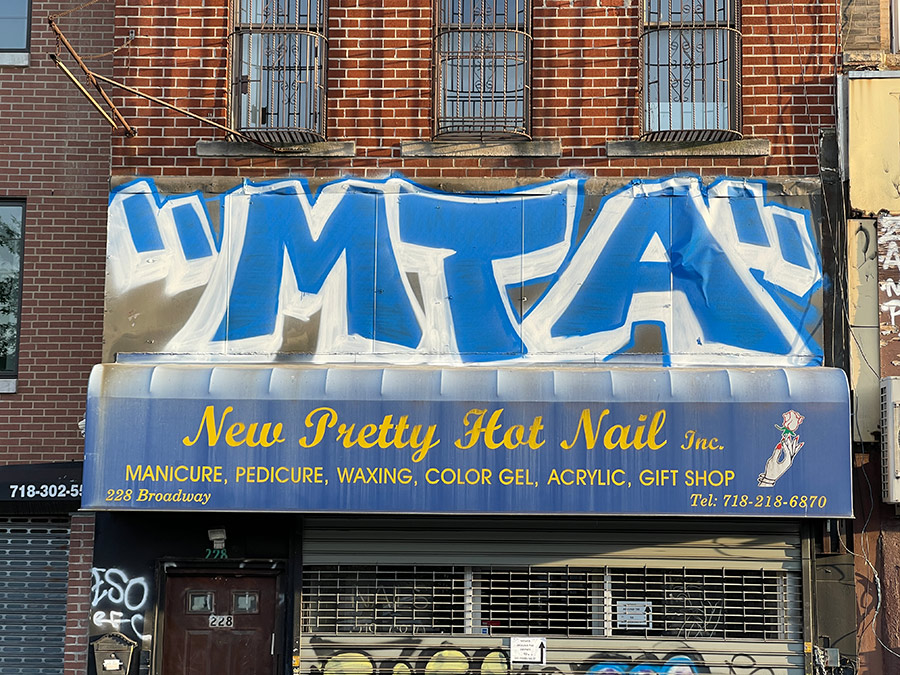
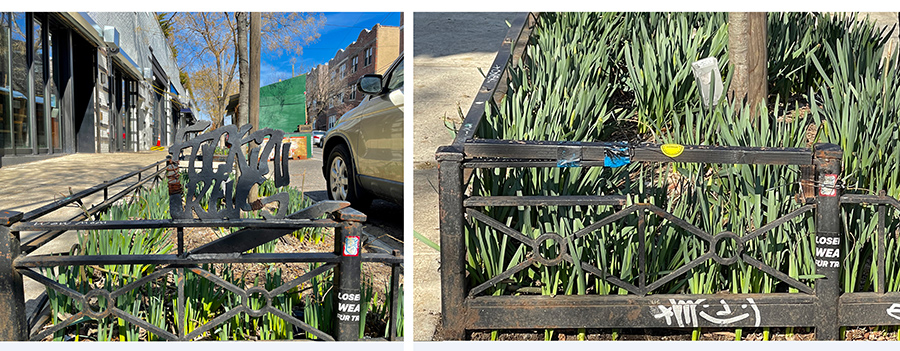
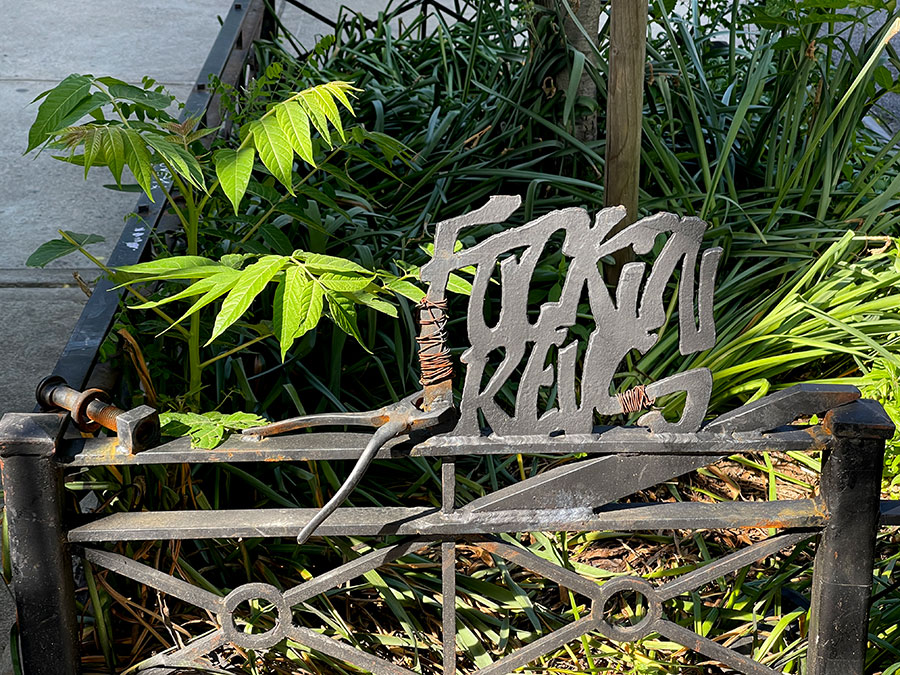
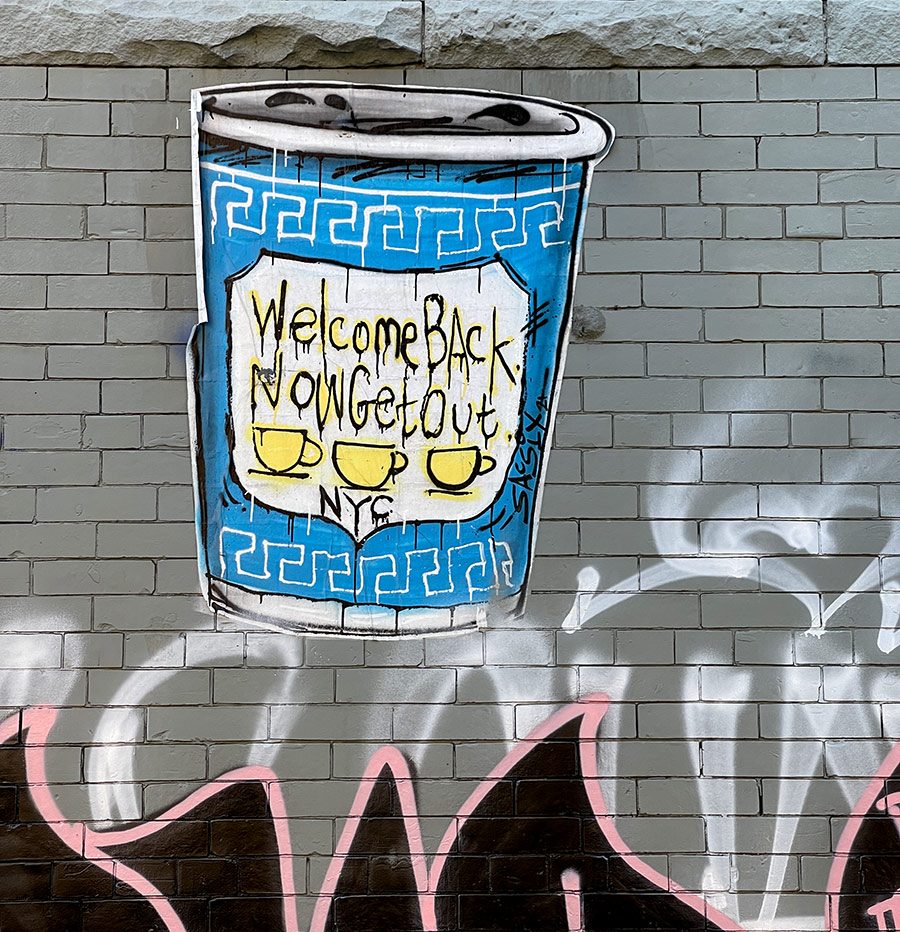
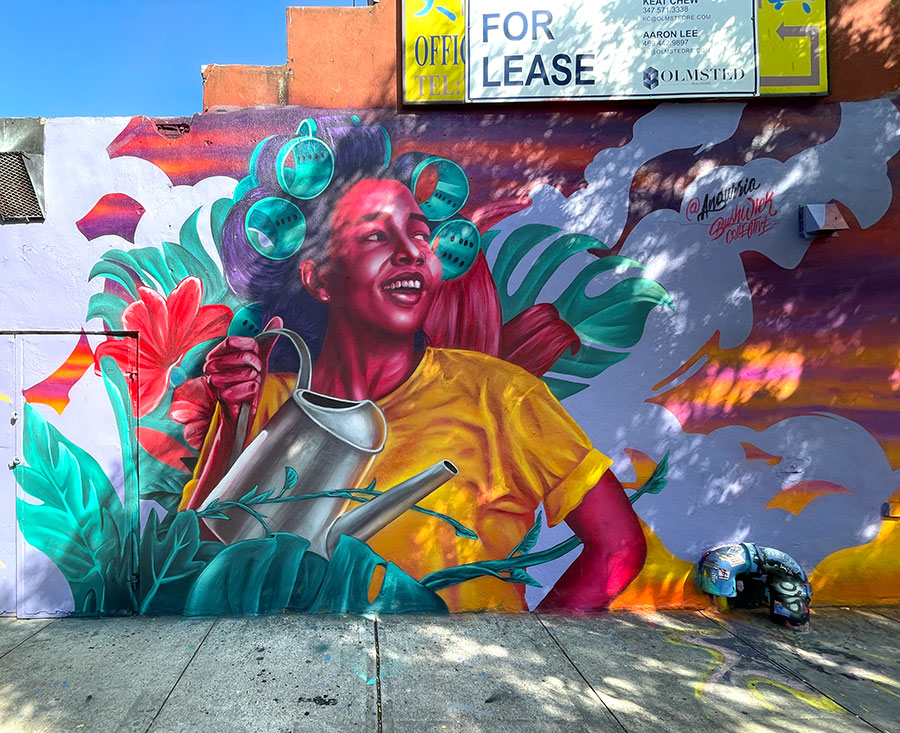
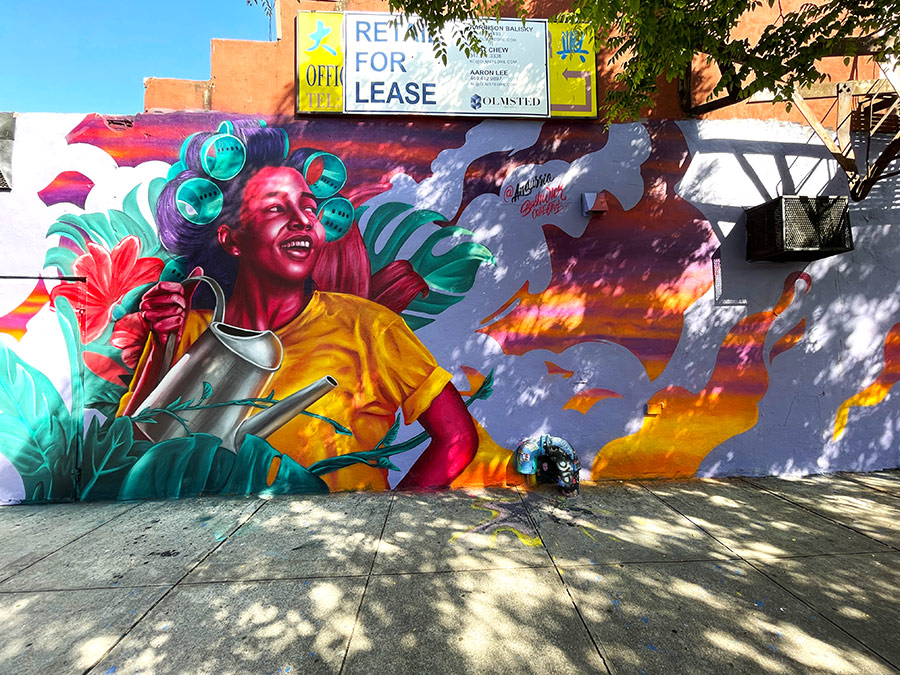
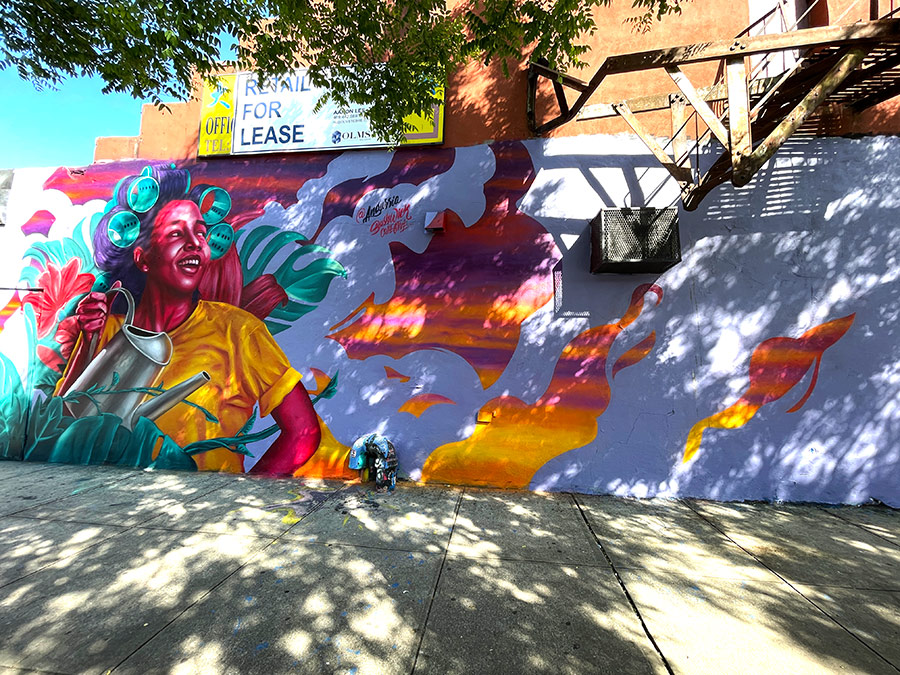
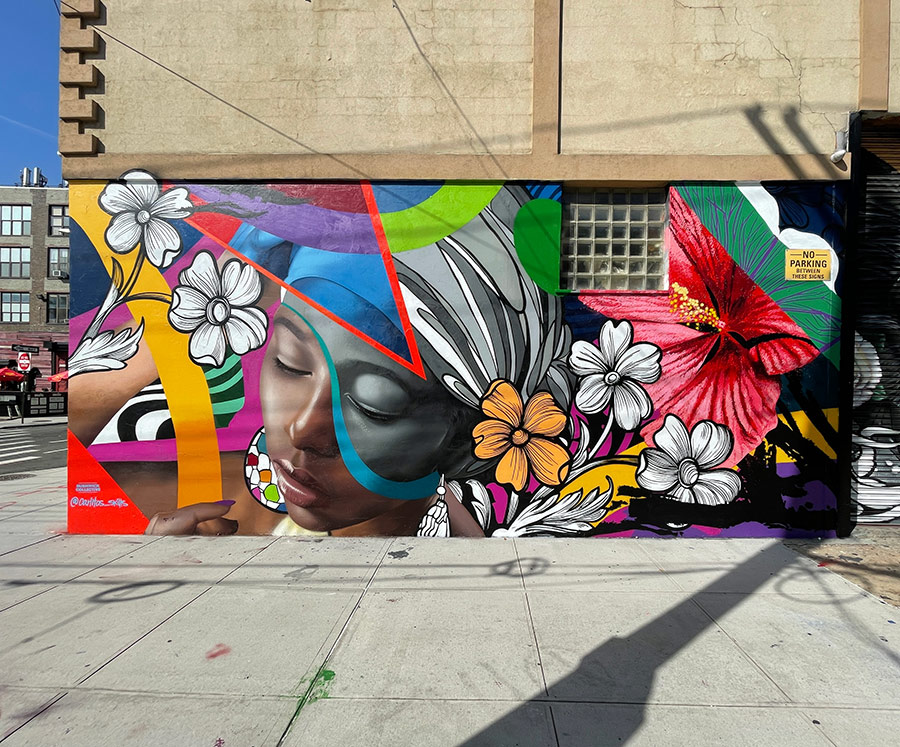
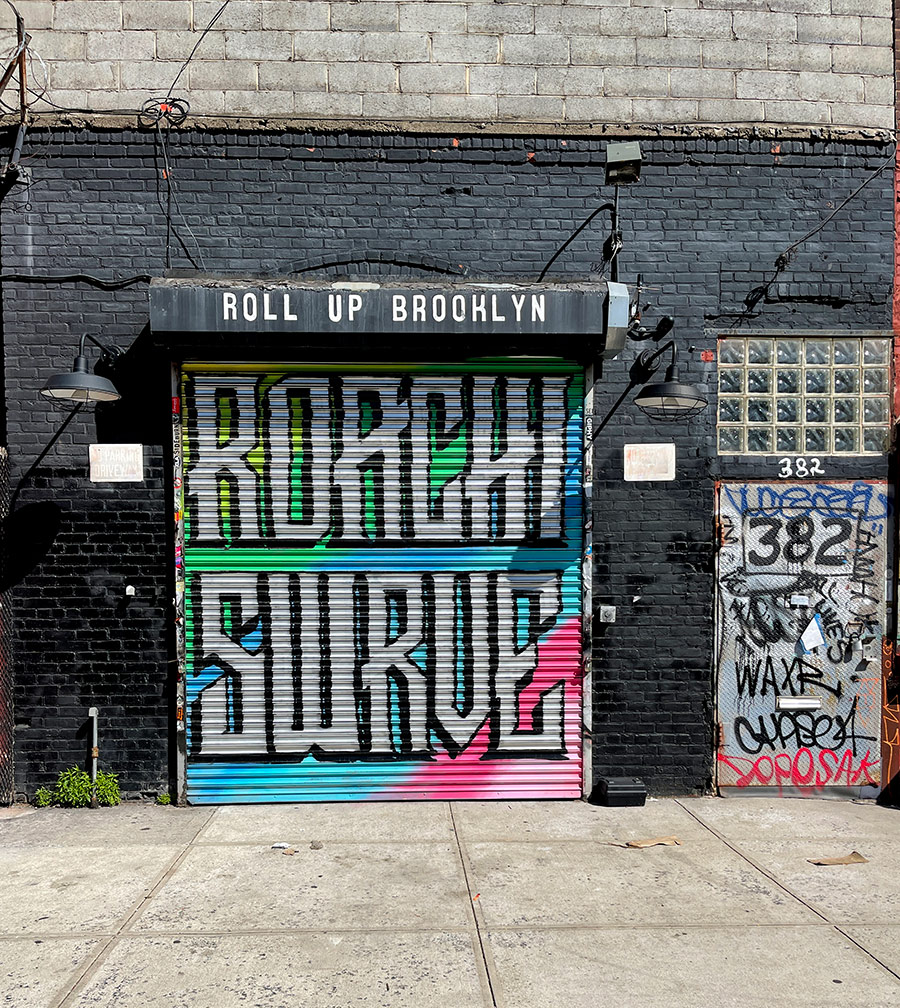
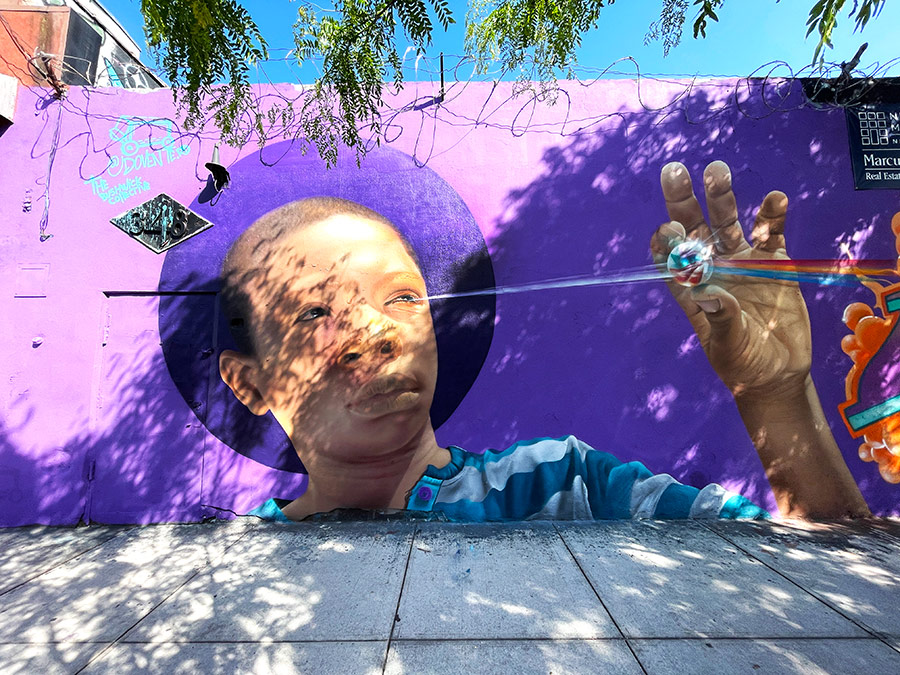
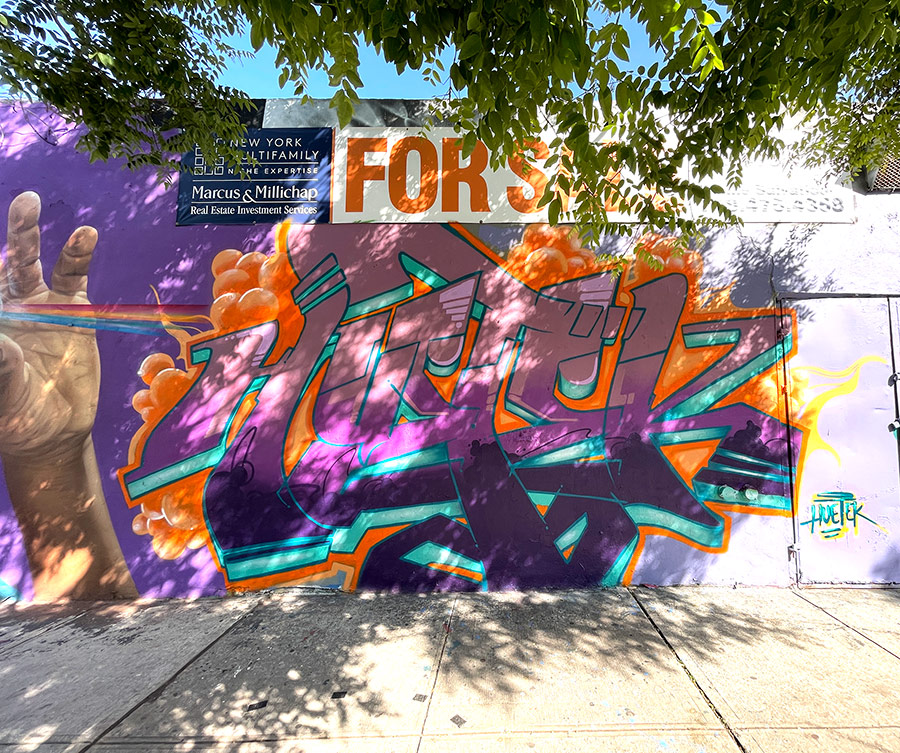
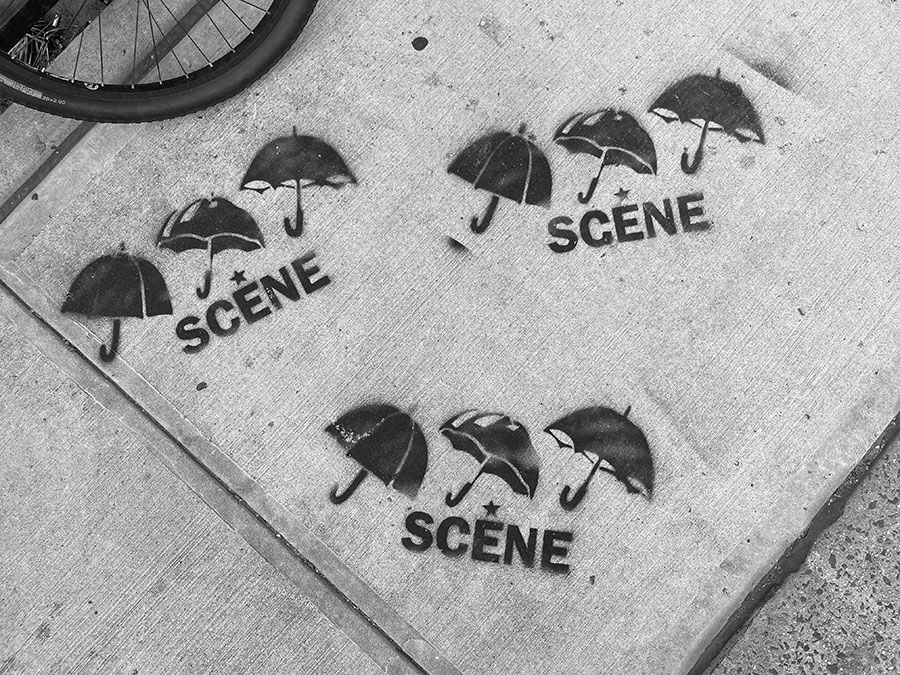
Here’s our weekly interview with the street, this week featuring: REVS, Adam Fu, JerkFace, Sac Six, Voxx Romana, Roachi, MTA, 4Some Crew, Huetek, Angurria, Swrve, WTG Studios, Enjoy, Six Million Dollar Steve, Carlitos, Dovente, and Danny Ebru.
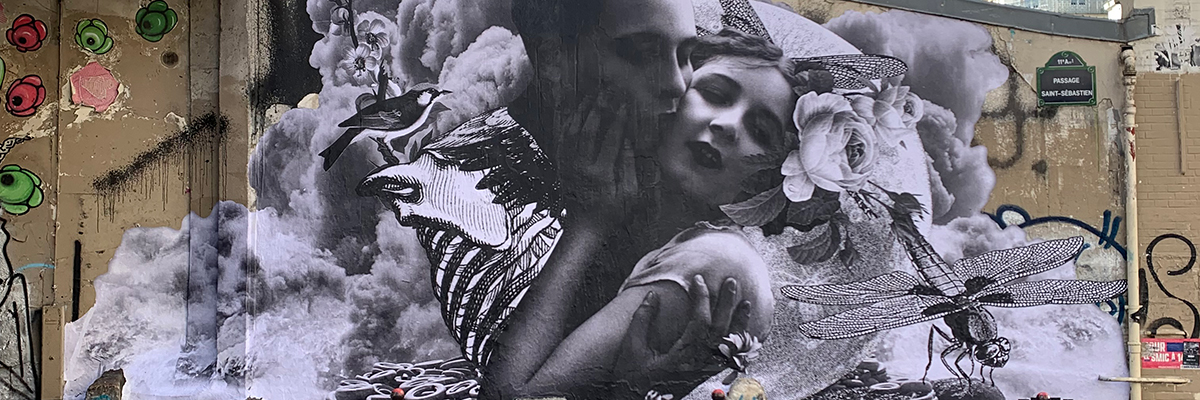
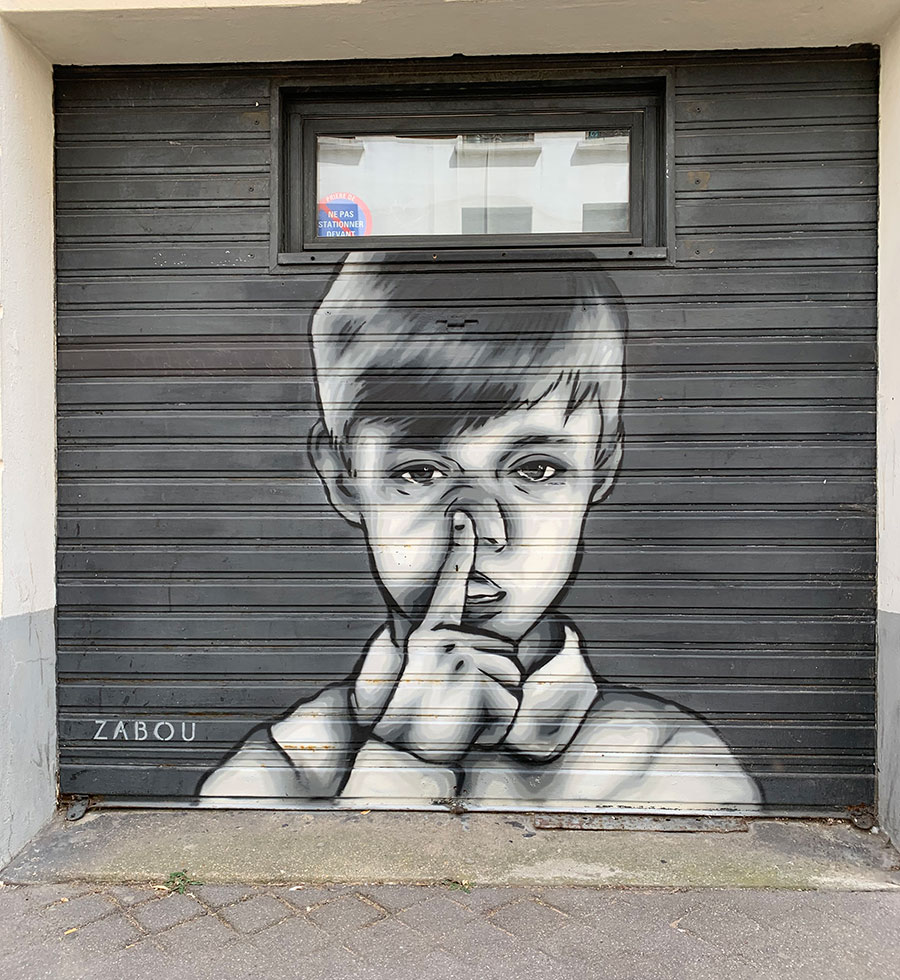
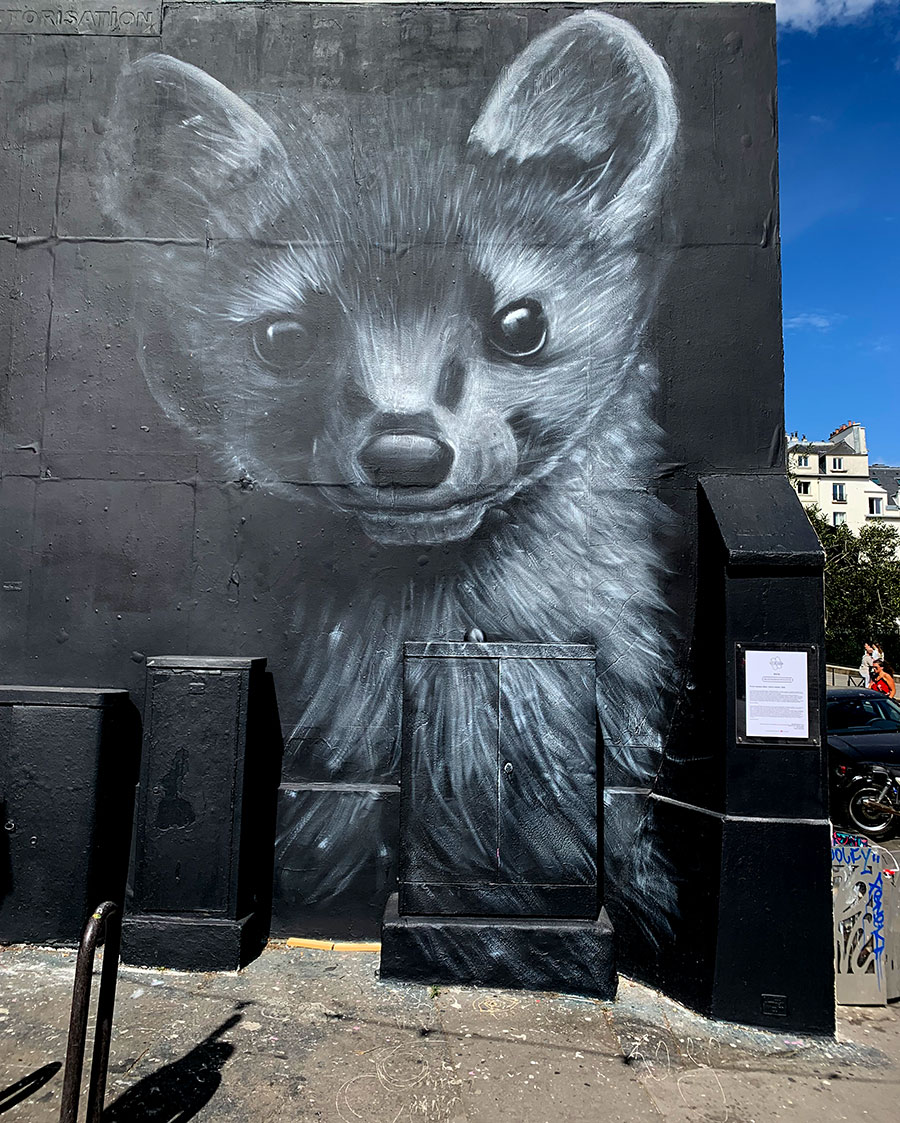
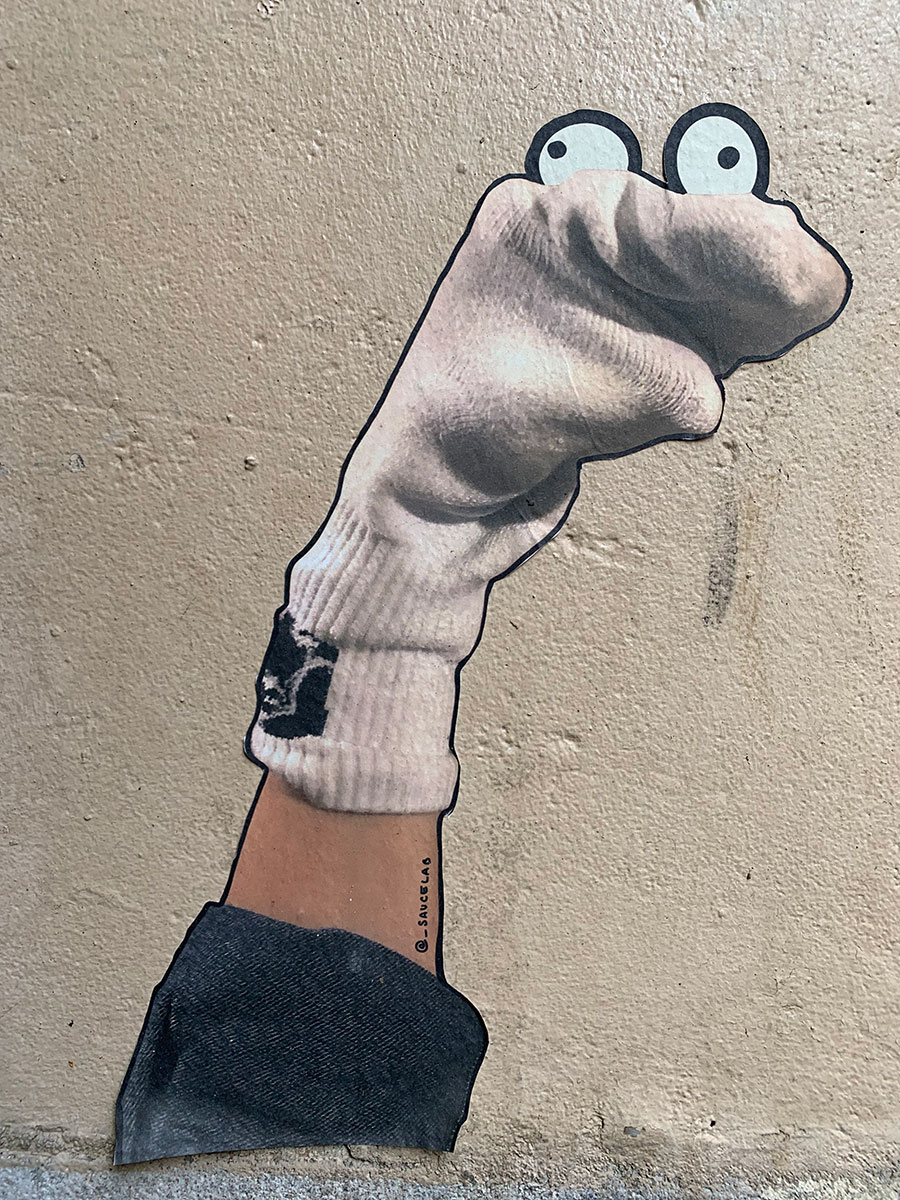
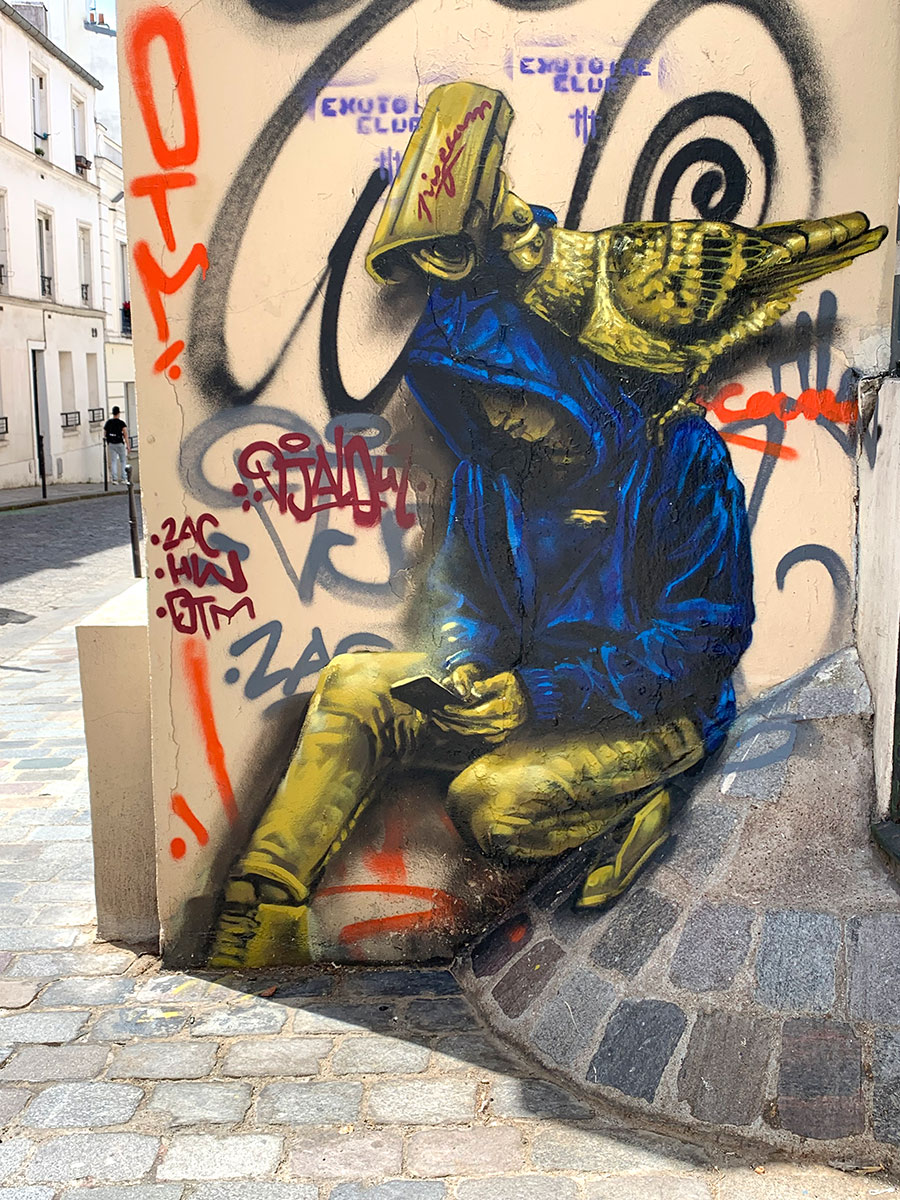
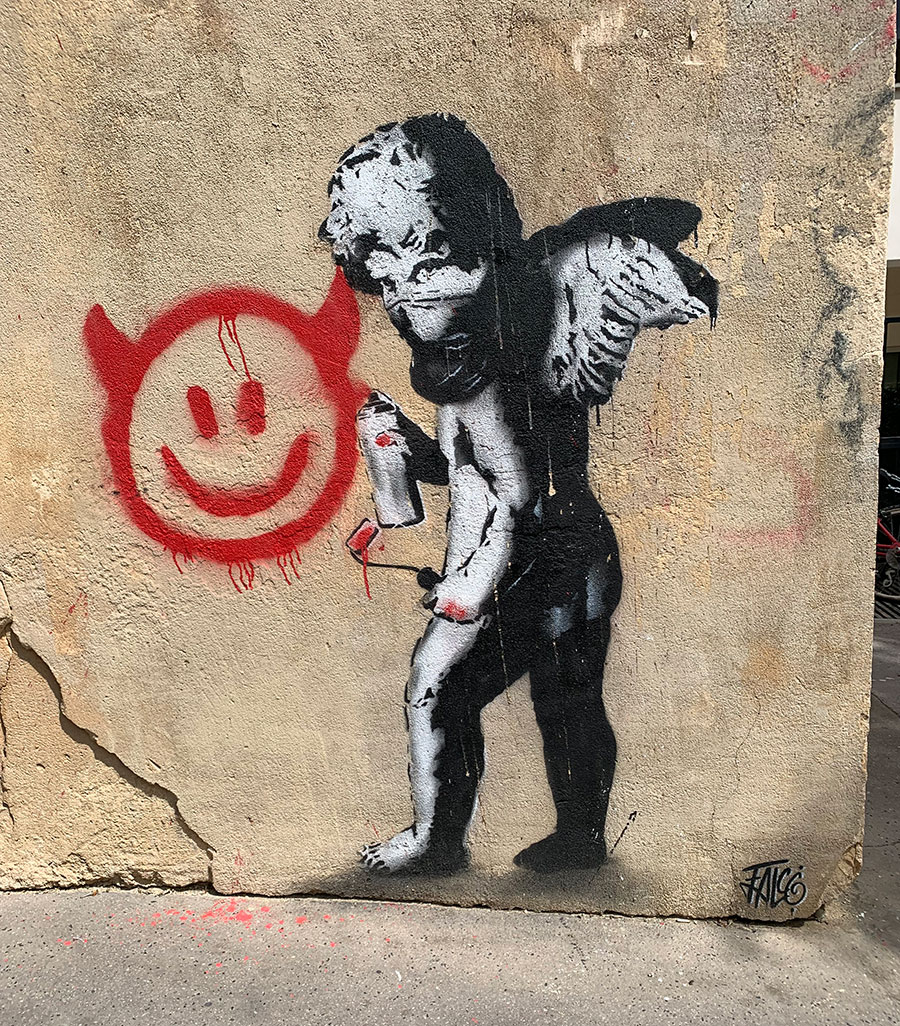
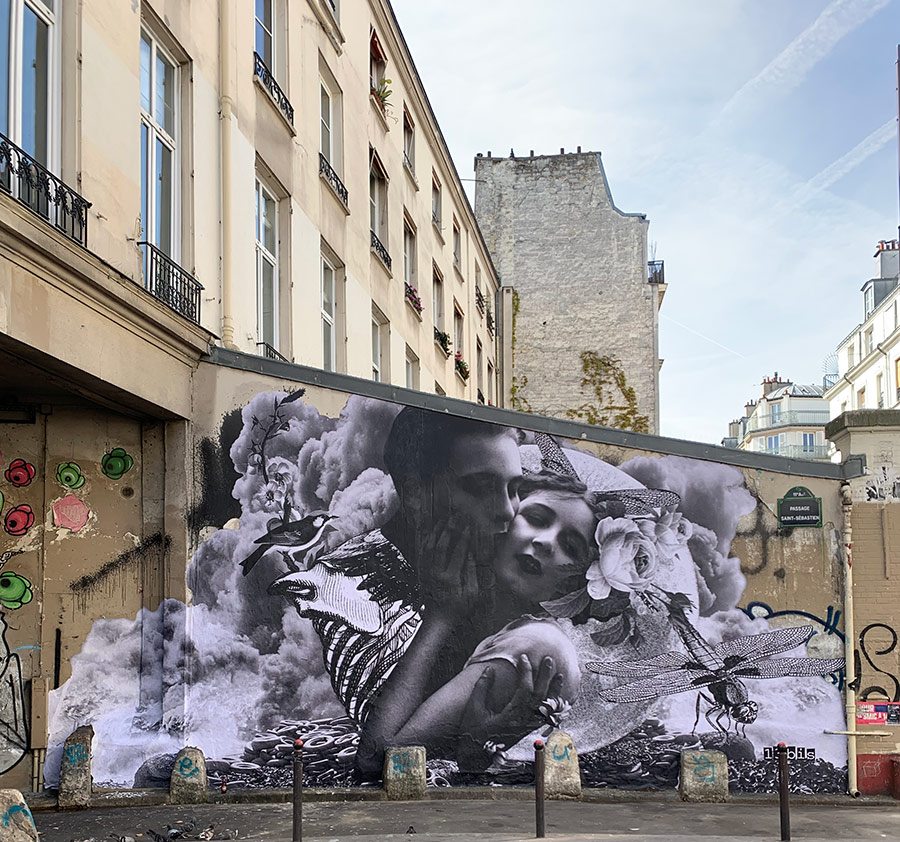
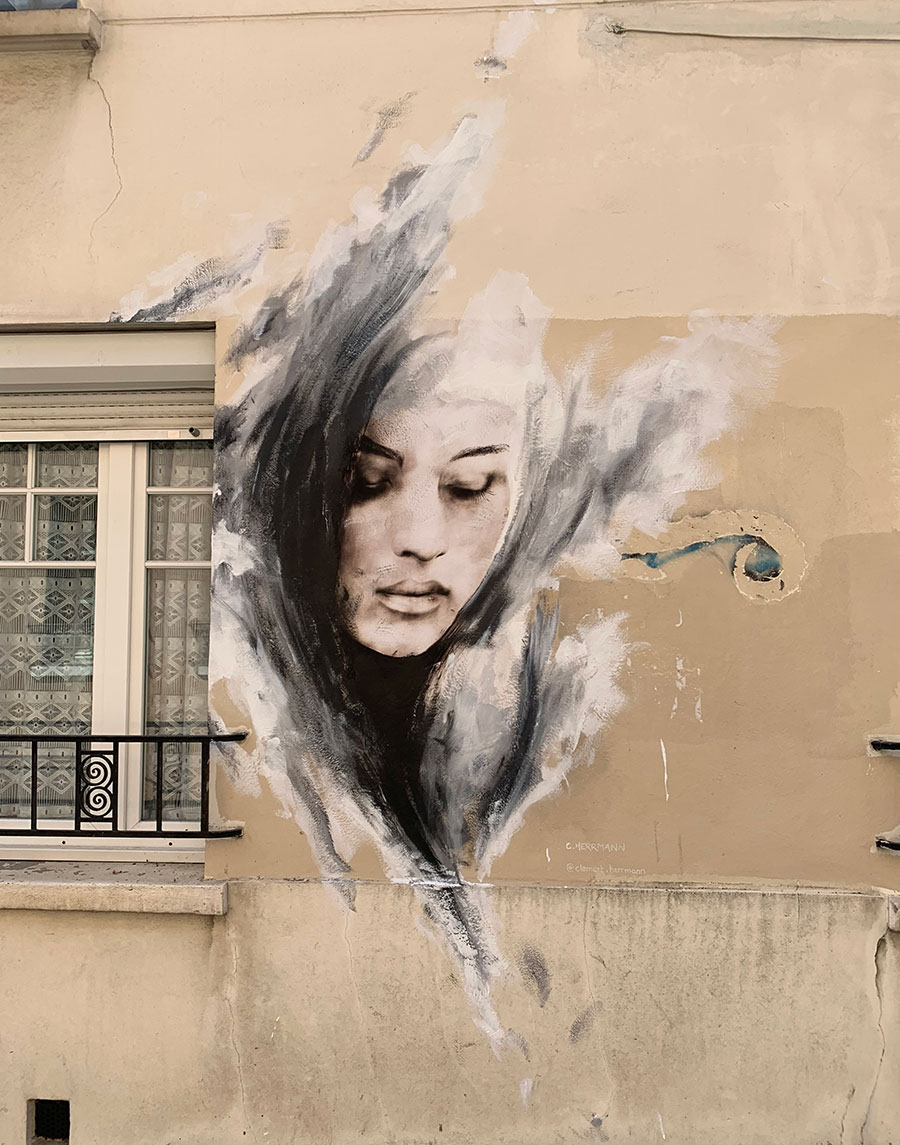
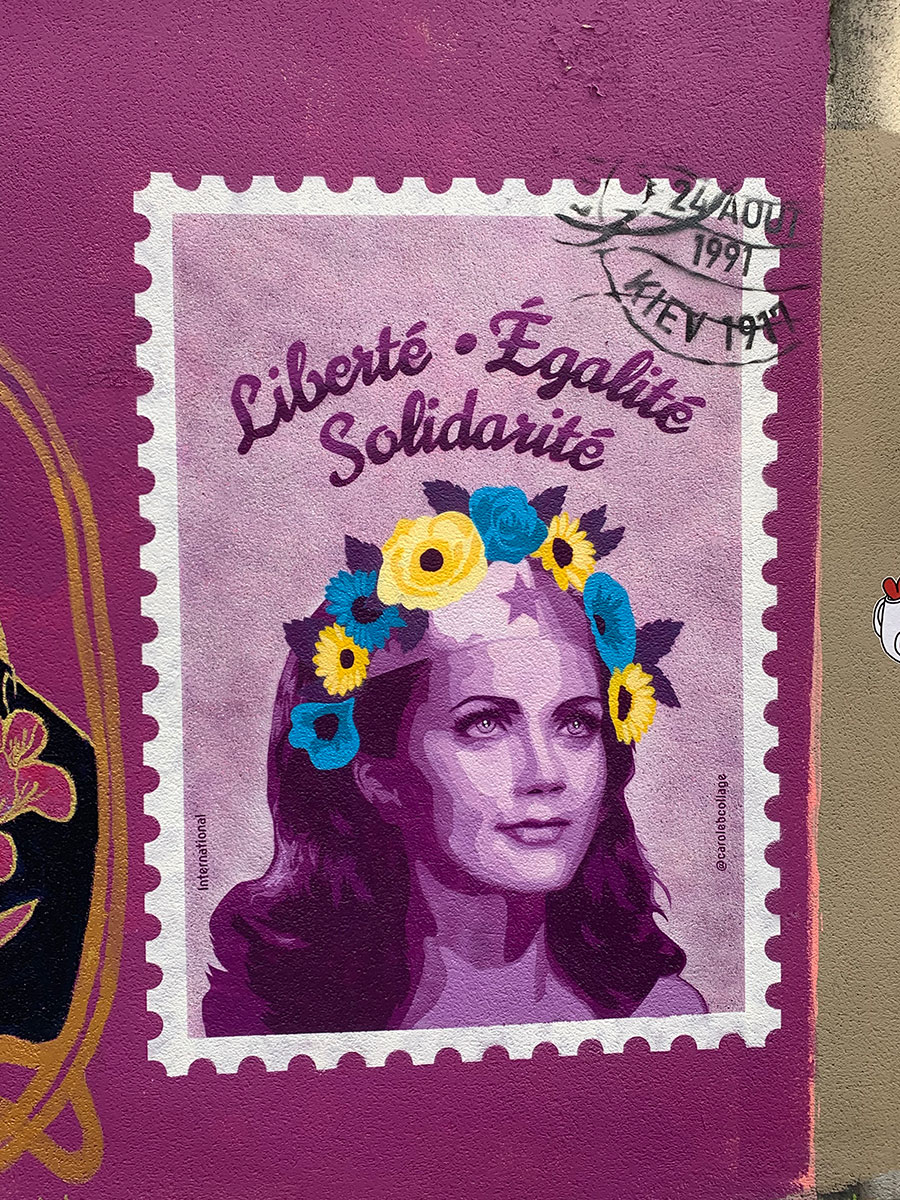
We return today to the streets of Paris for Dispatch 2 with Norwegian photographer Tor Staale Moen, who tells us that the streets are alive with stencils and aerosol paintings as much as ever. Our first Paris report a couple of days ago focused on the presentation of the female form and energy by street artist in this city. Today, it’s time for the guys.
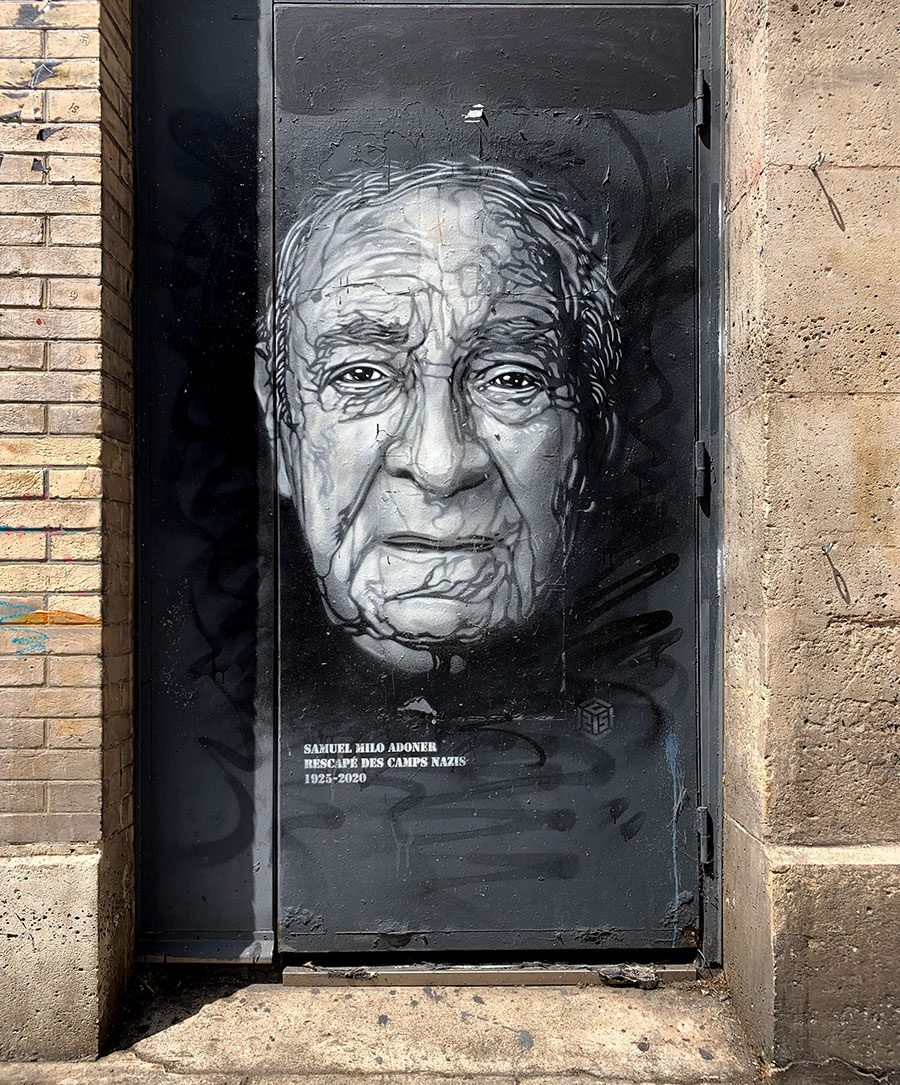
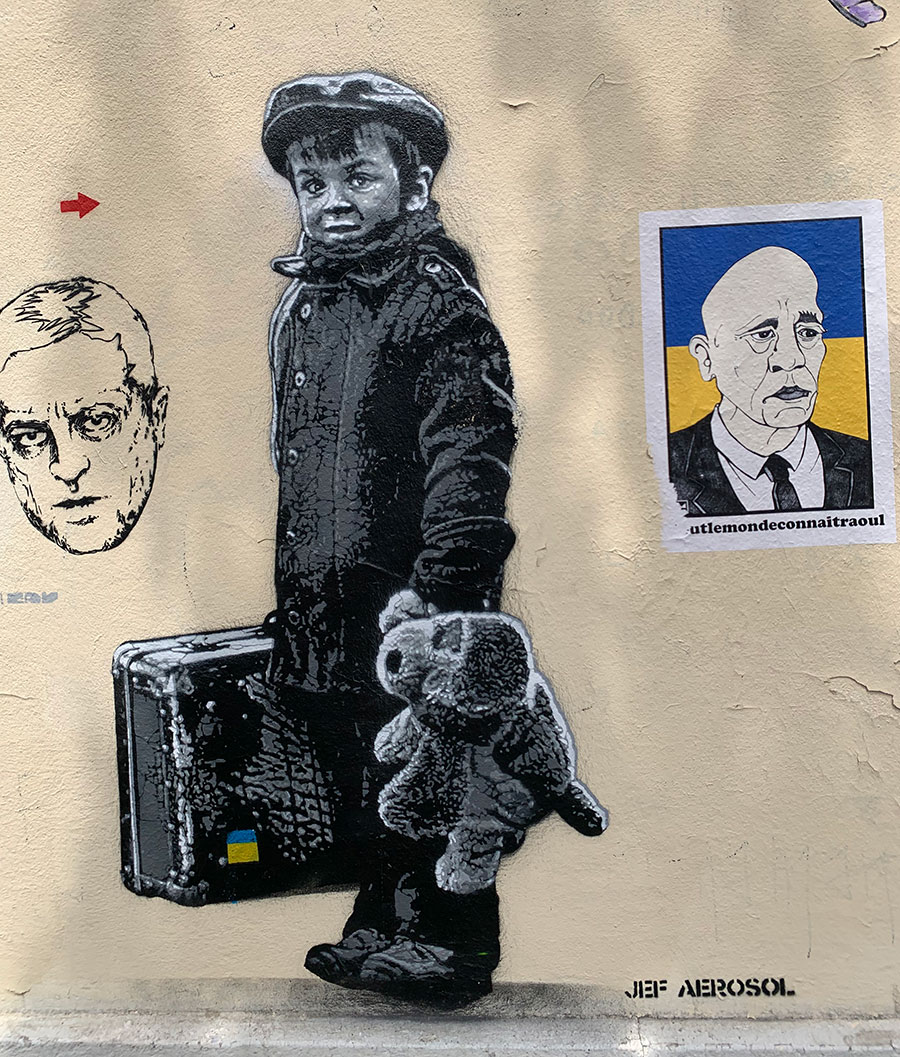
Here we begin with one of the country’s most well-known stencil masters, C215. His portraits of unknown street dwellers, as well as important historical figures, have graced walls, mailboxes… even national postal stamps. Here C215 honors the memory of a French son of a Polish immigrant to France during the second world war, Samuel Émile Adoner (known as Milo Adoner). Deported with 7 members of his family by convoy in 1942 from the Drancy camp to Auschwitz, he was the only one to survive the Holocaust- along with an older sister who was not deported. With the help of activists and historians and artists like C215, the street can be a platform for the open exchange of ideas – and histories.
Our weekly focus on the moving image and art in the streets. And other oddities.
Now screening: 1. Wasteminister – Greenpeace 2. Слава Україні! (Glory to Ukraine) 3. Bordalo II via Rafael Estefania
BSA Special Feature: Wasteminister – Greenpeace
Using Boris Johnson’s exact quotes, Greenpeace illustrates his folly, and ours.
What if all the plastic that the UK exports in a day were dumped on his head instead?
Directed by Jorik Dozy & Sil van der Woerd Concept & Production by Studio Birthplace Co-Produced by Park Village CG Production by Method & Madness Produced by Sean Lin
Greenpeace – Wasteminister
Слава Україні! (Glory to Ukraine) Via Spray Daily
The graffiti term “Throwup” takes on a different tinge as we watch our young people pushed into war, yet again. Not the rich ones of course. Here’s a wartime video from Ukraine, Nokier & Reys – who say in their Youtube description that they are doing some street bombing and delivering aid and bulletproof vest plates to Ukrainian graffiti writers defending their country.
Bordalo II via Rafael Estefania
“It doesn’t make sense for me to be related to some big brands that don’t really care about the environment. If they are not doing a good job, no way.” Wonder which brands that sponsor Street Art/graffiti culture events and publications meet this criterion?
Gone is the “Disgusting” sweatshirt. Here is the “Life is Beautiful” t-shirt. Why do we think he’s just kidding? Artur Bordalo, also known as Bordalo II, the artist/street artist from Lisbon has been telling us all to awaken to the wasting/polluting of the earth that we are doing. This overview introduces his work to a larger audience – although you could argue that his estimated 190 animal street sculptures made of recycled trash in 23 countries had made his argument more powerfully – and directly.
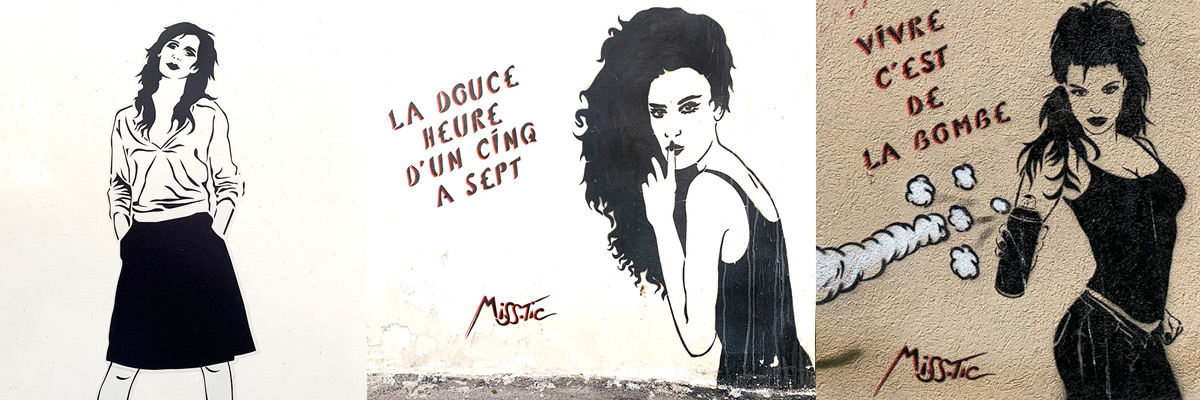
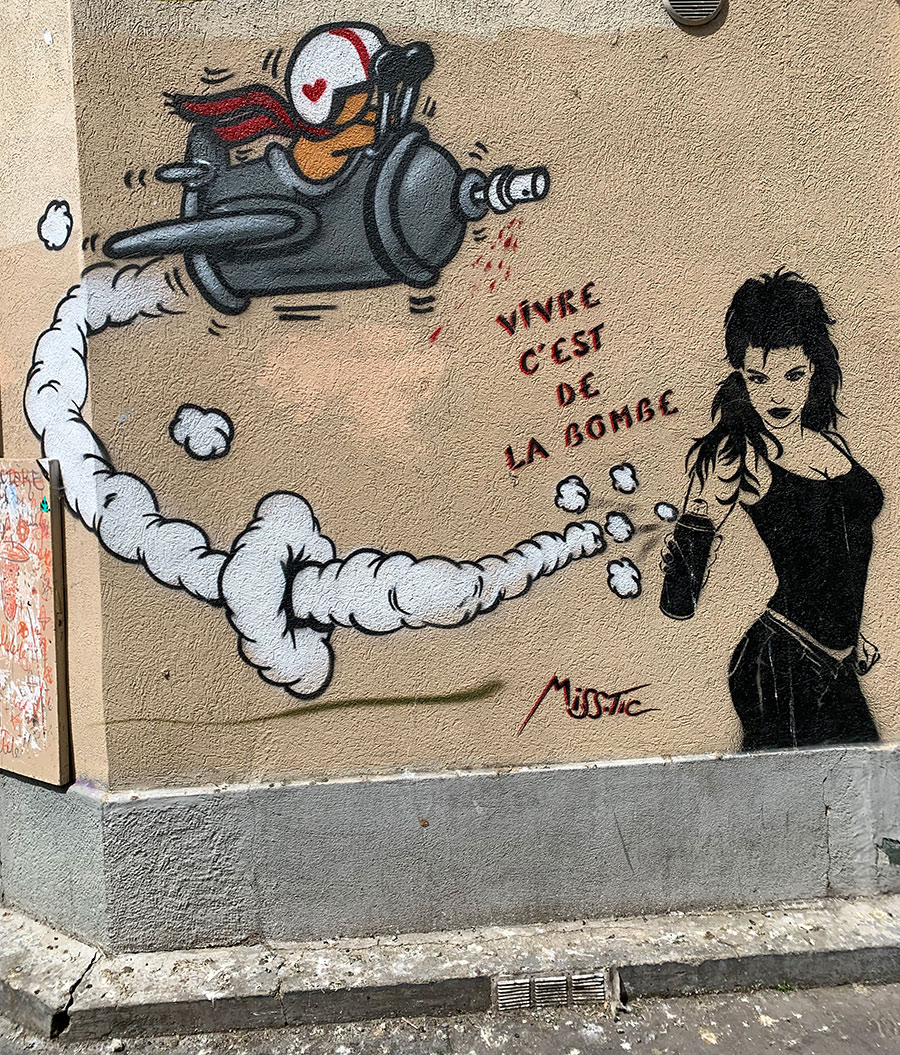
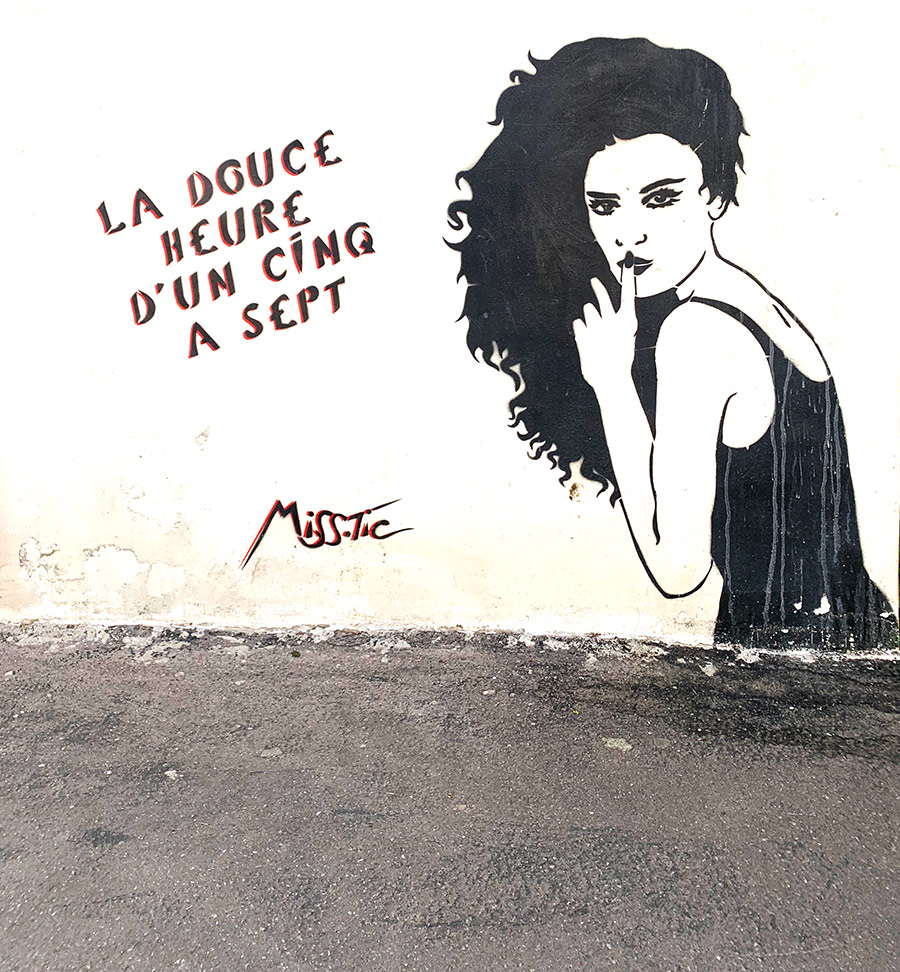
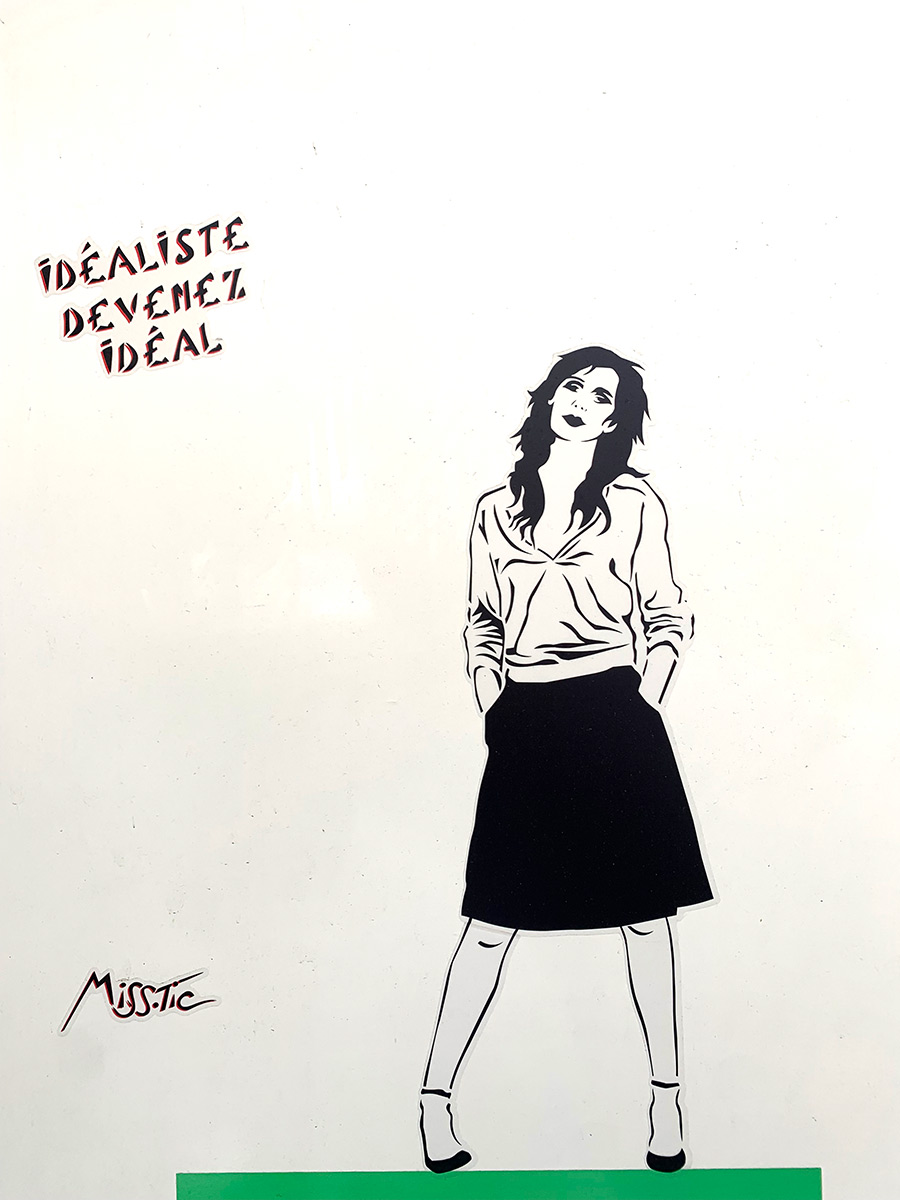
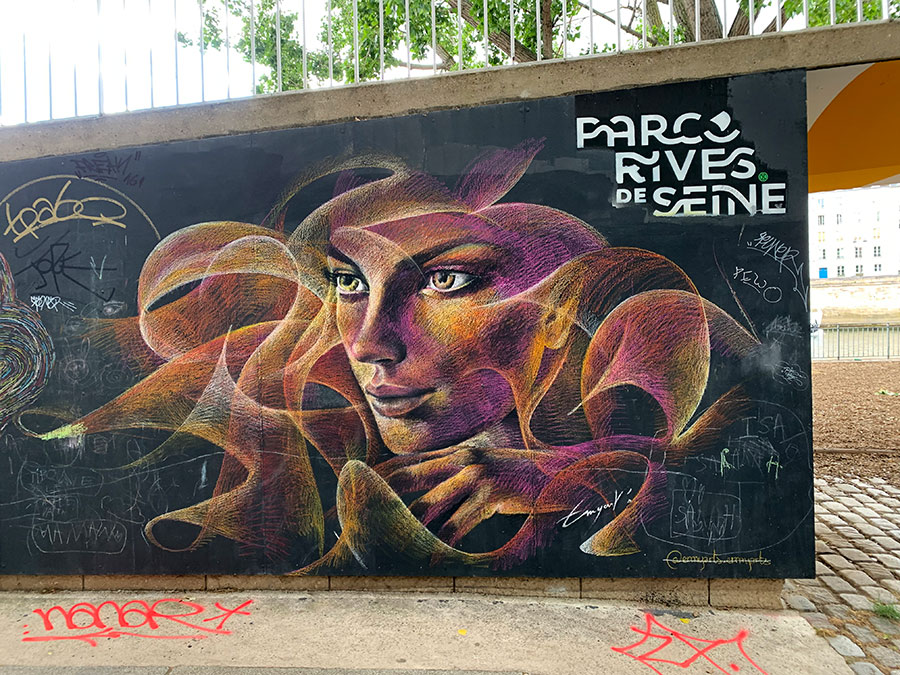
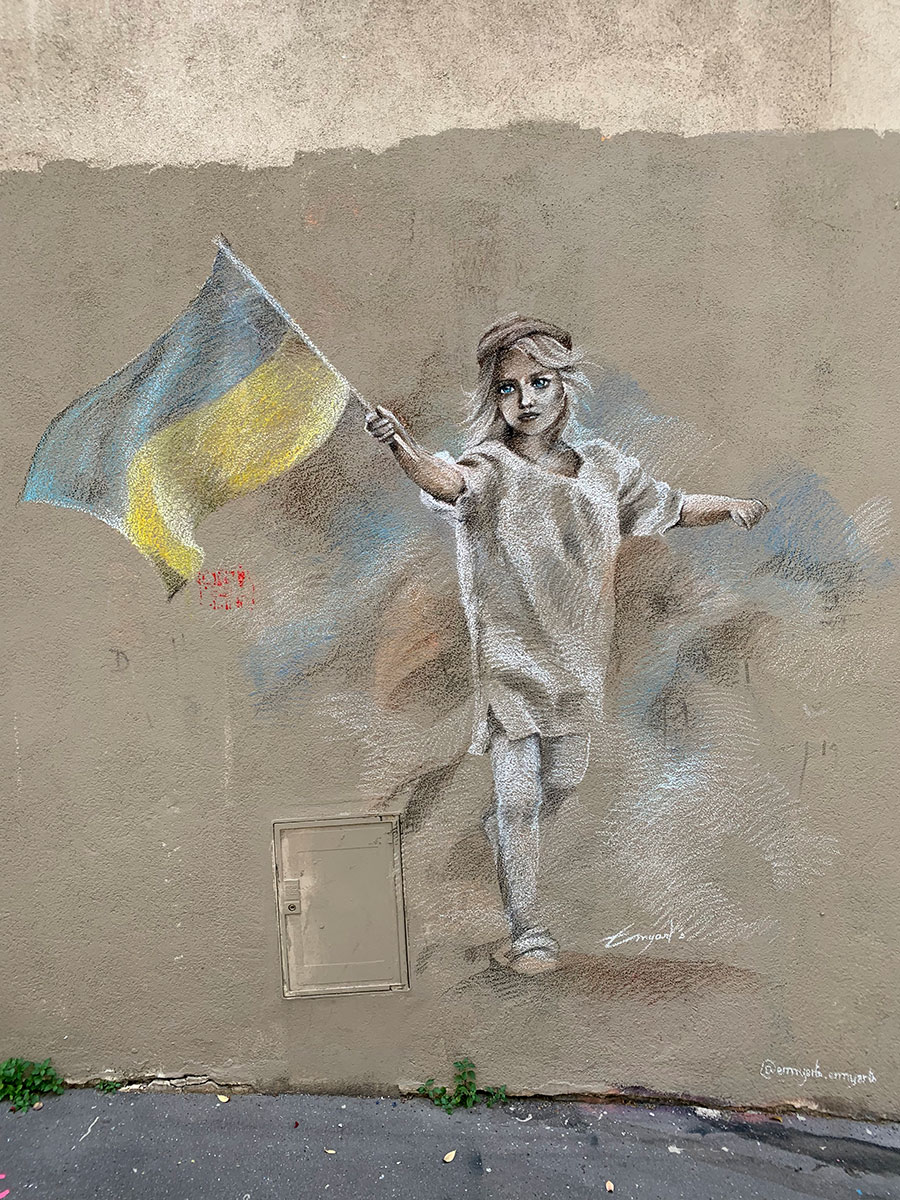
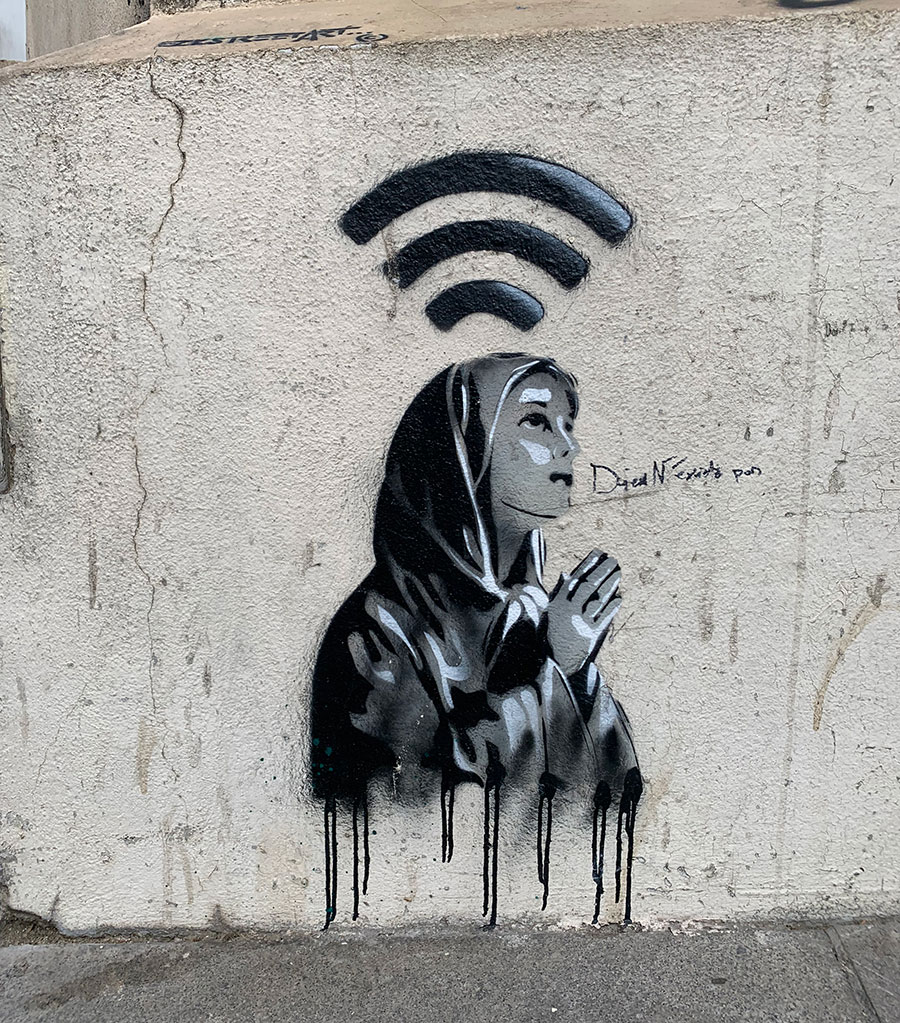
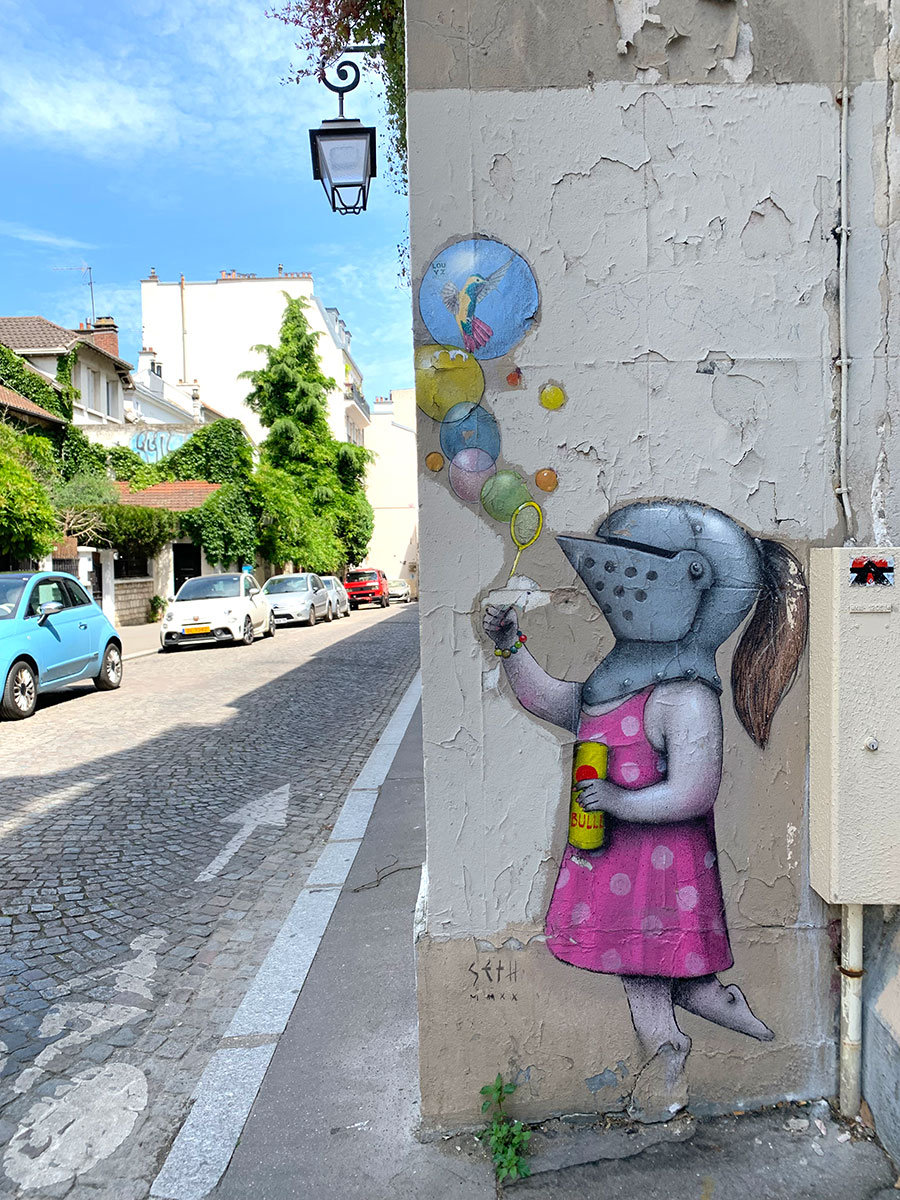
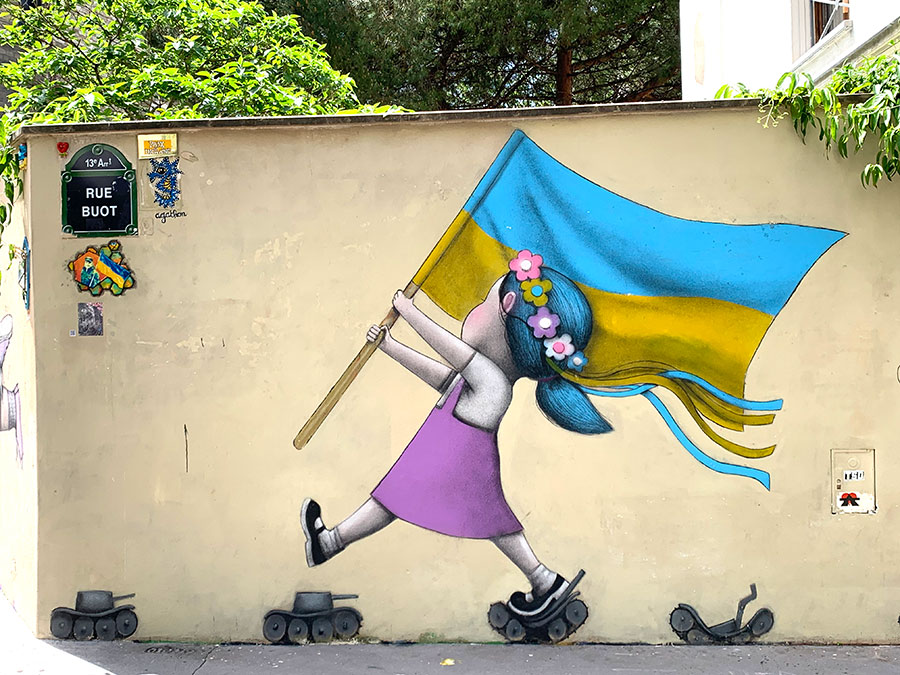
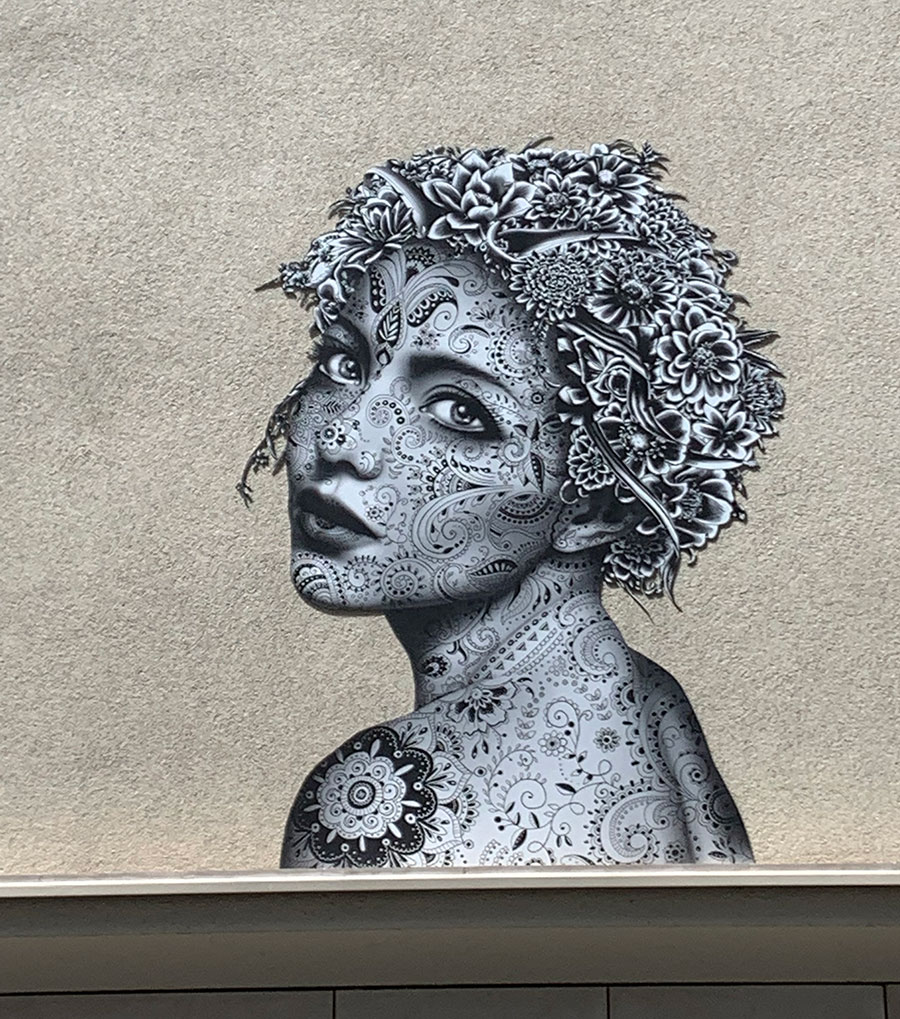
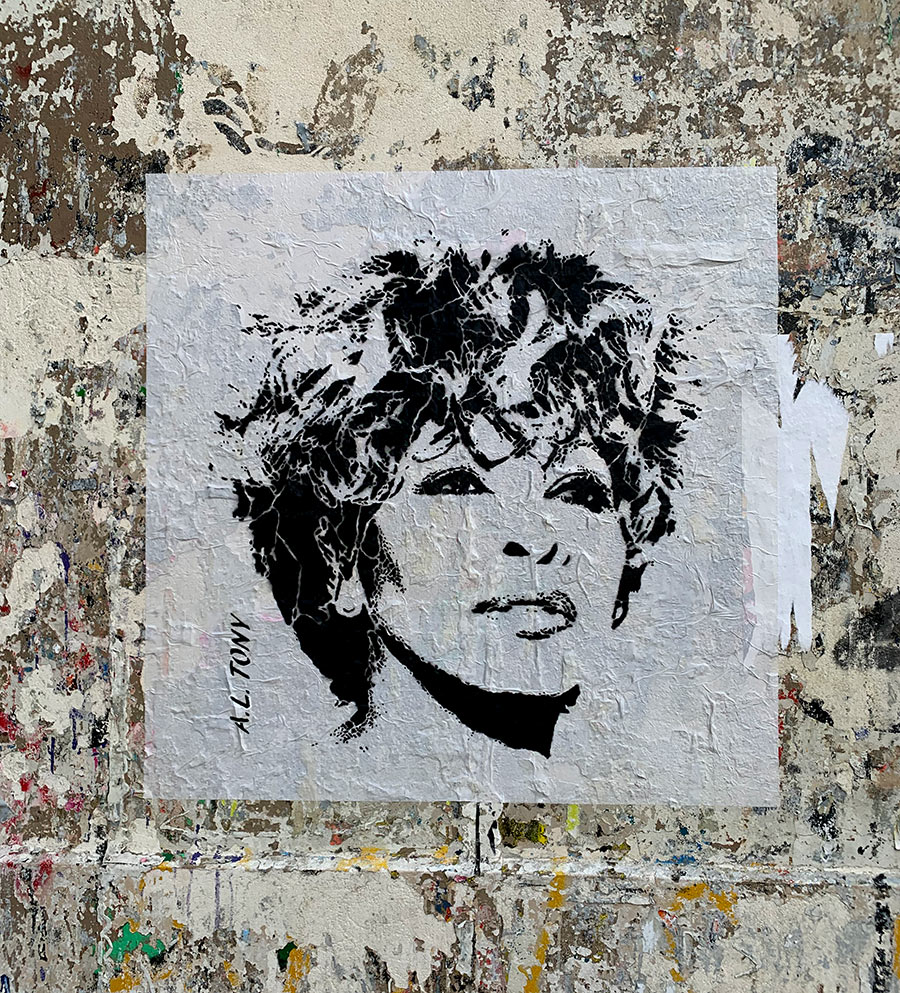
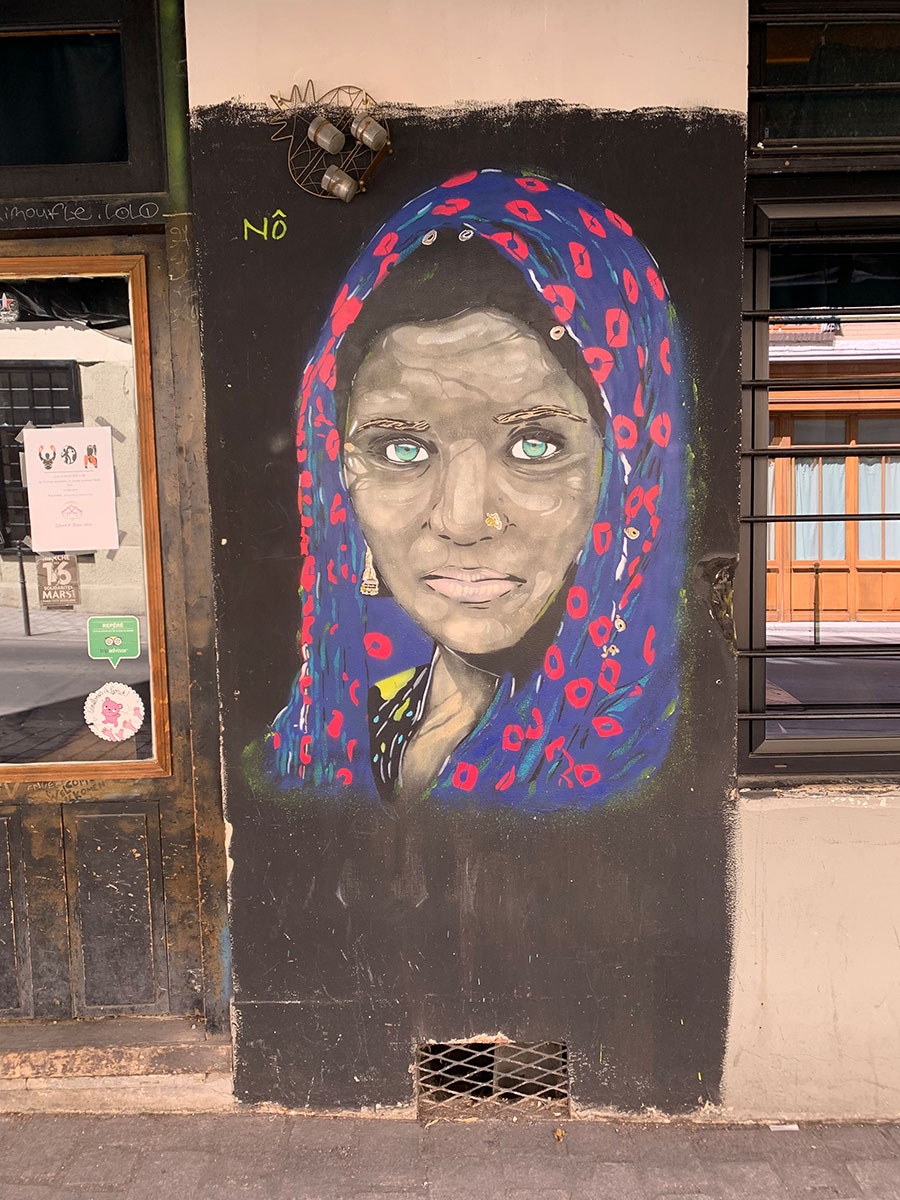
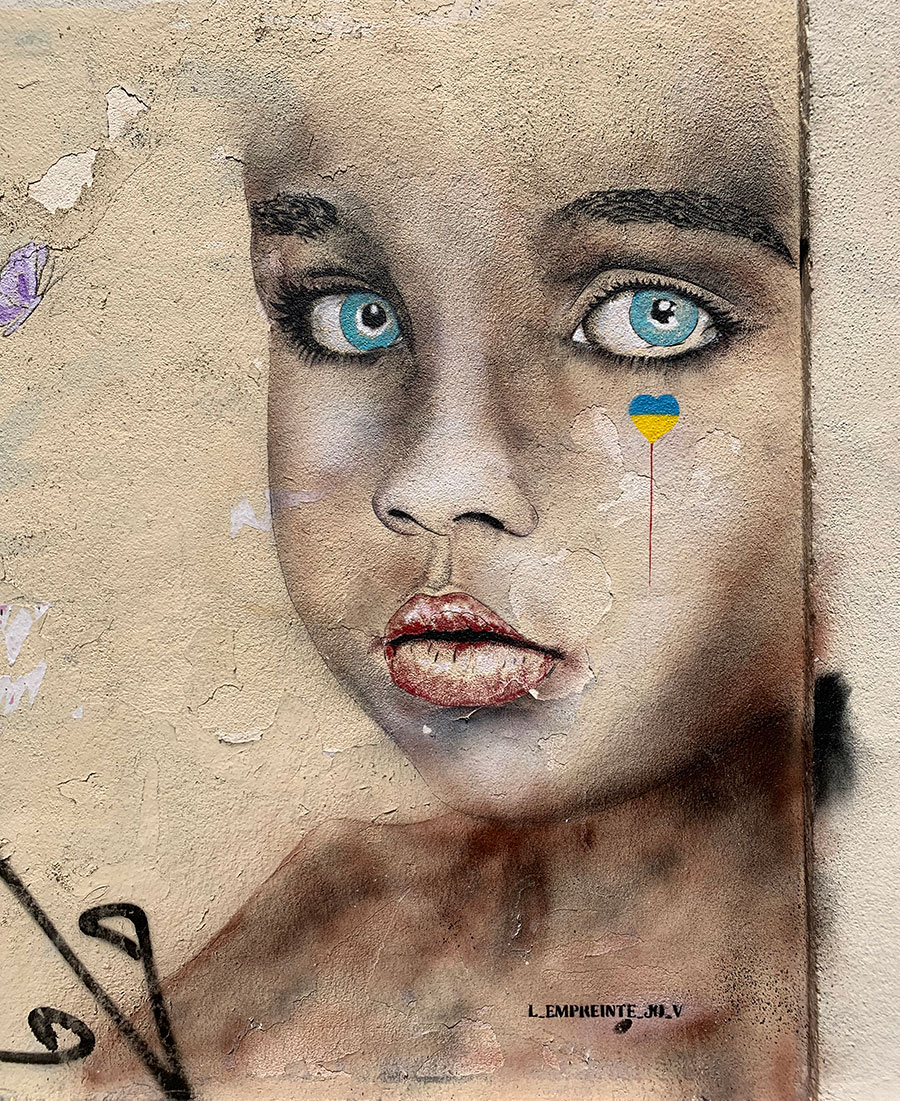
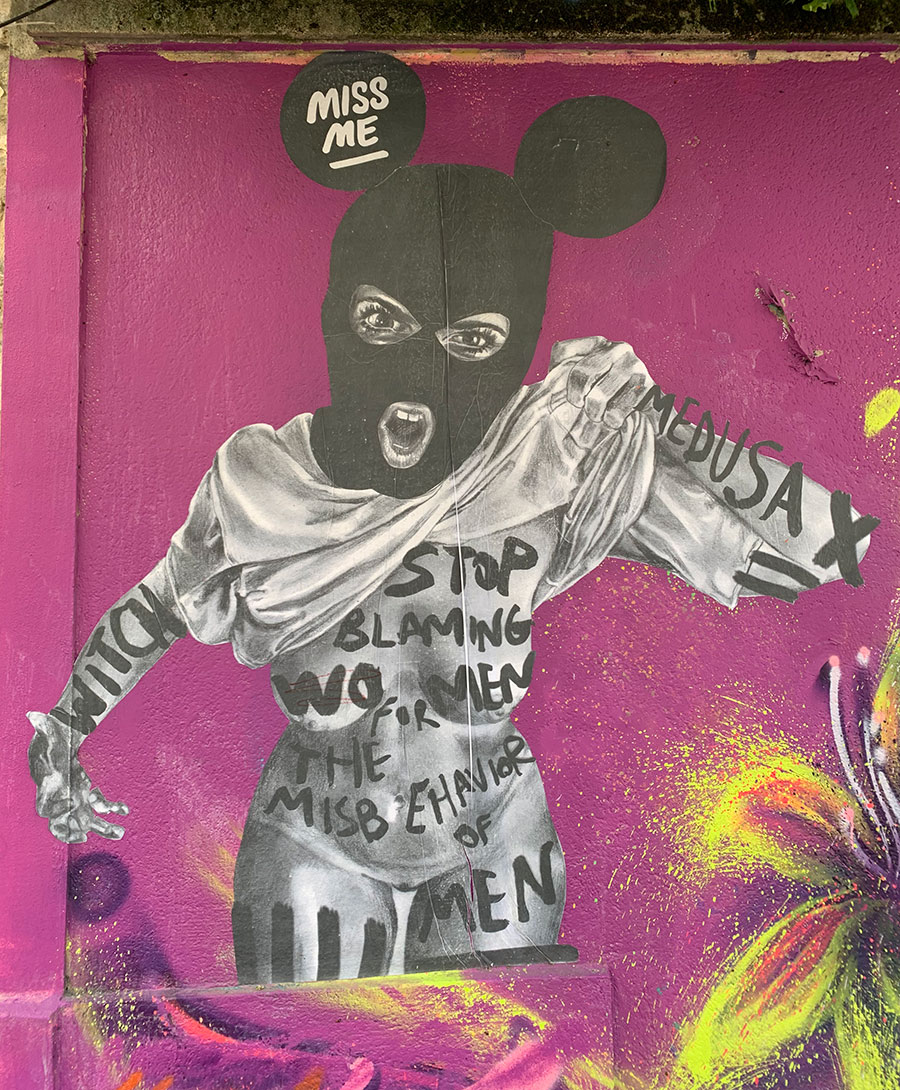
Ah, the women of Paris! Street artists have many interpretations of the female form, visage, and image. We have been thinking of female street artists in particular for the last few days because one of its originators in the modern street art movement, Miss Tic, passed away. Her female figures were frequently versions of herself, or her higher self – a sharp mind with a philosopher’s view, a poet’s heart, and a feminist tongue.
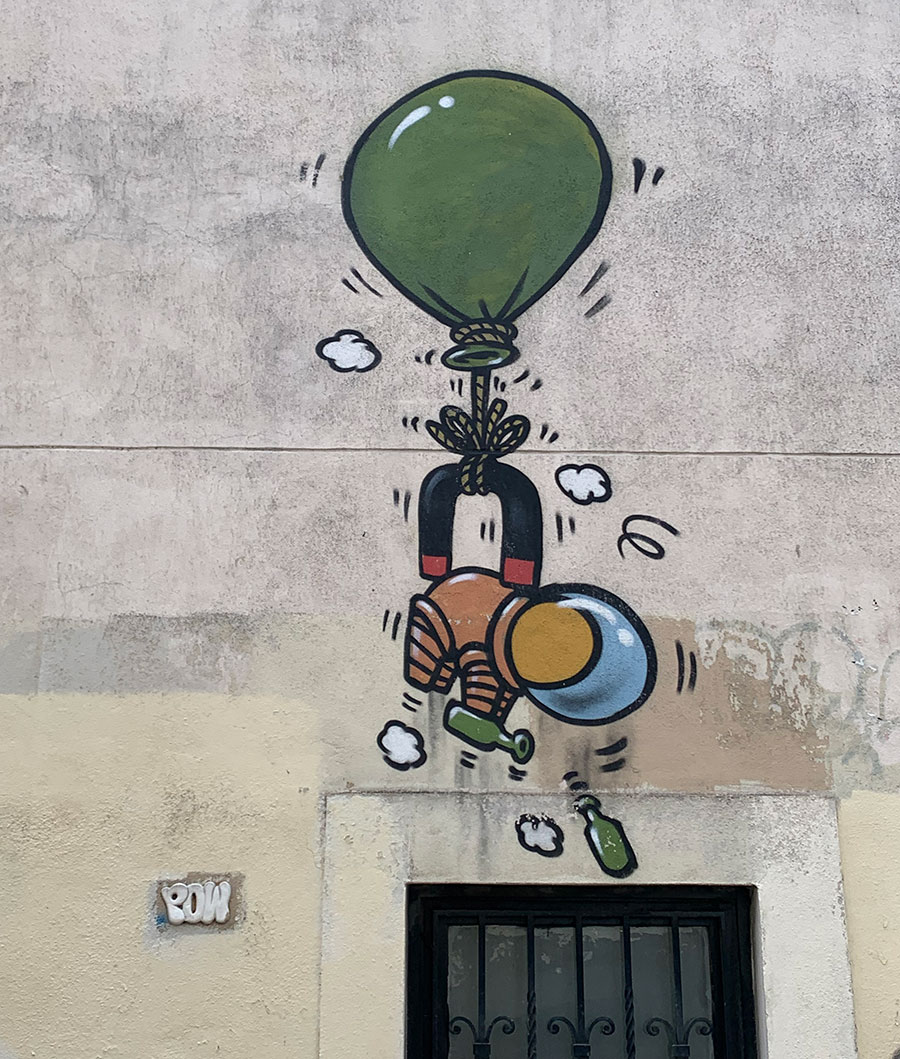
A pioneer in a field mainly populated by men, Miss Tic brought her clean-lined stencils of bold brunettes to greet passersby like a friend. Beginning in the mid-1980s, she leads with poetry and existential texts; insightful, entertaining, humorous, and sometimes strident. Looking at these new images from Norwegian photographer Tor Staale on the streets of Paris, we like to think that Miss Tic opened the door to invite all of these women and girls to share in public space and to have a voice.
Graffti and street artists are often targeted by owners of real estate for their illegal artworks – it’s a tradition. These days those same artists are approached by real estate companies to give their property some urban “edge”, increasing their appeal to younger populations.
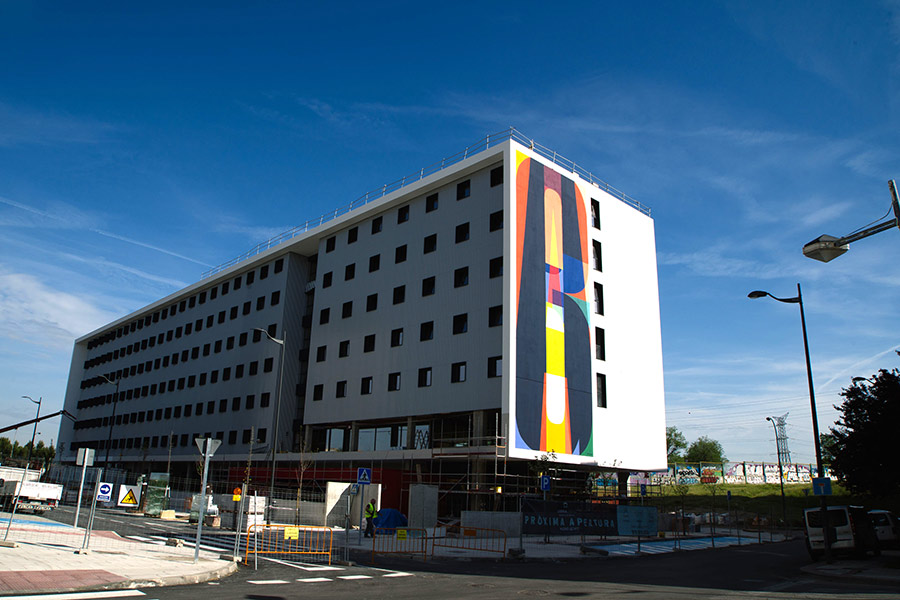
In the case of one large corporation in Spain that rents student housing, the appeal has been paying off by giving their properties a ‘hip’ sort of brand, thanks to huge murals by street artists and others. The art is not deliberately political or controversial and usually is aesthetically pleasing to a wide audience.
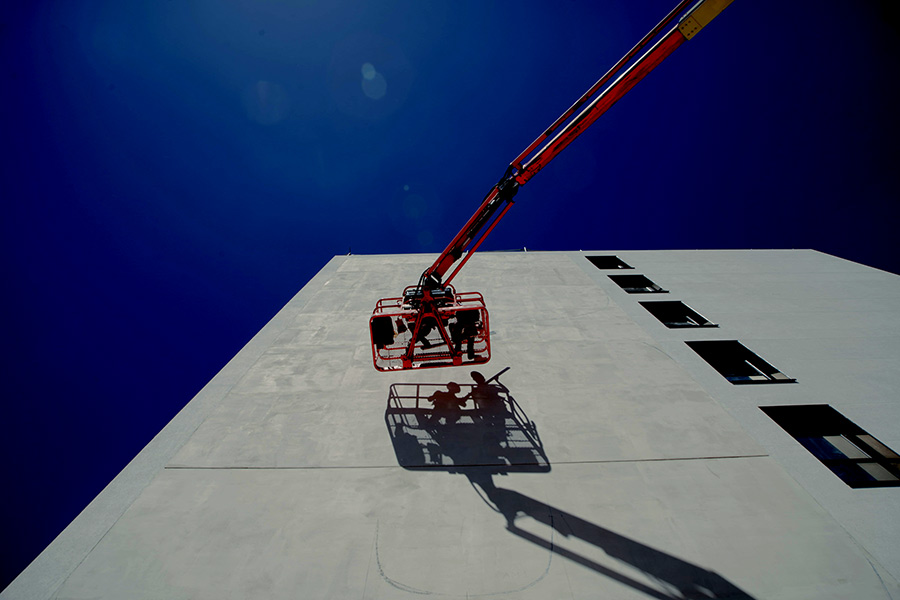
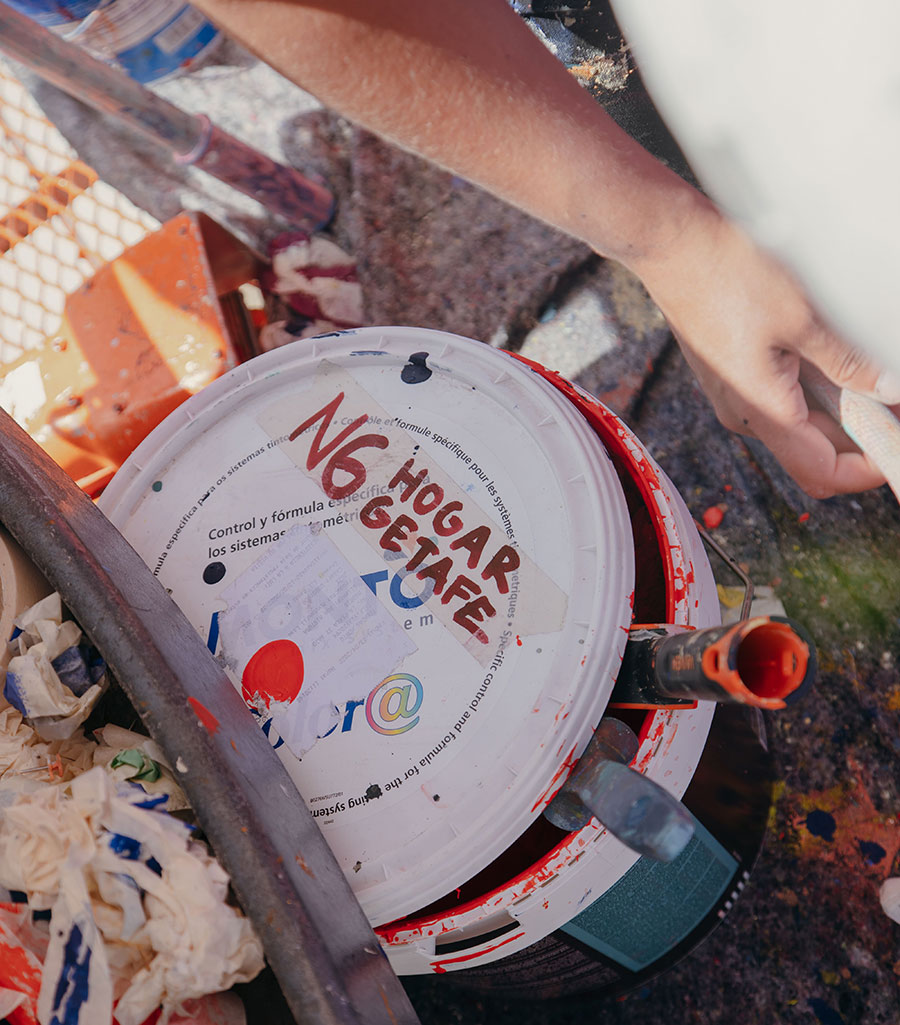
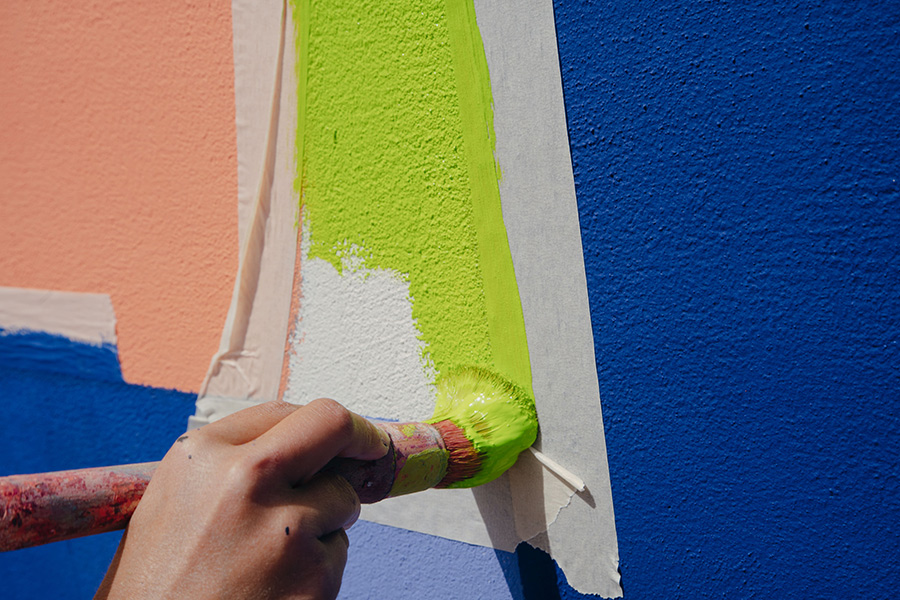
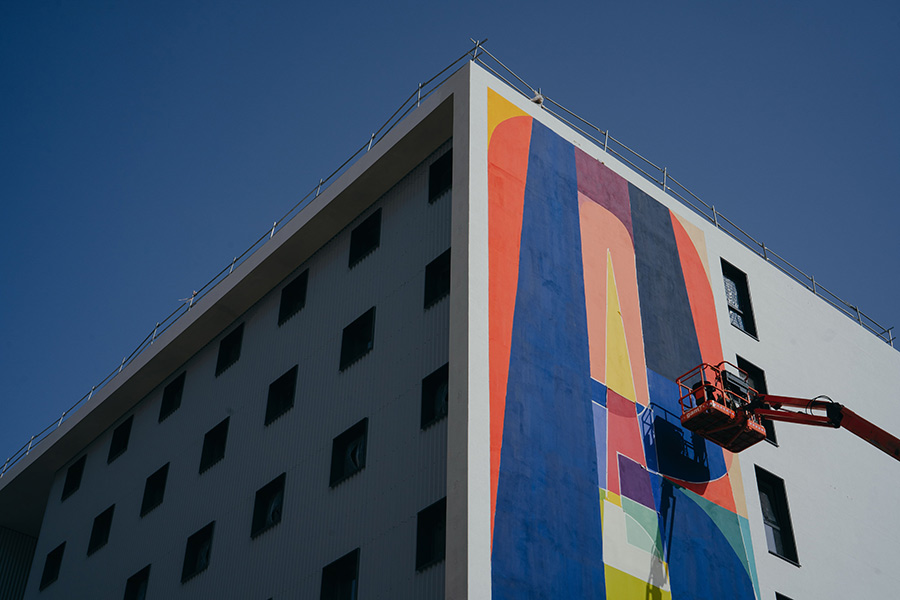
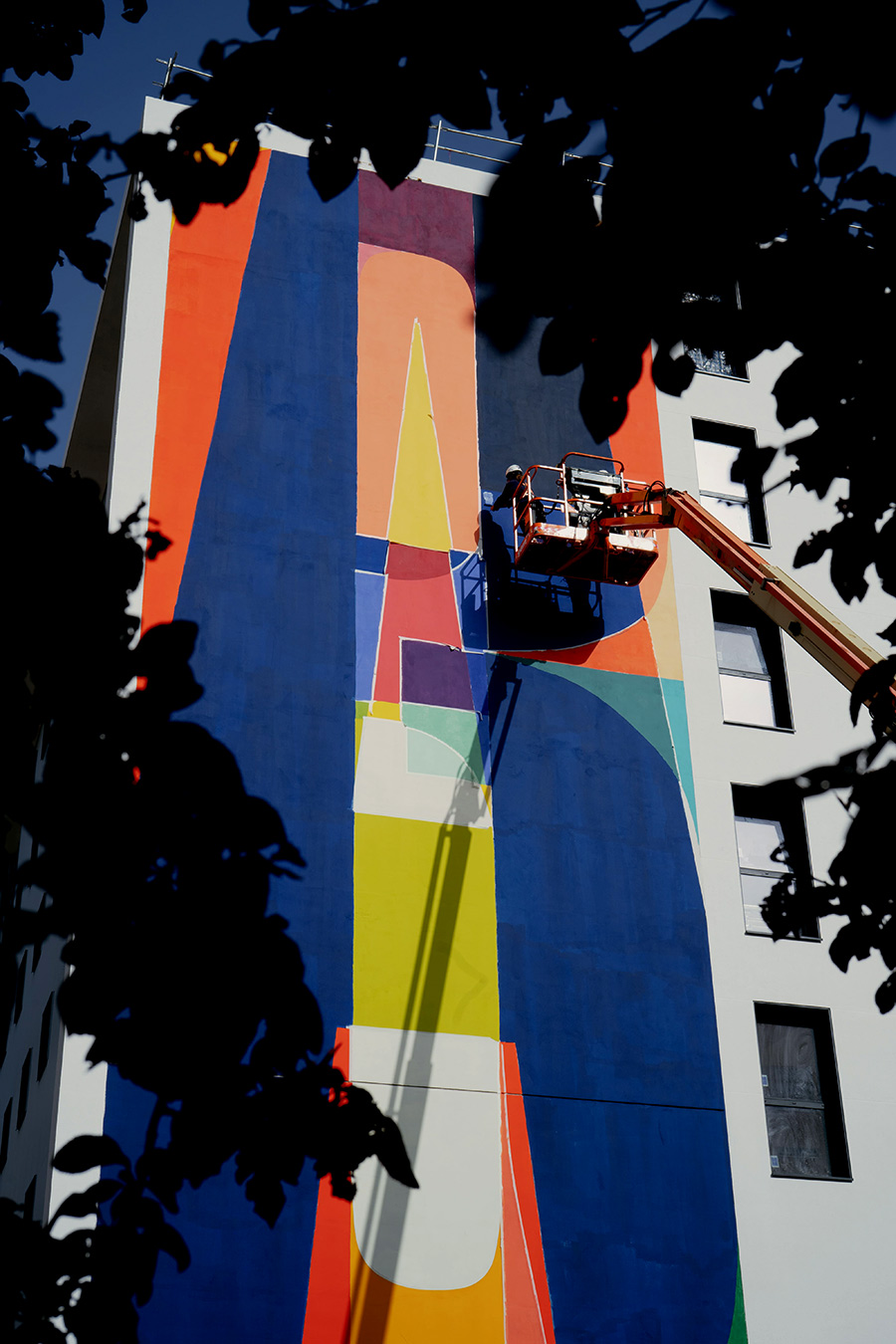
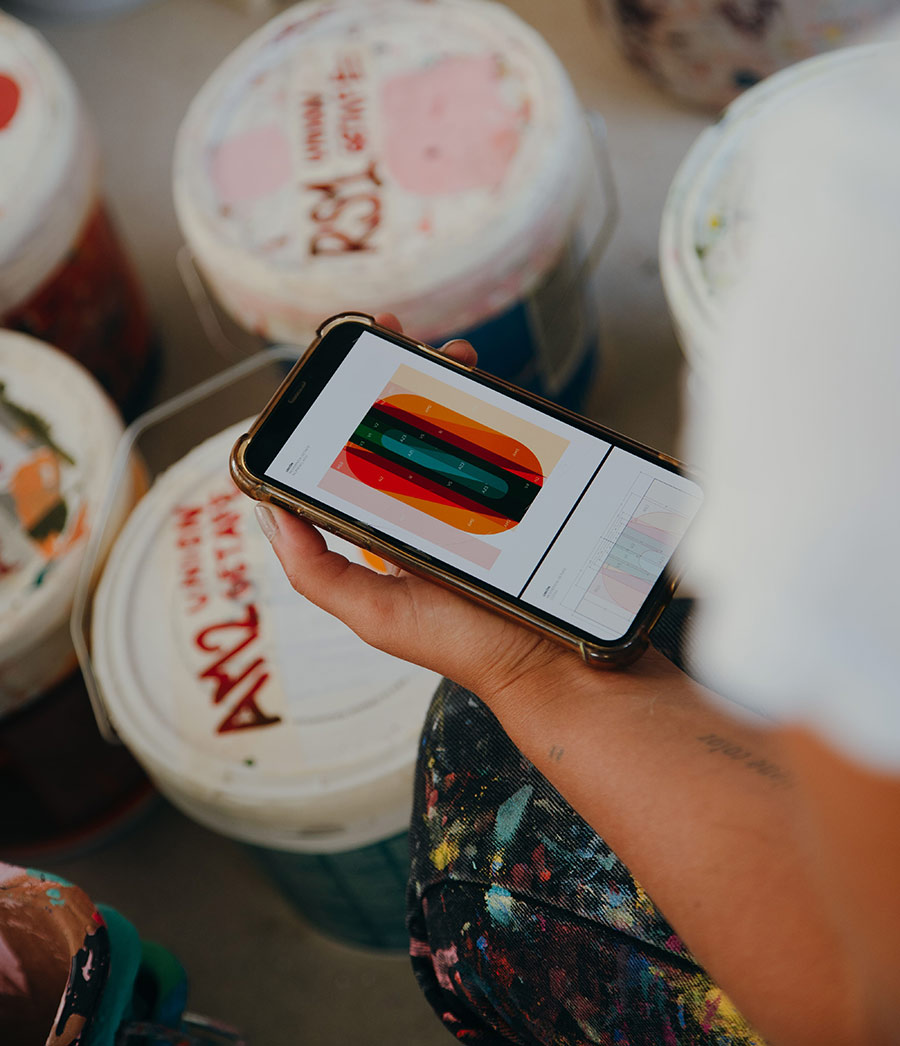
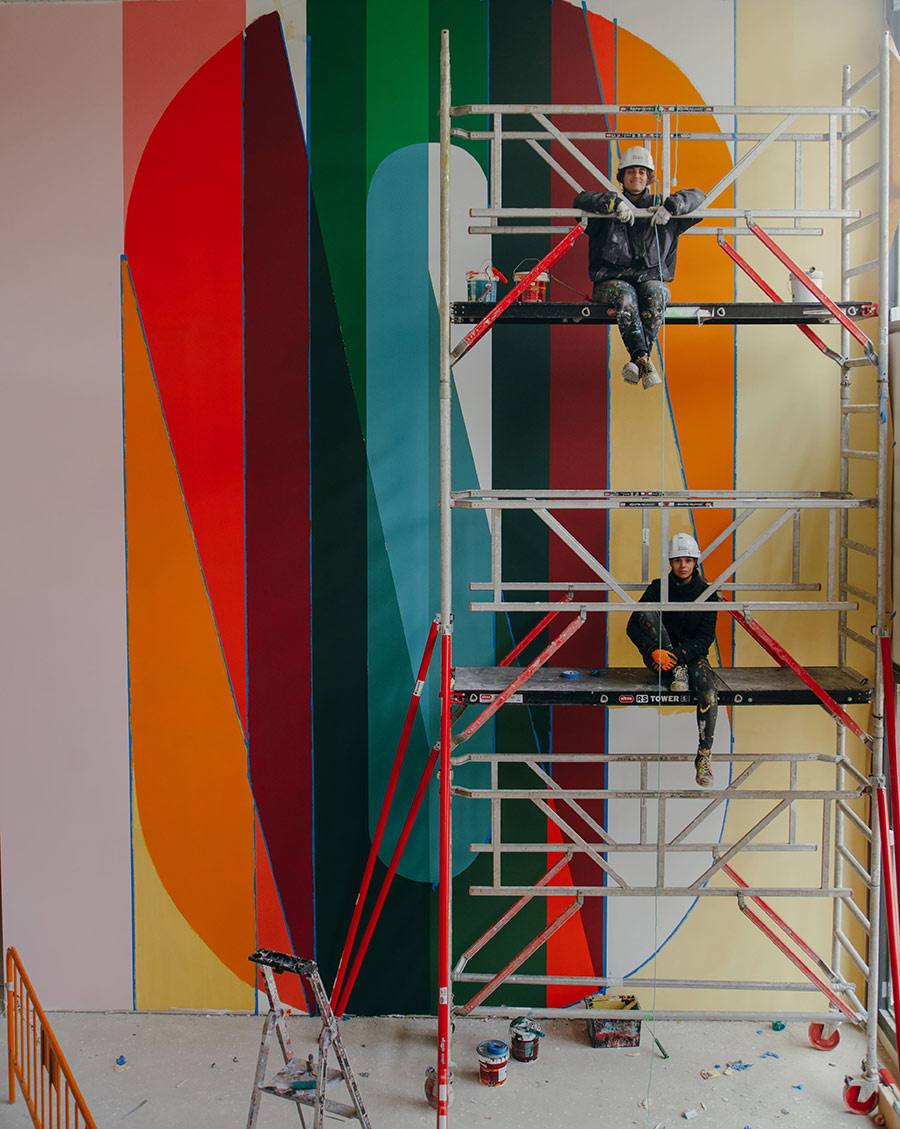
Recently the Madrid-based collective Boa Mistura artists have left their unique artistic imprint on a 107 square meter surface of interior and exterior walls – using layered colorful typography to allude to the compendium of memories and experiences that can build during your life in one place.
“The murals represent the essence of everything that happens inside a residence: a meeting point, a place of dialogue and refuge,” say the artists say. They say that, with time, your home becomes “a place that is deeply rooted, building stories and memories for life”. In this case, the student living site is at Carlos III University Campus in Getafe.
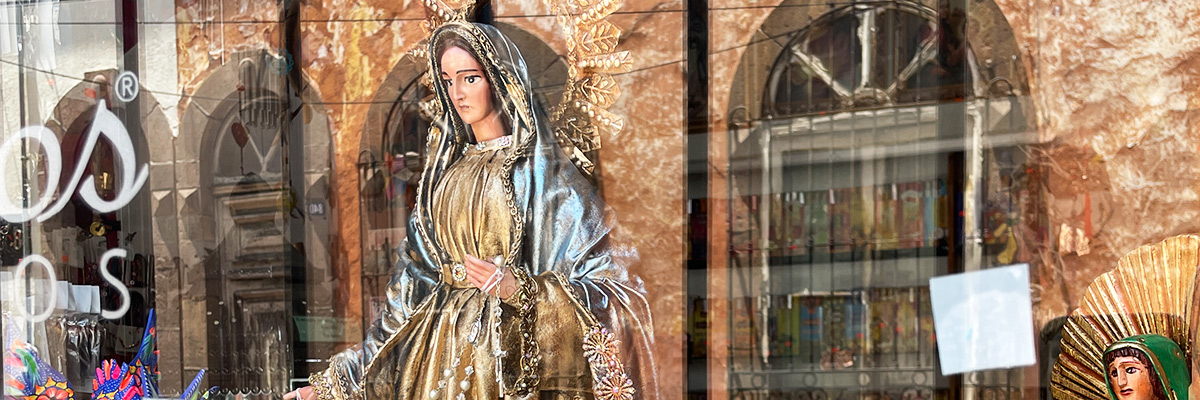
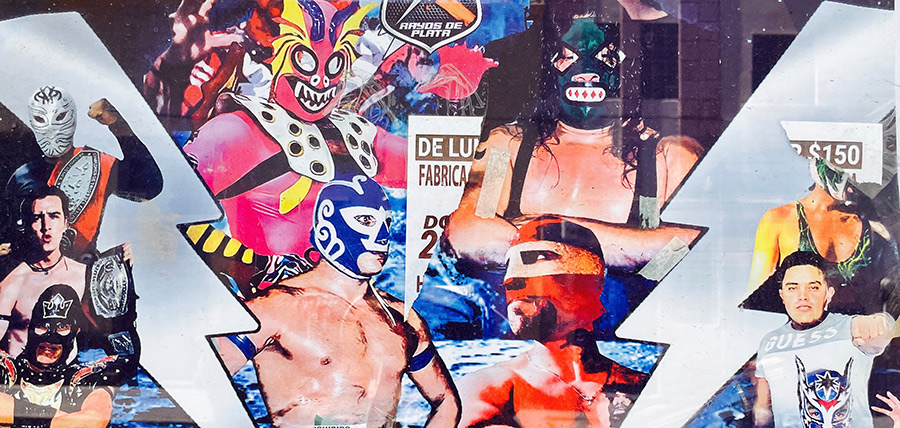
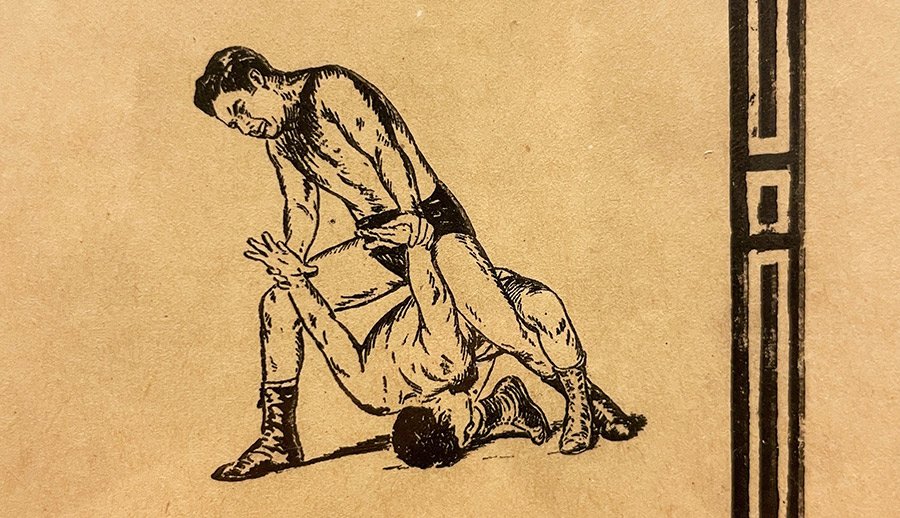
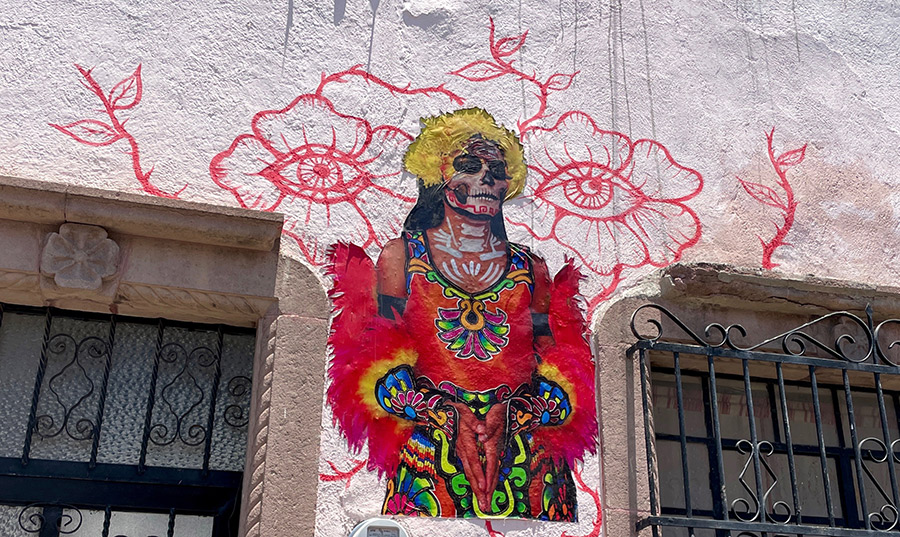
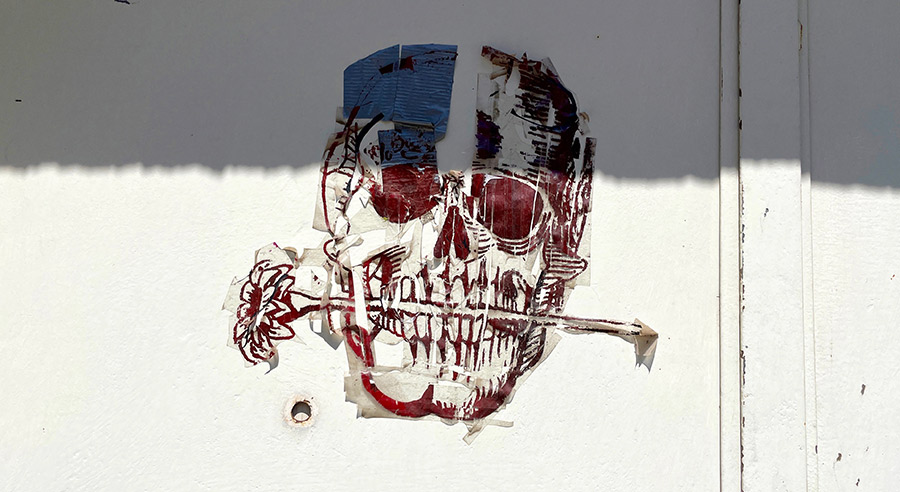
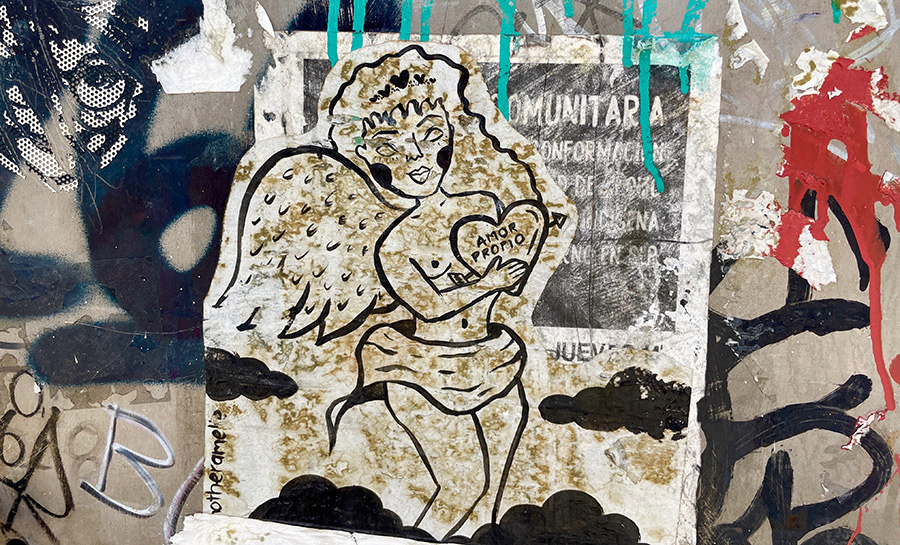
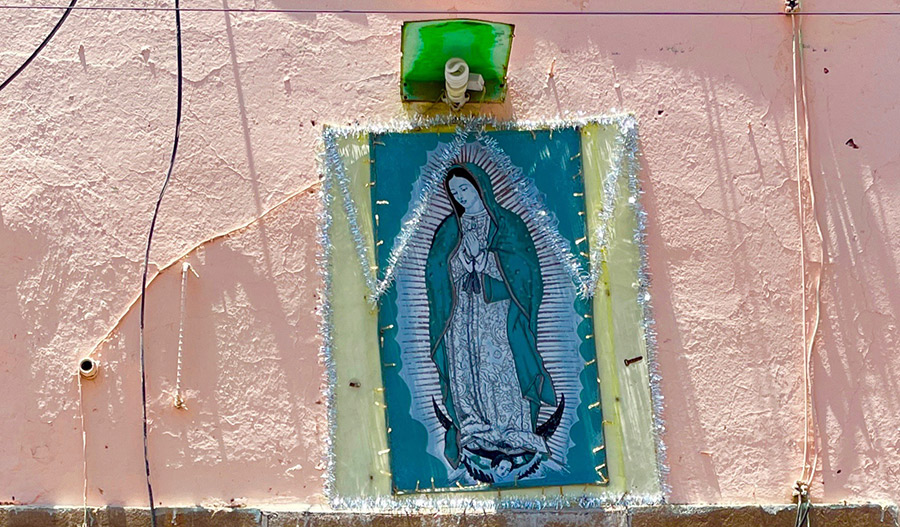
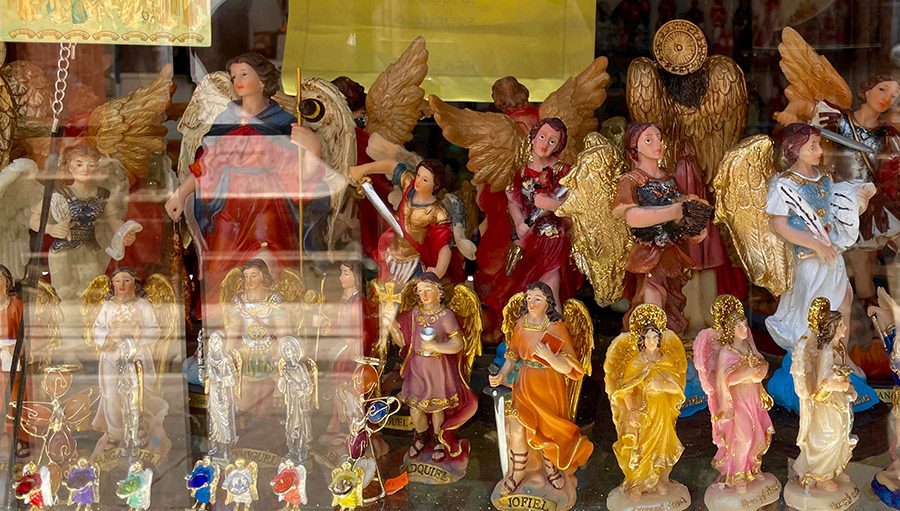
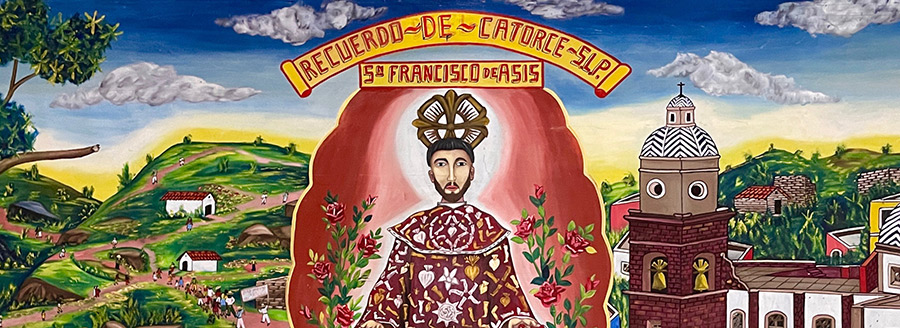
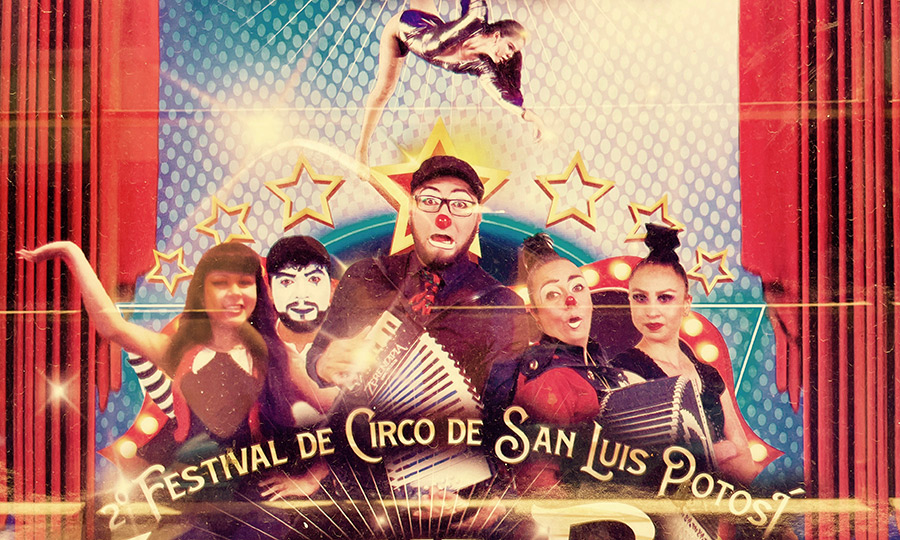
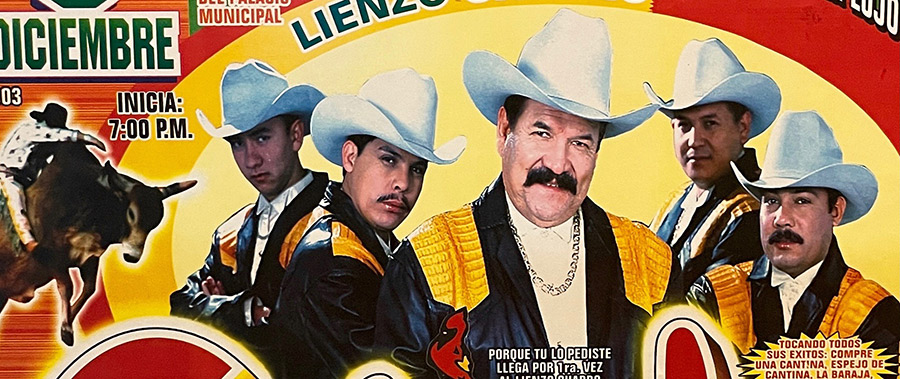
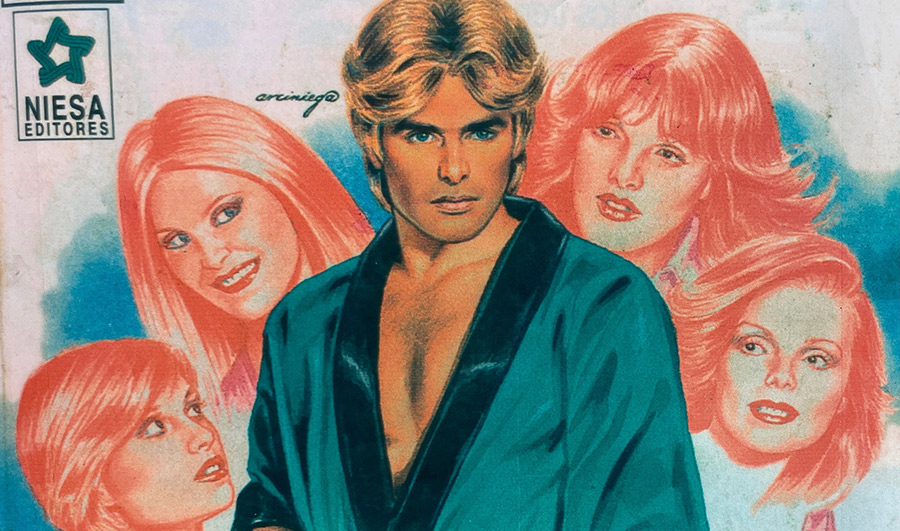
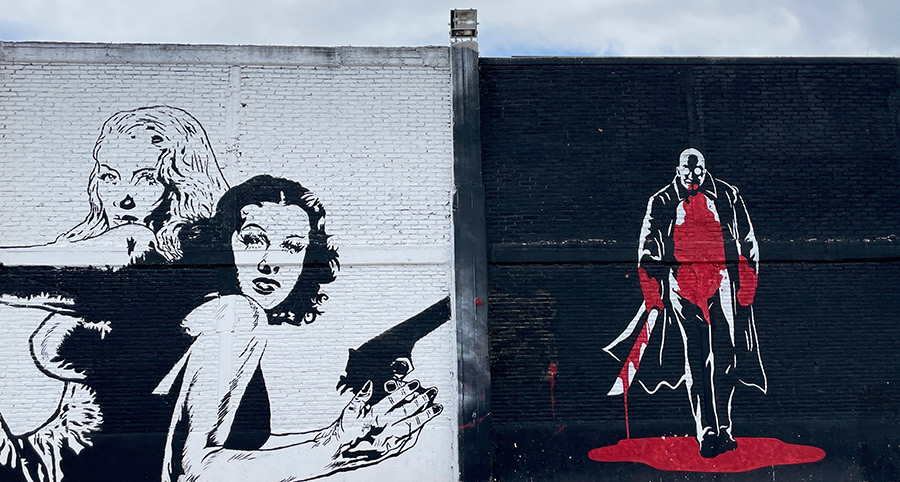
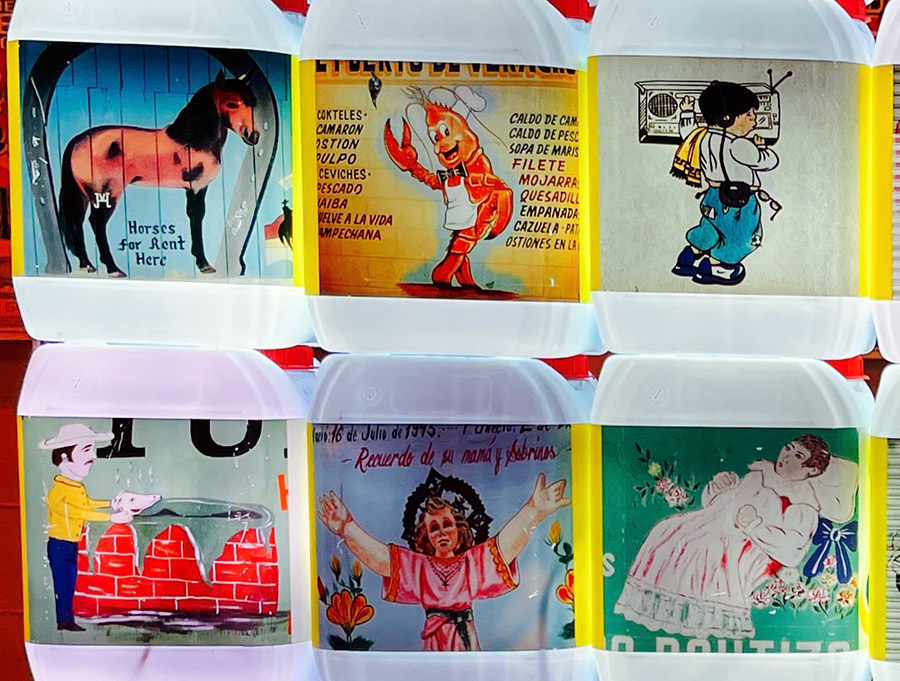
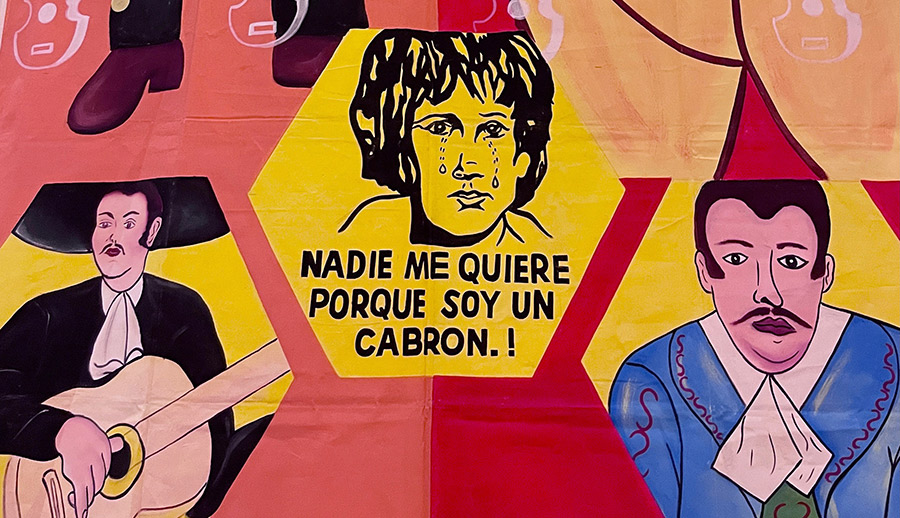
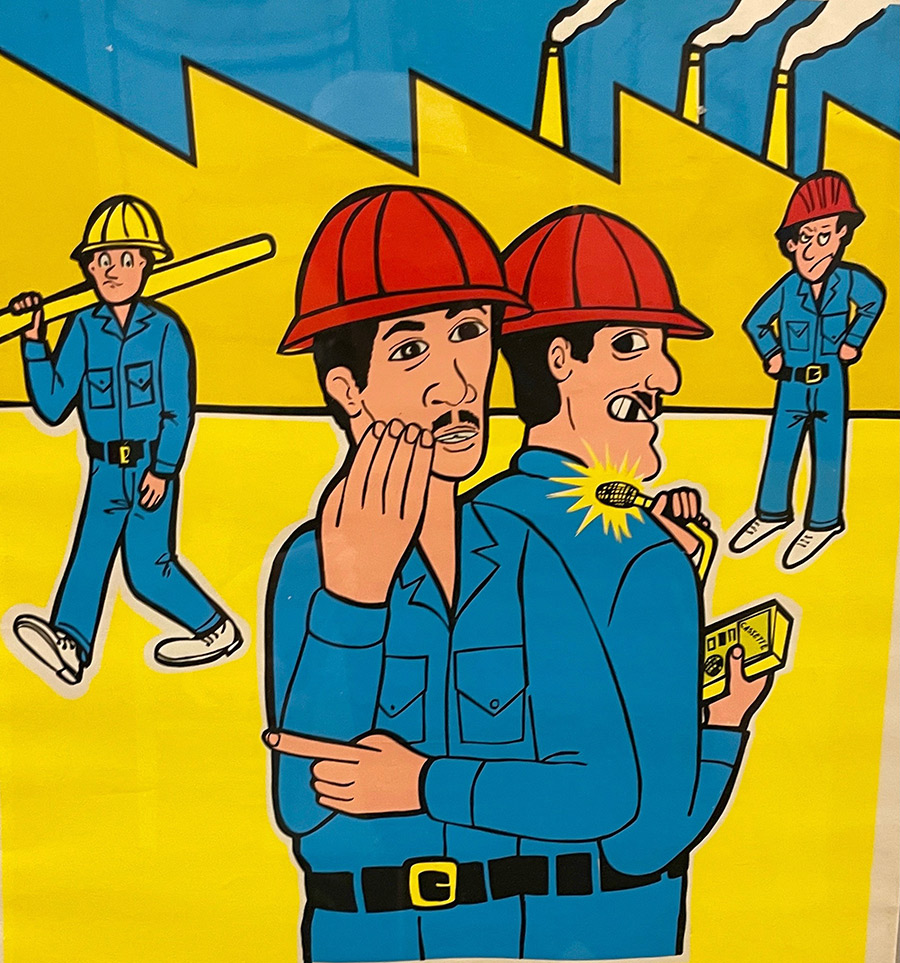
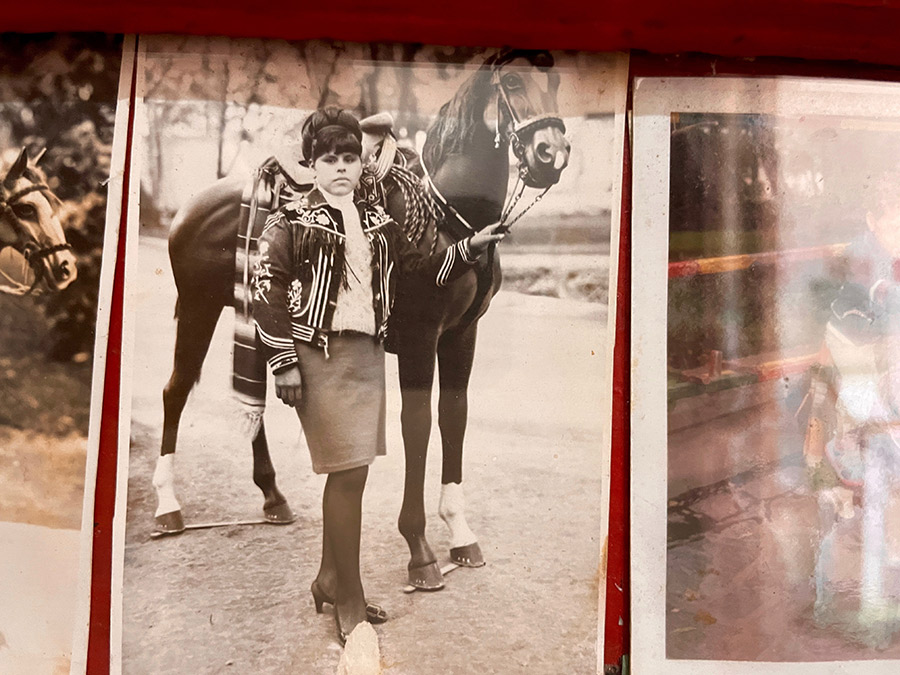
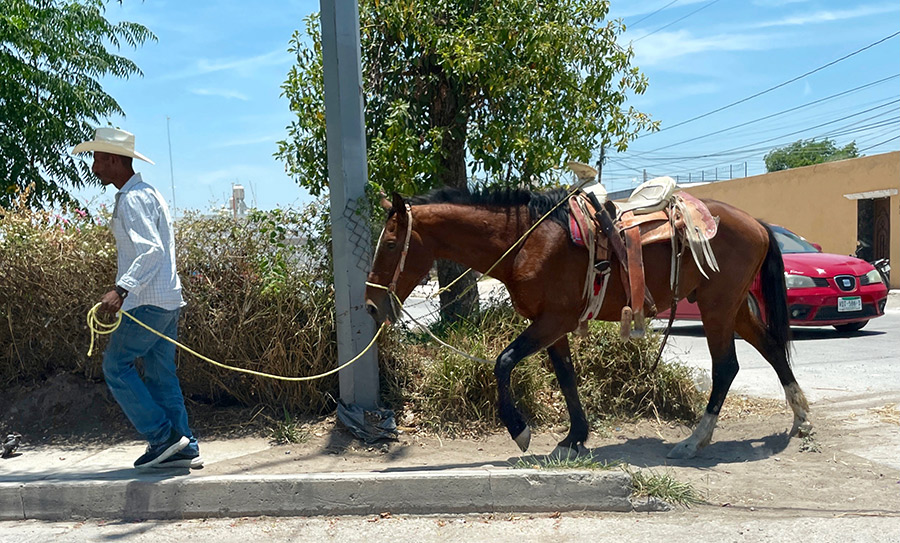
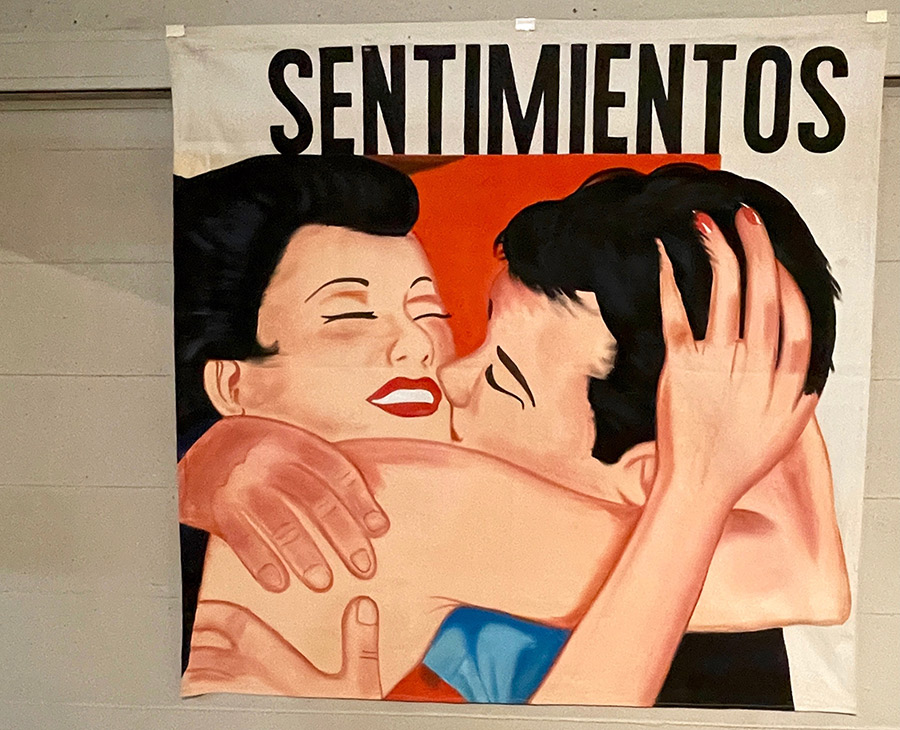
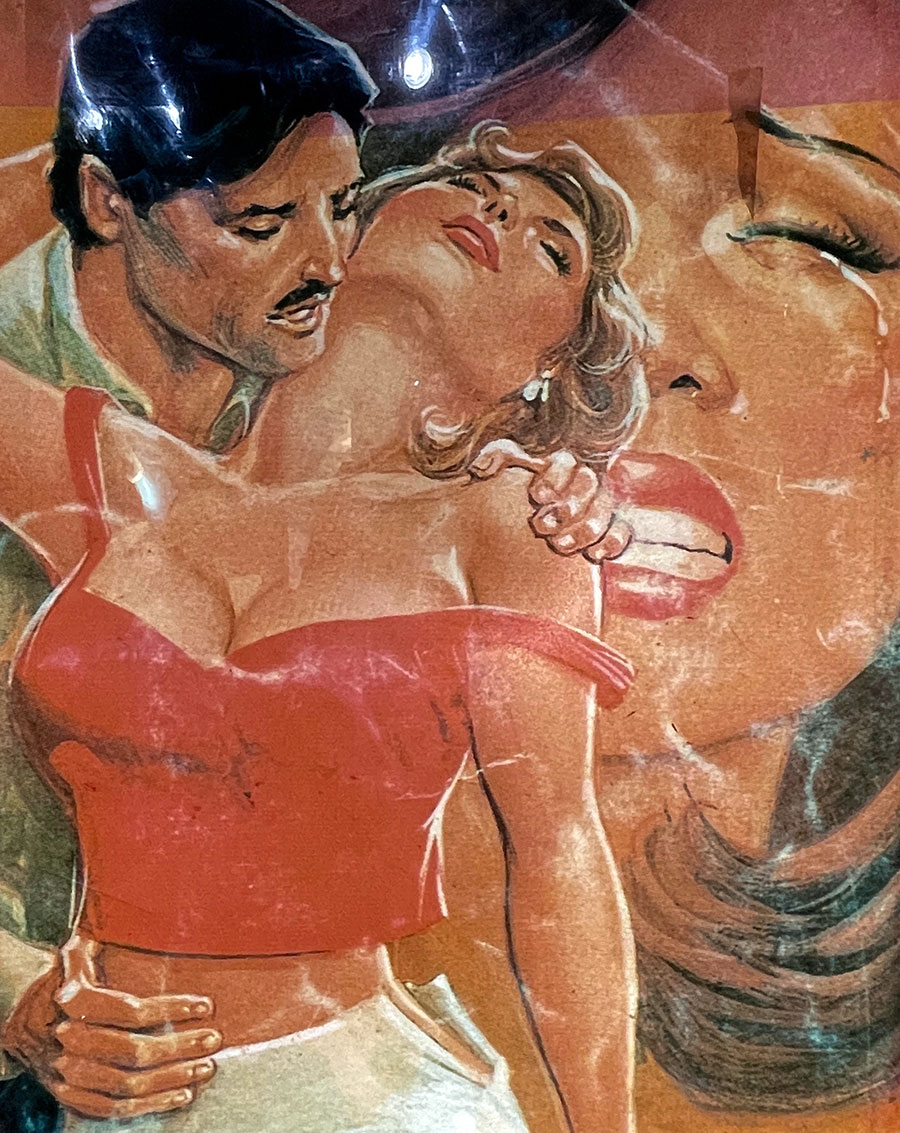
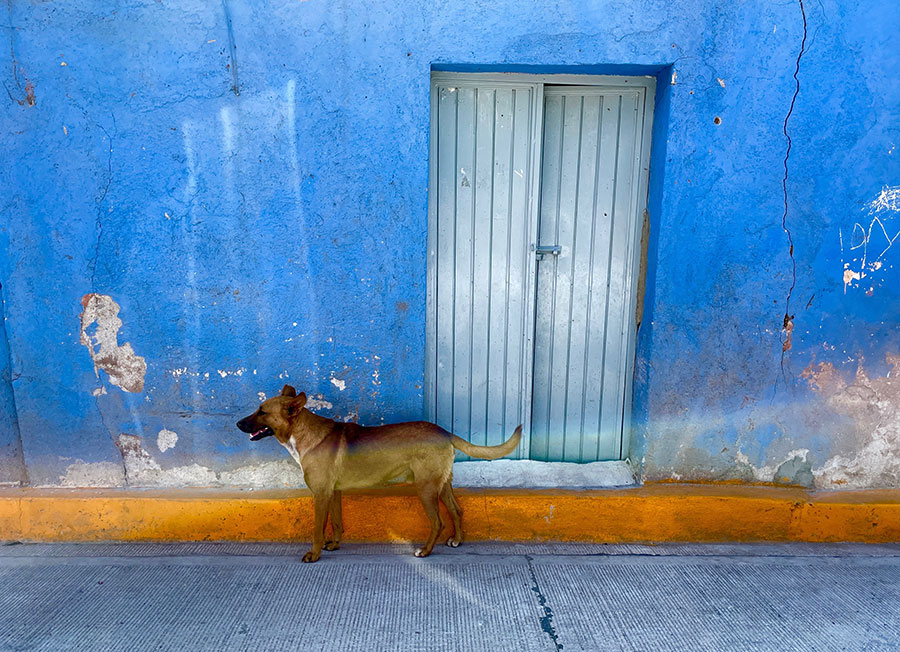
Imagine landing in a new city where you don’t know the language. You rely on body language, expressions, your own intuition. Signs make no sense, people speaking around you are a puzzle. Looking out the window of the car or walking along the streets you see posters, ads, and graffiti. These are the visual clues that may tell you about the culture you have just landed in. Here in San Luis Potosi you will see many characters whom you may not be familiar with, and you will wonder what significance they have to the culture – and how you may relate to it.
 BROOKLYN STREET ART LOVES YOU MORE EVERY DAY