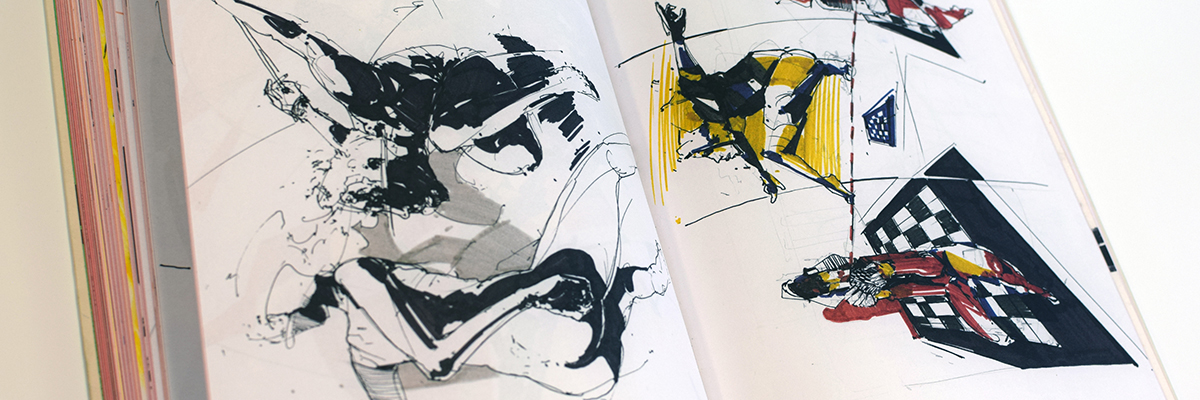
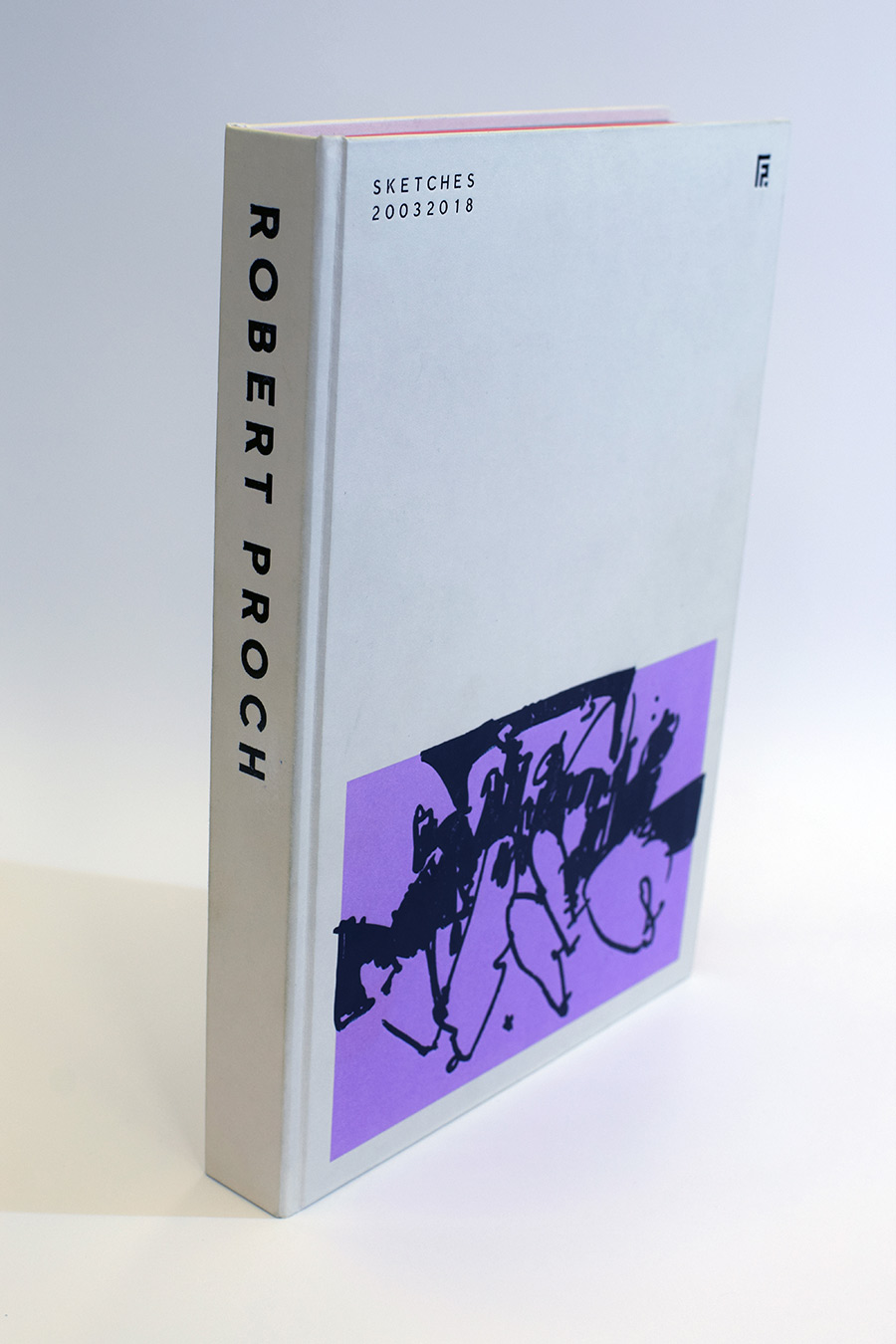
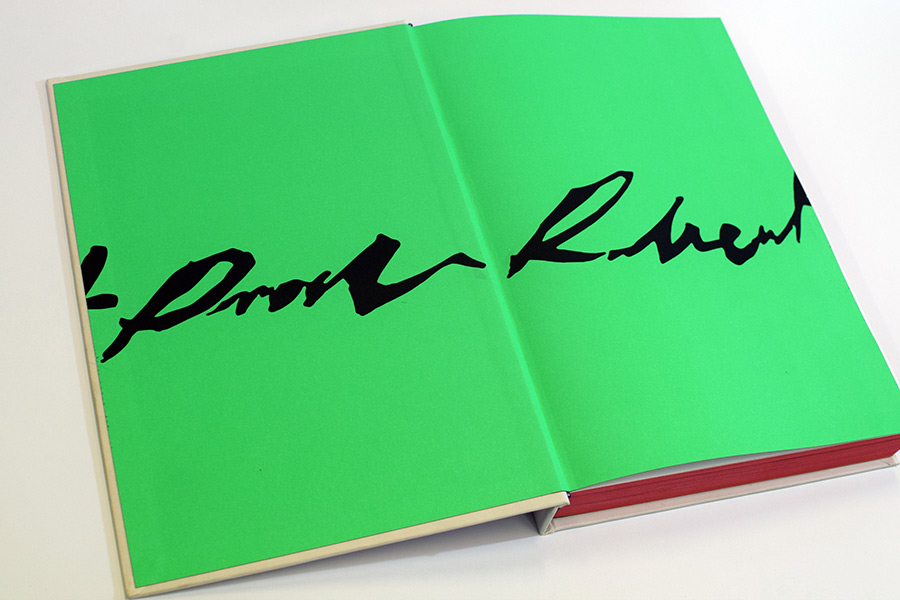
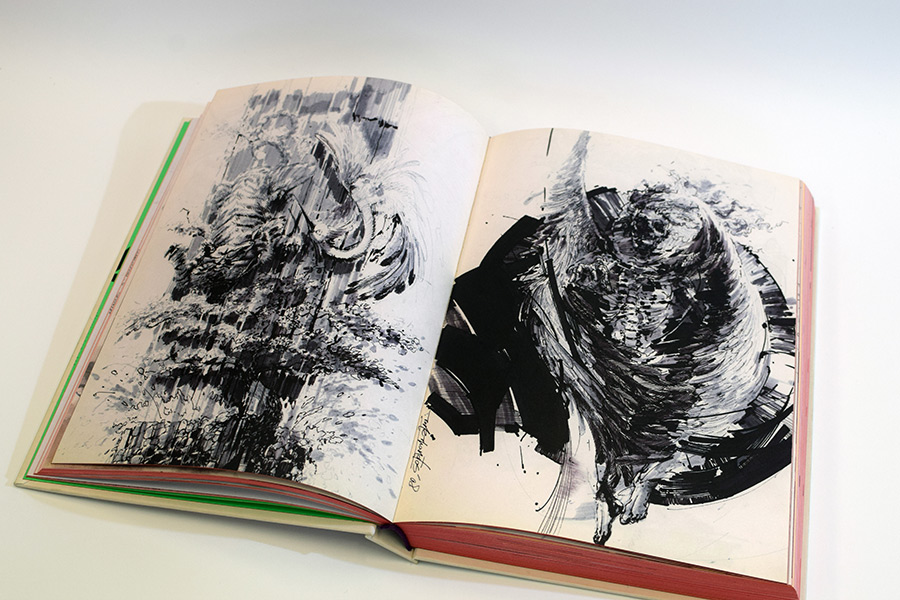
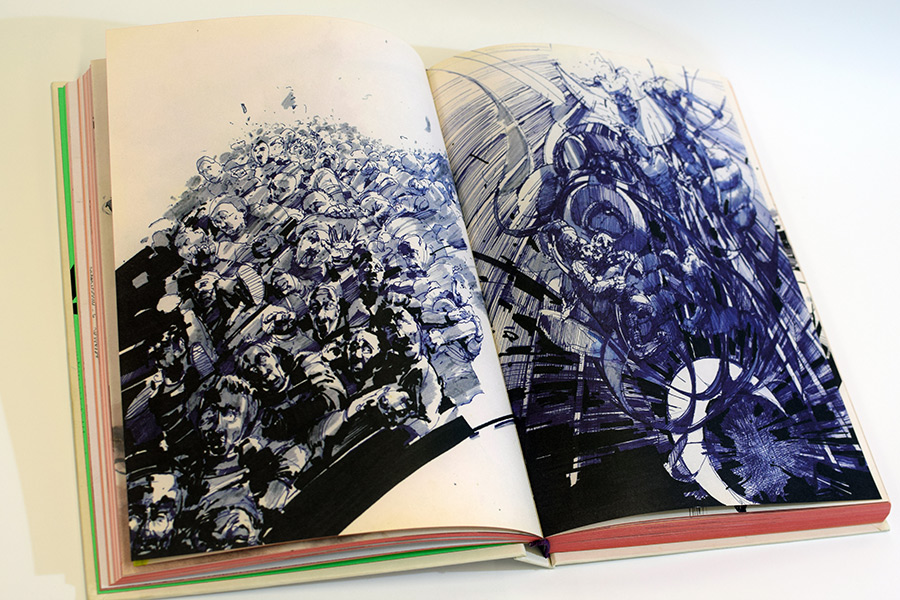
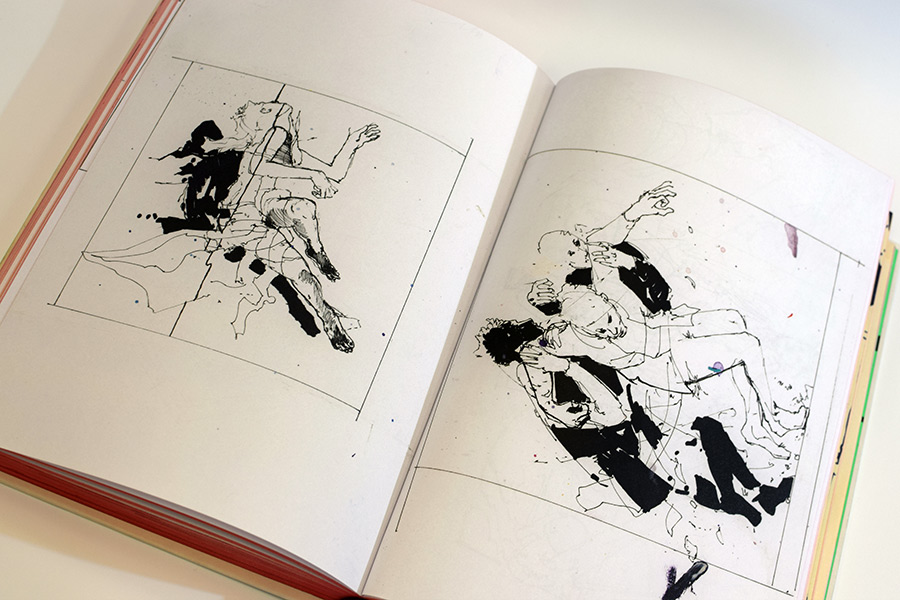
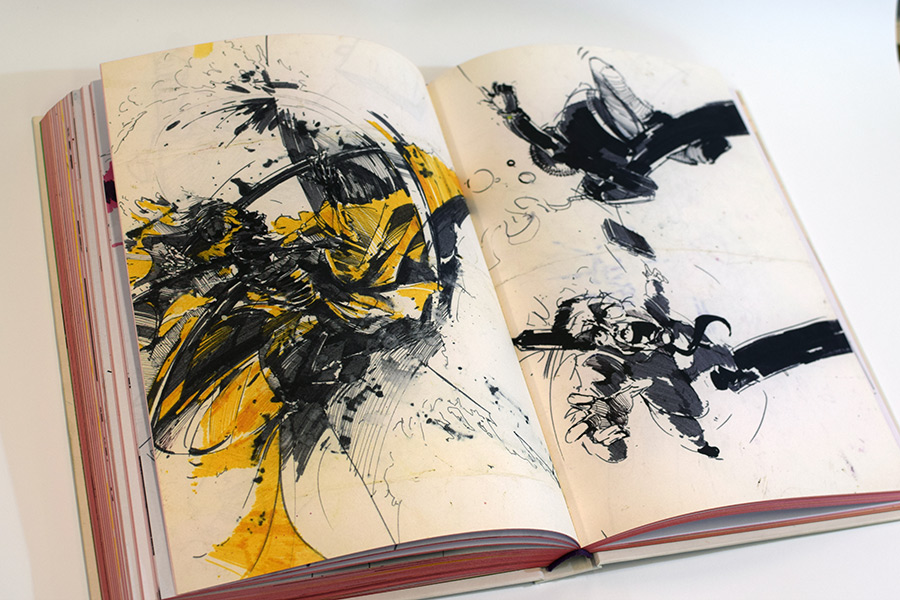
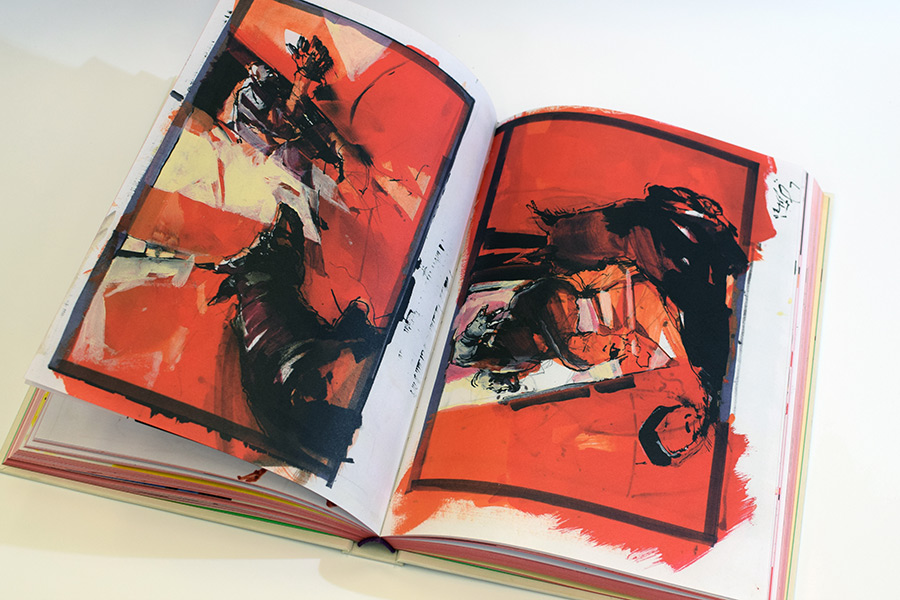
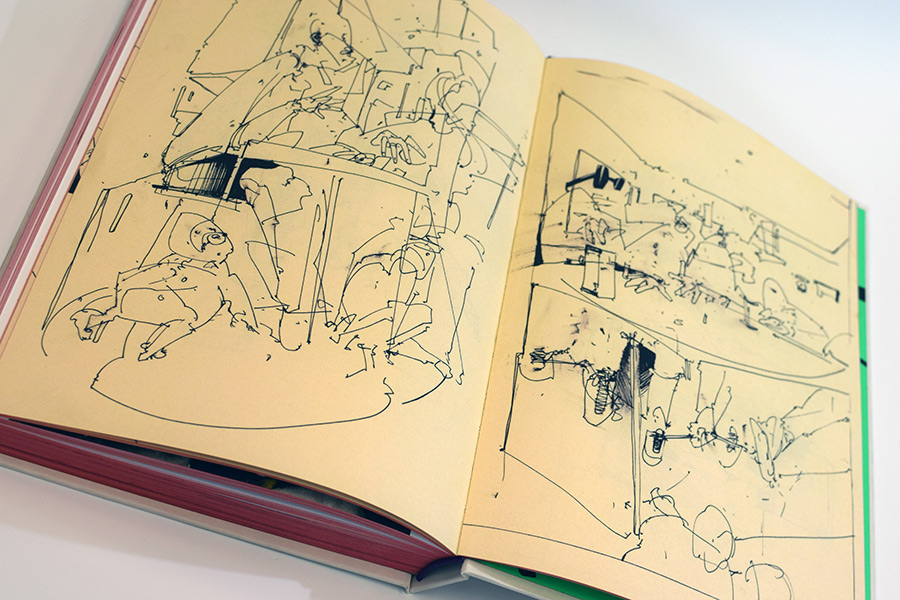
“ROBERT PROCH – SKETCHES” : a collection of all the preserved drawings and sketches created by the artist in the years 2003-2018.
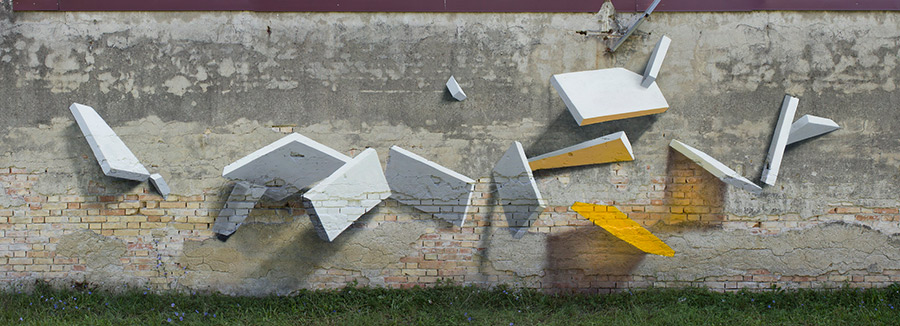
We had the opportunity to hang around with artist Robert Proch in 2015 at the No Limit festival in Boras, Sweden. Unassuming and bright, the artist was creating a painting on a massive wall that seemed to us to be insurmountable. He excitedly and with great ease jumped on the cherry picker and dove into the explosion he had sketched – pouring color and gesture into his futurist composition, bending and twisting the axis, capturing the flying energy and elements that appeared to jump off toward the viewer.
Later at dinner in a private home, it was a pleasure to speak with him. A warm, polite, and thoughtful guy – you would not necessarily know that his internal art view was so expansive, except to see his darting eyes perhaps, which didn’t appear to miss anything.
Robert Proch. “Sketches 2003-2018”. Robert Proch Foundation. (photo courtesy of the Robert Proch Foundation)
Taken from us all too soon, Proch already had made such an impression artistically in the street art/mural art/fine art worlds as someone who had a true talent and a drive to go where he wanted to. In light of this, we’re pleased to see this new collection of his sketches published by his family and friends, with all proceeds going to the Robert Foundation. We agree with them when the family says, “Let Robert’s art not be forgotten and keep bringing us happiness and joy.”
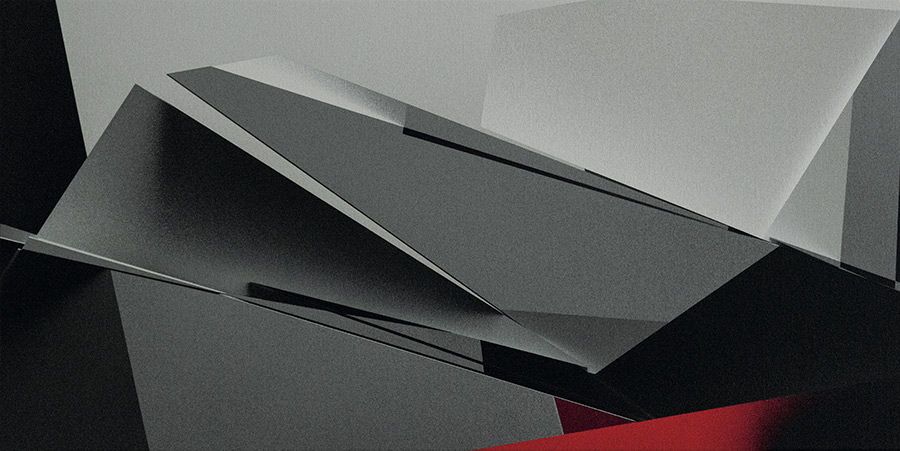
“The publication contains over 600 works, which were the starting point for the creation of paintings, murals, and animations. Arranged chronologically, they show the artistic evolution of Robert Proch and make it possible to distinguish periods that shape his work. All works are presented in their original format and colors, faithfully reflecting the uniqueness and style of Proch’s work.”
We’re pleased to share this book with the BSA family and are glad that we can help Robert’s family and foundation to bring his work to an appreciative audience.
Robert Proch. “Sketches 2003-2018”. Robert Proch Foundation. (photo courtesy of the Robert Proch Foundation)Robert Proch. “Sketches 2003-2018”. Robert Proch Foundation. (photo courtesy of the Robert Proch Foundation)Robert Proch. “Sketches 2003-2018”. Robert Proch Foundation. (photo courtesy of the Robert Proch Foundation)Robert Proch. “Sketches 2003-2018”. Robert Proch Foundation. (photo courtesy of the Robert Proch Foundation)Robert Proch. “Sketches 2003-2018”. Robert Proch Foundation. (photo courtesy of the Robert Proch Foundation)Robert Proch. “Sketches 2003-2018”. Robert Proch Foundation. (photo courtesy of the Robert Proch Foundation)Robert Proch. “Sketches 2003-2018”. Robert Proch Foundation. (photo courtesy of the Robert Proch Foundation)
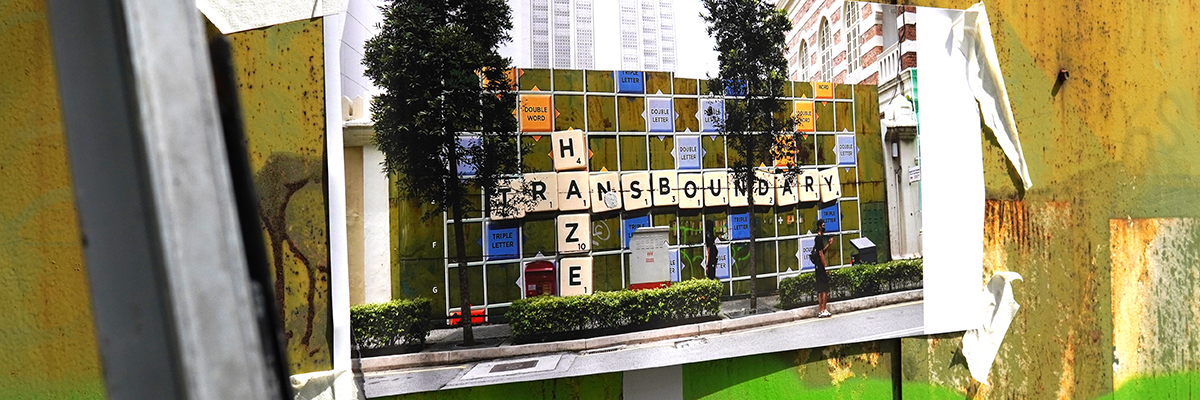
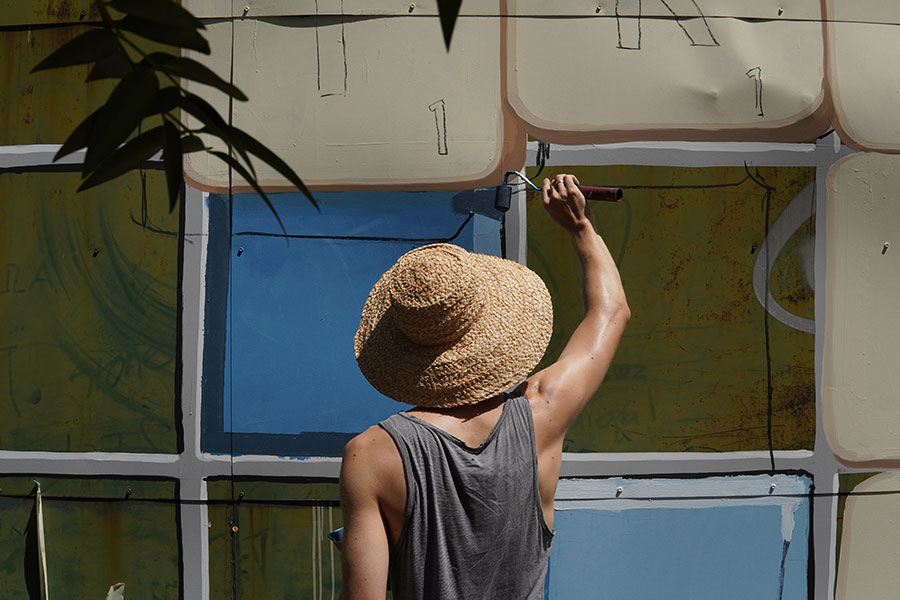
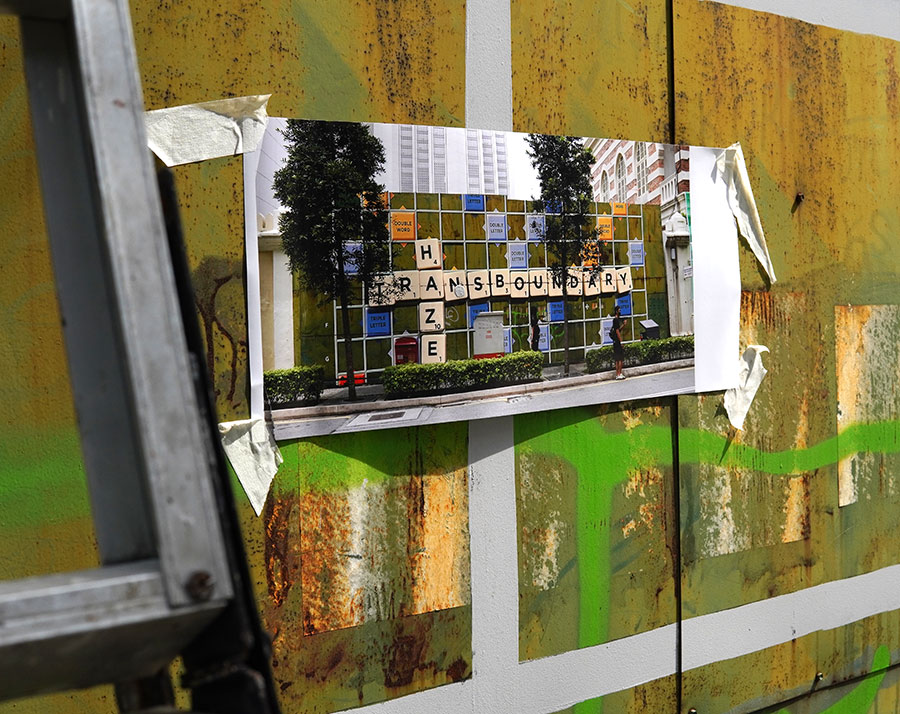
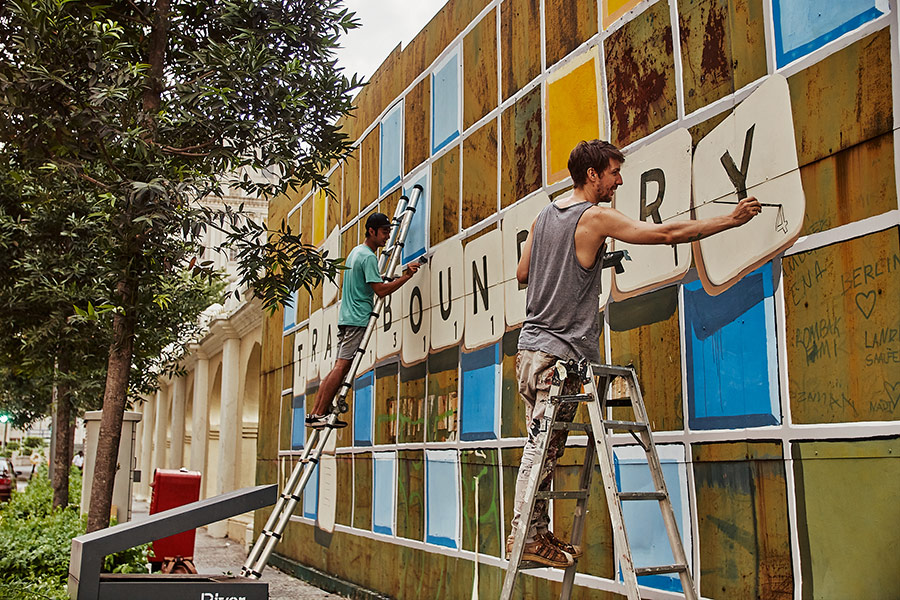
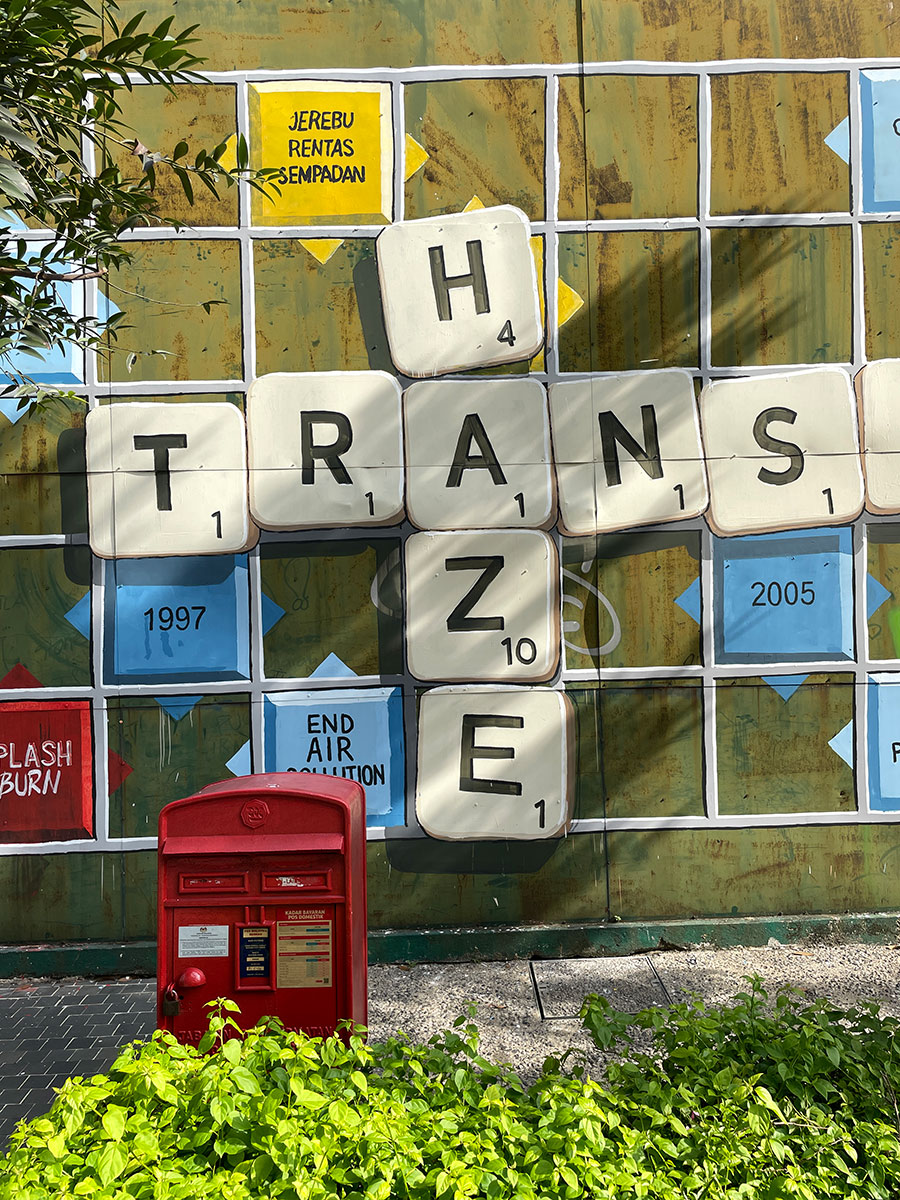
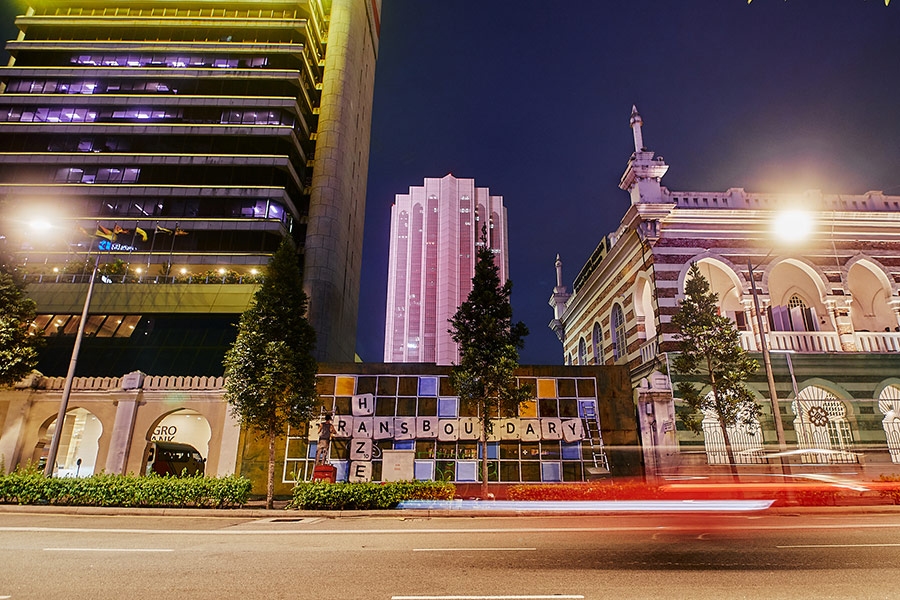
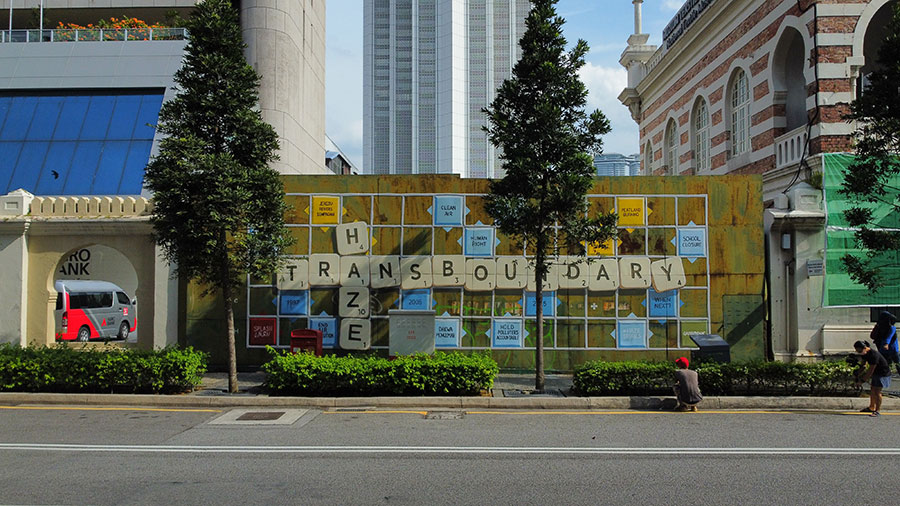
To coincide with world environment day the artist reveals ‘Transboundary Haze’.
“The main drivers of transboundary haze are man-made fires,” says street artist/fine artist Ernest Zacharevic in a statement about his new ‘Transboundary Haze’. “Palm oil and acacia, which are used for pulp and paper products, are burned. It results in a variety of ecological, economic and health effects.”
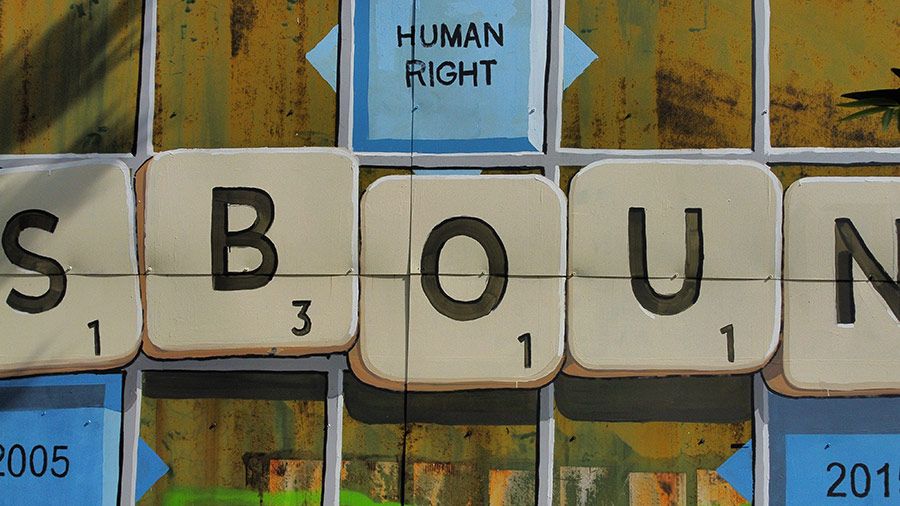
Leaving you to participate in this crossword in Malaysia, the street piece anticipates a rise in temperature along with the haze phenomenon this summer and demands that the topic be addressed during upcoming elections.
The Lithuanian artivist has used his talents to raise awareness of environmental issues previously and is hoping this new one will raise the level of awareness. “Living in Malaysia, the transboundary haze has become a natural part of life,” he says.”It’s a regular occurrence for many and from what I can see, it seems like people are just trying to learn to live with it rather than finding ways to prevent or solve it.”
“The government should enhance air quality governance, and strengthen the recognition of environmental rights,” says Greenpeace Malaysia campaigner Heng Kiah Chun, with whom Zacharevic worked on this new project. “Having a clean, healthy, and sustainable environment is a human right.”
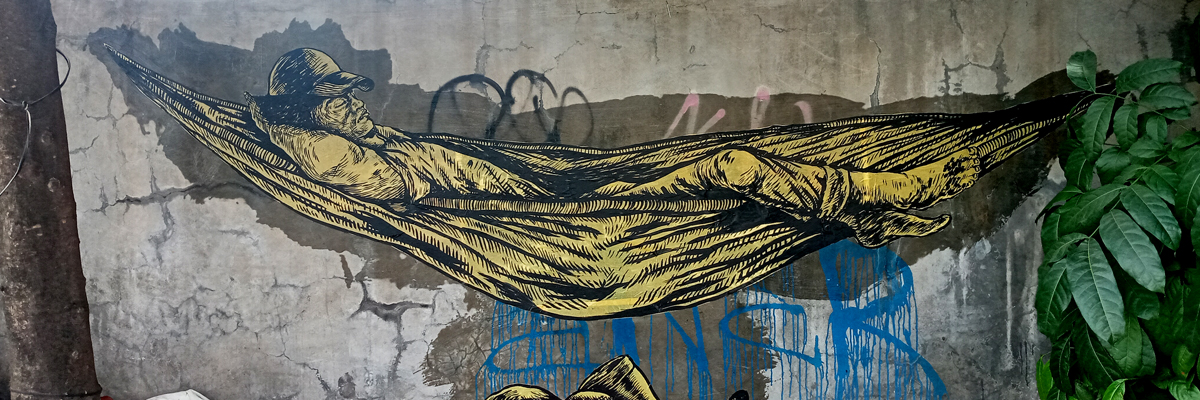
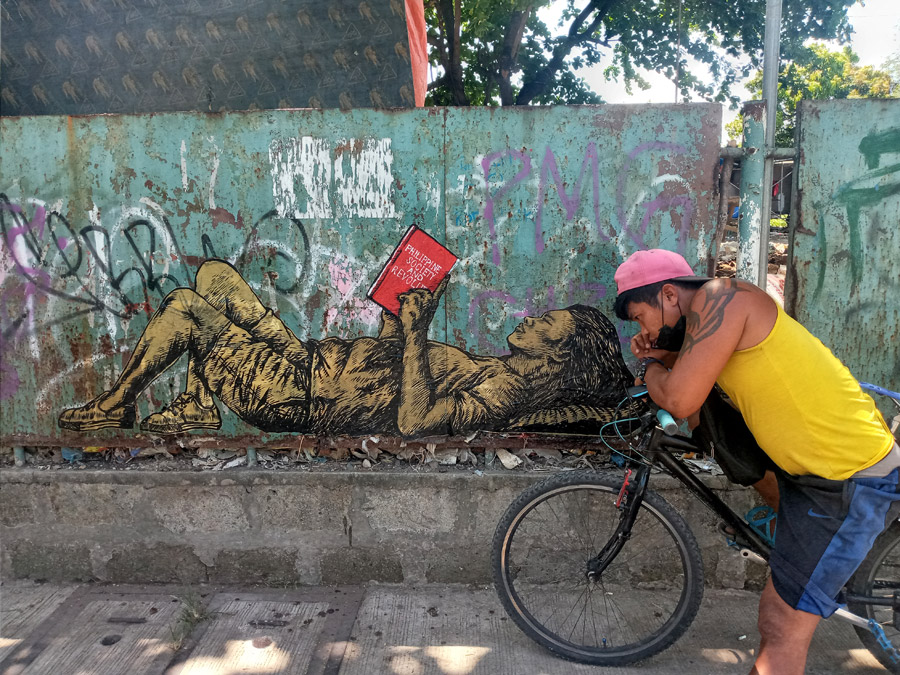
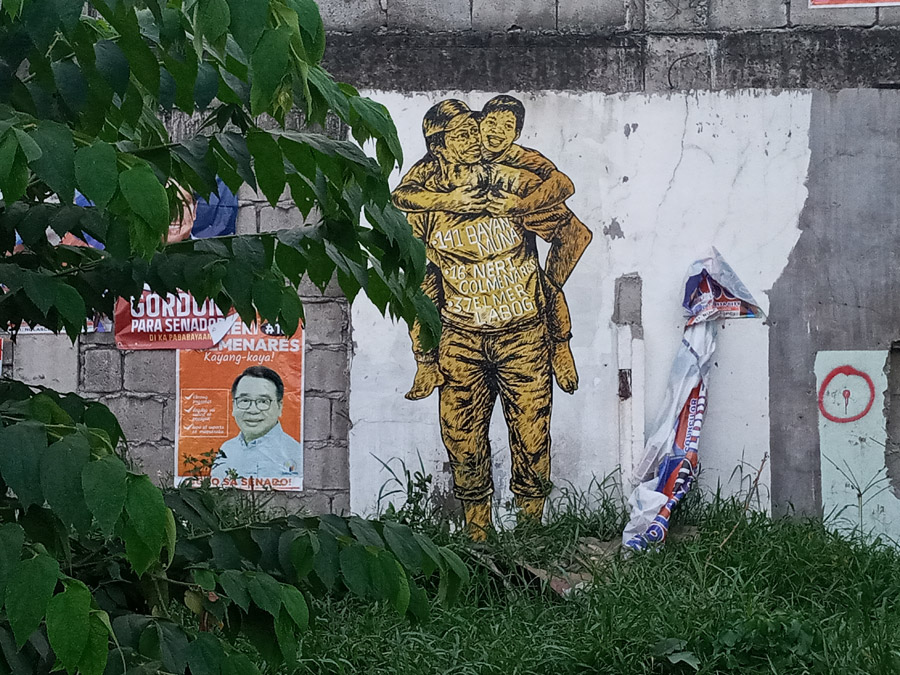
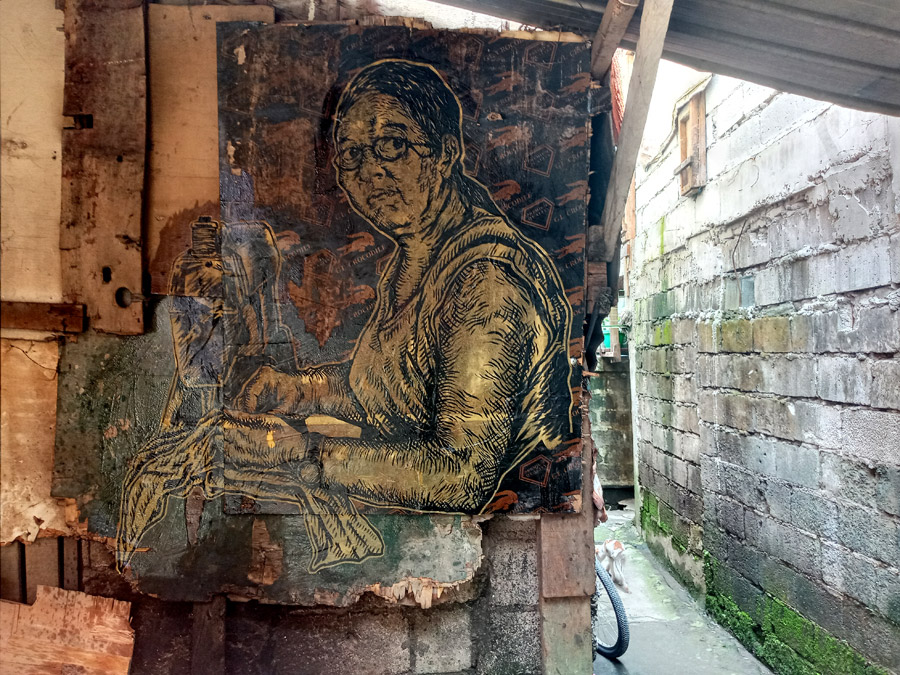
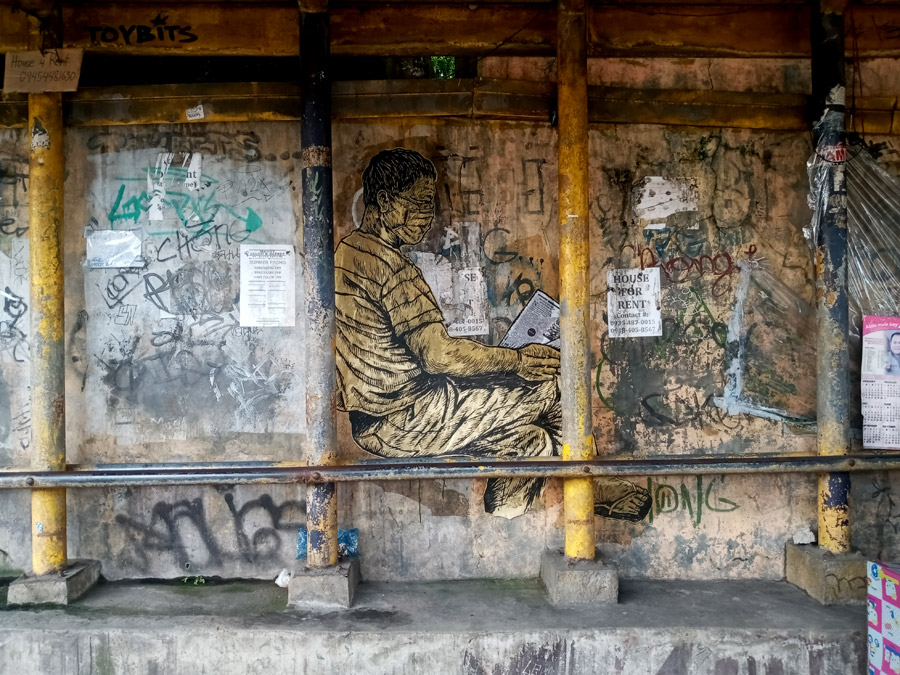
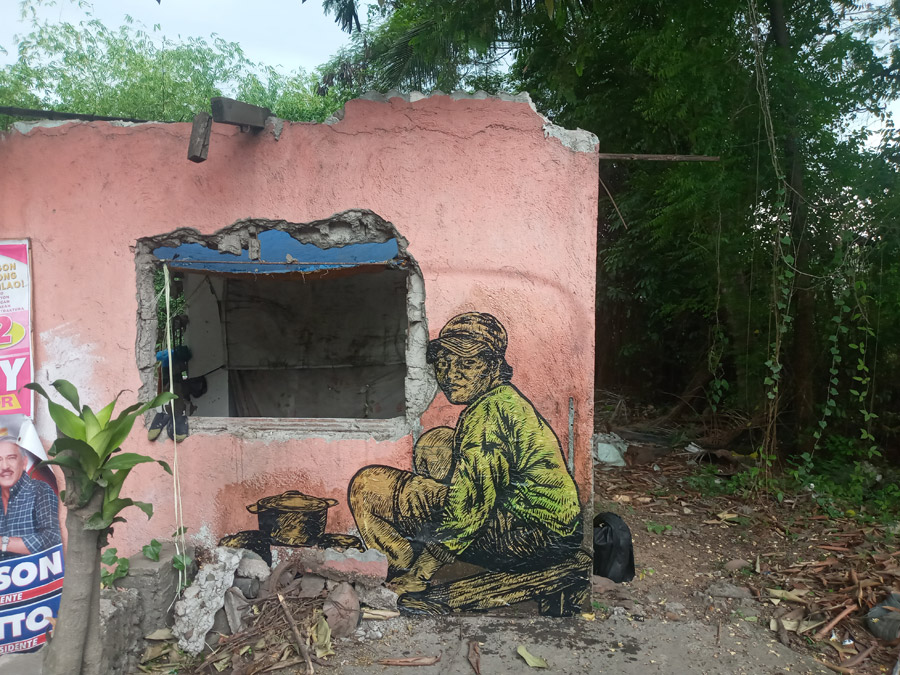
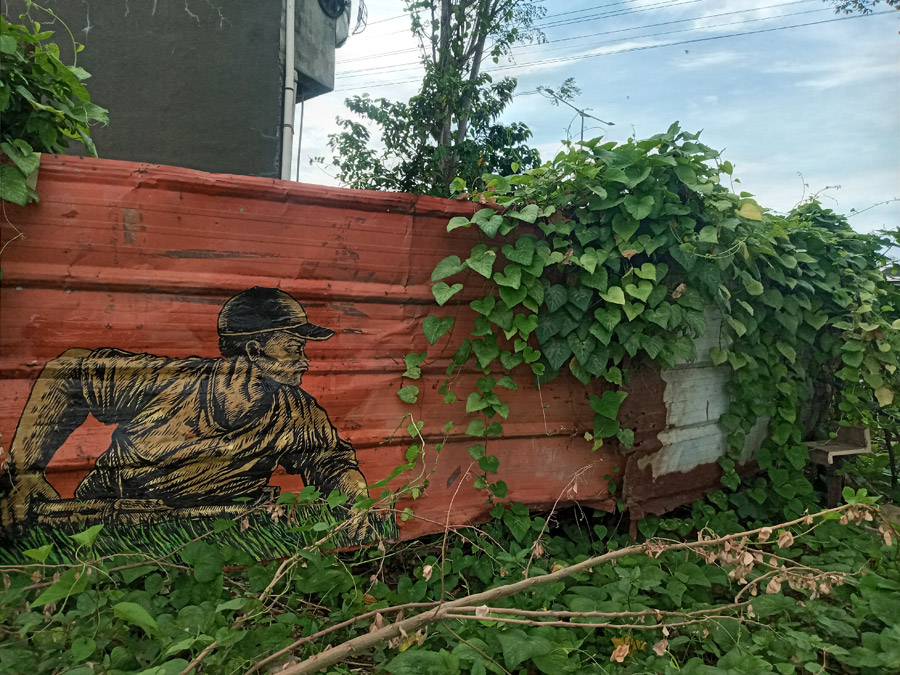
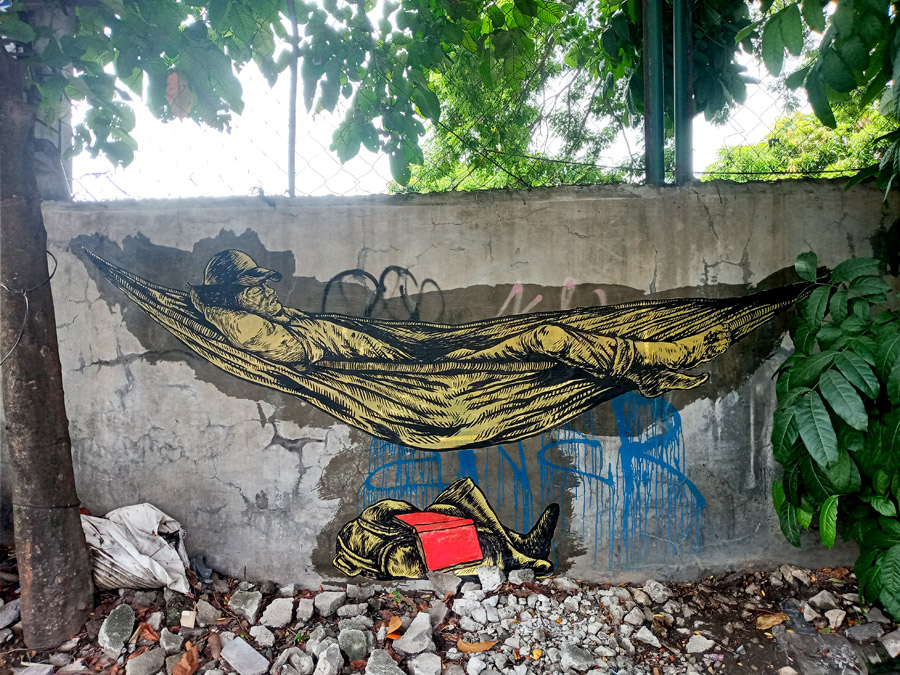
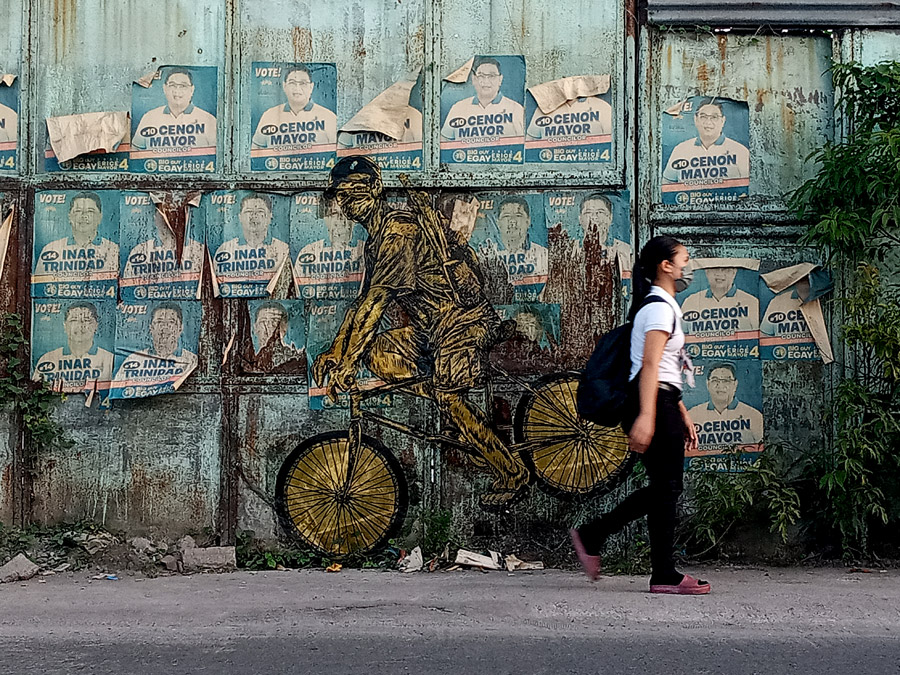
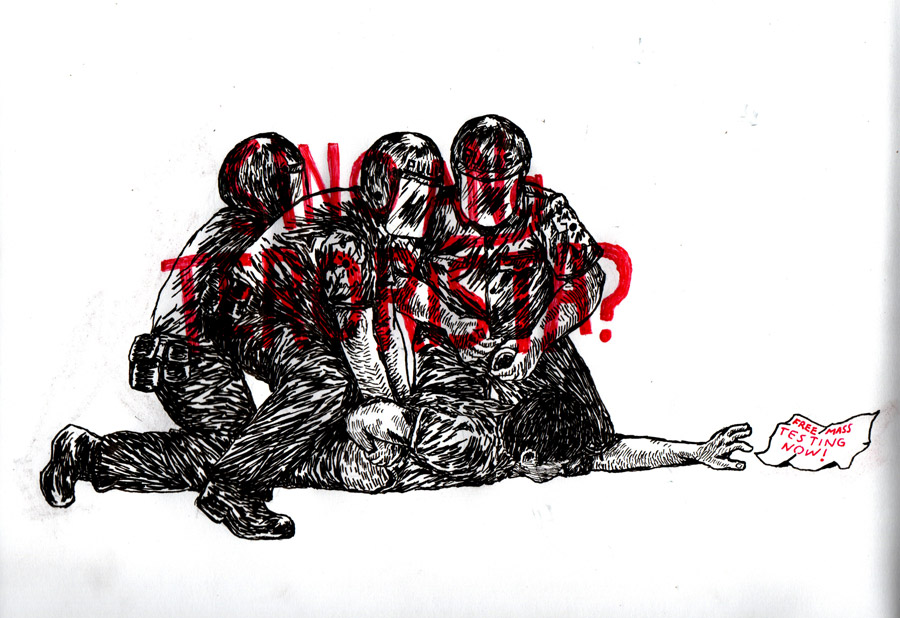
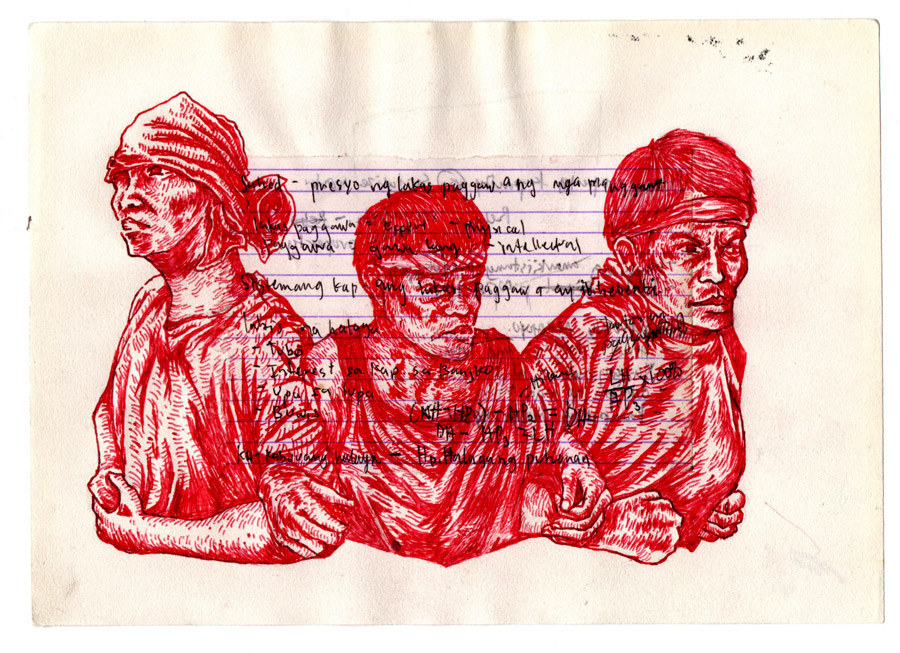
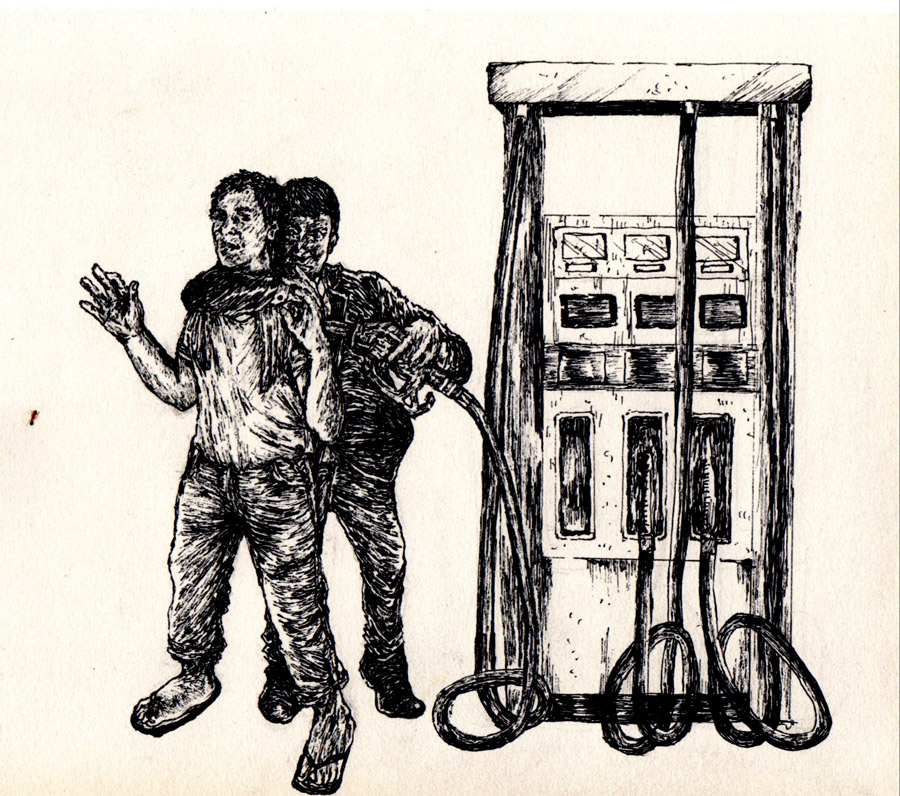
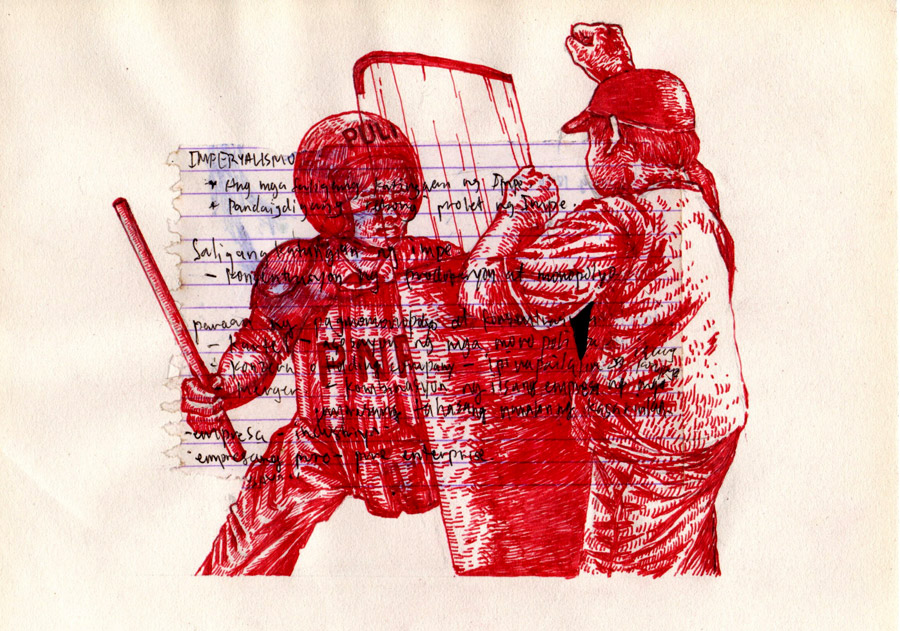
Filipino wheat-paste street artist Brayan Barrios has been placing his work on the streets of Manilla since the 2000s and shares with BSA readers some of his recent work today. Illustrated in a hatched hand technique that may remind you of linotypes, Barrios creates one-off pieces that he places in doorways, on corrugated walls, abandoned lots and other marginal areas of the city. These are all his neighbors and he is documenting their lives.
An artist and activist, Barrios always has issues of social justice on his mind. He uses his posters to pay tribute to people in the community who inspire him, sharing a personal insight into the hardships of life and the character of the city. We asked him to tell us about his work on the streets and margins of Manilla.
BSA:The people whom you depict on your work are ordinary humans doing their work, resting or reading. Are these people whom you know personally. Did you ask them to pose for you? Brayan Barrios: Some of my subjects are people I know personally – like the woman with the sewing machine — a late community leader, and the child freeing a bird – whose mom is also a community leader. They are people I would regularly encounter during my volunteer work in Payatas, a community in Quezon City known to be the dump site and junk capital of the metro. Most of my subjects are studies from either photos I took or random sketches.
BSA: Could you please describe your technique for creating your work? BB: My ideas always come from the most common doings of the basic masses, especially the workers and peasants during my experience of interacting with them. I would brainstorm around such ideas and then draw them directly on what we call here a “Manila paper” which is somewhat similar with kraft paper and then paste them on the good spots where more people can see them.
BSA: By representing these individuals on the streets with your portraits of them are you giving them a place in society or celebrating their existence? BB: I chose these ordinary people from the grassroots sectors to celebrate their existence as a vital part of the society. In my recent works, subjects are reading books or newspapers to fight grave disinformation and an historic revisionism campaign perpetrated by the current and upcoming regime. I also love putting up images of working class like the one in the window, sipping coffee with the call to abolish Endo Contractualization on his shirt.
BSA: Are all the wheat-pastes in one city or do you travel the country to put art up elsewhere? BB: My recent works are around different cities in Metro Manila. But I would love for my artwork to be seen by people in more sitios, barangays, towns, or cities around the Philippines and beyond.
BSA:Your country just elected a new president. He’s from the same family that ruled the Philippines for many years. The outgoing president could be described as a tyrant. Do you use your art to express your disapproval of how politicians are handling the problems of your country? BB: Definitely. I take it as both a responsibility and an honor as an artist to use my work to expose and fight tyranny and all other forms of oppression, and most importantly, cherishing the people’s struggle.
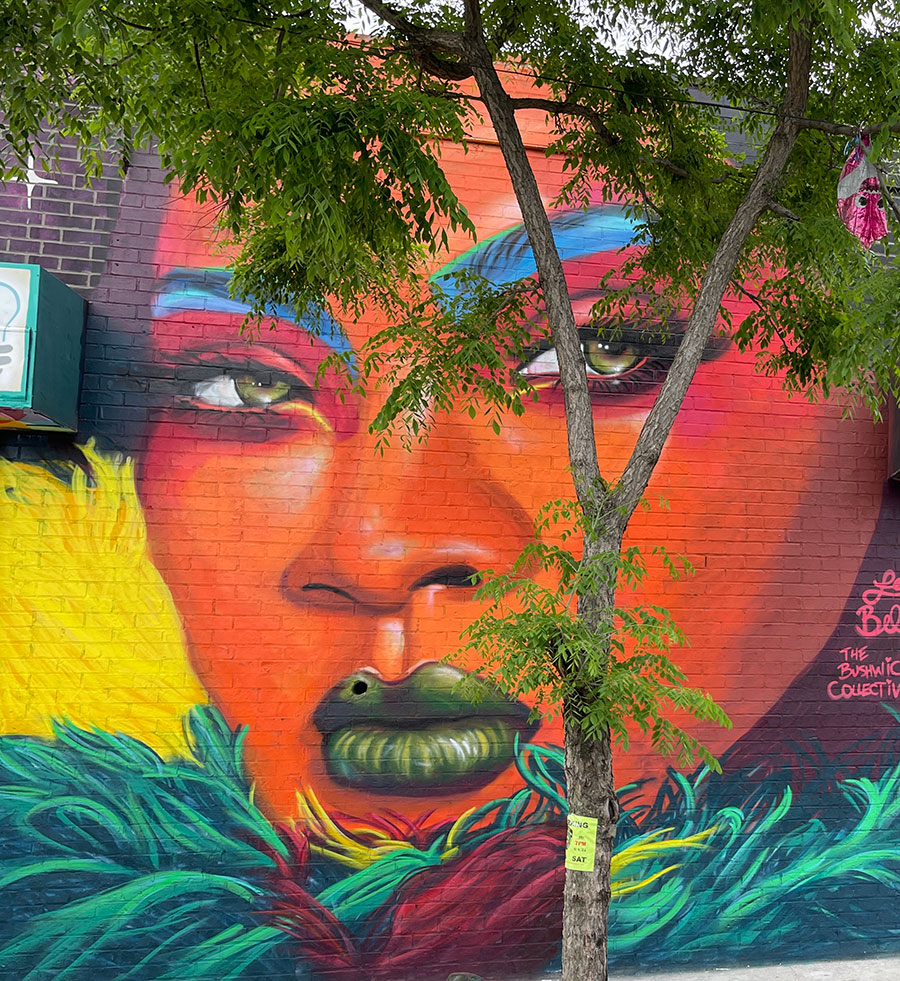
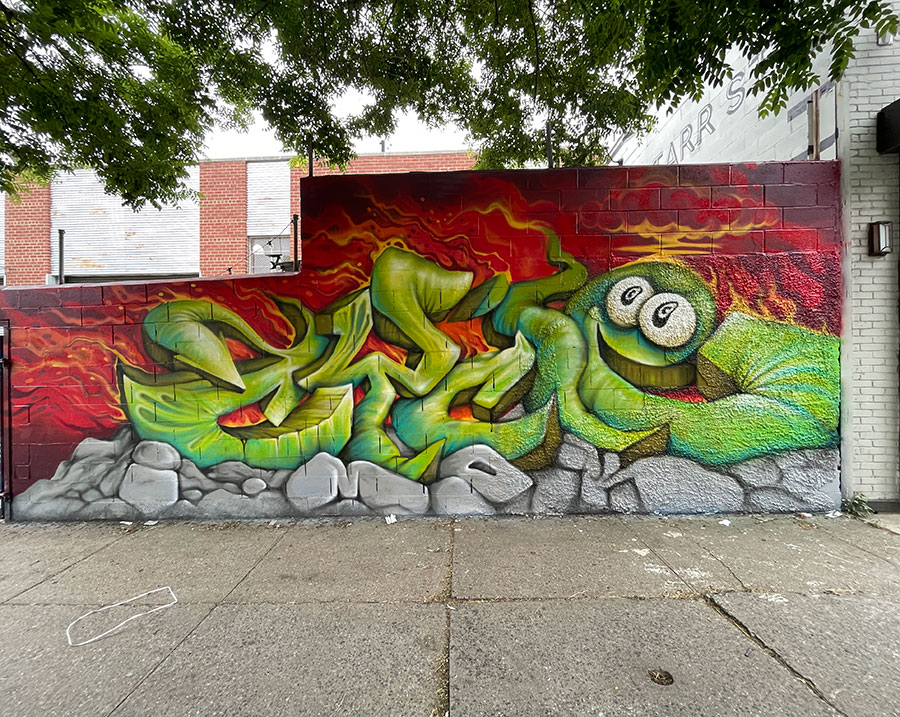
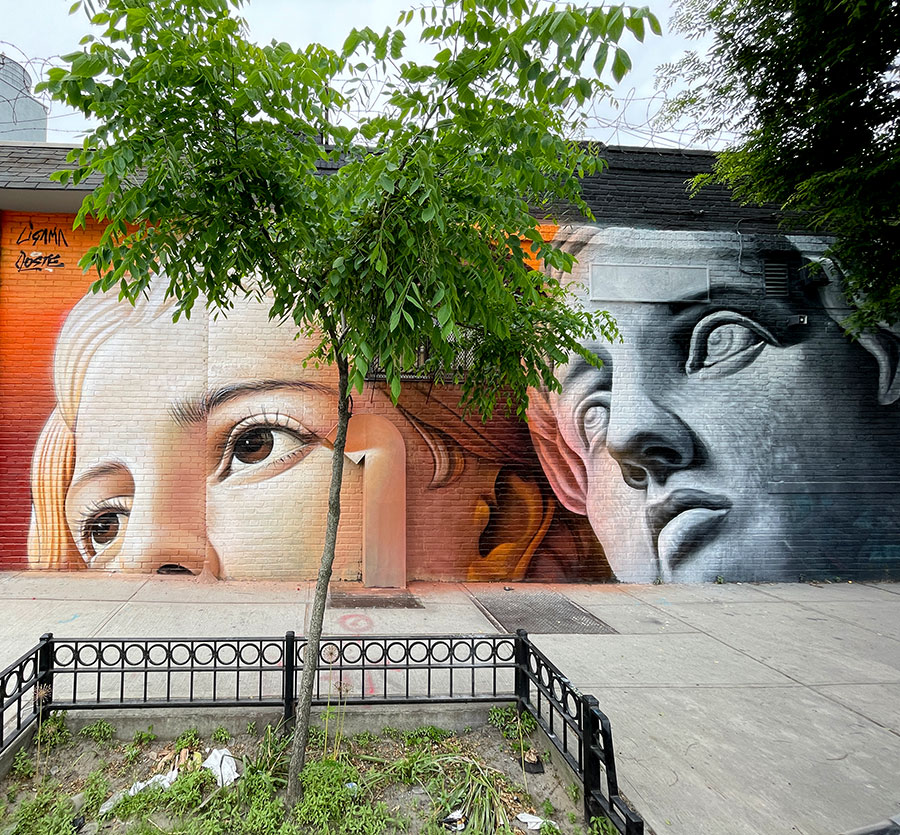
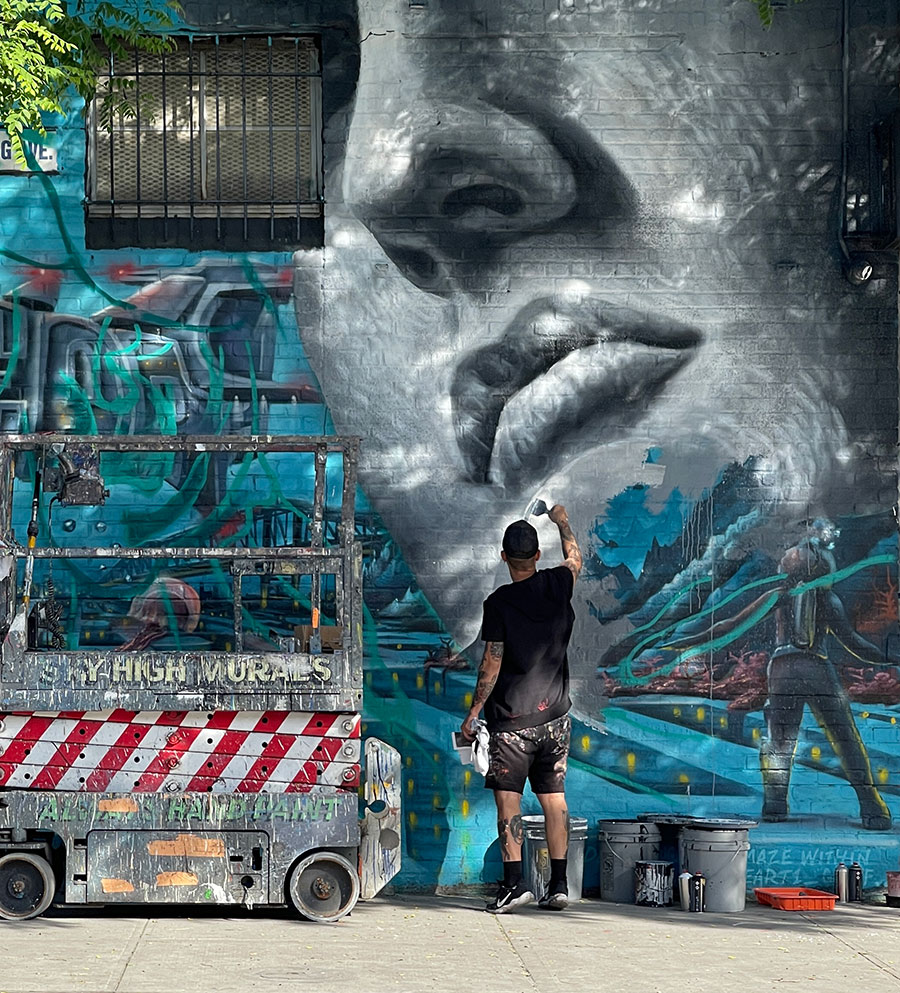
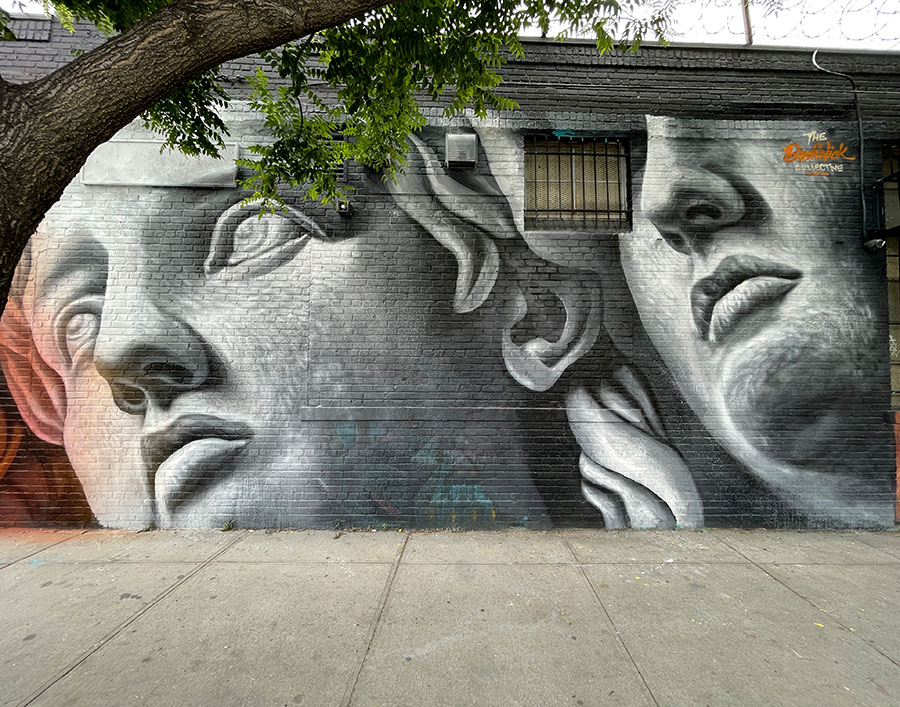
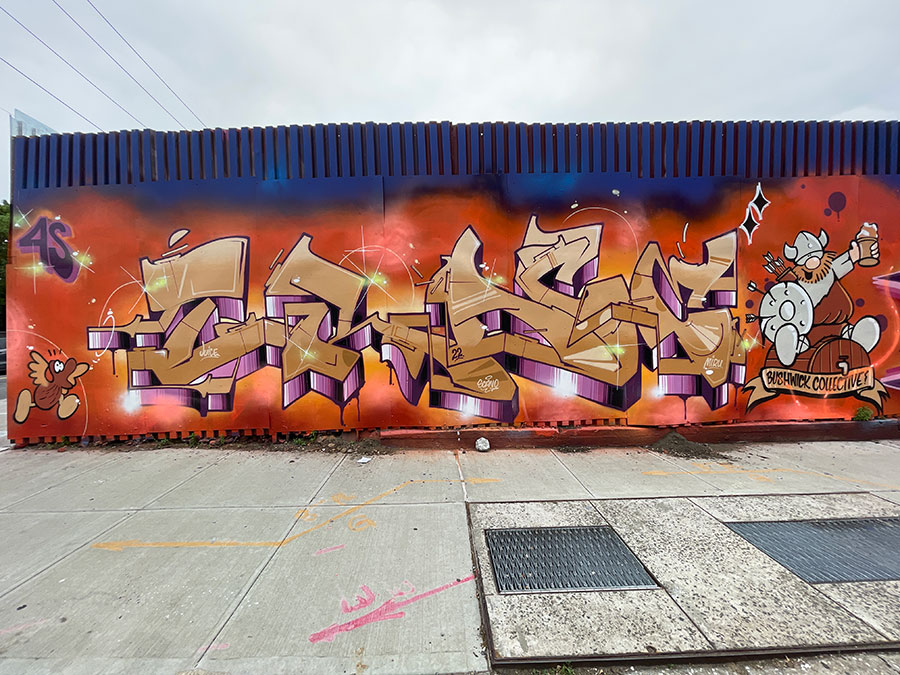
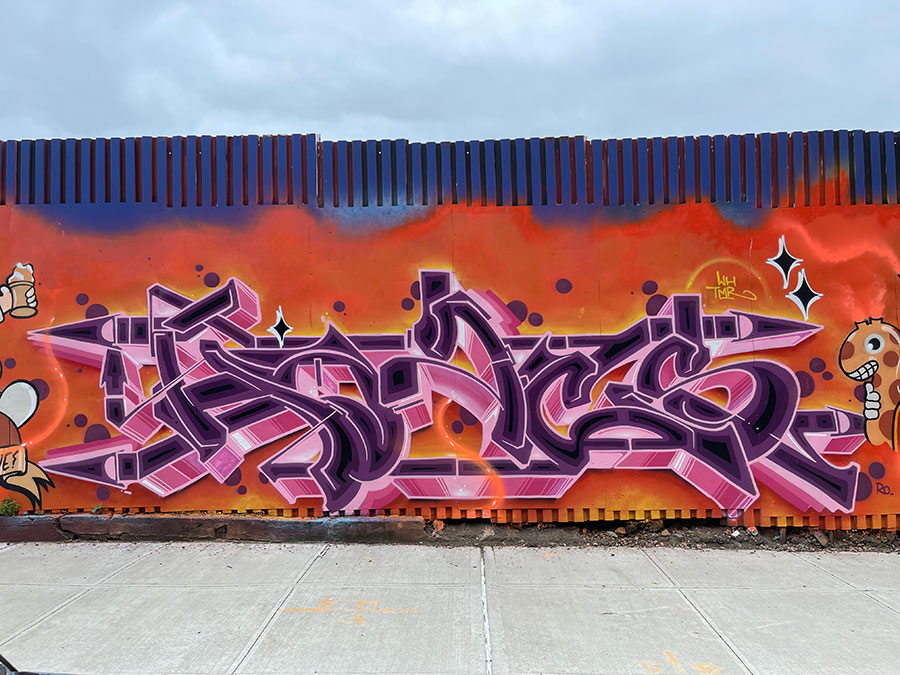
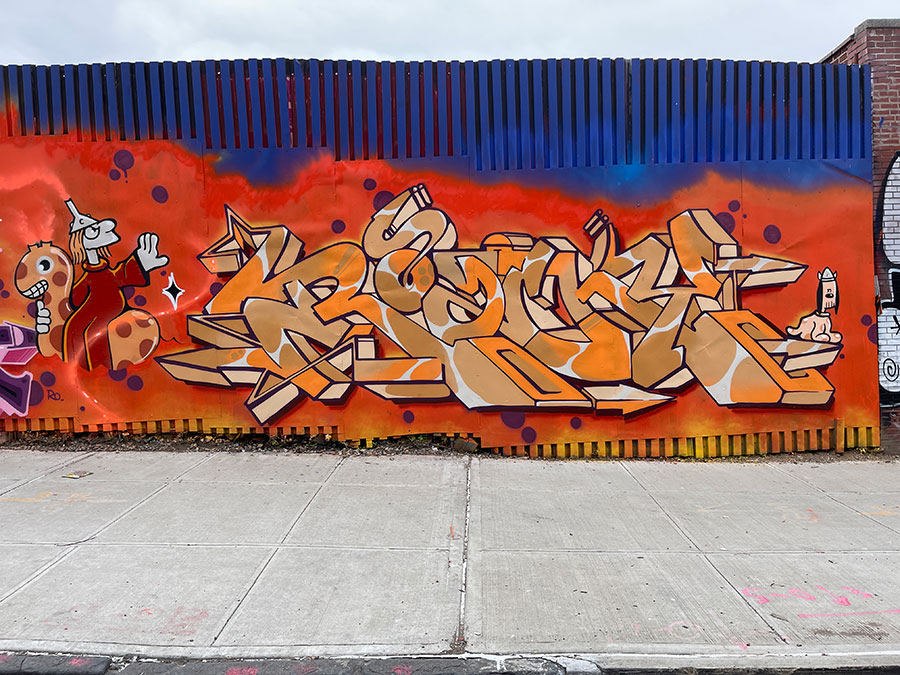
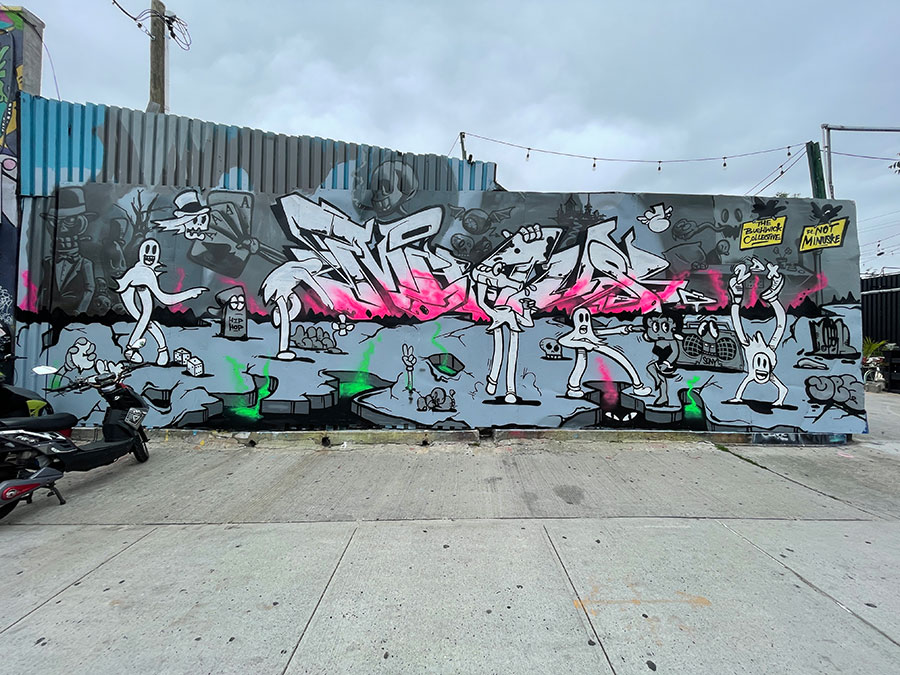
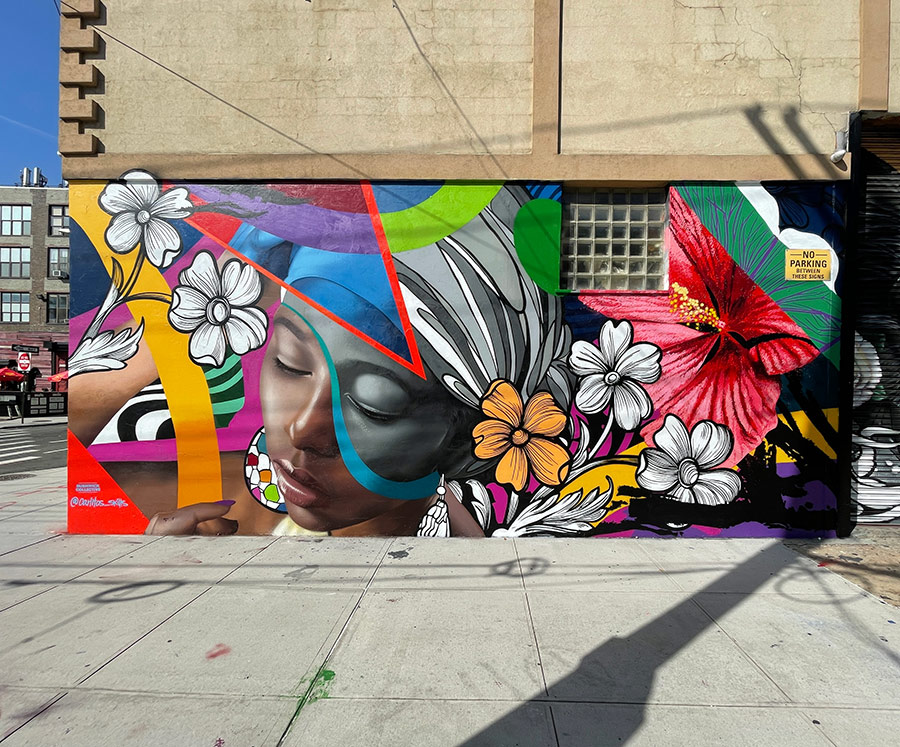
A great beginning to summer with the Bushwick Collective Block Party this weekend – an enduring event that features ever larger hip hop names performing right on the street amidst a sea of street art and graffiti that still characterizes this Brooklyn neighborhood. Long gone are the naysayers and those who thought this international democratic people’s art movement was in the purview of a few tastemakers and gatekeepers. Joe showed that this form of creative expression was meant by the people to be for the people, and every year thousands traipse through to enjoy it.
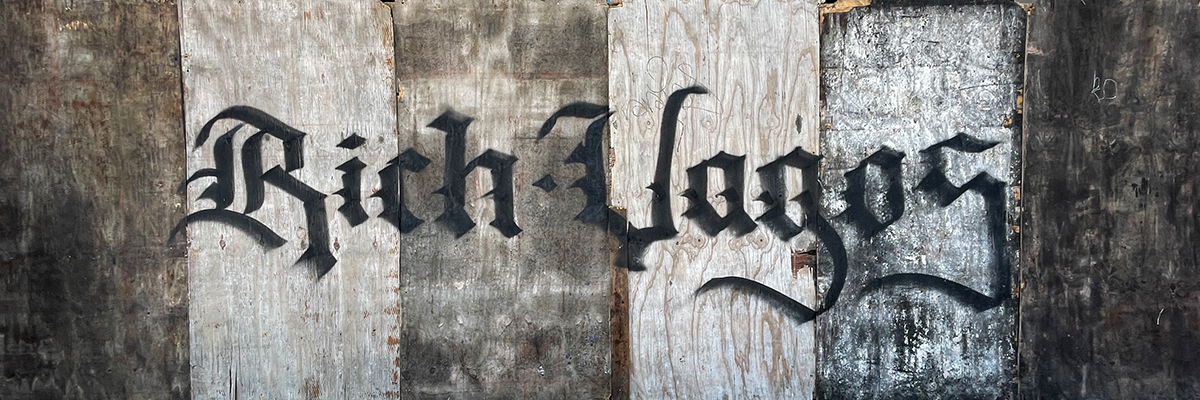
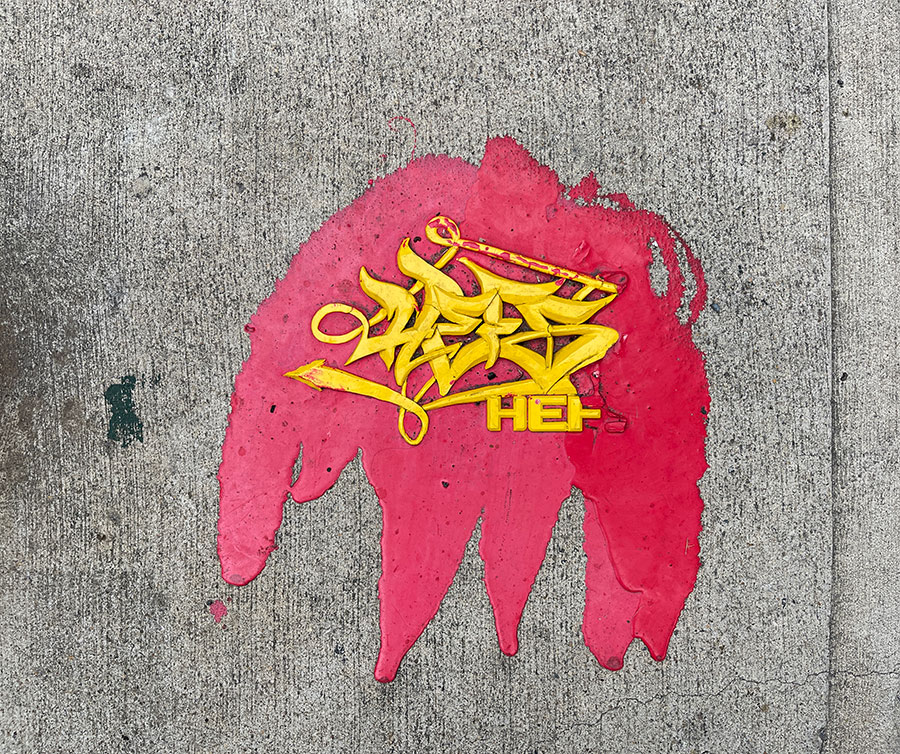
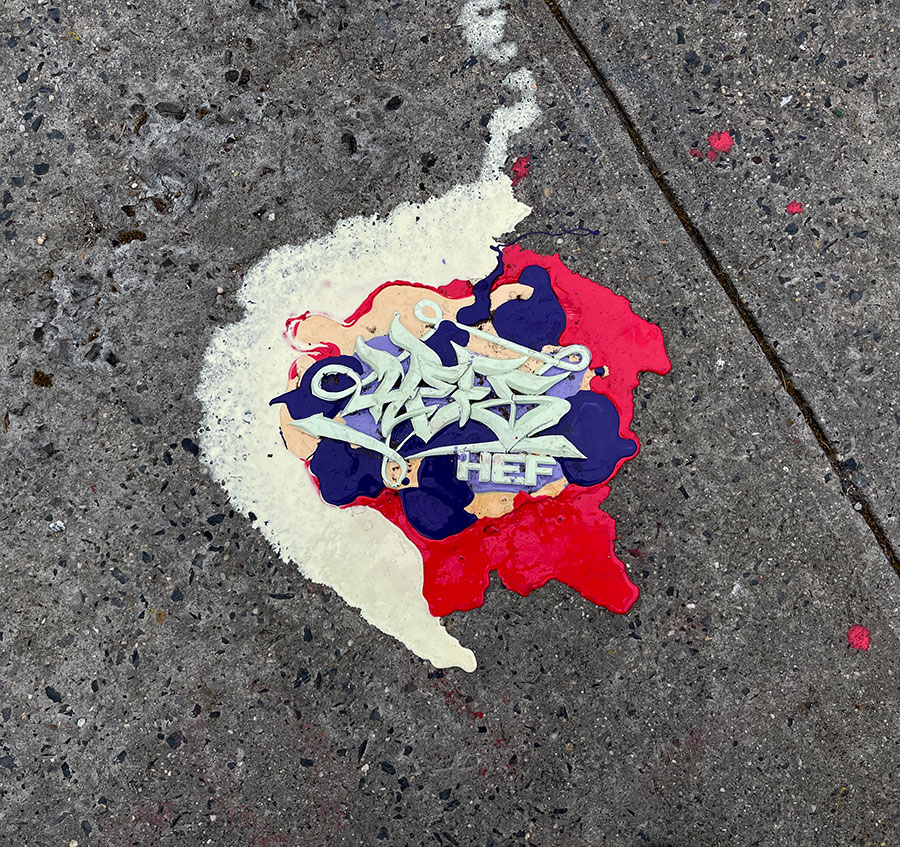
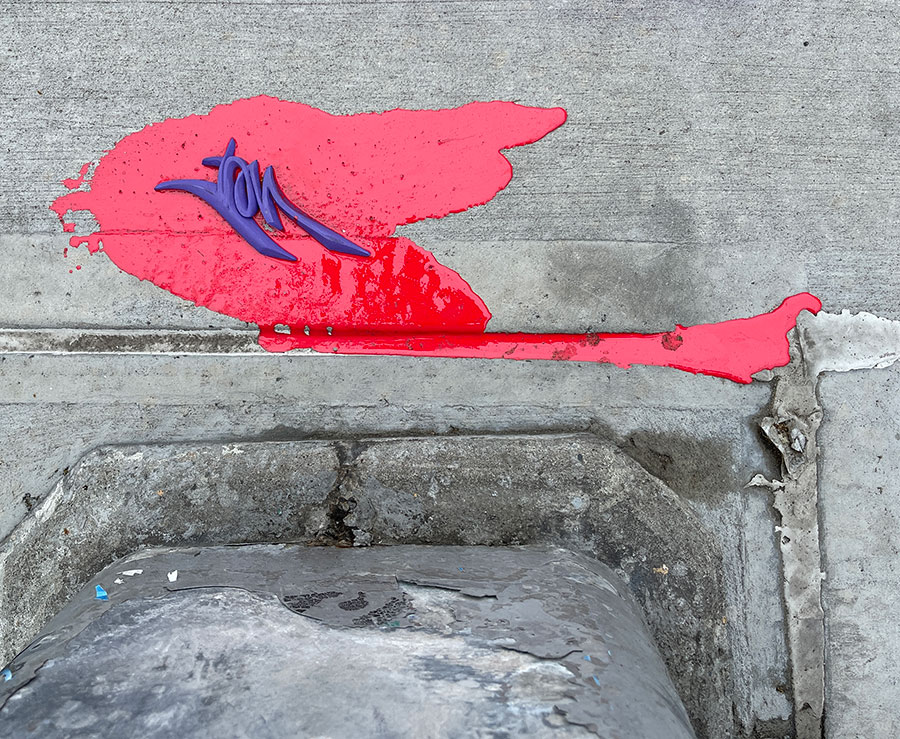
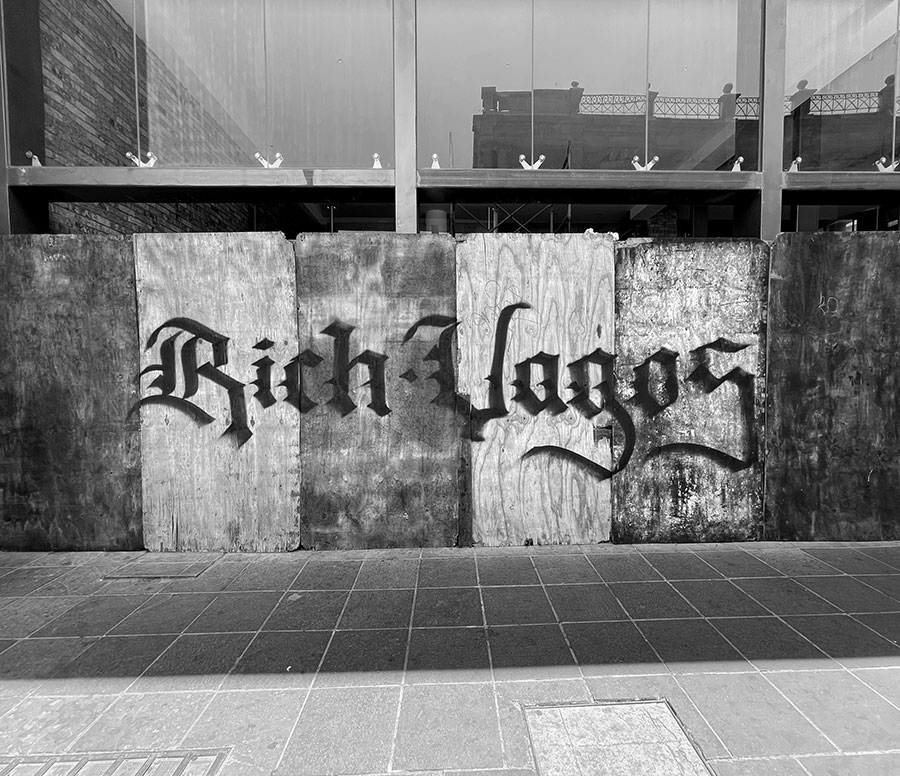
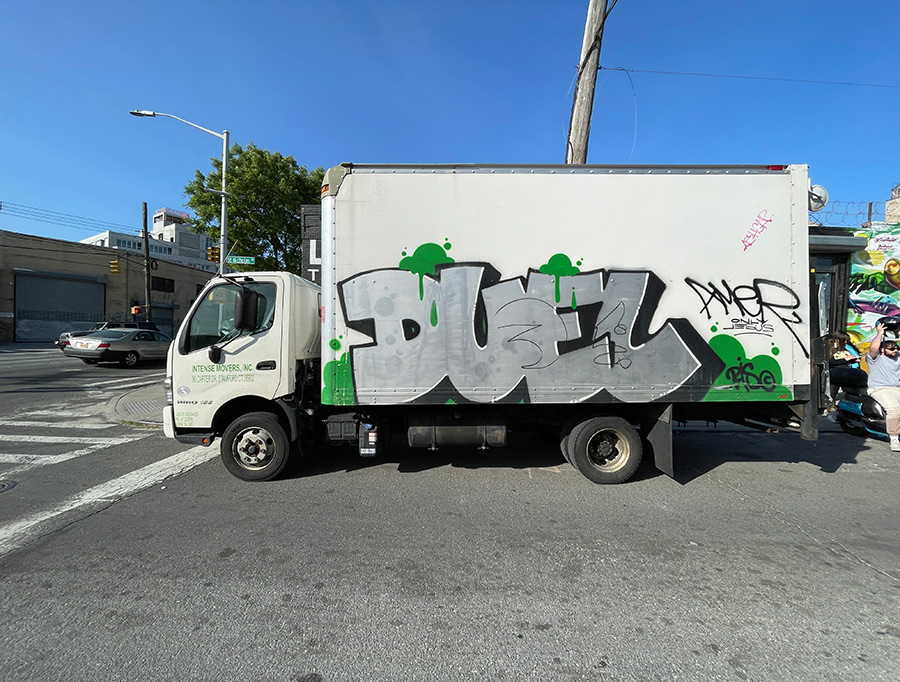
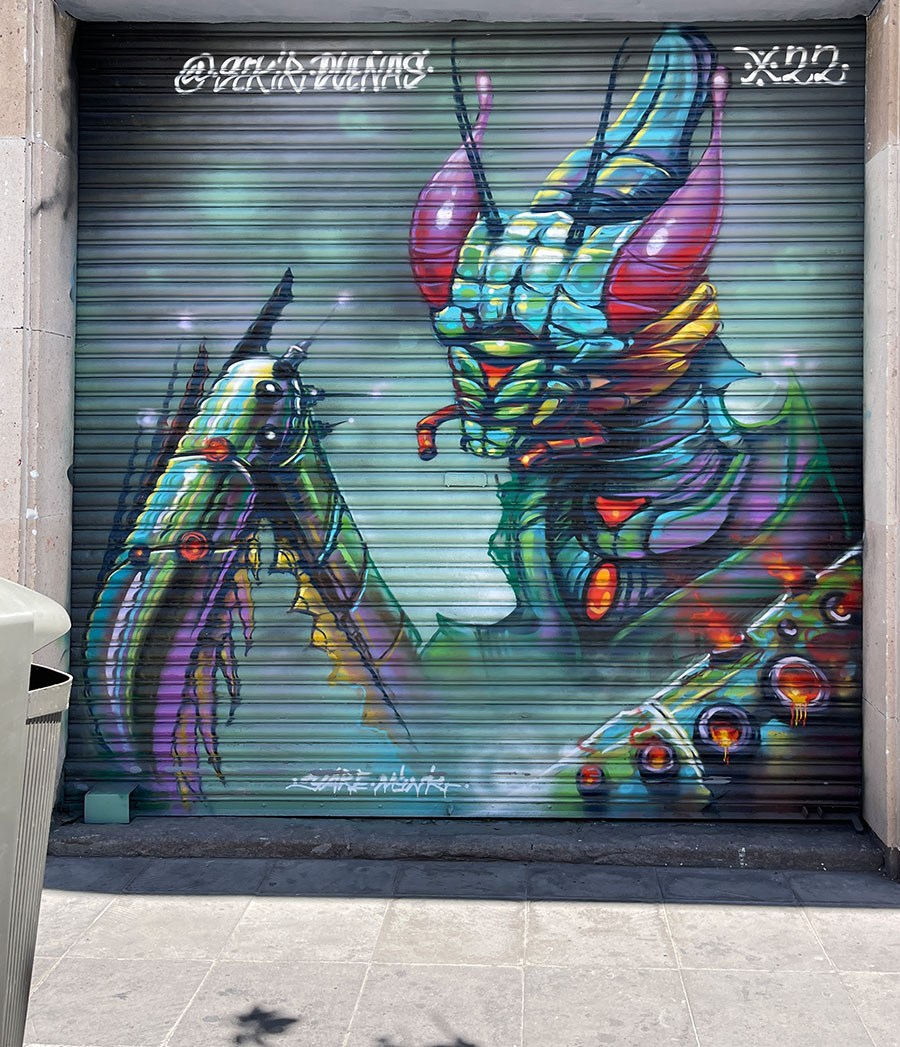
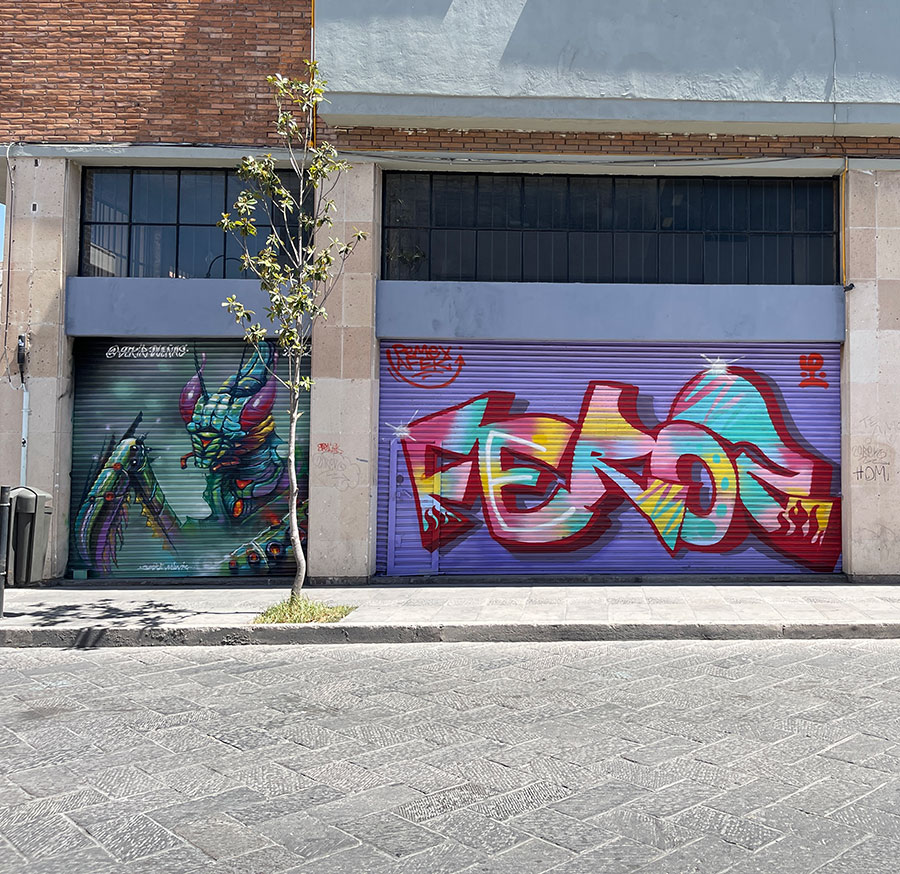
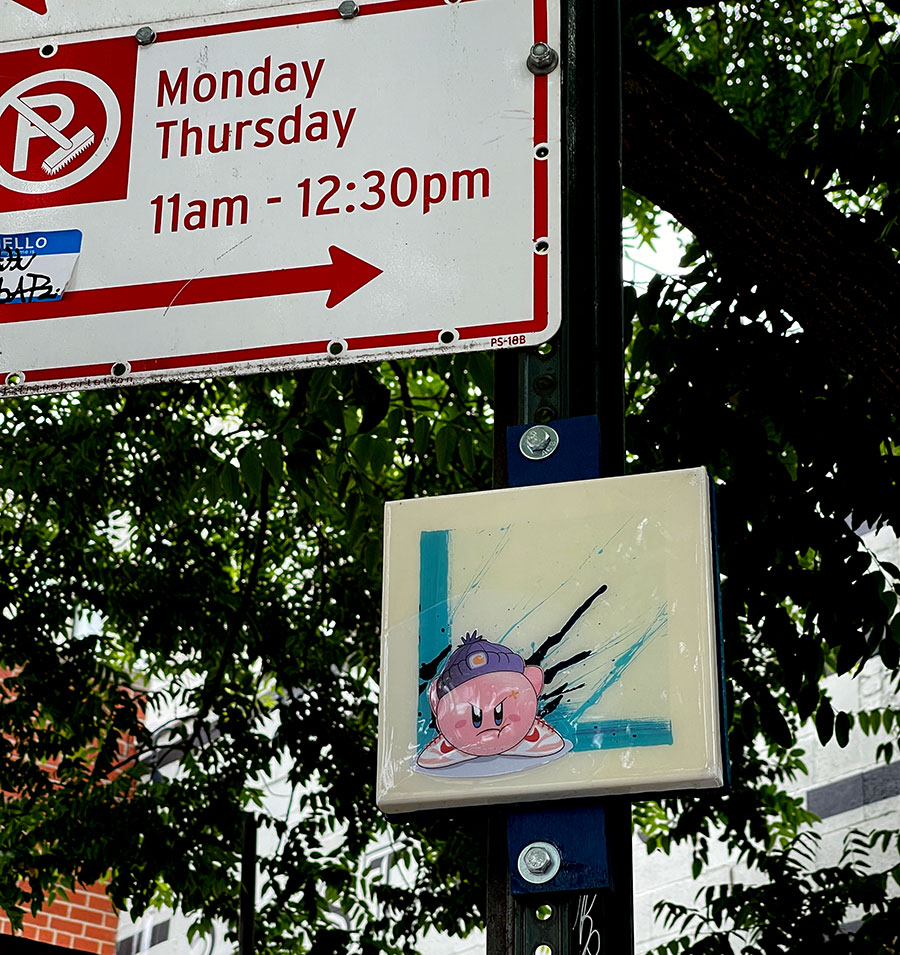
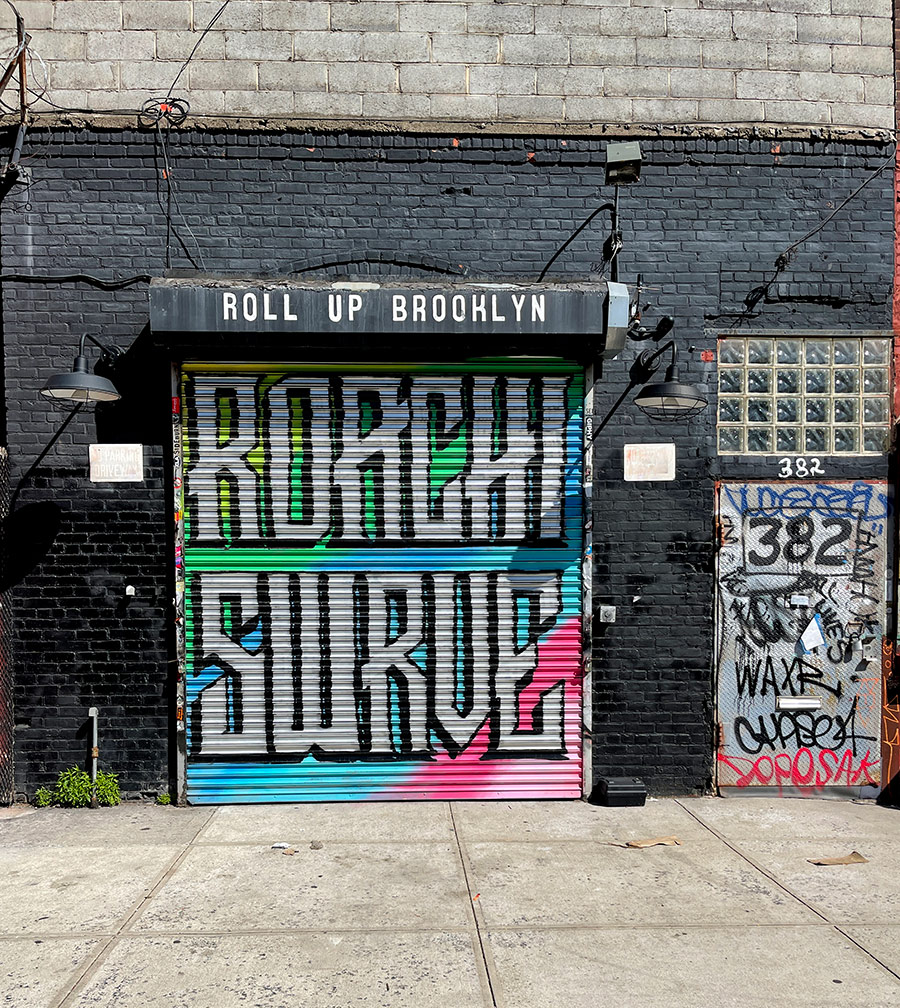
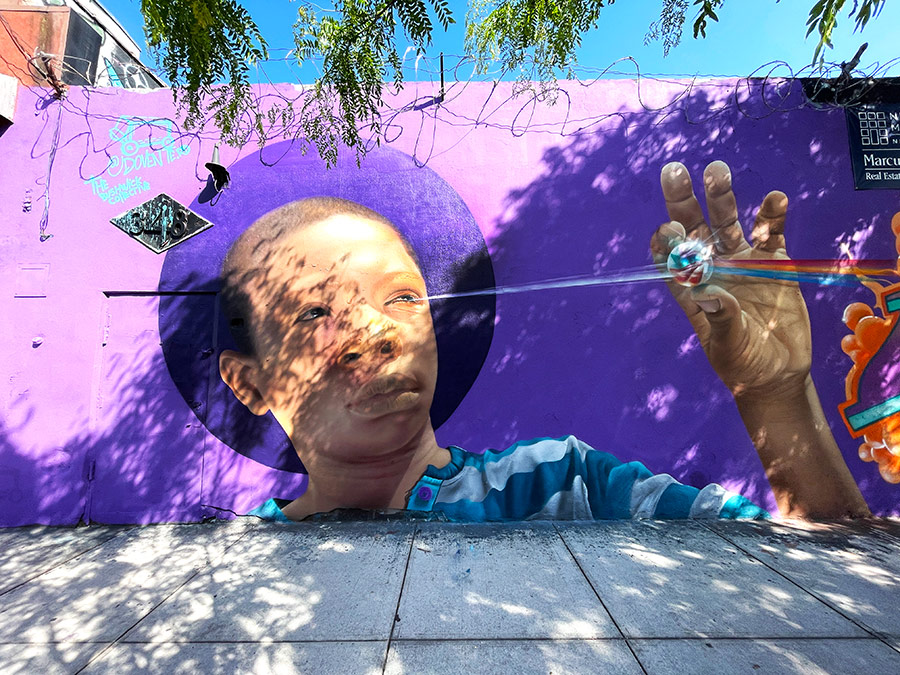
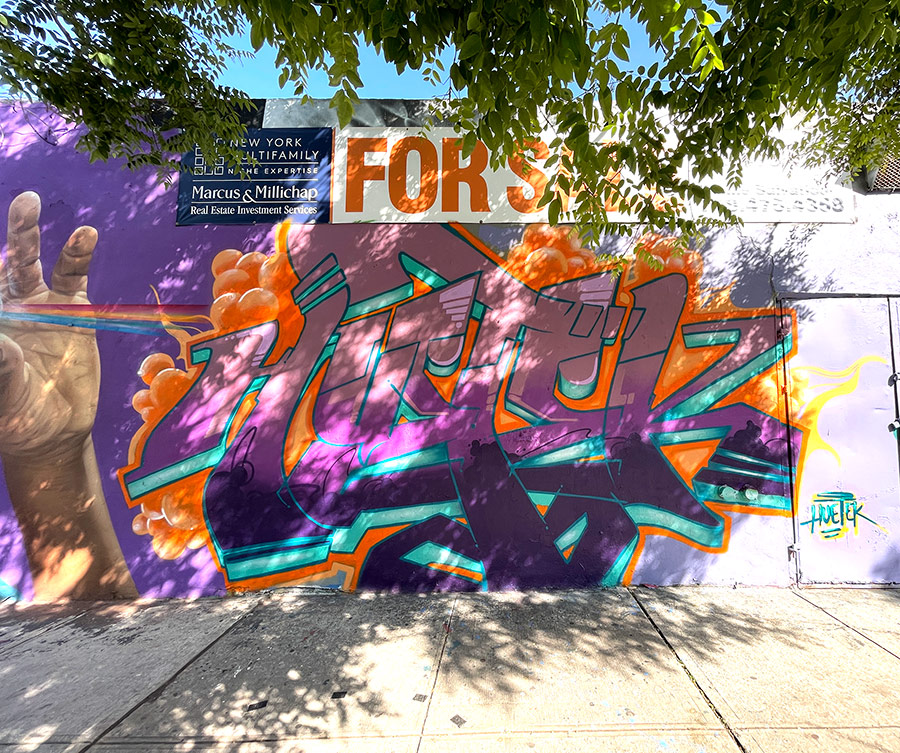
Here’s our weekly interview with the street, this week featuring: Cycle, Faile, Lexi Bella, HOACS, Roachi, Duel, Trace, Zaone, Ligama, Carrasco, Minus, Foursome Crew, Feroz, Gerik Duenas, Rich Vagos, Loste, and HEFS.
Remember those paint-by-numbers kits that Mrs. Measley used to keep on the top shelf of her hallway closet next to a couple of handmade quilts and a moth-eaten cardigan? During the winter months, the lady who lived in the apartment upstairs used to have one on her kitchen table by the window for some lovely afternoon painting – filling in the appropriate shape with the color corresponding to the number printed inside the form. Somehow you knew what the picture was when she was finished, but it was easier to see if you stepped back a few feet and sort of blurred your vision.
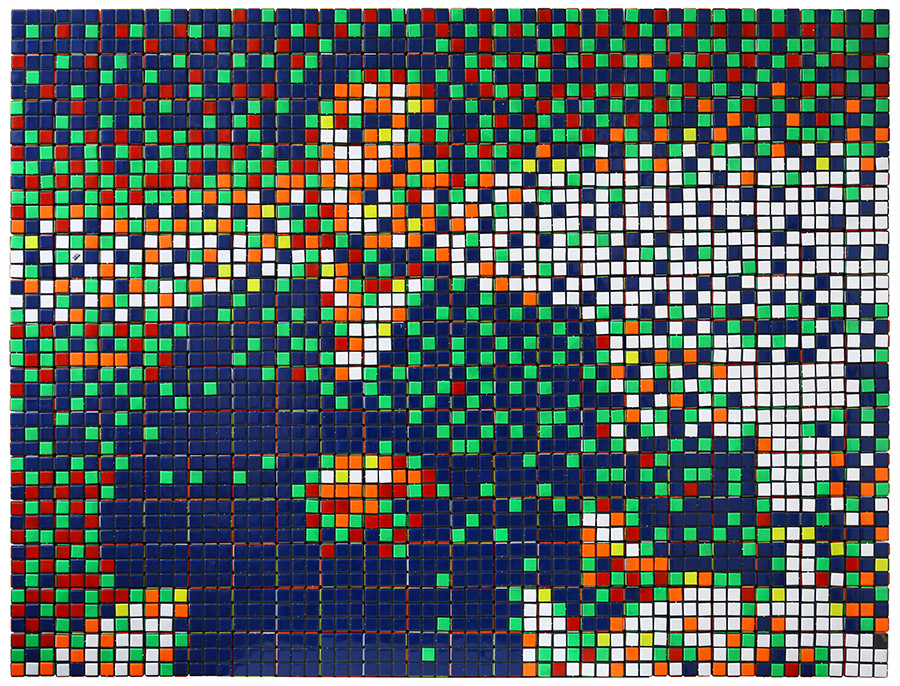
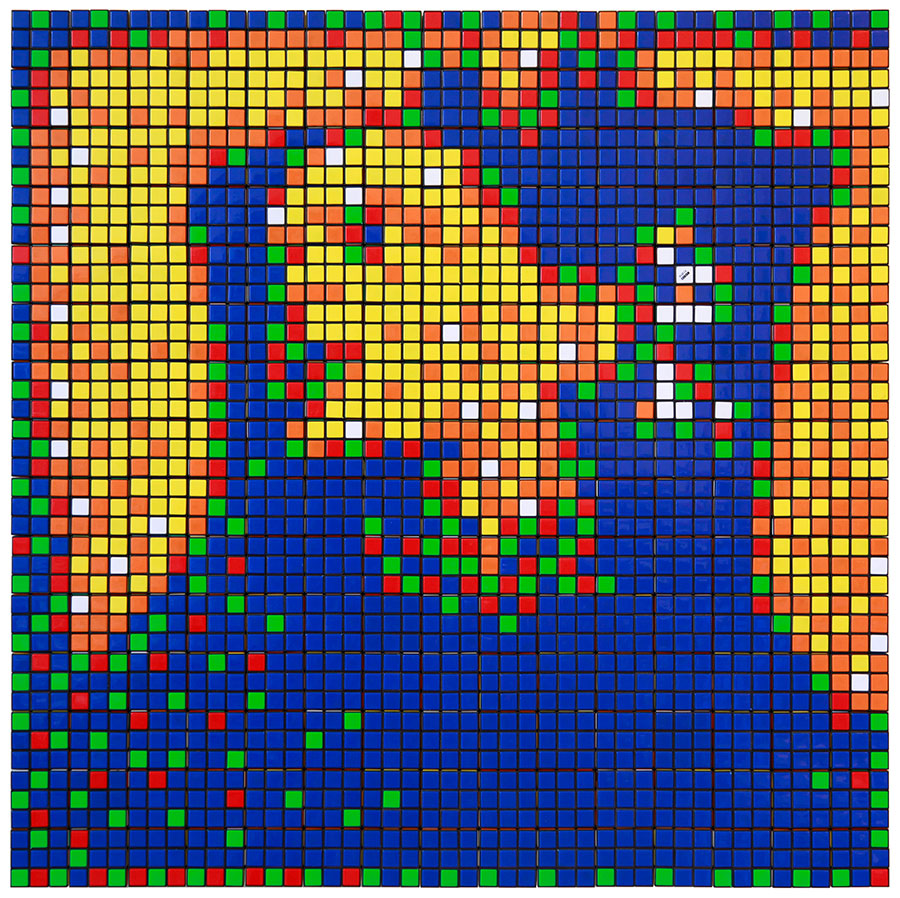
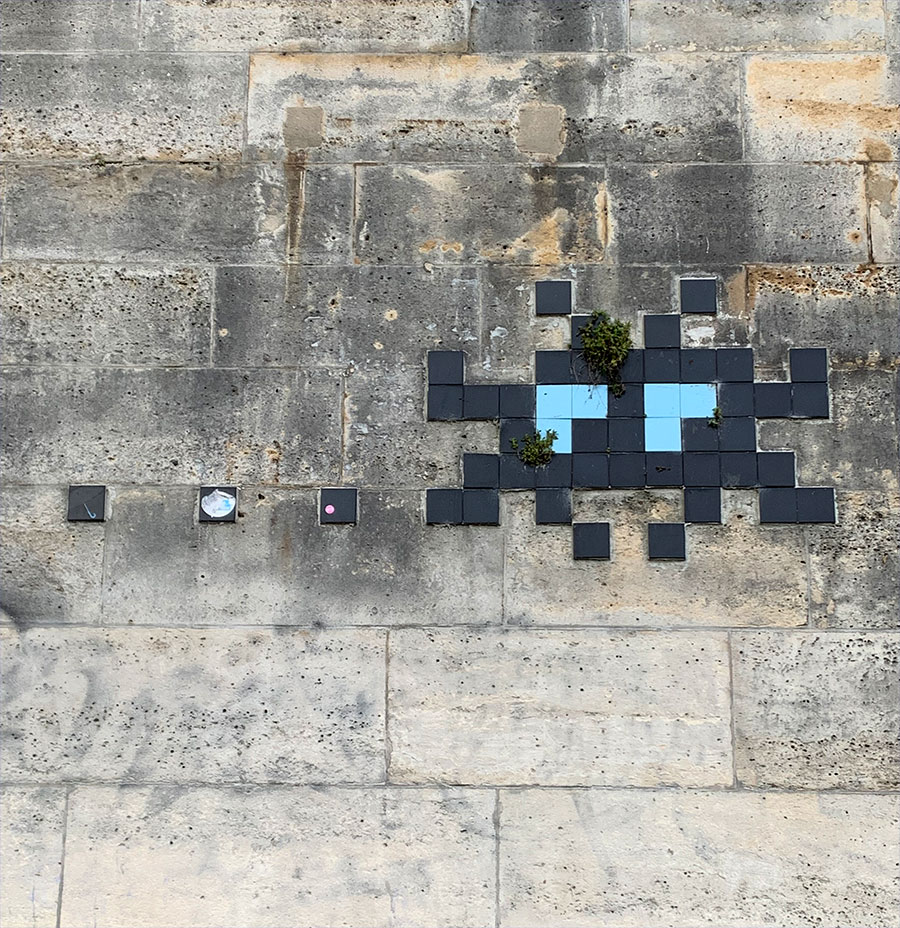
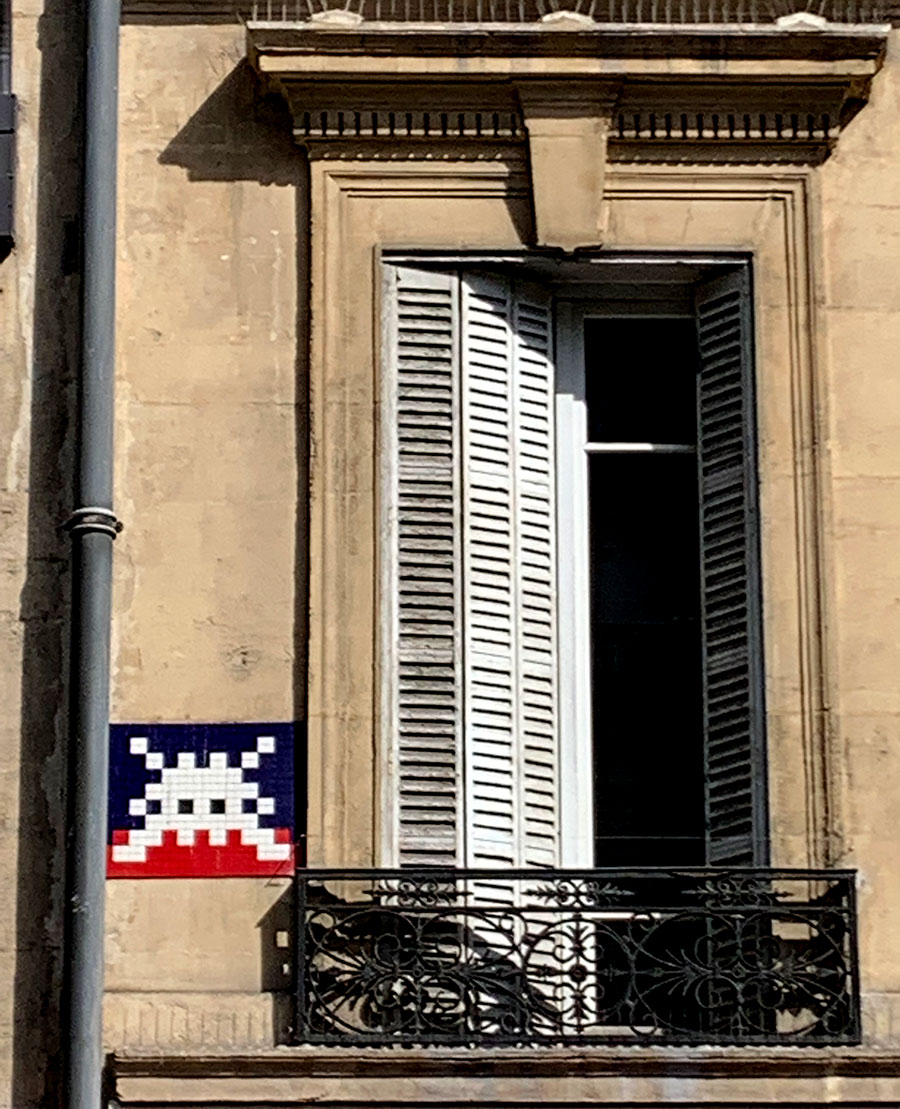
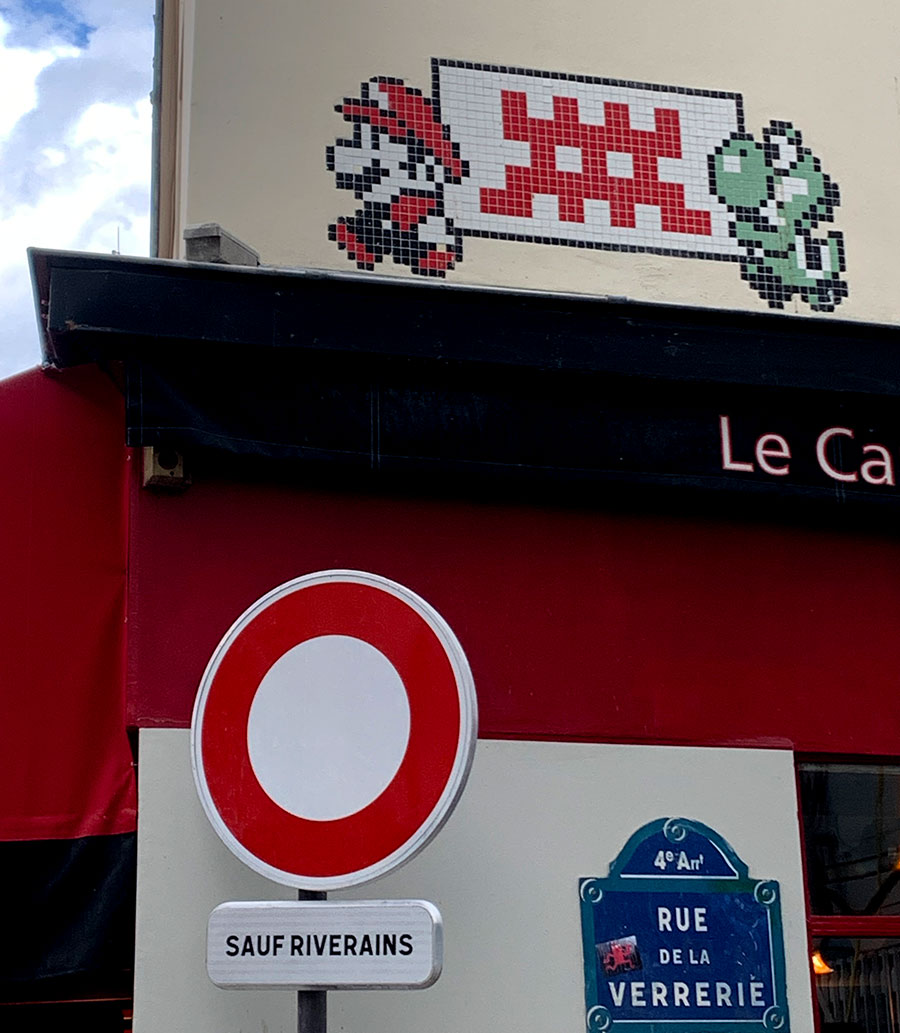
You may want to use that skill when viewing the new Invader show in Brussels opening this month at MIMA, the Millennium Iconoclast Museum of Art. The French street artist is known for creating popular characters in the style of vintage 8-bit video games on walls in cities around the world. It is an early video game reference that is nostalgic for a particular age group of people who long for those simpler times before streaming surveillance and facial recognition.
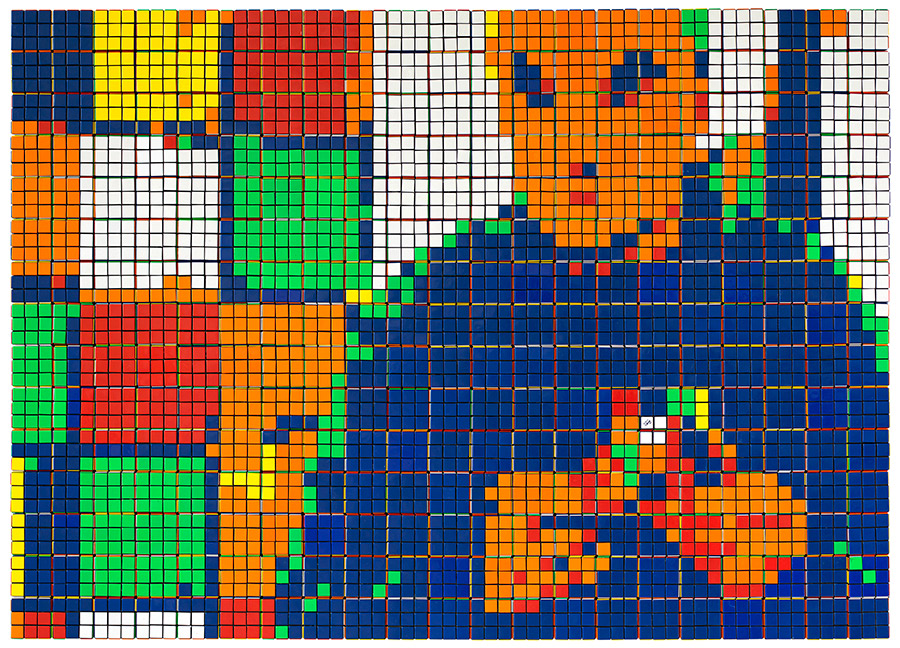
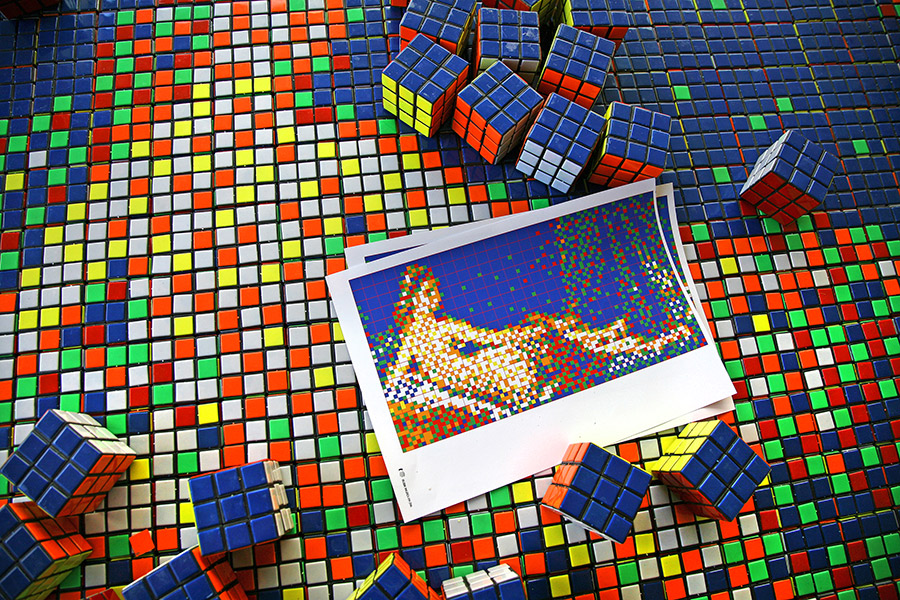
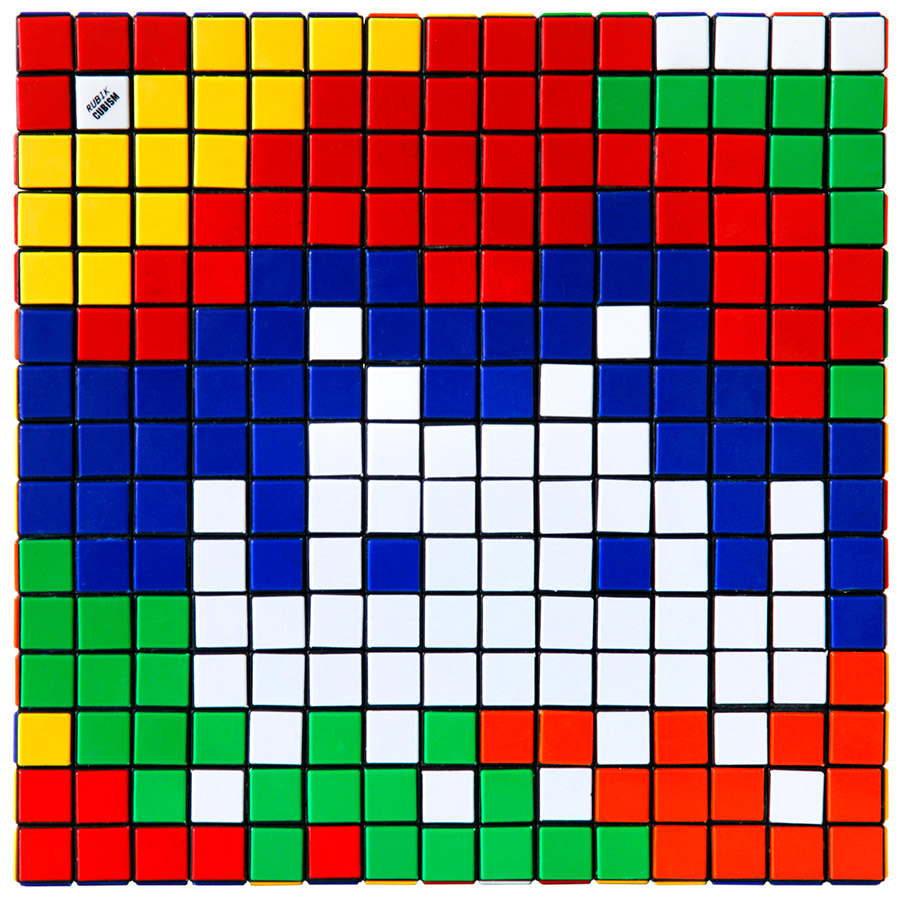
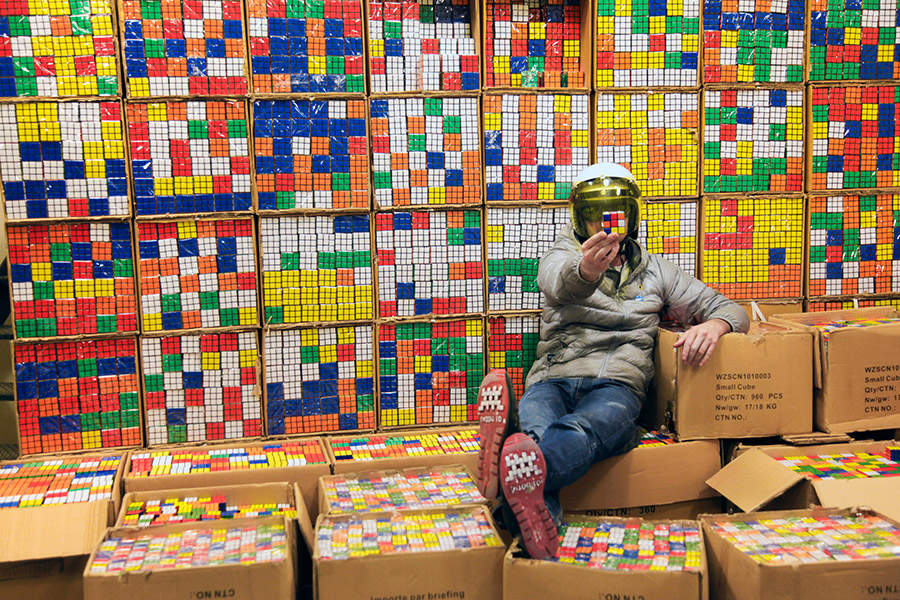
A few years ago, the artist created his digital reference for his rounded square pointillism called Rubikcubism. Presented as a feat achieved by manipulating the popular kid’s toy from the 1980s, the artist recreates famous artworks and movie scenes as ‘canvases.’ The obliqueness of the image recognition also echoes the anonymity of the street artist, who steadfastly hides behind the Invader name after a few decades of illegal installations of tiles stuck high above the street.
With “Invader Rubikcubist” the museum is bracing for a hugely successful summer show with the exhibition featuring the first sculptures presented from the series and a few special new sections like Rubik Bad Men, devoted to the figure of the villain, and Rubik Masterpieces, an homage to masterpieces of art history.
Our weekly focus on the moving image and art in the streets. And other oddities.
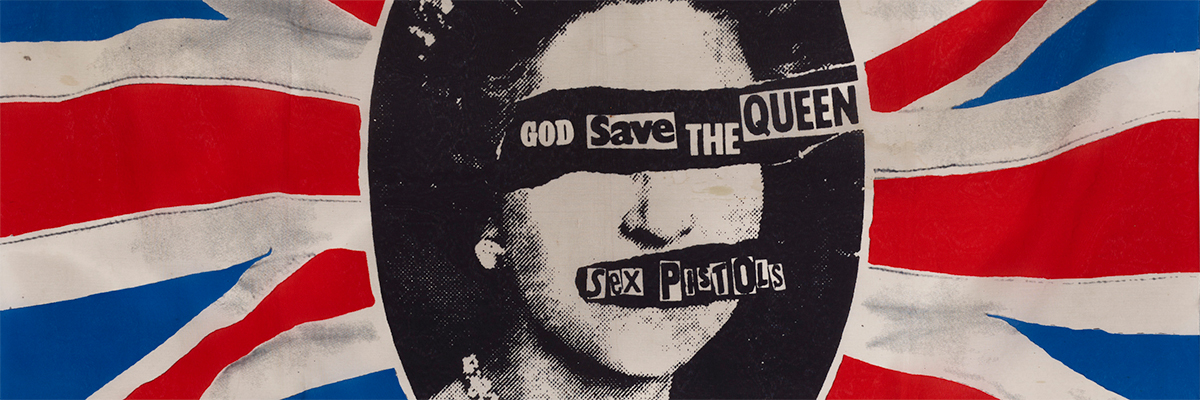
Now screening: 1. Just in Time for Jubilee – “God Save the Queen” Reboot – The Sex Pistols 2. YUUE: Homesick 3. Minimum Monument – Néle Azevedo
BSA Special Feature: “God Save the Queen” Reboot – The Sex Pistols
To commemorate the Queen Elizabeth II Platinum Jubilee this weekend, the Sex Pistols have released a “Revisited” video which combines footage of their concert playing “God Save The Queen” in 1977 with images of a party celebrating her Silver Jubillee on a boat cruising the River Thames in the same year. 45 years later, the Sex Pistols have long since disappeared and QEII is marking her 70th year as a monarch.
For those of you at home who forgot the words and would like to sing along;
“God save the Queen A fascist regime They made you a moron Potential H-bomb
God save the Queen She ain’t no human being There is no future In England’s dreaming”
God Save the Queen Revisited – Sex Pistols
You thought your Covid lockdown was hot and stuffy and alienating and fattening and now your dog is so mad at you that he is not talking to you anymore? Well, did you make any art about this?
YUUE design studio decided to address what they describe as “the extreme covid containment strategies in China that created an unnecessary humanitarian crisis” with a “design commentary”.
Here they choose a Ming-style chair and a traditional Chinese porcelain vase “as cultural symbols and wrapped them tightly in a protective suit tailored for each of them.”
“As a vivid metaphor a Chinese chair and vase in a pure white hazmat suit with blue ribbons silently comments on the absurd reality.”
YUUE: Homesick
It’s a good thing that climate change is over and that we no longer need to do anything to solve it.
Brazilian conceptual artist and sculptor Néle Azevedo drew attention to it in Berlin in 2009 with her installation called “Minimum Moment”.
And 13 years later, climate change has been solved, thank God.
Just kidding we’re still messing up the atmosphere with the burning of fossil fuels. Also Alzevedo has installed her small melting ice sculptures in other cities, including Sao Paulo in 2016, Rome in 2020, Middlebury, USA in 2018, Lima, Peru in 2014, and Amsterdam in 2012.
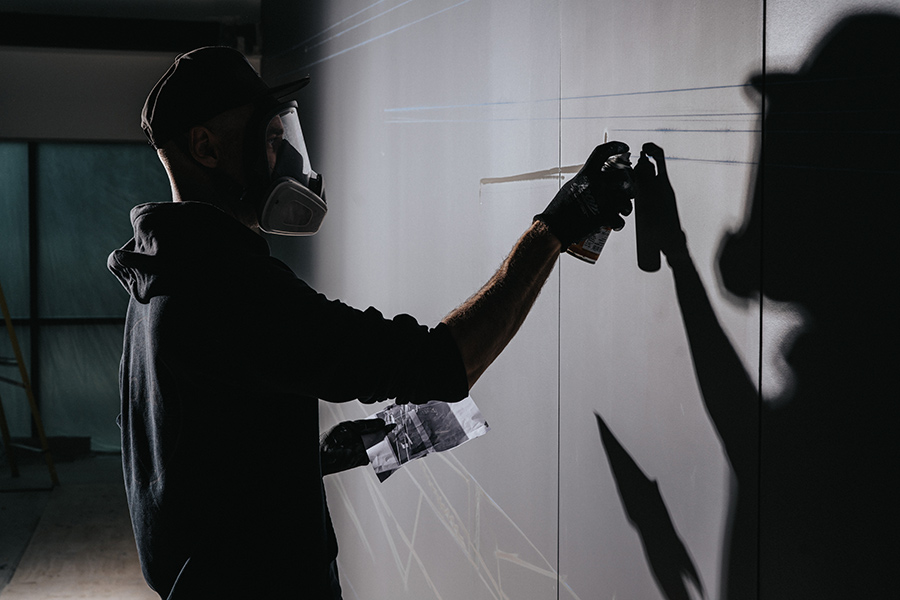
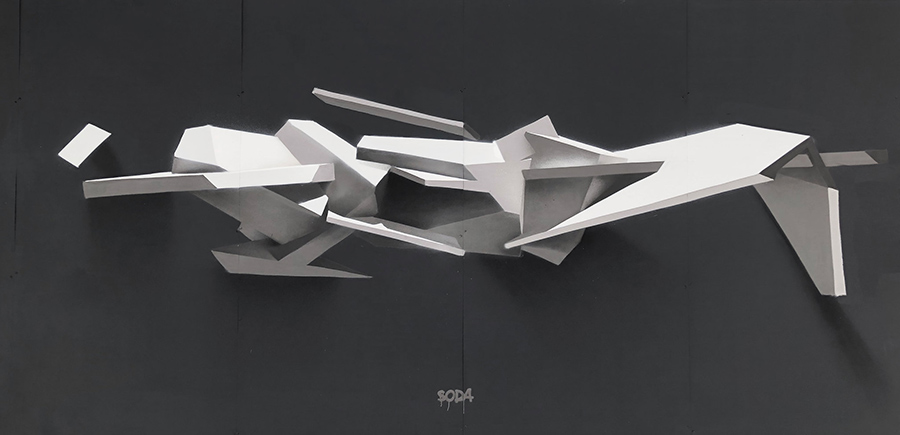
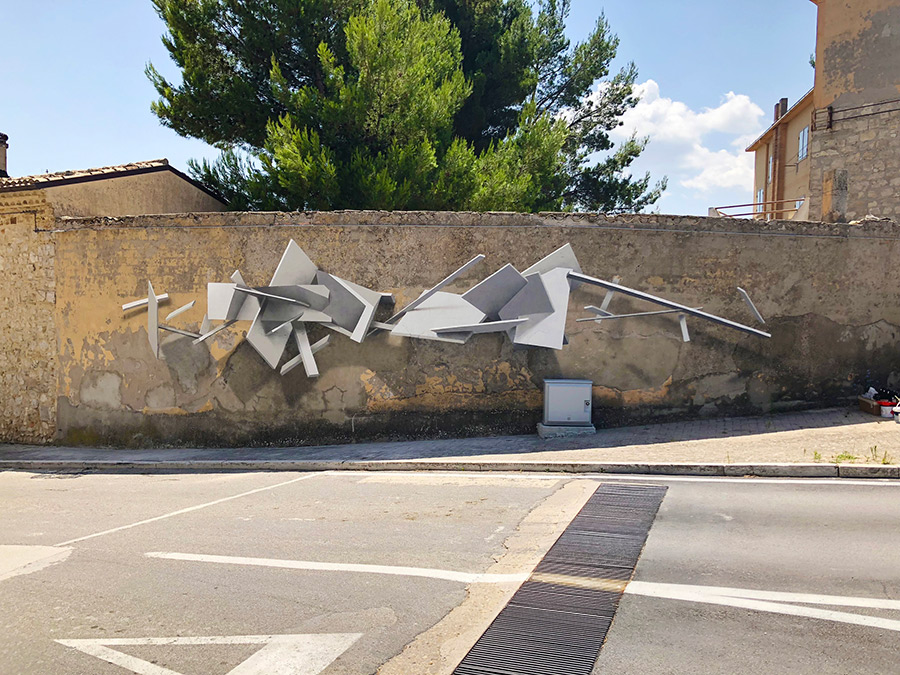
After 20+ years or so in the graffiti writing game, Alan De Cecco aka SODA jumps the rubicon to tap into the letterform at its most elemental, abstract dimension.
For his debut show at BSMT gallery in London, the high-precision Italian forces the perspective, almost making his static work move off the wall. A student of architecture who works as a designer, his street wall geometry sometimes is so removed from the “scene” that one is challenged to understand what they are observing. A remnant? A treatise? An unfinished composition? The remnants of two realities ripped apart?
Now that SODA has made his work for the gallery, at least you know someone will be there to explain it to you.
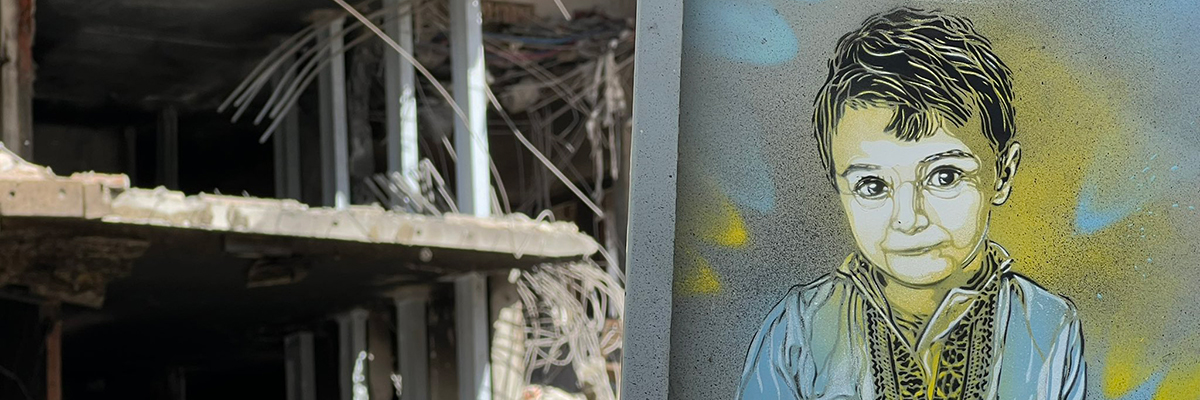
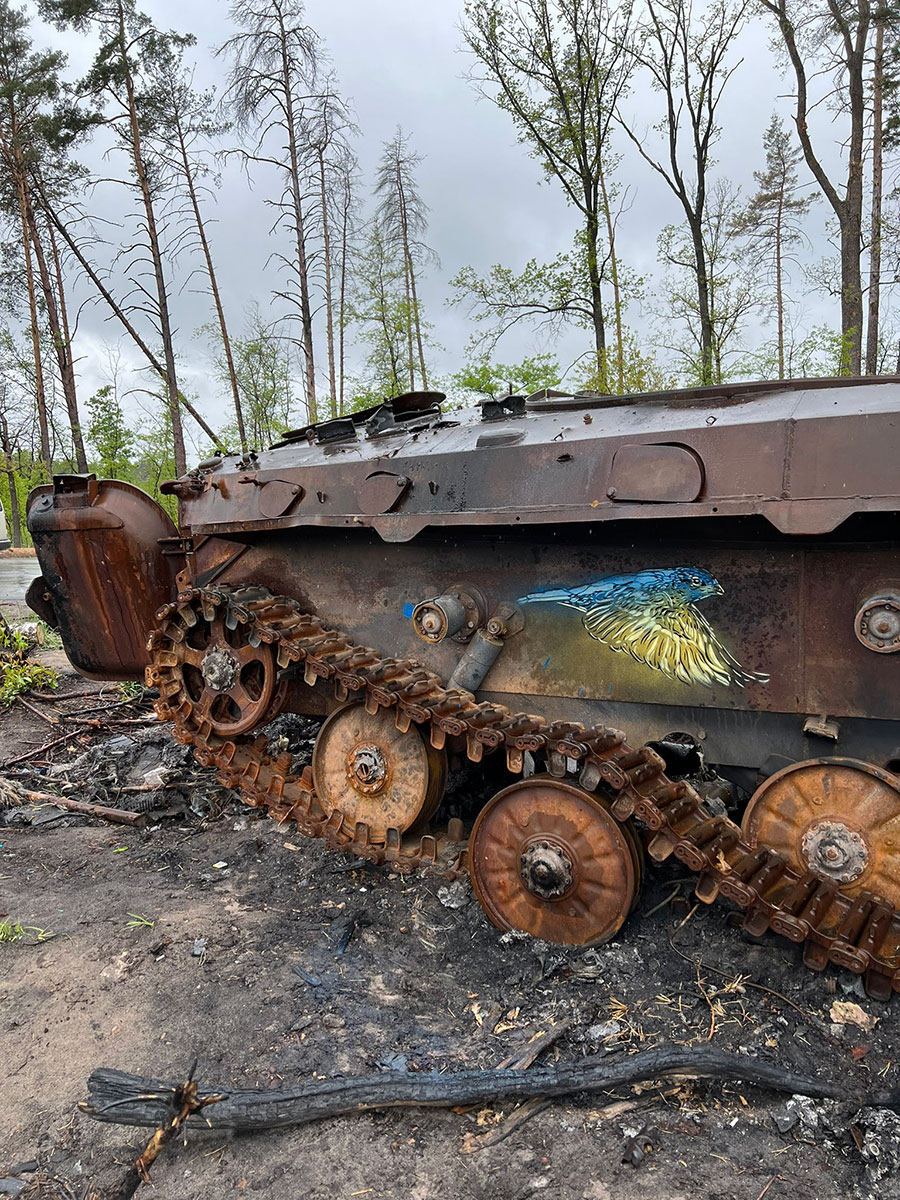
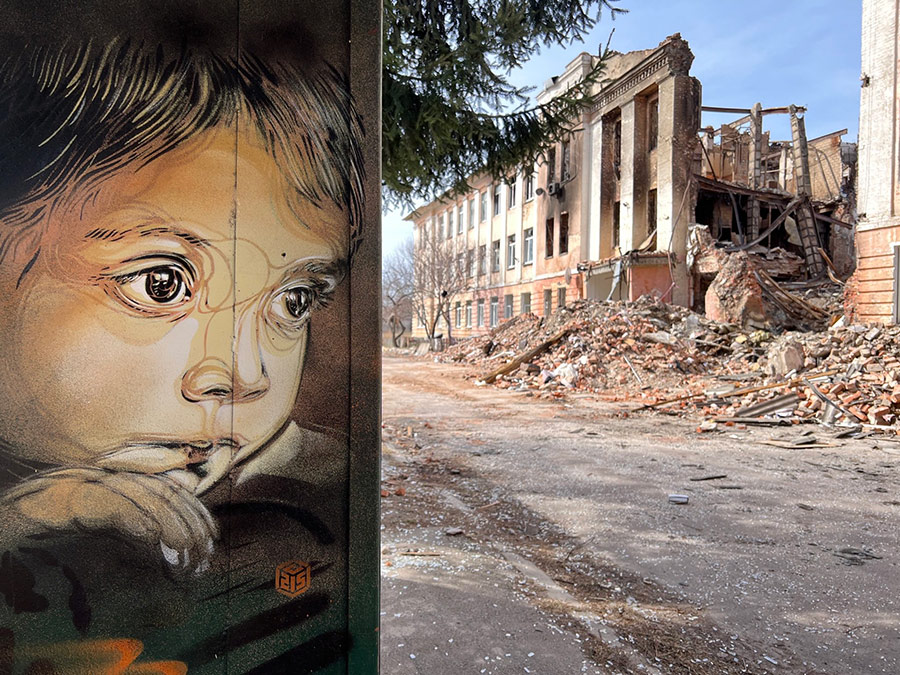
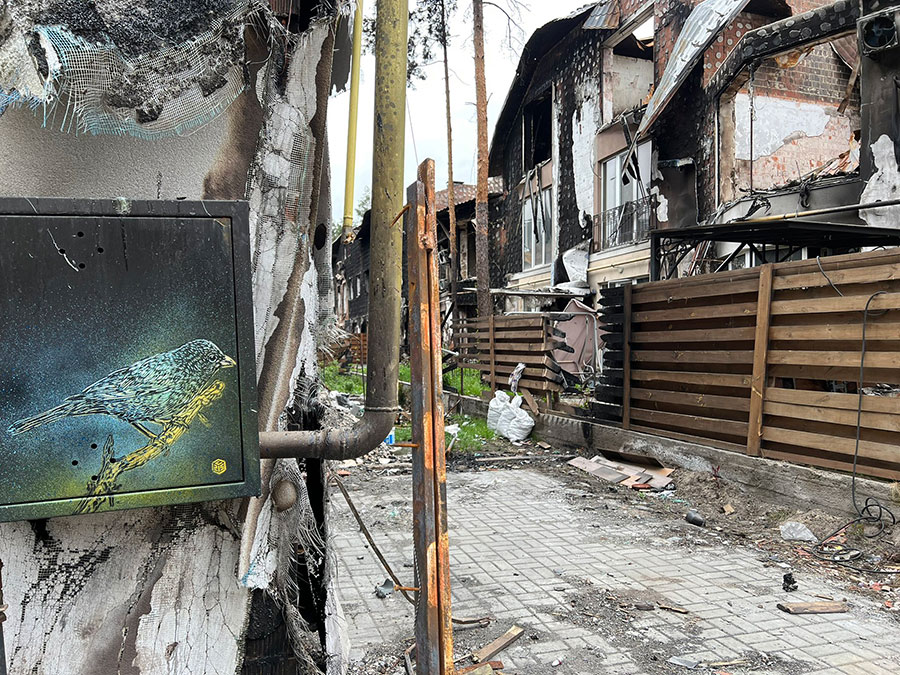
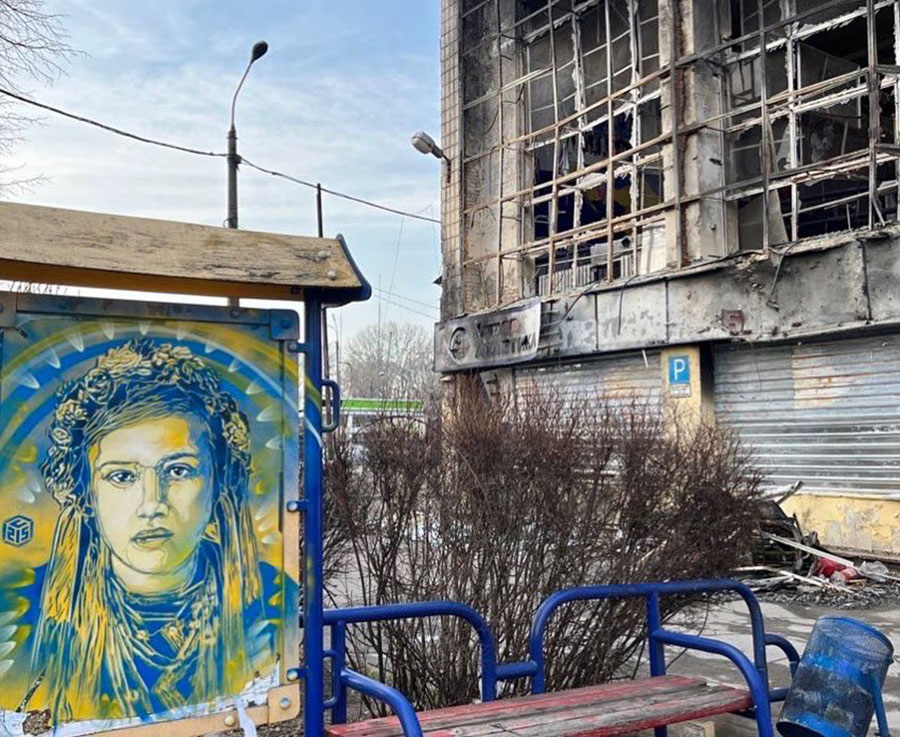
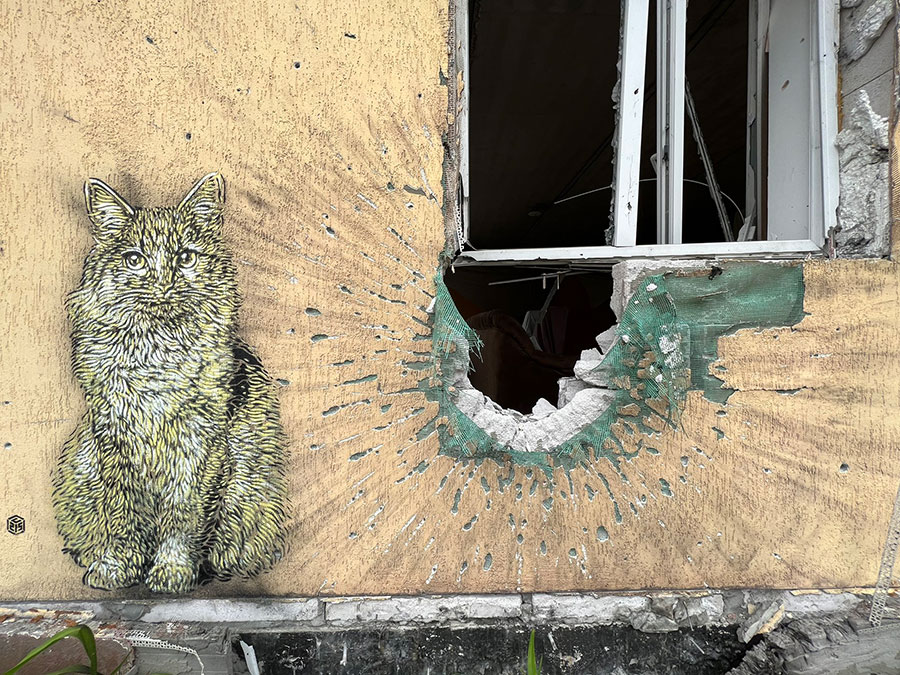
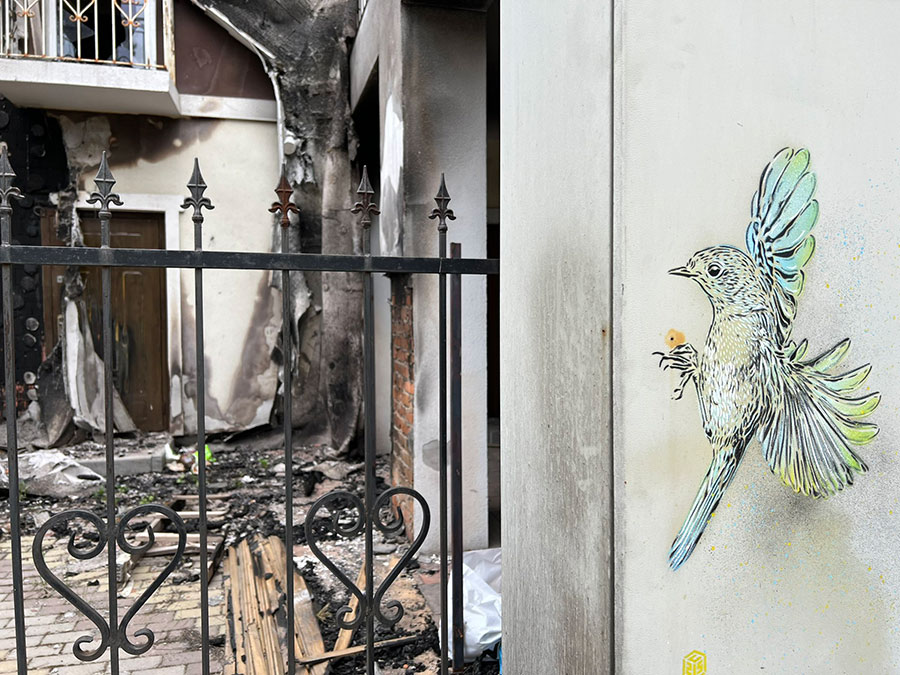
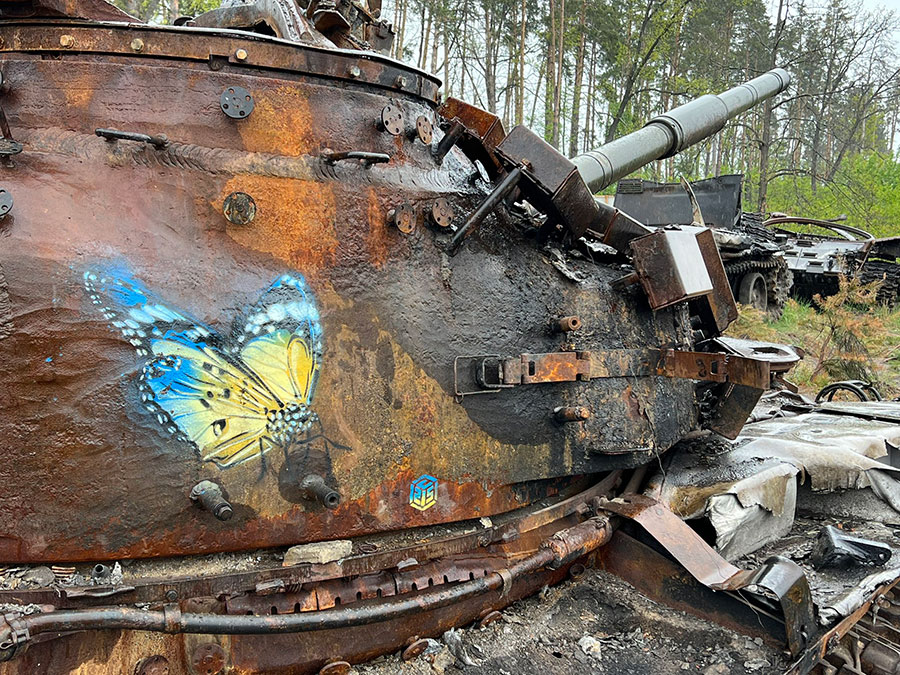
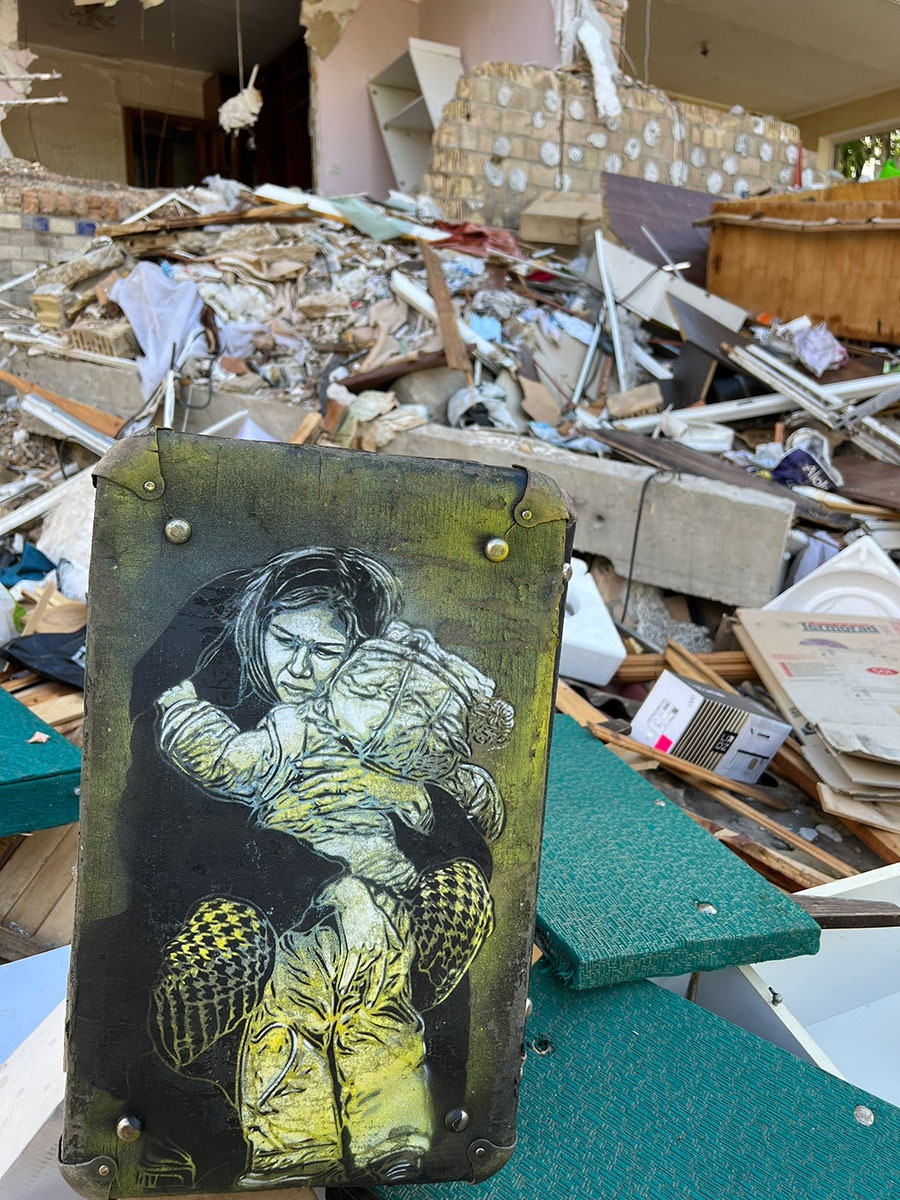
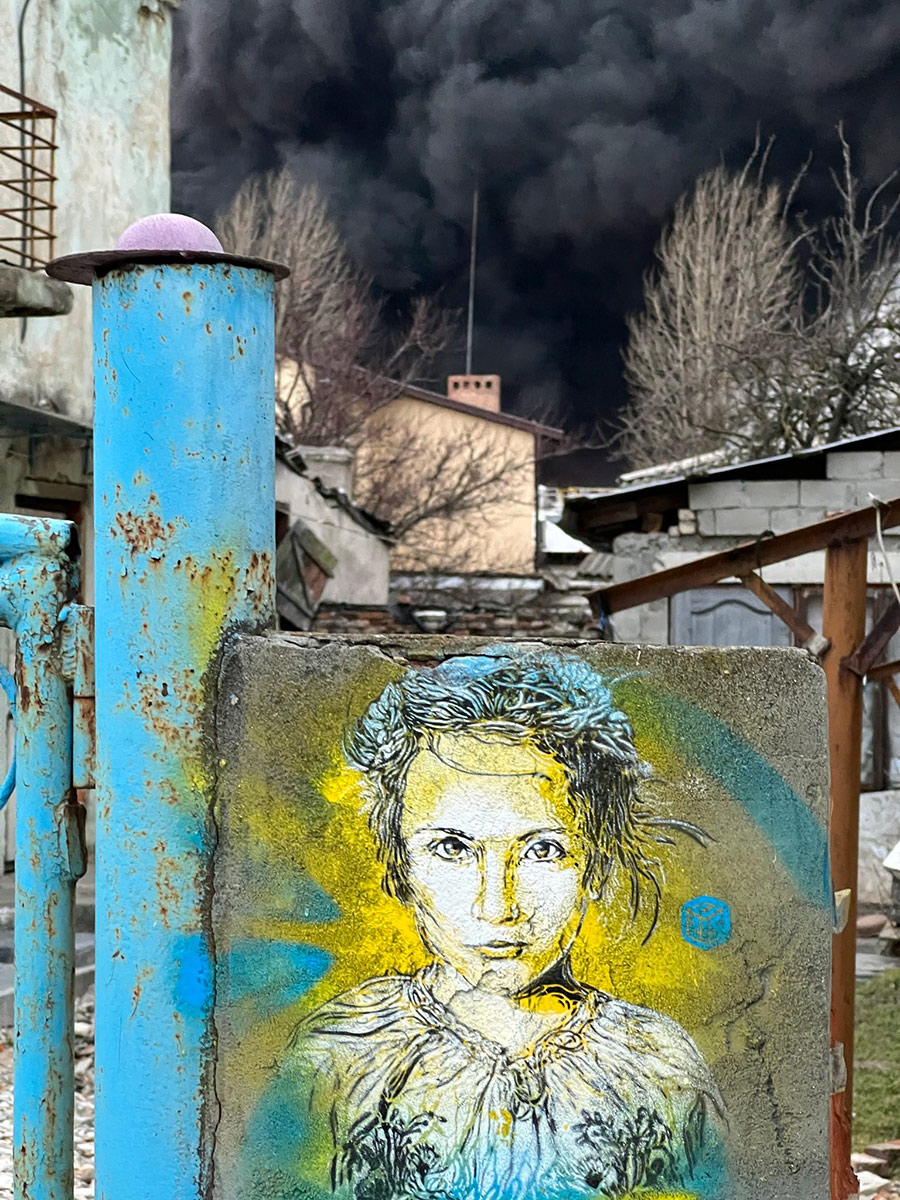
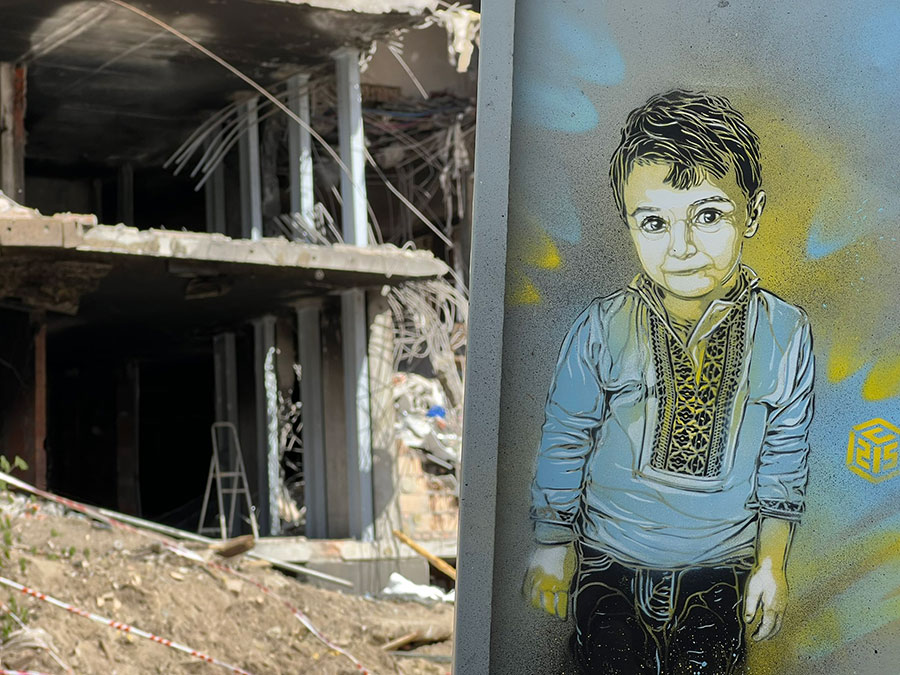
French street artist and stencil master, Christian Guemy AKA C215 shows us all the spots he painted in Ukraine this spring. As has been his passion for many years on the street, he brought art to the most unusual of surfaces and locations.
There to help people and lift the spirits of people in the middle of a war, the artist chose the street as a platform to reach out to others with his visual poetry. Going back and forth to Ukraine in March, April, and May, the artist looked for unconventional surfaces to spray his multi-layer portraits and wildlife onto the ruins of the bombed buildings, abandoned and destroyed vehicles and tanks. Here with some explanations, the artist shares his works with BSA readers.
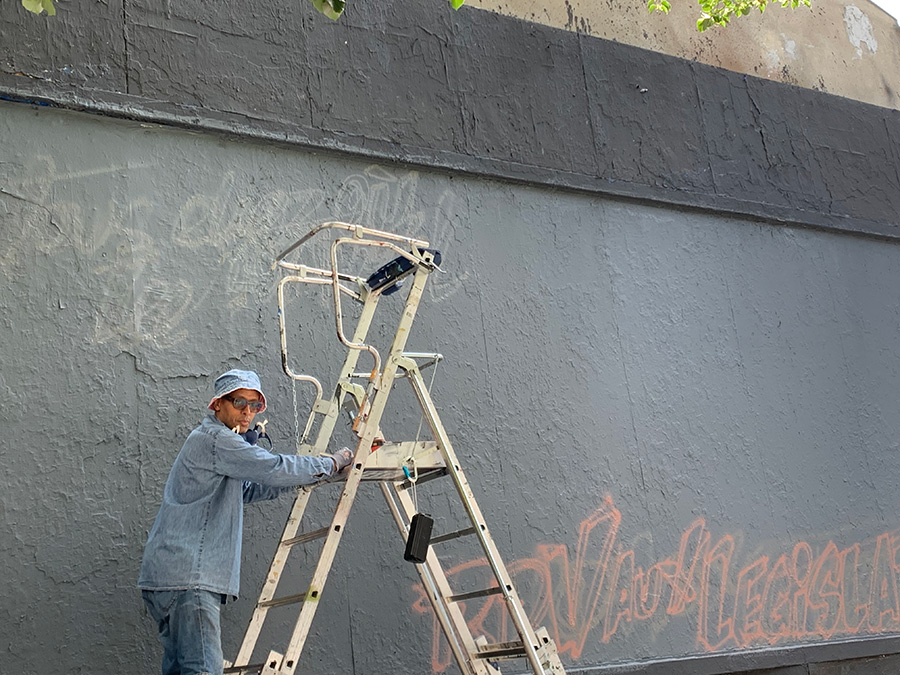
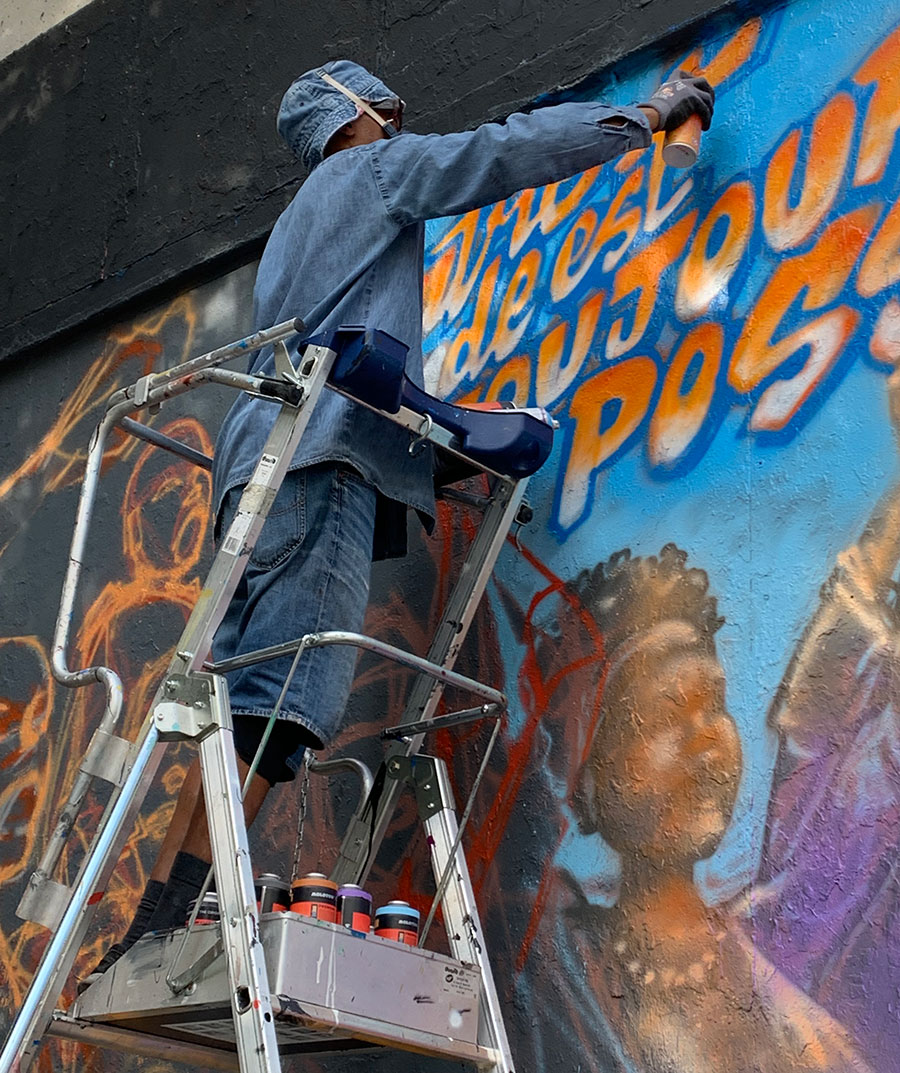
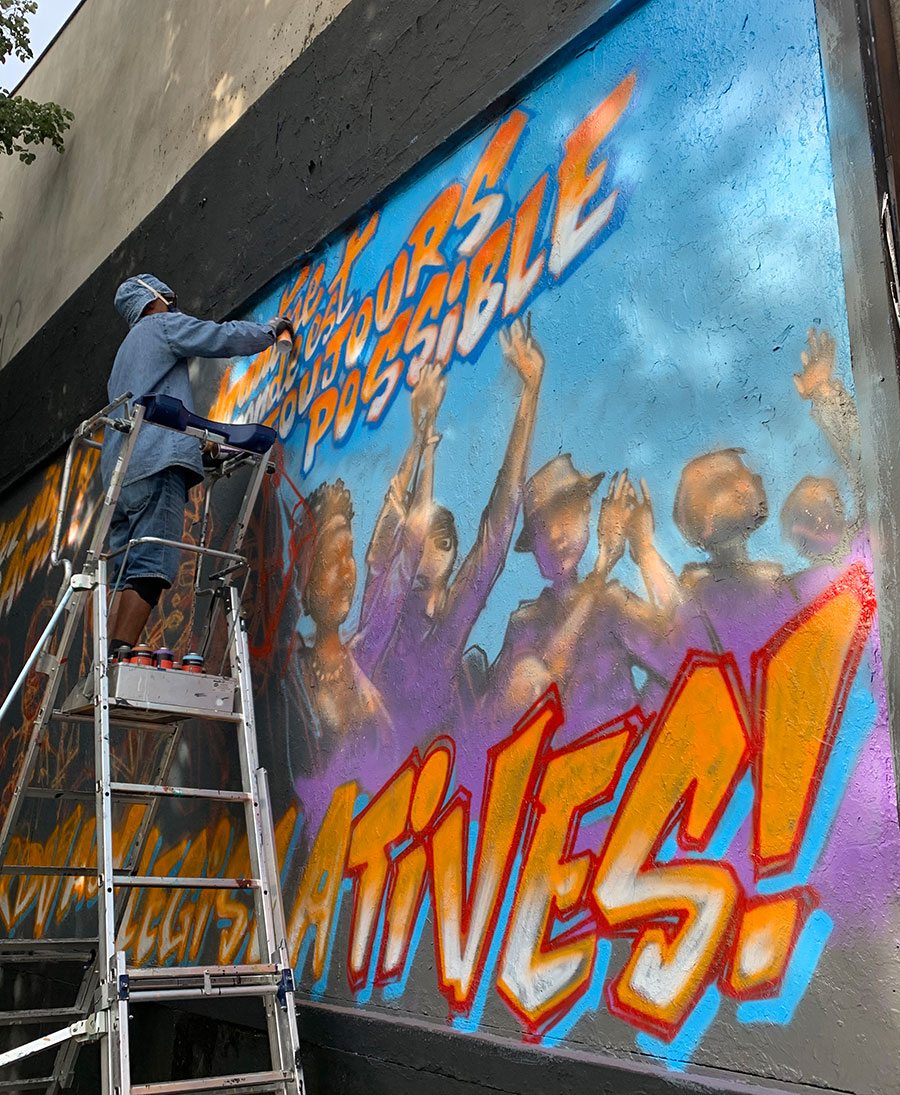
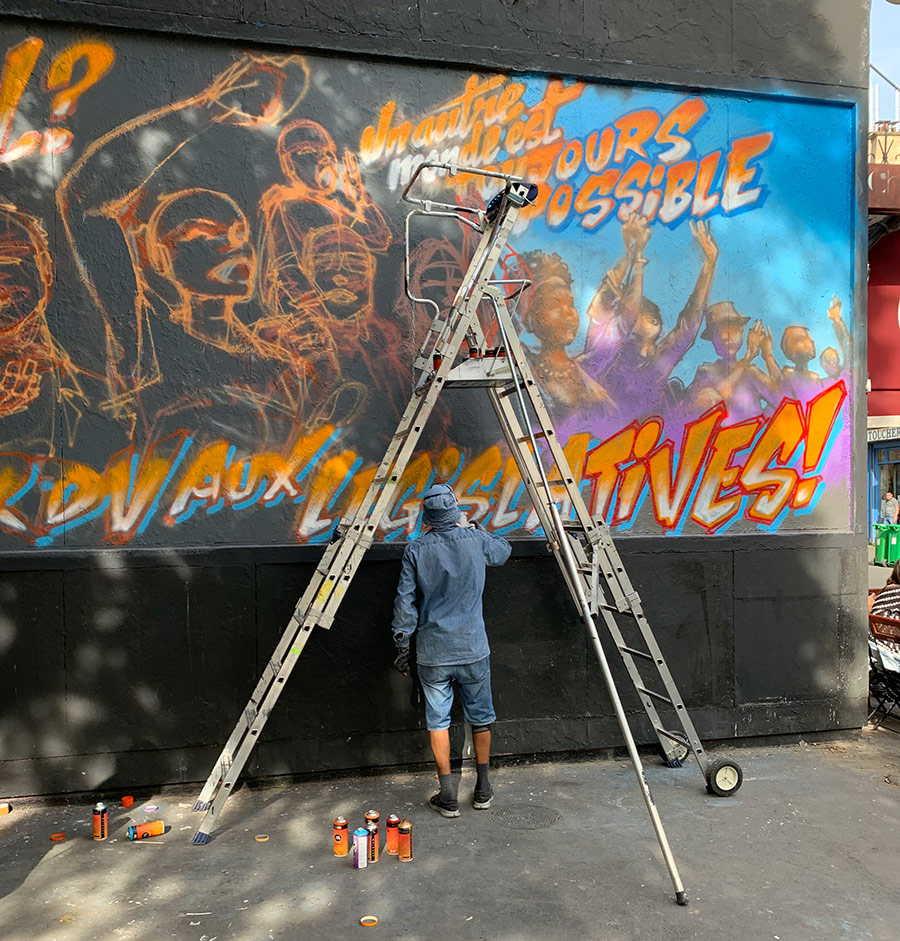
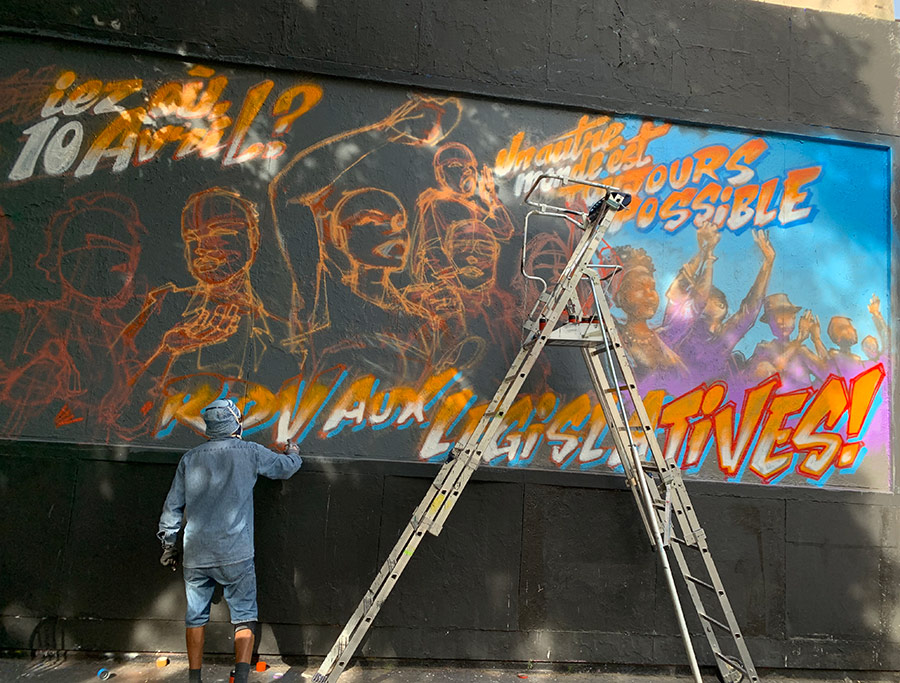
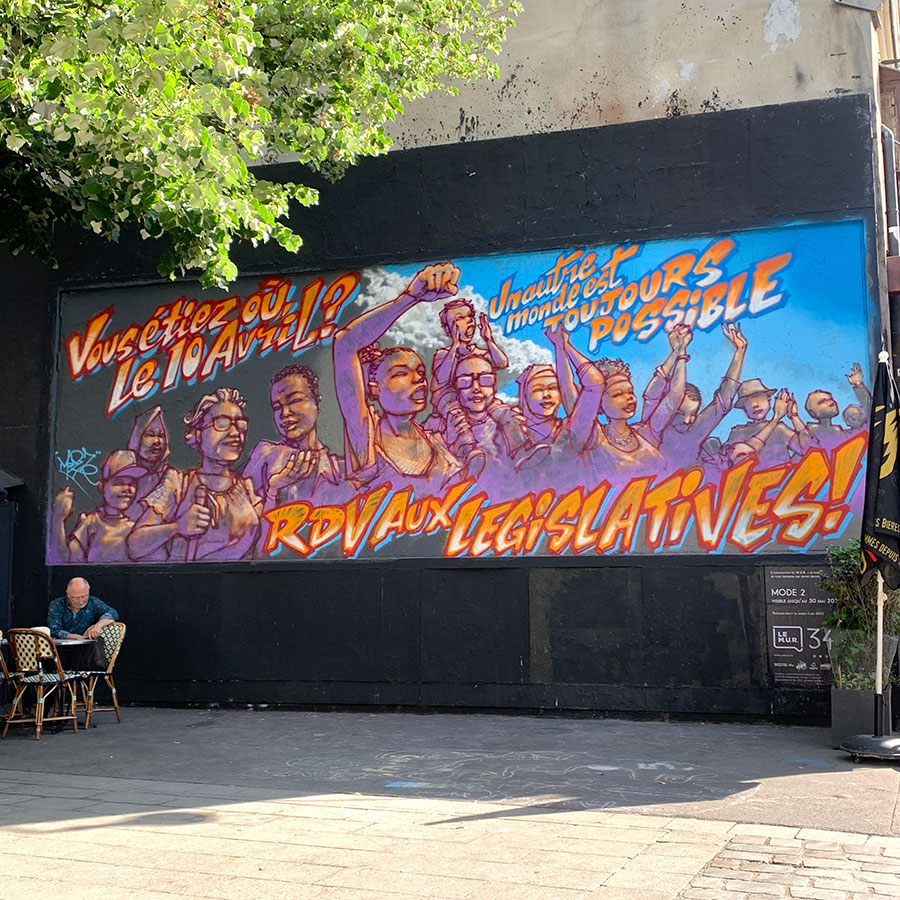
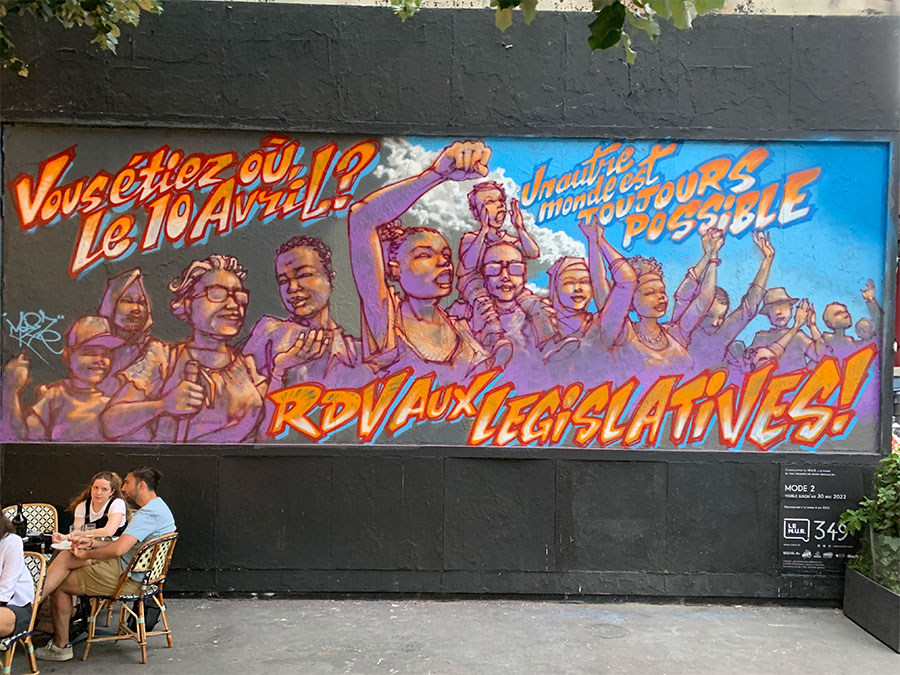
The wall at Le M.U.R. in Paris got the Mode2 treatment just ahead of the legislative elections, offering a fine opportunity for the artist to wax politically. He created his message of empowerment on this fresco during the weekend of the Urban Art Fair in Paris after laying down the design in his sketchbook, he says on his Insta account.
It was “a LONG day”, he says, as he reached for a bit of a 90s atmosphere and greeted old friends and families who came to support him, document his work, share stories, and maybe have a quick meal with him.
In our rough translation, the OG writer, painter, historian, and keeper of the flame says, “I had come on a mission, more or less, no matter the circumstances, because the times we live in require of all of our extra efforts, to try to reverse the status quo that has been rotting our existence for more than four decades.”
Our many thanks to BSA contributor Tor Staale Moen for sharing his photos of Mode2 in action at Le M.U.R. in Paris.
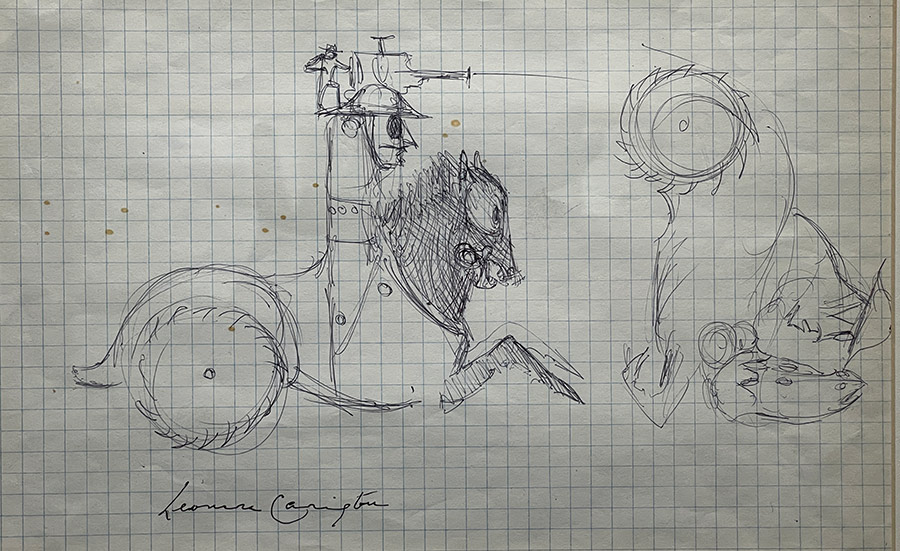
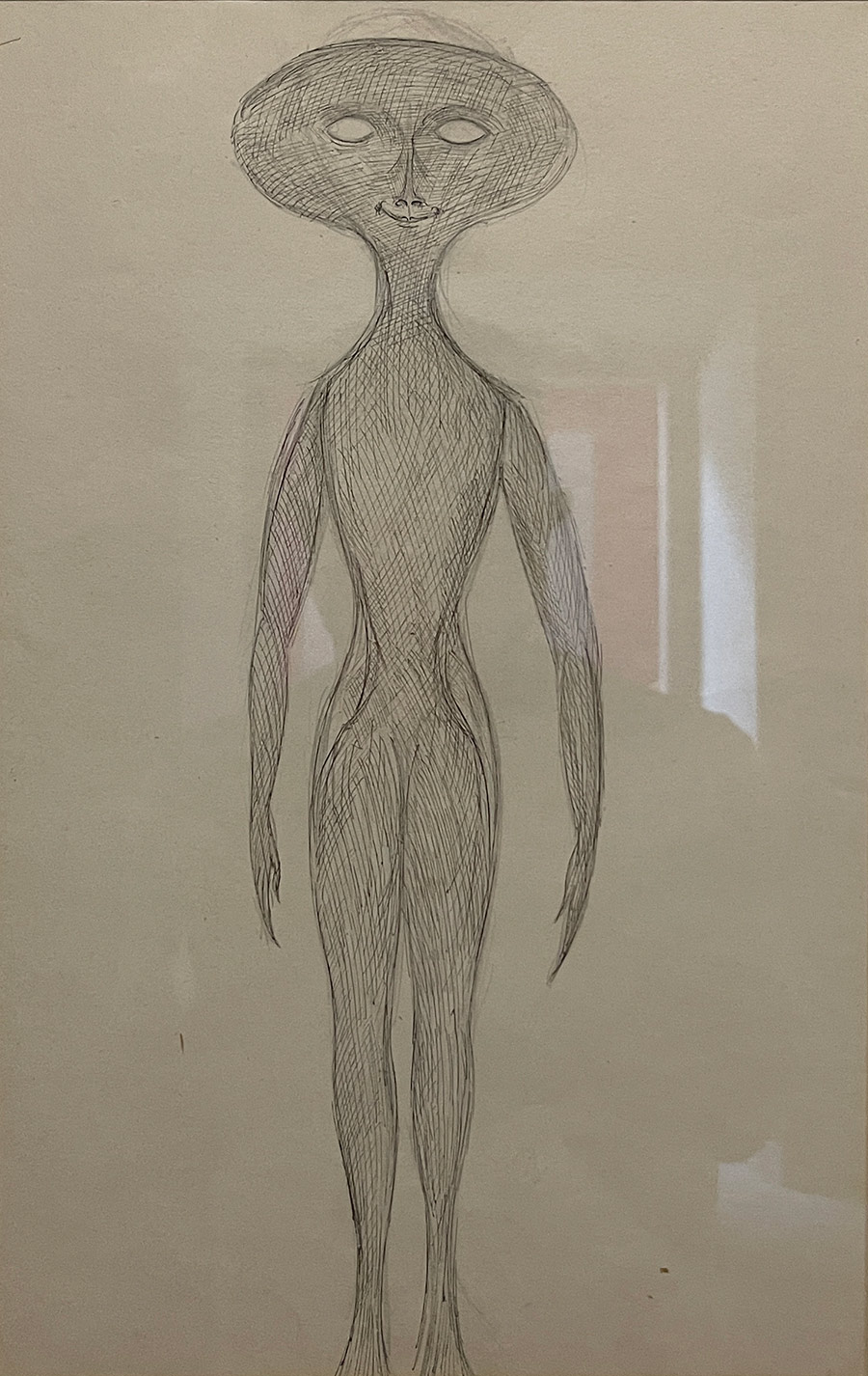
Was Leonora Carrington revealing to us a world of creatures that once existed in our world which we evolved from, or was she following the natural indicators that she sensed to predict the world and people that we would eventually become?
I don’t know if I’m inventing the world I paint,” said the Mexican surrealist Leanora Carrington, “I think rather it is that world that I invent myself.”
Was she being a coy artist, or was she empowering each of us with the ability to bend the arc of time, to alter the future with our imaginations?
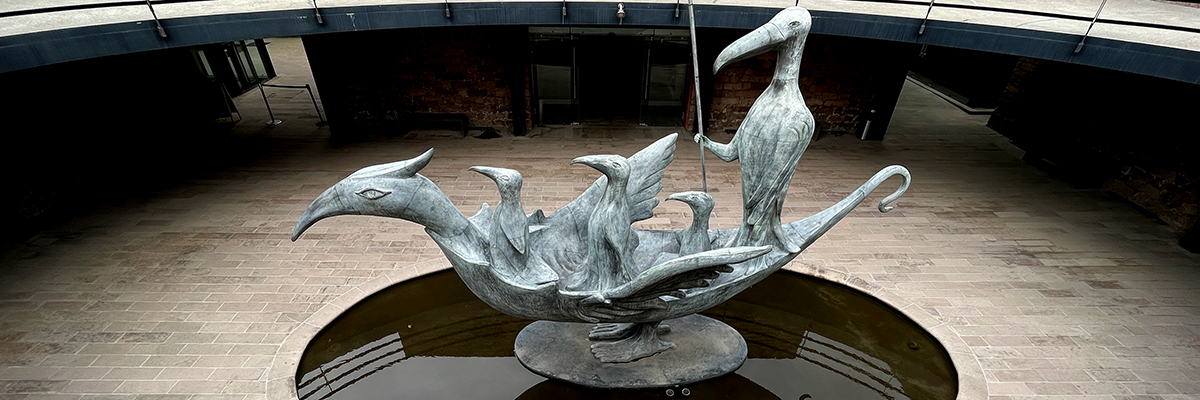
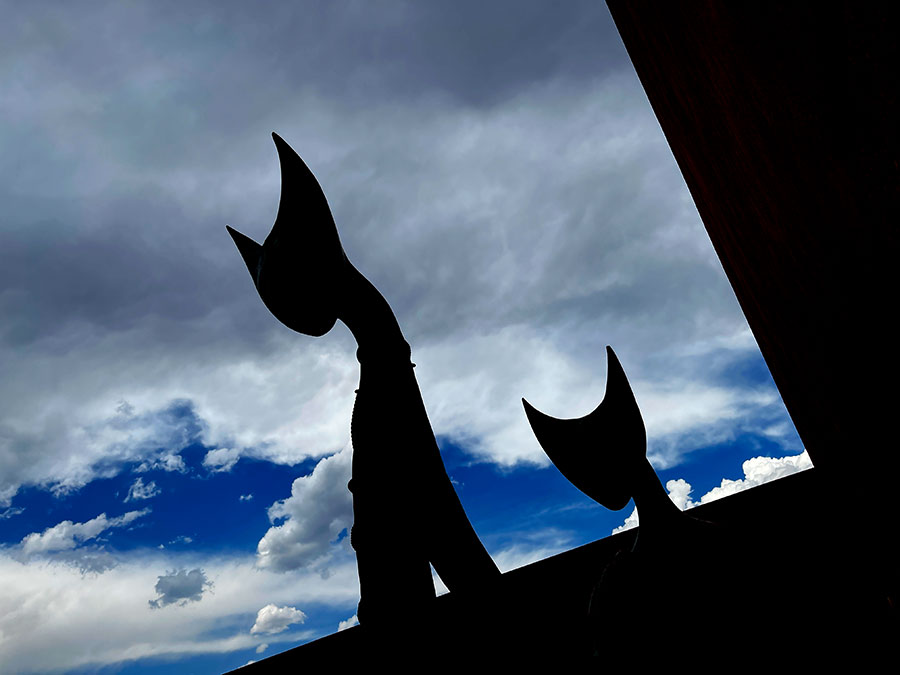
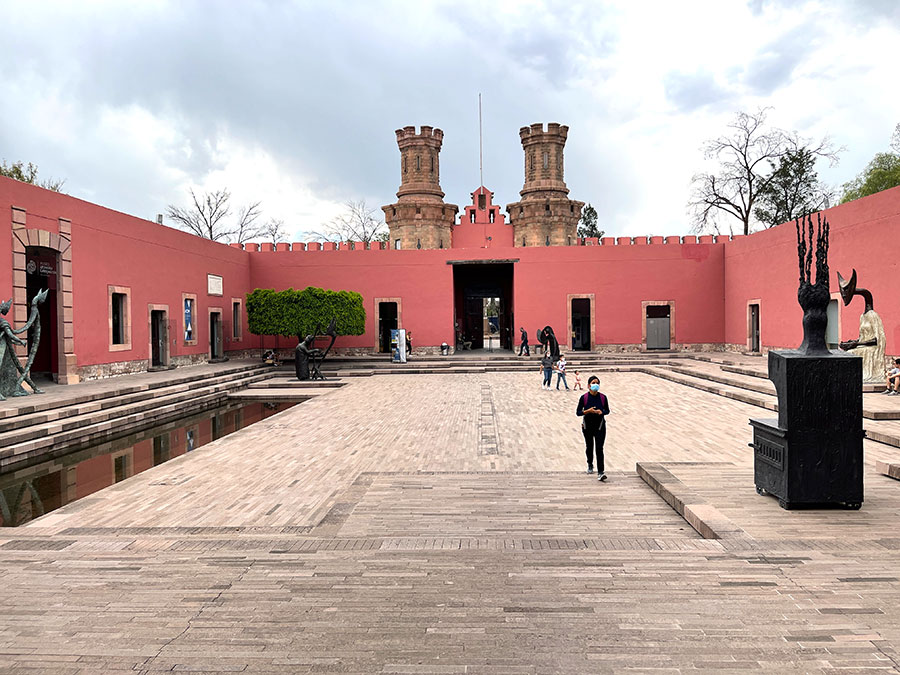
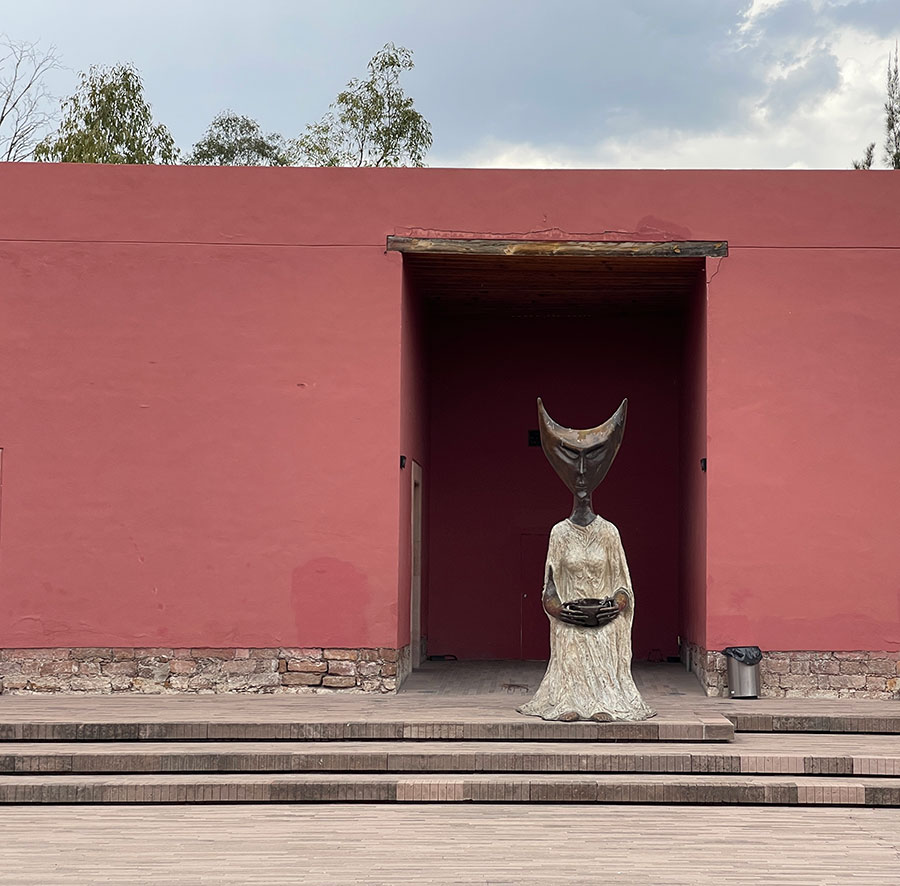
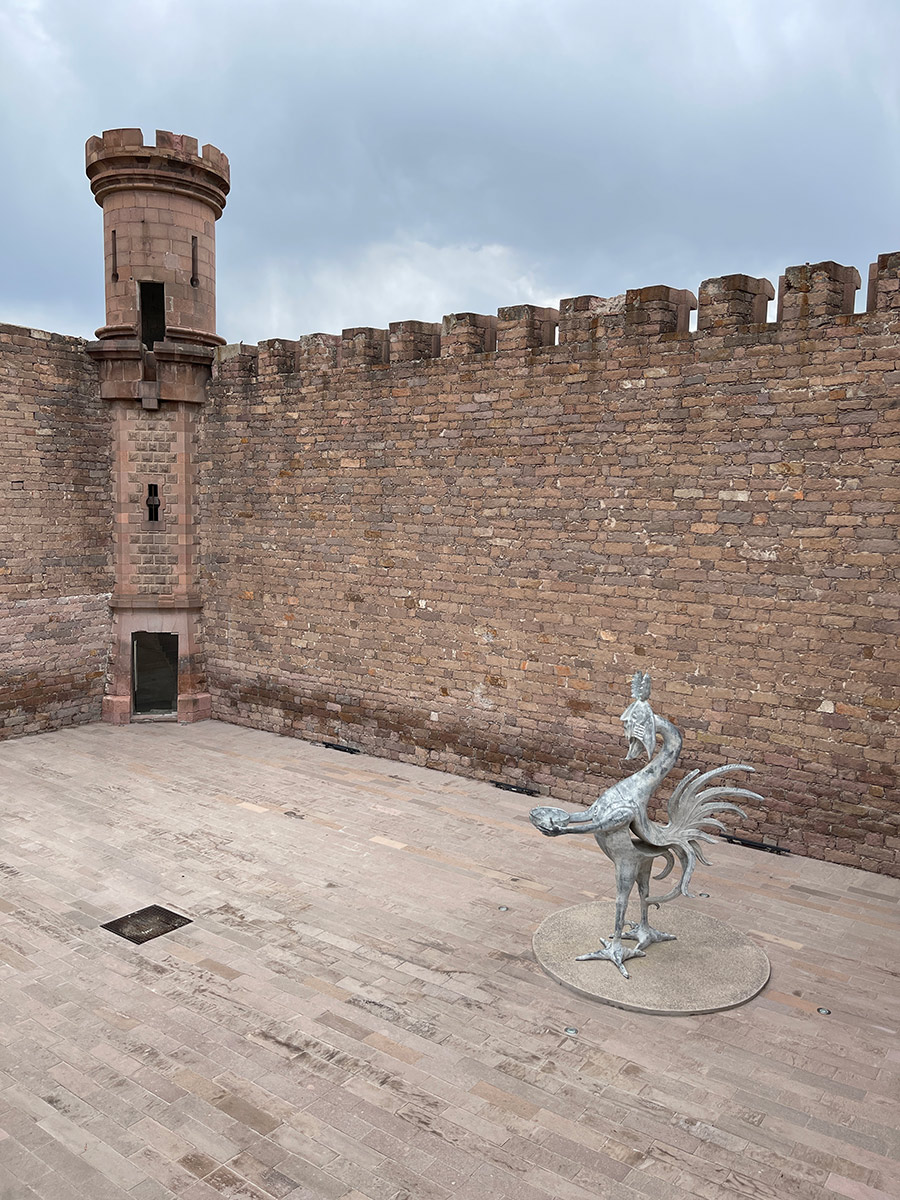
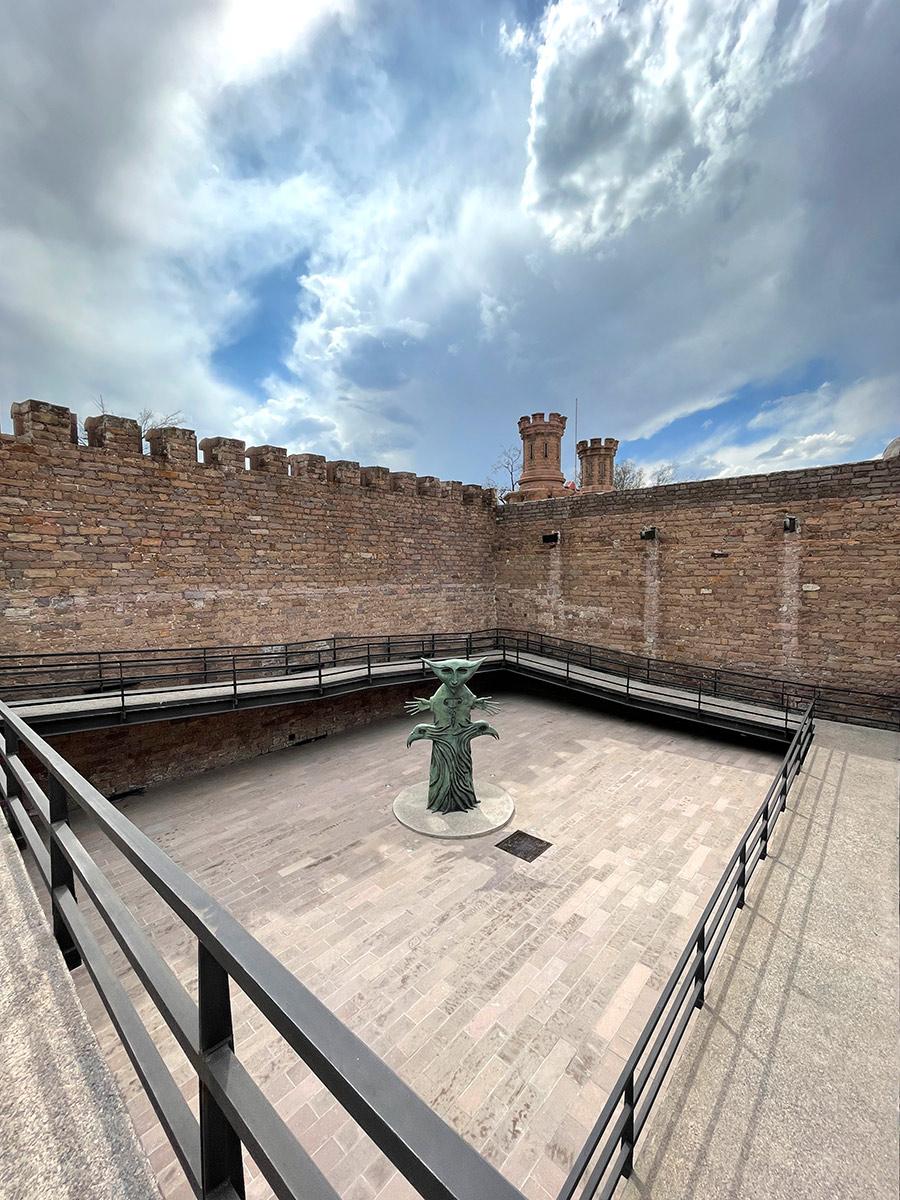
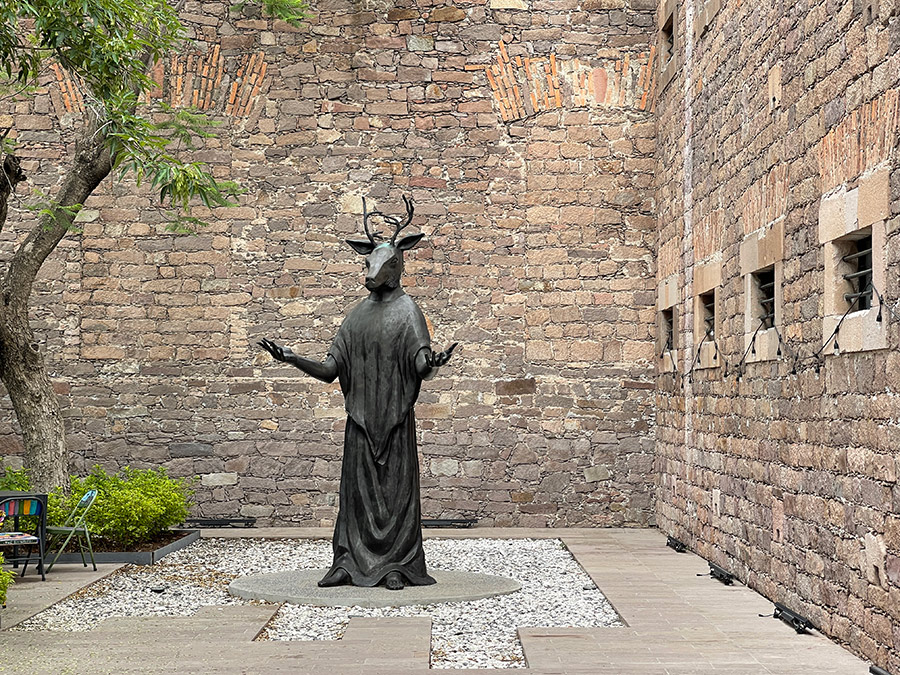
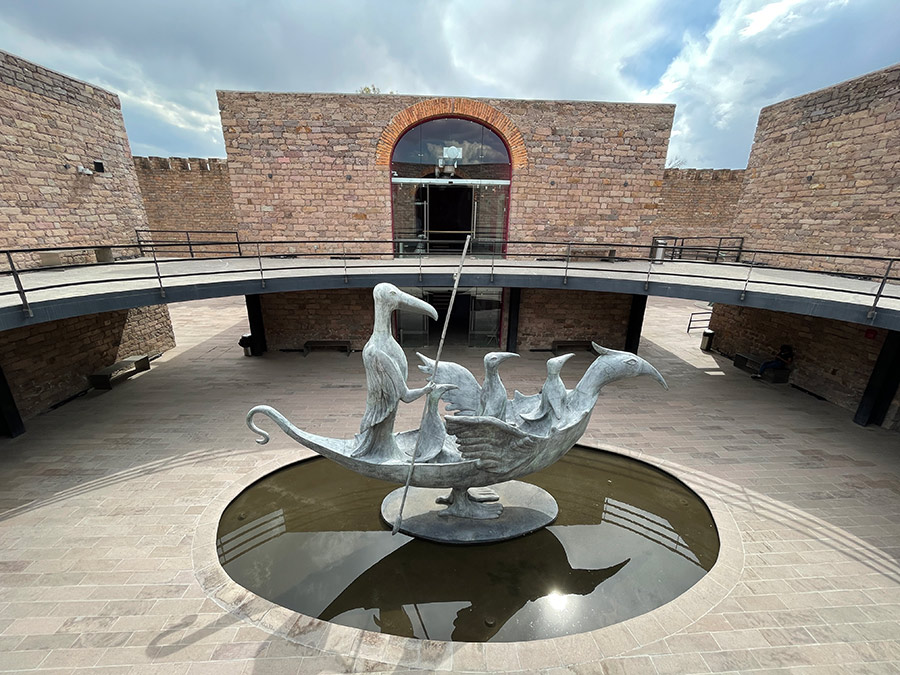
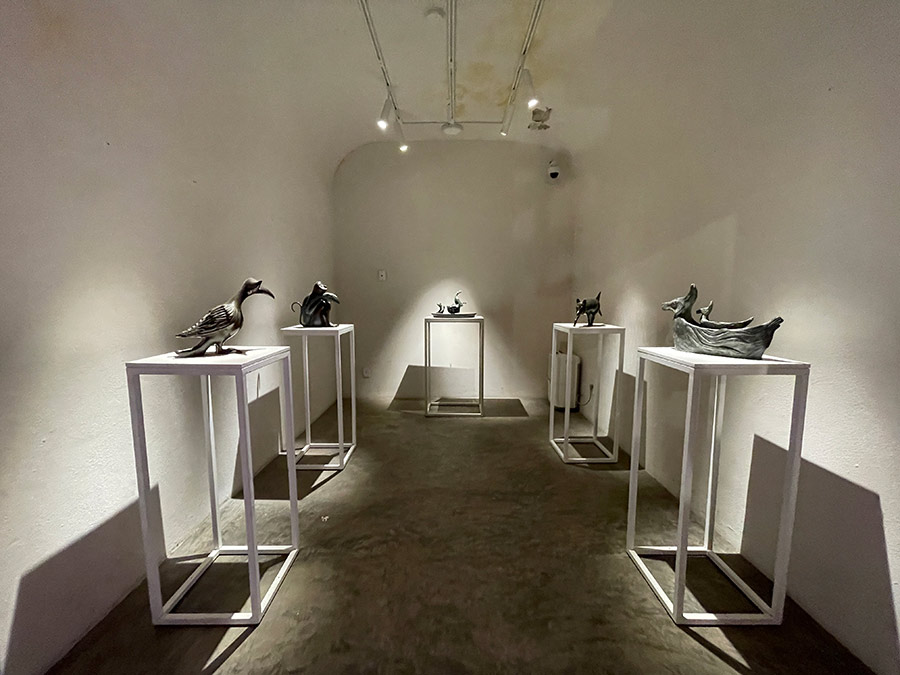
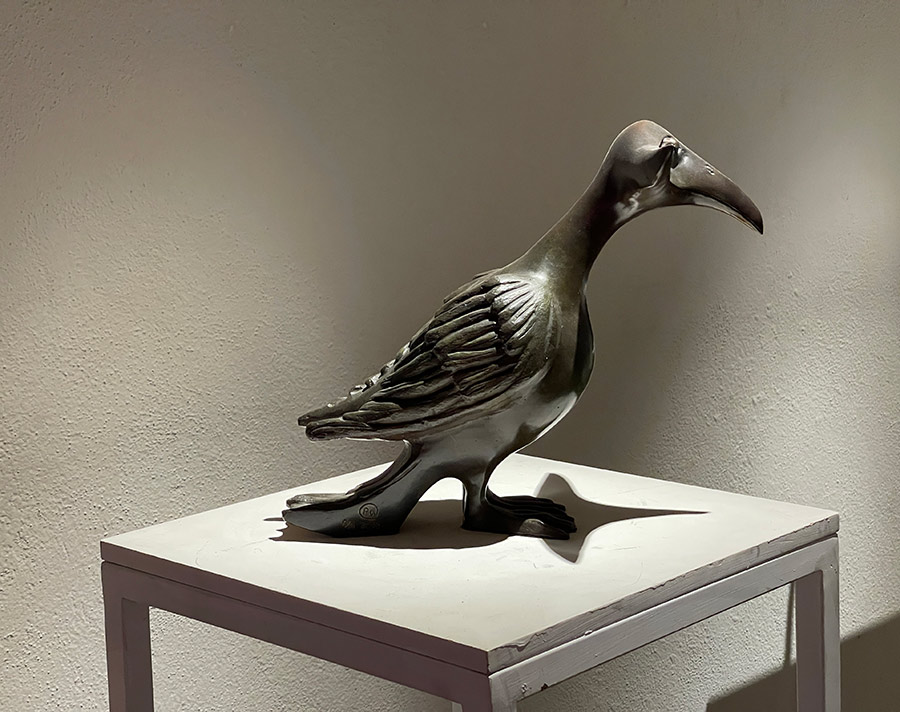
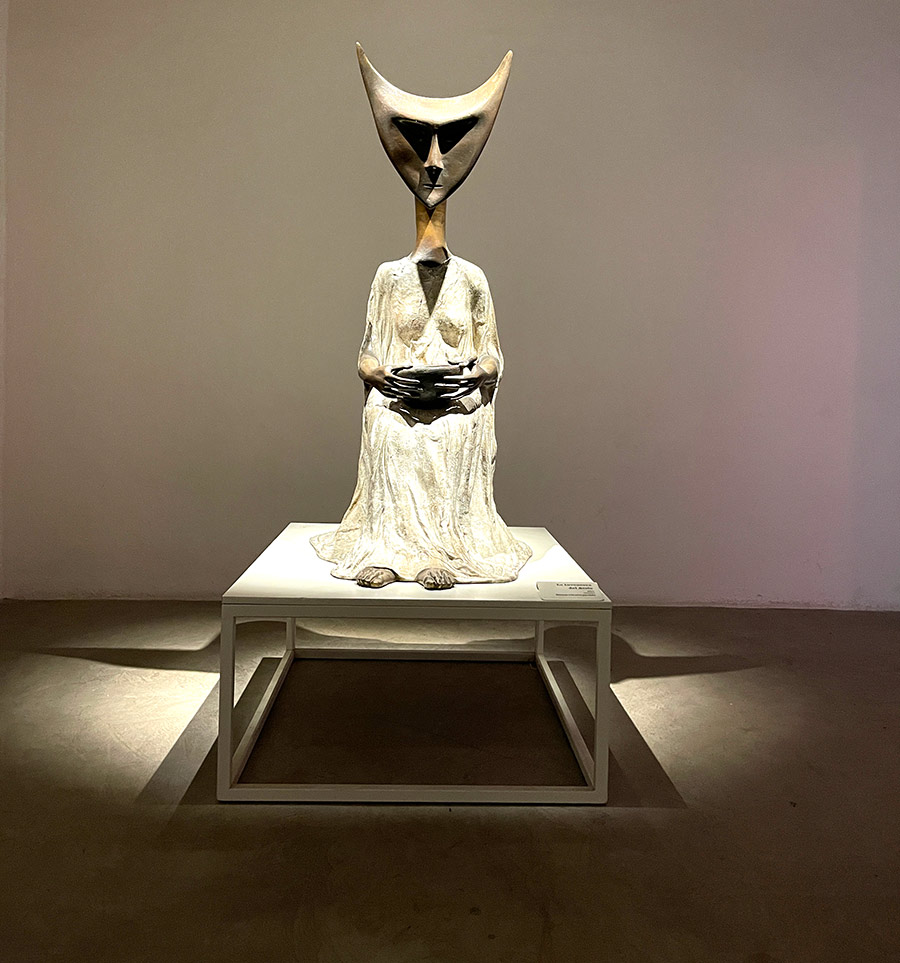
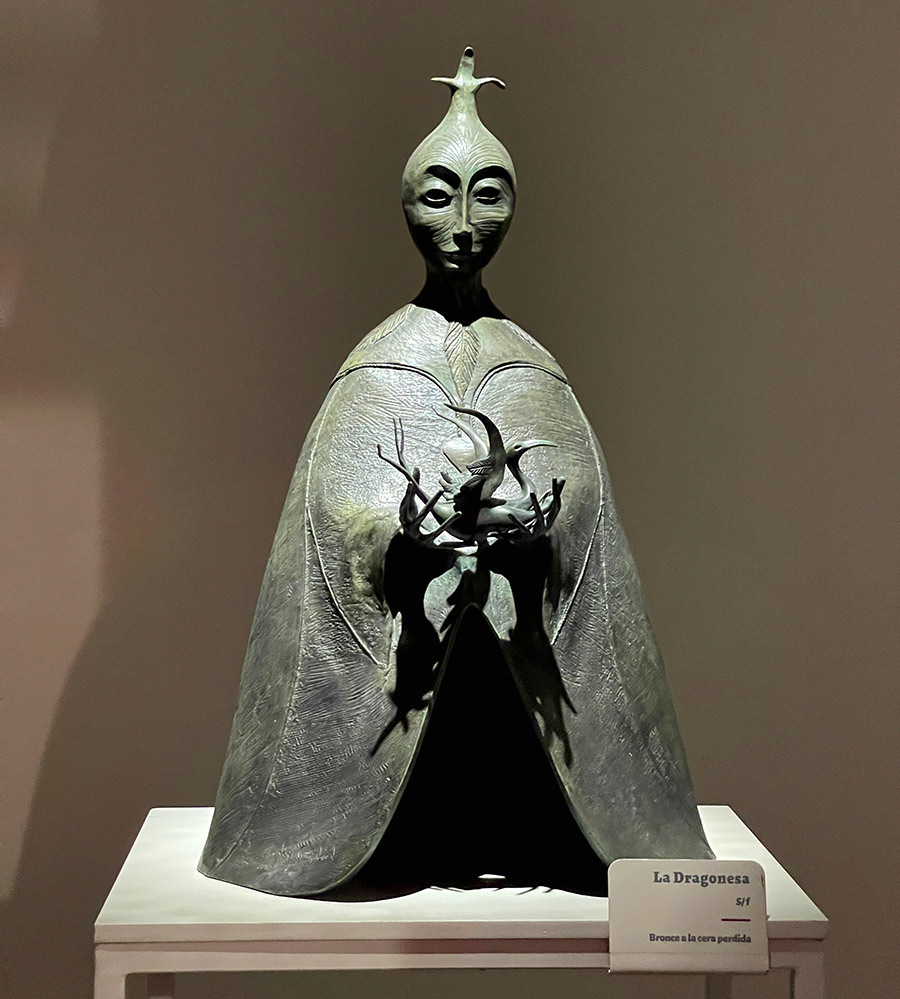
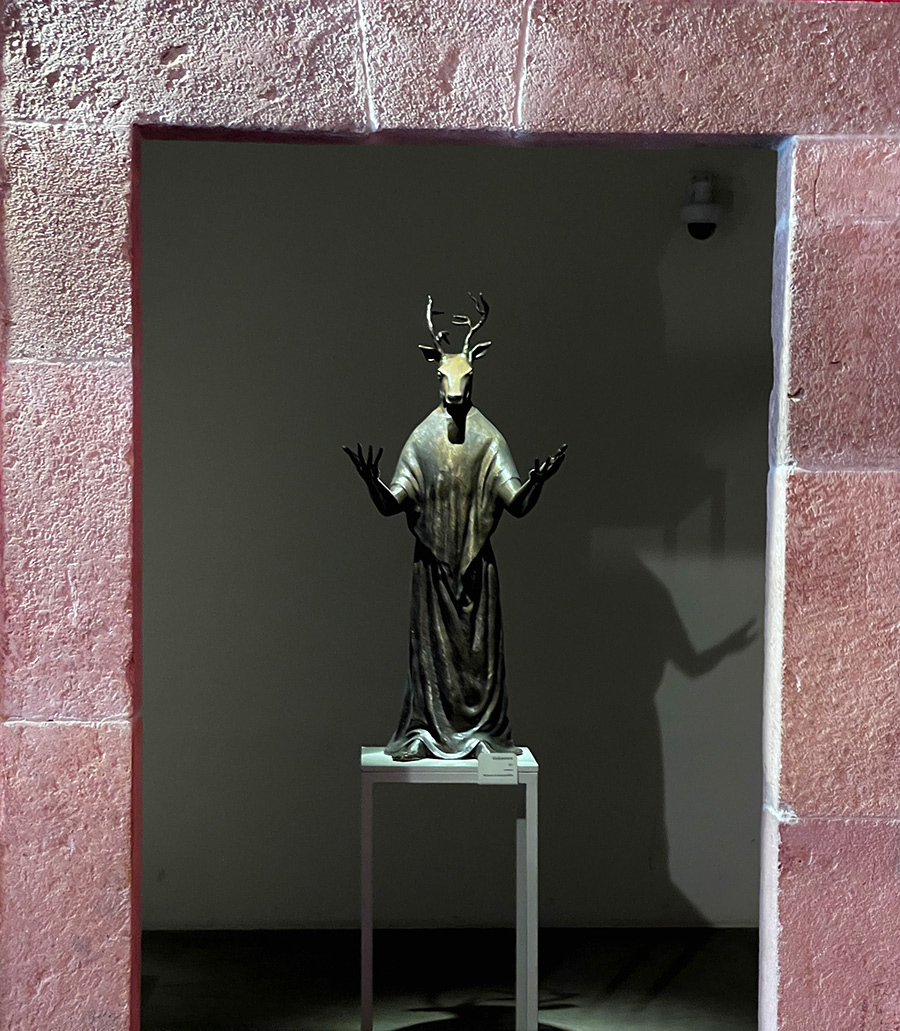
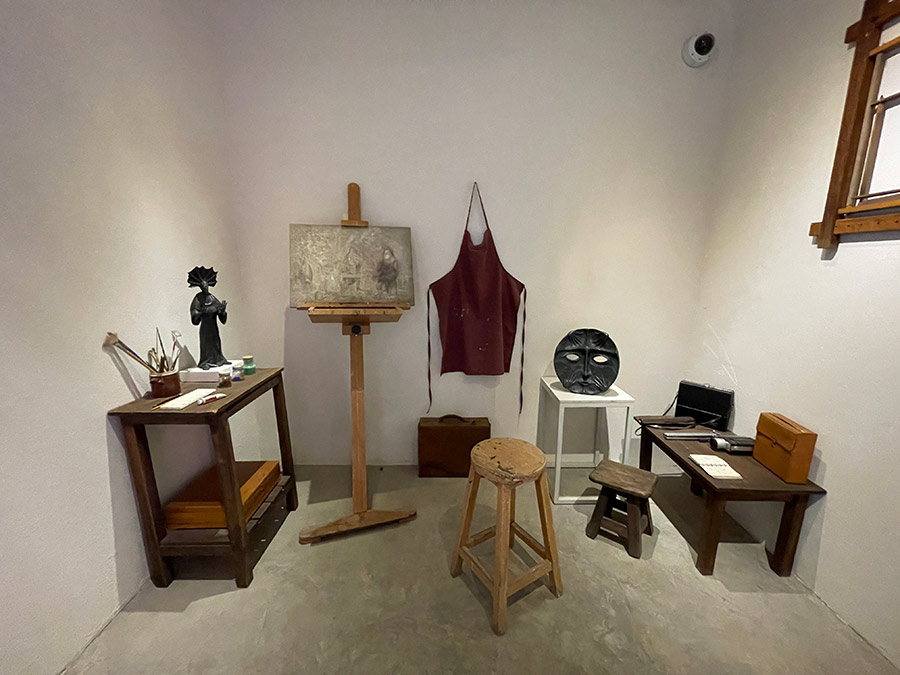
A recent visit to the Centro de las Artes San Luis Potosi in Mexico gave us the opportunity to see a collection of her astounding otherworldly sculptures and drawings and to appreciate her mind’s suggestions in a fully dimensional way.
“Art is a magic that makes the hours fade and even the days dissolve in seconds,” she said.
The 1940s in Mexico sprouted surrealism in art and literature that met, rivaled, and sometimes superseded the movements of Dali, Breton, and Ernst. The British-born Carrington was a surrealist painter and novelist, living most of her adult life in Mexico City, a five-hour drive south of here. Considered one of the last surviving participants of the surrealist movement of the 1930s, this country hosted a legion of artists embracing the surrealism and spreading the magic realism equally through literature and painting with names like the poet Octavio Paz, painters Alfonso Michel, Carlos Orozco Romero, Frida Kahlo, Diego Rivera, sculptor Luis Ortiz Monasterio, illustrator Roberto Montenegro, David Alfaro Siqueiros…
Industrial, post-industrial, and mechanized worlds were de-humanizing humans, pushing children into factories, de-naturing the natural world, compressing minds into chattel, steering humans into ovens, and giving them wings to fly high above the Earth – offering a continuous economic boom, followed by a bust, followed by a boom. Nothing has made much sense since then.
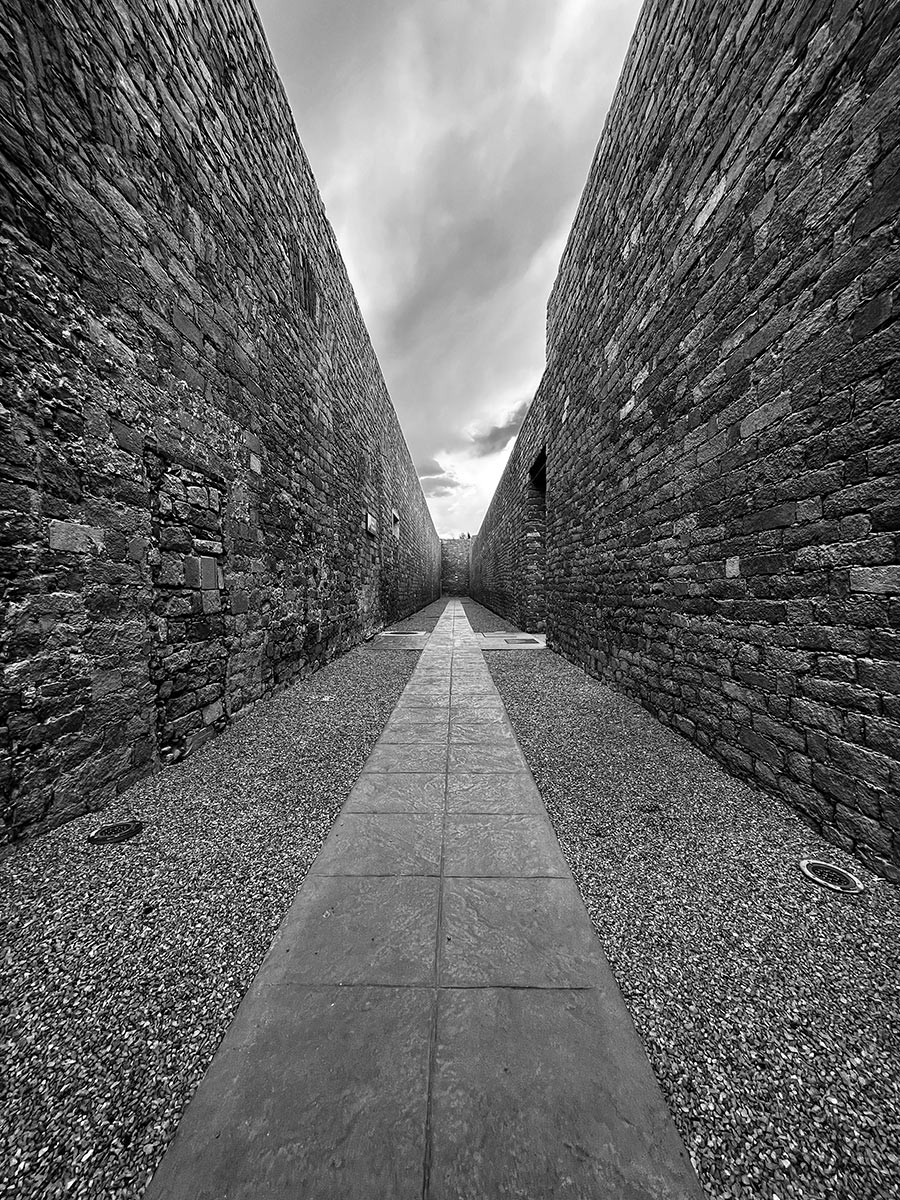
So it was little surprise to see the families at this exhibition in a former prison, the teens posing for selfies with figures that have animal heads, webbed appendages. Carrington’s references to sorcery, metamorphosis, alchemy, the occult and Celtic mythology blend magically into this country’s fixations- a native people’s psyche destroyed by the European invader, and Catholic church’s full-sized portrayals of the tortured, bloody body of Christ displayed in town after town – sometimes alongside the mystical hallowed figures that are so frightening as to evoke supervillans, or Phil Collins.
There is a strange logic to all of Carrington’s creatures – today grown adults wear similar costumes to conventions, and young men bomb villages in the Middle-East while sitting in a basement thousands of miles away. Are these wild frightful creatures what we were, what we are, or what we will become? Carrington is merely helping you imagine.
“Let’s dial down the rhetoric. Let’s work sincerely to negotiate a cease-fire. We need serious diplomacy” said no one who profits from war.
Ka-ching!
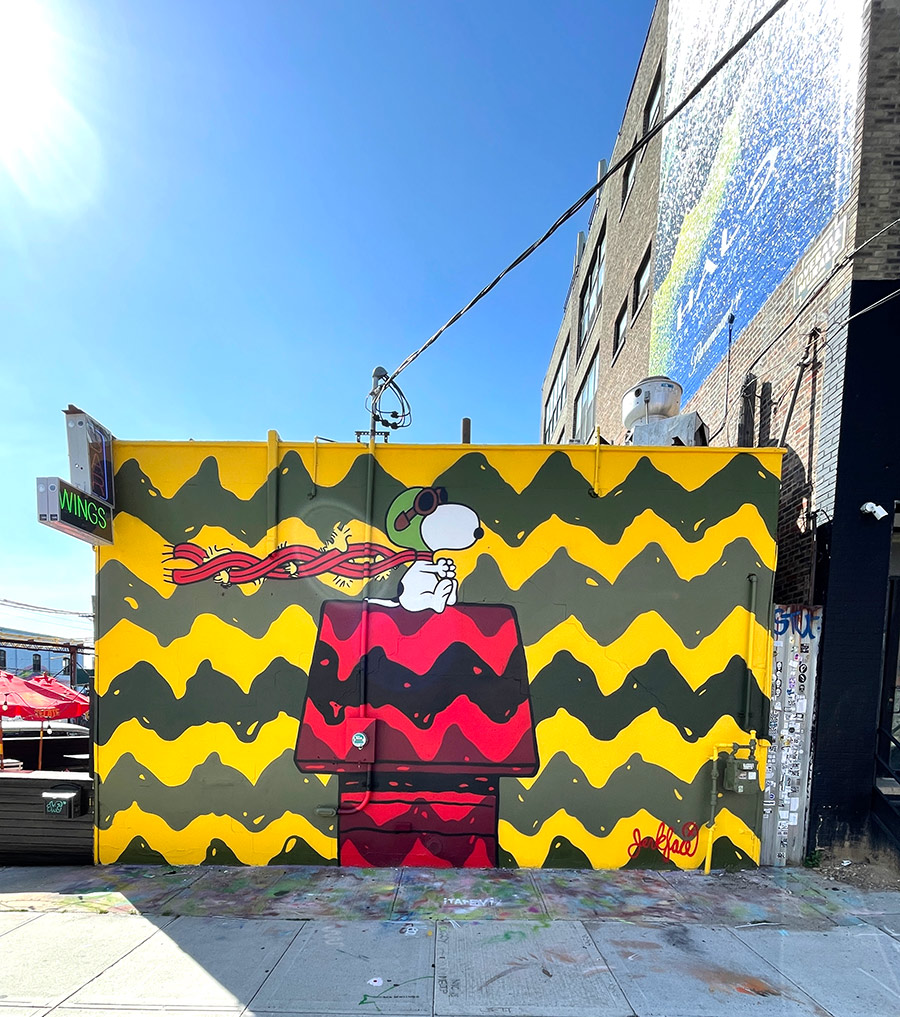
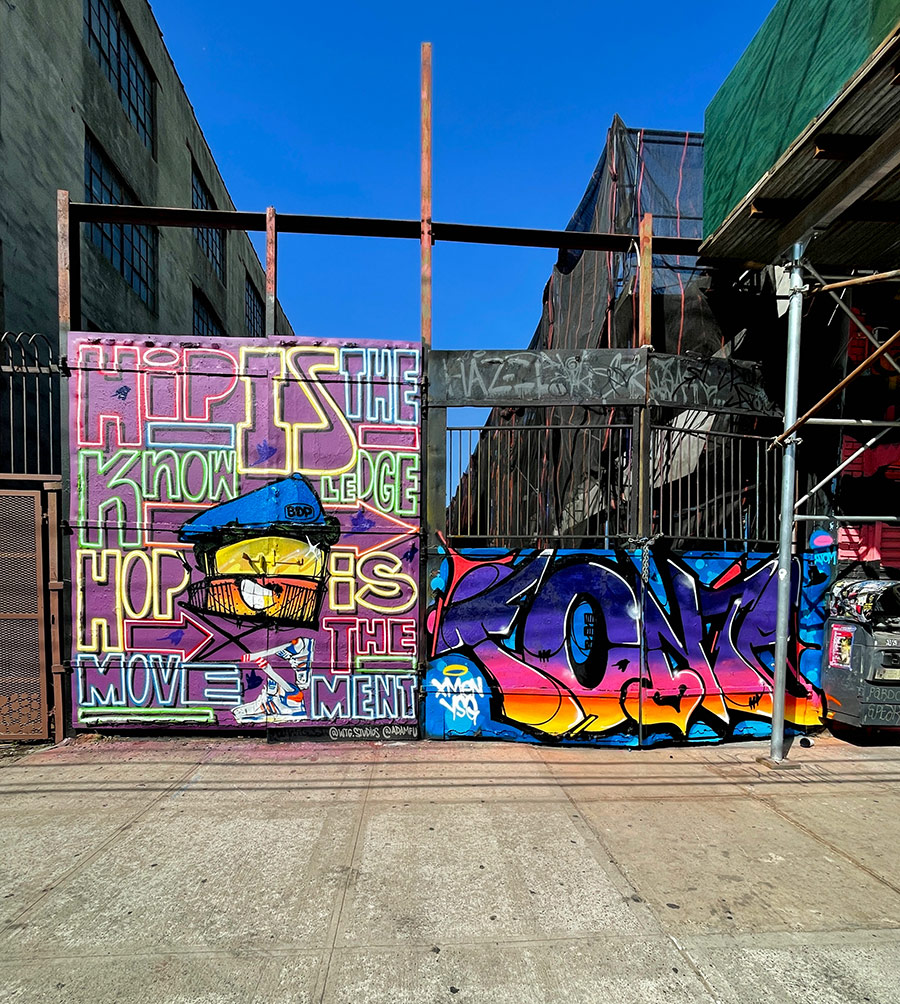
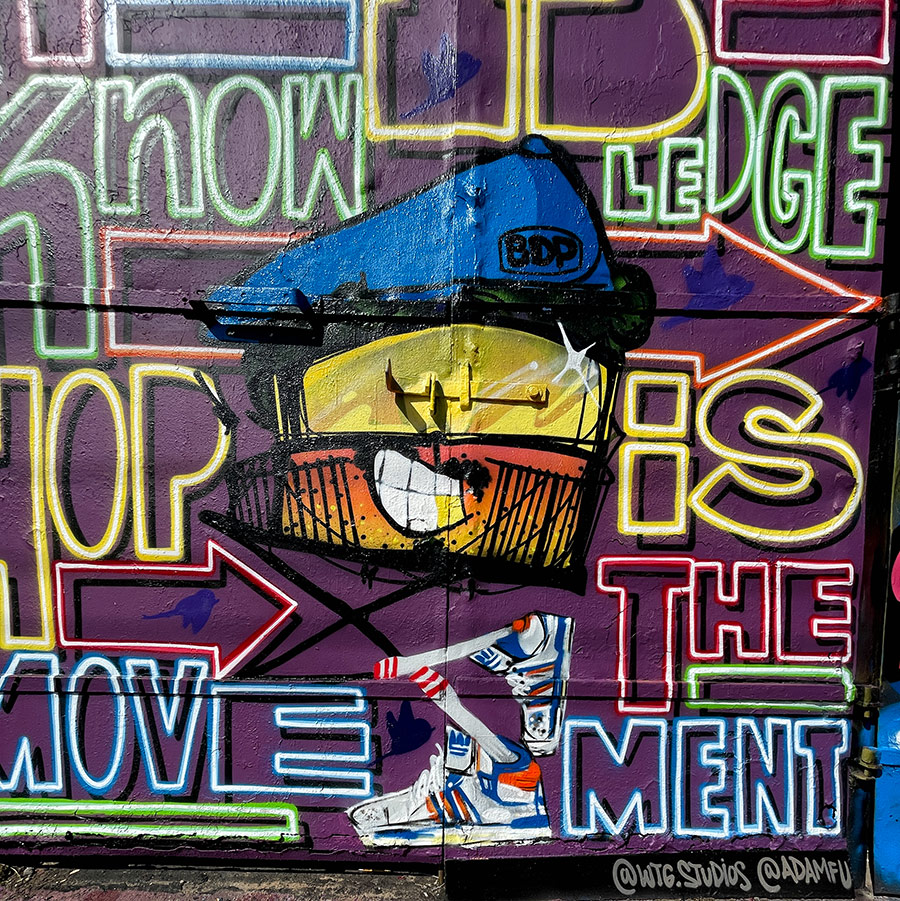
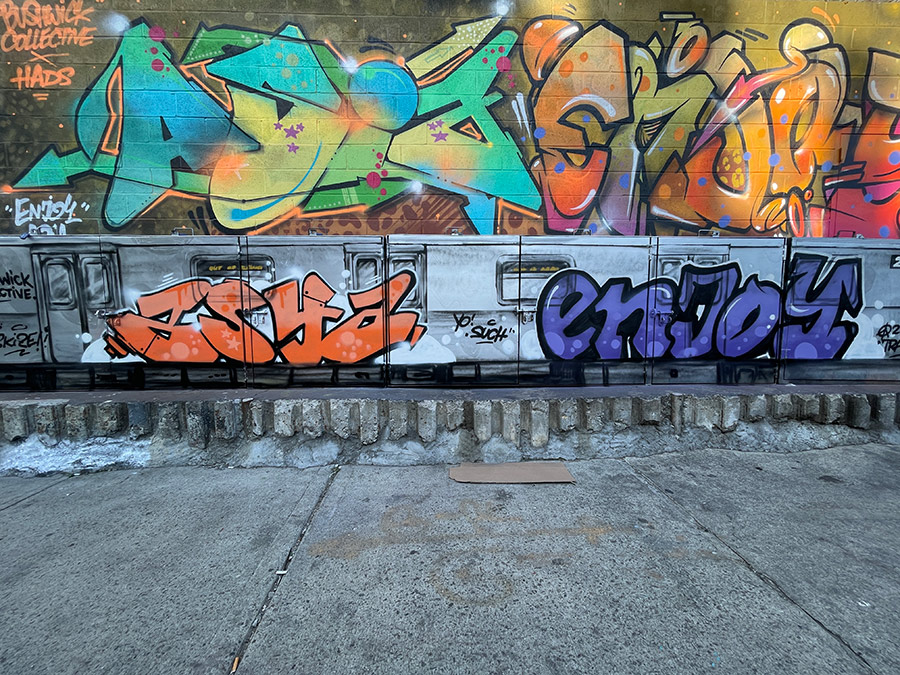
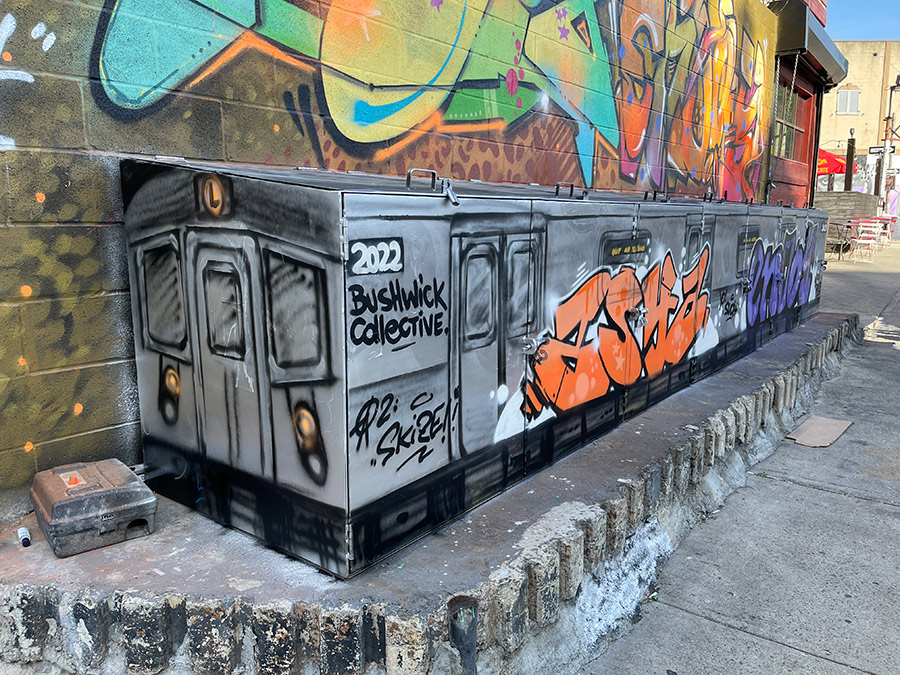
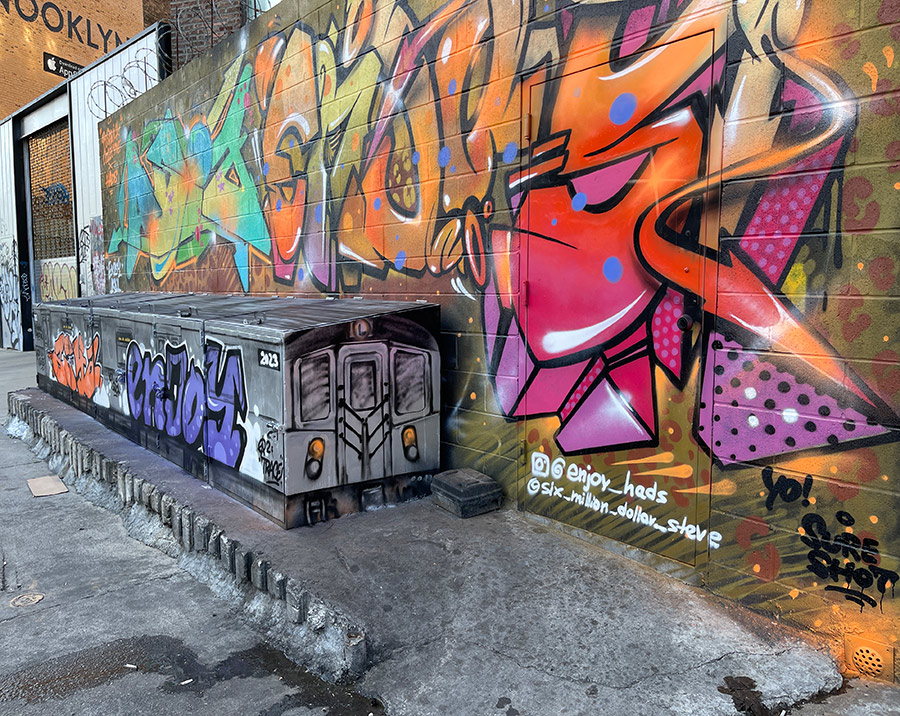
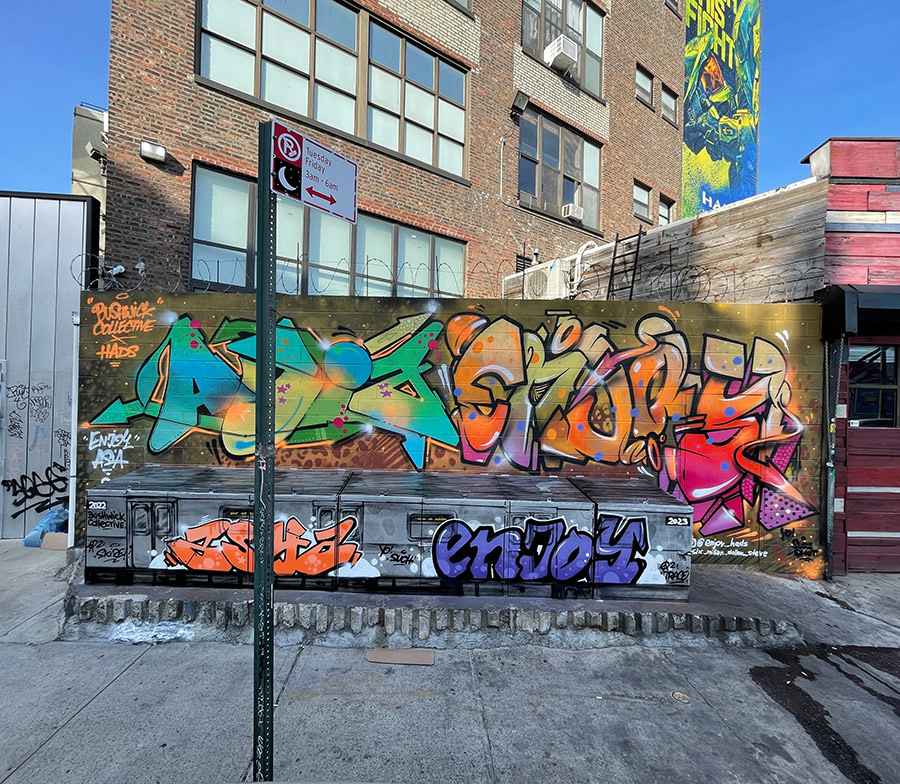
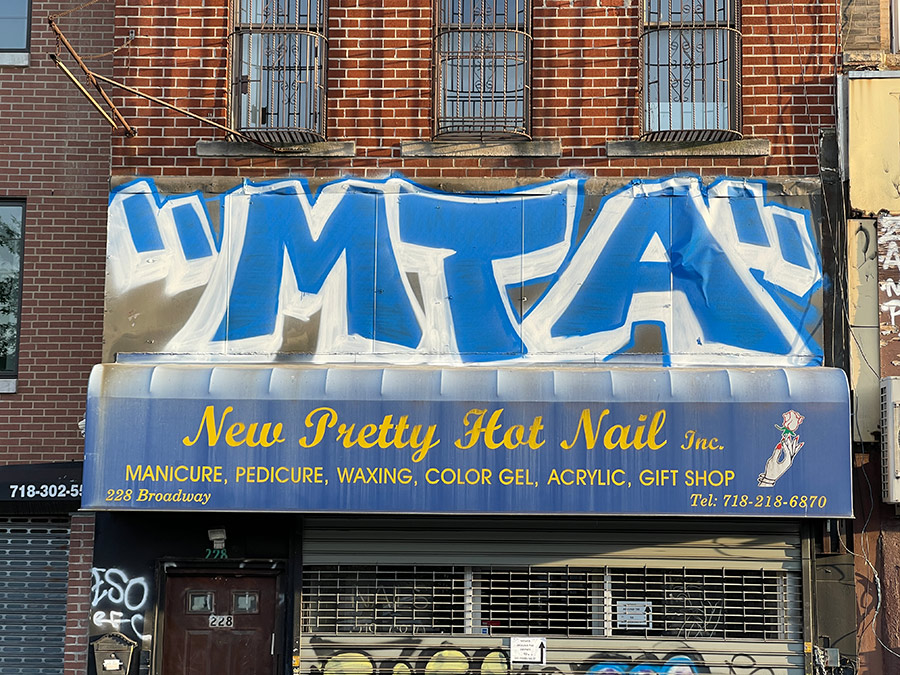
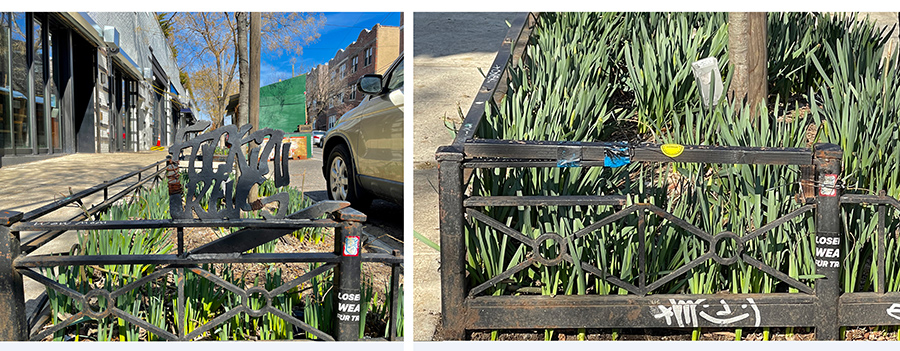
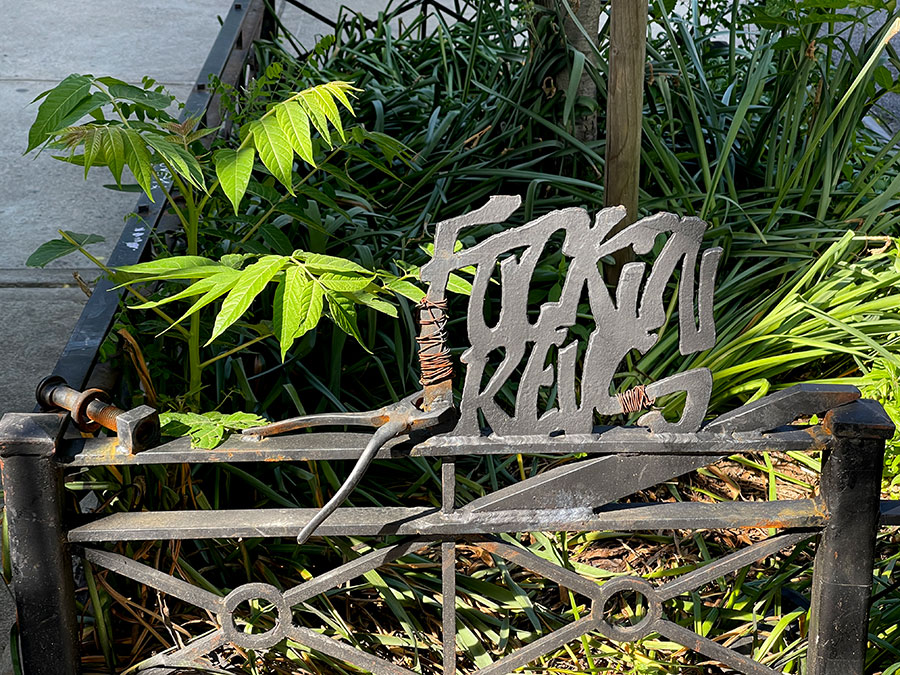
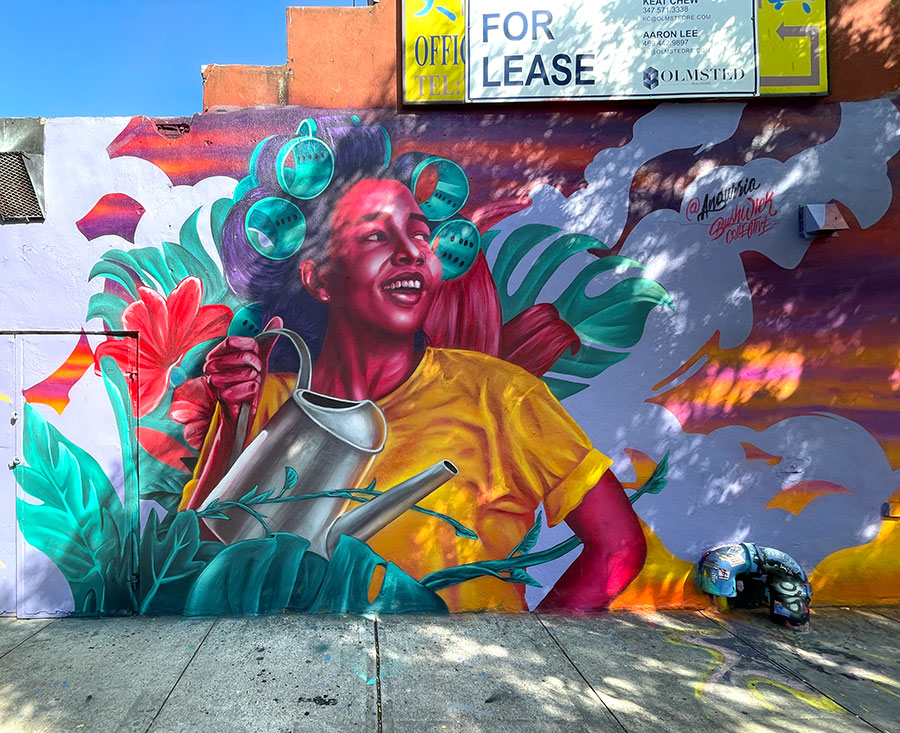
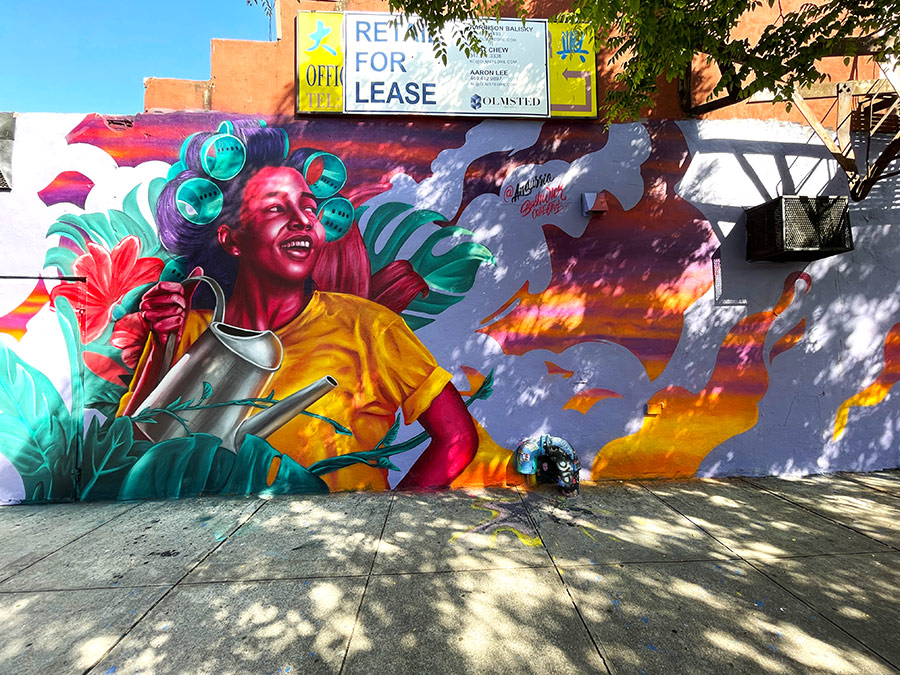
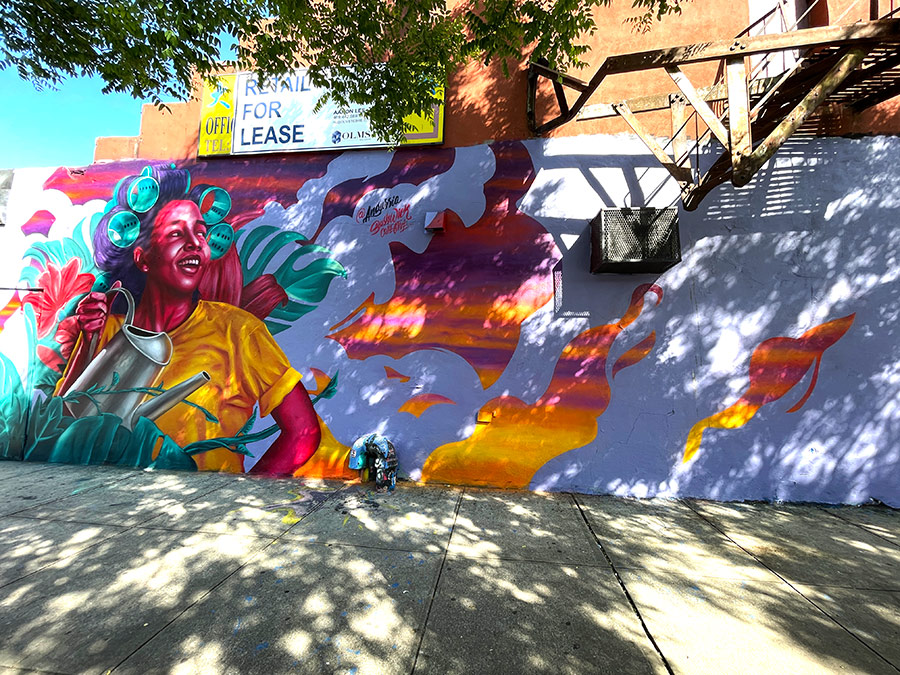
Here’s our weekly interview with the street, this week featuring: REVS, Adam Fu, JerkFace, Sac Six, Voxx Romana, Roachi, MTA, 4Some Crew, Huetek, Angurria, Swrve, WTG Studios, Enjoy, Six Million Dollar Steve, Carlitos, Dovente, and Danny Ebru.
We return today to the streets of Paris for Dispatch 2 with Norwegian photographer Tor Staale Moen, who tells us that the streets are alive with stencils and aerosol paintings as much as ever. Our first Paris report a couple of days ago focused on the presentation of the female form and energy by street artist in this city. Today, it’s time for the guys.
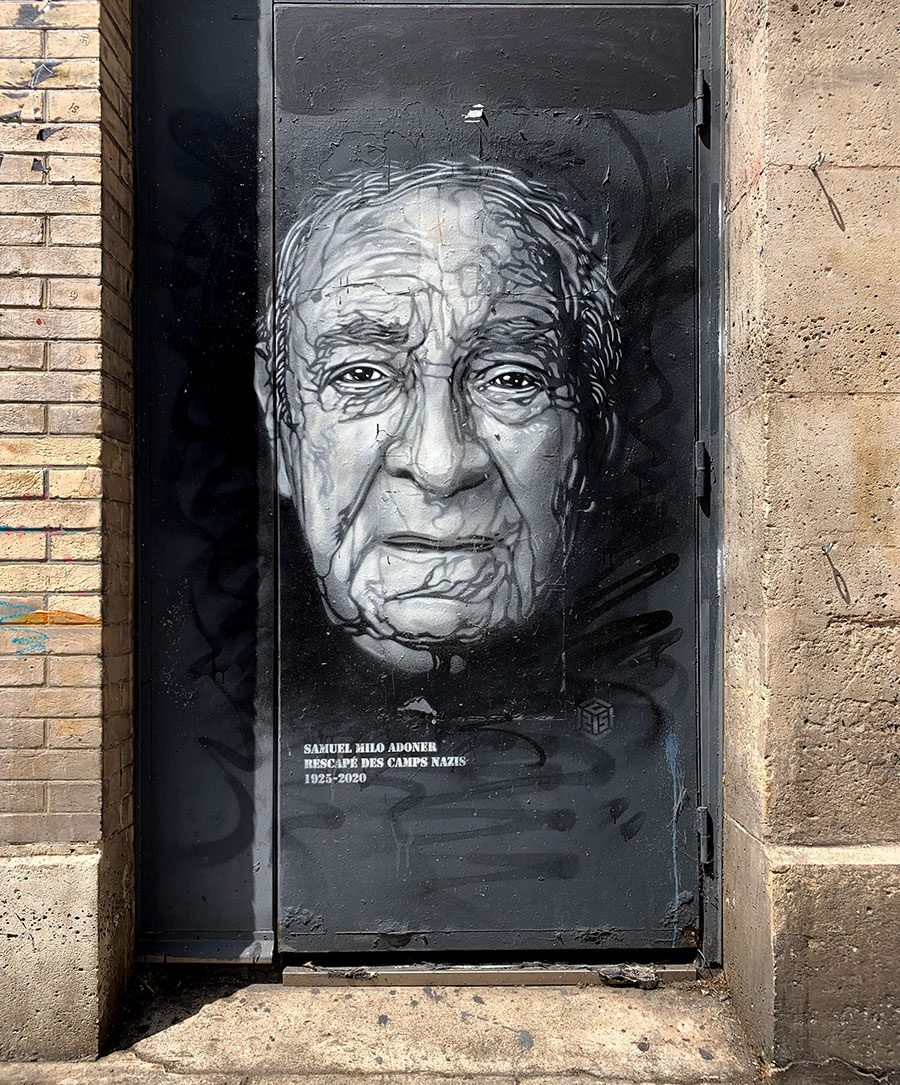
Here we begin with one of the country’s most well-known stencil masters, C215. His portraits of unknown street dwellers, as well as important historical figures, have graced walls, mailboxes… even national postal stamps. Here C215 honors the memory of a French son of a Polish immigrant to France during the second world war, Samuel Émile Adoner (known as Milo Adoner). Deported with 7 members of his family by convoy in 1942 from the Drancy camp to Auschwitz, he was the only one to survive the Holocaust- along with an older sister who was not deported. With the help of activists and historians and artists like C215, the street can be a platform for the open exchange of ideas – and histories.
 BROOKLYN STREET ART LOVES YOU MORE EVERY DAY