Welcome to BSA Images of the Week! We’re in the middle of a long weekend thanks to tomorrow’s President’s Day. Usually, its a good weekend for some people to get out of the city to go skiing, but seriously there has been no snow here this year, which is troubling. We might as well stay at home and get to know our friend ChatGPT. Maybe make some comfort food and play board games with it. What? Why did you make a face?
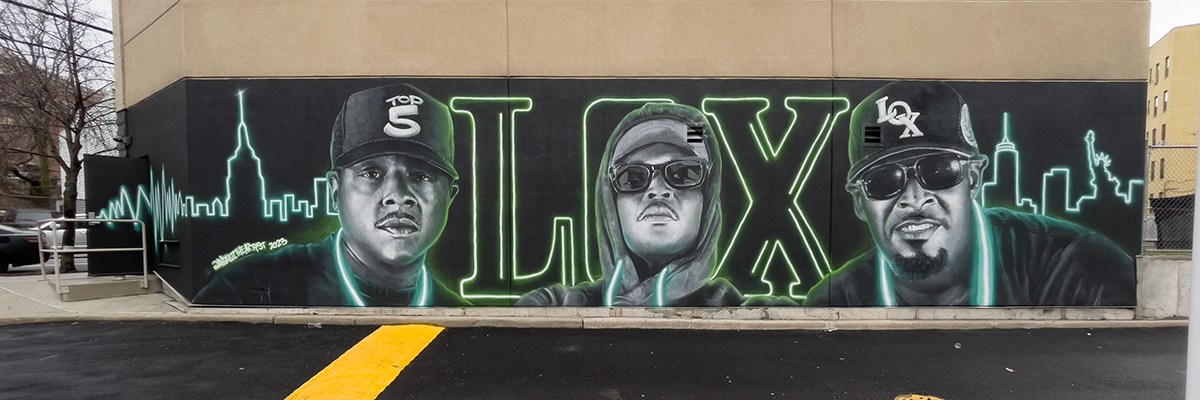
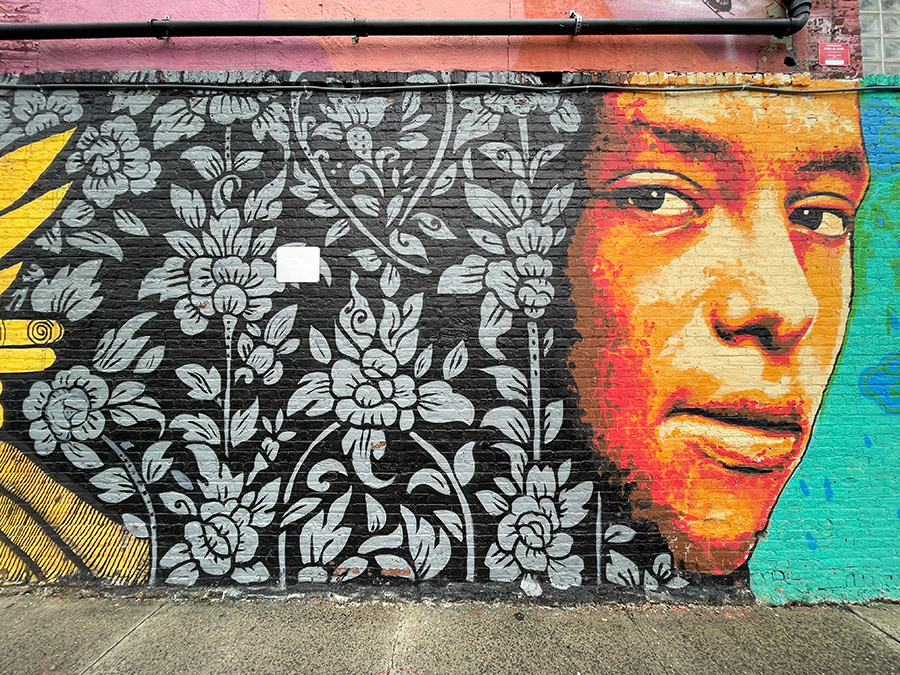
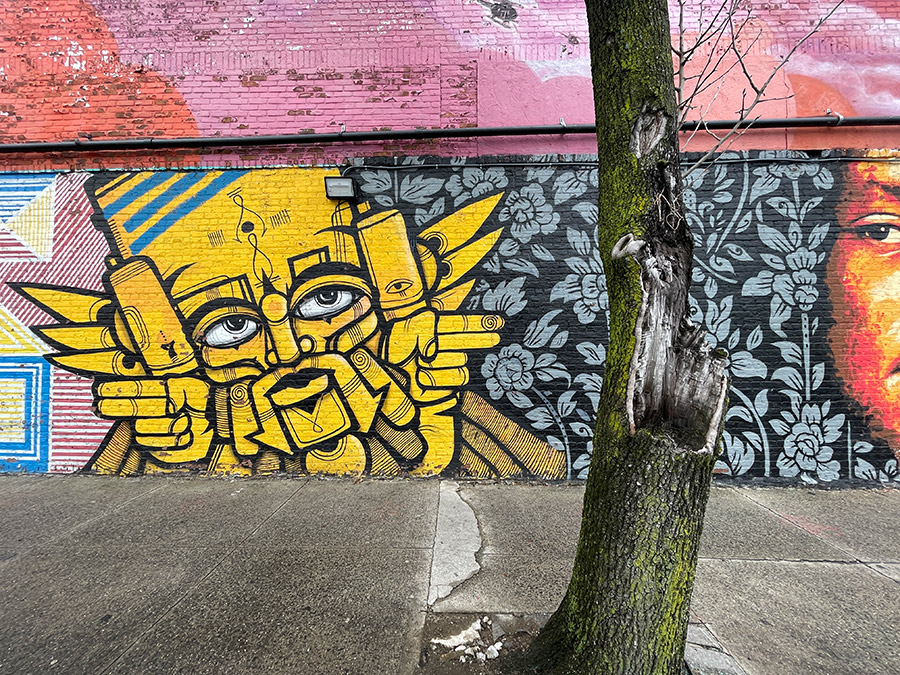
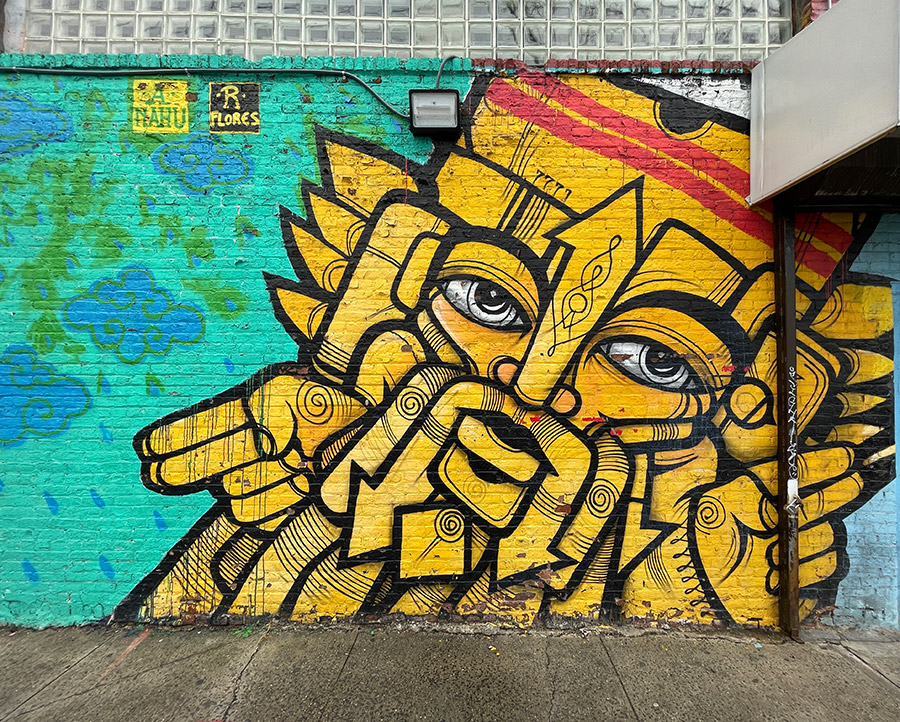
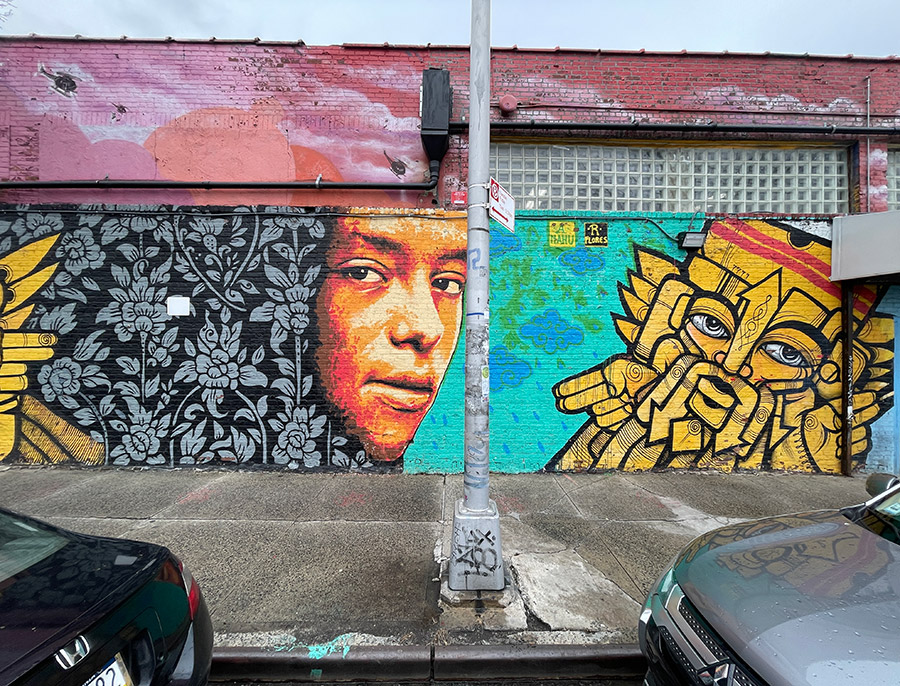
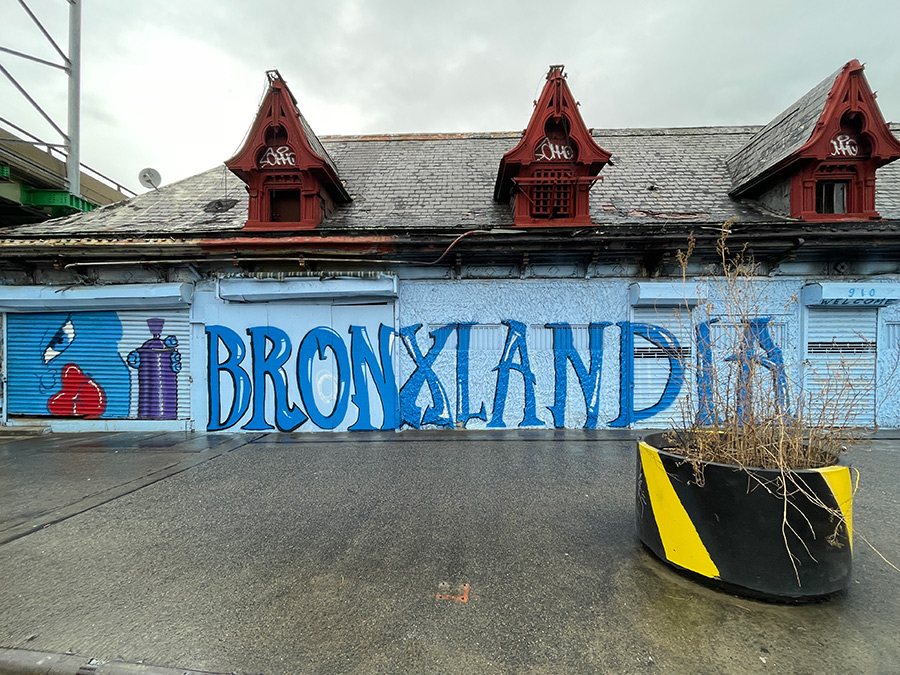
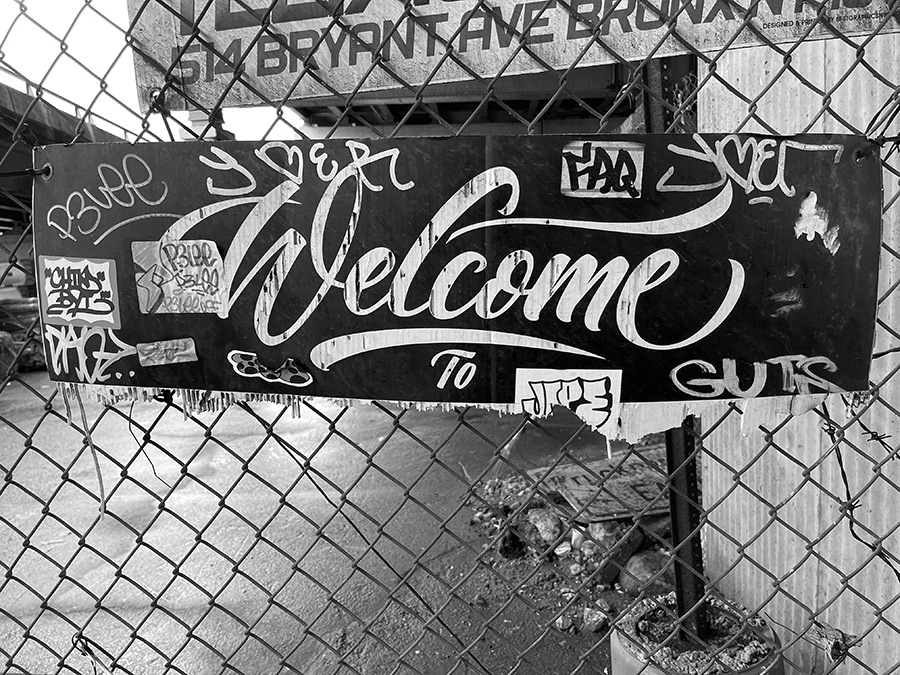
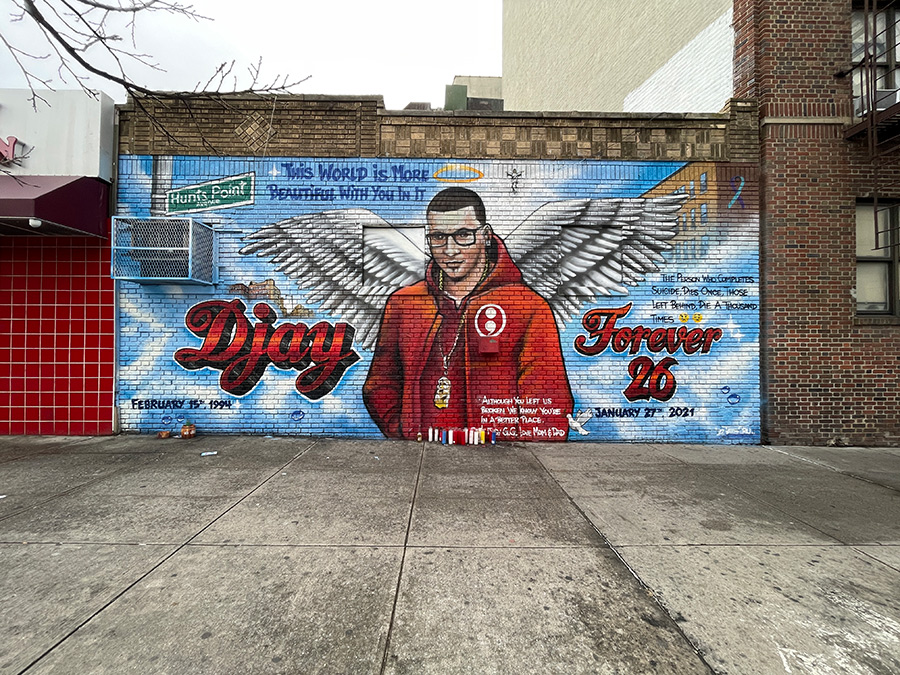
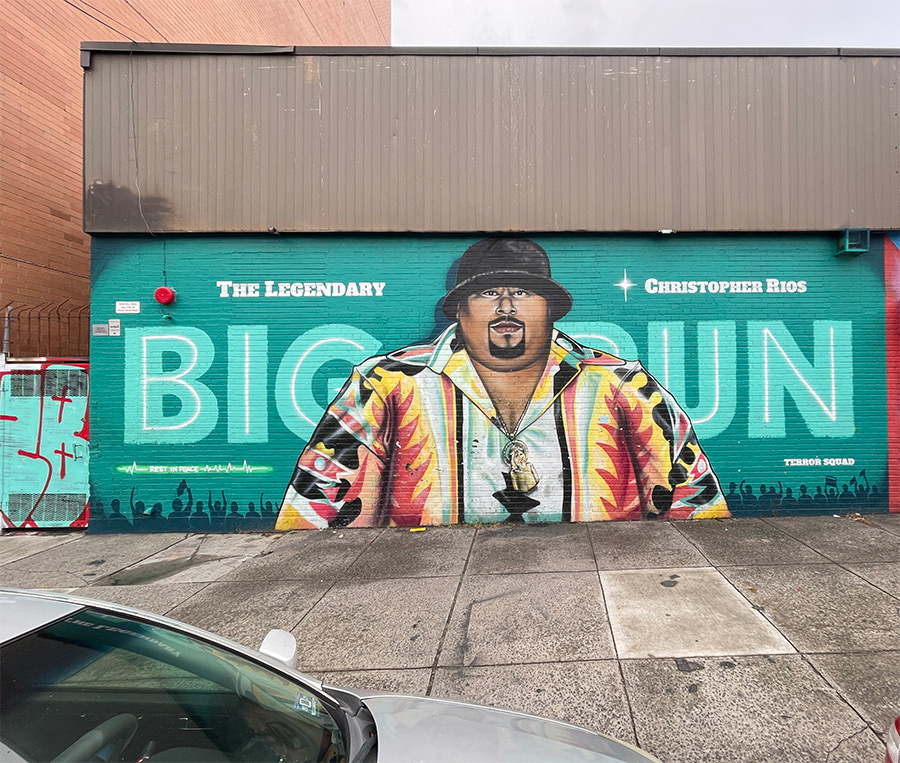
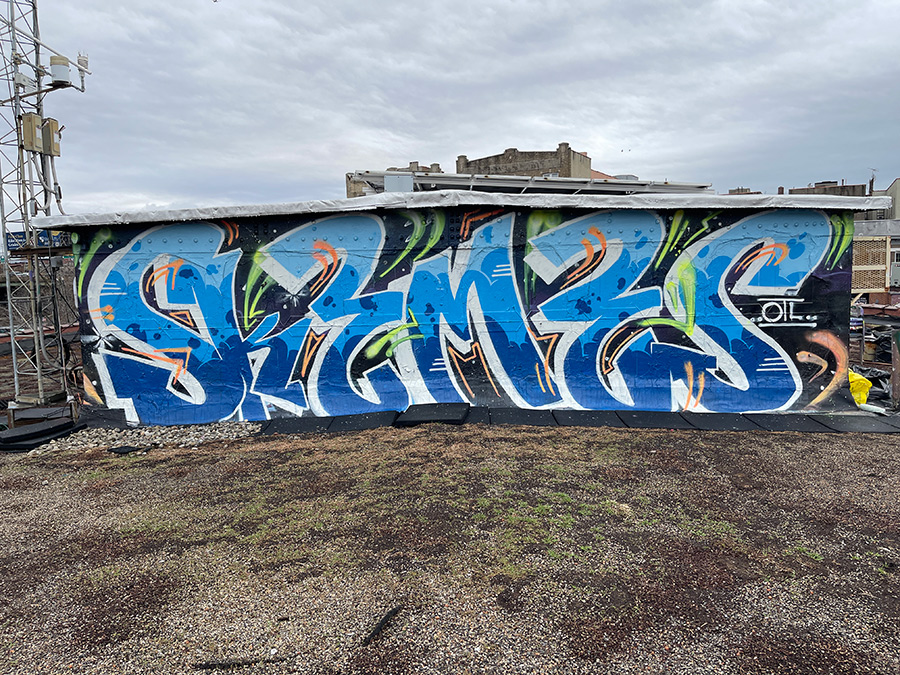
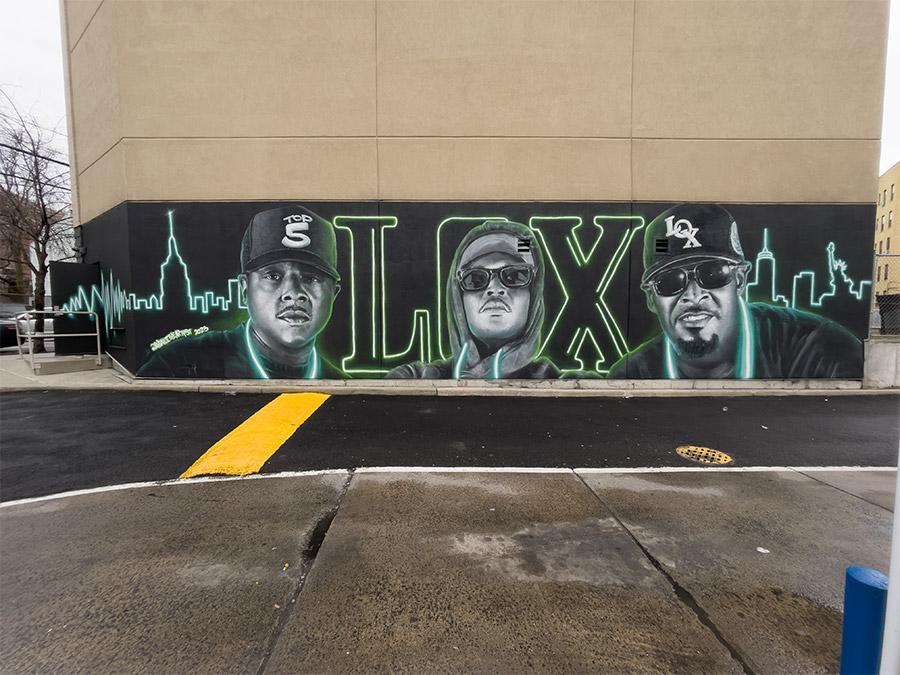
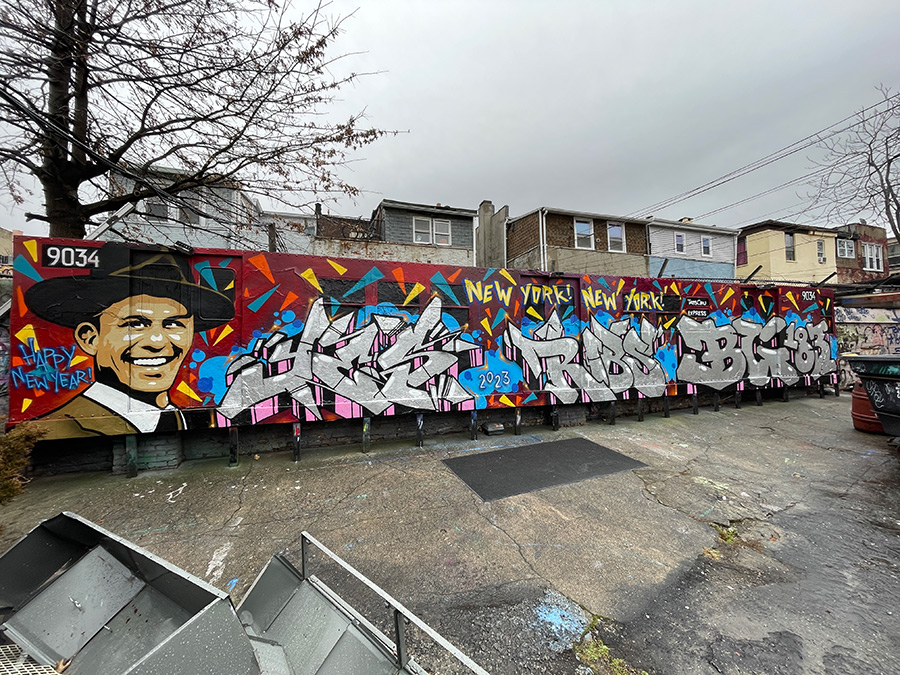
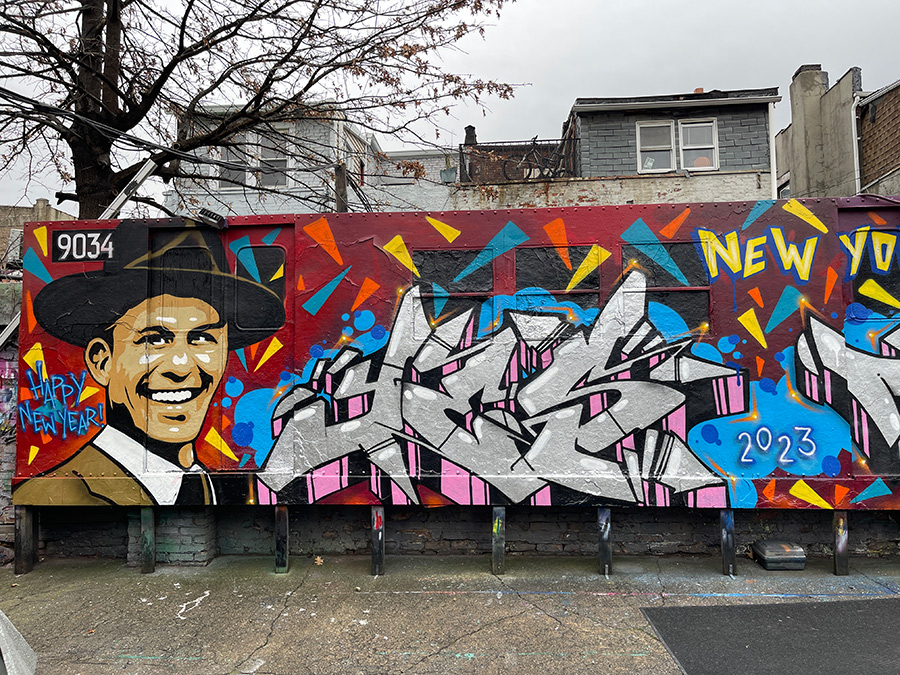
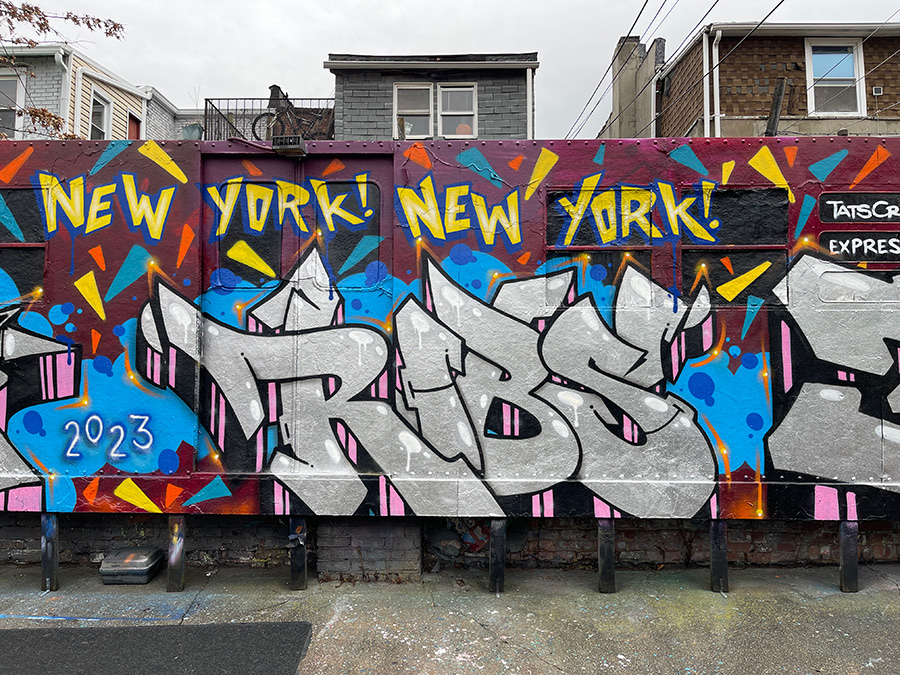
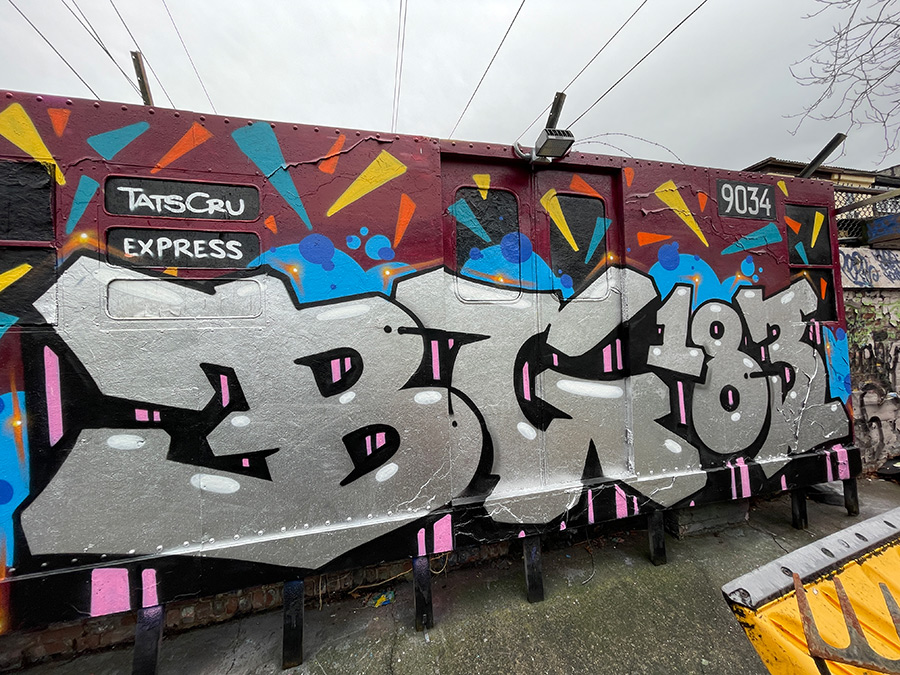
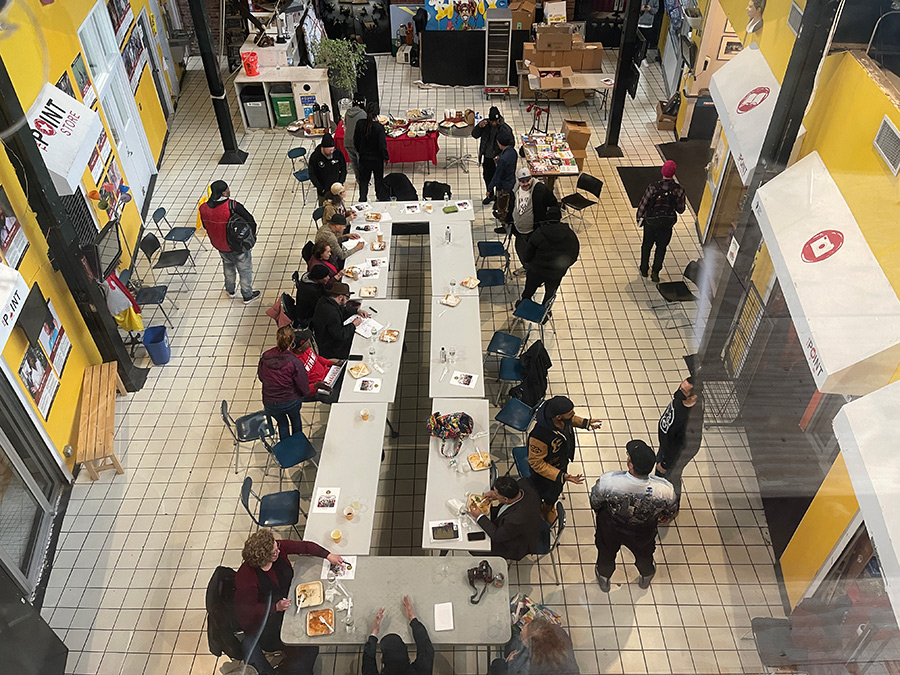
Big things are happening in the Bronx right now, thanks to Tats Cru and the cultural ecosystem surrounding them and the community of Hunts Point in the Boogie Down. See some new images below and look out for some new serious Hip Hop & graffiti collaborations this year.
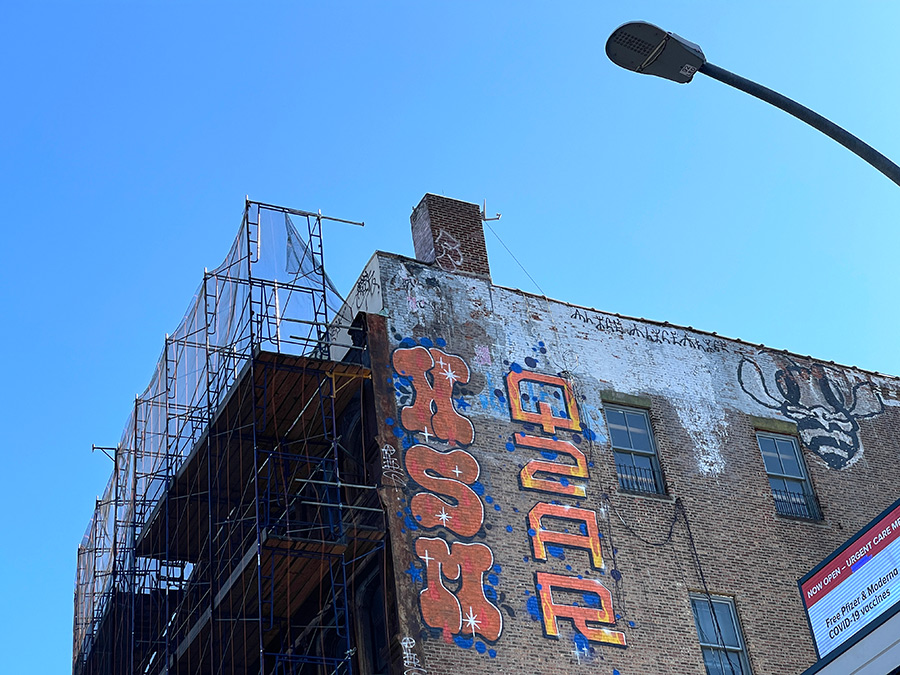
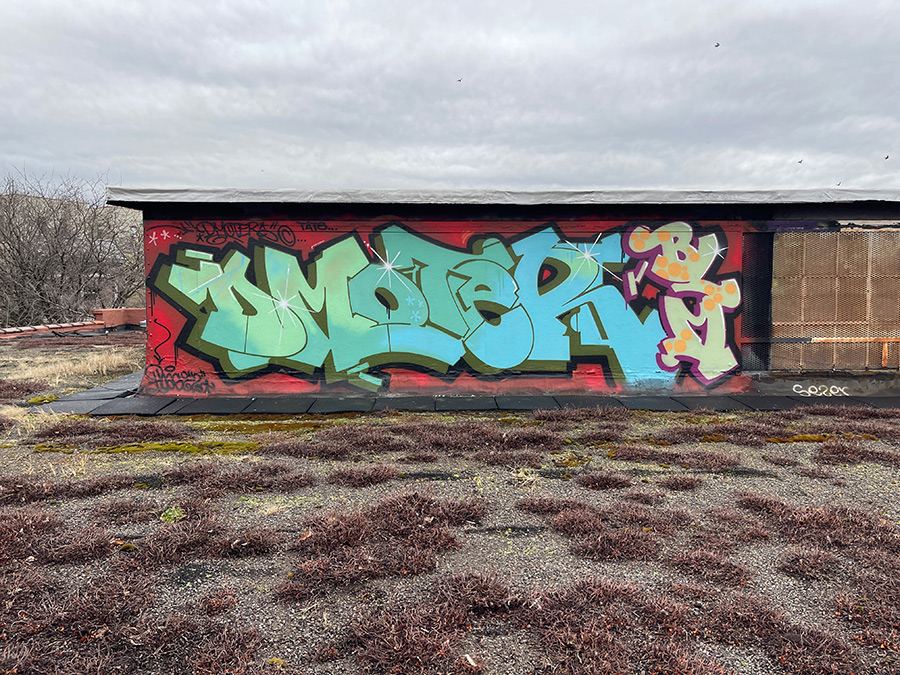
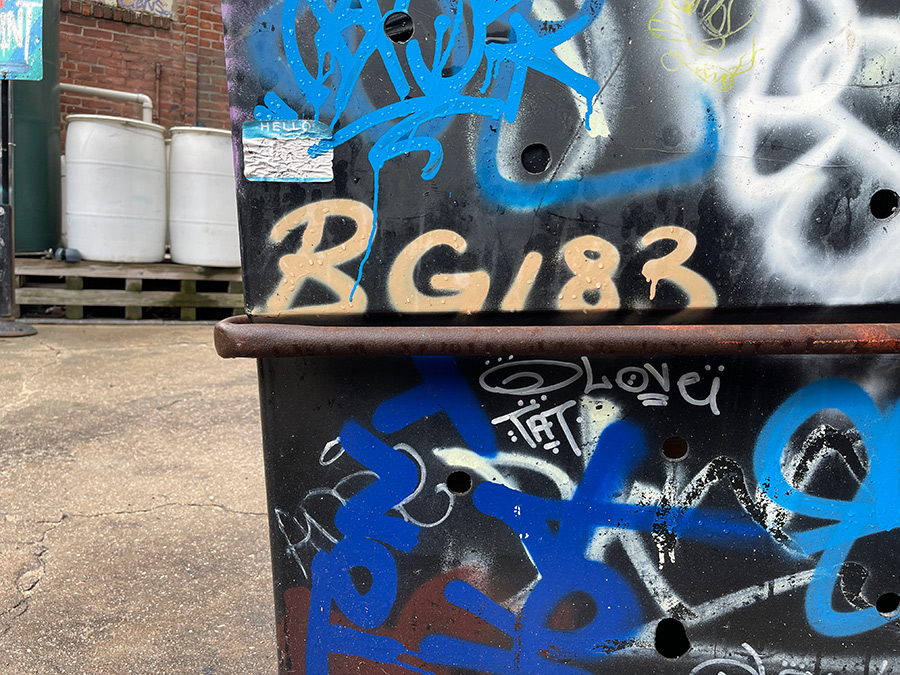
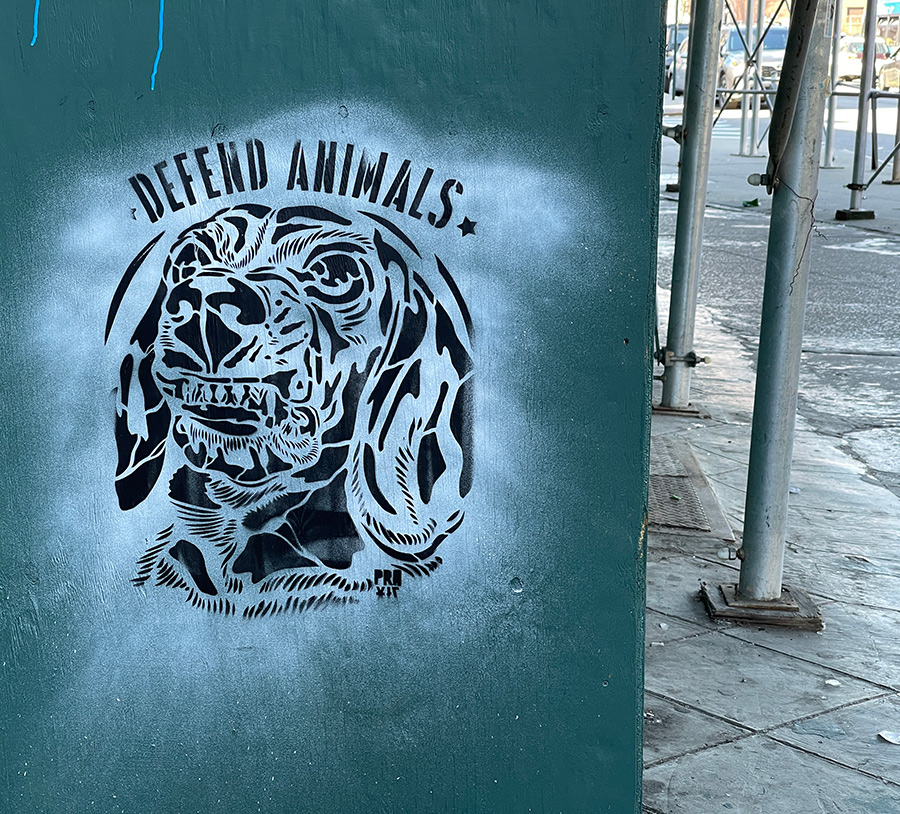
Here’s our weekly interview with the street, this week featuring: Praxis, Tats Cru, Dmote, Bio, Ribs, Andaluz the Artist, BG183, Qzar, Anahu, R. Flores, XSM, OTL, Skemes, Sheek Louch, The Lox, and YesOne.
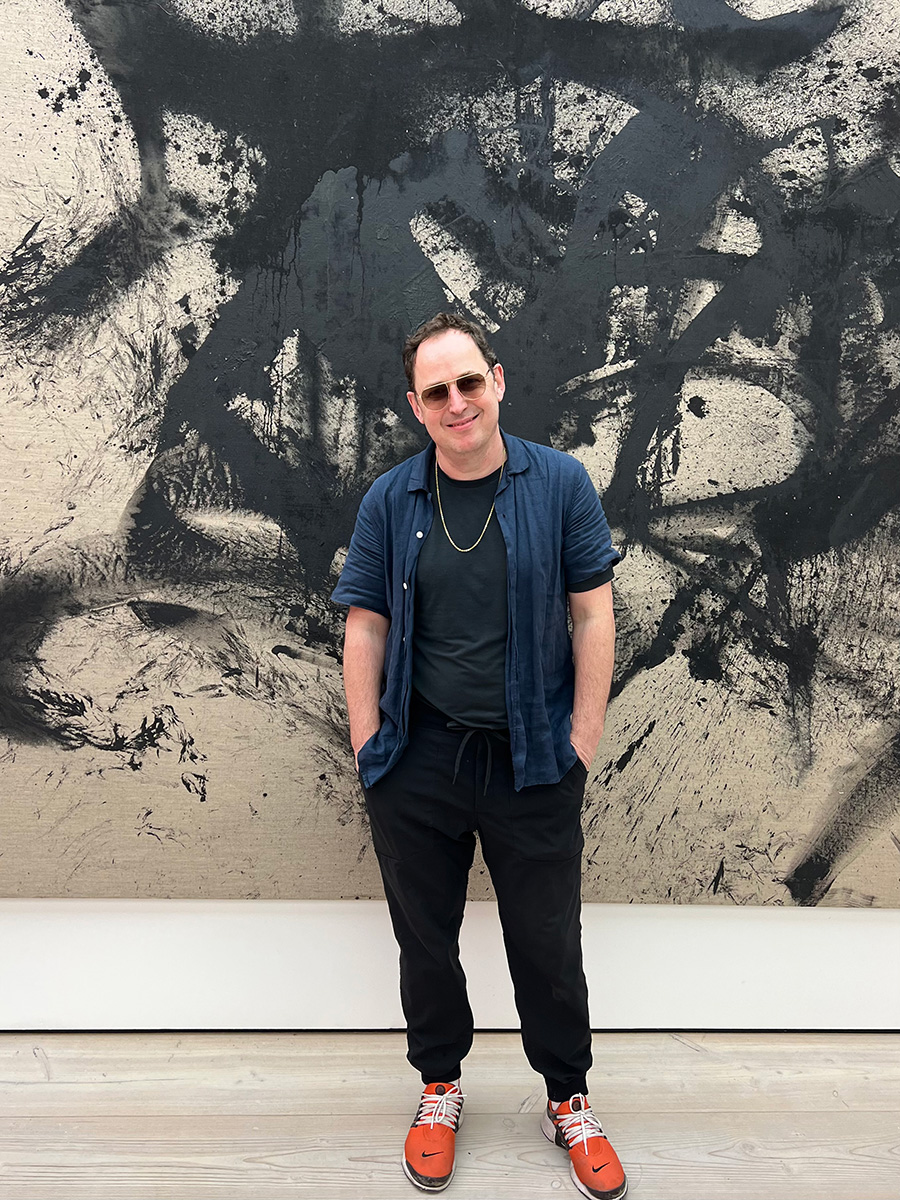
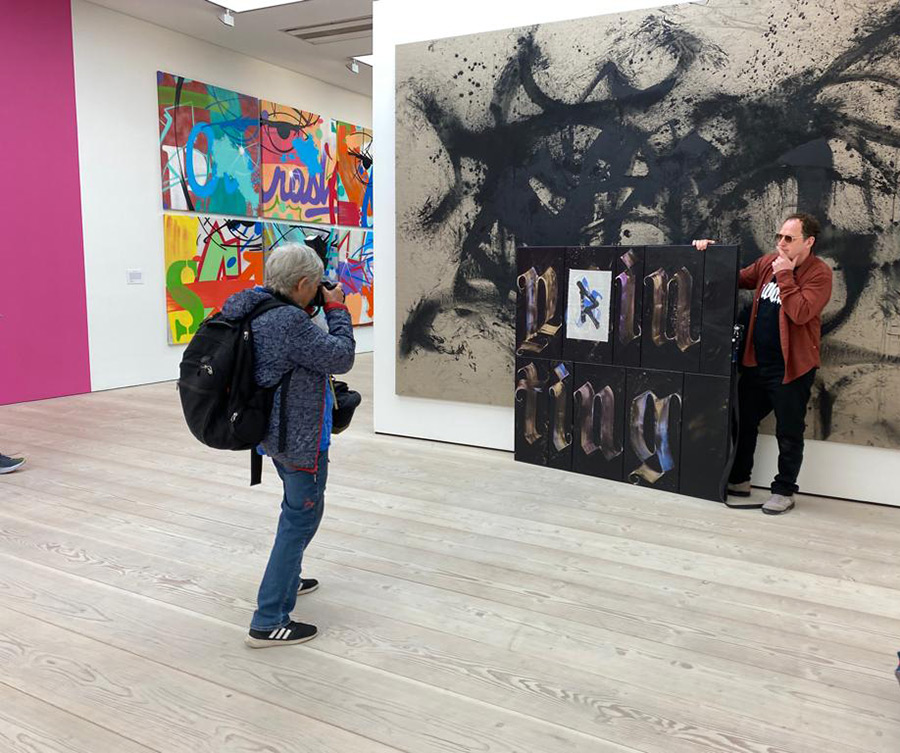
Calligraffiti pioneer Niels “Shoe” Meulman tells us that he’s been having a great time during the opening of Beyond the Streets in London, where he is showing some new work that meditates on his path and represents this moment in his evolution. The unruly and elegant Dutch contemporary artist, designer, and calligrapher says that seeing his peers and heroes in person and on display in the exhibition reminds him of why he fell in love with graffiti in the 1980s.
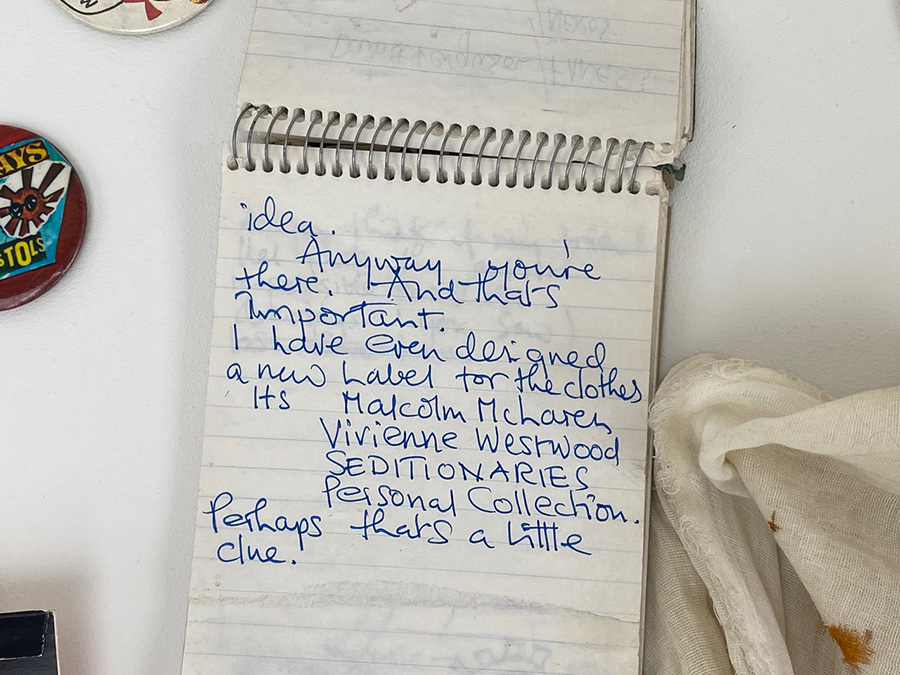
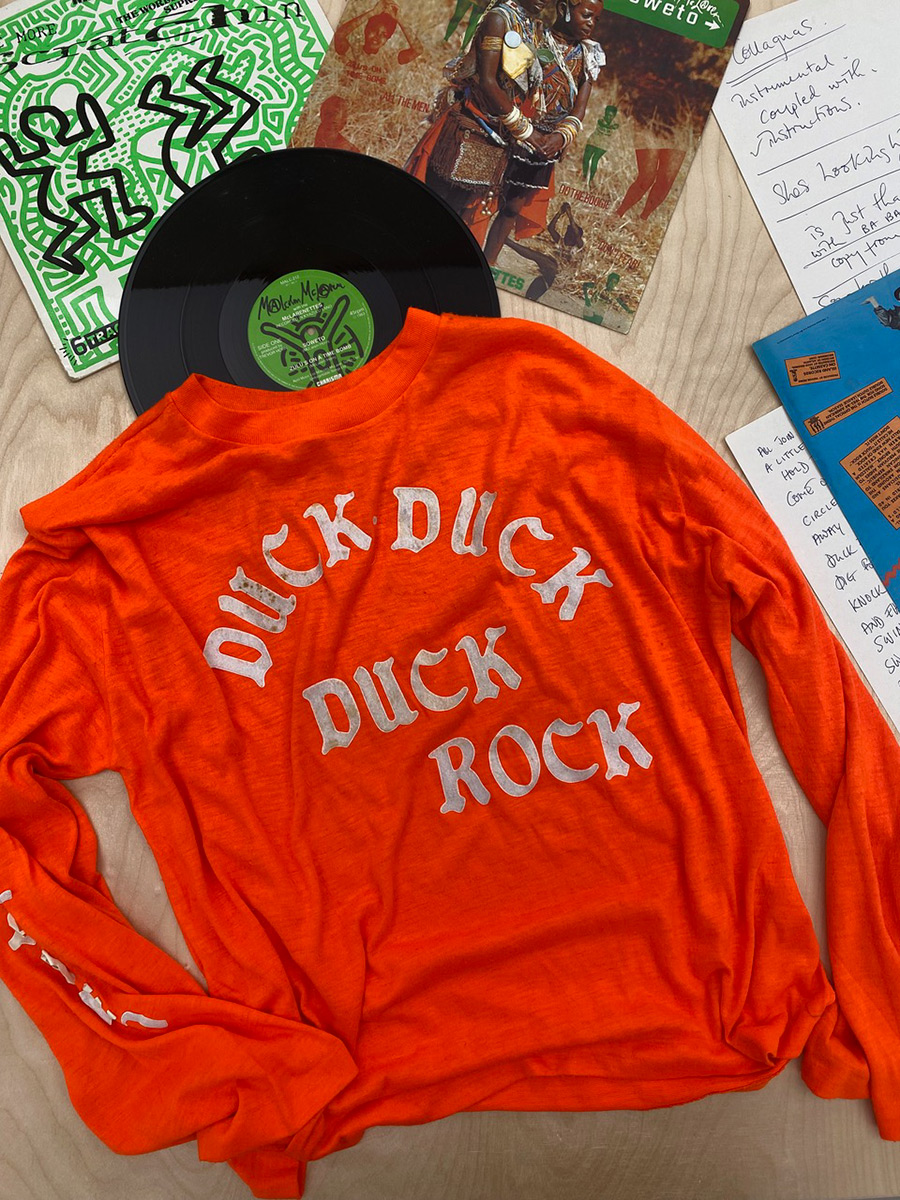
Now principally a painter, Shoe continues in calligraphy and design and even teaches, but to get him excited here at the opening, show him what appears to be a precise replica of the “Duck Rock” boombox carried by Malcolm McLaren in front of Keith Harings’ wall on Houston Street in the 80s. Featured on the album cover of the same name in 1983, the artwork was designed by style writing master Dondi and designer Nick Egan against a backdrop by Haring. It’s a perfect nexus point for this prominent figure in the world of urban art and design – a point he doubles down on by rolling up his shirt sleeve to show you his bicep tattooed with a wild-styled “Duck Rock.”
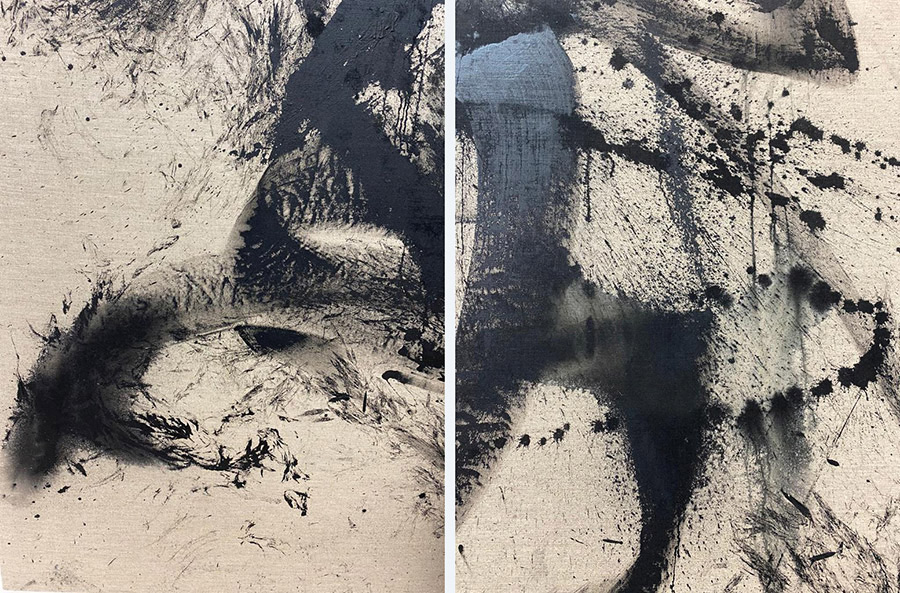
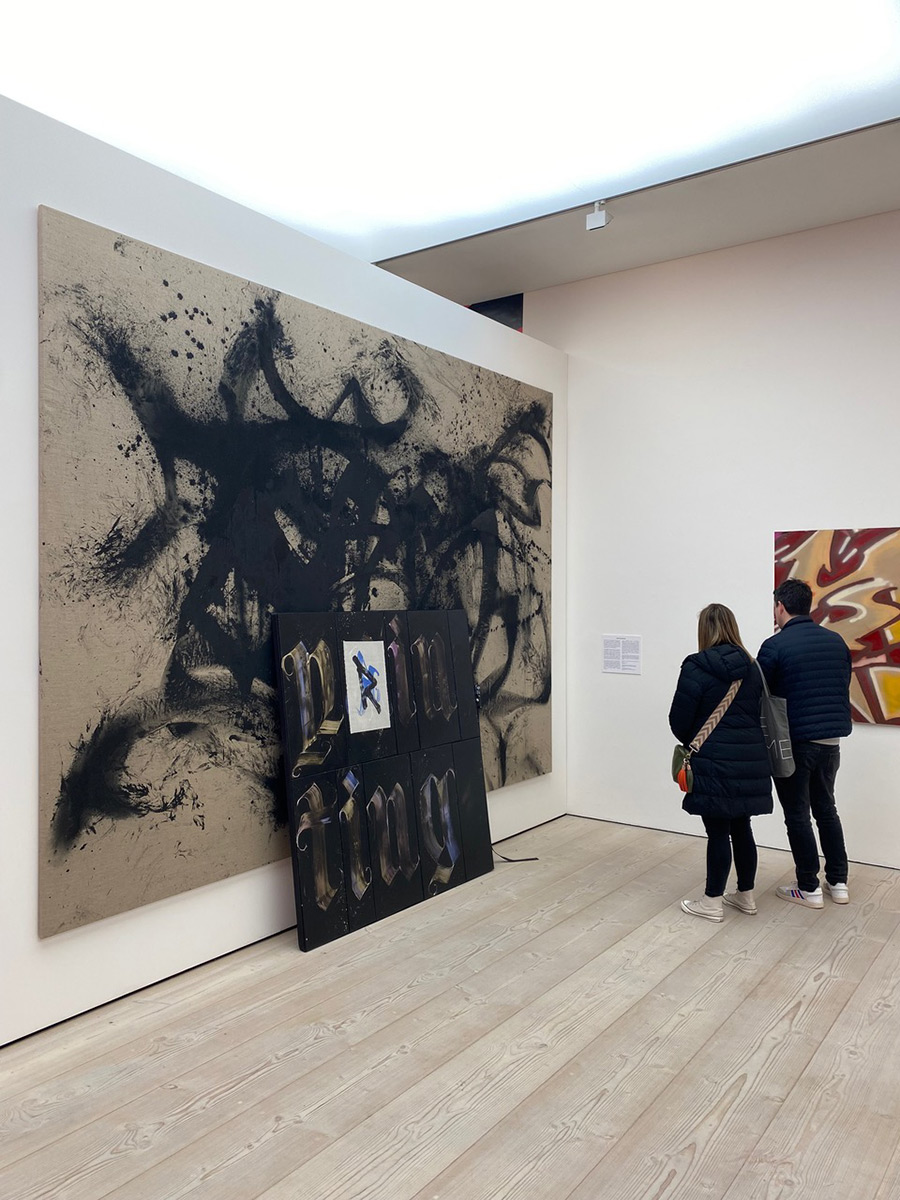
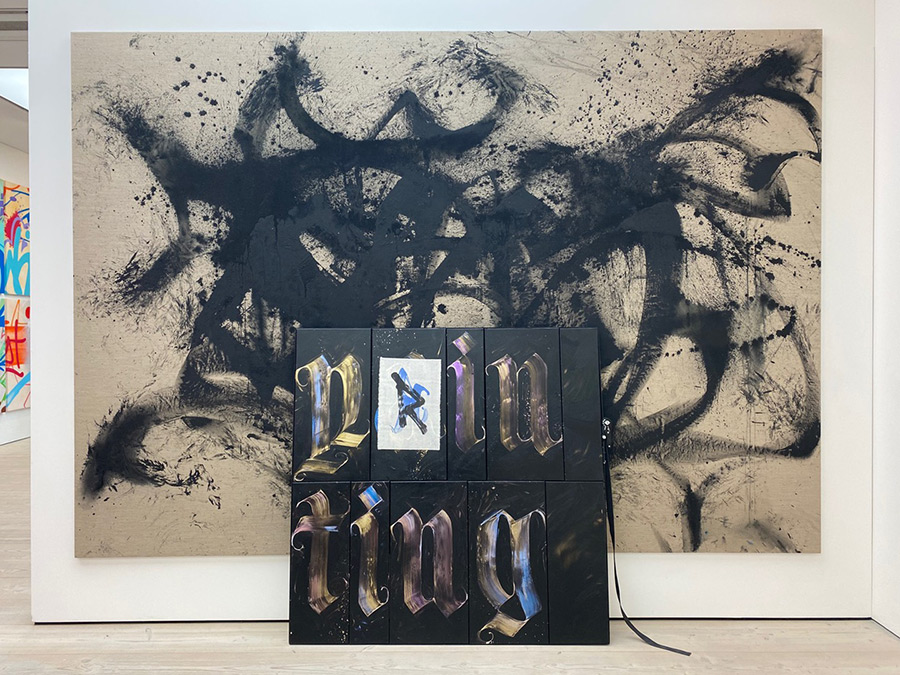
We asked Shoe to tell us about his three-year triptych presented here at Beyond the Streets in London’s Saatchi Gallery, and he took us on a trip through his own memories and experiences to arrive at this moment.
“As far back as I can remember, I always wanted to be an artist. Even though I didn’t see graffiti as an art form in the beginning. I mean, all the kids were writing some kind of sobriquet in 1980’s Amsterdam and –apart from Dr. Rat (1960-1981) and friends– there wasn’t much artistic going on. Until I saw what they were doing on New York subway cars, and later in museums and galleries.
When Dondi (1961-1998) and I were hanging out in Amsterdam in 1984, I proudly told him, my mentor, that I was going to drop out of school to study graphic art. There, I was just in time to learn many obsolete graphic techniques. One of them was metal typesetting (letterpress) with its typical case; a big, undeep wooden drawer with compartments for each glyph of the alphabet, cast in lead. Every size would have been cut by hand, in reverse. It was real easy to mix up the d, b, q and p.
Ever since those early days of writing graffiti, I always felt that what we were doing was part of something much bigger. Something old and dirty, as Ol’ Dirty Bastard (1968-2004) would later tell us. Maybe it was because of the teachings of my other mentor, the iconoclast Rammellzee (1960-2010) who stated in his rhymes with Gregorian chants that what we were doing started in Medieval catacombs.
Before Gutenberg invented his wood block printing press, which lead to this moveable type setting, books were being copied by hand by monks, who I see as the graffiti writers of their age. Just like us, they were traveling with books, comparing handstyles, driven by competition and togetherness. But of course writing itself is much older than that. The oldest cave drawings (mostly done by women, recent research shows) were the beginning of letters. The letter ‘A’ derives from the sound and drawing of an ox. Letters have figurative origins. Words are images. Writing is painting.
I feel connected to all of this and very excited to see where writing culture will go in the future. Already so much has happened. For instance when I first named my work Calligraffiti in 2005, I never imagined that it would become the world wide art form it is now. And whether is was in caves, catacombs or the subway systems, the culture began under ground and is having a peek above ground. My piece for Beyond the Streets is about that.”
Artist: Niels Shoe Meulman Title: WRITING IS PAINTING AND PRINTING
A triptych consisting of three pieces:
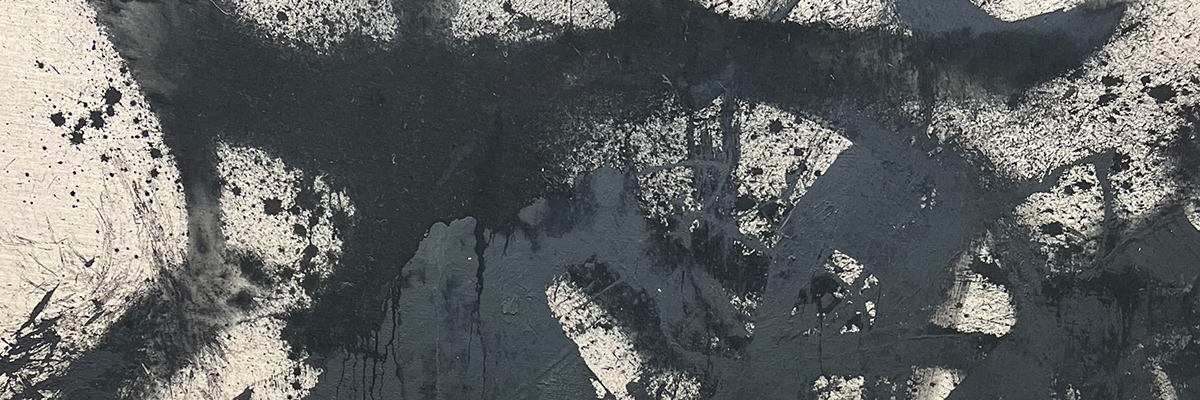
Title: THE INVENTION OF WRITING MARKS THE END OF PREHISTORY year: 2021 medium: acrylic and ink on linen size: ± 400 x 280 cm (± 13 x 9 feet)
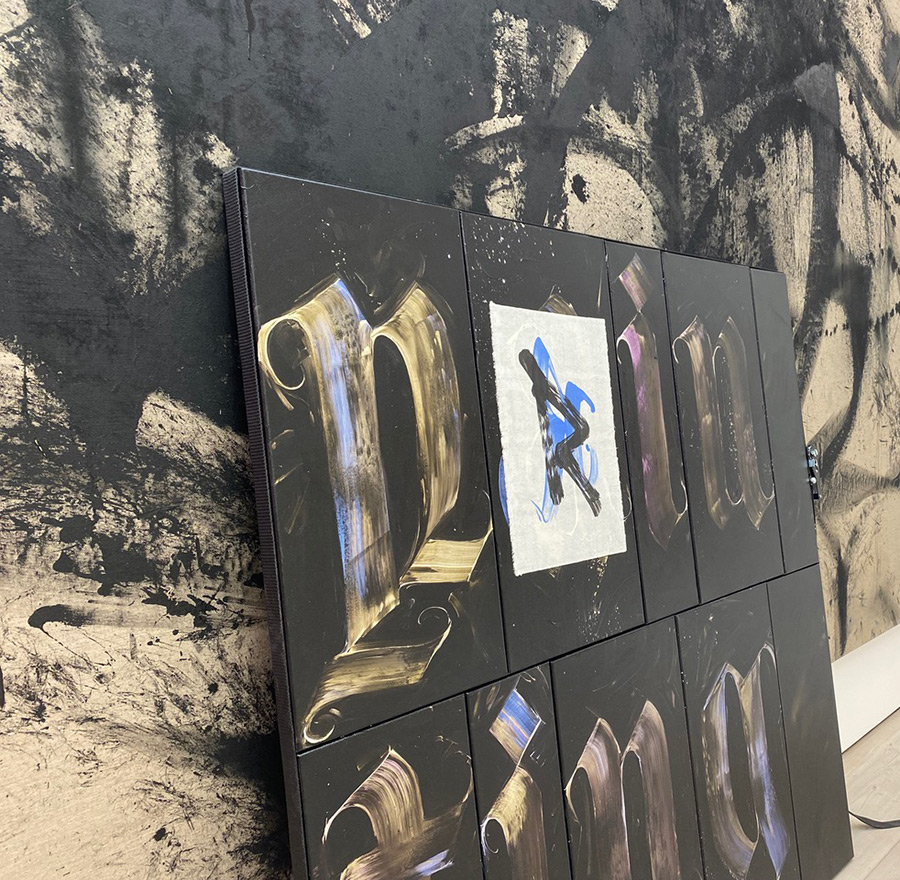
Title: FROM PAINTING TO PRINTING AND BACK AGAIN year: 2022 medium: acrylic and spray paint on ten stretched cotton canvases size (total): ± 160 x 160 cm (± 63 x 63 inch)
Title: UNAMBIDEXTROUS LETTER R year: 2023 medium: stone lithography print on handmade Japanese paper size: ± 32 x 43 cm (± 12.5 x 17 inch)
Beyond The Streets – London is open for the general public at Saatchi Gallery and tickets are available now for booking through saatchigallery.com/tickets
Our weekly focus on the moving image and art in the streets. And other oddities.
Now screening: 1. MOMO “Final Call” Via Studio Cromie
2. 5 Minutes with: Rosy One (Schweiz)via ILoveGraffiti.de
3. PichiAvo “Used to Be” at Underdogs gallery in Lisbon
4. ARAI sings “Little Stupid Boy”
BSA Special Feature: MOMO “Final Call”
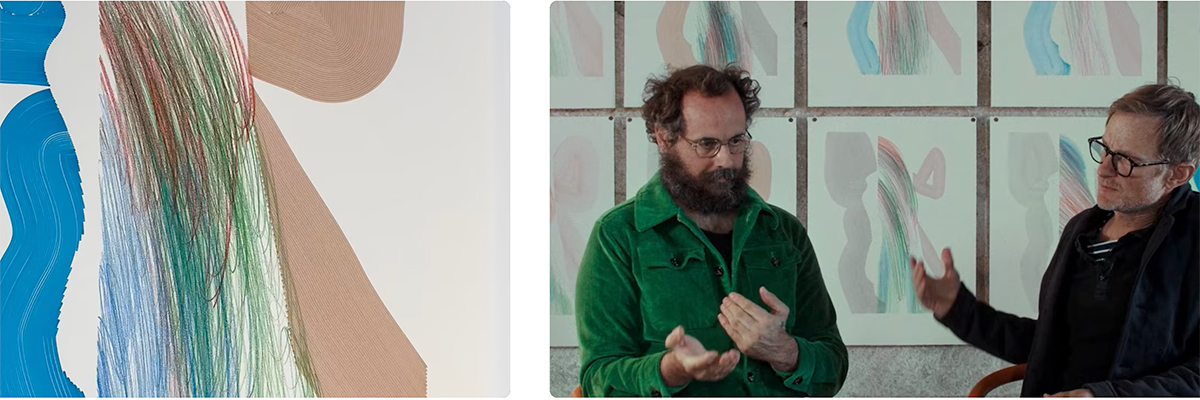
MOMO and that dude from Studio Cromie have an in-depth conversation about a new series of non-representational artworks by MOMO, as represented by that dude from Studio Cromie.
Buon appetito!
MOMO Final Call. Via Studio Cromie
First entranced by hip-hop culture in the late 80s and writing graffiti in the early 90s in Switzerland, Rosy One moved on to train bombing and was hooked for life. Rosy One says she doesn’t see herself accommodating herself into conventional society; she favors working alone although she’s been in crews, and describes her style as having a “sweet and tough” aesthetic, clearly influenced by the New York, Paris, and Berlin scenes.
Turn on the subtitles – they work!
5 MINUTES WITH: ROSY ONE (SCHWEIZ) VIA I LOVE GRAFFITI DE
“What first draws their attention is the mixture of graffiti with classical art. We try to convey our roots and that this is what we know.” PichiAvo have always traveled and spoken to you in the myths and the margins. The nexus of the two is the genius that can be found amidst the ruins, at the margins of society. Exposed to the elements, these generations are called to the fore, equally at home inside or outside.
“Our work is in the studio, and our work is in the street, and we aim for there to be a balance between both worlds.”
Keep your eyes open for a collaborative canvas with Vhils. Another diamond in the rough.
PichiAvo “Used to Be” at Underdogs gallery in Lisbon
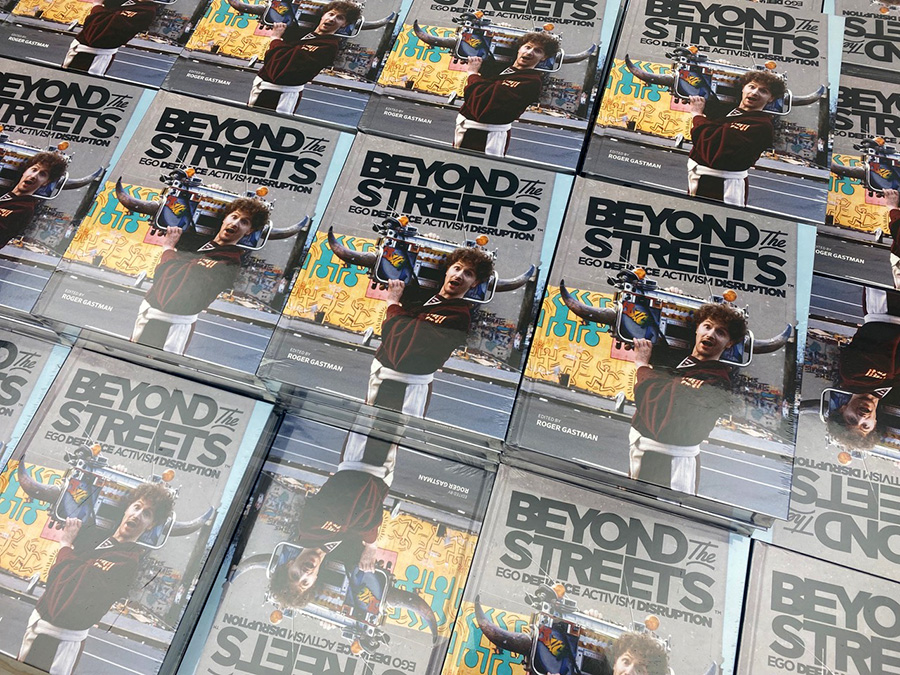
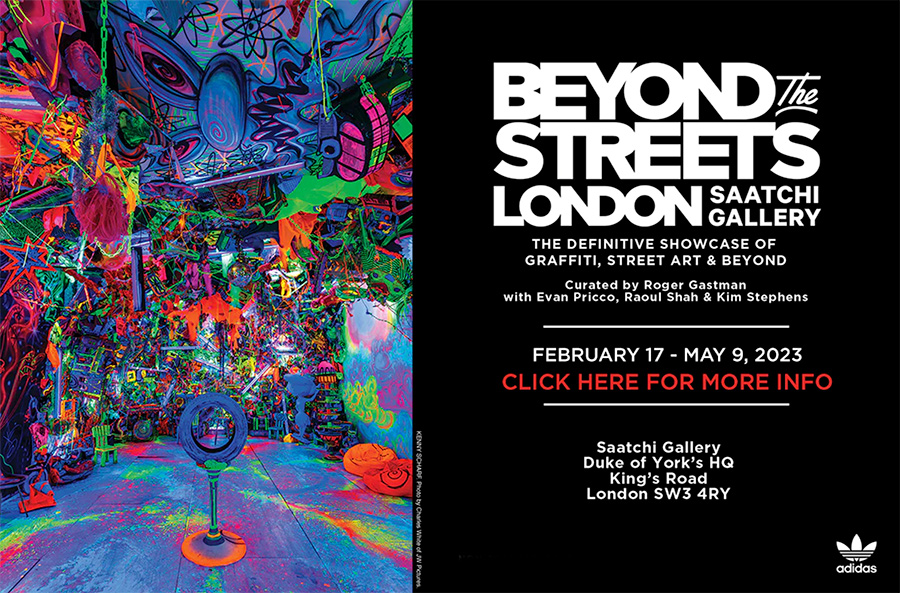
Tonight is the VIP opening at the unveiling of Roger Gastman’s Beyond The Streets London edition, a combination gallery show, fine art exhibition, and superstore targeting the youngish hip fans and collectors of urban art. With historical roots and knowledge of culture at its base, BTS brings a largely American-centric roadshow previously configured for Los Angeles and New York into friendly European territory.
Most illustrative, perhaps, are the chapters that punctuate the multitude of stories installed throughout the entire Saatchi Gallery, known for its exhibitions of contemporary art and emerging artists since its founding in 1985 by the British art collector and advertising executive Charles Saatchi. The cross-culture nature of graffiti and street art and all of its worldwide tributaries during the last six decades is presaged perhaps by the intersectional spirit of such Saatchi shows as “Post Pop: East Meets West” in 2014.
Roger tells us that it was very important for him to bring this traveling feast here because of the interconnections shared in the shared evolution of popular culture and political movements between Britain and US cities during the last half-century in art, fashion, music, and the street.
“The story of graffiti and street art can’t be told without highlighting the significant role London, and the UK in general, has played in revolutionizing these cultures and continuing to spread the word of their existence,” Gastman says. “Pushing the global narrative has always been important to us, so we’re honored to continue telling these stories at a respected institution like Saatchi Gallery, whose prestige and impact are unmatched in the UK.”
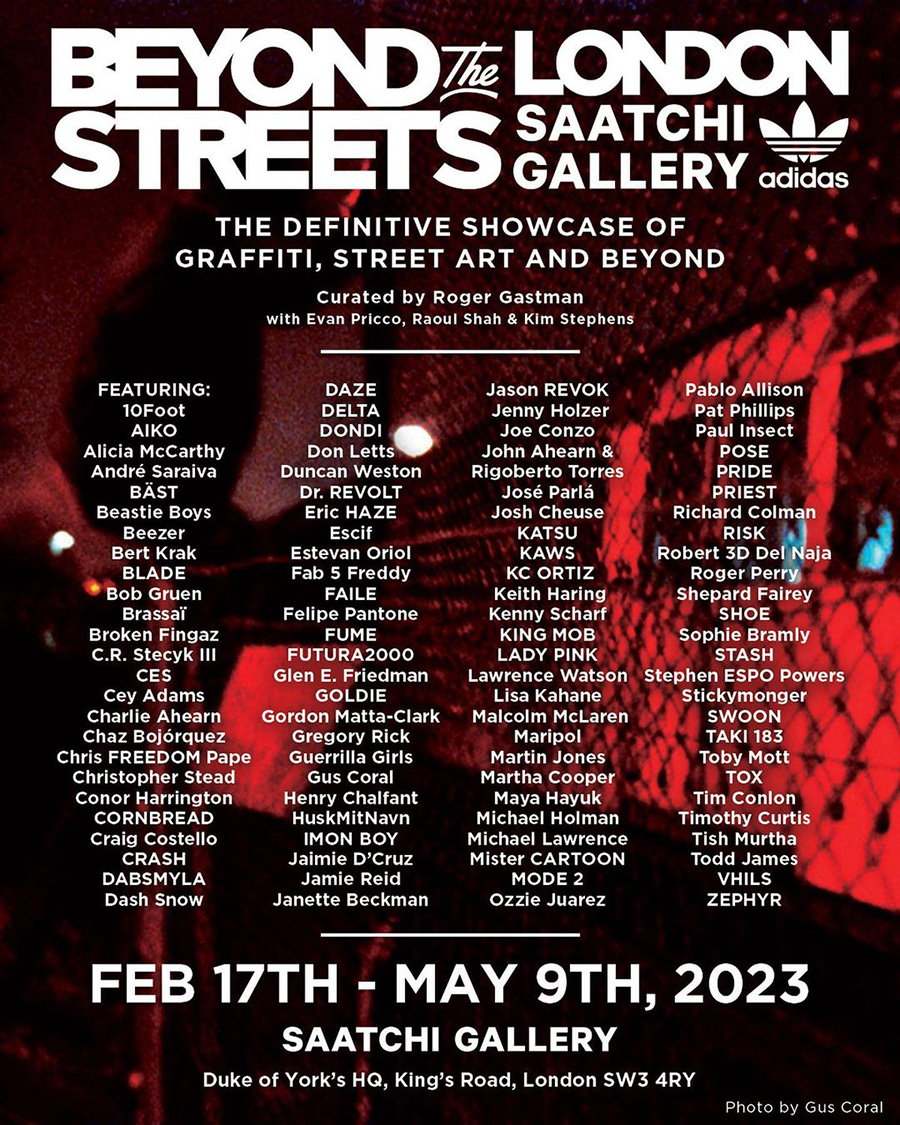
The 70,000 square foot (6,500 sm) space is divided into chapters with names like “Dream Galleries,” “Blockbusters,” “Legends,” ”Larger Than Life,” and “Social Commentary,” the plastic arts, photography, ephemera, fashion, and site-specific installations will represent the multitude of ways western culture erupted and redirected itself with the aid of graffiti, hip hop, punk, and myriad expressions of DIY culture. By paying homage to these primarily youth-based monumental moments and the cultural narratives that reformed and rebelled, Beyond The Streets puts these 150 artists into representational roles for the hundreds of thousands of “rule-breakers and mark-makers” who collectively have pushed the culture forward.
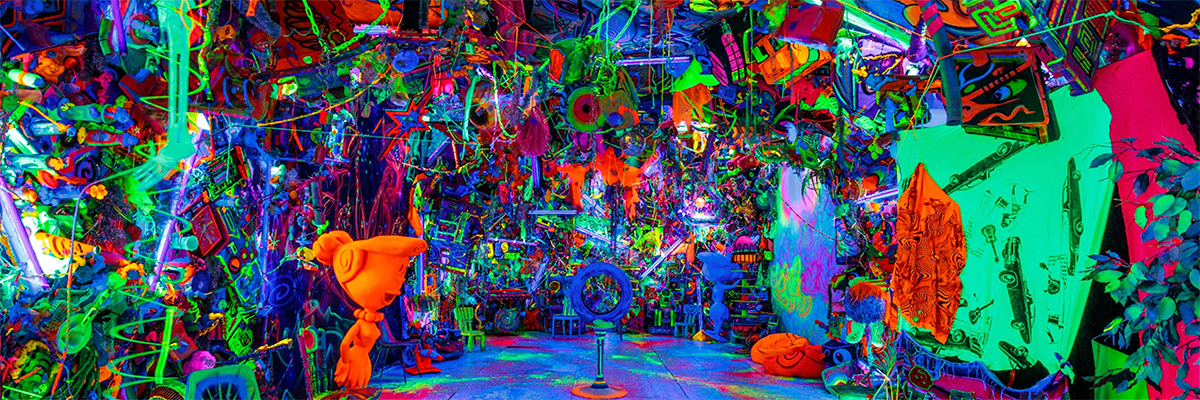
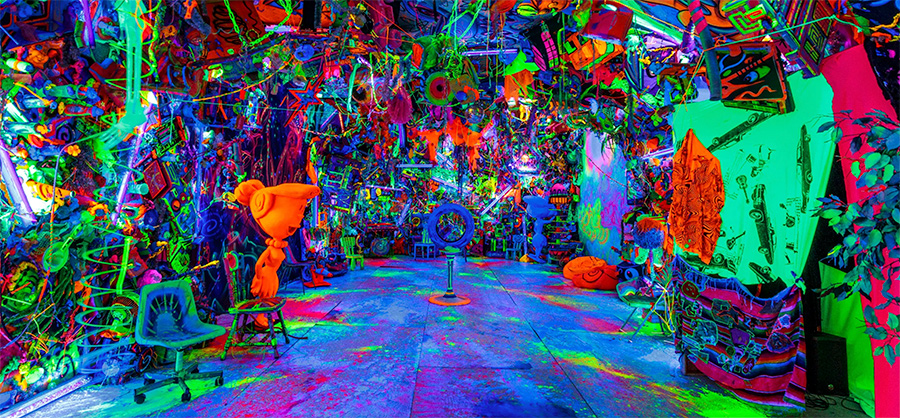
Kenny Scharf creates a new Cosmic Cave at Beyond The Streets London. (photo courtesy of BTS)
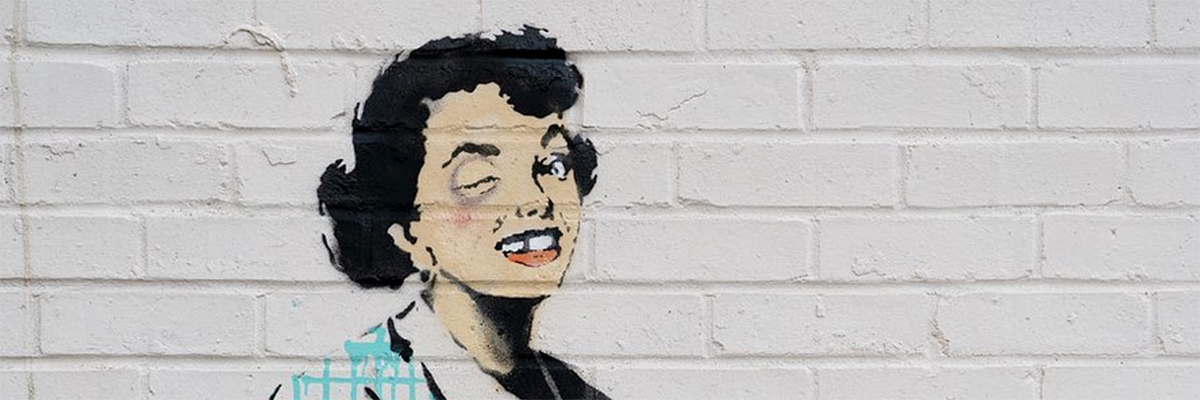
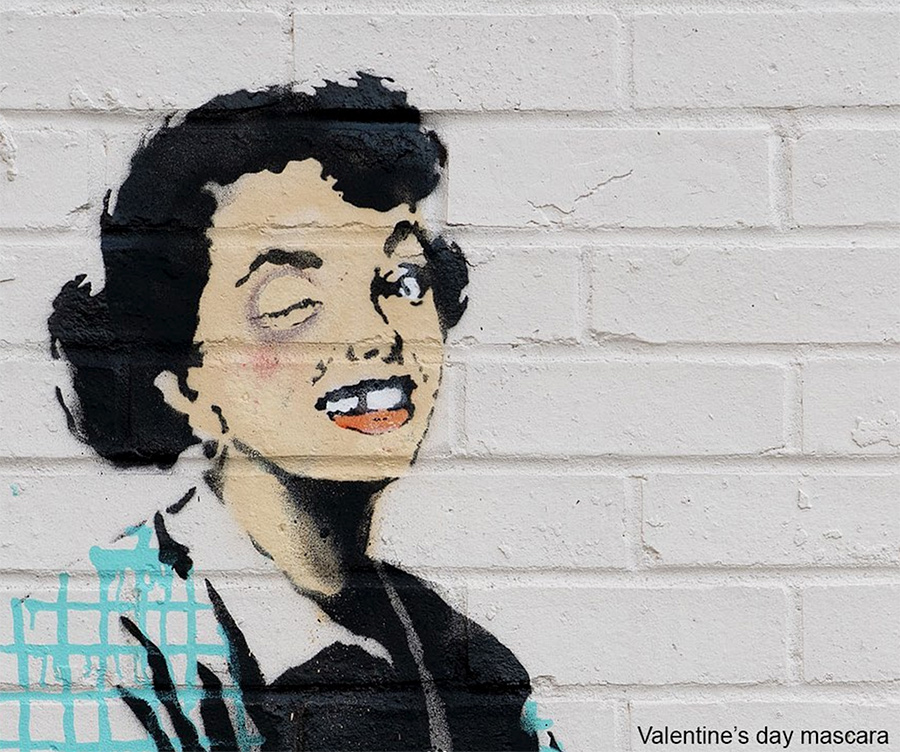
Banksy “Valentine’s Day Mascara.” (image courtesy of Banksy’s Instagram)
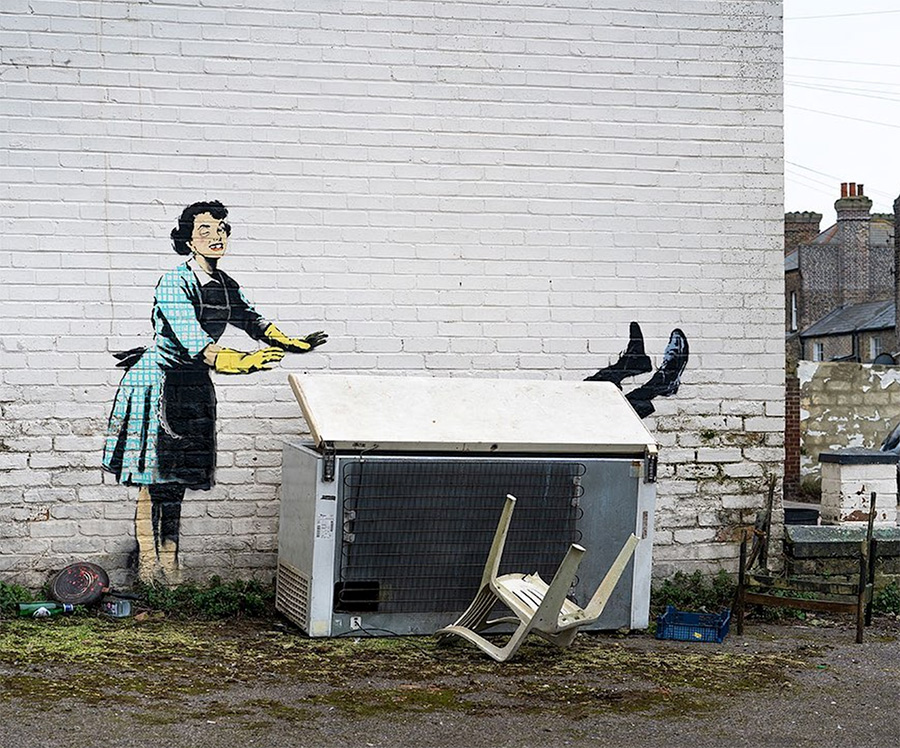
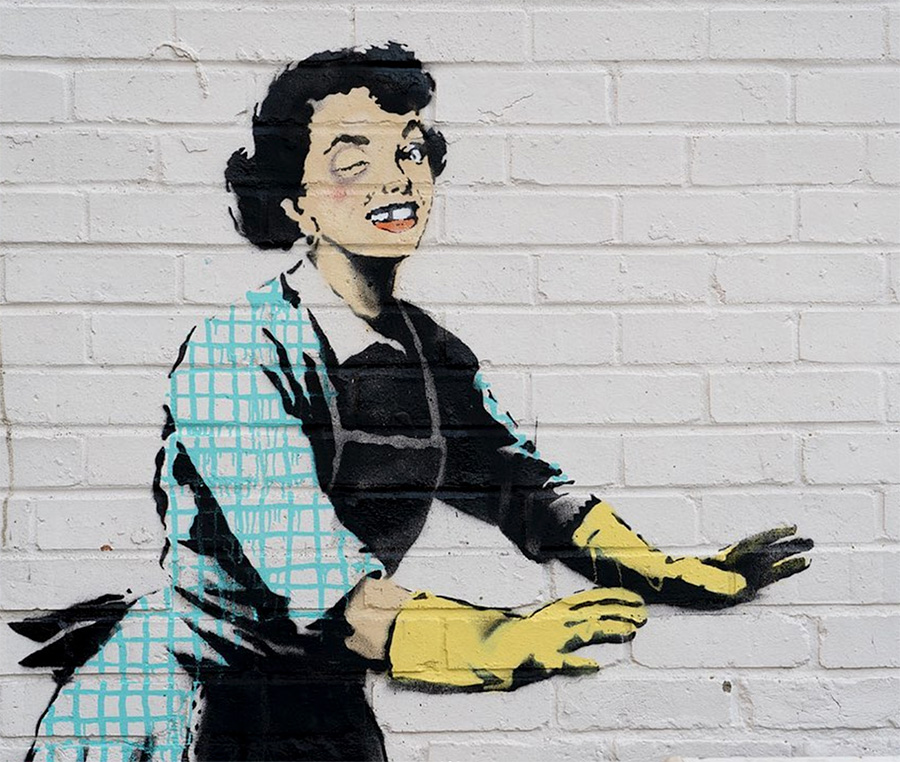
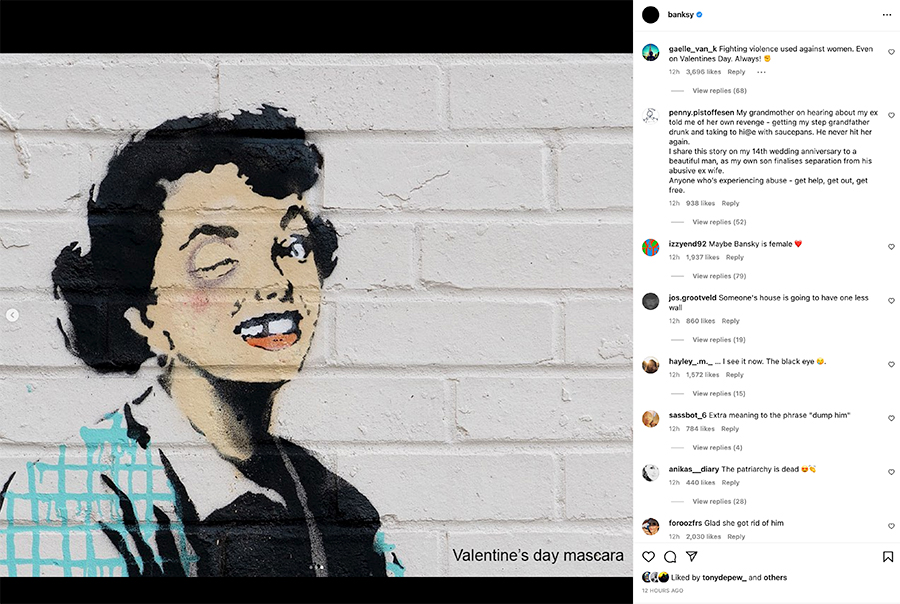
Such dark witticisms accompany the new installation in Margate attributed to Bristolian Banksy, on the Instagram feed from the mysterious street artist. The Valentine’s Day installation features a caricature of a 1950s western housewife with a bruised eye gazing cheerily at her audience while her husband’s feet protrude from an old refrigerator. A frying pan and a broken chair lie nearby. In this seaside town on the north coast of Kent in south-east England, the news traveled fast yesterday, and many came to look at the new installation before the freezer/fridge was removed by the local council (people think it will be returned).
For all the joking, there were more poignant comments on the artists’ feed that went to the heart of the matter.
Banksy “Valentine’s Day Mascara.” (image courtesy of Banksy’s Instagram)
“I lived that, so, thank you.”
“This is a voice for women who are abused.”
“My father used to beat my mother regularly. Countless black eyes, bruised ribs, concussions. Not to mention the mental pain. Coping with that as a child leaves traces in the past, the present, and the future. Nobody speaks publicly about violence in the family. Well done, Bansky, I bow.”
The artist is known for creating politically charged and socially relevant pieces, using the Banksy platform to draw attention to various causes.
“Thank you for always fighting for the stories that matter!” one commenter sums up a common sentiment.
Banksy “Valentine’s Day Mascara.” (image courtesy of Banksy’s Instagram)
Banksy’s take on domestic violence against women is universal. Millions of women worldwide are physically, verbally, and emotionally attacked in their own homes by their domestic partners. By highlighting this problem on a day to remember love among us, the artist calls on the hypocrisy of men with their conduct toward women.
The World Health Organization says that “globally, about 1 in 3 (30%) of women worldwide have been subjected to either physical and/or sexual intimate partner violence or non-partner sexual violence in their lifetime.”
If you or someone you know is a victim, or in danger, please look at this:
Many media outlets and advertisers will give us the impression that Valentine’s Day is about having a special someone else in our life to provide a gift for. We would like to remember that your first love is you. Take yourself out to dinner, buy yourself a heart-shaped box of chocolates, and take yourself for a walk around the park. It may not be easy initially, but it’s a worthwhile endeavor. An article in Psychology Today quotes writer and editor-at-large Hara Estroff Marano, “Self-love doesn’t happen by luck or the grace of God. You have to create it.” In the meantime, BSA loves you.
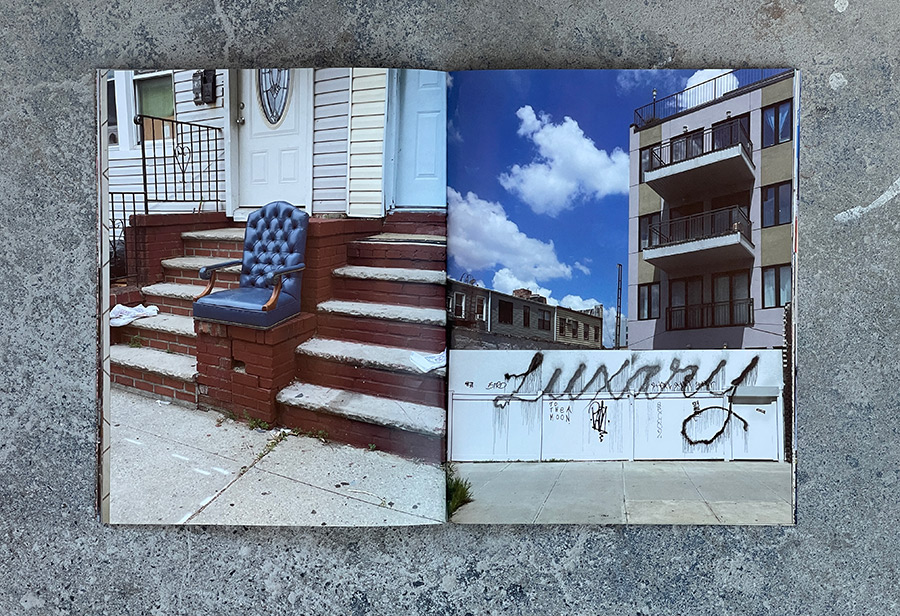
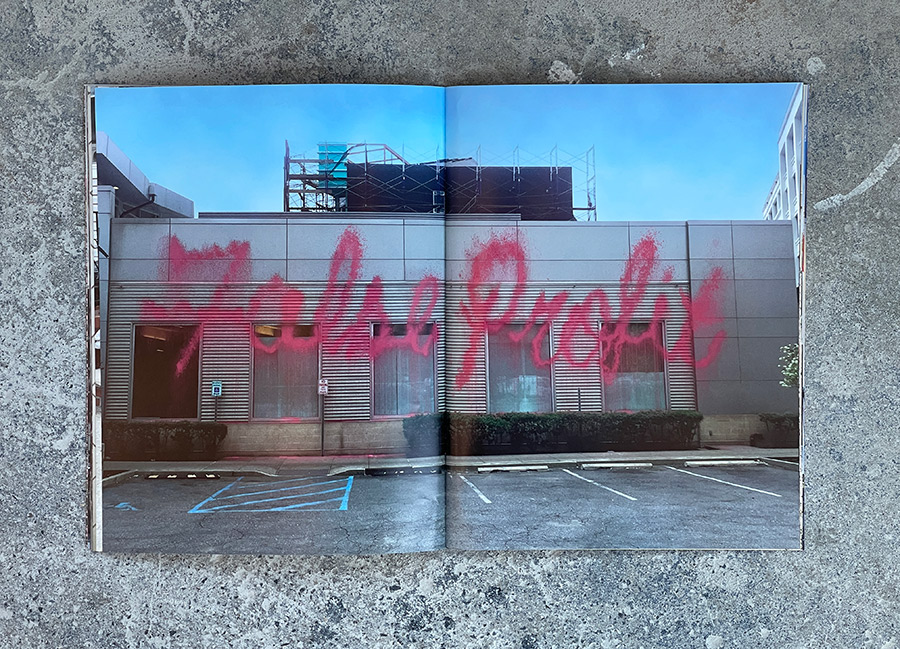
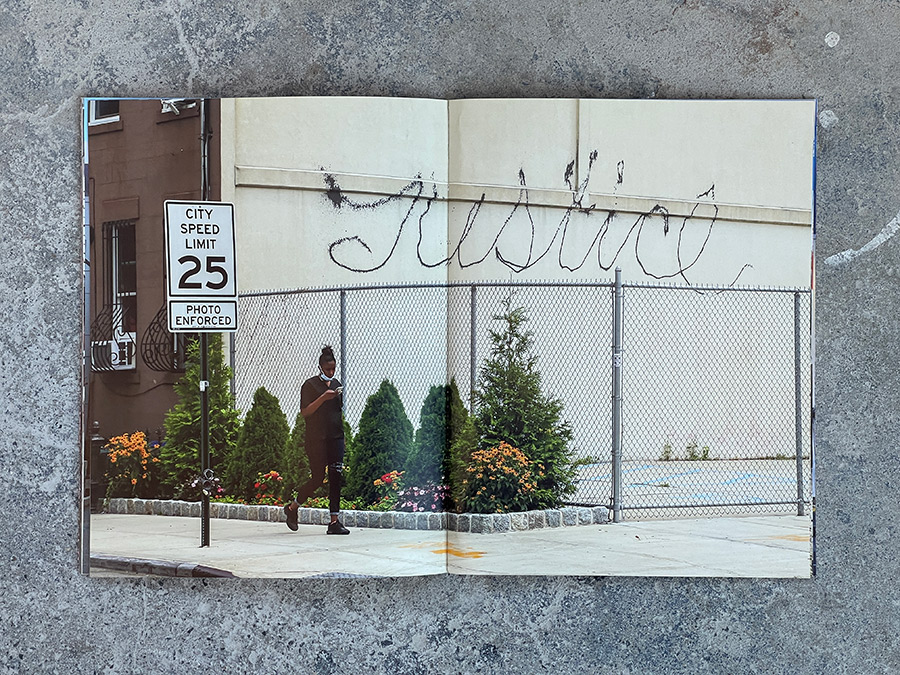
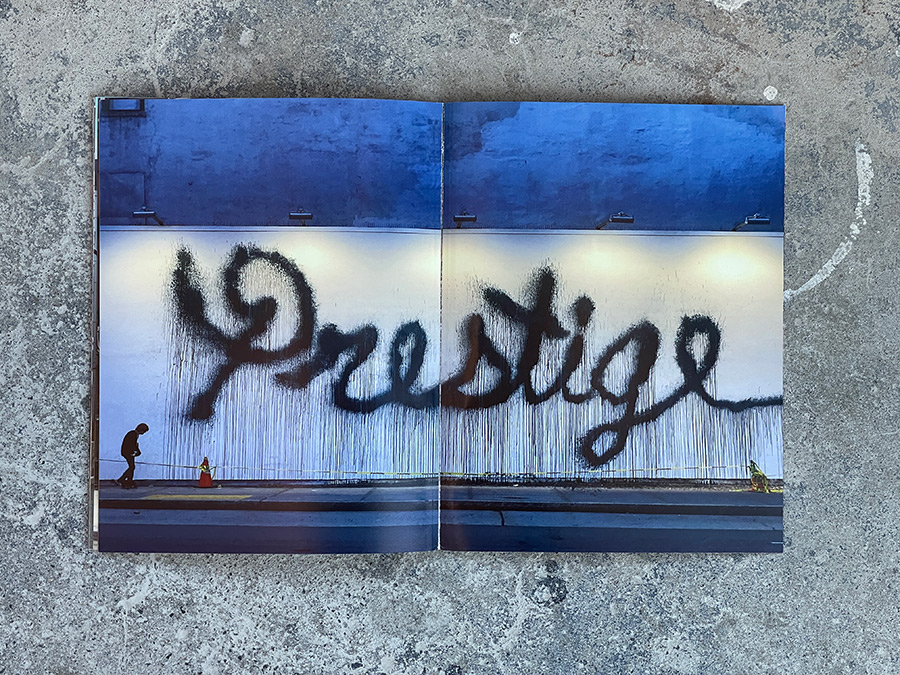
New York’s PORK is one of the few fire extinguisher writers who reliably has can-control, or nozzle control, as the case may be. If you know your extinguisher tags, these are examples of fine penmanship. Additionally, his necessarily brief cursive bon mots are cryptically funny, even if you don’t know his intention.
PORK: “I LEFT A NOTE”. Published by Blurring Books NYC
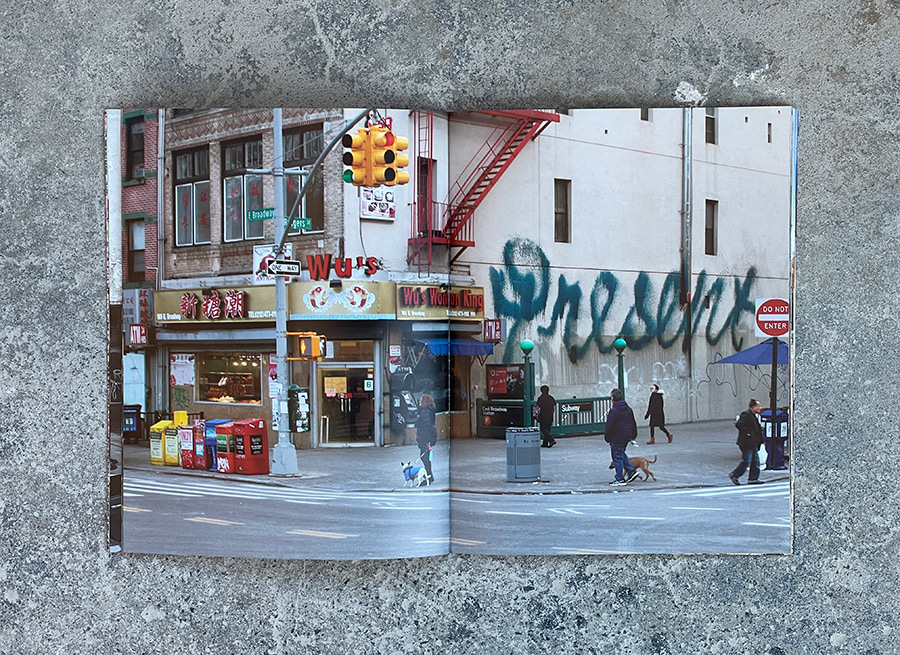
In this new softcover of street photography, many of his rattled-looking words are framed in their natural/unnatural environment and given their own page, or spread. In the index, you may get an insight into what the artist was thinking by the title given to the corresponding pages in the body. You’ll also gain insight into the irreverence, tempered at times with exquisitely poised timing.
PORK: “I LEFT A NOTE”. Published by Blurring Books NYC
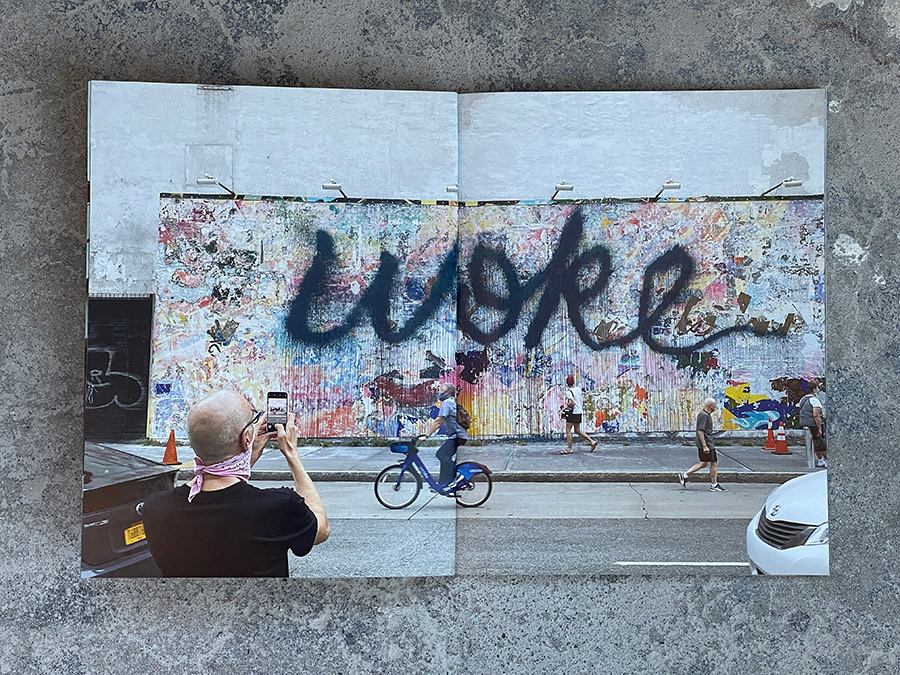
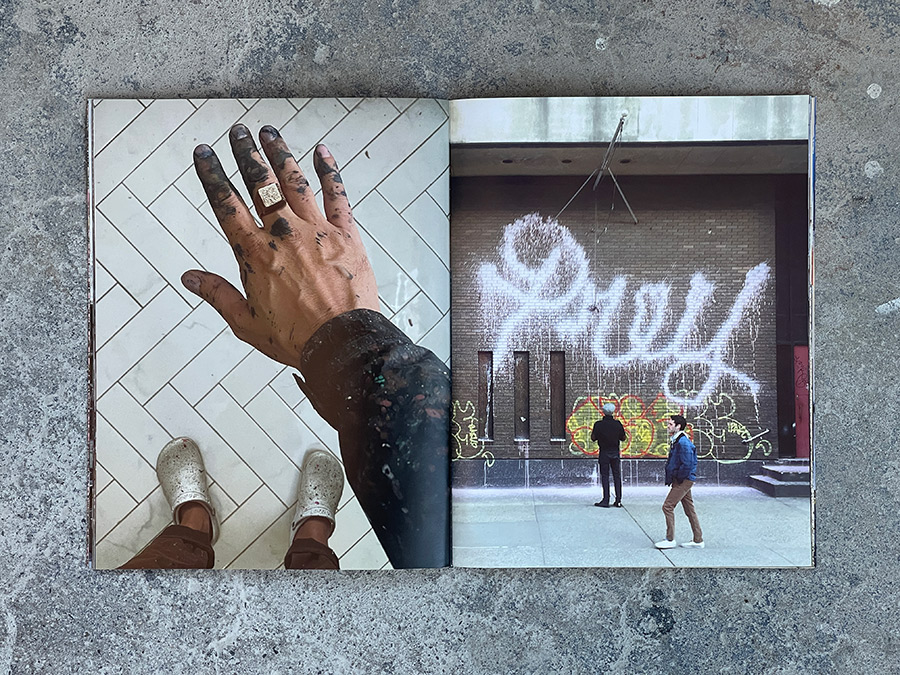
“Vote” was placed in Prospect Heights to remind folks of election day, which seems quite civic-minded. “Woke” appeared during the Black Lives Matter protests on the Bowery Wall. “Prey” is a sly indictment sprayed upon a church being converted into high-end condos. These messages look wild and unnerving, injecting a visual shock into an otherwise run-down or decaying lot or boarded-up window or upon a semi-trailer.
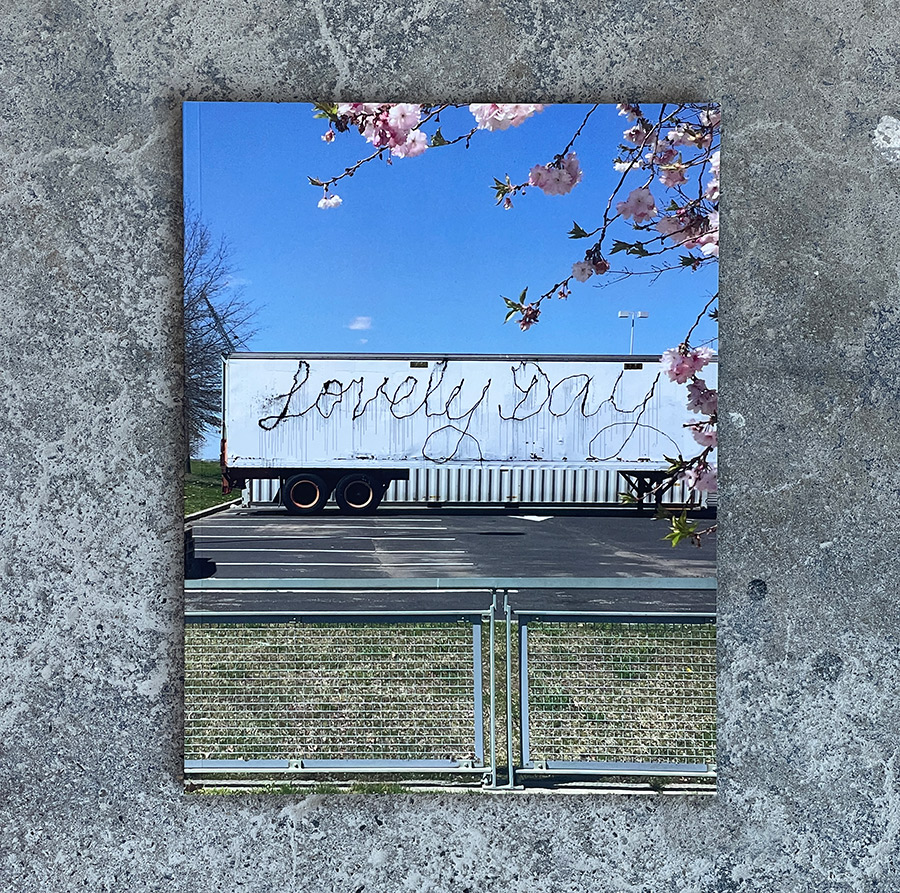
The cover is reserved for one such burst of springtime exuberance; the white trailer set against a blue sky and framed by a cherry tree with it light pink blossoms simply declares, “Lovely Day.” The index informs us that it is of course, the song that must be running through your mind by Bill Withers as the soft breeze caresses your cheek.
PORK: “I LEFT A NOTE”. Published by Blurring Books NYC PORK: “I LEFT A NOTE”. Published by Blurring Books NYC PORK: “I LEFT A NOTE”. Published by Blurring Books NYC PORK: “I LEFT A NOTE”. Published by Blurring Books NYC PORK: “I LEFT A NOTE”. Published by Blurring Books NYC
PORK – “I LEFT A NOTE”. The first edition published 2022 by @BLURRINGBOOKSNYC
“I LEFT A NOTE” is a 500-copy limited edition, and each copy is signed. You can purchase the book at BlurringBooks.com
Some kind of big game today we guess. Happens every year about this time – the streets will be empty this afternoon as people will be inside their homes, gathered around their screens, eating buffalo wings, pigs-in-a-blanket and tater tots with family and friends. Happy World Series everybody!
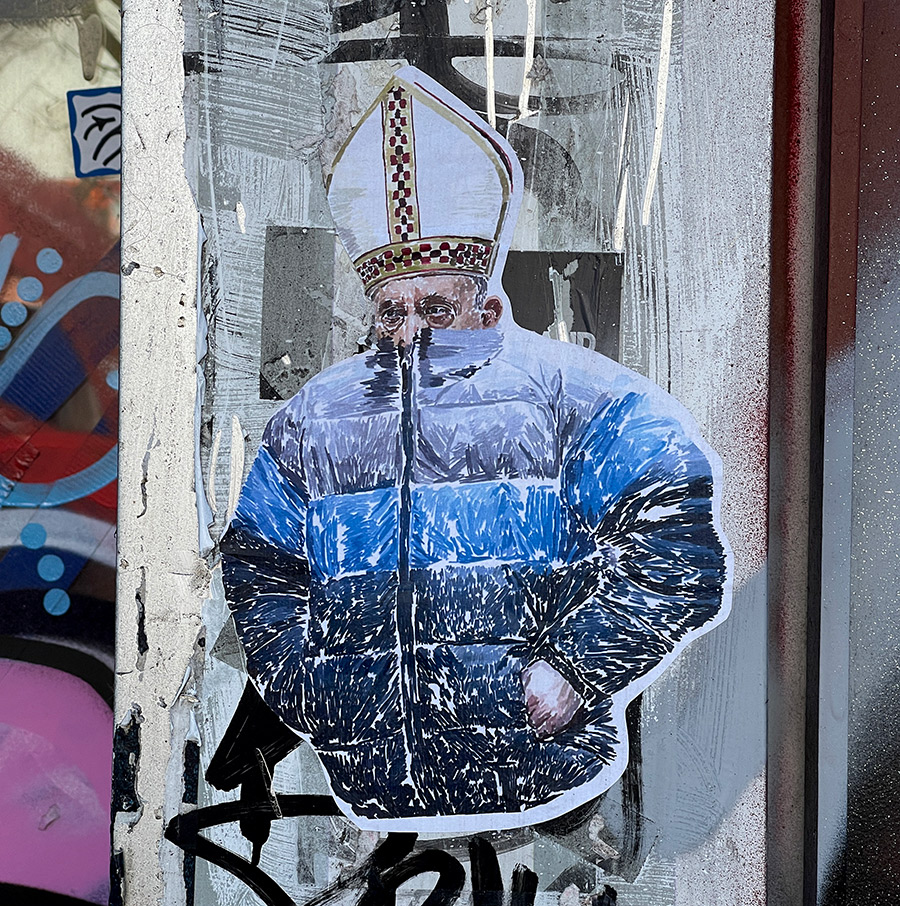
New York street art is heavy with pop icons, pop psychology, and popular culture in this week’s collection.
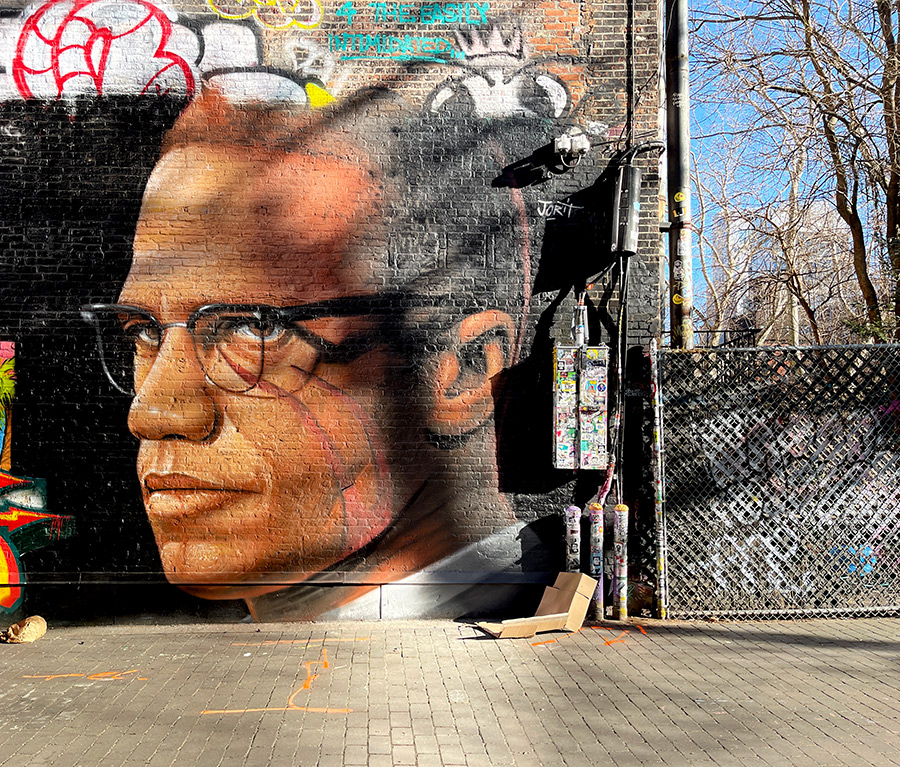
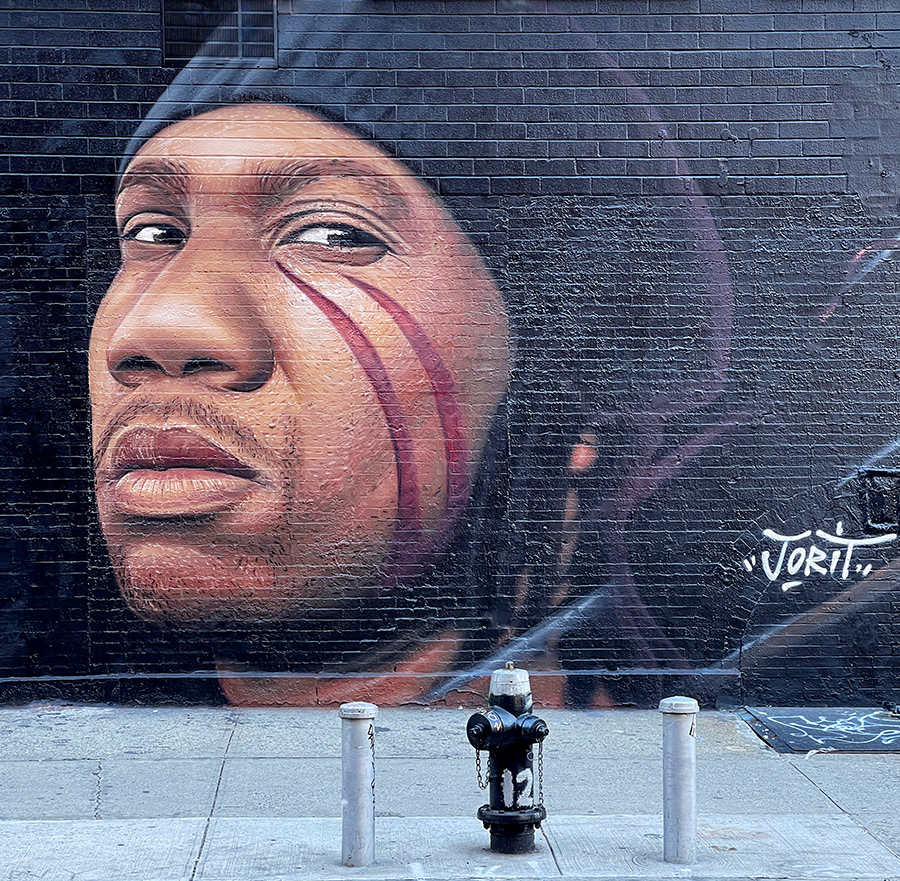
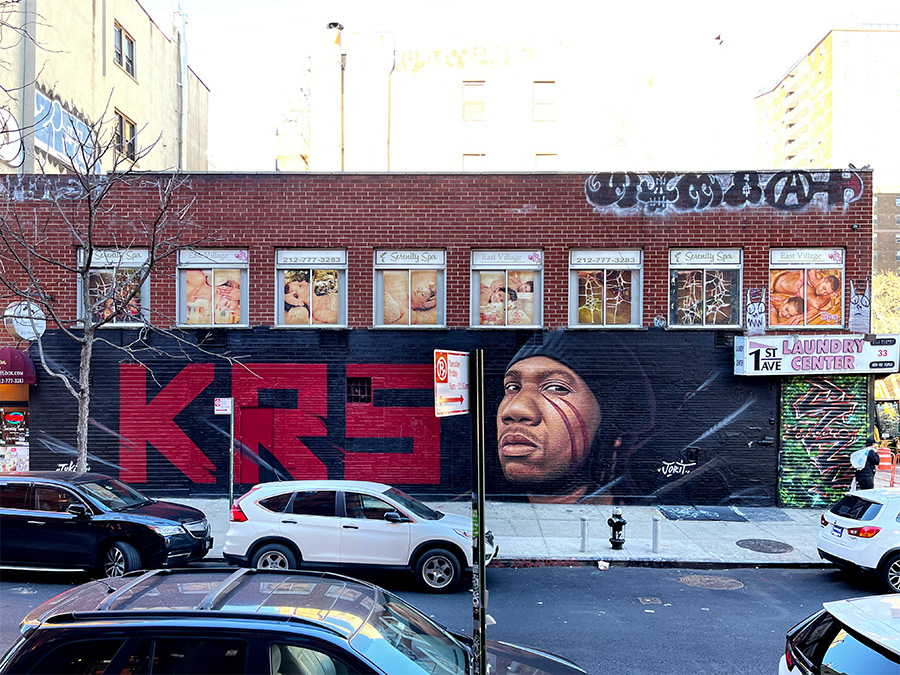
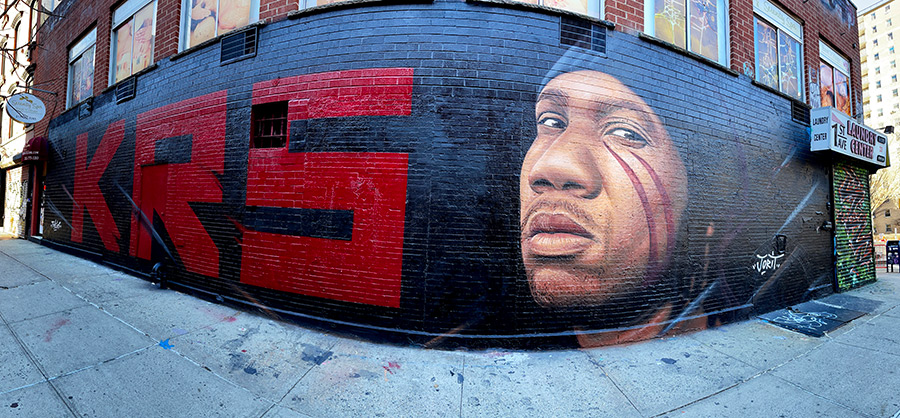
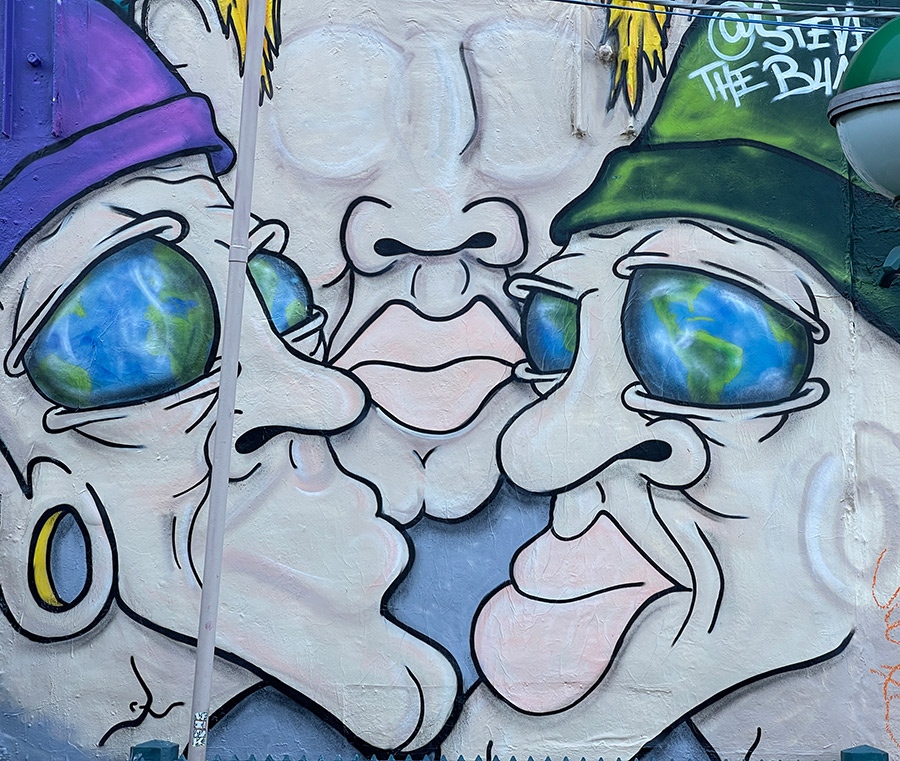
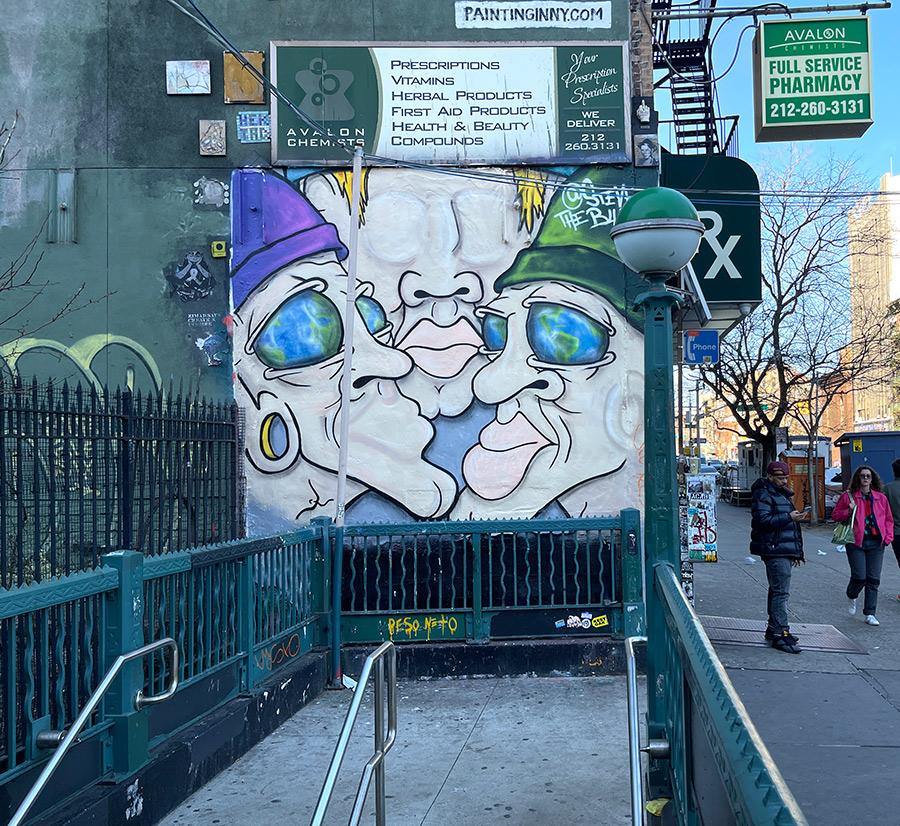
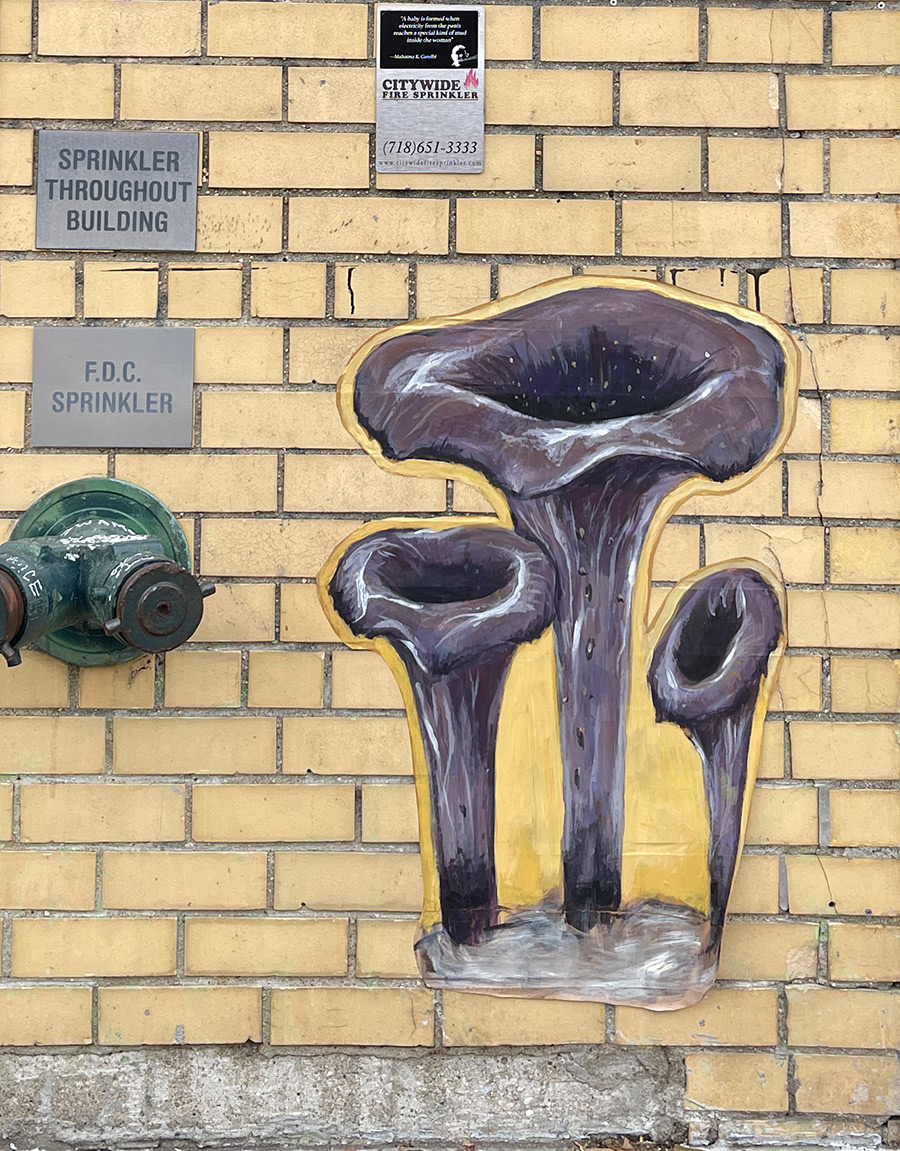
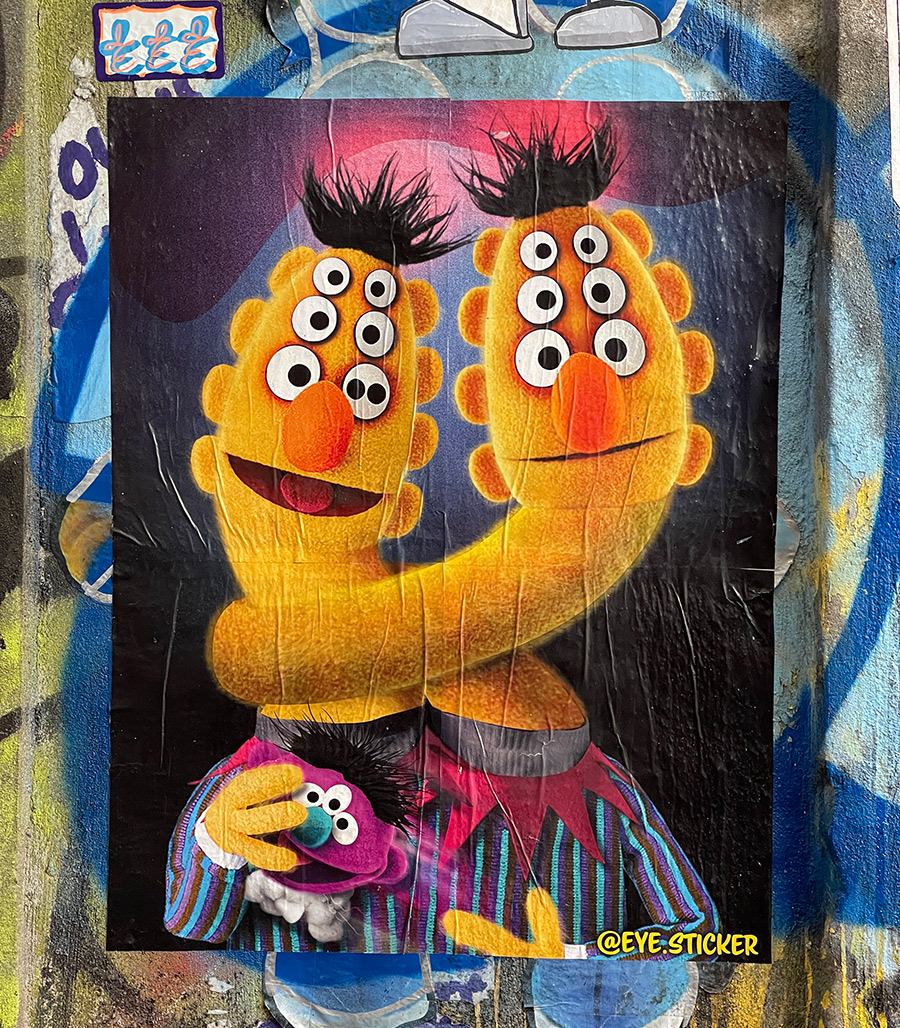
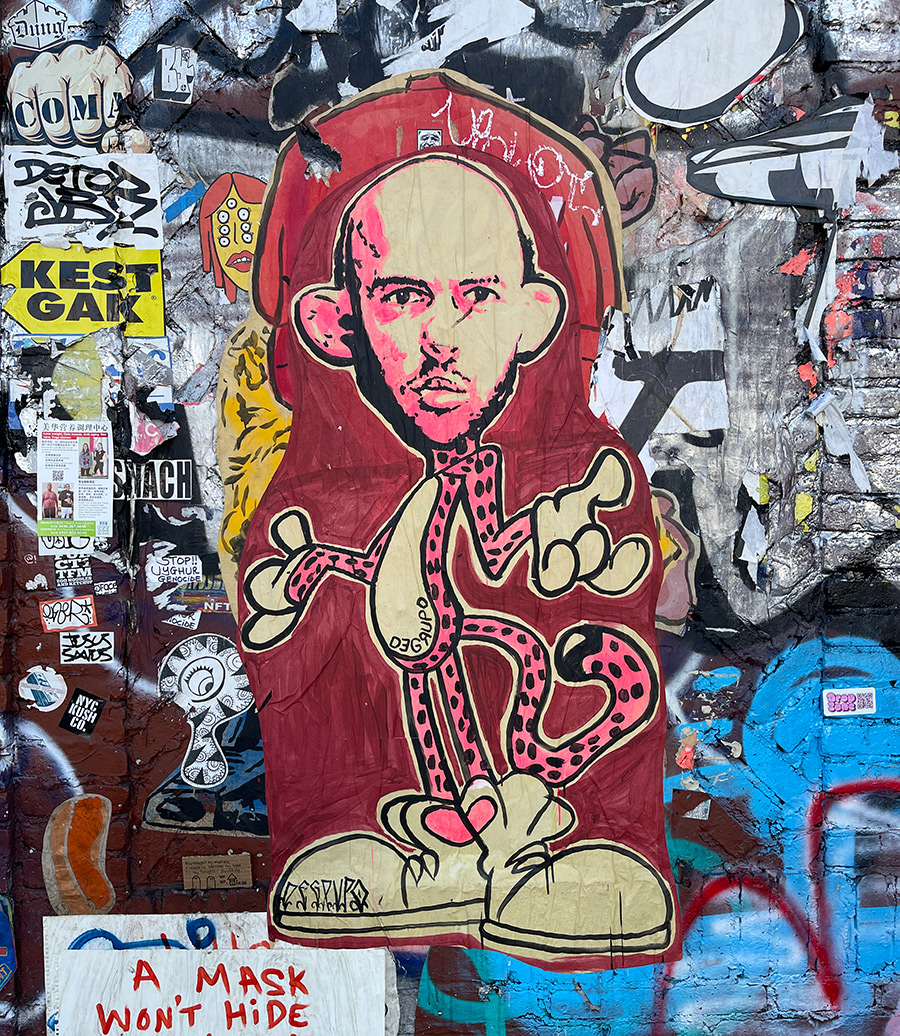
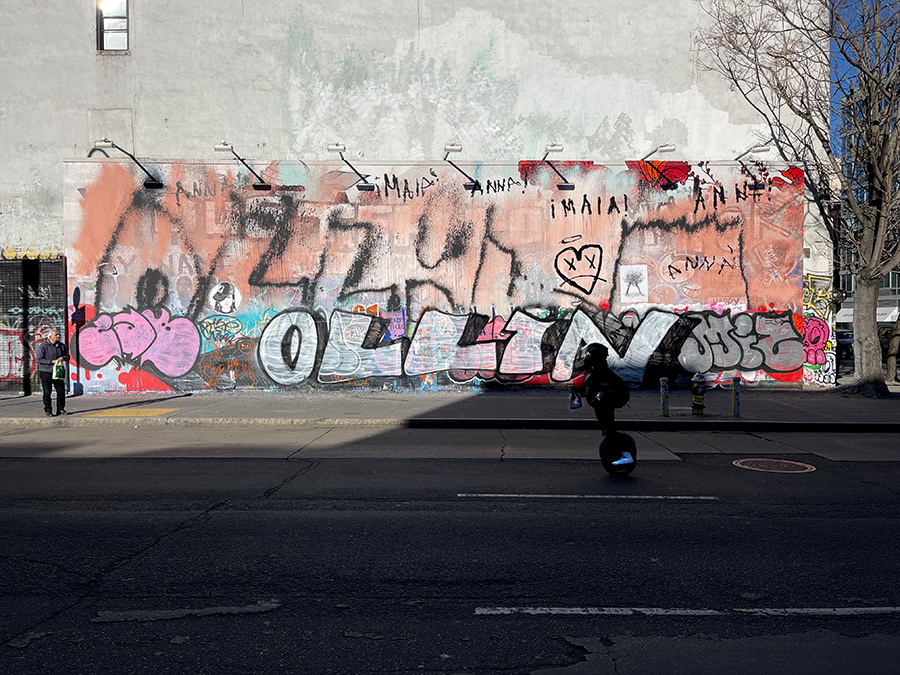
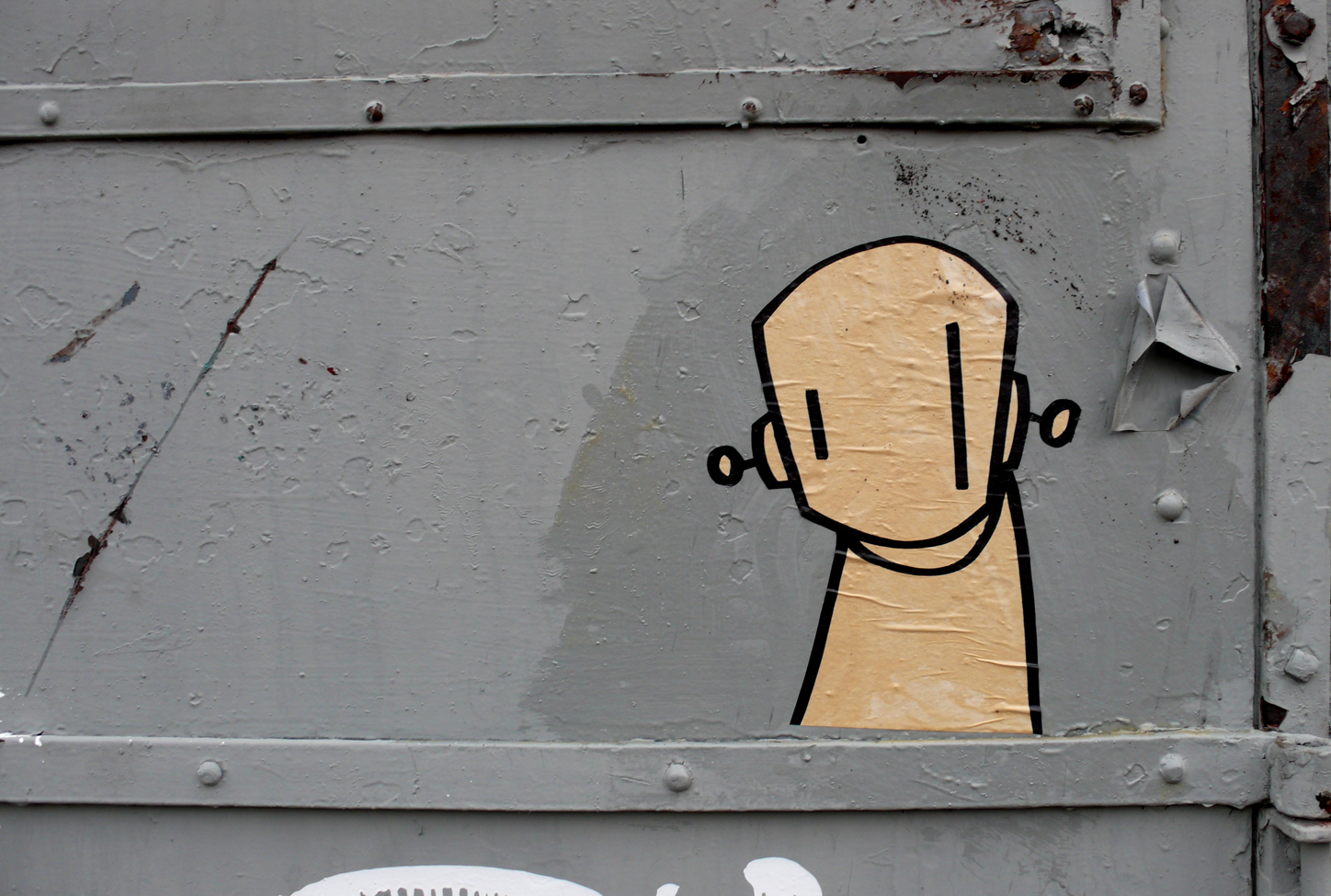
Here’s our weekly interview with the street, this week featuring: SacSix, Sara Lynne Leo, Degrupo, Eye Sticker, Stickman, Ollin, Jorit, Steve the Bum, and Kir One.
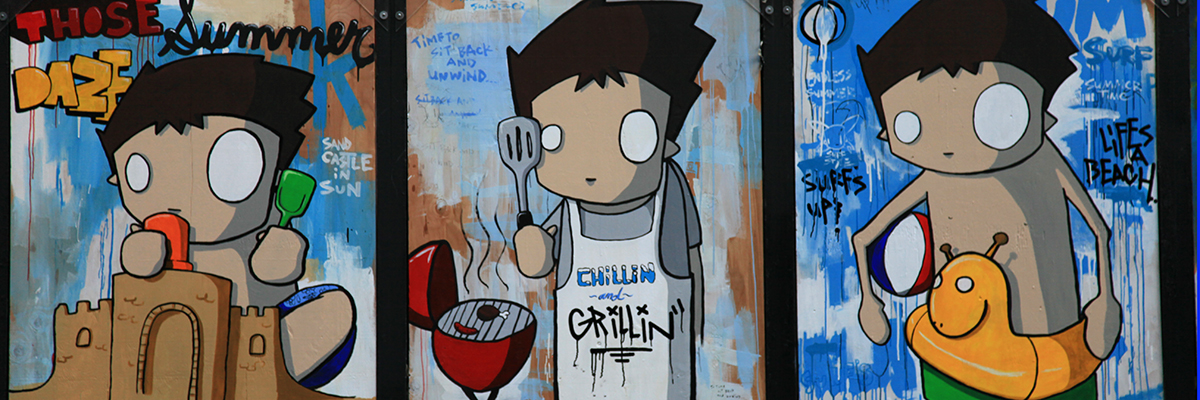
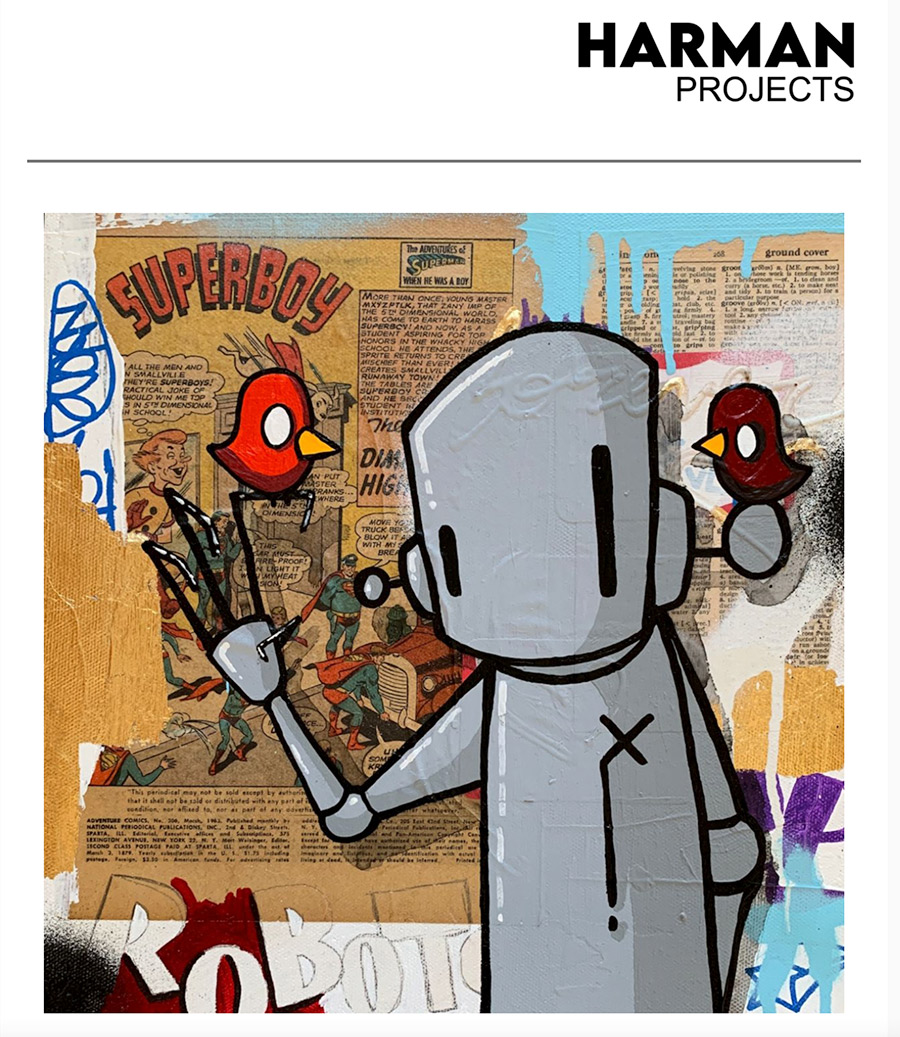
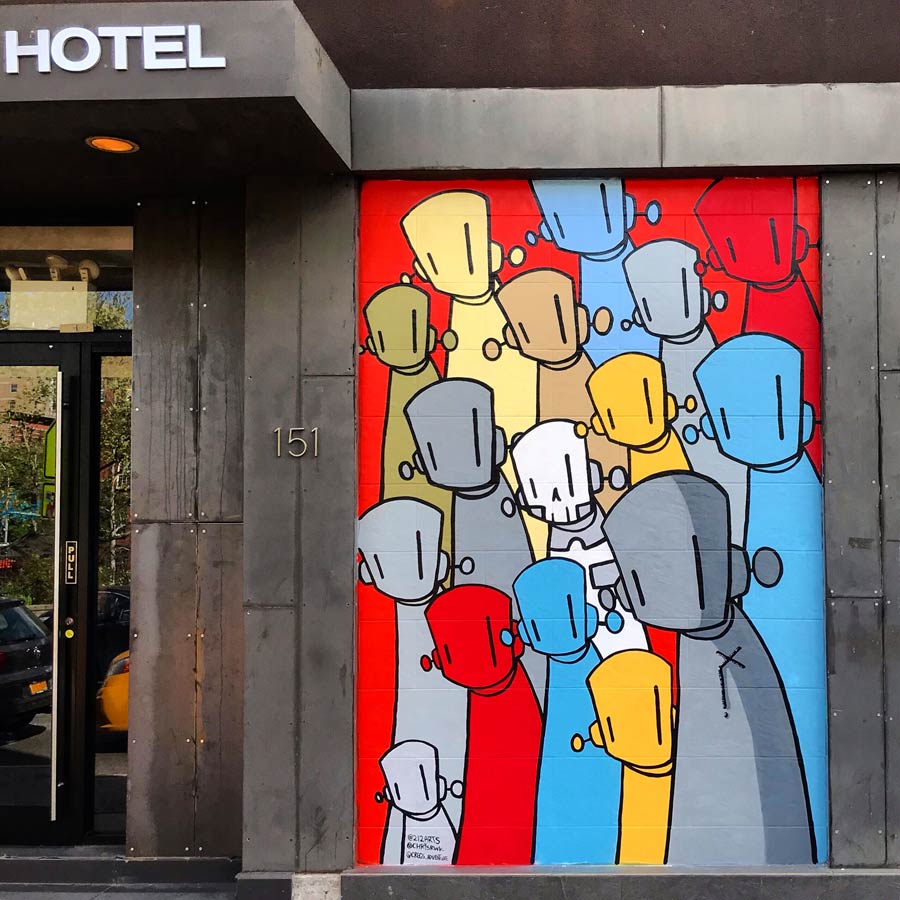
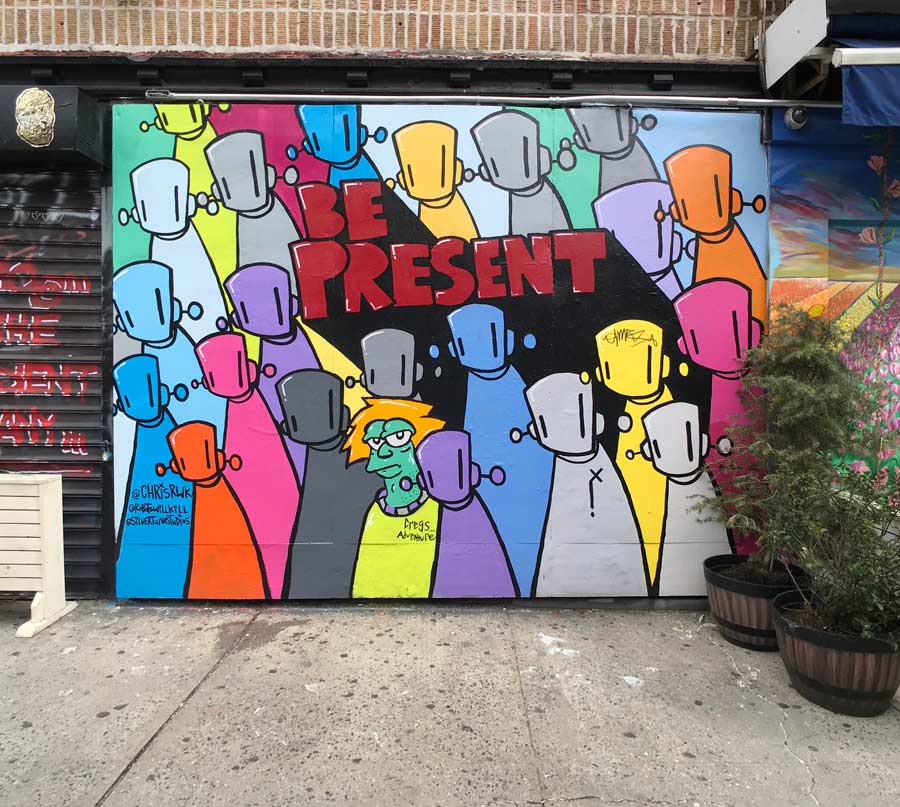
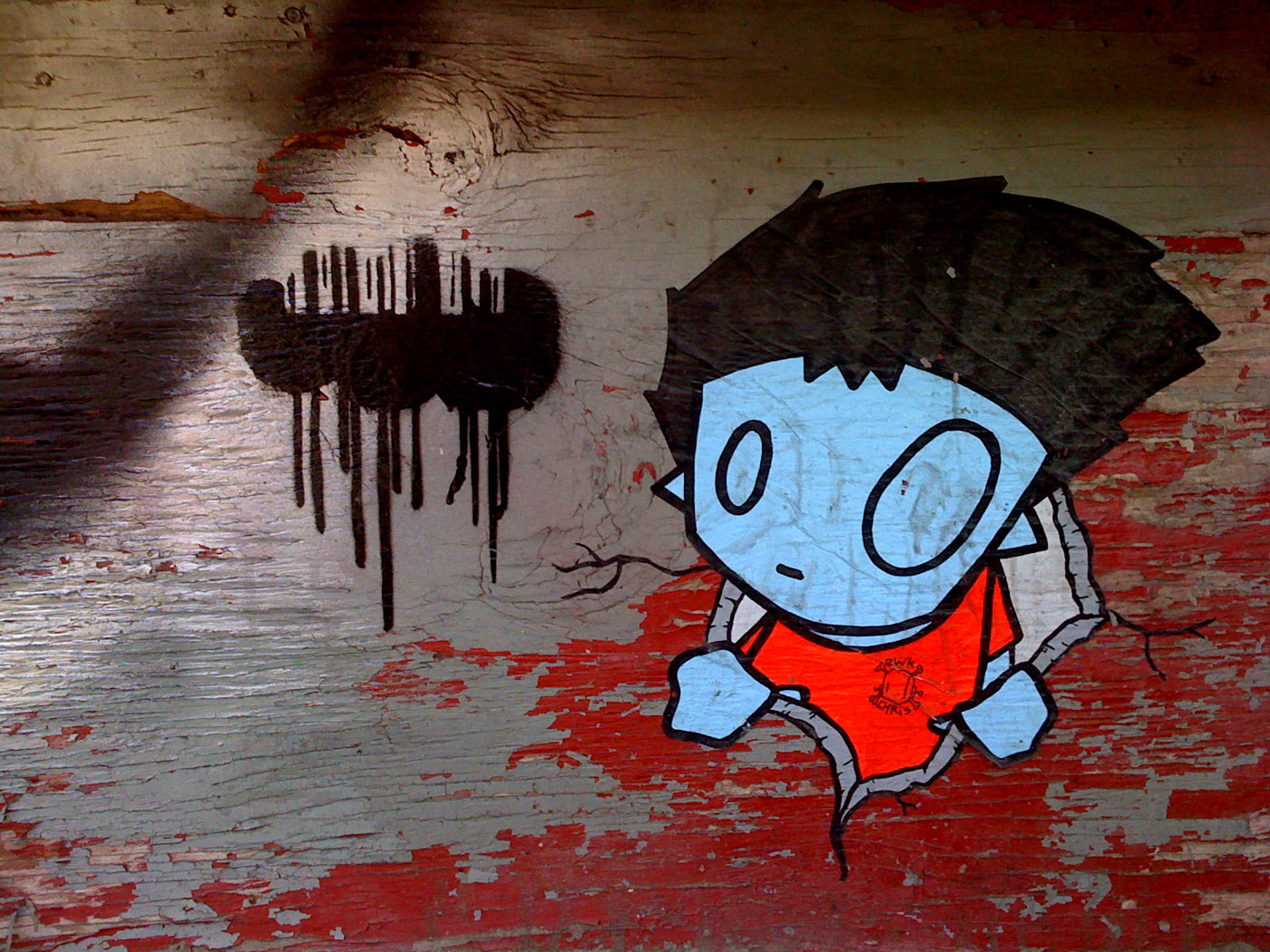
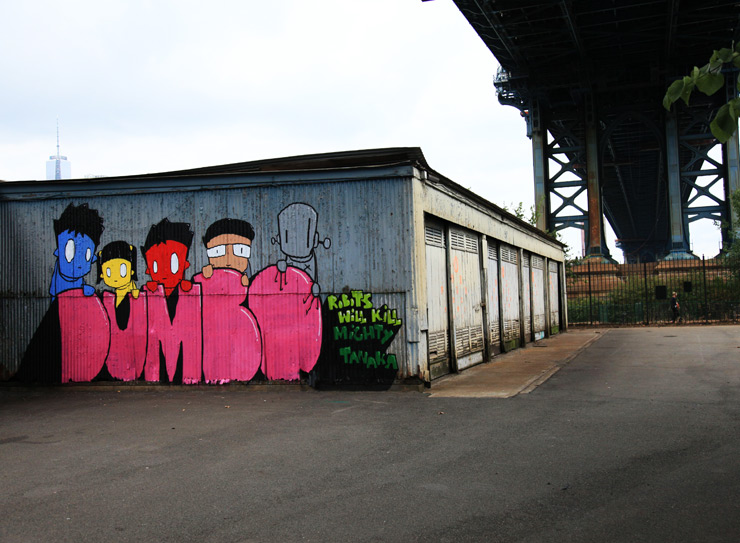
Two decades in the can for Chris from Robots Will Kill, and he’s just as solid as the day you met him. His steady dedication to developing his character has made him one of the most reliable names on New York streets, no matter how many artists he collaborates with and how many new situations he puts himself in.
One of the few street artists who is community-minded, ChrisRWK’s actions over the years to help his peers and to express gratitude to those who have helped him may also explain his staying power as a commercial artist, fine artist, and street artist. Tonight he hits another first: his debut solo exhibition with Harman Projects on Manhattan’s Lower East Side.
Our weekly focus on the moving image and art in the streets. And other oddities.
Now screening: 1. 1UP – ONE WEEK WITH 1UP – THE SHORT FILM
2. 5 MINUTES WITH: MADC in the Maldives
3. Liberation for Black Trans Women / CANS Can’t Stant / The New Yorker
BSA Special Feature: 1UP – ONE WEEK WITH 1UP – THE SHORT FILM
Global brand 1UP continues to build their mountain of exploits and is smart enough to engage the premiere film director Selina Miles to tell the story. “I loved seeing so many people rushing into action all at once,” says veteran graffiti documentarian Martha Cooper as she relates the adrenalin rush of highly planned aerosol operations on the U-Bahn that she and Ninja K captured for this book/short film entitled “One Week With1UP”.
The risks are measured in the duration of rapid heart rates, multiplied by the long slow burn of anticipation and divided by the dull hours of strategizing, discussion, and planning. Cooper says she’s fascinated by the persistence of the graffiti practice over 50 years, and she should know because she’s shot the evolution of this youth-centered practice since she was a cub photographer for the New York Post in the 1970s. Miles captures the prevalent sensations of the cat-and-mouse adventurism running through this hormone-fueled grey cloud that floats somewhere between art, self-expression, pranksterism, and straight-up vandalism. By leaving the area grey, the viewer is pushed to draw their line about privilege, propriety, and its additive/subtractive relationship with the cityscape.
“It takes community and camaraderie, and skills and experience, and preplanning and all of that,” says Martha.
Big up to Spray Daily and Ilovegraffiti.de for sharing this.
5 MINUTES WITH: MADC in the Maldives
“Painting in these surroundings is unbelievable,” says graff writer MadC as she marvels at the natural beauty she is working in tandem with in the Maldives. “You are right there on the water, there are eagle rays right under you, fish everywhere, flying foxes coming…,” she explains. “I don’t think while I’m painting. It’s on an emotional level.”
Liberation for Black Trans Women / CANS Can’t Stant / The New Yorker
While there is greater support for trans people today, in the end its usually trans people and their closest allies who still do all the work of creating a safe, just world. In this film by Matt Nadel and Megan Plotkawe, we gain a greater understanding of the insidious nature of transphobia as we see a group of Black trans women fighting to repeal a law used to target queer locals.
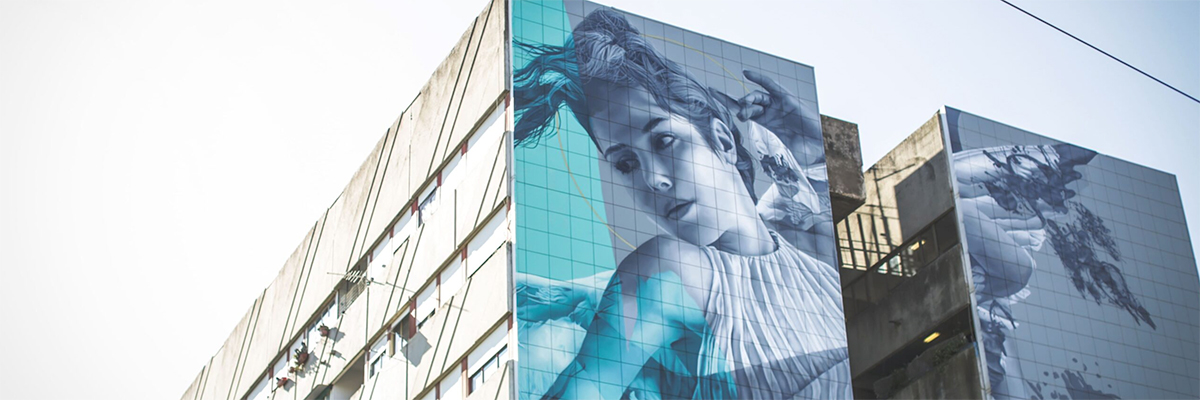
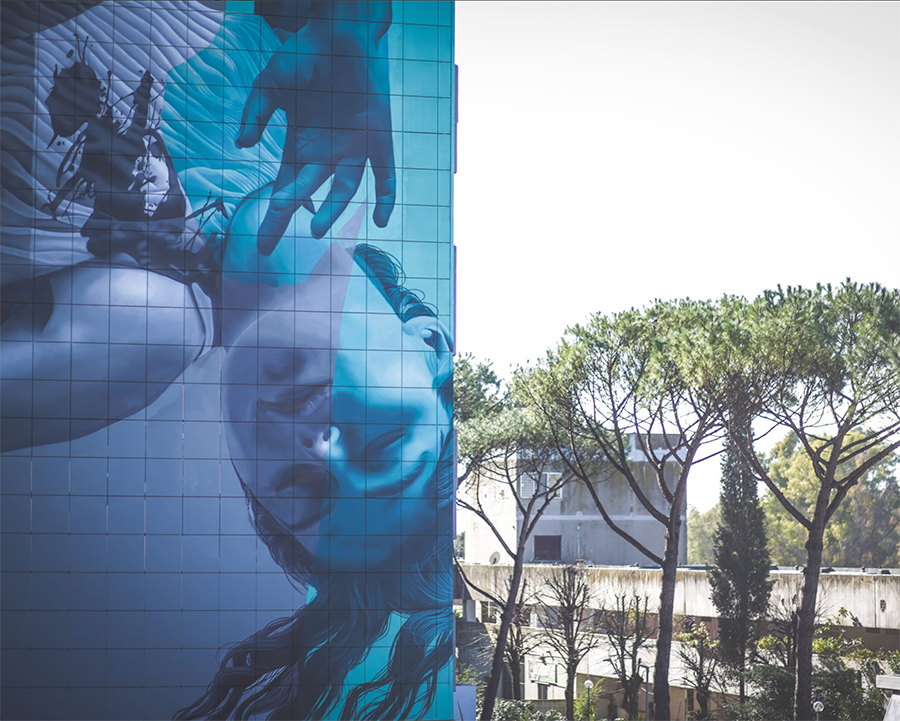
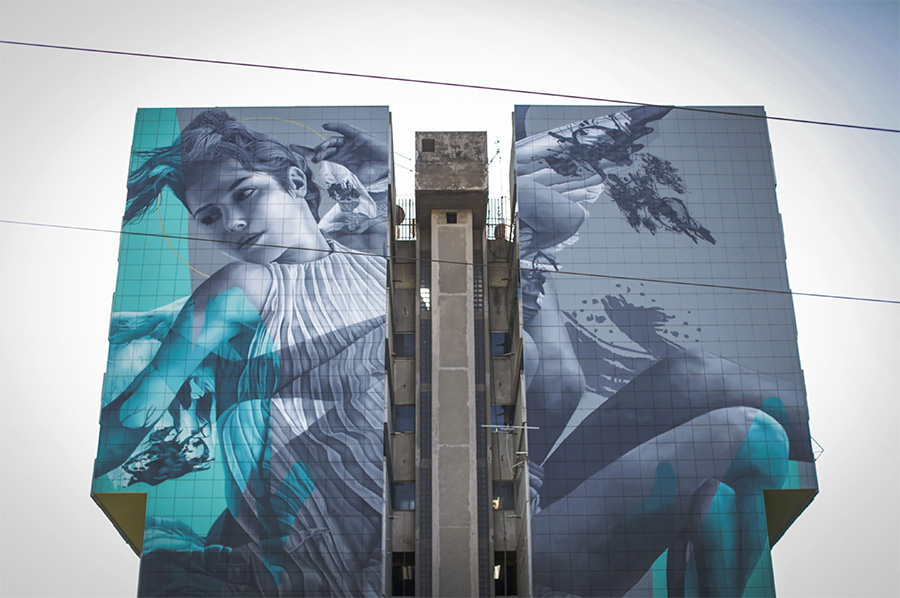
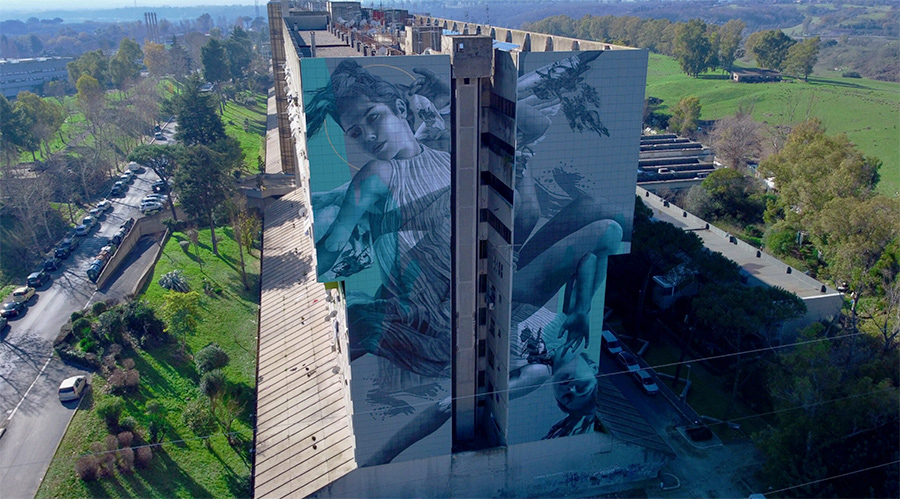
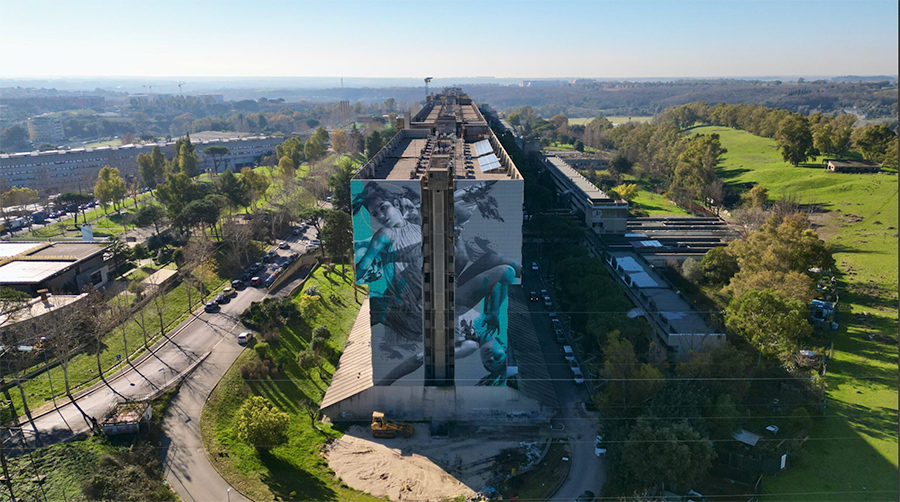
It looks like it is a matter of survival of the fittest for the two women here painted by the Dutch street artist and muralist Judith de Leeuw, whose street moniker is JDL. A vague reference to the birds who get saturated by oil spills, the floundering figure is destined to drown thanks to thoughtless greed. Meanwhile, so far, one still lives – whether by wit or plum luck.
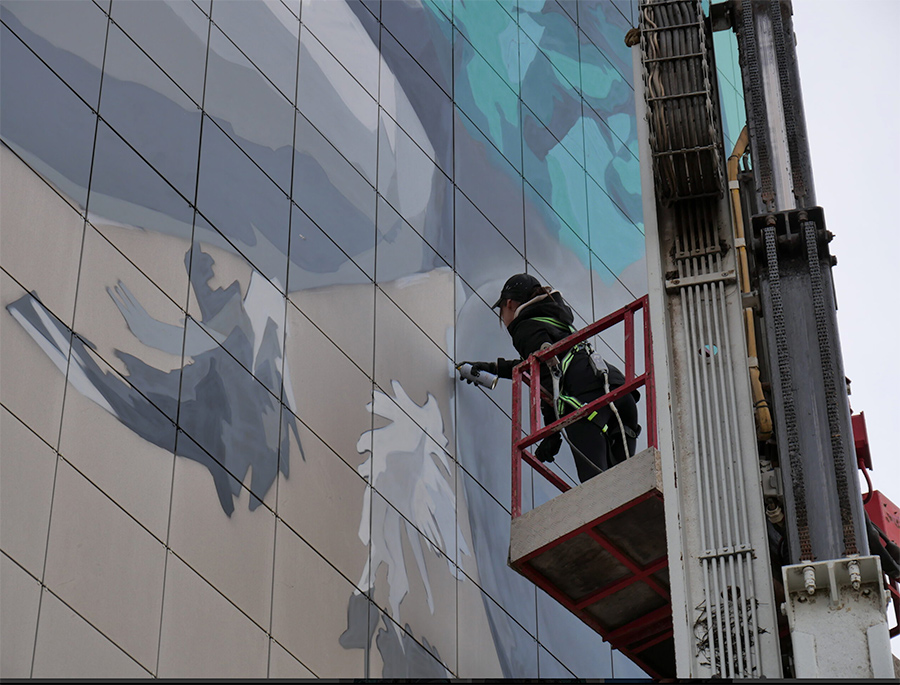
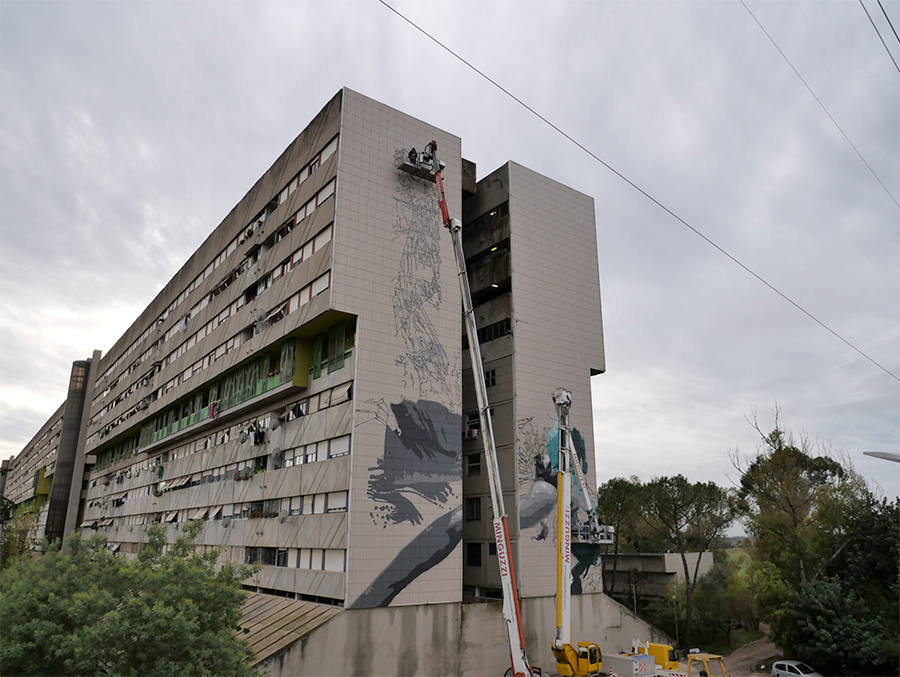
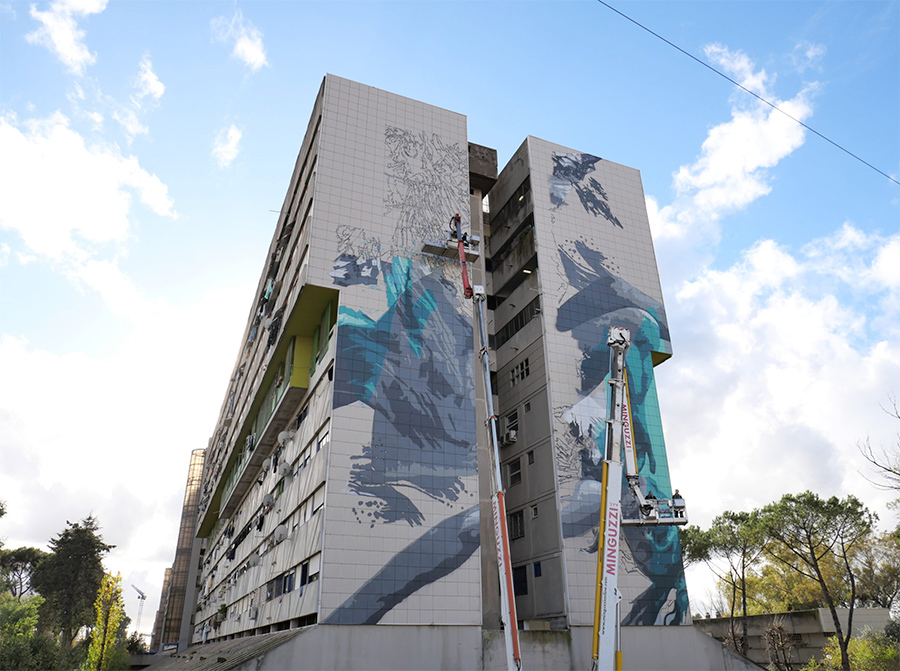
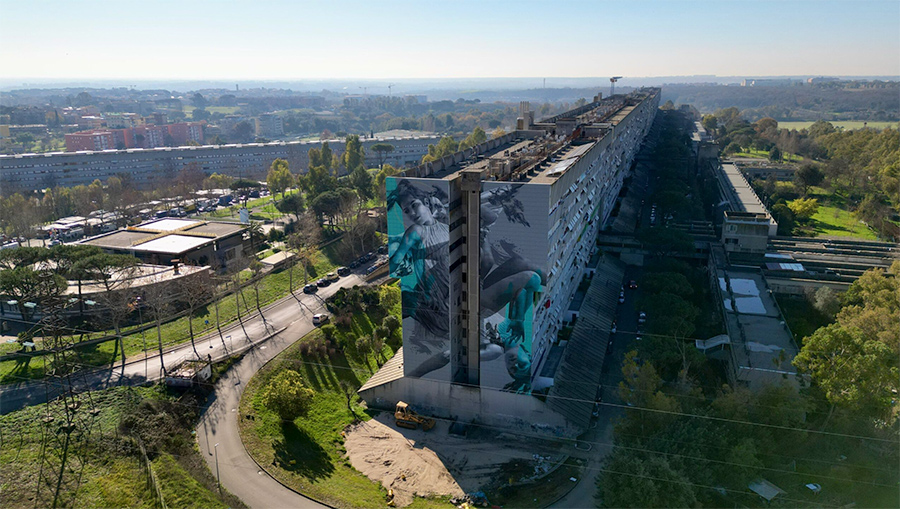
Part of the Roman “Street Art for Rights Forum Festival,” the 40-meter mural on the Serpentone in Corviale is meant as an allusion tangentially to the climate crises, says the press release. More directly, it points to an unchecked brutal capitalism that picks winners and losers as it ravages the earth and its people. The mural, organizers say, is “a metaphor for a society blinded by profit, that is heading for self-destruction, aiming for the maximum today regardless of the future.”
In recognition of those who came before her JDL “chose not to erase some inscriptions created by residents of the neighborhood” at the base of the building when creating her new work. The artist would like to thank street artists Spike, Smok, Marqus, Boogie, Joys, and the Street Art for Rights team for operational support for her mural.
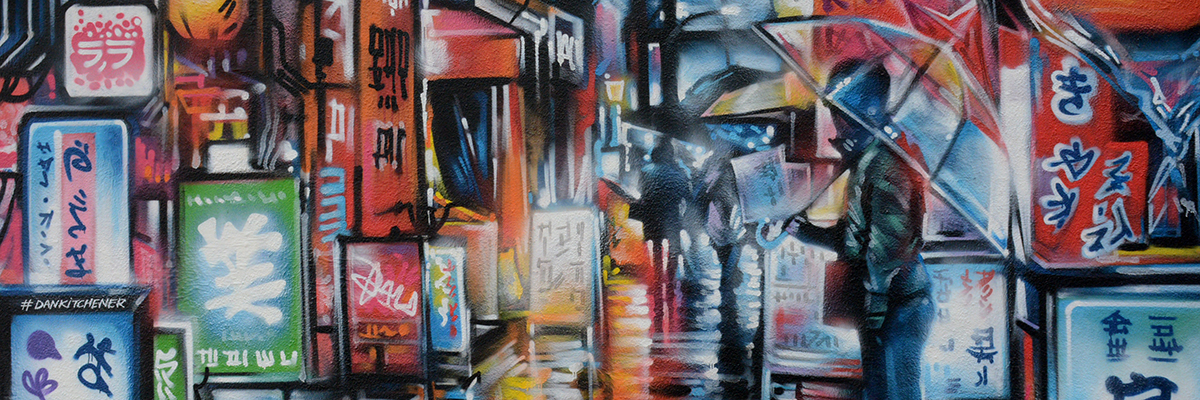
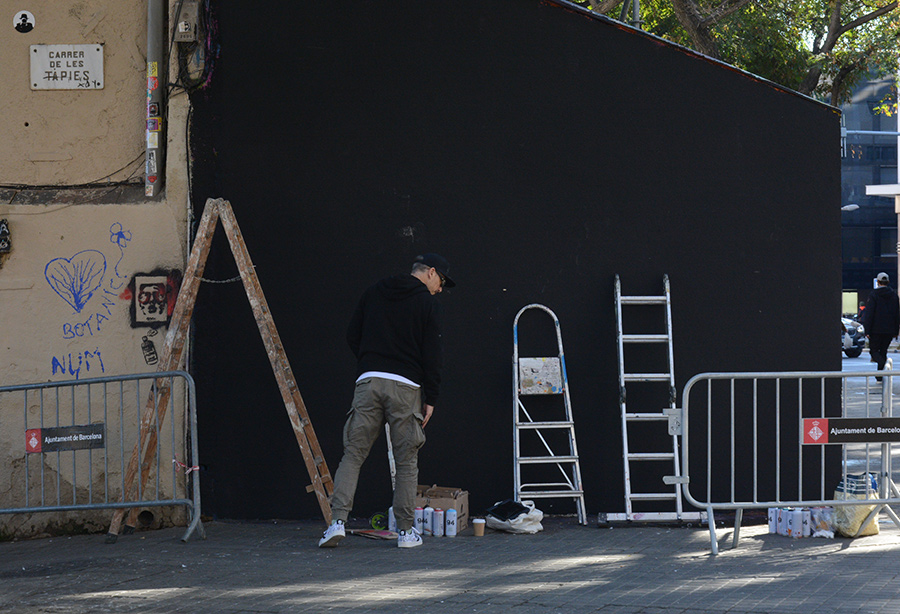
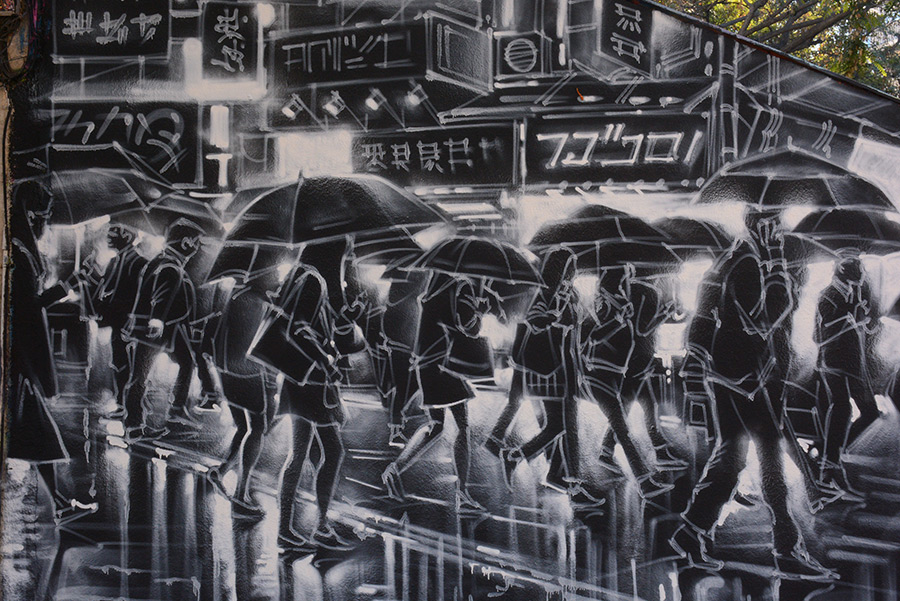
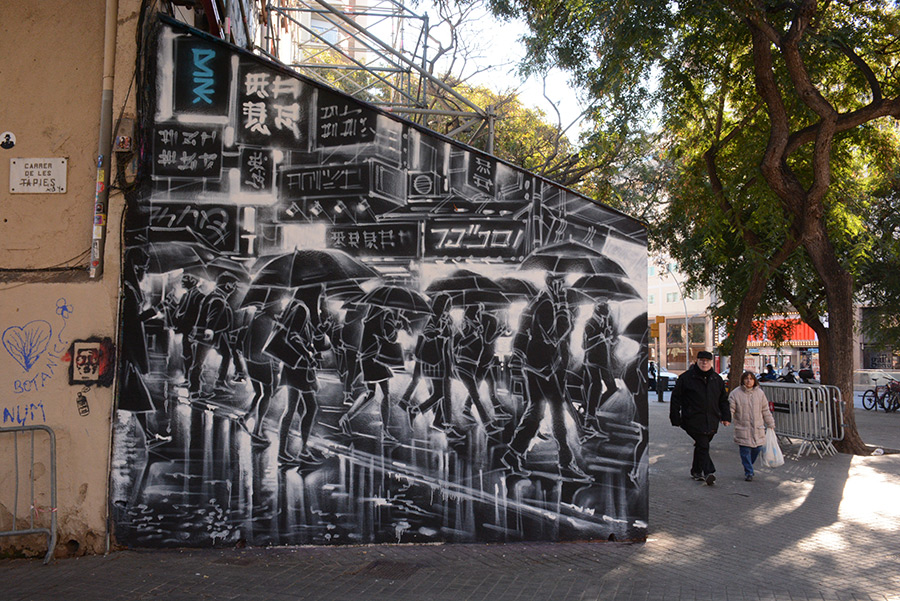
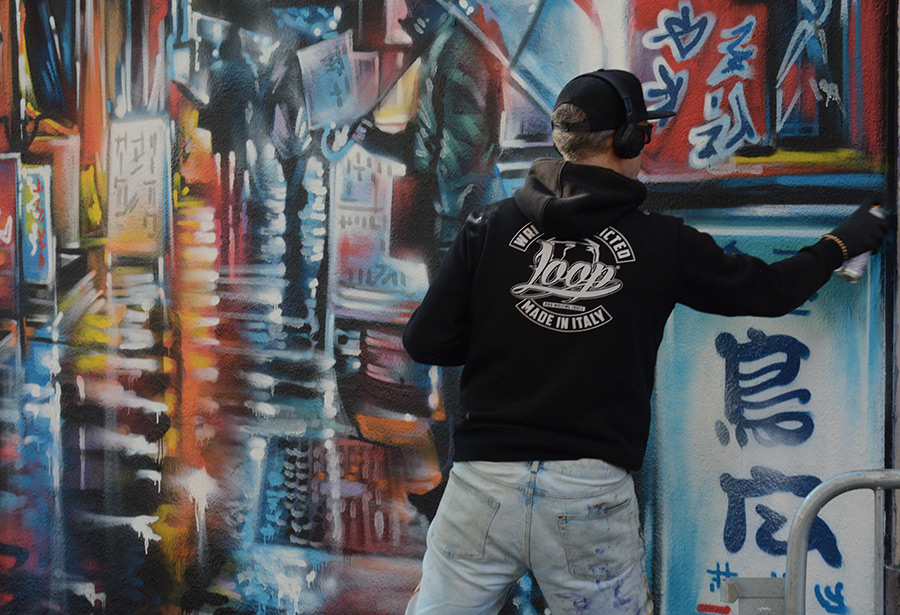
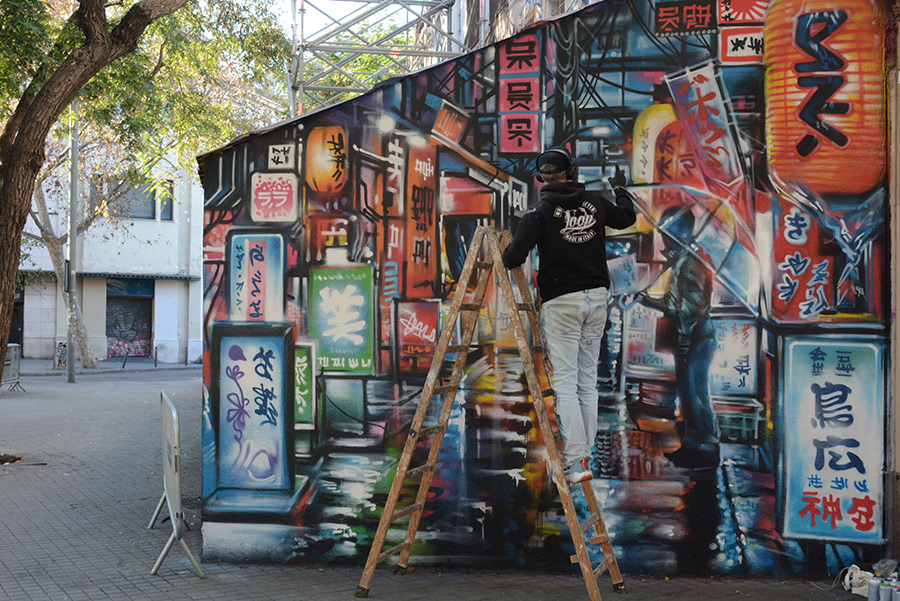
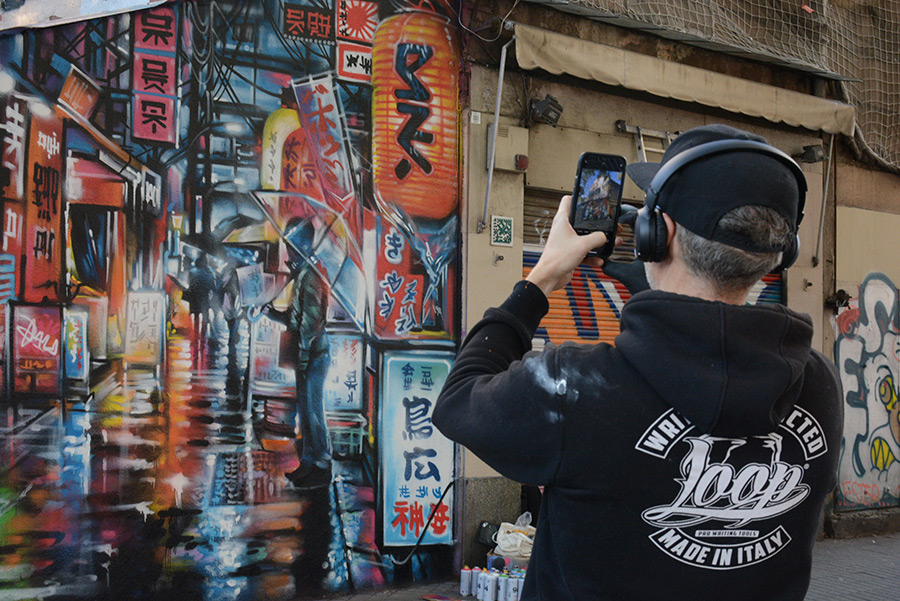
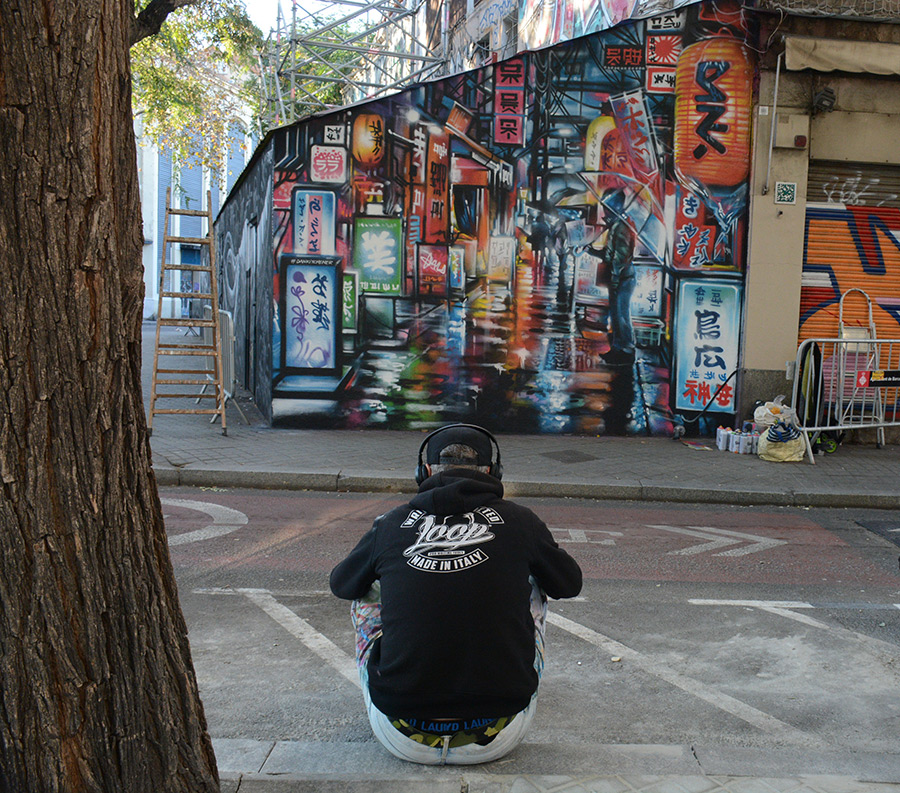
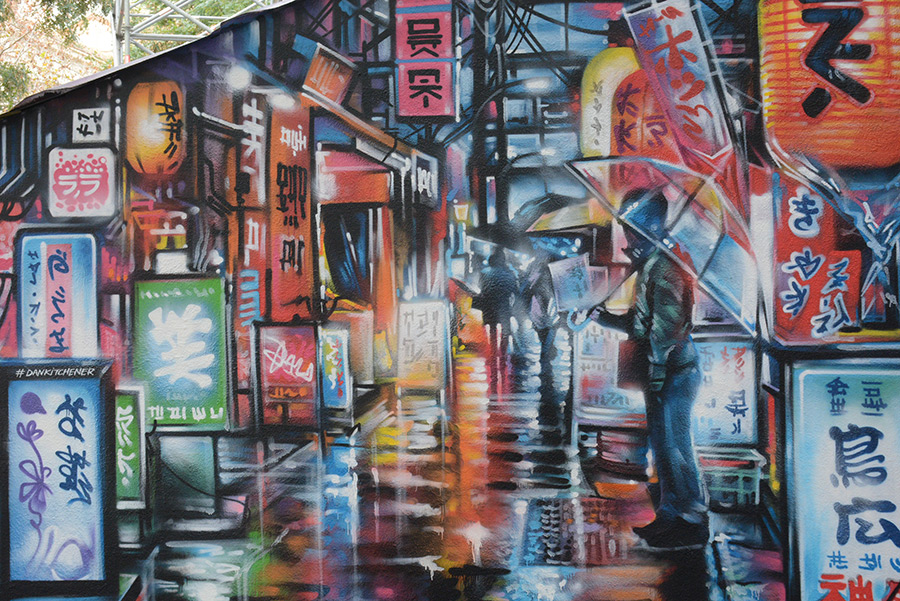
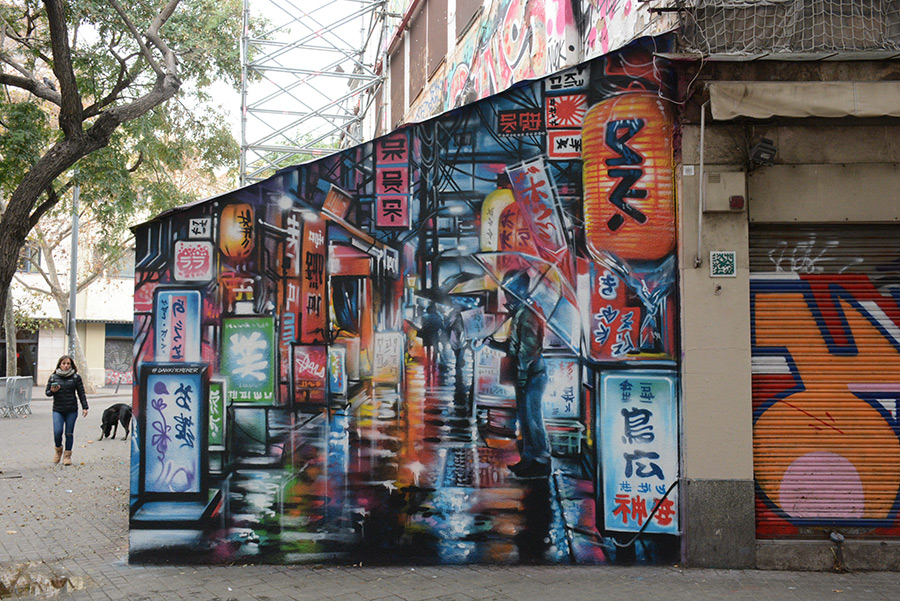
Illustrator, painter, and lover of Japanese monster movies Dan Kitchener (aka Dank) brought Tokyo’s glistening night streets to Barcelona last week. His signature reflective romance with evening magic and the electrified dense cityscape during a downpour has led him to paint walls in cities worldwide.
Here we have the side walls of the Arnau Theater – which photographer Luis Olive Bulbena tells us “was inaugurated in 1903 as a music hall, and was in operation until 2004. Currently, under rehabilitation, it is now owned by the Barcelona City Council.
A rolling street exhibition space, these three walls that protect the theater are coordinated by the Arnau Gallery and Street Art Barcelona, who work with a new artist here nearly every month. Special thanks to Lluis Olive Bulbena for sharing these images with BSA readers.
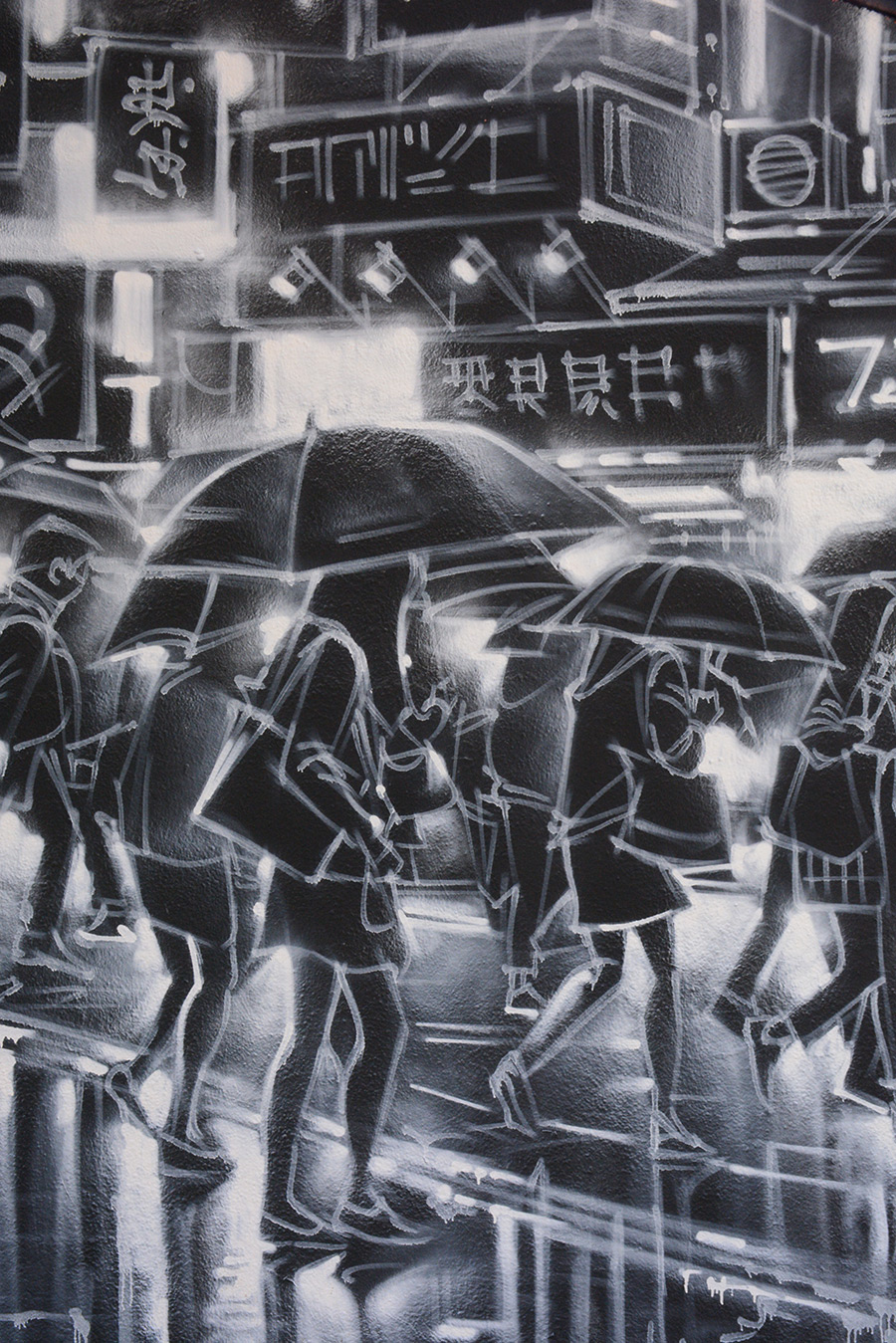
Dan Kitchener refers to this stage of the project as working with ghosts. “Managed to get the ghost lines super detailed – loving the feel of this already – great to be painting in Barcelona. Such a beautiful city!” he says mid-project.
 BROOKLYN STREET ART LOVES YOU MORE EVERY DAY