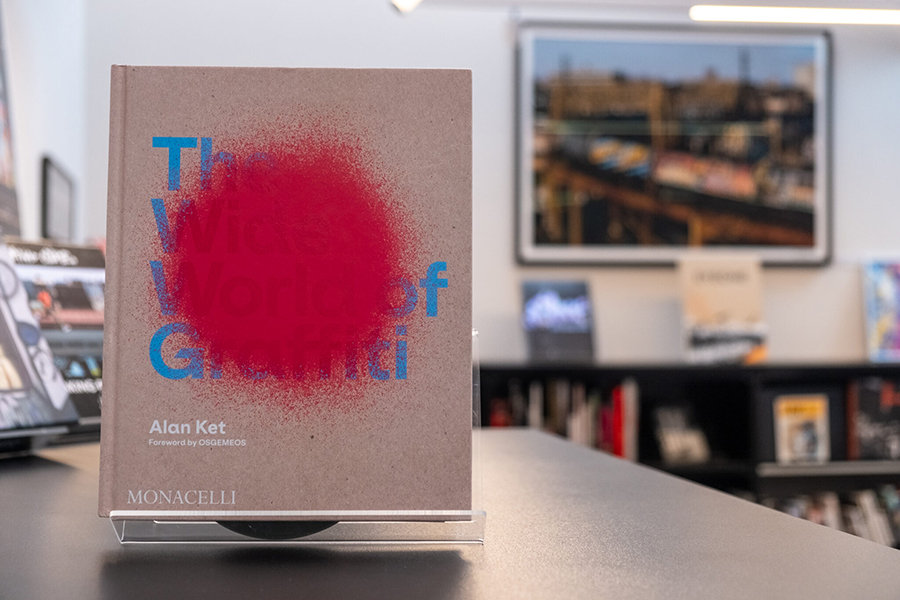
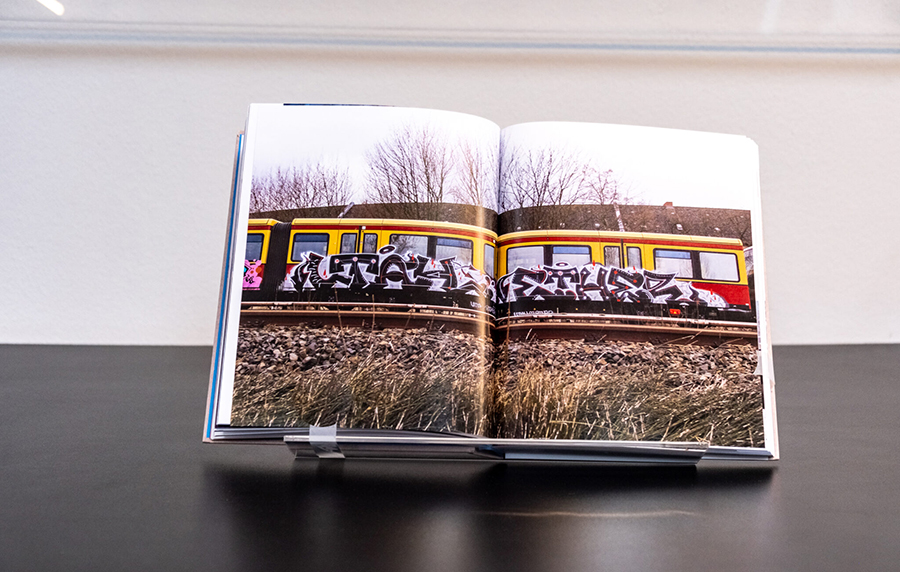
The Wide World of Graffiti by Alan Ket is a comprehensive exploration of graffiti art, tracing its evolution from a marginalized expression to a globally recognized art form. The book delves into the origins of graffiti in the late 1960s and 1970s, primarily in Philadelphia and New York City, where it began as a voice for youth who felt excluded from mainstream society. Ket, a graffiti writer and co-founder of the Museum of Graffiti in Miami, provides an informed perspective, blending personal experience with scholarly insight.
The narrative chronicles the development of graffiti, emphasizing its grassroots beginnings and connections with other subcultures such as skateboarding, hip-hop, and tattooing. This holistic approach provides a broad understanding of the cultural milieu that nurtured graffiti’s growth. Ket documents how graffiti evolved over decades from simple tags to complex murals, reflecting the changing social and political landscapes. The book offers a detailed account of various styles and techniques, highlighting how graffiti artists and street artists have pushed the boundaries of traditional art forms.
MARTHA COOPER LIBRARY: BOOK RECOMMENDATION
? | Title: The Wide World of Graffiti ? | The Monacelly Press. December 2023. Hardcover. ? | Author: Alan Ket ? | Language: English
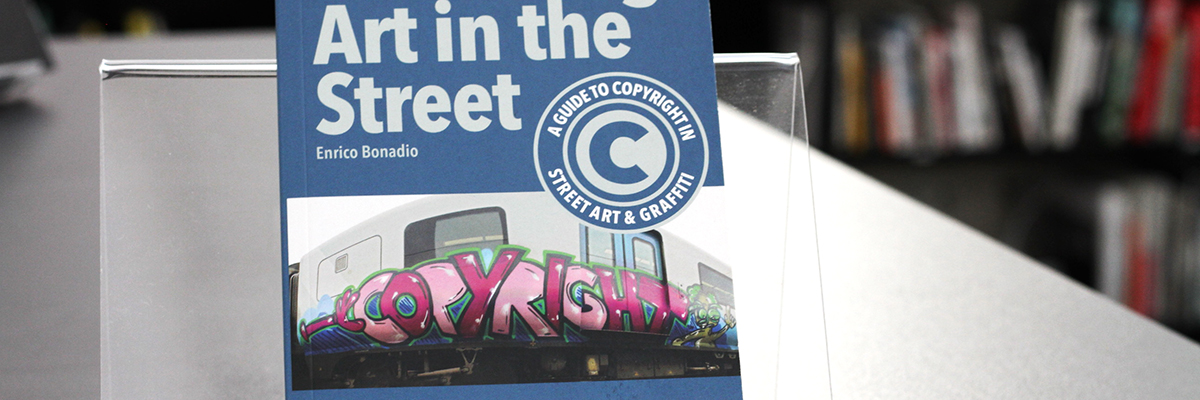
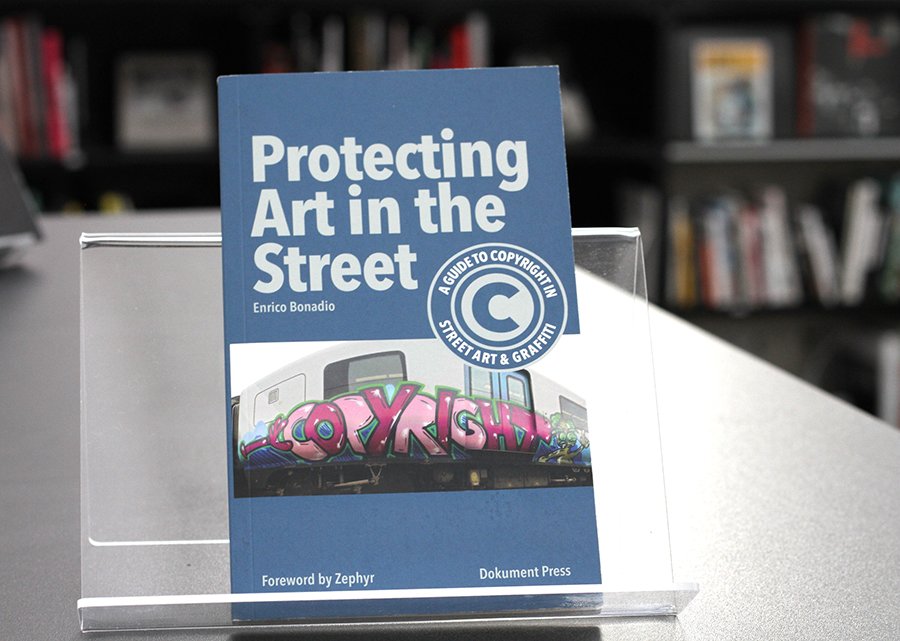
Enrico Bonadio. Protecting Art in the Street: A Guide to Copyright in Street Art and Graffiti. 2020
Reprinted from the original review.
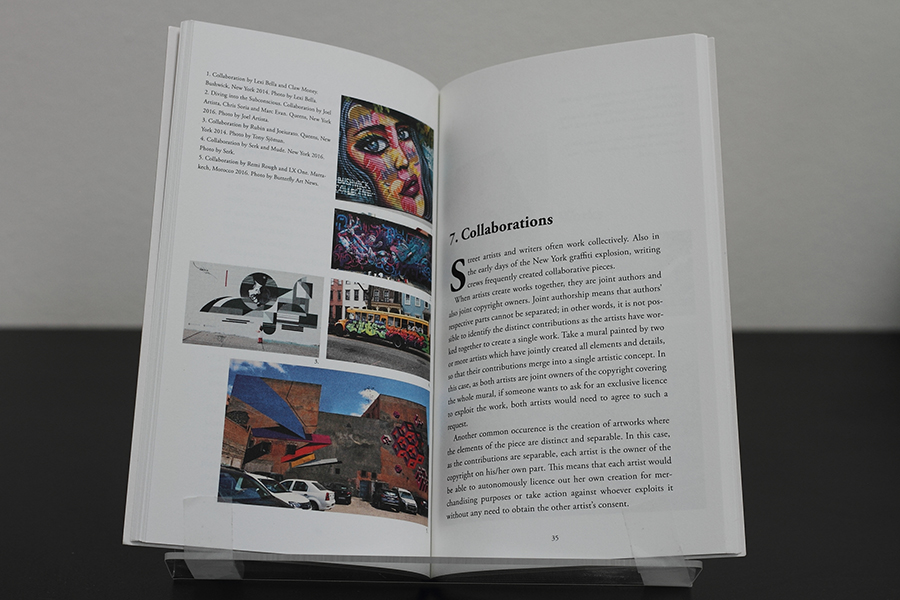
Enrico Bonadio, a seasoned expert in copyright law, delves into the complexities of legal rights surrounding street art and graffiti in this insightful book, “Protecting Art in the Street.” Accompanied by a foreword from renowned graffiti writer, artist, and historian Zephyr, the book is a thorough and accessible guide for artists in understanding and navigating copyright laws.
Bonadio underscores the heightened vulnerability of street art and graffiti to unauthorized use and exploitation. He highlights that these art forms, often placed in public spaces, face greater risks of misappropriation and destruction compared to traditional fine art. This vulnerability, he points out, has led to an increase in legal actions against those who commercialize these works without the artists’ consent or proper compensation.
MARTHA COOPER LIBRARY: BOOK RECOMMENDATION
? | Title: Protecting Art in the Street: A Guide to Copyright in Street Art and Graffiti. ? | Dokument Press. December 2020. Soft cover. ? | Author: Enrico Bonadio ? | Language: English
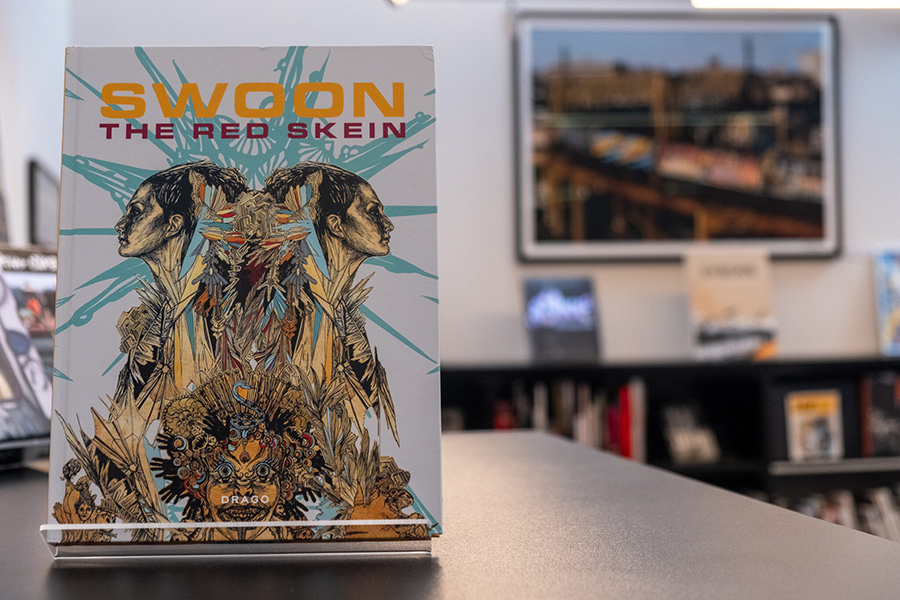
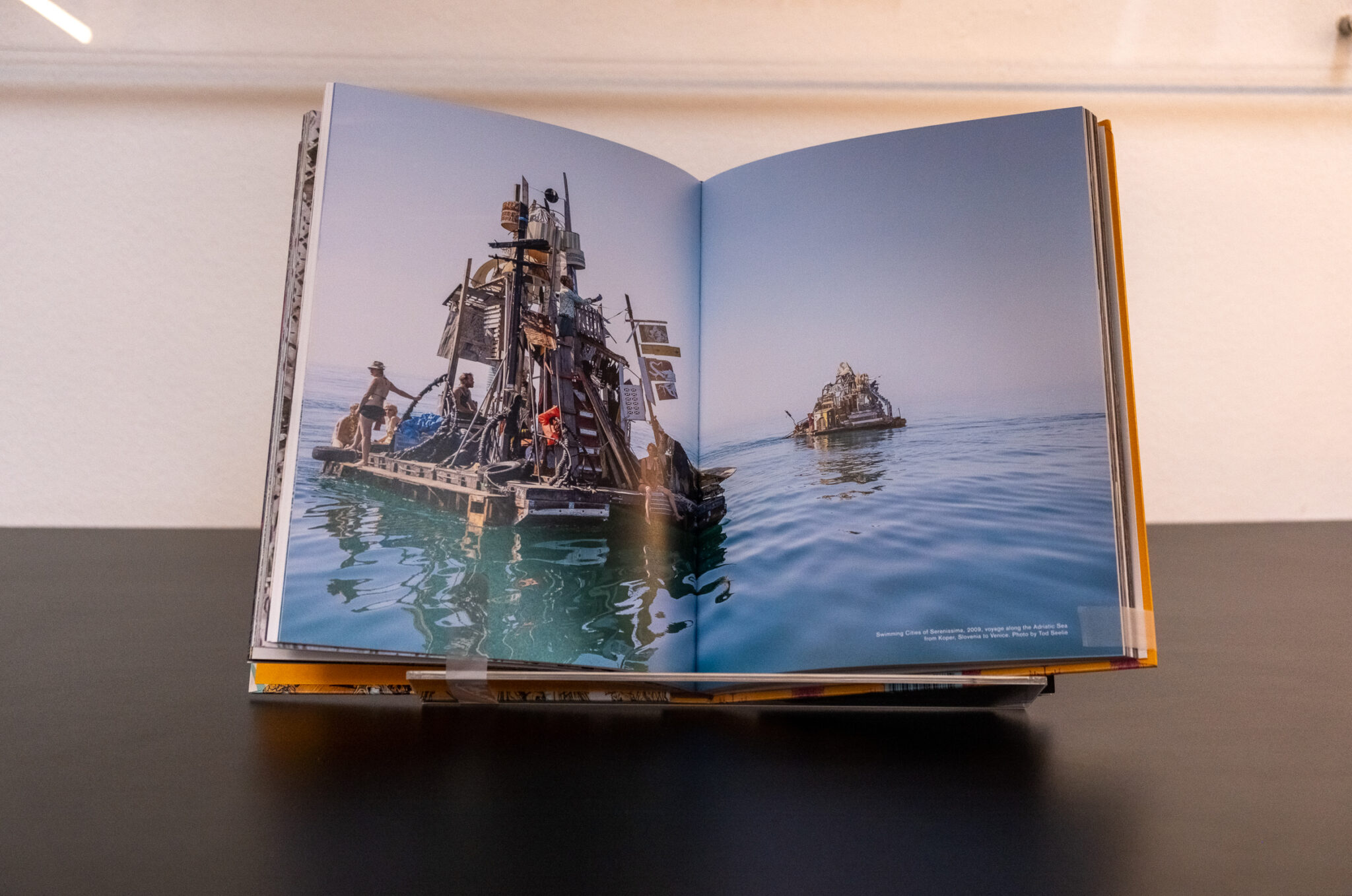
In “The Red Skein,” Swoon (Caledonia Curry) thoroughly examines her artistic work over the past decade, encompassing both her street art and studio pieces. The book, spanning 224 pages and containing over 200 color images, is a detailed account of Swoon’s contributions to street art and related fields. It includes contributions from notable writers and critics, such as Dr. Gabor Maté, RJ Rushmore, Melena Ryzik, Jerry Saltz, Pedro Alonzo, Jeffrey Deitch, and Judy Chicago, offering a multifaceted analysis of Swoon’s career.
The book is structured as a visual compilation and a narrative documenting Swoon’s artistic development. It covers her pioneering efforts in street art, studio work, animation projects, and community initiatives, providing insight into her innovative techniques and wide-ranging influence. The title, “The Red Skein,” draws on the mythological concept of Ariadne’s thread, symbolizing the complex trajectory of Swoon’s career and the interconnections within her work.
MARTHA COOPER LIBRARY: BOOK RECOMMENDATION
? | Title: SWOON: THE RED SKEIN ? | Drago Publishers. October 25, 2022. Hardcover ? | Authors: SWOON ? | Language: English
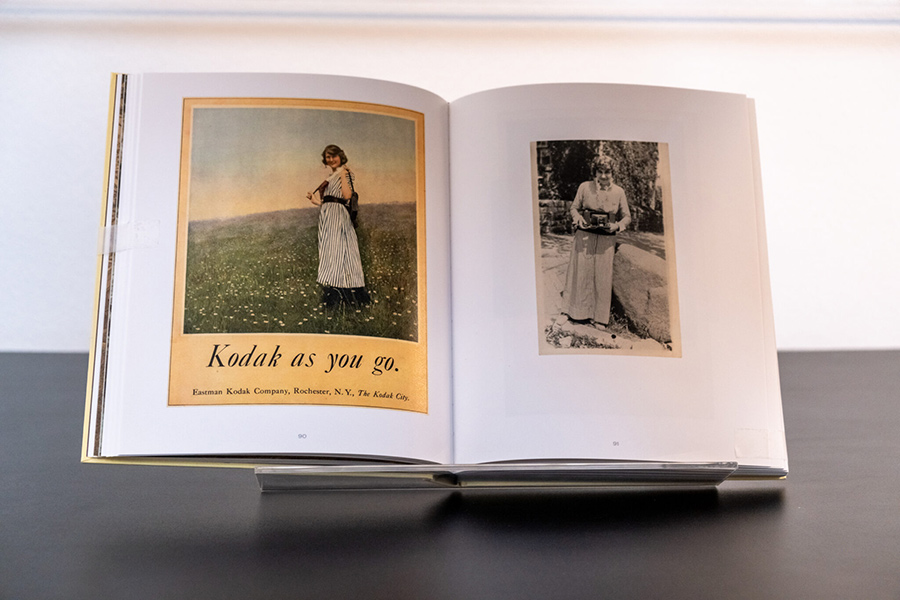
Books in the MCL: John P. Jacob (ed.). Kodak Girl: From the Martha Cooper Collection
Kodak Girl: From the Martha Cooper Collection. John P. Jacob (ed.). 2012
Reprinted from the original review.
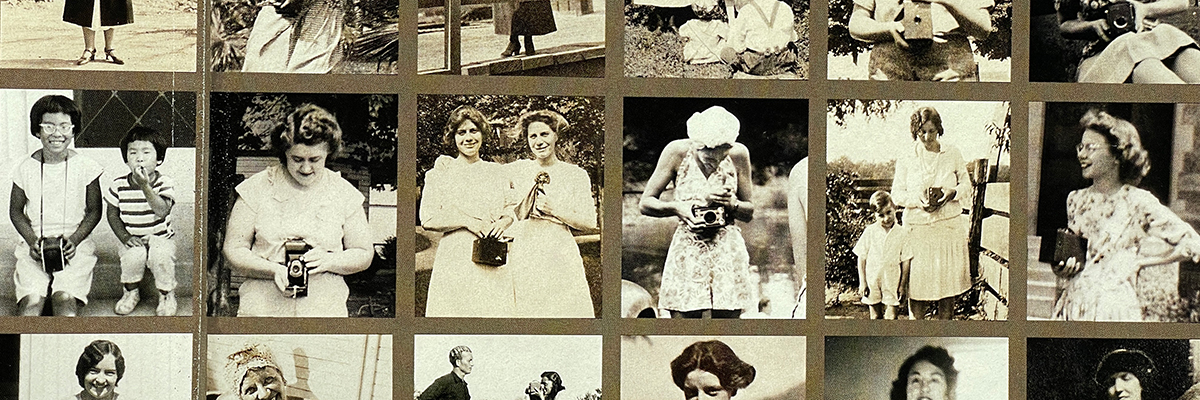
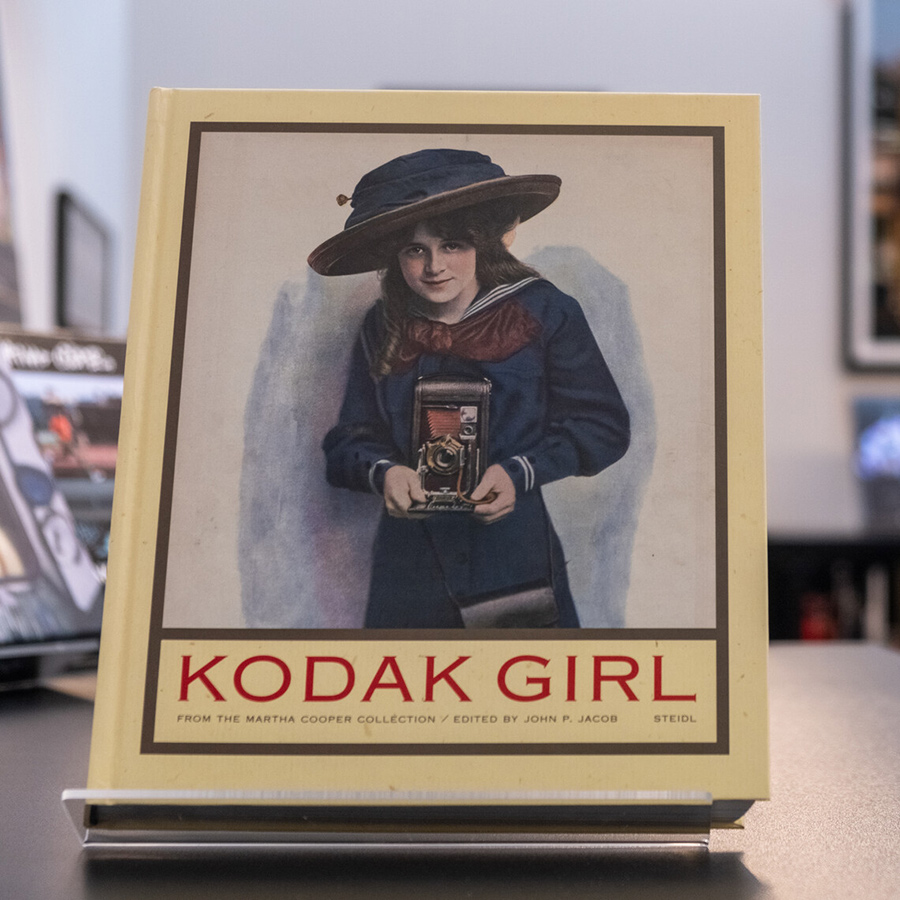
“Kodak Girl: From the Martha Cooper Collection“, edited by John P. Jacob with essays by Alison Nordström and Nancy M. West, provides an in-depth examination of Kodak’s influential marketing campaign centered around the iconic Kodak Girl. With a riveting collection of photographs and related ephemera, the book dives into the intersection of technology, culture, and the role of gender in the late 19th to the mid-20th centuries. It offers readers a comprehensive look at how Kodak not only transformed photography into a widely accessible hobby but also significantly influenced societal perceptions of women.
MARTHA COOPER LIBRARY: BOOK RECOMMENDATION
? | Title: Kodak Girl. From The Martha Cooper Collection / Edited by John P. Jacob ? | Steidl. Germany, 2011 ? | Authors: John P. Jacob, Alison Nordstrom, and Nancy M. West ? | Language: English
This is a new mini-installment from our interview with Michelle Houston about the current show at Urban Nation, LOVE LETTERS TO THE CITY.
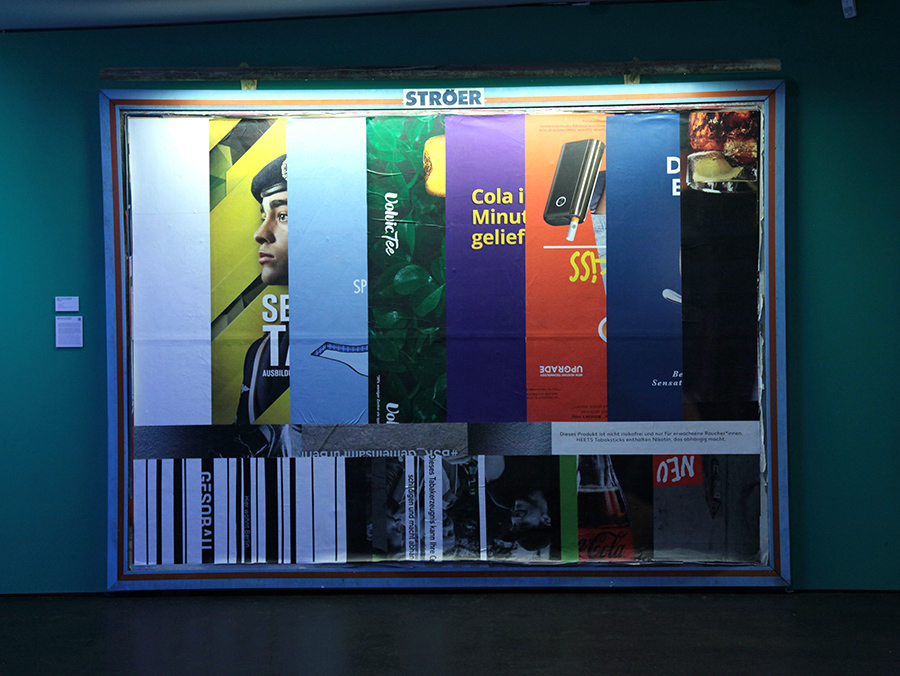
“Why is public space not about public discourse and the things that are happening?,” asks Houston. “Why, have we got cigarette adverts and not conversations about social mobility?”
Even during these cold Berlin winter days, Urban Nation lights a warm fire inside your mind and imagination and gives you ideas to discuss and consider – and questions to ponder. Whose city are we living in?
Video credits: Commissioned by Stiftung Berliner Leben. Shot by Alexander Lichtner & Ilja Braun. Post-production, additional footage, graphics, and a final version by Michelle Nimpsch for YAP Studio/YES, AND… productions GmbH & Co. KG
We’re celebrating the end of one year and the beginning of the next by thanking BSA Readers, Friends, and Family for your support in 2024. Picked by our followers, these photos are the heavily circulated and “liked” selections of the year – shot by our Editor of Photography, Jaime Rojo. We’re sharing a new one every day to celebrate all our good times together, our hope for the future, and our love for the street. Happy Holidays Everyone!
This shot is a favorite for many reasons. We are celebrating seven years since the opening of the Urban Nation Museum with just a handful of curators. It’s exciting to see the Berlin museum continue to grow, reaching new audiences and sharing the ever-evolving story of street art.
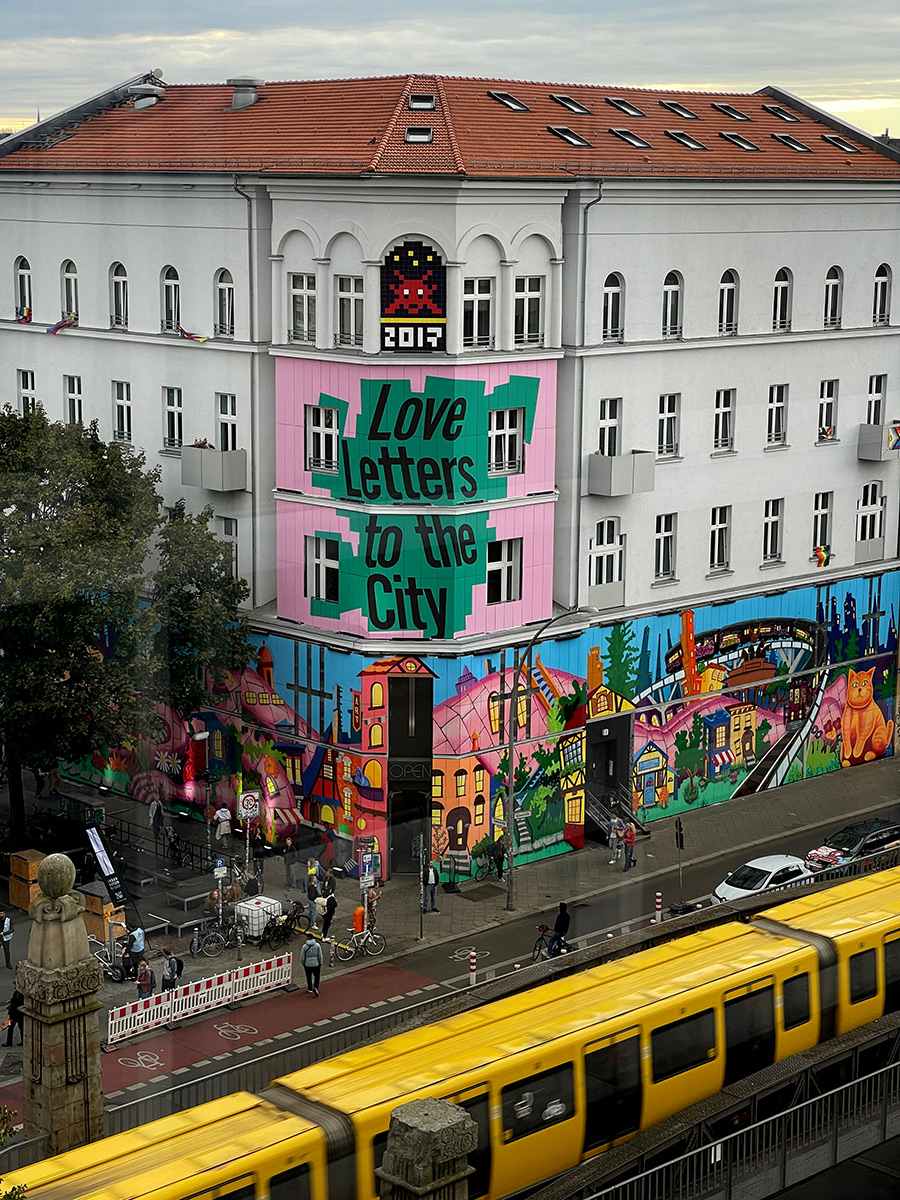
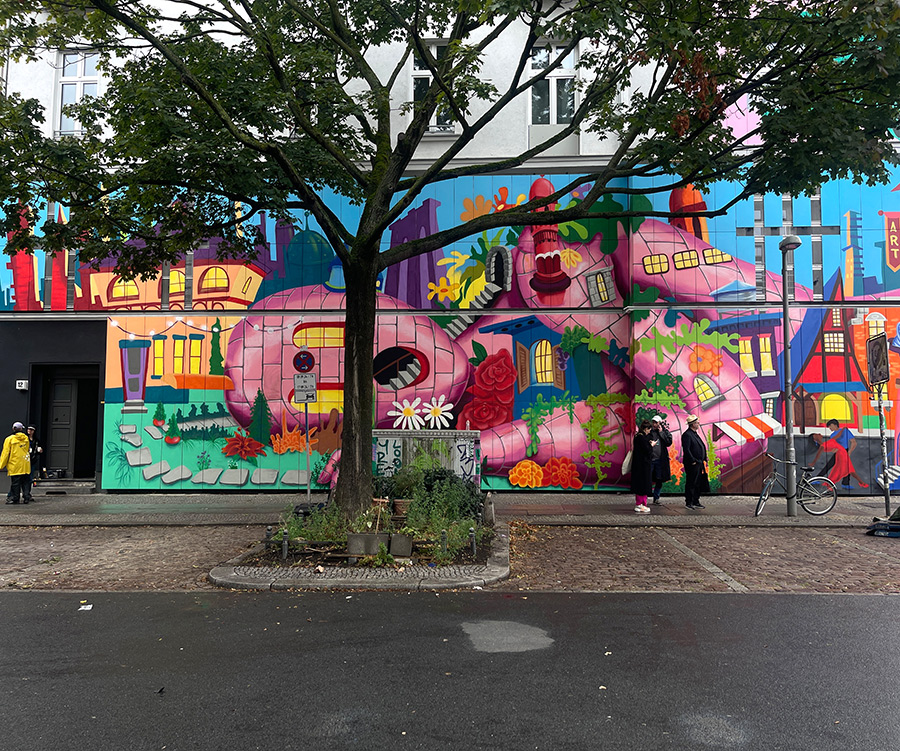
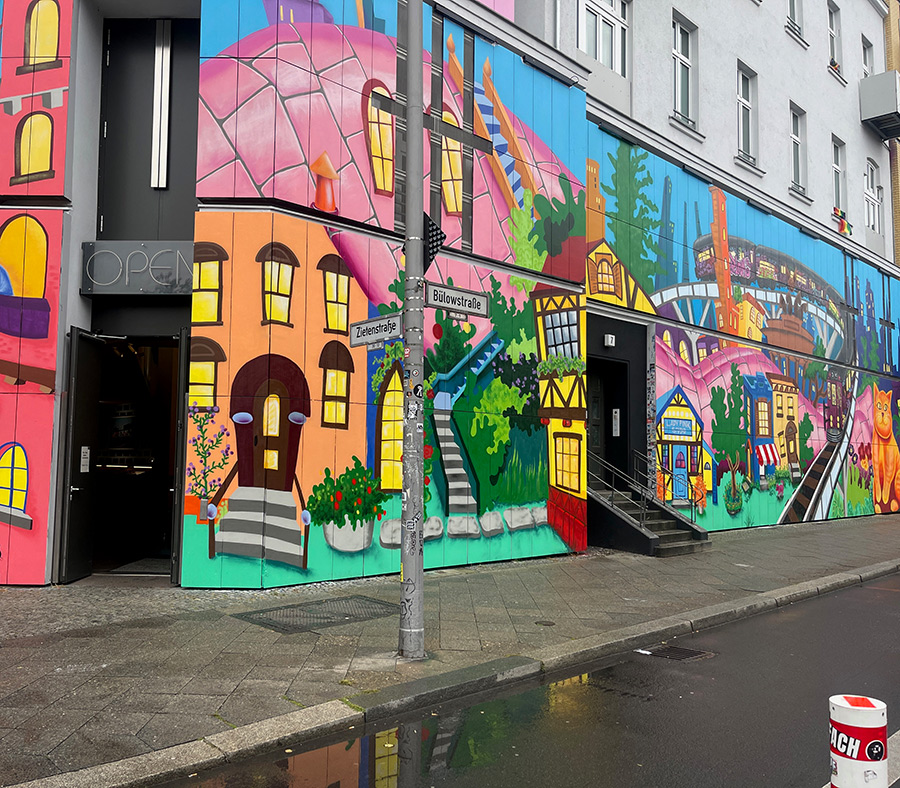
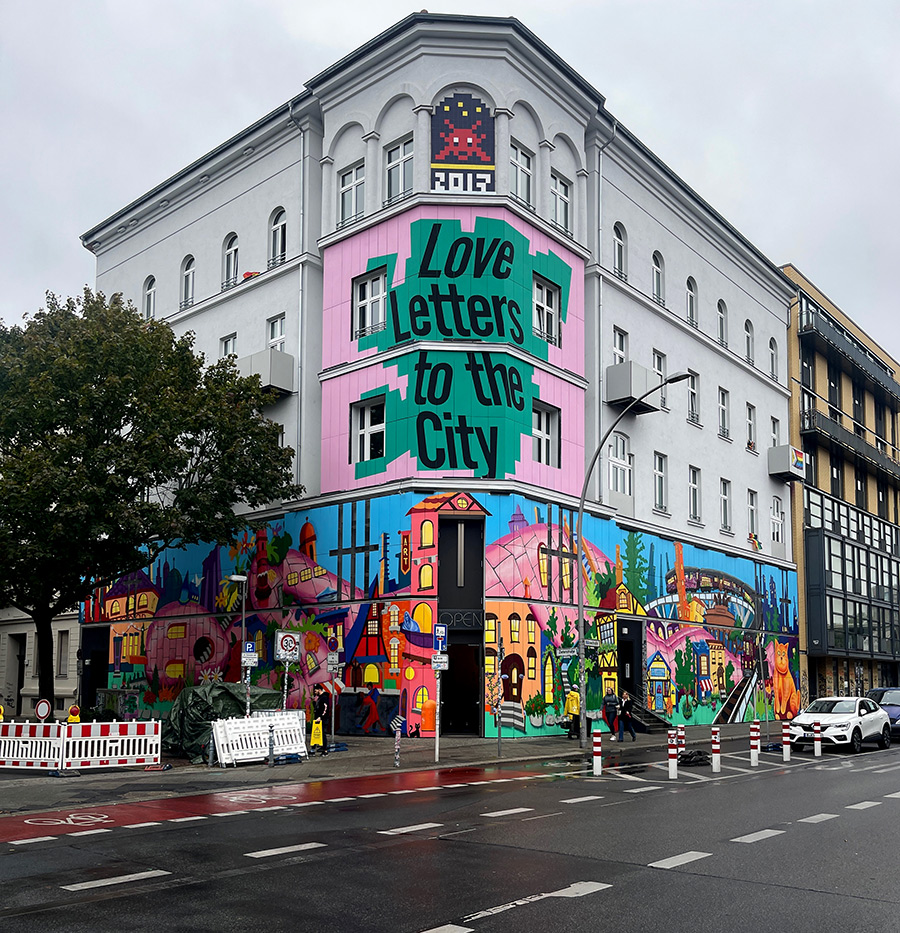
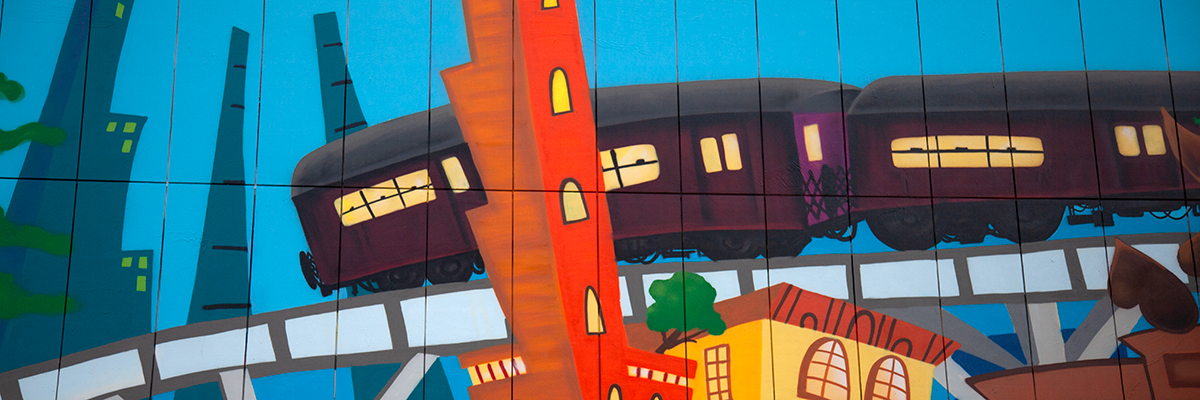
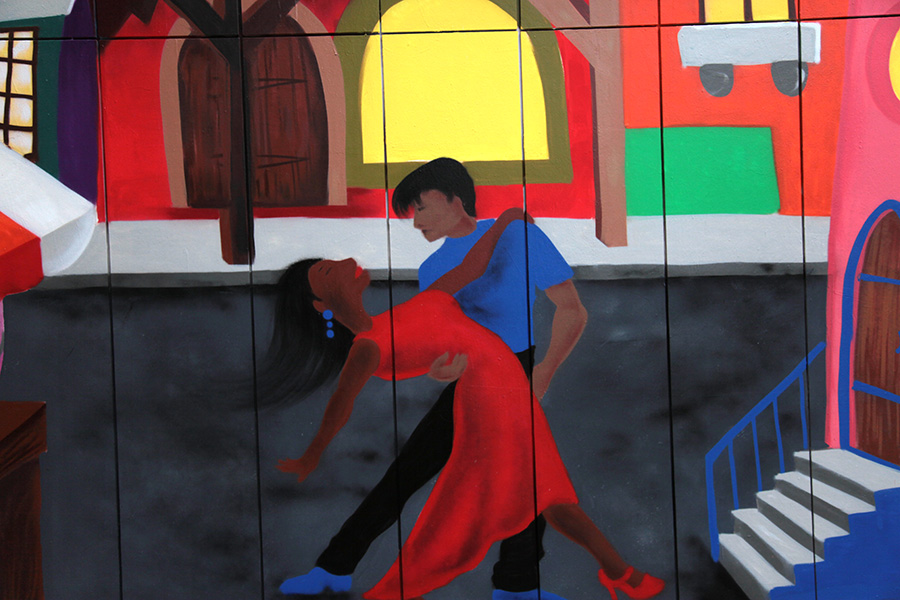
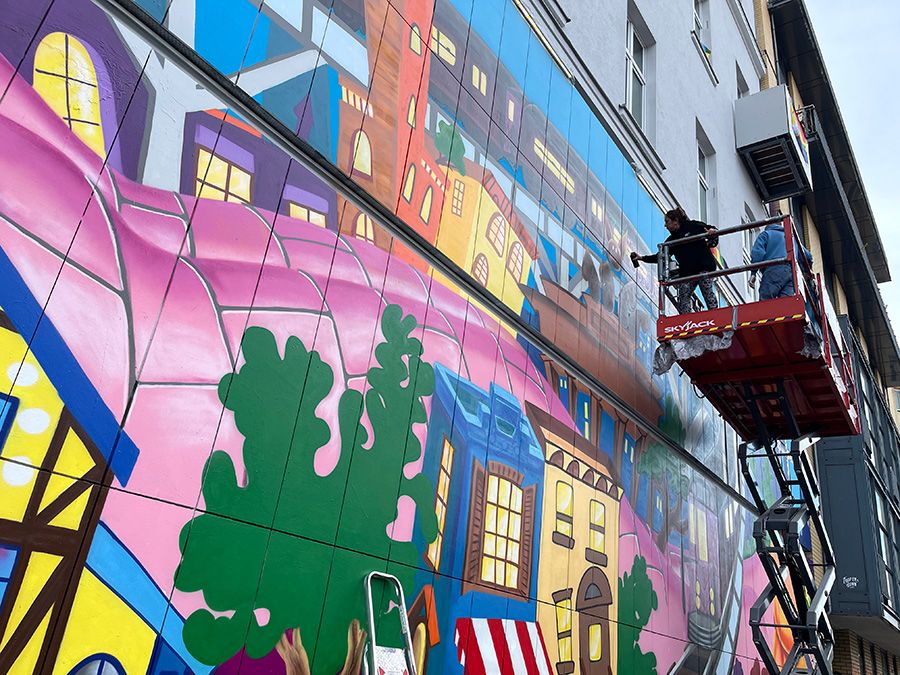
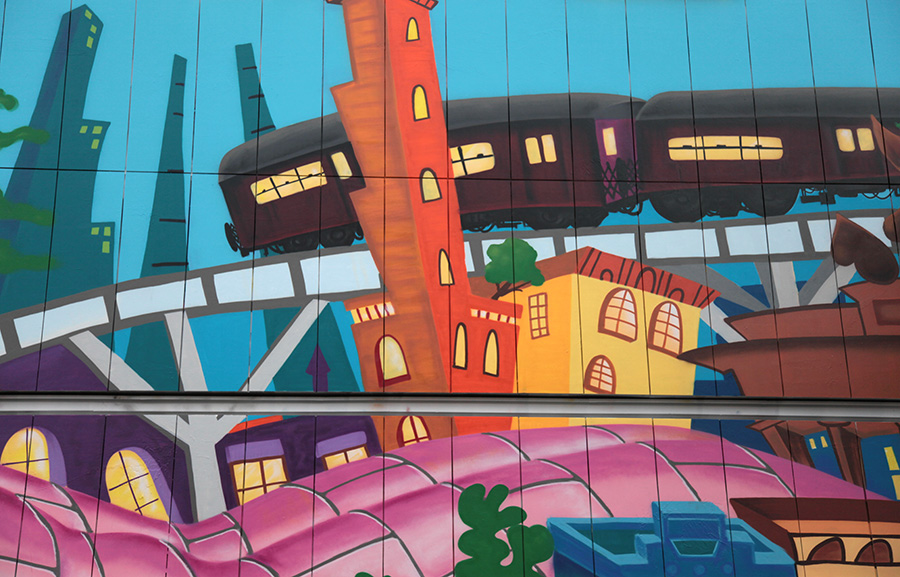
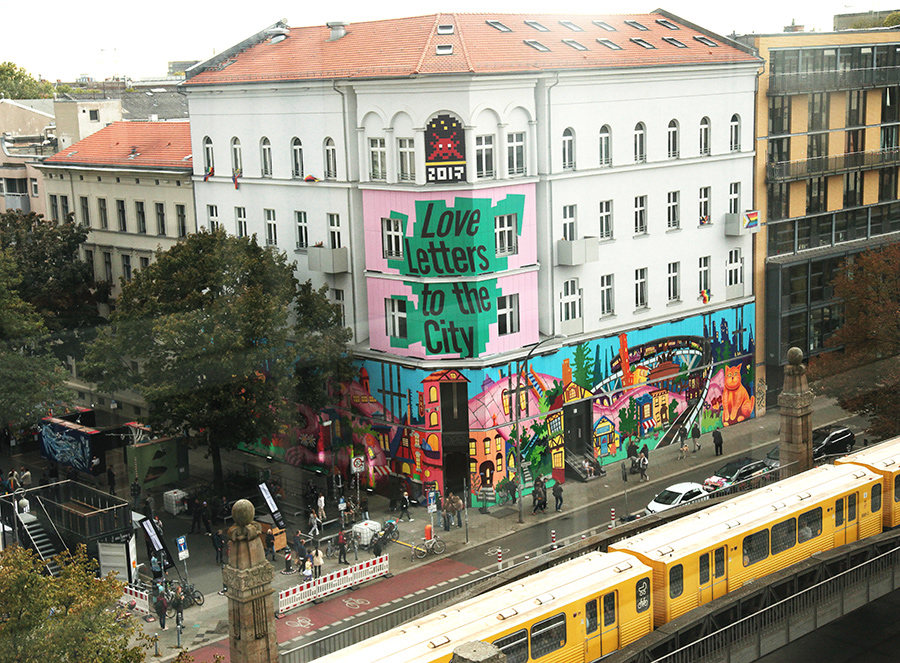
Marking the launch of the new exhibition,Love Letters to the City, the façade features a striking piece by Lady Pink, the legendary New York train writer of the 1970s. Her “love letter” unfolds through a sensuous female form, a nod to both her roots and her enduring voice in the scene. The U2’s section between Bülowstraße and Nollendorfplatz is particularly iconic, and in the foreground, the blazing yellow train rolls by, a vivid reminder that time waits for no one.
Urban Nation’s Love Letters to the City, curated by Michelle Houston, is both an exhibition and a fulsome, sophisticated incantation. It invites audiences to confront the layered realities of urban life through the interpretation of its anonymous visual rebels, graffiti writers, and street artists and a generous representation of activists.
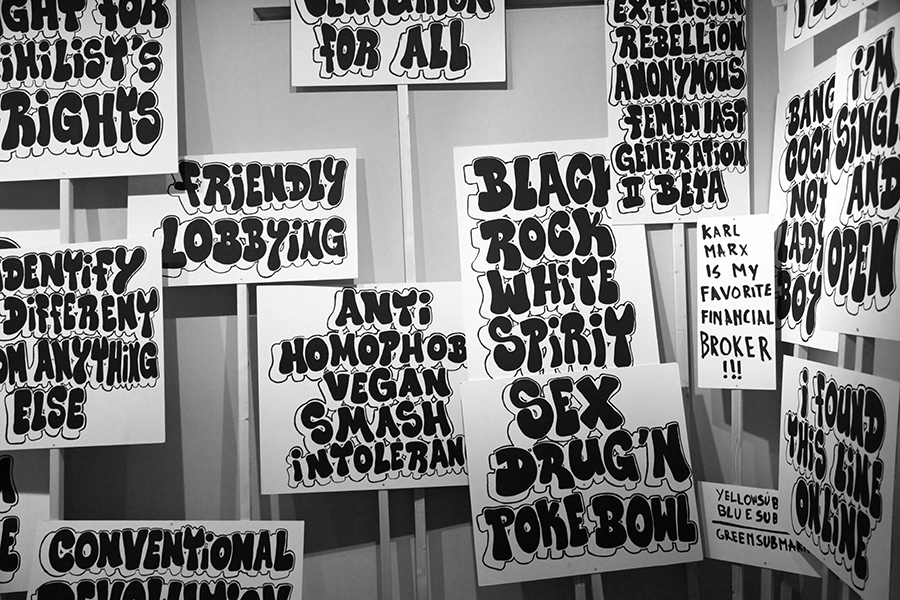
The show embraces the chaotic energy of unsanctioned art in the streets while seeking to decode its deeper meanings. It moves beyond the aesthetic to probe the social and political forces that shape these messages, sometimes manifestos. With themes ranging from urbanization and gentrification to environmental degradation and social inequality, Houston challenges visitors to imagine and reimagine the role of art in public spaces and consider its potential to transform the everyday into something with weight and impact.
“Painting in public spaces is inherently political,” Houston says, emphasizing the power of public art to reflect and react to the environment in which it exists. This exhibition showcases that power, exploring how artists navigate and reinterpret public spaces to create works that are as much about dialogue as they are about visual impact. The concept of “love letters” broadens here to encompass affection, critique, sarcasm, and hope—as multifaceted as the modern city.
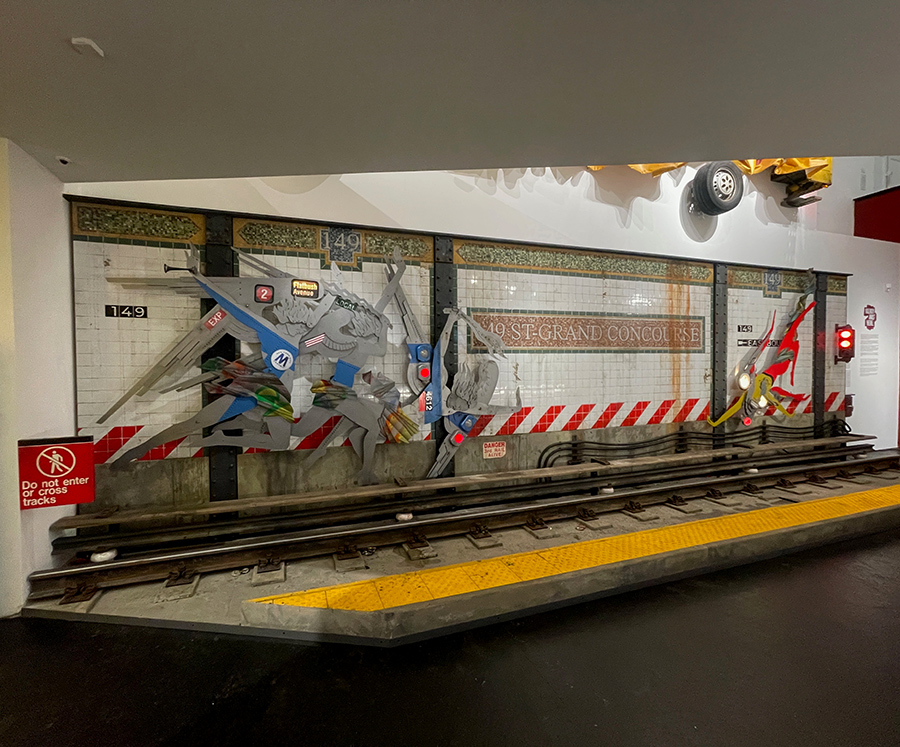
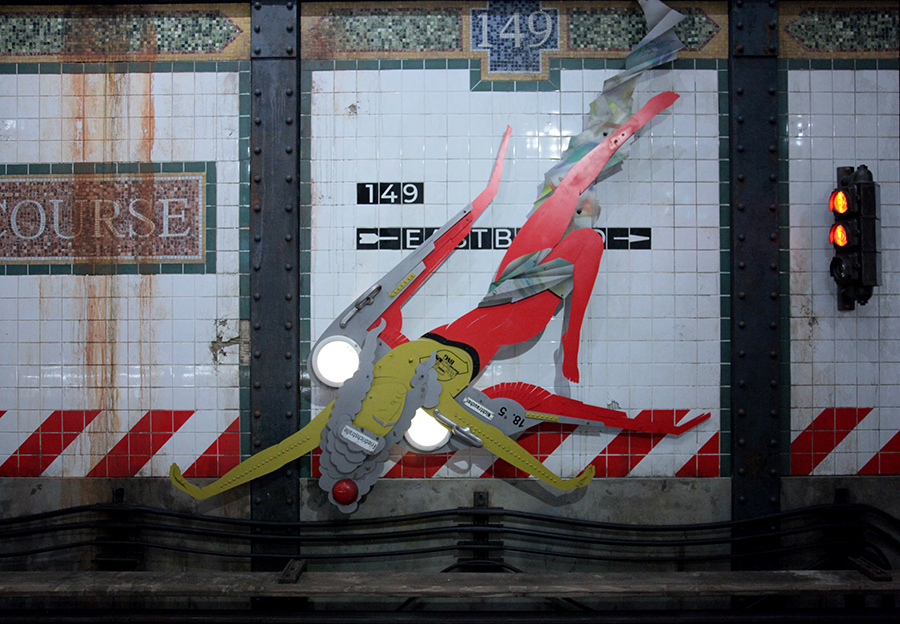
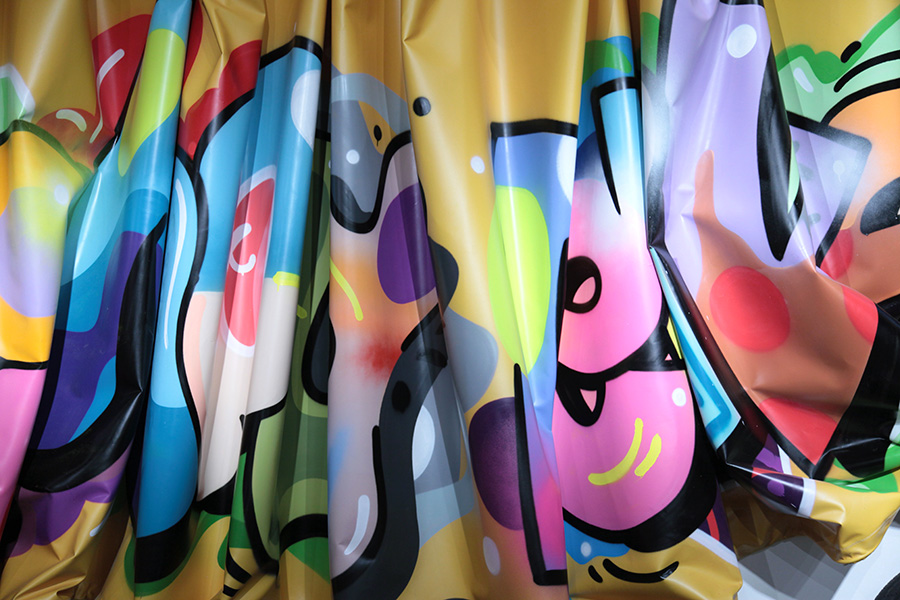
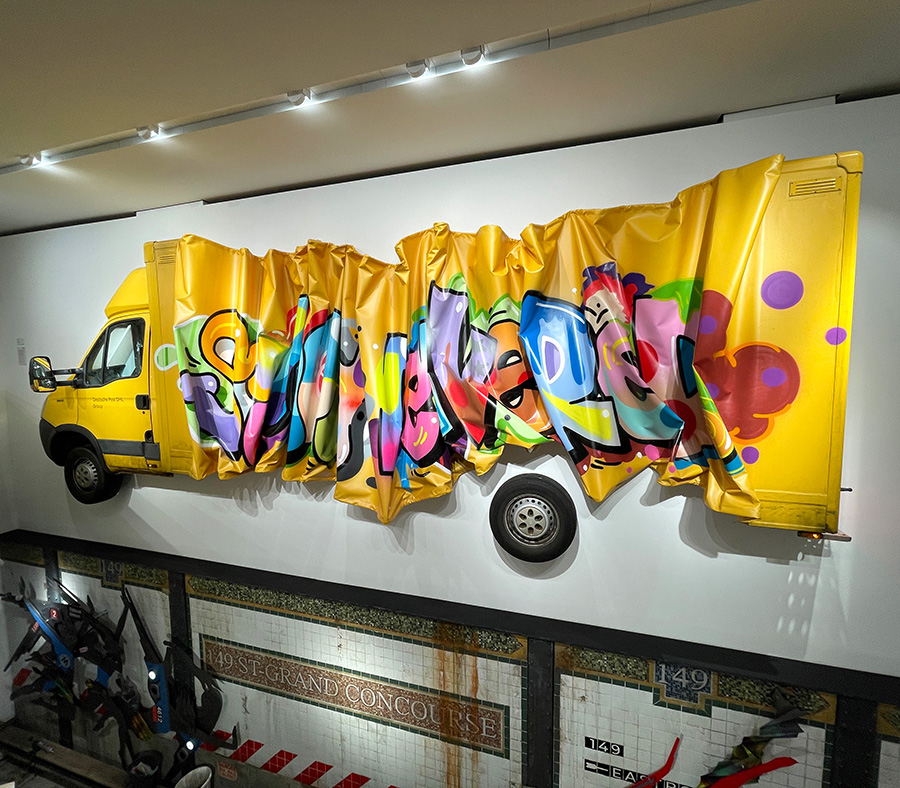
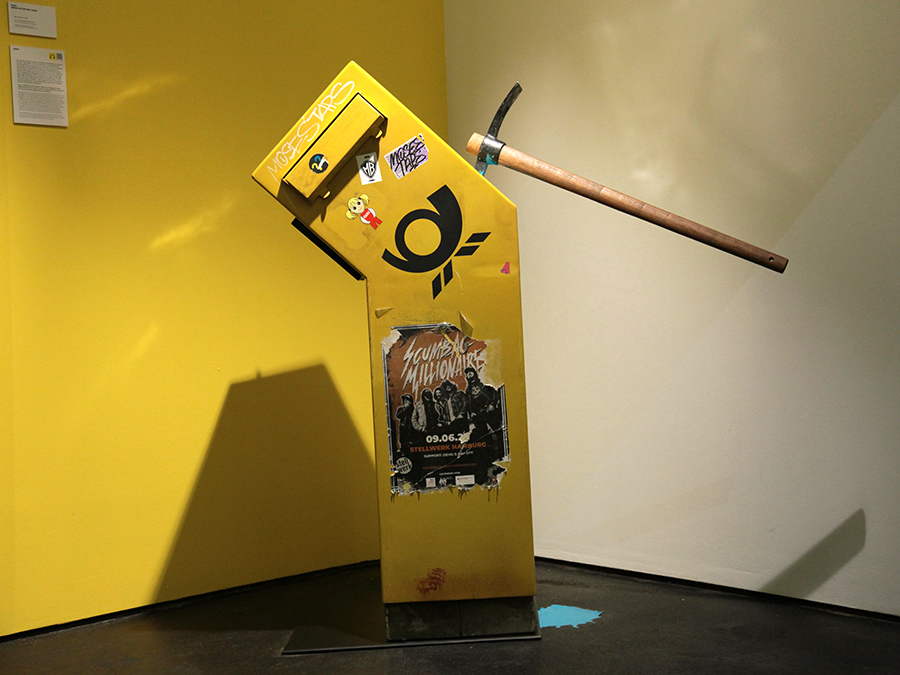
One of the exhibition’s defining features is its indoor and outdoor elements integration. Lady Pink’s monumental mural on Urban Nation’s façade is a vivid testament to her approximately fifty-year legacy of painting on city walls and the interconnected histories of New York and Berlin. Her work, swirling with trains and iconic tags, serves as a personal love letter and a broader commentary on the universal city—a place of movement, reinvention, and resilience. Inside, installations like Moses & Taps’ suspended parcel truck and Rocco and His Brothers’ reconstructed graffiti writers’ benches disrupt the museum space with some of the raw energy of the street, blurring the lines between the institution and the public sphere.
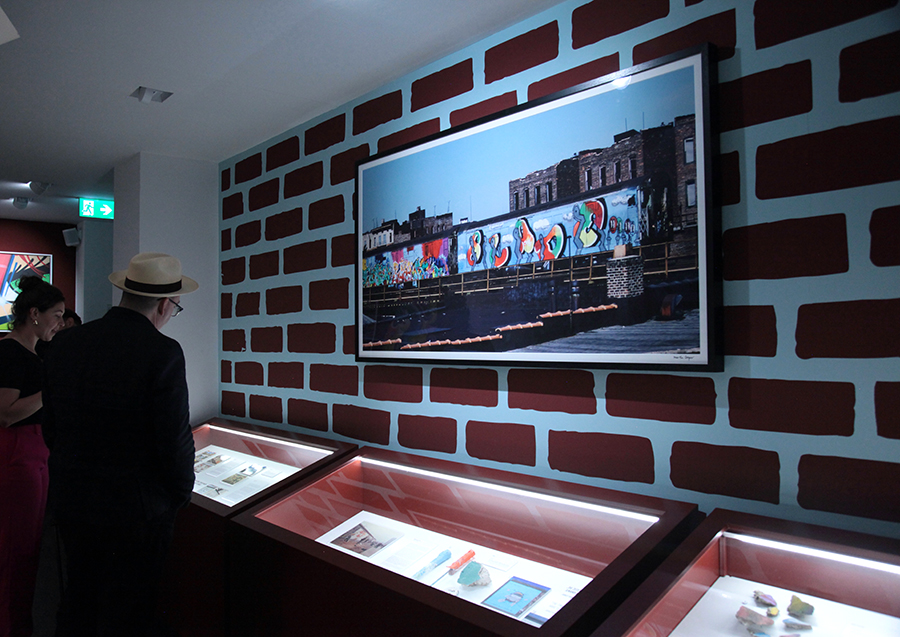
The show also delves into Berlin’s complex history with walls and paint, with artifacts from the Stiftung Berliner Mauer prompting viewers to consider the dualities of oppression and liberation that define the city’s narrative.
“What is it about the glorification of a symbol of oppression by painting one side, and how was that commercialized?” Houston asks, pushing audiences to think critically about how art interacts with history and commodification. These questions resonate deeply in a city where the walls bear witness to decades of struggle and transformation.
The exhibition combines an impressive roster of artists, from early pioneers like Blek le Rat and Shepard Fairey to contemporary innovators like Bordalo II and Jazoo Yang. Each work offers a distinct perspective on the urban experience, whether through critiques of environmental decay, explorations of social identity, or celebrations of urban resilience. Houston’s curation creates space for these voices to intersect, offering unity and tension as the exhibition’s themes unfold.
At its heart, Love Letters to the City is a call to reconsider how we interact daily with the designed/built/neglected/destroyed human-made environment. It asks us to see the city as a backdrop and an active participant in our lives—a canvas where personal and collective histories collide.
As Houston asserts, “Paint in public space has a different potency in the city than anywhere else.” That potency lies in its immediacy, ability to provoke, offend, and inspire, and capacity to reflect urban life’s complexities. Through this exhibition, Urban Nation affirms the enduring relevance of this kind of public art and its power to illuminate the cities we call home.
2501, Banksy, Blek le Rat, Bordalo II, Carlos Mare aka Mare139, Chop ’em Down Films, Crash, Dan Witz, Daze, Drew. Lab_One, Elfo, Evol, HA Schult, HOGRE, Isaac Zavale, James Reka, Jaune, Jazoo Yang, Joel Daniel Phillips, Johannnes Mundinger, Jordan Seiler, Kenny Scharf, Lady Pink, Liviu Bulea, Martha Cooper, Matthew Grabelsky, MILLO, Moses & Taps, Nika Kramer, Octavi Serra, Owen Dippie, OX, PAINTING DHAKA Project, Mr. Paradox Paradise, Rocco and his brothers, Sebas Velasco, Shepard Fairey, Stephanie Buer, Stiftung Berliner Mauer, Stipan Tadić, Susanna Jerger, Tats Cru, THE WA, Vhils, and Zhang Dali.
Video credits: Commissioned by Stiftung Berliner Leben. Shot by Alexander Lichtner & Ilja Braun. Post-production, additional footage, graphics, and a final version by Michelle Nimpsch for YAP Studio/YES, AND… productions GmbH & Co. KG
LOVE LETTERS TO THE CITY
September 14, 2024 – May 30, 2027. For a schedule of events, hours of operation, directions, and more details click HERE
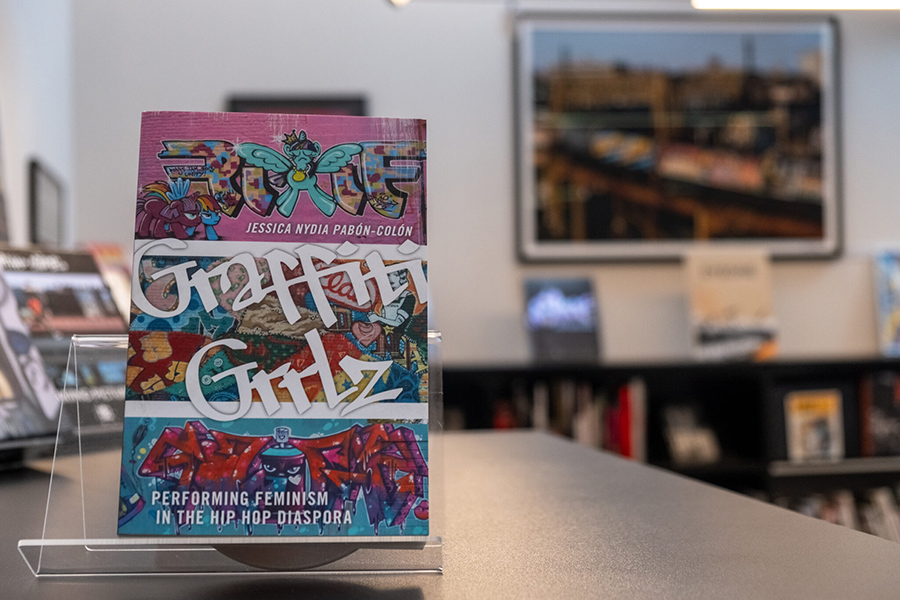
Graffiti Grrlz: Performing Feminism in the Hip Hop Diaspora. Jessica Nydia Pabón-Colón. 2018
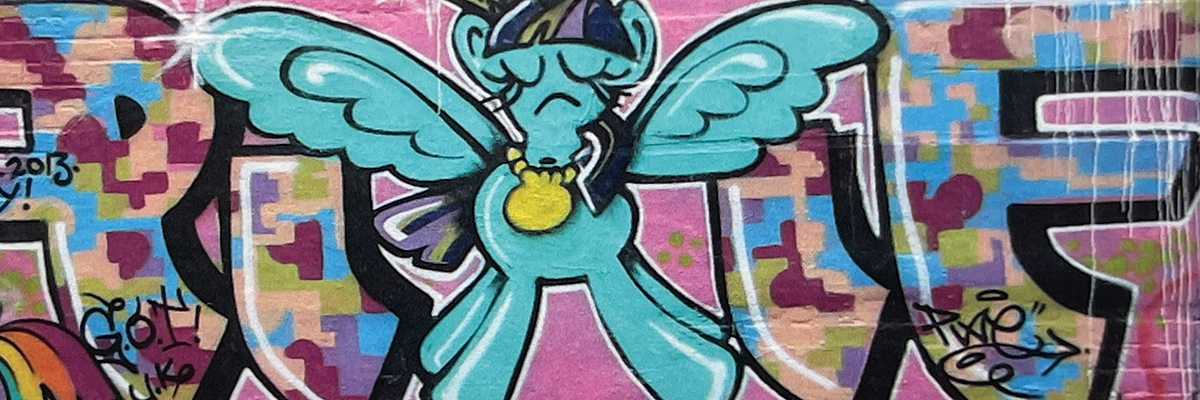
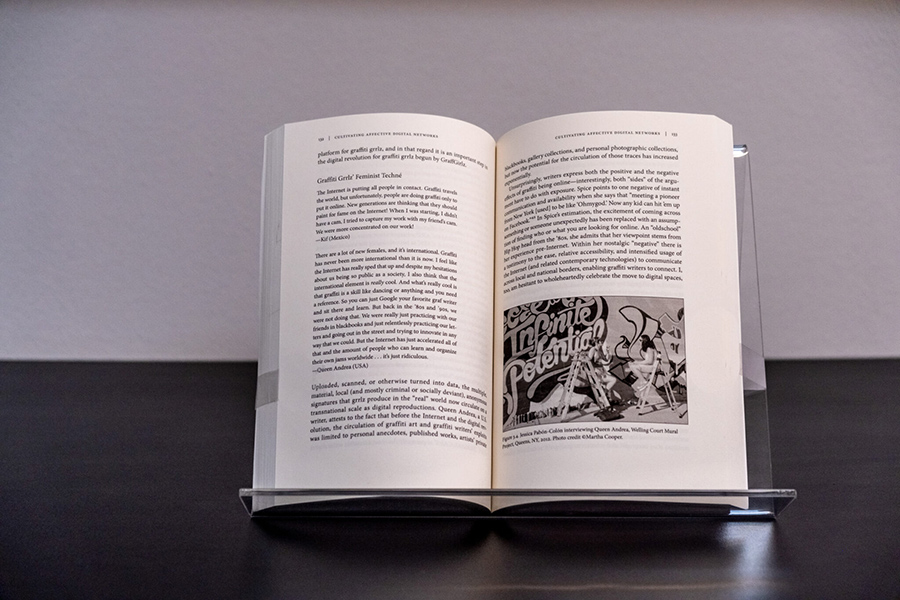
“Graffiti Grrlz: Performing Feminism in the Hip Hop Diaspora” by Jessica Nydia Pabón-Colón provides an insightful look into the world of women graffiti artists, challenging the perception that graffiti is a male-dominated subculture. This book highlights the contributions of over 100 women graffiti artists from 23 countries, showcasing how they navigate, challenge, and redefine the graffiti landscape.
From the streets of New York to the alleys of São Paulo, Pabón-Colón explores the lives and works of these women, presenting graffiti as a space for the performance of feminism. The book examines how these artists build communities, reshape the traditionally masculine spaces of hip hop, and create networks that lead to the formation of all-girl graffiti crews and painting sessions. This aspect is particularly useful in understanding how digital platforms have broadened the reach and impact of women graffiti artists, facilitating connections and collaborations worldwide.
MARTHA COOPER LIBRARY: BOOK RECOMMENDATION
? | Title: Graffitti Grrlz: Performing Feminism in the Hip Hop Diaspora ? | NYU Press; 1st edition (June 22, 2018) ? | Authors: Jessica Nydia Pabón-Colón ? | Language: English
Book Review by Steven P. Harrington & Jaime Rojo / Brooklyn Street Art for the Martha Cooper Library at Urban Nation Museum, Berlin, Germany.
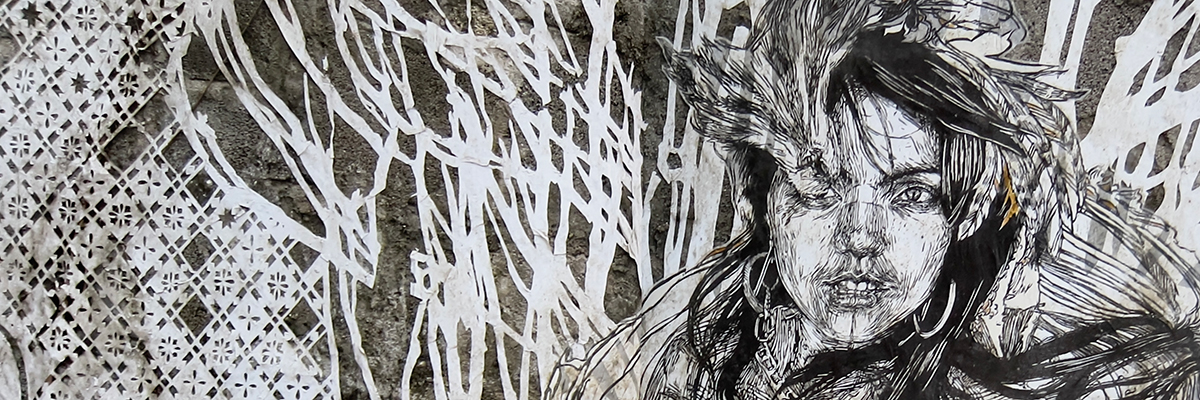
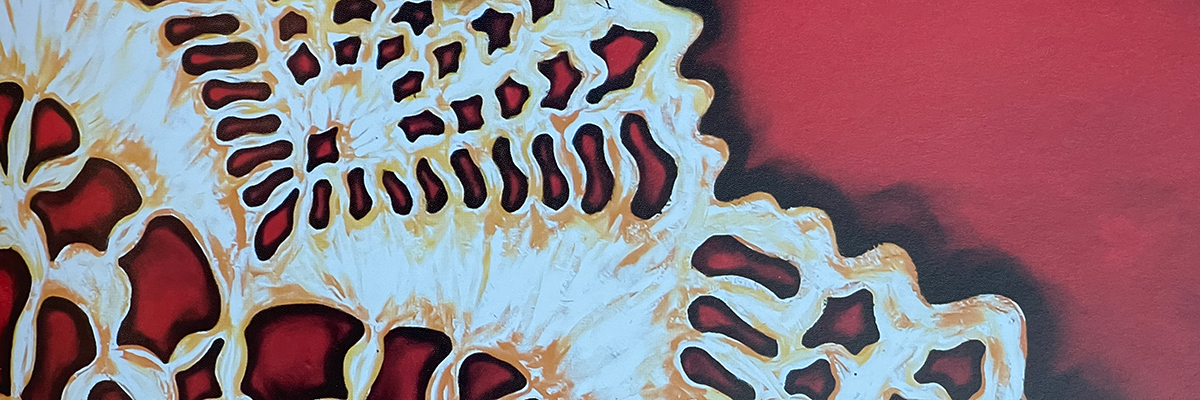
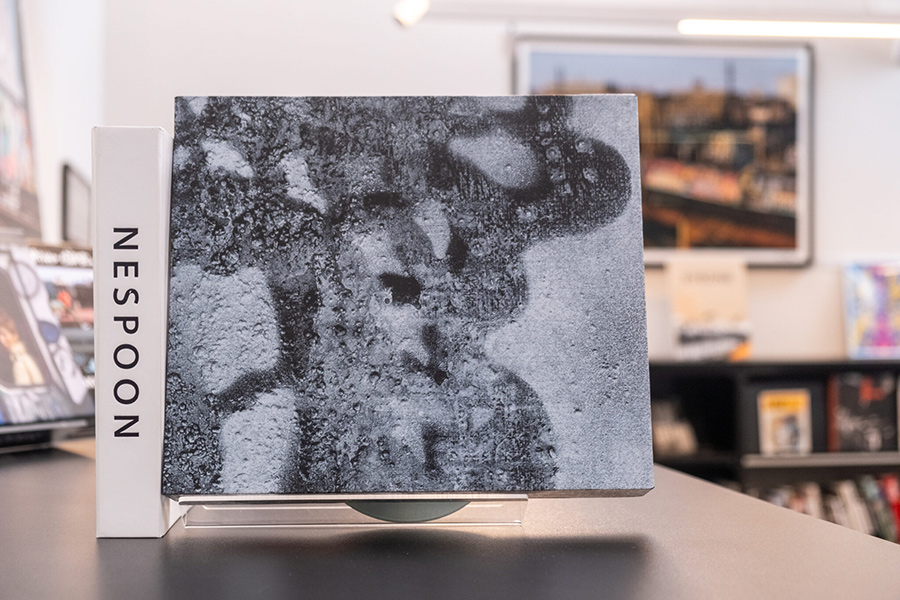
“NeSpoon,” a monograph on the work of the Polish artist, provides a comprehensive examination of her unique integration of lace patterns into urban and natural landscapes. The book, limited to 111 copies, each spanning over 420 pages, showcases the artist’s extensive portfolio and delves into the anthropology, cultural, and historical significance underlying her chosen medium.
“Why lace? It just came to me. Lace chose me, not the other way around. I’ve never liked lace. Before I started working with it, I thought lace was something old-fashioned, from a grandmother’s dusty apartment. Today it seems to me that each lace harbors harmony, balance and a sense of natural order. Isn’t that just what we are all searching for instinctively?”
~ NeSpoon
NeSpoon revitalizes the traditional craft of lace-making, tracing its roots back to the mid-sixteenth century in Venice and Flanders. This blend of past and present is a recurring theme in her art, as she applies centuries-old designs to contemporary settings. Beyond aesthetic enhancement, her projects aim to instill harmony and natural order—qualities she believes are inherent in lace patterns. CLICK URBAN NATION BERLIN TO CONTINUE READING.
Text: Steven P. Harrington and Jaime Rojo, Photos: Sebastian Kläbsch
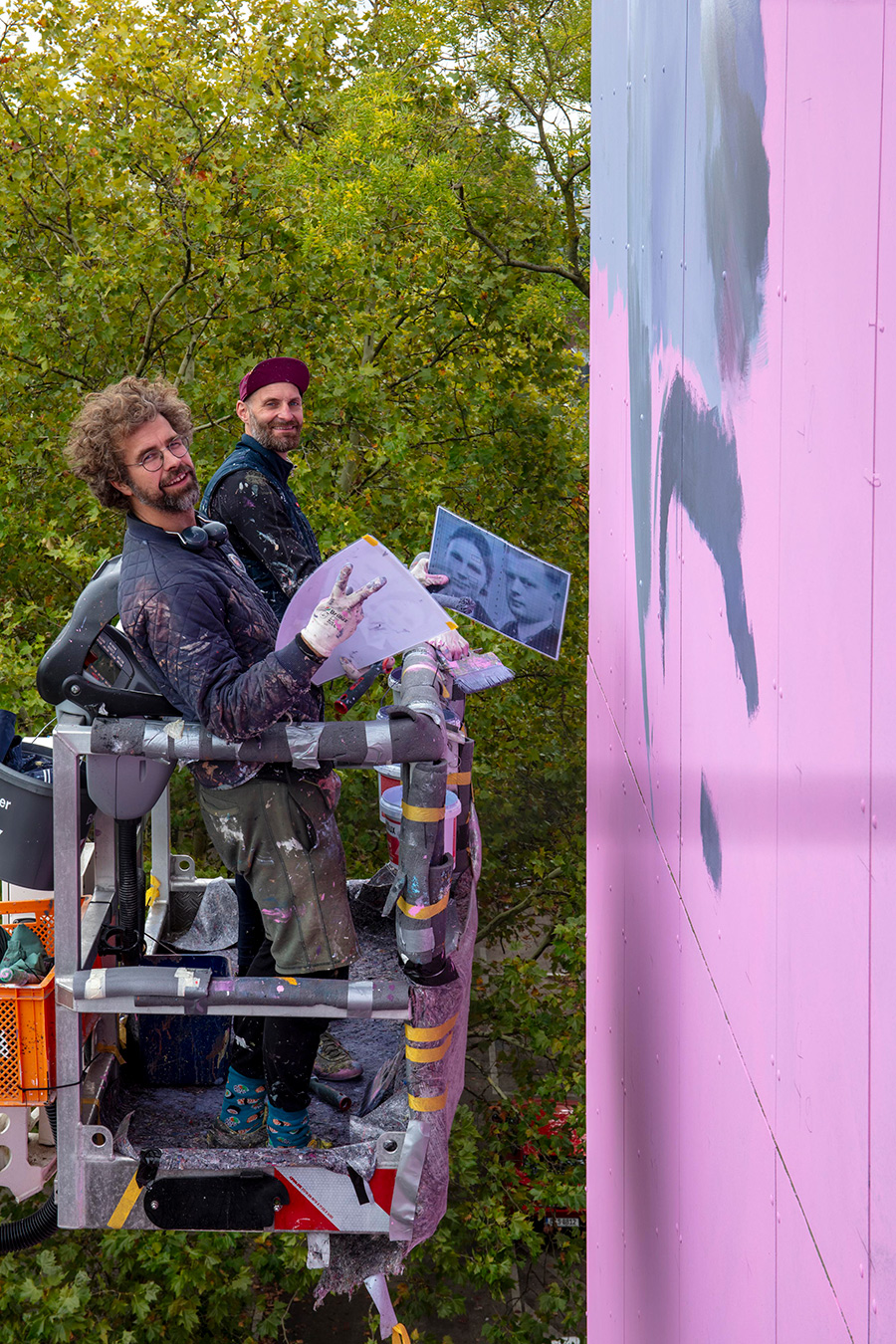
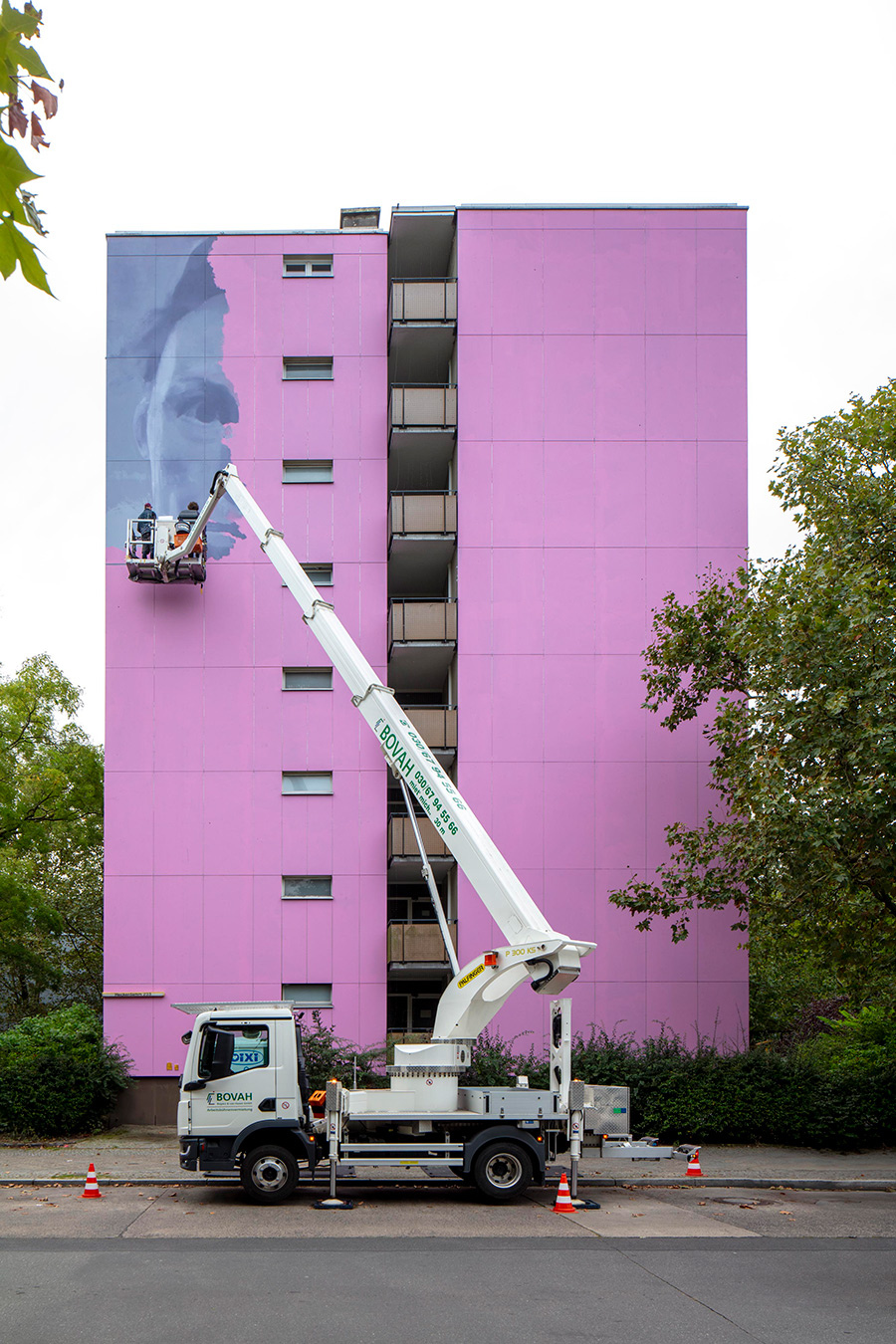
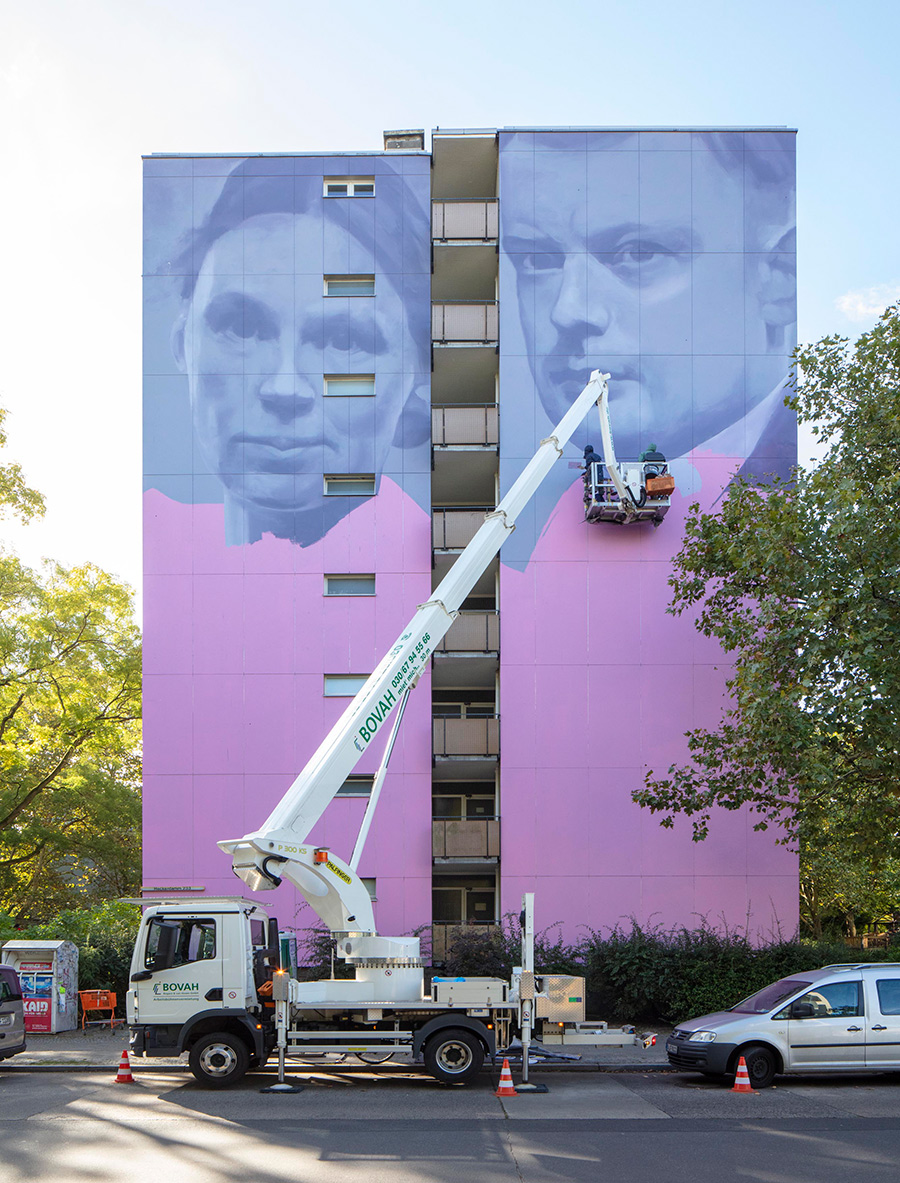
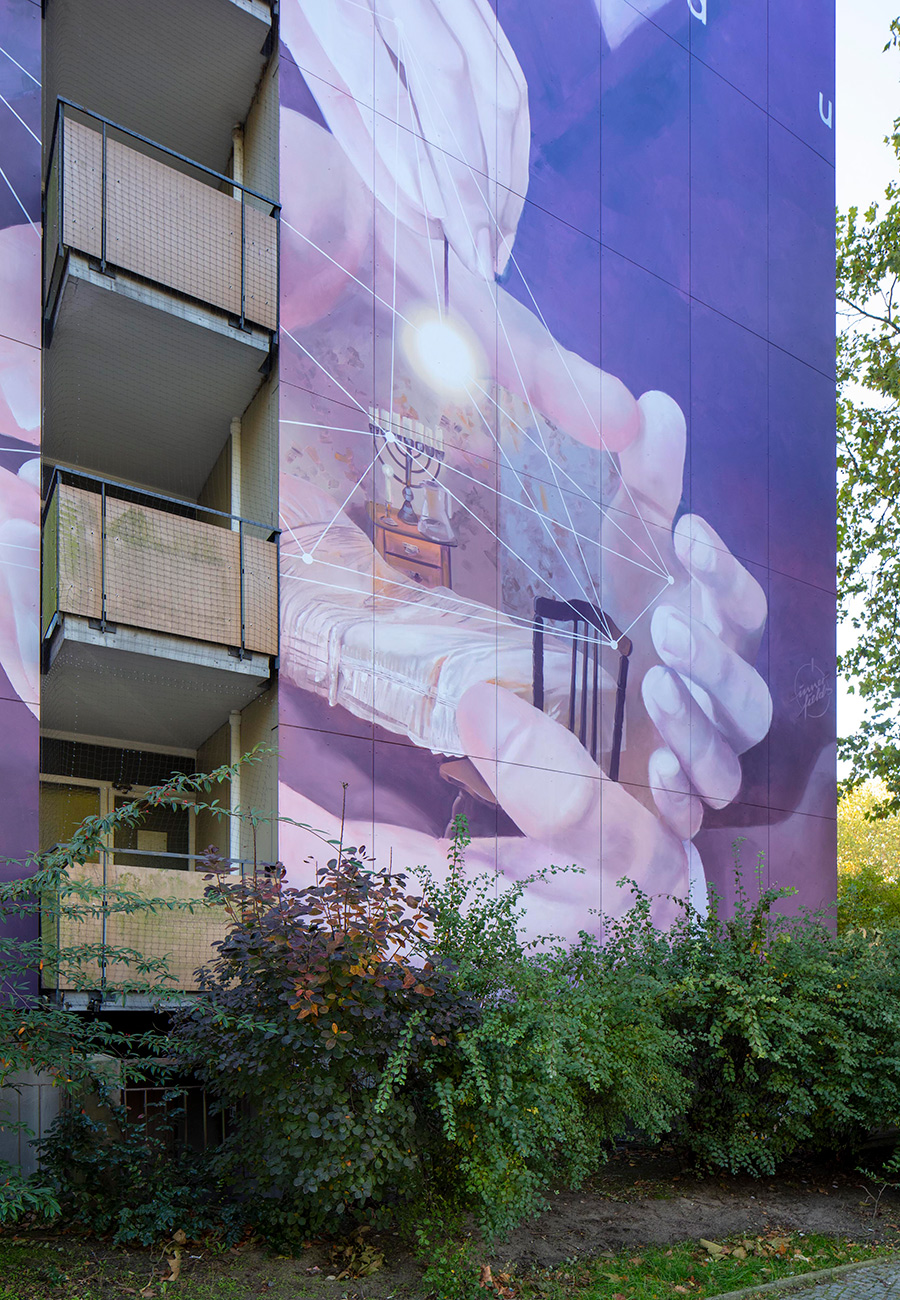
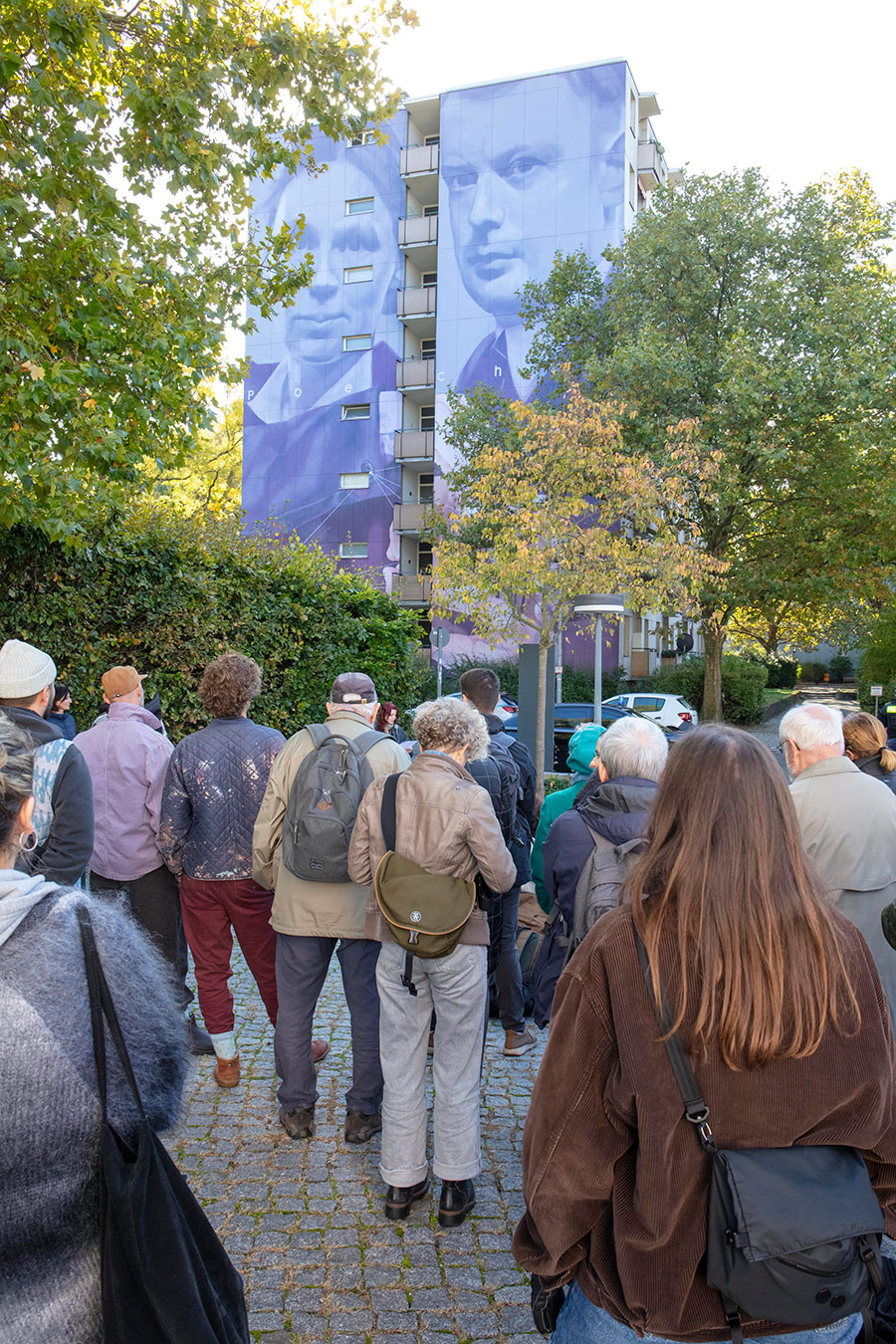
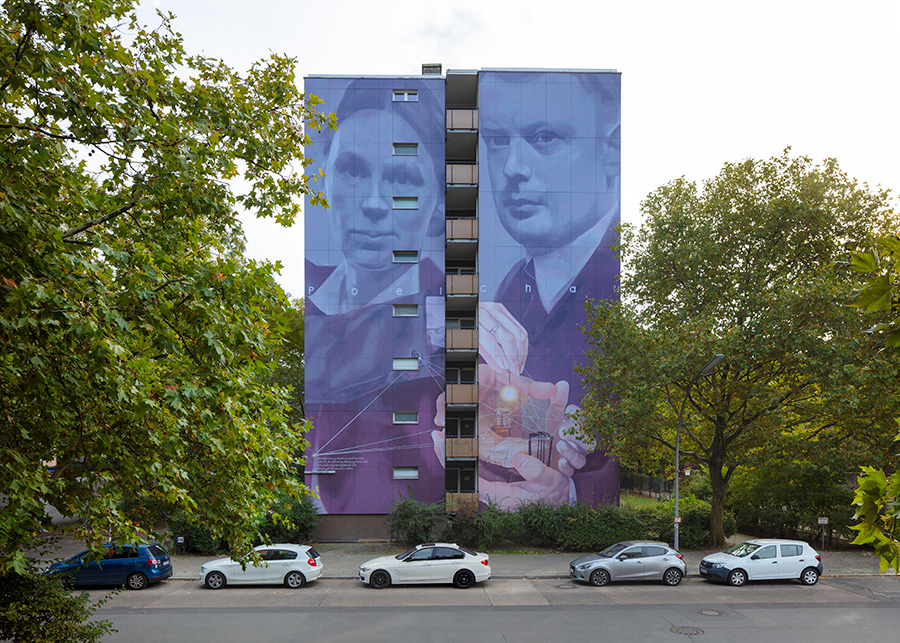
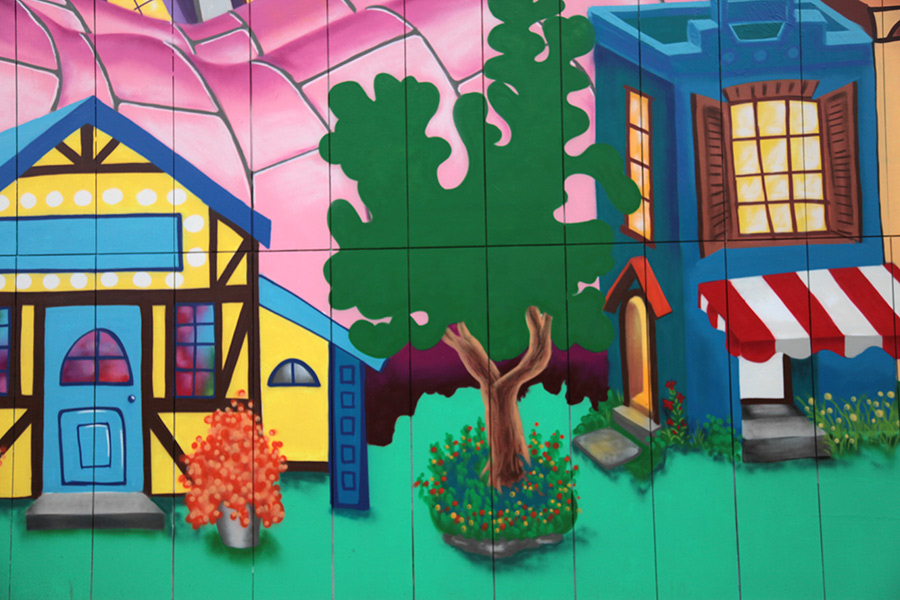
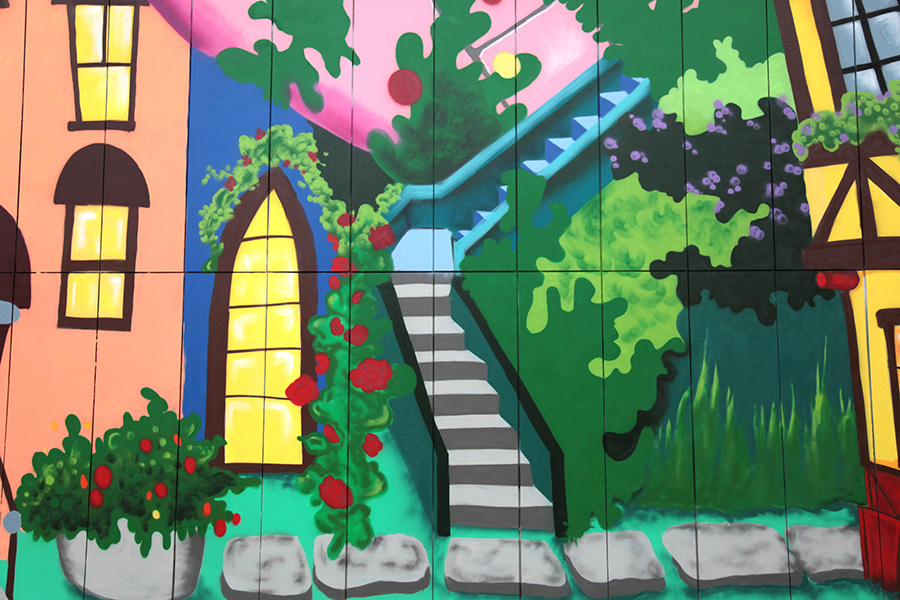
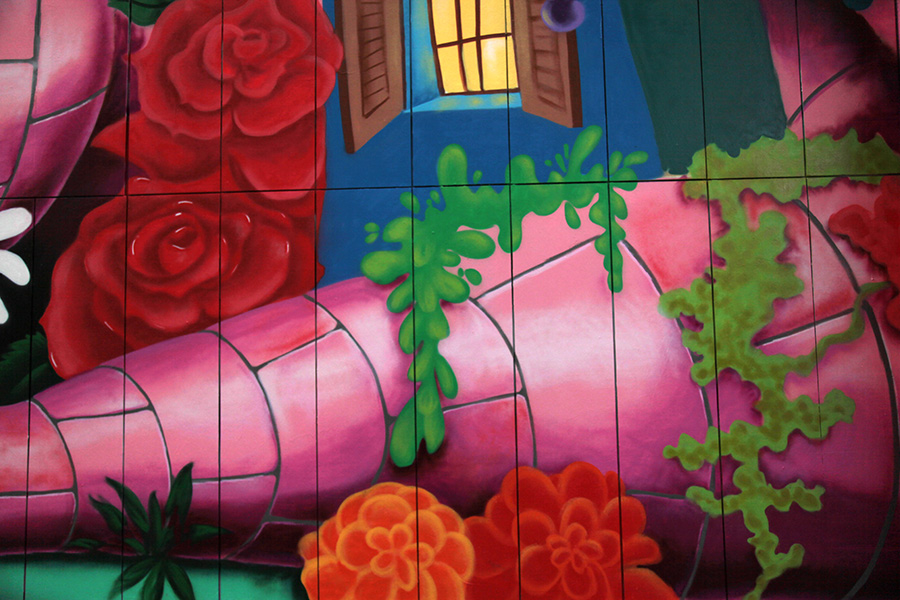
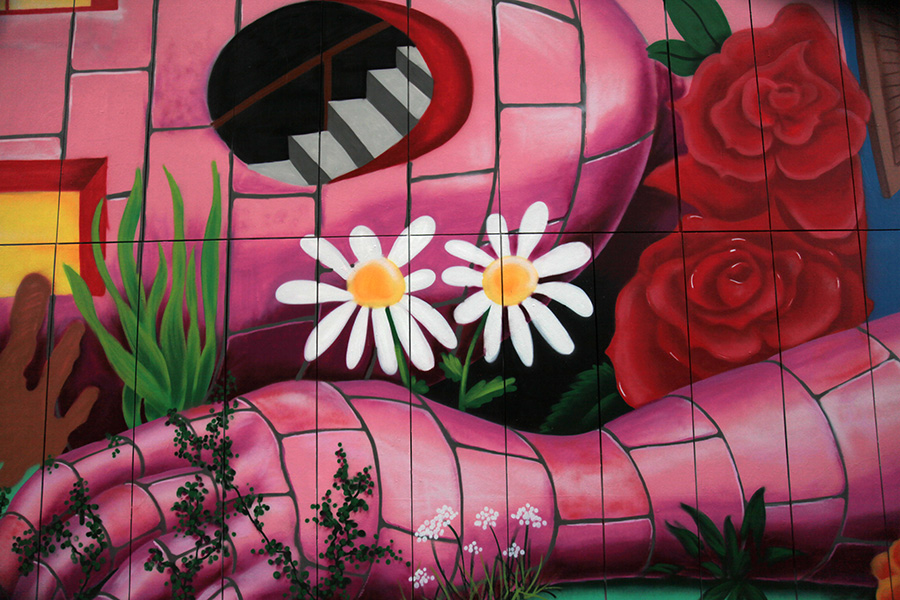
The newest mural by Innerfields marks a powerful addition to Berlin’s urban cityscape, installed as part of the ONE WALL initiative by Urban Nation. This Berlin-based street art duo, Holger Weißflog and Jakob Tory Bardou, has created a moving tribute to Dorothee and Harald Poelchau, who bravely sheltered those persecuted during the Nazi era. The mural, located on the façade of a Gewobag building in Charlottenburg-Nord, draws on Innerfields’ signature photorealistic style with a blend of surrealist and symbolic elements, visually narrating a story of courage, protection, and human resilience.
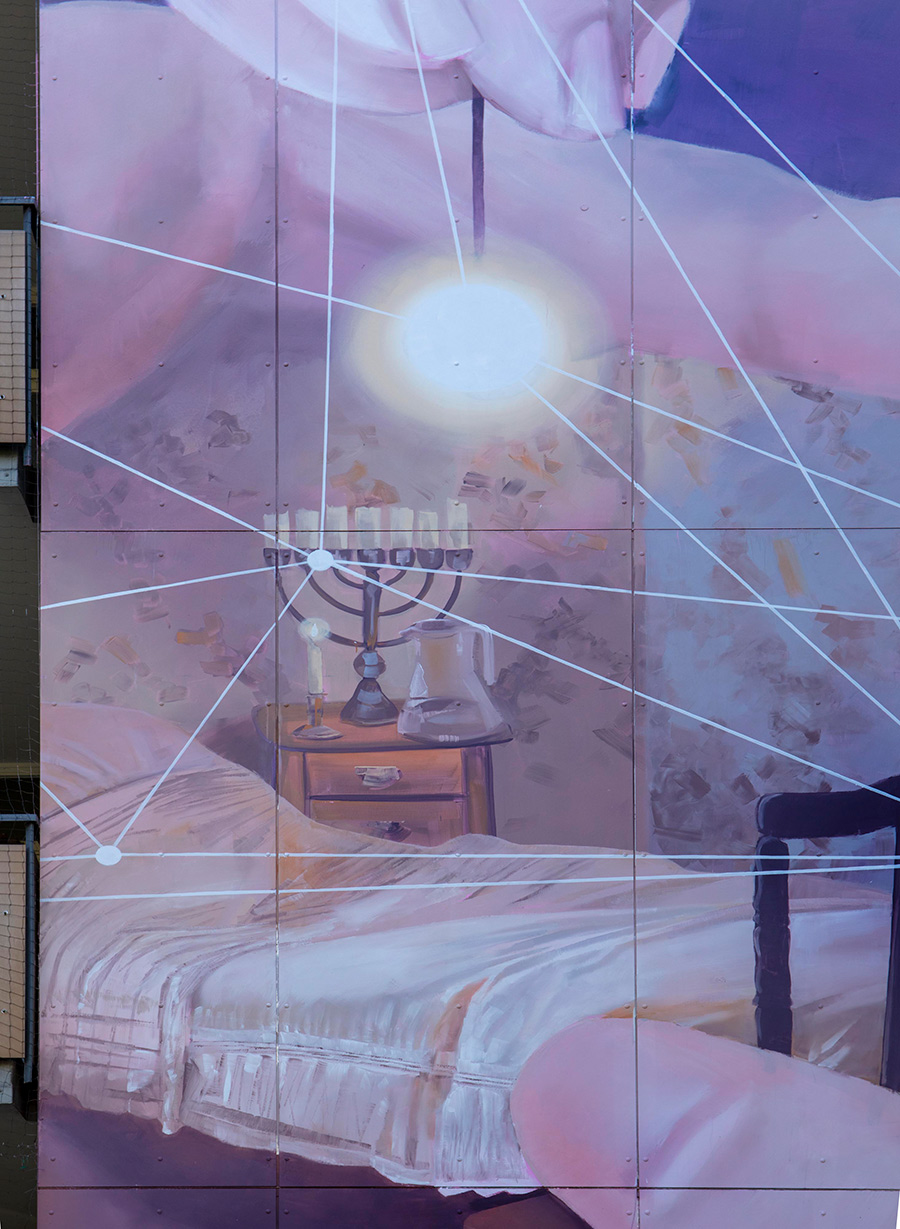
Central to the mural are the intertwined hands of Dorothee and Harald, symbolizing the physical and emotional sanctuary they offered to those in need. Dorothee holds a light, a gesture conveying warmth and hope amid adversity, while a menorah placed nearby serves as a poignant reminder of the Holocaust. Lines weave through these elements, subtly representing the network of resistance that the Poelchaus supported, embodying a collective strength defying oppression.
Originally a trio with artist Veit Tempich, Innerfields has painted murals worldwide, from Berlin, Hamburg, and Cologne to Aalborg, Prague, and Hong Kong. Known for tackling themes of human interaction, technology, and environmental consciousness, Innerfields employs a unique fusion of realism, surrealism, and abstraction; theirs is a unique reflection on society’s dynamics. Their work has appeared at prestigious events like Out in the Open in Aalborg and the Wall Street Festival in Prague, as well as in galleries like ATM Gallery in Berlin and 30works Gallery in Cologne.
Here, we see how Innerfields brings historical remembrance into the present, creating a public artwork and a newly living memorial. The project involved students from the Anna Freud School, who engaged with the mural’s themes, enhancing their understanding of resistance and actively participating in Berlin’s evolving culture of remembrance. The mural, initially surprising to some in the community with its bright pink primer, it now appears to resonate deeply with locals, fostering a sense of shared history and identity. It is just the latest showing Innerfields’ commitment to creating meaningful public art that honors the past and inspires the future.
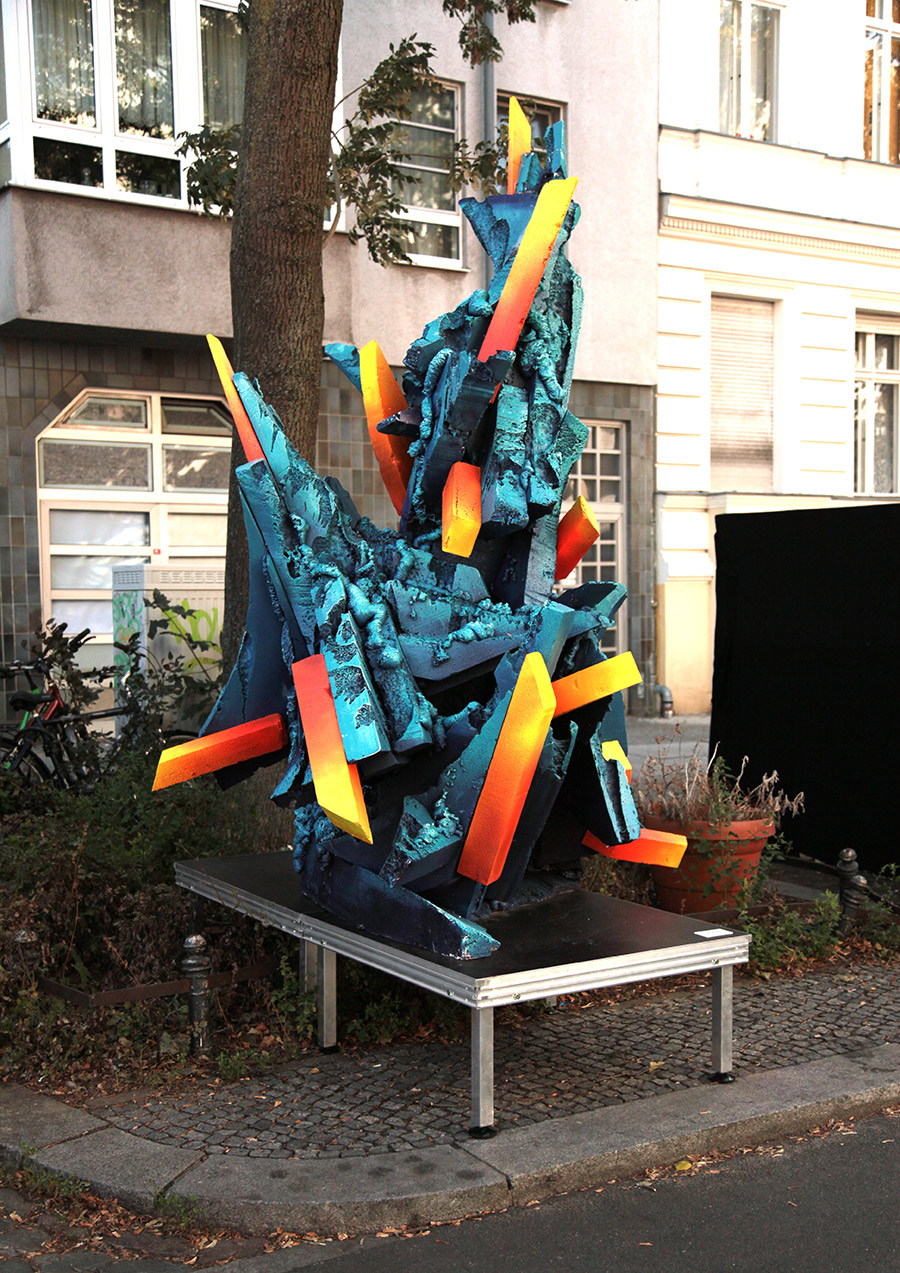
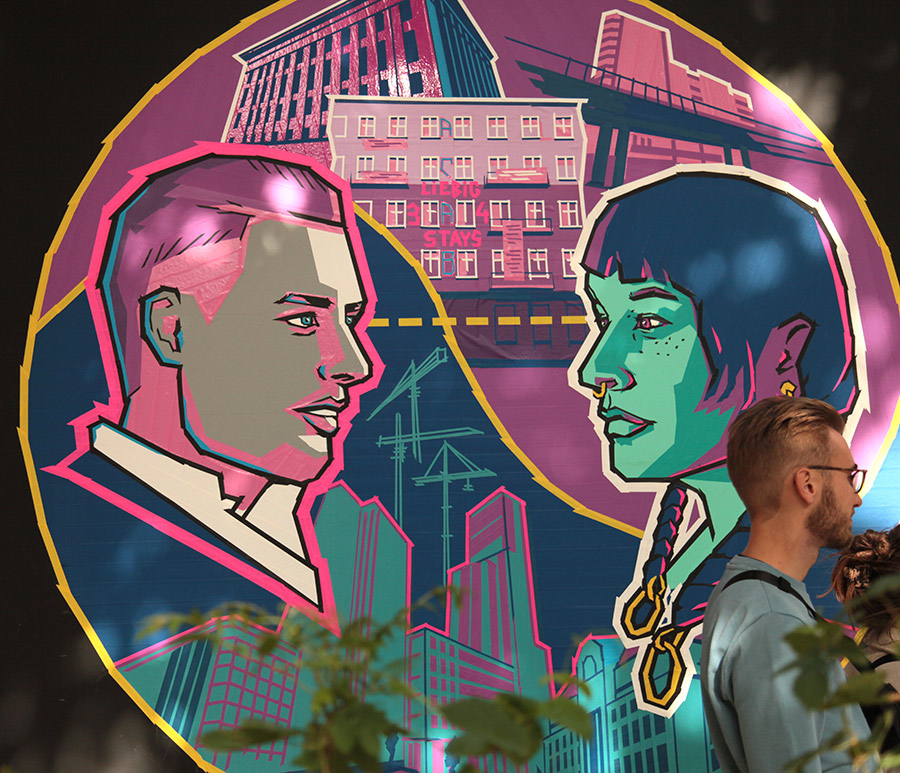
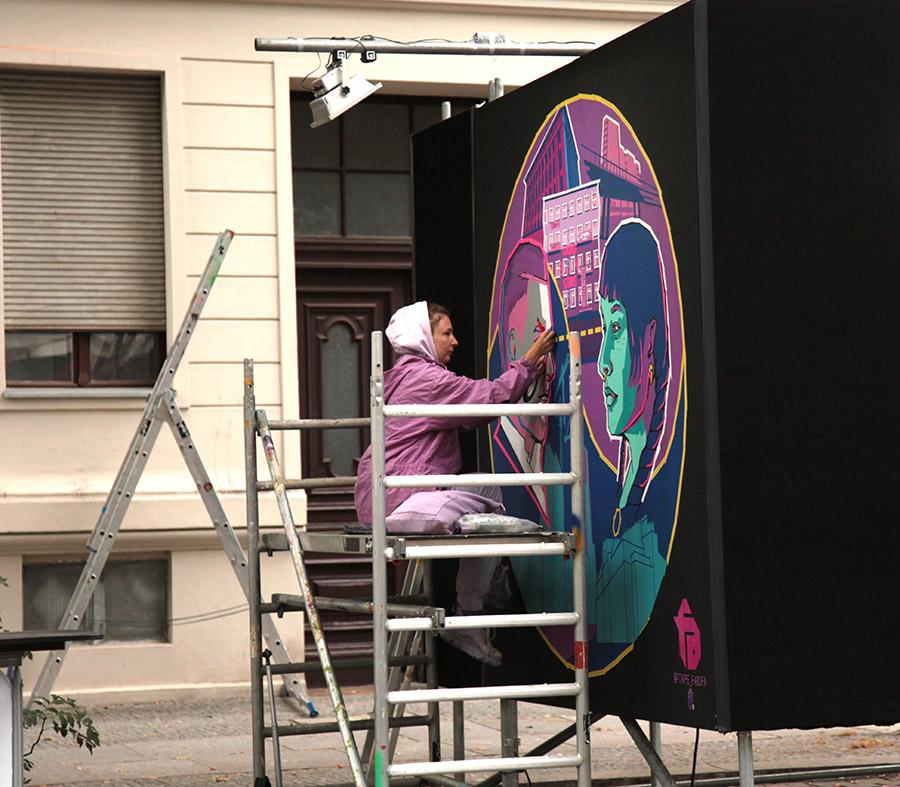
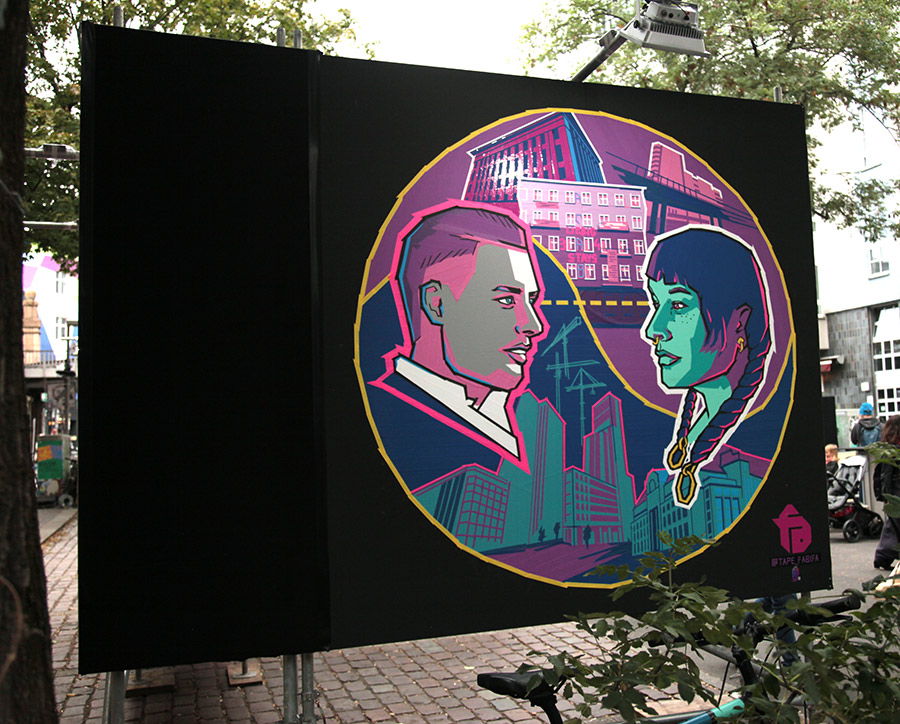
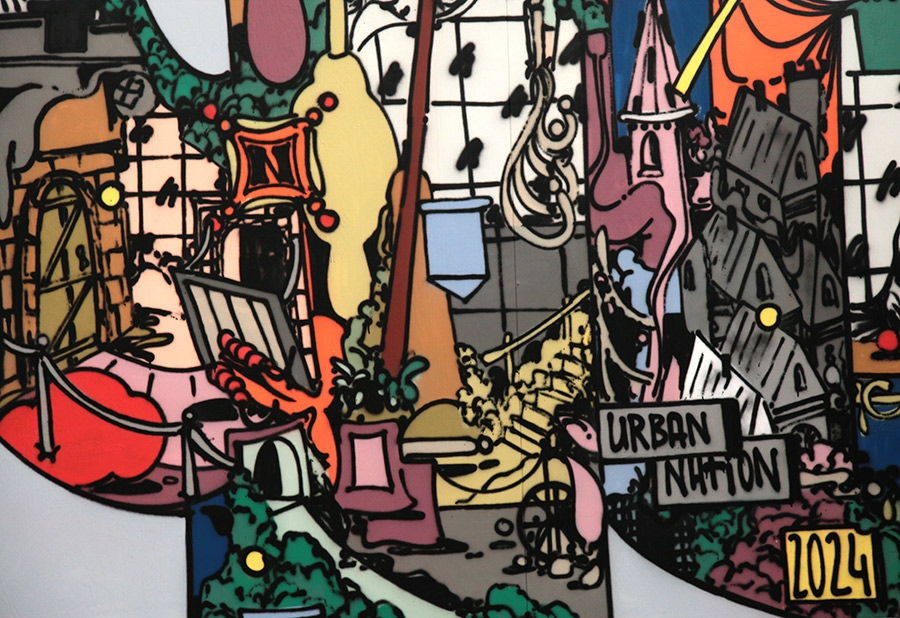
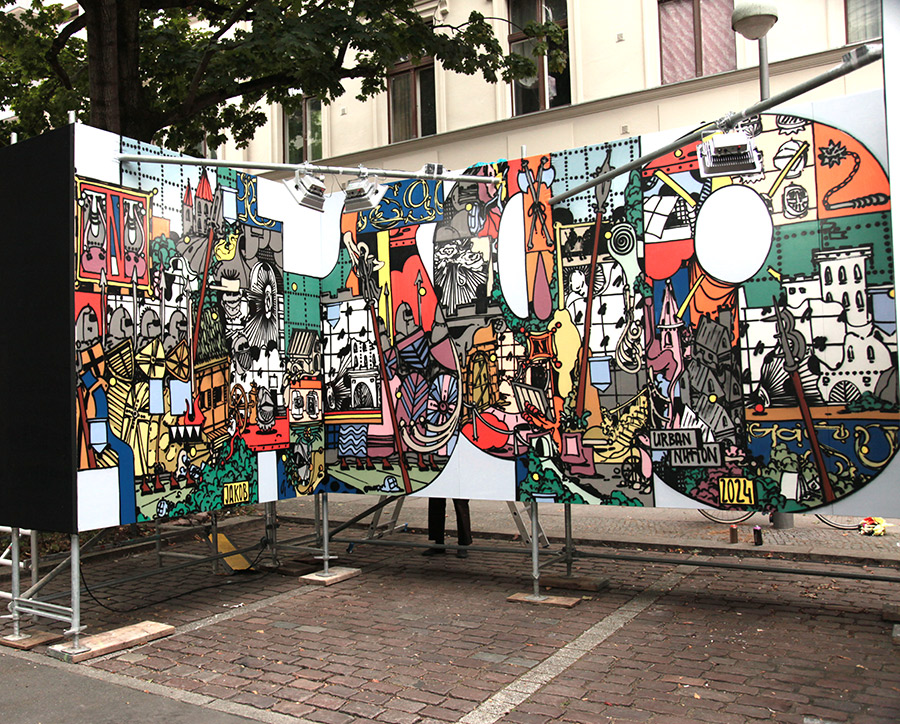
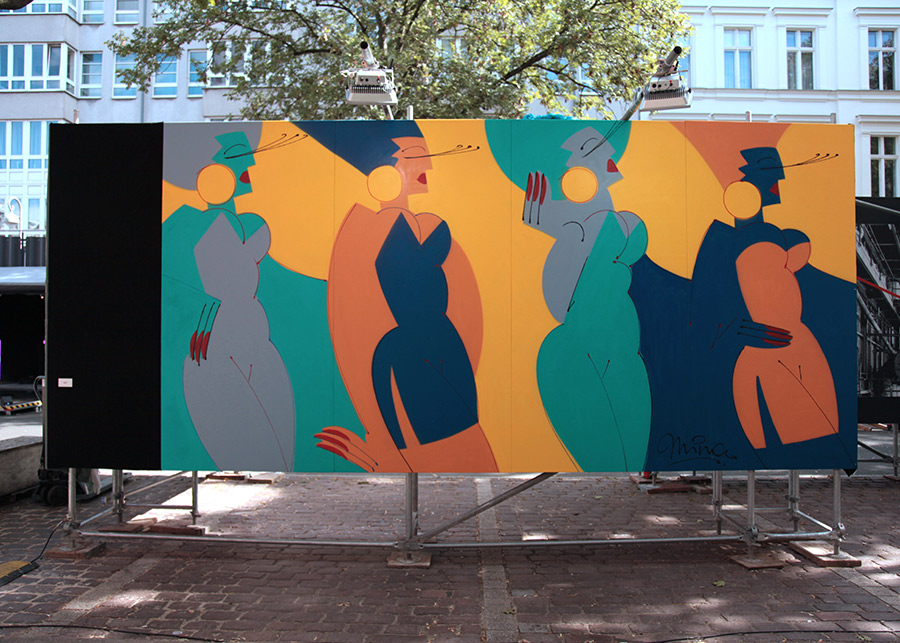
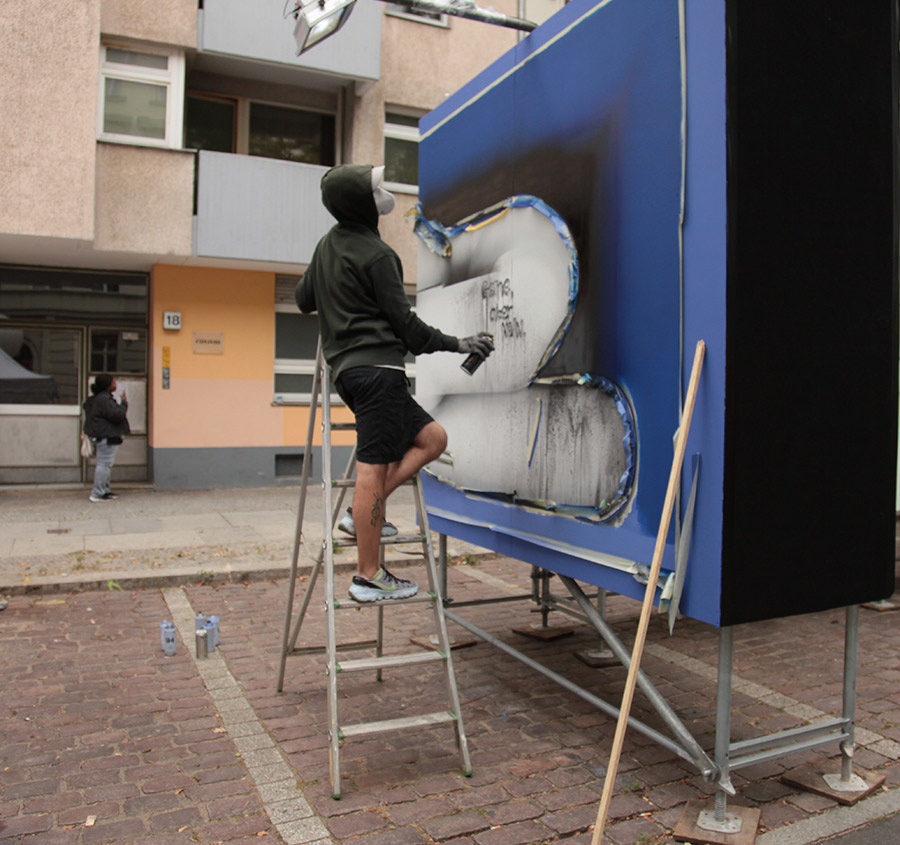
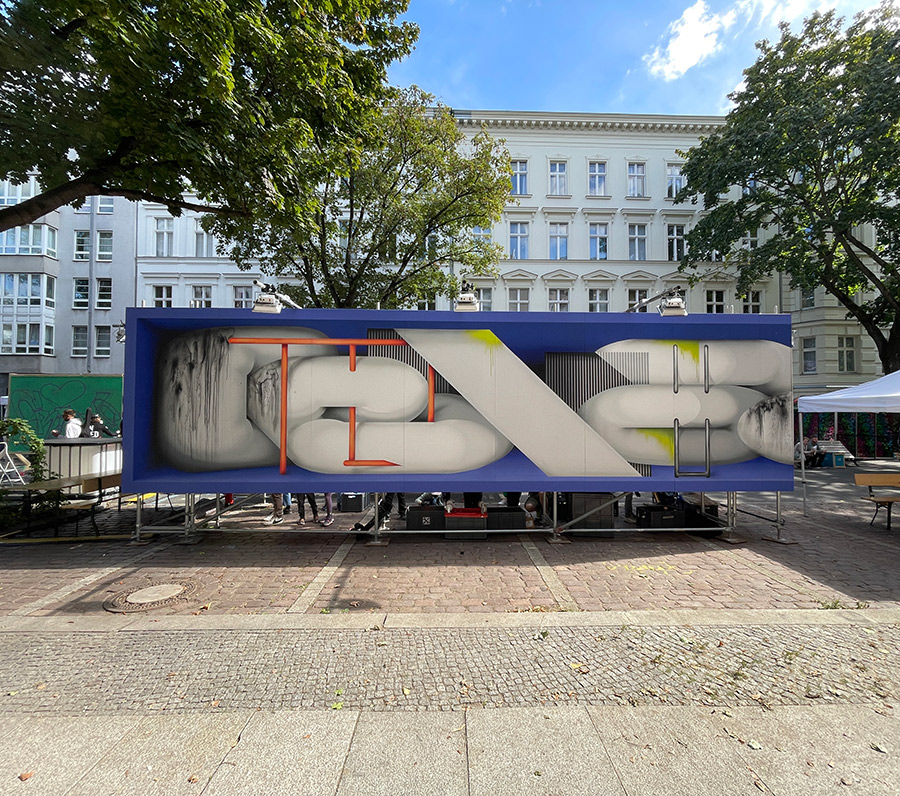
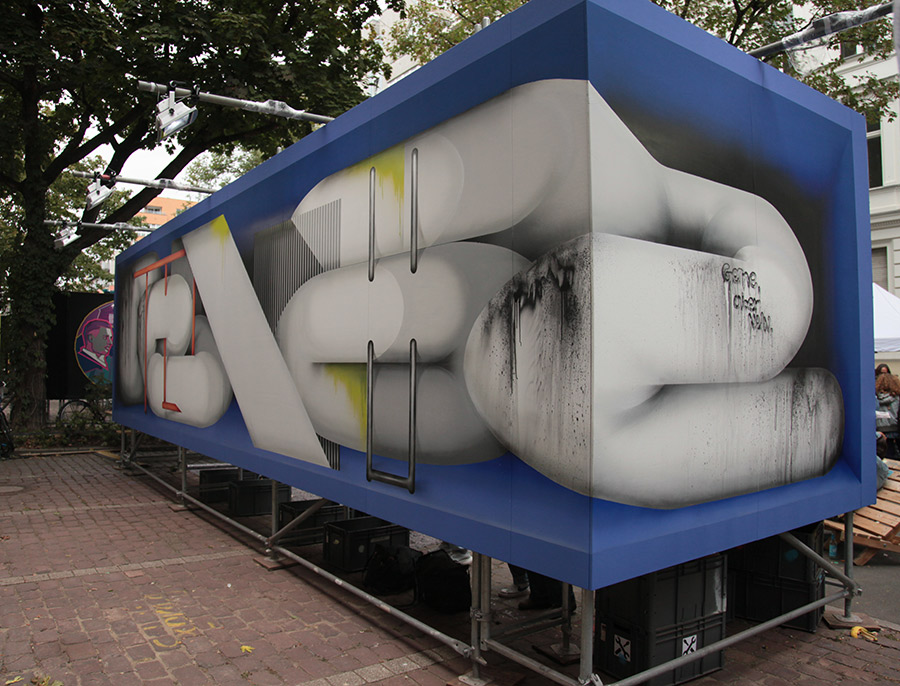
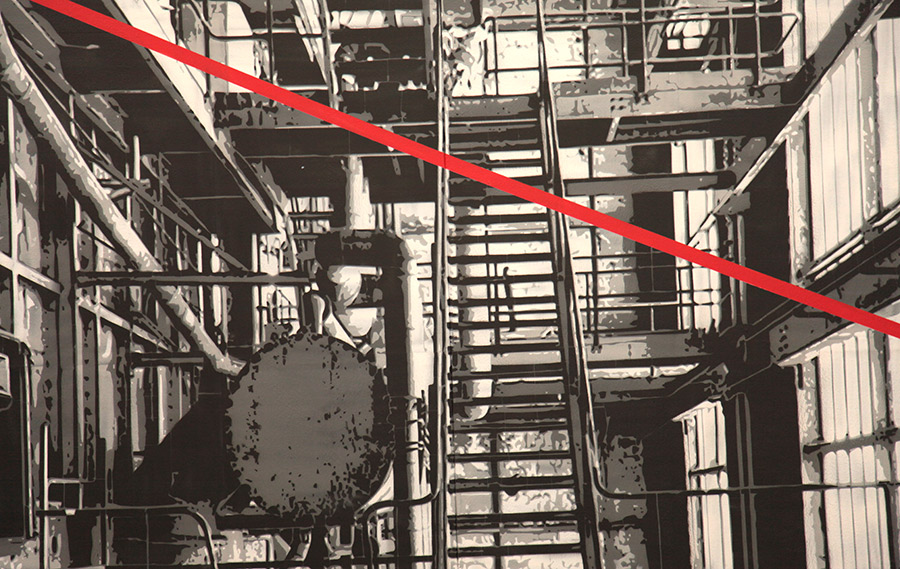
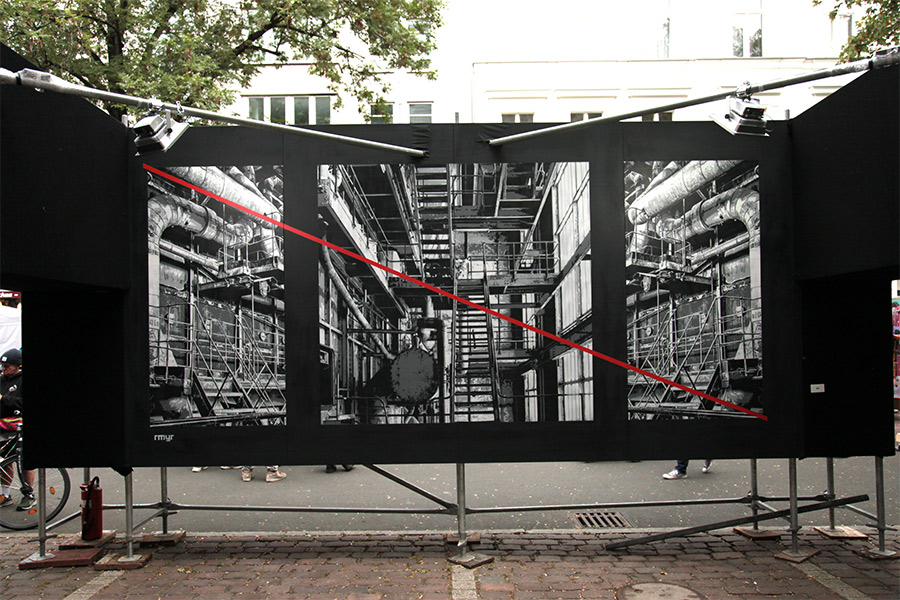
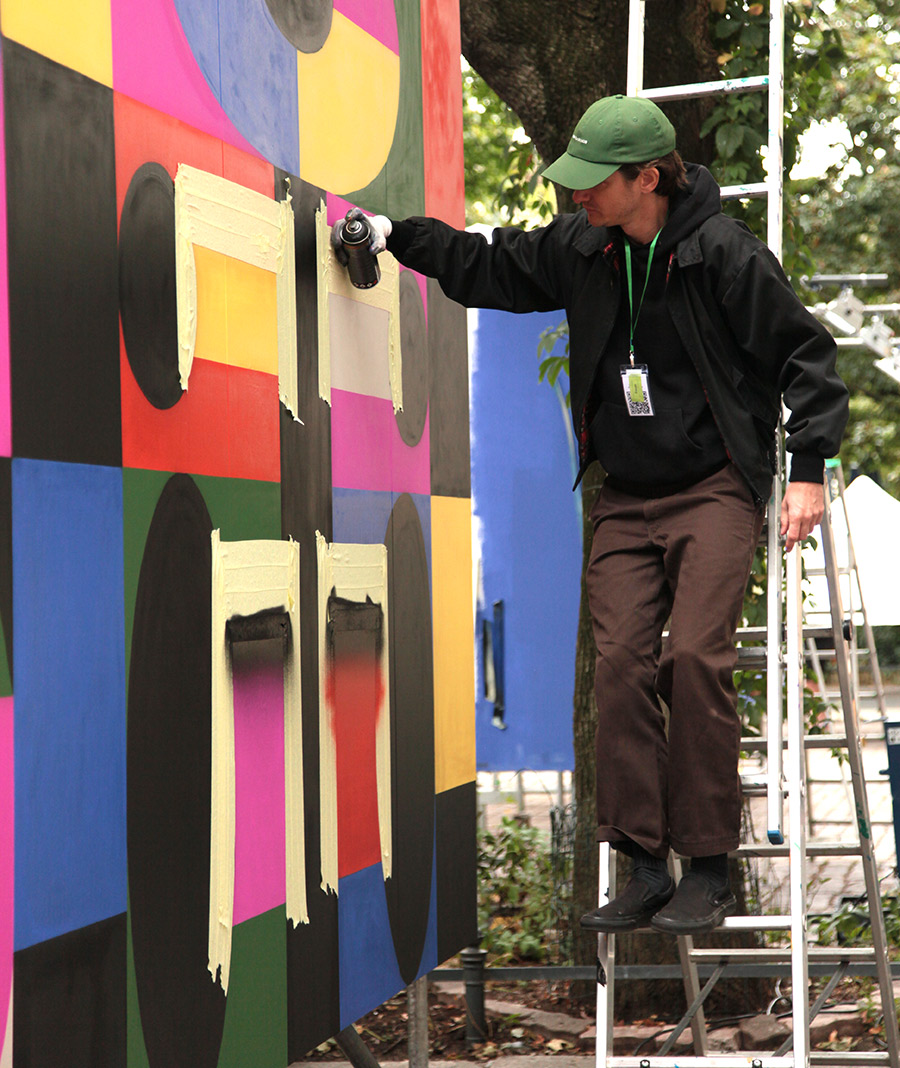
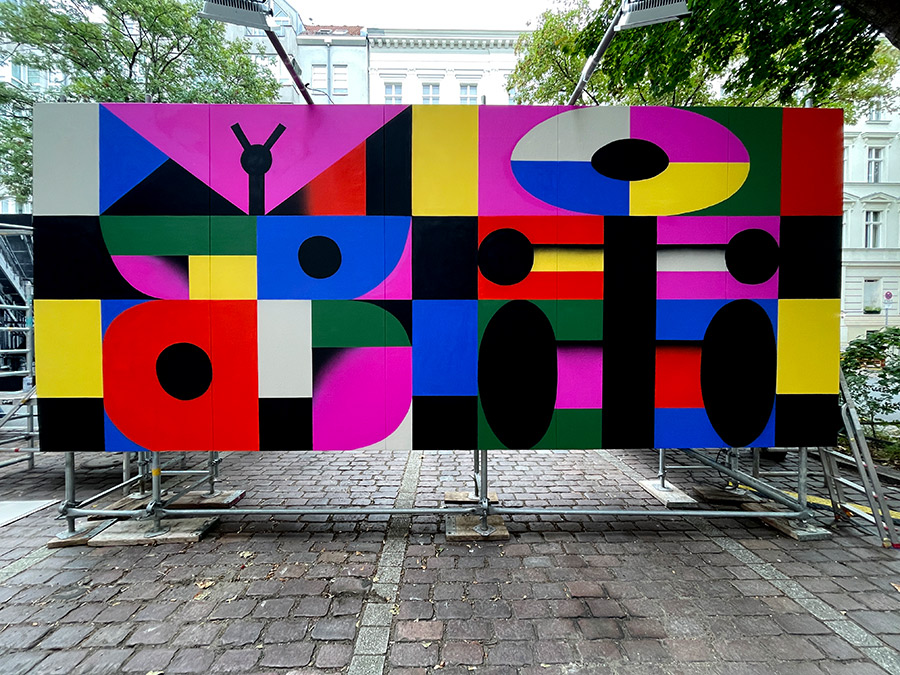
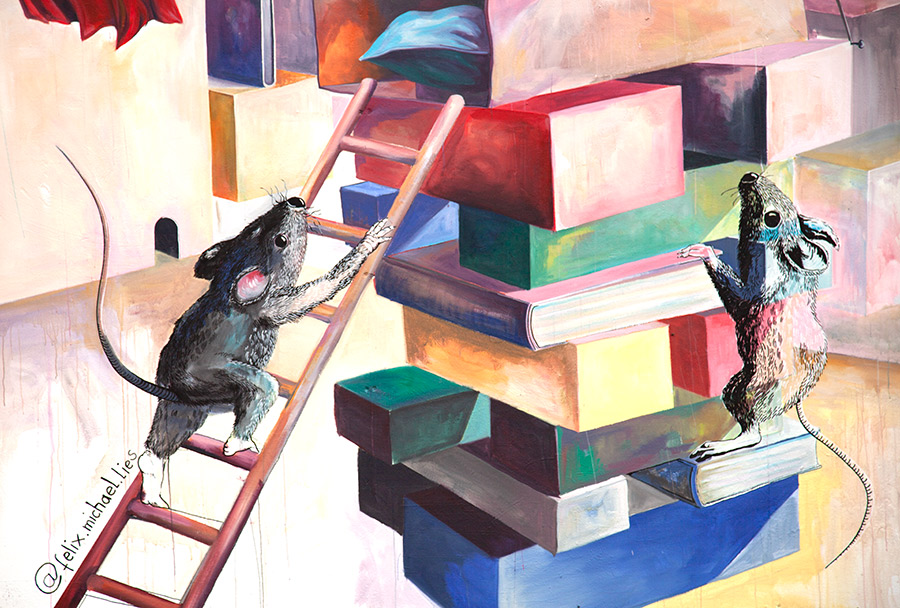
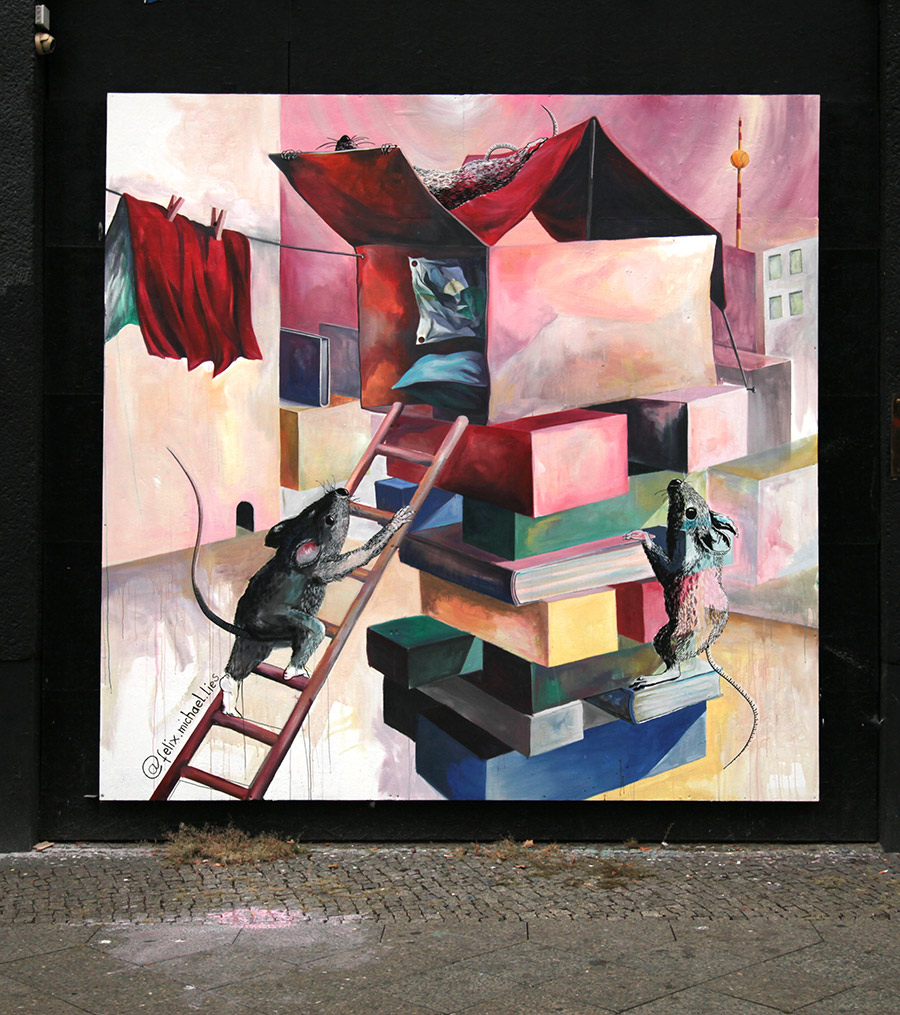
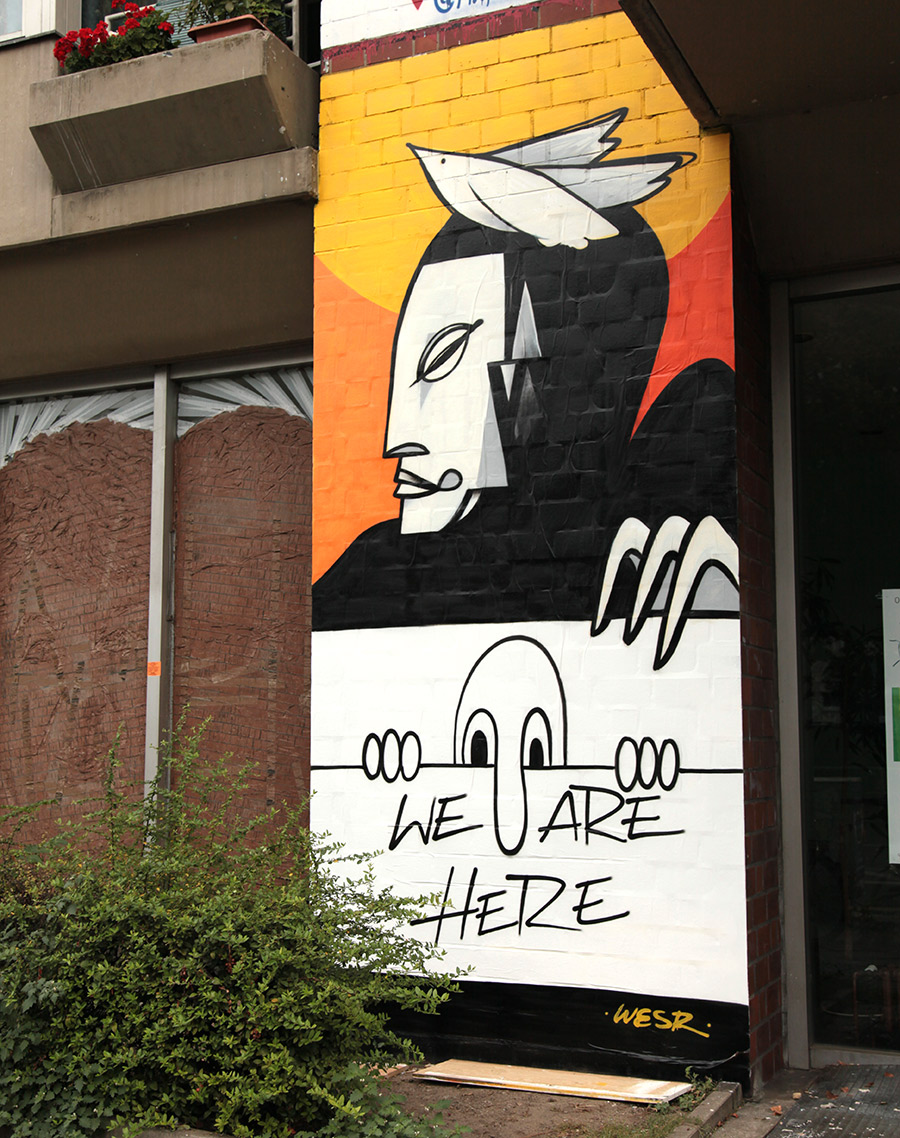
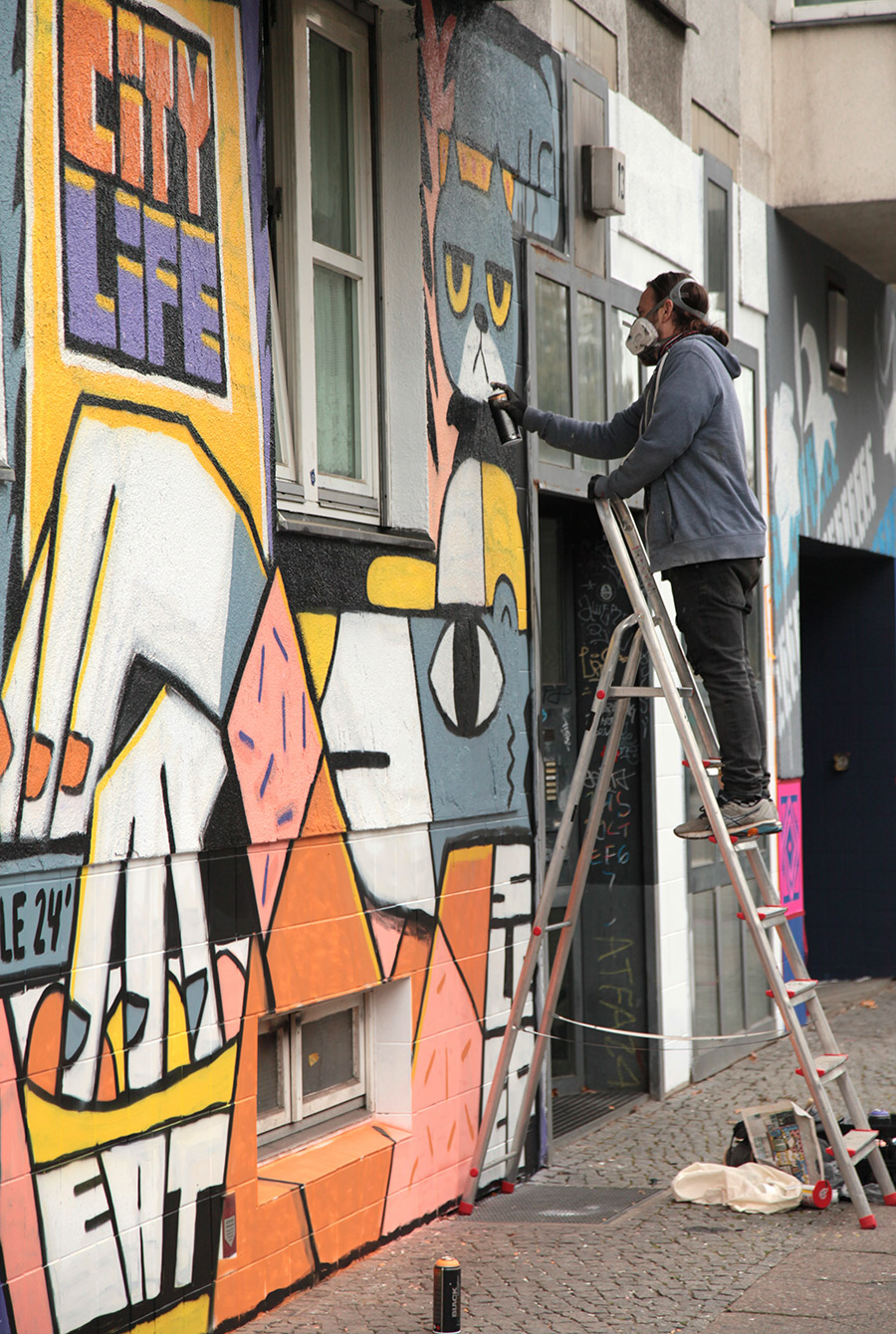
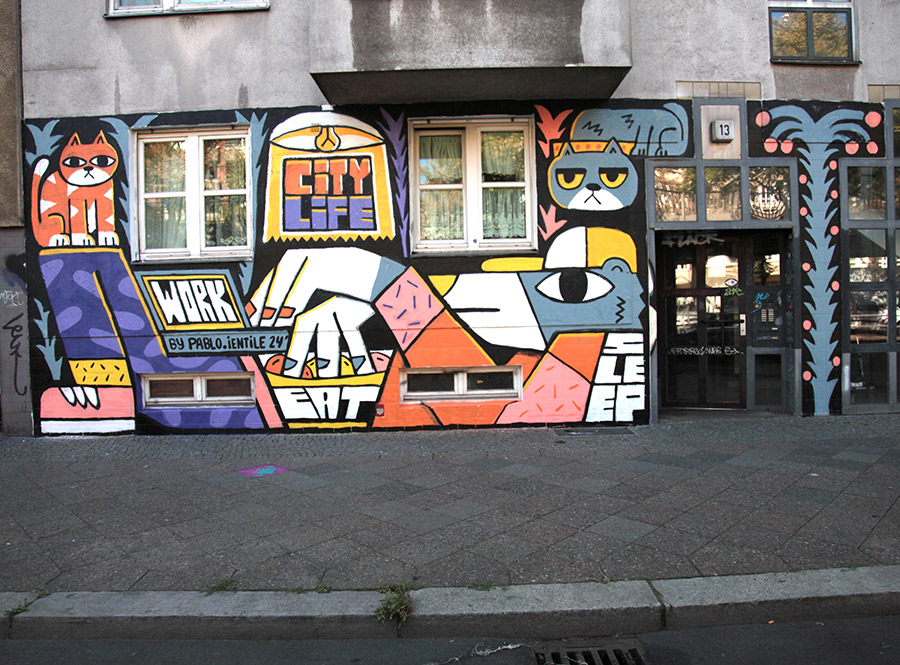
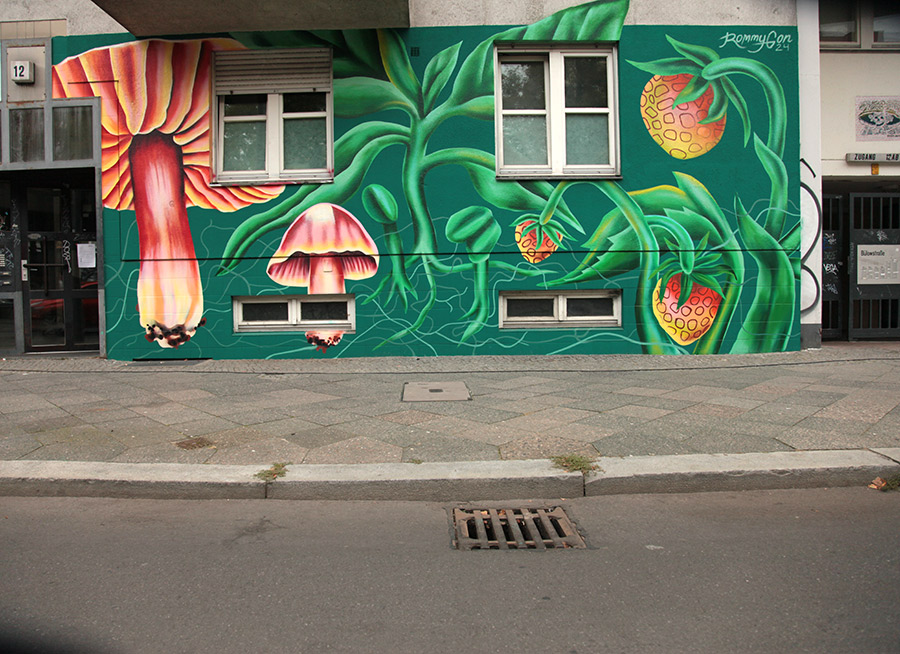
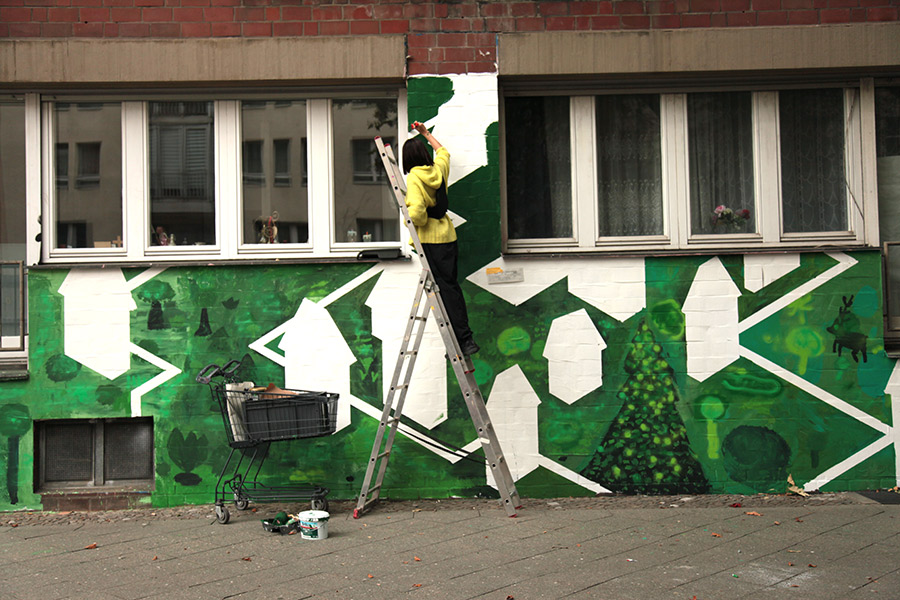
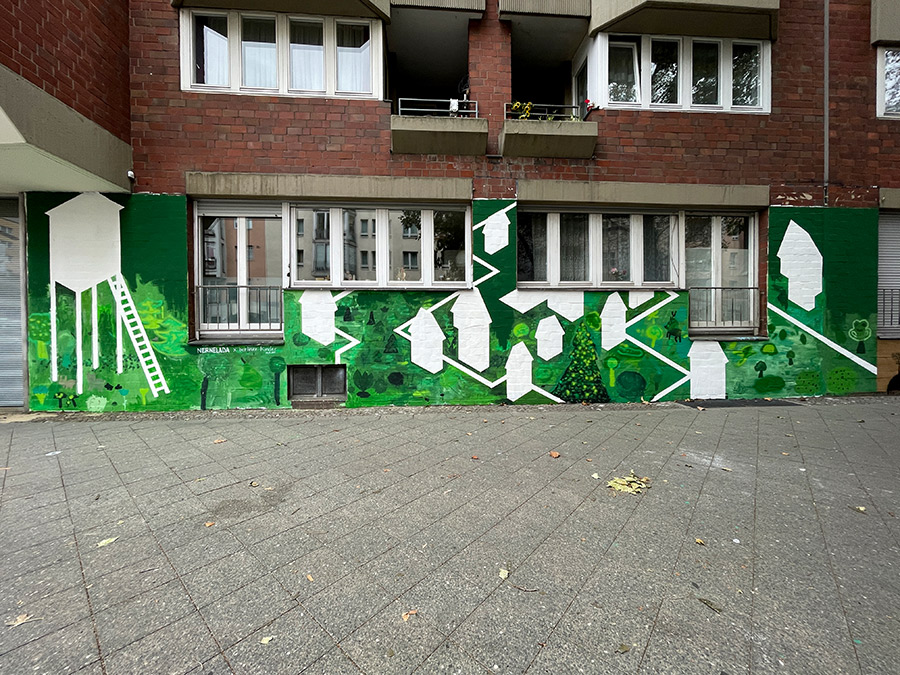
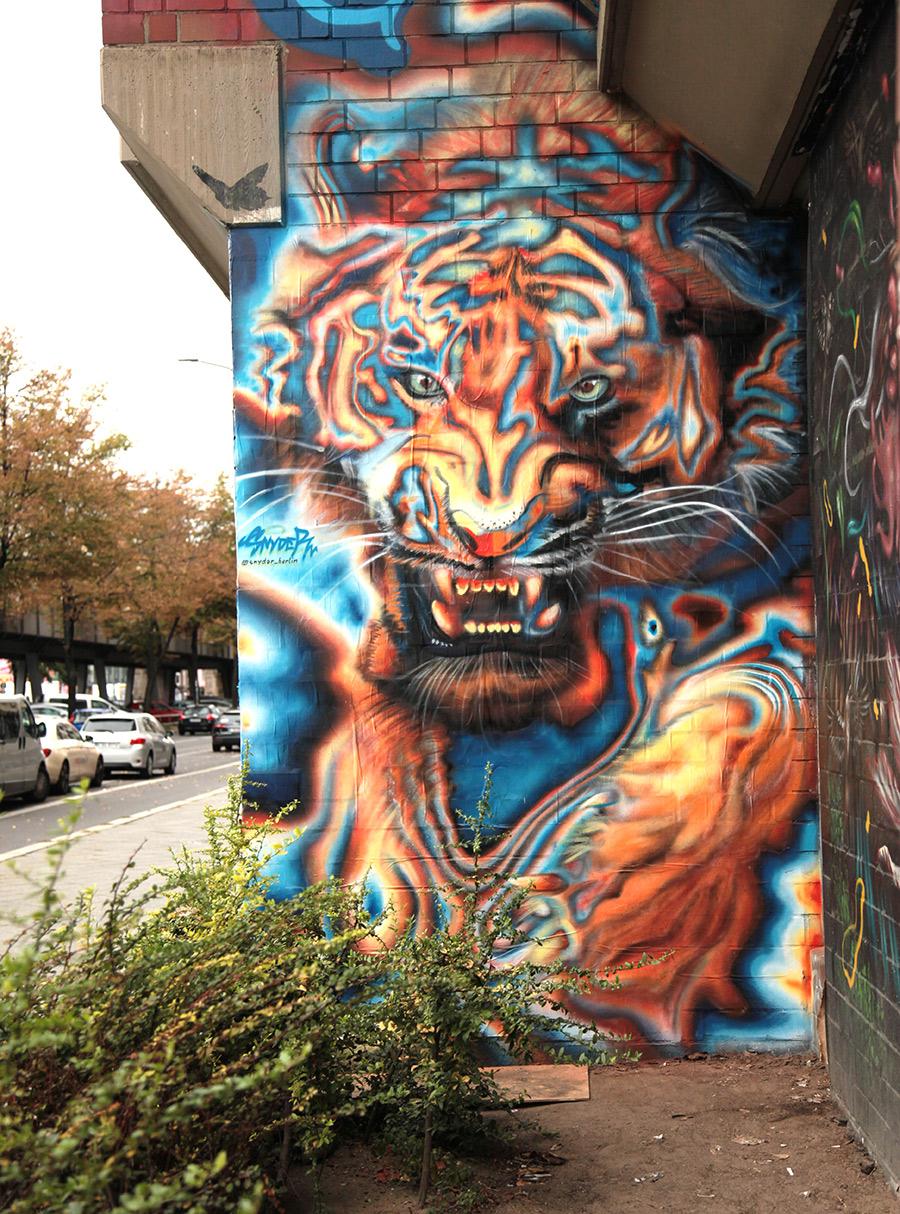
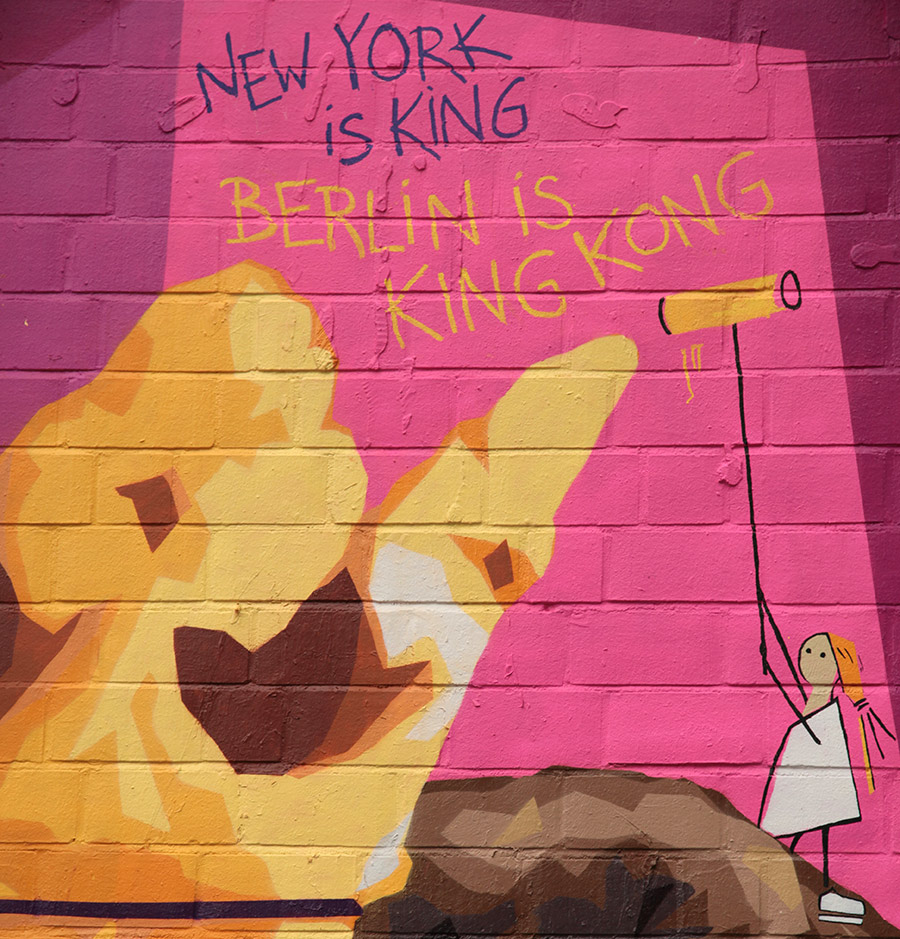
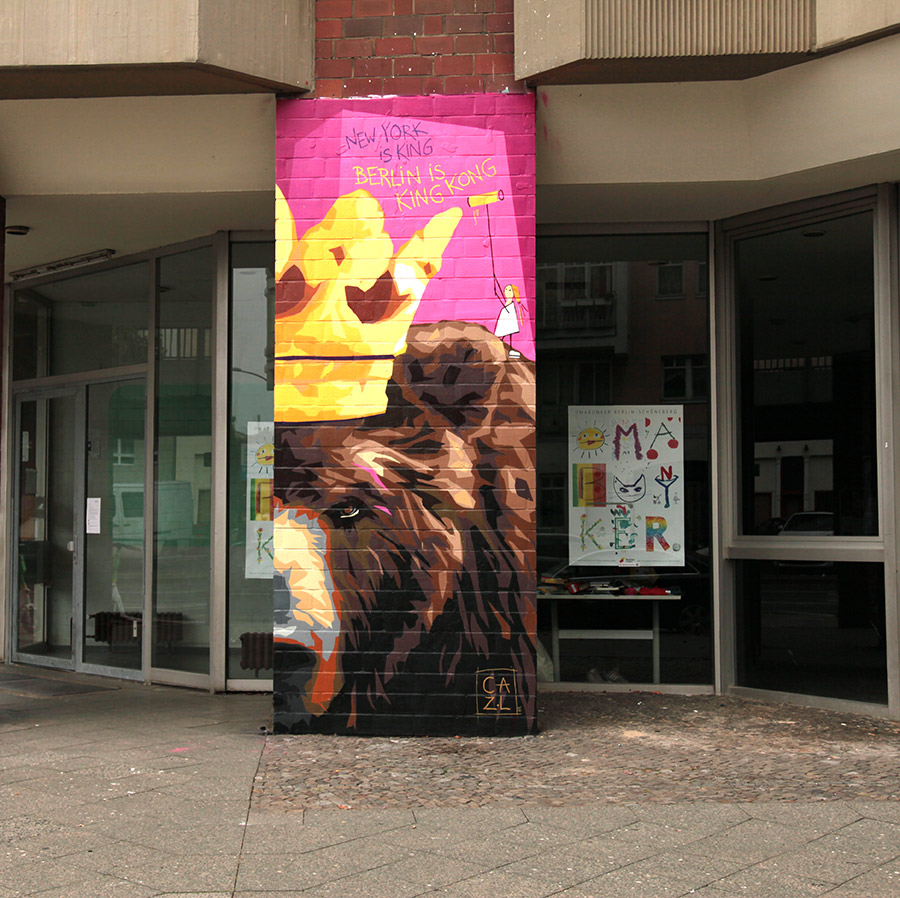
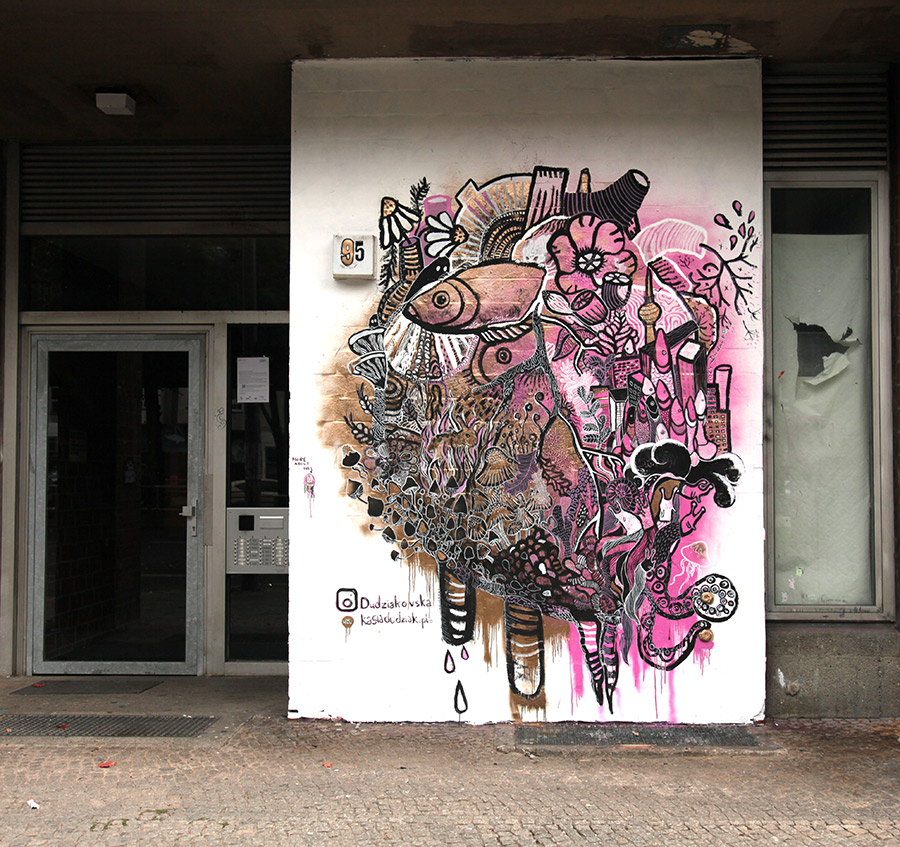
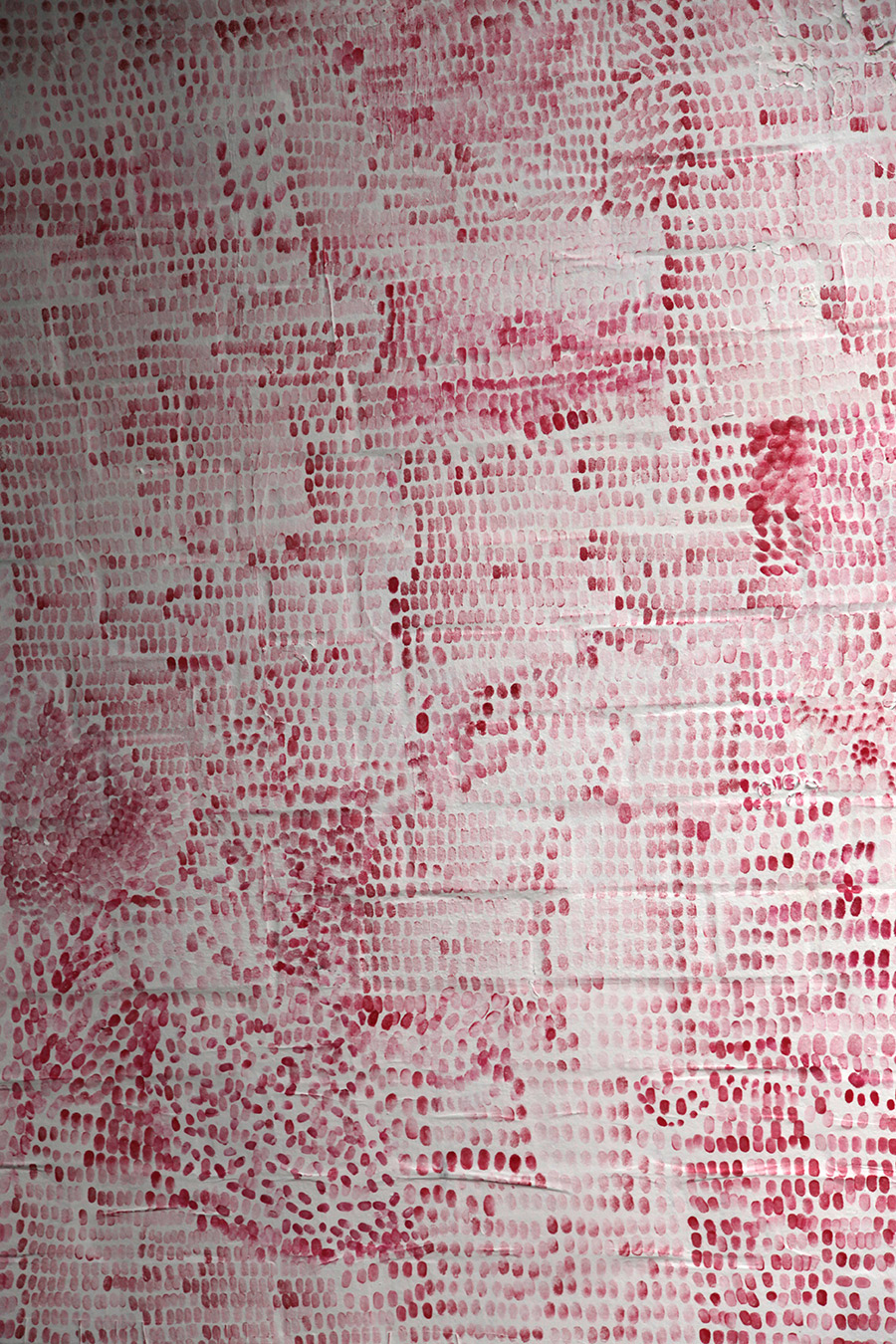
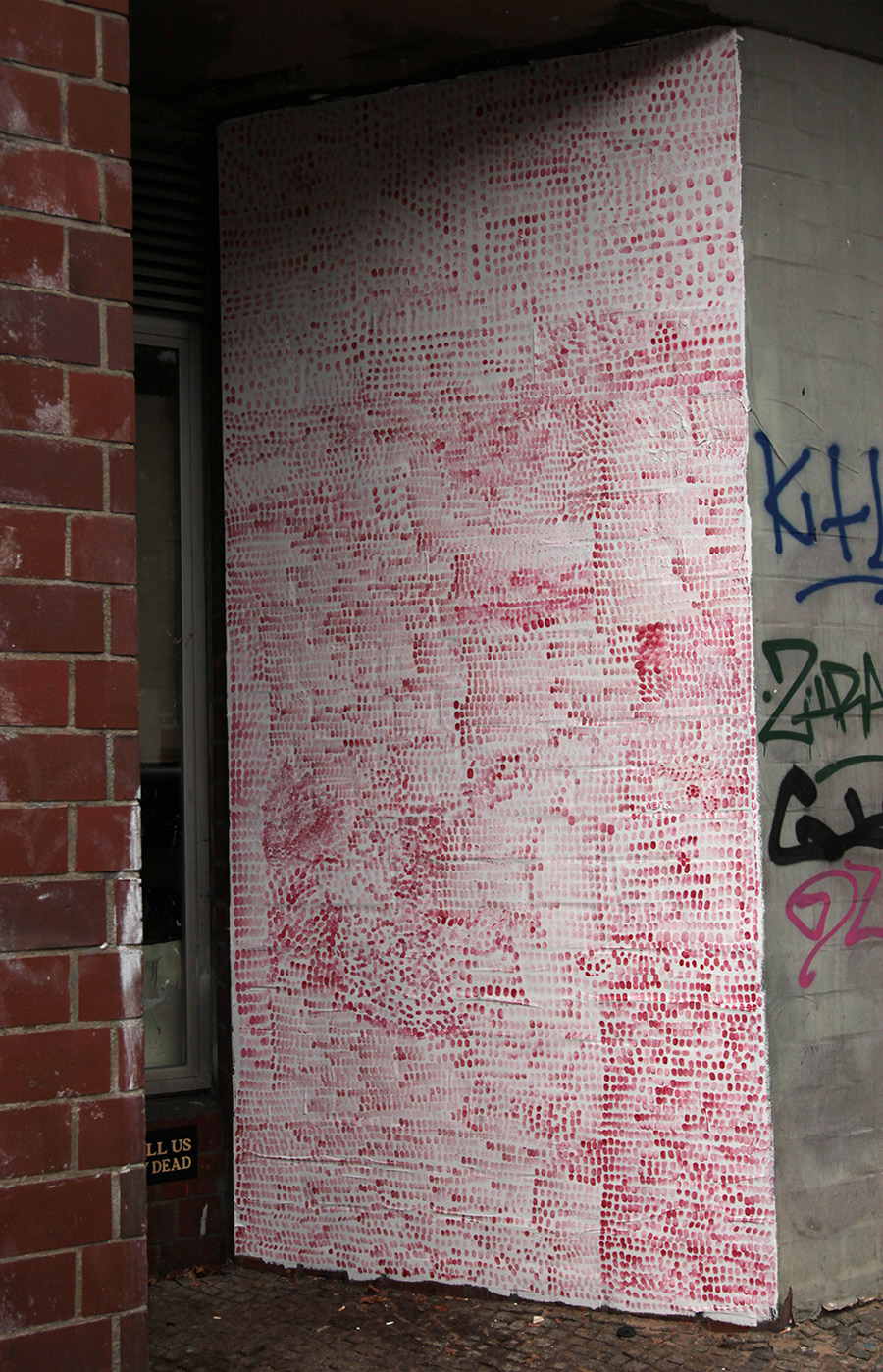
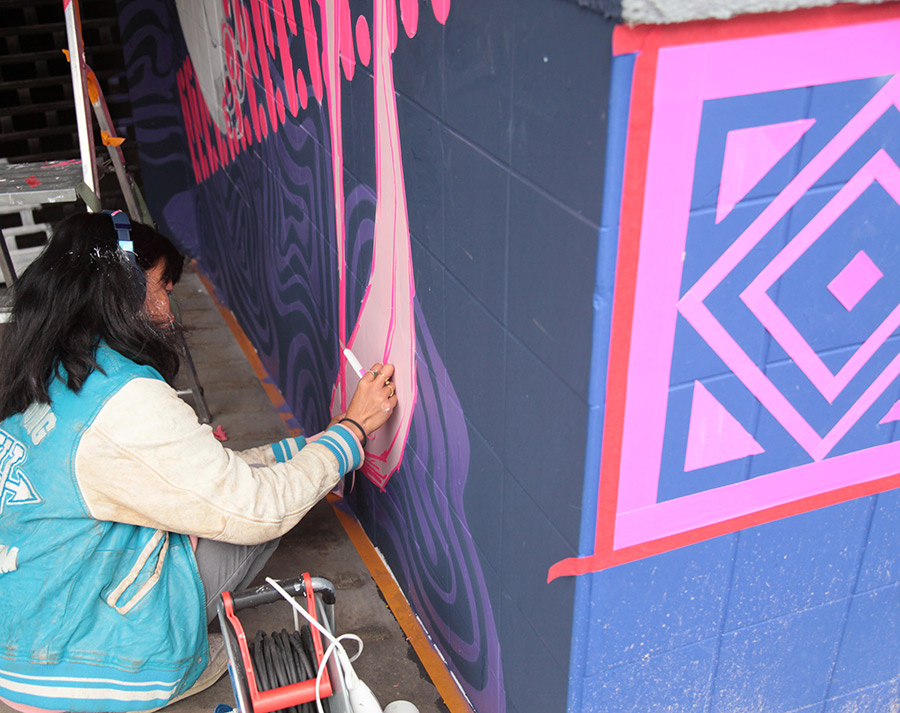
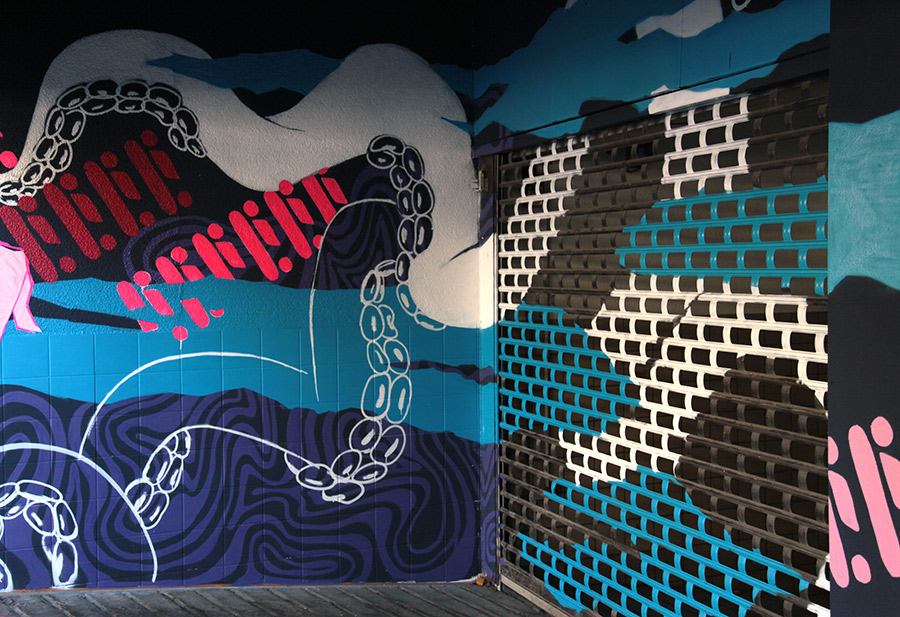
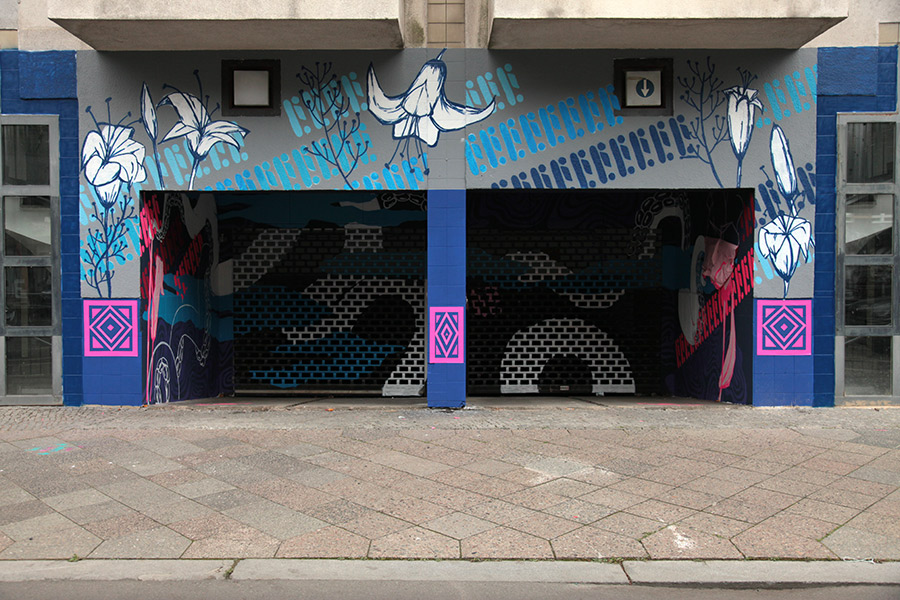
Berlin is teeming with artists of all kinds—not just street artists and graffiti writers—from around the world. For decades, the city has been a natural magnet for creatives. In conjunction with the new exhibition Love Letters to the City, Urban Nation brought around 20 artists to the streets surrounding the museum. The diverse techniques and styles showcased here reflect the incredible talent in the city—a convergence of dreams, aspirations, and life paths intersecting in this urban landscape. Below is a selection of walls and images we captured during the UN celebrations.
URBAN NATION MUSEUM’S EXHIBITION “LOVE LETTERS TO THE CITY” is currently on view. The Community Murals are also on view and free to the public. For schedules and further details click HERE
Join BSA this week in Berlin as we celebrate the opening of “Love Letters to the City,” the new exhibition at Urban Nation Museum. We’ll also be tooling around the city and sharing whatever catches our eye.
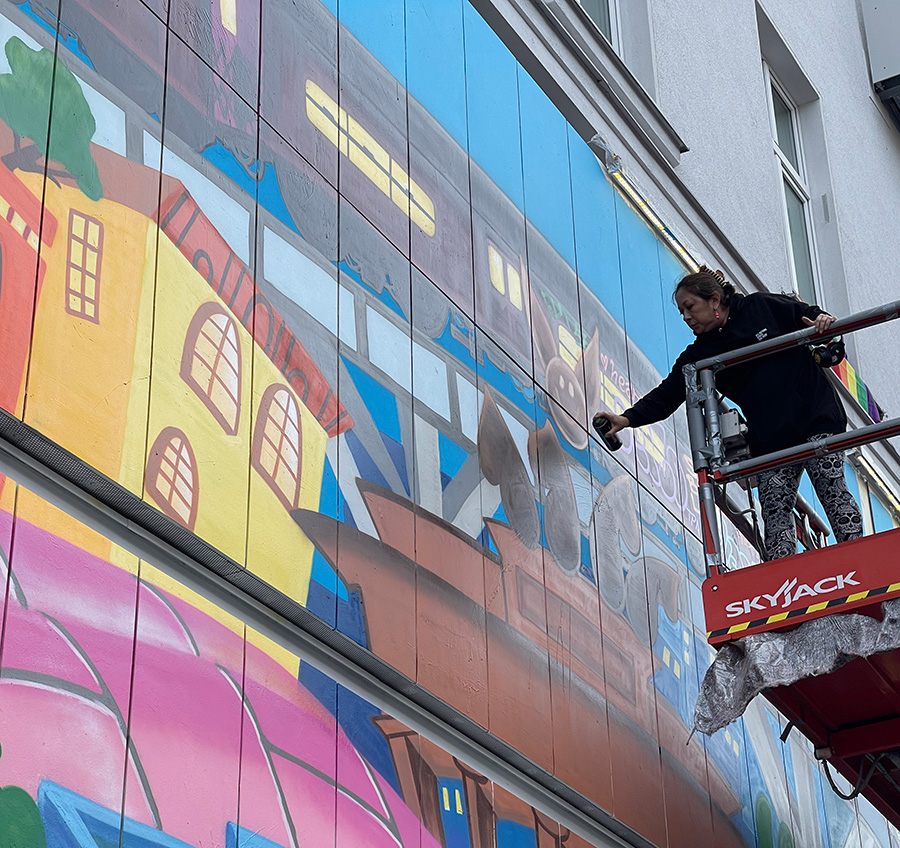
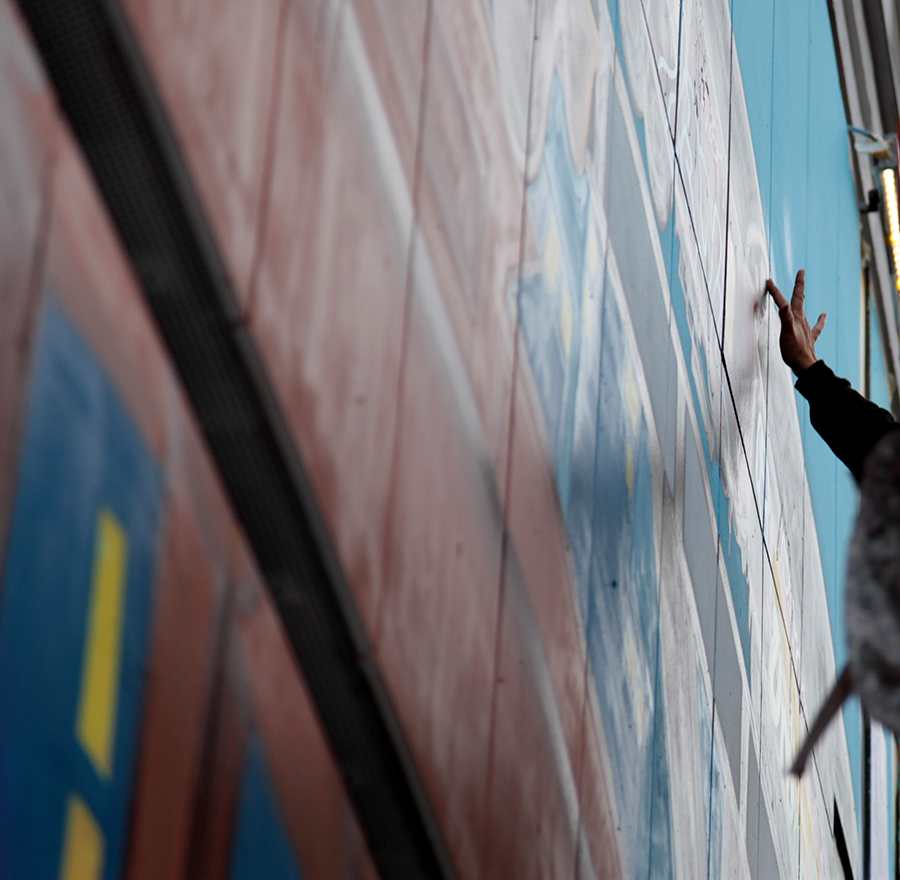
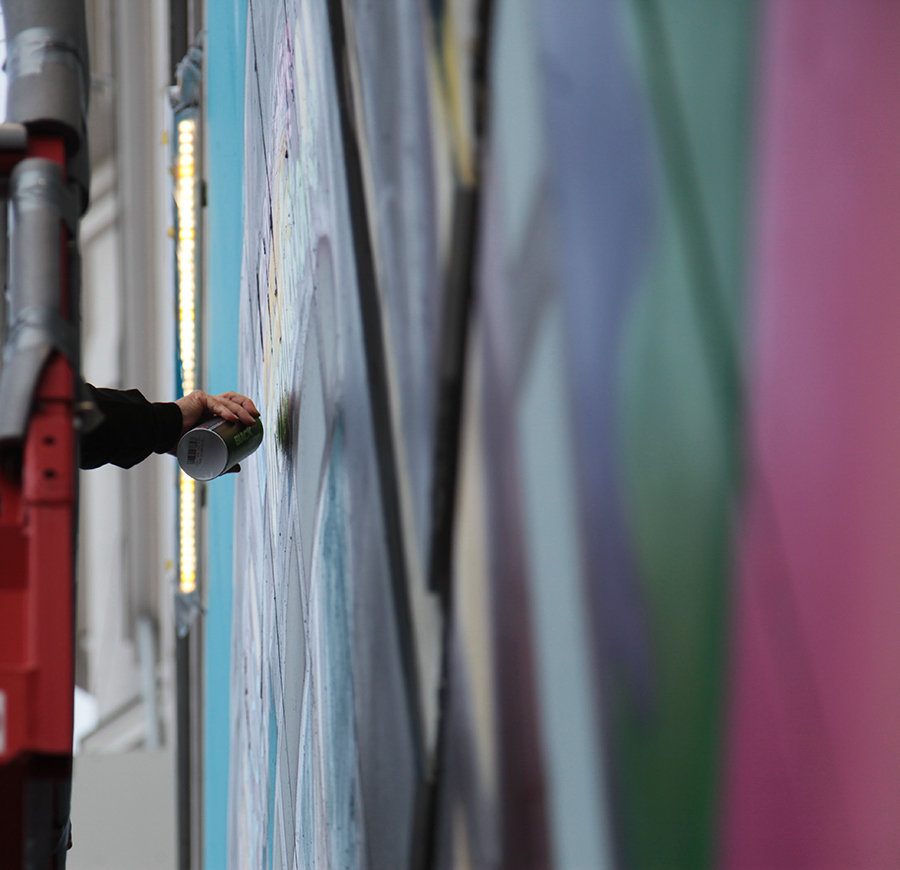
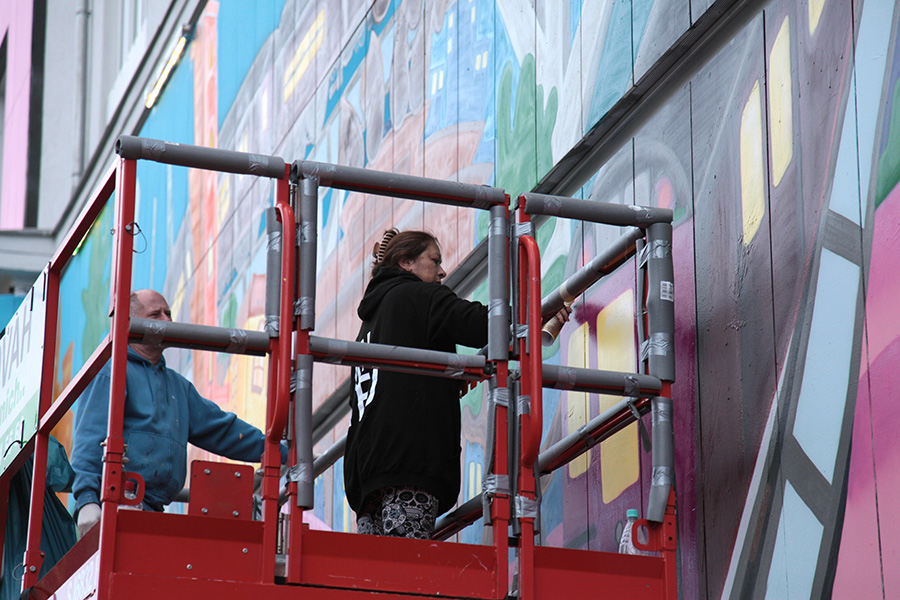
“Love Letters to the City is a homage to the city, the idea of the universal city,” curator Michelle Houston reflects while seated at a picnic table outside a Thai restaurant in Berlin’s Schöneberg neighborhood. As final installations are taking place in Urban Nation, Houston’s gazes upward at the new mural on its façade being painted by OG train writer Lady Pink on a cherry picker at the museum. This mural is part of Houston’s upcoming show, “Love Letters to the City.”
“I think paint in public spaces has a different potency in the city than anywhere else,” Houston explains, discussing the exhibition’s outdoor and indoor installations. She highlights the various ways Urban Nation is presenting the evolution of graffiti and street art, noting its role in urbanization, gentrification, and even social conditioning. “It does much more than just present pretty images.”
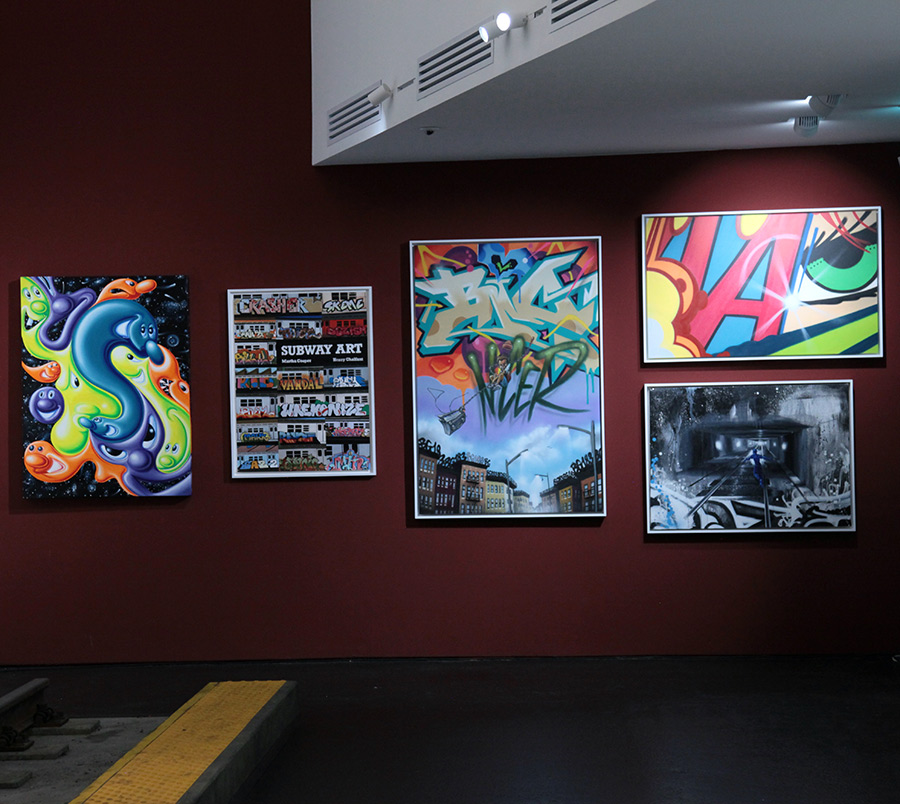
The museum’s exhibition features a diverse array of works, including full-scale three-dimensional installations and sculptures. A significant portion of the pieces are borrowed from the museum’s permanent collection, while others are newly commissioned from both national and international artists.
Currently, Lady Pink, born Sandra Fabara in 1964 in Ecuador, is working on her mural two stories above the bustling street. Her piece, an illustrative and fantastical love letter of her own, features a swirling train reminiscent of the NYC subway trains she became famous for painting in the early 1980s. Her work includes improvisational tags of other iconic figures from that era. In Berlin, where graffiti and street art have transformed entire neighborhoods and established it a magnet for creativity in the public space, her mural is a testament to the city’s rich artistic history.
For Houston, the mural is just one example of “the ingenious ways that artists hack and appropriate public space.”
Named in honor of photographer Martha Cooper—whose lifelong commitment to documenting everyday life, cultural expression, and human dignity has shaped …Read More »
 BROOKLYN STREET ART LOVES YOU MORE EVERY DAY