Djerbahood: Open Air Museum of Street Art. Mehdi Ben Cheikh. 2015
Reprinted from the original review.
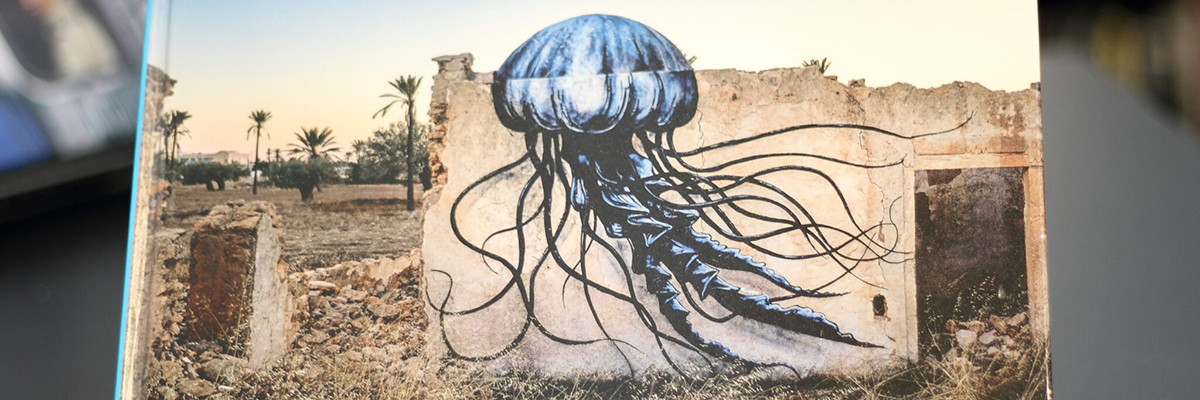
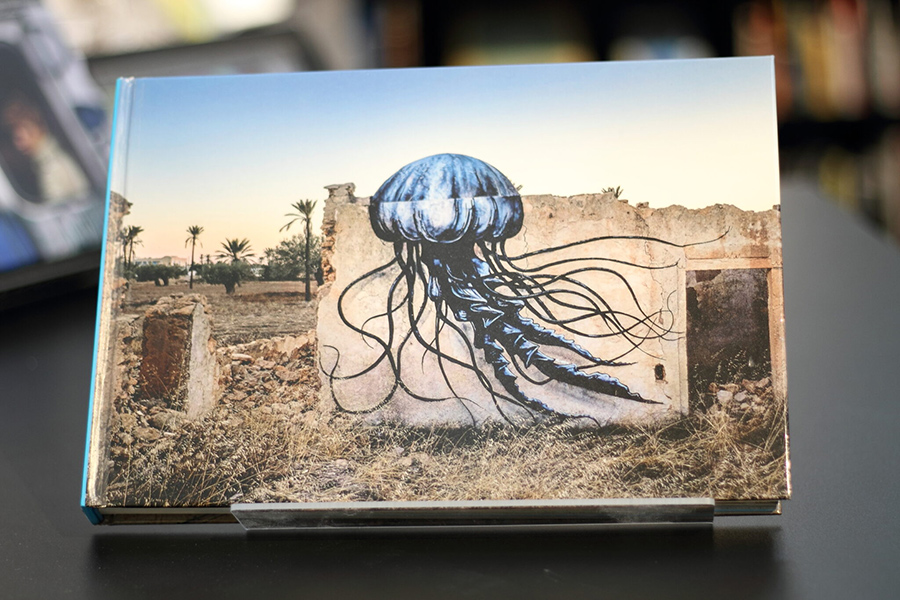
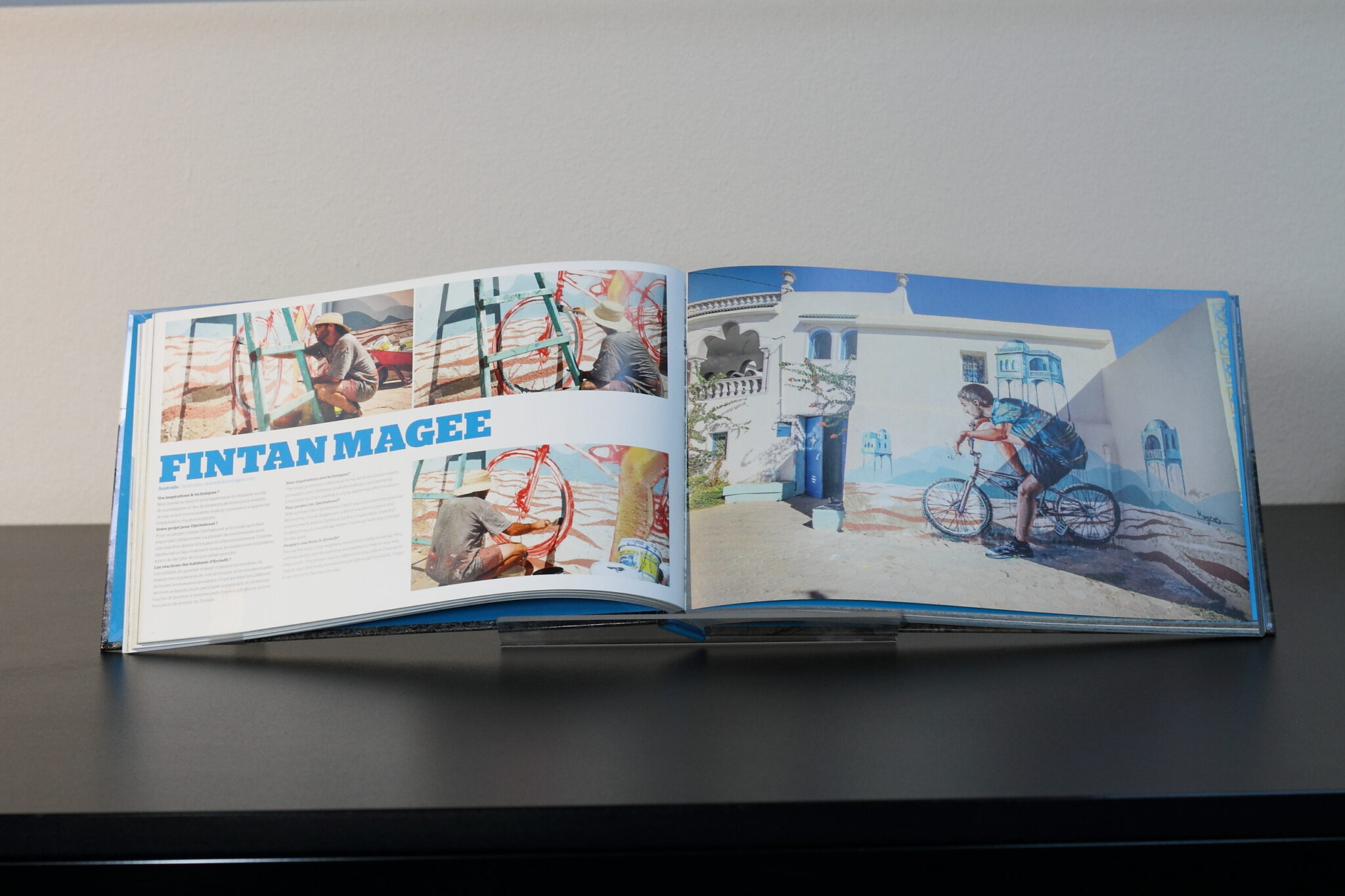
If Tour Paris 13 was the demolition swan song of an era, Djerbahood may feel like an expansive sunrise on the other side of the world. Conceived by gallerist and curator Mehdi Ben Cheikh and realized in the whitewashed village of Erriadh on the island of Djerba, Tunisia, this project gathered more than one hundred artists from thirty countries to create what Ben Cheikh calls a “museum à ciel ouvert”—an open-air museum under the North African sun. The resulting book, published by Albin Michel, offers a monumental visual record of this transformation: 500 photographs across 272 pages, documenting walls, artists, and villagers in a rare moment of collective creation.
In these images, the desert light hits walls like paper. Works by eL Seed, ROA, Pantonio, Phlegm, Jaz, Fintan Magee, Curiot, Inti, and Sebas Velasco coexist with local architecture—white domes, low arches, latticed shadows—turning the town into a living gallery. As Brooklyn Street Art observed in its review, Djerbahood “absorbs your mind and imagination, giving you a sense of the place and the people who live there.” It’s true: the book’s pacing—half atlas, half photo-essay—lets readers wander through alleys as if following the scent of plaster and sea air.
Text Steven P. Harrington & Jaime Rojo Fotos Eveline Wilson
Title: Djerbahood: Open Air Museum of Street Art Published: Published by Albin Michael / Galerie Itinerrance, Paris, 2015 Author: Mehdi Ben Cheikh Language: English
WAONE: Worlds of Phantasmagoria, Vol. 1. Vladimir Manzhos. 2020
Reprinted from the original review.
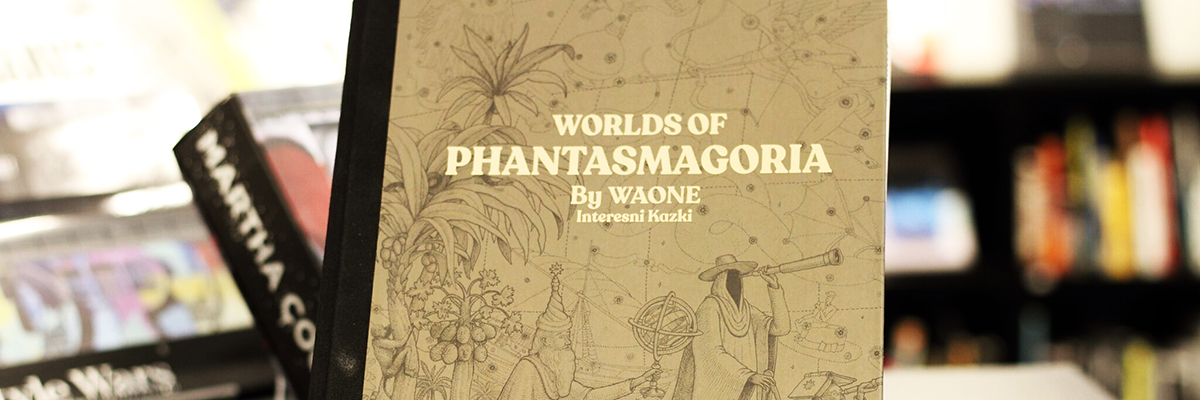
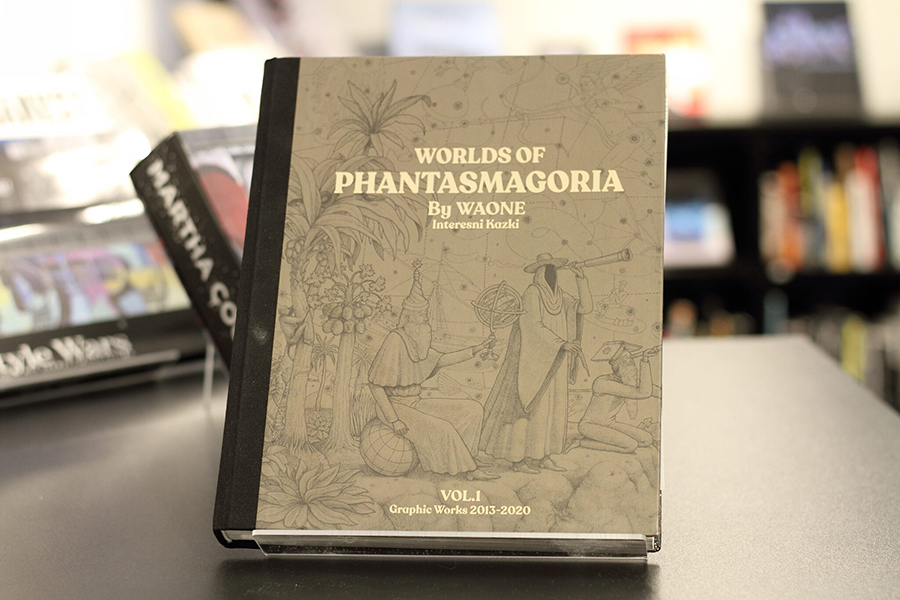
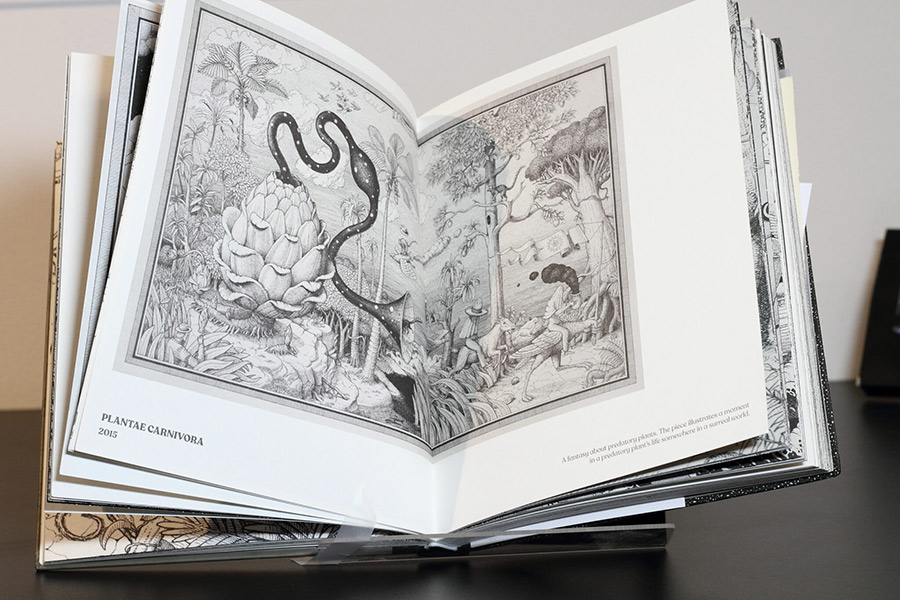
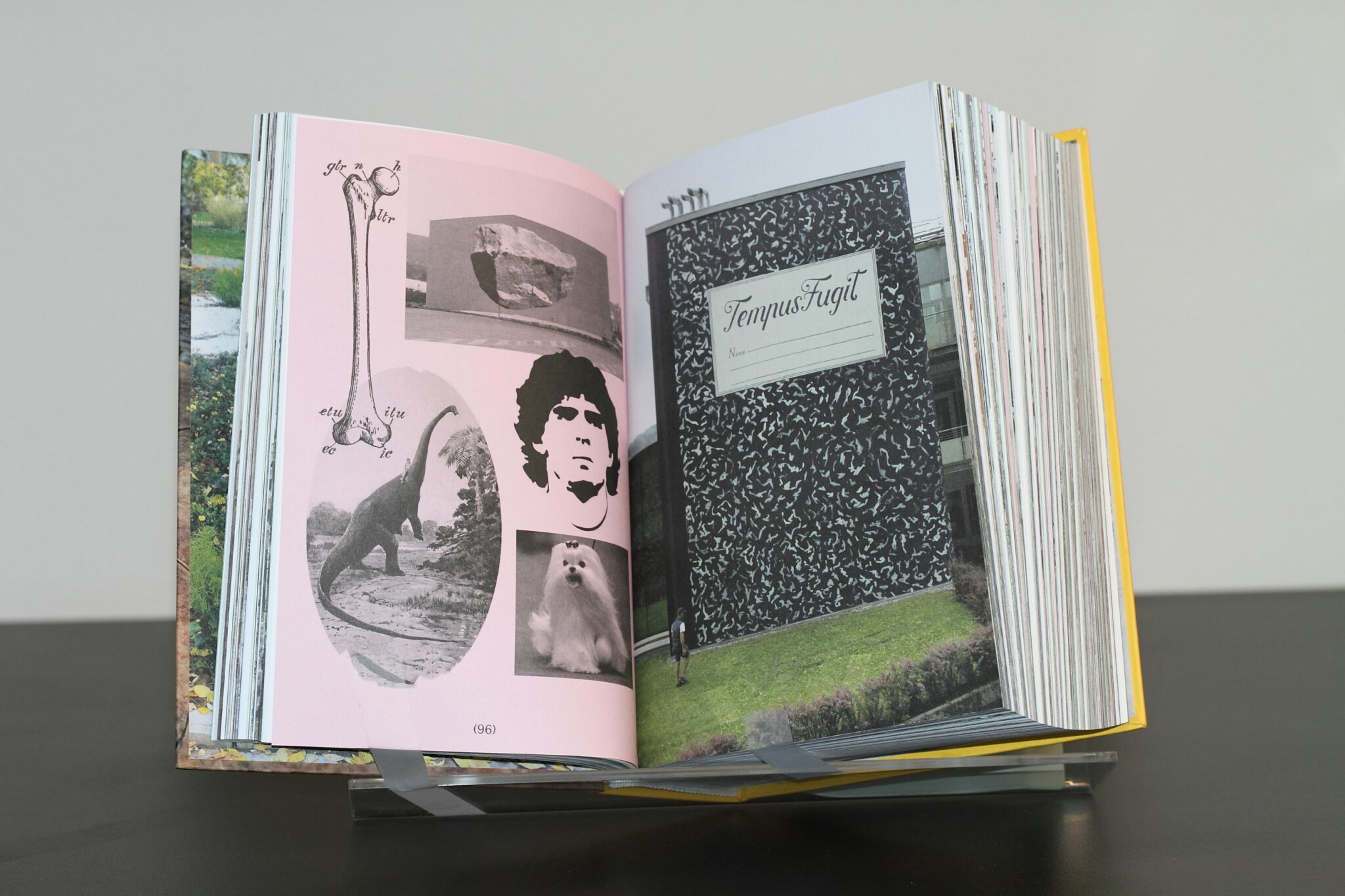
Worlds of Phantasmagoria, Vol. 1 is a comprehensive exploration of the monochromatic works of Ukrainian artist Vladimir Manzhos, known as WAONE. Spanning the years 2013 to 2020, this 208-page hardcover book provides a chronological view of his artistic evolution. It highlights his transition from large-scale, colorful murals in public spaces to intricate black-and-white compositions created in the studio.
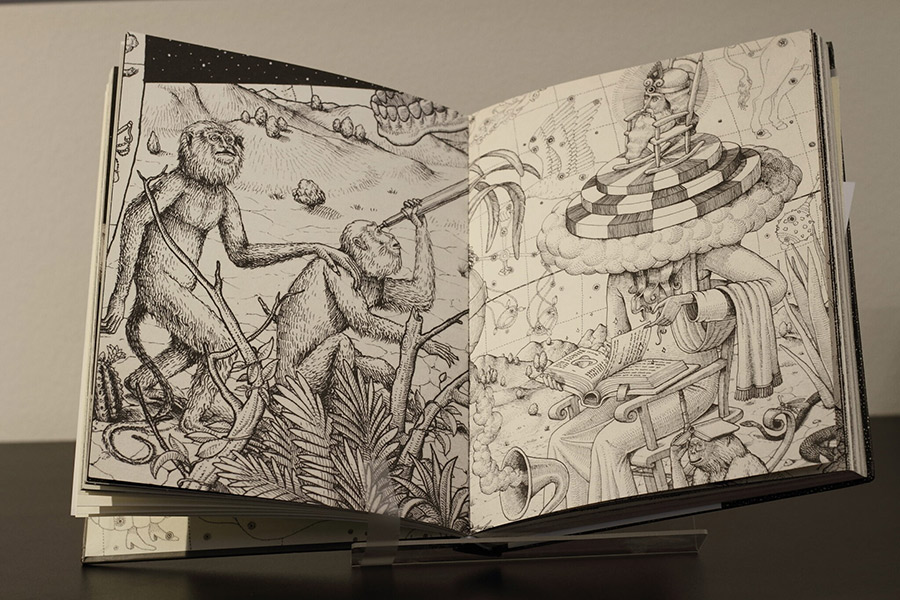
The book features a range of works, including murals, ink drawings, etchings, and lithographs, each accompanied by detailed narratives from the artist. These descriptions provide insight into WAONE’s creative process and the philosophical themes that underpin his work. Drawing inspiration from mythology, folklore, science, and personal introspection, his pieces weave together surreal imagery with symbolic depth.
With the aesthetics of a musty and mythical library, the illustrations open the preconceptions of psychology, offering myriad views through recombining familiar elements into unusual associations. In the process, you travel with Waone as he dedicates himself to this uncolorful view, which is nonetheless rich, if not tinged with a bit of antiseptic horror.
Text Steven P. Harrington & Jaime Rojo Fotos Eveline Wilson
Title: WAONE: Worlds of Phantasmagoria, Vol. 1 Published: WAWE 2020 Author: Vladimir Manzhos (WAONE) Language: English
Bill Posters. The Street Art Manual. September, 2020.
Reprinted from the original review.
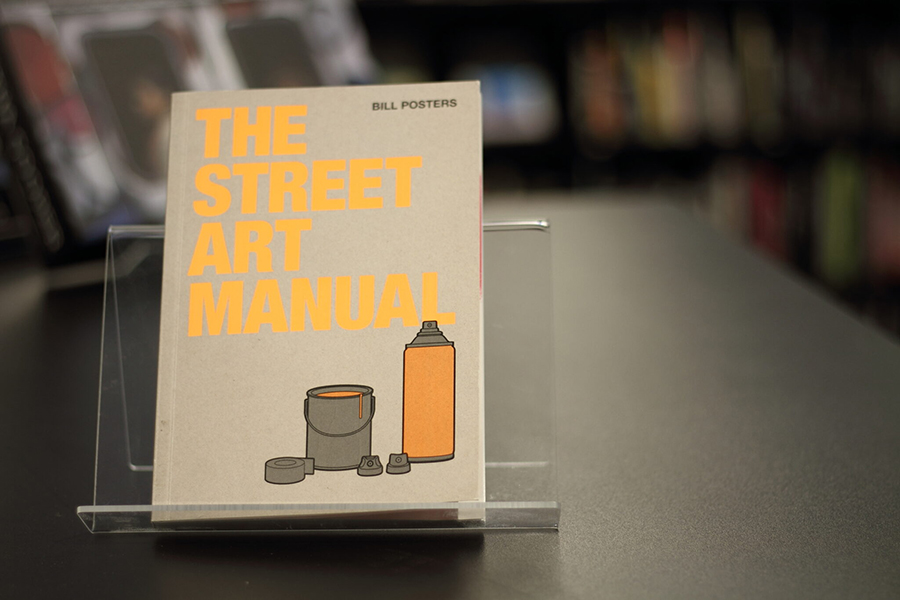
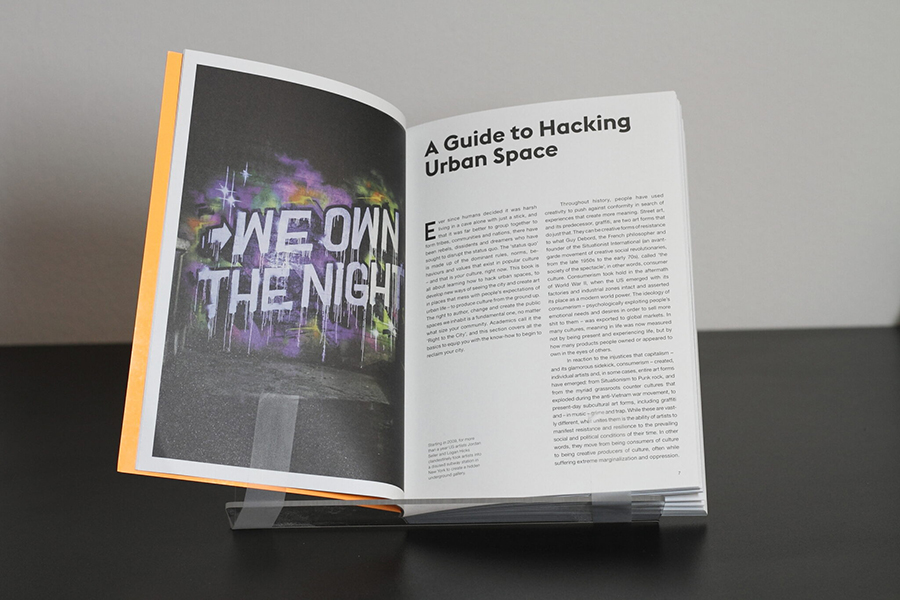
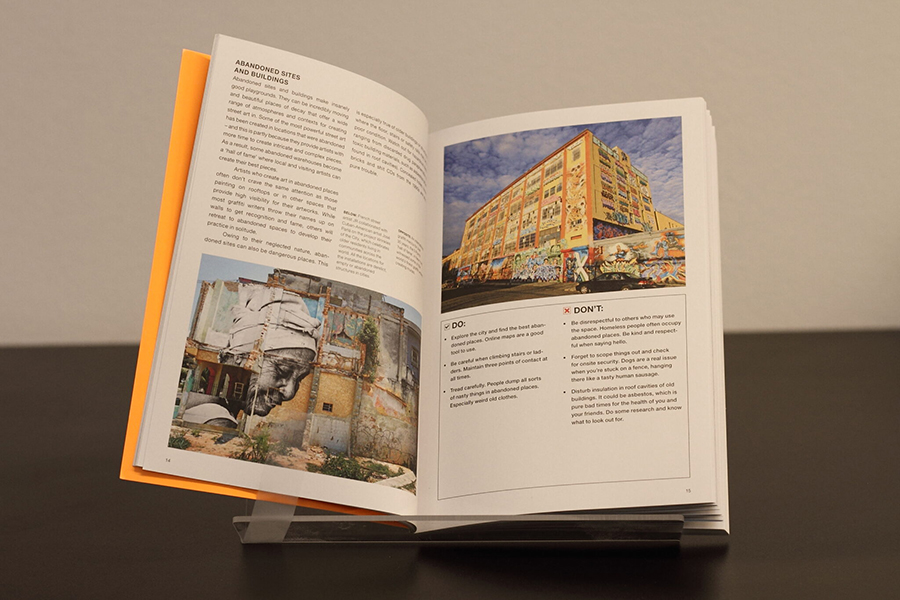
A field guide to resistance and reinvention, The Street Art Manual by artist and agitator Bill Posters is equal parts DIY toolkit, art history primer, and subversive etiquette handbook. Structured with the confidence of a seasoned practitioner and the welcoming, humorous tone of a supportive older sibling, the book offers practical instruction and philosophical grounding for anyone intent on engaging with public space creatively—and responsibly.
Posters, co-founder of the Brandalism project and known for controversial deep-fake online campaigns like Spectre, brings a broad knowledge of global activist art movements to the table. From Beuys’ notion of “social sculpture” to John Fekner’s typographic landmines and the ACT UP visuals of the AIDS crisis, the opening chapters trace a lineage of public dissent that informs his own practice. These references aren’t dusty citations but sharp reminders that creativity in the streets has always been more than aesthetics—sometimes it feels like survival, strategy, and classic satire.
Text Steven P. Harrington & Jaime Rojo Fotos Eveline Wilson
Title: The Street Art Manual Published: Laurence King Publishing. September 08, 2020 Author: Bill Posters Language: English
LOVE LETTERS TO THE CITY at Urban Nation Museum, Berlin
A newly released Interview snippet with curator Michelle Houston and Steven P. Harrington from the opening of the exhibit toys with the question of where art belongs and who gets to decide.
Has this been settled to your satisfaction?
Video credits: Commissioned by Stiftung Berliner Leben. Shot by Alexander Lichtner & Ilja Braun. Post-production, additional footage, graphics, and a final version by Michelle Nimpsch for YAP Studio/YES, AND… productions GmbH & Co. KG
“Love Letters To The City” is currently on view at Urban Nation Museum Berlin. Click HERE for more details about the exhibition, schedules, directions, events, and programs.
Los cimientos de la armonía y de la invención, by Escif. 2024
Reprinted from the original review.
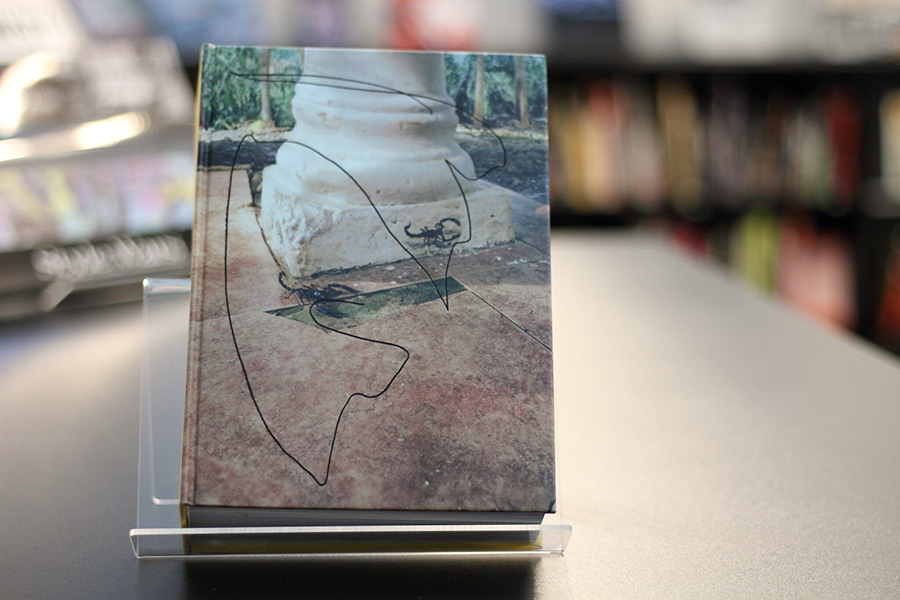
Spanning twelve years of studio and mural work, public interventions, installations, and collaborations, Los cimientos de la armonía y de la invención is Escif’s most comprehensive book to date, and possibly his most deliberate. At 600 pages, this massive, clothbound volume is both an archive and a slow meditation, mirroring the artist’s own evolution from a clever, idea-driven street painter into a conceptual provocateur whose understated gestures leave wide, lingering ripples of interpretation. Drawing its title from Vivaldi’s Il cimento dell’armonia e dell’invenzione, the book positions Escif’s art as both experiment and orchestration—a counterpoint of humor and grief, silence and confrontation, metaphor and material.
Escif’s reputation rests on his ability to place subtle yet impactful works into public space—a painted ladder rising to a window, a cracked phone on a corner facade, a series of sleeping figures mapped across city rooftops. Based in Valencia, Escif began his graffiti practice around 1996–1997 and started developing his public mural and intervention work in the early 2000s; this period overlaps with peers like Hyuro and SAM3 who were also gaining recognition in Spain. He soon distinguished himself with minimalist forms and sharp, socially aware narratives. Escif’s visual language borrows from signage, illustration, and protest banners, but his tone is often that of a haiku or fabled tale: distilled, ambiguous, gently subversive.
A recurring theme is rupture—between humans and the natural world, between economies and ethics, between surfaces and what lies beneath.
Text Steven P. Harrington & Jaime Rojo Fotos Eveline Wilson
Title: ECIF: Los Cimientos De La Armonia Y De La Invencion Published: Self-Published. 2024 Author: ECIF Language: Spanish
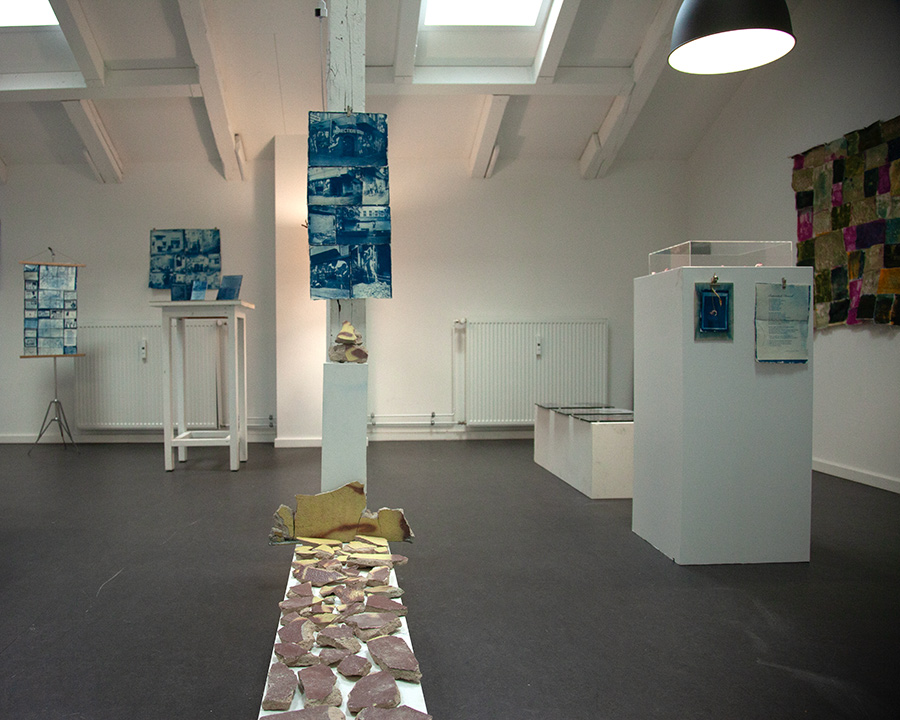
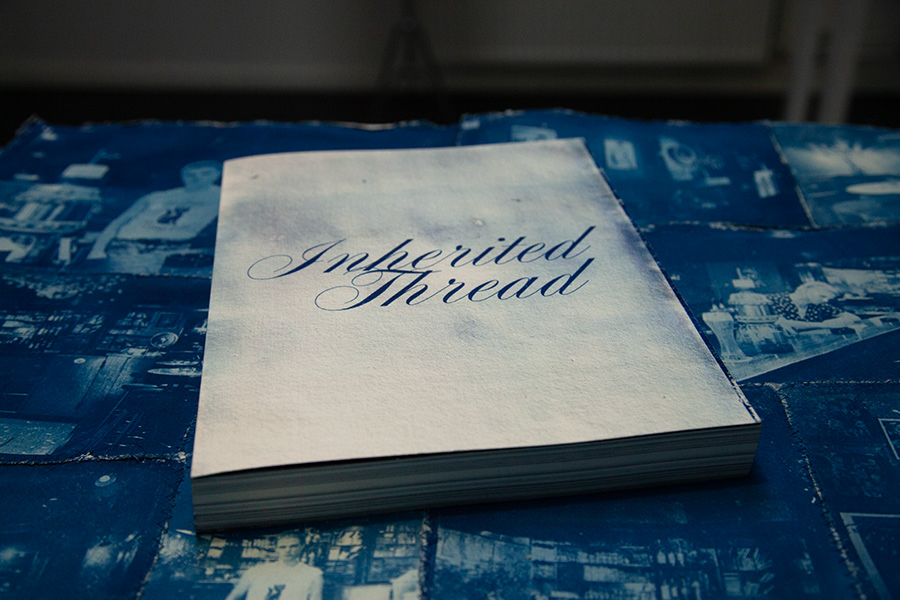
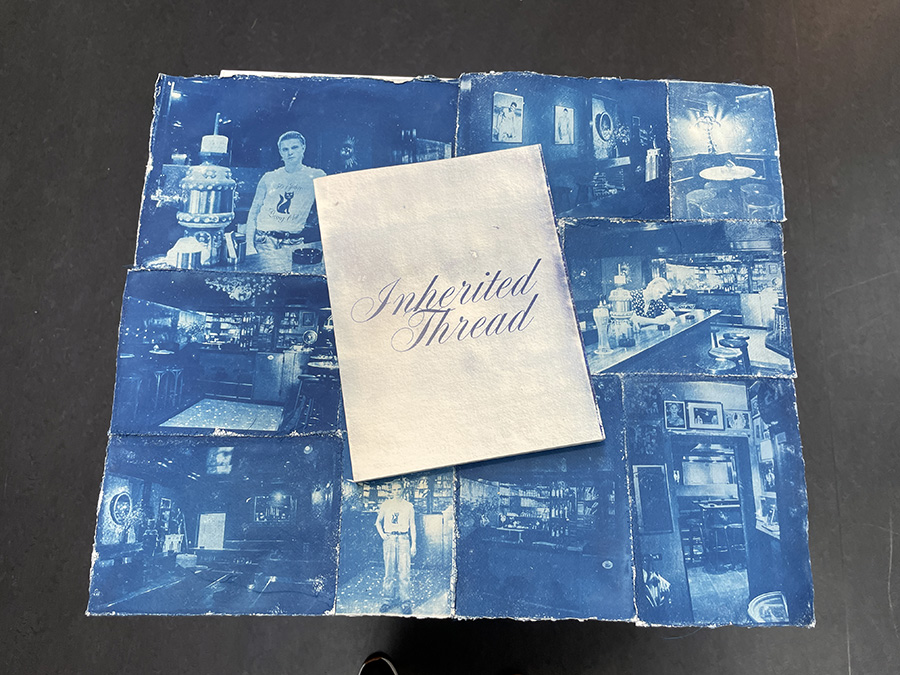
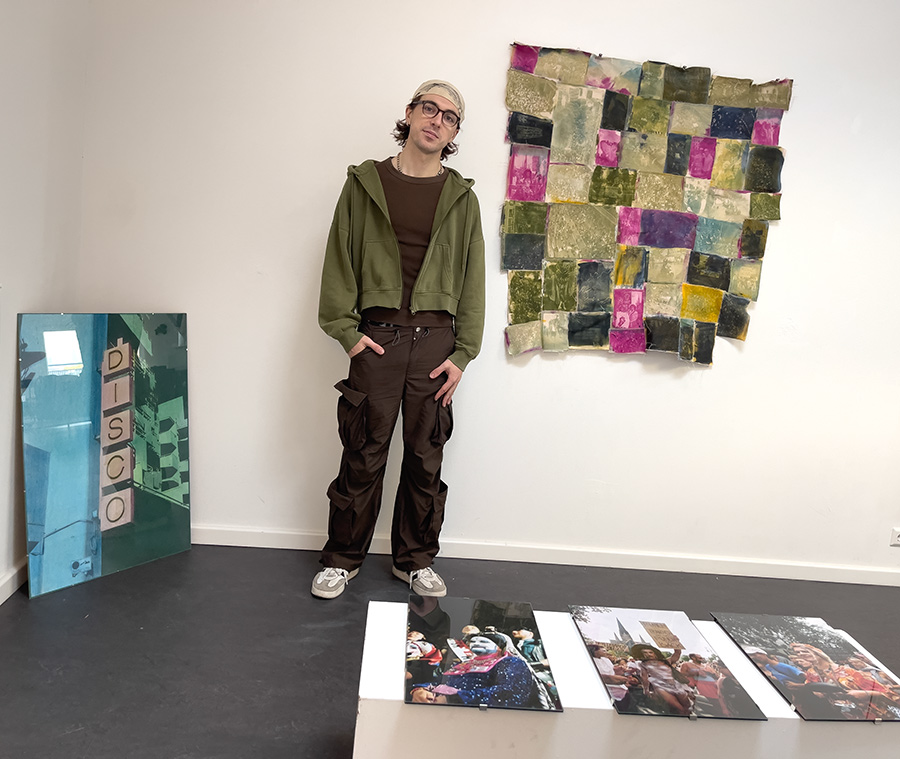
The first Martha Cooper Scholar in Photography, Dylan Mitro, has completed his residency year of study and development in Berlin. Along the way, he became more closely aligned with his identity as a documentary photographer, a storyteller, an archivist of history, and a member of the queer community. Looking back on his project of study hosted by Berliner Leben and Urban Nation Museum, he says his appreciation for social movements came into focus, as did his role as aphotographer in capturing people and preserving cultural memory.
We spent a few hours speaking with him in the rooftop space atop the Urban Nation Museum talking about his experiences over the past year and looking at the materials that he created. We took away a few lessons on culture, art, preservation, and being present.
“Before I can be a person with a camera, I have to be a person they can trust… I cannot be exploitative, especially with communities that have been exploited so much.”
Photography Isn’t Just Style; It’s Witnessing.
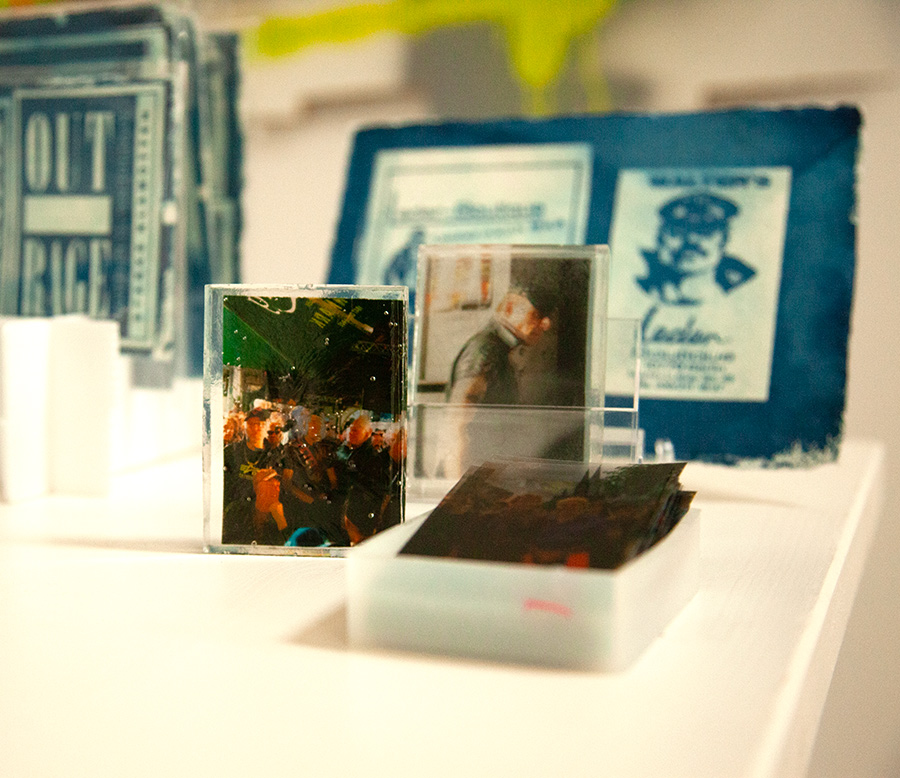
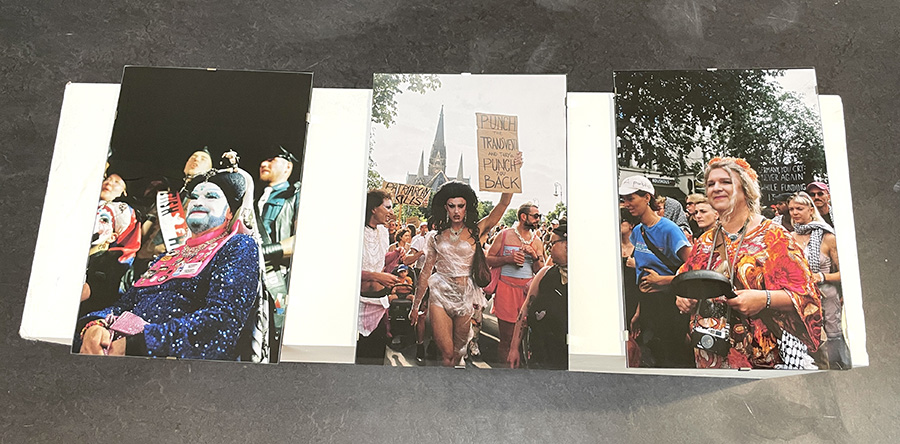
For Dylan Mitro, the camera has become less an instrument of aesthetics than a way of being present when history is unfolding before him. His “24 hours of protest” sequence of photos from animated and boisterous marches and demonstrations on the streets of Berlin is where this becomes clearest. He describes being in the street, whether raucous or quietly vigilant, with “thousands of people coming towards me,” running through the crowd and asking, “Can I take your photo?” as events unfolded in real time.
That sense of urgency and adrenaline is exactly what he admires in Martha Cooper’s work: her “always on” state, the way she treats the street as a field site and people as subjects rather than props. Dylan understands, as Martha does, that the most meaningful images are not staged or pretty; they are “honest and raw,” capturing people at protests, in queer nightlife, and in ordinary moments of showing up for one another. When he looks back at his protest images this year and says, “This is why I’m doing it,” he’s telling us that he recognizes that these fleeting, unposed encounters would otherwise vanish, leaving no trace in official records. Street photography through an ethnological lense, in his hands, becomes a way of witnessing courage and vulnerability in the moment and preserving it for those who come after.
“In the moment it’s so high energy, but then when you see the photos you’re like—okay, this is why I’m doing it.”
Archiving and Re-Photography are Acts of Care and Resistance.
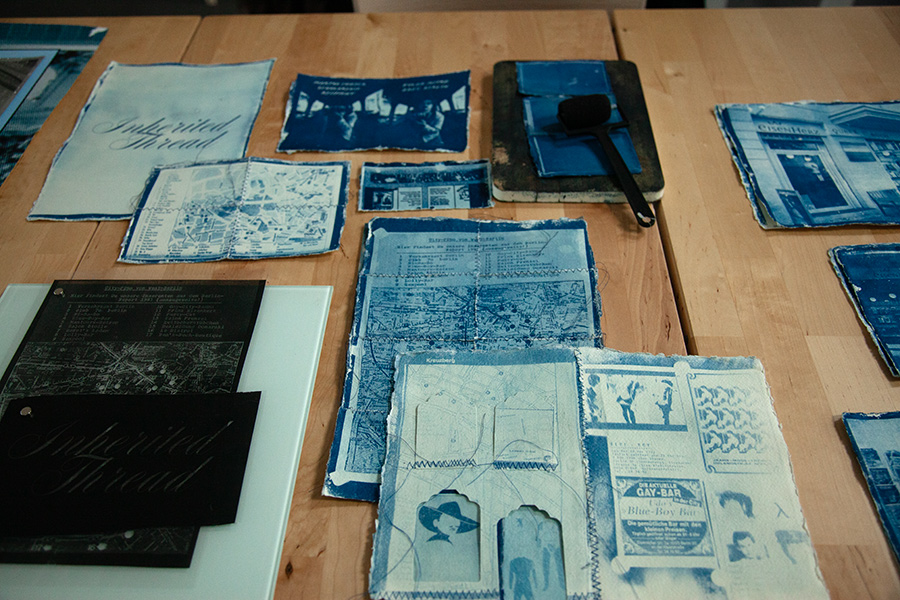
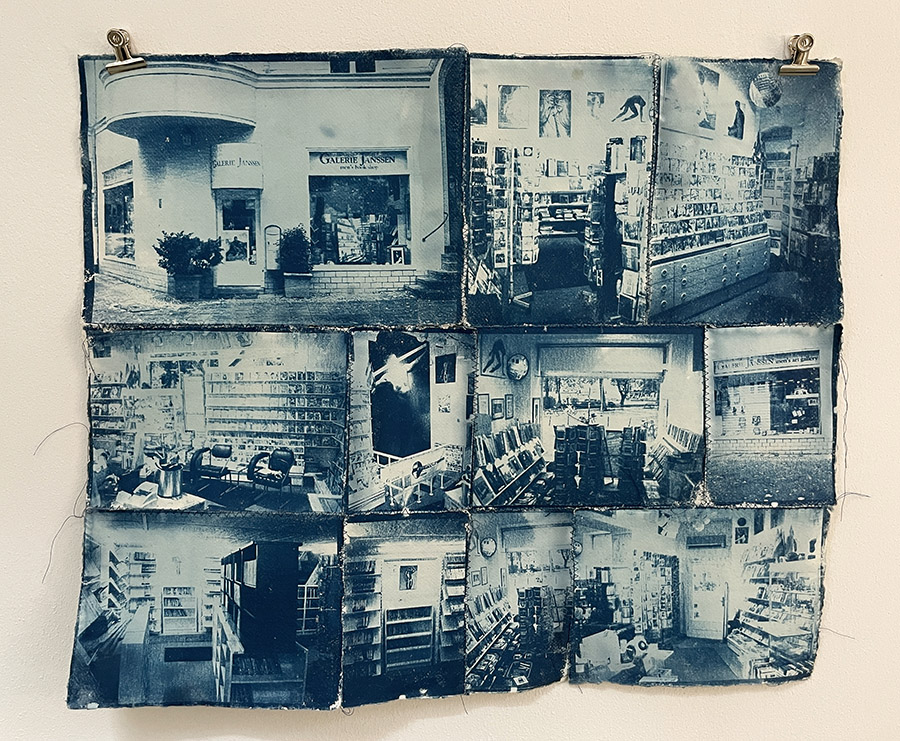
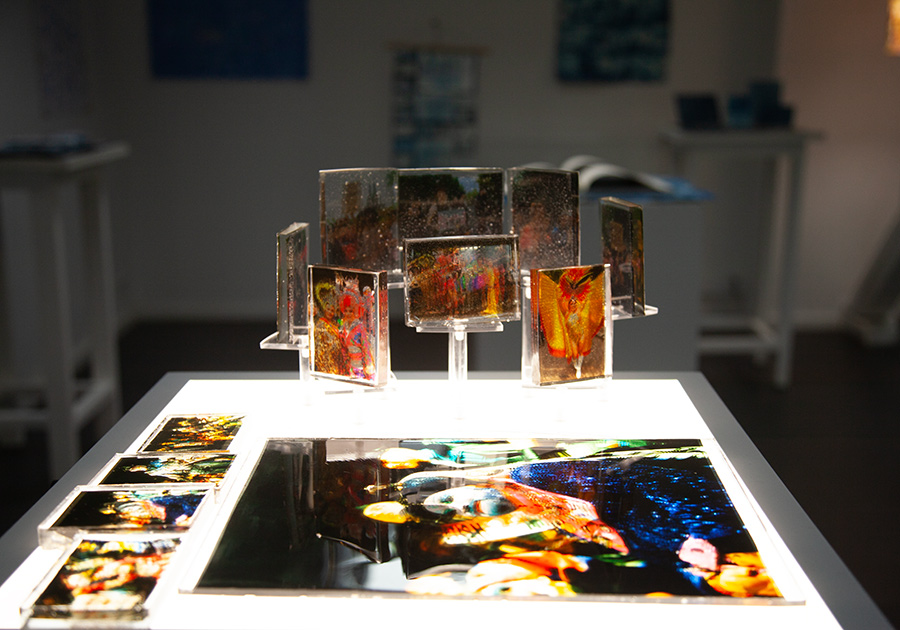
Dylan’s unconventional project of re-photographing and reactivating historic photos begins in the archive and brings people to speak to us here, now. He related his experience of making contact with private collectors of LGBTQ+ history and organizations who have documented queer history in Berlin, sifting through collections, commercial advertising, and personal stories without quite knowing what he was looking for. Possibly because people hid their identity for protection, some things were just out of reach, and Mitro related how images “appear… in this almost ghostly, haunting way.” From our perspective, this work looks like a fresh battle against erasure.
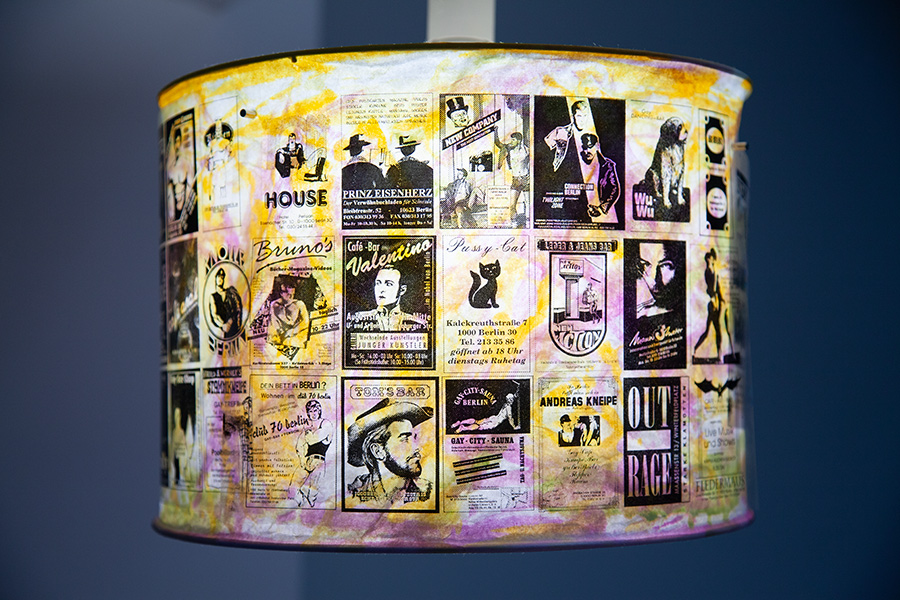
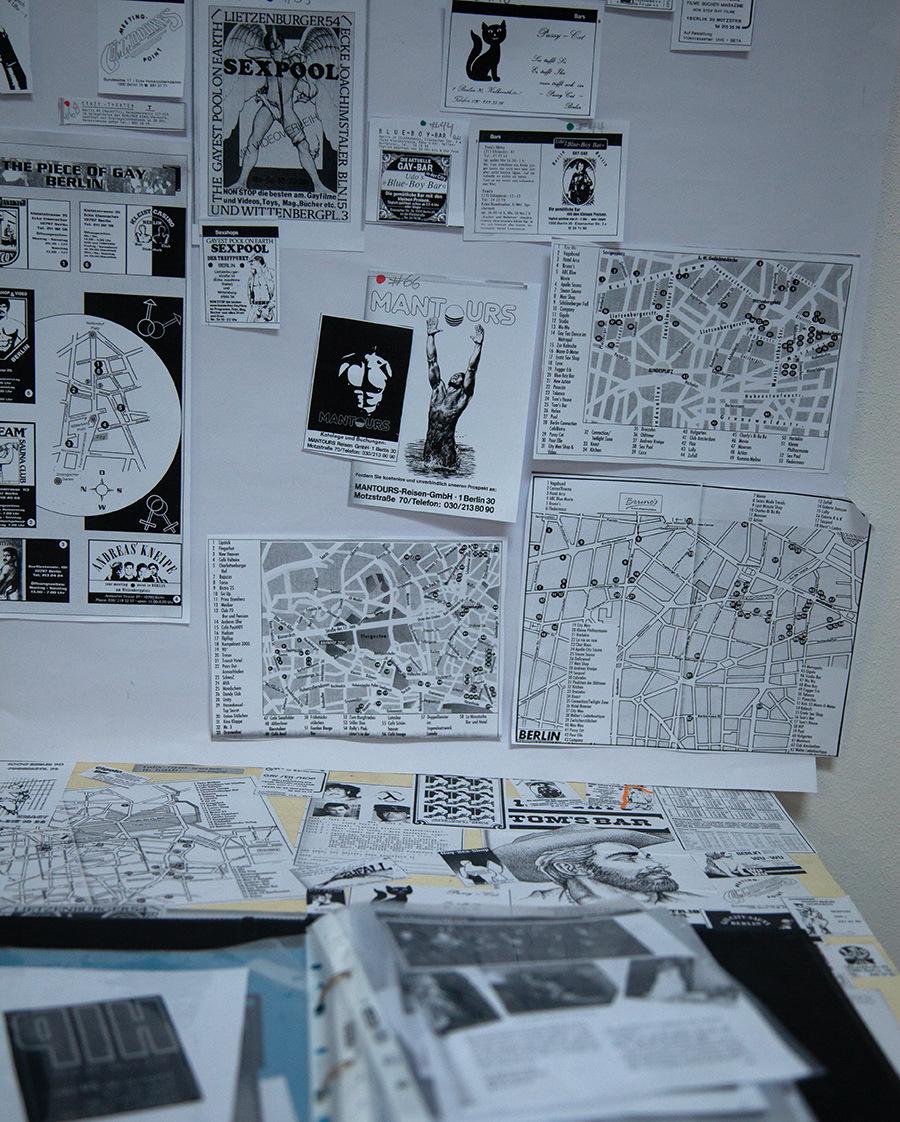
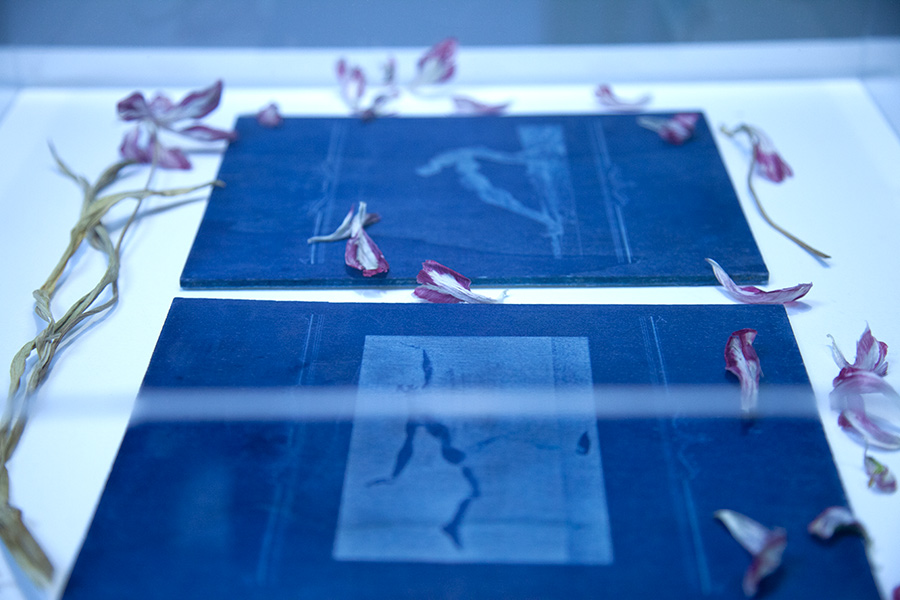
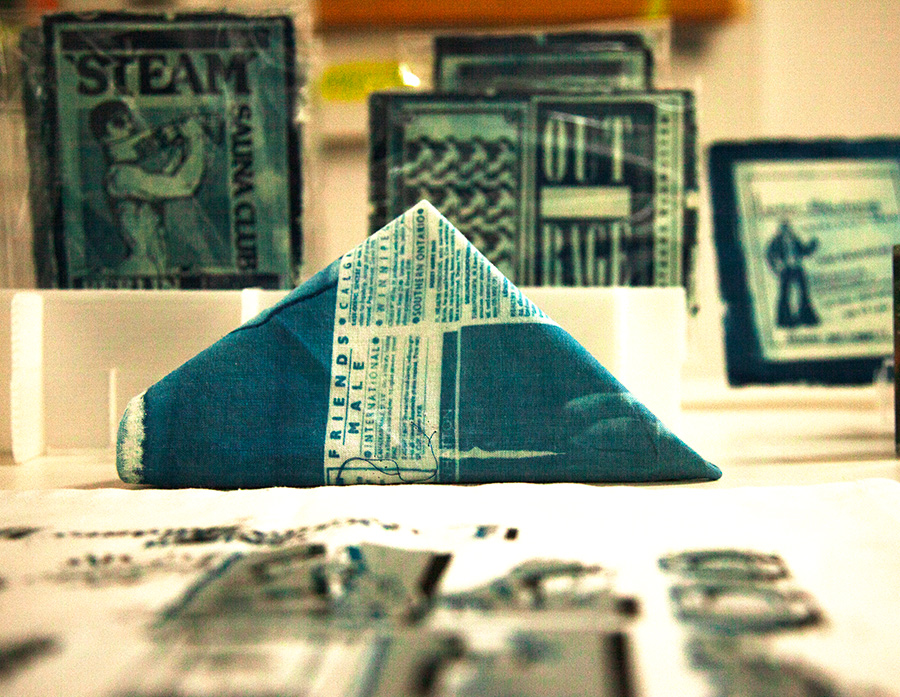
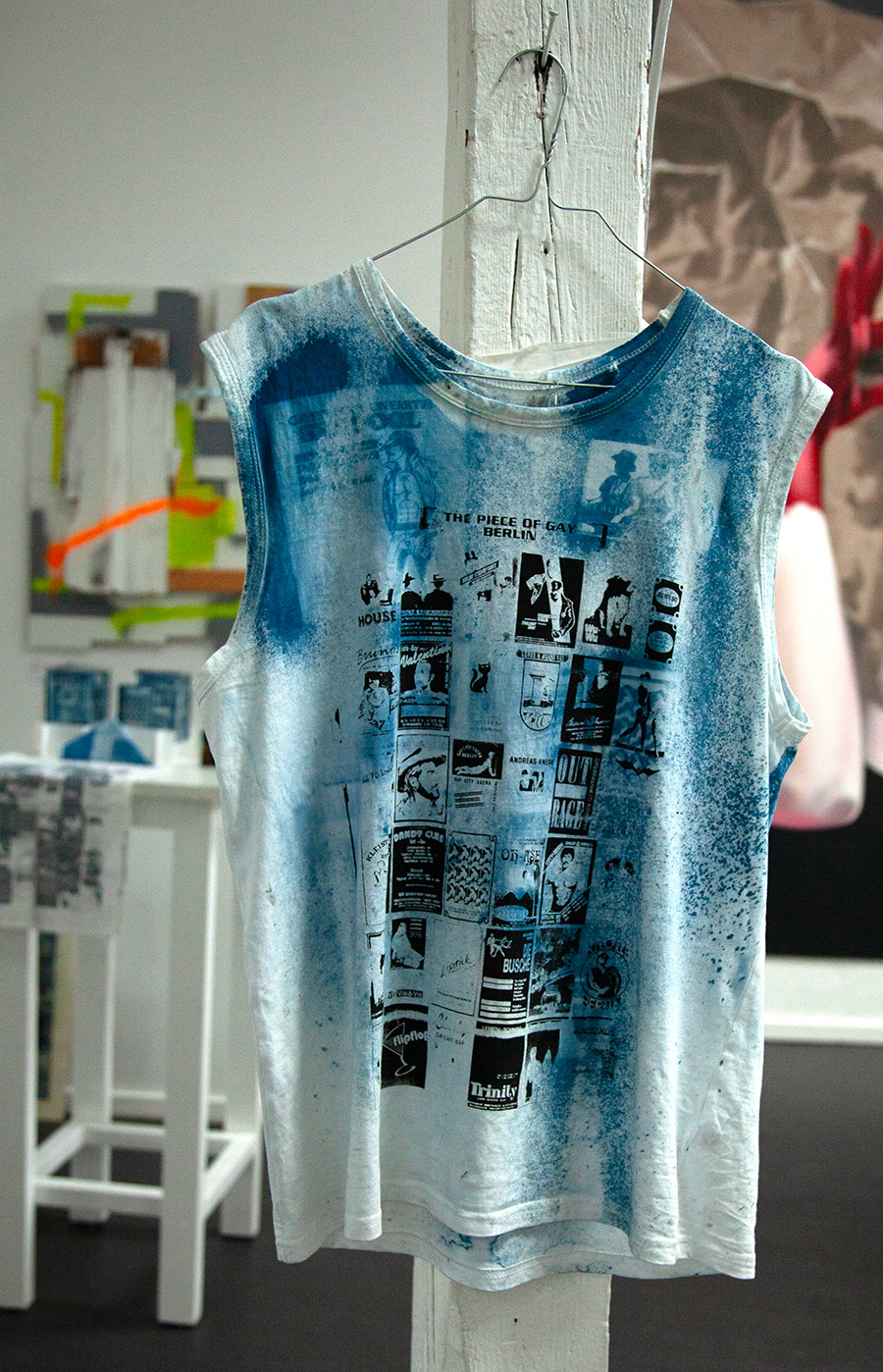
His research led him to retrace the locations of social clubs and bookstores and to pore over a varied and deep selection of printed and digitized materials at the LGBTQIA+ archives at the Schwules Museum in Berlin, including the publication Berlin von Hinten. Thanks to the careful collecting and preservation by many in the Berlin community, the artist says he found himself faced with an overwhelming array of diverse materials to study. Mitro brought his own scanner into the reading room, mechanically capturing pages to “deal with later,” making sure nothing important slipped past him in the flood. When he began making cyanotypes from sex journals, classifieds, and Berlin bar magazines like Berlin von Hinten, he was not merely appropriating images but changing their context and use, turning fragile, easily discarded ephemera into durable goods like book pages, prints, even shirts that he wore into the public and to the opening of his exhibition.
“The beautiful thing about an archive is you don’t know what you’re looking for when you go in, and then it just appears to you in this almost ghostly, haunting way.”
Thoughtful in his description of this self-created research process, he appears fully aware of an ethical minefield that he kept seeing in the materials: the sexualization of hustlers, questions of consent, the AIDS epidemic unfolding in the background, and the way one scandalous case can be used to demonize and smear an entire community. He also remarks on how much things have changed as queer culture has learned from its own past and become more equitable and inclusive. For him, to re-photograph, to print, to bind, is to refuse both erasure and simplistic moral panic. It is an act of care for those who lived through those years and a quiet resistance to the ways queer histories are flattened, censored, or selectively remembered.
Passing the Torch: How New Artists Build on Earlier Legacies
Dylan repeatedly frames his work as a kind of “grief politics” — a way to process his own grief and “collective grief” through images and stories. While he handles materials that can be considered crass, campy, or uncomfortable, he treats them as evidence of what previous generations built so that people like him can enjoy the relative freedoms they have now. During the conversation, we recalled that on earlier Zoom calls in the year, he talked about “recognizing the work that our ancestors have done… so we can enjoy the freedoms that we have now,” and he confirmed that this became central to his mission. In practical terms, this shows up in small but telling decisions.
Looking over materials and images, he noticed that many photographs in these magazines are uncredited or minimally credited; however, it was vital for him to reconstruct a credit page in his own book from the publication’s credit lists, even when he could not match each image to a specific name. He sees this as “doing the work for the crediting now,” anticipating a future researcher who might ask “who took this?” and refusing to leave them with a dead end.
His admiration for the photographer Martha Cooper is also part of it: he recognizes that she endured periods when her work was underappreciated, then gradually became a reference point for entire scenes and was treasured for their historical significance. By aligning his practice with her documentary, ethnological approach — attentive, long-term, grounded in real communities — Mitro is situating himself in a lineage of photography that tells our stories to each other and future generations.
When Time, Space, and Support Open a Path for an Artist
Dylan Mitro arrived in Berlin after a decade in Toronto, working punishing 14–15-hour days on commercial shoots and features, a rhythm he describes as “so unsustainable.” The residency allowed him to step off that treadmill and begin a course of study in a new city on another continent. He talked about the stark contrast: in the exact moment that he got the news about being selected for the residency, he learned the news of a close family member’s illness. As he talks, you realize that the year in Berlin became a hinge between these two realities — a chance to focus on his art and a forced confrontation with “what are these next chapters of my life?”
“It’s grief politics… how do I deal with my grief that’s also collective grief? And I deal with that in all of my work.”
With a new perspective, removed from Toronto, he considers that he cannot simply “jump right back into the way I was living.” While he regroups in Ontario and supports family, you can see that the residency gave him room to experiment: scanning archives, learning cyanotype techniques, organizing negatives by place, developing a whole book, and then pivoting mid-project to the “24 hours of protest” series that ties everything together. Along the way, he learned how to structure a day when nobody is calling call time, manage the pressure to enjoy and study the city, and answer the uncomfortable question he keeps coming back to: “Why are you doing it. The support he receives — from the scholarship, the residency, and mentors — may make it possible for him to build a thoughtful, ethically grounded body of work that he could not have assembled in the gaps between commercial gigs.
Regarding his project, the cultural ground keeps shifting, and Mitro couldn’t have been more timely. In a political climate in the Western world where there is a backtracking on human rights and queer and trans lives are attacked and simplified, this kind of photography and archiving says: we were here, we are complex, and our images won’t disappear.
Throughout the conversation, Dylan connects his work directly to the present rise of fascism and reactionary politics. He notes that people now often say, “You can be queer anywhere in the city,” as if dedicated spaces and organizing structures were no longer necessary. He counters this by pointing back to history: earlier generations had to fight for those spaces and used them to manage when “the world kind of feels so helpless.” At the same time, he sees how quickly media and political actors can weaponize isolated events — a murder, a scandal, a stereotype — to brand entire communities as dangerous, from gay men in the 1990s to immigrants and trans people today.
That’s precisely why he went to the archive, sat with the original materials, and made new work grounded in lived experience rather than sensational headlines. His insistence on consent and trust in photographing protests, especially when working with trans folks, is part of the same refusal to flatten people into symbols. He’s acutely aware that much of the public visual language around queerness is still dominated by highly sexualized images, corporate Pride floats, and what he and the sponsors describe as “rainbow capitalism.”
By pairing reactivated archival images with new, candid protest photographs, Mitro constructs a more layered record: people organizing and dancing, grieving and celebrating, dressing up and just existing. In the shadow of book bans, anti-trans legislation, and cultural backlash, his project quietly insists that queer and trans lives are not a recent “trend” or a single issue to be voted up or down. They are entire worlds, spanning decades, and his camera — like Martha Cooper’s — is there to make sure those worlds are seen and remembered.
“I know I’m not going back to the life that I had before… I’m really reshaping how things are gonna be moving forward.”
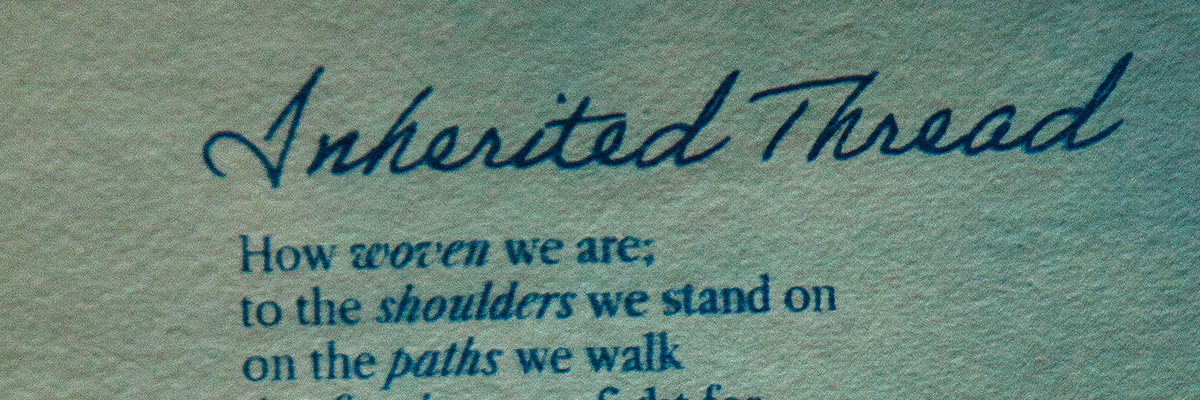
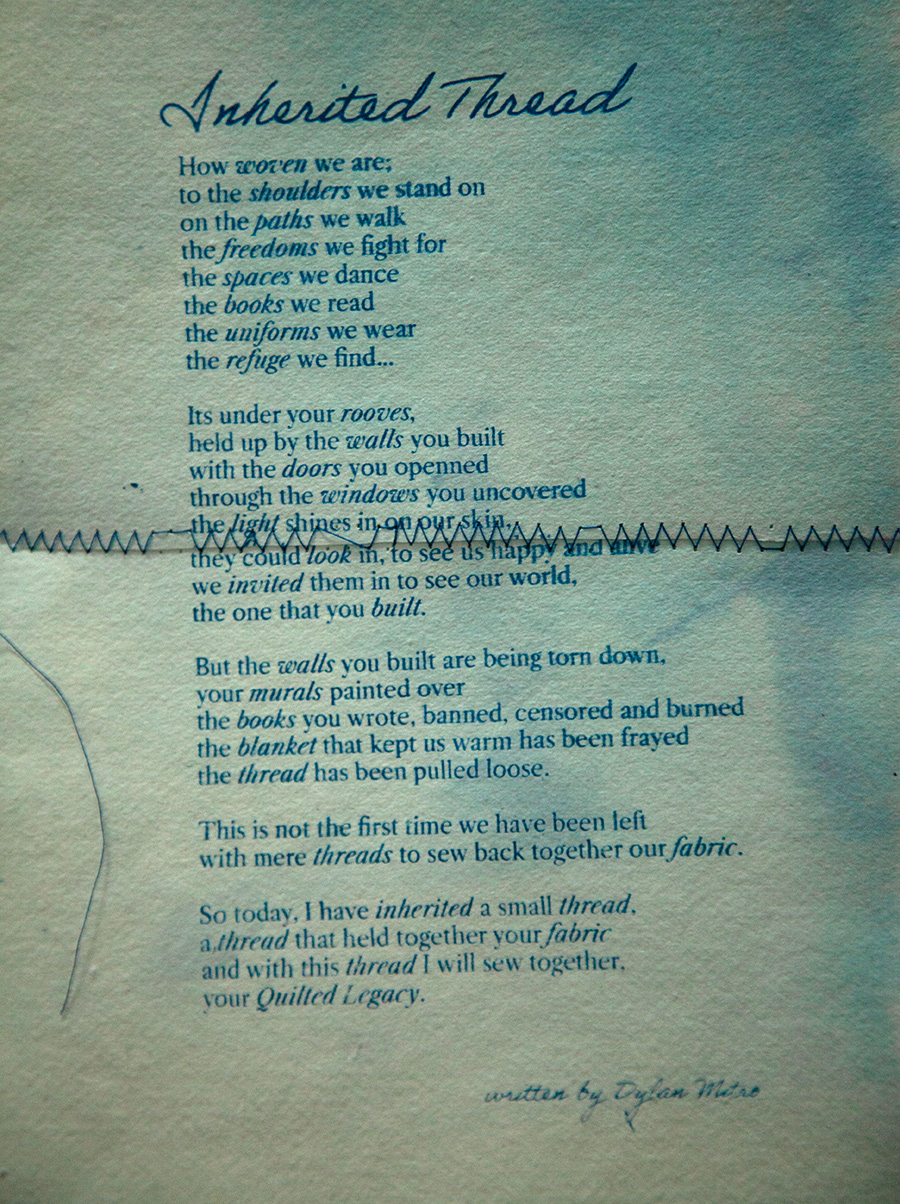
Click HERE to read our first interview with Dylan, where he speaks in depth about their project Inhereted Thread for their Fresh A.I.R. Residency and the Martha Cooper Scholar for Photography 2025.
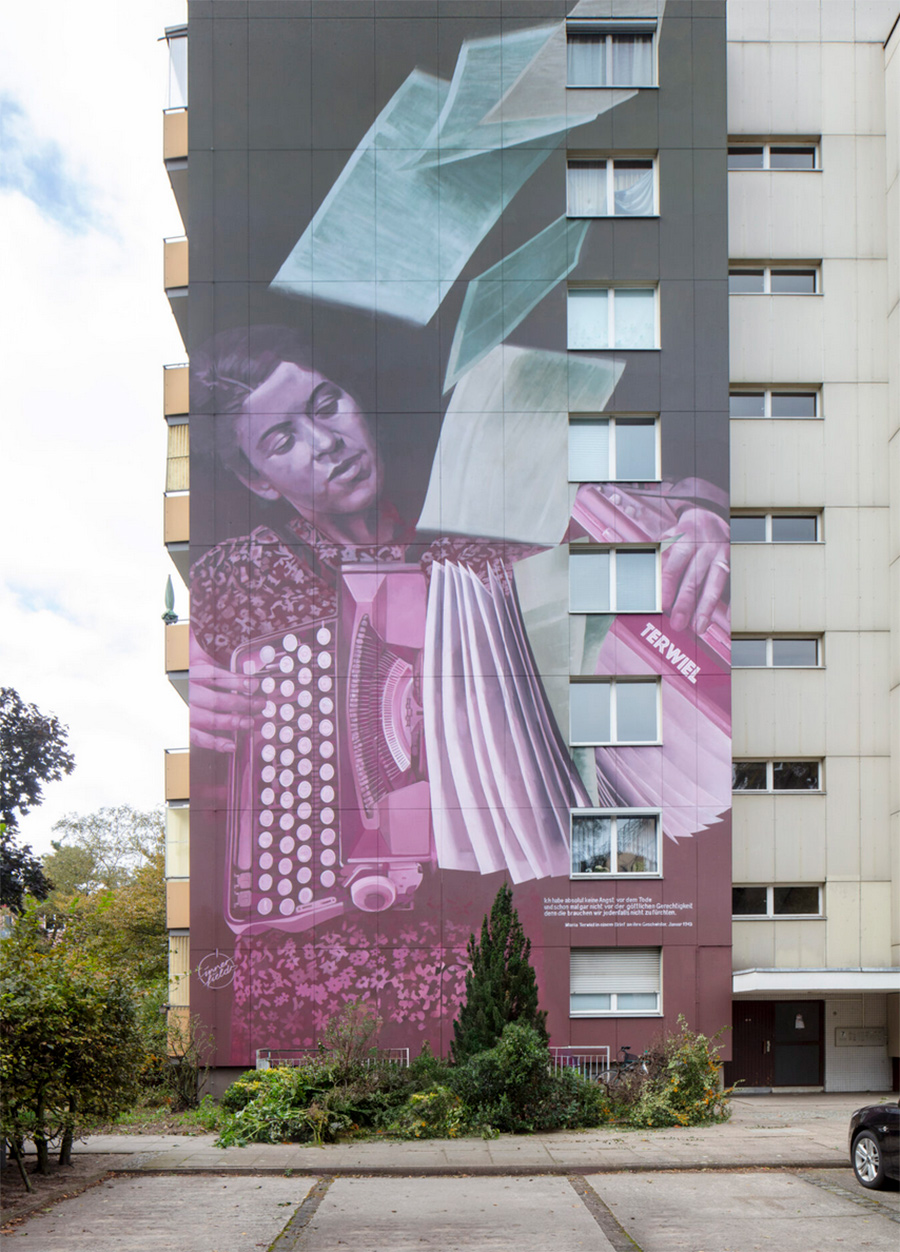
Berlin brings one of its unsung heroes to a wall this month as part of an Urban Nation mural program. On October 9, 2025, UN inaugurated “Akkord,” the newest addition to its long-running One Wall program—a series built on the premise that it is possible a single wall can carry a powerful message in a community. Created by the Berlin-based collective Innerfields, this mural rises above Schwambzeile 7 in Charlottenburg-Nord, transforming an ordinary apartment façade into a site of memory, artistry, and civic reflection. Following the One Wall charge, it’s meant to be public art with purpose: direct, accessible, and impossible to ignore.
Innerfields, who have operated at various times as a trio and a duo since forming in 1998, are well known in Berlin’s street art community for their blend of figurative realism and symbolic abstraction. Emerging from the city’s graffiti culture, they often explore the interplay between humanity, technology, and nature—our coexistence and our contradictions. Their murals are recognizable for their human subjects rendered with near-classical precision, often set against conceptual frameworks that invite reflection rather than spectacle.
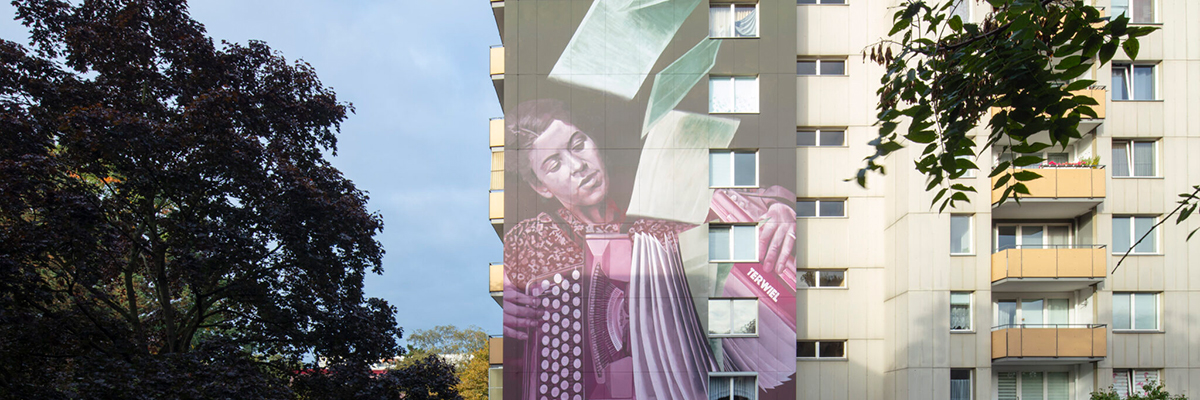
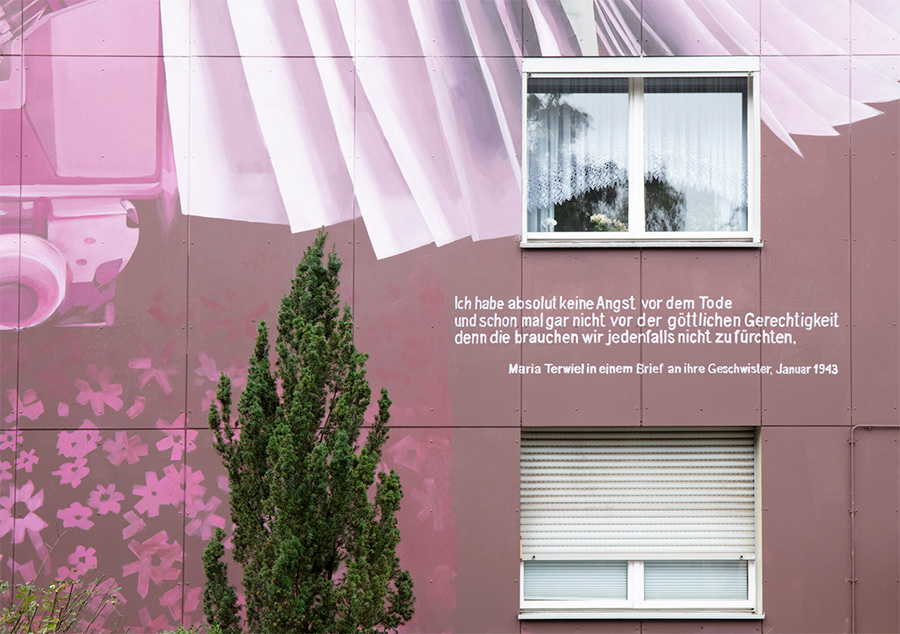
For Akkord, the artists turned their focus to Maria Terwiel, a member of the German resistance executed by the Nazis in 1943 for distributing anti-regime leaflets. The mural’s imagery—Terwiel playing an accordion whose keys morph into those of a typewriter, with the sheet music transforming into the very leaflets she once duplicated—captures the merging of art, intellect, and defiance. The work’s title plays on the dual meaning of “chord” and “accord”: harmony in music, and solidarity in human endeavor.
The concept and design was developed through a workshop with students from the Anna-Freud-Schule and Akkord intends to be as much a pedagogical project as a memorial. It engages young Berliners in reclaiming a silenced voice – and translating history into visual language. In a city that wears its past in layers of paint, Innerfields’ wall may remind us that resistance can take many forms—and that in the right hands, even an accordion can be an instrument of liberty.
GO TO URBAN NATION BERLIN TO READ MORE ABOUT “AKKORD”, INNERFIELDS, AND THE ONE WALL PROJECT
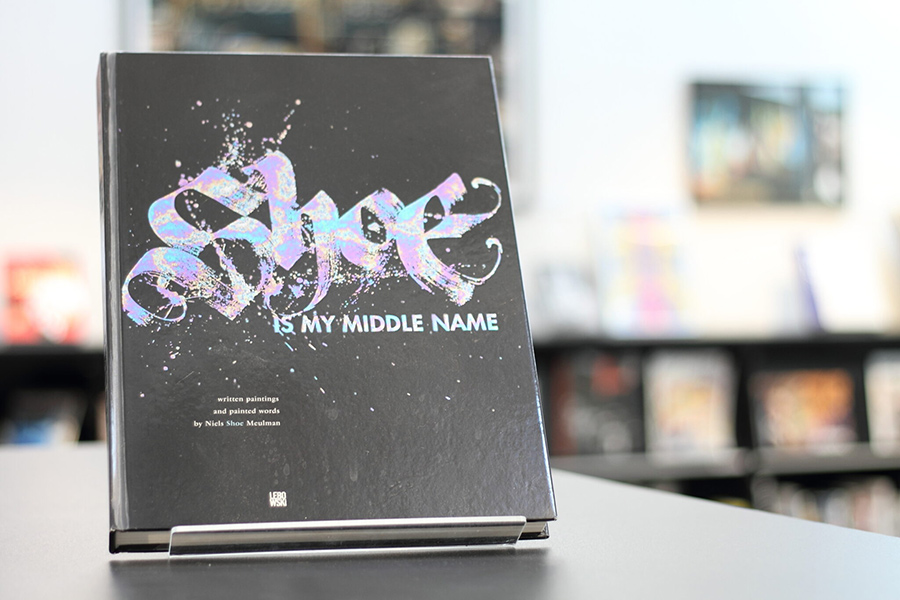
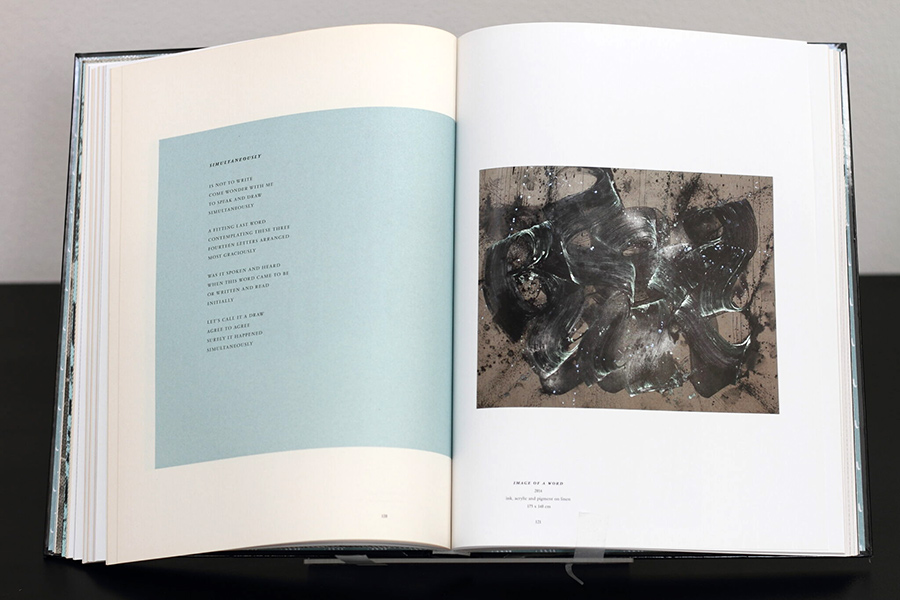
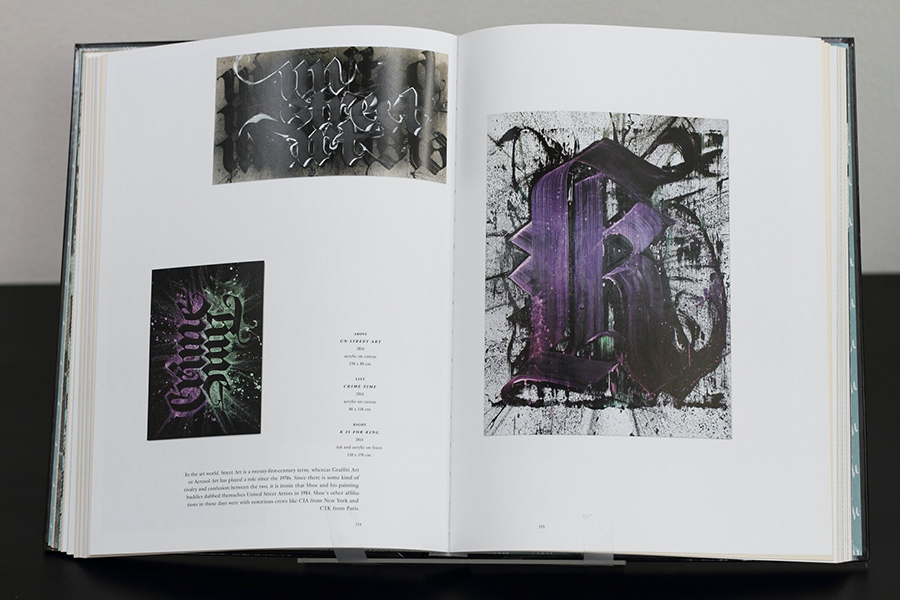
Shoe IS MY MIDDLE NAME. Niels Show Meulman 2016. (photo courtesy of MCL)
Reprinted from the original review by BSA for the Martha Cooper Library.
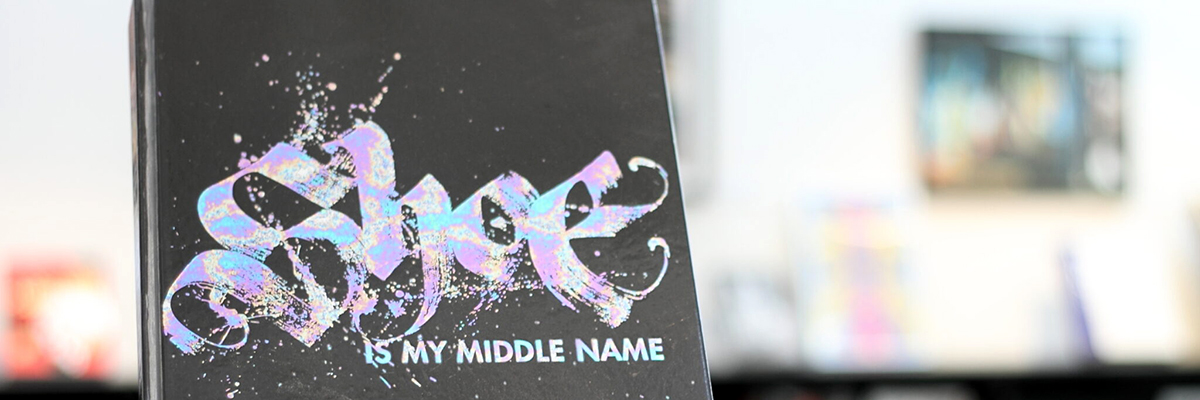
Graffiti writer, calligrapher, painter, typographer—Meulman’s professional identities have long orbited the written mark. “Shoe Is My Middle Name” gathers those decades-deep orbits into one gravitational field, presenting a mid-career survey whose scale and heft match the artist’s sweeping gestures. Photographs of murals, canvases, and poetry scrolls are sequenced chronologically yet feel rhythmic, echoing the repetitive muscle memory that turns letters into pictures.
The early chapters recall a precocious Amsterdam teen who imported New YorkWild-Style back to Europe after meeting Dondi White, while later spreads document how that fluency in urban letterforms morphed into what critics dubbed “calligraffiti.” Ink splashes, broom-wide strokes, and squeegee drags demonstrate Meulman’s commitment to an all-in mark: once pigment meets surface, there are, as he writes, “no half steps.” Quotes, diary fragments, and the full-page poem “A Writer’s Song” punctuate the visuals, anchoring grand abstractions in an autobiographical voice both swaggering and reflective.
Shoe IS MY MIDDLE NAME. Niels Show Meulman 2016. (photo courtesy of MCL)Shoe IS MY MIDDLE NAME. Niels Show Meulman 2016. (photo courtesy of MCL)
Title: Shoe IS MY MIDDLE NAME Published: Lebowski Publishers / Overamstel. Amsterdam, 2016. Author: Niels Shoe Meulman Language: English
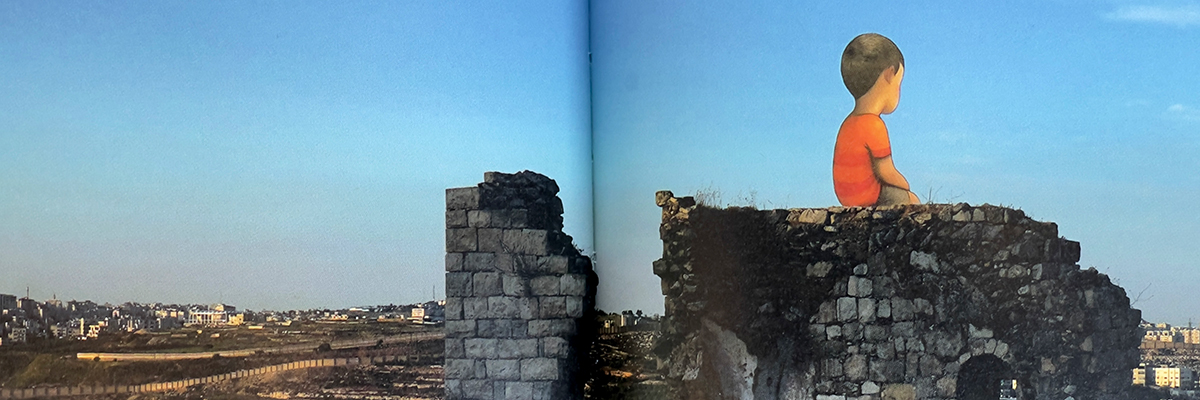
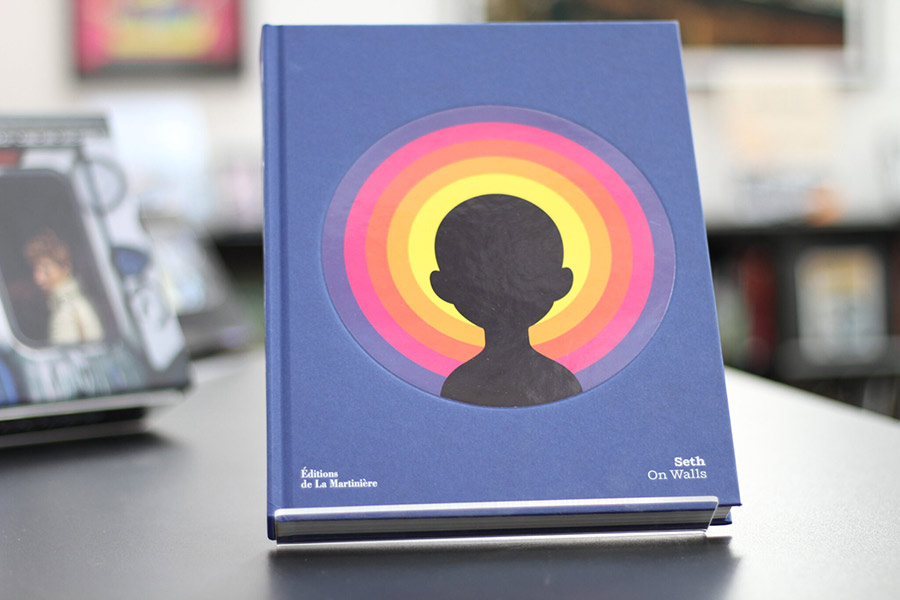
Seth: On Walls. Julien Malland. 2023. (photo courtesy of MCL)
Reprinted from the original review.
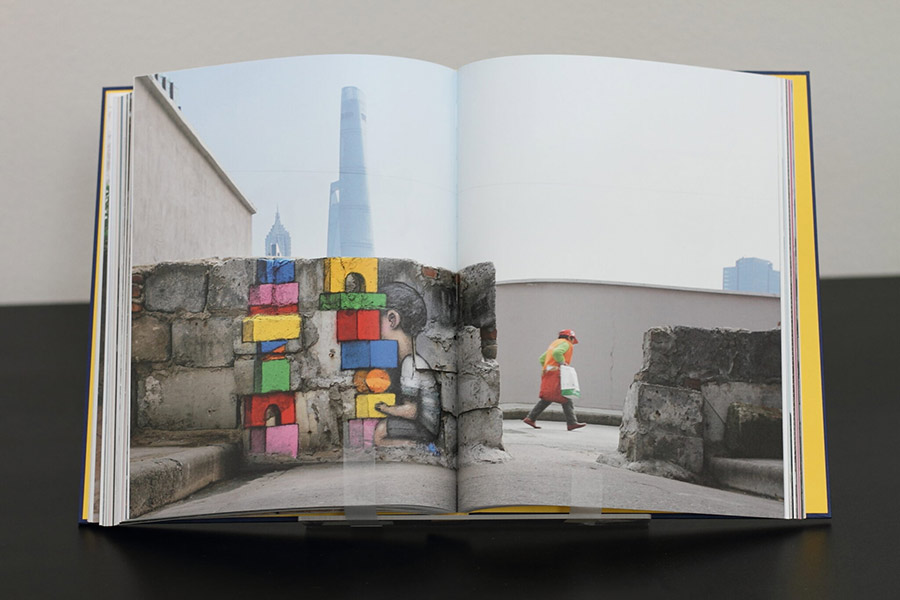
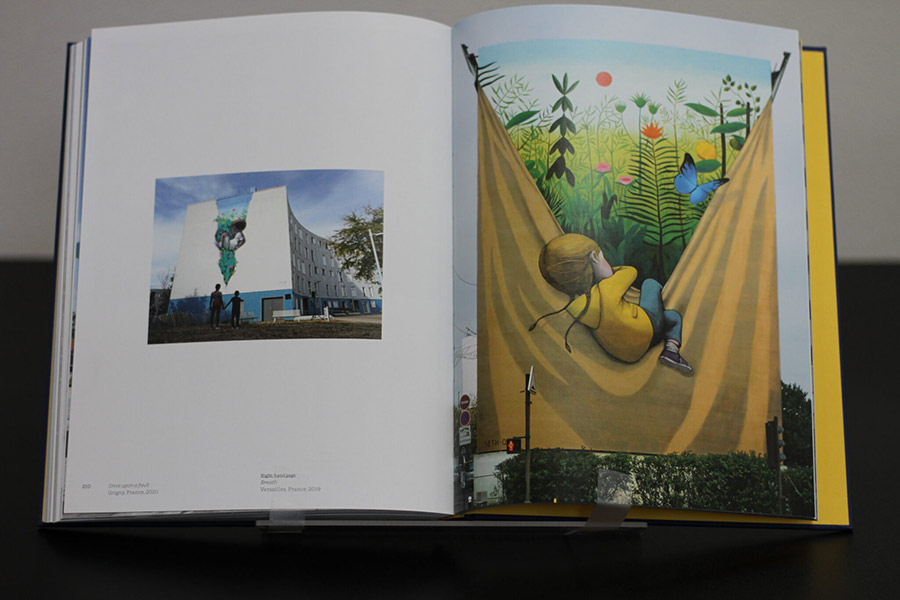
On Walls presents a decade of mural work by French street artist Julien Malland, known as Seth Globepainter. Published by Editions de La Martinière and distributed by Abrams, the book documents Seth’s travels through urban and rural communities worldwide, placing his distinct visual language into diverse local contexts shaped by history, conflict, and transition.
Seth’s imagery blends saturated palettes, geometric constructions, and elements of folklore. His recurring figures—faceless children—are staged within environments that suggest both vulnerability and resilience. Across 256 pages, On Walls traces a path from Phnom Penh to Palestine, from Haiti to Ukraine, each mural shaped by the physical and social landscapes where it was created.
Seth: On Walls. Julien Malland. 2023. (photo courtesy of MCL)Seth: On Walls. Julien Malland. 2023. (photo courtesy of MCL)
Title: SETH on Walls Published: Editions de La Martiniere. 2022. Distributed by Abrams. An imprint of ABRAMS, 2023. Author: SETH Language: English
BSA Special Edition LOVE LETTERS TO THE CITY at Urban Nation Museum Newly released Interview snippet with curator Michelle Houston and Steven P. Harrington
The LOVE LETTERS TO THE CITY exhibition at Berlin’s Urban Nation Museum continues to evolve, provoke, and inspire—inviting new eyes and fresh conversations nearly a year since its debut. Curated by Michelle Houston, the show features over 50 artists from Berlin and around the globe, each offering their own “letter” to the city in the form of street art, sculpture, video, photography, and installation.
In this short video, BSA’s Steven P. Harrington sits down with Houston to revisit the themes driving the exhibition—urban transformation, inequality, climate crisis, and the radical hope that public art can awaken something deeper in our cities. Together, they explore the continued resonance of works by icons like Banksy, Lady Pink, Shepard Fairey, and Vhils, alongside emerging voices and Berlin-based practitioners such as Rocco and His Brothers, Susanna Jerger, and Jazoo Yang.
With the show remaining open for at least another year, this is your reminder: don’t miss the chance to experience a rare international dialogue unfolding inside—and outside—the walls of the museum. It’s not just a show. It’s an ongoing conversation between artists and the city.
Video credits: Commissioned by Stiftung Berliner Leben. Shot by Alexander Lichtner & Ilja Braun. Post-production, additional footage, graphics, and a final version by Michelle Nimpsch for YAP Studio/YES, AND… productions GmbH & Co. KG
“Love Letters To The City” is currently on view at Urban Nation Museum Berlin. Click HERE for more details about the exhibition, schedules, directions, events, and programs.
Liz Munsell, Greg Tate (ed.): Writing the Future: Basquiat and the Hip-Hop Generation
Reprinted from the original review.
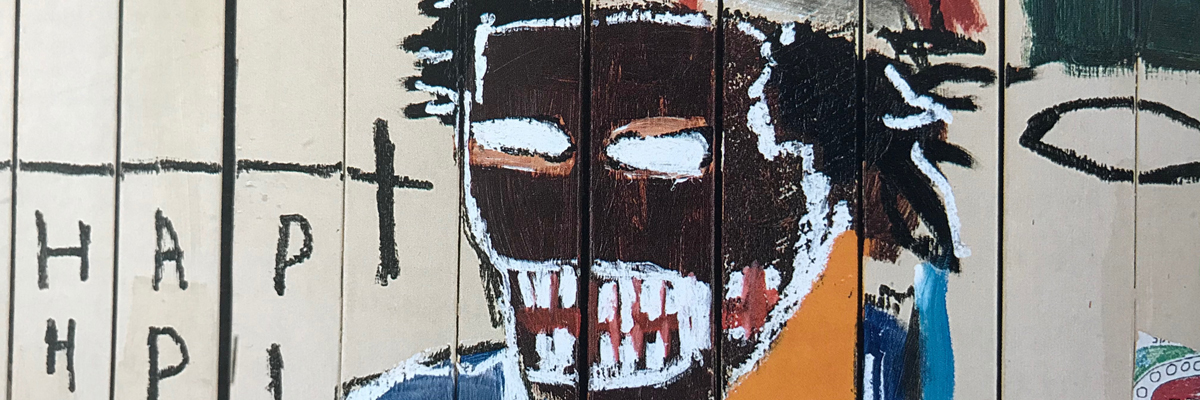
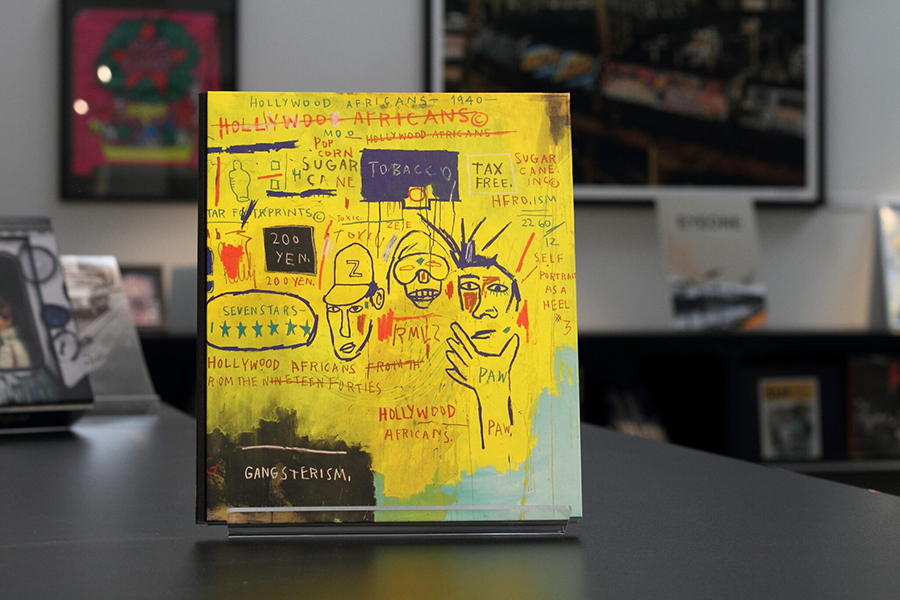
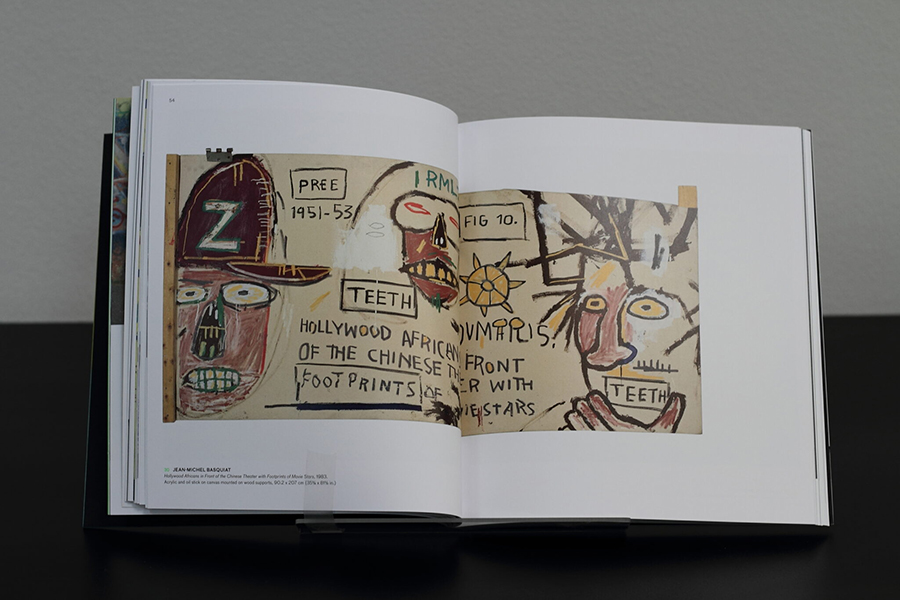
The catalogue Writing the Future: Basquiat and the Hip-Hop Generation, accompanying the Museum of Fine Arts, Boston exhibition, is as multifaceted and dynamic as its subject. Edited by Liz Munsell and Greg Tate, this robust volume unravels the layers of Jean-Michel Basquiat’s artistic world and his role within a transformative cultural era. It positions Basquiat not just as an individual artist but as a pivotal figure in a constellation of intersecting movements reshaping art, music, and performance in 1970s and 1980s New York City.
The book is as much a cultural chronicle as it is an artistic study. It captures the chaotic, electrifying energy of a New York where the boundaries between “high” and “low” art dissolved, and the street became an unregulated gallery. The text delves into the social and cultural exchanges between the Uptown and Downtown scenes—worlds simultaneously divided and united by race, class, and artistic vision. These layers are vividly brought to life through essays that explore the societal forces shaping Basquiat’s era: the collapse of urban economies, the rise of hip-hop, and the cultural syncretism that defined the city’s creative spaces.
MARTHA COOPER LIBRARY: BOOK RECOMMENDATION
? | Title: Writing the Future: Basquiat and the Hip-Hop Generation ? | Publisher: MFA Publications, Museum of Fine Arts, Boston (May 5, 2020) ? | Authors: Liz Munsell, Greg Tate (ed.) With contributions by J. Faith Almiron, Dakota DeVos, Hua Hsu, and Carlo McCormick ? | Language: English
First day of spring in the Northern Hemisphere, and what better sign of renewal than a fresh Urban Nation bloom—sprouting defiantly among the dried leaves, cigarette butts, and abandoned Berliner Pilsner bottles?
As part of an ongoing conversation with curator Michelle Houston about the latest show at Urban Nation, LOVE LETTERS TO THE CITY, we find ourselves drawn to the echoes of the Situationists, those restless wanderers who believed the city wasn’t just a place but an experience—one that tugs at your emotions, plays with your psychology, and sometimes leads you straight to an impromptu picnic on Görlitzer Park’s slightly suspect grass.
The show isn’t just a tribute to urban spaces; it’s a love note, a protest, and a collection of insights into the streets that shape us and our experience.
Video credits: Commissioned by Stiftung Berliner Leben. Shot by Alexander Lichtner & Ilja Braun. Post-production, additional footage, graphics, and a final version by Michelle Nimpsch for YAP Studio/YES, AND… productions GmbH & Co. KG
Spanish artist Gonzalo Borondo, from Valladolid, arrives at LuzMadrid Festival with Redentora, a site-specific installation that continues his steady movement …Read More »
 BROOKLYN STREET ART LOVES YOU MORE EVERY DAY