 BROOKLYN STREET ART LOVES YOU MORE EVERY DAY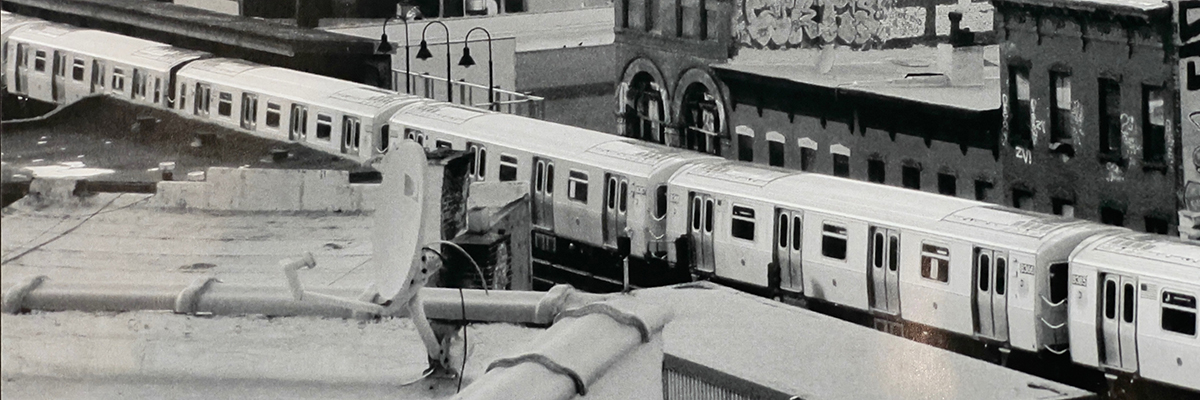
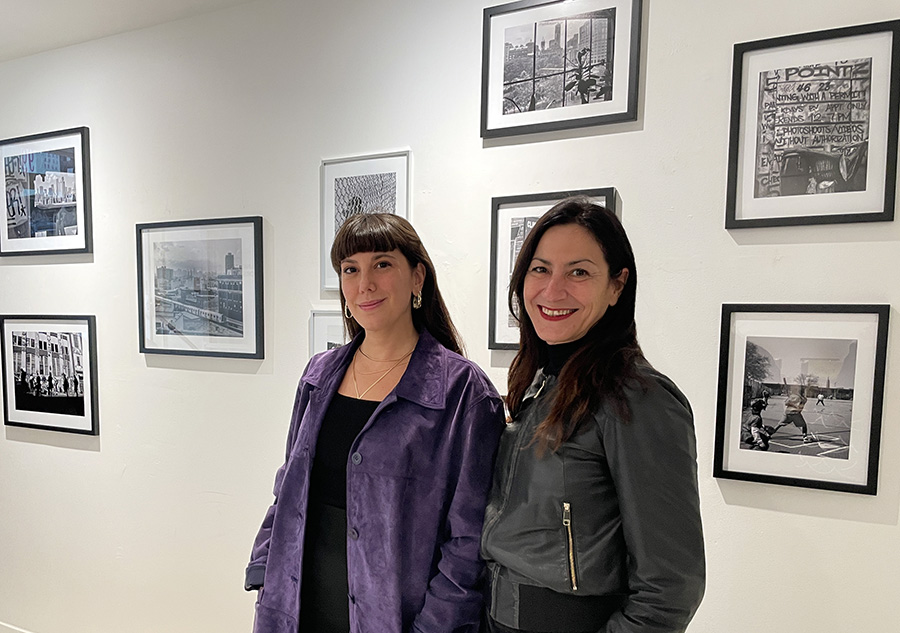
For one week this fall, BlankMagBooks in New York quietly hosted photographs by Sonny Gall from her new publication 99 of NY, released by King Koala Press with text by Mila Tenaglia. The exhibition was small but telling — a passing moment in the life of a project that had already taken a decade to form.

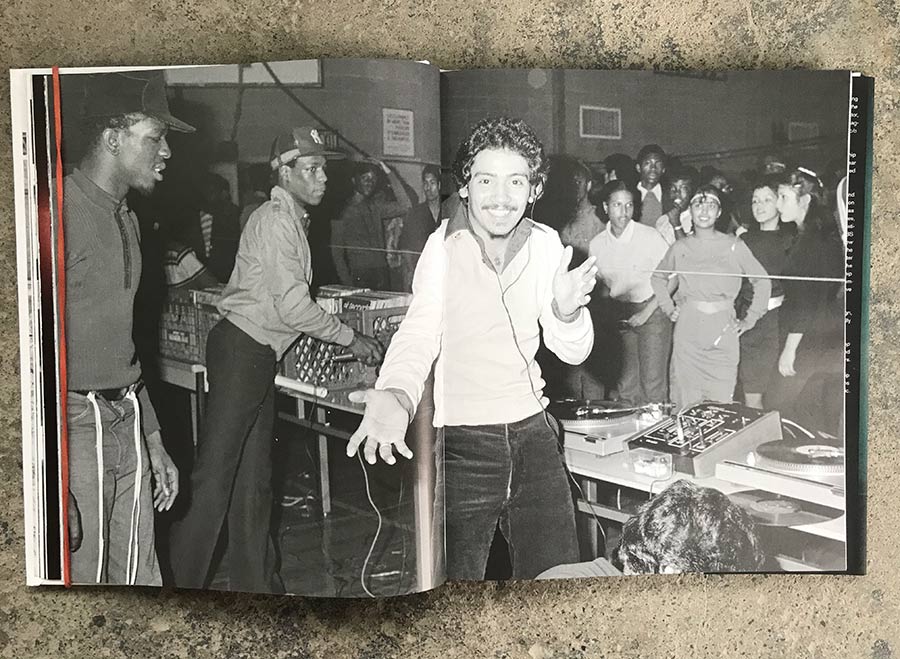
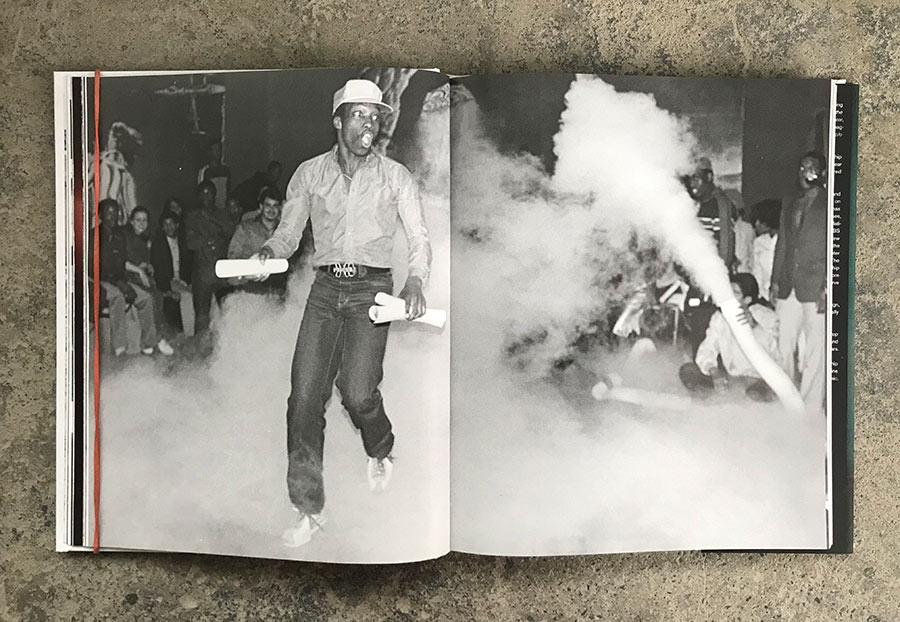
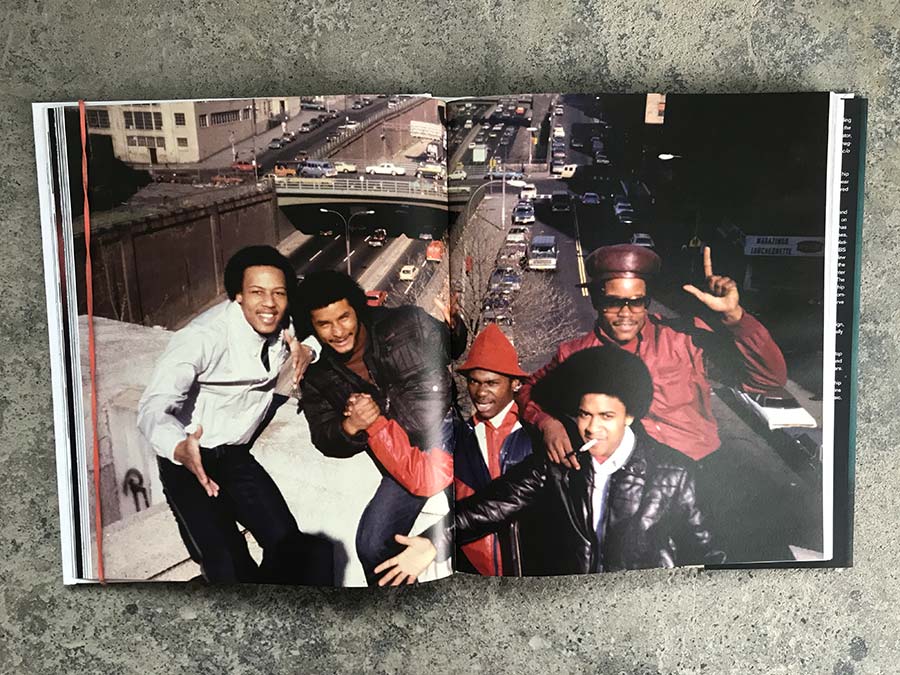
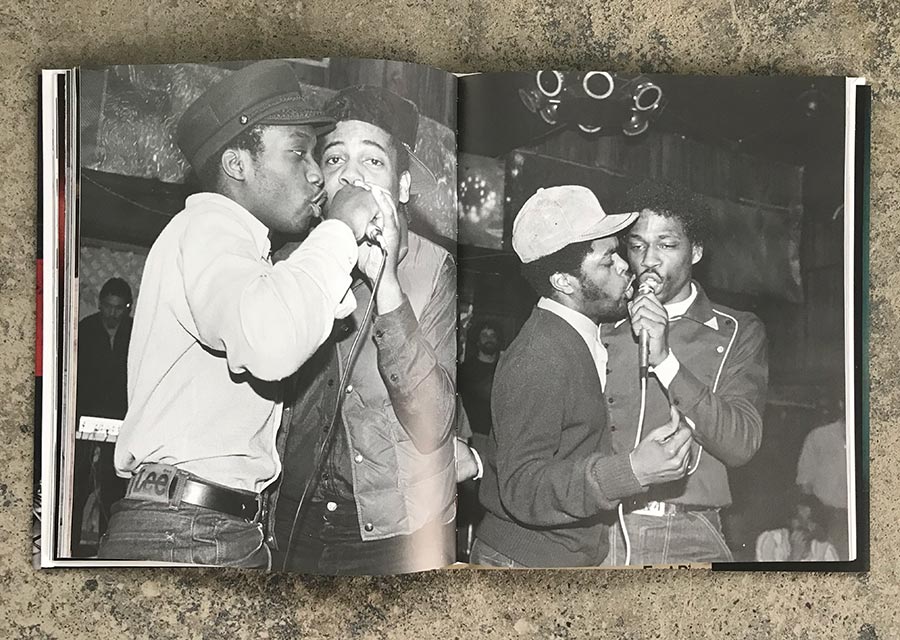
Described by the publisher as “a compositional and documentary endeavor that unfolded naturally over the course of a decade,” 99 of NY gathers 99 photographs across 110 pages, printed in both color and black and white, in a durable hardcover, album-sized format. True to King Koala’s limited-edition tradition, it’s a finely produced object — modest in scale and rich in substance — that rewards slow looking and quiet reading.
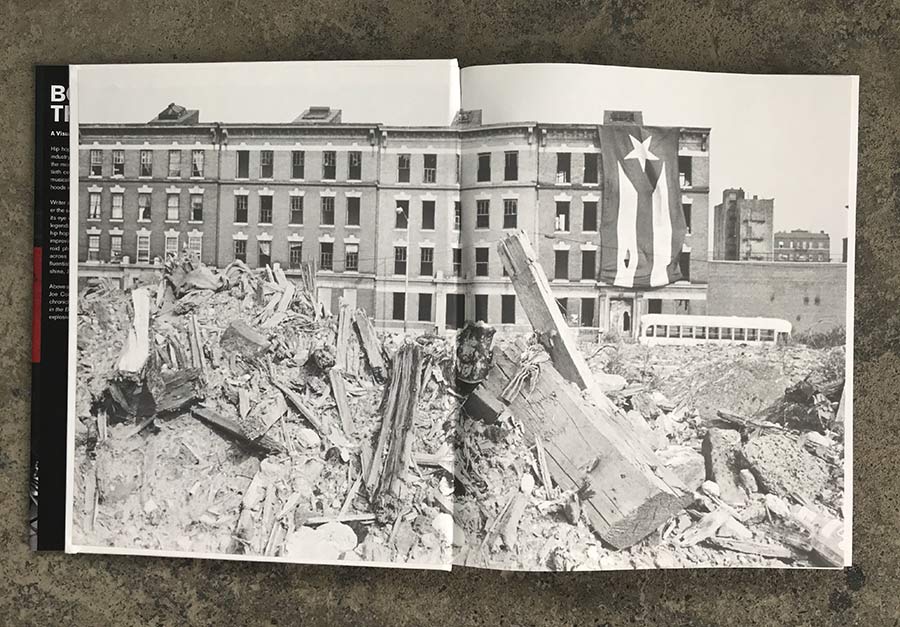
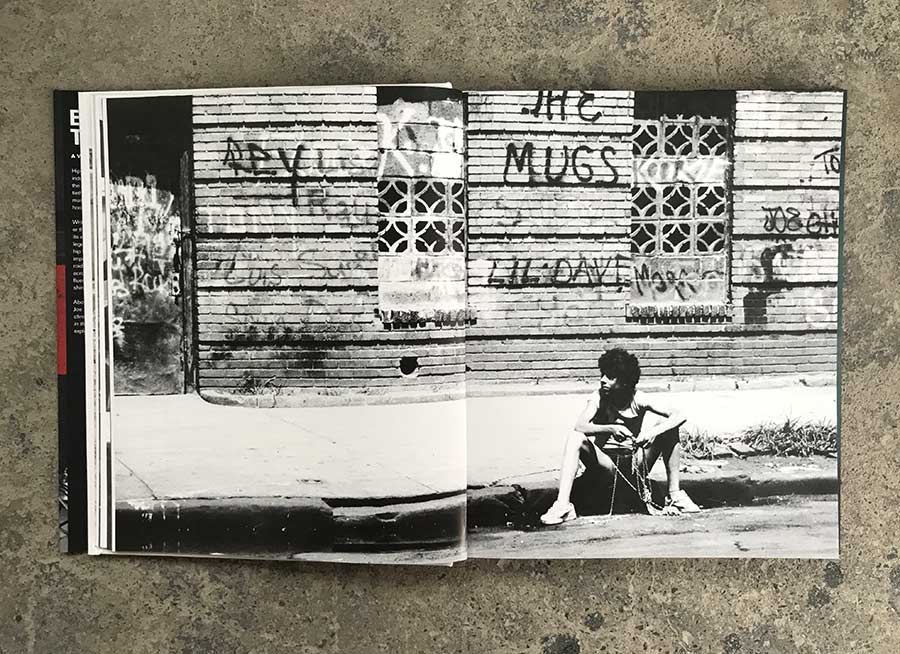
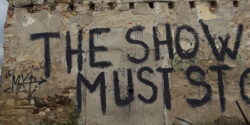
Gall’s images vibrate and render when leaning toward the overlooked: empty lots in Queens, warehouse walls, families at home, scattered pigeons, playgrounds under scaffolding. They are fragments of a living city seen with patience and affection, moments that feel at once offhand and deliberate. Tenaglia’s accompanying texts deepen those impressions without overexplaining, their language as sharp and unadorned as the photographs themselves, yet evocative of the unseen – with a poetic wandering appropriate for the attitude of discovery. Together they capture what it means to move through New York — not as spectacle, but as encounter.

Gall, born in Milan and long settled in New York, brings a deep familiarity with the city’s hip-hop and graffiti circles and a sensitivity to its architecture and light. Tenaglia, from Rome by way of Pescara, came to New York through journalism and documentary film, drawn to stories that find beauty in imperfection. Their partnership is grounded in trust, a love for street culture, and shared intuition: one sees, the other shapes the narrative.
99 of NY feels like the city it portrays — restless, imperfect, alive. The brief gallery presentation served as an echo of the book’s essence, but it’s the pages themselves that hold the weight: a decade or more of lived experience distilled into images and words that ask to be read slowly, with attention and care.
We spoke with Gall and Tenaglia about their work:
Brooklyn Street Art: When did you first begin to see yourself as a photographer, rather than simply someone taking pictures?
Sonny Gall: Honestly, I still see myself simply as someone who takes photos to satisfy a personal instinct and sense of pleasure. It was friends, acquaintances, and even people I didn’t know—my Instagram followers—who started calling me a photographer and encouraged me to pursue this project more seriously.

BSA: What do you feel you’re capturing in your photographs of New York — is it its people, geometry, pulse, or something more elusive?
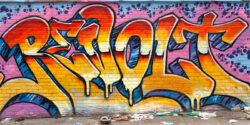
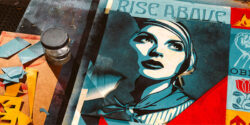
Sonny Gall: What draws me in are all the things often associated with graffiti and street art—the play of colors, architectural contrasts, the diversity of people, and those small details that catch my eye on an aesthetic level. I tend to visualize compositions that I enjoy framing and coming back to later.
BSA: How do graffiti and street culture weave into the moments you frame — are they a backdrop, a rhythm, or a conversation within your images?
Sonny Gall: Graffiti and street art are what primarily capture my attention. I love framing them within the urban context of the city. They’ve become a defining element of my work, giving my photos rhythm, identity, and a distinctive character.
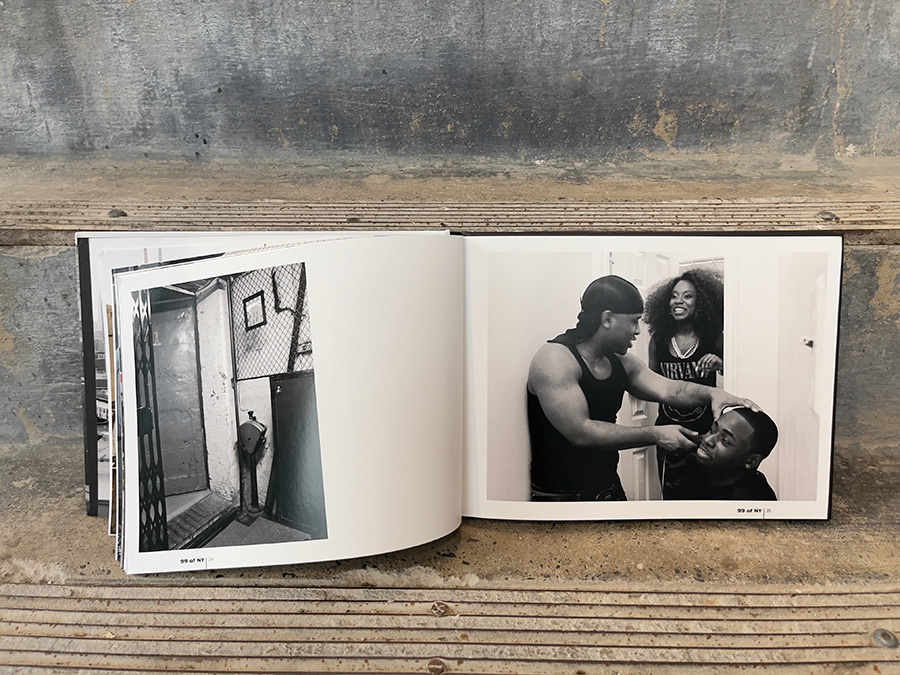
BSA: When did this project first take shape for you, and in what ways has your vision of the city evolved since then?
Sonny Gall: 99 of NY was conceived in 2013 but stayed on hold for several years. Life happened, but the idea never left me. With the encouragement of friends and family, I realized I needed someone to help bring it to life. That’s when I reached out to my friend Mila Tenaglia, in 2021, during Covid. We had both moved from Italy to New York around the same time, sharing similar experiences and a deep love for the city. I immediately knew she would be the perfect partner—our visions aligned naturally. With her structured writing and my photography, we created something beyond a book: a visual and emotional portrait of a transforming New York—our New York—rapidly reshaped by gentrification.
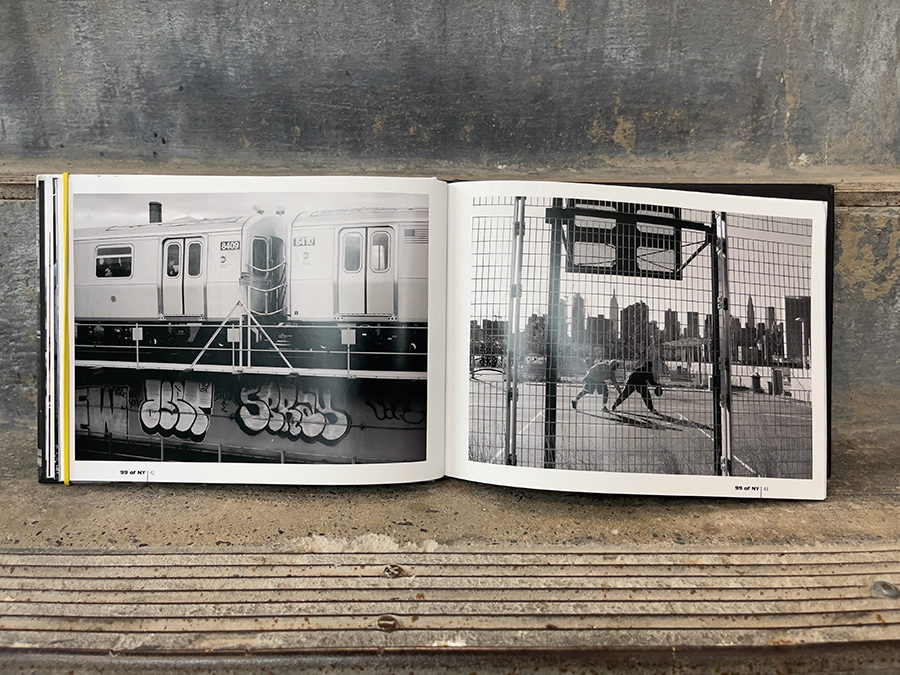
BSA: If someone could not see these images, what would you want them to understand about them through your words?
Mila Tenaglia: I’d want the writing to pull readers straight into that chaotic, creative spiral that is New York — a city of bombed-out corners, tags, graffiti, and gestures that still breathe in the semi-illegality of pure expression. Every mark on a wall is an act of self-definition: it demands nothing, yet it insists on being seen. I hope that pulse — the urgency, the defiance, the raw emotion — can be felt even without the images, carried only by the words.
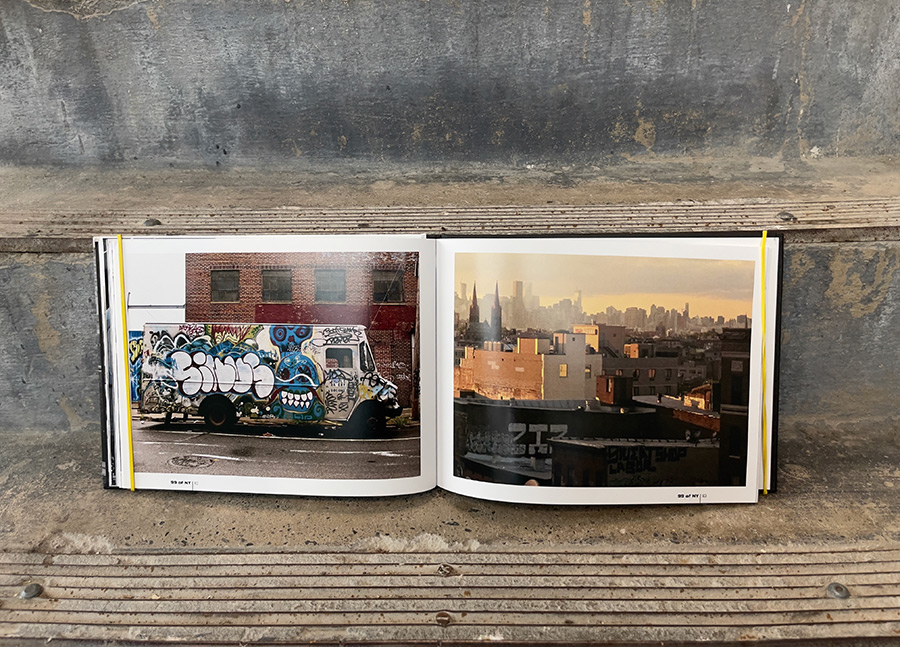
BSA: The city is chaotic and unpredictable — how do you capture its essence in language?
Mila Tenaglia: That’s a beautiful question — one I ask myself all the time. My life and my work, built around culture, people, and documentary storytelling, keep me on the streets every day. I live and work within the pulse of the city. After so many years here — in a place I can finally call home — I think I’ve absorbed something of its rhythm. Like a painter with a brush, I’ve tried to translate that rhythm into language, to turn what I see and live into words that still breathe New York’s restlessness.
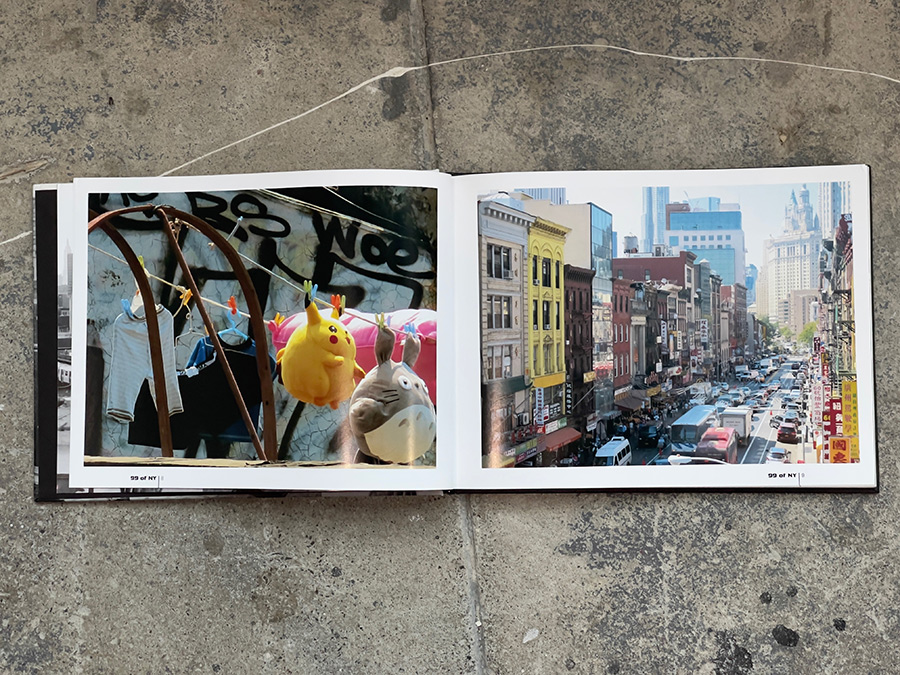
BSA: Whose words or voices have most inspired your own?
Mila Tenaglia: I’ve always been drawn to voices that carry both fire and fragility — writers who turn experience into resistance. Oriana Fallaci, with her fearless confrontation of power, taught me that truth has a pulse and a price. Patti Smith showed me how poetry can be lived — raw, unfiltered, born from the noise of the streets. Joan Didion taught me the precision of silence, how restraint can be as powerful as rebellion. And Rebecca Solnit, with her wandering intellect, reminds me that thinking and walking are the same act — a way of mapping the world through attention. Together, they form a kind of compass: their words move through chaos with grace, and that’s what I try to do too — to find beauty without erasing the struggle. There are many other names I could mention, but right now I feel like highlighting these voices in particular.