All posts tagged: Steven P. Harrington

BSA Film Friday: 11.19.21

BSA Film Friday: 11.19.21

This image has an empty alt attribute; its file name is BSA-Film-Friday-2021-900.gif

Our weekly focus on the moving image and art in the streets. And other oddities.

Now screening:
1. Monumental Shadows: Rethinking Colonial Heritage
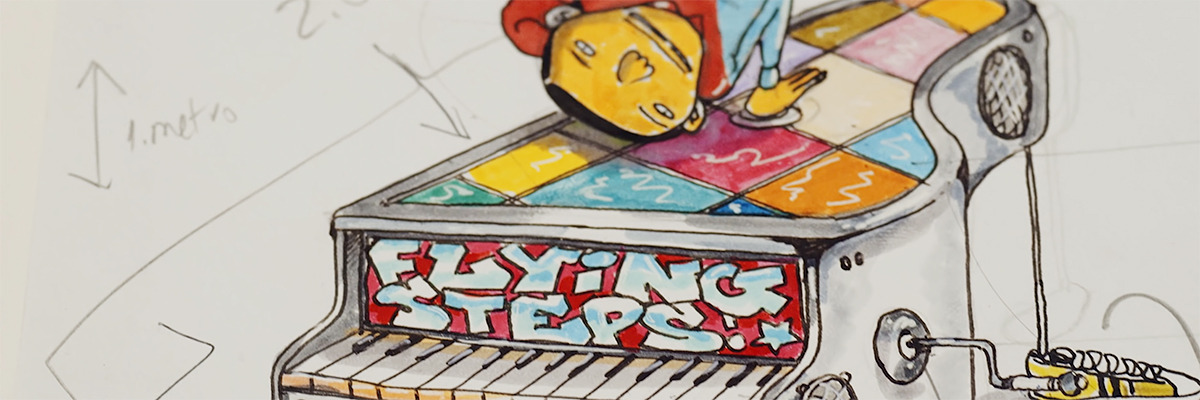
2. Os Gemeos: Secrets – Ep. 03

This image has an empty alt attribute; its file name is BSA-Special-Feature-Static-900.jpg

BSA Special Feature: Monumental Shadows: Rethinking Colonial Heritage

Last month we covered this Berlin-based project addressing the staining effect of colonialism and racism on everything we see and the structures that we interact with and are formed by today in so-called Western culture. To see the documentary progression of the project and hear the voices of those who executed it is powerful – and instructive.

“We have to deal with people who feel entitled to exclude other people from participation, from conversation, from civil rights, from society, from history,” say Various and Gould.

Brilliant pieces and campaigns like this that require so much time and energy and resources are carefully planned and considered, and quietly have the opportunity and potential to change hearts and minds – even to alter the course of history.

Read more about the project here: Various & Gould Tackle Racism and Colonialism in Berlin with “Monumental Shadows”

OSGEMEOS: SEGREDOS – Ep. 3

“It’s nice that the story isn’t made from one point of view. There are many accounts, and from various elements,” says artist Soberana Ziza, and you suddenly realize that this is the very dynamic that makes this series by OSGEMEOS about Hip Hop so ardently insistent on grabbing your attention, and communicating the steely core of a culture born from our common streets.

There are many voices that make a scene, and not only the loudest ones, and that is an important quality that gives such resonance to this scene over time, wherever it grows. Here we get a brief look at the inherent misogyny evidenced in society generally, and therefore in the culture of Hip Hop specifically.

Are we surprised? “What place is not hostile to women,?” asks Soberana Ziza.
Read more
Berlin’s OKSE 126 Brings His CMYK DOTS Campaign to Walls in 103 Cities

Berlin’s OKSE 126 Brings His CMYK DOTS Campaign to Walls in 103 Cities

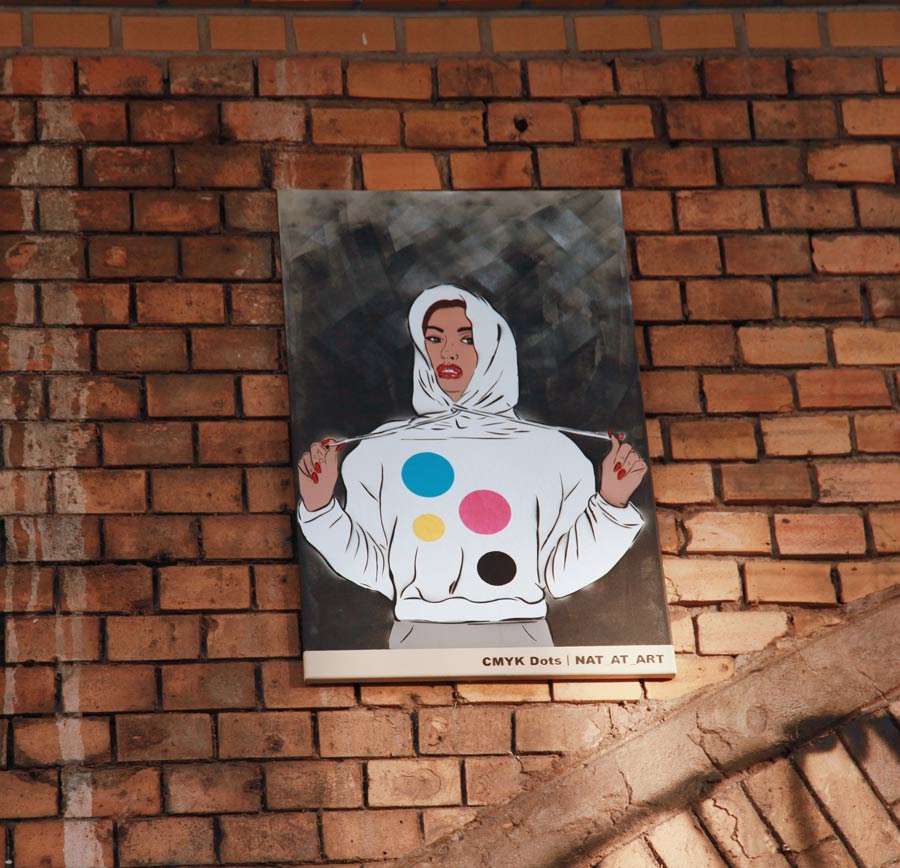
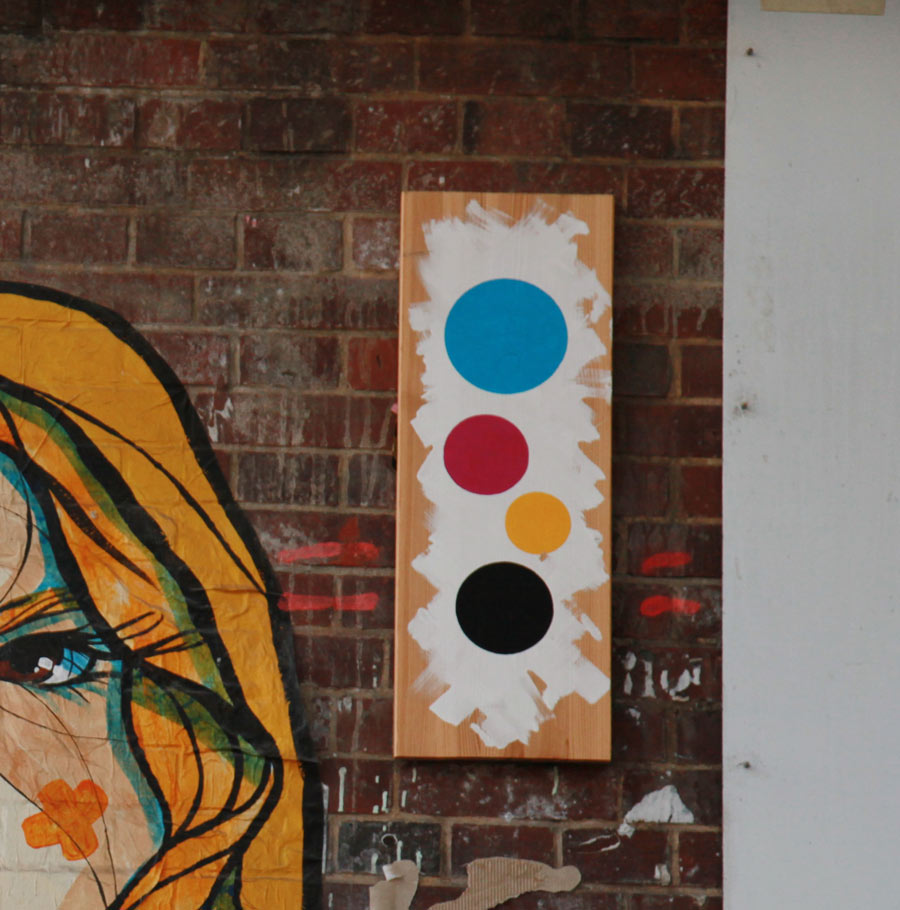
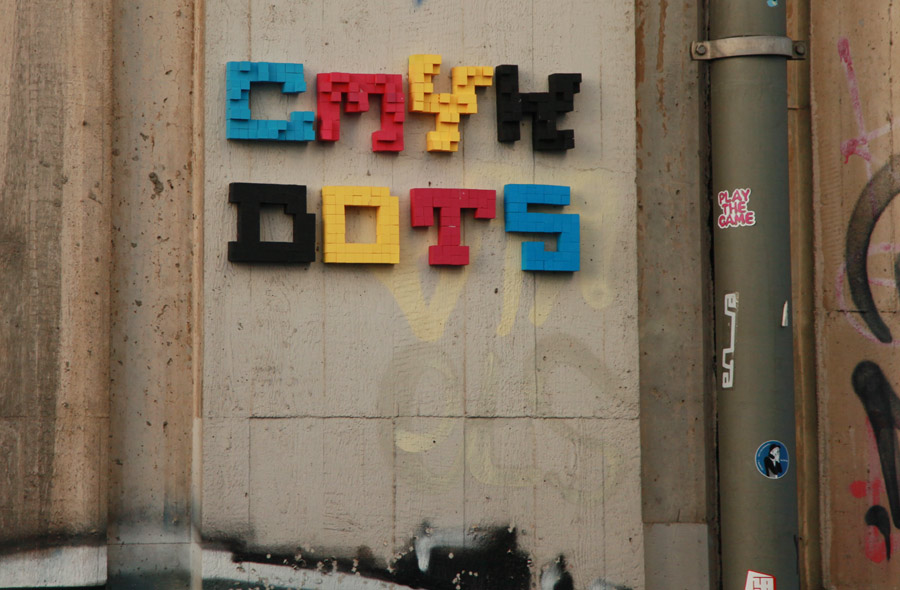
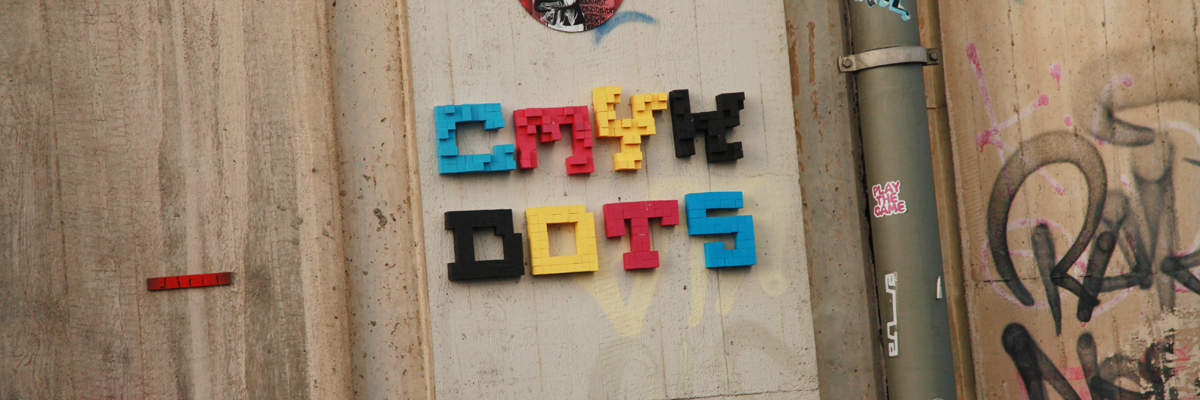
Wading and wandering through the late autumn sunlight dappling the graffiti and street art near Alexanderplatz in Berlin, we noticed periodic dotting of the wall above the chaotic visual fray at eye level.

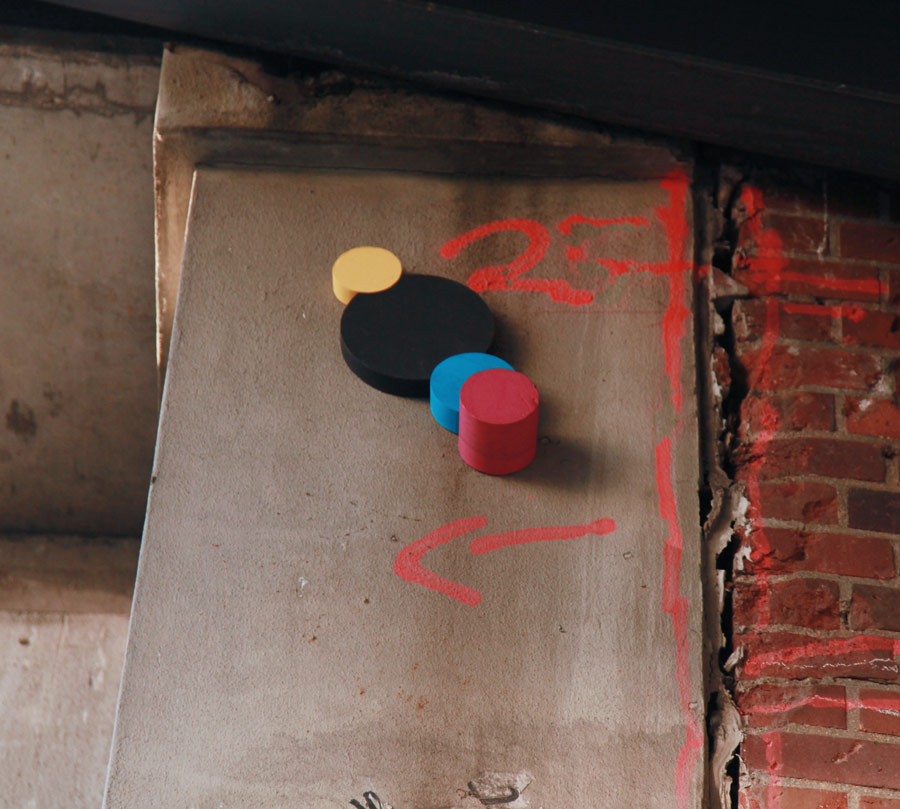
CMYK Dots. Berlin. (photo © Jaime Rojo)

The four dots are a clear, crisp distillation of color that every graphic designer since the print age is well familiar with: CMYK. Expressed in 3-D sculpture dots with a variety of techniques and glued to the wall above us, we were reminded foften during our walk that all colors are a combination of these four.

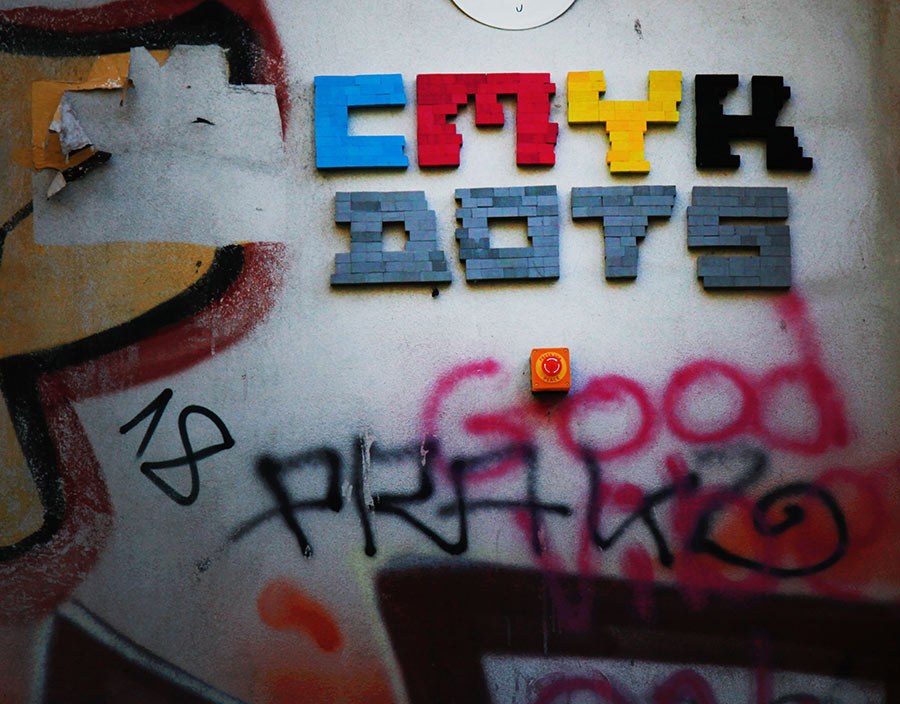
CMYK Dots. Berlin. (photo © Jaime Rojo)

A one-person mission by Berlin graffiti writer and street artist OKSE 126, the CMYK Dots campaign has traveled across many German and European cities and actually has a map for you to track them down. In addition to prodigious dots on the street, he’s started a line of clothing and art products and has shown his work in galleries like Berlin’s Urban Spree and this month at Hamburg’s Urban Shit Gallery “URBAN ART EDITION 2021” group show. The street art project, which OKSE 126 refers to as a modern technique of pointillism, has exceeded his goals, totaling 1,113 dots, 104 cities, and 16 countries.

CMYK Dots collaboration with Nat At Art. Berlin. (photo © Jaime Rojo)
CMYK Dots. Berlin. (photo © Jaime Rojo)
Read more
Gola Hundun Goes to the Root of Our Matter

Gola Hundun Goes to the Root of Our Matter

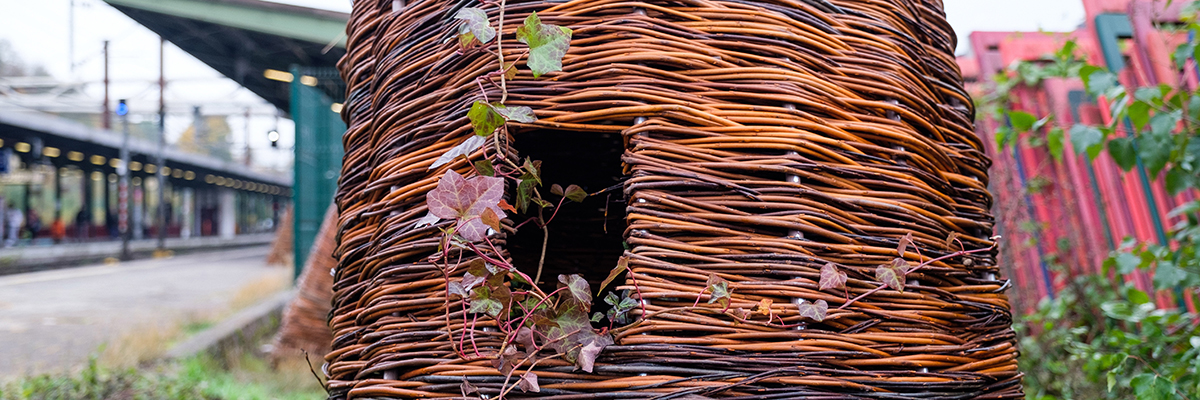
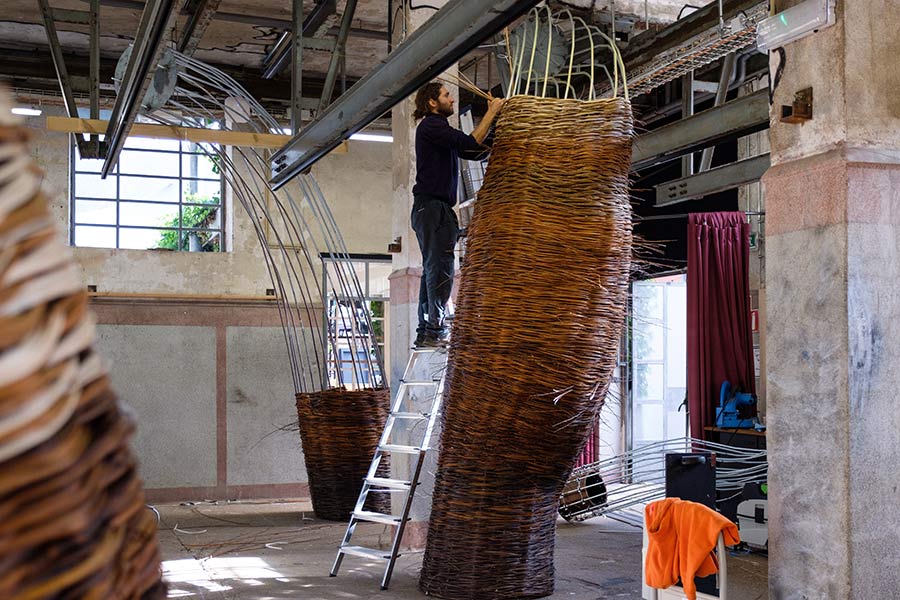
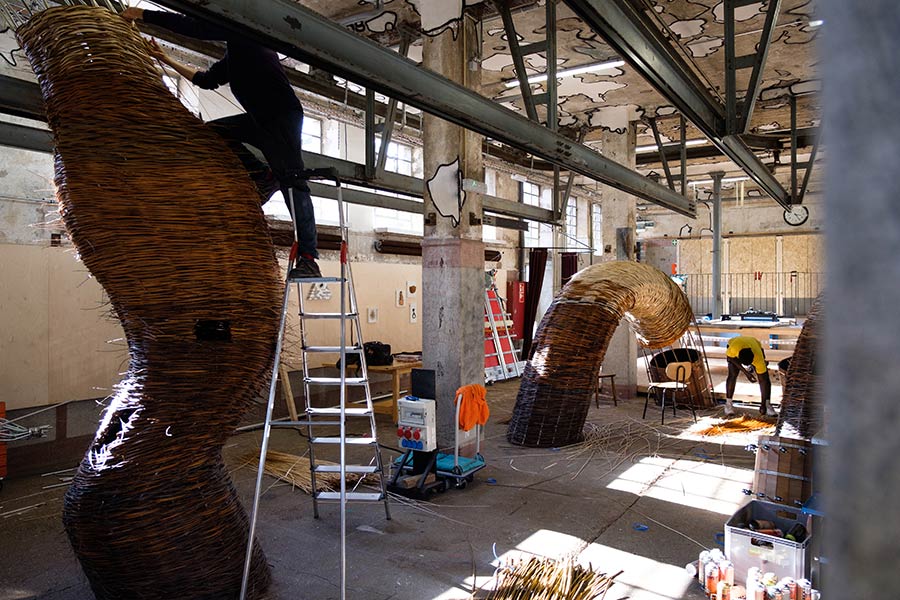
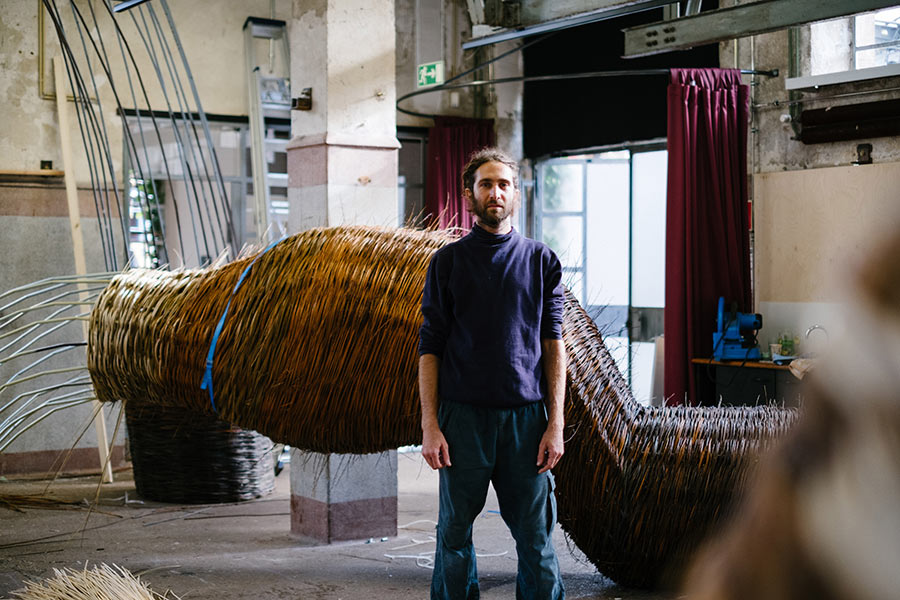
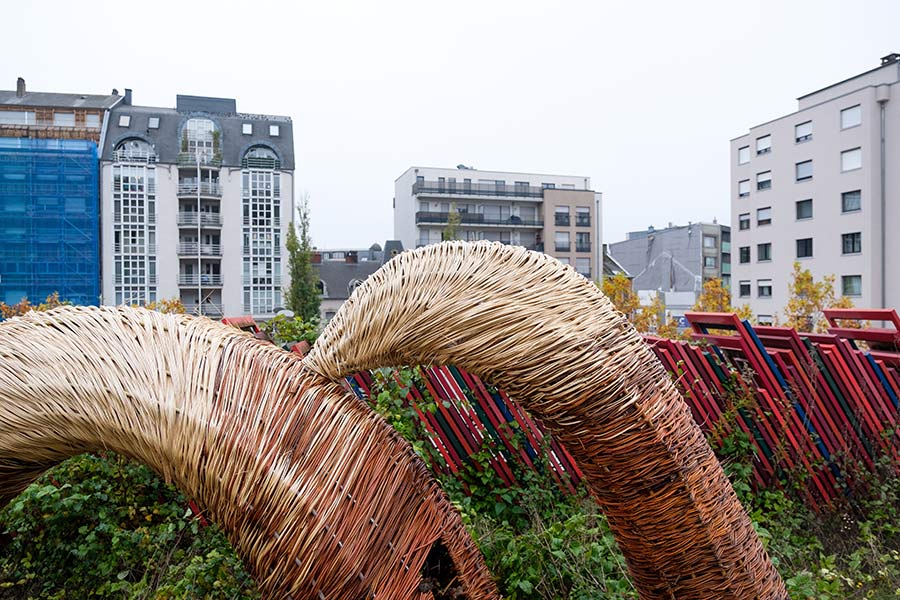
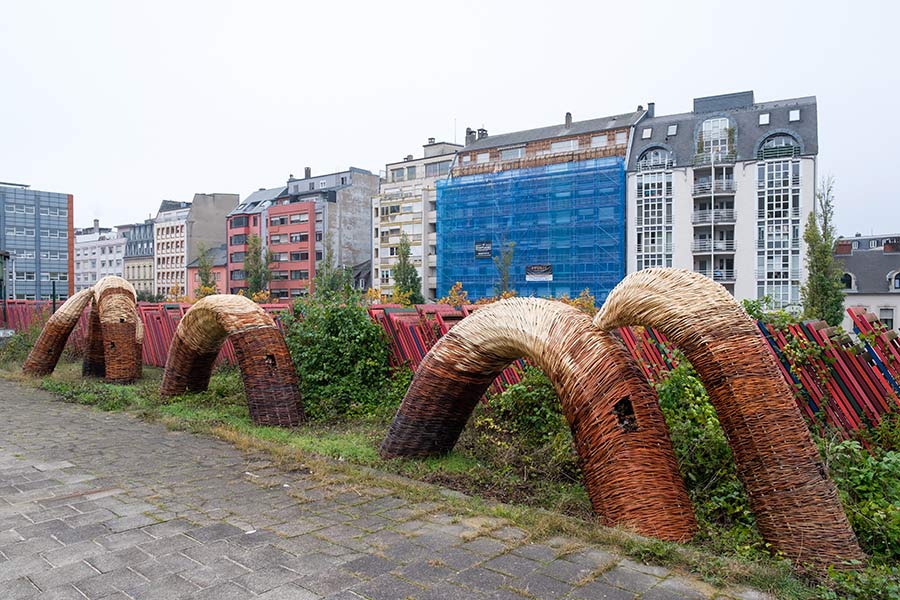
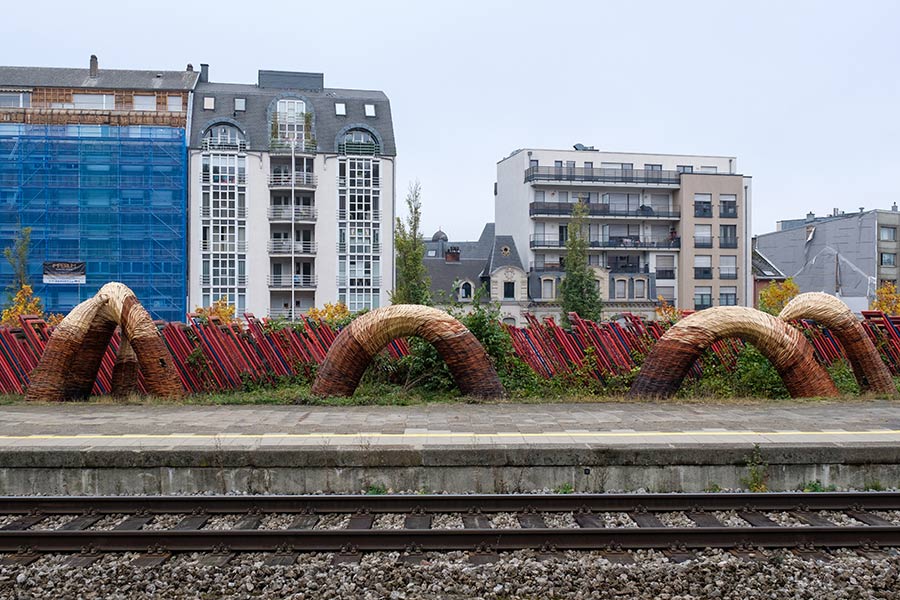
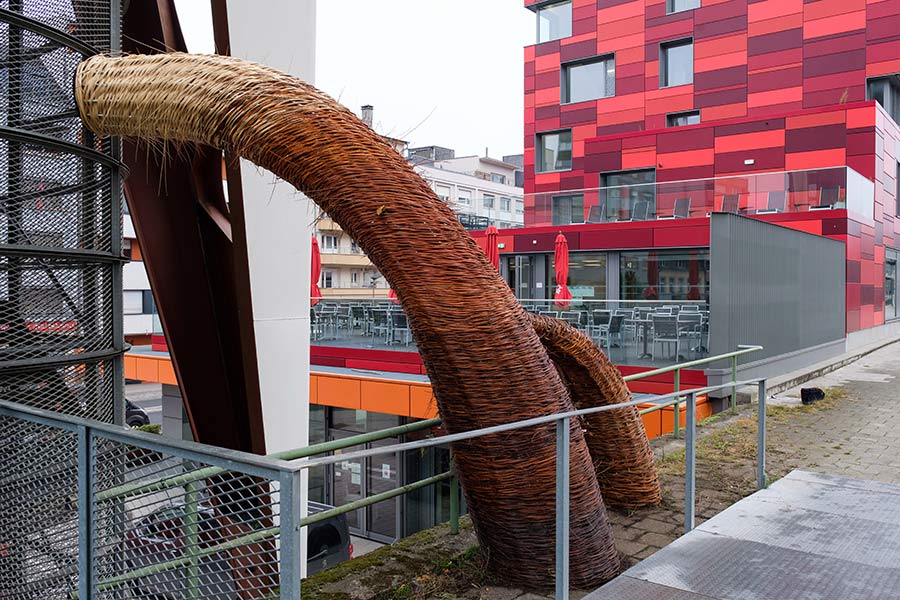
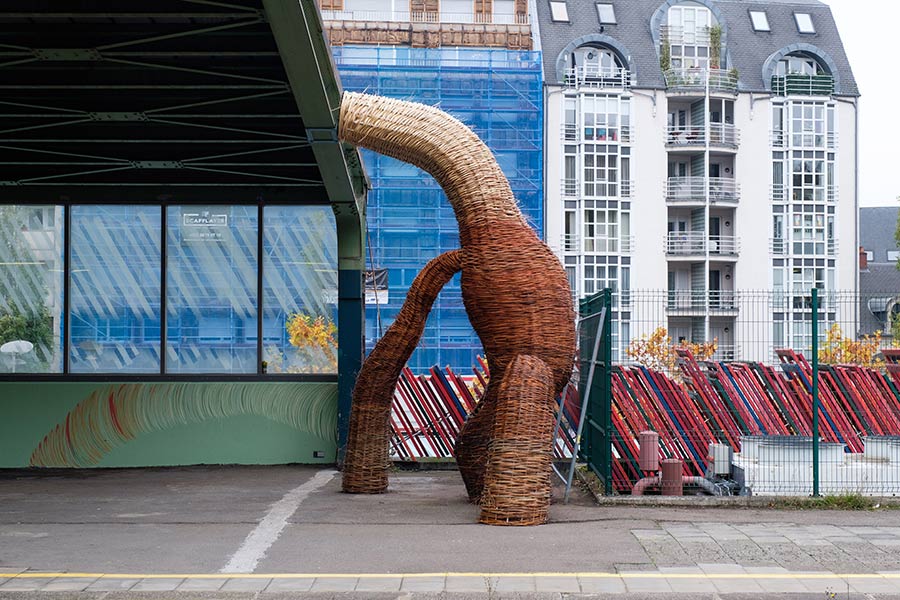
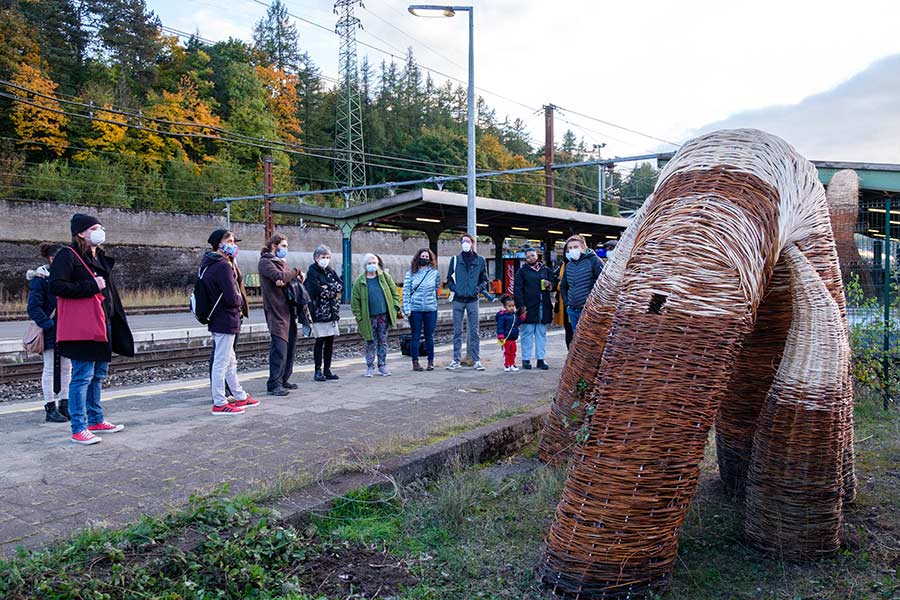
Street art naturalist, educator, and land artist Gola Hundun is setting new goals for himself and evolving yet again, this time examining out roots. His one month residency in Kufa in Esch (Luxembourg ) resulted in many large iron and wicker roots poking up through the ground, pushing back into the skin of the city.

Gola Hundun. Art Residency at Kufa. Esch, Luxembourg. (photo © Gilles Kayser)
The installation group, “is part of my research path called ‘Habitat’,” he explains, “a project that started with the abandoned buildings that were being recolonized by the rest of nature. Now I am approaching living cities, with nature taking back some of their space.”

Gola Hundun. Art Residency at Kufa. Esch, Luxembourg. (photo © Gilles Kayser)

Working 11 hour days with 4 assistants, Hundun created new sculptures to organically weave themselves into the city and into this cultural centre called Kulturfabrik Esch-sur-Alzette (KuFa), located in a former slaughterhouse in the city of Esch-sur-Alzette in Luxembourg. Their own version of a street art festival encourages artists to think outside the established perimeters of publicly created artworks when necessary, utilizing the program and their work as a platform for sustainable development. The energizing Hudun is the perfect foil of such a challenge.

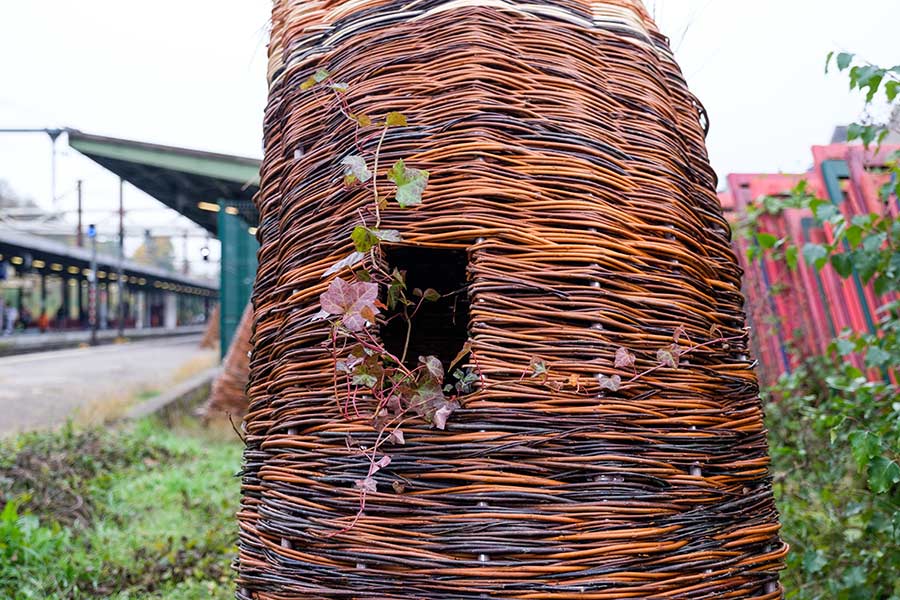
“Inside each root, there is a plant pot in which ivy plants will grow on the wicker structure,” he tells us, “and through time they will symbolize the flag of our ideal.”

The installations are around town, hopefully opening minds and stimulating conversation – each a group of sculptures to be installed in the train station of Esch sur Alzette.

Gola Hundun. Art Residency at Kufa. Esch, Luxembourg. (photo © Gilles Kayser)

To avoid any misunderstanding of his intended meaning, Gola Hundun has created a long title for the program: “Economic power must redefine its parasitic position about the world. We need to become a choral system of small self-sufficient centers that collaborate as the roots of a tree contribute to shape a trunk. Respect for other forms of life! Superior Love or extinction now!”

———

Gola Hundun. Installation at Esch sur Alzette. Art Residency at Kufa. Esch, Luxembourg. (photo © Gilles Kayser)

The artist would like to thank @ciglesch, the partner in production and logistic with Kufa and @villeesch, CFL –  “and all the magical lovely people that made it possible”.

Read more
SpY: “Earth / Tierra” at Plaza de Colón in Madrid

SpY: “Earth / Tierra” at Plaza de Colón in Madrid

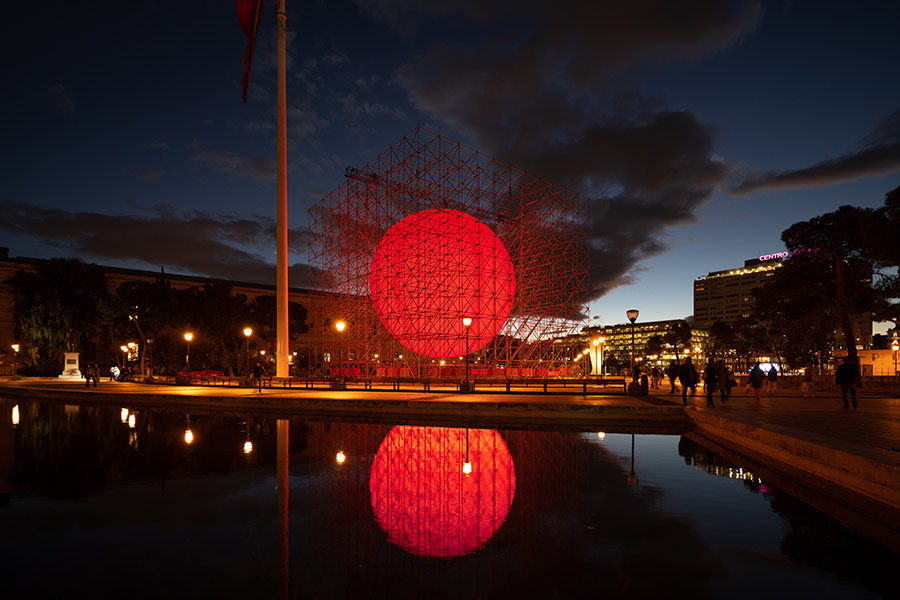
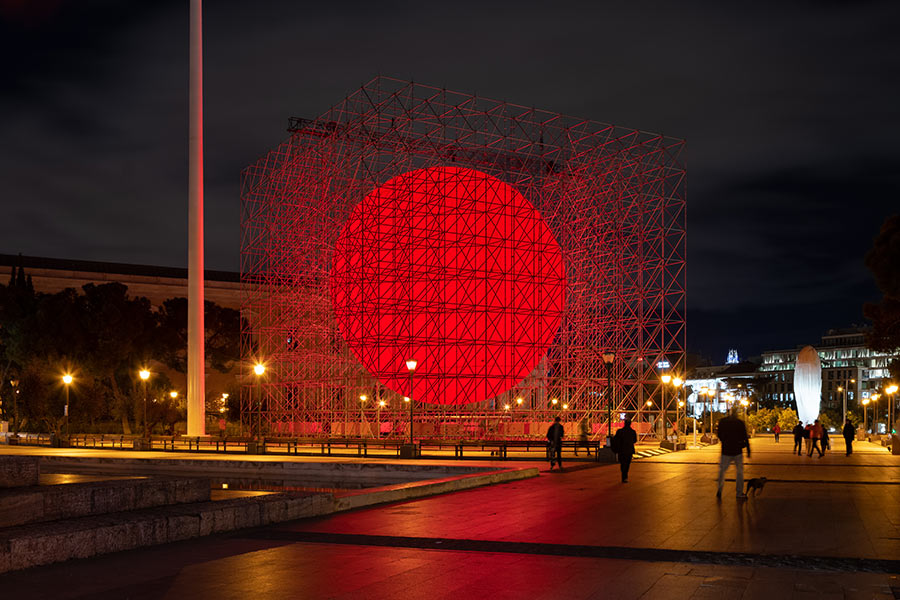
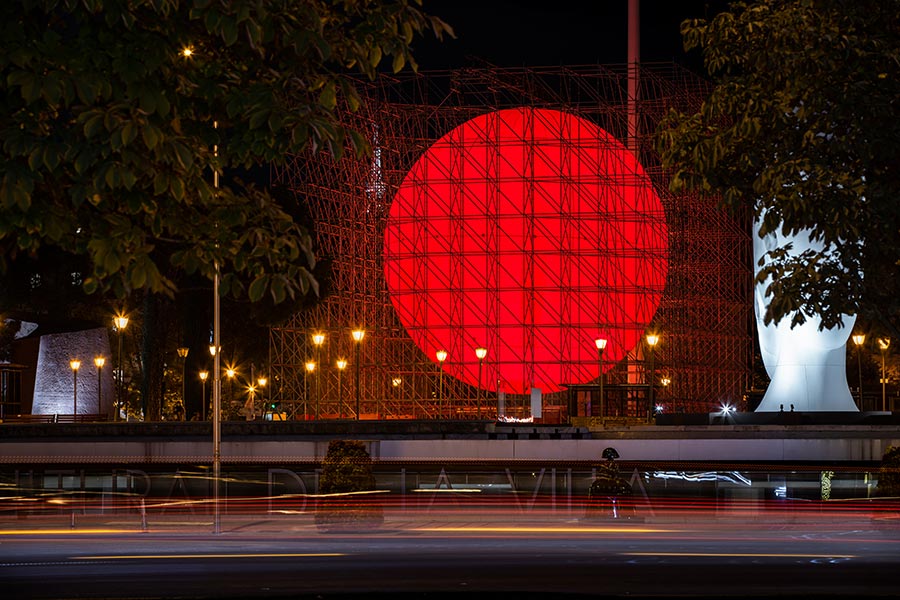
SpY describes his new public art project “Earth,” as “a luminous red sphere caged inside a structure.” You may wonder what this structure made from building-site scaffolding represents, especially when he says “the sphere is caged within it”. Gaseous fumes? Global Oligarchs? Free-trade agreements? K-Pop fans? We asked him:

BSA: Is the earth the color red because it is on fire, in pain, in a state of emergency, or perhaps in love?

SpY: The red earth in a cage has different meanings. 

Having the earth in red is an obvious statement about our behavior as human beings in relation to our home where everything is connected as if were a living creature.

The cage represents the way we are caging ourselves in with fewer possibilities of survival because of human activity.

All of this it’s not about a virus or an economic war, what we want to highlight is the plight of the next generations. Will they have the educational tools, and will they be conscientious enough to grasp the importance of taking small, individual steps to feel a shared responsibility to improve the conditions of the planet?

SpY. “Earth / Tierra”. Madrid, Spain. (photo © Ruben P. Bescos)

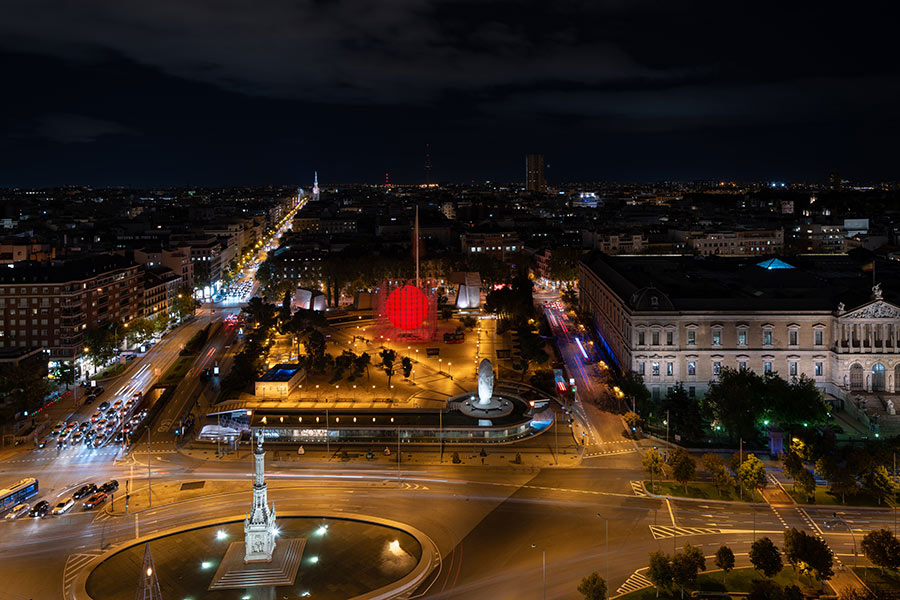
This sphere in a cube is radiating outward in Plaza de Colón in Madrid is of a grand scale, and rather overpowers the people who walk through, day and night.

At 25 meters high, this glowing red orb is meant to draw our attention to the matters of our home planet, not the other red one you may be familiar with.

SpY. “Earth / Tierra”. Madrid, Spain. (photo © Ruben P. Bescos)

According to his press release, “SpY asks us to reflect on the way in which our home makes up a whole of which we form part, and in which everything is connected as if it were a living creature.”

Curated by Anna Dimitrova of Nobuloart.

SpY. “Earth / Tierra”. Madrid, Spain. (photo © Ruben P. Bescos)
Read more
Elfo and The Wa Say “Thank You All” to Noone in Italy.

Elfo and The Wa Say “Thank You All” to Noone in Italy.

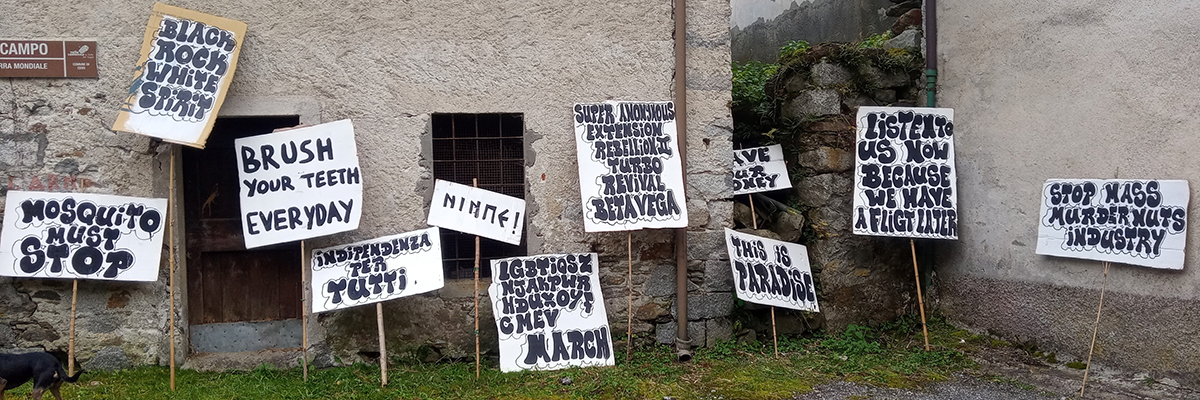
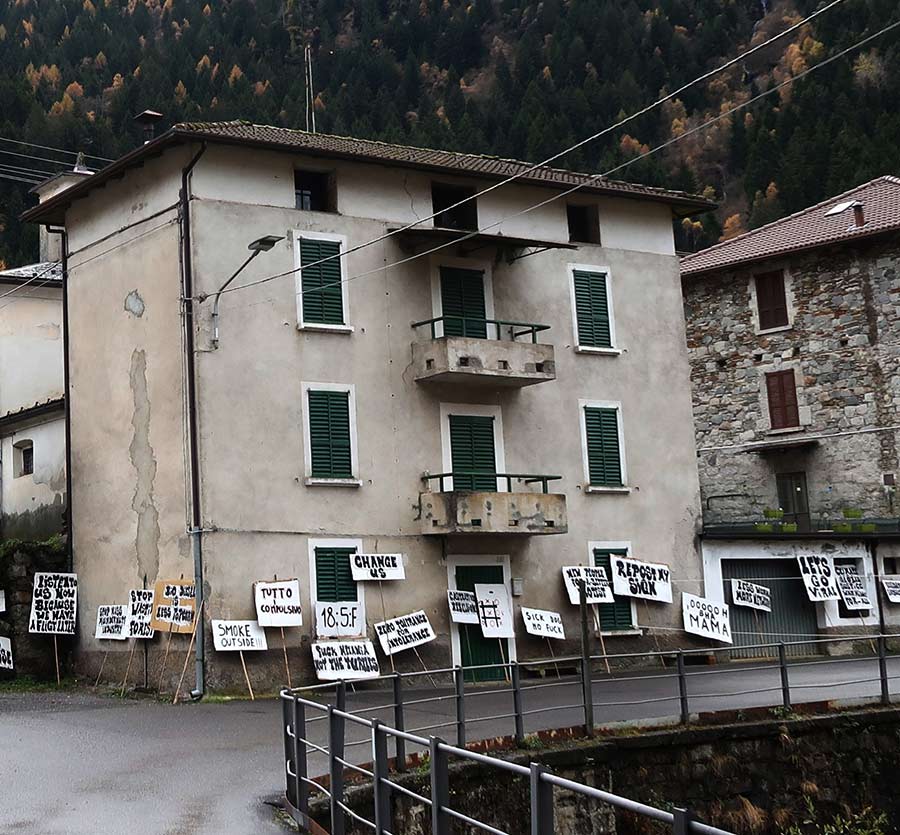
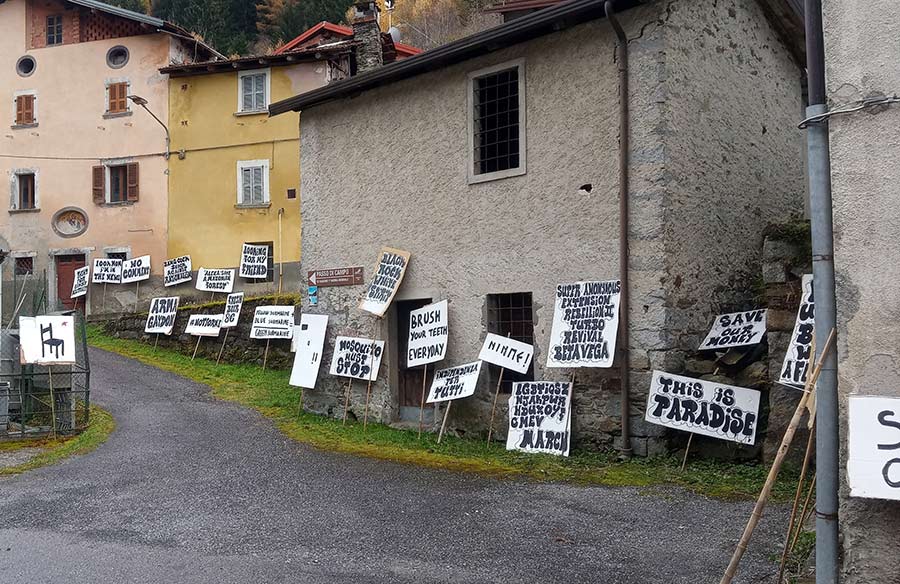
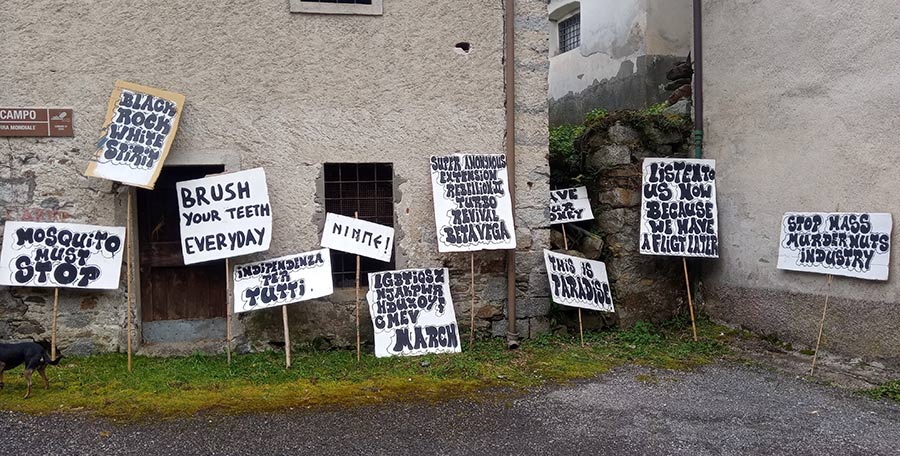
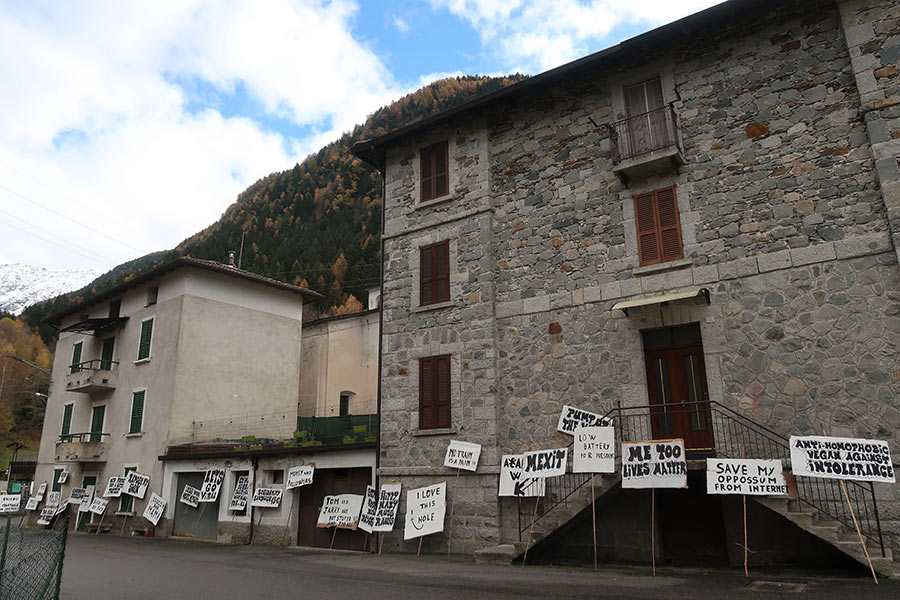
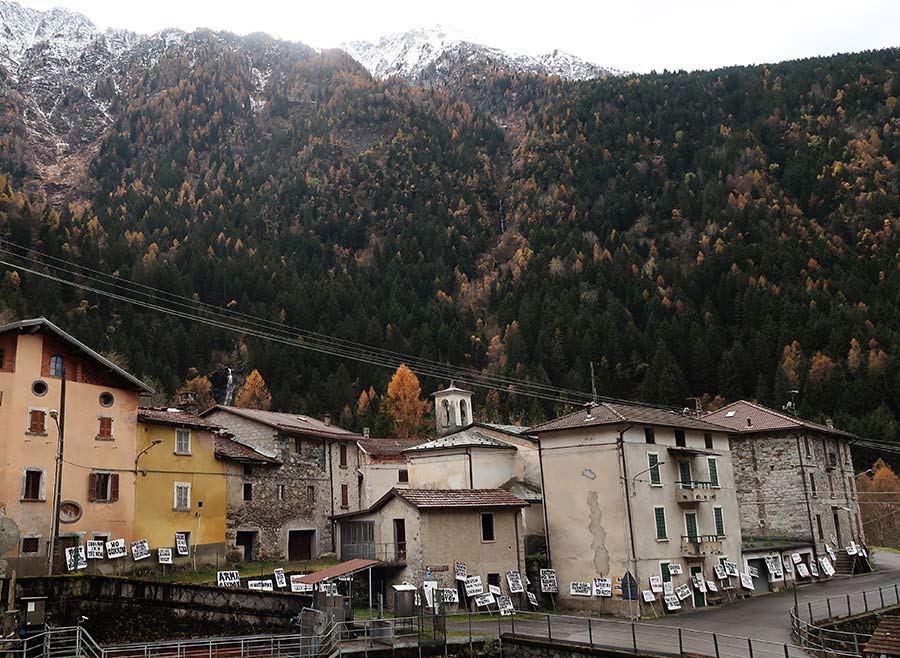
In this charming and historic little village in northern Italy called Isola de Cevo, a new art installation of placards in the streets must have townspeople a little puzzled.

If there were any people here to see it.

Elfo & The Wa collaboration “Thank You All” in Isola di Cevo, Italy. (photo © Elfo)

According to most accounts, this town’s population has dwindled to zero; a fate that many Italian towns have been victim of in the last two decades due to changing demographics and economics. If government initiatives are not successful at encouraging outsiders to repopulate, many of these viilages are destined to become ghost towns.

Elfo & The Wa collaboration “Thank You All” in Isola di Cevo, Italy. (photo © Elfo)

“During the installation we saw only two cars go by on the road,” says Elfo of the new installation he did with The Wa. They call the selection of opinions and bromides on sign posts, “THANK YOU ALL” – an absurdist act that may make you think of the former residents, the lives that once made this a village. “Me and The Wa had this idea that we wanted to search for an abandoned place for our ironic protest,” he says, and it is true that it makes little sense on the face of it.

An Italian and a Berlinian mounting a protest with no protesters in a place with no audience carrying messages with basically no message?

“Nonsense wins!” says Elfo.

Elfo & The Wa collaboration “Thank You All” in Isola di Cevo, Italy. (photo © Elfo)
Read more
“Sweet Evening Breeze” Blows Through Lexington with Gaia, Persecution in the  Shadows

“Sweet Evening Breeze” Blows Through Lexington with Gaia, Persecution in the Shadows

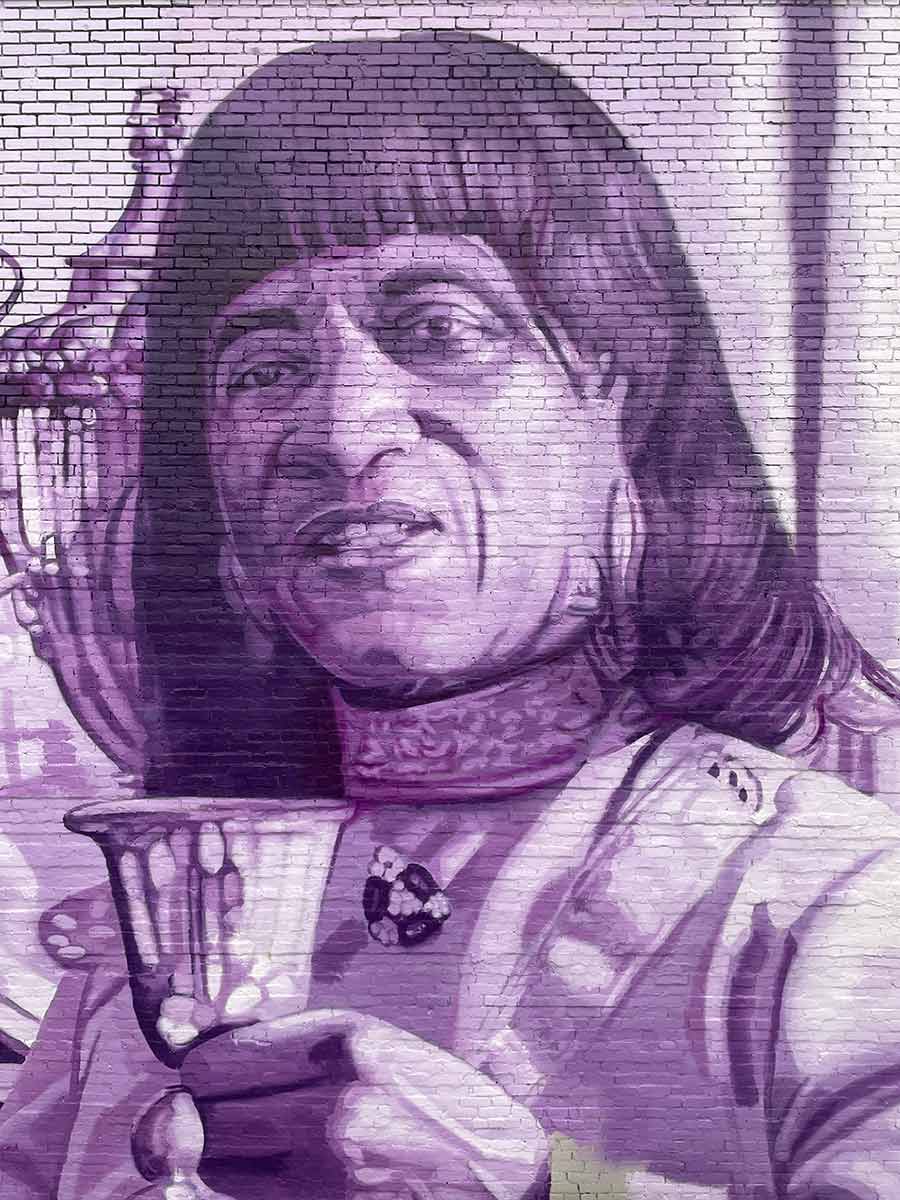
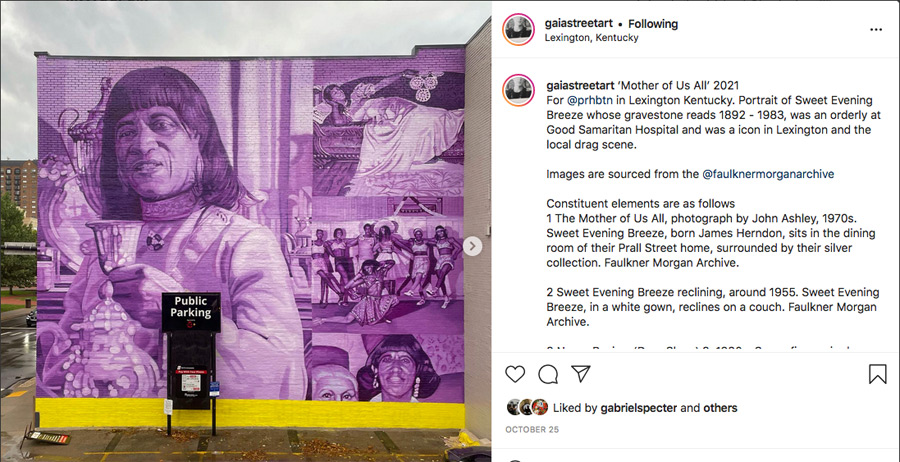
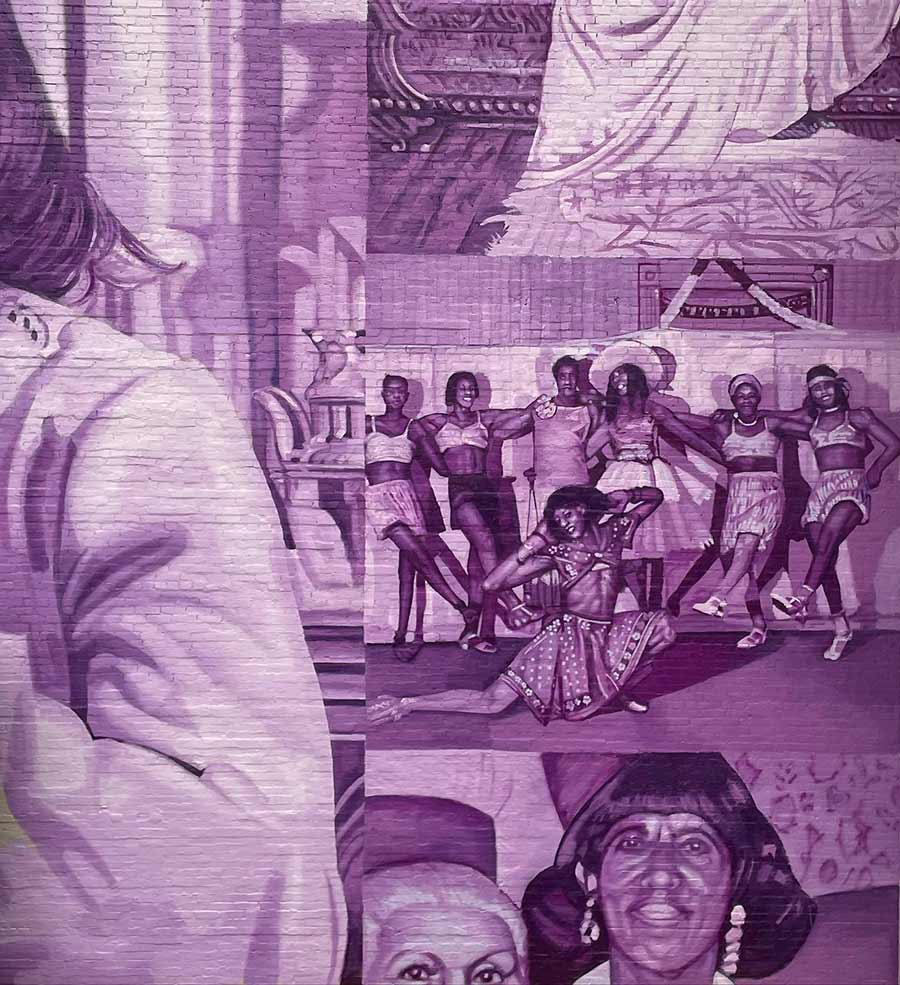
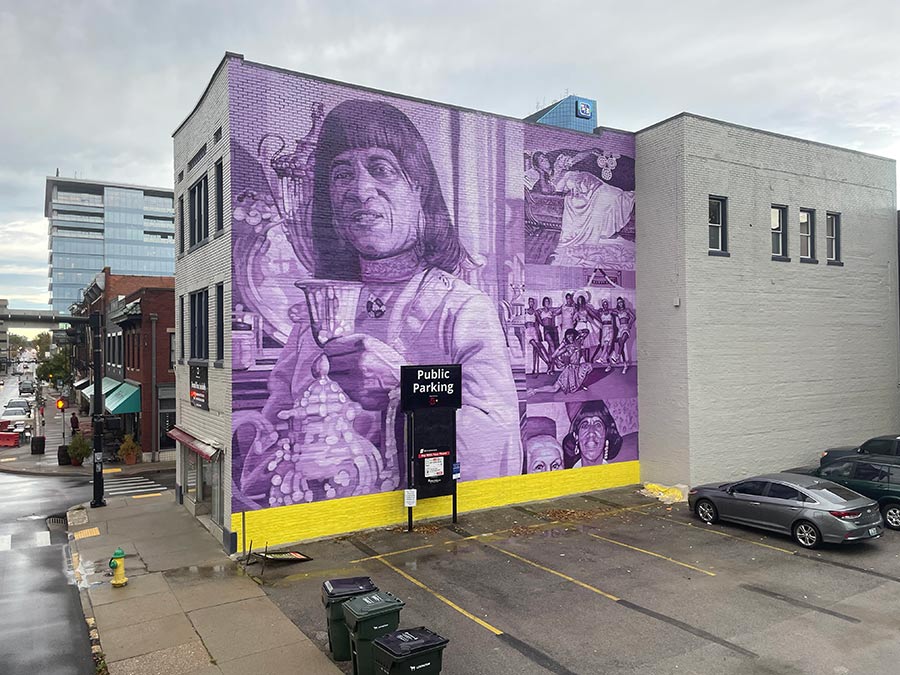
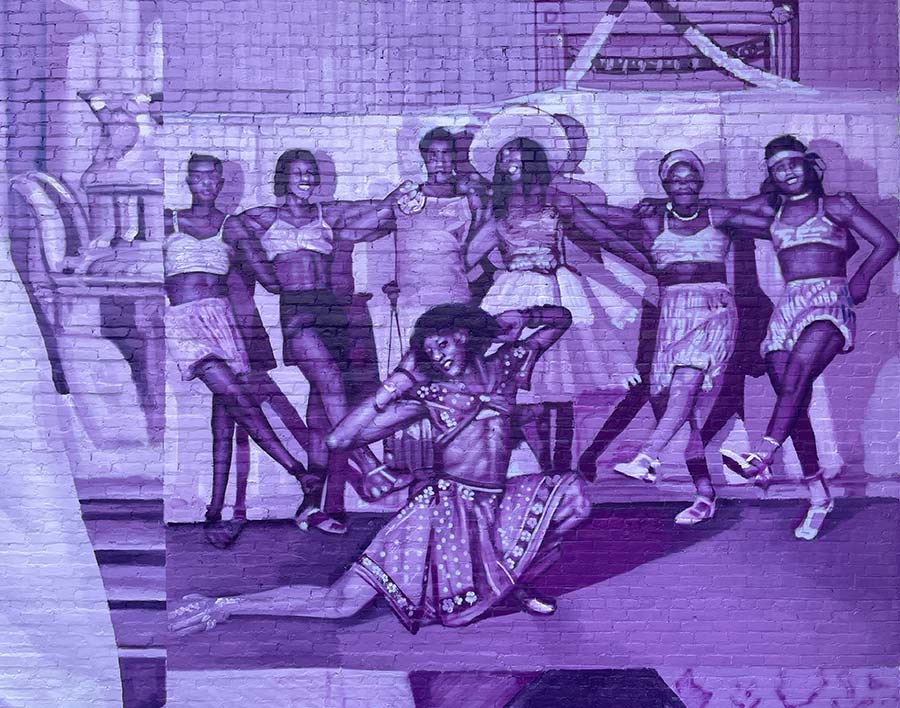
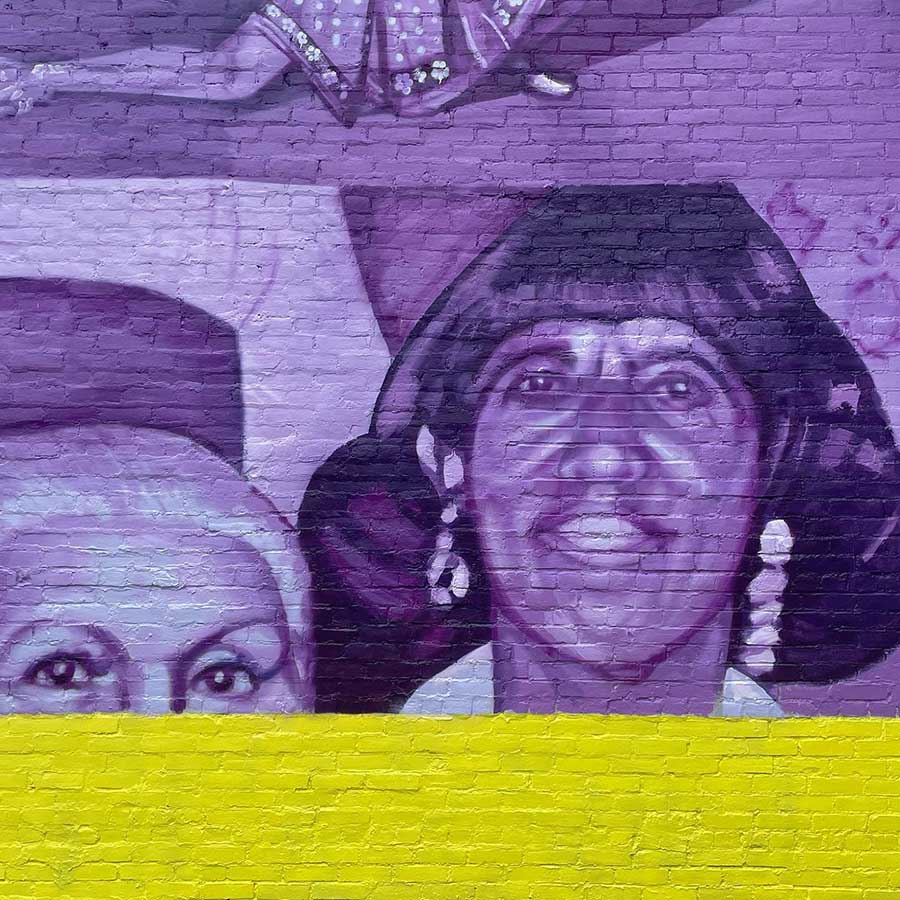
Street artist and muralist GAIA just finished a new tribute in Lexington, Kentucky with the PRHBTN gallery focused on a local colorful character named James Herndon, aka “Sweet Evening Breeze.”

Gaia. Sweet Evening Breeze. Detail. In collaboration with PRHBTN in Lexington, KY. (photo © Gaia)

As narratives about queer culture continue to emerge and evolve, we are seeing how enriched community life has been over generations because of the contributions socially and anthropologically by people who appear all along the spectrum of gender identity.

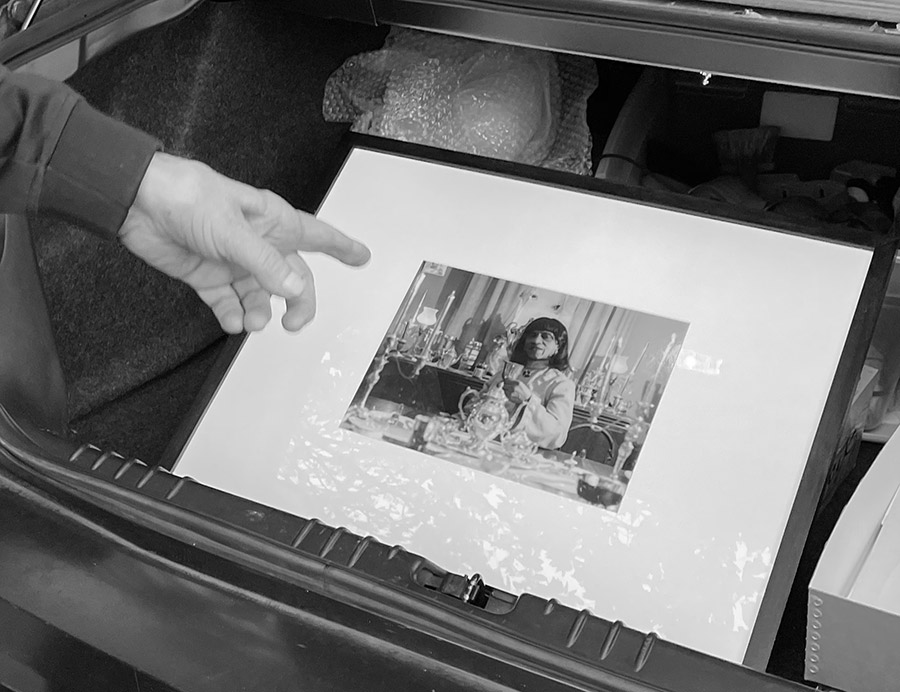
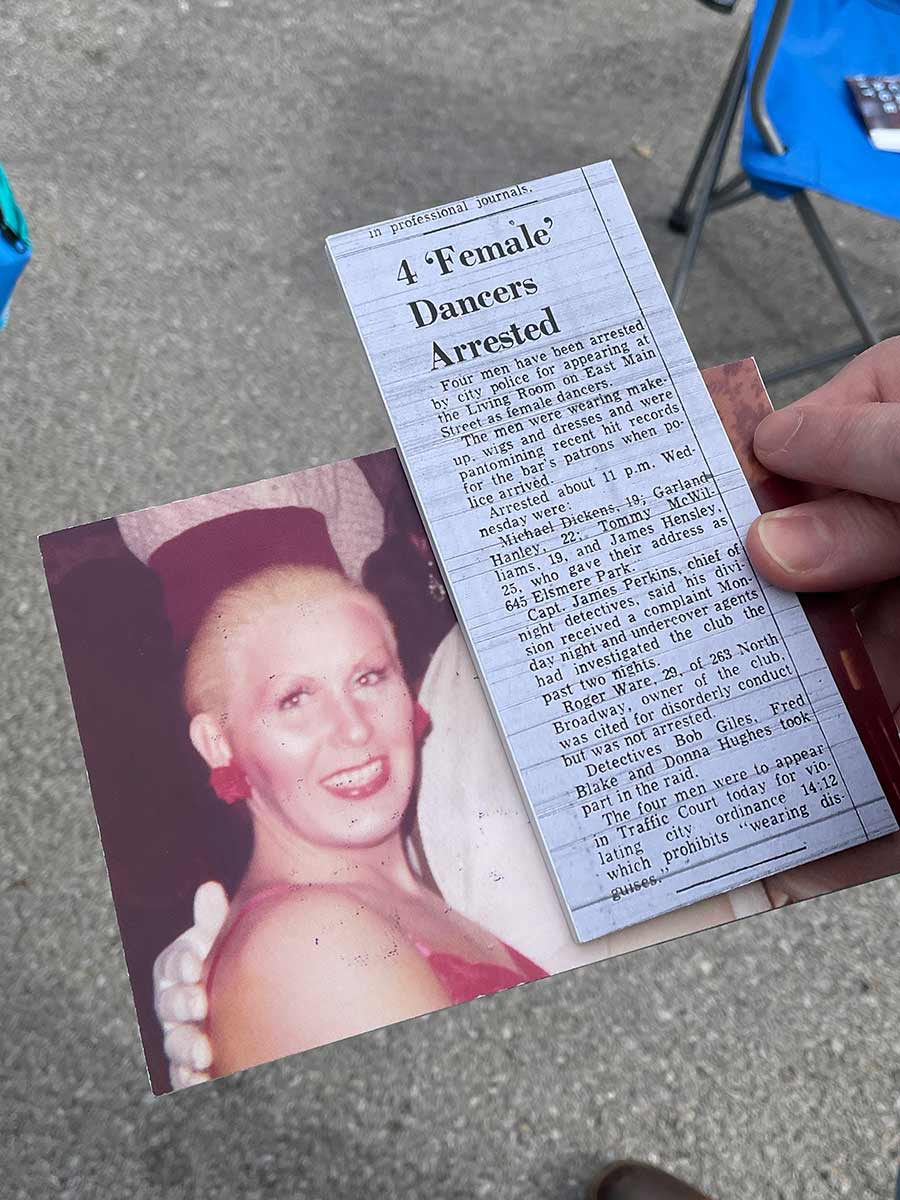
The Mother of Us All, photograph by John Ashley, 1970s. Sweet Evening Breeze, born James Herndon, sits in the dining room of their Prall Street home, surrounded by their silver collection. Faulkner Morgan Archive.

Consulting images from the Faulkner Morgan Archive, Gaia tells us that he learned a great deal about Herndon’s life (1892-1983) as well. “Sweet Evening Breeze was an orderly at Good Samaritan Hospital and was an icon in Lexington and the local drag scene,” he says. Additional research may lead you to also appreciate that his/her identity was celebrated by many otherwise conservative neighbors, perhaps due to the minority of people in the Lexington community who were like “Sweets”, or, it is inferred in some storytelling, he/she traveled in some influential social and political circles.

Gaia. Sweet Evening Breeze. Detail. In collaboration with PRHBTN in Lexington, KY. (photo © Gaia)

From an entry in the NKAA (Notable Kentucky African Americans Database), writer Marcia Rapchak reports, “Originally from Scott County, KY, Herndon moved to Lexington as a child and then was abandoned at Good Samaritan Hospital by his uncle after he suffered an eye injury. After growing up in the hospital, he worked as an orderly for over forty years.”

“He went to church regularly and loved church music. He enjoyed playing the piano, dressing up in women’s clothes and makeup, and entertaining at his house on Prall Street, which he shared with his uncle Andrew Smith in 1920, according to the U.S. Federal Census. The last years of his life were spent at Homestead Nursing Center, and he is buried at Lexington Cemetery.”

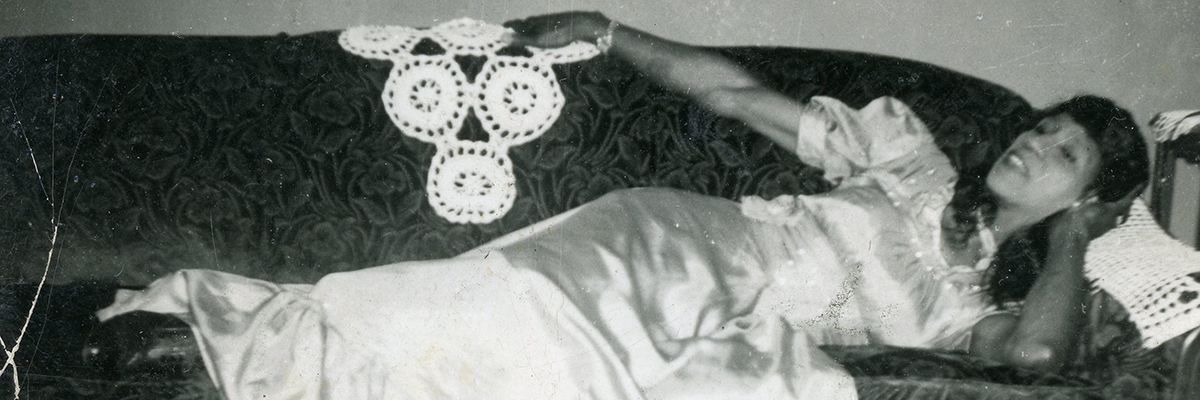
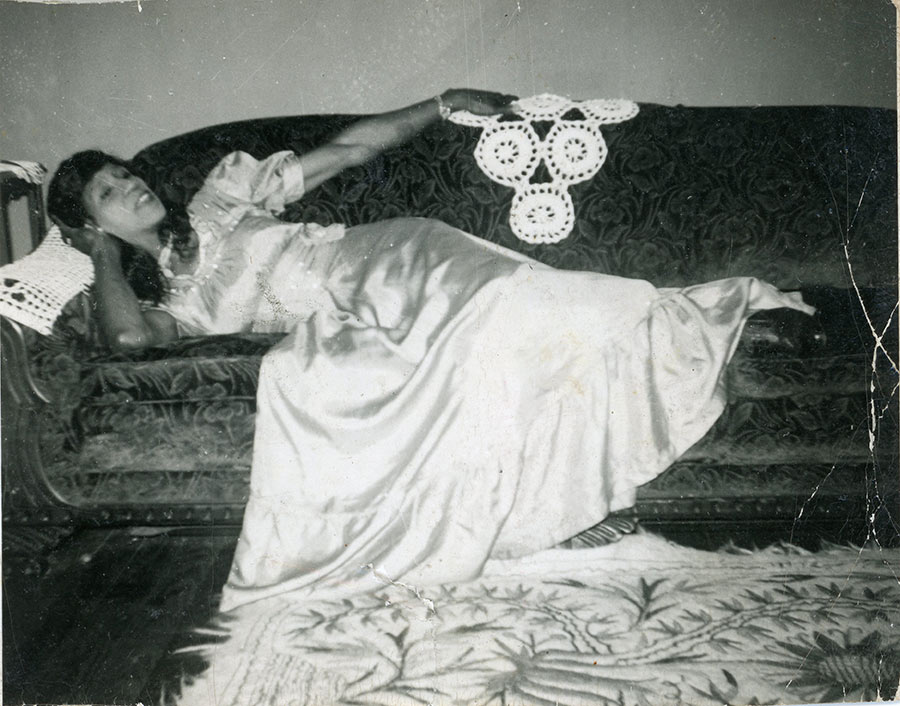
Sweet Evening Breeze reclining, around 1955. Sweet Evening Breeze, in a white gown, reclines on a couch. Faulkner Morgan Archive.

Seeing this new mural give voice to a community that has often been overlooked or deliberately erased from history, one wonders how many other stories there are which remain untold. Once mercilessly hounded by police officers and subjected to derision and violence by good Christian leaders and rank-and-file church members, many people like Sweet Summer Breeze spent their entire lives haunted and hunted in their own communities. These stories need to be openly told as well since shame for past transgressions and ignorance has yet to be fully and rightly placed in many communities, and responsibility has not been accepted for the suffering caused, the dreams crushed, denied.

As has been the case over the last decade or so, Gaia will very likely bring more unheralded stories and others to the street – further widening the collective discussion of passersby.

Gaia. Sweet Evening Breeze. Detail. In collaboration with PRHBTN in Lexington, KY. (photo © Gaia)
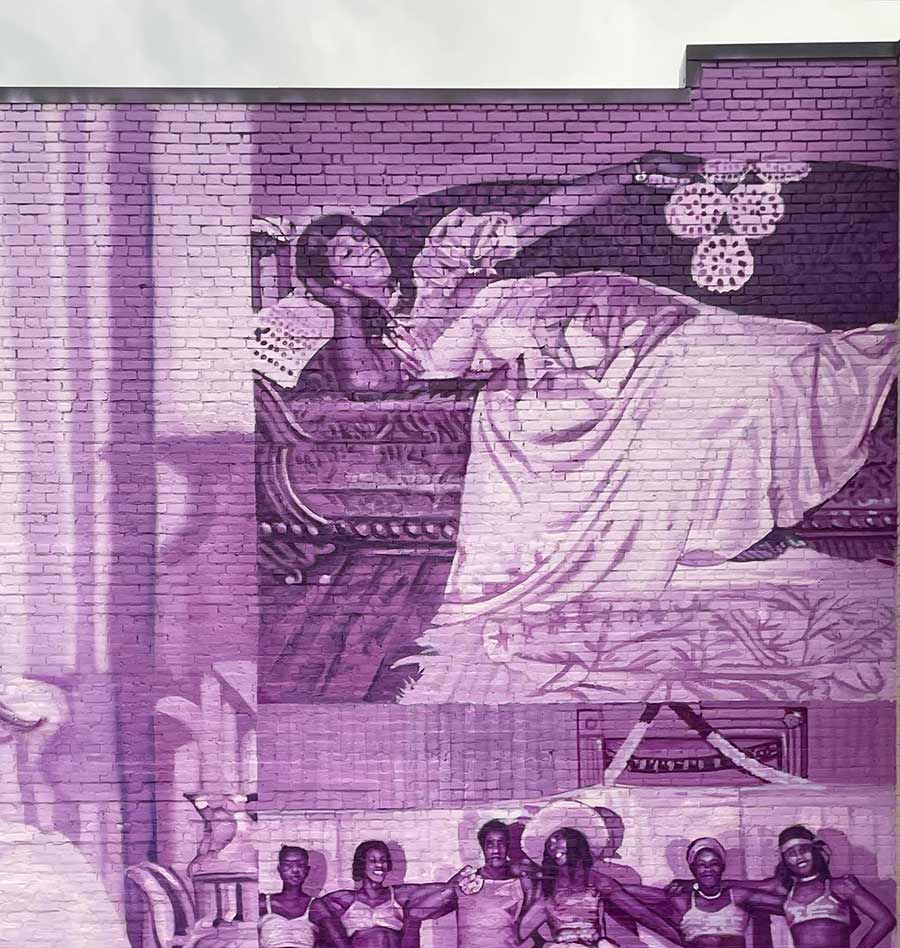
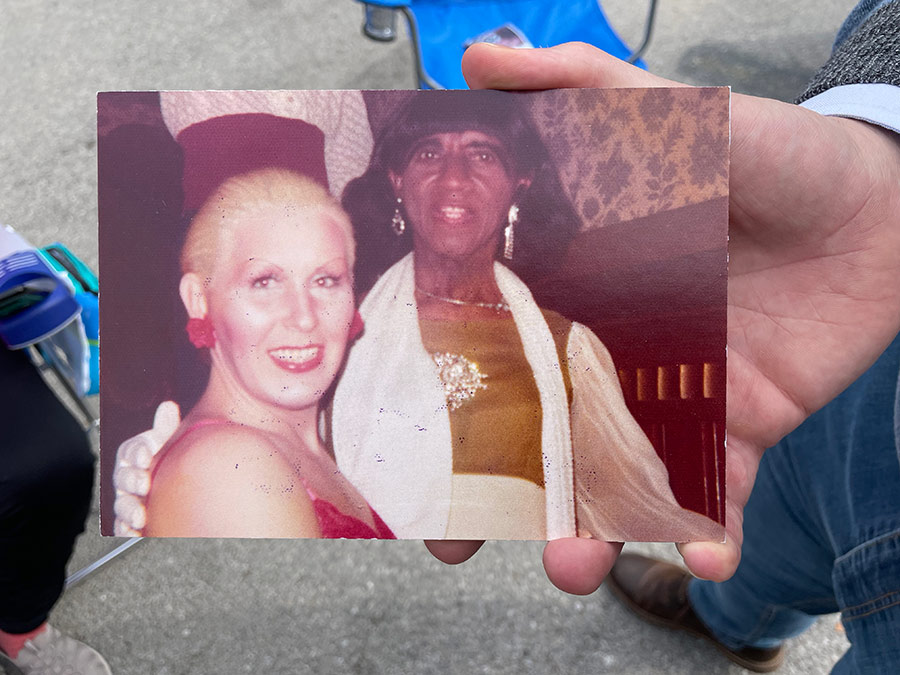
Sweet Evening Breeze with Tiffy Ross, photograph by Robert Morgan, before 1973.
Gaia. Sweet Evening Breeze. In collaboration with PRHBTN in Lexington, KY. (photo © Gaia)
Read more
BSA Film Friday: 11.12.21

BSA Film Friday: 11.12.21

This image has an empty alt attribute; its file name is BSA-Film-Friday-2021-900.gif

Our weekly focus on the moving image and art in the streets. And other oddities.

Now screening:
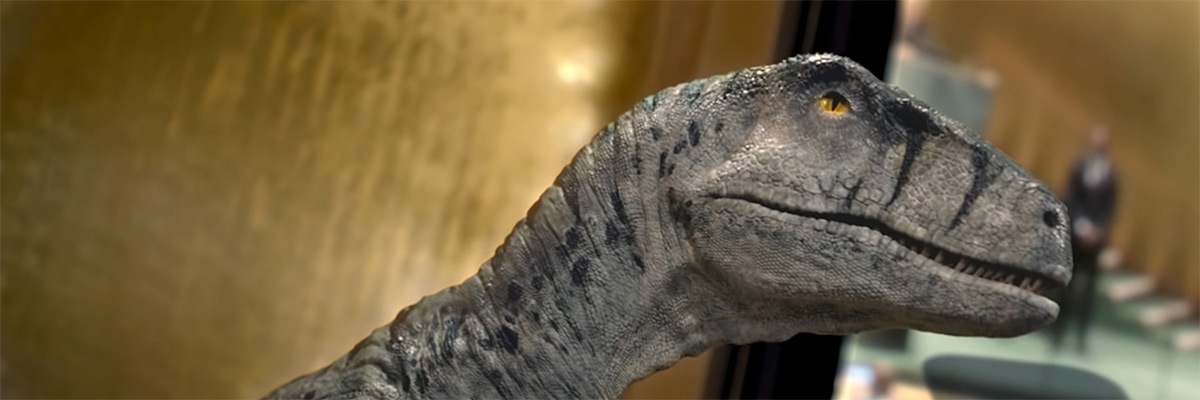
1. Don’t Choose Extinction – UNDP | United Nations | Jack Black | Climate Action.
2. Os Gemeos: Secrets – Ep. 02
3. Hypercourt Dendermonde

This image has an empty alt attribute; its file name is BSA-Special-Feature-Static-900.jpg

BSA Special Feature: Don’t Choose Extinction

“The world spends an astounding US$423 billion annually to subsidize fossil fuels for consumers – oil,…”

There is not really a lot to say after that.

Os Gemeos: Secrets – Ep. 02

Possibly more important anthropologically than their autobiographical artworks, OSGEMEOS has given us all a huge gift with this new series that documents the rise of hip hop culture at the precise juncture where it intersects with another city far away to the south. Through precise, on-point interviews, they point the spotlight on the crucial elements that formed and pushed “the culture” forward internationally, and personally.

Hypercourt Dendermonde

In the small city of Dendermonde in Belgium, the magic of the drone is helping to bring the new trend of painting basketball courts to video. Literally it seems like we are seeing one per week from all over the world – This one is with the Viewmasters2021 Project, which also created 5 murals around the city, along with this court designed and executed by Drukdoenerij (http://www.drukdoenerij.be) in collaboration with curator of the project Bart Warnier of Whamoffice.

Read more
Etnik Collaborates with Den xl on Reunion Island

Etnik Collaborates with Den xl on Reunion Island

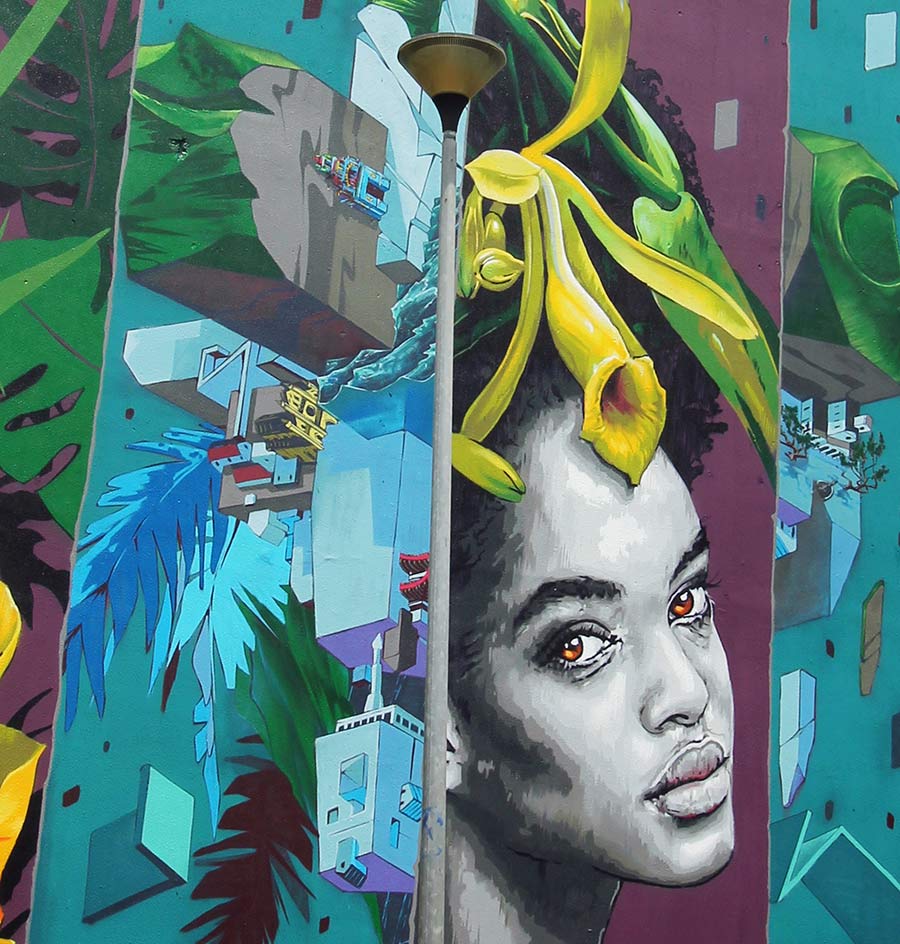
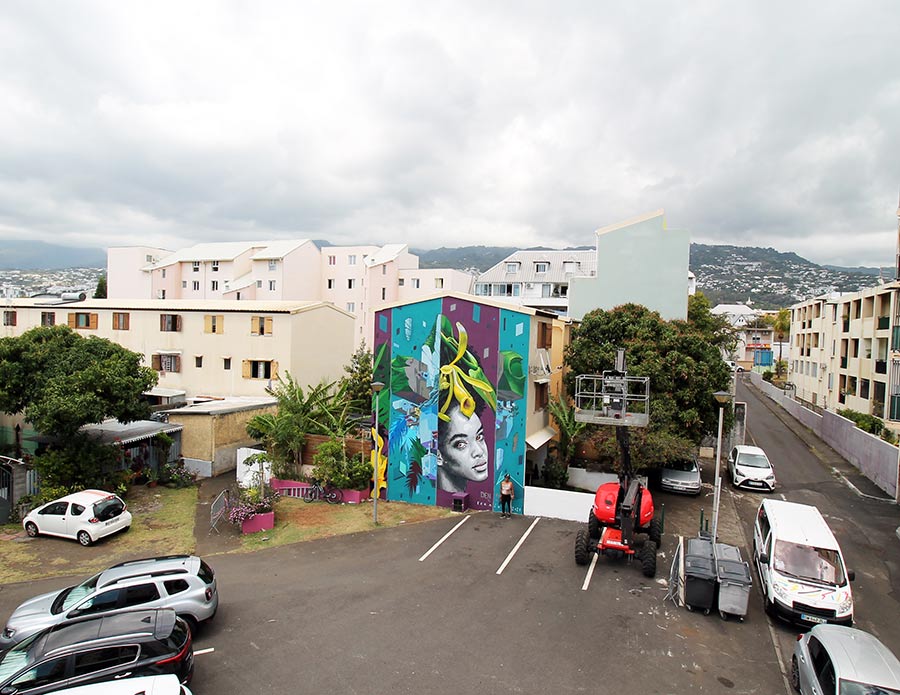
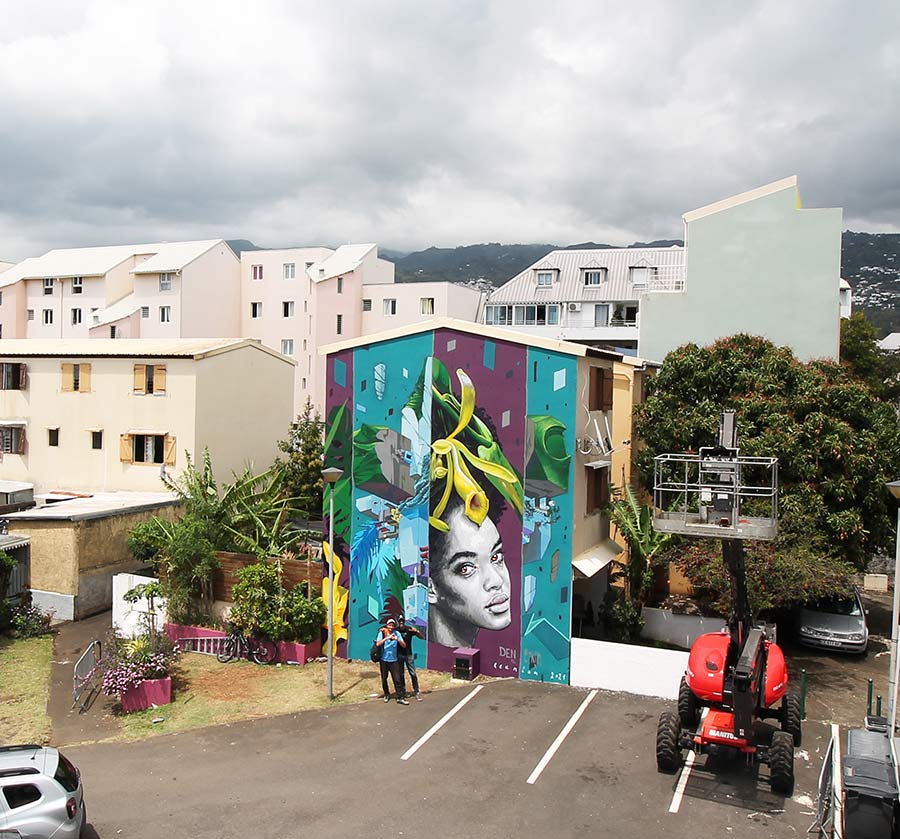
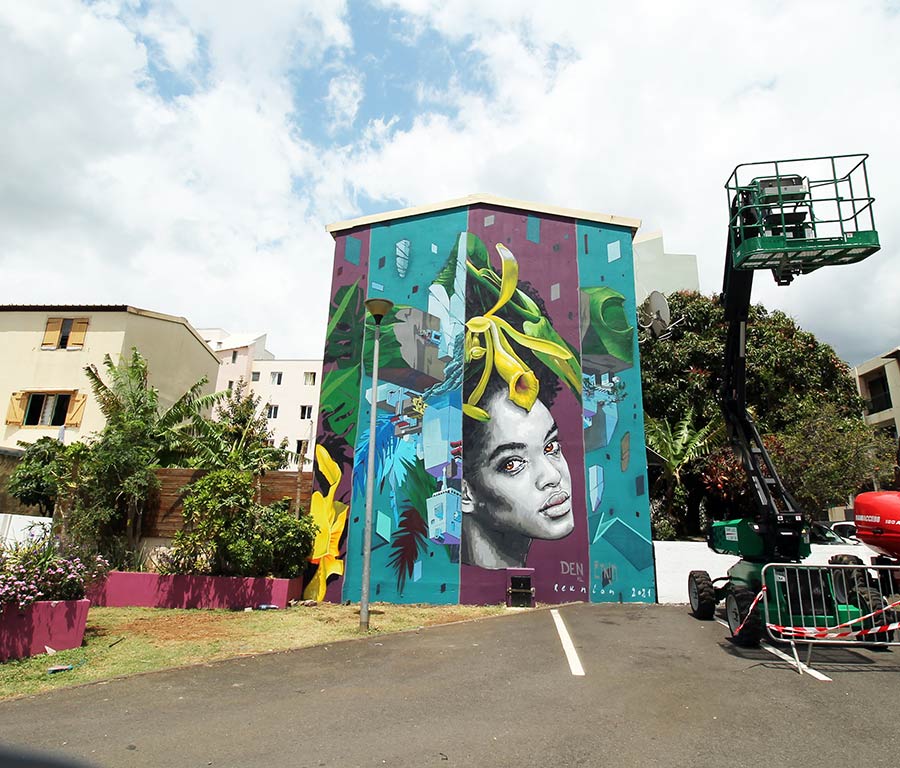
The deconstructing abstractionist Italian Etnik bravely couples with the lush portraiture of Spanish artist Den xl here in Réunion Island. And what a name that is – Réunion. Somewhere between Madagascar and Mauricius, this gorgeous island hosts a mural festival that joins these two distinct styles into a hybrid of futurism and naturalism.  

Etnik & Den xl for Reunion Graffiti Festival. Reunion Island. (photo courtesy of the artists)
Read more
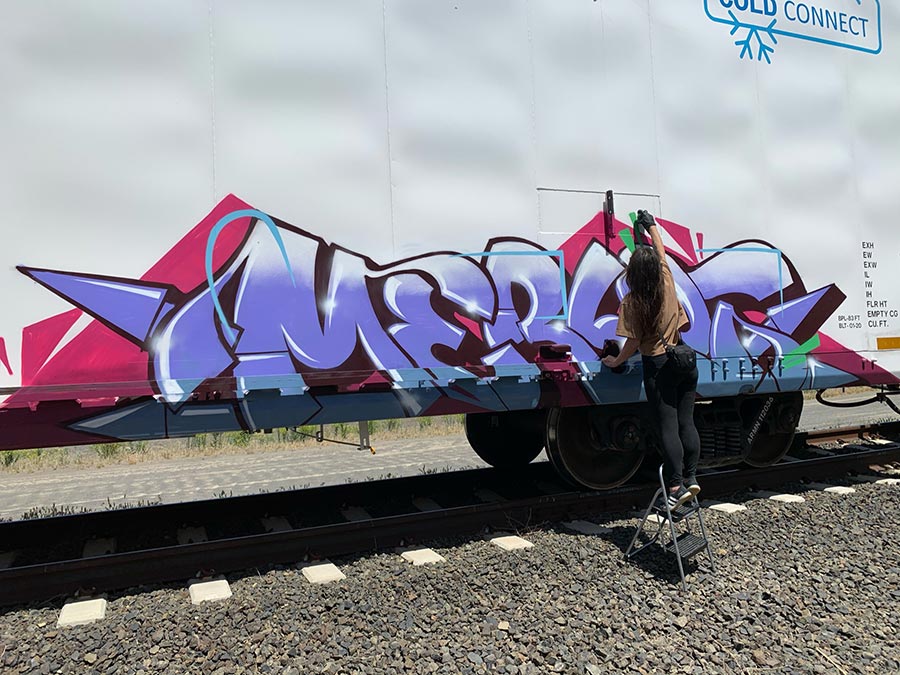
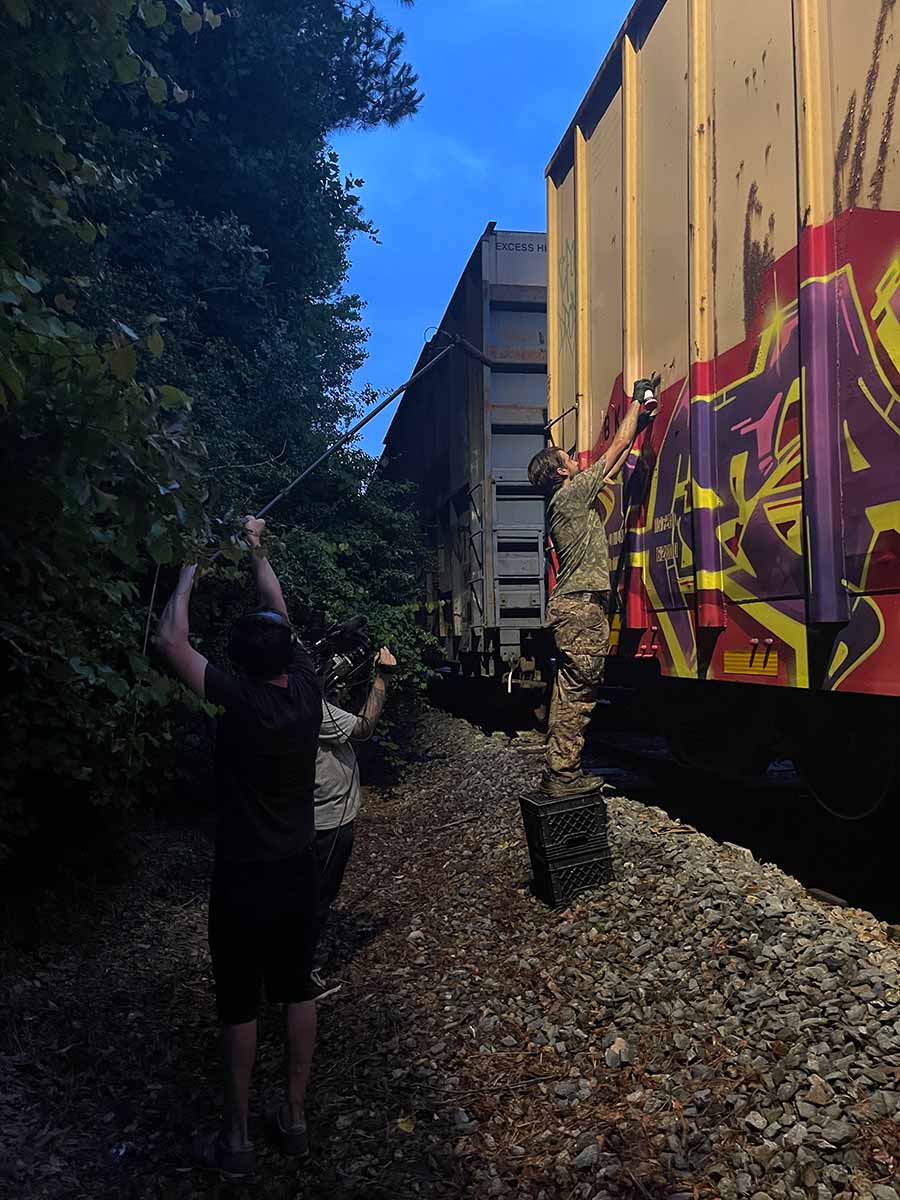
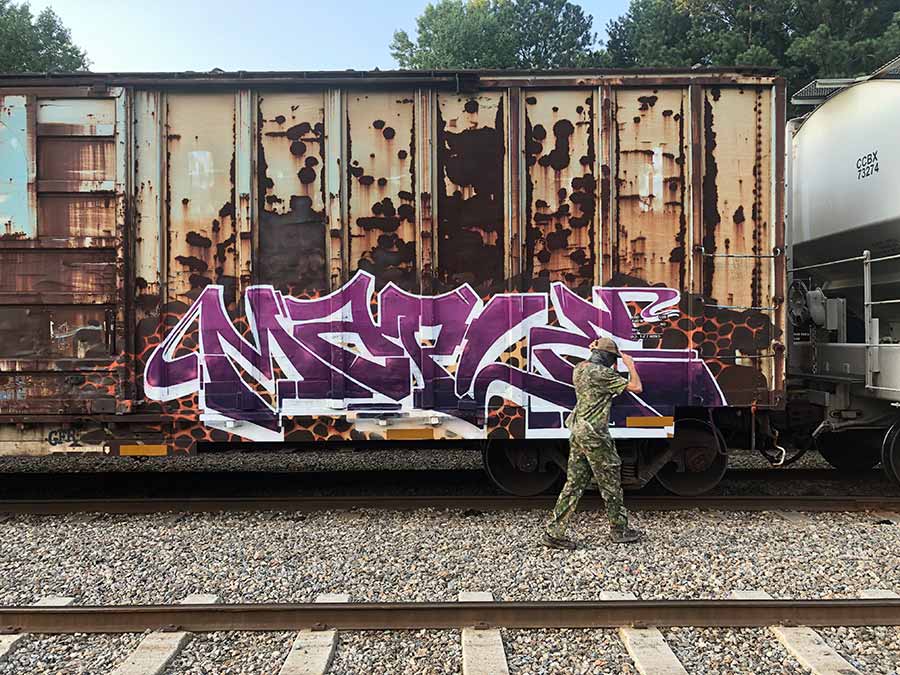
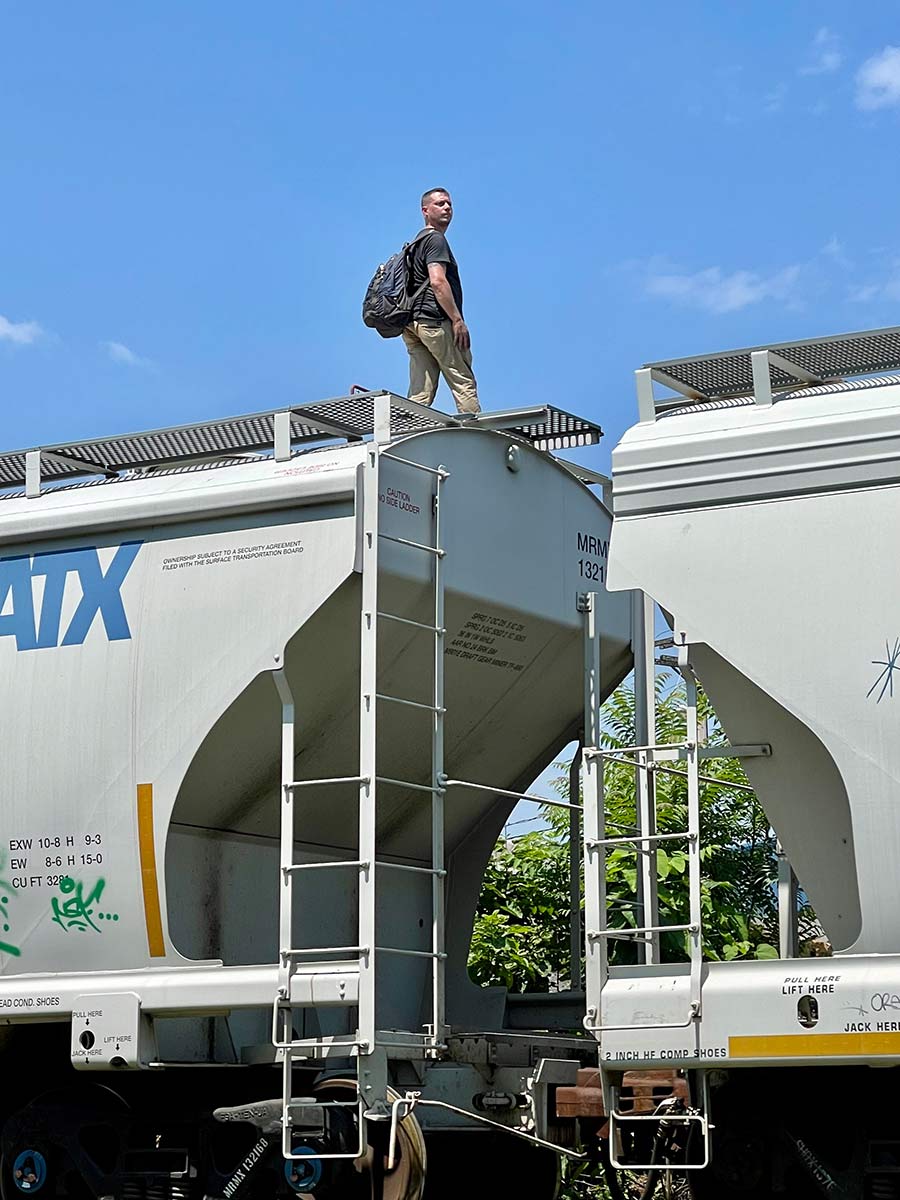
Roger Gastman “Rolling Like Thunder” with Freight Writing Culture in New Film

Roger Gastman “Rolling Like Thunder” with Freight Writing Culture in New Film

As you would know if you waited in the dark out in the open night for a freight train to paint, the earth vibrates and the rumbling can raise adrenaline levels with fear and excitement, and anticipation.

Time and again we hear the stories of isolation and community intertwined with “fright writing”, where a graffiti writer takes the “life and limb” thing a little too lightly, risking both to get up on a cross-country platform.

Merlot. Behind the scenes photo from the film “Rolling Like Thunder” by Roger Gastman. (photo © Aerub)

Next month graffiti historian, author, businessman, curator, disruptor, and film director Roger Gastman brings the freights Rolling Like Thunder to Showtime network with a new documentary that he promises will dive intothe secret underground world and history of freight train and graffiti culture, uncovering stories of myth-like artists, remarkable romances, competitive graffiti crews, and battles with the institution.”

It’s part of the network’s announced multi-year Hip Hop 50 initiative in collaboration with Mass Appeal, and will air on December 17th.

Roger sent us a few images from the film and behind-the-scenes shots to whet your aerosol appetite.

Maple. Behind the scenes photo from the film “Rolling Like Thunder” by Roger Gastman. (photo © Tim Conlon)
Maple. Behind the scenes photo from the film “Rolling Like Thunder” by Roger Gastman. (photo © Maple)
ASIC & ETC. Behind the scenes photo from the film “Rolling Like Thunder” by Roger Gastman. (photo © Tim Conlon)
NECS. Behind the scenes photo from the film “Rolling Like Thunder” by Roger Gastman. (photo © Tim Conlon)
ICH. Behind the scenes photo from the film “Rolling Like Thunder” by Roger Gastman. (photo © Tim Conlon)
Read more
3D Models of Murals: Opening the Street Art Experience to the Blind in Belgrade

3D Models of Murals: Opening the Street Art Experience to the Blind in Belgrade

Imagine being able to grasp a piece of street art, thanks to a 3D model of the original mounted nearby and made specifically for the blind and visually impaired. We do not recall writing about such a development – and now that we have learned about it, we hope to hear of many more.

Weedzor. Belgrade. (photo © Marko Mihajlović)

In October, following World Sight Day on the 14th, the first 3D models of murals for blind and visually impaired people were set up in Belgrade – led by Street Art Belgrade and a private commercial foundation. Following the first models’ installation in two locations, people were invited for a small street art tour like no other. Naturally, we have seen many sculptures and more three dimensional installations by artists over the last decades, but this is the first time you can witness that a direct translation of the painted work is created in dimensions that help others more fully appreciate the patterns, the relations, the forms at play with one another.

Weedzor. In collaboration with Street Art Belgrade and the Telenor Foundation. (photo © Aleksandar Đorđević)

“Street art is considered the freest kind of art because, regardless of its passing character, it is on the streets that belong to everyone,” says Ljiljana Radošević, an art historian from the organization Street Art Belgrade.

“However, not everyone can see and experience it. In this way, we want to bring this contemporary art form closer to blind and visually impaired people and make that dynamic and creative world available to them.”

Weedzor. In collaboration with Street Art Belgrade and the Telenor Foundation. (photo © Marko Mihajlović)

The two murals selected for the 3D models were done by the artist Weedzor, who’s been working on Belgrade’s streets since 2005 – cylindrical shapes that form the heads of a giraffe and a wolf. In addition to the 3D models placed at shoulder-level on the street, there is a description of the works in Braille. According to organizers, there are more 3D murals planned around the city.

Weedzor. In collaboration with Street Art Belgrade and the Telenor Foundation. (photo © Marko Mihajlović)

“Any activity that contributes to the blind population having more things they can experience is very important,” says Nikola Djordjevic, president of the City Organization of the Blind in Belgrade in a press release for the program.

“This is not just an art exhibition, but this approach also shows respect for our population.”

Weedzor. In collaboration with Street Art Belgrade and the Telenor Foundation. (photo © Aleksandar Đorđević)
Weedzor. In collaboration with Street Art Belgrade and the Telenor Foundation. (photo © Marko Mihajlović)
Weedzor. In collaboration with Street Art Belgrade and the Telenor Foundation. (photo © Aleksandar Đorđević)
Weedzor. In collaboration with Street Art Belgrade and the Telenor Foundation. (photo © Marko Mihajlović)
Read more
Whitewashed: Gonzalo Borondo Buffs His Painting Inside an Exhibition in Turin

Whitewashed: Gonzalo Borondo Buffs His Painting Inside an Exhibition in Turin

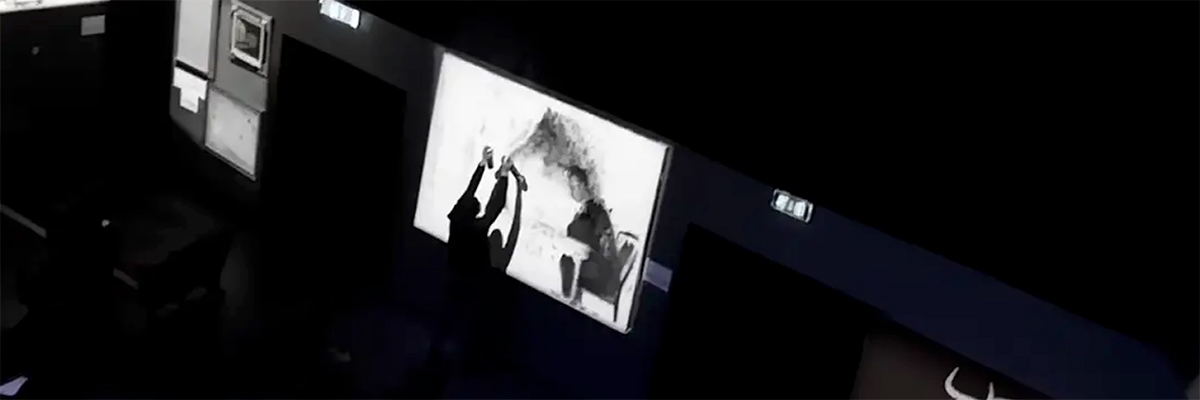
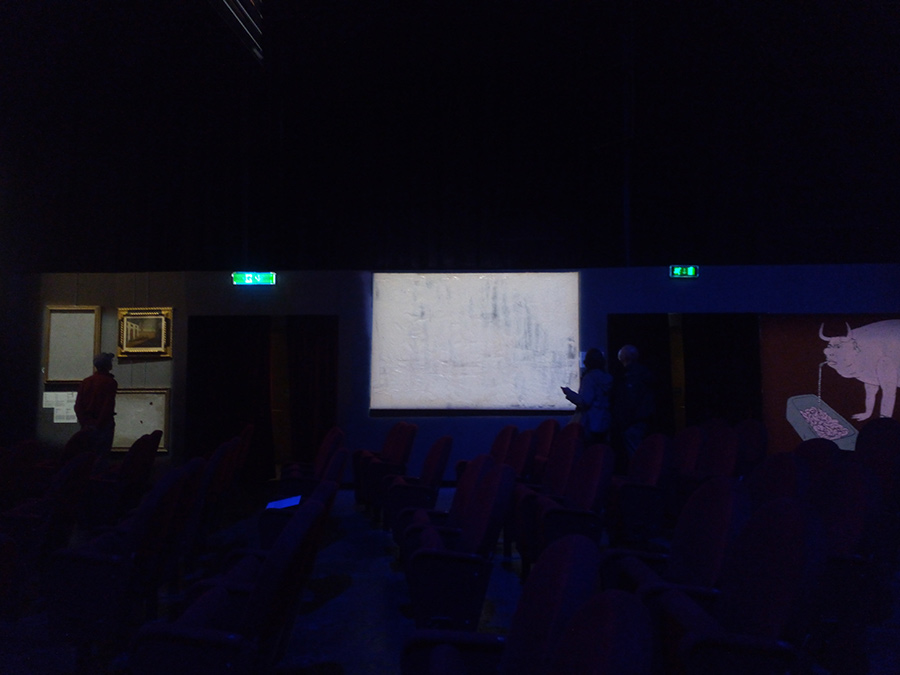
Borondo buffed his own work. It happens occasionally, not often.

Rarely inside an exhibition.

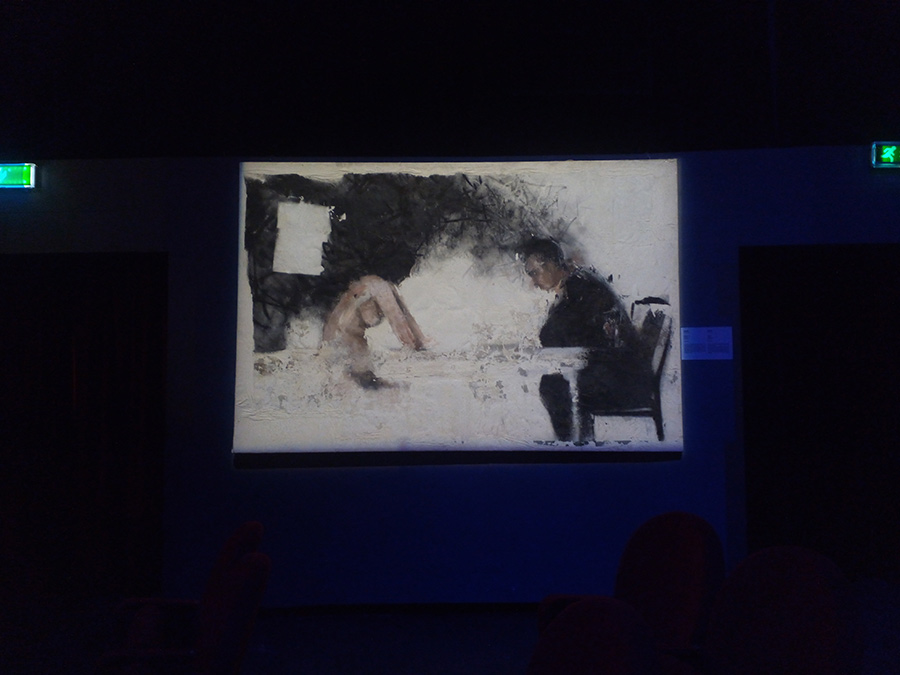
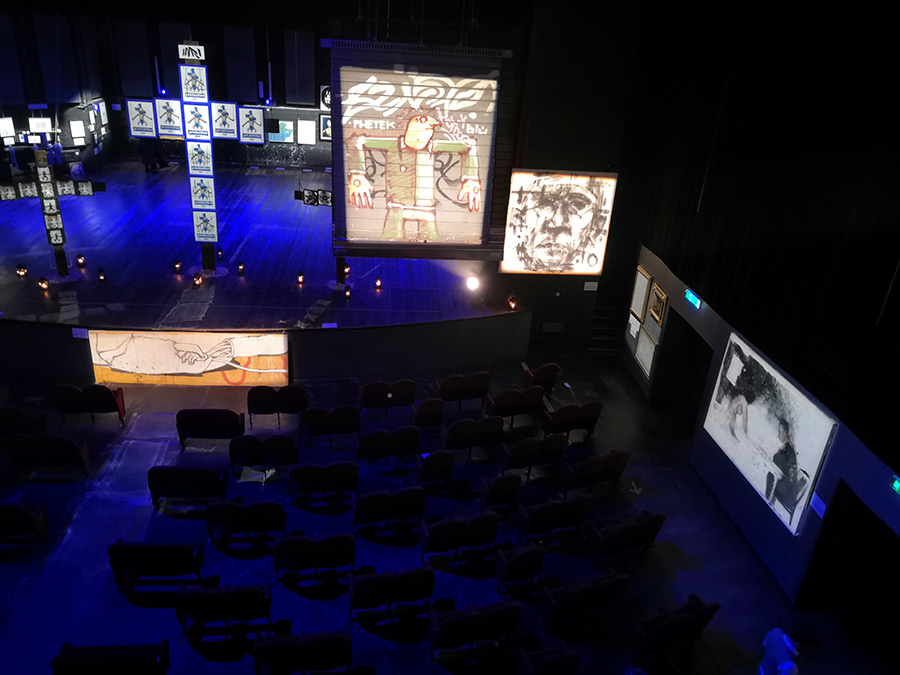
Borondo. “The Chess Player”. The artwork is shown in situ at the Teatro Colosseo in Torino, Italy where it was being shown without the artist’s consent, out of context, and for an admission fee, says the artist. (photo © courtesy of the artist)

In a defiant act to reclaim the right to authorship and deny ownership and profit-taking, the Spanish graffiti writer/ street artist/ muralist/ fine artist is saying publicly that he, or one of his agents, has defaced his own work in an exhibition that is charging an entrance fee in Turin, Italy. The work in question, according to Gonzalo, was ripped out of a wall in an “abandoned” place by restorers who “claimed to be non-profit.”

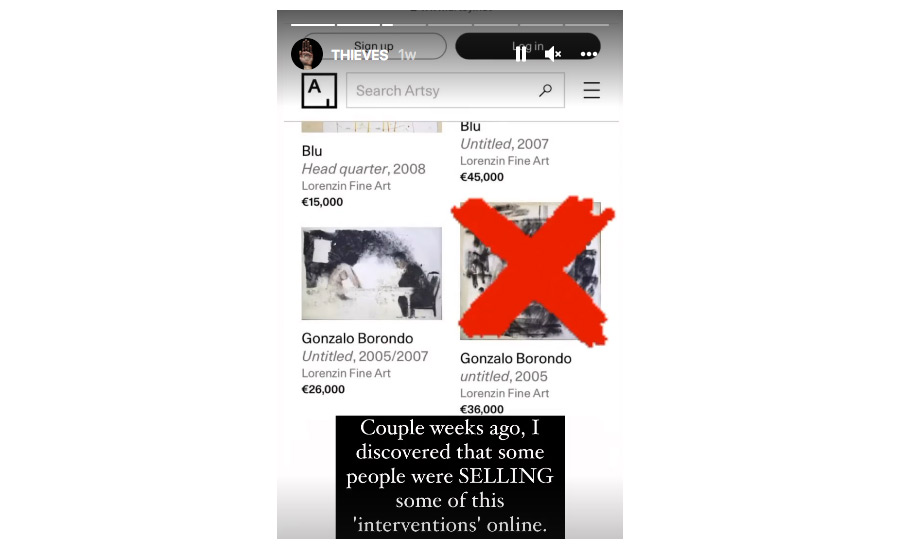
Not so, says the artist, who discovered some of the works for sale later on Artsy.com, and he posted about it on his Instagram stories. He also learned of one piece being shown in a commercial exhibit that opened in June called “Street Art in Blu 3” in the foyer to the auditorium at the Colosseo theater in Turin. Boasting 150 works by 36 artists, the ticketed show promised a spectacular experience and works by artists like Blu, Banksy, and 3D.

Screenshot of Borondo’s Instagram post appears to show the Artsy website selling pieces the artist says were taken without permission from public space.

That was not what he had planned when he painted the originals in their location-specific installations, says Borondo in an email. “These interventions in public space weren’t made with the intention to create objects to consume, but to dialogue and accompany their surroundings,” he says.

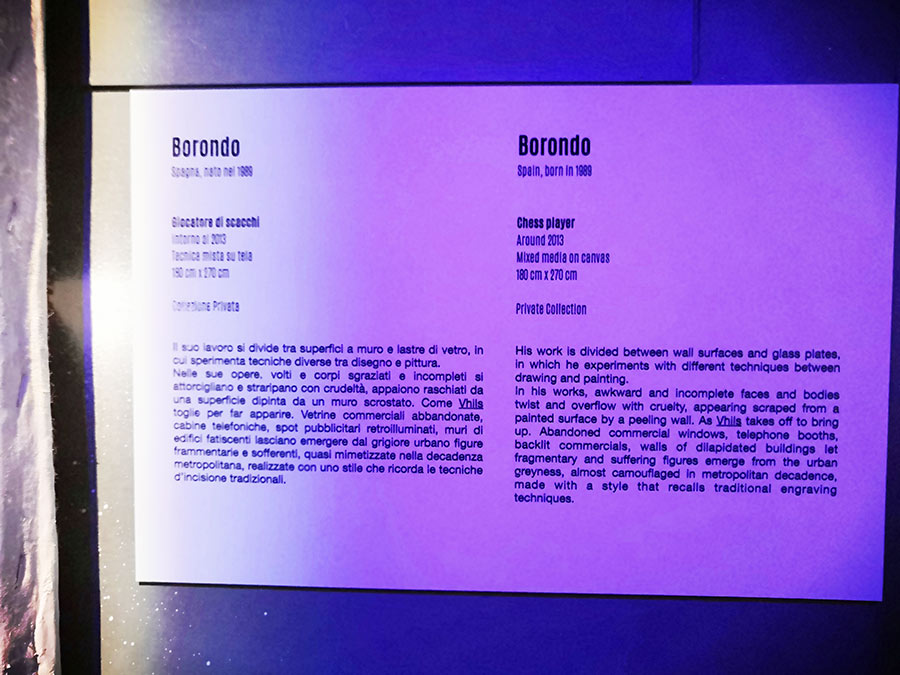
Borondo. “The Chess Player”. The label with a description of the artwork shown in situ at the Teatro Colosseo in Torino, Italy. (photo © courtesy of the artist)

“Without their context, the interventions make no sense, the will and the intent of the artist have disappeared, so, in the end, the artworks don’t exist anymore,” he continues.

Borondo. “The Chess Player”. The artwork is shown in situ at the Teatro Colosseo in Torino, Italy. (photo © courtesy of the artist)

True enough, but once an artist has created a work, no one will ever be completely able to control how it is interpreted, how it is used – it may even be destroyed or integrated into other works by other artists – regardless of the original ‘intention’. Piss Christ by Andres Serrano used a religious icon never intended to be employed that way, Duchamp’s “Fountain” urinal was originally intended to be, well, a urinal, and Hirsts’ shark in formaldehyde doubtfully was intended to be used as someone’s private art by the Creator, or by the shark.

Borondo. The artwork is shown after it was whitewashed in situ at the Teatro Colosseo. (photo © courtesy of the artist)

People are even now debating if any of those examples we give above make sense, or are ‘art’ – especially after their transformation or removal from their original context. But we get Borondo’s larger point, and even more, we understand his interest in deleting the image from a ‘for-profit’ carnival show like this one appears to have been. At the very least, a presentation of his work in this context detracts from his carefully built reputation as an artist.

The larger debate is still raging. Who owns street art – installed legally and illegally. What are the implications and limitations of intellectual property, and physical property? What is the role of documentation, or preservation – in light of the artists’ intention and the greater edification of future generations? And at which point is it worth fighting for, or about? We expect to hear these arguments for years to come.

Here is a video of the action courtesy of the artist.

Read more
BSA Film Friday: 11.05.21

BSA Film Friday: 11.05.21

This image has an empty alt attribute; its file name is BSA-Film-Friday-2021-900.gif

Our weekly focus on the moving image and art in the streets. And other oddities.

Now screening:
1. CROSSROADS: Life in the Resilient City from Nils Clauss and Neil Dowling
2. VHILS – MEXICO A Film by Jose Pando Lucas
3. OS GEMEOS: SECRETS – Episode 01 – All paths lead to São Bento

This image has an empty alt attribute; its file name is BSA-Special-Feature-Static-900.jpg

BSA Special Feature: CROSSROADS: Life in the Resilient City

To live anywhere for any period, one needs to develope a certain resiliency, maybe even a strong cortex. During the Seoul Biennialle on Architecture and Urbanism this year, responsible urban growth was focused upon like never previously – with people and systems at their core.

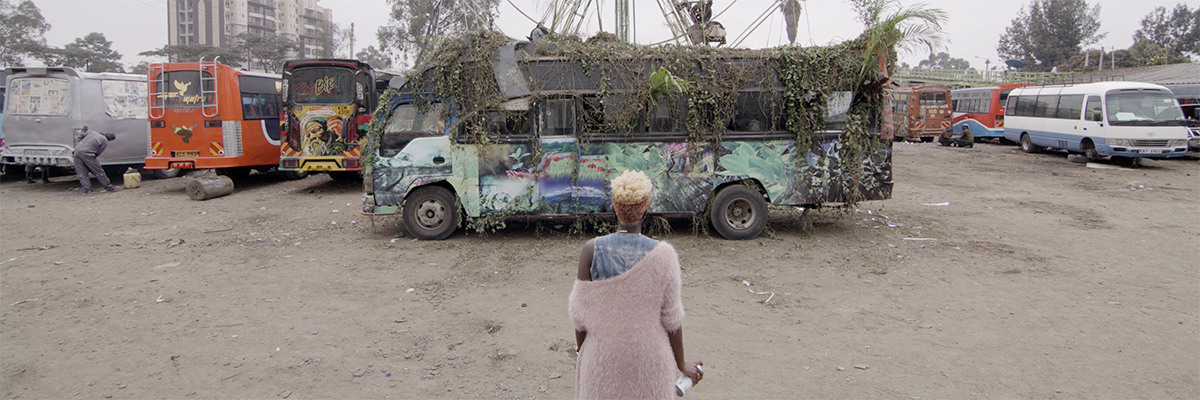
“Five cities. Five stories. This documentary looks at the urban experience from the perspective of people living at the interface of the changing world. In New York, Seoul, Mumbai, Paris and Nairobi creativity and imagination is necessary to survive and thrive as the cities they live in constantly evolve.”

This is the narrative based on CROSSROADS : Building the Resilient City by
Dominique Perrault, General Director of Seoul Biennale of Architecture and Urbanism 2021

CROSSROADS: Life in the Resilient City from Nils Clauss and Neil Dowling

VHILS – MEXICO A Film by Jose Pando Lucas

“I met a witch. The most beautiful of all witches,” begins the latest fable by VHILS, as he travels from his home in Portugal to this land, one of magic and realism. Directed by Jose Pando Lucas.

OS GEMEOS: SECRETS – Episode 01 – All paths lead to São Bento

Here is a secret from the twins that you may not have known: all paths lead to São Bento. There are more secrets to be revealed here as the retelling of the genesis tales of graffiti and hip hop culture continue to come forth and to take their rightful position in the history that formed our culture today.

Read more