Our weekly focus on the moving image and art in the streets. And other oddities.
Now screening: 1. SpY Reflection 2. One Minute of Dance Per Day March 20, 2022: Danse 2623 – Nadia Vadori-Gauthier 3. The Moon Lady. Michelle Obama Mural in Chicago by Royyal Dog
BSA Special Feature: SpY ‘Reflection’
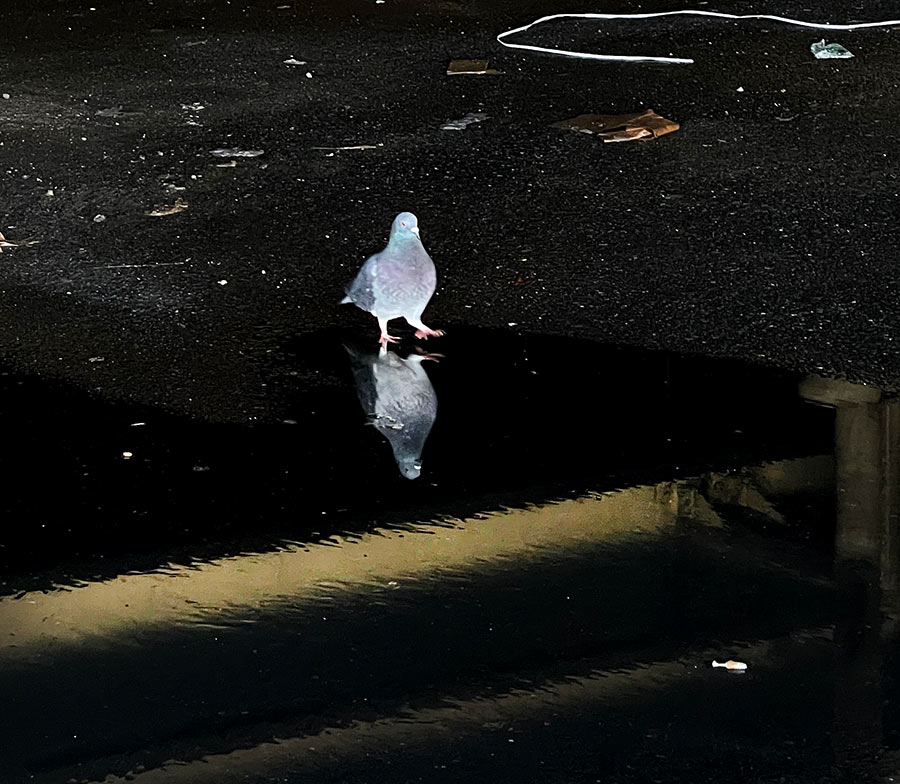
“In ‘REFLECTION’, SpY makes use of such common elements of street furniture as convex traffic mirrors that are used in surveillance and security, to present this hypnotic kinetic sculpture in movement.
Made up of 20 convex traffic mirrors, this kinetic sculpture generates a replicated universe that evolves with the different variations of movement and position of the spectators through reflection. SpY explores the spectators’ relationship with their own reflection and environment, multiplying and expanding their privacy and intimacy among them all.
SpY “Reflection”
Nadia Vadori-Gauthier: Une minute de danse par jour. Bois de Vincennes. It’s the spring equinox. The first day of the astral year, a day of celebration of Mother Earth and her flowerings. Dancing with Lucas.
One Minute of Dance Per Day March 20, 2022: Danse 2623 – Nadia Vadori-Gauthier
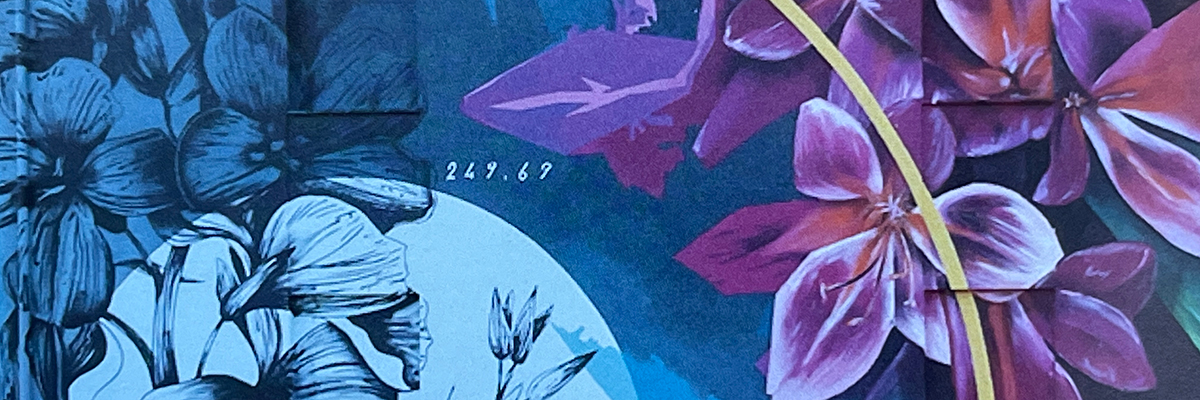
The Moon Lady. Michelle Obama Mural in Chicago by Royyal Dog
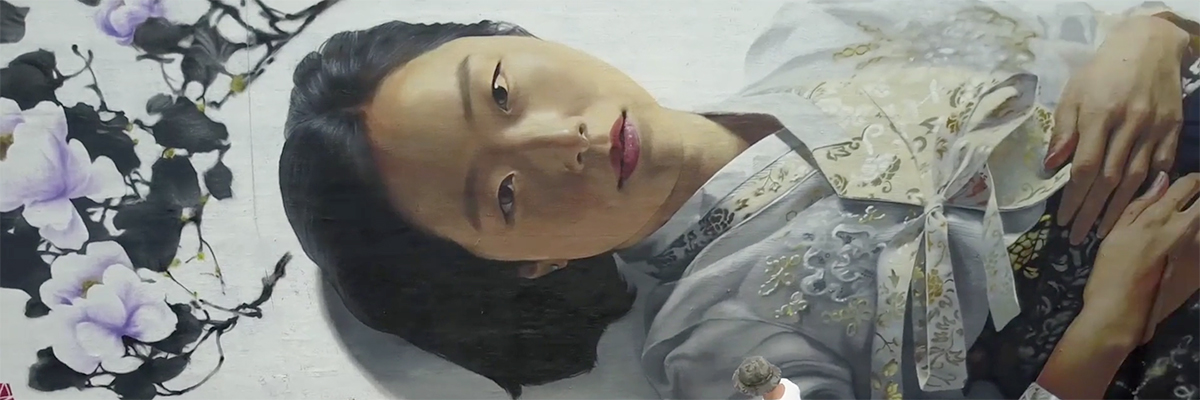
This is a picture of former First Lady Michelle Obama wearing a hanbok” says artist Royyal Dog of his mural in Chicago.
Assemblage and collage don’t get much attention in the street art scene, let alone the graffiti scene, perhaps because these art-making techniques will not typically trigger police sirens and lights. You may be thoughtfully arranging a composition of found wood and metal elements from a nearby dumpster on the derelict wall of an abandoned building at 11 pm for no apparent reason – but that hardly reeks of vandalism. There’s no wild tagging scrawl, no aerosol cans, no bubbles, no drips, no silver fill, no dramatic fence-jumping. For that matter, this kind of work can look like fence-mending. Now that you think of it, assemblage and collage-making may be precisely an ideal vehicle for subversion.
Hyland Mather has been pounding together assemblages on the street for more than a decade – a gathering of the discarded of society into new relationships, new families. He’s been scanning the city horizon and collecting for a while – doing it so long that sometimes he feels like he may be a hoarder, but this search and rescue operation continues apace. His collections of objects are more like orphans given new homes, not discarded but simply lost. Whether drawn from city margins, dumpsters, post-industrial heaps, each element is adorned and joined with others. Maybe it is just an extension of the Western world’s consumerism of the last half-century, but perhaps it is also an inclusive practice of making sense from the chaos, finding great value and beauty in the discarded.
Now dividing his time between living in Portugal and in Amsterdam, and curating for STRAAT museum in Amsterdam, the Denver artist also collects and represents other artists and creates street-based artworks in many cities – a unique blending of elements, roles, and families that further evolves his profile. Here in a hotel lobby at the center of a Jersey City arts center revival, his found elements are appropriate; moving and mobile and newly combined and interconnected in an act of his ongoing global/local travels.
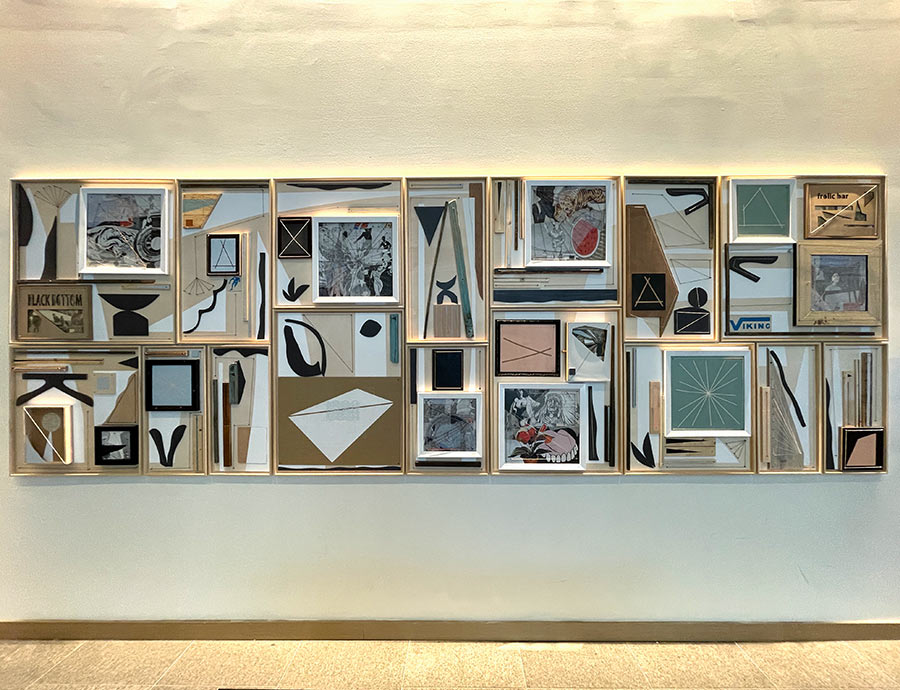
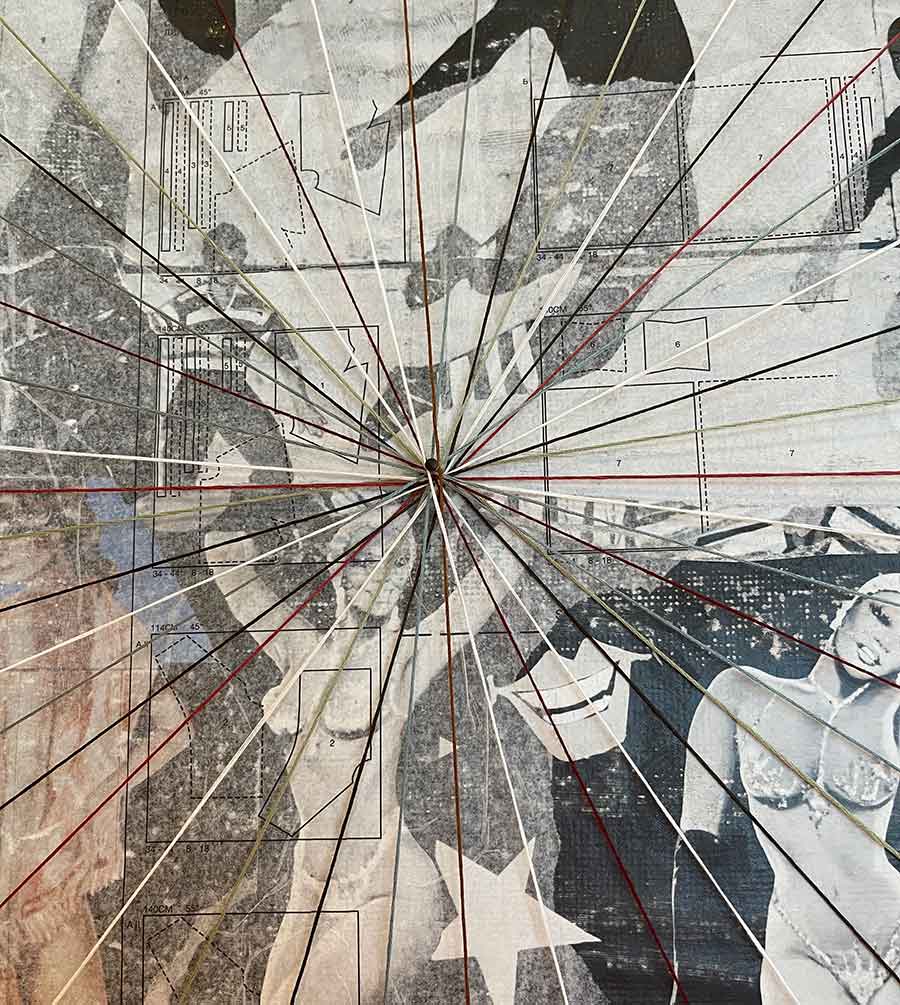
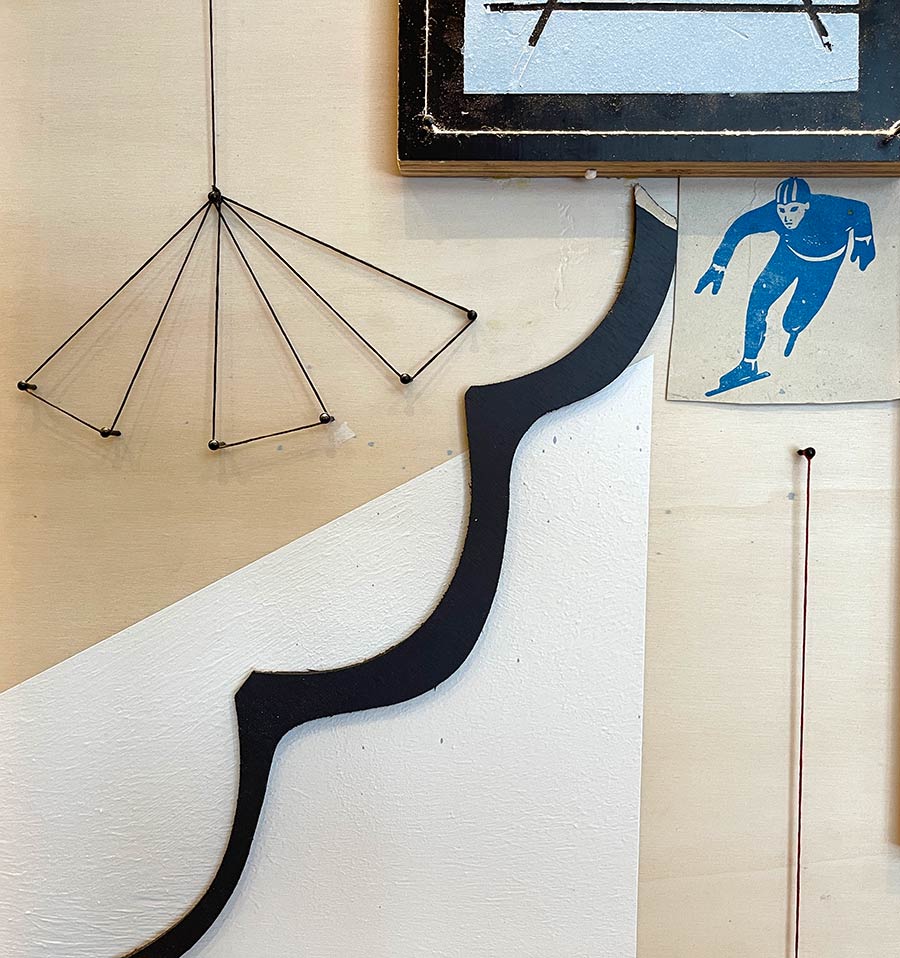
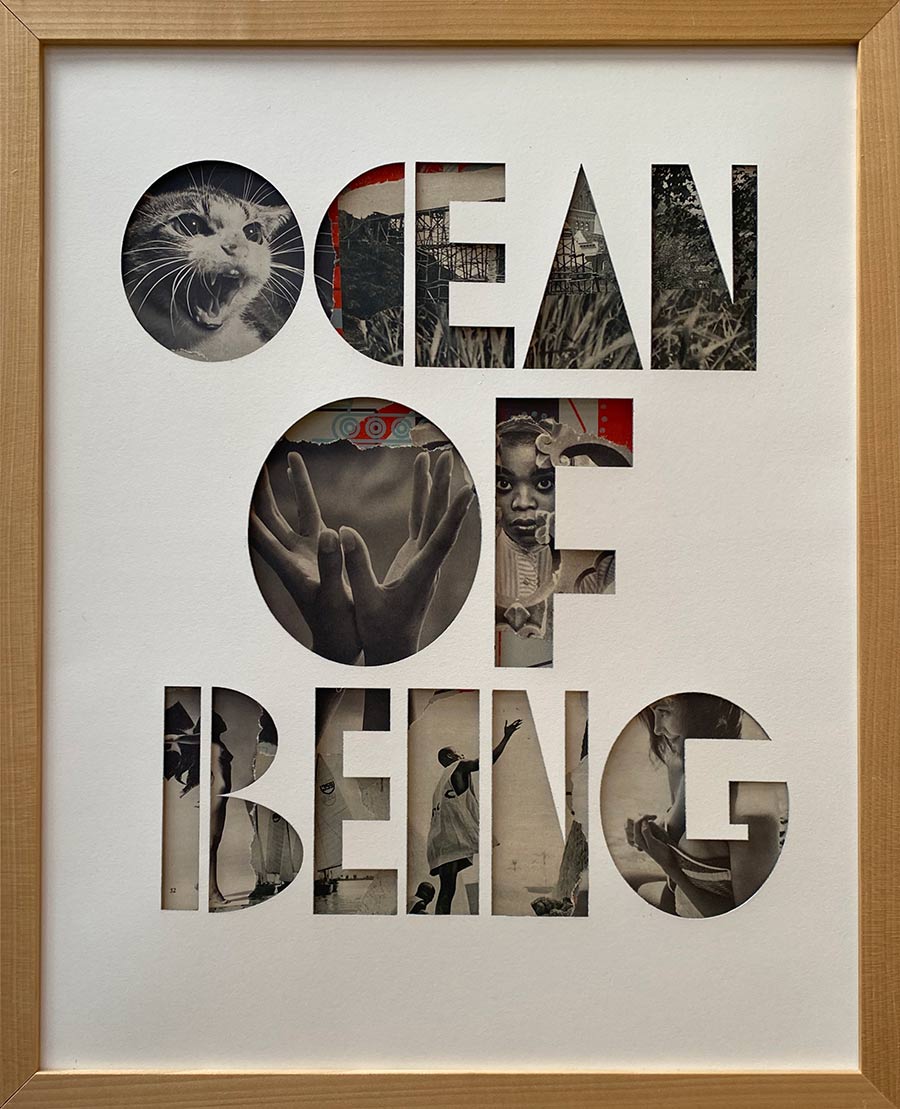
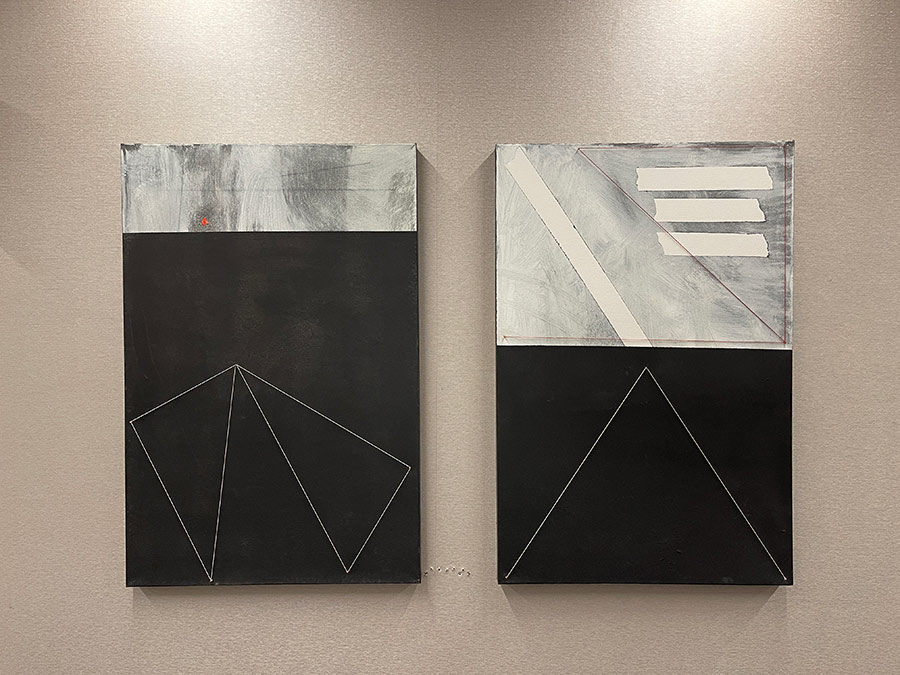
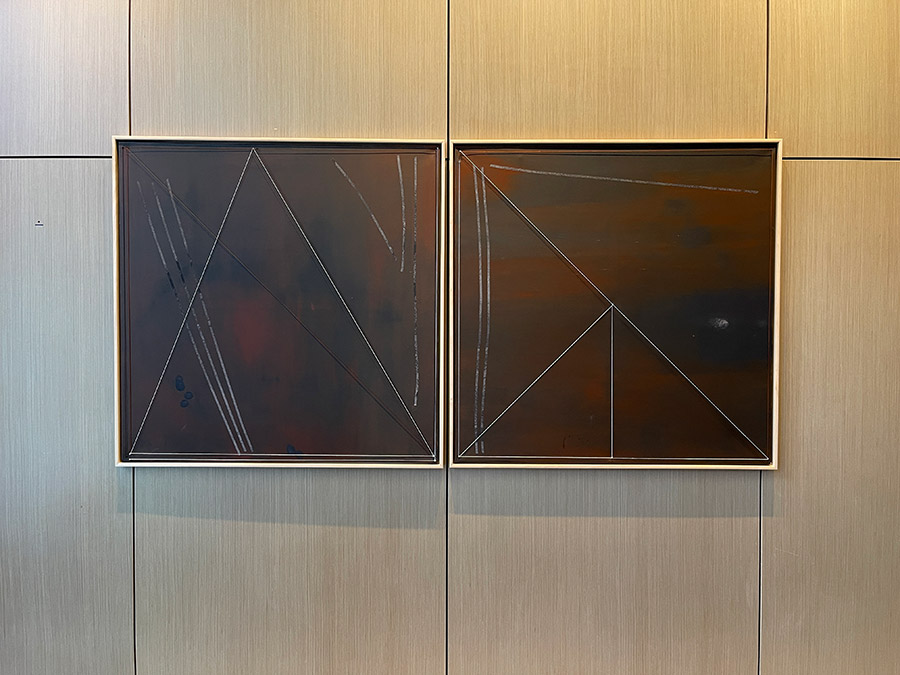
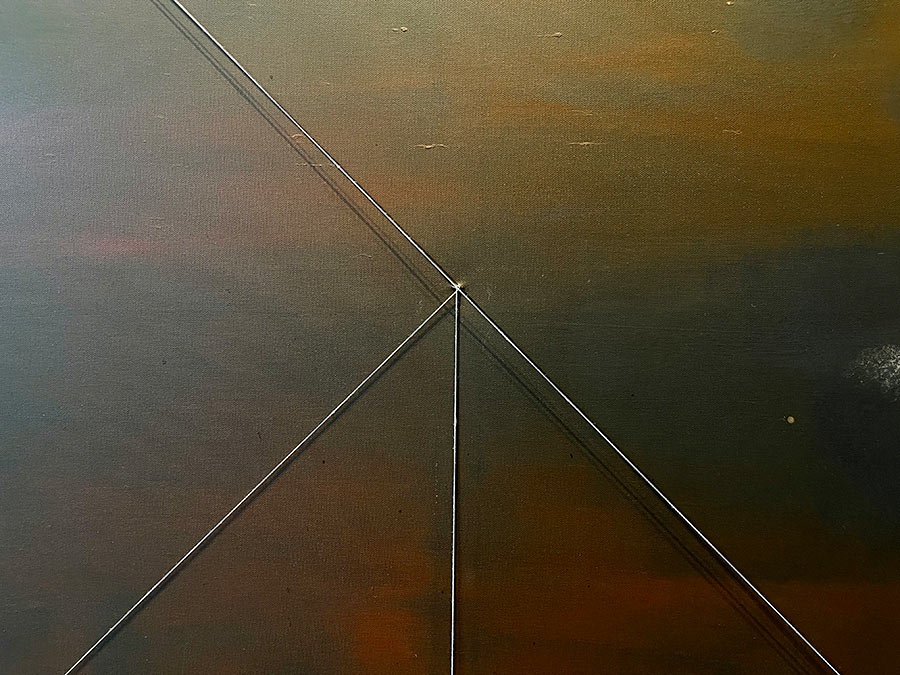
He calls the two-part installation his “Ocean of Being.” If their shapes, symbols, textures, and relationships are biographical, the stories are subterranean. Curated by DK Johnston for The Arts Fund, Mr. Mather tells us that it is an installation of two significant works named Viking Frolic Bar and Black Bottom/Foggy Eyes, “paired together for the first time as a massive installation of assemblage and collage.” Wood, acrylic, aerosol, objects, paper, canvas, frame; all gathered and working alongside, in tandem, in a constructed harmony unified by a calmed, natural palette and tied together with string, a “geometric component floating lightly above”.
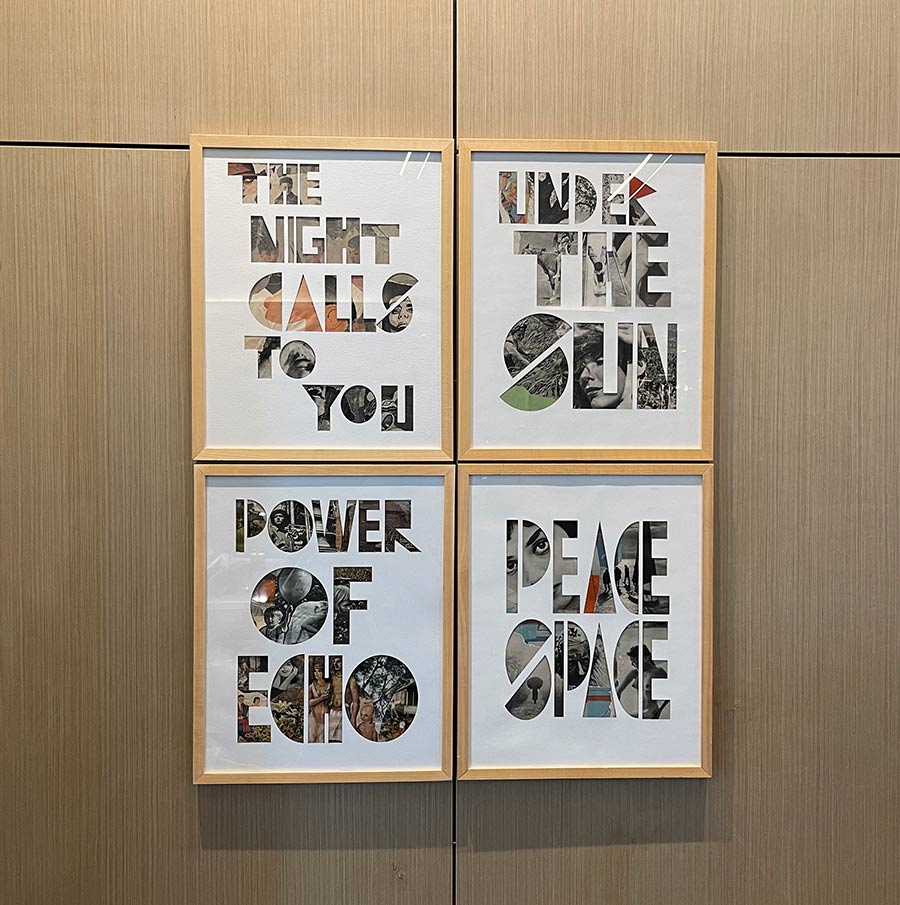
Additional works completed in situ and for other projects are on display- gallery works and works on paper from what he calls his ‘Emblematum’ series.
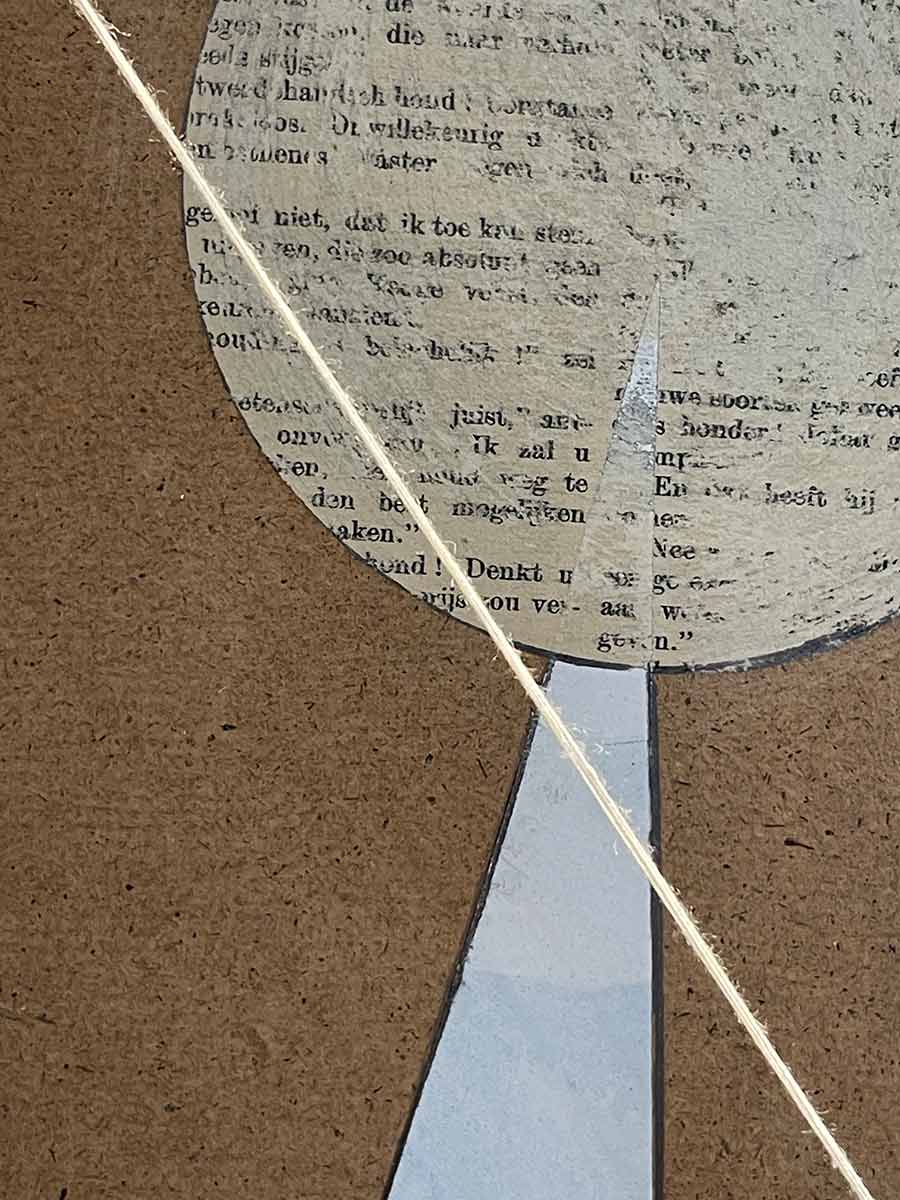
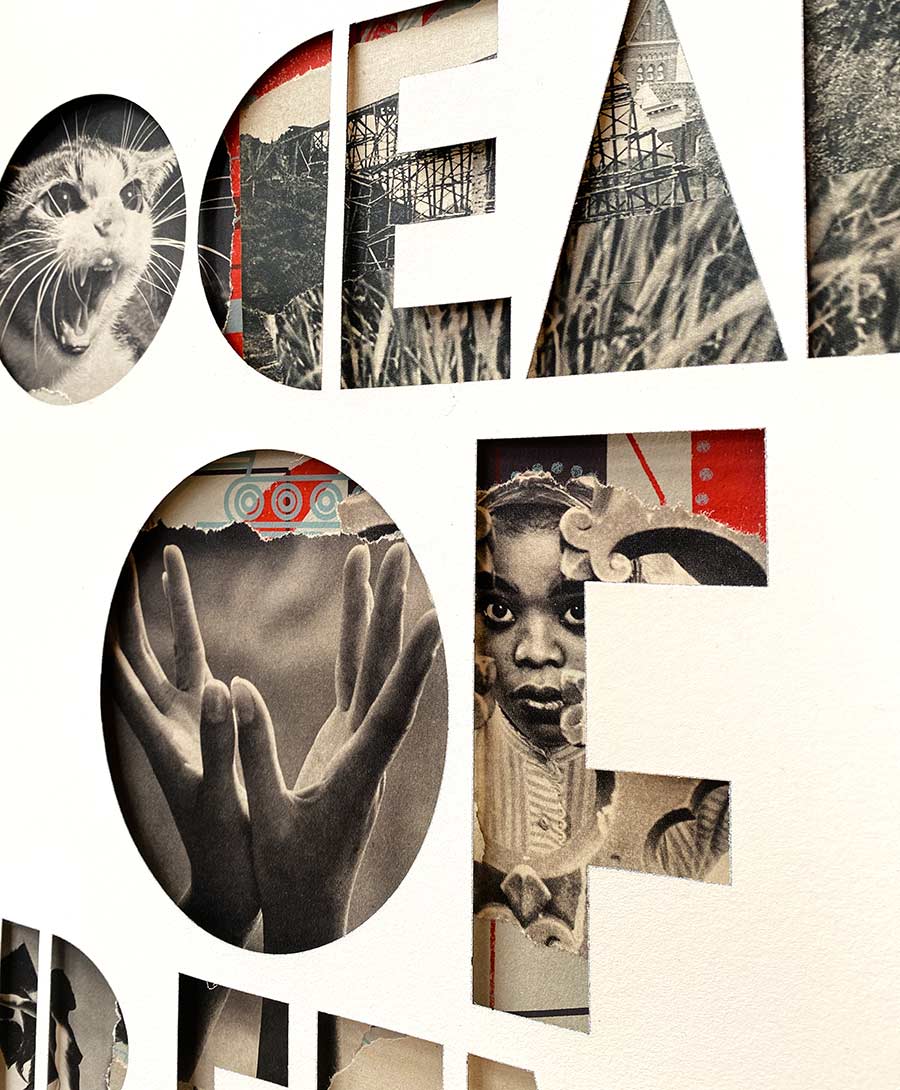
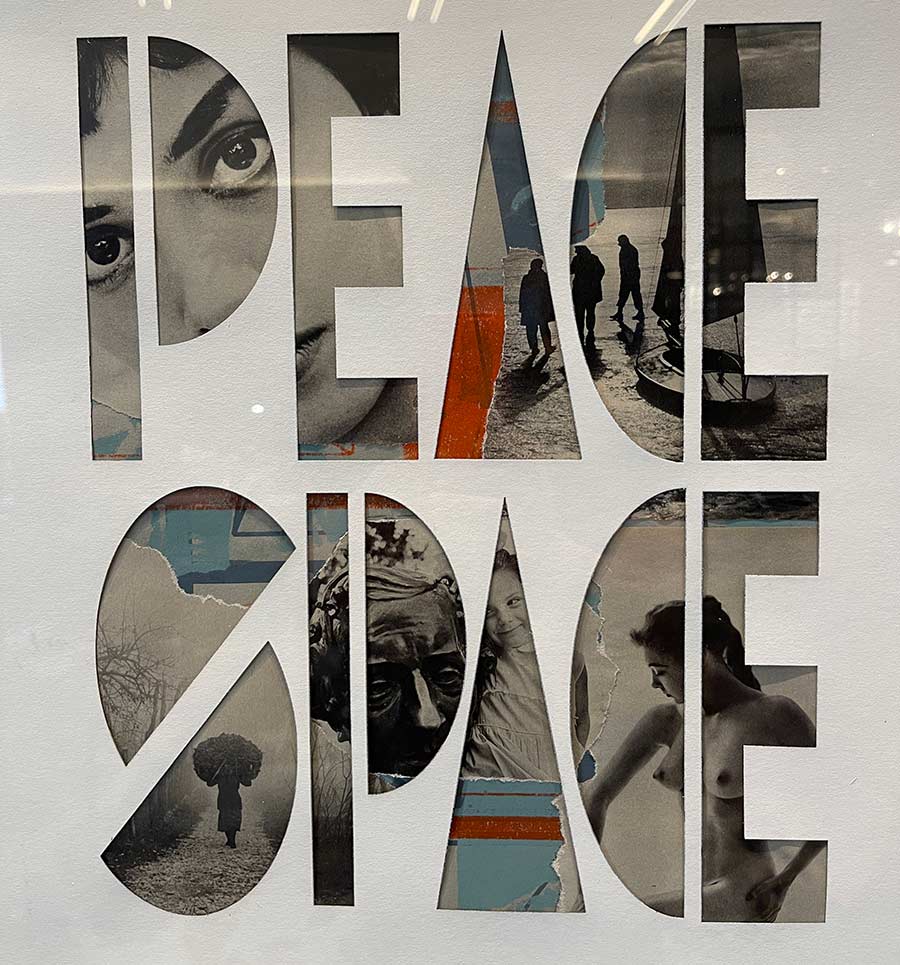
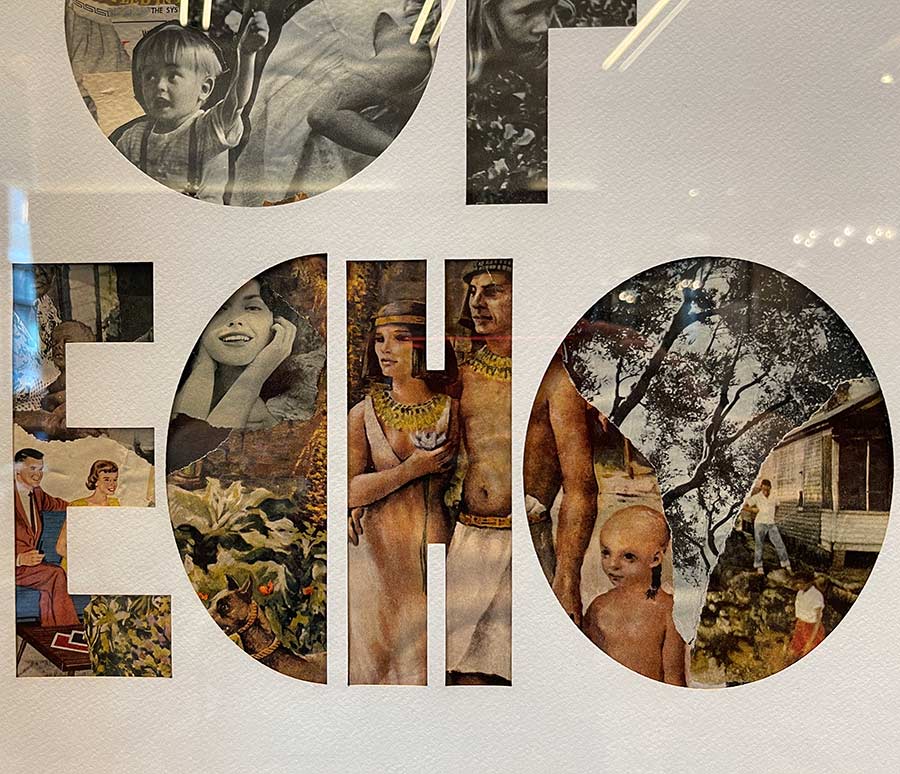
“These text-based pieces use imagery harvested from the pre-war (1930’s) Dutch magazine, Panorama, and post-war (1950-1960) photography from period photo journals,” his description says. He was aiming to “create a dreamlike collage behind ambiguous but uplifting slogans like the project title, ‘Ocean of Being’.
BSA spoke to Hyland Mather about his work, his influences, his strings, and his new indoor exhibition.
BSA:Is this your first project in the USA after two years of the Covid Pandemic? If so how did you feel being able to travel again to execute your work as an artist?
Hyland Mather (HM): Actually, I guess you could say I was lucky, I had a bit of a ‘golden ticket’ in terms of travel documents during the height of the pandemic with a European residency permit and a US passport. I did a bunch of large mural projects in the States in 2020 and 2021 and was in Philadelphia for an exhibition at Paradigm last July. I will say it was an odd combo of super easy and super eerie traveling when the planes and airports were nearly empty.
BSA:“Ocean of Being,” which is the title of your exhibition, does it refer to seeking balance, silence, meditation? The oceans are vast, and one can imagine being in the middle of them in complete silence, but not necessarily at peace since they can be turbulent and dangerous.
HM: You’re pretty right on about this. I took the title from a Hindu idea, Brahman Ātman. Where Brahman represents the unfathomable, immeasurable vast ocean of space, consciousness, and time and Ātman represents a tiny sample, or a water droplet in that ocean. In the Lost Object installations, the objects in the install are a small sample representing a vast ocean of discarded objects that are around us everywhere, all the time.
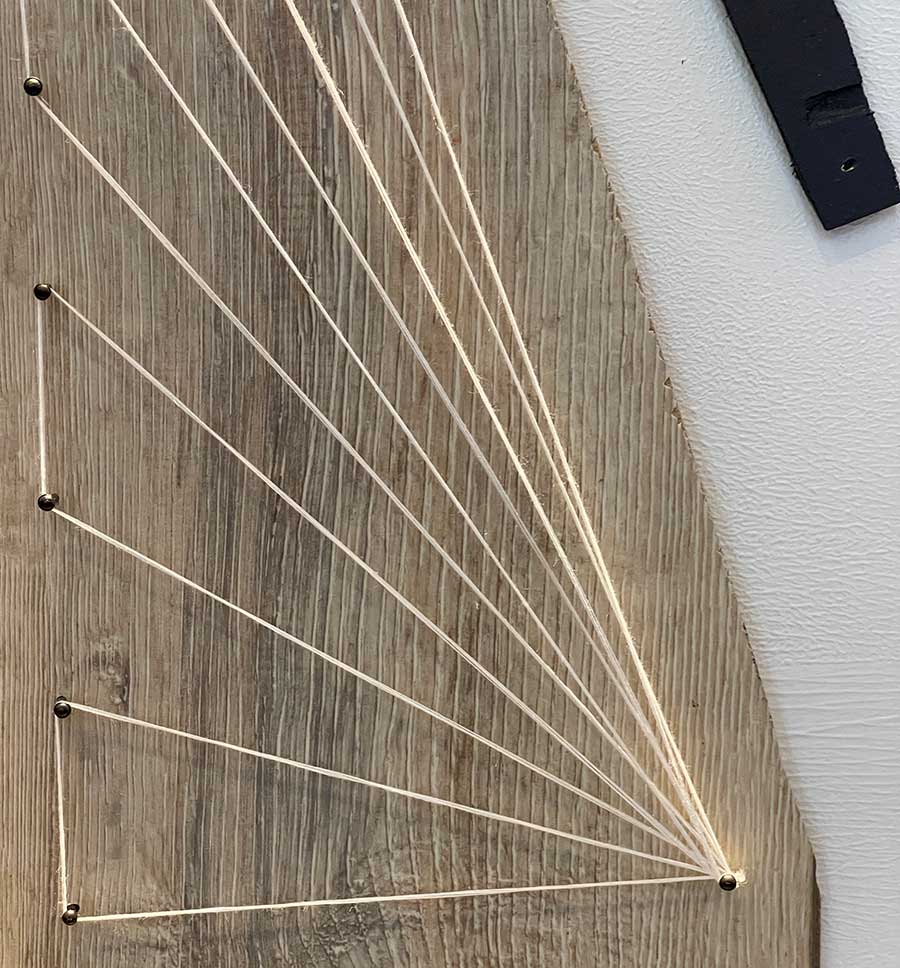
In the text-based works on paper, the collage backgrounds under papercut slogans make a kind of balance, where the slogan itself is like a cup of water and the collage underneath represents a vast ocean of imagery associated with the words. The string paintings, Linea Pictura paintings, are also related to the Brahman Ātman meditation where the soft, loose, abstract backgrounds form the ocean upon which the crisp floating lines hover over…like a droplet of water in the air when waves collide.
BSA:Is your predilection for using found objects in your art purely as art materials or are you being conscientious about the environment by creating as much as you can with discarded objects?
HM: This is an awesome question, and I think about it a lot. In the beginning it was never about the environment, it was purely meditation and aesthetic. However, over time, especially working with recycling centers and junk yards when collecting materials, I’ve come to really see what’s going on with waste and it is, and I mean this sincerely, insane.
I remember once going into the recycling center at the University of Oregon and seeing a huge industrial size hospital style laundry basket just filled to the brim with old CD’s. The woman who ran the program was in shambles…she just pointed at the CD’s and said something like, ‘We’re a conscientious university town and there is just no way we can even begin to put a dent in how much recyclable trash there is even in our community’. It was pretty sad to see this front line activist super disheartened.
I do have this dream project to work with some major player like Amazon, Ikea or Walmart to create a partnership where I make things with the mountains of stuff that they destroy when people return things. I just can’t wrap my head around how their PR departments would spin that … first they’d have to admit how much stuff is destroyed.
Hyland Mather. Emblematum Parvus Series. Exhibition Ocean of Being in collaboration with The Art Fund and Canopy. Jersey City, NJ. (photo courtesy of the artist)
BSA: What’s is the process for your text-based series? Do you come out with the text first then you find the images for the background? Or is it the opposite?
HM: The text works (Emblematum) are about wide ideas expressed in simple language. An expression like ‘Under The Sun’ has so many possibilities for interpretation…like a pretty day at the beach, or wild flowers on the prairie, or something darker like desertification, or inmates busting up rocks. Almost always it’s the text first, then the collages underneath, but the collages themselves are often fun to compose separately. It’s an enlightening exercise digging through old magazines and gauging the temperature of culture from a time period that is not so far in the past.
I have a lot of old Dutch Panorama magazines from the 1930s and 1940s that I found behind an old book store in Amsterdam. Panorama was comparable to Cosmo or something like that… it’s crazy to look at one from say late 1939 or early 1940 and there is absolutely no temperature of the war that was already raging in Poland and Czechoslovakia, and in a few short months would overrun the Netherlands as well, yet it’s still just ads for toothpaste and puff pieces on fishing.
Hyland Mather. Emblematum Parvus Series. Detail. Exhibition Ocean of Being in collaboration with The Art Fund and Canopy. Jersey City, NJ. (photo courtesy of the artist)
BSA: In your Linea Picture series one experiences the rigidity of the string and the beauty of the geometry but at the same time the soft yarn plays with the soft brushed, curvilinear work on the canvases. How would you describe this dual personality?
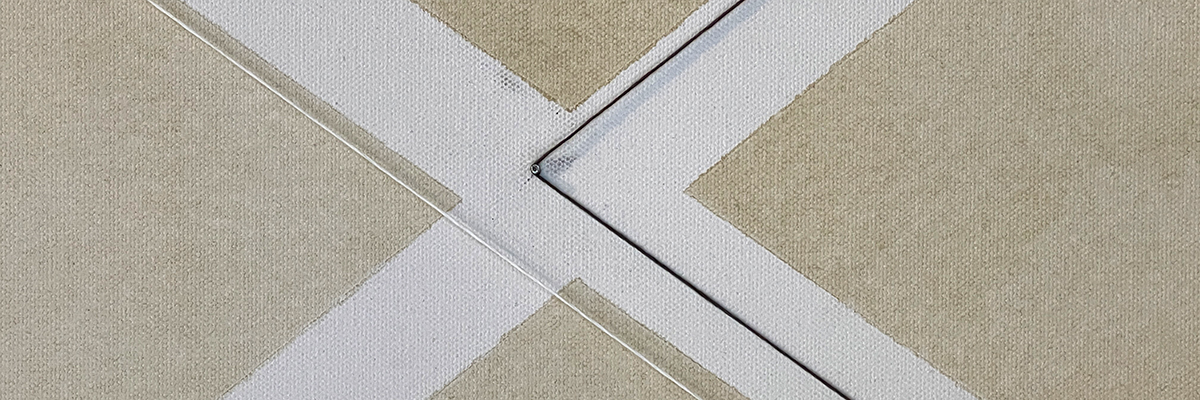
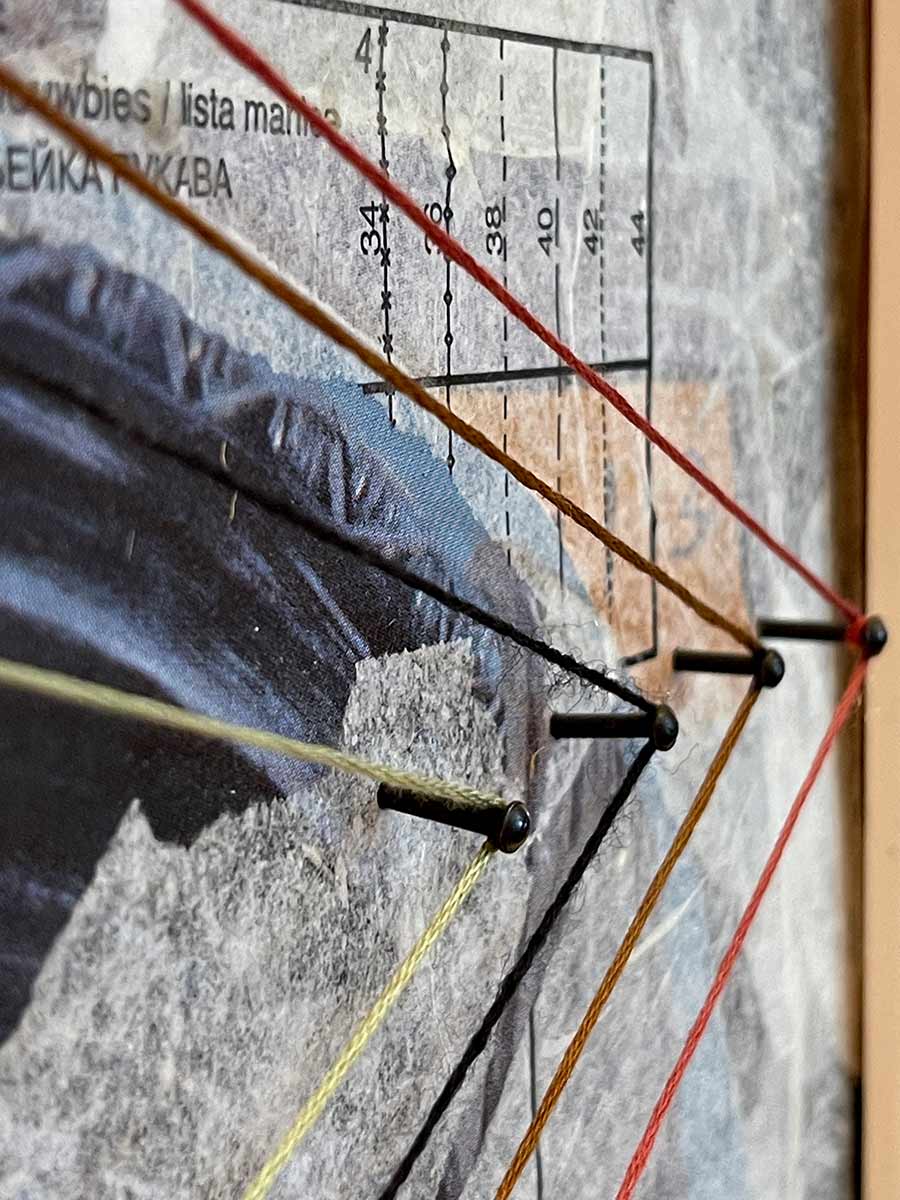
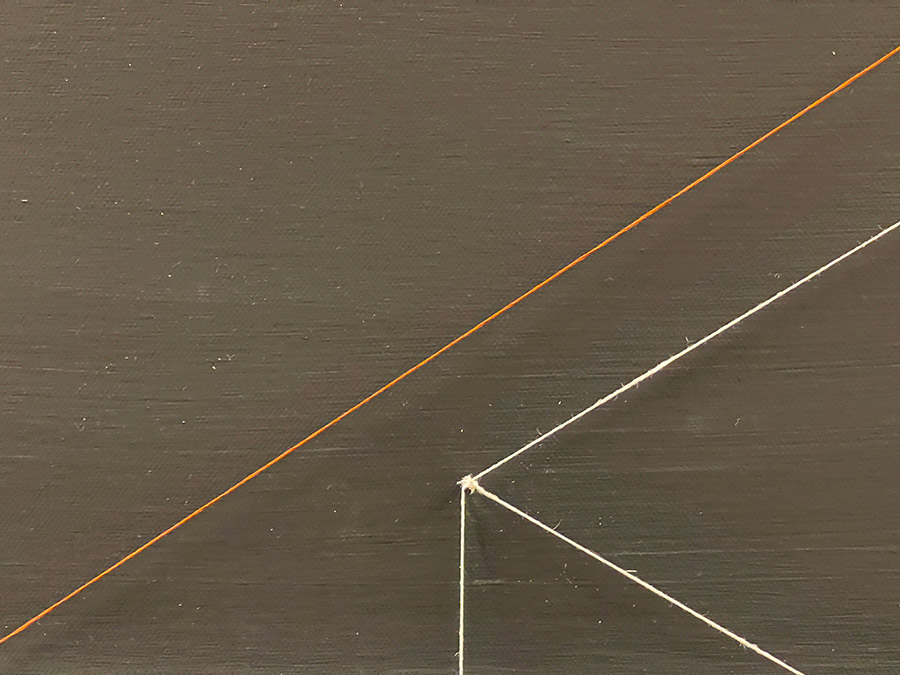
HM: This is such a flattering description, thank you. I’m happy with this work. This is the newest part of my practice and I feel like it’s taken me many years to arrive here. I’m not sure I can say it much better than you just did. String has been a tool I use in my work for a long time. I love how delicate it is and yet when stretched taut how precise it is. It’s kinda fetishy. The abstract painterly backgrounds are super meditative for me to make and put a great deal of peace into me as I’m working on them, but as artworks these pieces don’t feel complete for me until the string components are added, and a balance is achieved. I also really enjoy the shadow casting that the floating strings have on the surface of the canvases.
Ocean of Being is a project by artist Hyland Mather (@thelostobject), hosted by Canopy Hotel of Jersey City. The exhibition is curated by DK Johnston, founder of The Arts Fund.
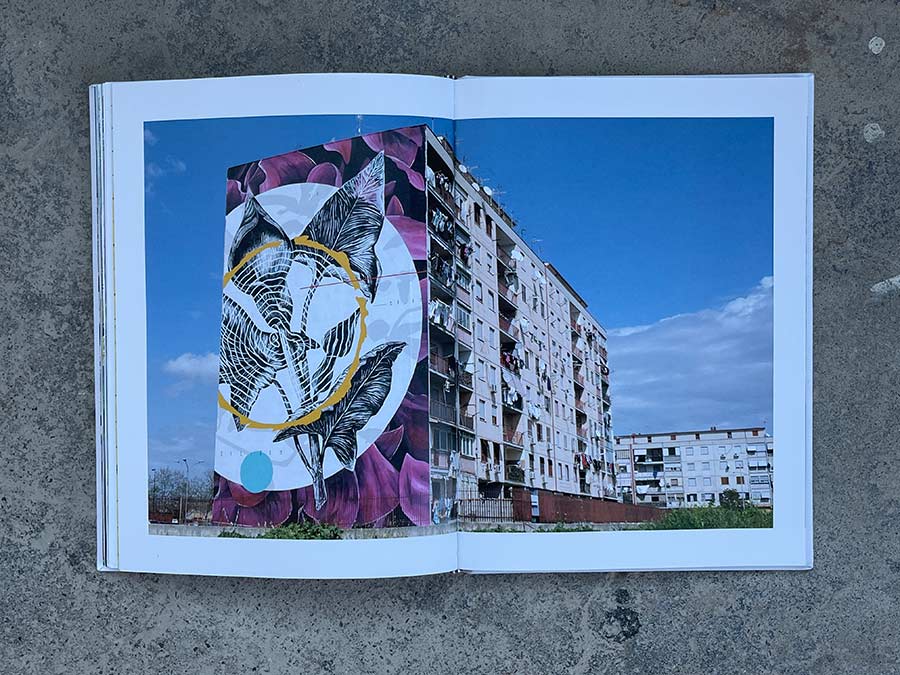
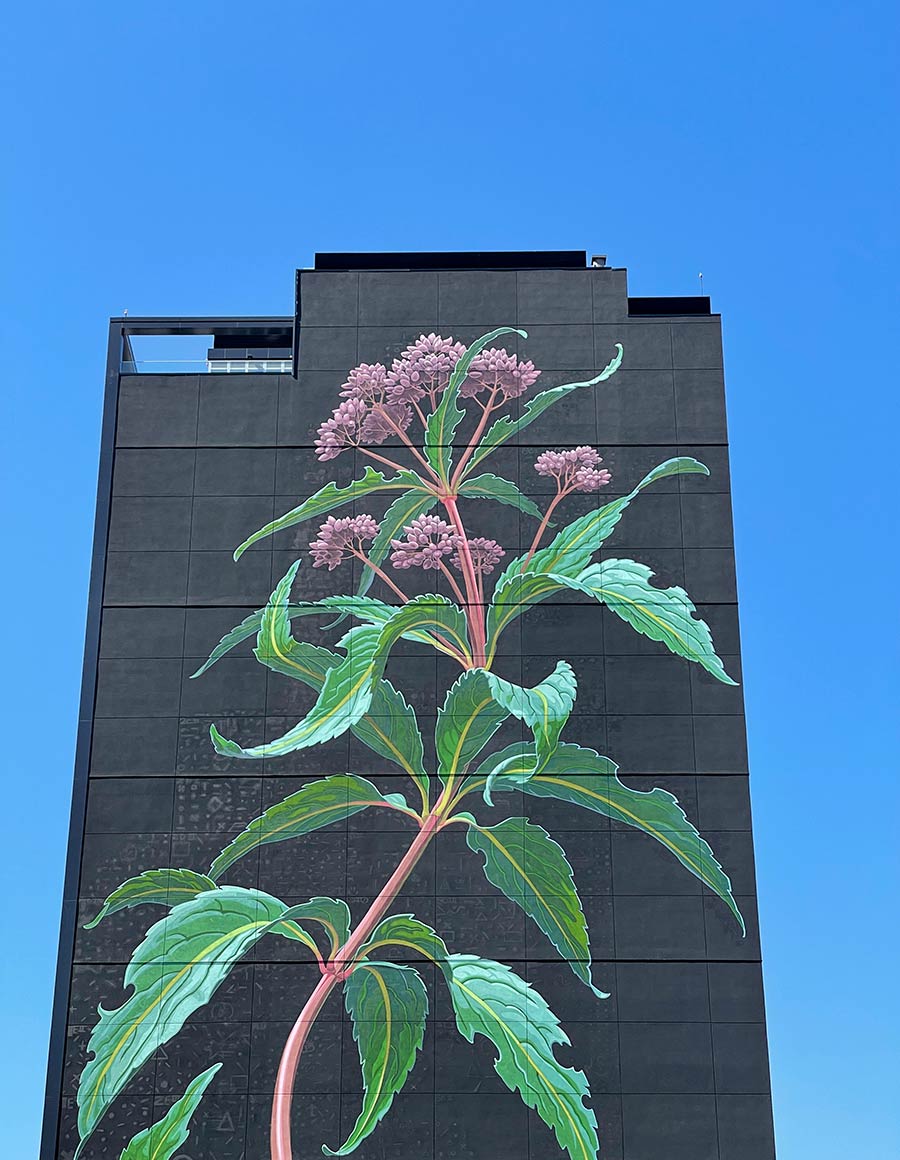
The human-built city has at times been called a jungle, but the concrete and steel environment flatters itself if it really thinks so. The intelligence and beauty present in the natural plant world far outstrips our modern cityscape, centuries after its origination. At least a few artists have been bringing it back to us in murals over the last few years, introducing a calm, lyrical serenity that dives way beneath the conscious, touching our roots.
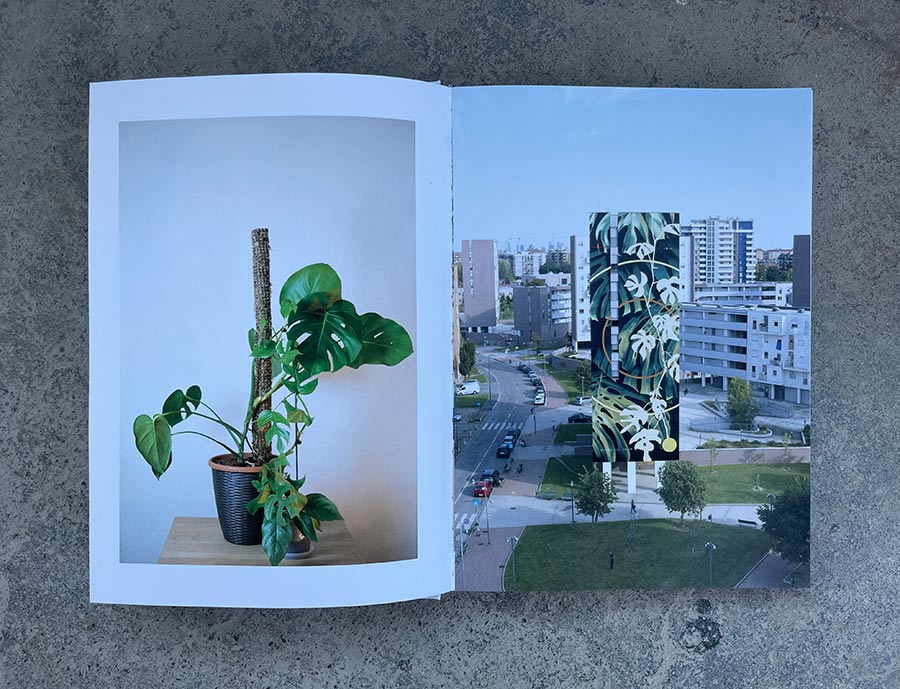
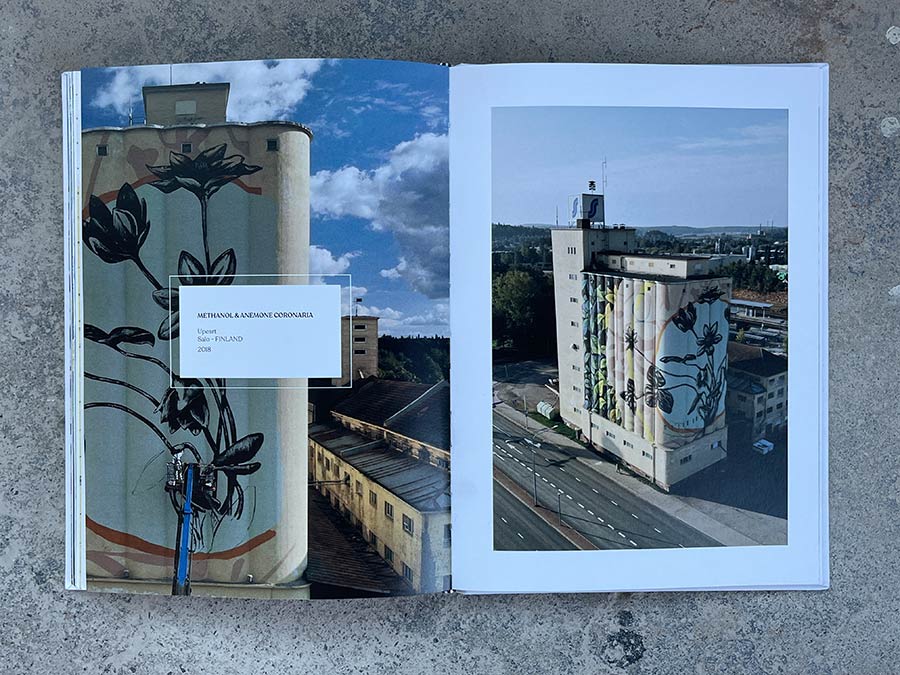
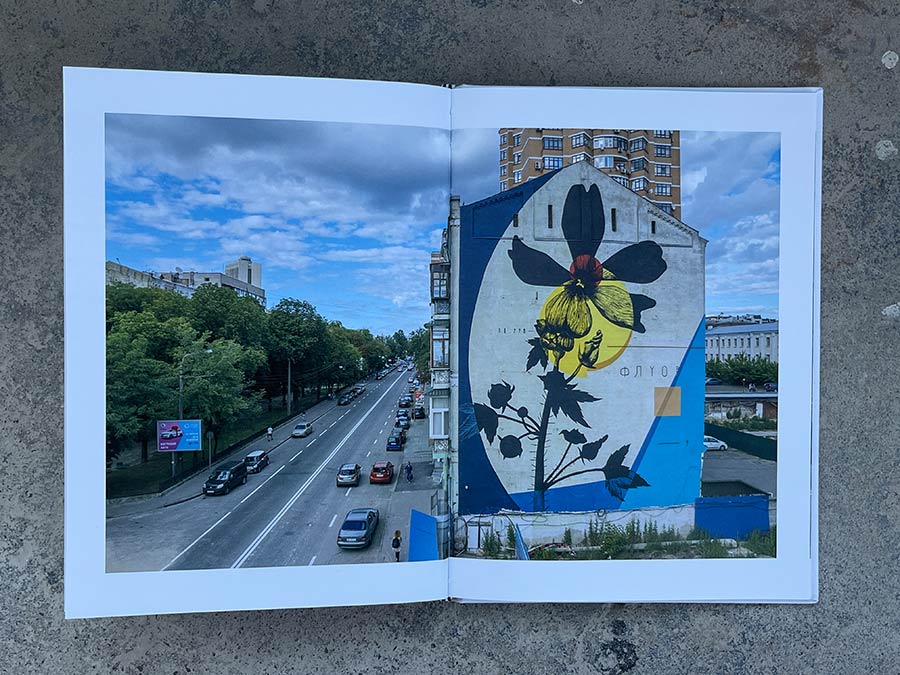
The young Italian painter Fabio Petani has been reintroducing a natural agenda to cities across Europe for less than a decade – in a way that only a scientist, botanist, and naturalist with a design sensibility could. What is genuinely original is his subtle re-interpretation of the formal conventions of botany, introducing them to a modern urban audience without lecturing – and rising far beyond purely decorative presentations.
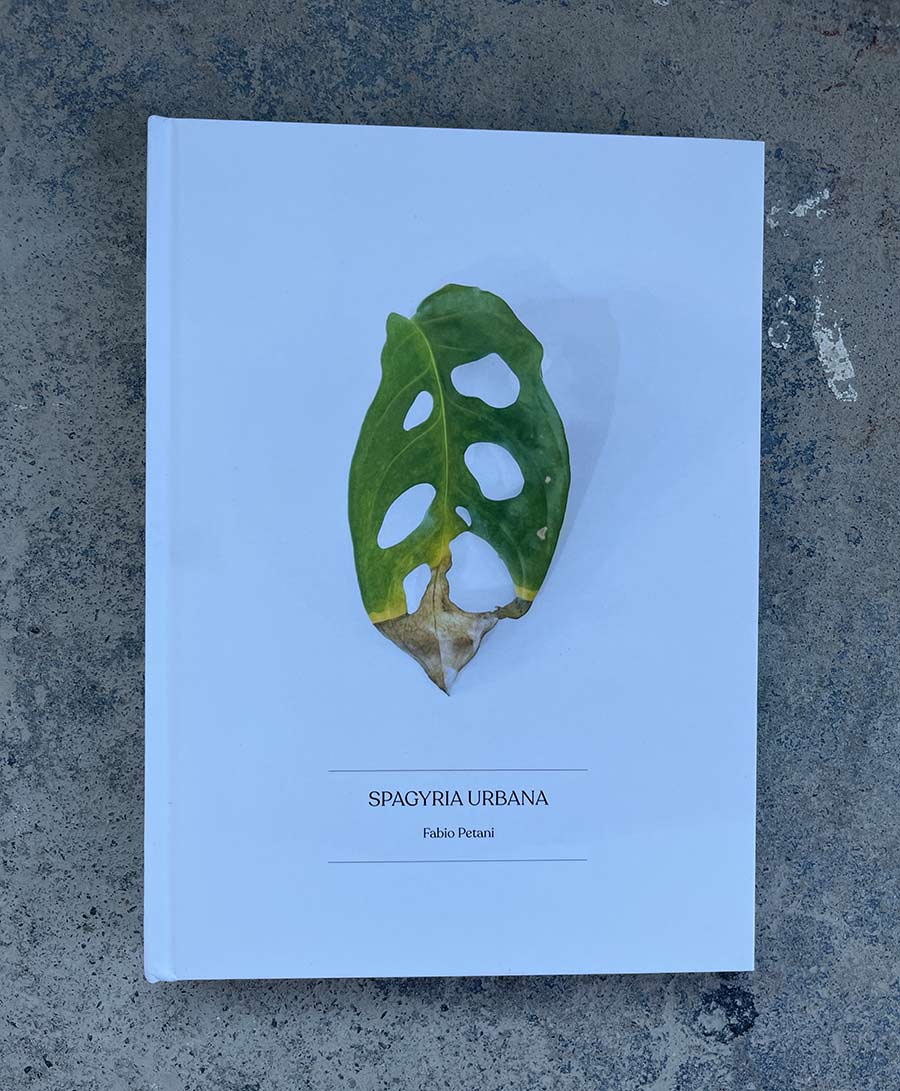
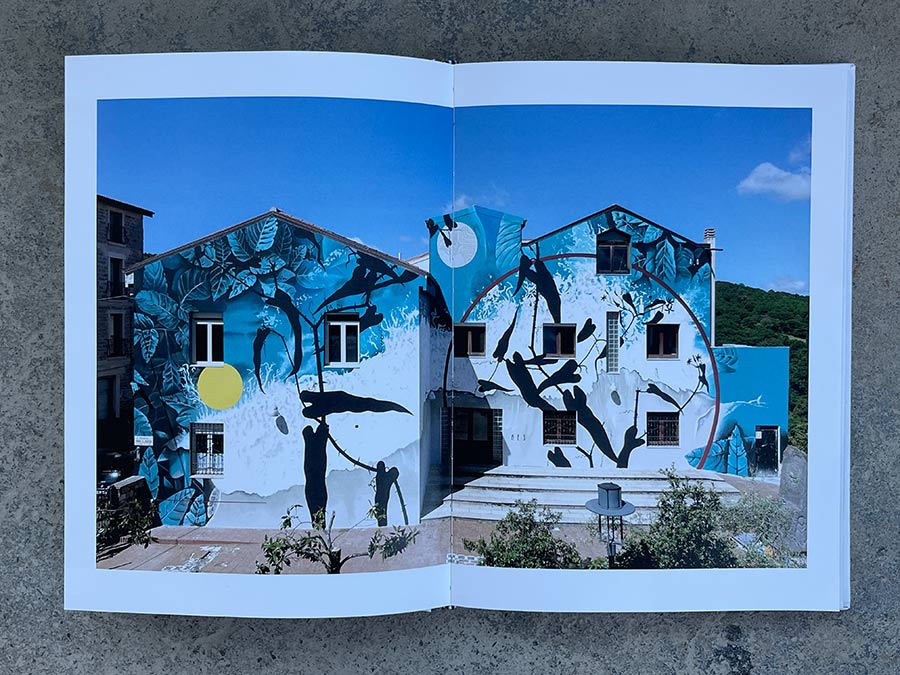
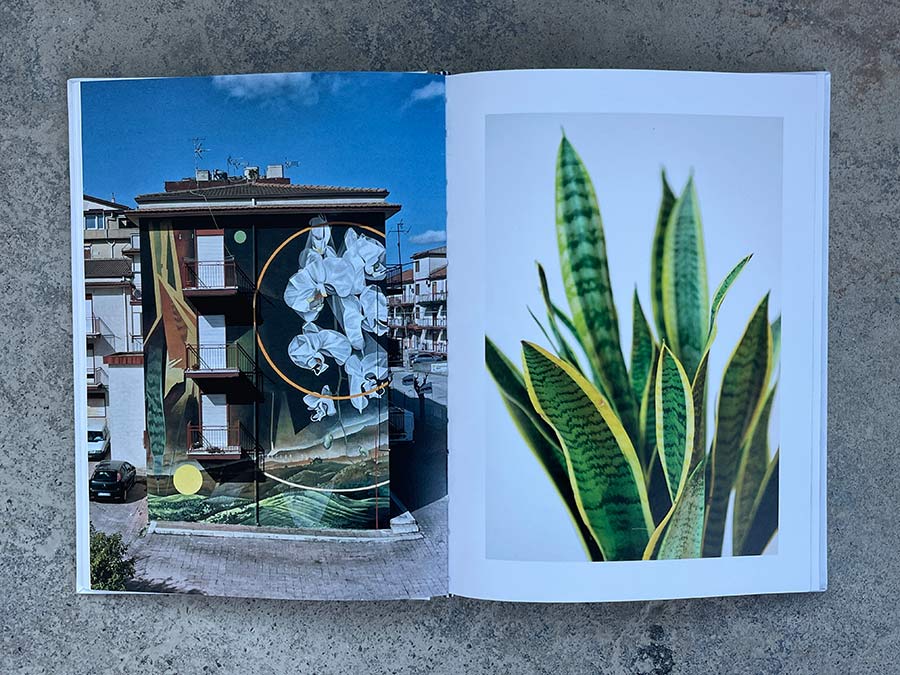
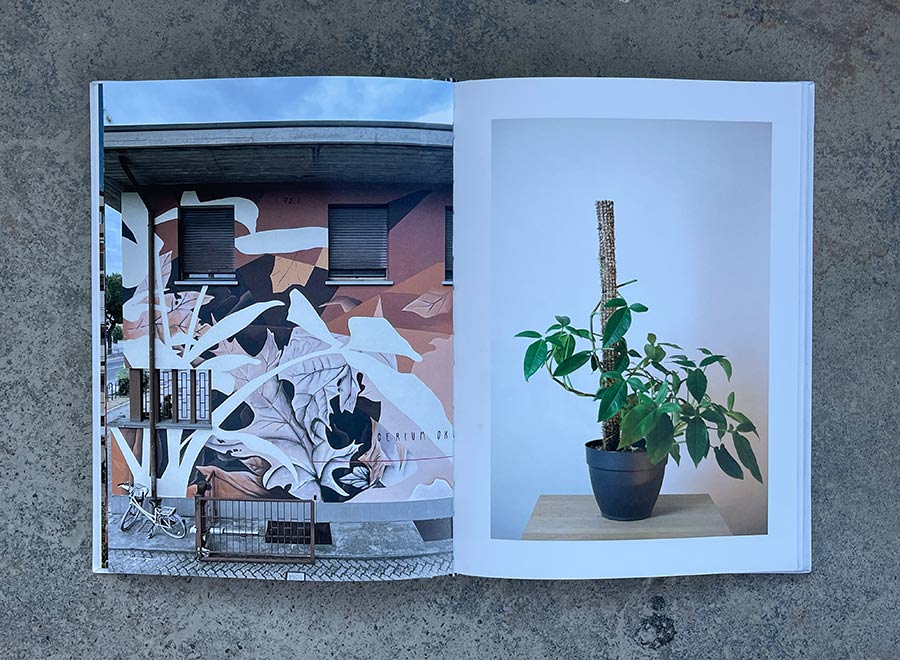
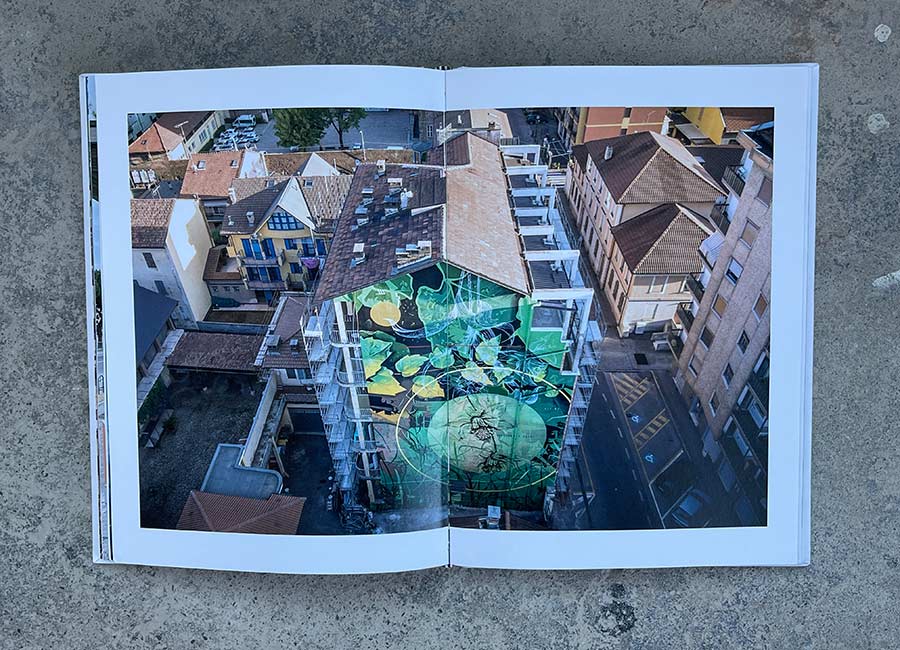
In the first hardcover-bound collection of works called Spagyria Urbana, the Dinerolo-born, Turin-trained Fabio Petani impresses with scale, scope, and sensitivity. More impressive possibly is the ease with which he can command his scientific interests and his ability to infuse his works with warmth, into rather artisanal renderings of art.
The book gives sweeping vistas of his large-scale works as well as many small and personal details about his development as an artist and the tight brotherhood of Italian street artists who invited them into their fold, first as an assistant, later as a peer. With outstanding scholarship and imaginary descriptive phrasing, lead essayist Alessandra Loalè brings the artist and the work into context, instilling a greater appreciation in the reader.
The duality of Petani’s combined and complementary styles is captured eloquently and instructively as analogous to the natural forces of life. “The abstract stroke of his first artworks gives way to a further realistic approach in the creation of the compositional layout, which results in a progressively more articulate combination of simple graphic elements,” she writes “a symbol of a logical conscience which brings order to the whole structure – and botanical subjects.”
“The latter is represented in more recent pieces in two guises: a pictorial reinterpretation, defined by brush strokes and specks of color, and a more realistic graphic approach, which hints towards the typical etchings featured in botanical illustrations, enriched by the meticulous descriptions of thoroughly researched details that are proper to each species.”
In an age of awakening to our true impact on the natural world, it is perhaps more surprising that many 20 and 30-something urban artists are not drawing our attention to its power, intelligence, and inherent beauty. Petani brings the urban passersby straight to the source unflinchingly and with all the respect Mother Nature deserves.
Fabio Petani “Spagyria Urbana”. Torino, Italy. 2021. Texts by Alessandra Loale. Layout by Livio Ninni with translation by Mauro Italiano.
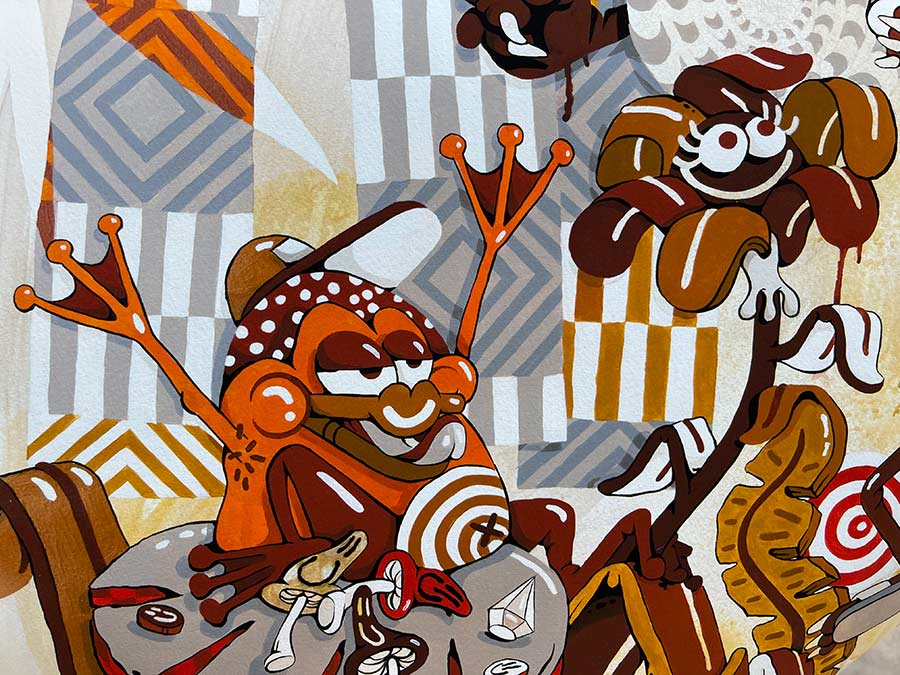
From the wilds of Penang, where the psychotropic art duo Yok & Sheryo are living, comes this new print – which was also released as an animated NFT. “An ode to the beautiful tropical paradise lifestyle that The Yok and I have been living for the past 2 years,” says Sheryo, and you can see the relaxed mirth and trouble-making that normally accompanies their characters. “Sooooo here it is,” says The Yok, “our ‘gм ραяα∂ιѕє’”.
Yok & Sheryo. “GM Paradise”. Archival Pigment Print, Hand Deckled Edges on 310gsm, 100% Cotton a-cellulose Hahnemühle German Etching Paper. 2021. Released by Cultprint Co.
Done in collaboration with @cultprint, each is signed, and the APs are hand-embellished with gold leaf.
Archival pigment print, Hand Deckled Edges on 310gsm, 100% cotton, a-Cellulose Hahnemühle German etching paper, 50 x 70 cm, edition of 80, signed, numbered, and includes a certificate of authenticity.
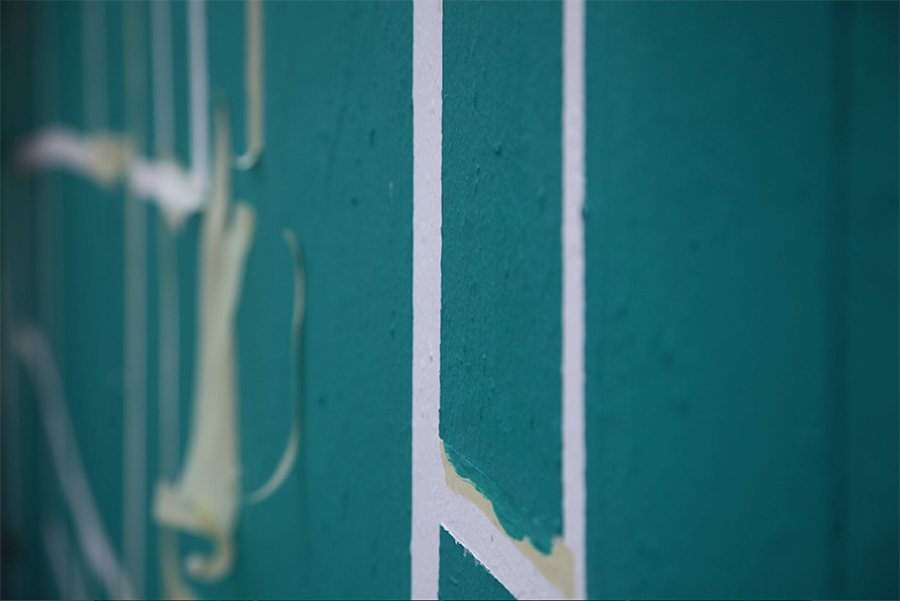
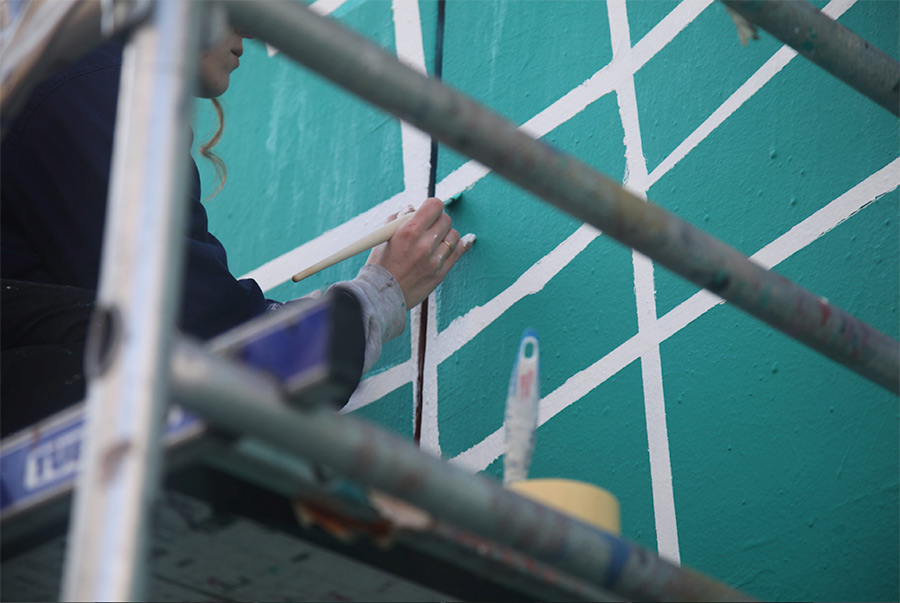
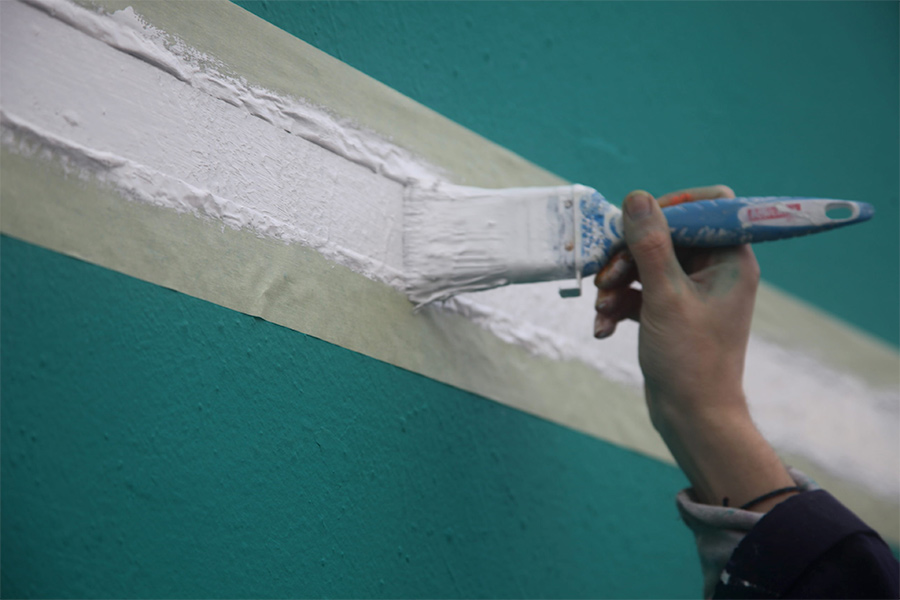
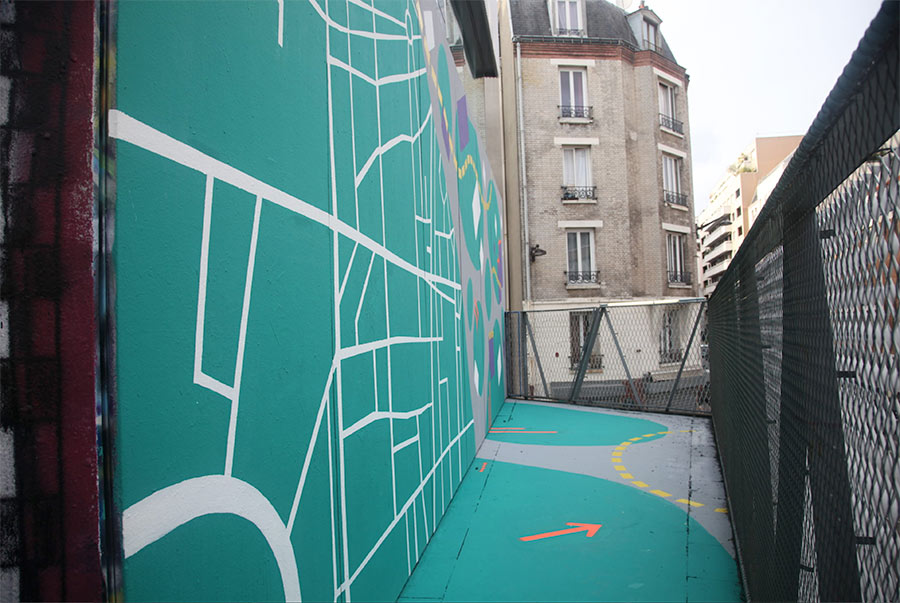
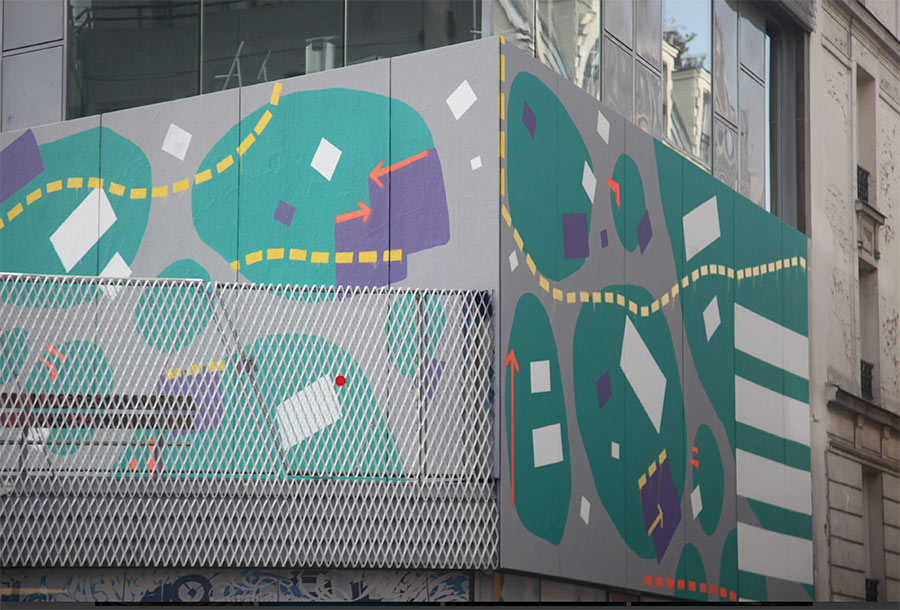
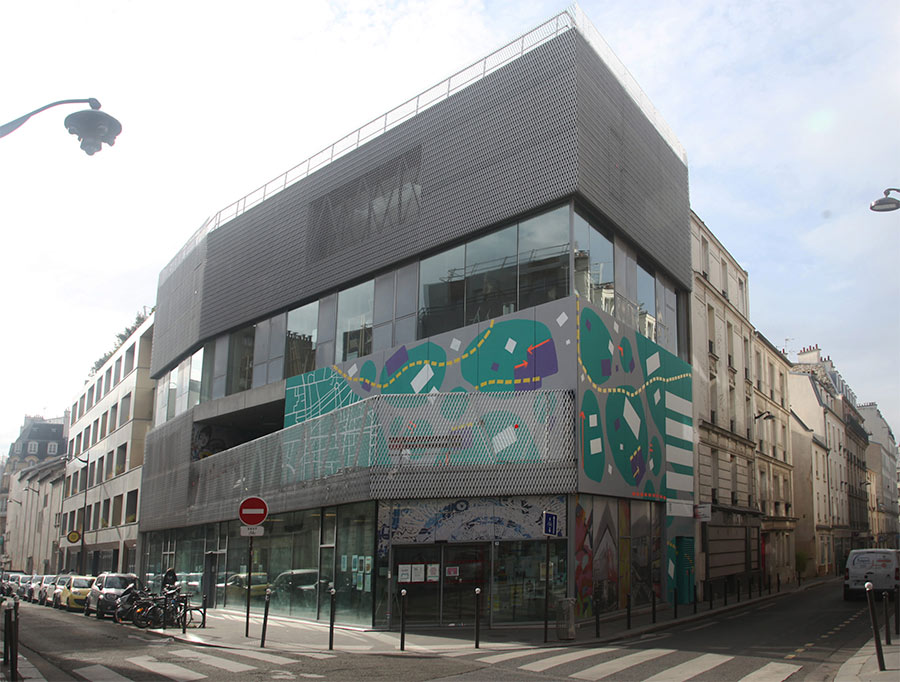
French visual artist Jeanne Varaldi is more urbanist than artist perhaps, but her new collaborative work with Paris streets and the L’association Art Azoï skillfully incorporates both interests. She says her abstract mural is composed of urban signatures and elements that are inspired directly by the urban surroundings. Literally she is referring to the incorporated map of the area and nearby crosswalk in her new composition.
“These urban elements seem to fragment and decompose and invite us to look at the city as a constantly changing playground,” she tells us on a chilly spring day. “Yellow and orange markings that are inspired by those on construction sites also appear here.”
A crisp new wave ode to 1980s graphic design and dusty pastel templates, Varaldi’s affinity for retro is spiced by the freehand elements of graffiti that keep the work lively. “The mural uses urban markers to invite everyone to better see and appropriate them.”
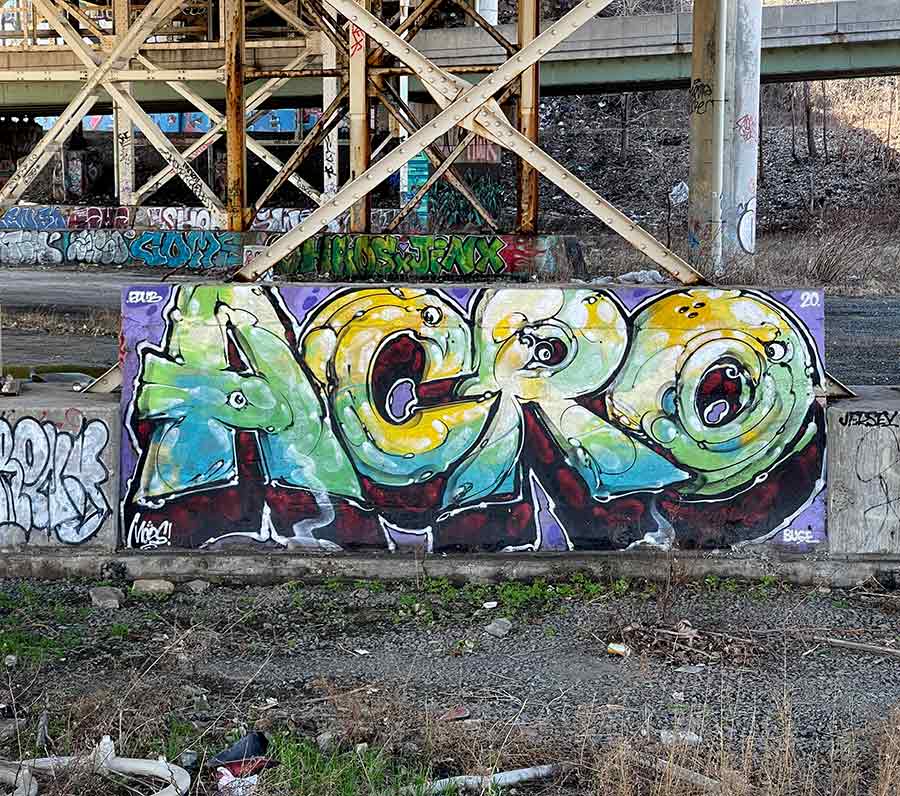
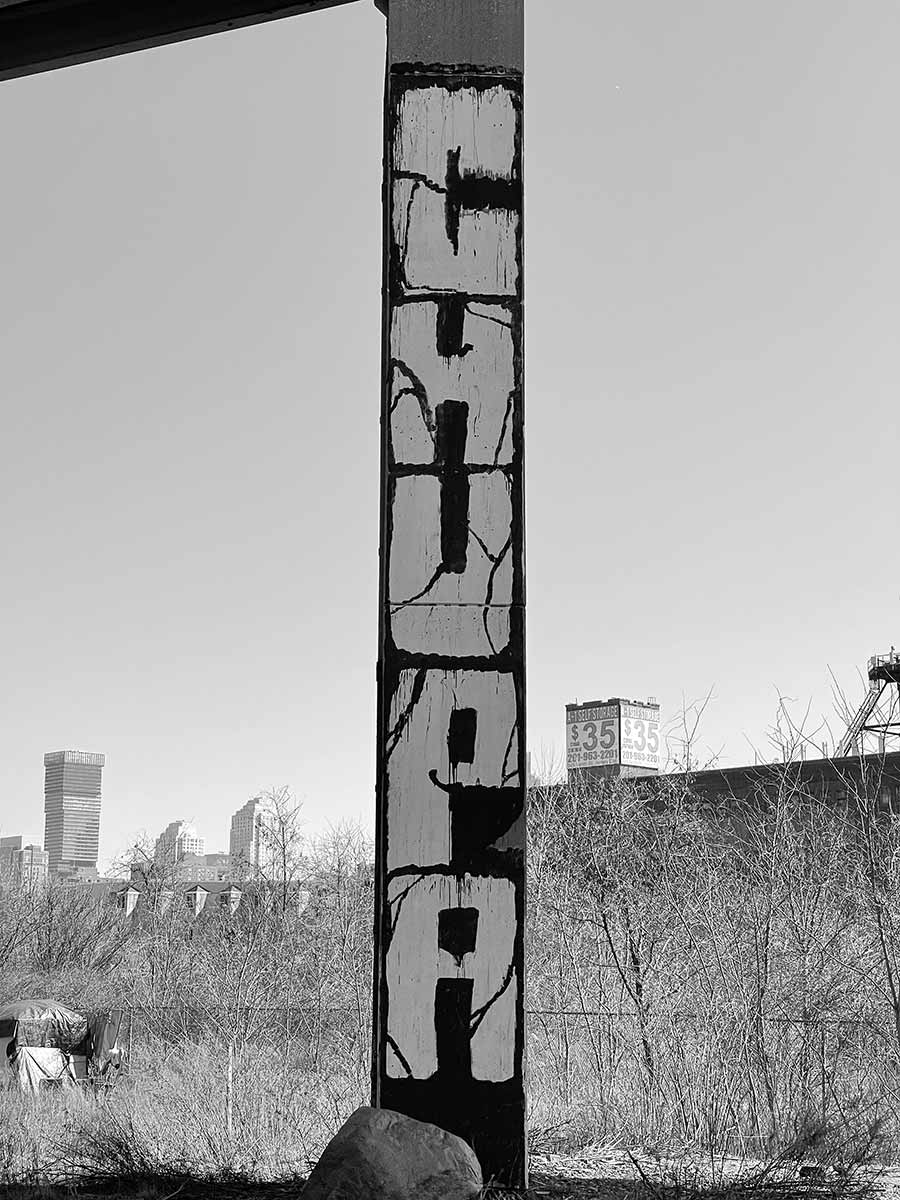
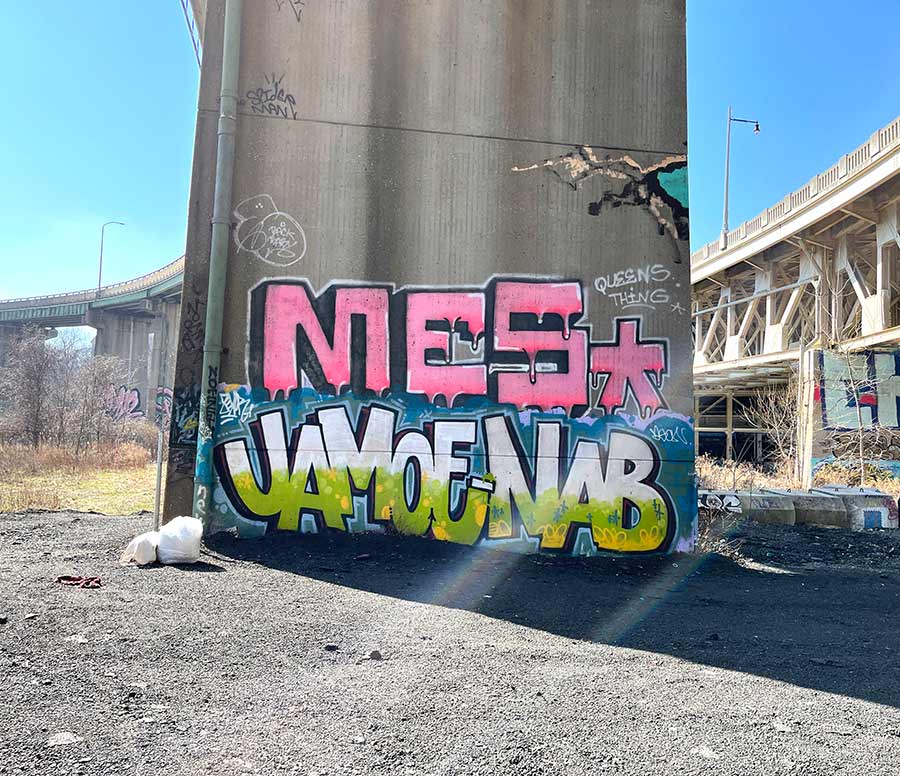
It’s officially Spring here today – the Spring Equinox beginning in the Northern Hemisphere will be at 11:33 am. Outside of the city, away from the glare, people will be able to glimpse Mars, Saturn, and Venus. The geese have been heard honking on the river, kids have been heard screaming on the playground, aerosol cans have been heard spraying under the bridge.
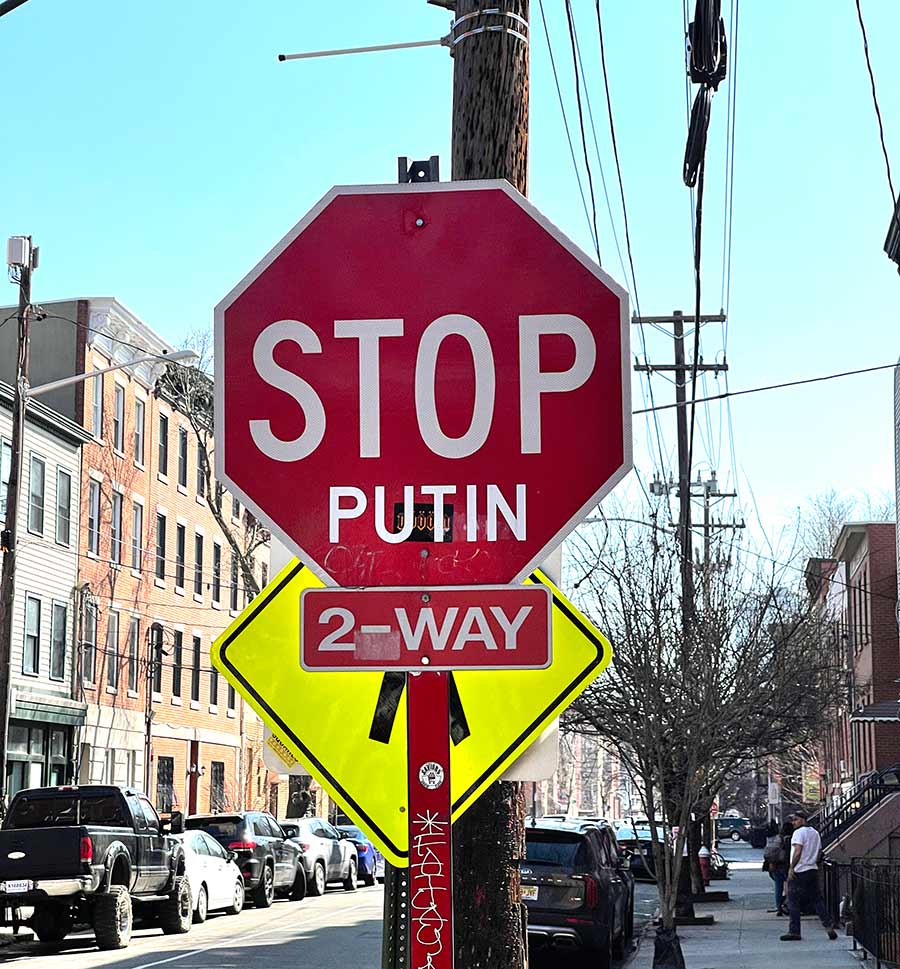
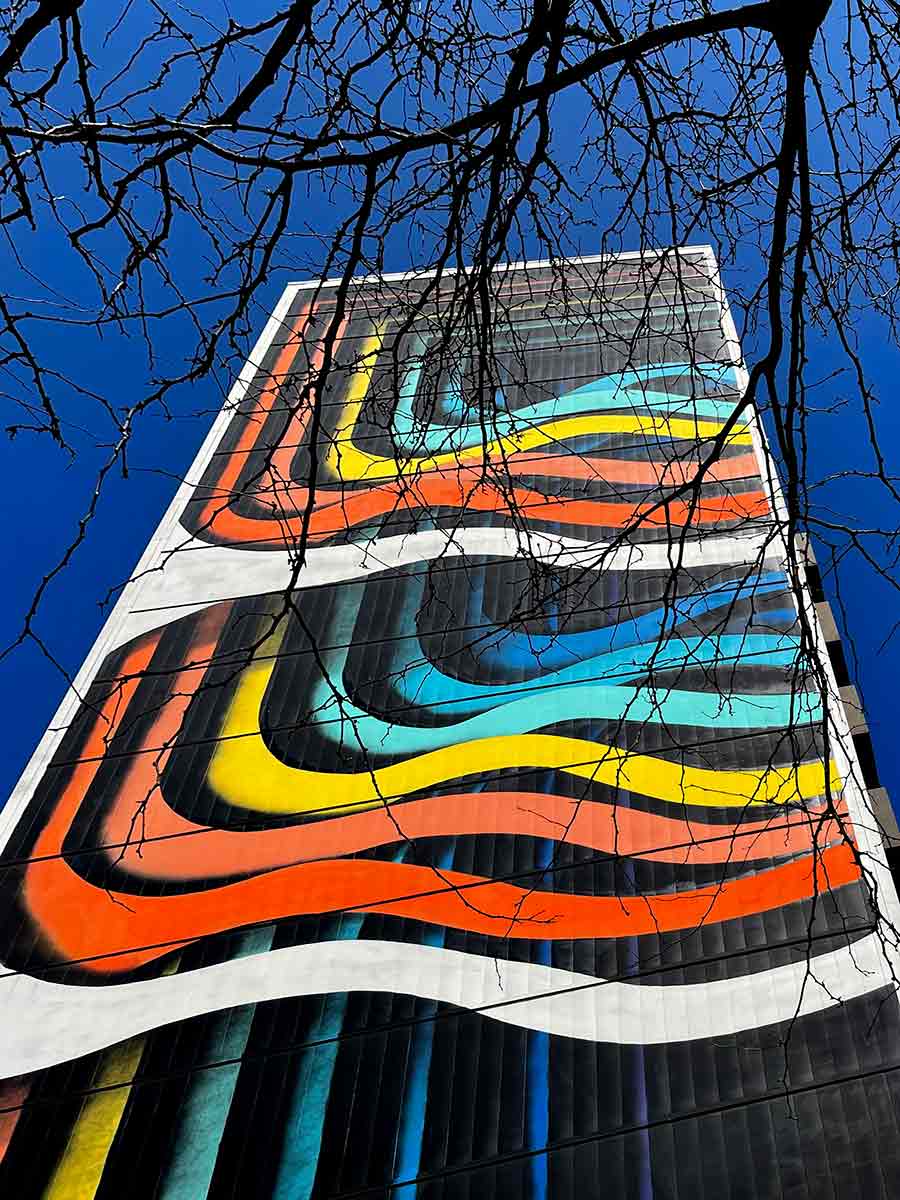
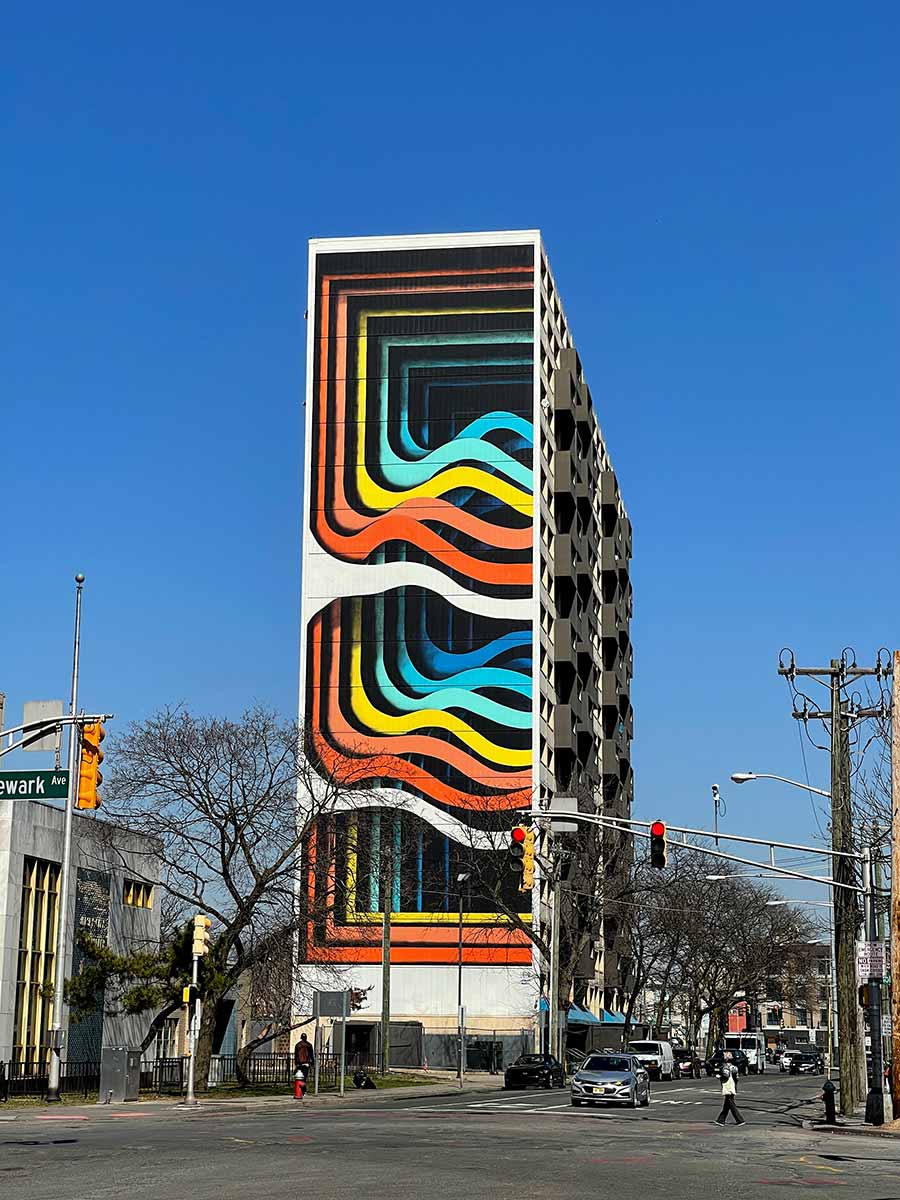
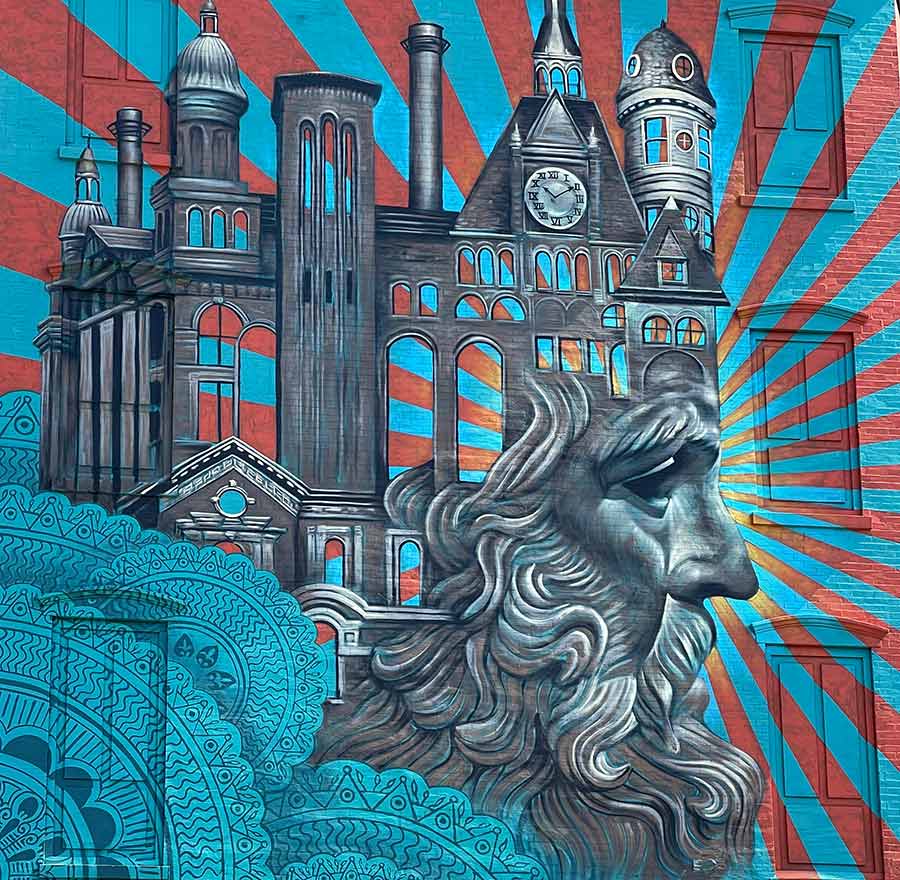
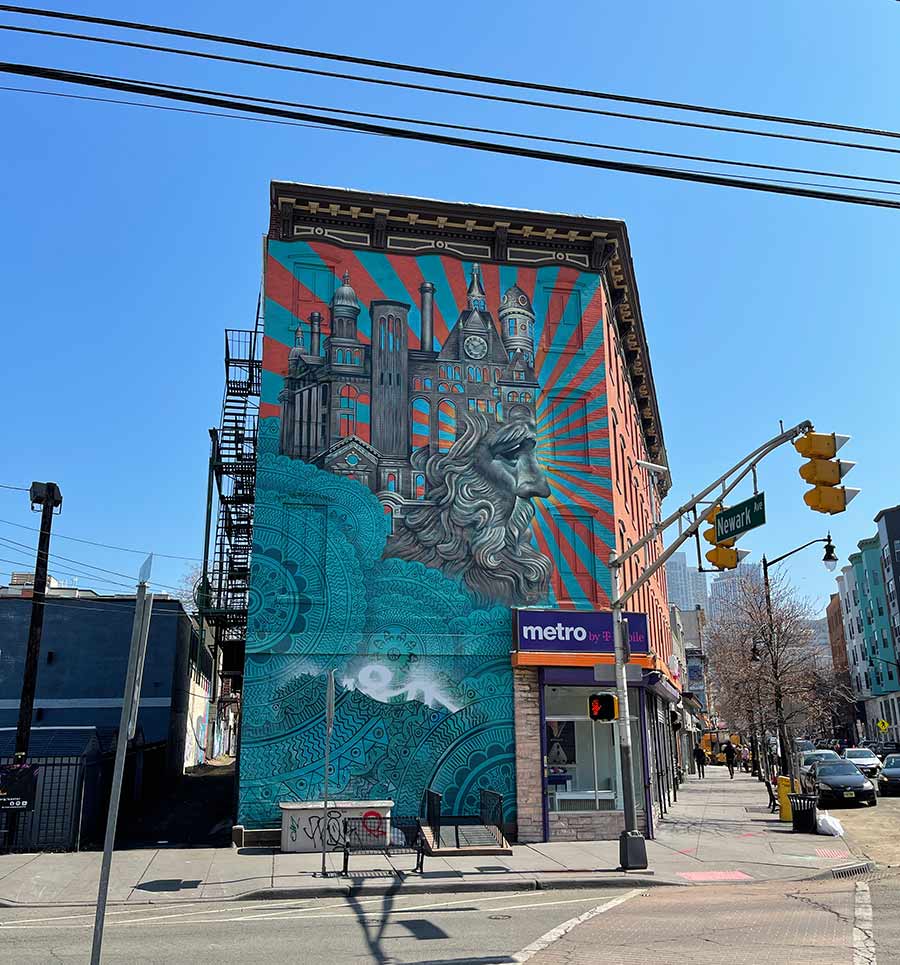
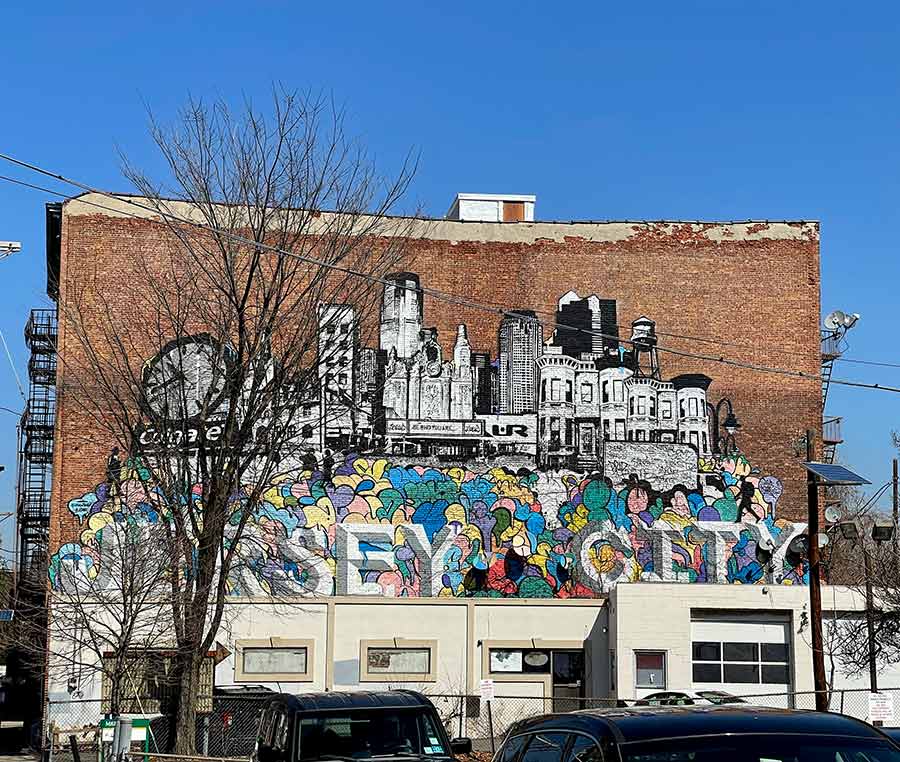
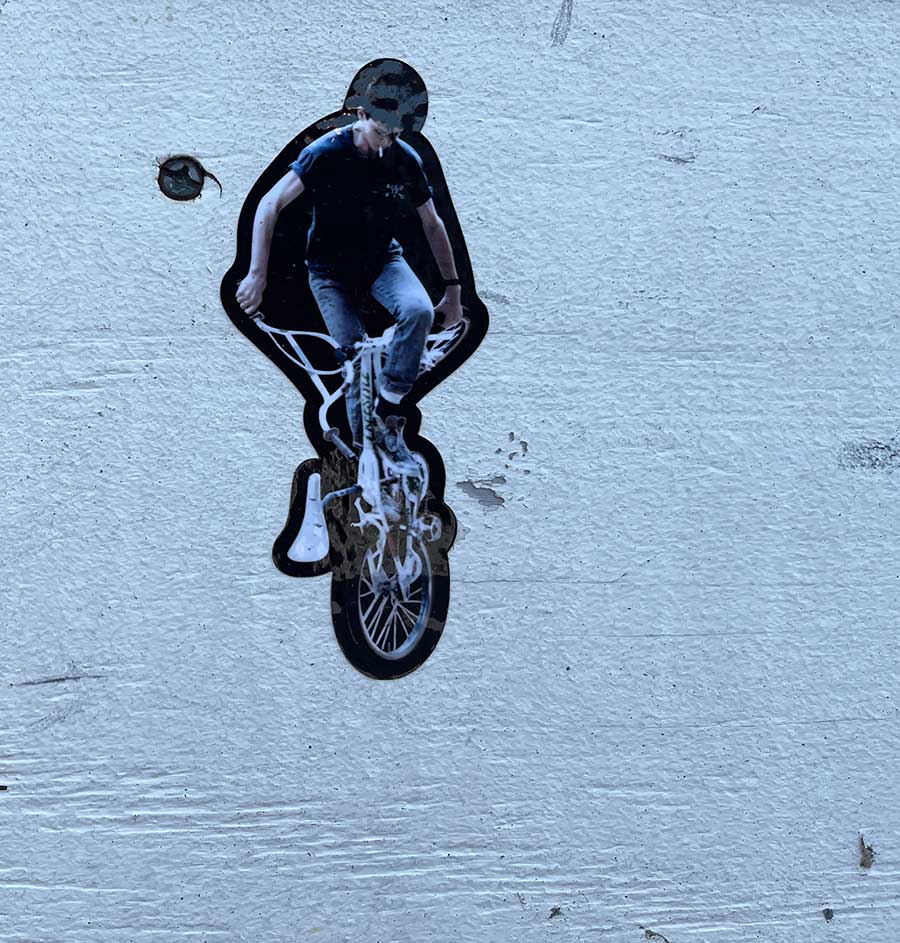
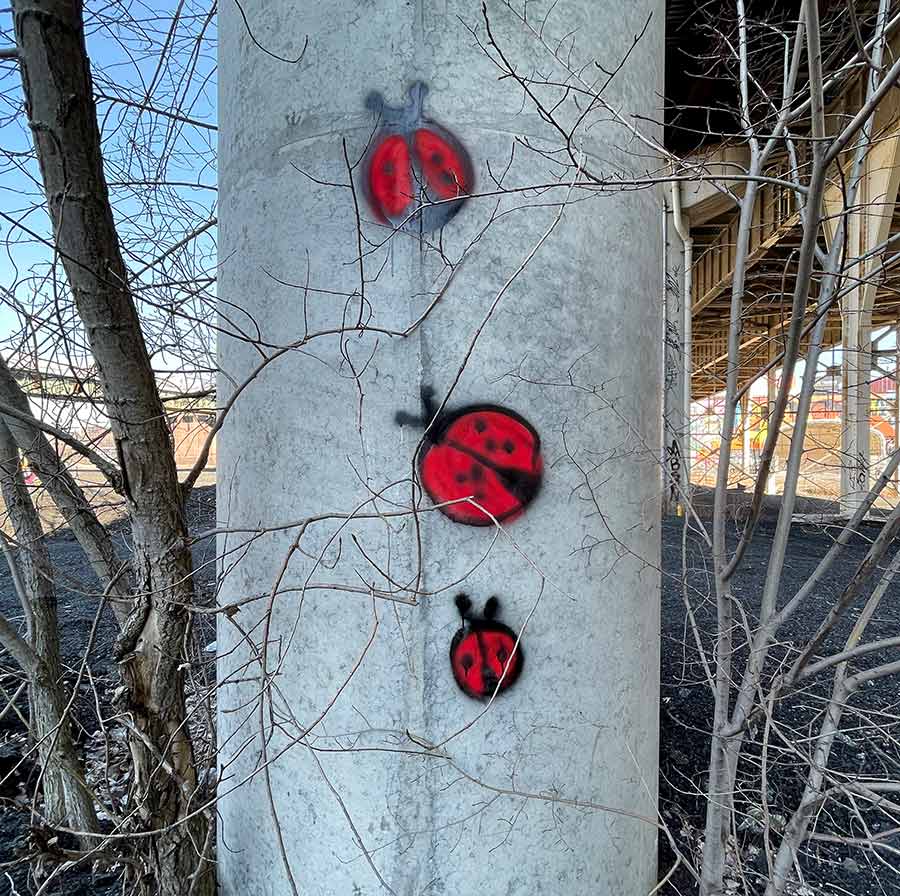
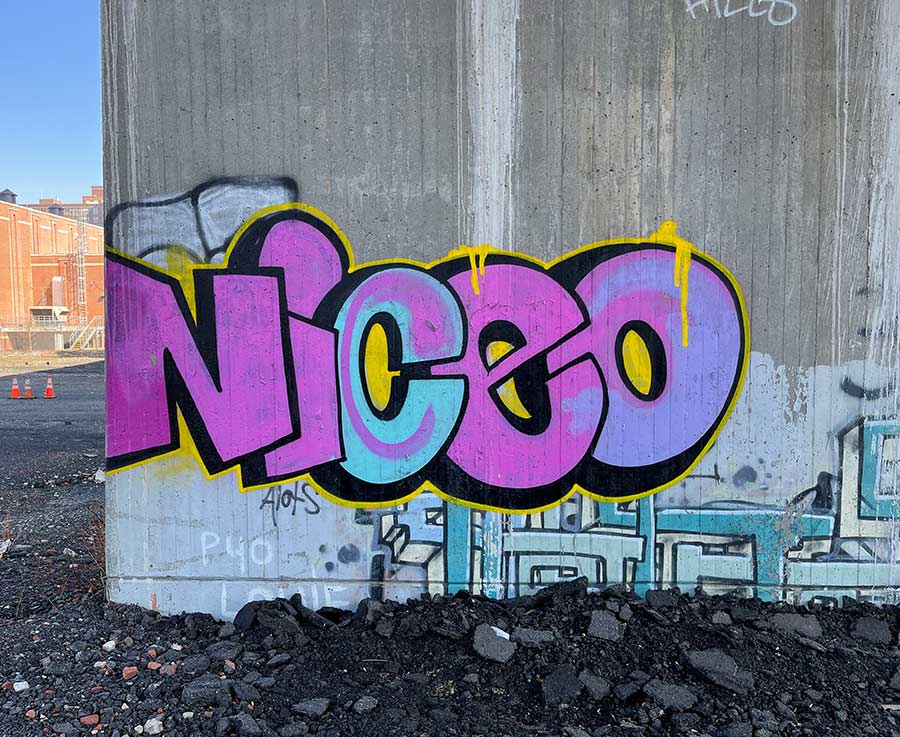
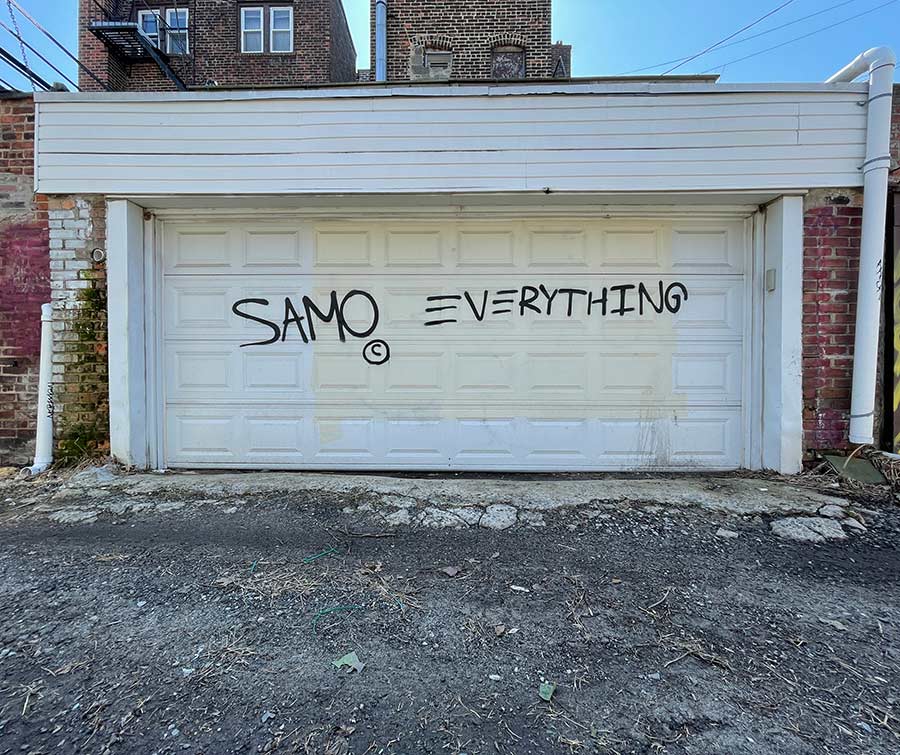
We’re relieved to glimpse fresh creativity on the streets – a sure sign that people are responding to their lives in a productive visual expression. As citizens of the Precariat, the opportunity to offer unfiltered artistic expression often requires a gatekeeper to approve it. When you are a street artist, you regularly circumvent the taste-makers and the influencers, hoping to reach people directly on the street. This week we found a number of unfiltered images and messages on New York walls and felt like these works are just as fresh as crocus popping through the soil, just as relevant as the blooms pushing through branches on trees. Here we have new shots from Jersey City. These are signs of Spring!
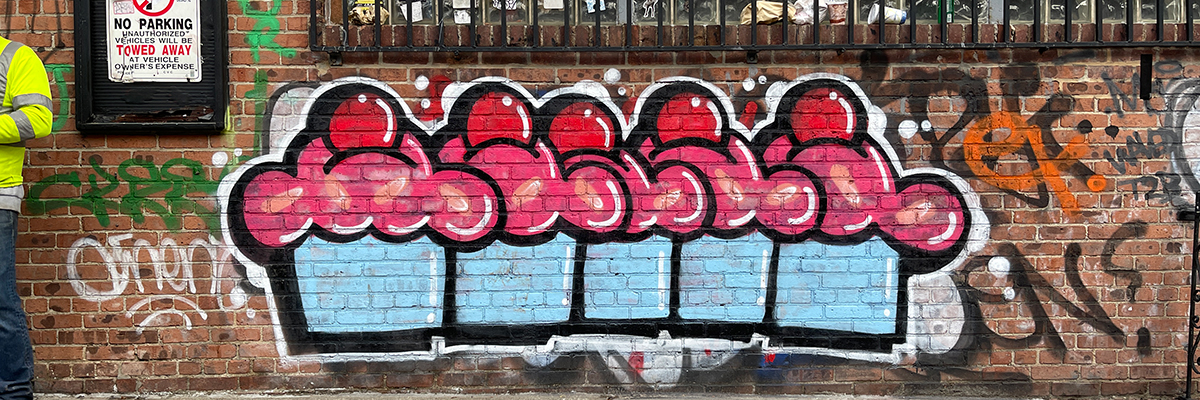
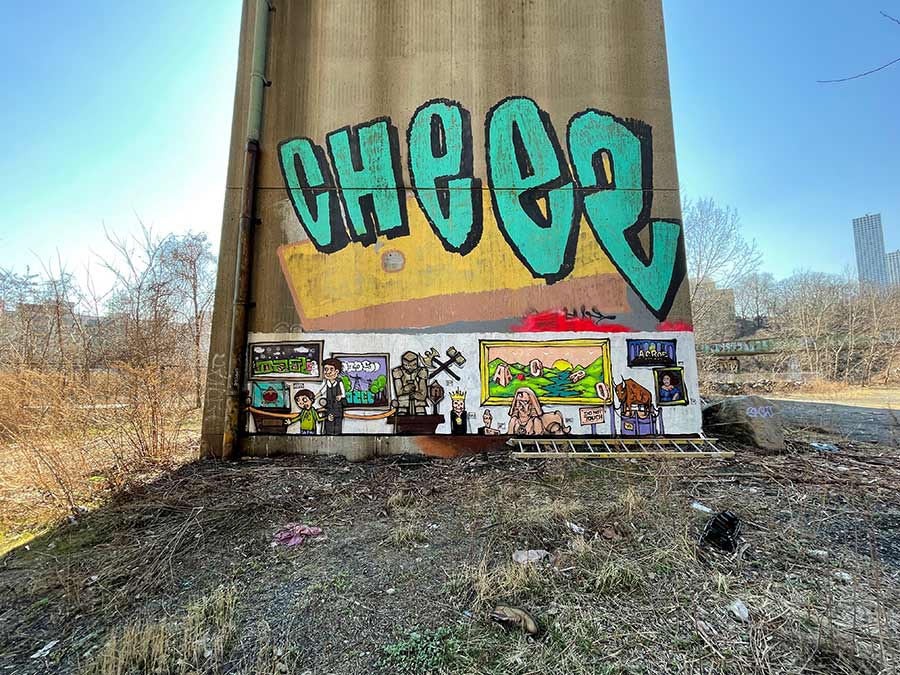
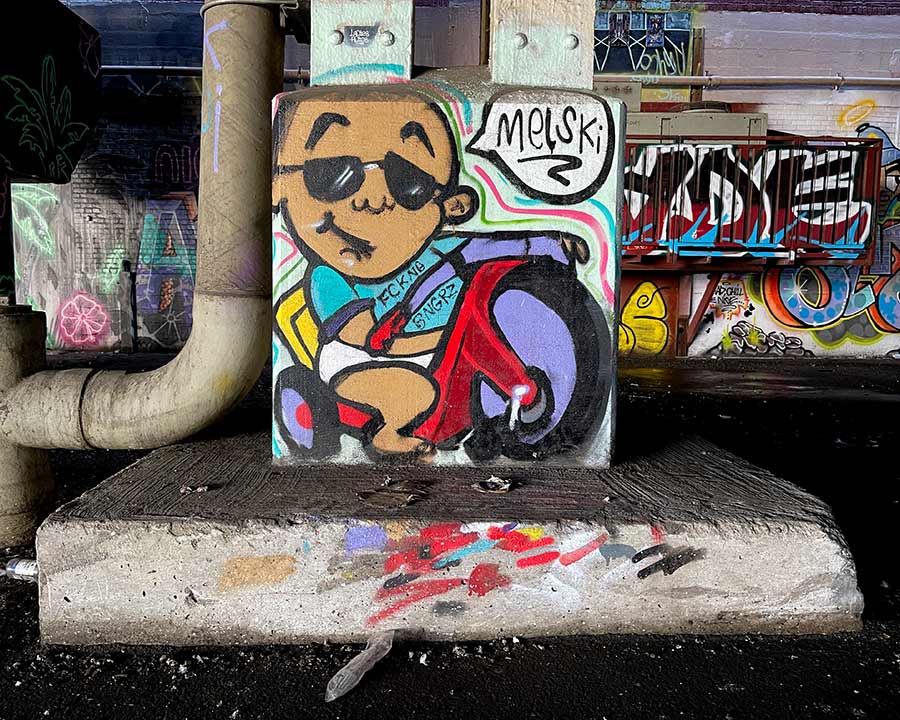
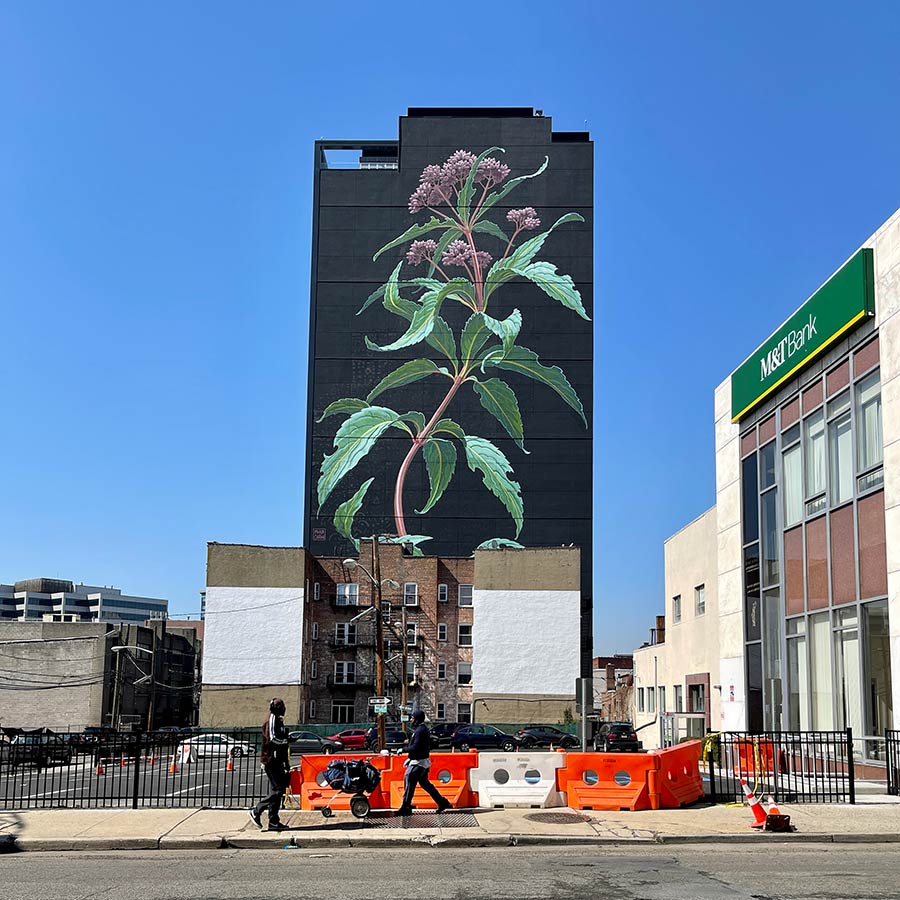
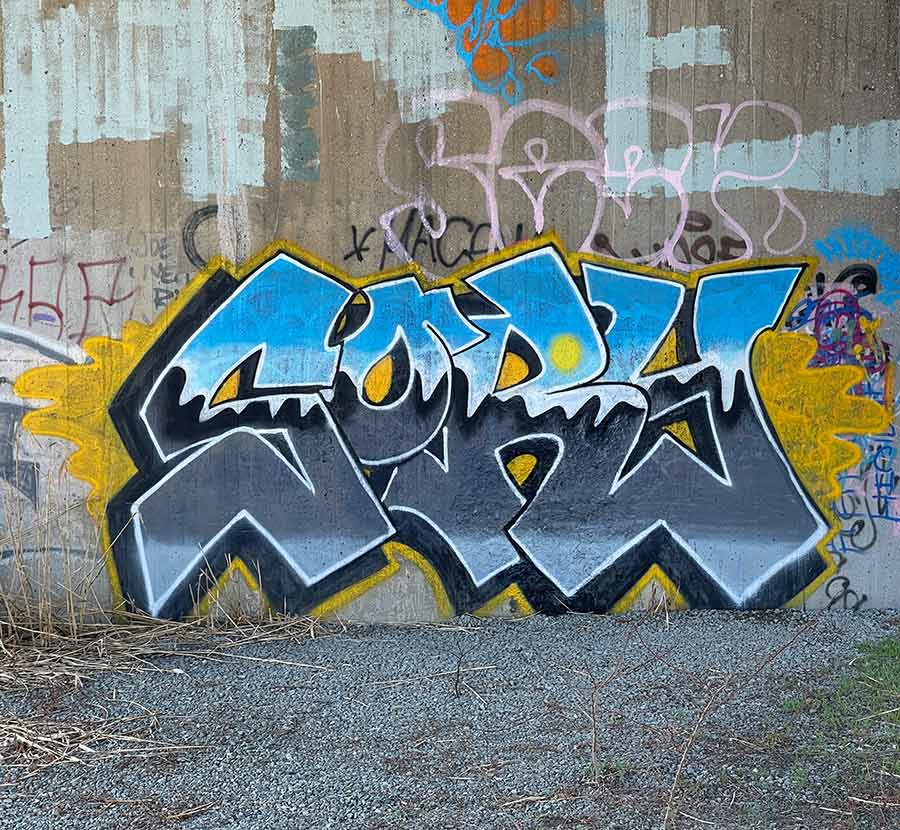
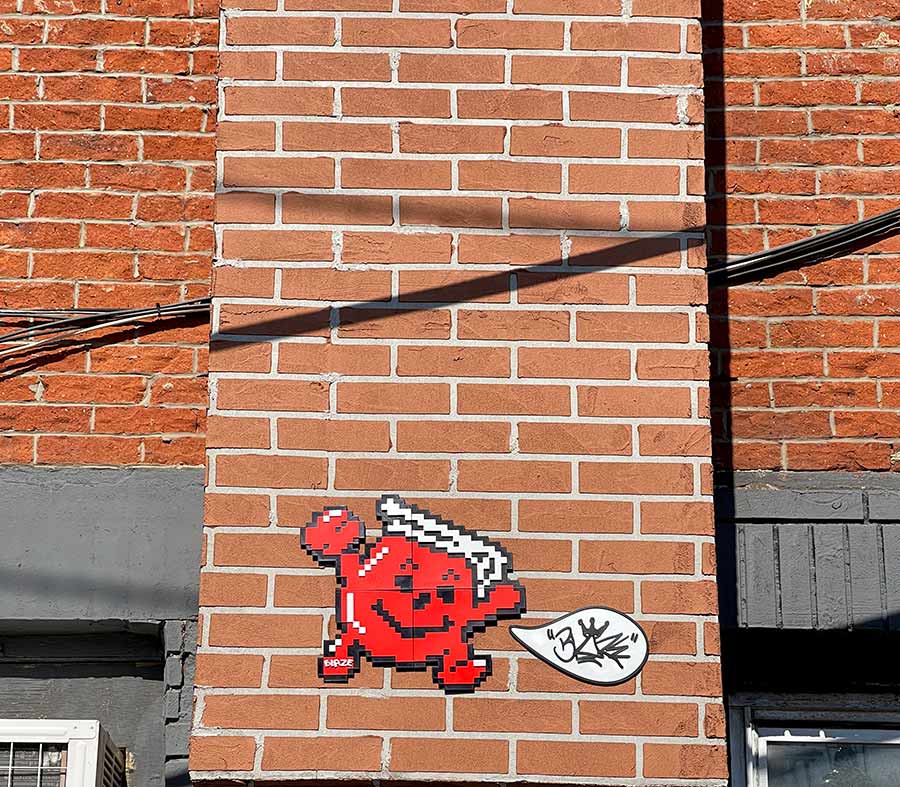
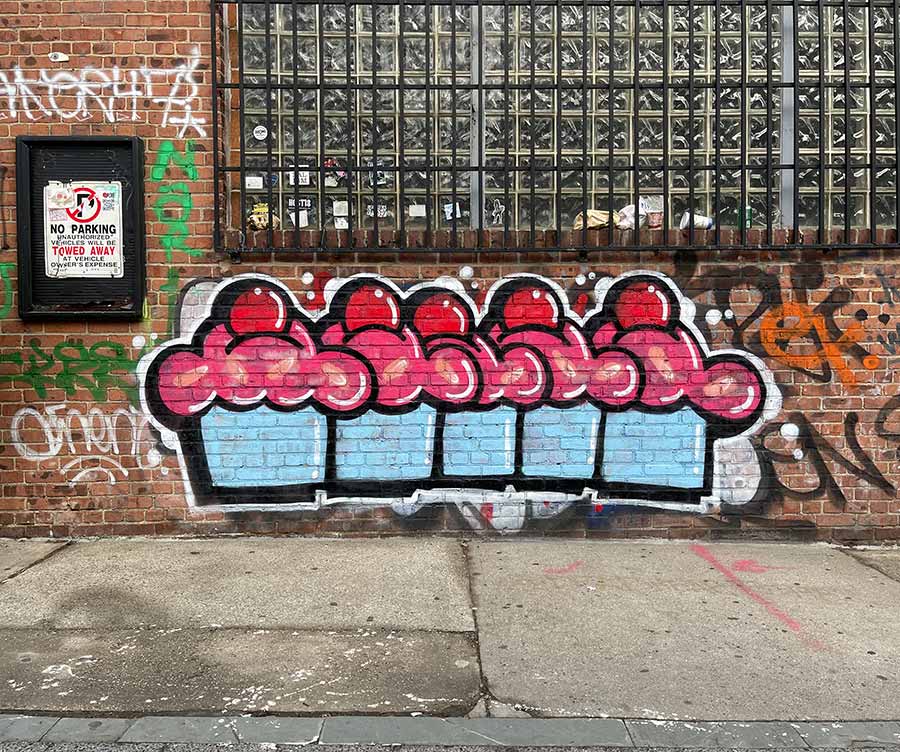
Here’s our weekly interview with the street, this week featuring: Beau Stanton, UR New York, 1010, Chupa, Blaze, Melski, The Cupcake Guy, SAMO, Acro, Sory, Niceo, Mona Caron, Cheez.
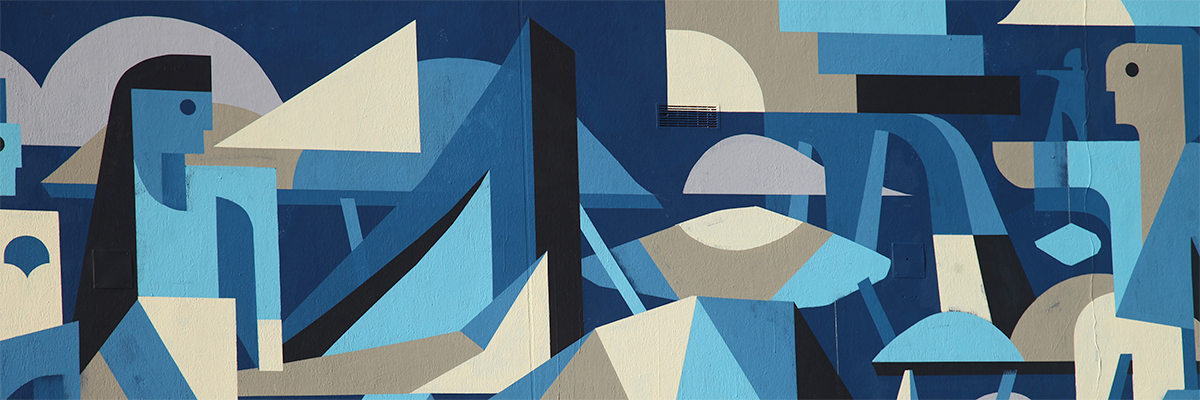
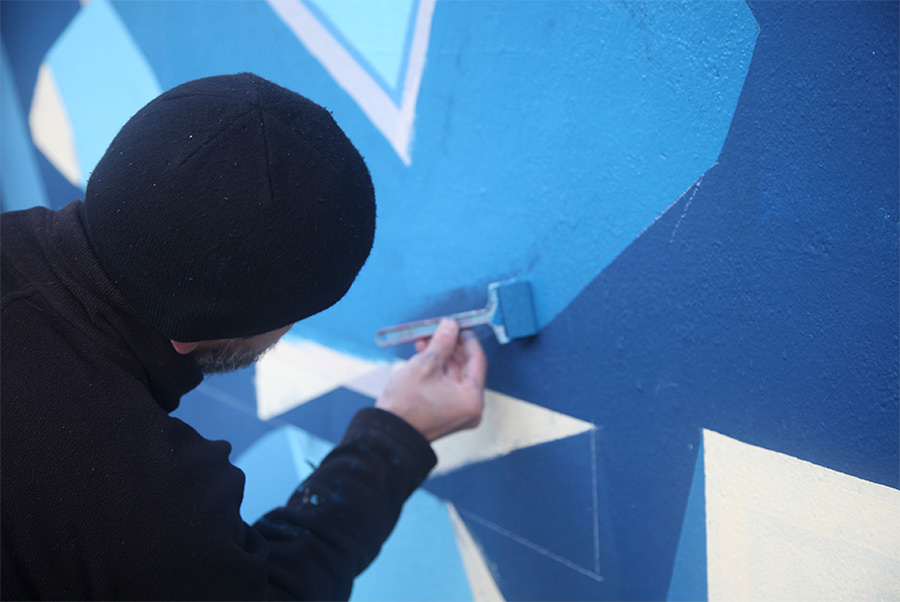
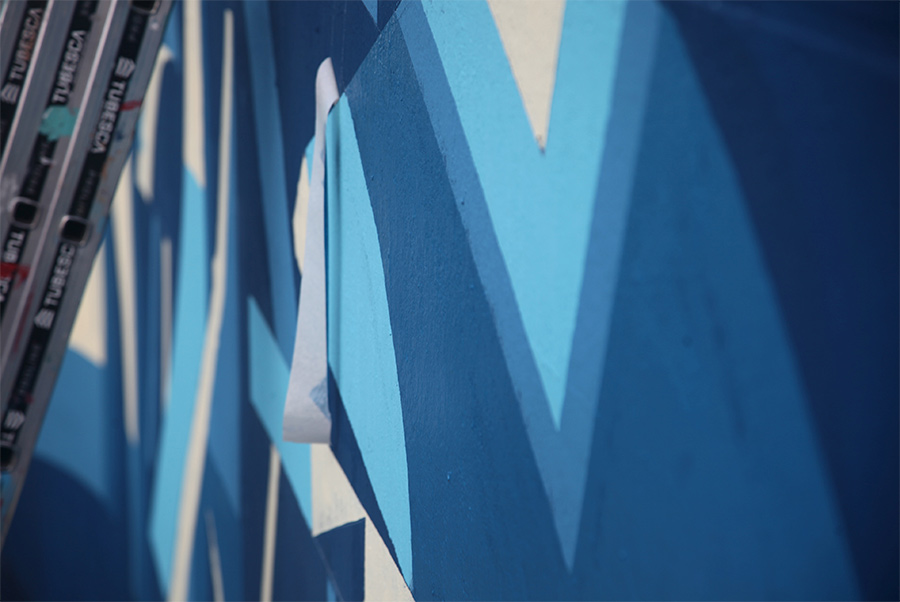
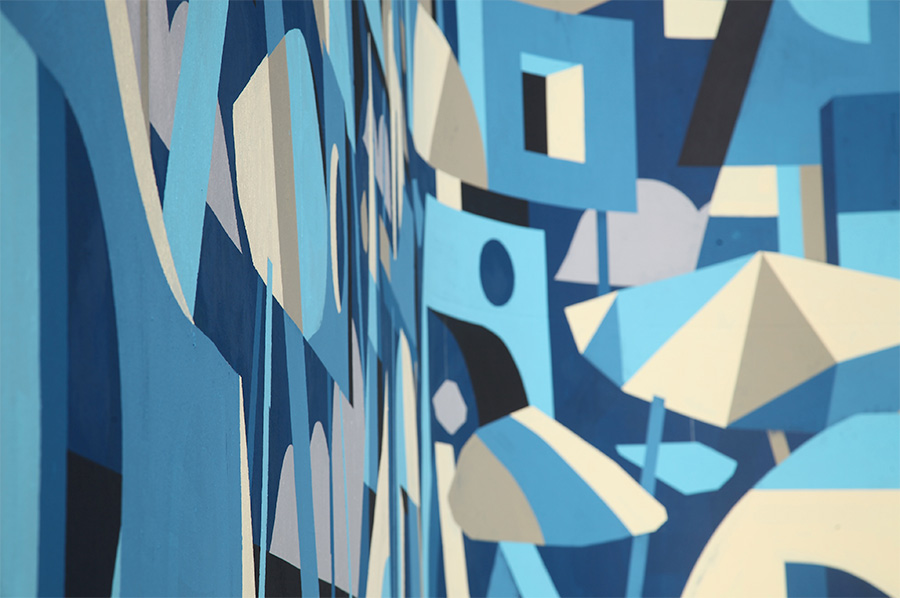
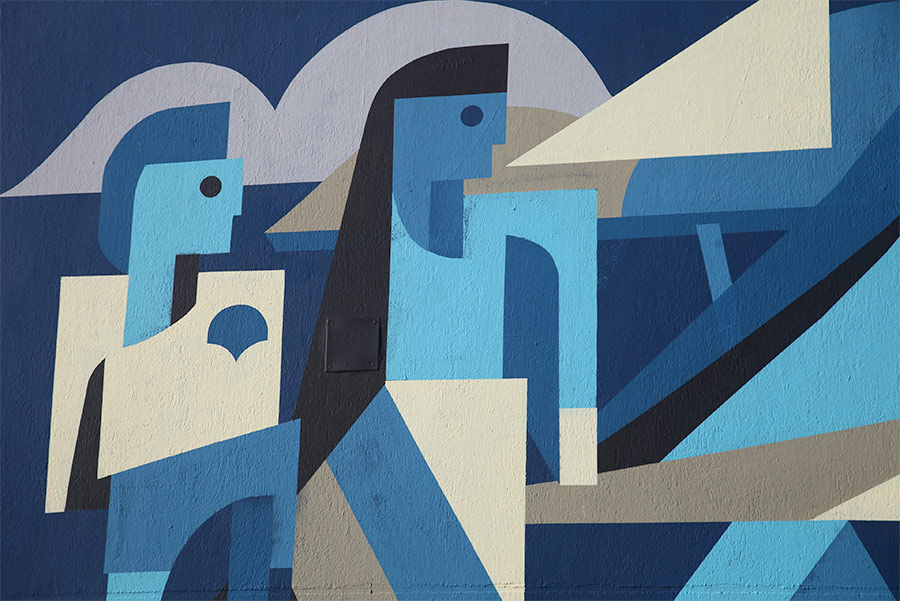
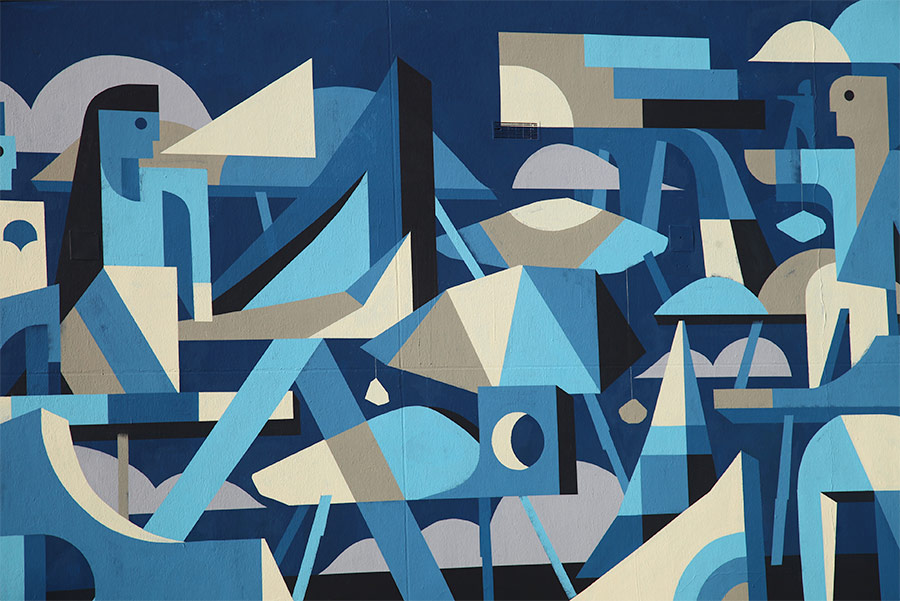
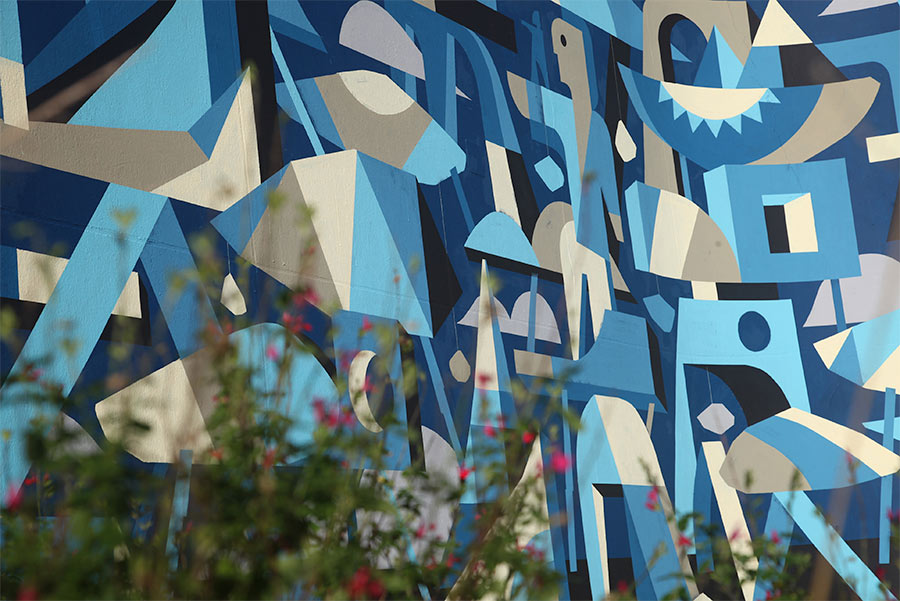
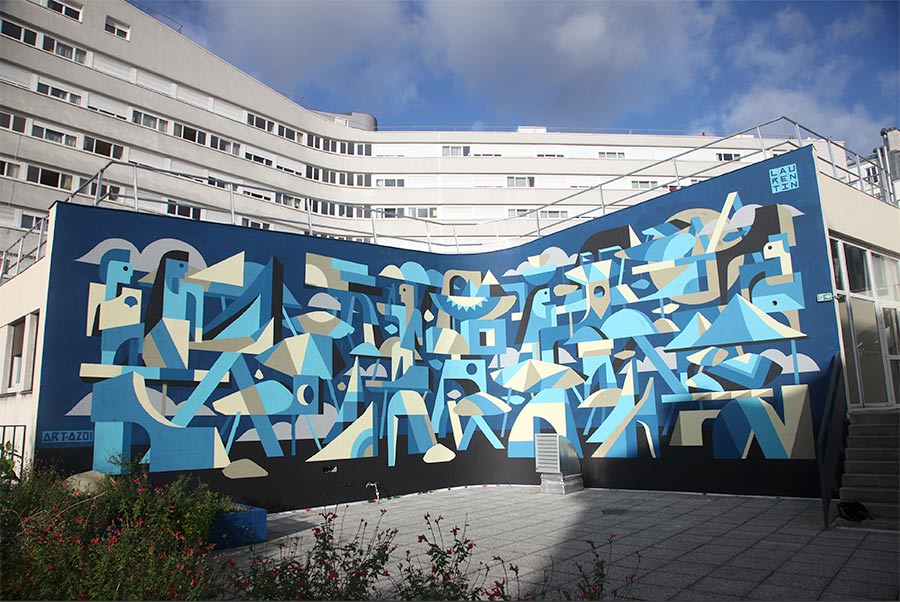
Speaking in his abstractly modern visual language, artist Clément Laurentin creates this curvilinear winter ode to our permanent state of precariousness. In cooperation with Art Azoï, an important street art association in Paris which manages a number of walls in the city and pairs them with artists, Laurentin tells us that he chose the palette in December to complement the natural elements here on the terrace of “Les Plateaux Sauvages”, a theatrical and artistic center.
The blues hues of hard cold times can still be rewarding despite their nature, and Laurentin says he keeps his mind and spirit in balance when creating – even if a piece like this one alludes to the “fragile mental architecture” we build our lives upon. A gifted painter, he’s equally gifted describing his process and intention.
“I never sketch a wall before starting it,” he says, “I improvise the drawing directly on the wall on the first day. I like the idea that you can’t remove any piece of the composition without making the whole composition collapse. Every part has to be in the right place so that the whole thing can stand.” “In every artwork, I like to bring an oniric /surrealistic atmosphere to the piece; in such a tough and materialistic world, I want my work to be some kind of an inner life window,” he says, “a place where you can escape the time you’re looking at it.”
Our weekly focus on the moving image and art in the streets. And other oddities.
Now screening: 1. Royyal Dog: “Prettier Than Flowers” 2. Shuko & Friends via I Love Graffiti 3. Said Dokins: Resilience, Love, and Subversion
BSA Special Feature: Royyal Dog: “Prettier Than Flowers”
Royyal Dog (Chris Chanyang Shim, 심찬양) is a Korean graffiti writer and street artist from Seoul, Korea. In this video his photorealistic skills are on display in this video from a few years ago, the sunny day reminding us of spring and the promise of warm breezes, sunshine, and new love. The portrait radiates while balancing floral details, traditional dress and messages written in Korean caligraphy
Shuko & Friends via I Love Graffiti
“Spray-painting trains in 2022 still is a very important part of the Graffiti movement,” say the folks at ILoveGraffiti.de, who produced this video on Berlin based graffiti writer SHUKO. Within a minute you can see that SHUKO is active on subway trains and s-trains, a thunderous rush of adrenaline powering the circumspect movements of aerosol-wielding people for a half century. For the last couple of years, Berlin’s trains have been showcasing the work of many artists in heavy numbers and quick succession.
Said Dokins: Resilience, Love, and Subversion
“BLOOP EXPERIENCE is the urban side of BLOOP FESTIVAL Milano. A series of collaboration murals by Said Dokins, Biokip Labs Atelier and the residents of the neighbourhood, Via del Turchino. Hosted by MM.
The word AMA (imperative verb for the word amare: to love) was written of the memories, words and sentences that described the area by the residents.”
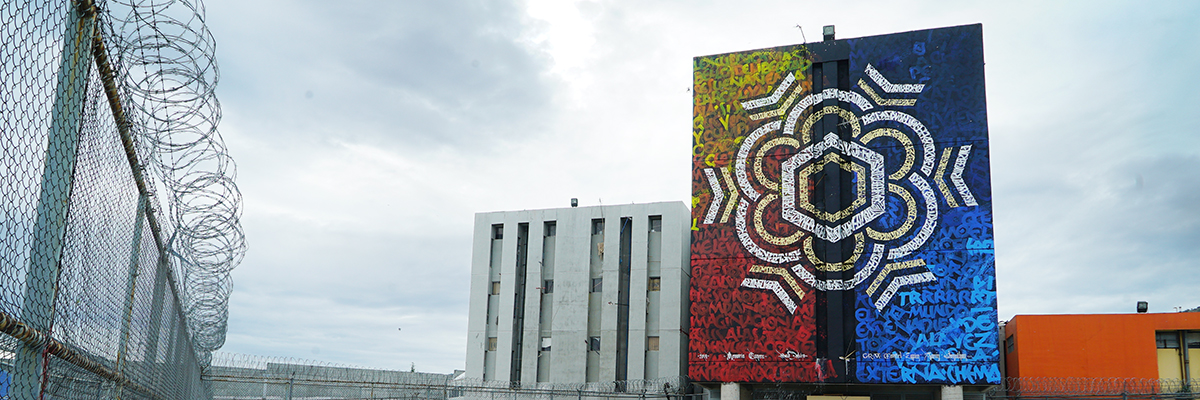
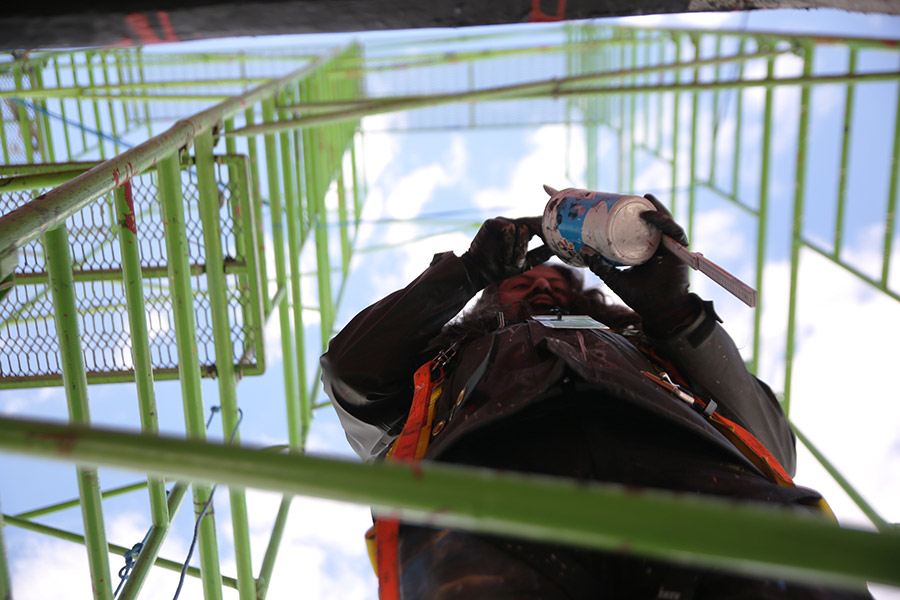
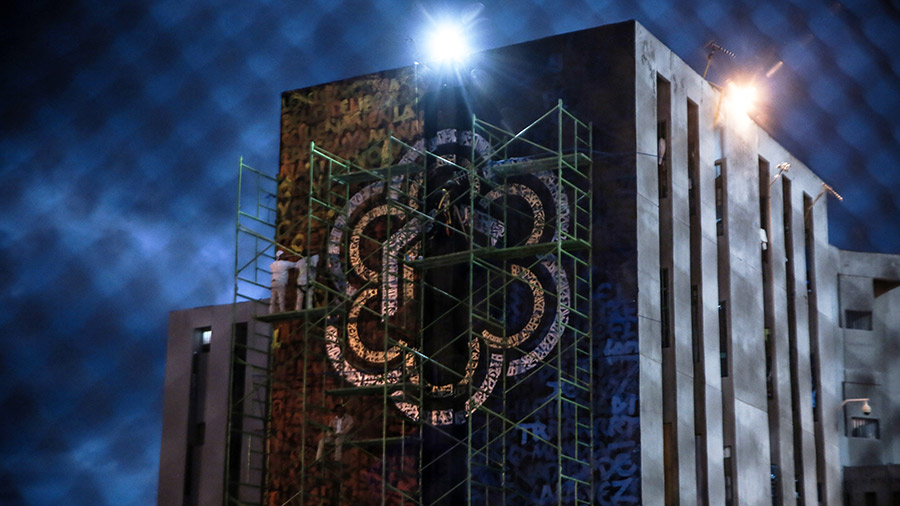
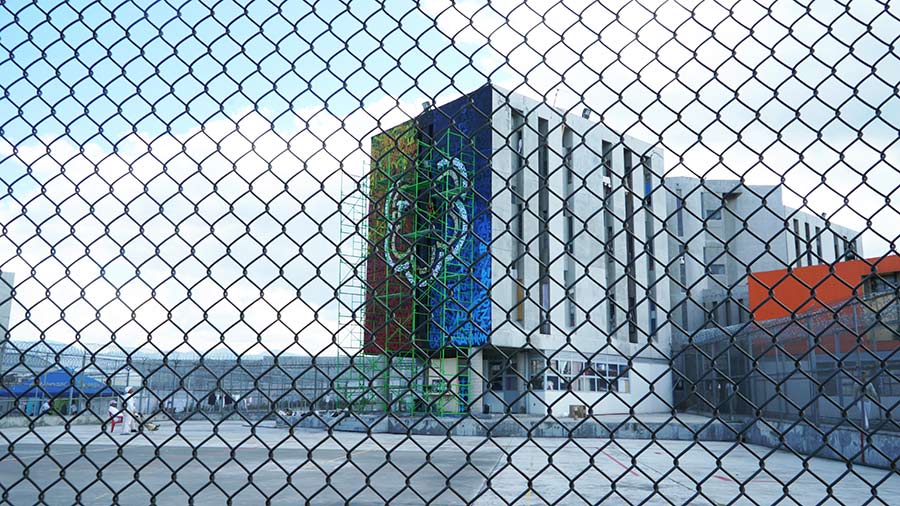
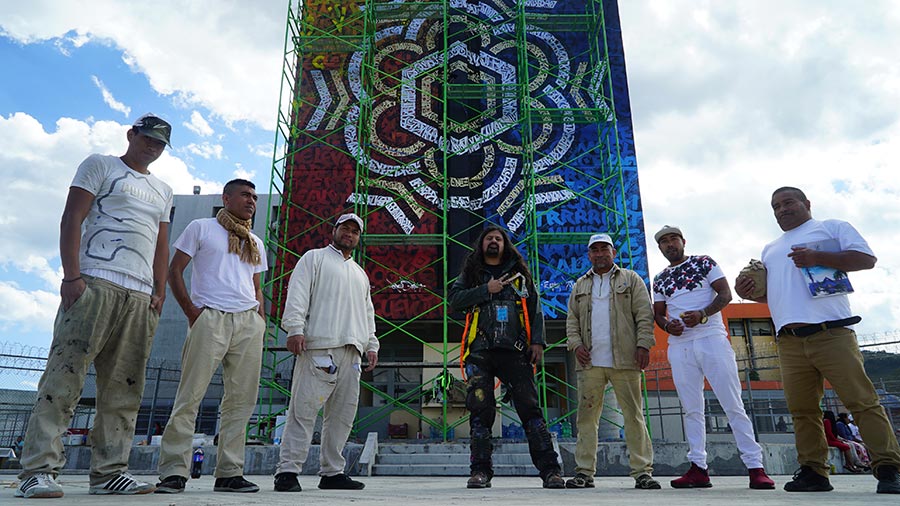
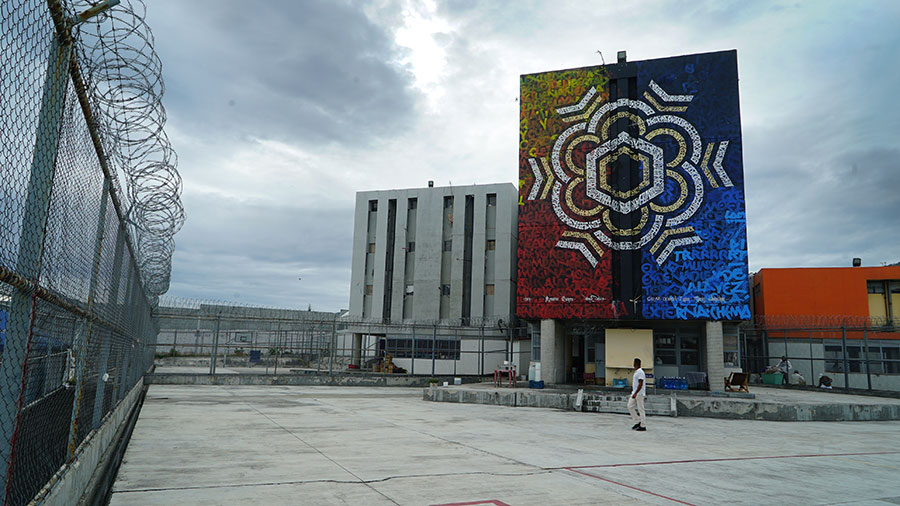
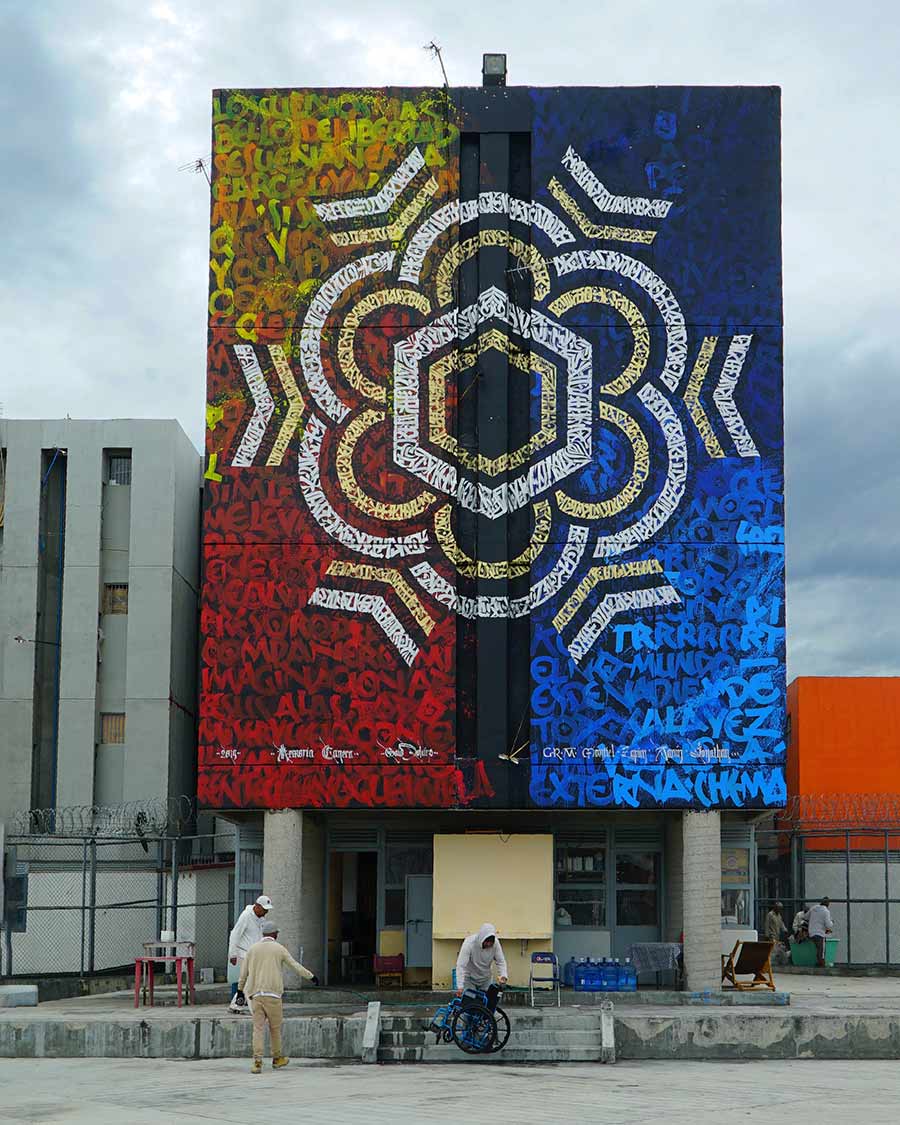
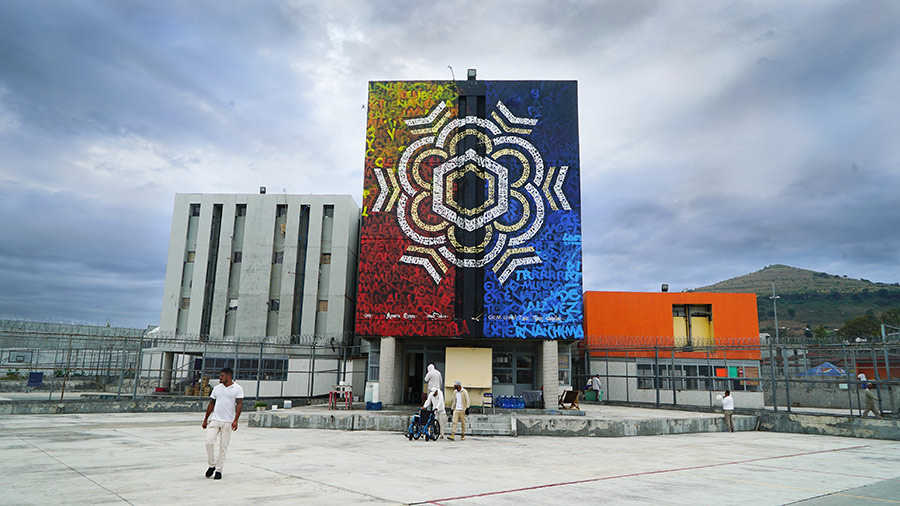
No matter the person’s path to get here, few people inside or outside are convinced that the system is just or constructive for the greater good. Here in Morelia, Michoacán, Mexico, artist Said Dokins shares the words and nicknames of people who live in a so-called “supermax” prison in this calligraphic art mural, an ornamented emblem to preserve memories and restore a sense of connectedness.
The muralist says that his work here was only possible with the participation of residents. Listening to people gave him the inspiration and the necessary elements, a painted alloy of memories that acknowledges the many routes that lead here.
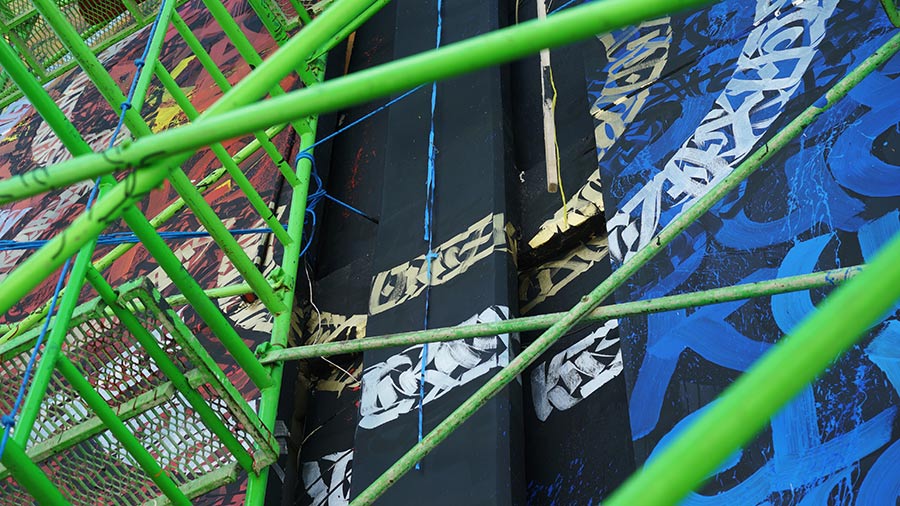
Dokins says that dignity is one of the qualities his art seeks to preserve, or build, with the mural he calls Memoria Canera (a space for memory). He says he “gathered phrases, experiences, words used frequently in the prison’s daily life, but also poems, long writings, tales, feelings,” – painted into the composition, retained and preserved on the wall.
Here the sentence fragments, words, letters, all are poured together, forming a new human metal, a combined product that reveals the typical qualities of people and life in a place that can be absent of humanity but which nonetheless is a place where people are living.
“Memoria Canera reflects identity, memory, and life in jail. It’s about the underground culture that emerges in there, from the language, that includes the slang used inside, the nicknames of the people, to the deepest thoughts about confinement and freedom,” he says.
A creative gift to the institution, Said also creates perhaps with the knowledge that many people will rejoin greater society. Our incarceration systems need to take that into account, and ultimately we all are connected no matter the separation.
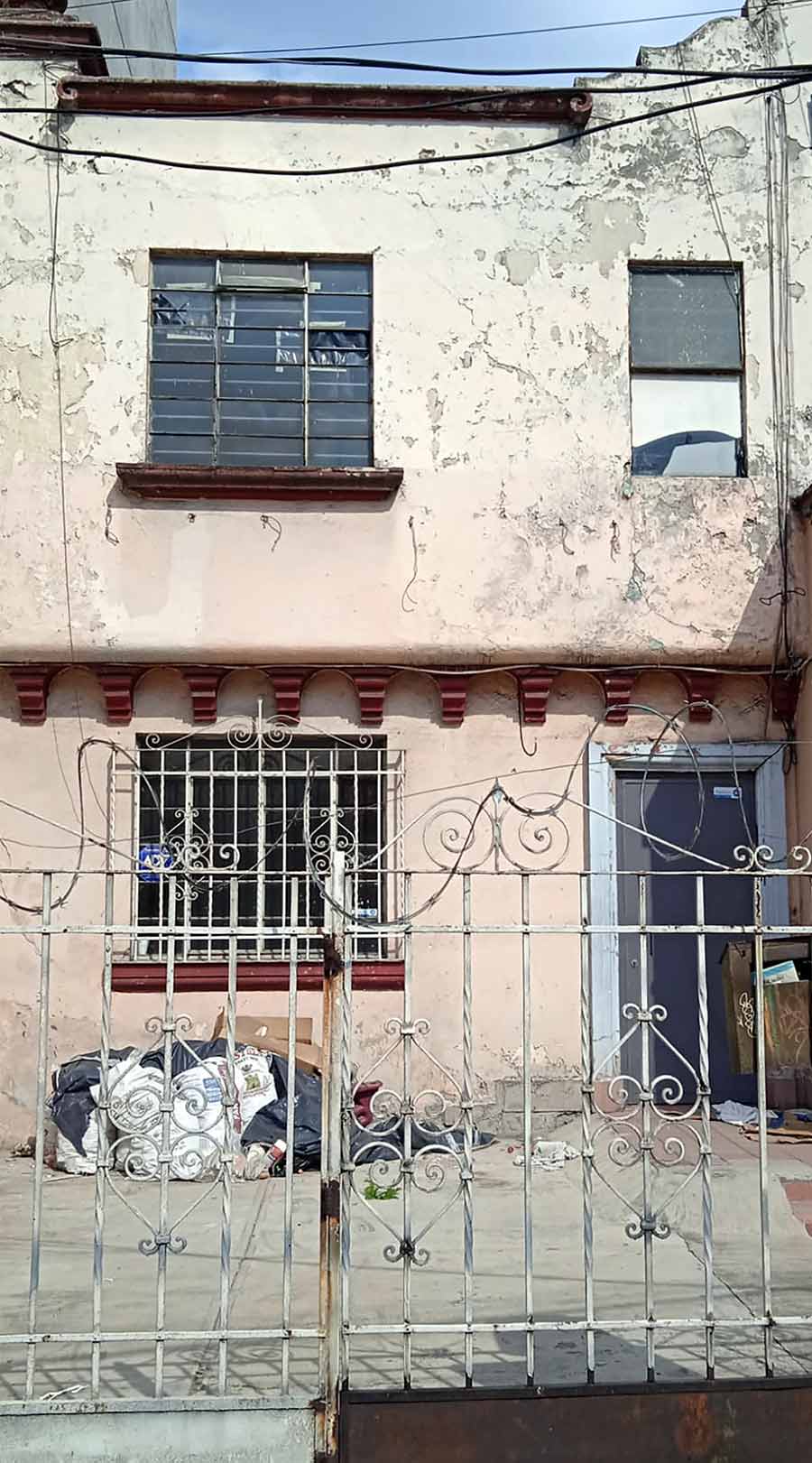
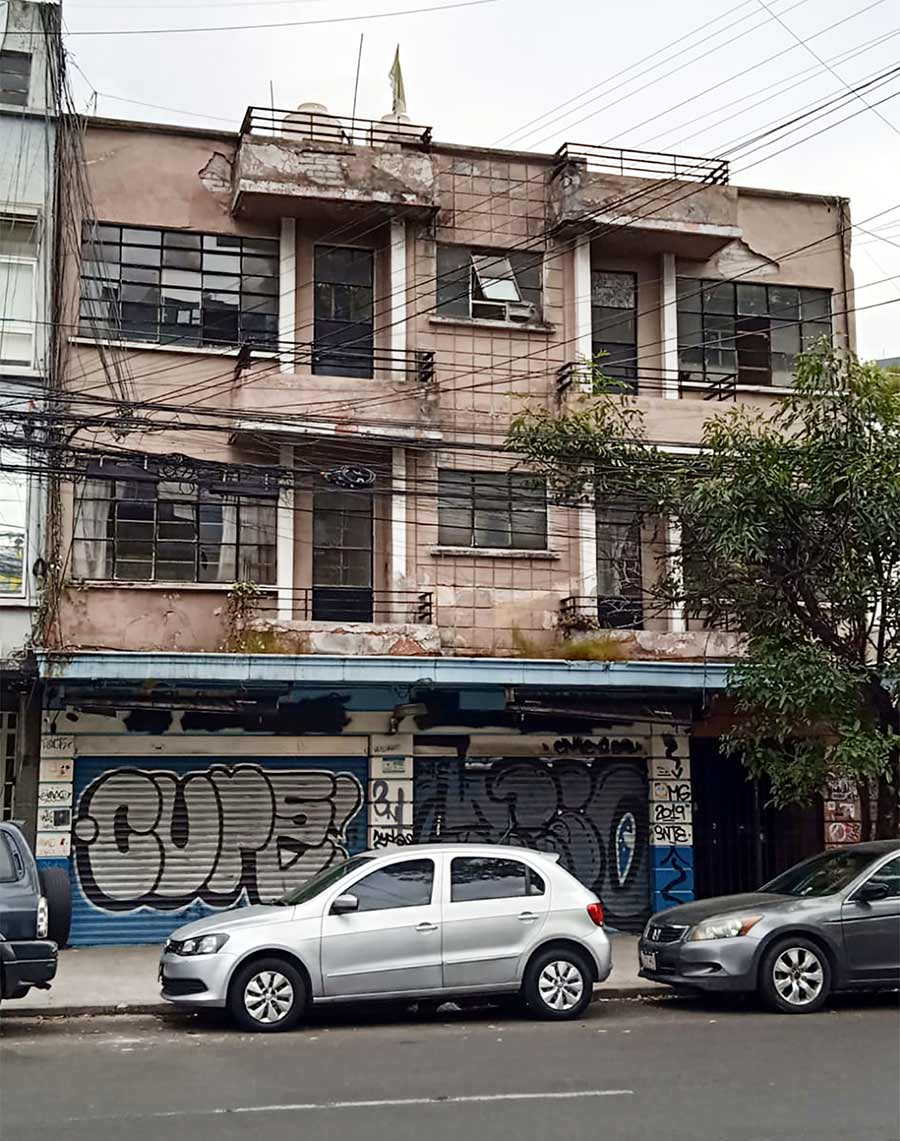
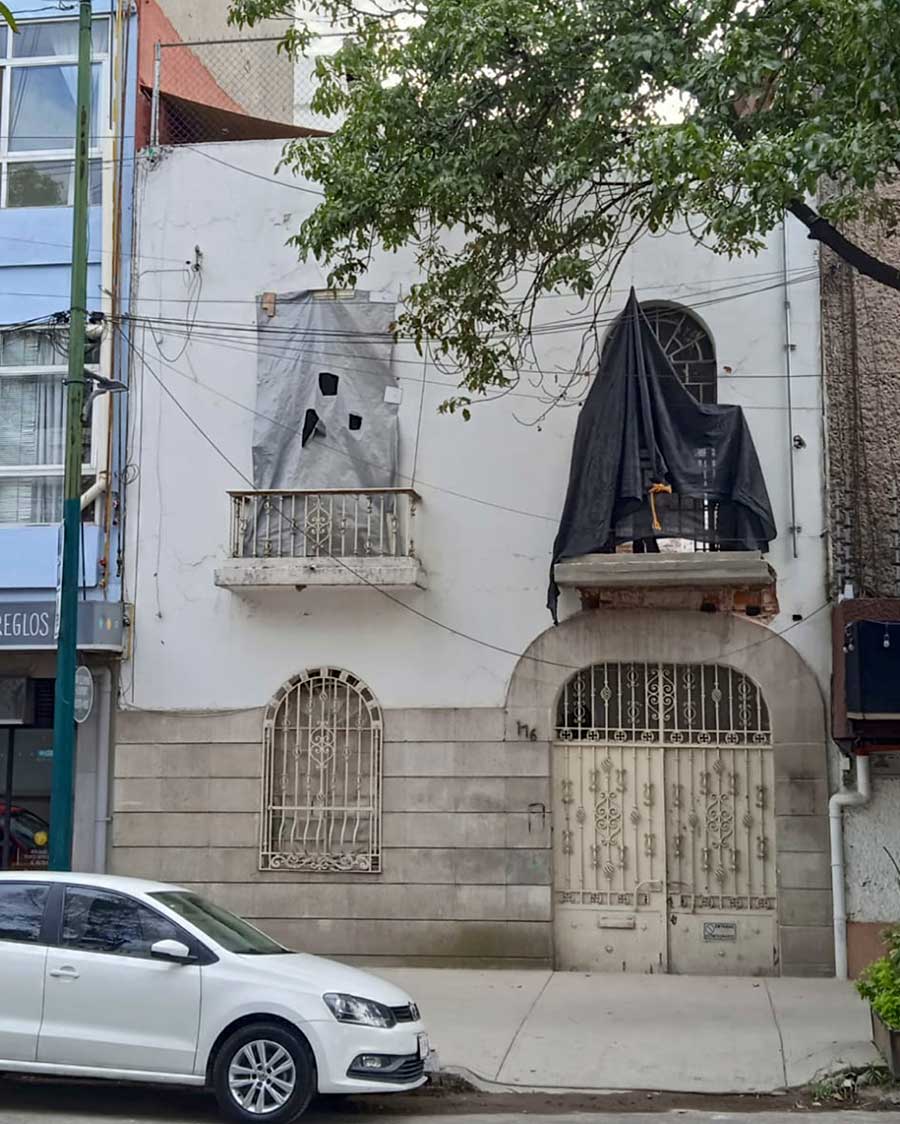
An earthquake in Mexico City in 1985 reduced much of the Roma neighborhood to rubble, the remaining structures largely empty even now because of their unsafe condition.
“Everywhere there are people living on the street while houses stand empty,” says Spanish artist Aïda Gómez, “This is something I cannot understand. I believe that we are doing something wrong here.”
Aïda Gómez. “Multispecies real state”. Huerto Roma Verde Residency. Roma, Mexico City. (photo courtesy of the artist)
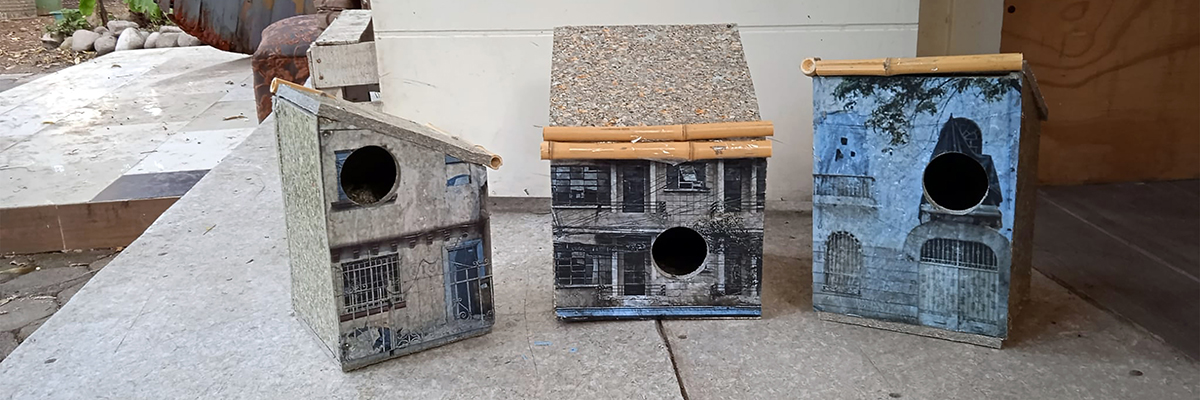
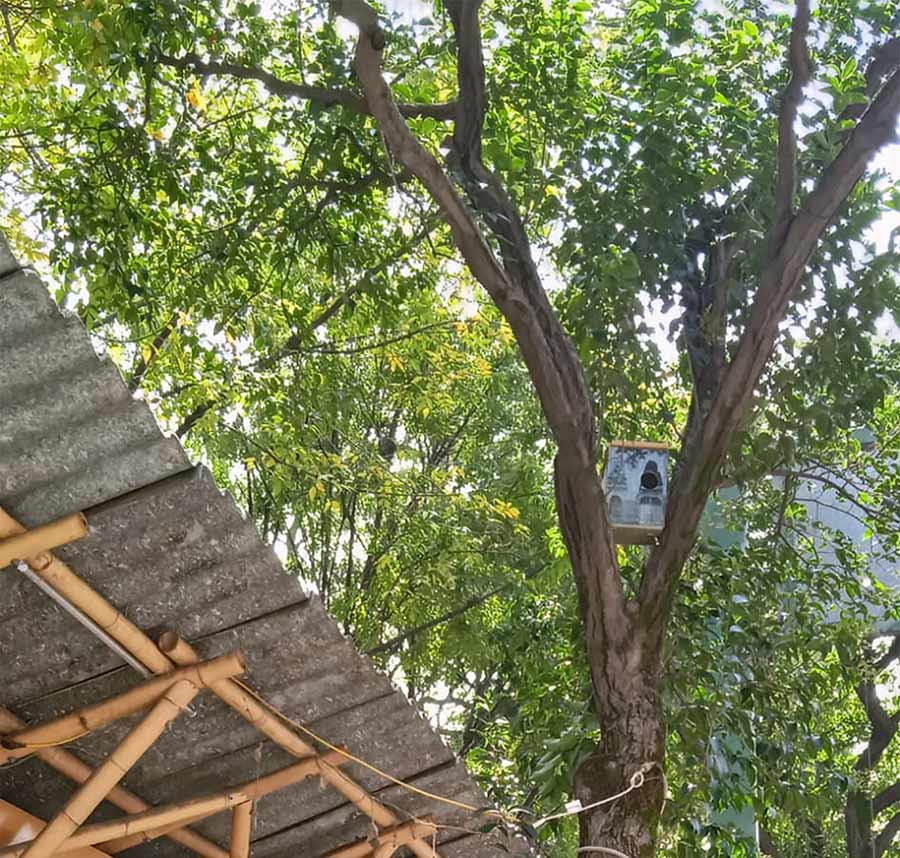
During her art residency in the neighborhood at Huerto Roma Verde at the end of last year, Gómez decided to draw attention to the housing problem in the public sphere using her education in sculpting at Kunsthochschule Weißensee in Berlin; She built a series of multispecies houses that serve to provide shelter from the elements.
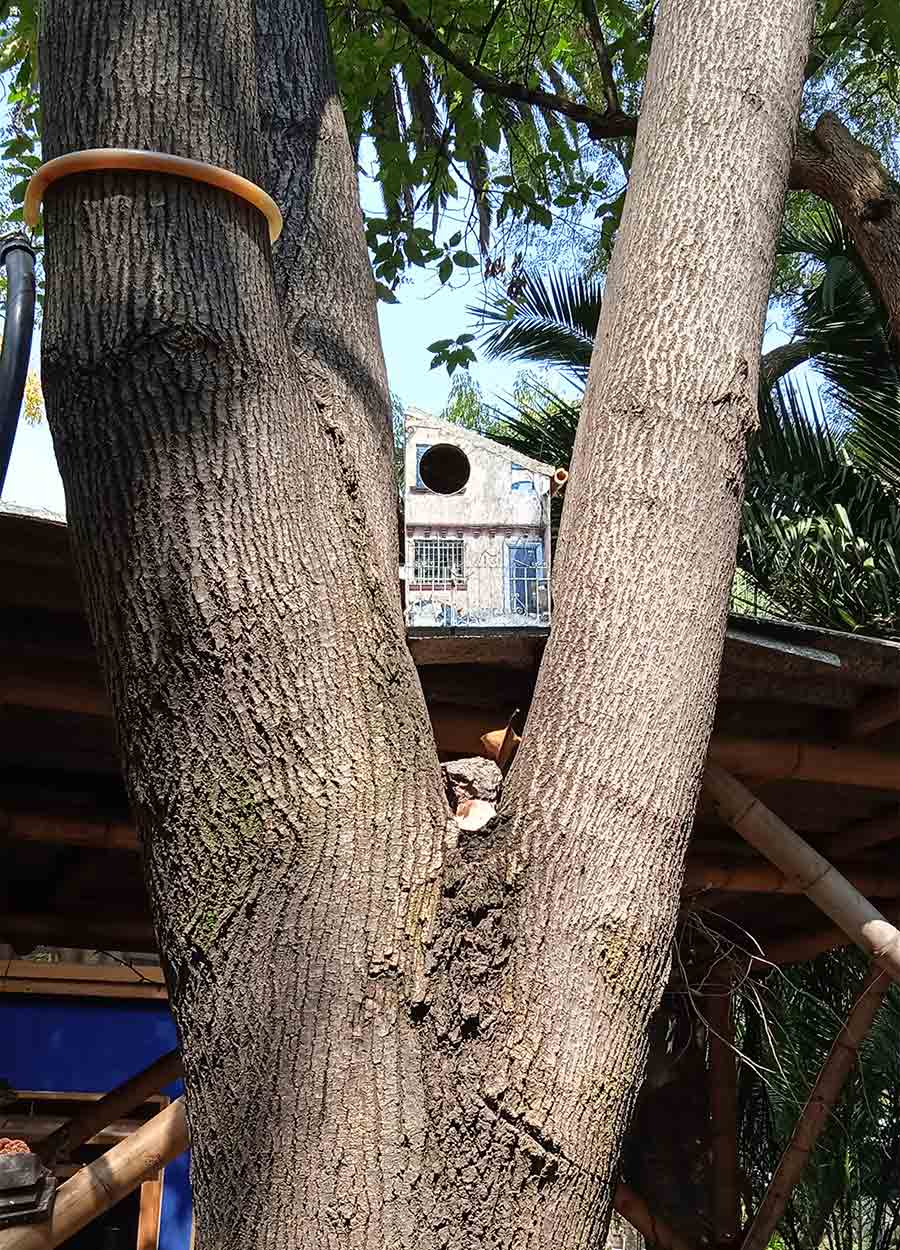
“I decided to build some shelters for the squirrels, birds, and insects that inhabit the garden. This way they can protect themselves from the cold, the rain, or raise their babies.”
The miniature structures mimic closely the architecture nearby yet can actually be used as shelter. Her hope is that she can begin a conversation about the possibility of rebuilding badly needed housing for humans as well.
Aïda Gómez. Abandoned house in el barrio. “Multispecies real state”. Huerto Roma Verde Residency. Roma, Mexico City. (photo courtesy of the artist)Aïda Gómez. “Multispecies real state”. Huerto Roma Verde Residency. Roma, Mexico City. (photo courtesy of the artist)Aïda Gómez. Abandoned house in el barrio.“Multispecies real state”. Huerto Roma Verde Residency. Roma, Mexico City. (photo courtesy of the artist)Aïda Gómez. “Multispecies real state”. Huerto Roma Verde Residency. Roma, Mexico City. (photo courtesy of the artist)Aïda Gómez. Abandoned house in el barrio. “Multispecies real state”. Huerto Roma Verde Residency. Roma, Mexico City. (photo courtesy of the artist)
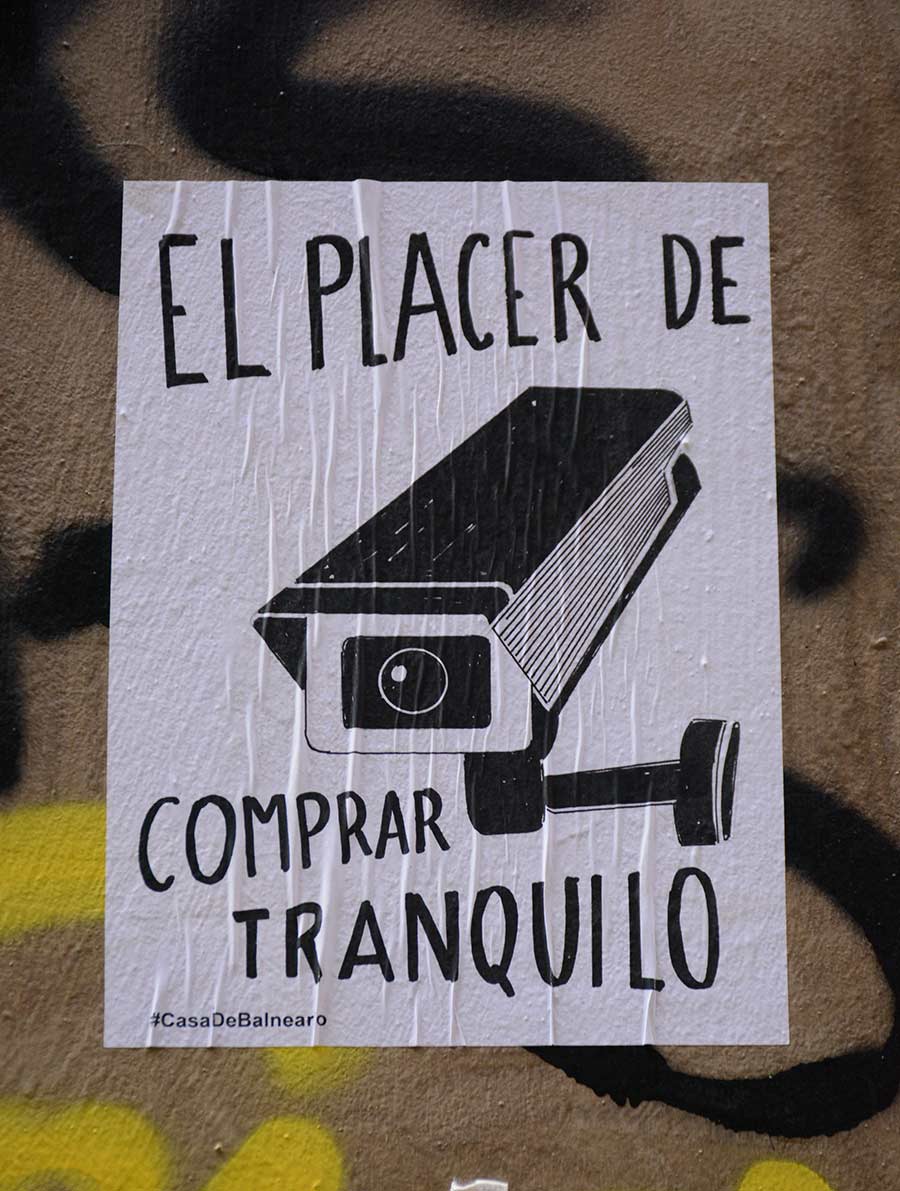
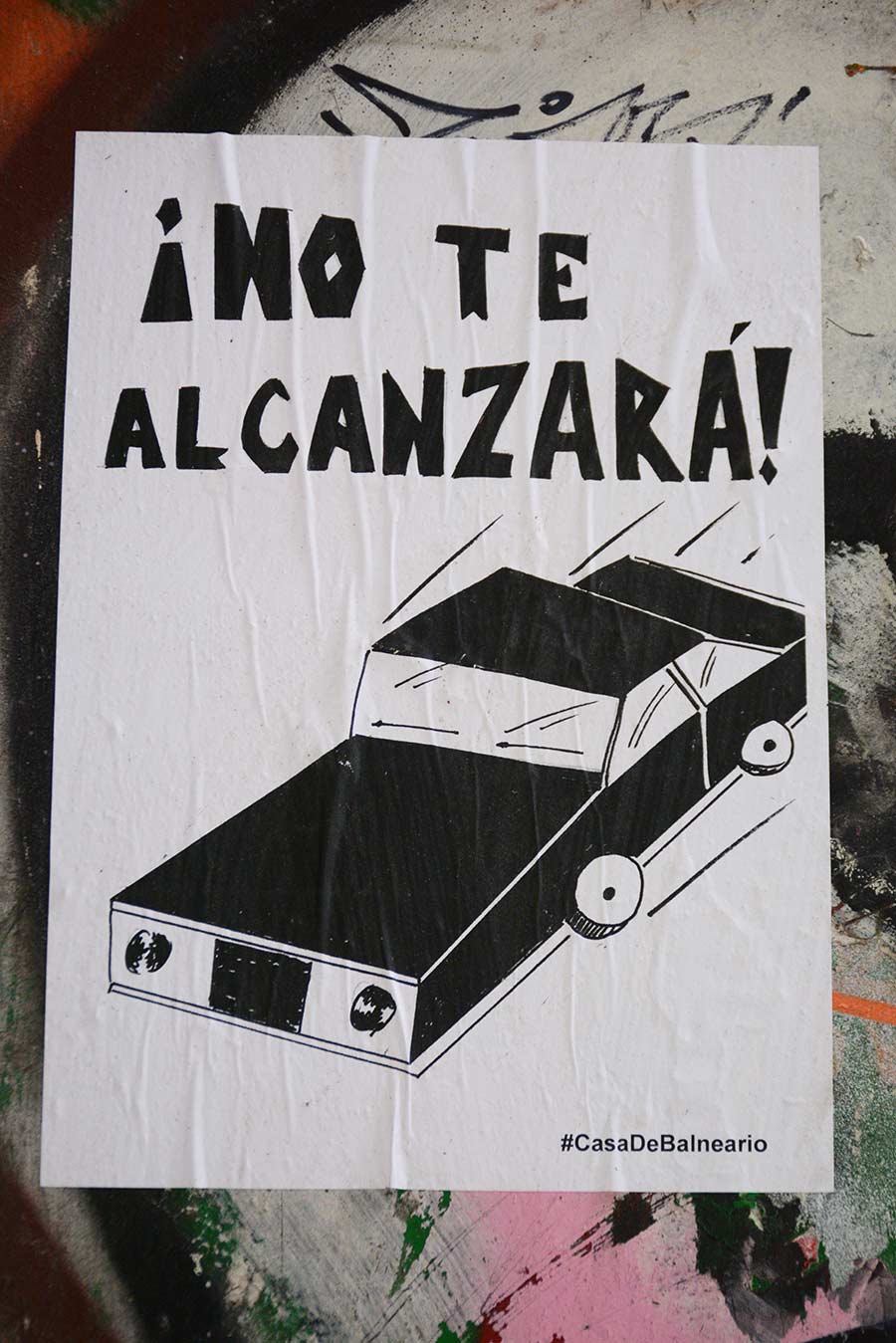
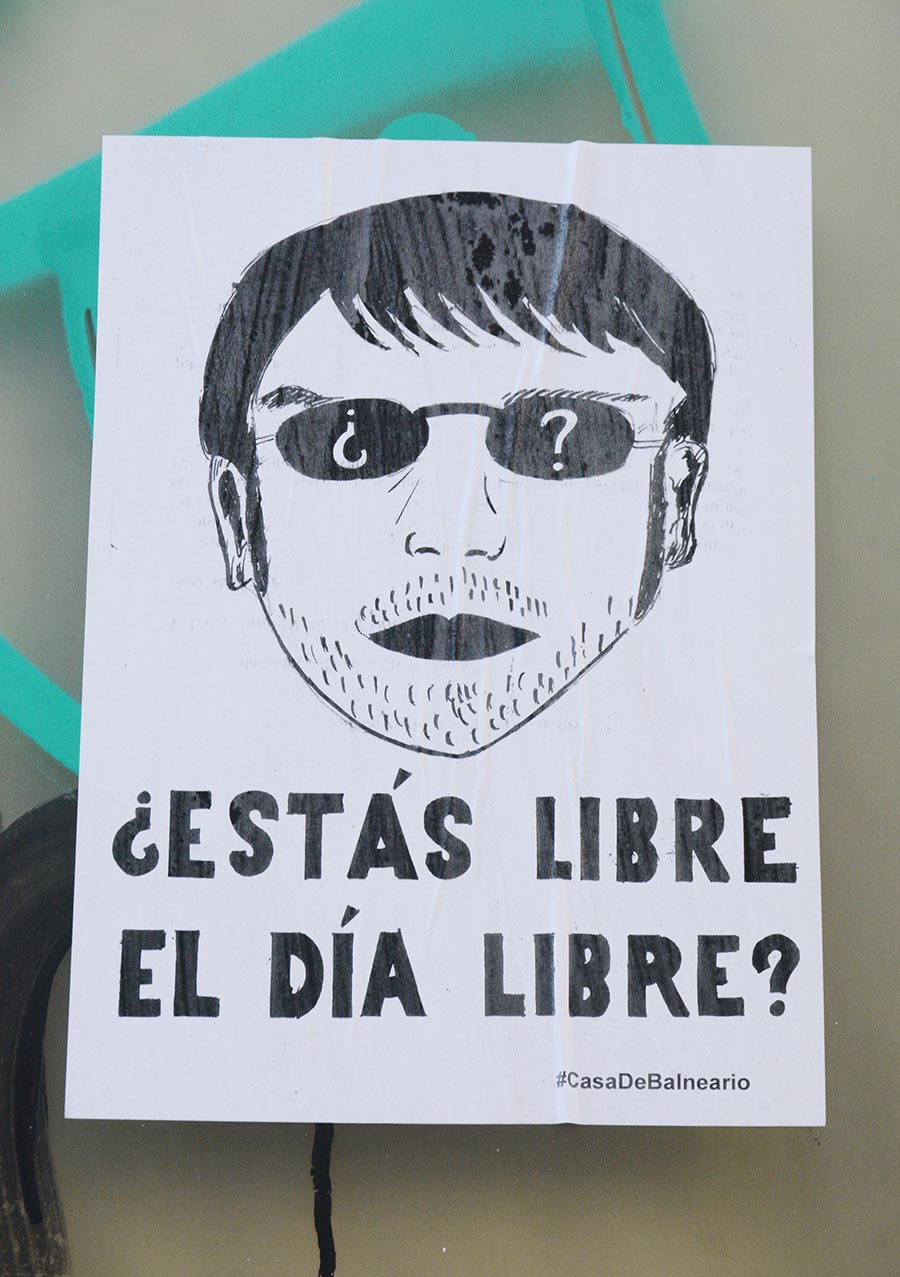
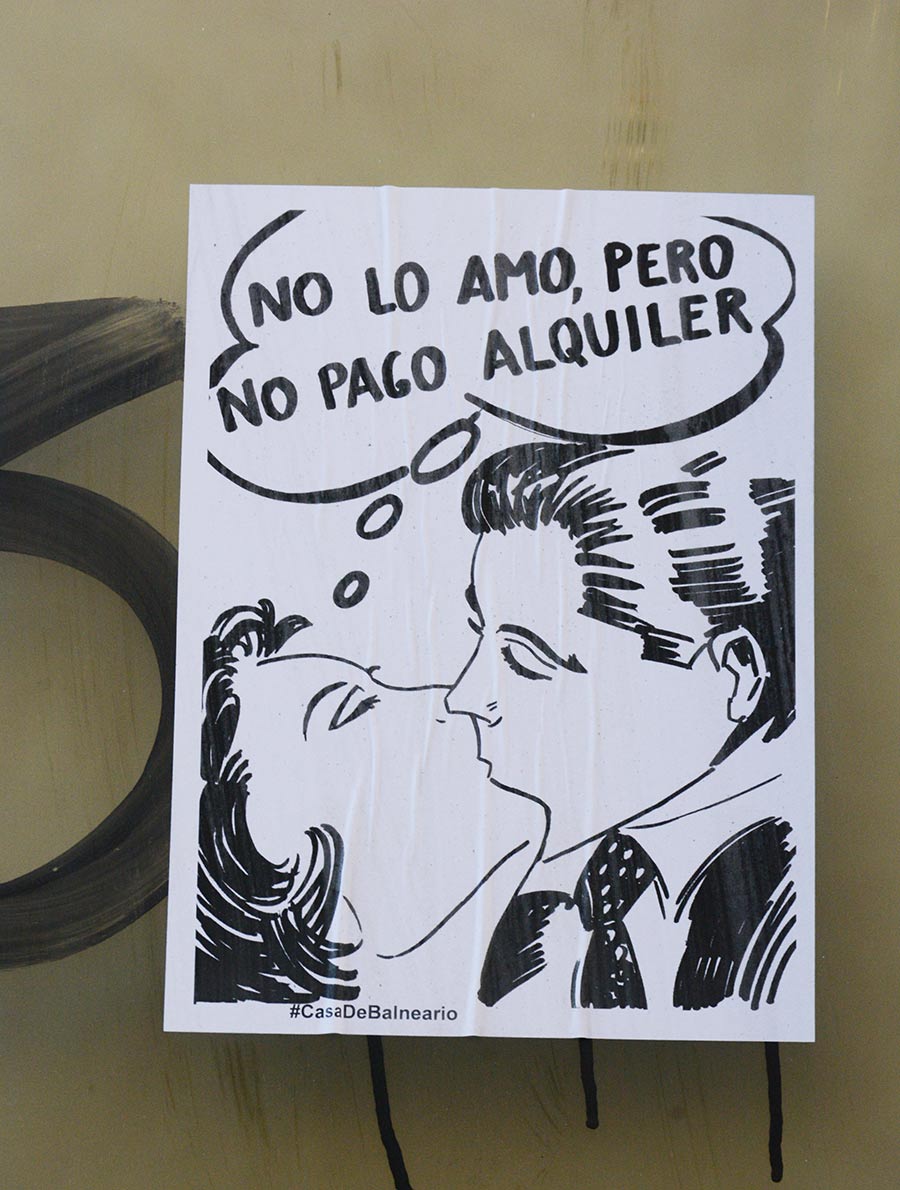
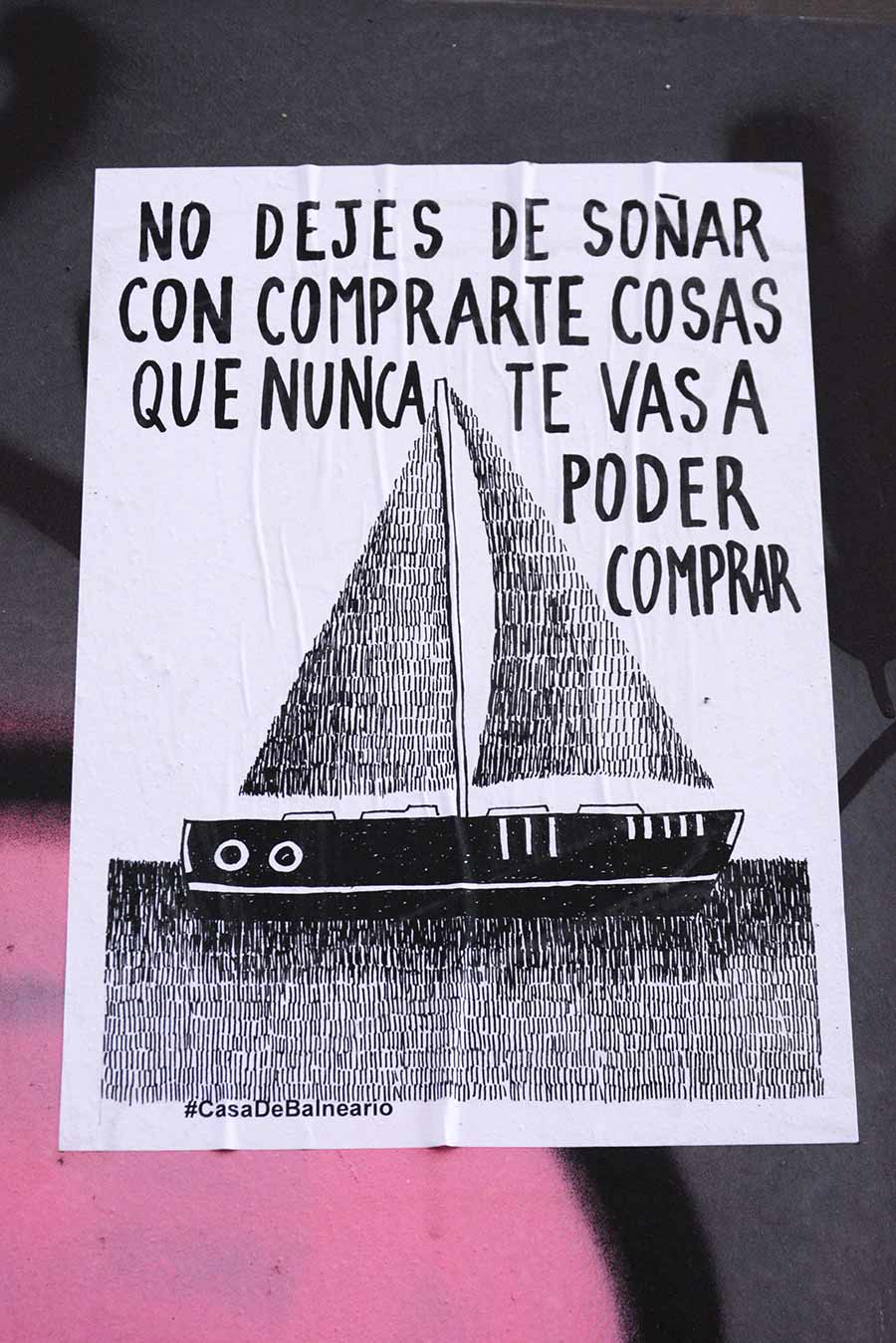
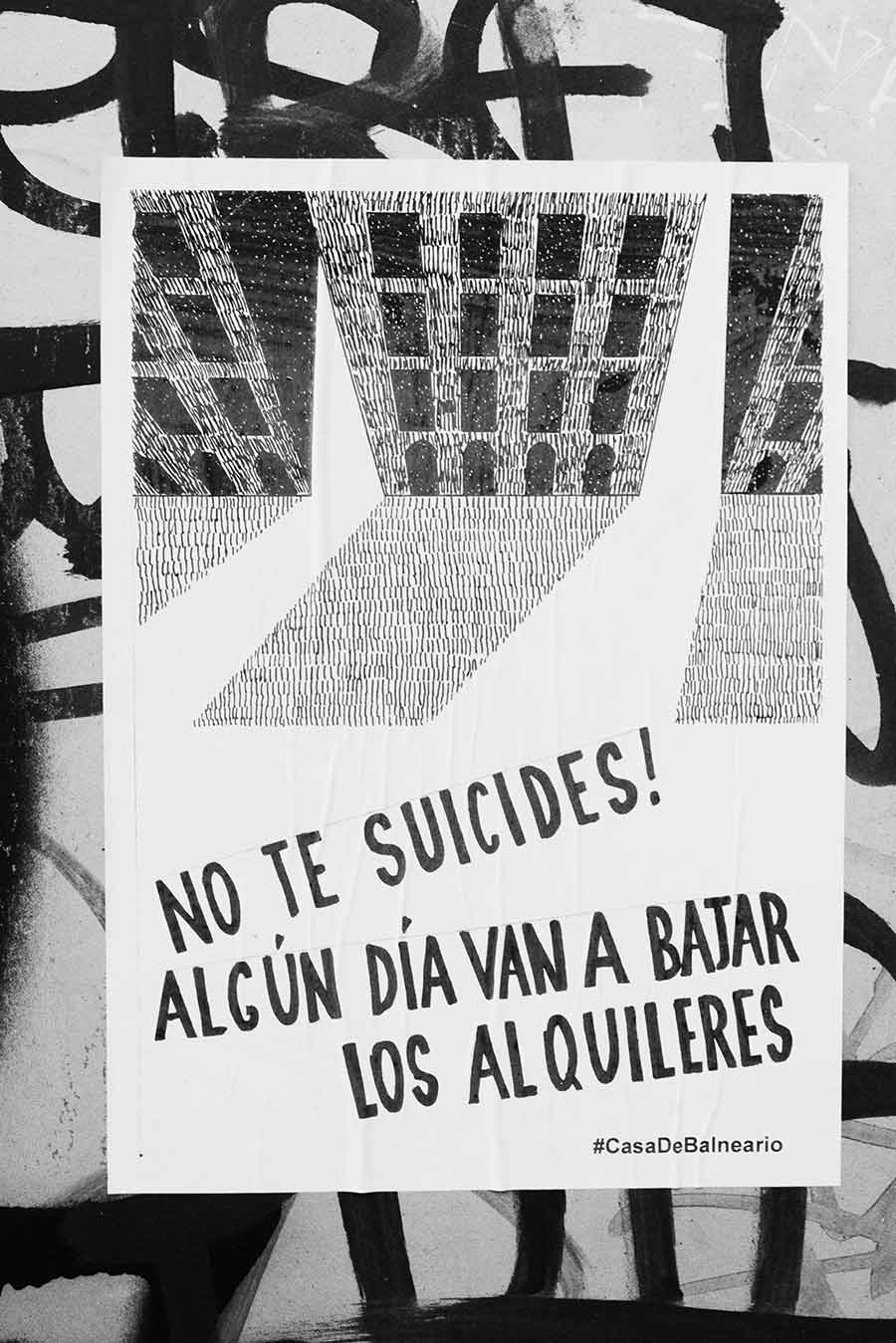
These wheat pastes have been appearing on the streets of Barcelona after about two years of hiatus. The author (is it a collective or a single individual?) calls themselves Casa De Balneario and they are back with spiced bon mots for the passersby: clever drawings executed in a DIY style that make them approachable, quizzical, and a favorite in the streets of Barcelona.
Dryly hand-written and accompanied by stiffly simple renderings recalling mid century ads or propaganda posters, these are gentle critiques of our self-deceptions, our pop-consumer culture bromides, our willingness to overlook the unpleasant truth of our slowly warming pot of water. They look at assumptions regarding surveillance, work conditions, civil liberty, and our economic shift downward and pose a question indirectly: How did we settle for this?
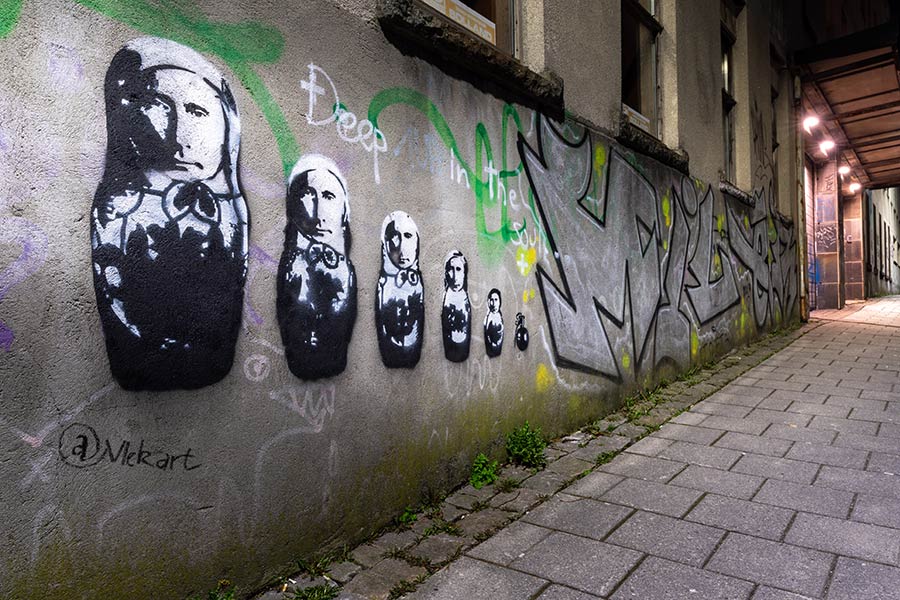
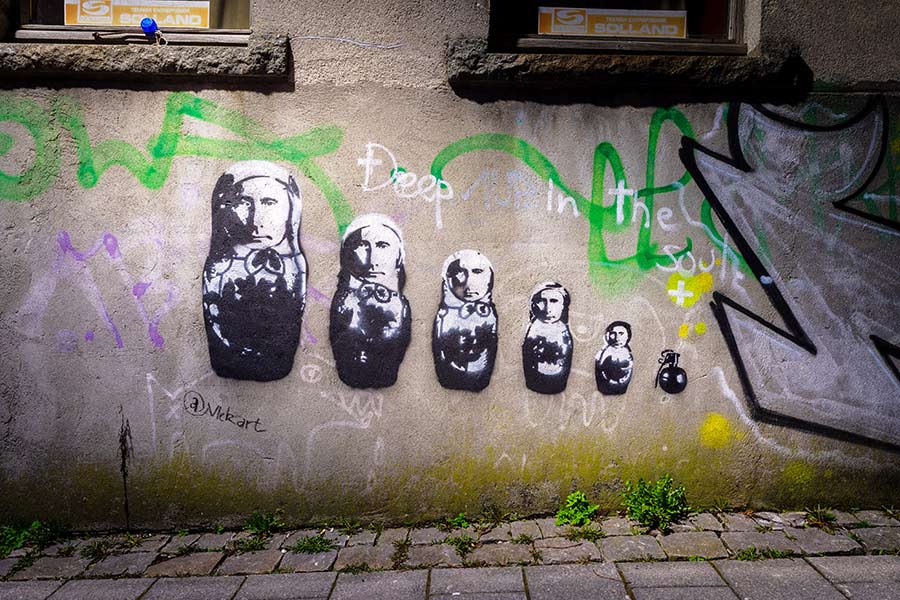
Norwegian curator, producer, social activist, and street artist VLEK aka Arne Vilhelm Tellefsen, has joined the street chorus in the west that vilifies Vladimir Putin in myriad ways. His new stencil in Stavanger, home of the NuArt Festival, takes the symbol of the Russian Matryoshka Doll or nesting doll to a public-facing wall to illustrate his idea of the Russian leader who has directed the military to invade Ukraine.
In this progression of unveiling what he imagines is inside the man, VLEK posits that there is a hand grenade at the very center. He calls his piece “Deep with the soul.”
Street art welcomes all manner of materials and methods, typically deployed without permission and without apology. This hand-formed wire piece …Read More »
 BROOKLYN STREET ART LOVES YOU MORE EVERY DAY