 BROOKLYN STREET ART LOVES YOU MORE EVERY DAY
Mural festivals often arrive with a roster, cherry pickers, and walls, then drop a familiar visual language into town and call it “transformation” or “an open-air museum”. Parees has been trying another approach.
Since 2017, the Oviedo festival has treated the city itself as the material: its neighborhoods, old industries, local species, civic memory, and the people who still remember what stood where before the paint arrived.
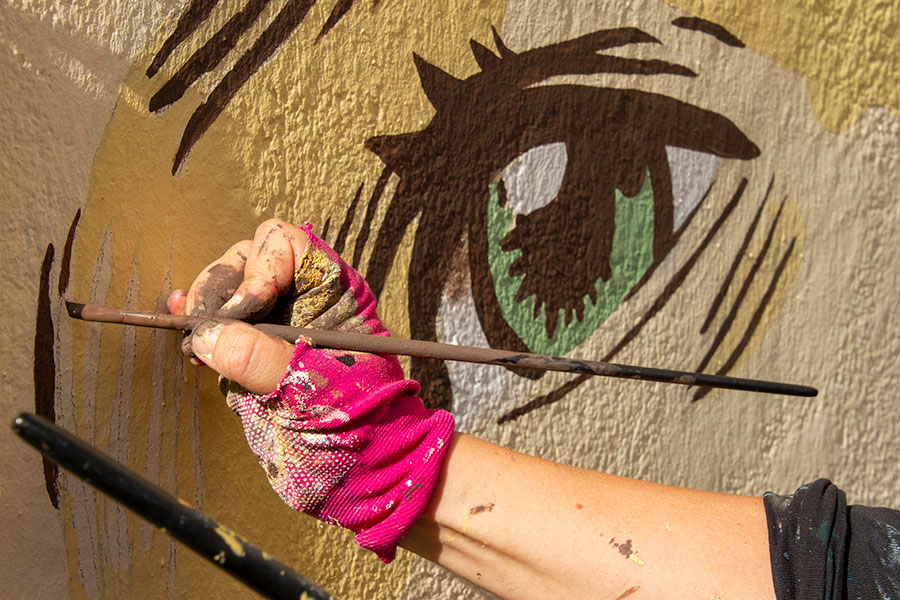
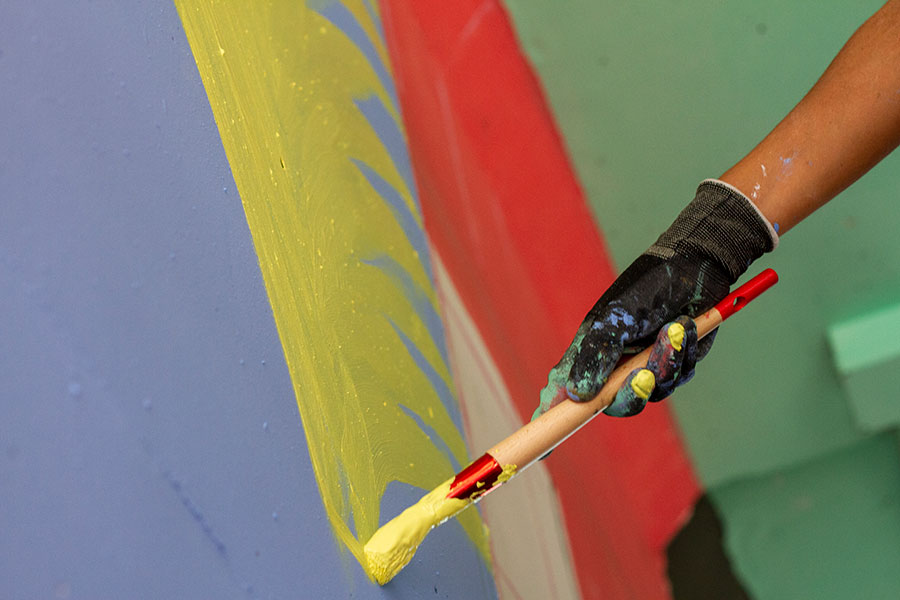
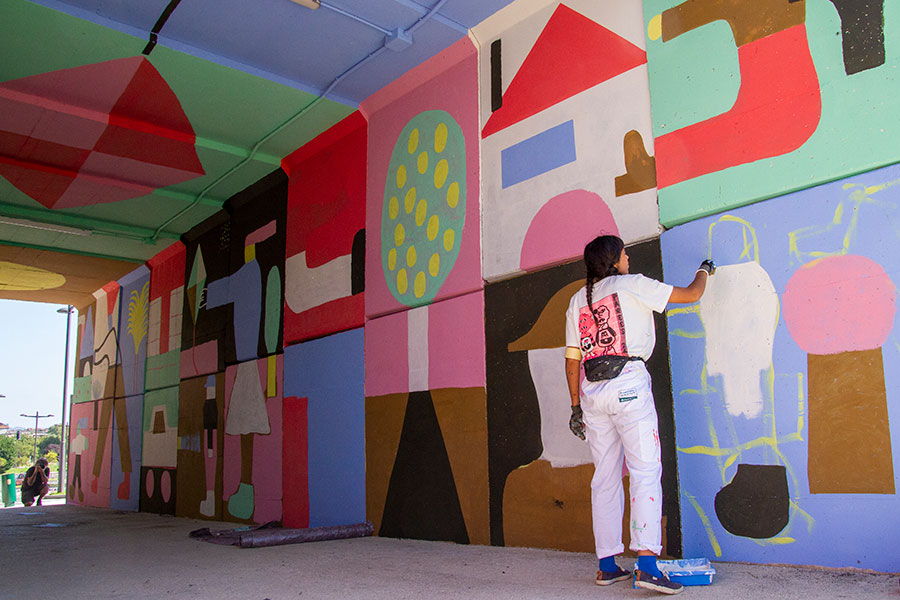
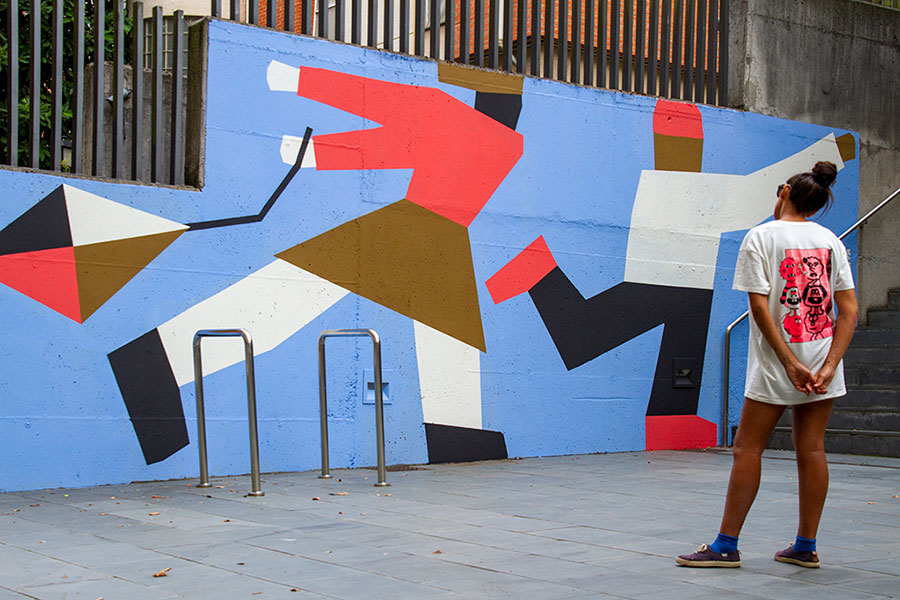
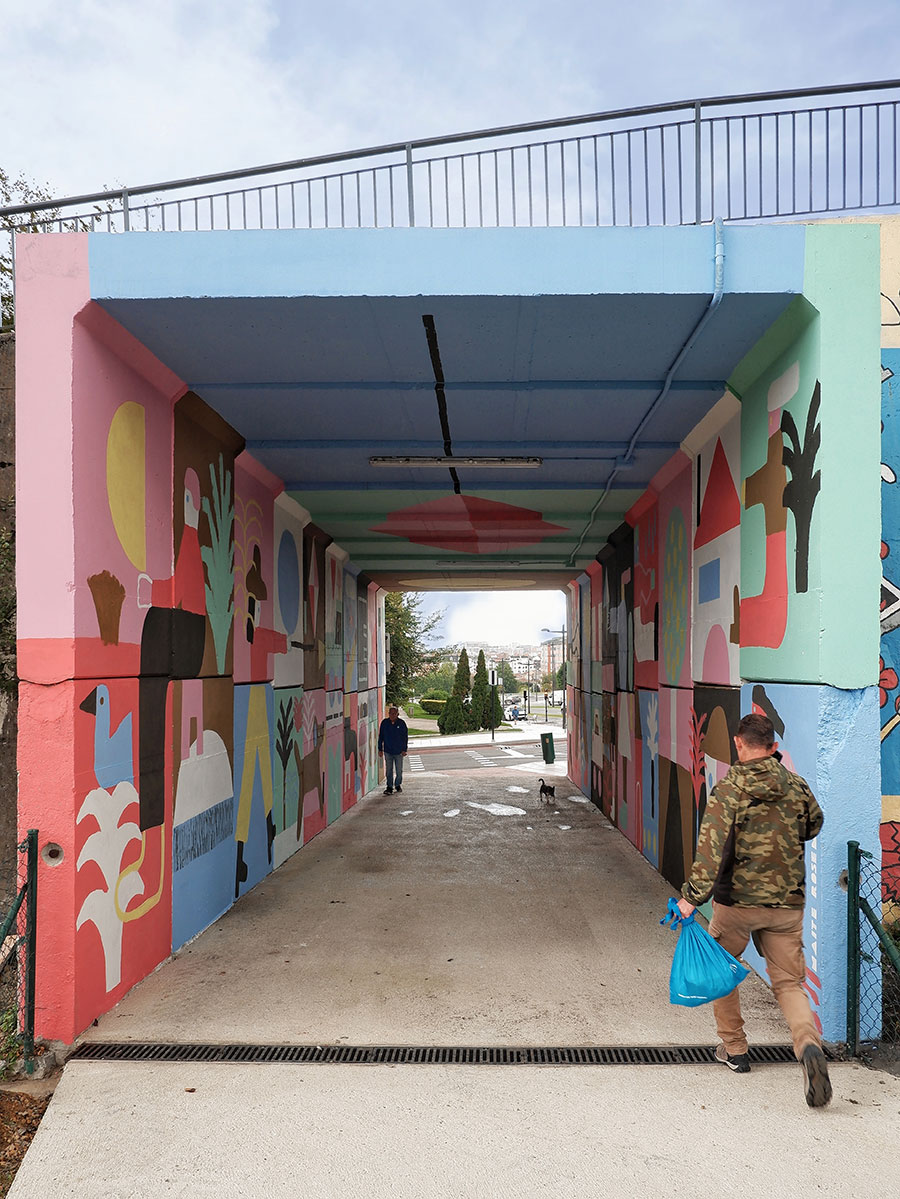
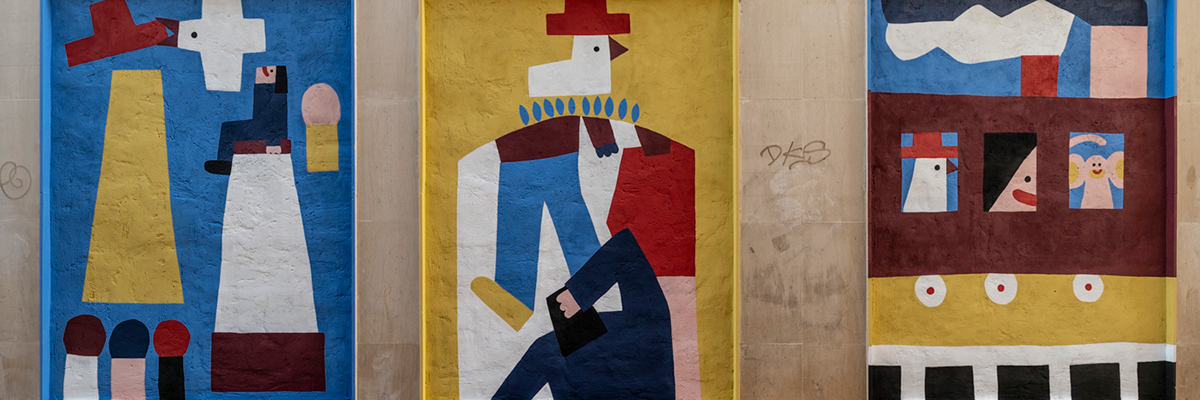
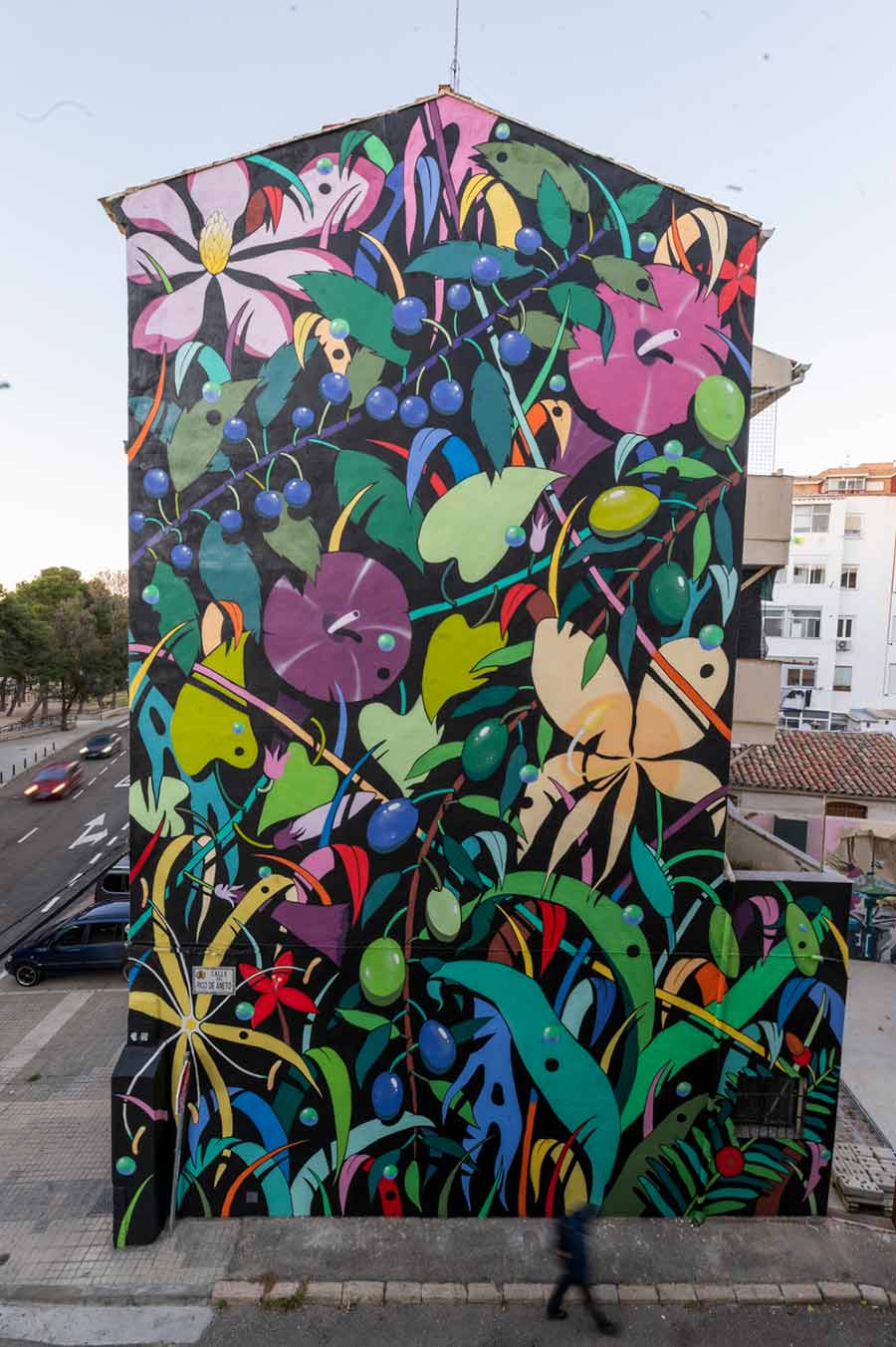
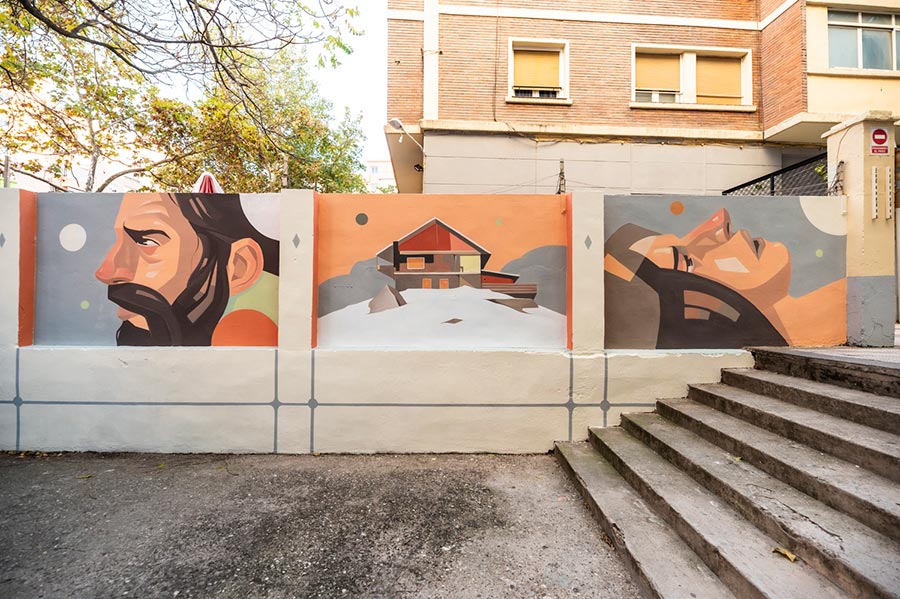
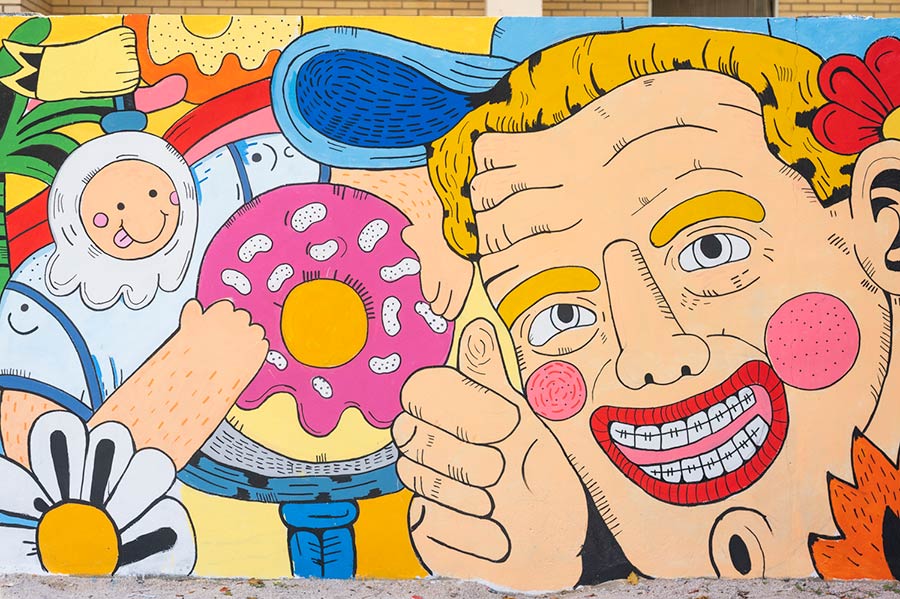
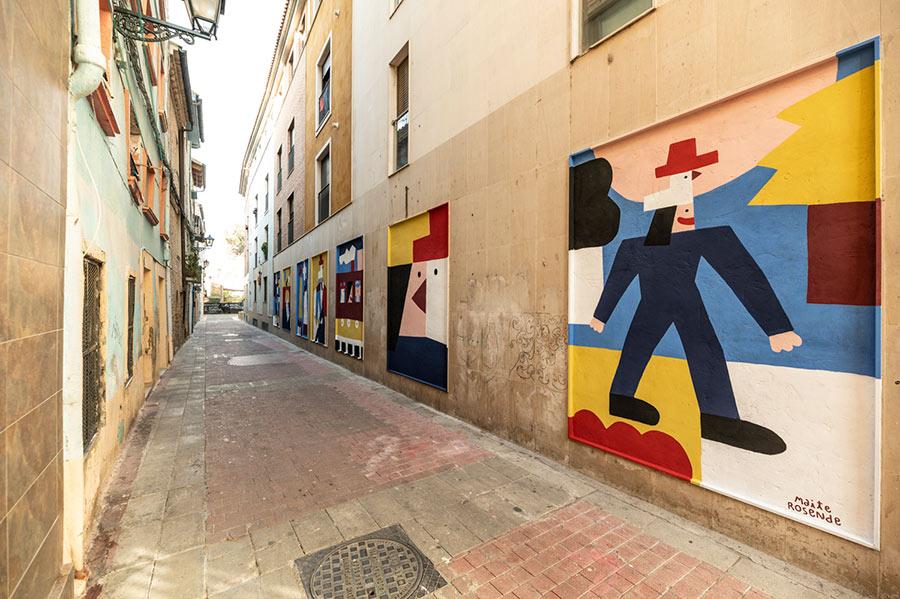
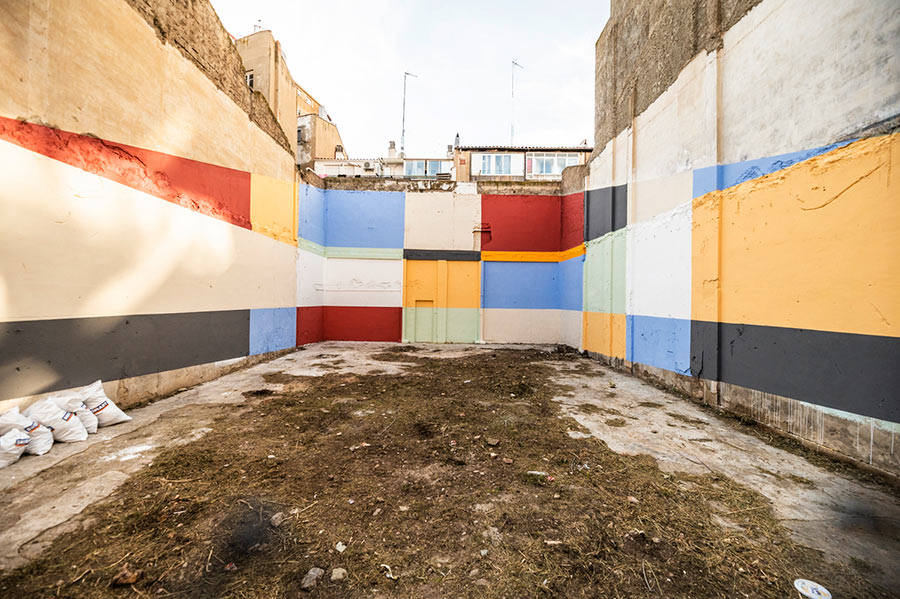
The seventh edition, held September 3–9 after a pause in 2025, brought Maite Rosende, Greta von Richthofen, and Mar Herrera into that process, adding three new works to a growing body of more than 40 interventions across the Asturian capital.
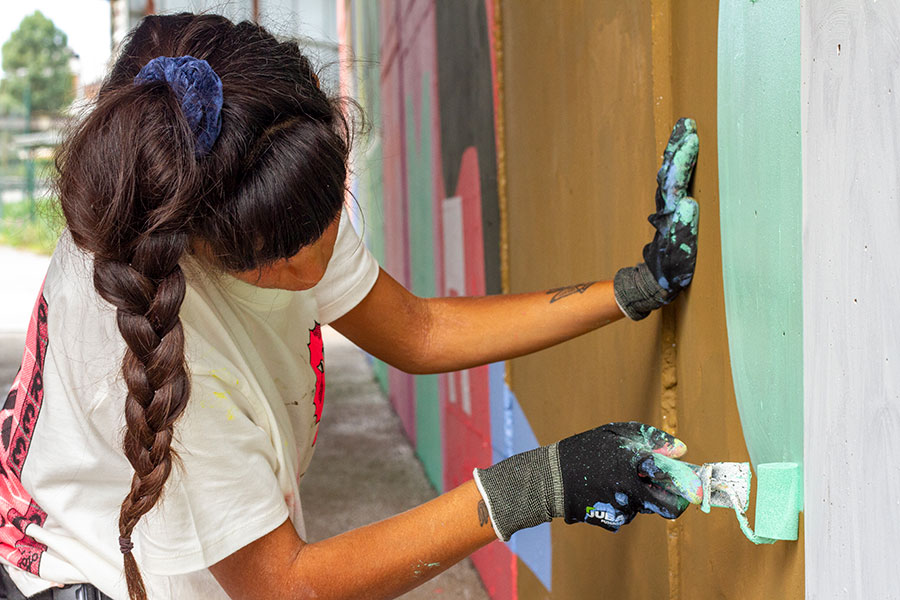
Parees calls it “contextualized and site-specific muralism.” Fair enough. What matters is what that looks like on the ground. Artists are expected to do more than show up with a finished sketch and scale it to concrete. Mediation, research, neighborhood conversations, local history, and specialist knowledge all enter the picture before the final image does.
That approach gives this year’s walls some actual teeth.
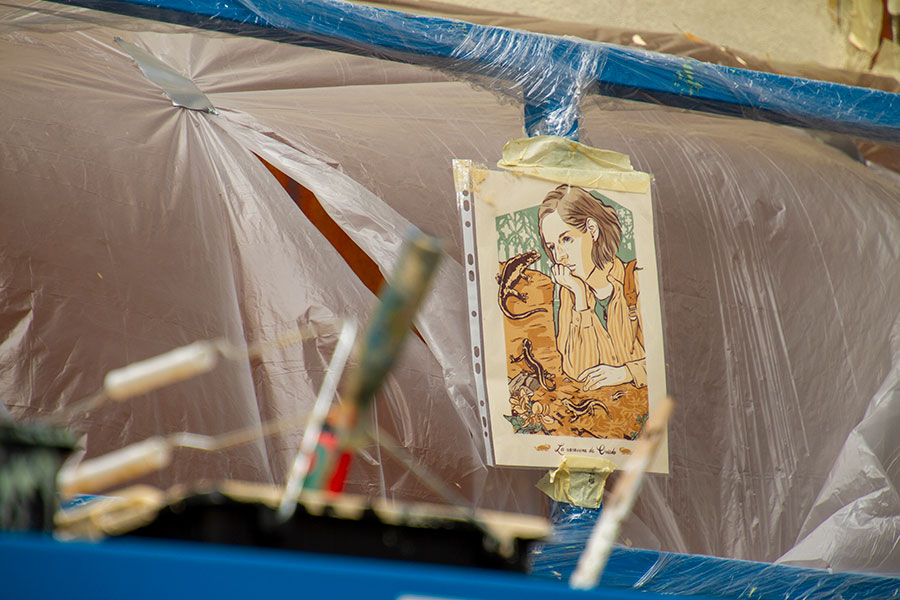
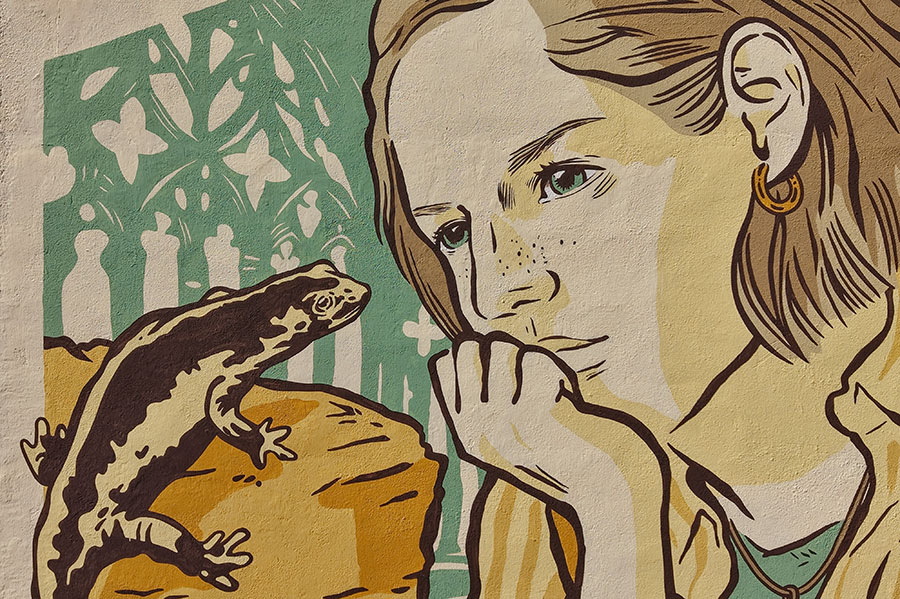
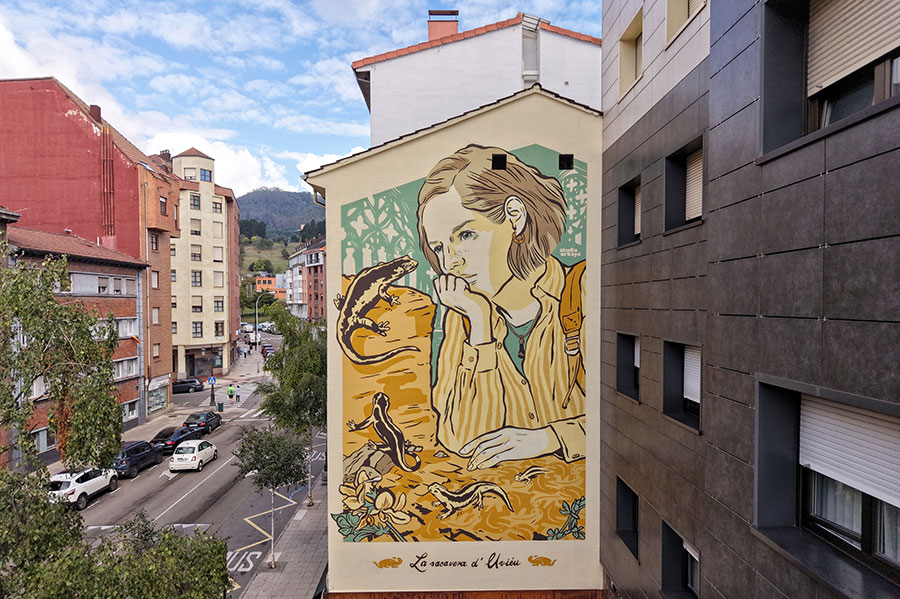
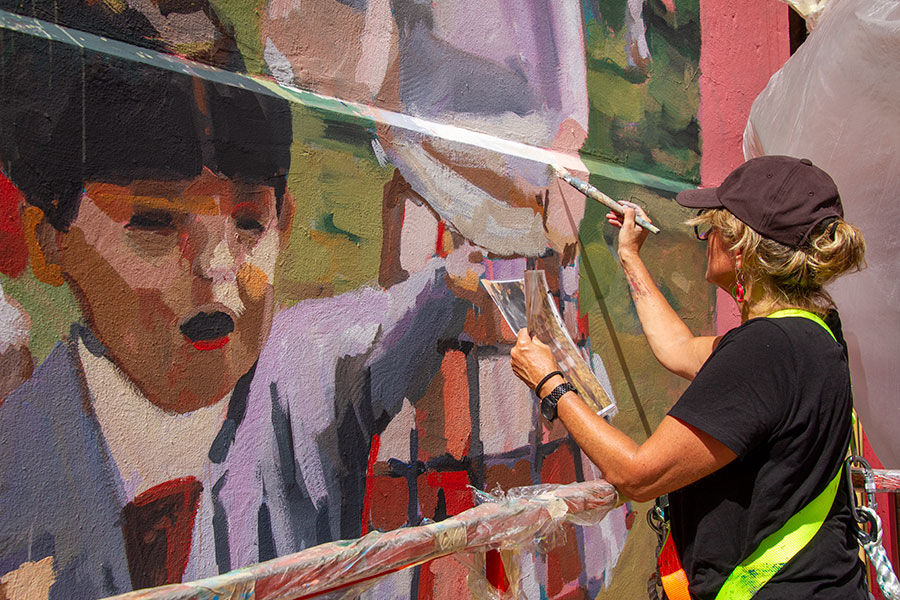
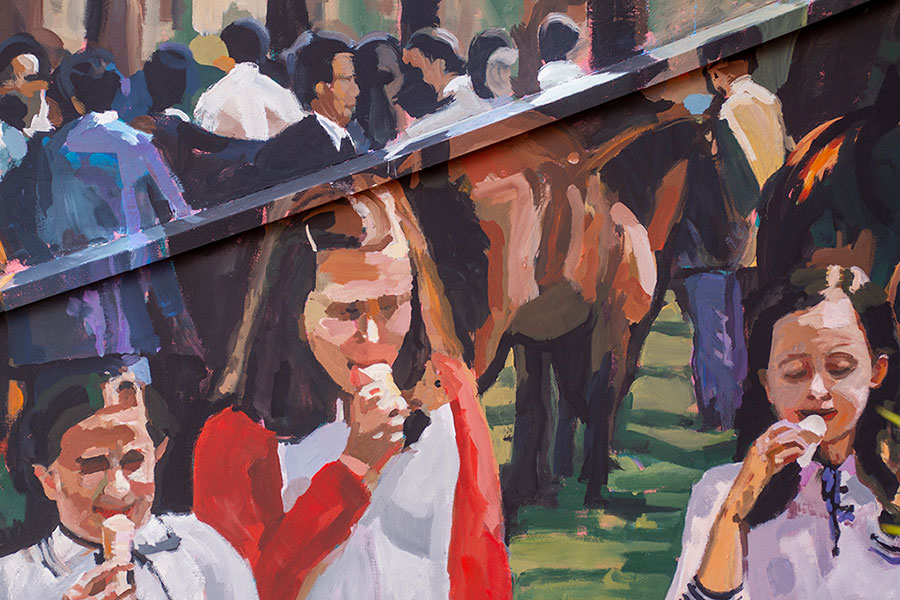
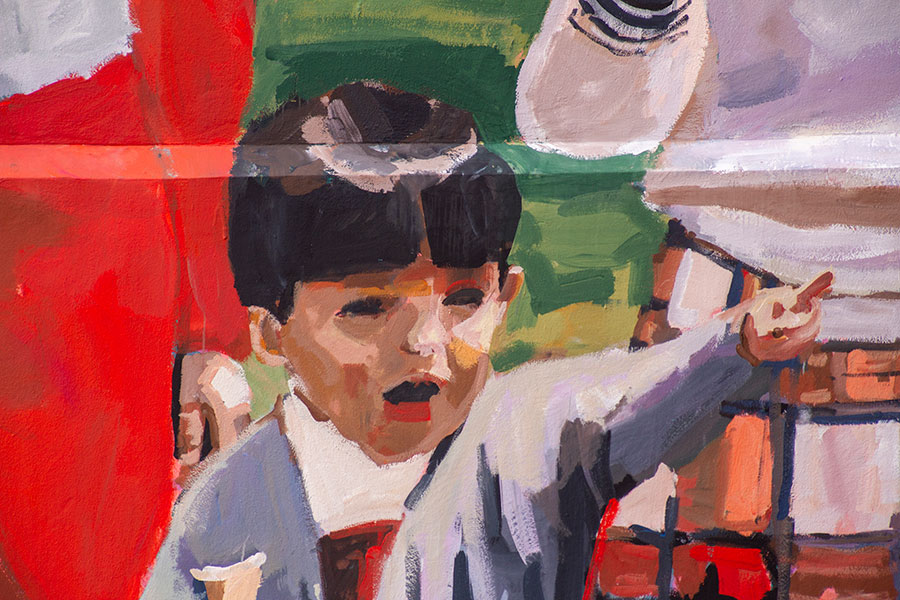
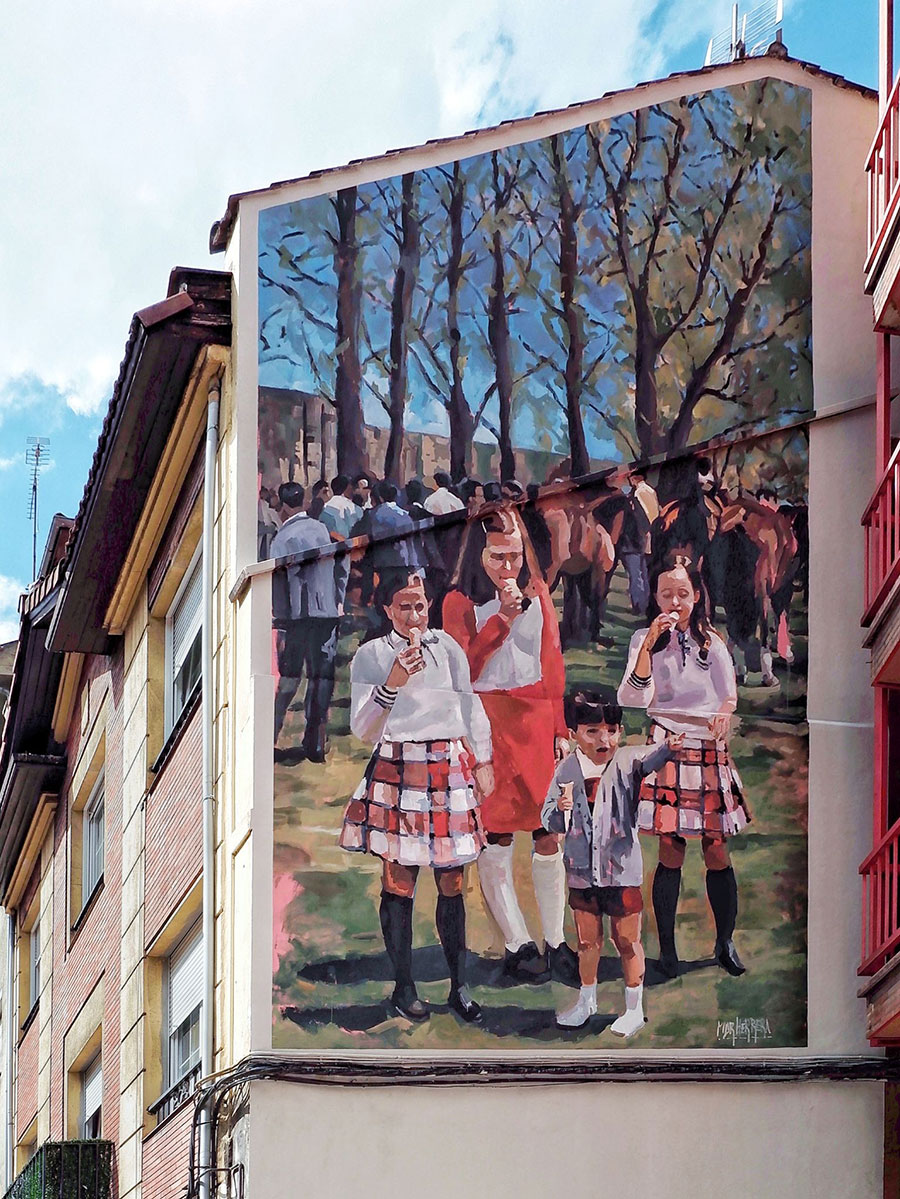
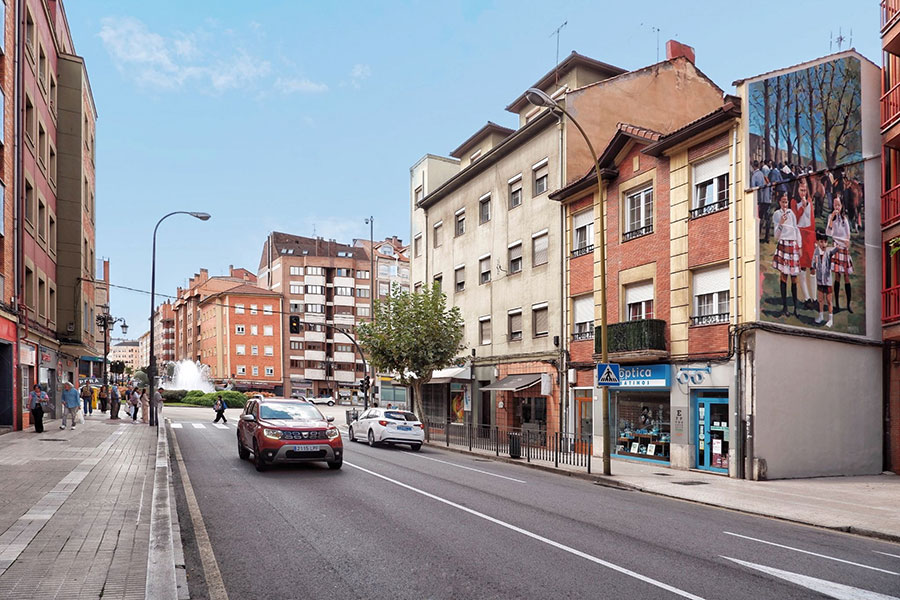
Rosende revisited La Cometa, a historic mural already lodged in local memory, working loosely enough to let parts of the composition emerge directly on the wall. Greta von Richthofen went smaller in subject and stranger in impact, focusing on the sacavera d’Uviéu, a fire salamander native to the city, slipping it into the mural with a nod to Escher and with research support from zoologist David Álvarez at the University of Oviedo. Mar Herrera dug into the Teatinos neighborhood, where stories gathered through mediation by Yetooponese and Raposu Roxu led her back to the 1970s Ascension Fair and the old slaughterhouse that once anchored part of the area’s social life.
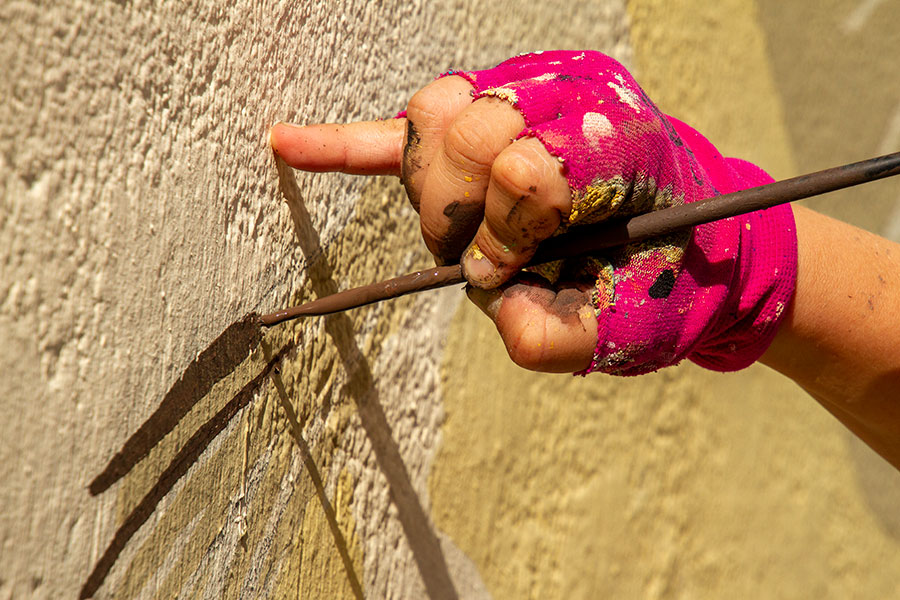
Three artists, three very different outcomes, and none of them feels parachuted in.
That is where Parees separates itself from much large-scale mural programming. It is not trying to impose one festival look on Oviedo. It is building the city sideways, wall by wall, through fragments of memory, ecology, labor, and local character. The murals do not need to agree with one another visually because the connective tissue is somewhere deeper.
As Parees team member Fer Alcalá explains, Parees is a festival devoted to “contextual and situated muralism,” combining contemporary practice with social research and artistic mediation. Strip away the institutional phrasing and the idea is straightforward: the wall already belongs to a place before the artist gets there.
Special thanks to photographers Fer Alcalá and Mira Hacia Atrás for sharing their photographs with BSA readers.