With Roger Stone found guilty on all 7 counts this week in the US, Donny Tinyhands appears to have more associates in prison than John Gotti did. During his own impeachment hearings this week the occupant of the Oval Office actually LIVE-tweeted his harassment of a witness while she testified – that’s a new record for this record-breaking lawless period we live in, seemingly displaying corruption and contempt for our systems of law at the highest offices of the land.
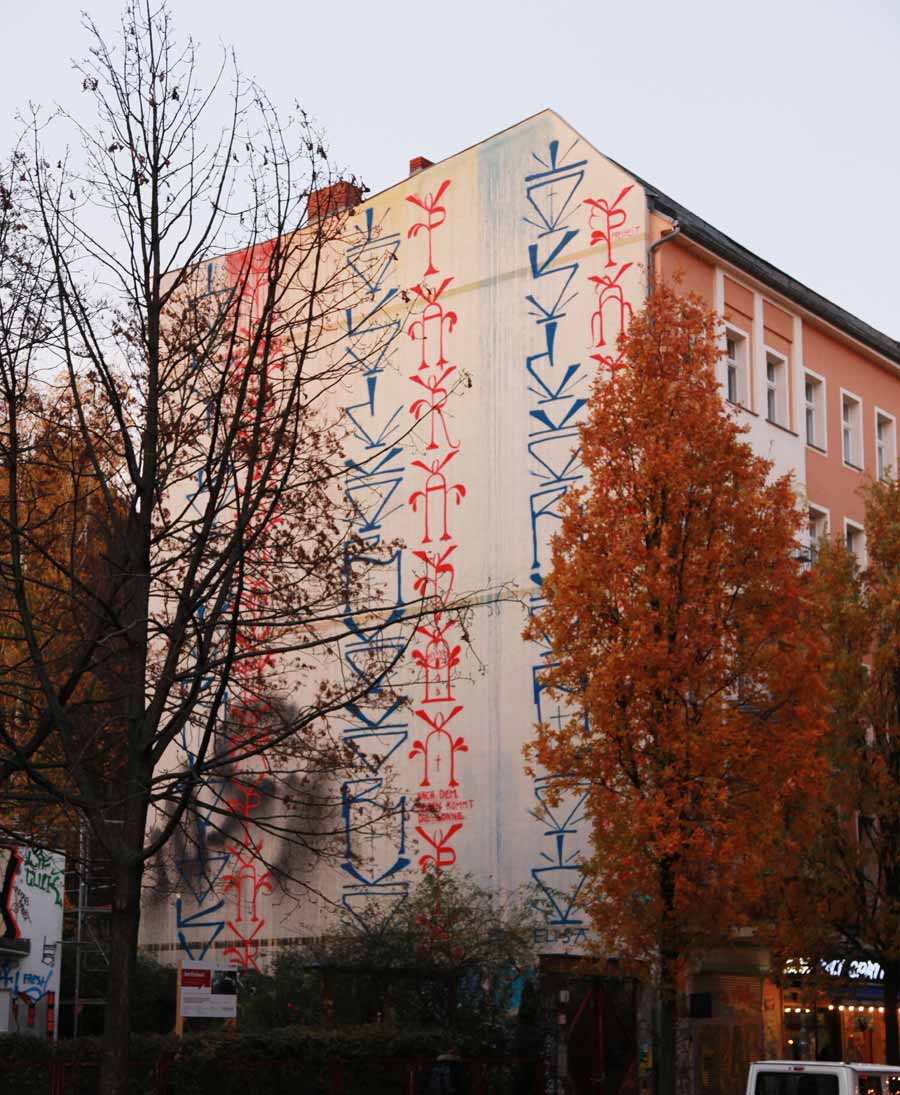
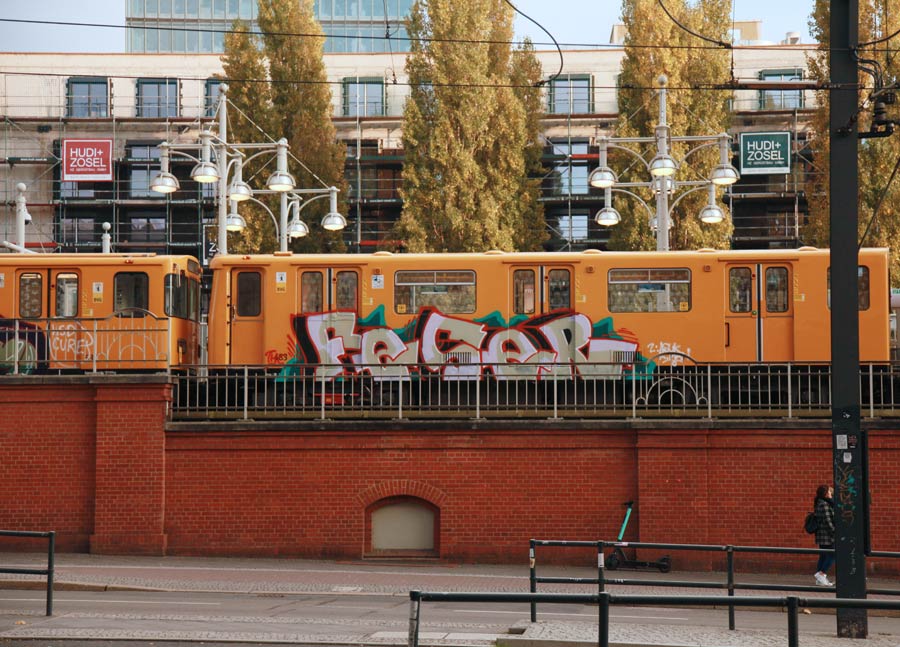
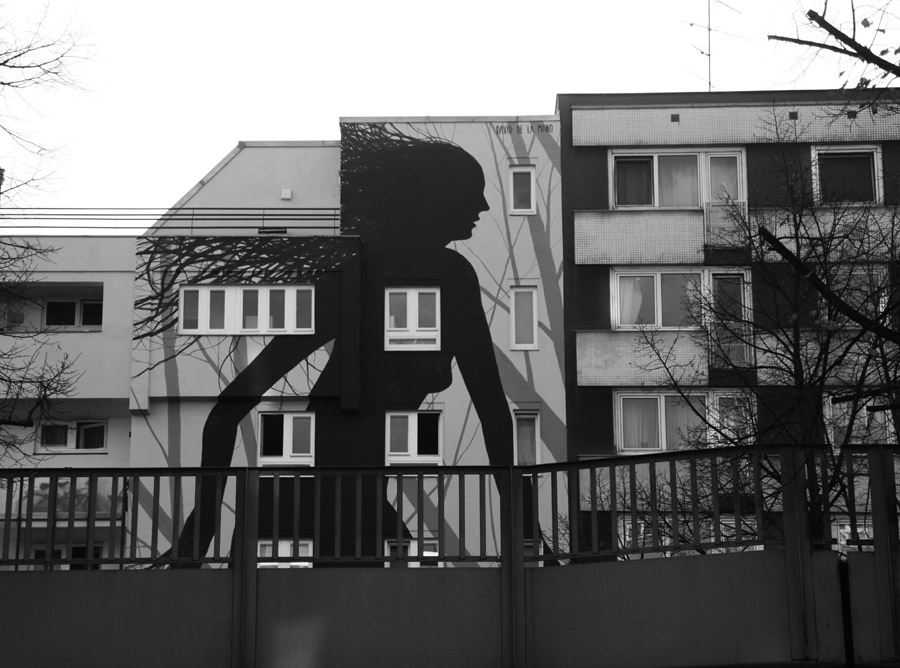
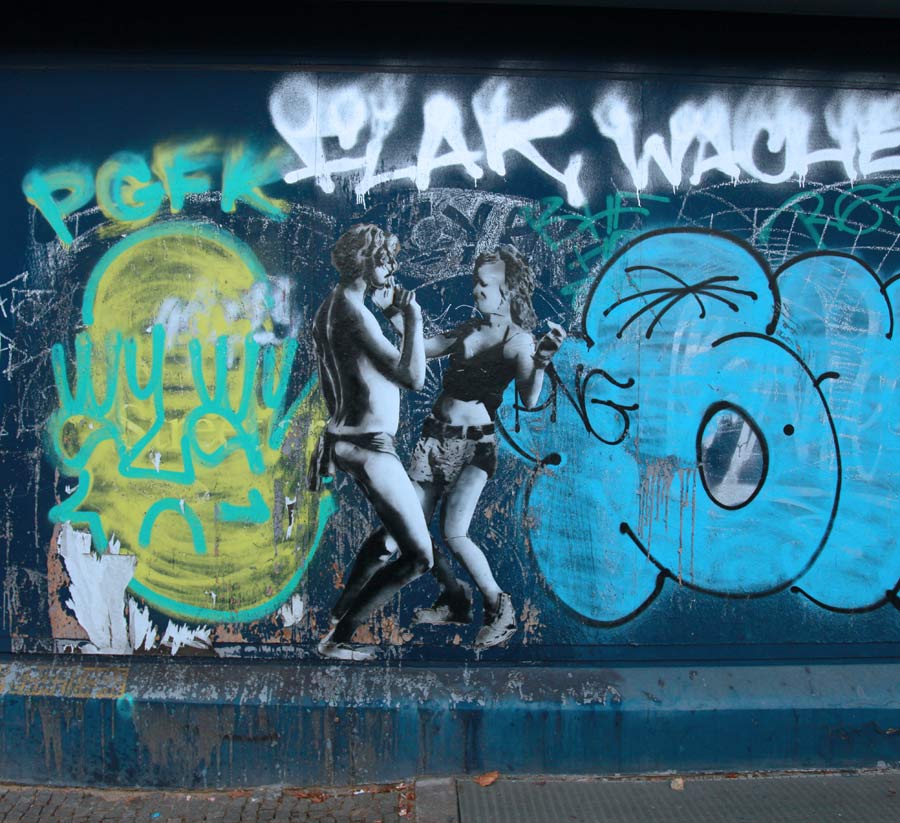
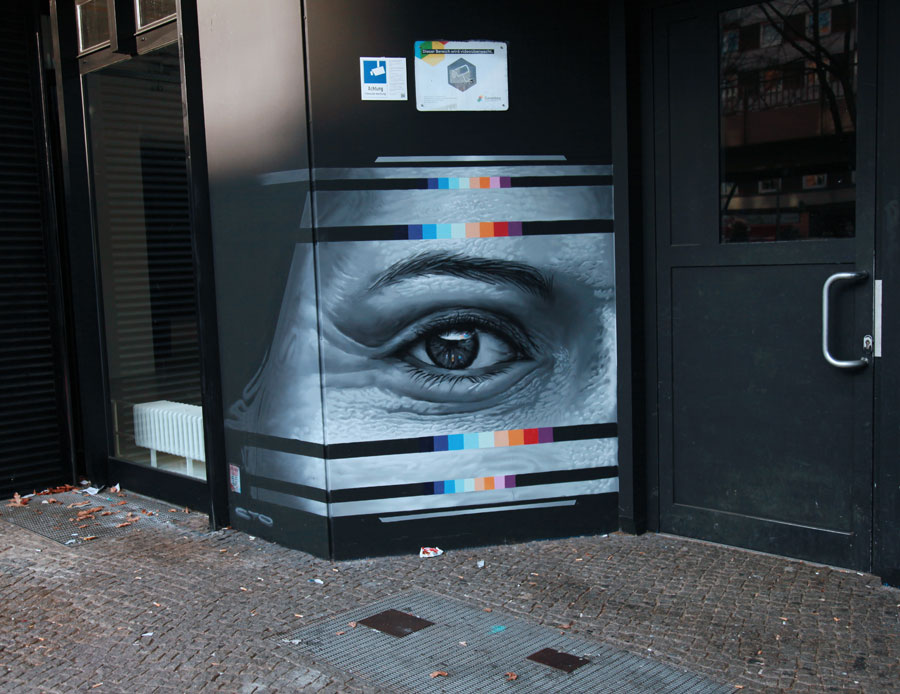
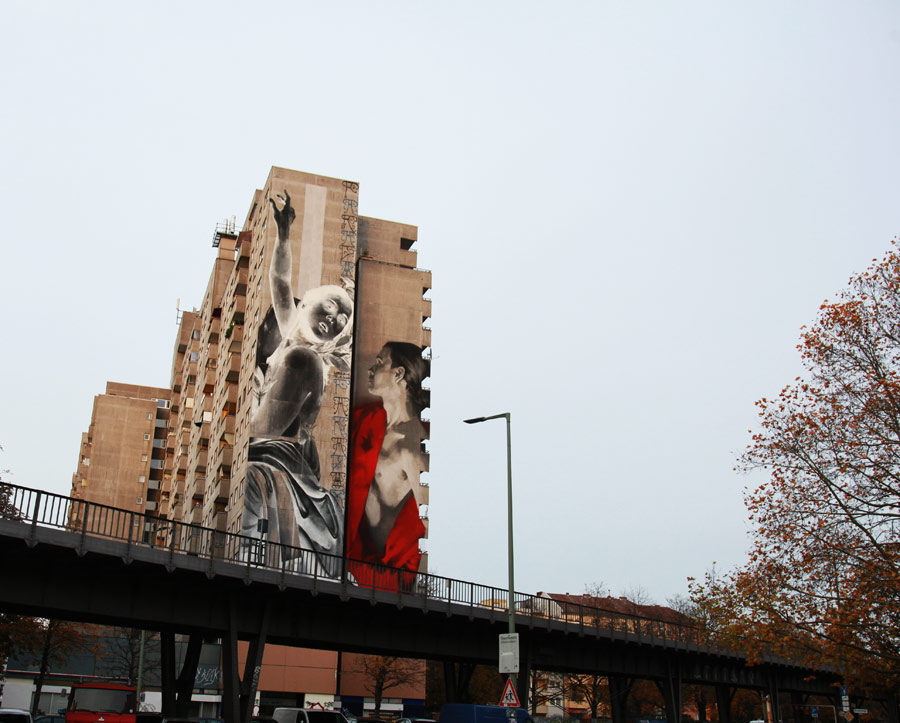
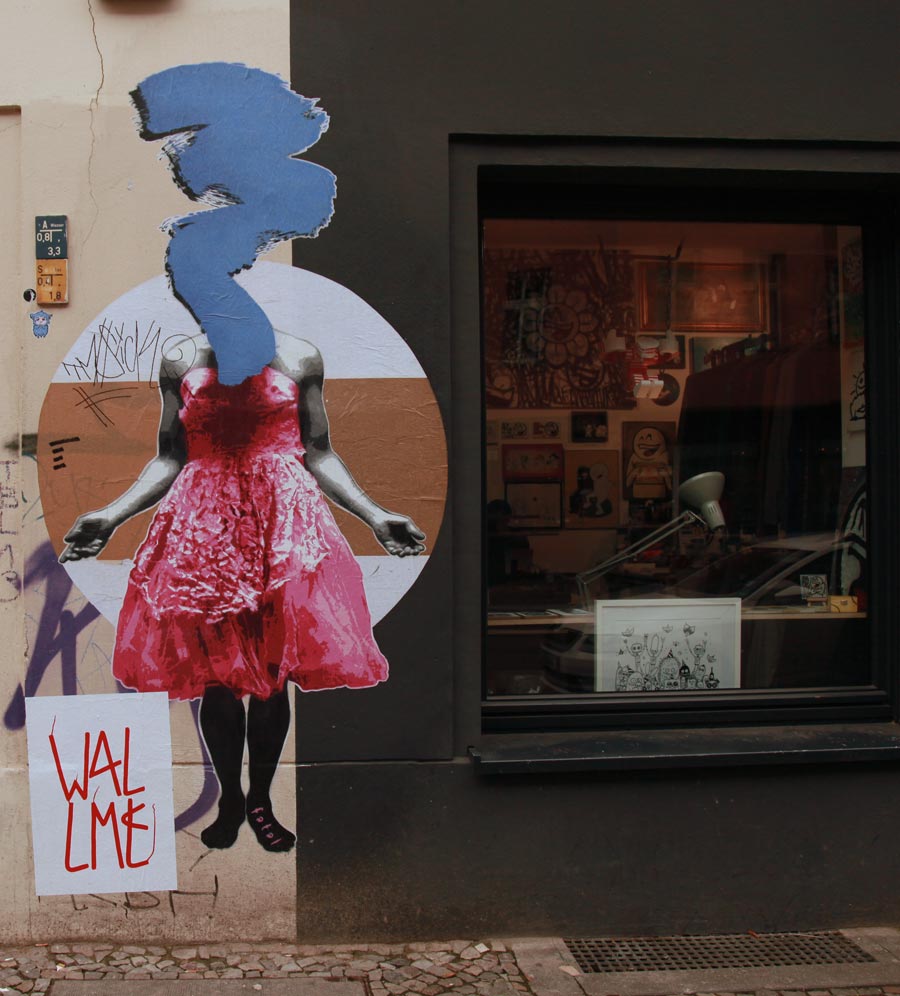
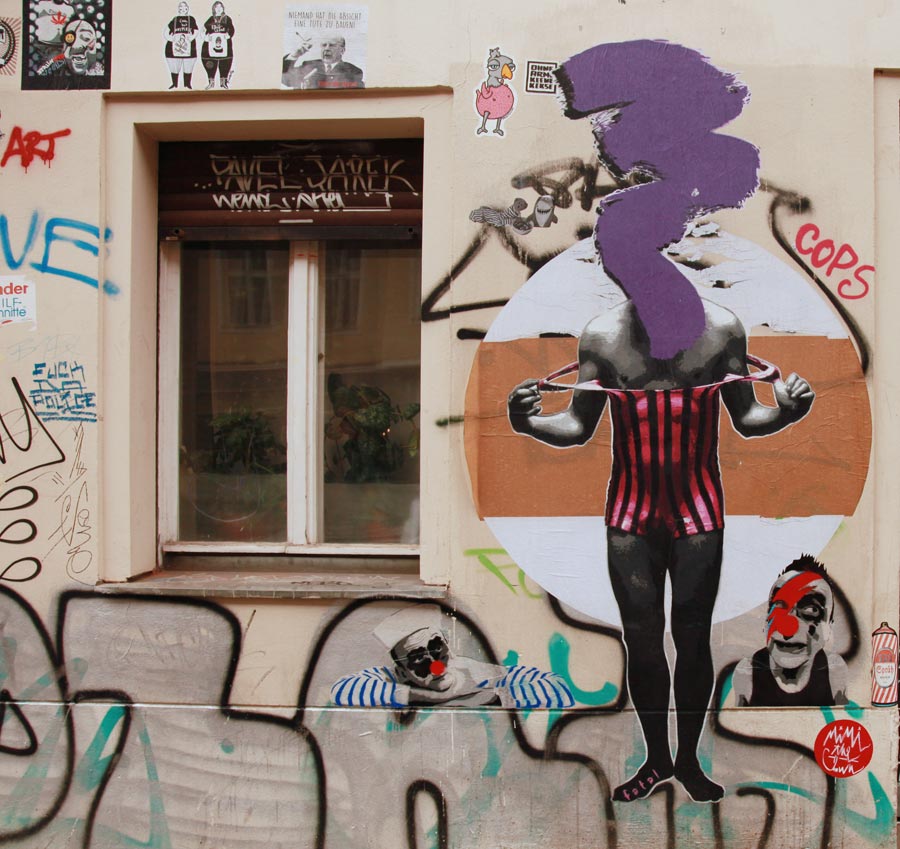
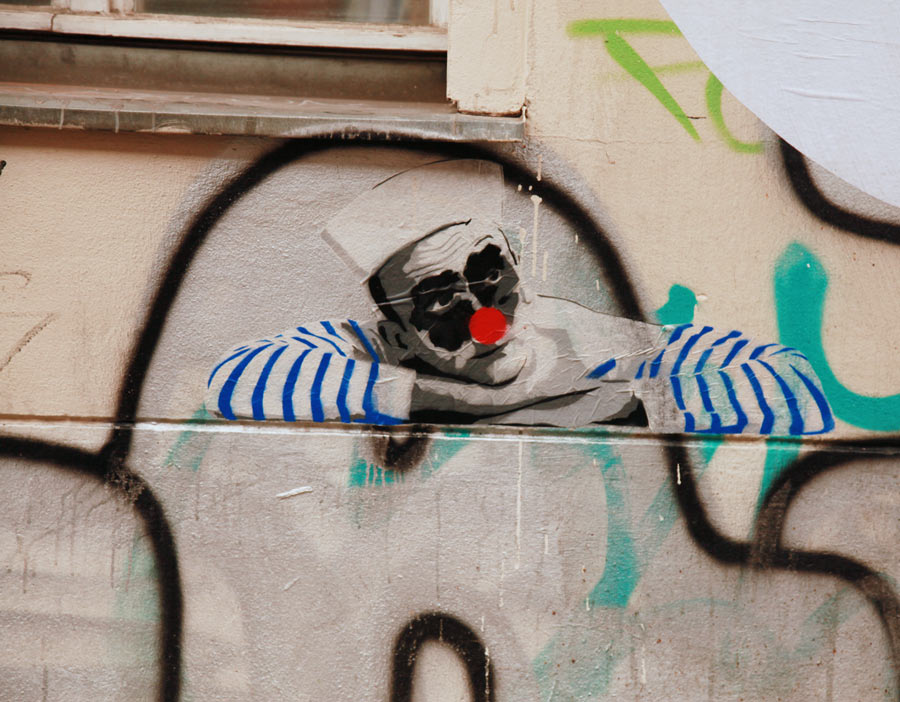
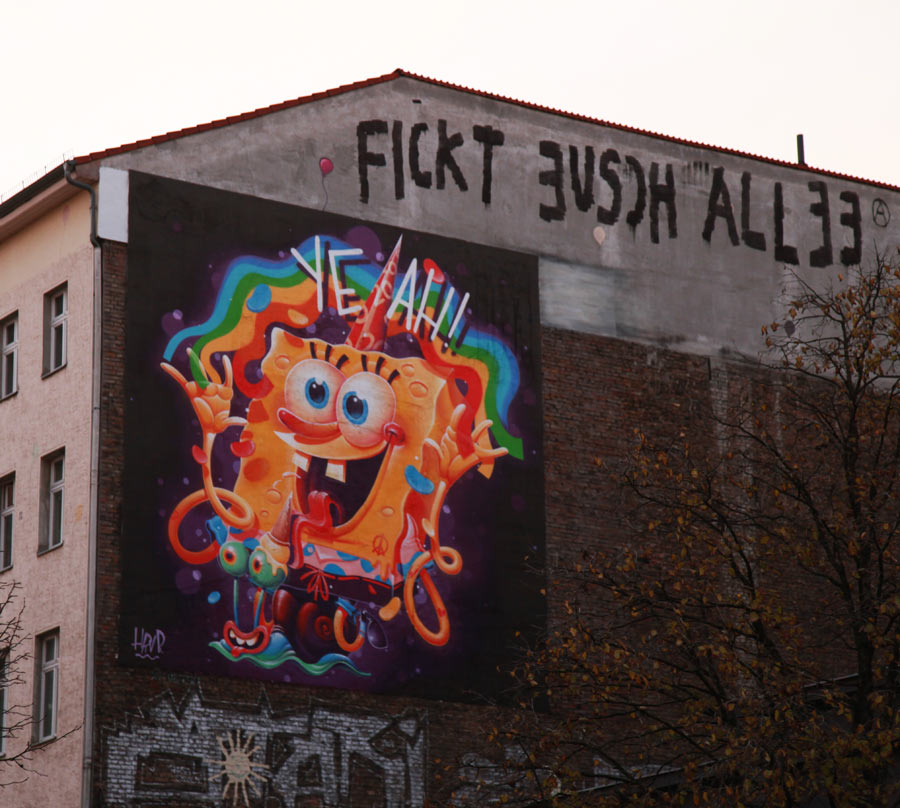
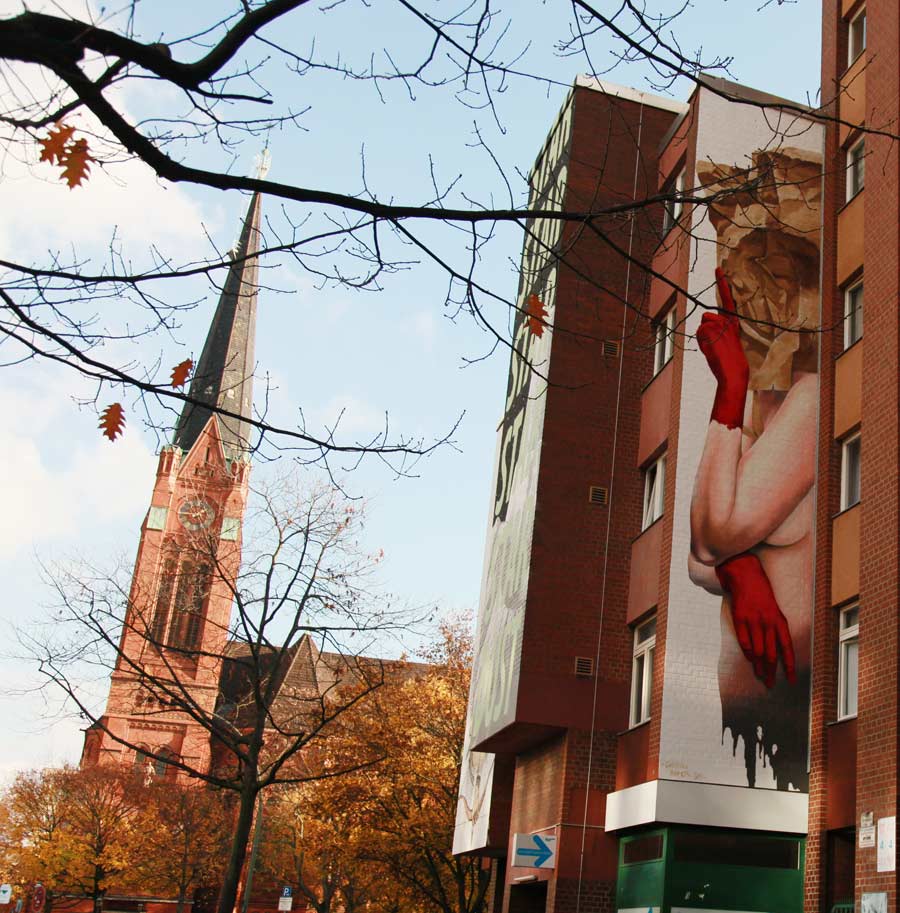
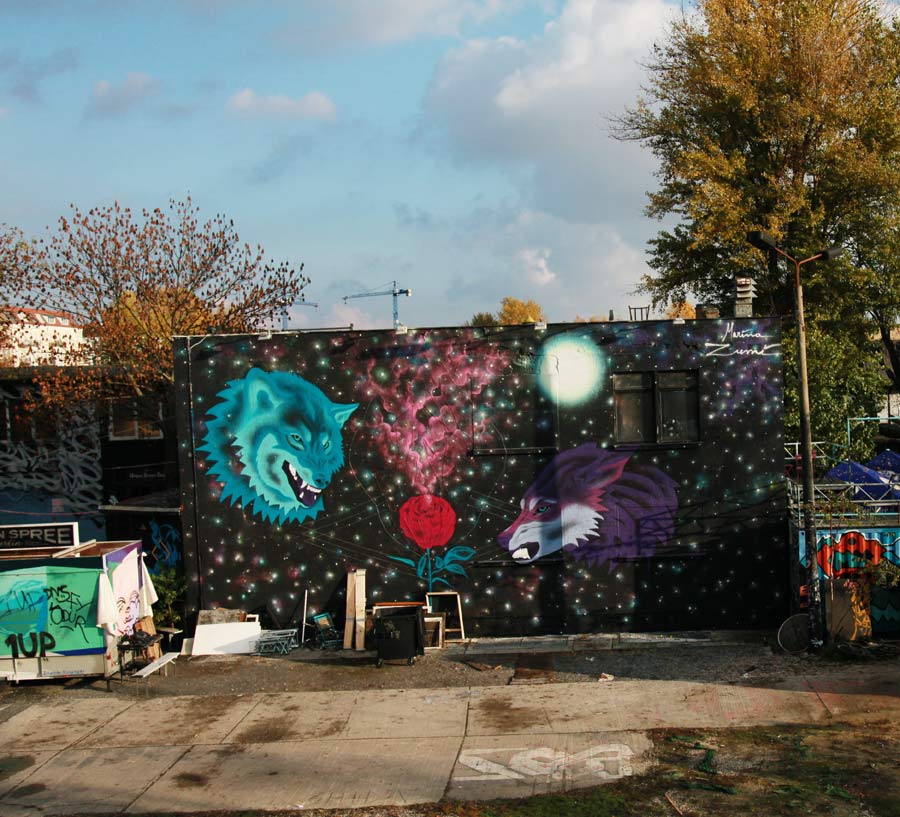
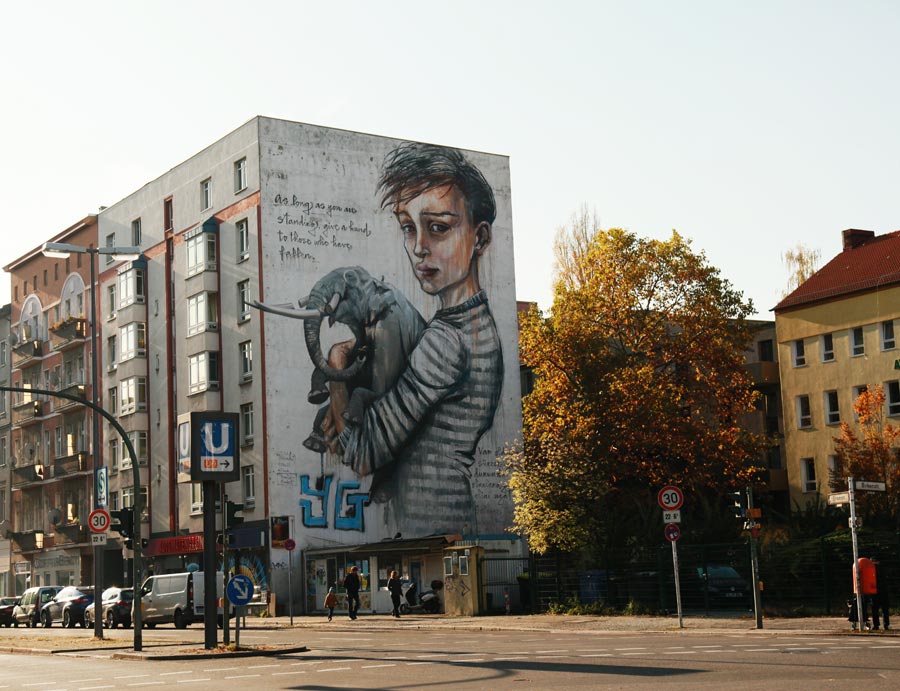
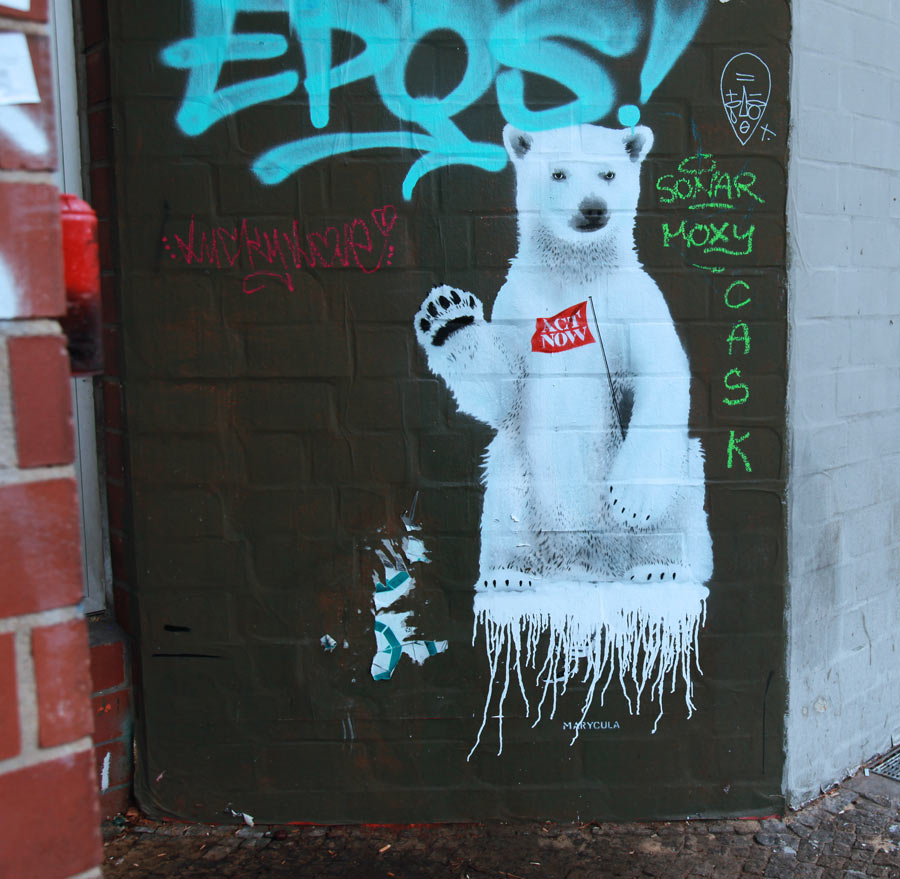
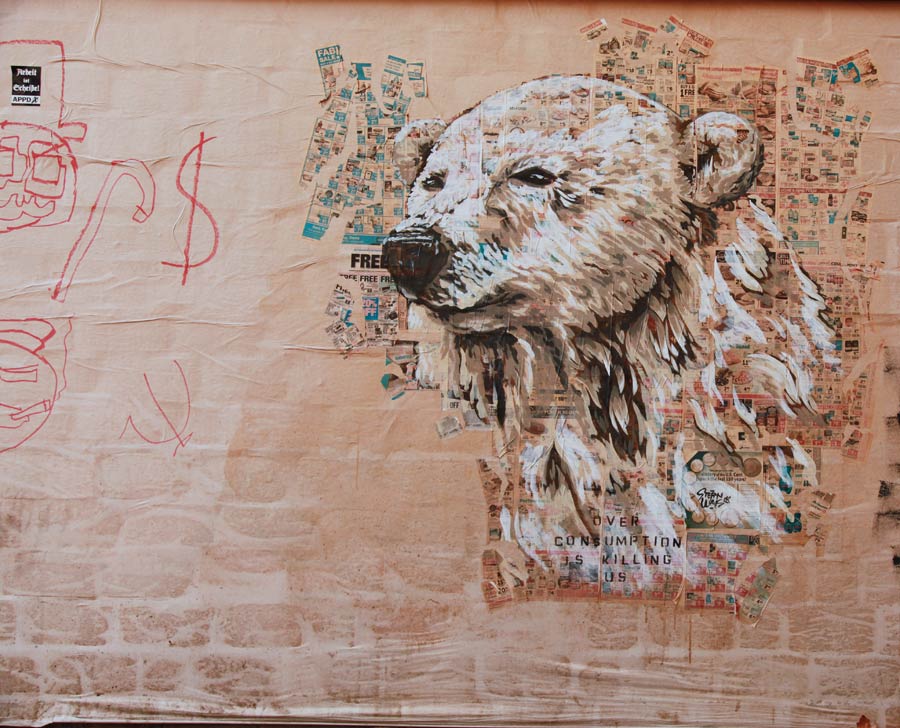
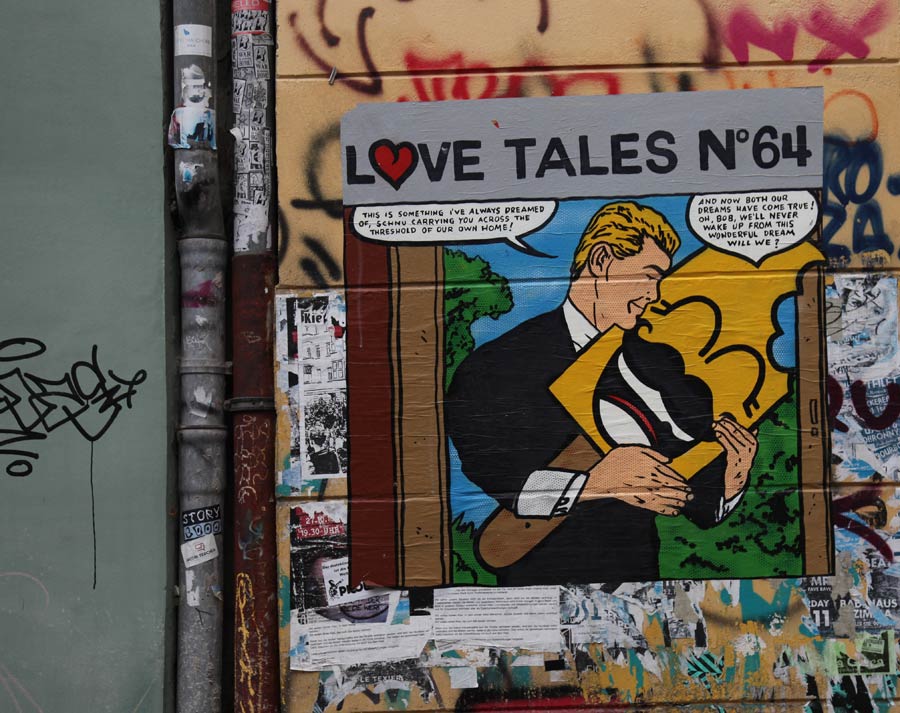
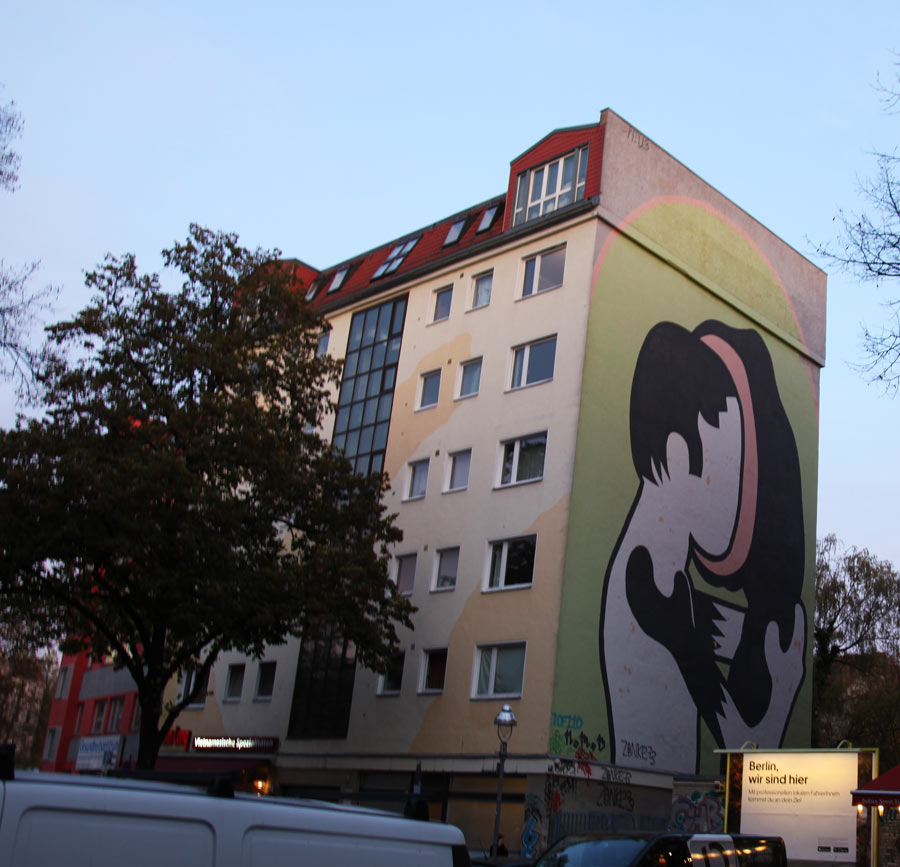
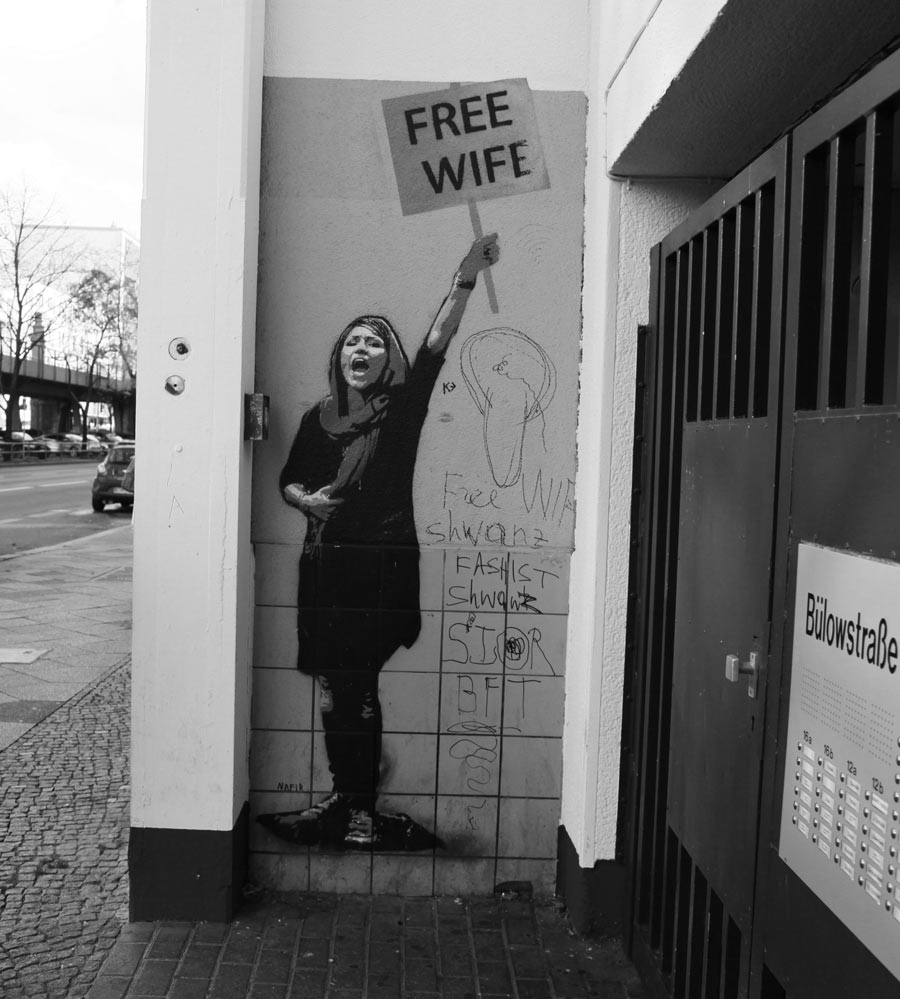
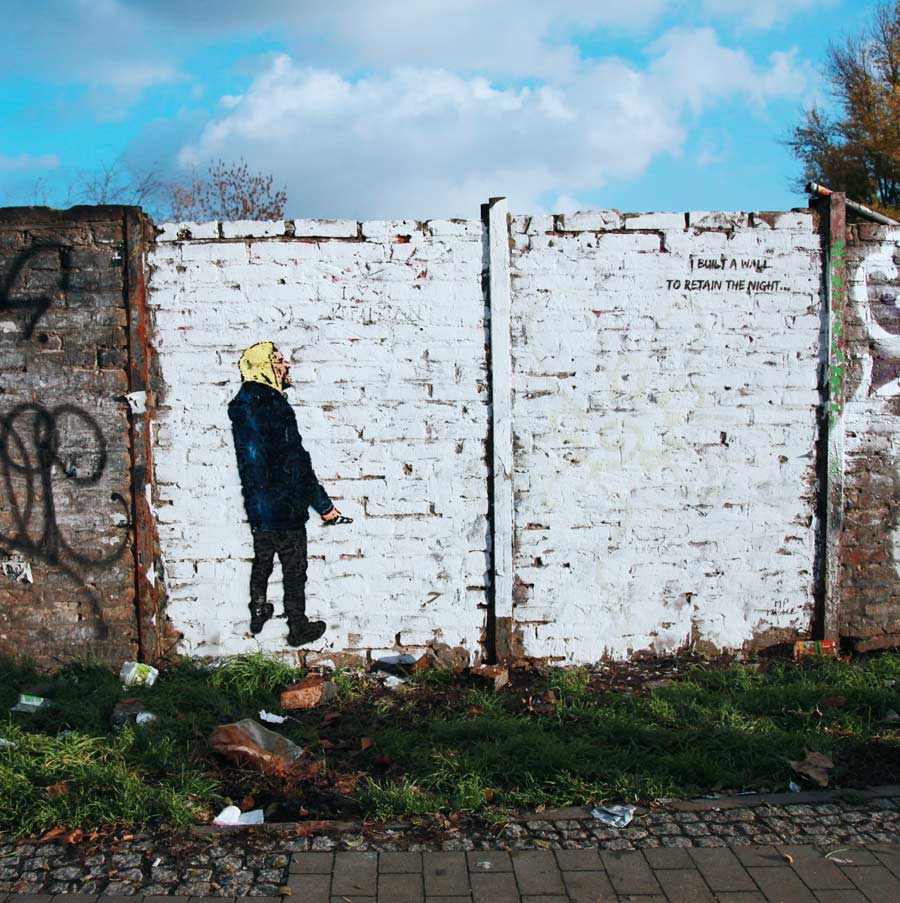
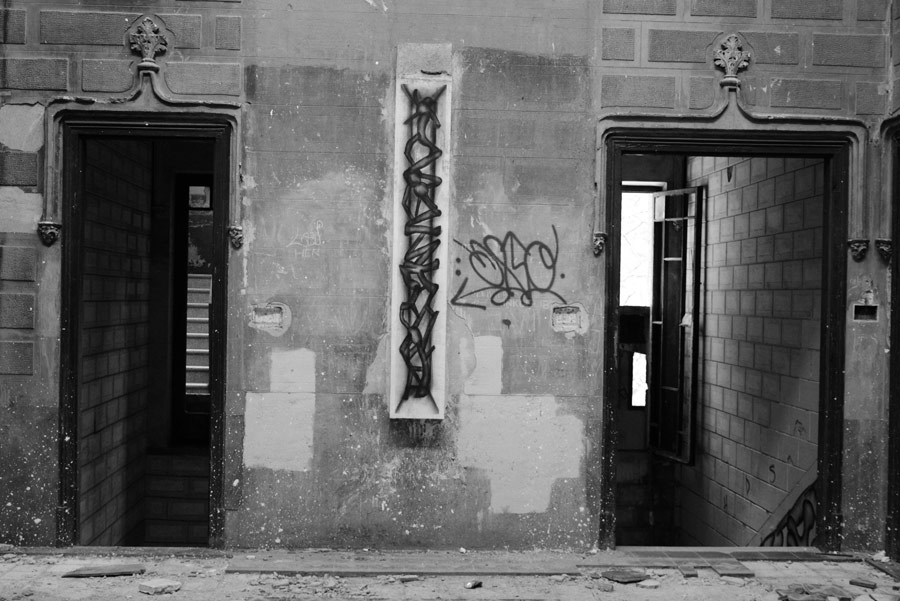
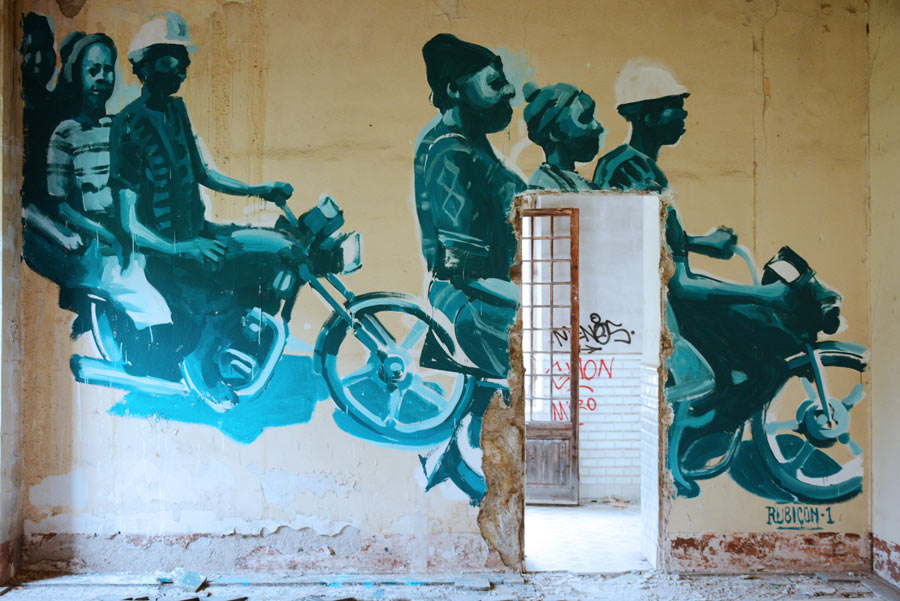
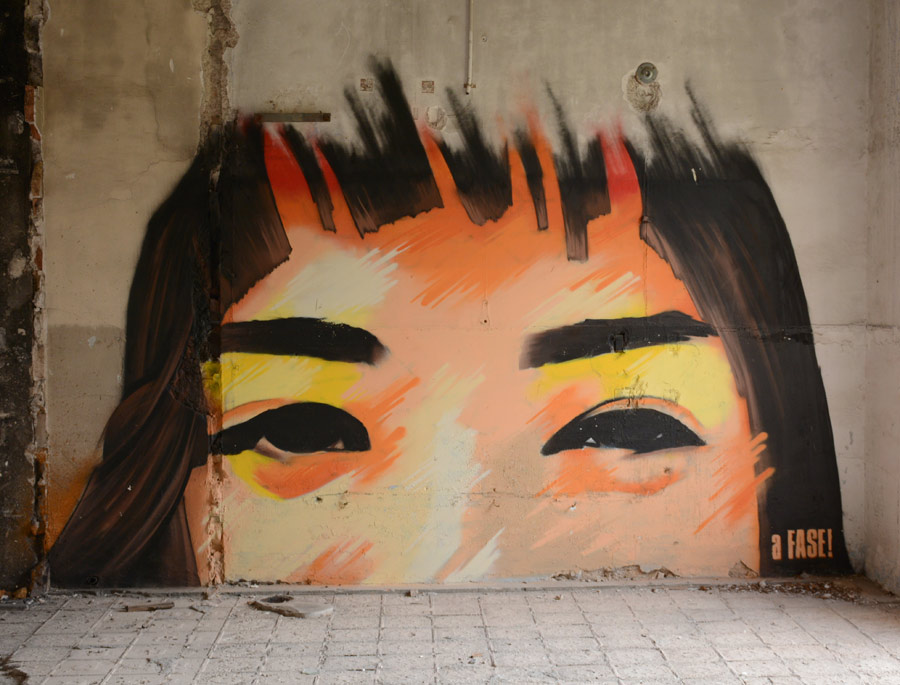
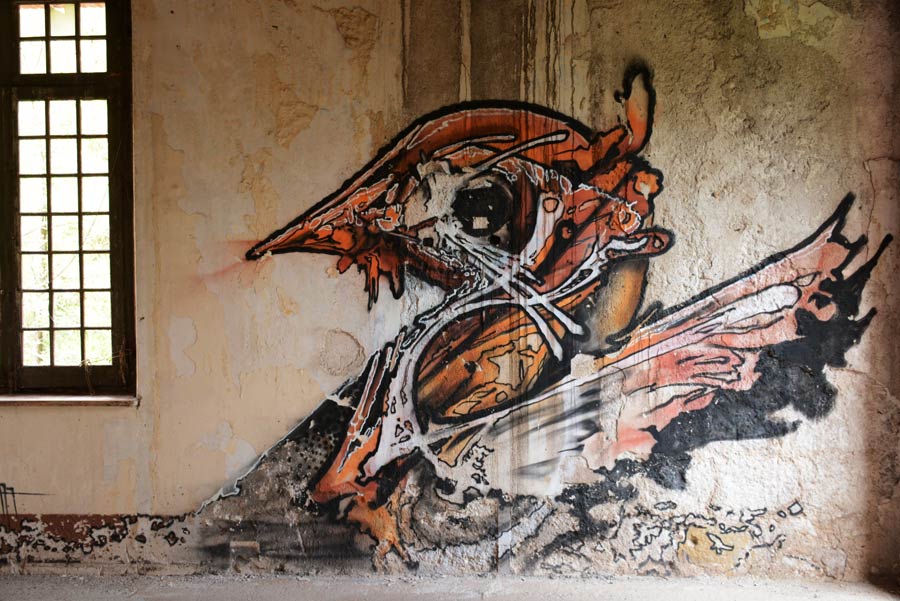
Here’s our weekly interview with the street, this week from Berlin, and this time featuring Stohead, Christian Bohmer, CTO, David De La Mano, Equipe Fatale, Emmanuel Jarus, Francisco Bosoletti, Fatal, Feser, Herakut, HRVB, Weird Crew, Marina Zumi, Marycula, Mimi the Clown, Nafir, Peus, Señor Schnu, sp.38 and Stefan Ways.
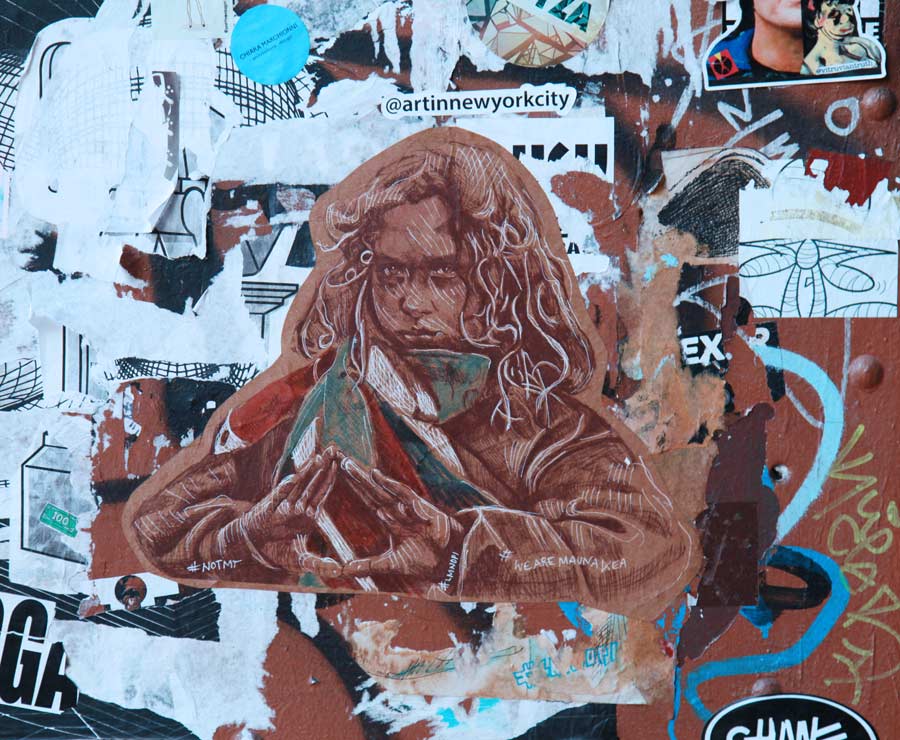
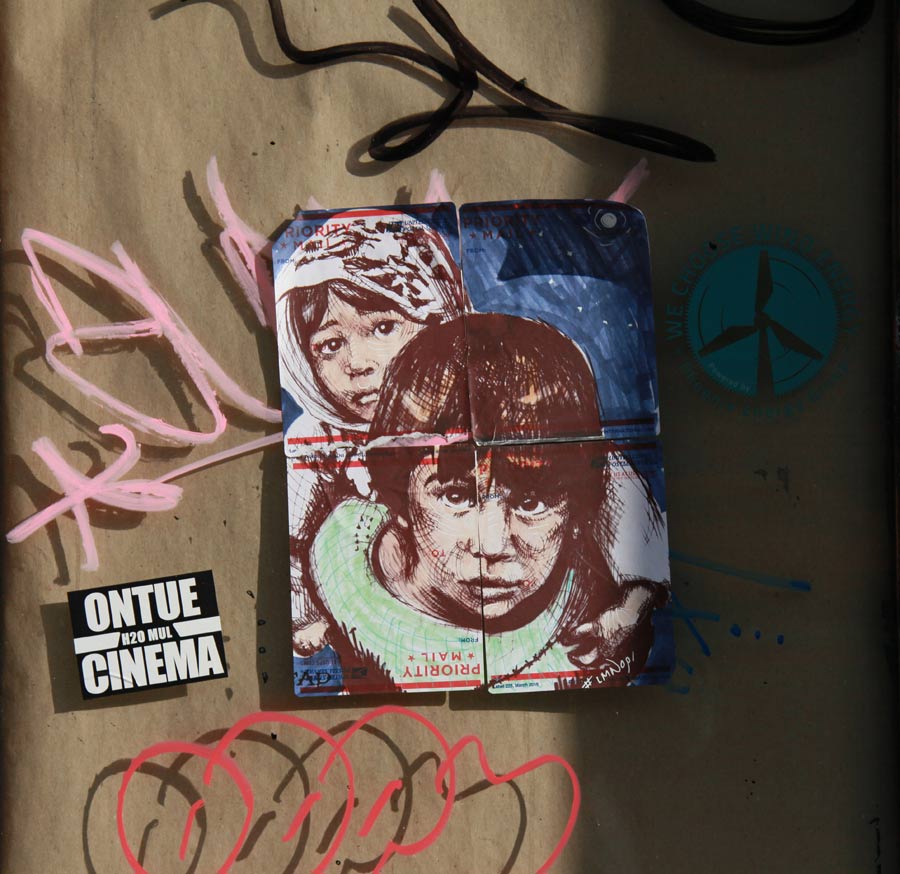
November has been “Native American Heritage Month” since 1990 and ironically the growing right-wing extremism of the intervening decades appears to have further erased our collective knowledge of native peoples – so it’s the perfect time to find this new campaign on the streets of New York by Street Artist LMNOPI.
A self-started campaign similar to many
done by the artist in the last decade, this one is more closely in alignment
with the rights of indigenous people. These new wheat-pasted works are in
Manhattan and Brooklyn – the large ones hand-made and one of a kind, the
smaller ones mostly silkscreen prints.
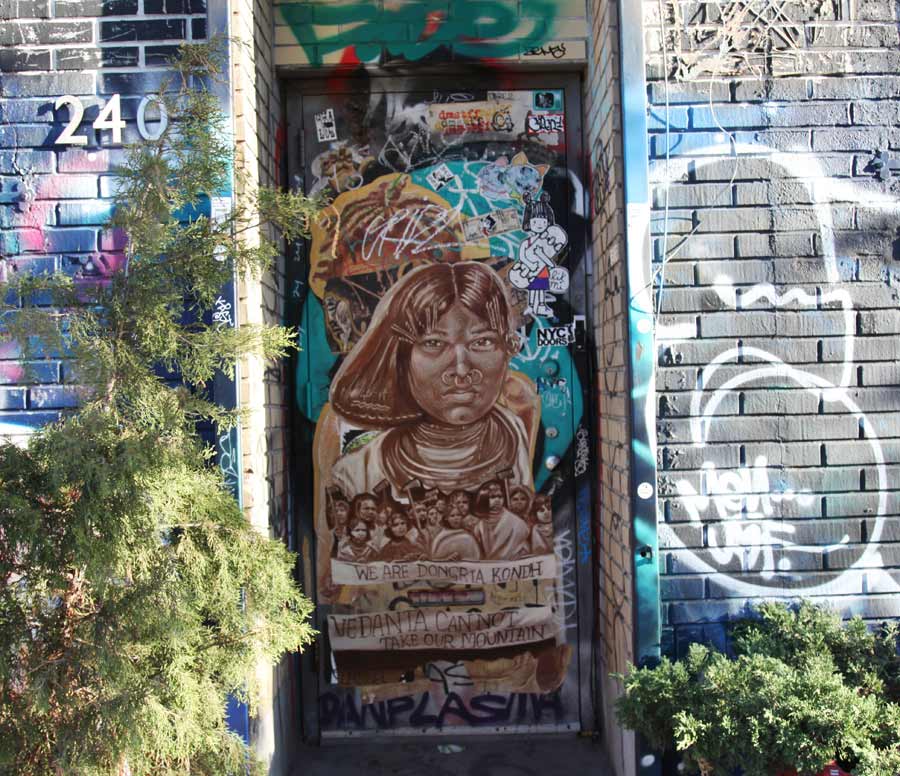
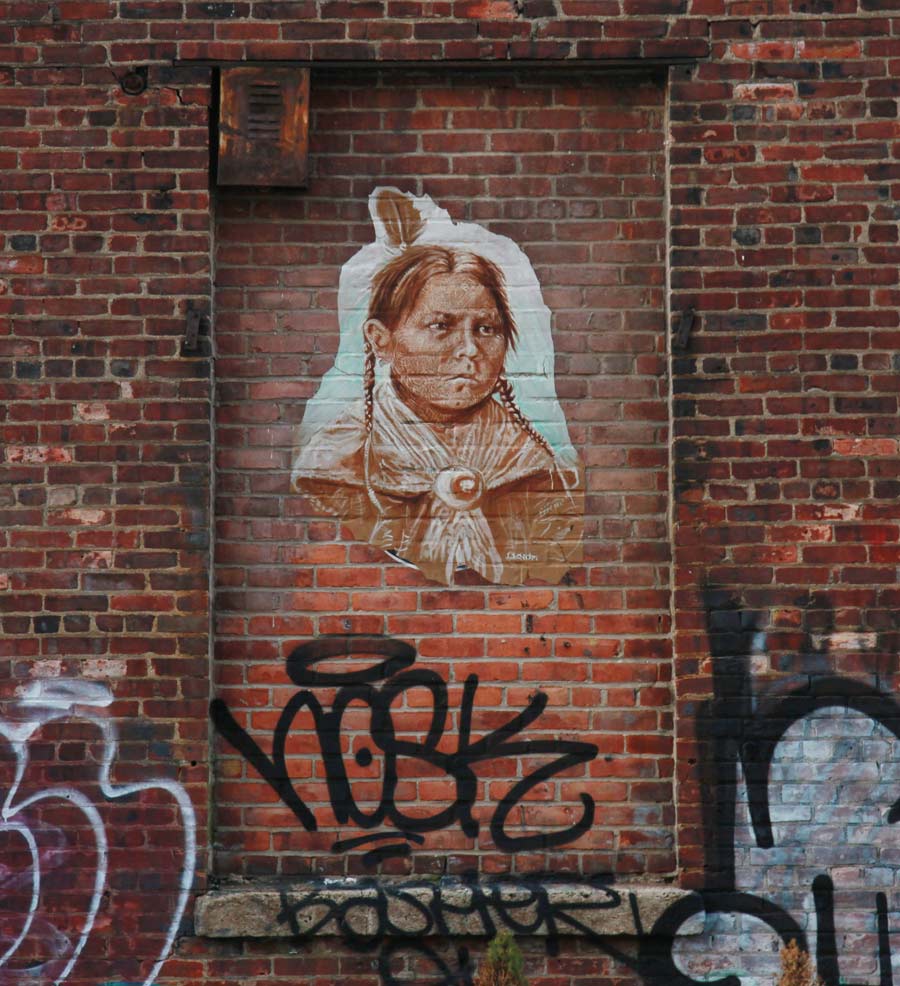
On a Bushwick door you’ll encounter a
member of Dongria Kondh, an Indigenous tribe that lives in the
Nayamgiri mountains of eastern India, the artist tells us.
“They’ve been living on that mountain
since the beginning of time as far as they know and in fact believe the
mountain is God and it gave birth to them, millenniums ago. They are still
living a simple sustenance lifestyle gathering food and medicine from the
forest. Making their shelters from the forest. They have fiercely resisted a
corporation called Vedanta who wishes to mine their mountain for Bauxite; to
make aluminum.”
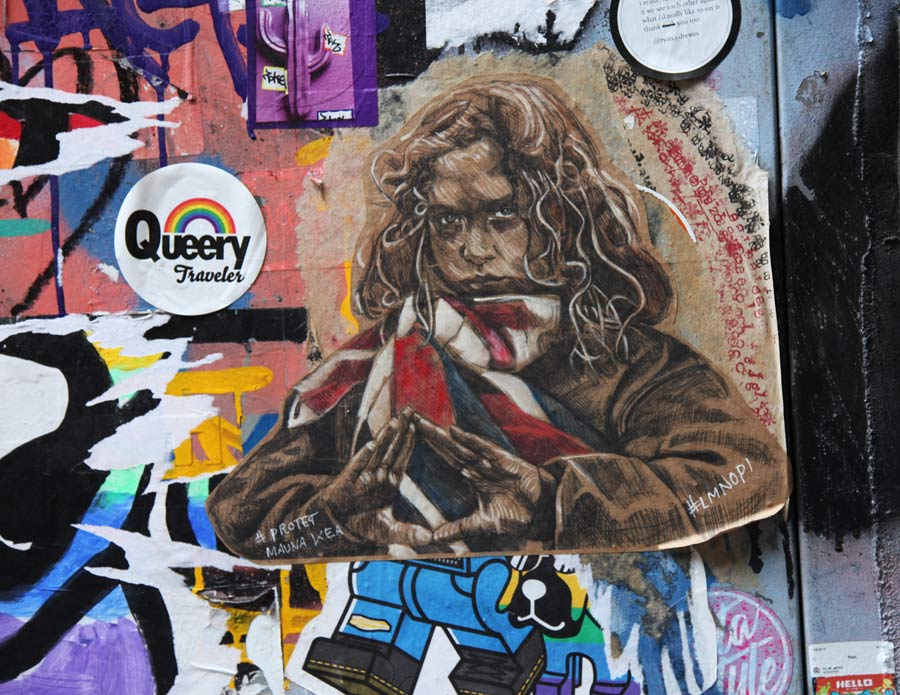
Nakoa Wolf Momoa is the image of the
young fella making a hand signal – which is actually a symbol of Mauna Kea, a
sacred site for the Kanaka ‘Oiwi (Native Hawaiian). Multinationals have
disregarded the Mauna Kea and have built telescopes on their native lands and
are now laying plans to build a large one there.
“Building this telescope would violate
‘free, prior and informed consent’,” says the Street Artist, “as laid out by
the United Nations in regard to Indigenous Communities worldwide.”
“There has been an encampment; a
blockade of the road that leads to the summit for many months now.”
In one sense of modern New York movie/rap-lyric lore, you assume that Brooklyn is soaked with blood. Truthfully, the origins of the borough is less about mobsters and more about invasion. most people don’t talk about the native peoples who first lived here, like this portrait framed inside a bricked window in Bushwick.
“He’s a reminder to all who pass here
that the land here was stolen from the original inhabitants,” says the artist.
In fact it was the Lenape people who lived in the area known as the Canarsee.
Lenapehoking was the name of the entire region in and around NYC before the
Dutch colonized it (ed. note: I write
this as I sit in Amsterdam).
LMNOPI tells us,“Many of the main roads
that exist now, like Bushwick Avenue, for example, were built on top of Native
trails. It’s good to acknowledge these things and to think about them as we go
about our days.”
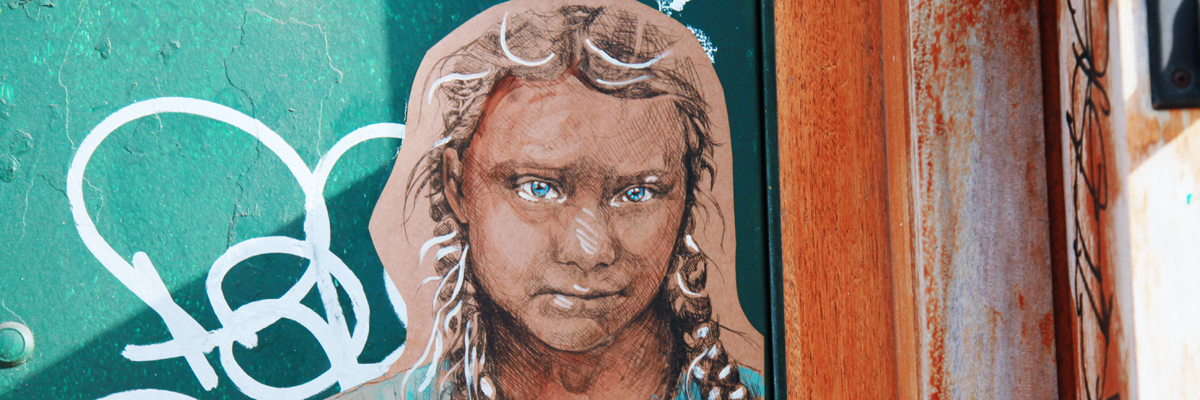
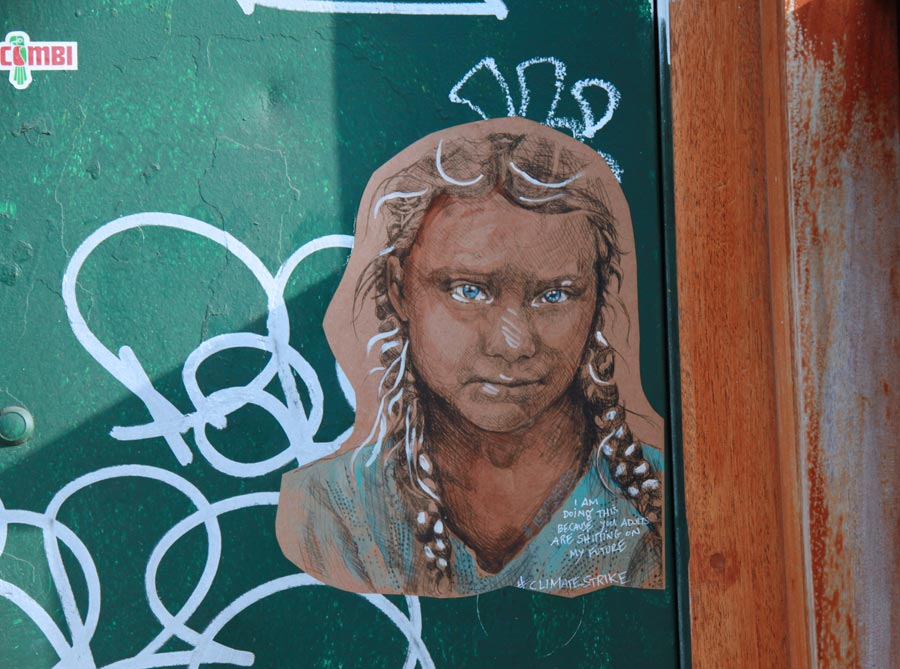
Finally we have Greta Thunberg, the
teenage climate activist who has received so much international
attention in the last year or so. “She has managed to mobilize literally
millions of youth and adults worldwide to demand action on the climate crisis,”
says th artist. “She represents a marginalized community of people on the
spectrum of autism. She calls it her ‘super power’.”
Our weekly focus on the moving image and art in the streets. And other oddities.
Now screening : 1. Graffiti on the Berlin U Bahn 1 2. SWOON’S “CICADA” Opened at Deitch Projects 3. Hedof & Joren Joshua. Parees Fest 2019
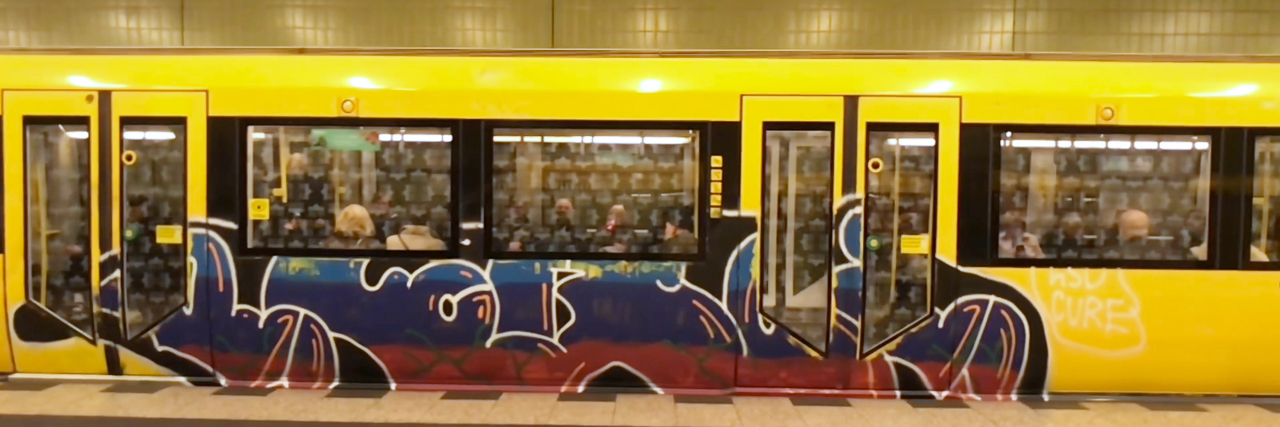
BSA Special Feature: Phone video of Berlin trains this week.
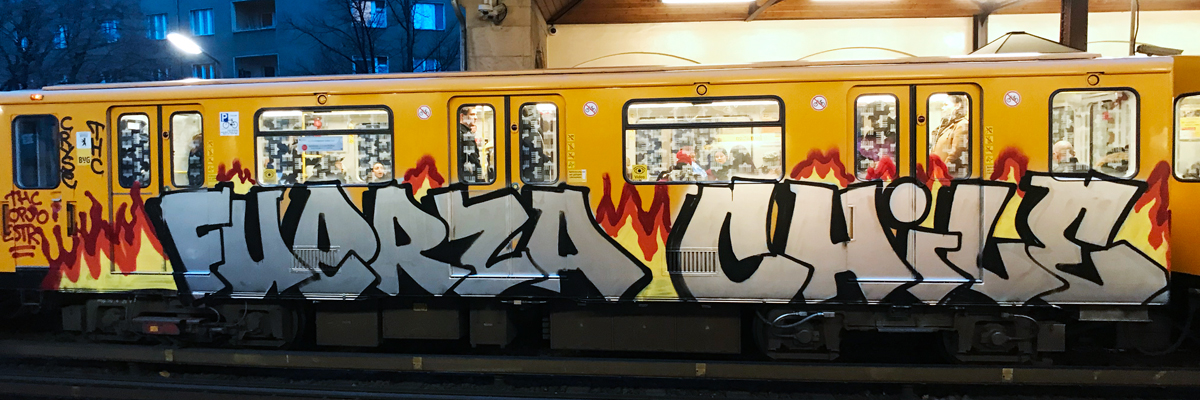
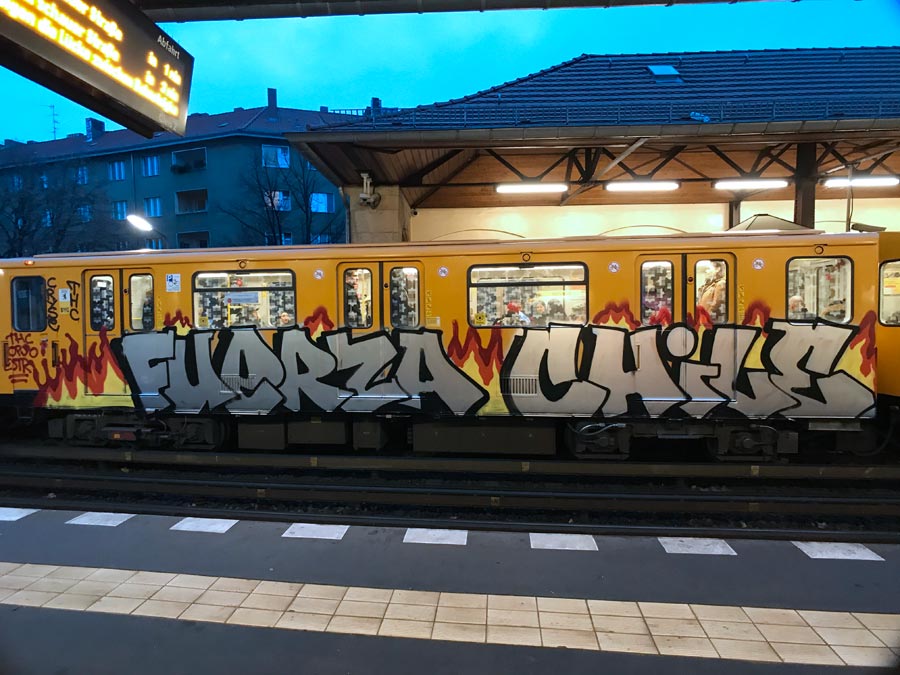
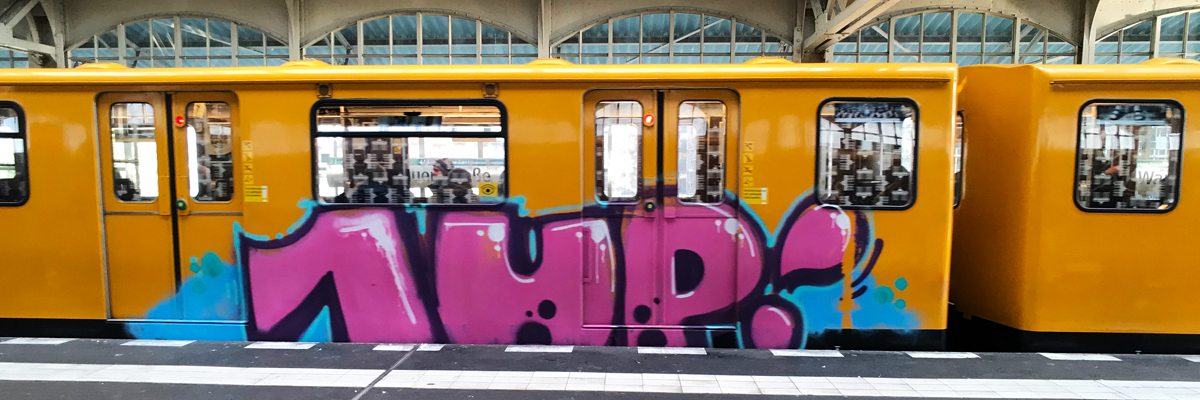
What fun to see the graffiti rolling by on Berlin train tracks this week – Jaime Rojo shot these pieces and strung them together — all in slow motion so you can appreciate it more.
Graffiti on the Berlin U Bahn 1
Graffiti on the Berlin U Bahn 2
SWOON’S “CICADA” Opened at Deitch Projects
We just wanted to share with you the news about Swoon’s new show at Deitch – We’re sad to miss the opening of but happy to see this video on her Instagram and a recent interview with her on Street Art News.
Parees Fest this year produced some great murals and full video interviews with their artist-guest. Here you can listen to Hedof and Joren Joshua as they complete their collaborative work and describe the process.
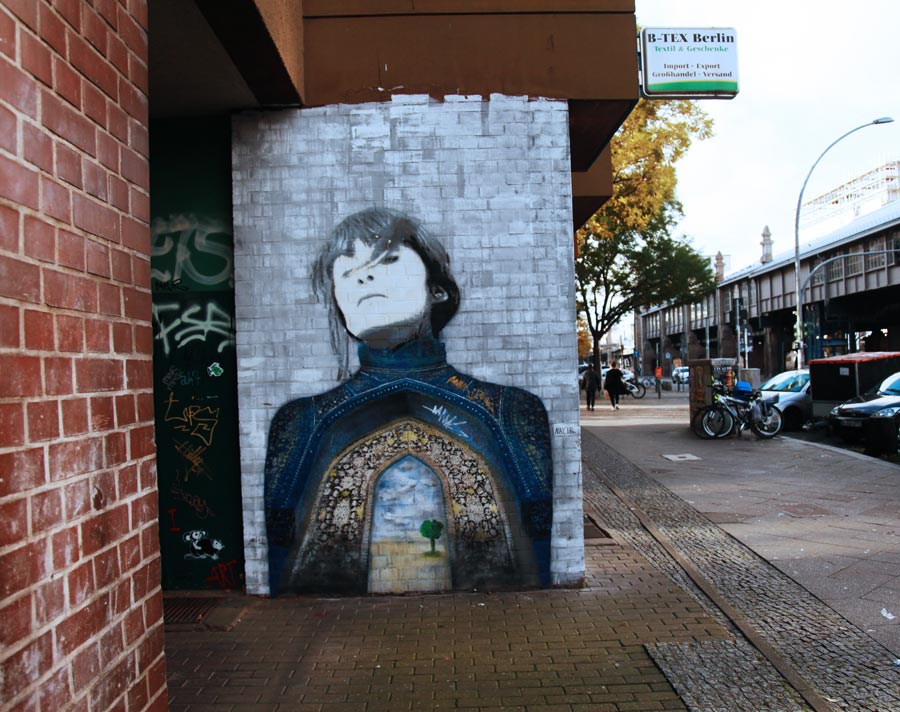
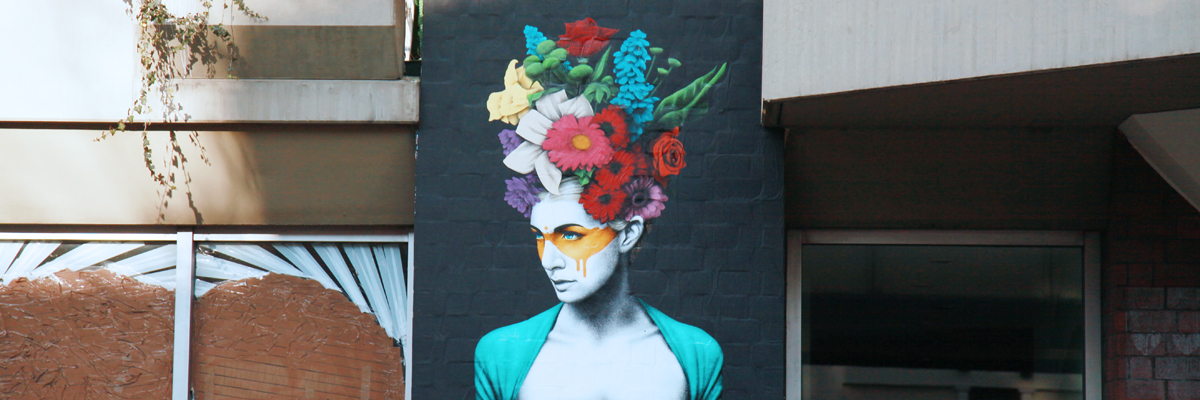
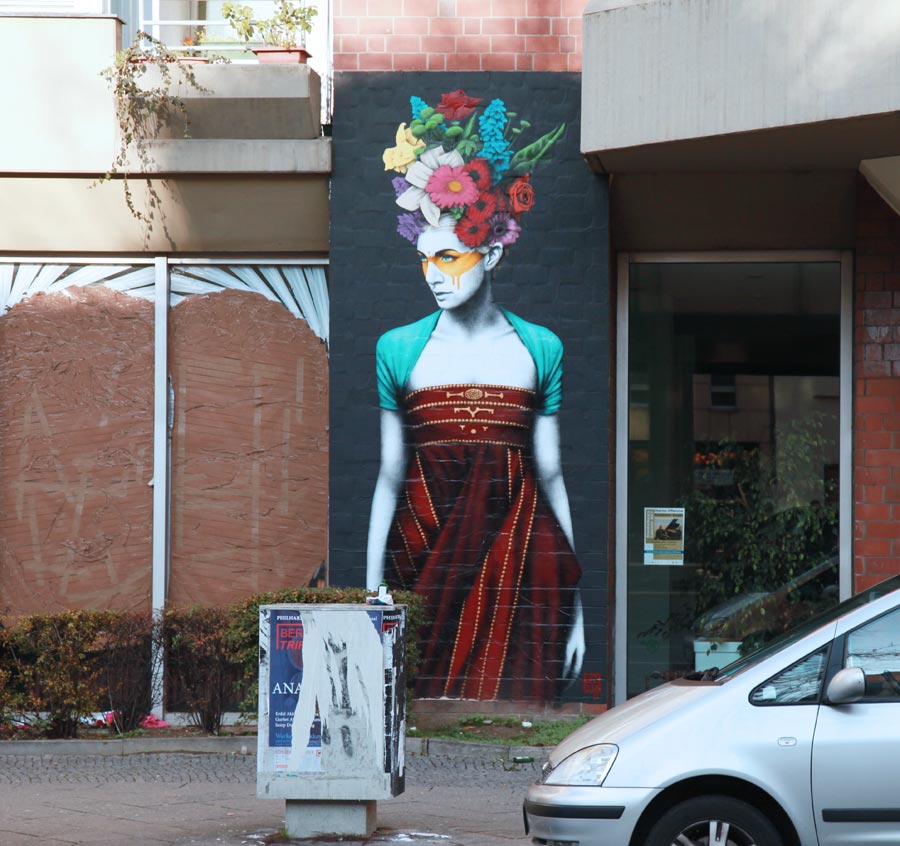
Atlantis didn’t arise, as the prophetic clairvoyant Edgar Cayce said it would, but Poseidia certainly did only six months ago here on a Berlin street thanks to Irish Street Artist and fine artist finDAC.
By appropriation and inspiration, her manner and fashion may think she comes forth from the Pacific, this masked muse named Low Flying Angel, but in fact she’s closer to the Atlantic here on the River Bülowstraße. In any case the artist continues his expertise and evolution in rendering the richness of fabrication, volume and subtle textures on his street figures that you may wonder if this is canvas.
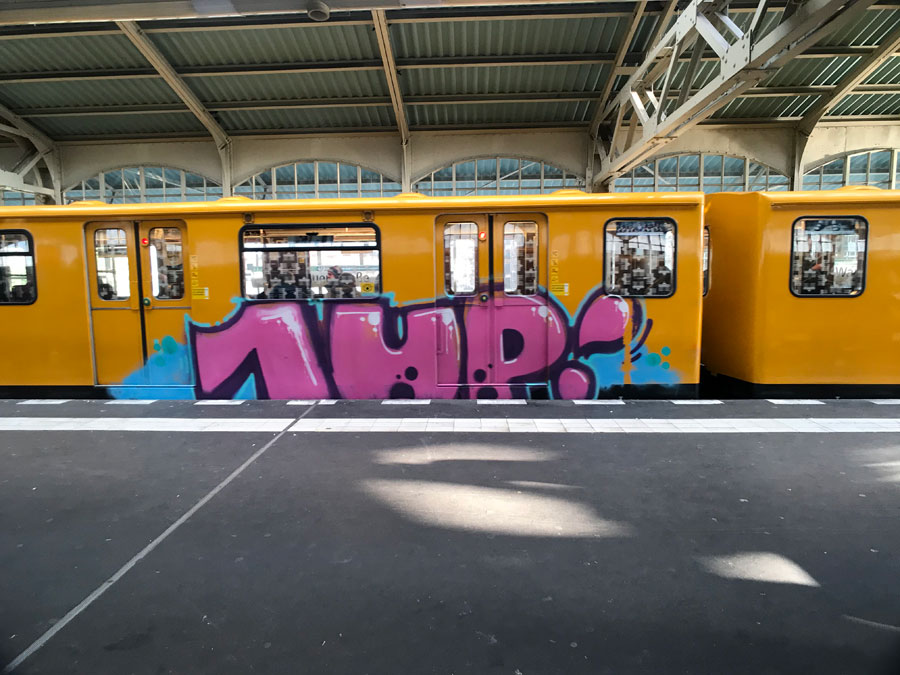
Chased since 2003, this anonymous amorphous and acrobatic aerosol crew has a rock -steady habit of getting up and staying up in unusual spots and while waiting for the U3 in Warschaurer station this one rolled in. The bright canary U-Bahn has nary a graffiti piece, so we were surprised to see this for a minute, before it rolled away.
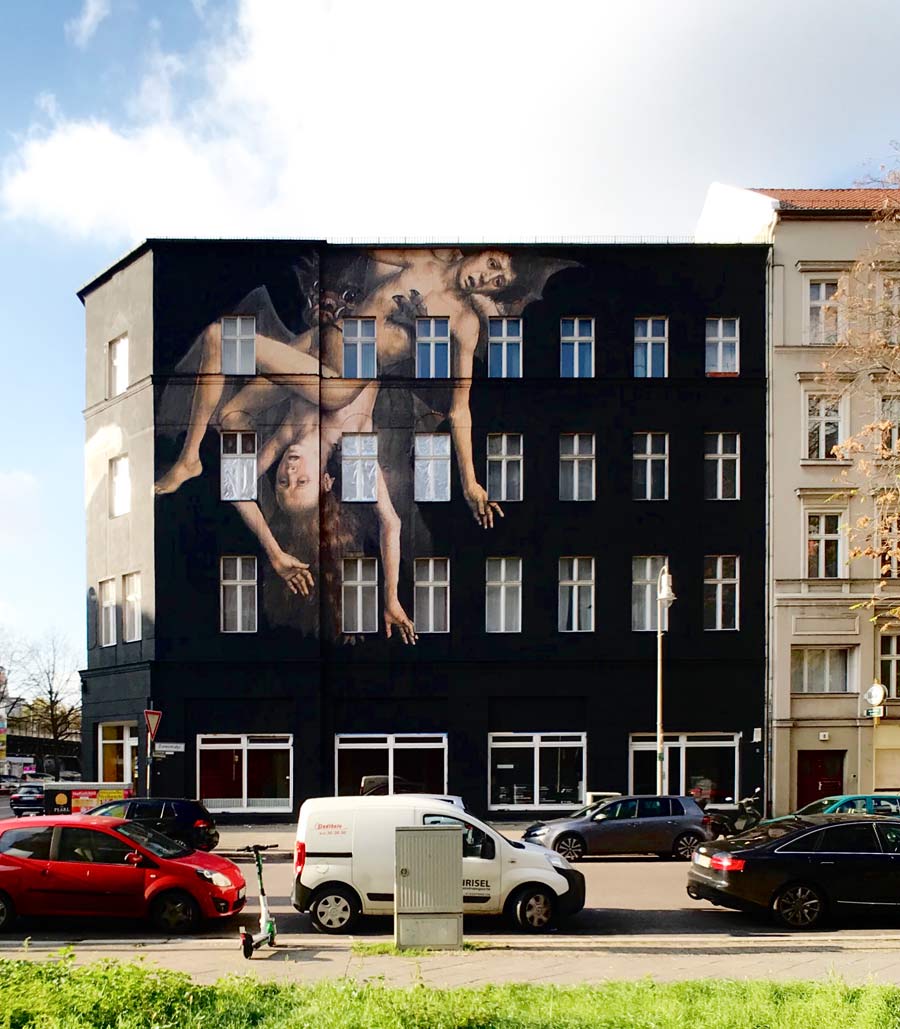
A Renaissance image recurring in those dark tumultuous paintings, Abrahamic religions have used the term “fallen angels” to describe those sinning angels who are cast out of heaven. These particular ostracized beauties are unnamed by Julien de Casabianca of the Outings Project who wheatpasted these to precipitate alongside the Bulowstrasse in the Schöneberg district. While orange and red and yellow leaves fell and swirled through the air of Berlin streets the crisp air and sunlight made this dark scene less harrowing, even hopeful.
Welcome to BSA Images of the Week, baked fresh daily for you from New York, infused naturally with a gritty melange of international flavors. In this city, global IS local.
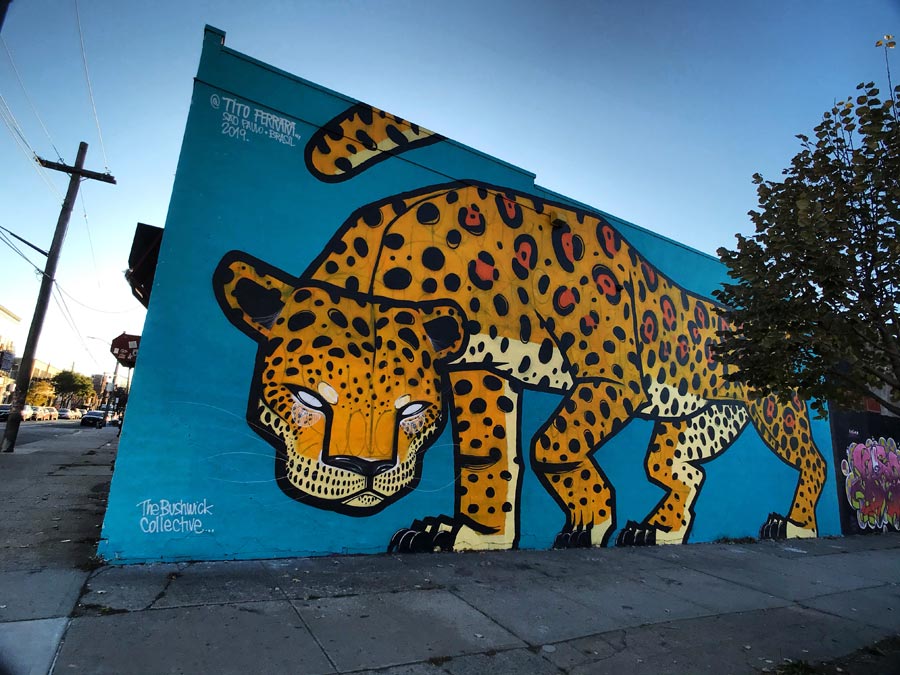
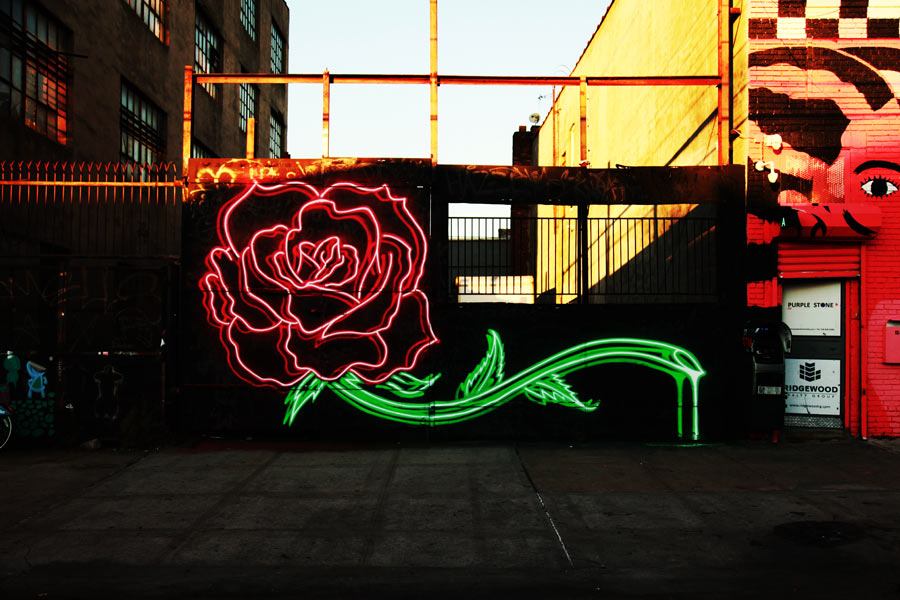
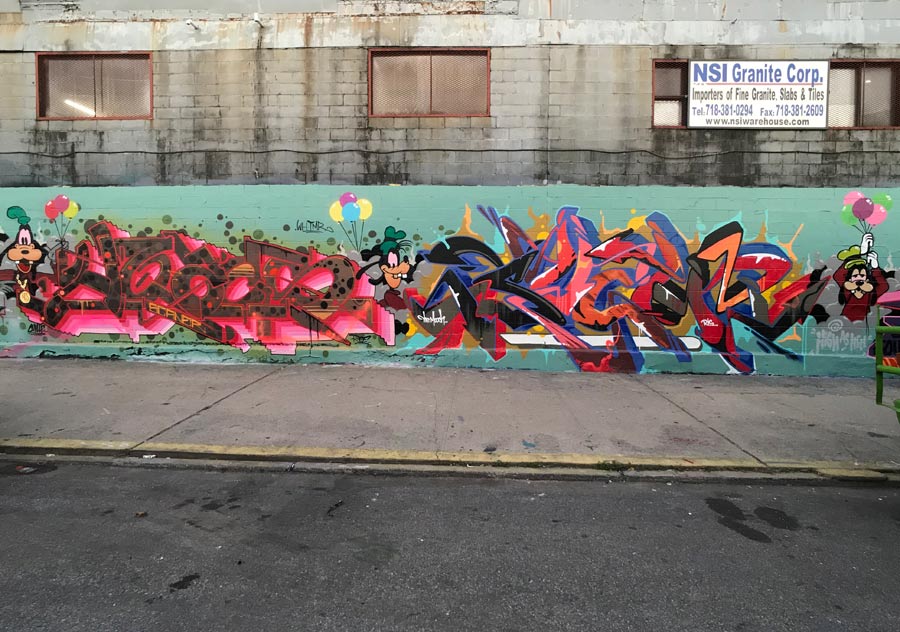
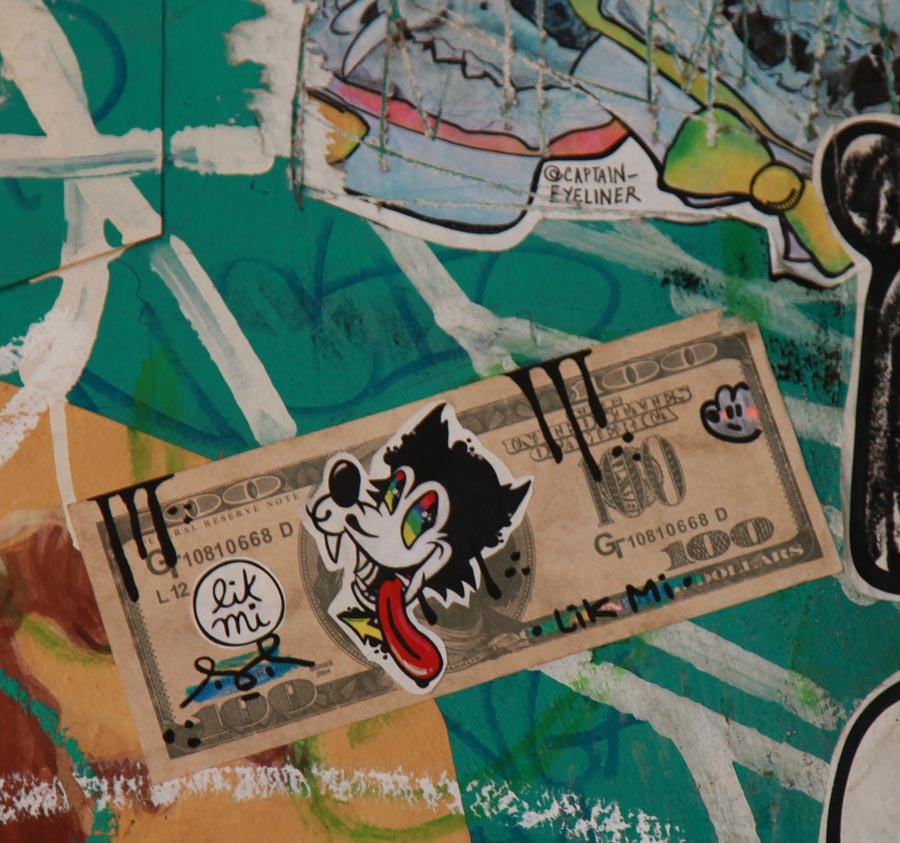
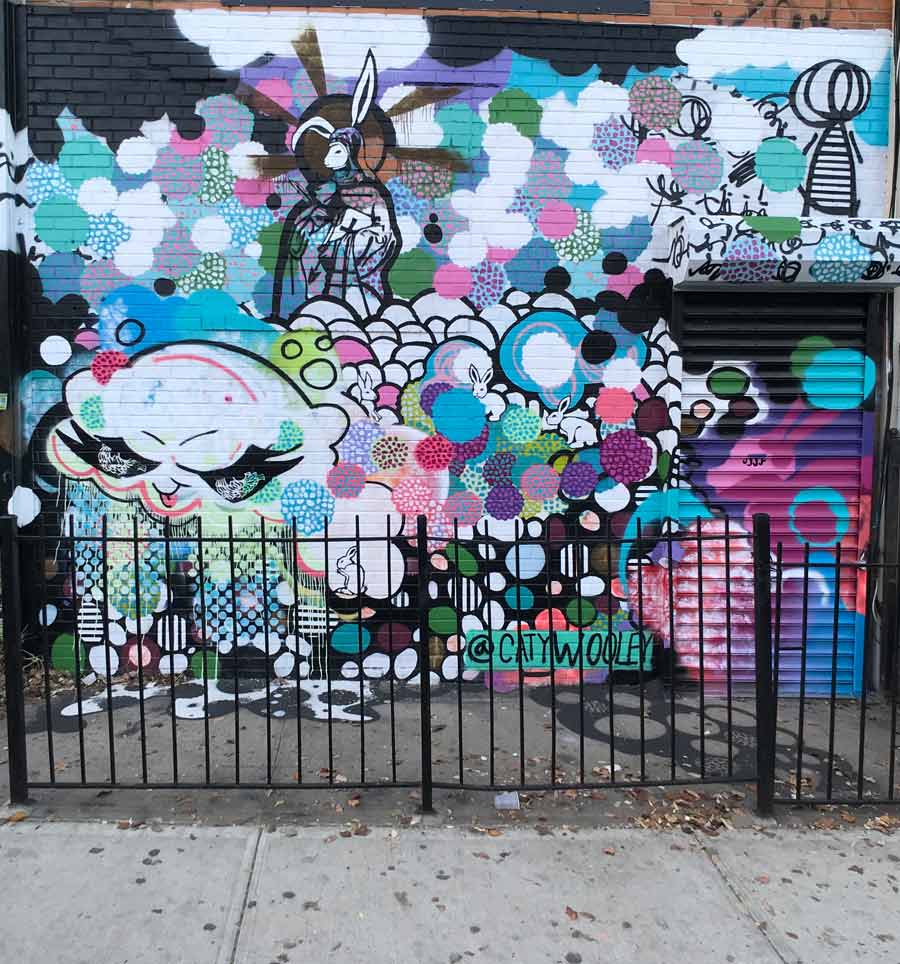
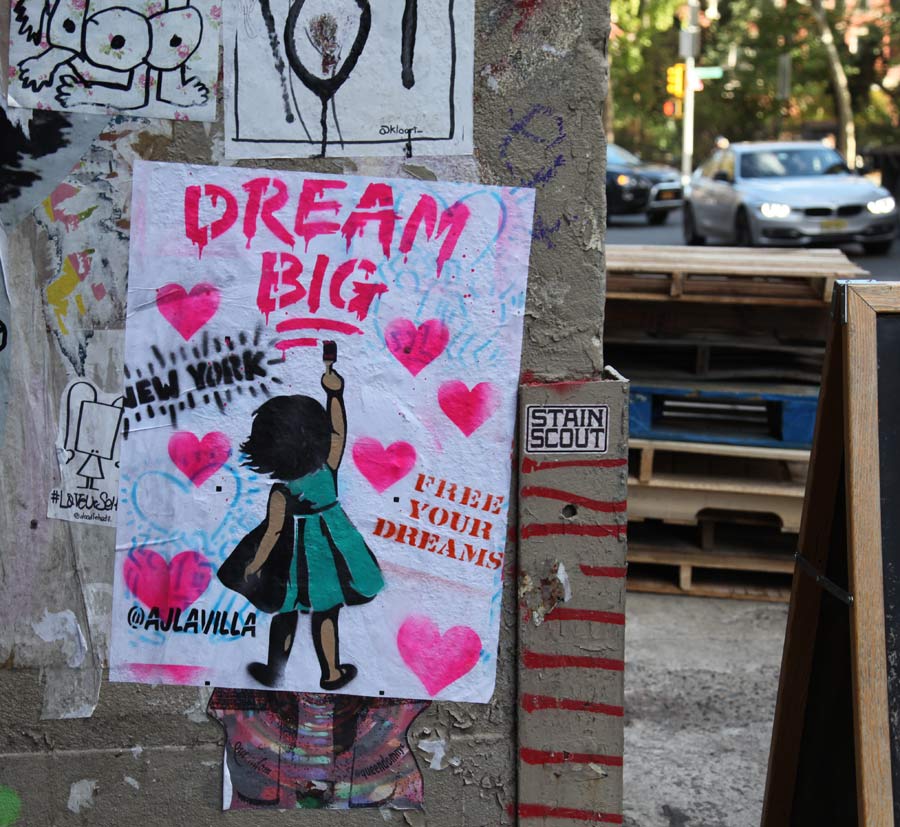
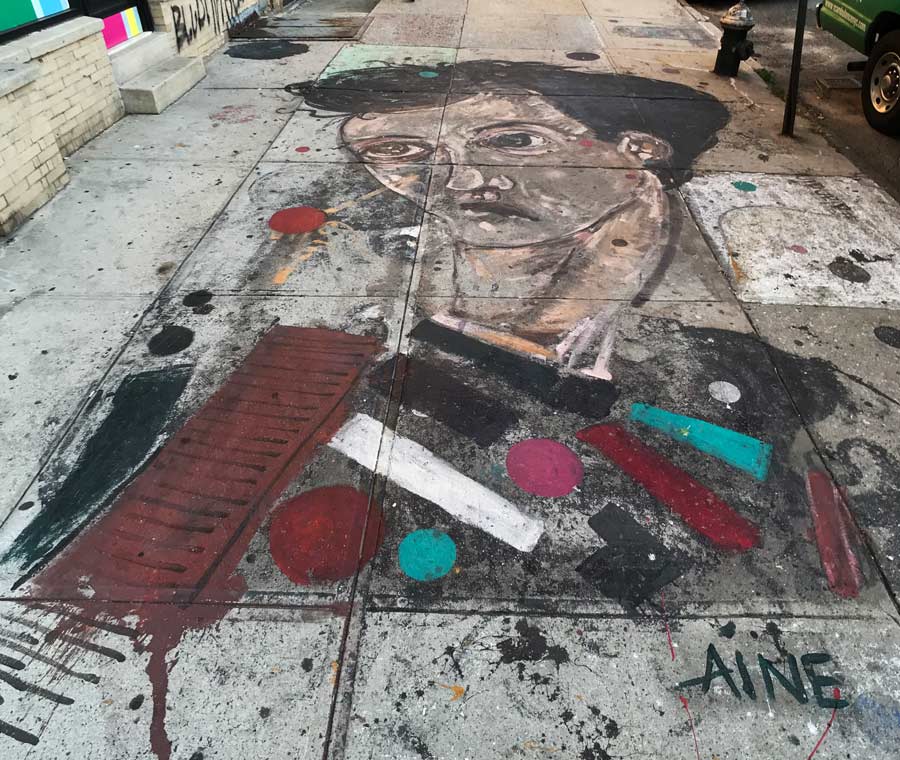
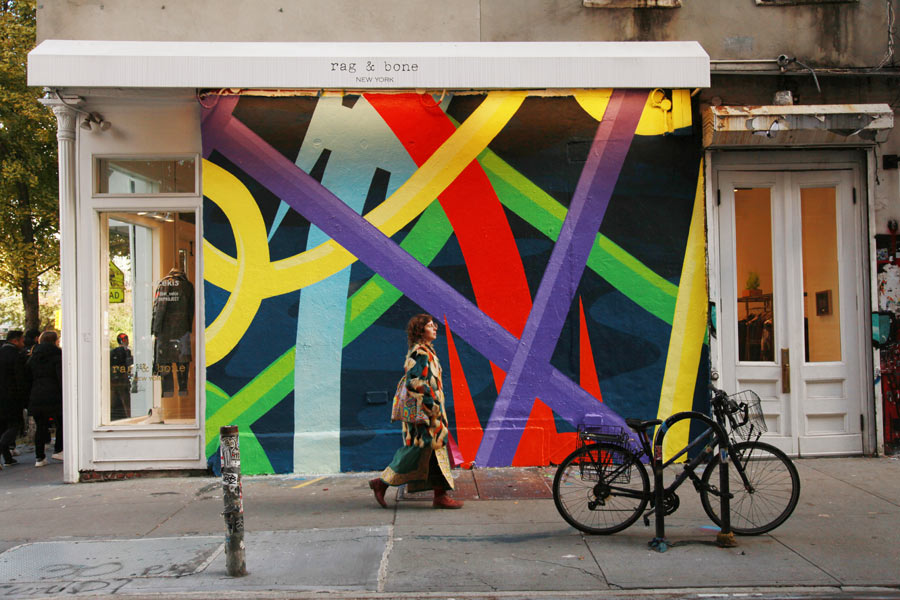
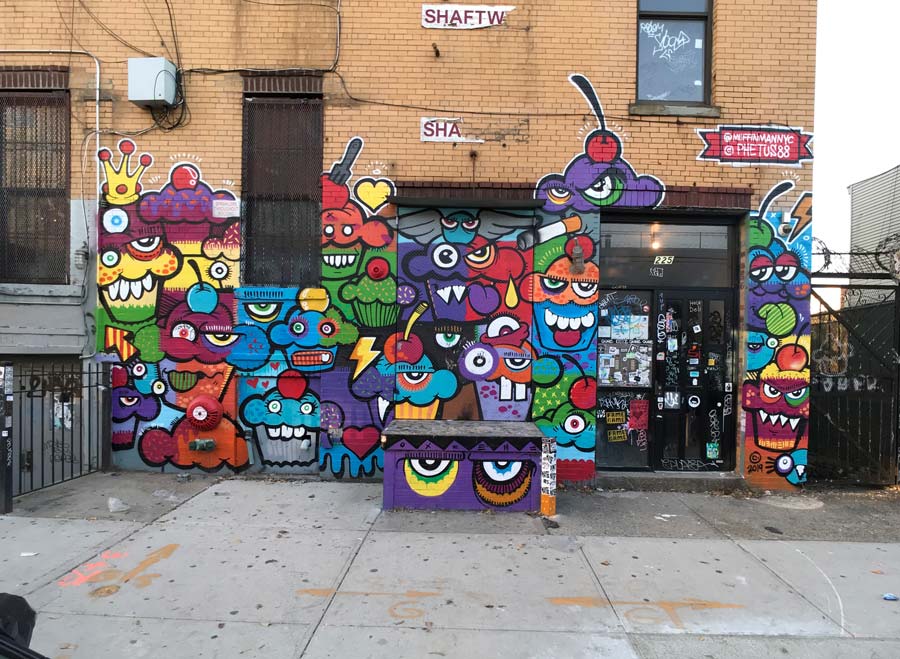
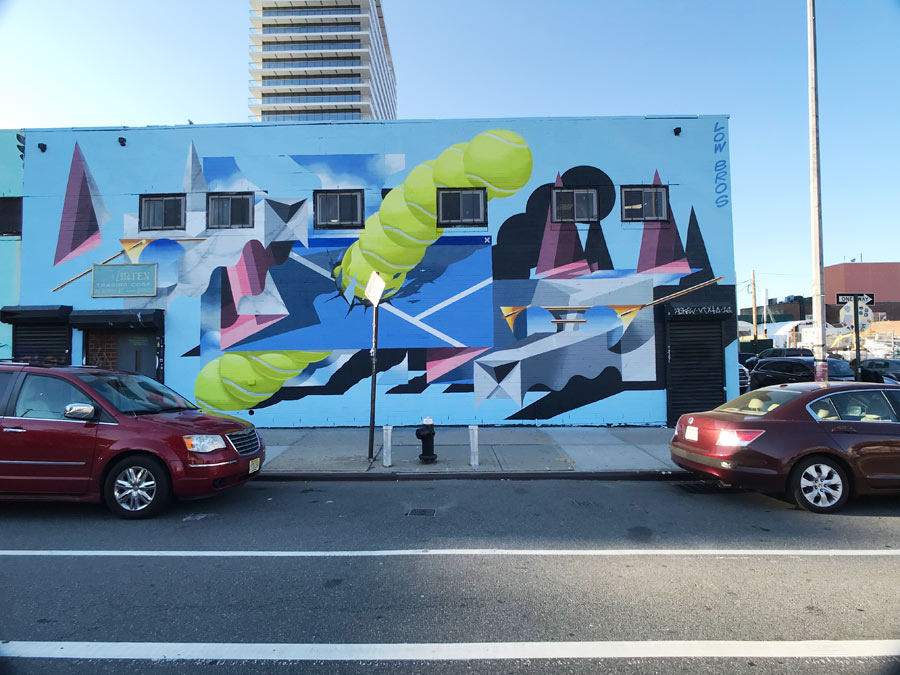
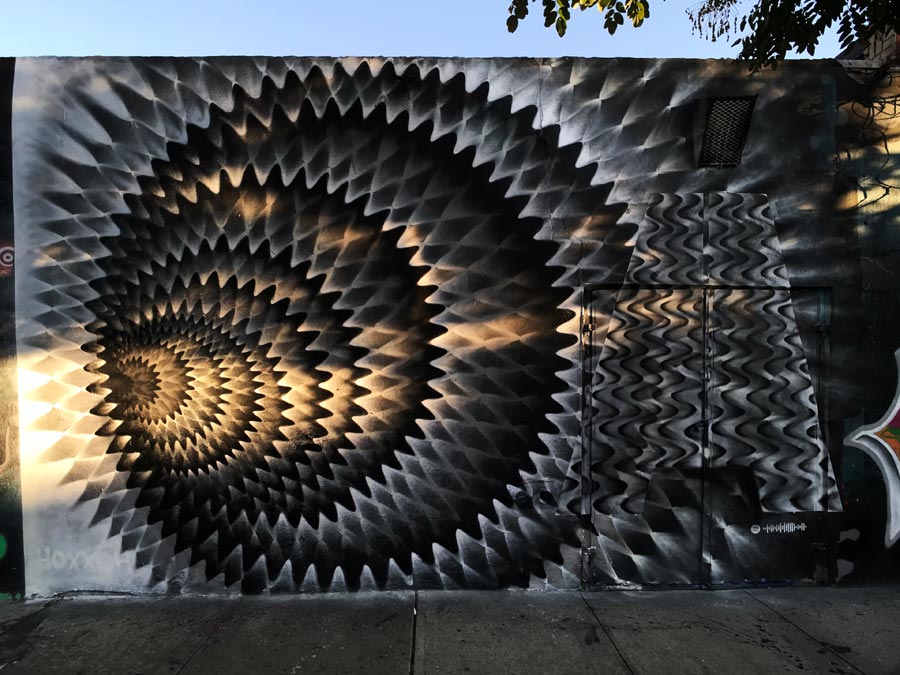
Here’s our weekly interview with the street, this time featuring Adam Fu, Aine, Cekis, Cole Ridge, HOACS, HOXXOH, Jeremy Novy, Lik Mi, Low Bros, Phetus88, Soten, Such, Tito Ferrars, and Trace.
Murals are making inroads into communities once again in ways that are meaningful and constructive, not only decorative.
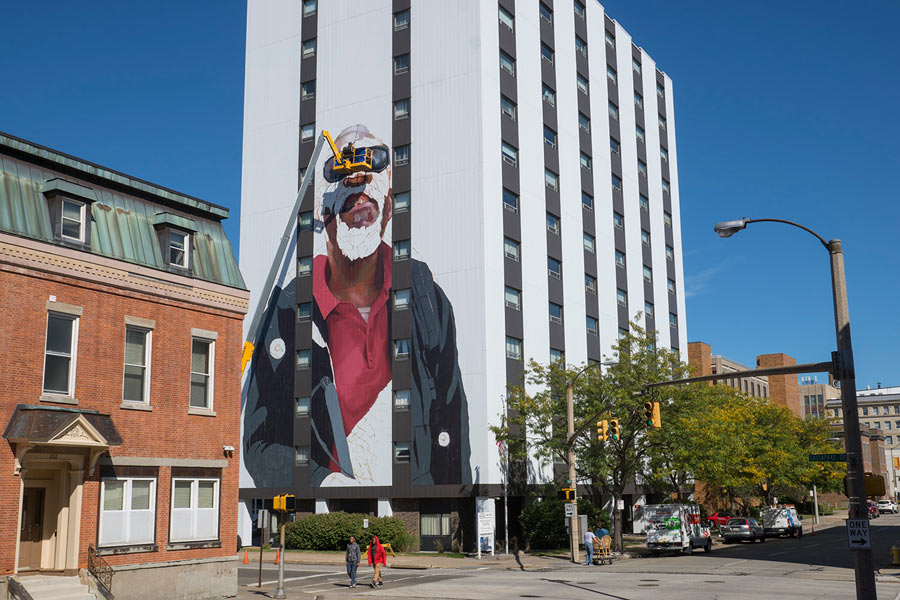
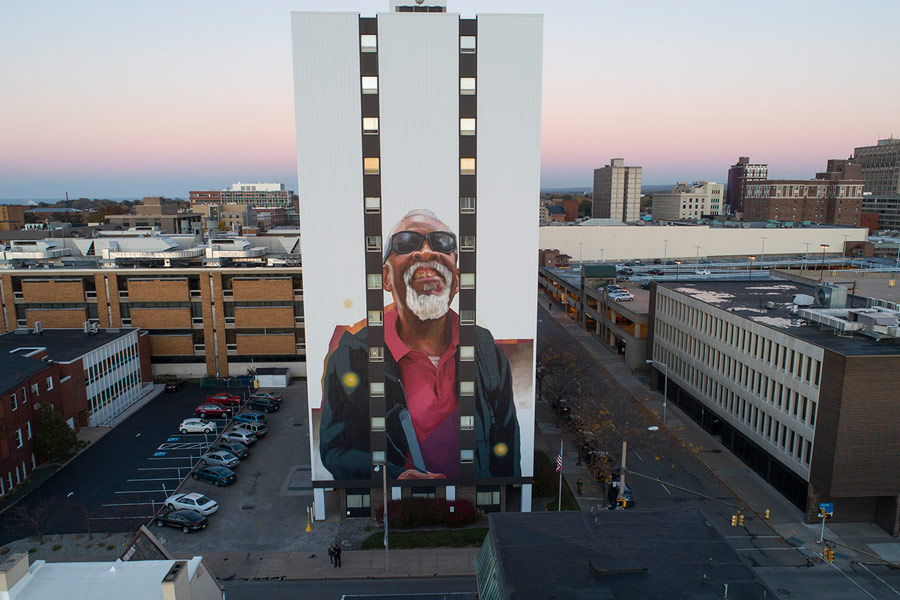
Evoca1. Rudy Daniels. Erie, PA. October 2019. (photo courtesy of Iryna Kanishcheva)
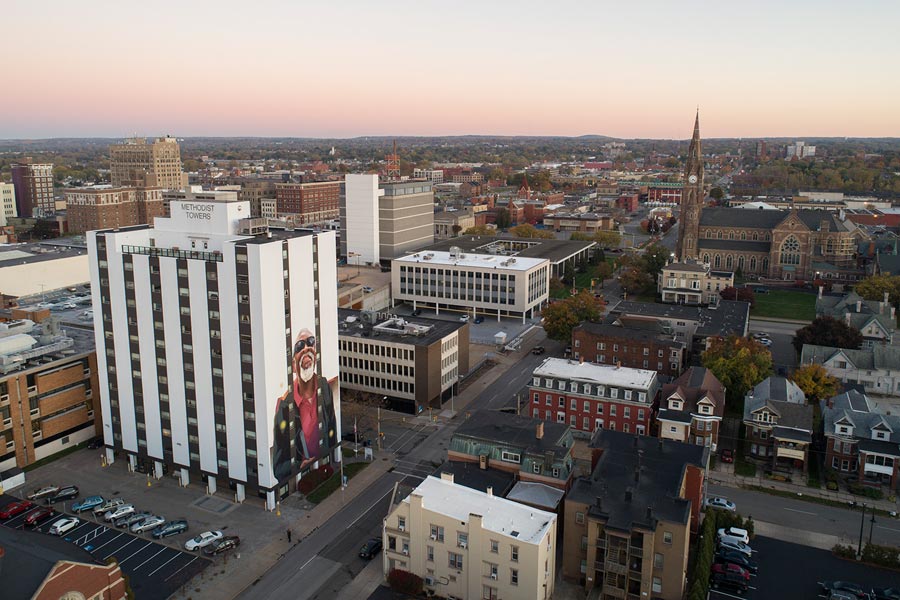
An outgrowth of the illegal graffiti and Street Art movements, this new mural renaissance has once again engaged with the community rather than functioning as a means of protest or defiance. In our minds, art can serve many important roles in the communication of principles, ideas, values – and each expression in public space contains an opportunity for better, stronger, connections among community members.
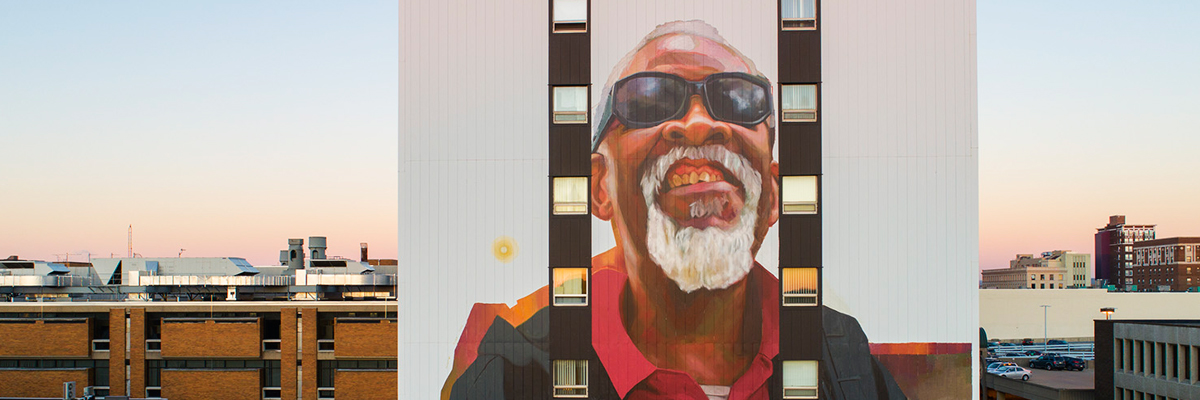
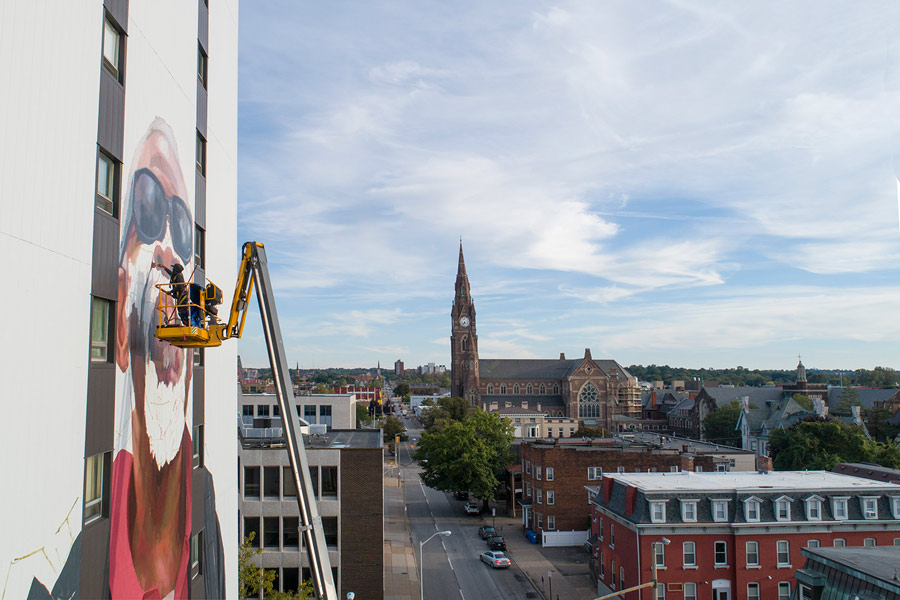
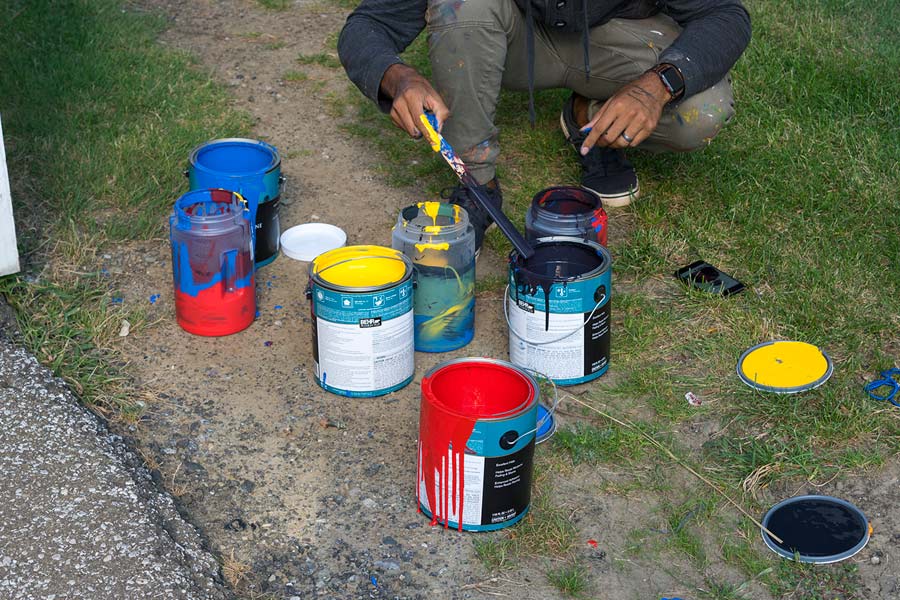
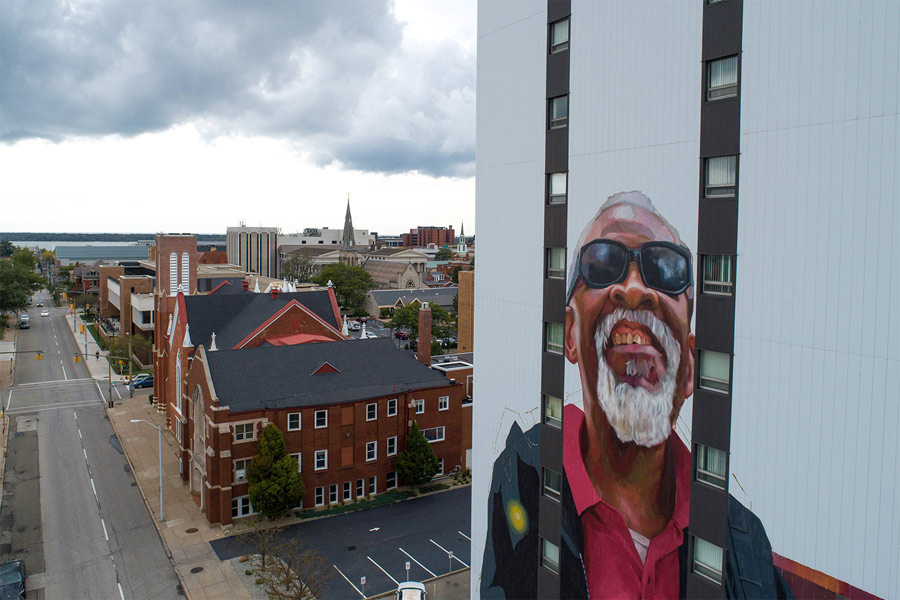
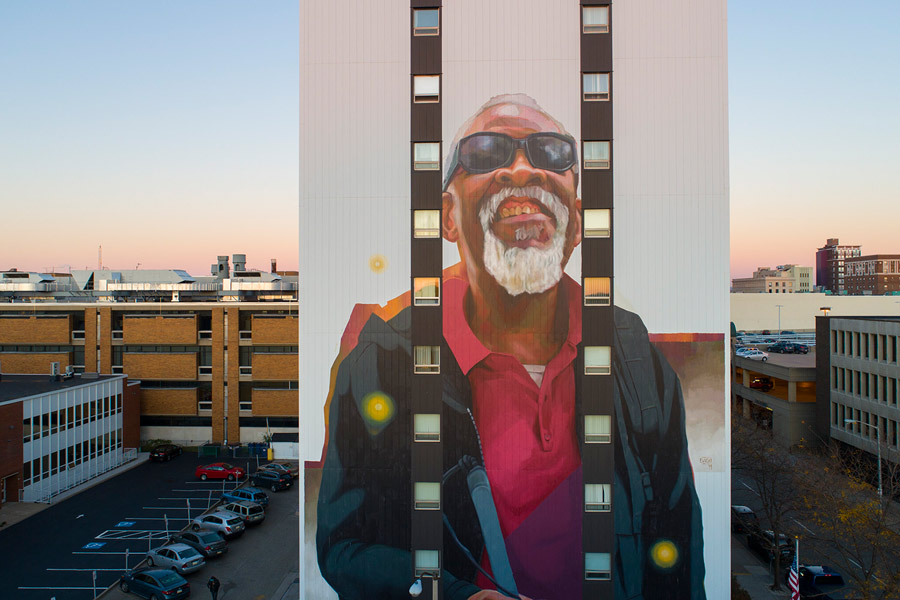
Here in Erie, Pennsylvania a senior member of the community has been given an honor by Dominican born artist, muralist & designer EVOCA1, who painted a soaring portrait of Rudy Daniels on the side of Methodist Towers, where he lives. Blind since age 20 from a gunshot wound, the 71 year old has been a positive and familiar fixture on area streets and sidewalks and businesses for quite some time.
Evoca1. Rudy Daniels. Erie, PA. October 2019. (photo courtesy of Iryna Kanishcheva)
A
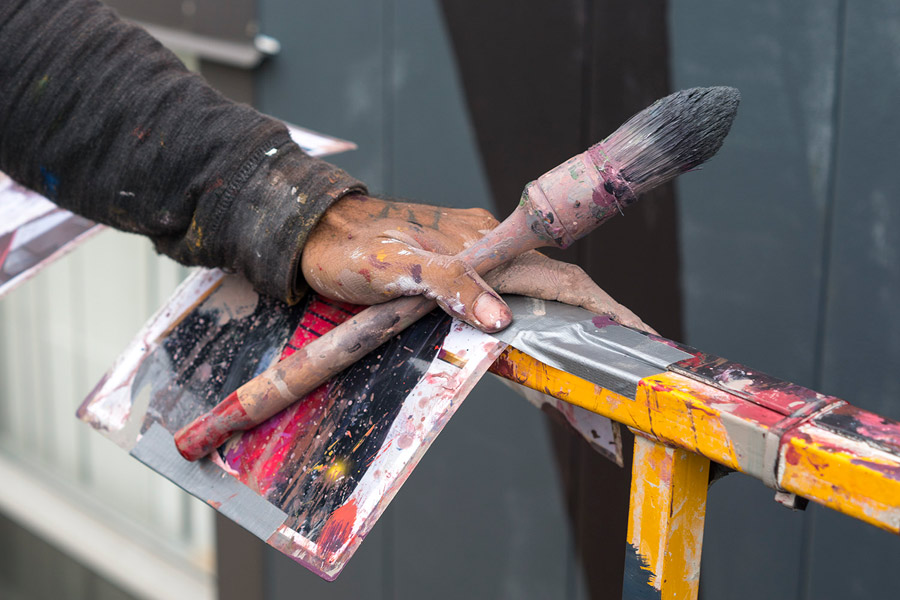
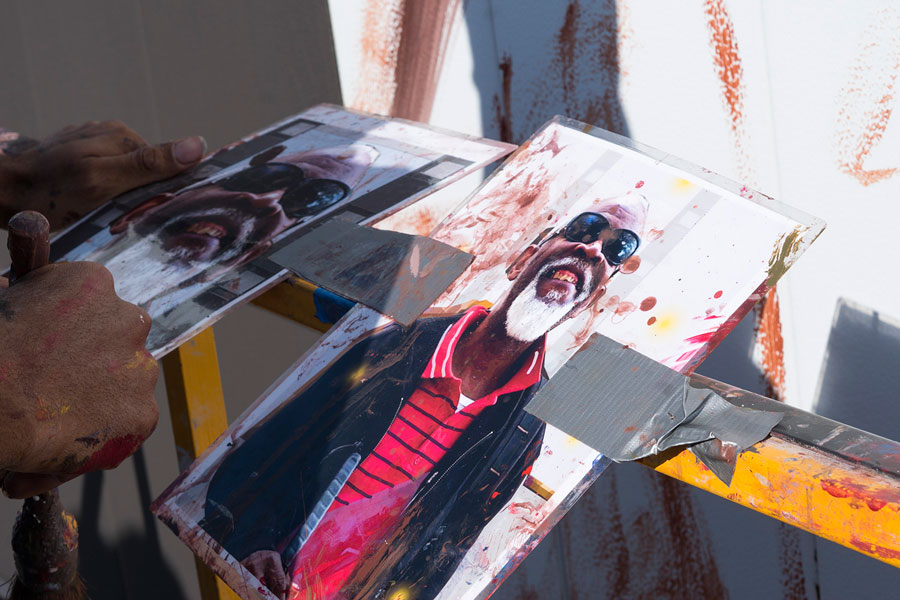
project endorsed by the mayor, with local artists assisting with the mural
using materials purchased in the community, honoring a neighborhood member?
Here is one sincerely positive outcome to a global mural movement that grew
into something quite positive.
A shout out to curator Iryna Kanishcheva, organizer Patrick Fischer, and Erie Arts & Culture for making this project happen.
Our weekly focus on the moving image and art in the streets. And other oddities.
Now screening : 1. “AfroGrafiteiras” featuring Andrea Bak 2. Magda Cwik / Hotel 128 / Street Art City in France. Via After Hours Project 3. INDECLINE Presents: The Bird Box 4. INDECLINE Presents: Trumpster Fire 5. Mura Masa – Deal Wiv It with slowthai
BSA Special Feature: “AfroGrafiteiras” featuring Andrea Bak
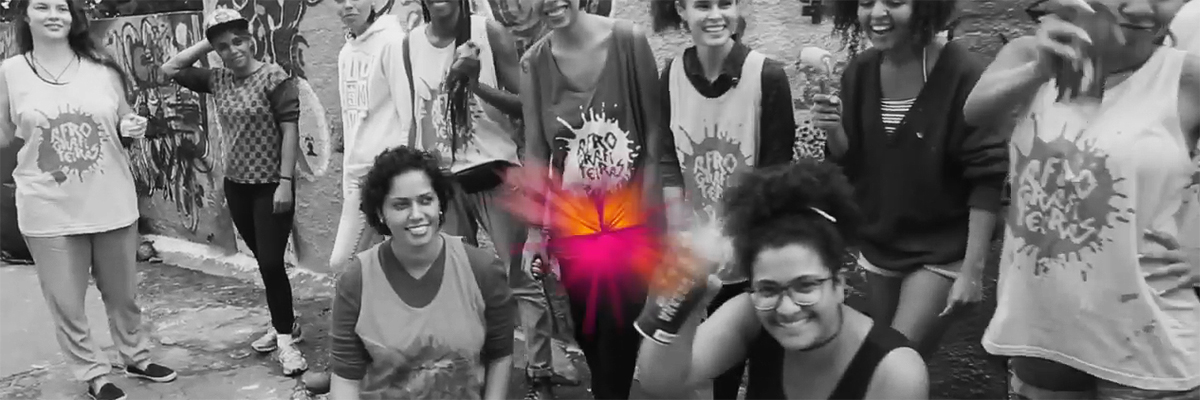
AfroGrafiteiras is an urban art training project focused on the expression and promotion of the leading role of Afro-Brazilian women in activity since 2015.
Here in Episode 6 we get to see the bright mind of Andrea Bak as she talks about this Rio-based program that examines identity, society, tradition, and empowerment through the aerosol can.
To learn more about the #AfroGrafiteiras project visit www.redenami.com
Magda Cwik / Hotel 128 / Street Art City in France. Via After Hours Project
Check into the abandoned Hotel
128 in Lurcy-Lévis, France and you’ll find a stunning array of portals to
worlds customized by Street Artists. Here’s the latest one, Room 108, painted
by Magda Cwik.
INDECLINE Presents: The Bird Box
A quick commercial or not? Hacking the consumer system by re-cycling a new scooter craze into something useful for the homeless, who are now legion in LA? Either way it’s INDECLINE, who will literally tell you anything as long as you keep watching.
INDECLINE Presents: Trumpster Fire
You see the dumpster with Trump’s face on it, and you know what’s next. Thank you for completing the visual allegory that many have imagined.
Mura Masa – Deal Wiv It with slowthai
And now something new from the “No-Hope” generation. Back with his friend Slowthai, it’s a pop-locky-pock-marked-futility-fueled screed leading us into the weekend. Also, there is hope here.
“Have you taken down the names for your paper yet?” she asked me. “Stay by my side and I will dictate them to you: the Count and Countess of Caralt, the Marquess of Palmerola, the Count of Fígols, the Marquess of Alella, the …
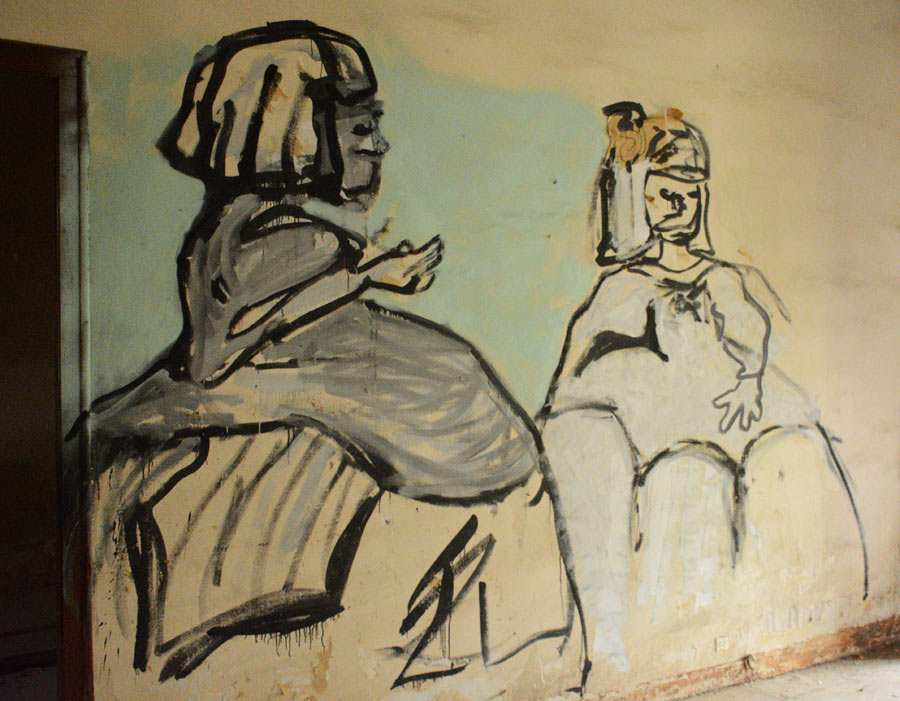
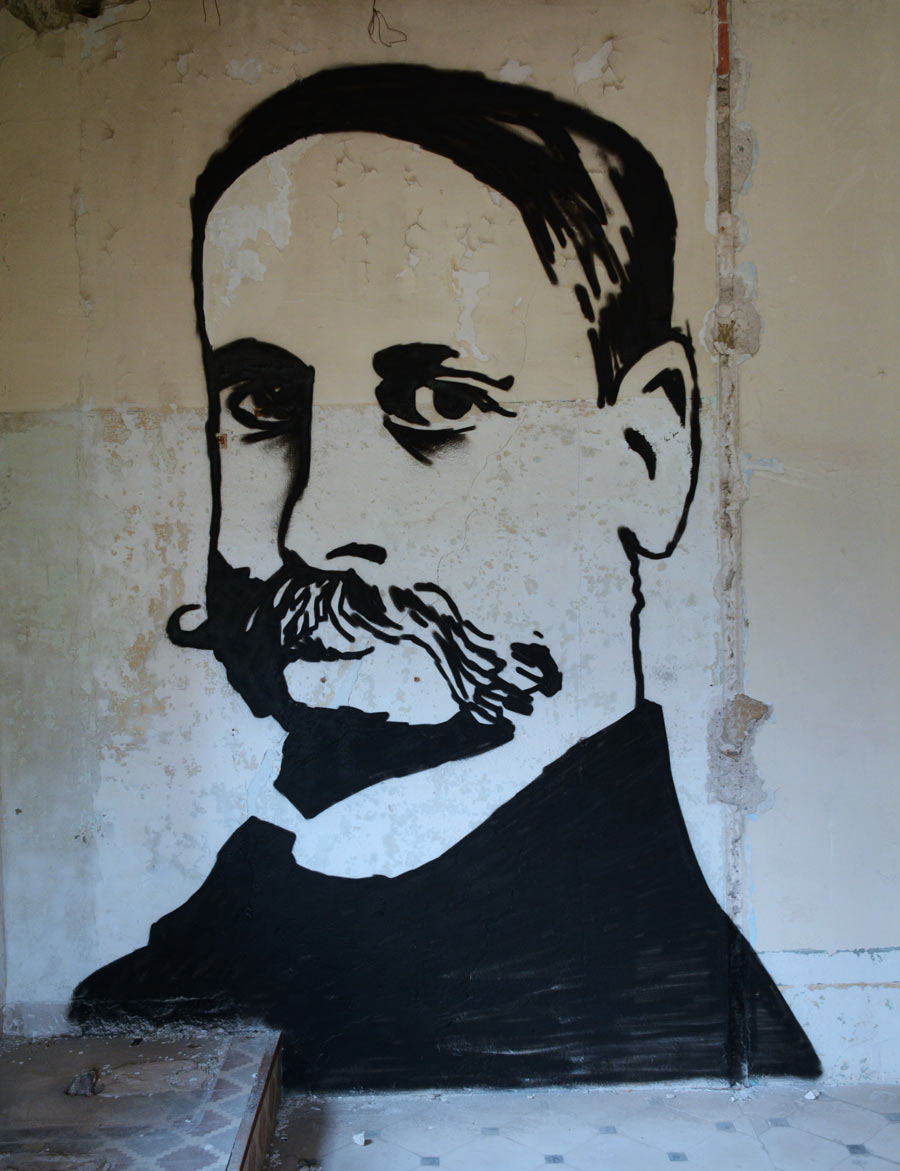
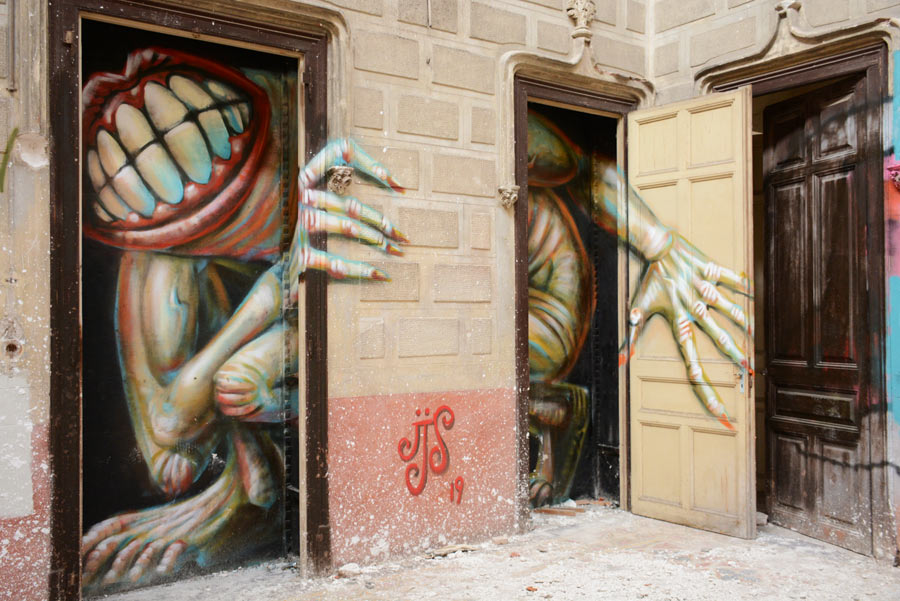
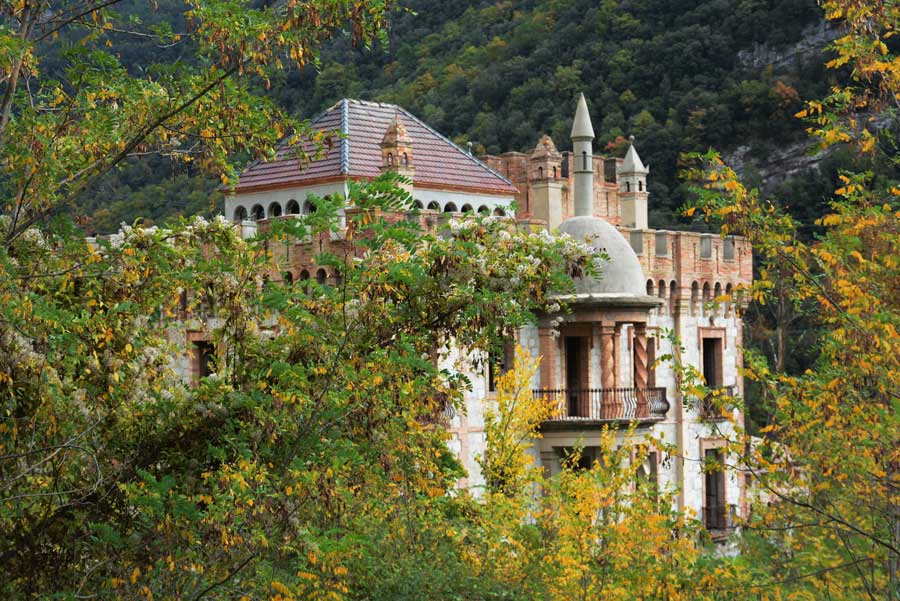
In the decade before the Spanish Civil War, Barcelona was on the verge of boiling over, and perhaps this castle in the Pyrenees mountains to the south was at its height of glory thanks to workers in its coal mines. The Count of Figols and his family enjoyed the view from the tower while the miners, some as young as 14 years old, kept toiling about 13 kilometers away – until they revolted in 1932.
“The mining company, the greater part of which was owned by Liverpool-born José Enrique de Olano y Loyzaga, First Count of Figols, prohibited union organization and paid its workforce in tokens redeemable only in the company stores.”
Revolution and the State: Anarchism in the Spanish Civil War, 1936-1939, by Danny Evans.
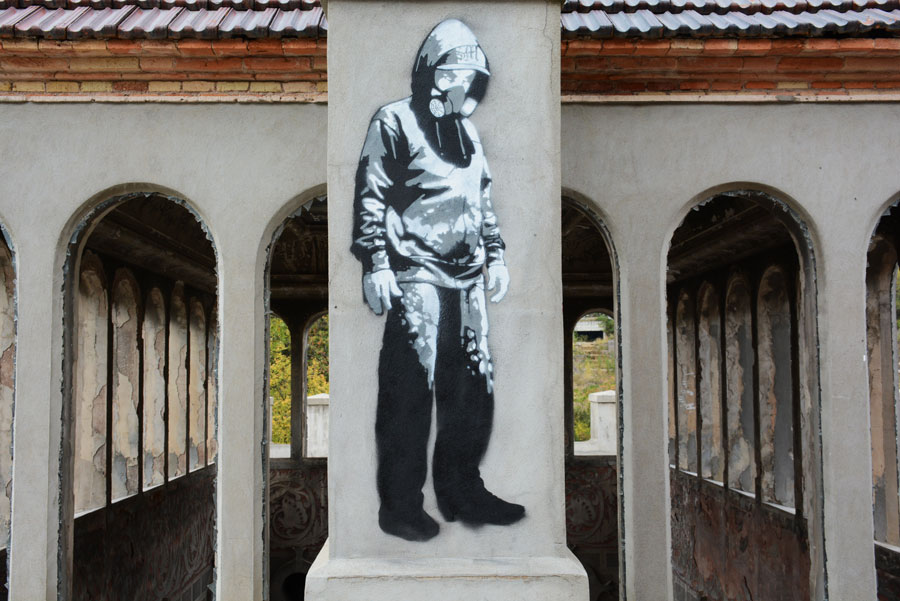
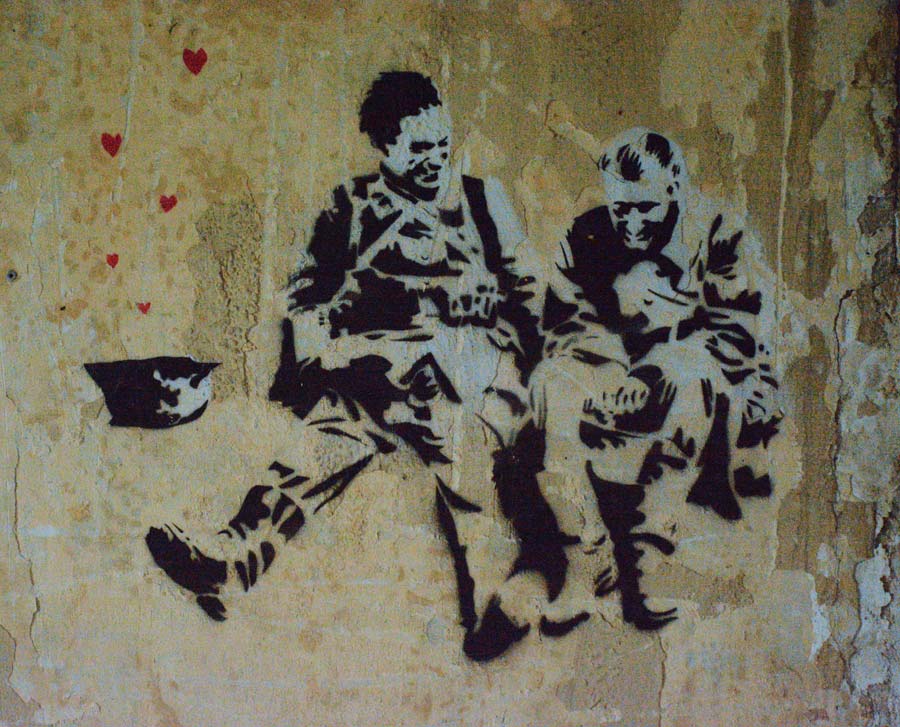
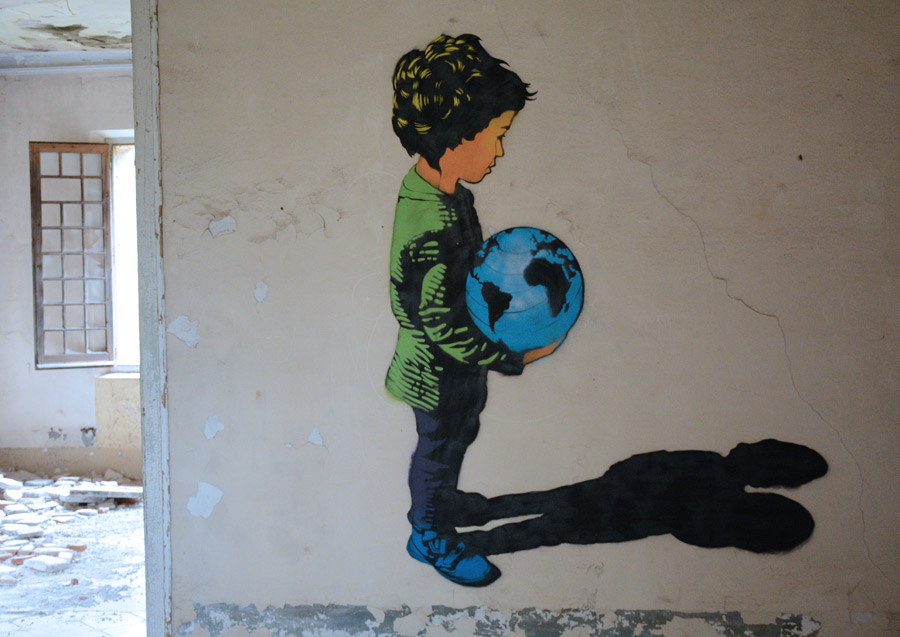
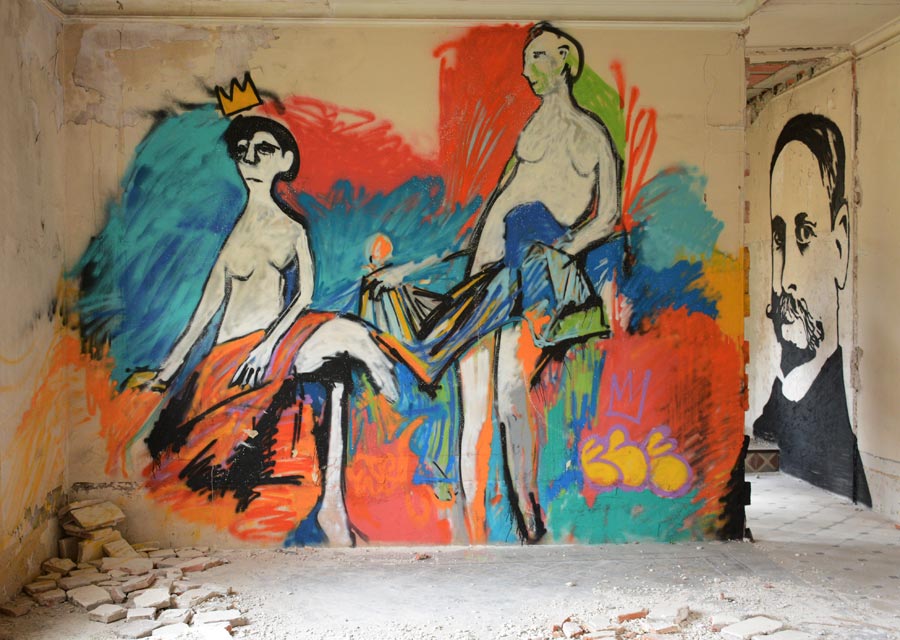
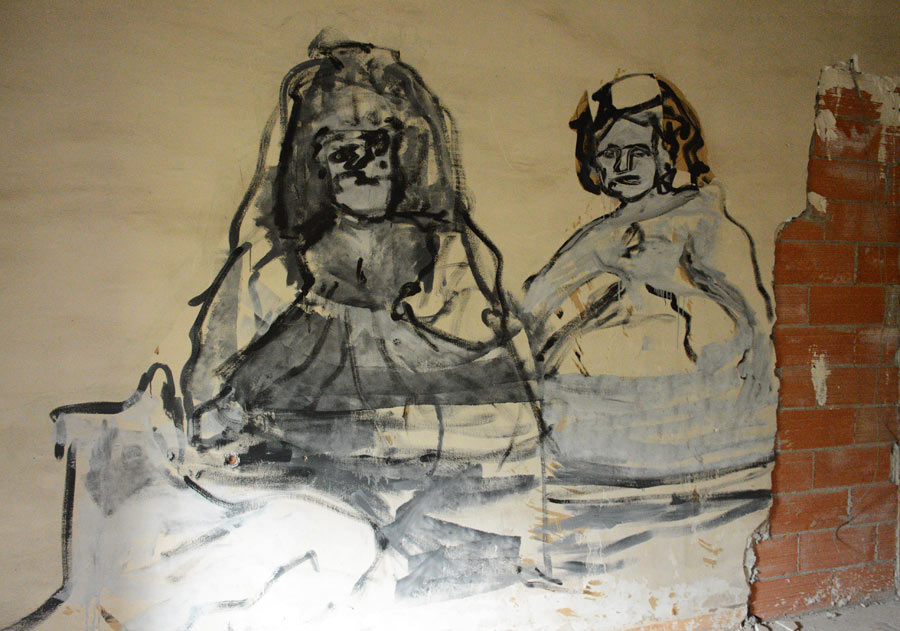
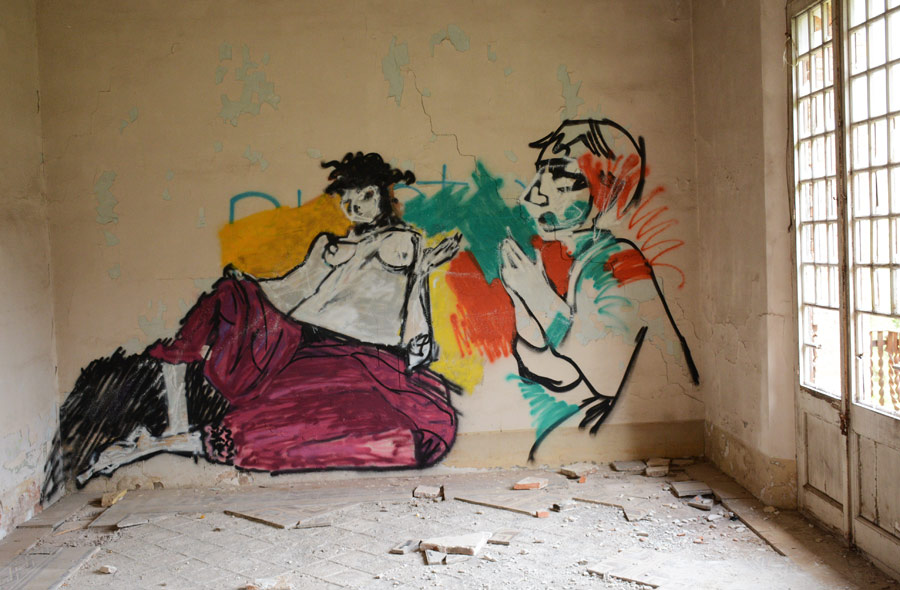
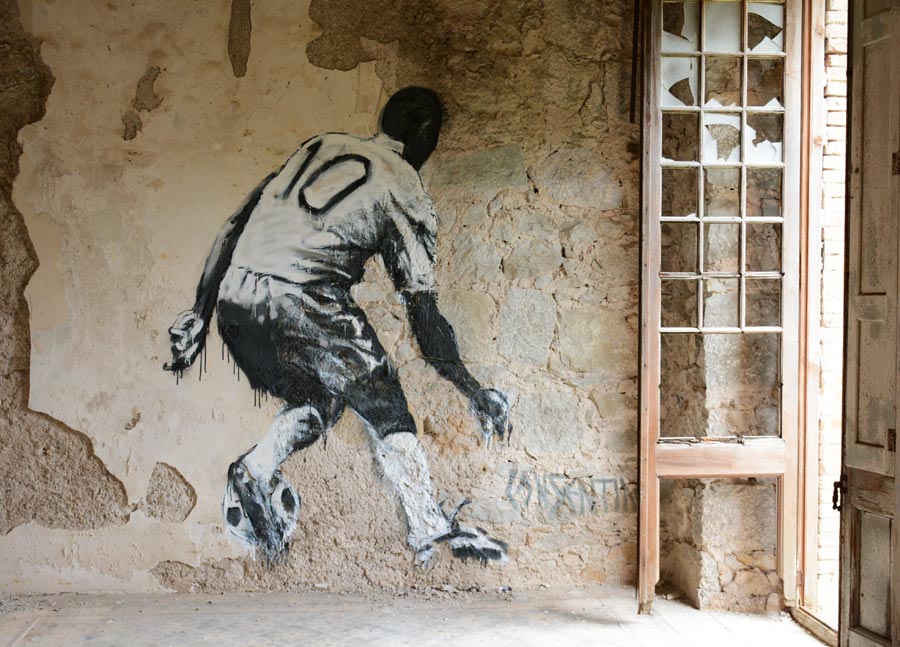
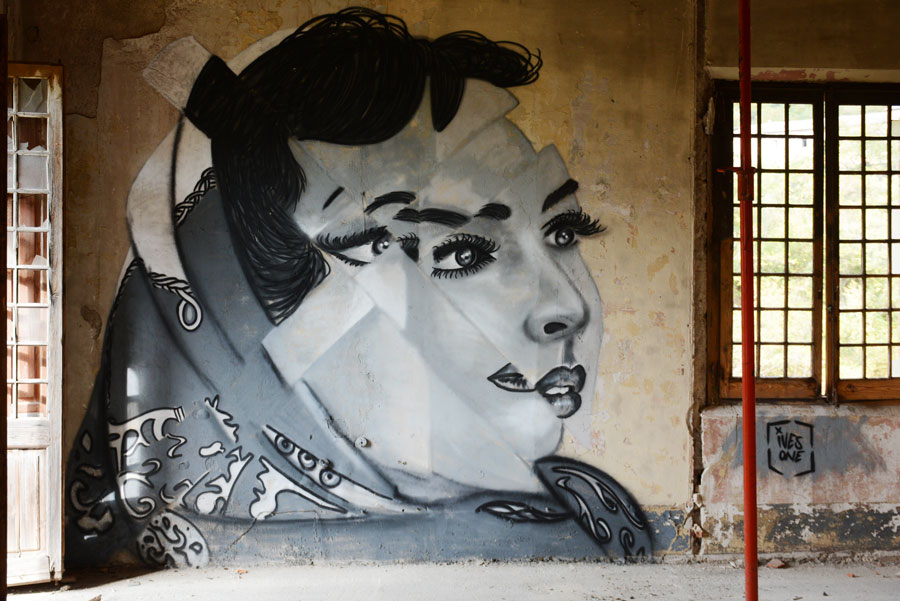
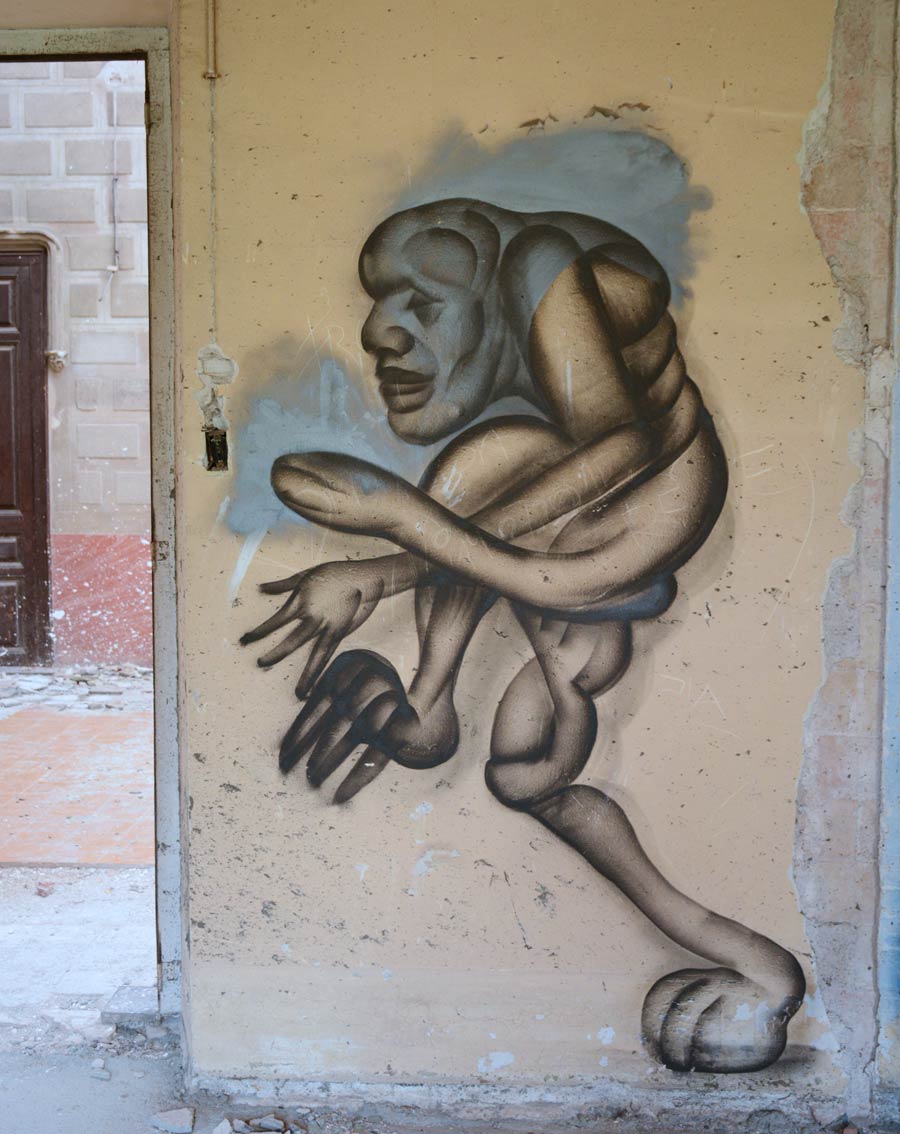
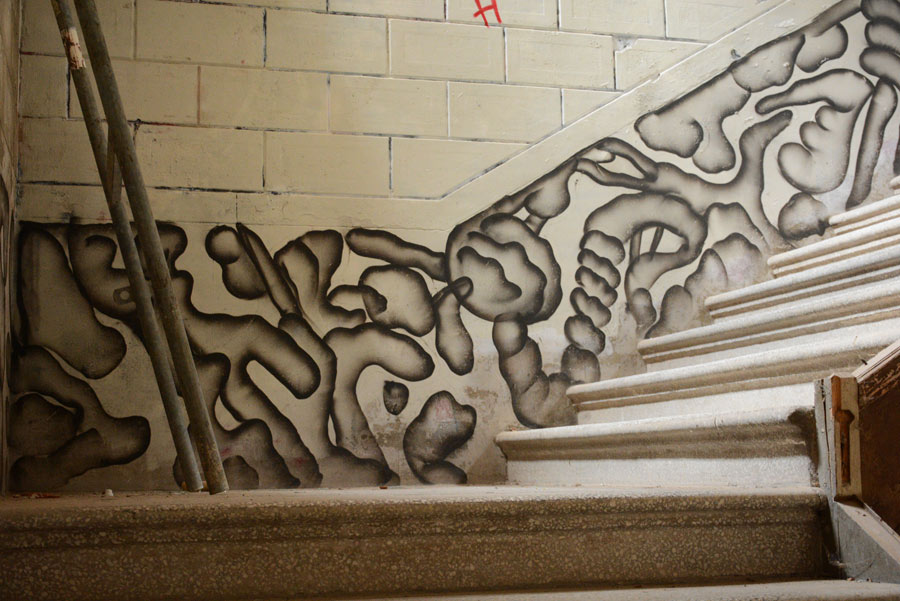
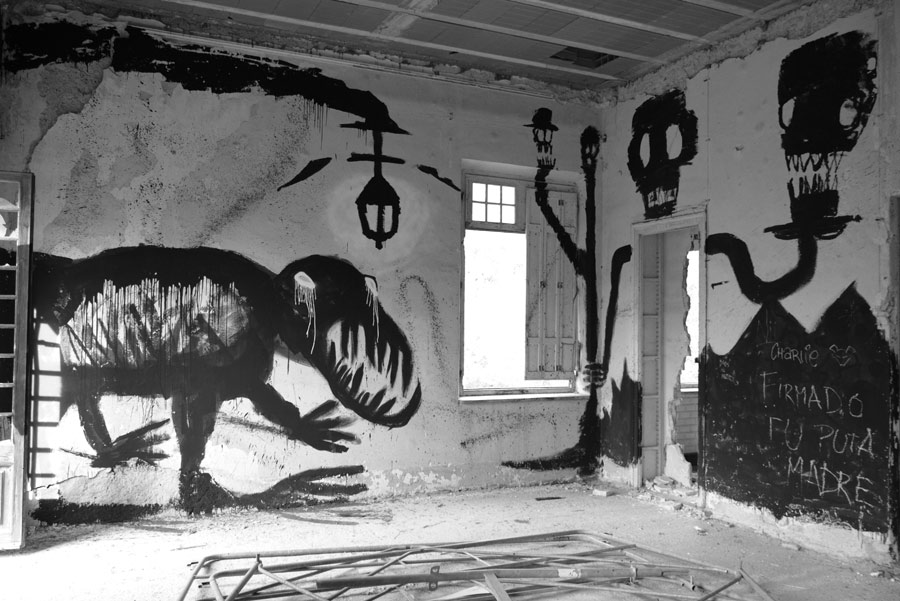
Today you can hashtag Figols (#figols) on social media and you can see the tower (Torre del Compte de Fígols) and wander through the ruins of the castle (Castillo Conde de Fígols) – and discover new graffiti pieces and paintings throughout the rooms. That’s what photographer Lluis Olive Bulbena did last week when he went to check out some fresh stuff he heard was painted here about 120 km north of Barcelona. We thank him for sharing his images with BSA readers from the castle of the Count of Figols.
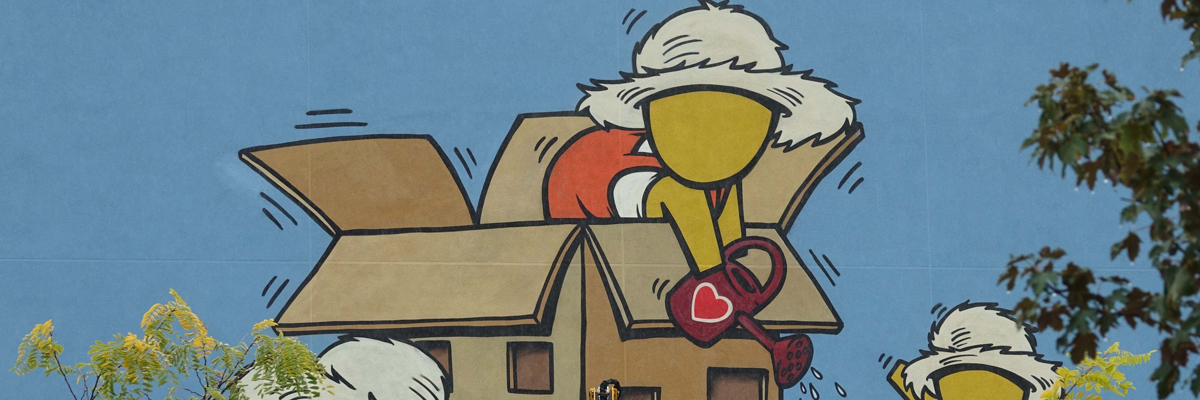
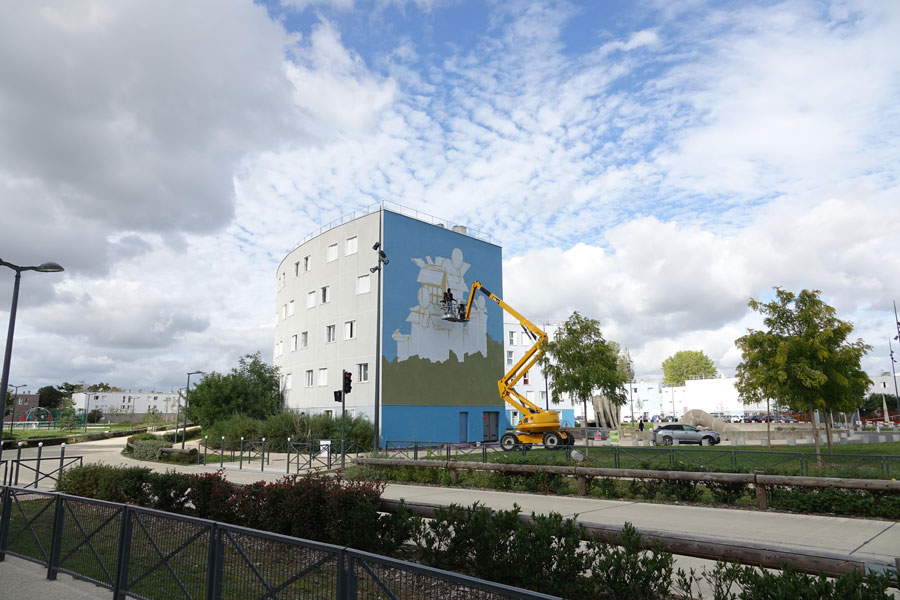
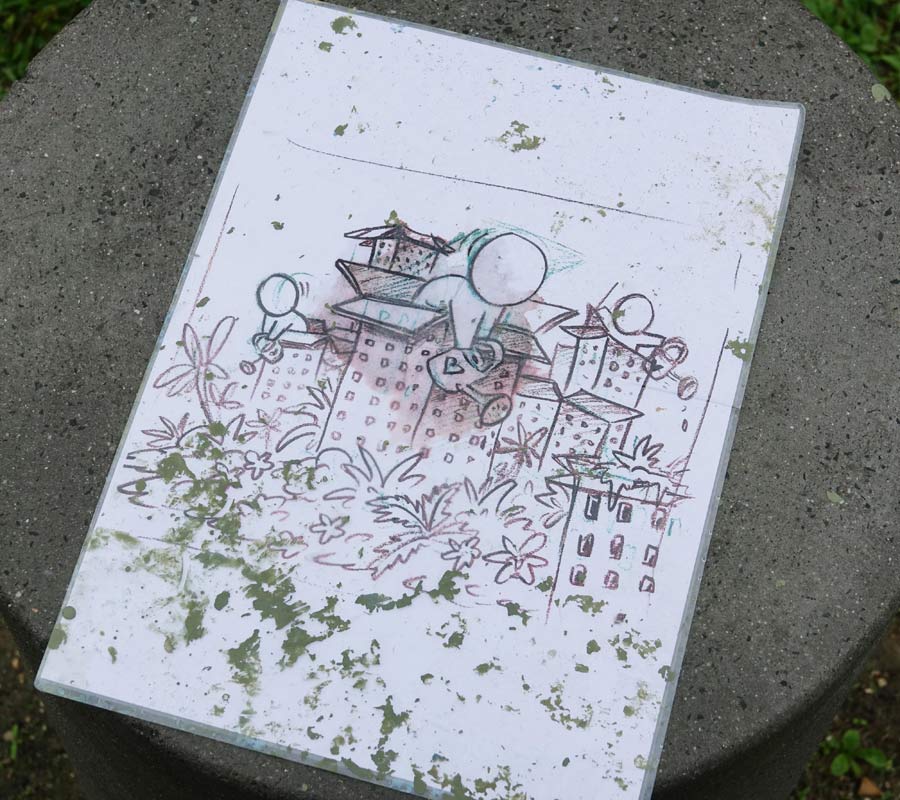
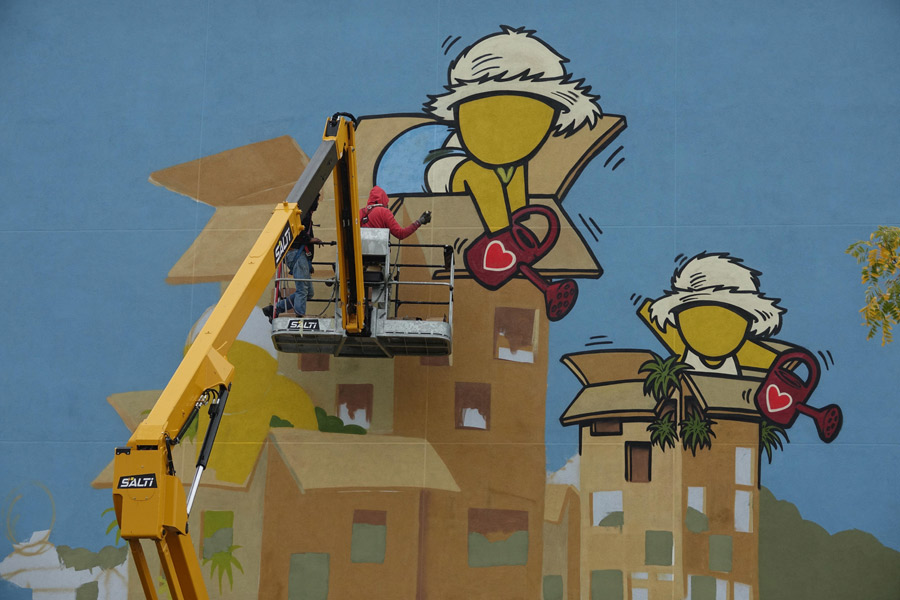
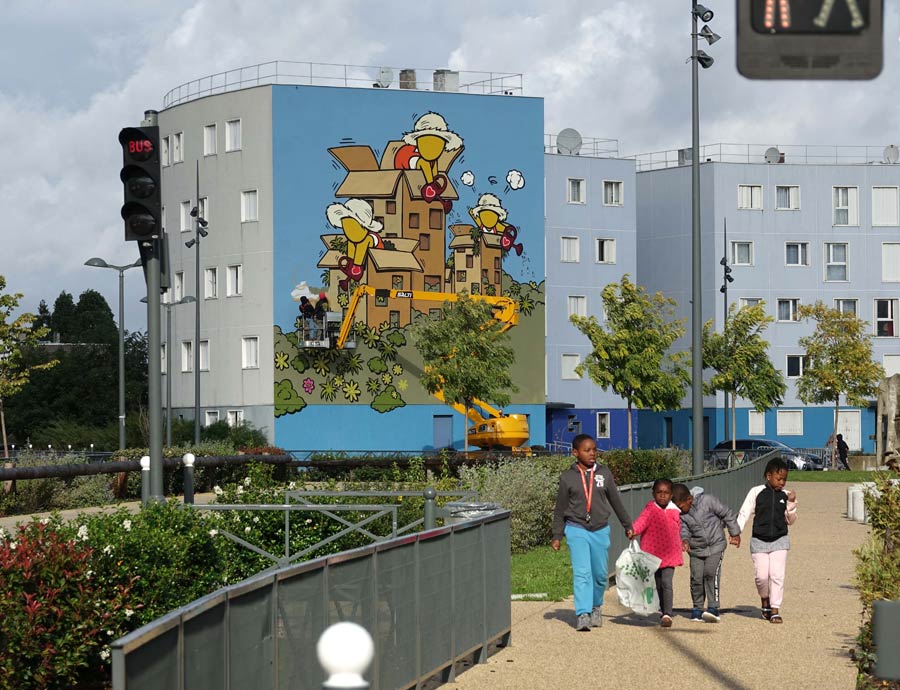
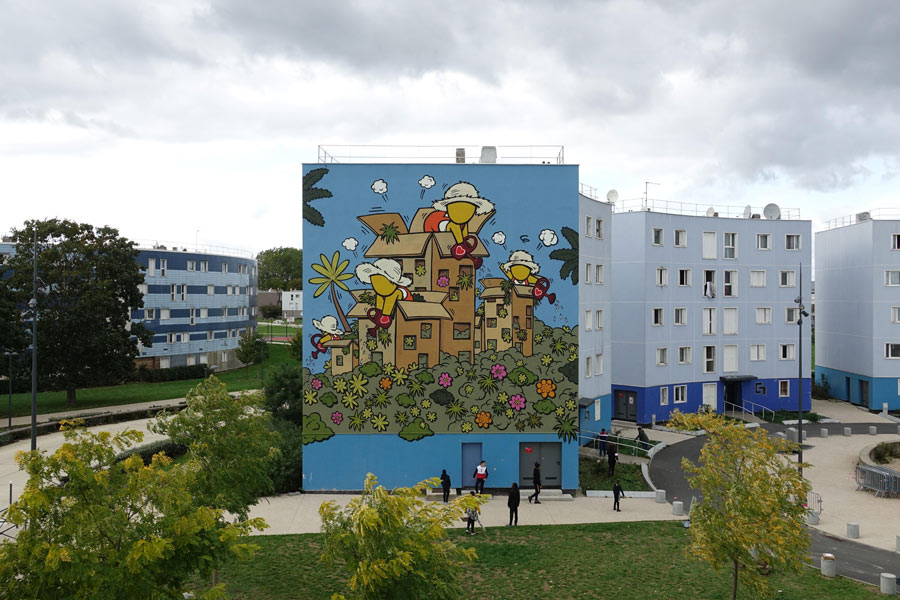
A children-friendly installation in a city that needs some love, the artist who began as a graffiti writer in 1989 here brings his famous faceless characters called the “Gouzou” to pop out of the box buildings and water the flowers of growth here.
JACE says he’s been painting this character since the early 90s and they are complex, despite their appearance. “The “Gouzou” is an anthropomorphic character, cheerful and endearing but not without a touch of malice,” says his bio, “Soft and delicate, he can be just as impertinent and teasing!”
This new community mural is in a housing estate in the district called “La Grande Borne”, or perhaps, “The Great Frontier”, but over time its reputation has become somewhat tarnished due to high unemployment, lack of economic opportunity, and probably systemic racism.
The Wiki entry says “Built as a 1960s social utopia with winding coloured buildings, it was intended to become an ideal dormitory town. With 11,000 inhabitants, it has become a by-word for poverty, drug dealing, arms trafficking, youth criminality and attacks on police, as well as arson attacks on public buildings.”
In a 2015 article in Le Parisien even the Socialist MP Malek Boutih has said about La Grande Borne, “A city where officials, including elected officials, make a pact with evil, thugs, offenders, corruption.” (translated with Google)
Maybe JACE’s Gouzou will bring a positive influence on the neighborhood?
At least that’s what the mural program “Wall Street Festival” has in mind.
“Bringing culture to working-class neighborhoods is like a duty for me,”
says organizer and founder Gautier Jourdain. “This is where the works are most
important.”
Occurring on the outer rim of Madrid, this collection of thinkers and conceptualists challenge almost every concept of the sad digression called the “mural festival” today – with the sincere focus of bringing the practice back to the community and creating work in the context of it.
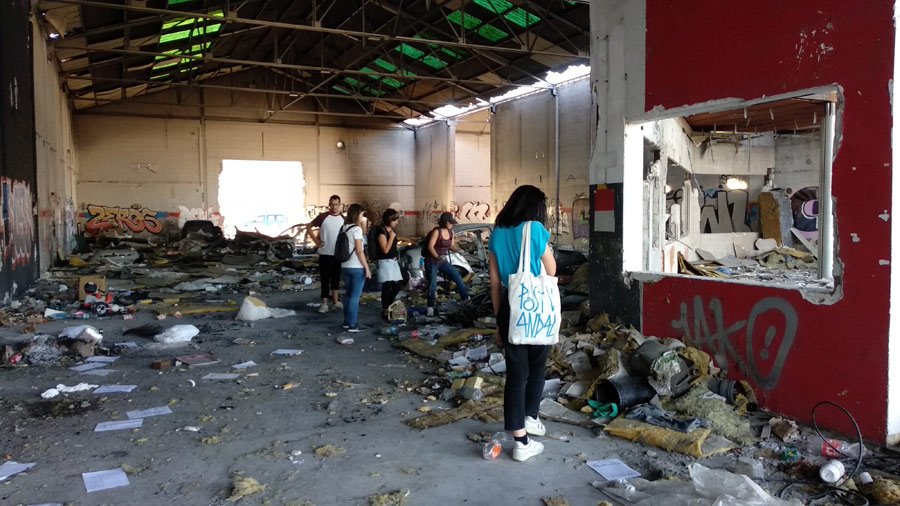
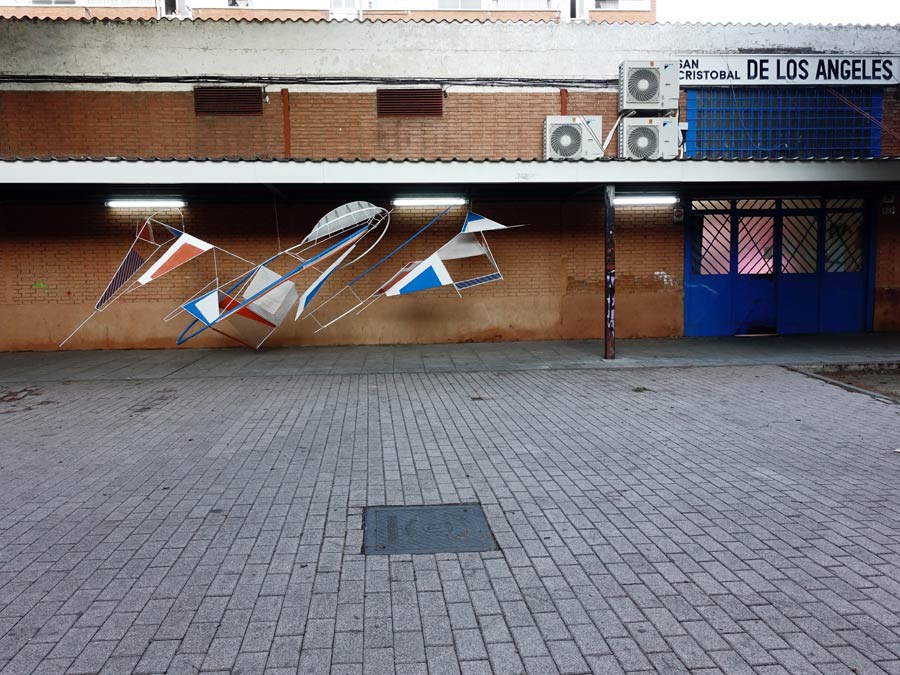
Artist Elbi Elem tells us that she and Sue975, Aida Gómez, Octavi Serra, Clemens Behr, Brad Downey and Marina Fernandez were living and working in this barrio in the southern part of Madrid for two weeks. Rather than “parachuting” in and immediately putting up a mural that has nothing to do with the city, she tells us that it was important to spend a week to get to know the barrio and the people.
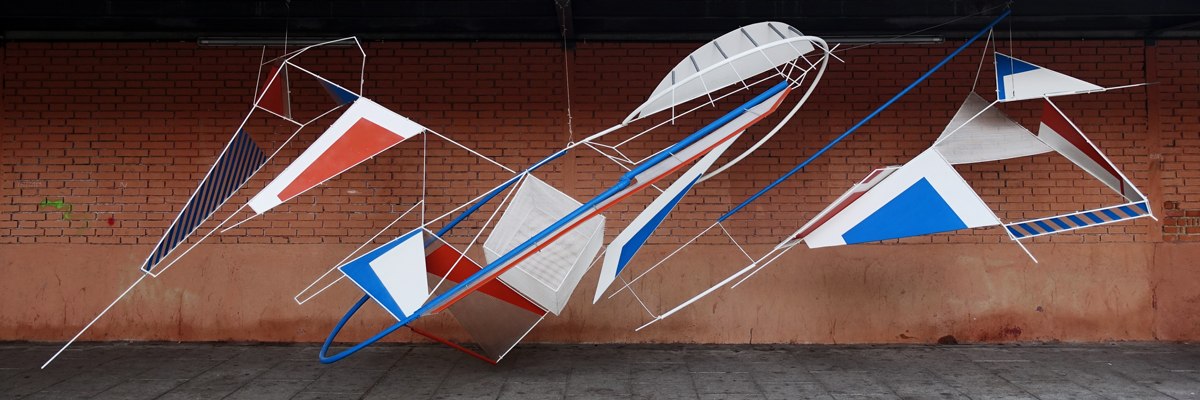
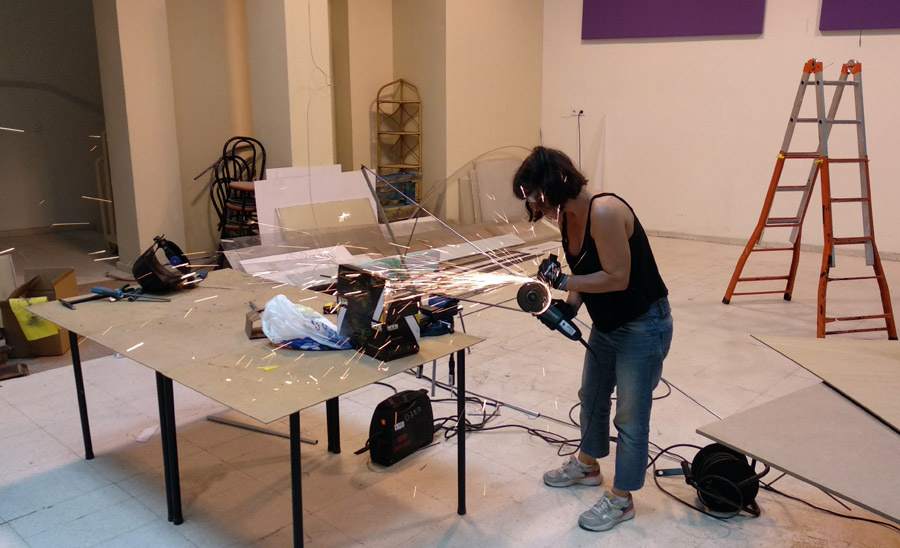
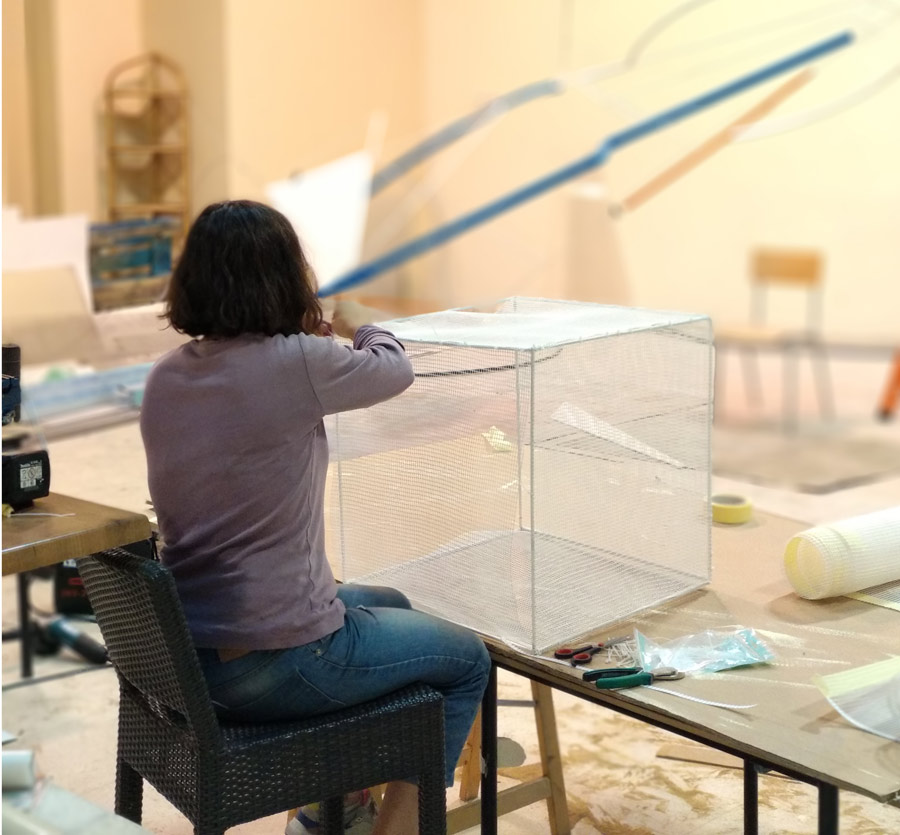
“Then we chose a location and got the materials,” she says of the recycled items with which she built this sculpture. “It is metal and mostly tubes and plastics that were found in abandoned places and waste from some factory of the industrial area that we were in – like plastics that had been used for signs or skylights.”
Officially running from October 1-20, Circular says that the entire concept is meant to reconsider the role of urban art in a city and to return its scope and proportions away from the enormous expanses we have been seeing on the sides of skyscrapers to something that is more, well, human scale. In addition to supporting themes such as sustainability and scale, organizers say they’re less interested in being a tool for gentrification or revitalizing areas for tourism, and more interested in bringing art to neighbors.
“By taking the festival to this area of southern Madrid, we contribute to the decentralization of culture in the city, to the democratization of art and to bringing it closer to all types of audiences,” they say in a description of goals.
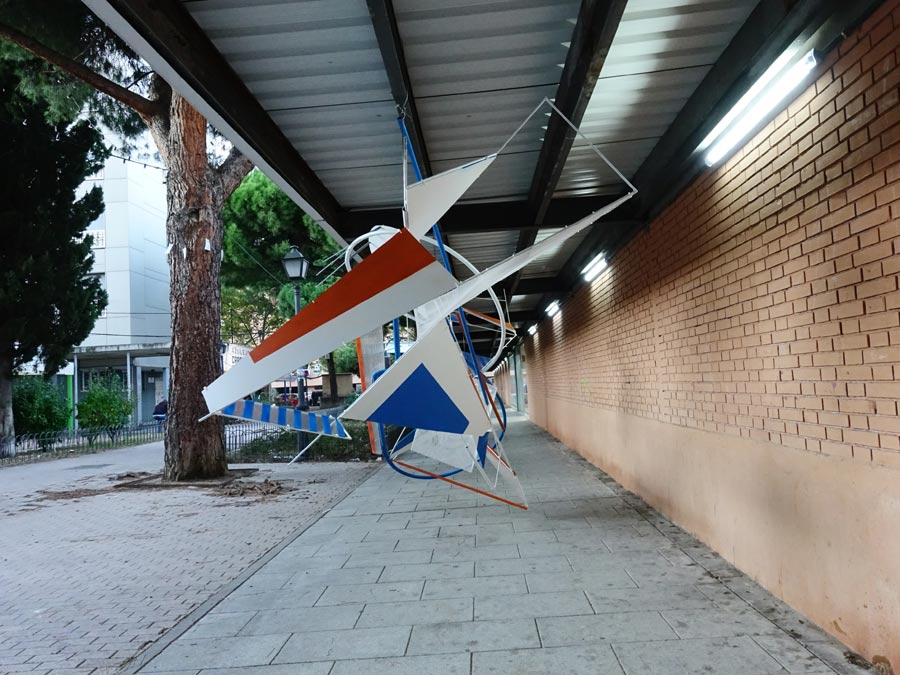
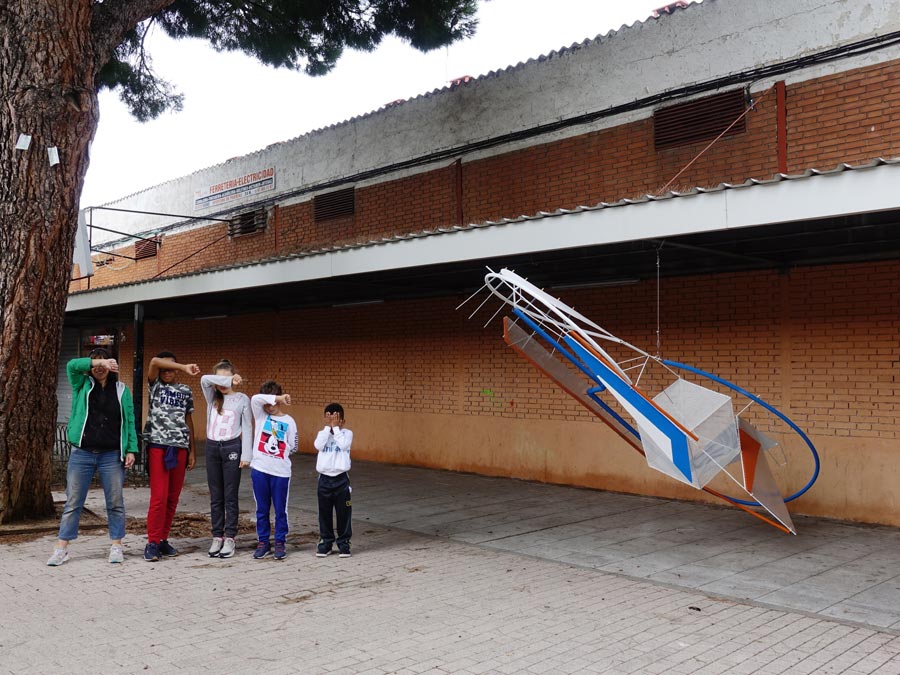
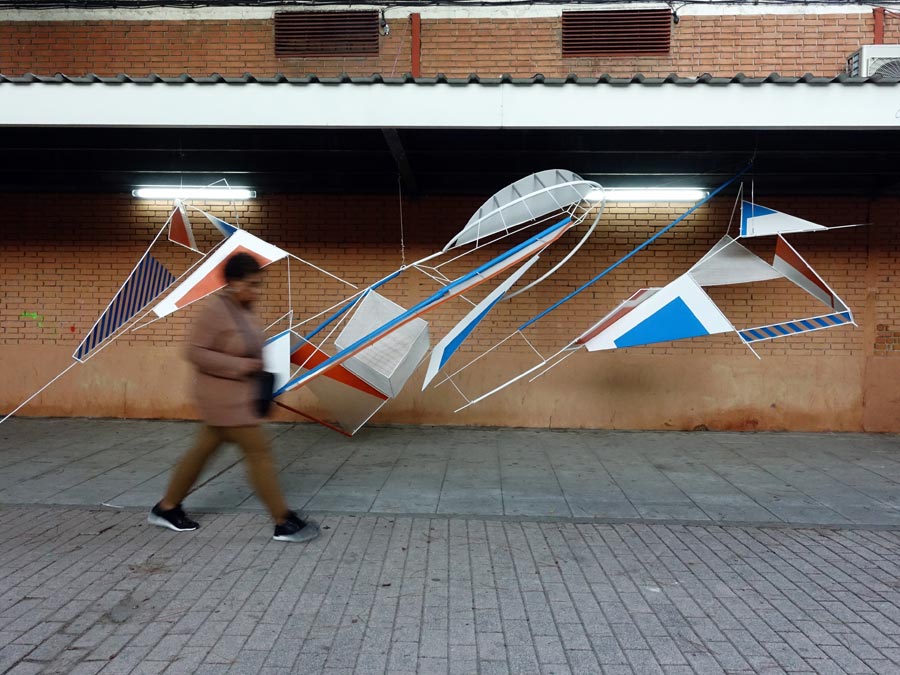
For Elem’s sculpture, which she calls a “floating art installation”, she welded the metal and tried to use colors that are natural to this human-made environment.
“At the same time the colors I used were also the same as the surroundings, being integrated with the landscape,” she says.
“I decided to work under this long-roofed area at the entrance of the main market. I liked the environment and the background and it was easy to hang the piece. I loved that place because you could see a lot of movement of people going to shop and it was interesting seeing their reactions,” she adds, “mostly of surprise.”
“Festival Circular” in San Cristobal de los Angeles, Madrid, is curated by Madrid Street Art Project.
 BROOKLYN STREET ART LOVES YOU MORE EVERY DAY