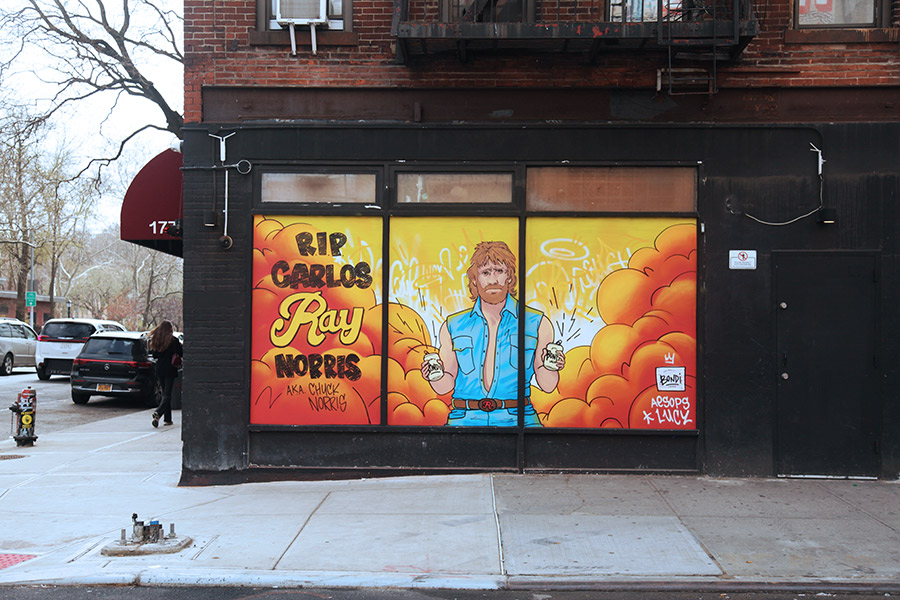
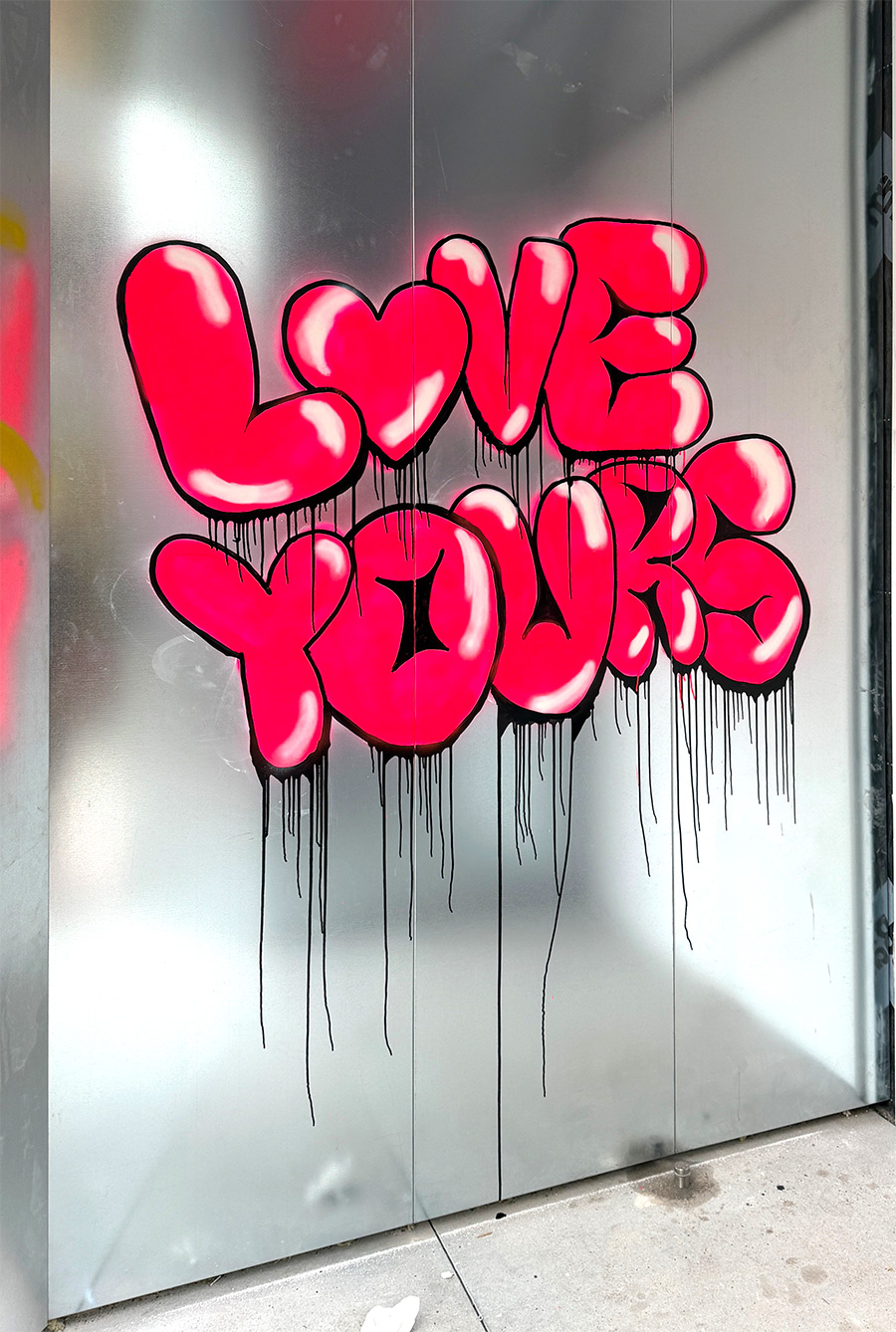
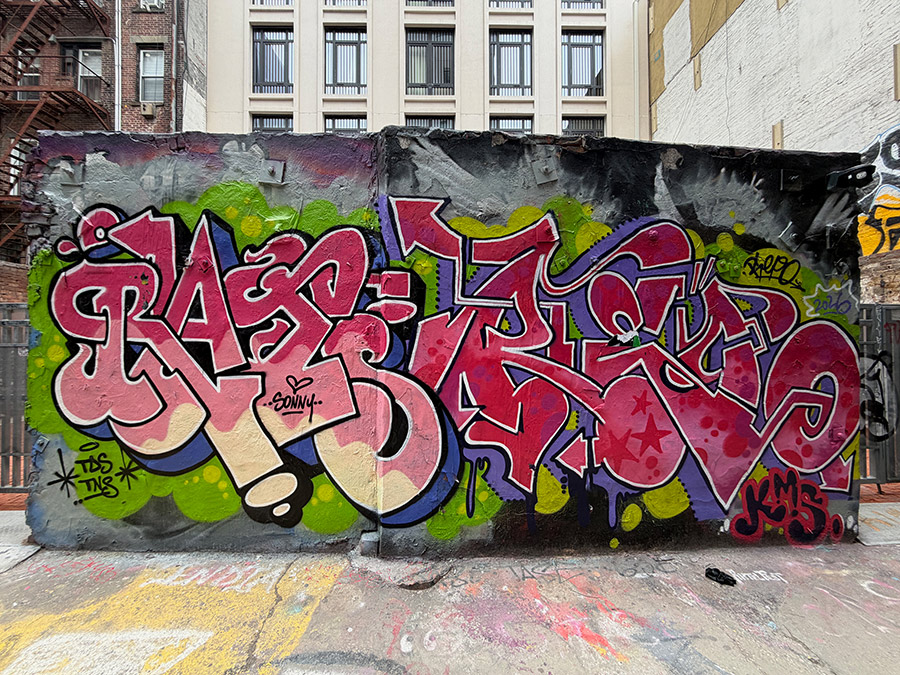
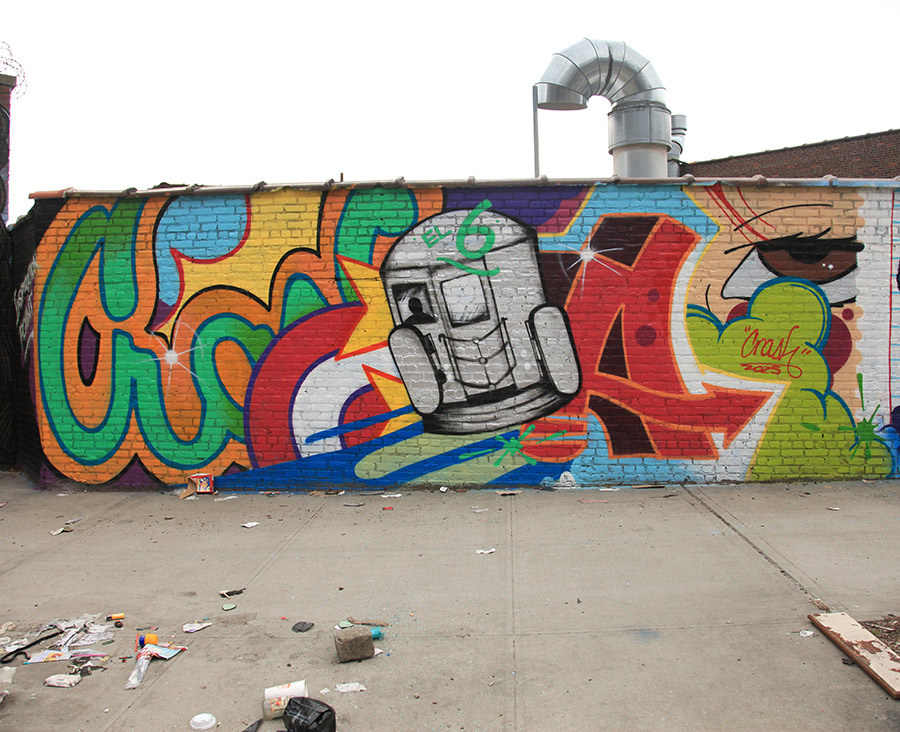
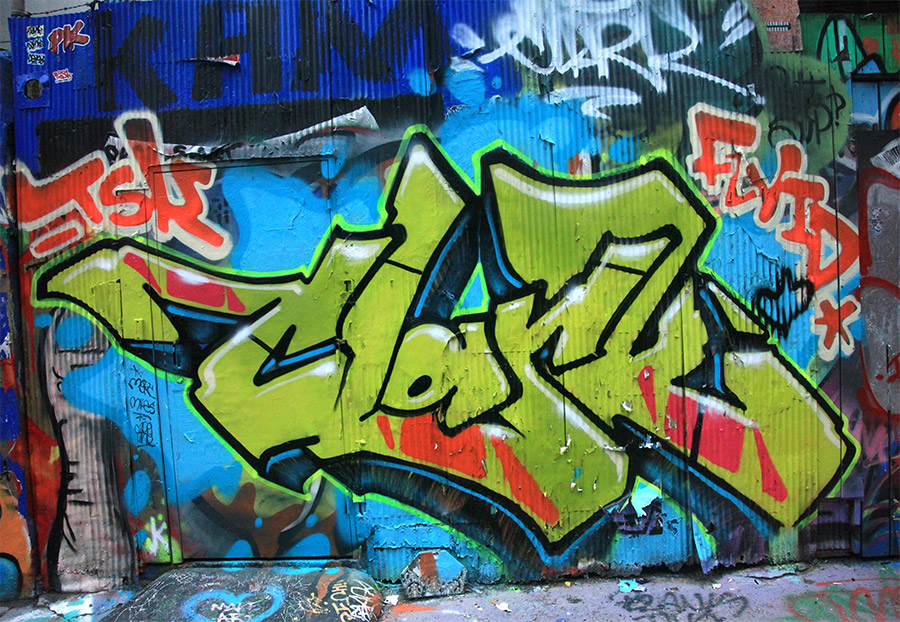
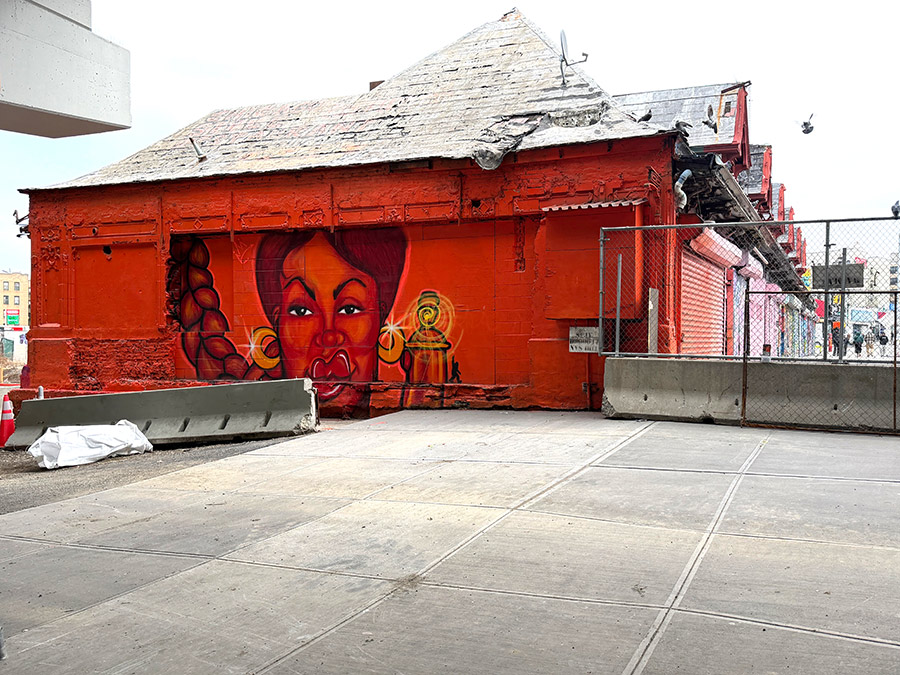
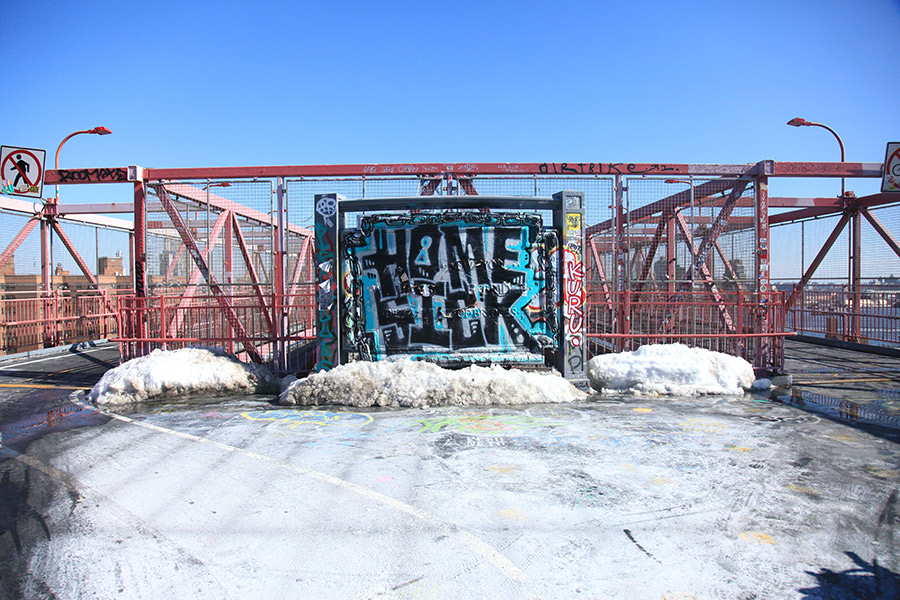
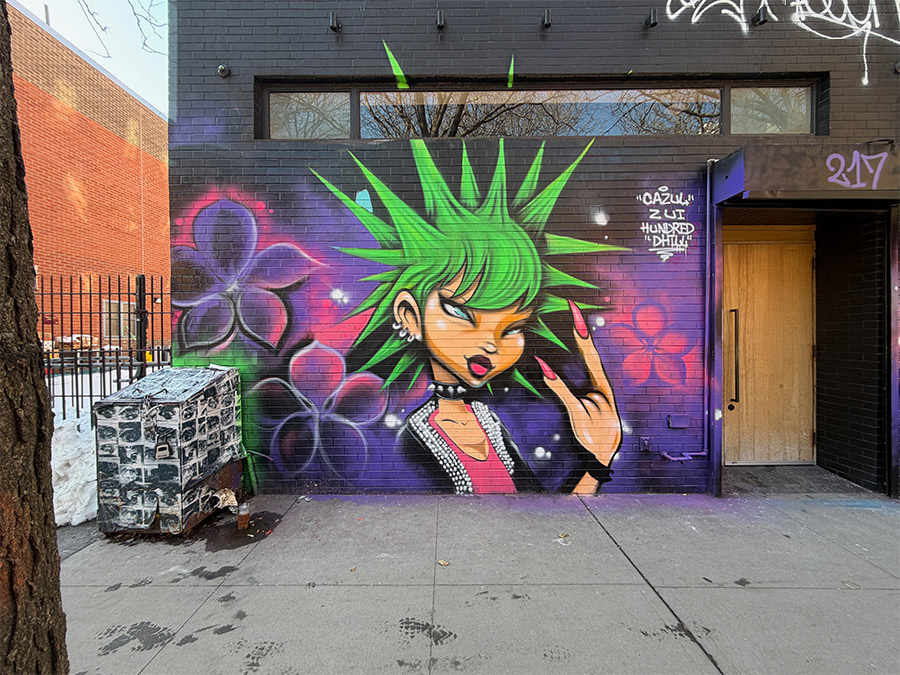
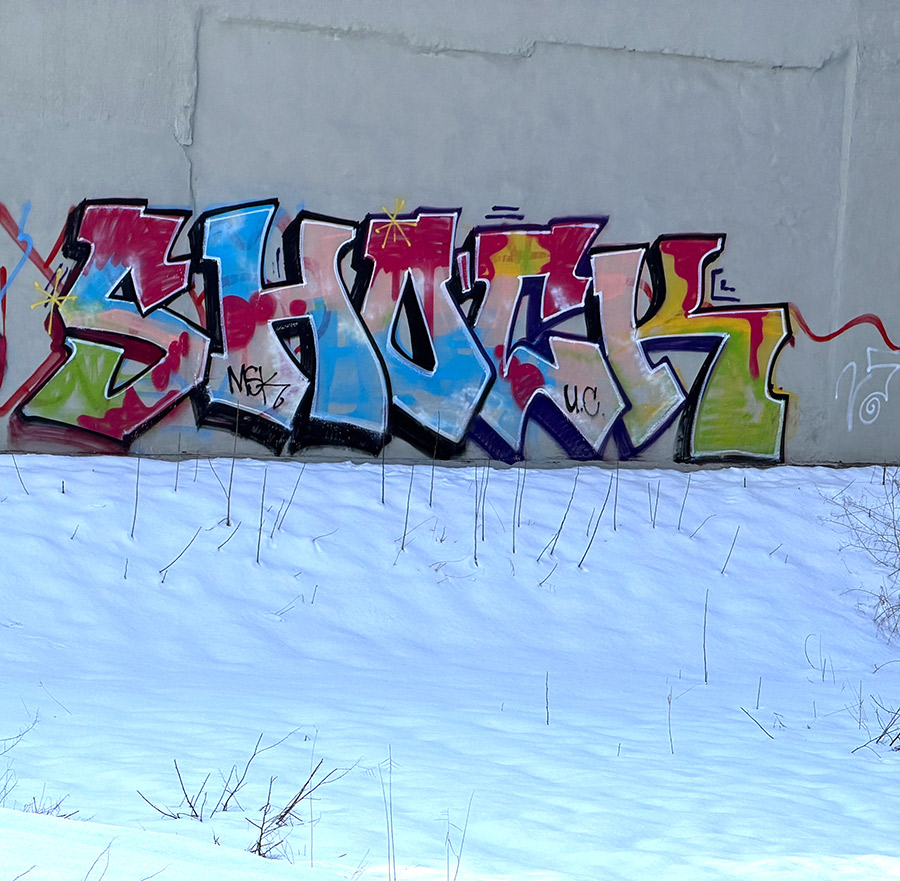
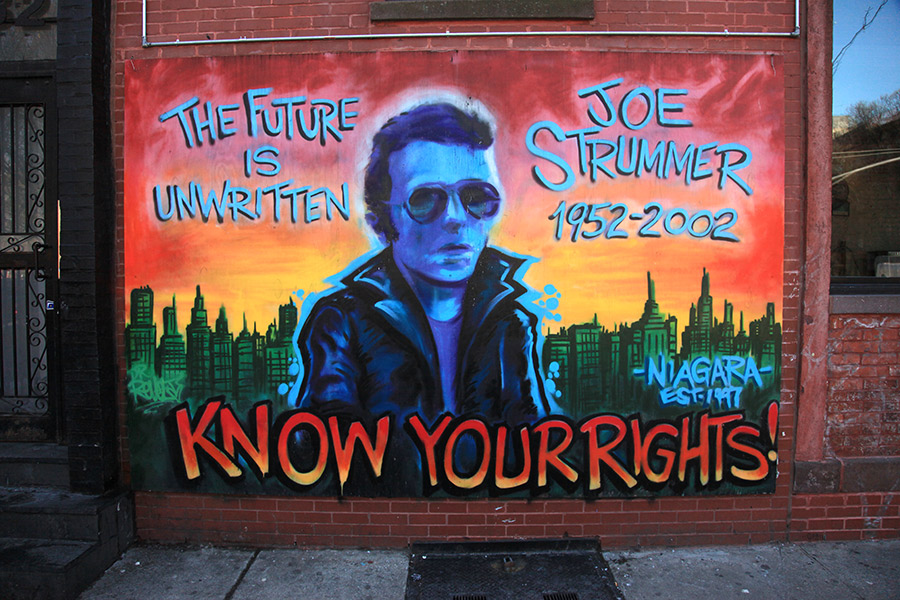
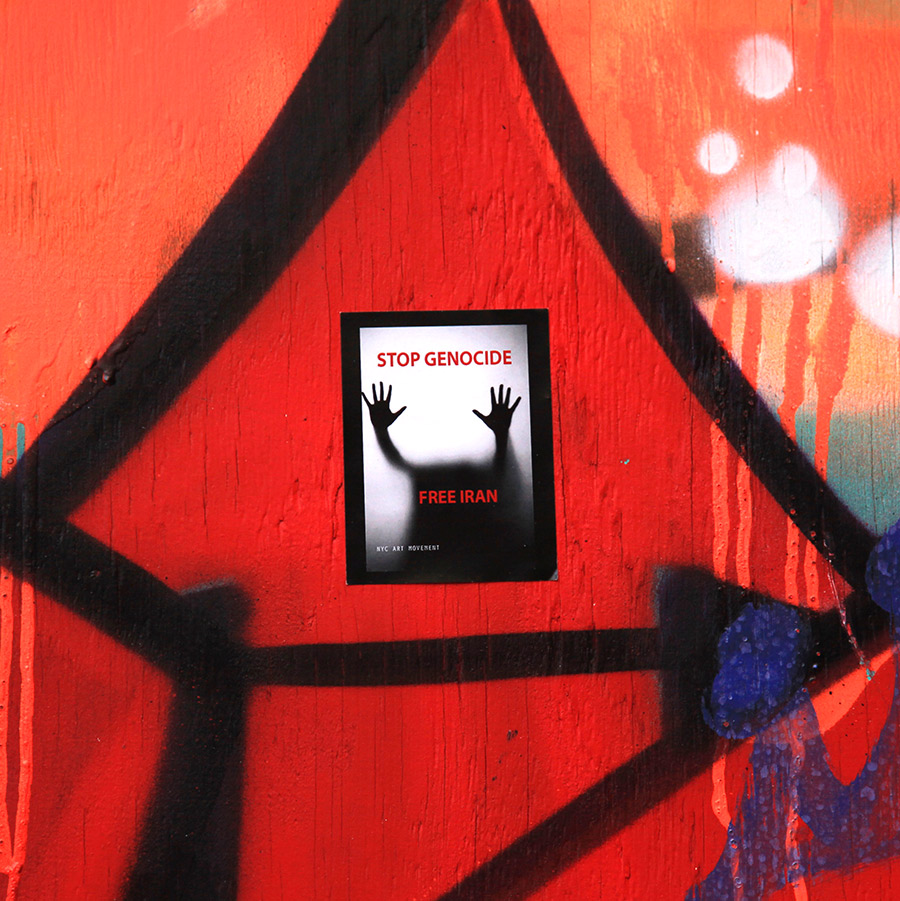
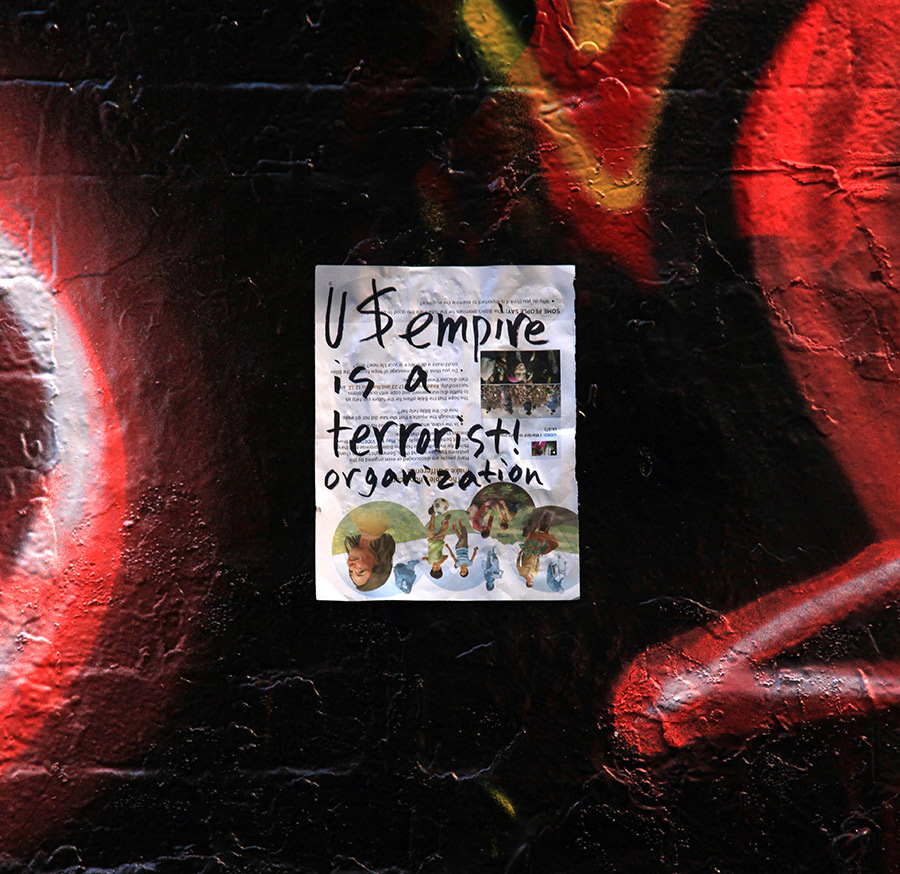
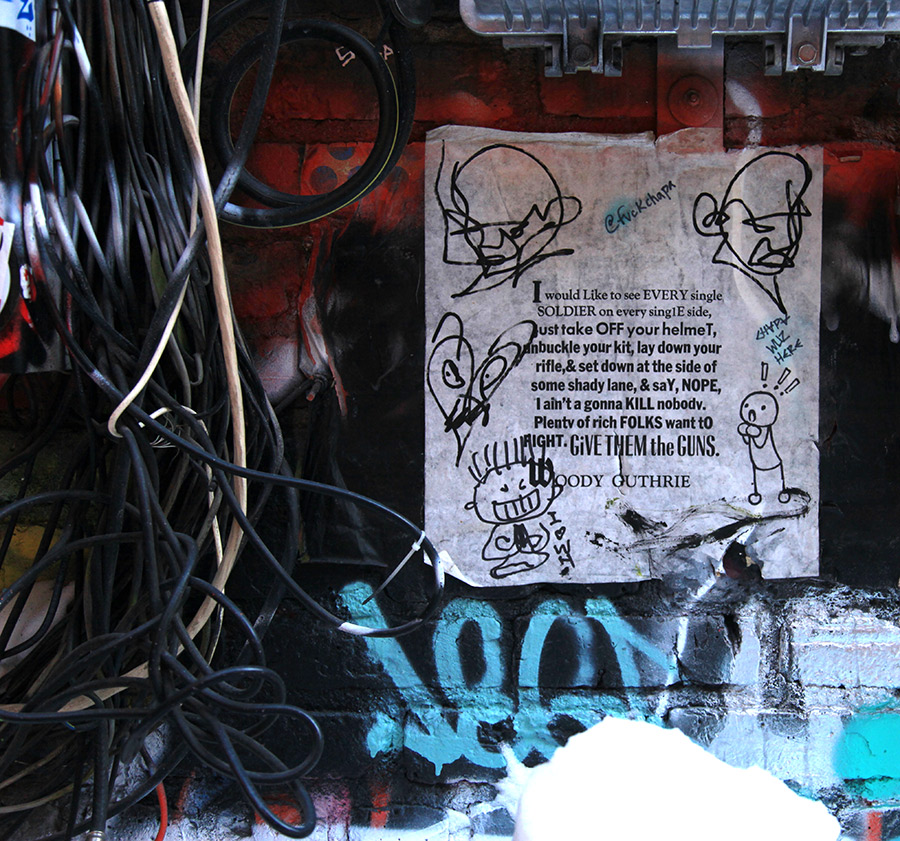
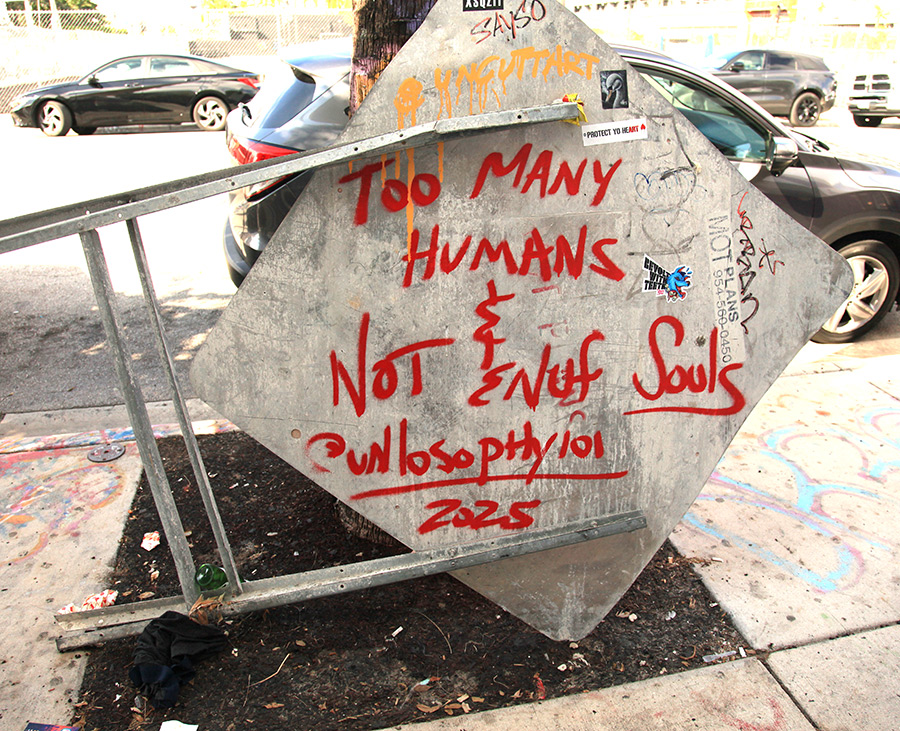
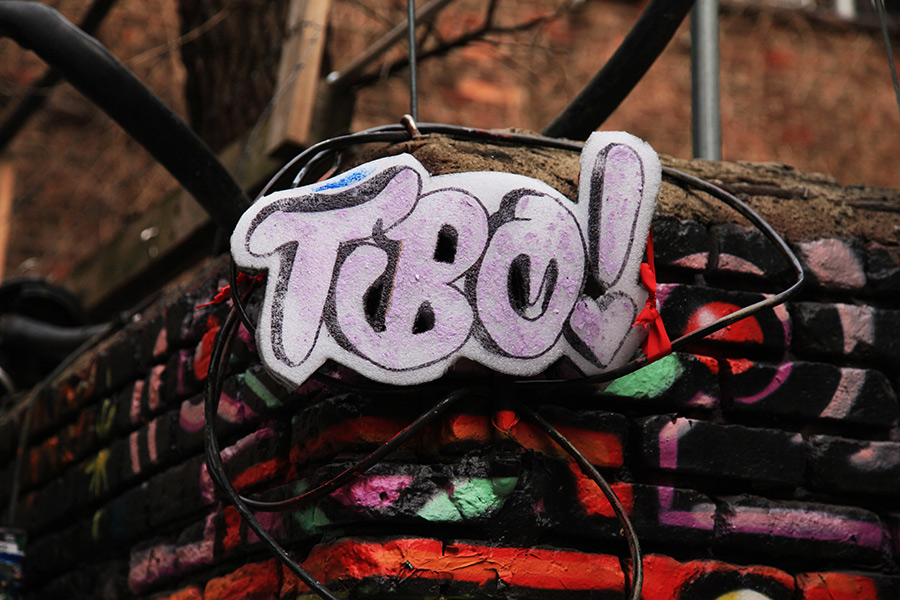
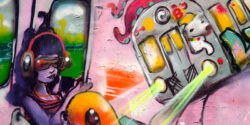
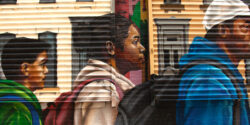
Welcome to BSA Images of the Week! Yes, the Trump war on Iran drags on, months after he declared victory. Unipolar has gone up in flames, and multipolar is the world reality when it comes to power, geopolitics, and solving problems, contributing to the news headlines feeling bi-polar from one day to the next.
Did you see the new graffiti-on-a-subway-car-themed Brooklyn lapel pin sported by Brooklyn Borough President Antonio Reynoso? 17-year-old born and raised Brooklynite Mellina Melezhik won the first-ever “Brooklyn Pin Design Competition”. Remember when political leaders upbraided and threatened teens for spray-painting the subway? Clearly, the lines between mural appreciation and illegal vandalism are unclear now.
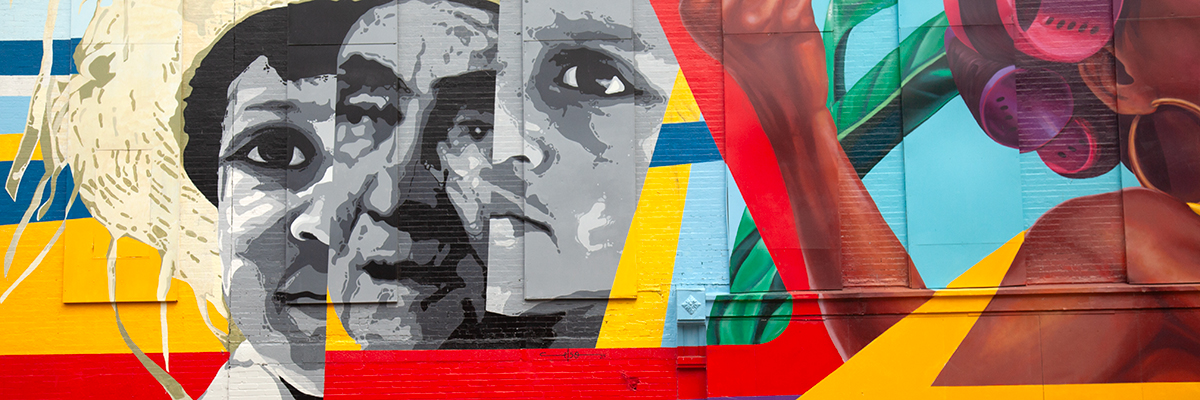
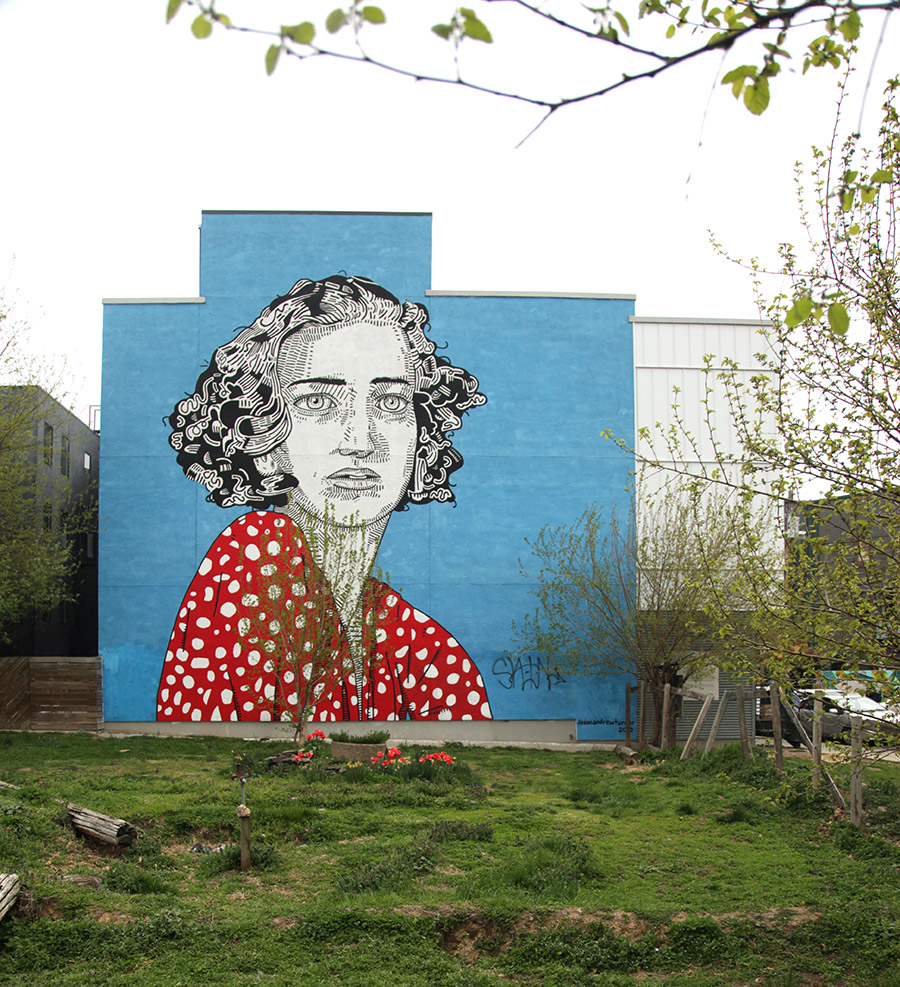
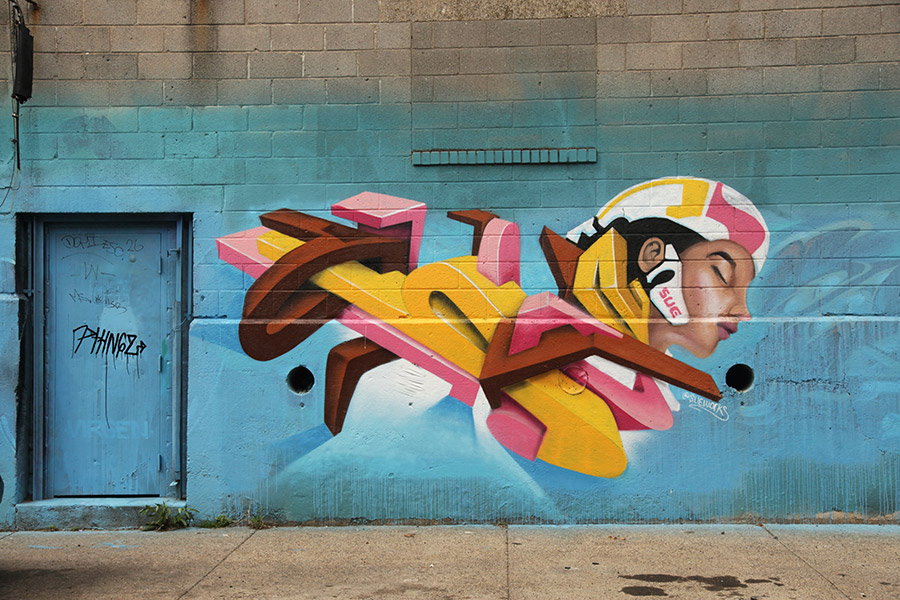
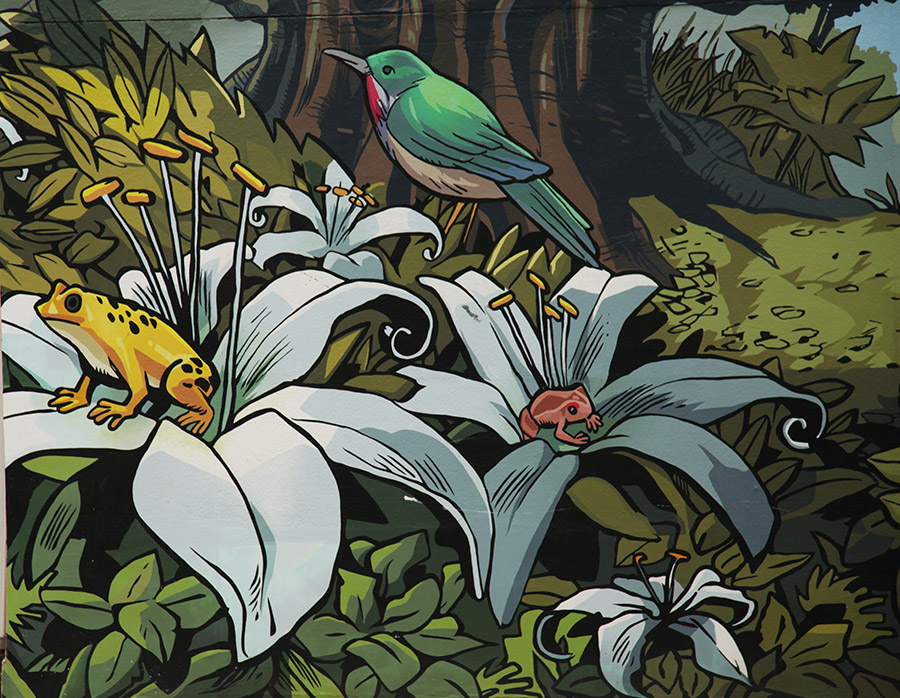
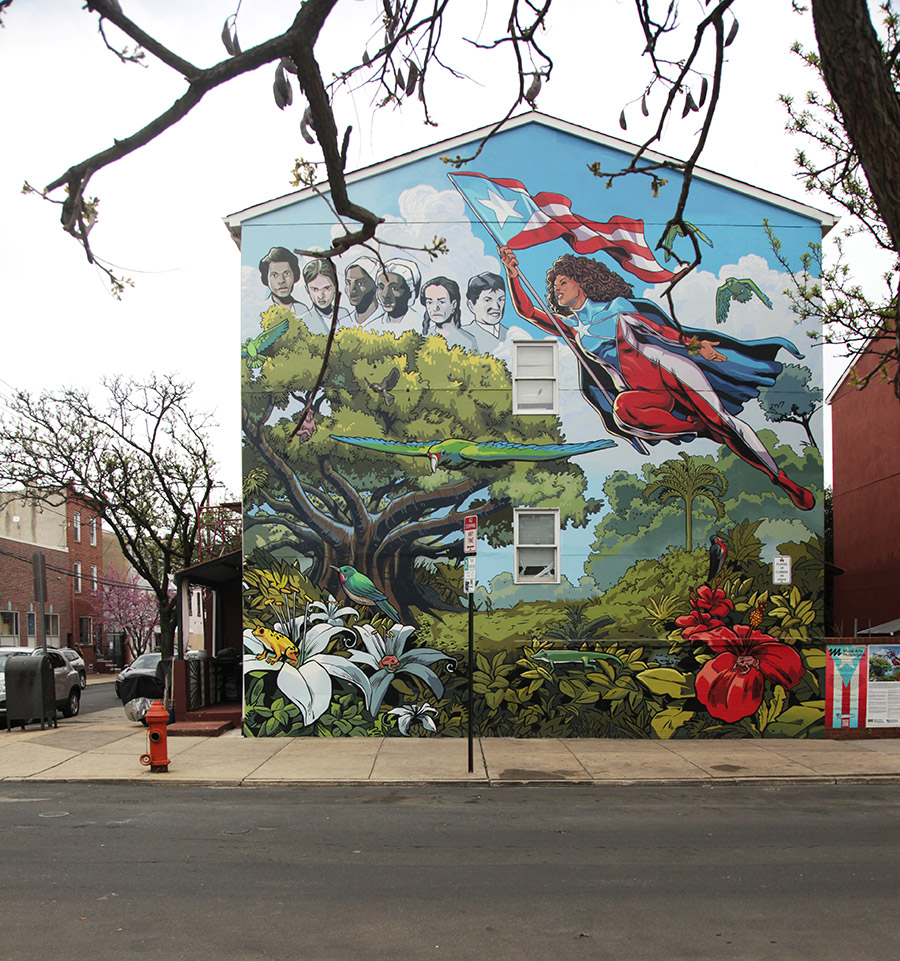
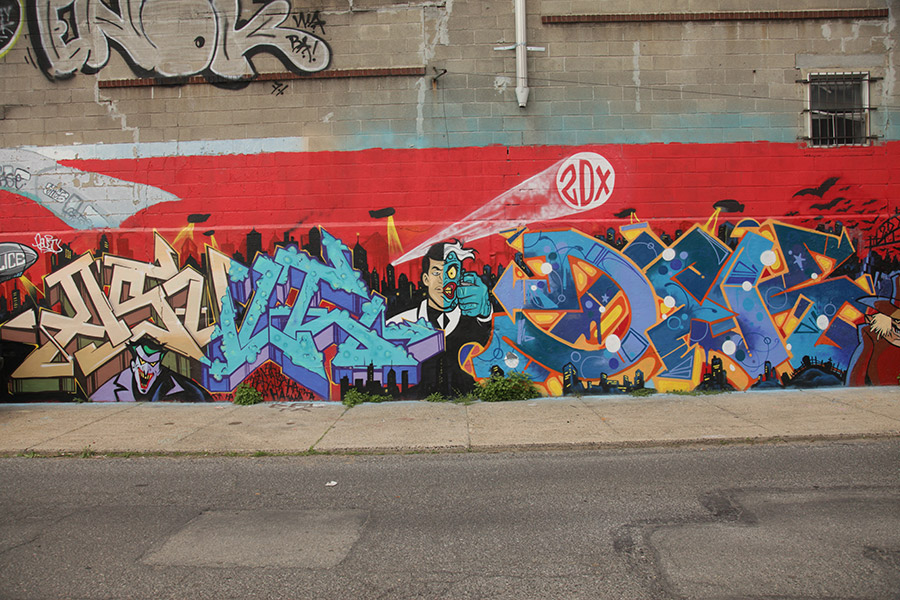
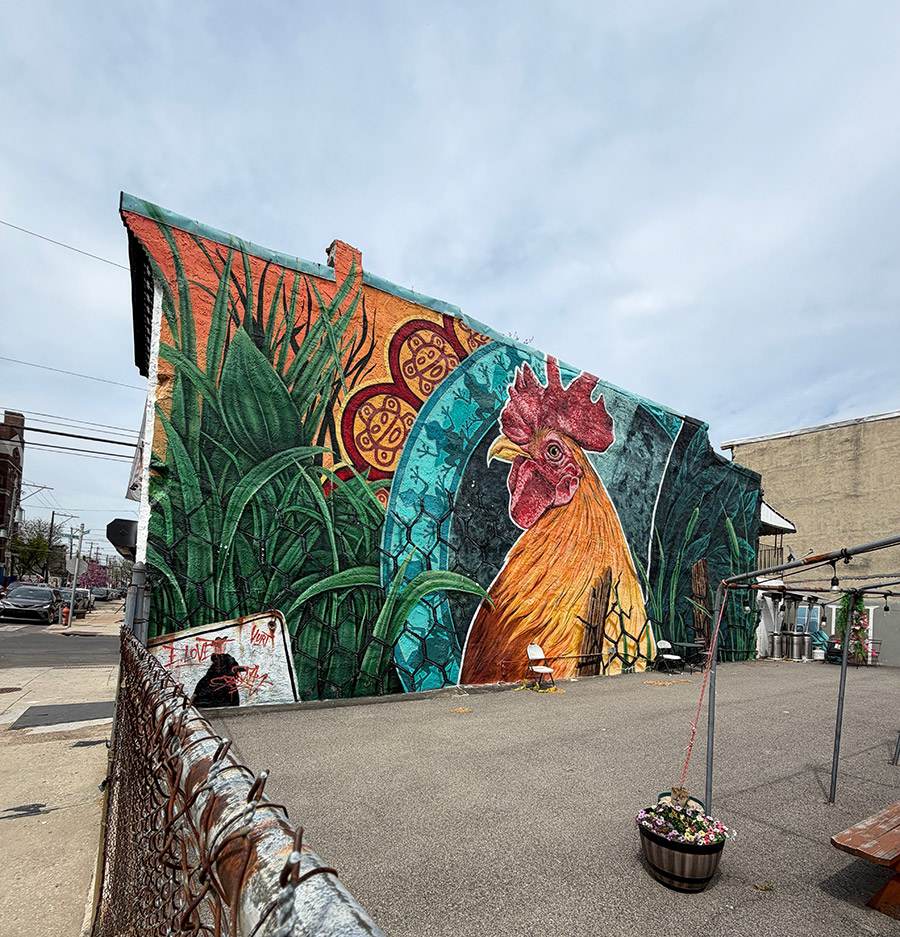
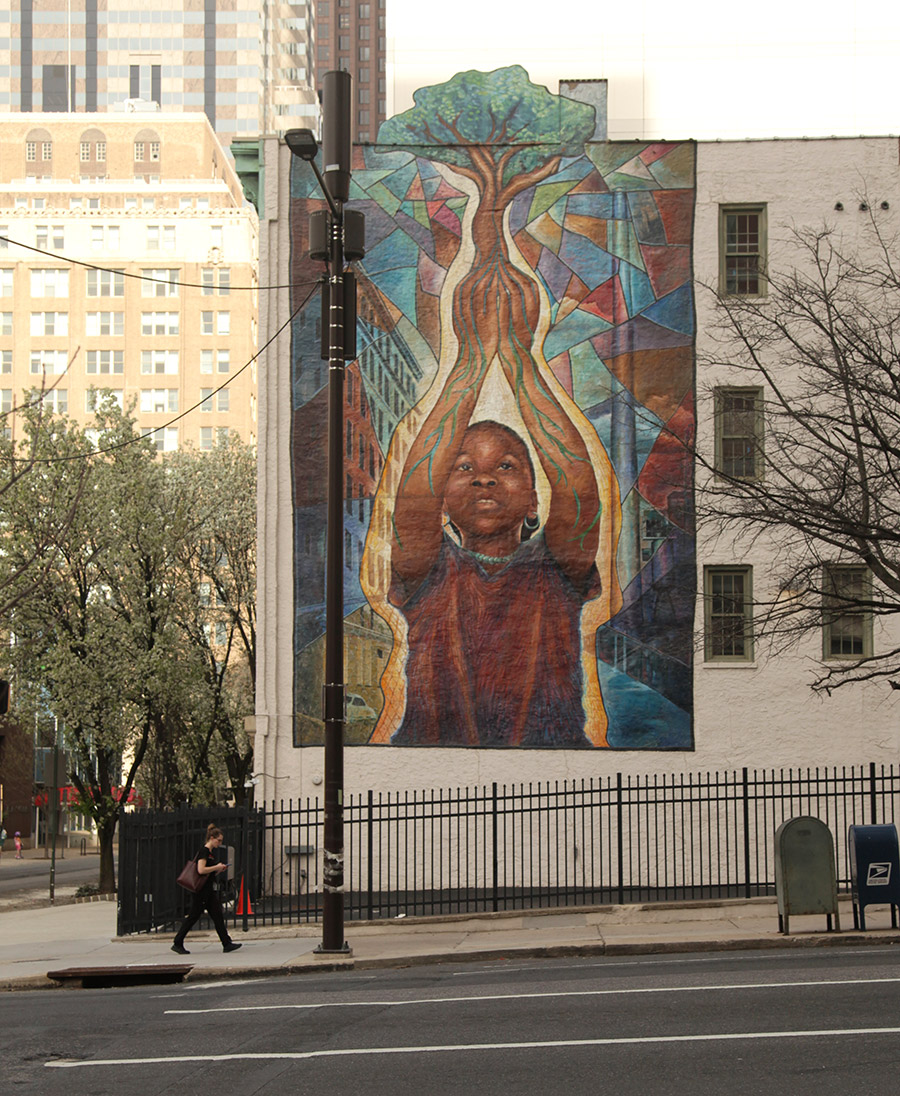
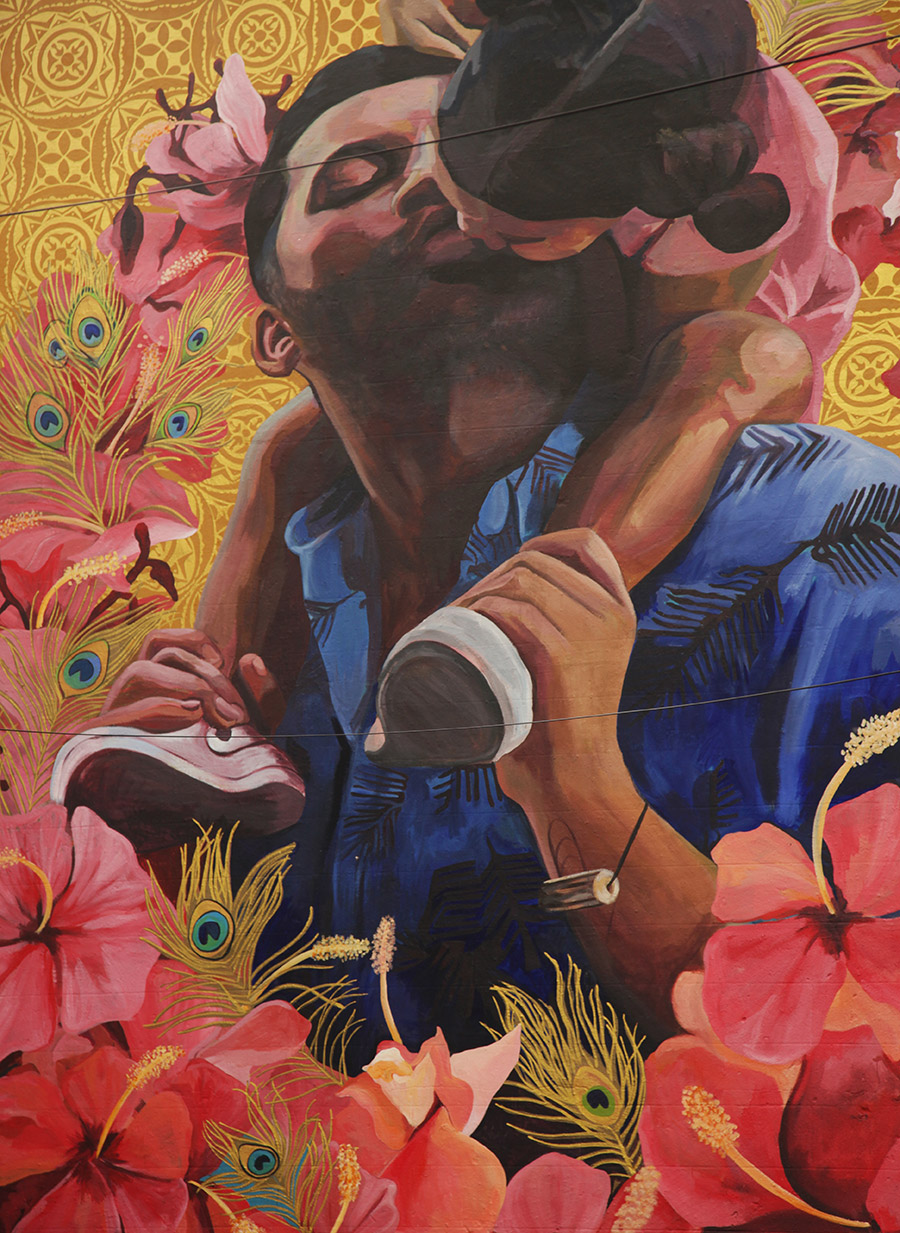
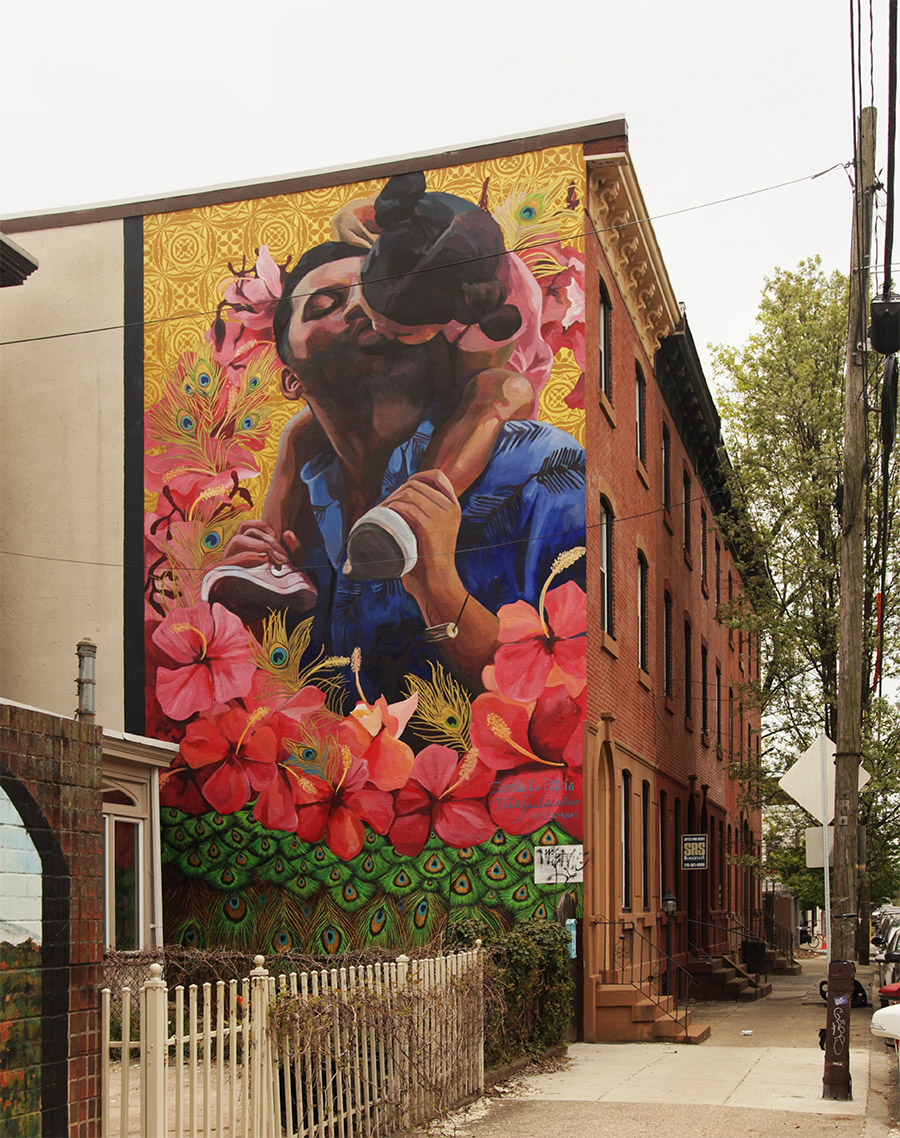
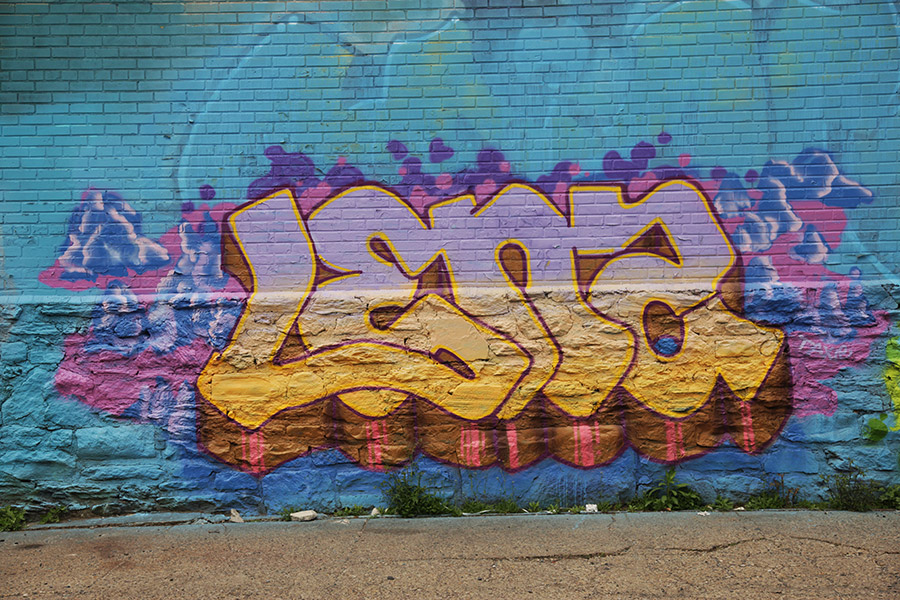
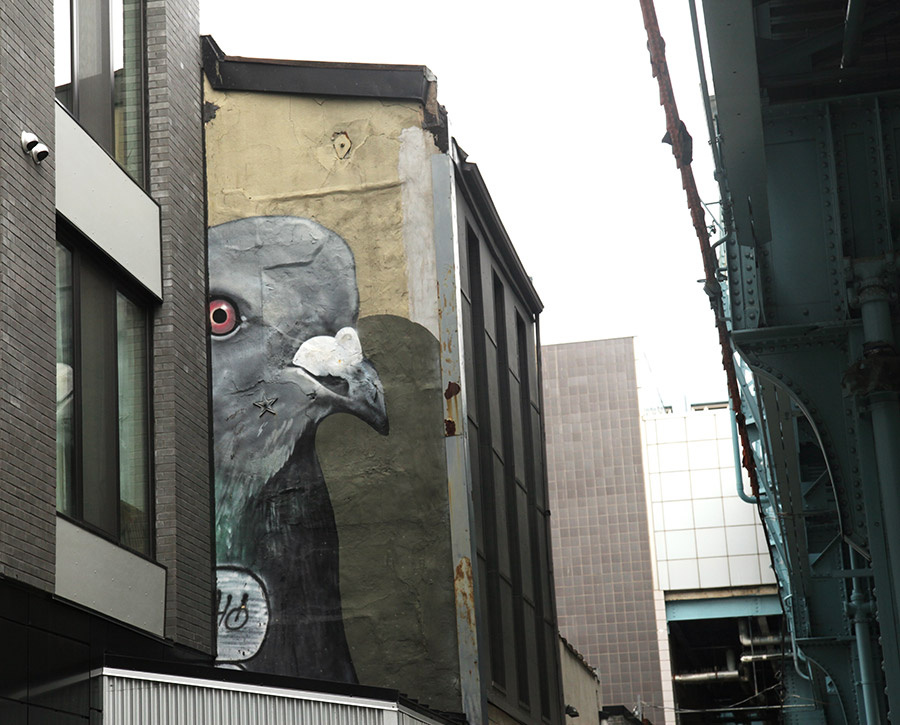
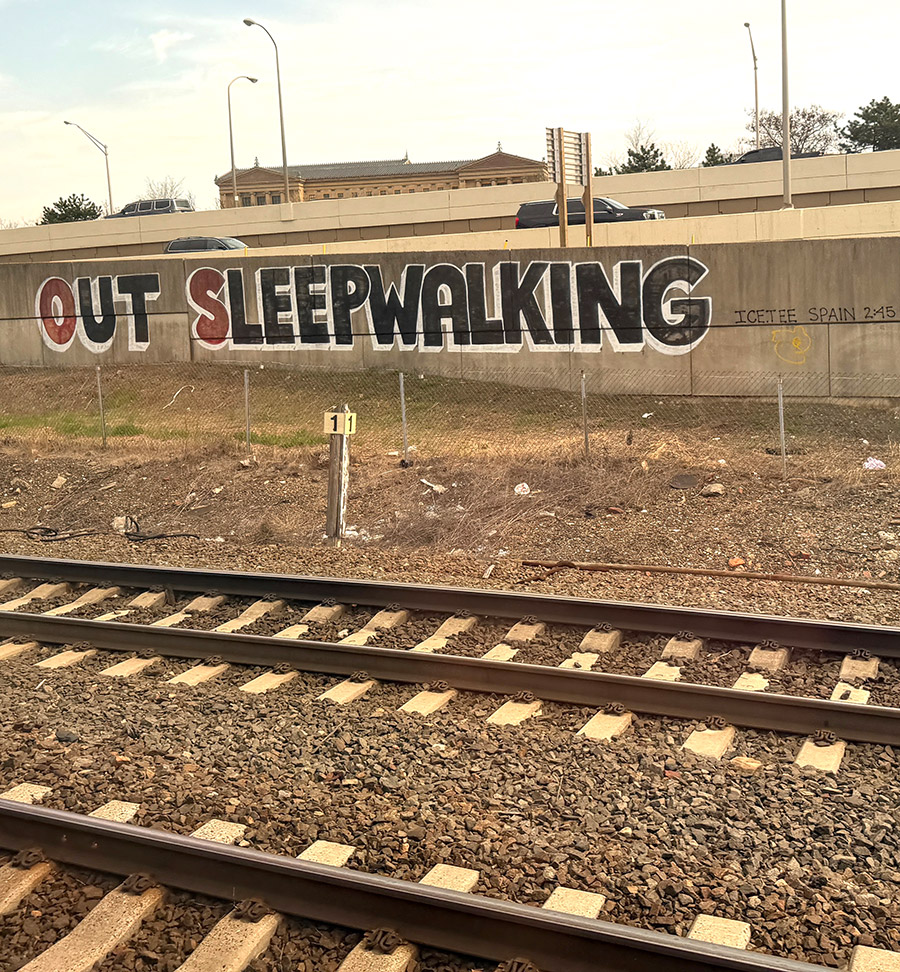
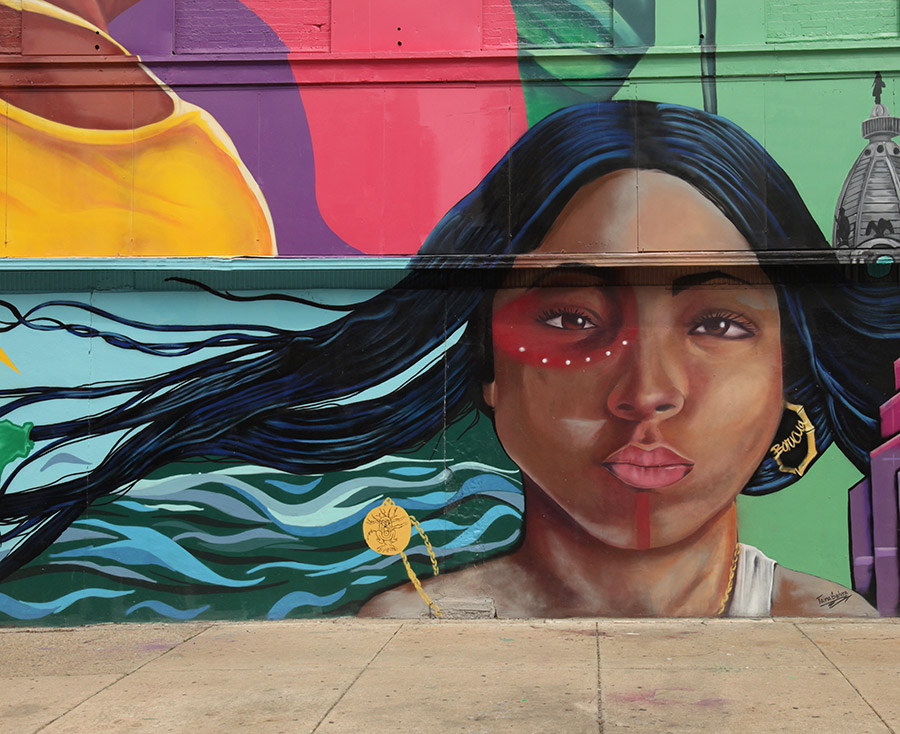
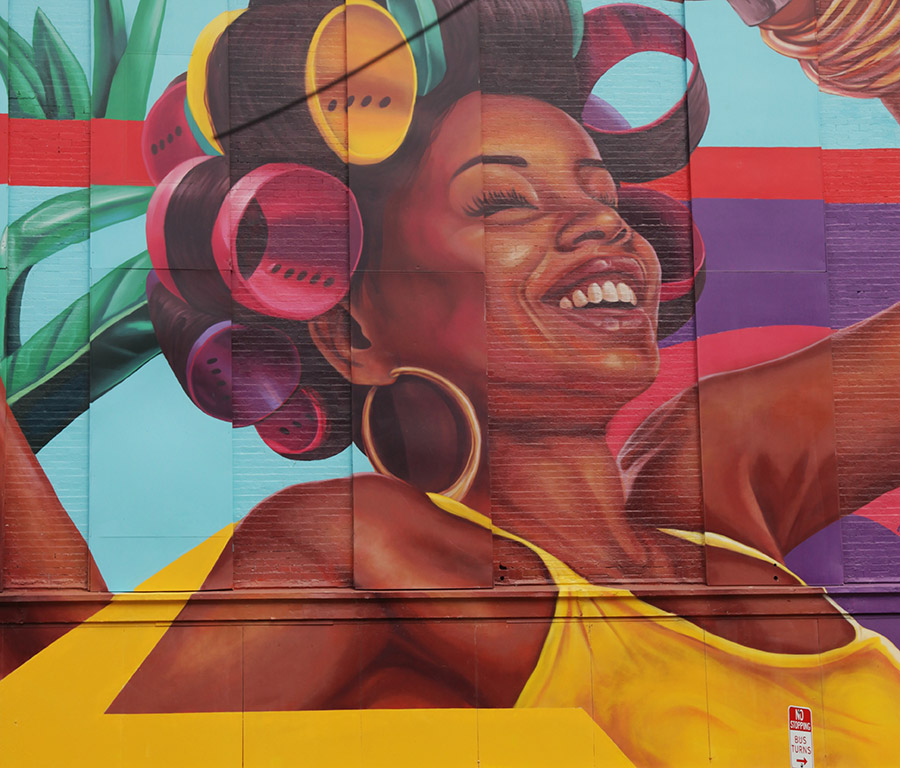
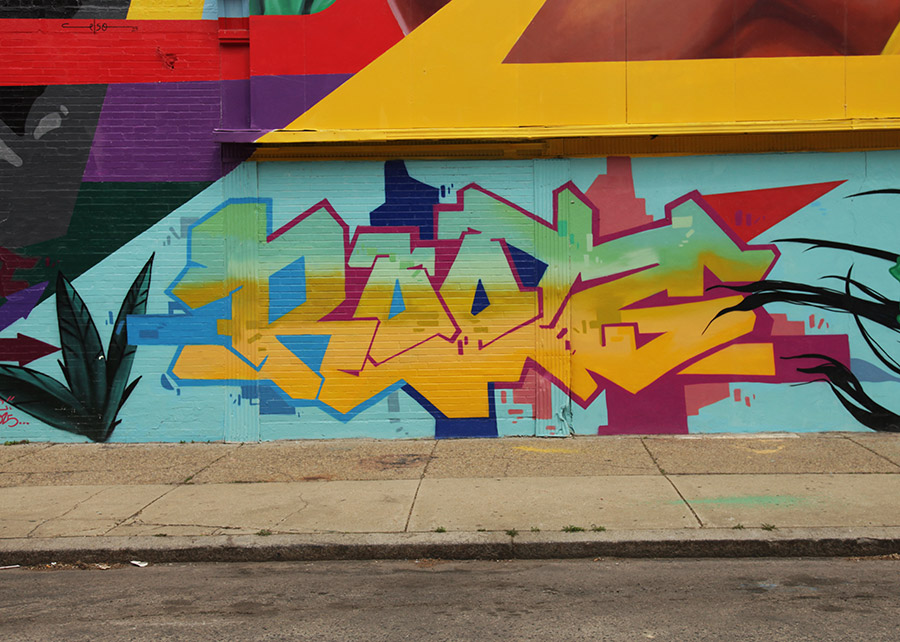
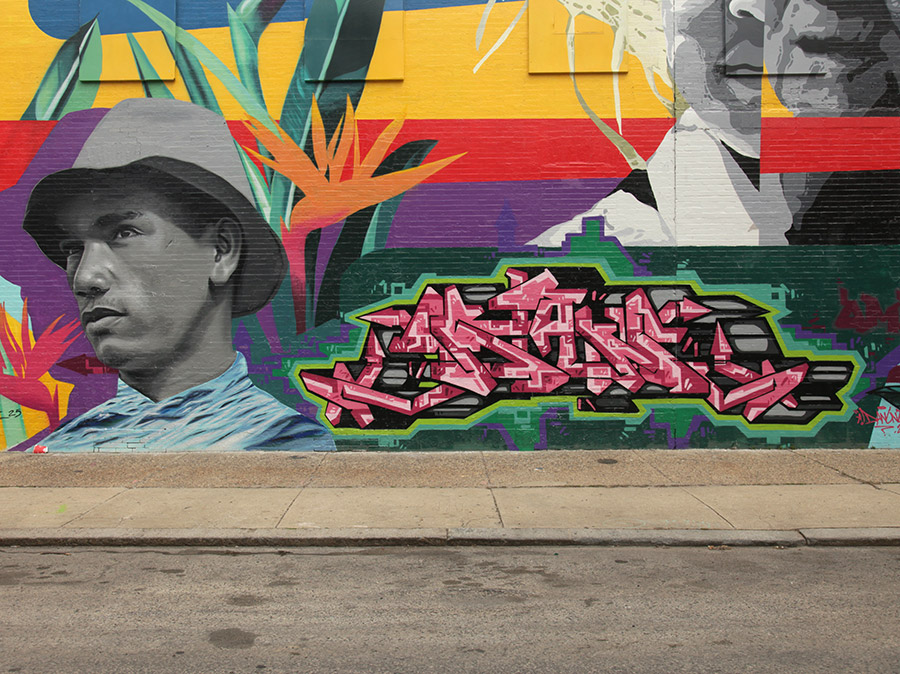
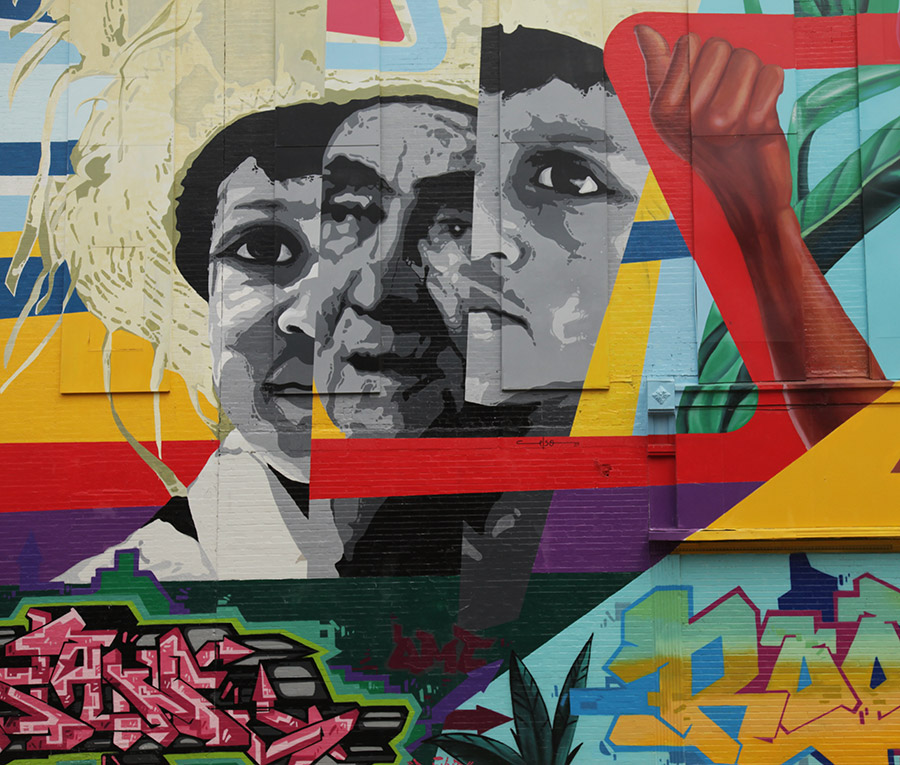
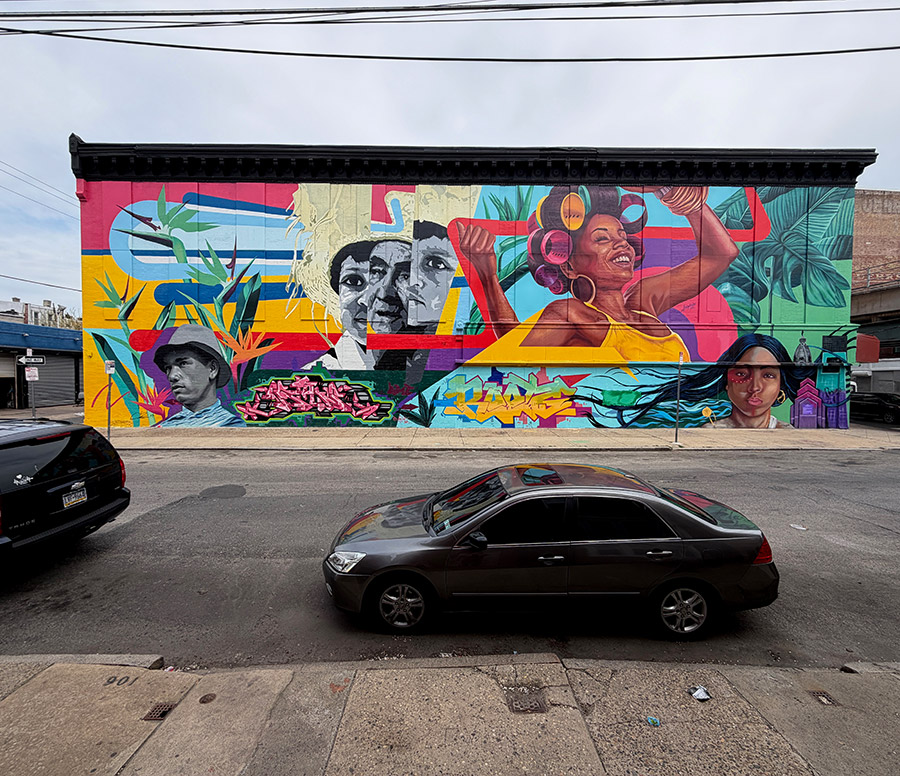
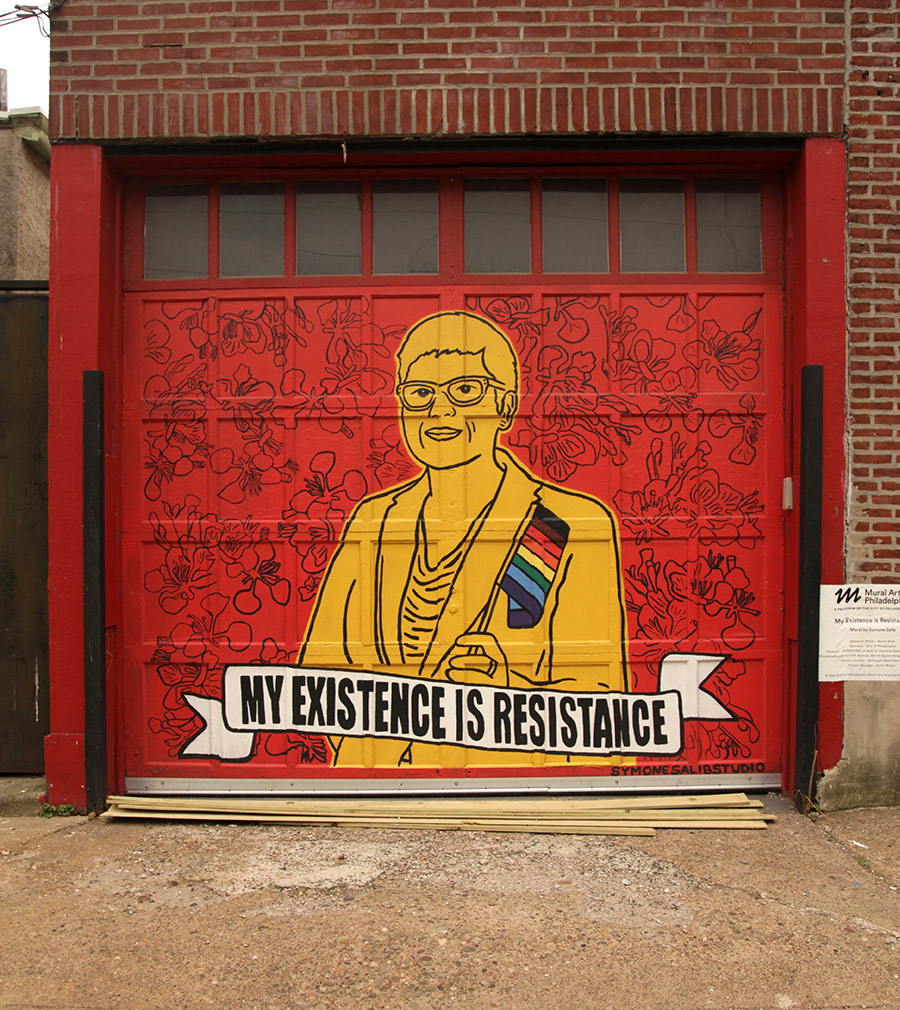
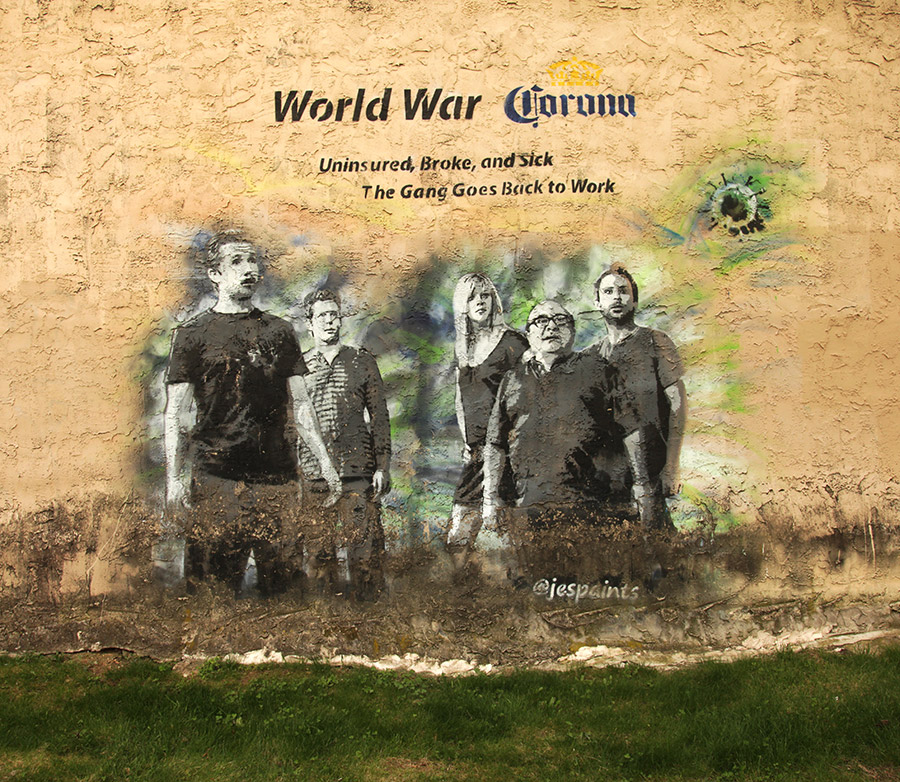
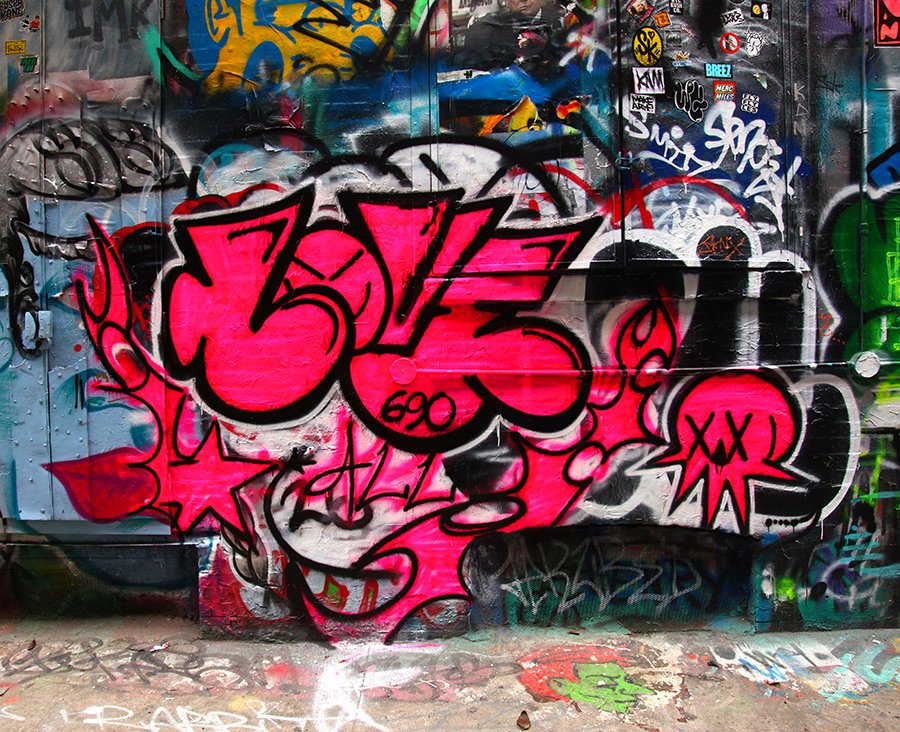
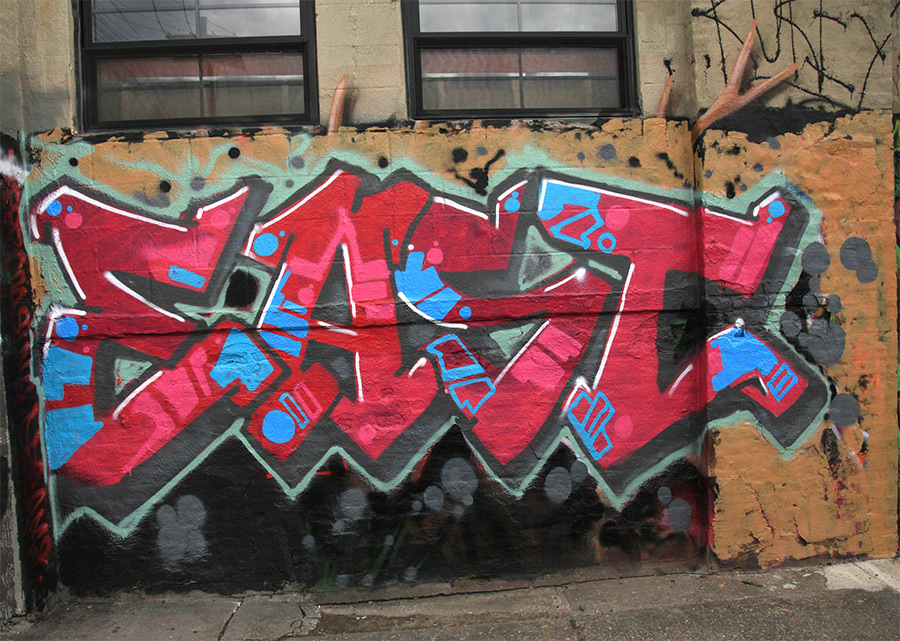
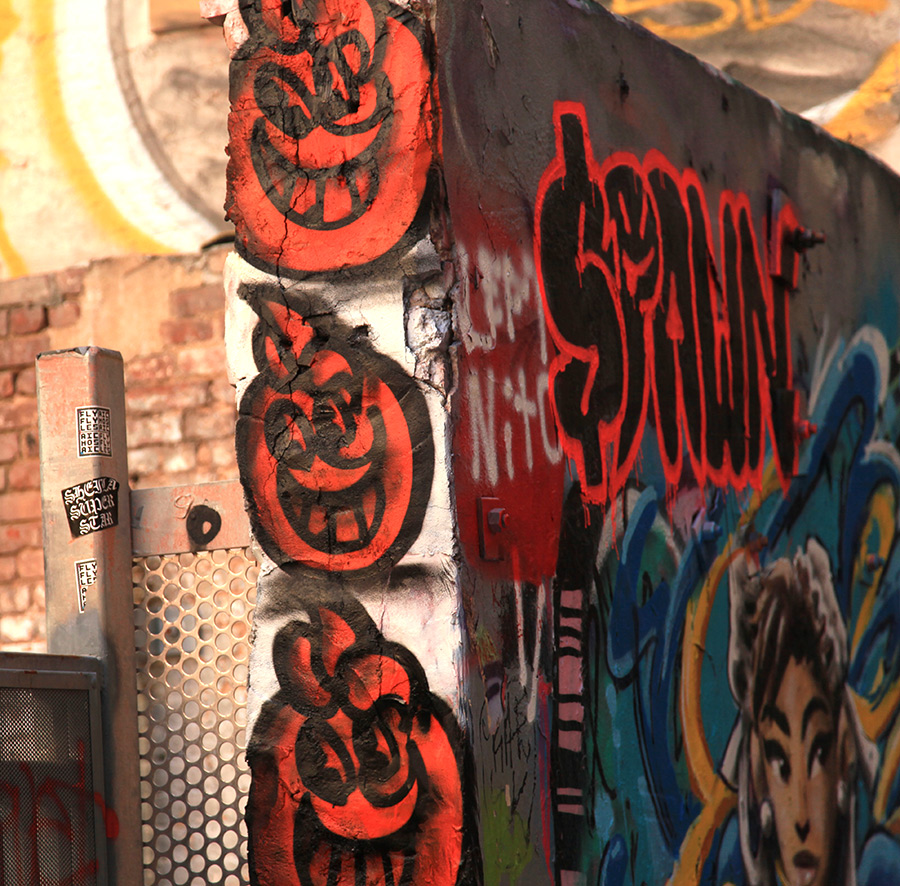
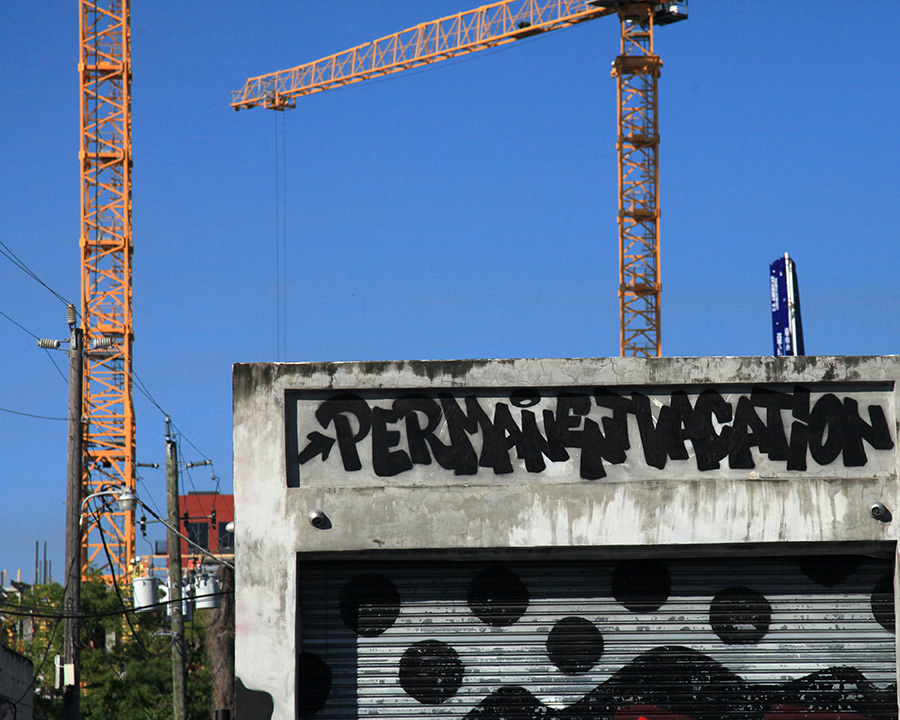
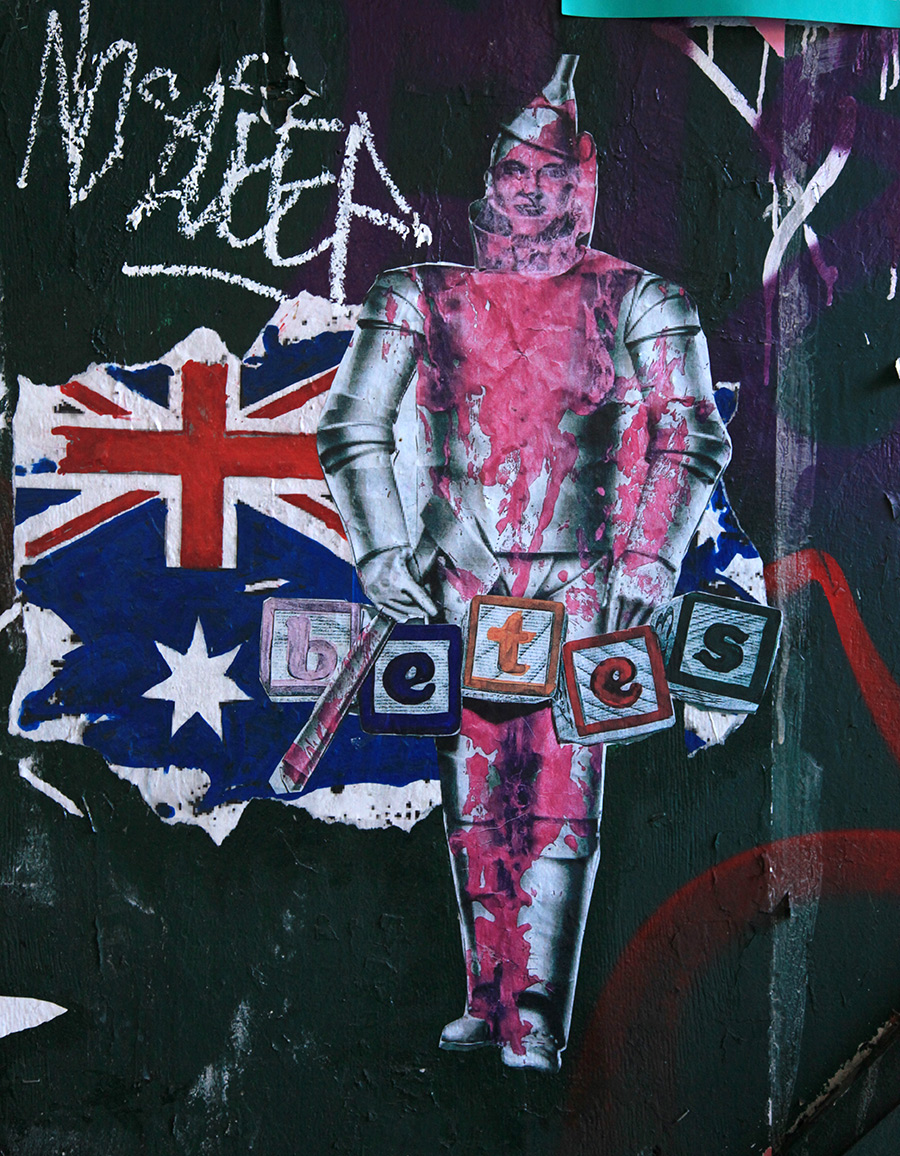
We got down to the City of Brotherly Love this week to see the King and Queen of the Netherlands checking out a graffiti- and street art–inspired façade (more on that soon), and took the opportunity to photograph both the legal and illegal walls around Fishtown. This Philadelphia neighborhood is in the throes of gentrification, as street art and murals often arrive alongside the process—followed, as ever, by tech and hedge fund bros, designers, portfolio managers, and a steady wave of young, affluent transplants from New York and Boston looking for better real estate prices. Naturally, there is the violence of economic displacement of longtime resident families.
What we found was an amazing mix of styles and influences; this is a neighborhood where legacy graffiti culture, global street art aesthetics, and institutional muralism are all stacked on top of each other—sometimes in dialogue, sometimes in competition. Take a look below and decide who the winners are.
Artists and writers this week include 2DX, AESOP ONE. Angurria, Betsy Casana, Calor Rosa, Celso Gonzalez, DanOne, Edgardo Miranda-Rodriguez, Invurt, Jason Andrew Turner, Jes Paints, Josh Sarantitis, Mike Hawthorne, Sabrina Cintron, Symone Salib, Taina Sisters, Vanessa Vega, and Vurt.
Welcome to BSA Images of the Week. We are following, with you and the rest of the world, the negotiations between Iran and the Trumpsters. We imagine that you cannot trust anything that comes from a foreign leader who said earlier in the week “a whole civilization will die tonight” in a social media post. Meanwhile, a 2-liter Coke is $4.10 at your local deli – about the same as a gallon of gas nationwide, and all young men 18-26 are going to be automatically registered for the draft. We’re trying to think of a clever joke to insert here, but nothing is coming up.
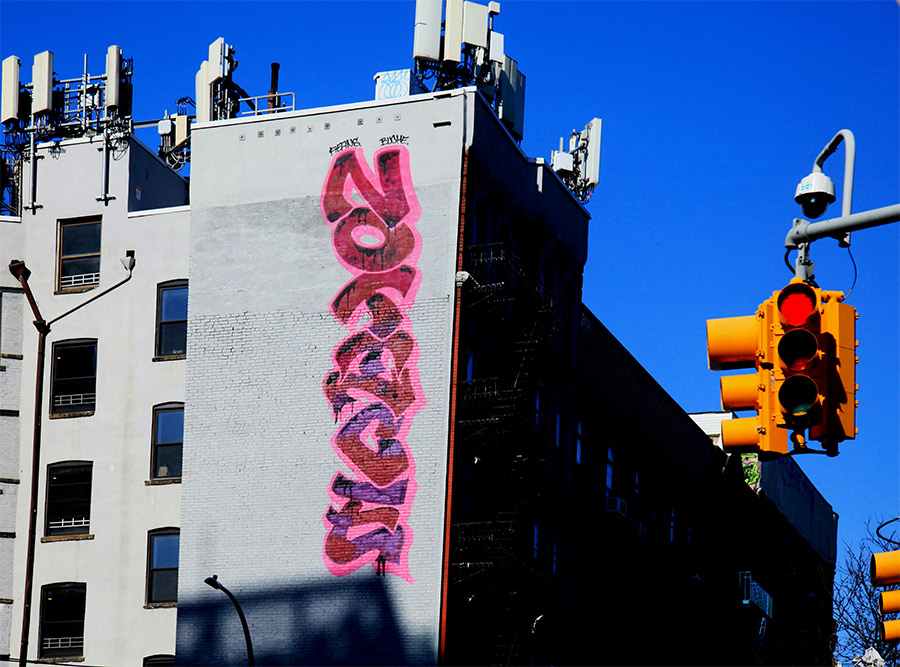
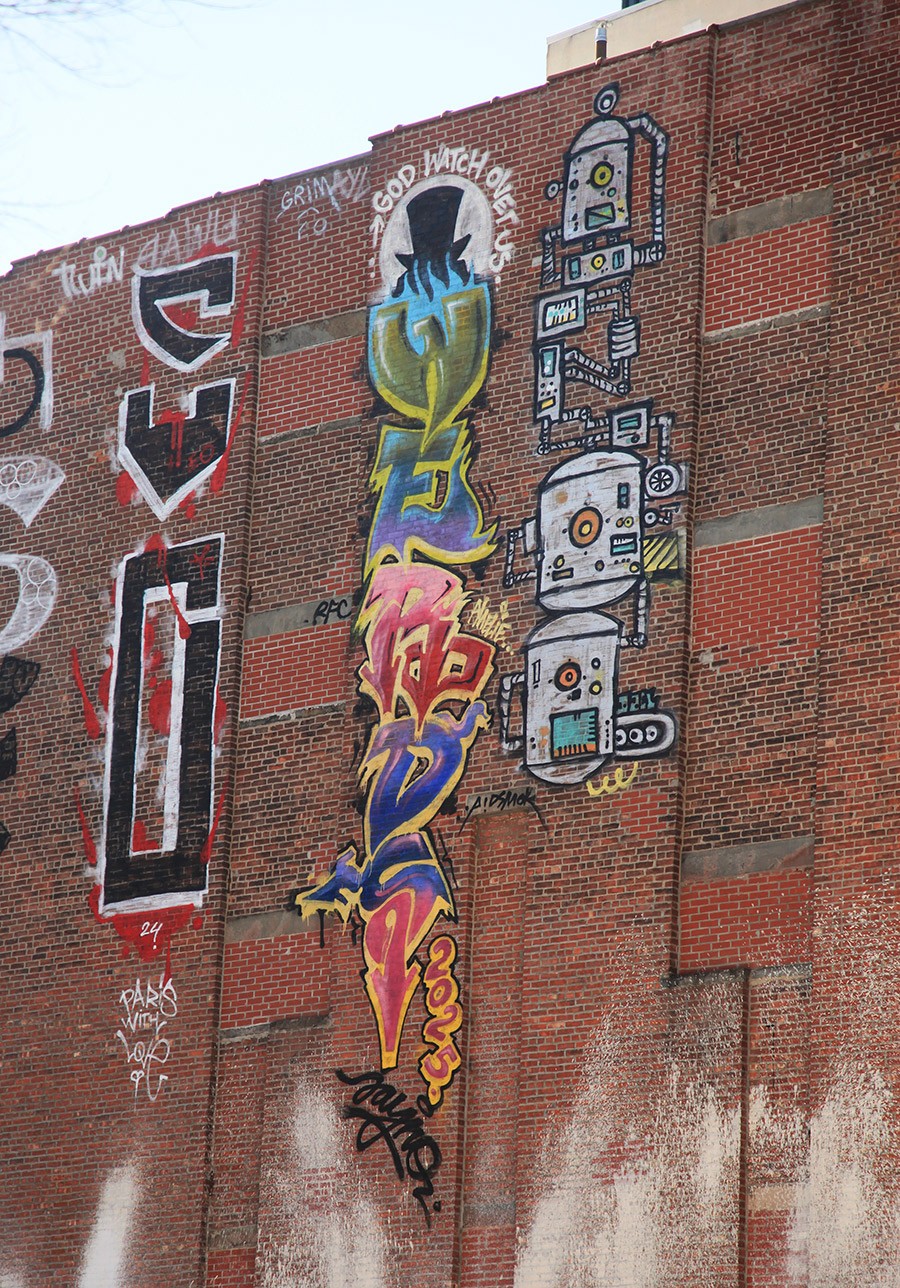
70s/80s NYC train writer Fab 5 Freddy has been on a book tour tied to a new memoir, “Everybody’s Fly” out this spring, re-centering his role as a connector between uptown graffiti writers, the downtown art world of the 1980s, and his early hip-hop media crossover in the 90s. Meanwhile, nobody is doing trains today, as rooftops and rappelling are the current popular practices in graffiti in Brooklyn and Queens, with names like Notice + Rams (MSK), Qzar, Vods, Timer, Sokem, Sickpay, and Dase circulating again for getting up—names you’ll recognize mixed with newer hands. And of course, the murals are starting to come out in force; private, community-led, and corporately sponsored.
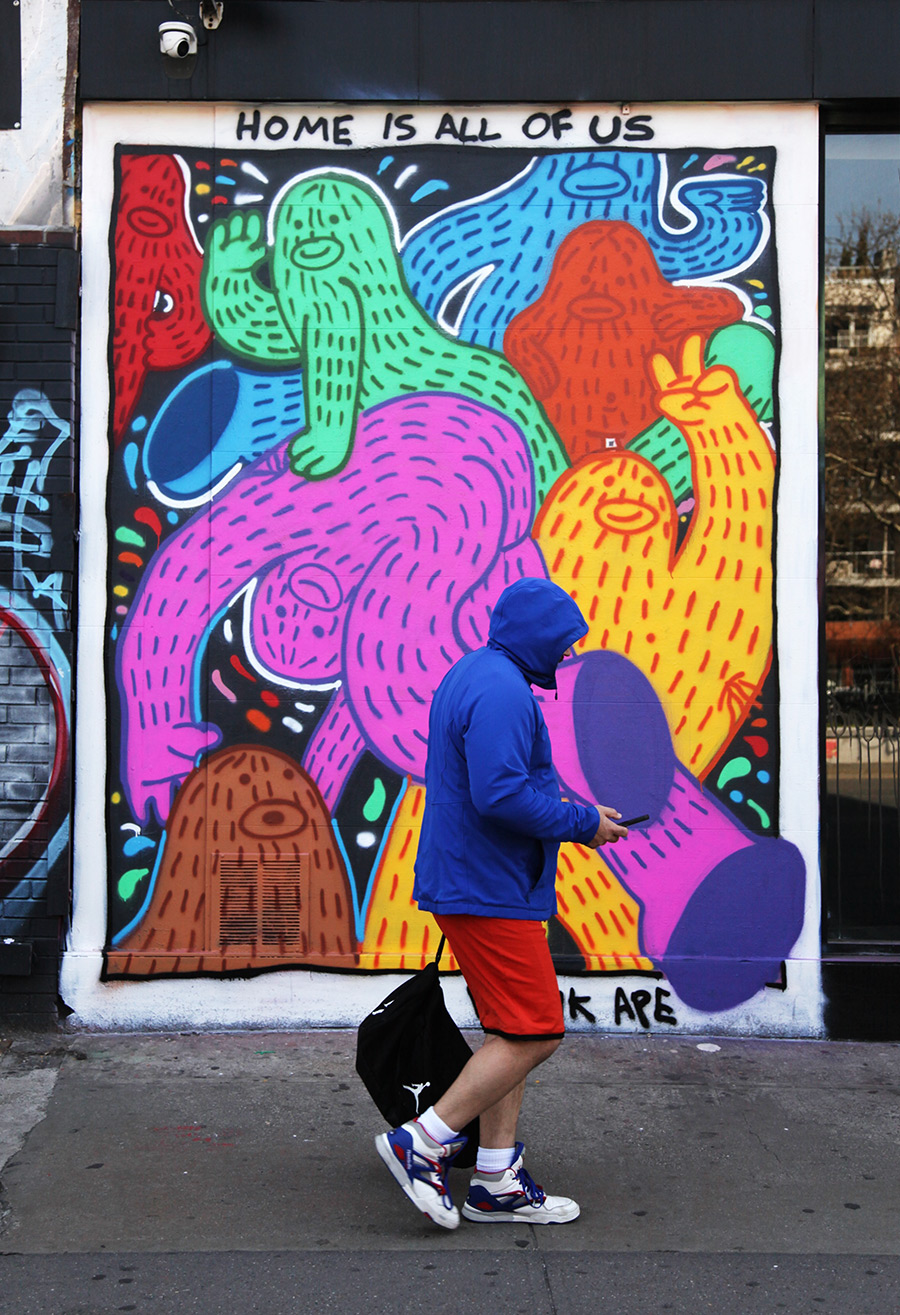
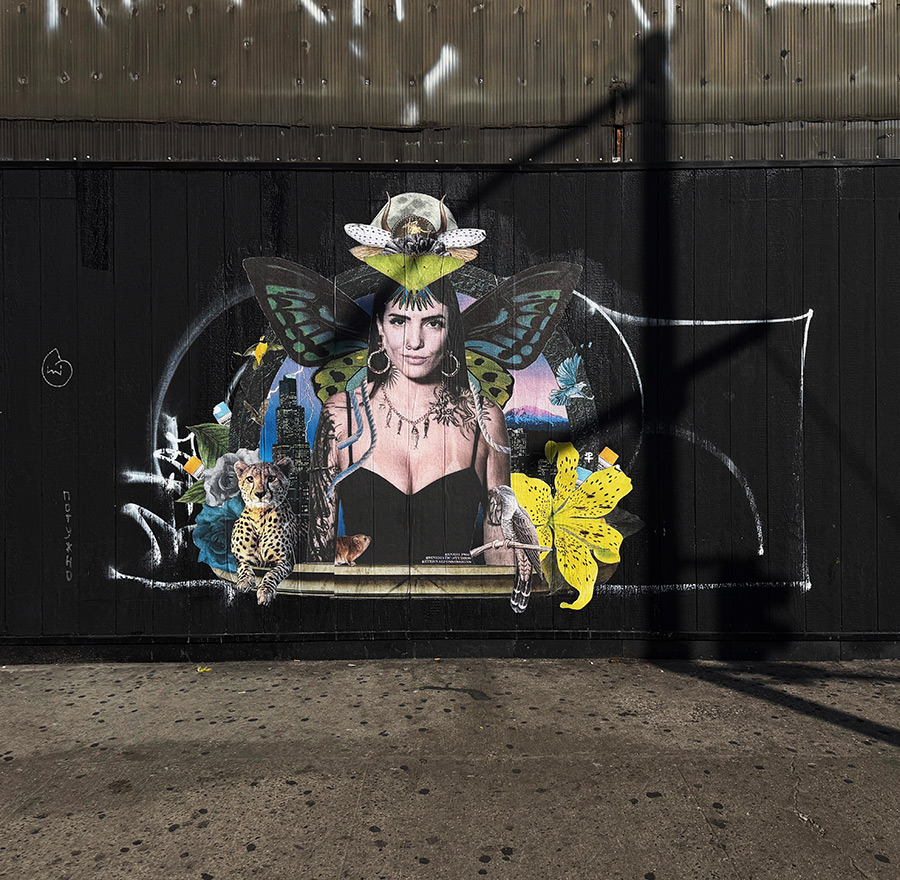
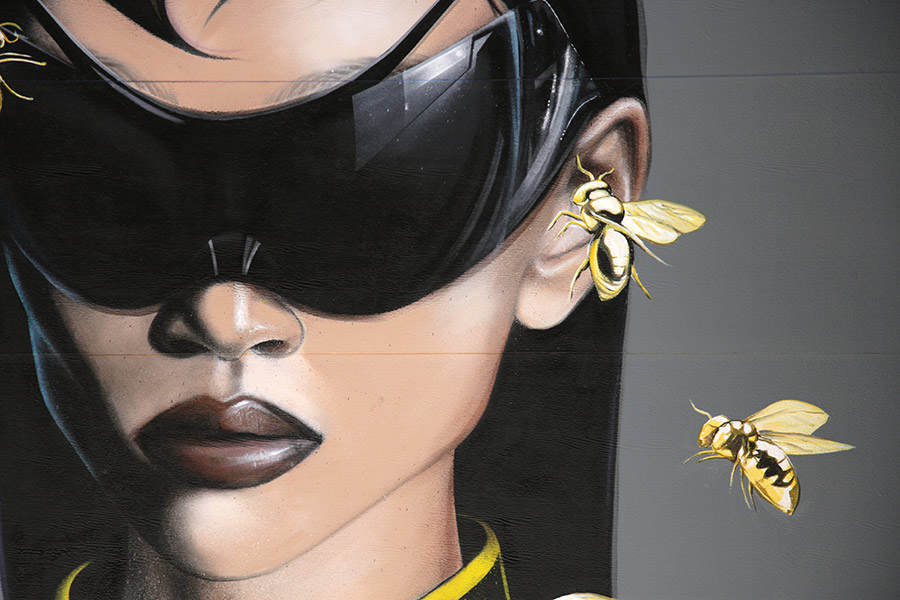
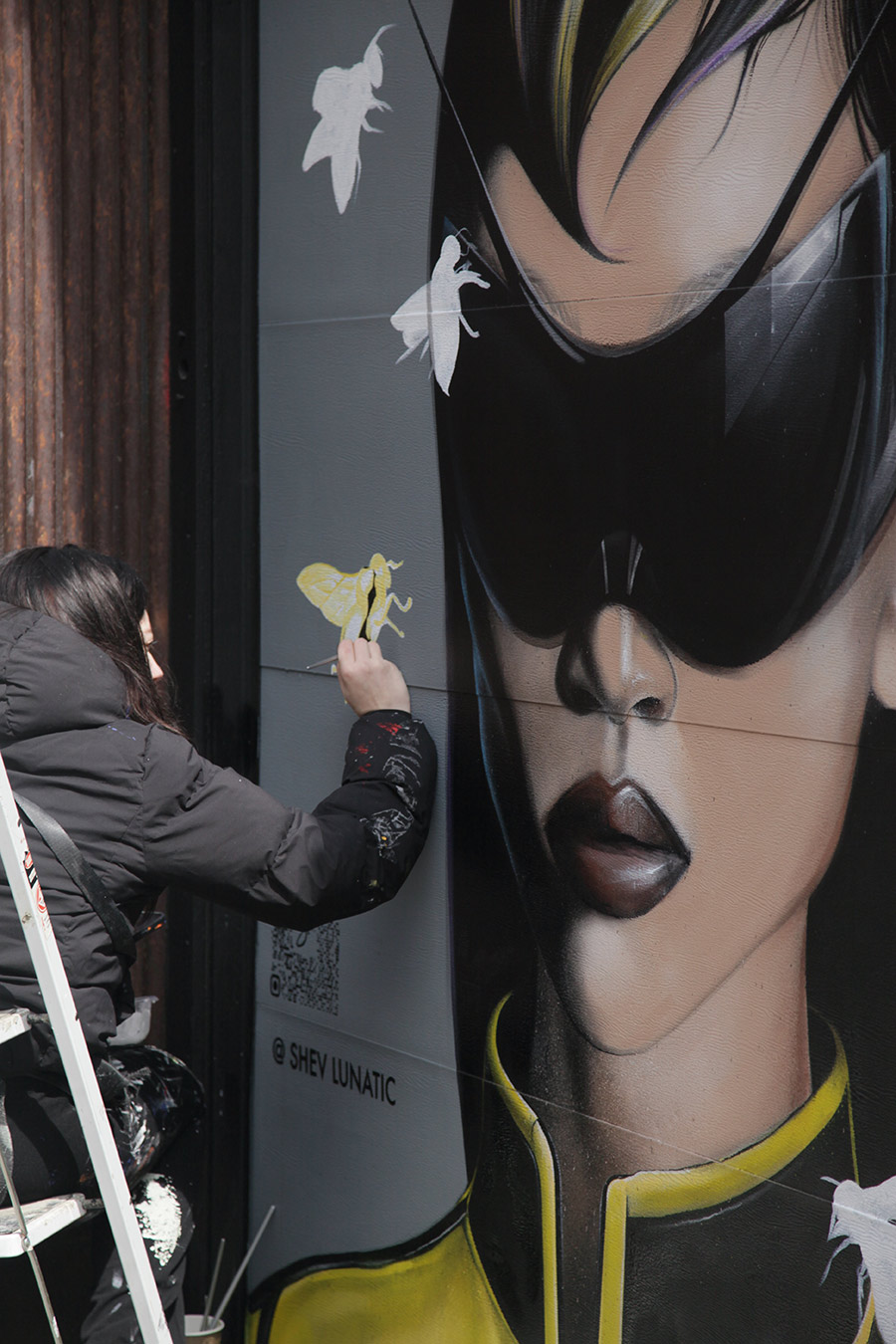
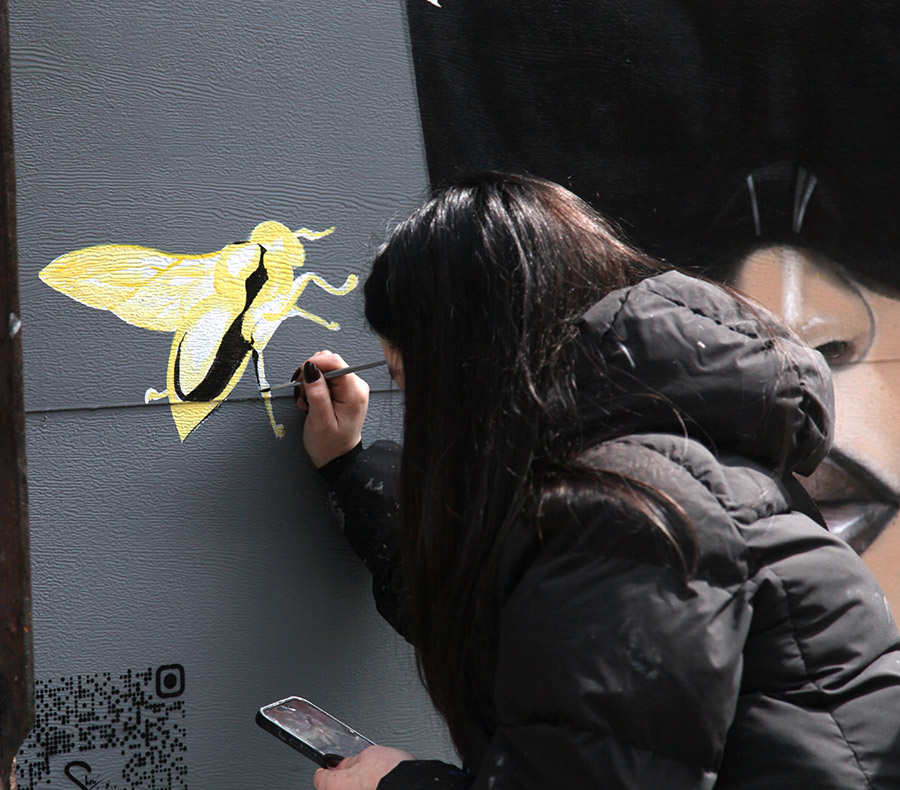
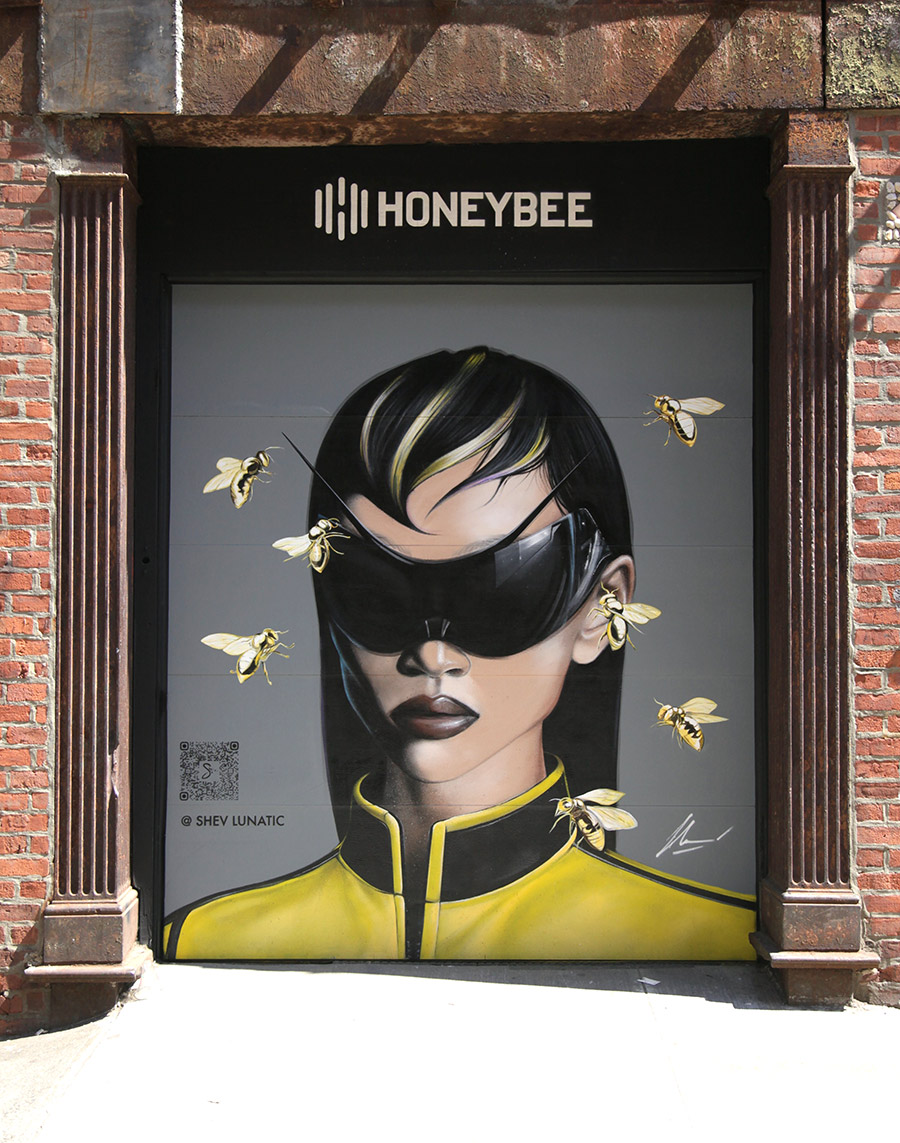
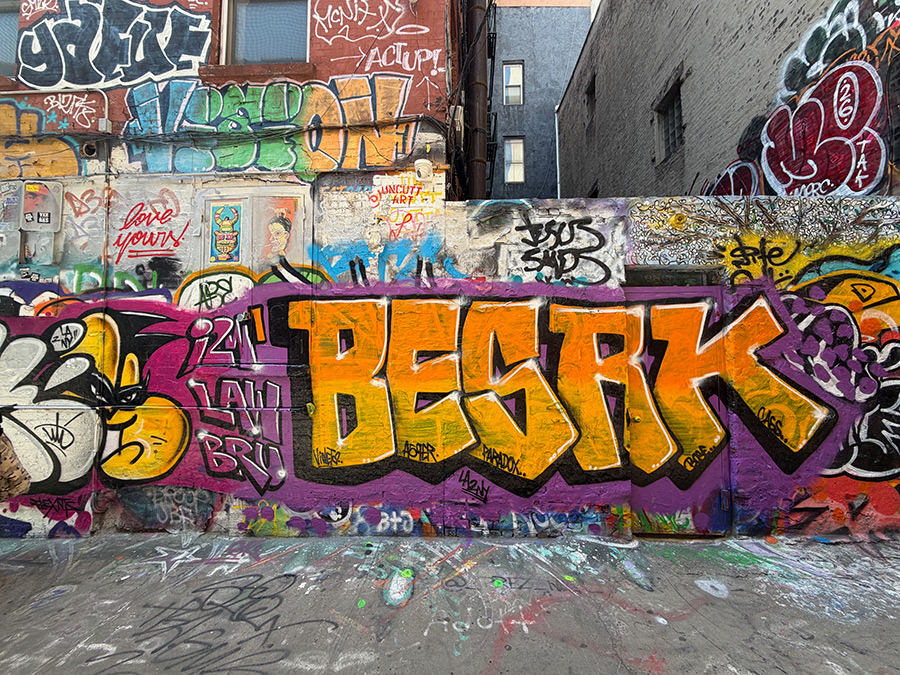
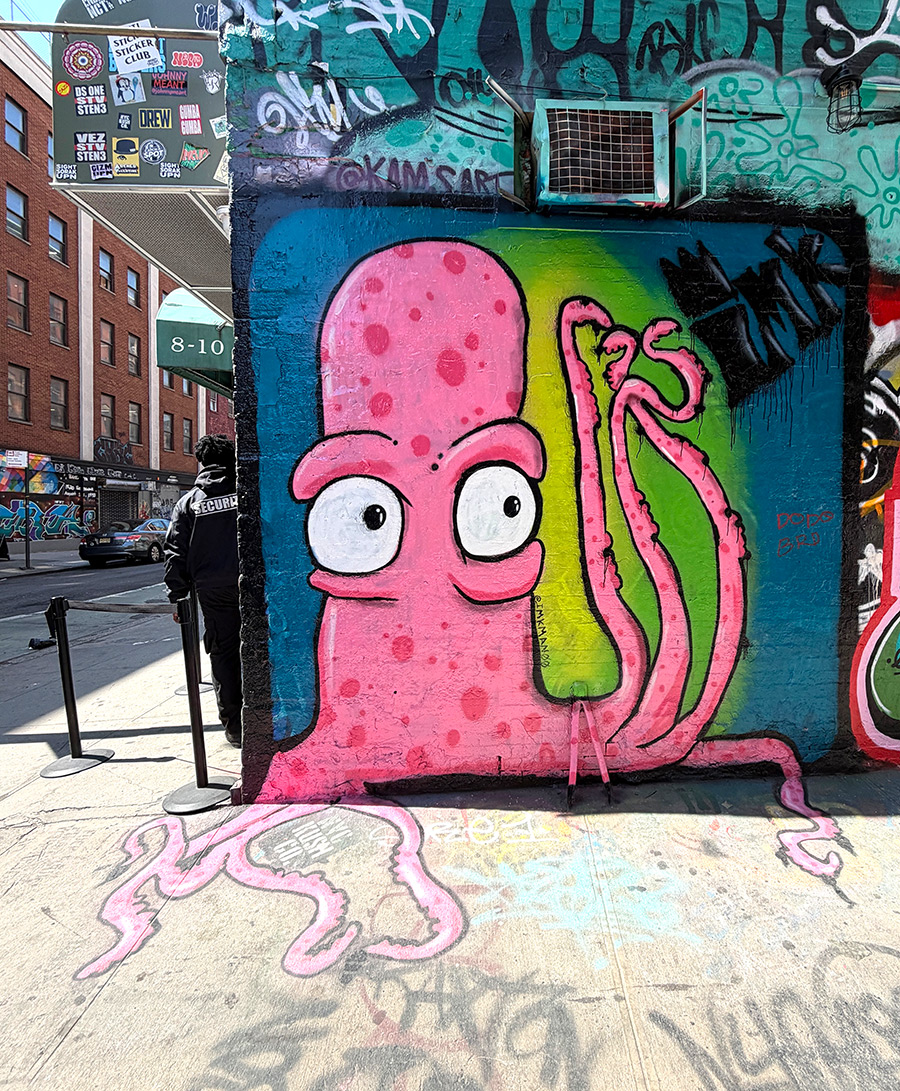
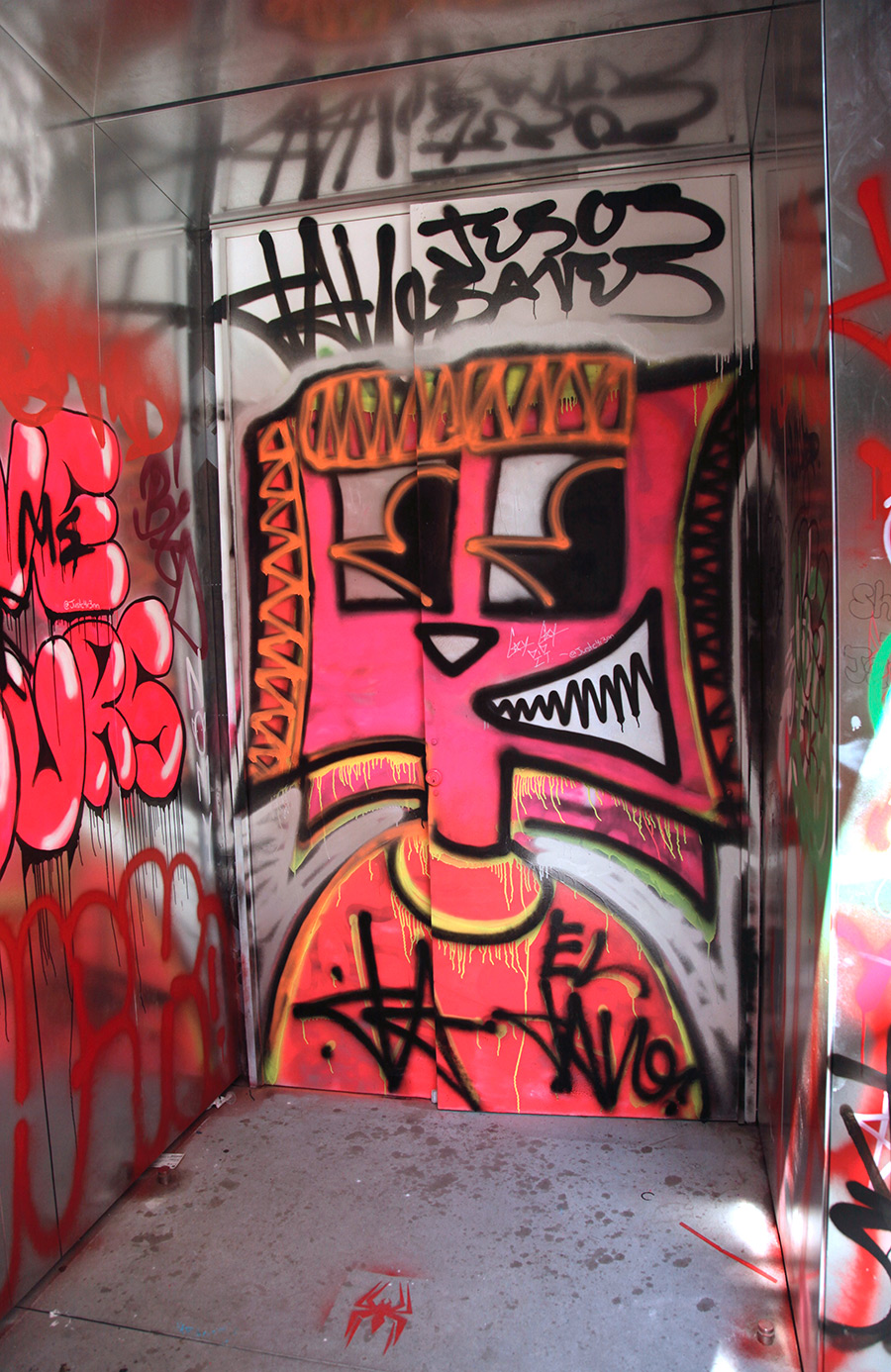
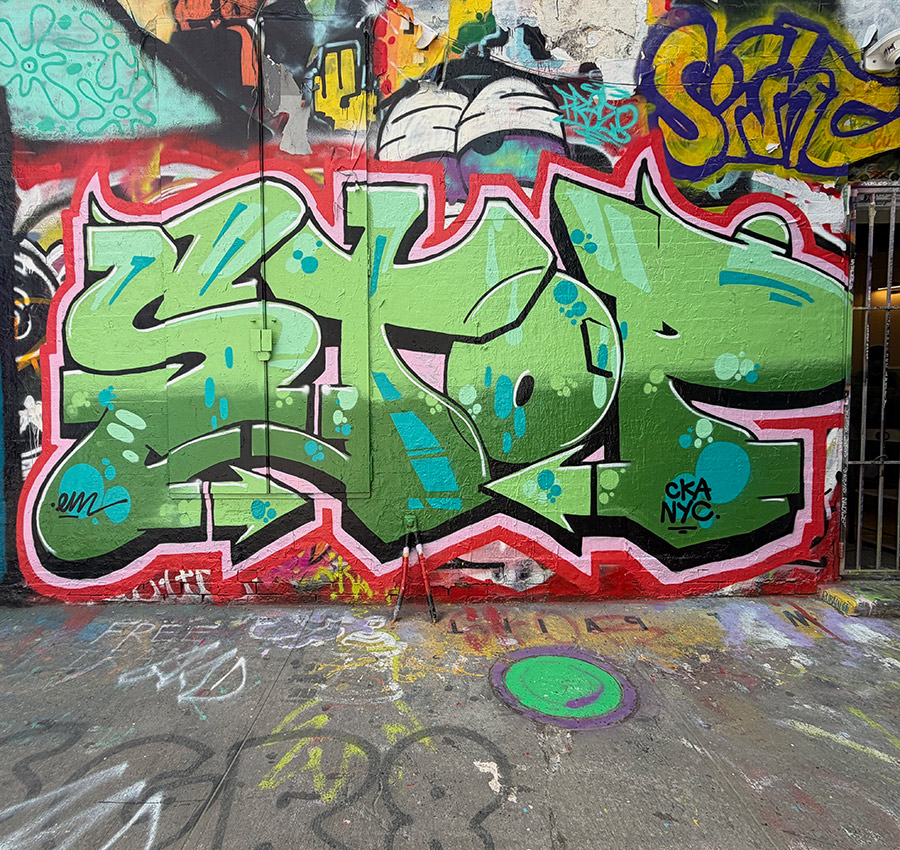
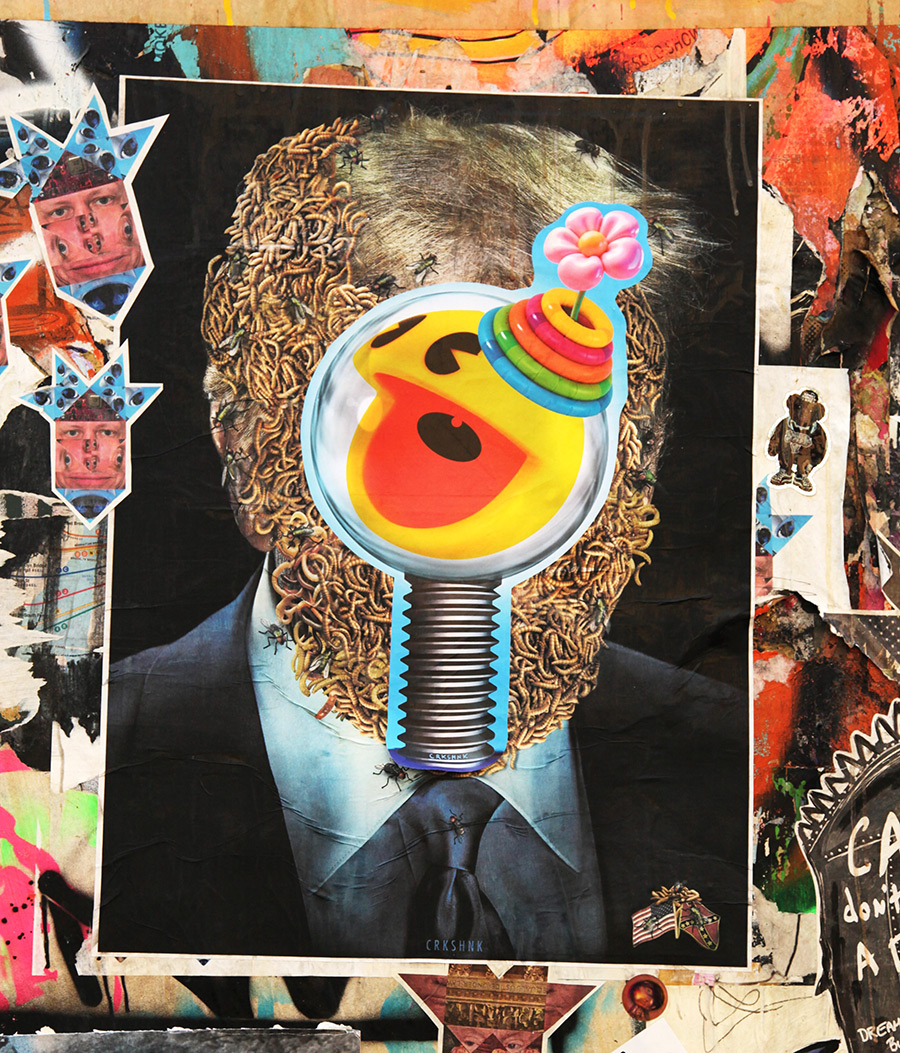
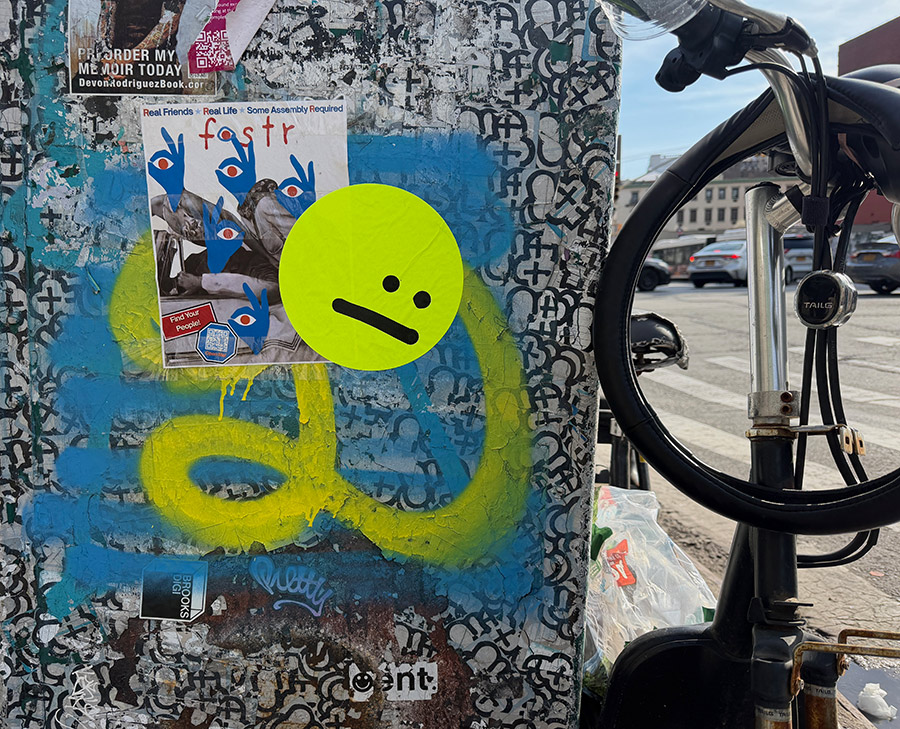
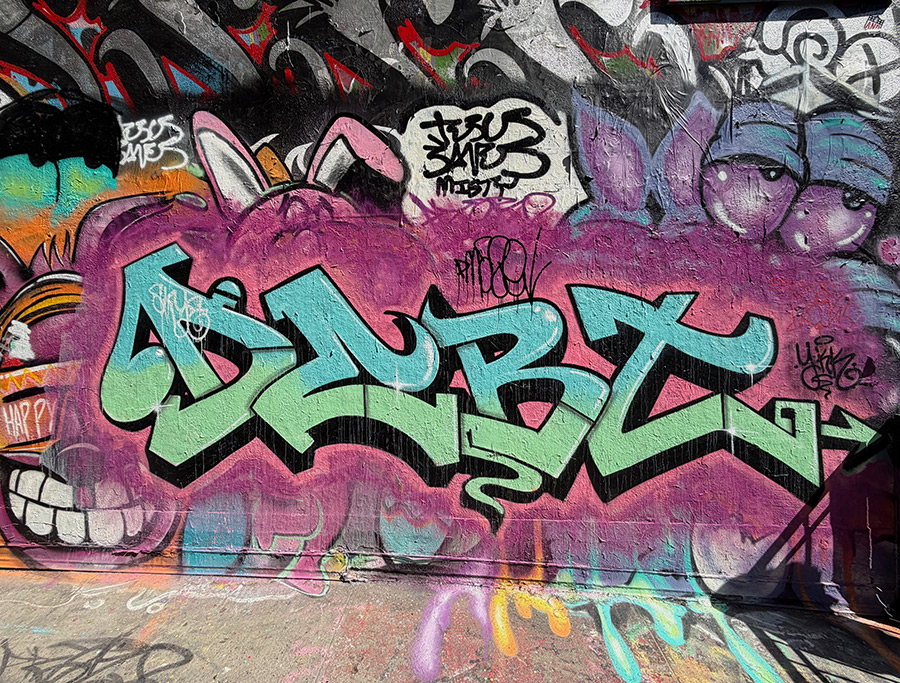
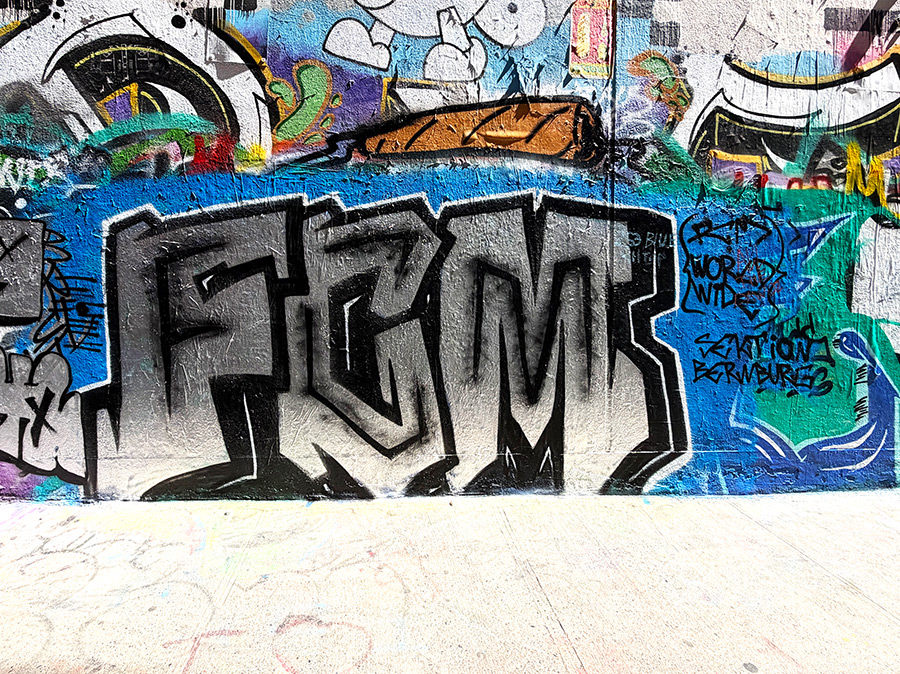
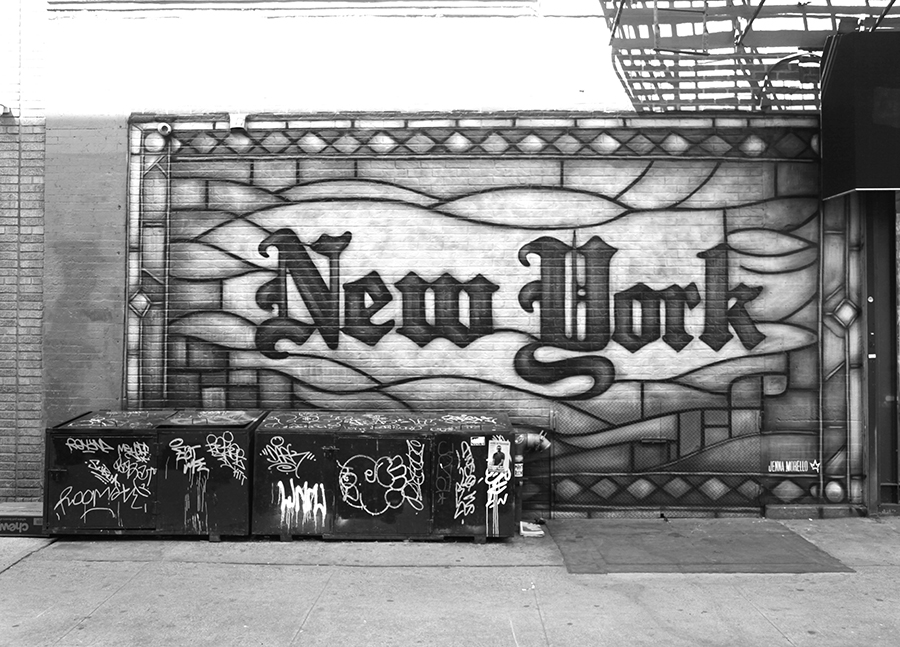
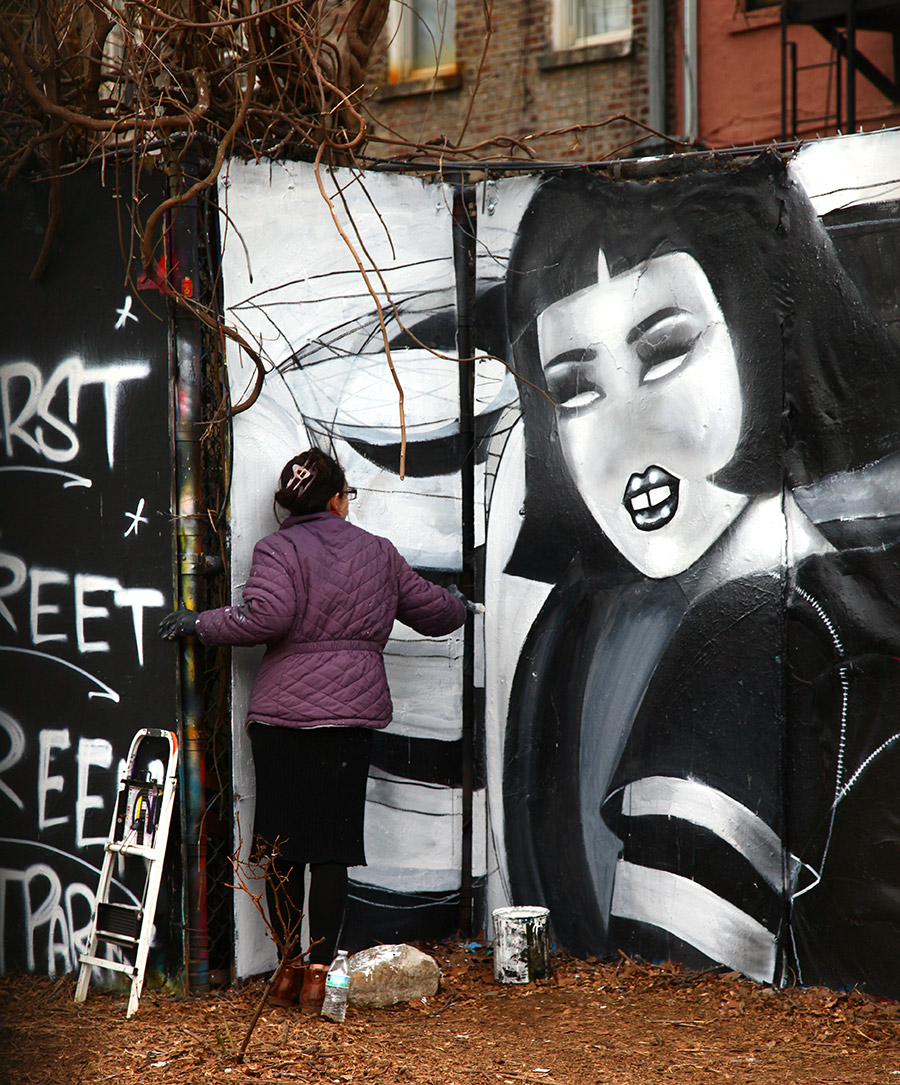
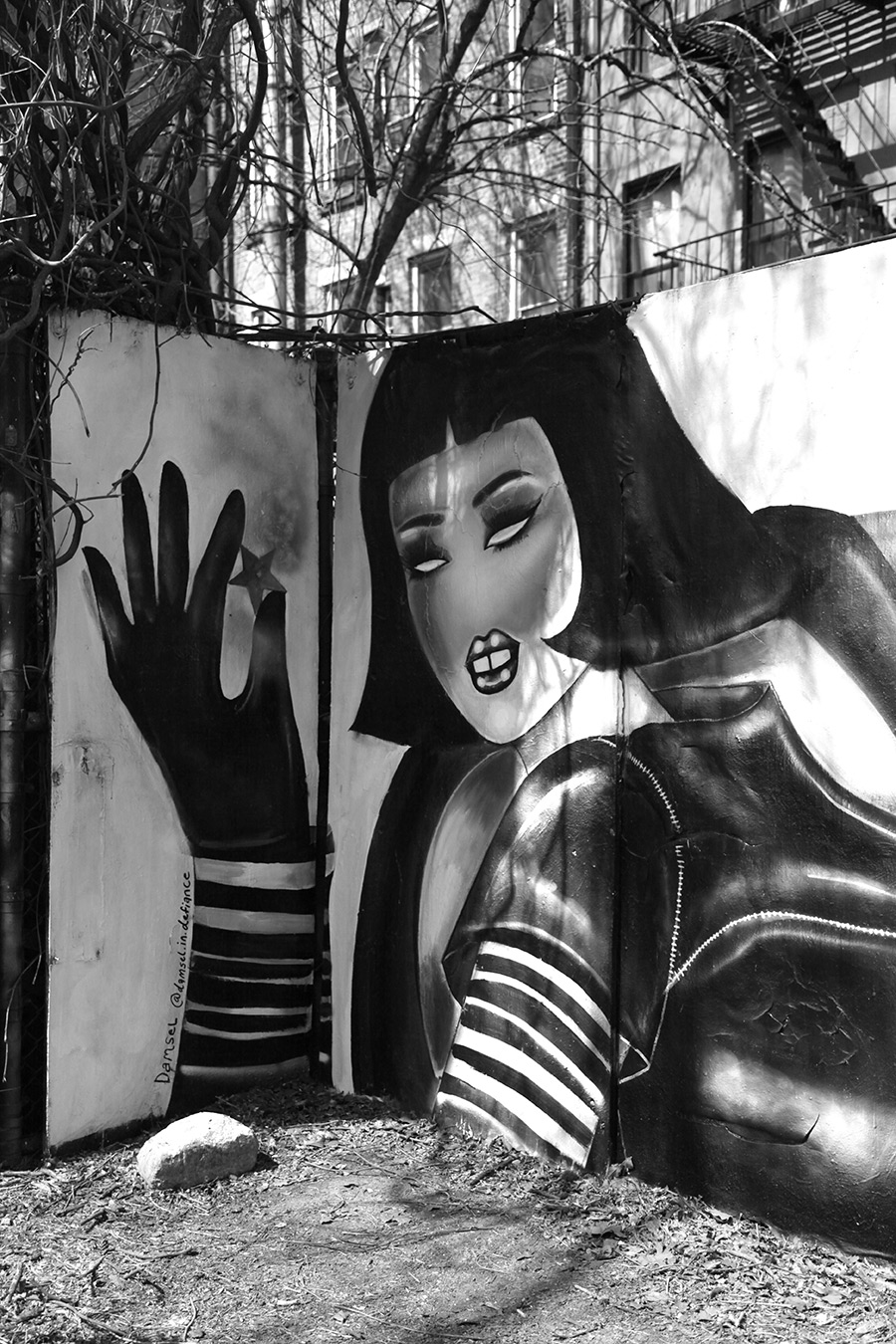
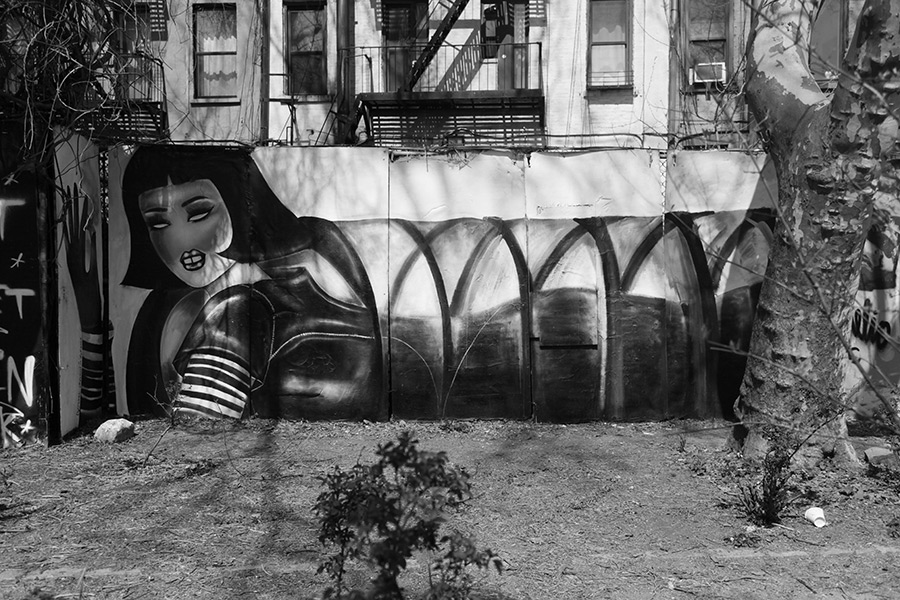
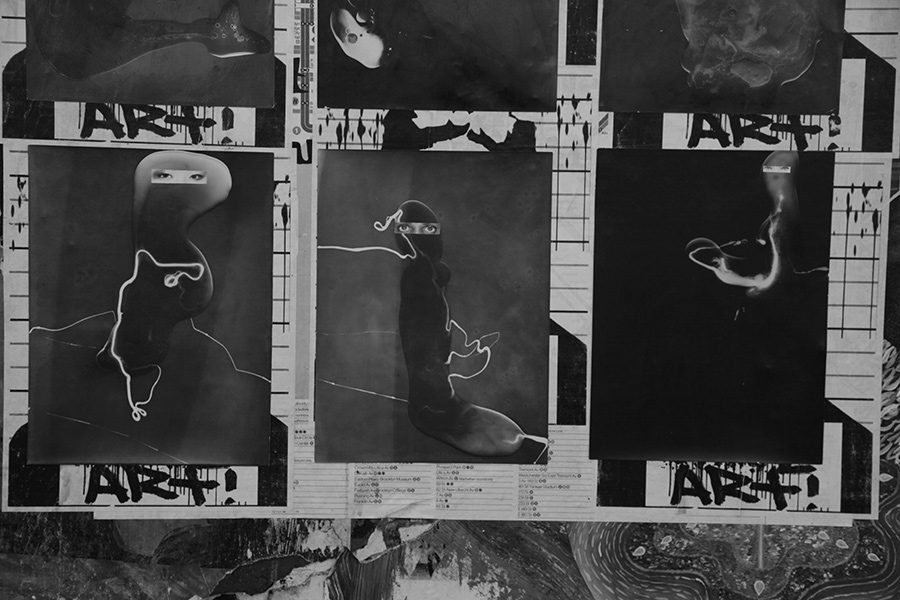
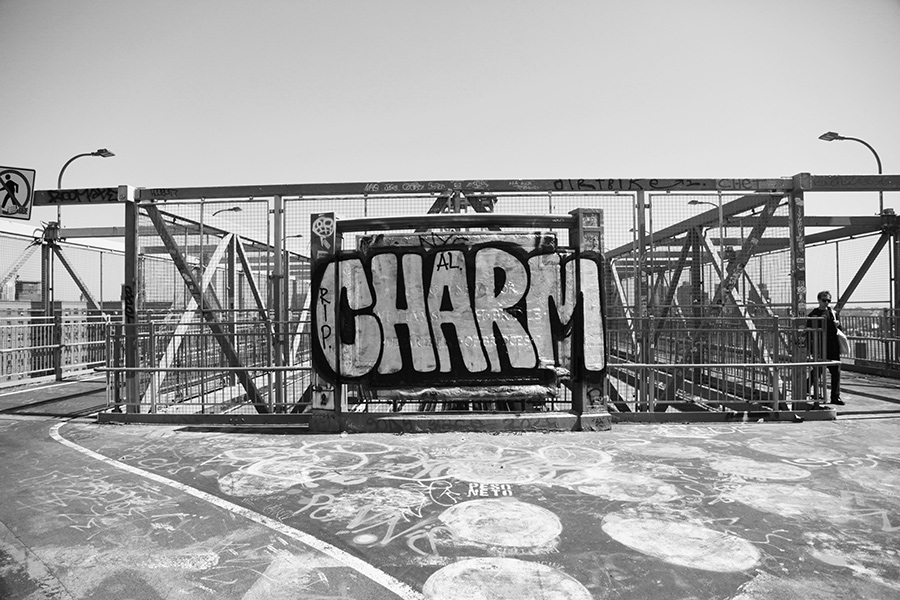
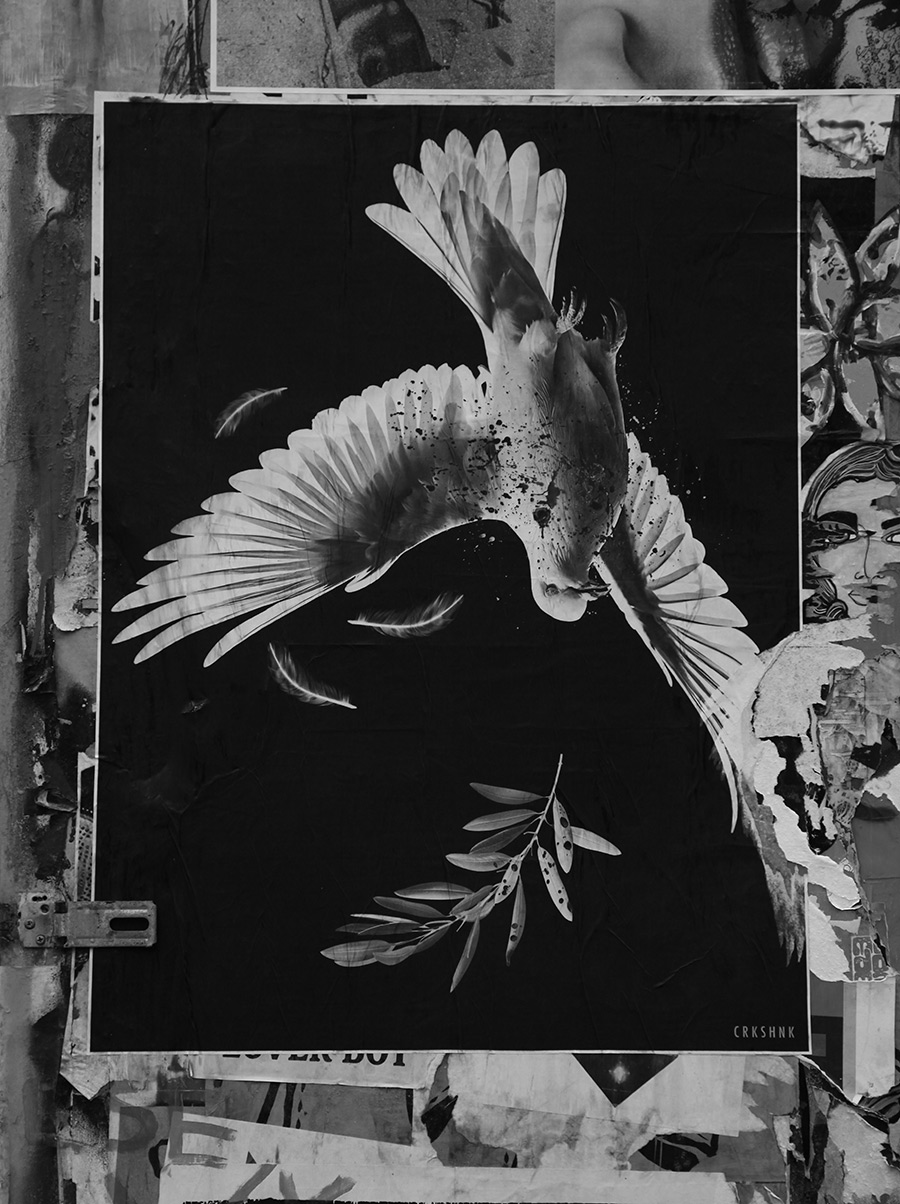
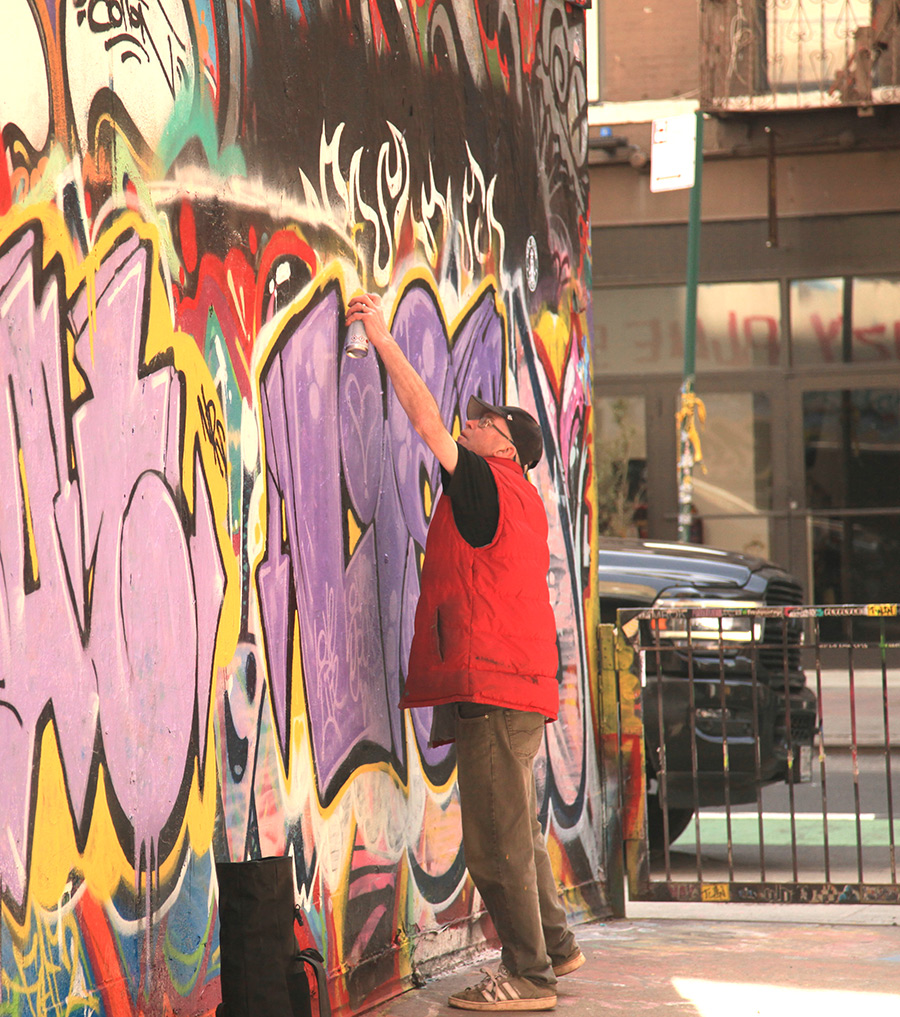
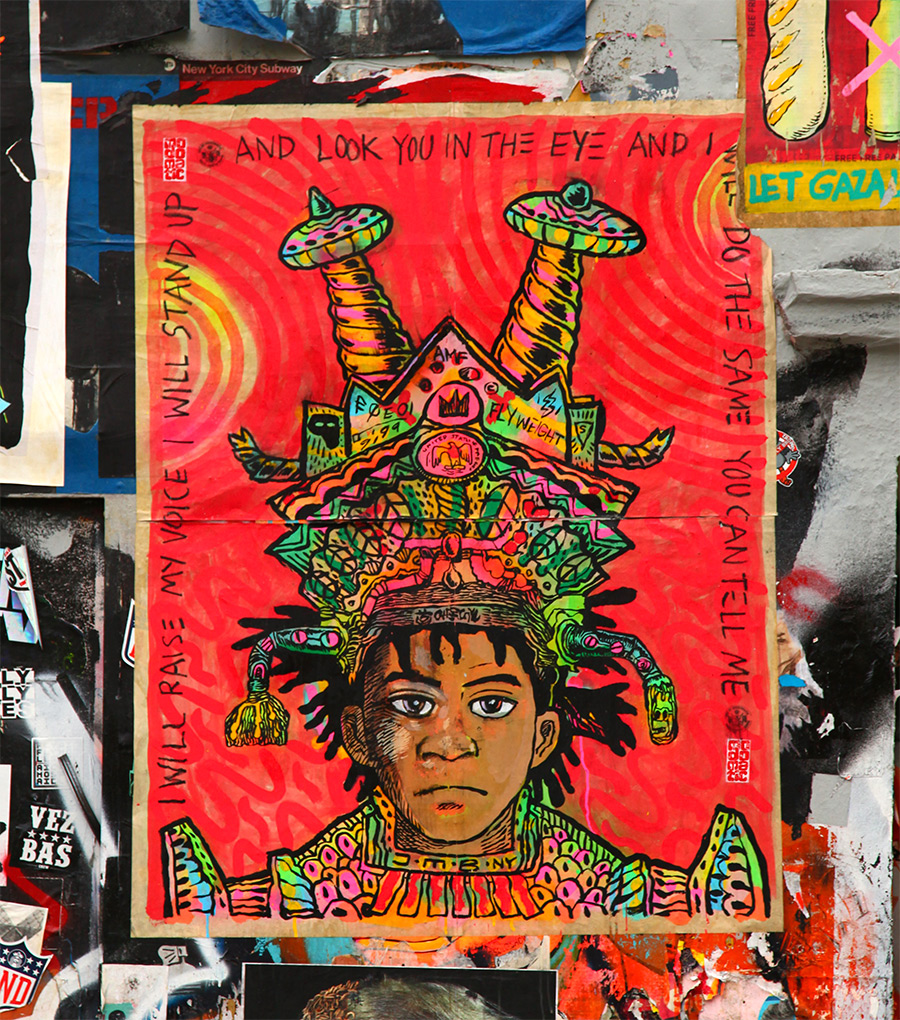
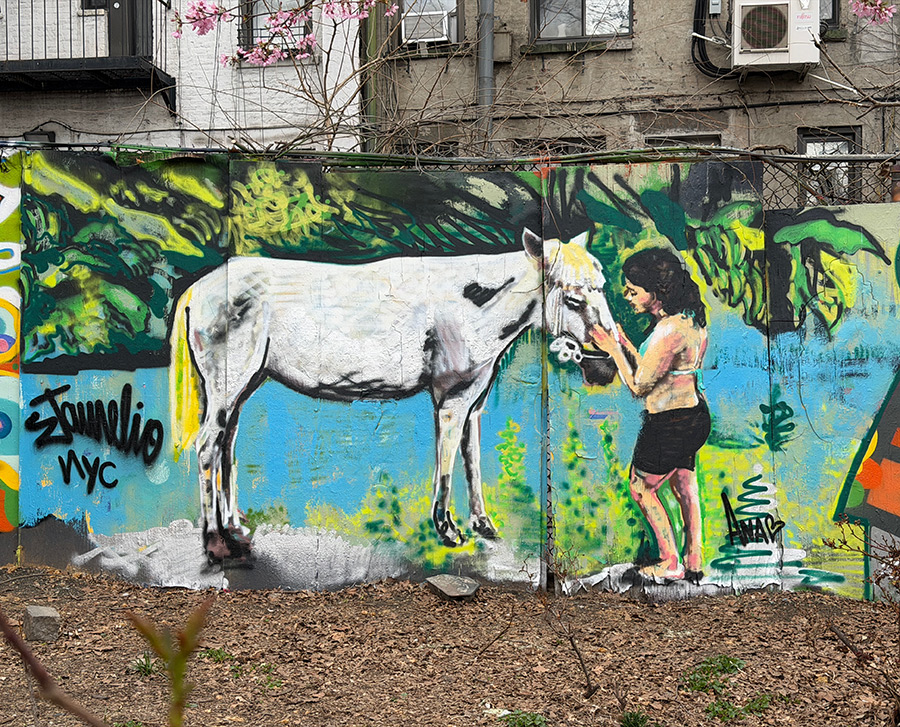
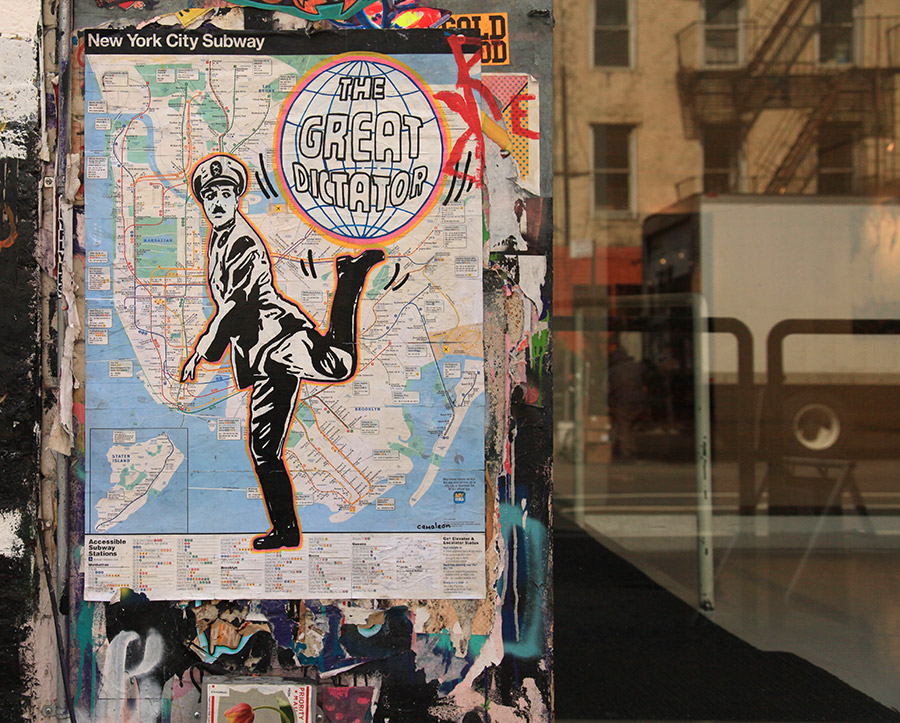
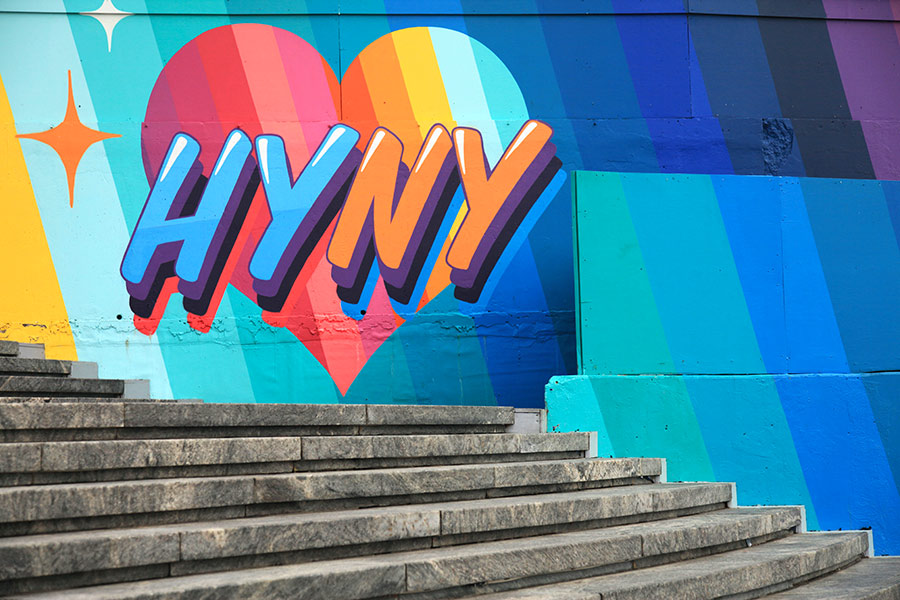
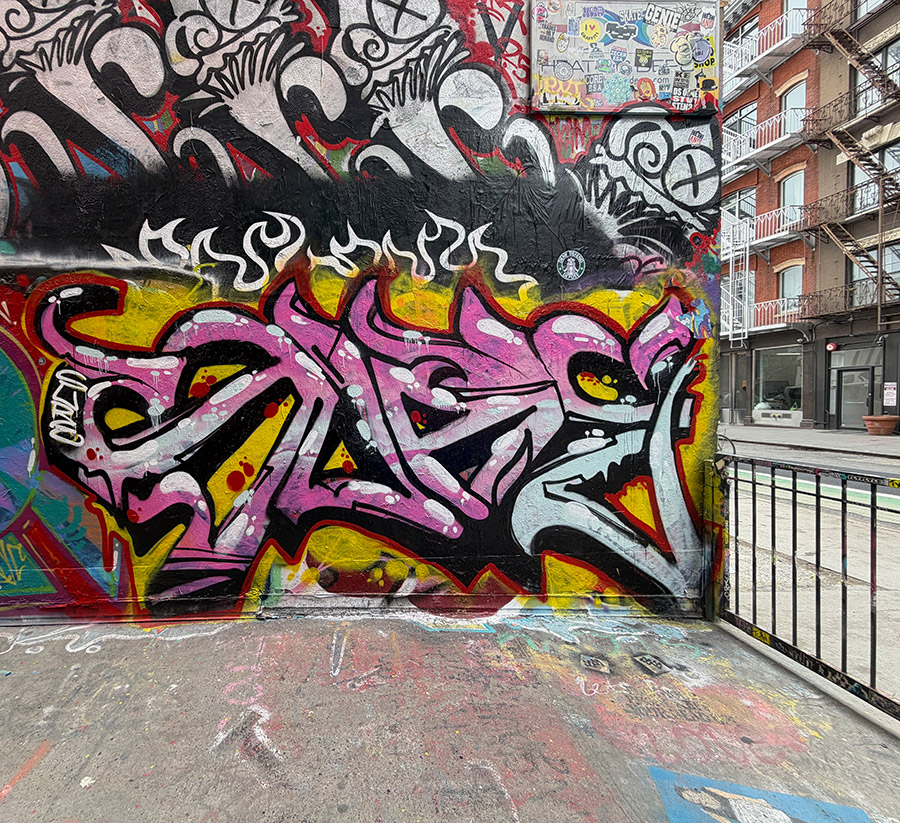
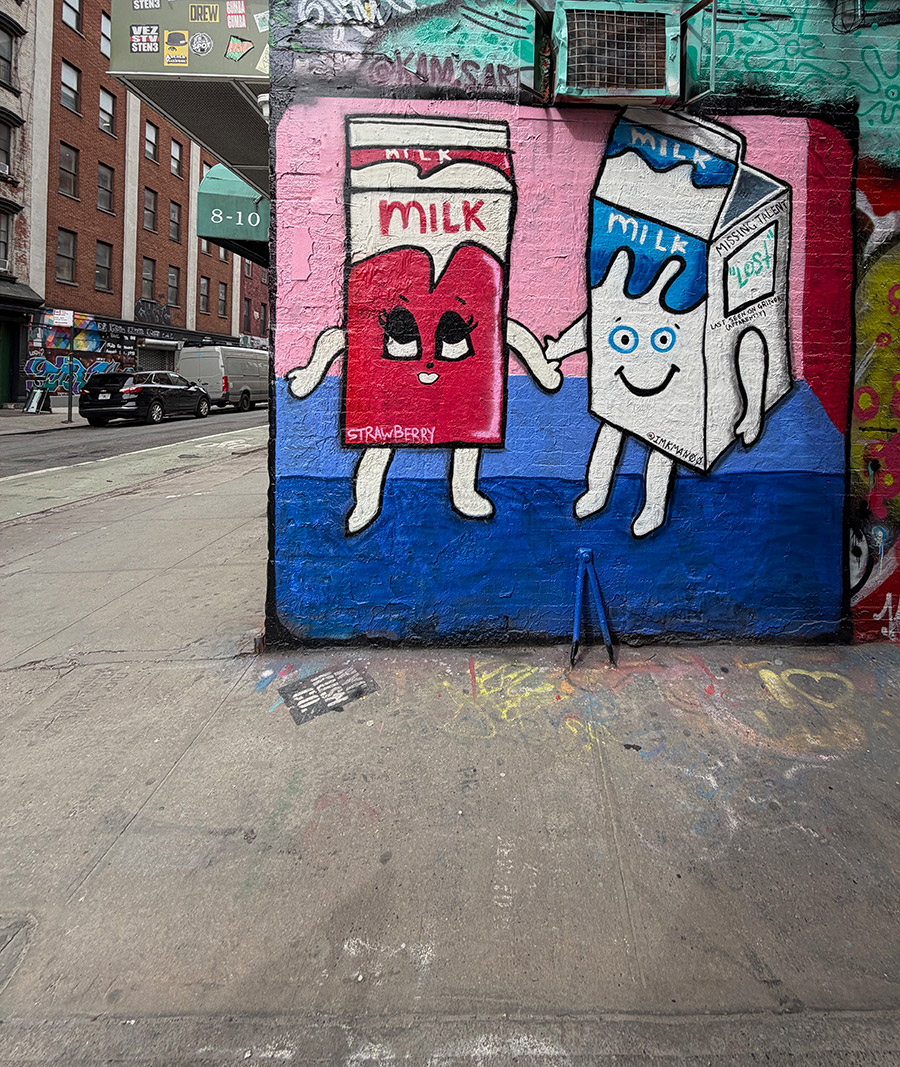
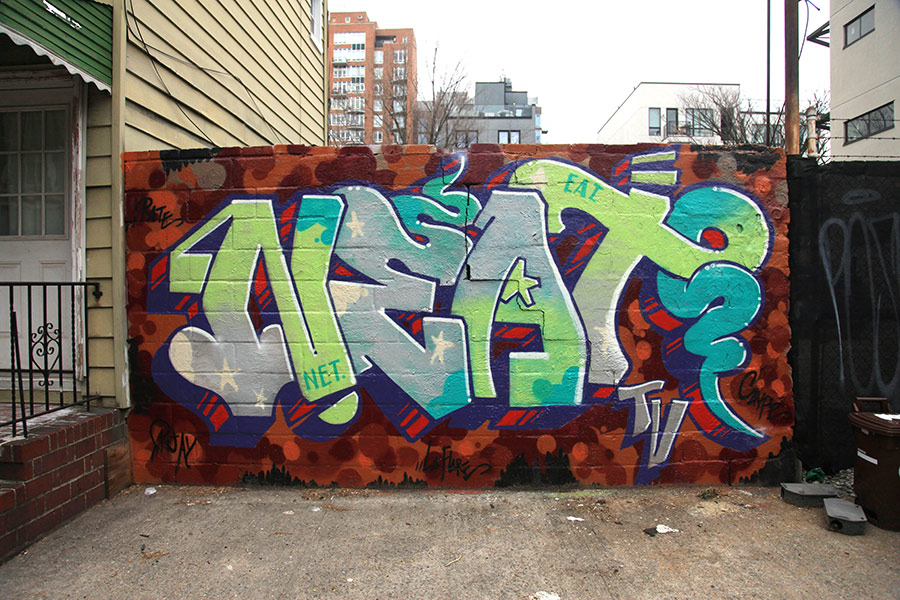
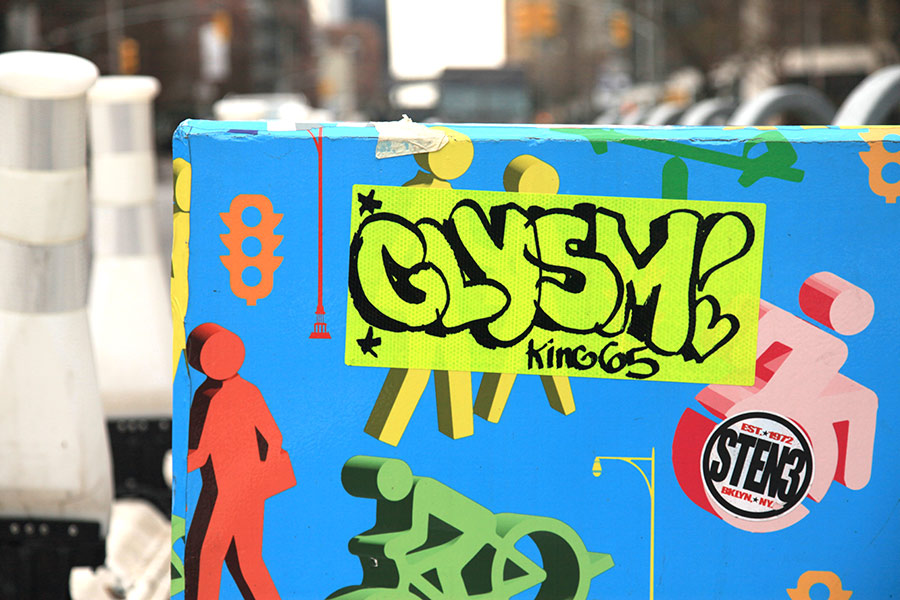
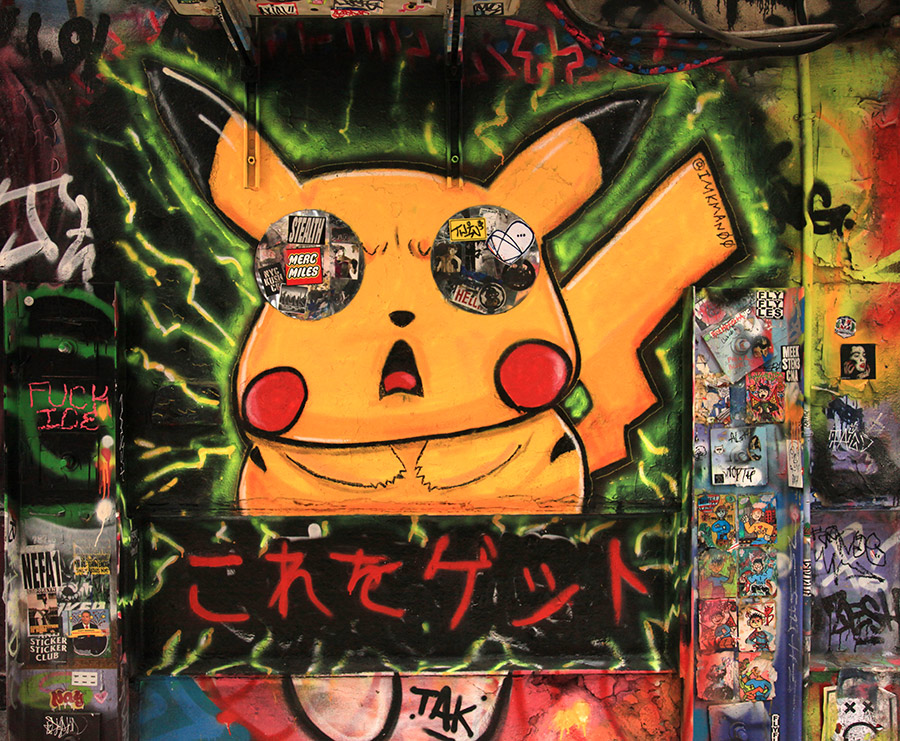
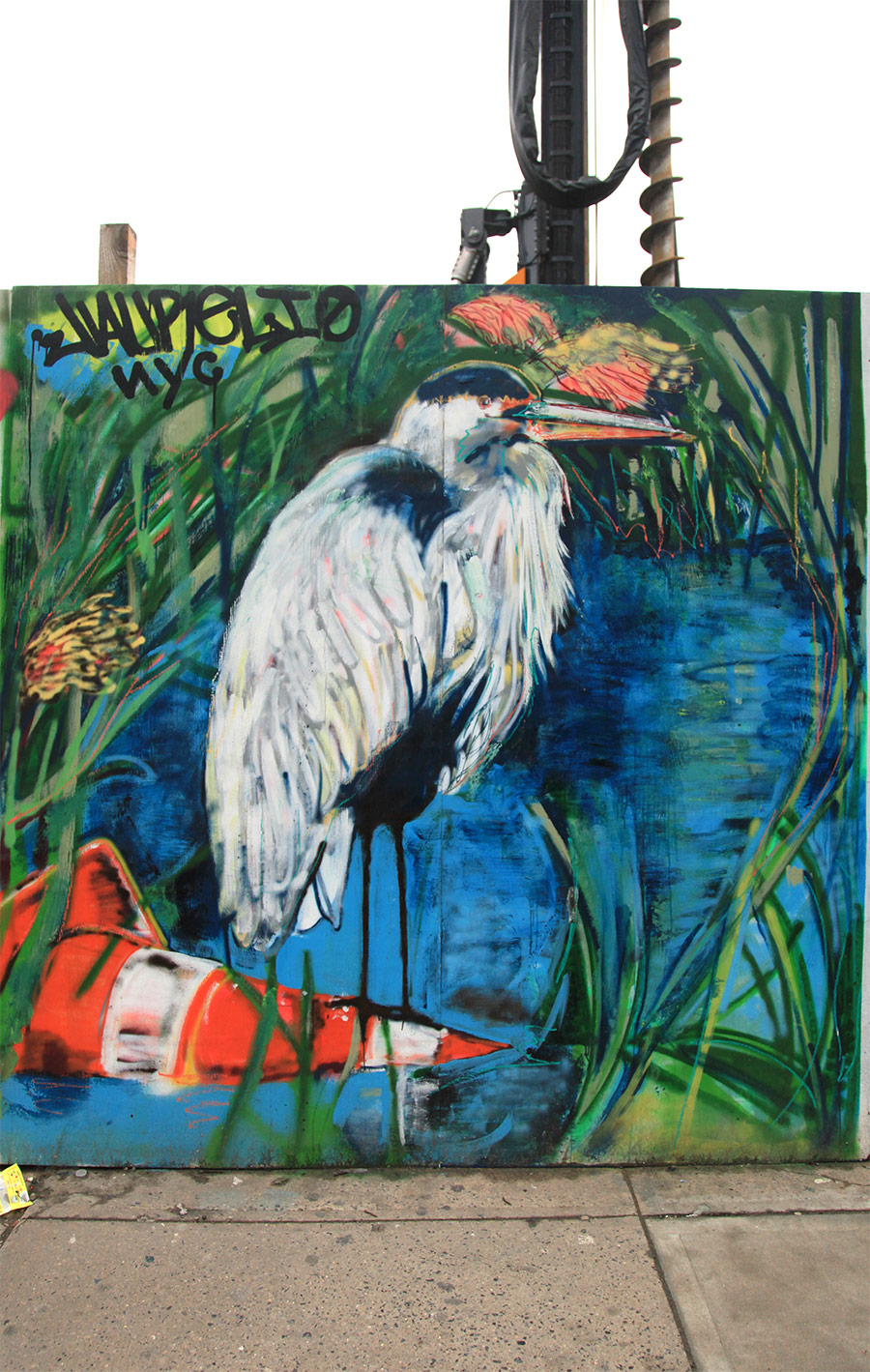
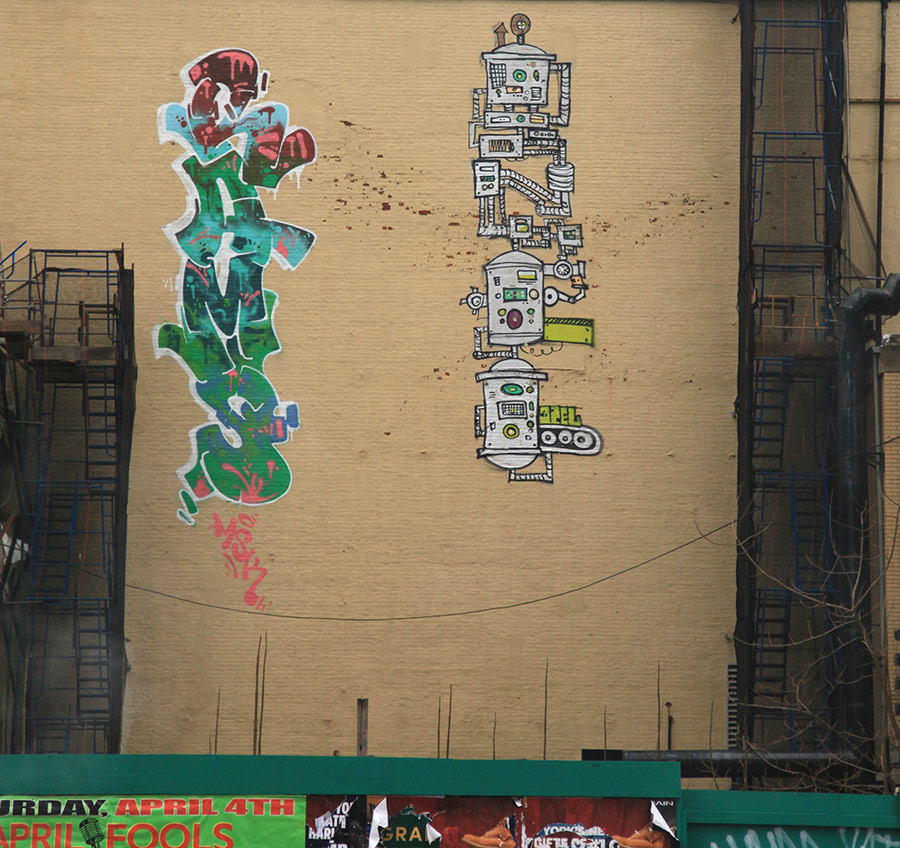
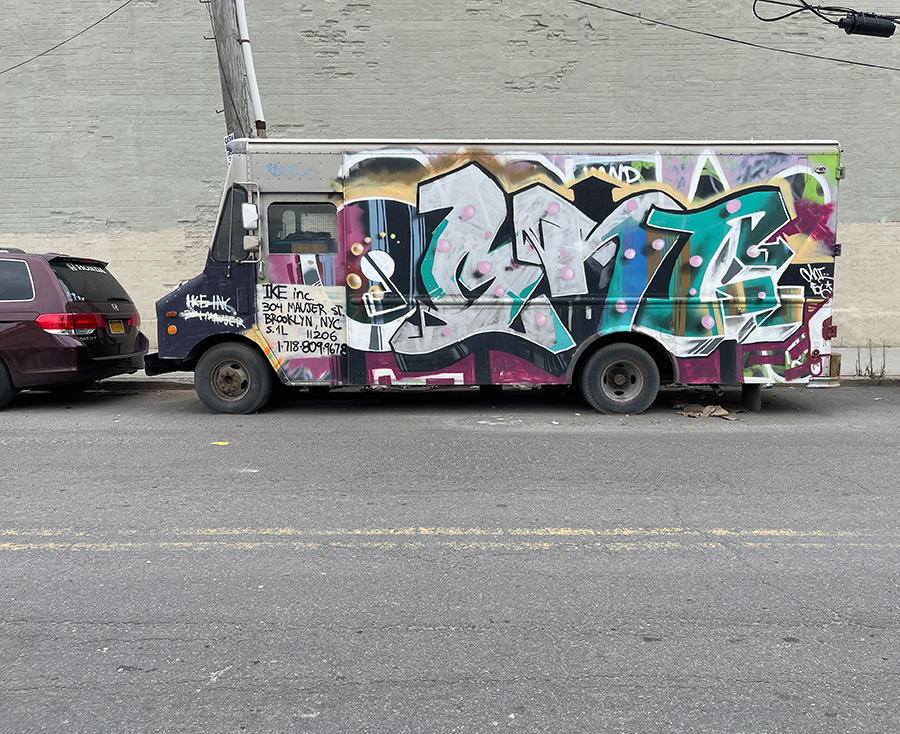
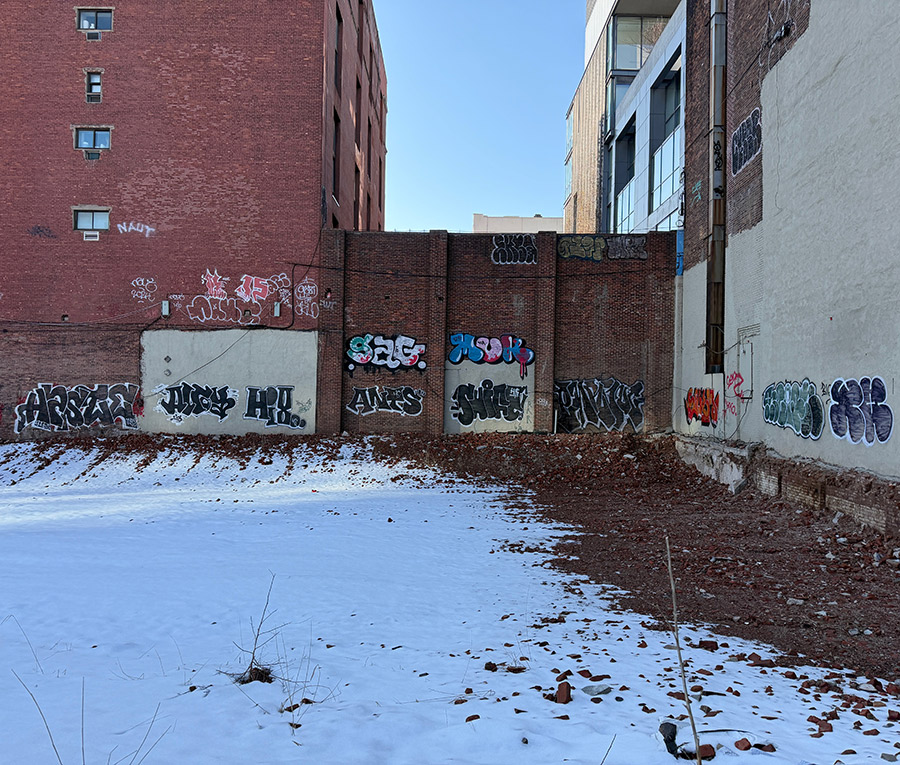
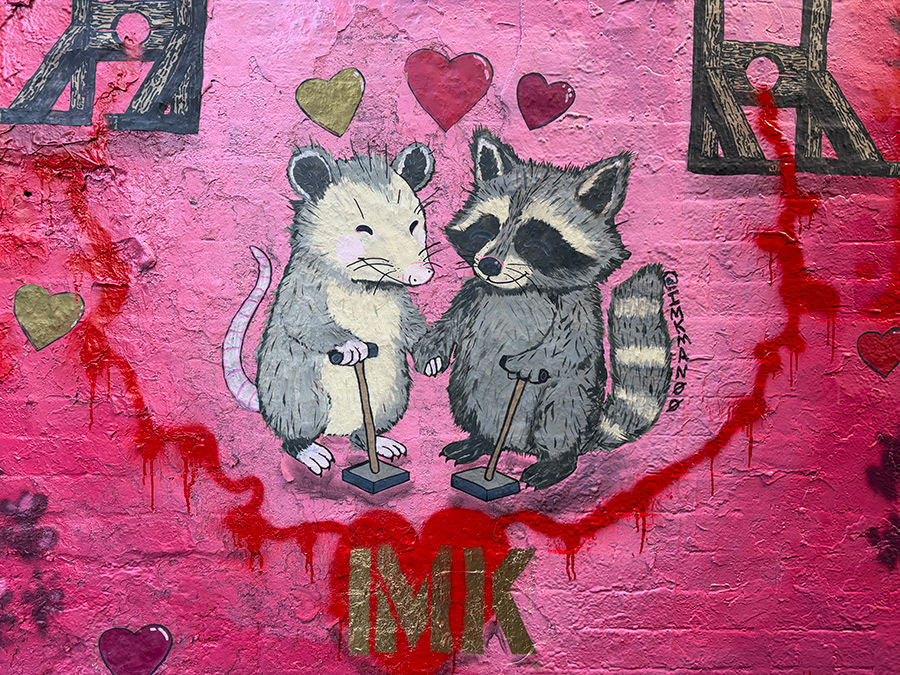
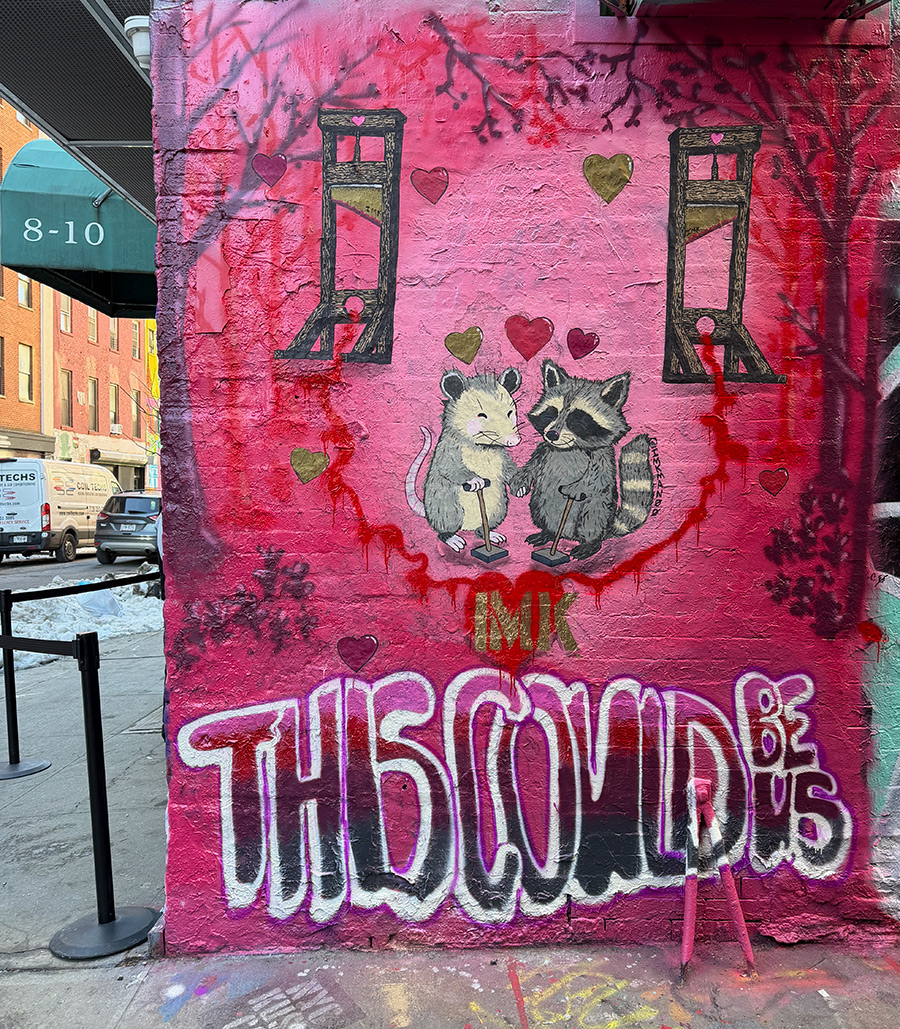
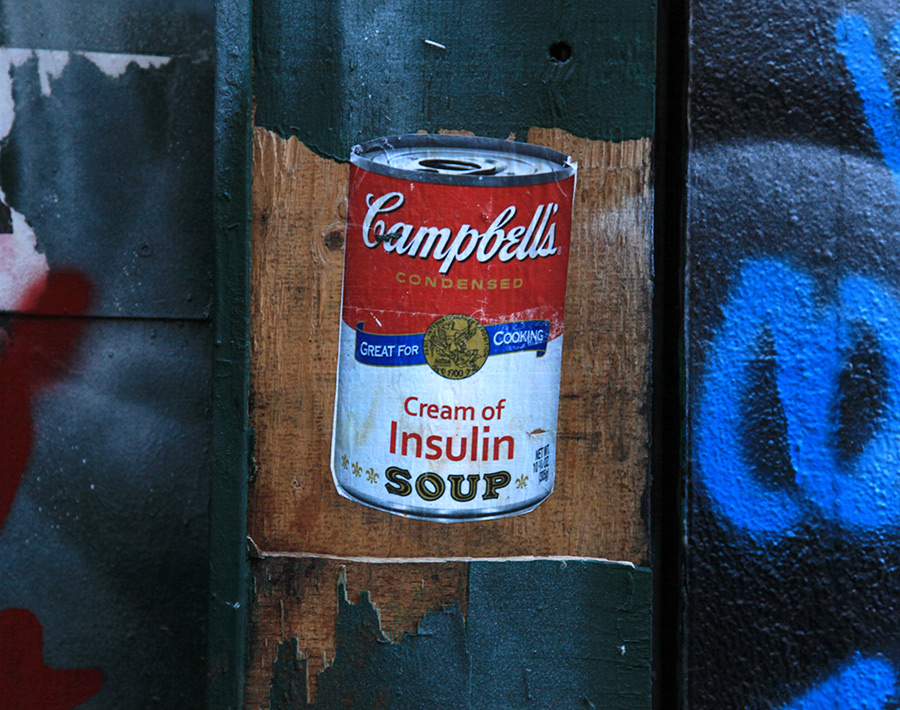
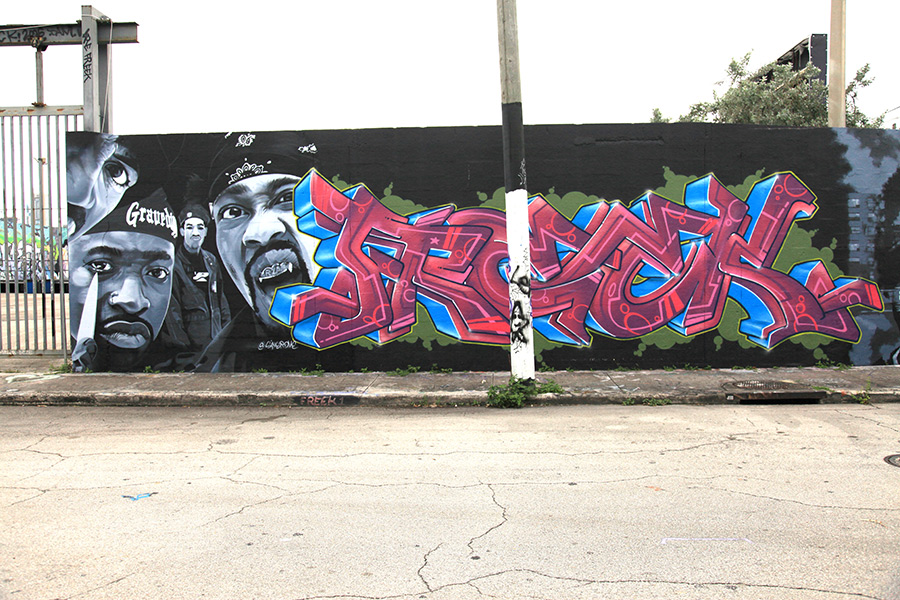
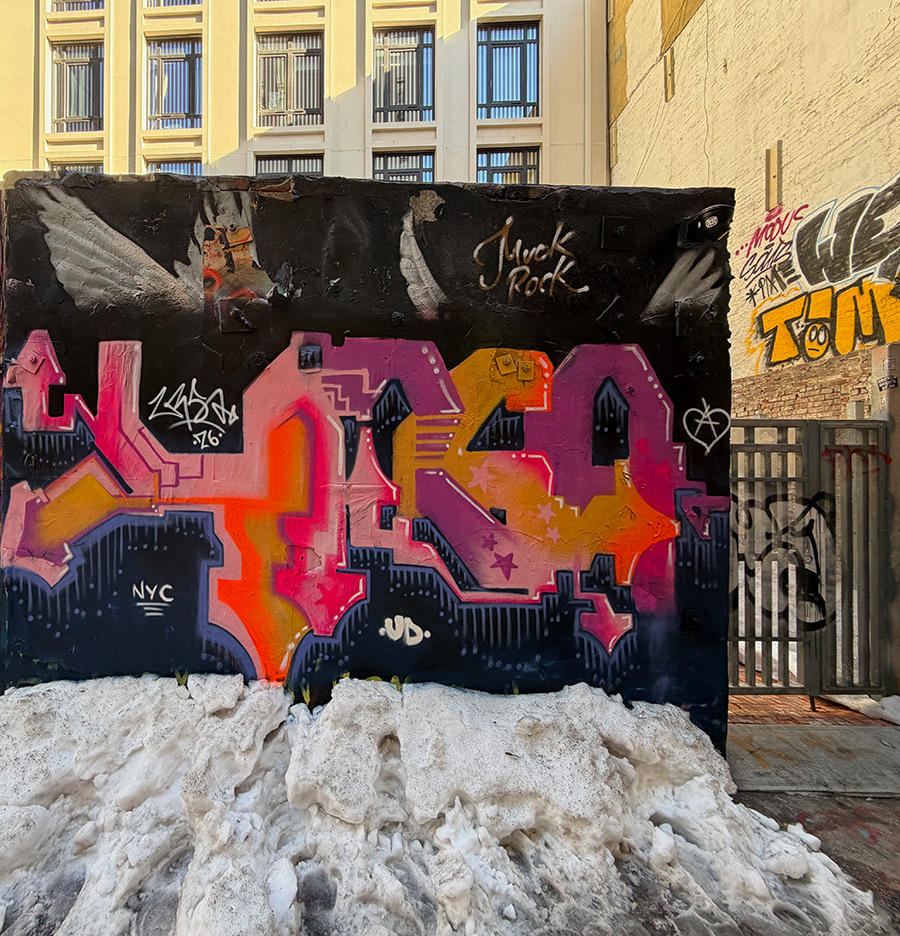
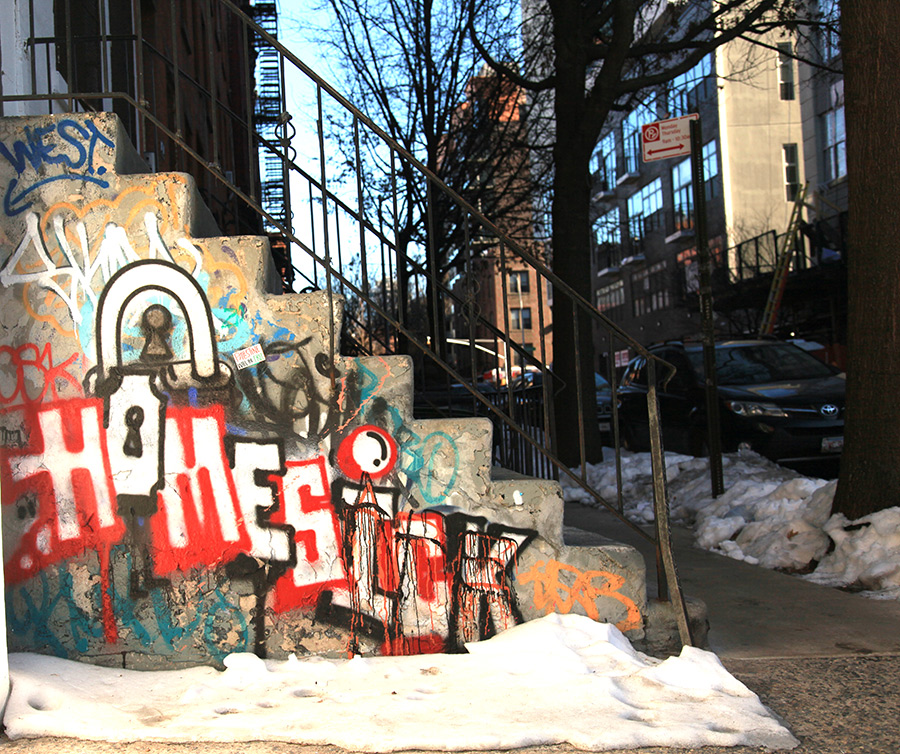
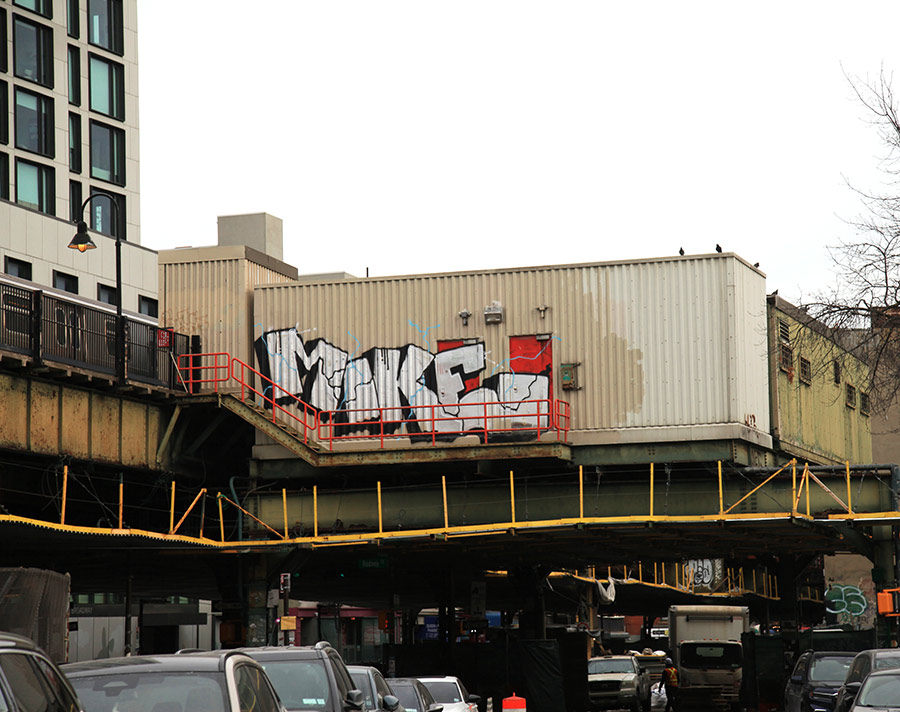
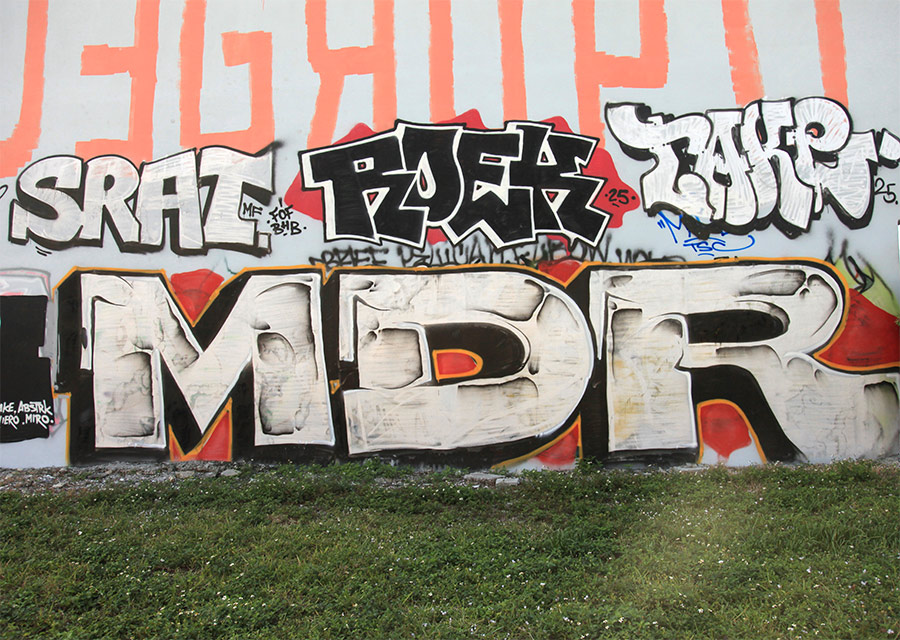
Here are some new shots we caught this week on New York streets, featuring Eternal Possessions, Shev Lunatic, BESRK, IMK, El Avo, STOP, CRKSHNK, DEBT, FCM, Jenna Morello, Damsel, and Charm
Happy Easter to all our readers who celebrate it, and pray for peace.
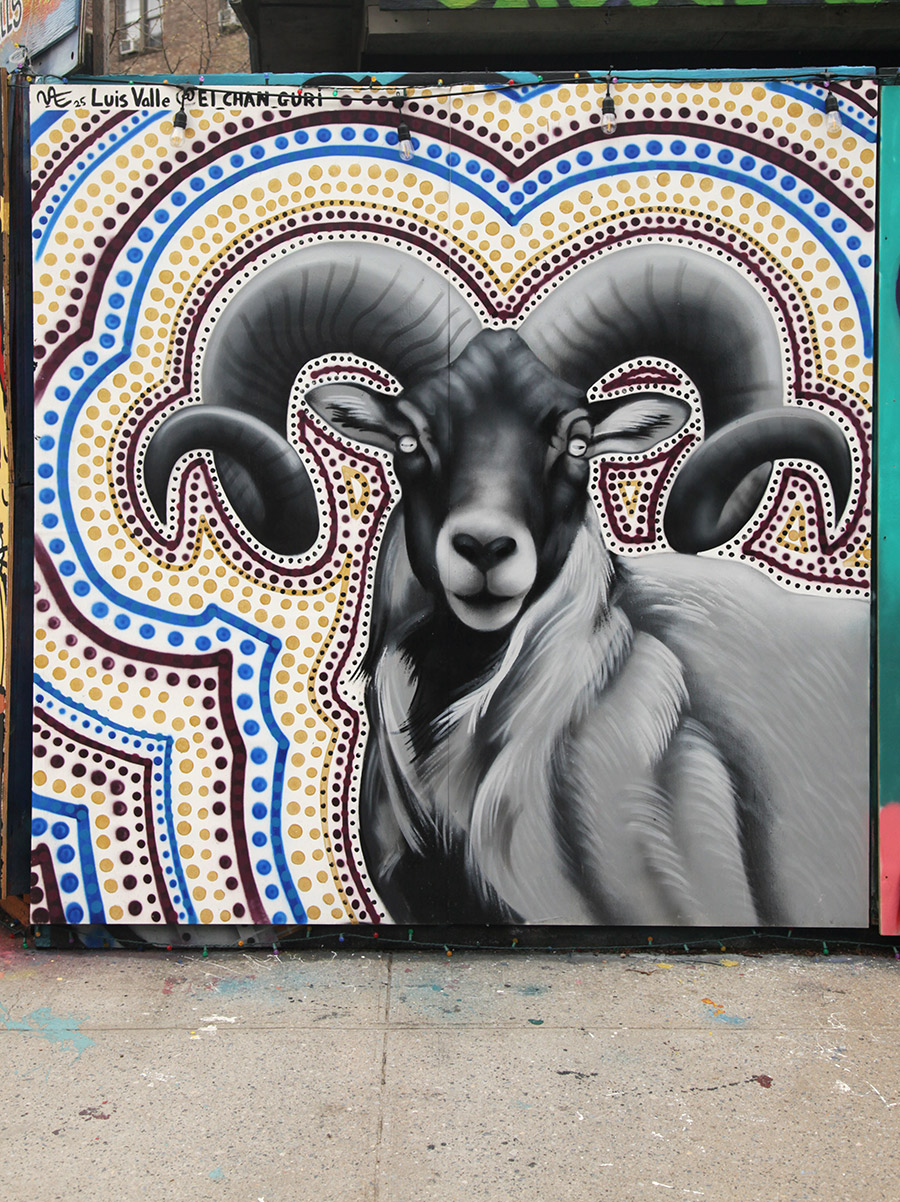
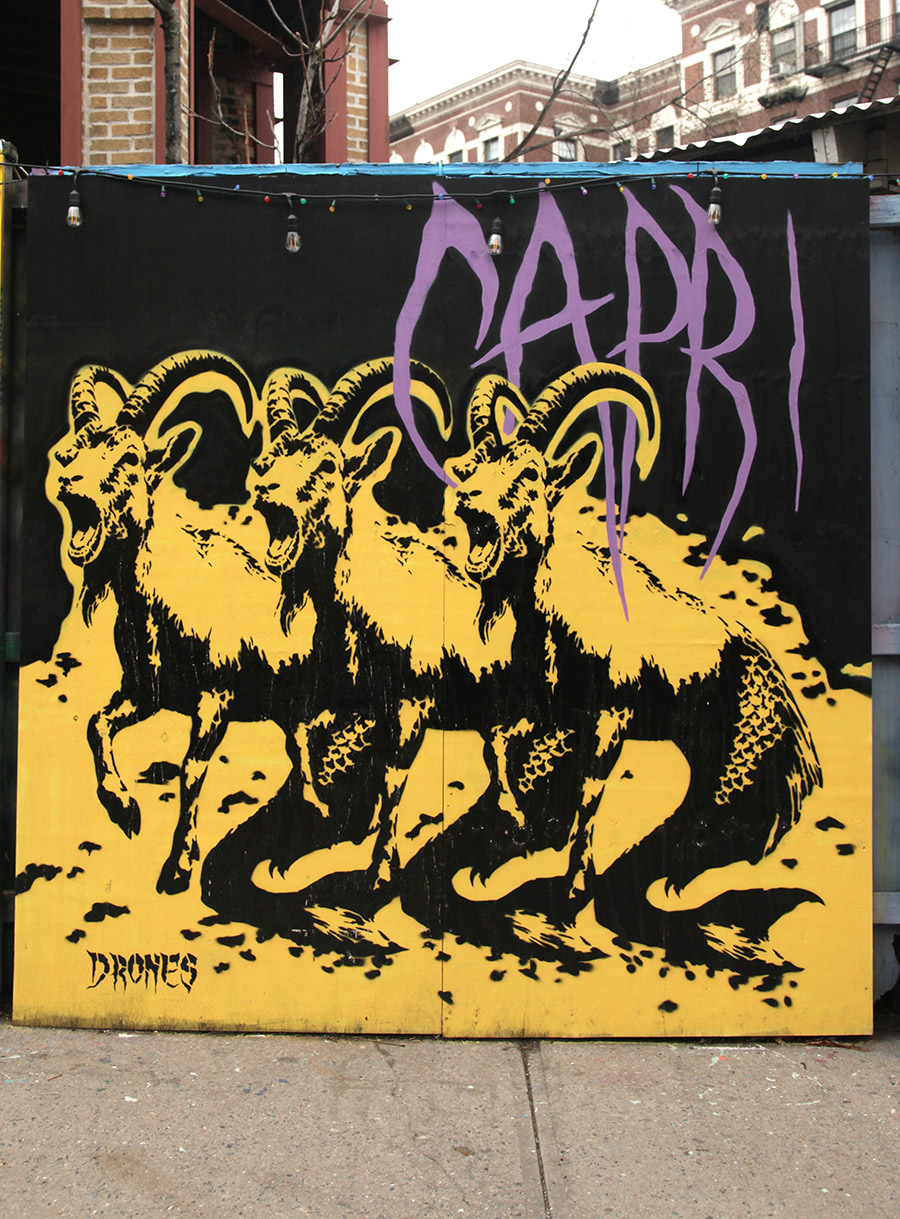
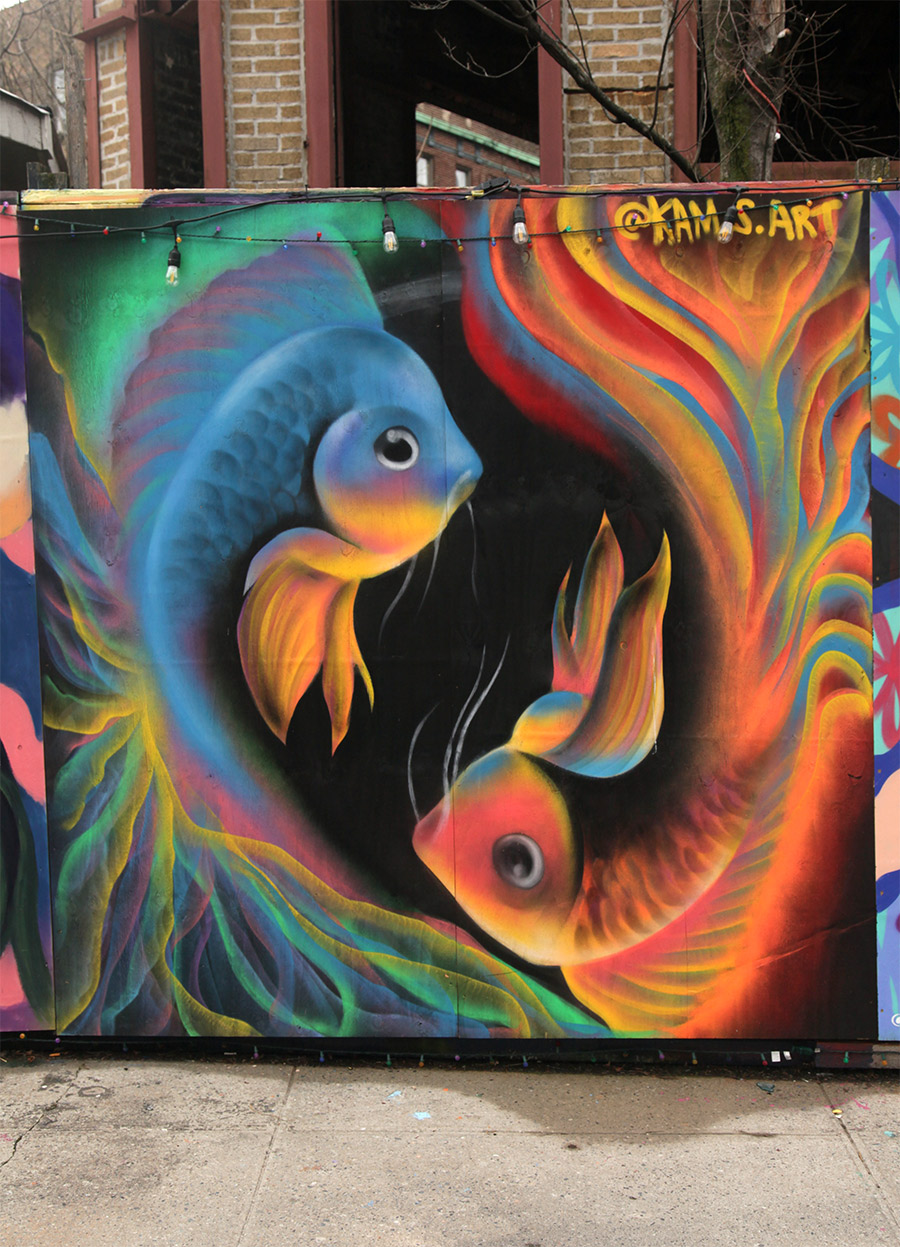
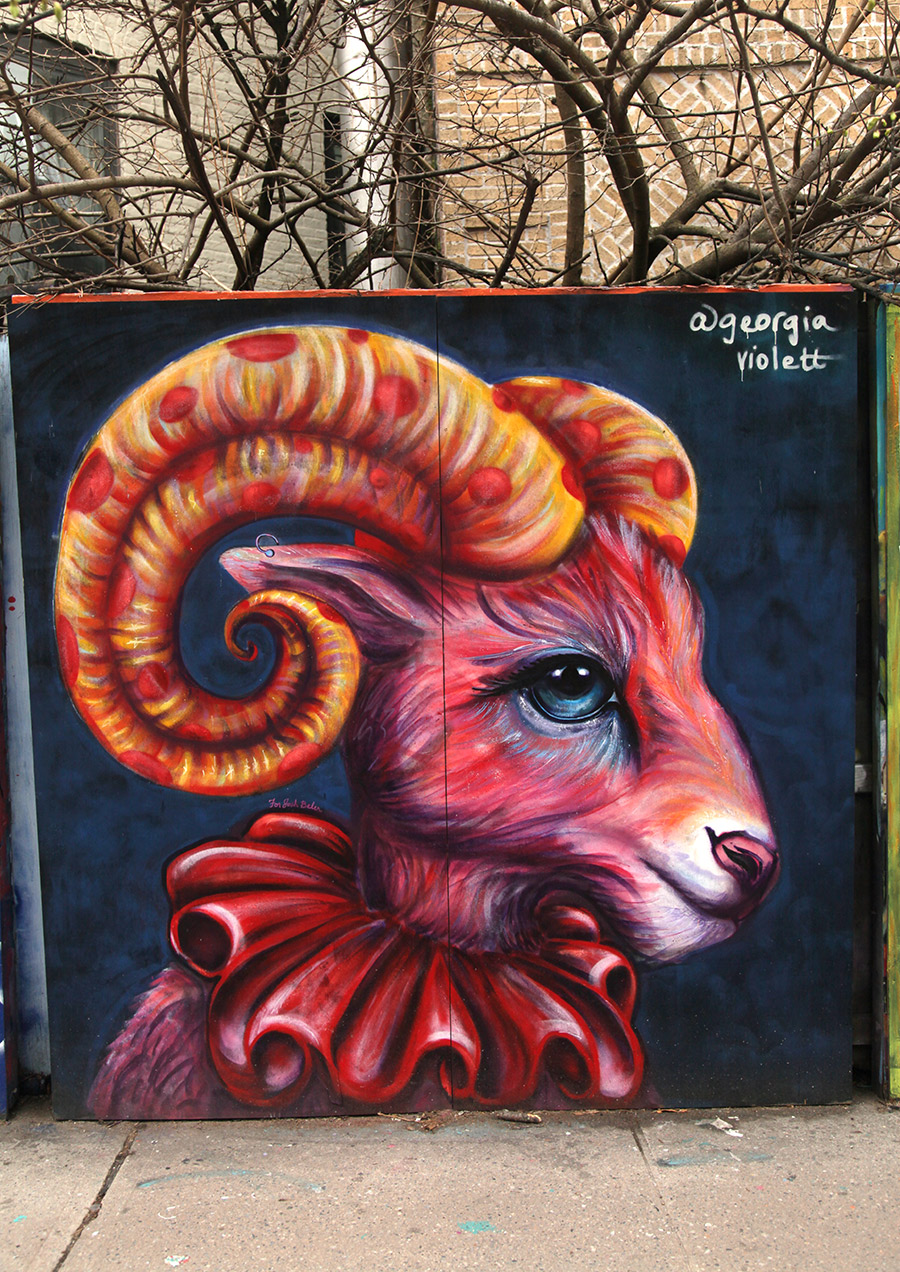
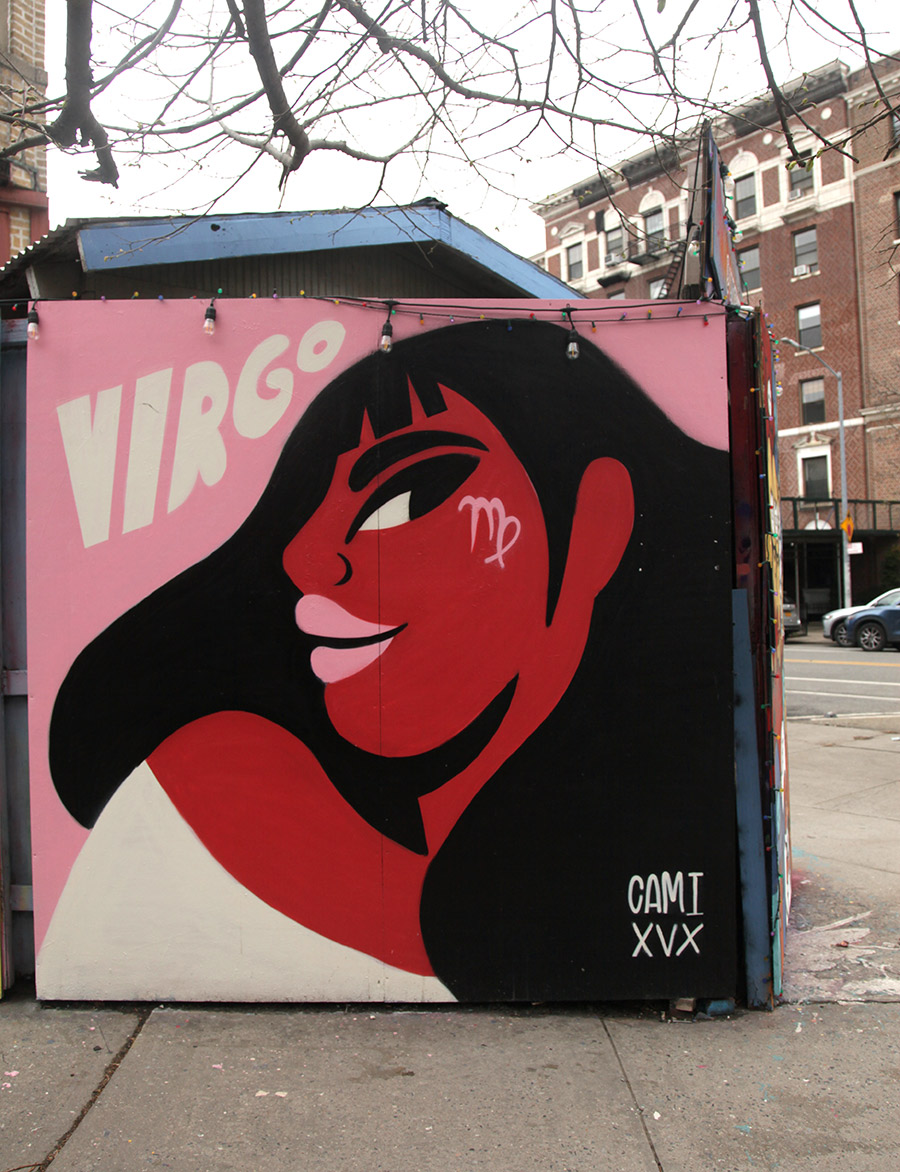
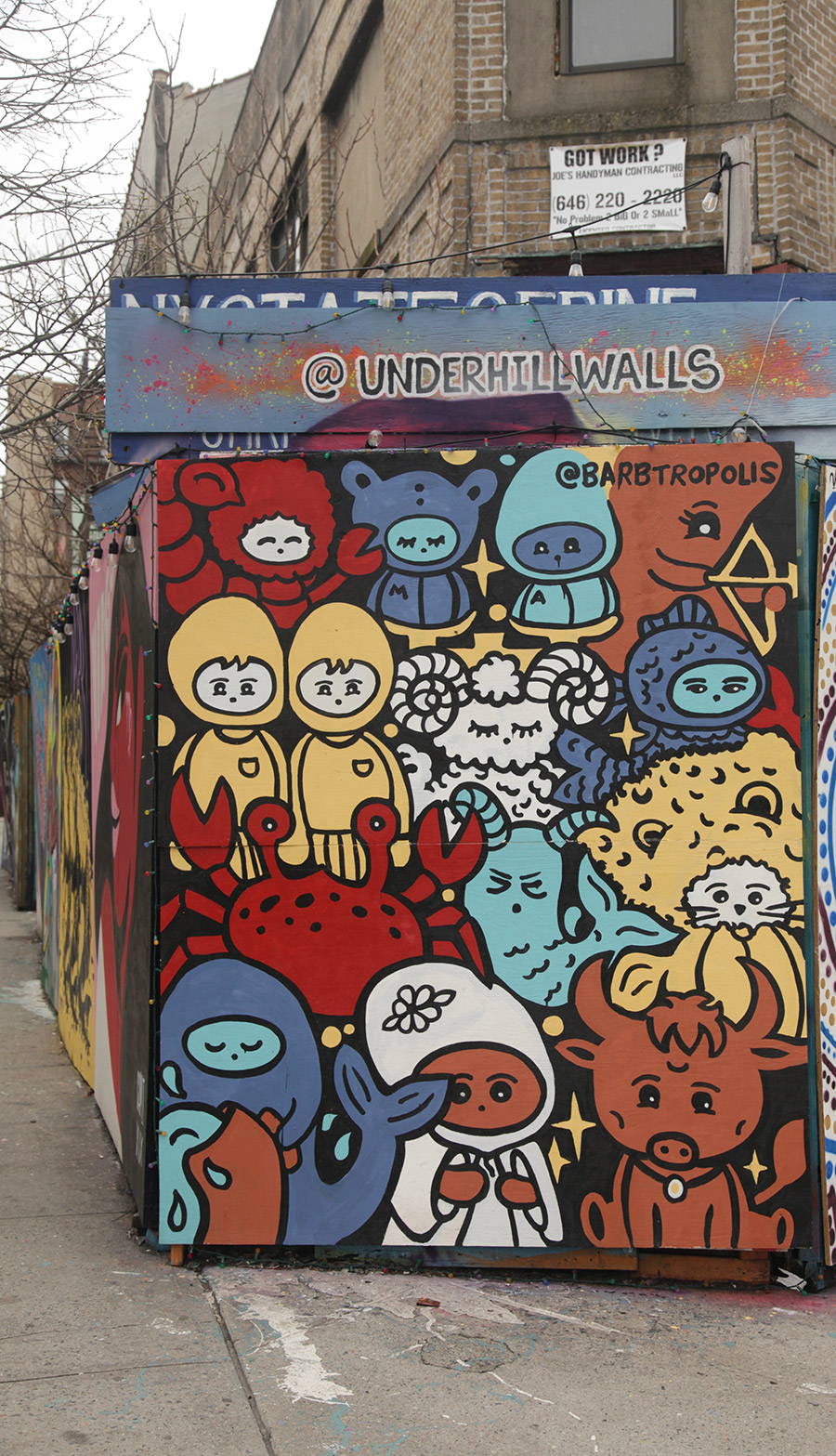
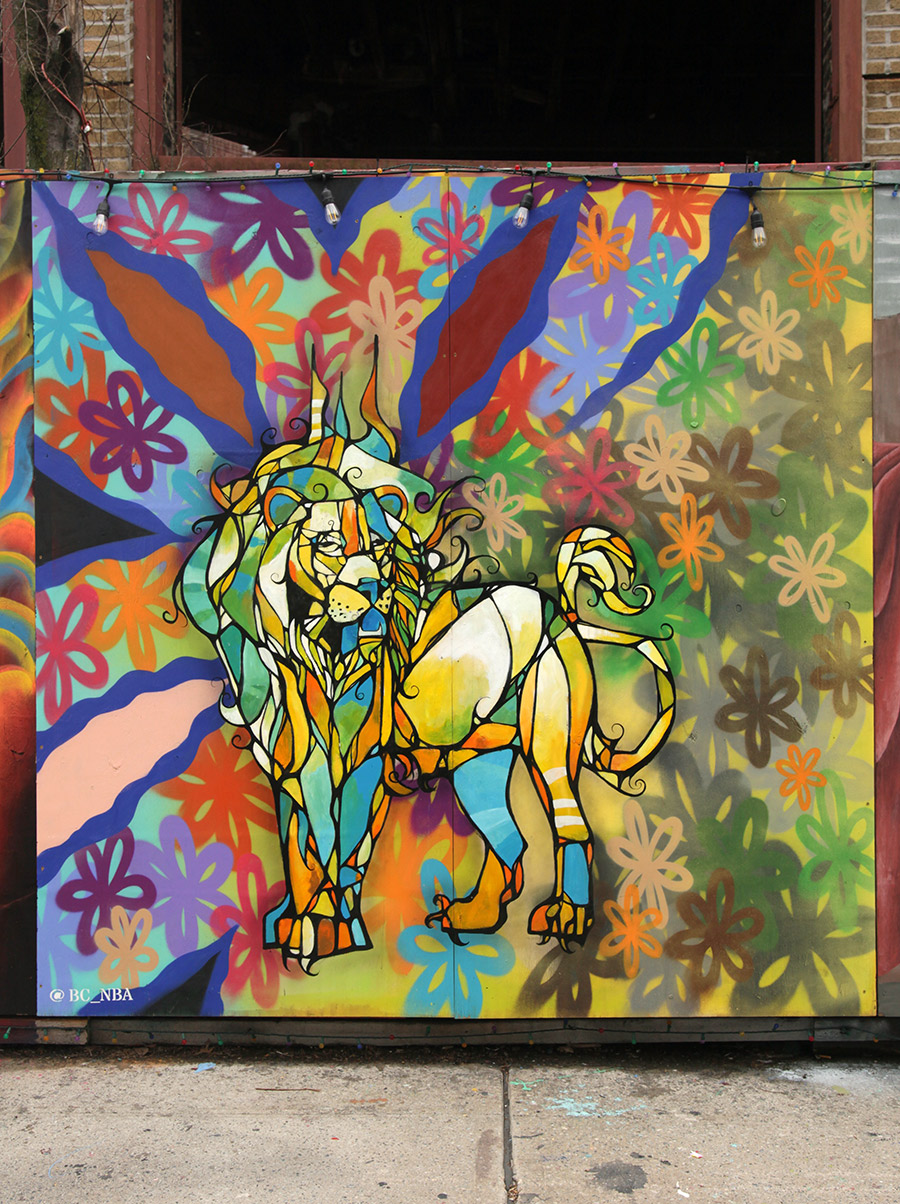
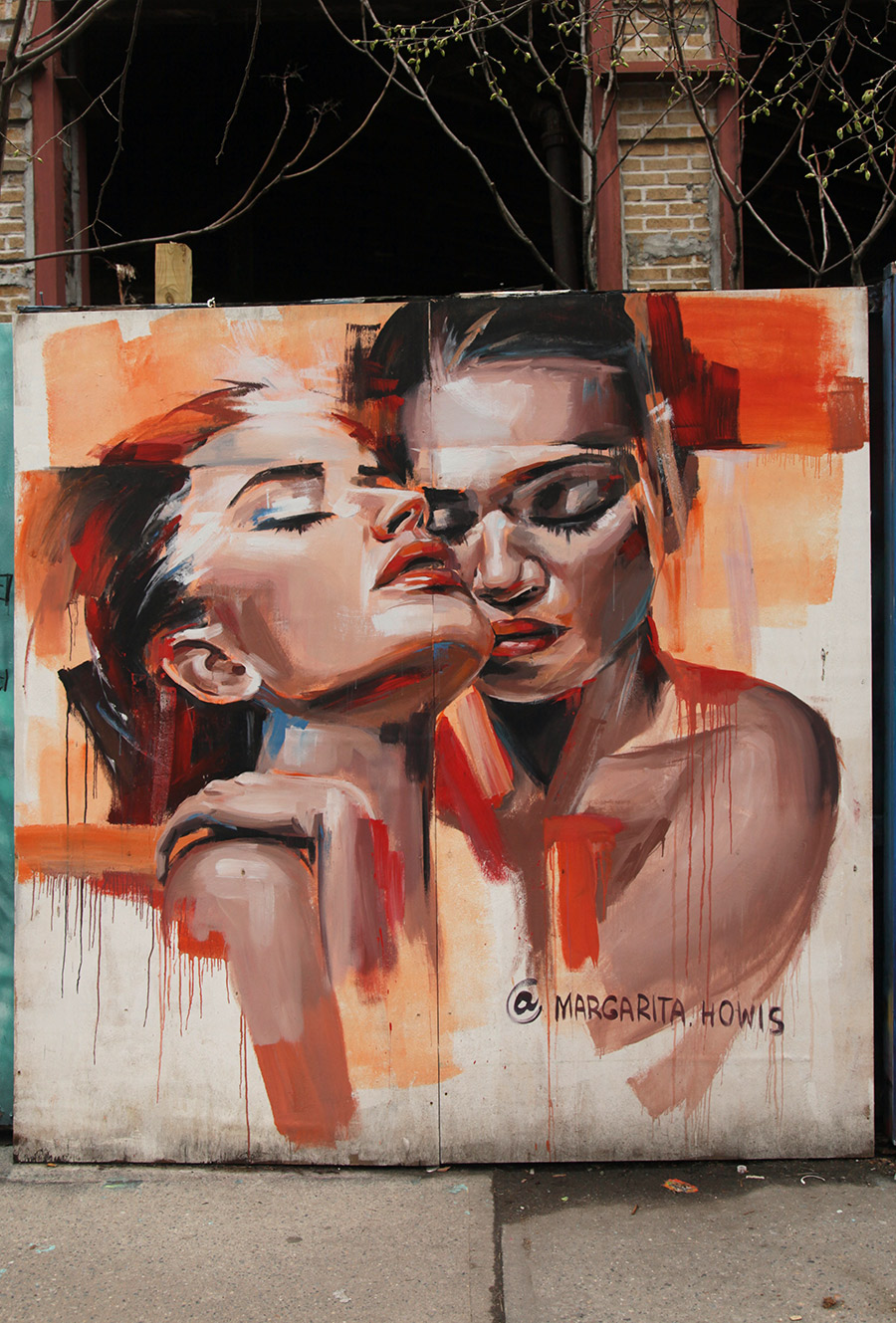
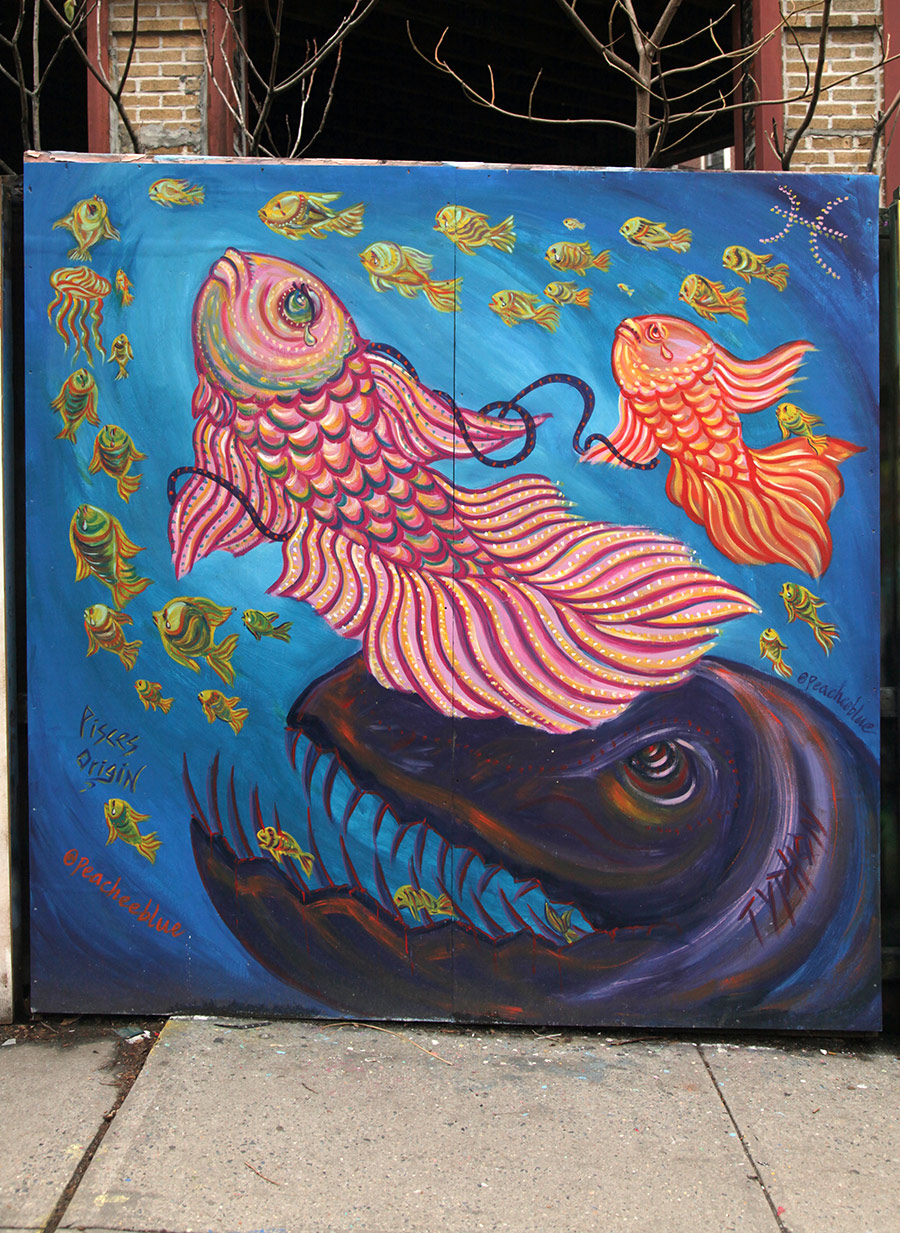
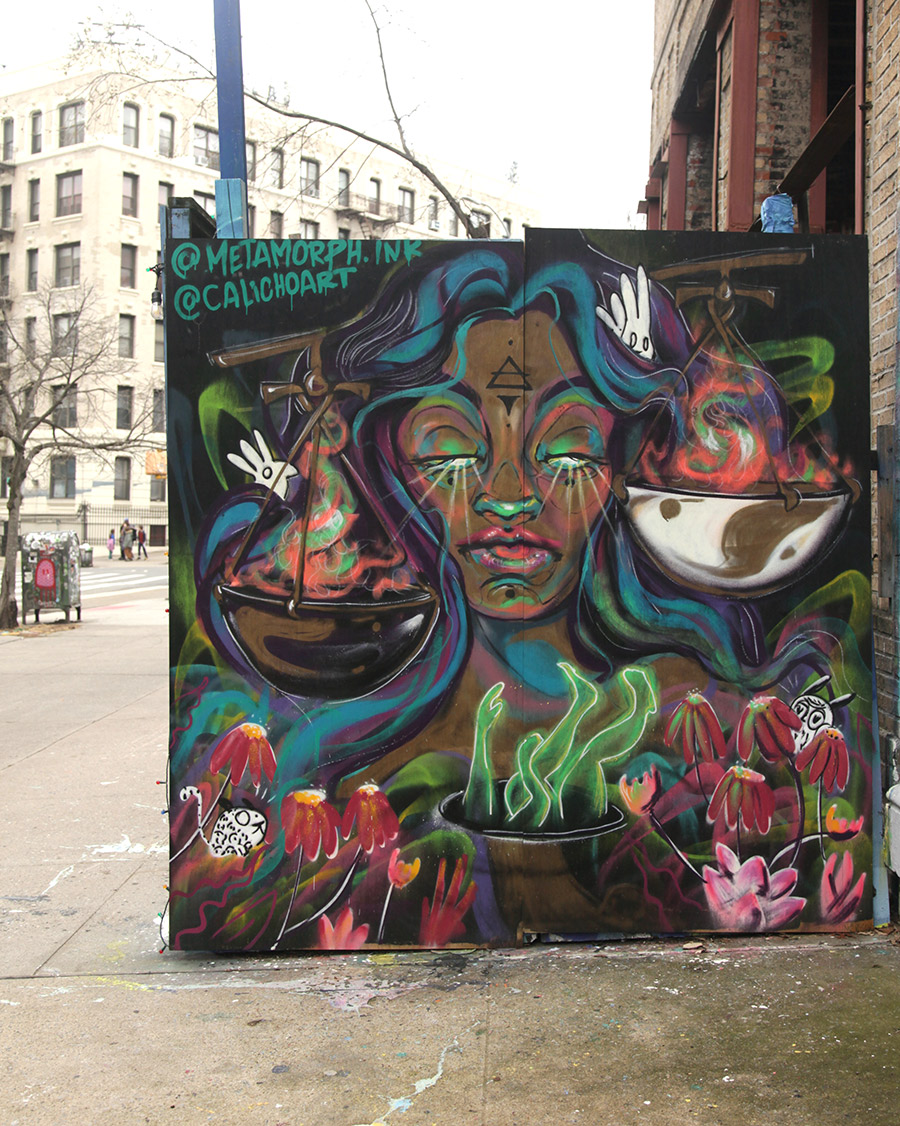
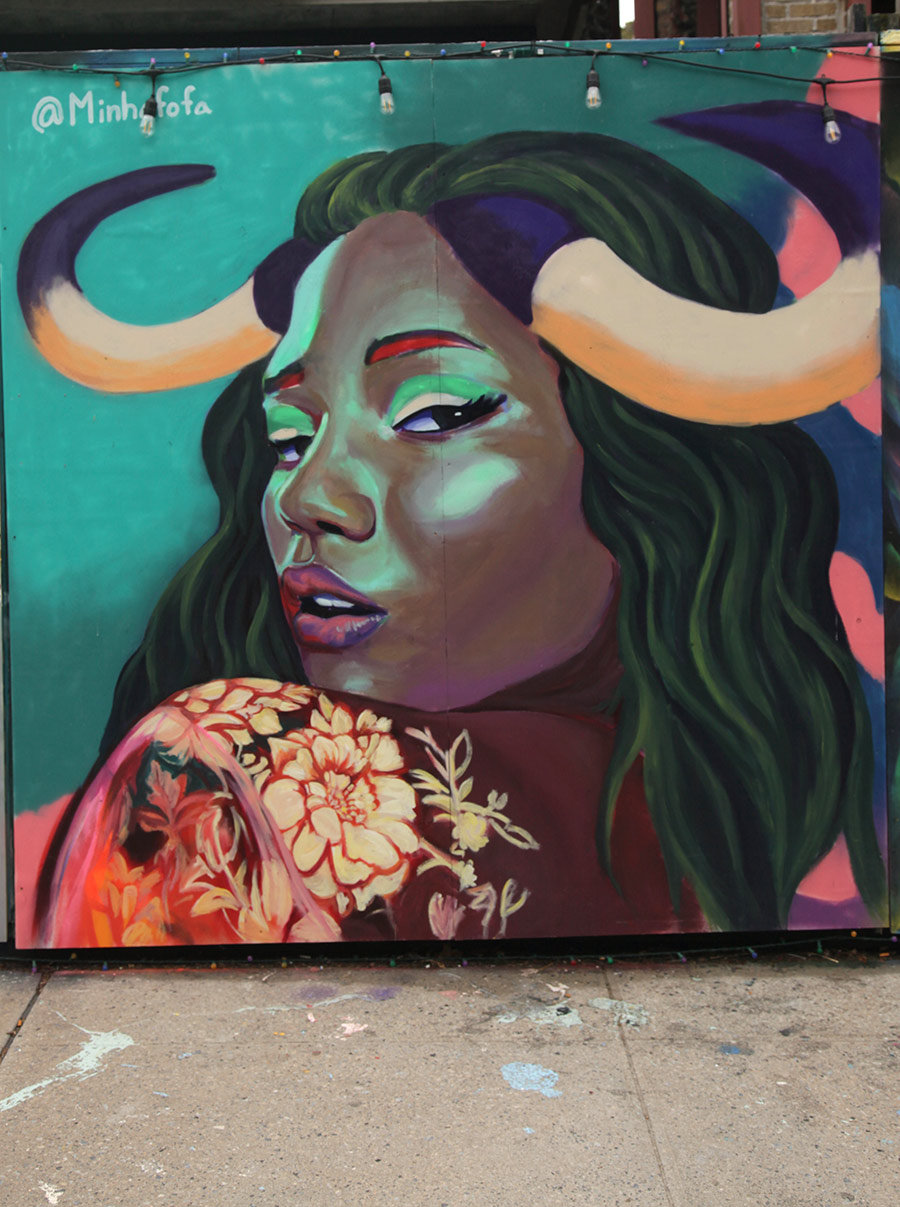
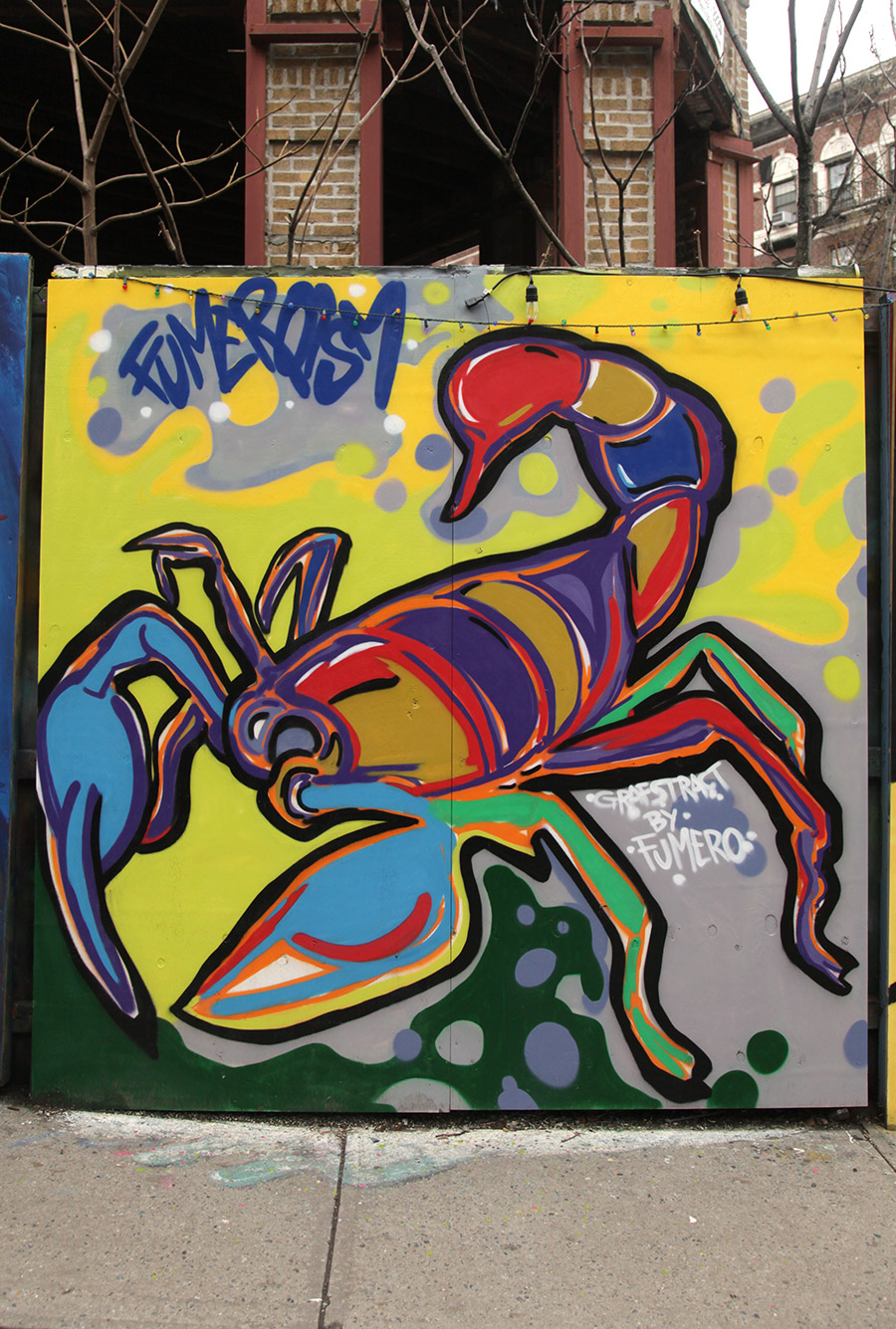
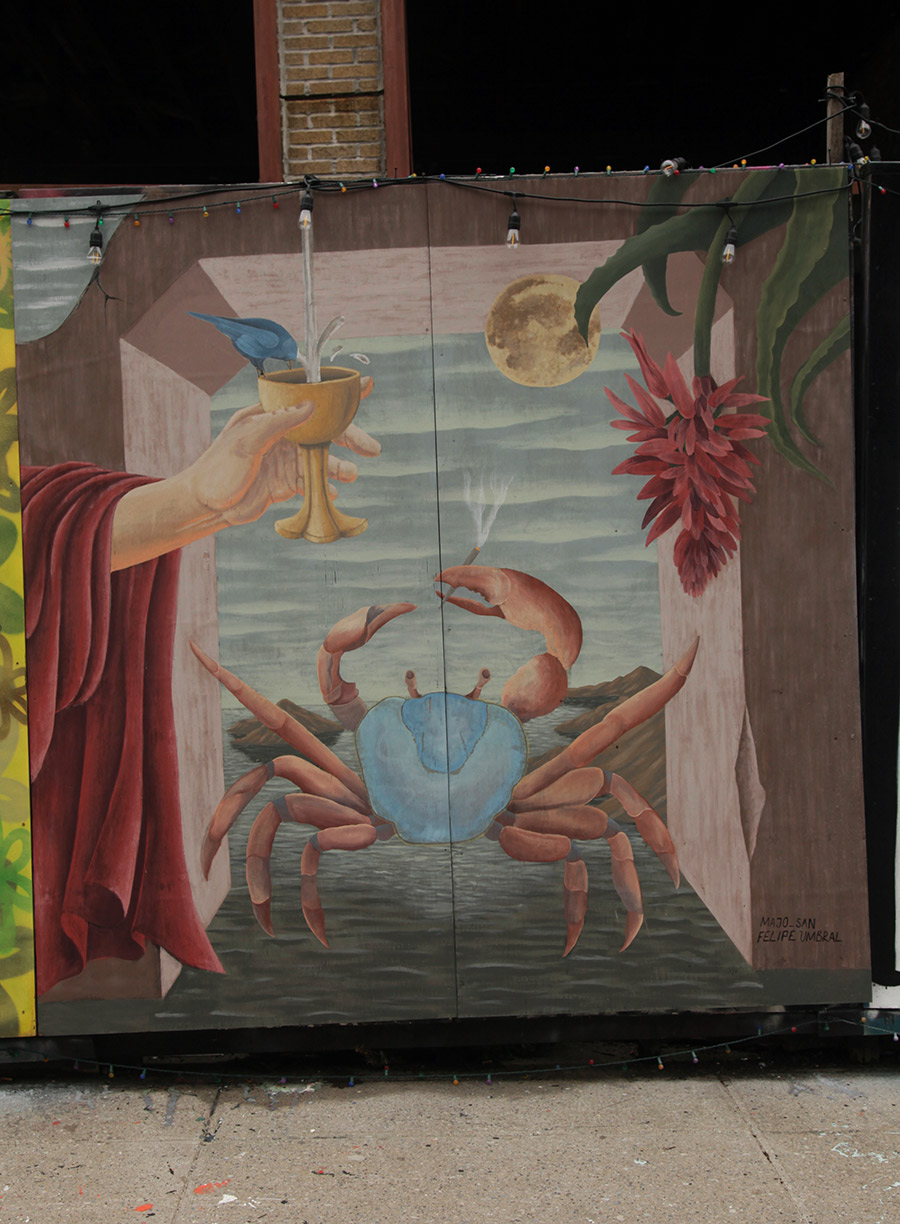
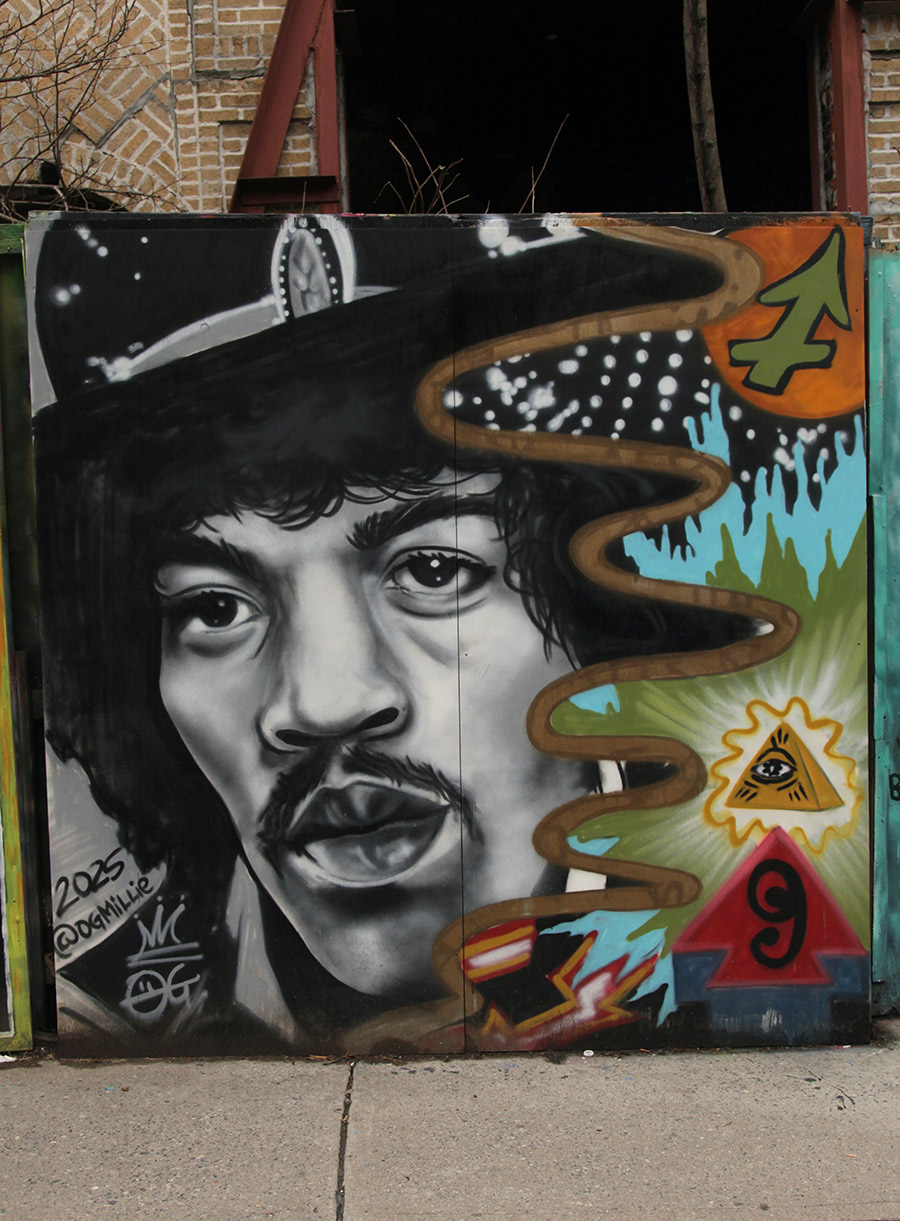
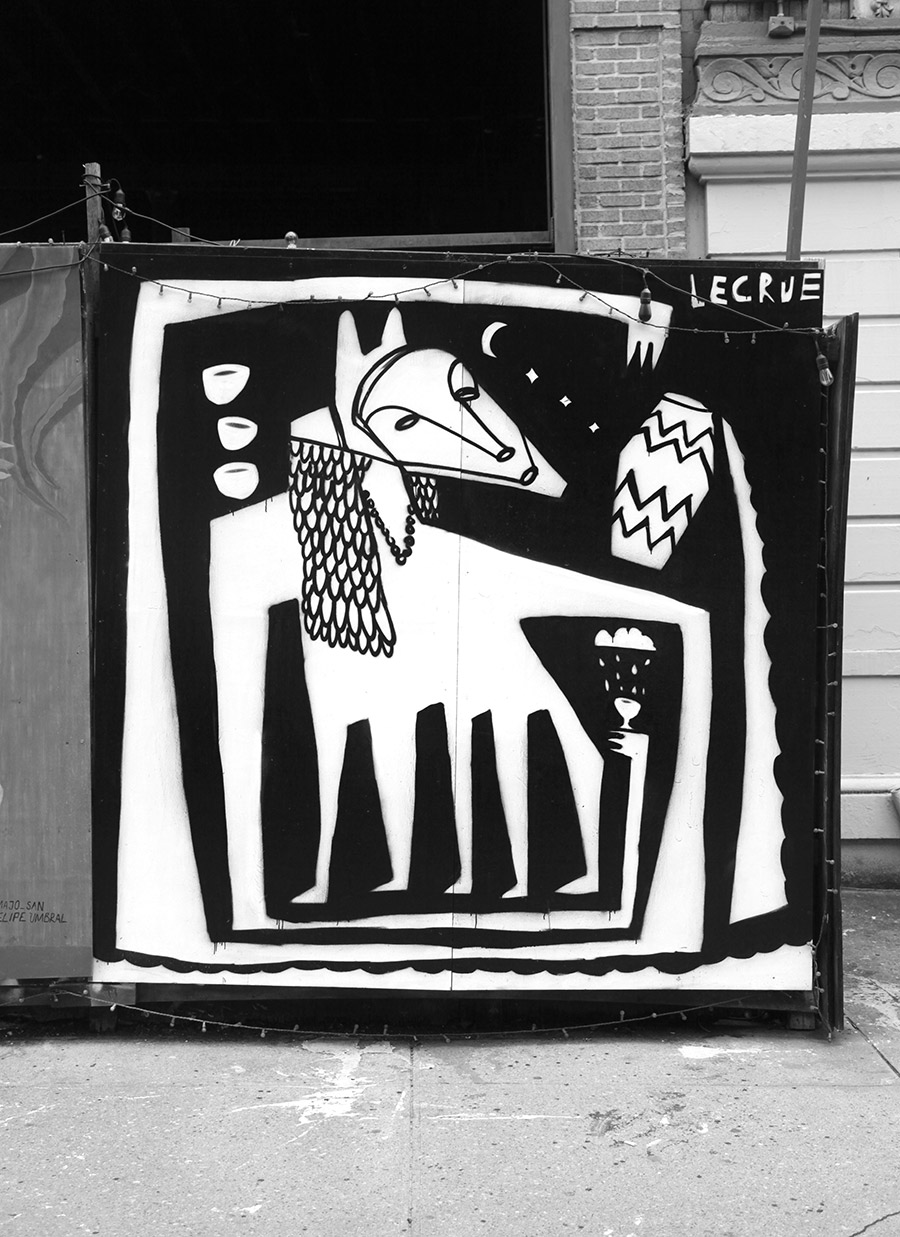
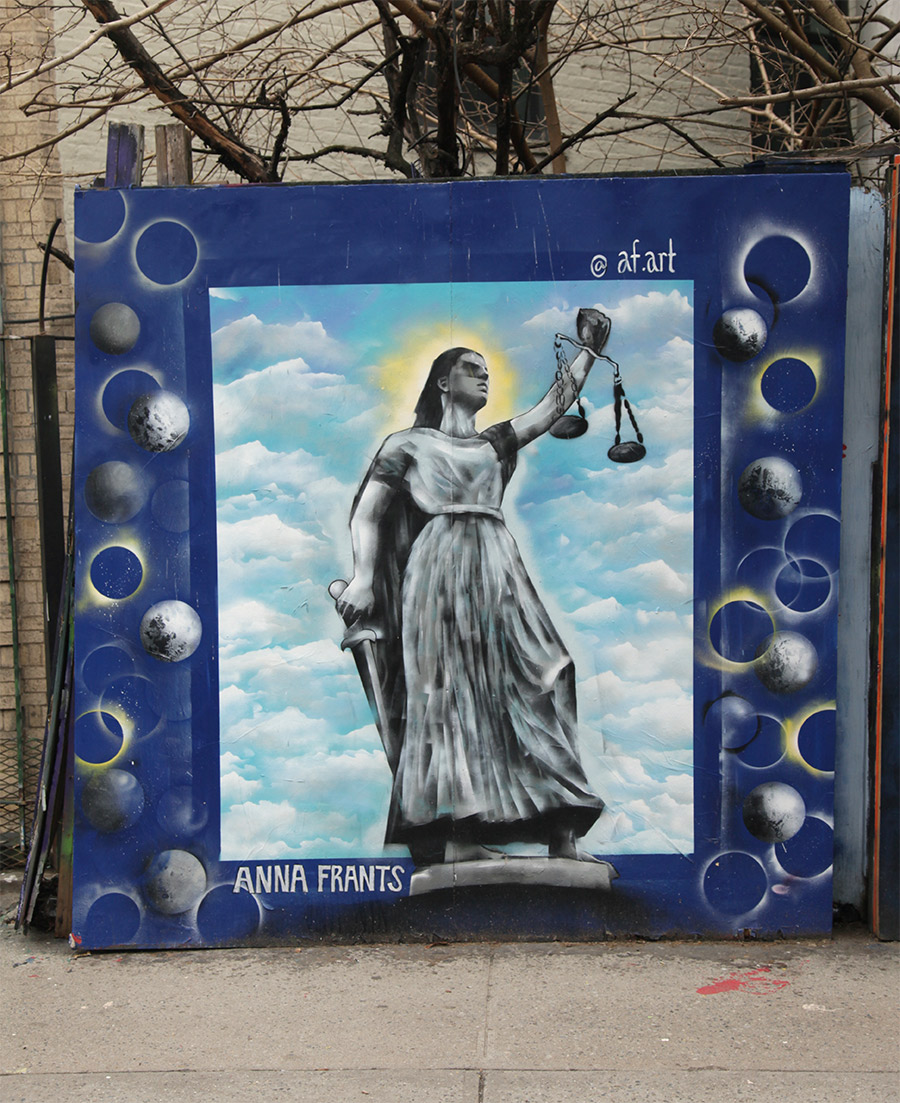
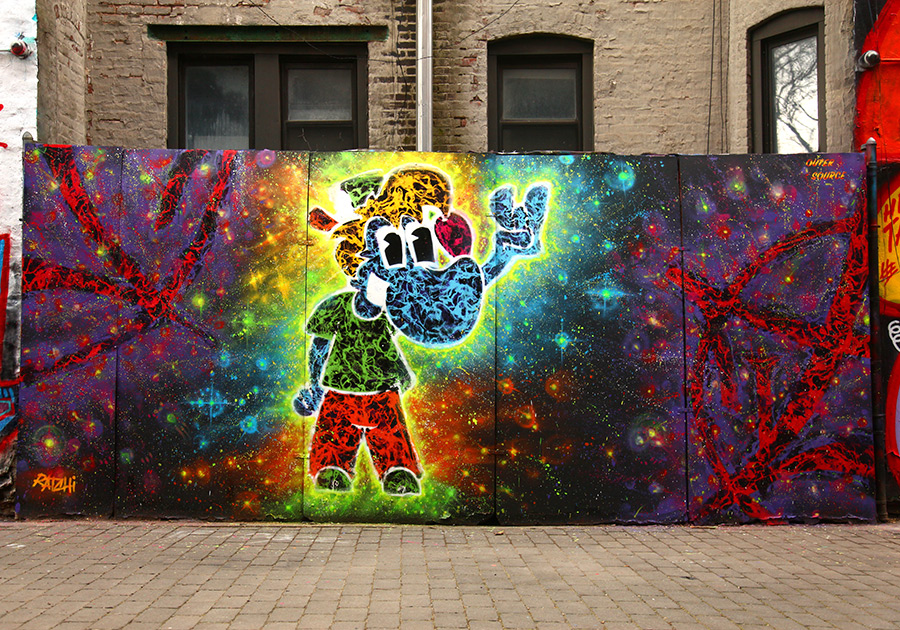
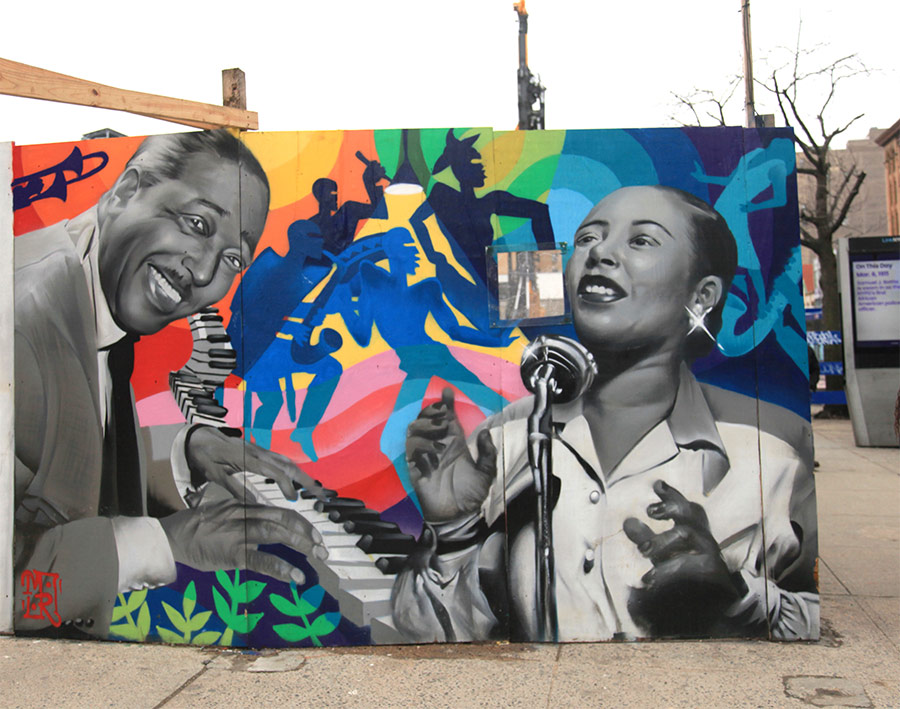
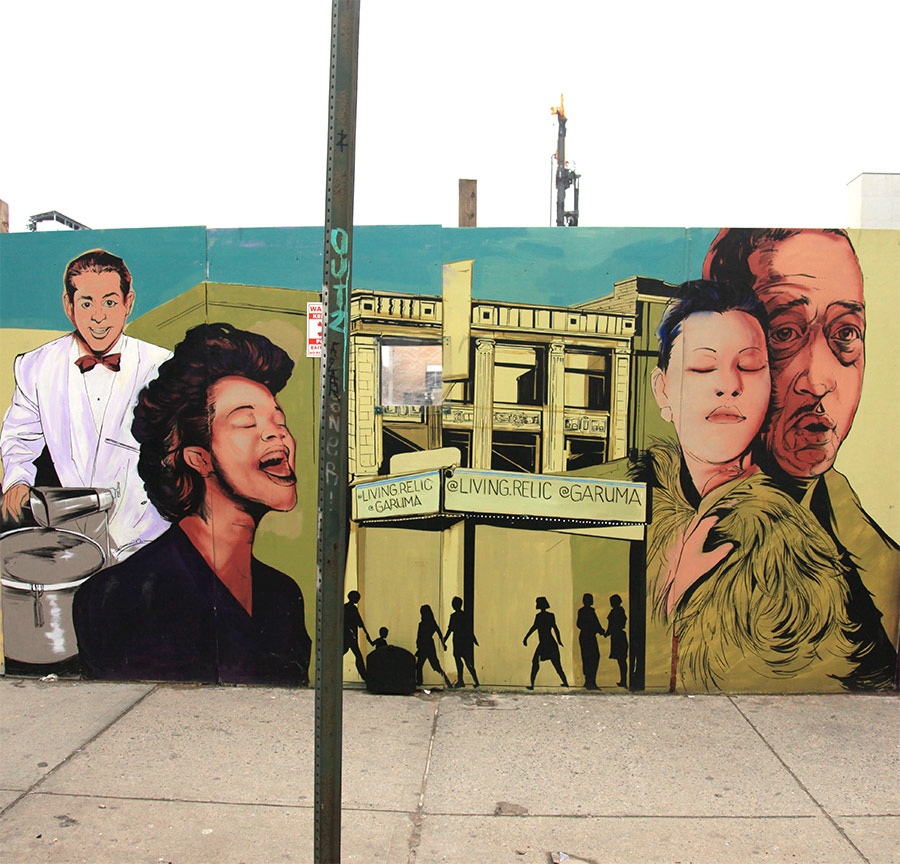
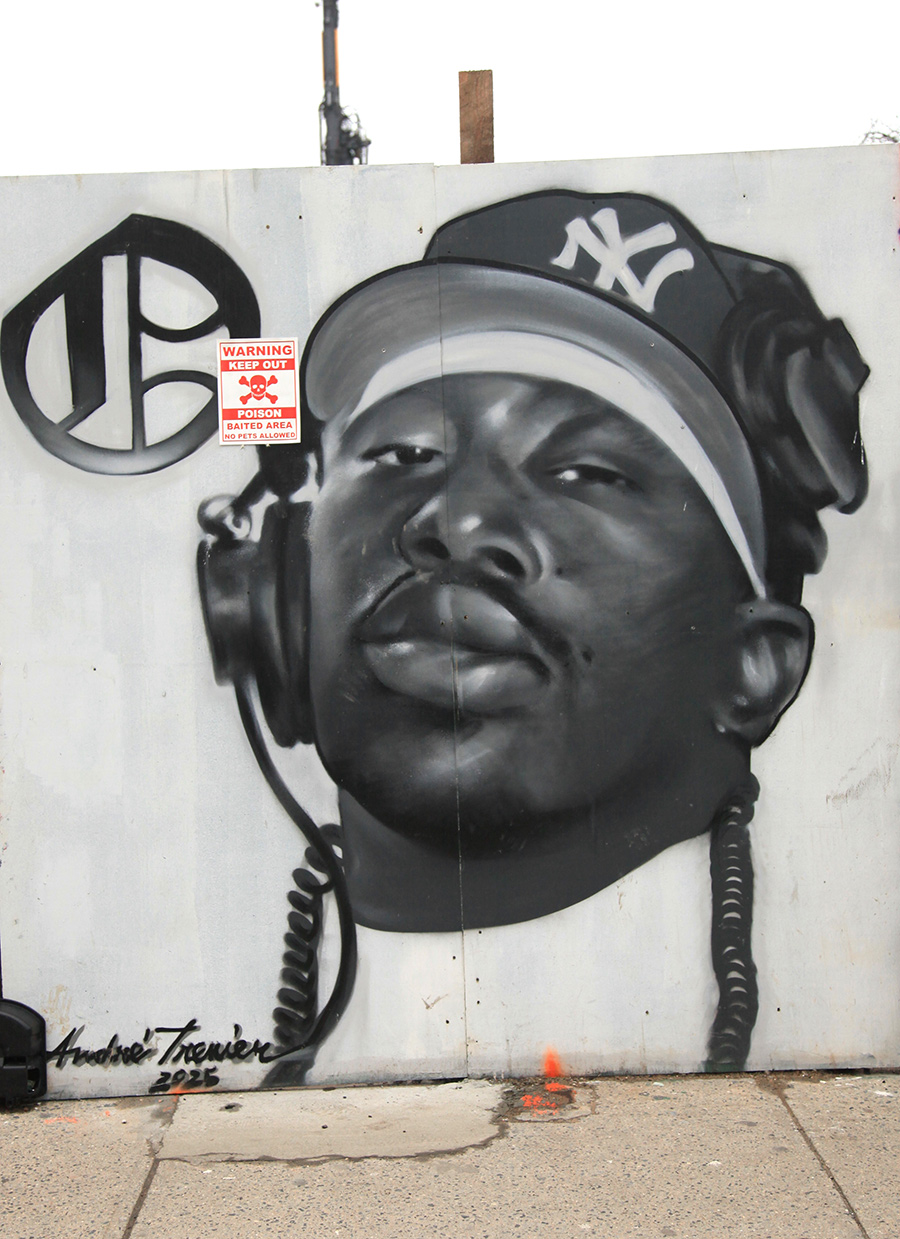
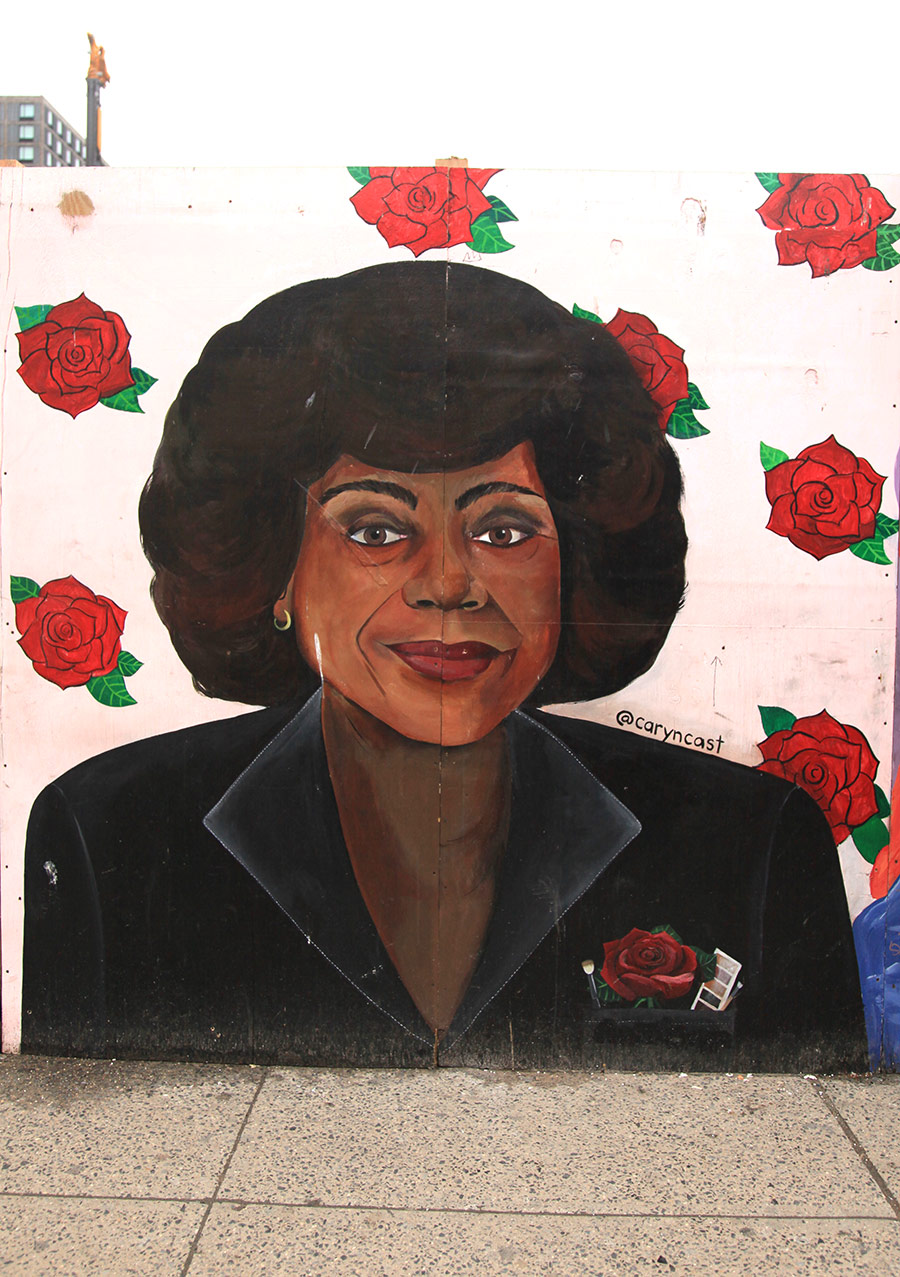
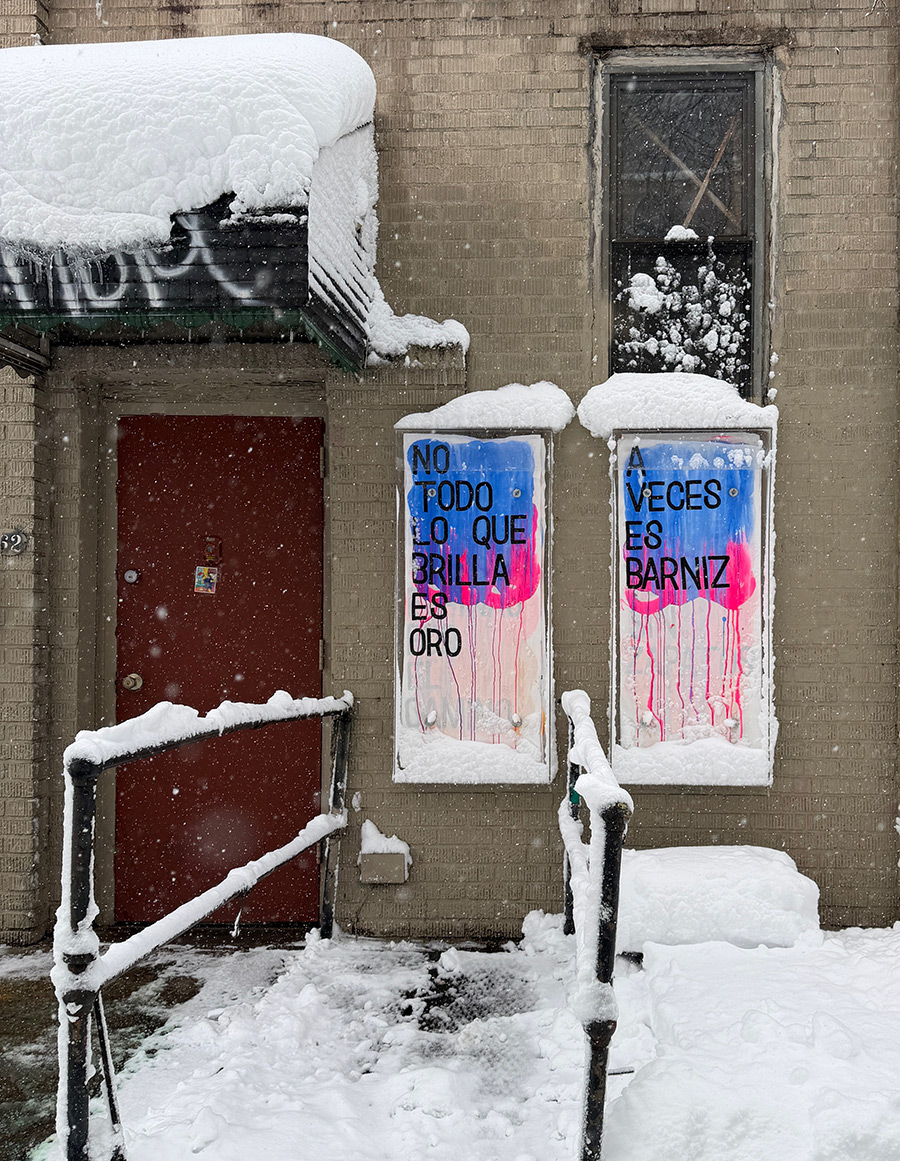
This week, we give light to some of the recent panels from a community wall project that consistently refreshes the view for people in the Prospect Heights neighborhood of Brooklyn. Founded in 2015 by artist and curator Jeff Beler, who developed the site after securing permission to transform construction fencing around a fire-damaged, long-abandoned building into an open-air mural space. The project, initially organized with curator Frankie Velez, operates as a recurring, theme-based installation refreshed roughly twice a year, bringing together a mix of established and emerging muralists to produce site-specific work across multiple panels. A community-based initiative, Underhill Walls has grown into a visible neighborhood fixture and a broader hub for mural production, emphasizing collaboration, accessibility, and artist “chemistry” in selection for the rotating roster.
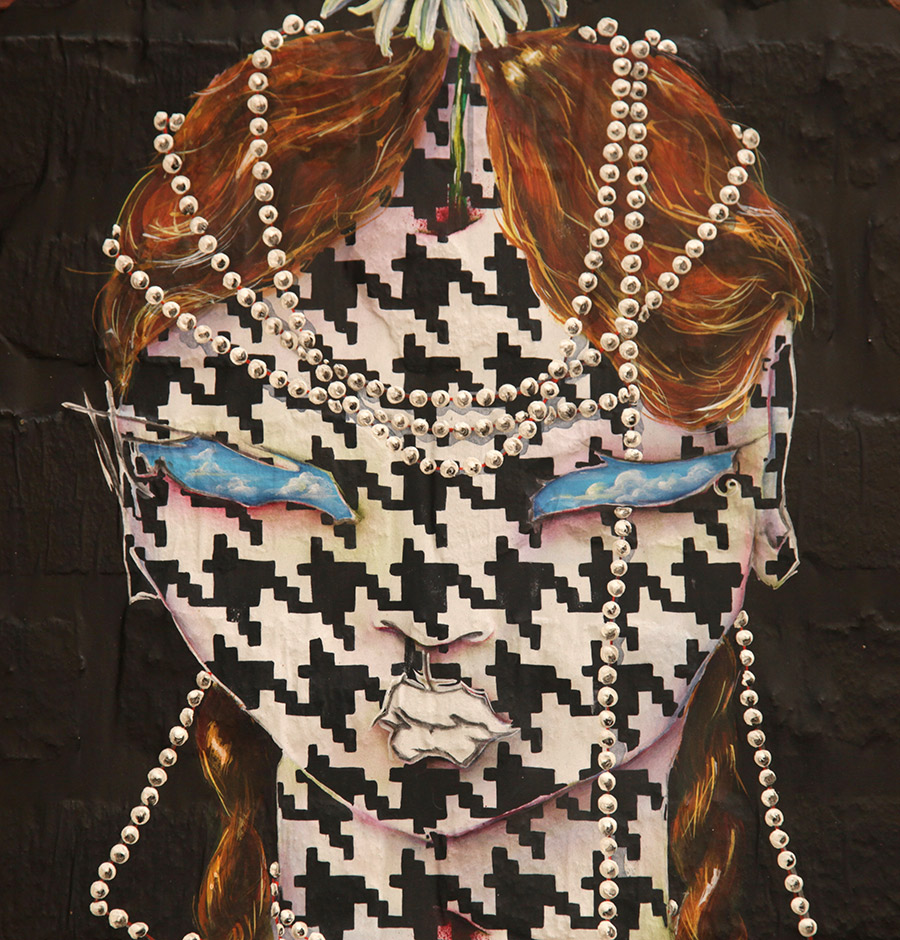
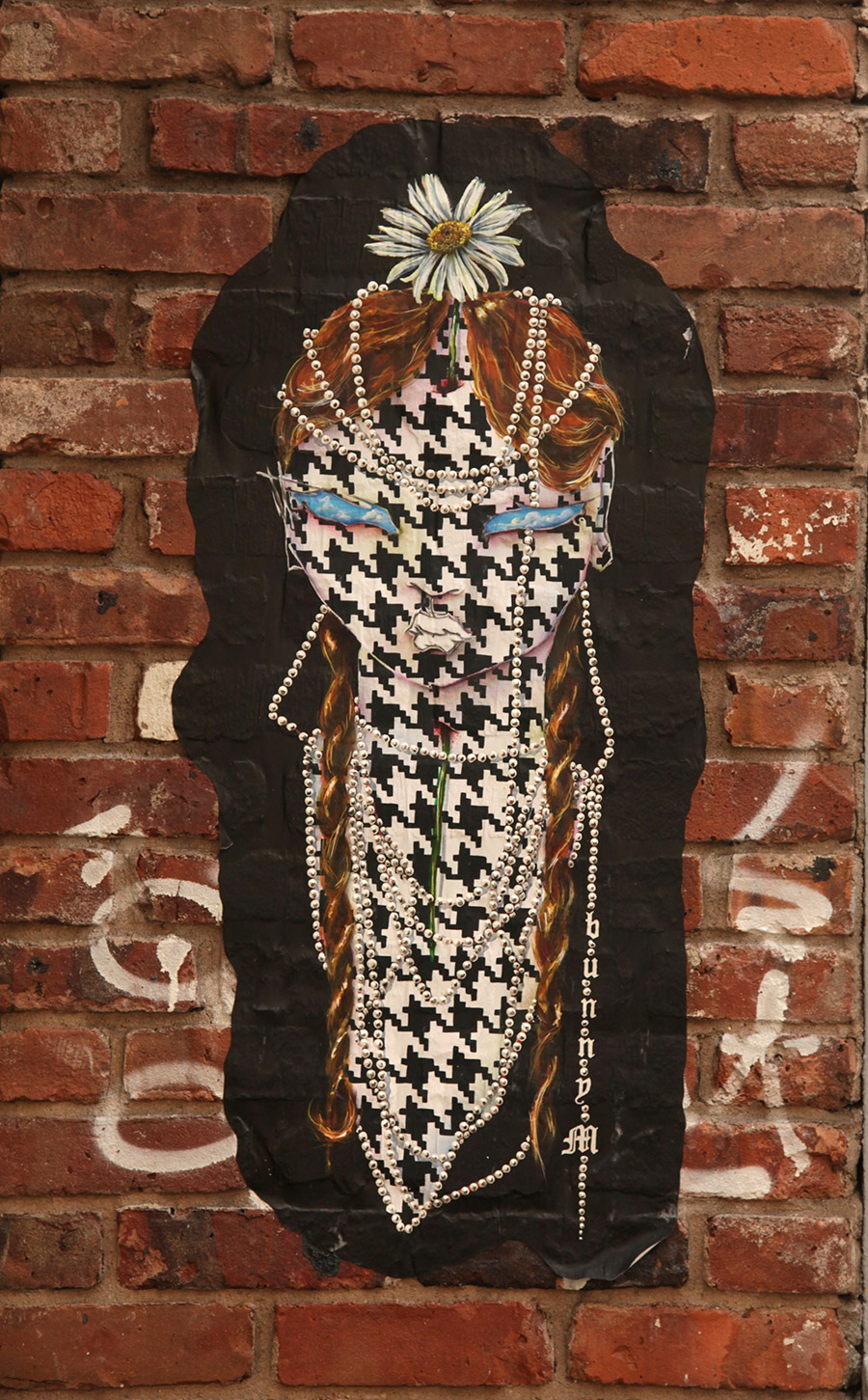
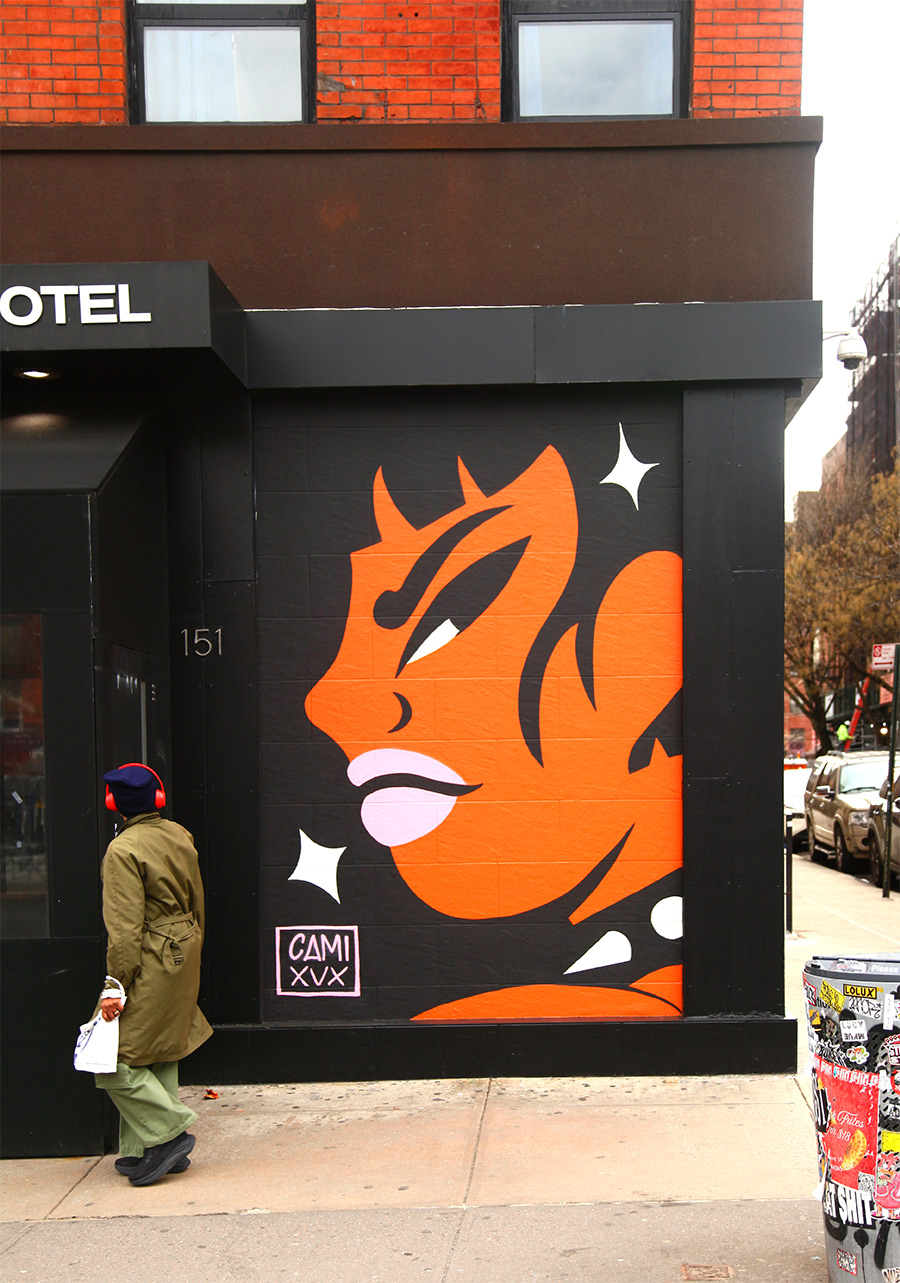
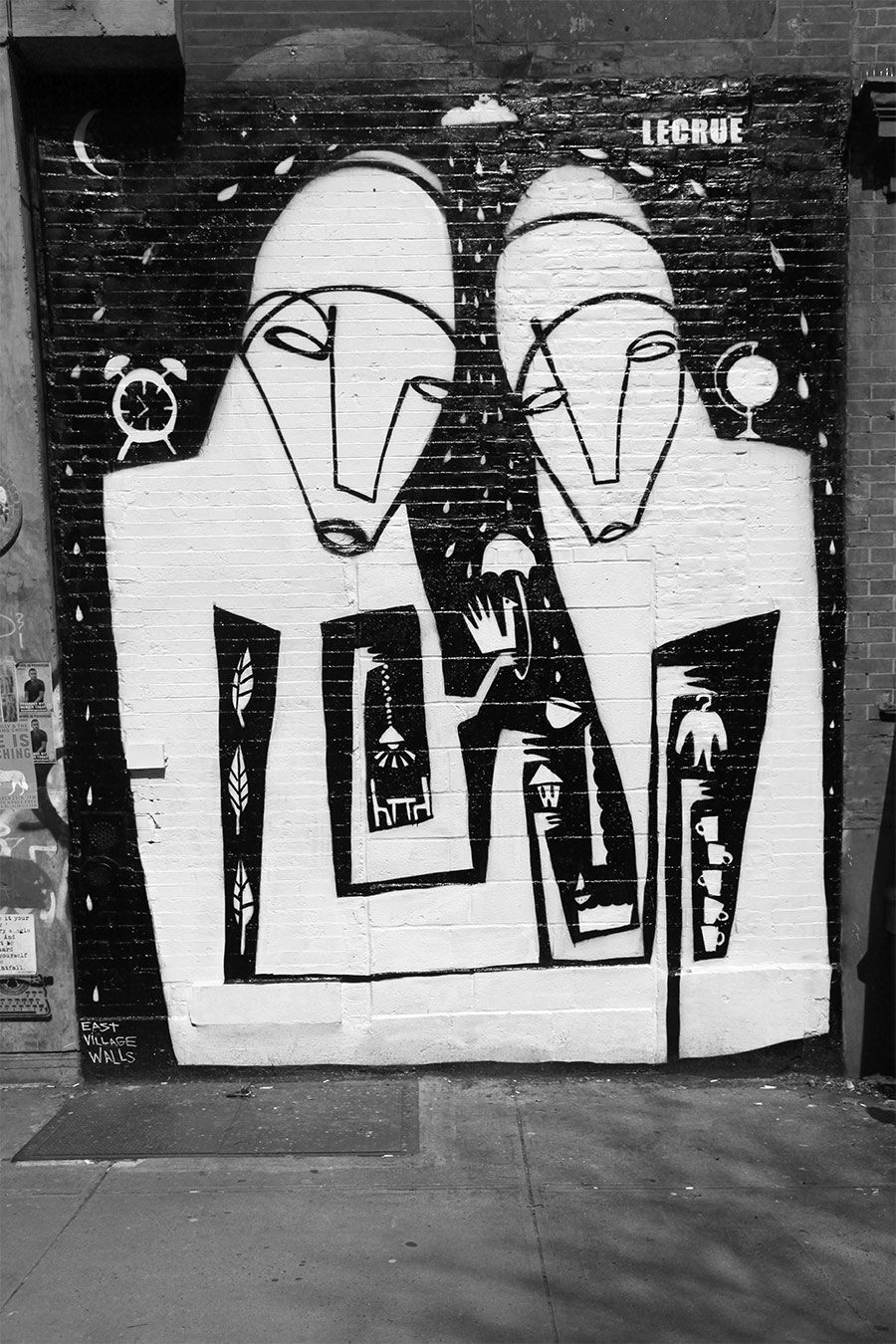
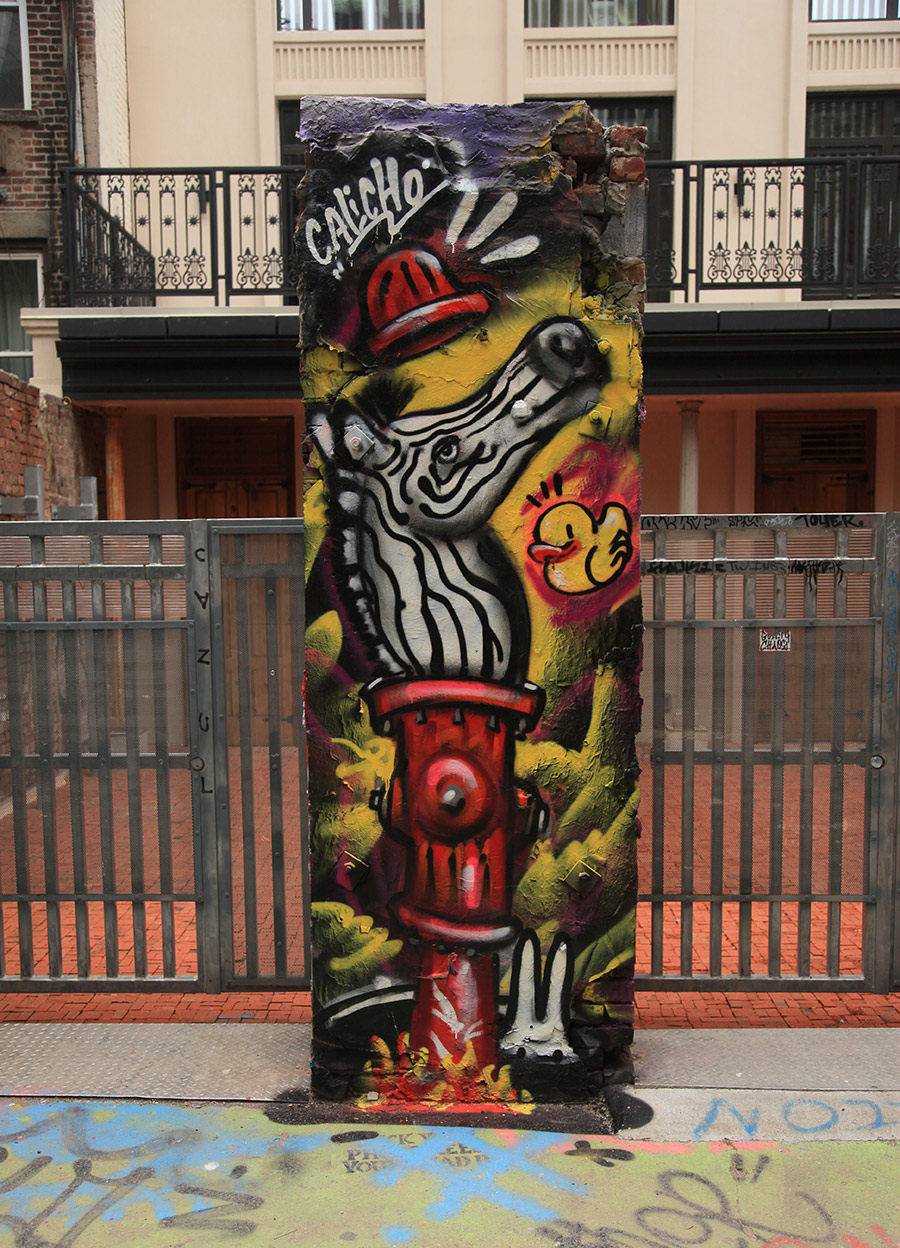
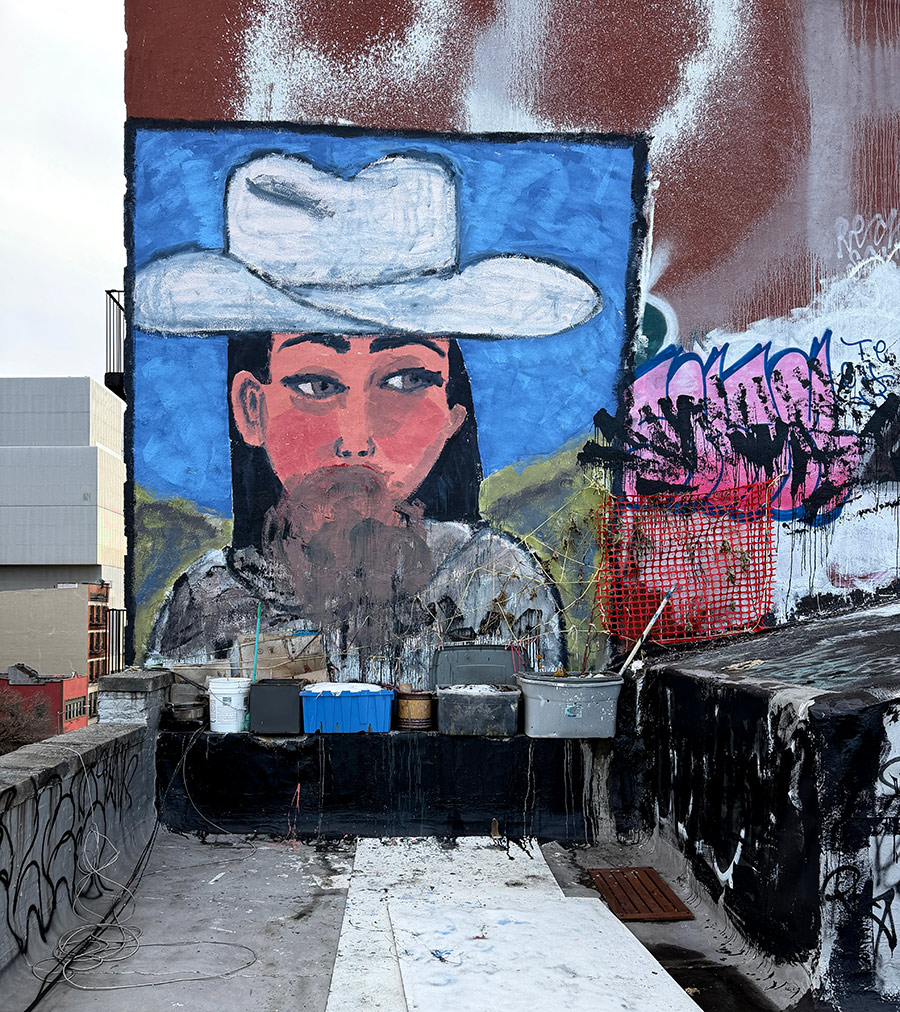
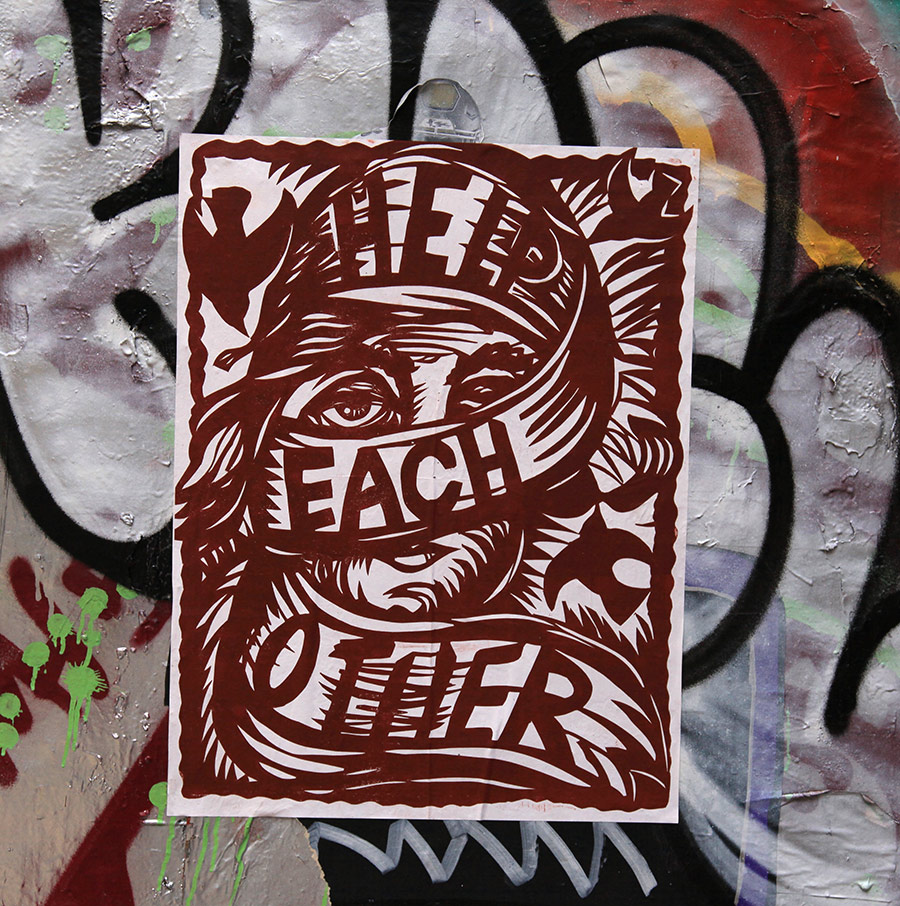
Here is our weekly interview with the street, today featuring Anna Faris, Barbtropolis, BC NBA, Bunny M, Calicho Art, CAMI XVX, DG Millie, Drones, Fumero, Georgia Violett, Kams S Art, LeCrue Eyebrows, Luis Valle, Majo, Margarita Howls, Metamorph, Minhafofa, and Peachee Blue.
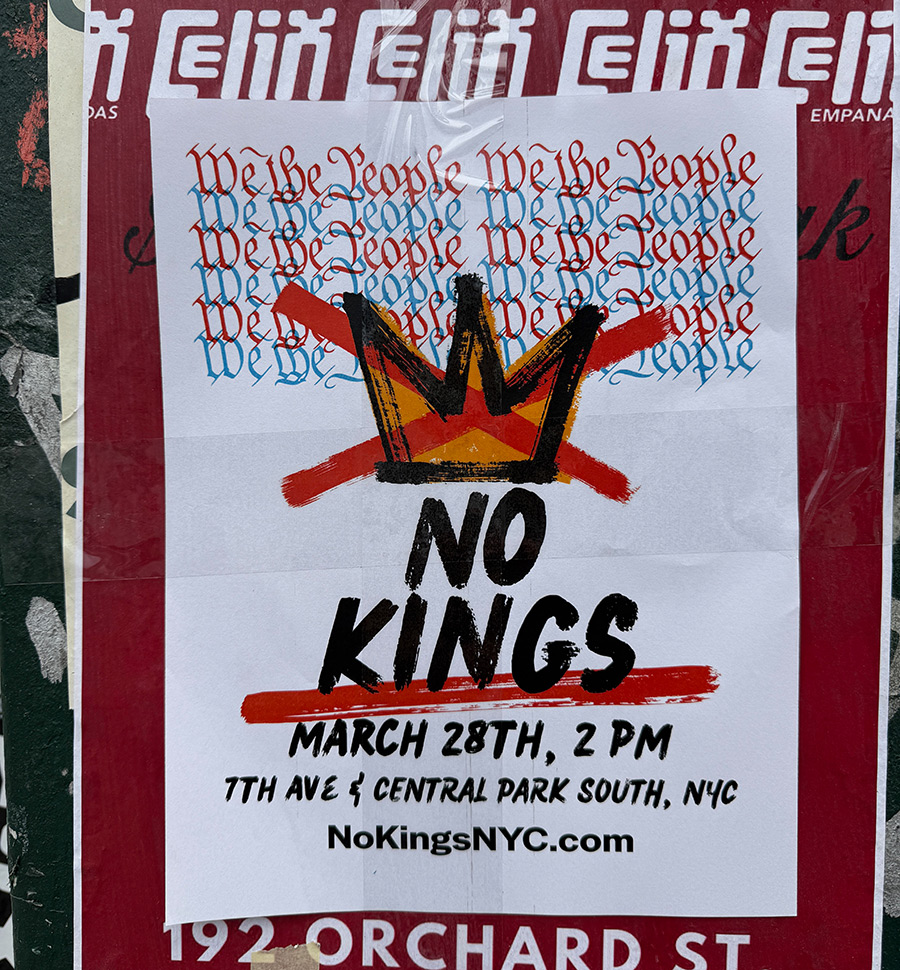
Across thousands of U.S. cities and streets yesterday, speakers at the ‘No Kings’ marches framed the protests as a mass rejection of executive overreach—calling for protection of civil rights, enforcement of limits on presidential power, and an end to aggressive anonymous immigration crackdowns. The dangerously growing war—and concerns about its escalation and its potential cost in blood and money—surfaced but appeared as one thread among several.
According to what’s often called the ‘3.5% rule,’ drawn from the research of Erica Chenoweth and Maria J. Stephan, nonviolent movements that mobilize roughly 3.5% of a population at their peak have historically been difficult to ignore—and often capable of forcing major political change, although that is not a guaranteed tipping point. Current estimates put the recent ‘No Kings’ marches at about 7 million people nationwide, or roughly 2.1% of the U.S. population, organized through a decentralized web of grassroots groups including Indivisible. Impressive—and it’s being read as a signal in many quarters, but it’s hard to see how it is moving the needle. For now, it’s clearly a swelling, emotionally charged expression of public will; whether it hardens into something with leverage will depend on its ability to sharpen its focus, its demands, and its impact on policy.
Meanwhile, in some street art-related news, Trump has large banners of himself on the Department of Justice and Department of Labor buildings. History is full of examples of leaders blowing up large images of themselves and filling public space with them. Not usually in the US, though.
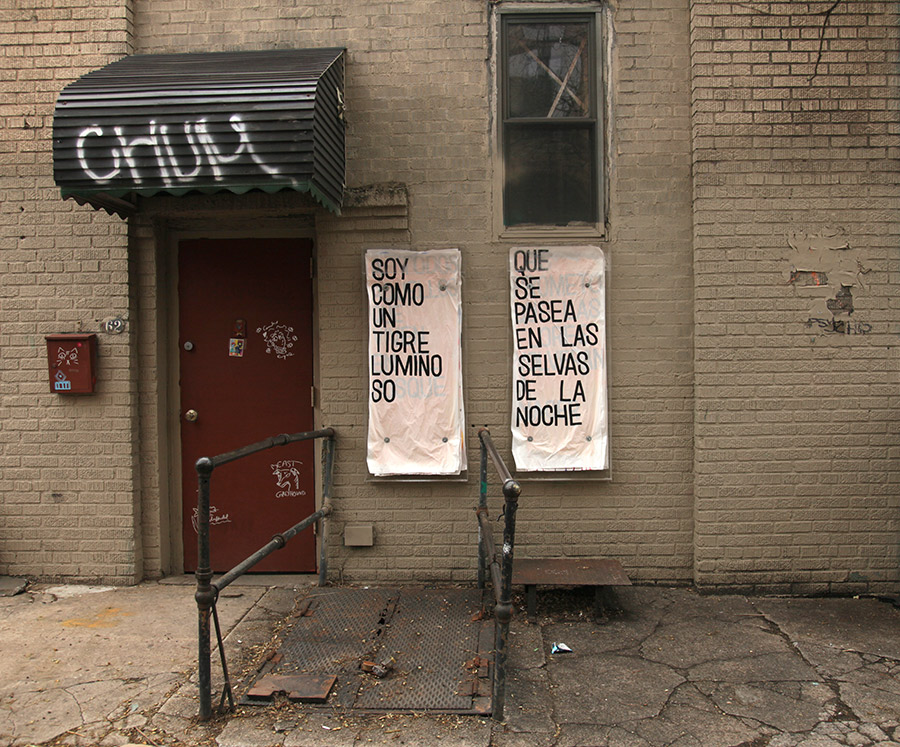
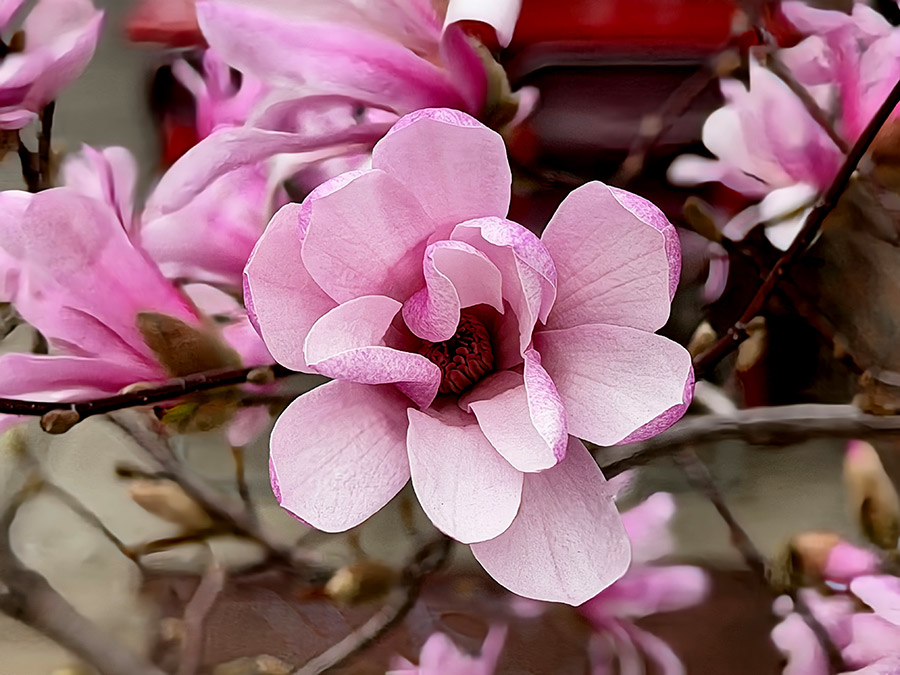
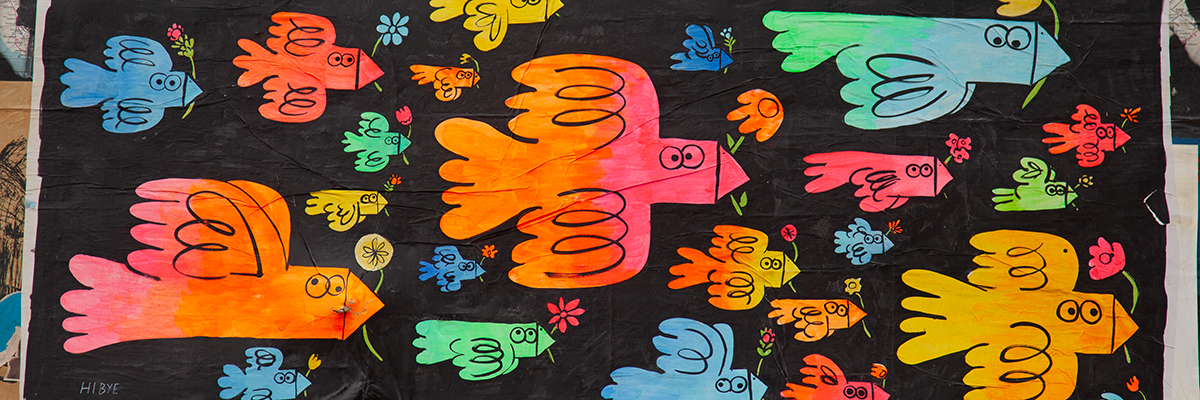
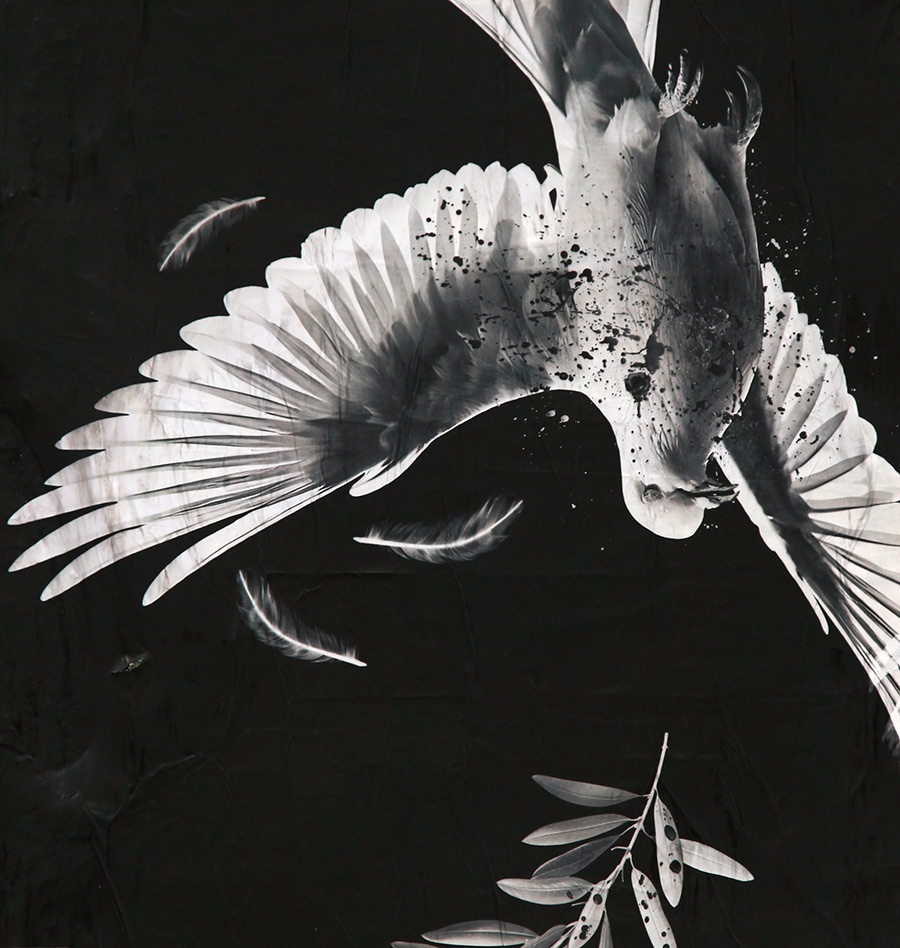
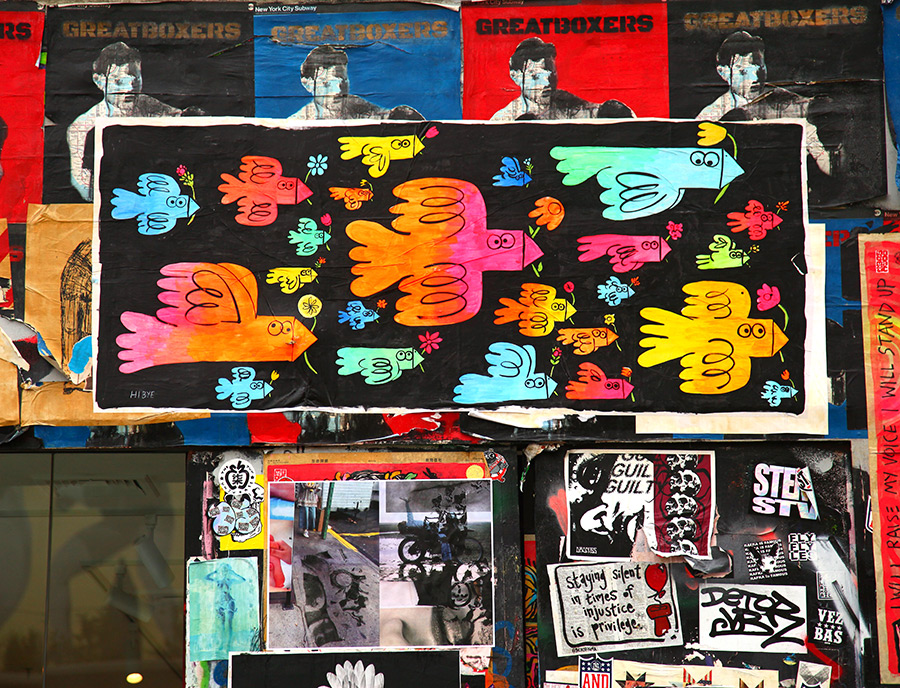
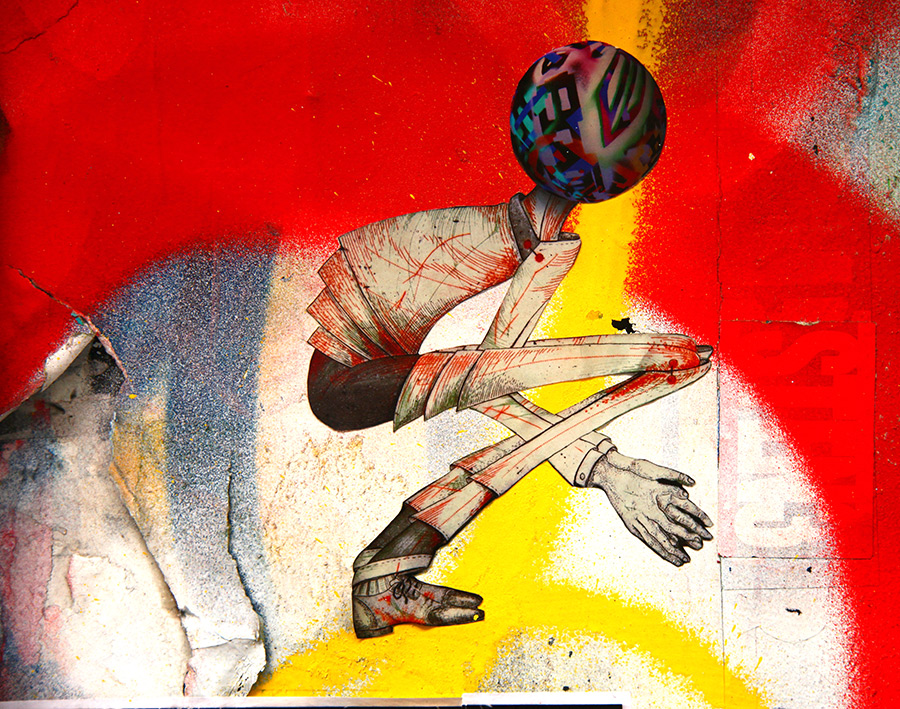
On the streets, we are seeing some of these themes pop up, if tangentially. You’ll see many doves of peace, figures twisted with anxiety, expressions of anger and suspicion, and bewilderment among the more pleasant and palatable prettiness that much of the current generation gravitates toward. Local pride, tribute walls, romance, pop culture affiliations, and conciliatory sentiments still rule the scene, but amongst the bursting crocuses and daffodils, you definitely discern descent dancing with diffidence.
You have read it here for a decade, but finally larger media outlets are confirming that New York is measurably inhospitable to its artists, chasing them from one neighborhood to the next at a rapacious clip. Gentrification feels like a formula now traced with exactitude by developers and private equity, not an organic pot-smoking beast with stylistic panache that evolves over time. Now, the artists population in this creative capital is verifiably going backwards for the first time in anyone’s memory; it is as if living without health insurance in an overcrowded apartment with 5 of your best friends well into your 30s or 40s is somehow, not exactly the New York dream you had imagined.
For street artists, most galleries have discovered that it’s hard to sell much of it, and with these high rents, they have closed or “diversified” their offerings to include Mickey Mouse with paint drips in eye-popping color. Even the venerable and much-loved publication Juxtapoz, at a moment of transition as The Unibrow opens on Substack, has experimented with different formulas—blending street with contemporary, eye-catching scintillation or a measure of self-aware irony—to keep things viable over the last decades. Striking the right balance for a fickle art audience and a K-shaped economy is nearly unicornary.
Street artists thought they could cut out the middleman by taking their art to Instagram, but many have discovered that it is a lot more work to market themselves than they thought, or that they lack the business acumen or Social savvy needed to make it a profitable model. Also, followers do not pay the rent. Despite promising developments in street art’s growing recognition by some institutions a decade ago, it looks like major museums and auction houses steadfastly omit all but a handful of recurring big names in graffiti and street art – a position of safety, if you will. While outlets like The New York Times and The Guardian have only begun to touch on it, the patterns are already well established, if you know where to look.
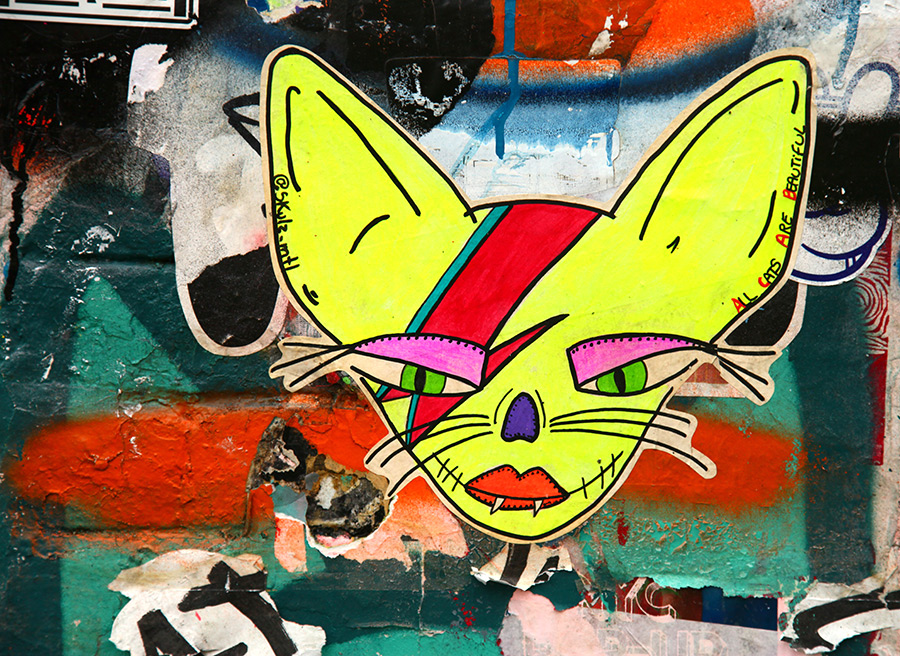
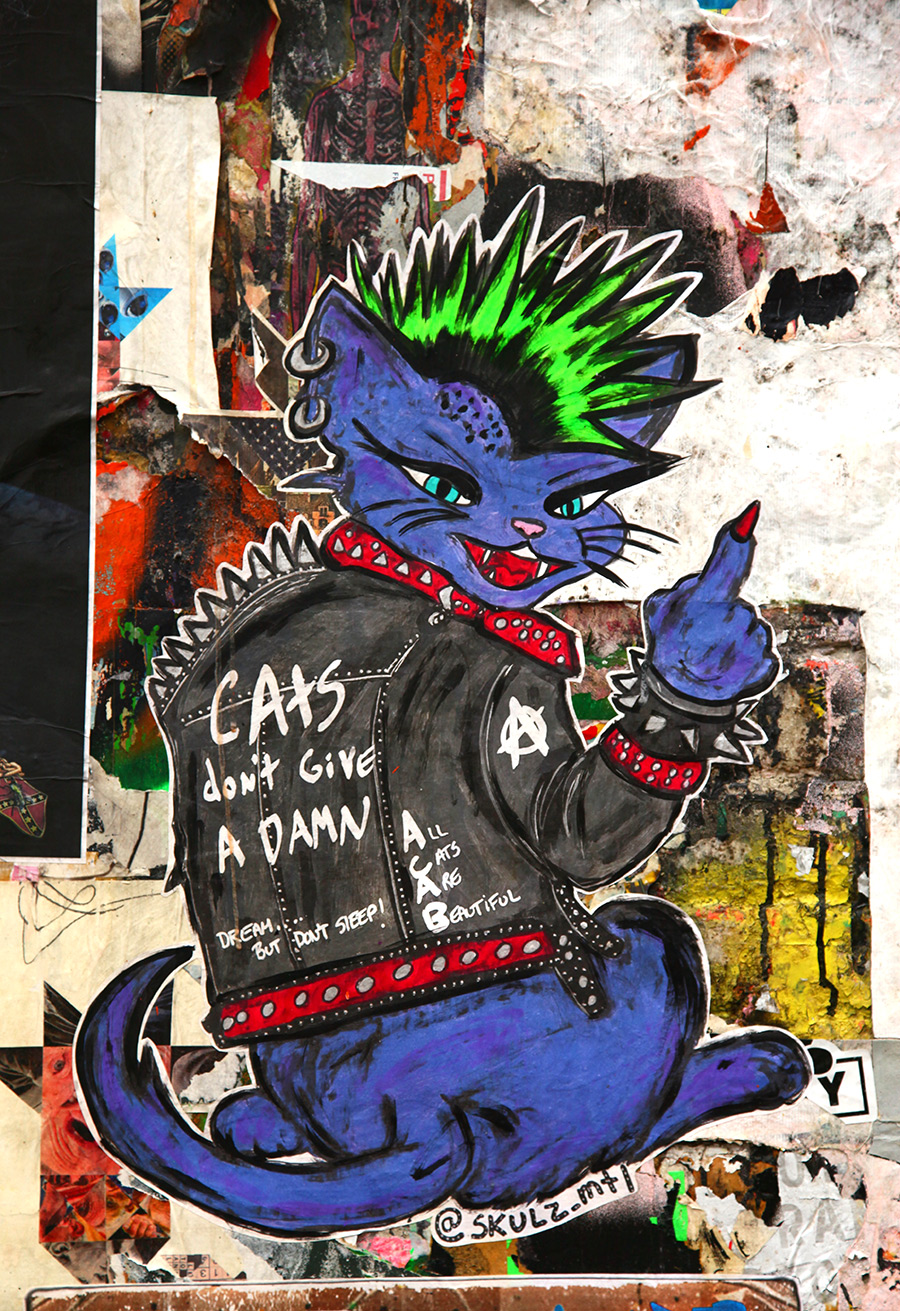
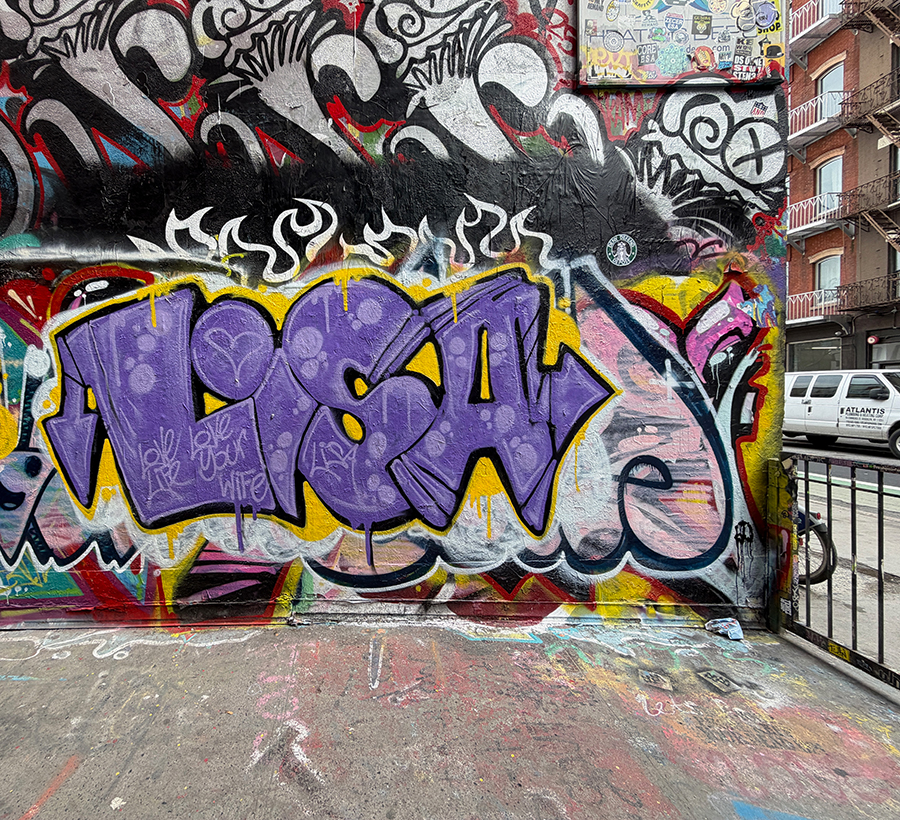
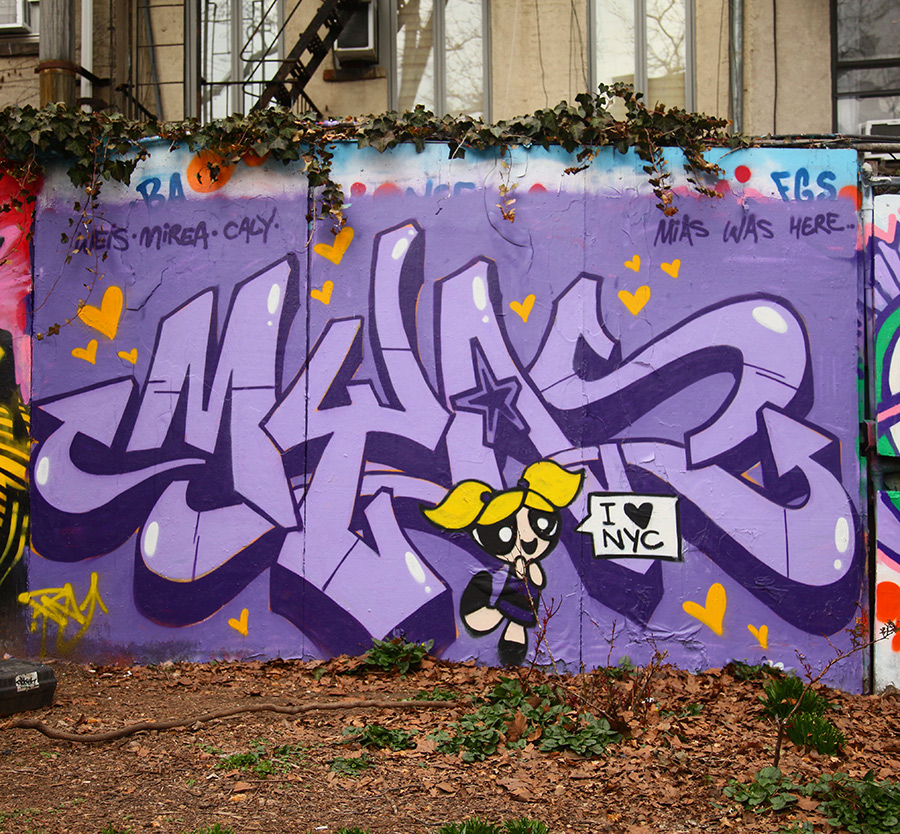
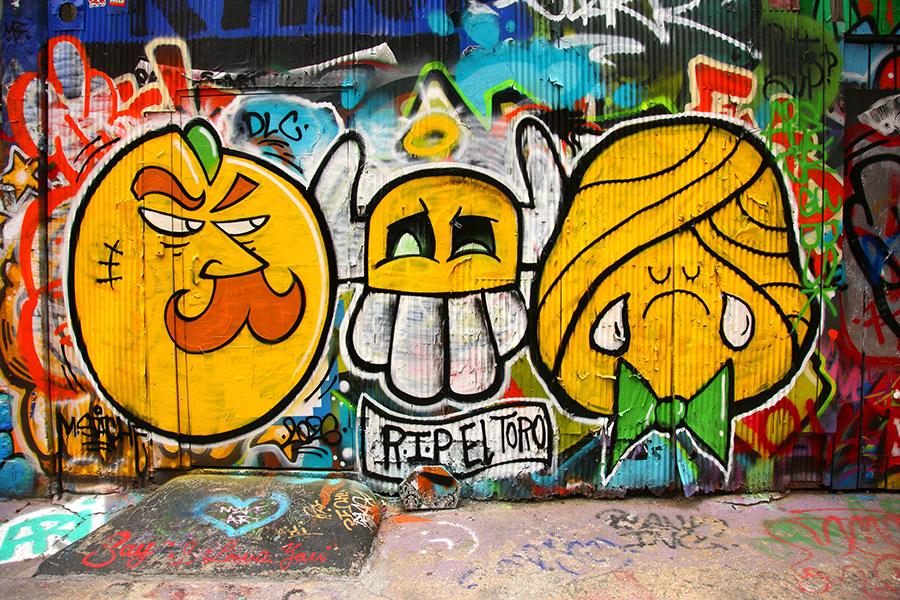
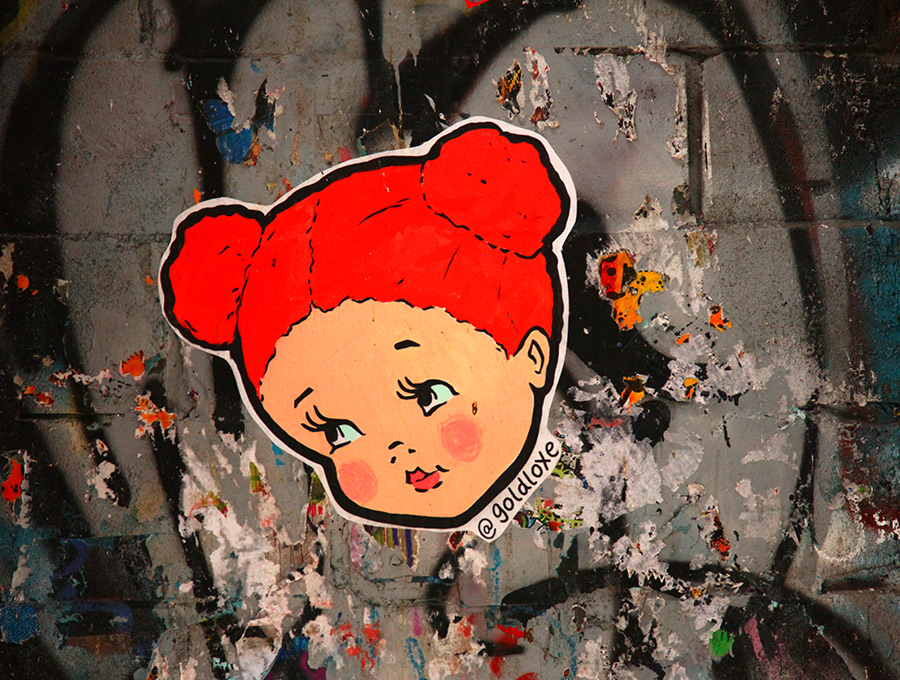
Here’s our weekly interview with the street, this time featuring CAMI, CRKSHNK, Goldloxe, Hi Bye, LISA, RATCHI, Skulz, Abe Lincoln Jr, Mr. Moustachio, El Toro, and Stikman.
In New York, the New Museum has reopened with its expansion by Rem Koolhaas and Shohei Shigematsu, pulling in steady lines of architecture watchers and contemporary art pilgrims. The opening exhibition, “New Humans: Memories of the Future,”sets out to parse what it means to be human as technology redraws the terms, gathering more than 200 contributors across art, science, and film—an experience that is by turns enthralling, overwhelming, poetic, and brutal.
In a display of the classic New York tension between preservation and redevelopment, a canonical piece of early street culture history—a 1987 mural by Keith Haring—is at risk. The City says it will preserve it, but many remain unclear how—and are openly skeptical.
At the mural festival called The Crystal Ship 2026 in Ostend, Belgium, a cleverly named exhibition “Subway Art”—curated by Alice Gallery—revisits the origins of graffiti culture, tracing its roots in the subway systems of New York and other early writing scenes. Presented alongside the festival’s citywide program, it anchors the broader theme of Curiosity by grounding it in the movement’s unsanctioned beginnings and writer-driven history.
Coming up in April, “Martha Cooper: A Retrospective” opens at the Bronx Documentary Center Annex in the Bronx, New York, offering a comprehensive survey of her five-decade career documenting urban life and creative expression. On view from April 9 through June 14, 2026, the exhibition brings together decades of work that helped define the visual record of graffiti and street culture.
César Chávez, long honored as a leader of the farmworker movement, has also been the subject of grave allegations reported in recent accounts, including statements by Dolores Huerta, who said publicly that he raped her twice in the 1960s and that she bore two children as a result. In recognition of the labor, sacrifice, and leadership of women in the movement, we call for Huerta’s name to replace his on parades, holidays, streets, schools, libraries, parks, post offices, vessels, monuments, murals, and other public institutions or commemorations that now bear his name.
¡Viva Dolores Huerta!
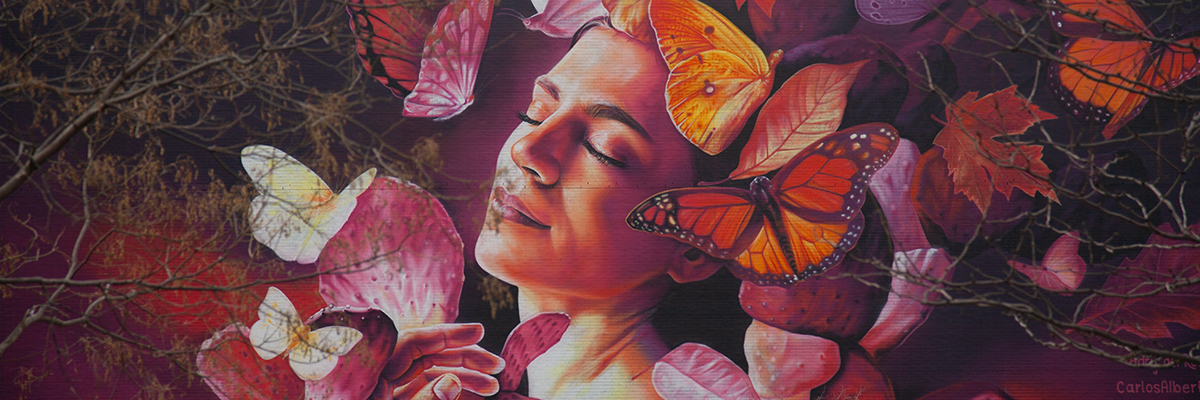
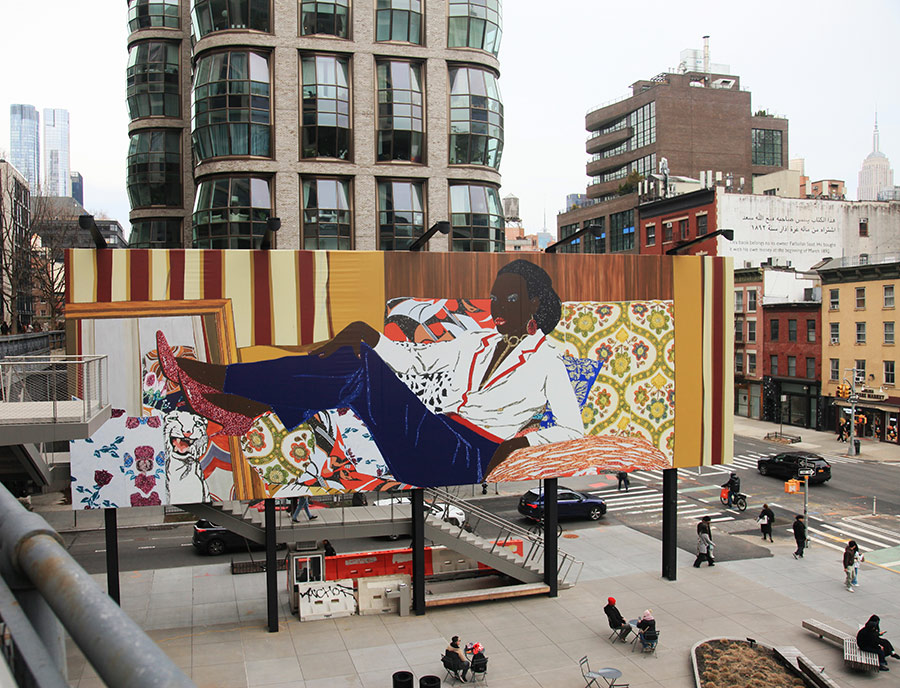
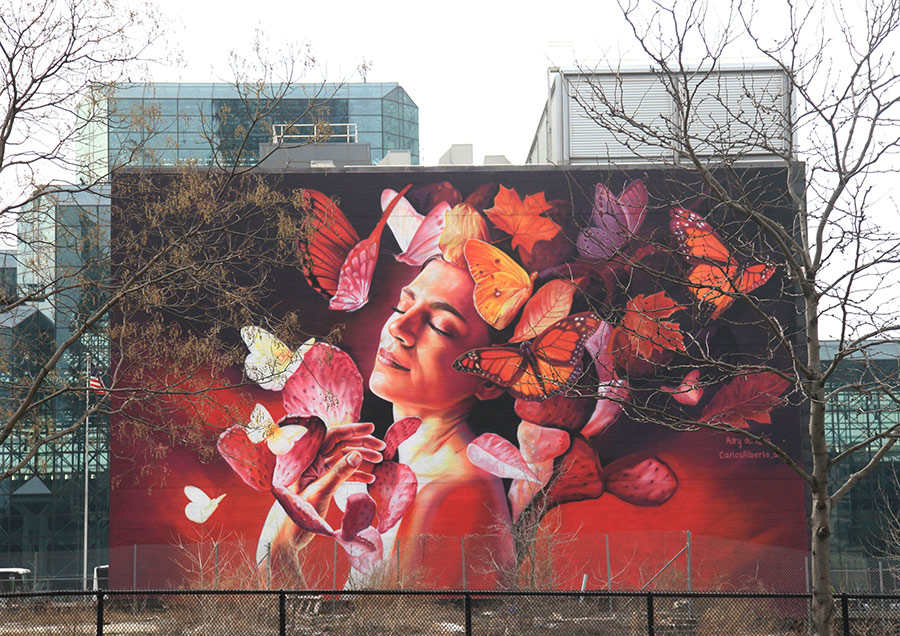
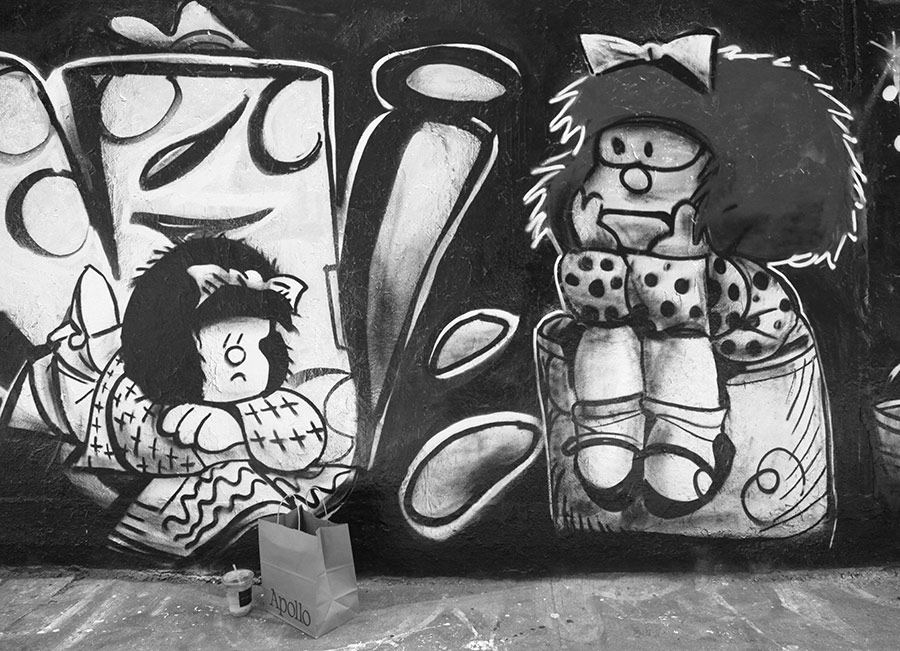
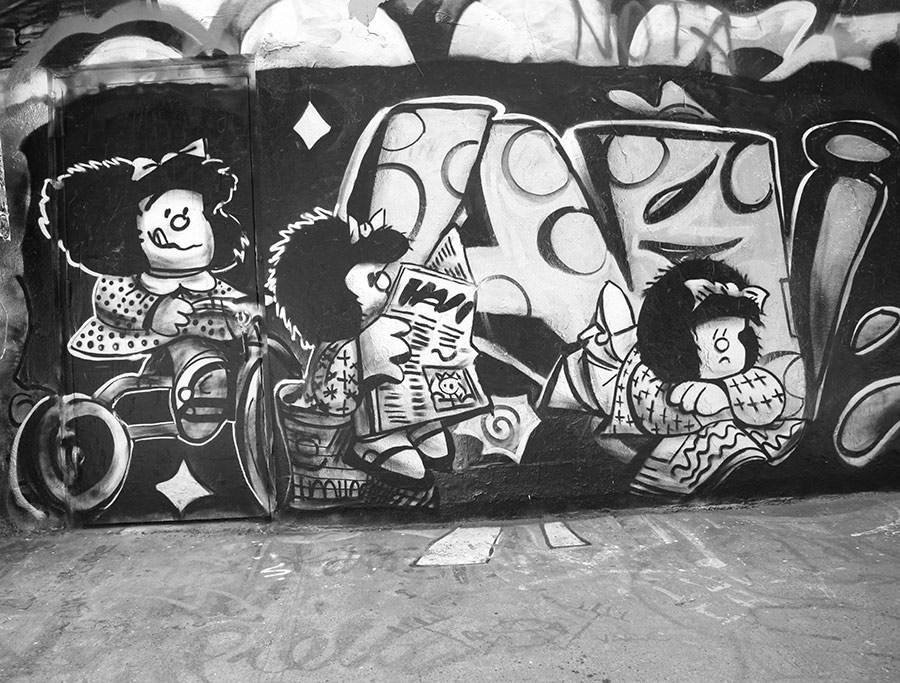
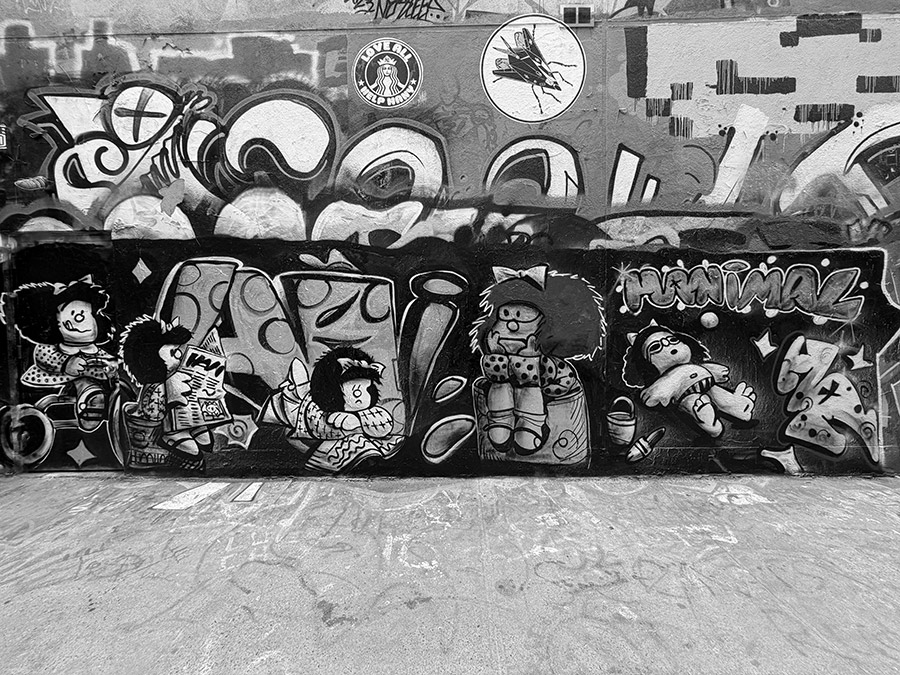
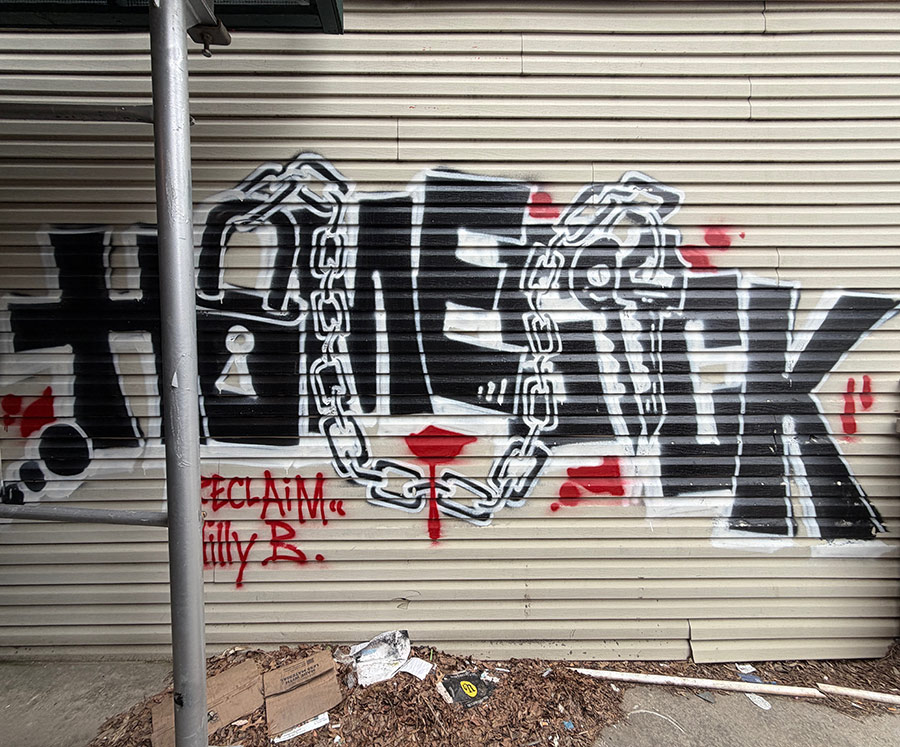
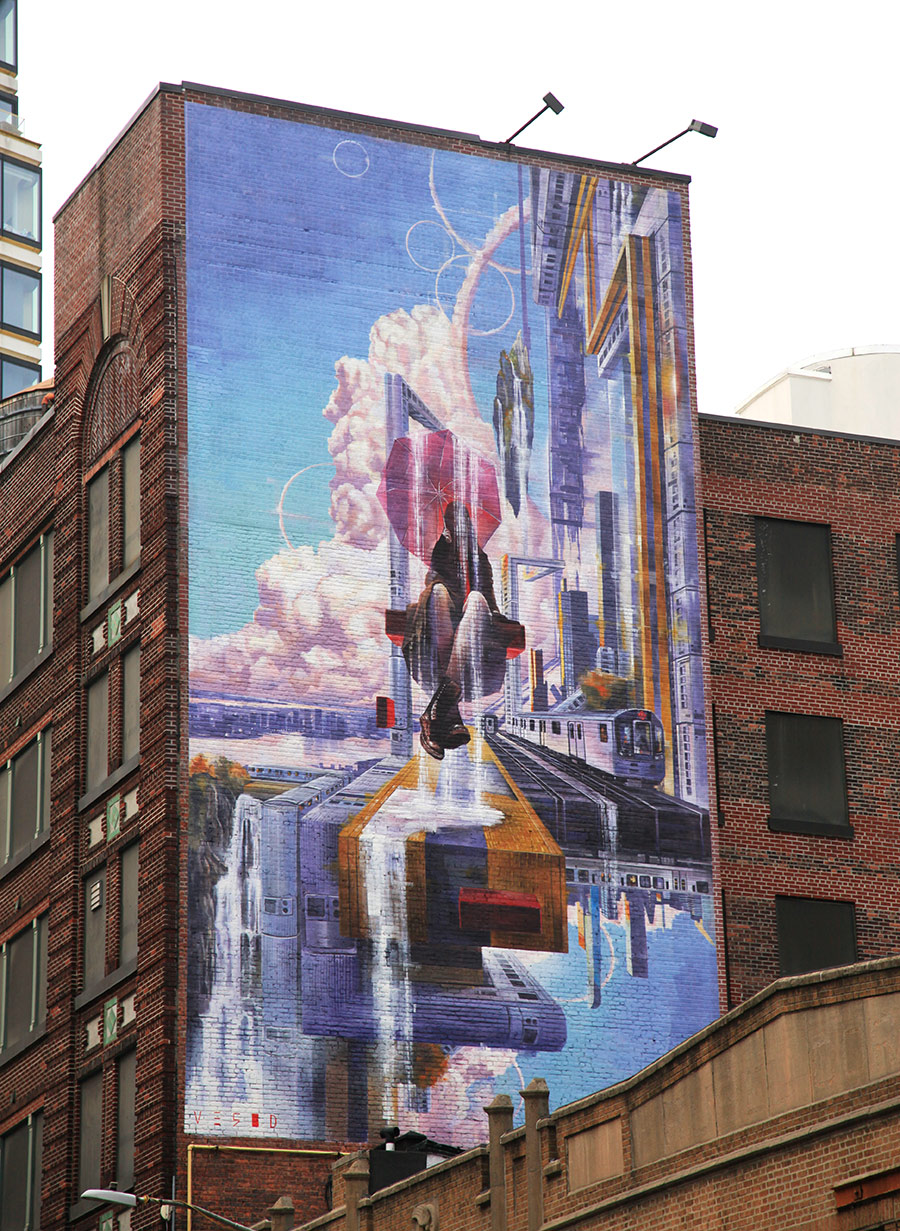
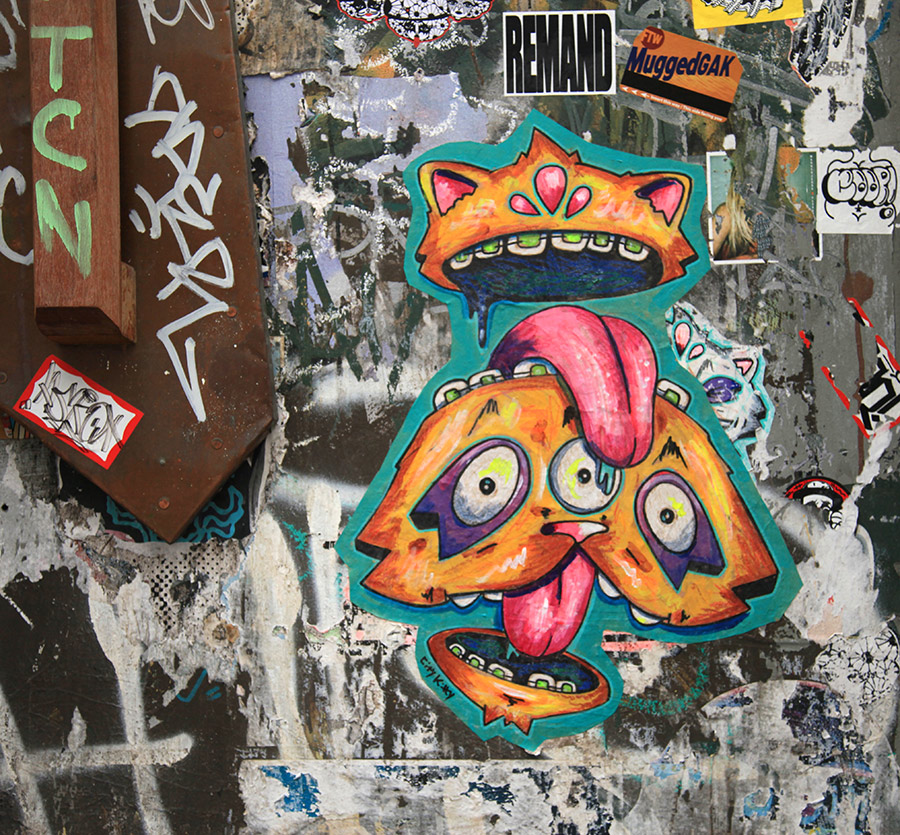
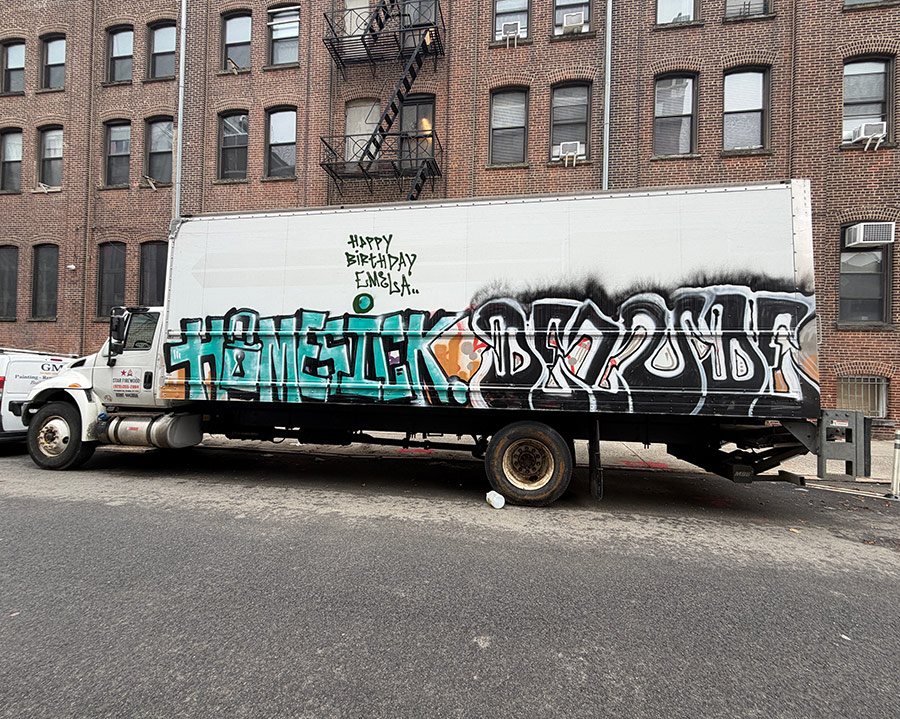
Here is our weekly photographic interview with the street, this time featuring: Carlos Alberto, City Kitty, Hanimal, Homesick, IMK, Le Crue, Mickalene Thomas, Queen Andrea, and Vesod.
Spring is arriving, but conversations around the city keep circling back to the war—bombings, deaths, oil prices, and the prospect of boots on the ground. At bars, clubs, and bagel shops, the mood turns serious quickly. There’s little joking in today’s daily discourse. Mostly, people wonder how this war began when so few seem to support it; recent polls put approval around 29%. People don’t feel like they were consulted, or considered.
Across news agencies as days pile up, the stories grow of governments in more than 50 countries across Europe, the Middle East, Asia, Africa, and the Americas have calling for a ceasefire, de-escalation, or a return to diplomacy. It is a widening conflict involving the United States, Israel, Iran, and every contry in the region- with threats to Turkey and Europe. In New York—home to neighborhoods and communities from many of those same countries—the conversations are personal, and the tension is easy to notice.
The famous yet anonymous Banksy has finally been revealed—at least according to a lengthy new piece in Reuters. Over the years, the elusive street artist has weighed in on the plight of Palestinians, Ukrainians, and African and Syrian refugees, and has often returned to the images of children as a symbol of hope, innocence, and loss. At the moment, as events around the world turn darker by the day, few seem to be talking about his wry interventions.
In Washington public space, a satirical sculpture that appeared on the National Mall has been drawing laughs—and, for some, feelings of nausea. The piece depicts Donald Trump and Jeffrey Epstein in a Titanic-style pose and is titled “King of the World.” Reuters reports that the installation was created by the anonymous collective called Secret Handshake. The Epstein scandal has been mentioned in some circles as a possible motive for distraction in launching the war, though others argue the drivers are more likely rooted in geopolitics—namely oil, and the petrodollar that runs through it.
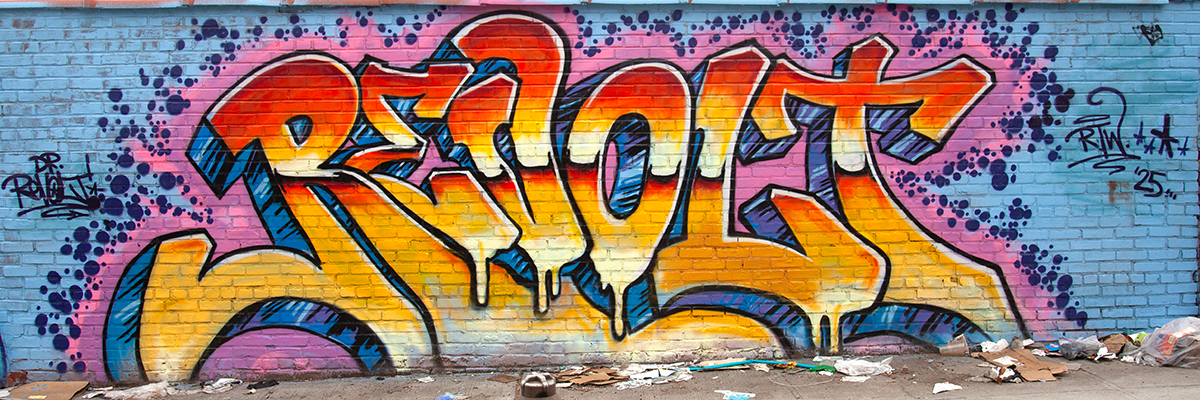
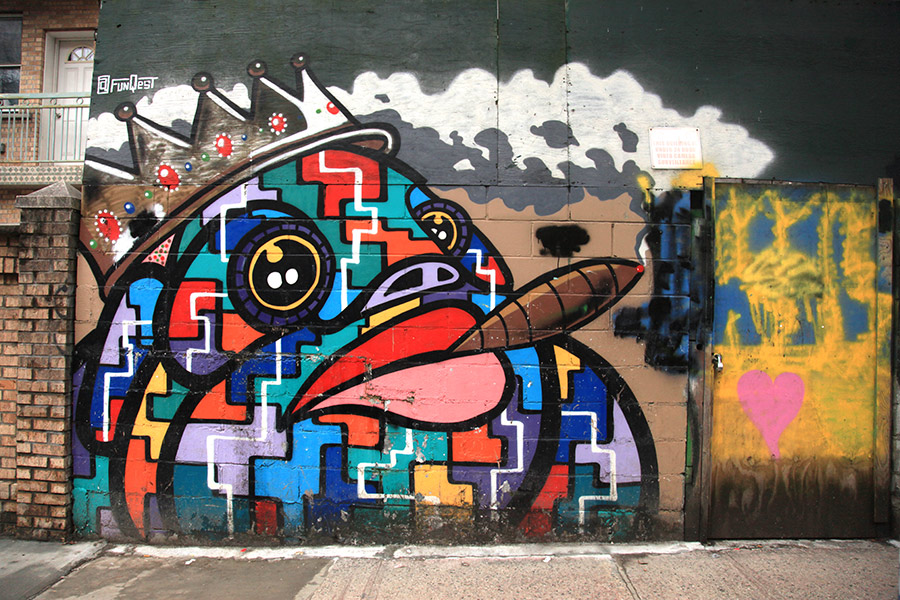
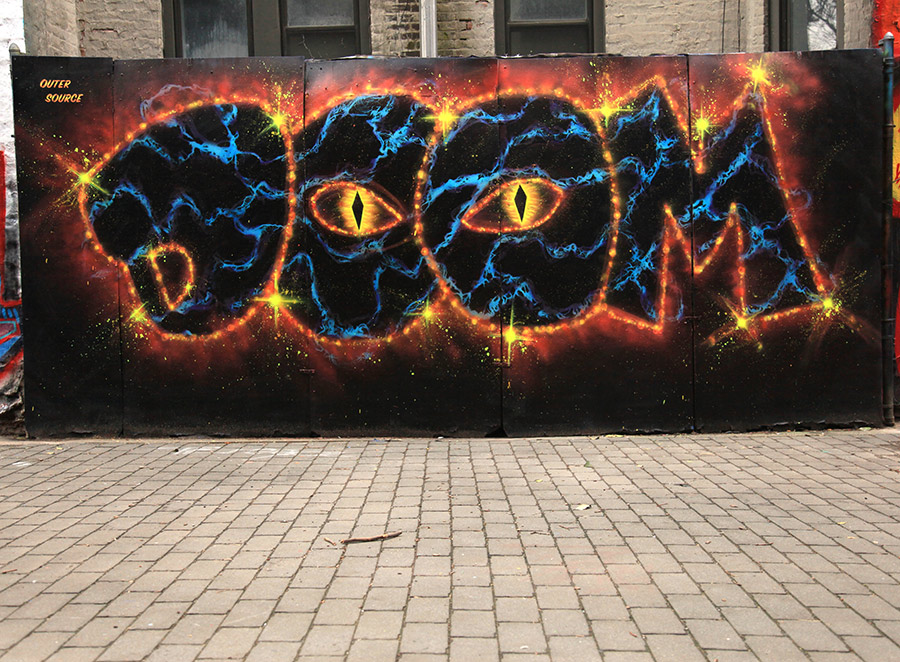
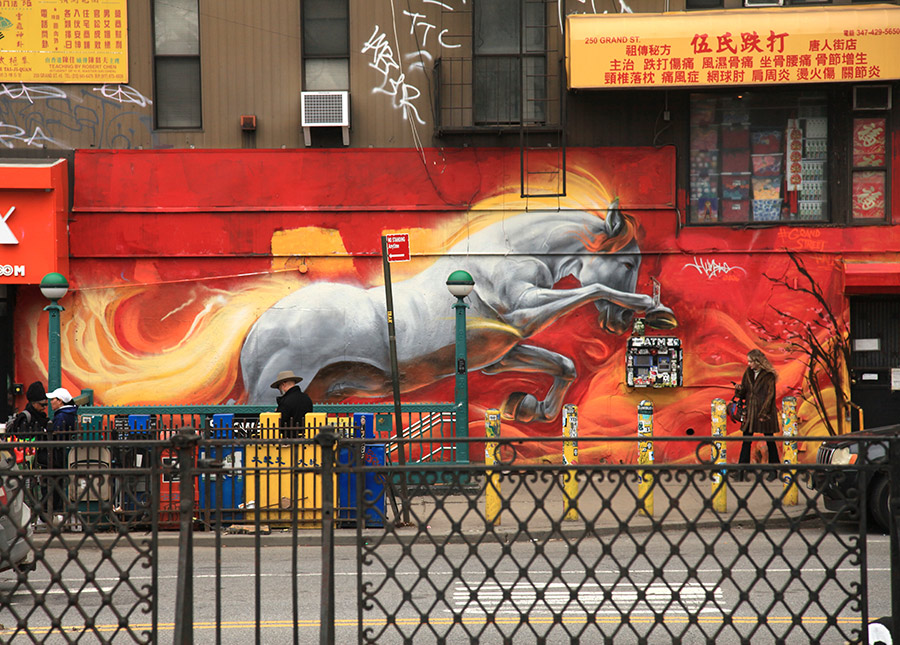
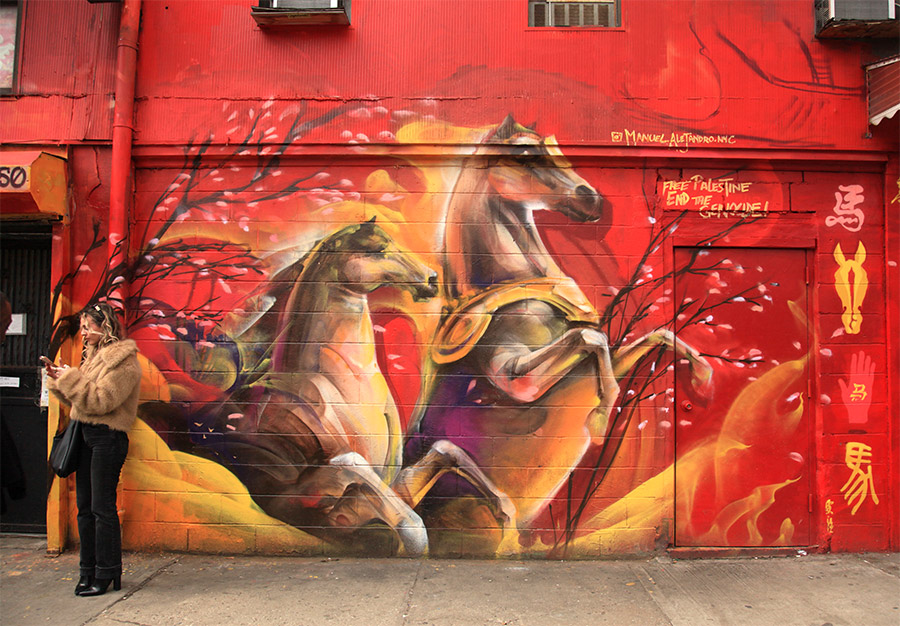
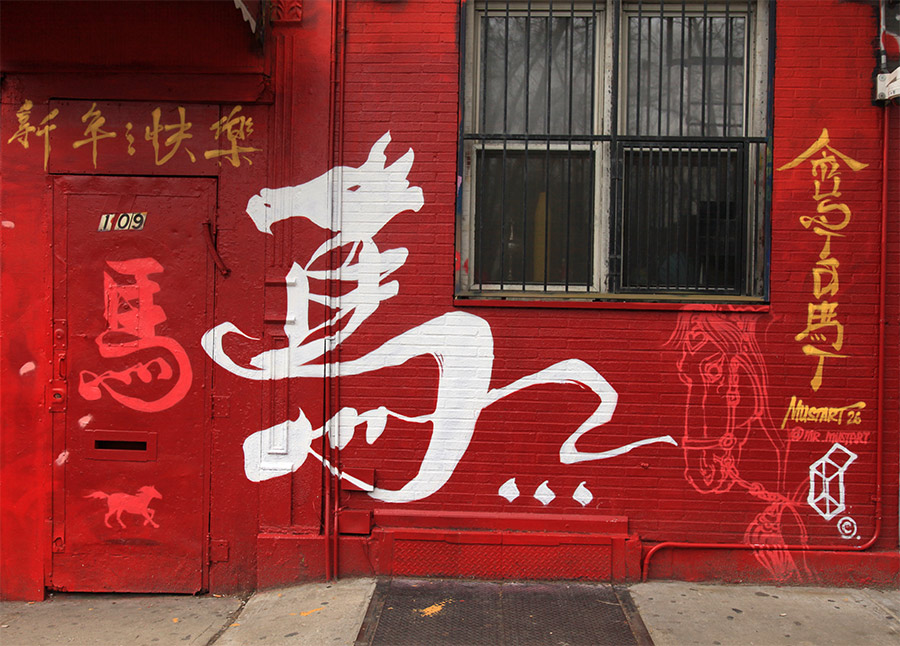
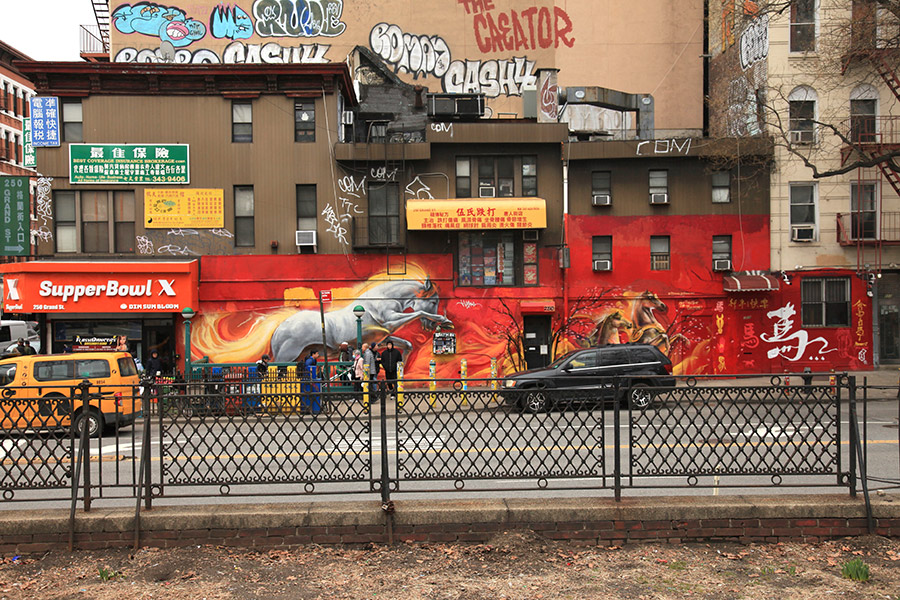
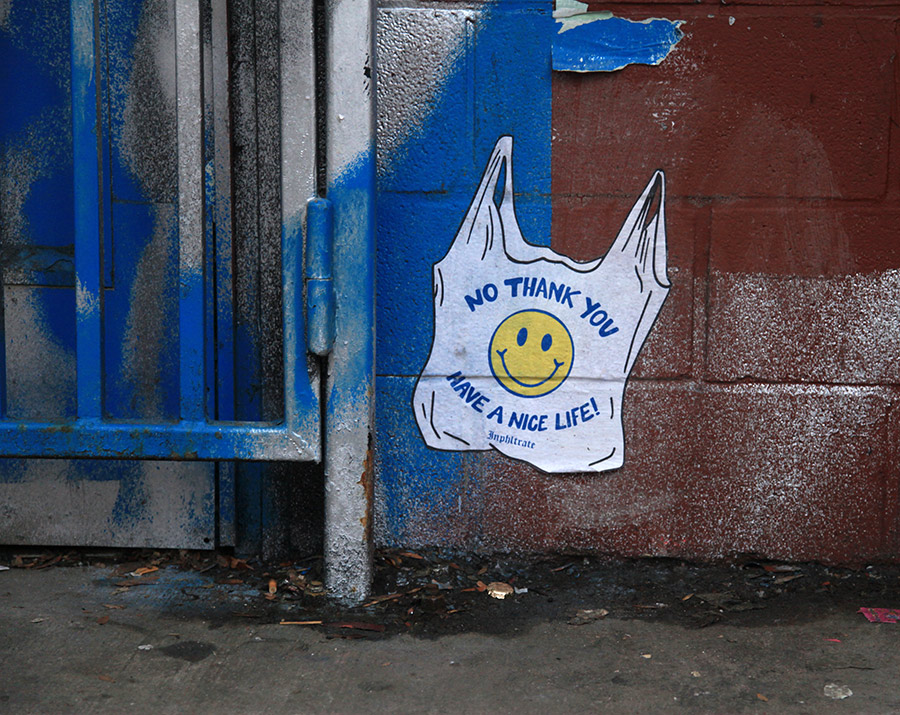
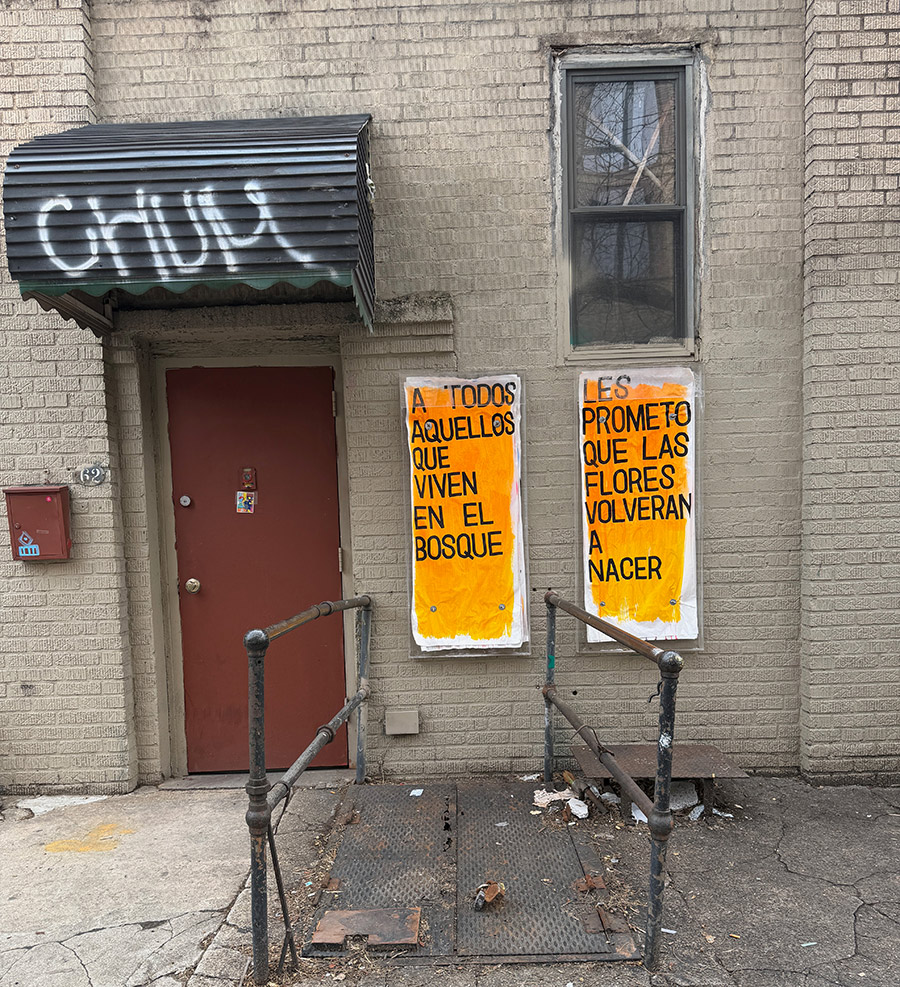
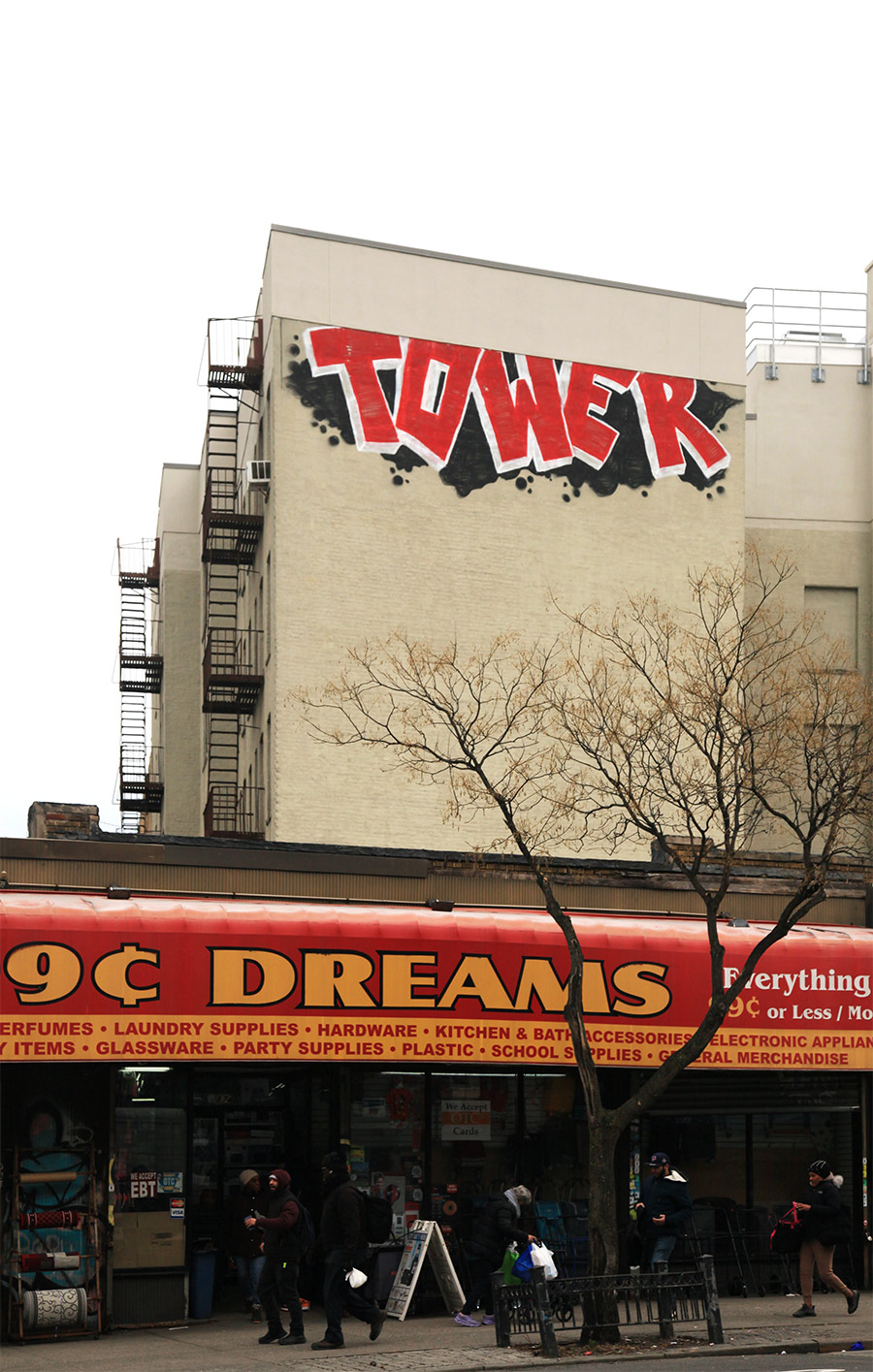
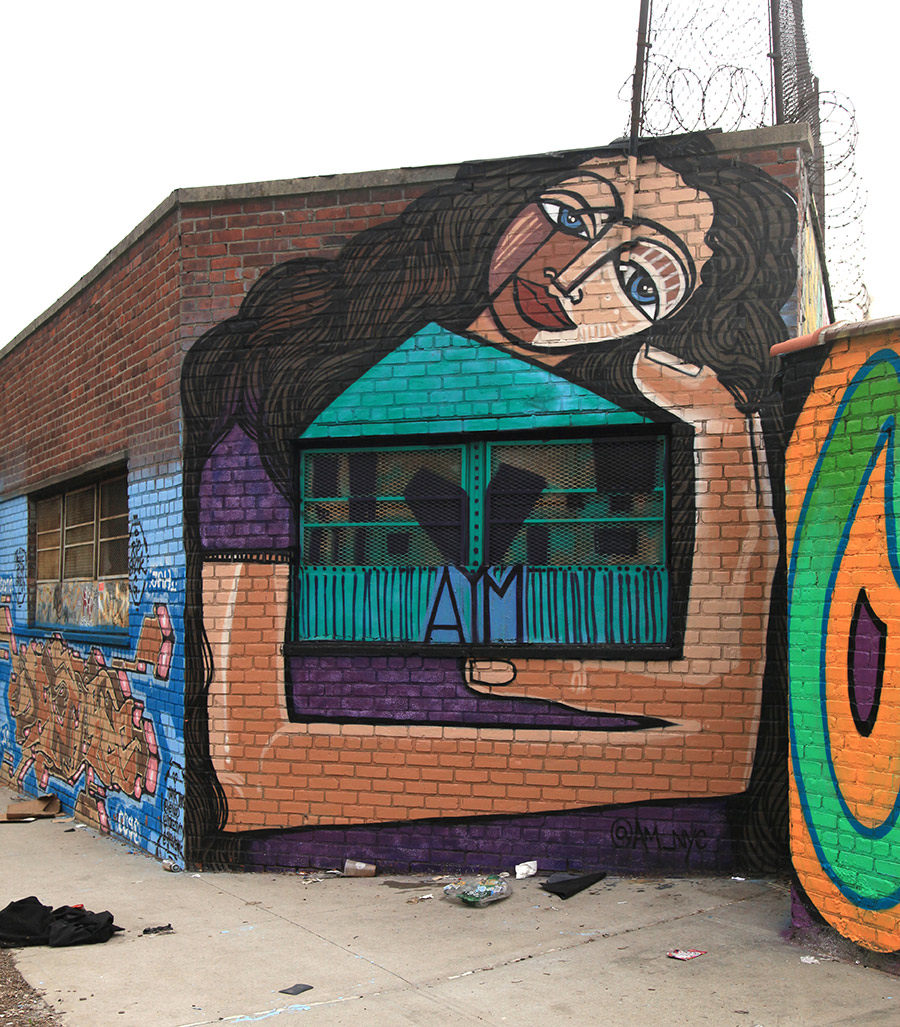
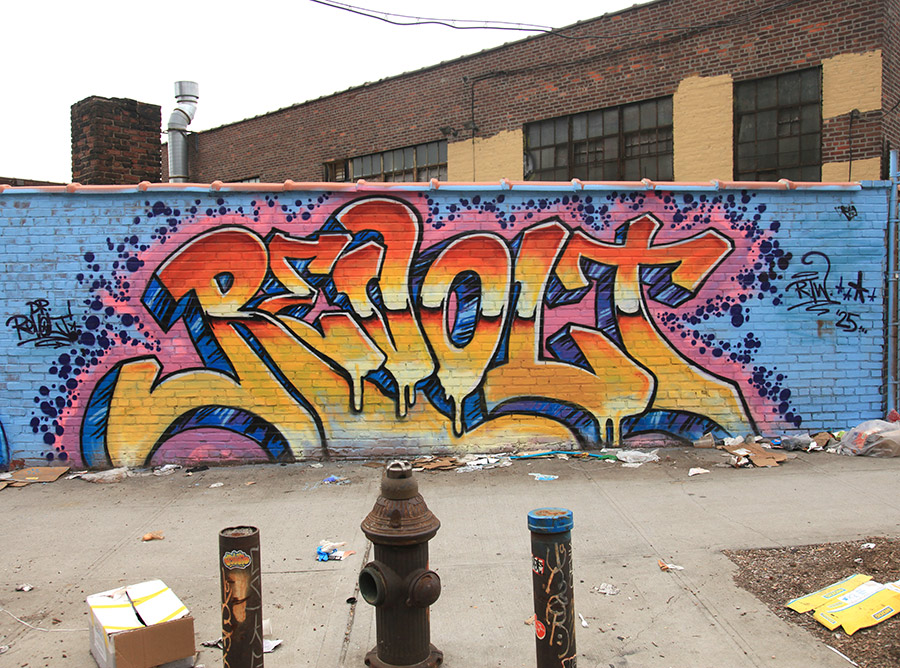
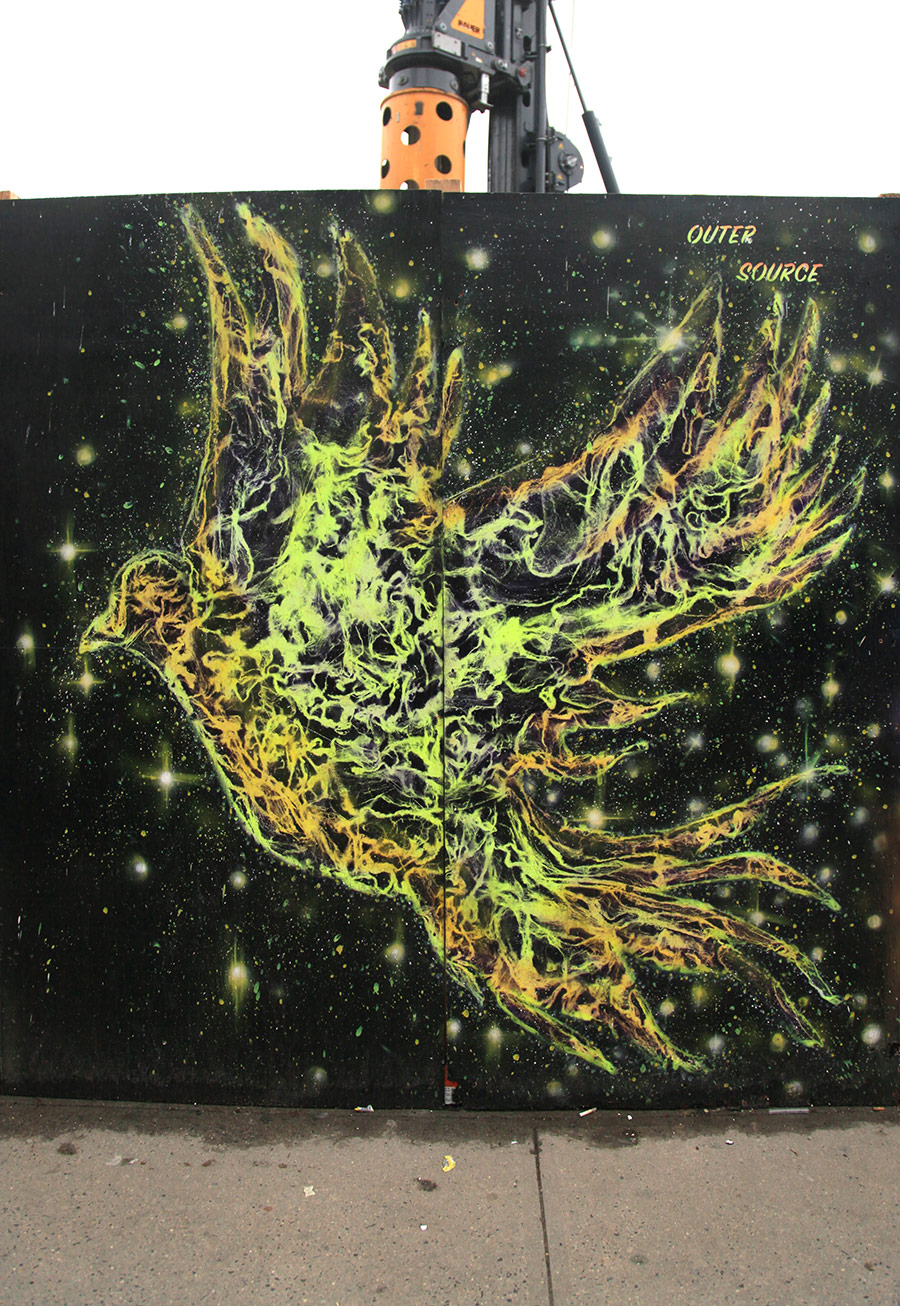
Here is our weekly interview with the streets, this week featuring Alice Mizrachi, Calicho Art, City Kitty, Clark, Crash, Fun Quest, Humble, IMK, Inphiltrate, Manuel Alejando, Must Art, OSK, Outer Source, Rats, REPO, REVOLT, and TOWER.
Welcome to BSA Images of the Week! Many street artists and graffiti writers have stayed away from painting new works these last few months because winter has been so brutal and relentless in New York. Grey has been the predominant color so far this year.
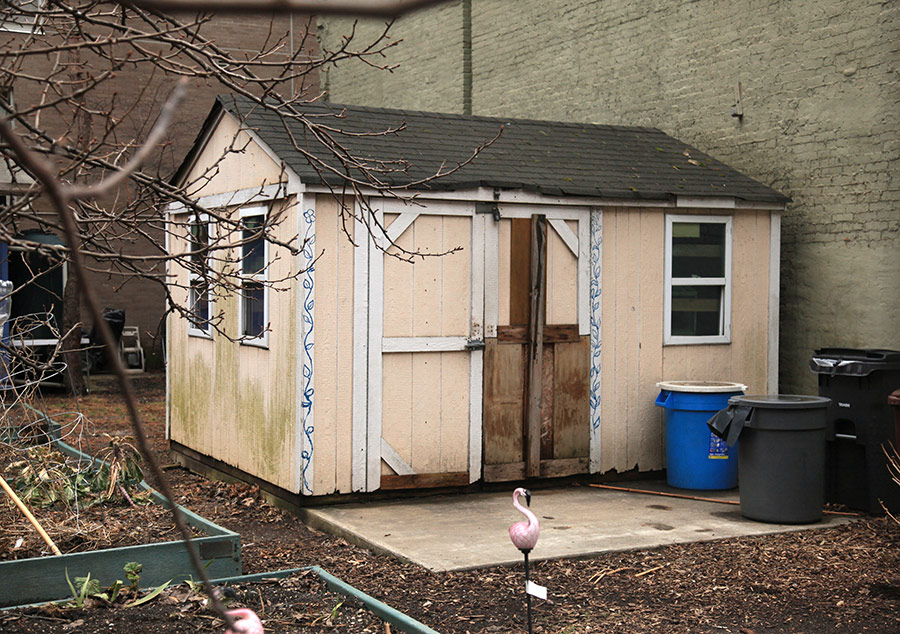
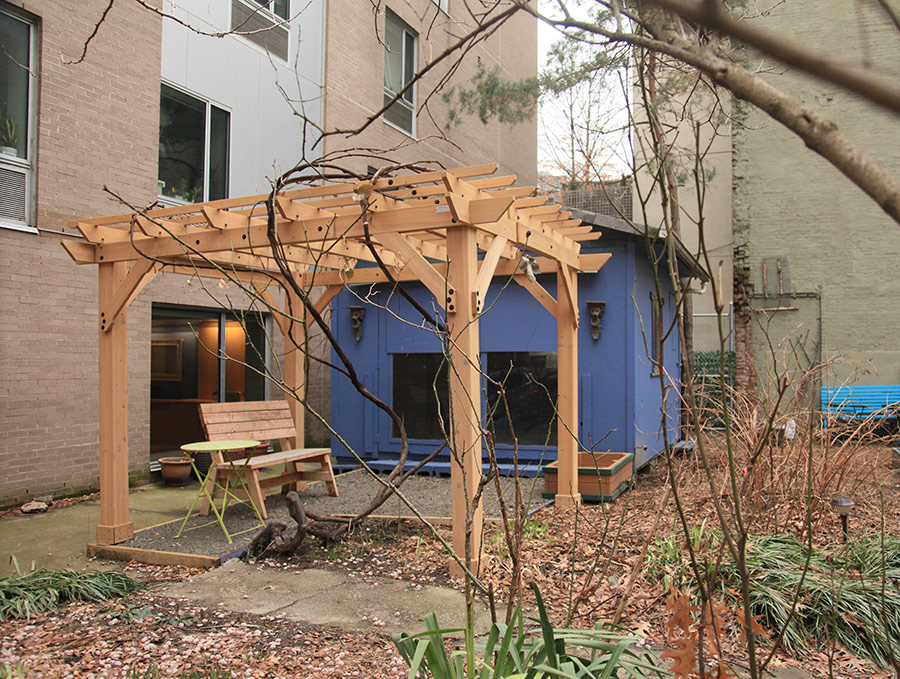
So you have to expand your vision to discover something new if you are trekking through our dirty old town. Travel to new parts of the city, and consider how space is occupied by creativity in other ways, like the community murals full of historical heroes of the culture, and like the ‘casitas’ our photographer, Jaime Rojo, shot in Harlem this week. This city never stops surprising you, and art on the street is sometimes not what you might narrowly define it as.
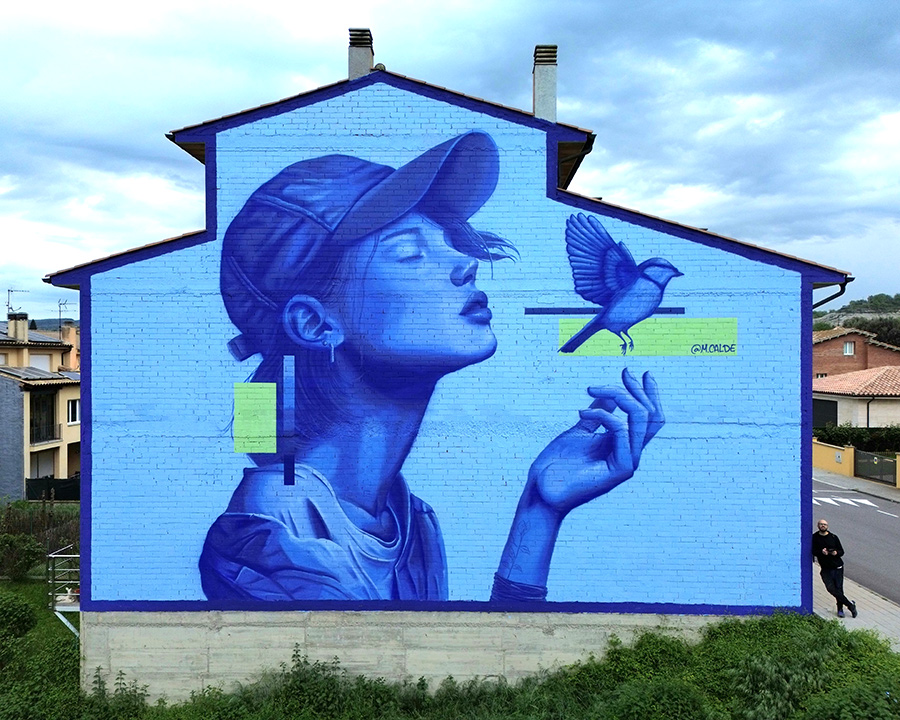
We start the collection with a shot of CALDE’s piece from Caldetenes, Spain, during the FACC festival. Thanks, Calde! Perhaps this is our first sign of spring.
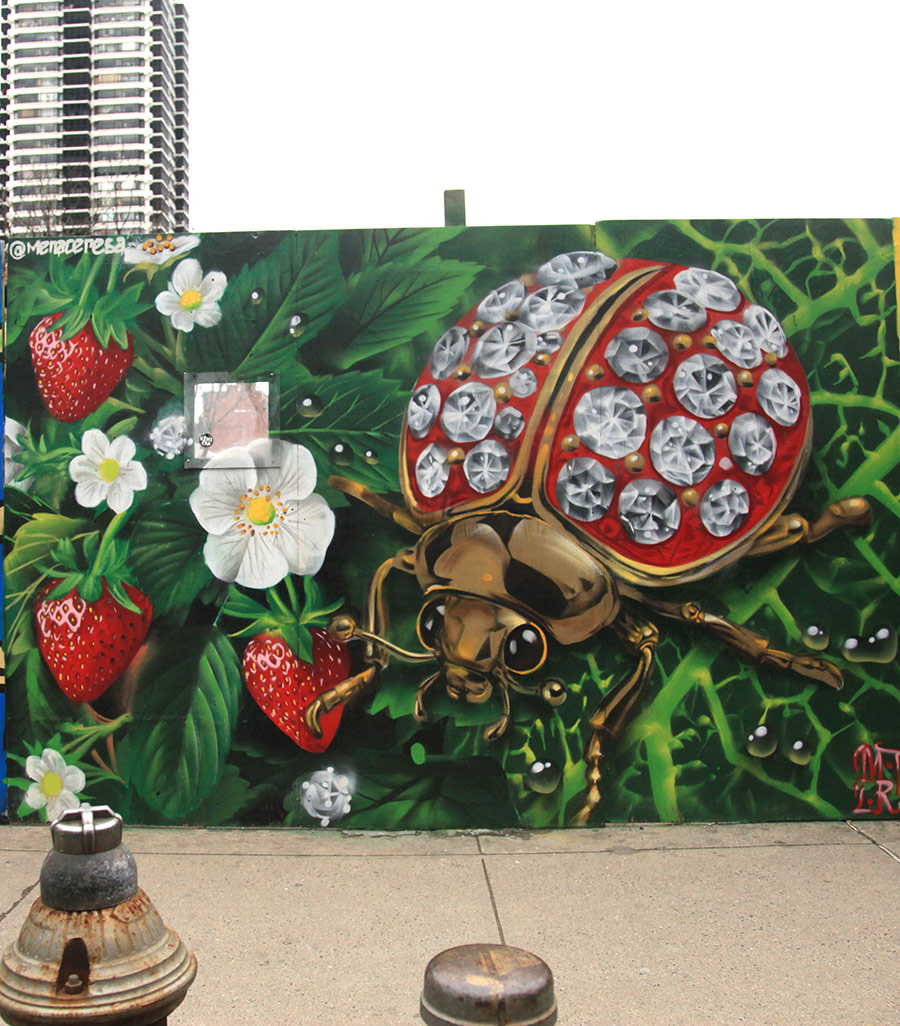
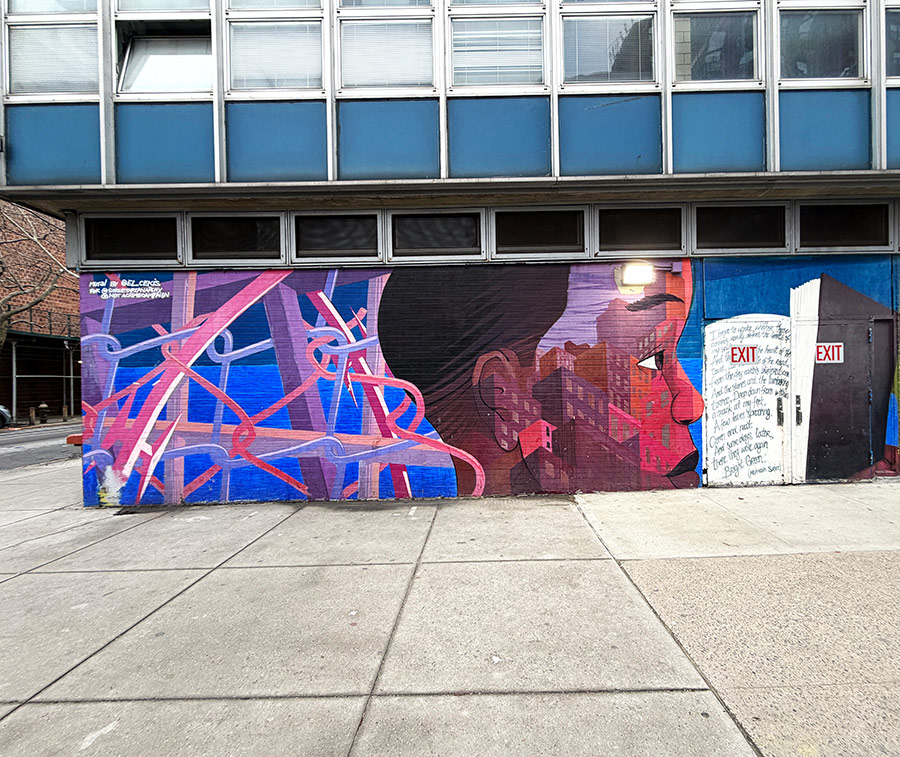
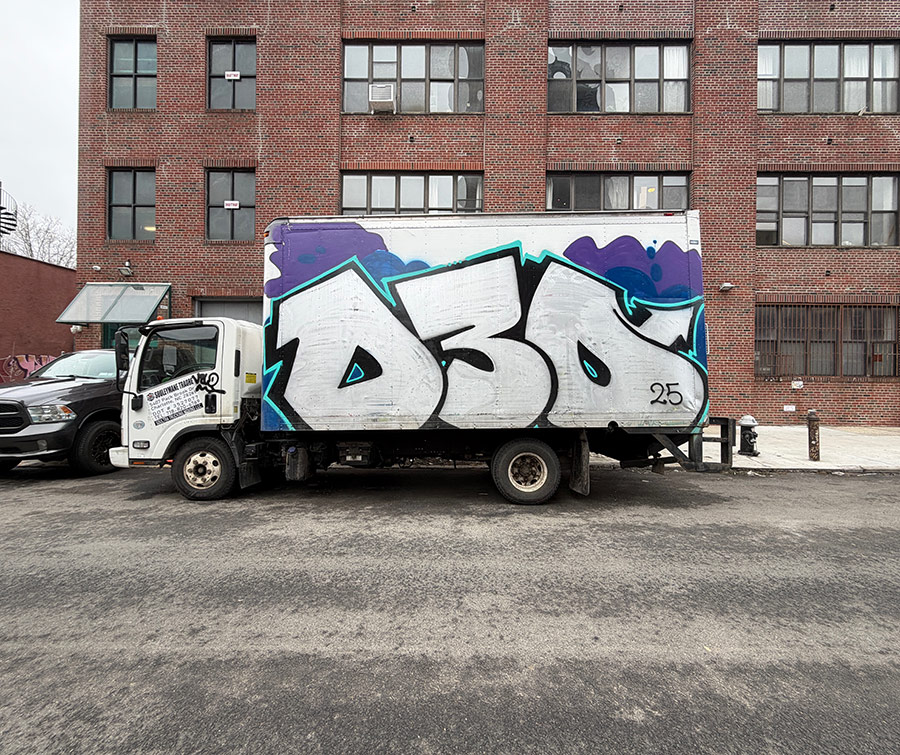
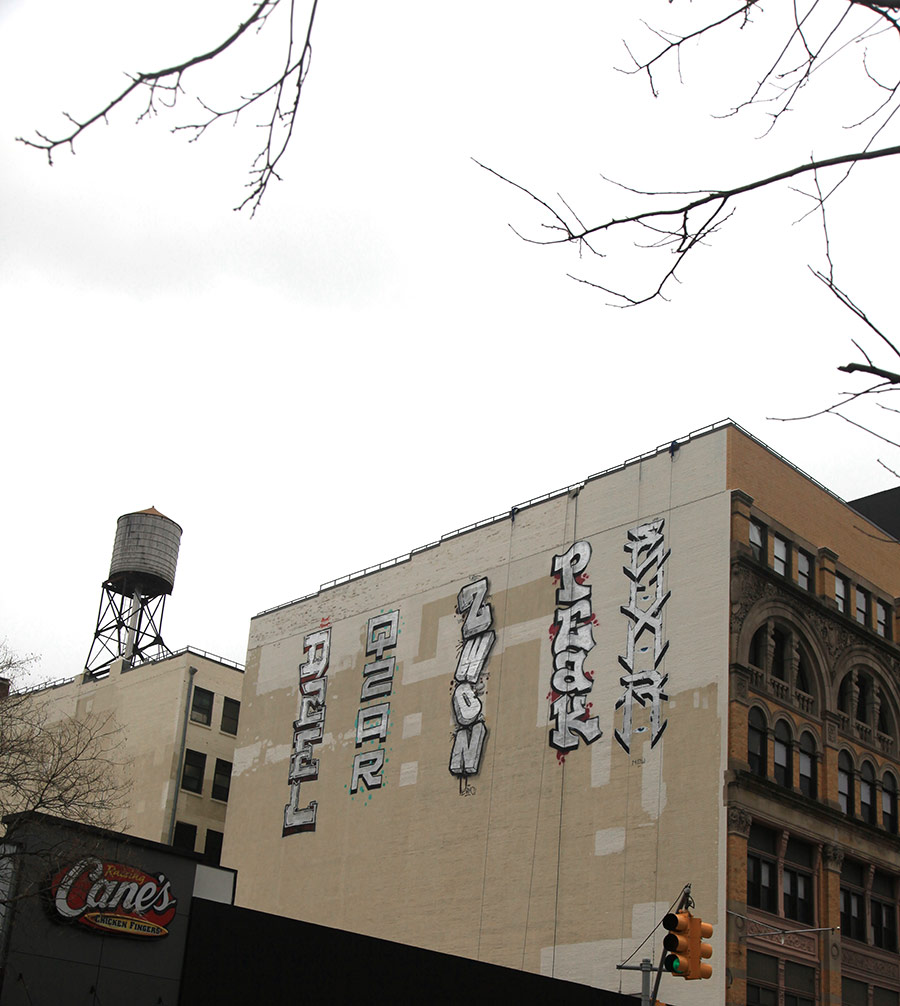
Here is our weekly interview with the street, including Andre Trenier, Calde, Caryn Cast, D30, Delude, Dzel, El Cekis, Garuma, Jaurelio, Living Relic, Mena Cereza, Outer Source, Peak, Qzar, Rams, and Zwon.
In New York, casitas are small, Puerto Rican-style structures built inside community gardens—part porch, part clubhouse, part cultural anchor—created by residents who reclaimed vacant lots and remade them as places for music, meals, dominoes, gardening, and neighborhood life. They also belong to the world of folk and vernacular art: handmade, improvised, often built with recycled materials, and carrying memory, pride, and everyday aesthetics rather than formal architectural polish; that is one reason photographers such as Martha Cooper have been drawn to them for decades.
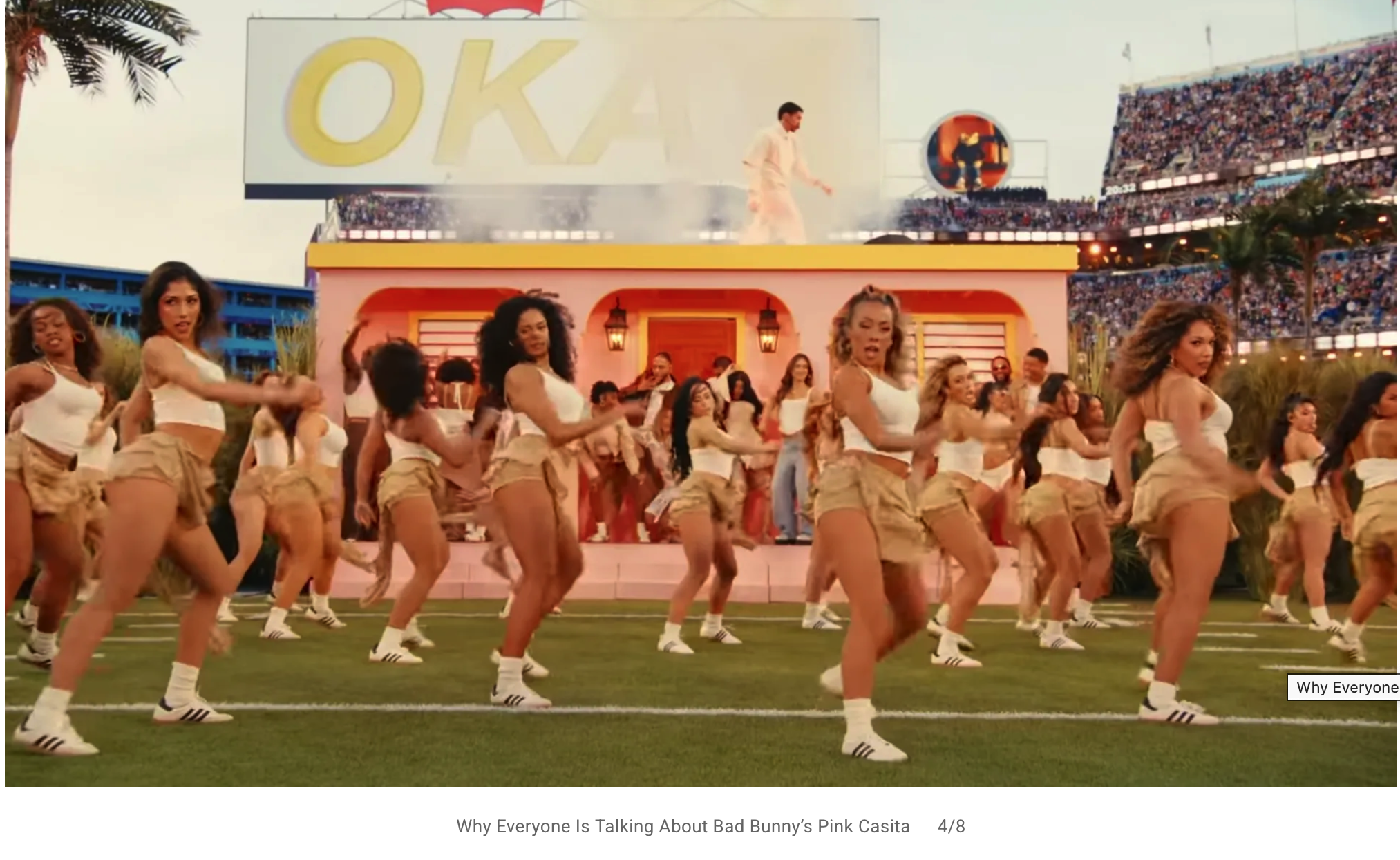
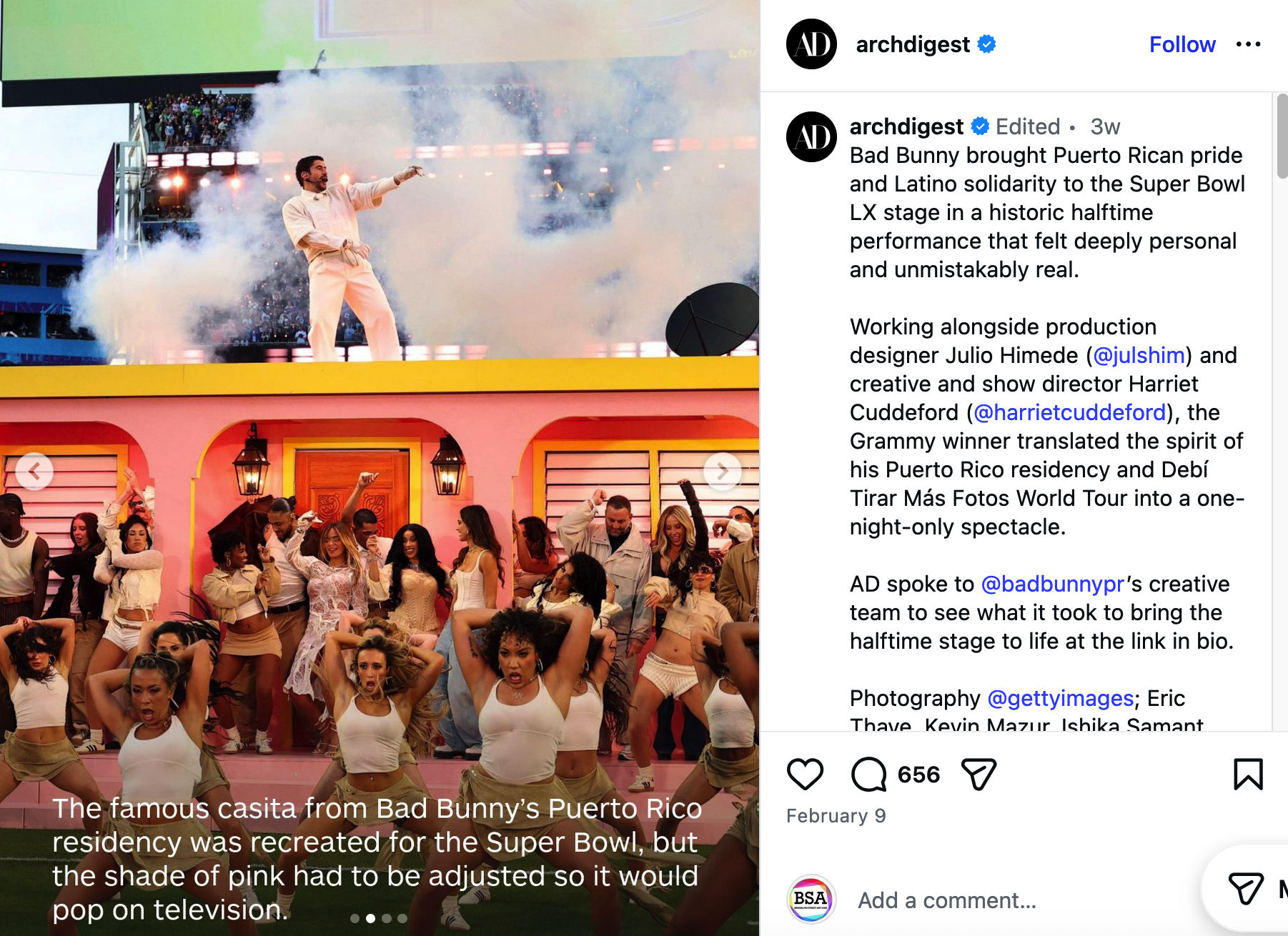
Bad Bunny’s Super Bowl halftime set tapped into the same visual language by placing a brightly colored “casita,” modeled on traditional Puerto Rican homes, at the center of a mass-media spectacle, turning a humble form of domestic architecture into a symbol of cultural identity and belonging. Some are protected here in New York, but not all: Casita Rincón Criollo in the Bronx became nationally recognized through historic preservation efforts, while many other casitas remain vulnerable unless they have specific legal or community-based protections.
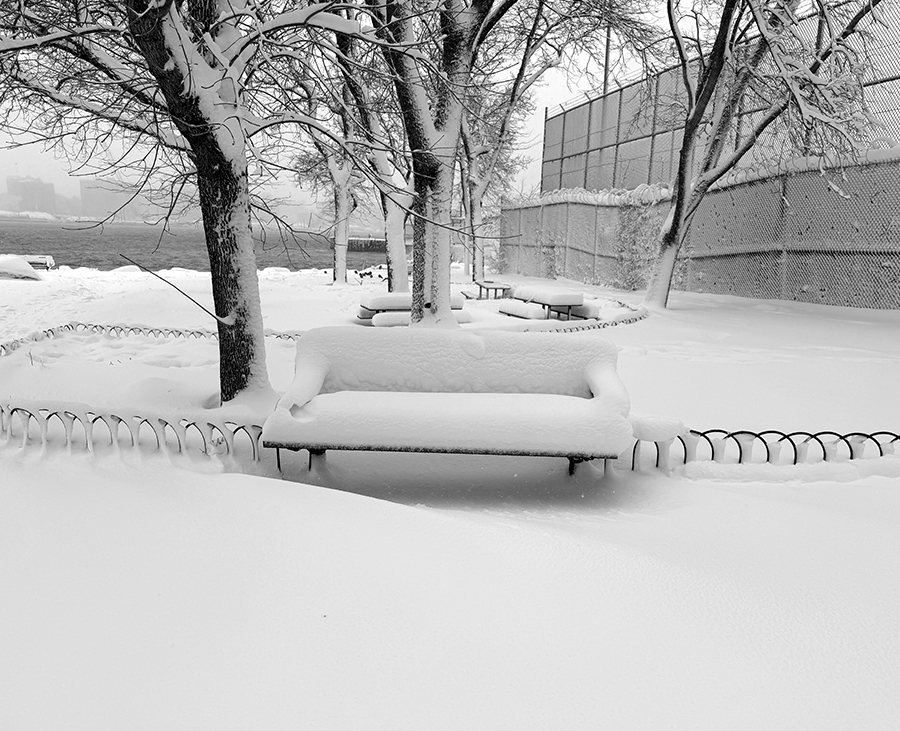
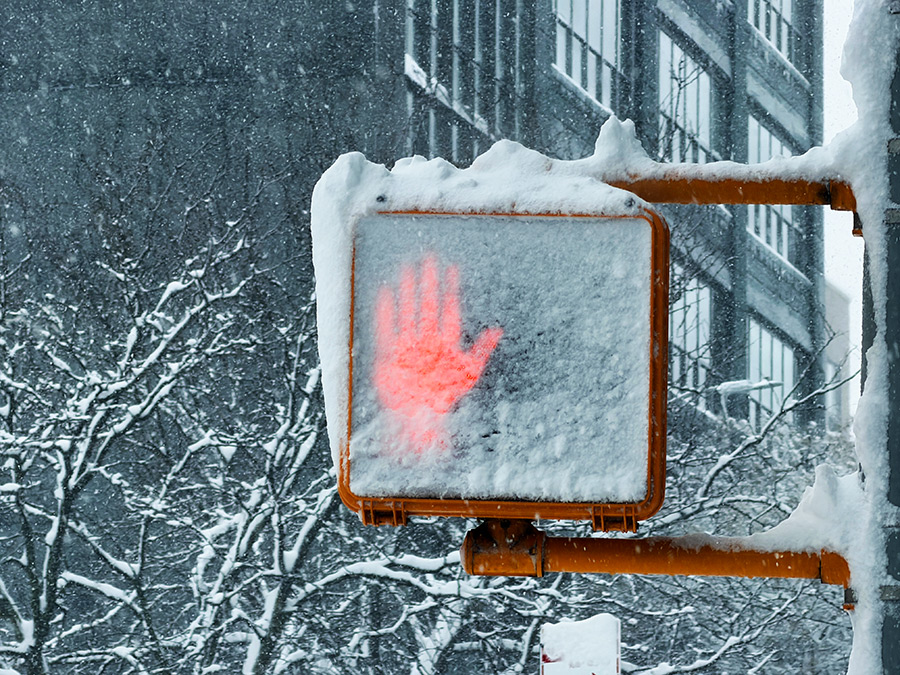
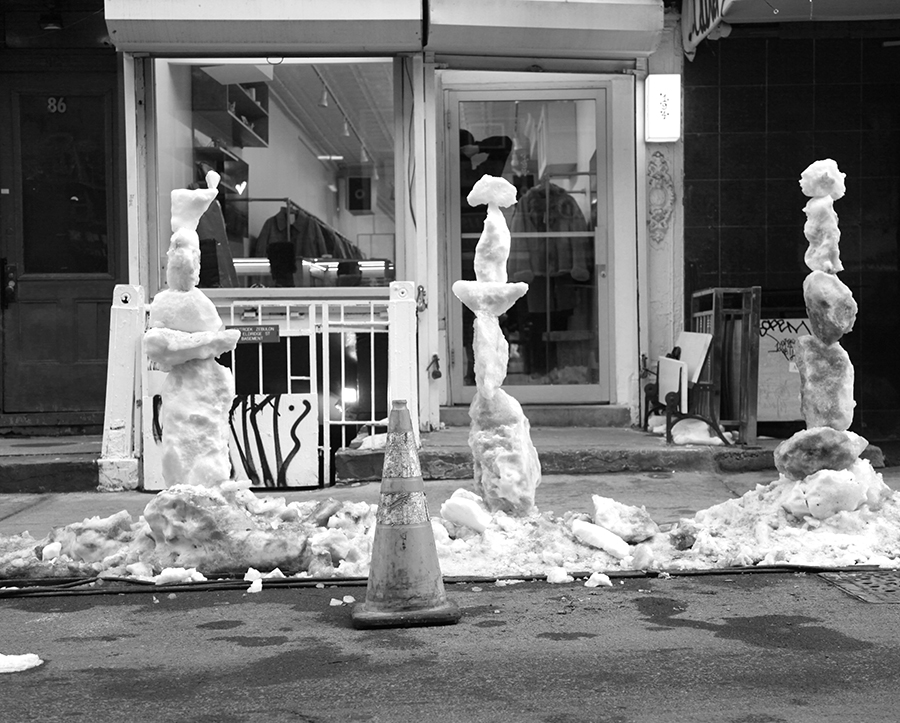
The Blizzard of ’26, which New York endured this week, is already a fading memory. We have fresh chaotic news every day, keeping everyone off-kilter, with purpose – some would say.
Our hearts are full of love this Valentine’s weekend for you, dear reader.
A new study shows New York’s artist population is declining for the first time in decades due largely to housing costs, and most people here will agree with that conclusion. Brooklyn-based Street Artist Marka27 (Victor Quiñonez) found that censorship is strong on campus when his exhibition addressing immigration enforcement was cancelled at the University of North Texas, yet another example of universities not standing up for free speech but suppressing it. Meanwhile, Street artist Ernest Zacharevic has filed a lawsuit against AirAsia for unauthorized use of his famous Penang mural imagery, highlighting ongoing battles over ownership and reproduction of street art. In graffiti news, Street Art NYC has a brief interview with curator Christine DeFazio on her Tales from the Ghost Yard show in the Bronx. In Paris A Valentine’s Day exhibition yesterday brought together street and contemporary artists Clément Herrmann, Mr Byste, FinDAC, Uri Martinez, Belin, and Sandra Chevrier in a live, public-facing showcase.
The Federal government continues its campaign to remove people’s histories from public space, most visibly this week with the removal of the Pride flag from the Stonewall National Monument — the symbolic birthplace of the modern LGBTQ rights movement — before local officials and activists raised it again in defiance. New York Governor Kathy Hochul criticized the removal, calling it “hurtful”, noting that the LGBTQ community has been “discriminated against and oppressed for much of its history,” adding, “The Pride Flag has meant a lot to all of us here in New York and to those who come around the world to see this place.”
New York’s Public Art Fund is featuring a number of artists in 2026 whose paths have crossed with street art, including Barbara Kruger, whose early wheatpaste posters and later bus-shelter text works established a new language of the street; Nina Chanel Abney, whose large-scale murals and façade projects have extended the public wall tradition with socio-political critique; and Jane Dickson, whose decades of street-level and transit-based projects in Times Square and the subway system connect directly to New York’s urban visual culture. It’s encouraging to see institutions recognize artists whose methods have long existed outside the mainstream—even if that recognition often arrives only after the market has validated the work.
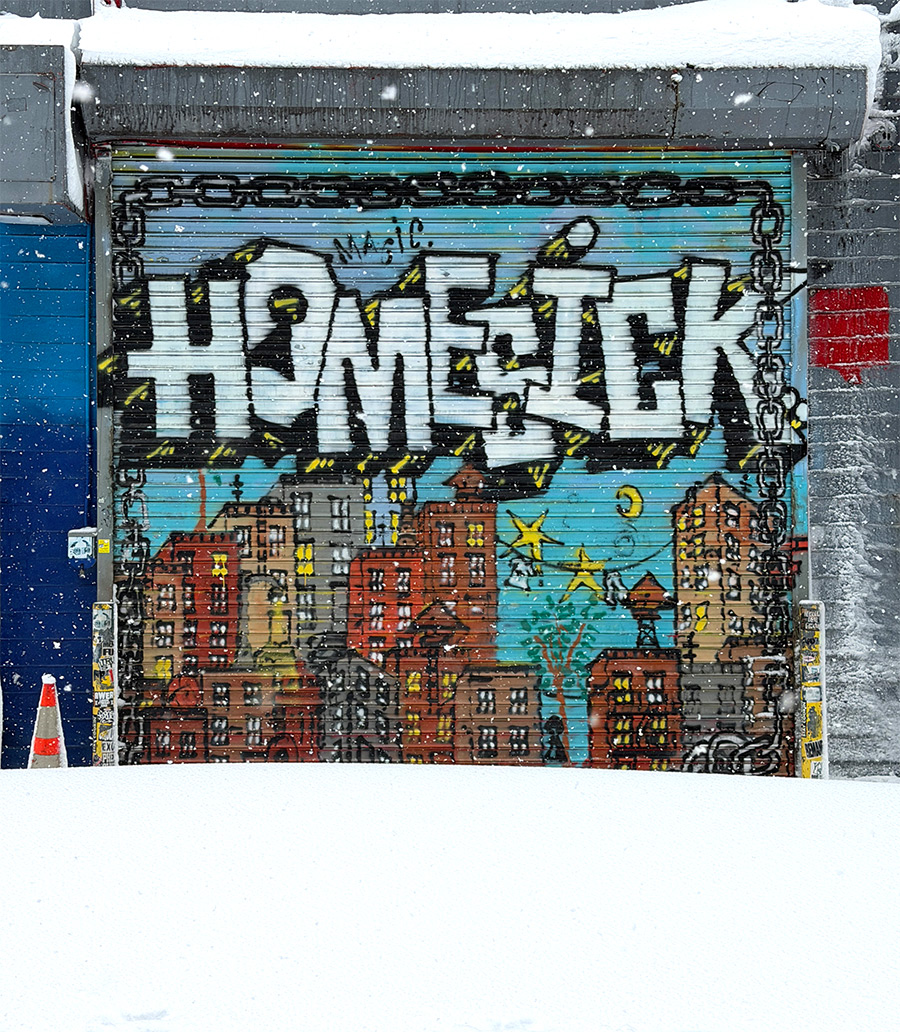
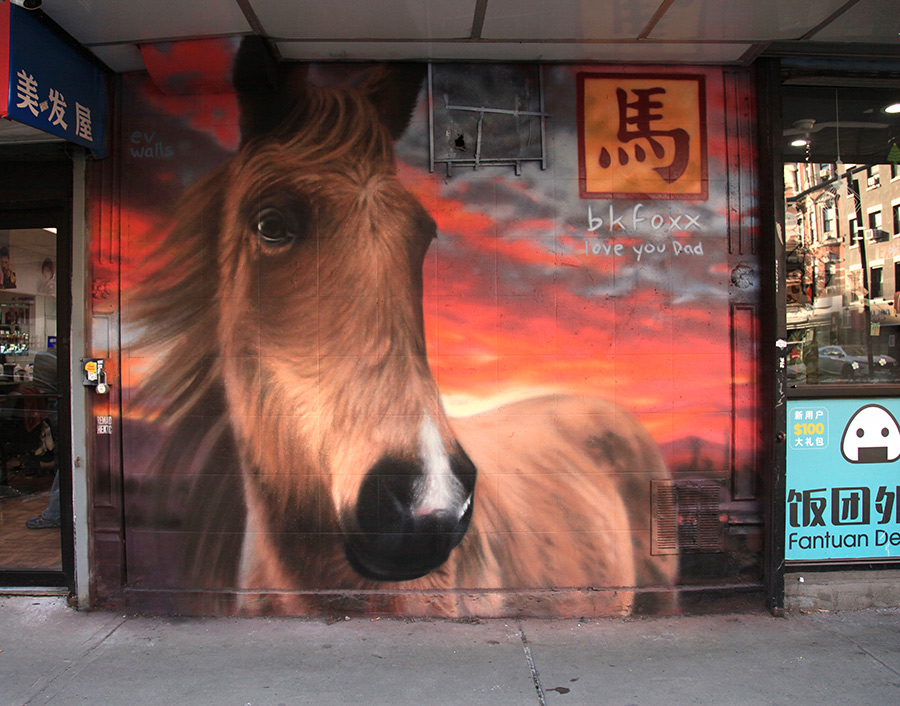
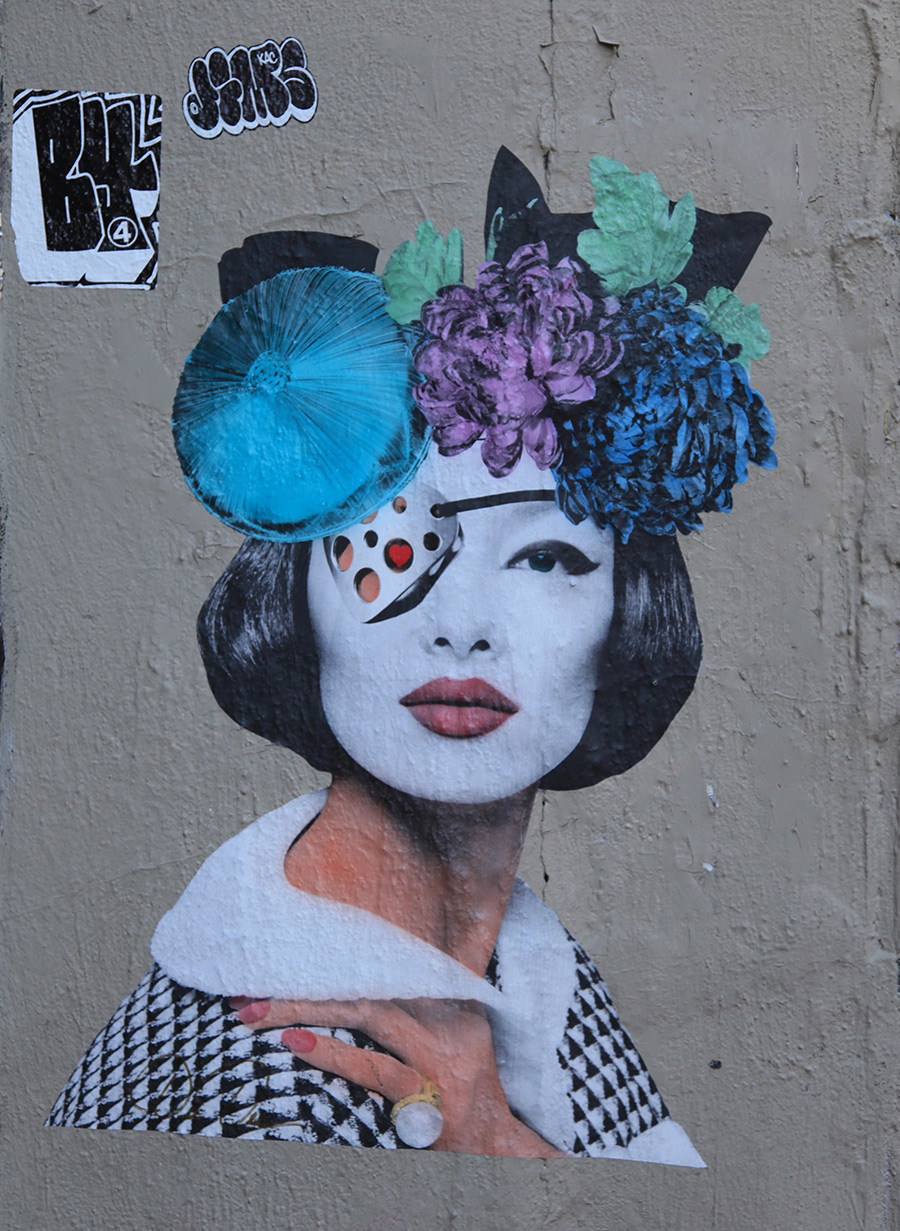
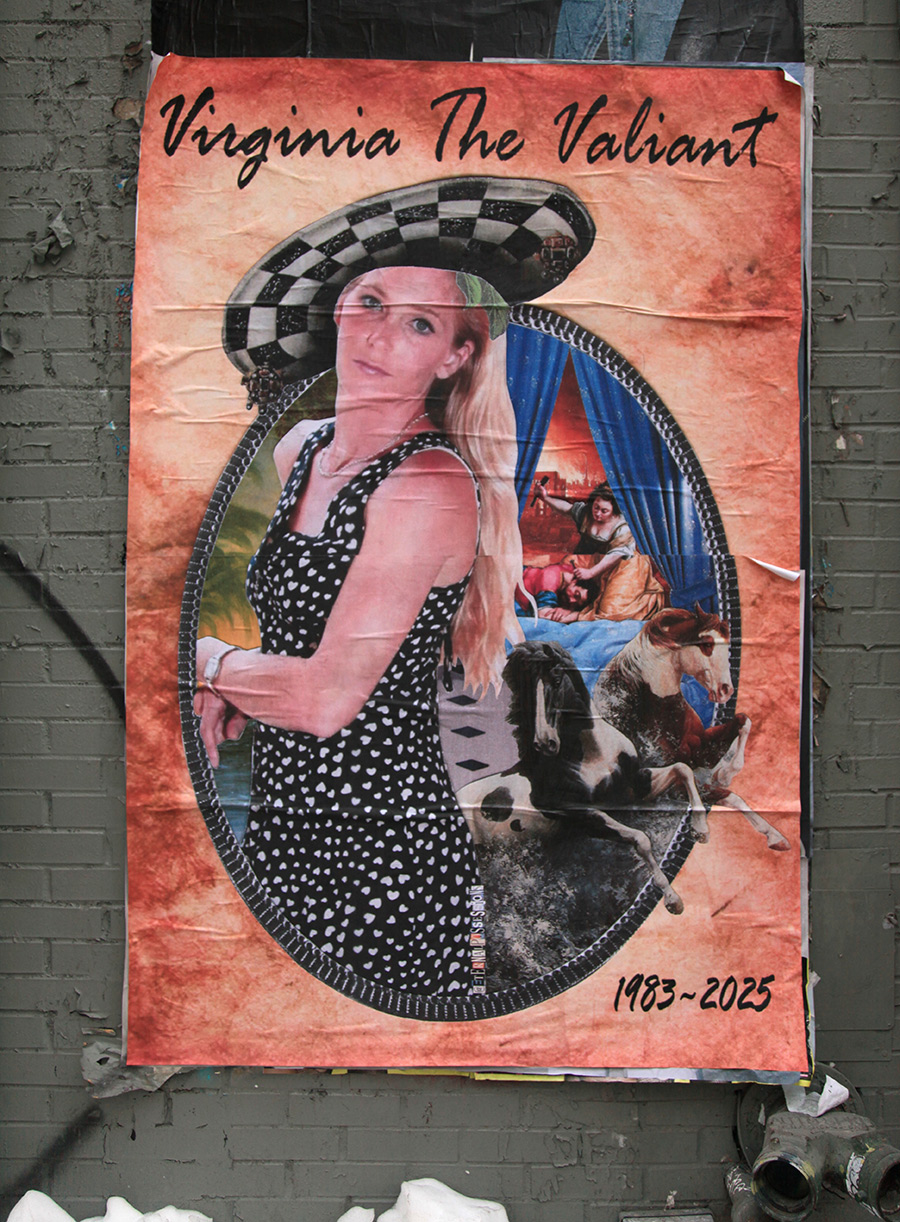
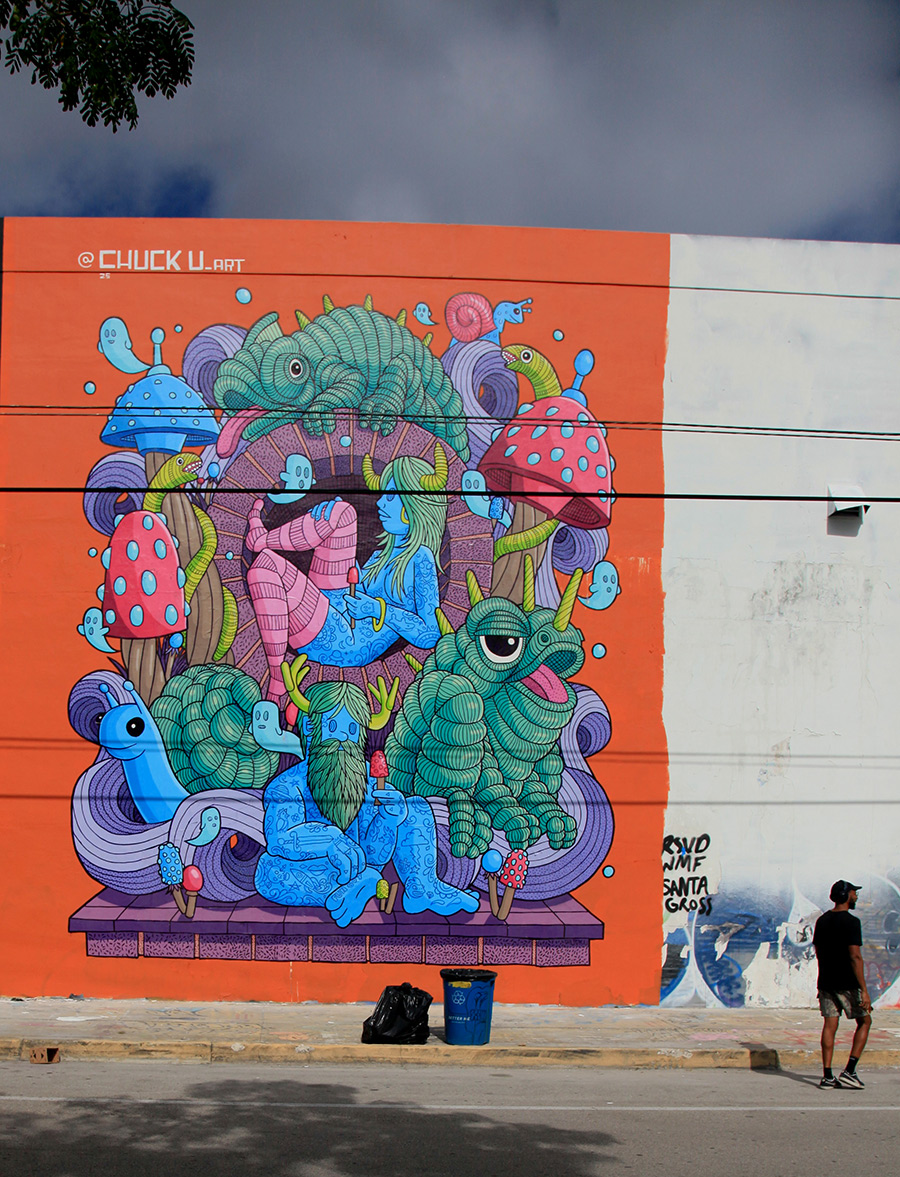
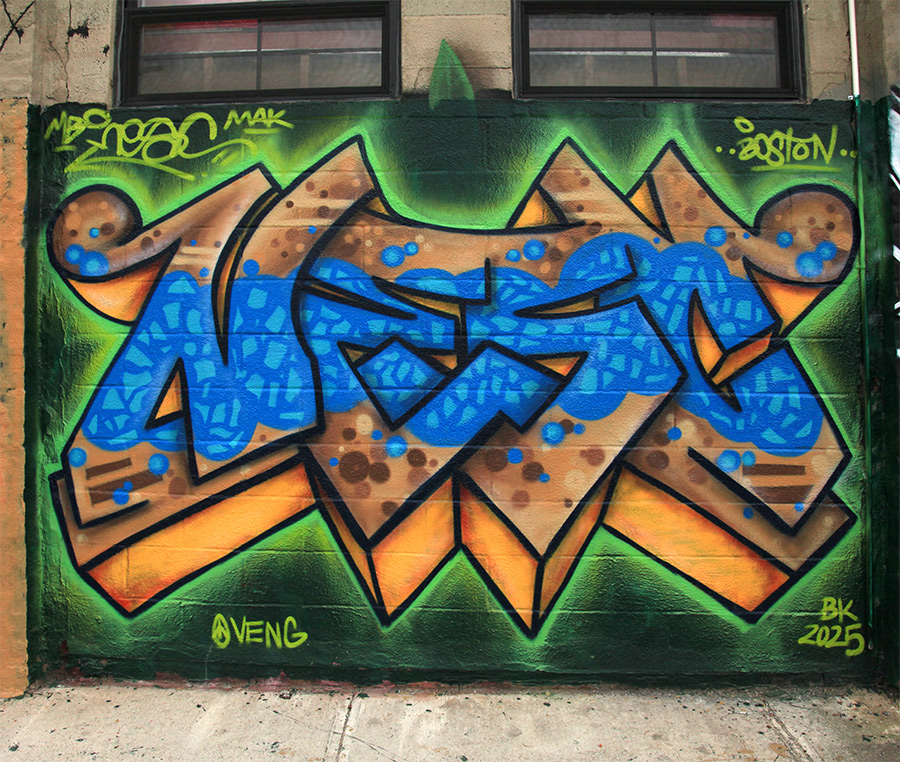
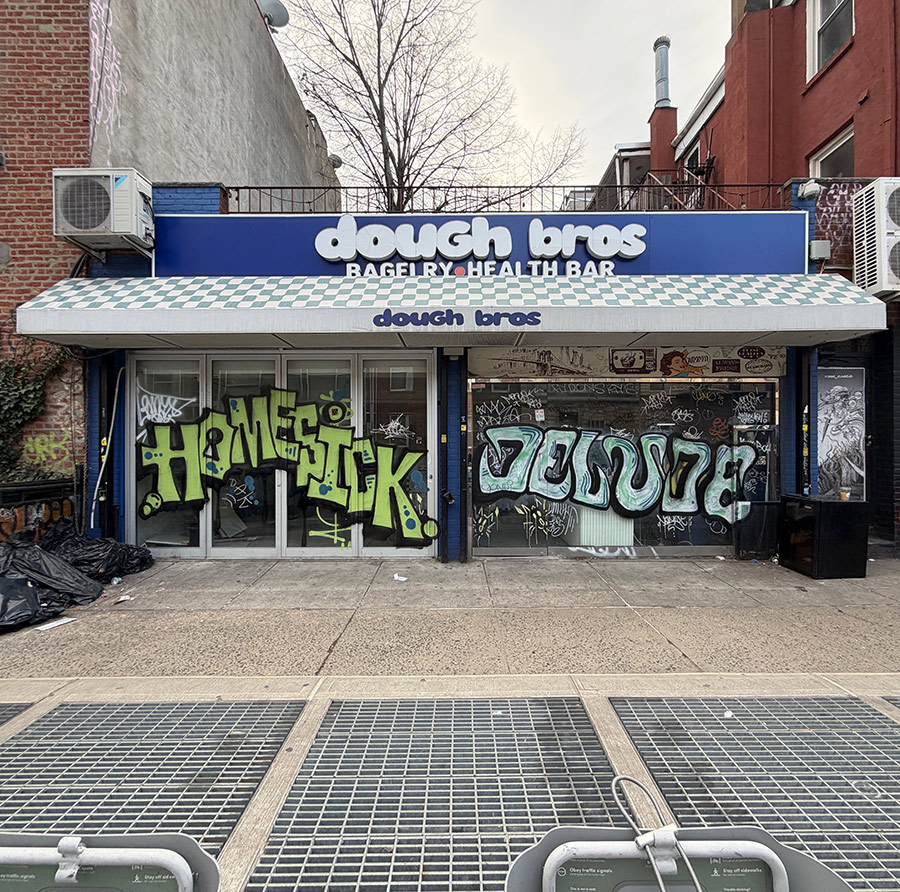
Here’s our weekly interview with the street, this week featuring Appleton Pictures, Atomik, BK Foxx, Chuck U, Dee Dee, EASC, Homesick, IMK, NESC, and Siner One.
Queens, New York-based Duendita often moves between NYC and Berlin contexts. “Mind” reads more as an intimate, interior/performance piece rather than a particular place.
Welcome to BSA’s Images of the Week! It’s Superbowl day! Bad Bunny at half-time!
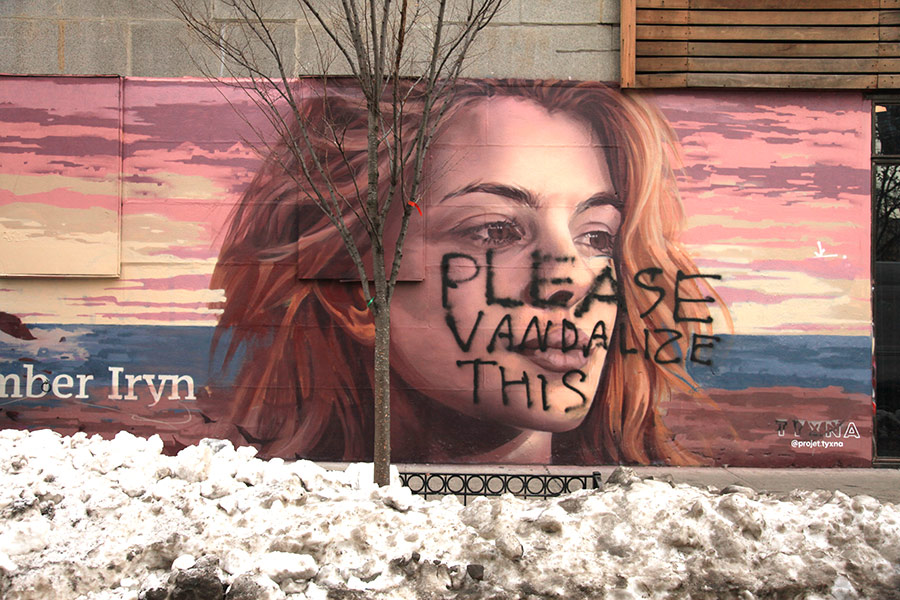
This week in NYC art news, vandalism of a politically charged mural is causing “debate“, an exhibition at the Noguchi Museum reimagines the city through unrealized designs, and the School of Visual Arts saw their chair of MFA Art Practice program resign after it was revealed that he featured several times in the latest release of the Epstein files. According to ArtReview, “Ross was formerly director of the Boston ICA, the Whitney and SFMoMA, and had been chair of the MFA Art Practice program at the SVA since 2009”.
Also, Tony from down the block is trying to figure out how to get a dozen roses for your sister Chambray before Valentine’s Day without blowing his entire paycheck from the funeral home, and the pressure is on for couples to make some cinematic gesture this week. But honestly, an afternoon wandering a museum together, followed by a pizza slice and a soda under fluorescent lights, still does the job better than any prix-fixe romance package ever could. These are not times to break the bank. Don’t stress; as a certain Chicago street artist used to say, “Don’t Fret.”
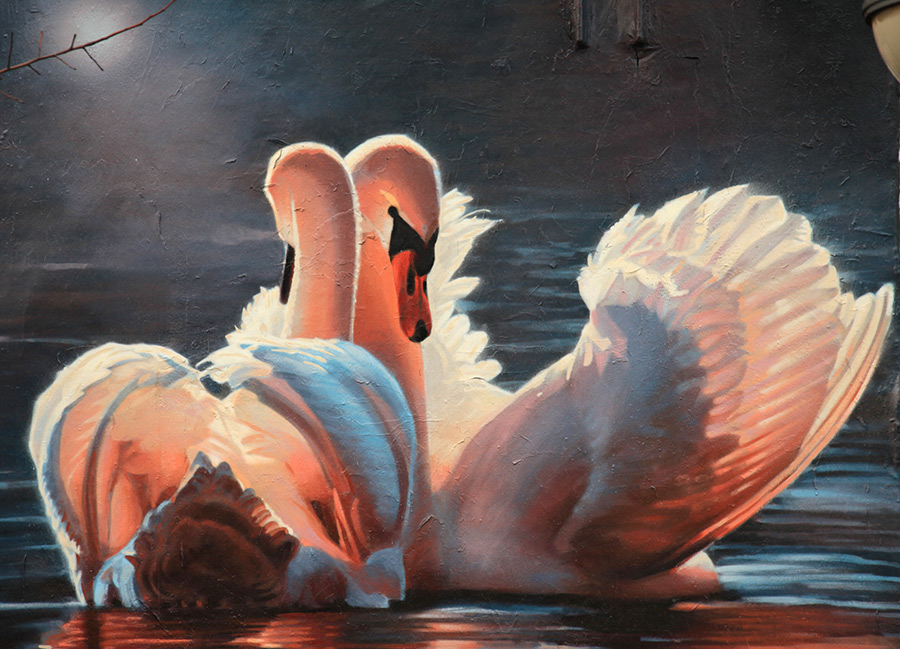
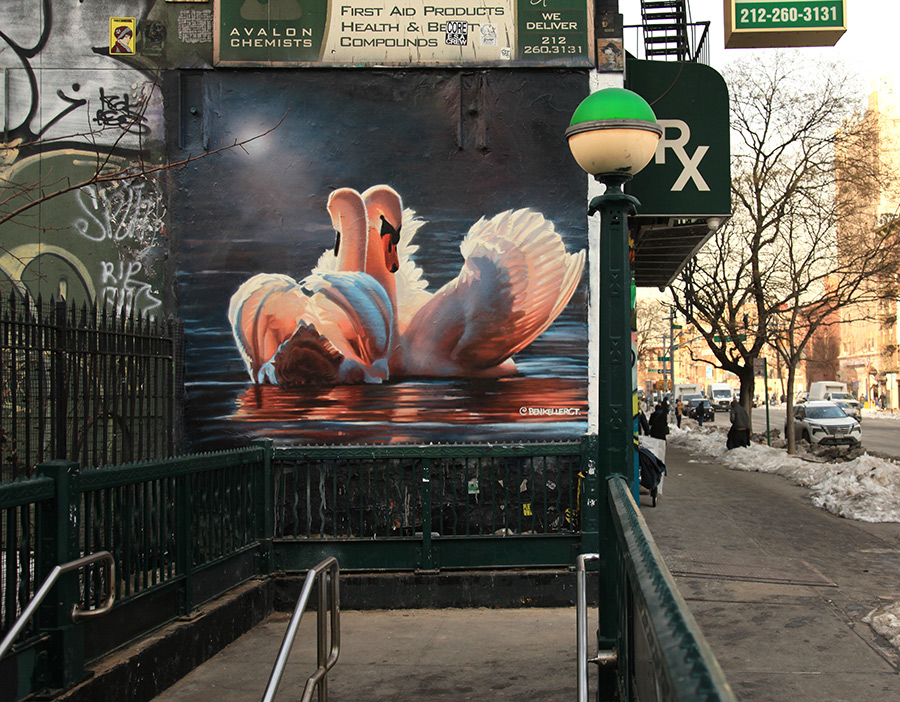
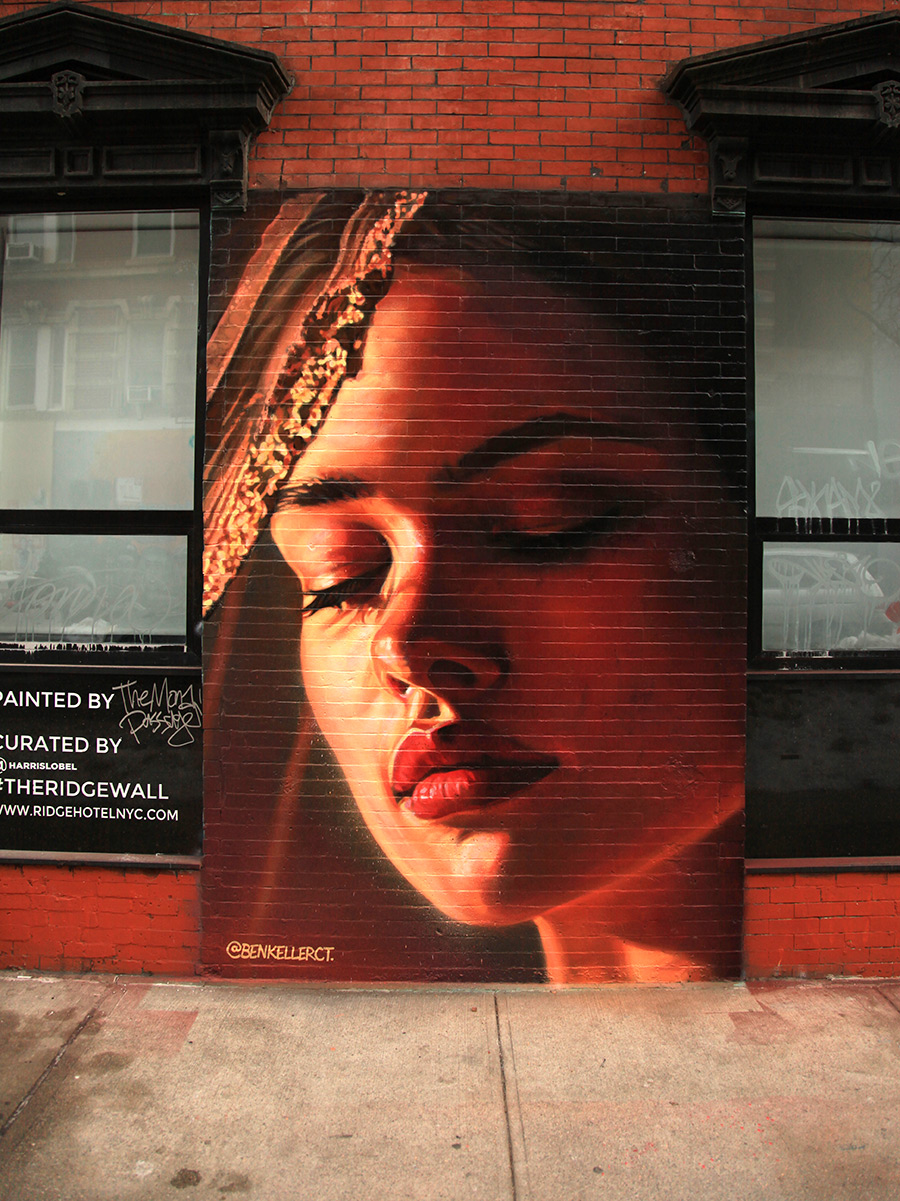
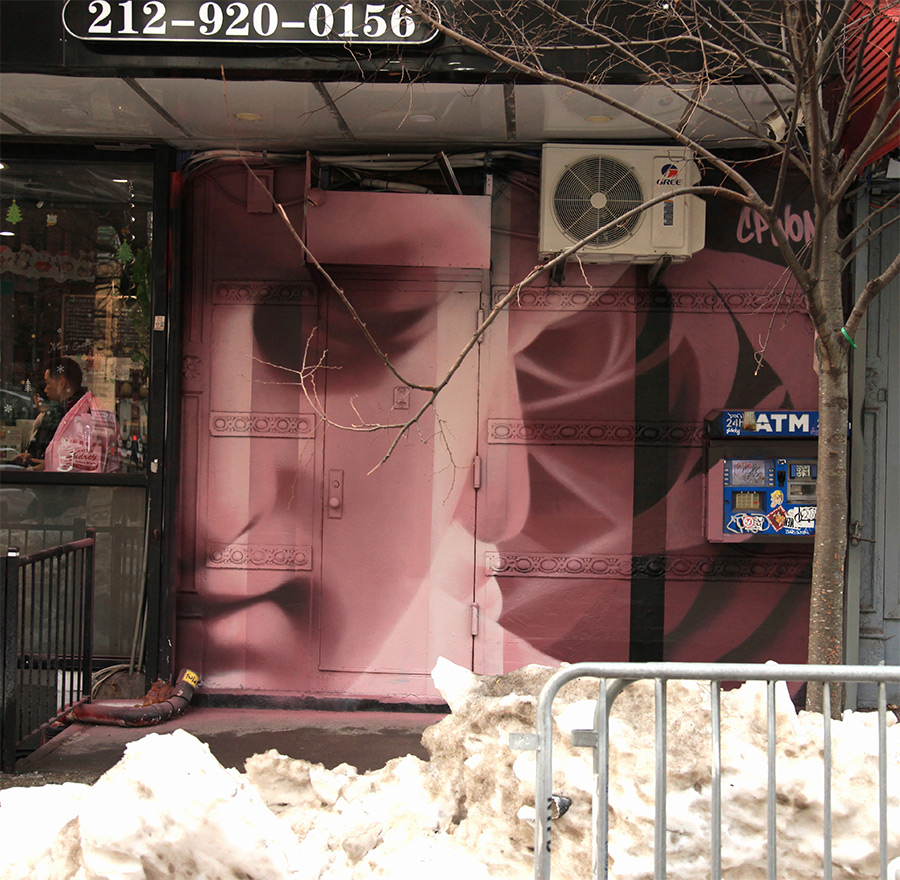
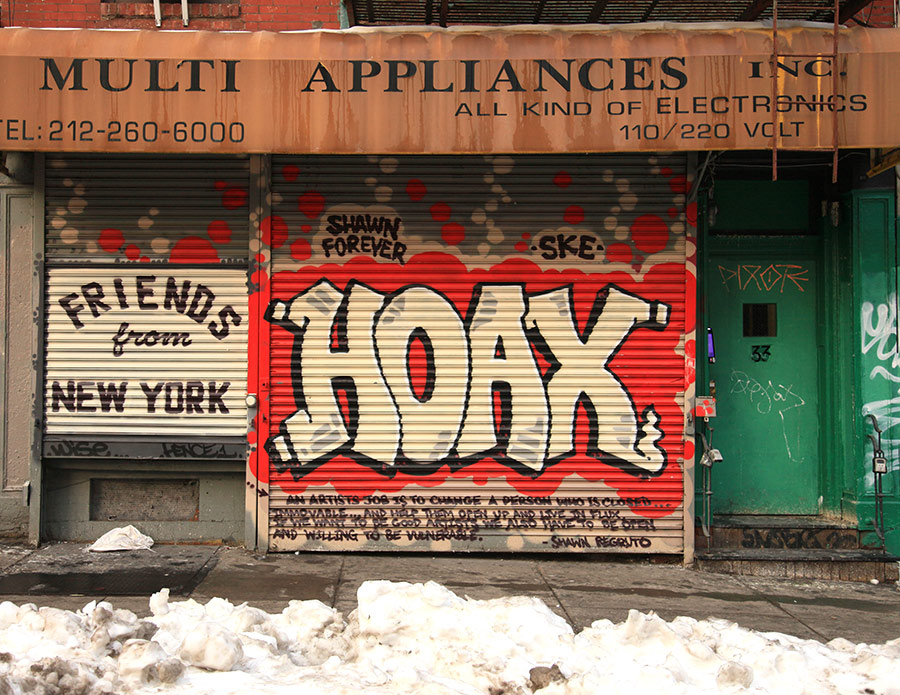
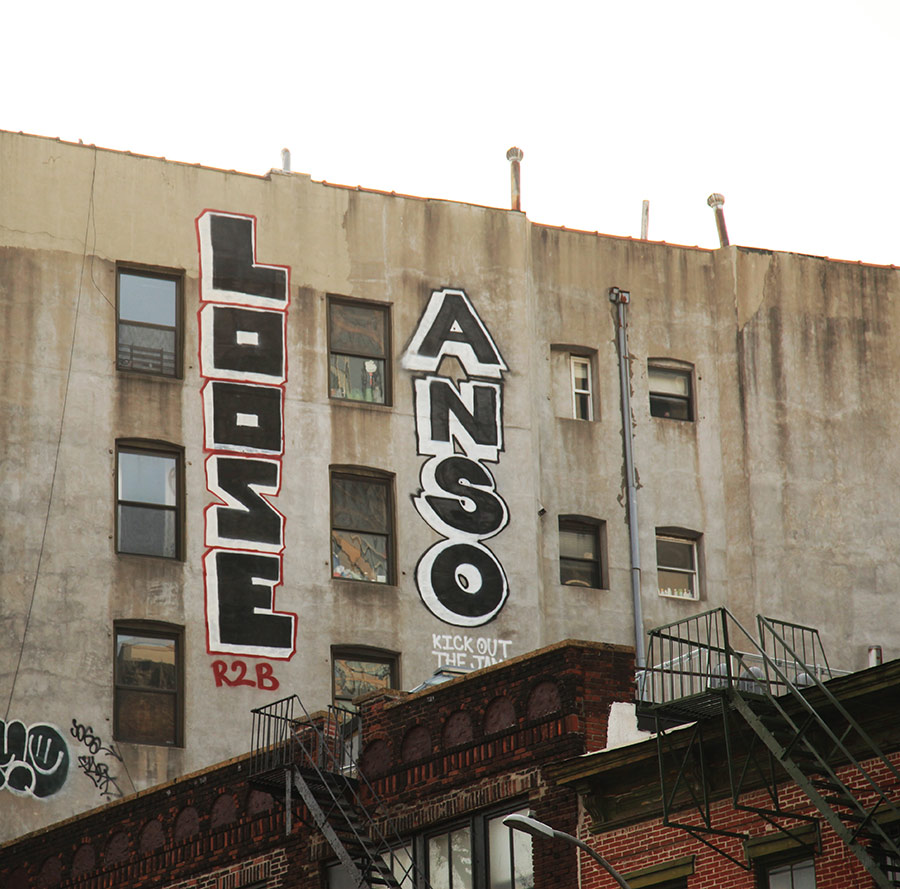
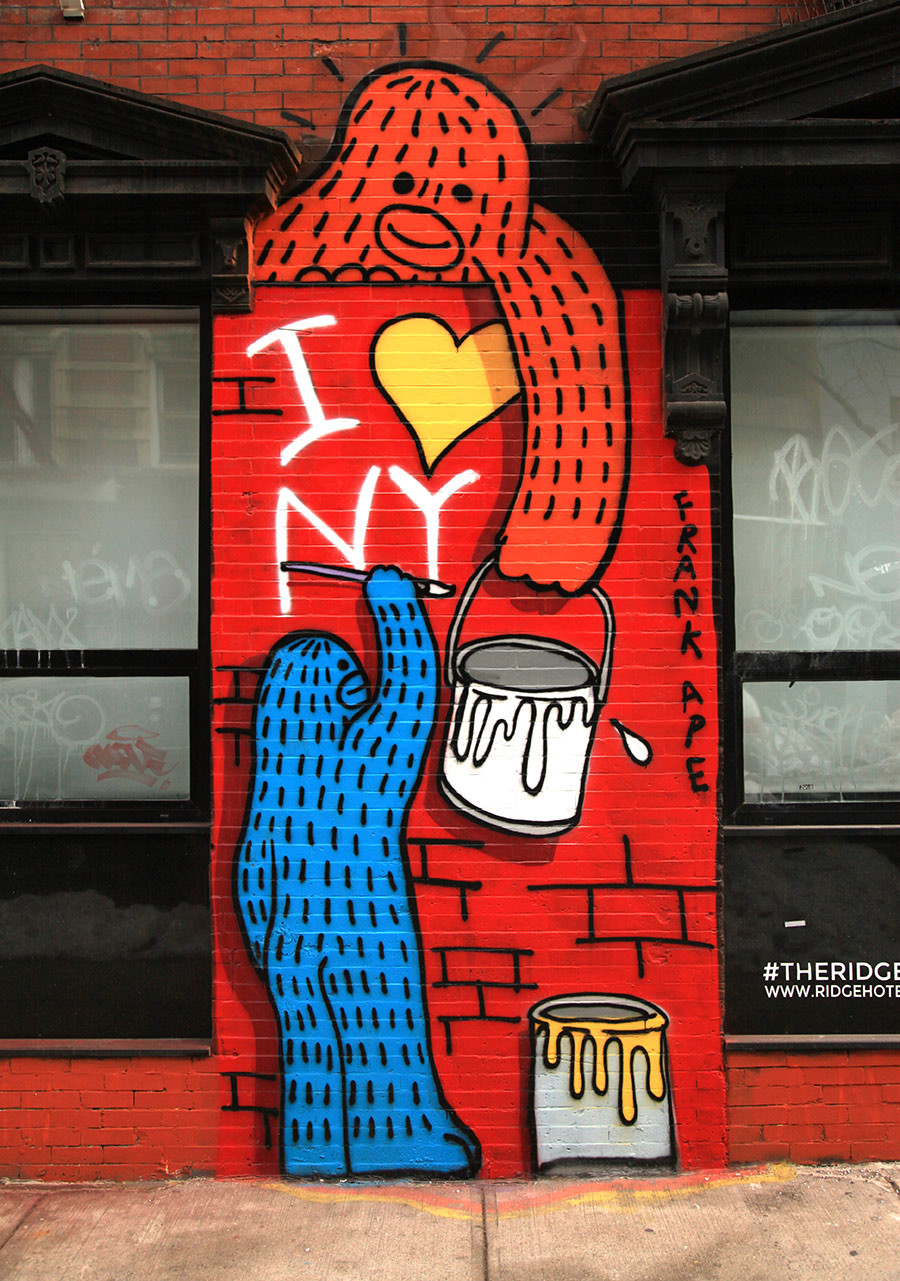
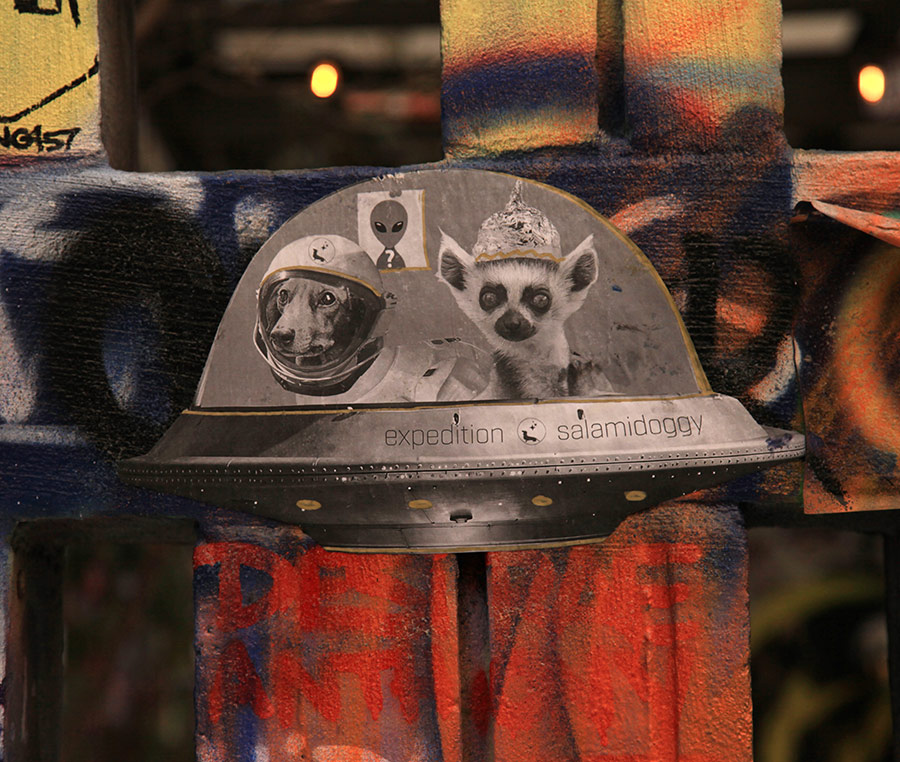
Here’s our weekly interview with the street, this week featuring ANSO, Ben Keller, CP Won, Frank Ape, Hoax, Homesick, Jose Scott13, Loose, Salami Doffy, Tyxna, Vnice World, Noeli, and Xara Thustra.
Murals like this new one in Manhattan, and an earlier example in Bushwick, have been appearing in cities including Washington, Miami, Los Angeles, and Chicago, depicting Iryna Zarutska, a victim of violence in Charlotte last summer. The campaign positions her death as a reductionist symbol within a broader, loosely defined narrative that unrestrained “street” crime has overtaken American cities. Her image — carefully selected and conventionally appealing to a certain segment — functions as a cherry-picked face for that message, which some critics view as echoing earlier eras of racially coded fear-based rhetoric that is on display again. Members of Chicago’s Ukrainian community have also pushed back, describing the murals as a cynical tactic and noting, according to local reporting, that the victim’s family was not consulted. The Guardian says the funders have ties to the MAGA movement and billionaire Elon Musk, and it asks, “Are they weaponizing her memory?” The accused attacker’s mom told the local newspaper that her son suffered from severe mental health problems. Whatever the case is, some on the street have decided the whole thing is sus, as the gamer kids say, and have been vandalizing the murals.
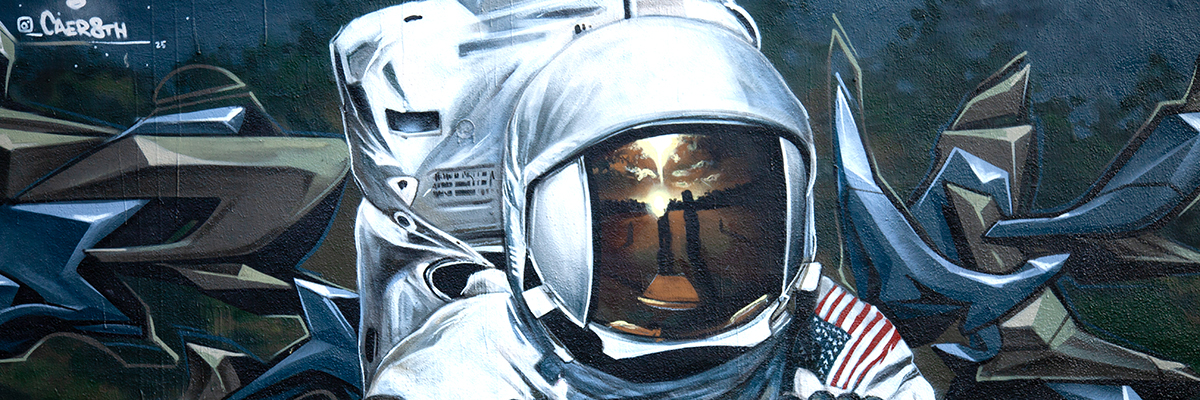
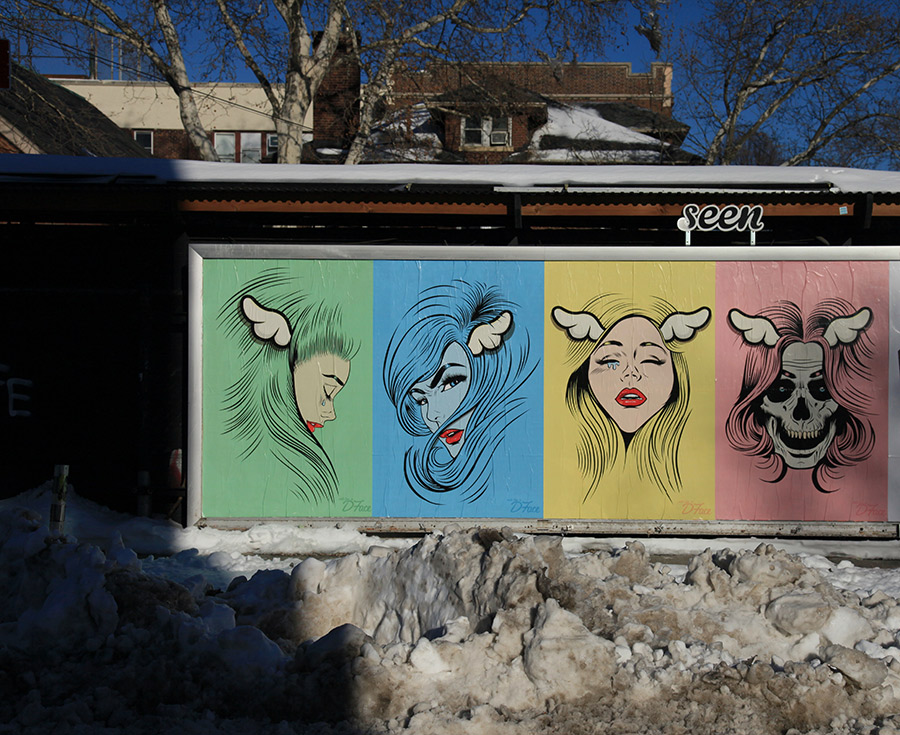
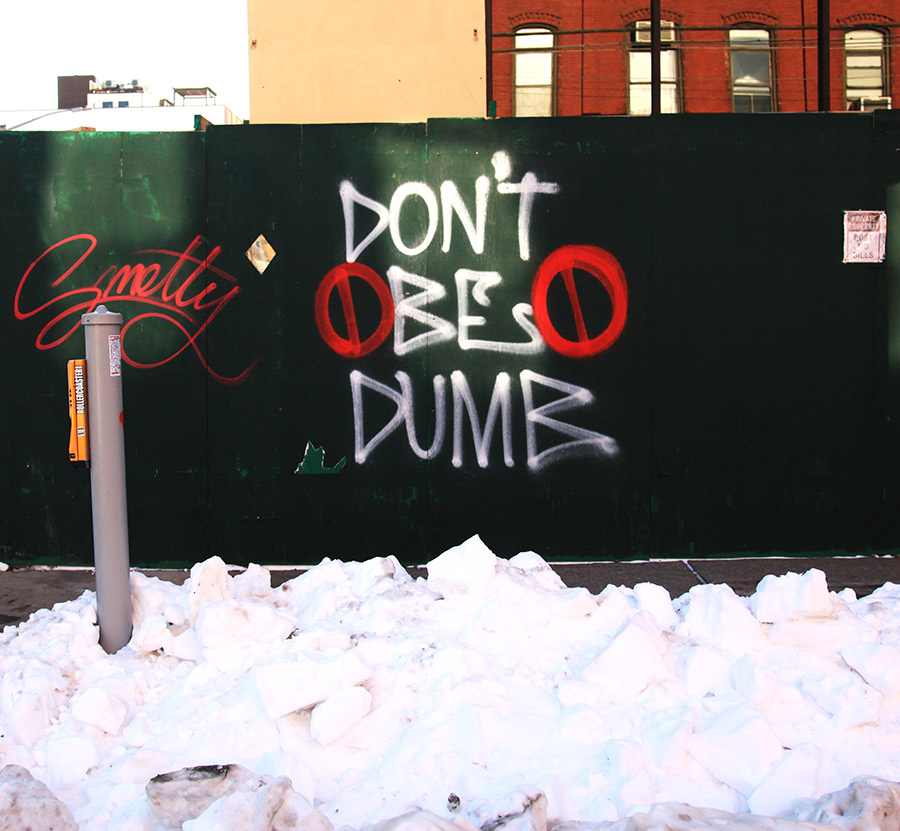
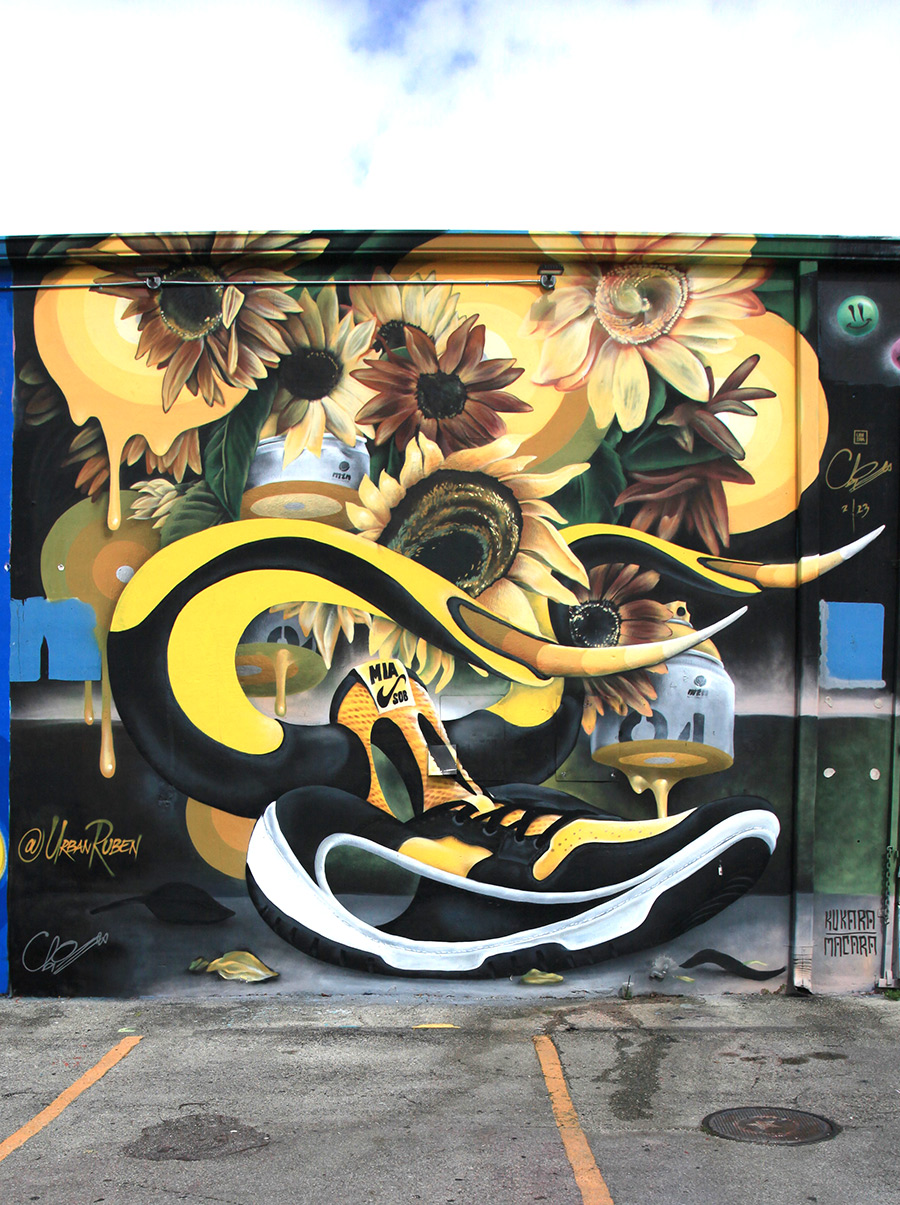
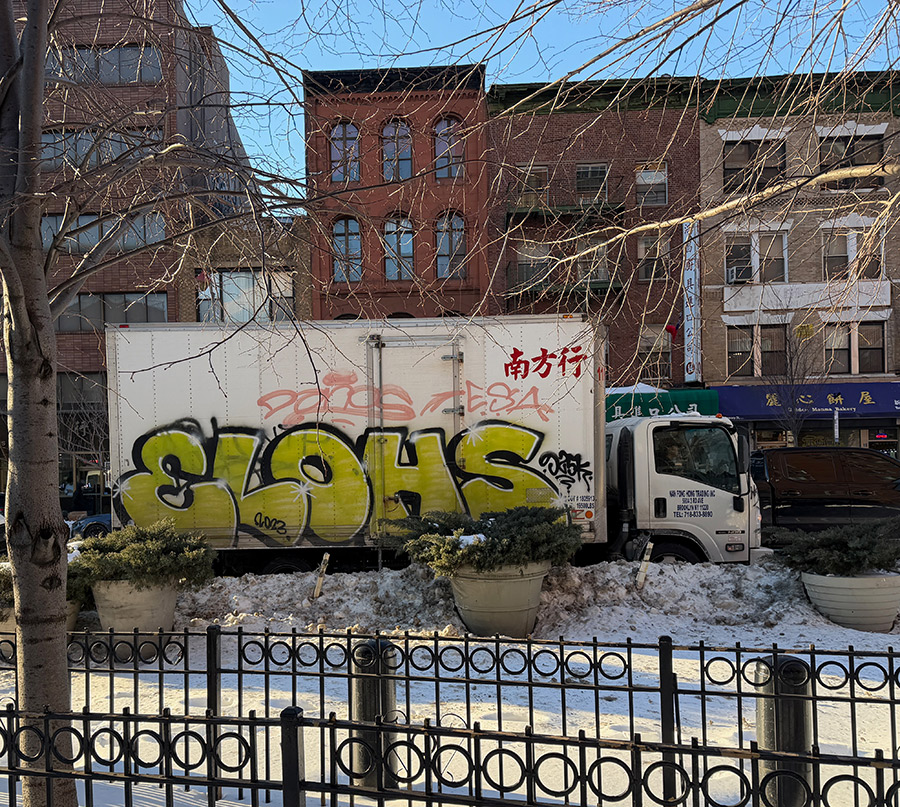
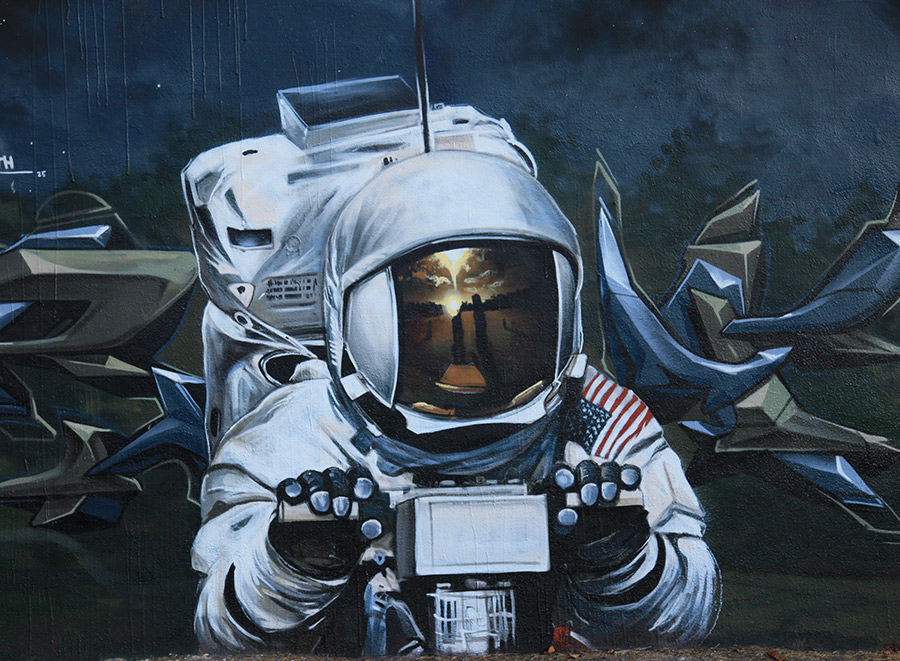
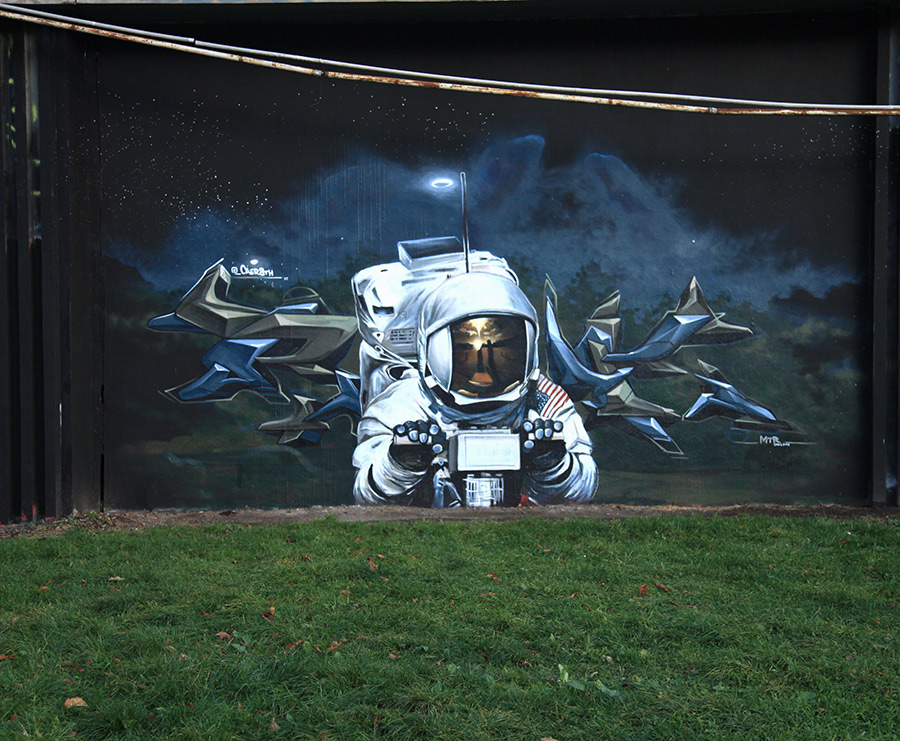
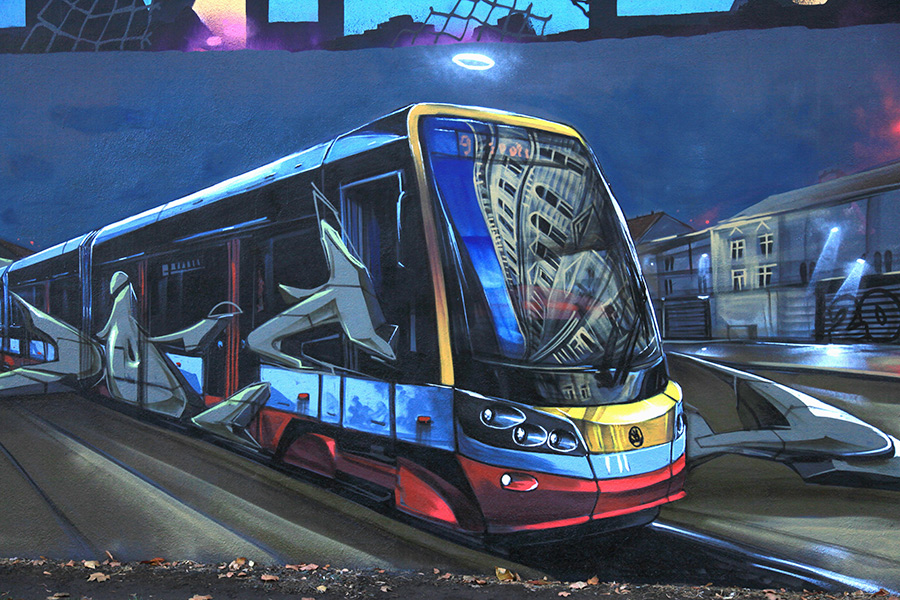
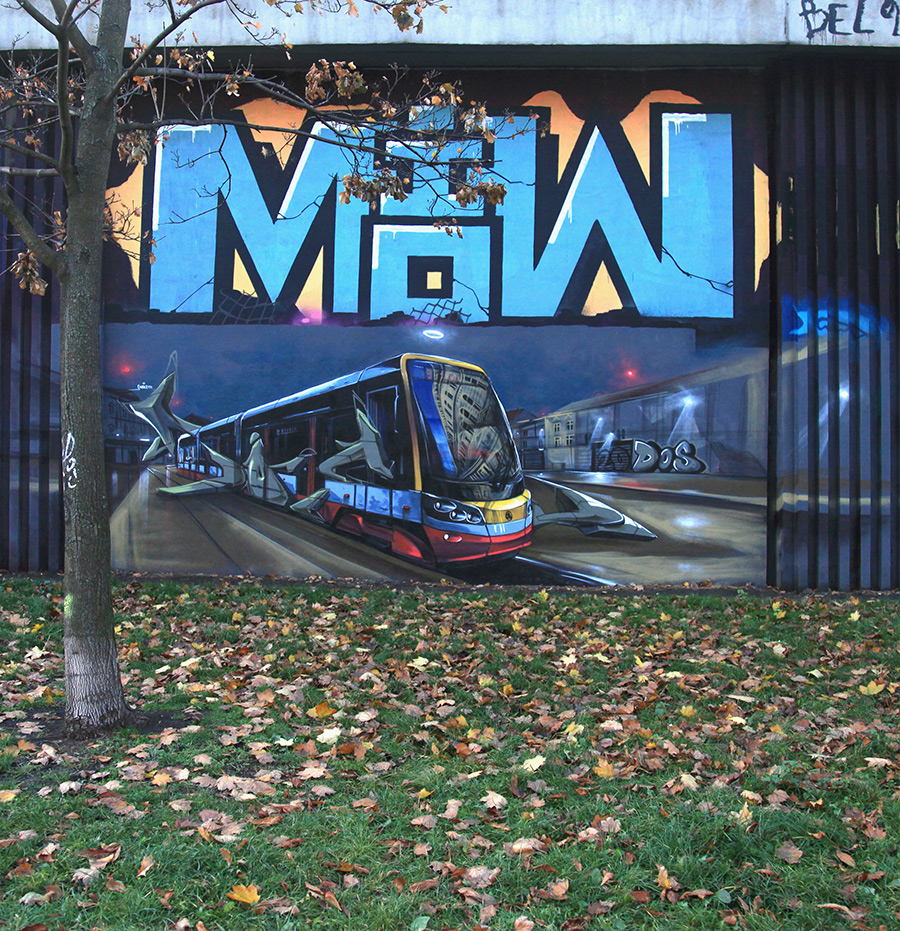
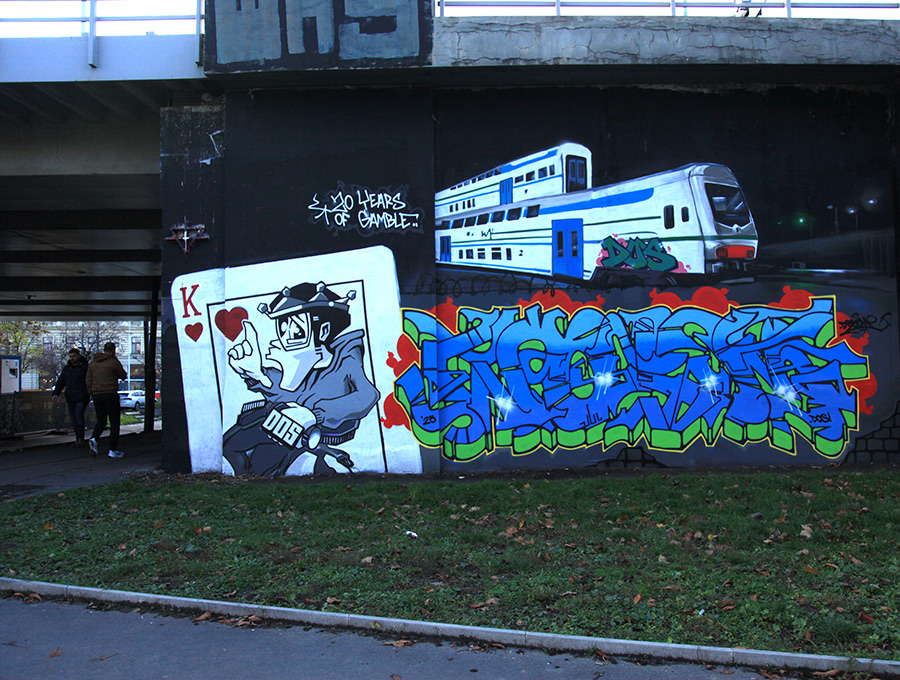
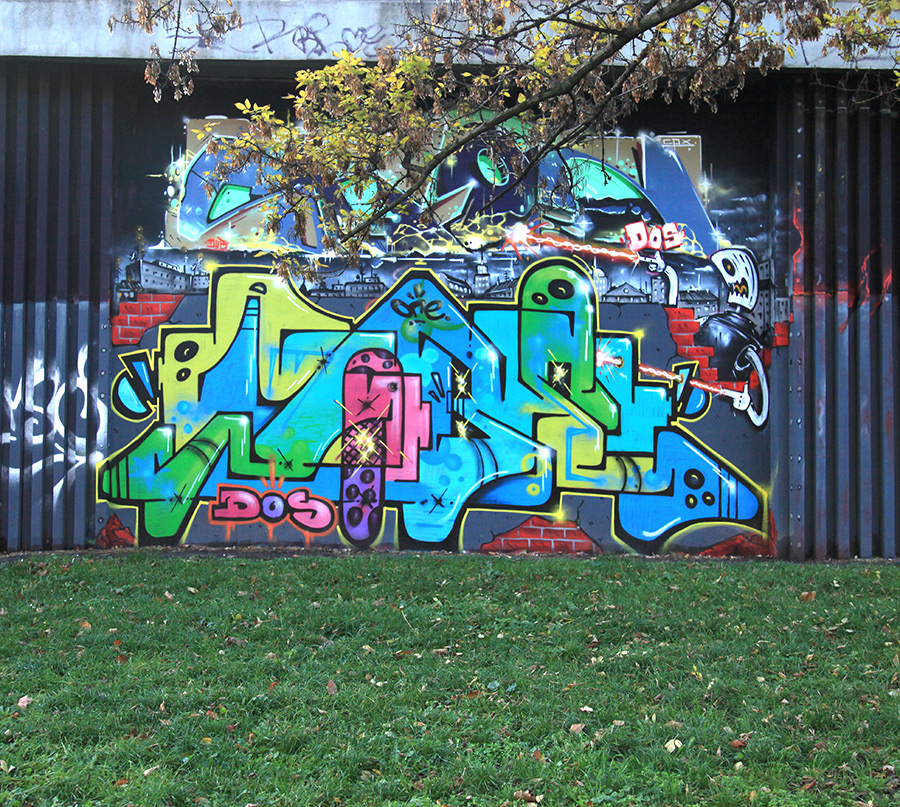
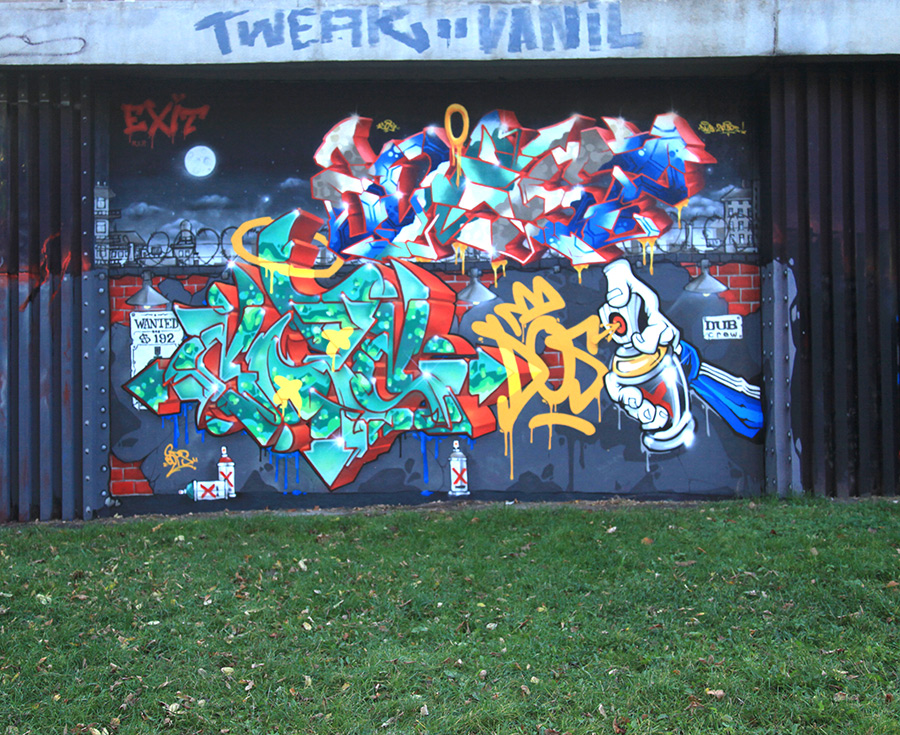
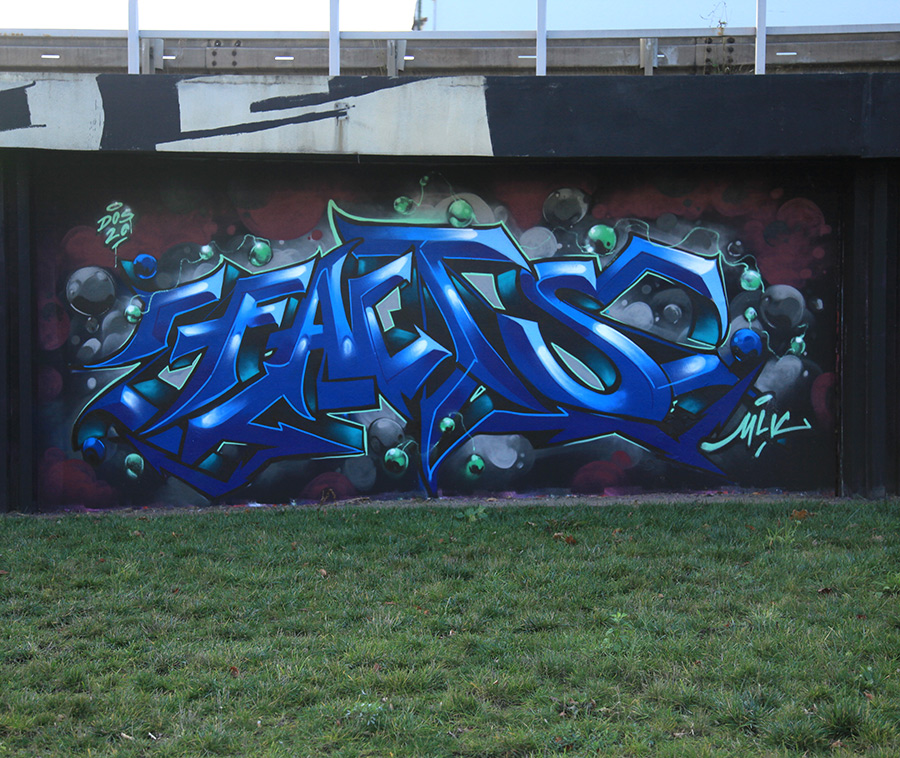
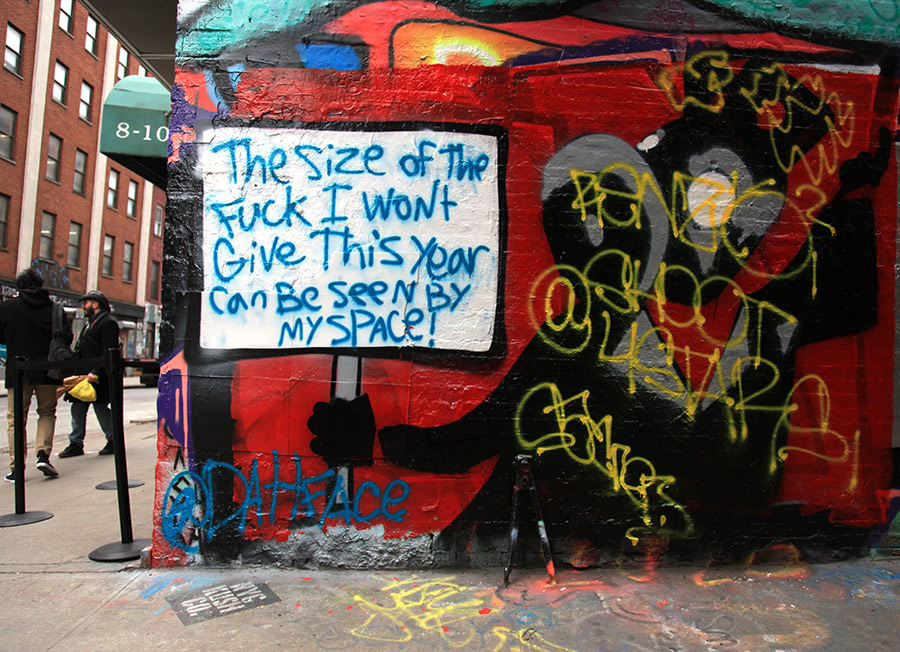
Here is our weekly interview with the street, this week featuring Caer8th, Chapa, D*Face, DOS Prague, ELOHS, MIOW, SEUK Prague, Smutty, TIBO!, and Urban Ruben.
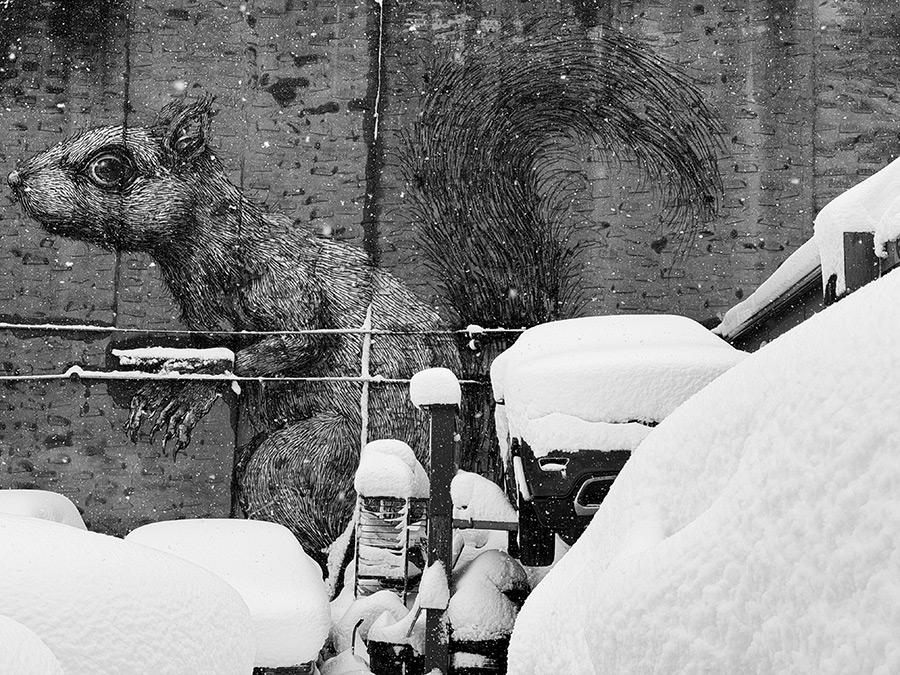
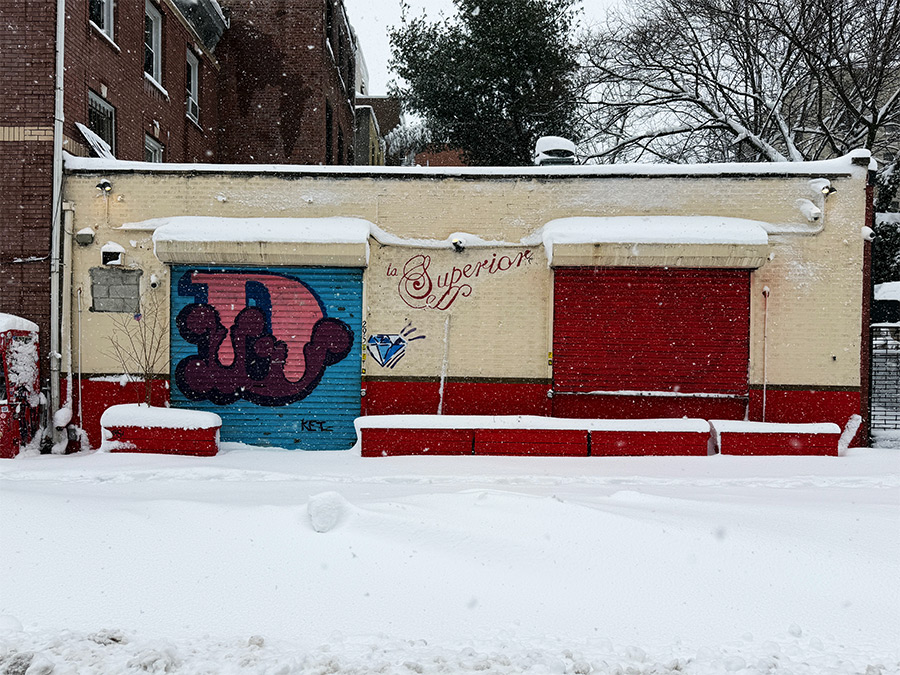
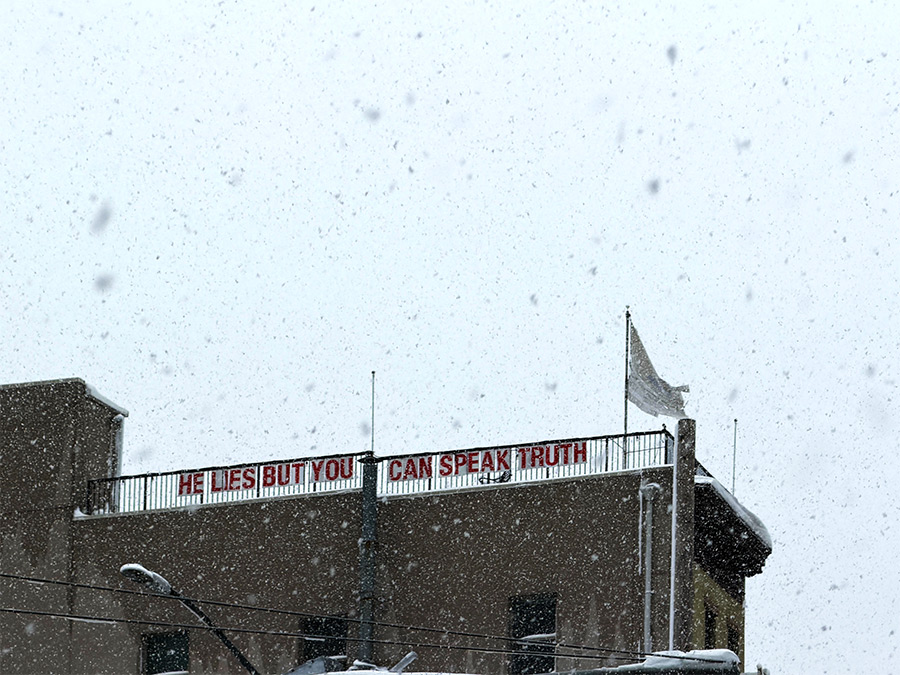
The State of New York is under a State of Emergency due to the storm, which made it a good decision to get out earlier this week to document new street art and graffiti. This is typically a slower period for artists and writers, but in this city, the street is never static. There’s always an ongoing visual discussion unfolding in public, often reflecting the moment back at us.
As the weather intensifies, attention turns to those most affected—especially people without shelter and neighbors who may need help. If you can, check in on people nearby and offer what you’re able: a blanket, food, or a small bit of assistance can make a real difference.
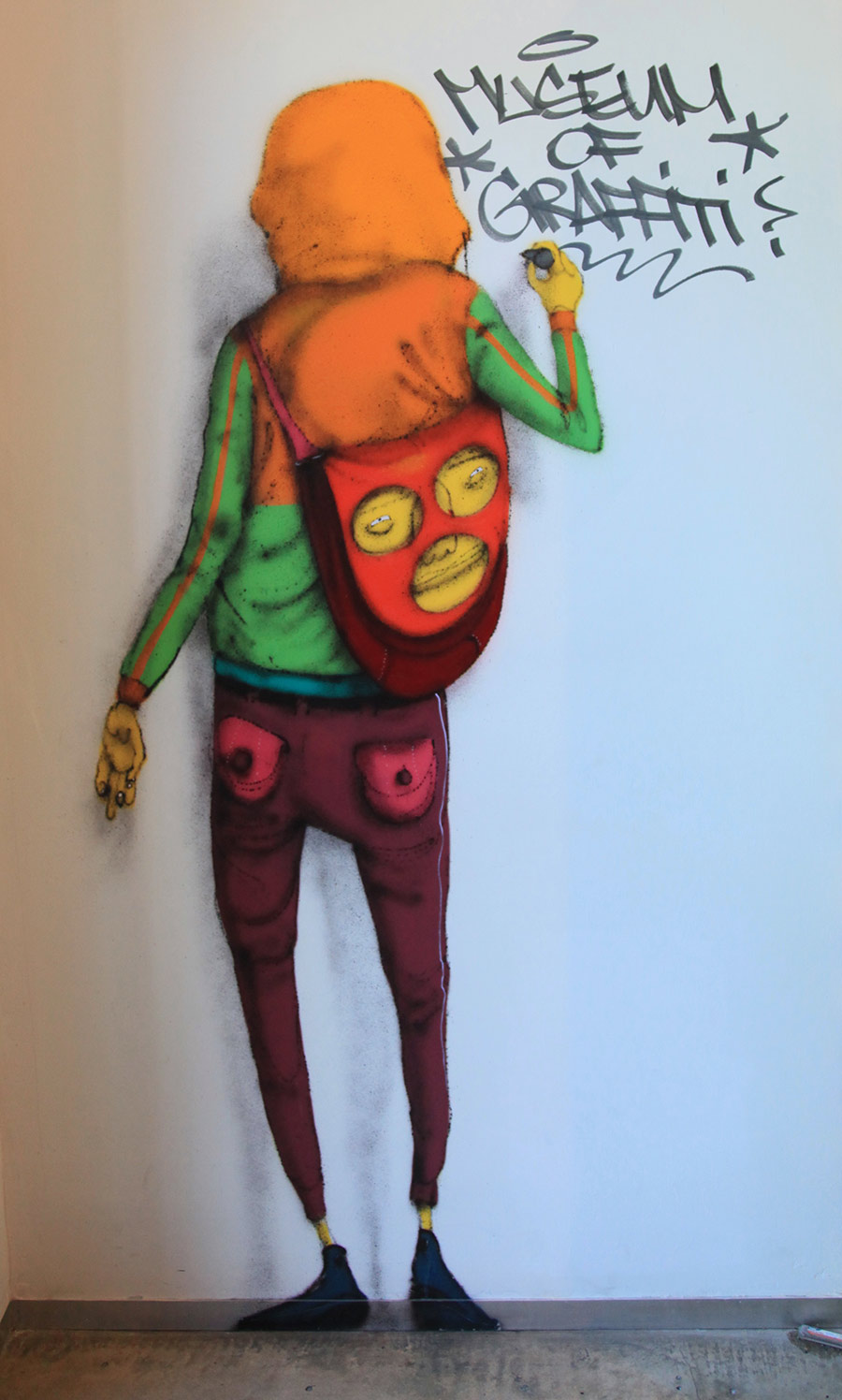
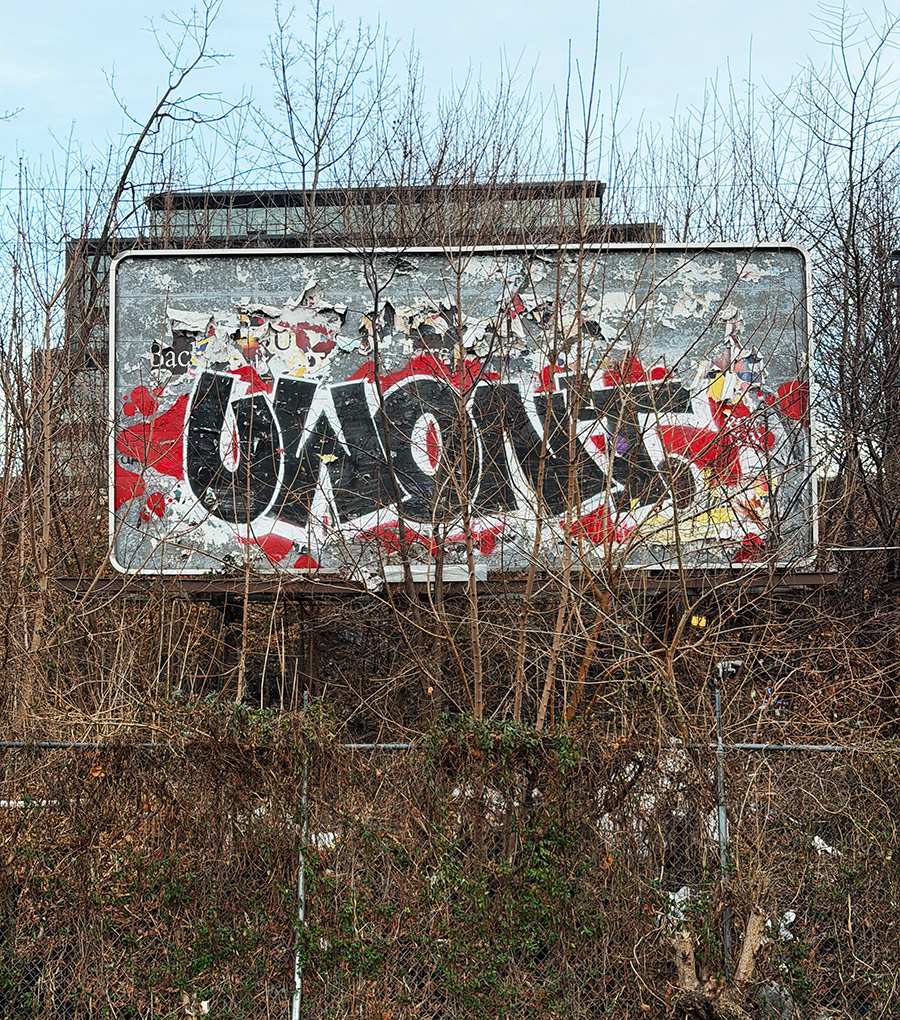
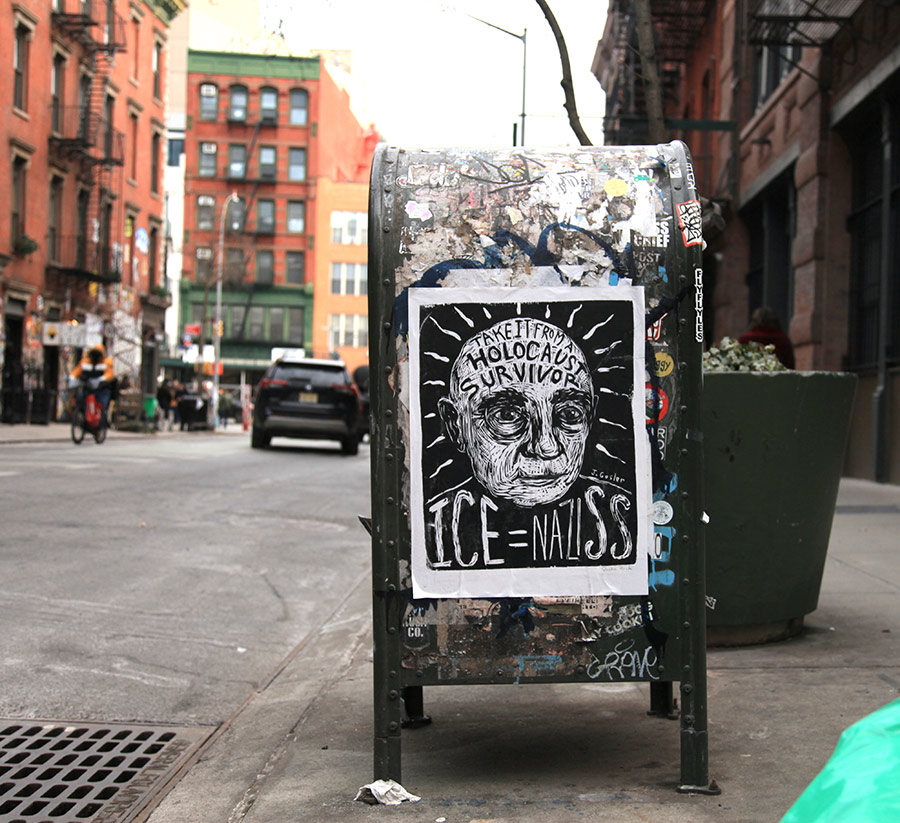
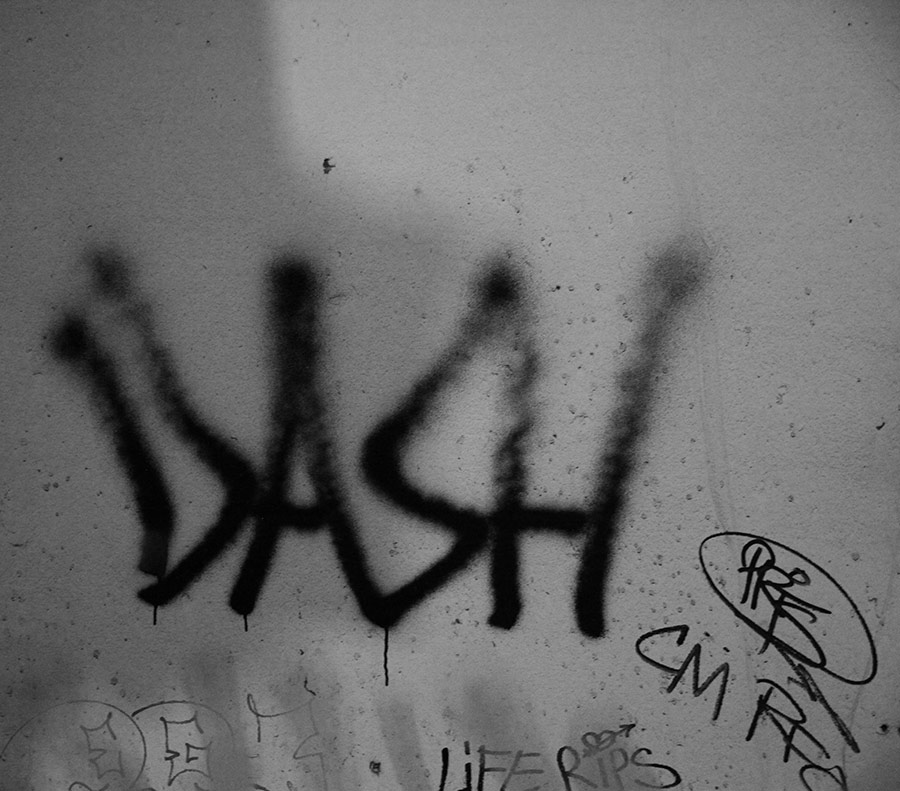
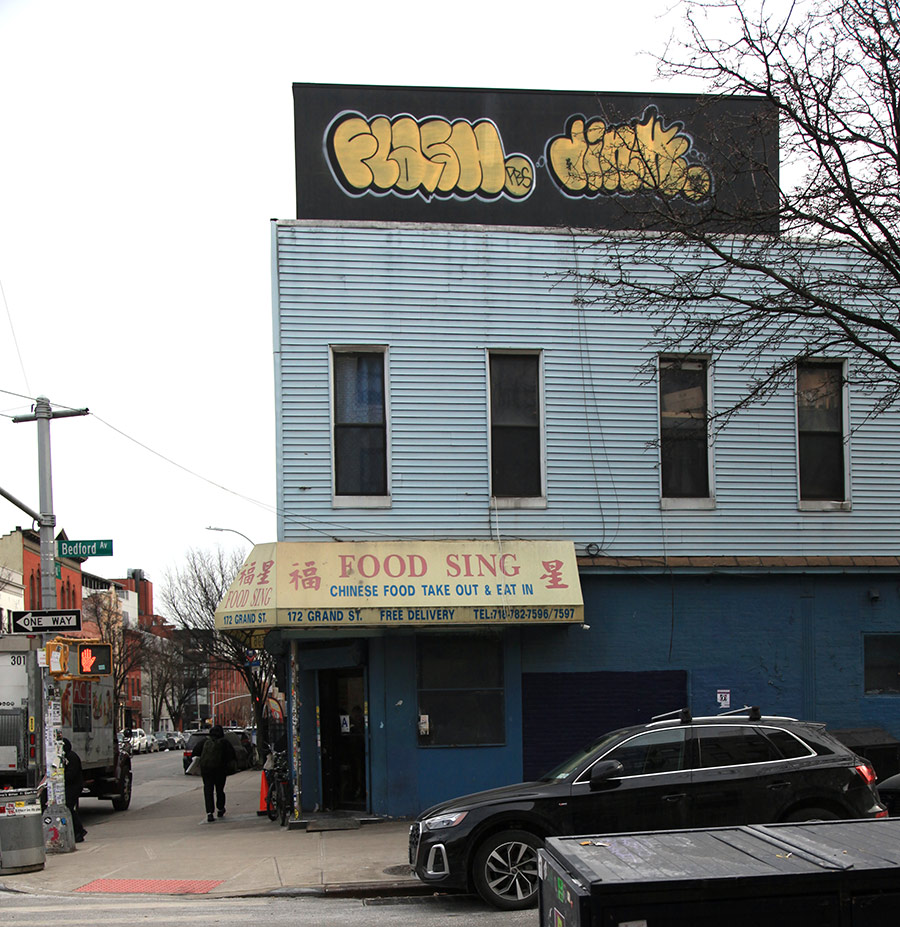
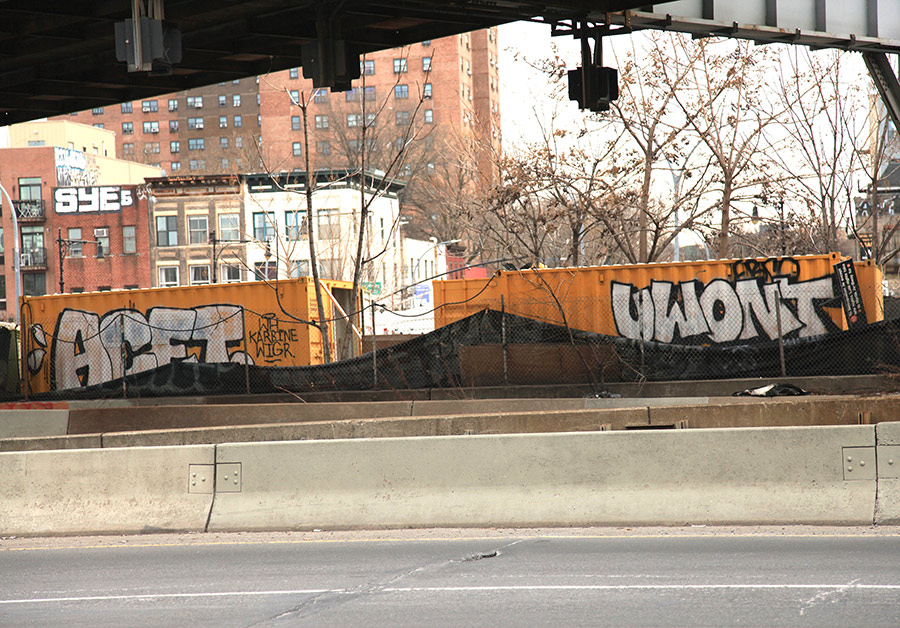
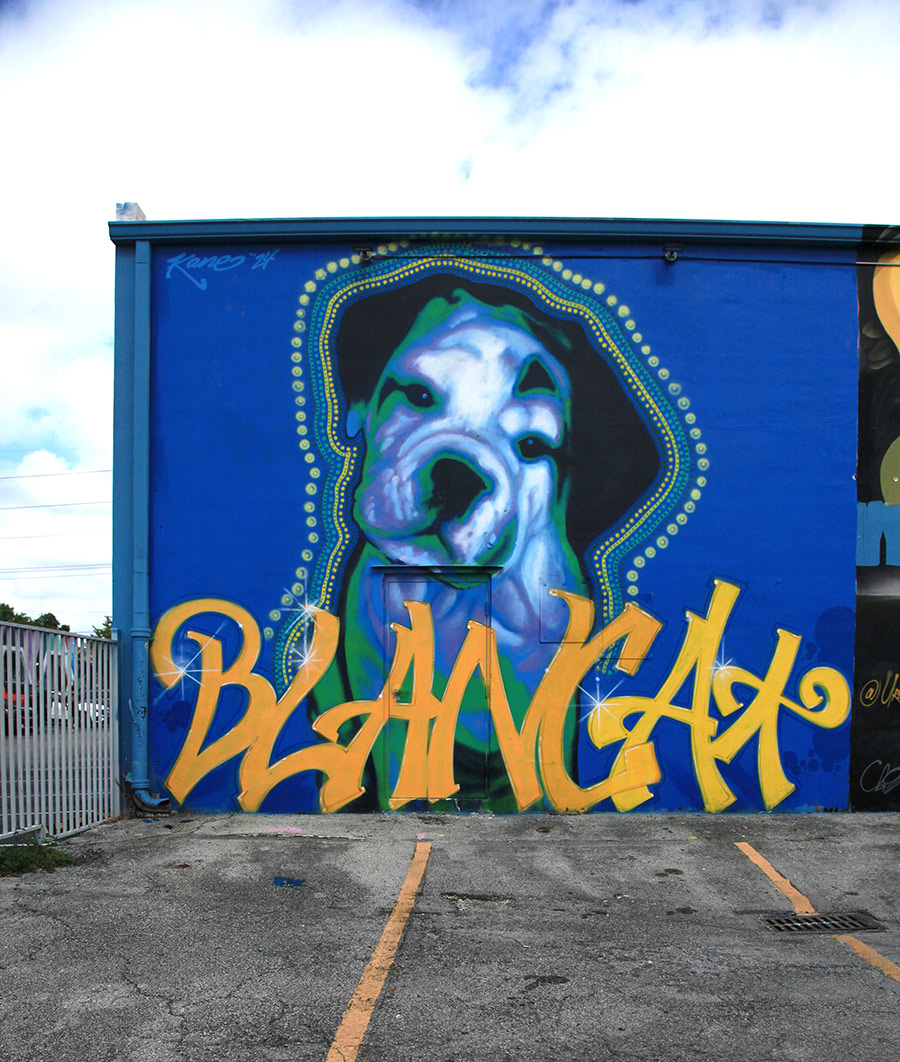
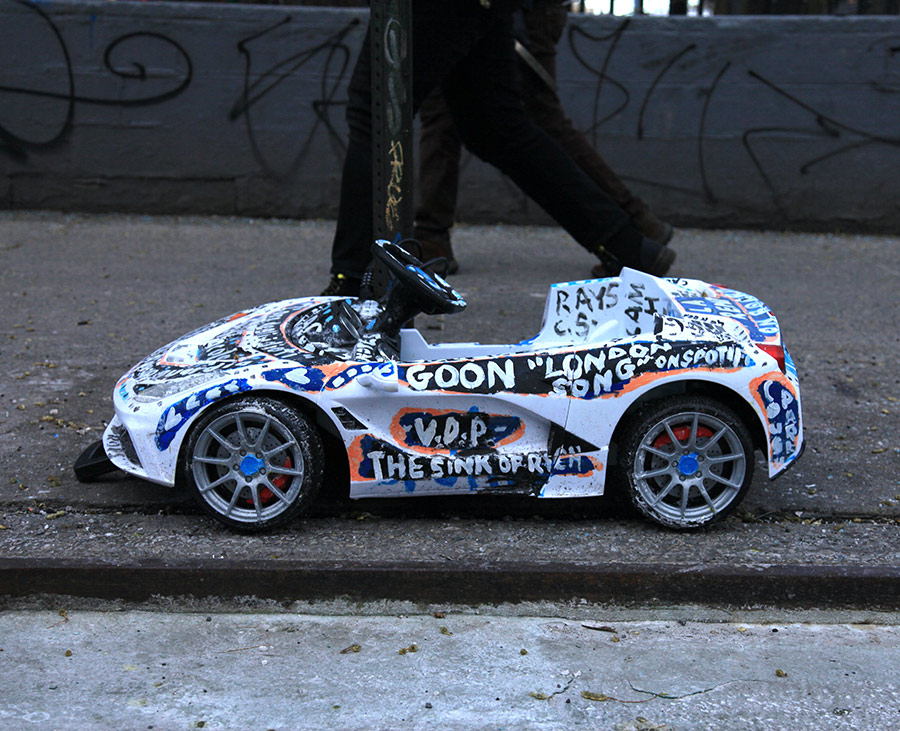
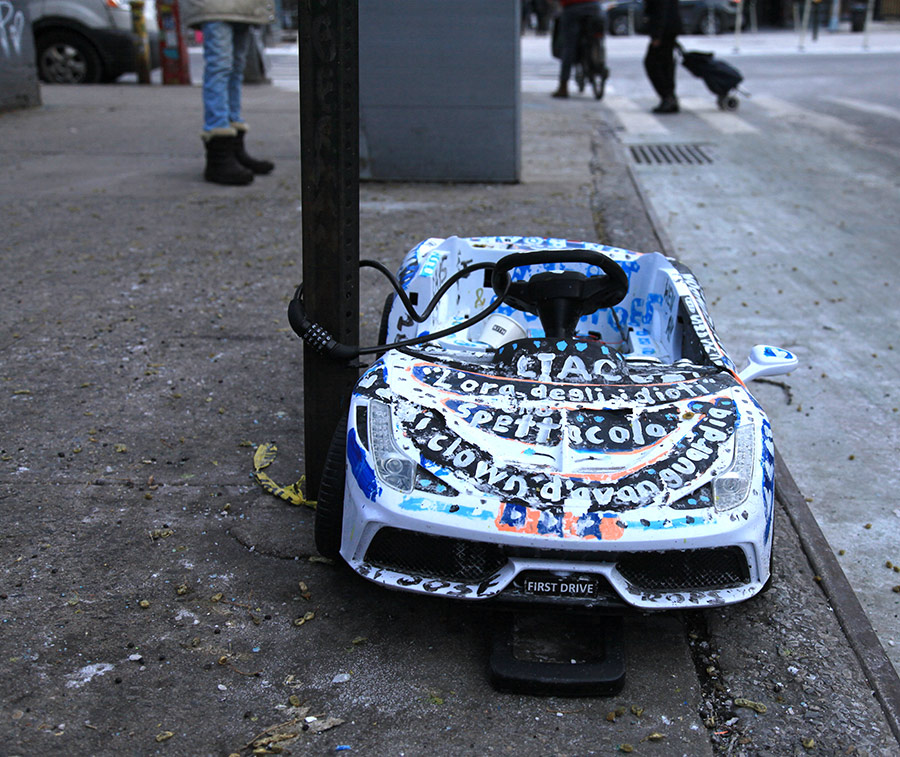
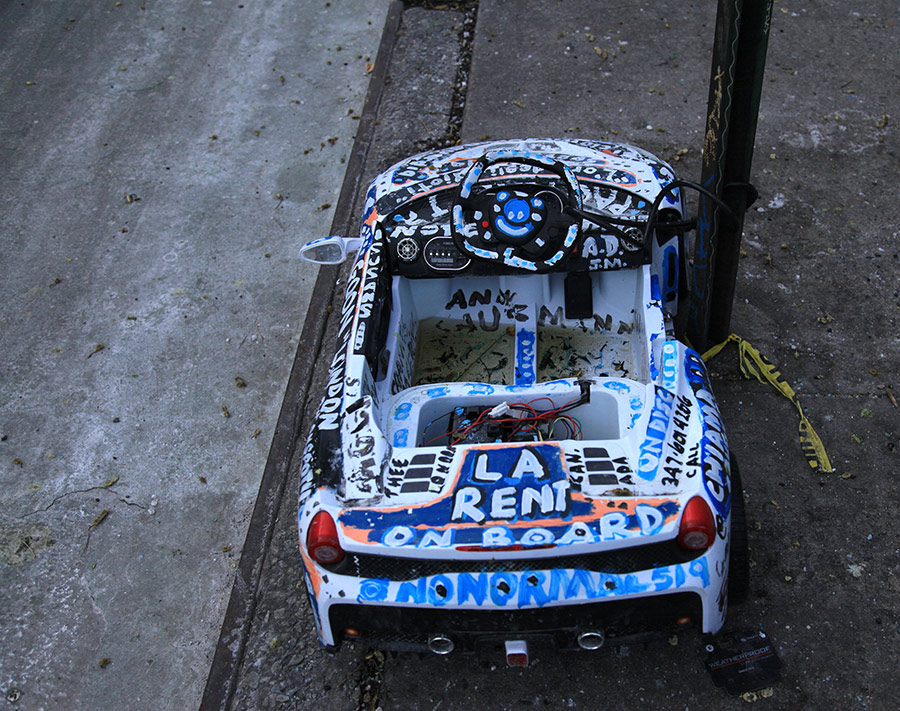
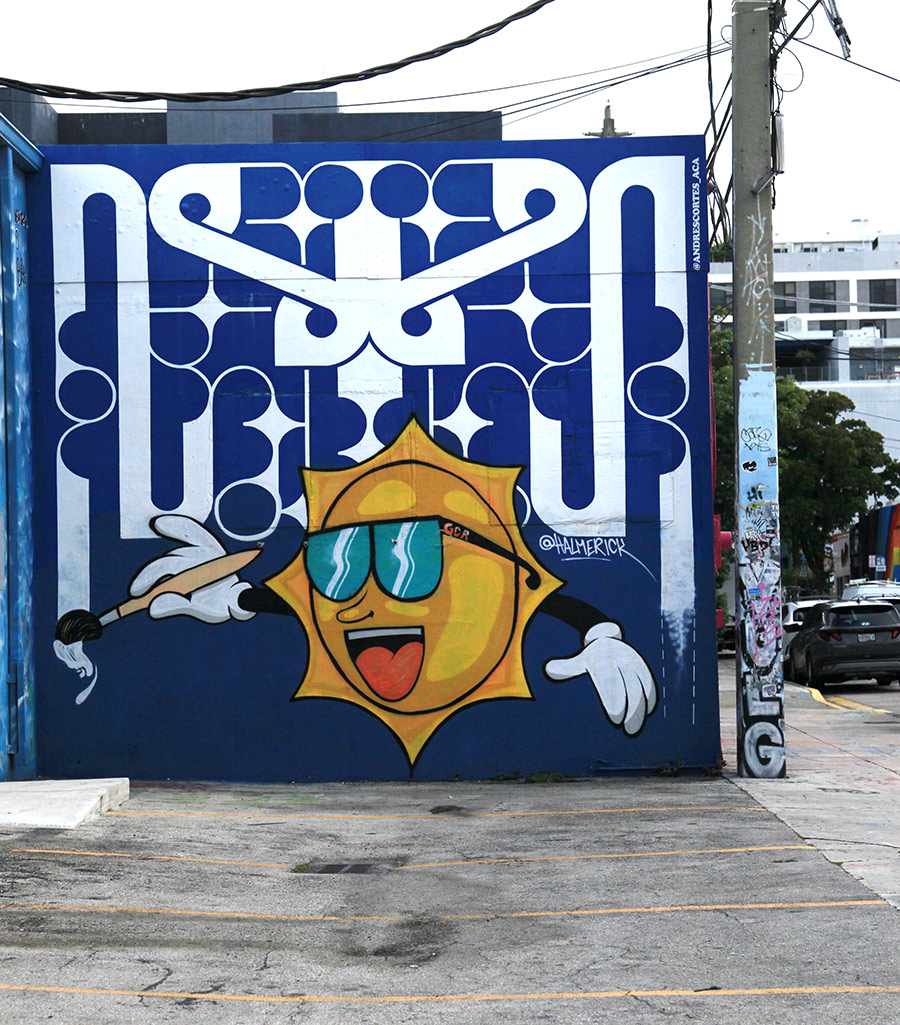
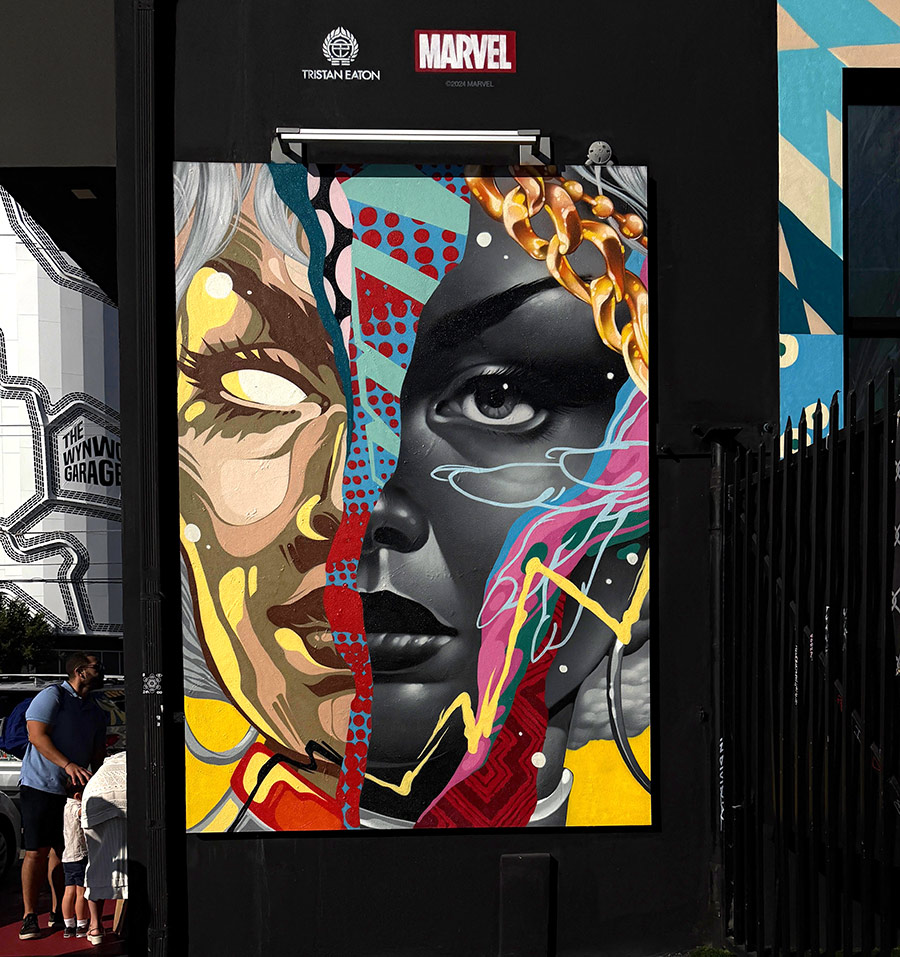
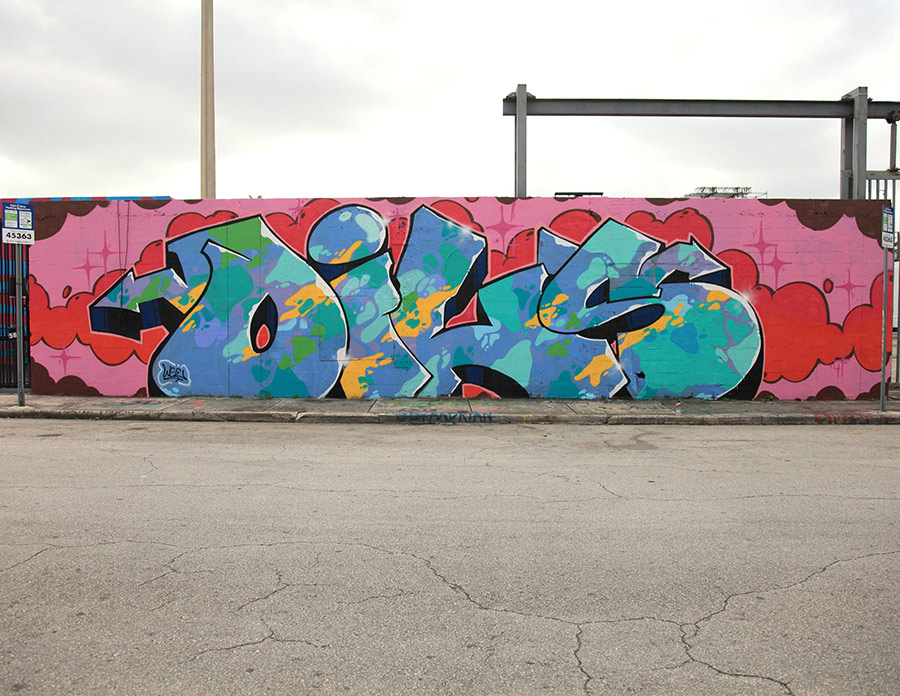
Here’s our weekly interview with the street, this week featuring Acet, Dah Face, DASH, DELUDE, DIKS, DINK, FLASH, Hal Merick, Homesick, Kane, Mike, No Normal, Os Gemeos, Quaker Pirate, Trisan Eaton, Uwont, and Xara Thustra.
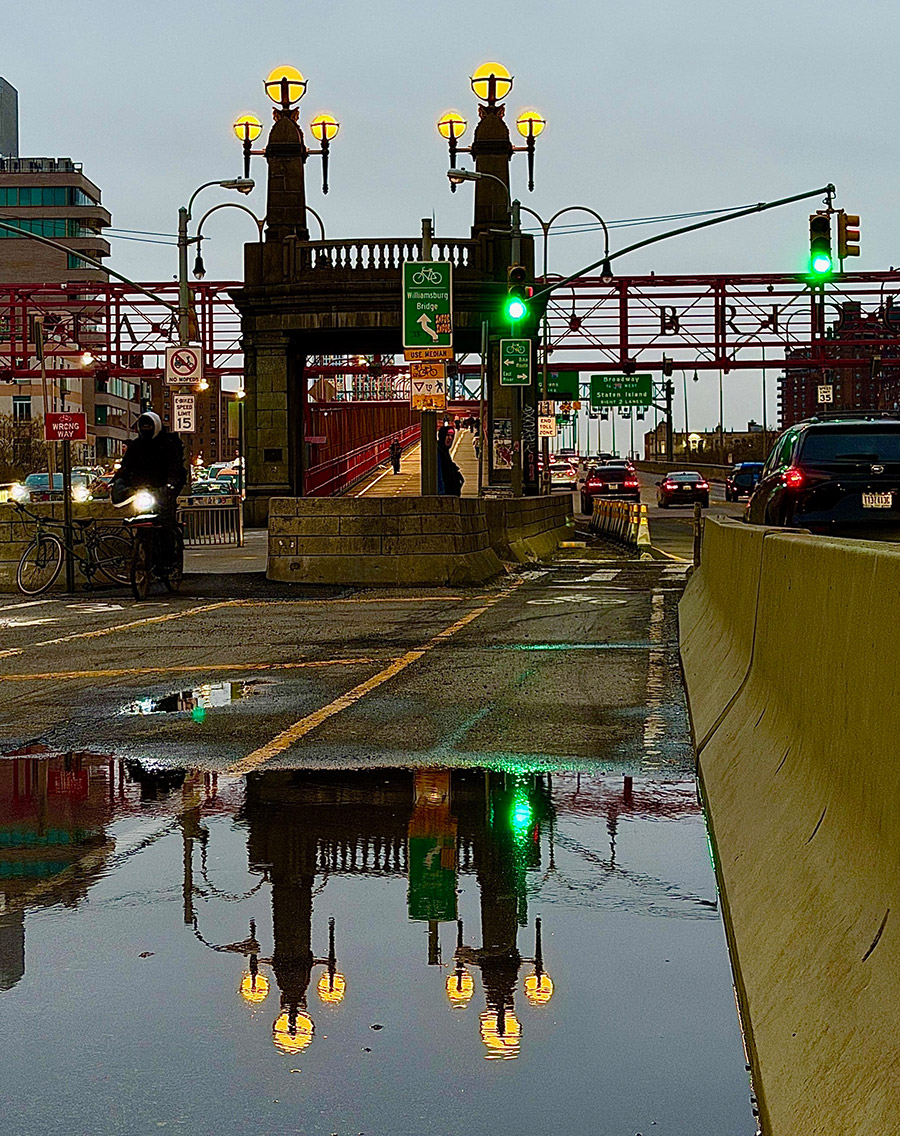
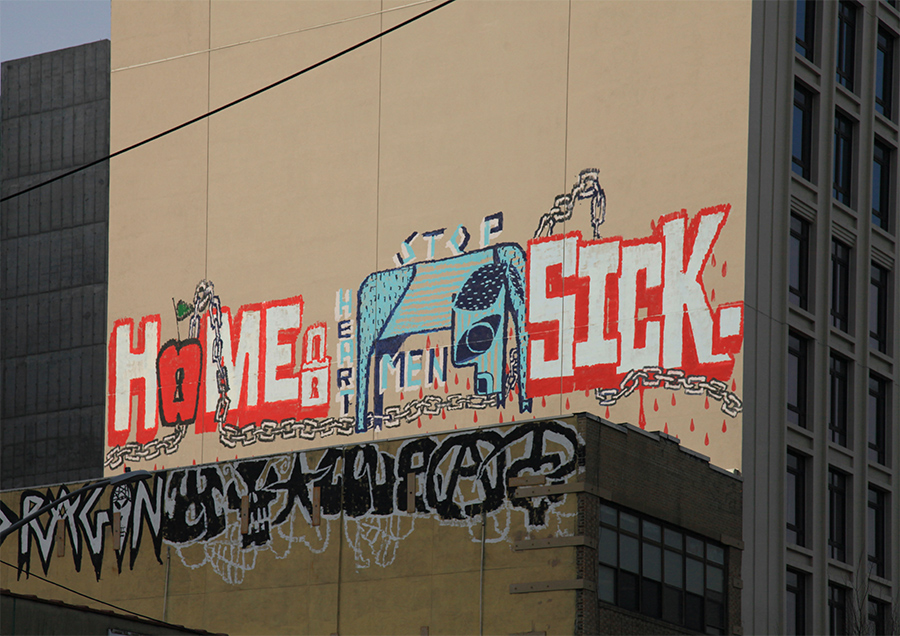
It looks like Xara Thustra is the artist behind the “STOP MEN” installation (sometimes interpreted as part of a larger, ongoing tag) on the Manhattan side of the Williamsburg Bridge. The letters are painted on a high, visible spot on the bridge structure, reportedly over several nights.
At first glance, Stefano Fiorina’s Immagini Puramente Illustrative / Purely Illustrative Images may be a little perplexing. Spread across a …Read More »
 BROOKLYN STREET ART LOVES YOU MORE EVERY DAY