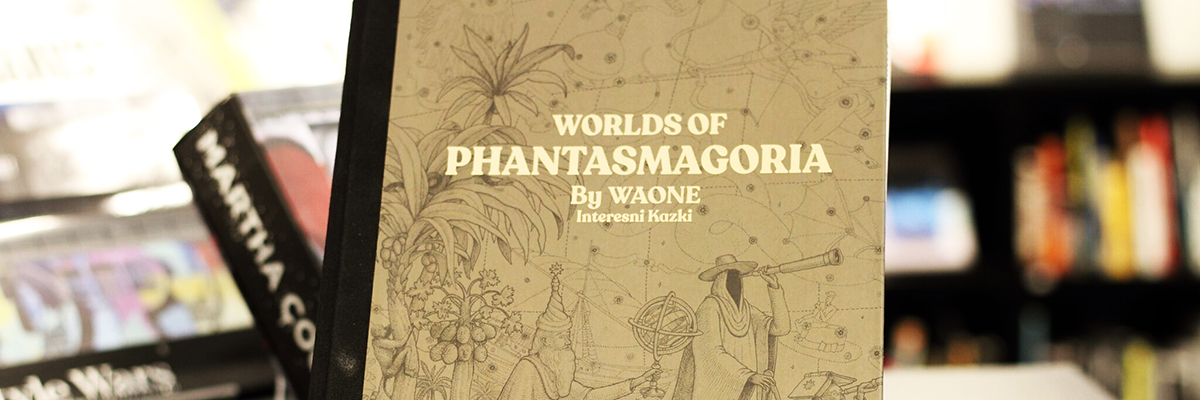
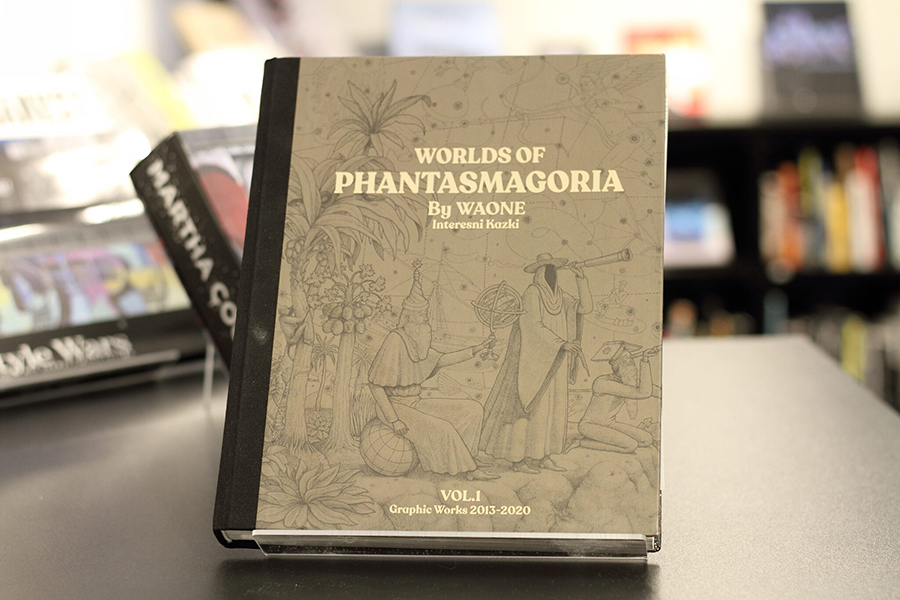
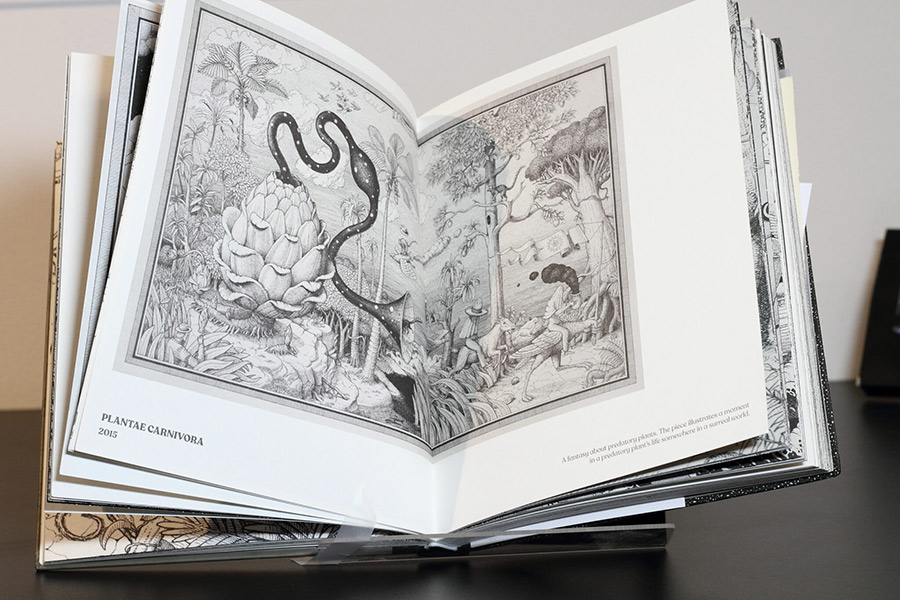
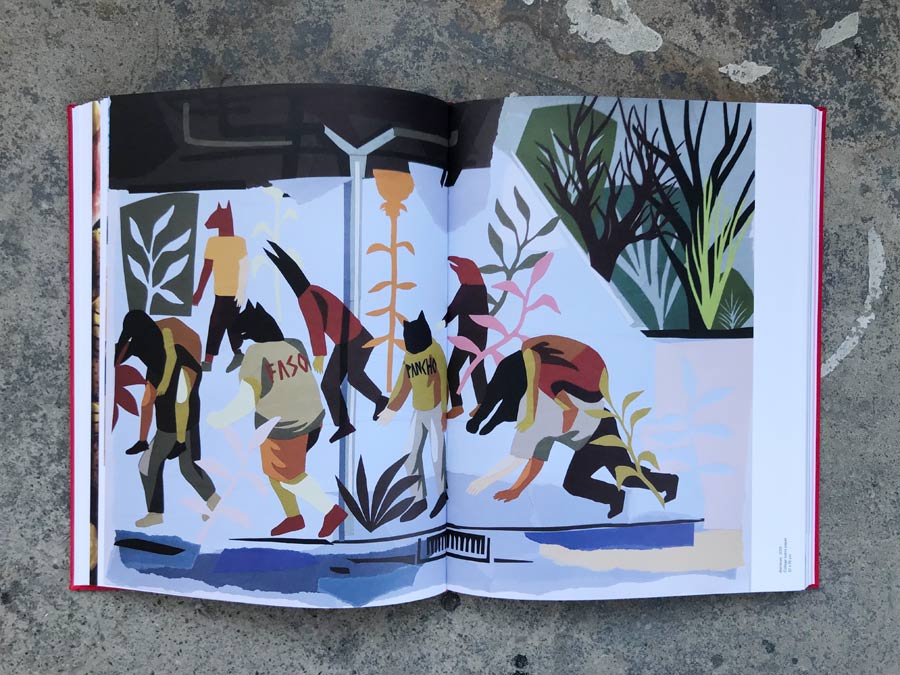
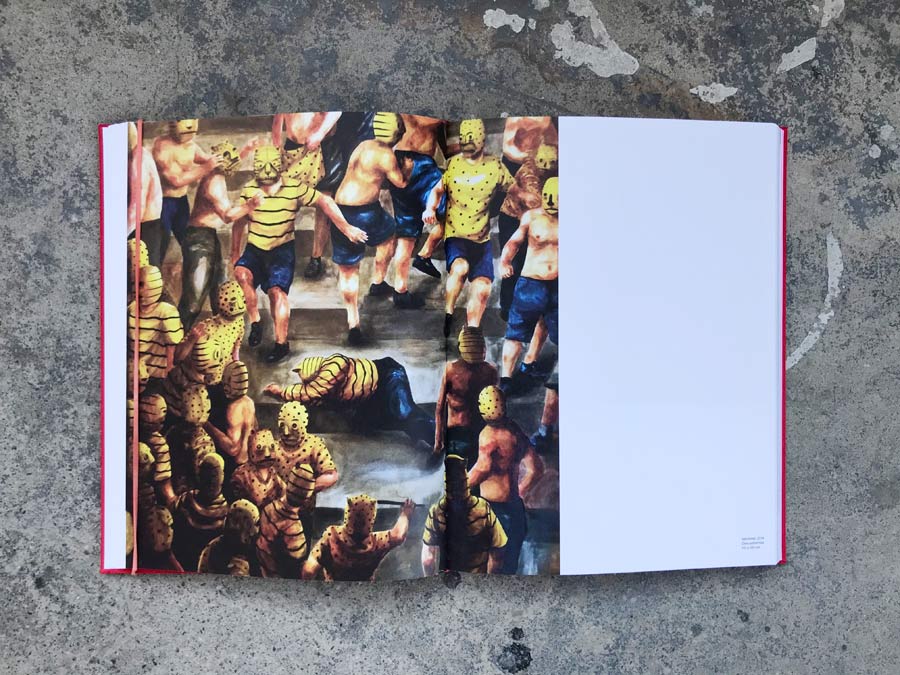
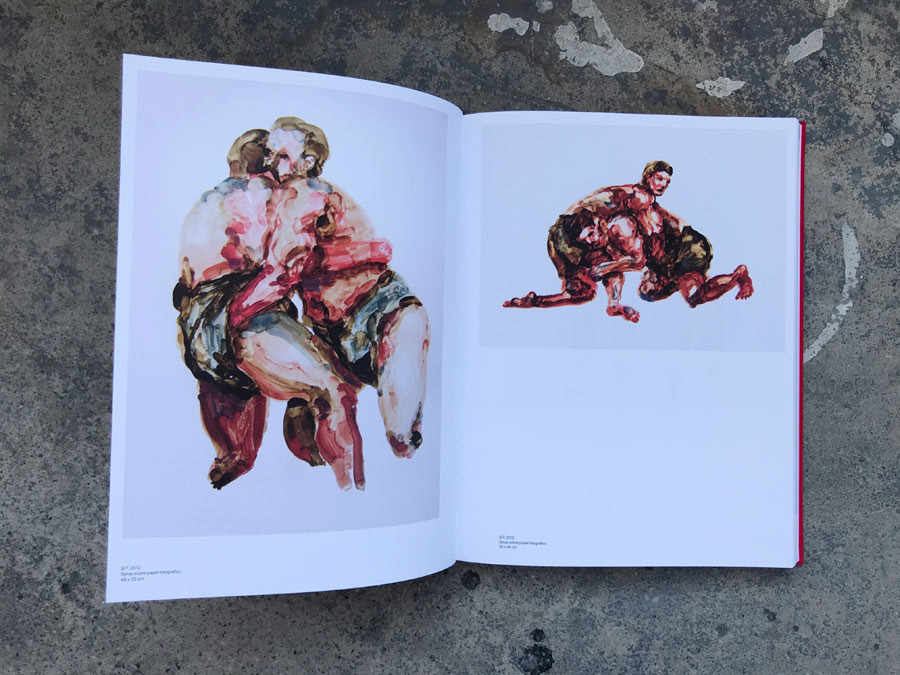
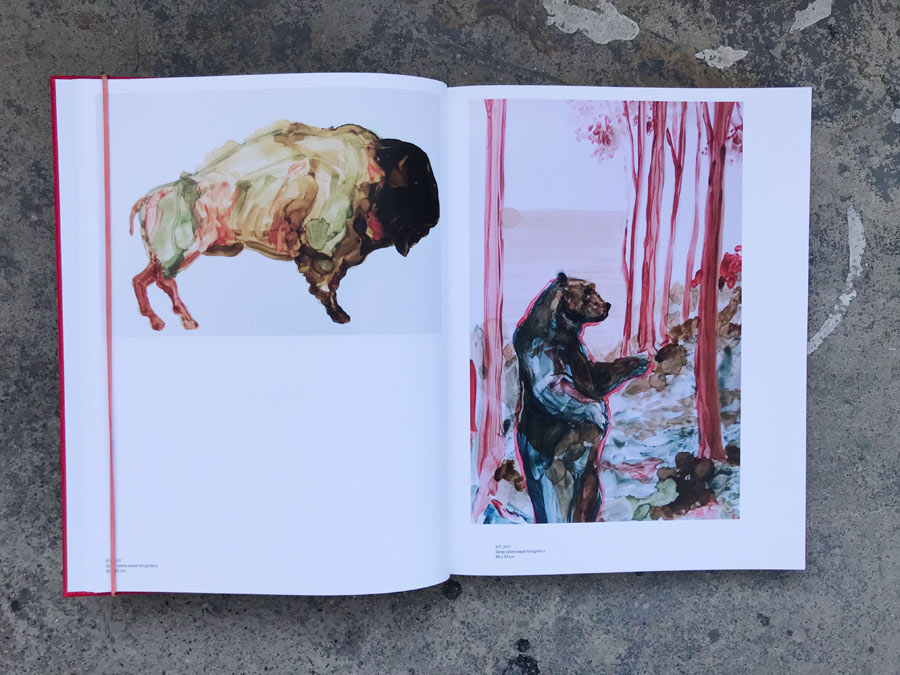
WAONE: Worlds of Phantasmagoria, Vol. 1. Vladimir Manzhos. 2020
Reprinted from the original review.
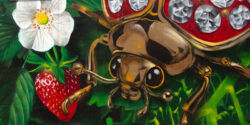
Worlds of Phantasmagoria, Vol. 1 is a comprehensive exploration of the monochromatic works of Ukrainian artist Vladimir Manzhos, known as WAONE. Spanning the years 2013 to 2020, this 208-page hardcover book provides a chronological view of his artistic evolution. It highlights his transition from large-scale, colorful murals in public spaces to intricate black-and-white compositions created in the studio.
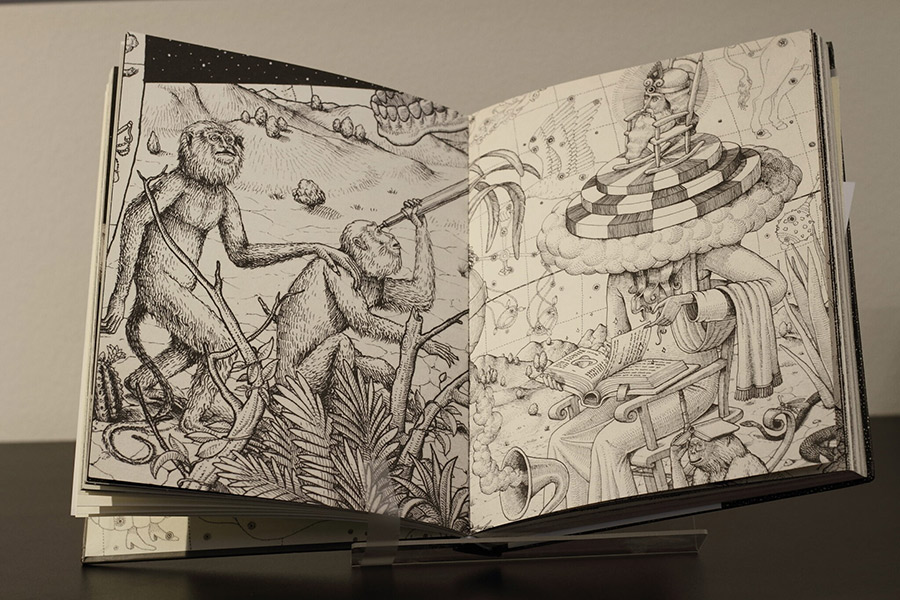
The book features a range of works, including murals, ink drawings, etchings, and lithographs, each accompanied by detailed narratives from the artist. These descriptions provide insight into WAONE’s creative process and the philosophical themes that underpin his work. Drawing inspiration from mythology, folklore, science, and personal introspection, his pieces weave together surreal imagery with symbolic depth.
With the aesthetics of a musty and mythical library, the illustrations open the preconceptions of psychology, offering myriad views through recombining familiar elements into unusual associations. In the process, you travel with Waone as he dedicates himself to this uncolorful view, which is nonetheless rich, if not tinged with a bit of antiseptic horror.
Text Steven P. Harrington & Jaime Rojo Fotos Eveline Wilson
Title: WAONE: Worlds of Phantasmagoria, Vol. 1 Published: WAWE 2020 Author: Vladimir Manzhos (WAONE) Language: English
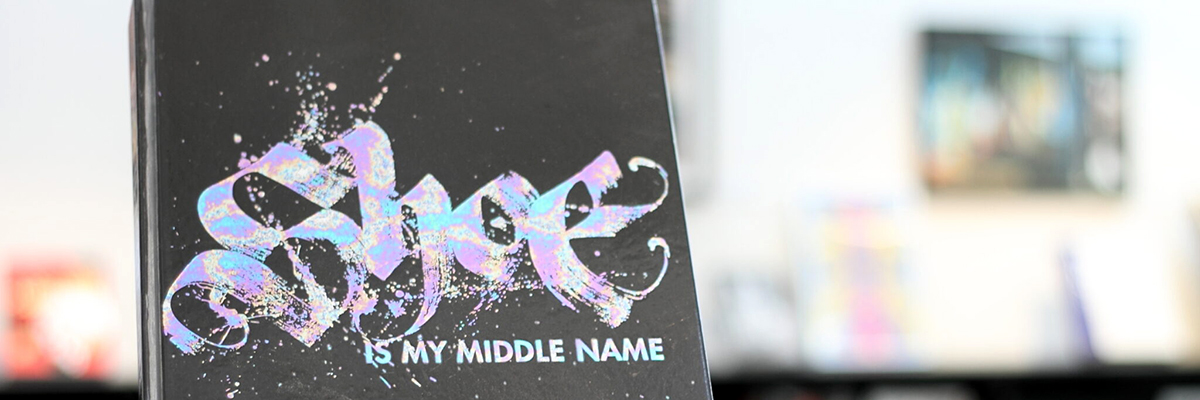
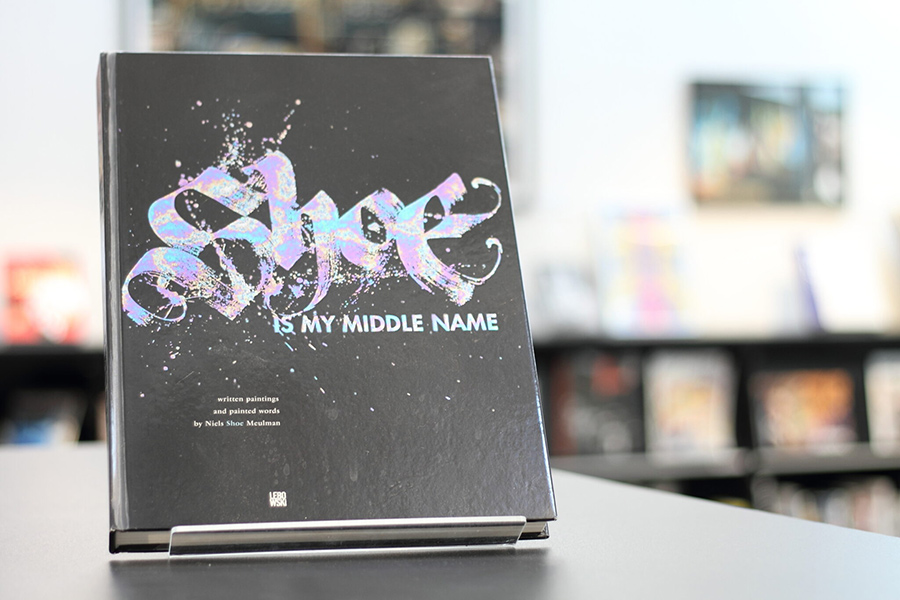
Shoe IS MY MIDDLE NAME. Niels Show Meulman 2016. (photo courtesy of MCL)
Reprinted from the original review by BSA for the Martha Cooper Library.
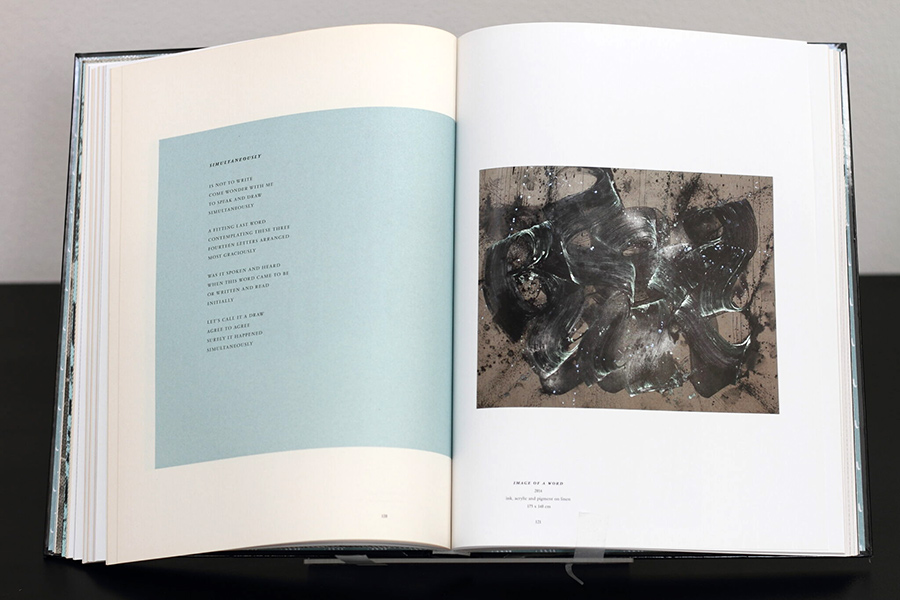
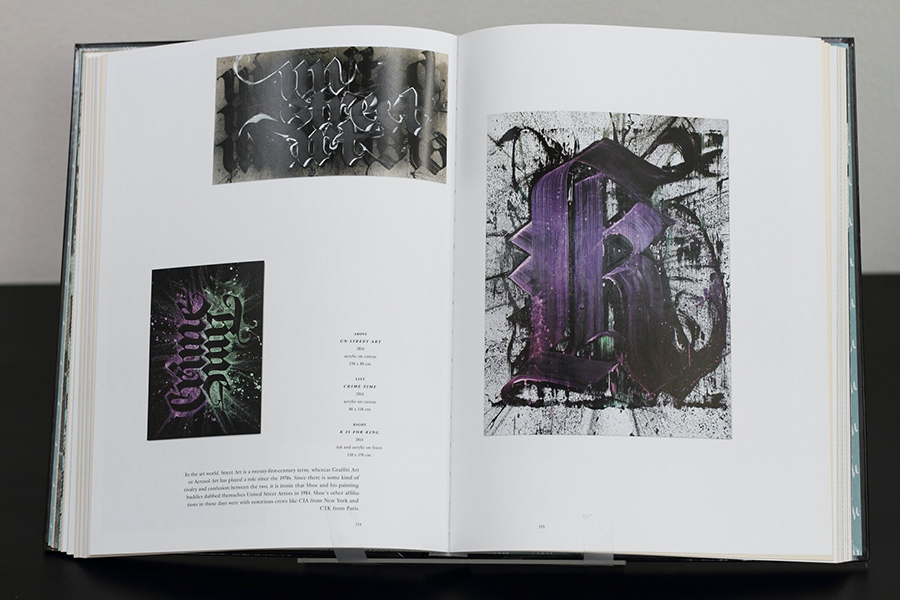
Graffiti writer, calligrapher, painter, typographer—Meulman’s professional identities have long orbited the written mark. “Shoe Is My Middle Name” gathers those decades-deep orbits into one gravitational field, presenting a mid-career survey whose scale and heft match the artist’s sweeping gestures. Photographs of murals, canvases, and poetry scrolls are sequenced chronologically yet feel rhythmic, echoing the repetitive muscle memory that turns letters into pictures.
The early chapters recall a precocious Amsterdam teen who imported New YorkWild-Style back to Europe after meeting Dondi White, while later spreads document how that fluency in urban letterforms morphed into what critics dubbed “calligraffiti.” Ink splashes, broom-wide strokes, and squeegee drags demonstrate Meulman’s commitment to an all-in mark: once pigment meets surface, there are, as he writes, “no half steps.” Quotes, diary fragments, and the full-page poem “A Writer’s Song” punctuate the visuals, anchoring grand abstractions in an autobiographical voice both swaggering and reflective.
Shoe IS MY MIDDLE NAME. Niels Show Meulman 2016. (photo courtesy of MCL)Shoe IS MY MIDDLE NAME. Niels Show Meulman 2016. (photo courtesy of MCL)
Title: Shoe IS MY MIDDLE NAME Published: Lebowski Publishers / Overamstel. Amsterdam, 2016. Author: Niels Shoe Meulman Language: English
Graffiti is a living monument—an act of doing rather than keeping.
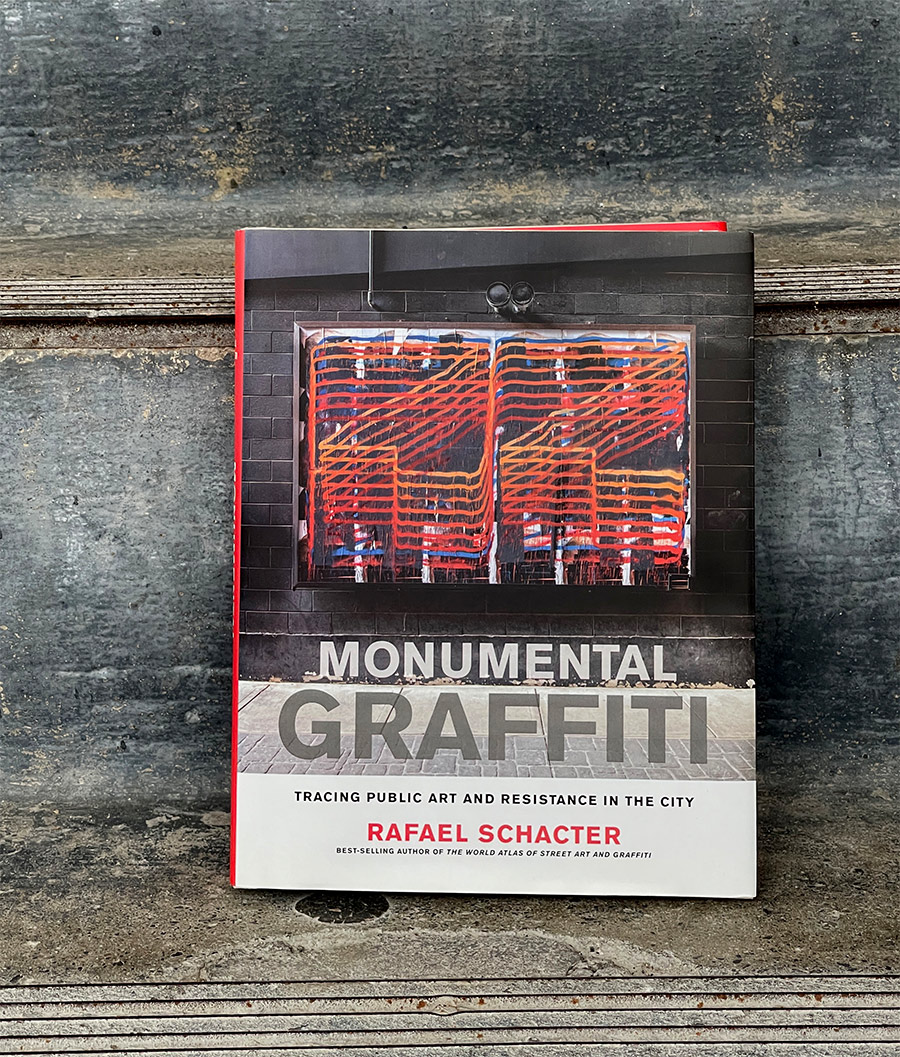
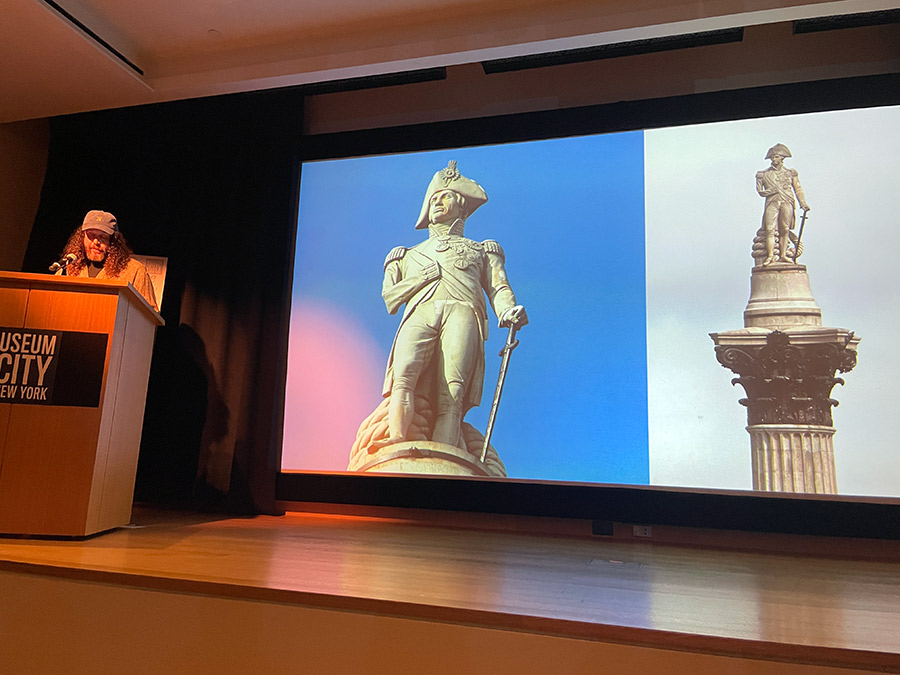
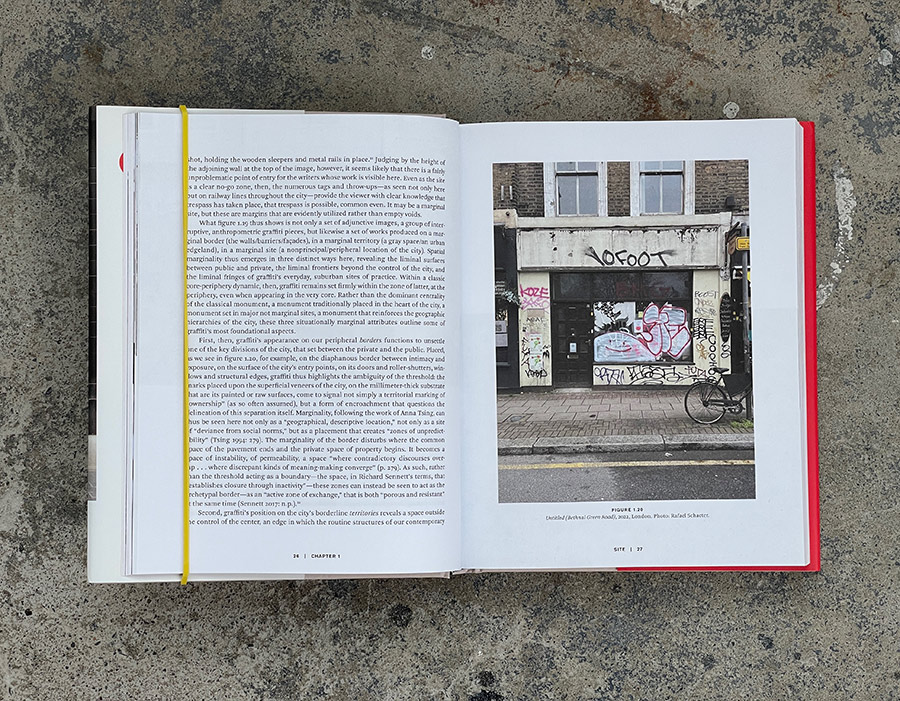
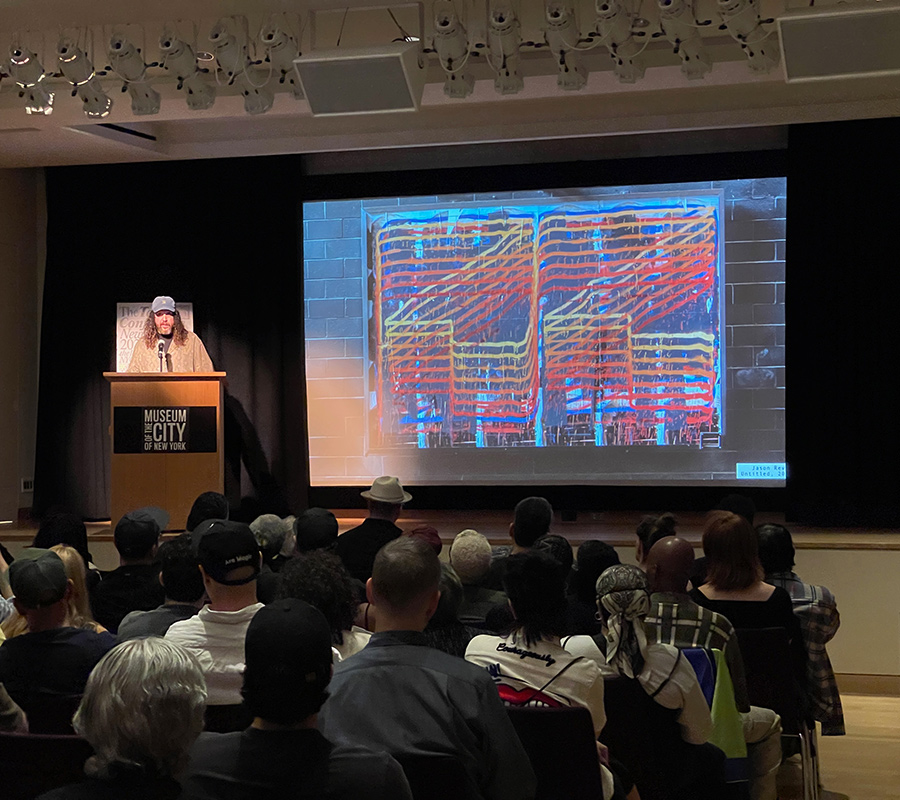
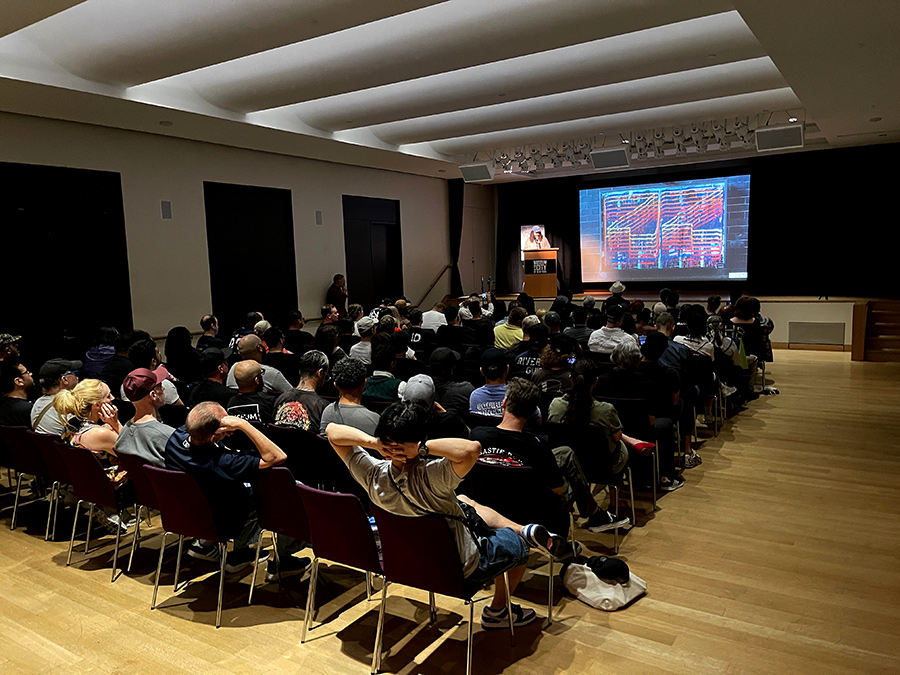
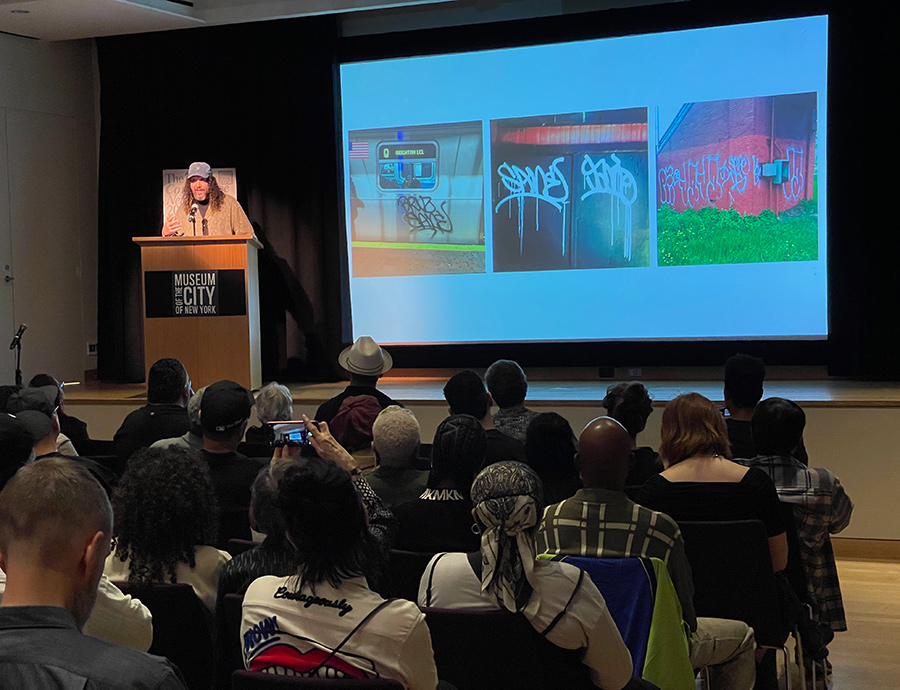
Rafael Schacter has been offering an alternative to institutional monumentality in his latest book Monumental Graffiti (2024). He buttressed his alternative view during his keynote speech for the New York 2025 Tag Conference (BSA is a sponsor). To a packed audience at the Museum of the City of New York, Schacter talked about a monumentality that is grounded in community, embodiment and the acceptance of transience as truth.
Rafael Schacter. Monumental Graffiti. Tracing Public Art and Resistance in The City. MIT Press. 2024
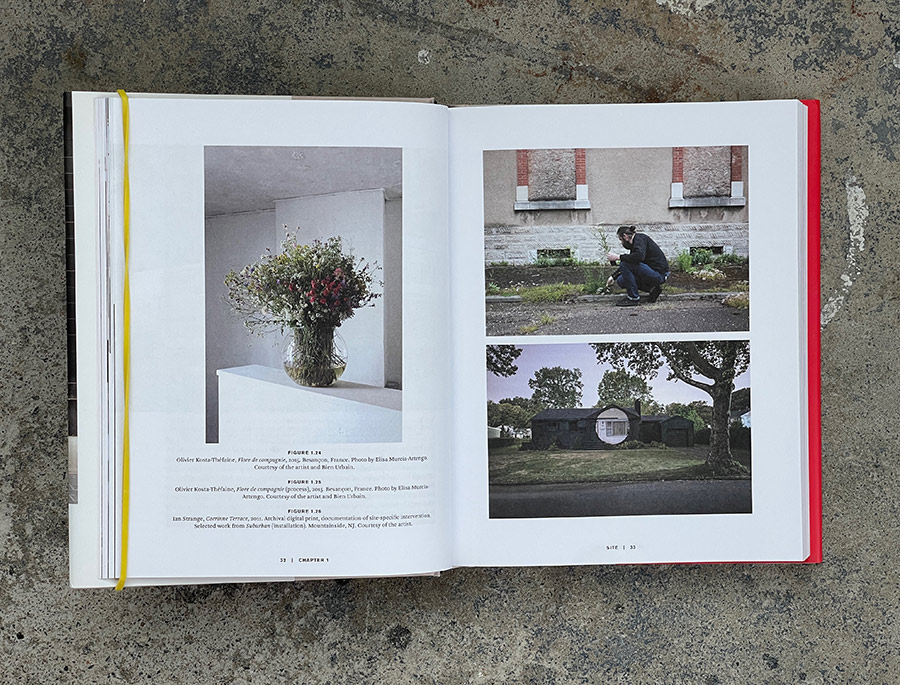
In his talk and his book, the London-based art historian argues that monuments and graffiti can illuminate each other: monuments don’t need to be grand or permanent, but can be understood—as their Latin root monere suggests—as acts that remind, advise, or warn. Drawing on counter-monuments and non-Western traditions, he would like to redefine monuments as socially and emotionally engaging public artifacts that may be ephemeral, community-driven, and conceptually monumental rather than physically imposing.
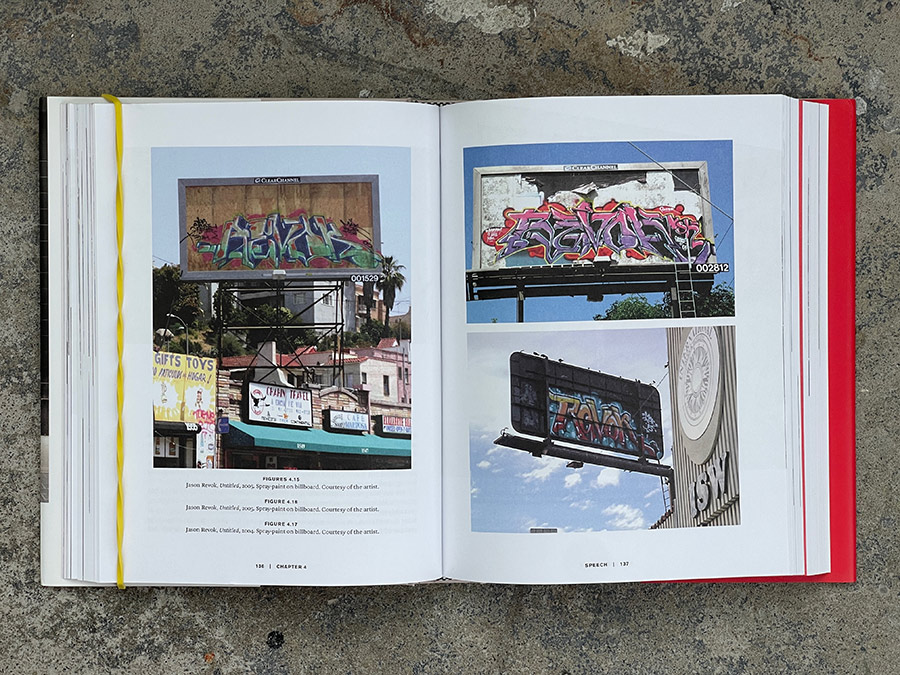
Using images and examples from streets around the world, Schacter, who is also the author of The World Atlas of Street Art and Graffiti, furthers his vision by exploring how graffiti can itself be a monumental form, demanding public attention and reframing both graffiti and monuments as cultural acts that mark and speak socially. He then examined memorial practices within graffiti culture, where community-created walls and tributes function as grassroots monuments that commemorate loss and address social issues.
A curator and theorist of urban art, Schacter expands on this, distinguishing between spraycan memorials—visible, collective, and community-respected—and memorial tags, which he describes as intimate, cryptic gestures of remembrance shared within the subculture. Schacter contrasts these living practices with the illusion of permanence accorded institutional monuments, showing how graffiti’s embrace of impermanence subverts traditional ideas of stability and authority. Finally, through his discussions of memory through disappearance and the memorial tag as embodied memory, he proposed that graffiti’s transience itself becomes a vessel for remembrance, where memory endures not in material form, but in repeated acts of writing, risk, and presence.
We asked Schacter about the nature of monuments in graffiti and street art—whether an illegal wall piece can ever transcend vandalism, what happens when a tag vanishes, who decides what deserves to be remembered, and whether a true monument is built from the ground up or imposed from above.
BSA:If graffiti can be a monument, what happens to the idea of permanence? You describe monuments as “reminders, warnings, and advice” rather than fixed objects. For people used to thinking of monuments something of bronze, stone, or concrete, how could one reconcile the beauty of graffiti’s impermanence with our instinctive desire to preserve something that we value?
Rafael Schacter: Great question! So many points I could spend hours unpacking! But, to keep myself focused, the key thing to note here is that preservation is by no means only related to permanence; i.e., the relationship between remembering and forgetting on the one hand and presence and absence on the other, is really not so straightforward:
Is it not true that things that are ever-present are often the most easy to forget?
In many cultures outside the West, for example, destruction is something that is core to techniques of commemoration – the heat of destruction burning memory into mind. And in cities crammed with institutional monuments, with thousands of bronze men on horseback, is it not the case that they often seem to, in fact, provoke amnesia!
Is it not a fact that things that become absent are often the most intensely memorable?
I totally agree that graffiti’s impermanence can be beautiful (often physically so, in terms of the way it degrades and becomes part of its surroundings), but more than just beautiful, its disappearance can lead to a heightened sense of memory; let alone push the focus towards the beauty of practice and performance and not just the beauty of the final image itself.
BSA:Who decides what’s worthy of being a monument? Normally it is the decision of institutions or governments, but this new path suggests others may decide what is worthy of monumentalizing. A monument created bottom up or top down – which is a truer monument, or is that a silly question?
RS: Ha! Not silly at all! I’m currently in the middle of teaching my lecture course on public art, and this is a critical part of what we’re discussing. So yes, in most of our cities, this is in fact a legal question – in England, for example, there is what is termed the Schedule of Monuments, a list defining and delimiting what appears under this term, and there is specific legislation surrounding what happens if an artefact is within the list. But, as you say, monuments – monuments as public artefacts or inscriptions that remind, advise, or warn us – come not just from the State but so too from the grassroots. Sometimes these non-state monuments can become formally sanctioned, but whether they do or not, they can be incredibly powerful forms that exist far beyond the necessity or even visibility of officialdom. Which form is ‘truer’ or more ‘authentic’ is always context specific, however.
But all I personally know is that I can be moved more by a spontaneous shrine than by an institutional memorial, by the handwritten note attached to a bouquet of flowers laid by the side of a monument than I could be by the monument in itself! More than anything I just want to move us away from only seeing these permanent, stoney, neo-classical public sculptures as monuments, and in fact see the way monuments can exist through diverse materials and in diverse locations outside of the confines of officialdom.
BSA:If a tag disappears, does the monument die—or does it live in memory? Certainly its disappearance and decay impacts its ability to have lasting impact.
RS: How do we remember things? Do we remember from looking at them? And how do we look at them? Do we look differently when we know something is not going to last? But what about not just looking! Can we remember things through a set of gestures? Through a movement? Through a dance? Can we remember something via lighting a candle that we know will burn out?
When things disappear, memory can often burn even brighter – the presence of absence often being more powerful than physical presence itself. So yes! Disappearance effects visibility, the ability to be co-present with an image, but the image can live on both in the person that made that image as much as in those who saw it, and saw it knowing it would at some point disappear!
BSA:Does a city full of graffiti become a city full of monuments? If we take the argument to heart, then every wall might hold a kind of public archive or memorial. Is a monument made by a vandal illegally still vandalism, or should it be honored and preserved for posterity?
RS:First, YES – when I say graffiti is a monument I mean that literally not metaphorically, and so absolutely yes, the walls of our cities are a constantly transforming archive that holds immense amount of information and history. Whether we term this vandalism or not actually makes no difference. (But is it not the overbearing monuments of the city that are themselves vandalism, themselves the destruction and the blight that damages our cities – I mean, I can think of plenty of examples of large-scale public art that are total degradations of our public sphere). Yet that doesn’t mean I think graffiti should be preserved, absolutely not. Preservation, as I talk about in the book in terms of examples of indigenous material culture, can often itself be destructive. If you preserve something, freezing that thing in time, you can often be more likely to forget what it represents than if you let it naturally degrade. Preservation, then, can be destructive, and destruction preservative!
BSA: Graffiti has turned up in unexpected corners of sacred buildings — scratched into the walls of Christian churches, carved into stone lintels of synagogues. They may be names, coats of arms, or a portrait of the parish cat. When you think about these quiet, unauthorized marks across different faiths, how might your idea of graffiti as a kind of monument apply to them?
RS: I love the idea of what you term ‘quiet’ here. Because often it is the smallest, most marginal, minor forms of graffiti that can be the most powerful. Yes, big graffiti is GREAT, and often very overtly monumental (I’m thinking of the incredible work of RAMS MSK at the moment for example). But smaller marks can be monumental in their effect too, a tiny tag at the edge of a wall containing as much style as a massive masterpiece. So yes, monument is not simply about size. Bigger is not necessarily better. And sometimes it’s the smallest marks that cut the deepest!
Rafael Schacter. Monumental Graffiti. Tracing Public Art And Resistance in The City. The MIT Press. Massachusetts Institute of Thechnology. 2024. USA.
Over the last two decades of covering the street art movement and its many tributaries, one of the deepest satisfactions has been watching artists take real risks, learn in public, and mature—treating “greatness” as a path rather than a finish line. Working at BSA, we’ve interviewed, observed, and collaborated with scores of artists, authors, curators, institutions, and academics; it’s been a privilege to see where they go next.
Addison Karl. KULLI. A Natural Spring of Artwork, Sculpture, Painting, Drawing, Public Art, and Inspiration. Self-published. Monee, IL. 2024.
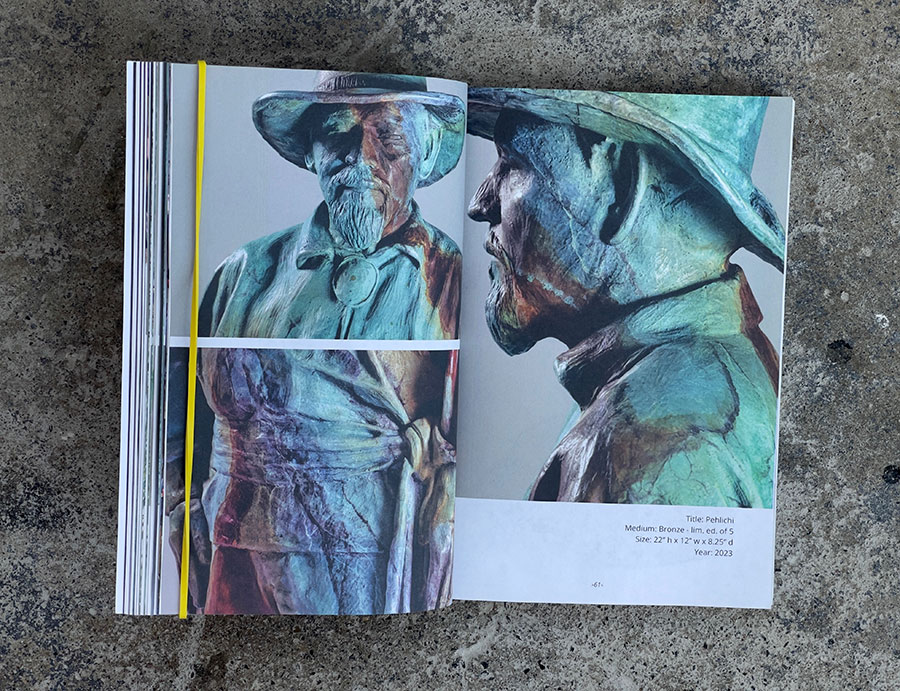
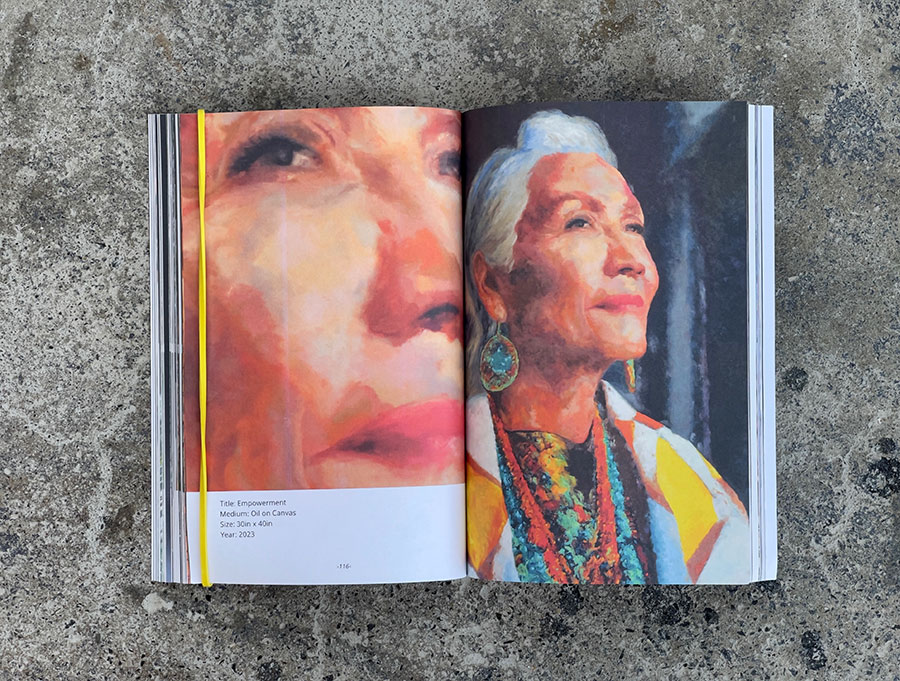
Addison Karl’s self-published 2024 monograph, “KULLI: A Natural Spring of Artwork, Sculpture, Painting, Drawing, Public Art, and Inspiration,” reads as a first-person chronicle from an artist who moved from the wall to the plaza to the foundry without losing the intimacy of drawing. Dedicated to his son—whose name titles the book—KULLI threads words, process images, and finished works across media: murals, cast-metal and glass sculptures, drawings, and studio paintings, all guided by a sensibility that treats color and material as vessels for memory and place.
Trusted observers have mapped this evolution in plain terms. WALL\THERAPY once summarized Karl’s arc “from blank slate, to paper, to mural, to installation, to unoccupied public space,” a concise description of how a drawing-led street practice broadened into public art and beyond. The book situates headline projects within that trajectory: “In Service,” his 2019 McPherson Square Metro mural in Washington, DC—roughly 64 feet along aluminum panels—honors veterans, showing how a hand-drawn hatch can scale to civic form. In Atlanta, the cast-iron BeltLine sculpture Itti’ kapochcha to’li’ (“little brother of war”) roots contemporary public space in Chickasaw story and material logic.
Along the way, BSA documented Karl’s shift into sculpture and his view that public work demands accountability: “It makes you really understand the world in a really different way – of how you take responsibility for what you are doing.” Read together, these frames make KULLI a ledger of experiments—how a printmaker’s line climbed buildings, then solidified into bronze and glass—developed over more than a decade of international projects, including the opening of URBAN NATION in Berlin.
Crucially, the book lets Karl define his own stakes. “Each canvas is not just a painting; it’s a mirror reflecting the viewer’s own inner world,” he writes—an artist’s statement that clarifies why the outdoor work invites dialogue rather than spectacle. Biographical notes reinforce the point: Denver-born, Phoenix-raised, of Chickasaw and Choctaw descent, Karl’s foundation in printmaking underpins his cross-disciplinary approach; his patinas deliberately recall turquoise, and his public commissions translate personal narrative into shared space. Read KULLI as a record of that translation—how a drawing-based street practice consolidated a public voice and expanded into sculpture without losing the hand, the story, or the invitation to look harder.
Addison Karl. KULLI. A Natural Spring of Artwork, Sculpture, Painting, Drawing, Public Art, and Inspiration. Self-published. Monee, IL. 2024.
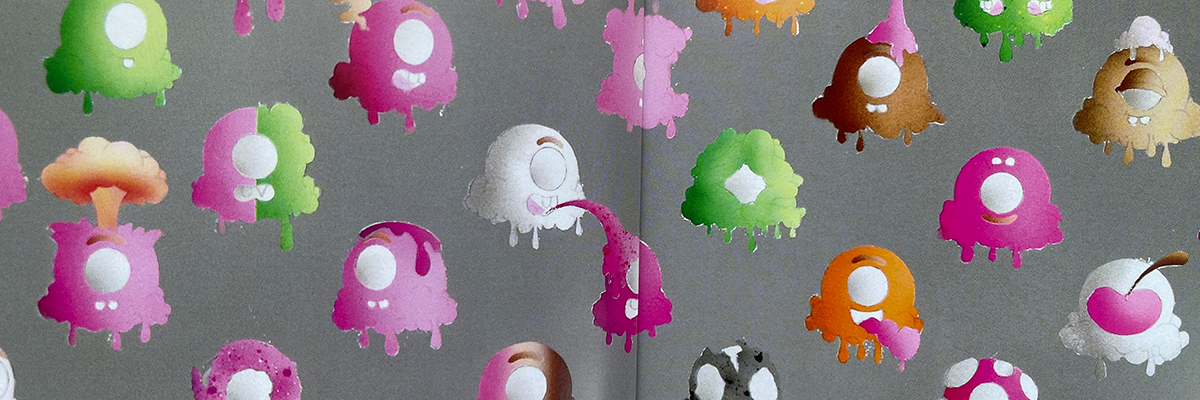
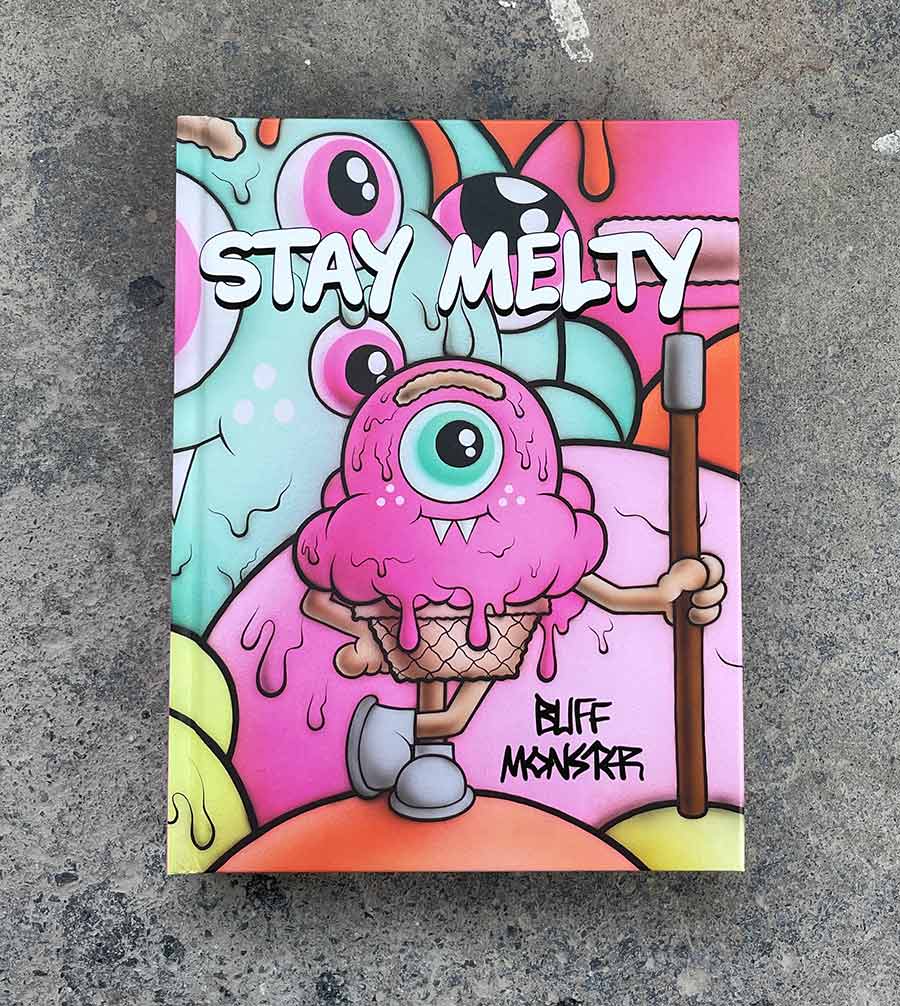
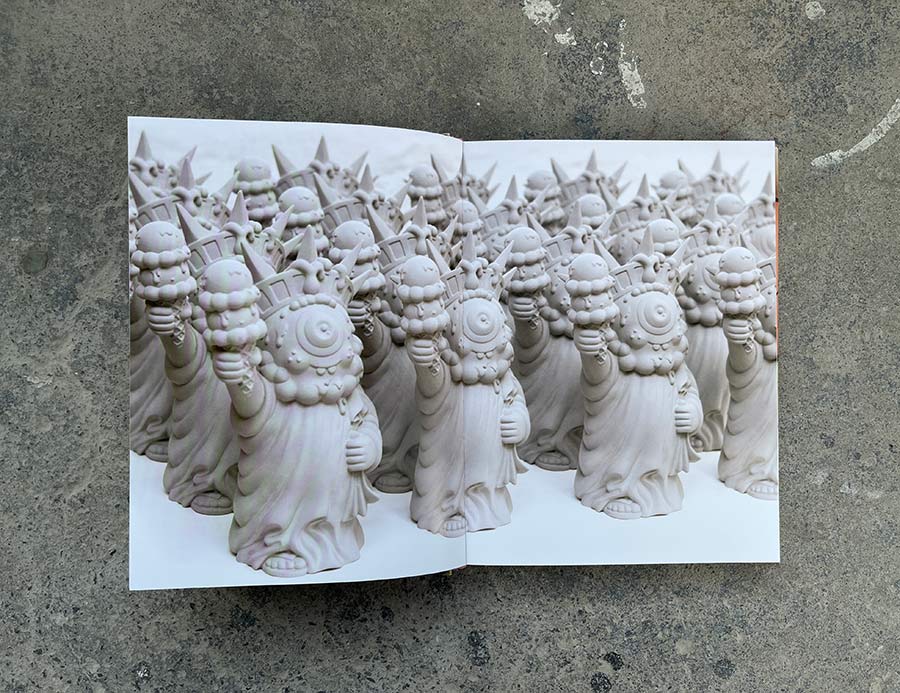
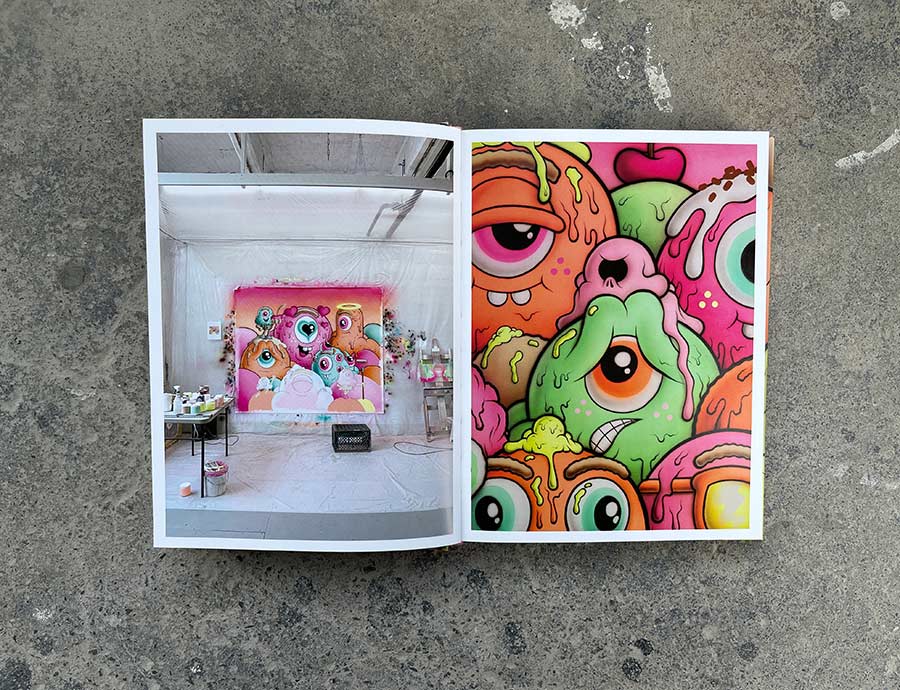
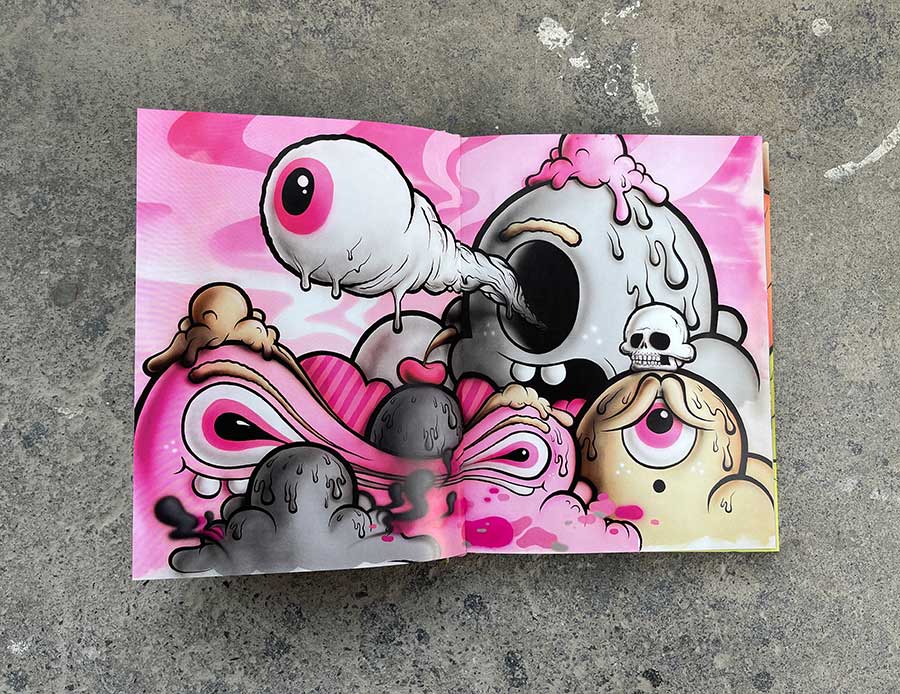
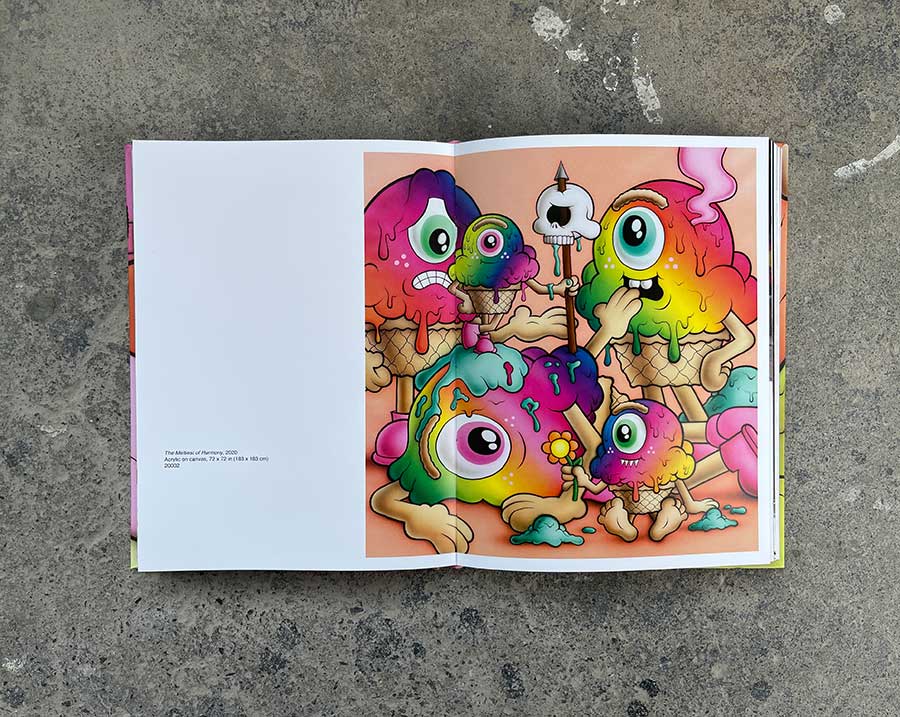
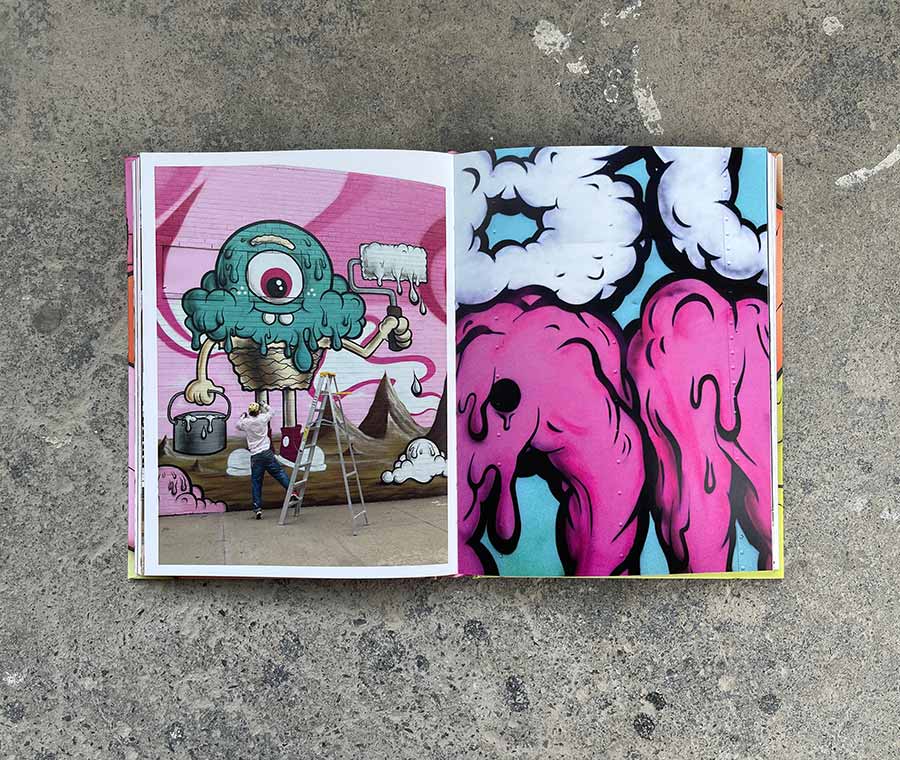
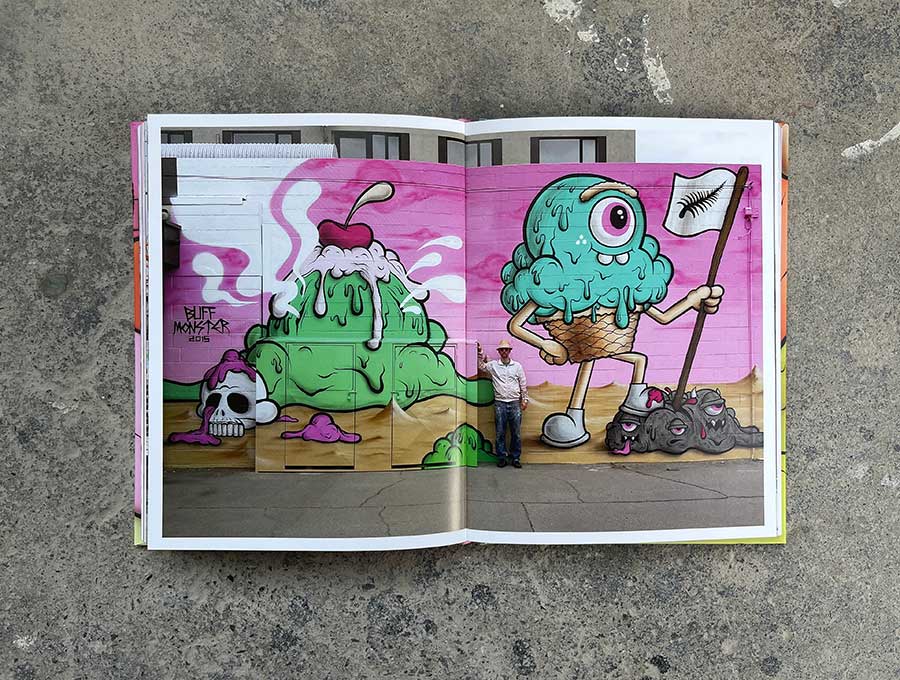
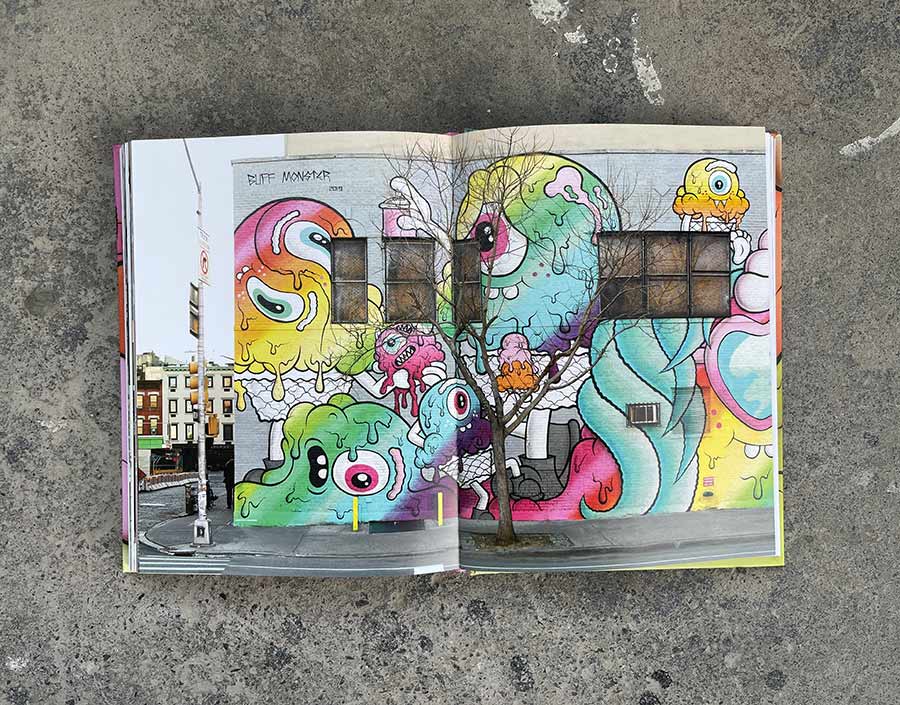
An updated version of his initial “Stay Melty” collection a half dozen years ago, street artist Buff Monster expands and shares with you more of his studio production, paintings, sculptures, murals and ever growing industry of collectibles in this photo book, a candy-coated volume of eccentricities that capture this moment in an artists’ evolution.
Carlo McCormick’s original text perseveres here as well, most possibly because it still captures so much of the dedicated madness that is Buff, afloat upon the detritus that demarcates our late capitalism era in dirty old New York. McCormick sagely comments on Buff’s take on “a realm of magical thinking in contemporary visual culture where a very few rare artists like Buff Monster can invoke alternate realities as palpably believable and emotionally transformative.”
You can see it in his American roots; Hawaii, Los Angeles, NYC – somehow you think he may be in Japan someday as well. For those who look upon this sweetened world full of comedic episodes as perhaps smooth sailing, the author shares a hint of the scene from behind the curtain.
“All the long and tiring days in the studio are worth it when I see the imagery resonate with a growing number of supporters. I’m fully committed to my work, often sacrificing other areas of my life in pursuit of creating the best expressions of these ideas. In spite of all the frustrations and setbacks, I’m still the same optimistic guy from Hawaii, driven to make colorful, honest and uplifting work and share it with the world.”
Taking a decade long view of your creative life can be astoundingly instructional if you are brave enough; perusing over the body of work that you have taken with eyes focused and blurred may reveal broad outlines and finer features of a creative life-path – a psychological mapping of the inner world and its outer expression with all its impulses, longings, expressions of received truths and newly discovered wisdom.
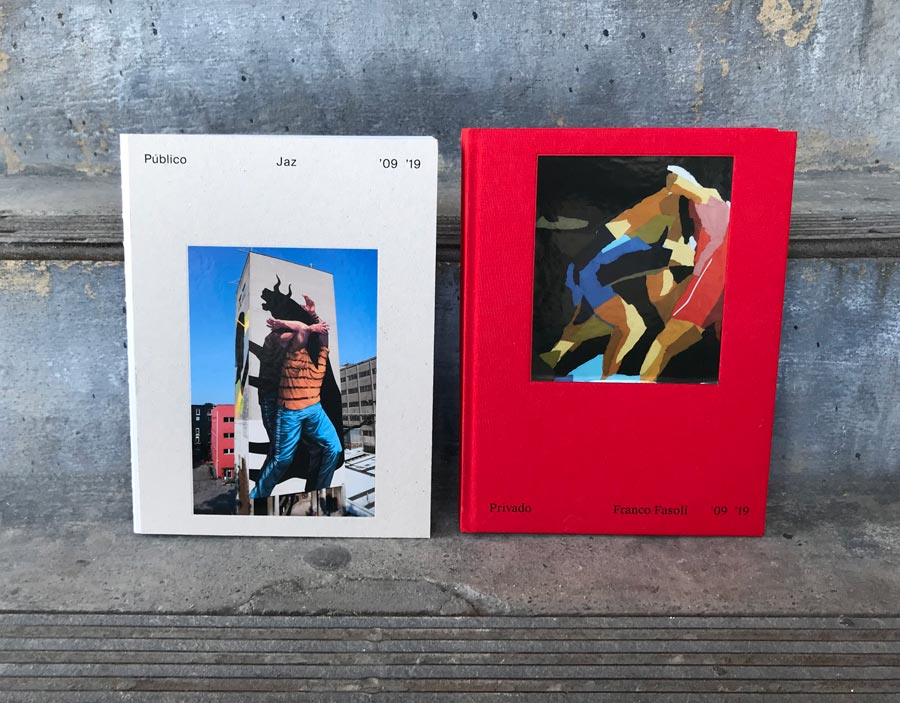
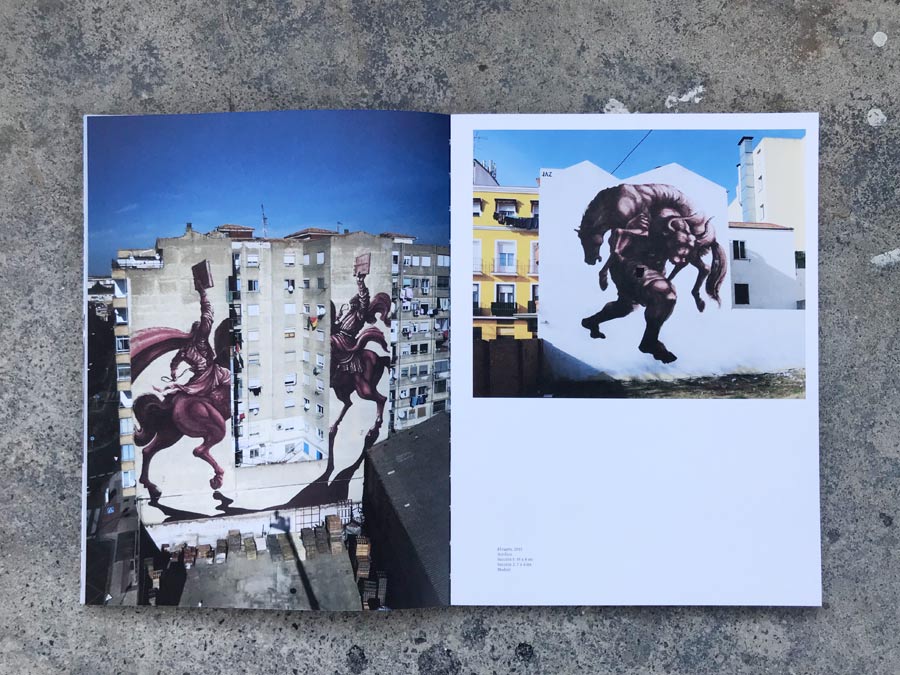
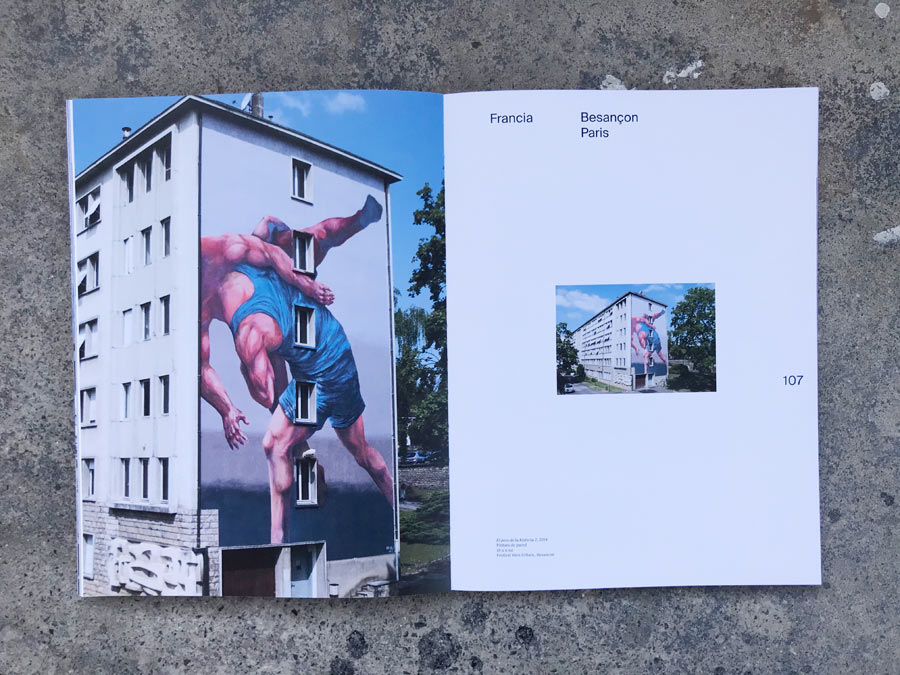
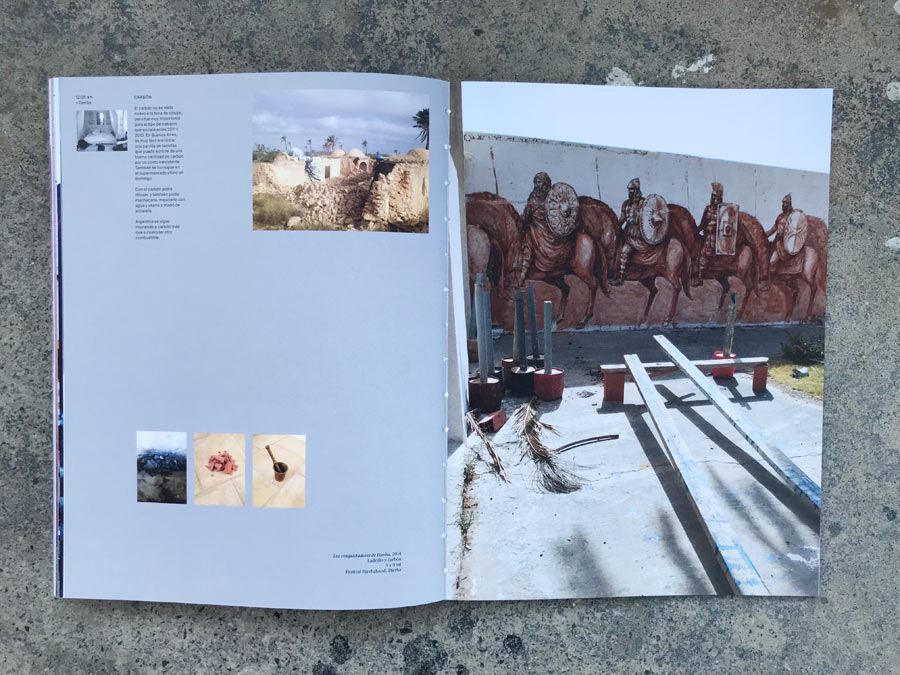
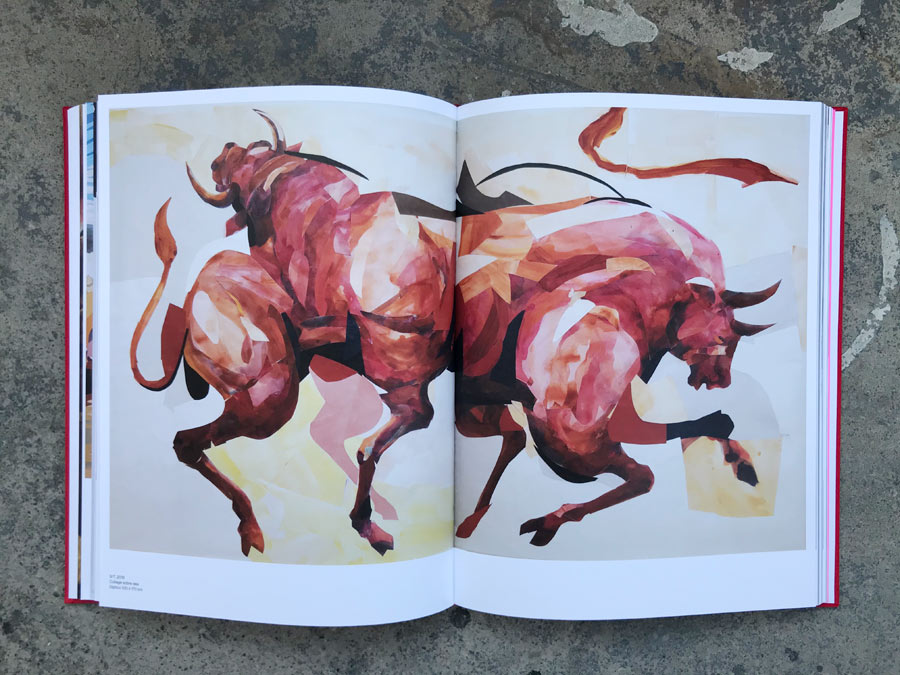
Publico. Privado. Jaz Franco Fasoli. 09-2019
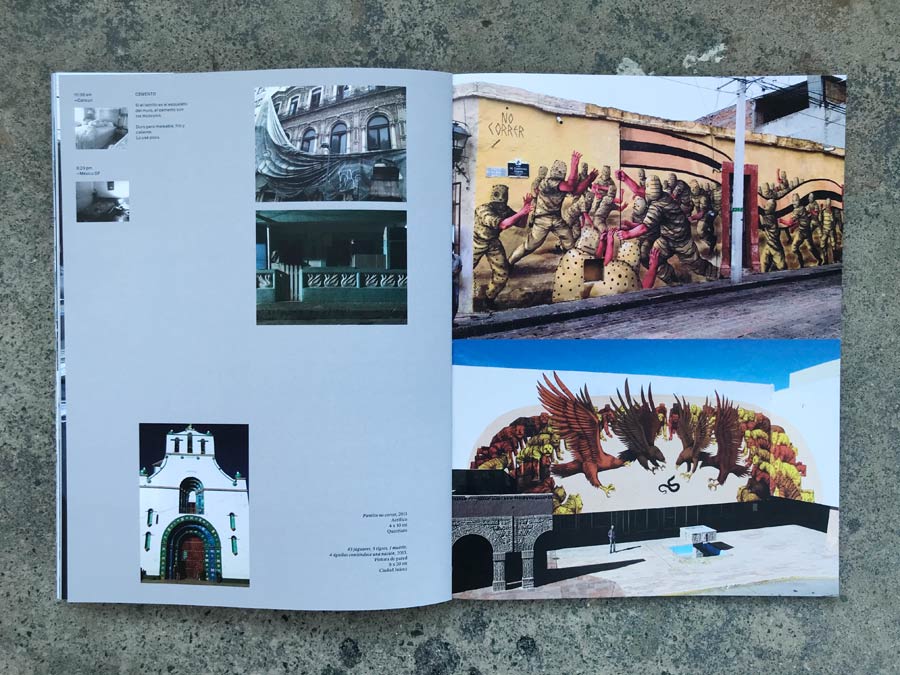
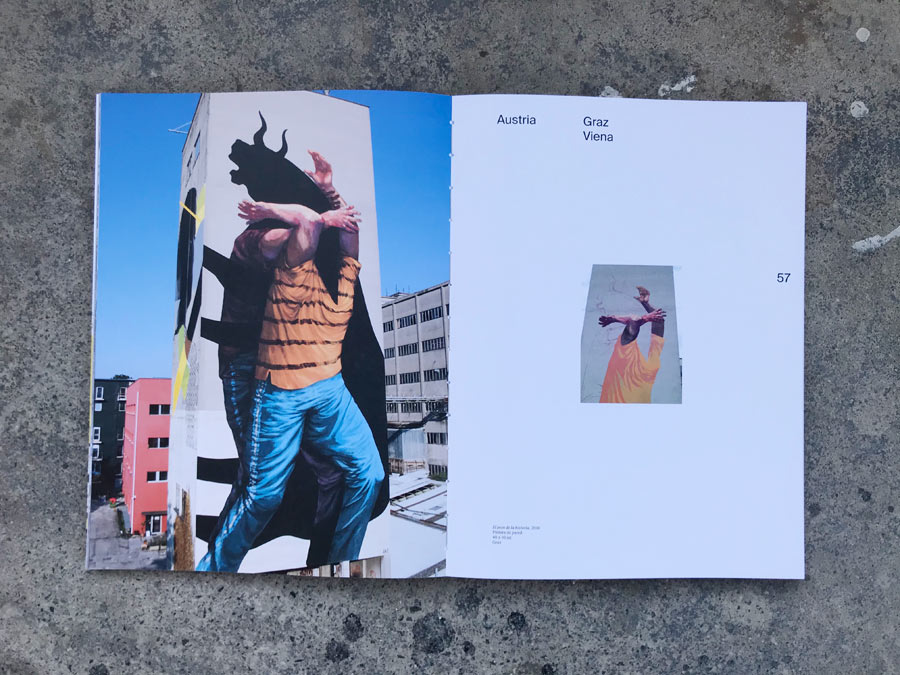
Franco Fasoli aka JAZ has looked over his last decade (2009-2019) of work as a street artist and fine artist and offers you the opportunity to examine his public and private side as well in this new two-volume compendium. Painting on the streets since the mid-nineties and his mid-teens in his hometown of Buenos Aires, the visual artist knew his path would be a creative one. His family and role models, comprised of well-schooled artists and educators, had provided a foundation of critique and appreciation for him to build upon from the earliest years.
Now with many miles of travel on his personal odometer and introduction
to greater opportunities and institutions his visual output is here codified,
examined, and assessed in printed and bound form, to be respected and valued.
As observed in an essay by his street painting compatriot Elian, “Today it is
no longer about what physical space we select for each of these terms and their
respective experiences, it is about extremely sensitive decisions on what we
decide to transport from mental territories to others.”
Extremely sensitive is an appropriate descriptor. These massive and fragile and indestructible works all respond to weighty matters of history, struggle, nationalism, mythology, archetypical roles; now mingled uncomfortably with the ethereal nature of modern living that collapses, compresses, cheapens aesthetic values and relationships. Here is adolescence clamoring for maturity, idealism melting with monsters of the imagination, truth abutting uncomfortable irony.
In “Publico: Privado” JAZ has invited you to go on the trip with him. Artist,
teacher, and curator Diana Aisenberg writes in her essay, “I imagine the work
as a ship, a means of transport, as close to teleportation. It is the one that
moves and finds its place, there where it is necessary.”
Bill
Posters knows his street art and activism history.
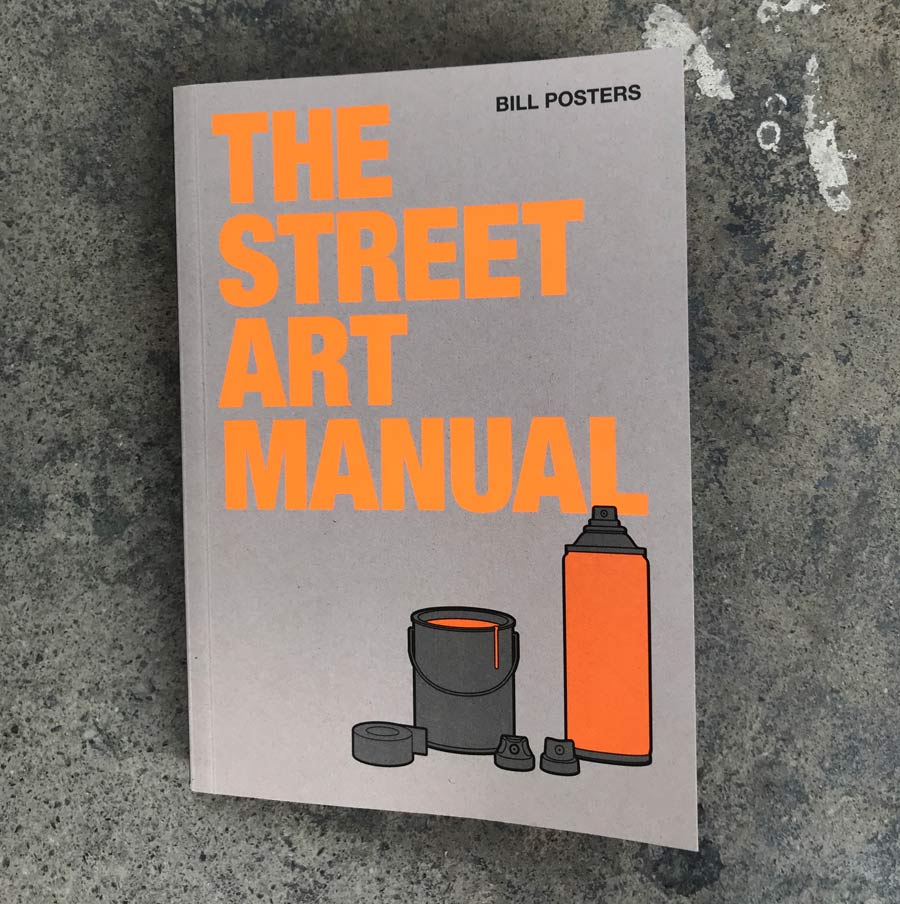
From Beuys’ practice of ‘social sculpture’ and John Fekner’s blunt upbraiding of urban planning hypocrisies to AIDS activists using street art to shame government homophobia and the paint-bombing of a Mao portrait that led to the arrest and torture of the artists/activists for counter-revolutionary propaganda, he’ll give you a solid foundation on precedence for this rebellious art life in “The Street Art Manual.”
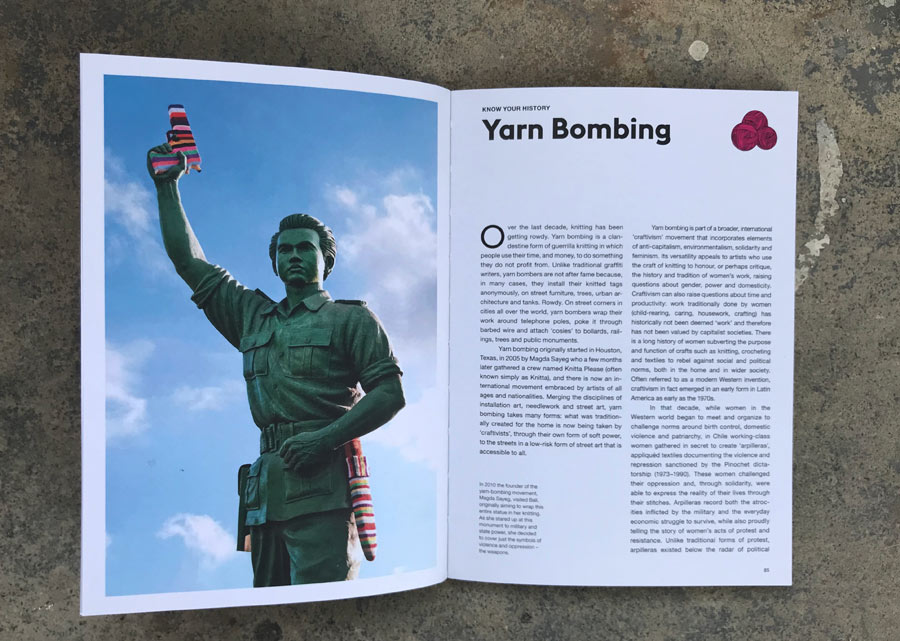
He also knows how to yarn-bomb.
And myriad other techniques for freelance intervening in city spaces that you own, that all of us own, but which are often commandeered for commercial messages, political propaganda messages, or commercial-political propaganda messages – otherwise known as fascism.
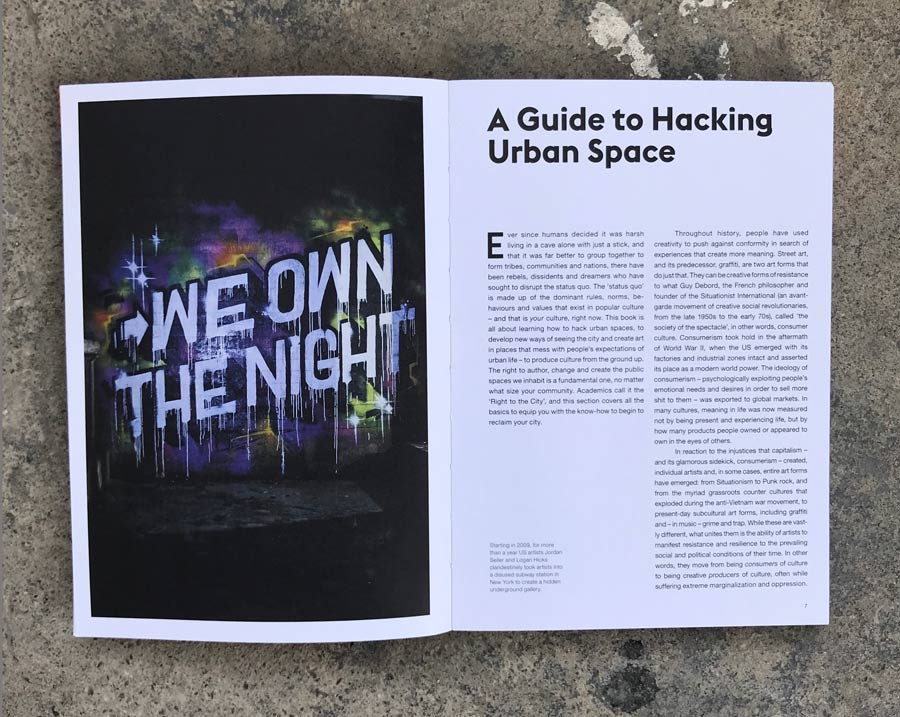
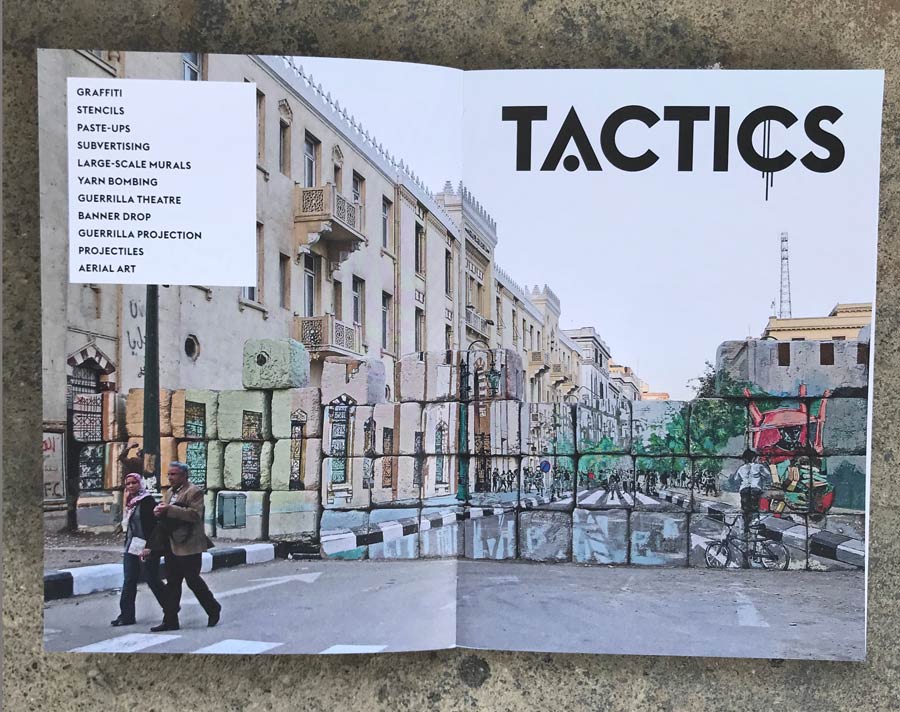
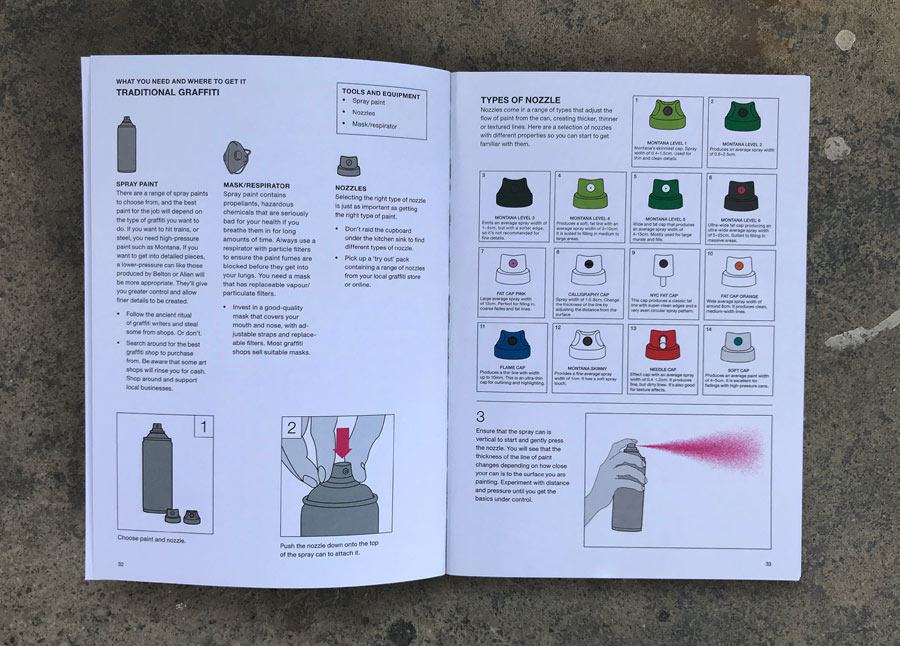
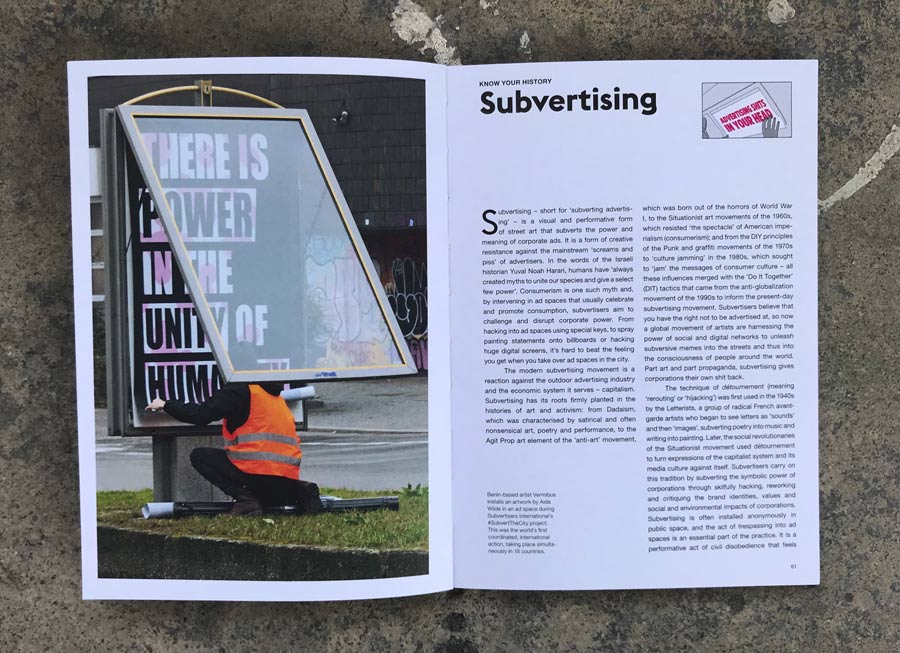
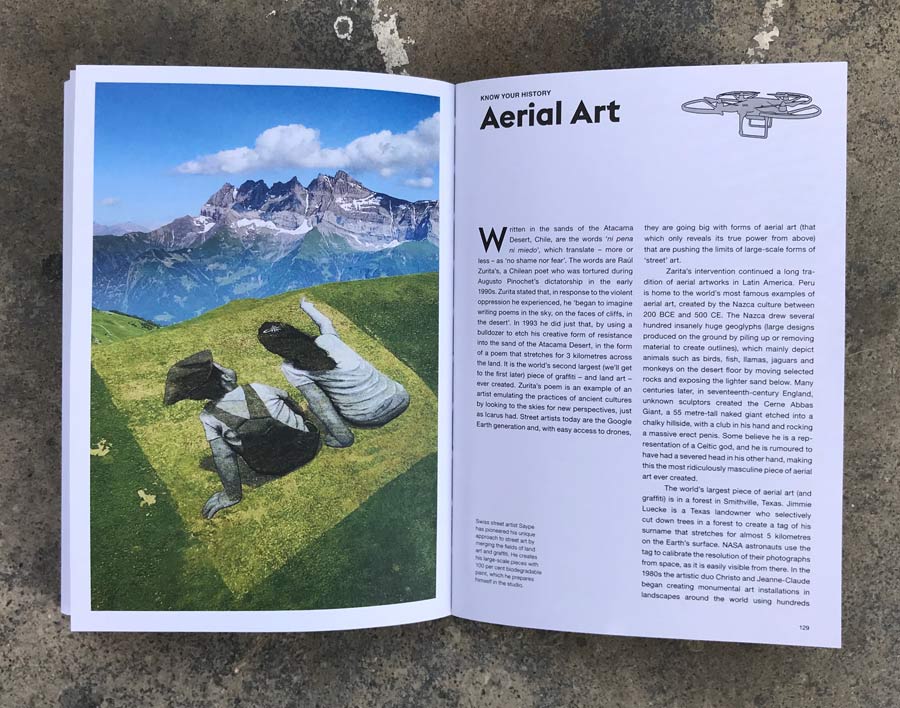
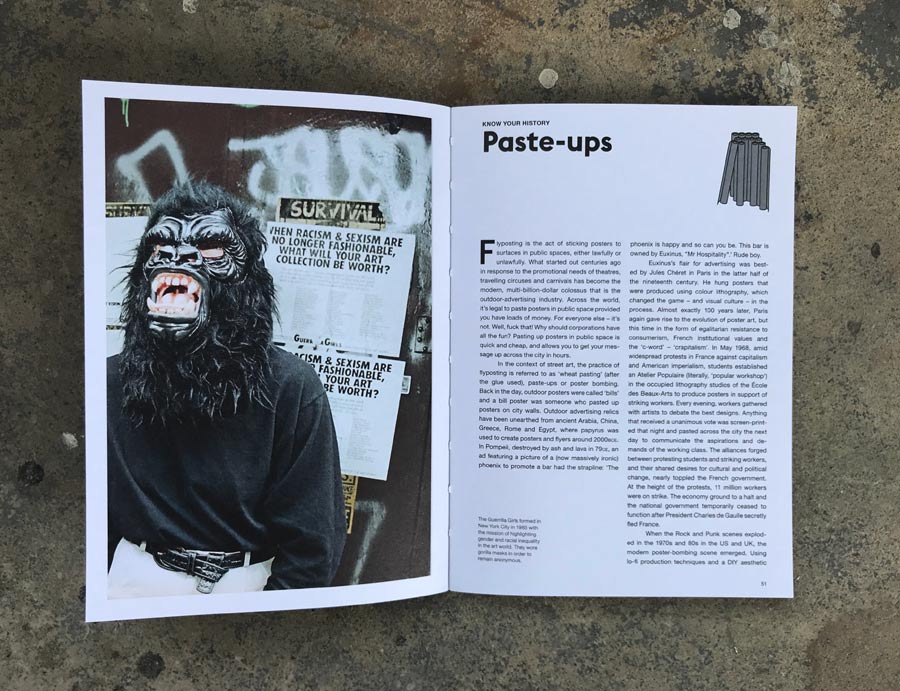
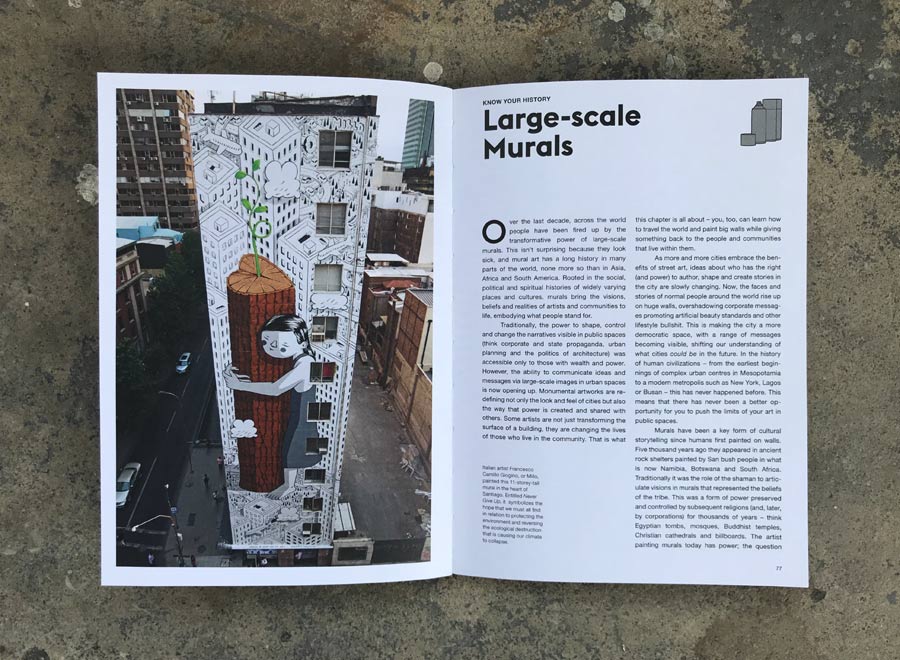
His new book on hacking public space is one of the most instructive, constructive, serious and light-hearted romps through your world with new eyes. He has mastered a balance of educational and fun, sane and irreverent as he takes you methodically with text, photos, and cleanly modern diagrams through practices such as graffiti, stencils, paste-ups, subvertising, large-scale murals, yarn bombing, guerrilla theater, dropping banners, light projections, launching paint projectiles, and mastering aerial art via drone.
One may say that it is a handbook for taking back your voice in a sea of disinformation to advocate for a point of view. But don’t take yourself so seriously, dawg. Also, mind your manners. For being a rule breaker, Bill Posters wants you to be gentlemen and gentleladies and gentlepersons – Don’t just hit the streets as a hormone-fueled dunderhead who rides roughshod over others in a toxic, abusive way.
Check out his list for how to do the most fundamental of forms, graffiti. The “DO” list includes admonitions to “say something more than your name. Stick up for those less privileged”, which may sound like a tear-jerking sermon. But then he also tells you not to bring your cellphone to the train yard, which just seems logical.
In the “DON’T” list he suggests you don’t go into train yards without experienced writers, and he implores aspiring aerosol mark makers to be original, “Focus on developing your own voice and your own style.” In many ways, Bill Posters is the supportive dad you never had, which probably would have helped you avoid this whole vandalism lifestyle to begin with.
But since you are a vandal or are unwittingly breaking some municipality’s law by wrapping a sculpture with crochet to look like a clown, he does offer direct advice on dealing with authorities, knowing your rights, knowing what your options are, and knowing that some times police actually like your art and might let you off if you don’t act like a jerk. All that said, this book is not about breaking laws, it’s philosophically about reclaiming public space and having a voice in your society.
“Throughout
history, people have used creativity to push against conformity in search of
experiences that create more meaning,” he says in his introduction. “Street
art, and its predecessor, graffiti, are two art forms that do just that.”
And
when doing your subversive or society-saving art installation under cover of
night, elsewhere he recommends, “Don’t forget to scope things out and check for
onsite security. Dogs are a real issue when you’re stuck on a fence, hanging
there like a tasty human sausage.”
The Street Art Manual by Bill Posters. The Street Art Manual new US on-sale date is now Sept. 8th. 2020. Published by Laurence King Publishing Ltd. London, UK. 2020.
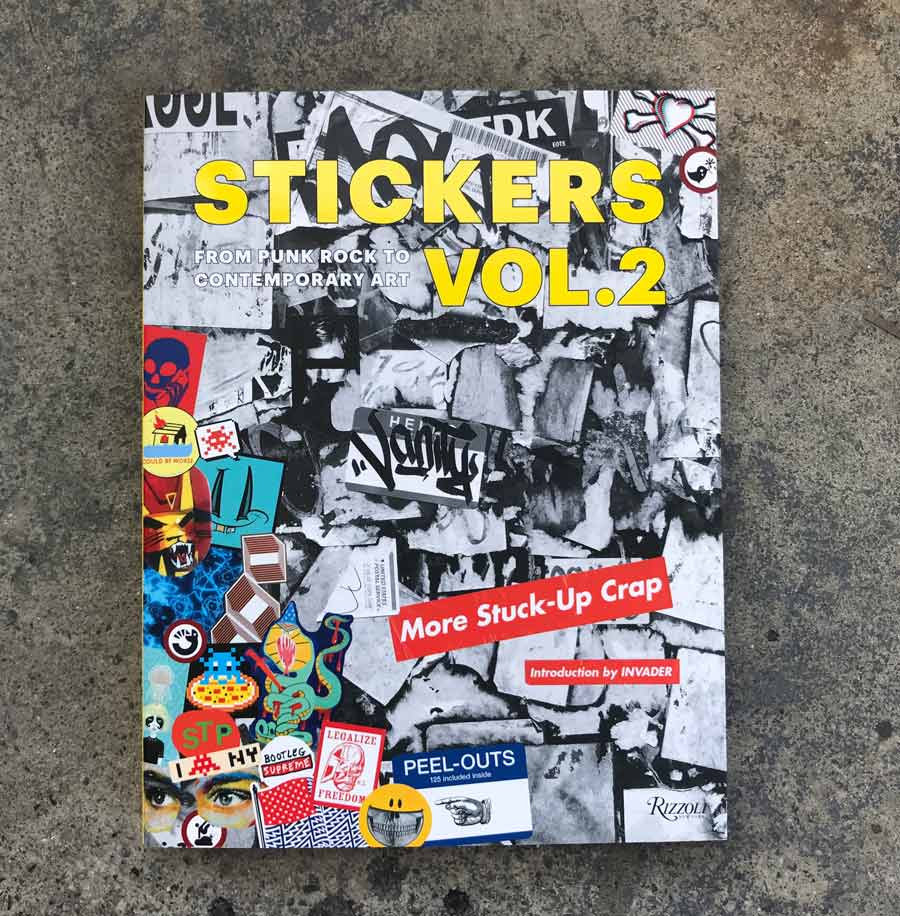
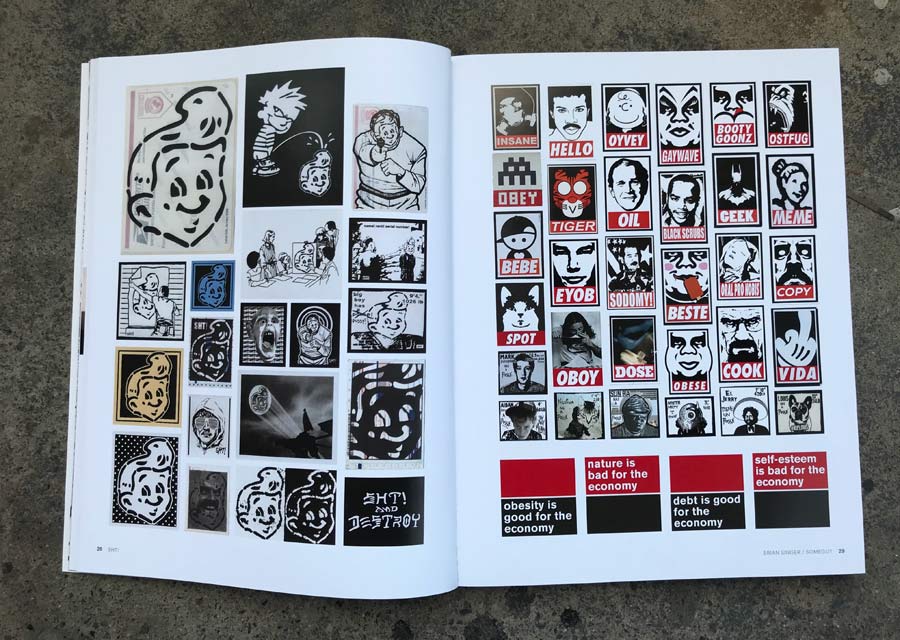
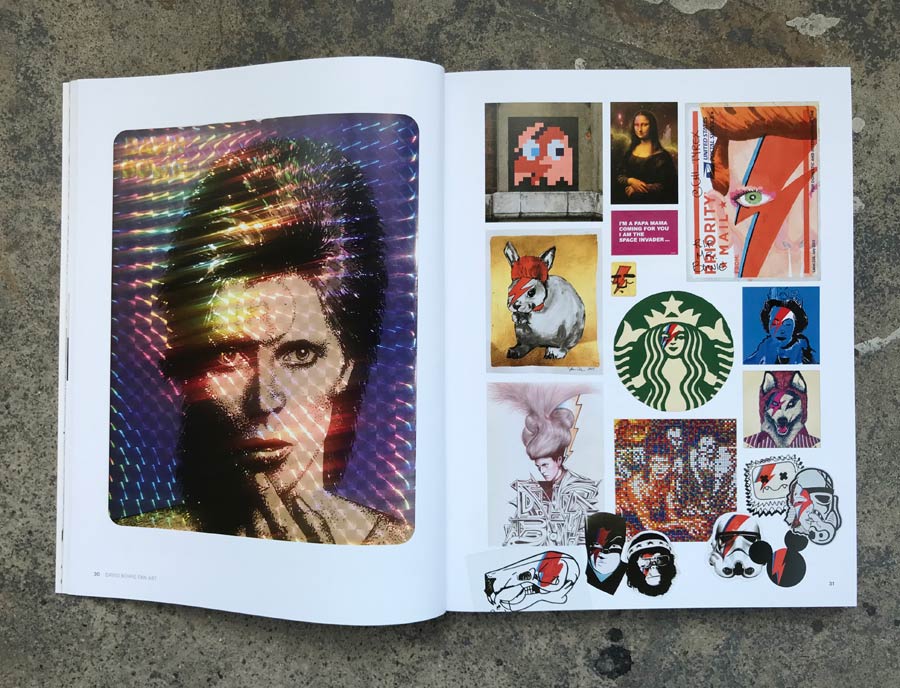
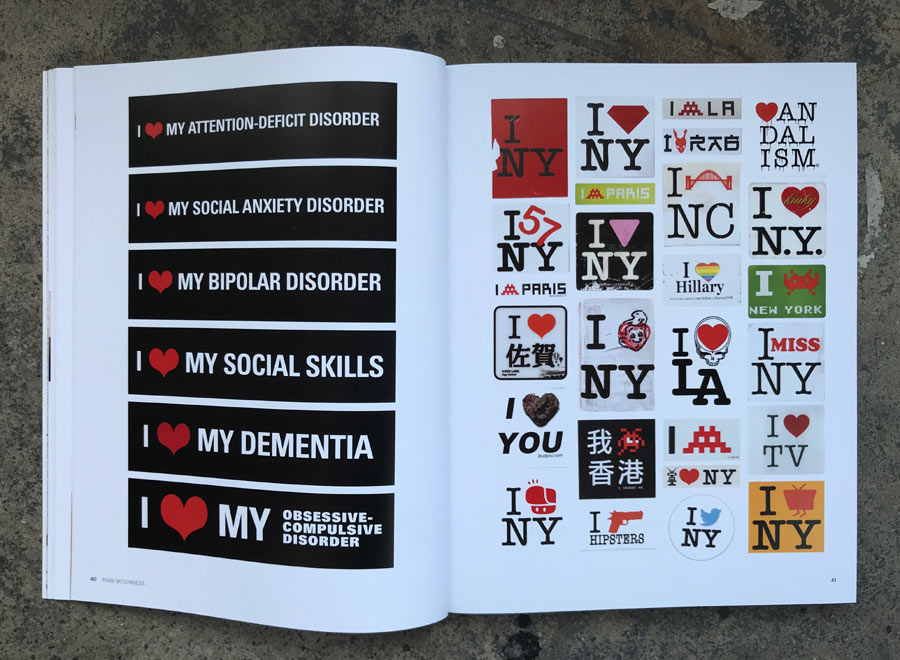
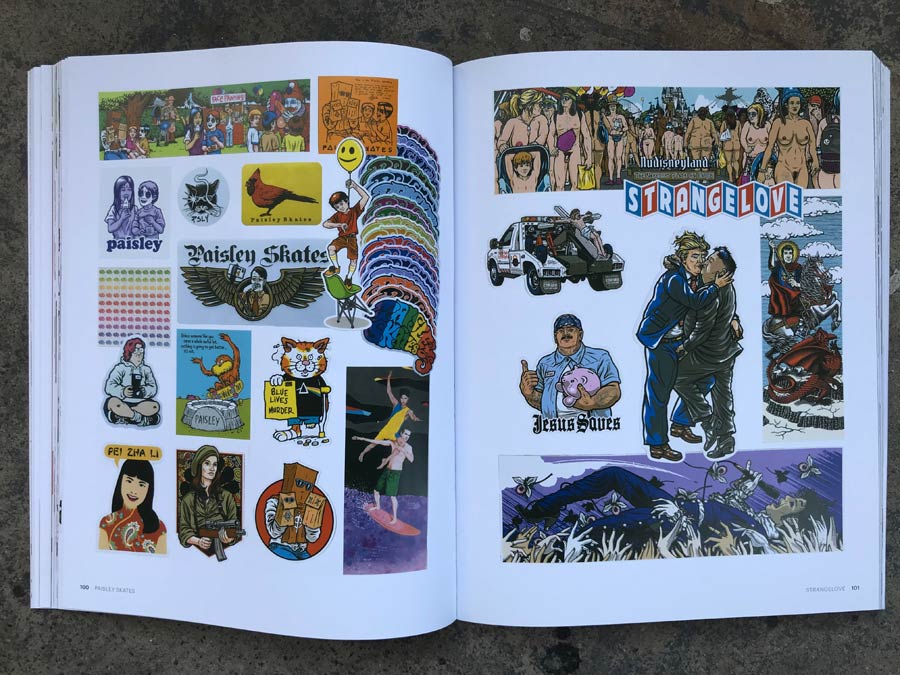
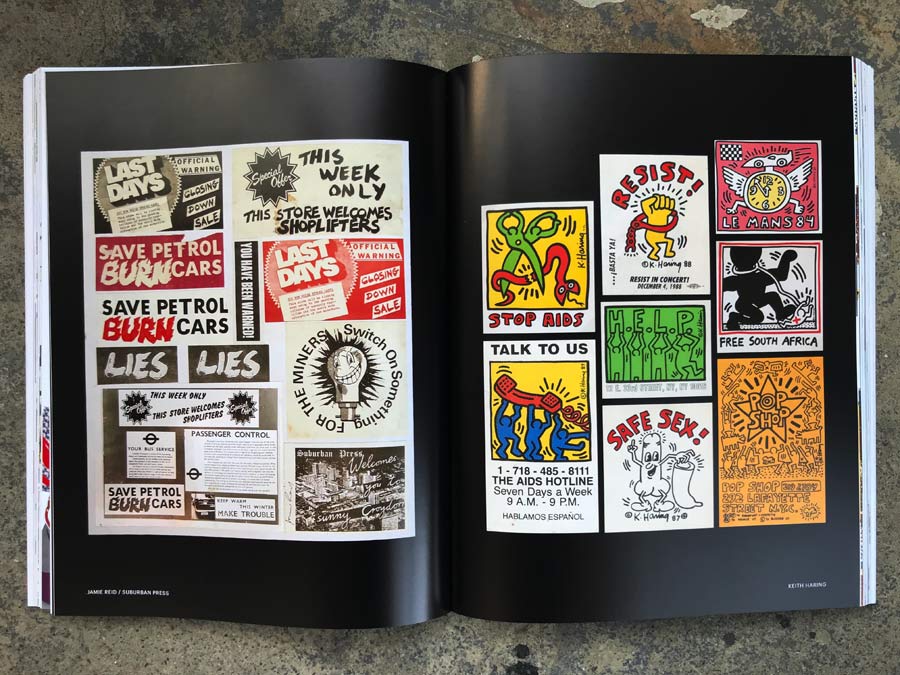
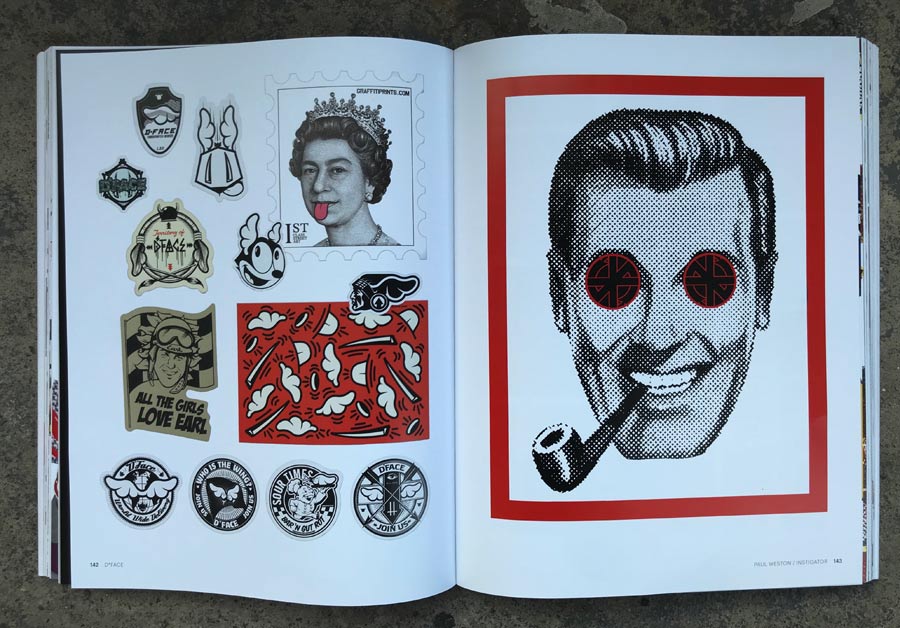
In the Street Art continuum that presents itself to the passerby on city streets, the early practice of hand-drawn tags on stolen postal stickers eventually morphed into mass-produced slick runs of personal branding and large scale one-off hand rendered/cut paper pieces wheat-pasted with a brush. This story, ever-evolving, is more inclusive than some may think of when you talk generically about “slaps” on a door or on the base of a streetlamp in the city’s visual dialogue. For the book Stickers Vol 2, author DB Burkeman takes a wider survey of the practice, however, and in his second compendium, he goes where BSA has always followed the creative spirit; wherever it leads.
DB Burkeman. Stickers Vol. 2: From Punk Rock to Contemporary Art. (aka More Stuck-Up Crap) Rizzoli, NYC, 2019.
In practice, there are few strictly “sticker artists”. More often there are artists and taggers who also use stickers as part of their public practice which may include painting, aerosol tagging, freehand marker tagging, printing, wheat pasting, sculpture. By adapting the techniques and language of advertising, propaganda, and branding, artists have seized the opportunity to have a voice in the public sphere that is more often only reserved for commercial interests.
Street Artists’ practices of self-promotion are
indistinguishable from those of commercial or political interests – and why
not? The public space has always been used as a battleground for ideas, a
marketplace for attention, a proving ground of identity and power, a theater
for capturing imagination, a Socraterial classroom for presenting and probing
ideas and the examination of our assumptions about them.
DB Burkeman. Stickers Vol. 2: From Punk Rock to Contemporary Art. (aka More Stuck-Up Crap) Rizzoli, NYC, 2019.
In a fiercely democratic way, with a very low admission
price, all motivations are presented here, and all of them are flawed, and all
of them are perfect.
Burkeman’s sophisticated examinations of sticking practices are equally wide in his survey – his own full immersion into art, music, performance, consumer psychology, pop culture, and advertising giving him a comprehension and appreciation of its seeming seamlessness.
DB Burkeman. Stickers Vol. 2: From Punk Rock to Contemporary Art. (aka More Stuck-Up Crap) Rizzoli, NYC, 2019.
Burkeman’s introductory essay addresses topics ranging from billboard busting, culture jamming, market forces and Warhols’ bananas – admitting that his baseline appreciation has not waned even as his own study lead him ever deeper and deeper into an ocean he still hasn’t fully fathomed since launching his first sticker volume, Stickers: Stuck-Up Piece of Crap: From Punk Rock to Contemporary Art.
“Even after ten years of having this adhesive monkey on my back, I’m surprised that I can still get a kick out of the conversation that happens on the street when someone puts up a sticker,” he says. “It’s like a radiating signal to have others put their own stickers up next to it, as if to say, ‘hey, what’s up?’ The result is a cluster of paper and vinyl personalities.”
DB Burkeman. Stickers Vol. 2: From Punk Rock to Contemporary Art. (aka More Stuck-Up Crap) Rizzoli, NYC, 2019.
Keeping it contemporary, he also calls in experts from this idiosyncratic world of expressions to further your appreciation for the sticking practice as a reflection of society and a catalyst for it – from the Street Artist Invader to the blue-chip curator/innovator Jeffrey Deitch to fans/visionaries like Stretch Armstrong, C.R. Stecyk III, Dante Ross, and The Super Sucklord.
Using his first book as calling card, many doors have opened to Burkeman, enabling access to collections and rarities, deep dives into the crates, selections of unknowns that you would otherwise not have access to – let alone the opportunity to appreciate. You also get a selection of stickers for your own collection by serious names, including Bast, Lister, Shepard Fairey, Skullphone, Futura, Ron English, and Neckface.
“Cheap, immediate, and unapologetically in your face, the sticker remains the go-to, lo-fi expression for many a band, brand, and fan,” says Don Letts, a founding member of Big Audio Dynamite, among other things. Clearly, the images and messages sent and received using this method have been a boon to those looking to have a voice, and the sticker practice will continue apace. Undoubtedly, DB Burkeman has it covered.
DB Burkeman. Stickers Vol. 2: From Punk Rock to Contemporary Art. (aka More Stuck-Up Crap) Rizzoli, NYC, 2019. DB Burkeman. Stickers Vol. 2: From Punk Rock to Contemporary Art. (aka More Stuck-Up Crap) Rizzoli, NYC, 2019. DB Burkeman. Stickers Vol. 2: From Punk Rock to Contemporary Art. (aka More Stuck-Up Crap) Rizzoli, NYC, 2019. DB Burkeman. Stickers Vol. 2: From Punk Rock to Contemporary Art. (aka More Stuck-Up Crap) Rizzoli, NYC, 2019.
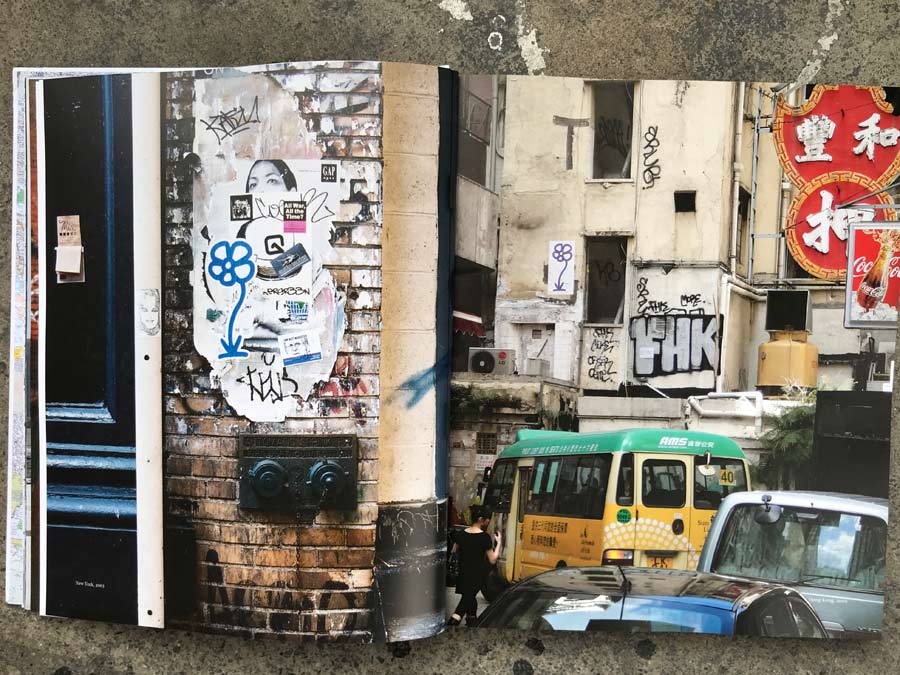
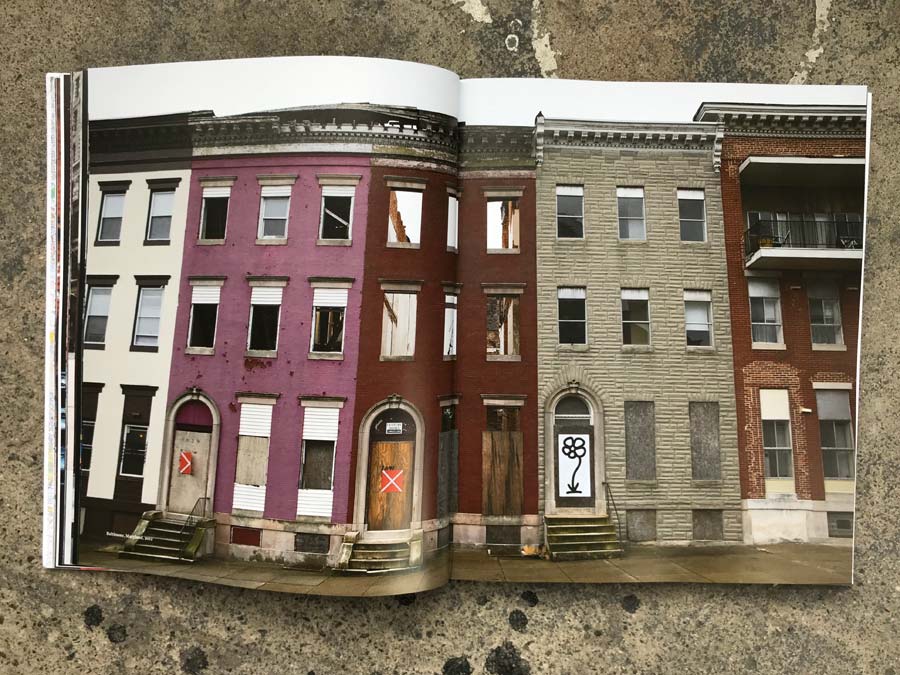
Amid the detritus of the urban cityscape in decline, it is a
welcome contrast to see a dandelion or wild daisy sprouting up from a crack in
the sidewalk. Not only is it a reminder of the original inhabitants of the land
you are standing on it is an ever-present truth that the plants and the trees
and the animals will inherit the earth again, no matter what grand ideas you
have for it.
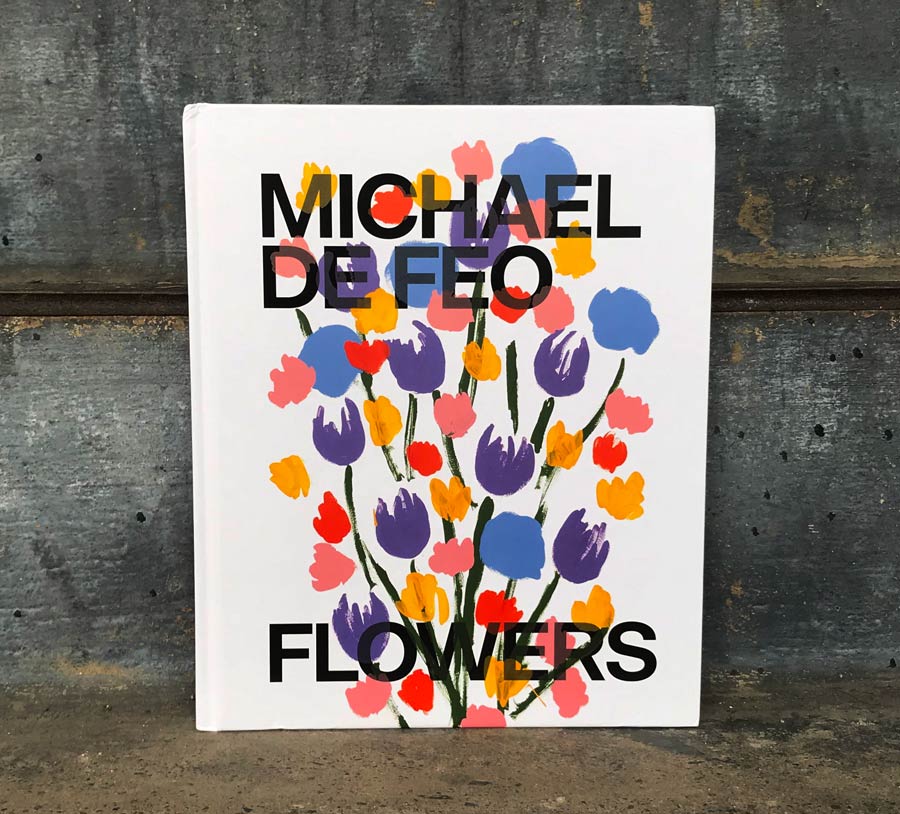
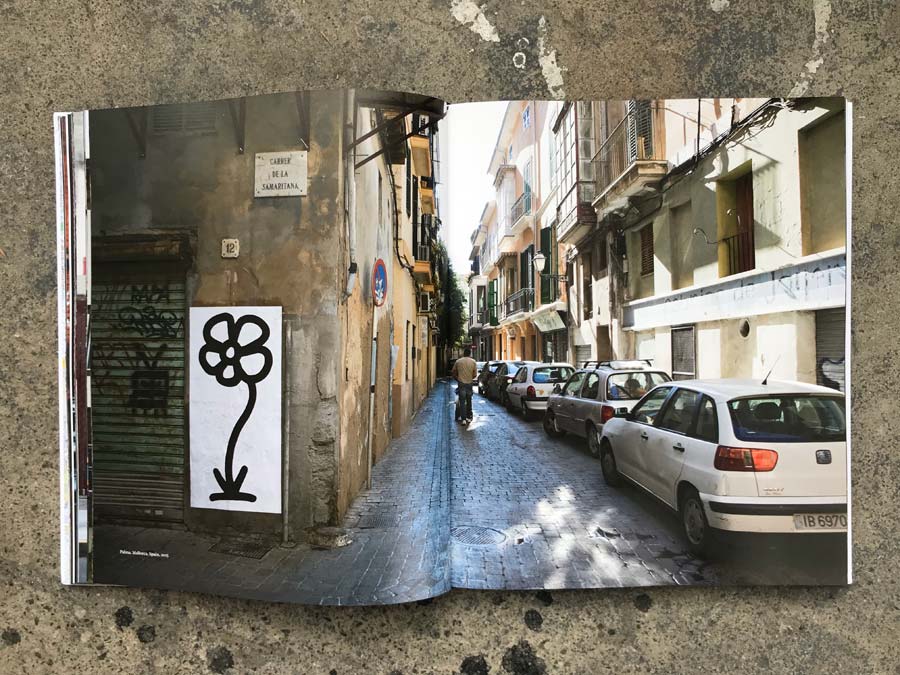
Michael De Feo FLOWERS Abrams Books. New York, NY. 2019
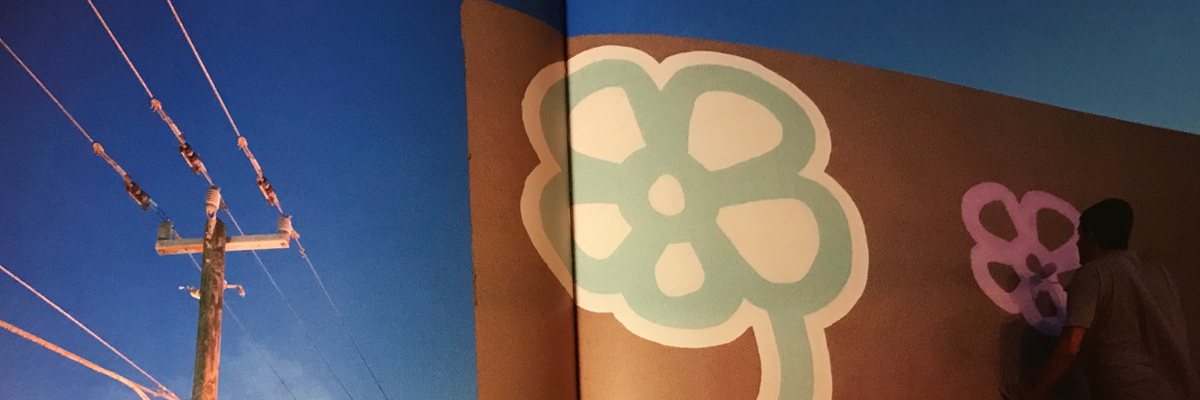
The simplest symbol of nature in the layered debris of urban
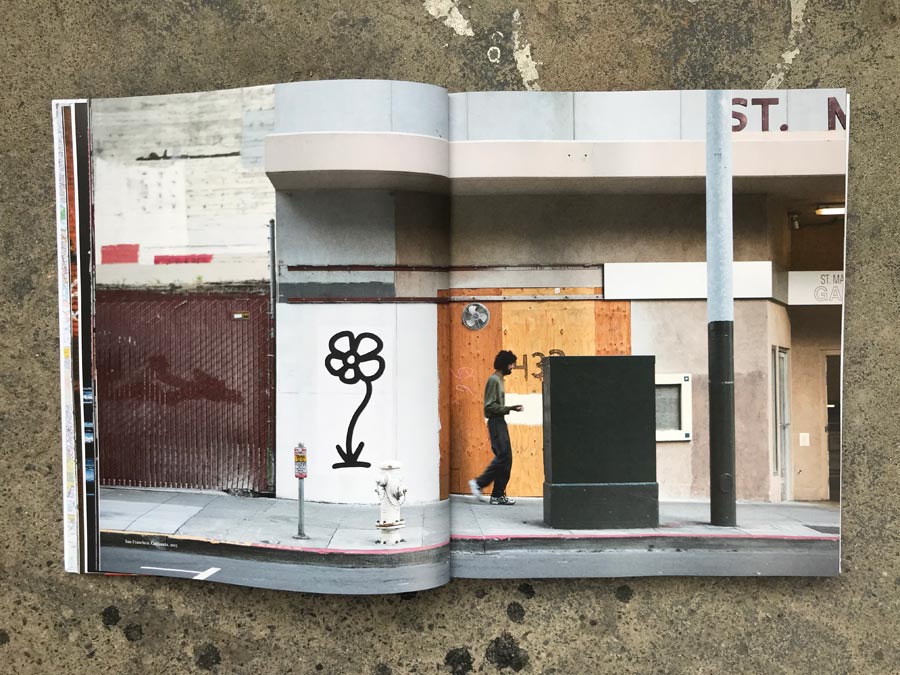
margins, and a decorative one, is the flower that Micheal De Feo has been
“planting” on walls since the early 1990s. The practice has sustained him
through many cities and travels abroad, introducing him to artists and fans and
collectors, eventually pushing him into explorations of contemporary art.
Michael De Feo FLOWERS Abrams Books. New York, NY. 2019
“Conceptually, I had stumbled upon something that made sense to me on so many levels,” he says in his new hardcover book,”Flowers”, published this spring by Abrams, New York. “Using whimsy and beauty, I was inspiring smiles and also making connections to ideas about the cycle of life and the ephemeral nature of all things.”
The collection of early images of this simple flower popping up in many streets and scenes remind you of your connection to nature and to his art, almost taking it for granted.
Michael De Feo FLOWERS Abrams Books. New York, NY. 2019
“You
learn from watching your artwork set roots in a city,” say the Street Art duo
Faile in their intro to the book, “causing people to pause in an alley or on a
side street, to stop and look: You see the city in broader terms.”
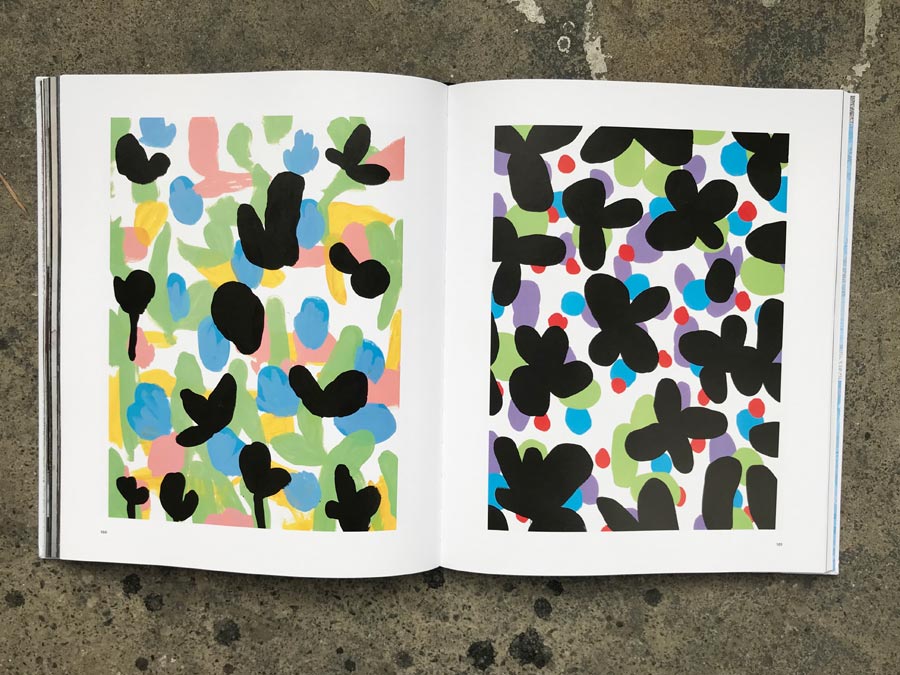
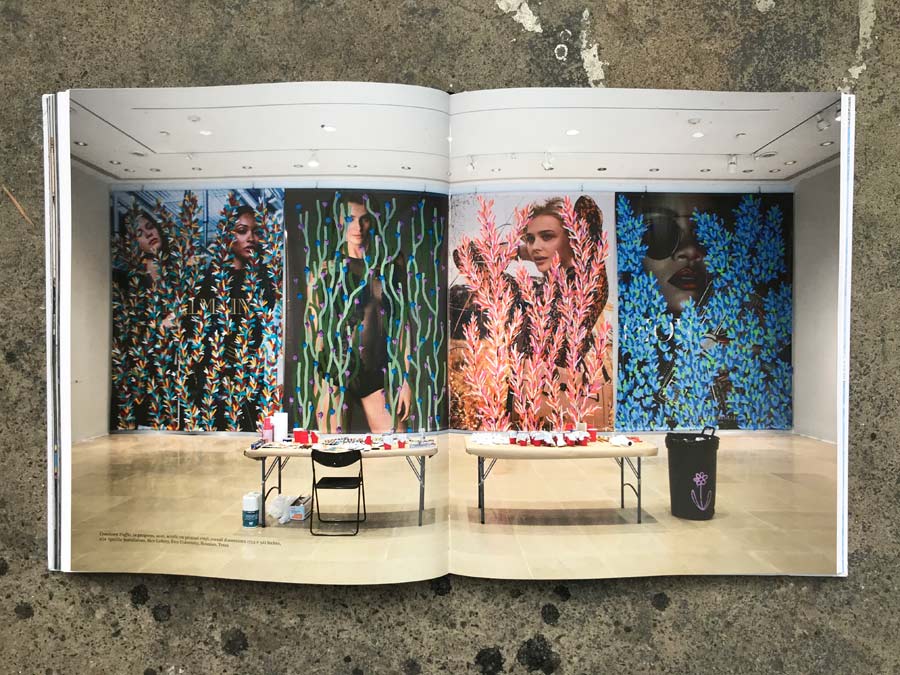
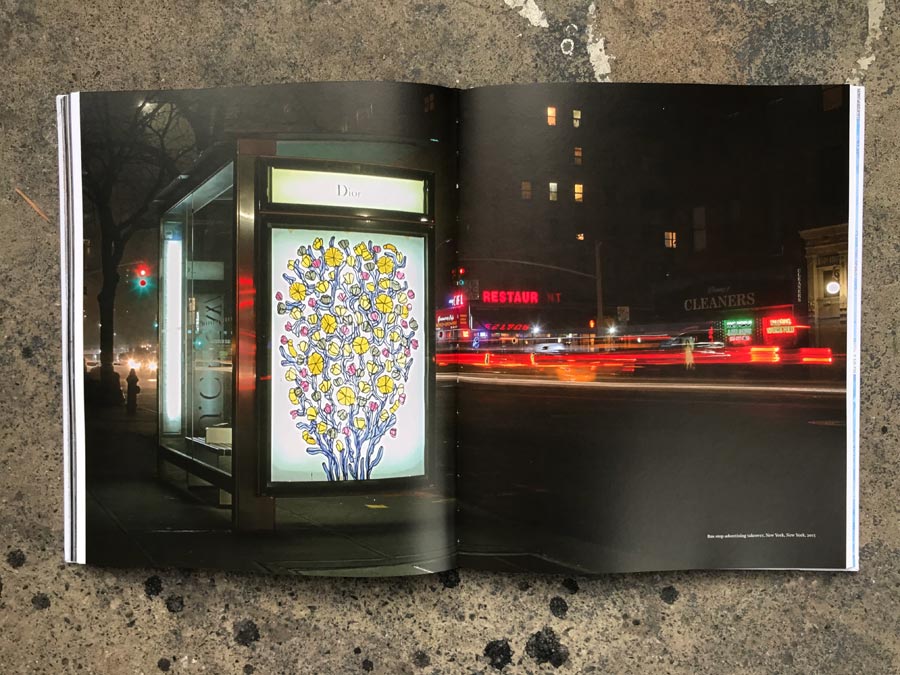
Now expanding in studio to abstractions and a gestural piling-up of brushstrokes around and upon commercial figurative photography and more recently over top images of classical painting, De Feo is refining and redefining his practice. The newer works are well suited for magazine covers and living room walls as he transitions to a decorative contemporary oeuvre. But the simplicity is still there, happy to be in your world.
“Oh
so you’re the flower guy!”.
Michael De Feo FLOWERS Abrams Books. New York, NY. 2019Michael De Feo FLOWERS Abrams Books. New York, NY. 2019Michael De Feo FLOWERS Abrams Books. New York, NY. 2019Michael De Feo FLOWERS Abrams Books. New York, NY. 2019Michael De Feo FLOWERS Abrams Books. New York, NY. 2019Michael De Feo FLOWERS Abrams Books. New York, NY. 2019Michael De Feo FLOWERS Abrams Books. New York, NY. 2019
If you are in NYC this Thursday, April 25th Michael De Feo will be hosting a Pop-Up party, exhibition, book signing and the release of a new special print in celebration of his book FLOWERS. The Pop-UP will be held at 198 Allen Street from 6:30 – 9:00 pm on April 25th and on Friday, April 26th from 10:00 am – 5:00 pm.
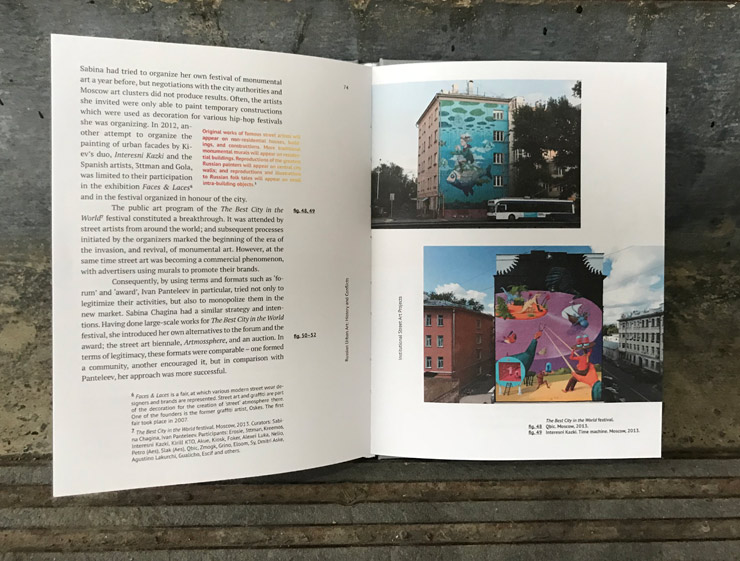
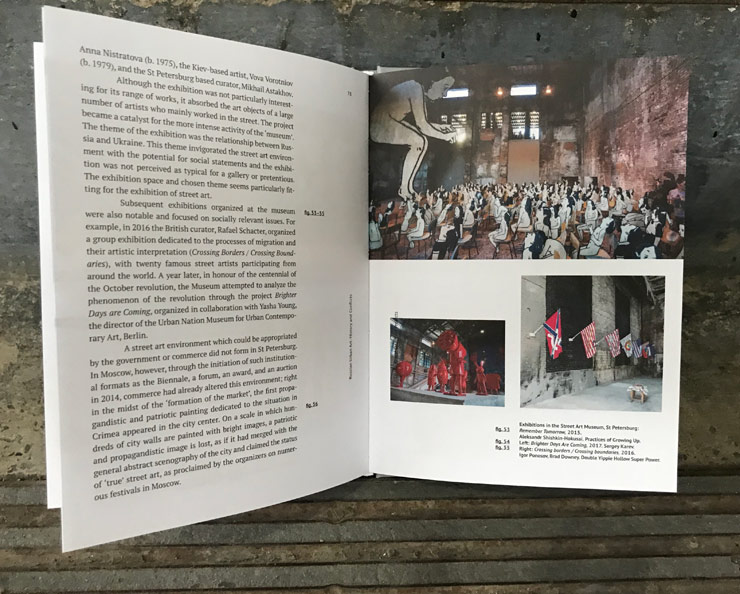
An academically sourced opinion-based essay in book form that looks to art, social, economic, and geopolitical movements during the start of the 20th century to better understand the evolution of Urban Art in post-Soviet Russia, Igor Ponosov delivers a welcome reconstruction of the timeline and movements that bring urban art to this day.
With the renewed interest in public art and muralism that has erupted over the last decade in many so-called Western cities it is good to learn how the public space in Russia has been catalyzed not-only by Hip Hop and new graffiti forms from Europe but also the history of Avant-garde art movements and Soviet Muralism in Russian Urban Art: History and Conflicts.
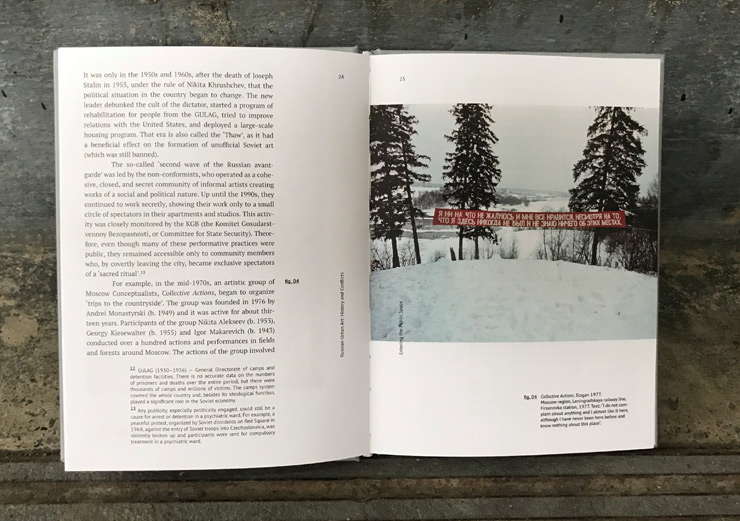
With a thorough yet brief recap of a dozen decades of art/social movements, Ponosov illustrates that it is a slowly but widely fluctuating wave of events and sentiments and social-political upheaval that brings art to the street over a century; during times of relative liberalism in artistic freedom during the Tsarists one century ago contrasted a short time later with abolishment of political expression of the Stalinist era that heralded state power and monumentalism, suprematists, and propagandizing the public. Interestingly it’s the constructivist and the realism aesthetics that are currently being repurposed for much of the colorful commercial and state-funded muralism that is happening today on massive Moscow and St. Petersburg walls, and Ponosov helps to illustrate, if not disentangle, the movements that co-evolve over the previous century.
It may prove fascinating to graffiti writers and Street Artists to learn the trajectory and timing of the arrival of Hip Hop culture in the USSR and how it proved itself an enthusiastic student to what was originally an organically occurring series of artistic practices within a mix of communities. The “expansion of Western culture” into post Soviet Russia, as he describes it, occurs a decade (or more) after the original birth of hip hop, yet the importation retains many of the same art practices and ethos during the cultural translation.
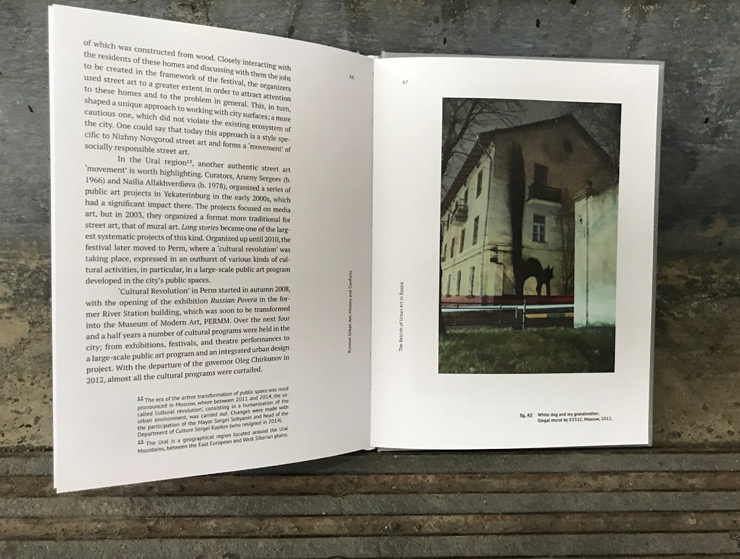
The evolution of Street Art on the scene may have been quicker due to immediate digital communications and because of the new practices having similarity to pre-existing mural and fine art practices in Russian cultural history as well as global graffiti ‘jams’. Similarly, the rise in international ‘street art’ festivals looks like it has influenced events here as well as the co-opting/ cultivating of non-political eye-candy murals for commercial and gentrification goals.
It’s enlightening to learn about the rise of something called ‘Actioning’ that recalls the Situationists, and urban performance as part of the thawing post Cold War Glasnost approach to public space. Equally riveting are Posonov’s observations and interest in the more modern, less flashy conceptual street practices and the diverse nature of expressions that defy classification in typical Street Art terms that he describes as a “Partizaning” – a phenomenon of socially engaged street art.
“The tactics and numerous actions of the activists of the Partizaning movement, organized over the course of several years, reflects the ideals of collectivism, metal assistance and responsibility,” he writes of a practice that defies the commonly held assumptions of Urban Art as being antisocial and purely vandalism. “They are intended to restore citizens’ faith that global changes are possible even when working on a local level – be it a staircase, a yard or a neighborhood – through the discourse of urban planning.”
Densely compiled, amply illustrated, and providing an endless series of sparks for future fires, Mr. Posonov makes the discussion open and easy to access, adroitly staying free of corrupting jargon or self-important Art-speak that proves empty. Consider it a concise, reliable eye-opening primer that you can reference into the future to appreciate the evolution of Urban Art in Russia.
Igor Ponosov. Russian Urban Art: History And Conflicts. Moscow 2018. Published in collaboration with Street Art Museum, St Petersburg, Russia.
One thing that some Street Artists do when their work enters the white cube is drop the “street” from their official moniker, instead preferring to be known simply as an “artist”. The decision is possibly to rid themselves of any subtle class distinctions or otherwise negative connotations that a potential collector or curator may have with the “street artist” label.
Other artists formerly known as “Street Artists” feel limited by the title because it doesn’t include all of their new interests and their complete practice – or because the term itself has evolved in their mind and the mind of the public to mean something unfavorable that they do not like to be associated with.
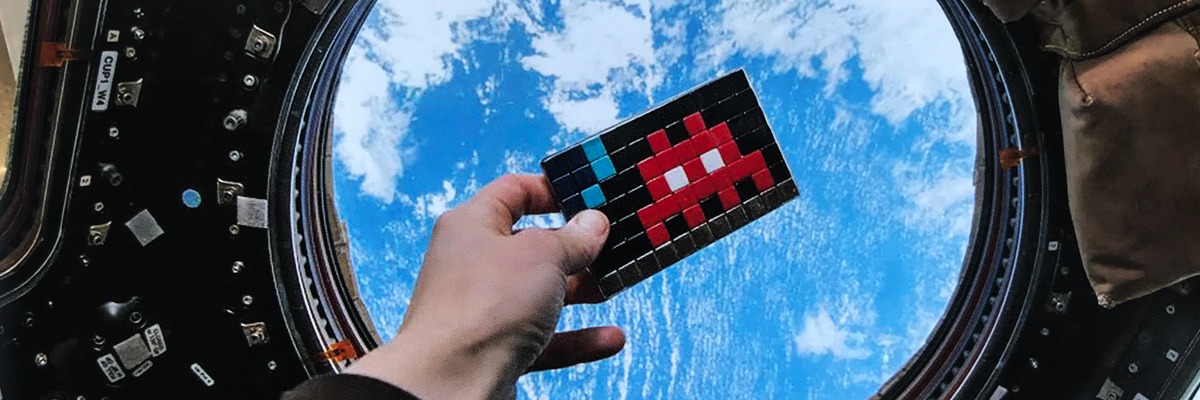
When it comes to the internationally renowned Street Artist Invader, its not a consideration – the street is in his DNA. His cryptic tile-made street practice is so proliferate across the world and so much a part of the metropolis like in his hometown of Paris that his art is literally and psychically fused with the city.
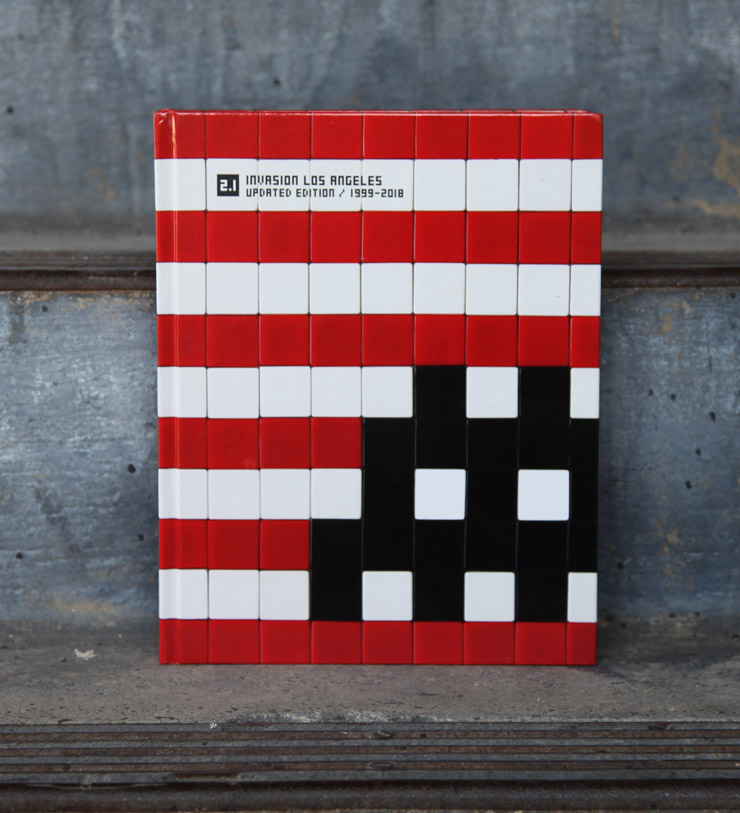
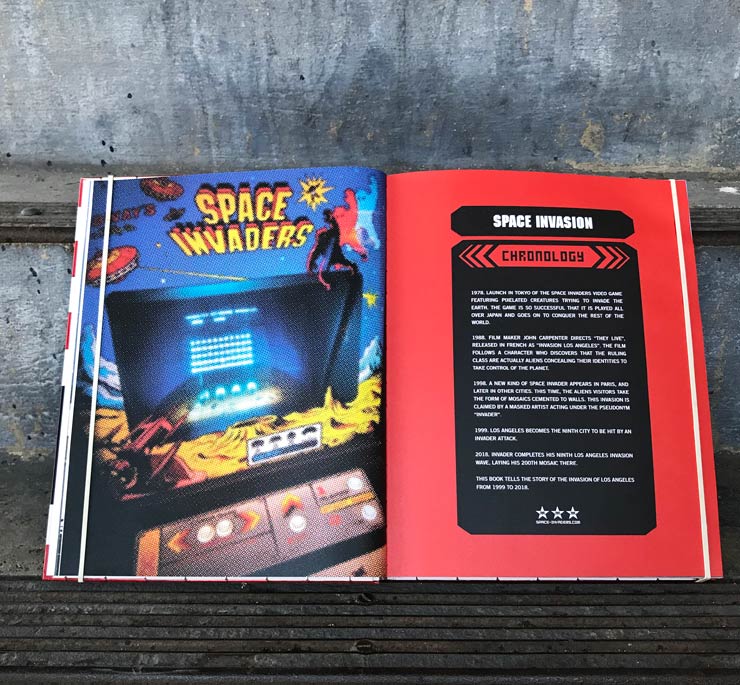
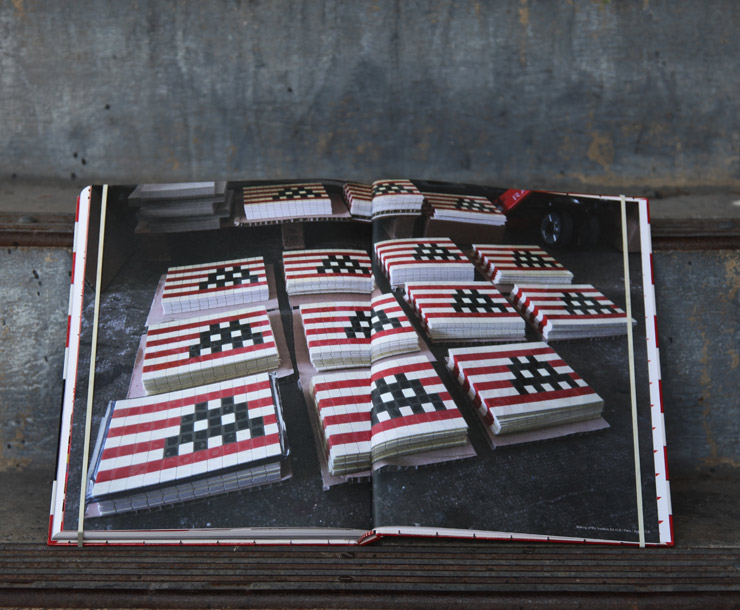
The dude even has a global app that helps fans in about 80 cities to track and document his works, and some of the most dedicated have clocked thousands themselves. Now with two decades in the game and nearing age 40, the maker of thousands of pixelated video game characters and pop culture archetypes on walls has released an updated edition of his 2003 Los Angeles Invasion Guide and he stretches himself creatively with a new exhibition that opens this weekend at Over the Influence Gallery in LA.
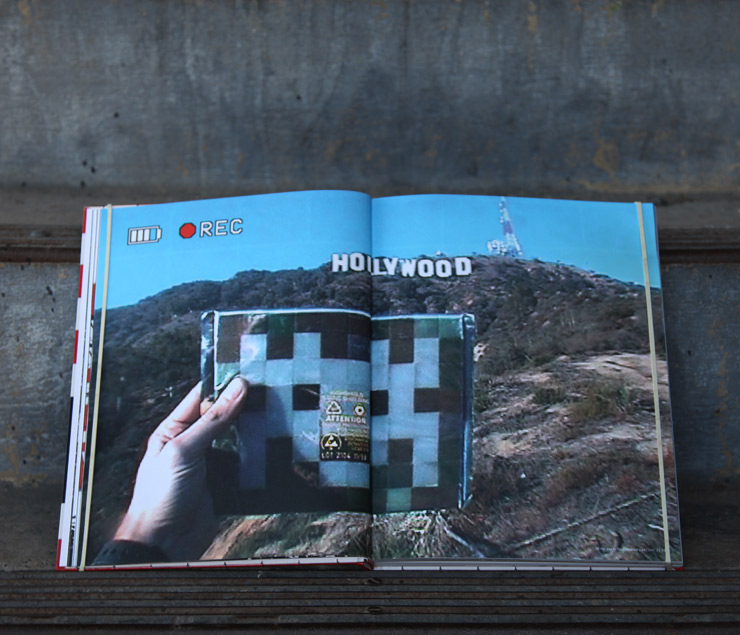
Called “Into the White Cube’, the show will have more than 50 new mosaic ‘Aliases’, an Invader LED piece, large-scale pin buttons, and an Invader Cinema. The event is huge, even for a Street Artist who can claim 200 pieces on the streets of Venice, Downtown LA, Los Feliz, at the LAX airport and even the HOLLYWOOD sign.
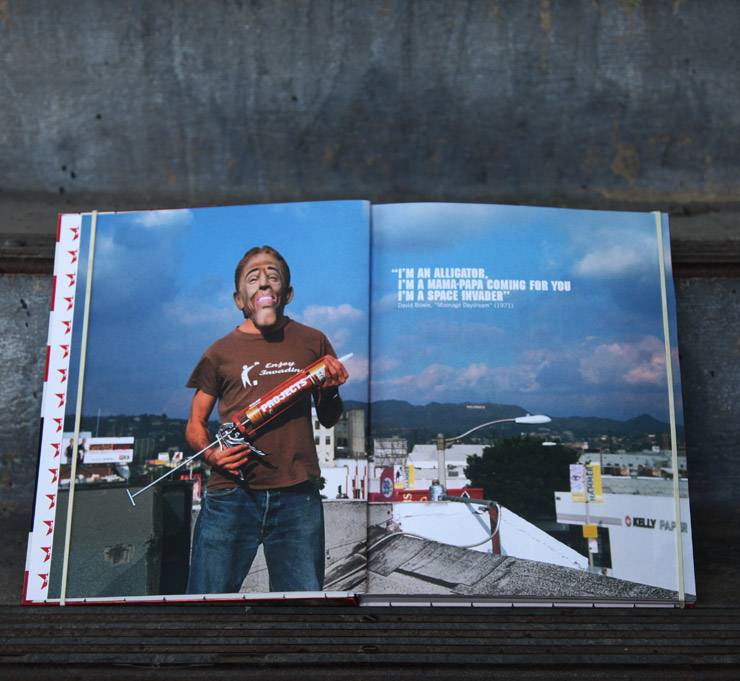
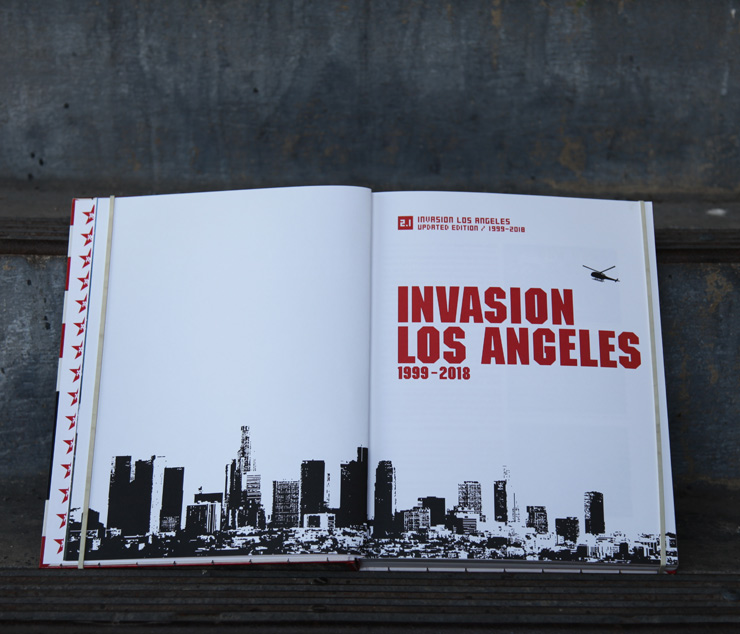
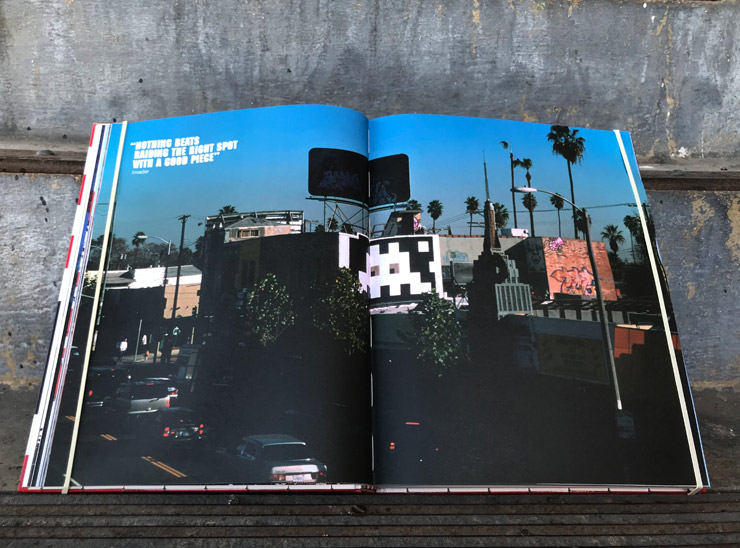
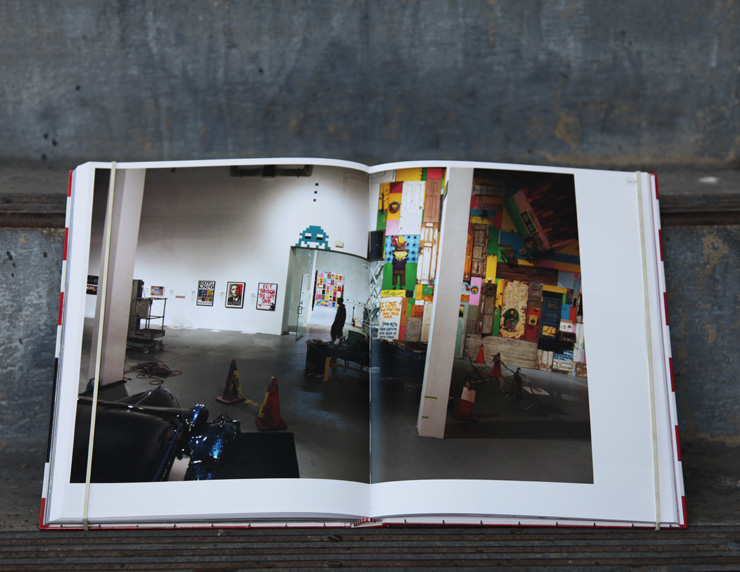
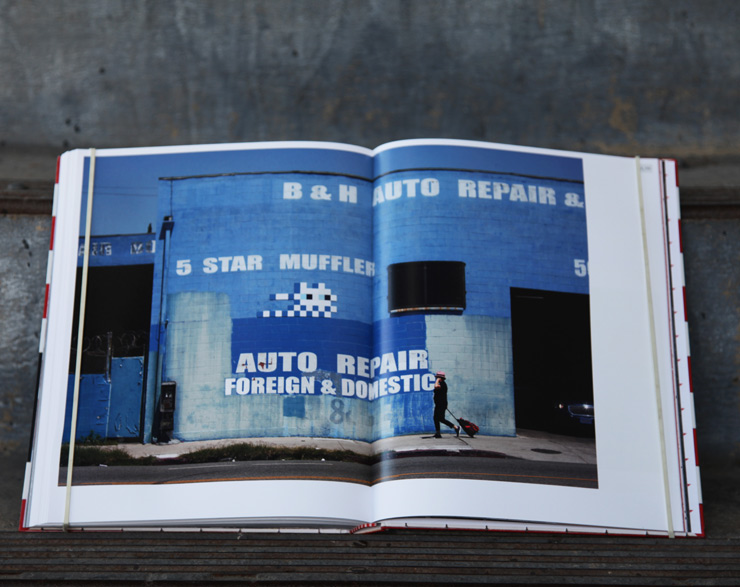
Today we have new images from Invasion Los Angeles 2.1, a breathtaking survey of his work there since 1999, introduced by artist, musician, and writer Bruno Blum who puts his finger on the pulse of this compulsive campaigner in his first “invaded” US city.
“Invader lives for his art. He has a passion for what he’s doing. He’s a diehard. In ‘street artist’, there’s the word ‘street’. Invader is from the streets; and not from the Beverly Hills streets. He’s got fire in the belly, he’s got what it takes and he’s got it down,” writes Blum.
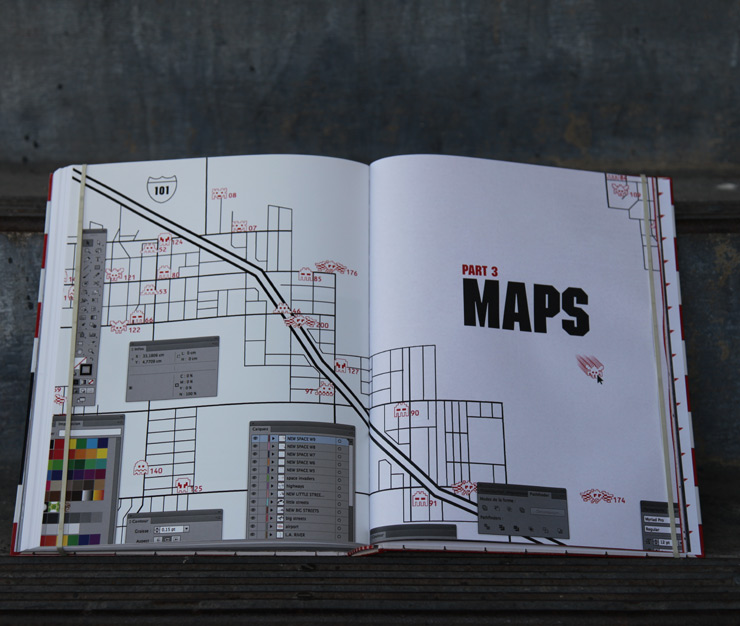
Full of personal accounts that shed a light on his process and mind and featuring shots of placements that are ingenious, often witty, banal, baddass, and seemingly impossible, the collection is a finally a revelation into the compulsive commitment that a Street Artist brings to the game. Helpfully, it also includes street maps.
Invasion Los Angeles 2.1 / Updated Edition 1999 – 2018. A Book By Invader. Published by Control P. Editions. France 2018.
Invader “Into The White Cube” first solo exhibition in Los Angeles will open this Saturday, November 17th at OverUnder The Inlfuence. Click HERE for further details.
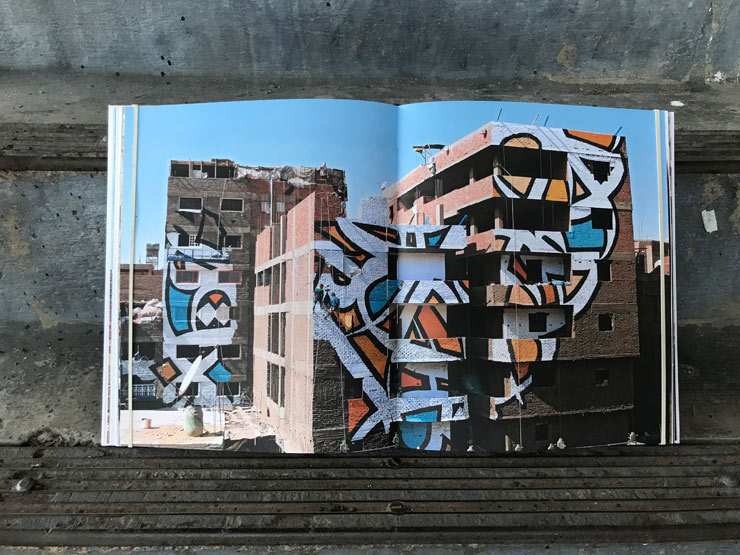
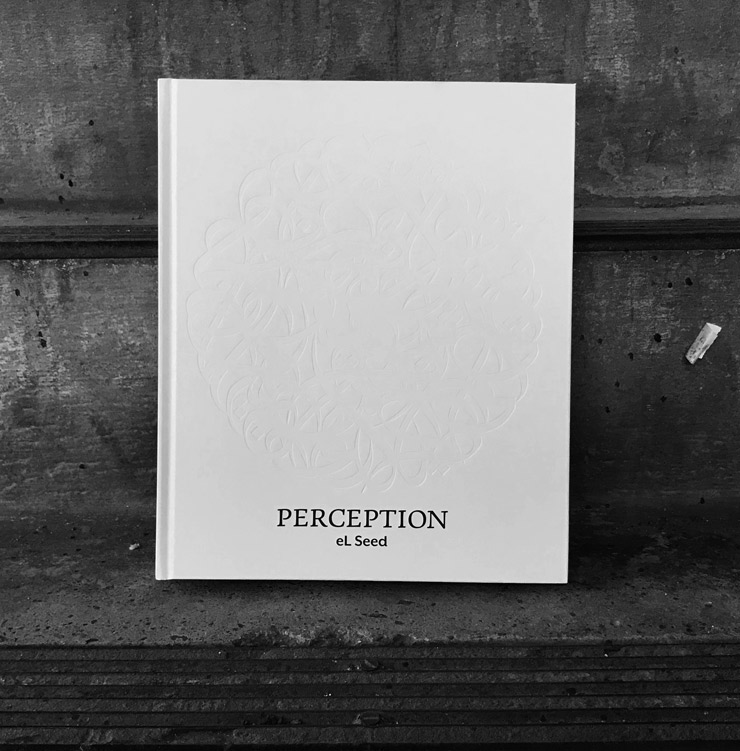
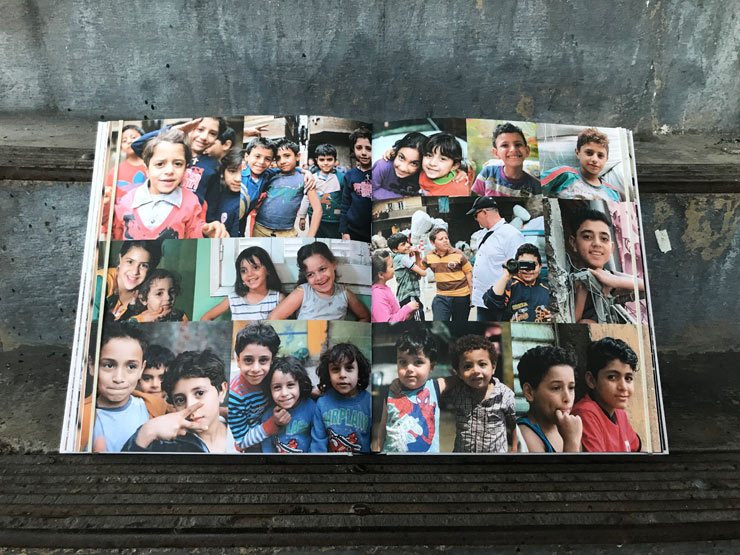
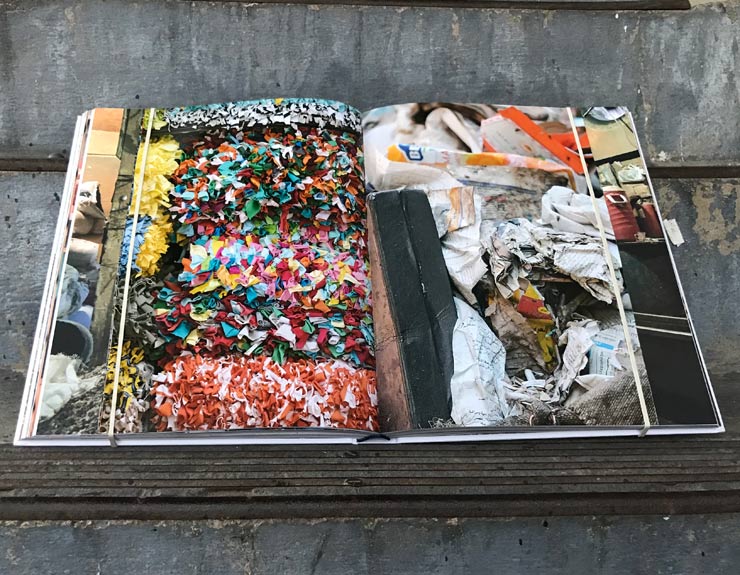
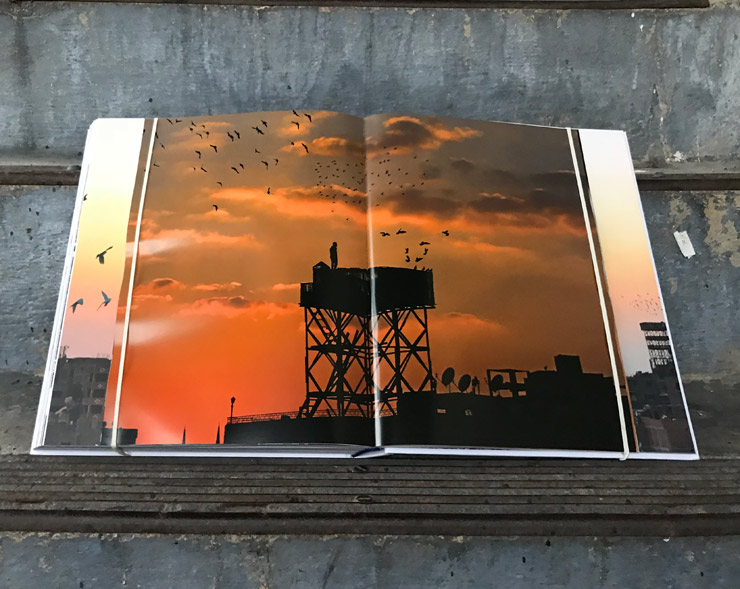
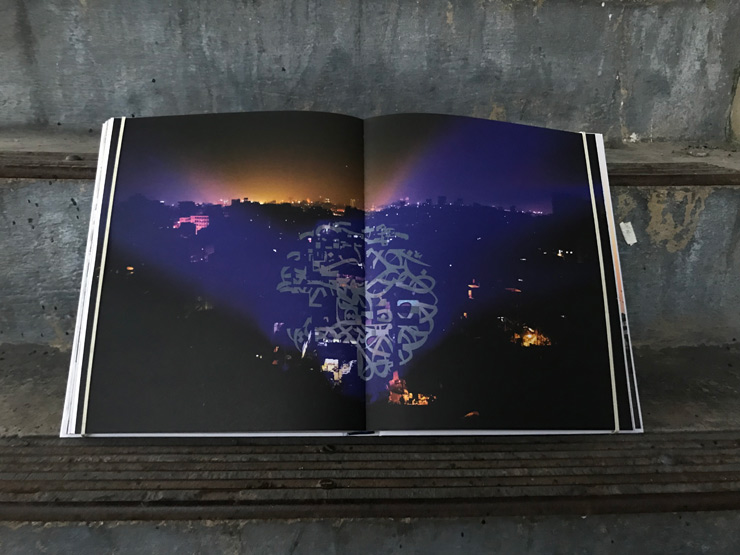
The perception you may have of Tunisian calligraffitist el Seed’s new limited edition hefty white-box tome is that it will contain austerely designed blue chip contemporary works, a book meant to be stacked for aesthetic impact on the toniest of coffee tables. But often perceptions won’t give the full picture.
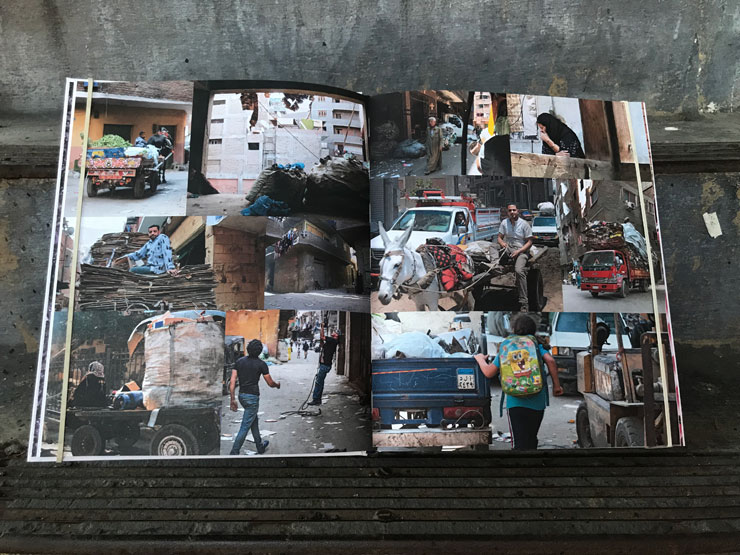
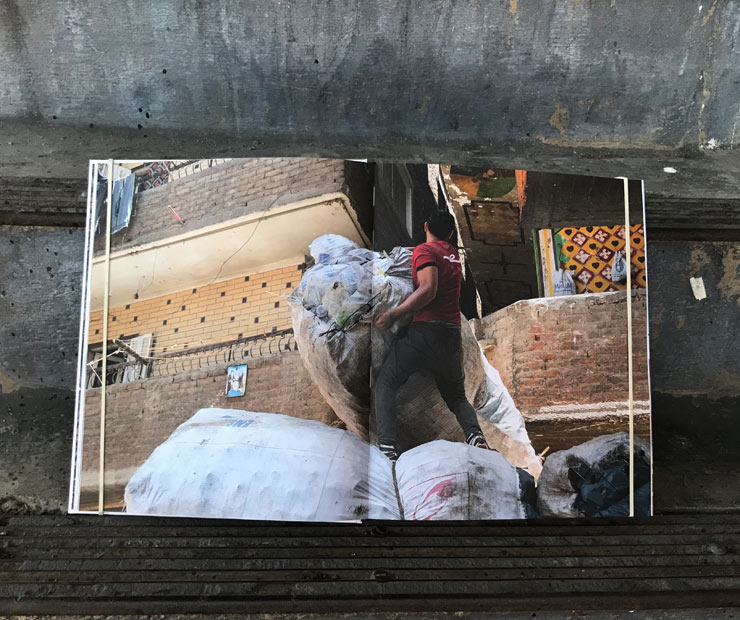
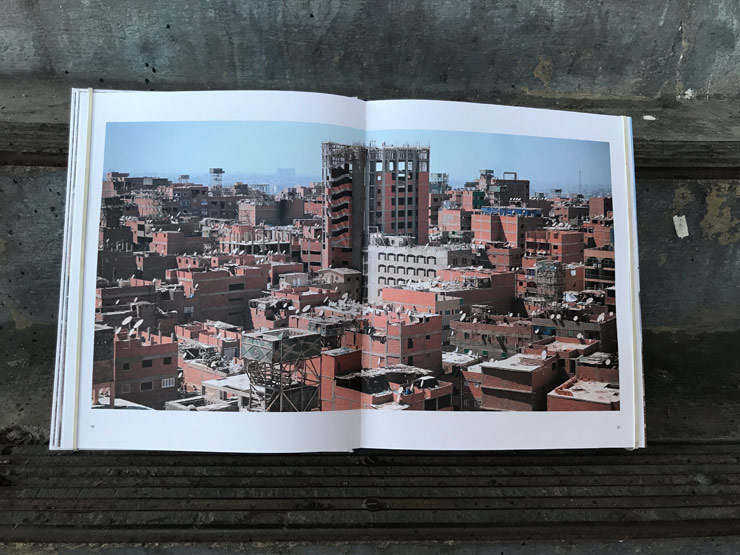
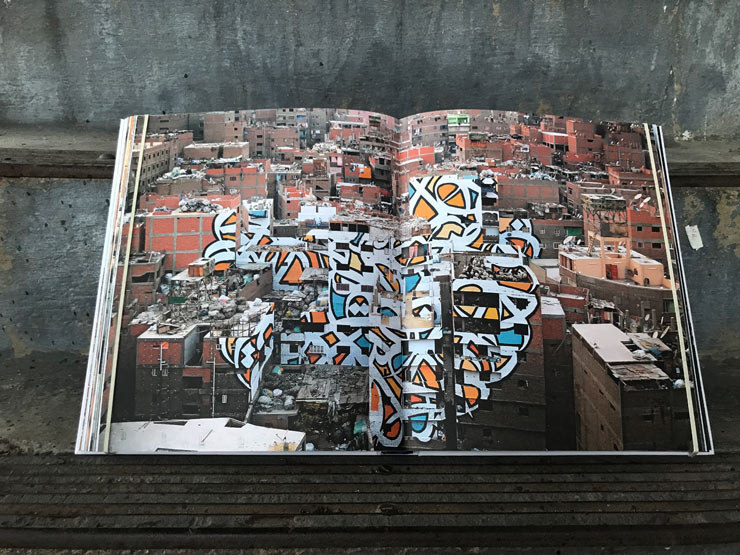
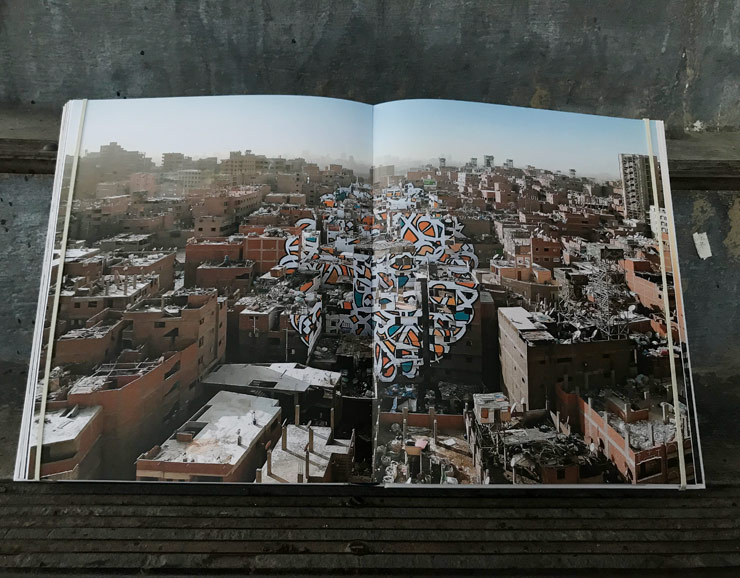
And el Seed is the first to tell you that in this deeply personal account of his art project across fifty buildings in Mashiyat Naser, a neighborhood of Cairo over two years ago. Born of his personal need to challenge himself and to add more to his career as a respected muralist, his original concept of working in this neighborhood of 70,000 recyclers was informed by his own assumptions, perhaps of helping a community known in the city as Zabbaleen, or “garbage people”.
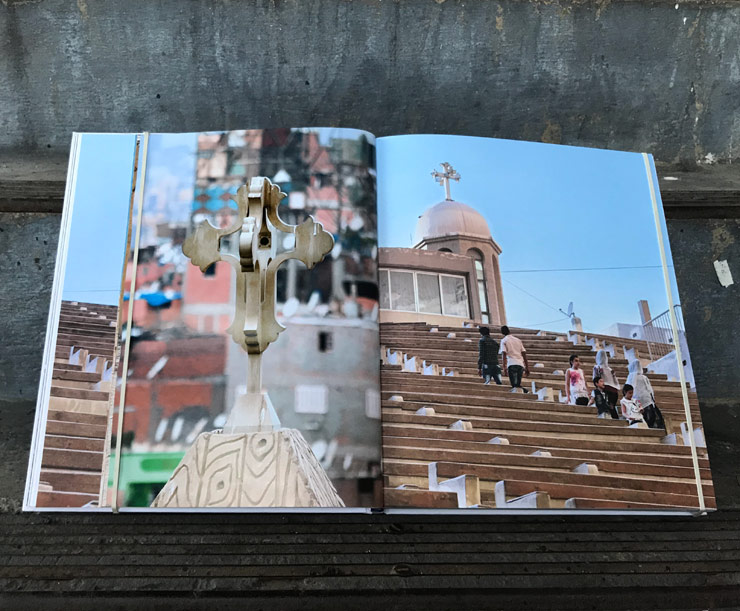
Over the course of the project he and his team describe through interviews and with his own diary style how their own eyes were opened. It is an incremental revelatory experience that paralleled the quote that he stylized throughout the pattern of his piece, “Anyone who wants to see the sunlight clearly needs to wipe his eyes first,” from the writings of Saint Athanasius of Alexandria, a fourth century Coptic Bishop.
Scaling the power networks seems as natural to el Seed as scaling a massive wall, and he demonstrates his acumen for winning the approval and involvement with his project from the Othodox Church religious leader Father Samaan, whose permission is used to open doors in the community for painting. With the project the artist also garners the attention of MoMA in New York, specifically Glenn D. Lowry, who introduced him at Art Dubai after the project was completed and who writes the introduction to this book.
But here the artist tells you that nothing prepared him for his own personal transformation plunging himself into the neighborhood. With time he says he realized that he had an incorrect perception of the people who recycle the city’s garbage and that he received the larger gift from them.
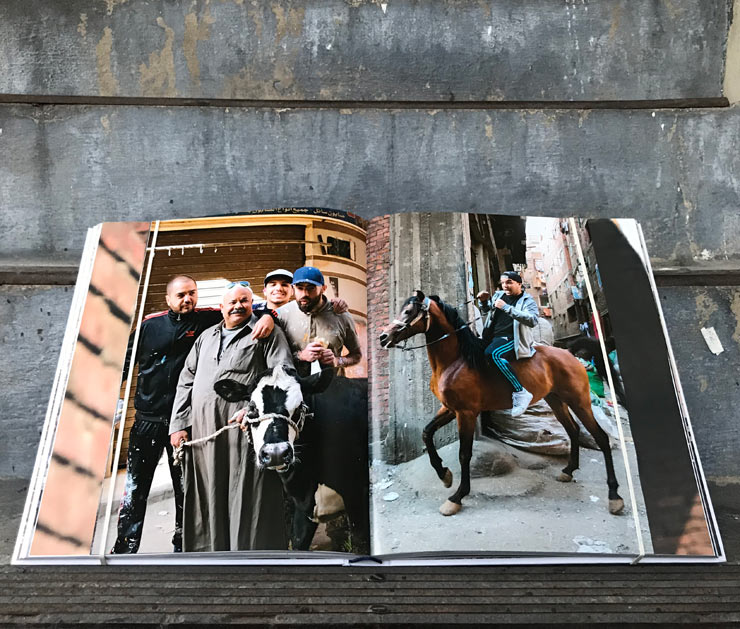
Through photography and interviews el Seed illustrates his own learning process as well as his own teams meeting the social, political and physical demands of such a public artwork. By following the story the reader gains appreciation for the process and the nature of life there in a part of the city that even his first taxi driver was hesitant to drive into. Despite the impressive massive public artwork that can be seen in its entirety from one specific vantage point, it almost feels to the artist that the art was secondary to the project.
“The project helped establish a dialogue, create a connection. Looking back, we understood that this was born out of recognition,” he writes. “We approached a rejected community and involved it in a piece of artwork. They were part of the creative process by their presence, their looks, their smiles and their proffered hands. There’s no doubt that’s how we got through it, despite the steep streets, unsteady houses, unexpected electricity cables and heaps of garbage.”
The neighborhood has garnered international attention in recent years, drawing a string of international ‘news’ crews who produce shallow, sensationalist and ultimately degrading pieces, a series of bad experiences that have left locals feeling far more suspicious of outsiders – especially those with probing questions and camera equipment.
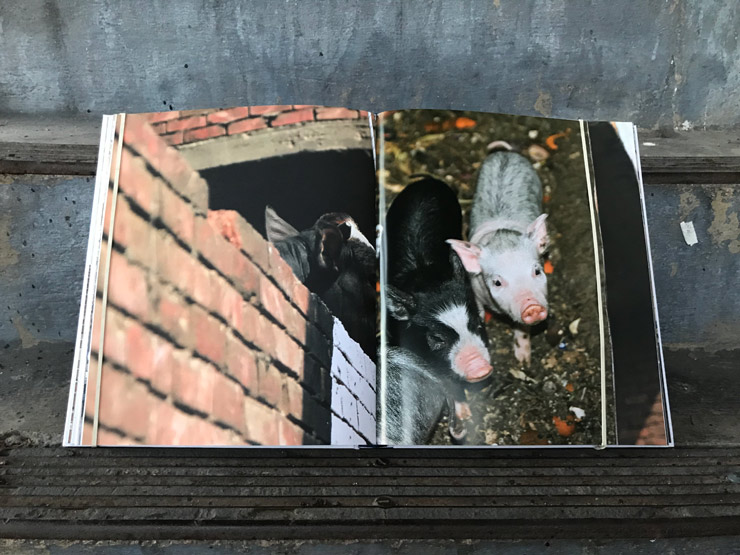
Mahdi is a photographer/videographer who has worked with el Seed in the past and who followed the team throughout the weeks of installations capturing not only the community, the architecture, and the painters but also the various livestock that are raised on roofs or in backyards in this dense part of the city – contributing to an often overwhelming acrid smell. As the documenter of the Perception project Mahdi says that he gradually realized that he had misjudged the folks who lived there.
“I was not so convinced that these people really like their life or that they were not bothered with any details of their job until the day I interviewed Abu Atef,” he says. “That man and his wife were proudly announcing in front of my camera that it is their job to collect the trash from the big city and that without them Cairo would be full of trash and dirt. They were so proud and happy with their life; I’ve never seen people as happy as them. The life in that neighborhood is hard, the work is so hard, but their smiles are stronger.”
One of the team painters says that although the work of using less-than-optimum hand cranked lifts to paint poorly constructed brick walls day after day in intense heat caused him to discover “some muscles that I had no idea existed in my body,” the bonds he made were stronger than any other job he’d had.
“The connection that we had with the community was insane. I worked with people for years in offices and for different companies but I didn’t stay in touch with anyone. I worked for three weeks with these people and the team, and we are still in touch.”
“After a few days the light they had inside of them started to come out. I stopped judging them and I started to see who they really are. I’ve never seen people who work like that in my life. They never stop, they work almost every single day and they only have one week off during the whole year. And they are smiling all day long. I still remember the family of Uncle Bakheet while they were sorting the trash, laughing and joking with us. This project made me “wipe my eyes”.
The photographs are genuine, generous, and not sentimental. The prose a bit sweetened, the emotions expressed not always flattering, the descriptions even-handed, the vulnerability a gift. In the end, the artist says that he and the team were amazingly proud of the massive anthromorphic mural and the group effort that made it happen. They and the neighbors were also thrilled with the effect of the large black lights that turned the fluorescent underpaint of the white areas into a miraculous view – a secret for the audience until the moment the switch was thrown. What resonates is the deep emotional connection that appears to have affected so many of the participants; lives that were indeed transformed by art.
“In the touching and colorful tranquility of their existence, the exceptional and unique community of the Zaraeeb offered us a valuable philosophy of life, of inevitability, equanimity, humor, human values, hard work, generosity and determination,” says el Seed.
El Seed PERCEPTION Published by Point à la Ligne. Milan, Italy. 2018.
Spanish artist Gonzalo Borondo, from Valladolid, arrives at LuzMadrid Festival with Redentora, a site-specific installation that continues his steady movement …Read More »
 BROOKLYN STREET ART LOVES YOU MORE EVERY DAY