Our weekly focus on the moving image and art in the streets. And other oddities.
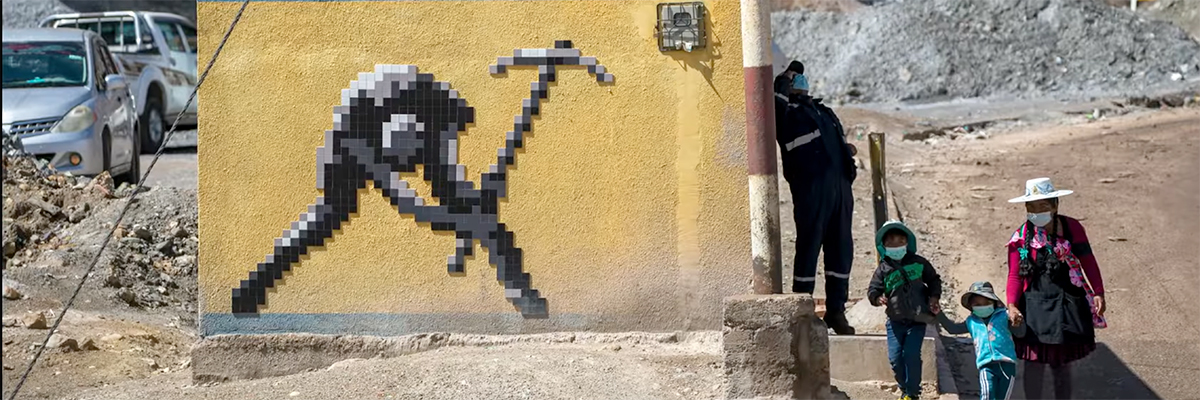
Now screening: 1. Invader: Invasion Potosi, Mission 4000 2. A VHILS Reel edited by Jose Pando Lucas/Solid Dogma 3. Os Gemeos: “El dibujo es el alma de todo proceso” (Drawing is the soul of every process)
BSA Special Feature: Invader: Invasion Potosi, Mission 4000
Llamas, demons, Scoopy Doo, the Clash.
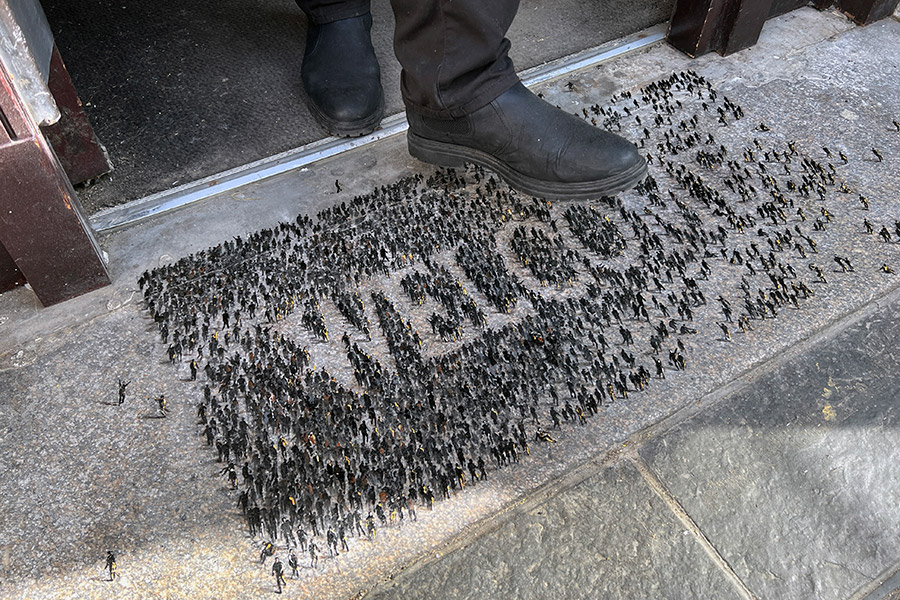
The French Invader, with his Western symbols painted with tiles takes you to Potosi, one of the highest cities in the world. “Located in Bolivia at 4000m above sea level it was a perfect place to install the 4000th space invader,” says the artist.
Invader installs his 4000 space invader in Potosi, Bolivia.
A VHILS Reel edited by Jose Pando Lucas/Solid Dogma
Os Gemeos: “El dibujo es el alma de todo proceso” (Drawing is the soul of every process). Via Domestika.
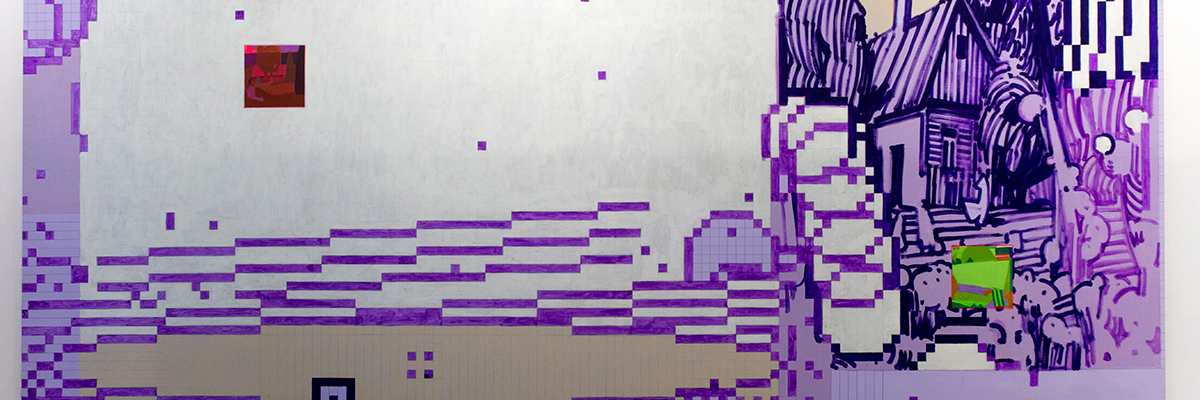
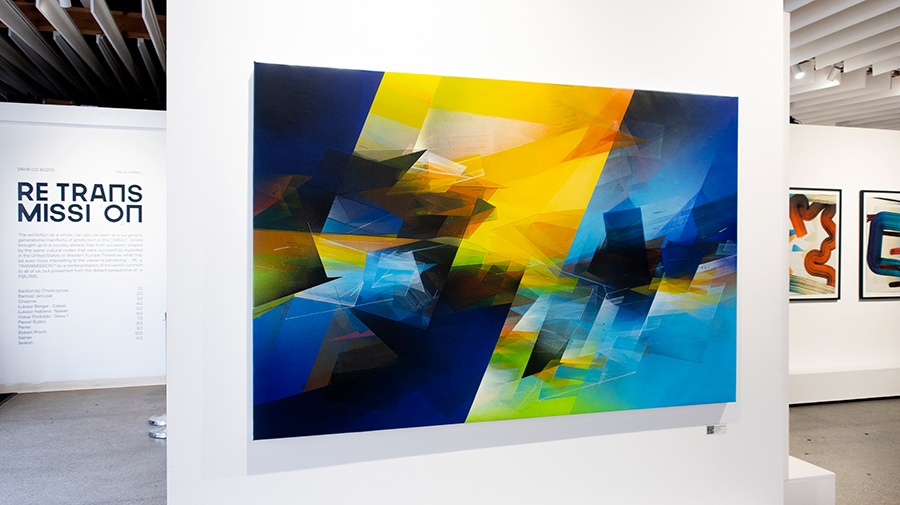
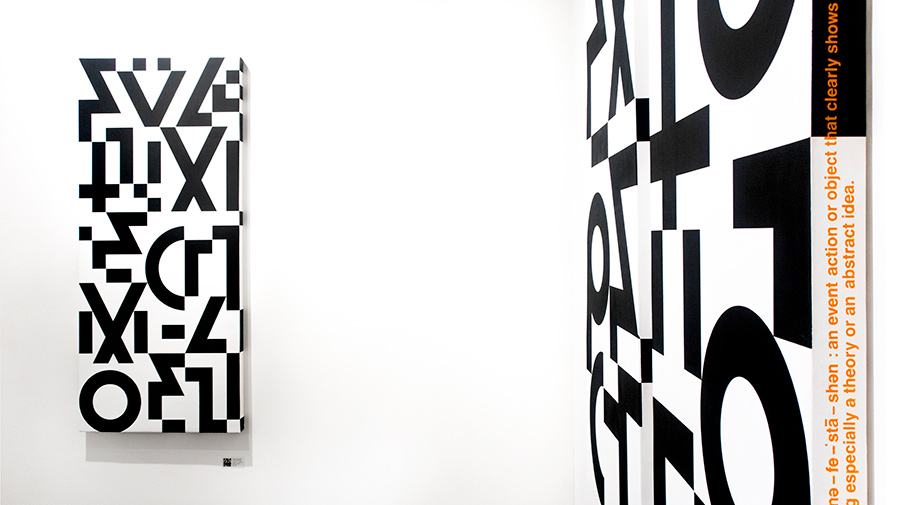
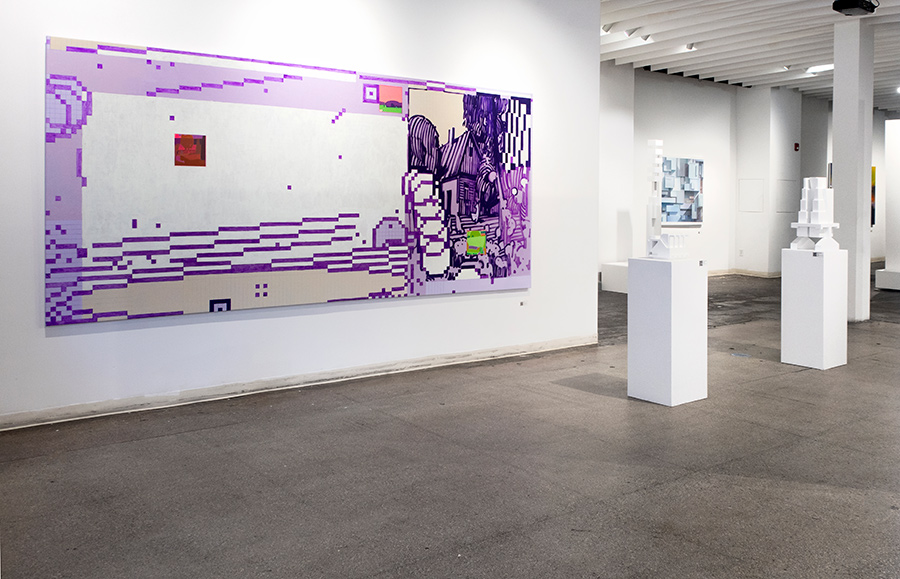
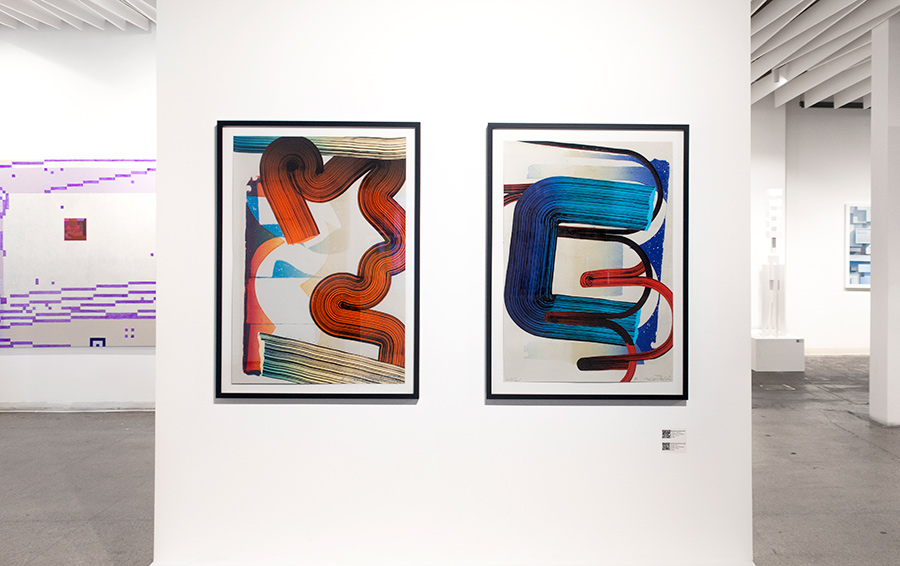
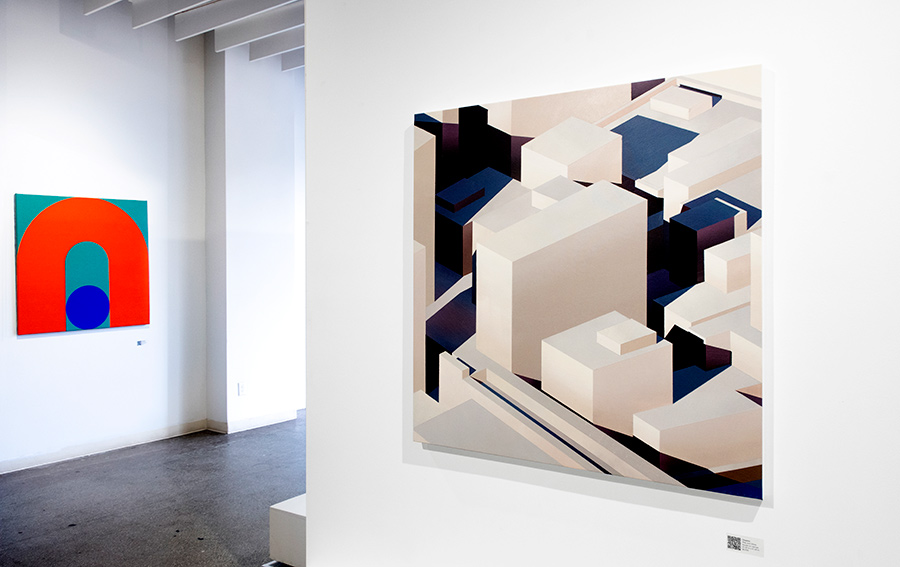
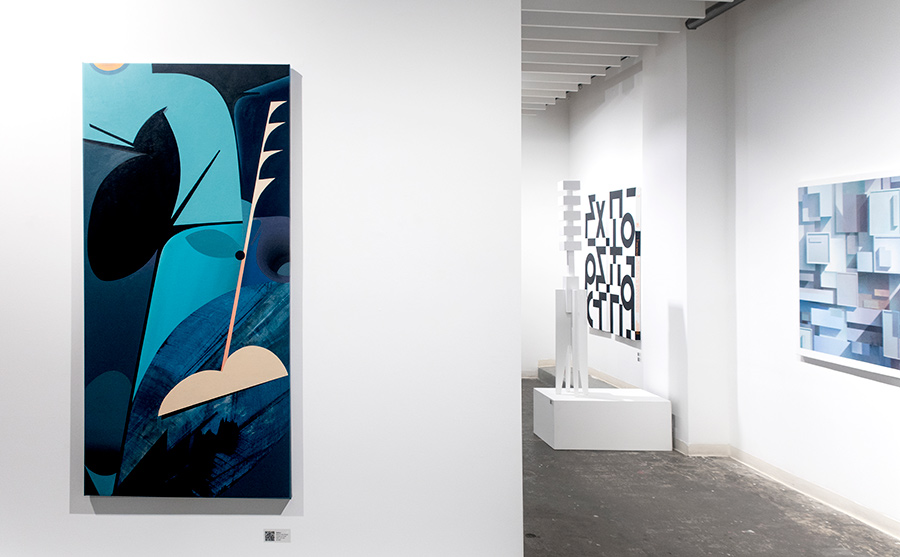
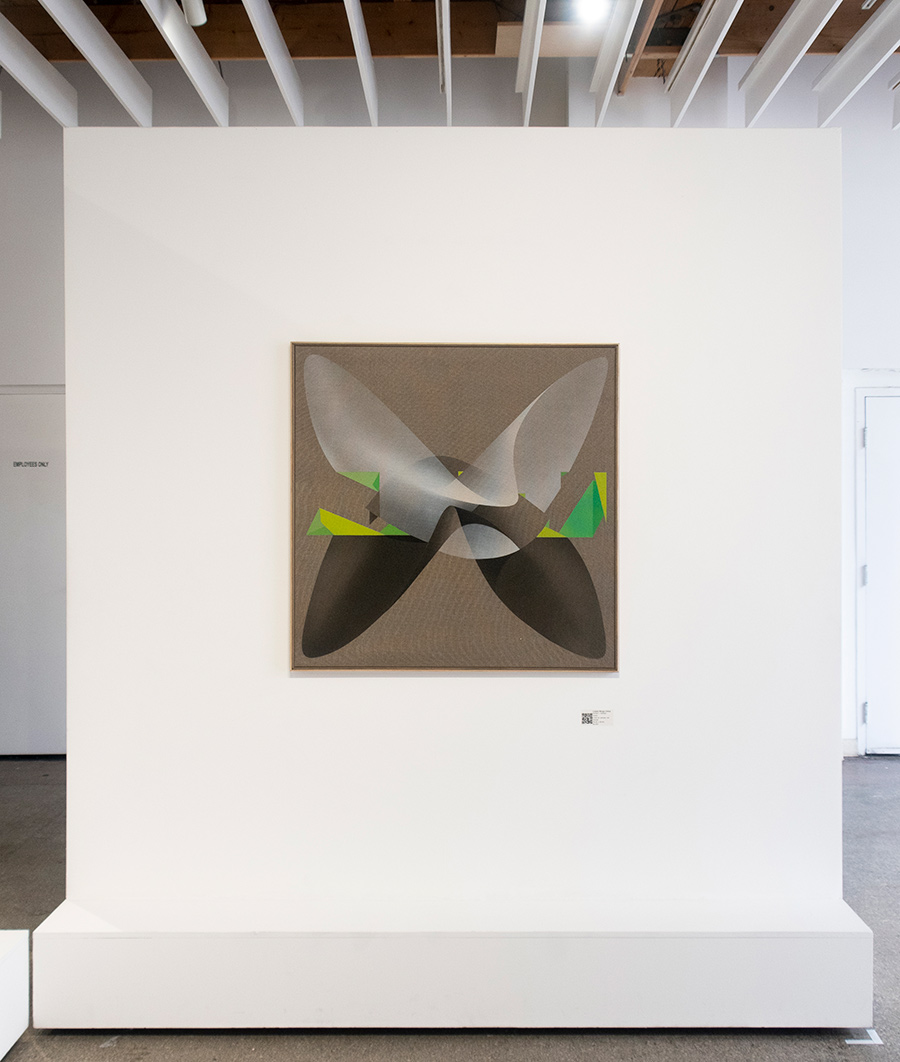
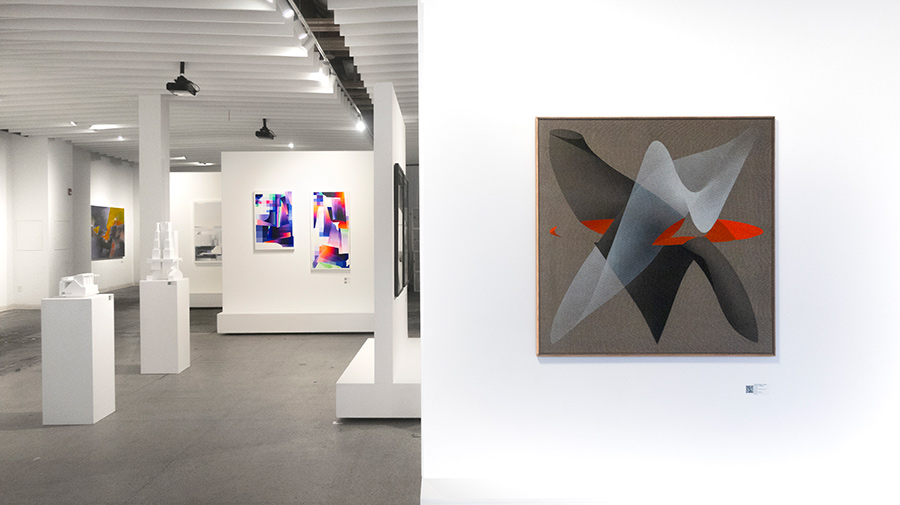
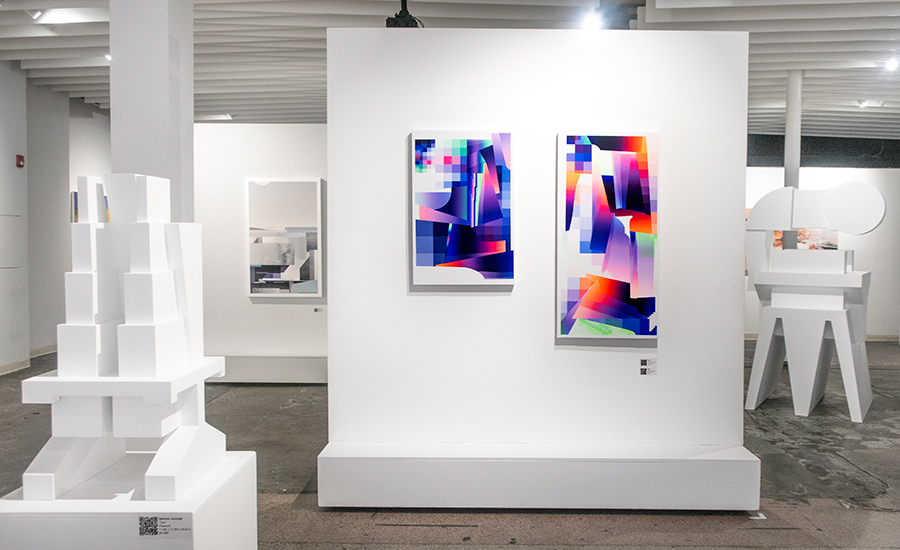
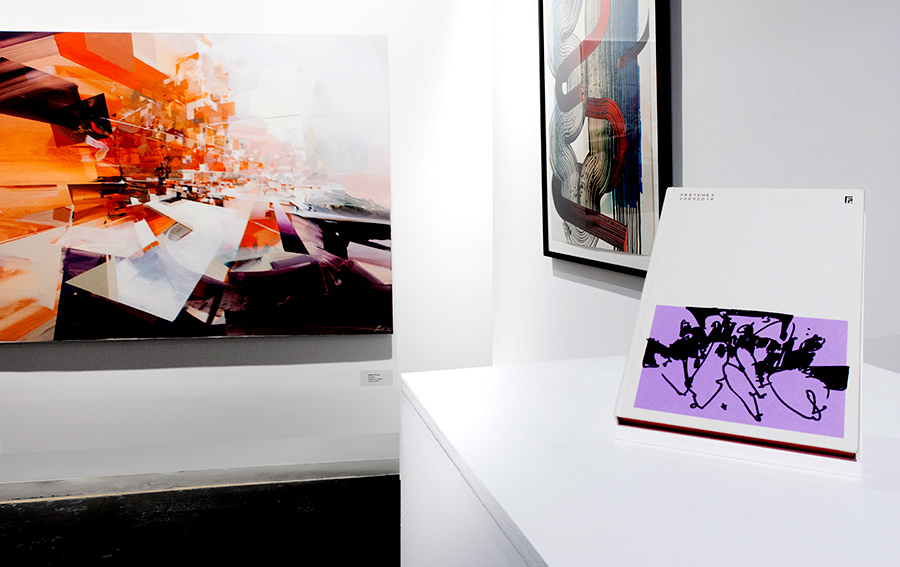
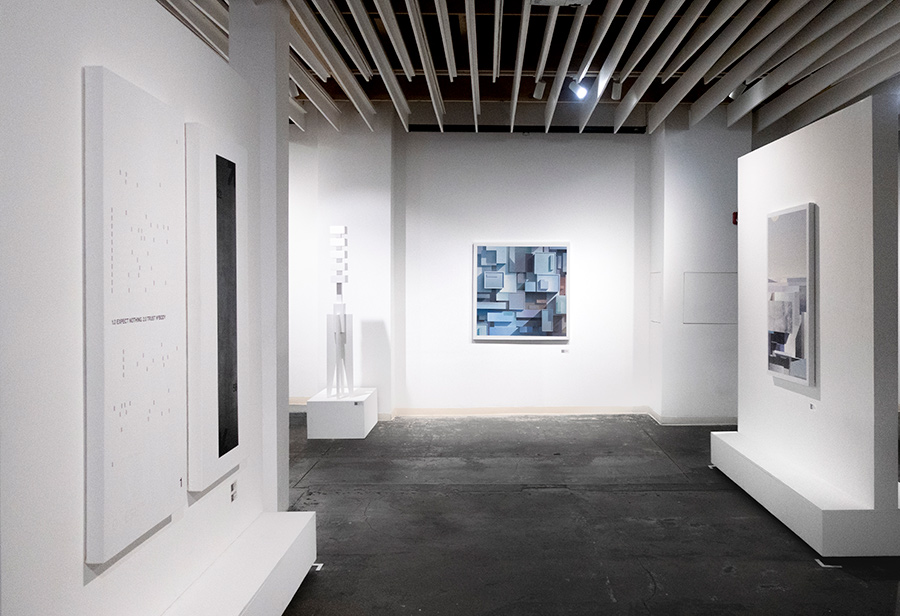
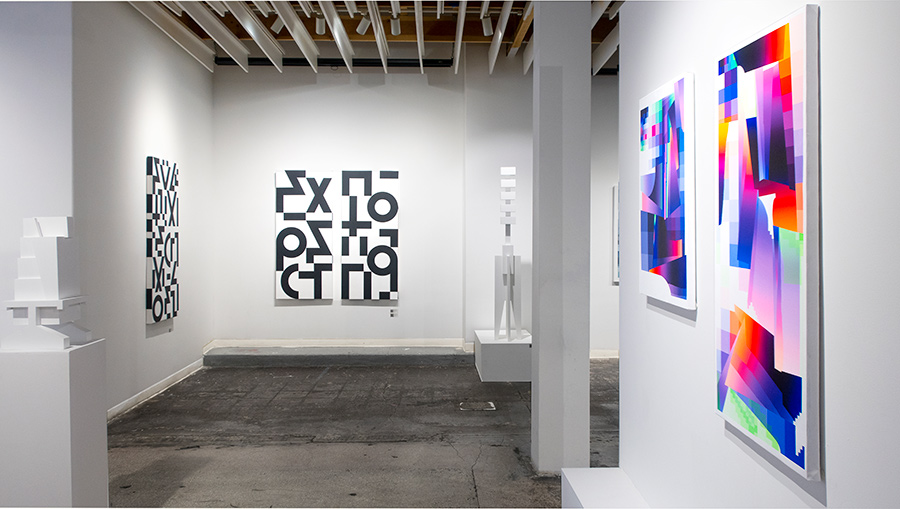
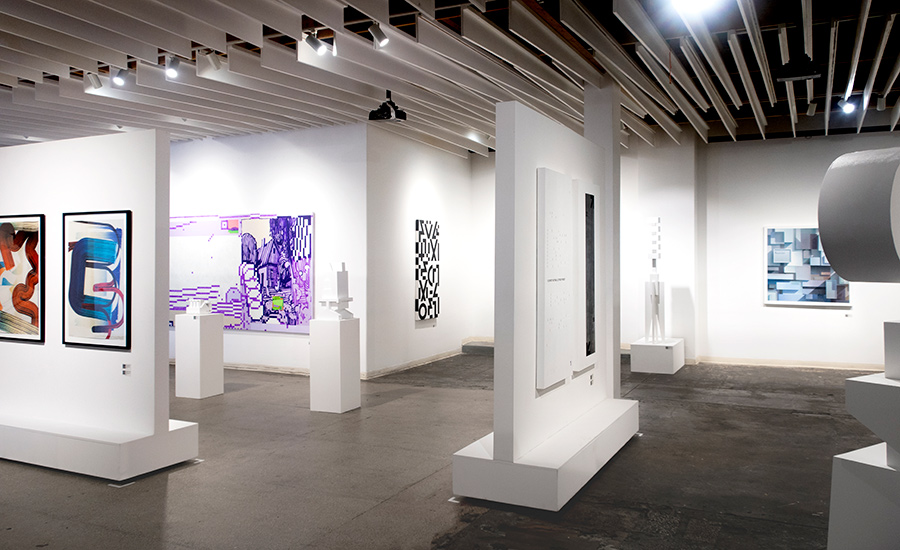
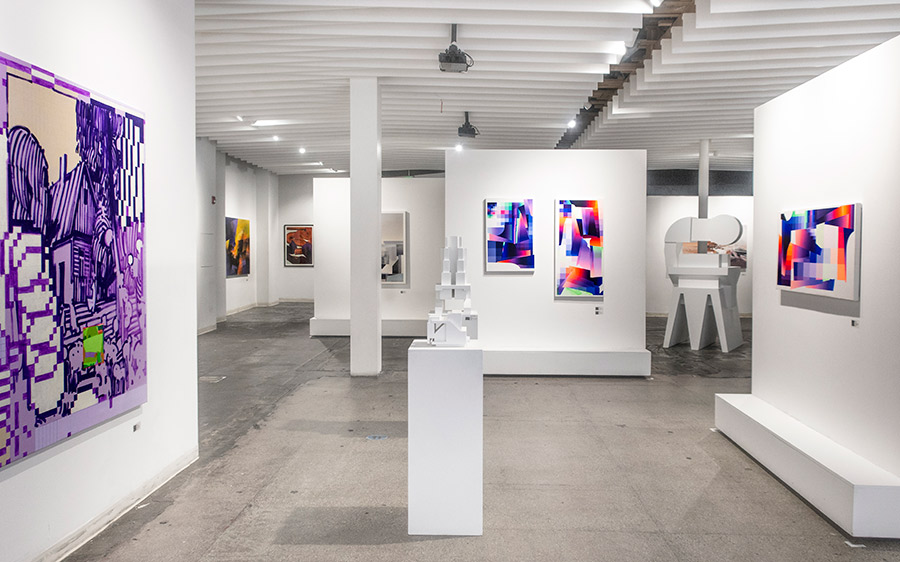
This fresh new survey of Polish artists primarily born in the 1980s is called RETRANSMISSION__ . It has as much to do with the influence of digital arts as it does with the plastic arts and art in the street.
This group collection at the Denver location of Mirus Gallery may possibly represent a physical lynchpin to the coming metaverse, minus the Oculus headset. A professionalized crew of artists formally trained in studies like architecture and urbanism, illustration, graphic design, painting, typography, and sculpture; These are not the kids on the street who popularized first and second-wave graffiti of the West, but rather the students of the scene infused by lore and not necessarily beholden to it.
“This collective of artists have lived and worked amongst each other,” says the gallery press release, “individually and sometimes through collaboration for many years, establishing a contemporary style unique to Poland.”
To mention that a certain number of these artists have a past in graffiti/street art culture sets the context of the artist’s common background, but those influences appear through mirrors, or software filters, if at all. You may look for deconstructed letter forms or raw off-kilter placements of elements, but this is such a self-aware, contemporary tableau, one may need x-ray vision to see the street from here.
Spray tags, skateboard graphics, street interventions, and covert acts of illegal artmaking may be influences in this corner of the street scene – one that has matured in the last decade and a half to embrace geometry and sophisticated illustration. It’s maturity now and development of a visual language that brings one to RETRANSMISSION__ where we are currently meditating on form, texture, refracted light, and balanced composition.
Featured Artists: Bartłomiej Chwilczyński, Bartosz Janczak, Chazme, Lukasz Berger Cekas, Lukasz Habiera Nawer, Oskar Podolski, Pawel Ryzko, Bartek Świątecki (Pener), Robert Proch, Sainer, Seikon
RETRANSMISSION_ At Mirus Gallery in Denver, Colorado is currently on view to the general public until July 8th. Click HERE for more details and schedules.
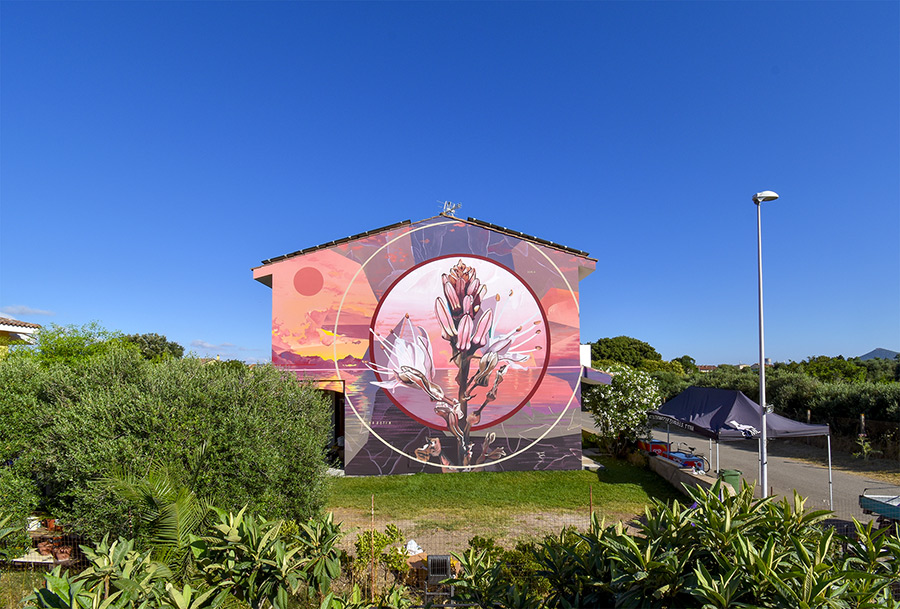
Dudes and dudettes, you KNOW it’s summertime! The flood of paint, legal and illegal, that is hitting walls in cities everywhere and possibly around your neighborhood – it’s outstanding. One artist who’s taking advantage of the good weather this year is Fabio Petani, who seems to bang out a mural every 15 days. Each is a lesson in botany and science, often revealing the plant and its uses in society- aside from aesthetics.
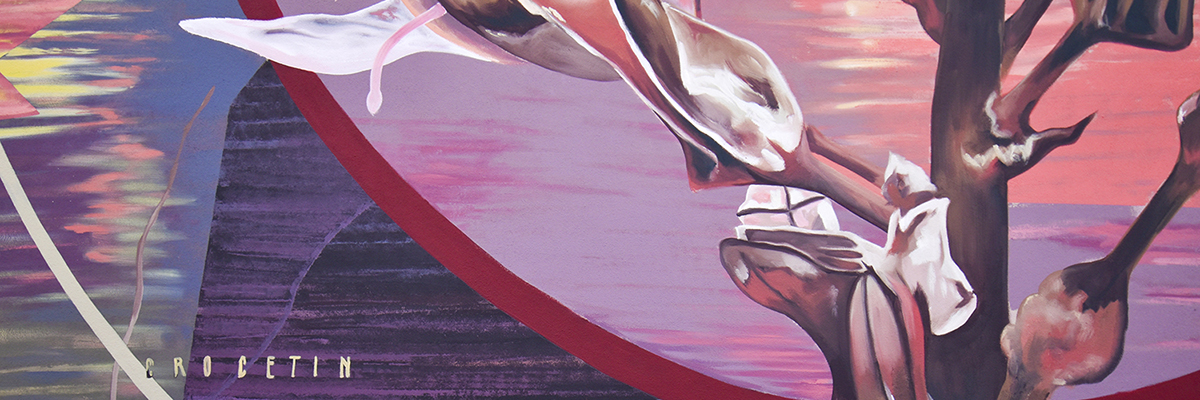
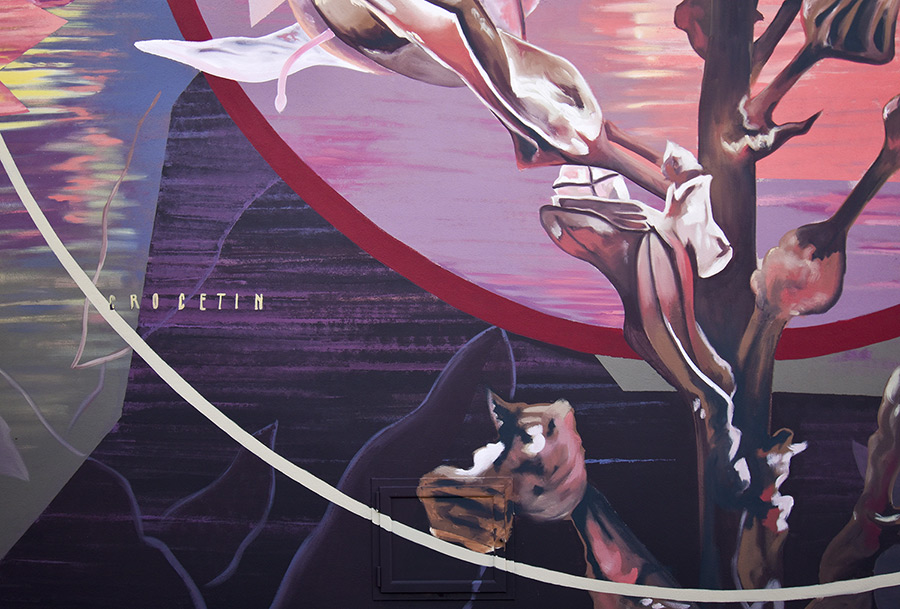
Here in San Gavino Monreale in the Province of South Sardinia (pop 8,700), Petani paints Crocetin & Asphodel, which is likely to be currently in season in many areas in this part of the world, producing something decidedly sweet. When the weather turns cold again Petani’s wall will remind the locals of this warm and lush season.
Petani gives us a full exigesis on his new work, Crocetin & Asphodel:
“The asphodel, a spontaneous plant of the Mediterranean scrub, of which the people of Sardinia have been able to exploit all the properties since the dawn of time, begins to flourish in this period, and perhaps for this reason it has assumed an almost magical value in the culture islander.
Once upon a time, there was no bride who did not have in her kit the baskets of asphodel, indispensable, in many different shapes and sizes for work in the kitchen, for the processing of bread and other foods that in ancient times were called at home.
The stems of the asphodel in fact constitute the raw material for the construction and weaving of the baskets. Furthermore, the stylized flower often recurs in embroidery and weaving works.
But there is a characteristic of the asphodel: from its white flowers, the bees produce a very precious, delicate, very clear, almost crystalline honey with a unique aroma, marketed almost exclusively in Sardinia.
It is rare honey and more expensive than the others, due to its delicate taste it is used in haute cuisine preparations and combined with equally fine foods with a refined flavor”
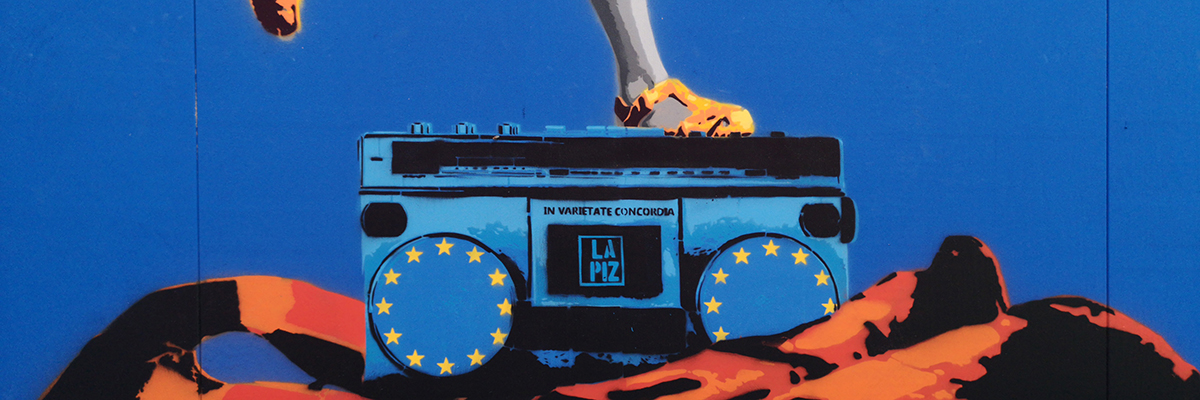
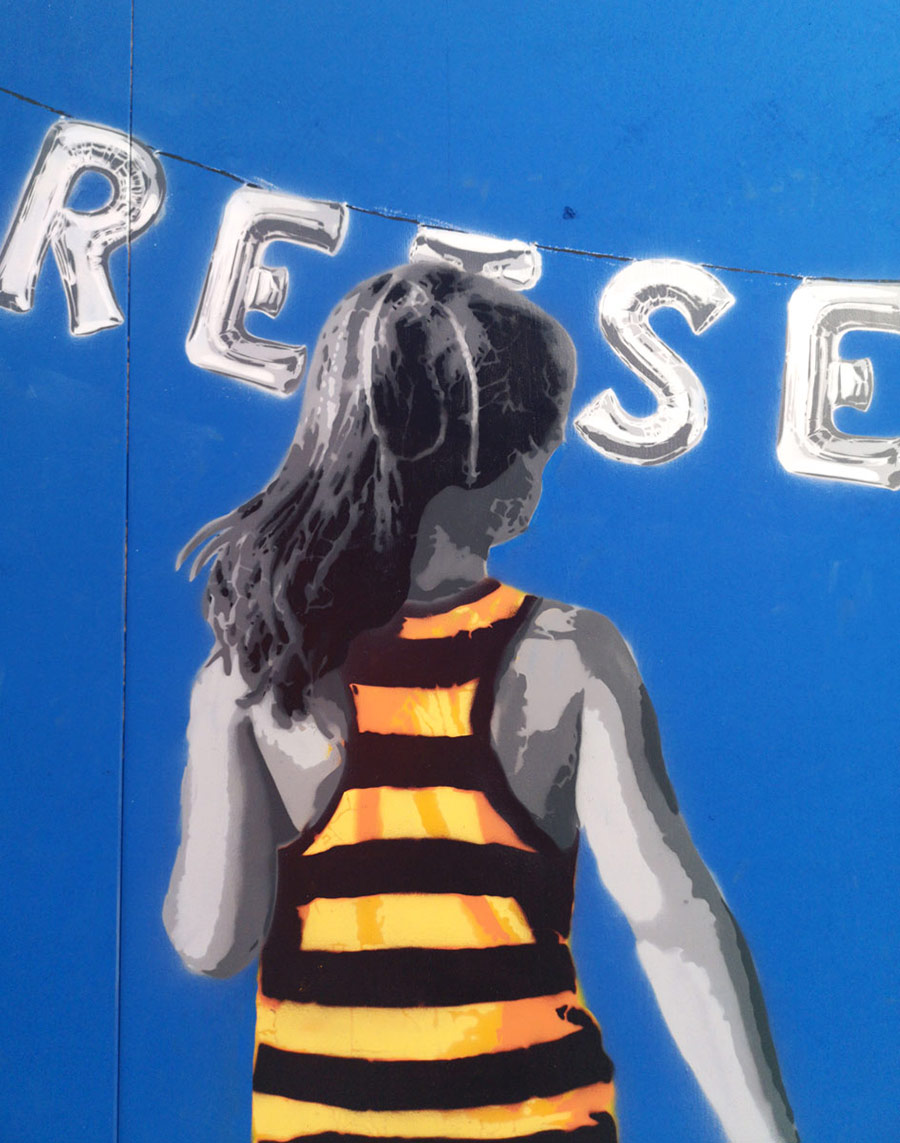
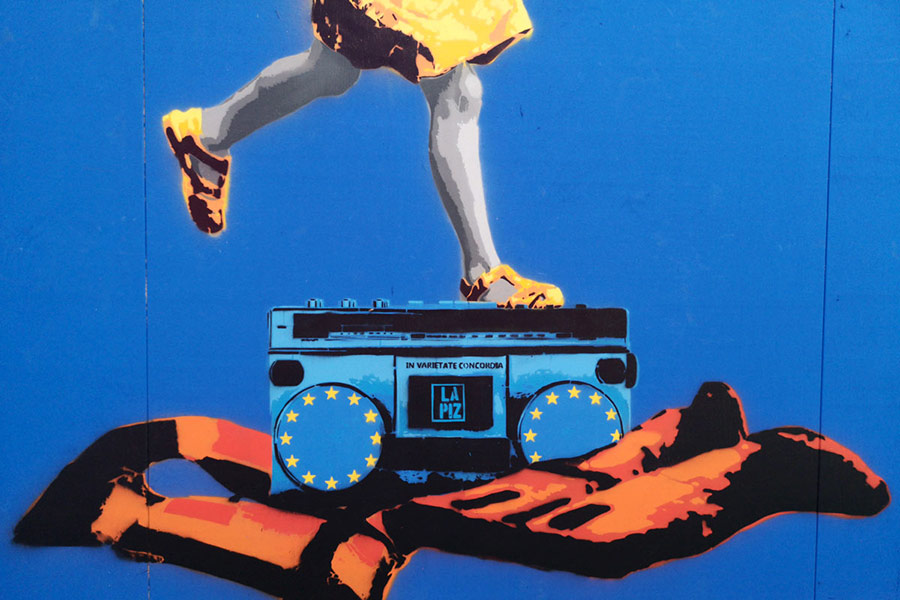
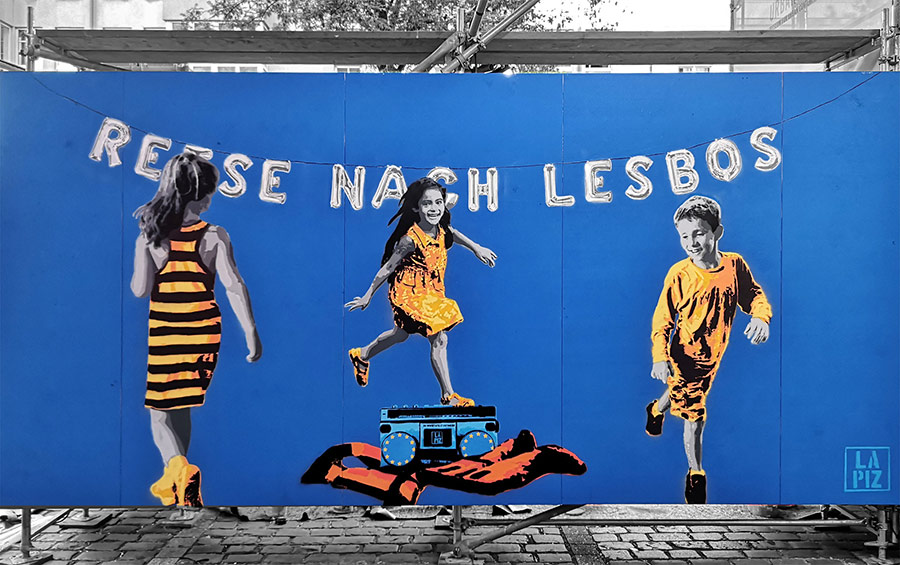
“Happy kids are playing the game, but something is off, the chairs have been replaced by life vests and the EU is playing the music.”
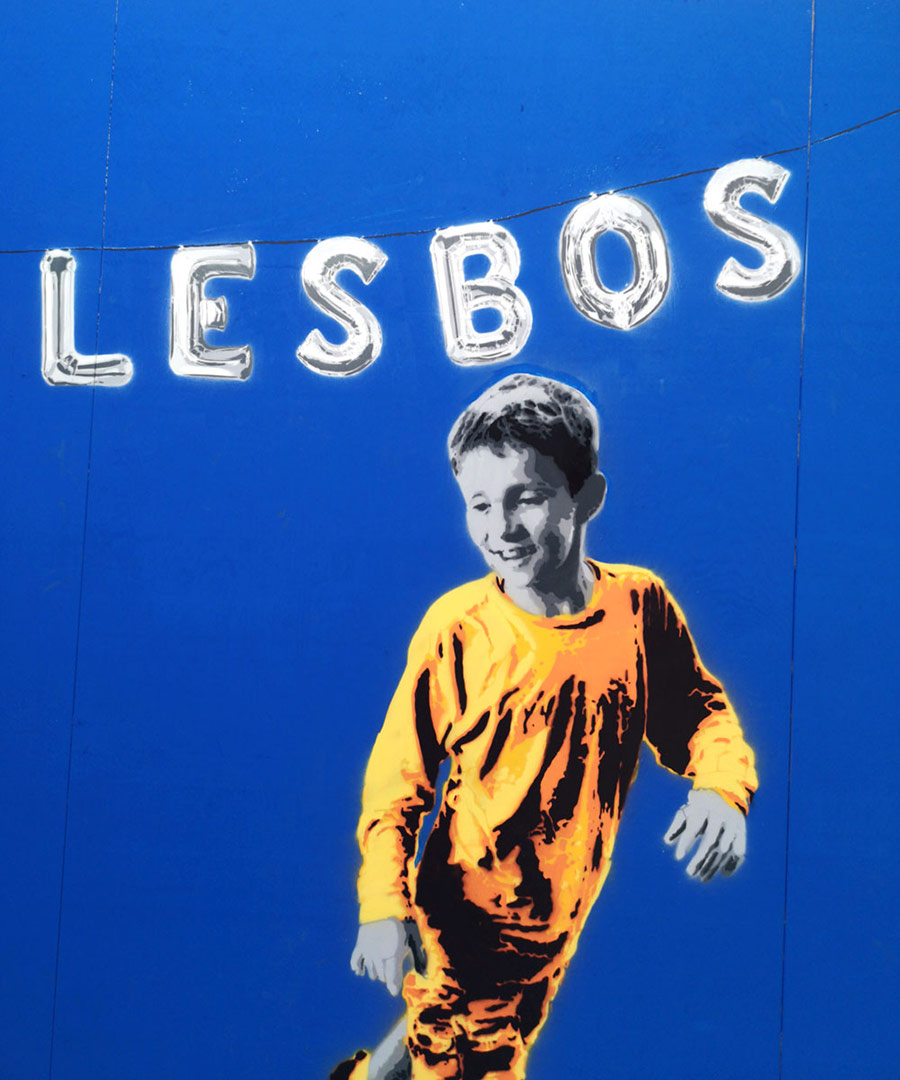
Street artist LAPIZ says his darkly themed new stencil piece is based on the game ‘musical chairs’ and is pointing directly to the number of refugees who drown in the Mediterranean Sea. So many die so frequently that people in Europe have grown tired from the news, he says. And that’s why he’s depicted this ‘game’ of children playing with life vests.
“It is supposed to look that way because it became normal that people are drowning in the Mediterranean which is why we do not hear anything about it anymore,” he says.
Part of Urban Nation museum’s UNartig Festival, where artworks are intended to catalyze discussion, the new work is entitled “Reise nach Lesbos” (Dancing Chairs of Lesbos). The reference to Lesbos in this case of course, is to the large number of refugees living there in camps, many of whom would like to move to Europe.
“About 50% of people fleeing via the Mediterranean are underage,” LAPIZ tells us. That fact alone is enough to confirm that this new work is not childs’ play.
“So let freedom ring from the prodigious hilltops of New Hampshire. Let freedom ring from the mighty mountains of New York. Let freedom ring from the heightening Alleghenies of Pennsylvania! Let freedom ring from the snow capped Rockies of Colorado! Let freedom ring from the curvaceous peaks of California! But not only that; let freedom ring from Stone Mountain of Georgia! Let freedom ring from Lookout Mountain of Tennessee! Let freedom ring from every hill and every molehill of Mississippi. From every mountainside, let freedom ring.” – Martin Luther King Jr.
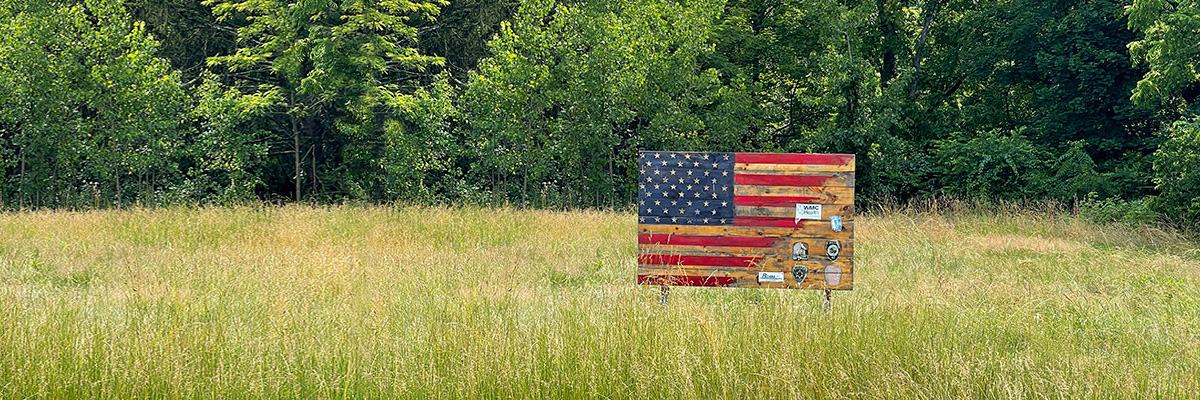
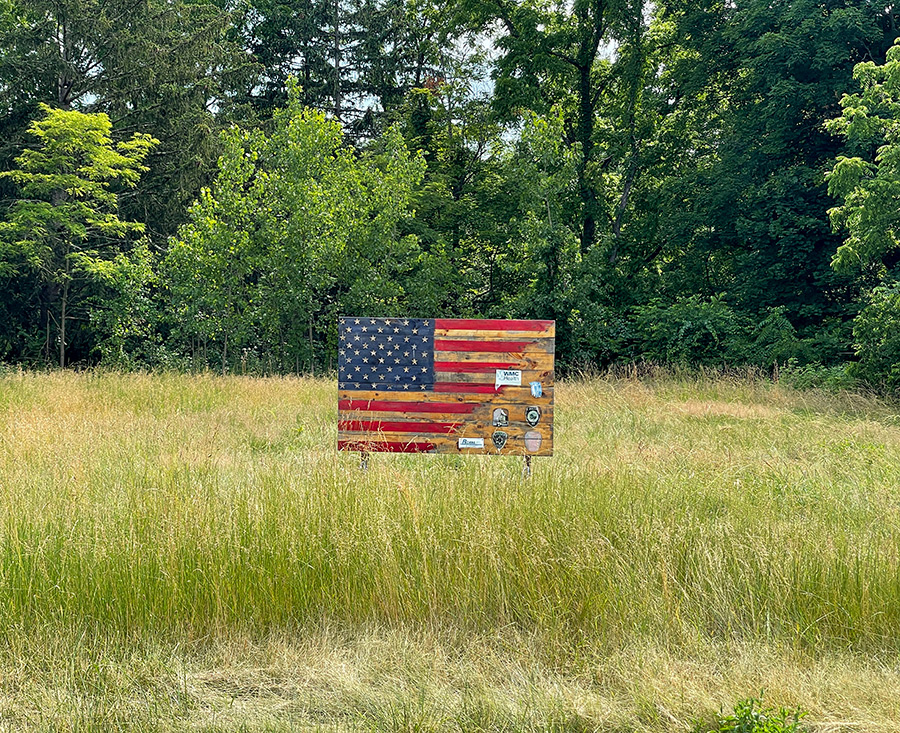
Our best wishes to all the Americans celebrating the 4th of July today!
It’s 4th of July weekend here, a patriotic holiday that marks the US independence. This year the overarching oft-repeated phrase is that America is more polarized than ever, perhaps on the verge of a civil war. But really? Where is this theme coming from? Is someone trying to con us into being deeply distrustful of each other and angry? Does anyone gain by making us fight?
We see New Yorkers, who are some of the most diverse and varied lot you are likely to ever find, treating each other daily with fairness; giving each other more space than ever to be who we are. We walk into restaurants, museums, buses, stores, laundromats, delis, offices, gymnasiums, parks – and usually find people being considerate, warm, respectful of differences, more inclusive than ever. New York proves time and again that people WANT to get along, and we DO get along with each other despite our huge differences, because we really have more things in common. That’s not rhetoric or glossing things over; that’s daily experience in this big weird melting pot of beautiful New York City.
Thanks to all the street artists who keep bringing it and sharing it.
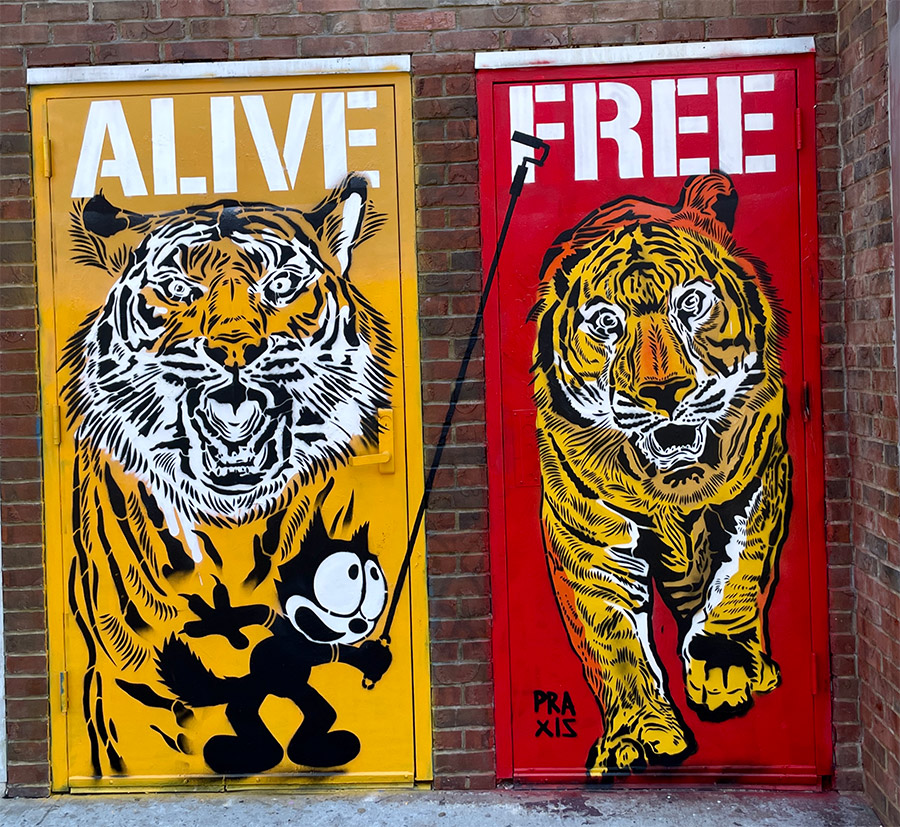
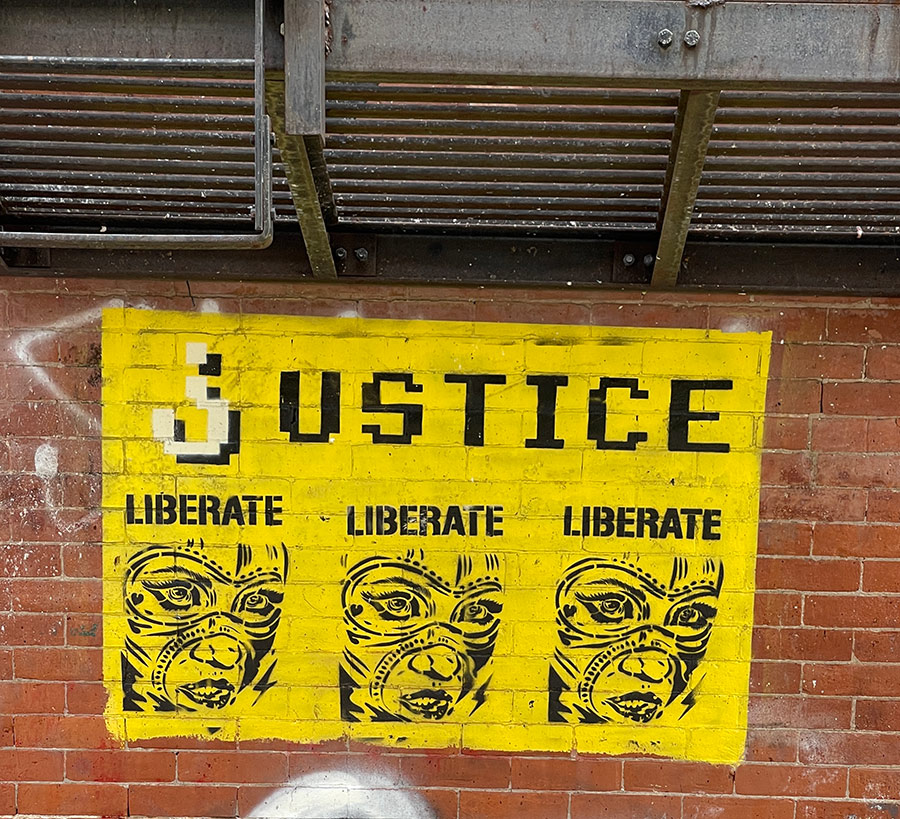
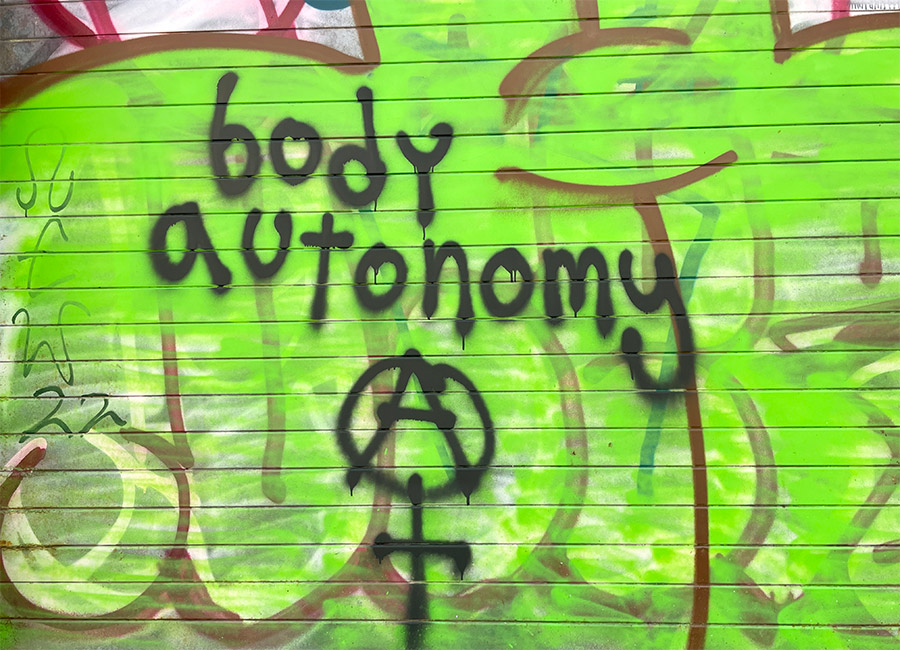
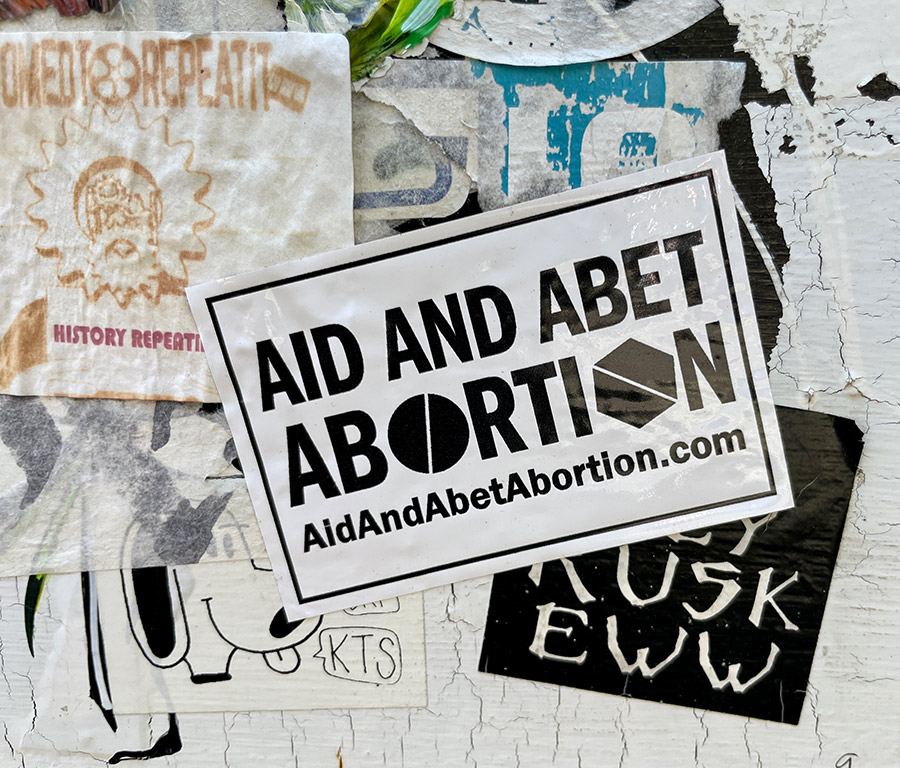
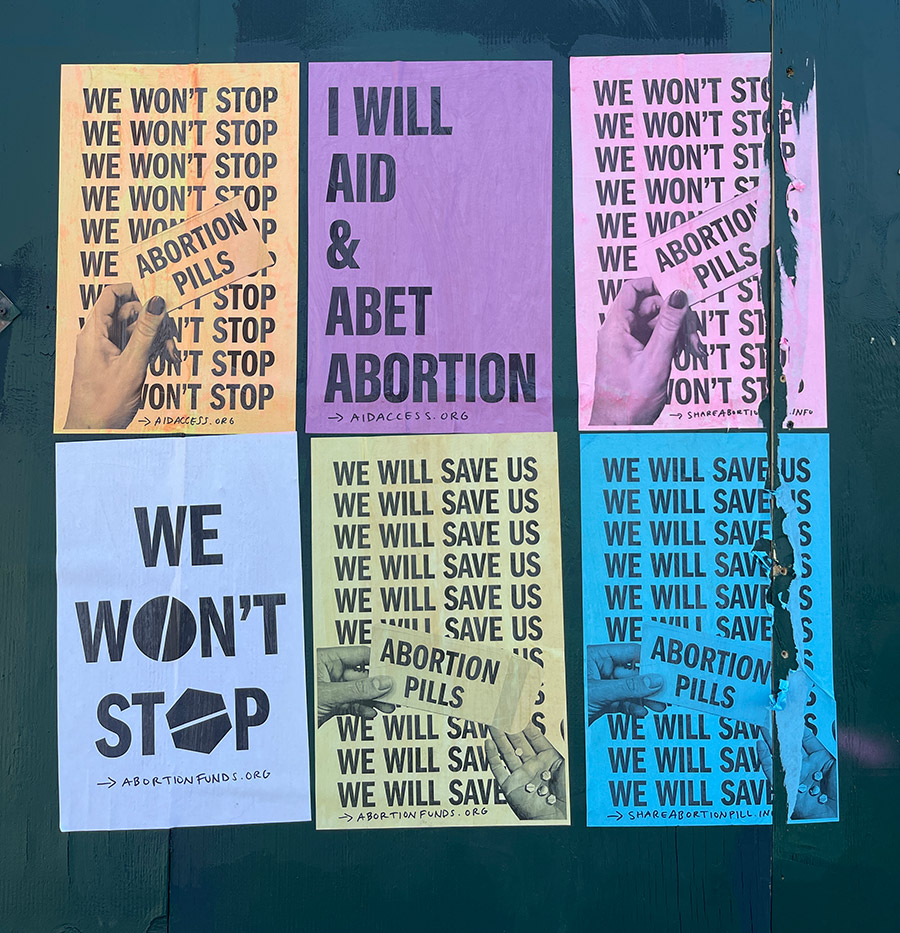
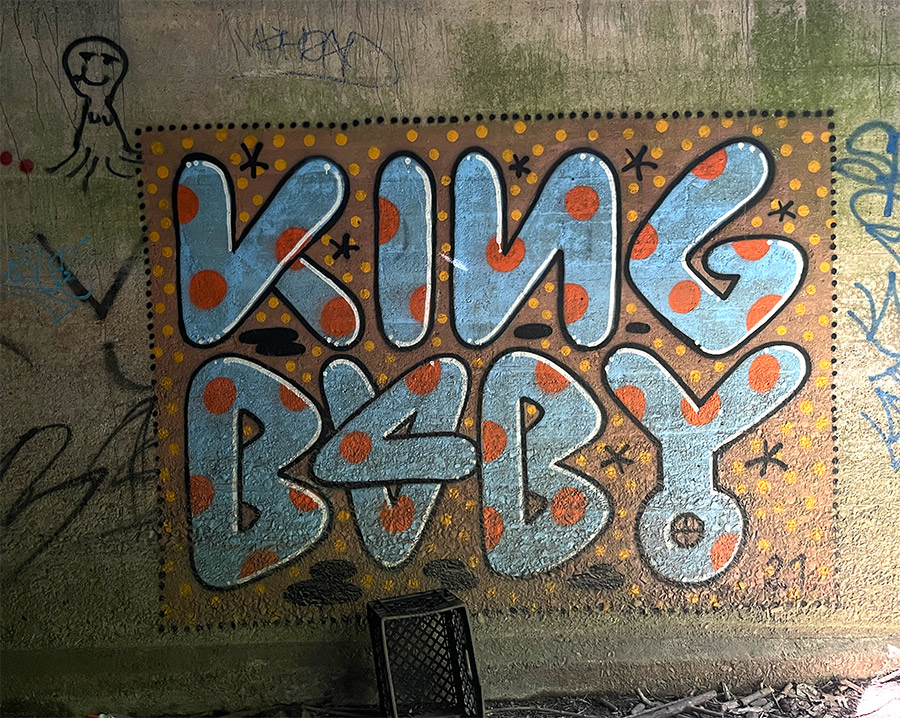
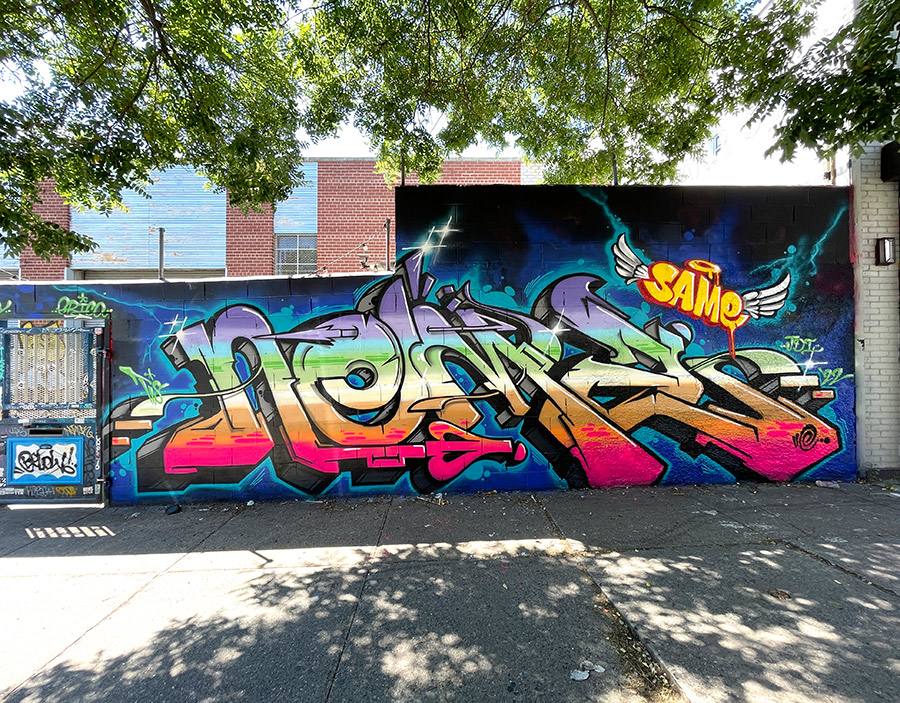
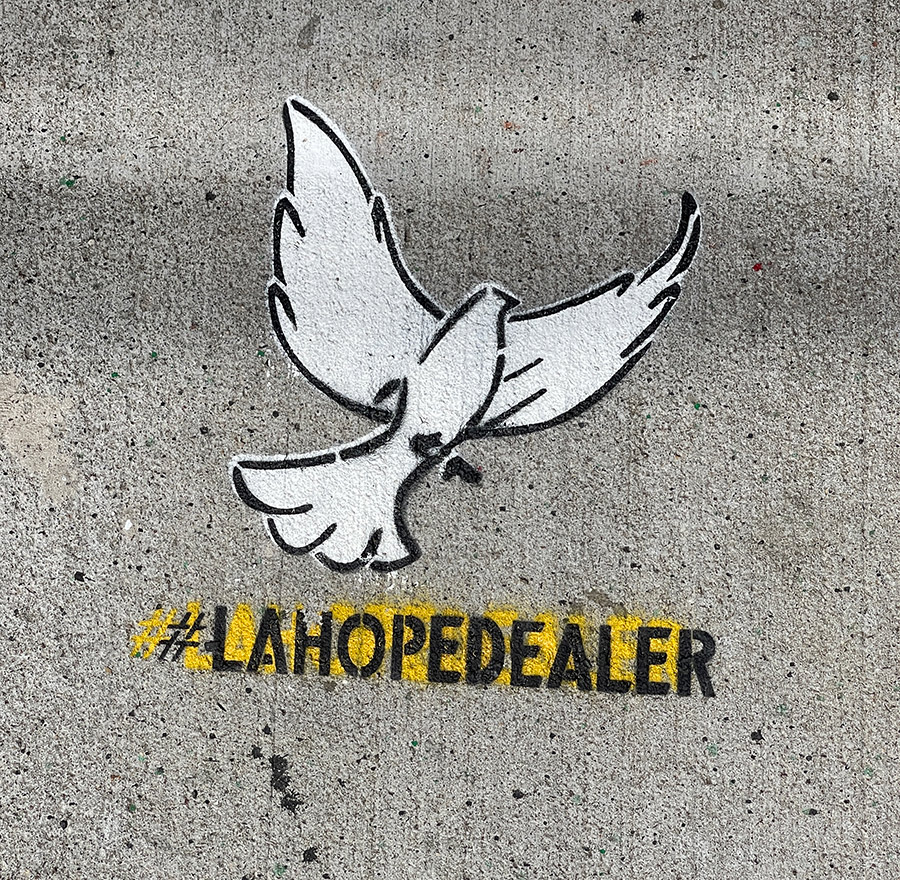
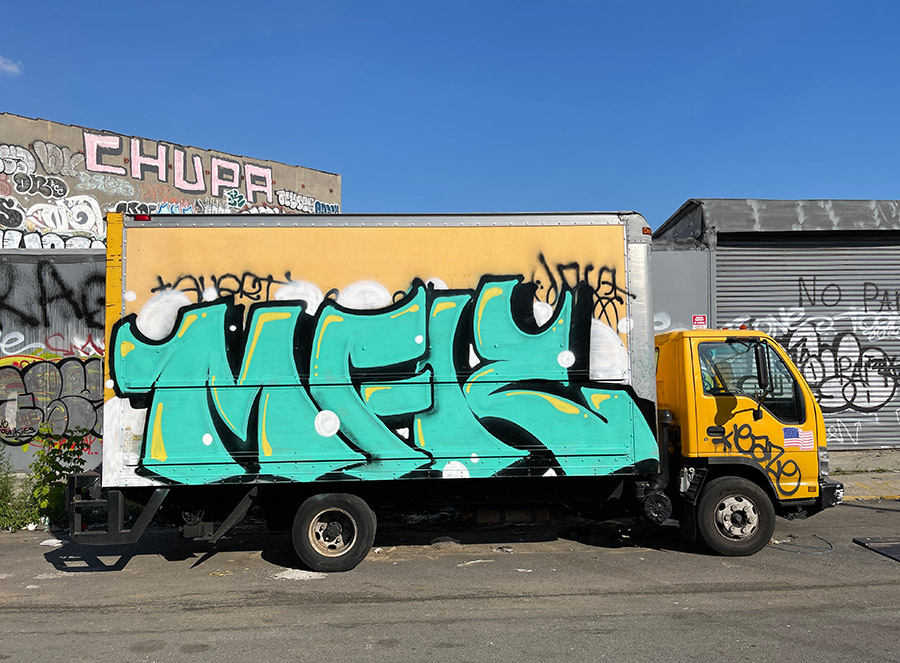
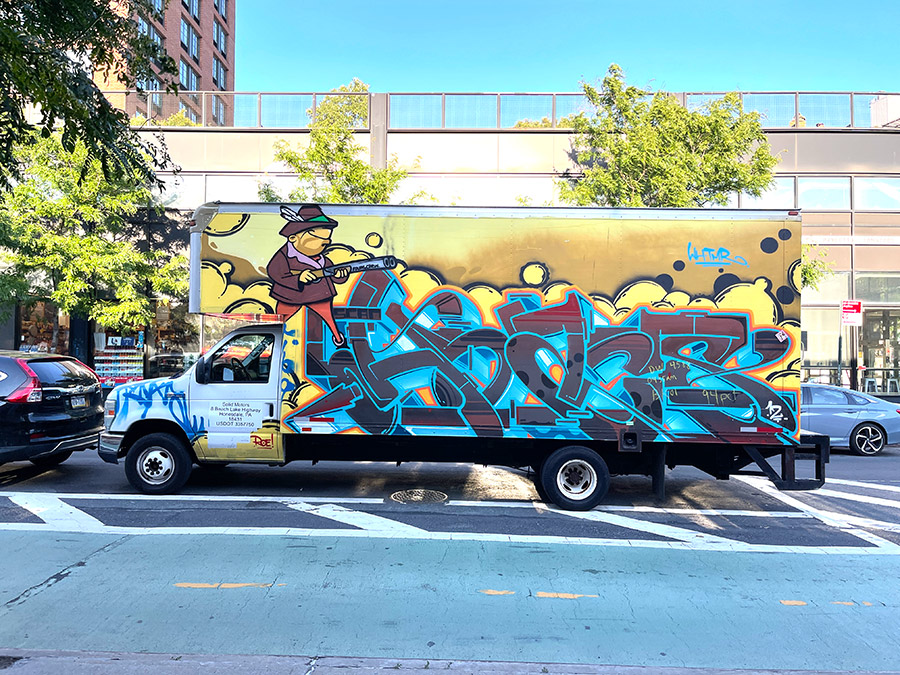
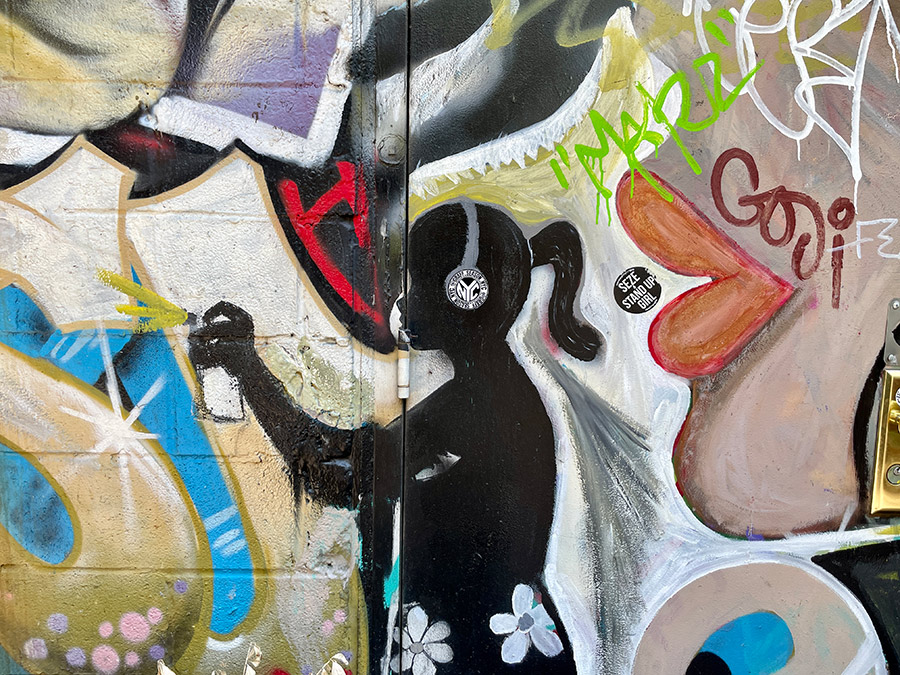
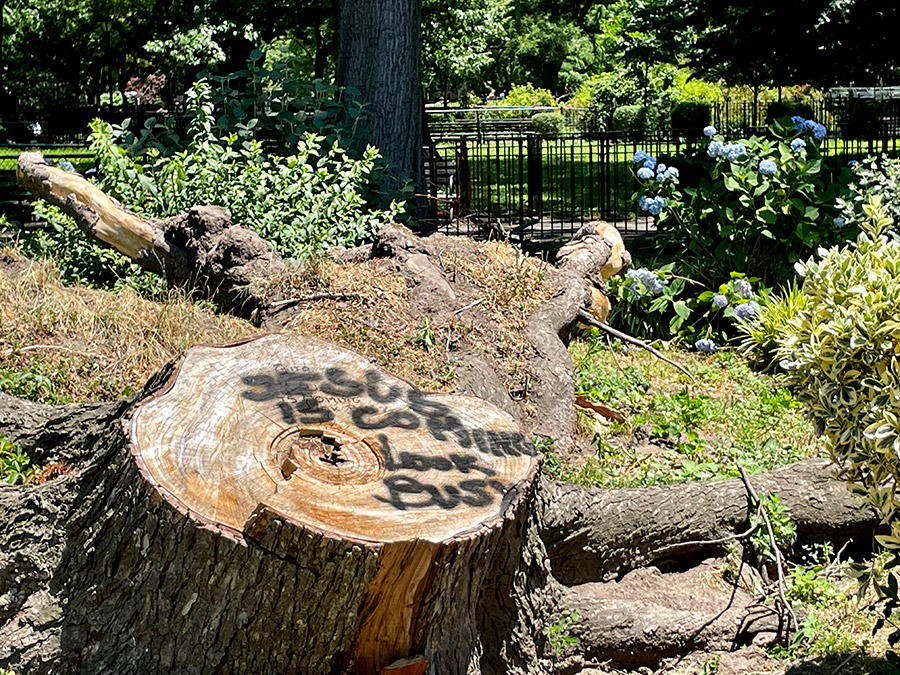
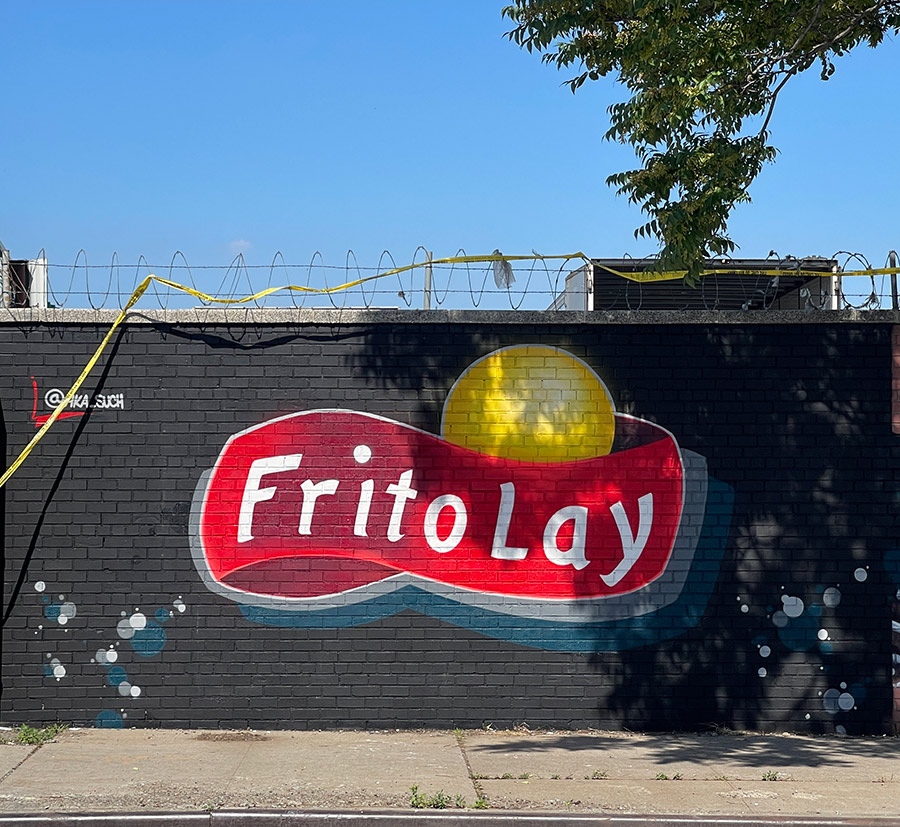
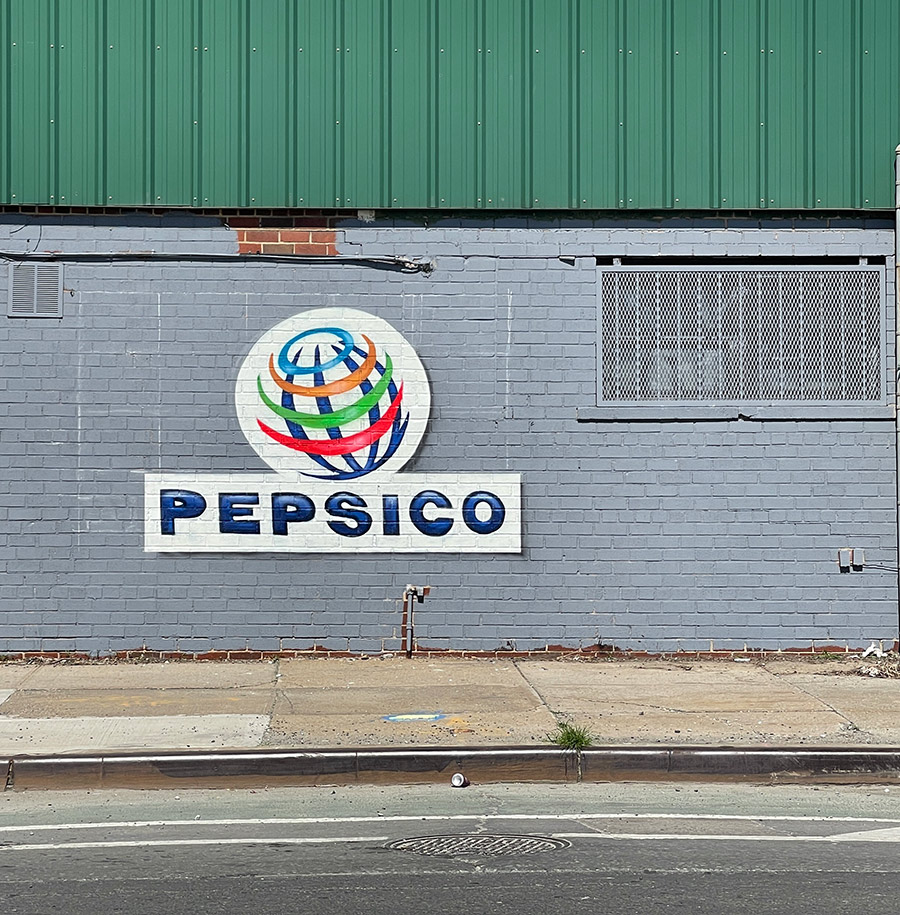
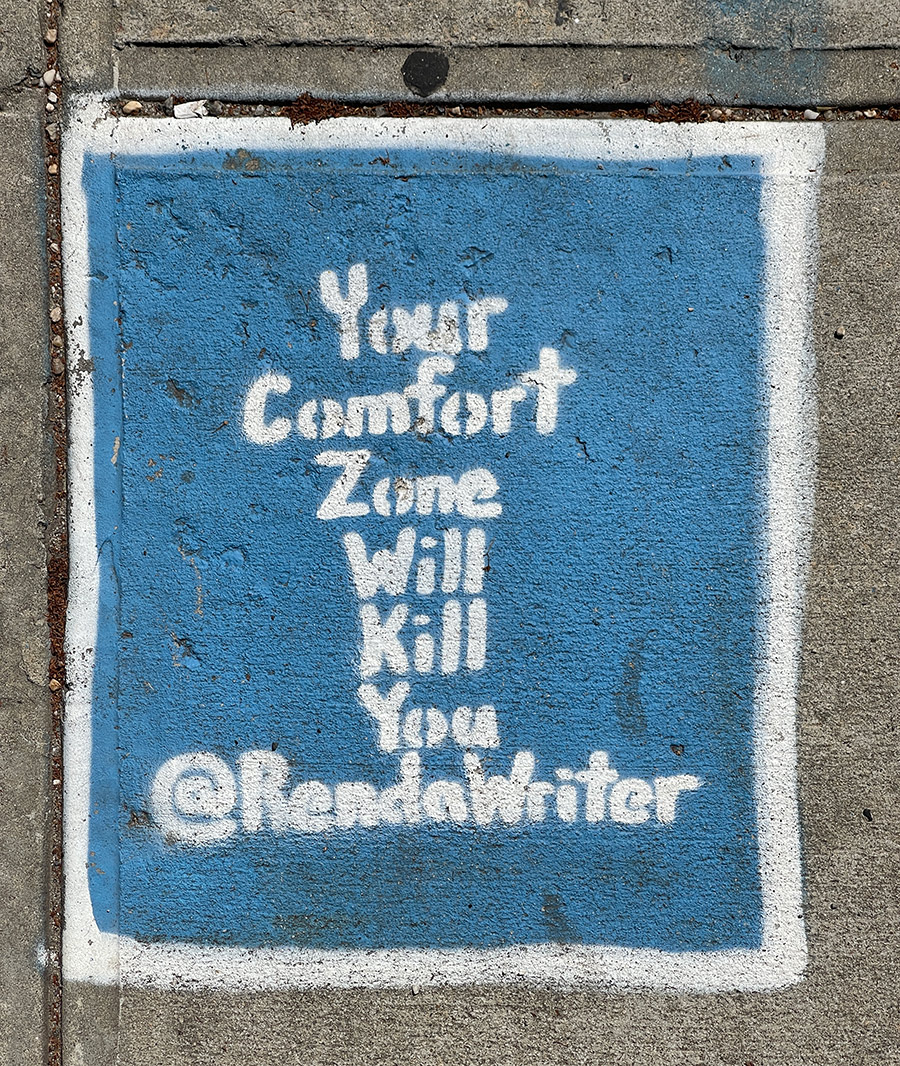
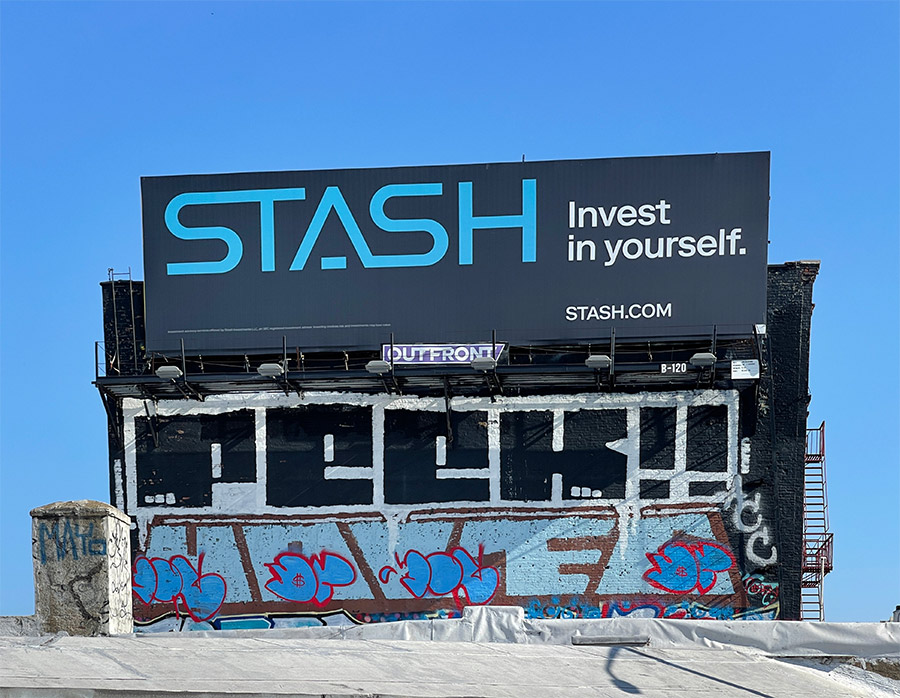
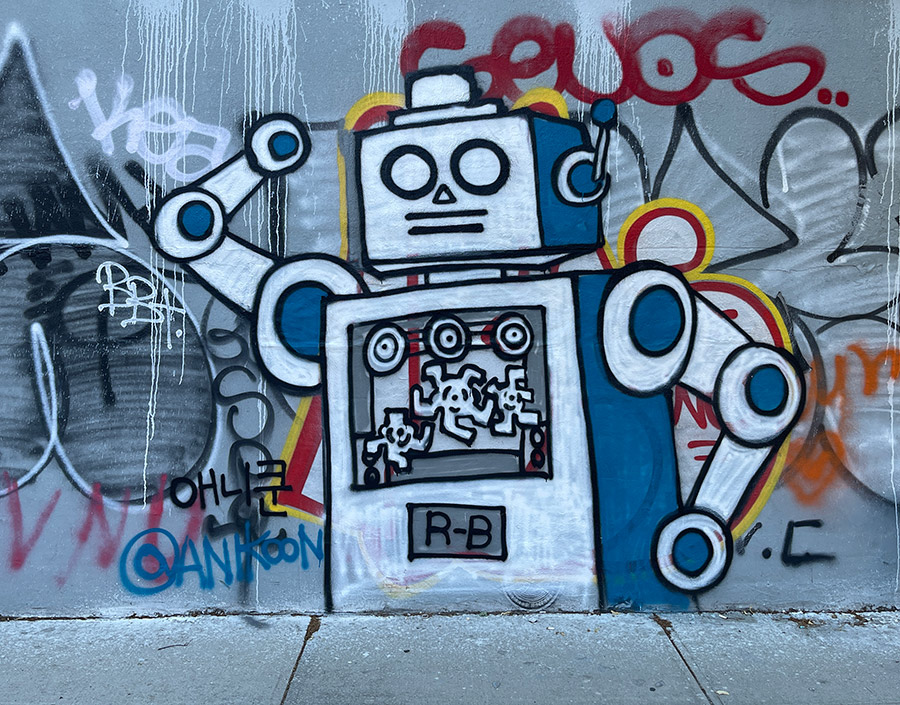
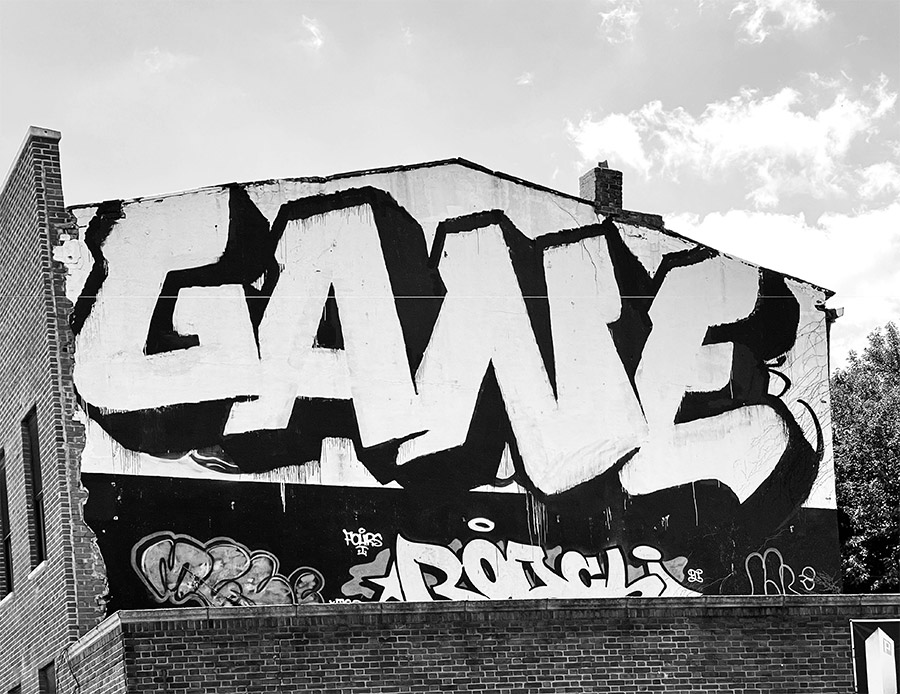
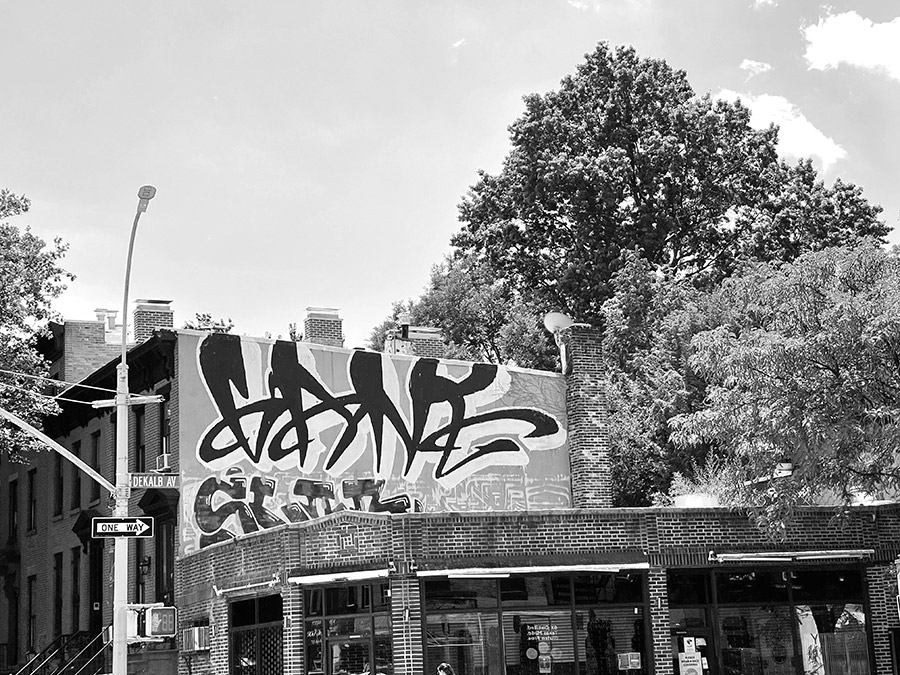
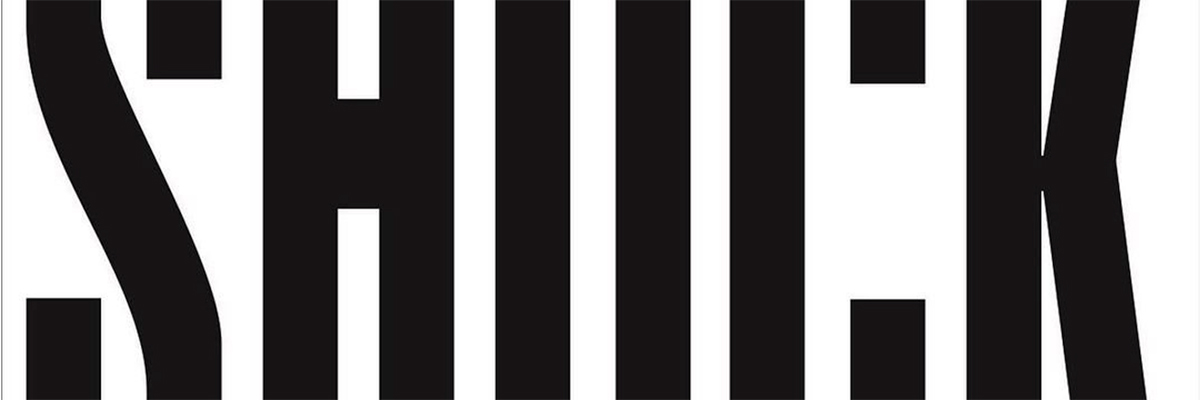
Here’s our weekly interview with the street, this week featuring: Praxis, Gane, HOACS, Degrupo, Such, King Baby, Nemze, L.A. Hope Dealer, MFK, Renda Writer, Peek, and RB.
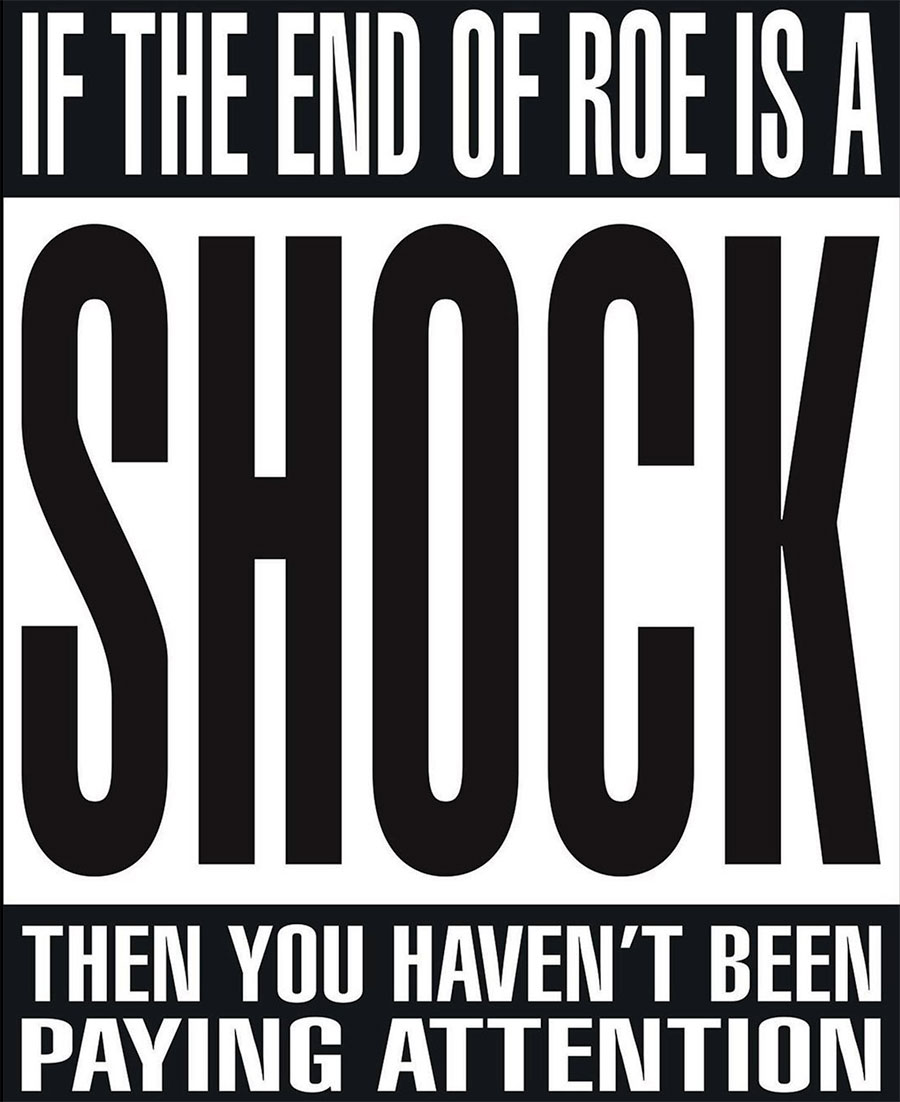
As America’s corporately-funded liberal establishment has been busy policing everyone on identity politics to distract from the fact that they’re otherwise actively inactive, Barbara Kruger has remained focused on the steady, studied moves of the right. Fifty years of building a legislative, legal, and lethal framework for reclaiming the country for the original power-holders eventually pays off. And if these folks are now abusing that power in the Supreme Court, Barbara Kruger is not surprised.
As the leak was circulating this spring in advance of the Roe v Wade reversal with Dobbs, the American artist, activist, and sometimes street artist was offered an opportunity to publish an op-art piece in the May 13, 2022 issue of the New York Times. In effect, her position is that the left should have seen this coming long ago but was lost in the weeds, playing a profoundly faulty strategy. Yes, it’s finger-pointing at its best – and in some way, it may prove constructive going forward. Perhaps its obvious to say now, but someone was asleep at the wheel.
The NYT published this artwork as well, along with these words from Ms. Kruger on its Instagram @NYTOpinion page:
“The end of Roe is the result of the Republicans’ relentless campaign to restrict reproductive rights and control women’s bodies. Many Democrats have been incapable of responding forcefully, and only recently has the left begun to understand that the contestations around gender, race, and class have to be engaged simultaneously and not siloed into rigid hierarchies of concern. This lack of compelling rhetoric and the inability to vote and think strategically has tragically informed the make-up of the current Supreme Court.” -Barbara Kruger
Barbara Kruger’s first solo exhibition at David Zwirner Gallery is now open to the general public. Click HERE for details.
Our weekly focus on the moving image and art in the streets. And other oddities.
Now screening: 1. David Fullarton: I Lied About Being An Artist. A short film by Blake Bogosian 2. PLASTIK. Directed by Philip Rom 3. Catherine Opie b. 1961 4. On the Fringe of Remembering: a Lecture on Memoryscapes on the Street
BSA Special Feature: David Fullarton: I Lied About Being An Artist. A short film by Blake Bogosian
Wouldn’t be the first time, this imposter’s syndrome variant crops up in many people’s lives – that one where you feel that you may be misrepresenting yourself as an artist.
“It’s like I’m inhabiting a character.”
“I mean it’s not really me. It is. Maybe it is, I don’t know.”
An irked and uncomfortable Gen X white artist guy is bemused by life, after the rage has died down into a realization of the absurdity of it all.
Using illustration, collage, word-smithing and artful sloganeering, the artist has developed his own process and version of this thing called ‘visual language’.
“I hope that the humor can maybe make people be a bit more accepting and forgiving of our shared human flaws.”
David Fullarton: I Lied About Being An Artist. A short film by Blake Bogosian
PLASTIK. Directed by Philip Rom
Blissful daily scenes revealed as dystopian – but delivered in the sweetest way. Hopefully not so sweet that you won’t do anything about all that plastic you are using and throwing away….
Catherine Opie b. 1961
“I think that my portraits hold people,” says the realist photographer without irony. It’s good to hear the re-telling of her own story to appreciate the evolution of an artists life and how it is reflected in their work, and vice versa.
“I’m making the work because it was really important for me….” begins one sentence about one of her chapters as a photographer, but it can apply to all of them. Bearing witness, observing the temporality of life, looking at relationships of modern people to modern society.
On the Fringe of Remembering: a Lecture on Memoryscapes on the Street
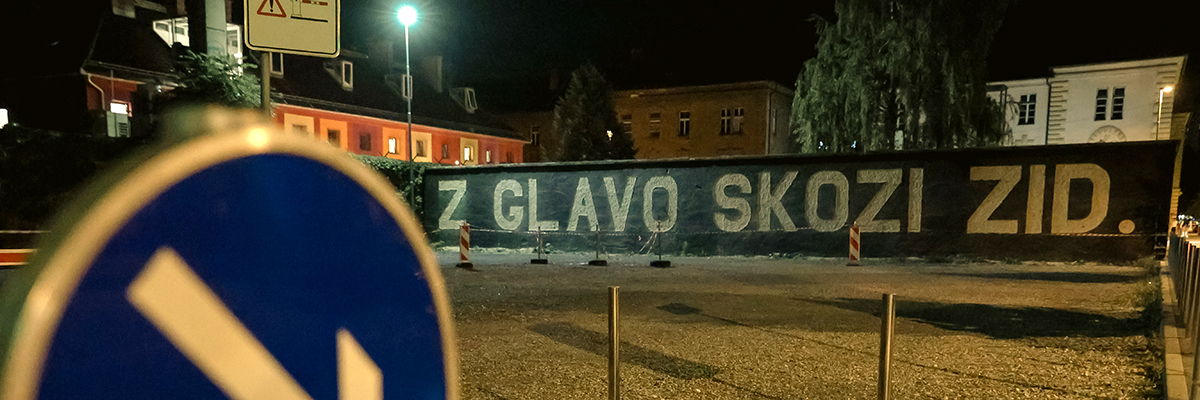
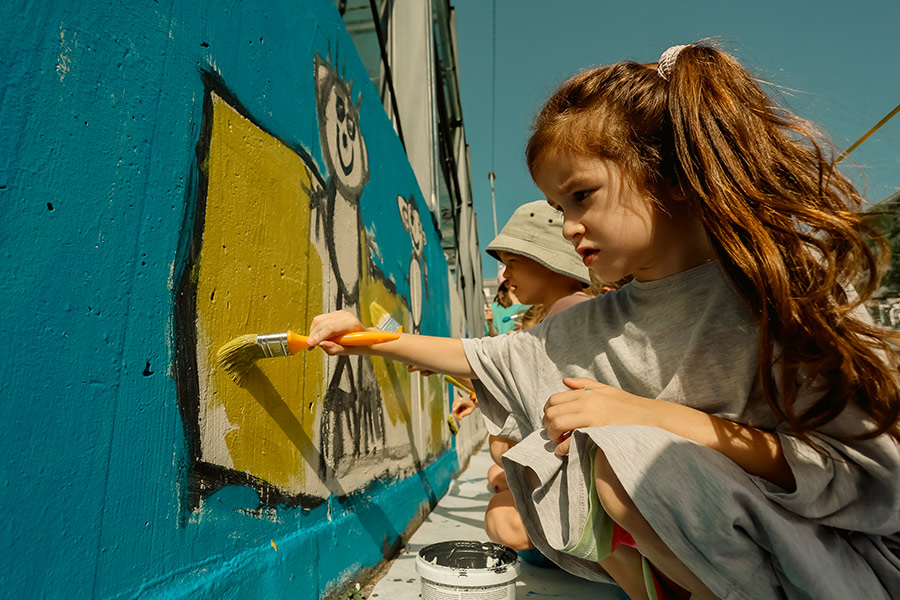
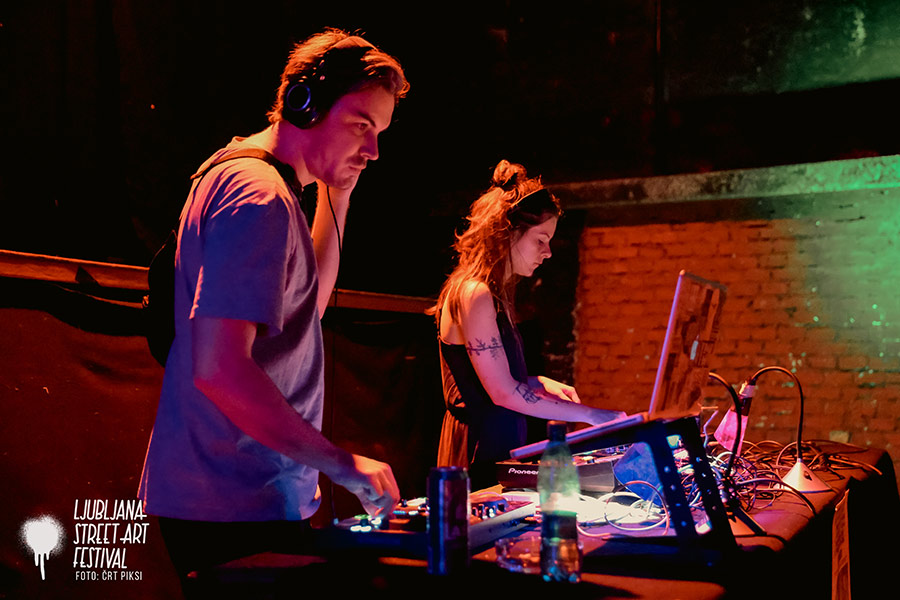
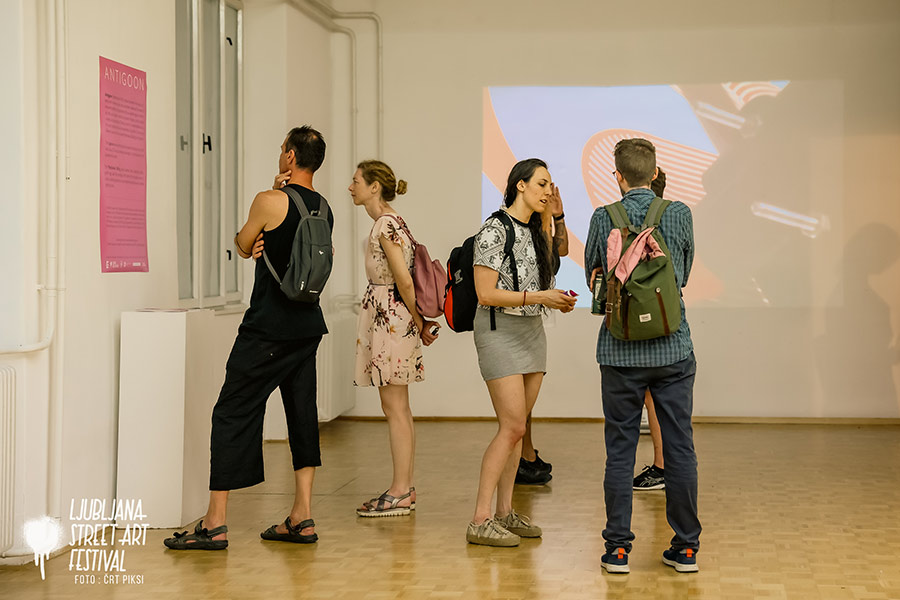
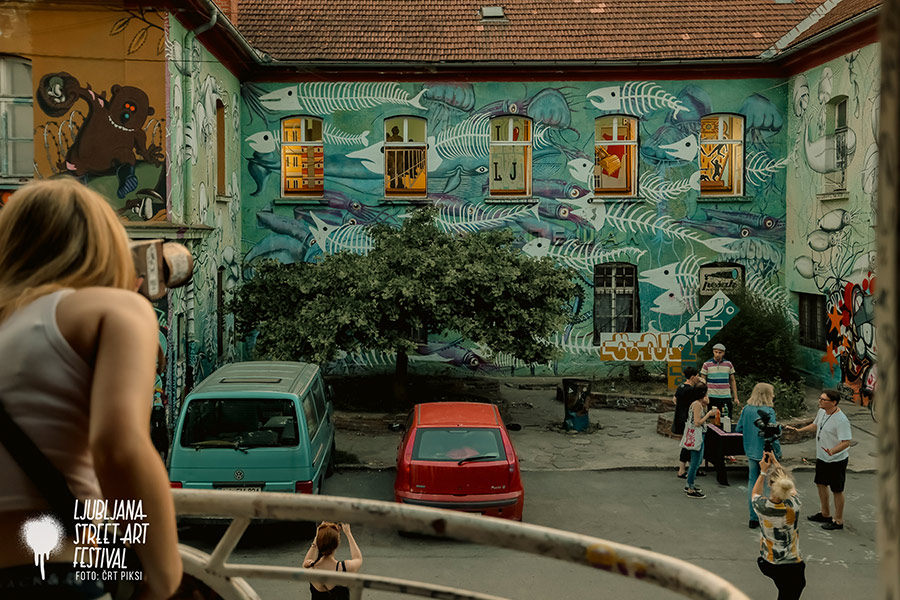
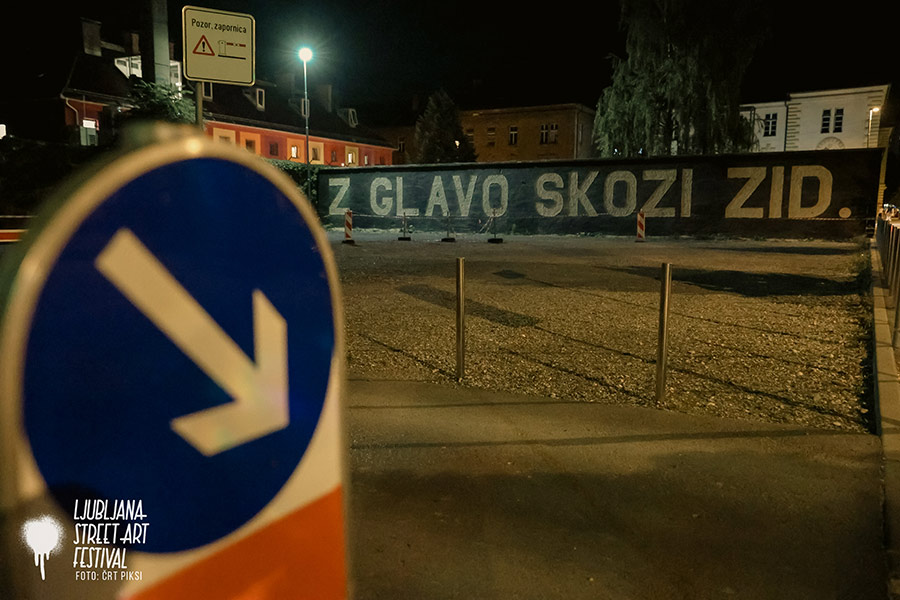
Ljubljana Street Art Festival 2022 is underway as we reported HERE yesterday. The festival includes a day of conferences, talks, and panel discussions including practitioners of the art form, academics, cultural workers, and scholars. Below we share with you the last panel of the day. If you are interested in the first 4 panels click HERE.
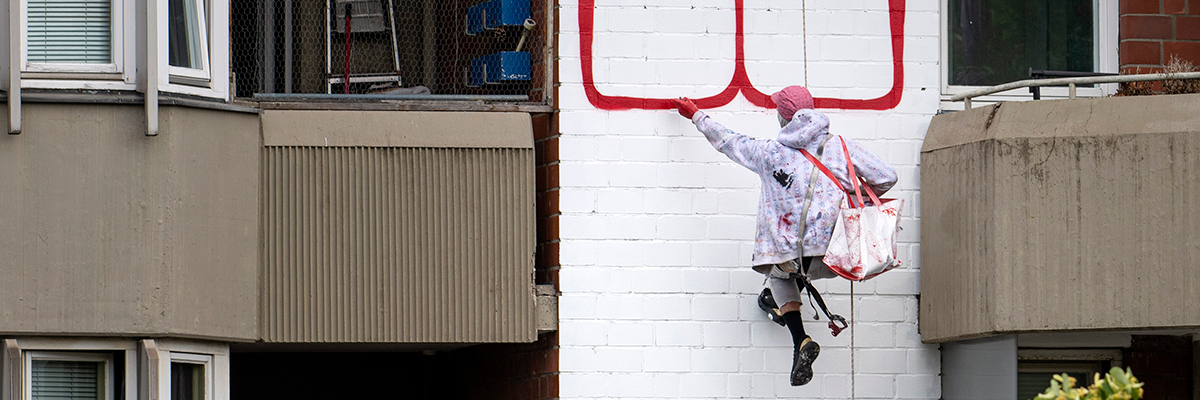
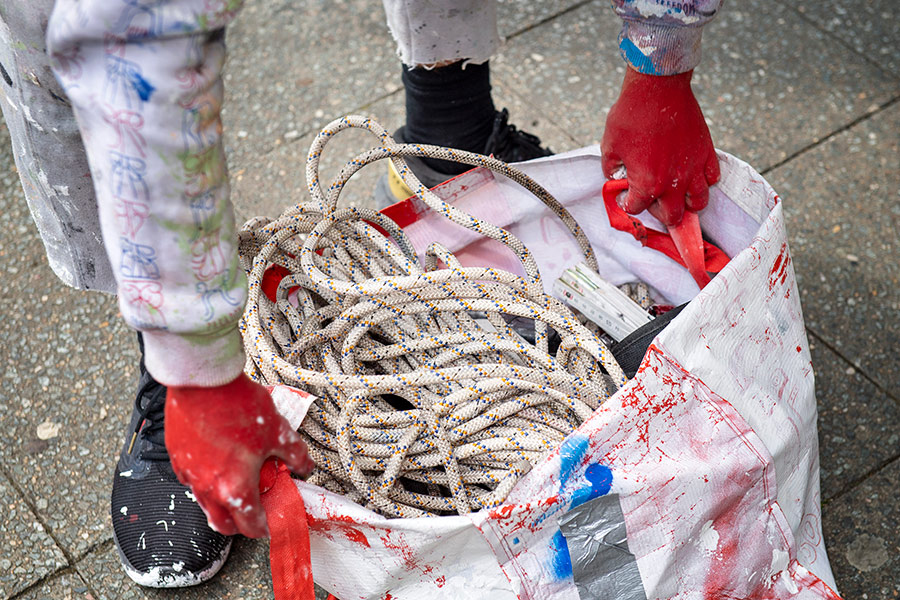
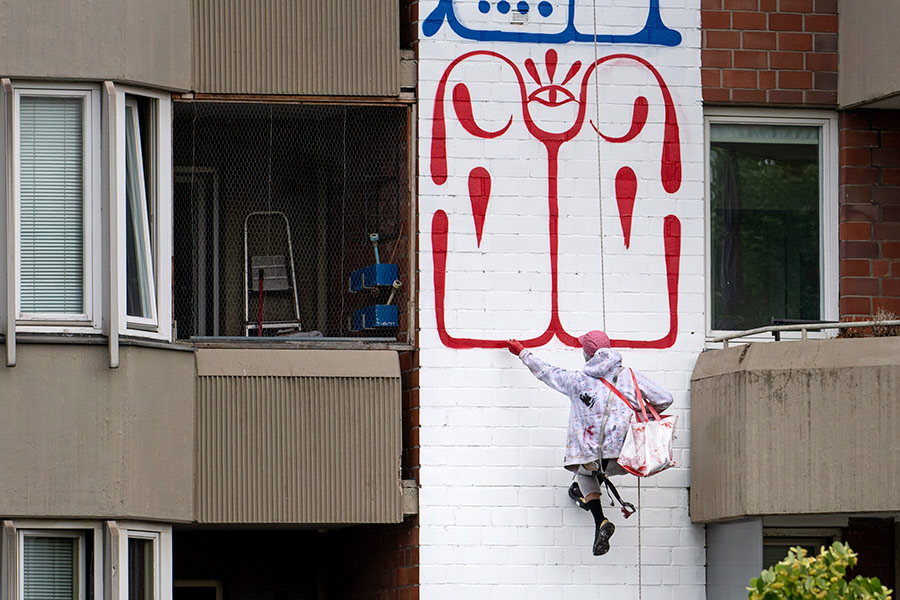
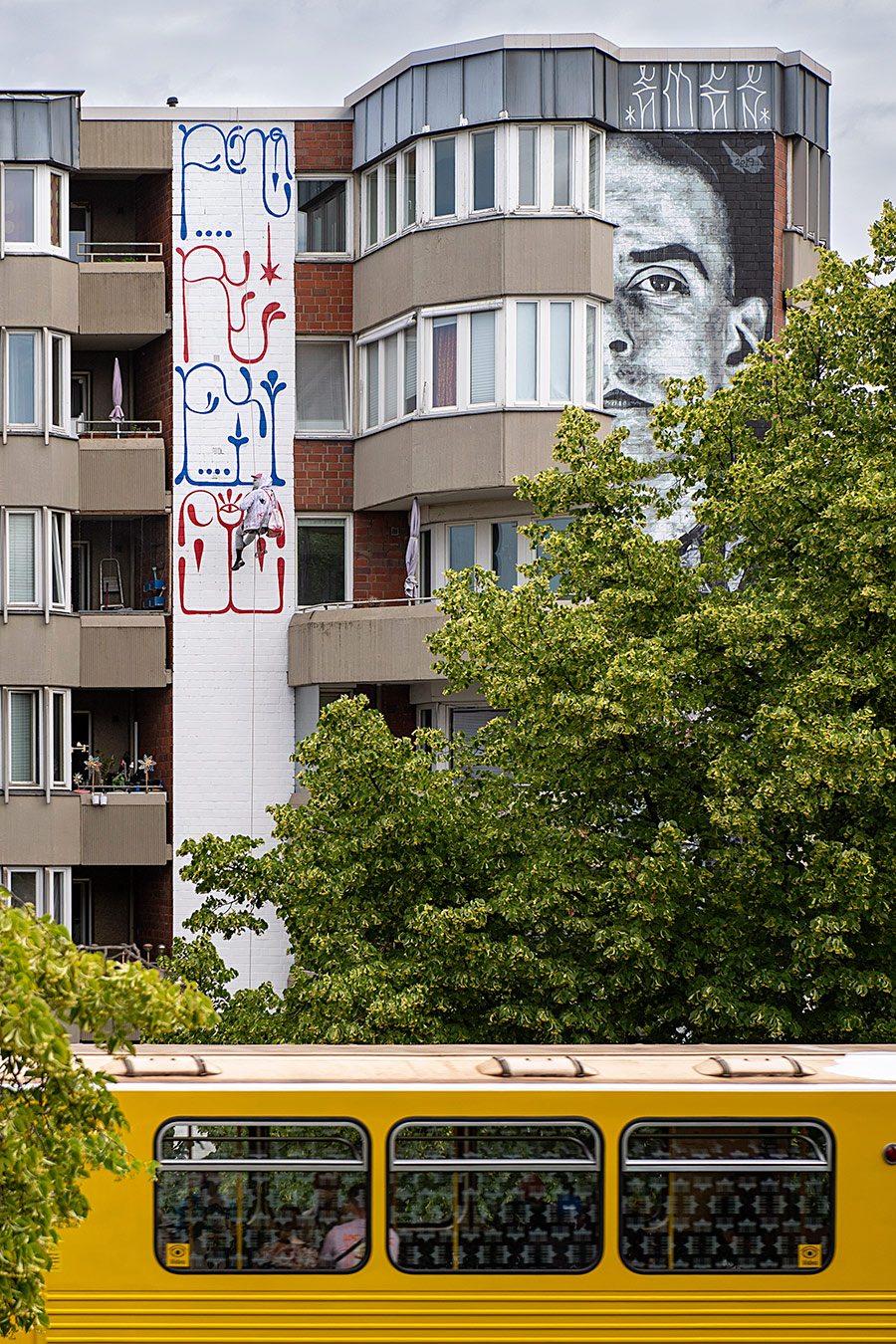
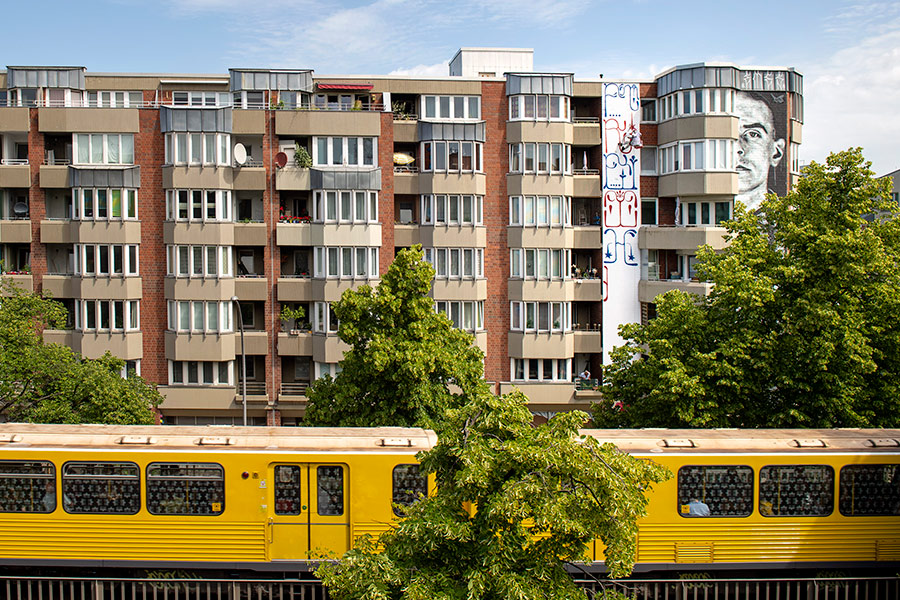
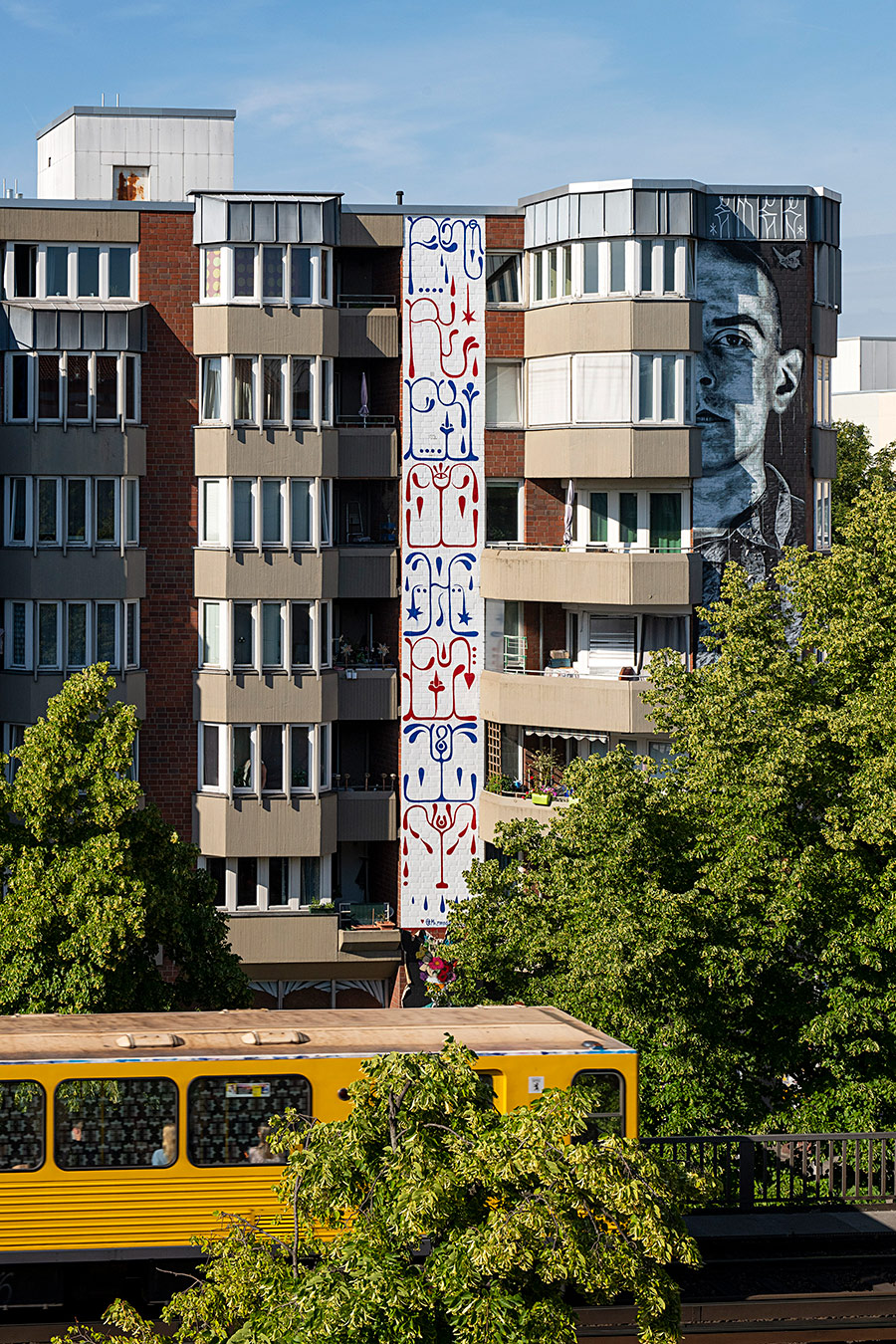
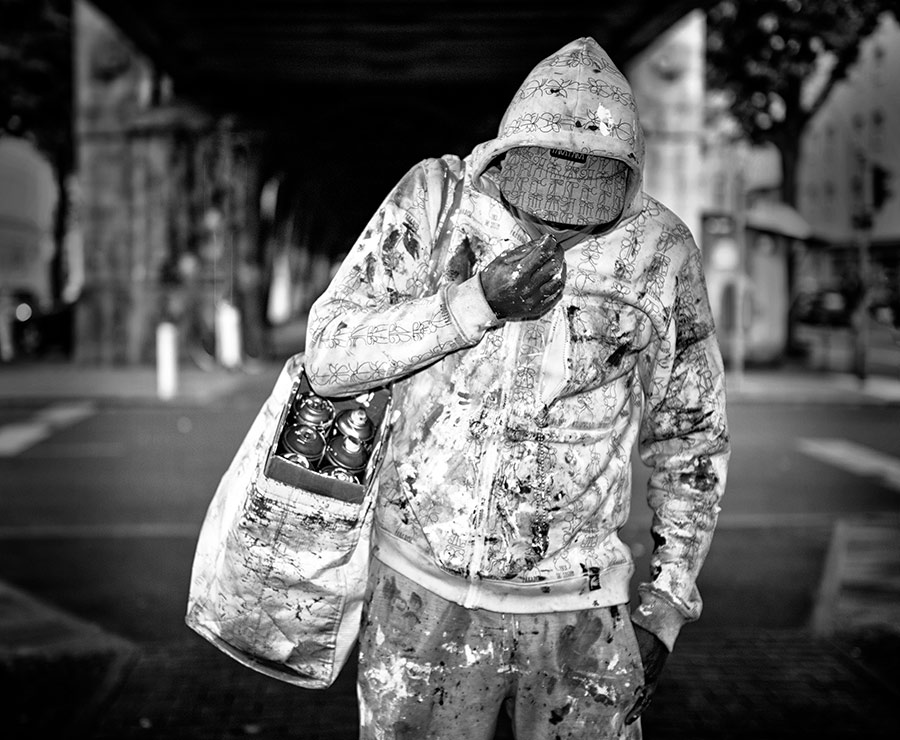
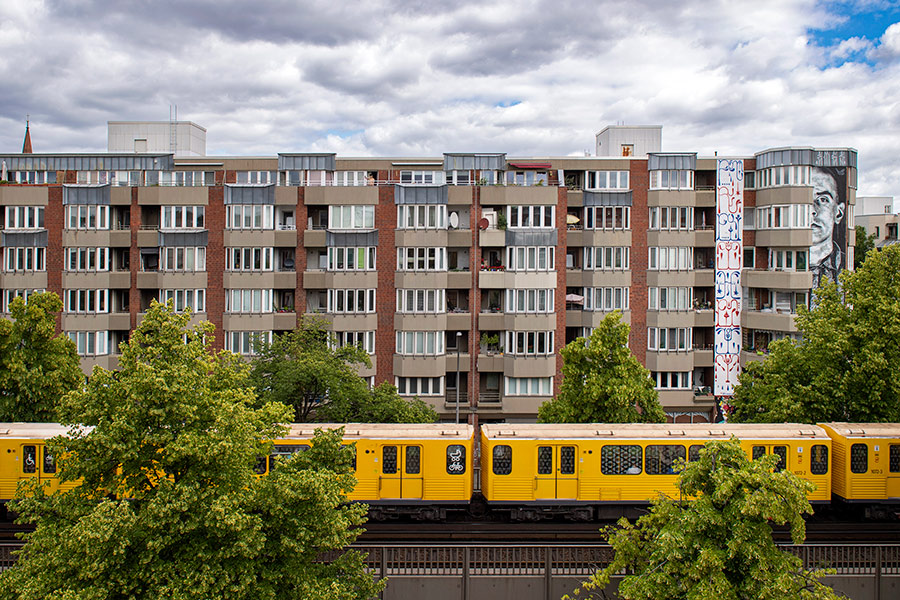
The original Berlin Kid, if you will, Mr. Paradox is rappelling down the side of a building again, this time in broad daylight instead of surreptitiously in the darkness of night. It’s part of an initiative by Urban Nation museum and he’s happy to bring the stylized vertical letters that have set his work apart from others – something he refers to as ‘spiritual letters’. He’s his own man, independent, fearless, creative and talented.
“I have always followed my truth-seeker spirit,” he says, “setting my visions higher.”
The saturated red and blue lettering have evolved over time, but his technique has stayed the same for the last decade or so – a style many first compare to Pixaçao. It’s an often dangerous technique of graffiti lettering associated with the aerosol daredevils on the streets of cities like Sao Paulo – but that has also spread to cities like Paris, Berlin and New York.
“I don’t do Pixaçao,” Mr. Paradox tells BSA. “I do a highly advanced form of lettering that I call spiritual letters. I want to deliver art and beauty to the street – and of course to deliver critical messages about the system we live in and life in general.”
And what about the distinctive combination of blue and red colors? “They are like fire and water,” he says. “Like good and evil. Also people recognize me because of it.”
Special thanks to photographer Nika Kramer, who captures and shares these exclusive shots with BSA readers of Mr. Paradox’s installation.
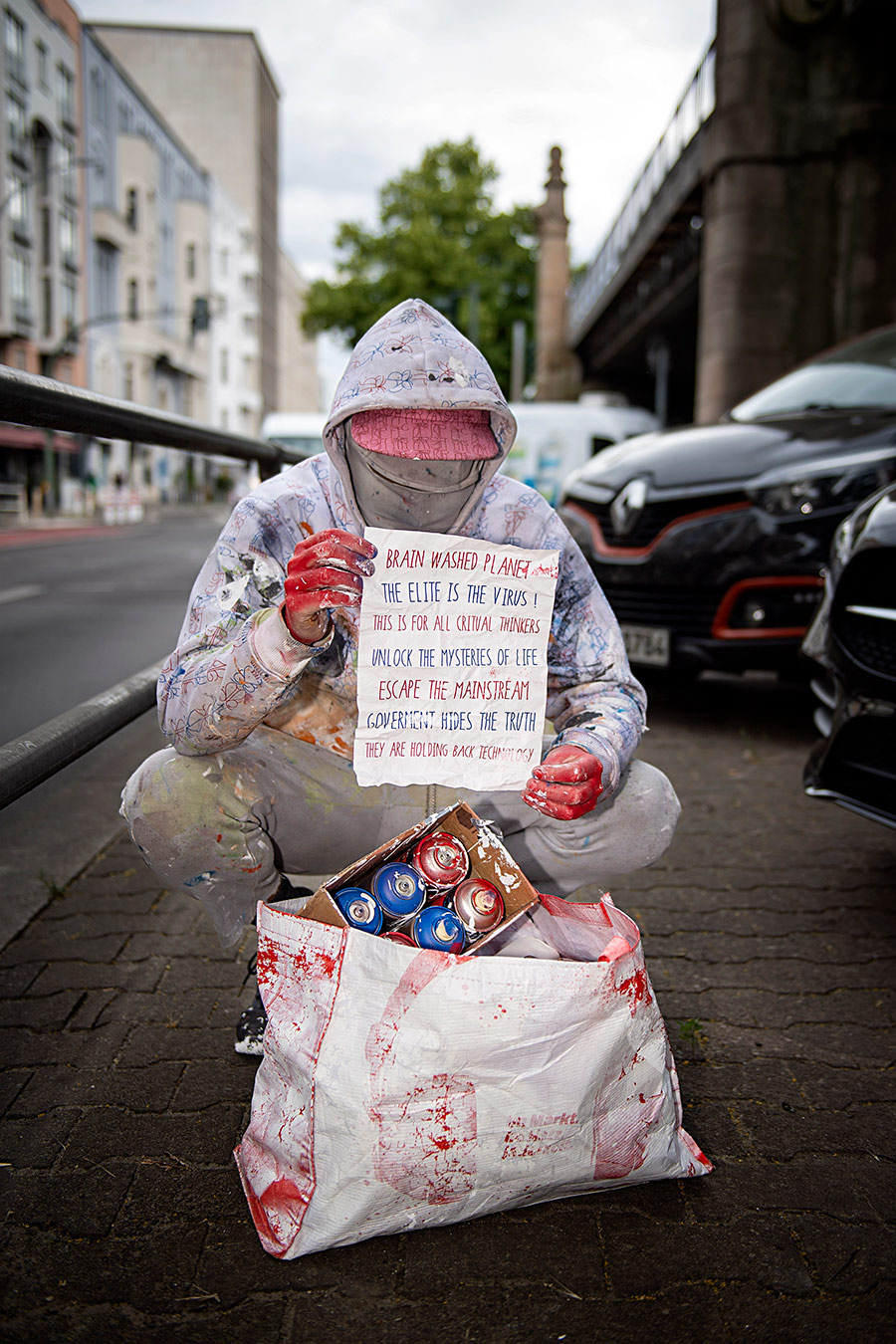
BRAIN WASHED PLANET: THE ELITE IS THE VIRUS ! THIS IS FOR ALL CRITICAL THINKERS UNLOCK THE MYSTERIES OF LIFE ESCAPE THE MAINSTREAM GOVERNMENT HIDES THE TRUTH THEY ARE HOLDING BACK TECHNOLOGY
“The big day has arrived and we are about to open the festival in a couple of hours,” says Sandi Abram as he looks over the final list of artists, talks, and programs that mean LJSAF 2022 is underway. We’ll be bringing you the action directly to your screens as it unfolds on the ground for its fourth year. With live painting, conferences, music, and community affairs, this annual festival is dedicated to showcasing the practitioners of graffiti, street art, and urban art.
As in years past it will be focusing on the unique curation by festival director Sandi Abram and the program directors Anja Zver and Miha Erjavec. A community-run affair with some serious academic punch, photographer Martha Cooper went last year and told us that it’s a festival that strikes a balance with what may appear as a quirky selection of artists to participate, “with an emphasis more on conceptual, political work than on aesthetics.” More to come..
CLICK HERE TO LEARN MORE ABOUT THE PARTICIPATING ARTISTS, SPEAKERS, THE PROGRAM, AND SCHEDULES
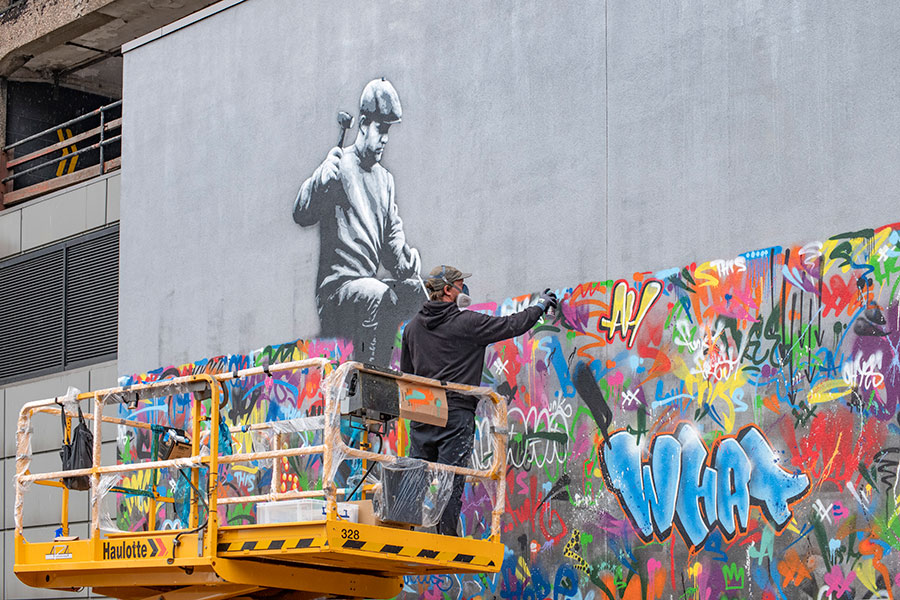
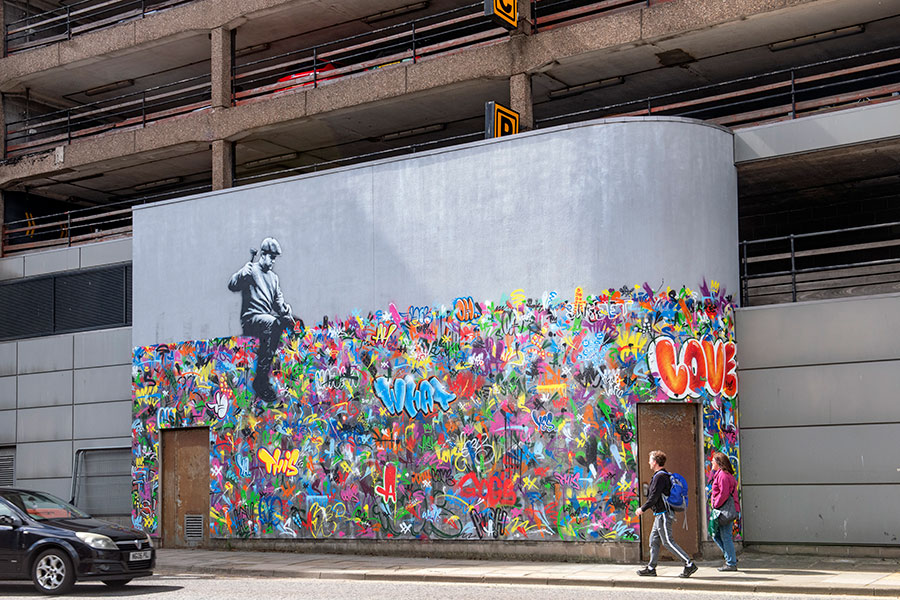
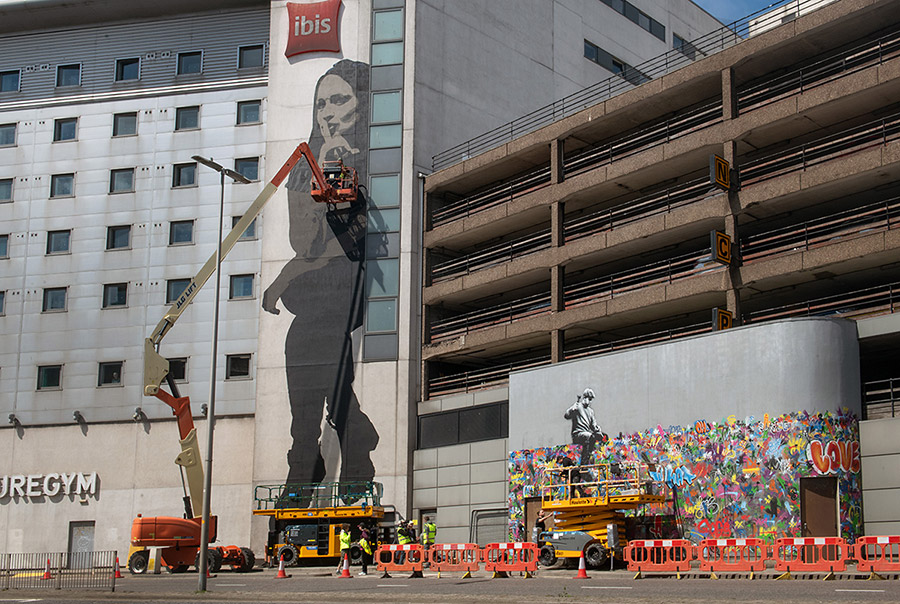
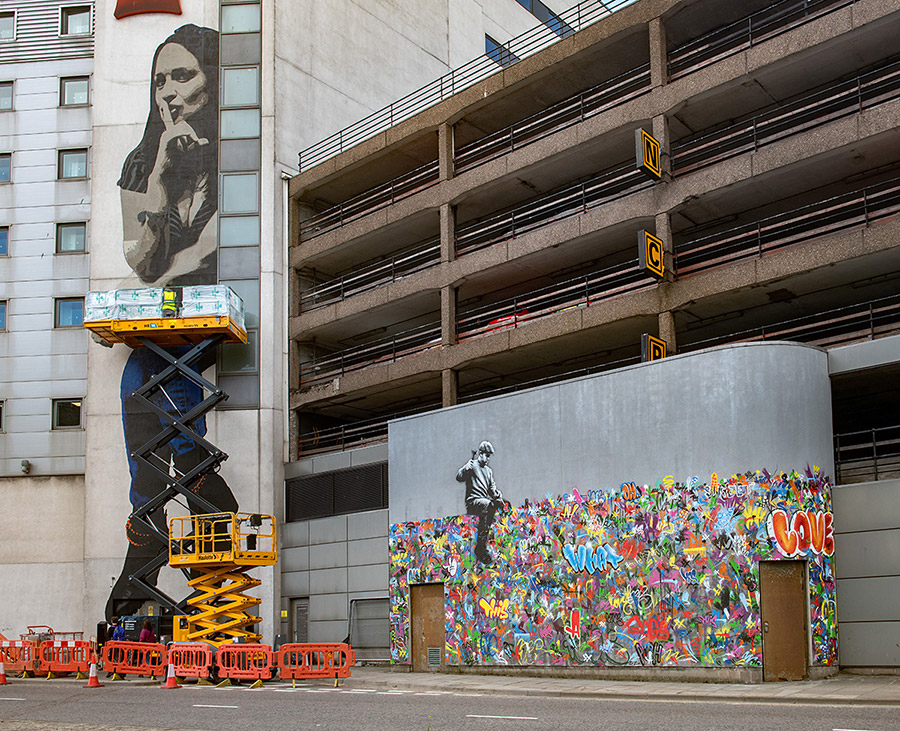
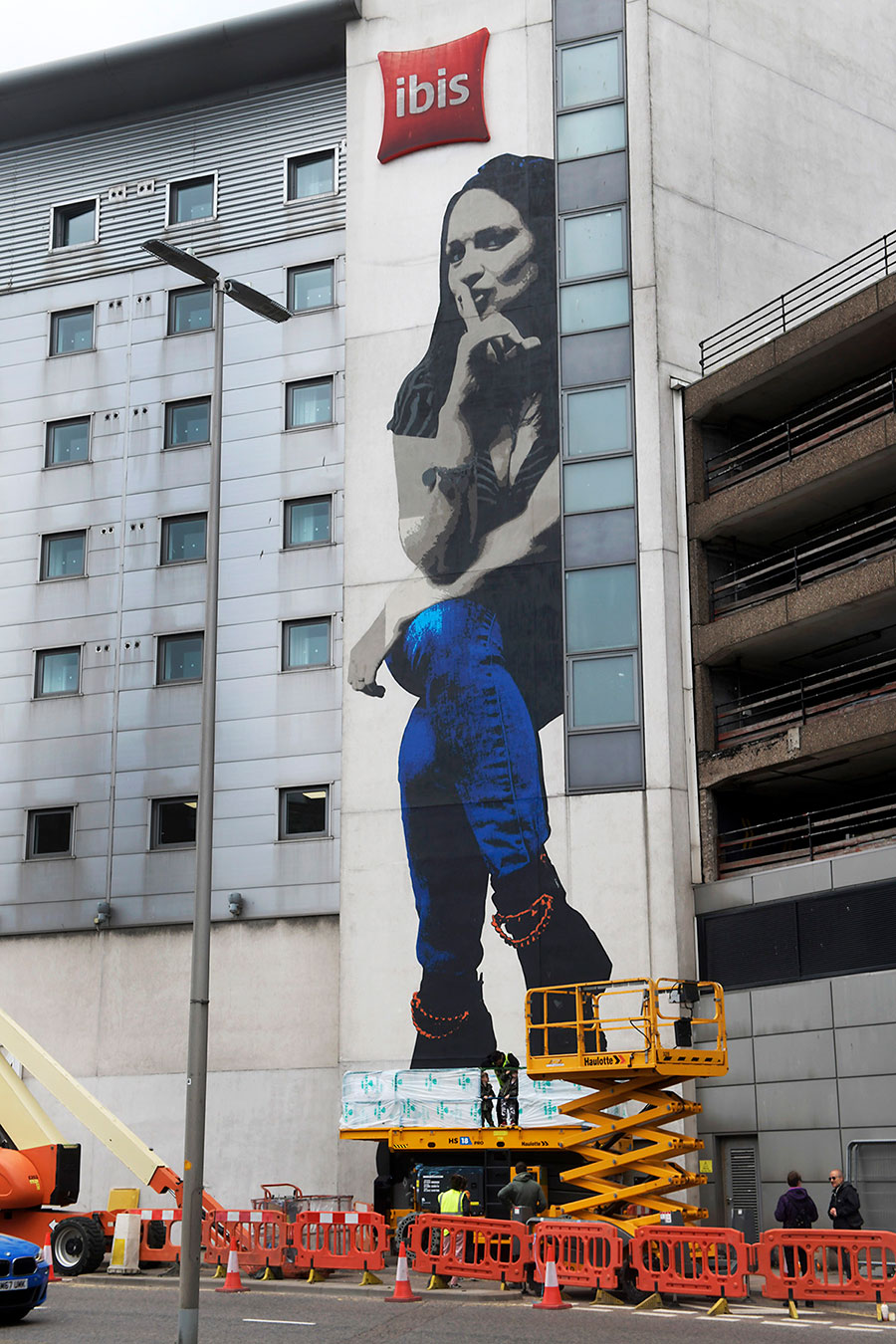
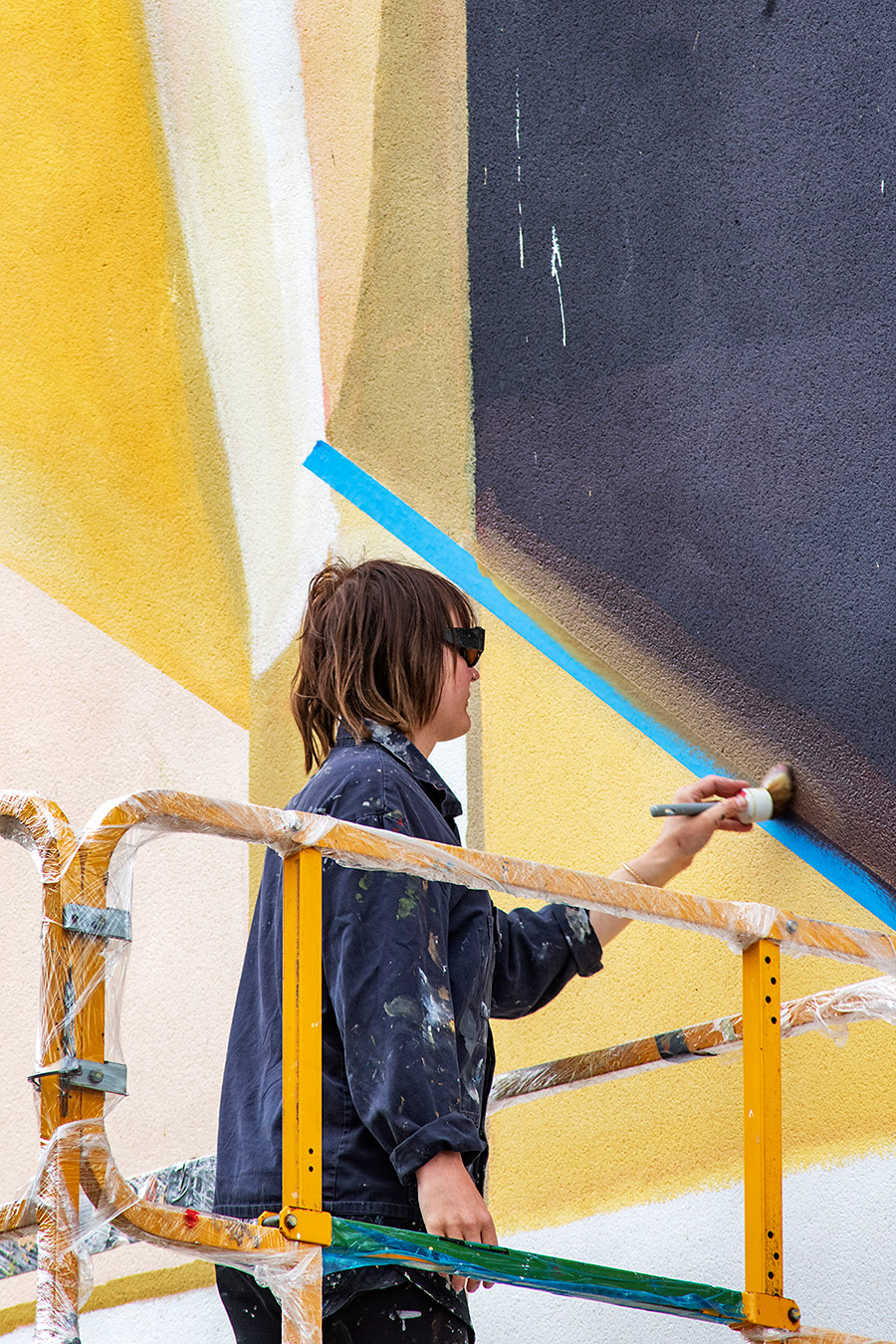
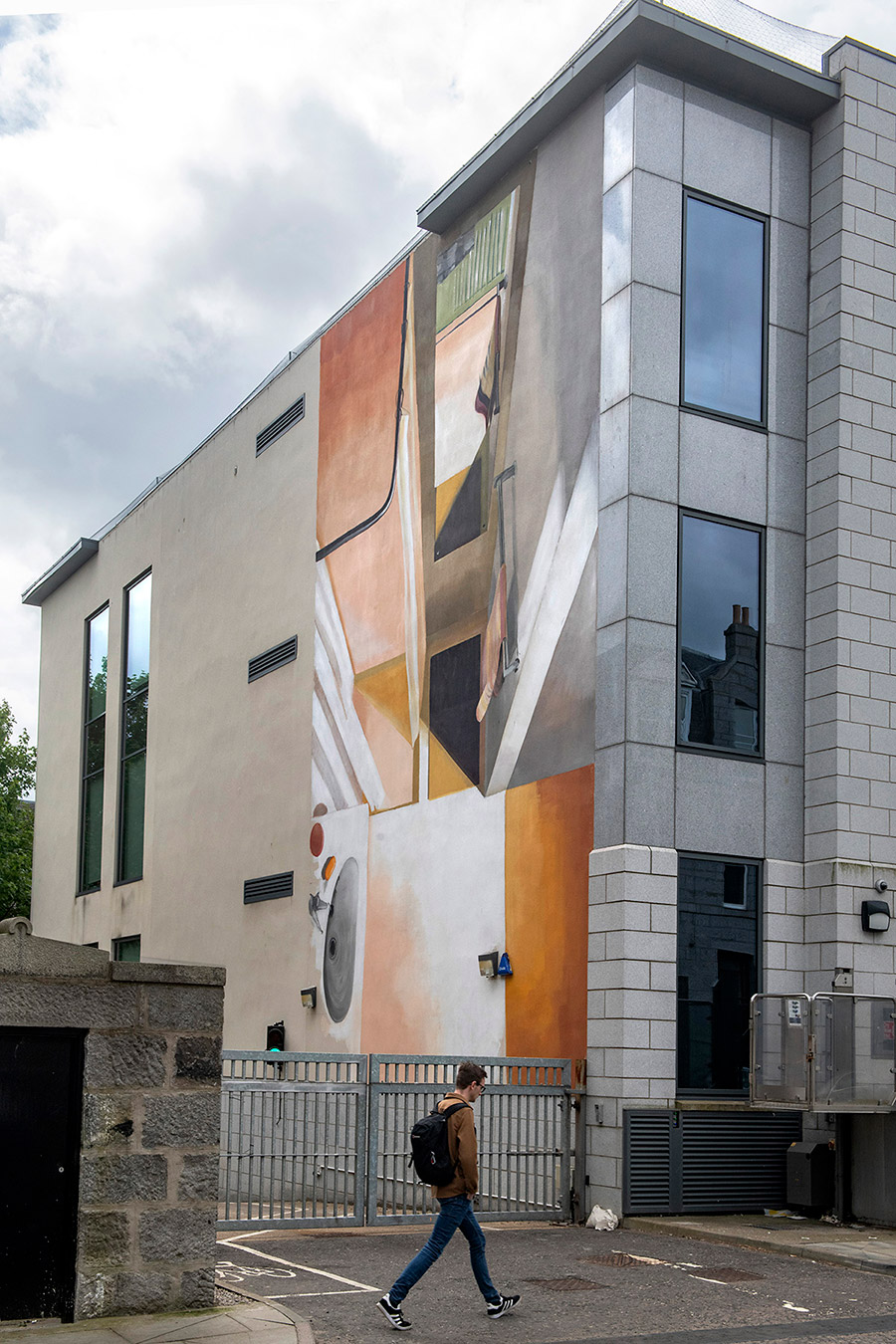
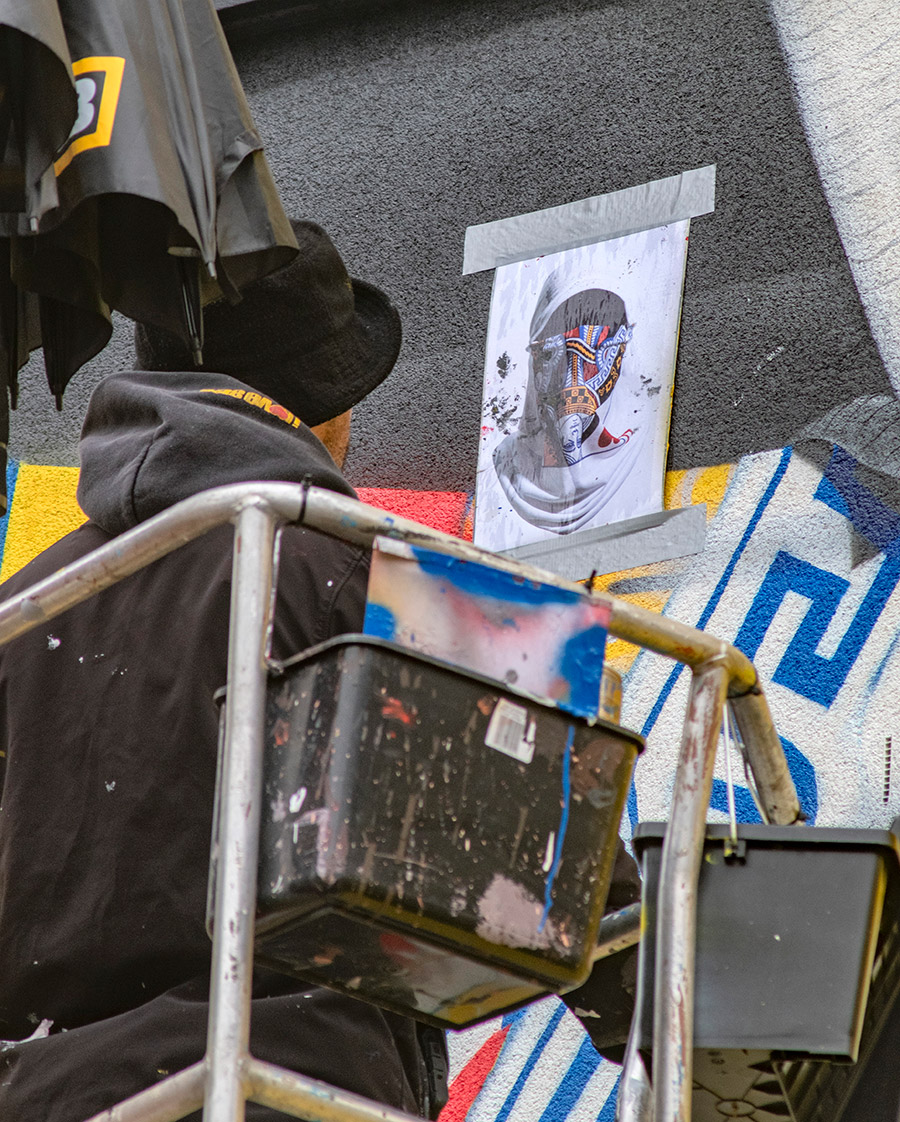
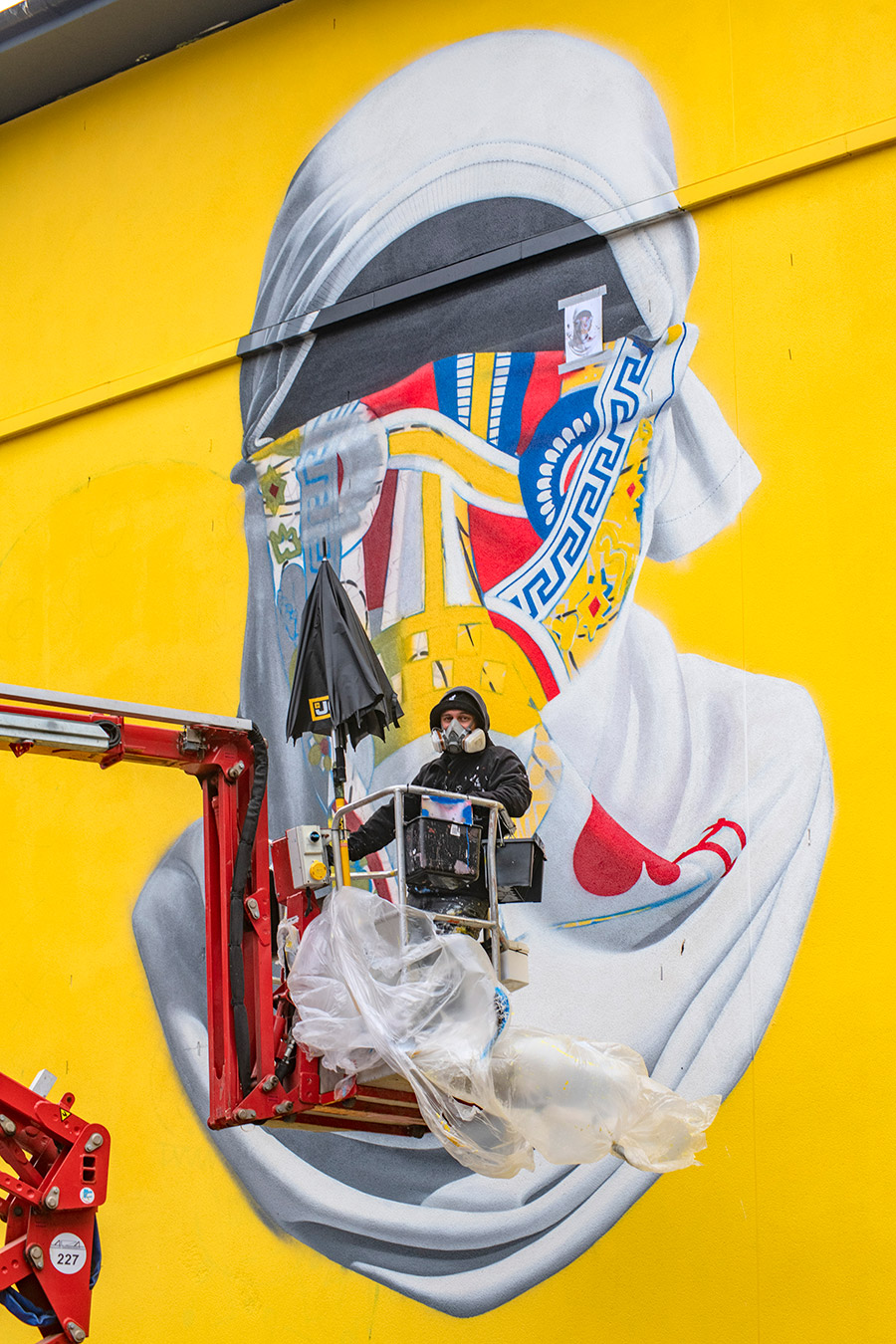
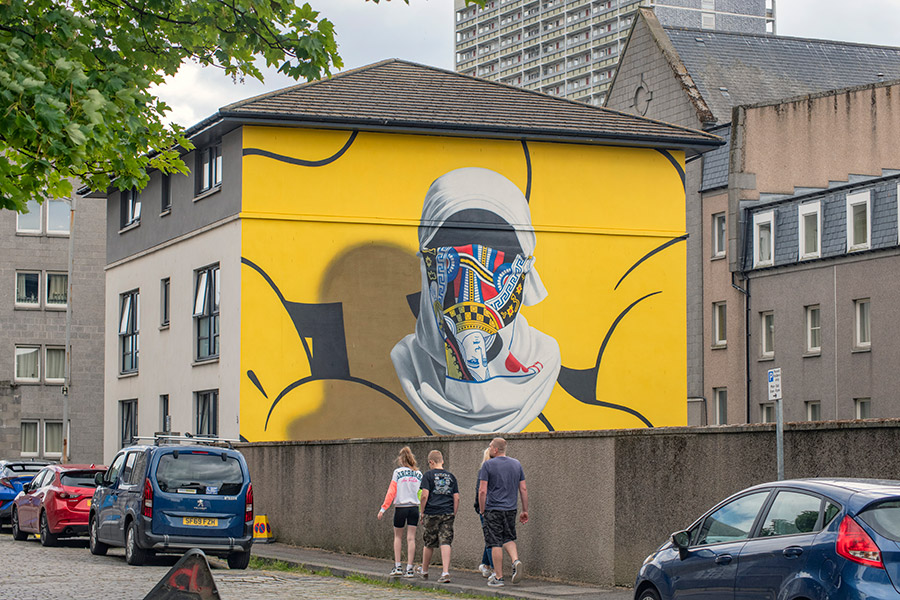
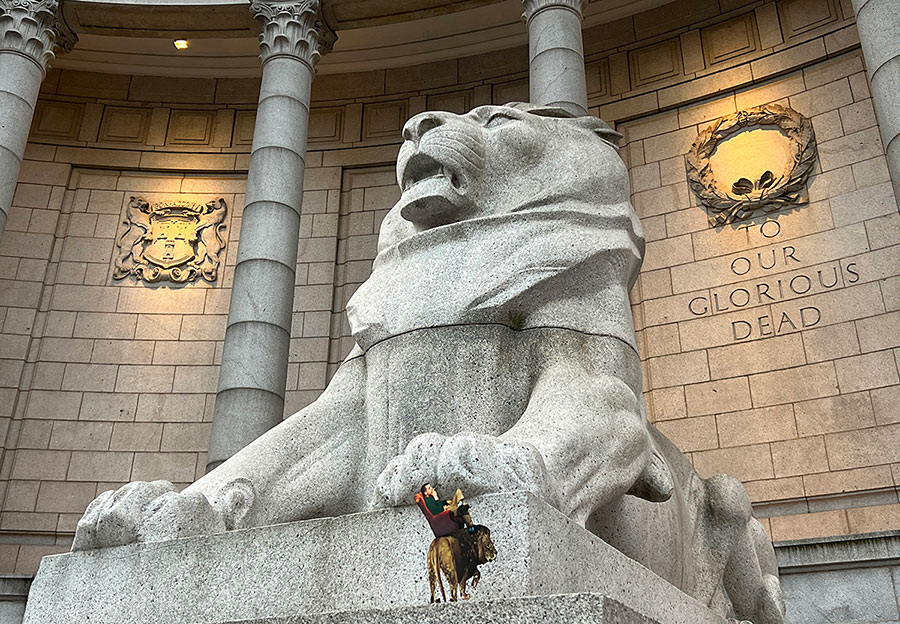
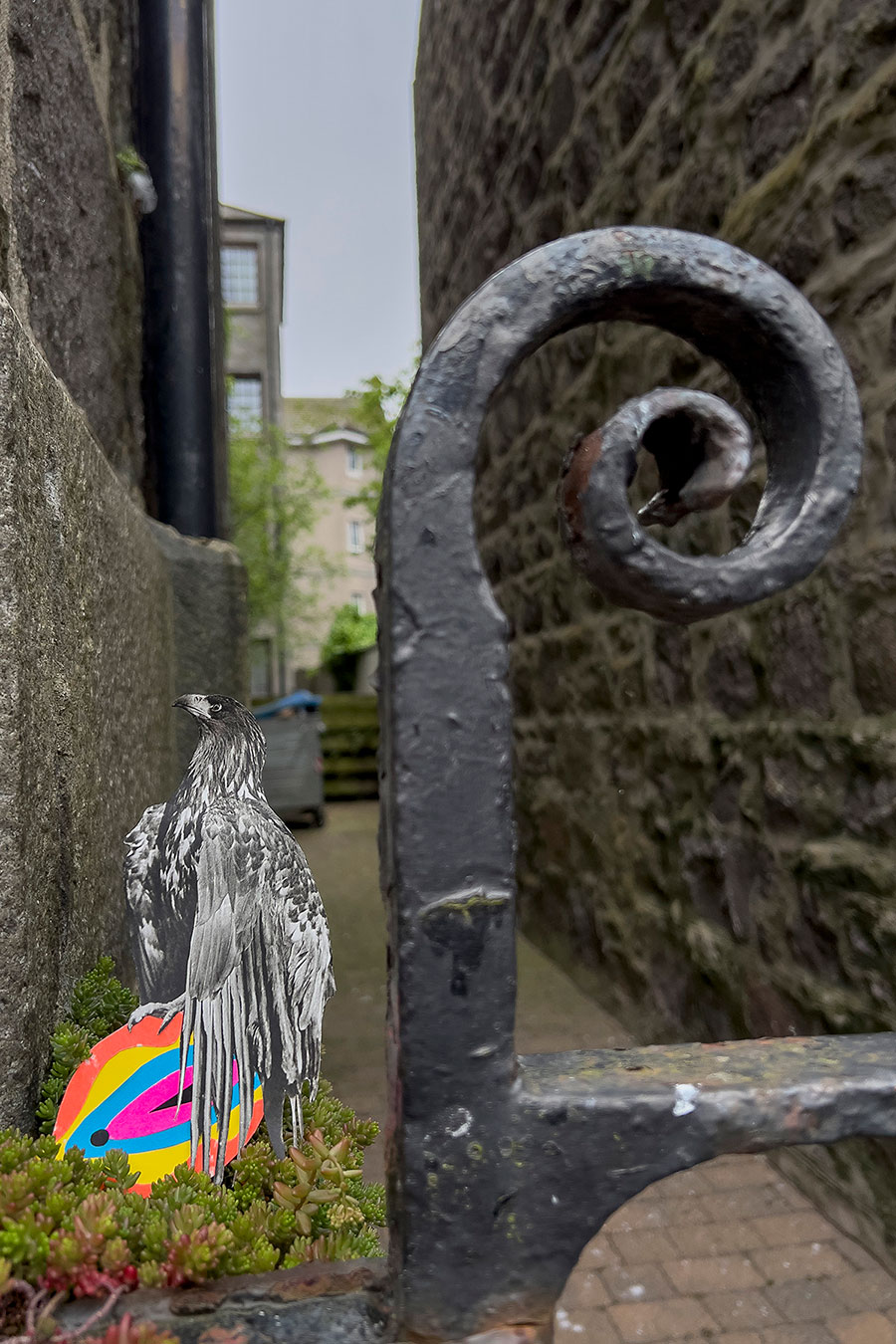
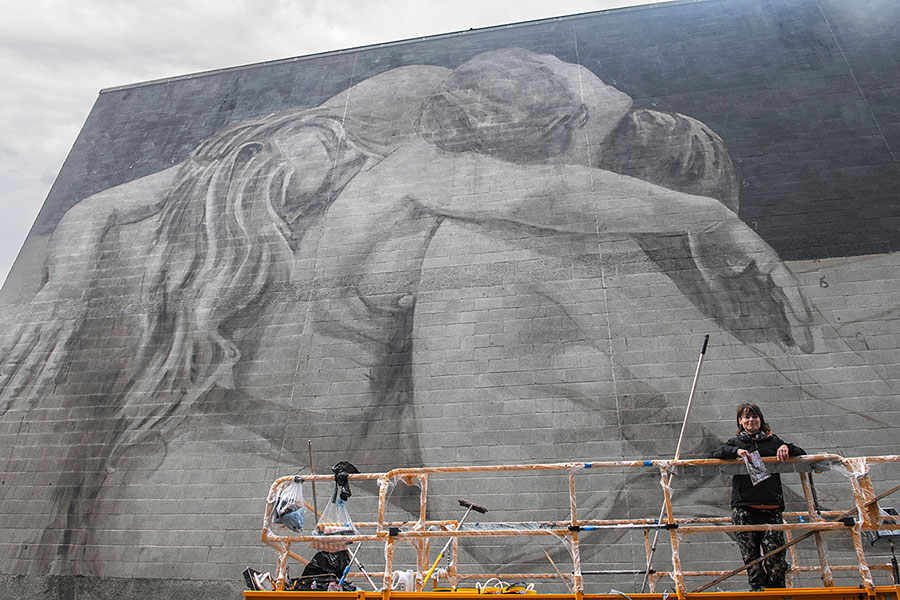
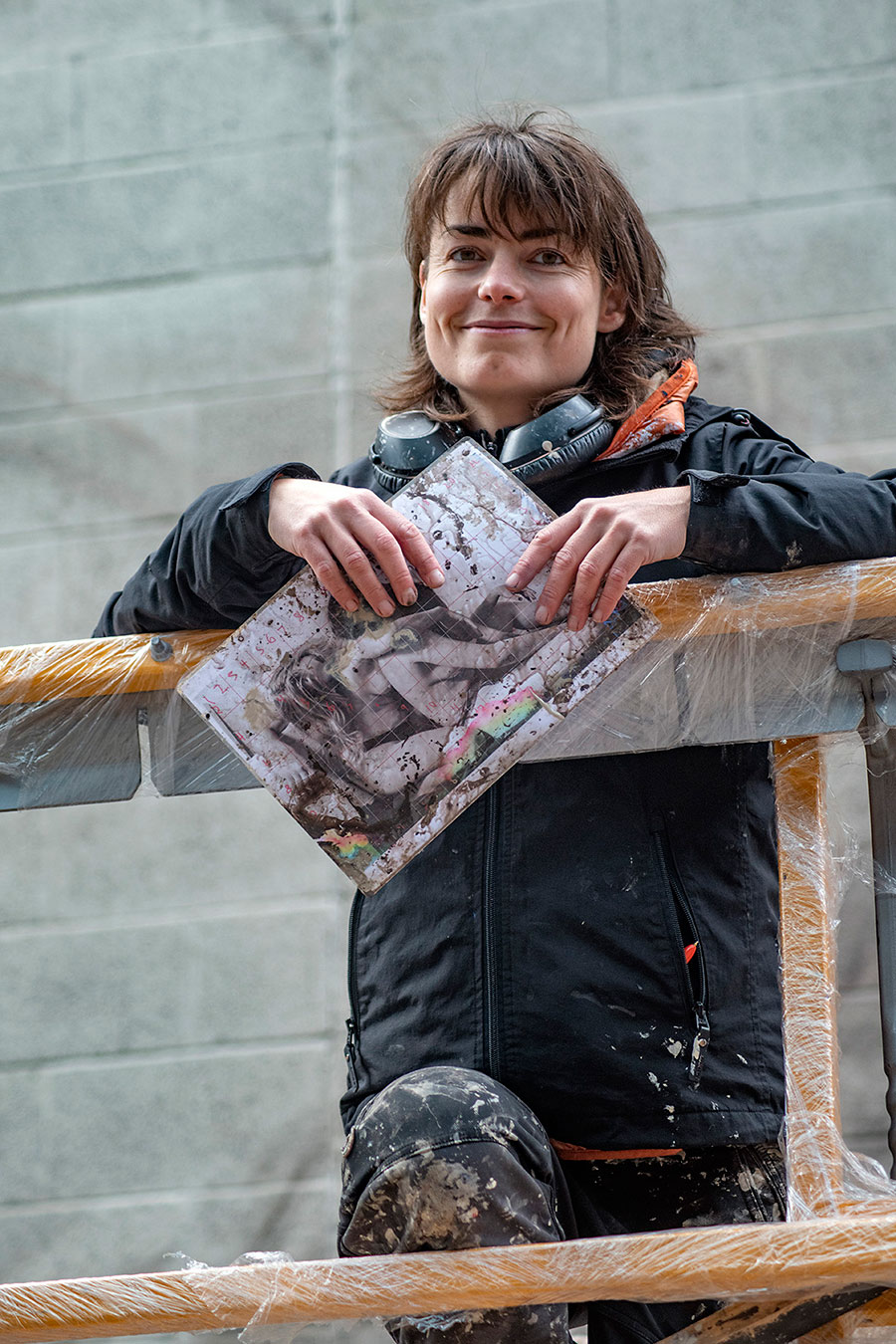
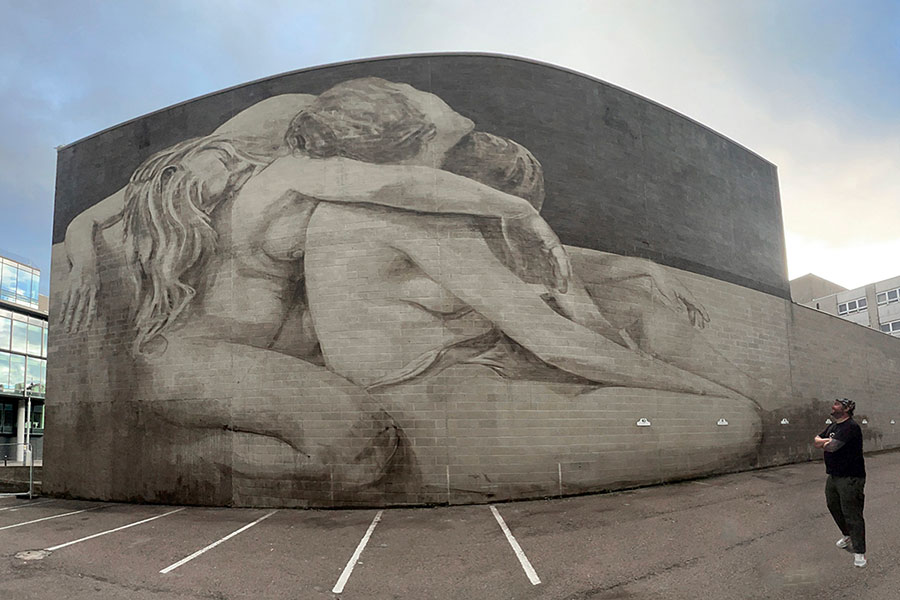
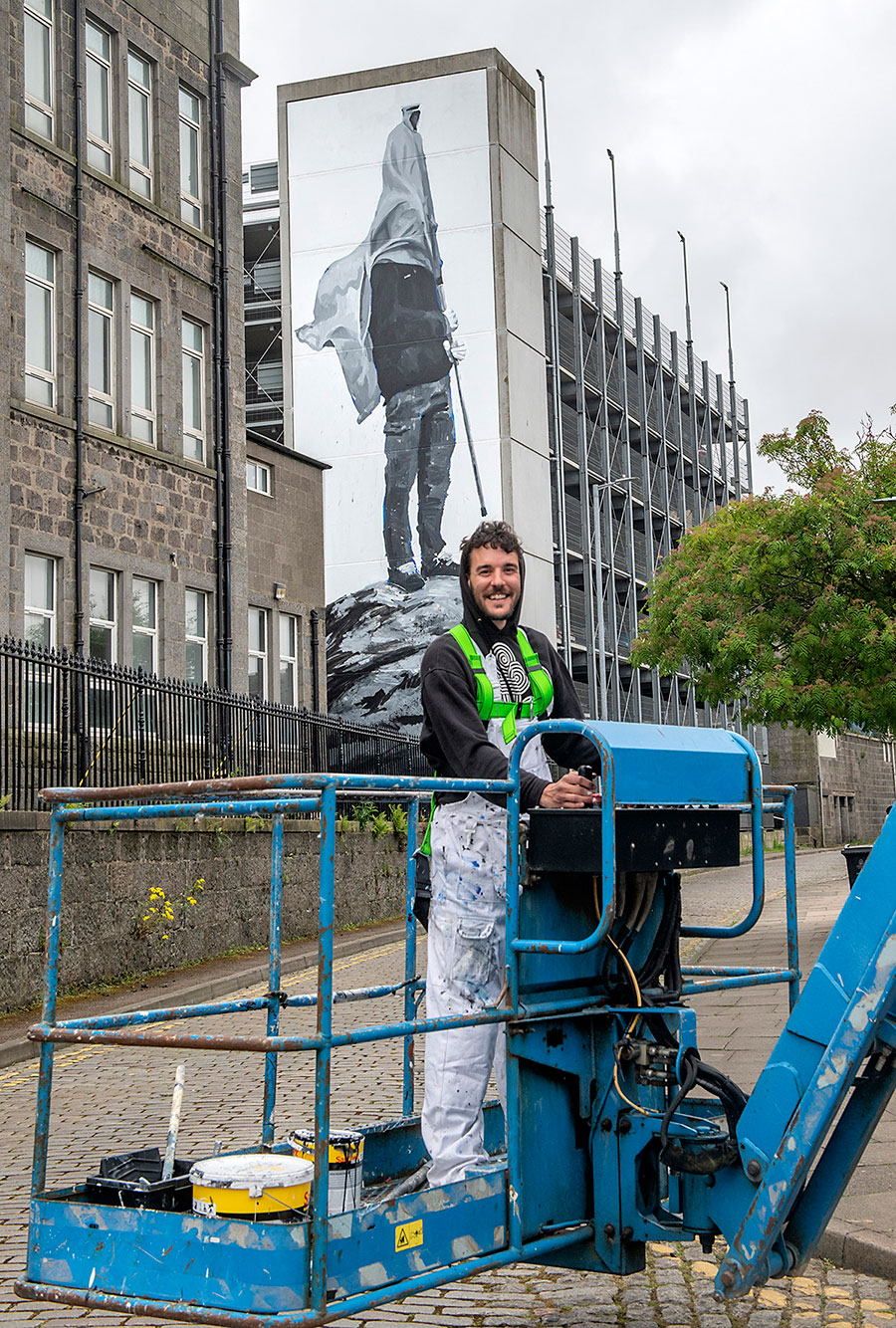
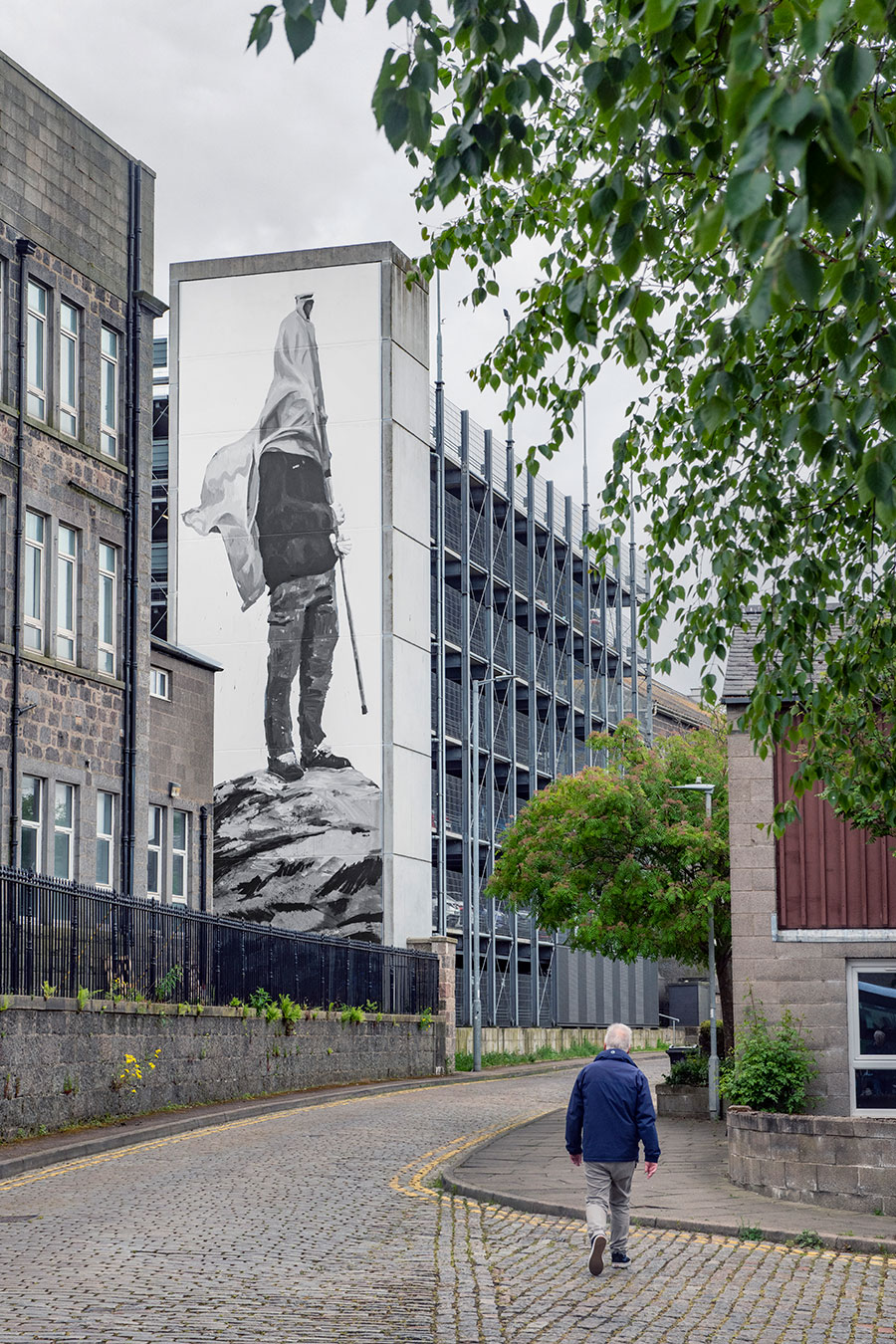
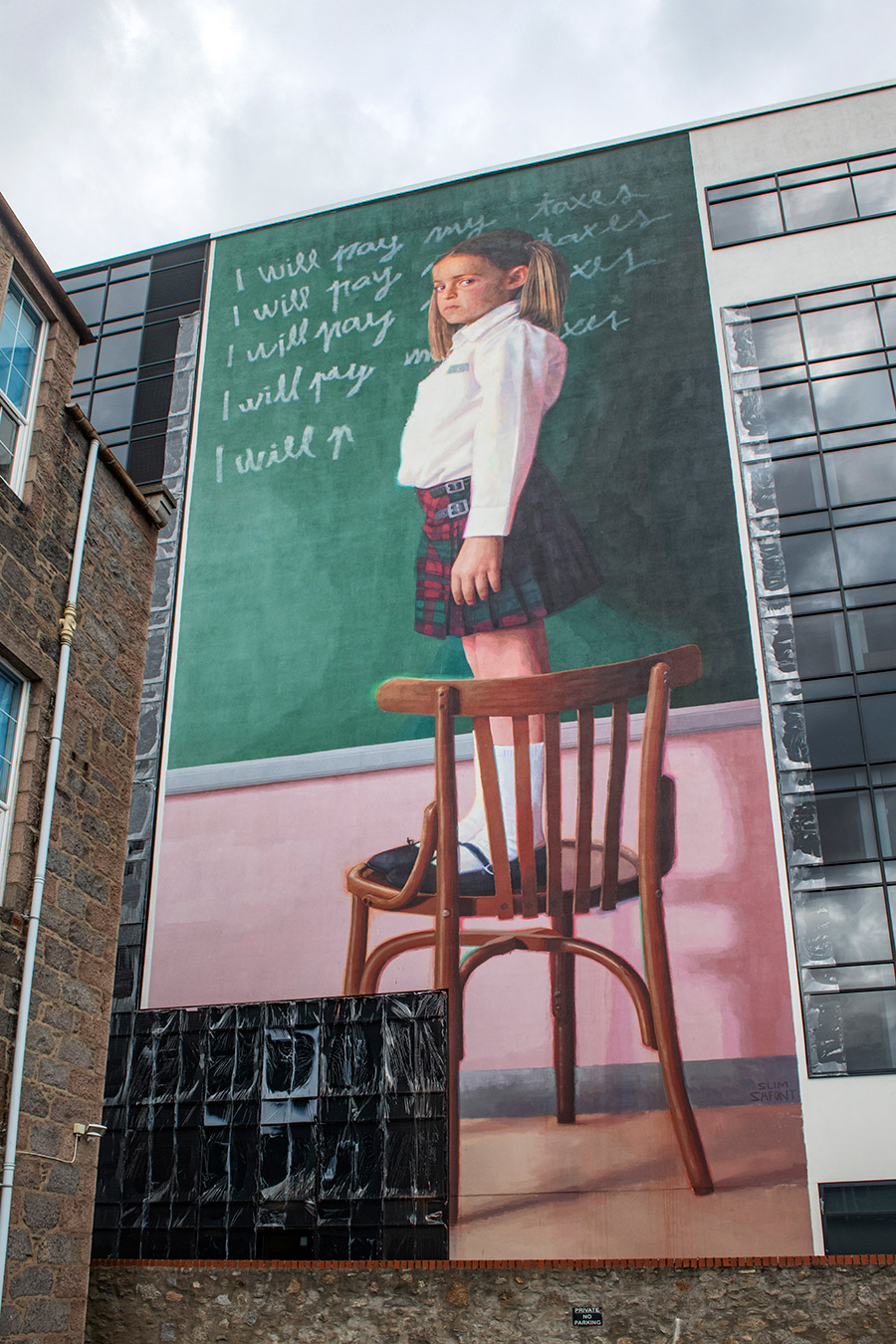
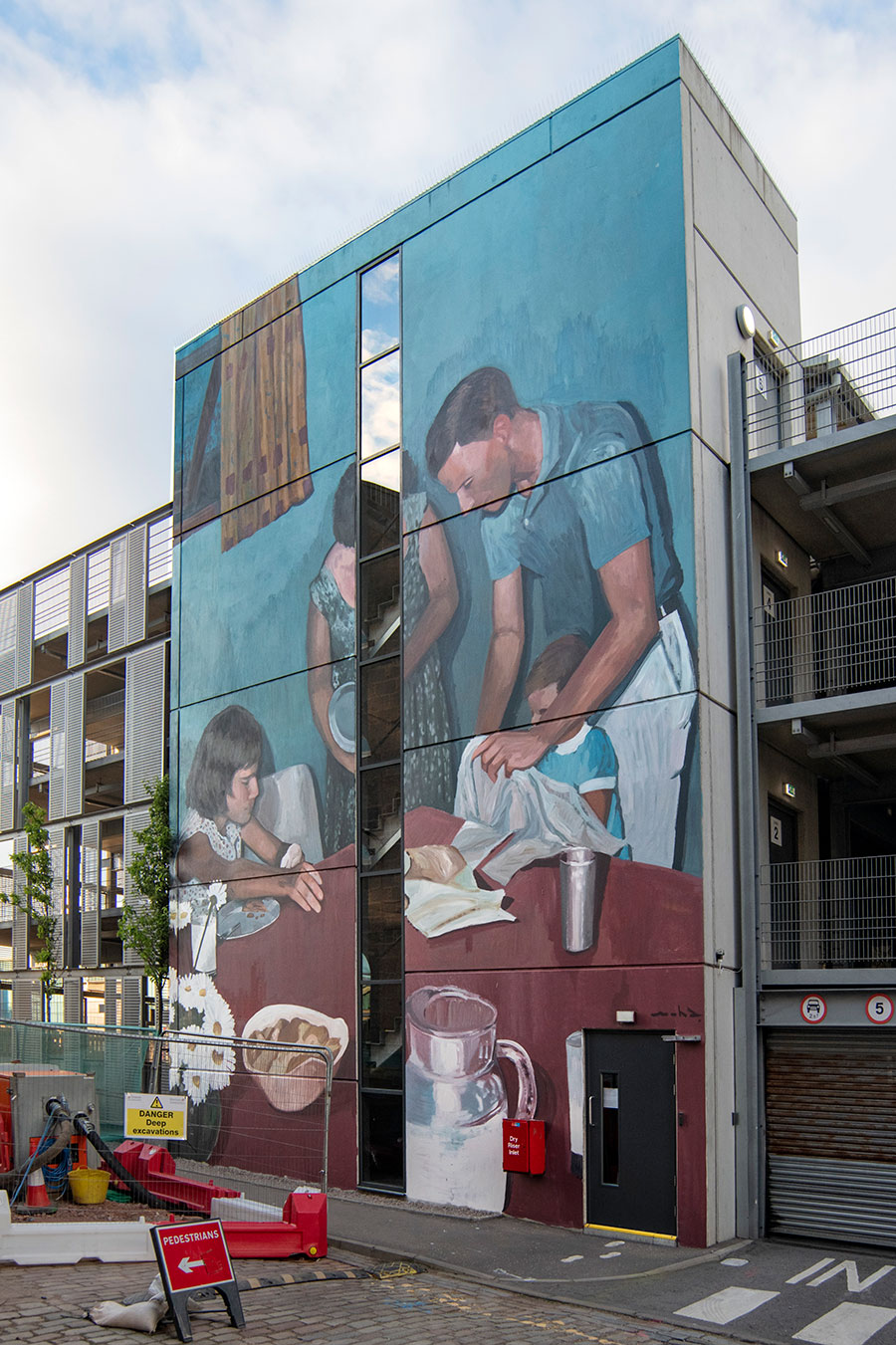
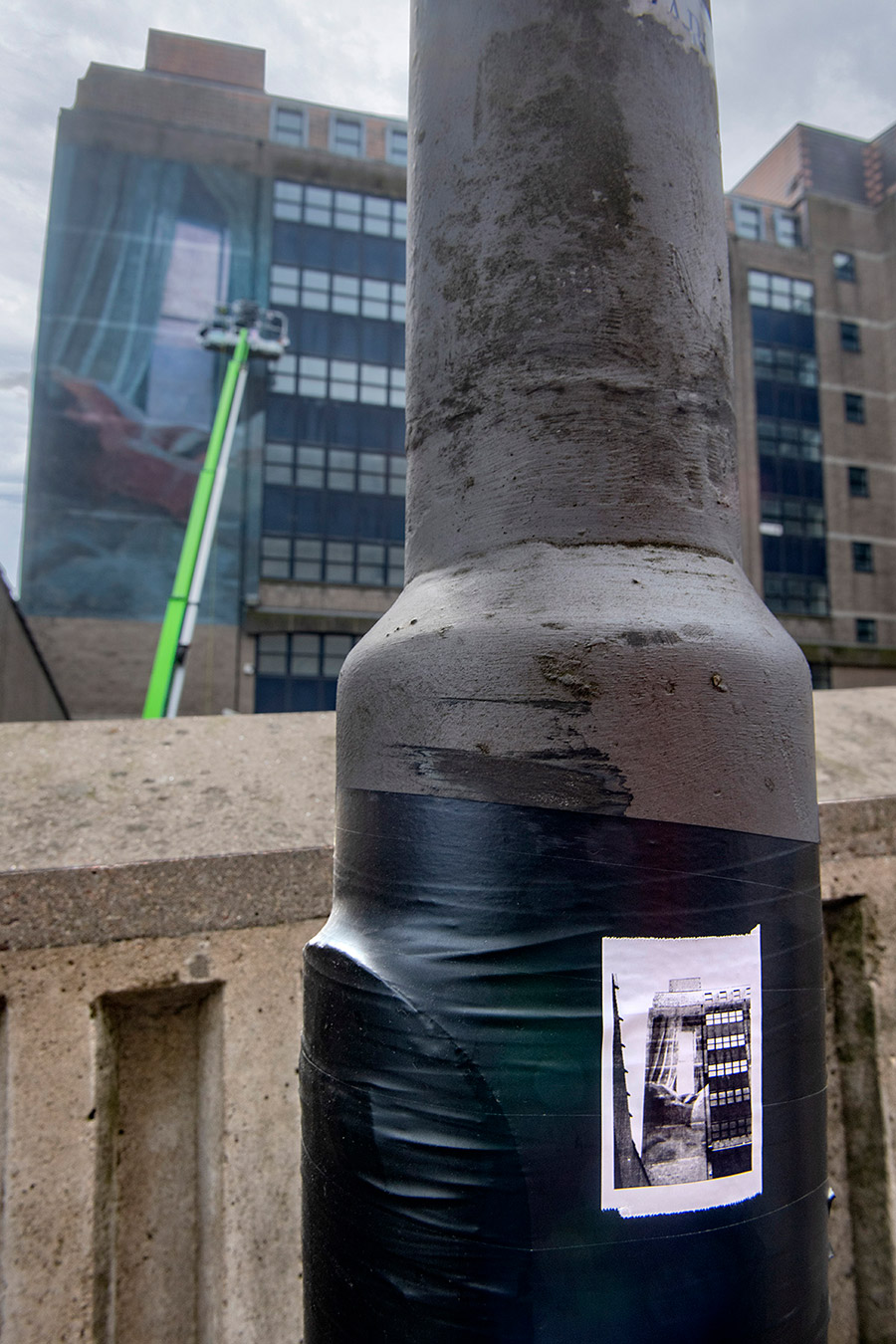
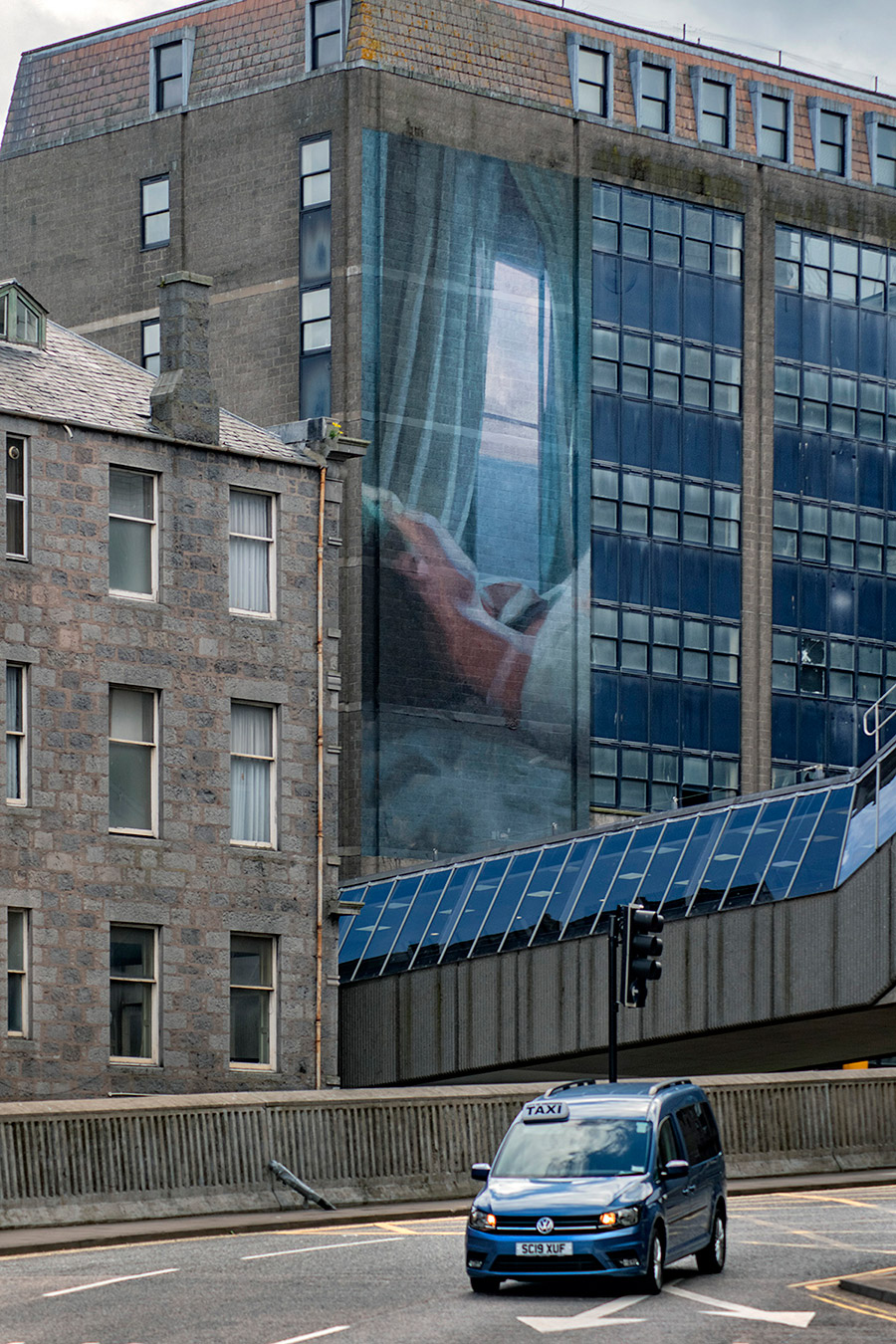
We were fortunate to have been invited to participate in the very first edition of Nuart Aberdeen back in the quaint days of 2017. We had a blast, and in the process fell in love with this city made of granite. The locals and our hosts made certain that we had all we needed to do our job and to enjoy the festival, the city, and of course its people. With a theme of reconnection, the new iteration of the festival last month brought fresh murals to city walls, perhaps revitalizing people’s connection to the built environment in a new way.
A franchising, of sorts, of the original Norwegian Nuart festival and its originators, this offshoot festival was so successful that year that city officials here funded another few editions. The events that engage the community feature live painting, a speaker program, walking tours, a pub fight/debate, and children’s art programming. All told it’s a warm example of street art culture mainstreaming itself right into the daily fabric of this prosperous Scottish city often called the “Oil Capital of Europe”
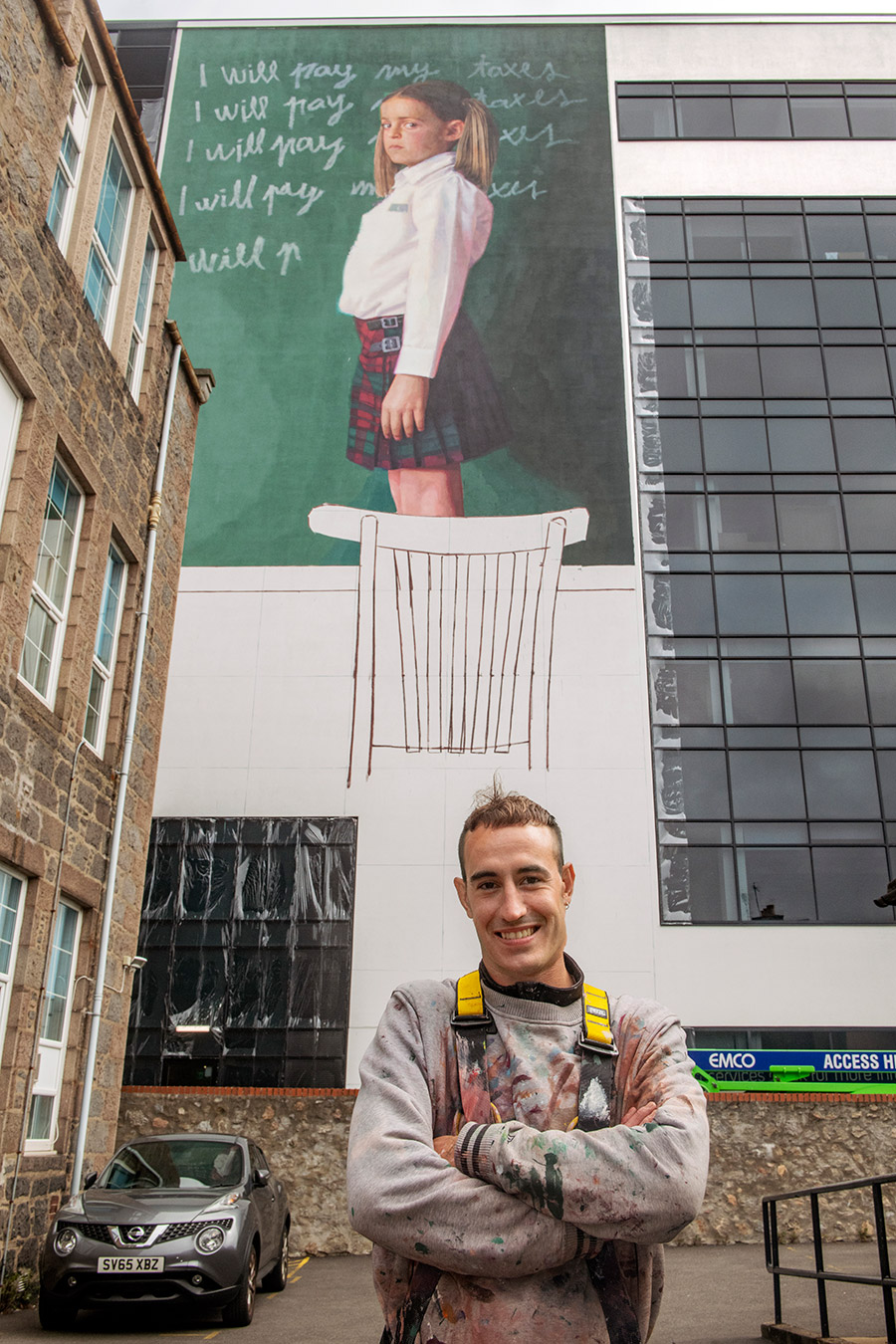
Photographer Martha Cooper was invited to participate in Nuart’s newest event and she shares with us and our readers her documentation of the 11 artists’ artworks on the streets of Aberdeen.
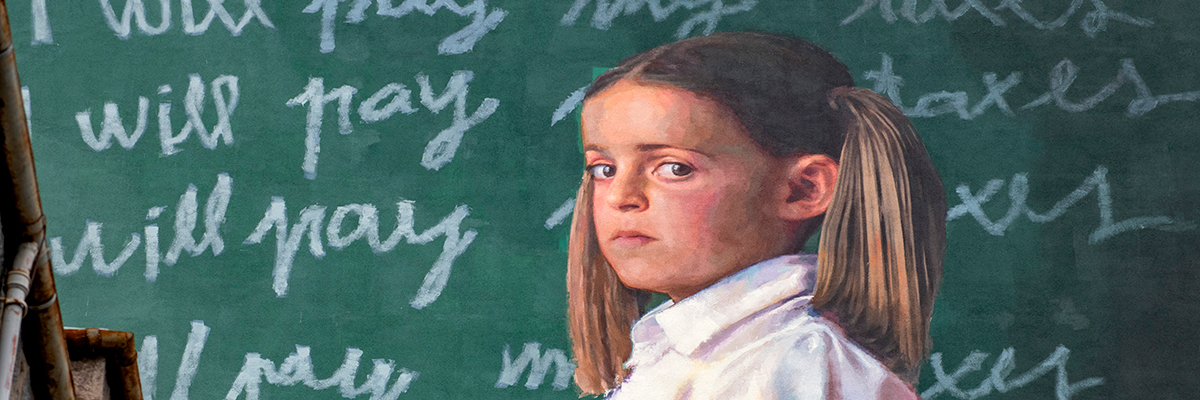
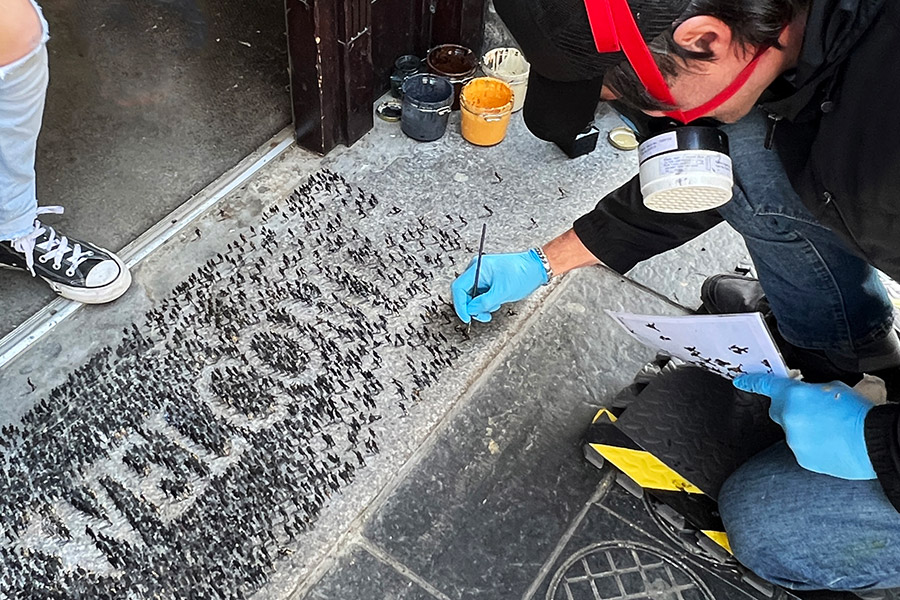
Martha tells us that this “I Will Pay Taxes” mural is painted on a building whose owner didn’t pay his taxes. It was controversial but in the end, the organizers of the festival prevailed to keep the wall up without alterations or censorship.
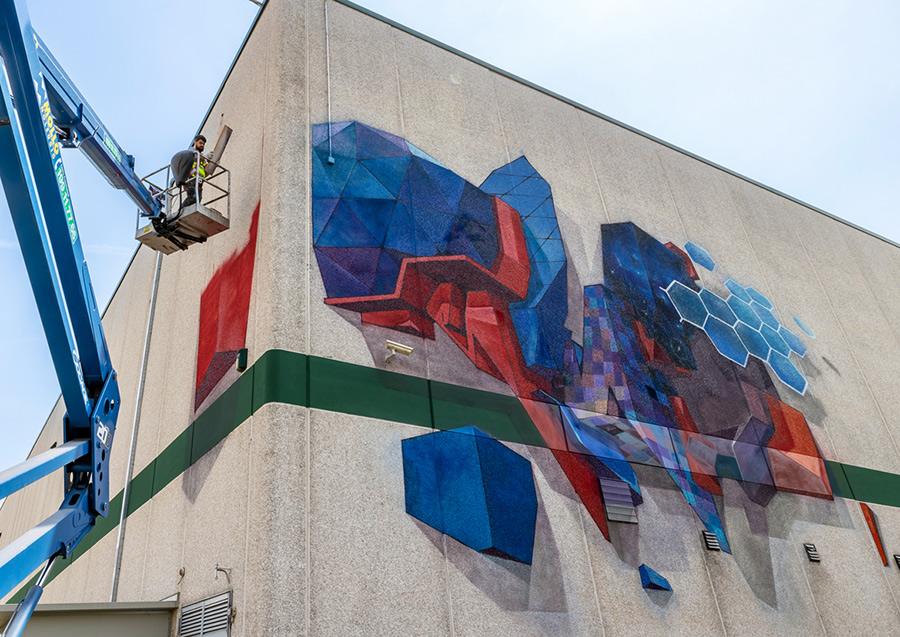
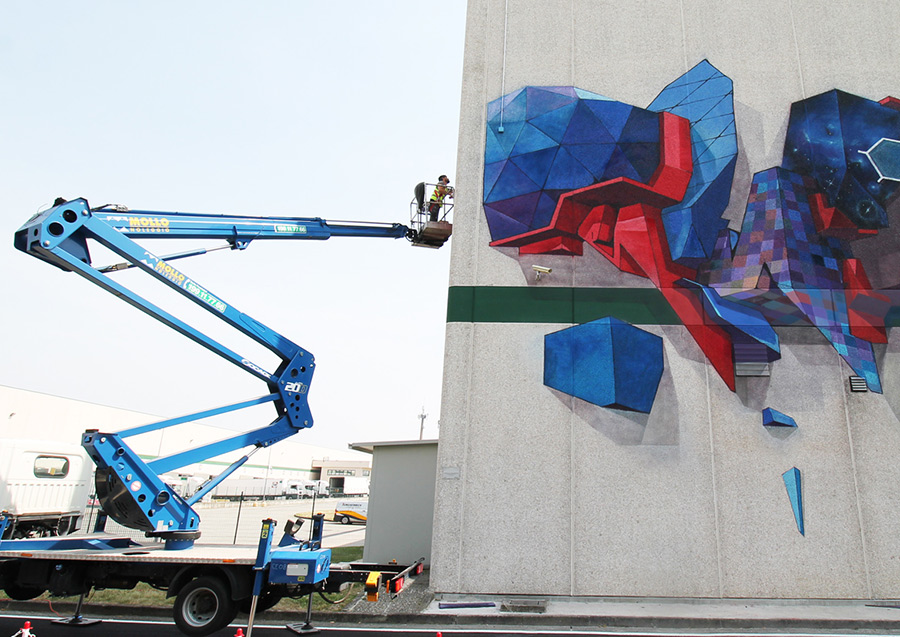
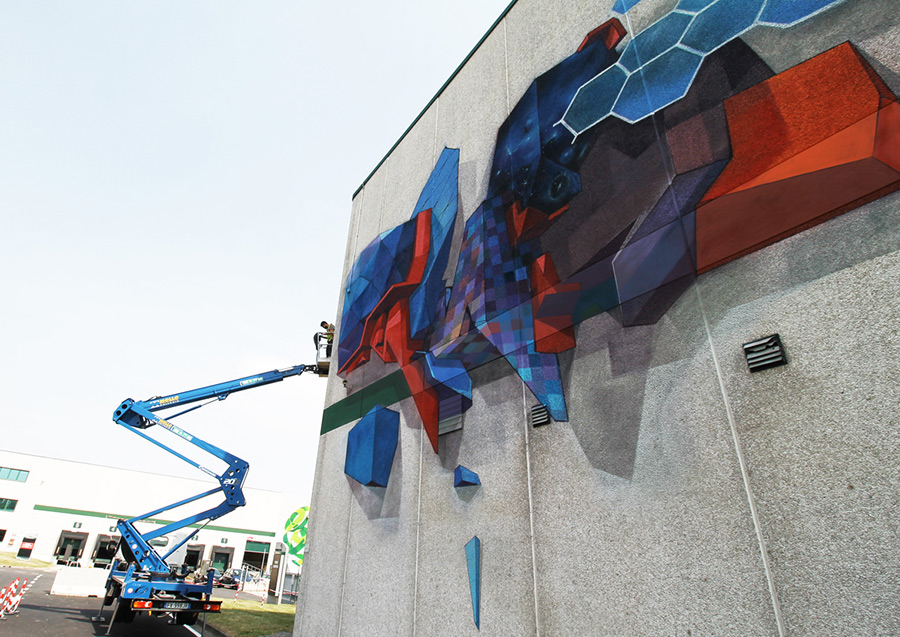
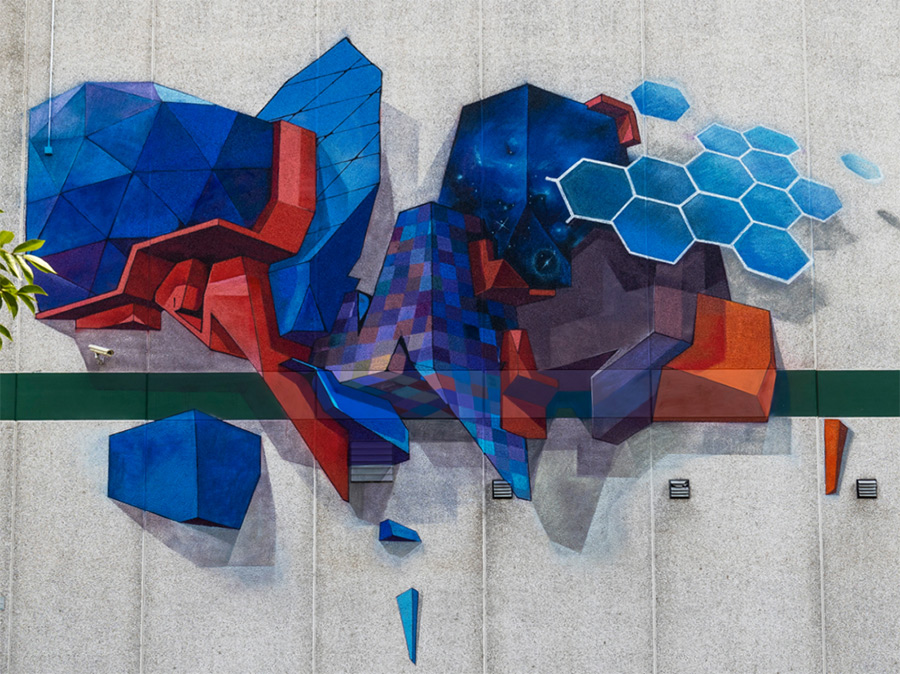
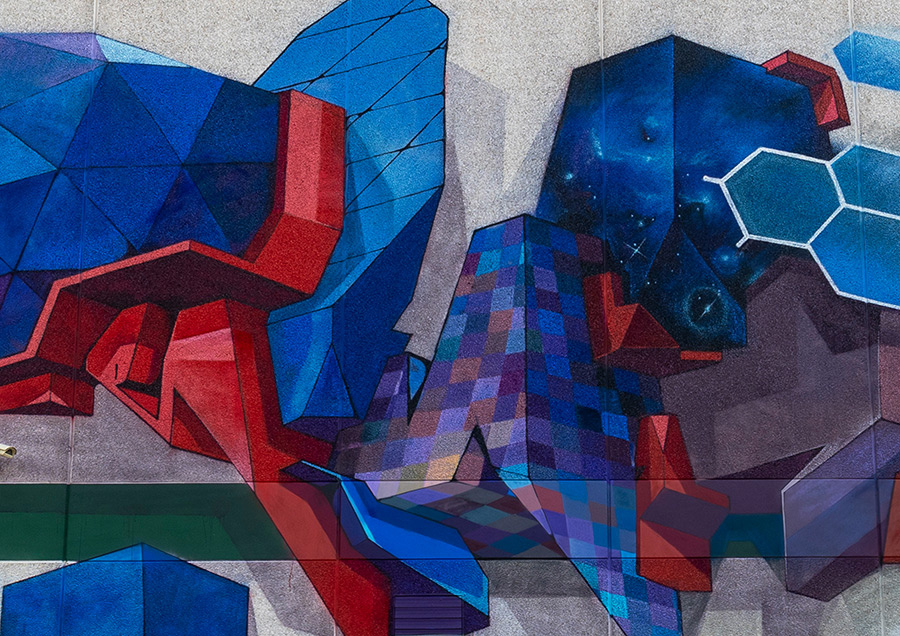
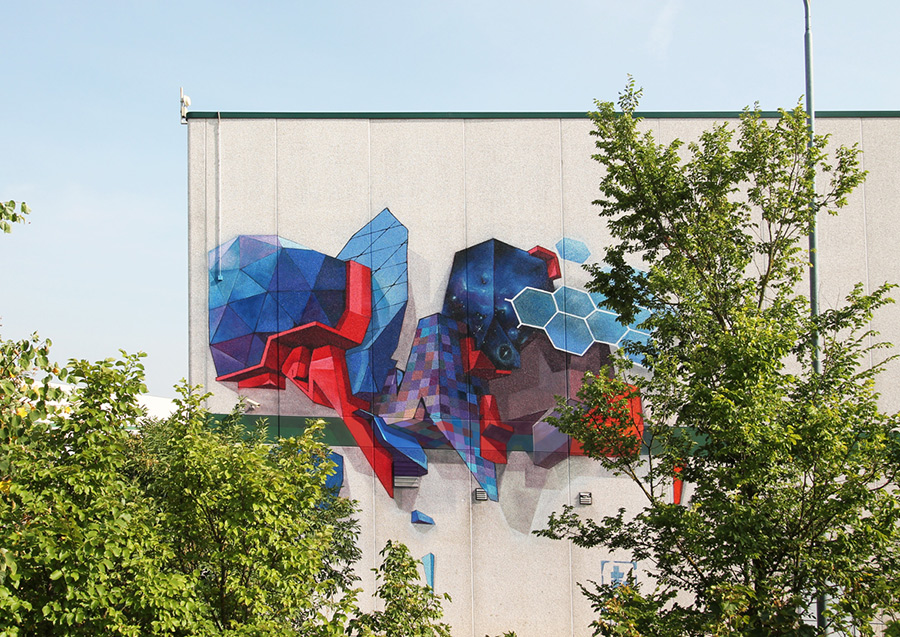
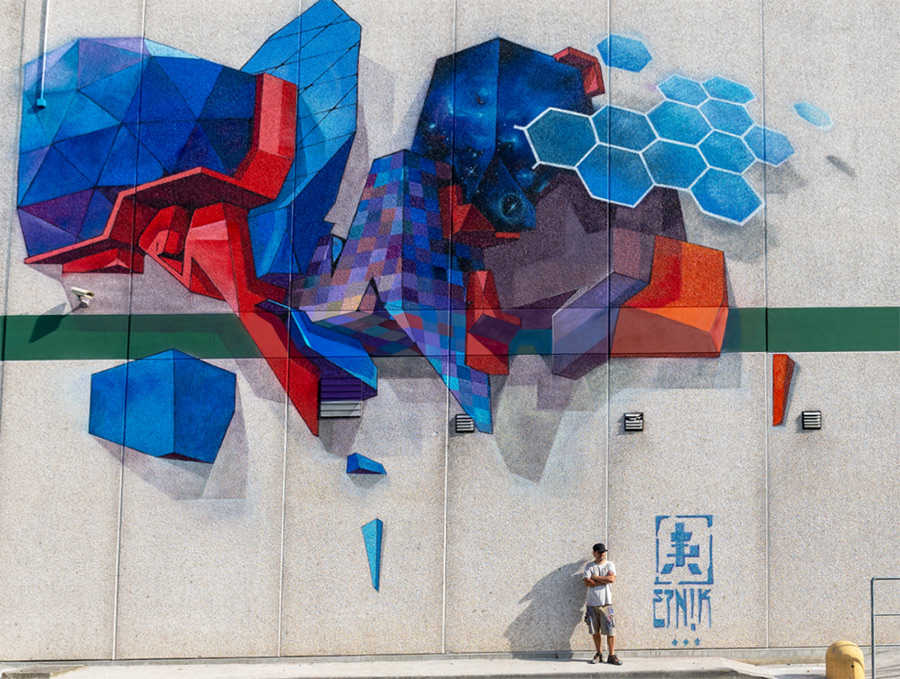
Pushing the boundaries as expected, Italian-Swedish street artist Alessandro Battisti AKA Etnik, puts this new deconstructed piece in Novara, Italy, this month for ParkLife. With all the plastic and performative arts still seemingly in the throes of hybridization, it is no surprise to see this floating futurism of unknown origin. What is a surprise is that Etnik continues to evolve and fine-tune his tools, helping define the urban environment.
Etnik. Novara, Italy. (photo courtesy of Etnik)
Etnik is enthusiastic about sharing his painting with audiences who may never see it otherwise. “The message in this wall is to innovate and to have the courage to make art in industrial platforms that are normally disconnected from the art world,” he says.
Etnik. Novara, Italy. (photo courtesy of Etnik)Etnik. Novara, Italy. (photo courtesy of Etnik)Etnik. Novara, Italy. (photo courtesy of Etnik)Etnik. Novara, Italy. (photo courtesy of Etnik)Etnik. Novara, Italy. (photo courtesy of Etnik)Etnik. Novara, Italy. (photo courtesy of Etnik)
 BROOKLYN STREET ART LOVES YOU MORE EVERY DAY