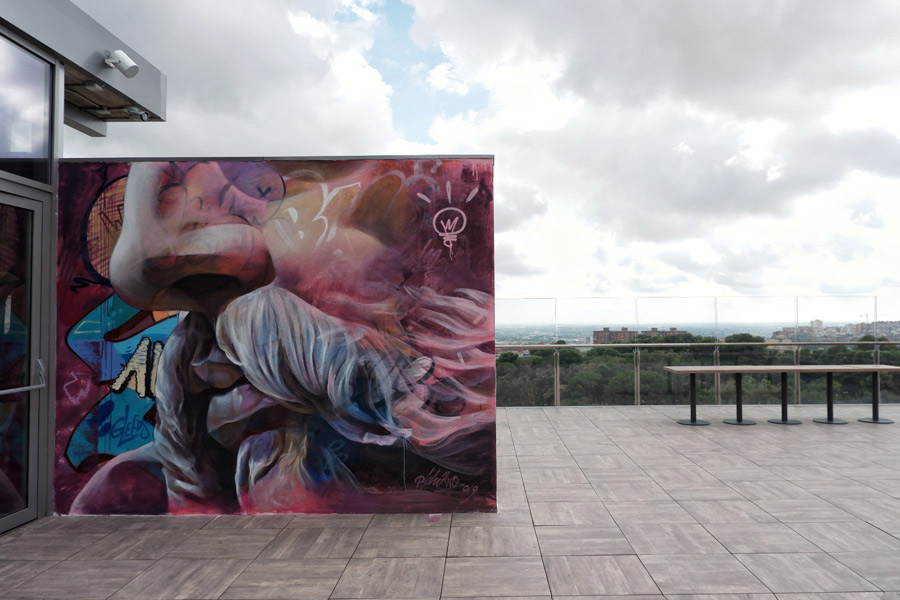
Poseidon and the sea are both visible from here, so is Athena, another powerful Greek god. She ultimately prevails, if you recall. You can read HERE about their Athena intervention back in July.
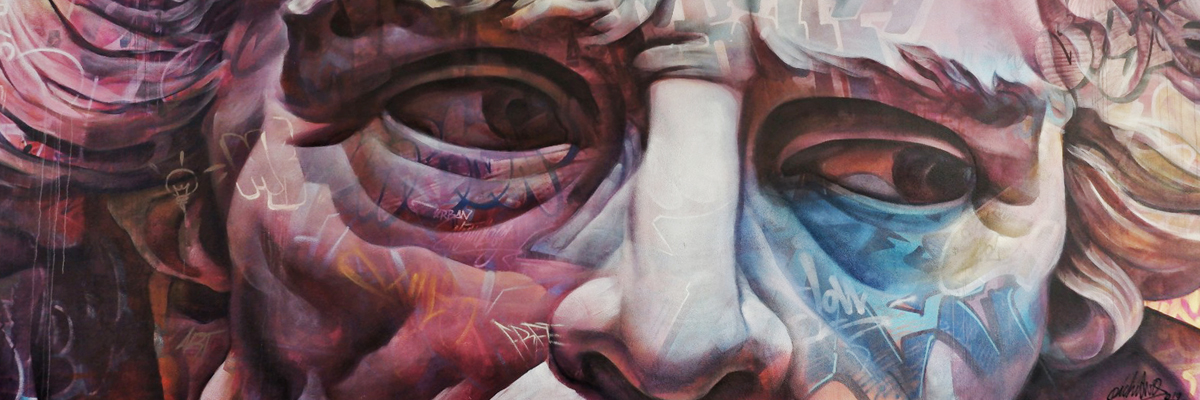
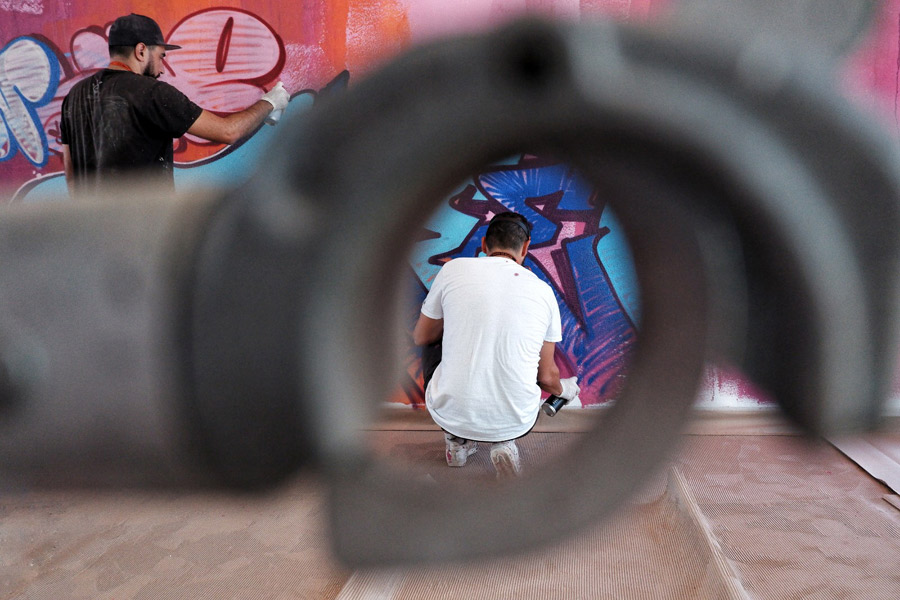
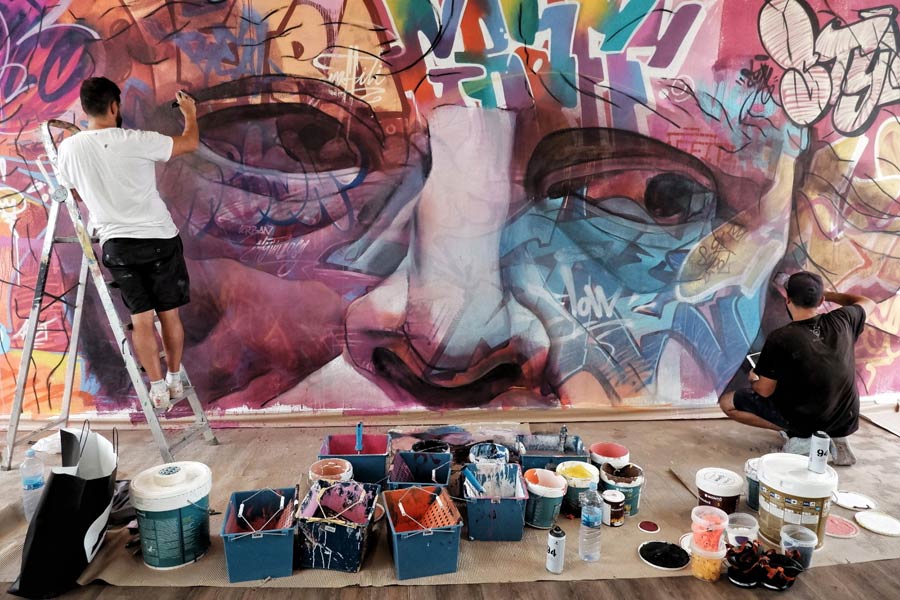
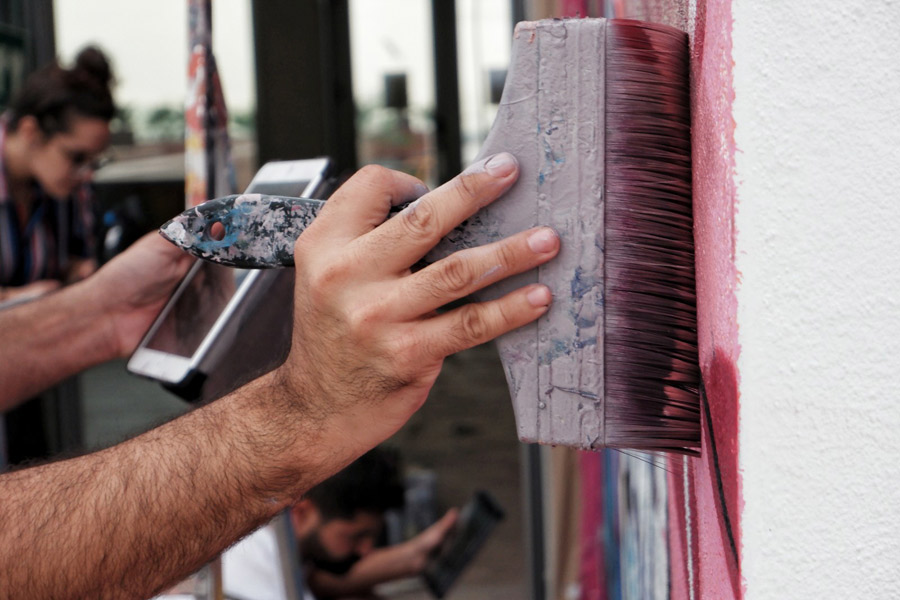
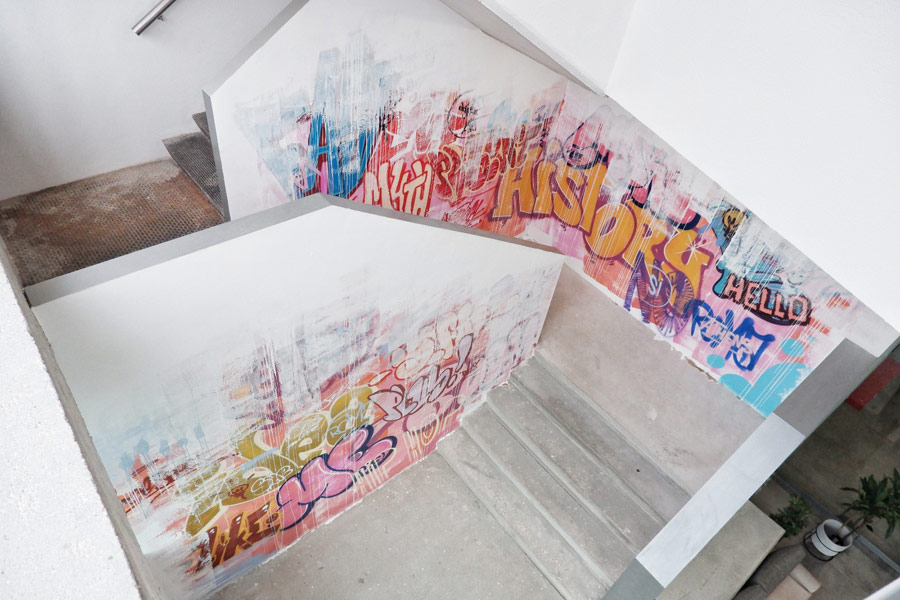
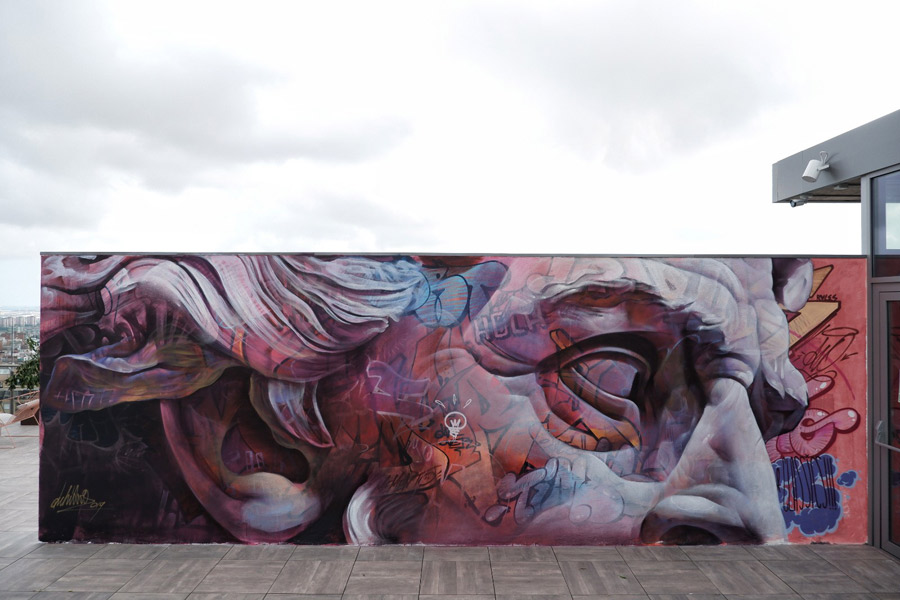
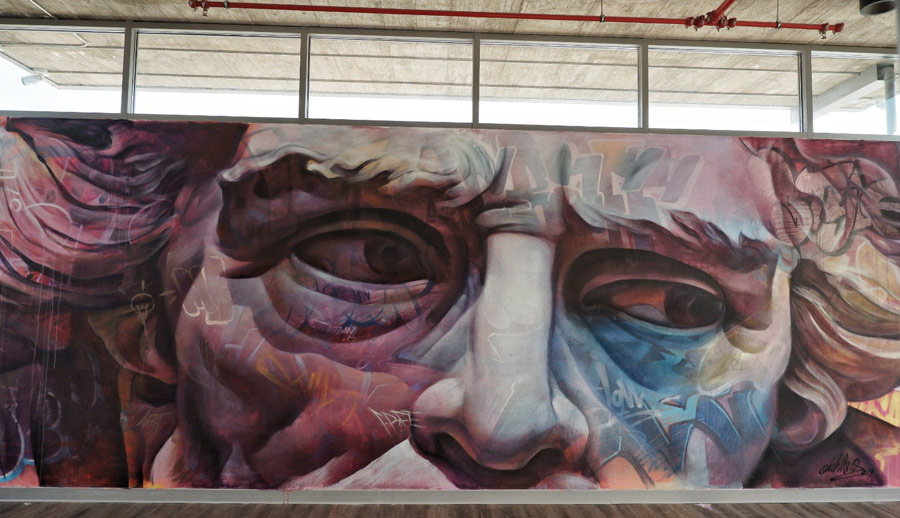
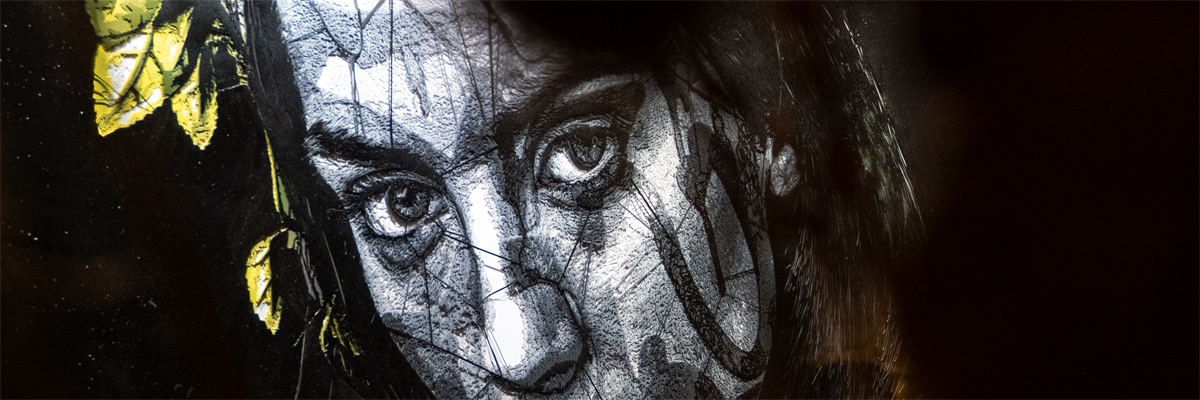
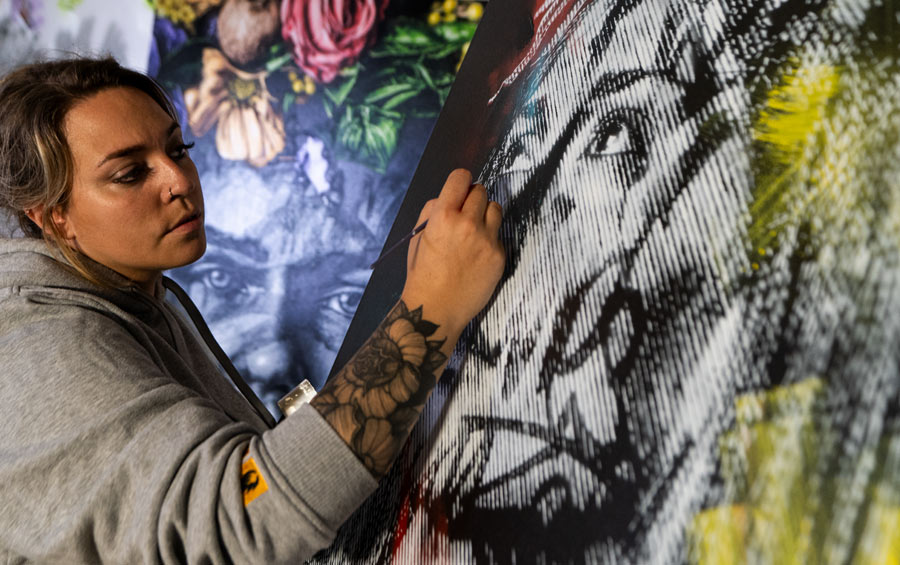
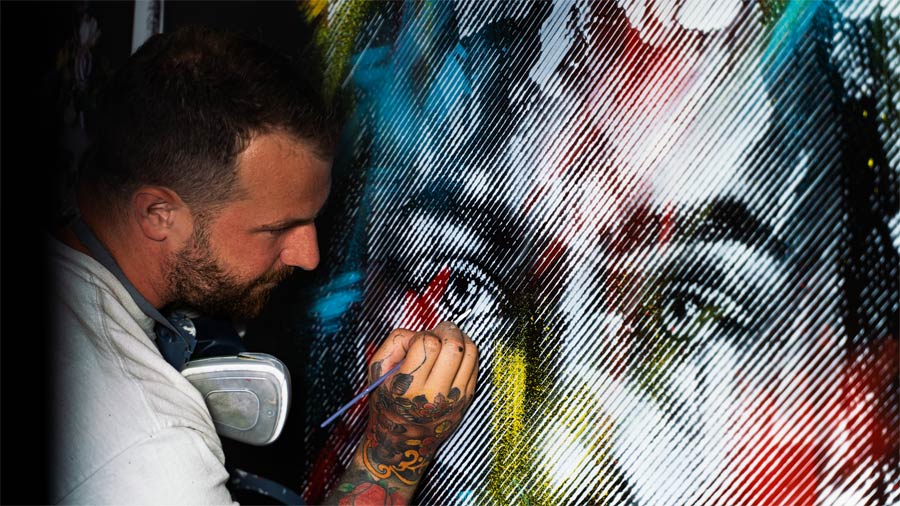
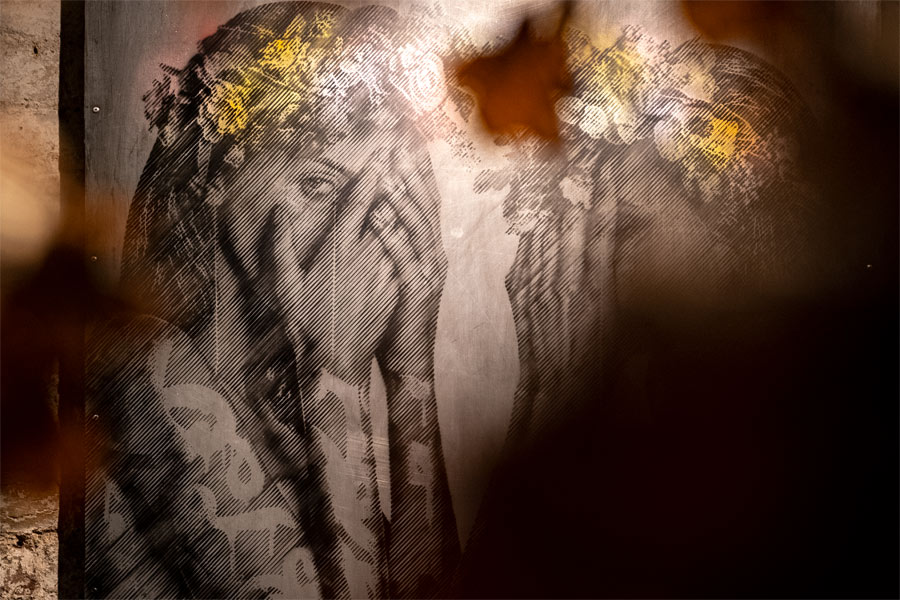
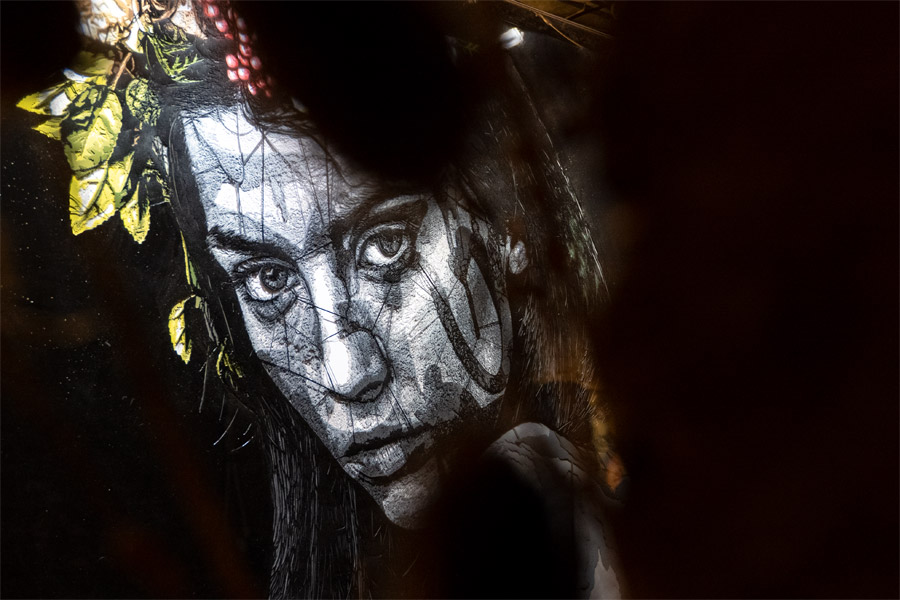
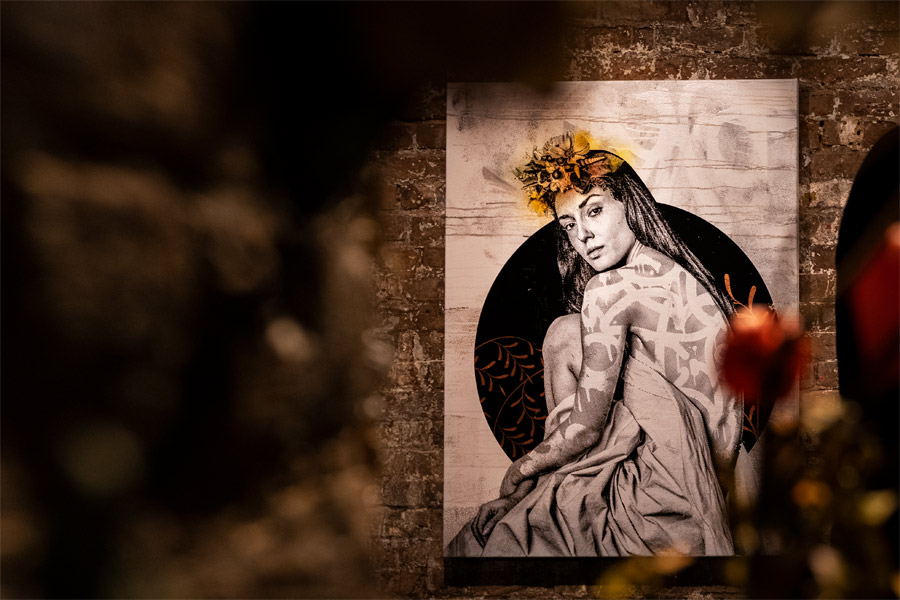
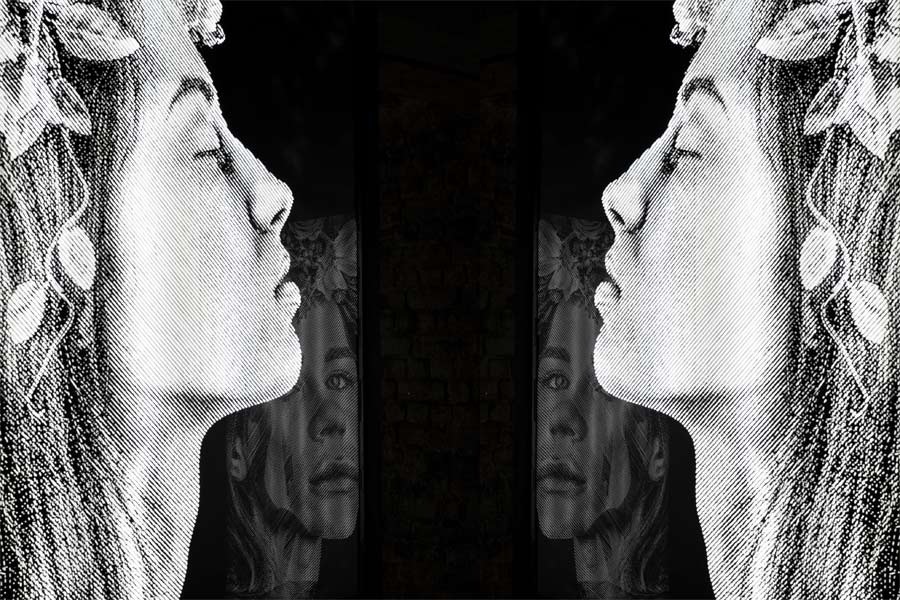
Here we see graffiti/Street Art/muralist duo PichiAvo is prevailing as well in Barcelona during recent commissions in July and September. This time their signature style is employed for a real estate developer client and the results are tight as ever.
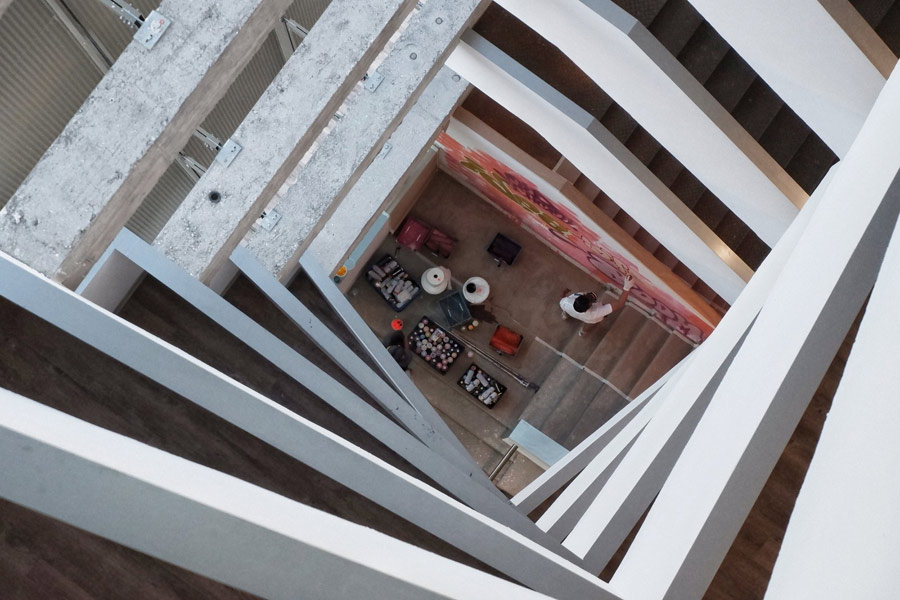
The Spanish painters’ deconstruction of classical iconography is becoming the stuff of legends, and here they present their tableaus in sectional designs that poke inside and out- elaborate expressions of gauzy and marbled high and low imagery blended in a complimentary way.
Our special thanks to talented photographer Fer Alcala today who shares his unique view and optical talents today with BSA Readers.
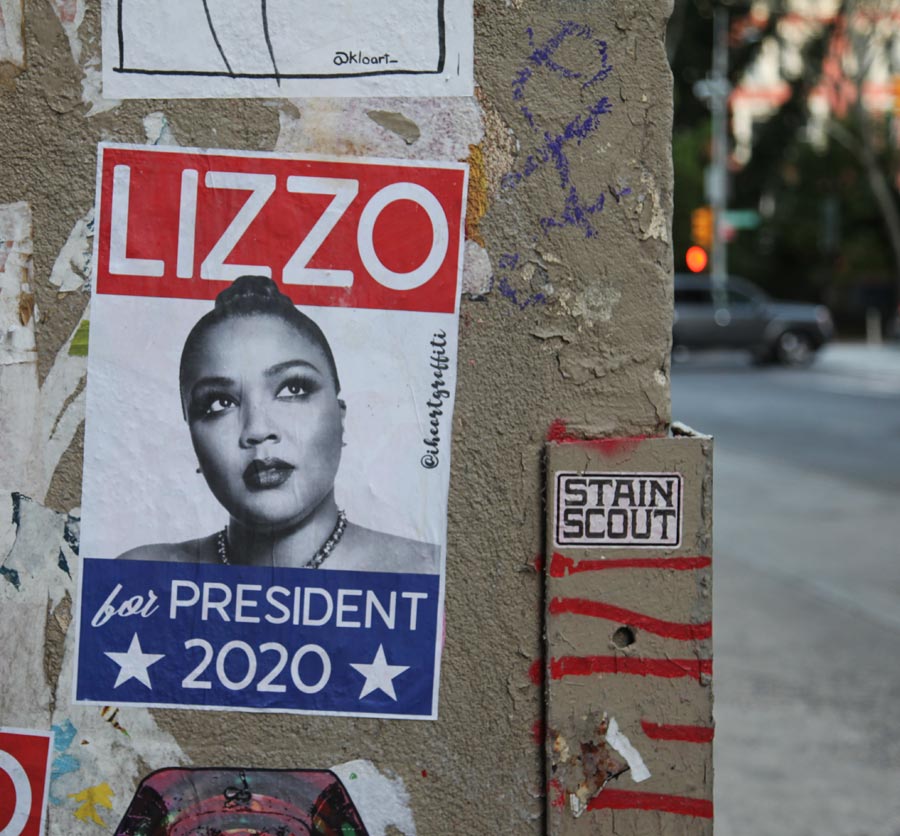
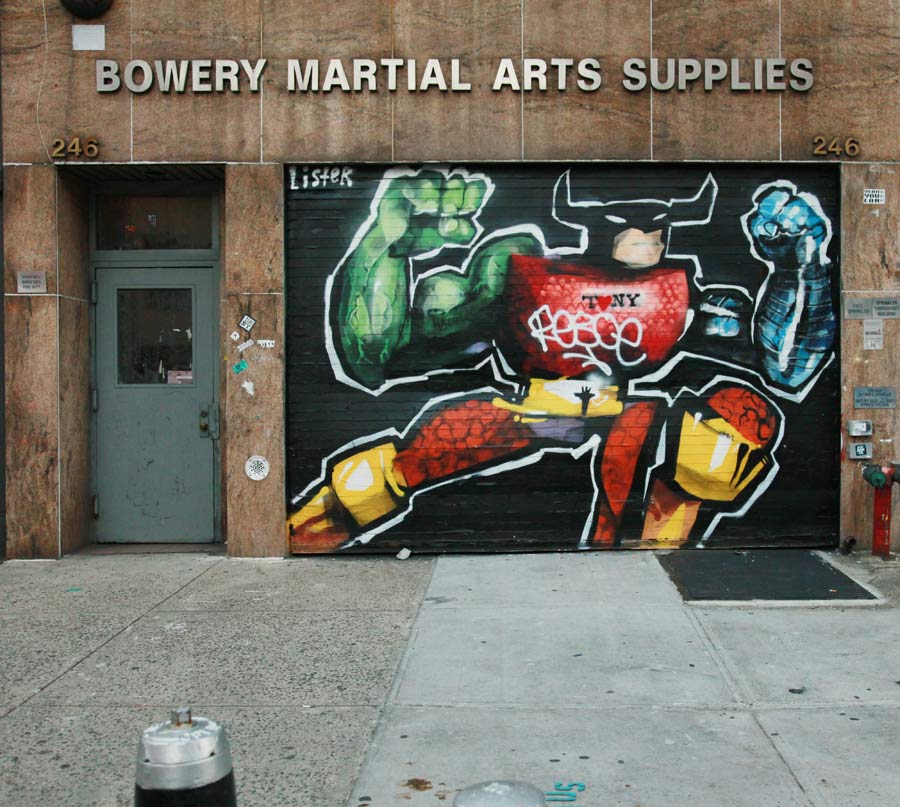
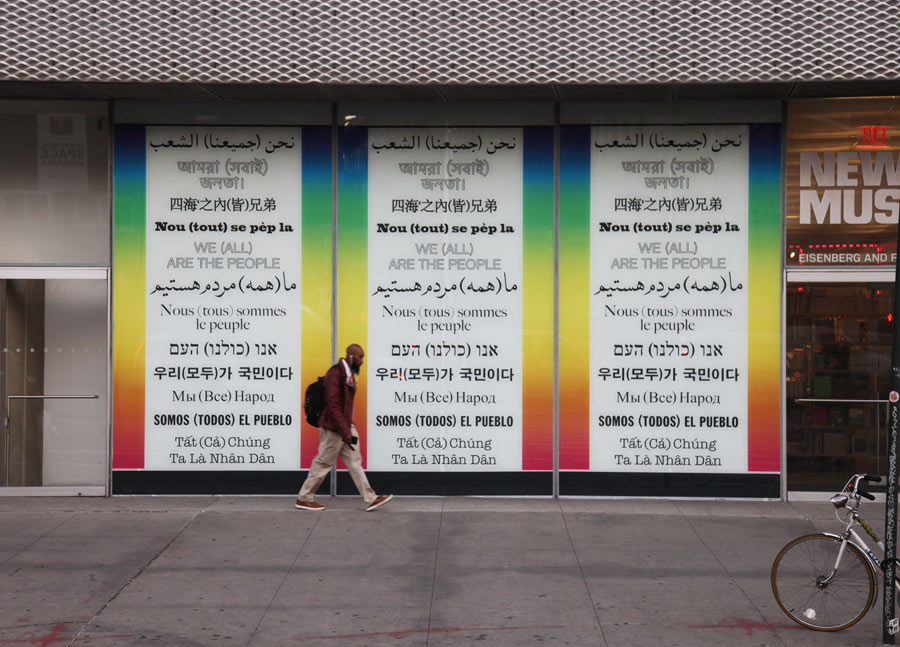
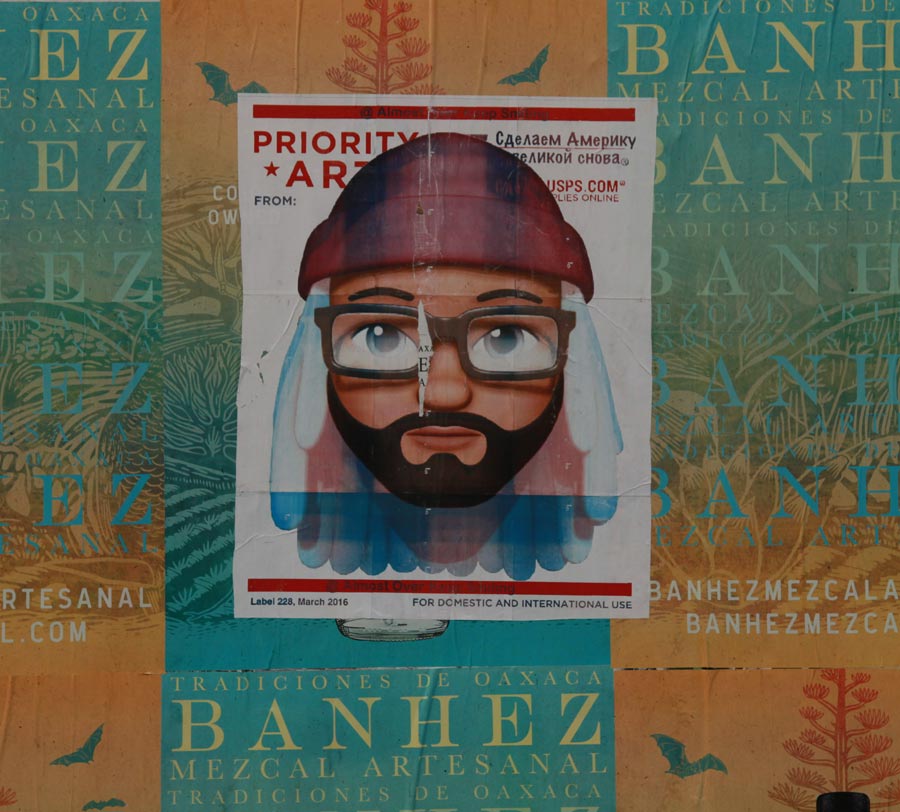
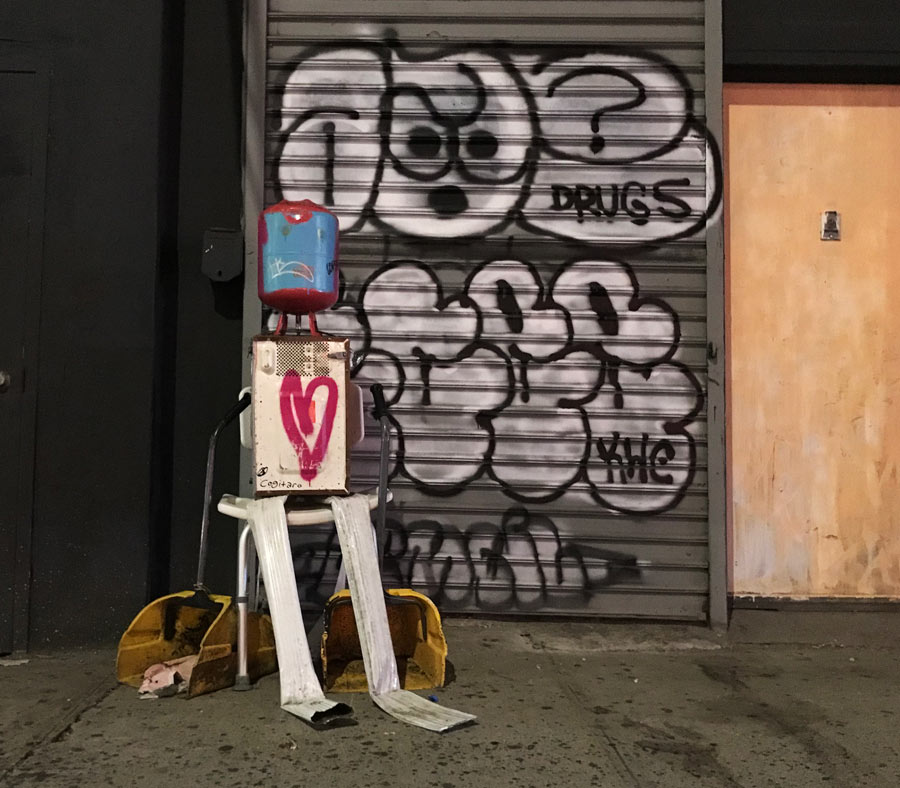
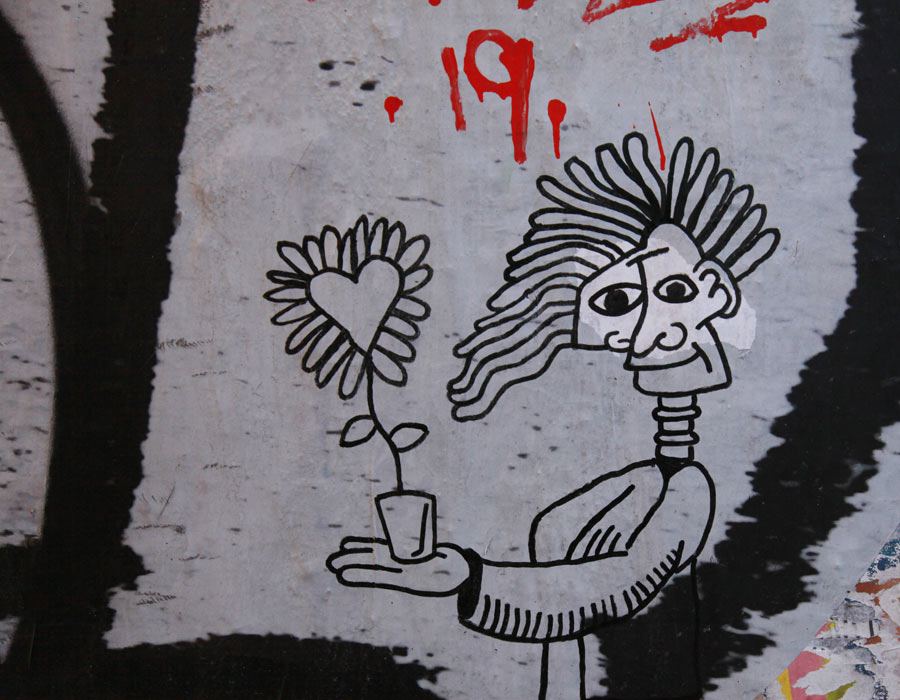
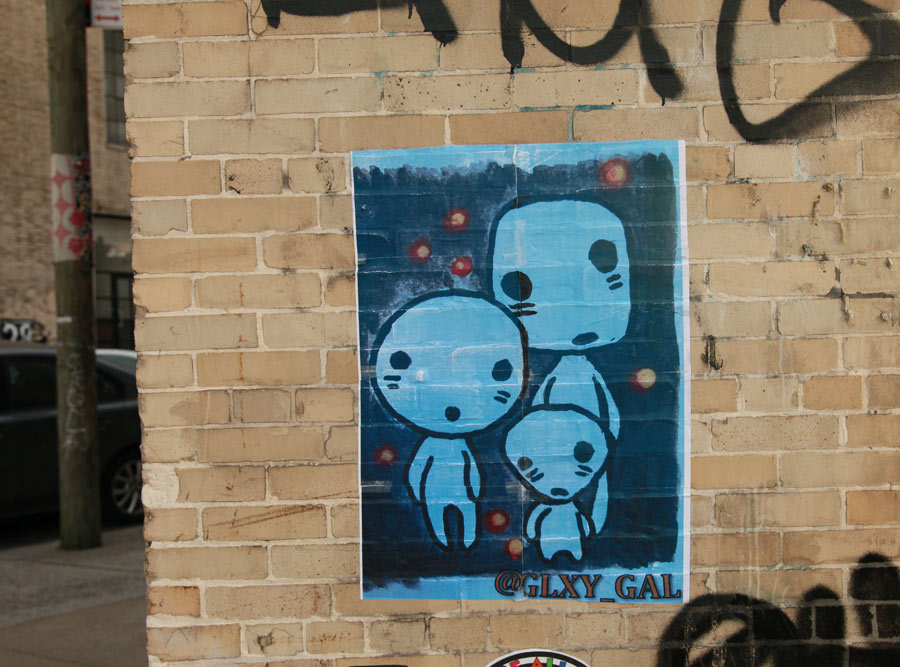
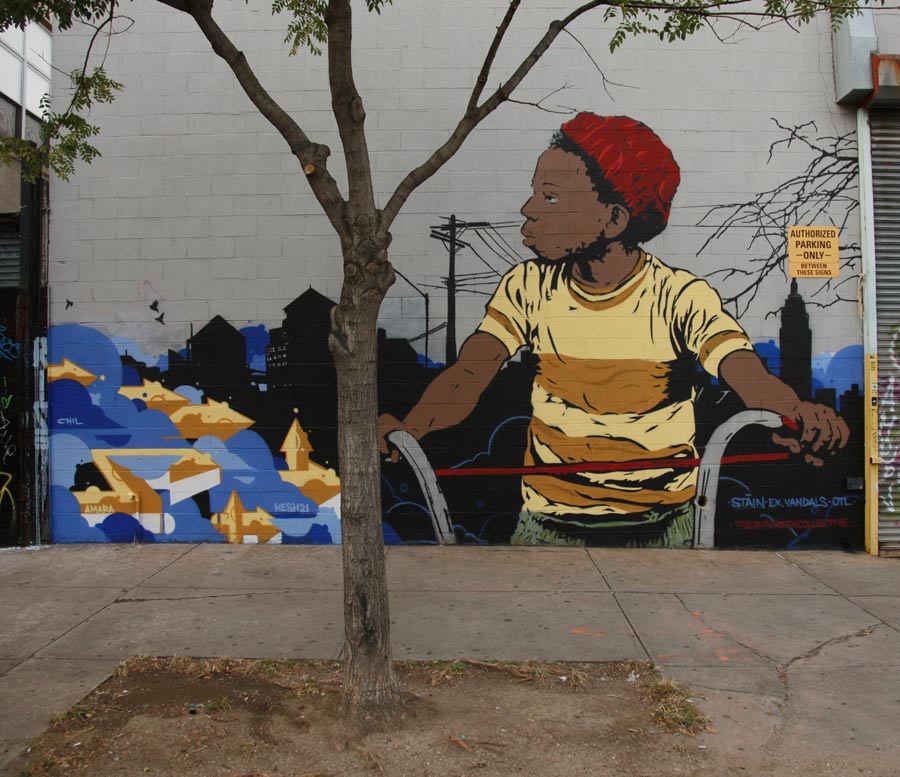
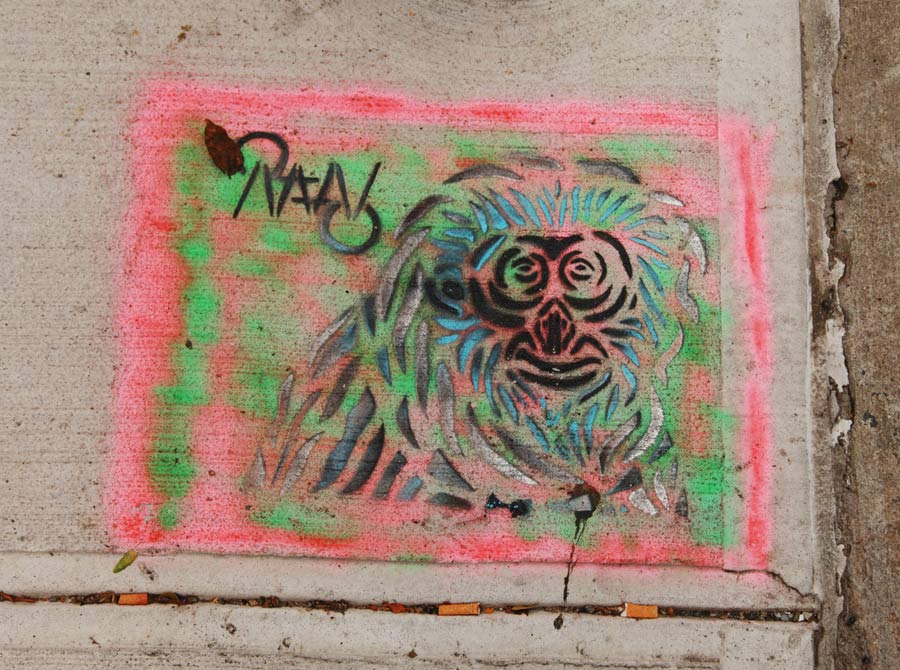
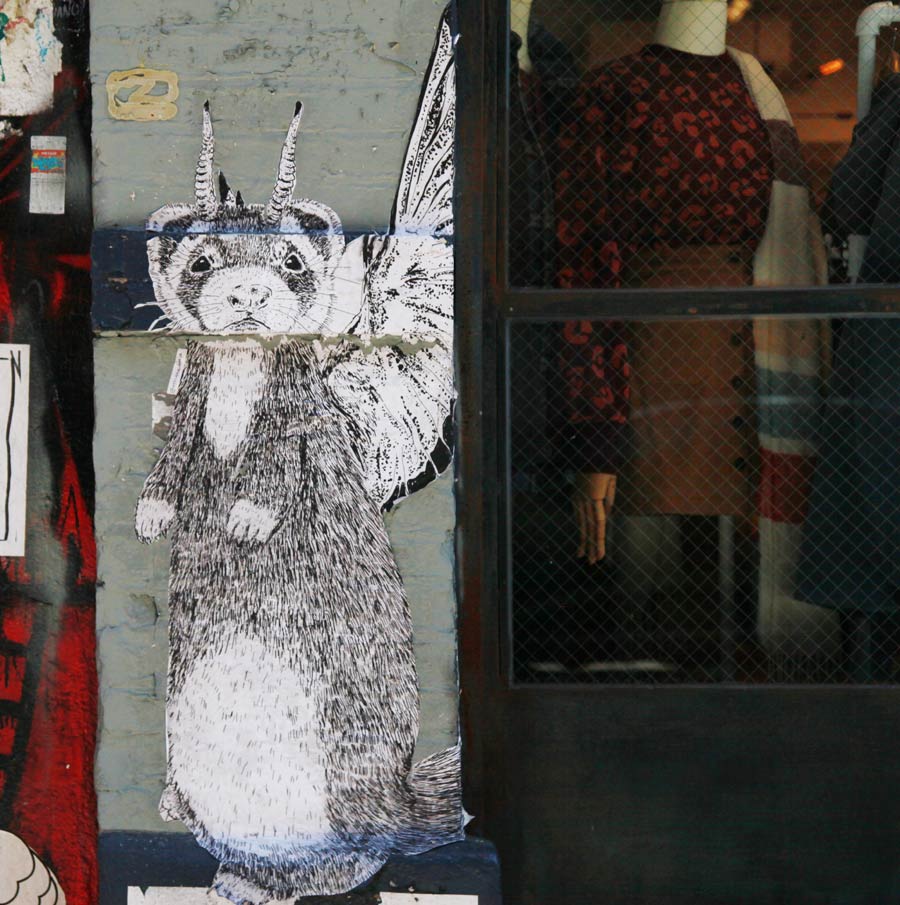
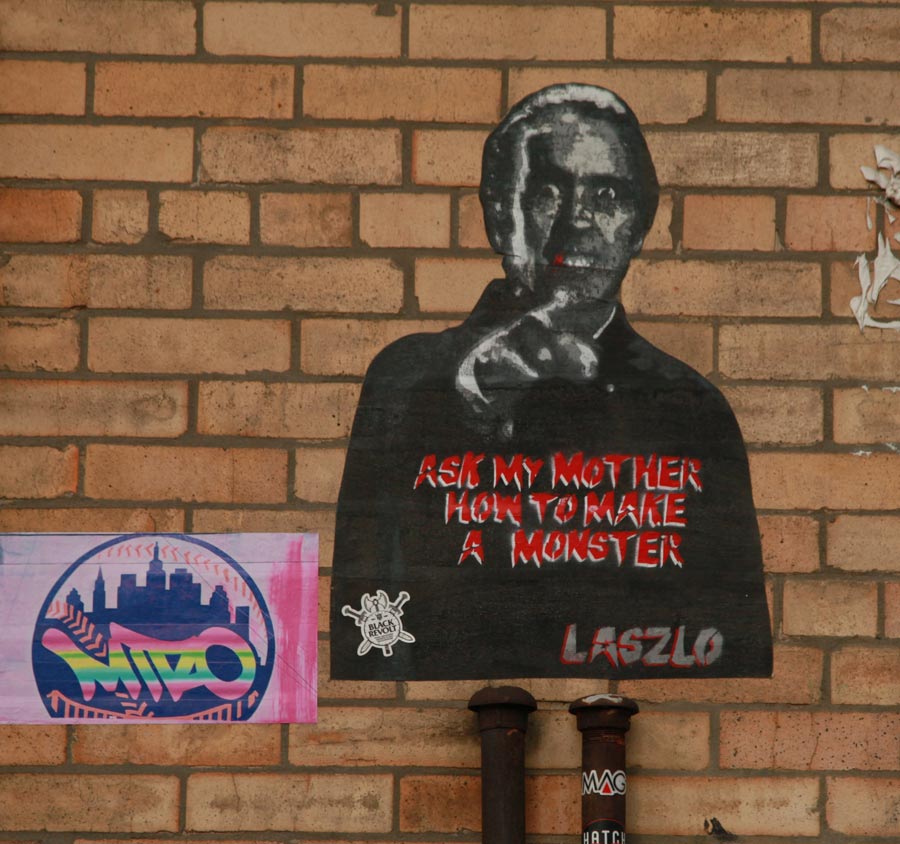
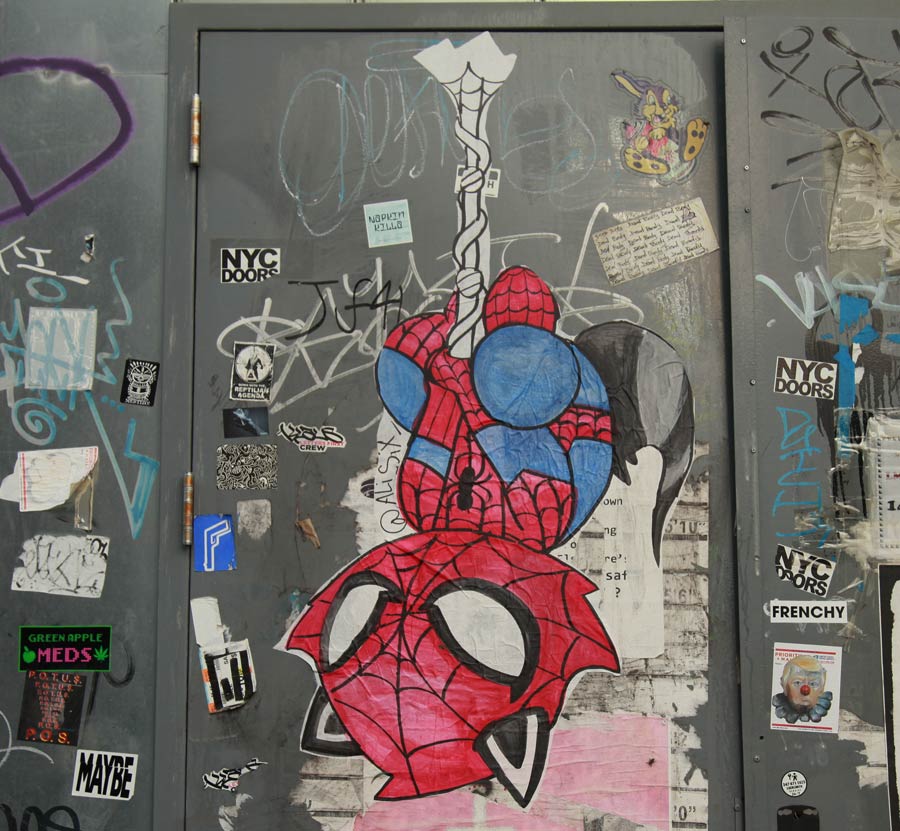
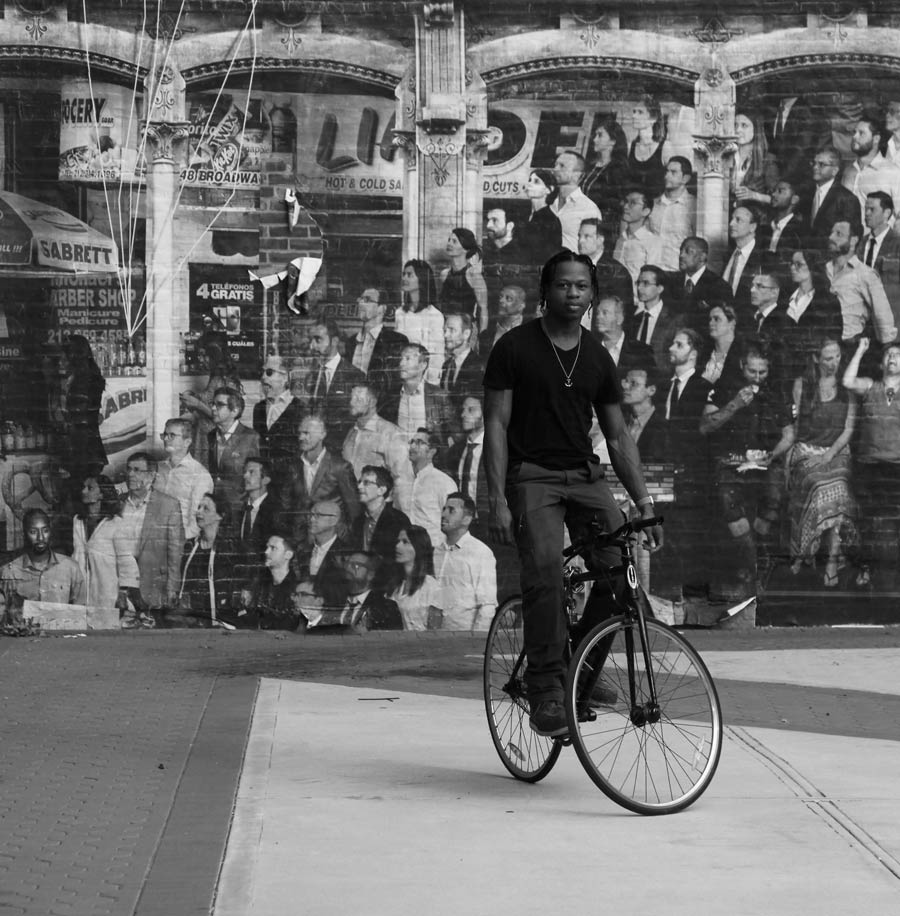
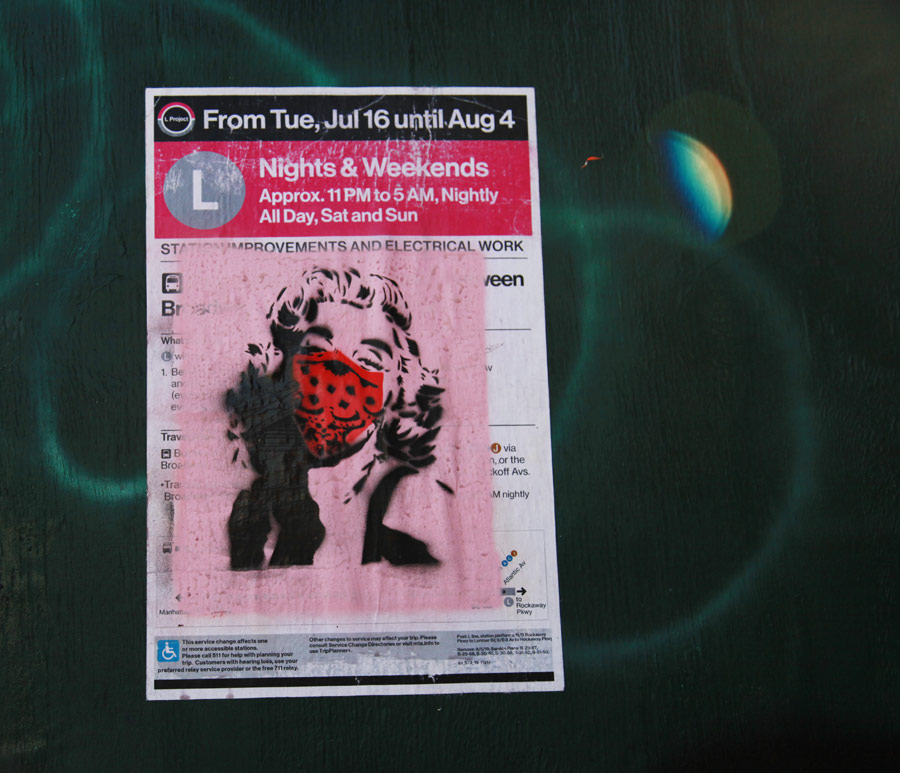
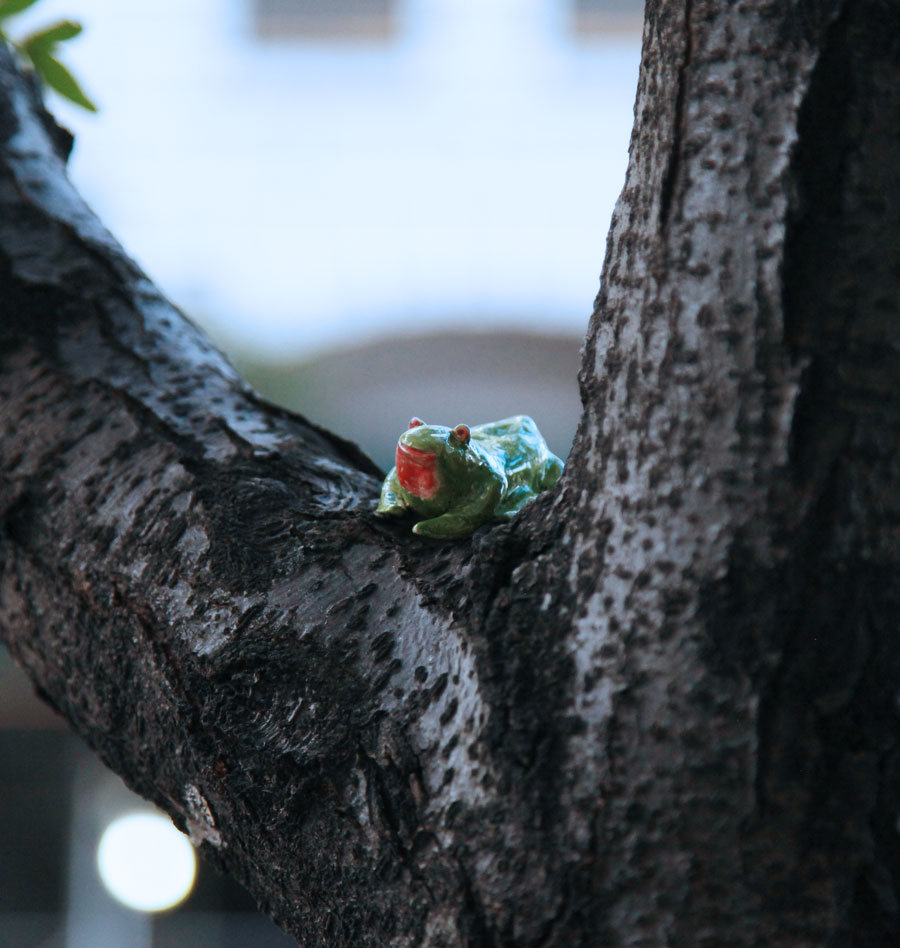
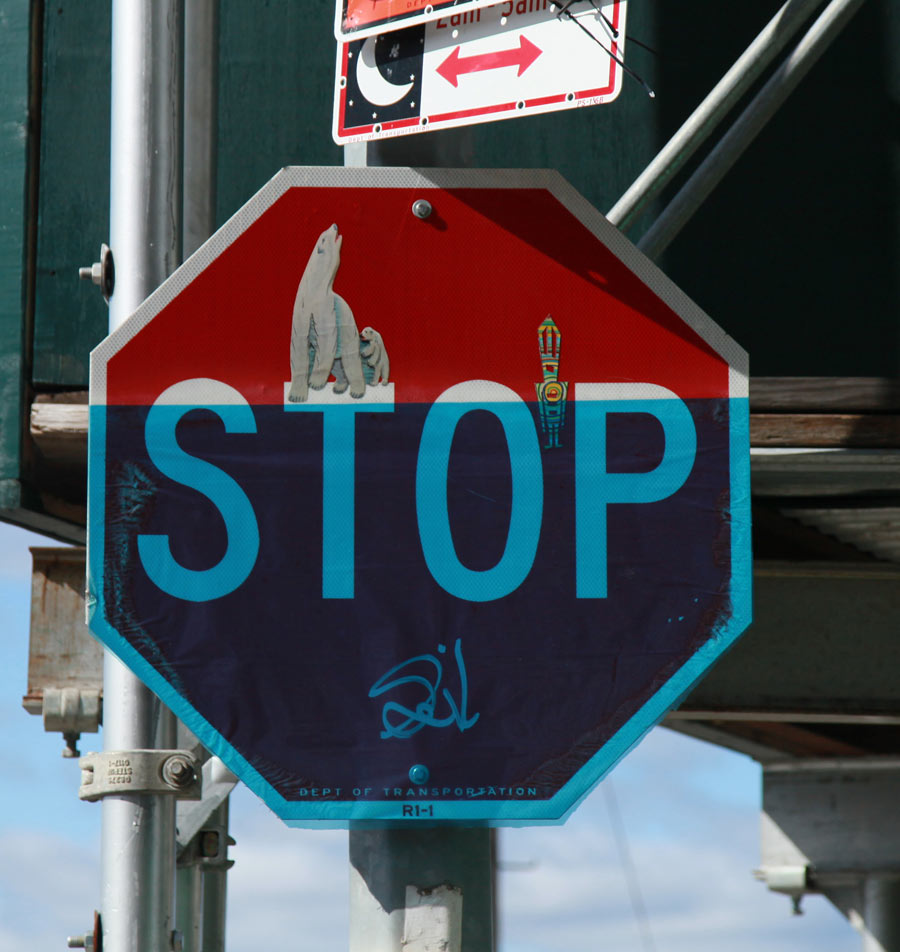
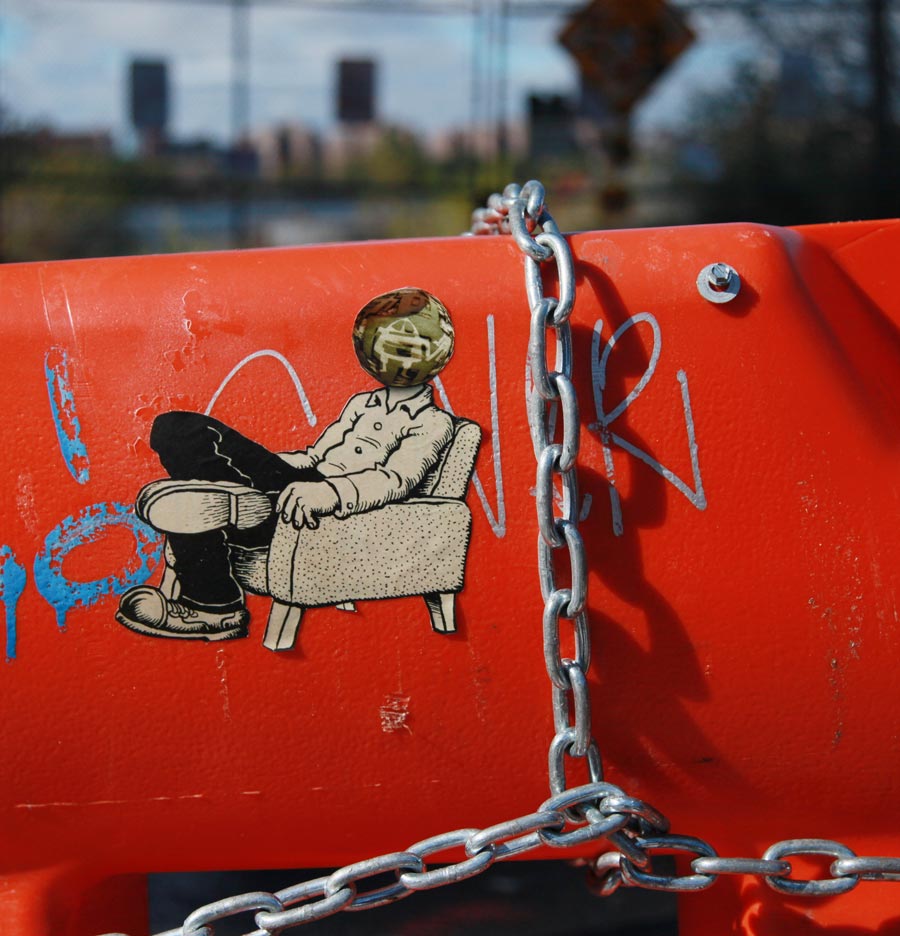
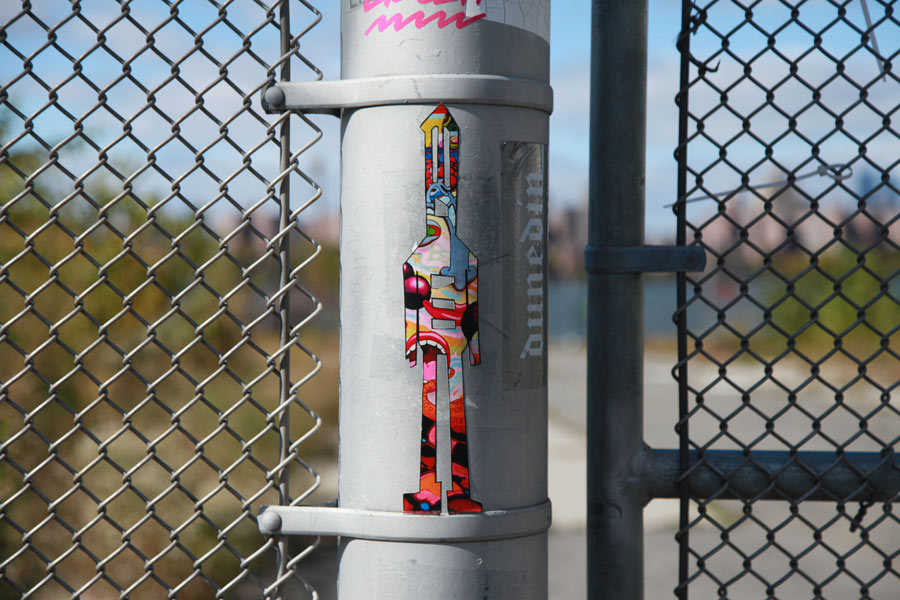
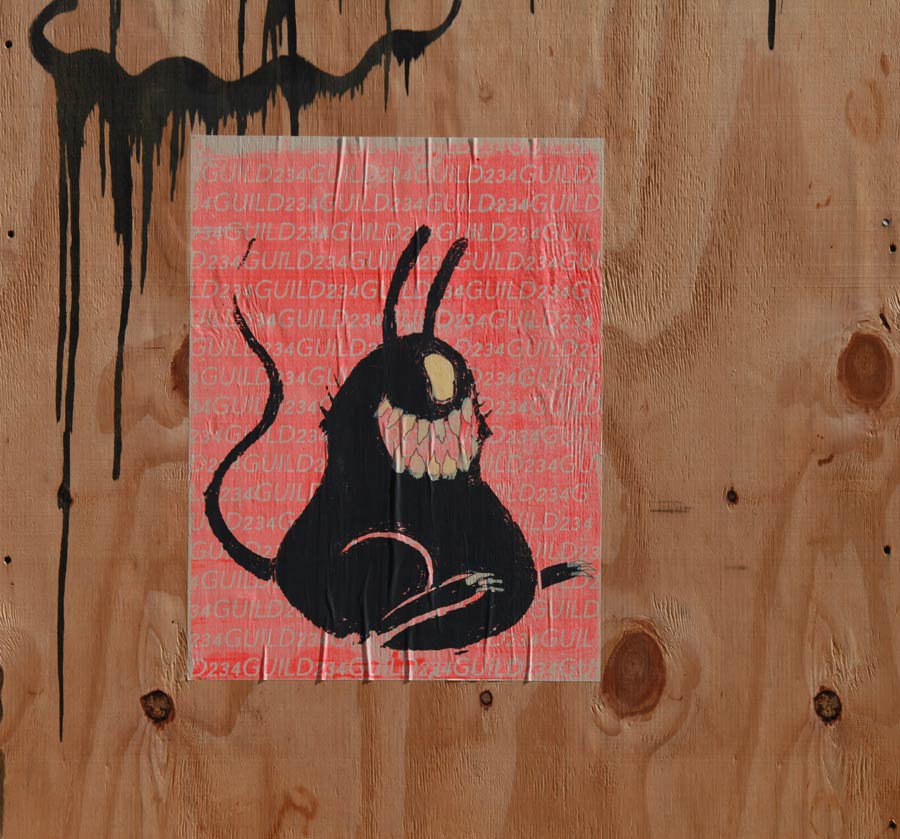
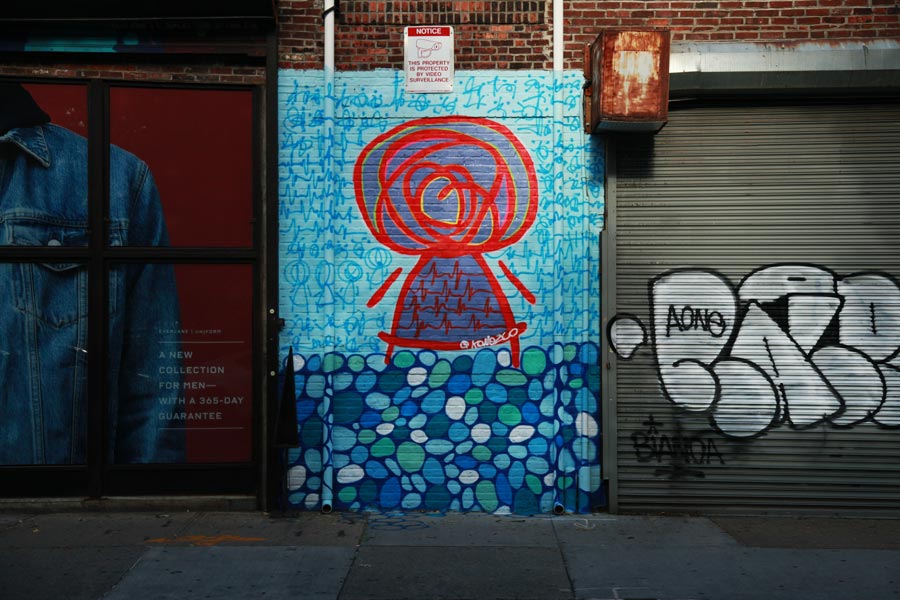
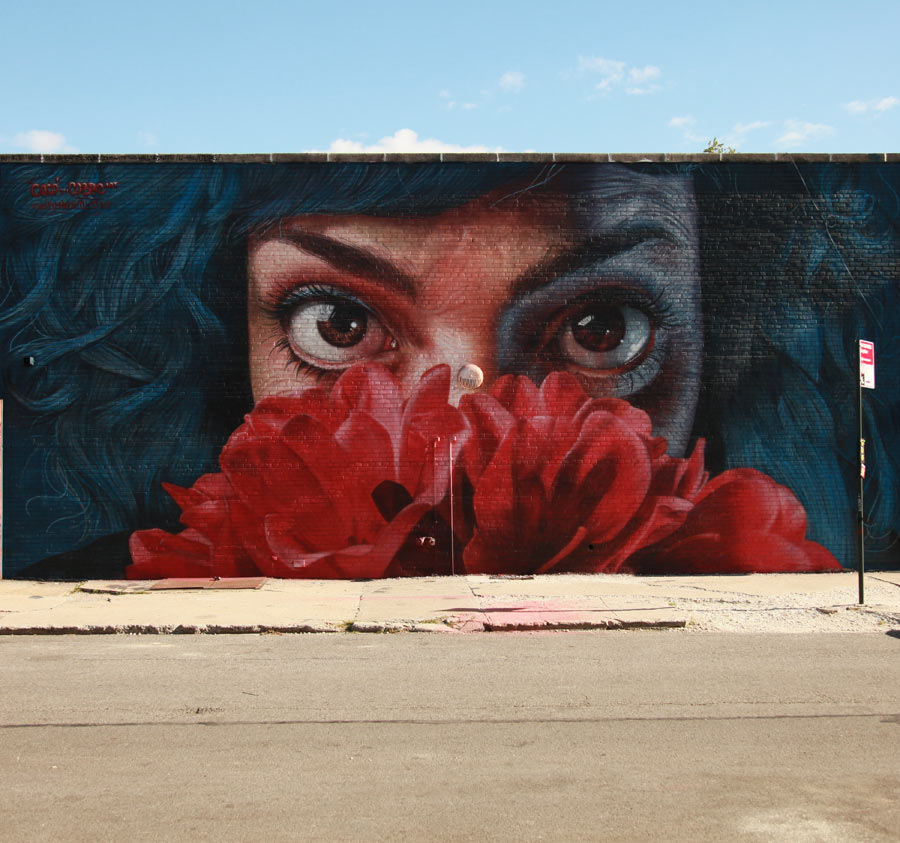
Here’s our weekly interview with the street, this time featuring Ali Six, Anthony Lister, Chris Stain, Cogitaro, Gixy Gal, Hans Haacke, I Heart Graffiti, Jimmy C, JR, Laszlo, Lizzo, Pay to Pray, Rano, and X Vandals.
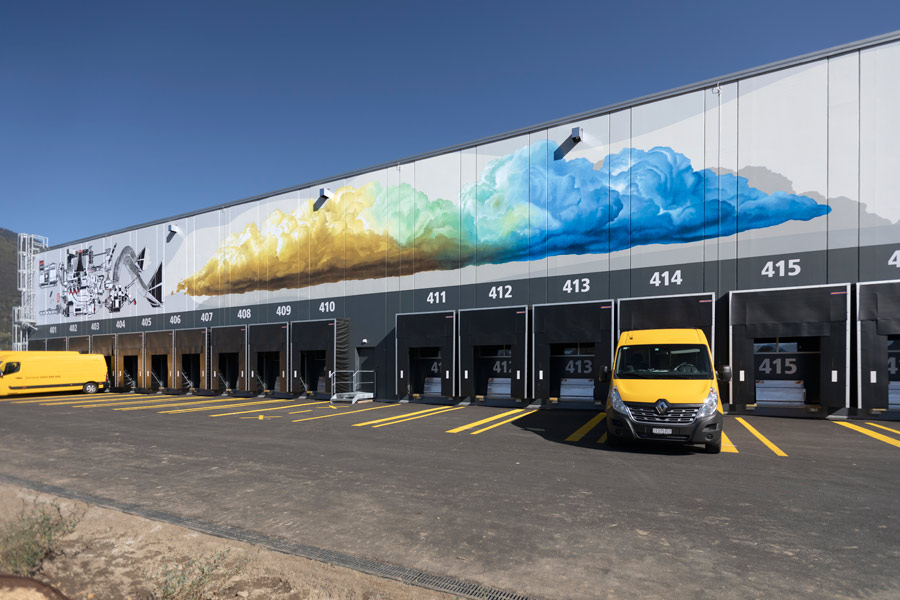
You used to hire your cousin Vinny and his creative buddy who went to art & design school to do some sign-painting for the side of your warehouse so people who were driving by on the highway would know where they could potentially get air conditioners, filters, casings, and floor fans. And you would pay them mostly in beer and weed.
Things
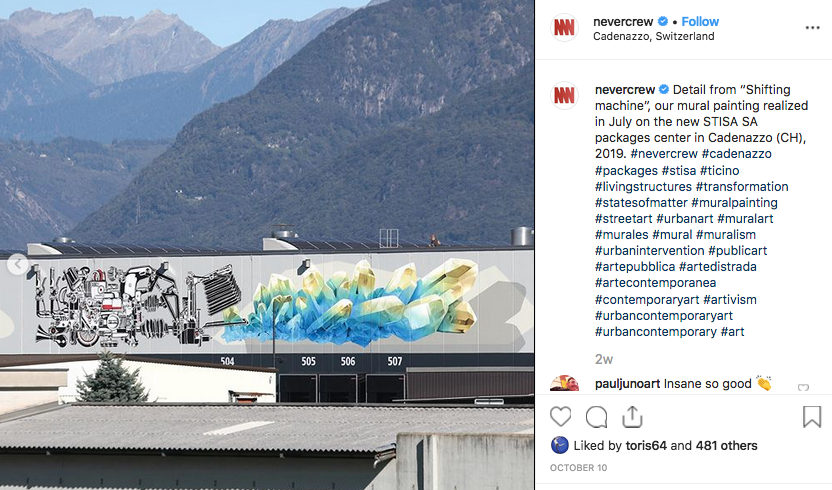
have changed. Now in Switzerland you hire guys who hashtag #urbancontemporaryart
on their Instagram posting of the mural they painted all summer on the side of
your factory. Also art exhibition curators who run an art blog will pontificate
about the new paintings’ finer points, its cultural/historical references, and they
will coo about how the composition works seamlessly in a “contextual” way with
the Swiss mountains that the warehouse is nestled within.
Welcome
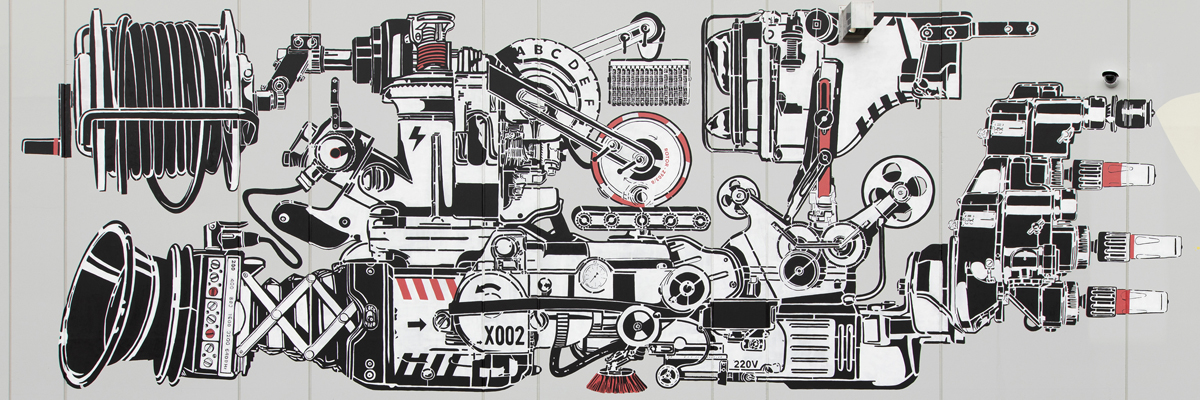
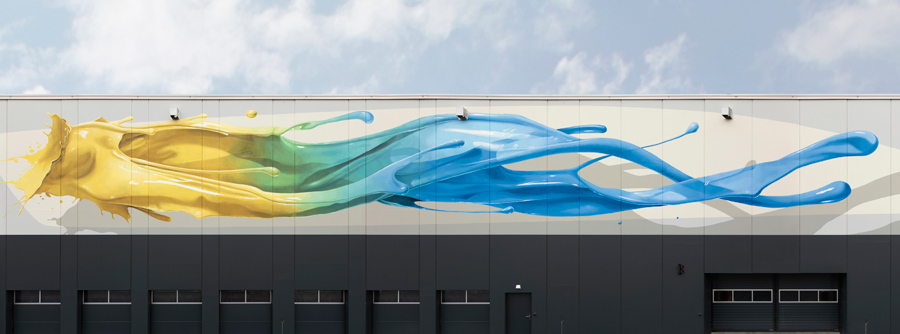
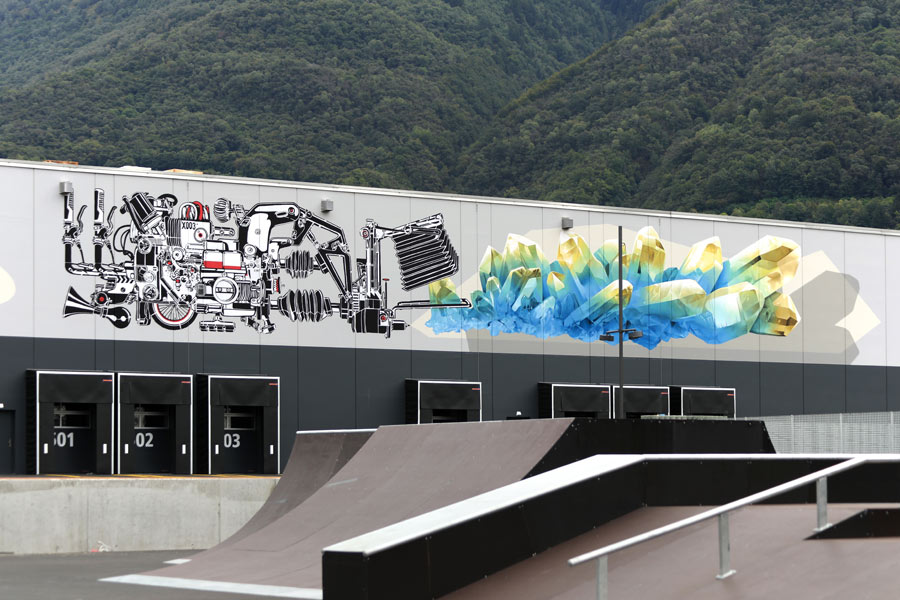
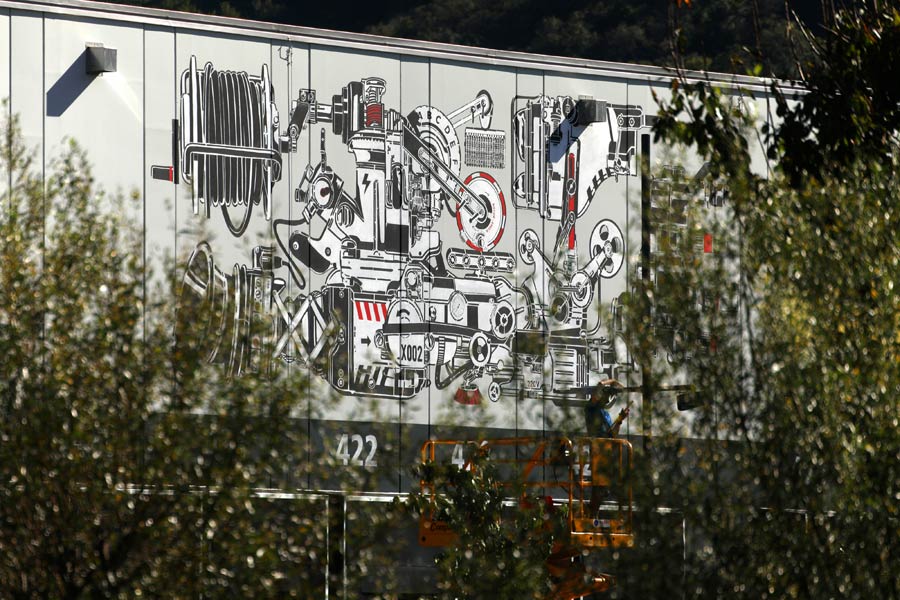
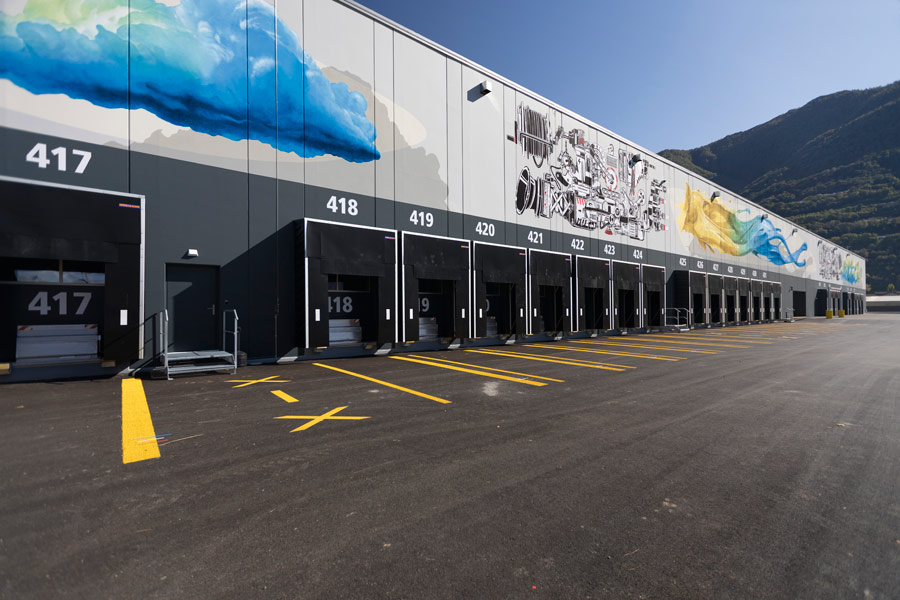
to NeverCrew’s new mural on the side of this facility that will be a burgeoning
hub for package traffic in the southern region of the country – where the artists
Christian Rebecchi and Pablo Togni are from. They say that this mixture of
industrial and natural landscape is where they took the inspiration from for
this combination of a monochromatic industrial diagram and an earth-science
illustration of minerals surrounded by a colorful hazy aura.
They
feel like the environment informed their concept as well. “During the evening
we could listen to the car traffic or the machines working on the right side of
the wall,” they tell us, “and frogs, birds, and insects on the left side of the
wall.”
As
if visiting an art gallery, you ask the artists to explain the mural, and now
you realize there’s so much more than a pretty picture here. “We were thinking
about a symbolical net, a twine of transfers and projected thoughts, and as
well we were imagining a production line that is both mechanical and human.”
You smile because you realize that your cousin Vinny never said stuff like that.
Our weekly focus on the moving image and art in the streets. And other oddities.
Now screening : 1. “Transitional Architexture” by Conform 2. “Transitional Architexture” by Paul Senyol 3.”Workshop, Wheel, Point” by Mook Lion 4. “Back To The Future” by Resoborg
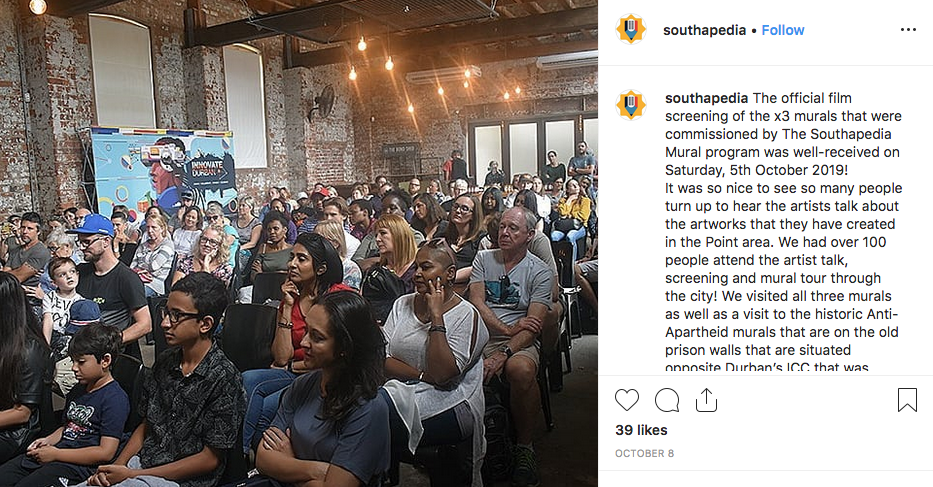
BSA Special Feature: On Point With The Southapedia Mural Festival in Durban South Africa
We’re a long way from
graffiti, and even unsanctioned Street Art now. Mural festivals that were
grassroots are quickly splintering into 10s of different distributaries, some you recognize as purely
related to the original scene, some you would find much harder to ID. This week
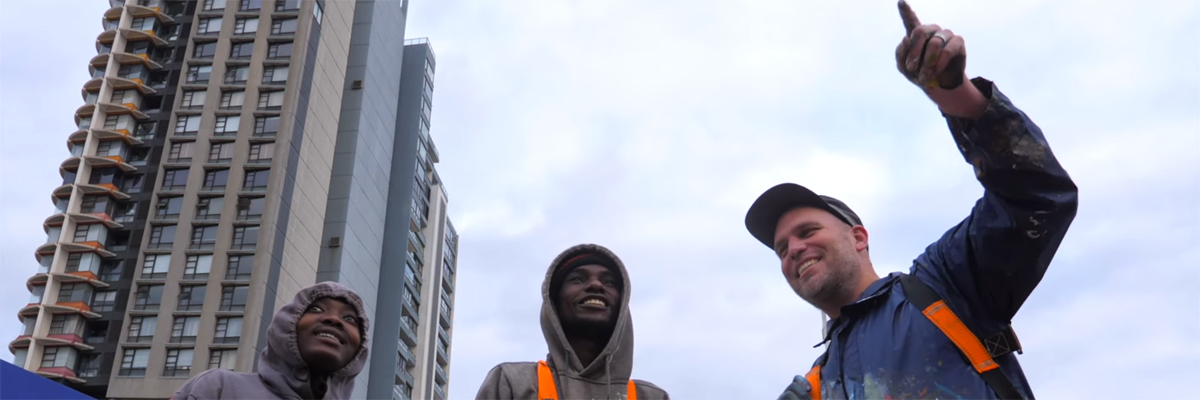
we feature videos from a mural festival begun by two graphic designer/muralists
who have been inspired by the worldwide phenomenon toward public mural programs
and who created one in their hometown of Durban, South Africa.
The third largest city in the country, it is short on capital for the arts but this mural program, as is common, is equally envisioned as a tourism builder as it is an opportunity for local artists to get an opportunity to be paid to create professional murals. The opinions expressed by the artists in these personal reflections give you a sense of how far we are from the original graffiti writers and illegal Street Artists en route to officially approved mural programs that make neighborhoods “attractive”. One view shared here says the artist chose what he’s calling Street Art as a “niche” to exploit professionally because the field of digital art is oversaturated, while another lays out the blueprint for murals as a tool for gentrification of a borderline neighborhood – in a positive light. Thematically the murals are meant to reference local history and culture, but not in a confrontational way whatsoever.
At the same time, no other artists in the area have taken the initiative to improve the daily aesthetics for people who live in this area, and the structural, cultural, and economic realities can be quite harsh with a person who has a dream. This is not easy work to convince, to fundraise, to manage, to troubleshoot, and to promote at the same time. The failures of a government and its leaders to provide for taxpayers – possibly because the boot of international finance is on its neck – has little to do with the fact that everyday people have a history, have a present, and they enjoy looking at something newly painted in their neighborhood that inspires them or gives them a sense of pride in their community.
Here’s to the Southapedia Mural Festival and its originators, Dustin Scott and Wesley Van Eeden (artist name Resoborg) and the festivals’ many volunteers, for having the vision to make this happen.
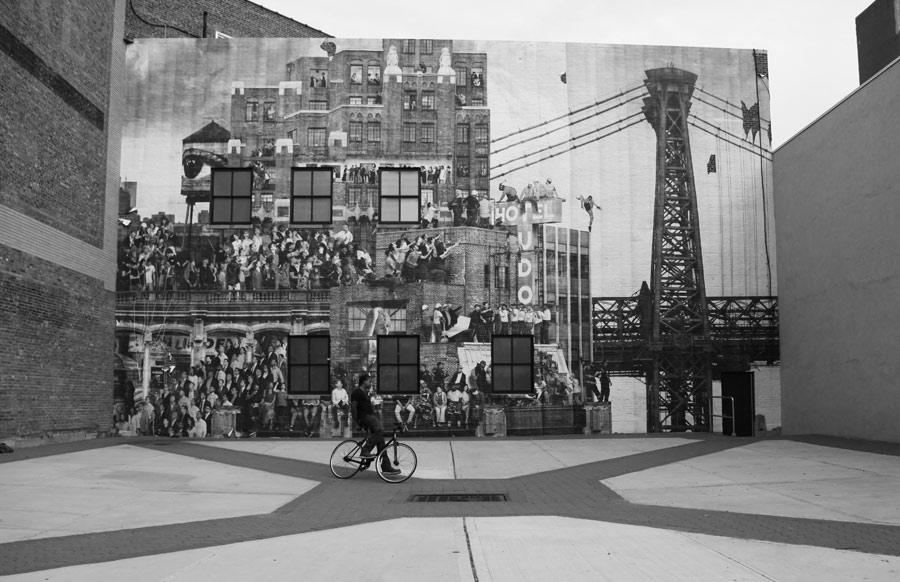
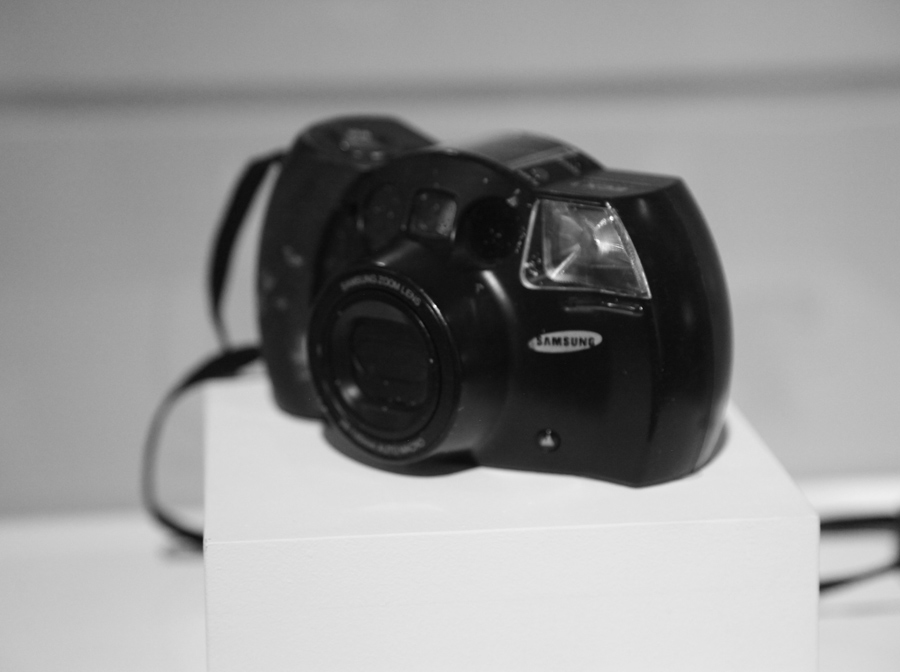
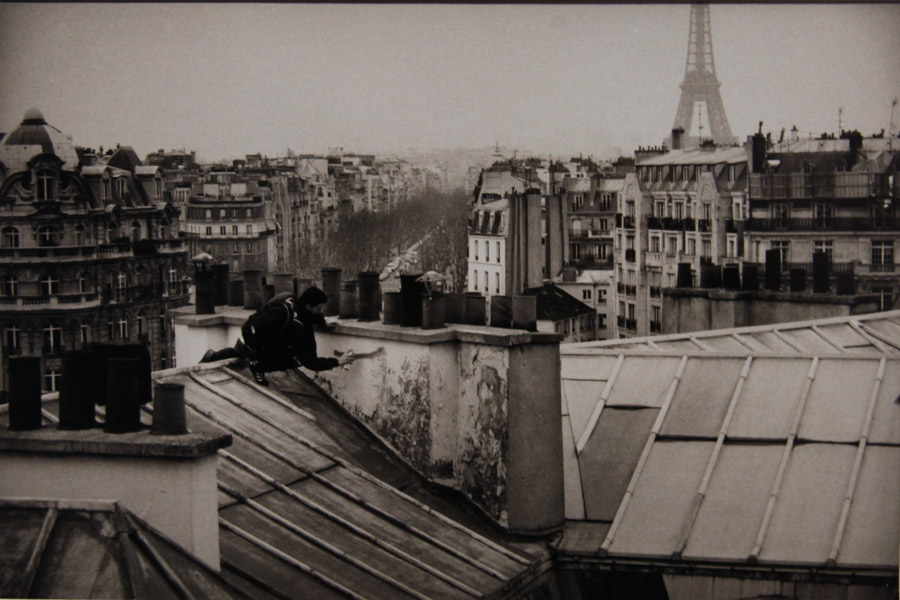
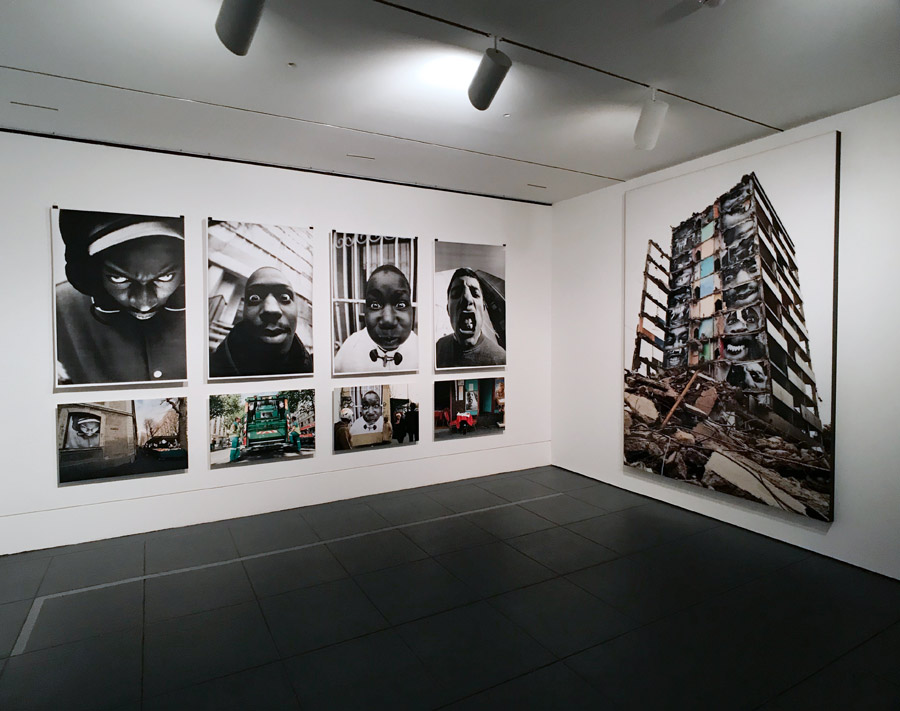
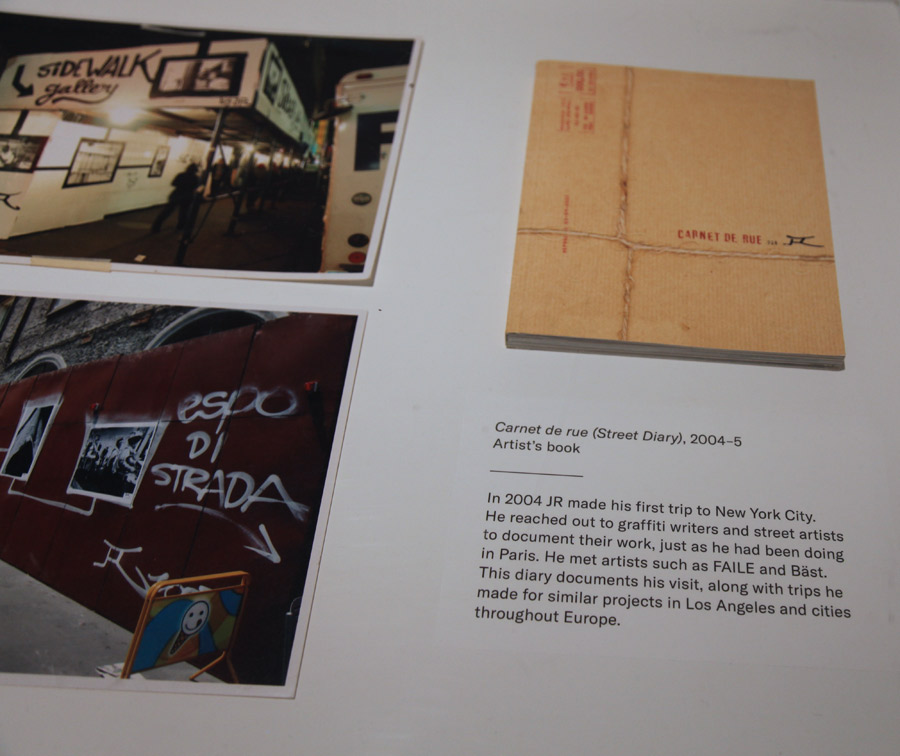
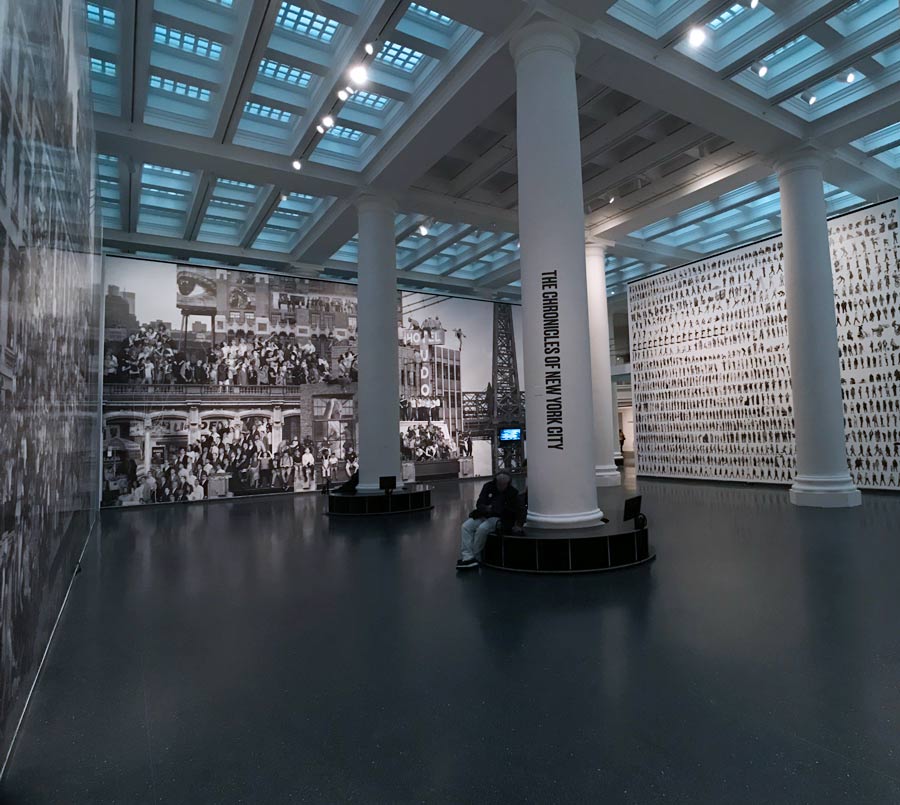
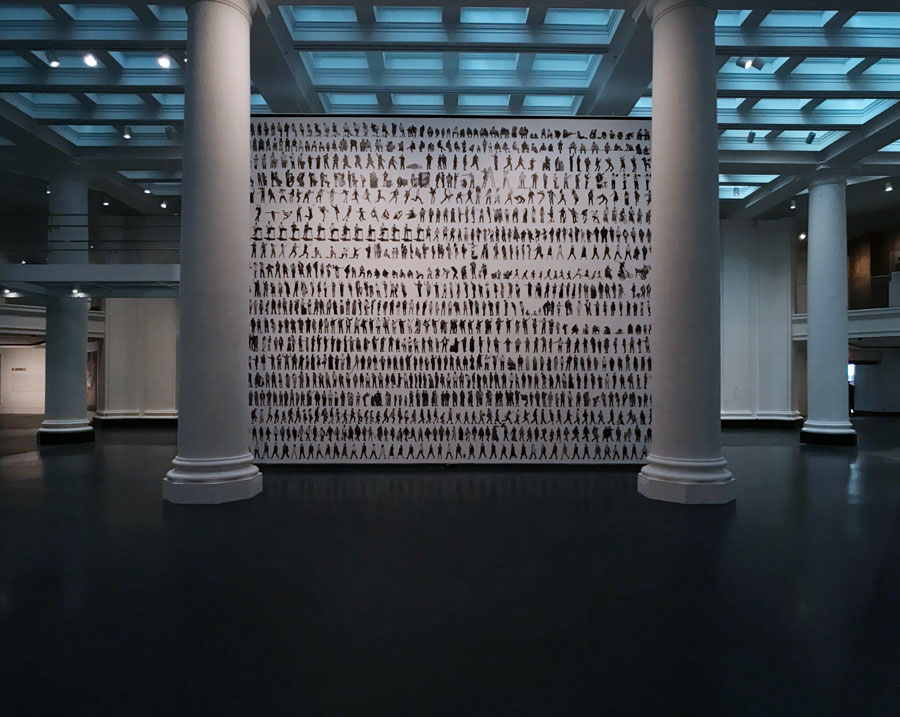
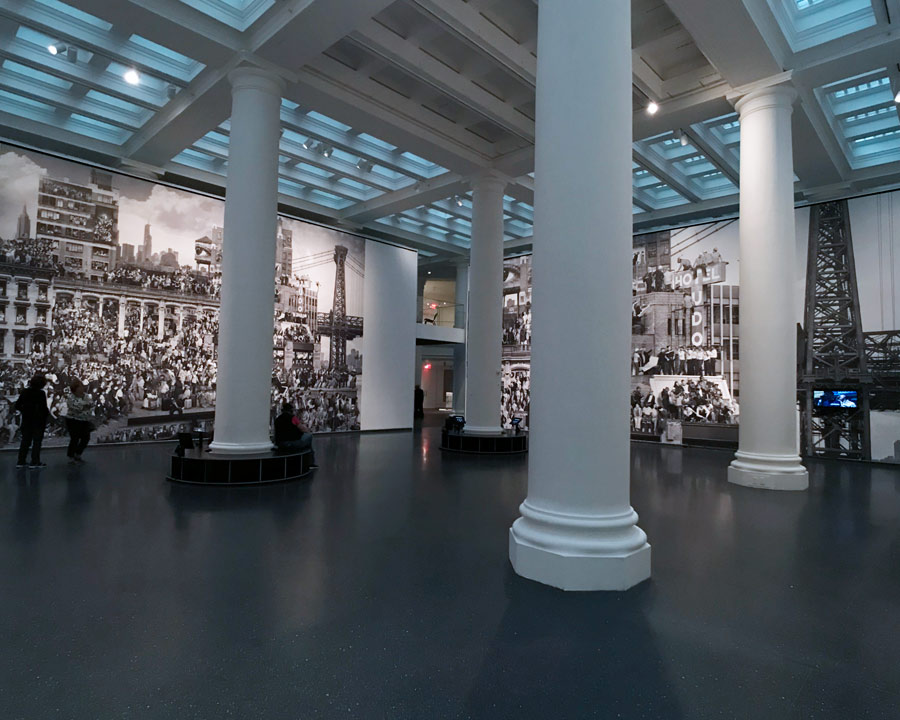
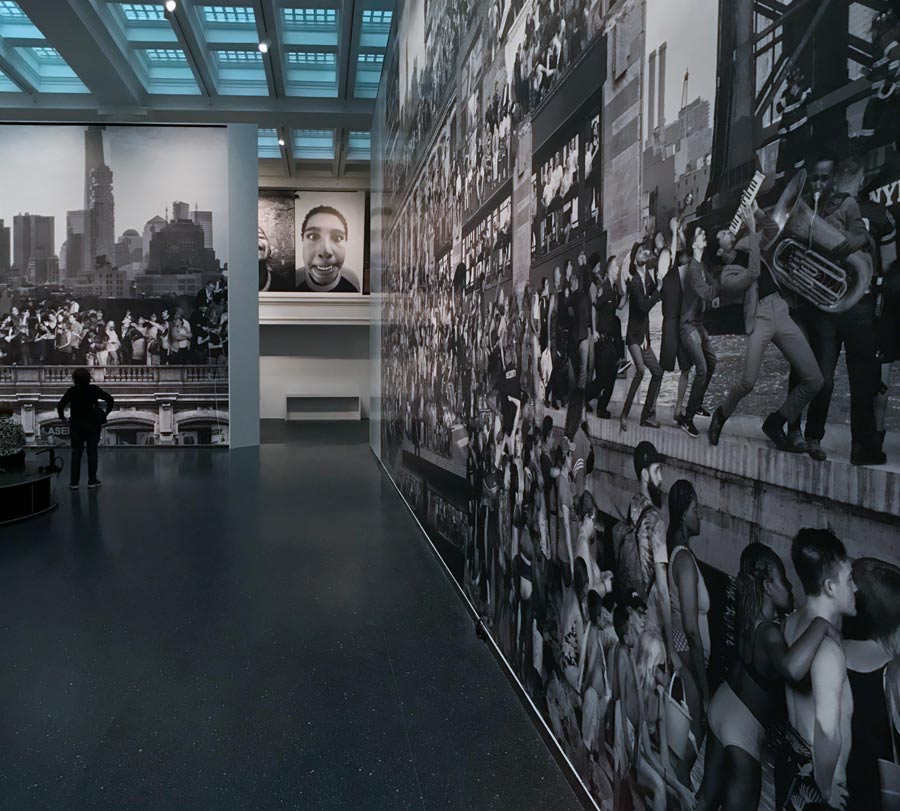
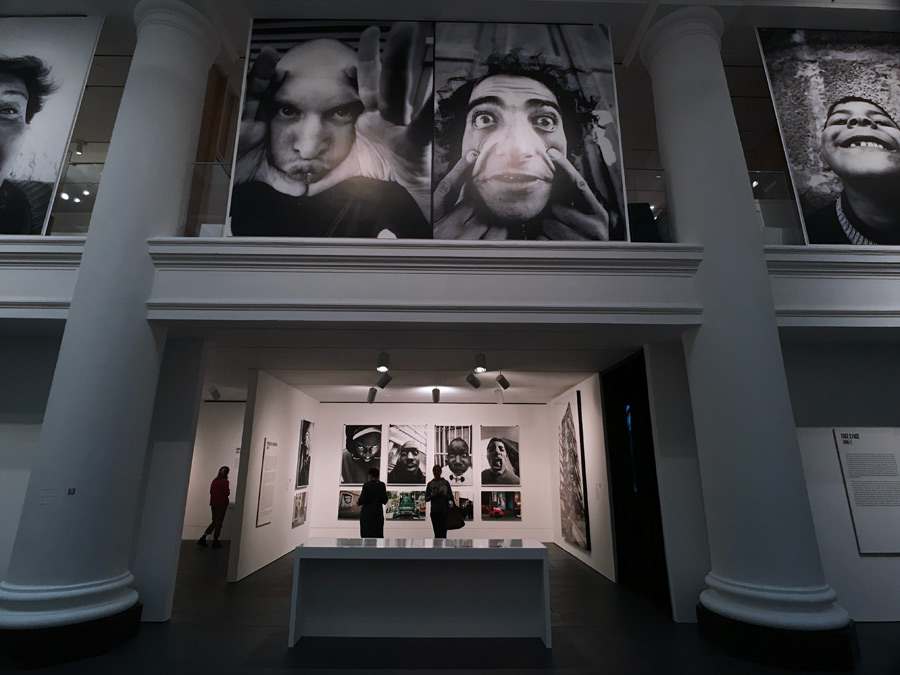
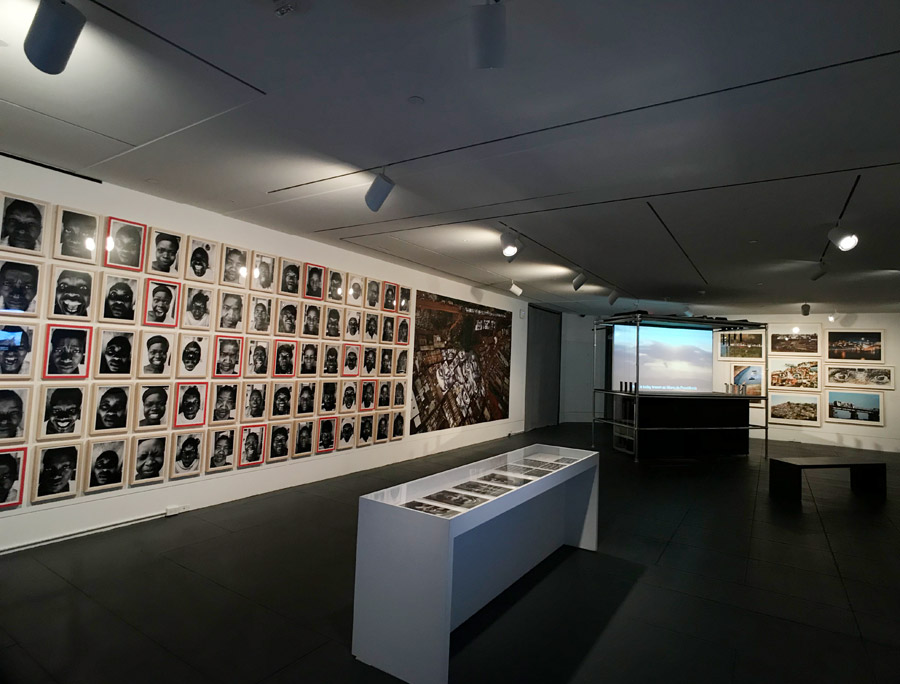
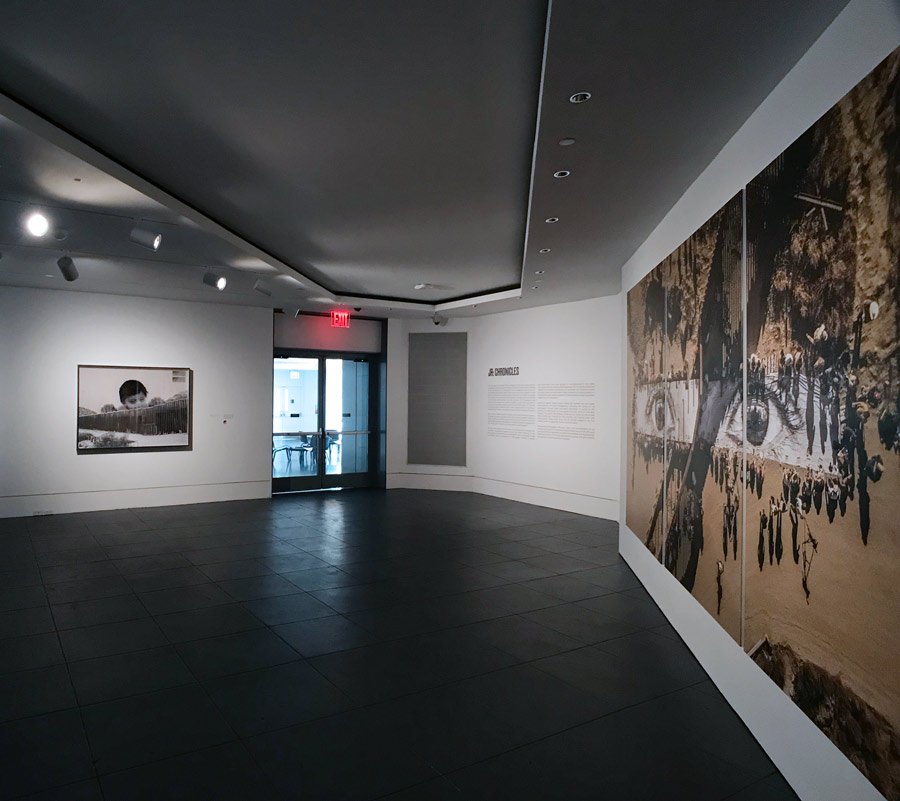
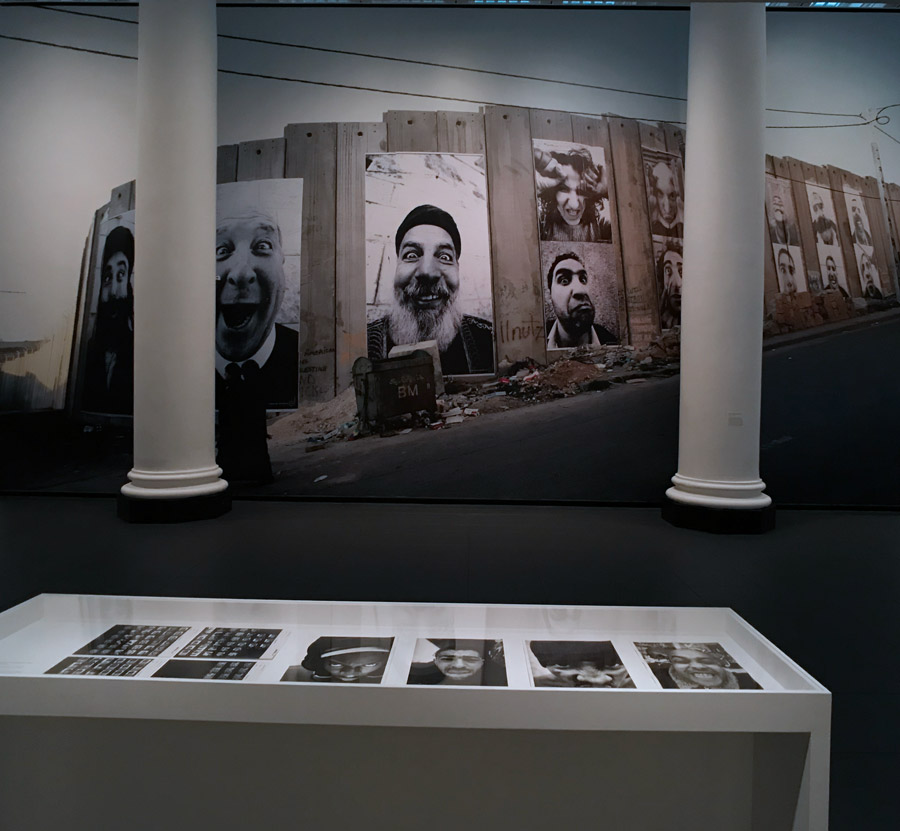
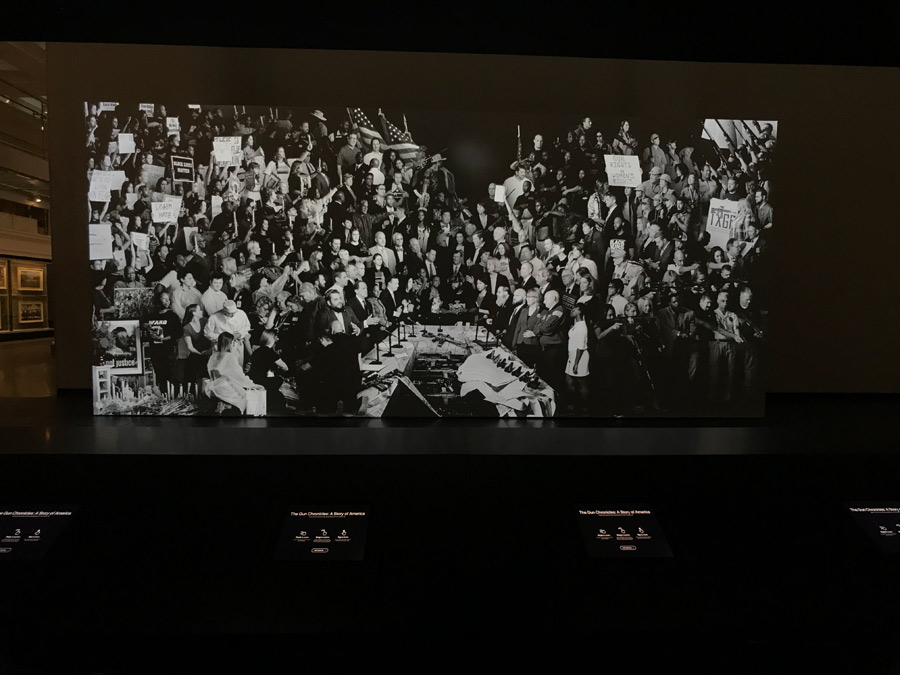
A retrospective at Brooklyn Museum currently showcases the photographic works and public projects envisioned and created by French Street Artist JR. Covering roughly two decades of work, JR: Chronicles dedicates an in-depth examination into his practices and personal philosophies when creating – as evidenced by this collection of his murals, photographs, videos, films, dioramas, and archival materials.
His most recent and one of his most original ideas has been to use the techniques of professional film compositing to impart a permanent, living aura for what may otherwise be static collaged works. With high res digital works working in concert, the life of the subject takes on an additional dimension, juxtaposed as it is with other figures they may or may not have ever interacted with.
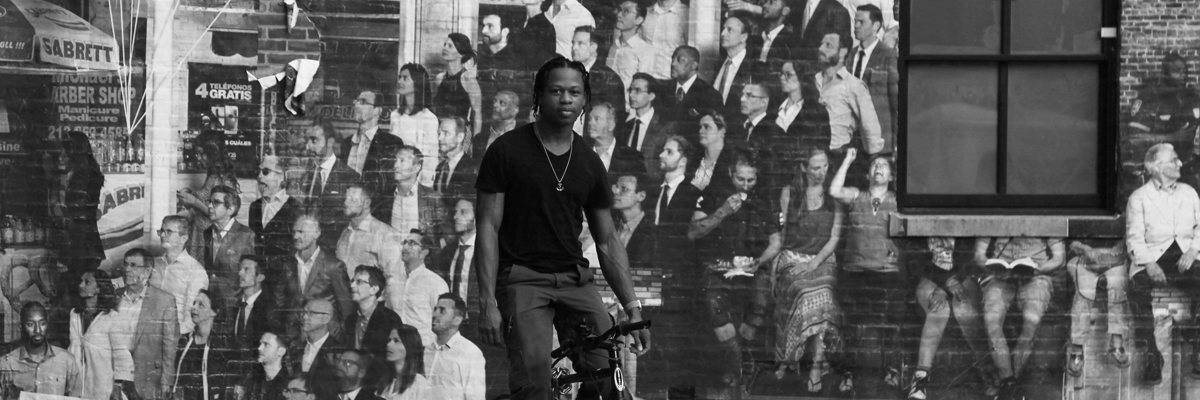
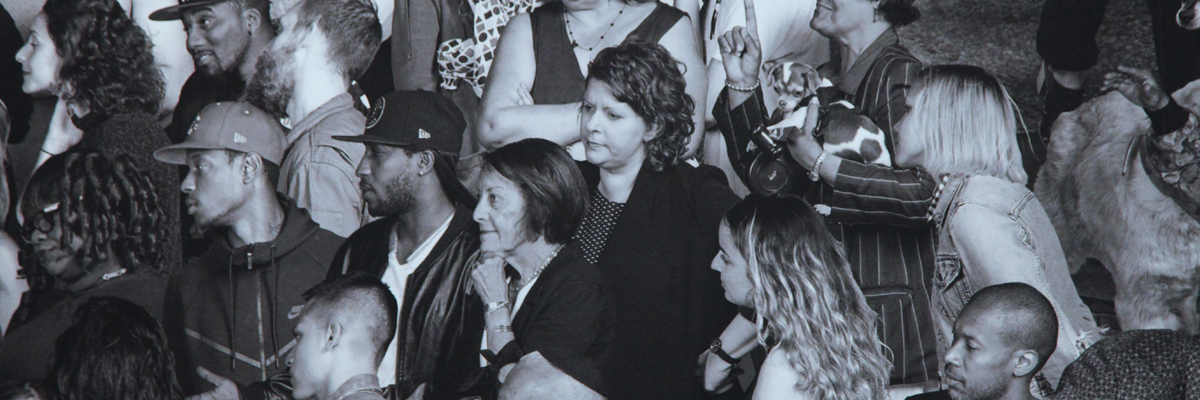
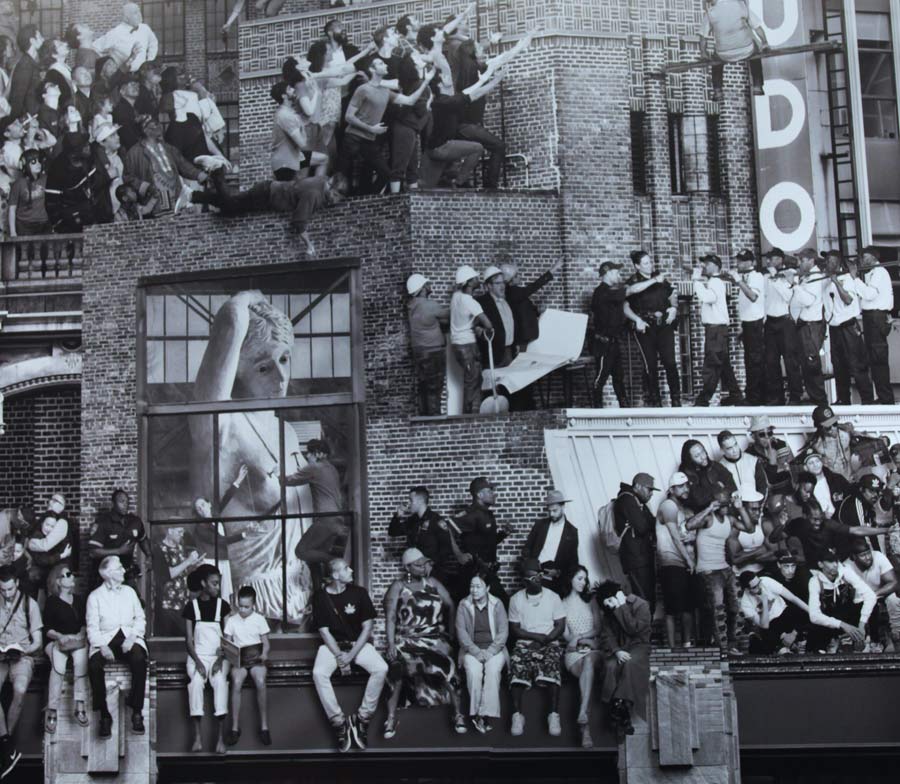
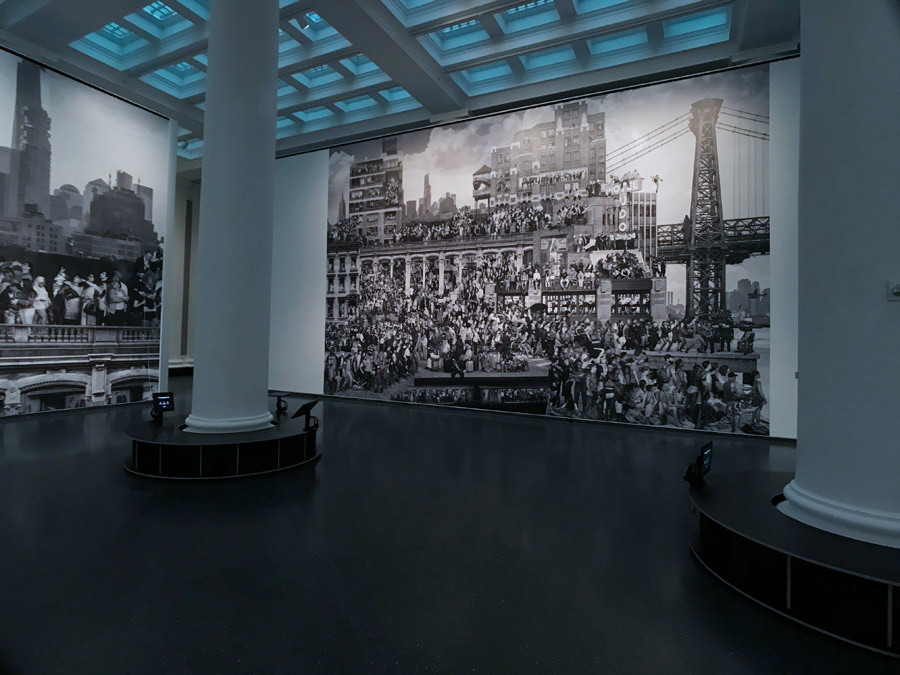
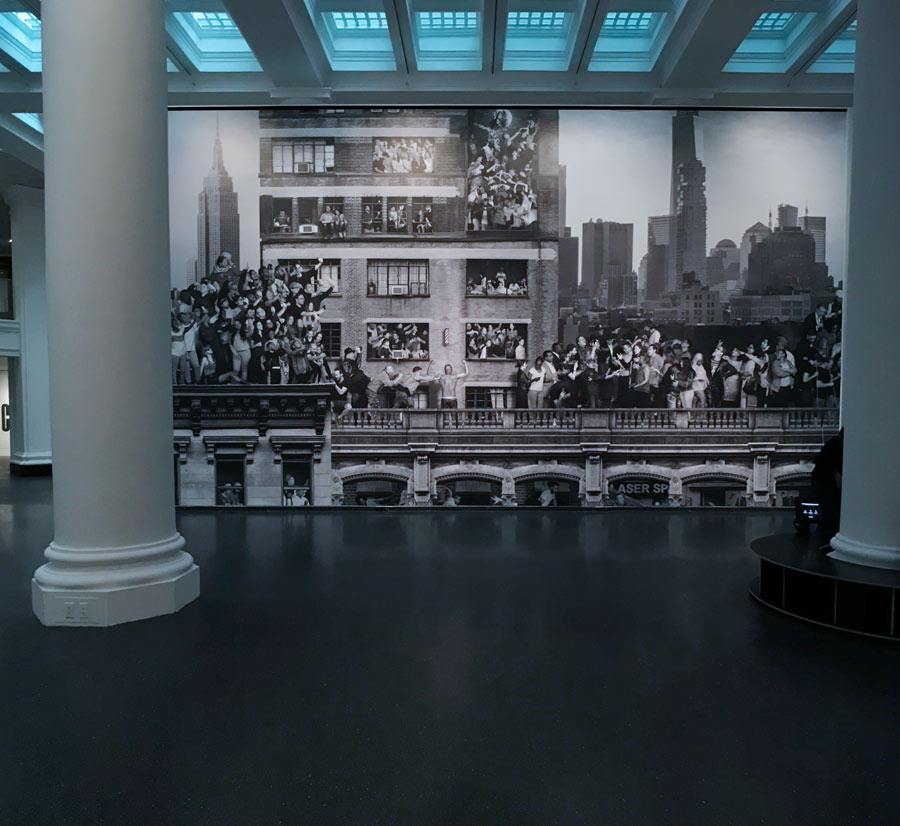
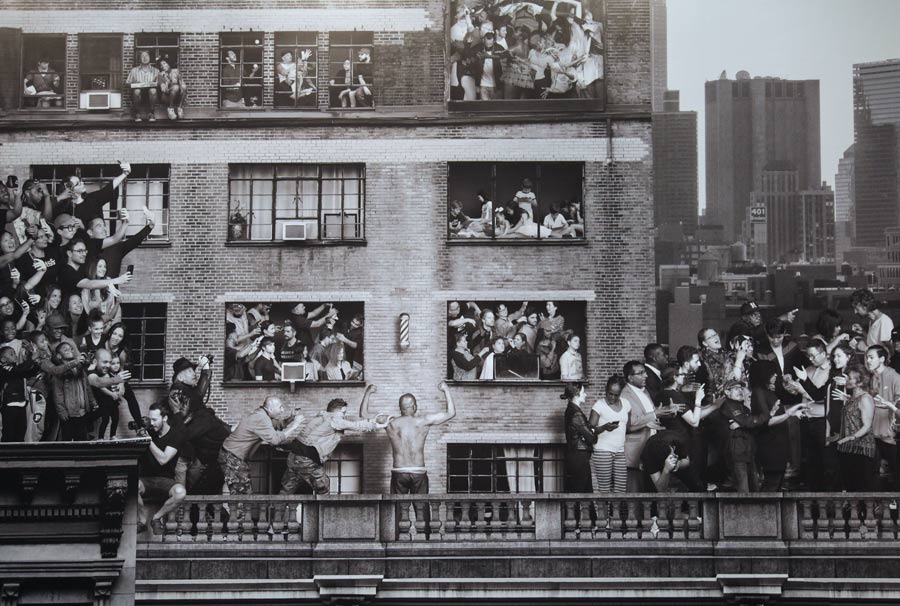
Often in these recent projects you have the opportunity to see and/or hear personal recordings of the person through interviews for the piece. The centerpiece and partial namesake of this show is the new large-scale mural of more than one thousand New Yorkers whom he chose to feature, accompanied by audio recordings of each person’s story as told to him and his team.
Many of these concepts and philosophical observations, including sociopolitical commentary on a number of hot-button issues of the day, may feel familiar to fans and Street Artists around the world – particularly over the last decade and a half. Here you can see that with the number of resources and teams that he can amass, JR is able to create the ideas with a sense of largesse and garner greater audiences, putting many of his works before many more.
Epic is a word often used to describe the projects, and when you see the JR: Chronicles exhibition you can understand why.
We spoke with the curators of the exhibition Sharon Matt Atkins and Drew
Sawyer about their experience with this exhibition and how JR is defining new
areas of photography with his use of it in public space.
Brooklyn Street Art:JR created a new digital collage for this exhibition featuring a thousand or so people individually interviewed and photographed. Can you tell us about what criterion he used for selecting his subjects? Sharon Matt Atkins: JR’s main focus was on capturing the rich diversity of New York City. As such, he photographed people in all five boroughs of the city, including many neighborhoods that were new to him. While he did invite some guests to participate, most of the people were passersby, or business owners and workers of local stores.
Brooklyn Street Art:It may be that there has been a return to
black and white photography in
the last decade – so much so that one may not register the significance
that JR employs it for expression almost exclusively. How do you think
the limited palette aids his work in telling his narratives? Drew Sawyer: In
many ways, JR’s use of black and white photographs is in direct
opposition to contemporary photojournalism and the digital circulation
is images. His close-up portraits may recall the work of earlier
documentarians, such as Gordon Parks and Dorothea Lange in the United
States, but JR’s decision to print them on inexpensive paper and paste
them nearby counters they ways in which images often circulate in the
global media far away from the places where his collaborators live. Also,
the monochromatic images certainly stand out against the colorful built
environments in which JR typically installs them.
Brooklyn Street Art:As you deeply analyzed his career and its
various phases, what would you
say is one of the through-lines that you see in his practice as it
evolved? Sharon Matt Atkins:
Our show is centered on his projects that have been created in
collaboration with communities. From his earliest photographs
documenting his graffiti writer friends to Inside Out with more
than 400,000 participants in 141 countries to his most recent mural The
Chronicles of New York City, JR has sought to give visibility to those
often underrepresented or misrepresented.
Brooklyn Street Art: How has JR used his work in a new way that may prove to be inspiring to photographers and fans of photography? Drew Sawyer: For JR, photography is just one part of his collaborative process. His work is really about bringing people together, lifting the voices of others who rarely have control over their own representation, countering narratives in the global media, and shifting the discourse around specific issues and events. He started his practice before there were social media apps like Instagram, which now provide platforms for many people to do the same in a digital form. Since then, JR has explored how new technologies can help him tell and share more stories. I hope his process inspires other artists to use photography in similar and new ways.
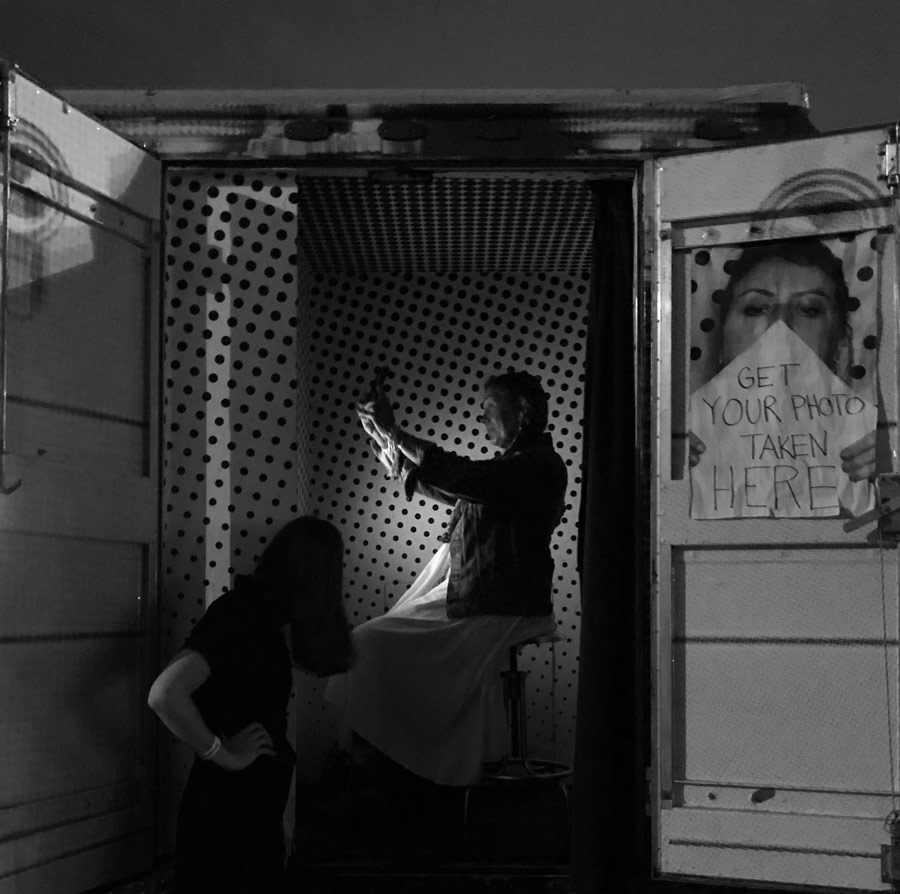
“Since 2017 JR has been creating participatory murals inspired by the work of the Mexican painter Diego Rivera in the first half of the twentieth century. In the summer of 2018, JR and his team spent a month roaming all five boroughs of New York City, parking their 53- foot-long trailer truck in numerous locations and taking photographs of passersby who wished to participate. Each was photographed in front of a green screen, and then the images were collaged into a New York City setting featuring architectural landmarks. More than a thousand people were photographed for the resulting mural, The Chronicles of New York City. The participants chose how they personally wanted to be represented and were asked to share their stories, which are now available on a free mobile app.”
“In January 2009 JR carried out another iteration of Women Are Heroes in Kibera, Kenya, one of the largest slums in Africa. Following close dialogue with the community, JR covered rooftops with water-resistant vinyl printed with photographs of the eyes and faces of local women. The images both transformed the landscape and provided protection from the rain.
The train that ran along the Kibera line was also covered with photographs of the eyes of women who lived directly below, and images of the lower halves of their faces were pasted on the slope beneath the tracks so that as the train passed, their faces were completed for a few seconds. The idea was to celebrate, or at the very least to acknowledge their presence. Of his projects, JR has said, ‘I search with my art to install the work in improbable places, to create with the communities projects that promote questioning. . . and to offer alternative images to those of the global media.’ ”
“On October 8, 2017, for the last day of the Kikito installation at the U.S.-Mexico border, JR organized a gigantic picnic on both sides of the wall. Kikito, his family, and dozens of guests came from the United States and Mexico to share a meal. People at both sides of the border gathered around the eyes of Mayra, a ‘Dreamer,’ eating the same food, sharing the same water, and enjoying the same live music (with half the band’s musicians playing on either side). “
JR: Chronicles is curated by Sharon Matt Atkins, Director of Exhibitions and Strategic Initiatives, and Drew Sawyer, Phillip Leonian and Edith Rosenbaum Leonian Curator, Photography, Brooklyn Museum. This exhibition is now open to the public. Click HERE for dates, times and directions.
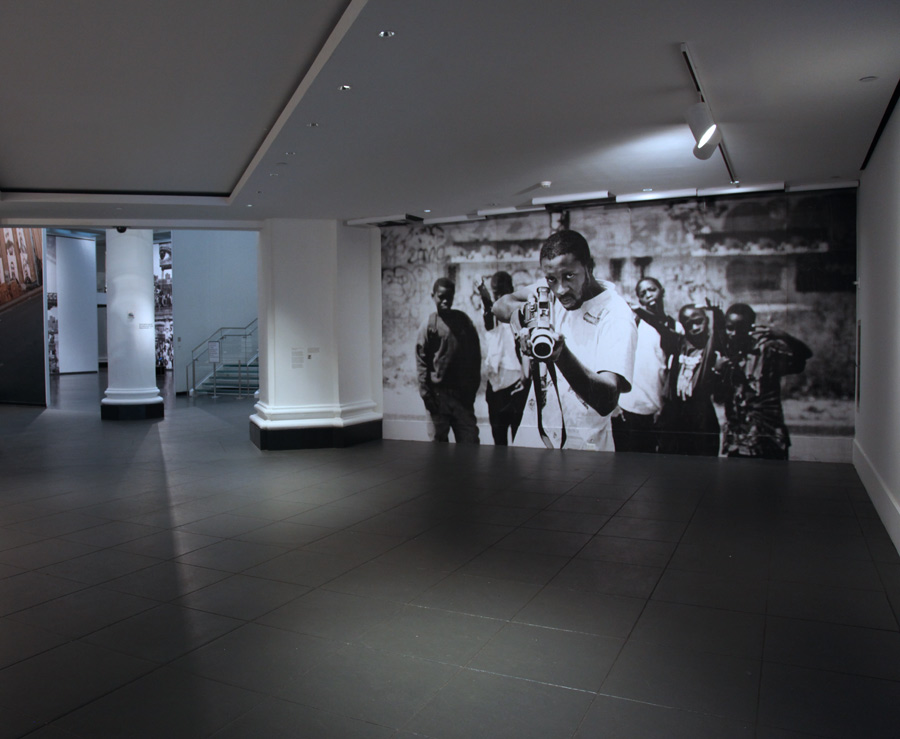
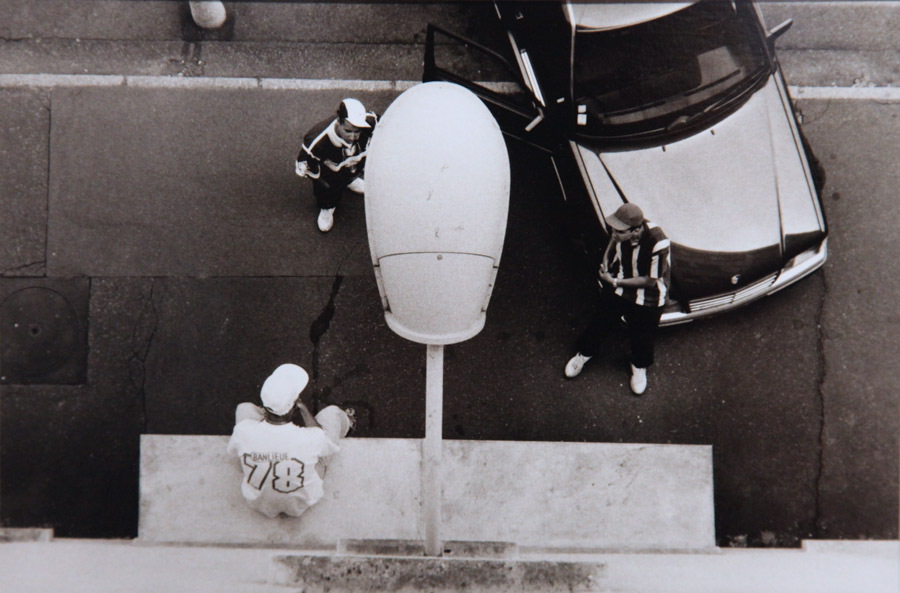
Image Description A (see earlier in article) “As the first photograph in what would become JR’s Portrait of a Generation, this image launched his career. The series was initiated when Ladj Ly, a filmmaker, and resident of Cité des Bosquets (called “Les Bosquets”), a public housing complex in the Parisian suburb of Montfermeil, invited JR to collaborate on a project in the neighborhood.
JR said of the image: ‘I took this picture when I was eighteen. It was the first time I went to Les Bosquets. If you look carefully in the back, you can see small posters from Expo 2 Rue—and I wrote ‘Expo D Boske.’ The kids asked me if I could take a picture of them. This photo of Ladj Ly filming me was the first one on the roll of film, and I felt something special had happened. This image is very emblematic of my work and of the message of this project with Ladj.’
This photograph was also the first large-scale image that JR and his friends wheat-pasted in the neighborhood prior to the riots there in 2005. It appeared as the backdrop in photographs accompanying newspaper articles and television footage about the uprising, thereby becoming JR’s first published work. “
– text courtesy Brooklyn Museum
Image Description B (see earlier in article) “In 2013 JR learned that the housing towers in Les Bosquets were going to be demolished, so he revisited the Portrait of a Generation project. Using images from the original series, he and a team pasted portraits in the building before it was destroyed. He recalled, ‘We couldn’t get authorization to paste inside. So we got plans from the former inhabitants, and we entered at night, twenty-five of us, and spread out over all the different floors. We pasted eyes in someone’s kitchen, a nose in someone else’s bathroom, and a mouth in a living room. . . . When we came down, the police arrested us, but they couldn’t understand why we had just spent hours in this building that was about to be destroyed. The pastings were so big that they couldn’t see what they were. The next day, when workers started the demolition, the portraits were revealed, little by little, while the cranes were ‘eating’ the building. Only the people who were in the neighborhood that day witnessed the gigantic spectacle unfold.’ “
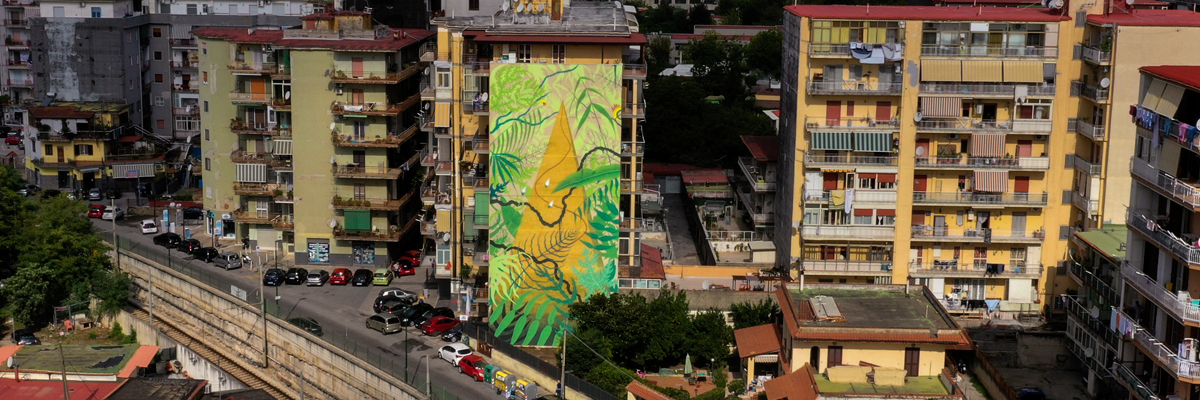
“It is less easy to sensitize people to the respect of nature,”
says Italian Street Artist Gola Hundun, and you understand his entire oeuvre
during the last decade.
With
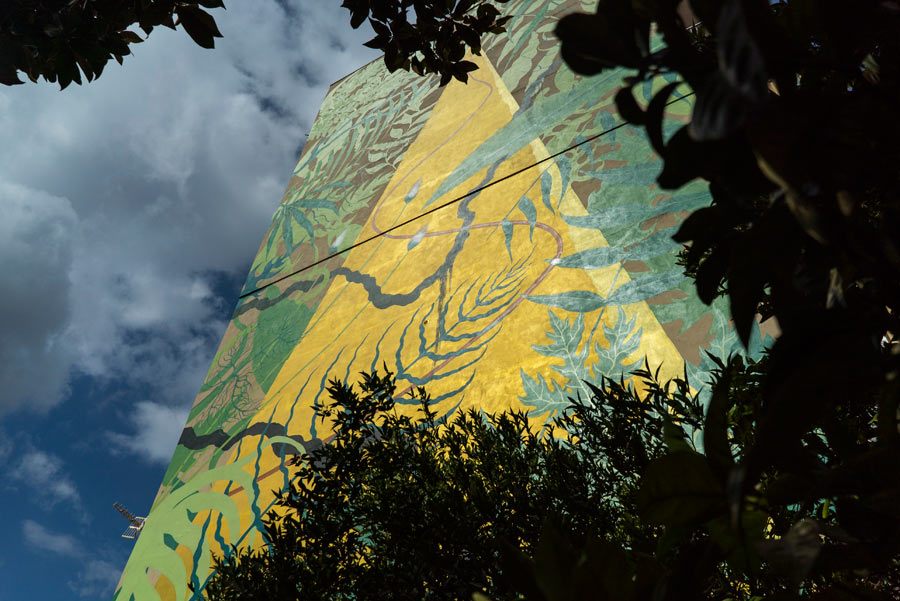
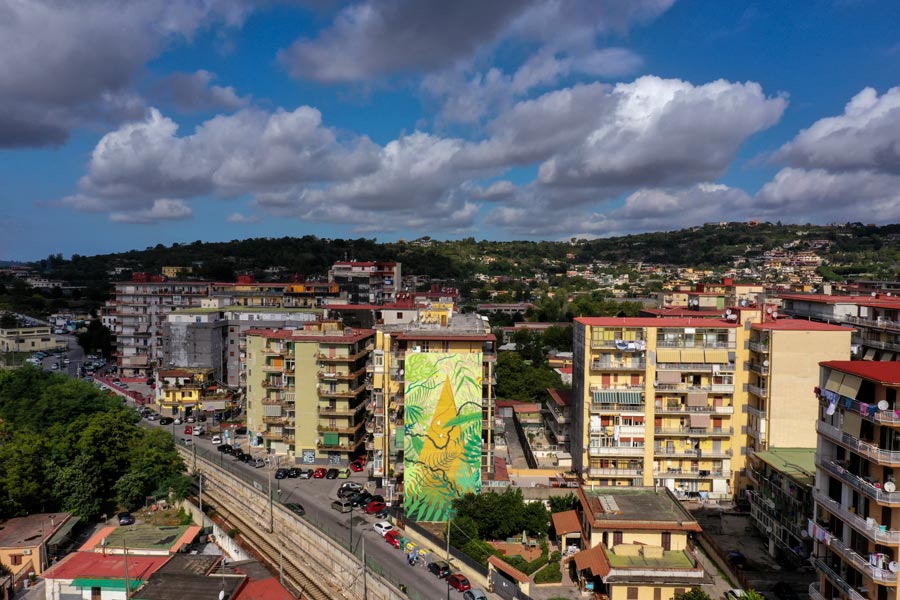
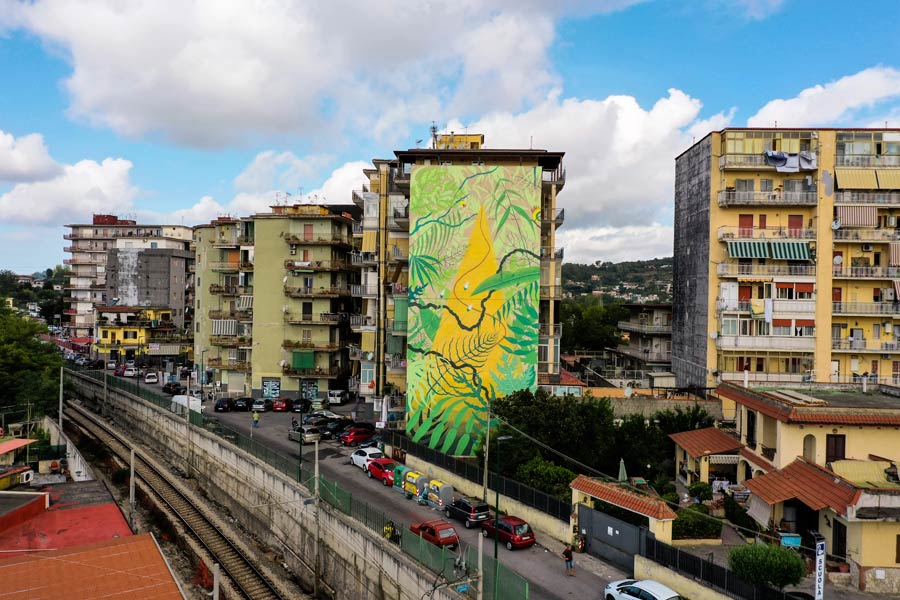
“Sentiero”, his latest ode to pyramidic peaks that soar above the earth in
Napoli for the Xenia Community Festival.
Speaking of community, Gola opened up the creative process to school children to aesthetically explore some of the themes he is most influenced by – nature, spirituality, our encounters with both. He is so moved by the collaborative drawing made by two boys named Enrico and Salvatore that he writes today to tell BSA readers about the work and the affect it had on his multi-story mural.
He shares with us the original artwork by them that he chose the sketch among many others because of its inner meaning, which he thinks is very close to own research.
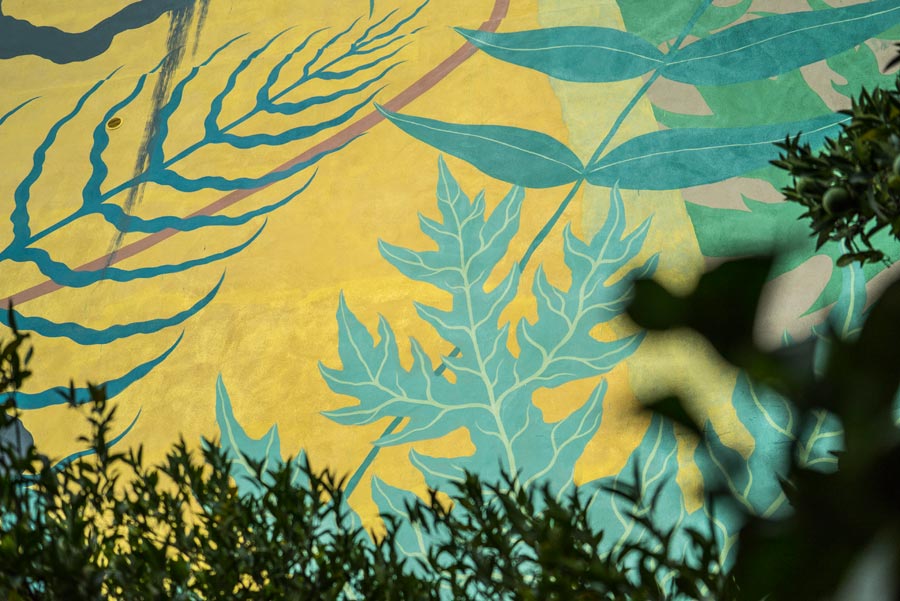
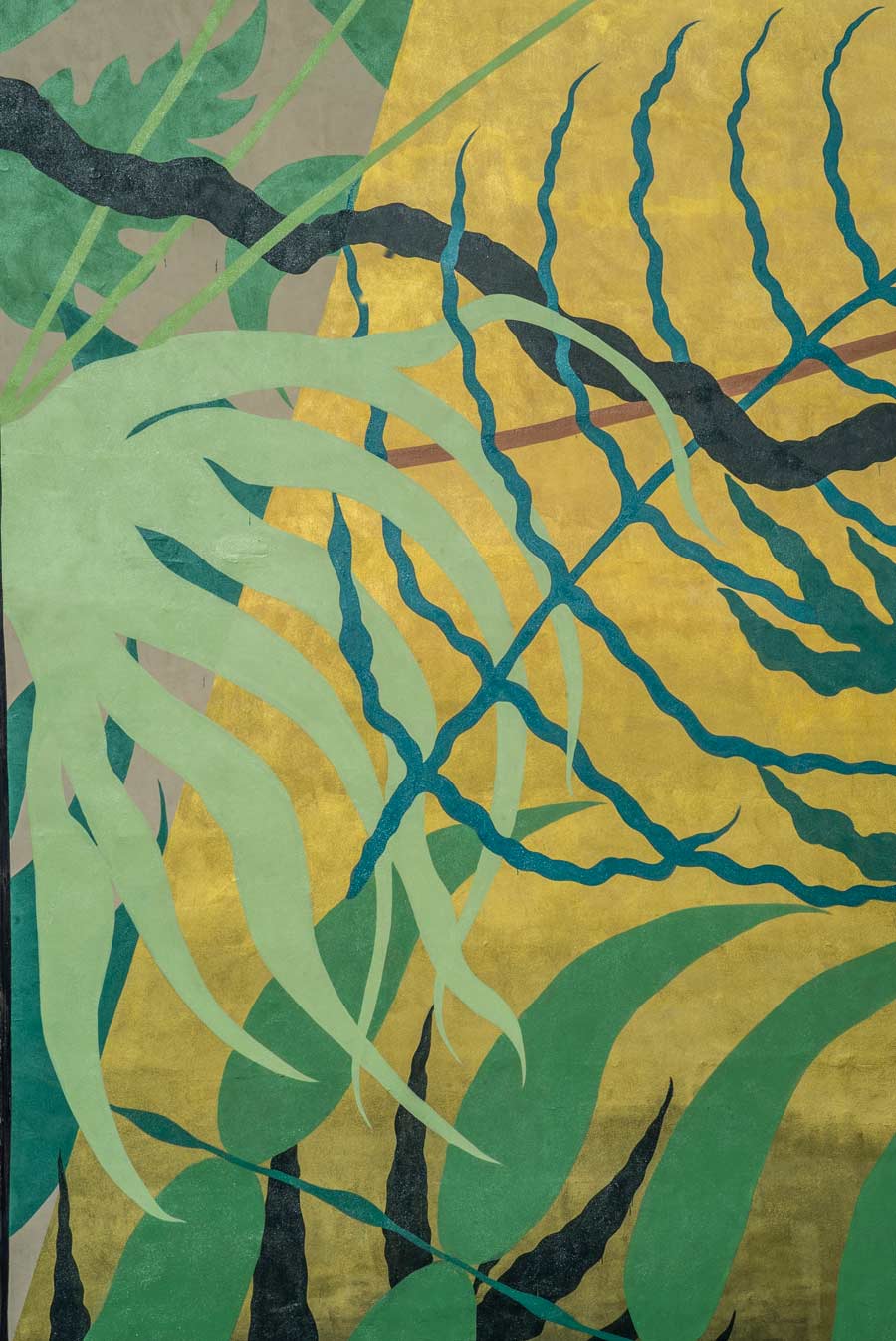
“The path is represented as a thin red line, as the pathway every man should walk to reach the Knowledge shown as a golden mountain. Beside each single man there’s nature, seen as an obstacle, but is actually part of himself,” Gola tells us.
“A rich variety of vegetation dominates the lower part of the wall, creating a multi-layer prospective effect. What is very interesting is also the chromatic scale and the way the artist uses it: simple, elementary colors, to let the pure shape of the elements to come out on a very neutral background. Gold means divine value of the nature and so the mountain becomes a golden idol in the middle of the jungle of life. The contrast between the golden mountain and the cold tones of the leaves emphasizes the allegorial message beyond it.
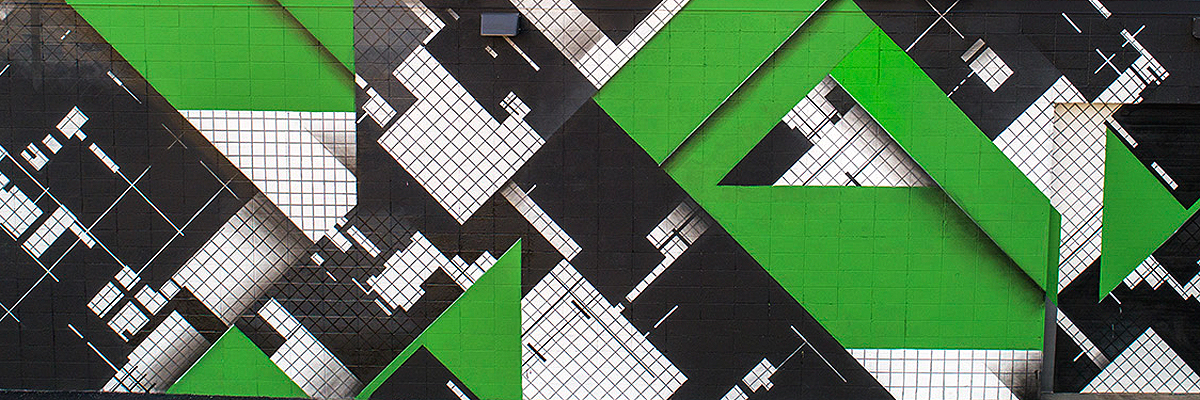
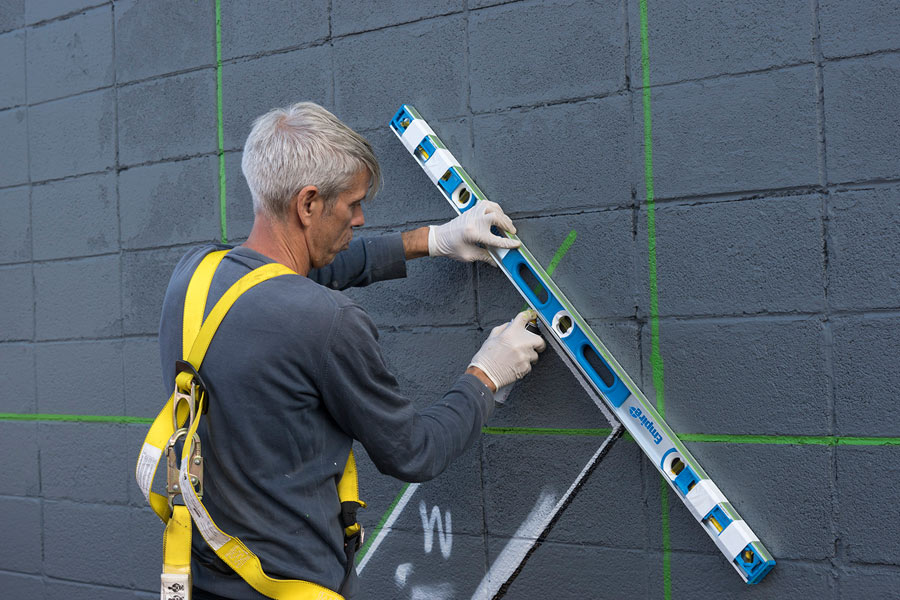
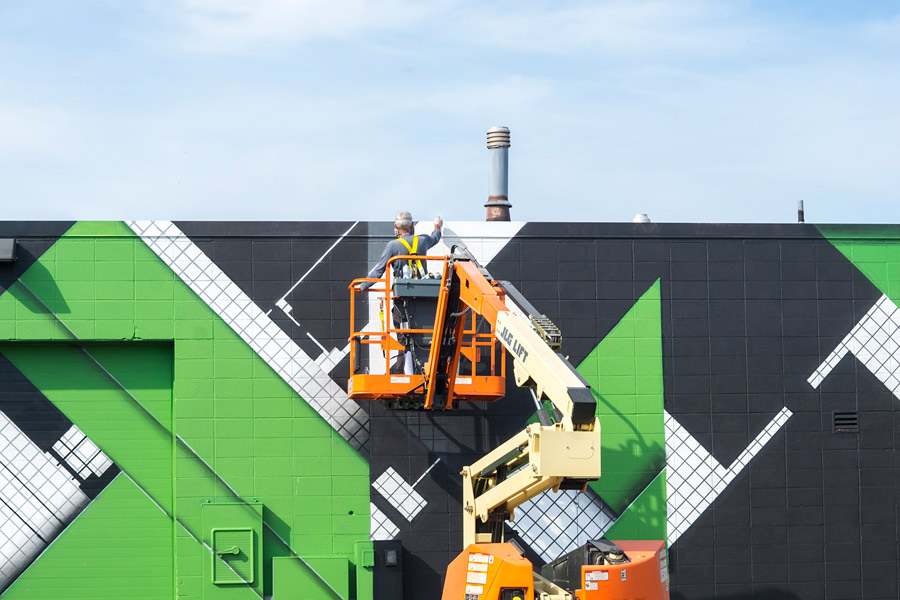
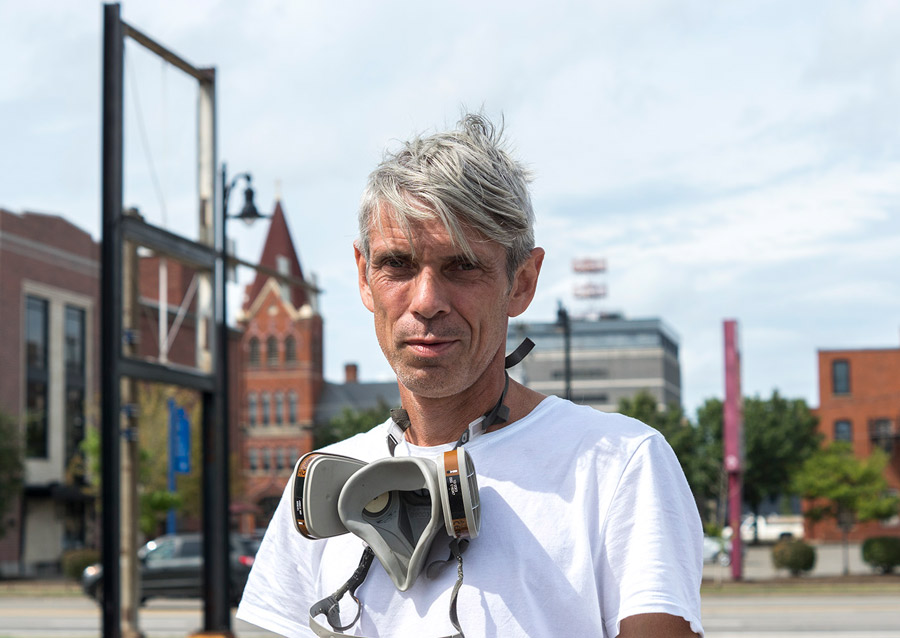
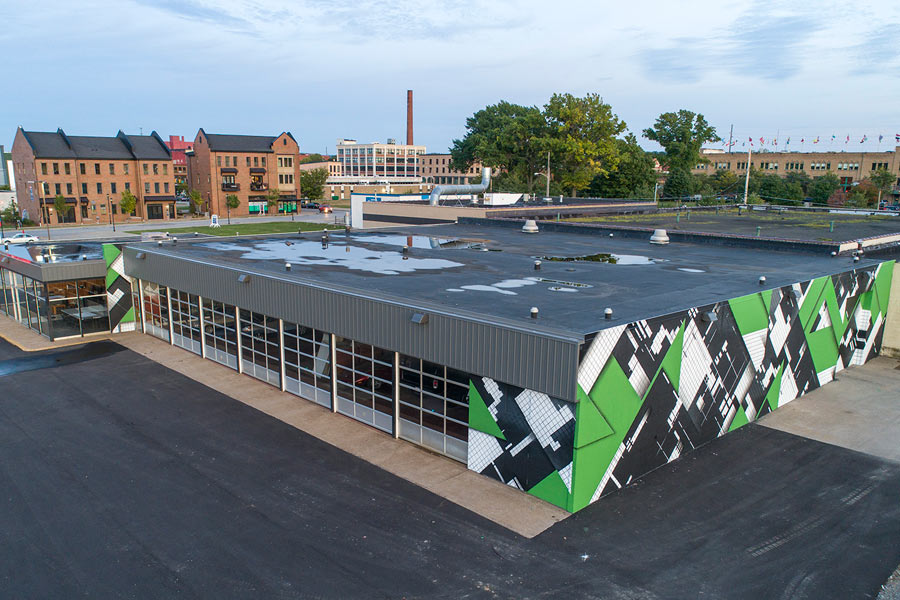
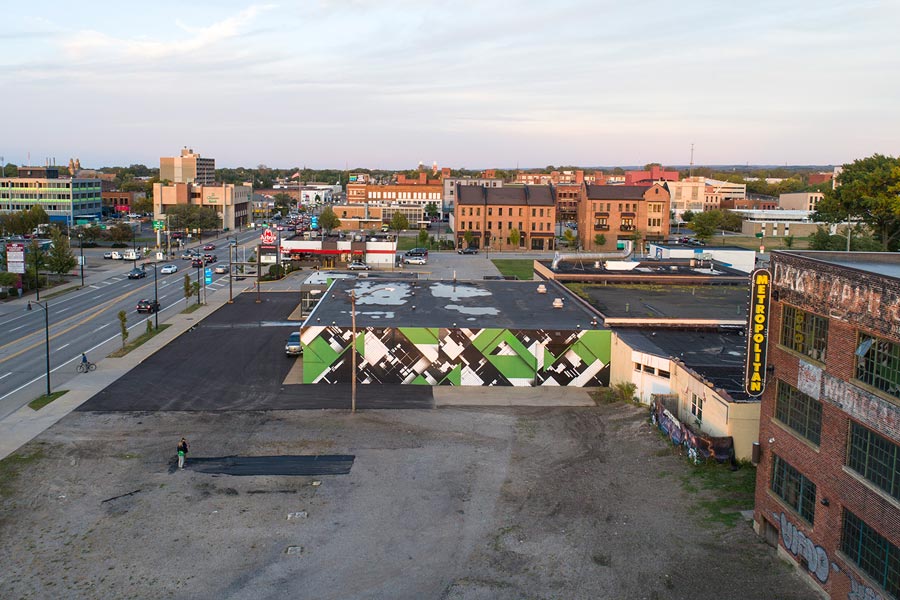
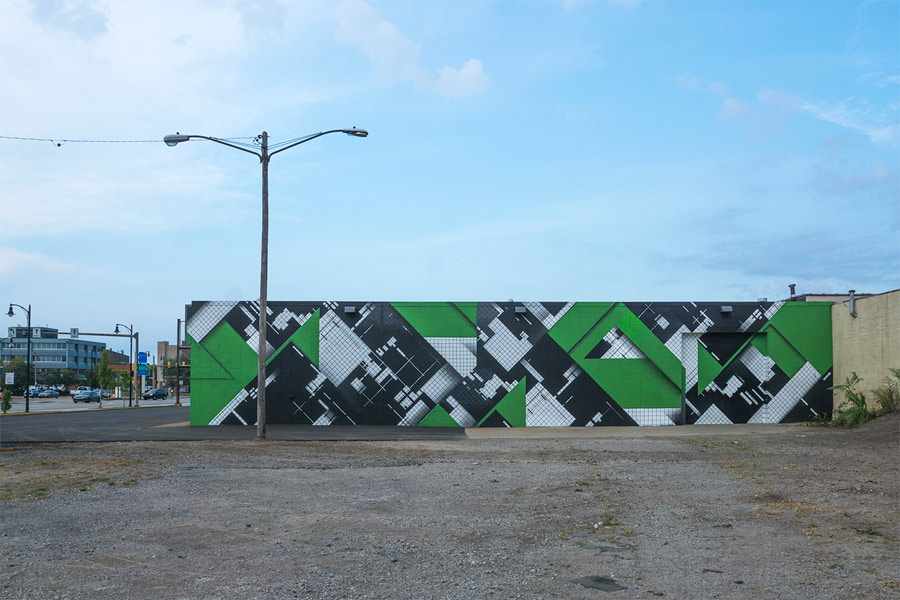
Dutch abstract painter Zedz likes to think of his new work in Erie, Pennsylvania as attempting to create a symbiosis. A former graffiti writer, he says that it is the architecture that has inspired him here, and his draftsman eye may be informed perhaps by Mondrian as well.
Zedz. Erie, Pensylvania. 2019/ (photo courtesy of Iryna Kanishcheva)
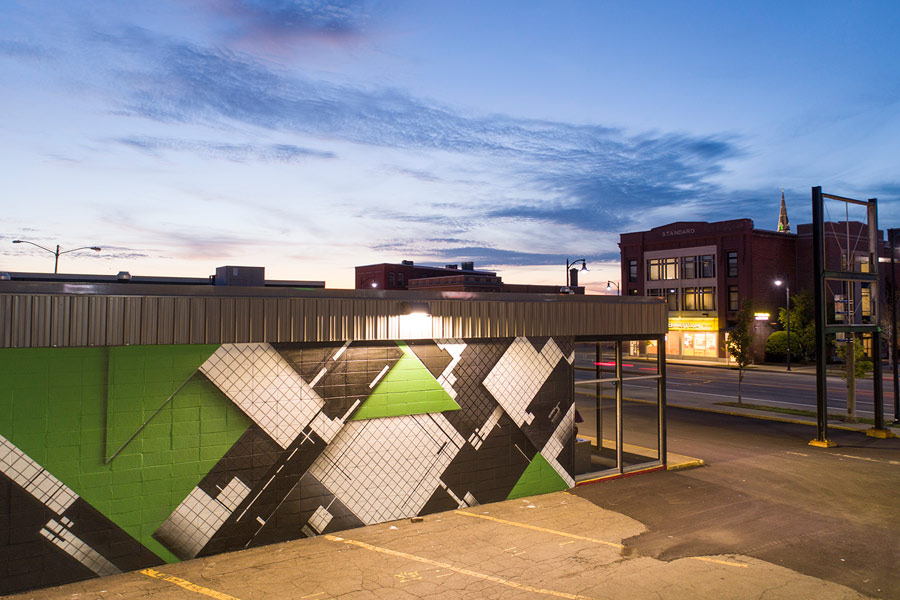
A layering of geometries are placed in a diagonal dance across the long walls, at once revealing grids, sharp lines, gradiated shadings, punches of sharply shattered color, and enlarge digitization of black/white shapes – a field pattern of many squares and rectangles.
He says that he has hopes for viewers if you let yourself stare for a while at his piece, perhaps “losing yourself in space and time, becoming part of the architectural plan or in fact becoming a part of the graffiti presented.”
Zedz. Erie, Pensylvania. 2019/ (photo courtesy of Iryna Kanishcheva)
“Zedz seemed to be the perfect artist to visually change ordinary
architecture, bring some depth and erase borders between windows and doors,”
says curator Iryna Kanishcheva, who organized this project in the Pennsylvania
town.
Patrick Fisher has a different take on the project – hiring an artist improves social cohesion and accentuates the value of certain areas of cities: “The vacant lot adjacent to the mural had a history of unfavorable behavior,” says from the organization called Erie Art & Culture.
Zedz. Erie, Pensylvania. 2019/ (photo courtesy of Iryna Kanishcheva)
“After the completion of the mural, overgrown weeds in the lot were cleared, disheveled vehicles were removed, and new lighting was installed,” says Mr. Fisher. “All of this creates a better sightline of the mural, but these additional investments also help make the surrounding area safer.”
Fair enough. Also it’s good to remember that young graffiti artists usually get their creative start painting in marginal parts of the urban landscape exactly like this, and are vilified or criminalized for it. Later, some of them actually get hired to paint murals.
Zedz. Erie, Pensylvania. 2019/ (photo courtesy of Iryna Kanishcheva)Zedz. Erie, Pensylvania. 2019/ (photo courtesy of Iryna Kanishcheva)Zedz. Erie, Pensylvania. 2019/ (photo courtesy of Iryna Kanishcheva)Zedz. Erie, Pensylvania. 2019/ (photo courtesy of Iryna Kanishcheva)
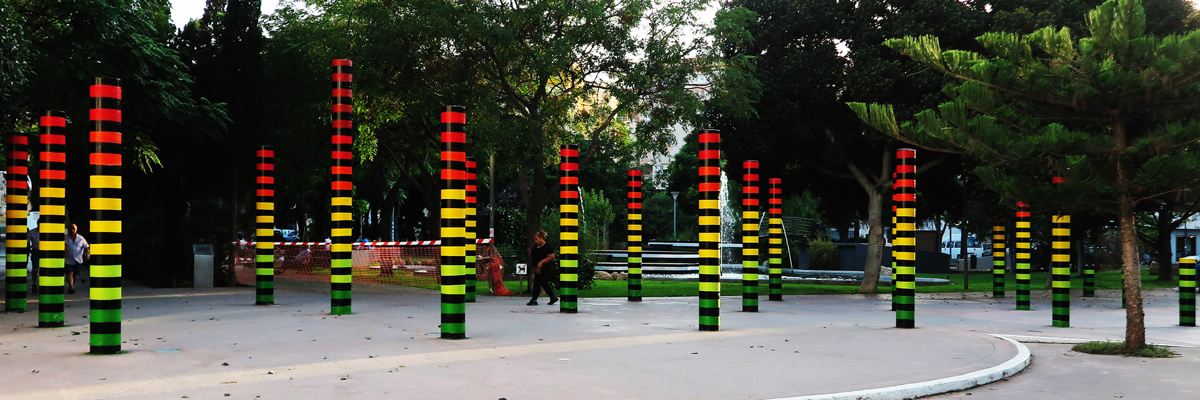
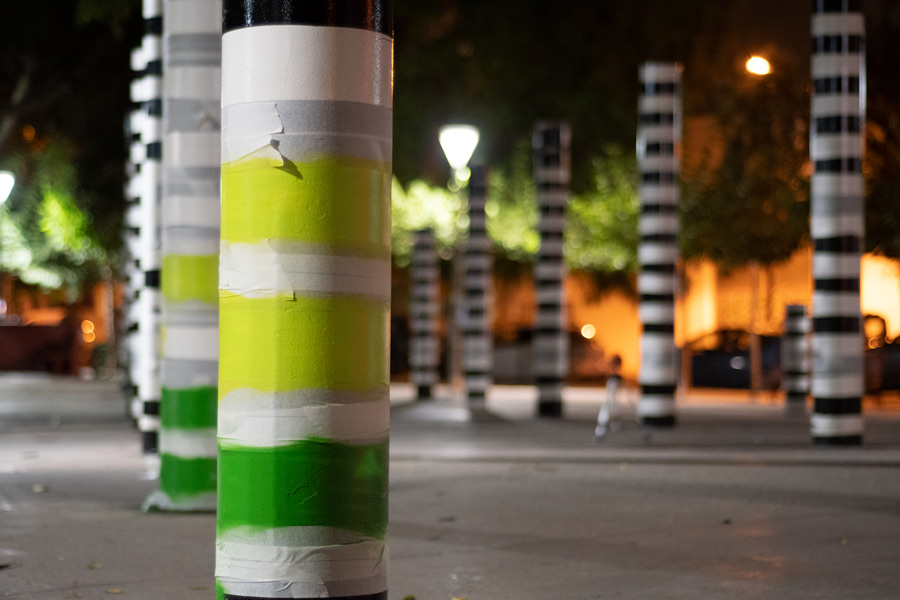
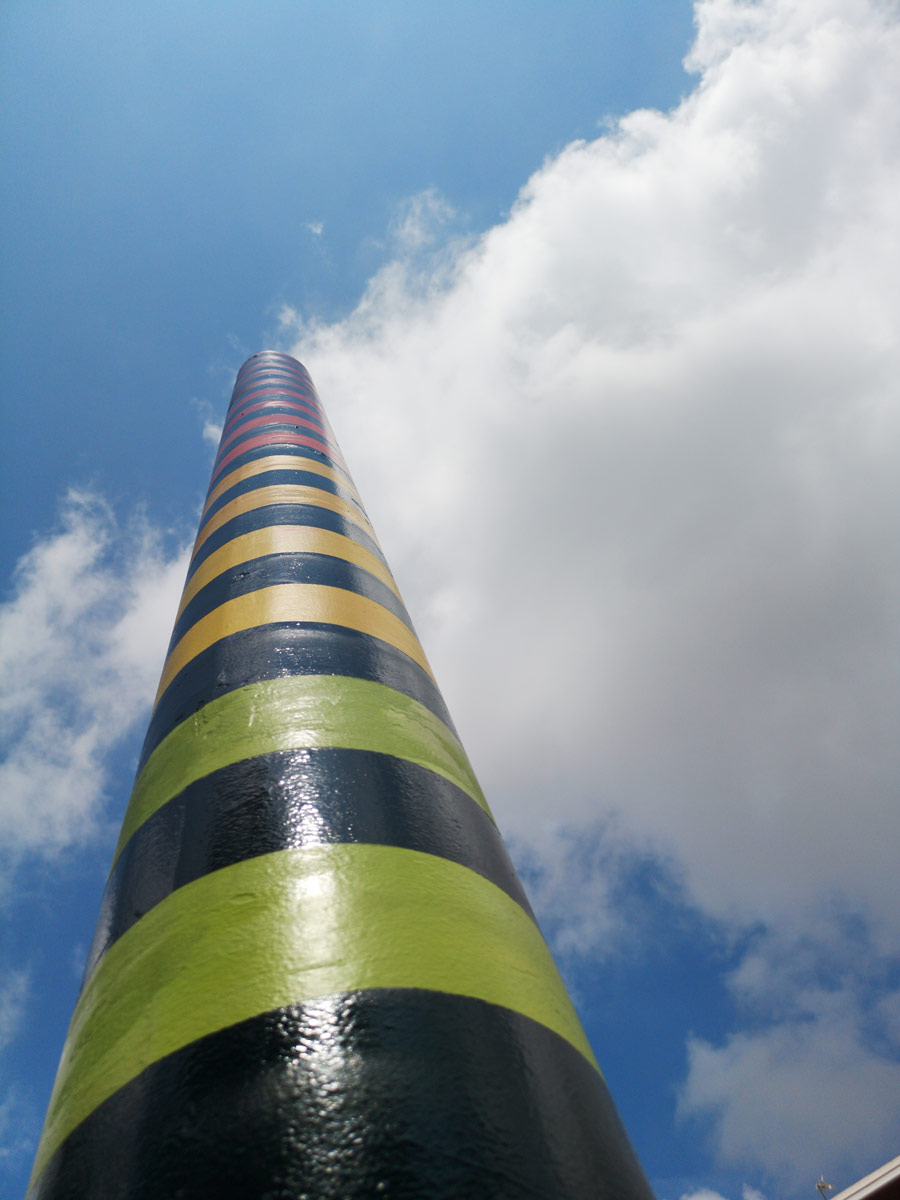
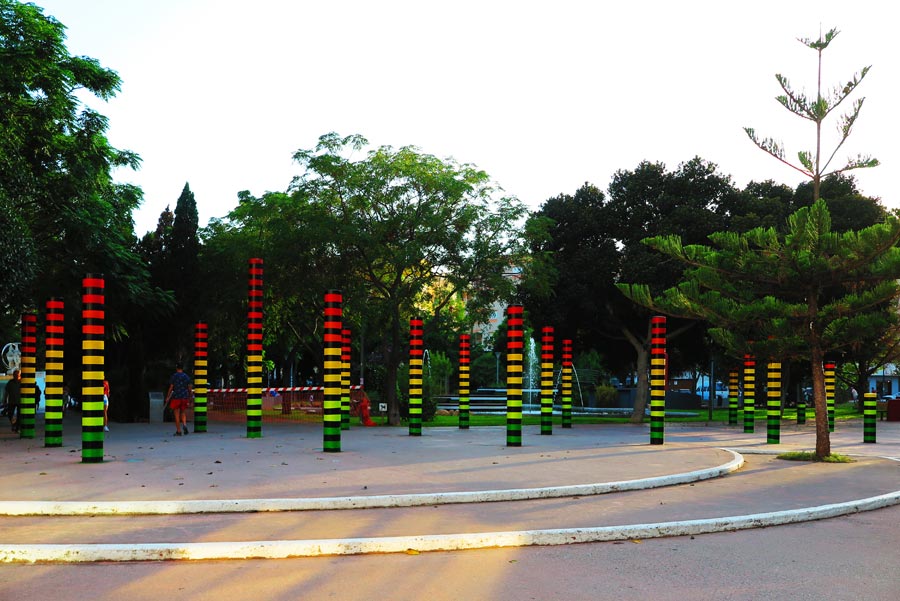
Street Artist converts mundane sculptures into giant audio equalizer bars at edge of a greenspace.
When you are one of the dance music capitals of the world, it will be evident on the street during the daylight too. And we’re not speaking specifically about the apparent glitter spill on the gas station floor this morning, or the blue-haired millennial sleeping on the bench at the bus stop.
Right
now Ibiza has new audio equalizers popping up from the terra firma, thanks to
the new red, green, and yellow stripes that stand at different levels in the
air, a deliberate reflection of the control-room aesthetics that surround
superstar DJs who rock the stages here almost every night.
The
installation by AMADAMA is part of the BLOOP international Proactive Art
Festival. He’s used to applying technology to his creativity and this
guerrilla-style installation is anonymous to passersby. Veering away from the
star-powered mural programs of recent vintage, organizers of BLOOP are stripping
down and going minimalist – “(we’re) exhibiting open air installations and
artworks in extremely visible points on the island just for the work to be
seen.”
It is a refreshing return to the original spirit of Street Art, and club music for that matter, when the unpredictable eclectic nature of creativity was in full celebration and was unhindered by celebutantes, selfies, and branding.
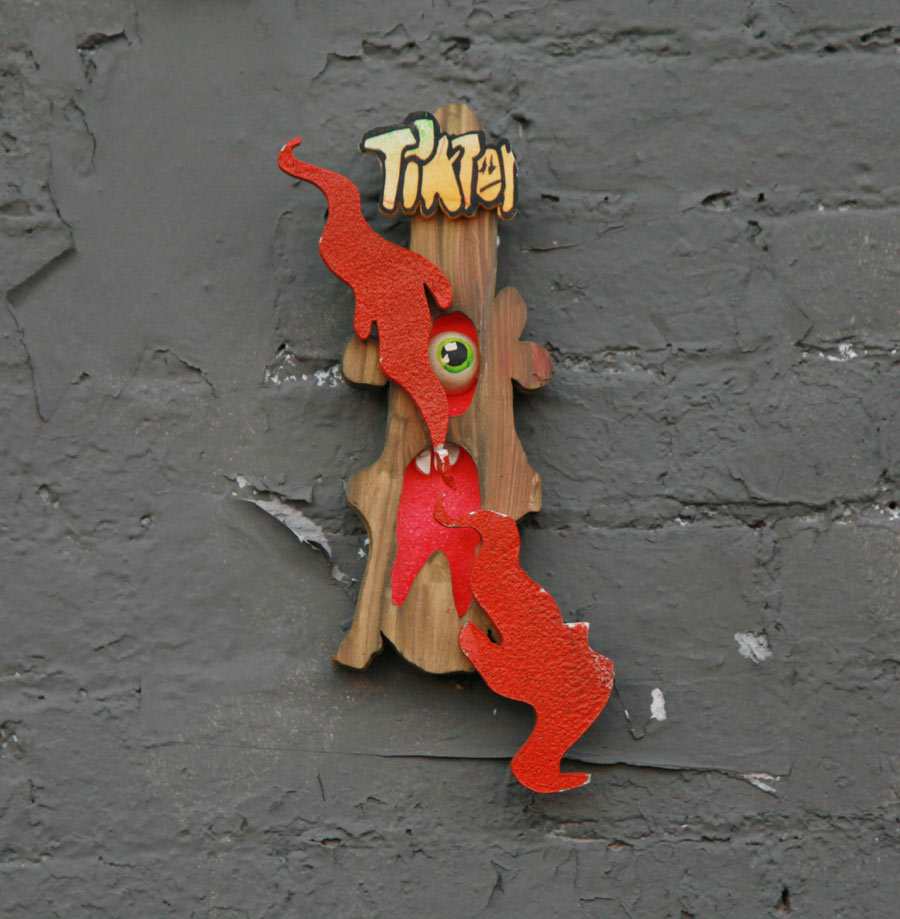
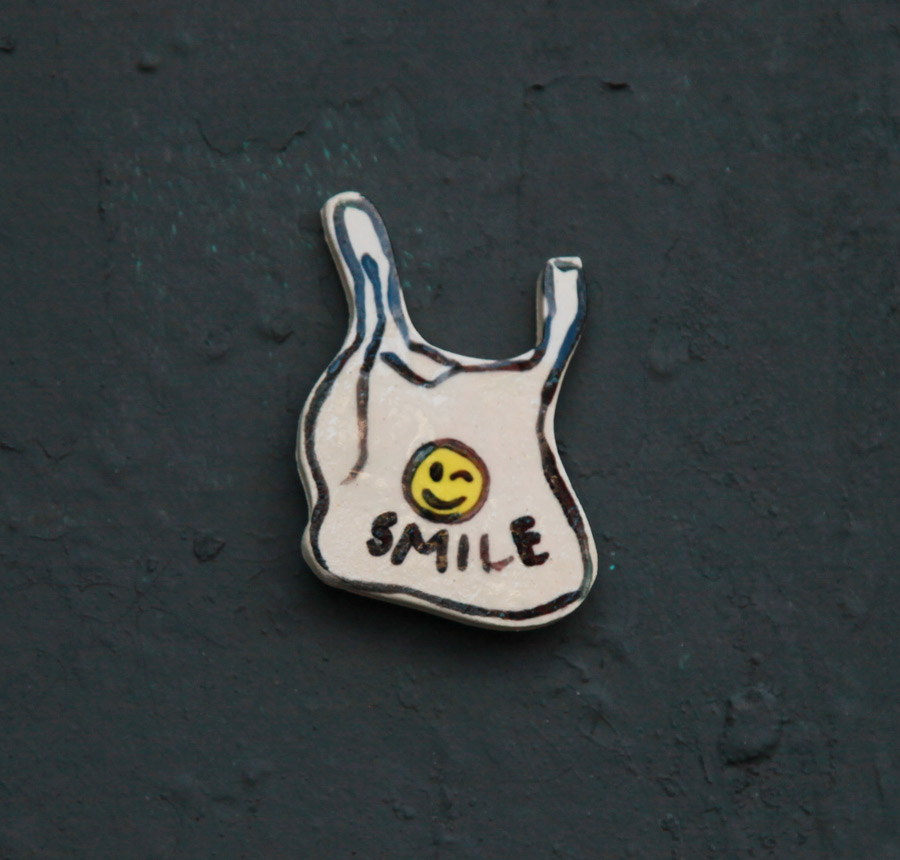
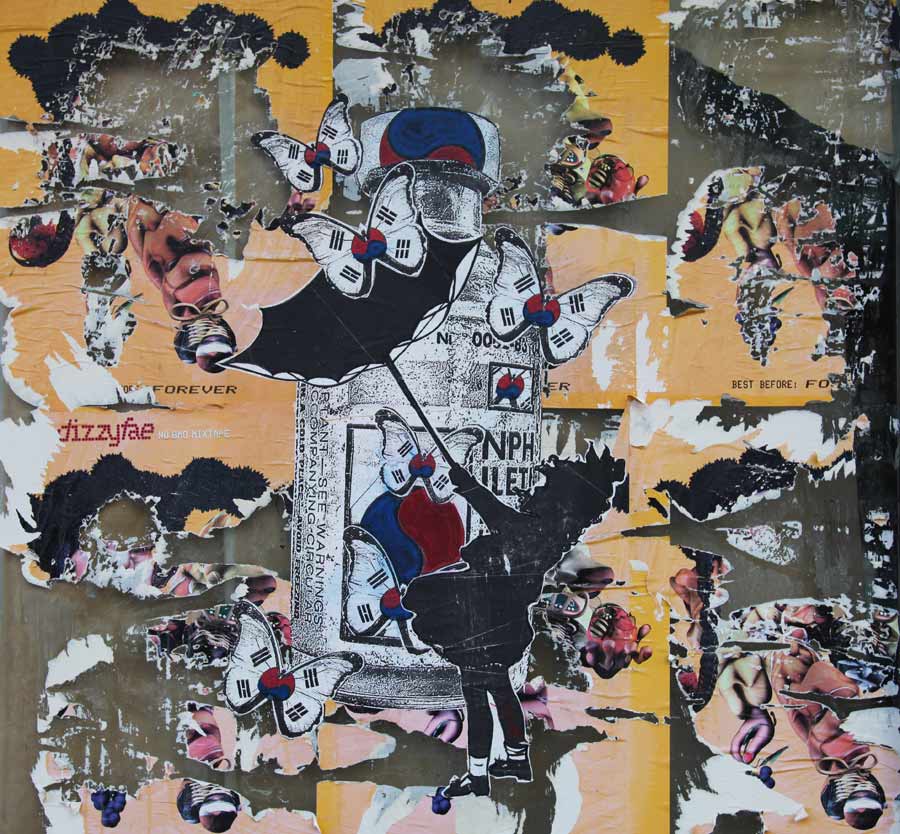
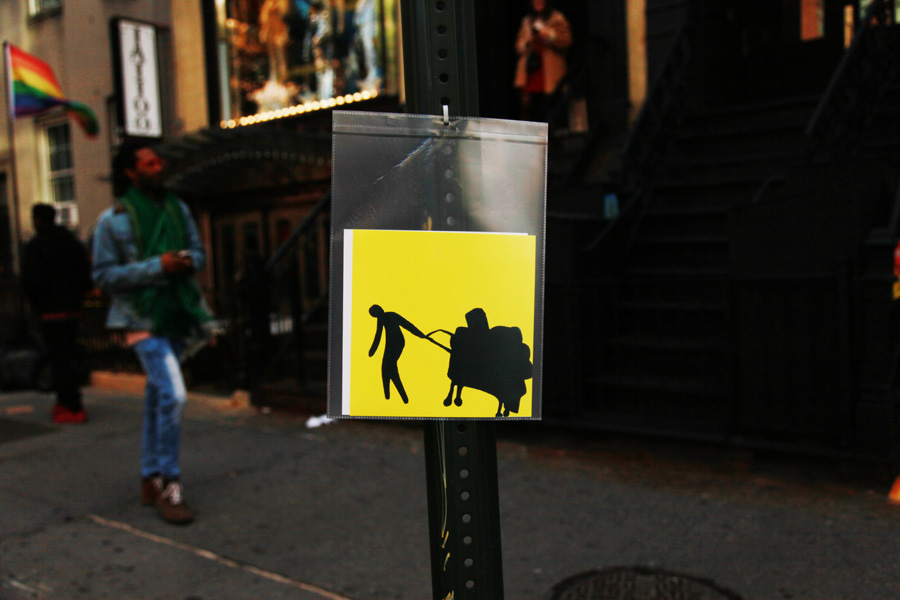
Welcome to BSA Images of the Week, where we are dedicated to showing the news kids on the block in addition to the more established names. It’s a simple inclusive philosophy that in some way is ensuring a more level playing field for the voices on the street, and so far you tell us that is exactly what you like. Street Art isn’t about legal murals, its about people taking their voice and their talent to the streets, sometimes by any means possible.
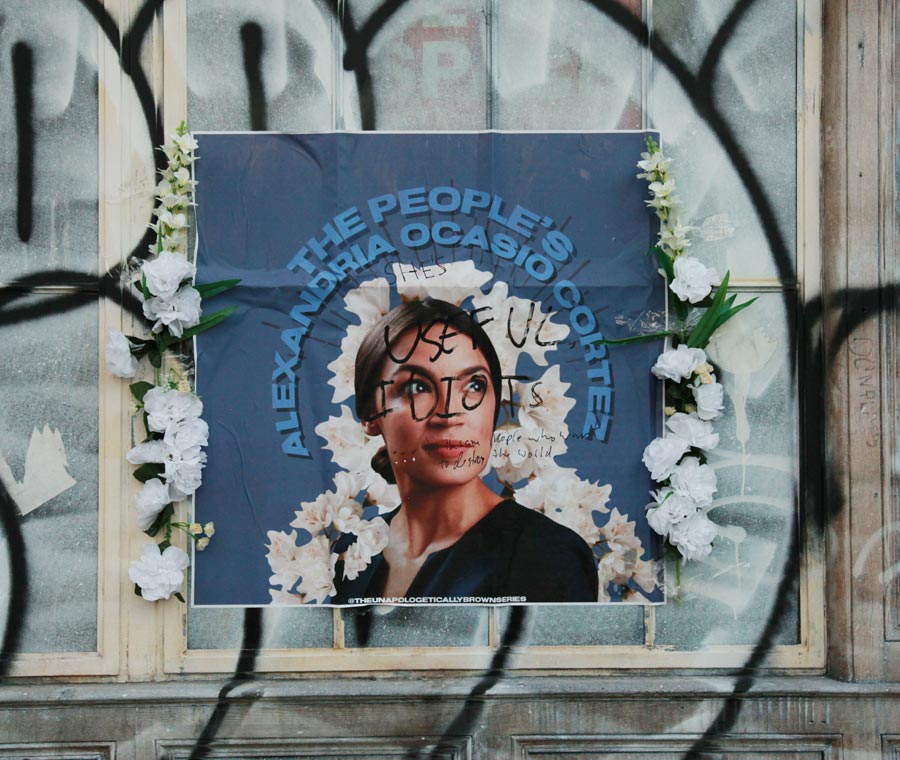
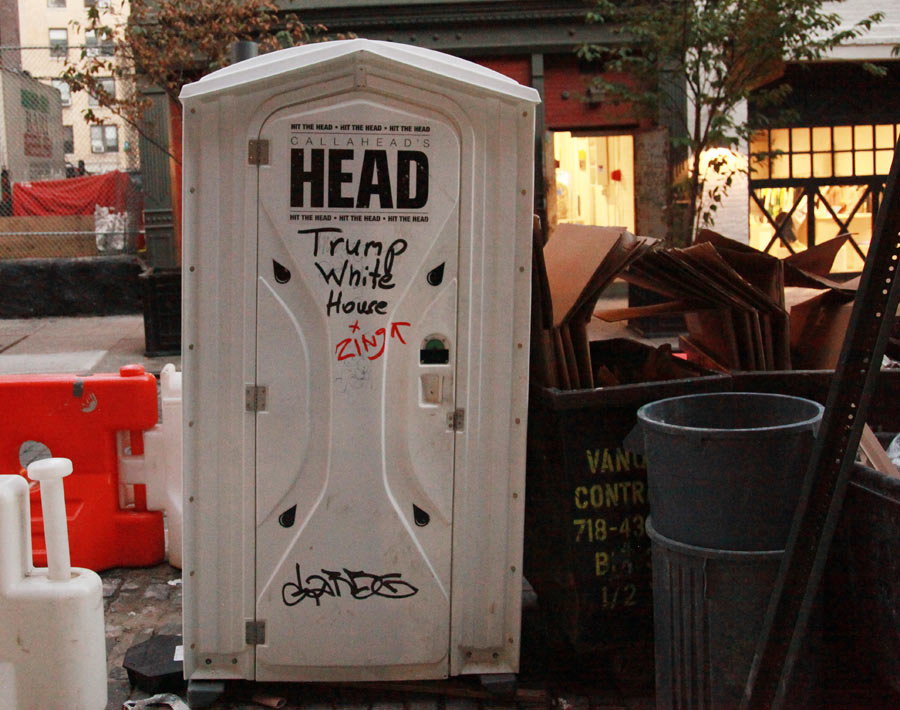
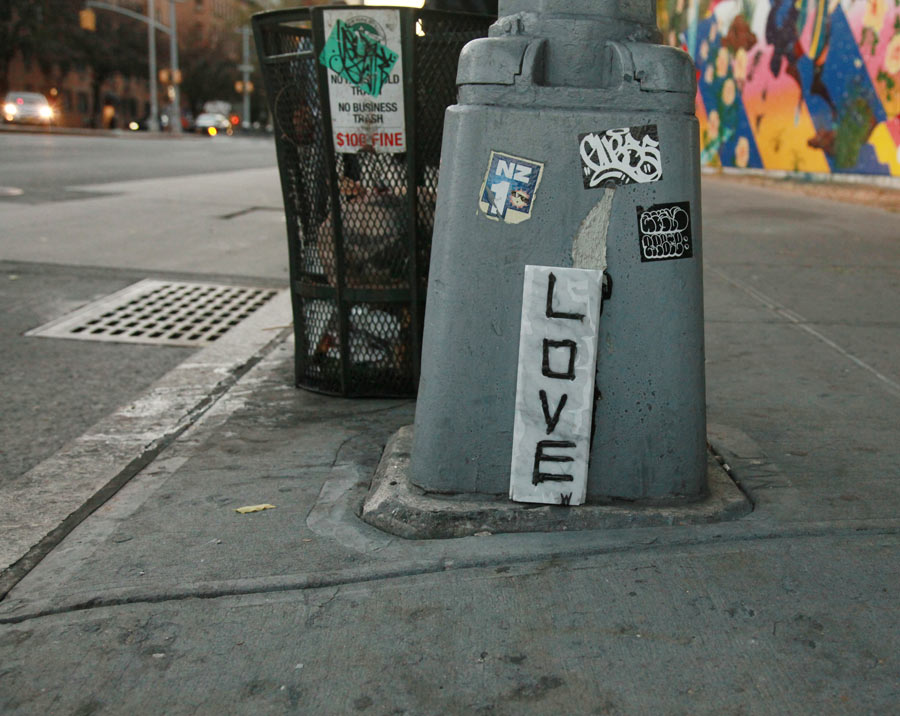
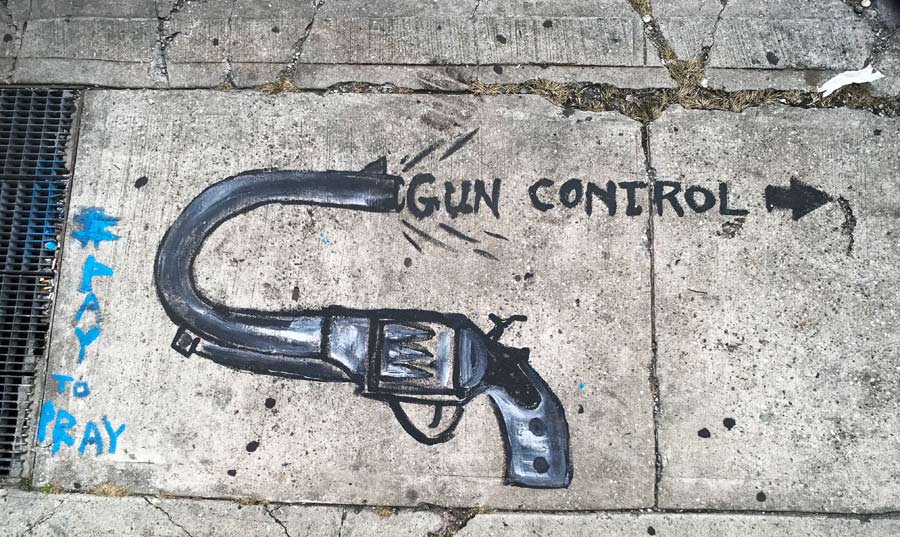
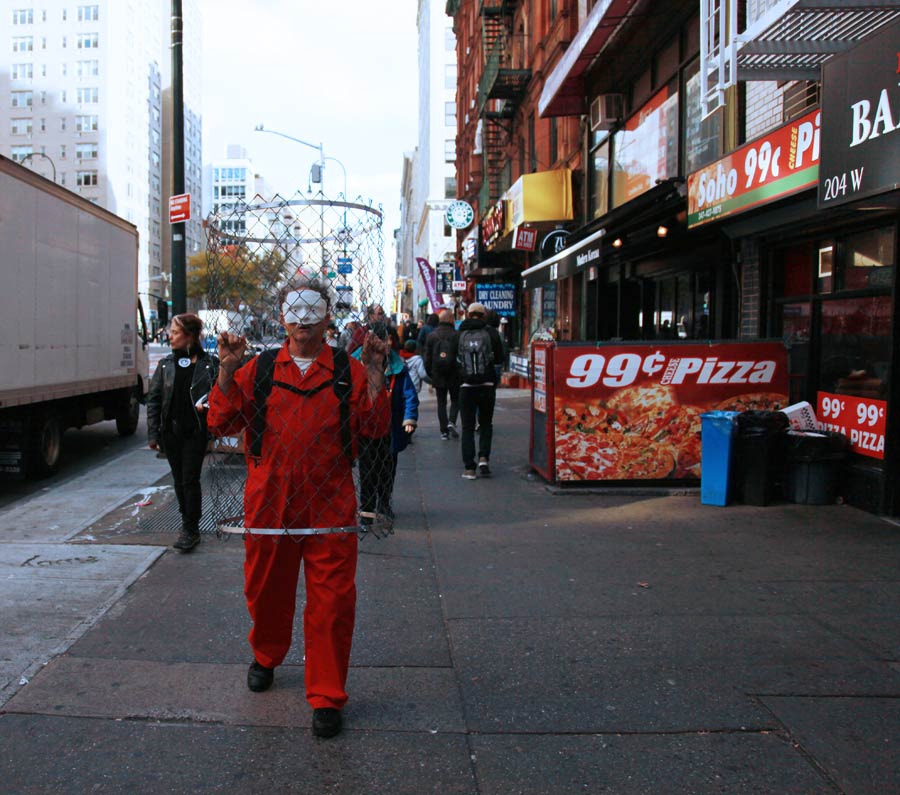
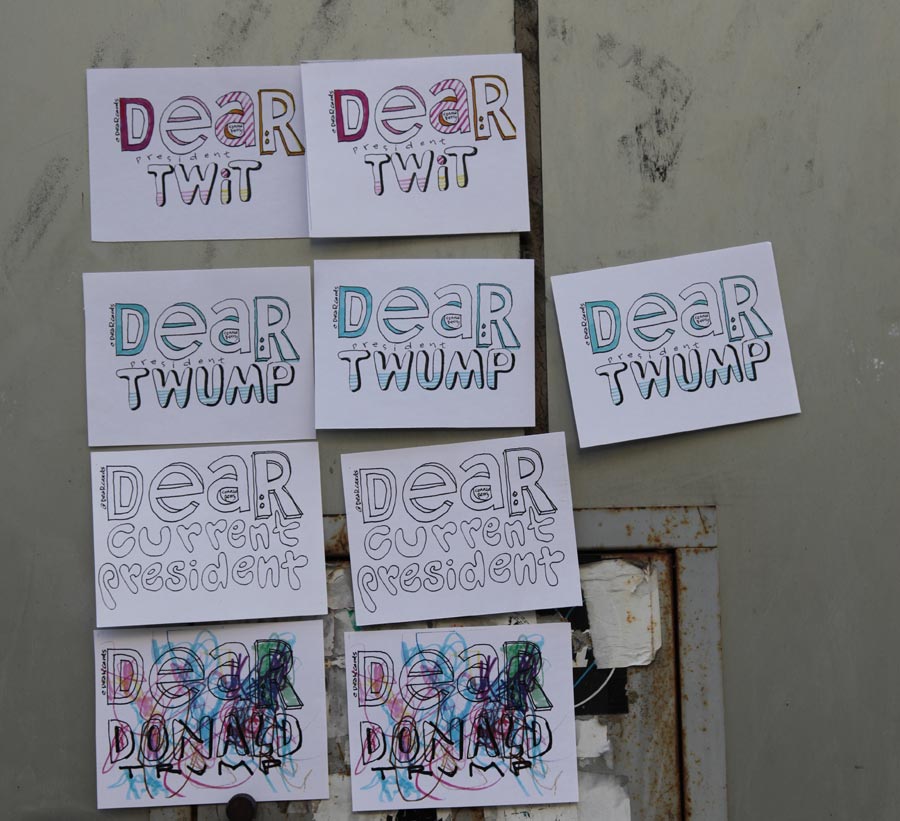
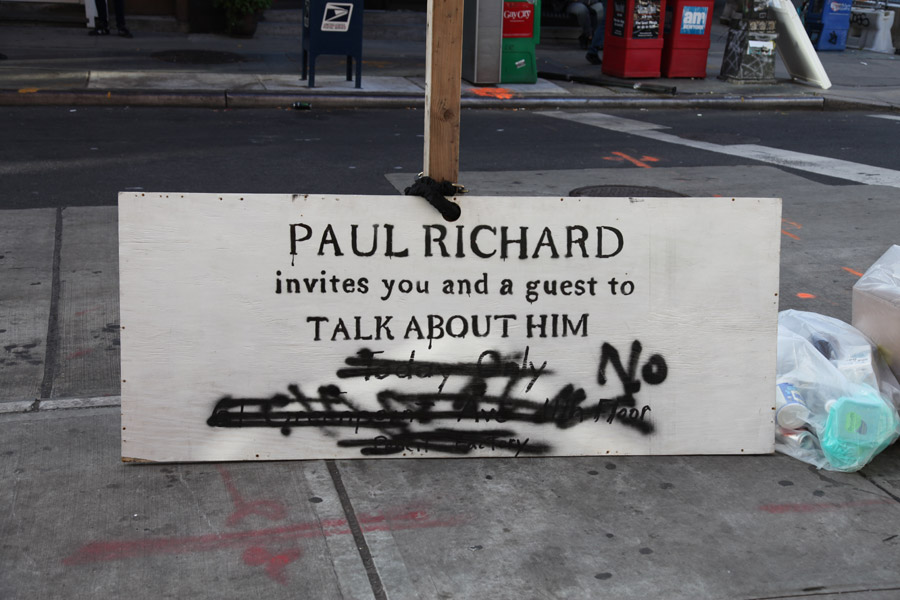
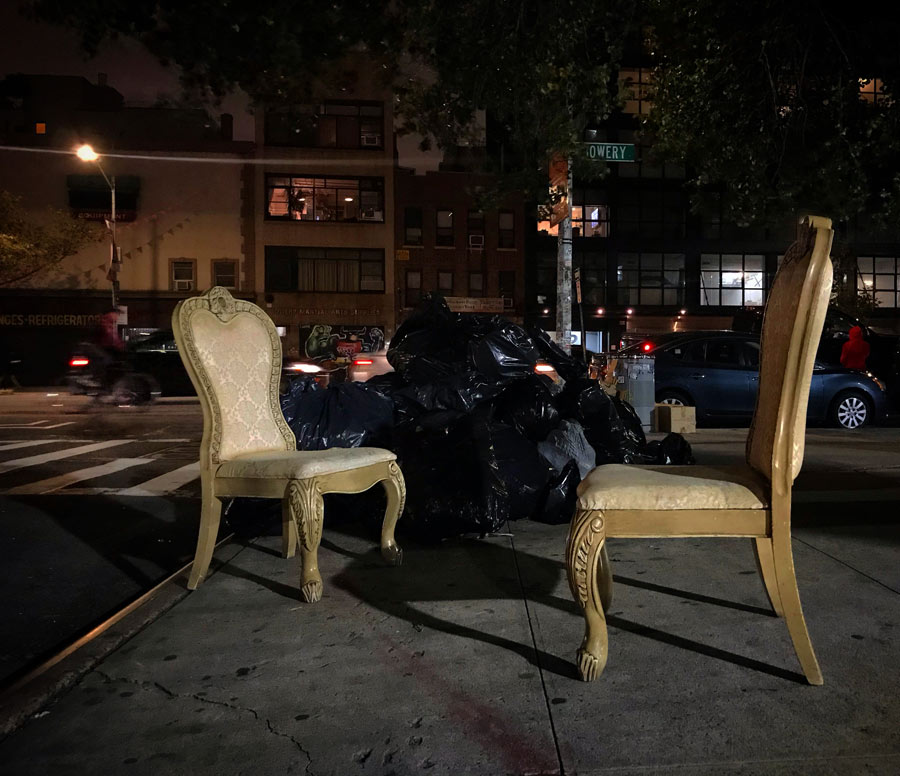
If you were to look at the works on the street in New York you could get a good representation of the sentiment of its people; worried, confused, proud, playful, defiant, angry, comedic. Shout out to this years’ Art in Odd Places, a reliably eclectic program of artists and performers who take to the streets to engage with the public – and if you think that is easy, I’ve got a Bridge in Brooklyn I’d like to sell you.
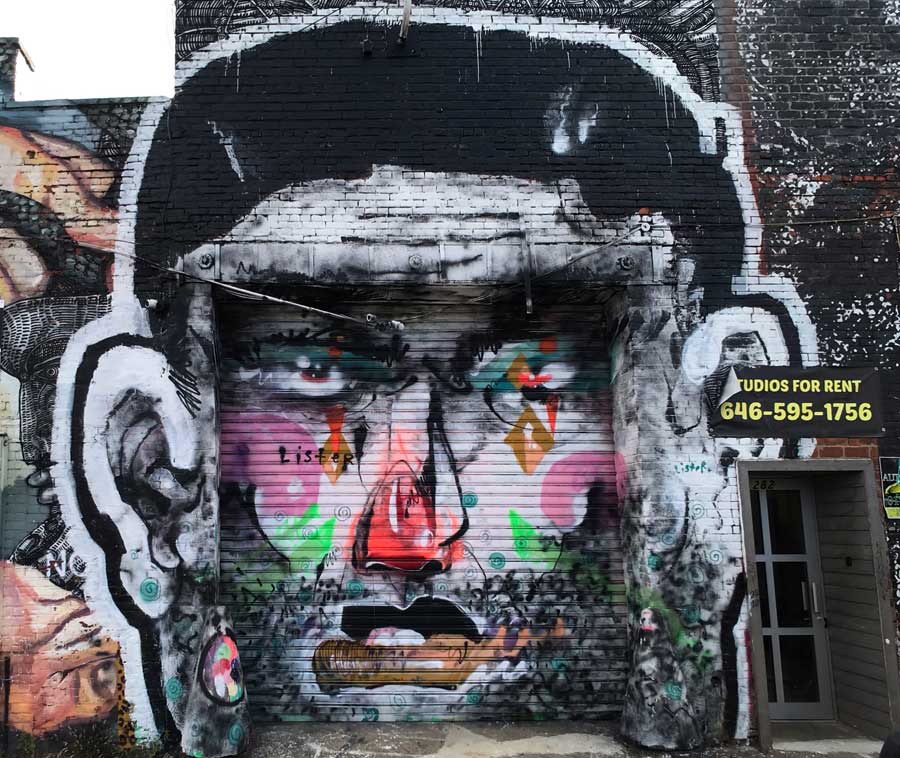
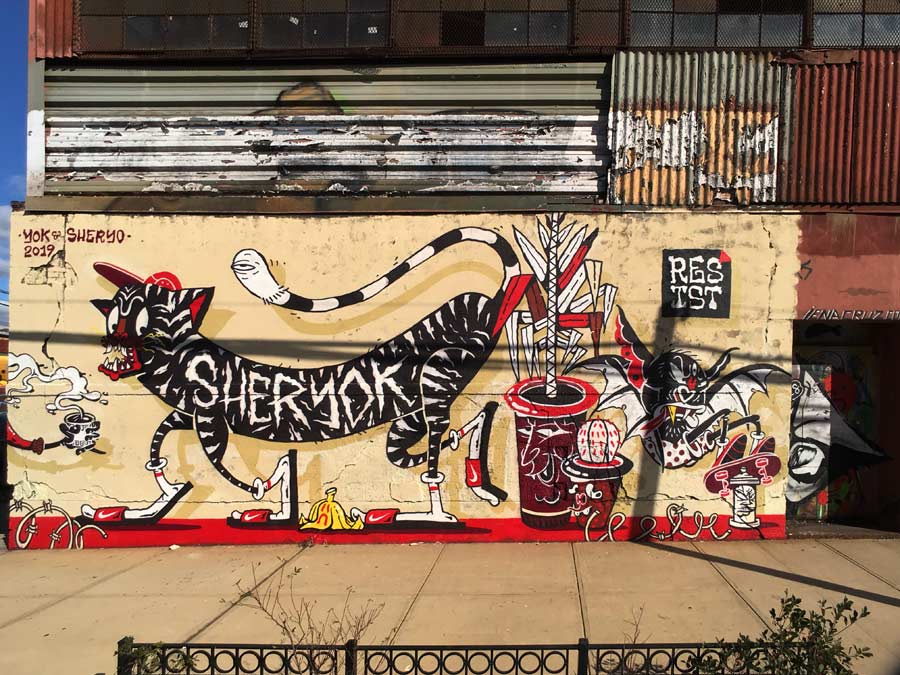
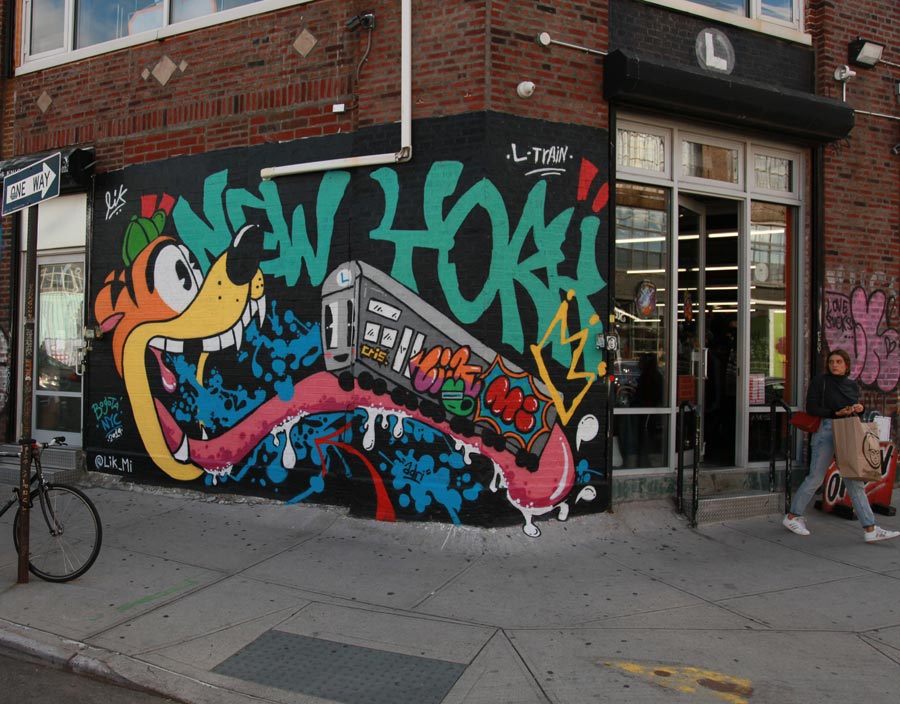
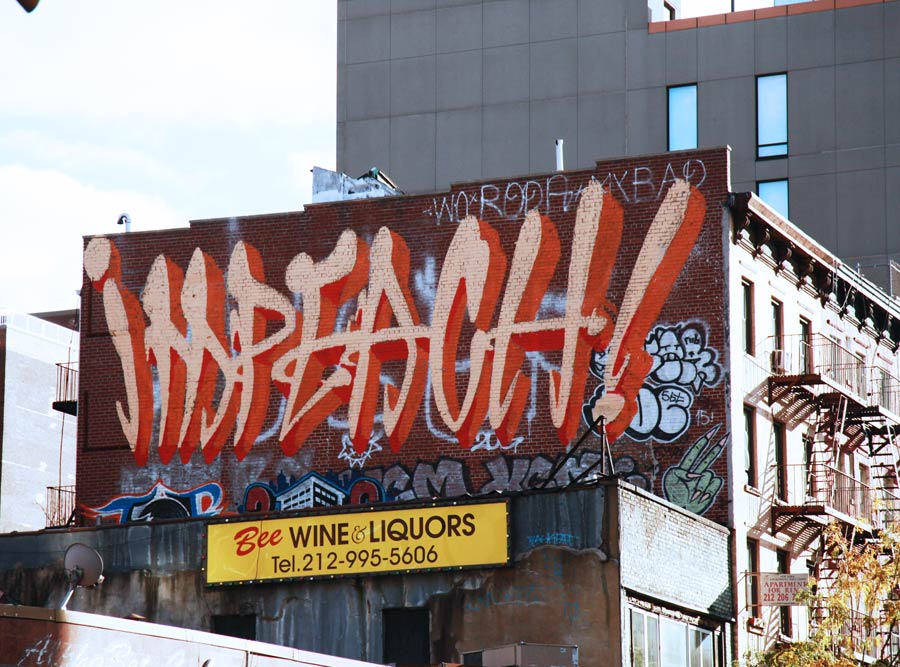
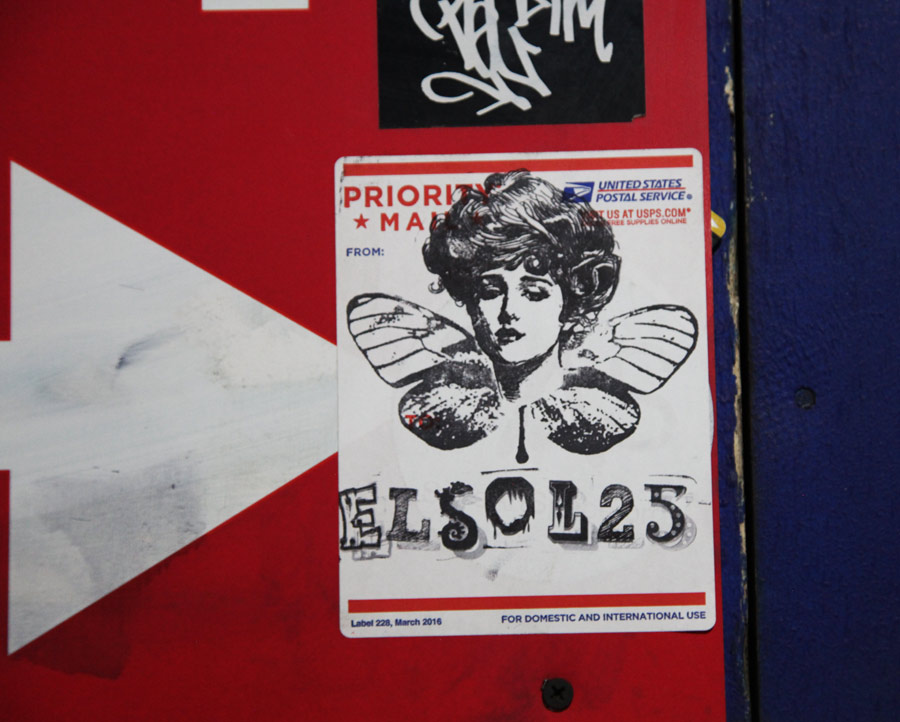
Here’s our weekly interview with the street, this time featuring Angela Muriel, Anthony Lister, Appleton Pictures, Billy X Curmano, Carmen Rodriquez, Coco Cobre, Connie Perry, El Sol 25, Knozko, Lik, Lister, Lunge Box, Matthew Burcow, Paul Richard, Sheryo and The Yok, Stikman, Texas & Gane.
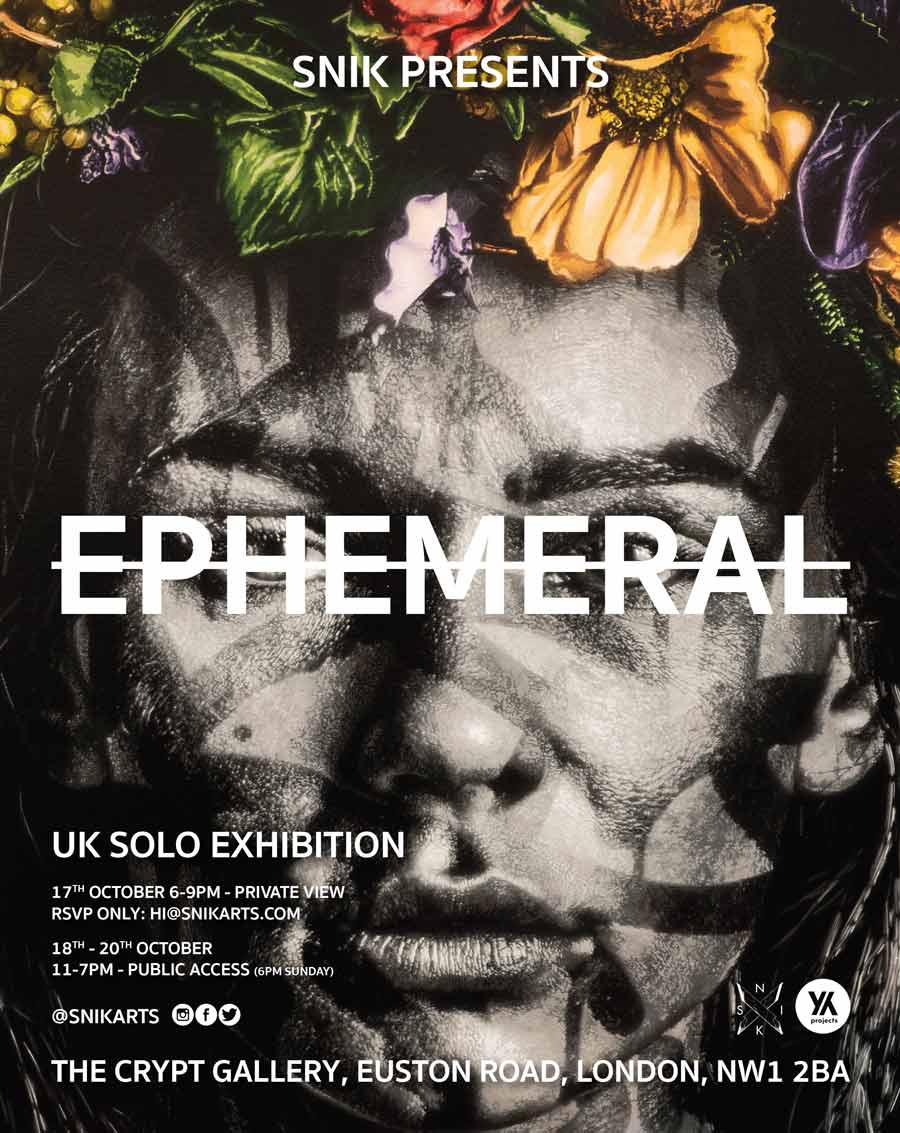
Flowers in decomposition, pathways to discovery, hidden and revealed – SNIK unveils a certain richness with this multi-staged display of beauty and decay. Lightboxes, textures, curving forms, natural and artificial light wending in and out of layers; the artists approach and examine the mystery of life and death with wholistic poetry, finding beauty in each.
For nearly a decade the English duo of Laura Perrett and Nicholas Ellis have chosen the nomenclature of the gallery when creating larger and medium-sized stenciled imagery for the street. Clean lines, photographic values, increasing sophistication in volume and textures, it is a steadfast dedication to learning that plays out before your eyes. For this show they do it all – scenery, costume, lighting, photography, directing, hand-cutting, and painting.
The resulting experience of the show is a seamless continuity in sensual gentility, a collection of figurative works and environments that seem familiar, enveloping you with the more subtle stirrings of nature. Analogous to the ephemeral qualities of art in the street, you can possibly see that there is a way to embrace the changes that they bring, and suggest. SNIK aims to help you to embrace this ephemerality.
British artist duo SNIK present EPHEMERAL, an exhibition of new works at The Crypt Gallery, London, running from 17- 20 October 2019. The Crypt Gallery, London, 165 Euston Rd, Bloomsbury, London NW1 2B
Our weekly focus on the moving image and art in the streets. And other oddities.
Now screening : 1. Migrants, Mayra 2. Women are Heroes (Kibera) 3. Chronicles, Portrait of a Generation 4. Giants (Kikito) 5. The Guns Chronicles, A History
BSA Special Feature: JR Explains “Chronicles” at Brooklyn Museum
JR: Chronicles. This Friday’s edition of BSA Film Friday is dedicated to French Artist JR as we feature a series of brief videos he filmed on the occasion of his retrospective now on view at the Brooklyn Museum.
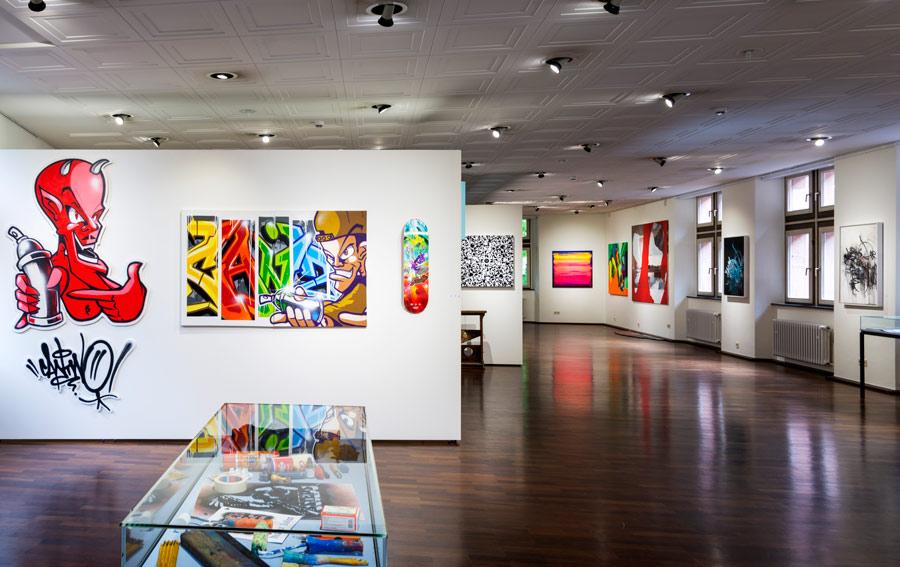
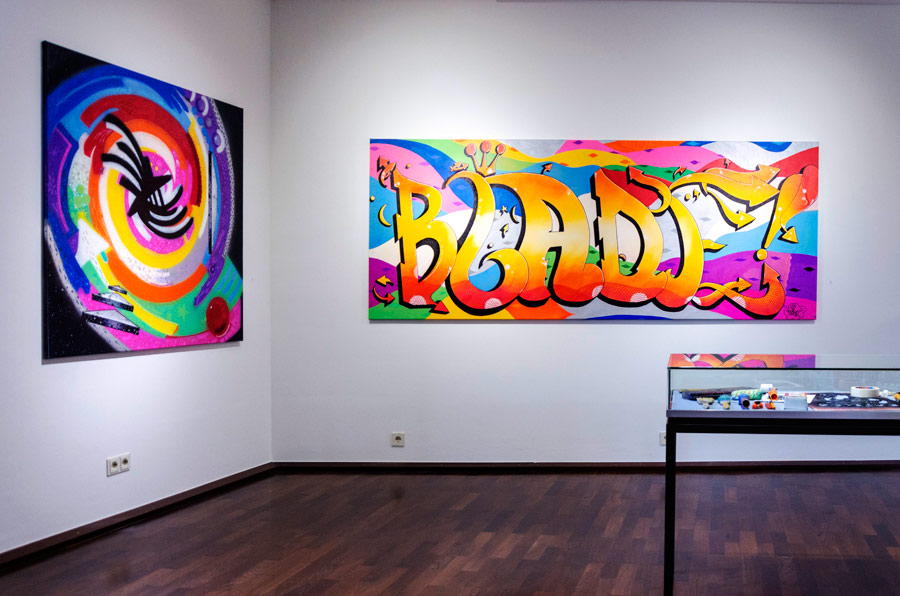
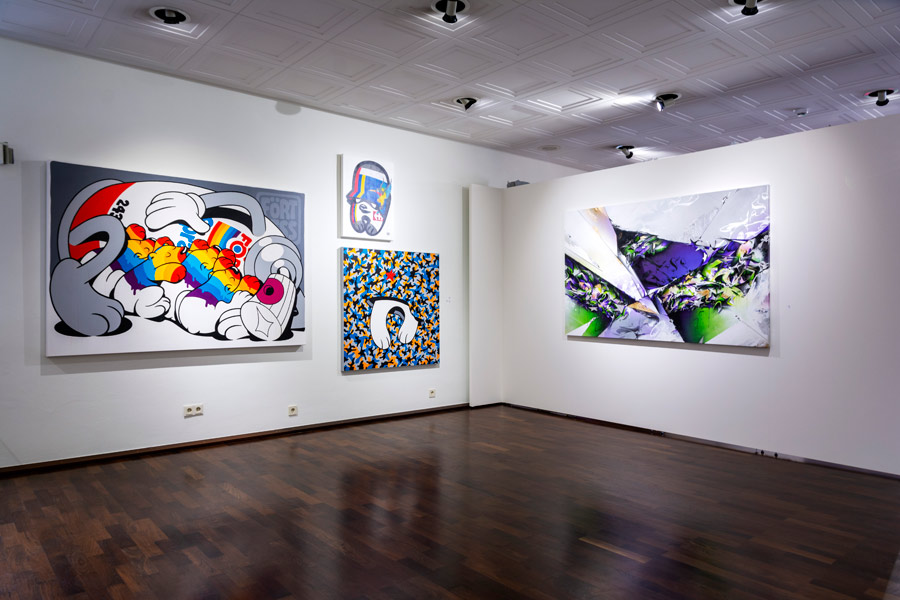
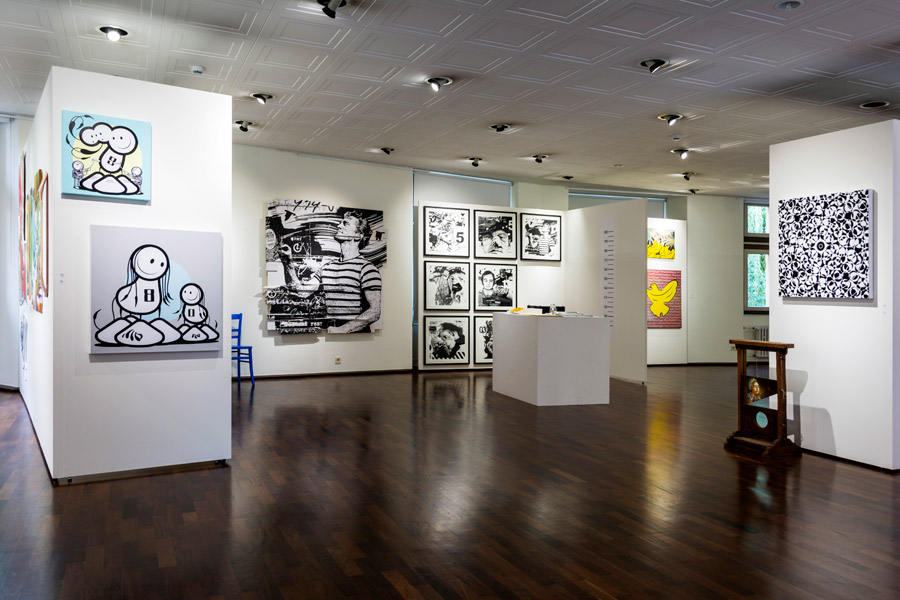
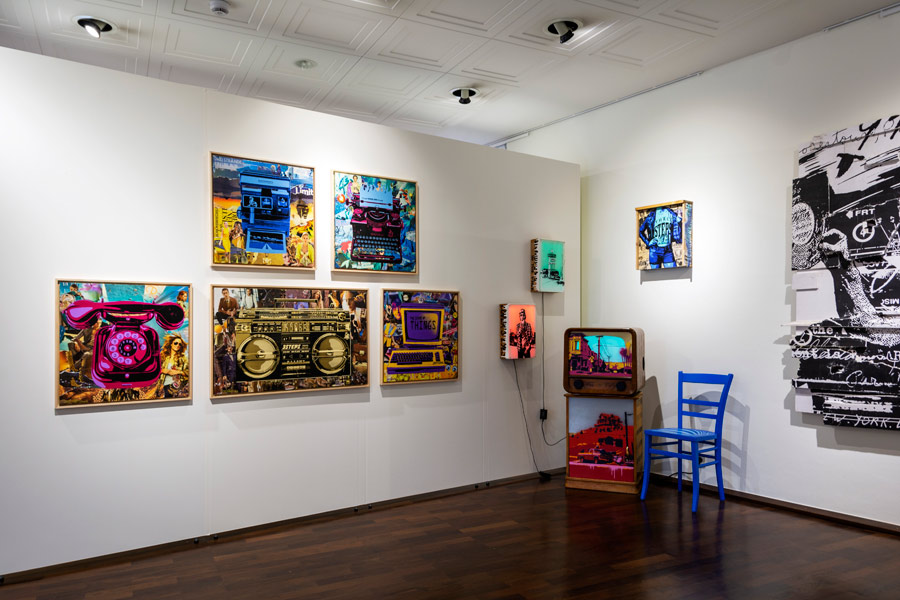
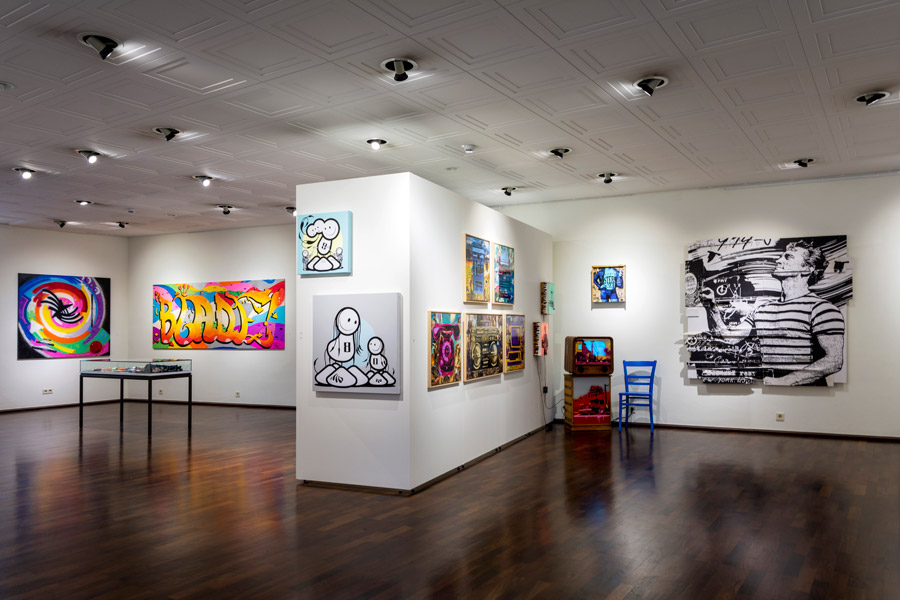
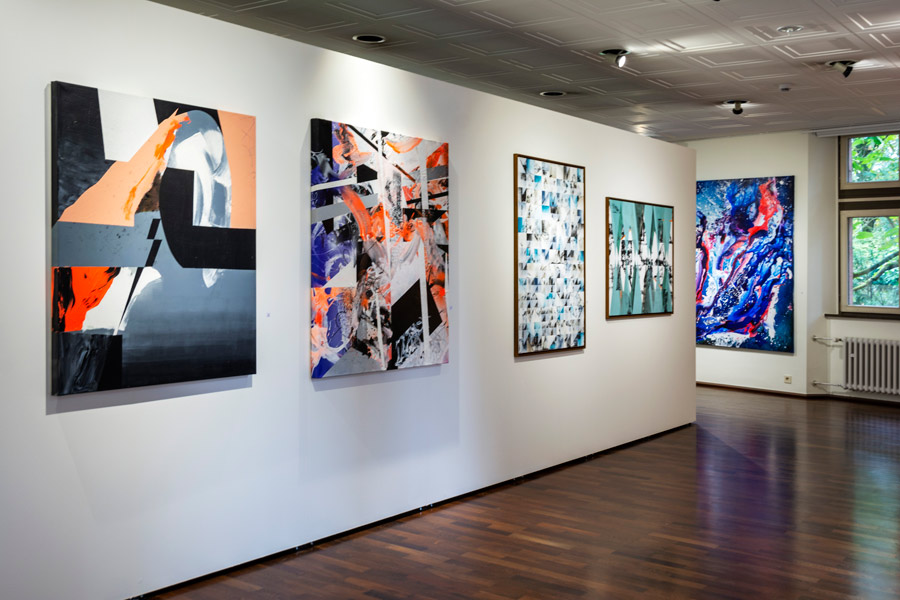
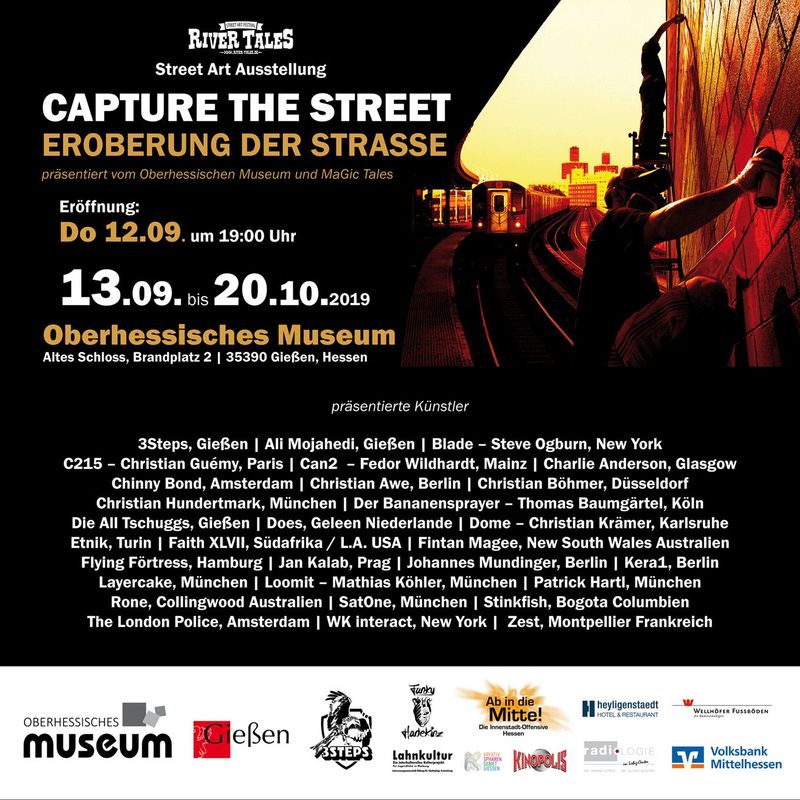
A look inside the gallery today as we go to Hessen in Germany to see the new group exhibition mounted by the River Tales Street Art festival with the Oberhessisches Museum.
Principally organized by the 3Steps art collective, who are also in the show, it is an eclectic survey of 50 works by 30 international graffiti/Street Artists from important locals like Can2 and Loomit to Australia’s Rone and Fintan Magee and New York’s monochromatic WK Interact and old school train king Blade.
Capture The Street. Oberhessisches Museum. River Tales Festival. Giesen, Germany. (photo courtesy of River Tales)Capture The Street. Oberhessisches Museum. River Tales Festival. Giesen, Germany. (photo courtesy of River Tales)
Presented in combination with the festival on the streets, the gallery show gives visitors a protected well-lit environment to look upon the work of artists on canvas as fine artists. As you scan through the space you’ll see the influences are evident from modern, contemporary, abstract, figurative, and digital – as Street Artists are frequently adept at reflecting societal movements, sentiments, and communication styles.
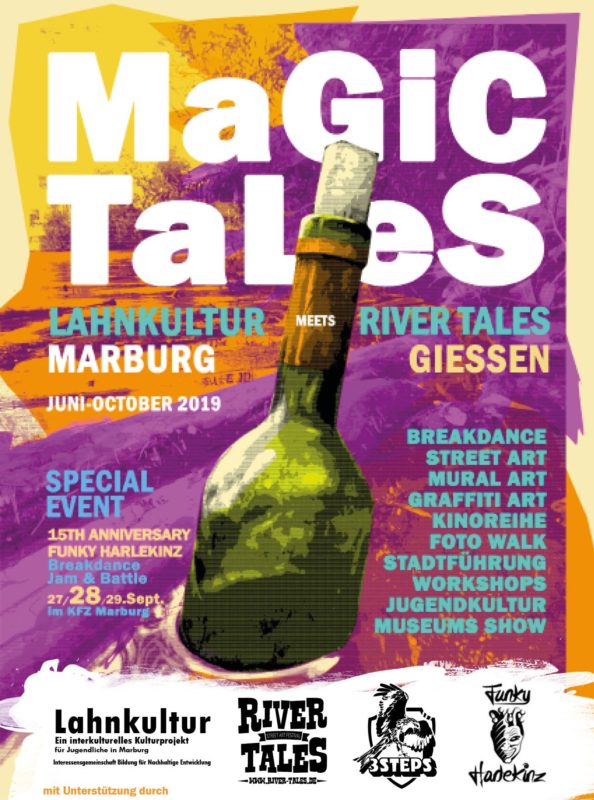
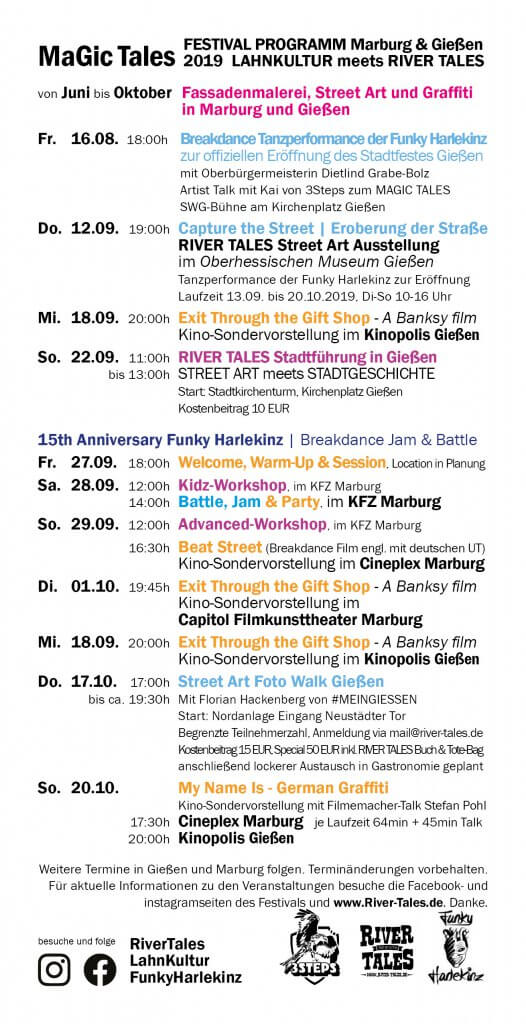
As part of a full-spectrum program at River Tales that runs June through October, the show here is well complimented by new murals on the street, workshops, photo walk tours, screenings, symposia, Djs, breaking, battles, and possibly, beer.
Capture The Street. Oberhessisches Museum. River Tales Festival. Giesen, Germany. (photo courtesy of River Tales)Capture The Street. Oberhessisches Museum. River Tales Festival. Giesen, Germany. (photo courtesy of River Tales)Capture The Street. Oberhessisches Museum. River Tales Festival. Giesen, Germany. (photo courtesy of River Tales)Capture The Street. Oberhessisches Museum. River Tales Festival. Giesen, Germany. (photo courtesy of River Tales)Capture The Street. Oberhessisches Museum. River Tales Festival. Giesen, Germany. (photo courtesy of River Tales)Capture The Street. Oberhessisches Museum. River Tales Festival. Giesen, Germany. (photo courtesy of River Tales)
Oberhessisches Museum
Altes Schloss, Brandplatz 2, 35390 Gießen, State of Hessen, Germany
The exhibition runs from 13th of September till the 20th of October 2019
The museum will be opened Tuesday – Sunday: 10-16 o’clock
 BROOKLYN STREET ART LOVES YOU MORE EVERY DAY