Artists Commemorate International Day for the Elimination of Violence against Women In Barcelona.

Artists Commemorate International Day for the Elimination of Violence against Women In Barcelona.

News reports are telling a story about an uptick in domestic violence because families are confined in closed quarters for long periods of time during the COVID-19 lock-downs across the world. A tendency toward abusive behavior is further complicated by economic insecurity, lack of food, and generalized fear. There is help available, please see below for resources.
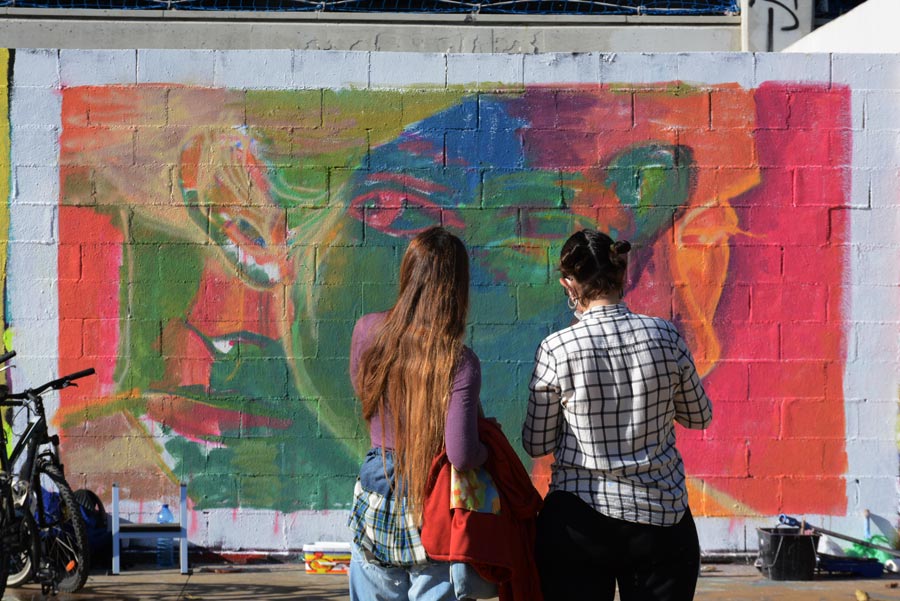
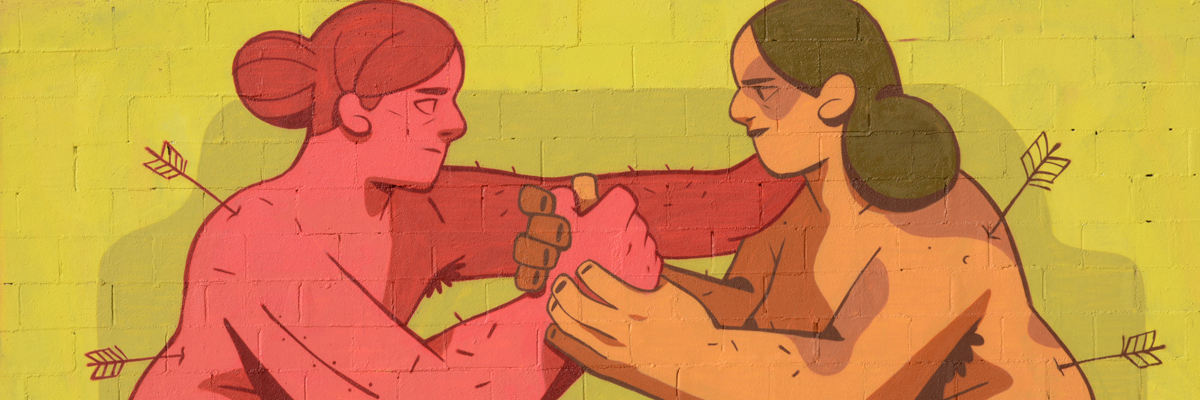
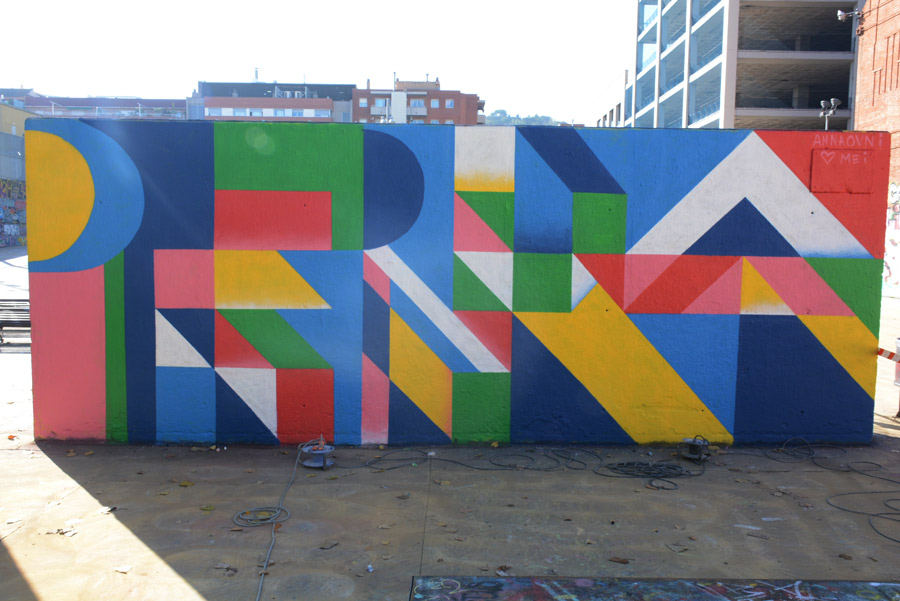
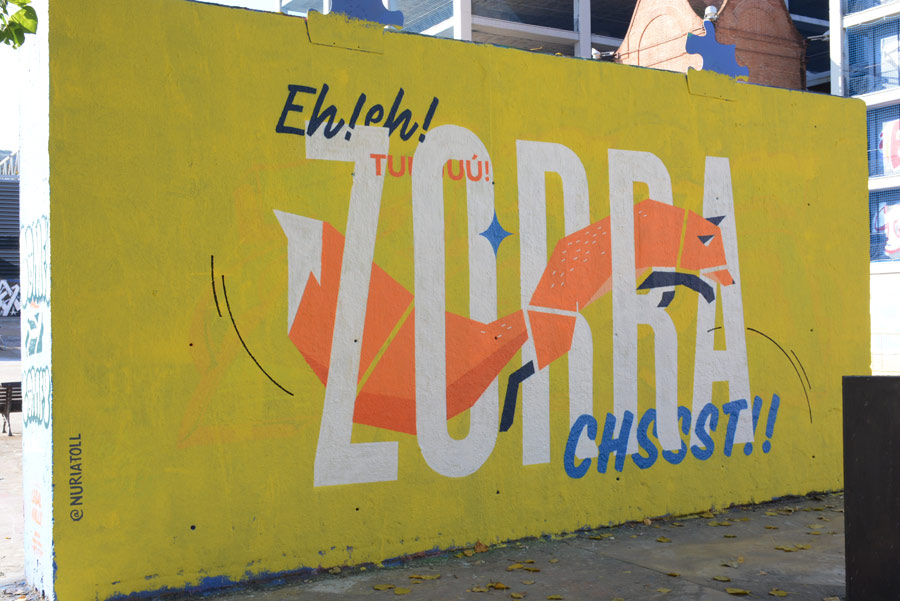
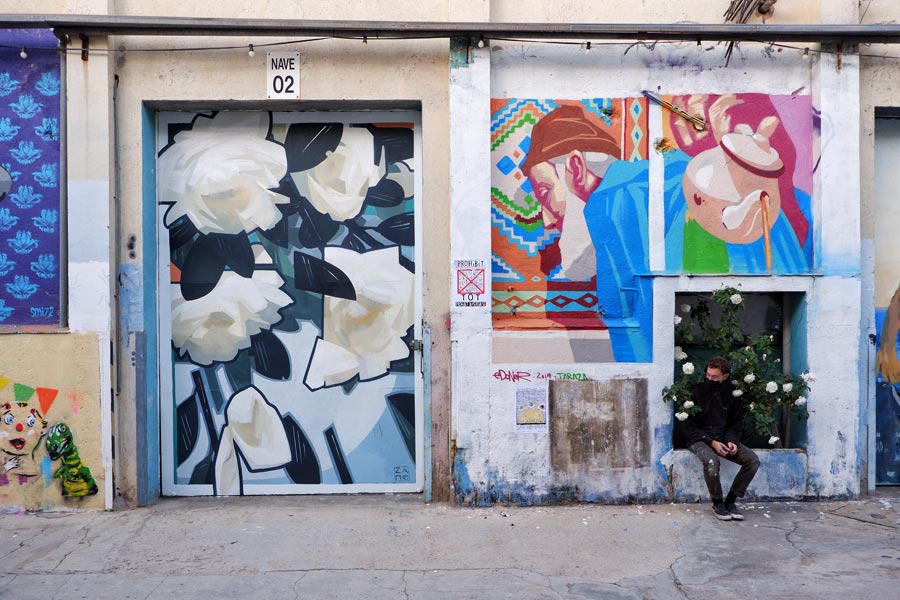
Nuria Farre Abejon. International Day for the Elimination of Violence against Women. Plaza de las 3 Xemeneies, Barcelona. November, 2020. (photo © Lluis Olive Bulbena)

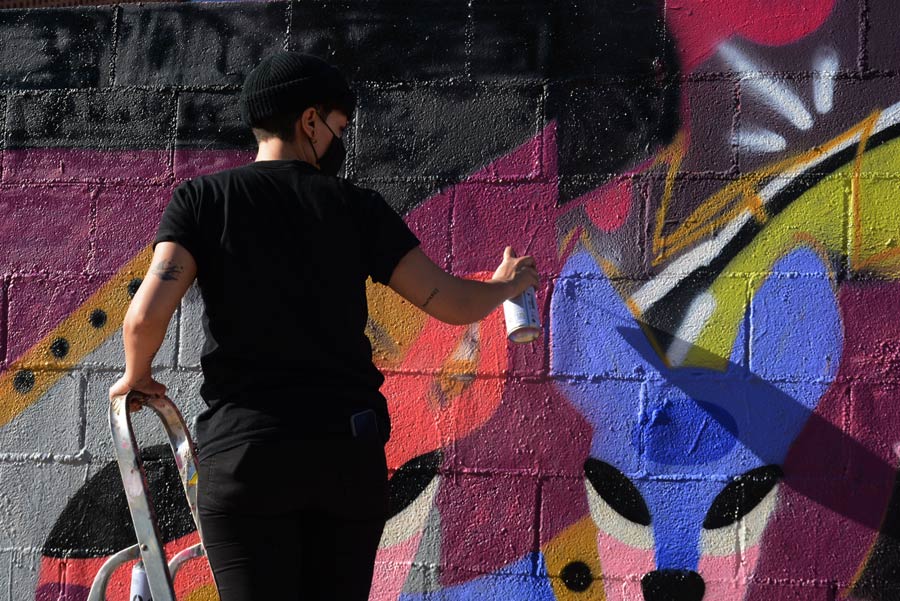
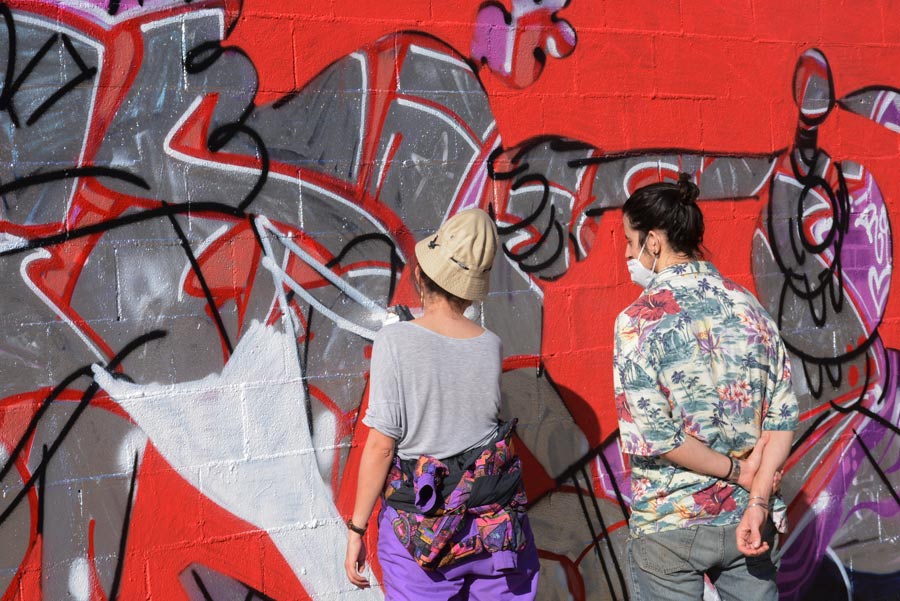
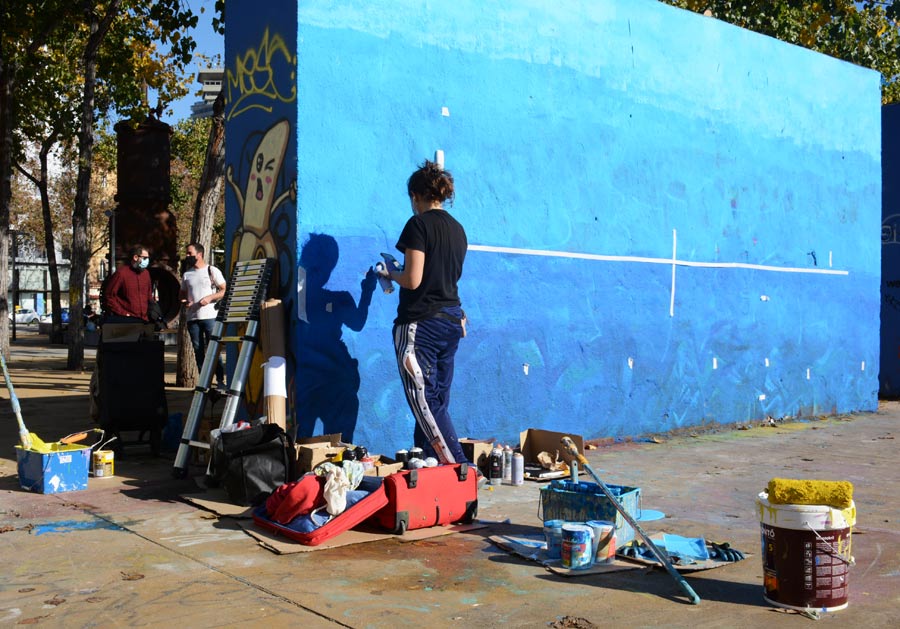
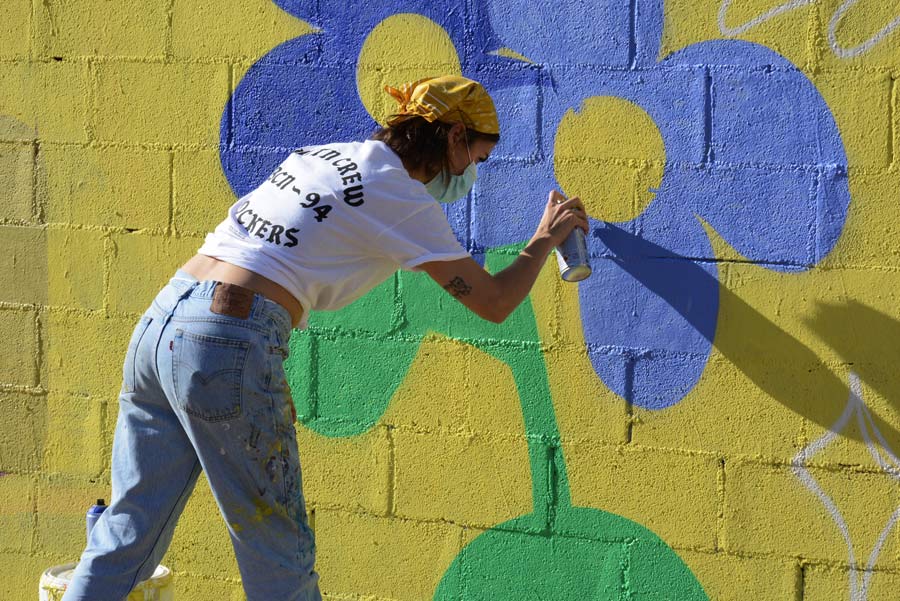
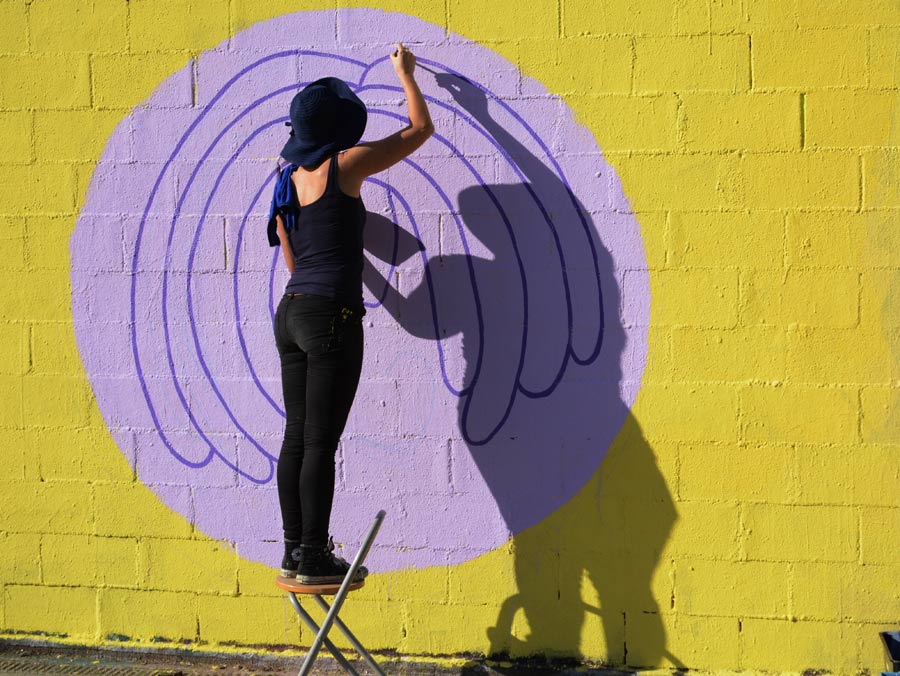
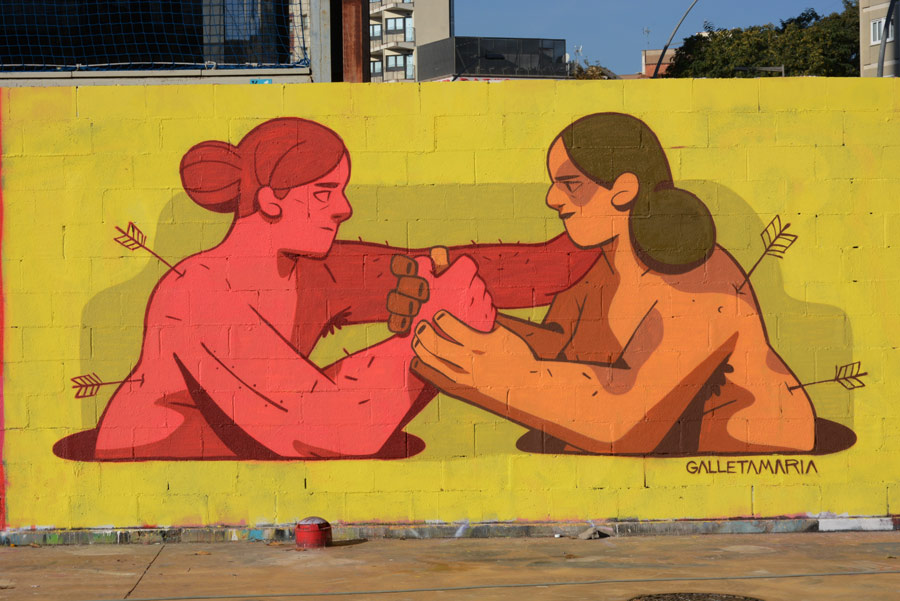
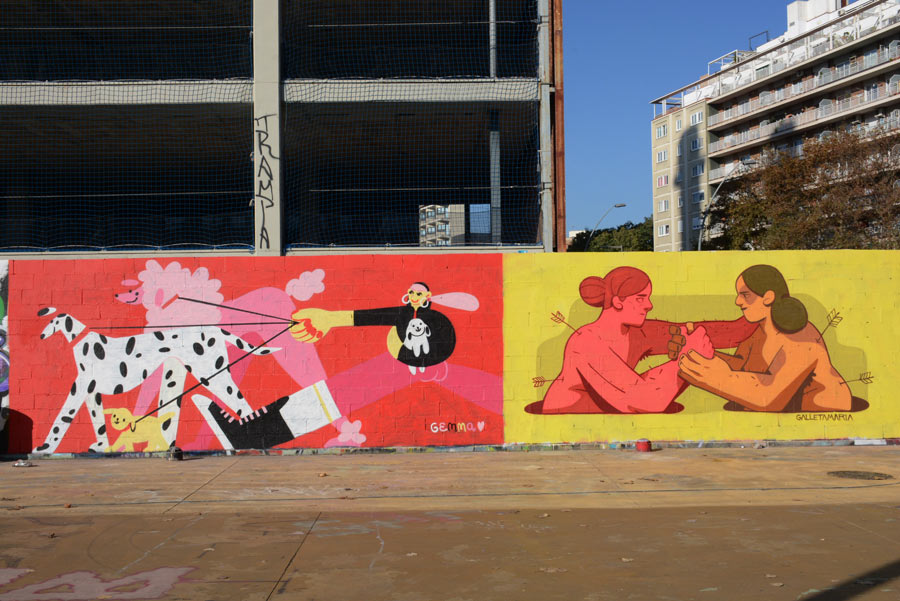
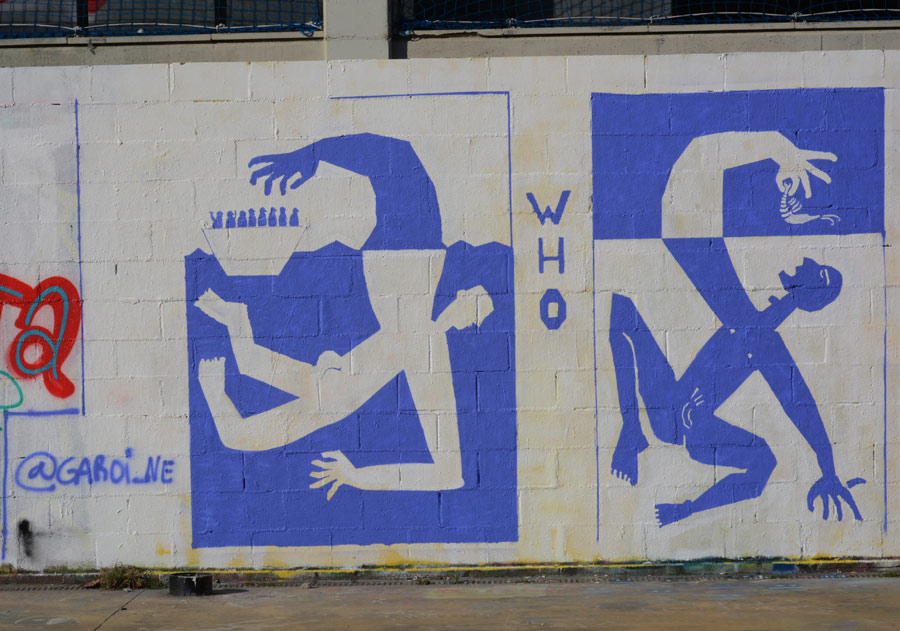
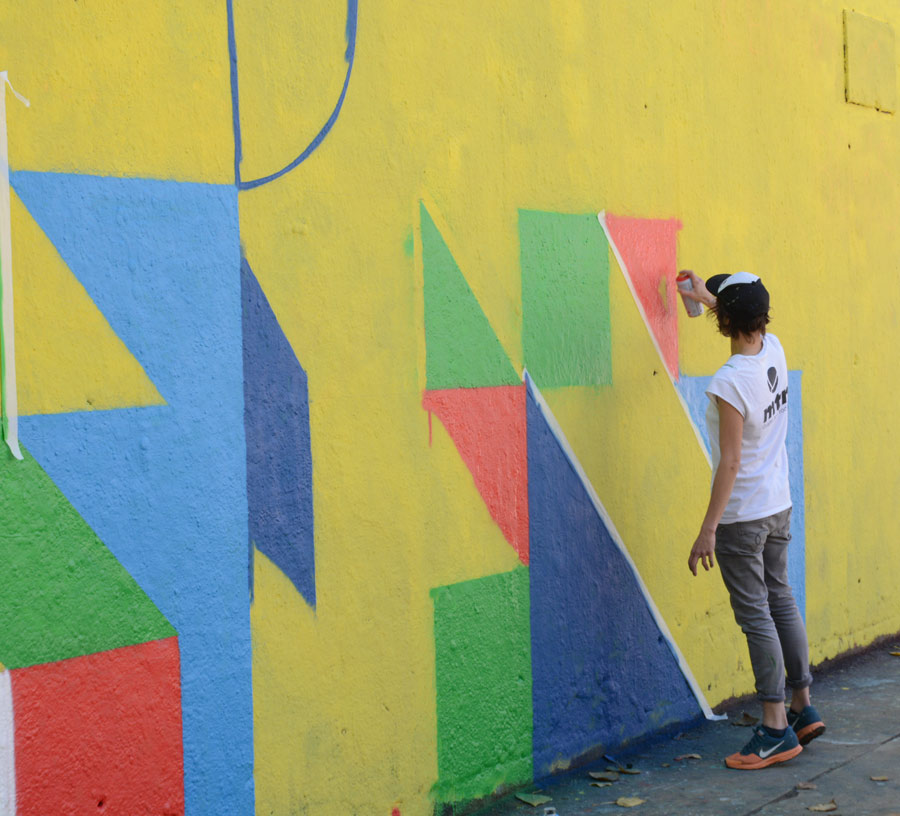
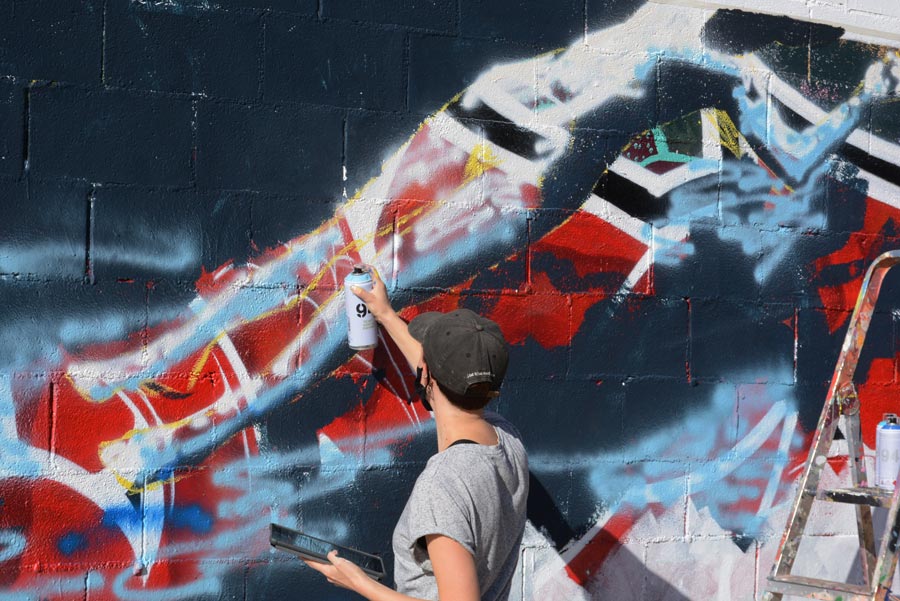
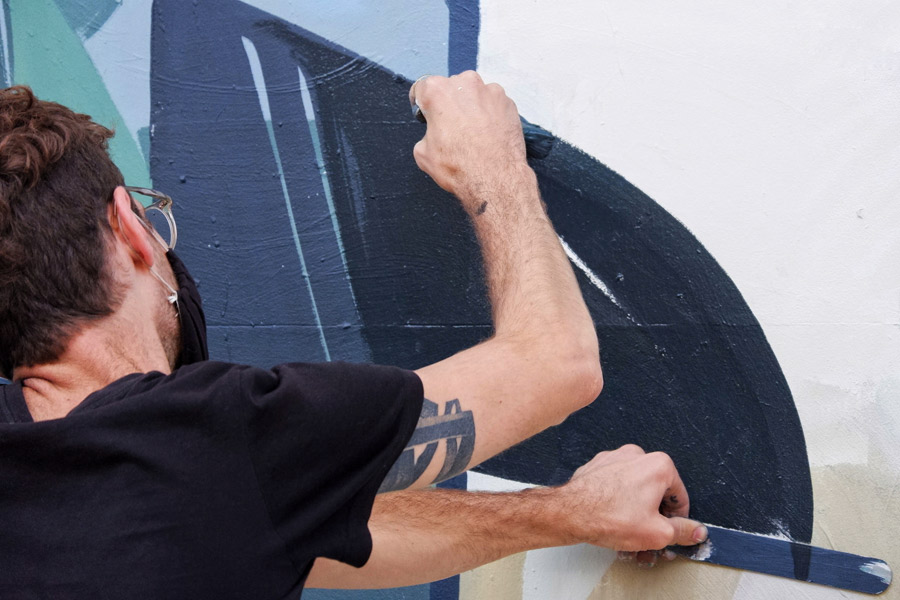
Photographer and BSA contributor Lluis Olive Bulbena sends a dispatch from Barcelona’s Plaza de las 3 Xemeneies where a group of 13 artists were selected from 30 submissions to paint a graffiti jam to highlight the International Day for the Elimination of Violence against Women. Organized by @Wallspot.
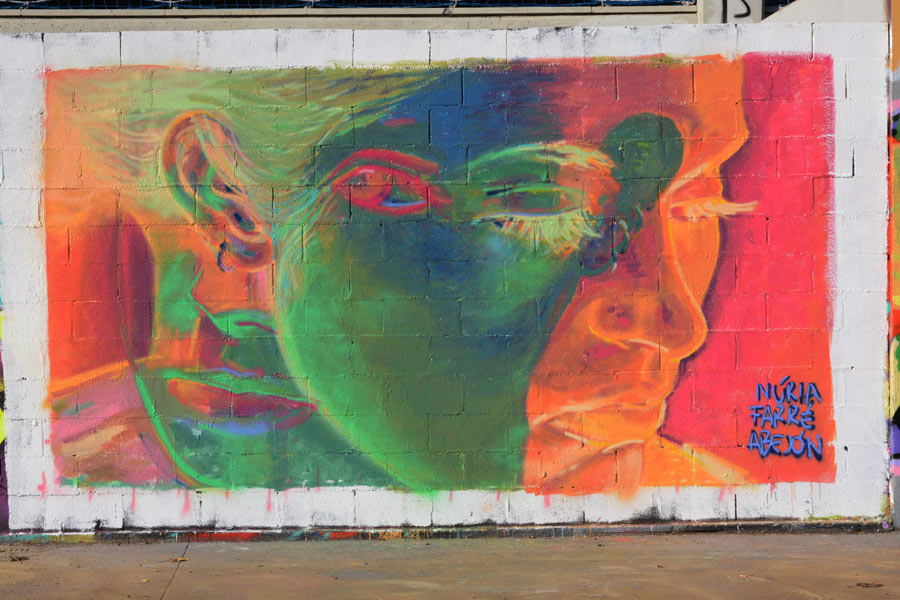
Nuria Farre Abejon. International Day for the Elimination of Violence against Women. Plaza de las 3 Xemeneies, Barcelona. November, 2020. (photo © Lluis Olive Bulbena)

From the Healthline website:

Mental health support

If you or someone you know is in crisis and considering suicide or self-harm, please seek support:

Resources for finding a therapist

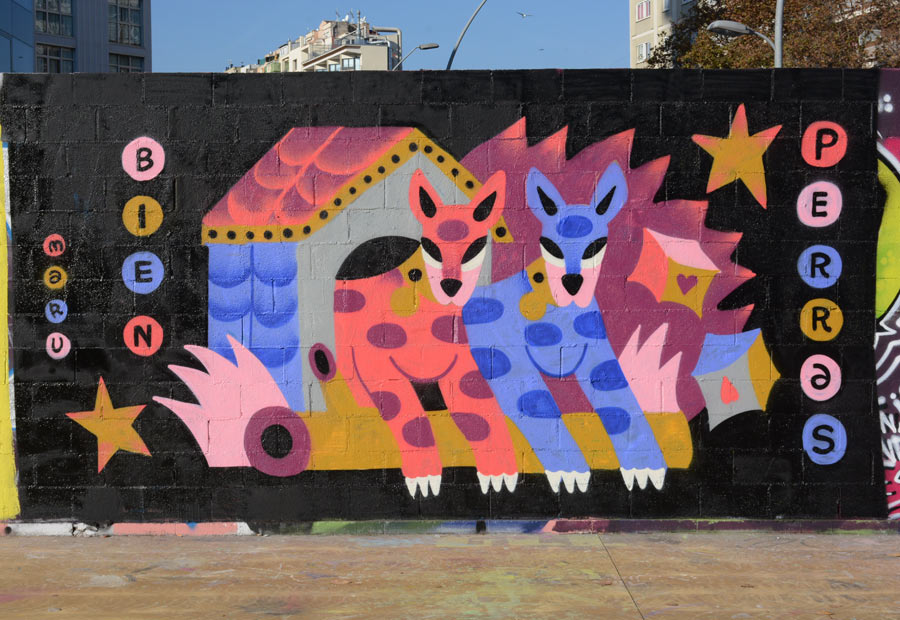
Maru Hrz. International Day for the Elimination of Violence against Women. Plaza de las 3 Xemeneies, Barcelona. November, 2020. (photo © Lluis Olive Bulbena)
Maru Hrz. International Day Against Women’s Violence. Plaza de las 3 Xemeneies, Barcelona. November, 2020. (photo © Lluis Olive Bulbena)

Where to go for help

Gemma Fontanals. International Day for the Elimination of Violence against Women. Plaza de las 3 Xemeneies, Barcelona. November, 2020. (photo © Lluis Olive Bulbena)

Recover from Financial Abuse

“Unfortunately, financial abuse occurs in 99% of all domestic abuse cases, and the effects can negatively impact survivors for years after they escape,” says Nina Humphry at Bankrate. Below is an article that focuses on “rebuilding finances after escaping an abusive relationship, providing tips on budgeting, building credit, and getting back into the workforce.”

Here’s the link to the guide:

https://www.bankrate.com/personal-finance/rebuild-finances-after-financial-abuse/
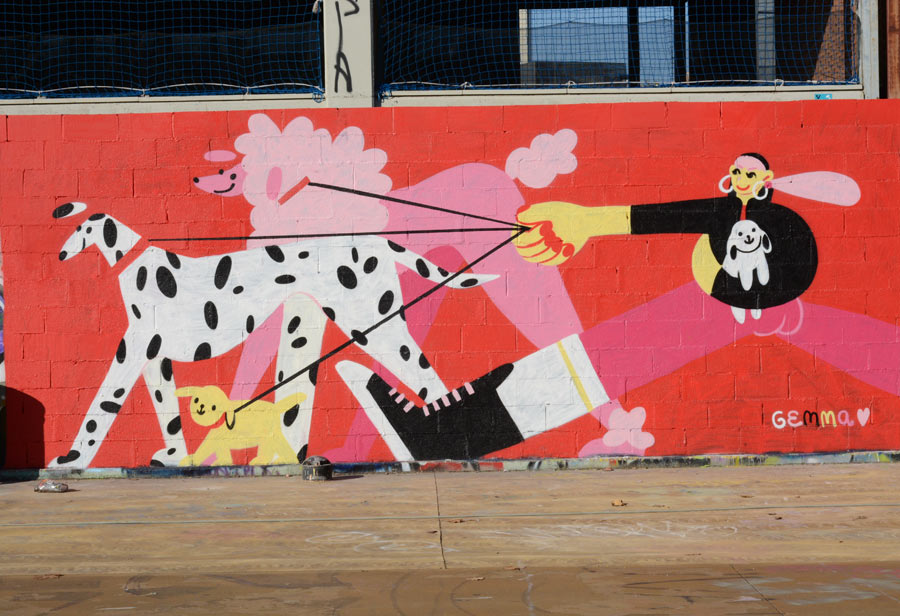
Gemma Fontanals. International Day for the Elimination of Violence against Women. Plaza de las 3 Xemeneies, Barcelona. November, 2020. (photo © Lluis Olive Bulbena)
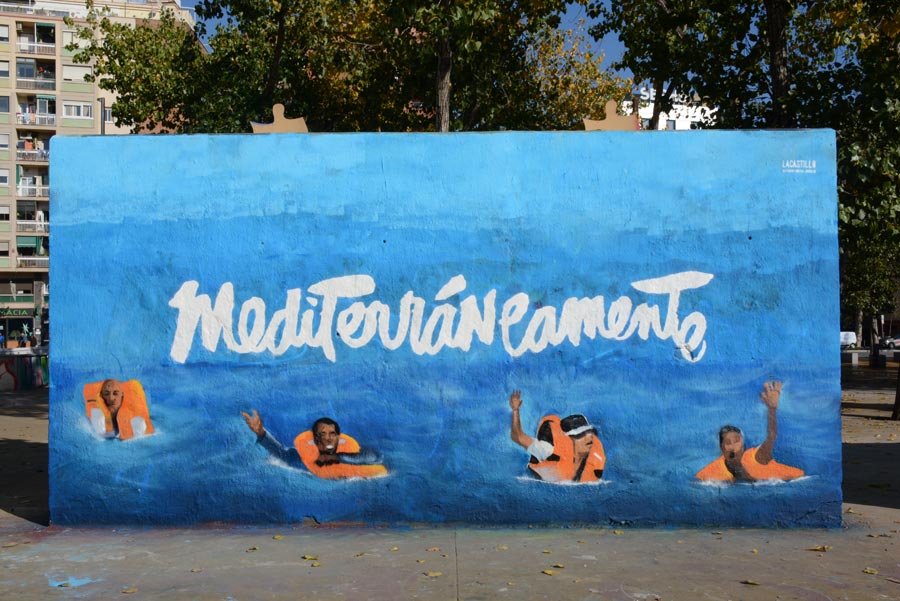
La Castillo. International Day for the Elimination of Violence against Women. Plaza de las 3 Xemeneies, Barcelona. November, 2020. (photo © Lluis Olive Bulbena)
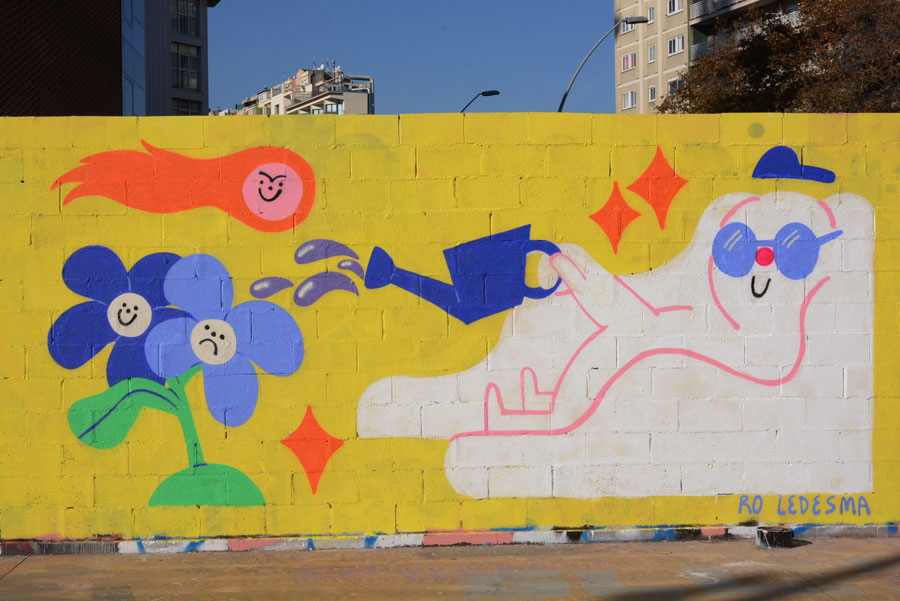
Ro Ledesma. International Day for the Elimination of Violence against Women. Plaza de las 3 Xemeneies, Barcelona. November, 2020. (photo © Lluis Olive Bulbena)
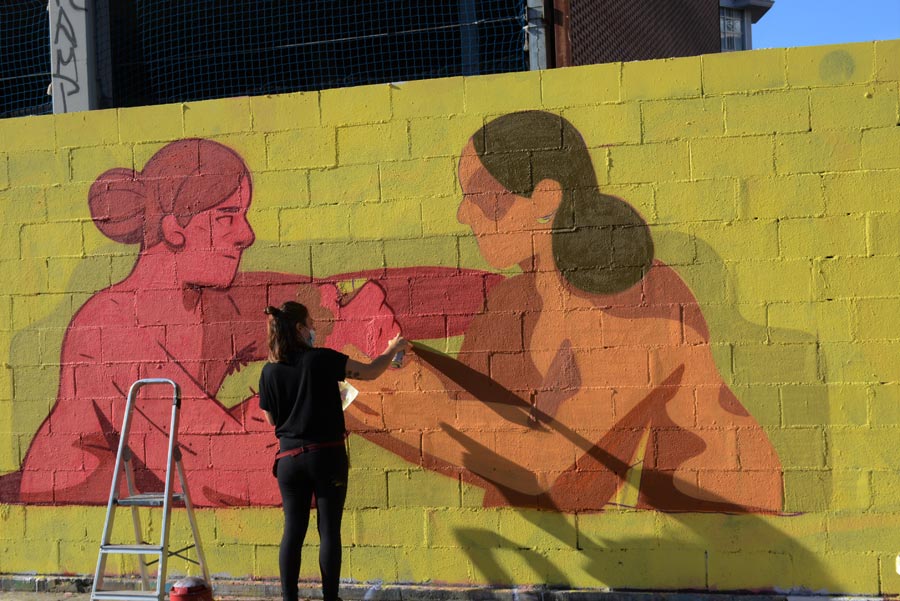
Marina Vallo. International Day for the Elimination of Violence against Women. Plaza de las 3 Xemeneies, Barcelona. November, 2020. (photo © Lluis Olive Bulbena)
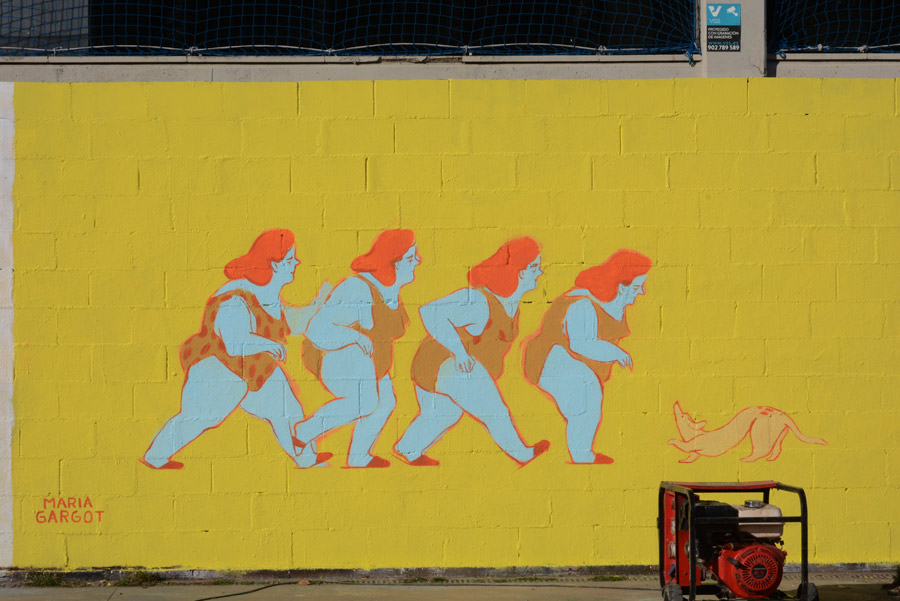
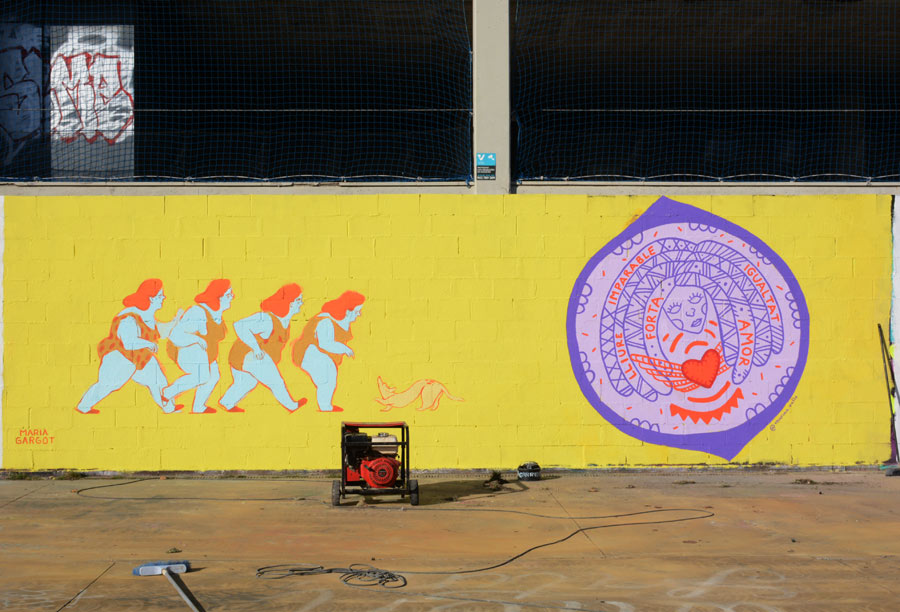
Maria Gargo. International Day for the Elimination of Violence against Women. Plaza de las 3 Xemeneies, Barcelona. November, 2020. (photo © Lluis Olive Bulbena)
Maria Gargo and Marina Vallo. International Day for the Elimination of Violence against Women. Plaza de las 3 Xemeneies, Barcelona. November, 2020. (photo © Lluis Olive Bulbena)
Galleta Maria. International Day for the Elimination of Violence against Women. Plaza de las 3 Xemeneies, Barcelona. November, 2020. (photo © Lluis Olive Bulbena)
Gemma Fontanals and Galleta Maria. International Day for the Elimination of Violence against Women. Plaza de las 3 Xemeneies, Barcelona. November, 2020. (photo © Lluis Olive Bulbena)
Garoine. International Day for the Elimination of Violence against Women. Plaza de las 3 Xemeneies, Barcelona. November, 2020. (photo © Lluis Olive Bulbena)
Ana Taratiel Ovni. International Day for the Elimination of Violence against Women. Plaza de las 3 Xemeneies, Barcelona. November, 2020. (photo © Lluis Olive Bulbena)
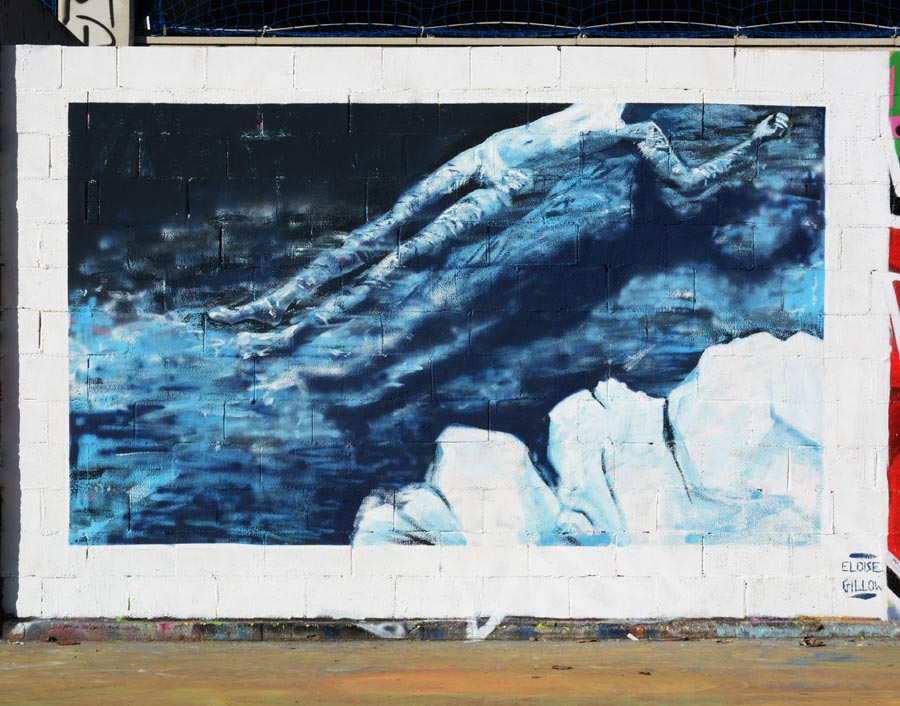
Elloise Gillow. International Day for the Elimination of Violence against Women. Plaza de las 3 Xemeneies, Barcelona. November, 2020. (photo © Lluis Olive Bulbena)
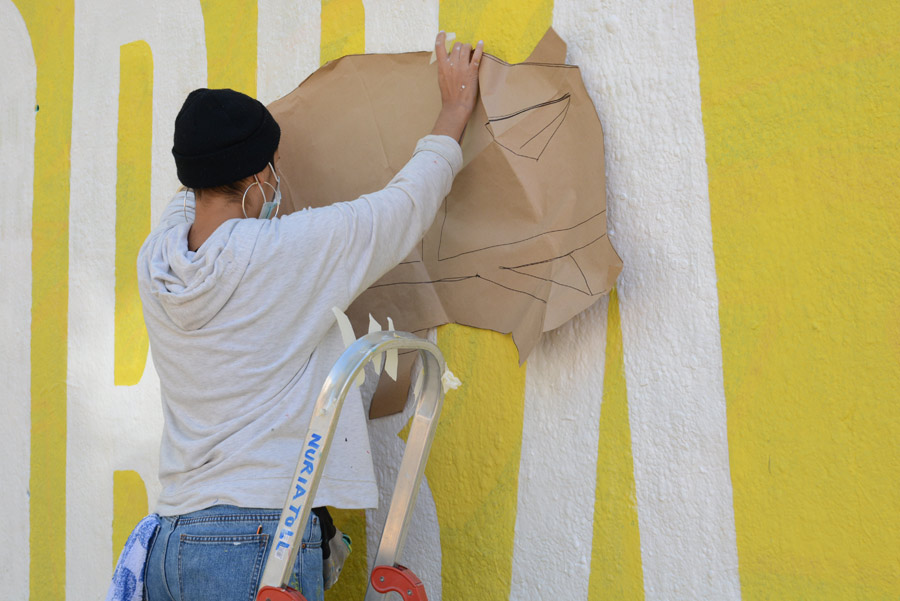
Nuria Toll.International Day for the Elimination of Violence against Women. Plaza de las 3 Xemeneies, Barcelona. November, 2020. (photo © Lluis Olive Bulbena)
Nuria Toll. International Day for the Elimination of Violence against Women. Plaza de las 3 Xemeneies, Barcelona. November, 2020. (photo © Lluis Olive Bulbena)
Read more
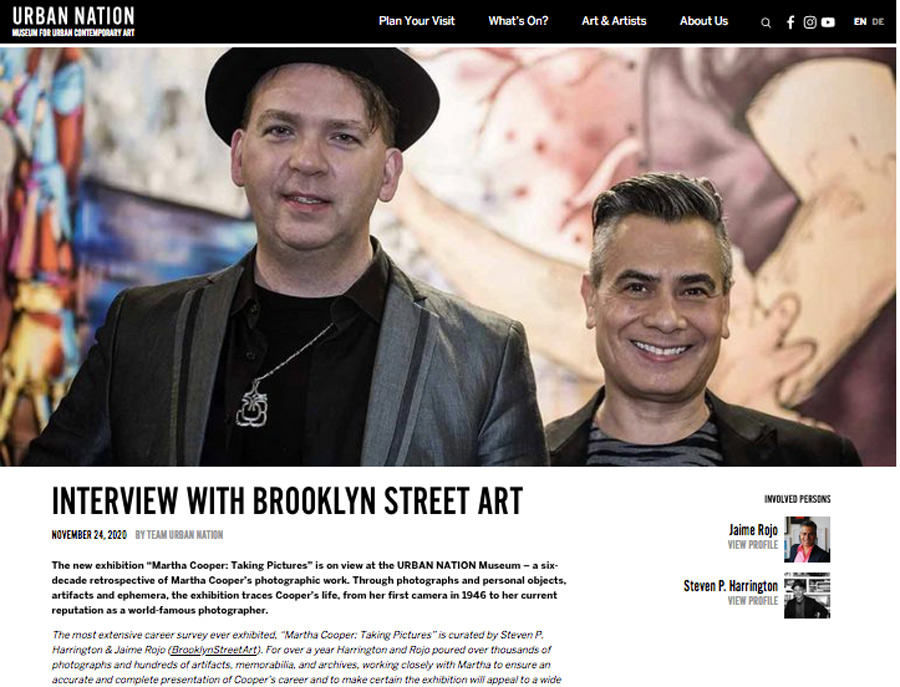
Interview with BSA By Urban Nation Museum (UN), Berlin

Interview with BSA By Urban Nation Museum (UN), Berlin

The new exhibition “Martha Cooper: Taking Pictures” is on view at the URBAN NATION Museum – a six-decade retrospective of Martha Cooper’s photographic work. Through photographs and personal objects, artifacts and ephemera, the exhibition traces Cooper’s life, from her first camera in 1946 to her current reputation as a world-famous photographer.

photo ©Nika Kramer)

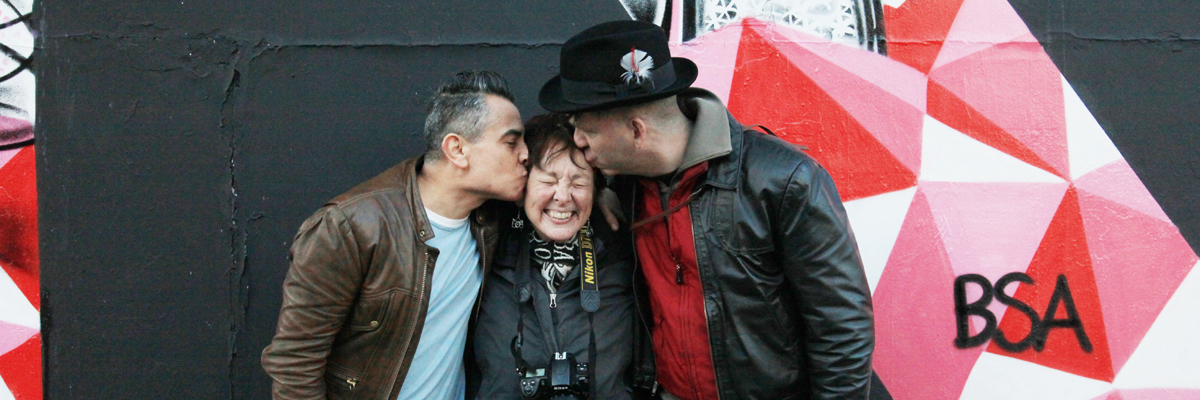
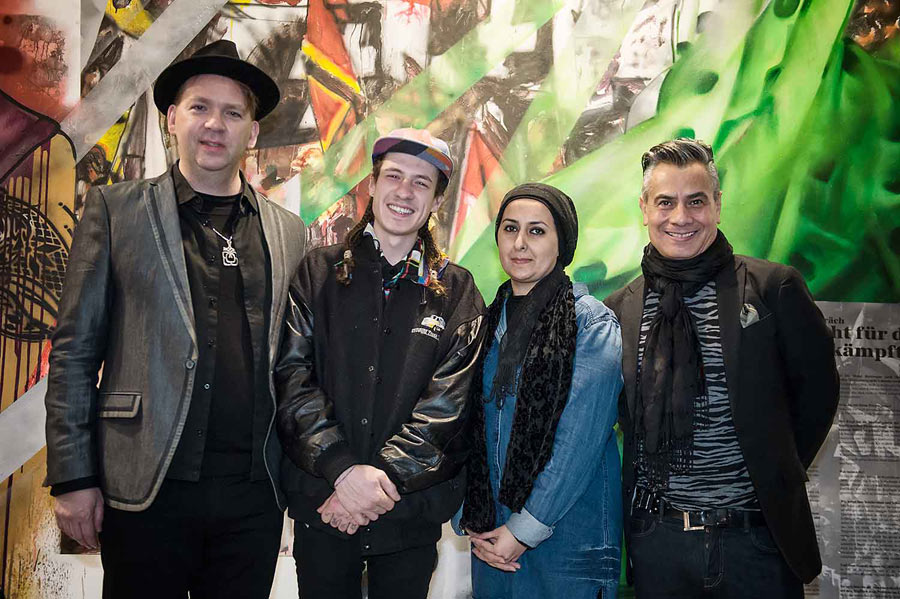
The most extensive career survey ever exhibited, “Martha Cooper: Taking Pictures” is curated by Steven P. Harrington & Jaime Rojo (BrooklynStreetArt). For over a year Harrington and Rojo poured over thousands of photographs and hundreds of artifacts, memorabilia, and archives, working closely with Martha to ensure an accurate and complete presentation of Cooper’s career and to make certain the exhibition will appeal to a wide audience as well as her ardent fans equally. In an interview the two acclaimed curators talk about the challenges of planning a new exhibition and their relationship with Martha Cooper, giving a rare insight into the work of a curator and providing an inside look at selected highlights of the exhibition.

PROJECT M/7 “PERSONS OF INTEREST,” A SHOW CURATED BY JAIME ROJO & STEVEN P. HARRINGTON OF BROOKLYN STREET ART AT URBAN NATION BERLIN, IN MARCH, 2015. Photo © Nika Kramer

Steve and Jaime, you have been working as curators, writers and bloggers for many years. Please take us back to the beginning of your careers. How did you meet and when did you decide to work together as a team?

We met in the 1980s when we both came to New York as university students and we have been actively involved in a wide range of projects in the arts separately and together for the last three decades. From “Low” to “High” art, we’ve always relied on the intelligence of the street-based subcultures to tell us the future, and we’ve each found that a fully immersive approach is the best way to understand everything from aesthetics to the humanities to music to movements in media and popular culture. We also discovered that as a team we are both determined to do it 100%.

In the late 1990s and early 2000s we became captivated by the new wave of art on the streets in neighborhoods like Williamsburg, Brooklyn, where a booming artist community was reimagining and remixing cultures in the wake of radical economic shifts that were forcing the young creative communities off the island of Manhattan. Primarily art school students of one kind or another, these artists were using the platform of the New York streets to bypass a rigid gallery system and other “gatekeepers”– and they were of course influenced by the collective legacy of graffiti, pop culture, decades of being drenched in advertising, and the dawning of the Internet age. Not content to simply imitate graffiti culture, they were reinterpreting, reinterpolating, when translating concepts, techniques and history learned in formal education.

In short, it was the dawn of street art as we knew it and we were lucky to be living as artists/curators at one physical epicenter of it. Our neighborhood and social and professional circles included loosely organized groups of artists and collectives who created art parties and mounted interactive events in empty factory lofts or on rooftops or in basement speakeasies; art shows, theatrical events, djs, projections, video, performance, fashion, new music and a new merging of technology. We too were throwing loft parties and staging art events and performances, sometimes for hundreds of people, and it all seemed perfectly normal that art was spilling out into the streets as well.

These were all influencing factors that led us to self-publish our first street art book in 2006 with Steve’s words and with Jaime’s photographs of works by artists in our neighborhood. It was called Williamsburg Street Art: Unrestricted and it featured artists like Swoon, Faile, Banksy, Bäst, Shepard Fairy, Dan Witz, and DAIN – all of whom went on to show with major galleries and some who have had huge exhibitions in museums worldwide with great commercial and critical success. When we secured a proper publishing arrangement for our second book Brooklyn Street Art (Penguin/Random House) we started a small website to support it in March of 2008 under the same name. That first month we had 54 hits on the site. Later we would pass 100,000 per month.

Click HERE to continue reading the interview at Urban Nation Museum For Urban Contemporary Art Berlin.

Read more
Dismantling Architecture and Industry with Greg Jager in Sicily for “Bitume”

Dismantling Architecture and Industry with Greg Jager in Sicily for “Bitume”

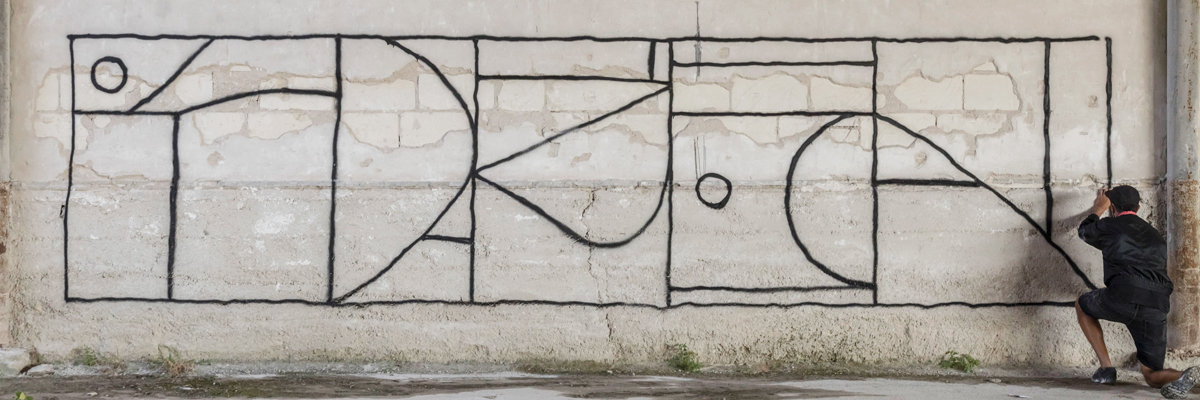
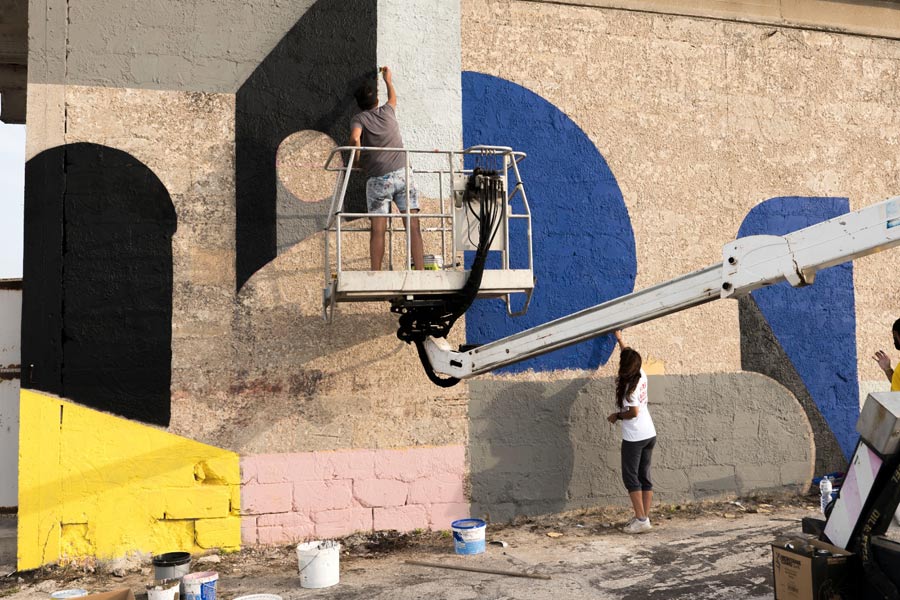
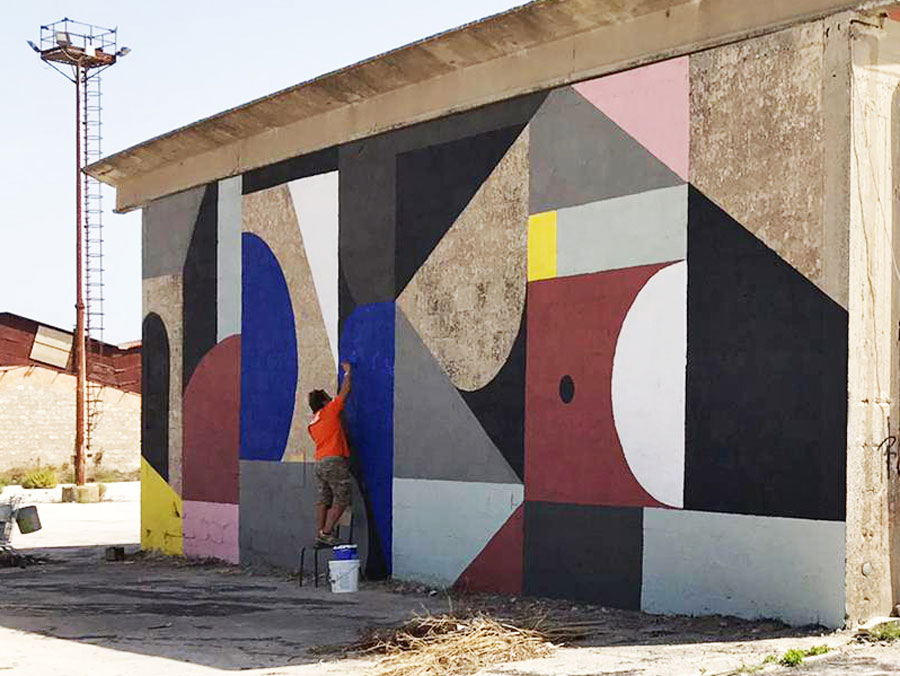
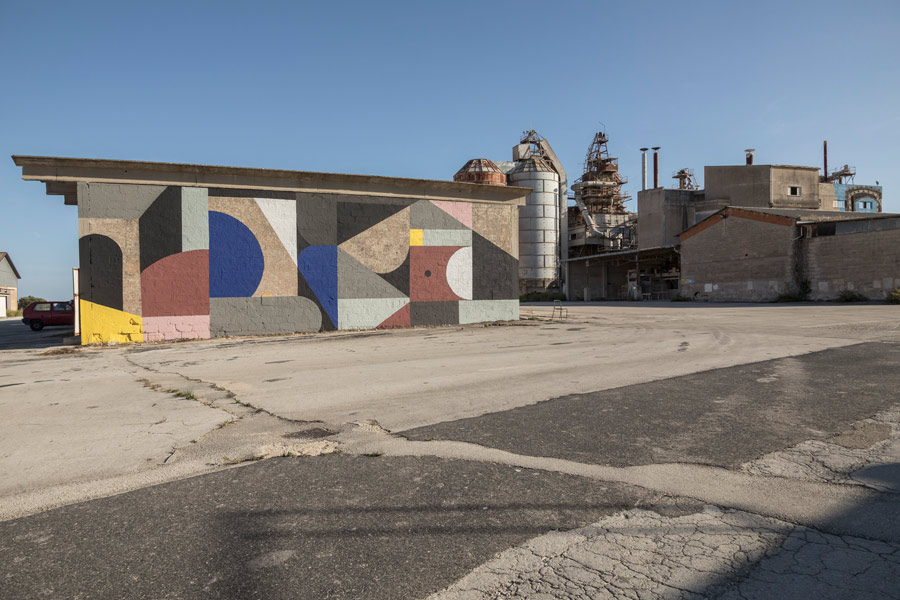
Rome-based artist Greg Jager is “dismantling” the forms of architecture in much the same way that modern graffiti writers have been “deconstructing” the letter form in the last decade. The results have great similarities, but a careful eye will detect the original source possibly.

Greg Jager. “Dismantle”. Bitume Festival. Ragusa, Italy. (photo courtesy of the artist)

For comparison you may take a look at Sweden/Brooklyn artist, muralist and graff writer Rubin415, who evolved his 90s graffiti style into one that interprets the architecture and skylines of New York. Other current practitioners whom we’ve published in the last few years include ONCE from Barcelona, Stohead from southern Germany, Moscovite graffiti artist/muralist Konstantin Danilov, aka ZMOGK and the Eindhoven, Netherlands-based Erosie.

Greg Jager. “Dismantle”. Bitume Festival. Ragusa, Italy. (photo courtesy of the artist)

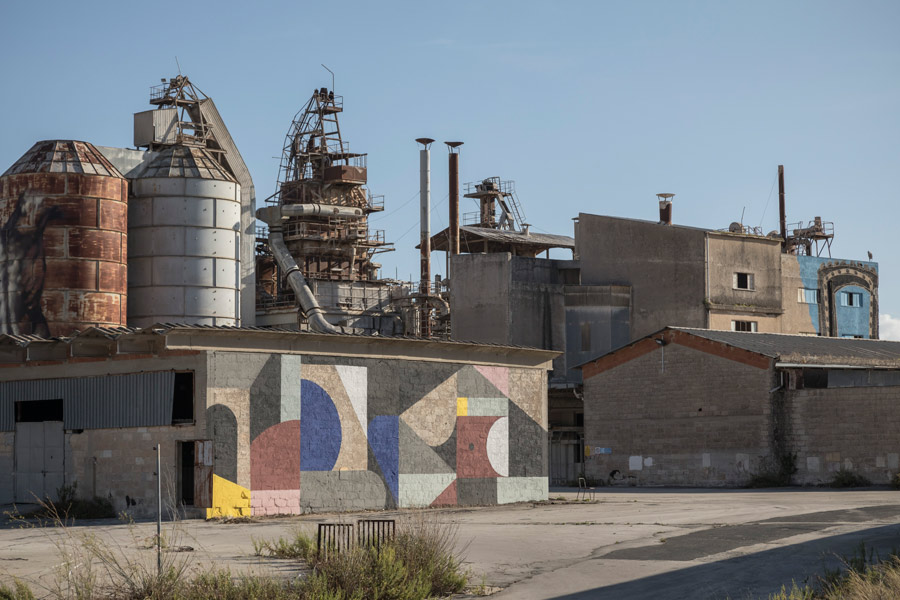
Here in Ragusa (Sicily) Greg Jager has selected a wall in the industrial ruins of the A. Ancione factory to reinterpret the shapes, colors, and juxtaposition of forms. Part of the Bitune public art festival that has crossed the city that with new public works in the last five years, Jager says that his new mural is his attempt at creating a “dialogue between architecture and anthropology” as this former asphalt industry is claimed by a developing artistic hub.

He calls his new work “Dismantle”.

Greg Jager. “Dismantle”. Bitume Festival. Ragusa, Italy. (photo courtesy of the artist)

“It’s not simply a name that I’ve chosen to underline the charm of decadence,” Jager says, “it represents for me an ethical approach to art: the idea of dismantling, deconstructing, stripping is present in all my practice and it’s with this spirit that I related to the majestic industrial archaeological site.”

As you look at these hulking forms and heavy materials, it is perhaps difficult to imagine how such technologies with presence, power, and footprint can be considered obsolete, no longer germane to modern industrial processes. Here we see construction waste, broken glass, bricks, iron pallets – all part of the residue of the past that we’ve built upon. Once considers as well that the processes of the past have an impact on our present: environmental, economic and political.

Greg Jager. “Dismantle”. Bitume Festival. Ragusa, Italy. (photo courtesy of the artist)

In my artistic research there are traces of anthropization,” says the artist. “Urban landscapes, large architectural structures, bridges, quarries, – all represent alterations of the natural balance that have led man to face enormous catastrophes.”

Greg Jager. “Dismantle”. Bitume Festival. Ragusa, Italy. (photo courtesy of the artist)

www.bitumeplatform.it | www.festiwall.it

Read more
Sandra Chevrier and “Cages”

Sandra Chevrier and “Cages”

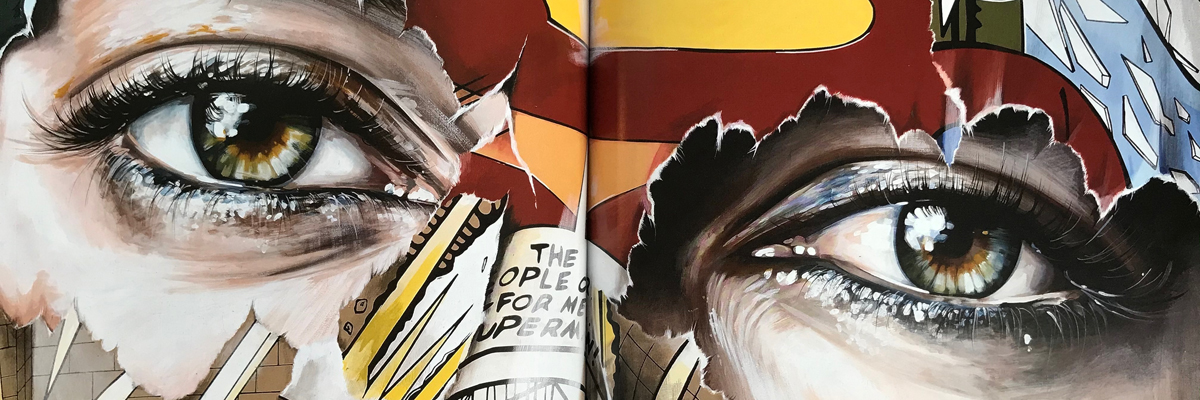
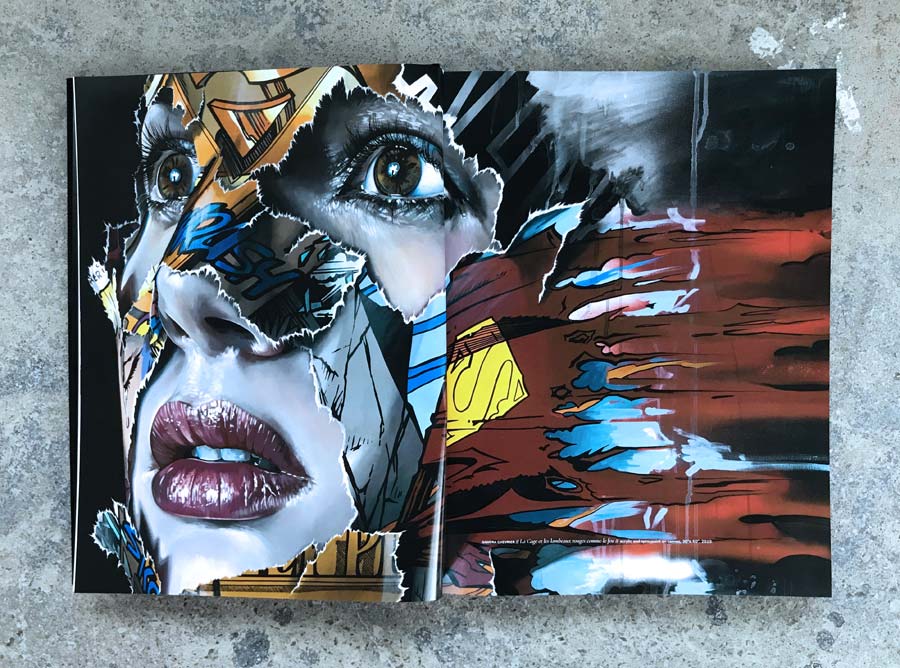
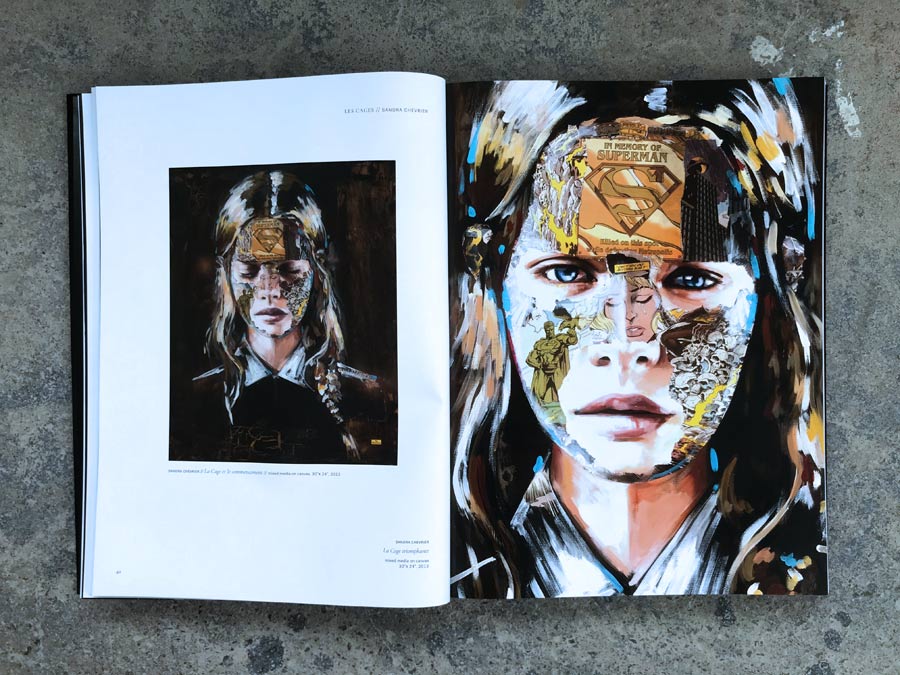
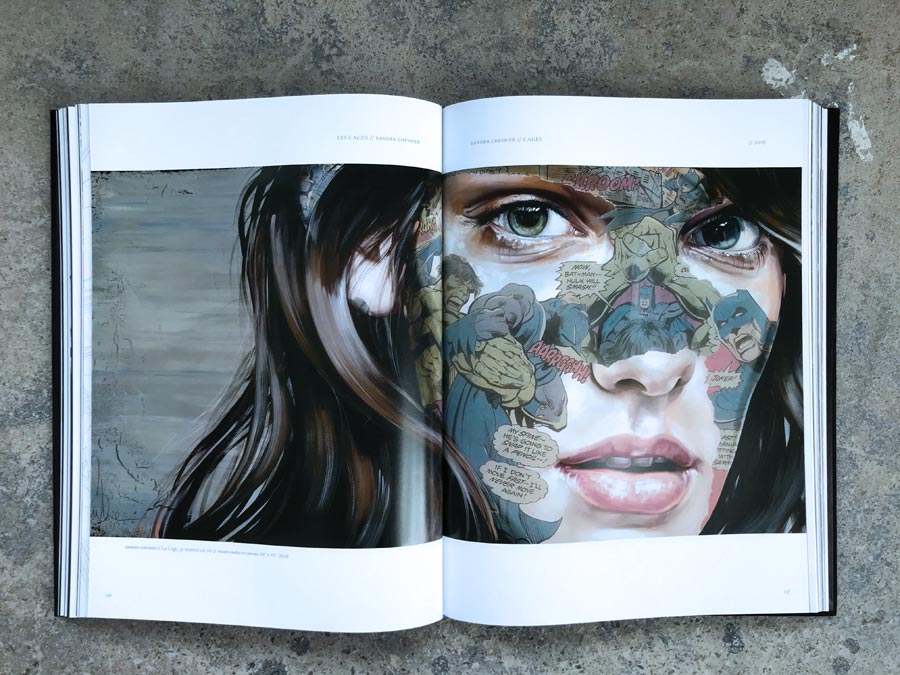
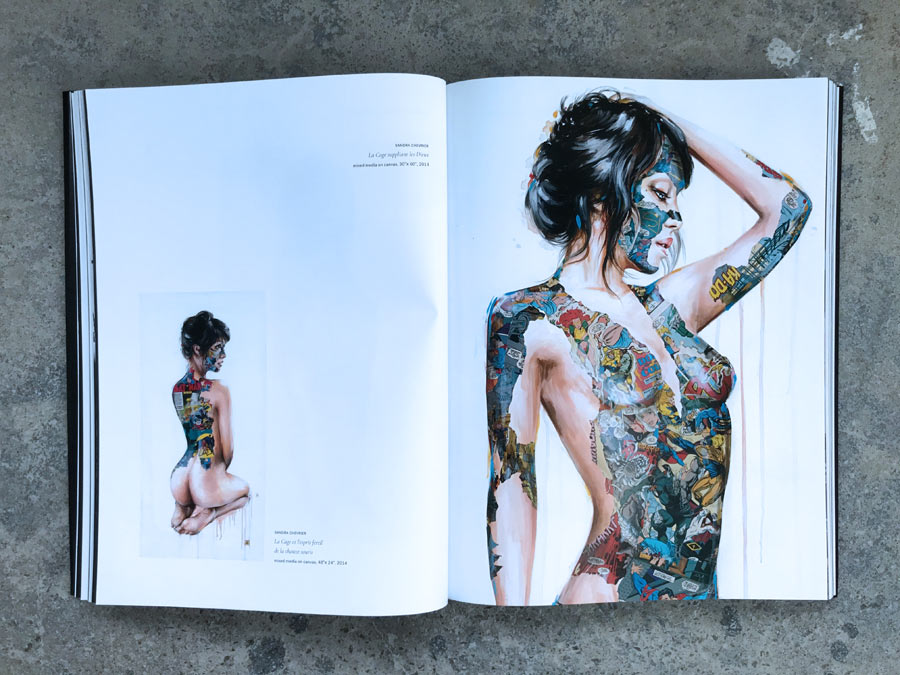
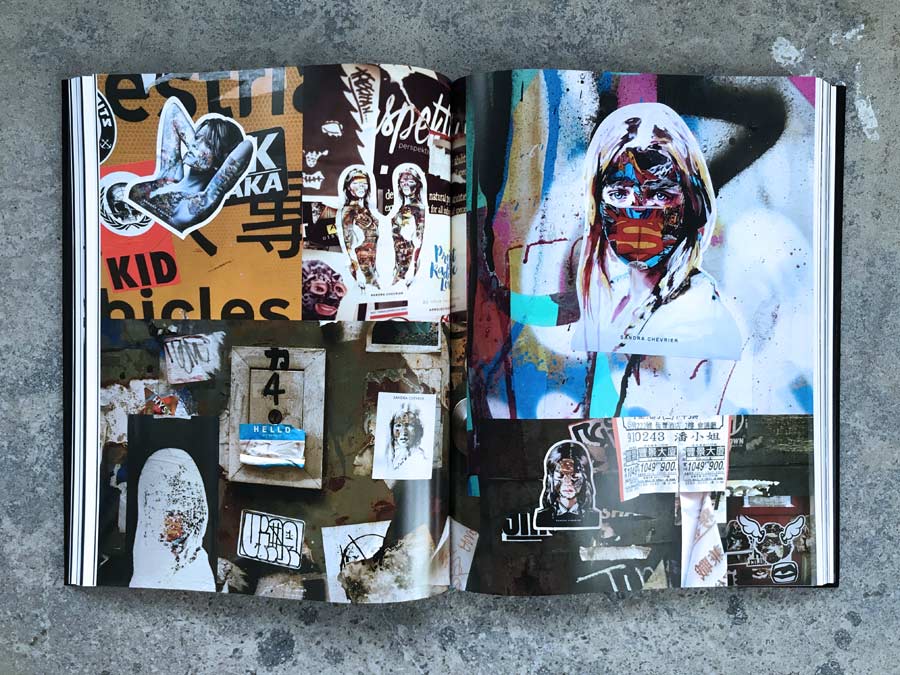
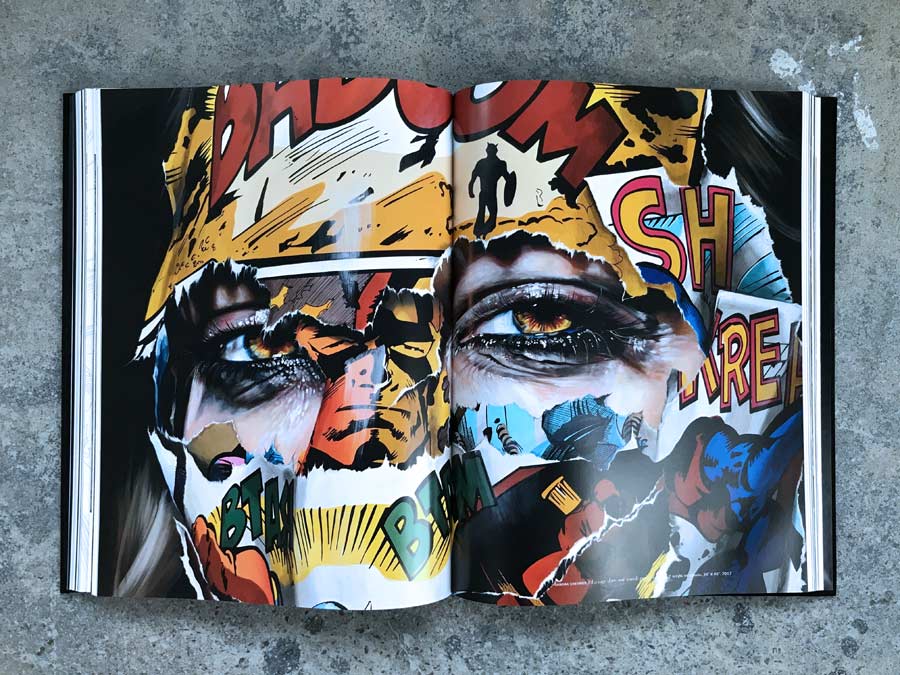
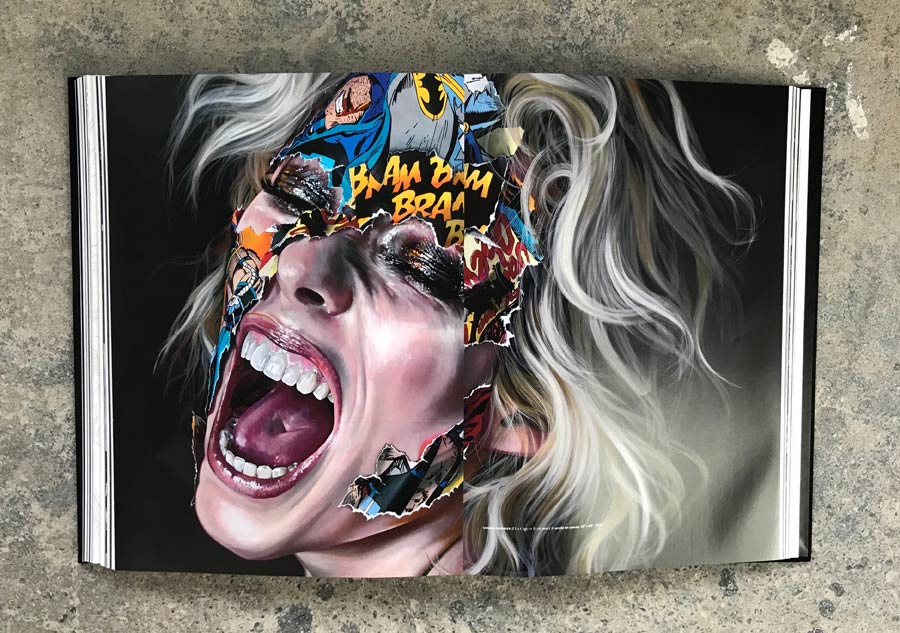
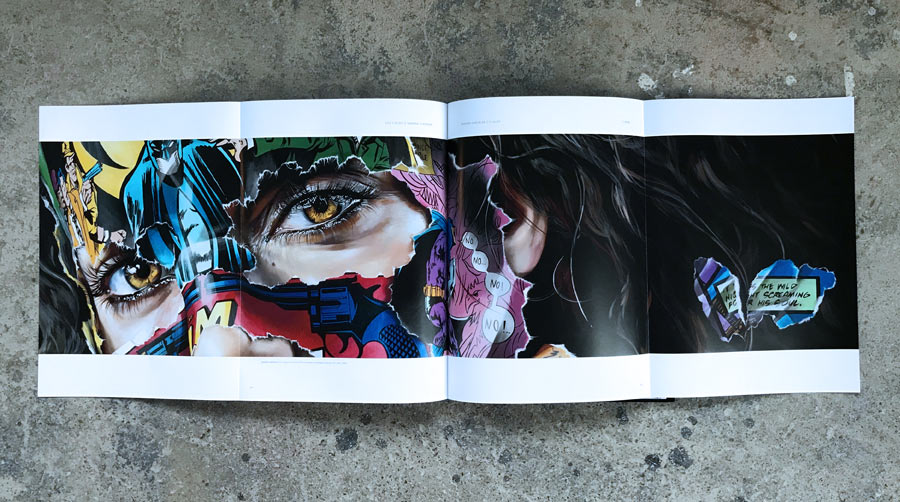
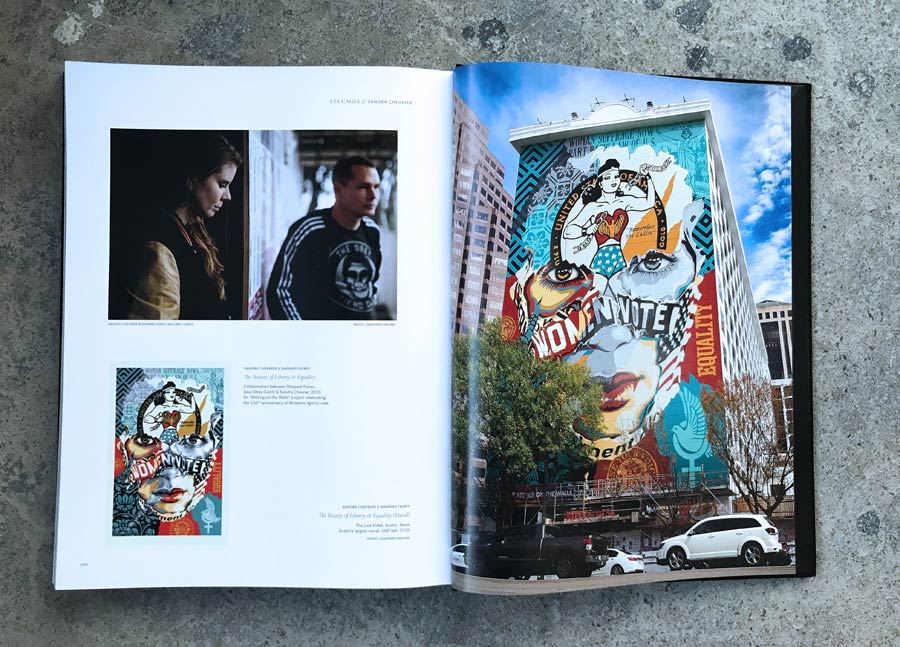
With precision and guile Sandra Chevrier has painted a female world that is sophisticated, unreachable and appealing, whether painted on canvas, street mural, or stuck to a wall in the margins of a city. The characters who are punching and pouncing and swooning across her faces are reflective of her own hearts’ adventures, seamlessly rolling and intermingling with those epic storylines and dust-ups with superheroes and villains of yesterday.

Perhaps it is because of this sense of inexactly placed nostalgia, in “Cages” we are aware of the ties that bind us, the roles that we hold – whether chosen or imposed – and we’re rooting for these Chevrierotic women to win – as they scream and cry and swing for the rafters, looking for the way out.

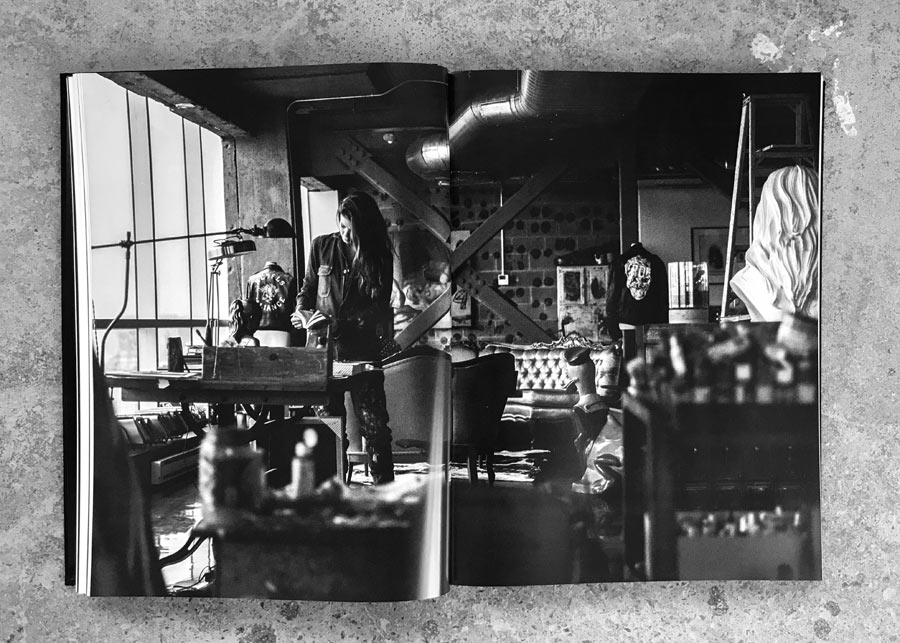
“A dance between triumph and defeat, freedom and captivity, the poison and the cure,” stands the ambivalent quote on the page facing her black and white photo by Jeremy Dionn.

A closeup of her face, her hand horizontally obscures the lower half, her index finger raised to allow Sandra to see, to study and assess. Without question this artists’ work is more than autobiographical – these expressions offer a stunned sense of mystery, an understanding at the precipice, an adventure ready to occur.

Arranged chronologically over the last decade you can witness in her works ample evidence of her refinement of technique and reverence as an artist and as an individual; struggling between revealing and hiding, adding human dimension or remaining an object. Selected swatches of superheroes form collage masks across a steady parade of beautiful female faces and forms, their drama stirred and everpresent, lying in wait until confidence takes root.

Gorgeously designed and laid out; alternating between large matt-finished plate portraits and small sketch paper inserts, the book conveys warmth and clarity even as her superheroes remain mysterious. These cages, however they present themselves, are glossy and refined. Are they empowered, or are they objectified? The lines are blurred. Her femmes are imbued as more than just the fatale who lures one into a dangerous or compromising situation, but these figures may also revel in mystery itself, just beyond your arms reach.

Inquisitive, strong, and full of imagination, Chevrier may surprise everyone when these figures eventually take off their masks. Until then, the enchanting mysteries continue.

Sandra Chevrier: Cages. Published by Paragon Books and designed in San Francisco, CA. by Shaun Roberts. August 2020.

Read more
BSA Images Of The Week: 11.29.20

BSA Images Of The Week: 11.29.20

Welcome to BSA Images of the Week.

Hope you had a good Thanksgiving, although it is hard to imagine anyone feeling like it was great, considering that we now have long food lines around the city on a daily basis as more and more people are going hungry.

In our own Brooklyn neighborhood during a Thanksgiving stroll we witnessed people cueing up to get into a local overpriced restaurant while one block later we saw 4 people – two middle aged women and two teenagers – opening garbage bags on the sidewalk and looking for 5 cent returnable bottles.

Remind us please: Is this a Republican failure, or a Democratic failure? The wealth gap has continued to grow no matter who was in office for the last few decades. We are better than this.

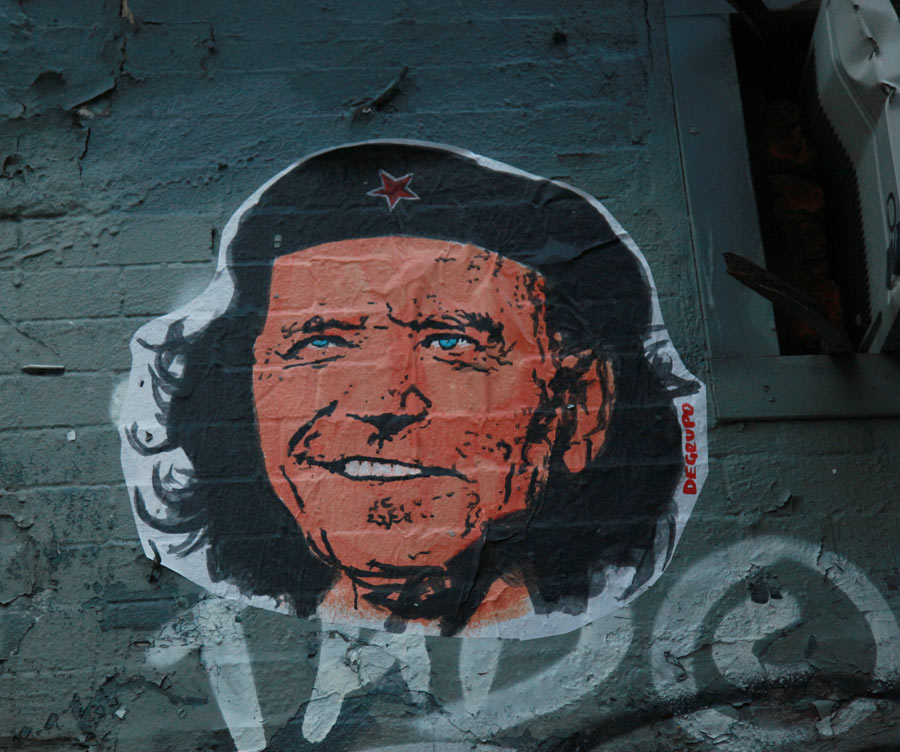
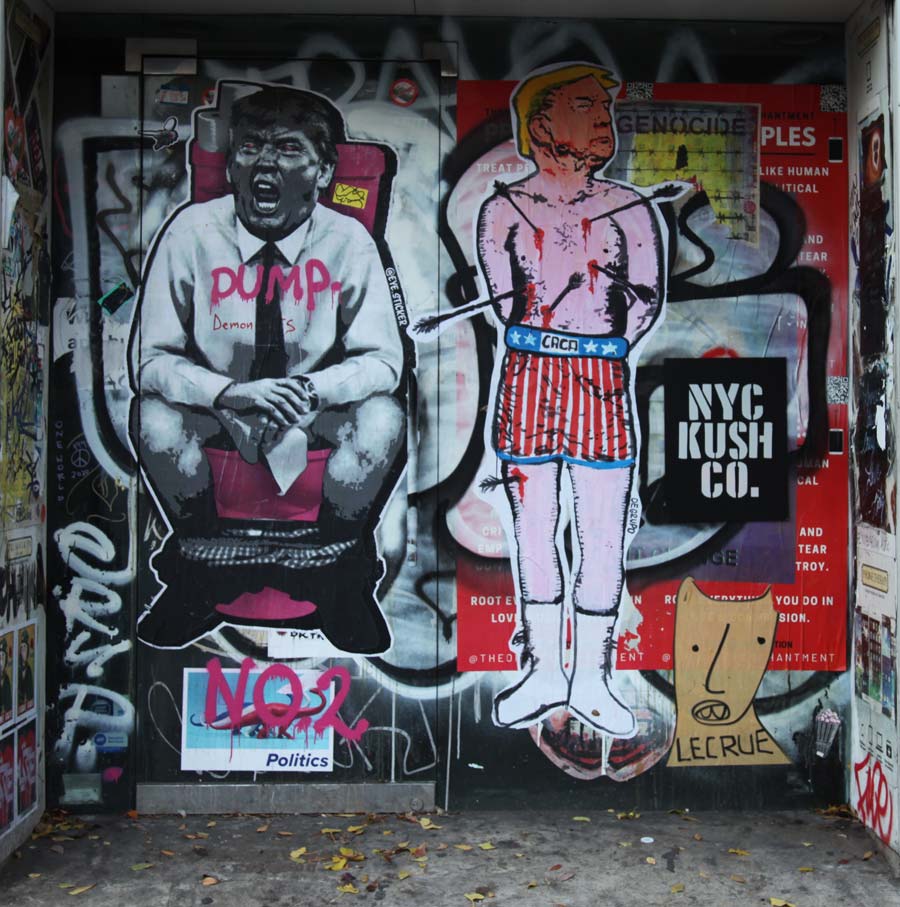
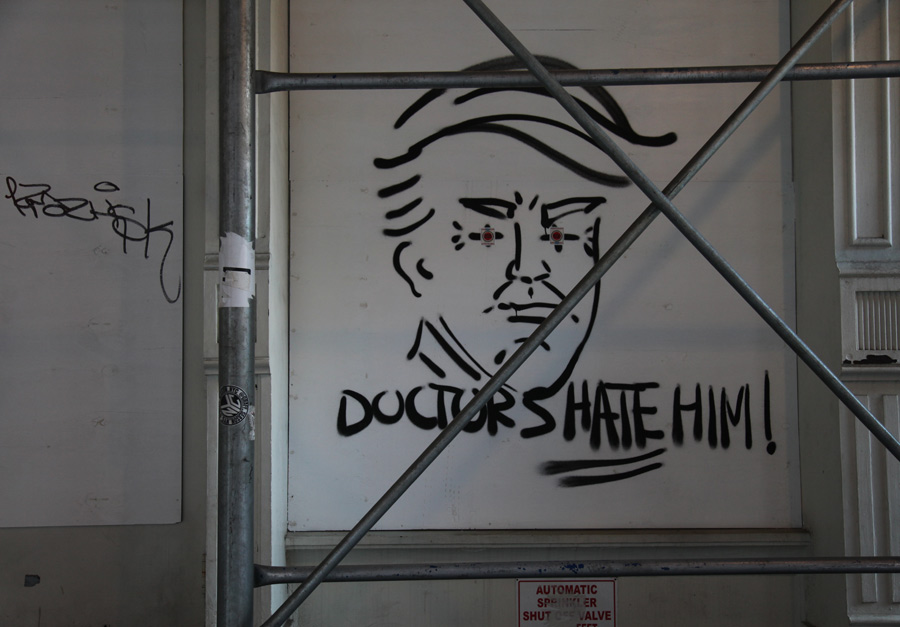
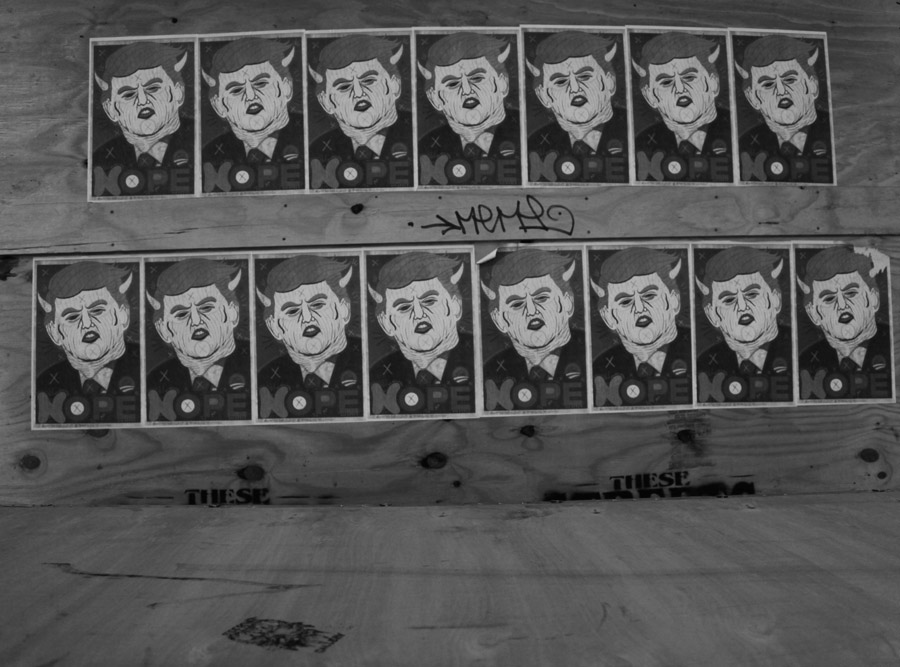
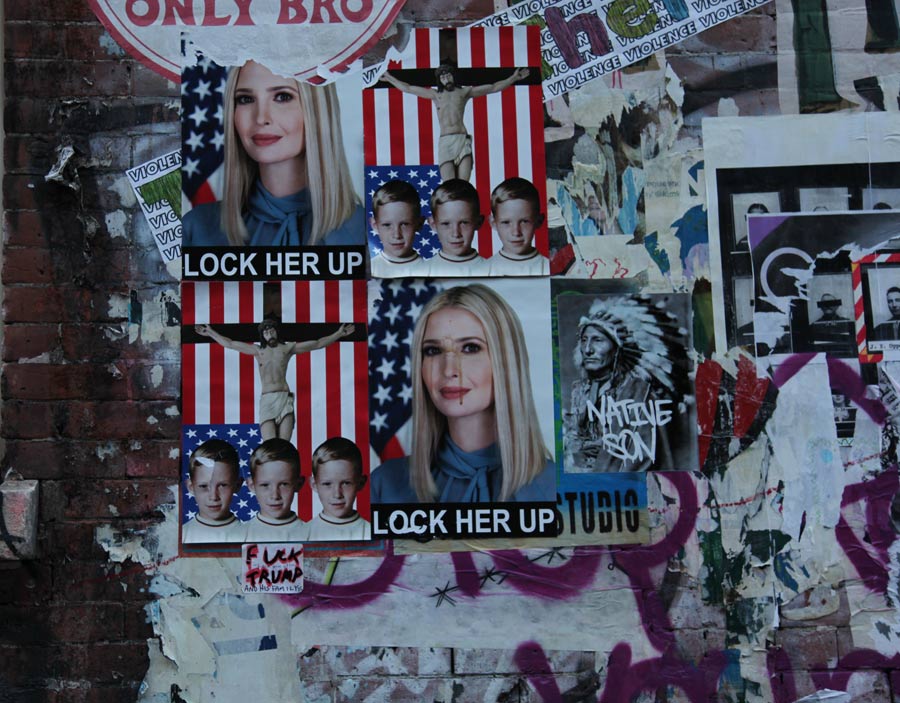
Looks like Trump has finally accepted that he lost and is now turning his attention to who he will pardon. Regarding his hometown New York City, Trump will probably come back like a rash, fielding lawsuits and bragging about one thing or another. Other recent articles are turning attention to his various brood and surmising things like “Ivanka Probably Isn’t Welcome Back in New York City.”

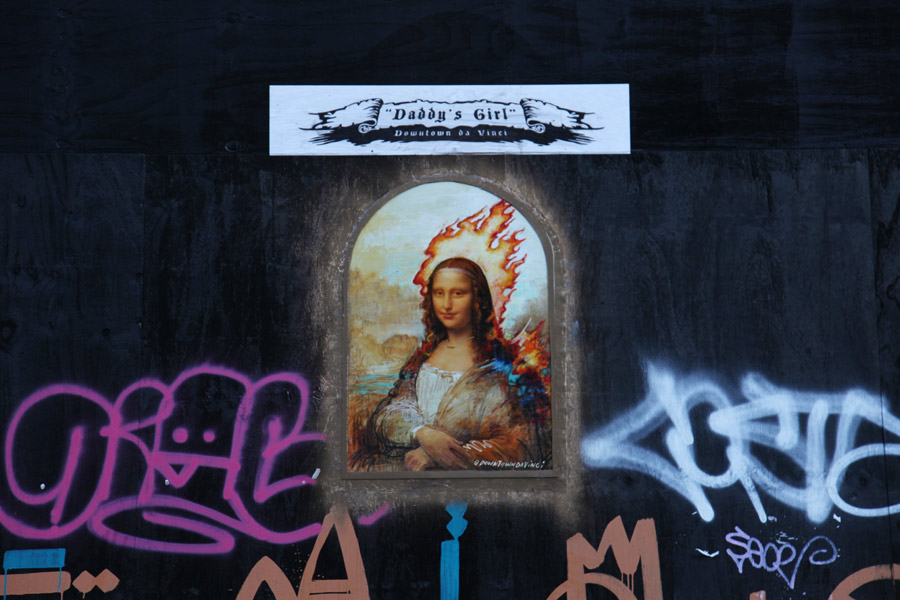
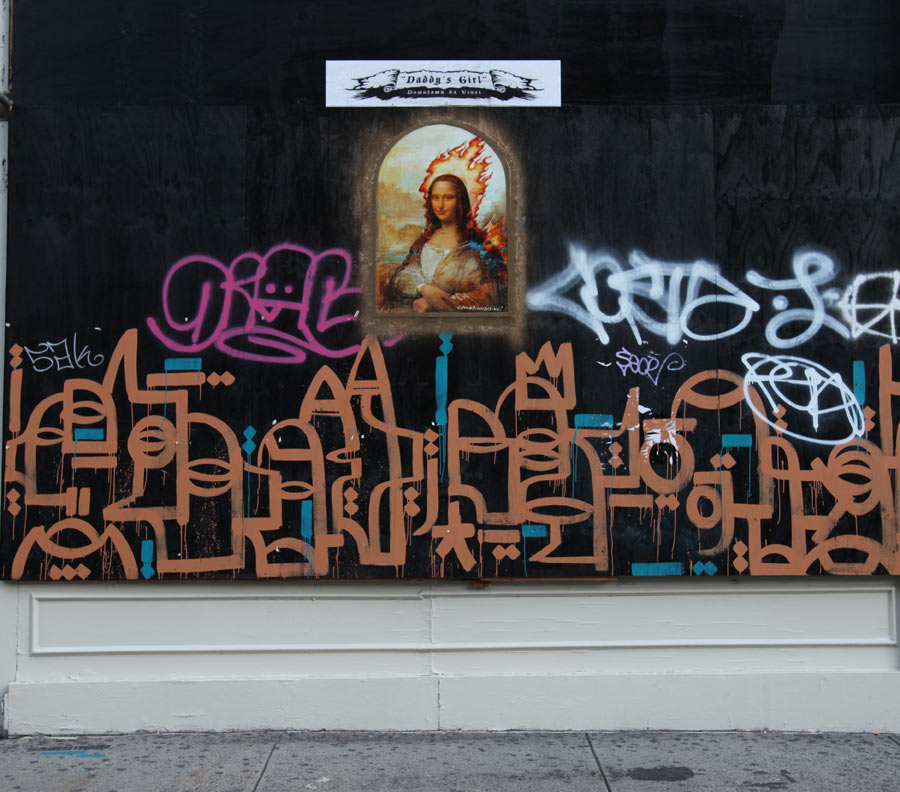
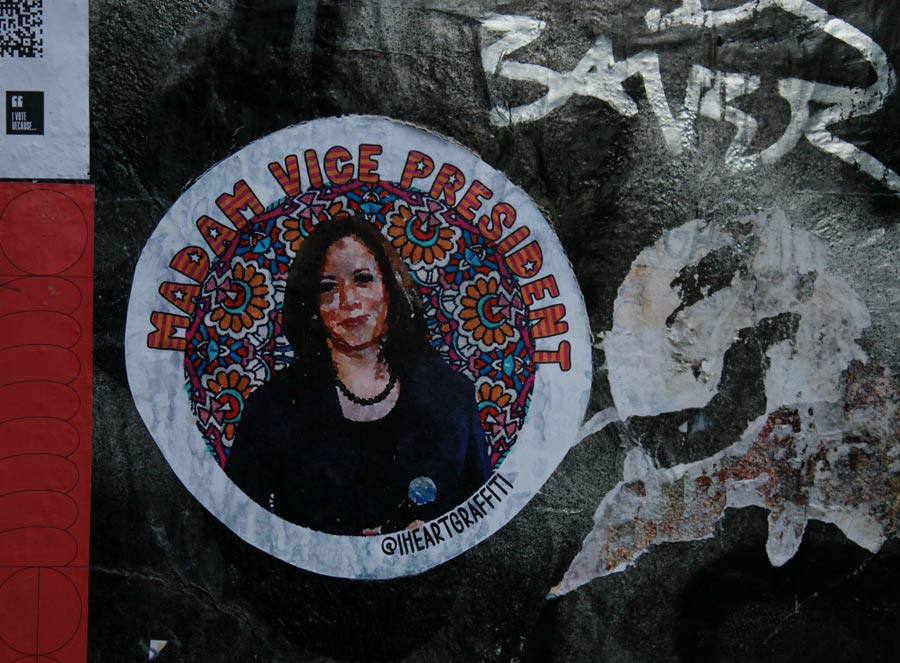
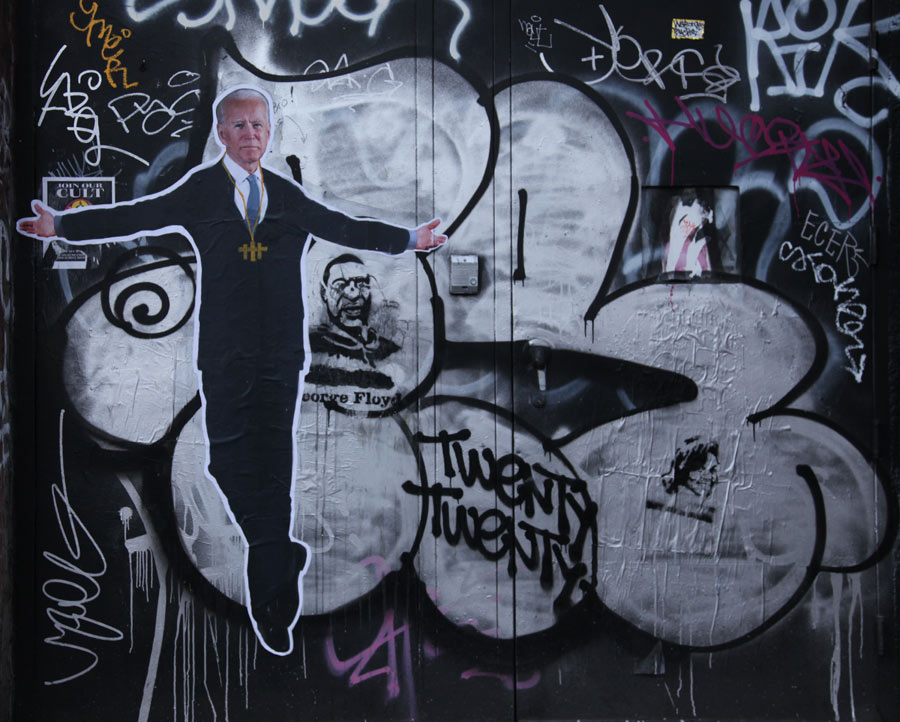
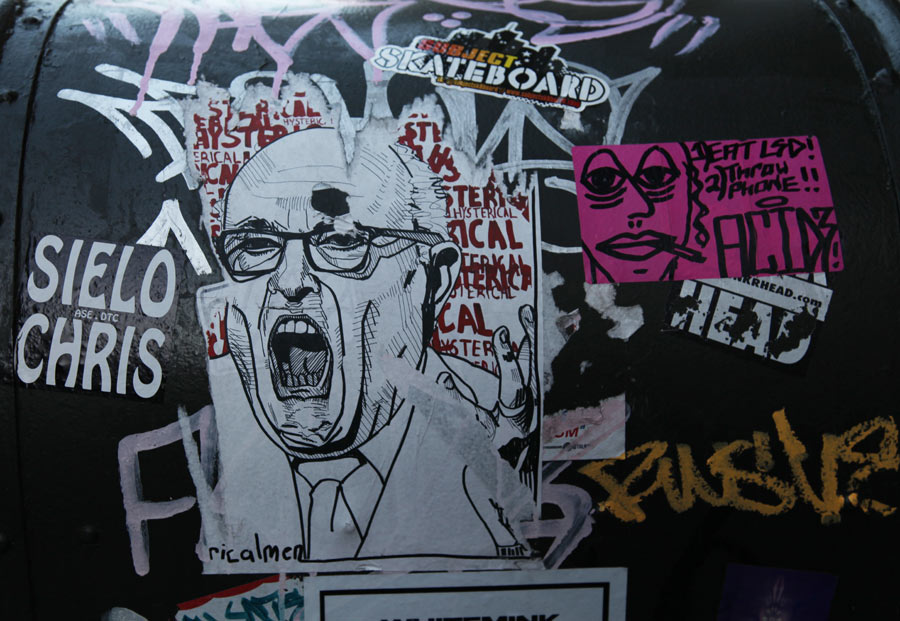
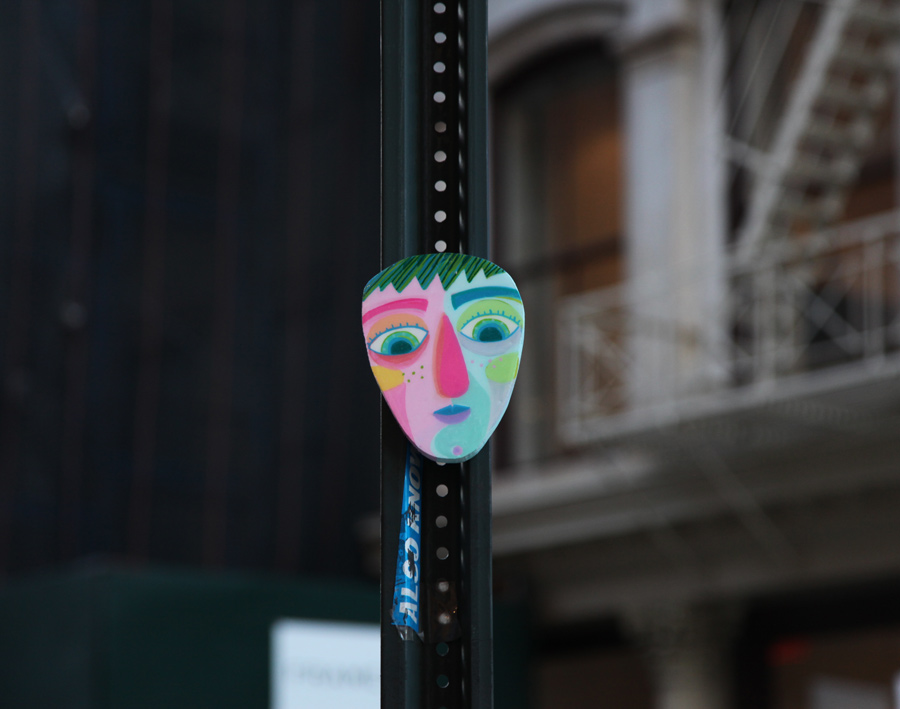
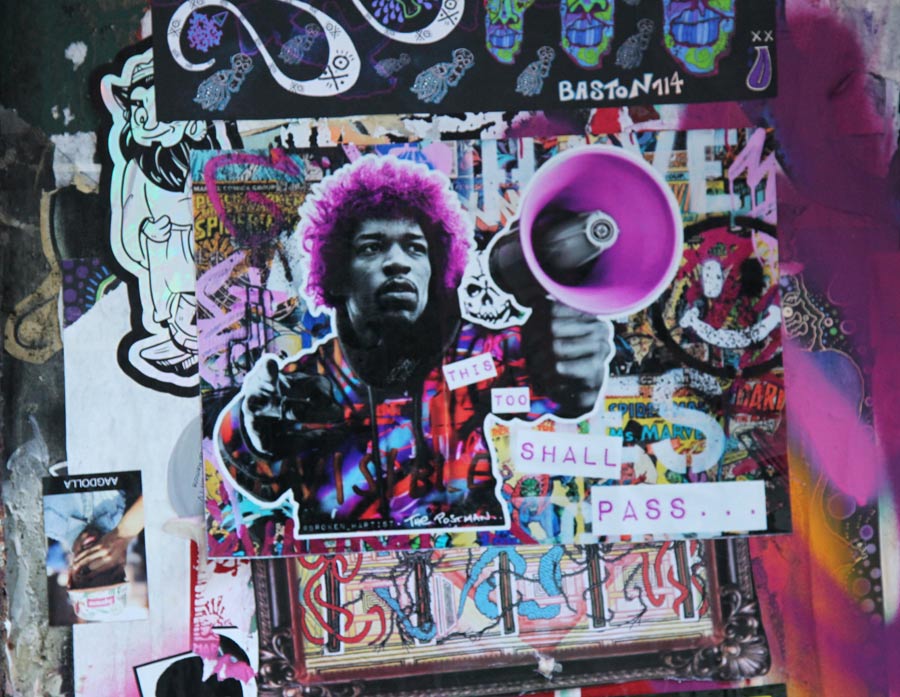
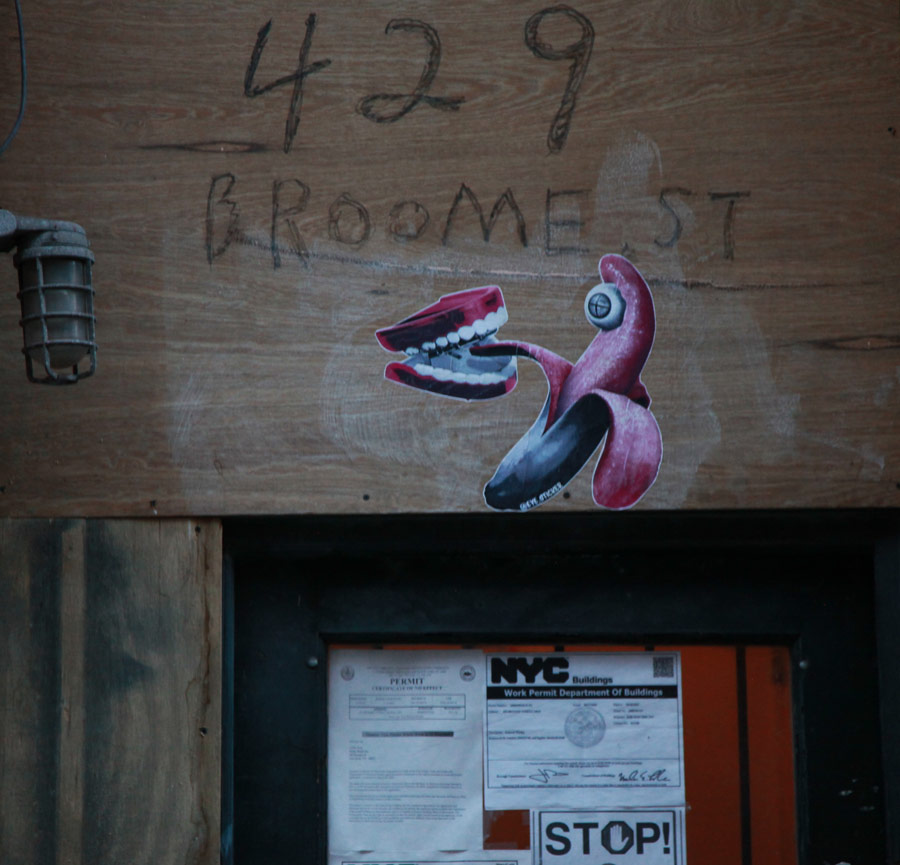
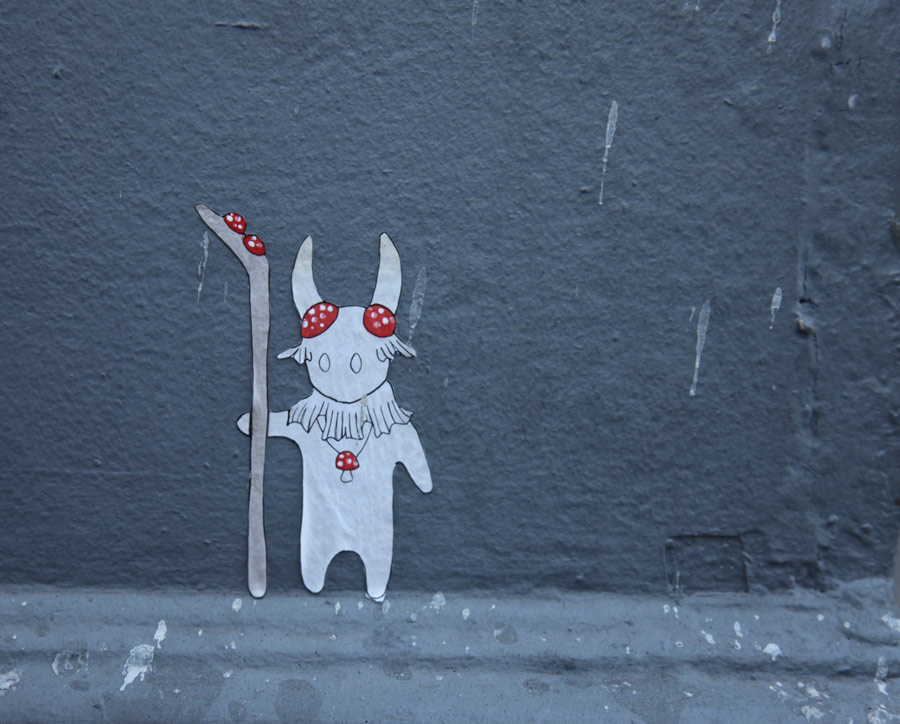
Here is our weekly interview with the streets, this week featuring A Toy Shop, Allei Kelley, CRKSHNK, De Grupo, Downtown DaVinci, Eye Sticker, I Heart Graffiti, Tenderloin Television, and The Postman Art.

Downtown DaVacini – 7 Line Arts Studio (photo © Jaime Rojo)
I Heart Graffiti (photo © Jaime Rojo)
Unidentified artist (photo © Jaime Rojo)
De Grupo (photo © Jaime Rojo)
Unidentified artist (photo © Jaime Rojo)
Eye Sticker, De Grupo (photo © Jaime Rojo)
Unidentified artist (photo © Jaime Rojo)
Tenderloin Television (photo © Jaime Rojo)
Unidentified artist (photo © Jaime Rojo)
A Toy Shop (photo © Jaime Rojo)
Allei Kelley Art (photo © Jaime Rojo)
The Postman Art (photo © Jaime Rojo)
Eye Sticker (photo © Jaime Rojo)
Unidentified Artist (photo © Jaime Rojo)
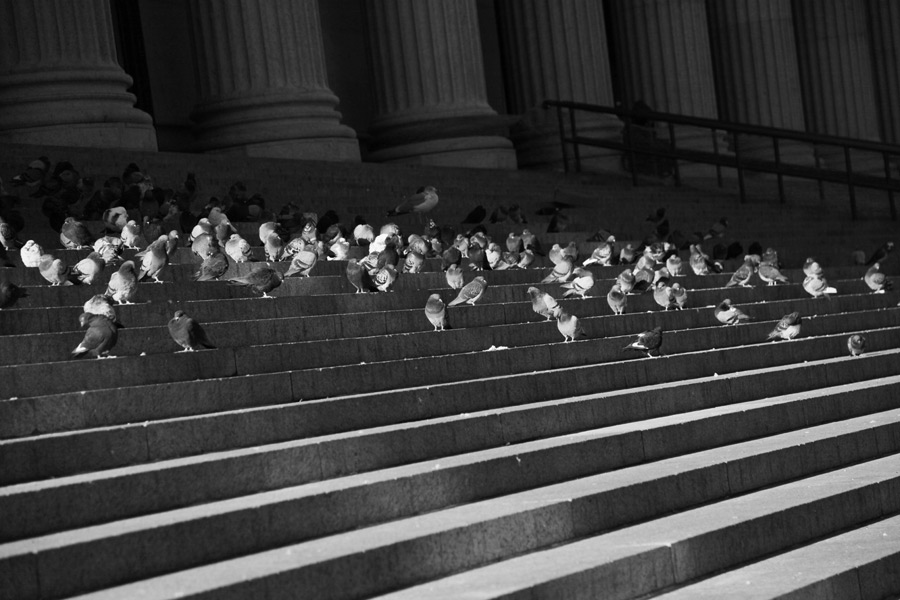
Untitled. Old Post Office Building. Manhattan, NYC. 11.2020 (photo © Jaime Rojo)
Read more
All Art is “B-Local”. Group Exhibition During Covid in Barcelona

All Art is “B-Local”. Group Exhibition During Covid in Barcelona

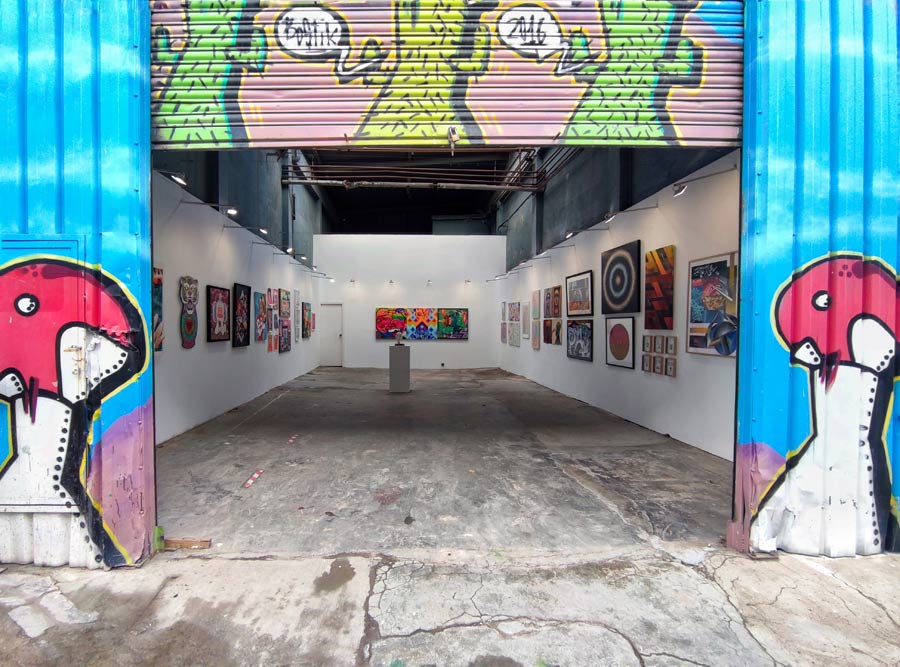
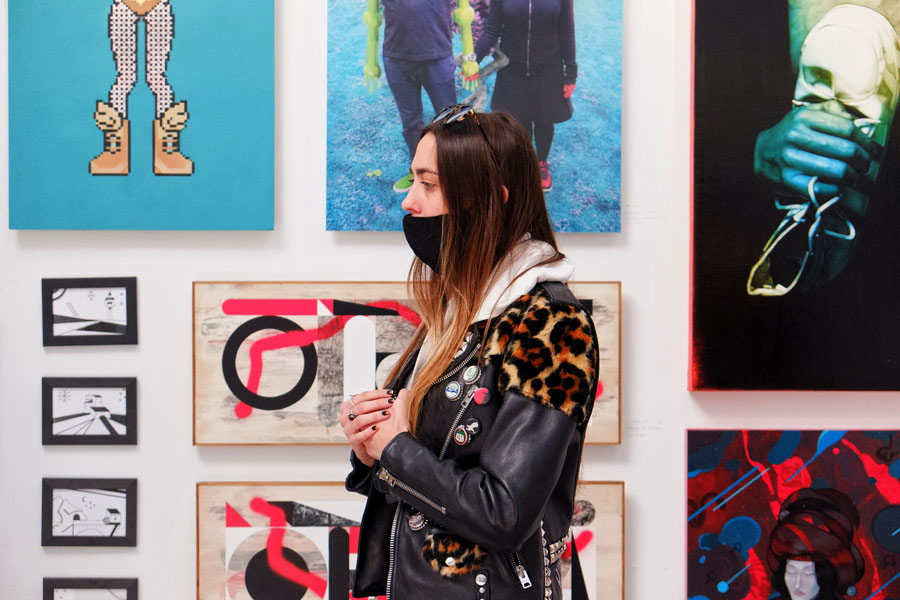
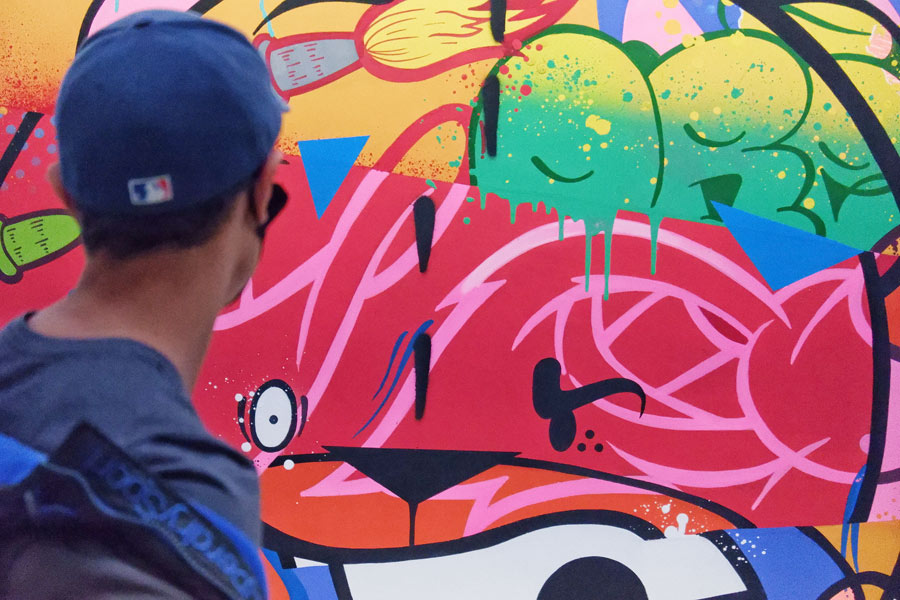
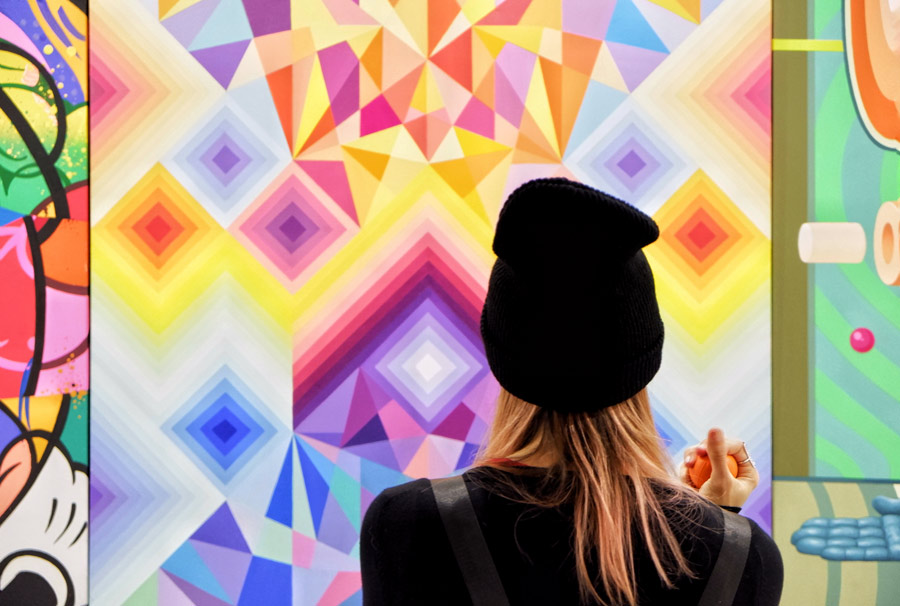
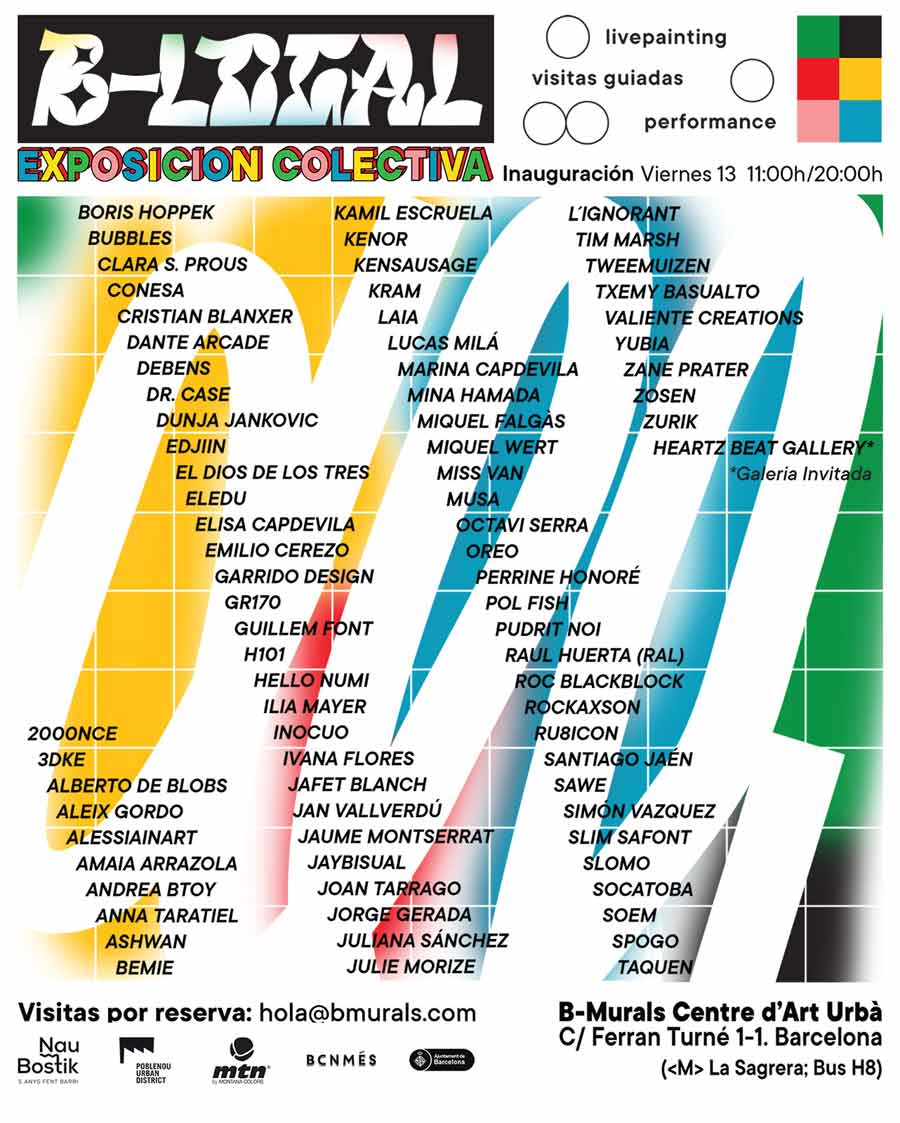
It’s a challenge for artists to find opportunity to show their work, but in an era where opportunities for artists are diminishing by the day, here’s a new group show mounted mid-pandemic in Barcelona.

B-Local. B-Murals. Center for Urban Arts. Barcelona, Spain. (photo © Fer Alcala)

80 artists of many levels and styles are using the materials that they had handy when the first lockdown hit – cardboard, old canvases, frames, wood, paper. Each piece reflects the anxiety, fear, and hope of the artists – all expressed as they know best.

B-Local. B-Murals. Center for Urban Arts. Barcelona, Spain. (photo © Fer Alcala)

It’s good to see curators like Ana Manaia and Xavier Ballaz putting their heads together to create a show at a time like this one, named ‘B -L O C A L’. Certainly there can be no big party, but one by one, visitors can come to see the works and be reassured that art will continue to flourish in the time of Corona.

B-Local. B-Murals. Center for Urban Arts. Barcelona, Spain. (photo © Fer Alcala)
Zane Prater. B-Local. B-Murals. Center for Urban Arts. Barcelona, Spain. (photo © Fer Alcala)
Read more
BSA Film Friday: 11.27.20

BSA Film Friday: 11.27.20

Our weekly focus on the moving image and art in the streets. And other oddities.

Now screening :
1. Painting on Bell Rock, Gregory Siff “Sky Lines”
2. We’re Moving (Zurich MFO Building)
3. Jay Adams Hits

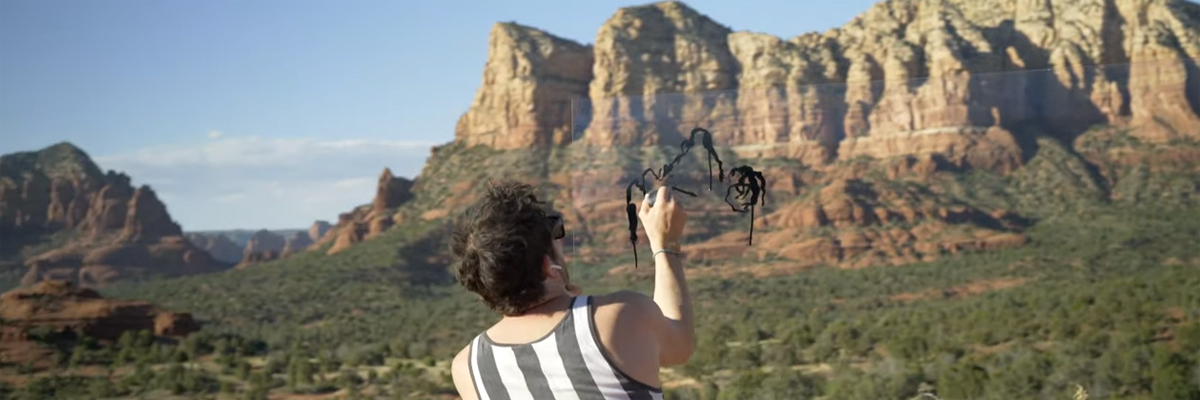
BSA Special Feature: Painting on Bell Rock, Gregory Siff “Sky Lines”

It’s a unique way to skirt Covid to take your studio work outside. It’s also a clever way to do a virtual mark-making upon natural formations in unspoiled Sedona Arizona. Artist Gregory Siff pushes the rack into the desert and paints on the sky, the earth, the famous Bell Rock.

We’re Moving

This is how you move a three story, 19th Century building in Zurich. Time lapse video by Patrick Gautschy. It was eight years ago but we’re still impressed how a 6,200 ton 122-year old building can be rolled along the tracks over 19 hours to a new location.

Jay Adams Hits

While we’re on a Thanksgiving nostalgia trip, here’s a quick remembrance of skateboard legend Jay Adams, six years after his sudden passing.

Read more
Happy Thanksgiving 2020 From BSA

Happy Thanksgiving 2020 From BSA

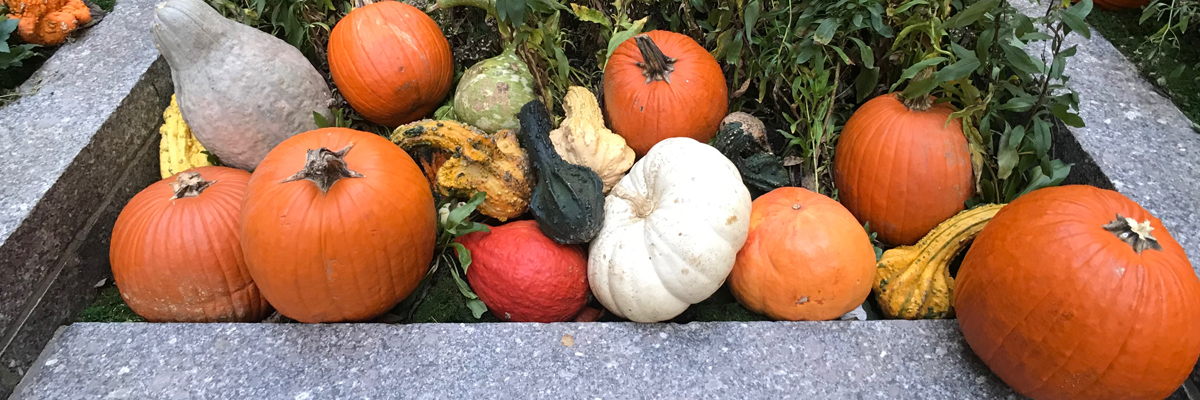
It’s been a difficult year for many. We hope that each of us can find something to be thankful for, and develop an attitude of gratitude. We look forward to being able to gather with friends and family next year. To you all, we wish you a very Happy Thanksgiving.

Thanksgiving 2020 (photo © Jaime Rojo)

Read more
Alex Senna: “Fronteiras” Premiere

Alex Senna: “Fronteiras” Premiere

An idea that started as poetry,

Released today, this small video combines the talents of two artists, three if you count the director. BSA is proud to debut “Dismantle”

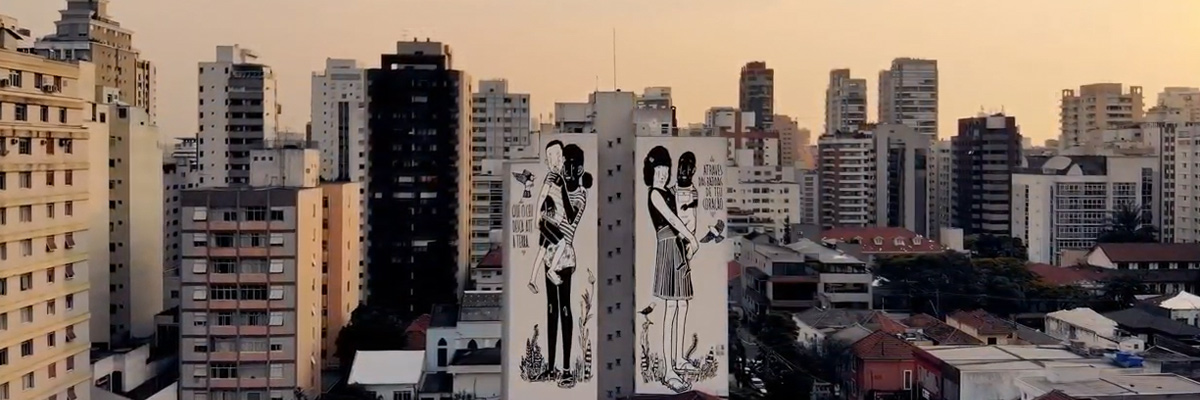
“Millions of faces walk throughout the city of São Paulo, each one in their own virtual reality. Eyes, mouths, and hands, all of them unique with only one feeling in common: love. The São Palo based artist, Alex Senna and the poet Marcelo Ariel, touch the deepest aspect of modern society through a massive 10 stores painting. A film about the many faces of a city portrayed during the creation of a monumental public art wall in the Street Art’s Latin capital.

“Eyes, mouths and hands, all of them unique with only one feeling in common: love.”

Read more
Martha Cooper “I Don’t Scare Easily” – ArtNet

Martha Cooper “I Don’t Scare Easily” – ArtNet

We’re featuring a great interview today from Martha Cooper – whose career retrospective we curated this year at Urban Nation in Berlin. We particularly love the title. Because its true.

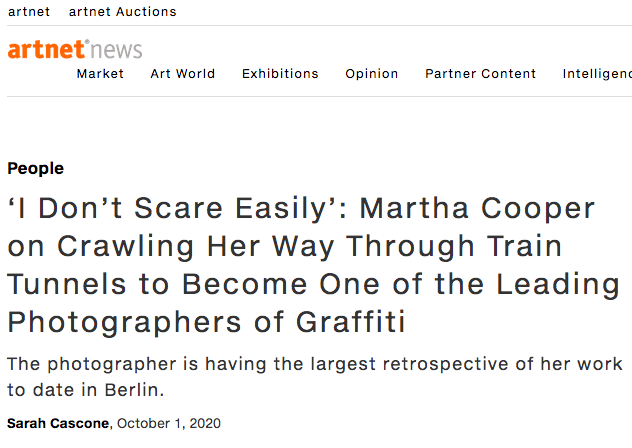
‘I Don’t Scare Easily’: Martha Cooper on Crawling Her Way Through Train Tunnels to Become One of the Leading Photographers of Graffiti – on tArtnet

“In a photography career that spans six decades, Martha Cooper has broken boundaries and defined genres. She became the first female staff photographer at the New York Post in 1977 and shot seminal images of graffiti and the burgeoning hip hop scene during its infancy.

Now, Cooper is being honored with largest retrospective of her work to date. “Martha Cooper: Taking Pictures,” opening this weekend the Berlin’s Urban Nation Museum for Urban Contemporary Art, charts the artist’s photography, from the pictures taken with her very first camera, which she got when she was in nursery school, in 1946, through the present day.

Curated by Steven P. Harrington and Jaime Rojo, founders of BrooklynStreetArt.com, the show includes images from Cooper’s many books, which feature such as bodies of work as her photographs of women’s breakdancing competitions (We B*Girls); of traditional Japanese tattooist Horibun I at work (Tokyo Tattoo 1970), and the streets of gritty 1970s-era New York City (New York State of Mind).”

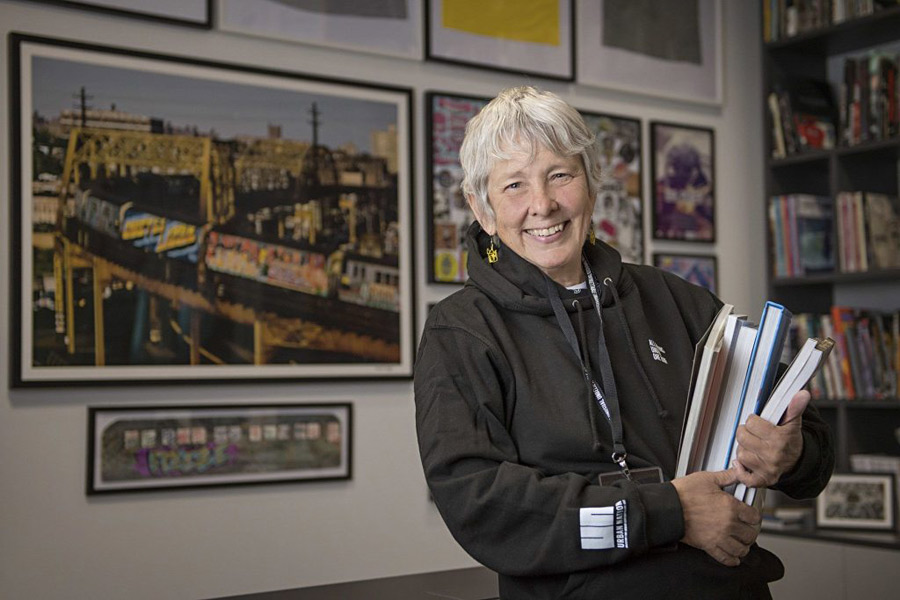
Martha Cooper in the Martha Cooper Library at Berlin’s Urban Nation Museum for Urban Contemporary Art. Photo Nika Kramer/Urban Nation Museum for Urban Contemporary Art.

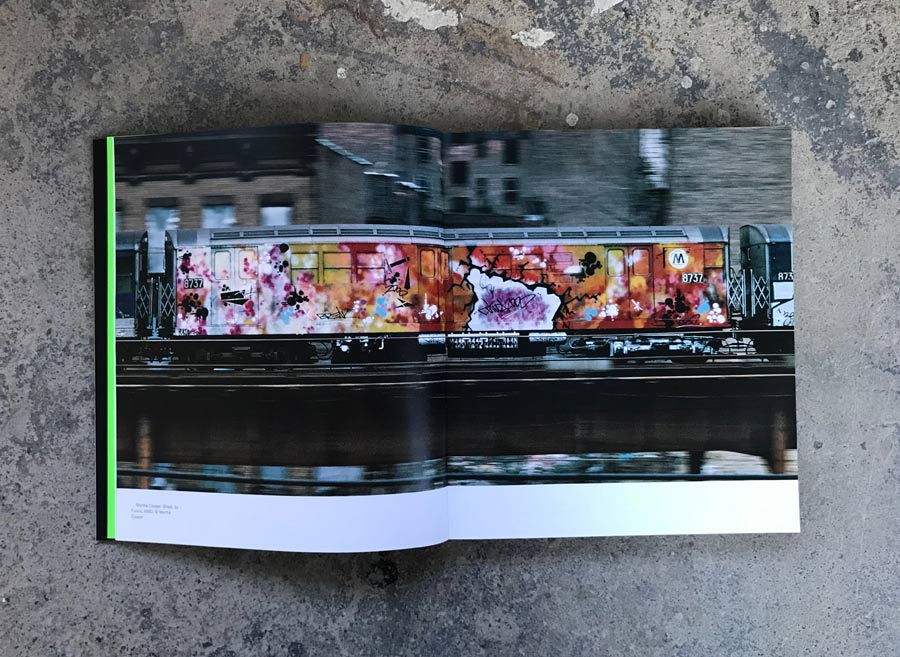
“But it was graffiti that inspired Cooper’s best-known work, immortalized in the 1984 book Subway Art, which she published with fellow photographer Henry Chalfant. Cooper was drawn to the tracks by the desire to save for posterity these fleeting artistic creations, which were unlike anything she had ever seen.”

CLICK HERE TO CONTINUE READING THE INTERVIEW AND ARTICLE WRITTEN BY Sarah Cascone for ArtNet.

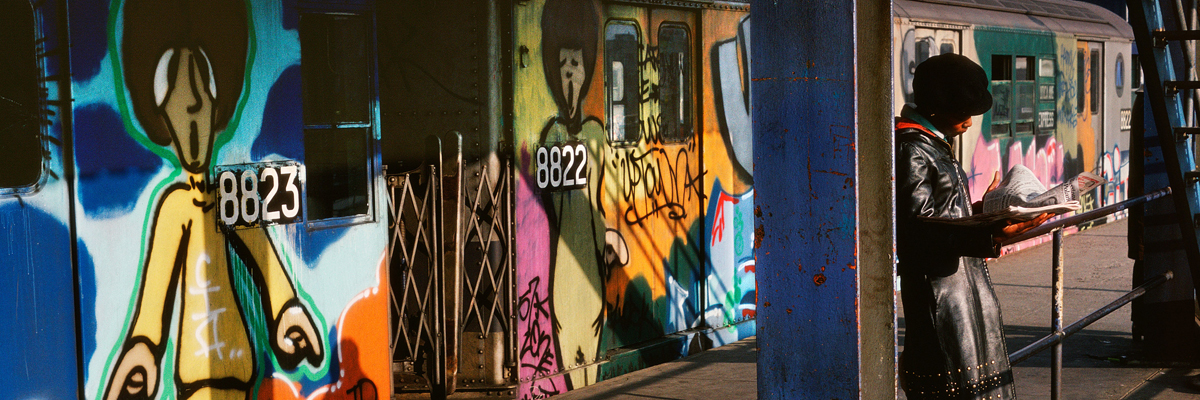
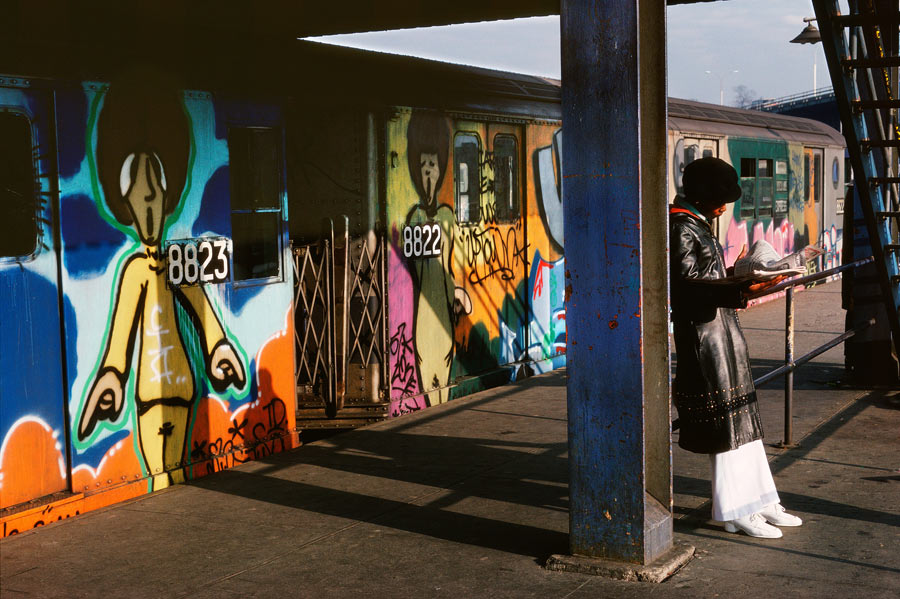
Martha Cooper, 180th Street platform, Bronx, NYC (1980). Photo ©Martha Cooper.

“Martha Cooper: Taking Pictures” at the Urban Nation Museum for Urban Contemporary Art, Bülowstraße 7, 10783 Berlin. Check the museum’s website for details and hours of operation.

Read more
“Writing The Future”: Basquiat , Broken Poetics, and the NYC Cultural Context

“Writing The Future”: Basquiat , Broken Poetics, and the NYC Cultural Context

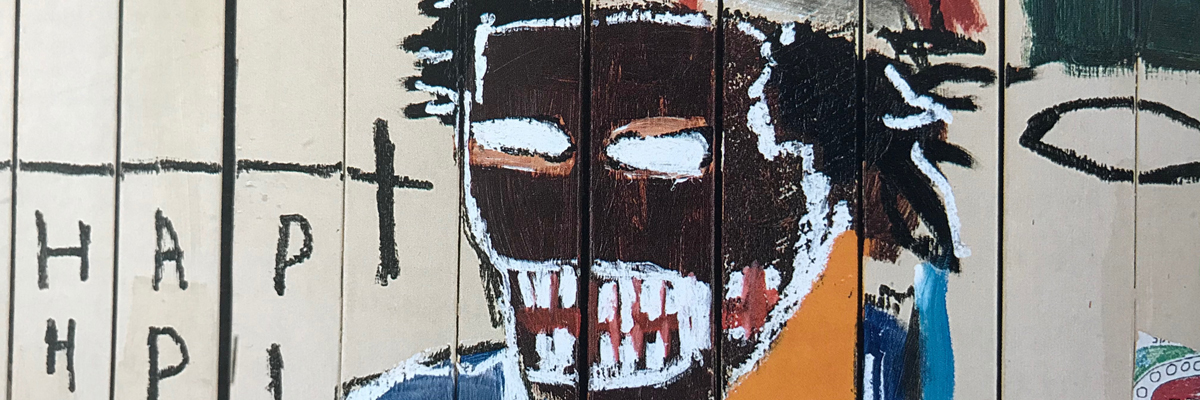
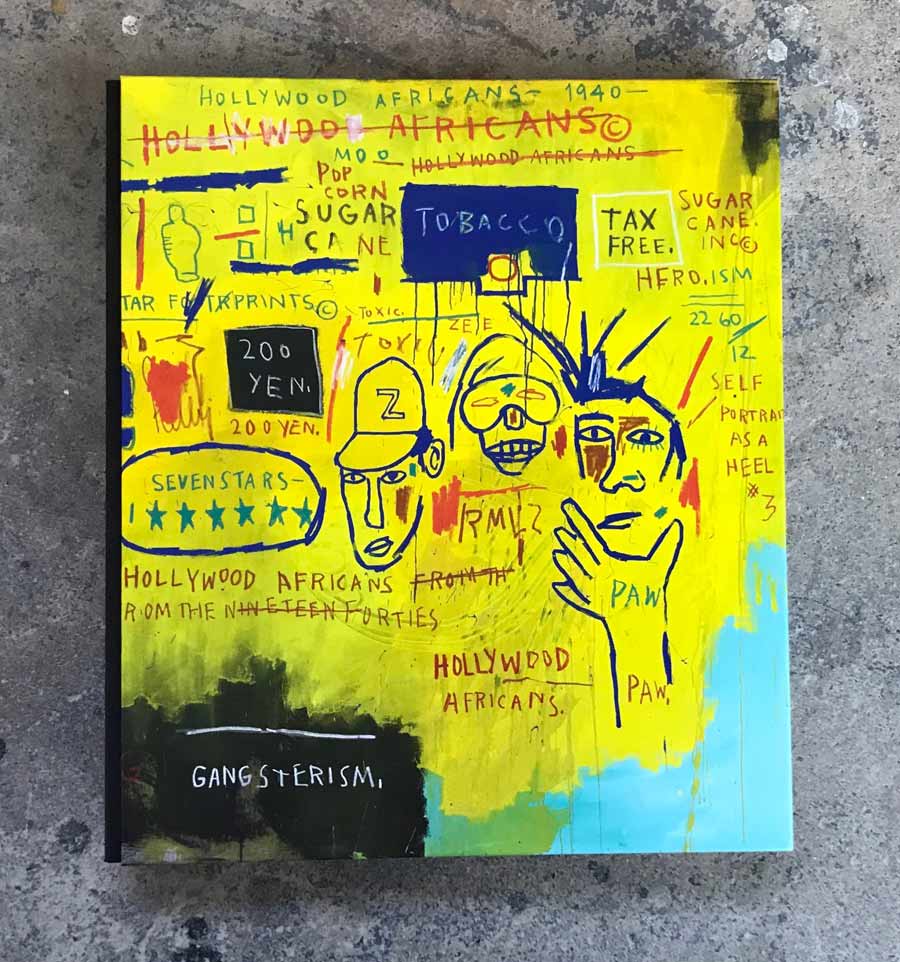
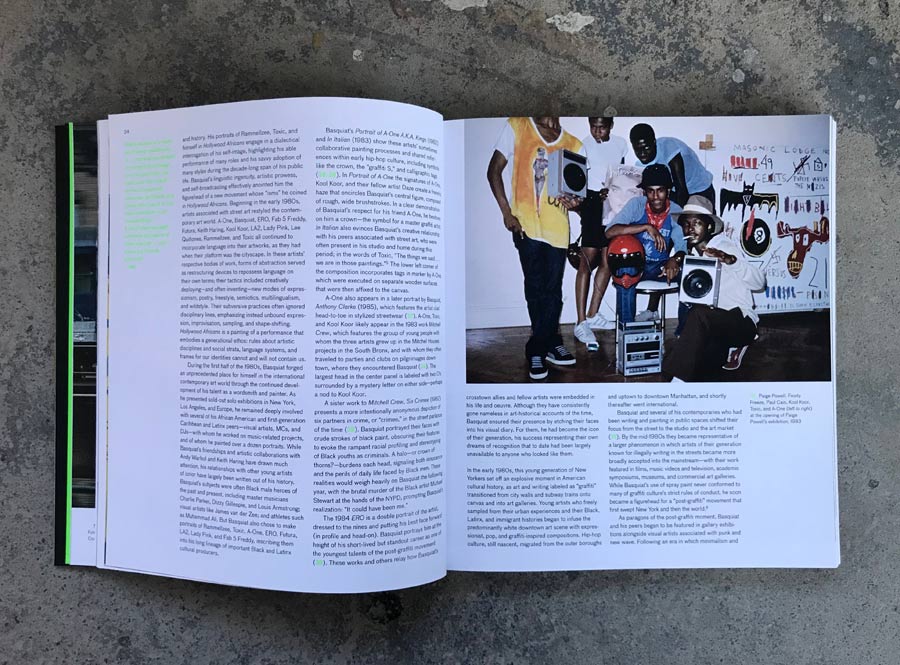
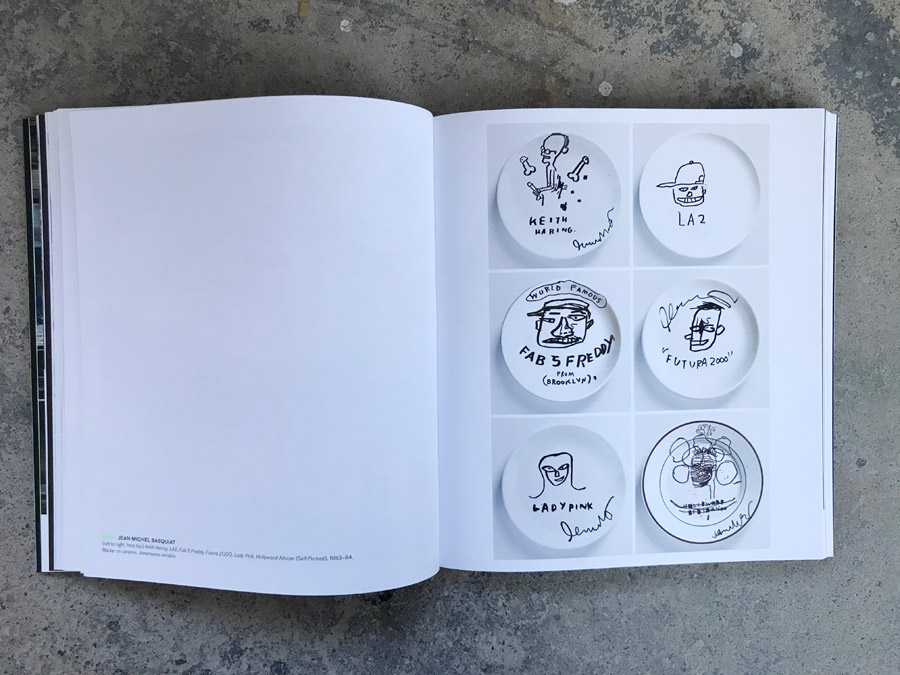
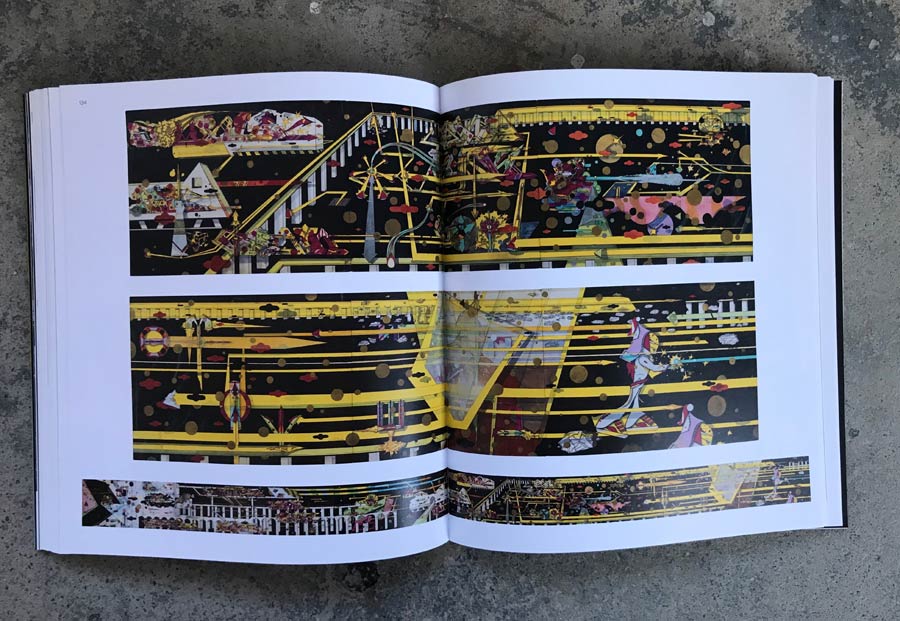
To accompany the exhibition “Writing the Future: Basquiat and the Hip-Hop Generation” at the Museum of Fine Arts in Boston, a substantial catalogue has been released to support the show and place the artist in context with his time as well as his influence on the future as it pertains to contemporary art and so-called art in the streets.

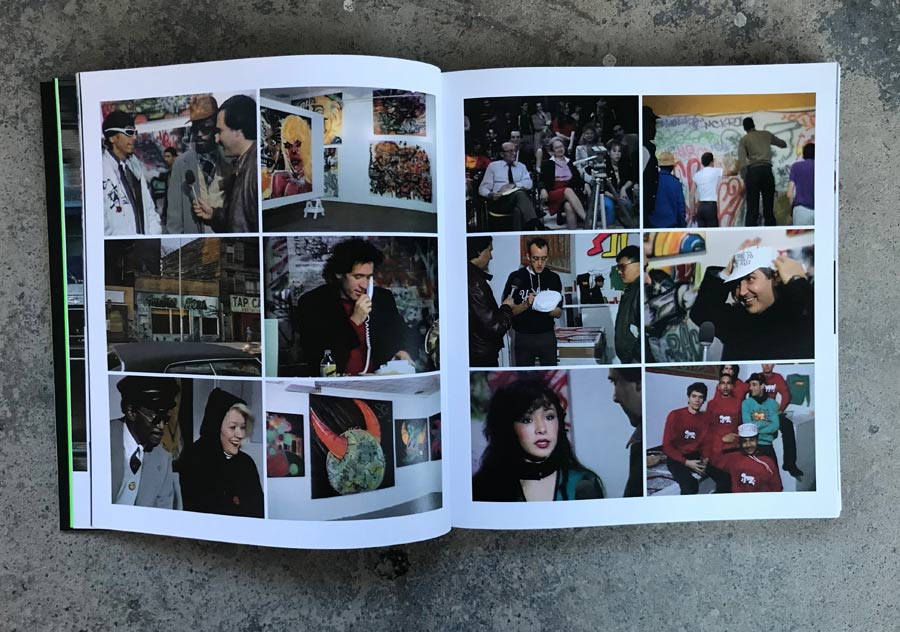
Accessible and erudite, the catalogue unpacks the social connections, the various emerging music, art, and performance sub-scenes of “Downtown” and “Uptown” New York culture, the opaque underpinnings of the dominant culture, and the urban syntaxes that formed this young Brooklyn artist and his work in the 1970s and 1980s. To faithfully set the stage for this story; to conjure the atmosphere, the moment, the context that Basquiat evolved himself into, you would need to create an interactive urban theme park with an impossible set design budget, a cacophonous sound-music map, a handful of public policy and political advisors, an anthropologist, a warehouse of costumes, too many actors, too many attitudes, and even more drugs.

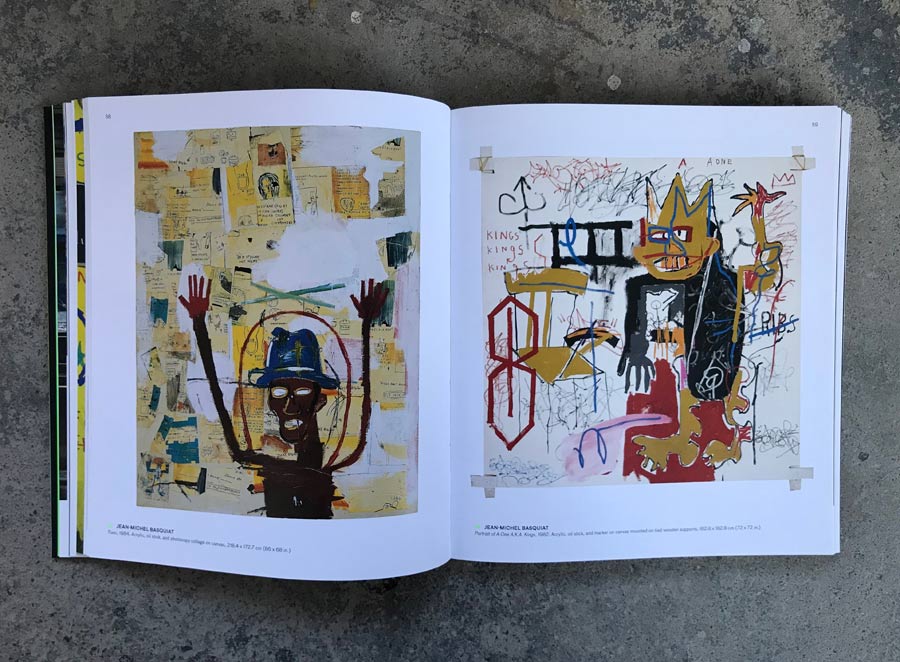
Considering the elements of this planetary system, one that drew protagonists into layers of swirling space in overlapping concentric patterns at a time where “high” and “low” distinctions were melting and crashing into one another, a viewer is still drawn physicality of the works and artifacts, the hand and the gesture. If you are going to talk about expressionism and its reaction to stimuli, you’ll also want to appreciate the tactility of this art-making process, one that was endemic to Basquiats’ daily existence in the studio and on the streets of Brooklyn and Manhattan.

Editor of the “Writing the Future” catalogue, Liz Munsell, delves directly into that physicality in her essay, an experiential process that he shares with the viewer. “In several areas of the composition, Basquiat seems to have taken his own hands directly to the painting’s thick, wet surface, dragging his fingers across it into an area where he painted the hand of his self-portrait,” says Munsell. Willfully enigmatic at times and decidedly cryptic in his textual references, one cannot argue with this, an ultimate form of mark-making.

While Munsell is addressing something tangible, she is also witness to the spirit. We take it as an apt response to the greater challenge of decoding the works; presenting “the shattered poetics of Jean Michel Basquiat lyric memory cabinets.”

Basquiat scholar Carlo McCormick, who also happens to have been a full participant and observer of the ratty and glittering decline of New York during Basquiats’ rise, opens the book. Within his lyrical prelude to the artists’ ascent is a similar effort to place the moment; a sea of creative talents from privilege and without, trying their hand at sinking or swimming on the gallery of the streets, seizing a moment that reshaped a sleepy and self-satisfied gallery system that had painted itself into a proverbial white-box (and white-skin) corner.

“It’s all a crazy quilt conversation, talking in wild style tongues from the train yards to the writer’s bench, from bewildered commuters and savvy fans to the posturing politicians with their broken-windows theories in vandal squads, from little nightclub art shows and the ad hoc outposts like Fashion Moda and the Fun Gallery to a global stage of major exhibitions from the primal voice of mark-making to the sweet sounds of the studio, where a generation of outlaws joined that historical confab of painters in the culture of canvas. It’s got a beat hard-scrabbled out like the scratching of those early playground turntablists, but it’s all about the language, transmuted beyond easy recognition, private in the most public of ways, the insider voice of the outsider externalizing the interior. It’s pure jive, freeform and freestyle, the deceptions of code carrying the truth of the heart, the lyrics to all our collective pain, anger, alienation, and hope writ large like an aerosol atom bomb.”

Talk about shattered poetics.

In fact, art in the streets was a direct respondent to trauma, inequity, dislocation, and the effects of the flight of capital– and if certain populations found it discordant, it was possibly because it functioned as a funhouse mirror – distorted and vaguely threatening. While Basquiat was self-promoting in the venues and manners he was most suited, he was placing a bet that society was ready, or would be soon, for the platform and the content and the challenge.

“Graffiti had found the speed at which it needed to be seen,” the graffiti writer, fine artist and street style branding wizard Futura says in a quote.

By chasing it and learning how to read these writings on the wall we would gain a better understanding of what was to come in the future.  

Writing the Future: Basquiat and the Hip-Hop Generation. Published by MFA Publications on the occasion of the exhibition currently on view at the Museum of Fine Arts, Boston. Edited by Liz Munsell and Greg Tate with contributions by J. Faith Almiron, Dakota DeVos, Hua Hsu, and Carlo McCormick.

Read more
BSA Images Of The Week: 11.22.20

BSA Images Of The Week: 11.22.20

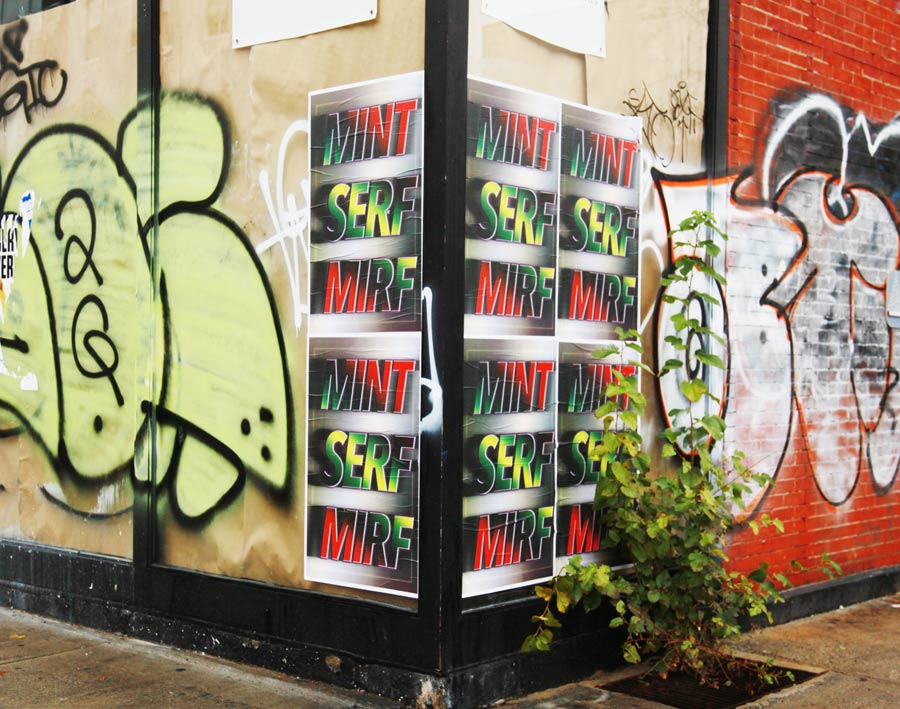
Mint. Surf. Mirf. Smurf.

Good to see Mint and Surf on the streets again here in NYC. We wondered where they had gone.

Wishing all of you a Happy Thanksgiving this week, whether you are alone or with family, cooking a turkey or baking a pie, spraying a tag or slapping a sticker, collecting art or collecting bills. We hope that we can all count some blessings this week. Please stay safe from the Covid-19.

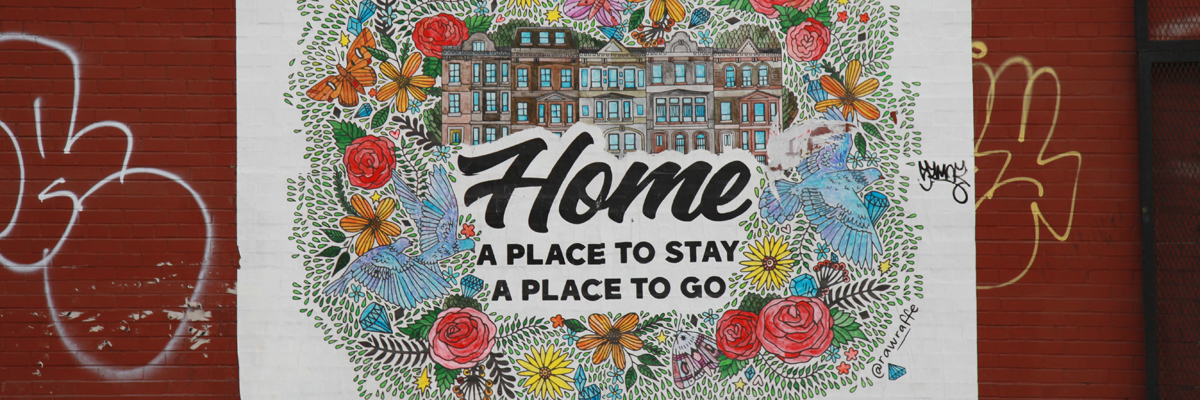
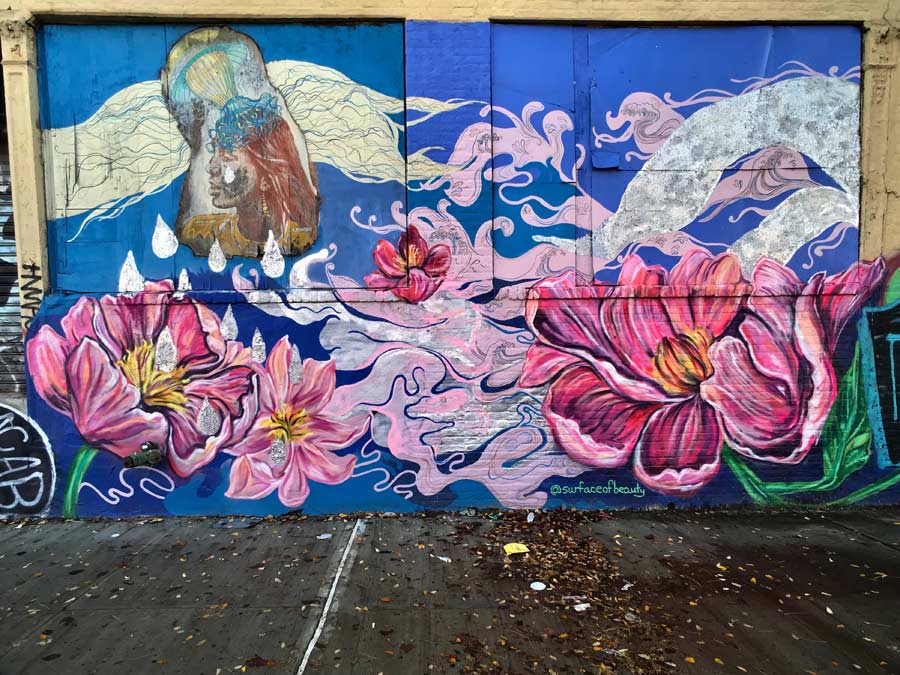
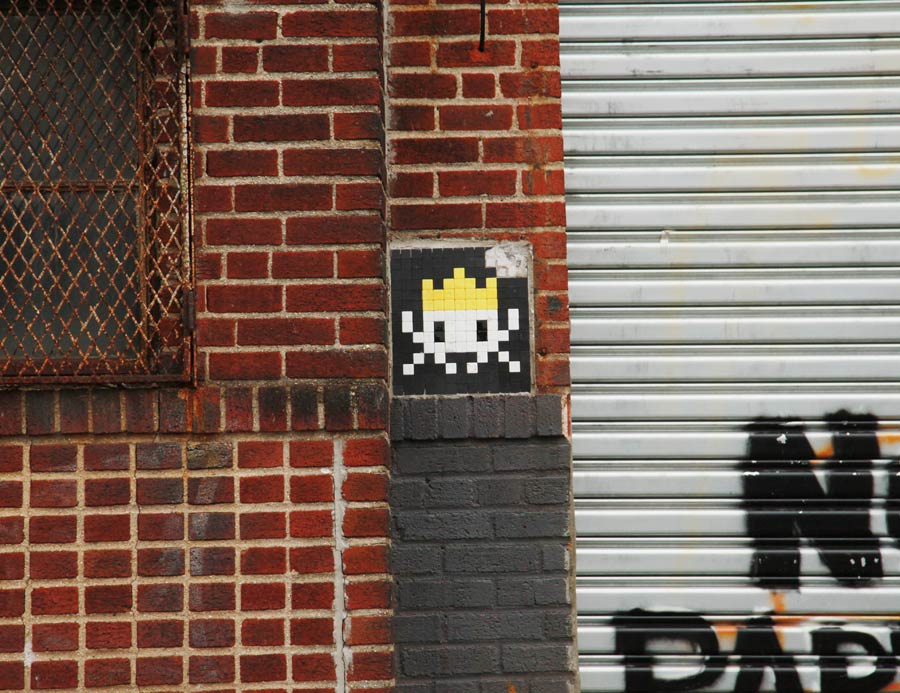
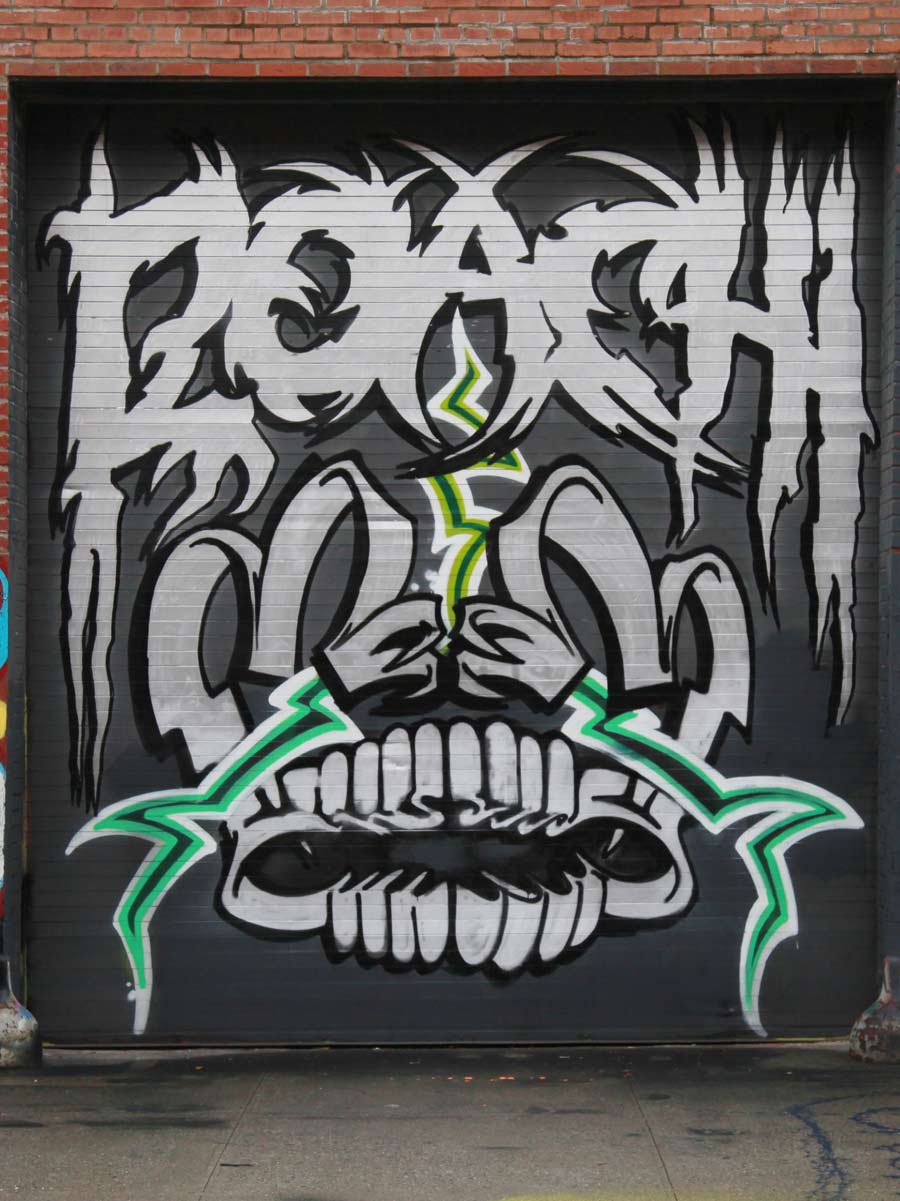
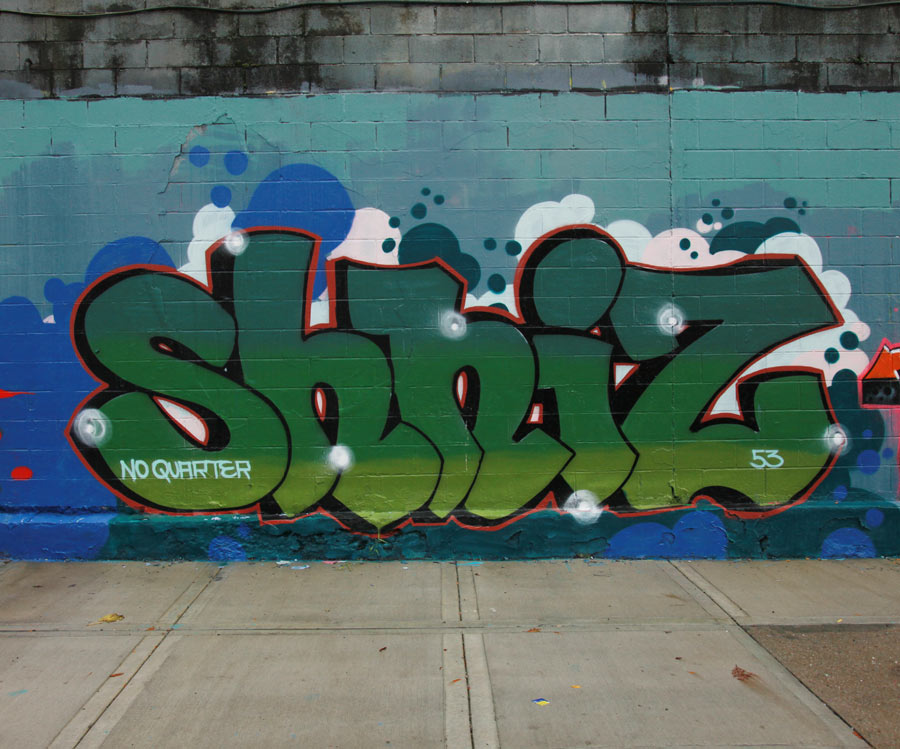
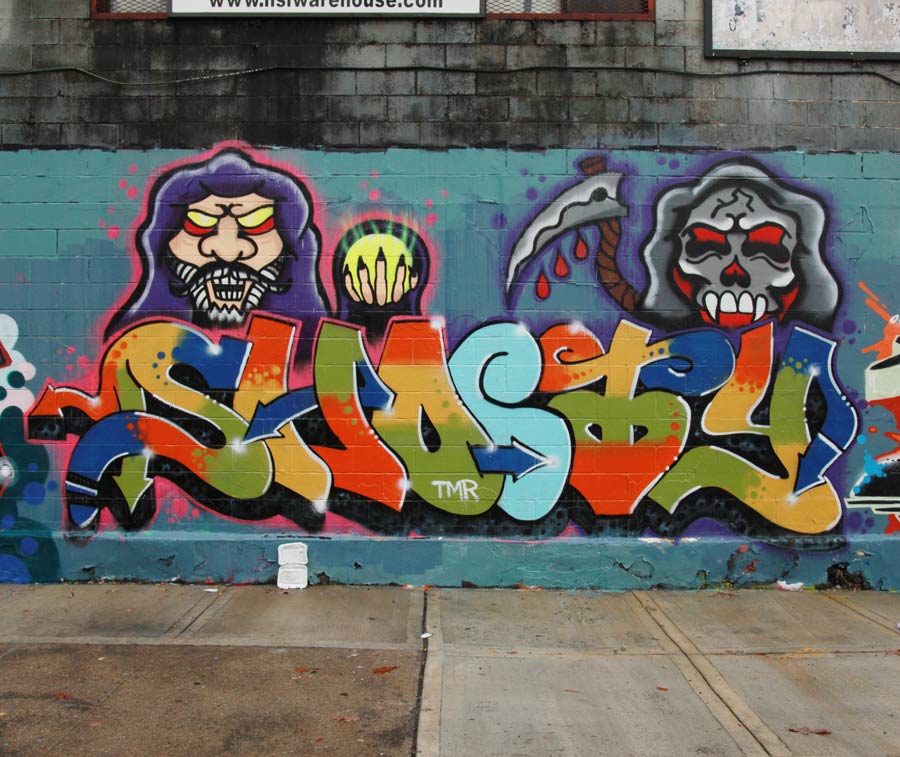
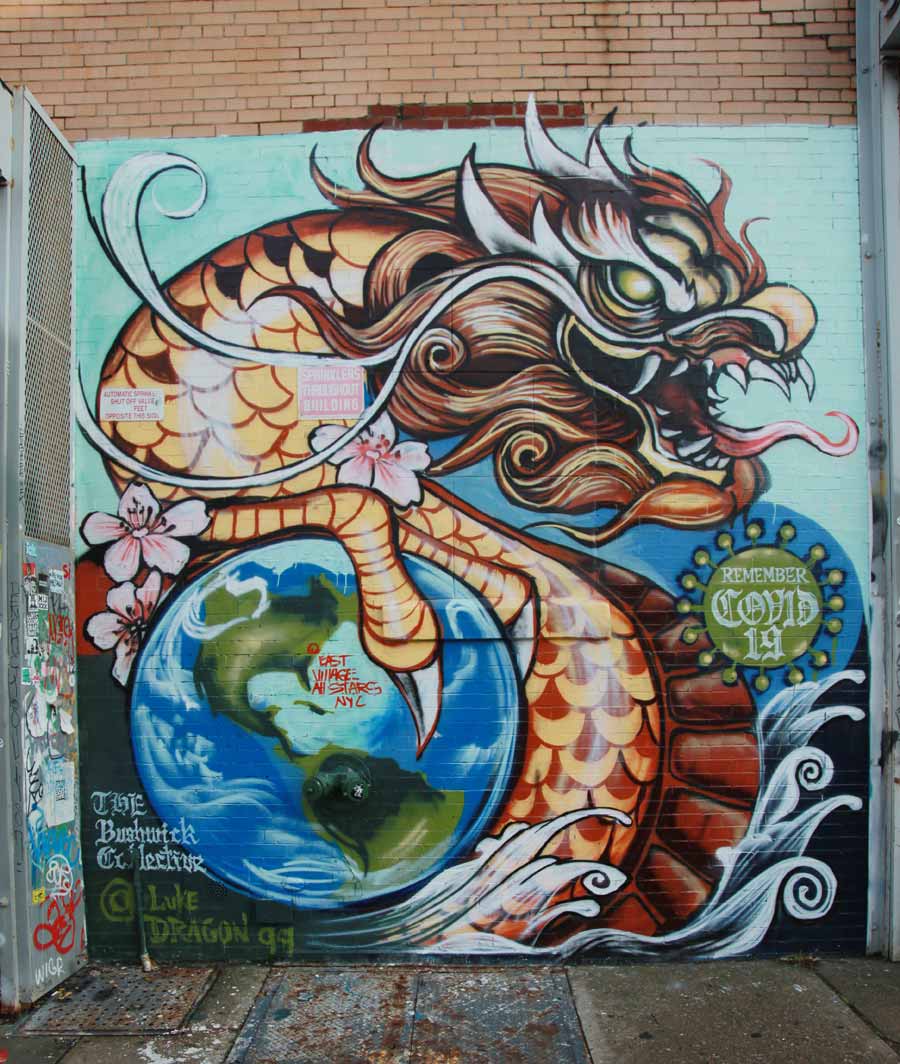
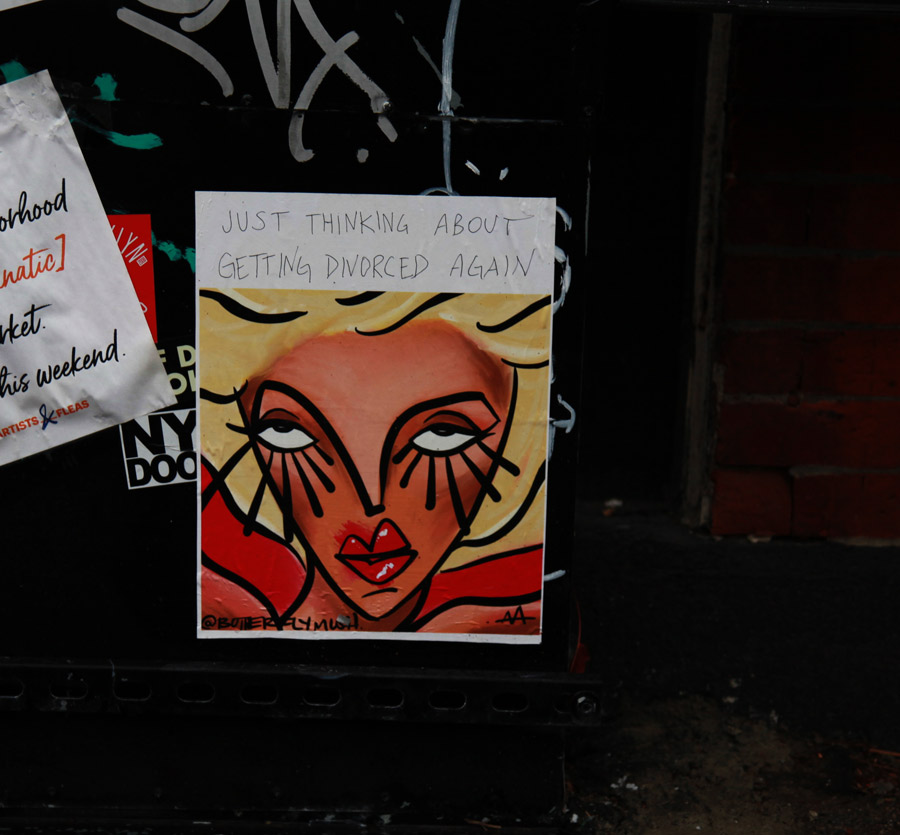
Here is our weekly interview with the streets, this week featuring Butterfly Mush, Dragon 99, Eye Sticker, Fours Crew, Graff Art Kings, HOACS, Invader, Michael Conroy, Mint & Serf, Mr. Can Do, No Sleep, Only Jesus NYC, Rawraffe, Roachi, Shniz, Shorty, Smells, and Surface of Beauty.

Mint & Serf / Mirf (photo © Jaime Rojo)
Surface Of Beauty (photo © Jaime Rojo)
Invader (photo © Jaime Rojo)
Roachi / Fours Crew (photo © Jaime Rojo)
Hoacs, Roachi, Mr. Can Do. Fours Crew (photo © Jaime Rojo)
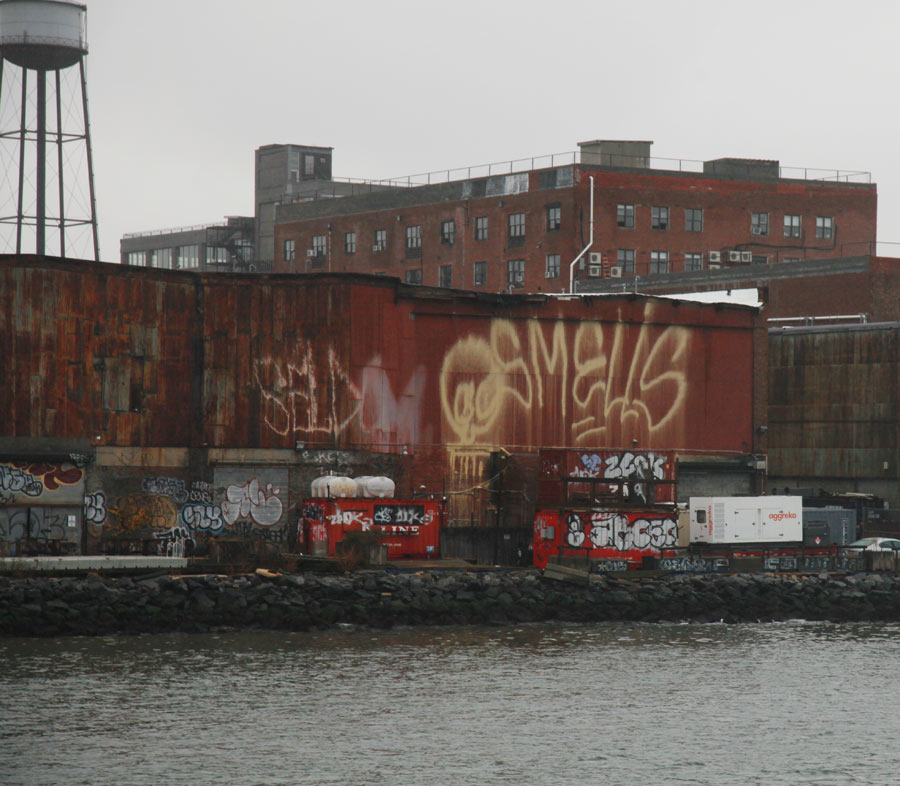
Smells (photo © Jaime Rojo)
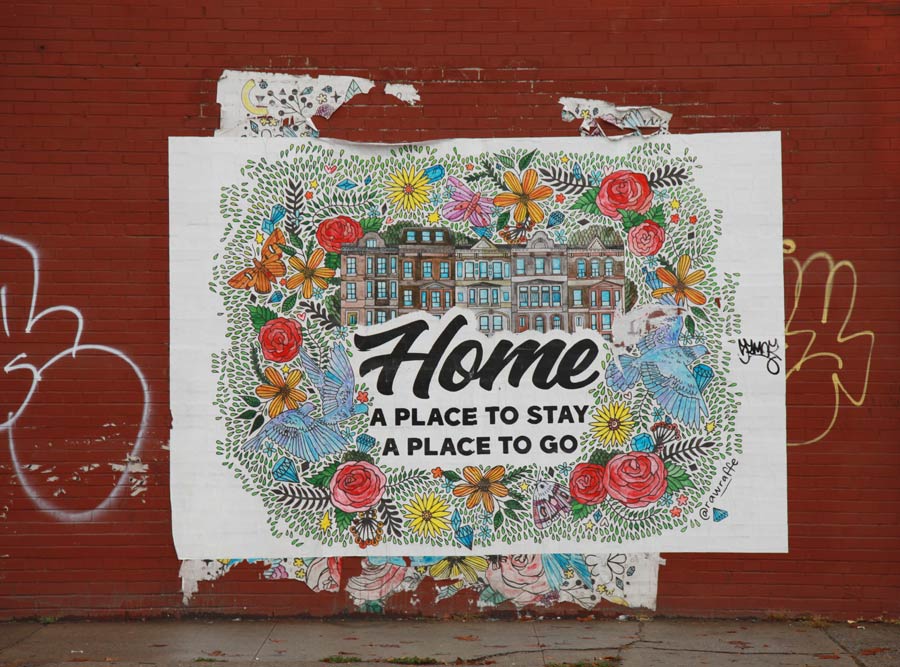
Rawraffe (photo © Jaime Rojo)
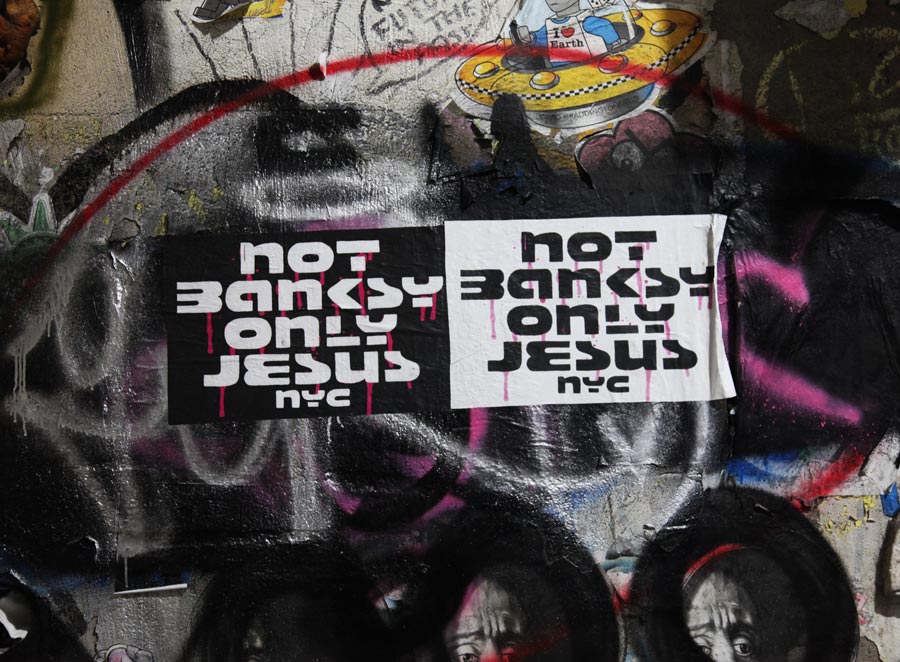
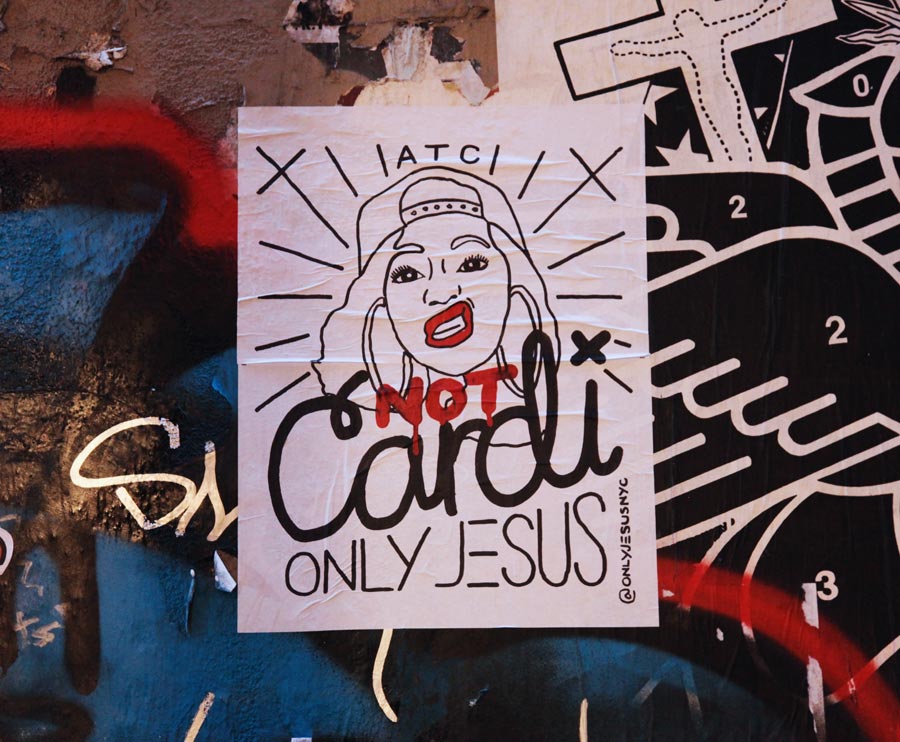
Street art proselytizing with this sticker campaign. Only Jesus NYC (photo © Jaime Rojo)
Only Jesus NYC (photo © Jaime Rojo)
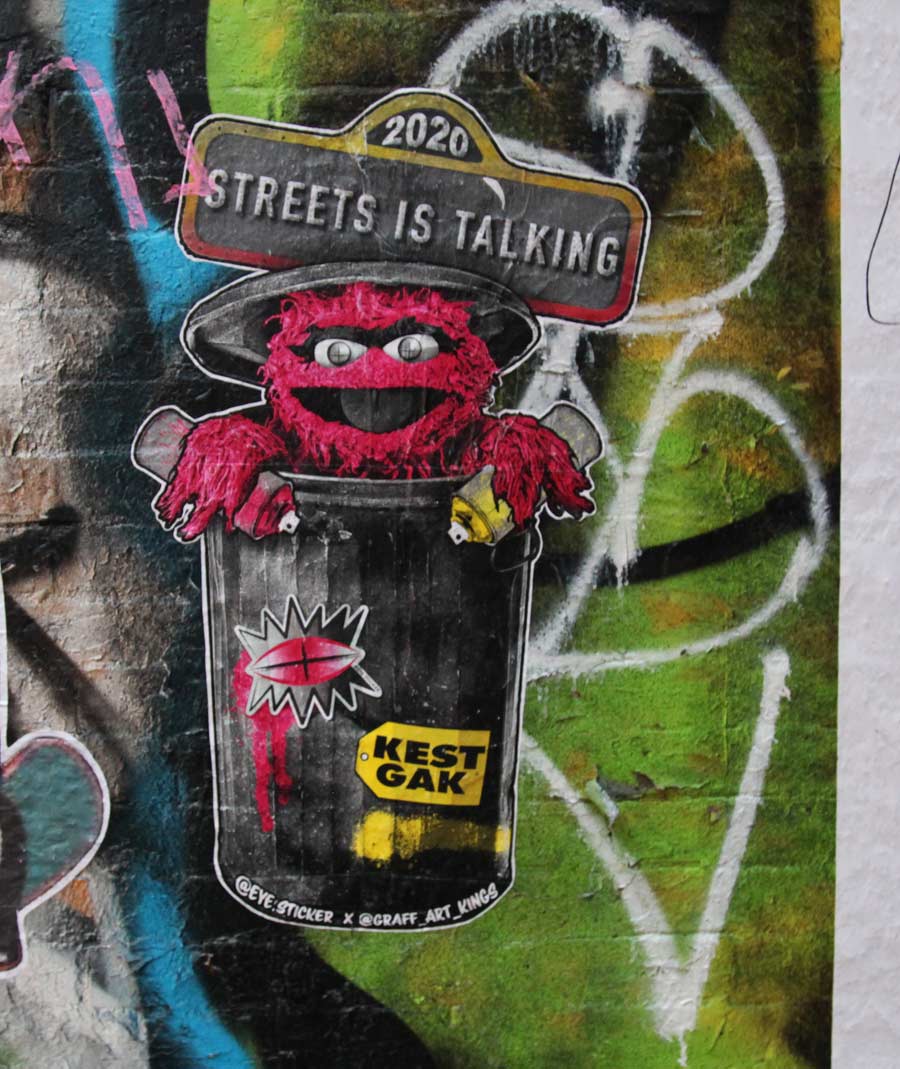
Eye Sticker, Graff Art Kings. (photo © Jaime Rojo)
No Sleep (photo © Jaime Rojo)
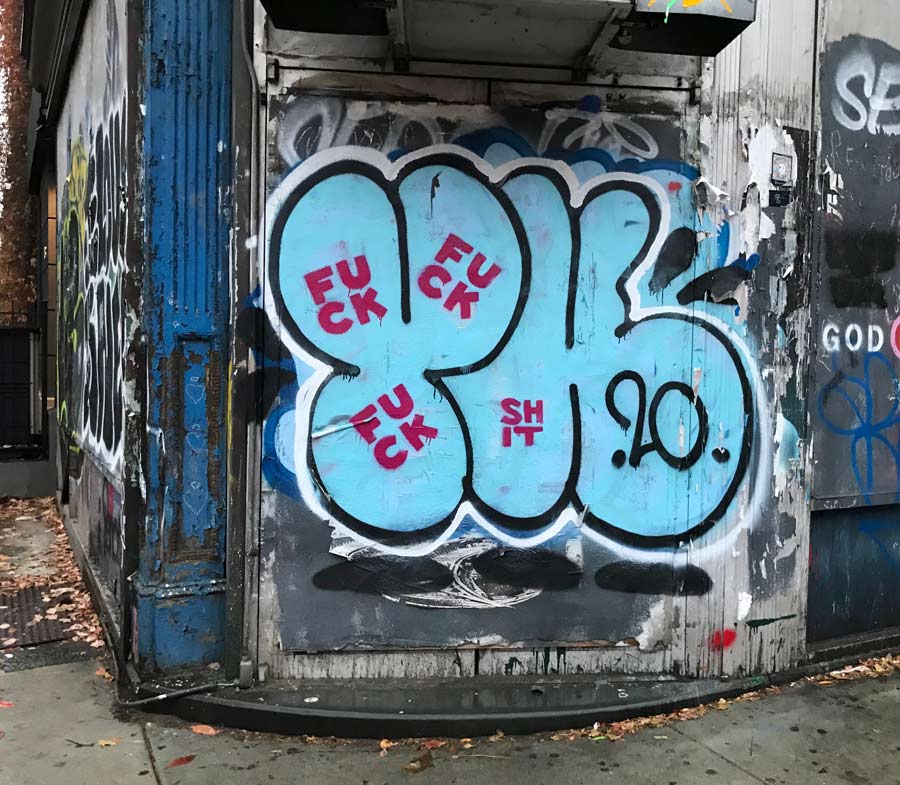
Fuck Fuck Fuck Shit…exactly. (photo © Jaime Rojo)
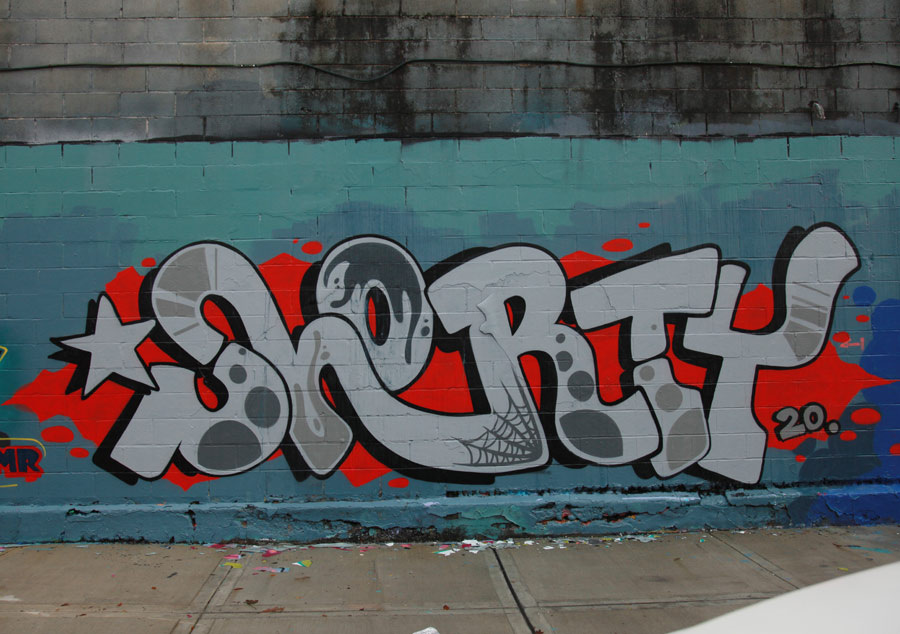
Shorty. (photo © Jaime Rojo)
Thats the schnizzle. Shniz (photo © Jaime Rojo)
A tribute to Shorty RIP. (photo © Jaime Rojo)
Dragon99 for The Bushwick Collective. (photo © Jaime Rojo)
Butterfly Mush pondering her options… (photo © Jaime Rojo)
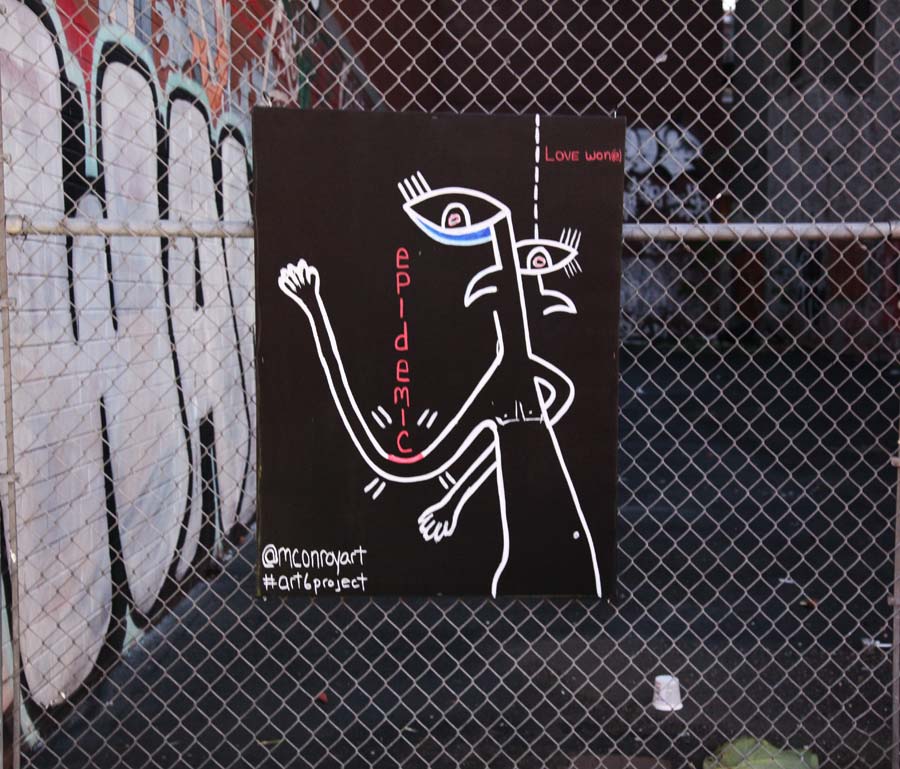
Michael Conroy (photo © Jaime Rojo)
Unidentified artist (photo © Jaime Rojo)
Read more