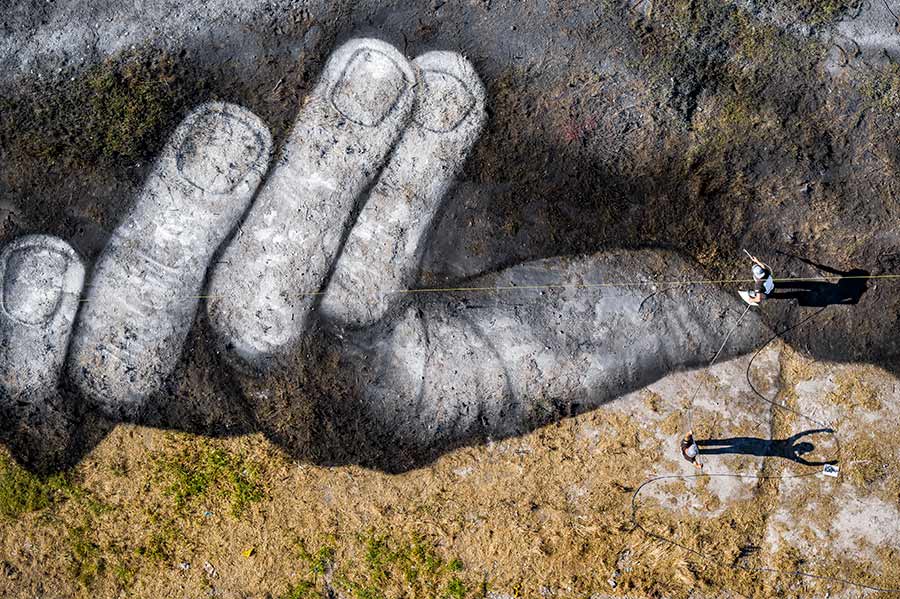
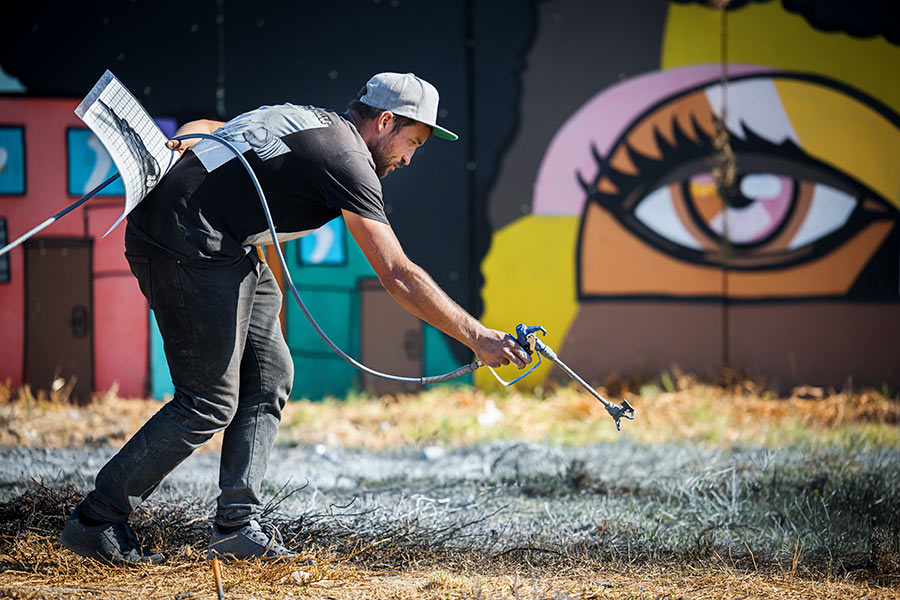
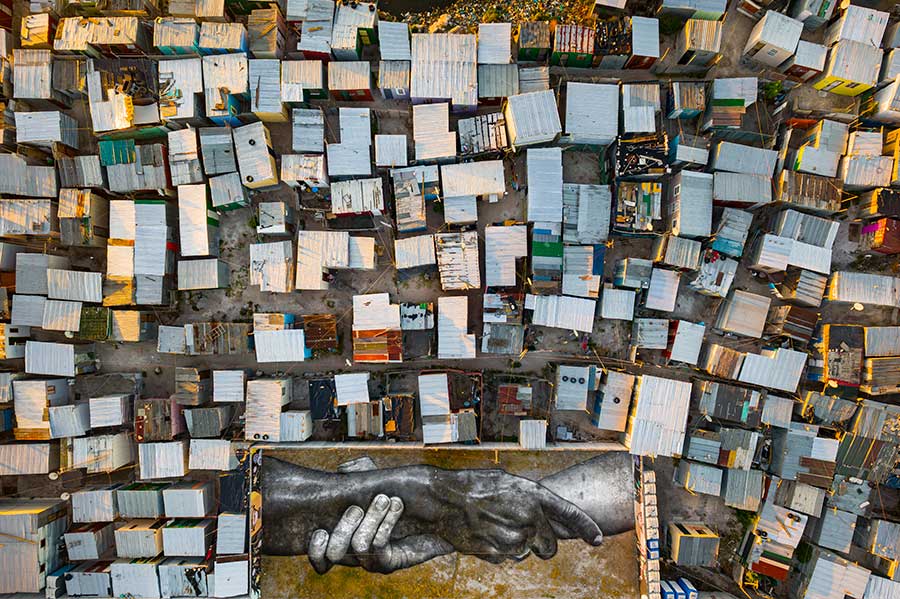
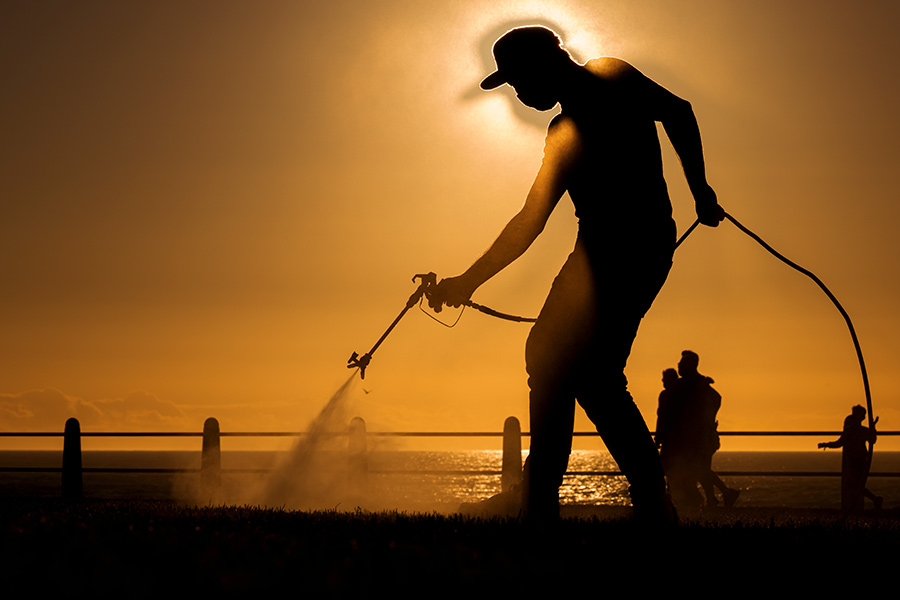
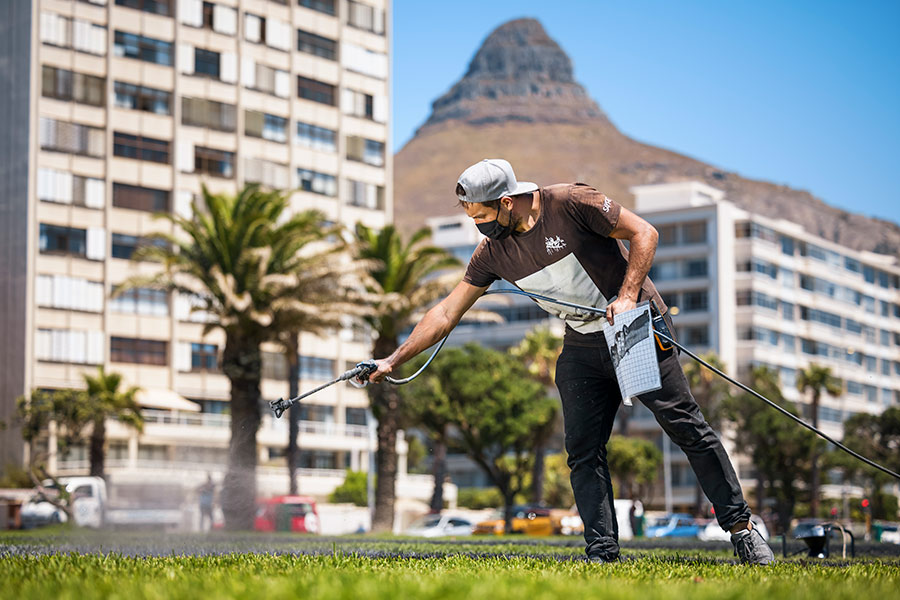
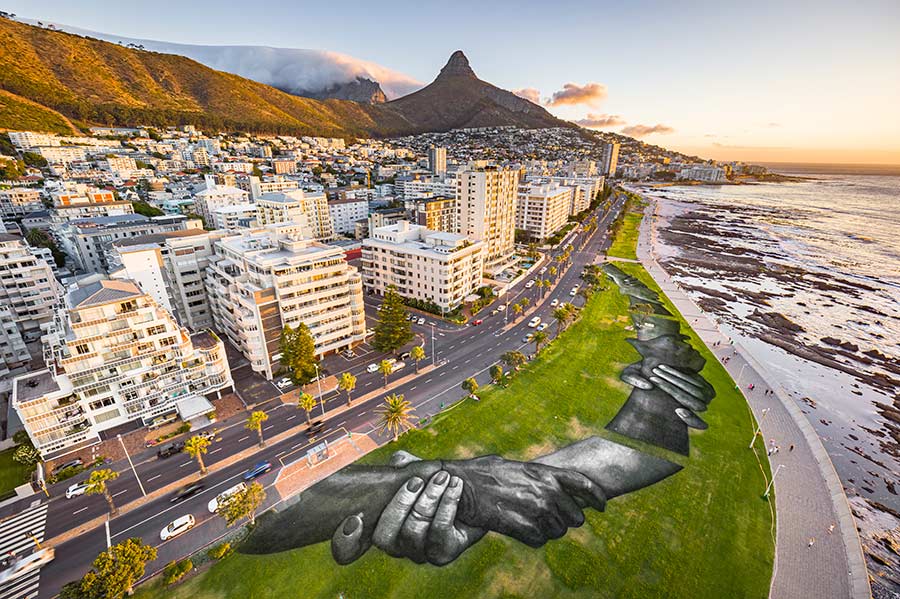
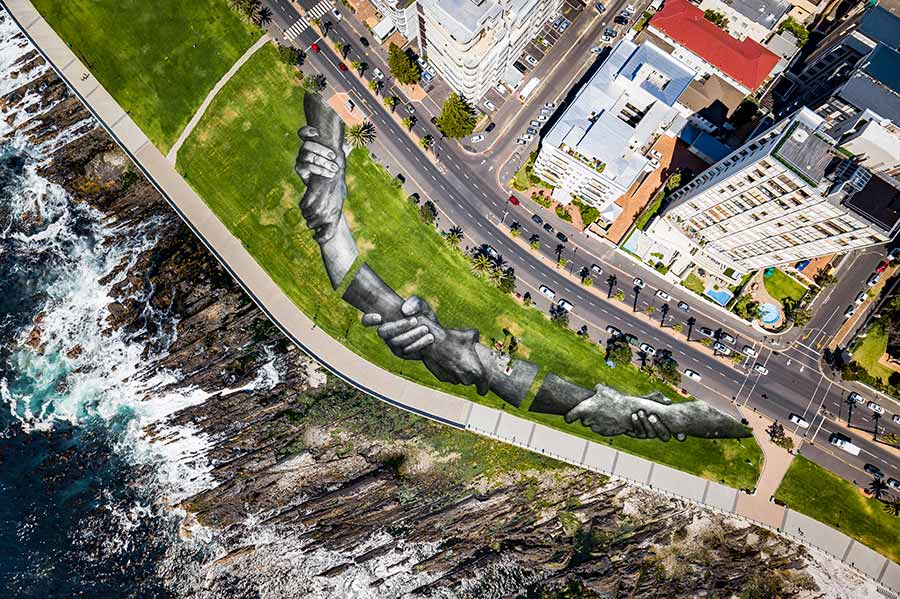
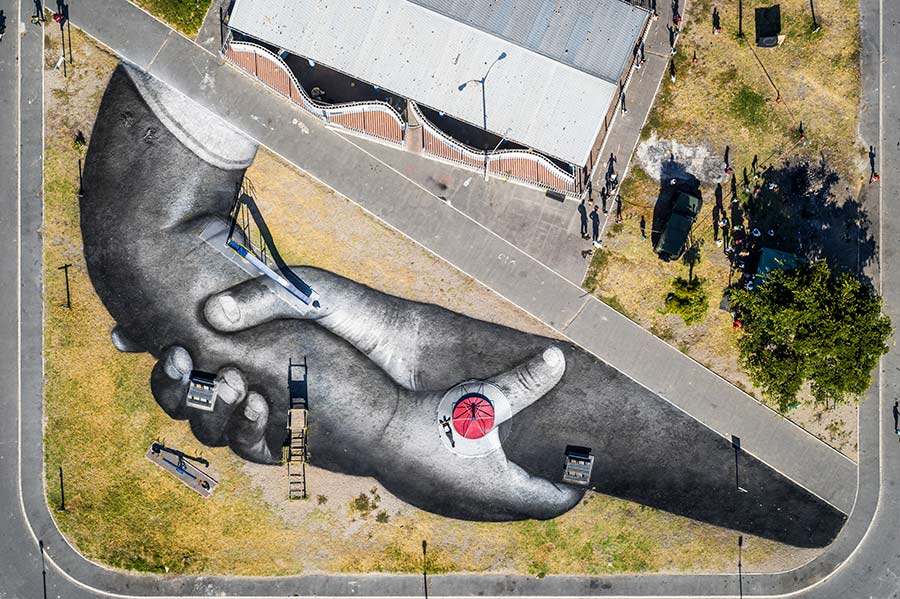
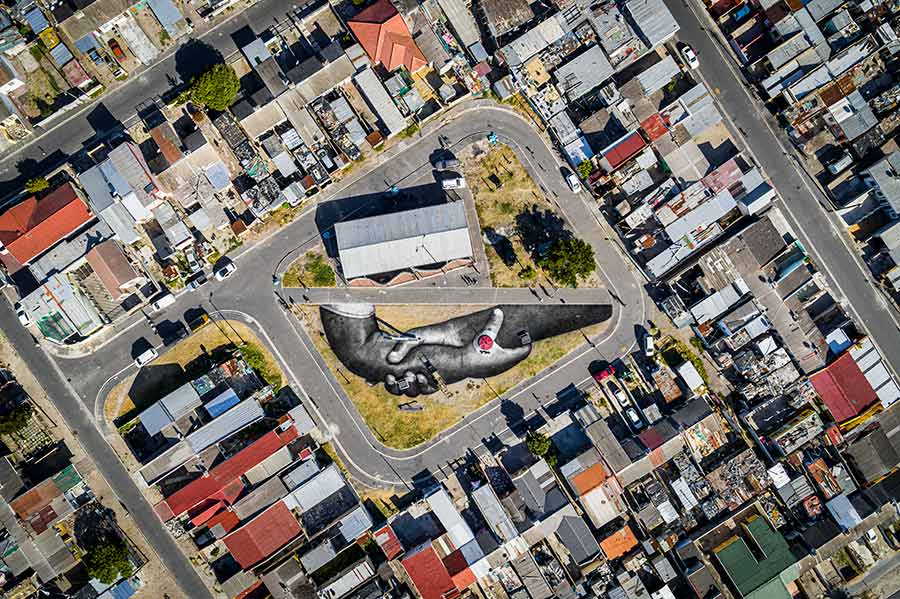
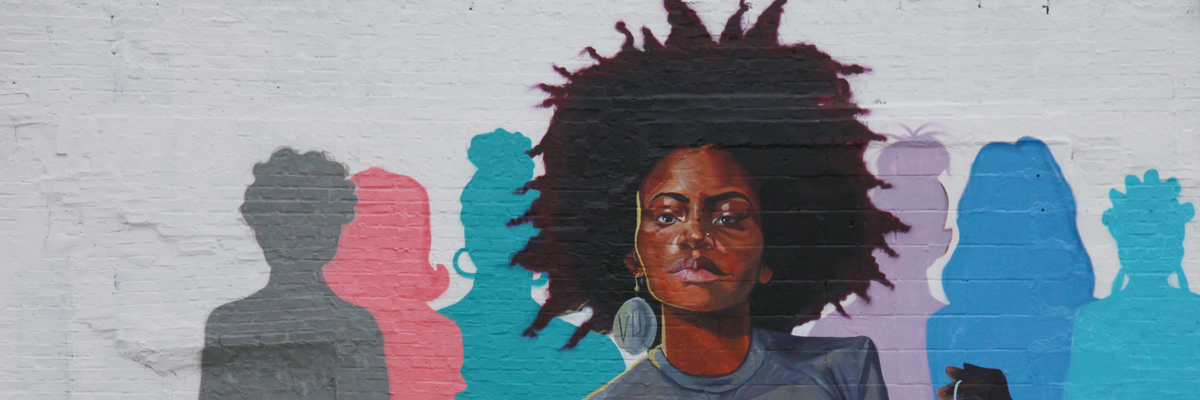
Three frescoes in Sea Point, Cape Town, South Africa are the latest installments of hands and arms joined with one another for the French large-scale land artist Saype.
The pieces are created in Sea Point (6000 m²), the Philippi township (800 m²) and the Langa township (800 m²) and together represent the 9th stop on his worldwide “Beyond Walls” project.
Given the crises that the world is experiencing with the Covid-19 pandemic and the historic divisions in South Africa, Saype says he chose to present a fraternal vision in these three neighborhoods of Cape Town.
Project organizers say “The current crisis reinforces Saype’s optimistic will to present these universal frescos of benevolence and togetherness,” even though he knows that it may represent, “a modest contribution to reunite a city whose historic scars have not yet healed.” Recognizing that the society is still striving to recover from the dark time of apartheid, here is an artist who is using his talents to help heal wounds.
Just finished on January 21, organizers say that the three frescoes were created using approximately 1000 liters of biodegradable pigments made out of charcoal, chalk, water and milk proteins.
This project is carried out in collaboration with the Embassy of Switzerland in South Africa, the International Public Art Festival, Baz-Art and the City of Cape Town.
We’re honored to be interviewed by Miss Rosen in the photography magazine Blind. Here is the introduction of her article with a link to the full story.
By Miss Rosen for Blind Magazine.
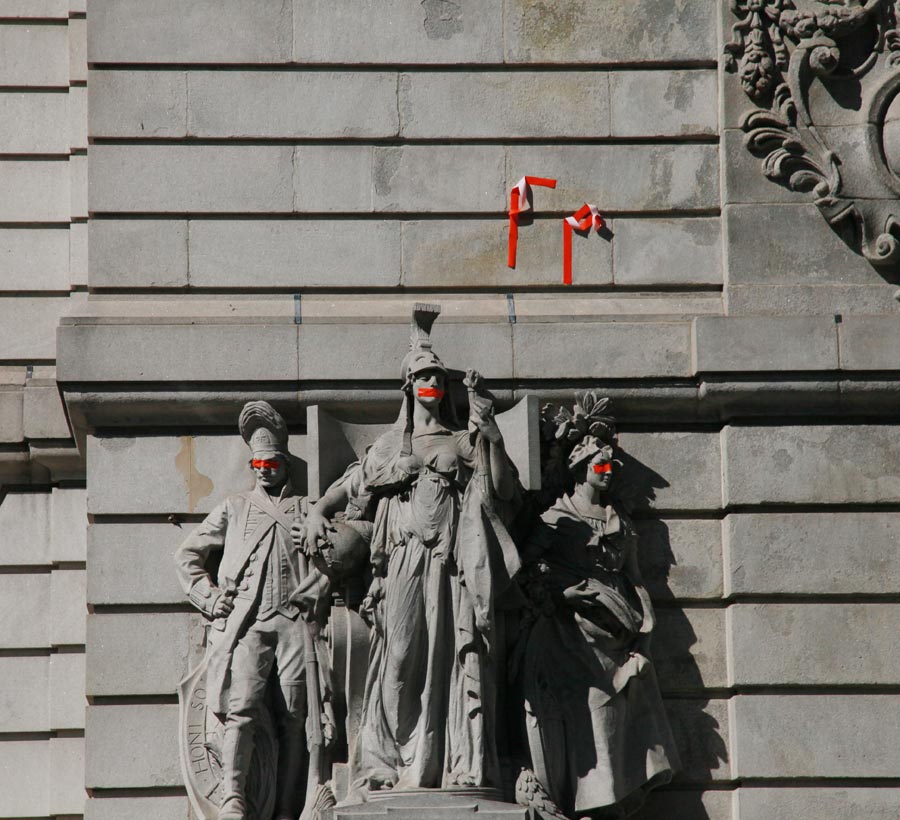
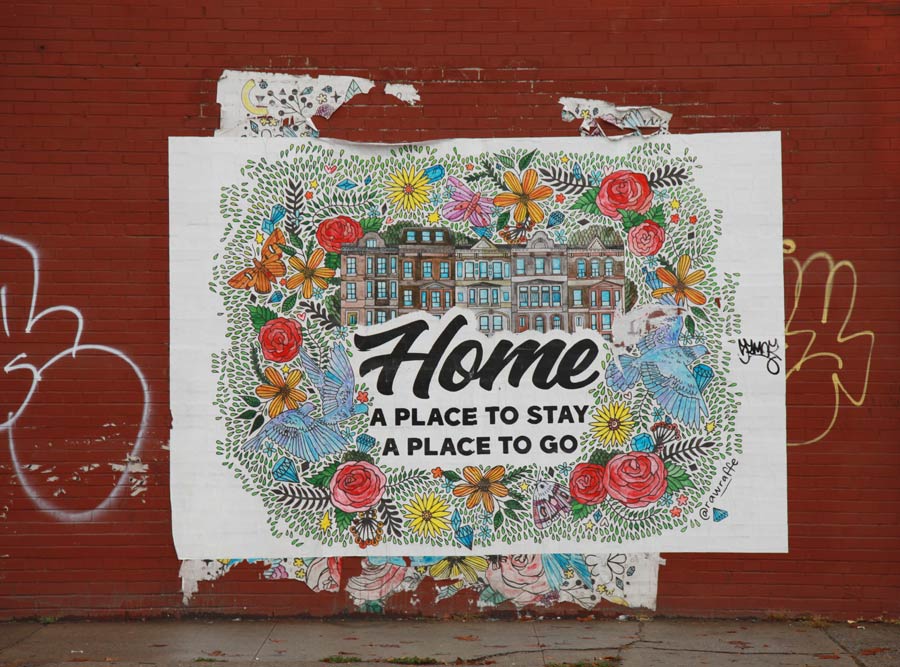
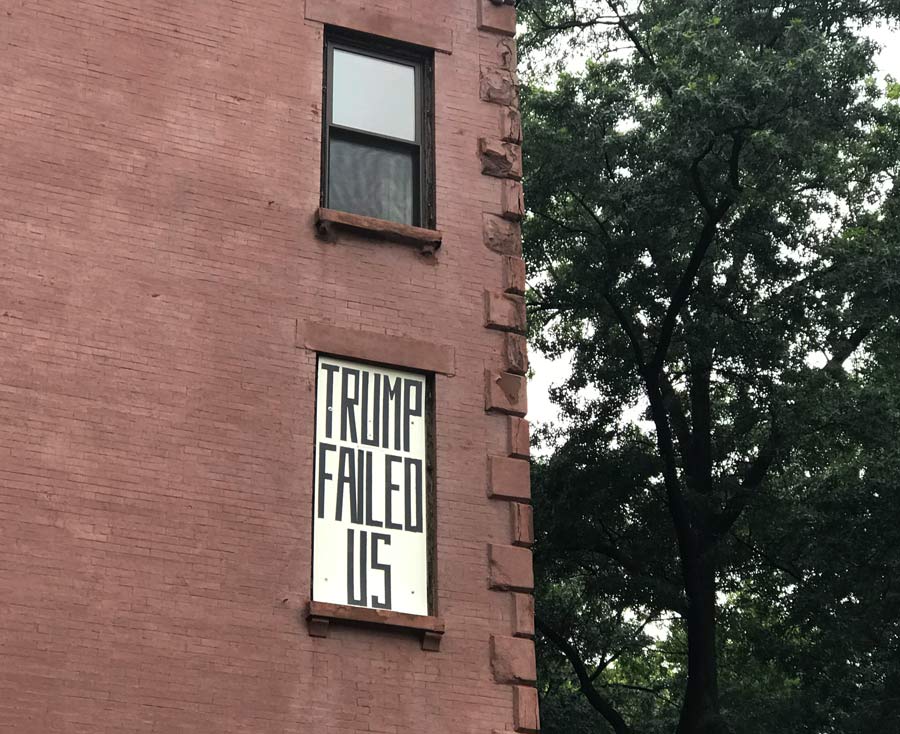
“If graffiti changed anything, it would be illegal,” street artist Banksy said. Jaime Rojo and Steven Harrington of Brooklyn Street Art reflect on the relationship between street art, activism, and photography.
Though we are surrounded by omens portending the future before it occurs, many refuse to read “the writing on the wall.” The confluence of graffiti and political action dates back to the Biblical story of Belshazzar’s feast when a disembodied hand scrawled words on the palace wall in a language no one could understand. According to the Book of Daniel, the young hero deciphered the message and warned the king the great empire of Babylon was going to fall.
The parable, contained within the larger story of apocalypse, is uncannily timely given the resurgence of graffiti and street art, two of the most vital, viral forms of contemporary art. Long intertwined with photography and activism, today’s “writing on the wall” has become the medium of the proletariat in the fight against the oppressive power structures dominating everyday life around the globe.
Though we are surrounded by omens portending the future before it occurs, many refuse to read “the writing on the wall.”
Miss Rosen
Throughout history artists have taken to the streets to draw attention to the issues at stake in the hopes of radicalizing the populace. From the use of wheat-pasted posters in the 1910 Mexican Revolution and John Heartfield’s anti-Nazi and anti-Stalinist crusades of the 1930s to 1968 student uprisings in Paris and Mexico City, artists have long taken to the streets to expose the corruption of political institutions. Although their works are local and temporal, photography has played an integral role in preserving and distributing their messages far and wide.
“Humans have always had the urgency to leave their mark behind. Walls and rocks have been their canvases for millennia,” say photographer Jaime Rojo and editor Steven P. Harrington of Brooklyn Street Art. “By the 1980s, graffiti writers like Lee Quiñones routinely addressed social and political topics when using New York City subway trains as canvases. Likewise, street art in 2020 has referenced police brutality, structural racism, feelings of alienation, disgust with politicians and a vast economic chasm that is shredding the fabric of society.”
Click HERE to continue reading the full article in Blind Magazine…
Miss Rosen is a New York-based writer focusing on art, photography, and culture. Her work has been published in magazines and websites including Time, Vogue, Artsy, Aperture, Dazed, and Vice, as well as books by Janette Beckman, Joe Conzo, Jane Dickson, Arlene Gottfried, and Allan Tannenbaum. As publisher of Miss Rosen Editions, she has produced books including the legendary hip-hop epic Wild Style: The Sampler by Charlie Ahearn (2007), Do Not Give Way to Evil: Photographs of the South Bronx, 1979–1987 by Lisa Kahane (2008), and New York State of Mind by Martha Cooper (2007).
Blind is a magazine that invites you to take the time to see, read and understand the language of photographers. Photography reveals not just what our senses perceive, but also how our sensibility acts: what moves us, touches us, and binds us.
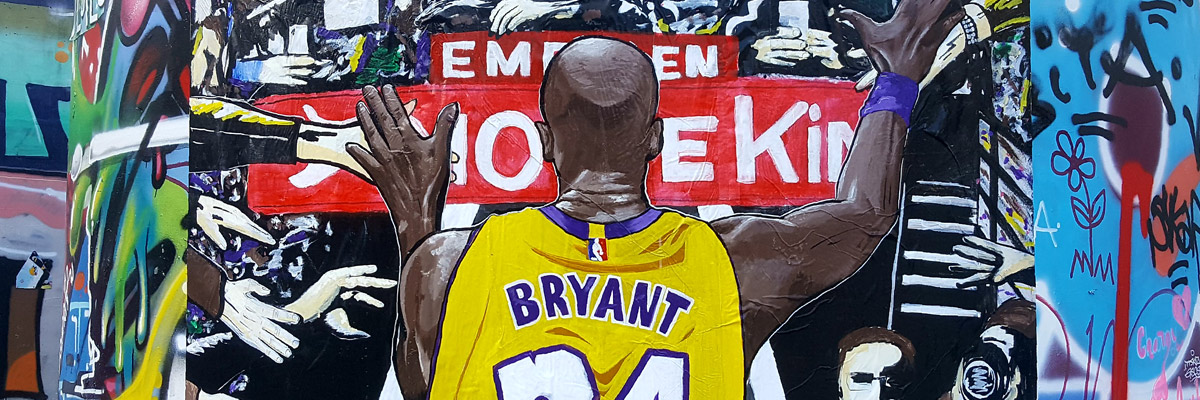
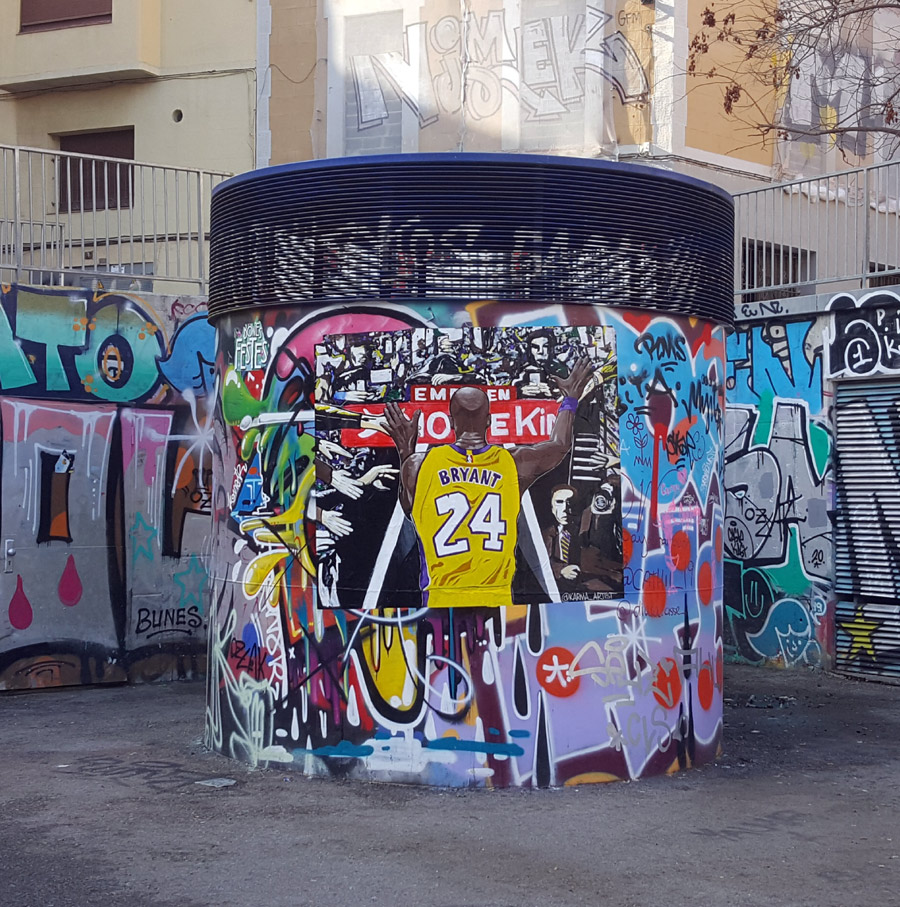
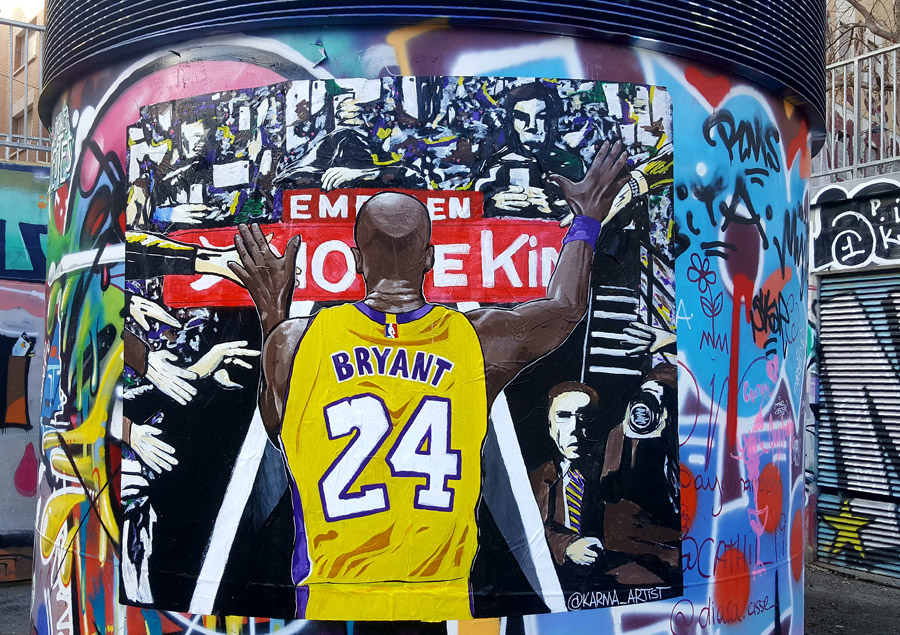
It’s been a year since tragedy struck families and fans of the globally revered retired basket ball star Kobe Bryant, who was killed in a helicopter crash in California with his 13-year-old daughter Gianna, baseball coach John Altobelli, five other passengers, and the pilot. The impact on fans was huge in many ways, and a week after his public funeral “among the items thus recovered were 1,350 basketballs, as well as ‘25,000 candles, 5,000 signs or letters, 500 stuffed animals, 350 pairs of shoes and 14 banners,’ according to Wikipedia.
Today we have a brand new tribute from one of his fans for his fans in Barcelona by street artist Karma.
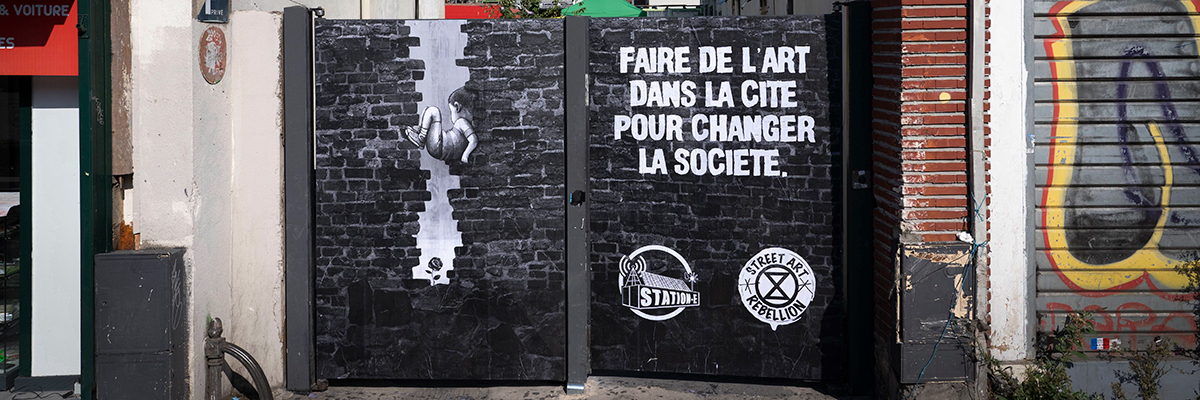
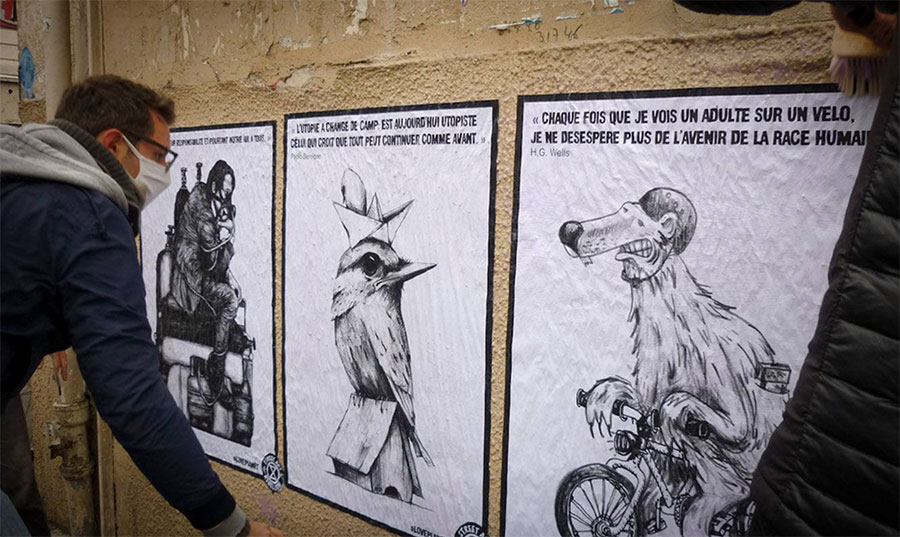
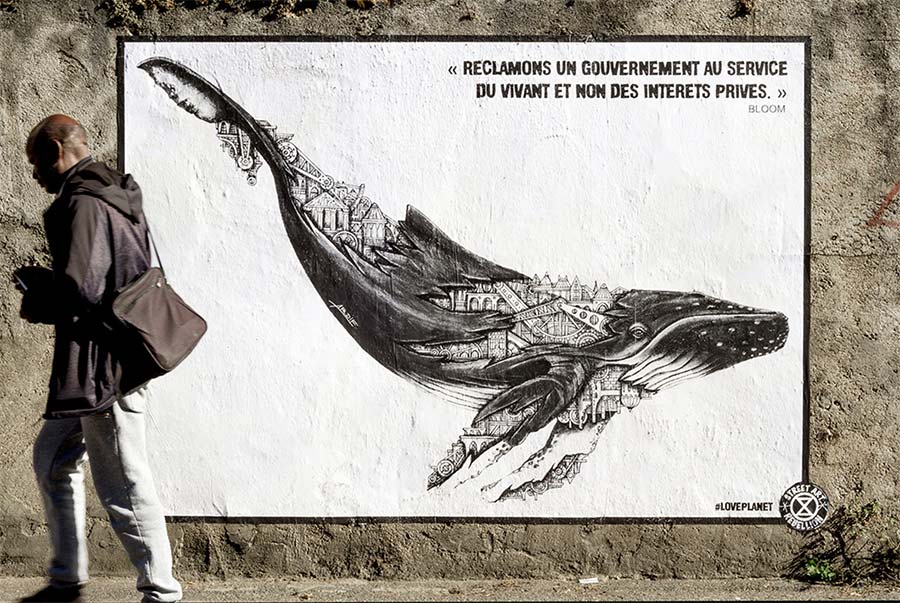
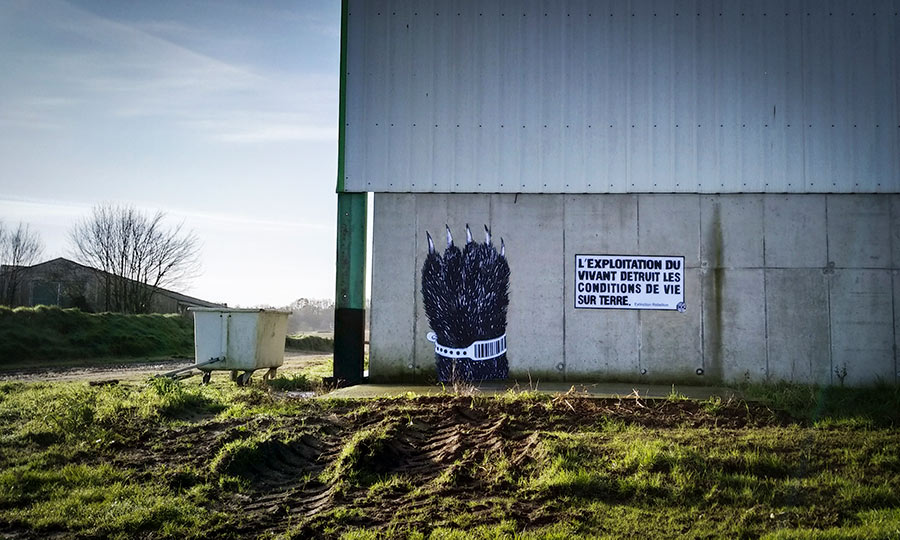
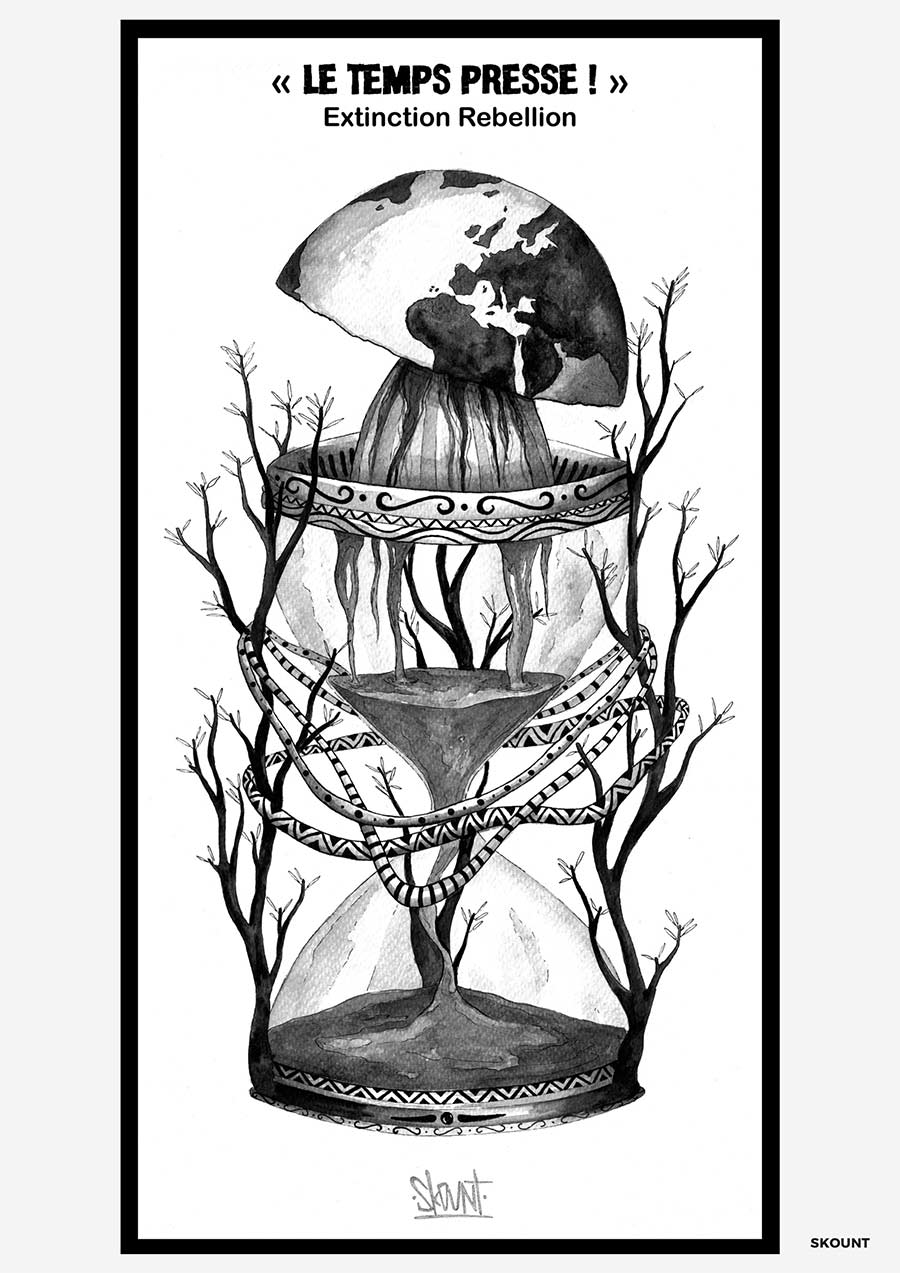
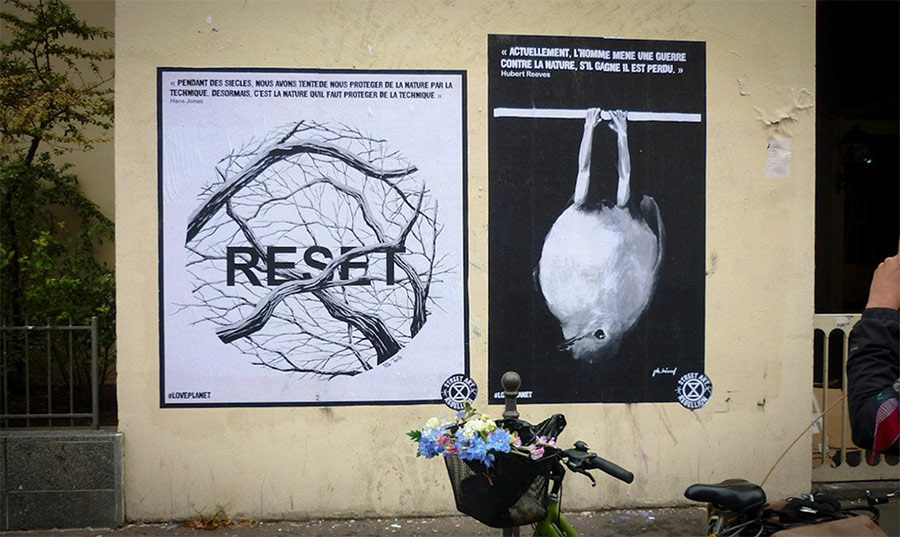
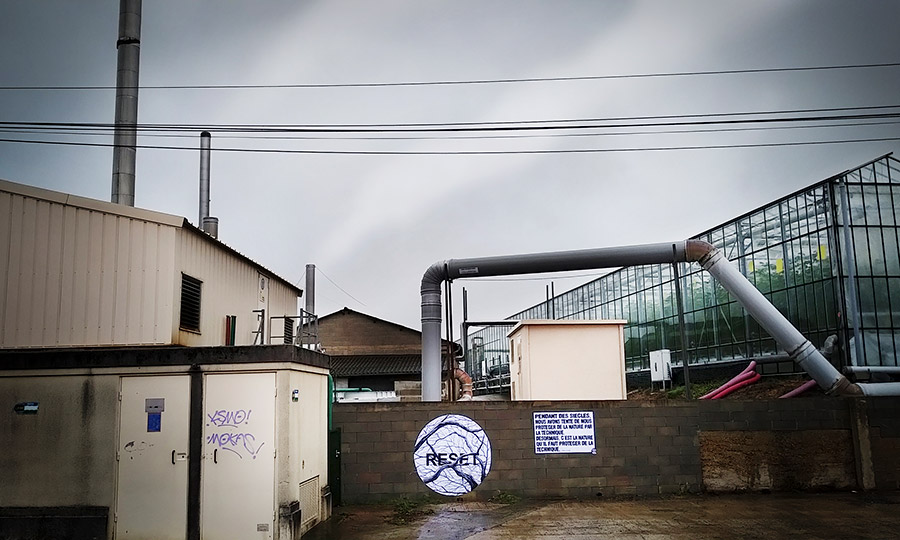
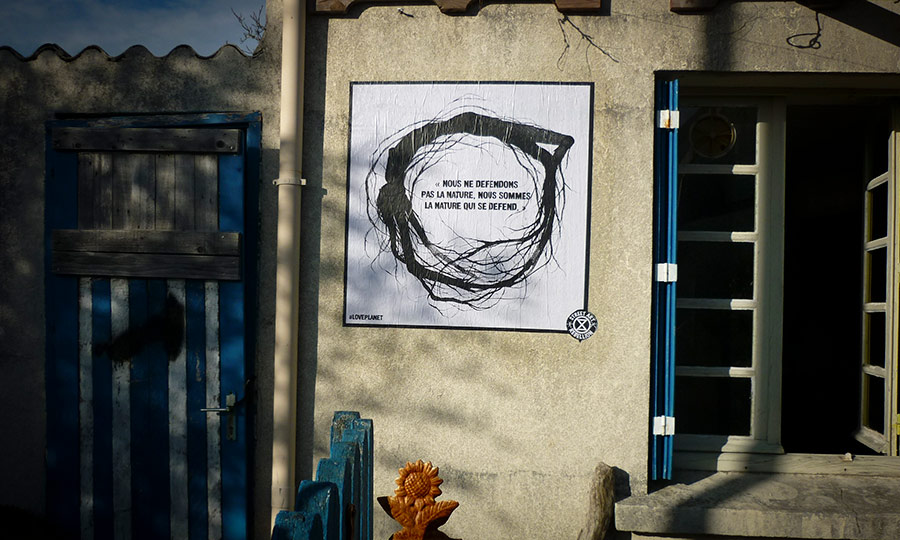
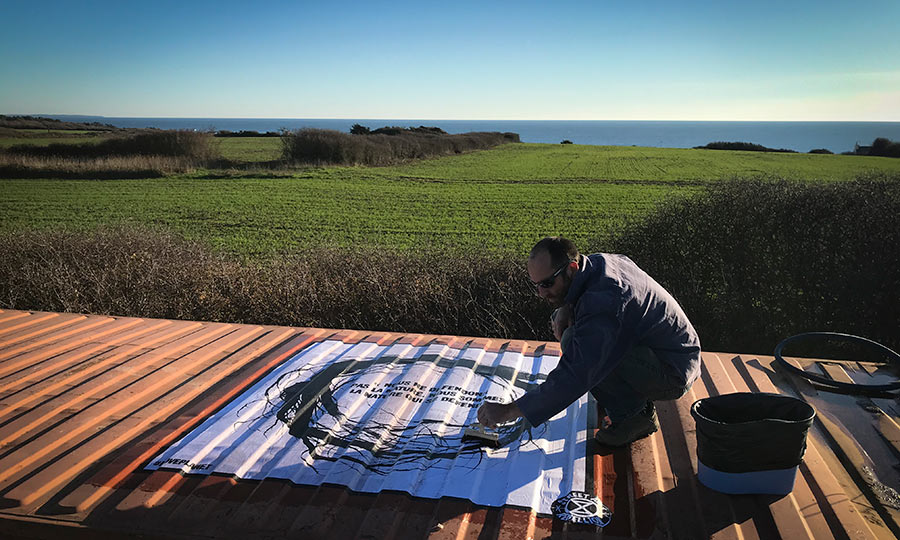
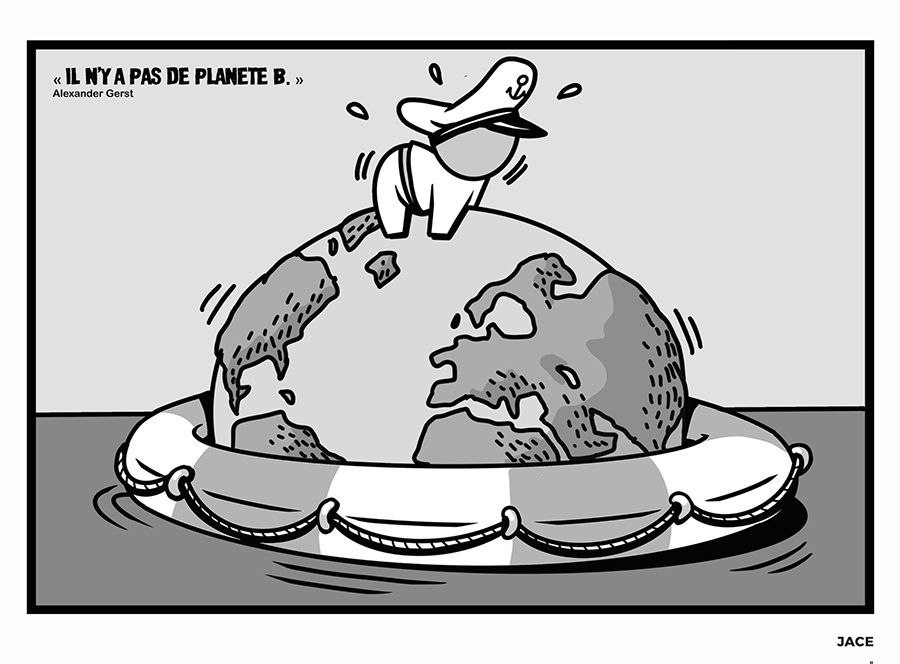
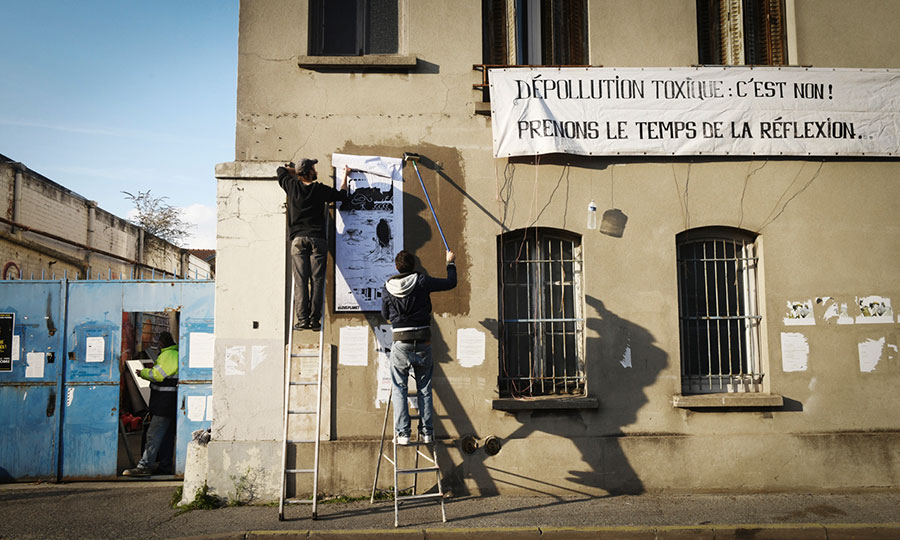
Street Art Rebellion & Extinction Rebellion have created a participative poster campaign called #loveplanet. Artworks available to everyone for FREE and for many ecological fights around the world.
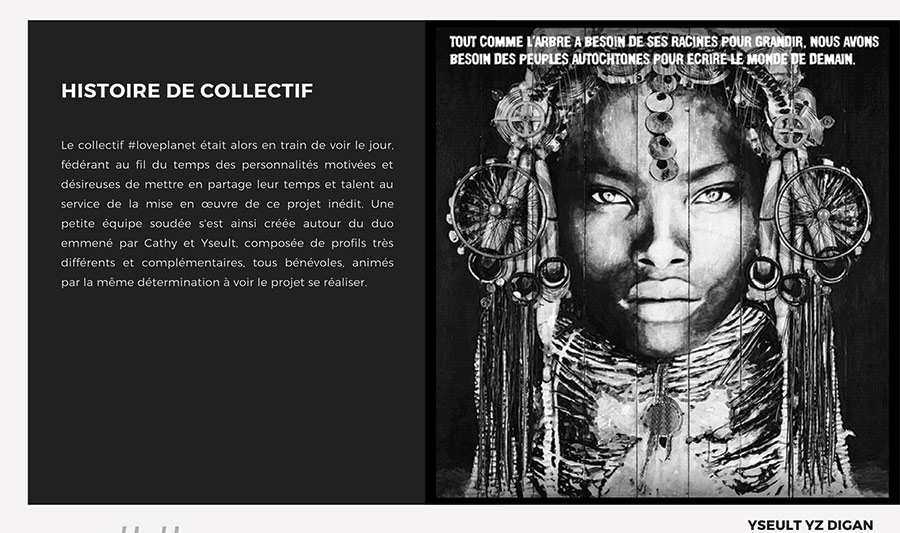
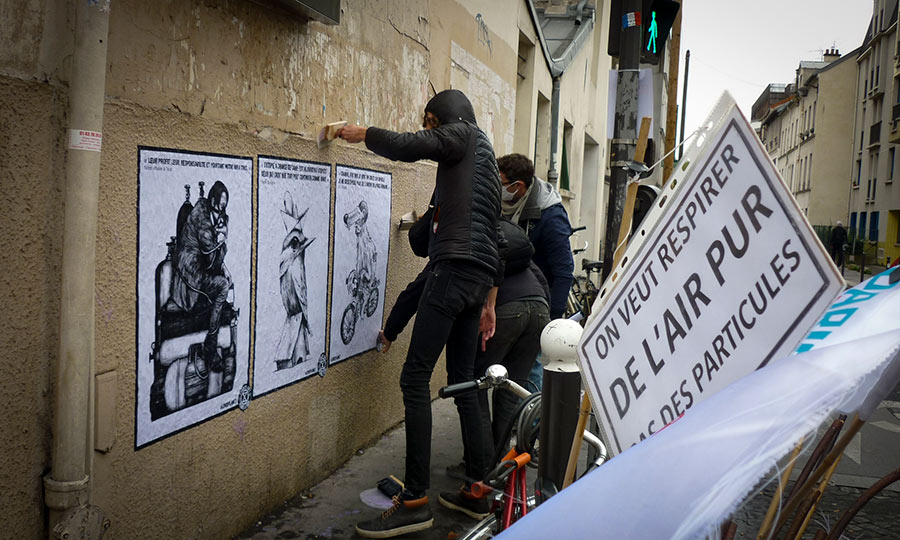
As we continue to explore the art of rebellion around the world and the artivists who are using their communal talents around the world to turn the tides of environmental disaster, we bring you the French organization called Street Art Rebellion, who along with the global environmental activists called Extinction Rebellion have conjured a participatory action for you. It is a participative poster campaign called #loveplanet and organizers say they would like to think that the action takes the form of a collective collage campaign in France and abroad.
Yseult YZ Digan. Street Art Rebellion #loveplanet (photo courtesy of Street Art Rebellion)
Like Extinction Rebellion each of these 48 artists believe that we have a moral responsibility to take personal action, whatever our personal politics about other issues are.
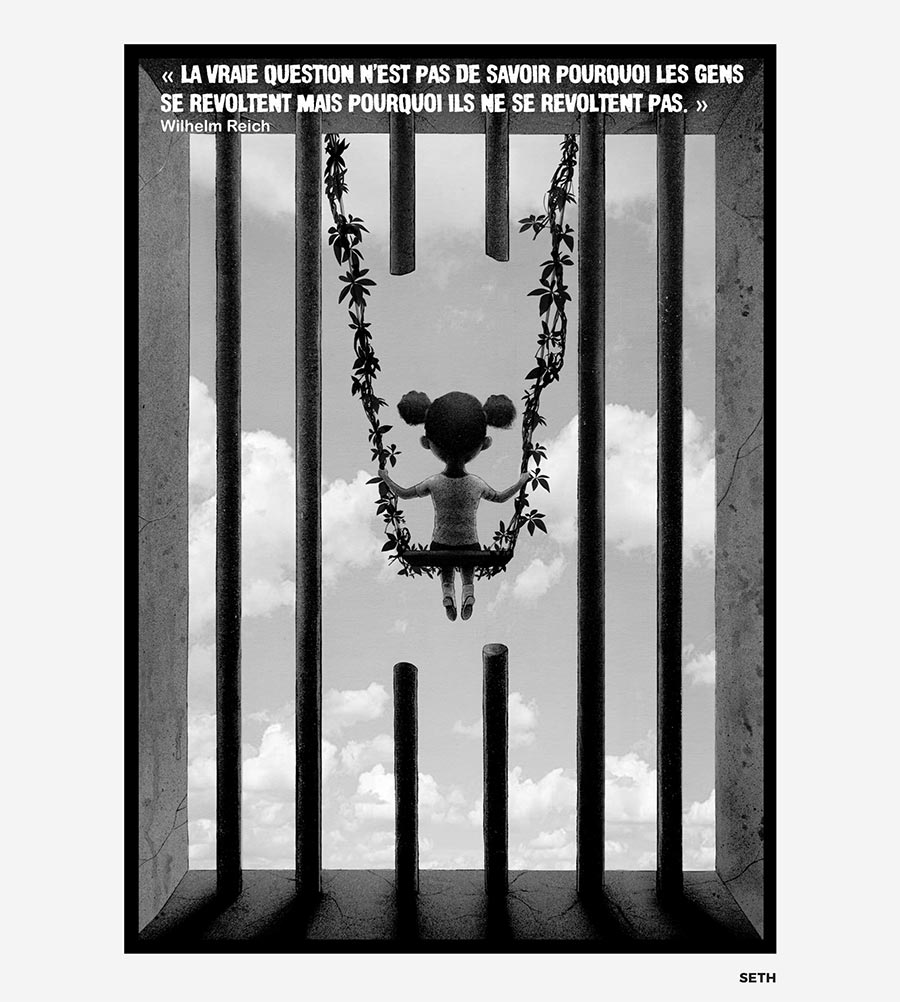
“Life on Earth is in crisis,” says the group on their website. “Our climate is changing faster than scientists predicted and the stakes are high. Biodiversity loss. Crop failure. Social and ecological collapse. Mass extinction. We are running out of time, and our governments have failed to act. Extinction Rebellion was formed to fix this.” The two groups say it is a participative poster campaign called #loveplanet, and artworks available to all and for all ecological fights around the world. The campaign is documented on the groups Facebook page since it began in September and they hope they will spread the news and inspire more artists to join in.
SETH. Street Art Rebellion #loveplanet (photo courtesy of Street Art Rebellion)
“We encourage society as a whole to continue and expand the movement.”
Today you can join in by downloading artworks donated by these artists as posters and put them up around your neighborhood, your area, your street.
Many people in New York and around the world breathed a collective sigh of relief this week when our native son from Queens got on that helicopter with his immigrant wife and A. left the White House and, B. flew to Florida.
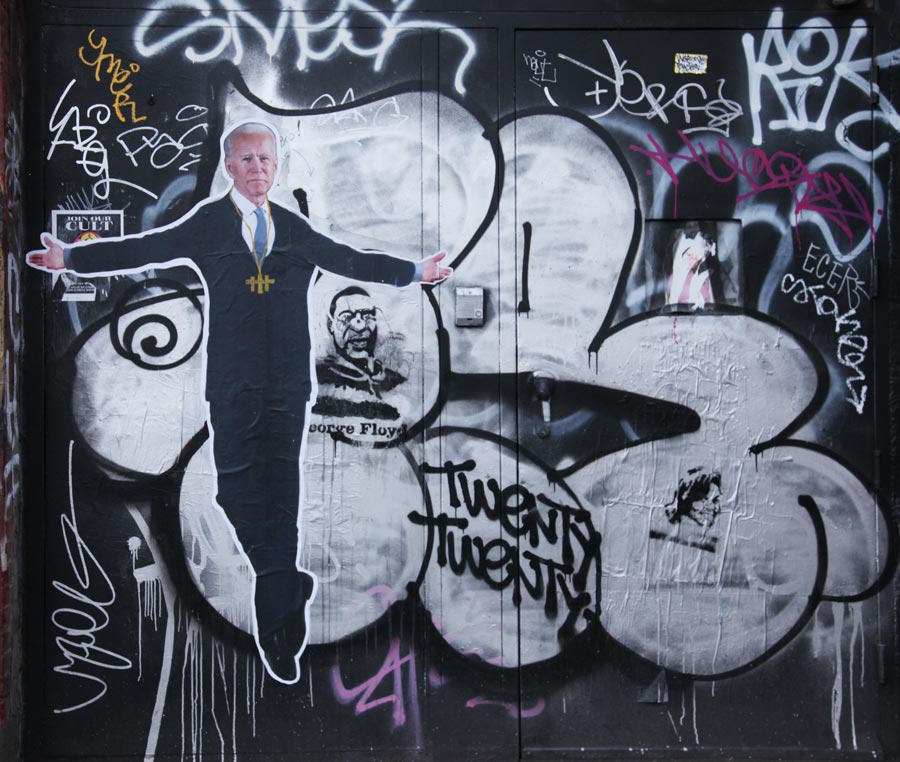
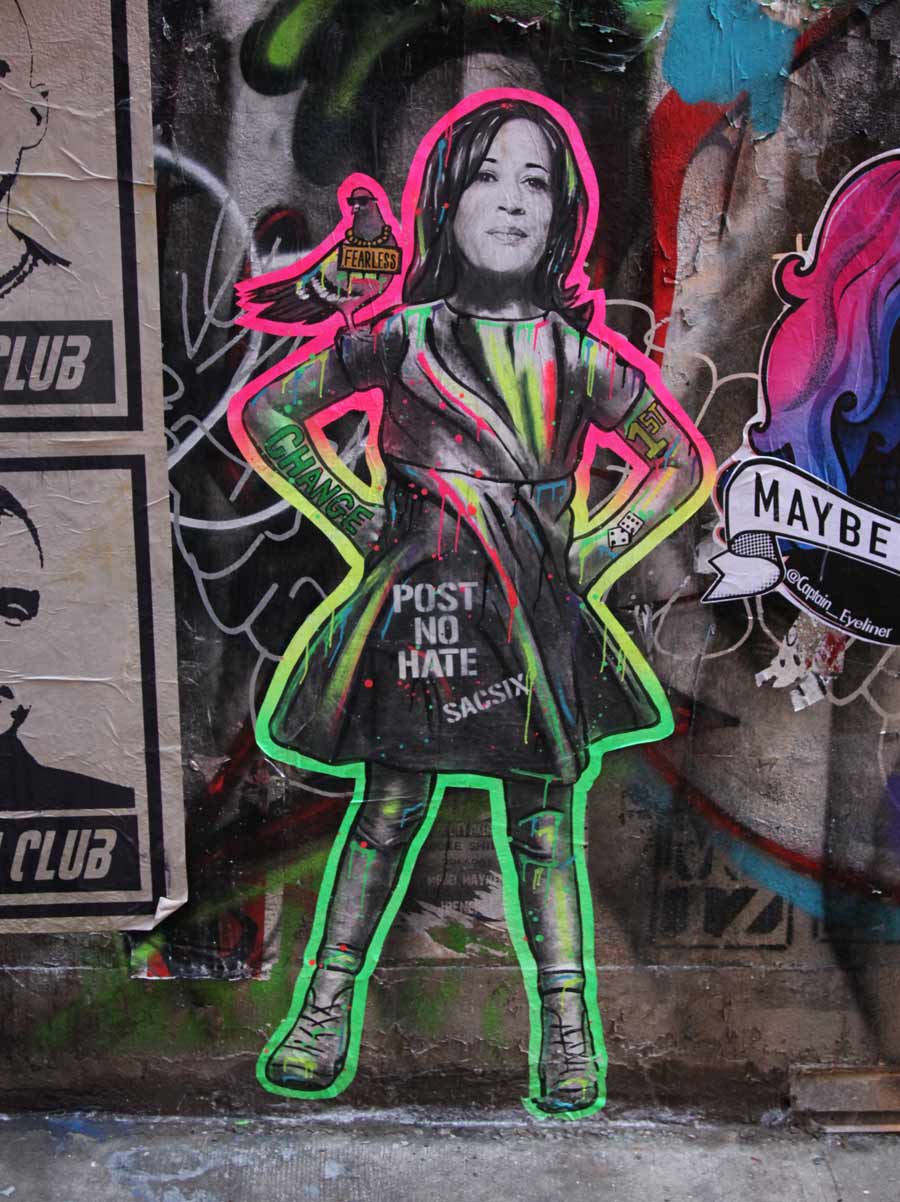
But for this week anyway, the streets are saying let’s give Biden and Harris and this new administration the congratulations and the honeymoon they deserve. We wish them (and us) the best!
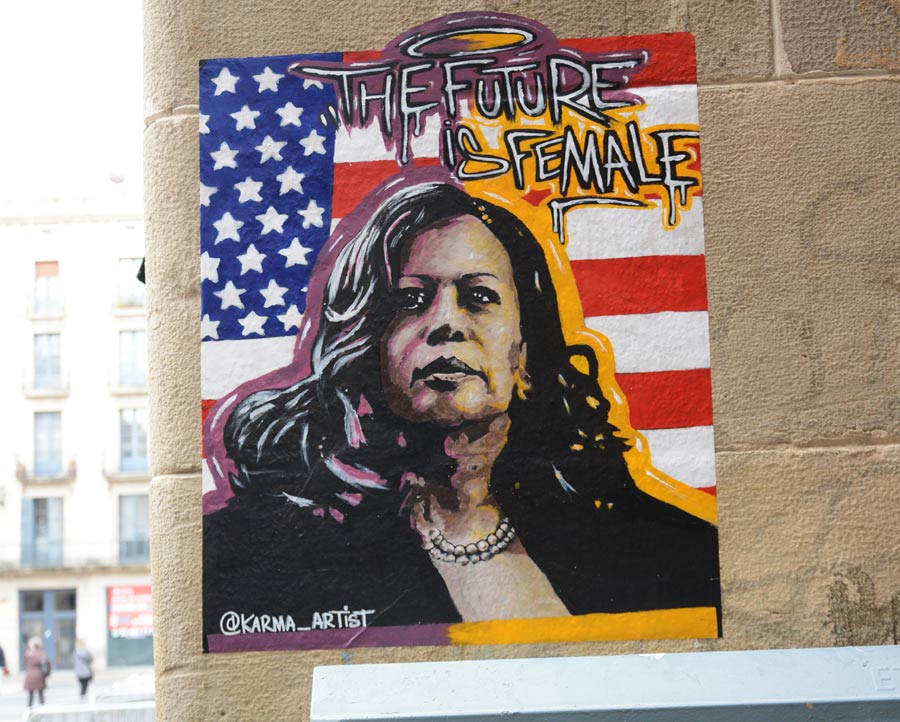
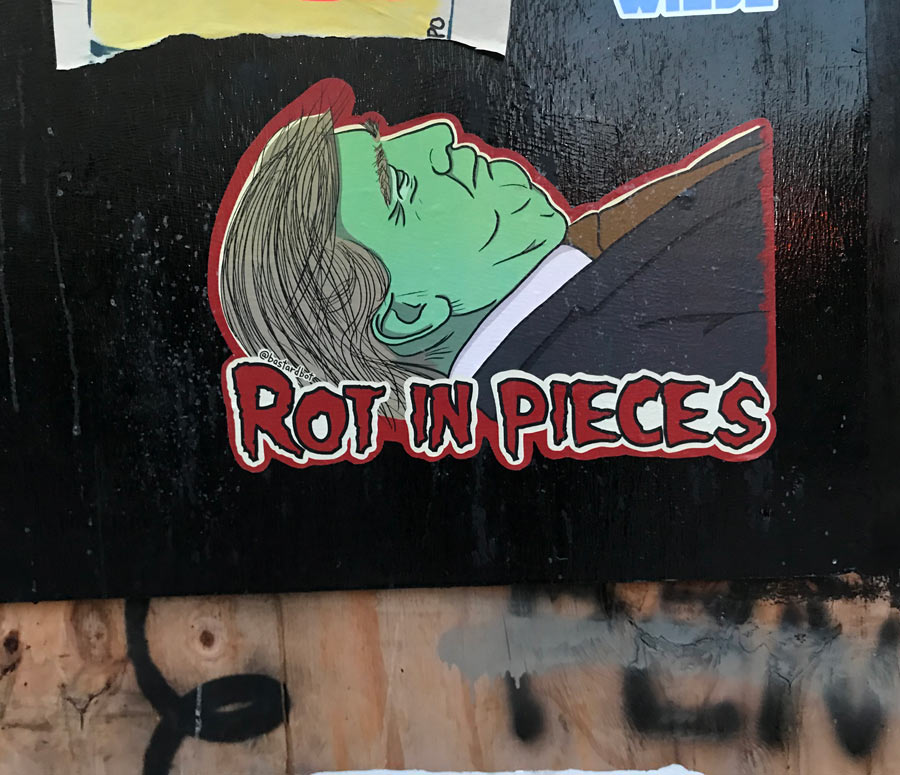
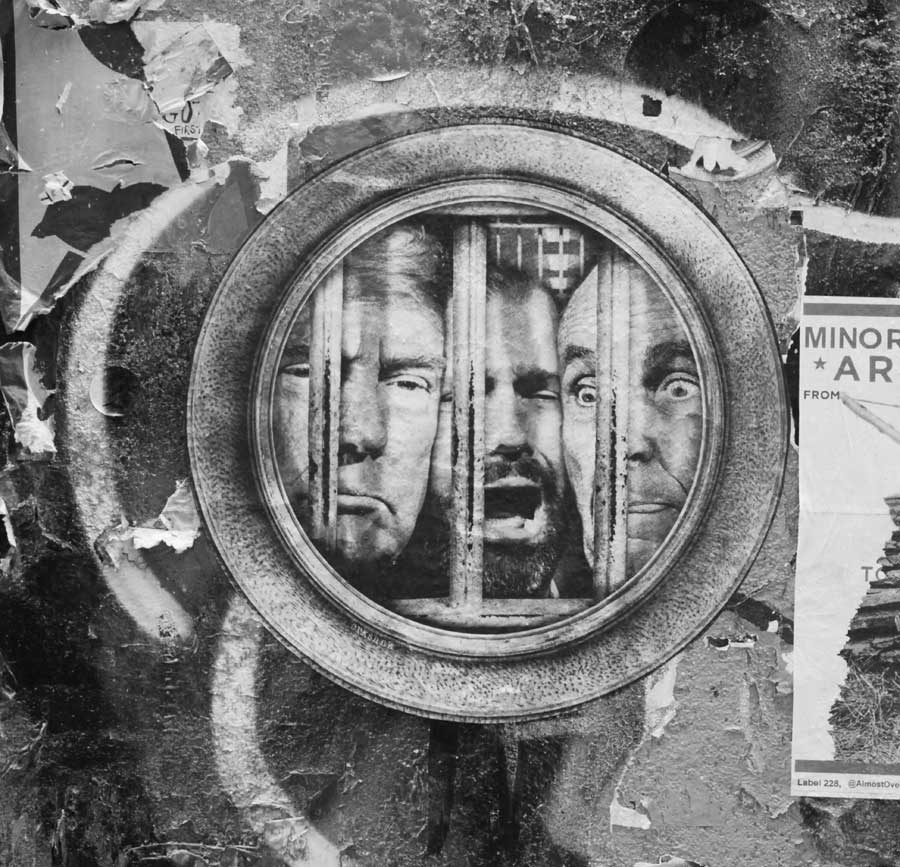
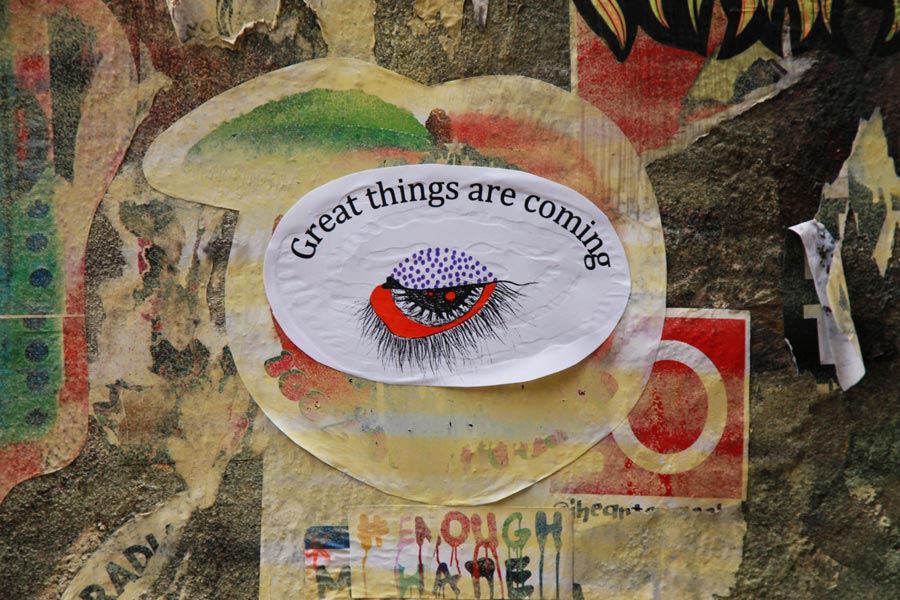
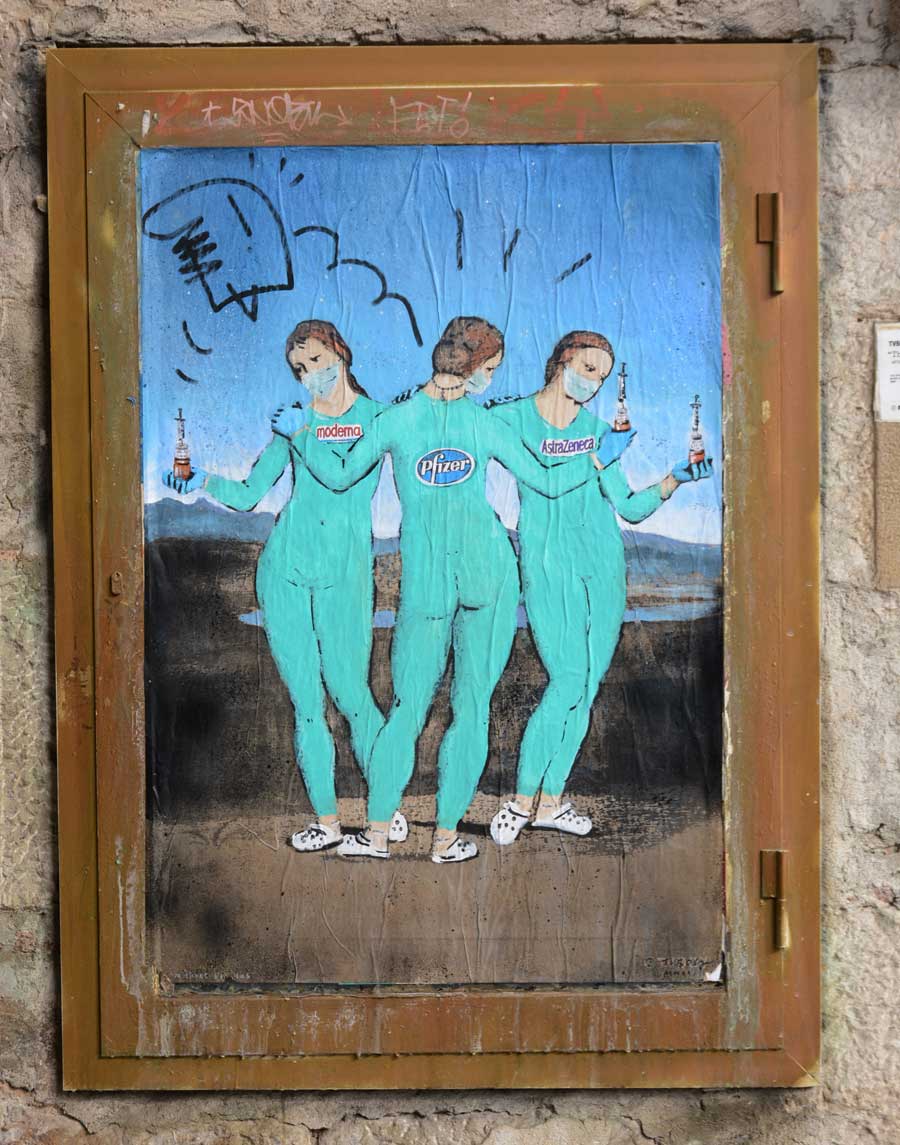
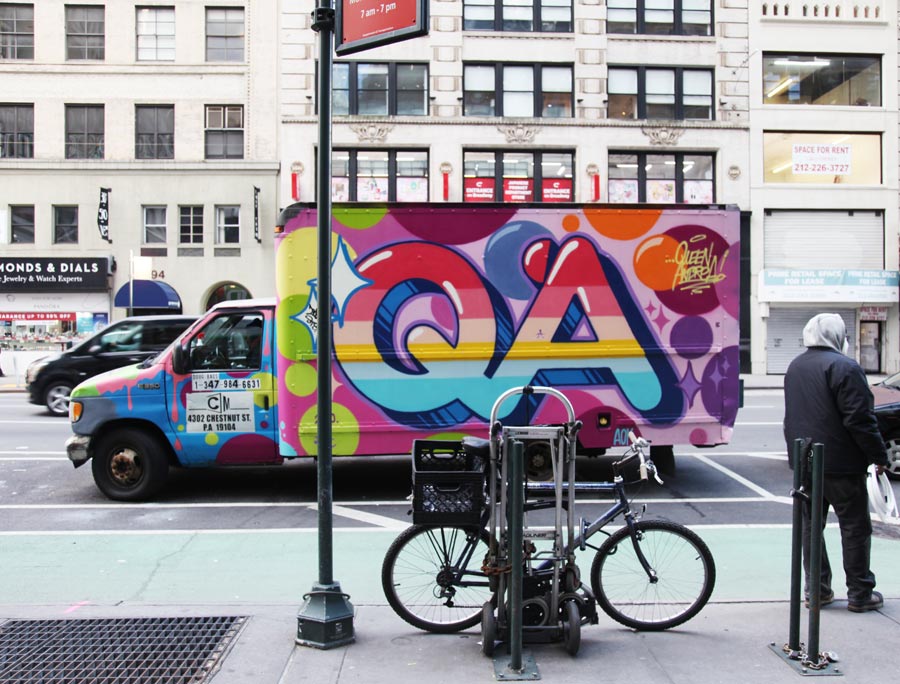
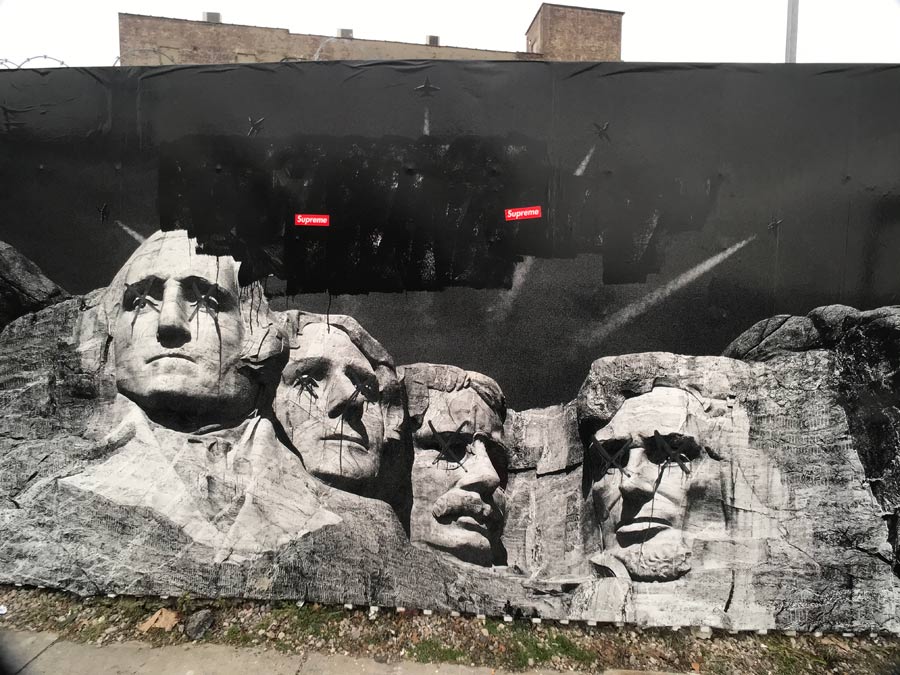
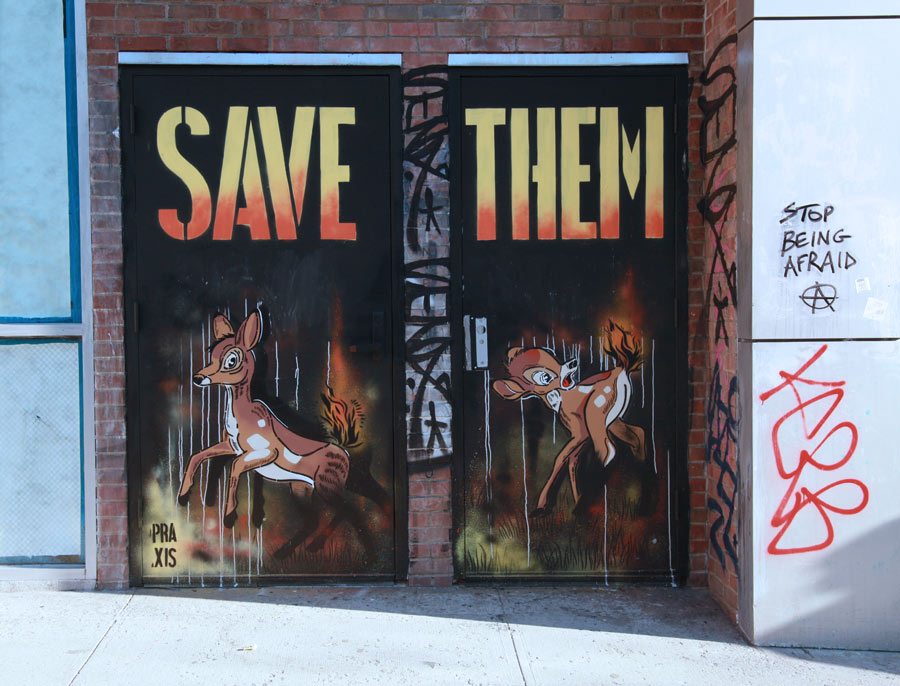
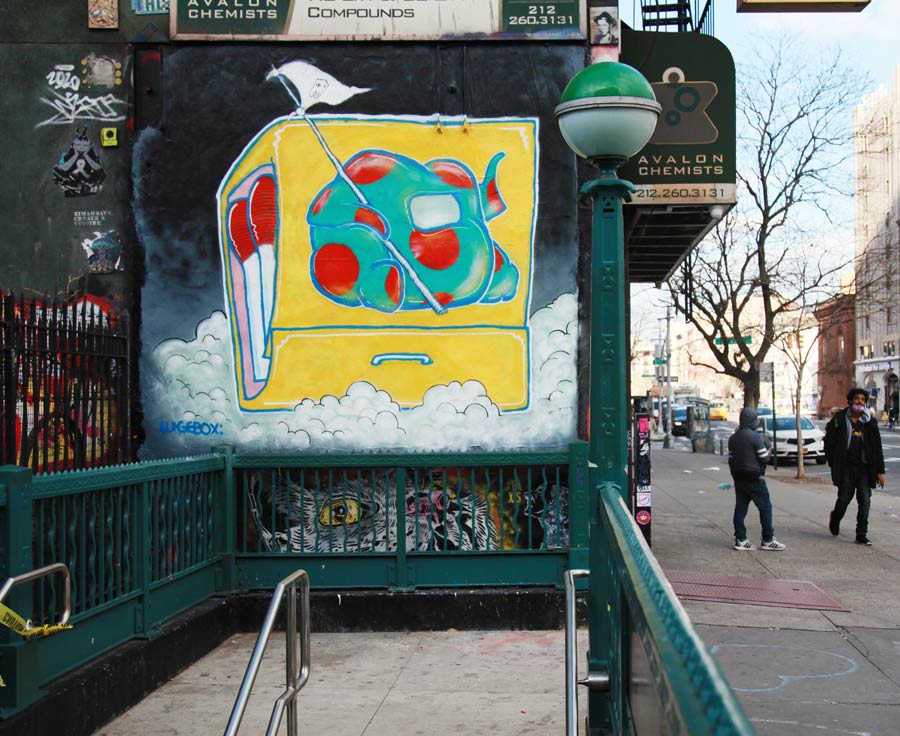
Here’s our weekly interview with the streets, this week featuring Anna is a toy, Bastard Bot, CRKSHNK, Elfo, Jason Naylor, Lunge Box, Praxis VGZ, and Queen Andrea.
The winter city streets are frozen and foreboding right now.
It’s late January and, like many people in the Northern Hemisphere, you are venturing outside only out of necessity, or boredom with your Covid lock-down walls. With leafless trees, closed businesses, barren social calendars, and endless grey cold concrete to greet you – one wonders how nature can be so cruel.
In the face of these realities, Jennifer Rizzo at New York’s Hashimoto gallery decided to festoon the interior space with flowers and plants, curating nearly three dozen artists to create something LUSH.
Andy Decola “Temptation”. Lush/Hashimoto Contemporary. (photo courtesy of the gallery)
It may seem odd to become fixated on this most traditional of subjects in the modern skew of our worldview. Somehow we cannot imagine art collectors beguiled by the natural world. But these times are crying out for new solutions, or at the very least, a salve for our psychic wounds. Hashimoto may be onto something indeed.
Aldrin Valdes “Sunny days indoor with Ingres. A neon bougie fantasy”. Lush/Hashimoto Contemporary. (photo courtesy of the gallery)
We asked Jennifer Rizzo about the new show, how she conjured it, and how her garden grows.
BSA:How many flowers do you have blooming in the gallery right now?
JR: So many! Thirty-three artists came together for this show, many of them incorporating multiple flowering plants and species into their works. Then there’s the actual flowering plants in the space. I think I’d need a field guide and a few hours to take an official count of all the lovely varieties blooming in the space.
Hola Lou “Jungla de noche”. Lush/Hashimoto Contemporary. (photo courtesy of the gallery)
BSA:Certainly there is a history of people collecting nature-inspired art, including landscapes and botanicals – but it hasn’t exactly been in “fashion” for some time. Is this show a reaction in some way to the current climate politically, socially, economic?
JR: In some ways it is a personal response to what we have collectively been living through this past year. We are all spending more time at home than ever, many gravitated to cooking, baking, picking up new hobbies such as musical instruments or gardening. For most urban dwellers, gardening happens on a windowsill. In times of uncertainly, I know I look for things that are comforting and in a way, familiar. Things that feel nurturing. What can be more beautiful, accessible, timeless than nature in art?
Jeff Canham “Plants Clusted”. Lush/Hashimoto Contemporary. (photo courtesy of the gallery)
BSA:How do some of these works represent “modern” reworkings of this traditional theme? Can you give a couple of examples?
JR: I wanted the exhibition to present a survey of the scene, and see how contemporary artists are interpreting the subject matter, going beyond the traditional still life of a vase full of flowers, although works of that nature can be quite beautiful as well.
A few examples of artists who pushed well beyond the expected are;
Aldrin Valez’s small scale mixed media works, with figures dressed in fashion’s inspired by the prickly spikes of a cactus or the rounded petals of a flower. I love the concept of wearable art, and Aldrin’s high fashion interpretation of “make a piece inspired by the flowering species.”
Hola Lou’s abstract painting, titled Jungla de Noche. The artist’s boldly simple lines and minimal approach really pushed the concept, yet captured the rumbling energy of a jungle alive at night.
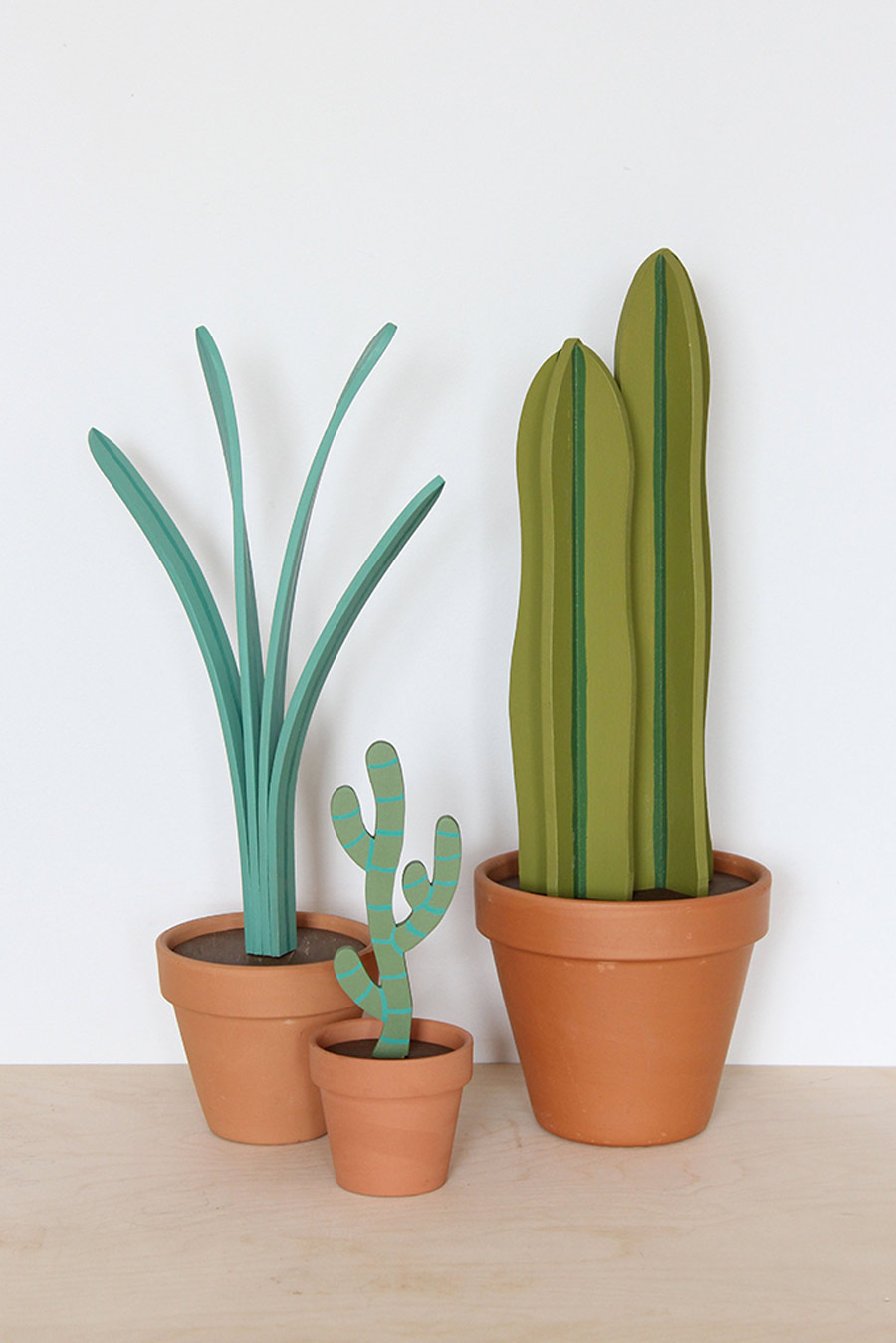
Jeff Canham’s whimsical cacti, housed in actual terra cotta planters. They are super playful, and have a flattened two dimensional quality even though they are three dimensional sculptures.
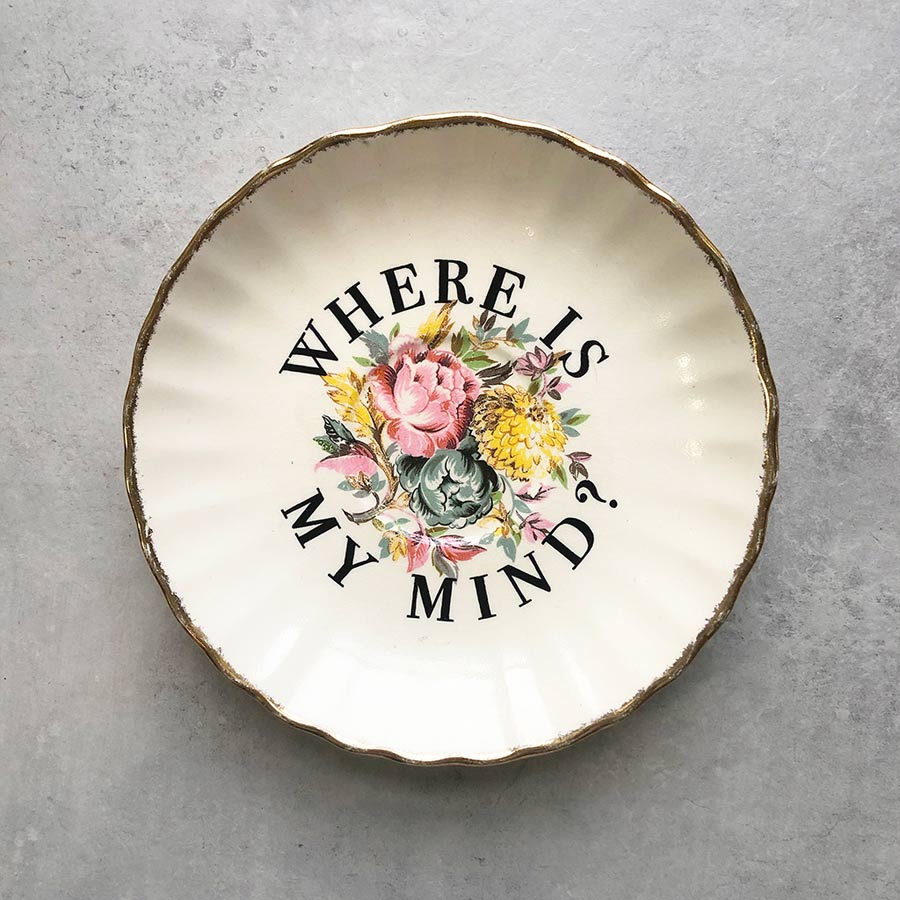
MC Marquis hand painted typography on vintage floral plates. The artist has been working on her plate series for a few years now, merging the traditional vintage plates with phrases that are topical and relatable.
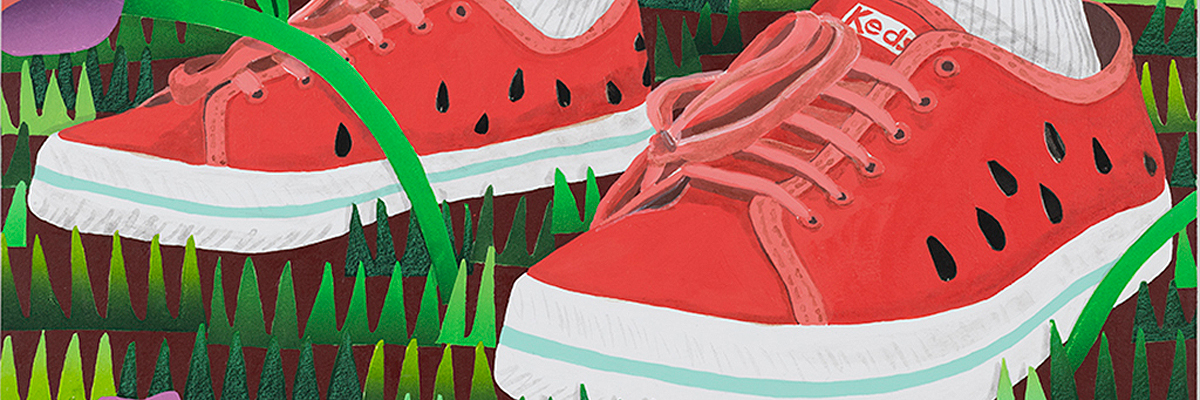
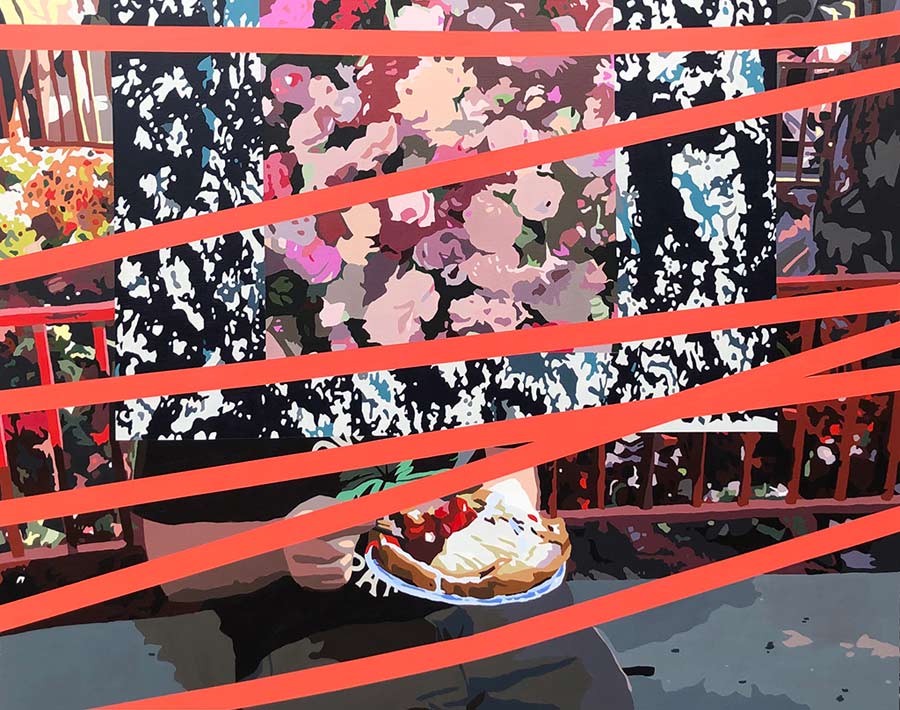
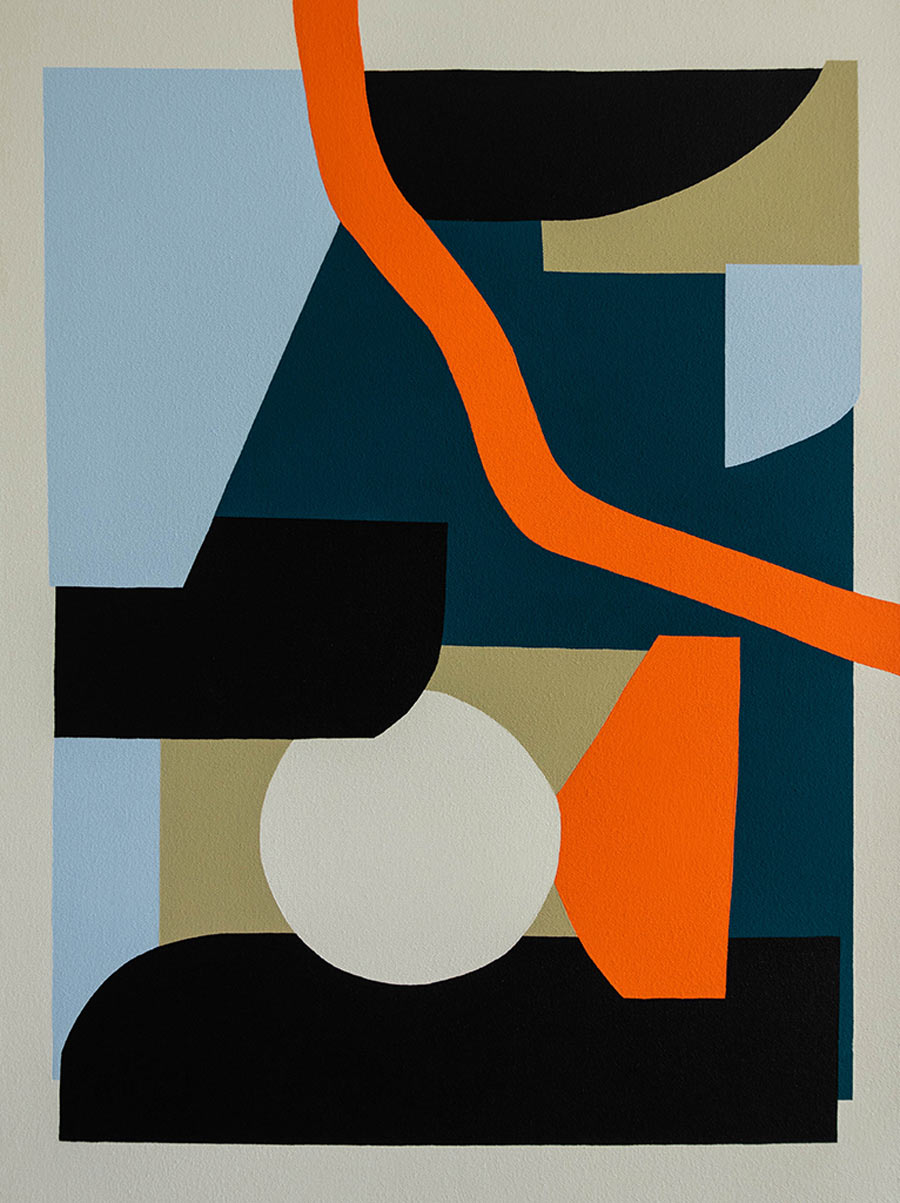
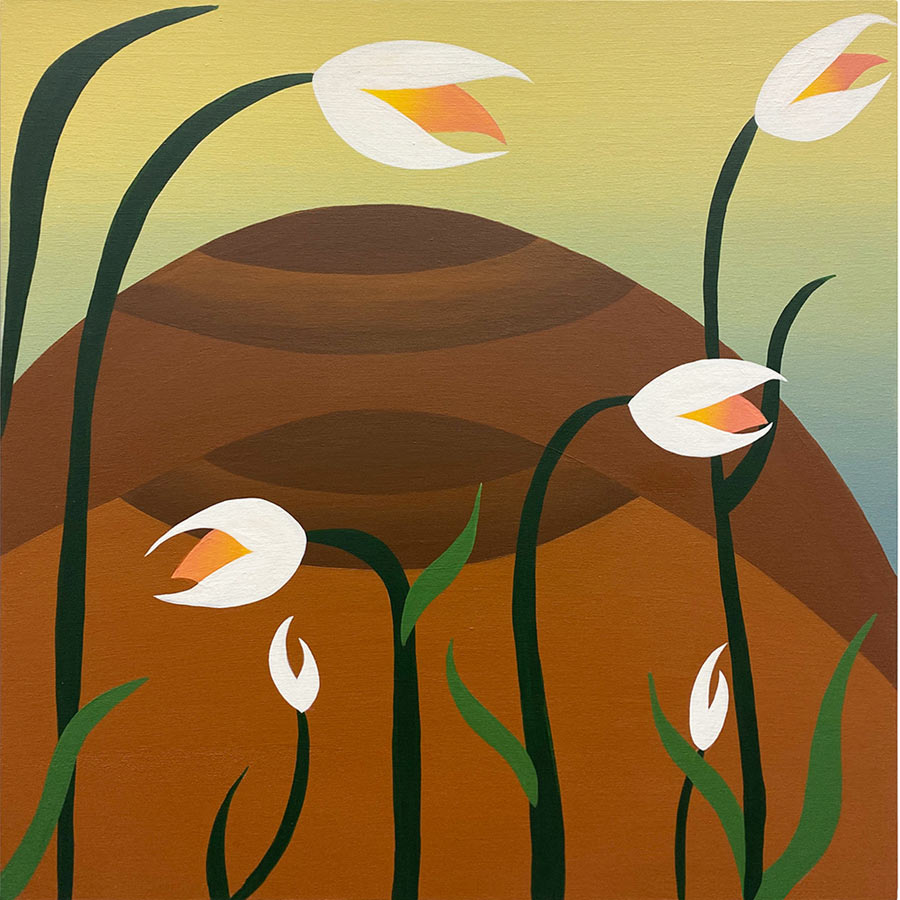
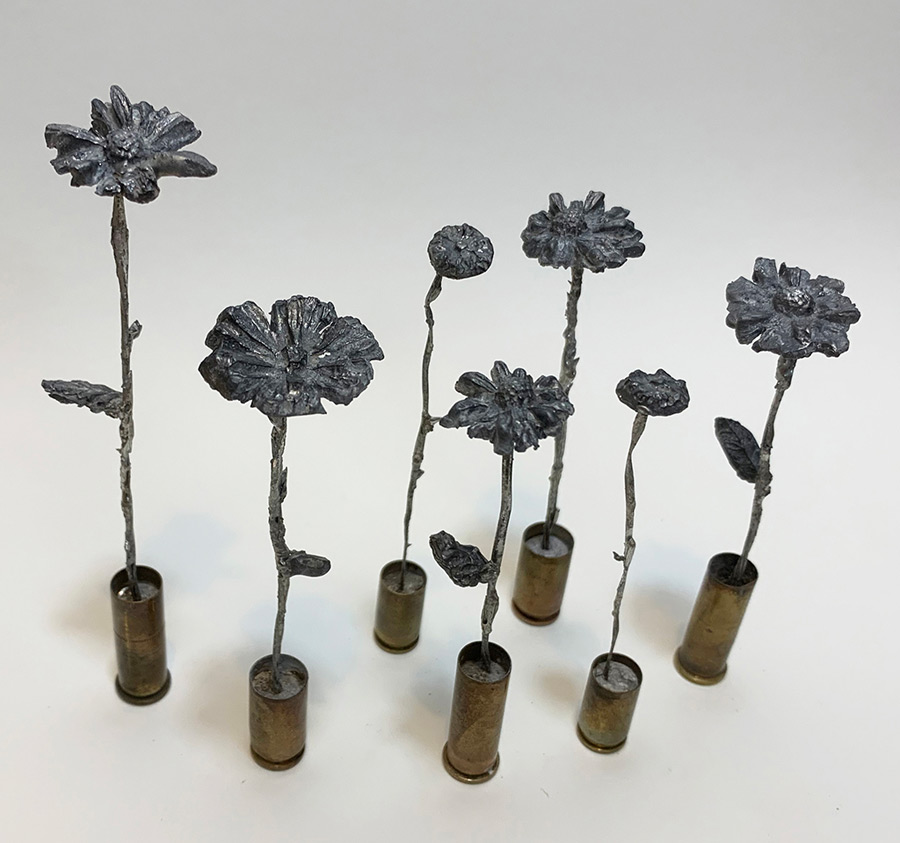
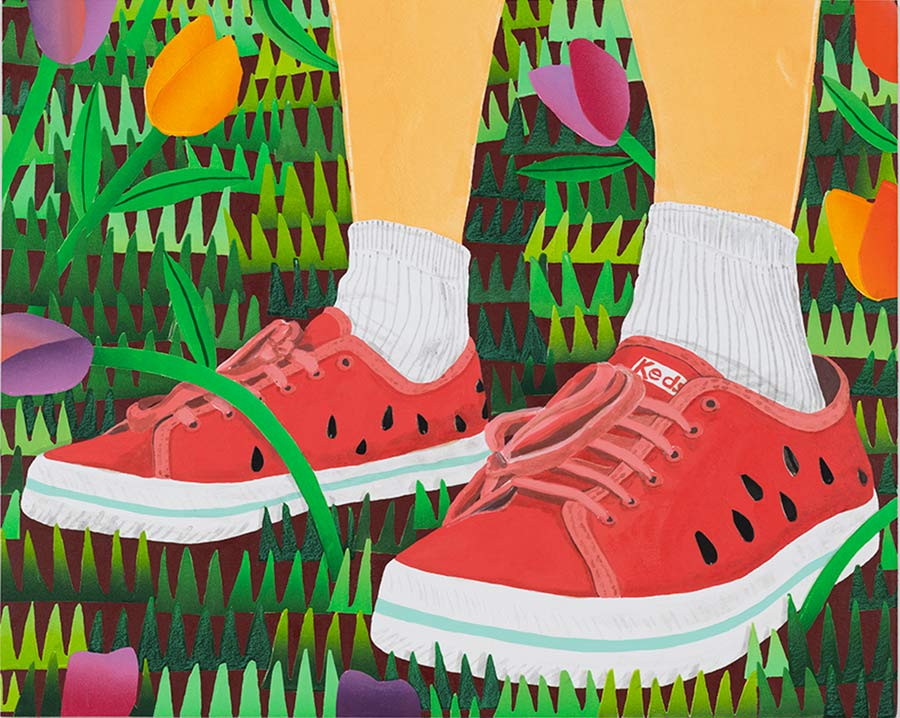
MC Marquis “Where is my mind”. Lush/Hashimoto Contemporary. (photo courtesy of the gallery)Bianca Nemelx “Couldn’t find the forest, so I grew onw of my own”. Lush/Hashimoto Contemporary. (photo courtesy of the gallery)Jeremiah Jenkins “Blooms”. Lush/Hashimoto Contemporary. (photo courtesy of the gallery)Karen Lederer “Watermelon Tulips”. Lush/Hashimoto Contemporary. (photo courtesy of the gallery)
LUSH Hashimoto Contemporary, New York curated by Jennifer Rizzo January 16th – February 6th, 2021
For the exhibition, the gallery has teamed up with garden design company Primrose Designs NYC, led by Kris & Elena Nuzzi, who created the botanical installation within the gallery space.
The exhibition will be on view from Saturday, January 16th to Saturday, February 6th. The gallery will be open by appointment only.
Our weekly focus on the moving image and art in the streets. And other oddities.
Now screening participants at Festival Asalto 2020: 1. Isaac Cordal 2. Elbi Elem 3. Akacorleone 4. Lida Cao 5. Diego Vicente 6. Karto 7. Marta Lapena 8. Sawu 9. Slim Safont
BSA Special Feature: Festival Asalto 2020
In Barrio San Jose (Zaragoza) the Festival Asalto mounted its 2020 edition in spite of, and perhaps because of, the very strange time that we are living in. Once considered an expression of the counterculture, illegal street art has evolved in some ways to spawn legal mural festivals that actually reinforce a sense of normalcy. The organizers and participants of Festival Asalto had to overcome logistical obstacles as well as the fears of many to mount the outdoor exhibition this year, and we salute them for their fortitude and successes.
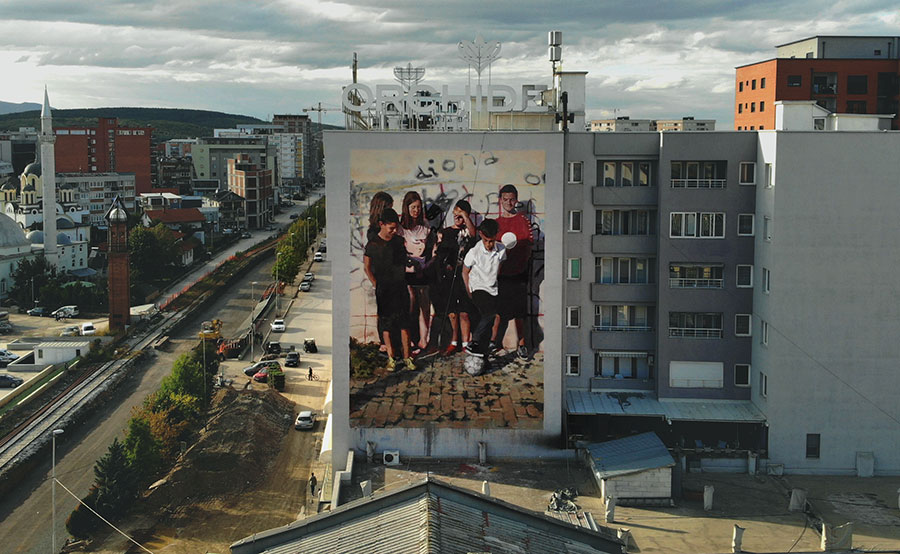
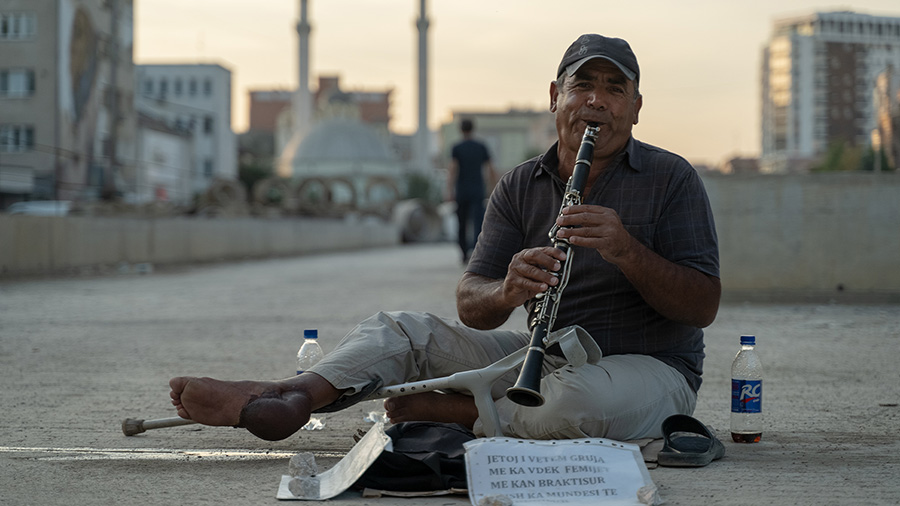
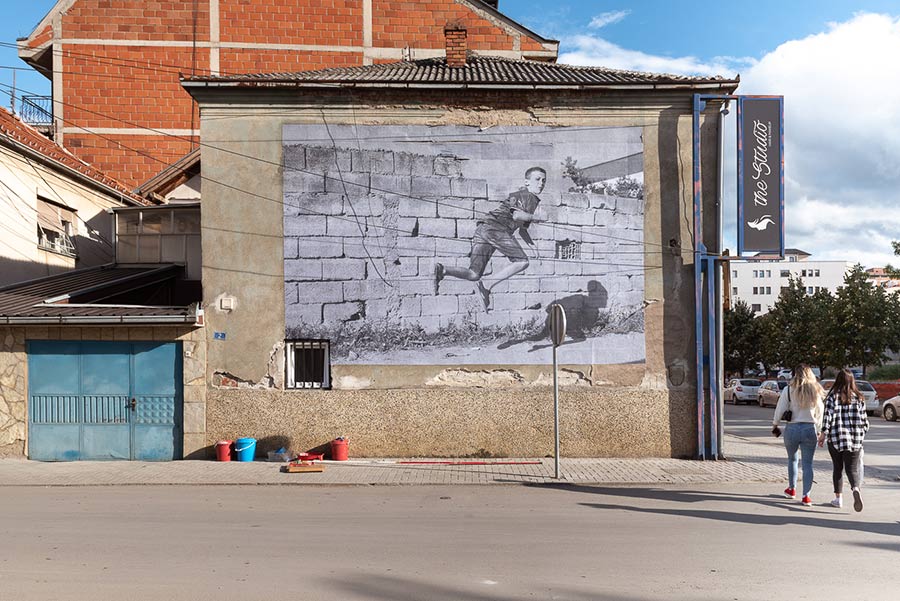
“This is a celebration of them directly,” artist Helen Bur says as she describes her new six-story high painting in Ferizaj, Kosovo. Warm and idiosyncratic, it is a candid photo of local youth whom she paints in this once war-torn area. Even today, about 20 years after the end of hostilities and with the enormous “peace-keeping” US Camp Bondsteel nearby, a mixture of Albanians, Serbs, and Roma all are rebuilding a common life in the shadow of not-so-past events.
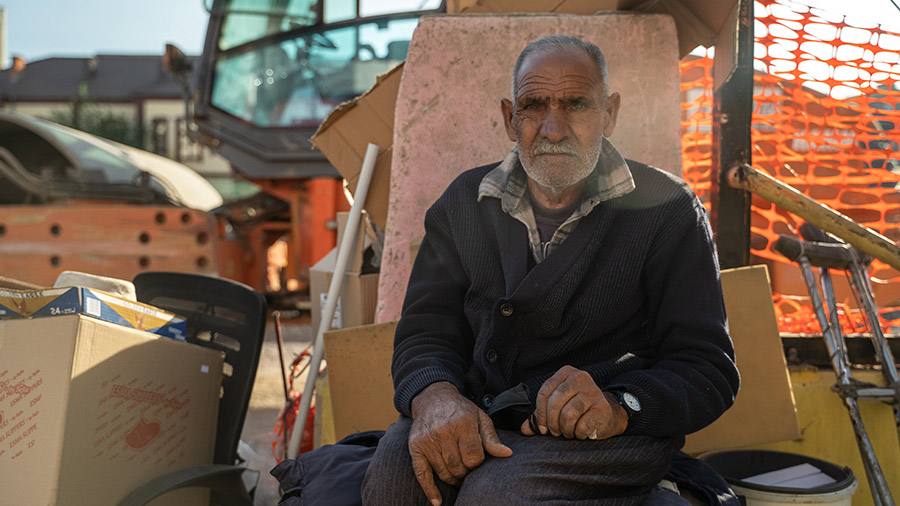
Given such taut social politics that govern the memories and leave their mark on the daily lives of residents, Scottish film maker Doug Gillen jumped in to record the observations and experiences of artists and local creators who were there for a mural festival. One current fashion for murals created for these public art events is to be “responsive” to the community. Undoubtedly you can see that many of these are reflecting the environment – including more literally the botanicals of the region.
Elsewhere Gillen captures the stories of locals, including one resident who recalls being ‘usurped’ by a ‘hooligan’ who took over her attic and who brought sex workers there during the conflict. You can sense the relief she feels to finally tell her story in a public way. These singular stories provide clarity and can be rather jewel-like.
Muralist Ampparito touches on the denial that is also in play as he describes his mural which addresses the ultimate non-controversial topic bound to engage a respectable constituency: weather.
“When you arrive at a place that you don’t know and you want to talk about serious stuff” the artist explains with a smile, “I think you have to be careful.” For both the sensitive and the coarse, it is a given; whether its political or personal self-censorship, it will enter the life of an artist at one point. “It’s like when you don’t talk about something, sometimes you say more than if you don’t talk about it.”
You can see how the commitment to acknowledging and participating with community is realized by a talented collection of artists – like the aforementioned Ampparito, Aruallan, Micheal Beitz, Helen Bur, Emilio Cerezo, Doa Oa, Alba Fabre, Ivan Floro, Maria Jose Gallardo, Retry One, Zane Prater, Vlada Trocka and Axel Void.
Artist and organizer Axel Void may embody similar contradictions as he describes goals of the pro-artist organization named after himself. “In a way it’s a similar idea to every, like, Void Projects – which is pretty much trying to cut out the middle man and trying to have a more direct interaction between the artist and the people.” That being said, the annual mural festival relies on private and institutional partners, staff, professionals, and the efforts of volunteers to mount it – as well as a biosphere of media professionals and amateurs and private platforms to help Void and the artists get the word out about their creations around the globe.
Executive producer Lebibe Topalli rests her finger carefully upon the local pulse, and she parses words gently when describing the challenges of mounting this event today as she thinks of Kosovo of two decades ago. To even have considerations regarding the ‘art world’ at an earlier time “would have been a luxury,” she says.
“The difference is best recognized by the people who have experienced it.” As the debate in the street art world continues about the elusive ideal mix of factors for the perfect mural festival, filmmaker Gillen helps capture those who struggle as well with their sense of responsibility to the community.
Produced by Fifth Wall TV in collaboration with the Kosovo Mural Festival and Void Projects
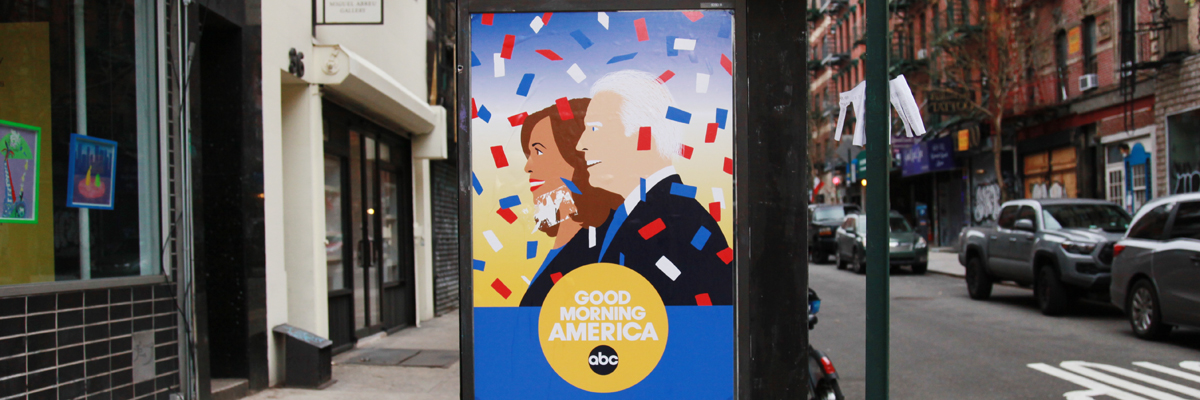
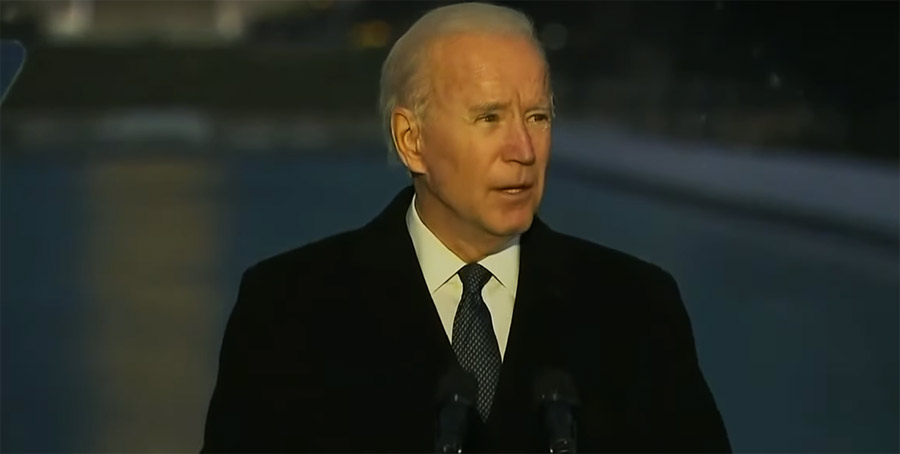
The streets have been anticipating the arrival of the new president and vice president for a few months now. Today it took place and the U.S. has a 46th President – Joe Biden and 49th Vice President – Kamala Harris.
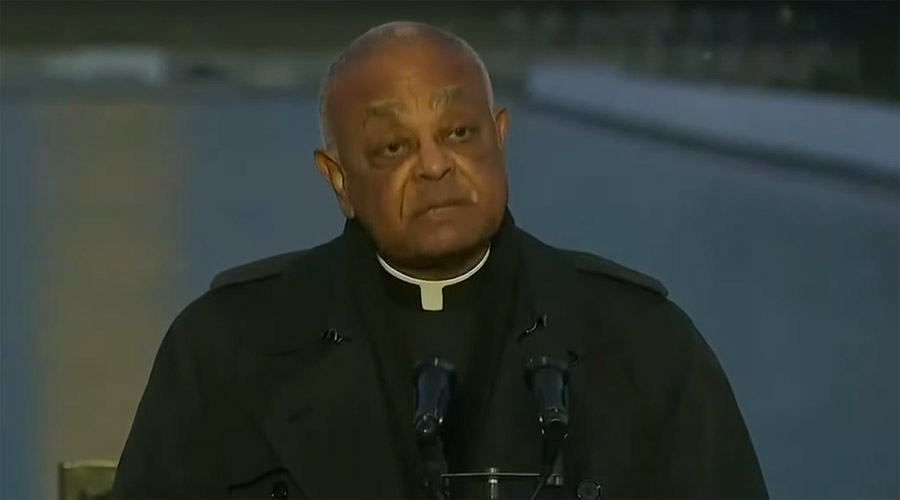
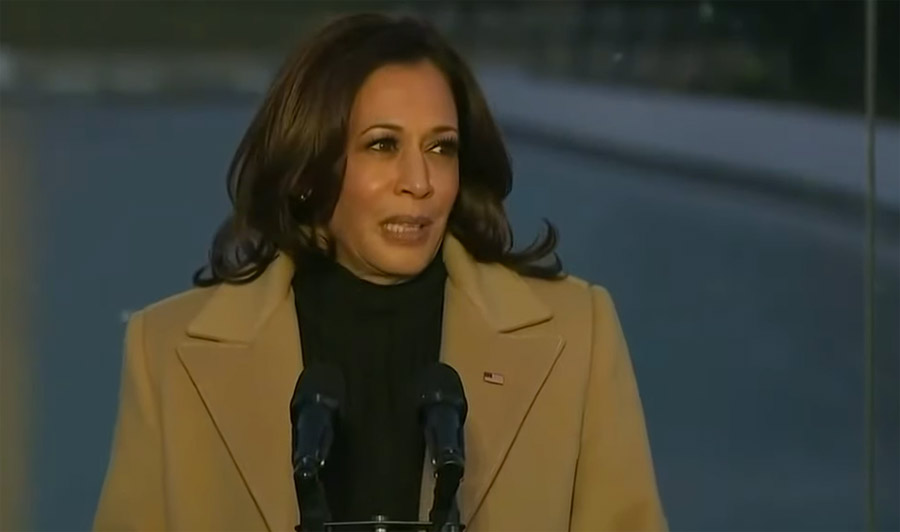
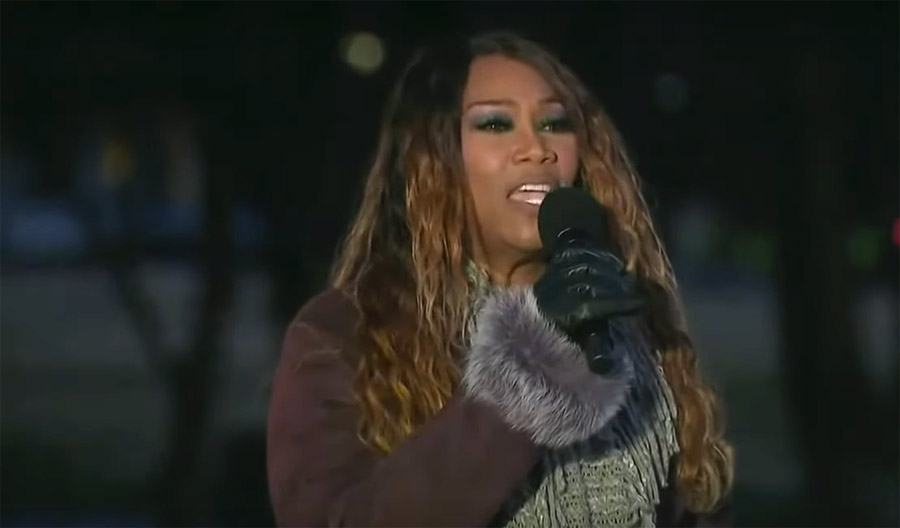
Biden, Harris honor COVID-19 victims at ceremony on eve of inauguration.
A recognition by the highest officials in this land that 400,000 people have died in the United States of Covid-19. However the future looks for us with a new administration taking their role in the White House tomorrow, we know that the level of dedication to this illness will be serious and appropriate. We know that from today going forward we will have a unified, focused leadership pushing to get help to all the states, all of the country, all of the people who are sick, who are dying, who need vaccines, who need comfort and support and empathy in their time of grief. Our sorrow unites us.
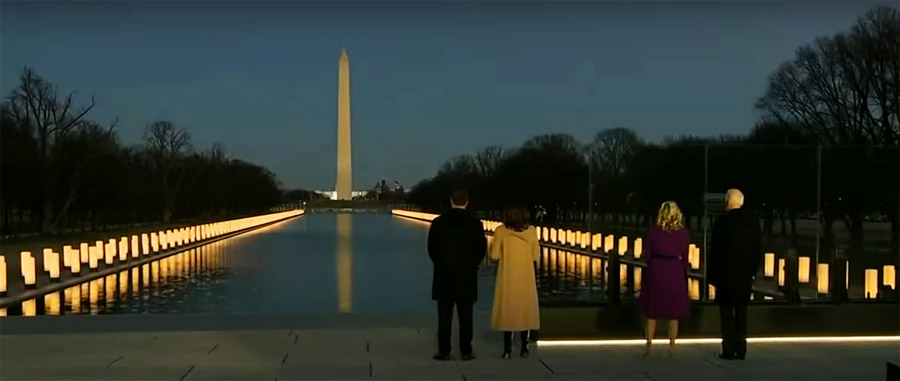
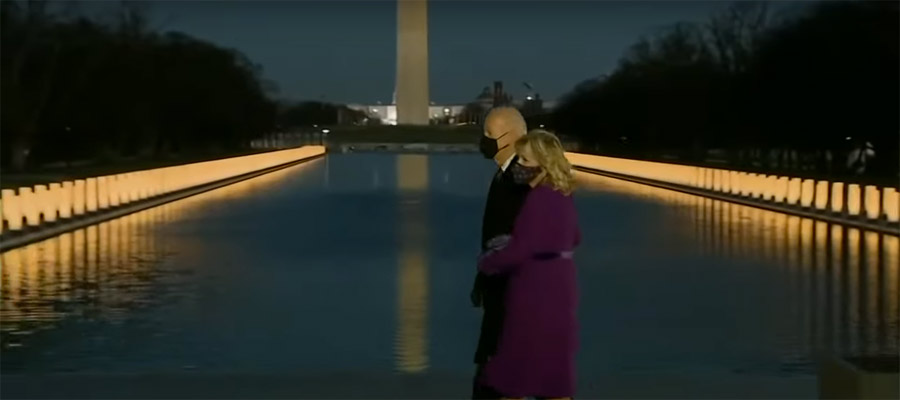
Scenes from a video speak to the loss and the ceremony to mark it.
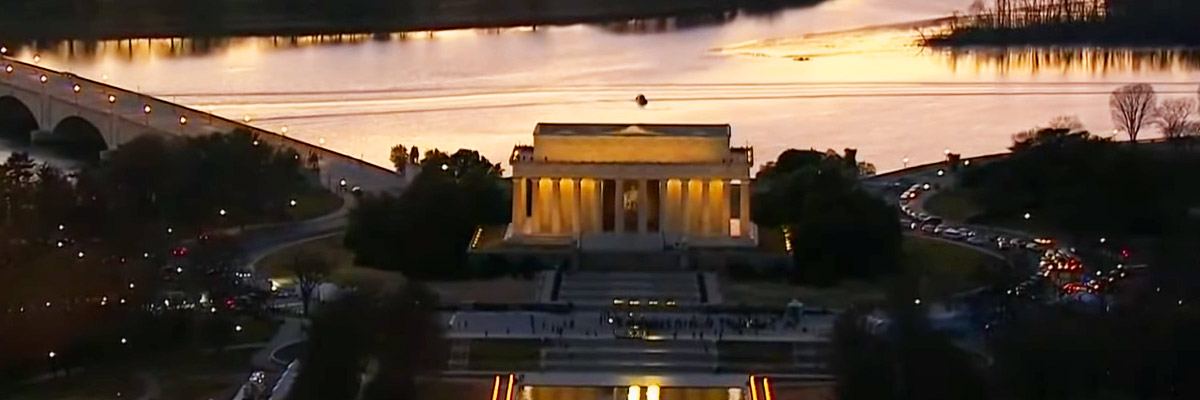
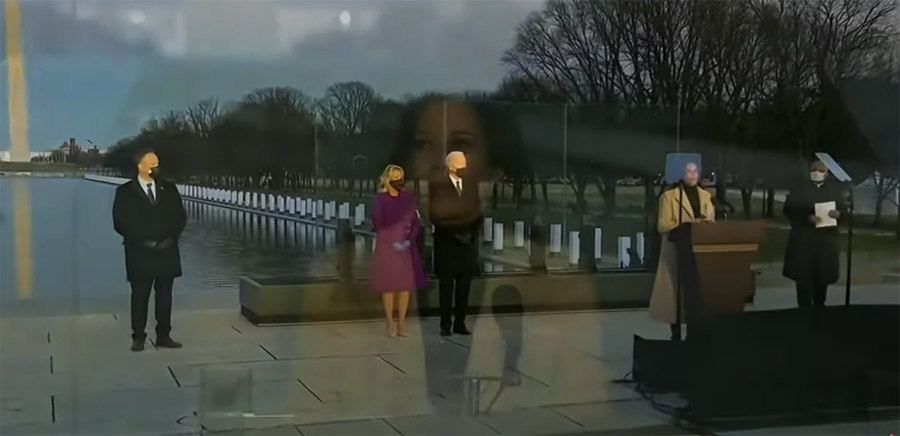
U.S. president-elect Joe Biden and vice president-elect Kamala Harris and spouses with lighted columns along the Lincoln Memorial Reflecting Pool commemorating the 400,000 who have died of Covid-19 in the US.
When you’re losing the argument, children learn that another strategy is to shift the focus and make it personal. If smearing or logic fails, a schoolyard bully may teach you that you can simply punch your opponent.
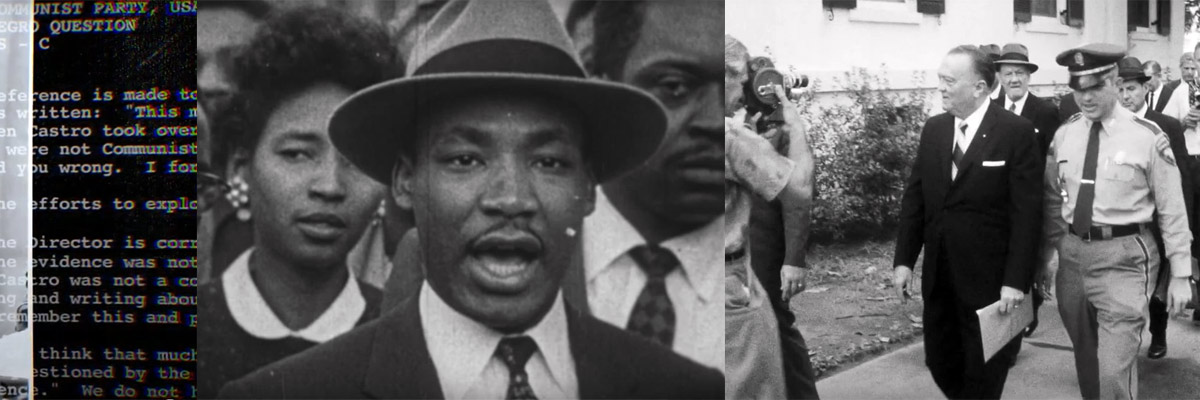
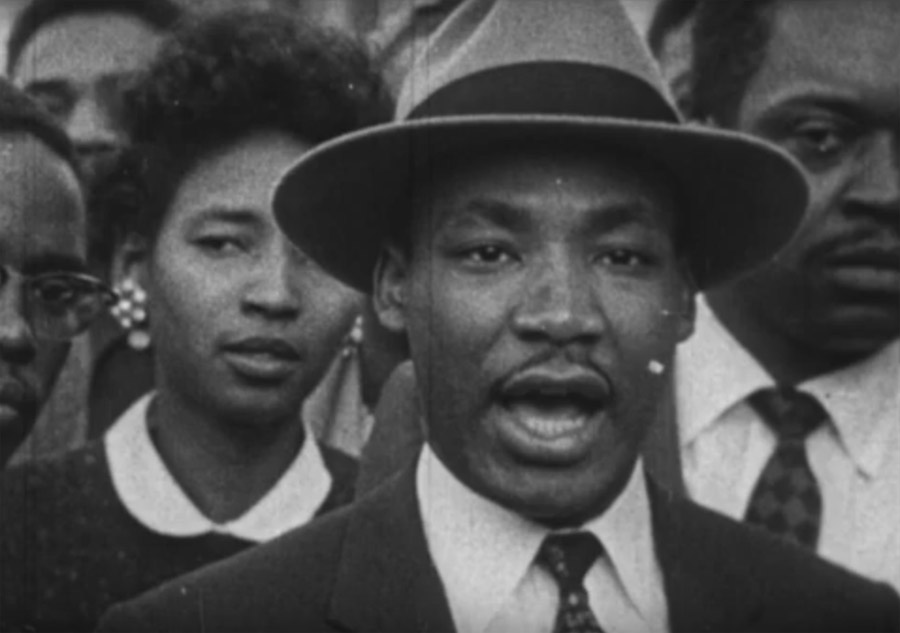
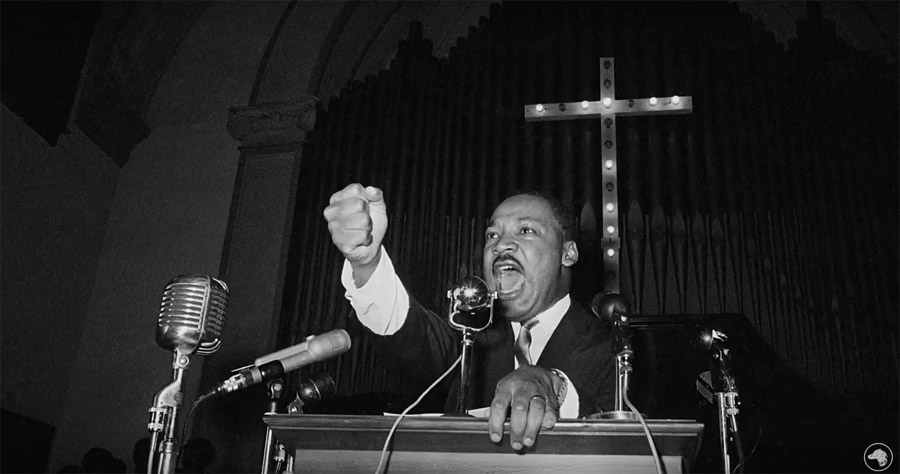
For years civil rights activist and minister Martin Luther King Jr. peacefully organized people and effectively made the arguments against segregation and for the full extension of freedom and agency to blacks in America as citizens. More declassified documents are revealing that opponents stopped at nothing to halt these ideas from spreading.
A young Martin Luther King, Jr. (still from MLK/FBI)
Using the power of the police and the power of the state, many whites attacked MLK from every angle and sustained repressive behaviors overtly/covertly against everyday Americans using the most despicable means and methods. They worked to erode support for them, shred their social networks, sow division, throw suspicion on them, smearing them as instigators and troublemakers and terrorists for demanding equal treatment and opportunity under the laws of their own country.
(still from MLK/FBI)
As we reflect on the events of the last year with such corollaries in the streets and in the “press”, we realize that a vocal and threatening minority of the US is still unwilling to accept its responsibility for systemic racism; they discredit all demonstrations of black and brown skin people as “riots” when most have simply been vocal demonstrations. On the other hand when you are reporting whites breaking through fences, windows and doors and marching inside the Capitol building in Washington – that is described by many as something else – something honorable, patriotic. During the events of January 6th the world also saw that the reaction of the police and the state to these primarily white marchers was very different, even ineffective, or strangely hospitable to the invaders.
(still from MLK/FBI)
“It is so relevant, and in some ways very tragic,” says film director Samuel D. Pollard of his new documentary film MLK/FBI. “Here we are in 2021 and America is still going through the same things that happened with King in the 60s.” He was speaking in an interview with the Toronto Film Festival about the FBI using wiretapping and various strategies to fan the flames of racism, rather than admit to our systemic racism, to apologize for, and to act to make whole.
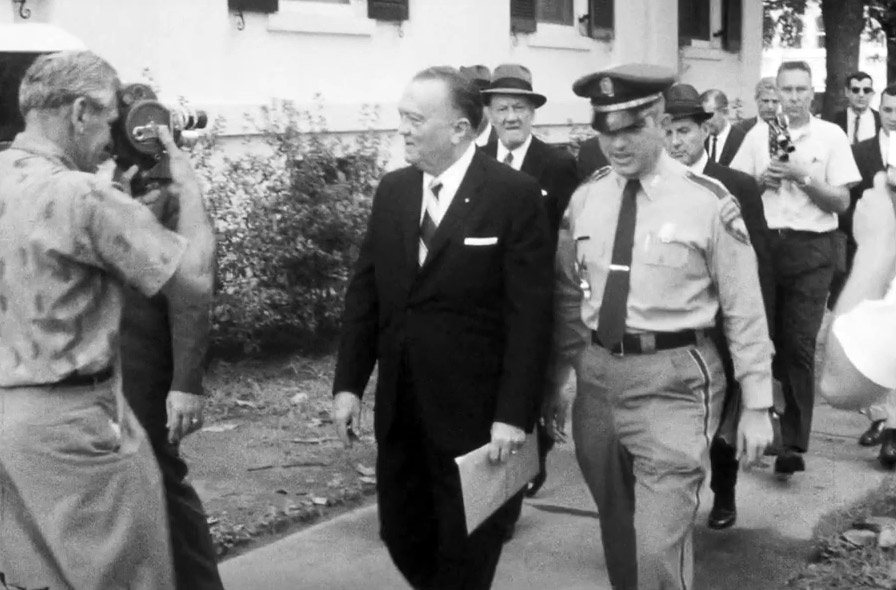
J. Edgar Hoover and the power of the FBI (still from MLK/FBI)
Indeed as you watch the movie and see what can only be described as a cabal of entitled white government and police officials arrayed against King (thanks to newly declassified documentation), you wonder how the Civil Rights leaders ever managed to make one step forward. Unfortunately half a century later, we watch similar scenes unfold as they are shrouded in what Pollard calls ‘dog whistle dialogue.’
Martin Luther King, Jr. (still from MLK/FBI)
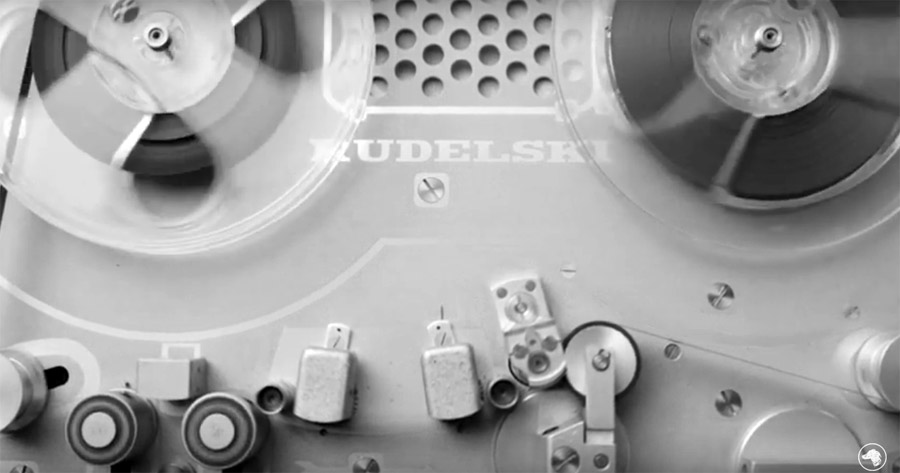
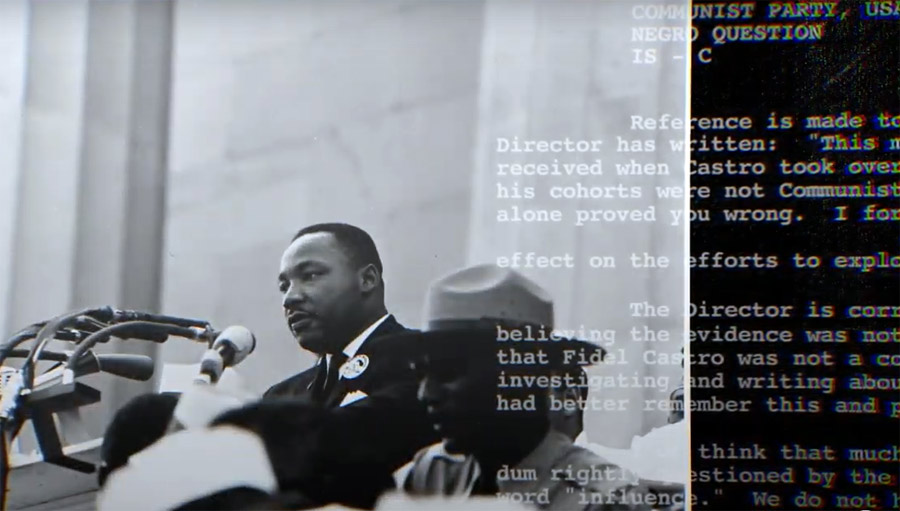
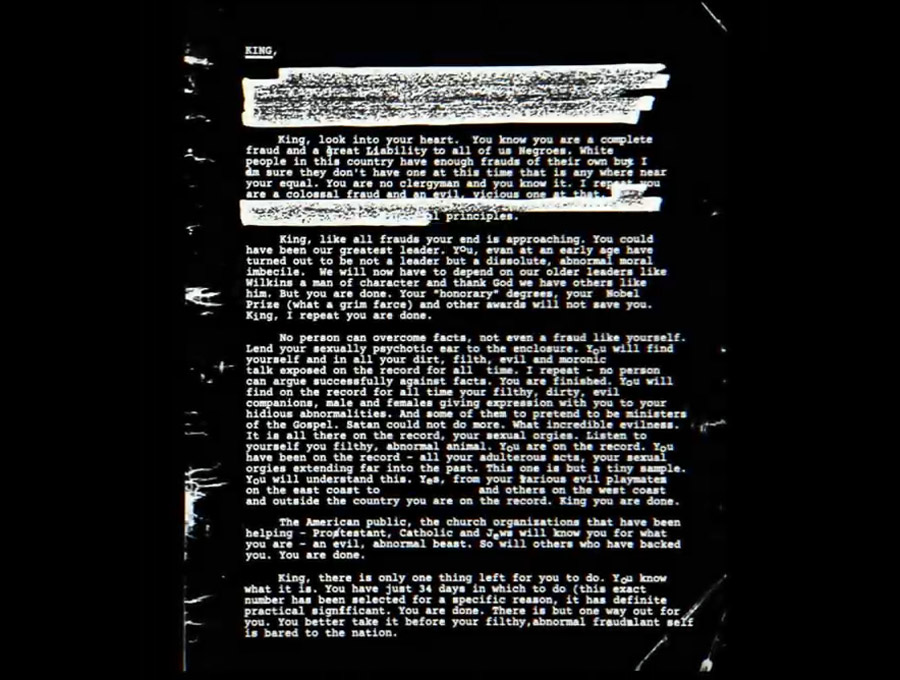
“(J. Edgar) Hoover was a hero for many people,” says Pollard of the FBI director who oversaw the wiretapping of MLK during intimate assignations outside his marriage and sent them to him and his wife – even writing to the activist encouraging him to commit suicide. No low was too low for Hoover to stoop to. “They were going to do it by any means necessary – bugging his colleagues, his house, anything they could.” A clear and growing threat to the established white order, all forces were marshaled to discredit him and frame MLK as a villain – and Hoover knew he had the support of the majority.
“He was a torch-bearer for ‘Justice and the American Way’ “.
Today we mark a holiday in the name of Martin Luther King, Jr. and not J. Edgar Hoover. At least it gives Americans an annual reason to countenance our status as a country in regard to equal rights and opportunity for all citizens. Invariably, we are reminded that while many things are better than they once were, there is much work to be done.
“You are done. There is but one way out for you. You better take it before your filthy, abnormal fraudulent self is bared to the nation.” (still from MLK/FBI)
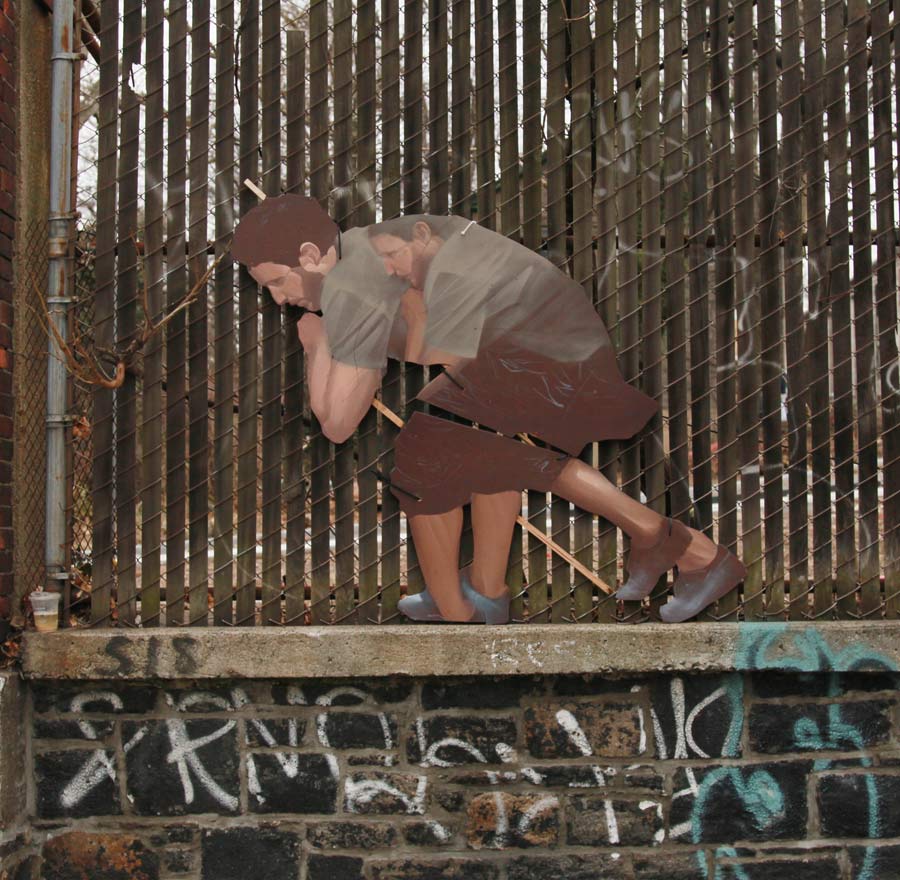
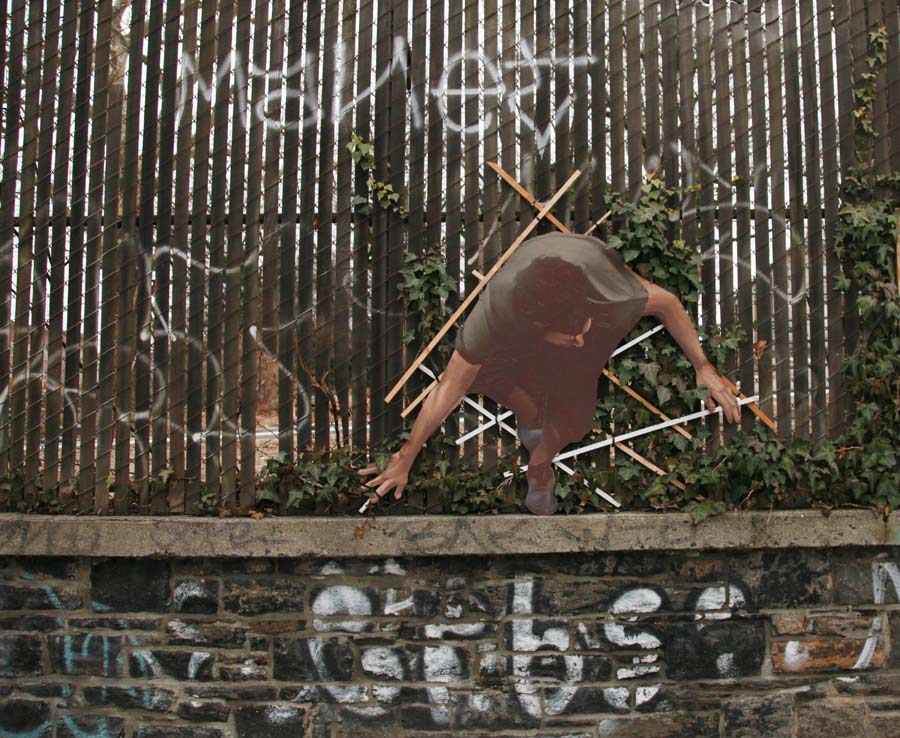
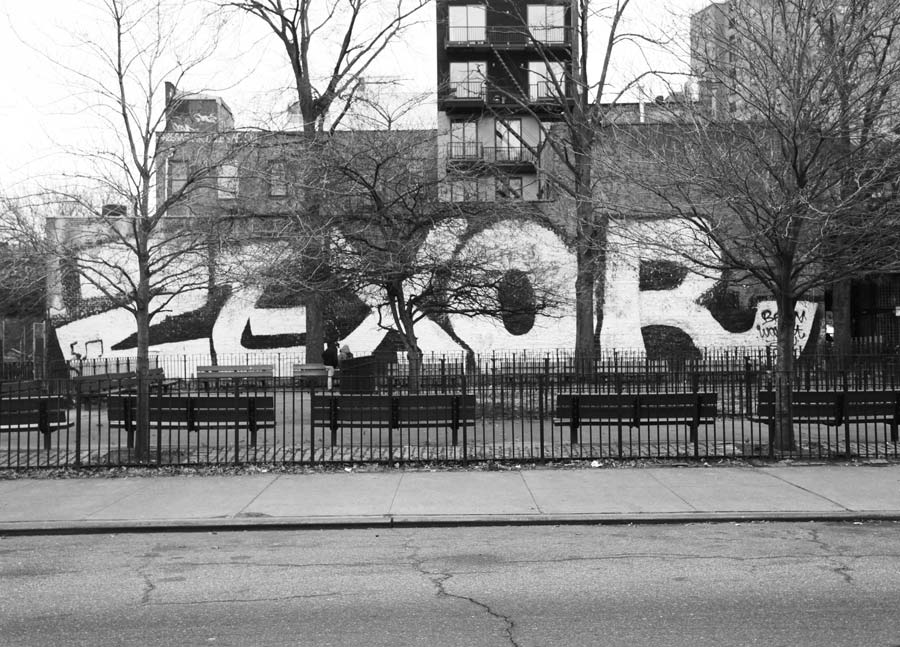
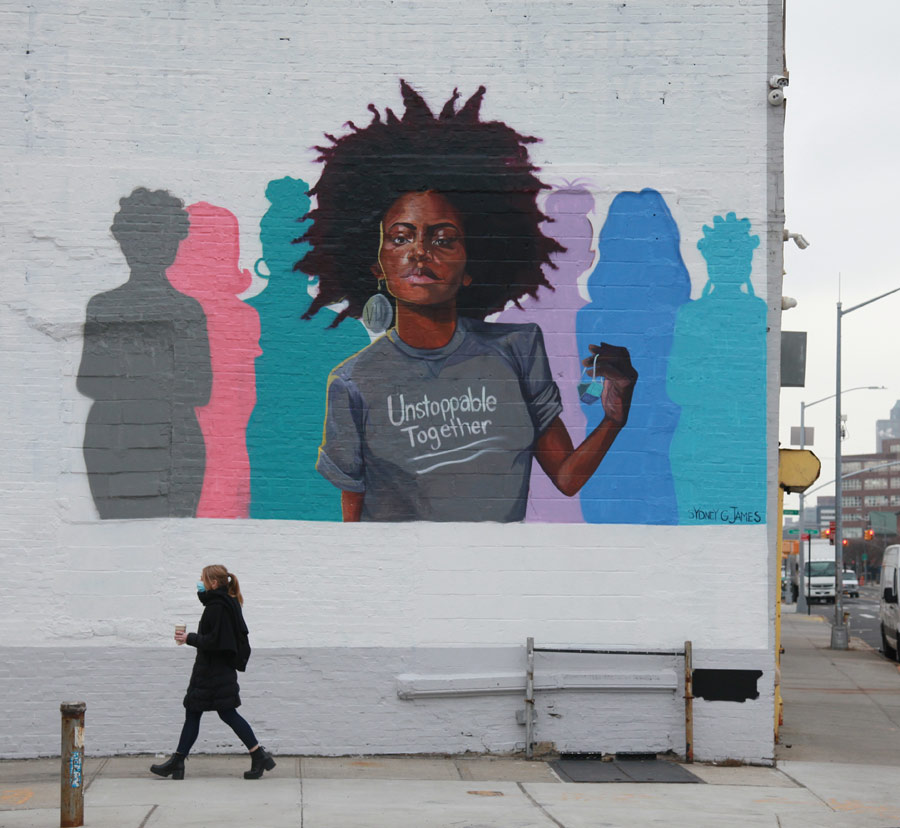
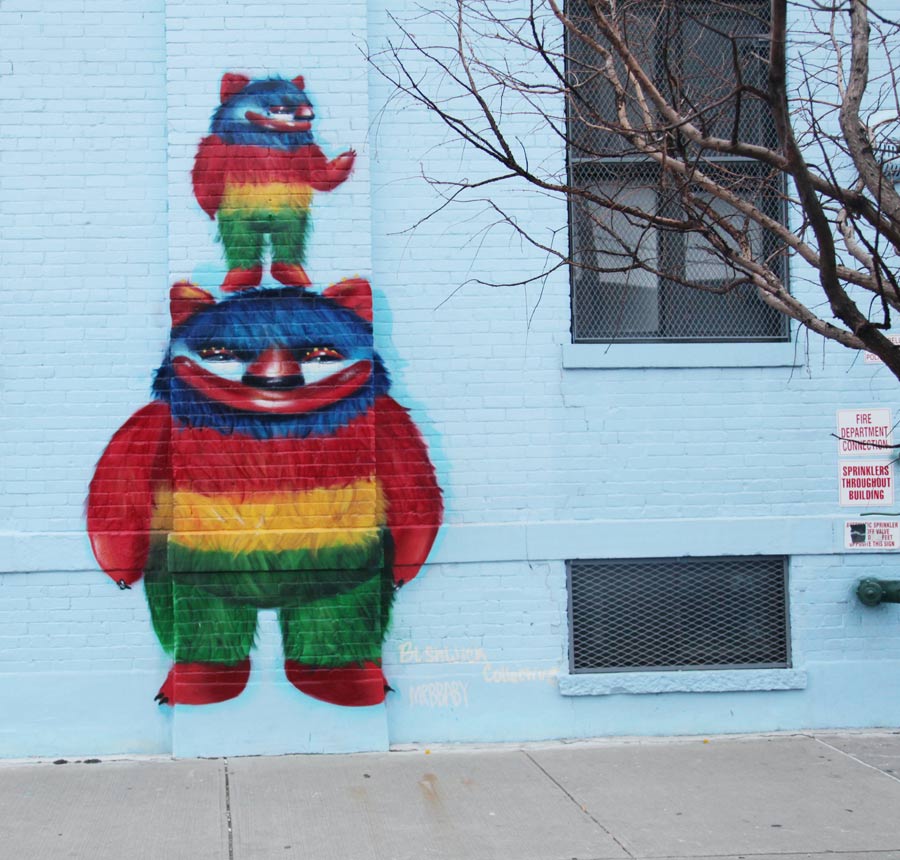
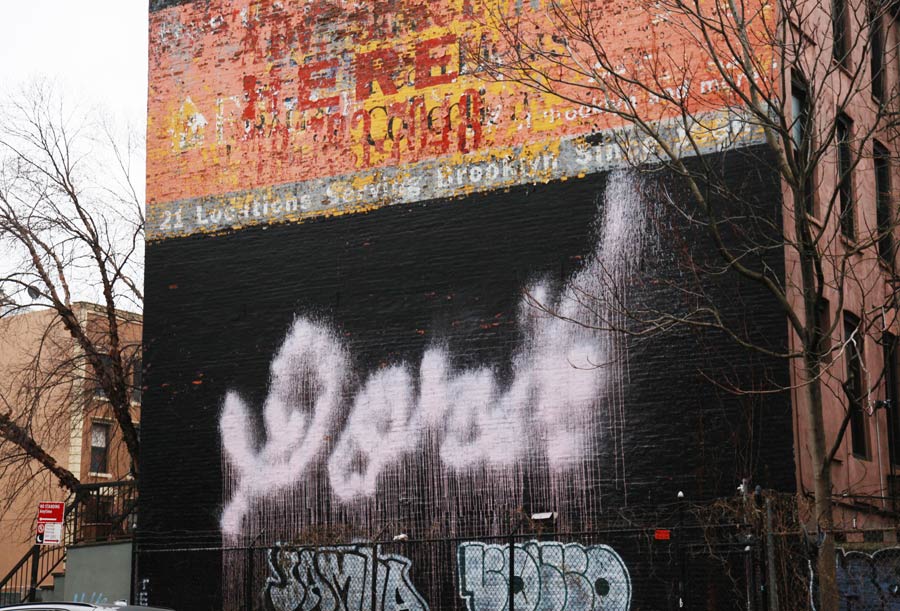
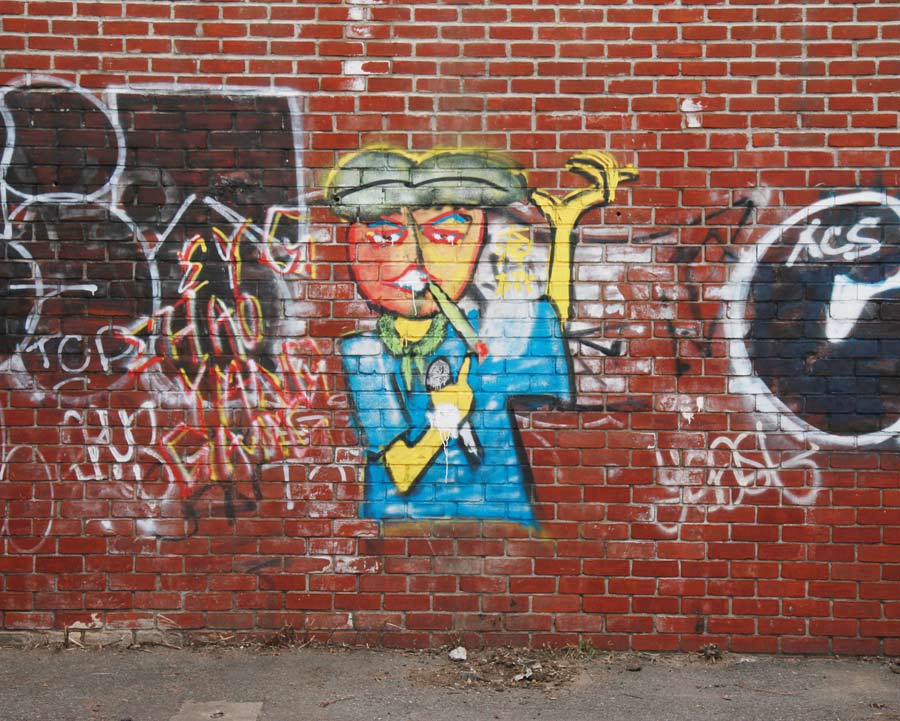
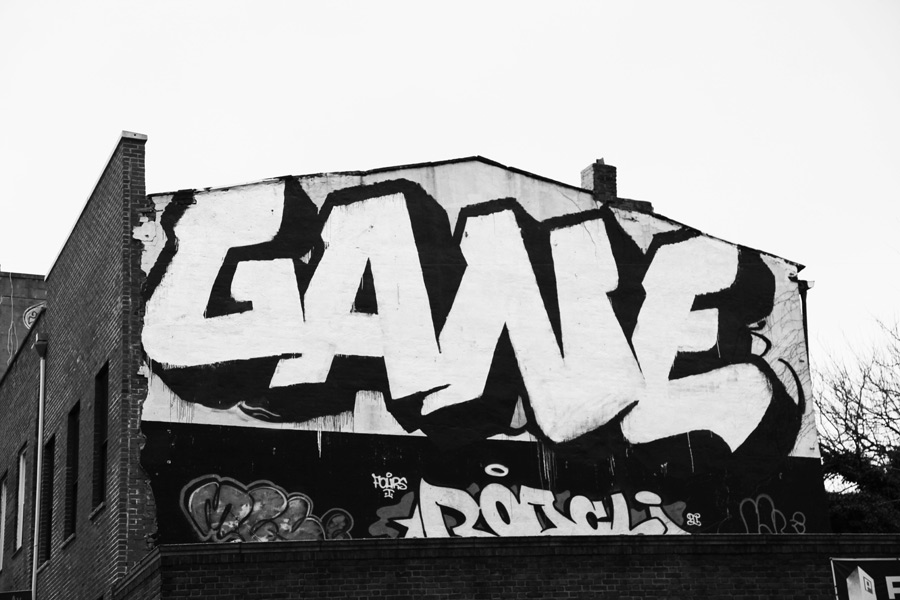
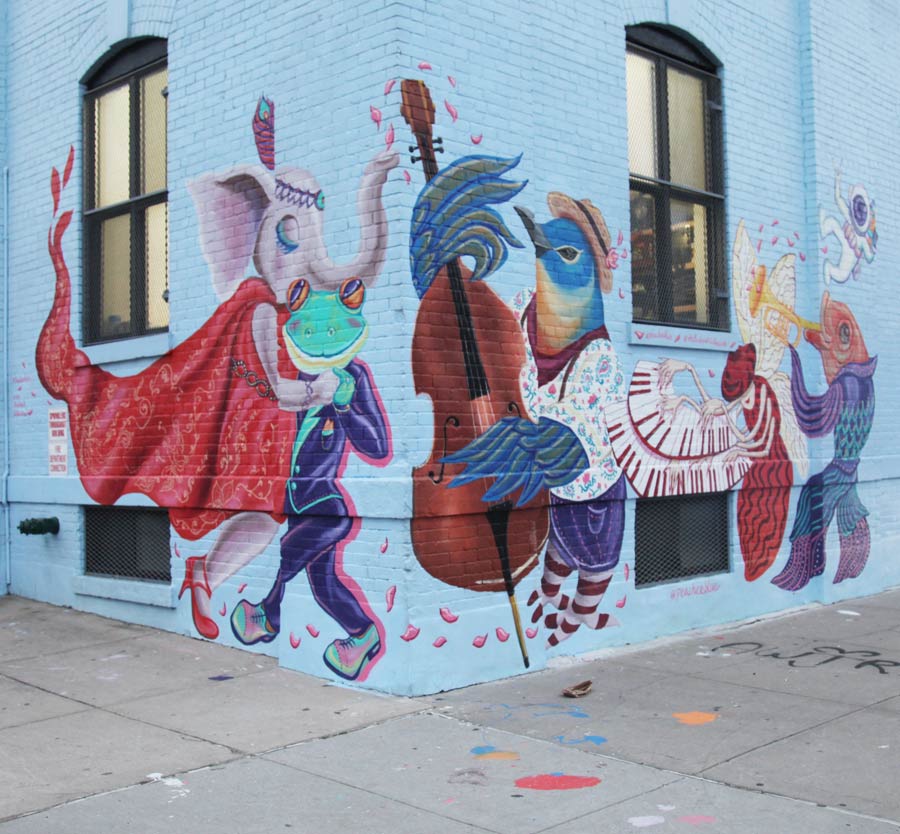
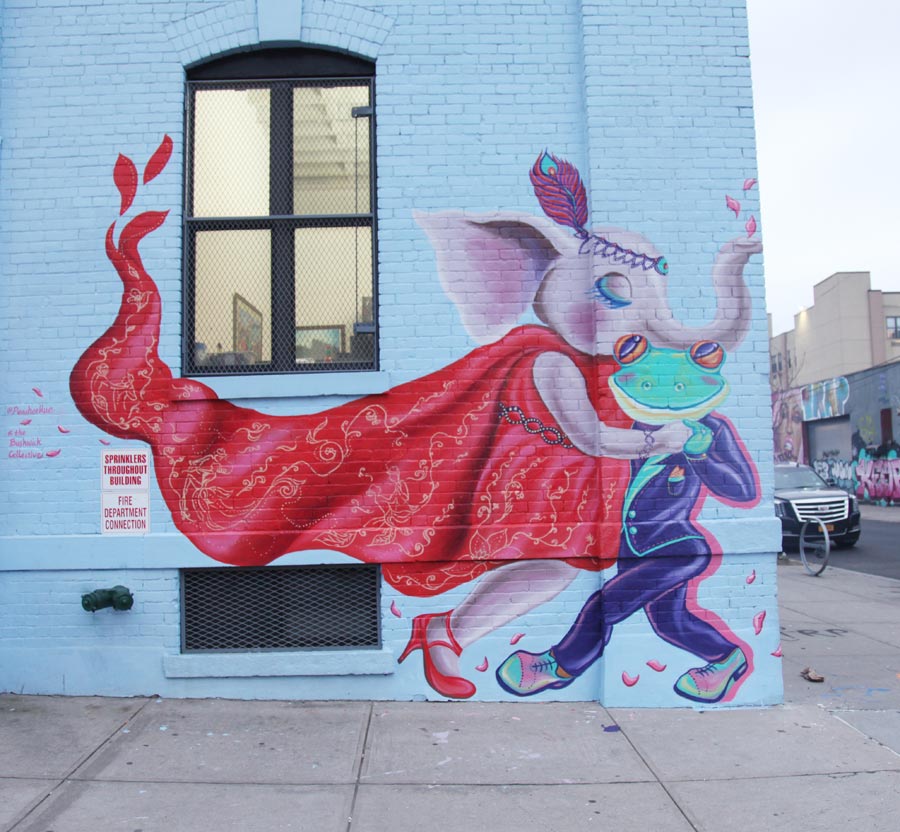
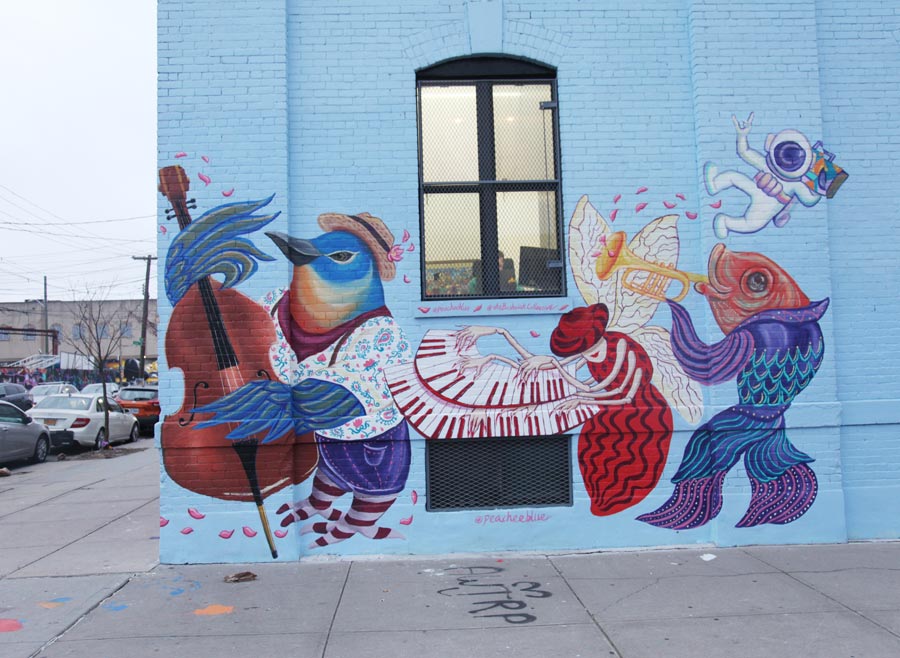
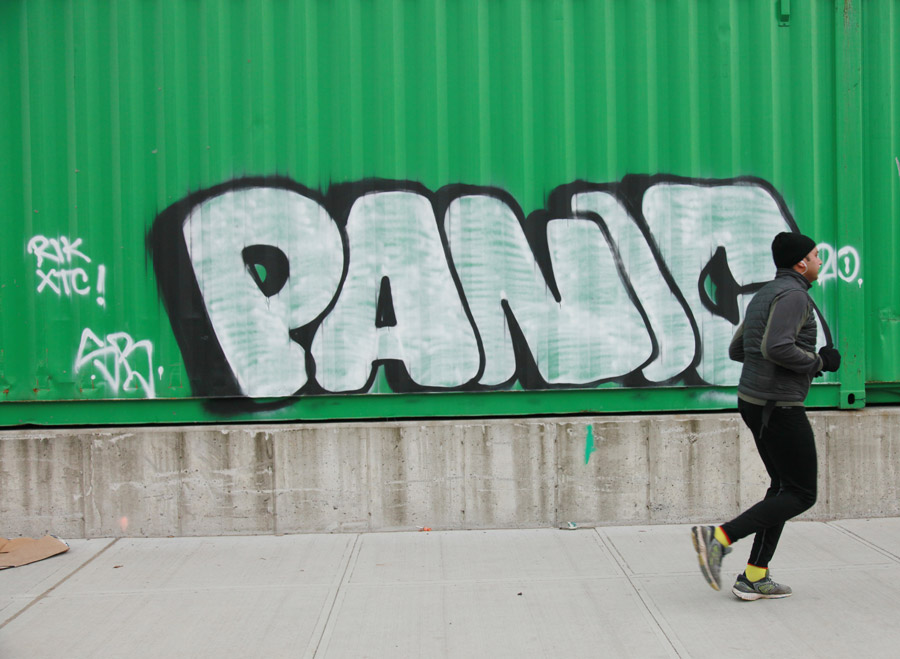
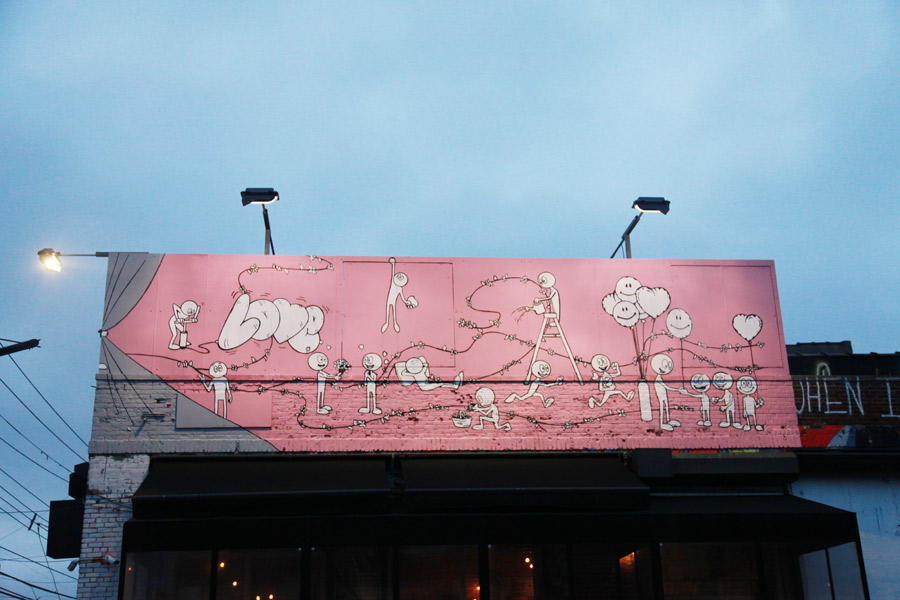
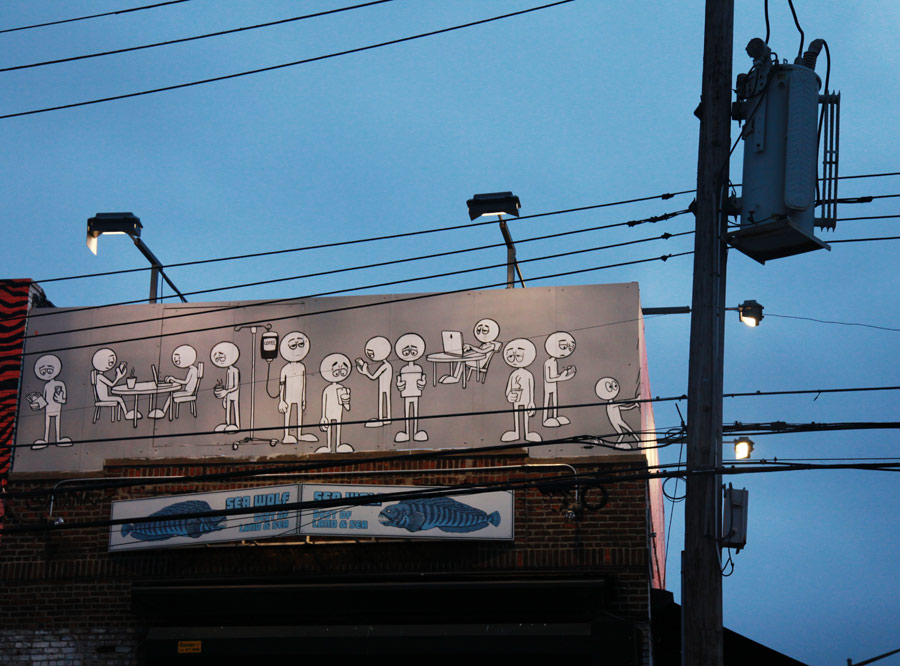
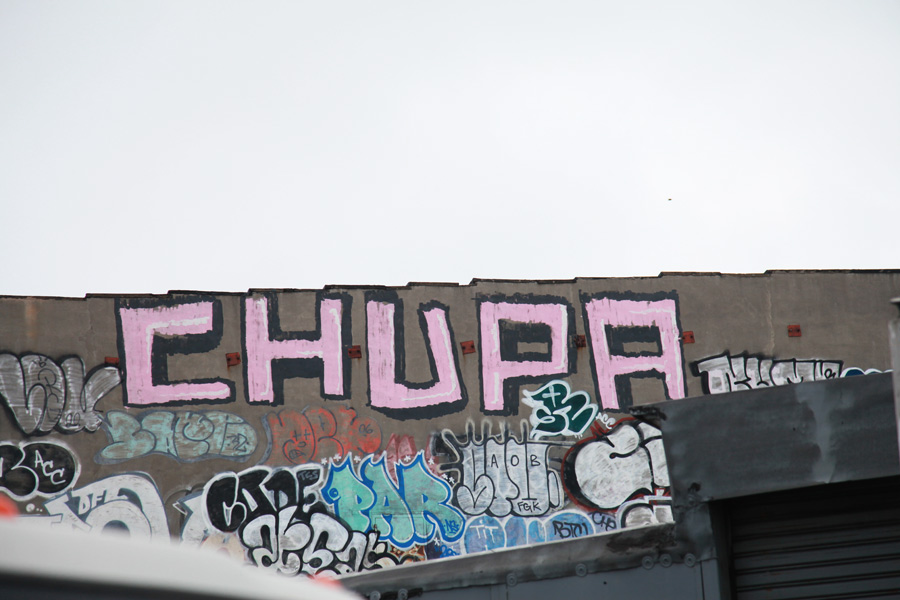
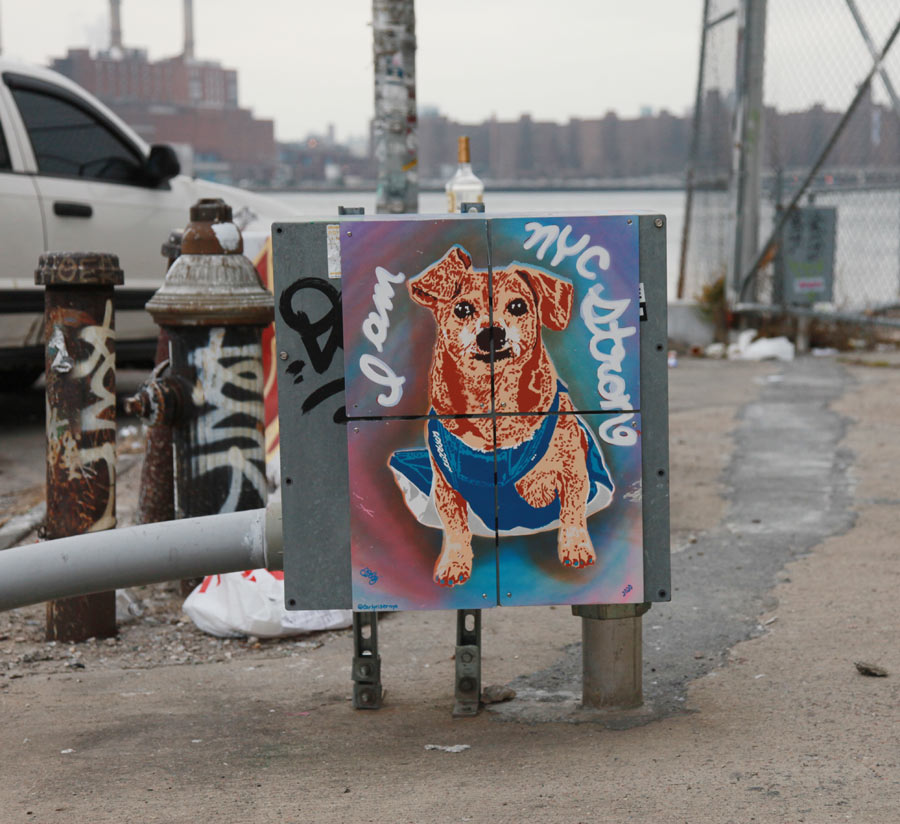
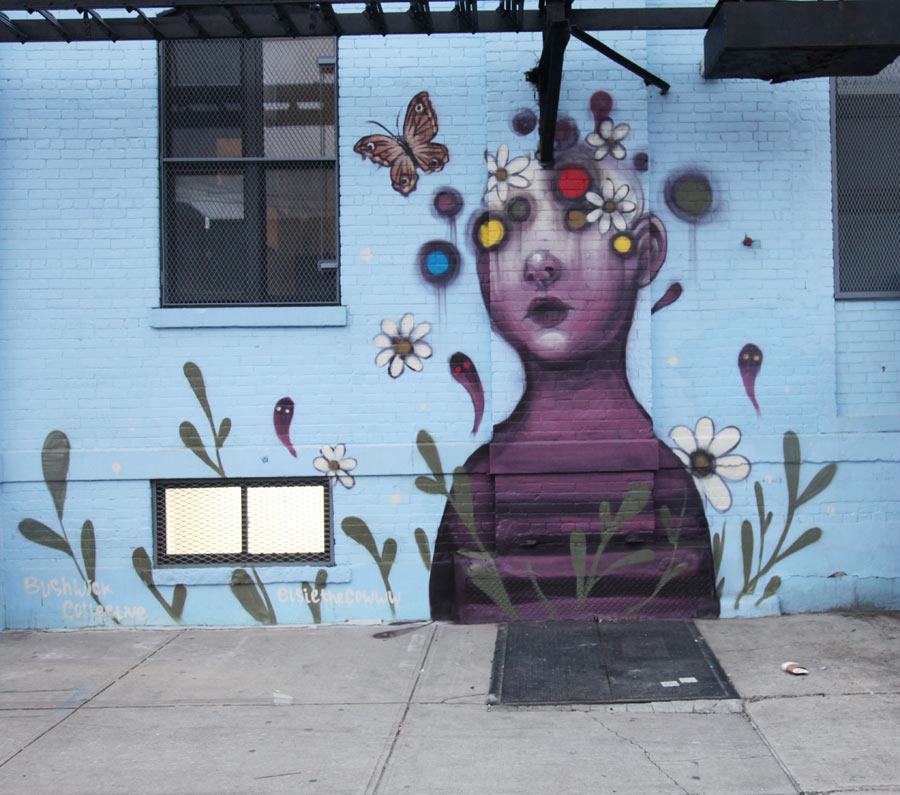
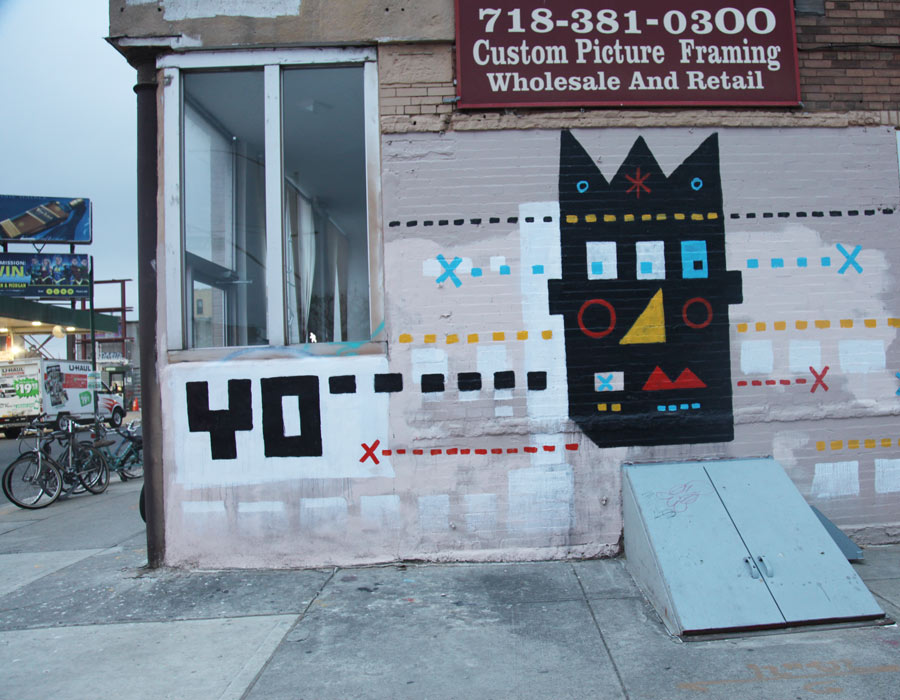
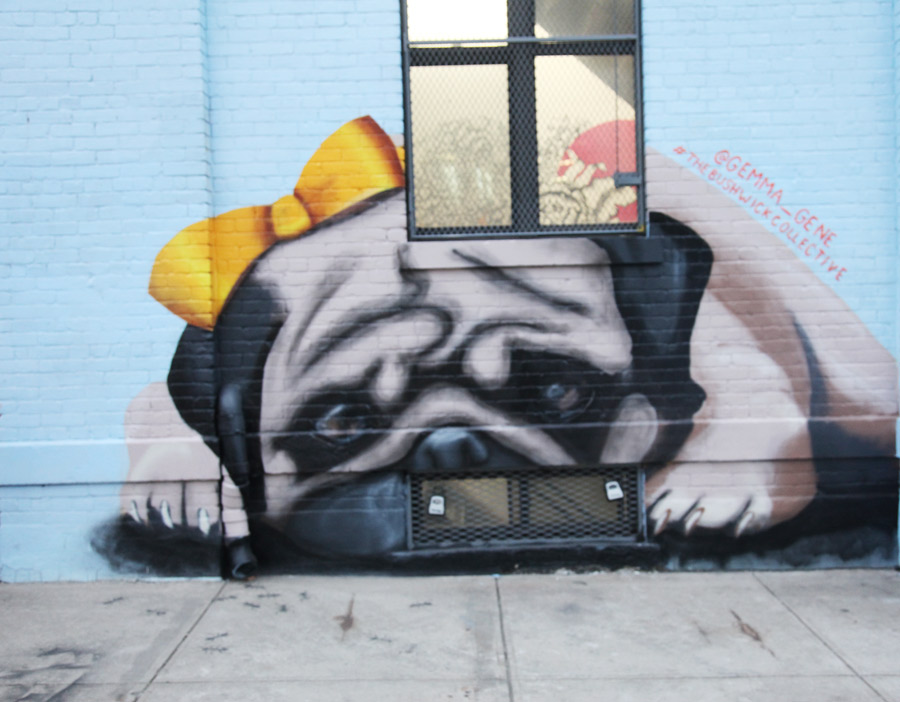
Here’s our weekly interview with the streets, this week featuring Chupa, Elsie the Cowww, Gane, Gemma Gene, Kai, Li-Hill, Mr. Babby, Panic, Peachee Blue, Pork, Skewville, Sydney G. James, and Zexor.
Street art welcomes all manner of materials and methods, typically deployed without permission and without apology. This hand-formed wire piece …Read More »
 BROOKLYN STREET ART LOVES YOU MORE EVERY DAY