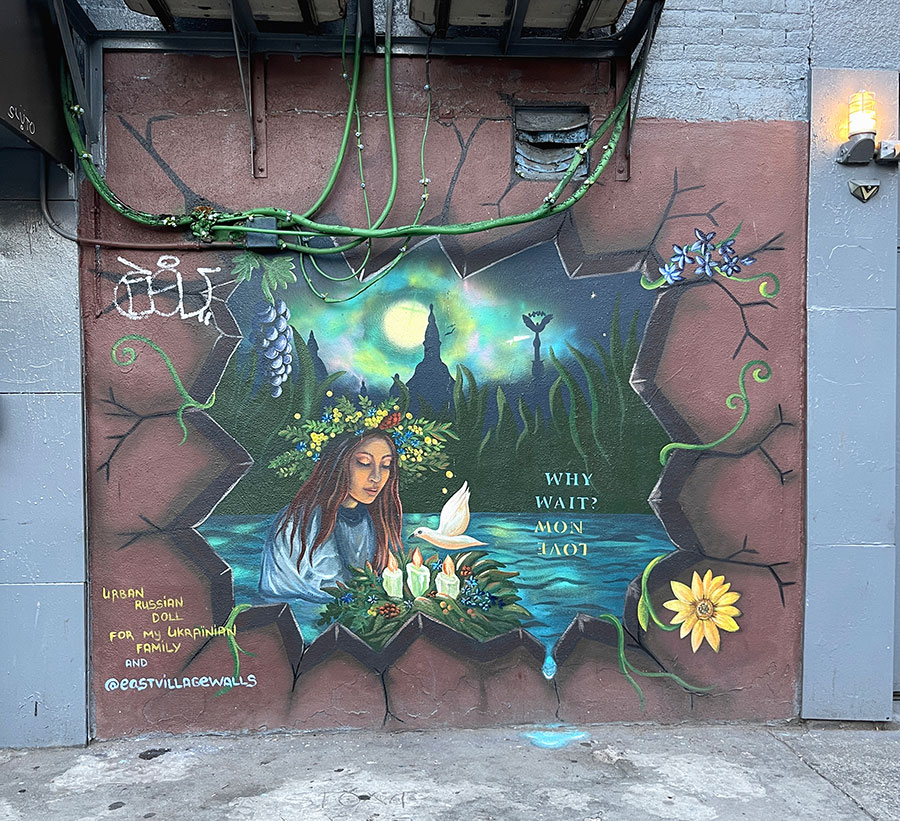
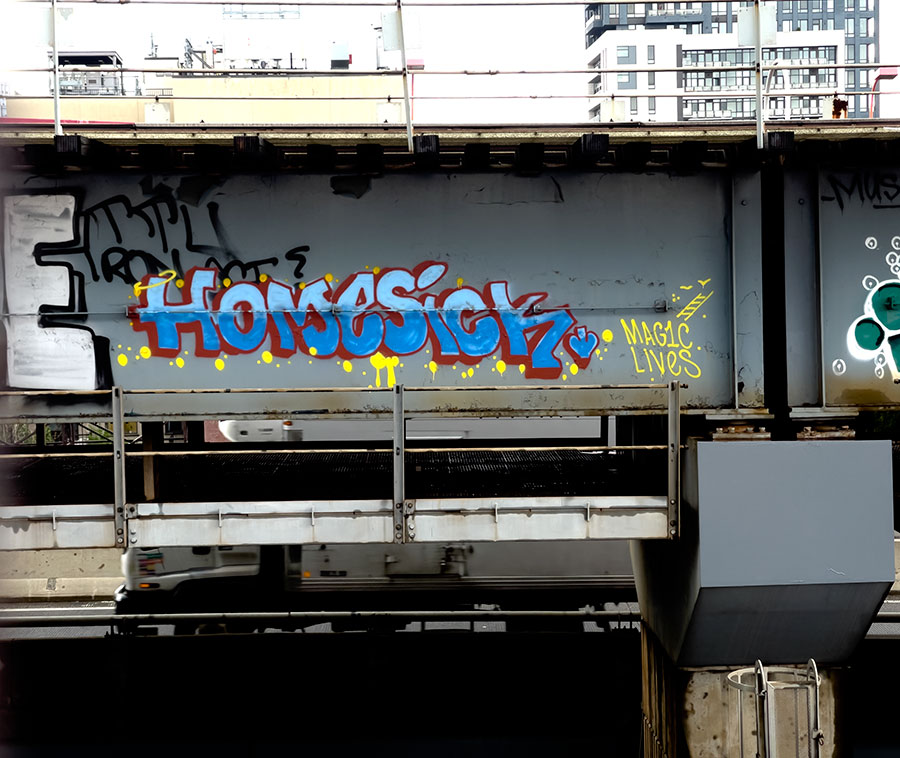
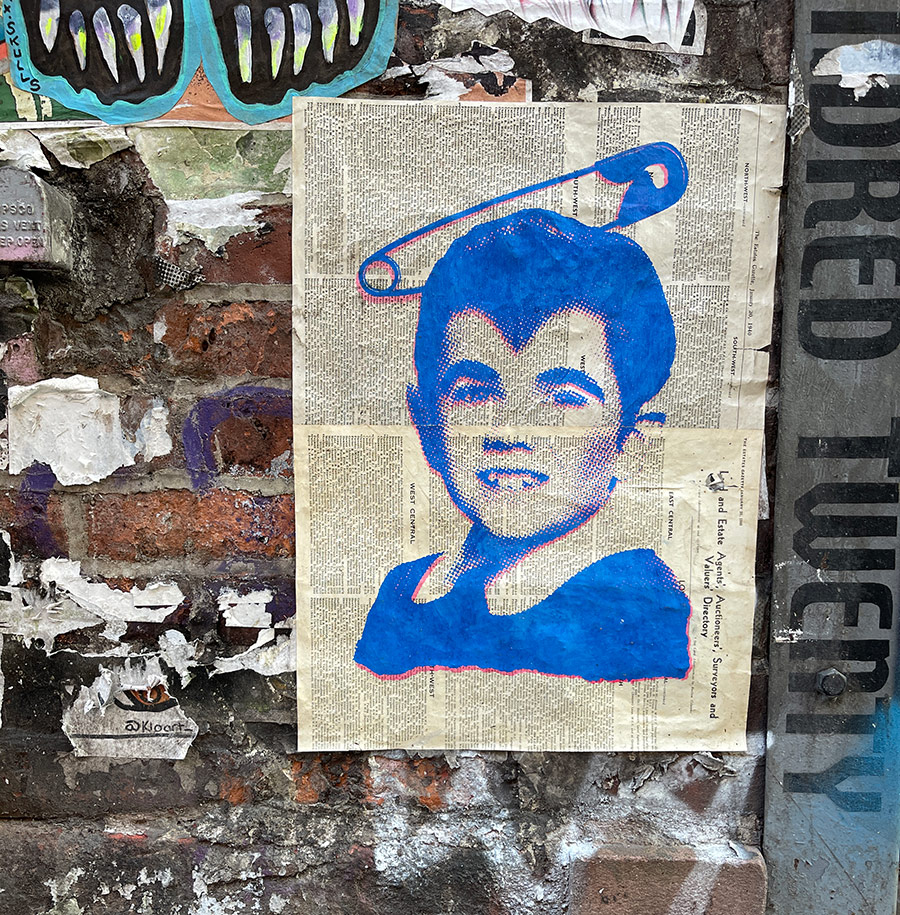
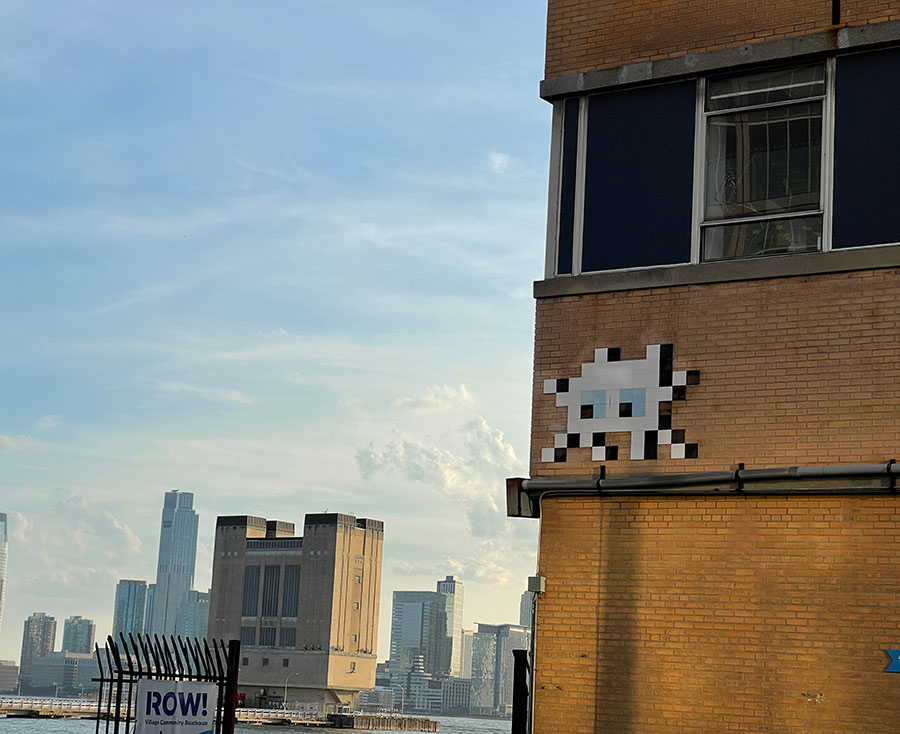
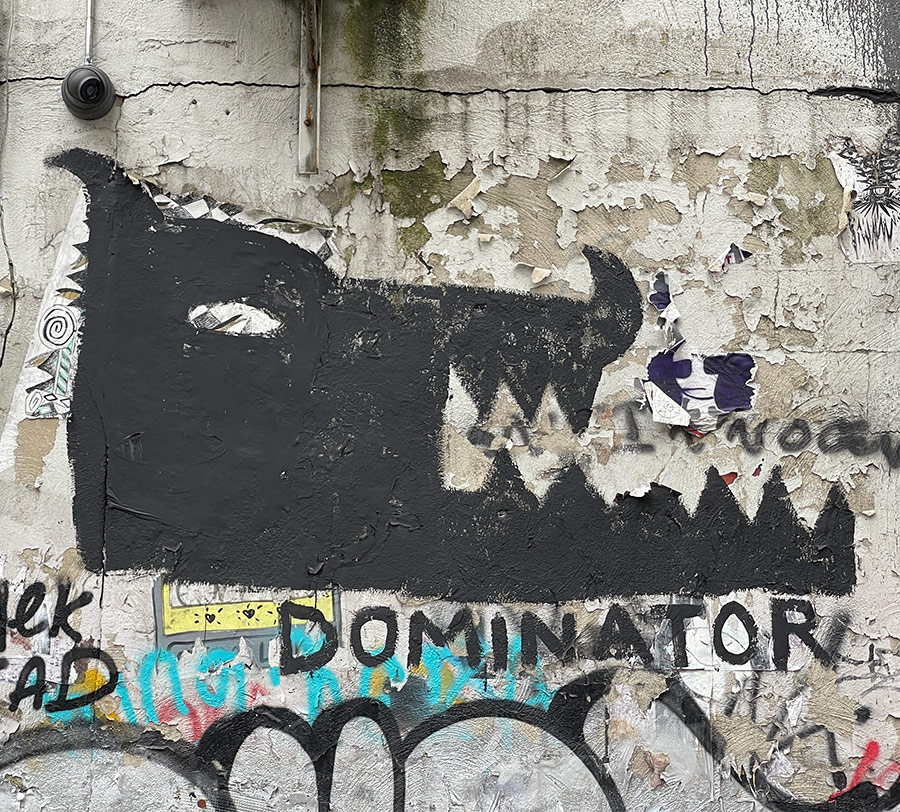
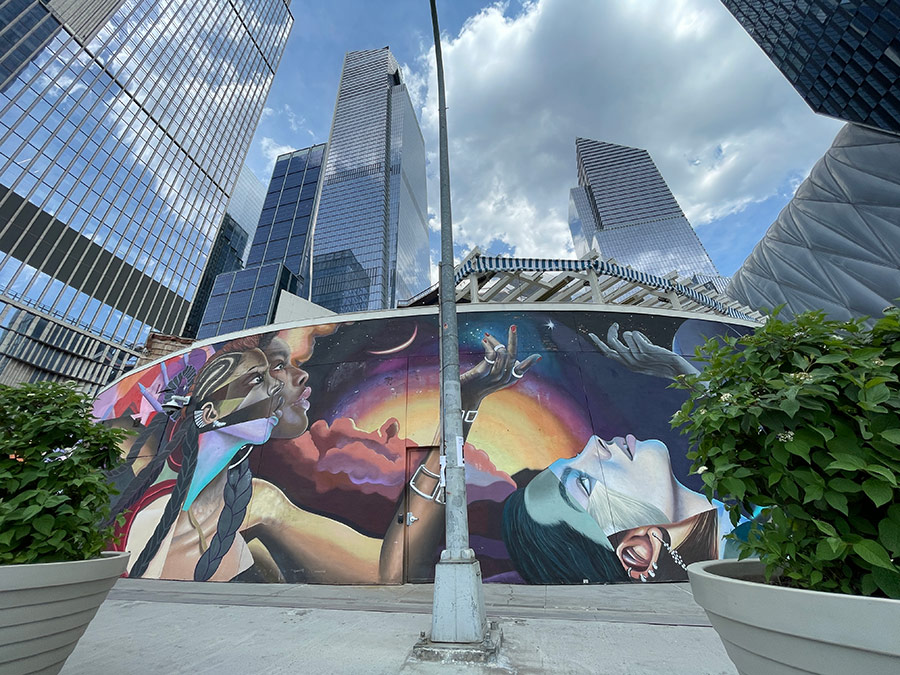
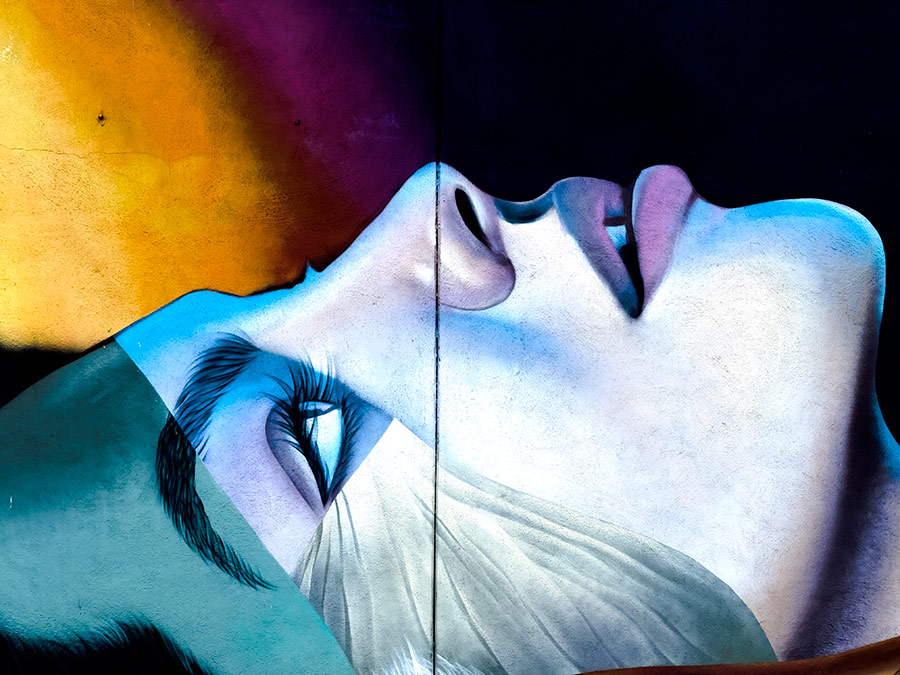
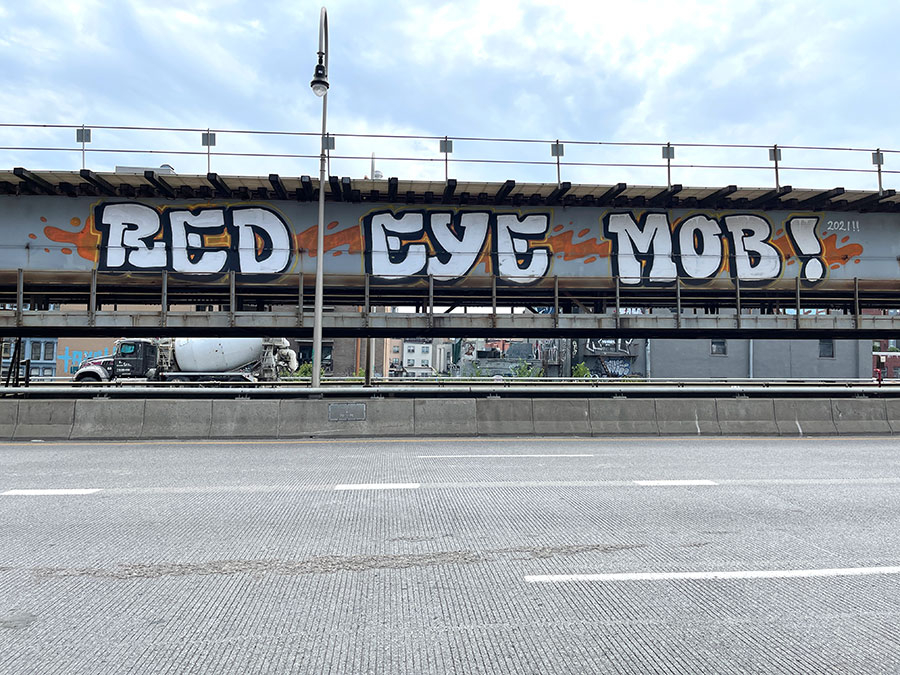
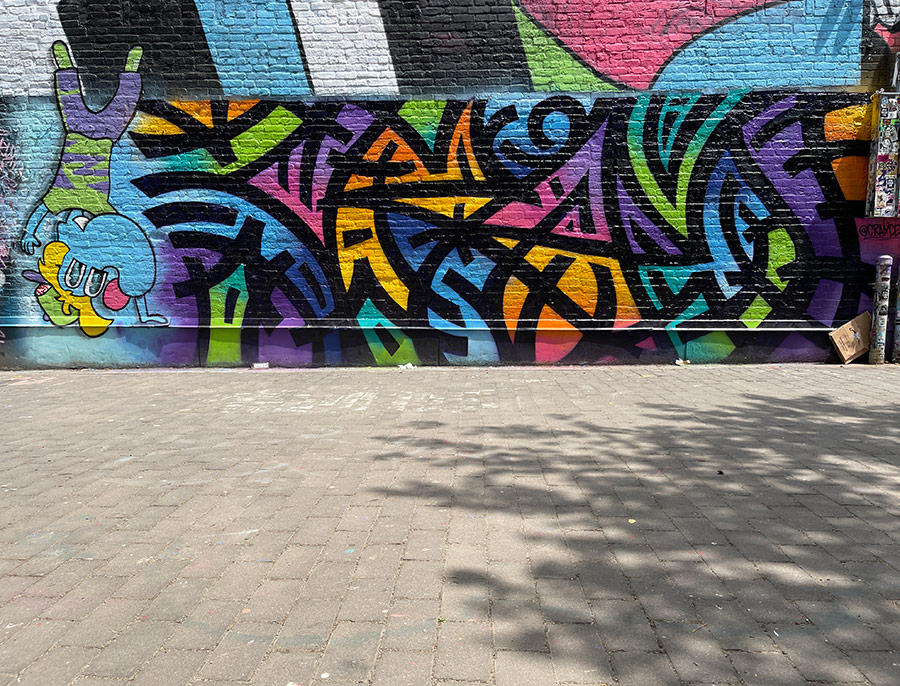
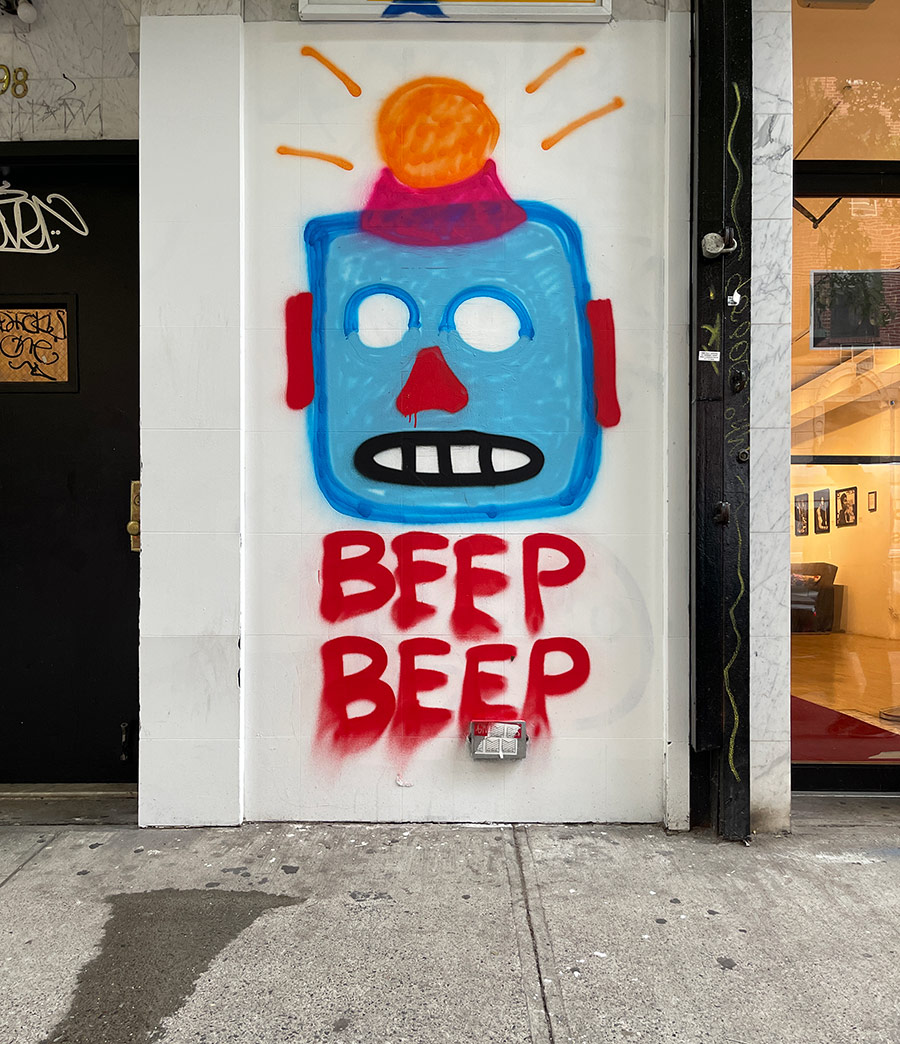
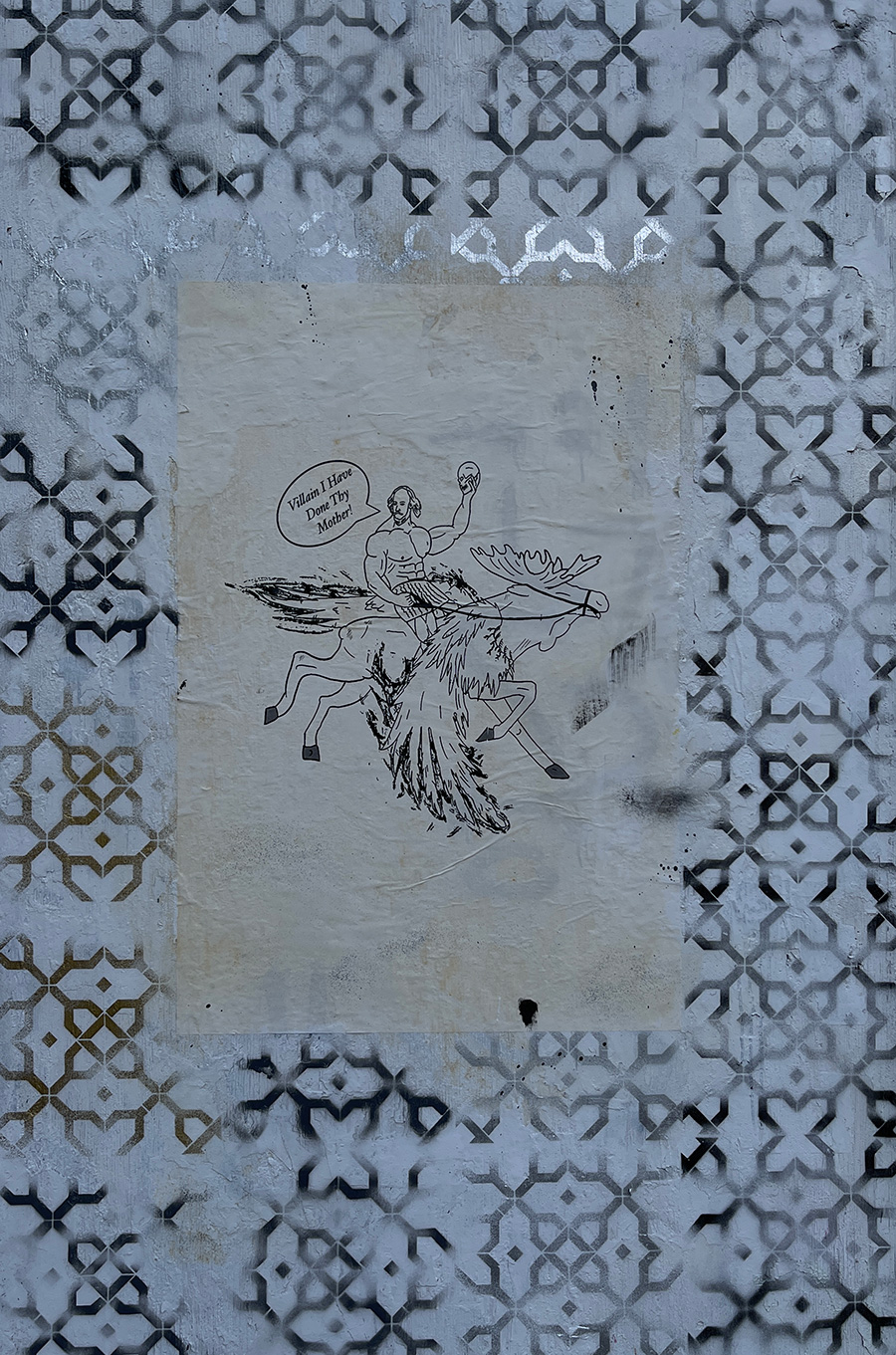
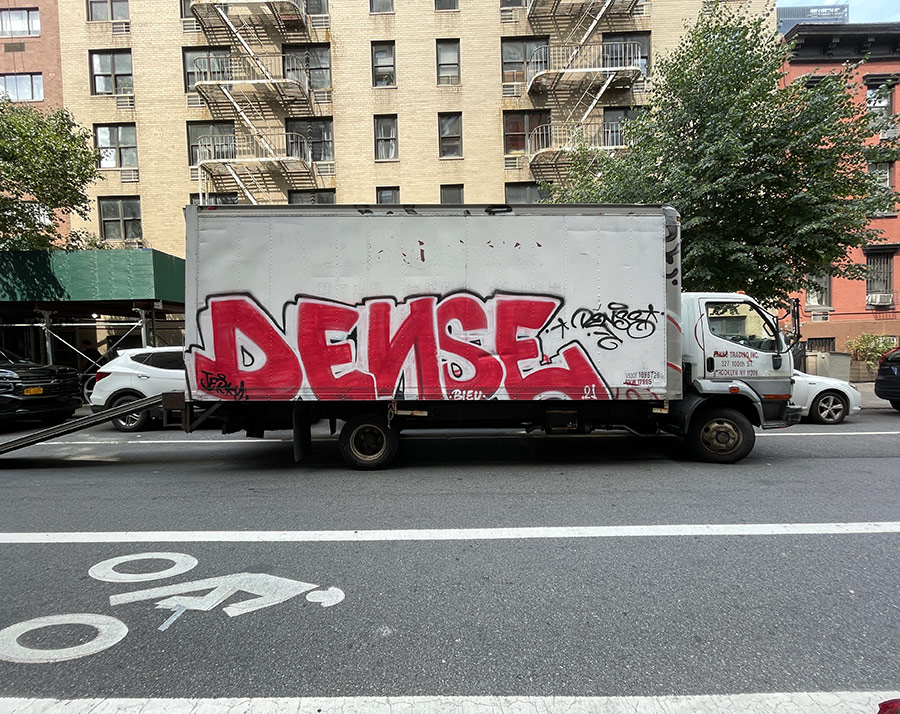
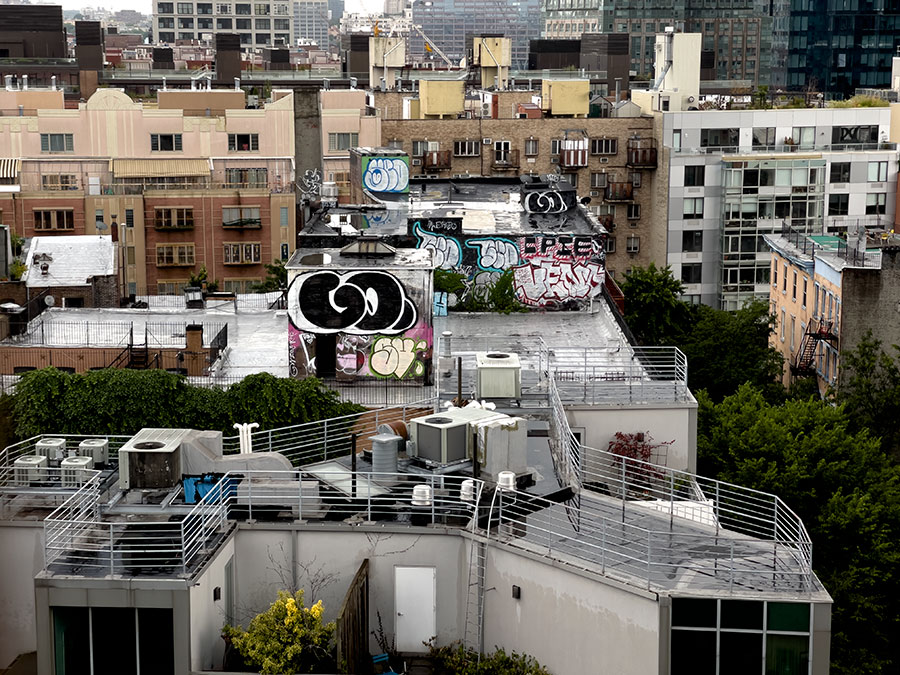
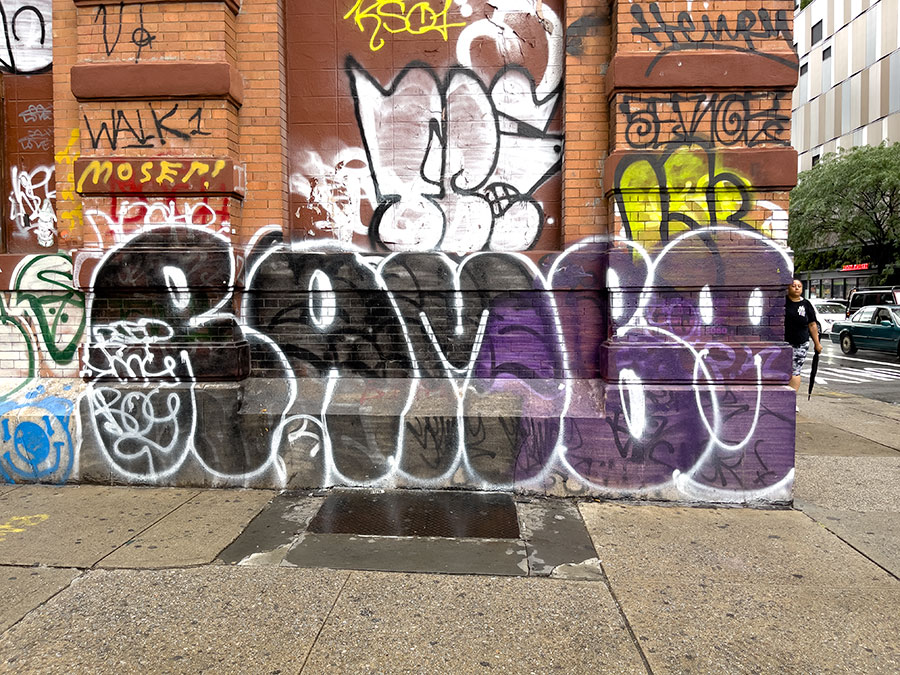
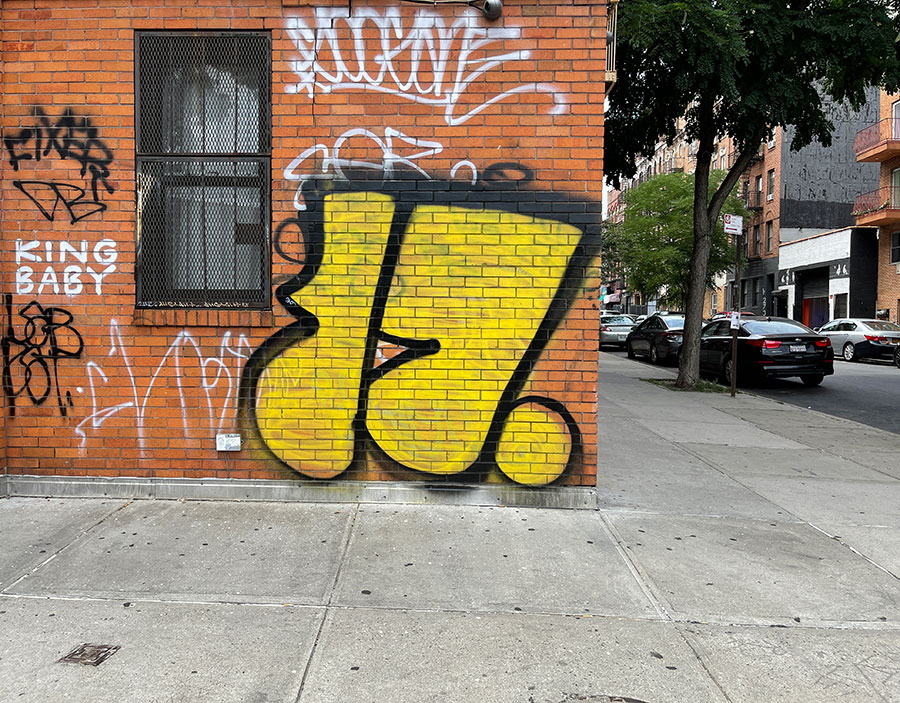
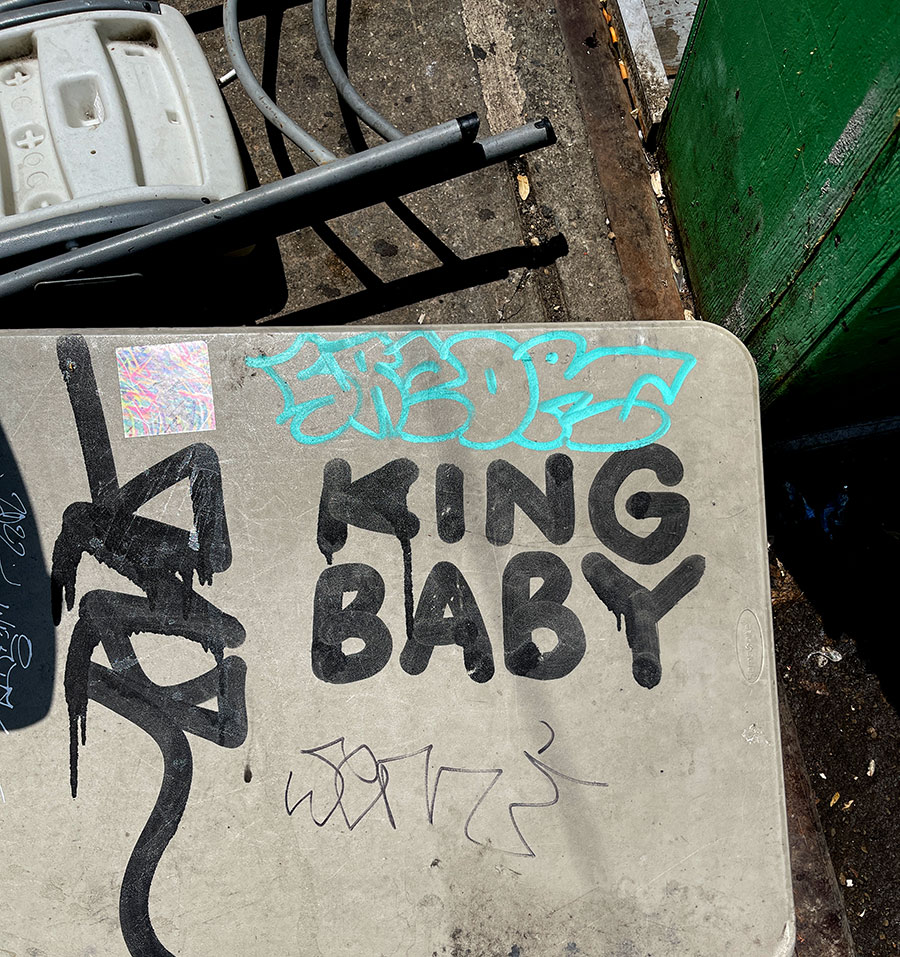
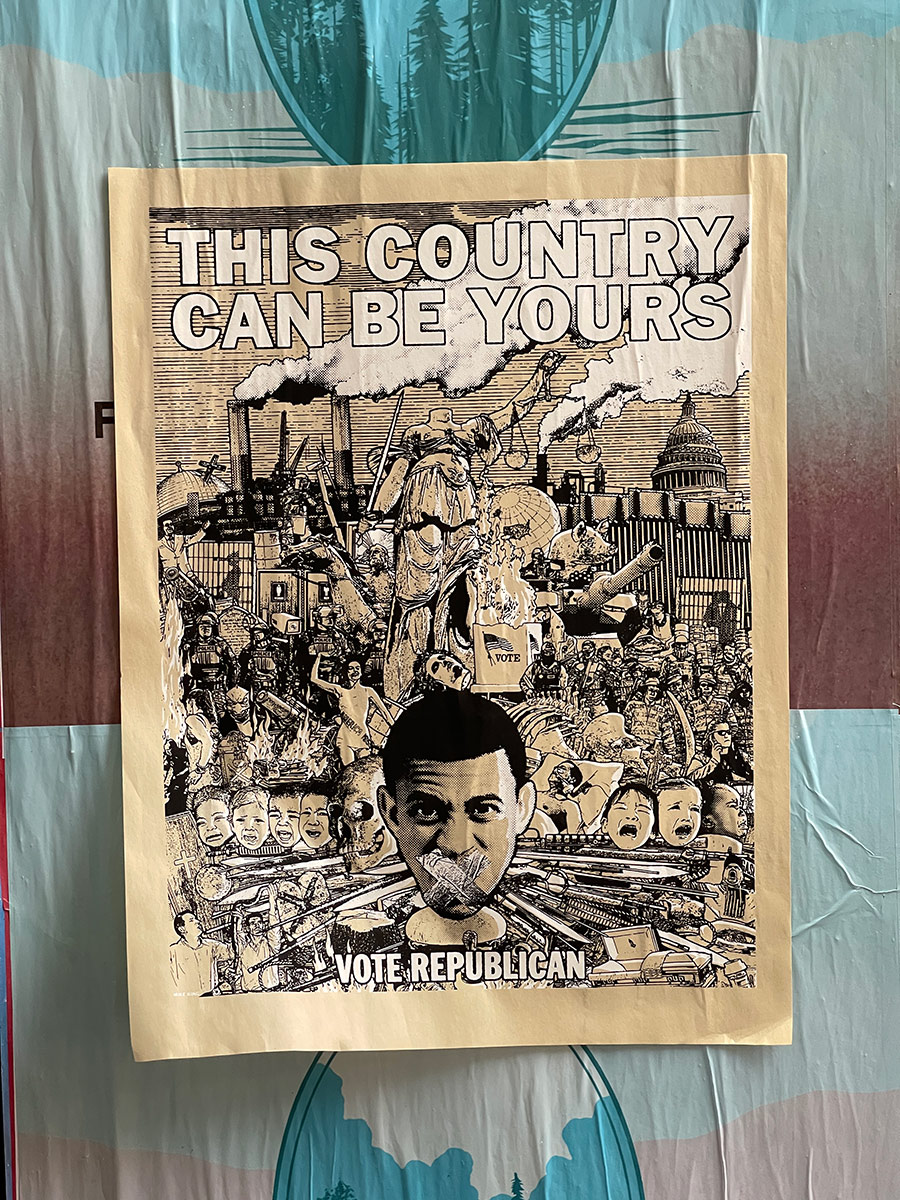
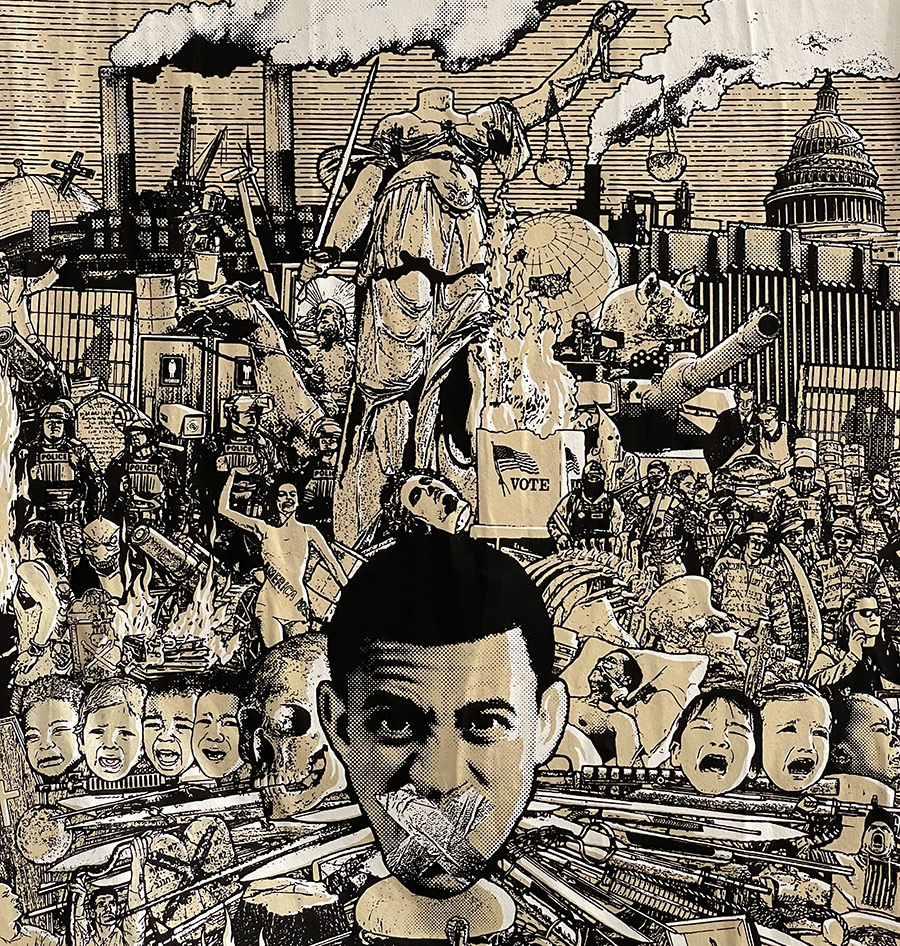
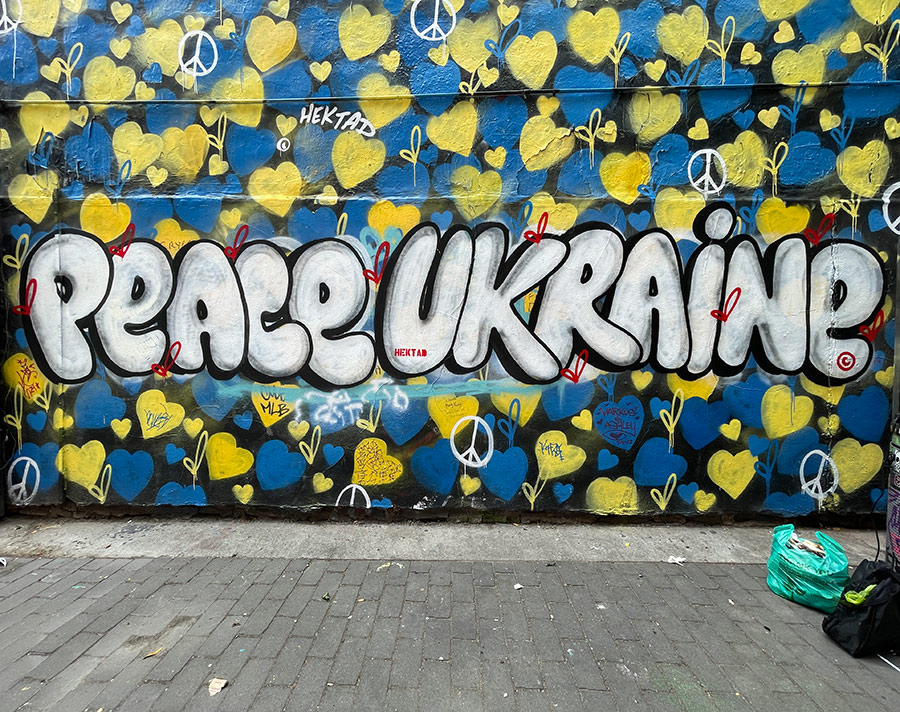
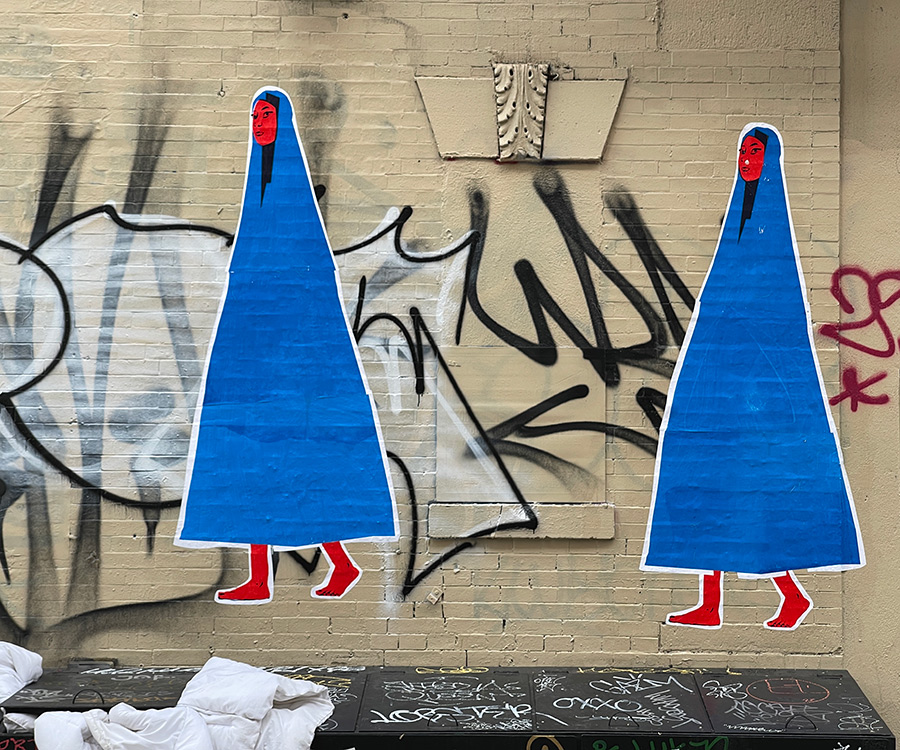
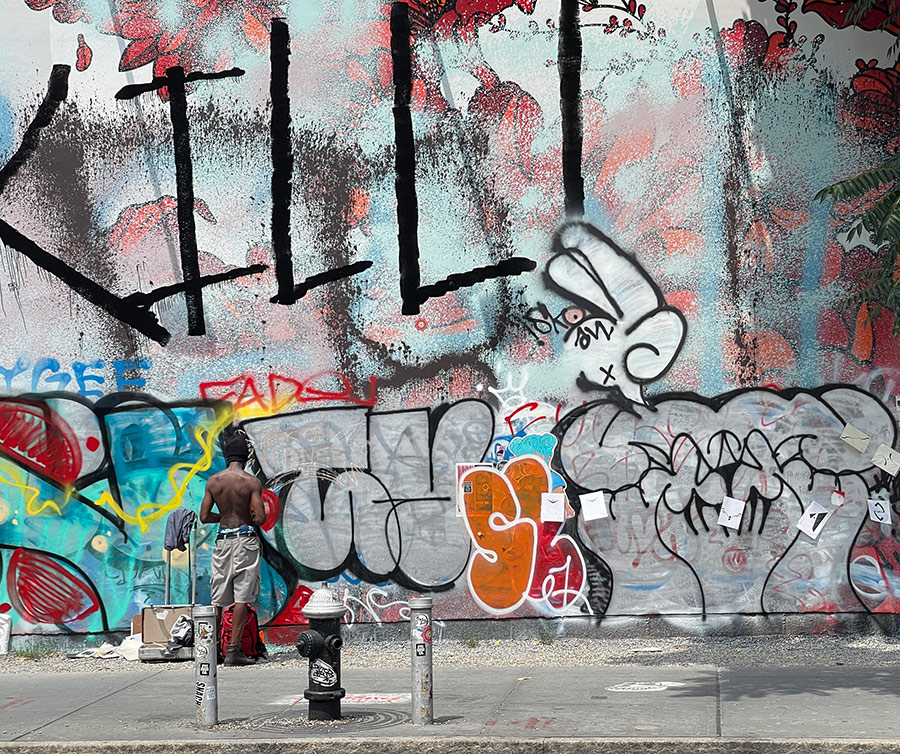
From throw-ups to tags, banal to topical, paste-ups to high-gloss murals, the New York pays you back in grit and passion when you keep your eyes open. This summer the heat is on – and you really only need shorts, a tee-shirt, and comfy footwear to get lost in this city that is speaking to you at all hours and pouring poetic discourse into your head and heart. As hard as it may be sometimes, we are always thankful to be in a city full of people and artists that inspire daily.
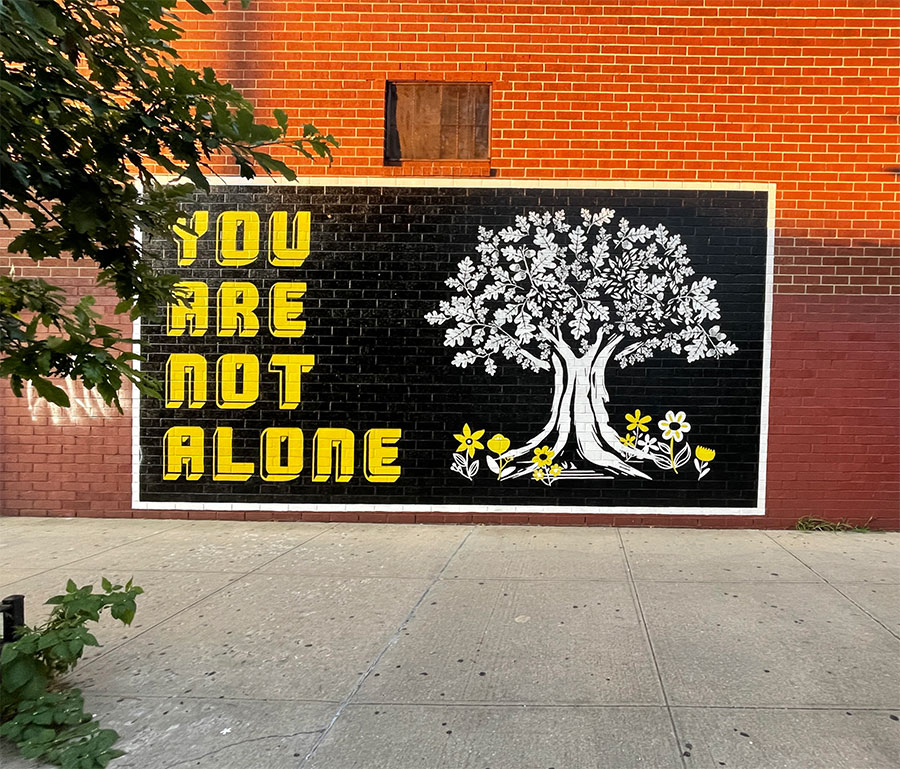
Here’s our weekly interview with the street, this week featuring: Invader, Elle, Goog, Urban Russian Doll NYC, Homesick, King Baby, Miss 17, Cramcept, You Are Not Alone, Rambo, Dense, Beep Beep, Red Eye Mob, Crypto Compadres, and Dominator.
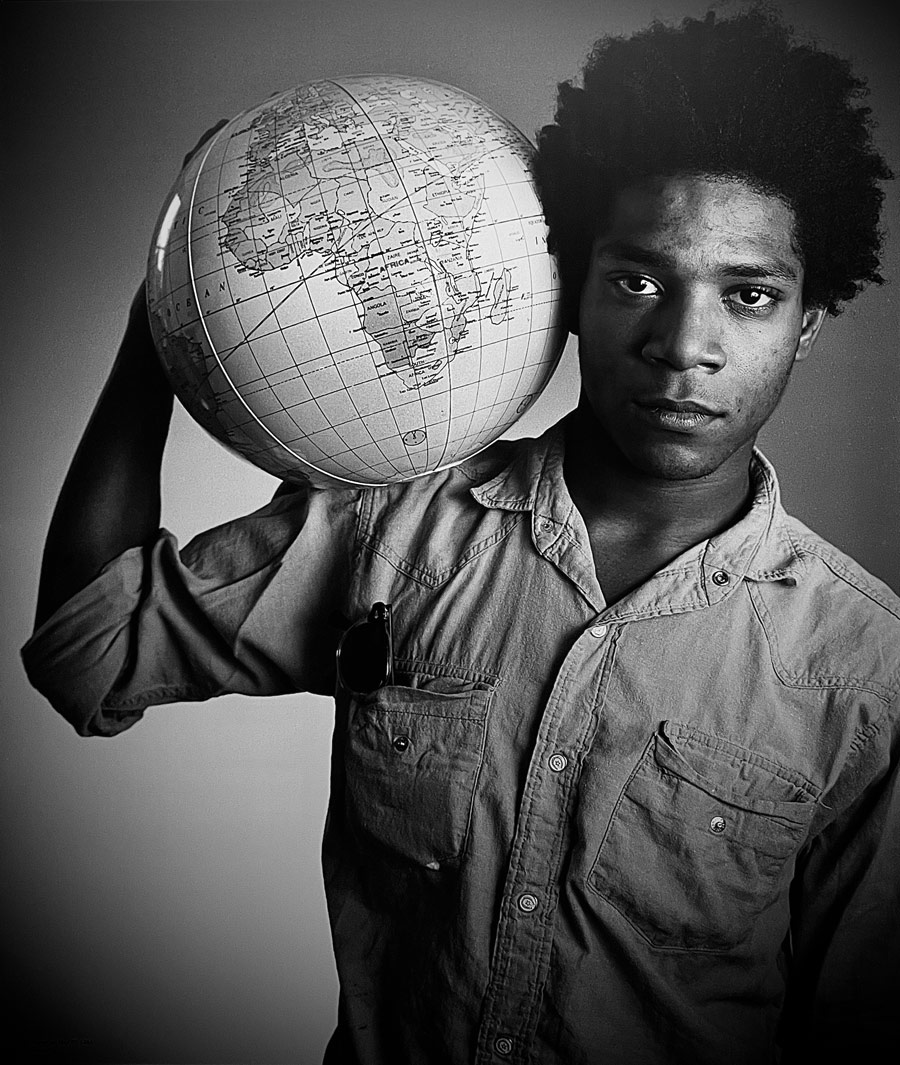
Ah, summer in the city! New York offers a myriad of choices for your entertainment and to perhaps enhance your appreciation of art and its crucial role in society. Aside from simply cruising the streets to see new works directly on city walls, one exhibition firmly rooted in the New York street art story that we highly recommend this summer is entitled “Jean-Michel Basquiat: King Pleasure” currently on view in Chelsea. The exhibition is organized by his family with his sisters Lisane Basquiat and Jeanine Heriveaux directing a narrative that is personal and revelatory. The exhibition opened in the Spring and we wrote about it HERE
Christopher Makos. Jean-Michel Basquiat: King Pleasure”
Click HERE for more details, tickets and schedules.
Our weekly focus on the moving image and art in the streets. And other oddities.
Now screening: 1. Turnout – Michael Van Swearingen 2. ENTER via Graffiti TV 3. Carlos Mare – 12 Levels of Graffiti: Easy to Complex
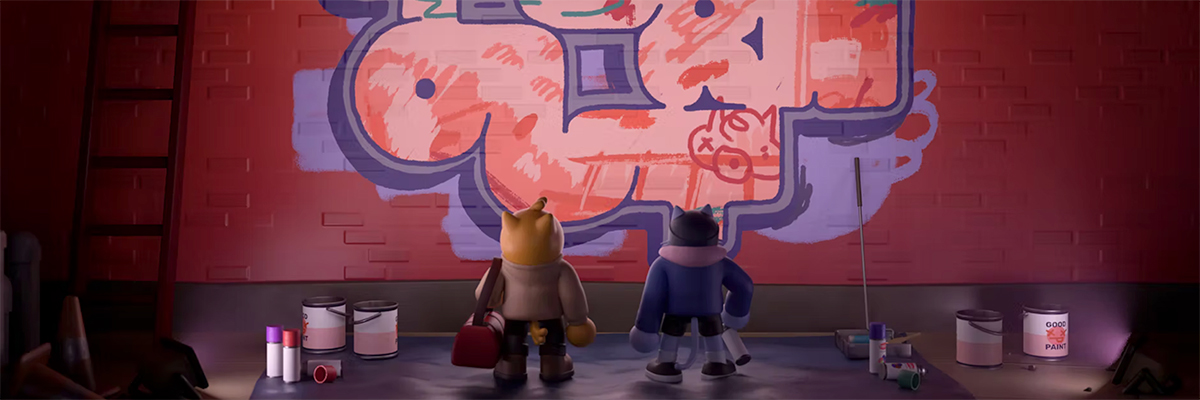
BSA Special Feature: Turnout – Michael Van Swearingen
Motion Designer Michael Van Swearingen somehow converts graffiti culture into a loveable squishy clean place to break the law, and breaks your heart gently doing so. “Tobin and Sven are street artists involved in a shady lifestyle as middle-men. After Tobin announces leaving his criminal past behind, along with the city, they proceed to finish one last drop off of an unmarked bag. Upon entering a graffiti soaked alley way, they’re confronted by a police officer and make a run for it. Ducking and diving through the glowing alley, they make their way towards a trainyard. With the cops following close behind, a split second decision decides their future.”
Turnout – Michael Van Swearingen
ENTER via Graffiti TV
Mexican graffiti futurist is a cyber punk influenced by Japanese style. Part of the 217 crew, Enter here shows you some of his tricks on this new flick from Graffiti TV.
Carlos Mare – 12 Levels of Graffiti: Easy to Complex via WIRED
NYC Old Skool graffiti originalist Mare 139 schools us all on the 12 Levels of graffiti. Everybody listen up.
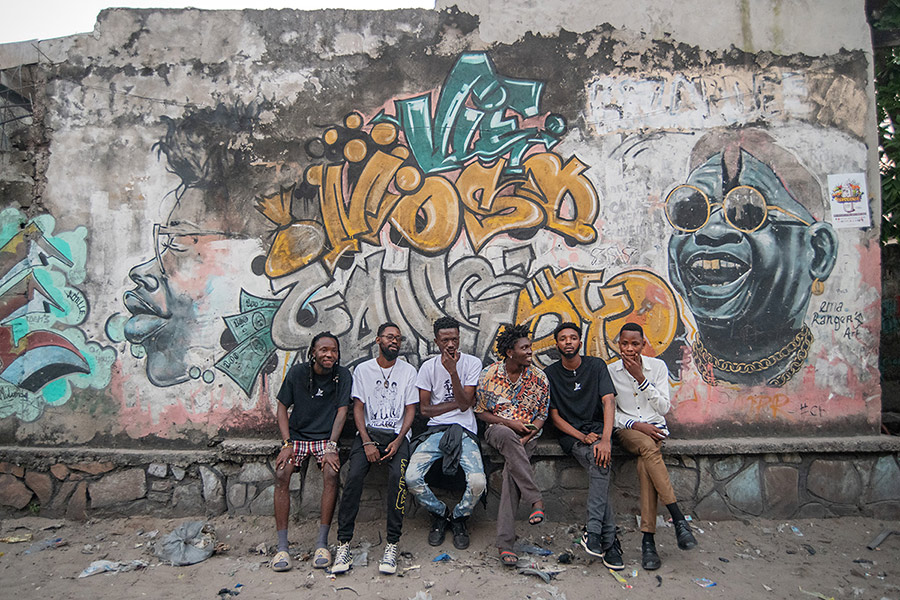
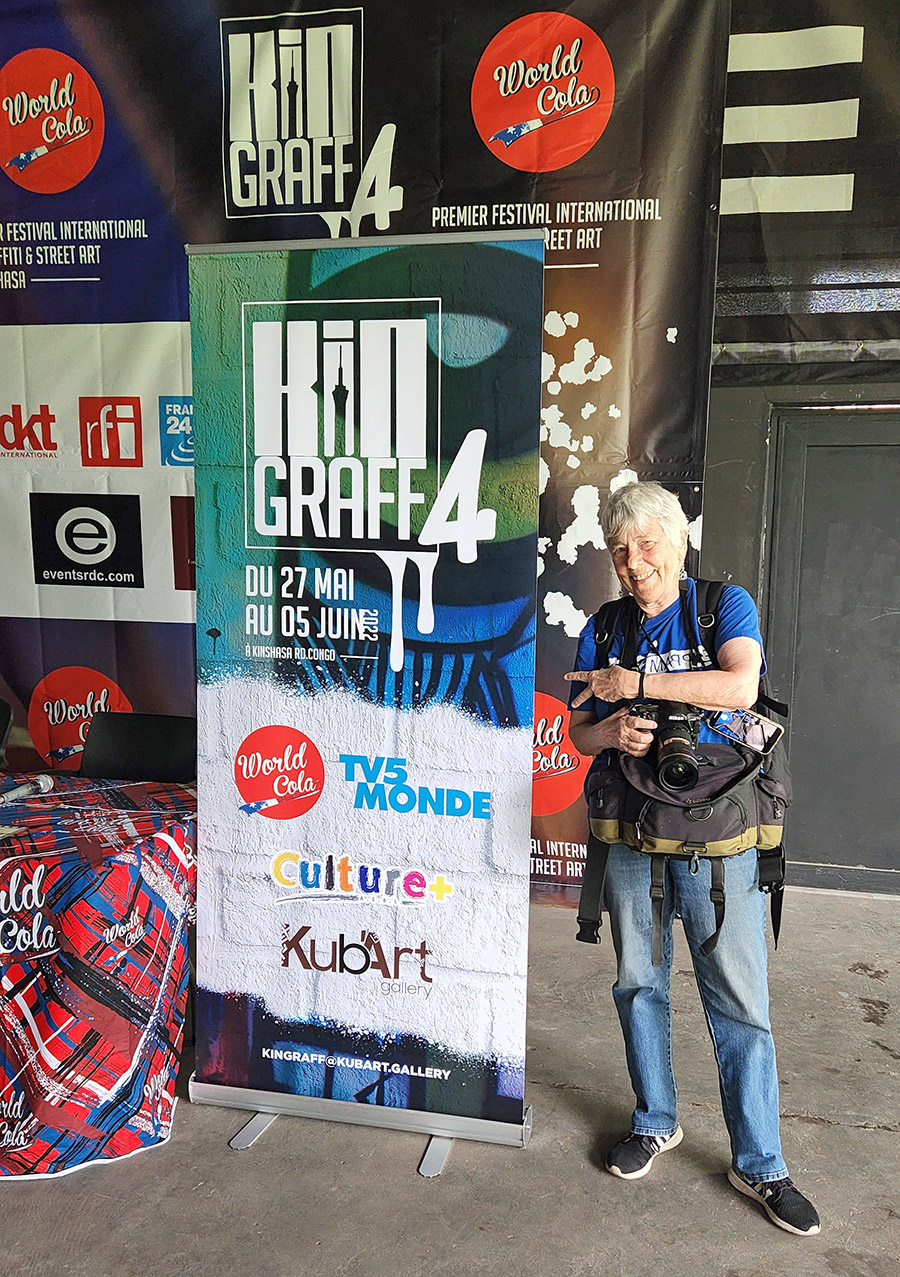
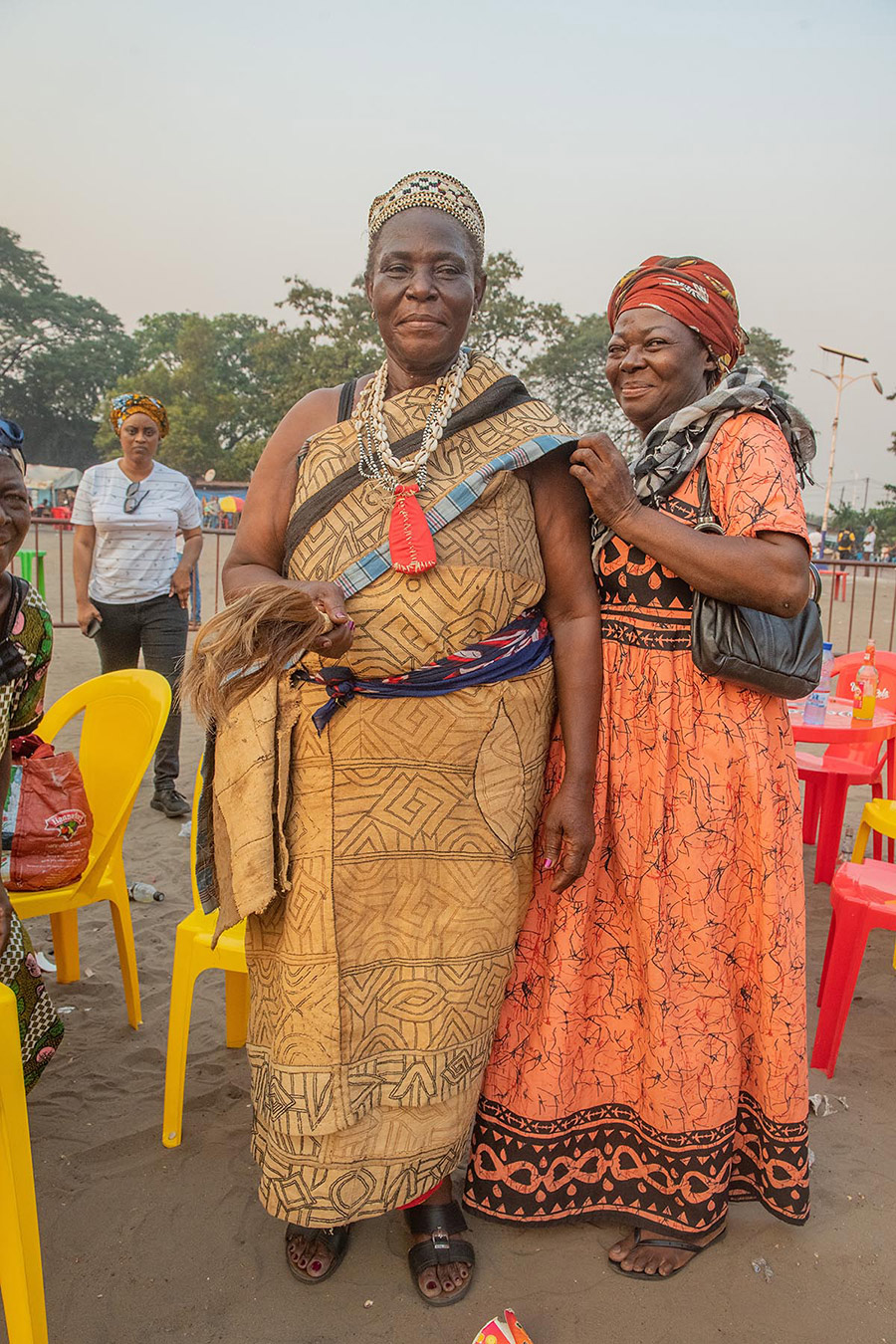
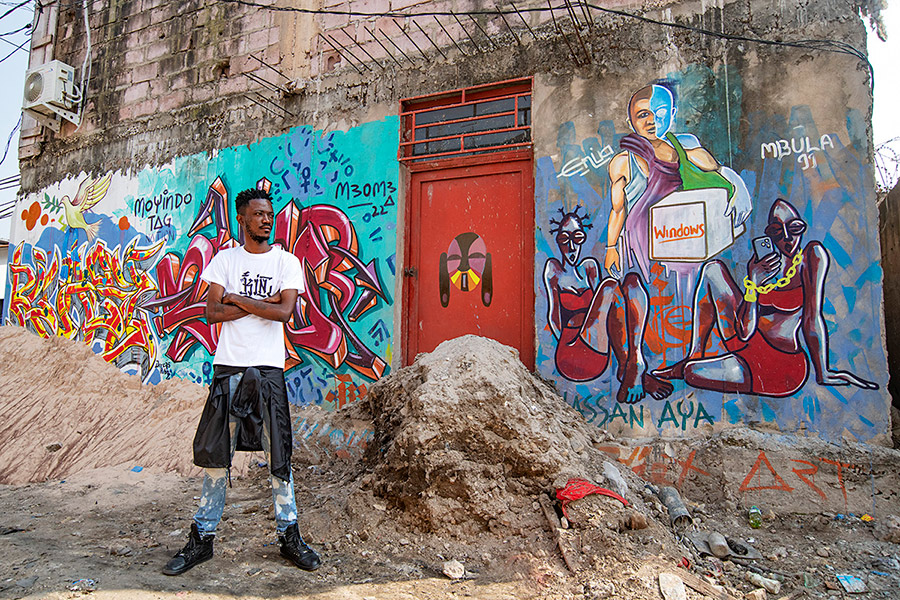
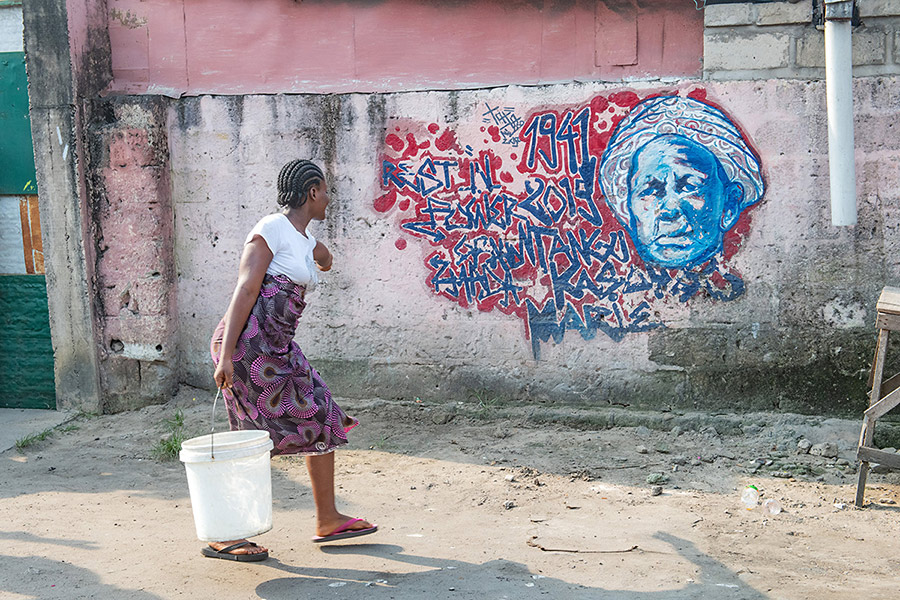
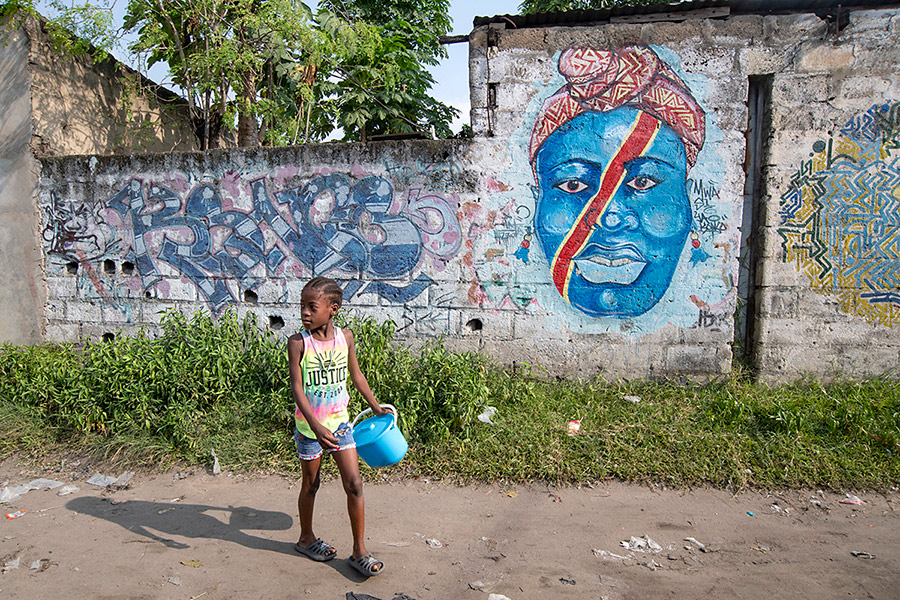
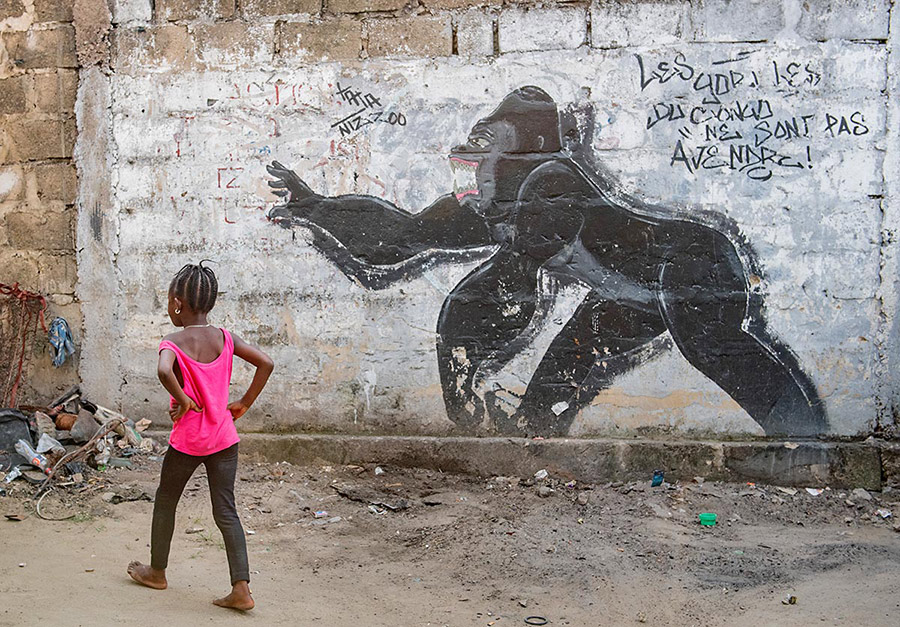
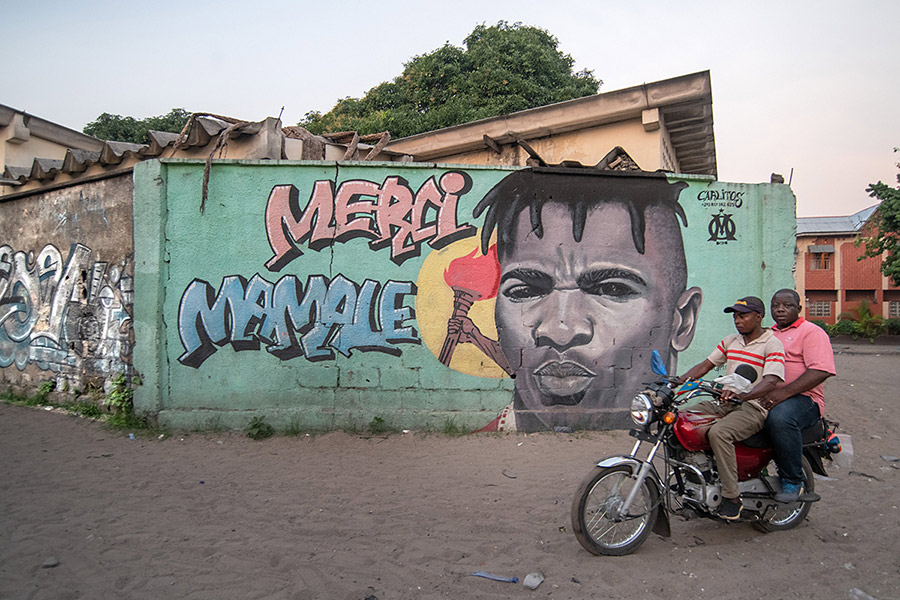
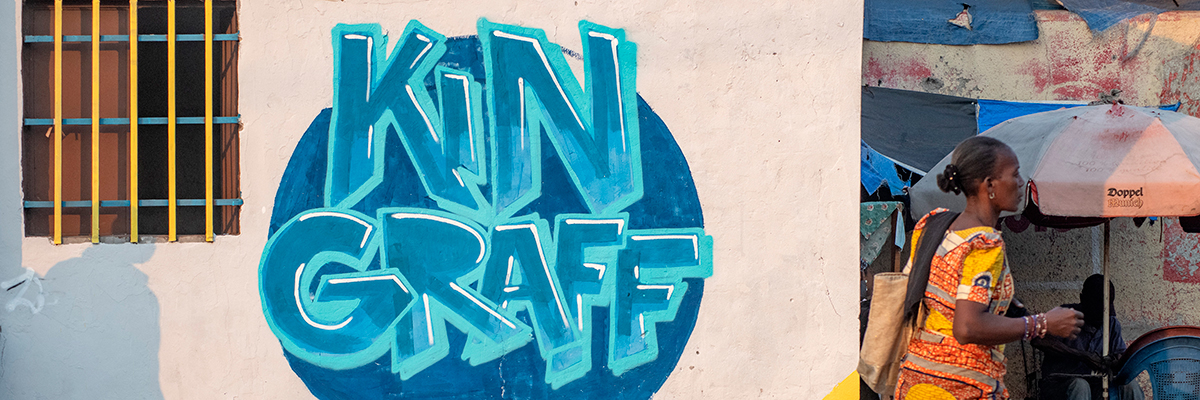
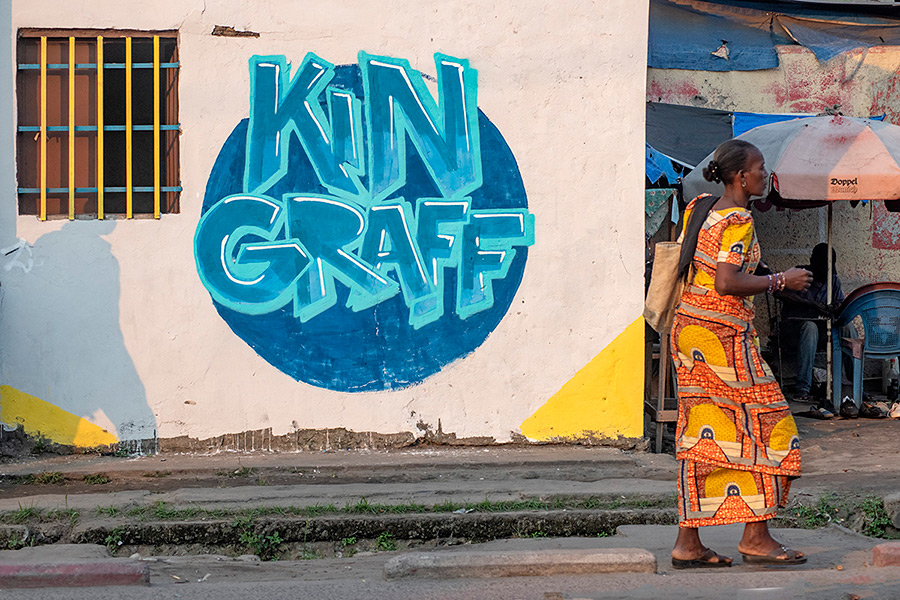
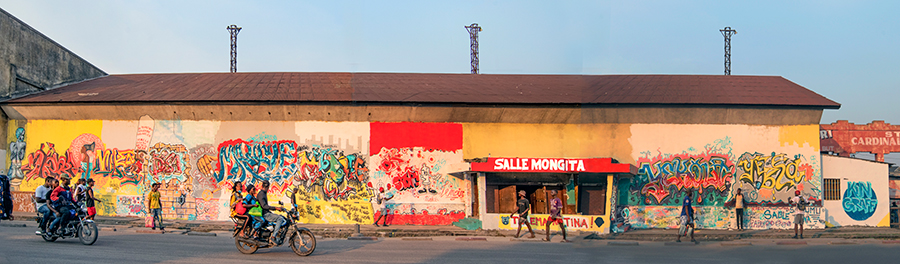
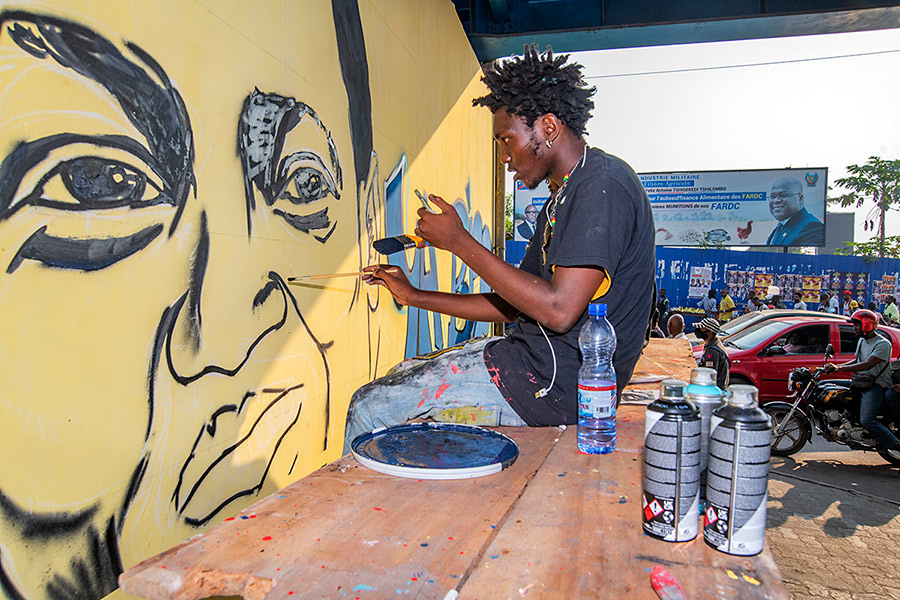
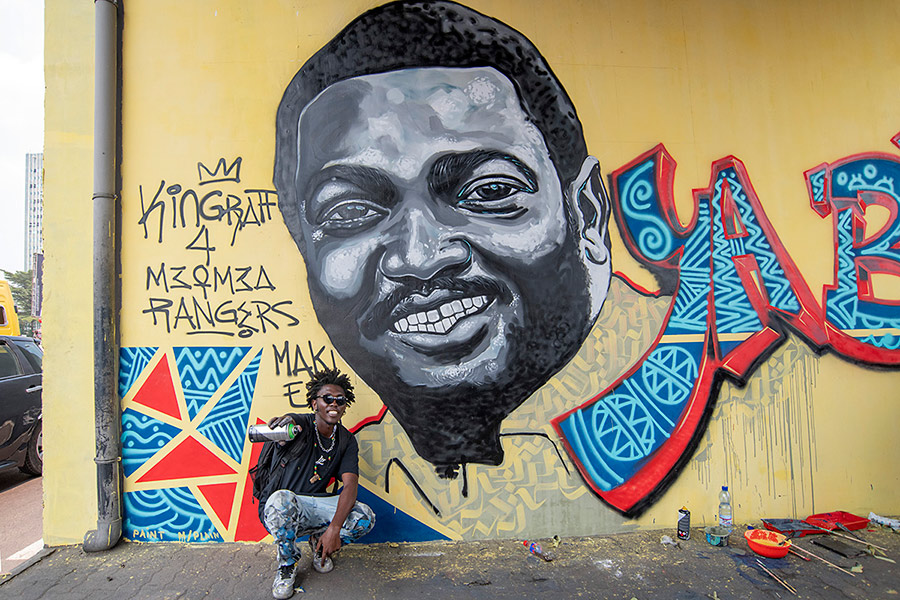
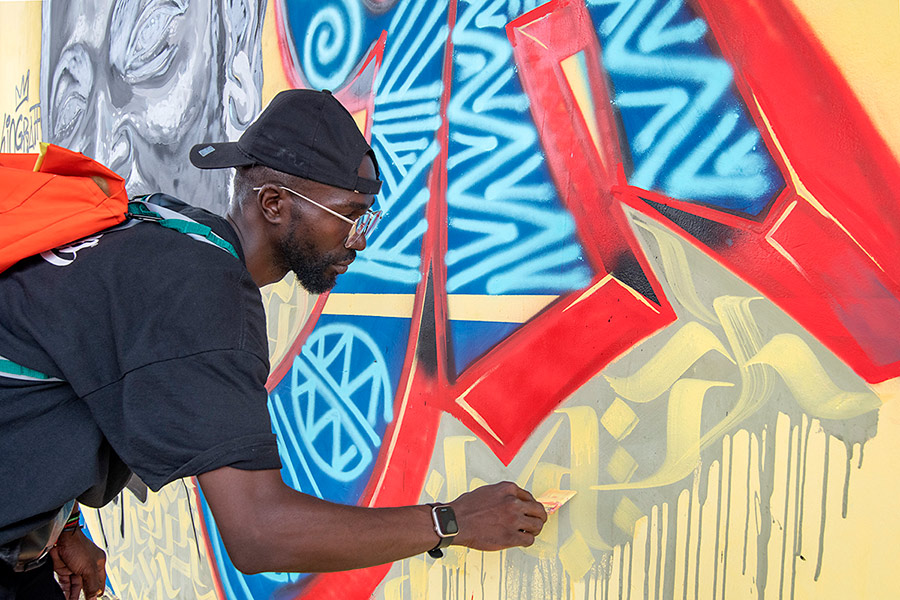
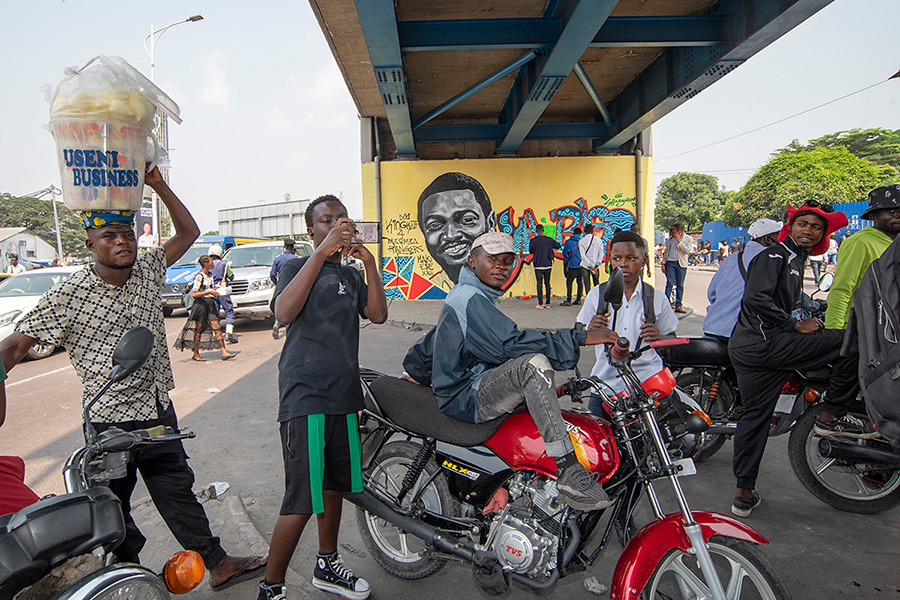
Join the party today in Kinshasa in the Democratic Republic of the Congo, where the street art festival Kin Graff 4 brought many to celebrate the murals, the artists, and the festival itself with music, food, and dancing.
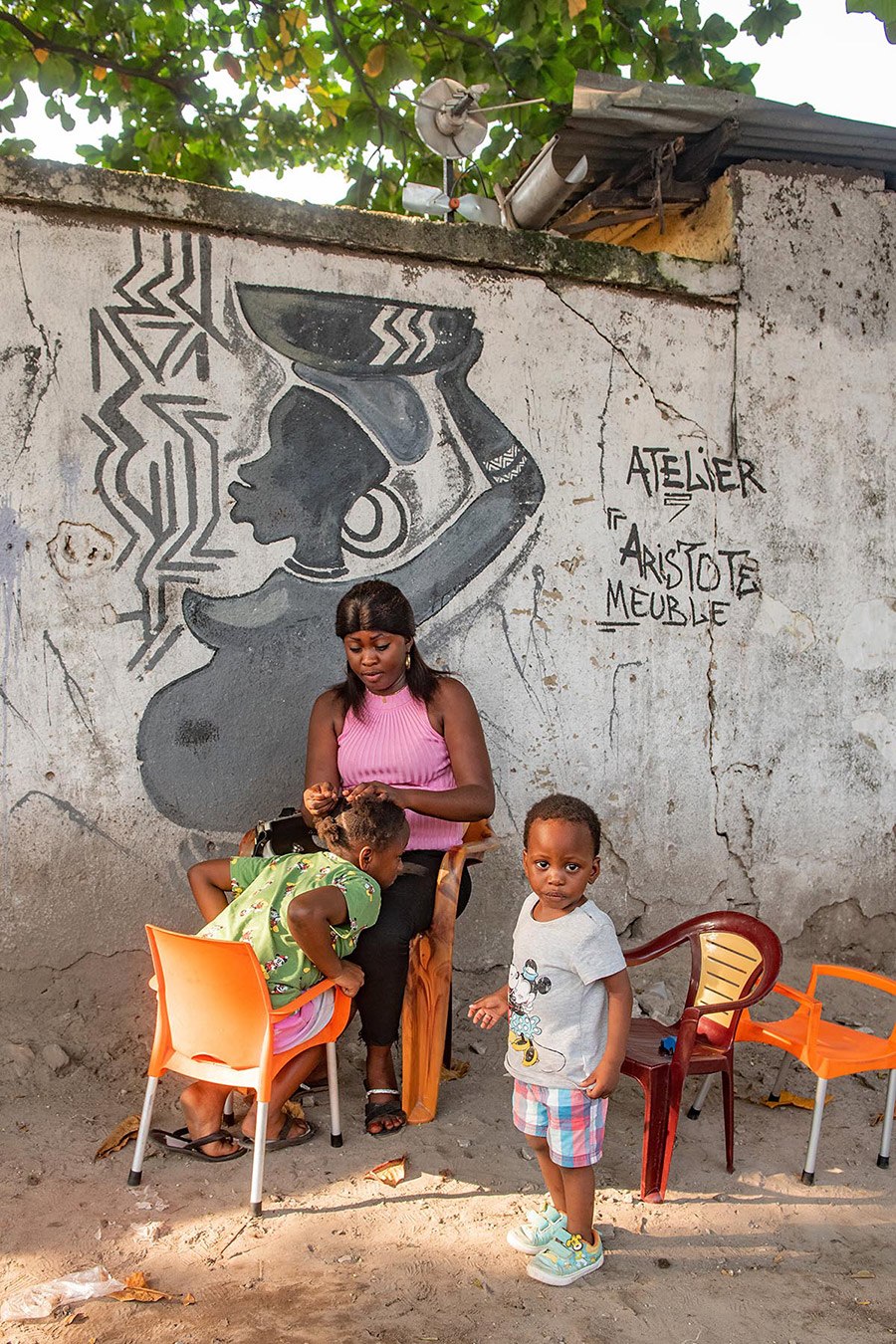
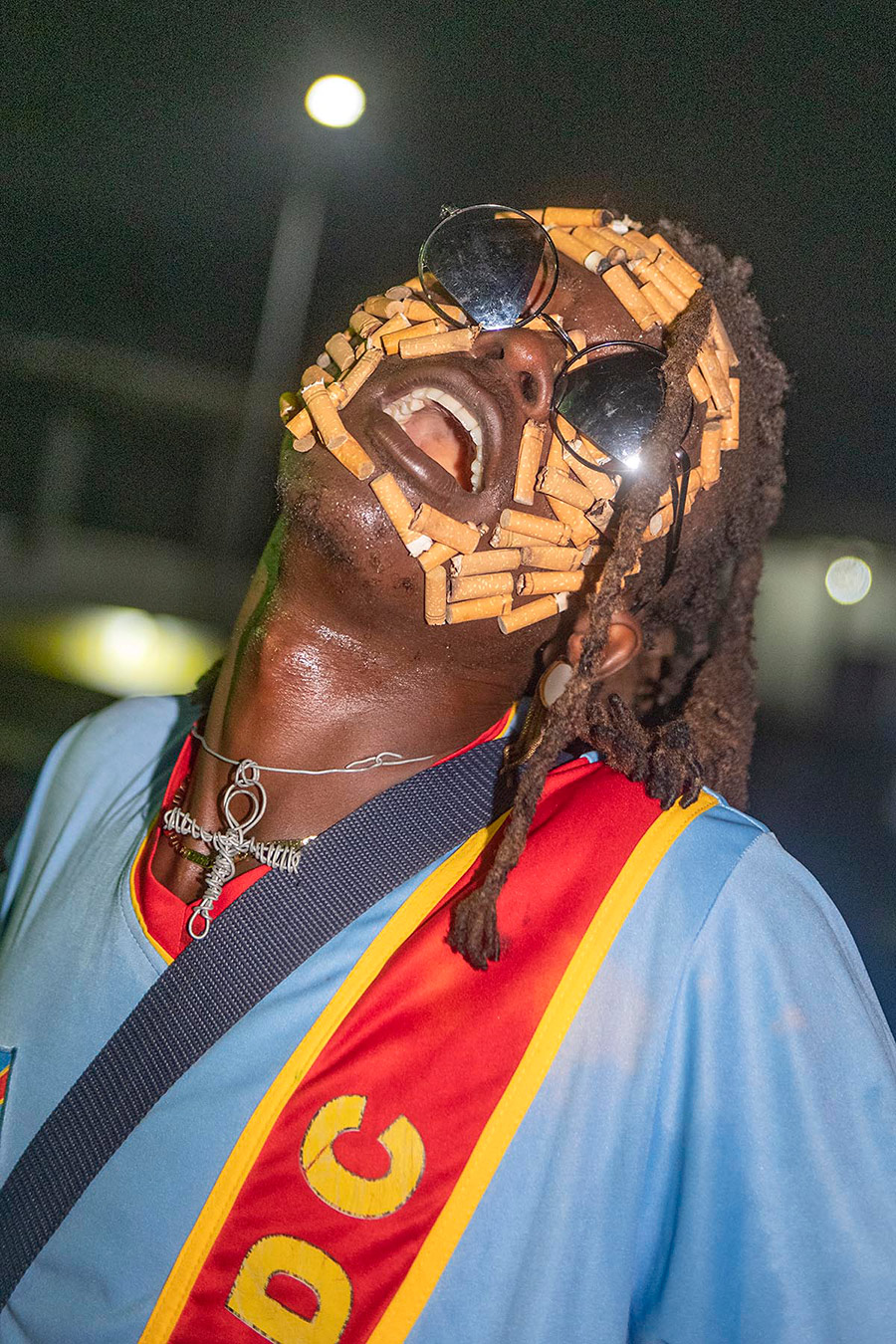
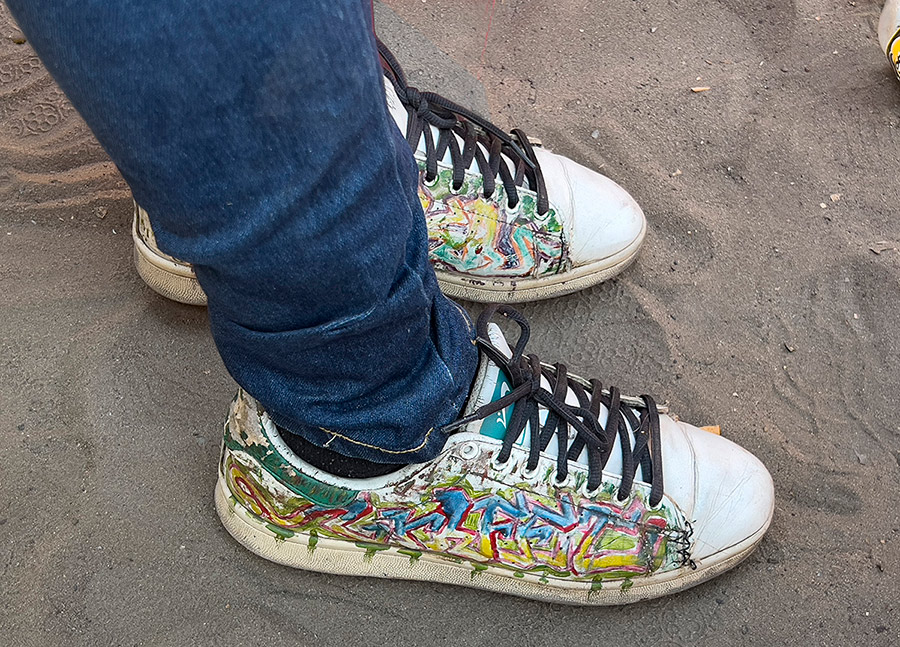
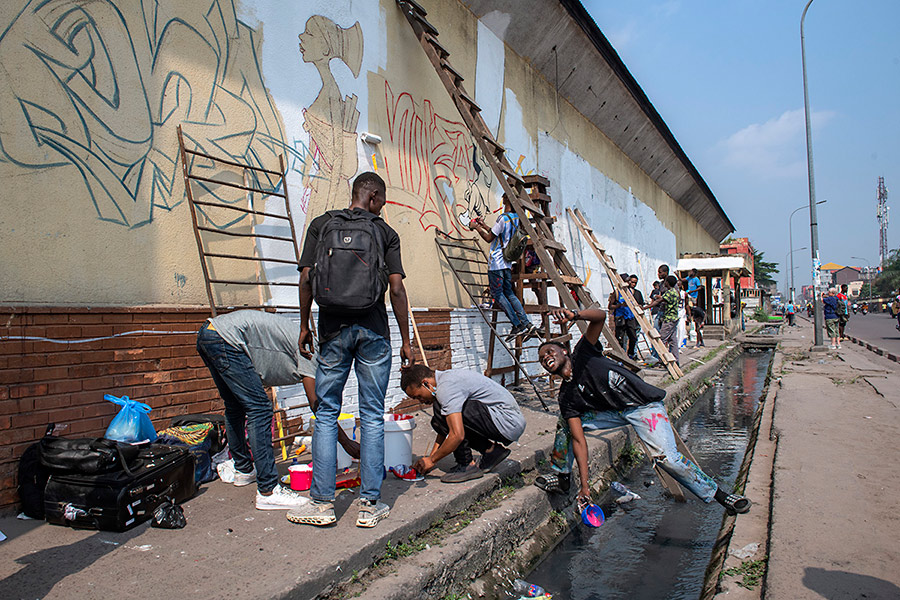
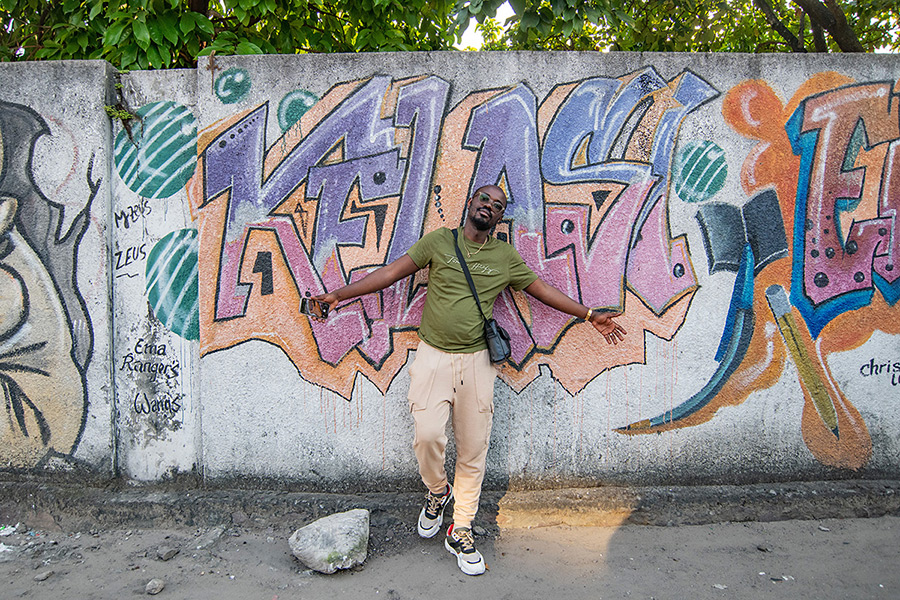
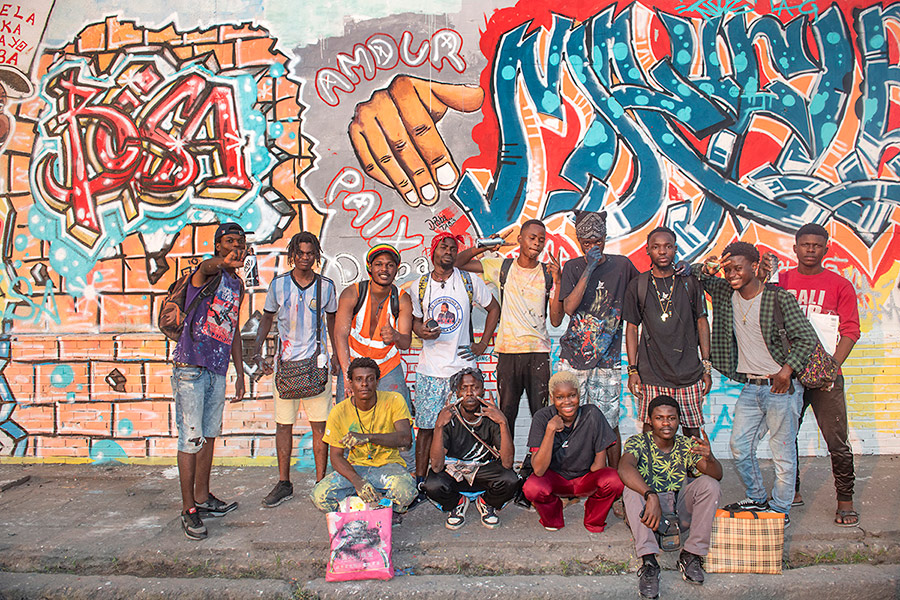
Today we see images of the artists and celebrants here in the municipality of Kinshasa called Bandal, which is short for Bandalungwa. It’s the hometown of many of this year’s artists and the site of many works from last year’s edition of Kin Graff. The musical event was called “Live Experience,” and photographer Martha Cooper tells us that there were “performers appearing on an outdoor stage which had been set up for the night.”
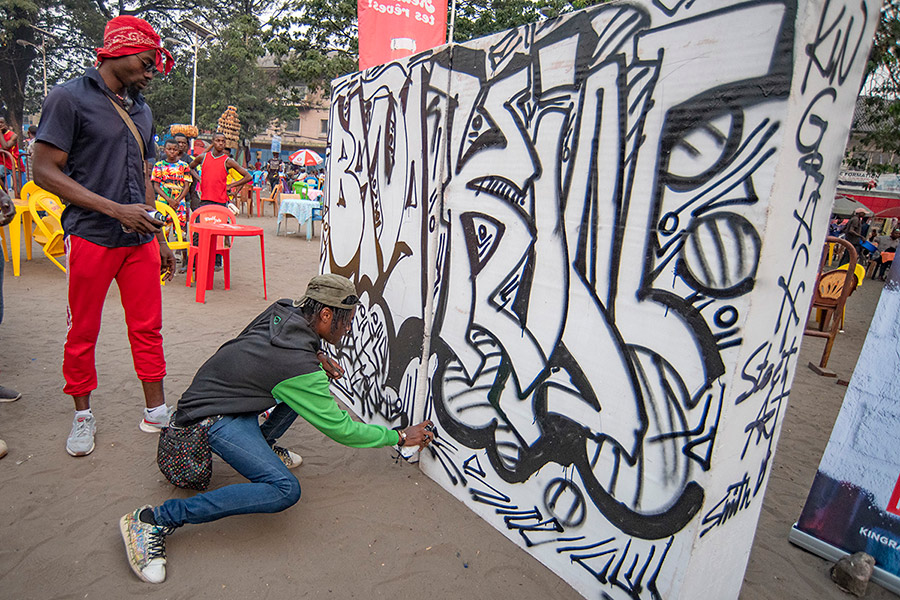
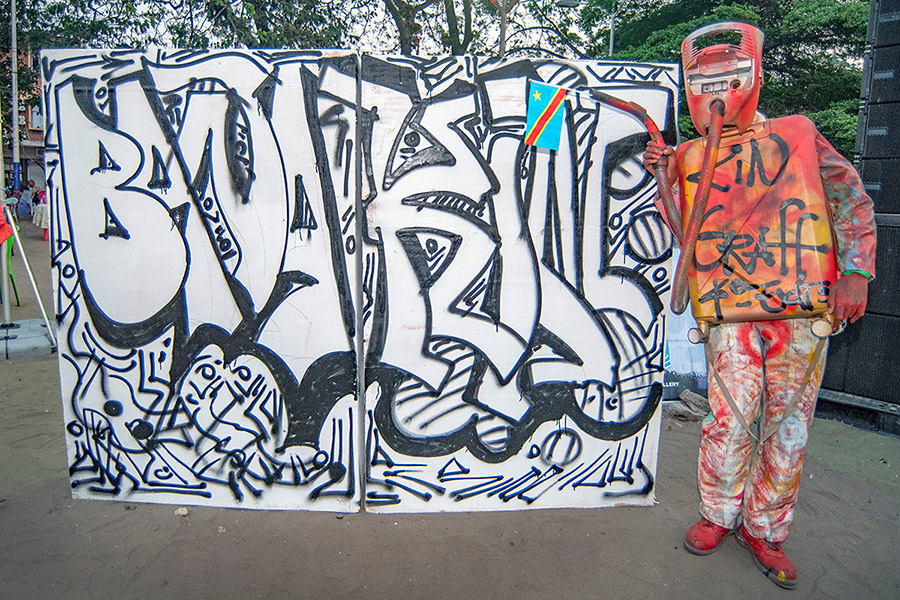
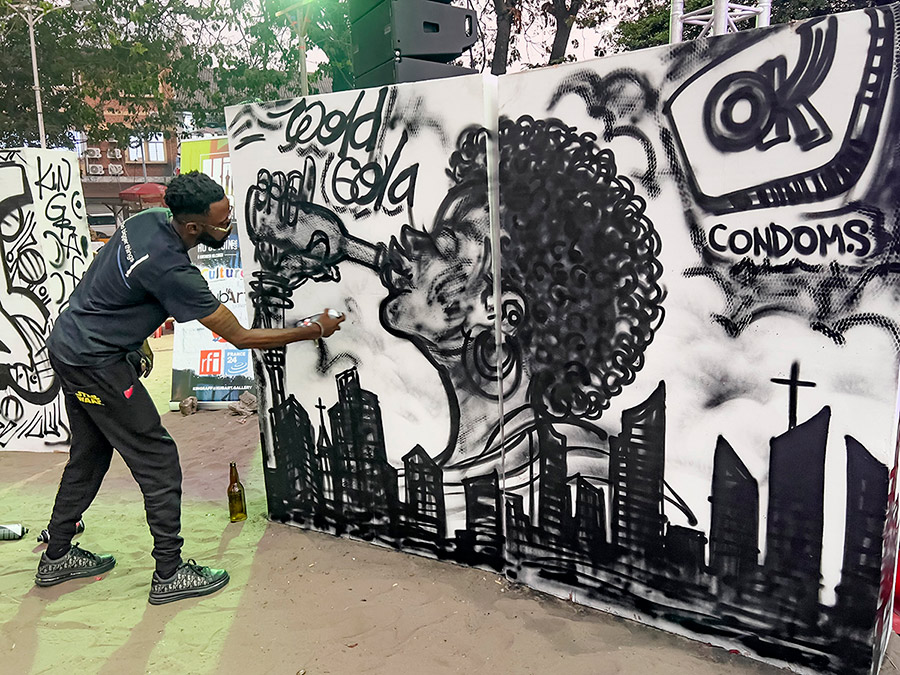
It’s great to see so many people celebrating the arts and the positive role that they bring to a community. “White wooden boxes were placed near the stage for graffiti writers to paint live,” Martha tells us. “Many of the musicians were rappers. We heard that there were going to be BBoys dancing, but we didn’t stay late and don’t know whether that happened. There was an enthusiastic reception from the crowd who cheered and danced to the performers.”
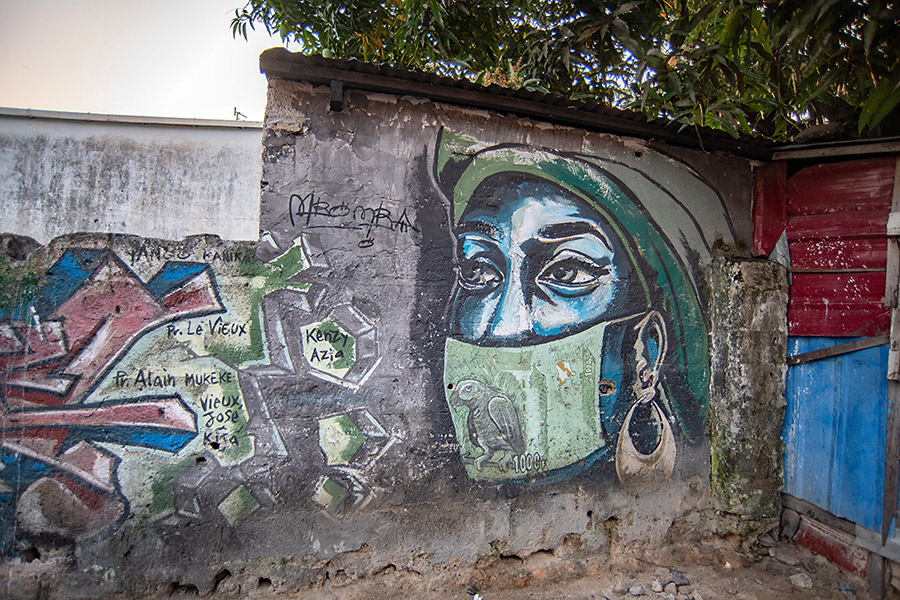
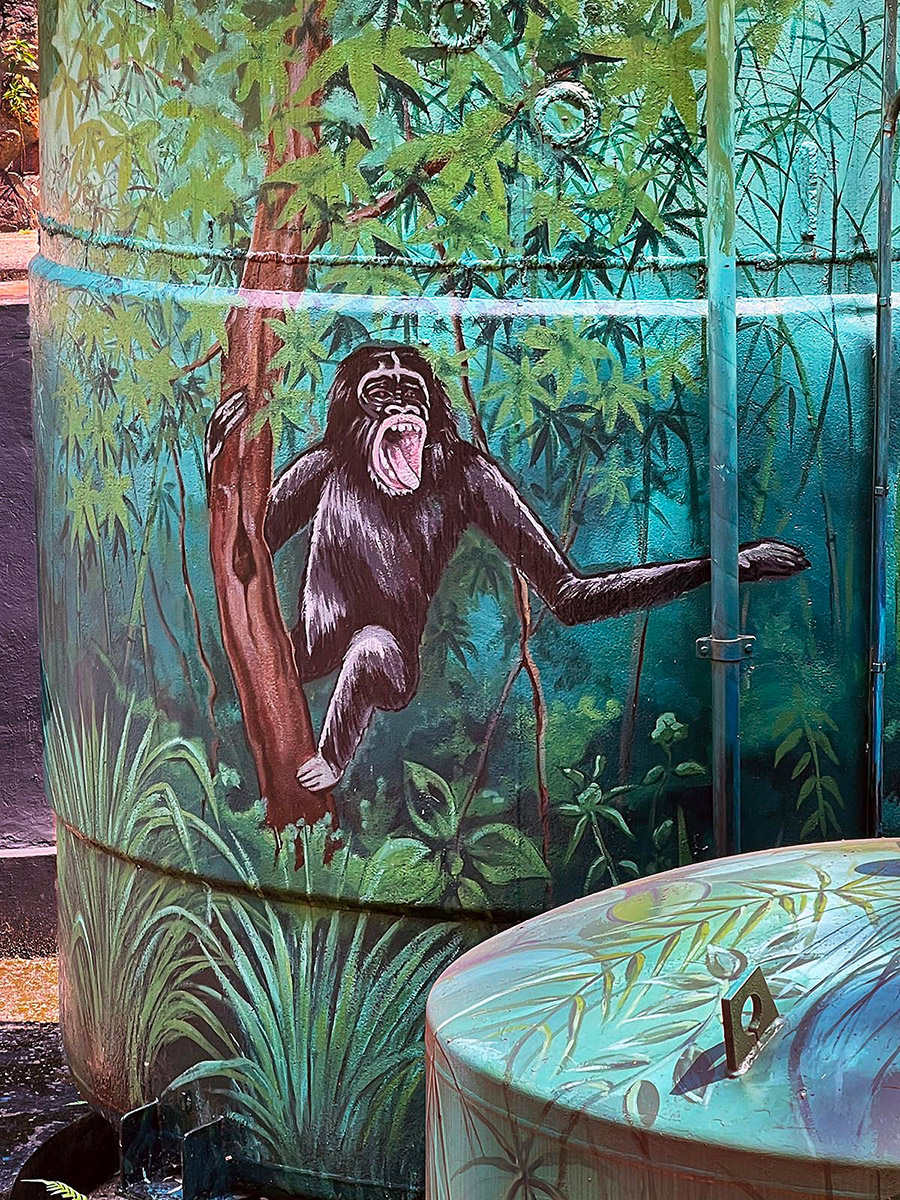
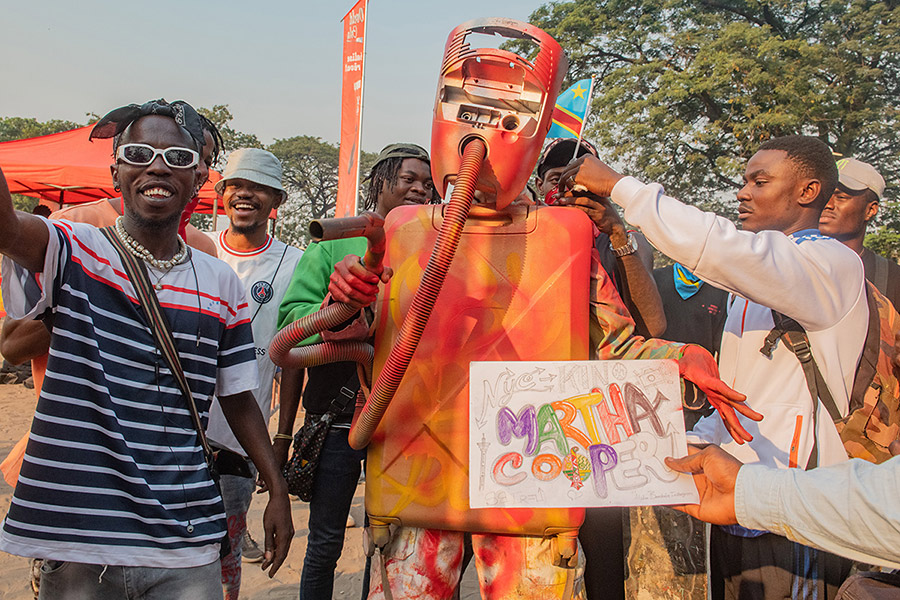
Also, we show you some celebrants in fancy dress and creative costumery, some of the older murals, some of the new AIDS-themed artworks, and learn a little about Bonobos – which are found only here and are a celebrated part of the culture. We also speak here with Kin Graff director Yann Kwete, who tells us how he became interested in such a challenging project, and how difficult it is to mount such an event here. We ask him what his aspirations are for the festival and the people concerning graffiti, muralism, and the spirit of creativity that runs through the streets in Kinshasa.
Brooklyn Street Art: How did you come out with the idea of organizing Kin Graff in Congo and how many editions have you organized so far? Yann Kwete: My passion is art and urban culture. In 2013 I met Sitou, a graffiti artist from Togo and we had the idea to create this graffiti festival in DR Congo 2013. This was the 1st edition. From there I continued the project by myself through my organization Culture Plus. I have done 4 editions so far including this one.
BSA:How did you get to know the artists’ work and how did you find them to extend an invitation to participate? YK: I traveled through Europe and Africa and went to an art fair and other graffiti festivals. That’s where I met some of the artists. Some were referred by the artists I knew, and some contacted me directly to participate in the festival.
BSA:What are the biggest obstacles you need to conquer to organize the festival? YK: The main obstacle, or challenge, I would say, is the financial aspect – as the government doesn’t really grant funds for the culture and arts in DR. Congo. We need to be concerned with everything – from the traveling of the artists to the food, hotel, and visa application as well. One of the challenges encountered was also sponsorship and administration. This is completely different from the Occident or Canada and the US.
BSA: Do you get support from the city? Logistical? Financial? If so does it comes from private business or from the government? YK: This was the 2nd time I got the support of the city. That support is administrative, not financial – to be able to have access to murals throughout the city. Most of the financial support we receive comes from private businesses. This year we had the chance to get a big sponsor, Bracongo, who was able to support us financially. Logistically, we had support from Loop Colors who was able to provide materials for the artists. We got also received support from media through TV5, RFI, and France 24 for the marketing.
BSA:Are you a graffiti writer yourself? YK: I’m not a graffiti writer but I studied at the Academy of Fine Arts here and have been an art lover ever since.
BSA: What are the aspirations of the graffiti writers when they come to the festival? YK: It is based on their creativity, the theme of the festival, and their engagement through it.
BSA:Do you invite writers from many different cities and/or parts of the country? YK: Mostly, I get local graffiti artists from Kinshasa and others are international. In the future, I will be able to have other artists coming from other cities to be part of the festival.
BSA:What’s the biggest satisfaction you get from organizing this festival? YK: To show the world the beauty of arts and graffiti in our country, to develop the arts and culture in DR Congo. To teach and help young Congolese to become cultural administrators in DR Congo through their arts. My main goal is to promote art in DR. Congo and Africa.
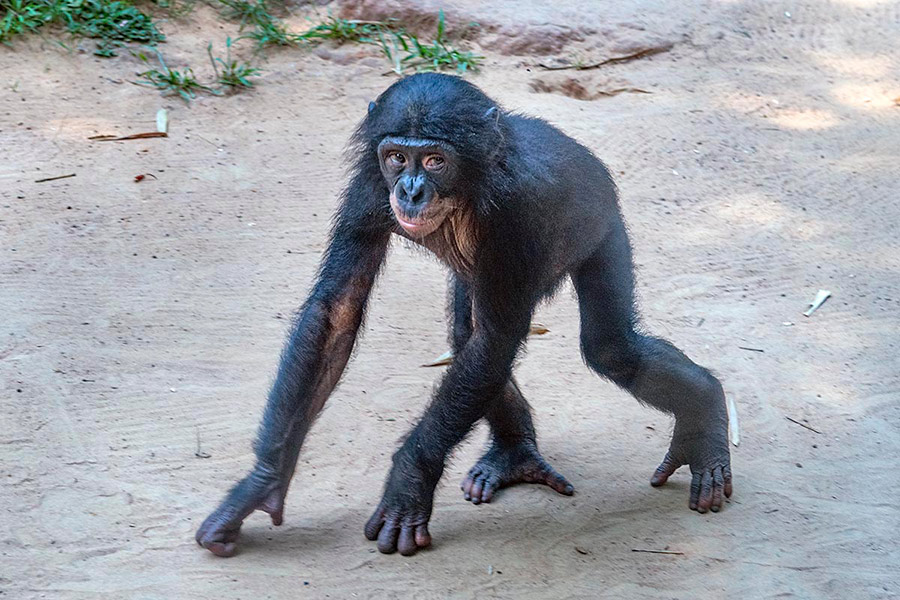
BONOBOS Bonobos aren’t directly related to Kin-Graff but Martha says they deserve a mention because they are only found in the Democratic Republic of Congo. “Bonobos share 98.7 percent of DNA with humans making them our closest animal relative,” she says. “Adult bonobos are killed for their meat. Orphaned baby bonobos are adopted, raised and returned to the wild.”
In the first of a two-part posting, BSA takes you to the 17 million-strong Kinshasa in the Democratic Republic of the Congo to see one small street art festival with a lot of heart.
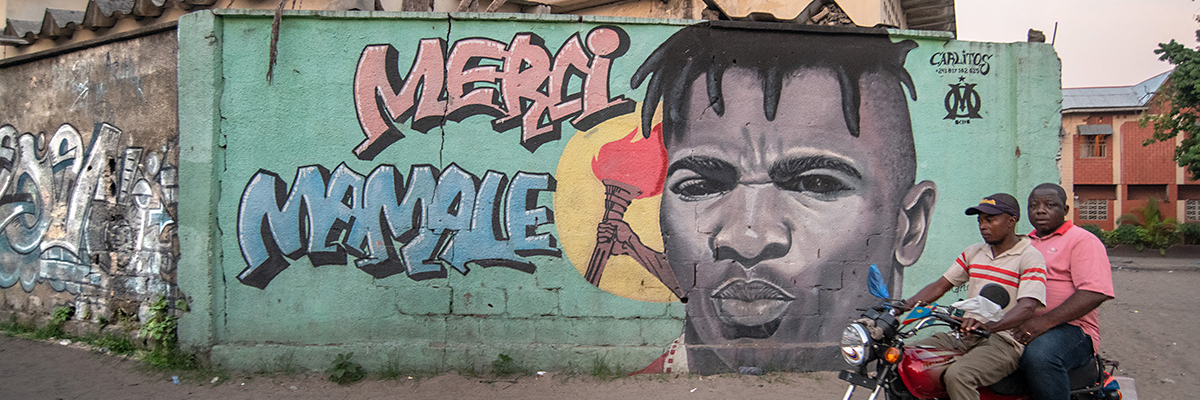
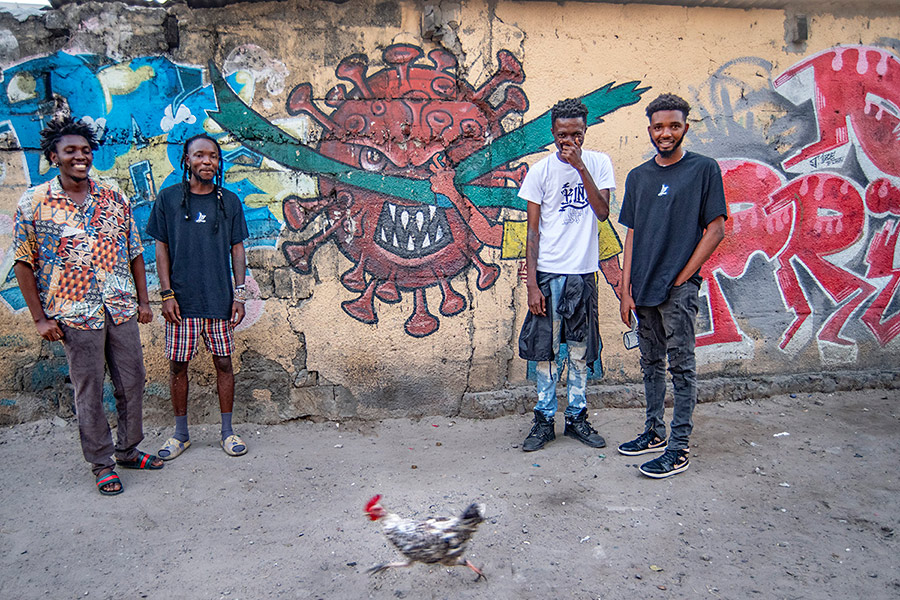
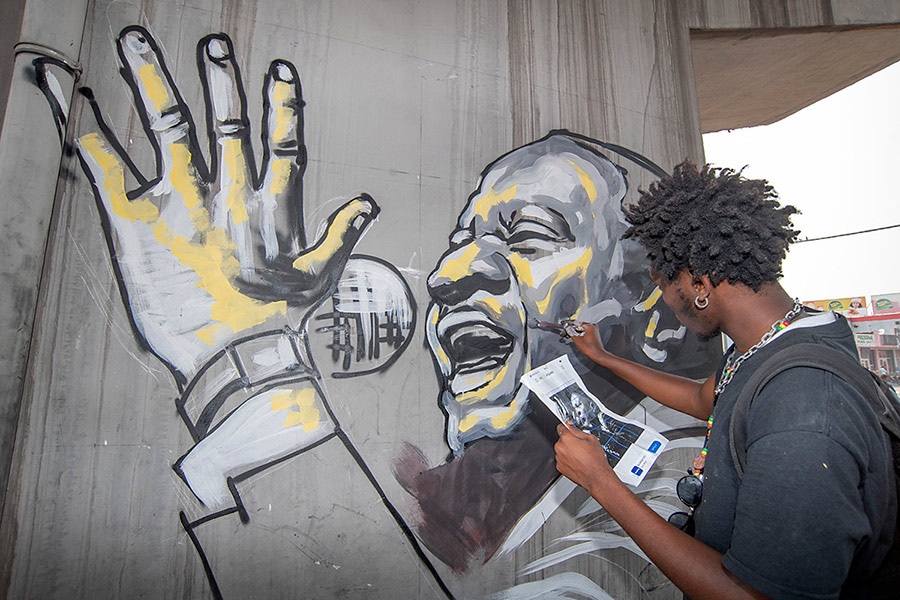
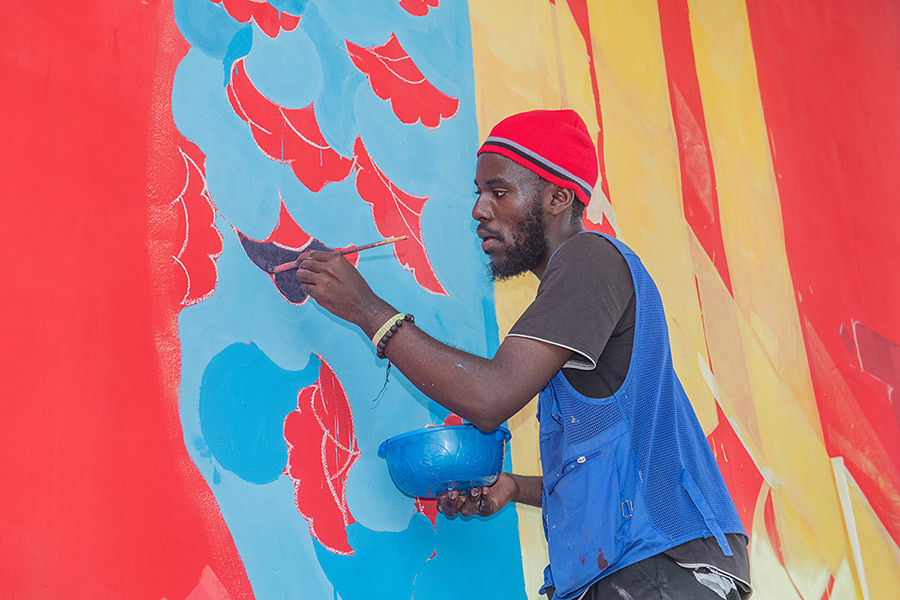
Kin-Graff4 is the fourth edition of this project spearheaded by artist and entrepreneur Yann Kwete, who invites local, national, and international artists to come for a week of painting and special events. This year the theme of the hand-painted mural festival was primarily related to health topics and social issues – as well as a tribute to some of Congo’s favorite musical performers.
American photographer Martha Cooper traveled to the Congo with her cousin Sally for yet one more adventure. They both arrived home in New York with many stories to tell – mostly about how much they enjoyed the people they met there. “From portraits to complex lettering to entire murals, these guys are super talented,” Sally says.
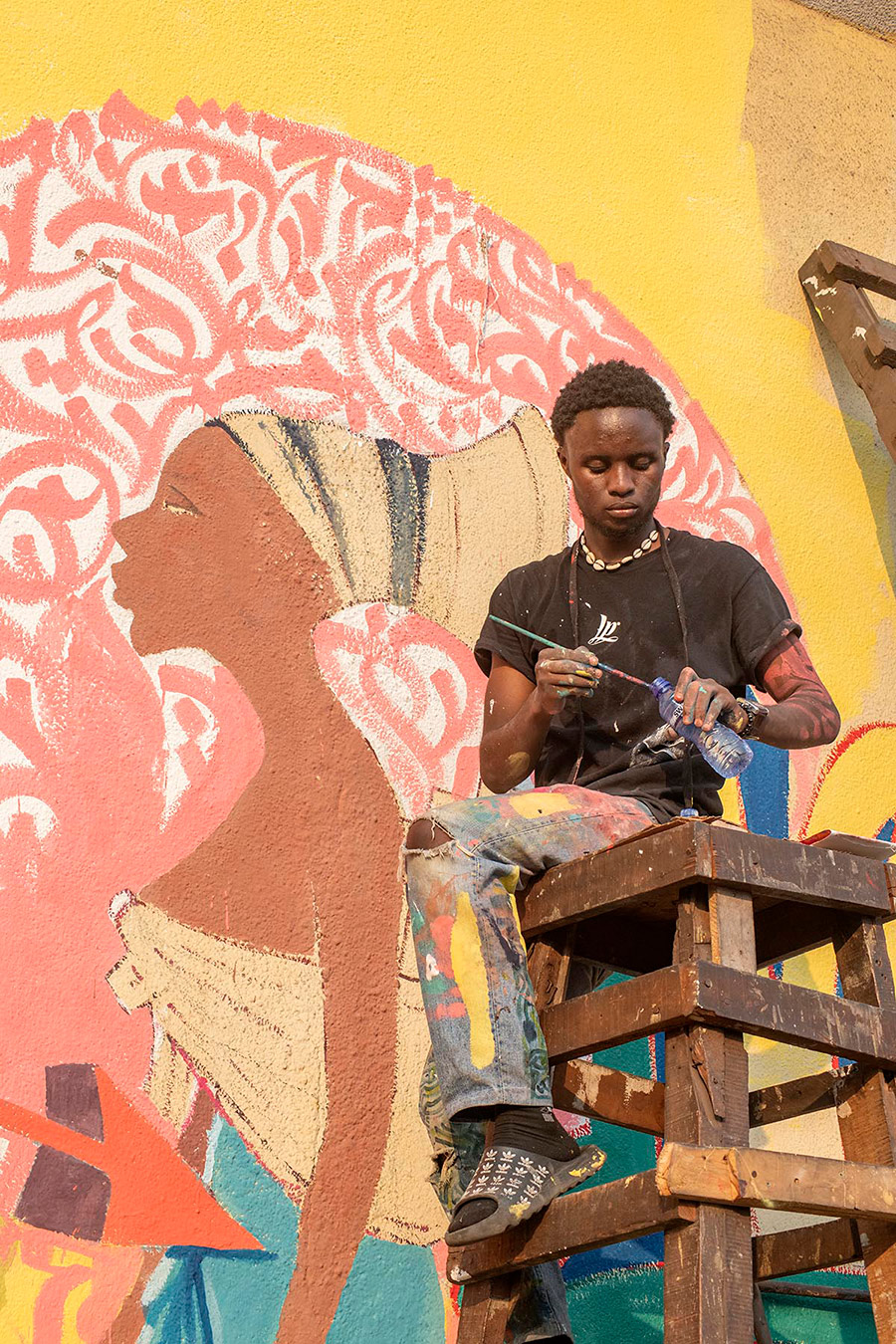
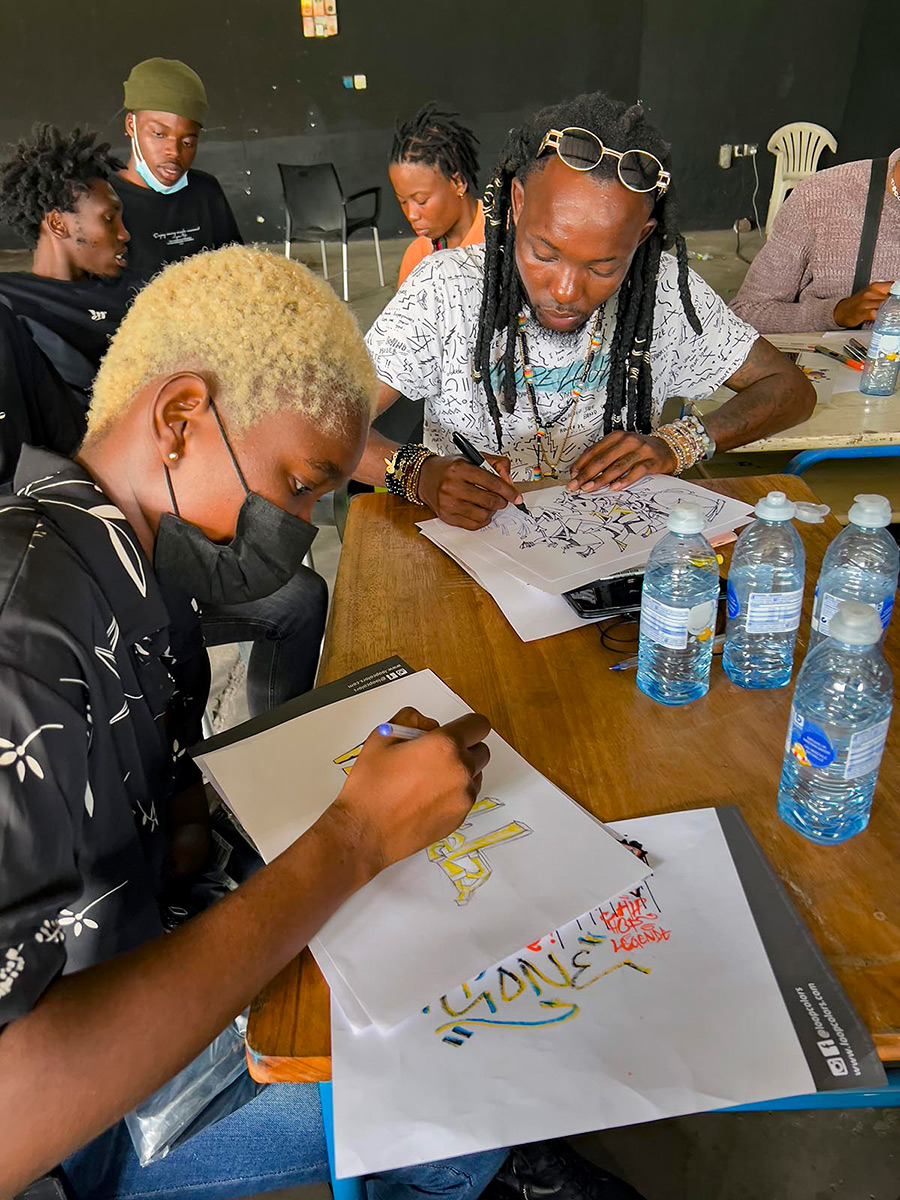
There were 13+ artists (including one female) who first designed their graffiti pieces at a Kin-Graff workshop held at the French Institute of Kinshasa, Martha tells us. Many of the writers belong to Moyindo Tag Nation Crew @moyindo_tag_nation, so you may want to check them out.
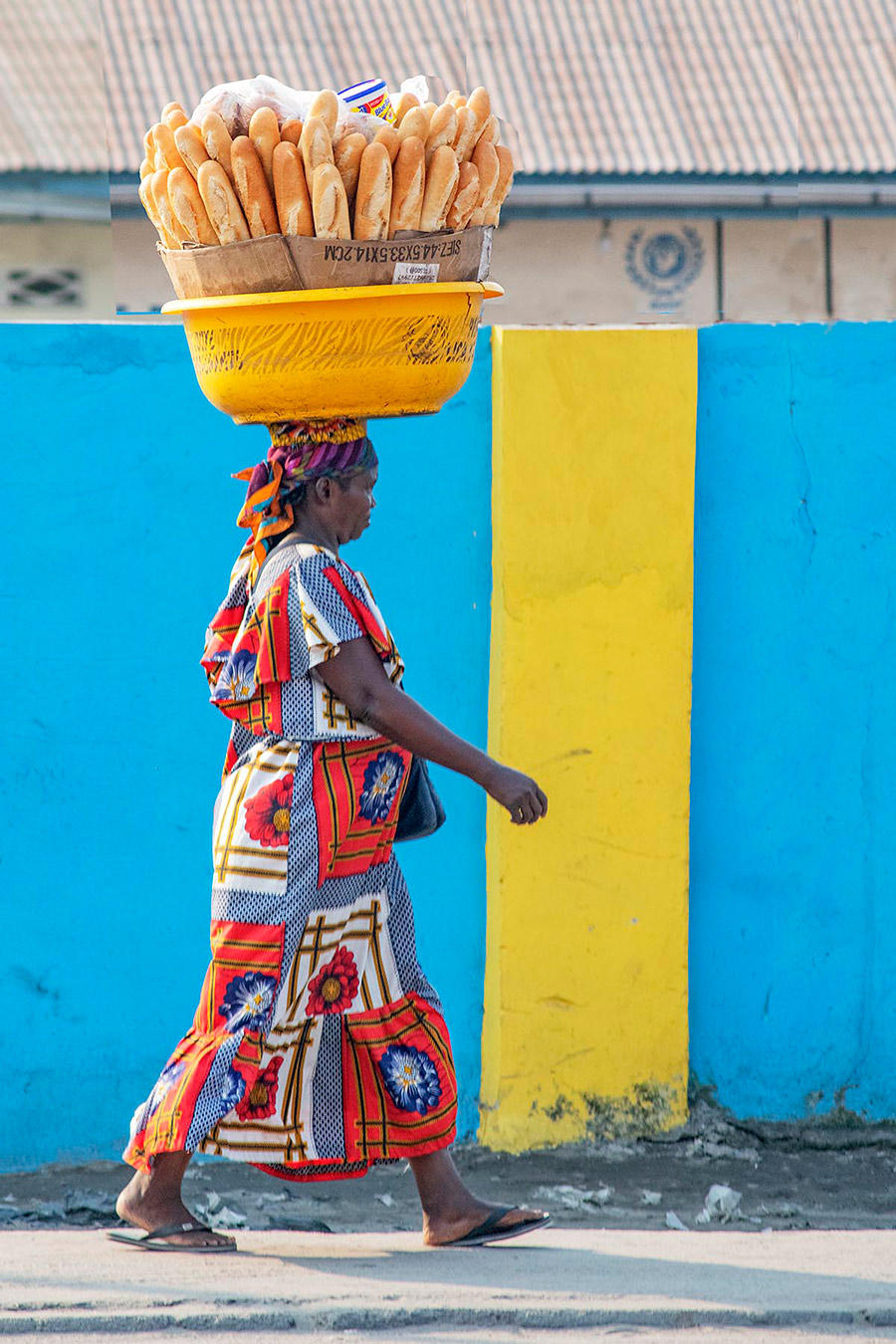
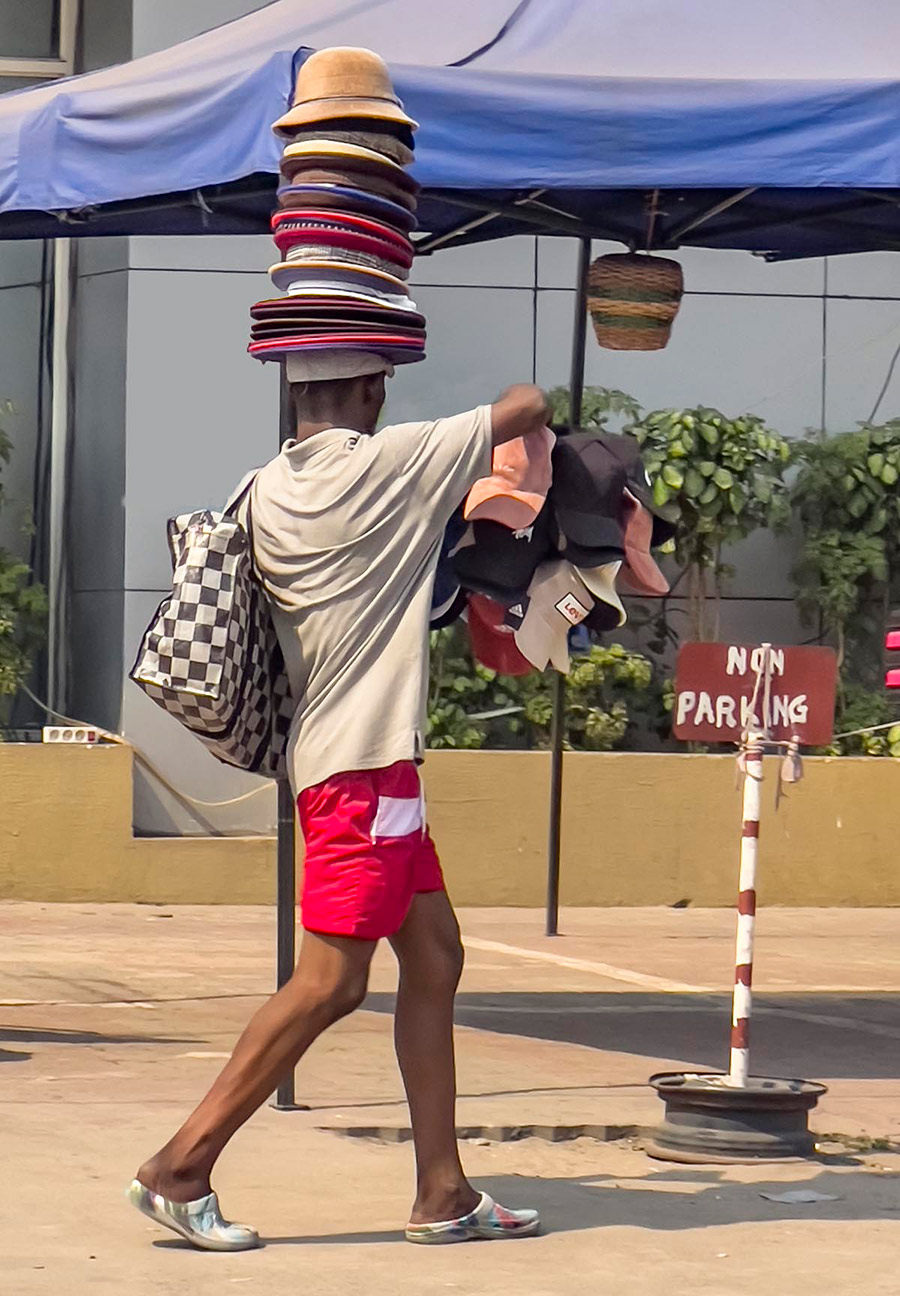
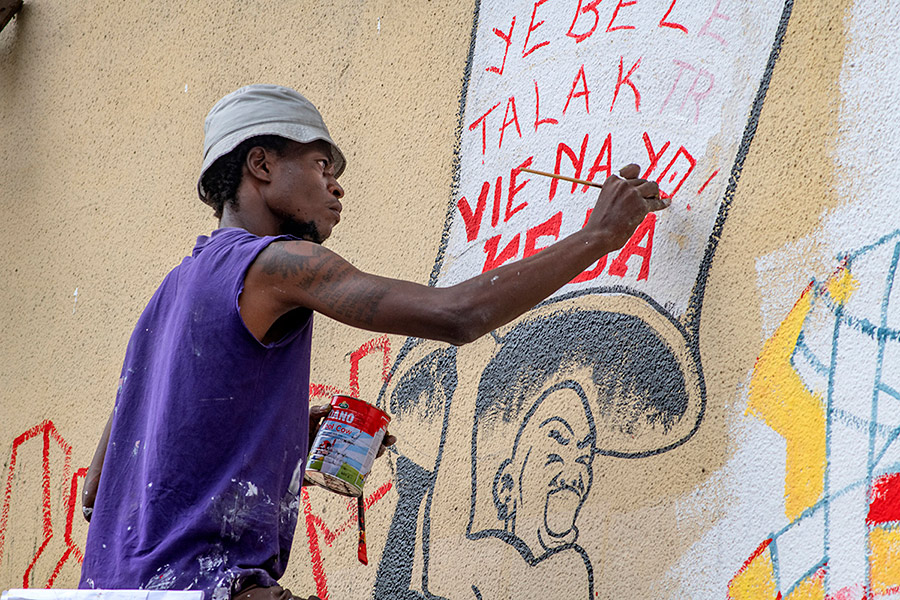
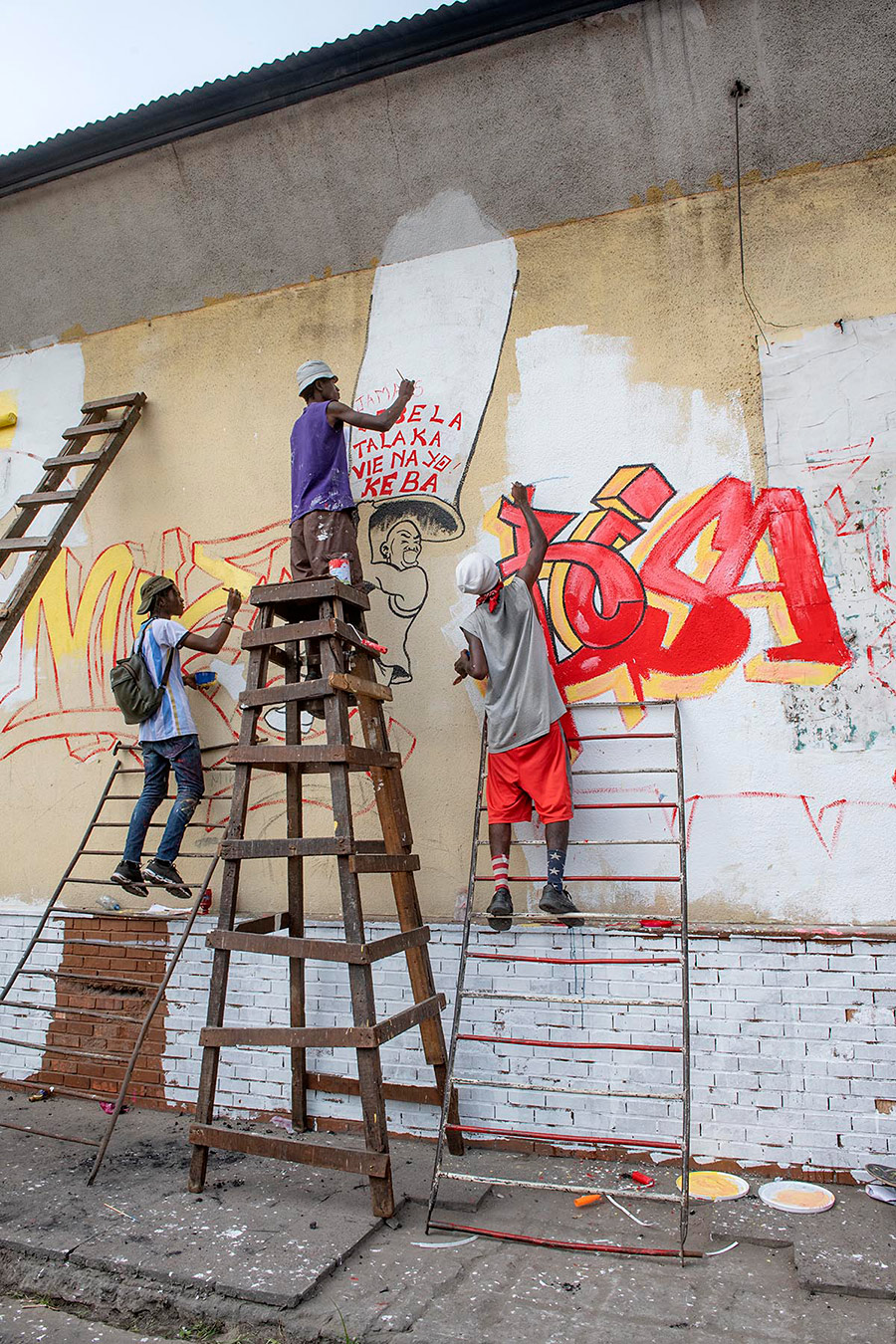
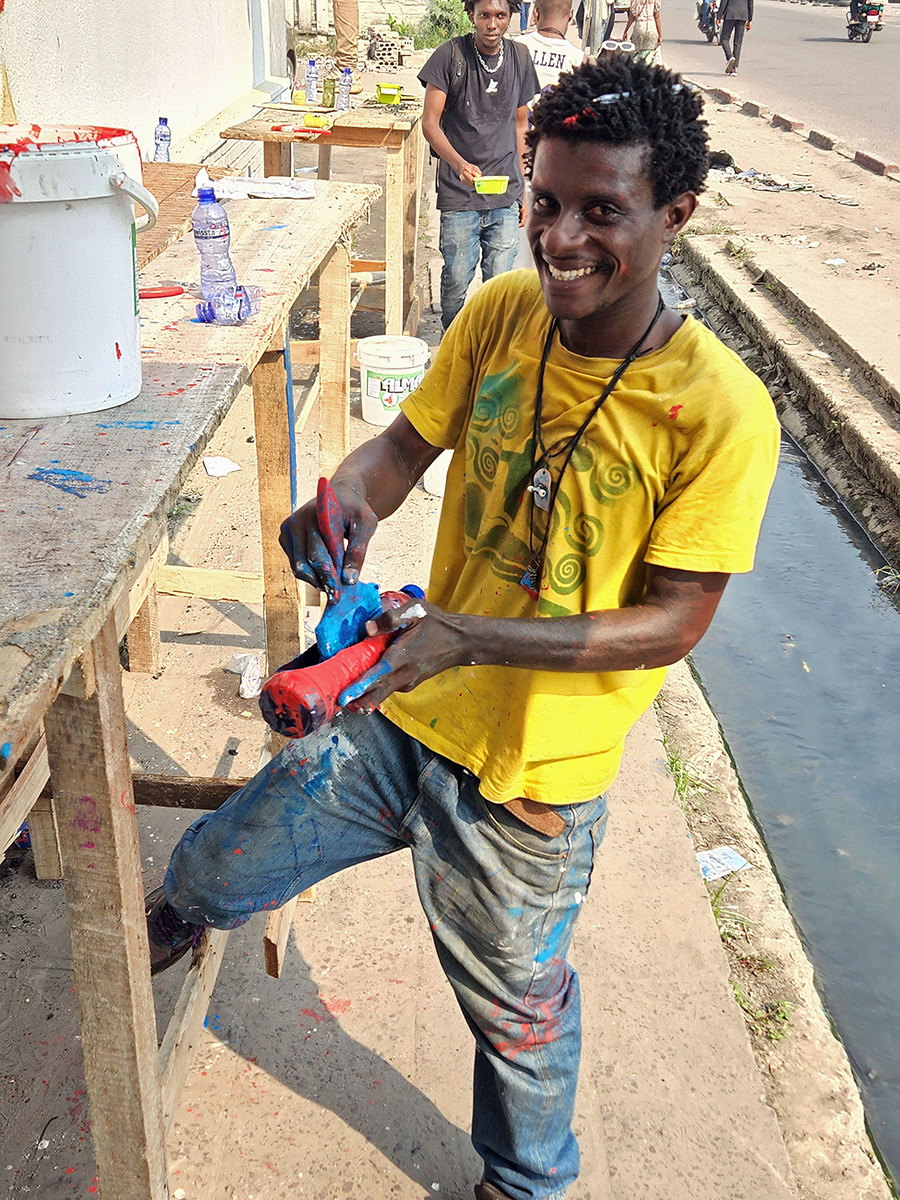
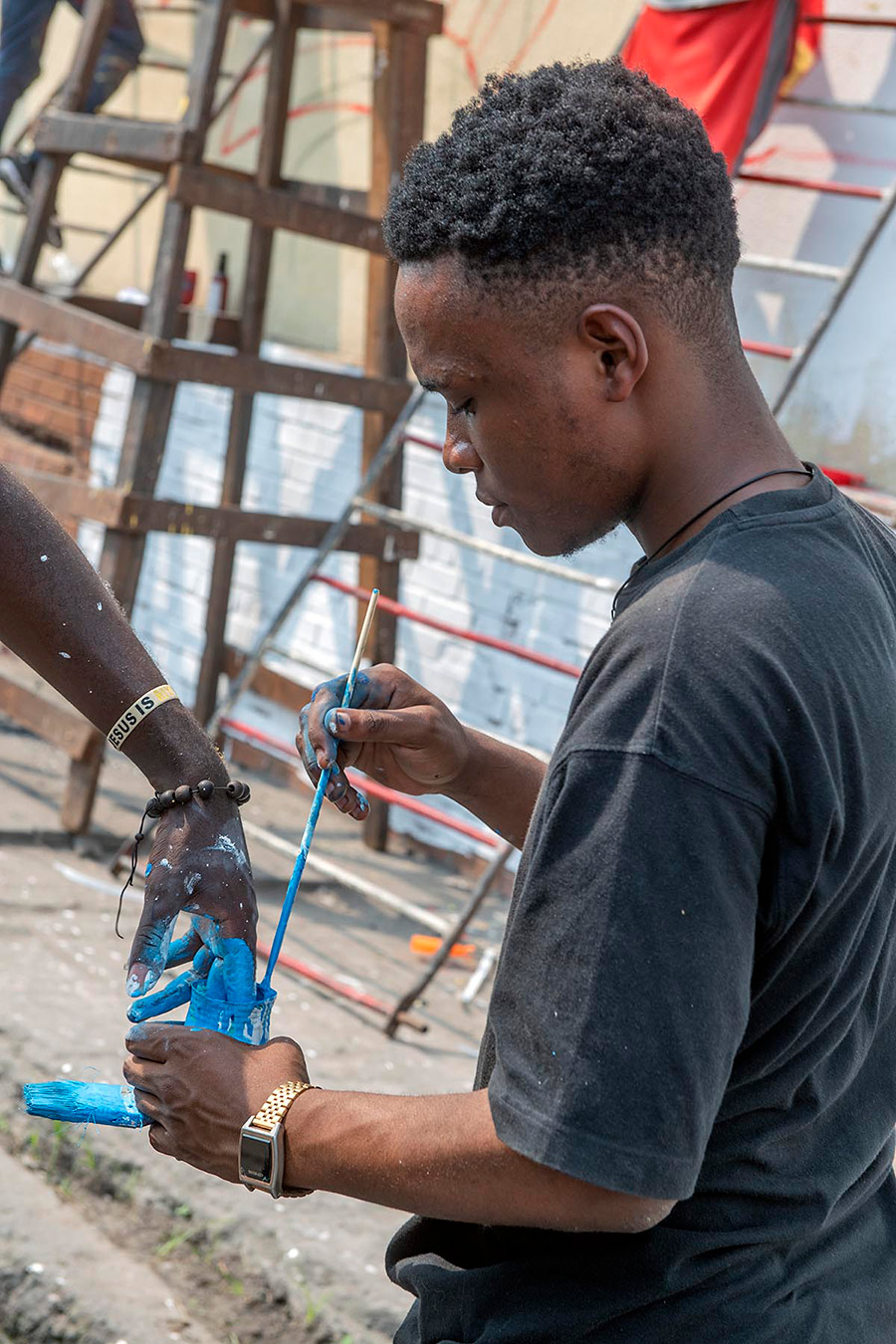
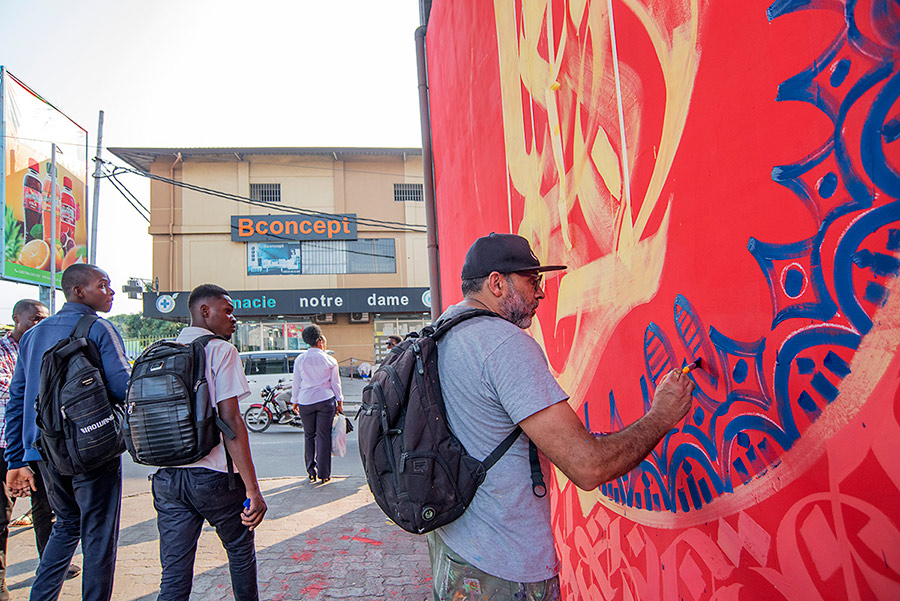
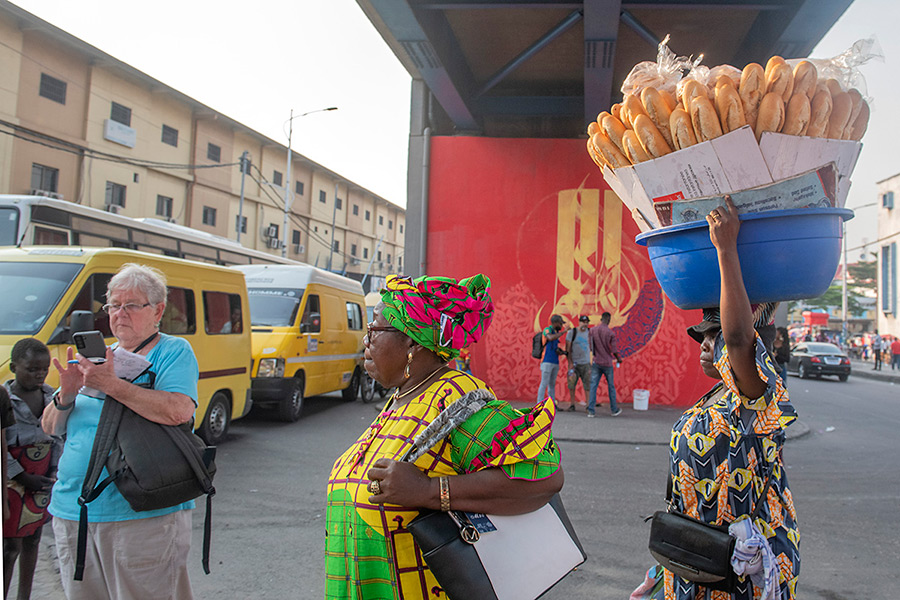
The two cousins spent most days dodging foot traffic through the congested streets, marveling at some people’s ability to balance all manner of goods on their heads while navigating with grace through the sometimes chaotic byways. When painting one main wall with brushes and ladders, participants at the festival told personal stories about what it is like to be an artist in this city, and introduced them to friends and family.
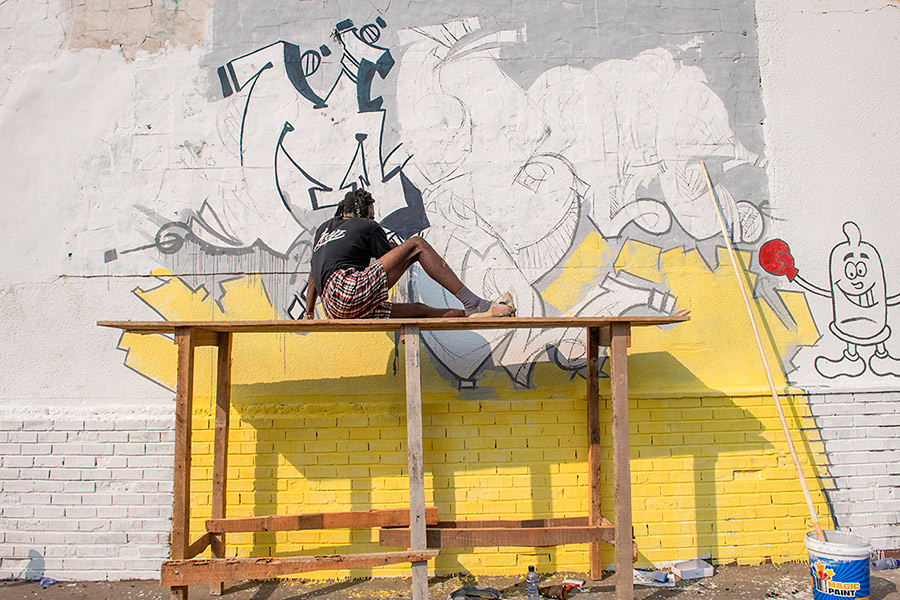
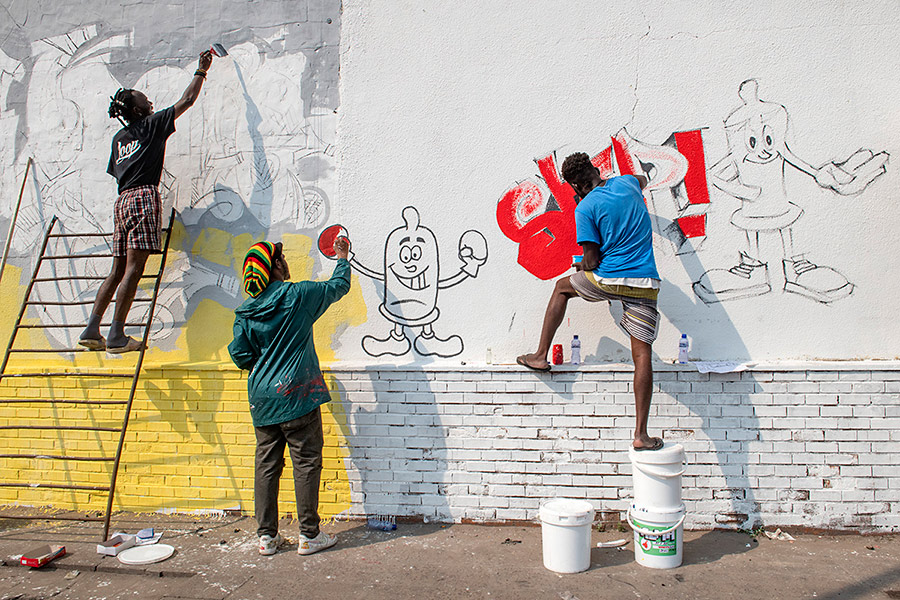
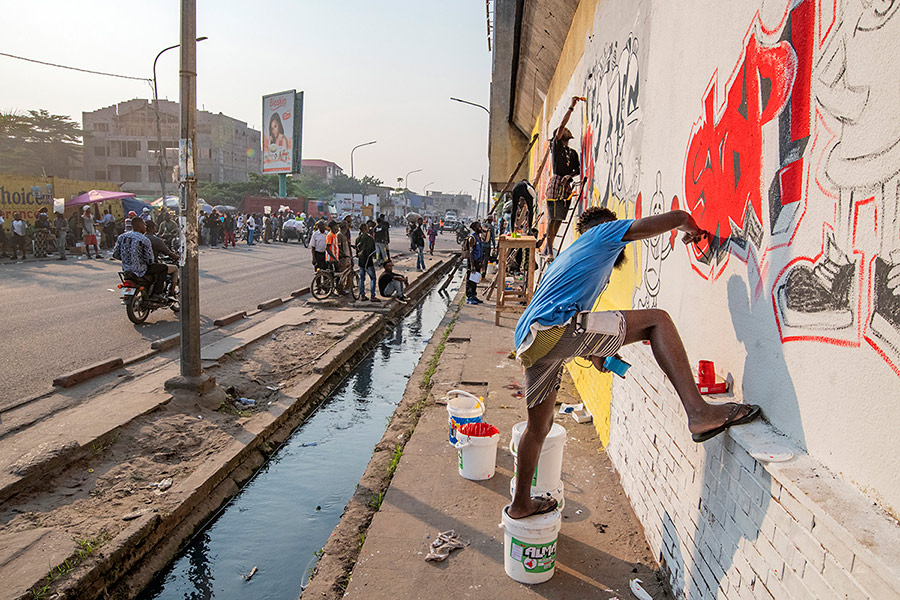
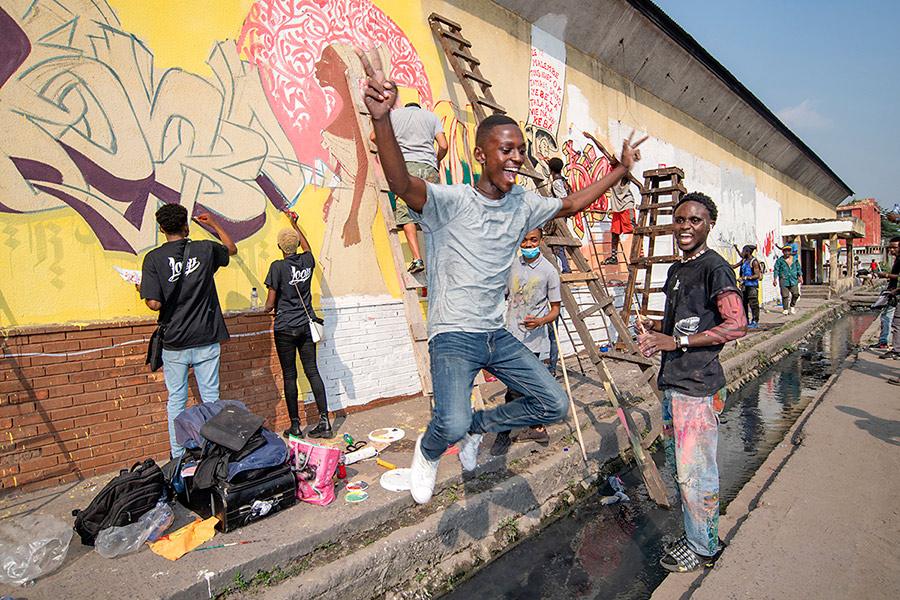
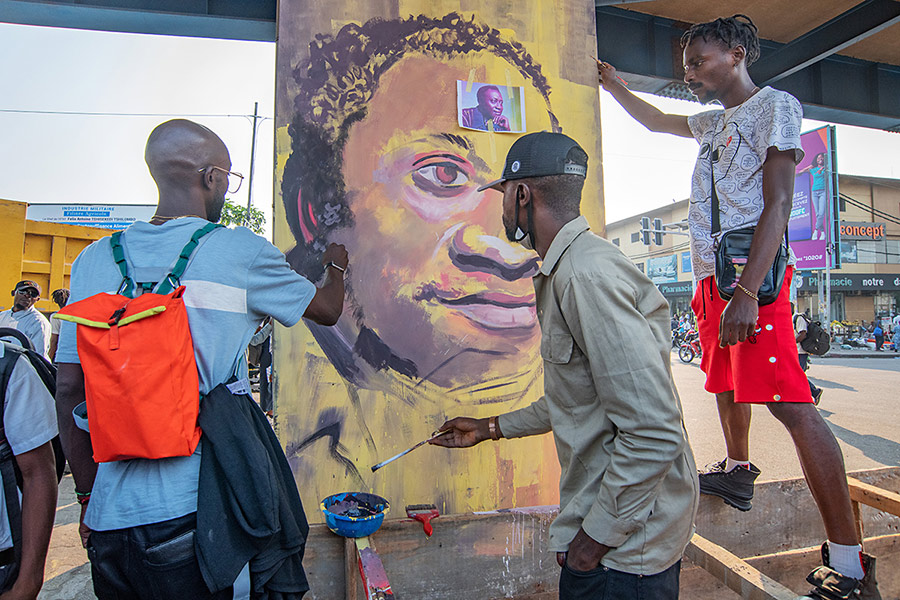
“This long wall was in a very central section of the Bandal Municipality with continuous car traffic and passers-by on foot,” Martha says, “A ditch ran parallel to the wall, and these dedicated writers leaped back and forth as they worked.”
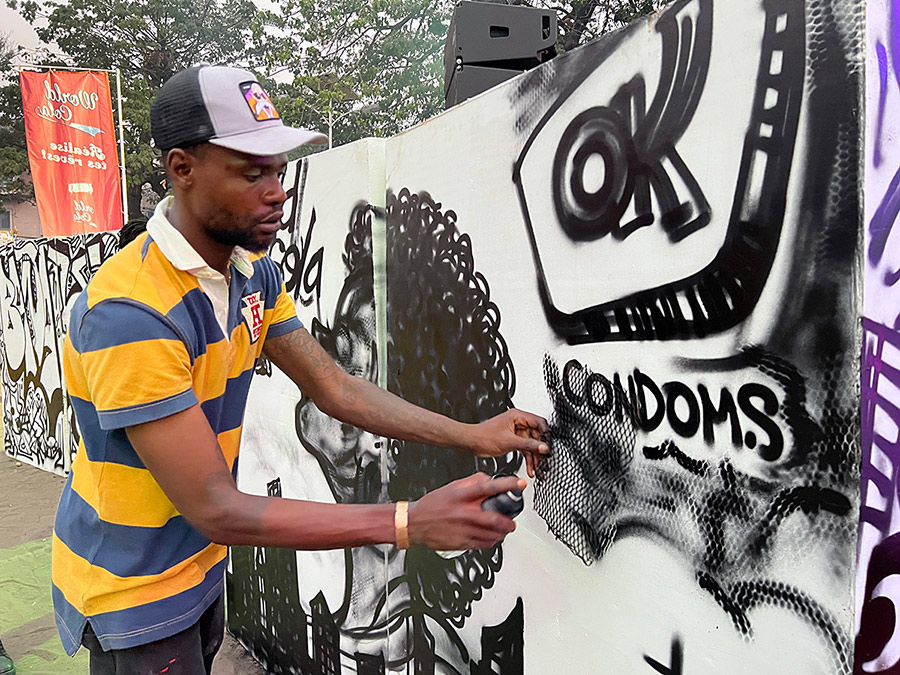
We’ll interview Yann Kwete tomorrow for Part II, but please enjoy these Martha Cooper exclusives (and a few from Sally!) of Kin-Graff4 from Kinshasa for today. We begin with a full body condom being painted to remind passersby that safe sex is everyone’s responsibility.
Ignoring or hiding an issue in both the literal and metaphorical sense. For some, it’s a way of life.
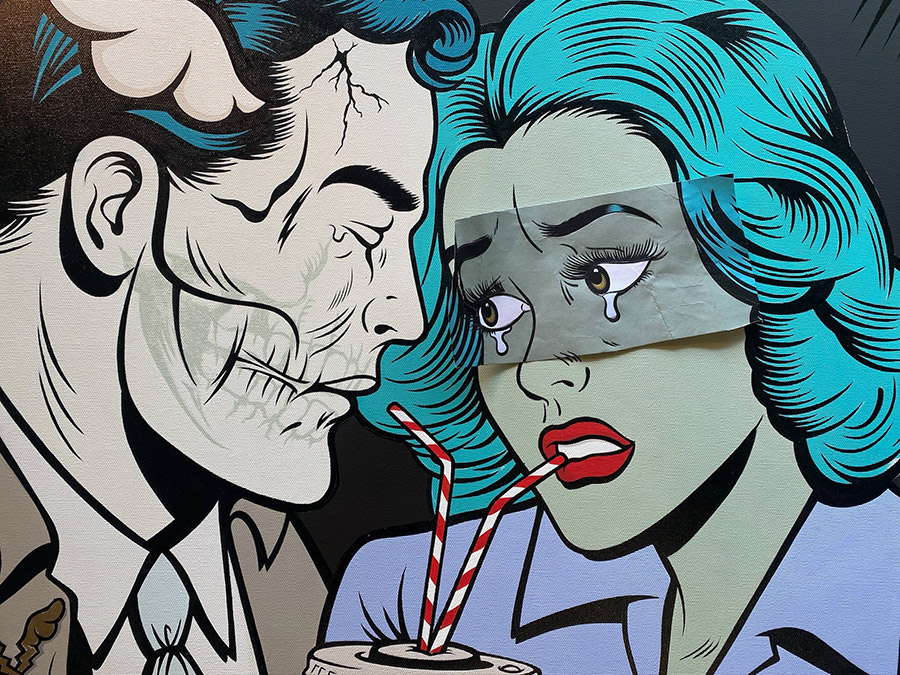
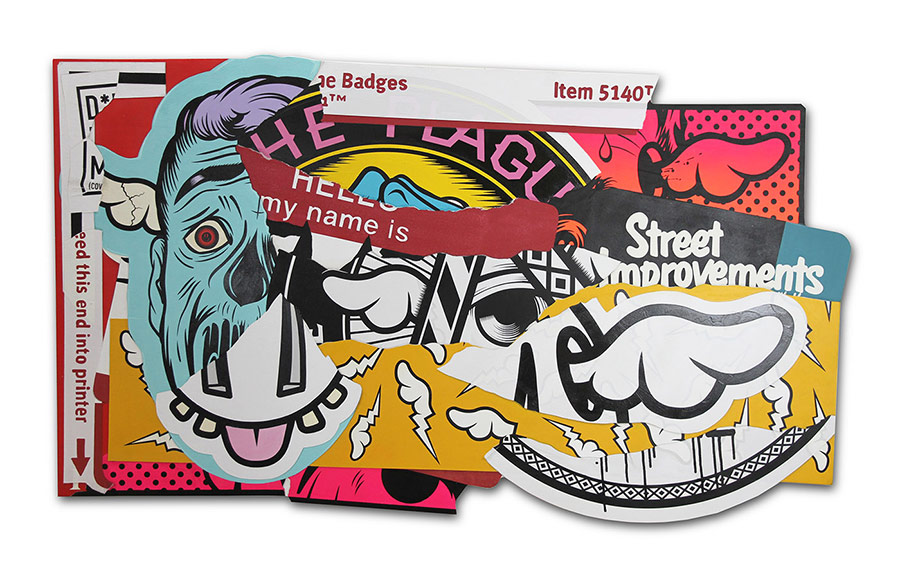
For D*Face it’s a humorist’s opportunity to name his new exhibition in Los Angeles at Corey Helford; Basing the August show on the witticism “Papering Over the Cracks”, he’s painting over them.
D*Face. Painting Over the Cracks? Corey Helford Gallery. Los Angeles. (image courtesy of the artist)
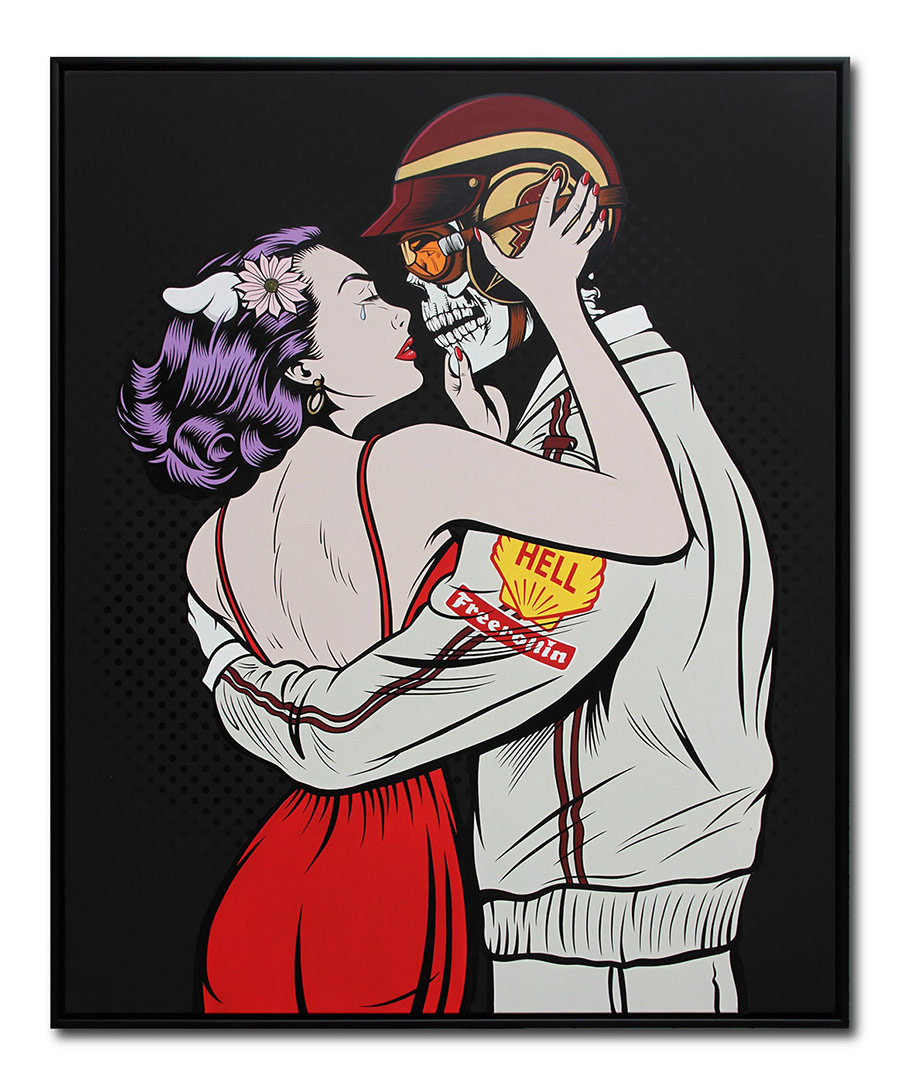
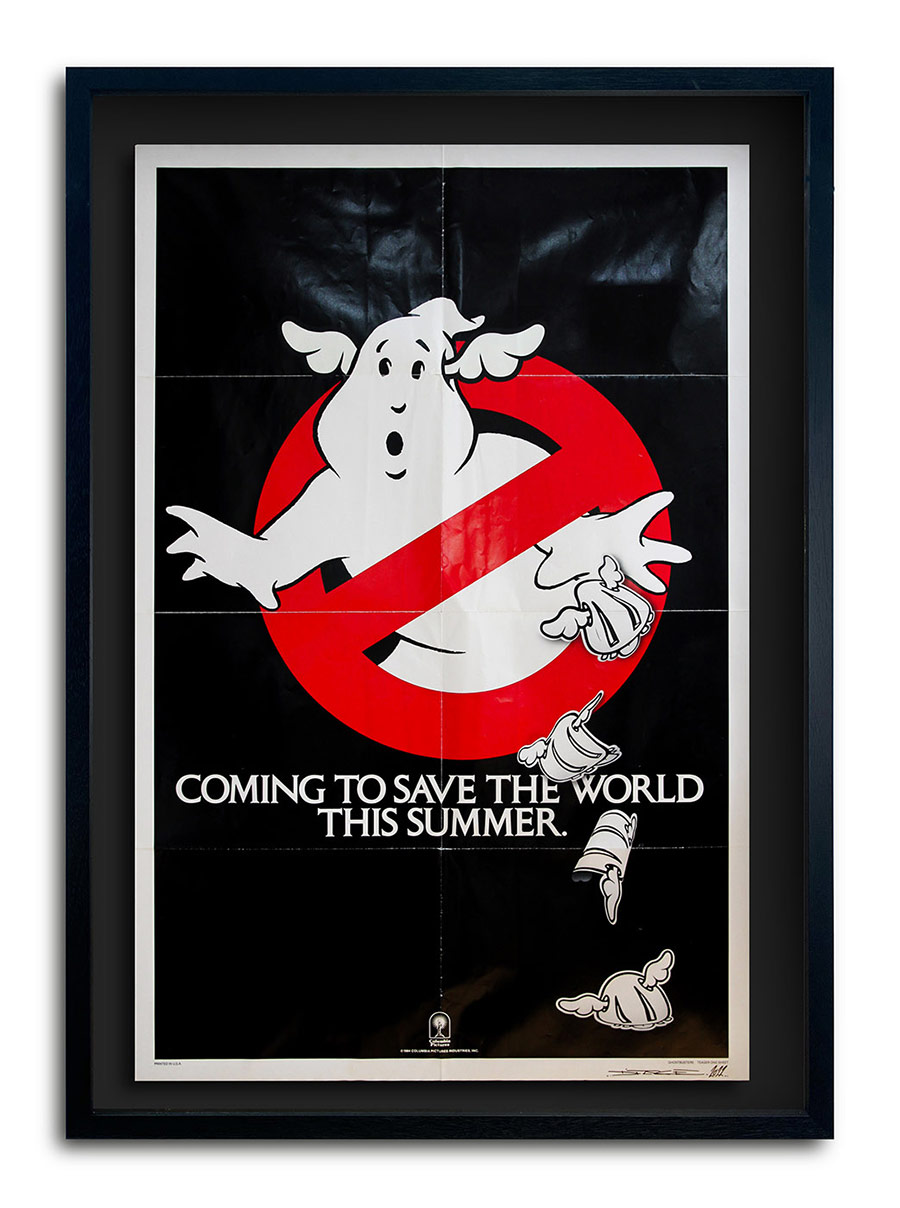
Fresh from two years of Netflix and a new broken wrist while skateboarding (don’t ask), the British co-founder of Stolenspace gallery, and street/commercial/multimedia artist returns to LA a bit bruised but with stars in his eyes. In fact, a large part of the show plays on the currency of familiar Tinseltown themes that he customizes with his familiar pop vocabulary.
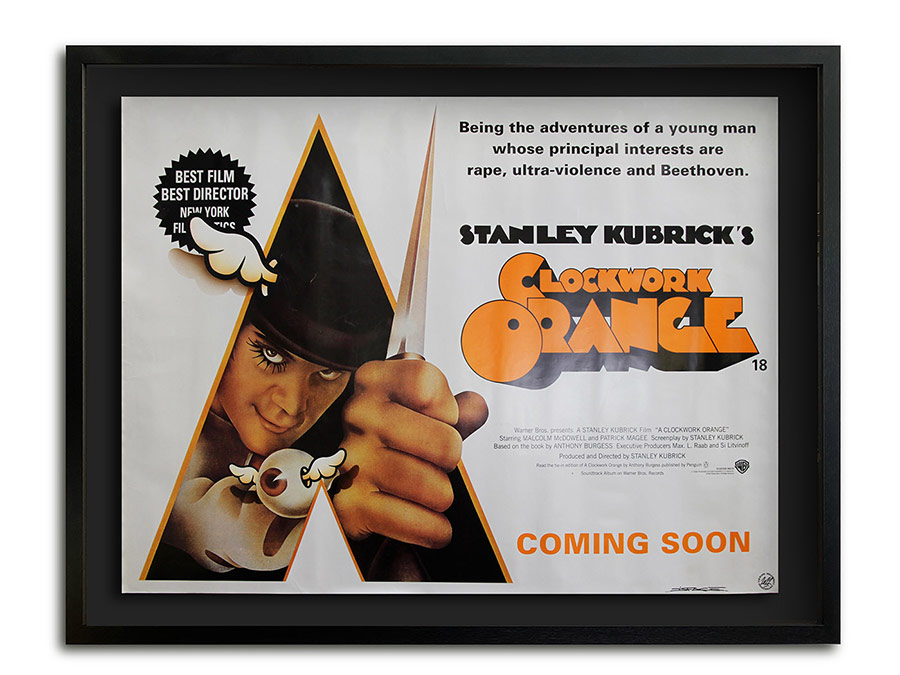
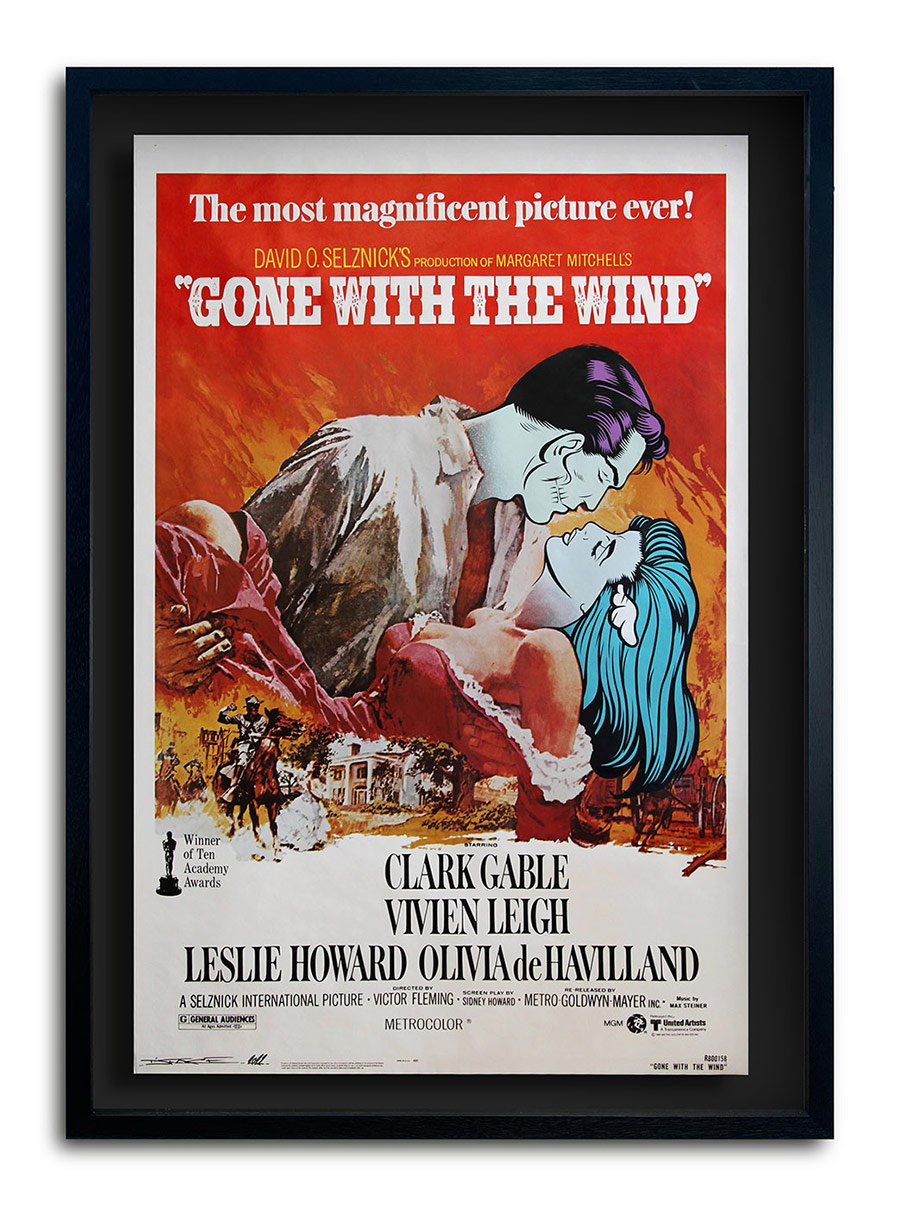
“I wanted to play on this expectation of predictability in the show by twisting some of Hollywood’s most iconic creations,” he says in a press release. “ ─ defacing and reimagining the images we think we know and trying to break that cycle of comfortable, knowable nostalgia.”
D*Face. “Ghostbusters” Painting Over the Cracks? Corey Helford Gallery. Los Angeles. (image courtesy of the artist)
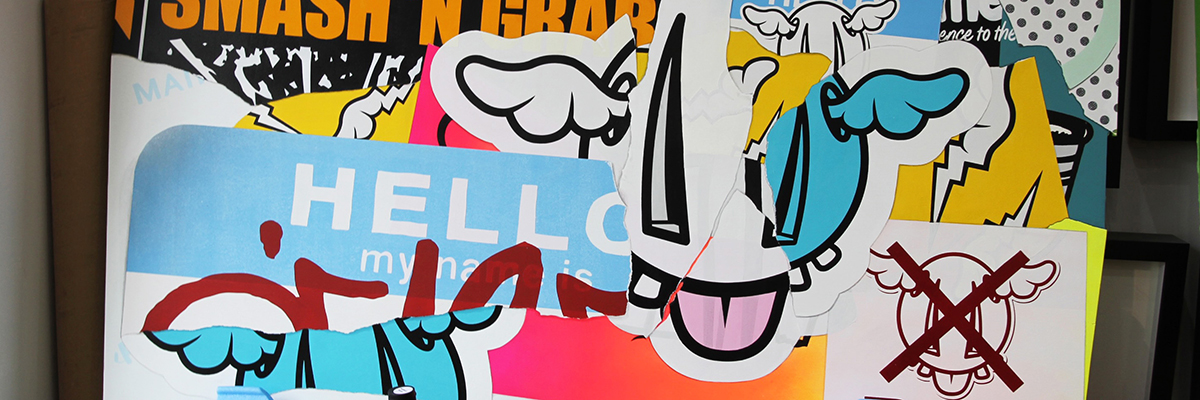
A post-punk pragmatist of sorts, the *DFace cultural critique is ever-present since there is so much to rail against wherever one looks, but he won’t stir too much discomfort. The police state may be here, but can’t we all get along? He includes a new collection of collaged sticker compositions drawn from his prodigious collection along with new canvasses of familiar twists on pop themes and darker undertones.
As he says, there is still so much to be examined when it comes to cracks in the official stories, and he’s happy to show you what he found. Or paint over it.
“It is this occasional act of stepping outside the usual boundaries, questioning learned patterns and relationships that run throughout the body of work,” he says, “and I think it’s needed now more than ever.”
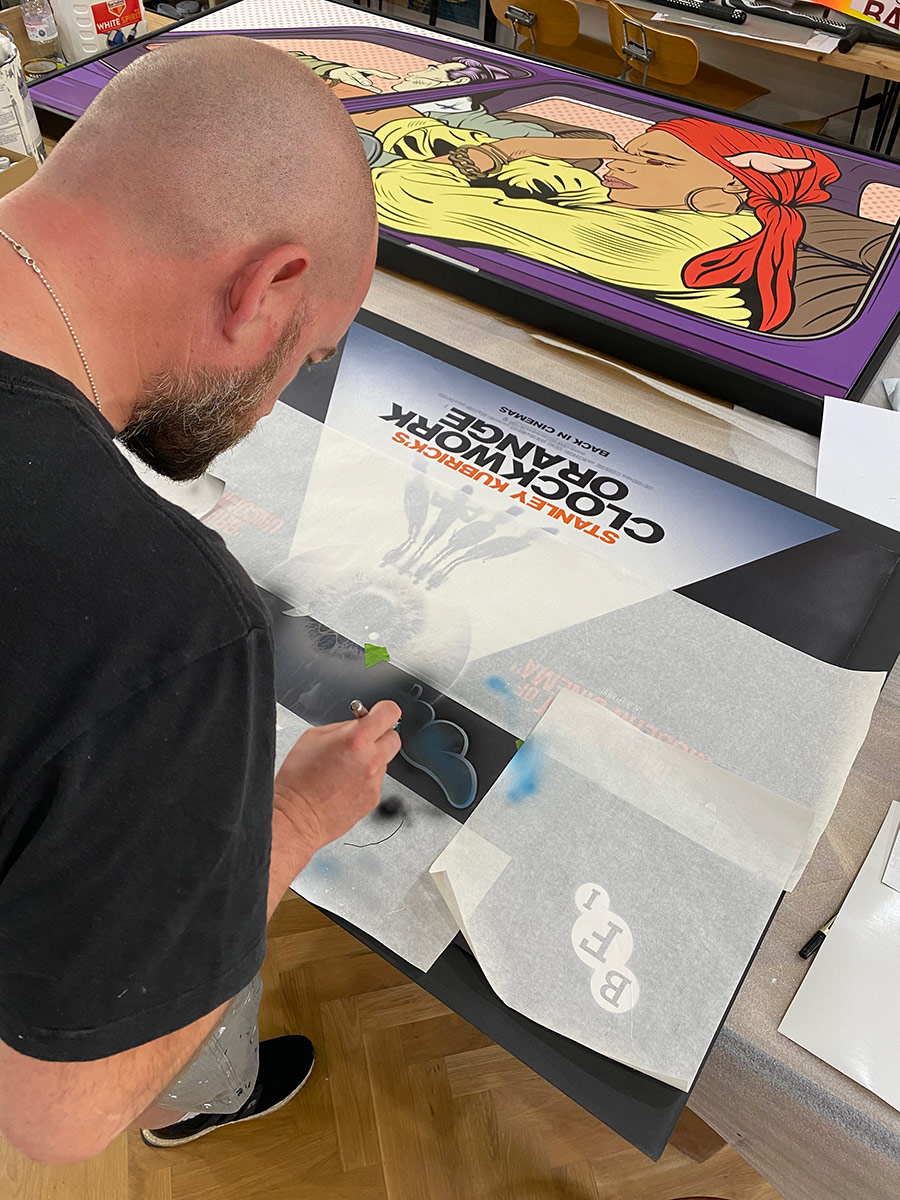
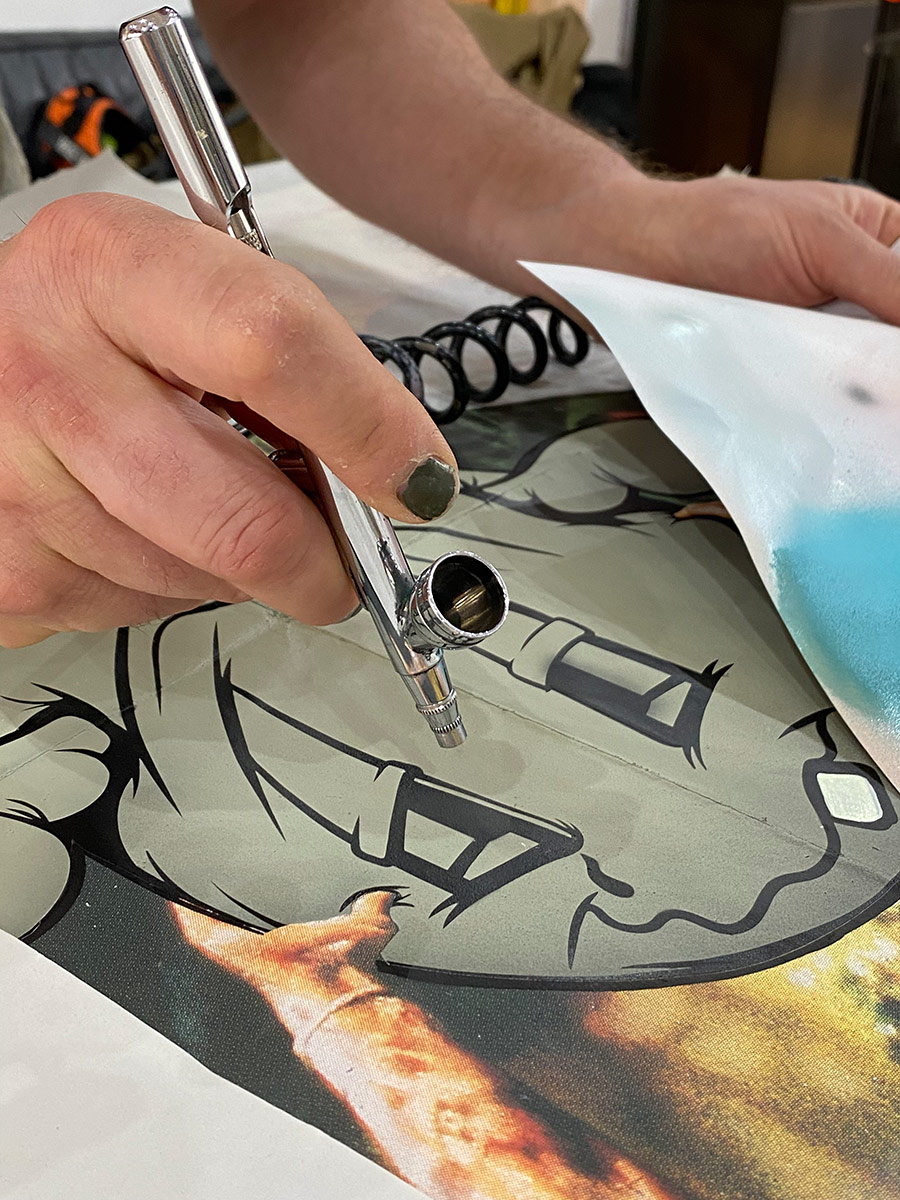
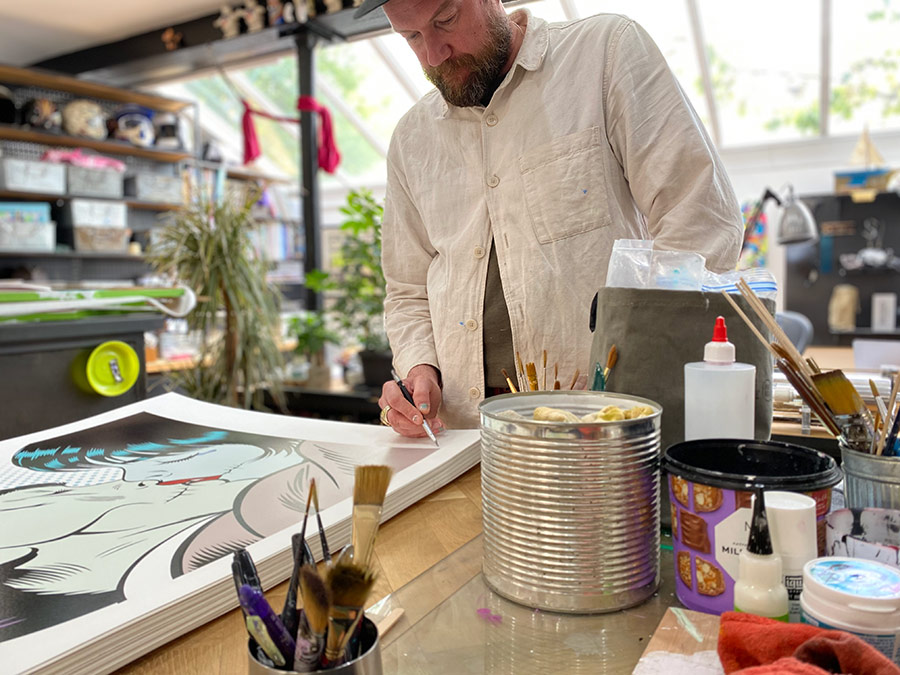
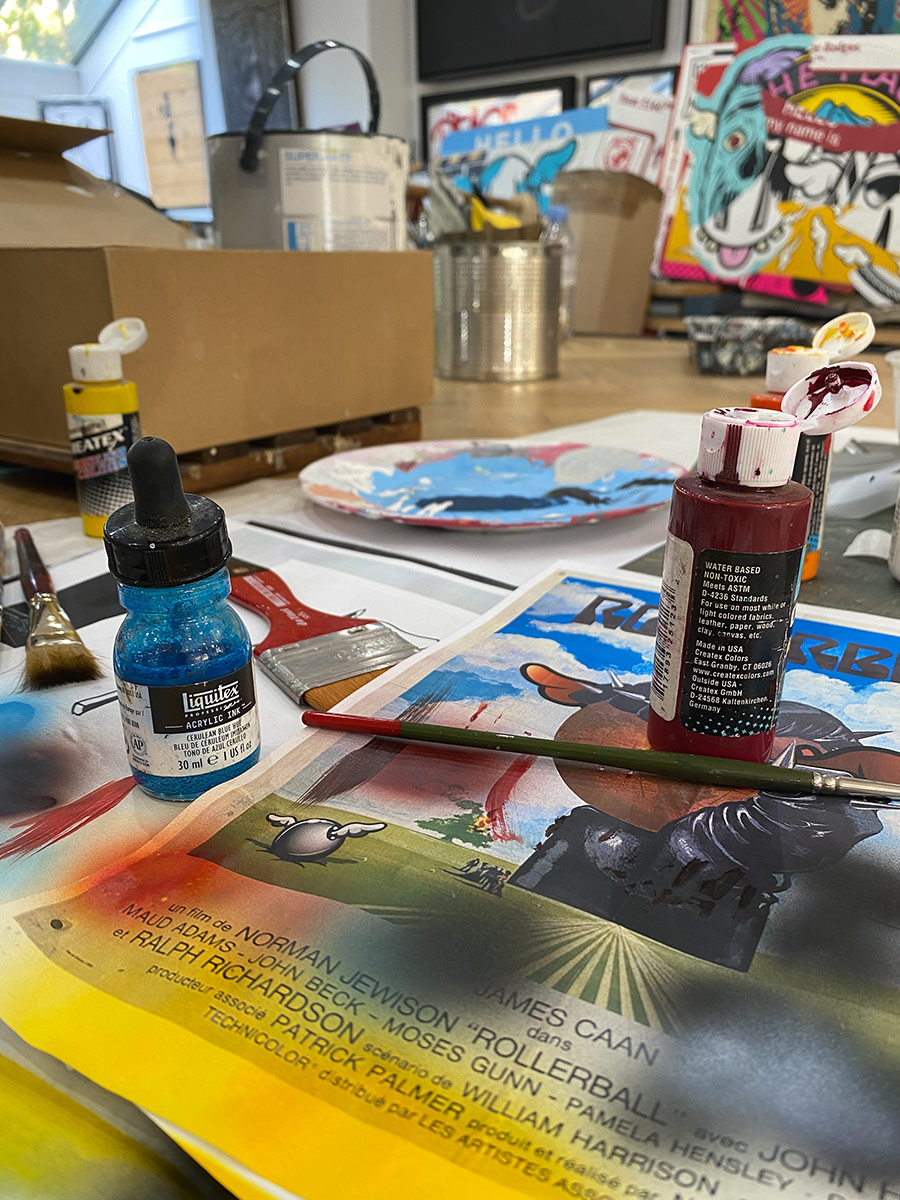
D*Face at work in his studio. (image courtesy of the artist)D*Face. “Clockwork Orange No.1” Painting Over the Cracks? Corey Helford Gallery. Los Angeles. (image courtesy of the artist)D*Face. “Gone With the Wind” Painting Over the Cracks? Corey Helford Gallery. Los Angeles. (image courtesy of the artist)D*Face at work in his studio. (image courtesy of the artist)D*Face at work in his studio. (image courtesy of the artist)D*Face. Painting Over the Cracks? Corey Helford Gallery. Los Angeles. (image courtesy of the artist)D*Face at work in his studio. (image courtesy of the artist)D*Face. “Adhesive Adventures No.1” Painting Over the Cracks? Corey Helford Gallery. Los Angeles. (image courtesy of the artist)
Painting Over the Cracks? Opening Saturday, August 6th at Los Angeles’ Corey Helford Gallery with over 70 new works, installations and street murals on view through September 10th. Click HERE for more details and schedules.
A community-fueled project in a small town in Upstate New York has the draw of Lady Pink, the well-known 1970s/80s NYC graffiti writer, who lends her art and name, and spearheaded the project.
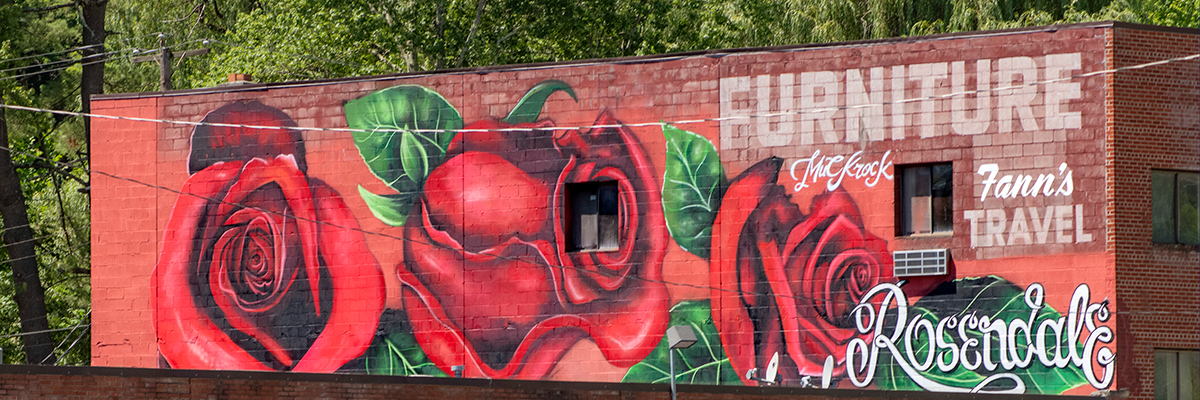
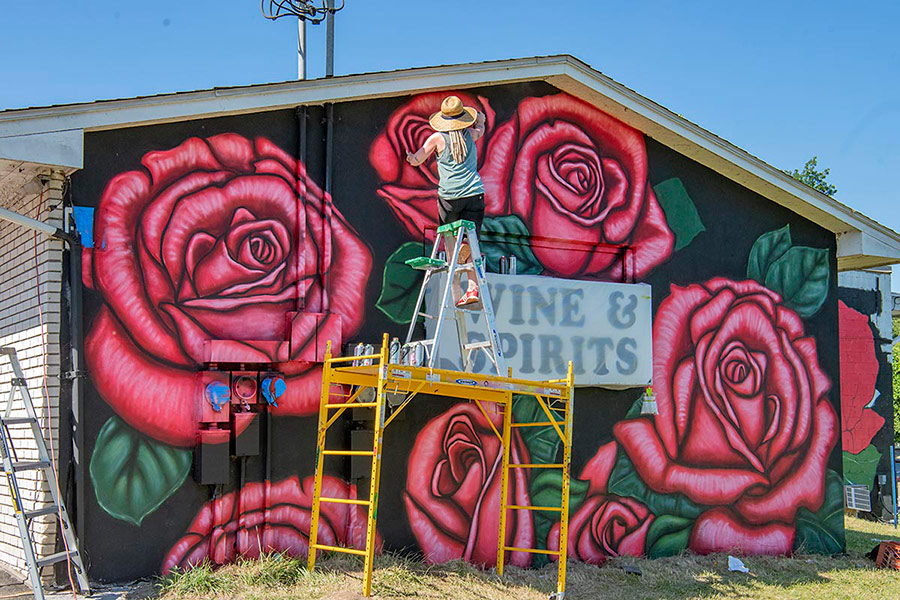
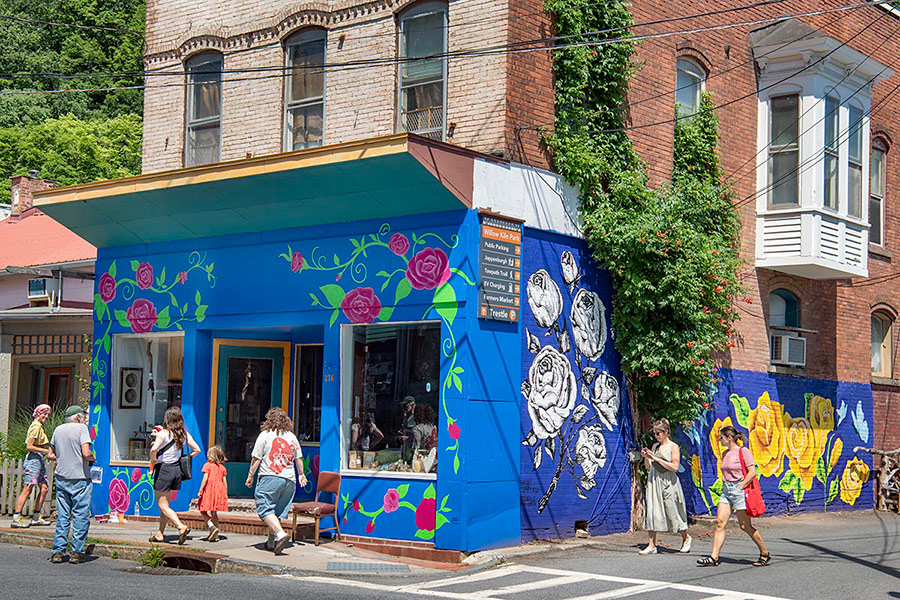
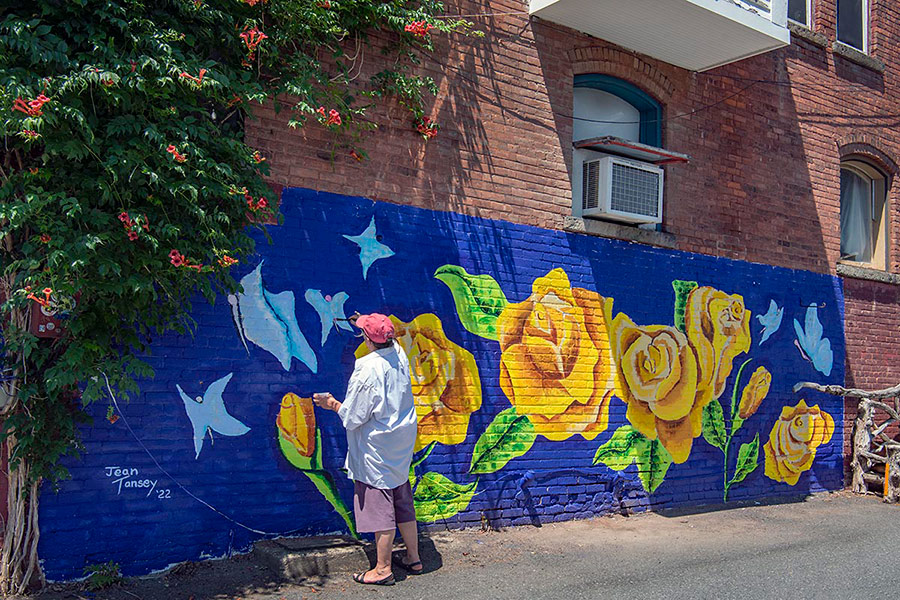
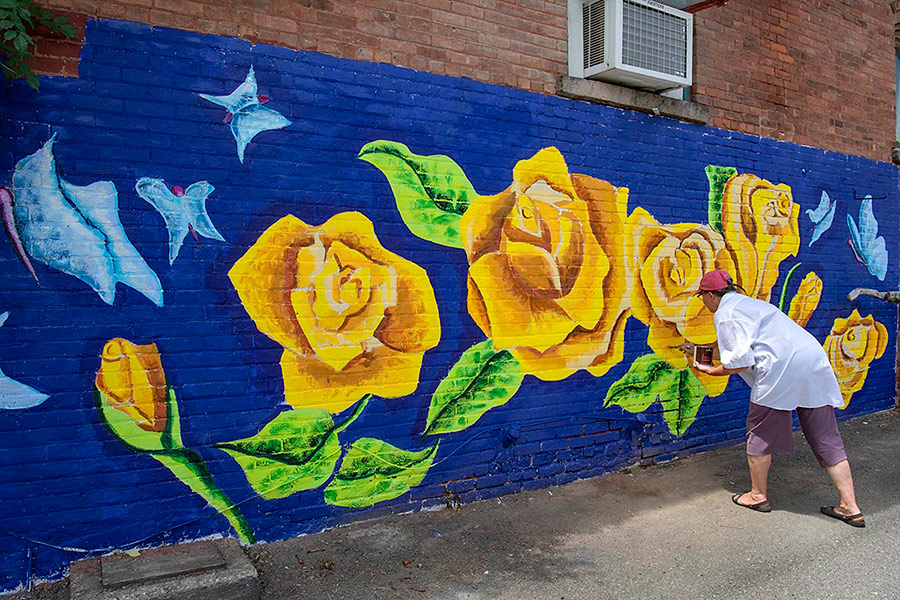
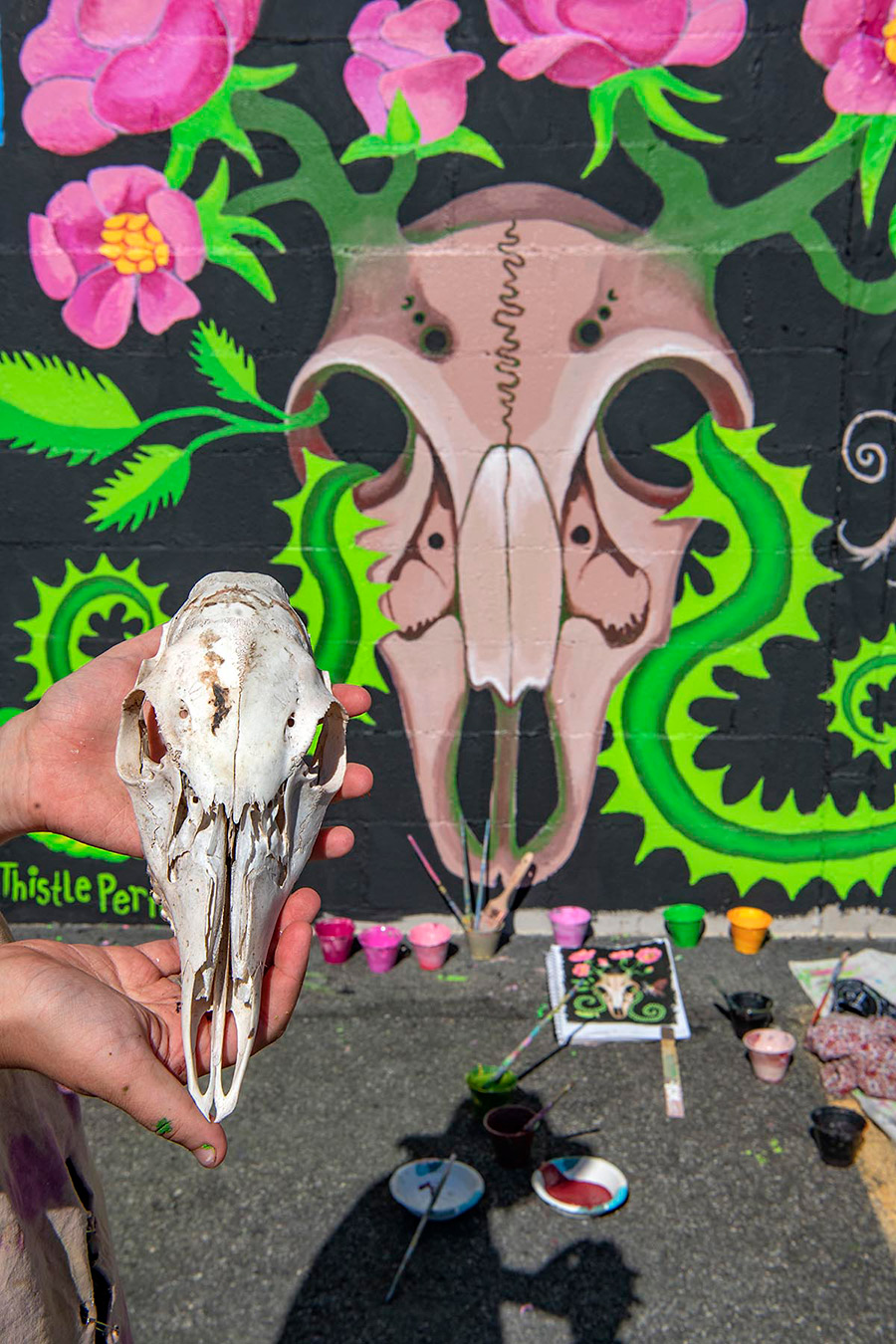
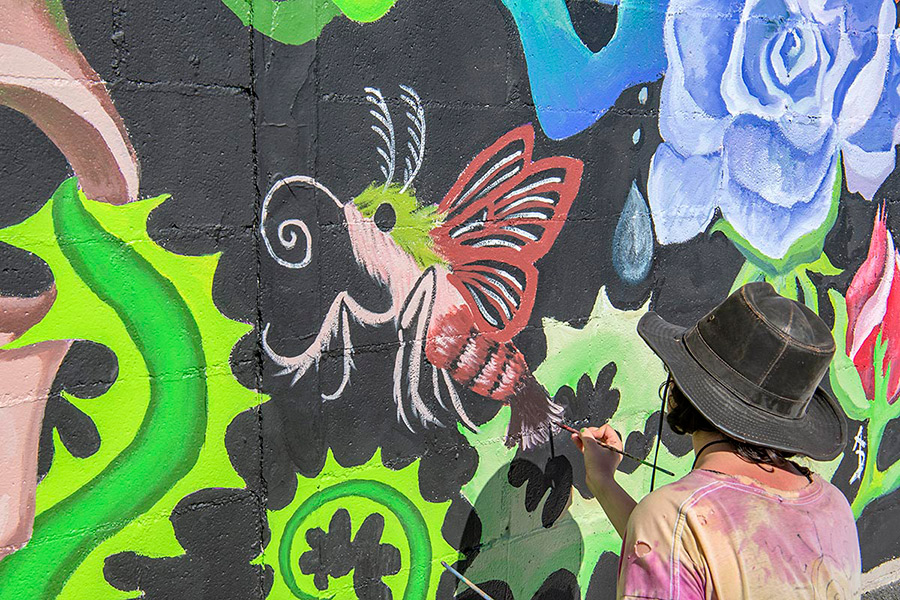
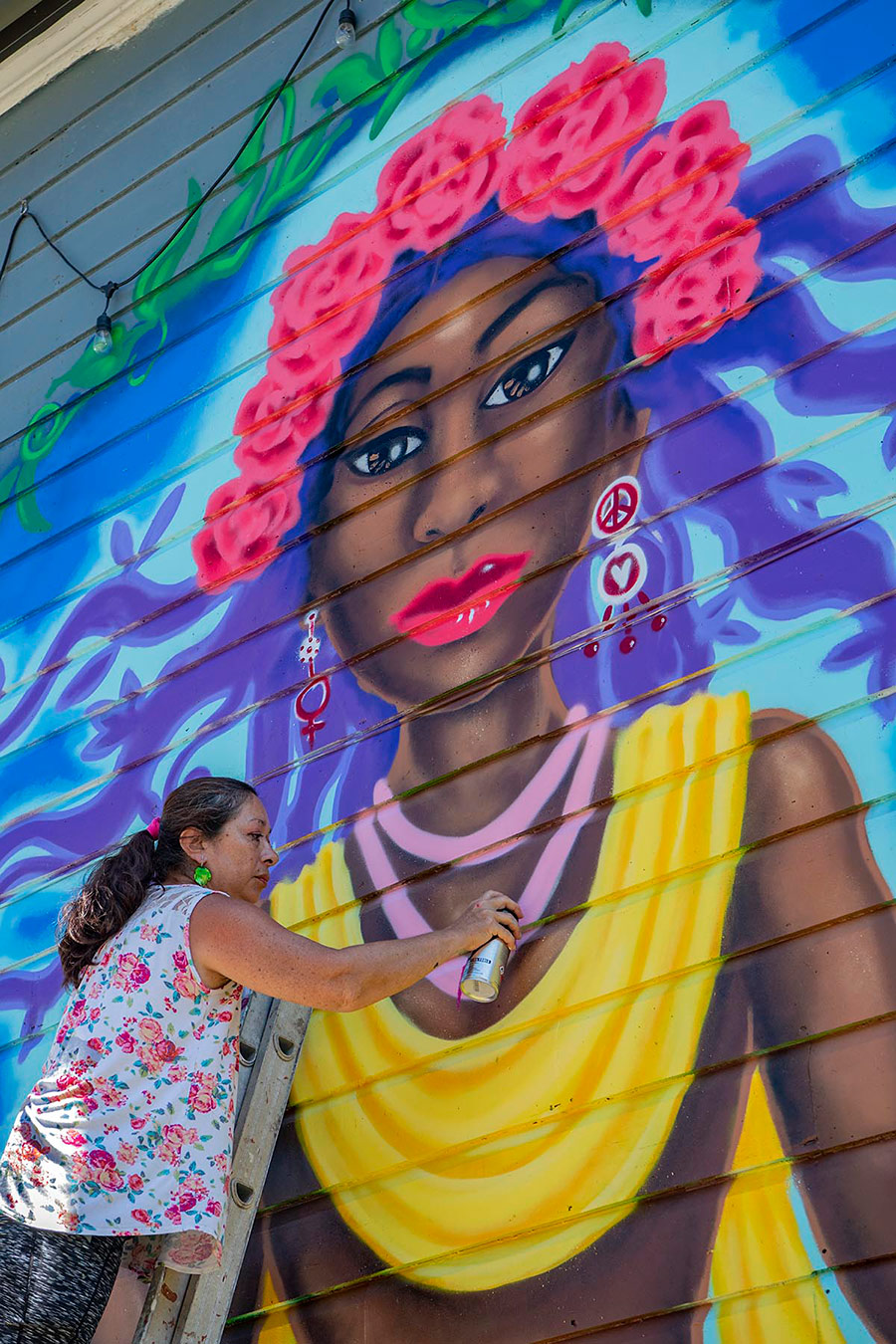
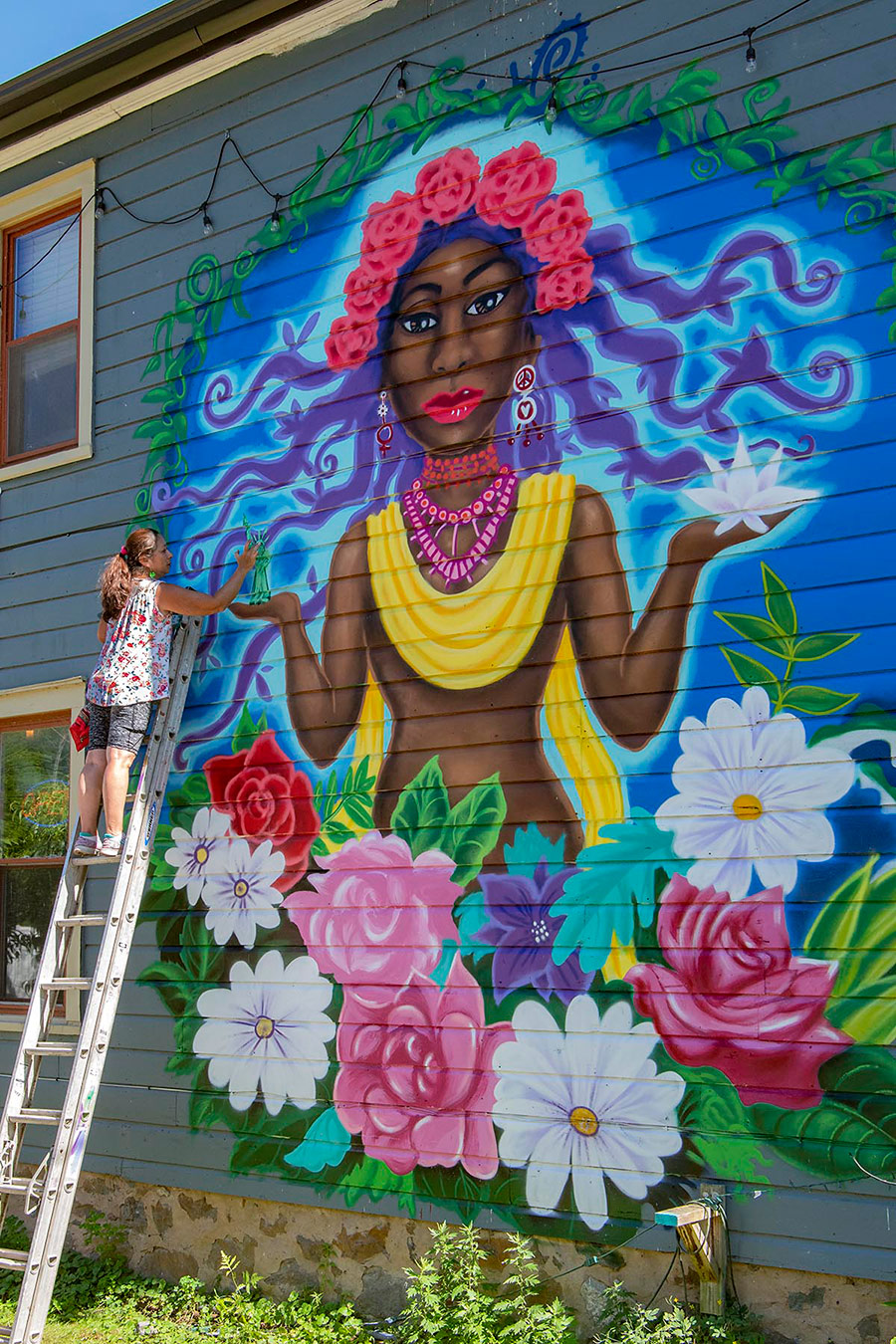
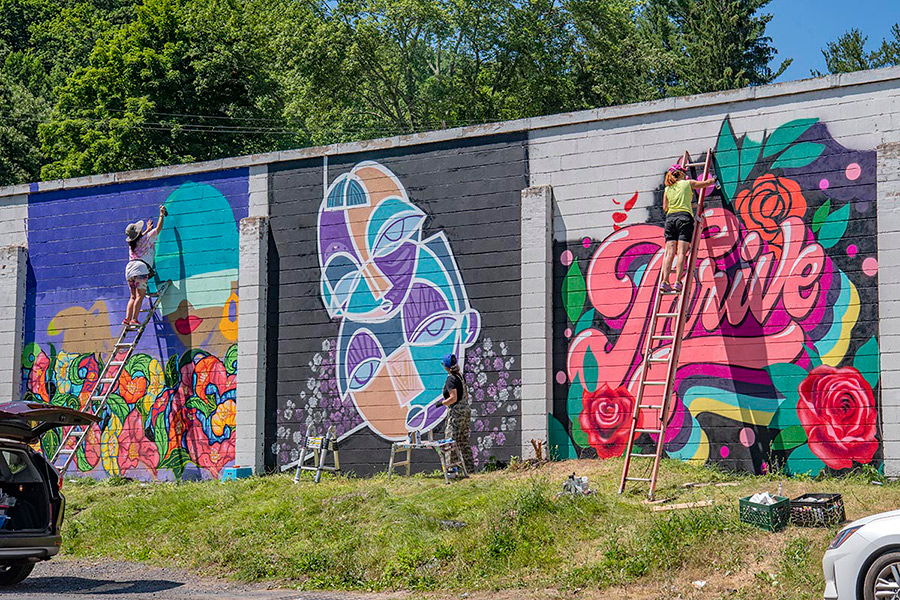
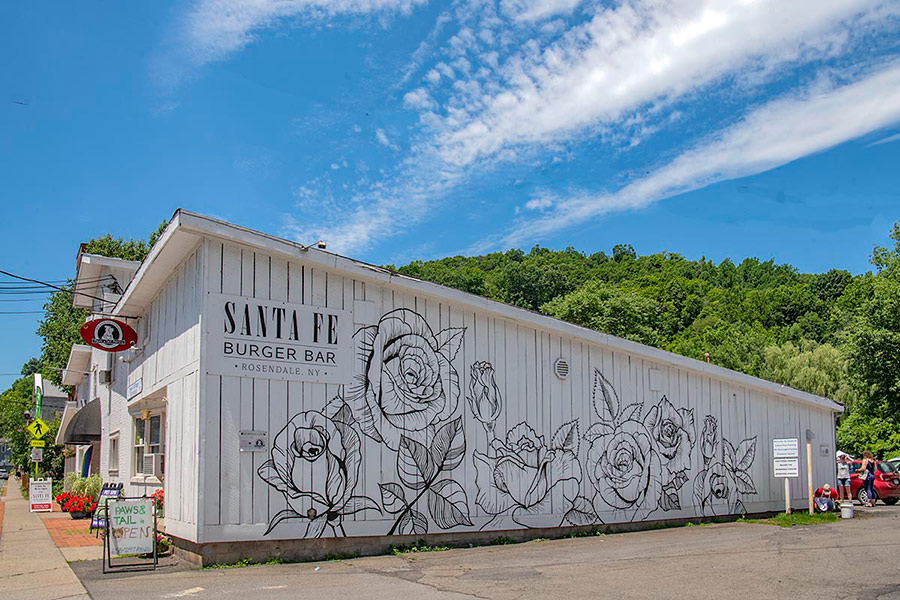
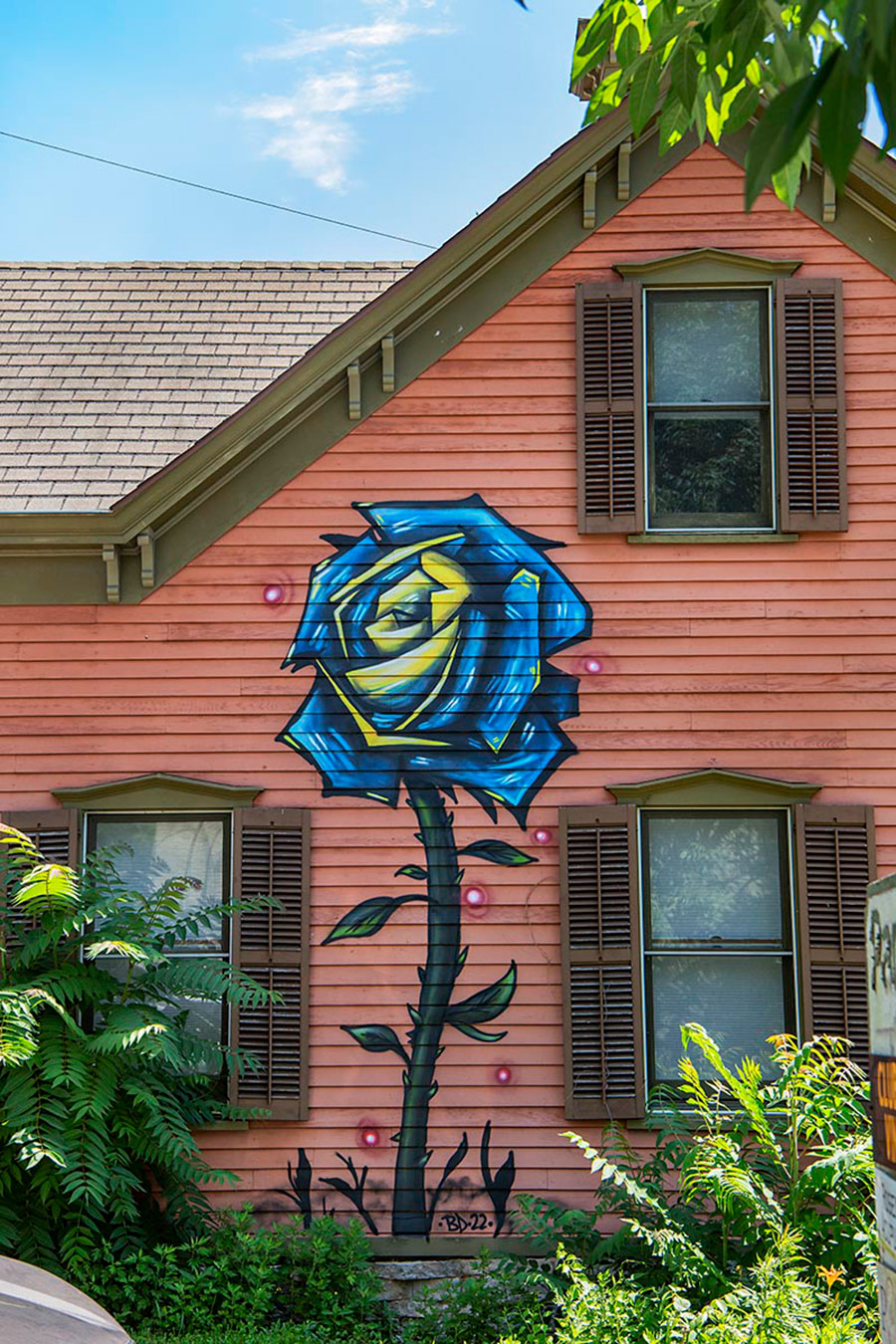
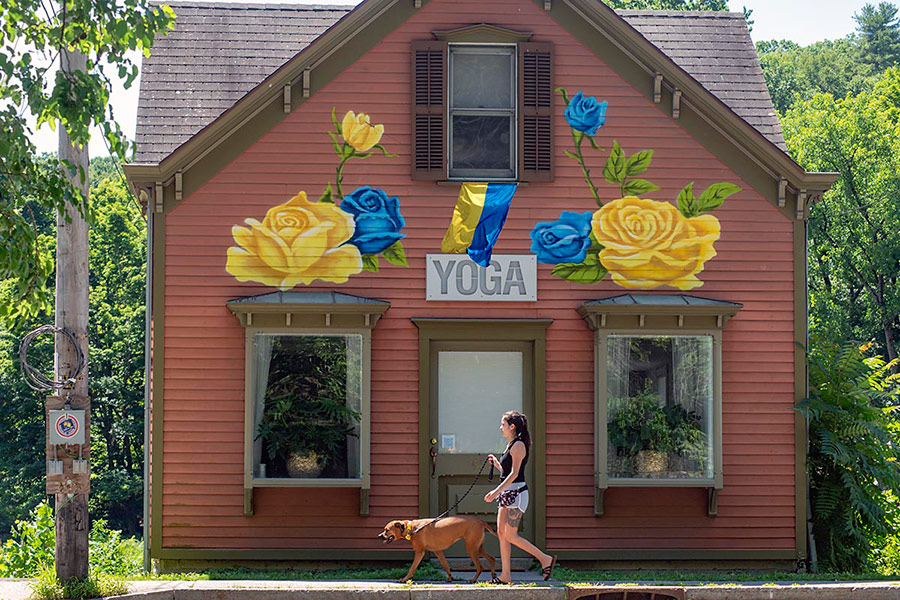
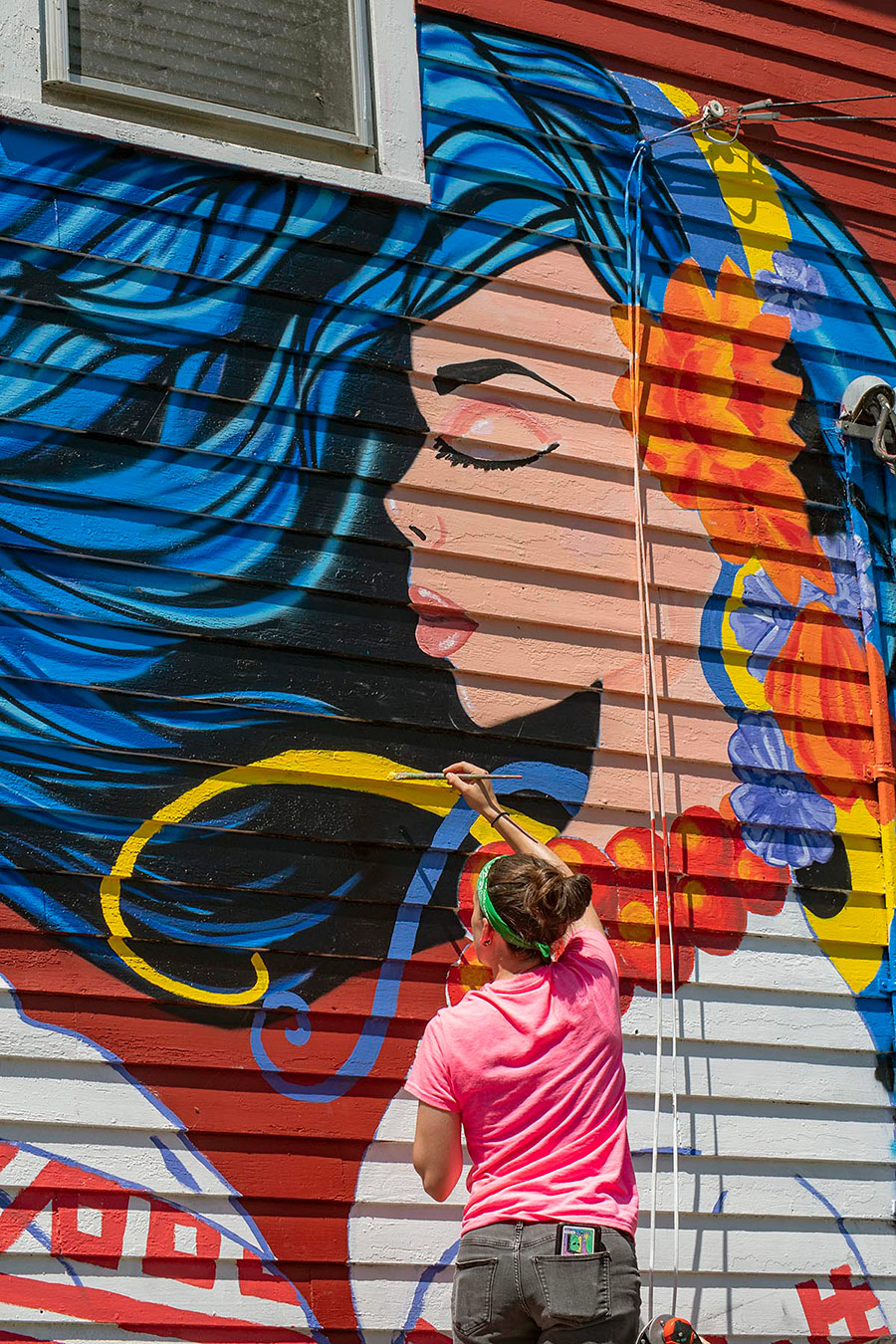
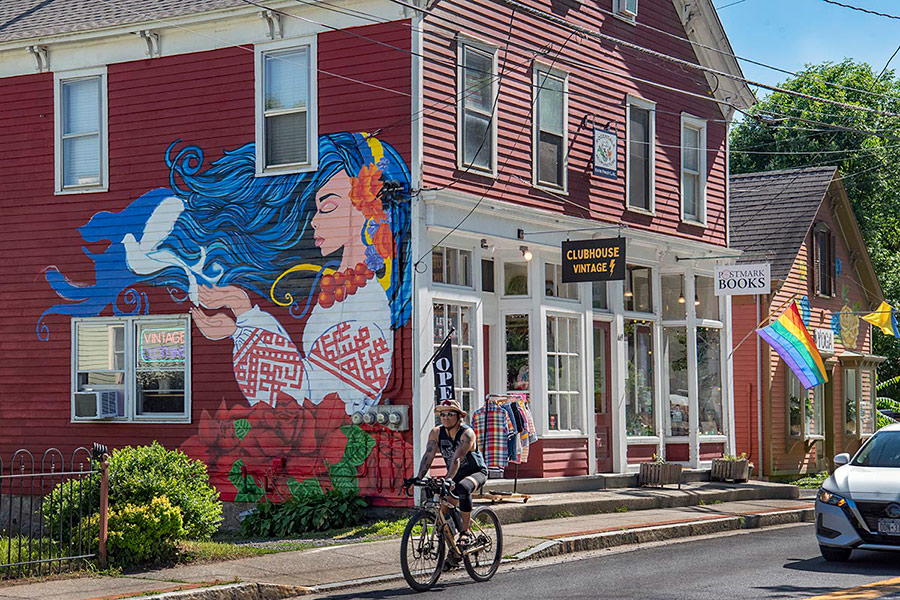
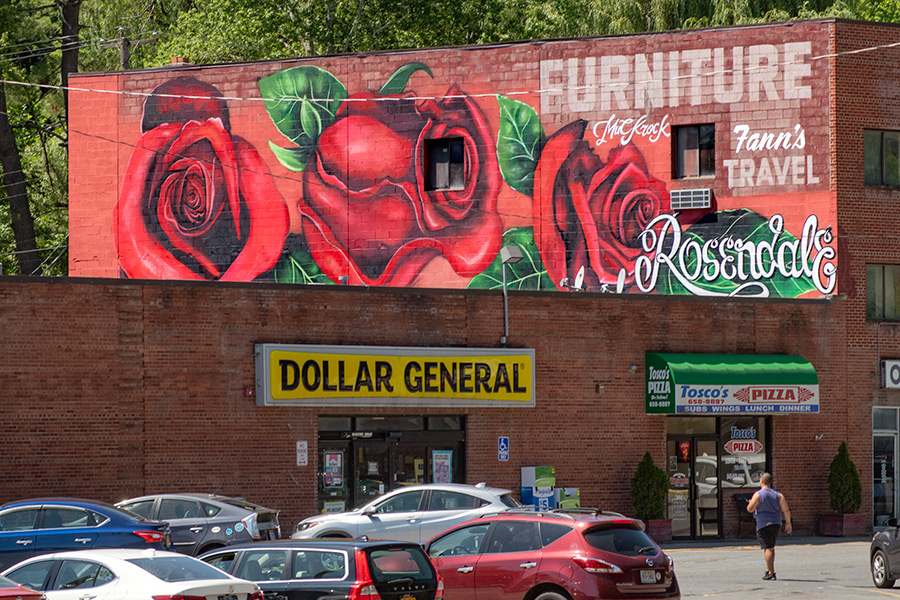
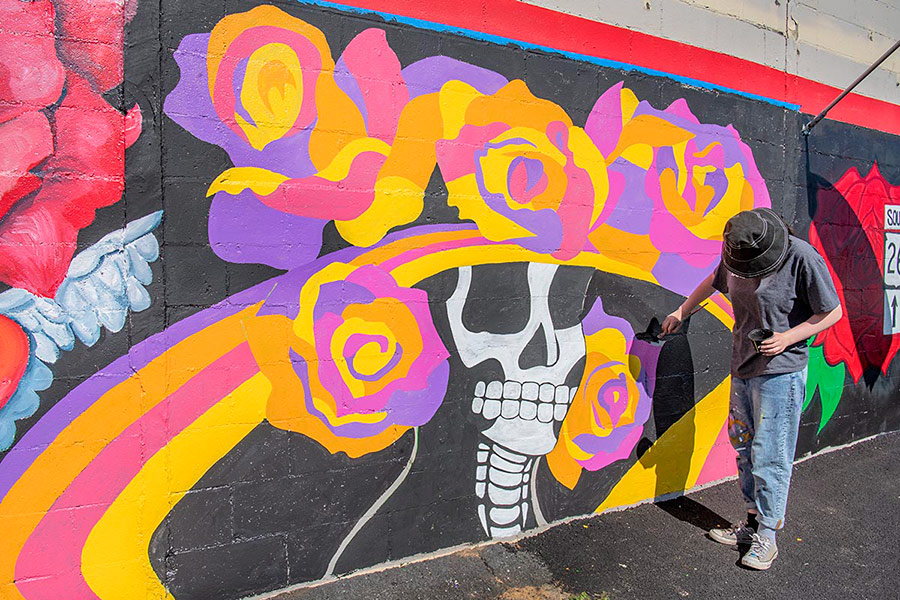
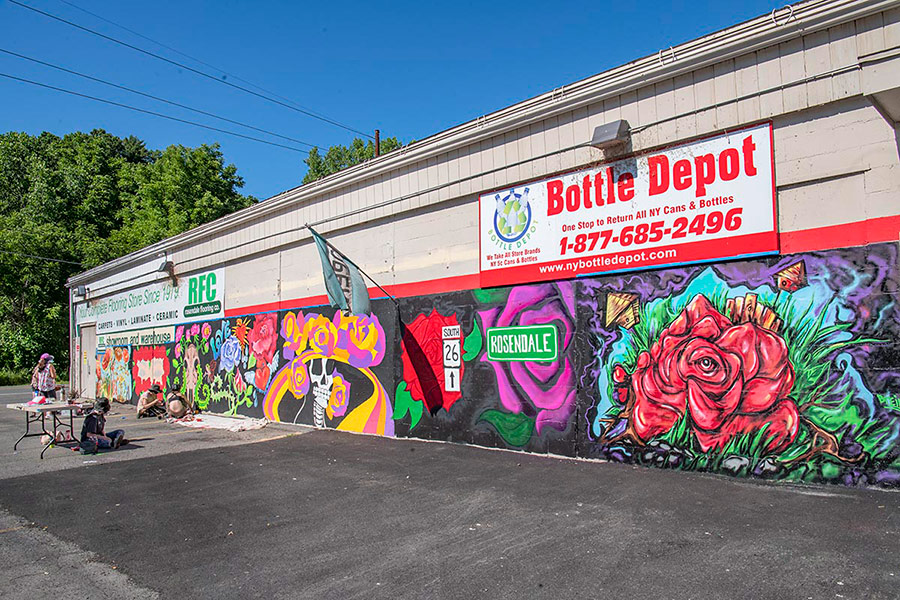
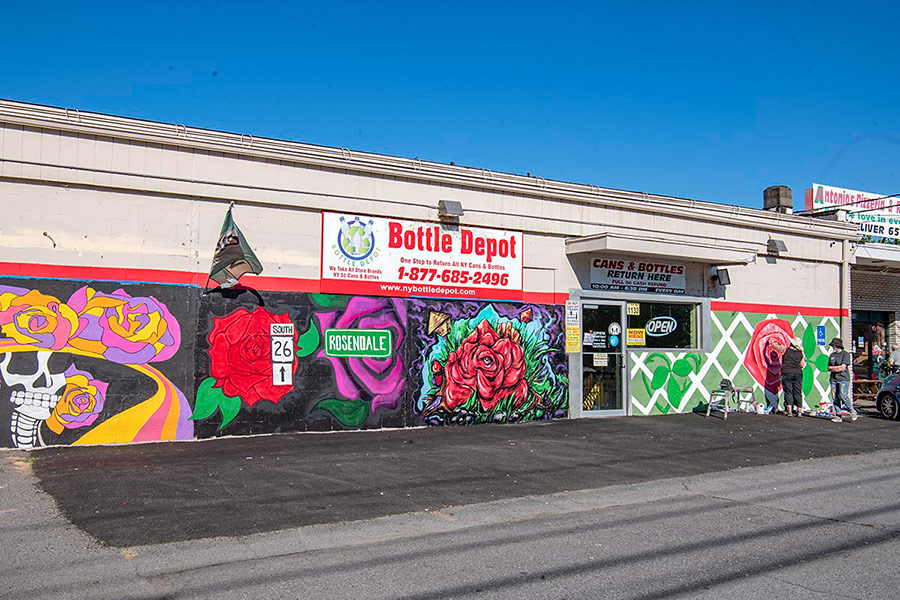
Today we go outside our fair city for “Roses for Rosendale”, a town-sprucing initiative two hours north of NYC that just bloomed with a number of murals by artists whose names you’ll recognize like Shiro, Queen Andrea, Alice Mizrachi, Muck and others – along with some local talents.
On-the-spot veteran photojournalist Martha Cooper hopped the bus up there to catch the action and she reports that the heroes of the day were the many volunteers who assisted in every way to assure that the artists had what was needed to adorn many walls here.
“The rose murals were painted both on Rosendales’s charming vintage brick and clapboard buildings as well as on the shopfronts of a nearby strip mall,” the renowned graffiti and street art photographer Cooper tells us. “It was a sweet little festival in a non-urban location familiar to a lot of Brooklynites.” It is true that many New Yorkers, especially Brooklynites, escaped to this region in a huge wave along the Hudson River Valley after September 11th, and then again recently many city types ‘discovered’ this storied region after the Covid lockdowns chased them to find greener pastures.
“We have over 16 locations with over 35 volunteers painting,” says Lady Pink on her Instagram posting. “Professional and emerging artists, people who just wanted to help! Locals and artists from as far as Japan came to paint roses and beautify a town. It was a weeklong painting extravaganza that filled hearts with joy.”
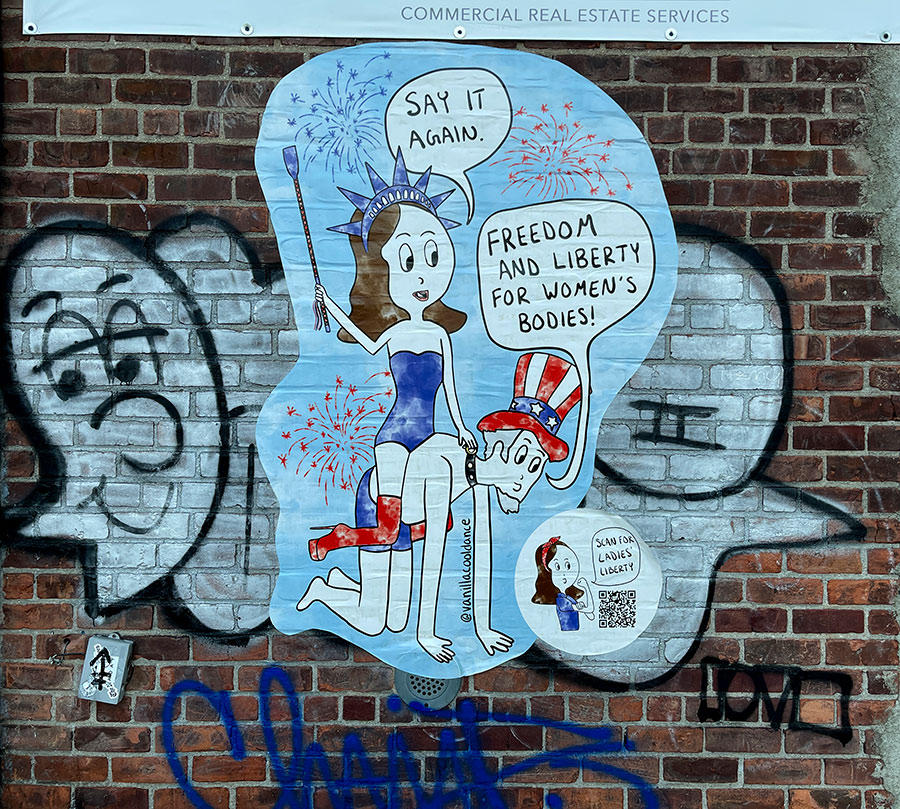
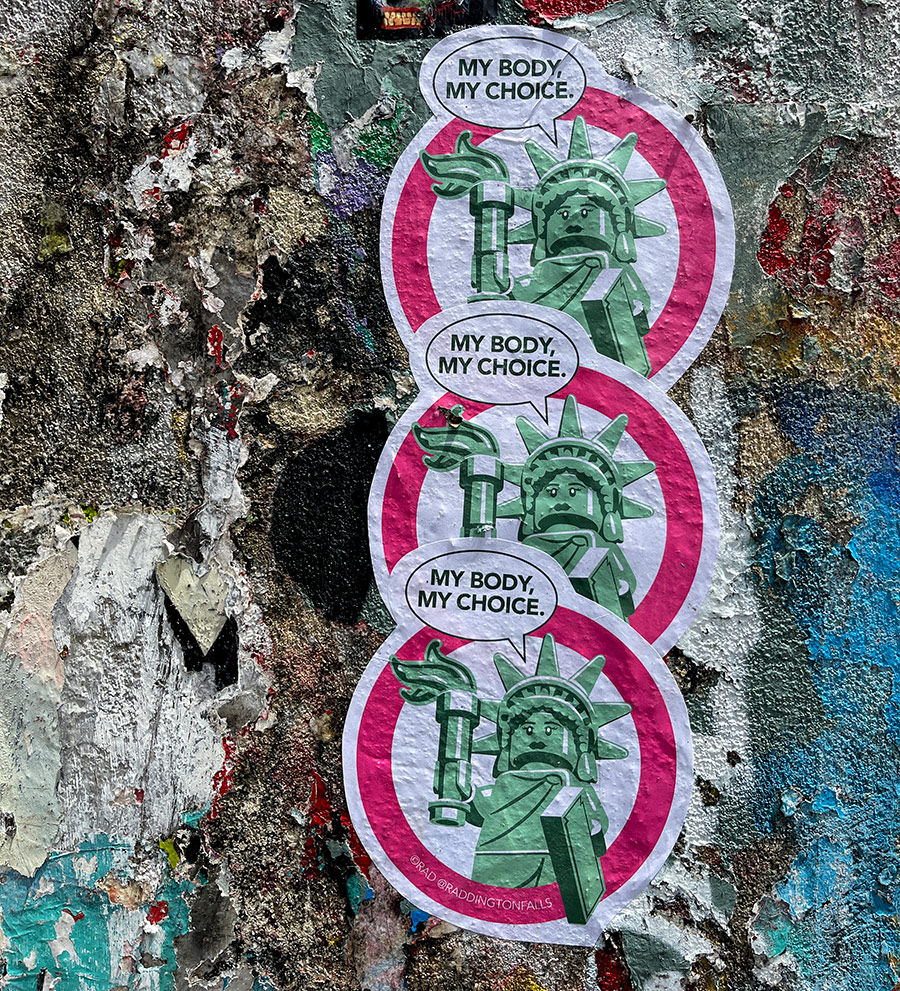
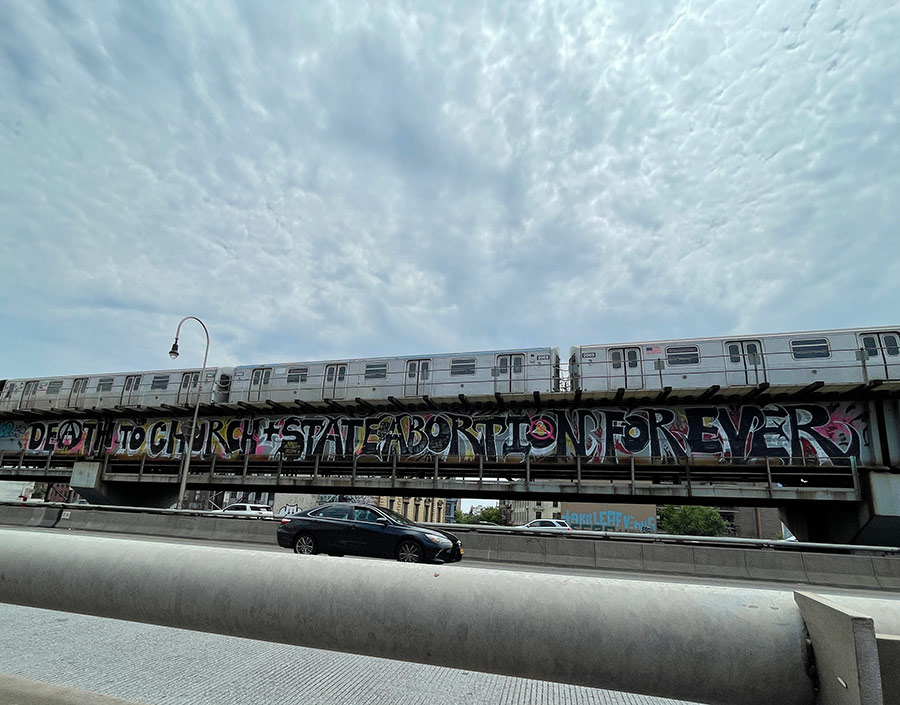
These are topics/themes that street artists are addressing this week in New York – pretty much wherever you go. It looks like an uptick in activism, often with a sense of humor. Can we make a song with these words? Somebody please tie these topics together and make a tidy summary. Thank you.
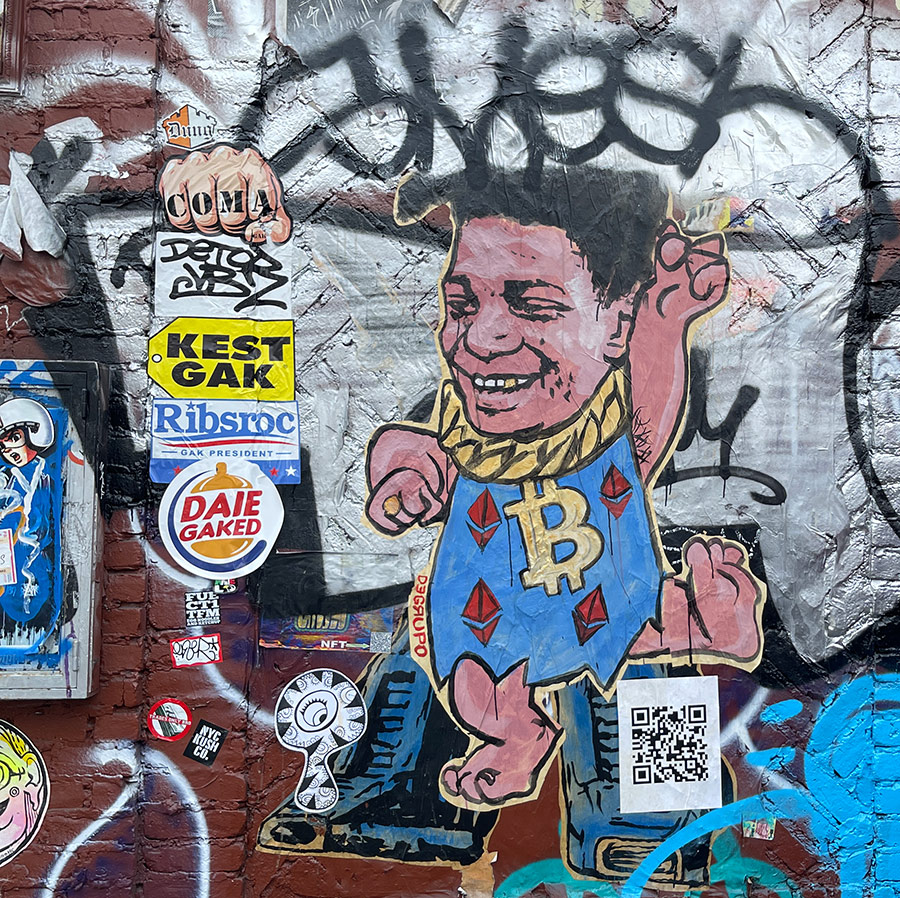
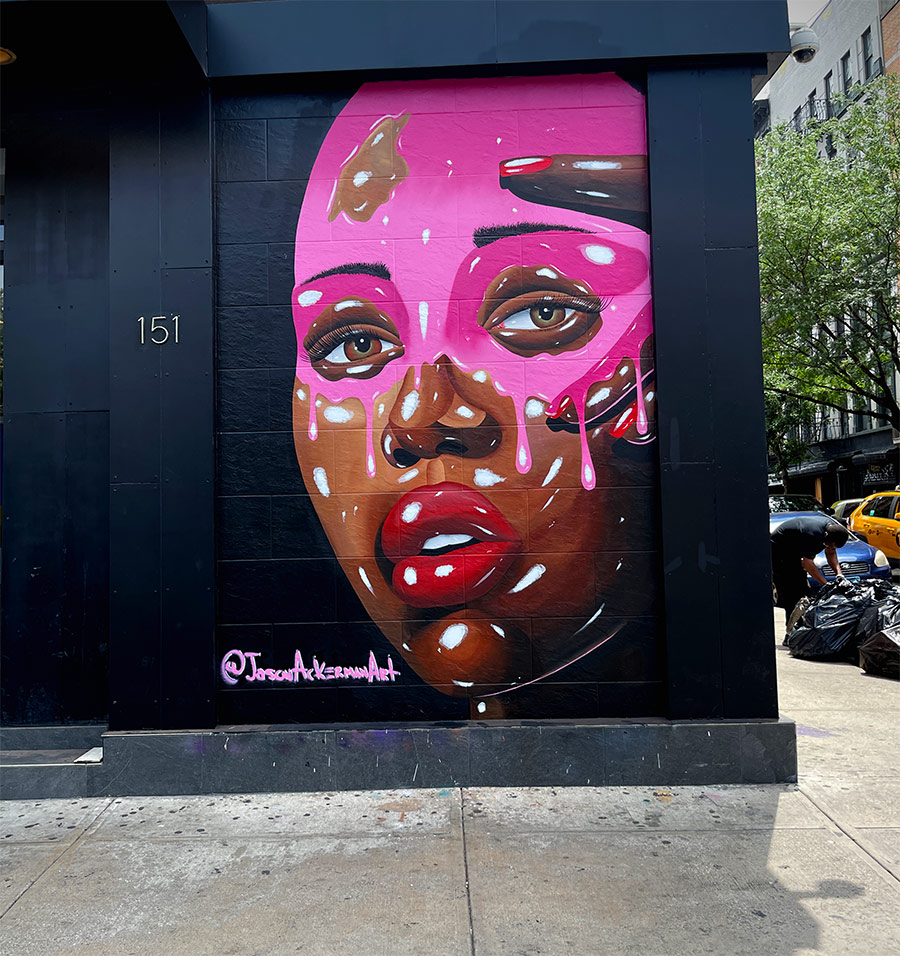
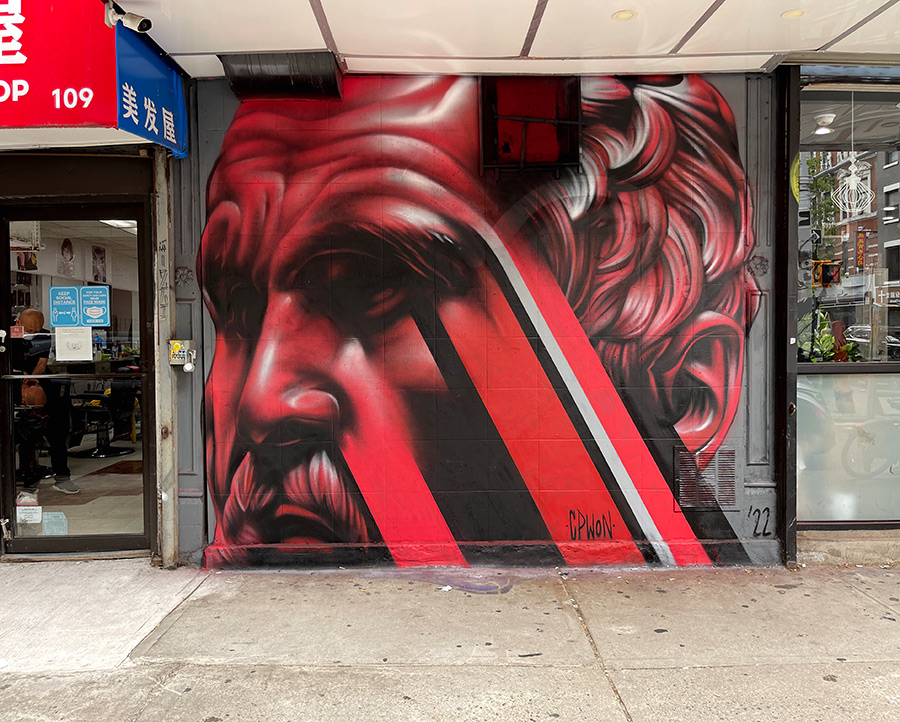
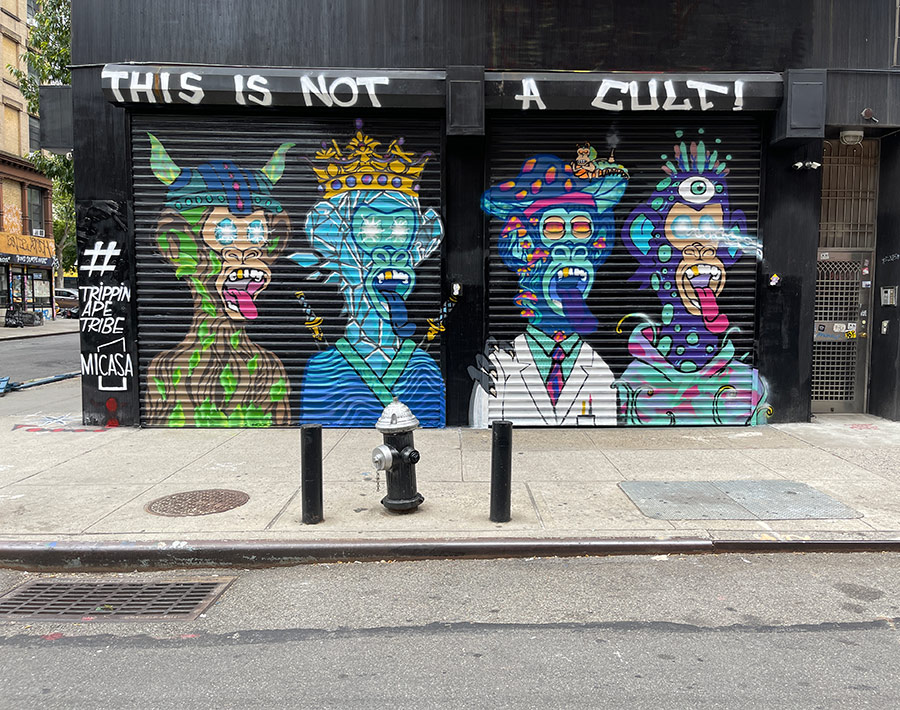
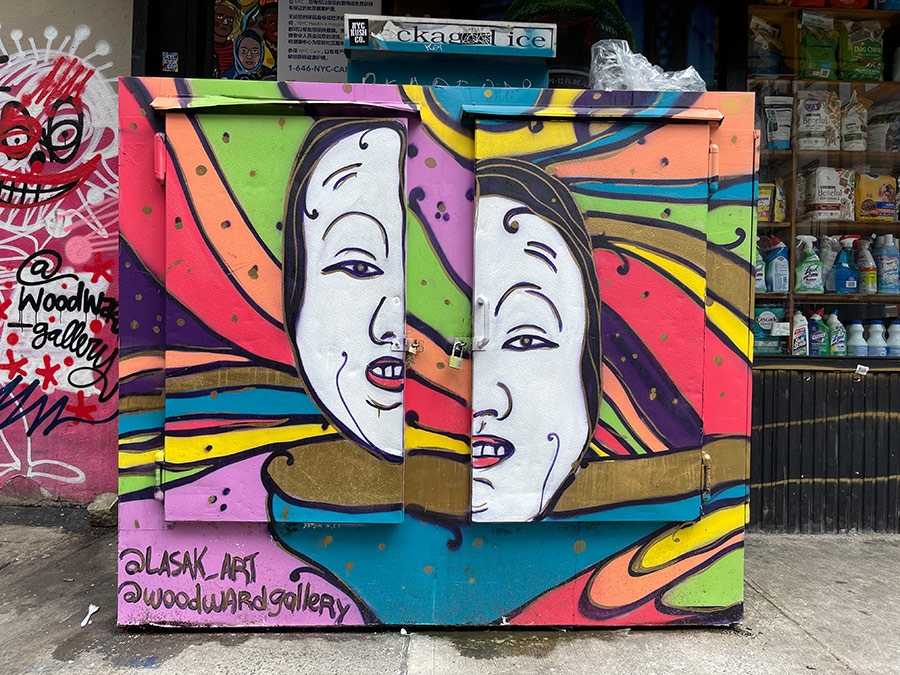
Here’s our weekly interview with the street, this week featuring: Raddington Falls, Hek Tad, Degrupo, CP Won, Albertus Joeph, Madame Restell, Mike King, Jason Ackerman, Trippin Ape Tribe, Eternal Possessions, and Lask Art.
You hope for it, but nothing is guaranteed. Transitioning from being an artist with a respected, lauded practice of graffiti/street art to a booming professional career on canvas is not a clearly defined route. Although many have tried, are trying right now.
What does it take, you ask? A potent mix of talent, luck, fortitude, applied effort, guts, and a willingness to change one’s approach if necessary, as necessary. In our experience, the last item proves to be the most challenging.
Yo, but Mad C is mad talented.
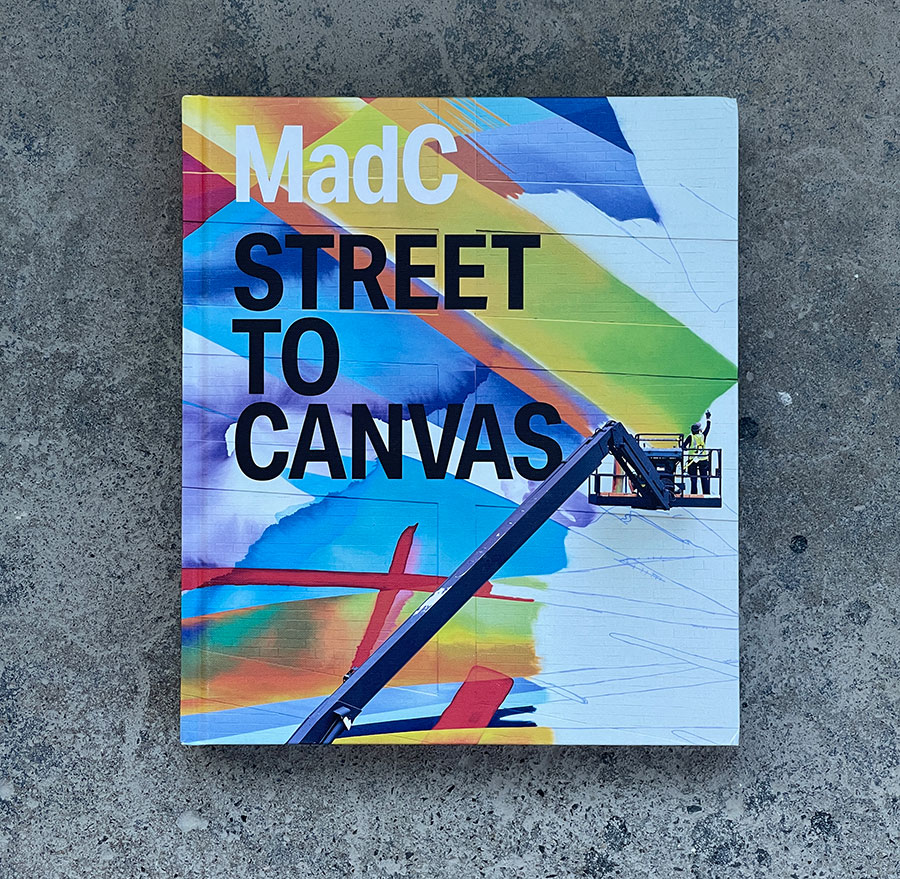
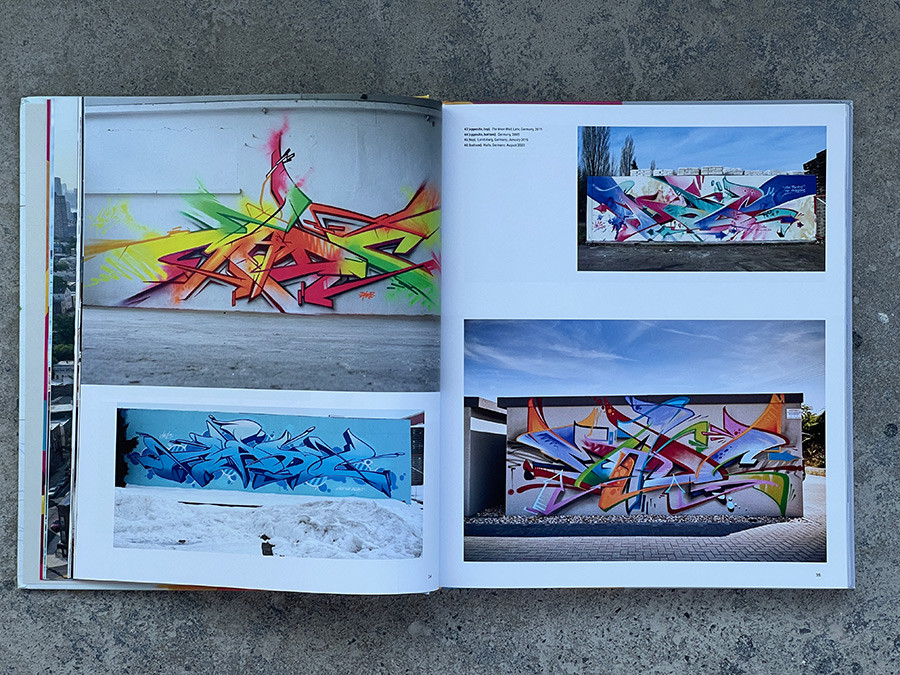
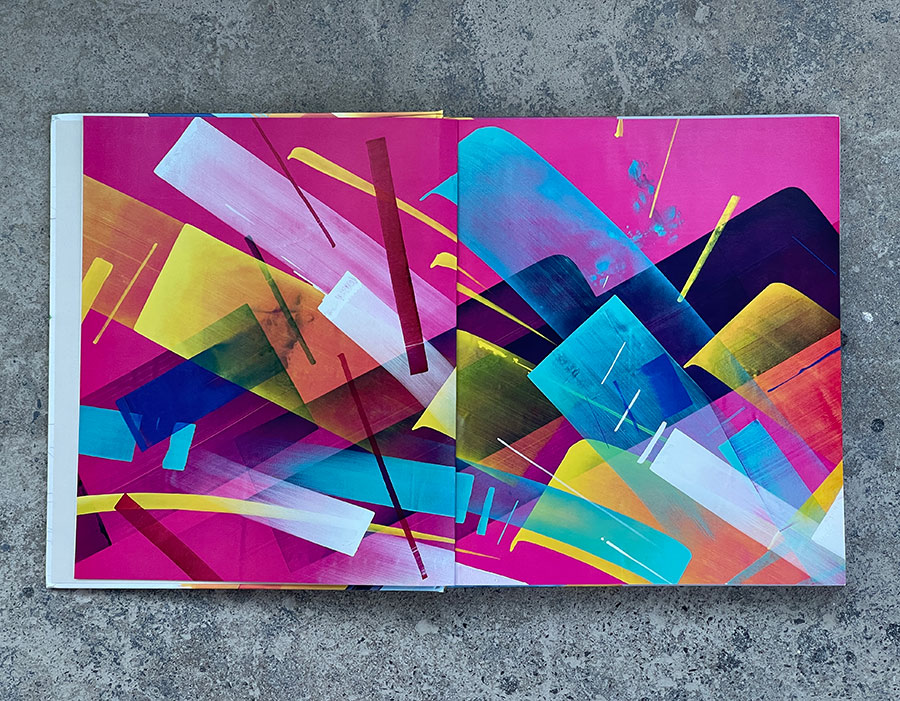
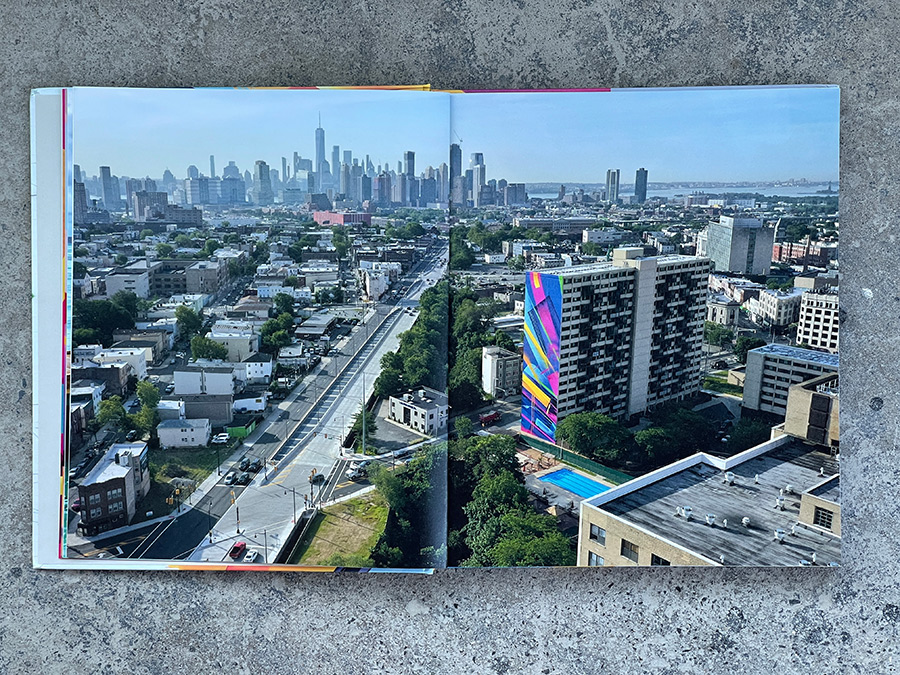
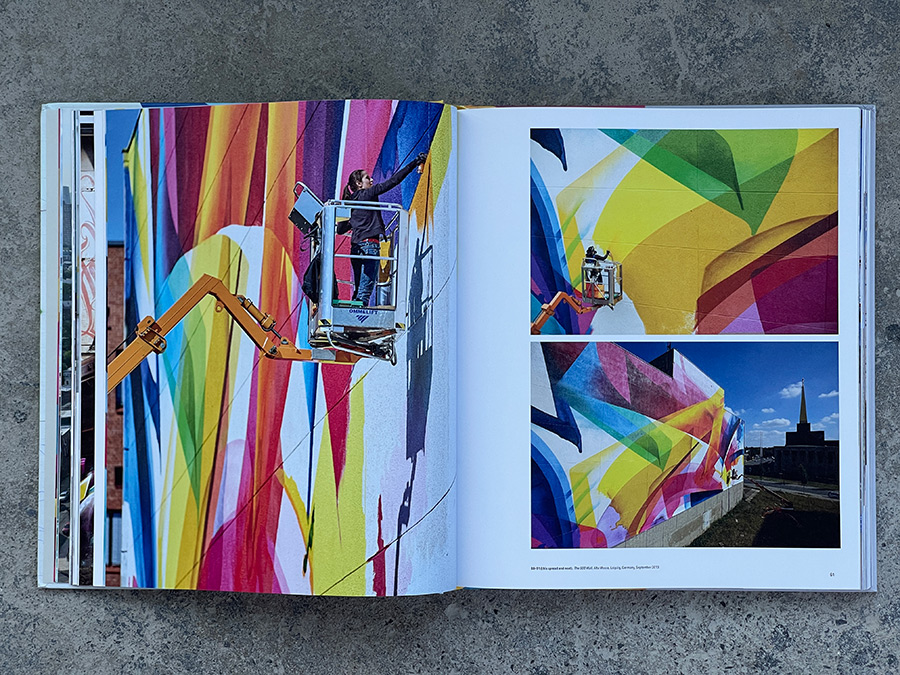
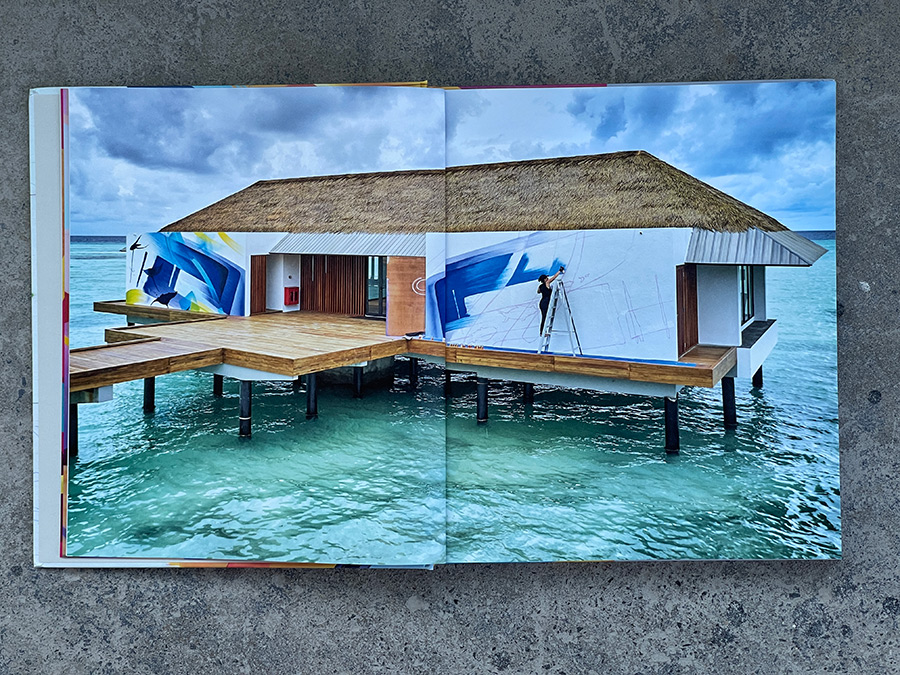
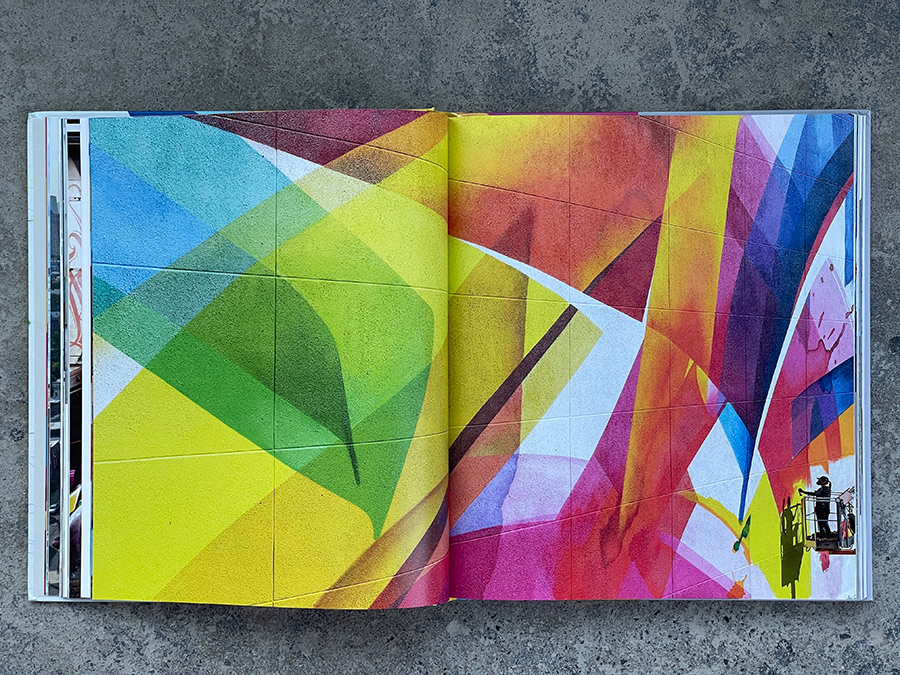
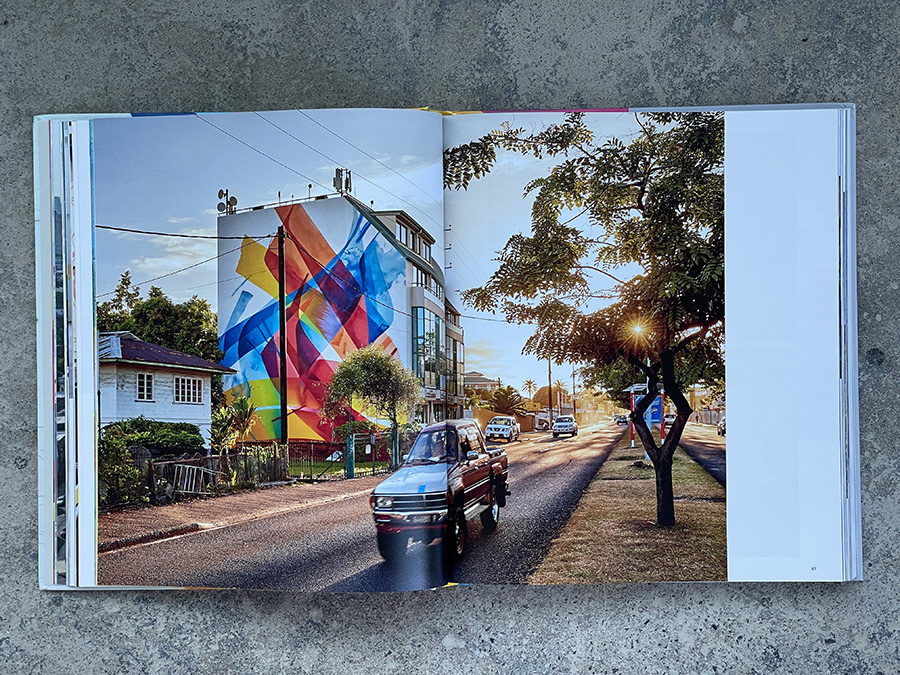
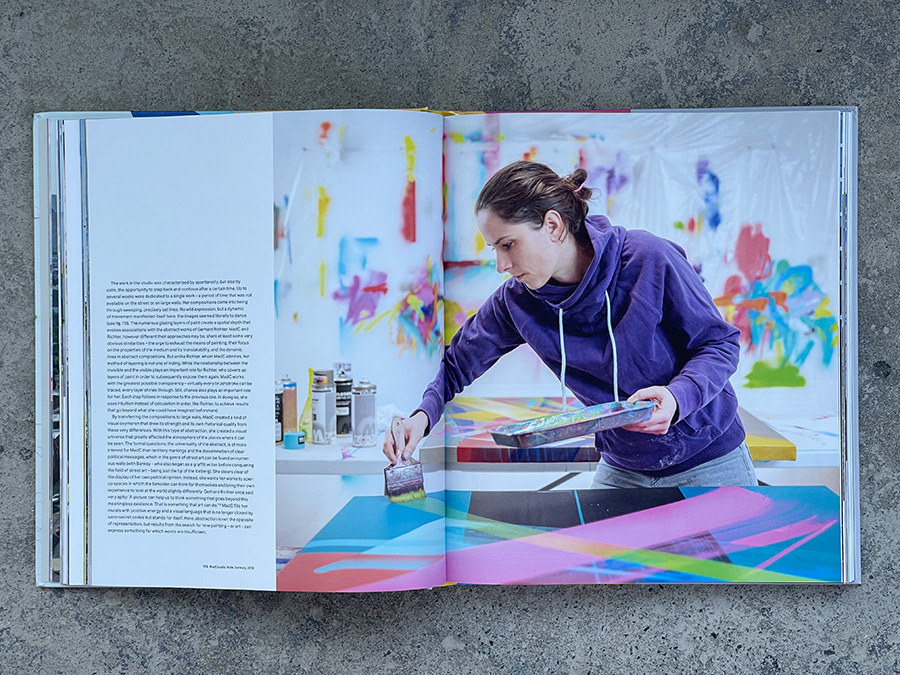
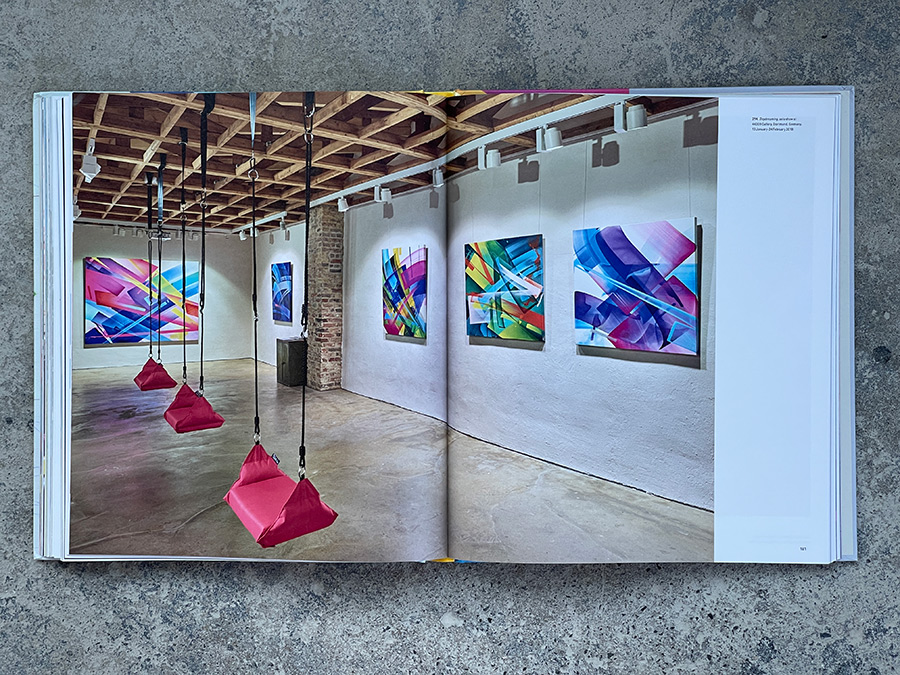
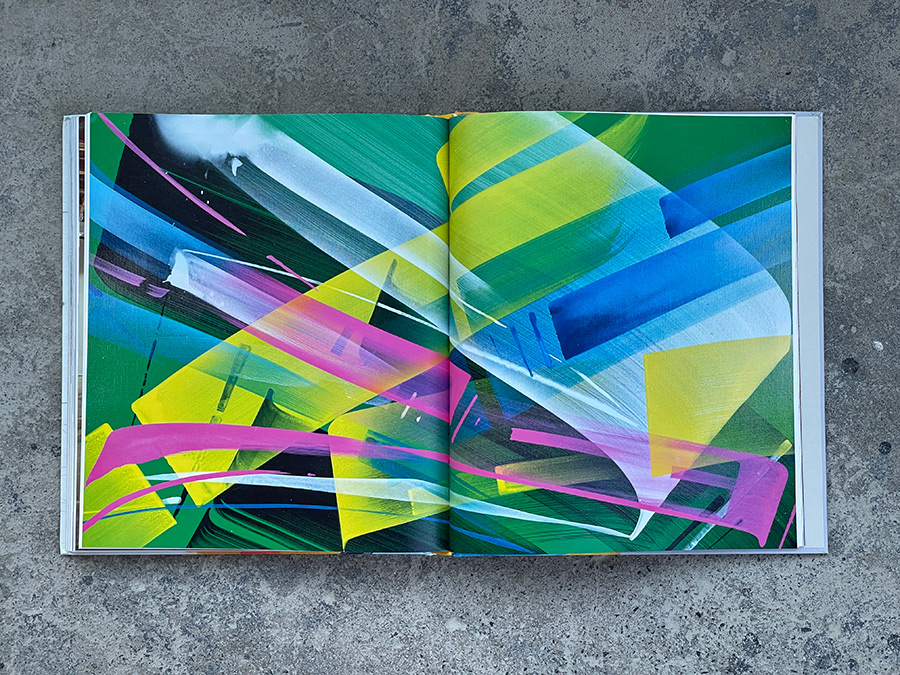
MadC – Street To Canvas. Heni Publishing, London.
She’s made it a dedication to studying and learning the craft, fine-tuning the skills, practicing, perfecting, and persevering. All of those qualities will give you a great measure of personal satisfaction even when it doesn’t land you a big bank balance. In the case of MadC, internalizing the practices and codes of graffiti that originated with the 1960s/70s graffiti writers was core – imprinted her creative DNA forever – even though her first attempt to write was not until 1995 in Germany.
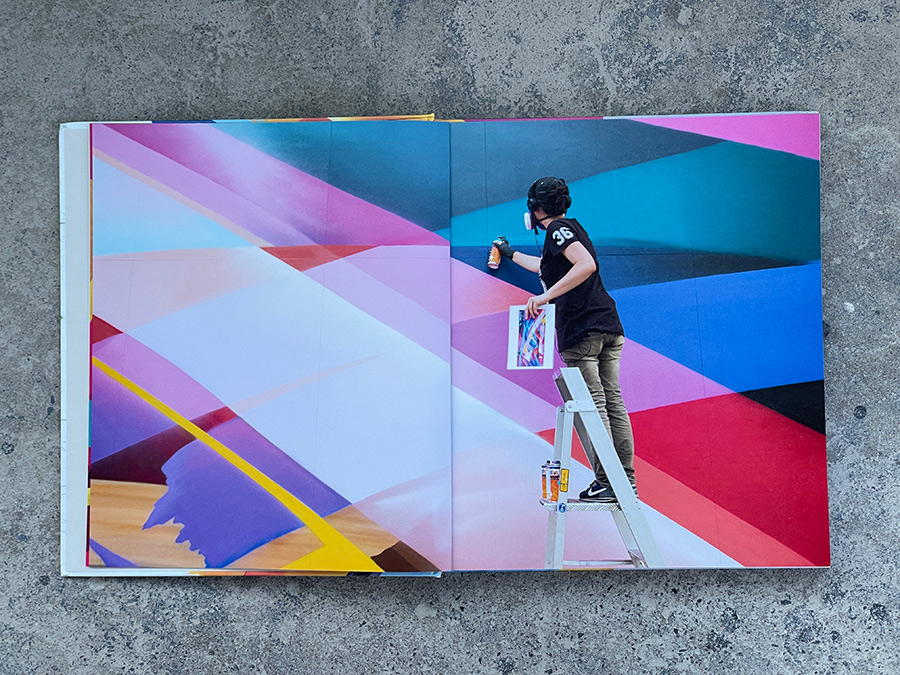
MadC – Street To Canvas. Heni Publishing, London.
It’s all here, in “Street to Canvas” and in the introduction by author Luisa Heese, who strikes a confident balance with biographical information and aesthetic description – all placed in context with MadC’s formative culture of graffiti. You track how she moved from apprentice to mastery of the vaunted styles and family of idioms broadly defining graffiti and street art. As her methods, techniques, and visual language evolved and sharpen, a clarion voice rises above it all.
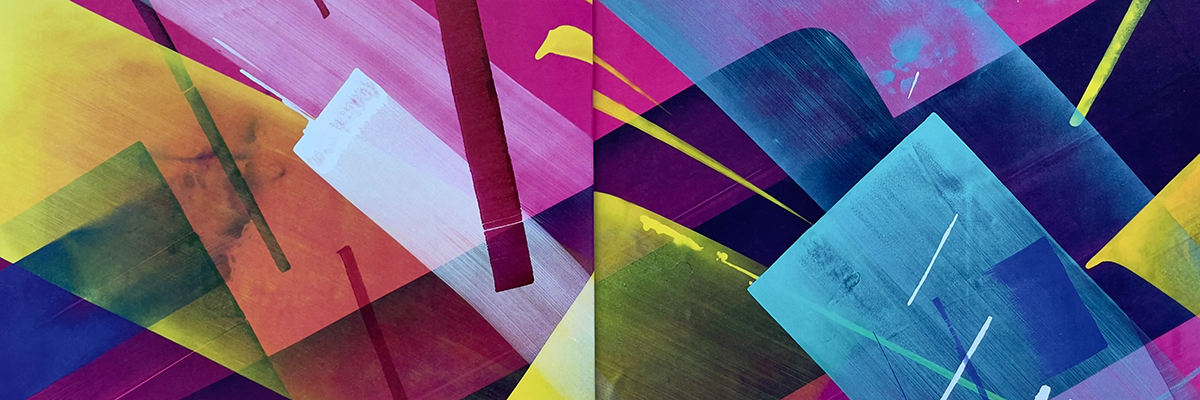
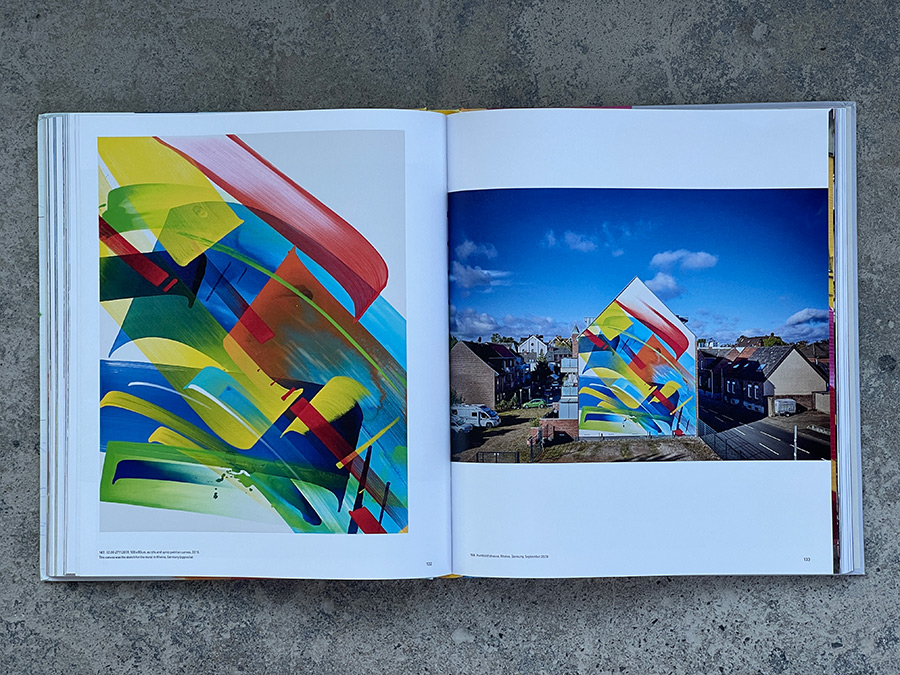
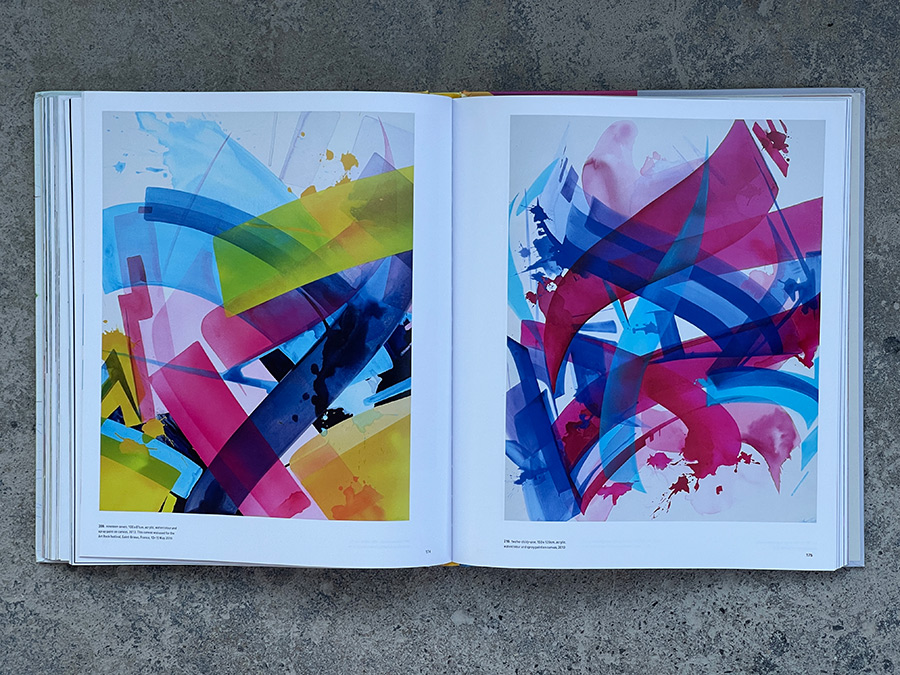
We each turn of the color-drenched plates in this hardcover tome you see a boldly deconstructed freedom with forms that eventually takes flight from the moorings. The planes and shapes begin floating above, below, and over one another, finally cavorting with and supercharging the whole. It is an ever more complex process that ultimately creates deceivingly simple-looking, balanced compositions. If you would like to see the progression of an artist’s professional practice, it’s here for you without reading a word.
MadC – Street To Canvas. Heni Publishing, London.
If you peruse the texts, you are rewarded with necessary, dense, and colorful prose. You learn about the utter tenacity and whole-hearted devotion that brought this woman, now only mid-career after such a prodigious run, to the gallery, to private collections and institutions.
MadC – Street To Canvas. Heni Publishing, London.
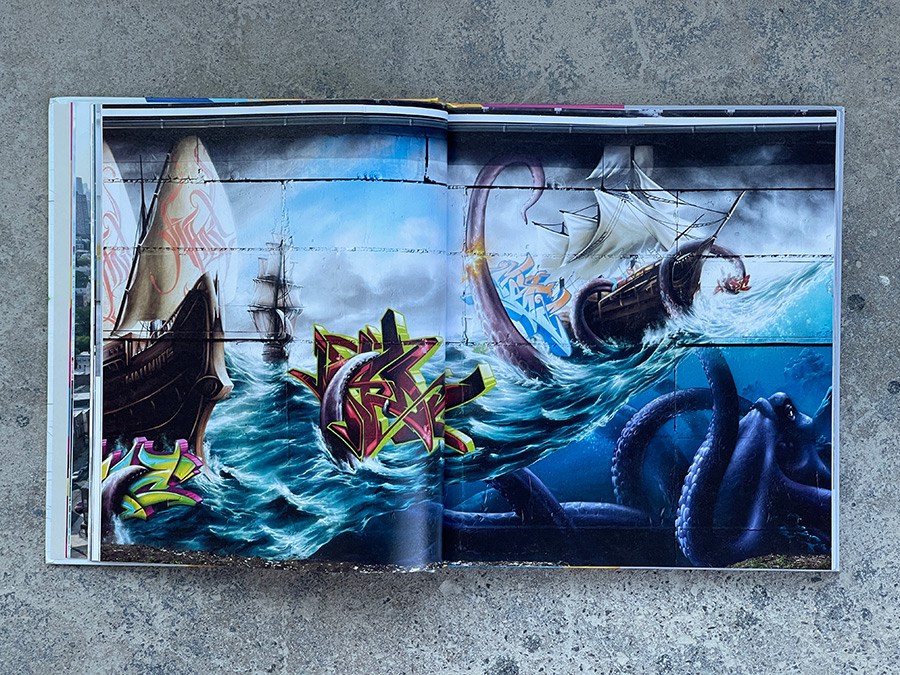
One centerpiece of the retelling are the pages devoted to the 700 Wall she painted in Peissen, Germany in 2010. Only 15 years into the game by that time, MadC knocked out the entire glossary of graffiti, even hinting toward our mural-filled present in a massive timeline. With this aerosol autobiography she presents her story with a dramatic psychological and emotional rendering; this colossus wall of dreams and nightmares. It an adventure filled projection of the inner life of an artist in this way is unusual for such a secretive subculture. Still, the strikingly illustrative story reveals the codes of the culture that formed her, told with over-shadings of personal aspiration, disappointment, fear, and grit.
The book contains her own recounting of this passion production;
“Some days I went up and down the ladder more than 500 times; fell off the ladder 4 times; counted in days, I painted more than months every day at least 10 hours; l used 1489 cans; 158 different colours; 600+ caps; 3 different kinds of caps, 100 liters primer; 140 liters exterior paint; painted at temperatures from +2C° to +38C° in the sunshine, rain, storms, day and night; painted my biggest and smallest piece so far and overall painted my name far more than 100 times on this wall.”
MadC – Street To Canvas. Heni Publishing, London.
The contribution of this storytelling to the ‘scene’ informs us all. Completed more than a decade ago, the opus wall foreshadows where she travels next, personally and professionally. Seeing her massive murals completed in cities around the world since then you can appreciate her prophetic quality as well. Author Ms. Heese helps to draw it all into view often throughout “Street to Canvas”, including this time:
“There is no better way to describe the magnitude of The 700 Wall in how the worlds of graffiti, street art, and contemporary visual arts should or should not be related to one another, MadC crosses the boundaries of genres and discourses, the rules of milieus and aesthetic conventions, with charming ease to create a distinctive work that exists in between.”
MadC – Street To Canvas. Heni Publishing, London.MadC – Street To Canvas. Heni Publishing, London.MadC – Street To Canvas. Heni Publishing, London.MadC – Street To Canvas. Heni Publishing, London.MadC – Street To Canvas. Heni Publishing, London.MadC – Street To Canvas. Heni Publishing, London.MadC – Street To Canvas. Heni Publishing, London.MadC – Street To Canvas. Heni Publishing, London.MadC – Street To Canvas. Heni Publishing, London.MadC – Street To Canvas. Heni Publishing, London.
Our weekly focus on the moving image and art in the streets. And other oddities.
Now screening: 1. Invader: Invasion Potosi, Mission 4000 2. A VHILS Reel edited by Jose Pando Lucas/Solid Dogma 3. Os Gemeos: “El dibujo es el alma de todo proceso” (Drawing is the soul of every process)
BSA Special Feature: Invader: Invasion Potosi, Mission 4000
Llamas, demons, Scoopy Doo, the Clash.
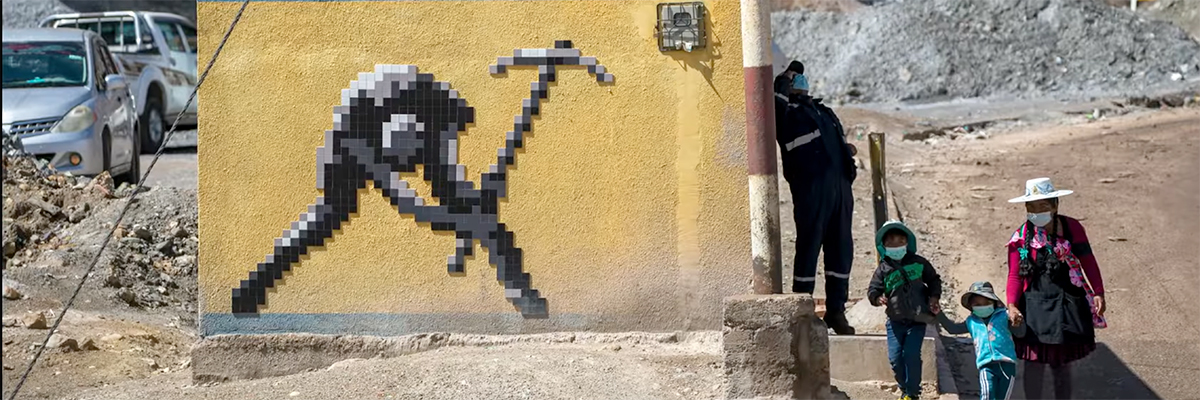
The French Invader, with his Western symbols painted with tiles takes you to Potosi, one of the highest cities in the world. “Located in Bolivia at 4000m above sea level it was a perfect place to install the 4000th space invader,” says the artist.
Invader installs his 4000 space invader in Potosi, Bolivia.
A VHILS Reel edited by Jose Pando Lucas/Solid Dogma
Os Gemeos: “El dibujo es el alma de todo proceso” (Drawing is the soul of every process). Via Domestika.
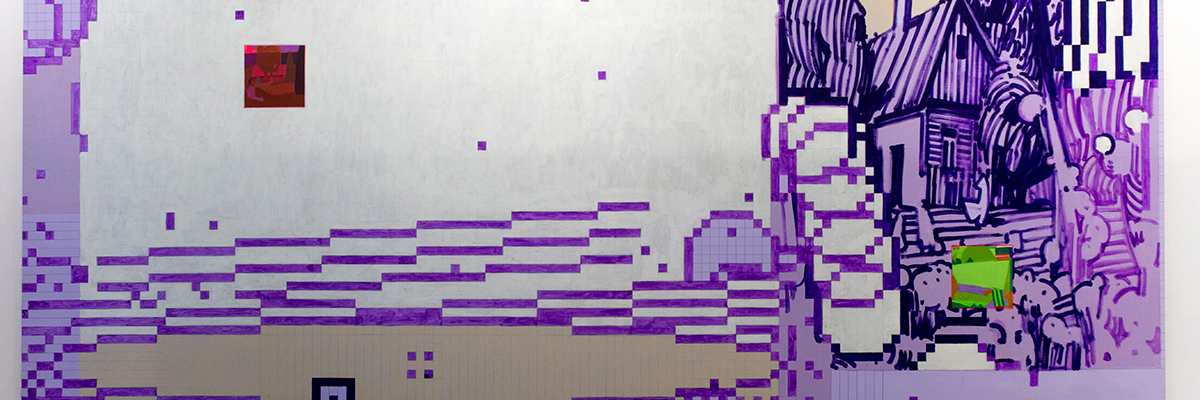
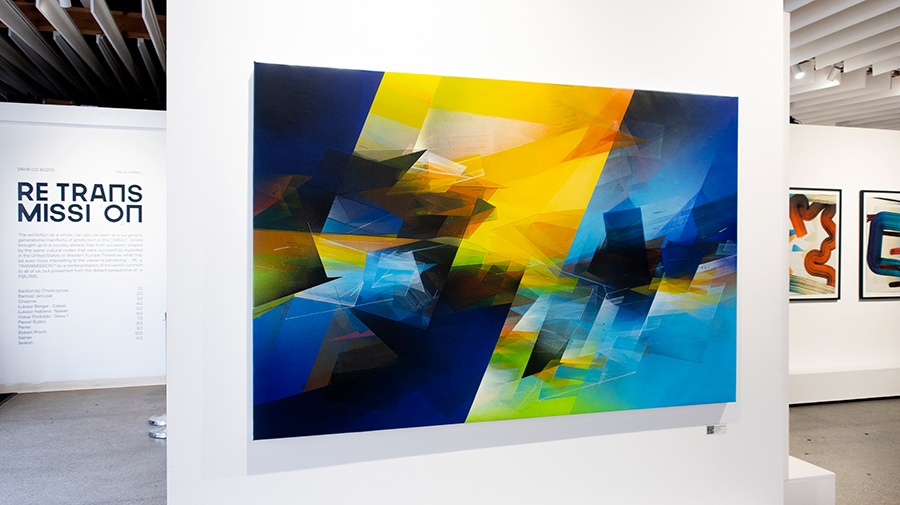
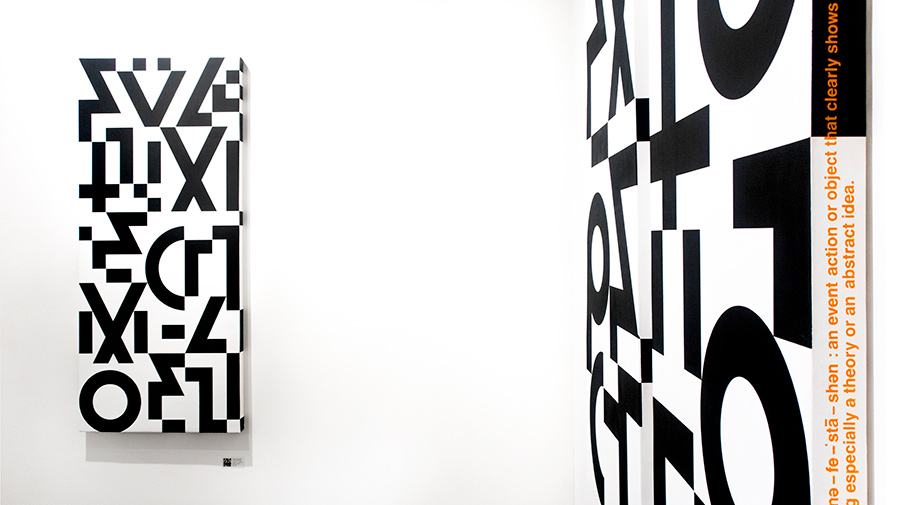
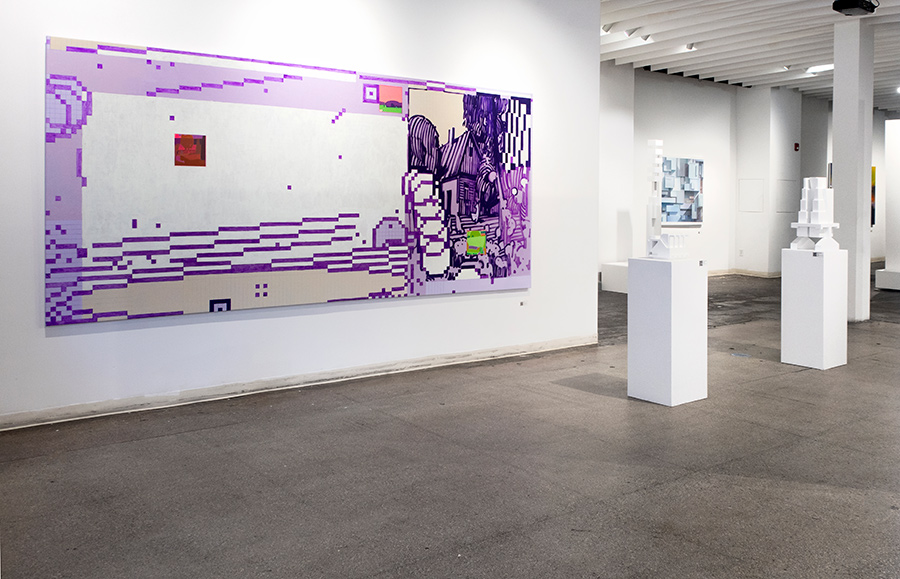
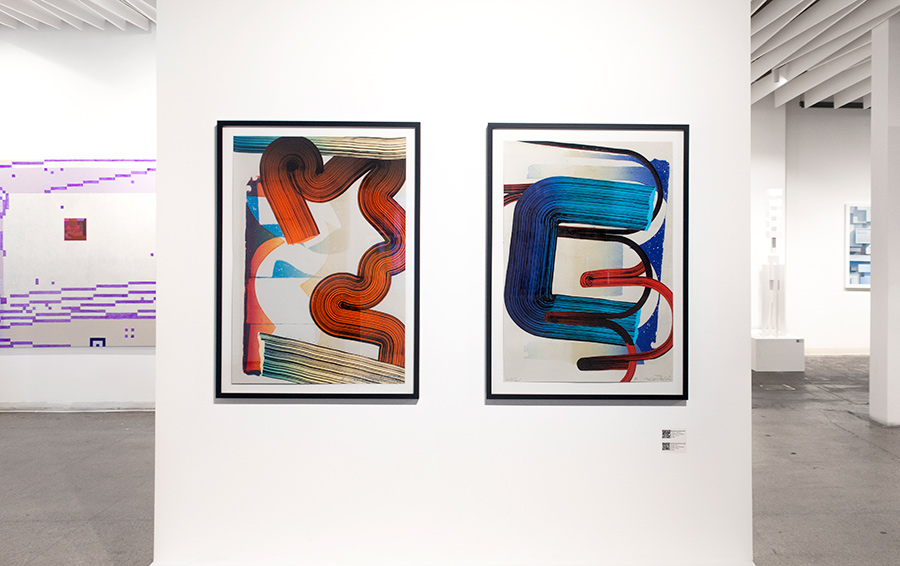
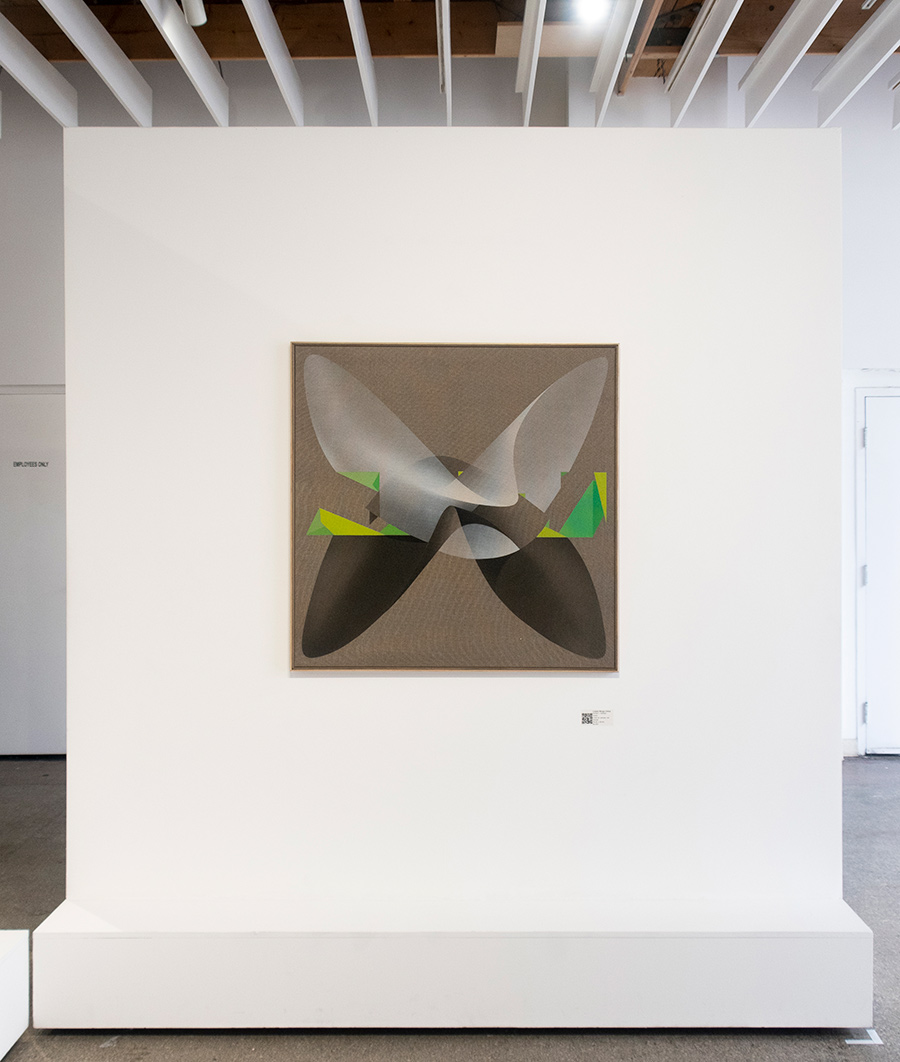
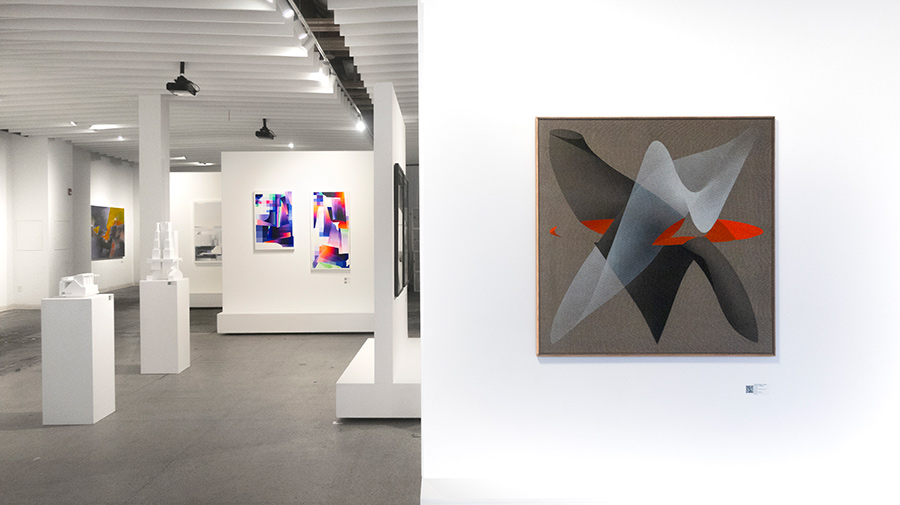
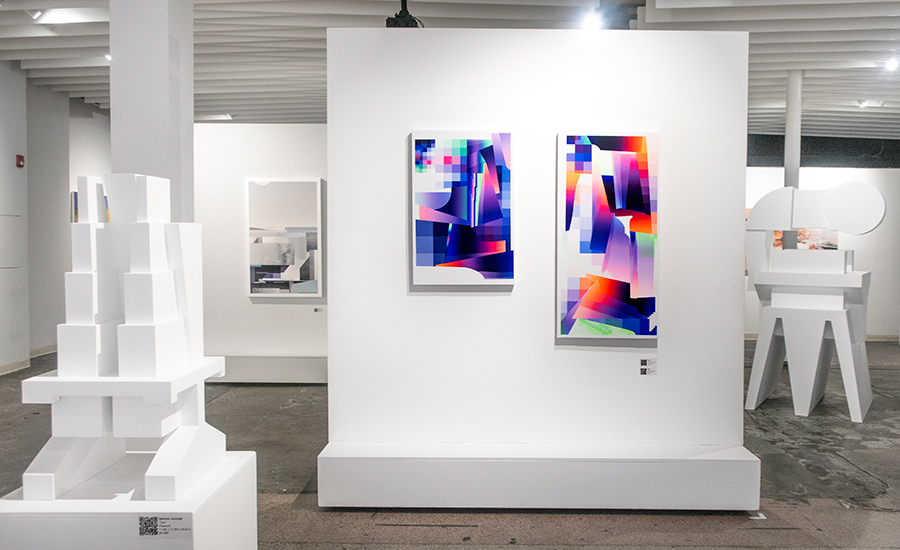
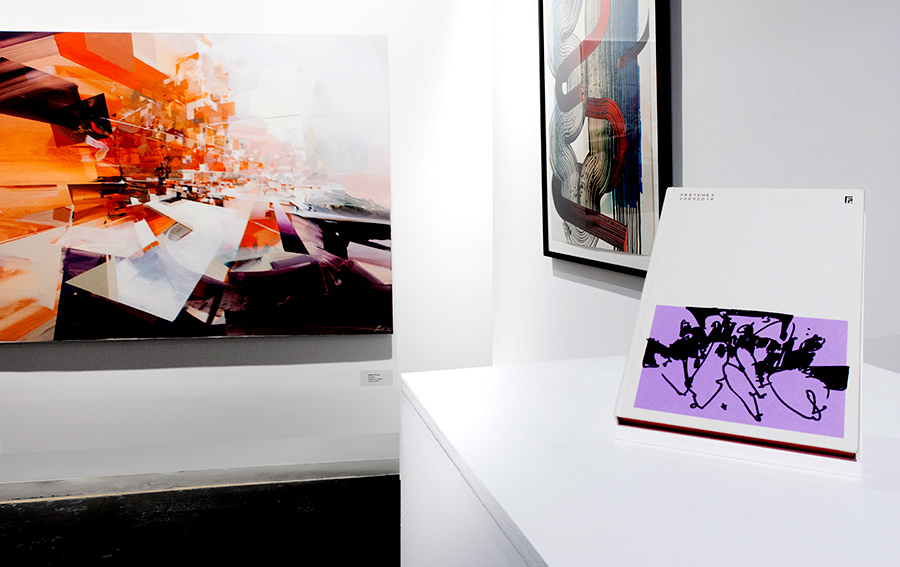
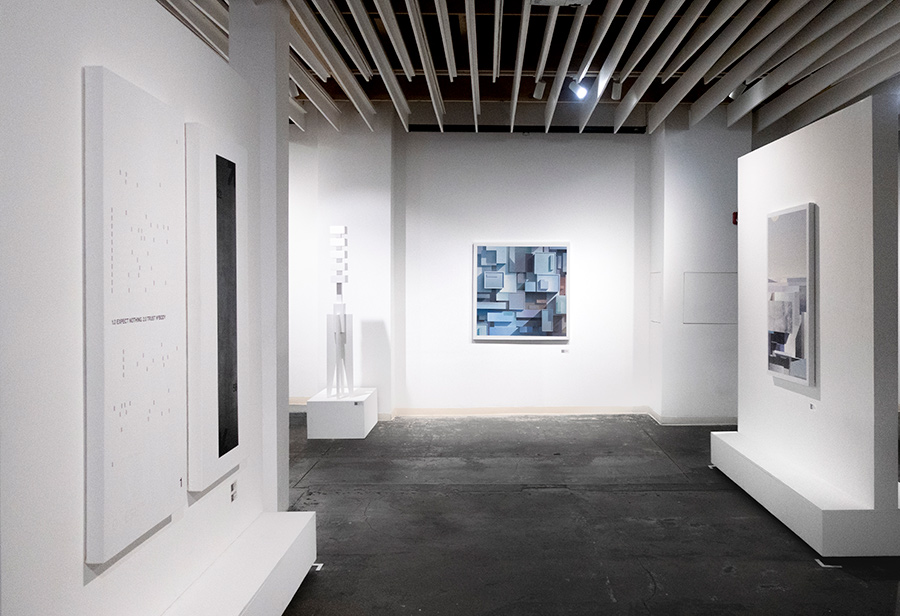
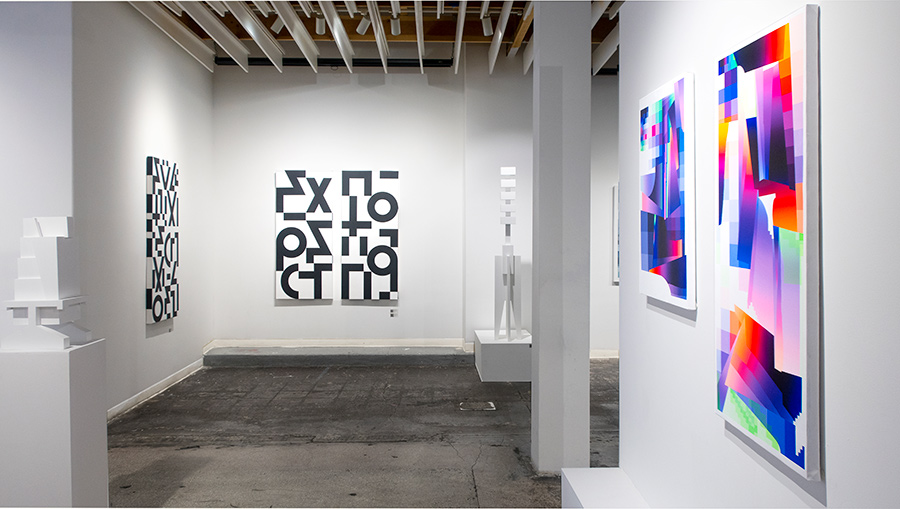
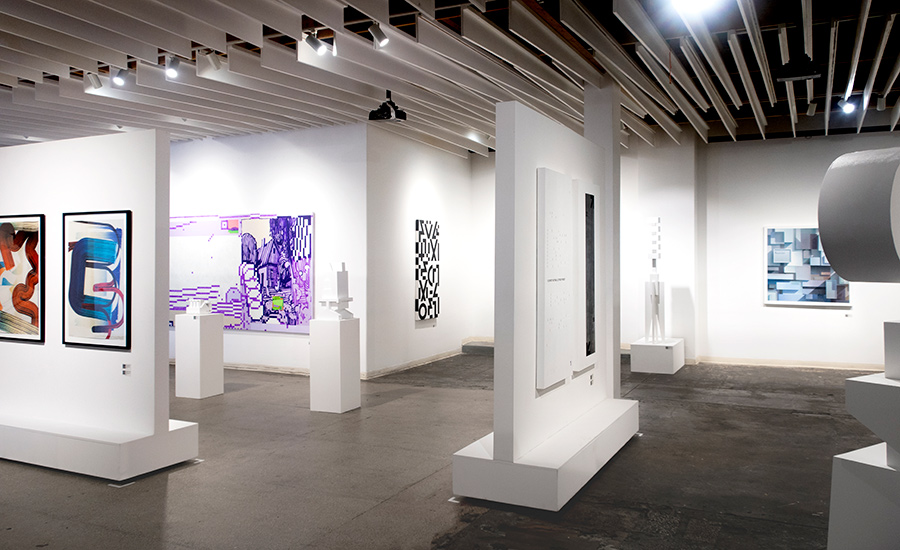
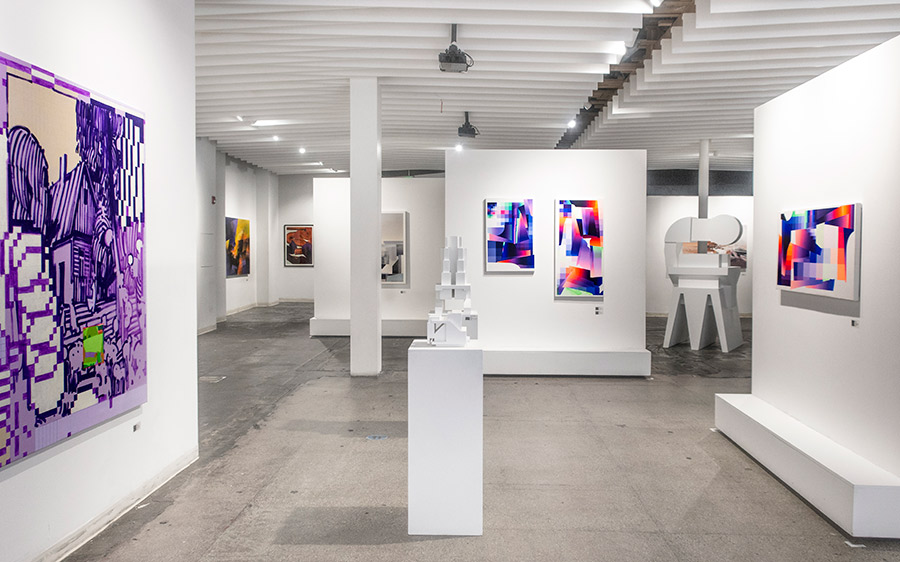
This fresh new survey of Polish artists primarily born in the 1980s is called RETRANSMISSION__ . It has as much to do with the influence of digital arts as it does with the plastic arts and art in the street.
This group collection at the Denver location of Mirus Gallery may possibly represent a physical lynchpin to the coming metaverse, minus the Oculus headset. A professionalized crew of artists formally trained in studies like architecture and urbanism, illustration, graphic design, painting, typography, and sculpture; These are not the kids on the street who popularized first and second-wave graffiti of the West, but rather the students of the scene infused by lore and not necessarily beholden to it.
“This collective of artists have lived and worked amongst each other,” says the gallery press release, “individually and sometimes through collaboration for many years, establishing a contemporary style unique to Poland.”
To mention that a certain number of these artists have a past in graffiti/street art culture sets the context of the artist’s common background, but those influences appear through mirrors, or software filters, if at all. You may look for deconstructed letter forms or raw off-kilter placements of elements, but this is such a self-aware, contemporary tableau, one may need x-ray vision to see the street from here.
Spray tags, skateboard graphics, street interventions, and covert acts of illegal artmaking may be influences in this corner of the street scene – one that has matured in the last decade and a half to embrace geometry and sophisticated illustration. It’s maturity now and development of a visual language that brings one to RETRANSMISSION__ where we are currently meditating on form, texture, refracted light, and balanced composition.
Featured Artists: Bartłomiej Chwilczyński, Bartosz Janczak, Chazme, Lukasz Berger Cekas, Lukasz Habiera Nawer, Oskar Podolski, Pawel Ryzko, Bartek Świątecki (Pener), Robert Proch, Sainer, Seikon
RETRANSMISSION_ At Mirus Gallery in Denver, Colorado is currently on view to the general public until July 8th. Click HERE for more details and schedules.
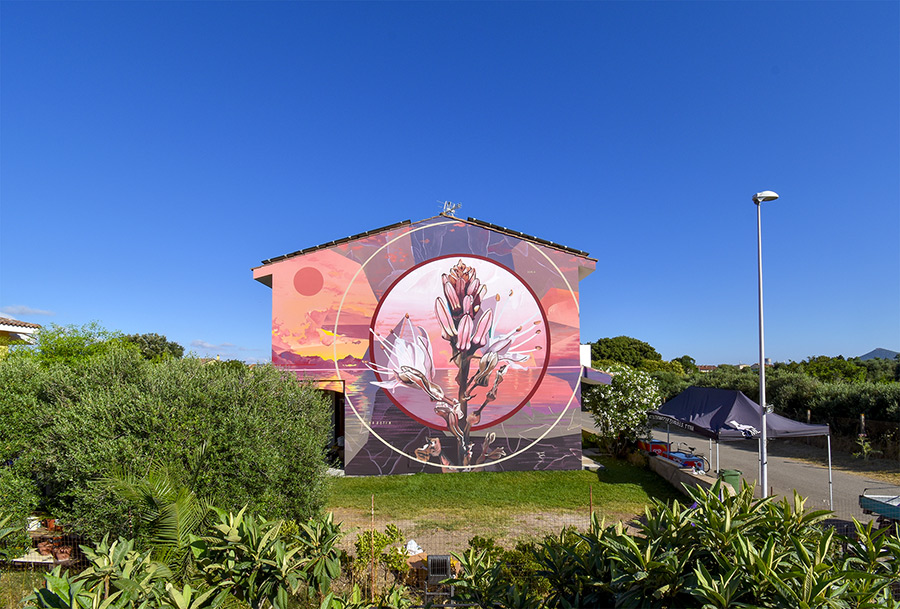
Dudes and dudettes, you KNOW it’s summertime! The flood of paint, legal and illegal, that is hitting walls in cities everywhere and possibly around your neighborhood – it’s outstanding. One artist who’s taking advantage of the good weather this year is Fabio Petani, who seems to bang out a mural every 15 days. Each is a lesson in botany and science, often revealing the plant and its uses in society- aside from aesthetics.
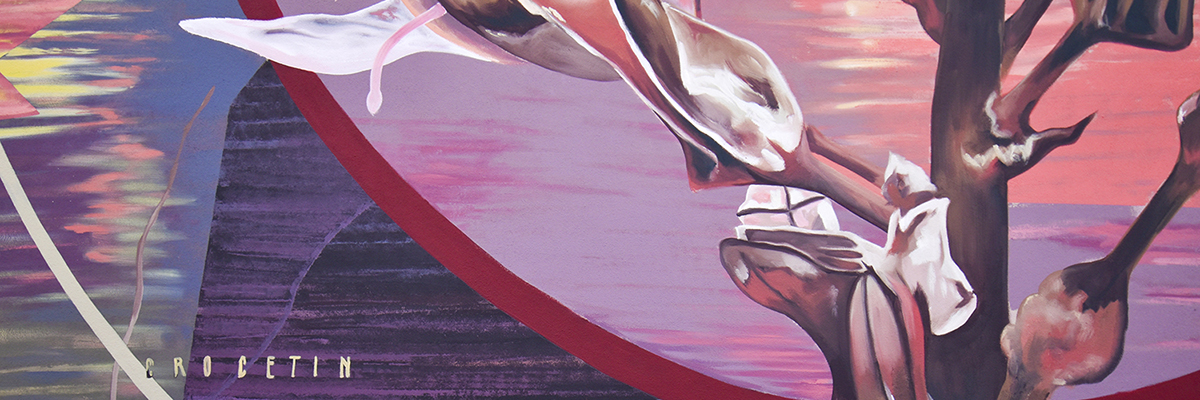
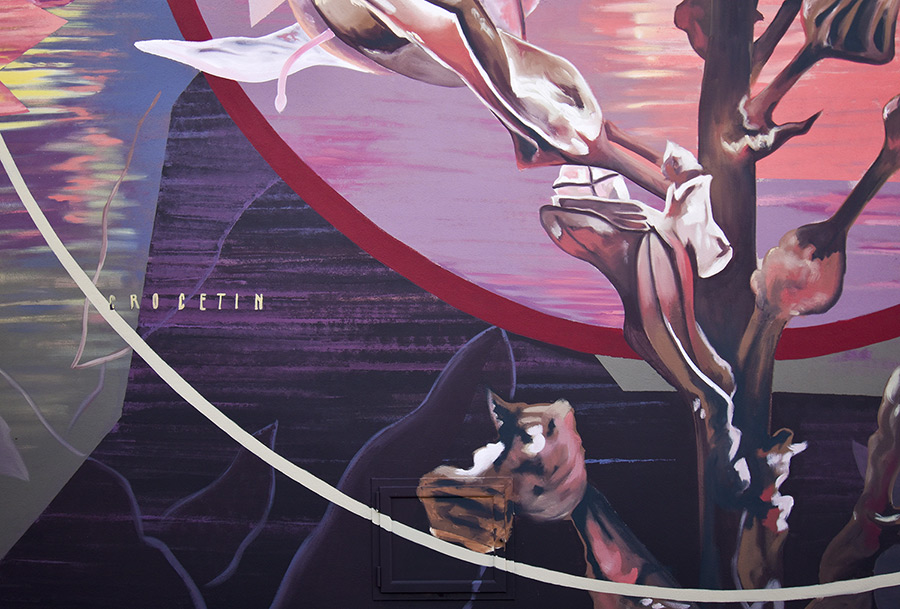
Here in San Gavino Monreale in the Province of South Sardinia (pop 8,700), Petani paints Crocetin & Asphodel, which is likely to be currently in season in many areas in this part of the world, producing something decidedly sweet. When the weather turns cold again Petani’s wall will remind the locals of this warm and lush season.
Petani gives us a full exigesis on his new work, Crocetin & Asphodel:
“The asphodel, a spontaneous plant of the Mediterranean scrub, of which the people of Sardinia have been able to exploit all the properties since the dawn of time, begins to flourish in this period, and perhaps for this reason it has assumed an almost magical value in the culture islander.
Once upon a time, there was no bride who did not have in her kit the baskets of asphodel, indispensable, in many different shapes and sizes for work in the kitchen, for the processing of bread and other foods that in ancient times were called at home.
The stems of the asphodel in fact constitute the raw material for the construction and weaving of the baskets. Furthermore, the stylized flower often recurs in embroidery and weaving works.
But there is a characteristic of the asphodel: from its white flowers, the bees produce a very precious, delicate, very clear, almost crystalline honey with a unique aroma, marketed almost exclusively in Sardinia.
It is rare honey and more expensive than the others, due to its delicate taste it is used in haute cuisine preparations and combined with equally fine foods with a refined flavor”
 BROOKLYN STREET ART LOVES YOU MORE EVERY DAY