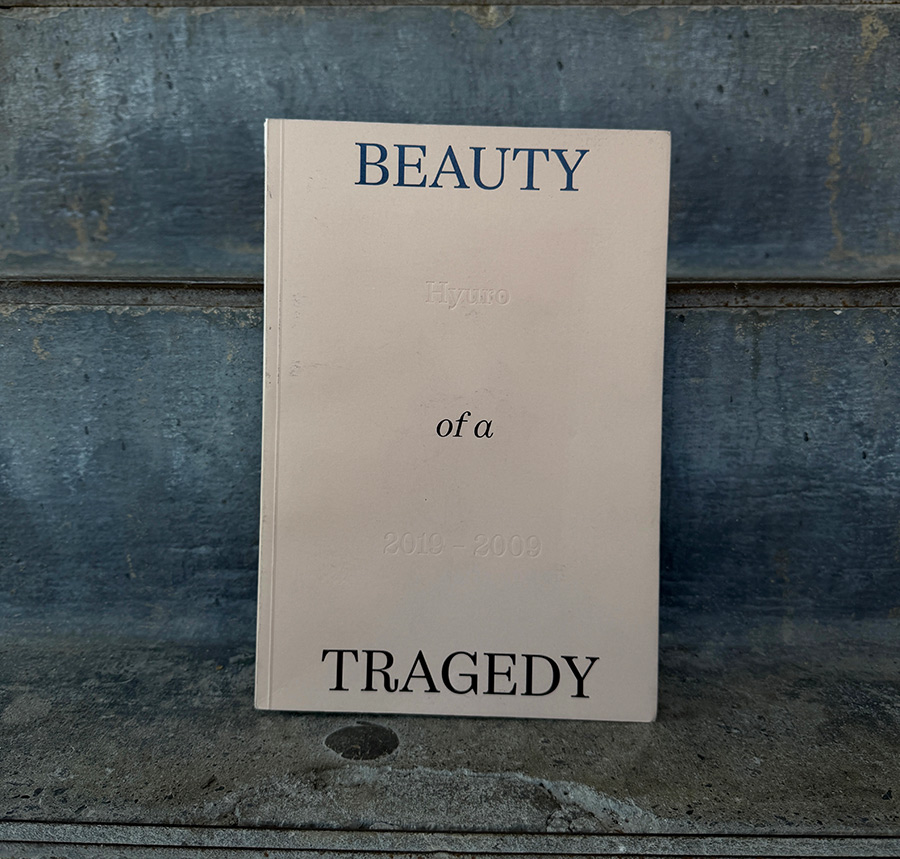
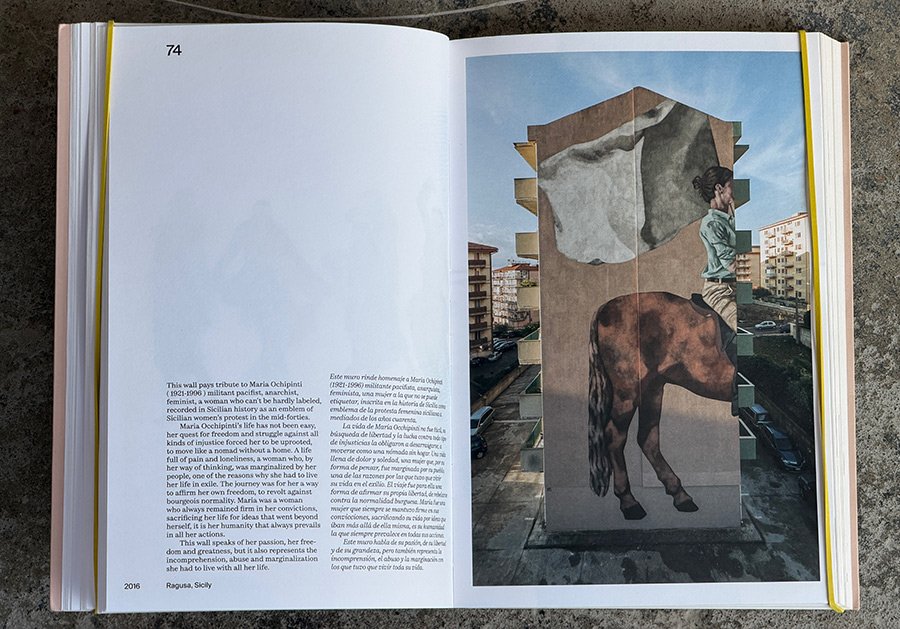
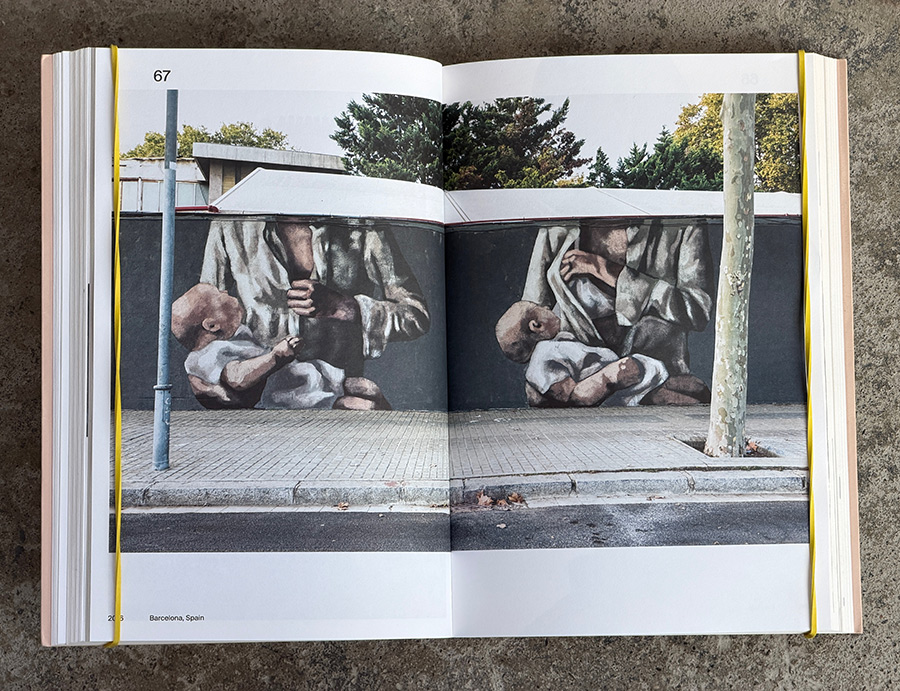
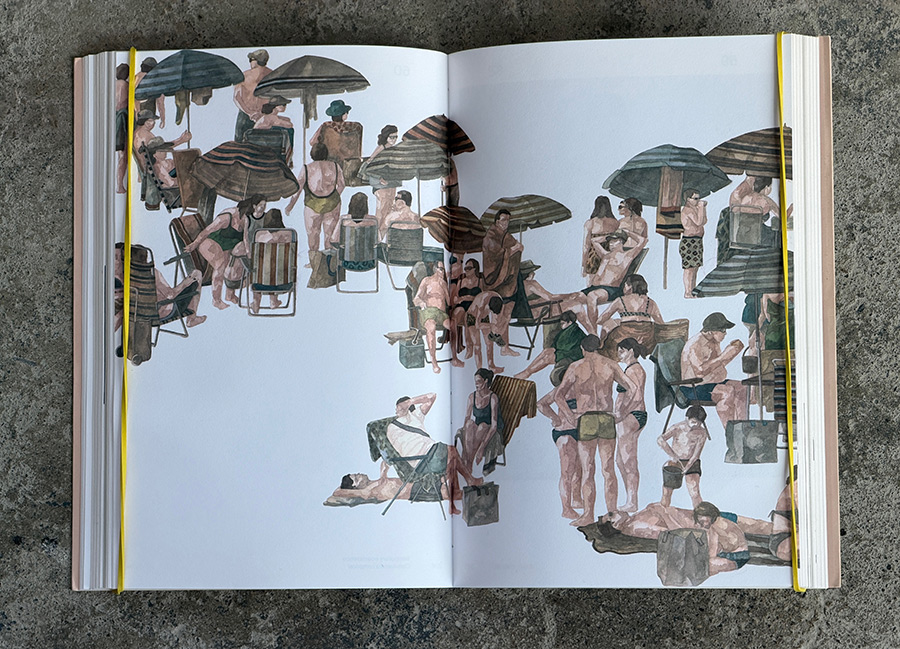
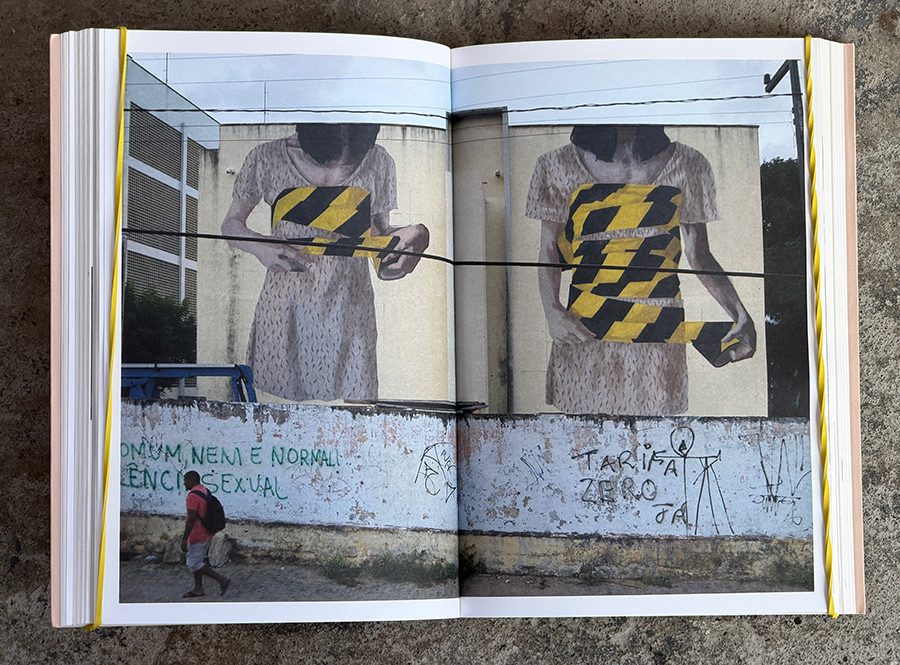
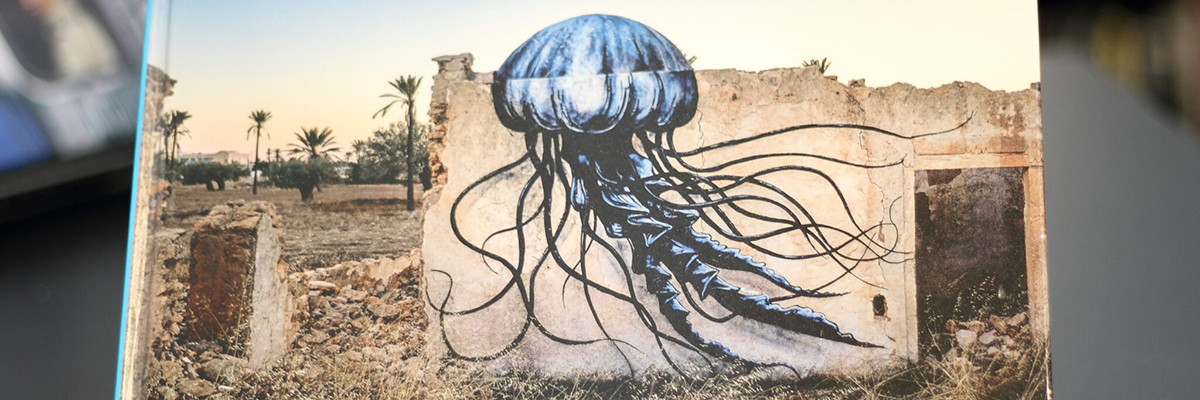
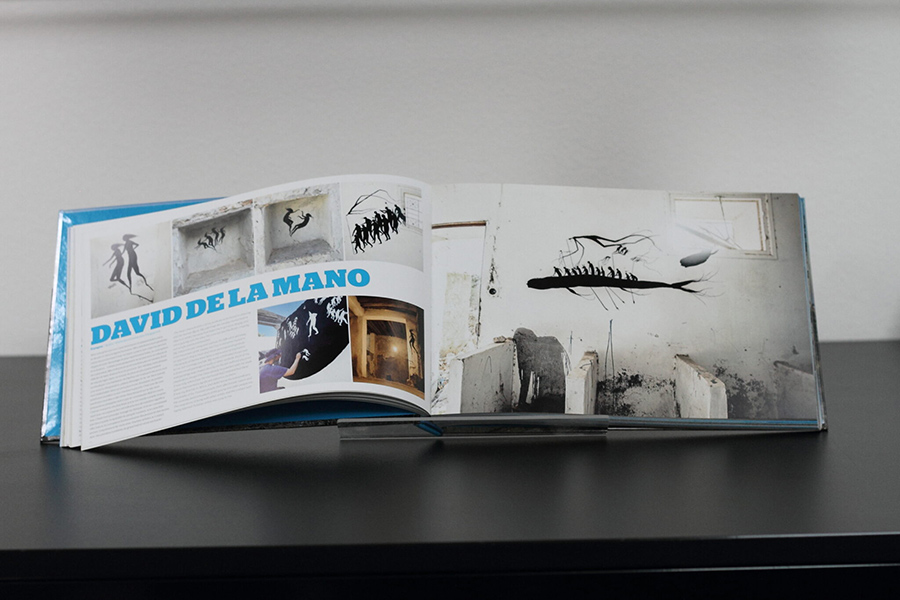
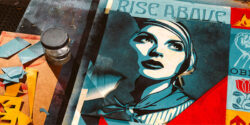
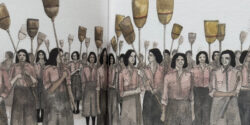
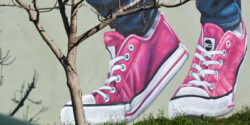
Beauty of a Tragedy gathers the work of the late Argentine muralist Hyuro (Tamara Djurovic), who died in 2020 at only forty-six, leaving behind one of the most thoughtful and quietly disruptive bodies of work to emerge from the street-art movement in the 2010s. The book, designed by Ângela Almeida and Maria Gómez-Senent, compiles murals, paintings, drawings, sketches, and Hyuro’s own texts. Also included are reflections from figures, including photographer Martha Cooper, street art festival curator Monica Campana, publisher/editor/curator Evan Pricco, and street artist Escif. Rather than presenting a conventional “street art monograph,” the publication reads more like a reflective archive of a mind at work—an artist trying to understand how individuals move through systems of power, vulnerability, and care.
Hyuro: Beauty Of A Tragedy. 2009-2019. Independently published. Valencia, 2022. Texts in English and Spanish.
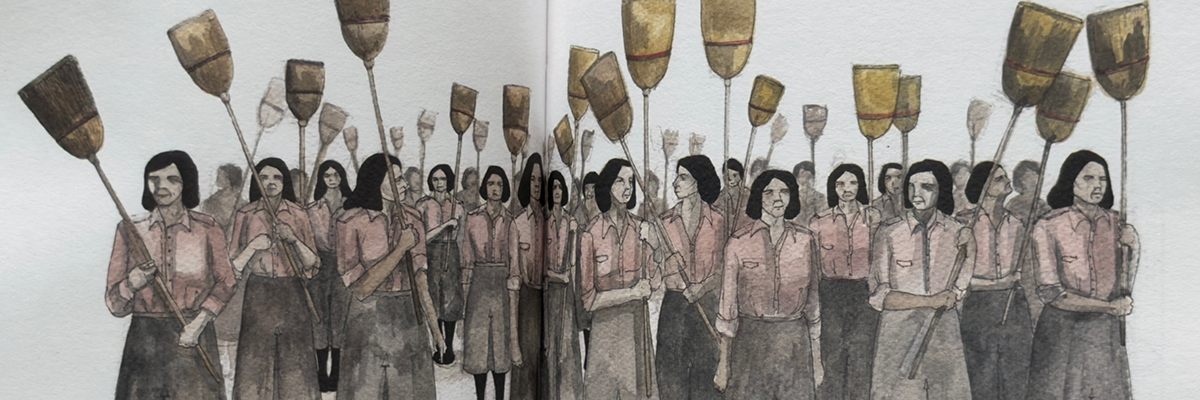
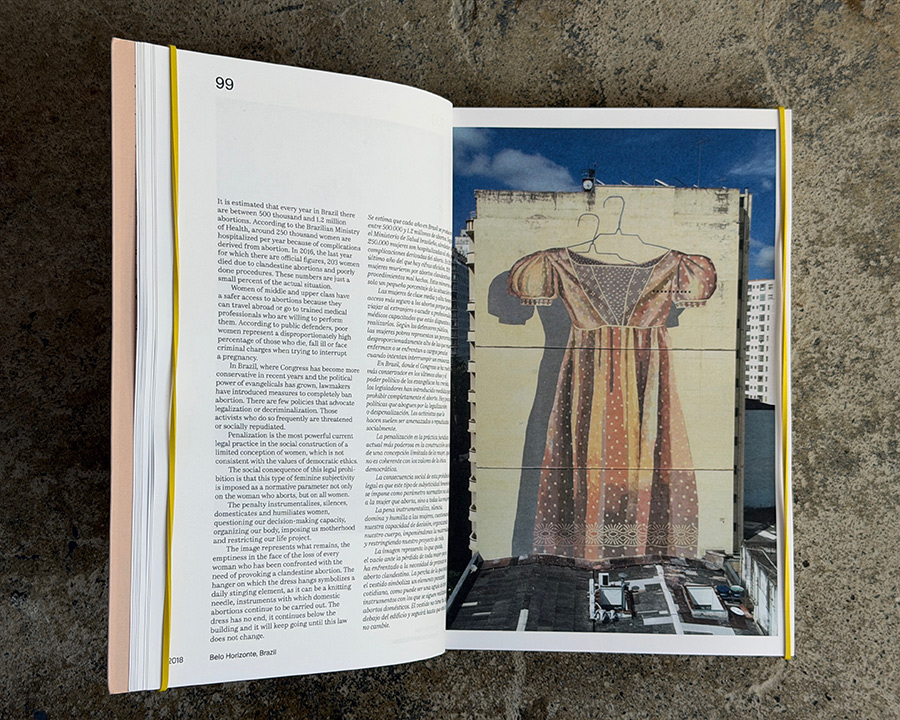
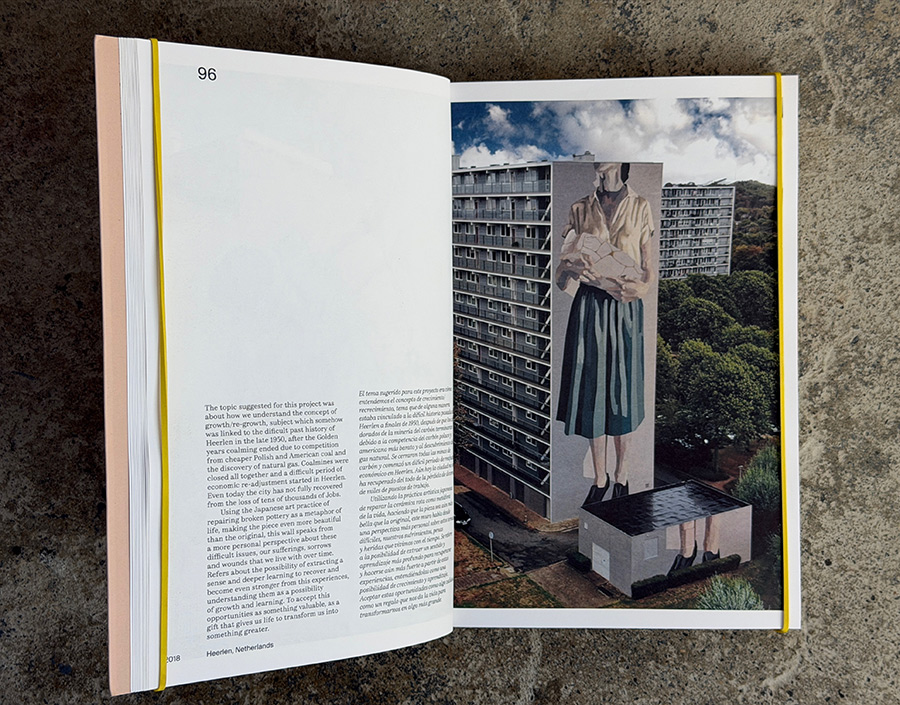
Across its pages, Hyuro’s central concerns appear with clarity: the social conditions imposed on women, the quiet violence embedded in political systems, and the fragile dignity of ordinary lives. With descriptive texts and personal observations, the writing make these motivations explicit. A mural in Fortaleza, Brazil examines the criminalization of abortion and the way the female body becomes “usurped territory” by the state; another, in Monteleone di Puglia, recalls a wartime uprising led by women protesting food restrictions under fascism. Elsewhere she turns to children affected by war, neighborhood life shaped by urban development pressures, or the internal contradictions that shape our identities. These are not decorative murals but acts of witness—images that look closely at, plainly reflect through metaphor and allusion—injustice without theatrical exaggeration.
You knew it then, but it becomes especially clear in the book just how dramatically Hyuro’s work diverged from the prevailing mood of the global street-art boom of the 2010s. While festivals multiplied and the movement embraced spectacle, branding, and easily digestible imagery, Hyuro worked in a different register. Her figures are often partially obscured, cropped, or faceless; gestures are restrained; color is quiet. Instead of offering instant visual gratification, her murals ask viewers to slow down and reflect. In her observations, Martha Cooper notes the deceptive simplicity of her approach—images drawn from everyday life but infused with the artist’s personal observations. Monica Campana, reflecting on Hyuro’s practice, sees a commitment to making the street feel more like a home, a space where vulnerability and resistance can coexist.
In that sense, the book reveals an artist who stood slightly apart from the parade of the street-art moment while still using its platforms and the energy spinning around it. Hyuro accepted the walls, the festivals, the global circulation of murals—but she used that visibility to amplify questions rather than spectacle. Her paintings became quiet interruptions in the visual noise of the city: reflections on women’s autonomy, memory, displacement, and the overlooked labor of care. They were large enough to attract attention, yet conceptually they resisted the simplifications and saccharine belly-button gazing that pulled street art off its rails.
Seen together in Beauty of a Tragedy, the works form something like a moral atlas of a decade—one that traces the pressures placed on bodies, communities, minds and histories. The title itself hints at Hyuro’s sensibility: beauty not as decoration but as a fragile human capacity to endure and to observe. In an era when the global street-art scene often celebrated brightness, scale, and spectacle, Hyuro offered something rarer—a form of muralism grounded in empathy, reflection, and the persistent demand that we look more carefully at the world we have made.
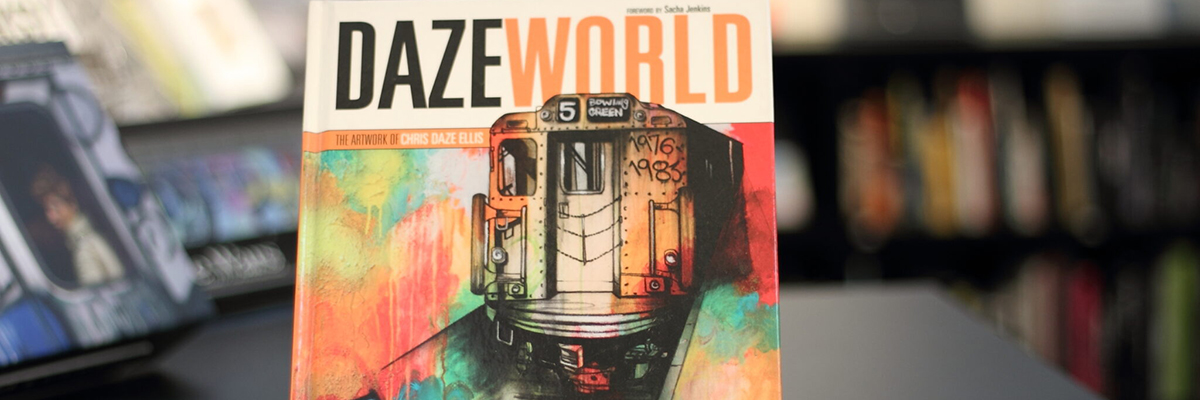
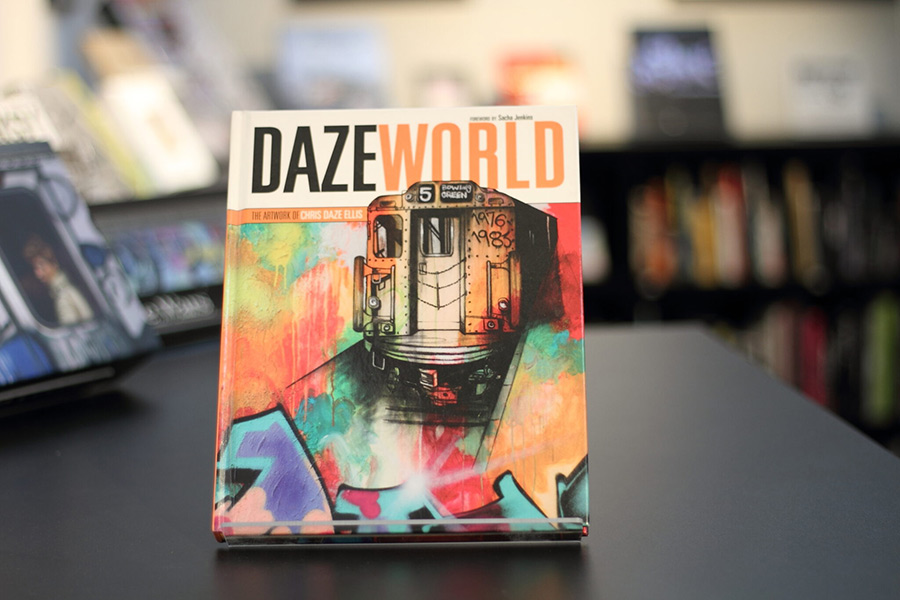
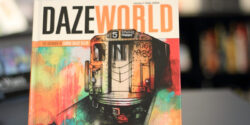
Dazeworld. The Artwork of Chris “Daze” Ellis. Chris “Daze” Ellis. 2016
Reprinted from the original review.
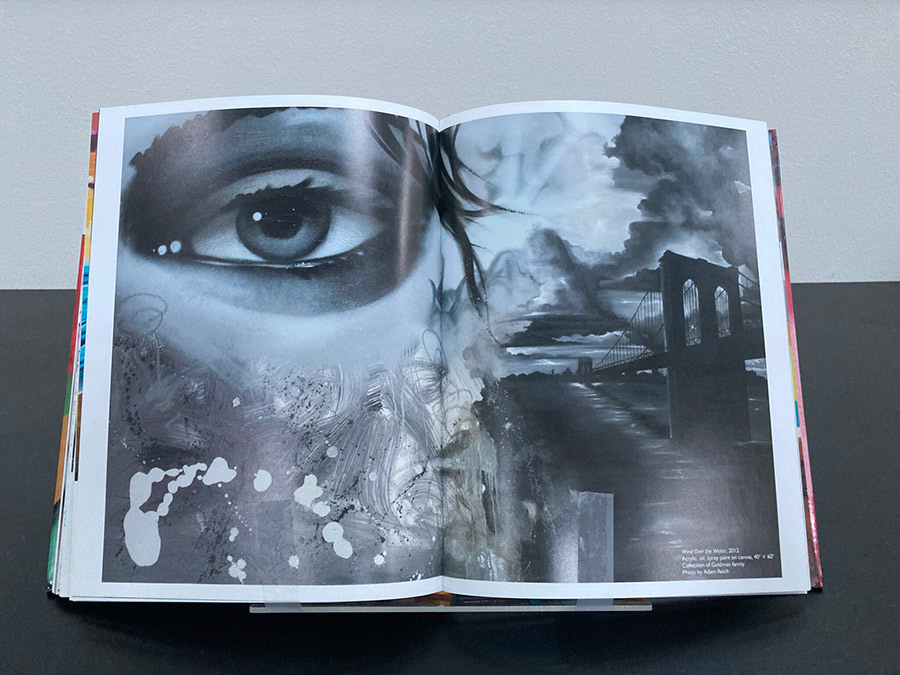
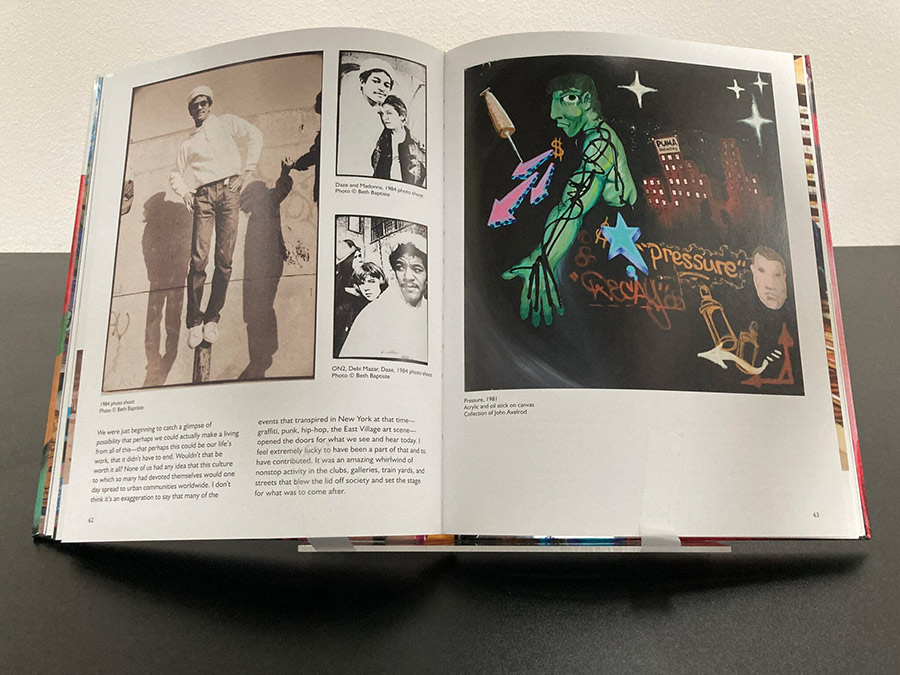
Daze’s world has always been kinetic—its energy drawn from the tracks, tunnels, and streets that once defined New York City’s pulse. Dazeworld: The Artwork of Chris “Daze” Ellis captures that charge across four decades of work, documenting his evolution from teenage train writer to established painter and mentor. Published by Schiffer, the 168-page monograph gathers over 250 photographs—many previously unseen—that chart an artist moving between public space and private reflection.
In these pages, Daze’s early graffiti runs again across the MTA’s rolling stock, documented by Martha Cooper and others who witnessed the golden age firsthand. Those images, raw and archival, sit beside luminous canvases and murals that reveal a mature painter unafraid of introspection. As Daze writes in his introduction, this is not an autobiography in the literal sense but a guided journey through formative moments – “the seminal points that shaped my art and allowed me to continue to evolve as an artist.”
Text Steven P. Harrington & Jaime Rojo Fotos Eveline Wilson
Title: Dazeworld. The Artwork of Chris “Daze” Ellis. Published: Schiffer Publishing LTD, 2016 Author: Chris “DAZE” Ellis Language: English
Djerbahood: Open Air Museum of Street Art. Mehdi Ben Cheikh. 2015
Reprinted from the original review.
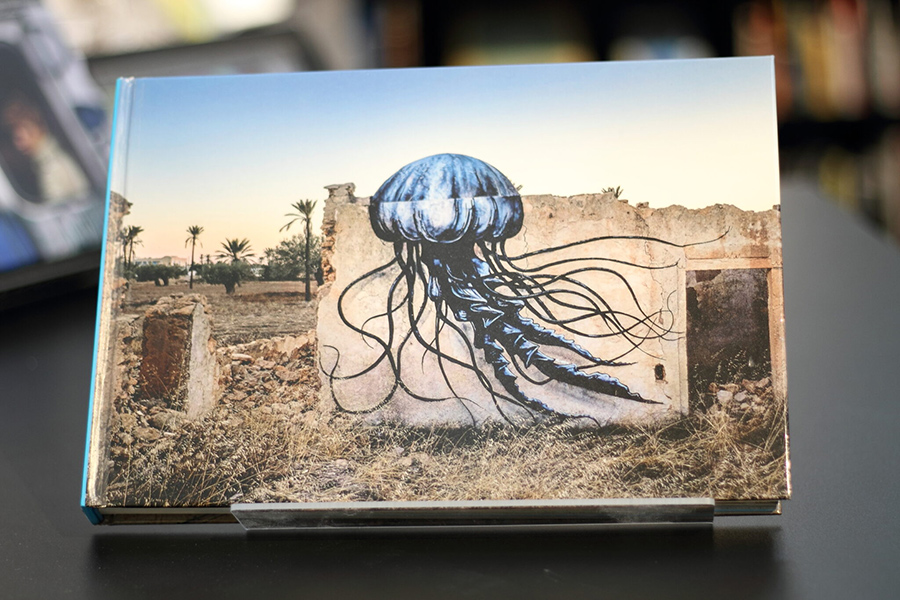
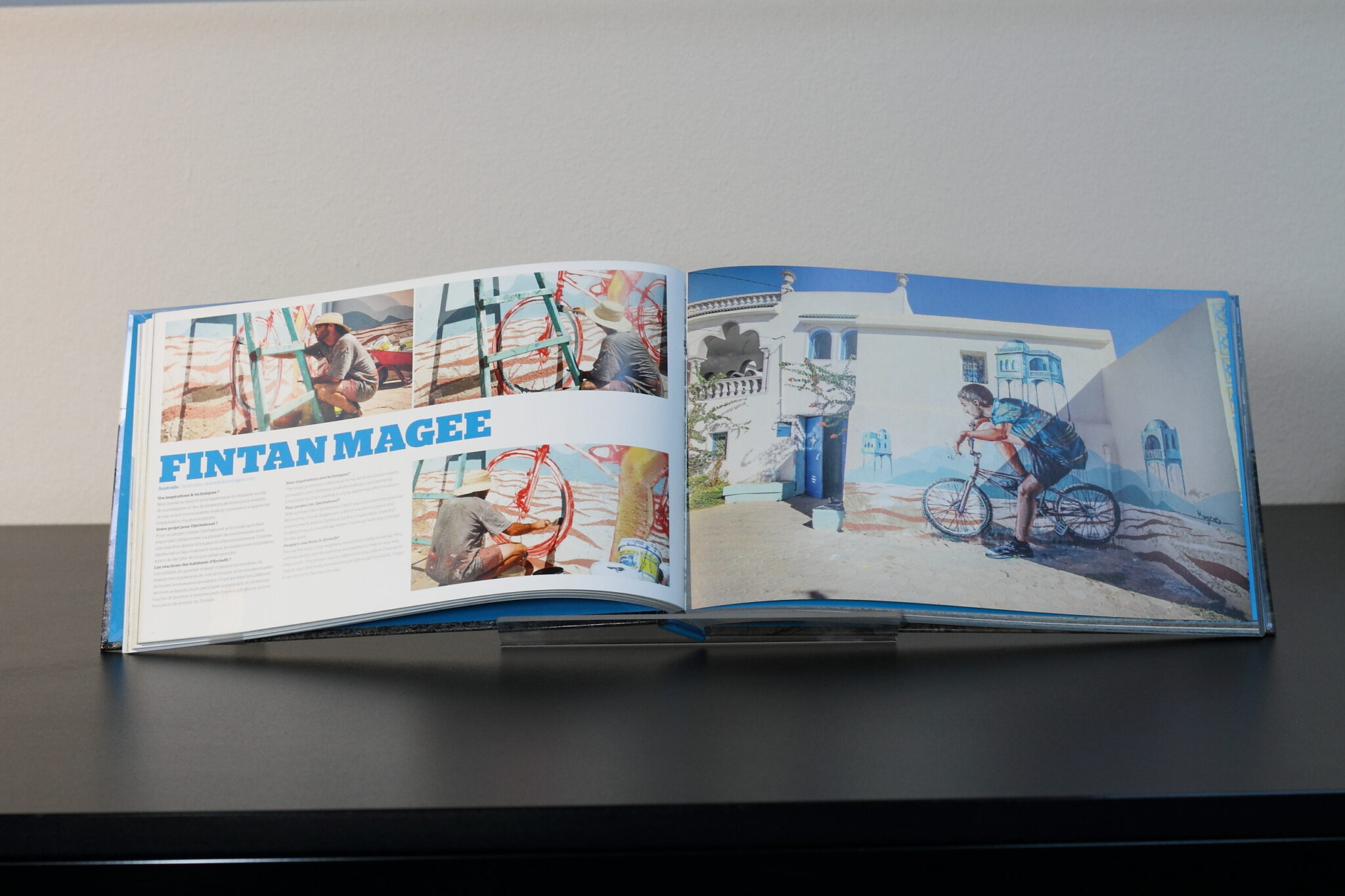
If Tour Paris 13 was the demolition swan song of an era, Djerbahood may feel like an expansive sunrise on the other side of the world. Conceived by gallerist and curator Mehdi Ben Cheikh and realized in the whitewashed village of Erriadh on the island of Djerba, Tunisia, this project gathered more than one hundred artists from thirty countries to create what Ben Cheikh calls a “museum à ciel ouvert”—an open-air museum under the North African sun. The resulting book, published by Albin Michel, offers a monumental visual record of this transformation: 500 photographs across 272 pages, documenting walls, artists, and villagers in a rare moment of collective creation.
In these images, the desert light hits walls like paper. Works by eL Seed, ROA, Pantonio, Phlegm, Jaz, Fintan Magee, Curiot, Inti, and Sebas Velasco coexist with local architecture—white domes, low arches, latticed shadows—turning the town into a living gallery. As Brooklyn Street Art observed in its review, Djerbahood “absorbs your mind and imagination, giving you a sense of the place and the people who live there.” It’s true: the book’s pacing—half atlas, half photo-essay—lets readers wander through alleys as if following the scent of plaster and sea air.
Text Steven P. Harrington & Jaime Rojo Fotos Eveline Wilson
Title: Djerbahood: Open Air Museum of Street Art Published: Published by Albin Michael / Galerie Itinerrance, Paris, 2015 Author: Mehdi Ben Cheikh Language: English
WAONE: Worlds of Phantasmagoria, Vol. 1. Vladimir Manzhos. 2020
Reprinted from the original review.
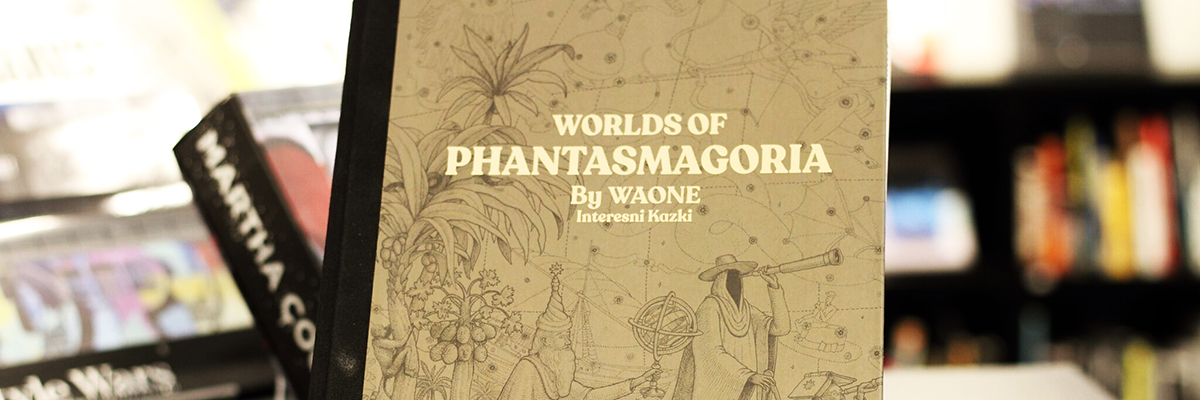
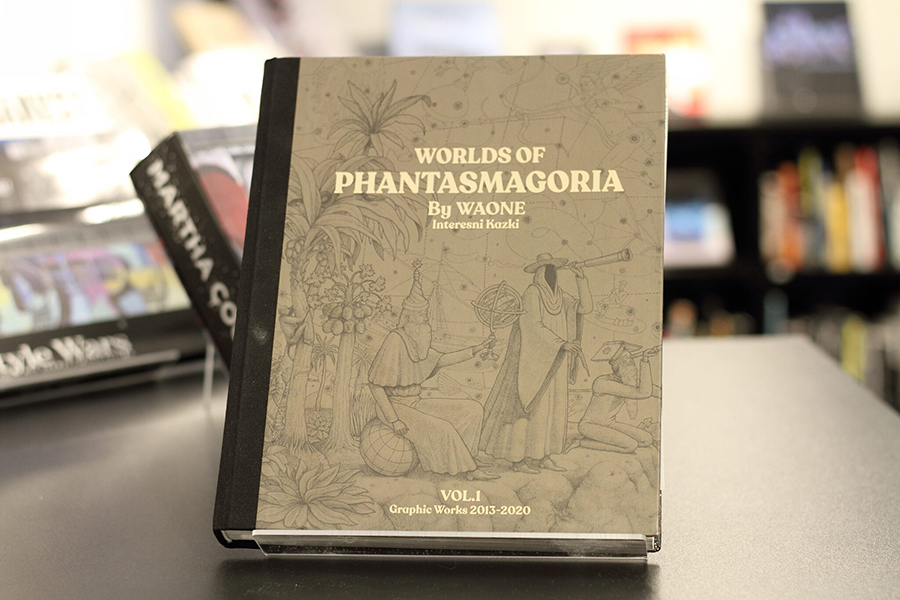
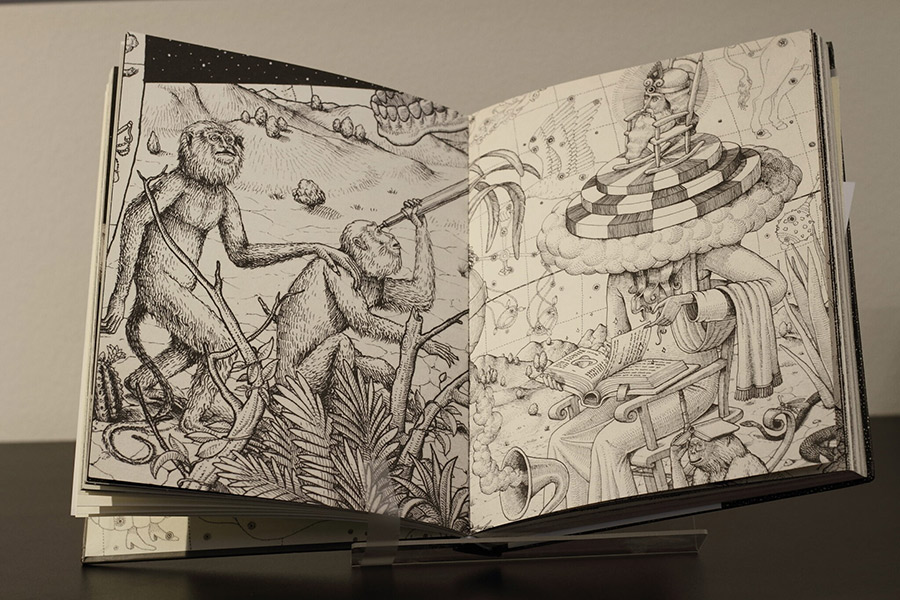
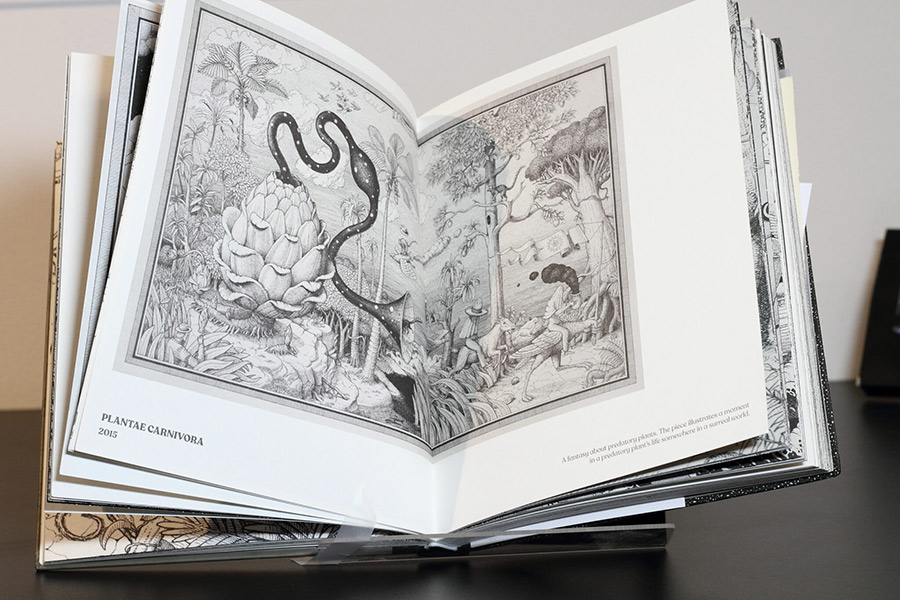
Worlds of Phantasmagoria, Vol. 1 is a comprehensive exploration of the monochromatic works of Ukrainian artist Vladimir Manzhos, known as WAONE. Spanning the years 2013 to 2020, this 208-page hardcover book provides a chronological view of his artistic evolution. It highlights his transition from large-scale, colorful murals in public spaces to intricate black-and-white compositions created in the studio.
The book features a range of works, including murals, ink drawings, etchings, and lithographs, each accompanied by detailed narratives from the artist. These descriptions provide insight into WAONE’s creative process and the philosophical themes that underpin his work. Drawing inspiration from mythology, folklore, science, and personal introspection, his pieces weave together surreal imagery with symbolic depth.
With the aesthetics of a musty and mythical library, the illustrations open the preconceptions of psychology, offering myriad views through recombining familiar elements into unusual associations. In the process, you travel with Waone as he dedicates himself to this uncolorful view, which is nonetheless rich, if not tinged with a bit of antiseptic horror.
Text Steven P. Harrington & Jaime Rojo Fotos Eveline Wilson
Title: WAONE: Worlds of Phantasmagoria, Vol. 1 Published: WAWE 2020 Author: Vladimir Manzhos (WAONE) Language: English
Bill Posters. The Street Art Manual. September, 2020.
Reprinted from the original review.
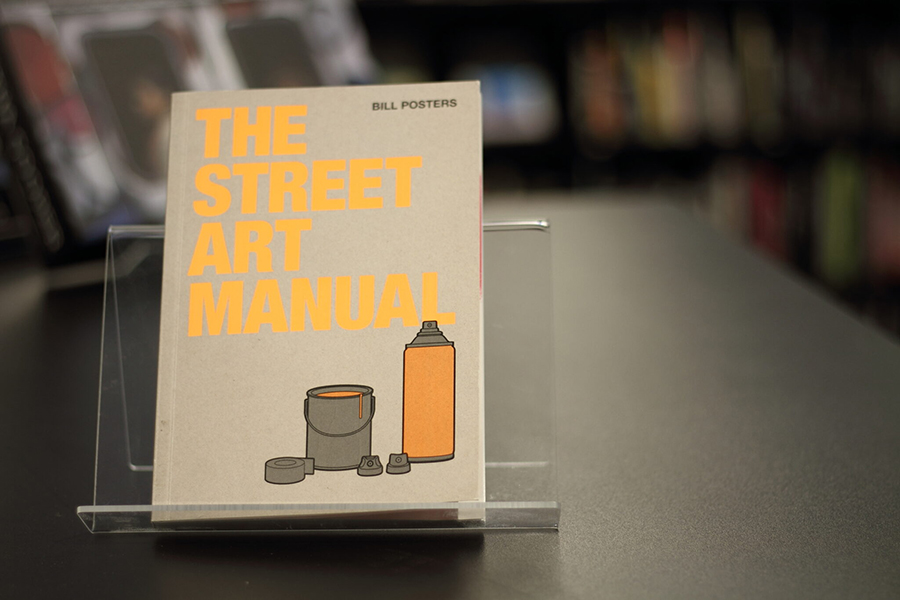
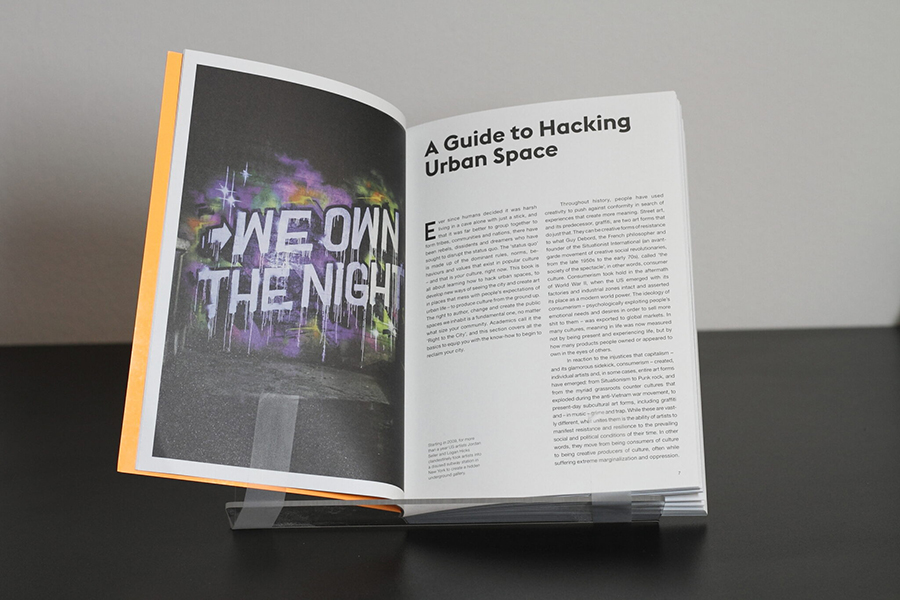
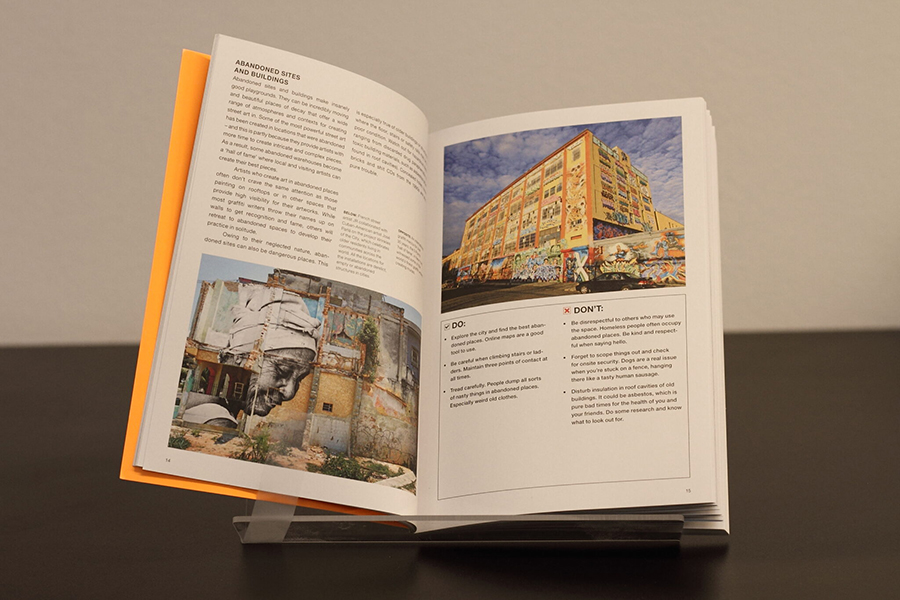
A field guide to resistance and reinvention, The Street Art Manual by artist and agitator Bill Posters is equal parts DIY toolkit, art history primer, and subversive etiquette handbook. Structured with the confidence of a seasoned practitioner and the welcoming, humorous tone of a supportive older sibling, the book offers practical instruction and philosophical grounding for anyone intent on engaging with public space creatively—and responsibly.
Posters, co-founder of the Brandalism project and known for controversial deep-fake online campaigns like Spectre, brings a broad knowledge of global activist art movements to the table. From Beuys’ notion of “social sculpture” to John Fekner’s typographic landmines and the ACT UP visuals of the AIDS crisis, the opening chapters trace a lineage of public dissent that informs his own practice. These references aren’t dusty citations but sharp reminders that creativity in the streets has always been more than aesthetics—sometimes it feels like survival, strategy, and classic satire.
Text Steven P. Harrington & Jaime Rojo Fotos Eveline Wilson
Title: The Street Art Manual Published: Laurence King Publishing. September 08, 2020 Author: Bill Posters Language: English
Nearing two decades of this annual list, BSA has changed as the local and global street art/graffiti/fine art scenes have. Less interested in the celebrity and more interested in the people and passions that drive the need to express yourself creatively in public space, BSA has gone through whatever doors opened and a few that were slammed shut. Our shortlist for 2025 reflects a diversity within the street art, graffiti, and fine art worlds that many once assumed would become centralized and homogenized.
Sure, there is a lot of derivative drippy “street art” dreck at art fairs and on particular walls. Still, we suggest the scene is no longer best described as a single movement traveling toward institutional acceptance. We would also argue that it was never the goal, regardless of the Street Art hype of the 2010s. In an interconnected artist’s life, this ‘scene’ is a network of practices that share tools (reproduction, scale, public encounter), ethics (authorship vs anonymity, permission vs necessity), and stakes (who gets to speak in public, and how).
The common threads aren’t style, or even medium—they are circulation, context, and the social life of images. In that sense, this group of books doesn’t just document a year; it maps a portion of the expanded field where street culture, publishing culture, and contemporary art culture now overlap—sometimes comfortably, sometimes in productive friction.
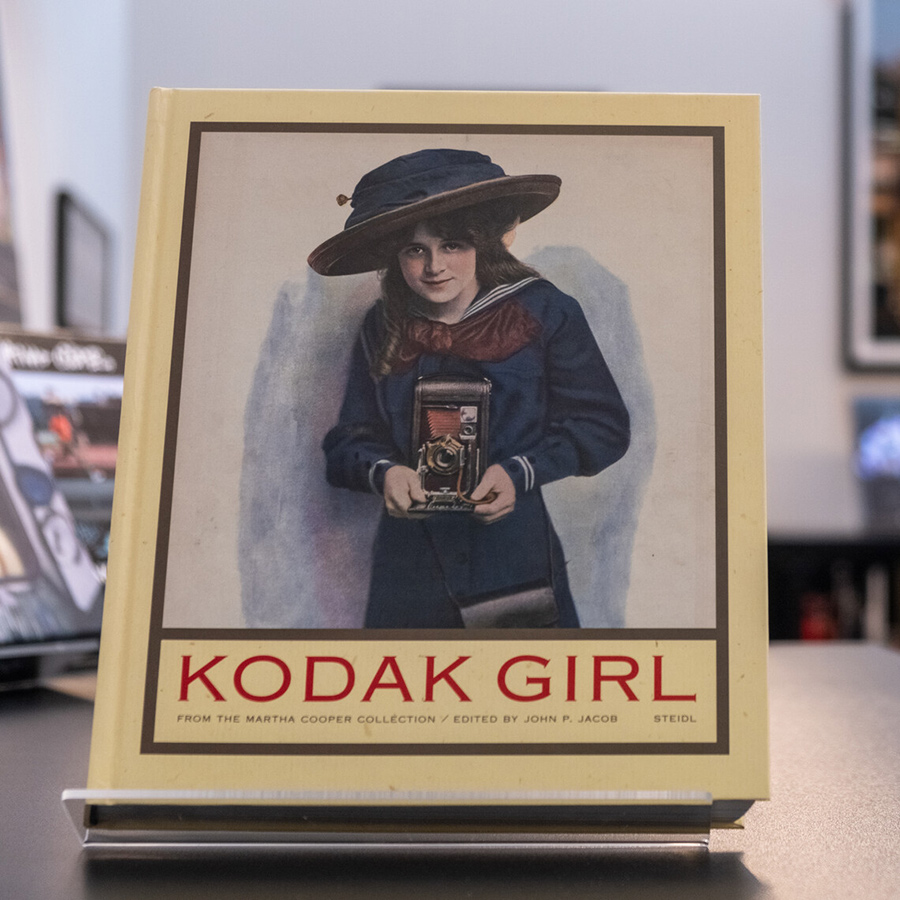
Books in the MCL: John P. Jacob (ed.). “Kodak Girl: From the Martha Cooper Collection”
Kodak Girl: From the Martha Cooper Collection. John P. Jacob (ed.). 2012
From BSA:
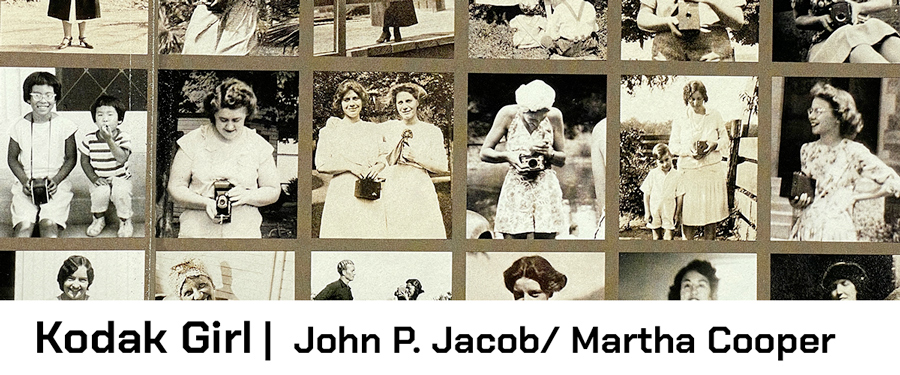
“Kodak Girl: From the Martha Cooper Collection“, edited by John P. Jacob with essays by Alison Nordström and Nancy M. West, provides an in-depth examination of Kodak’s influential marketing campaign centered around the iconic Kodak Girl. With a riveting collection of photographs and related ephemera, the book dives into the intersection of technology, culture, and the role of gender in the late 19th to the mid-20th centuries. It offers readers a comprehensive look at how Kodak not only transformed photography into a widely accessible hobby but also significantly influenced societal perceptions of women.
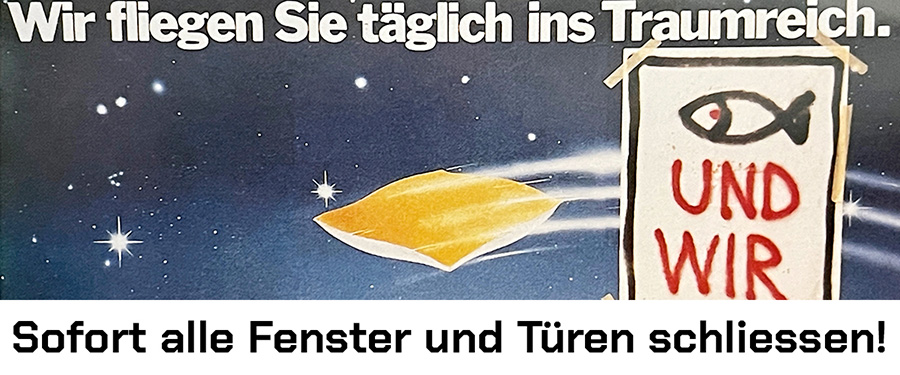
Sofort alle Fenster und Türen schliessen! (Immediately Close All Windows and Doors)
Poster campaign in Basel (Switzerland), 1986, by anonymous artists to highlight the Sandoz fire disaster in Schweizerhalle. Zine photographed and printed anonymously, Basel 1986. Self-published. No longer available for purchase.
From BSA:
On the night of November 1, 1986, Basel was told to “immediately close all windows and doors.” A fire ripped through a Sandoz chemical warehouse, and the Rhine River ran red with toxic runoff. Thousands of fish floated belly-up, and citizens were left in fear and fury, just months after the trauma of Chernobyl【1】.
When the authorities stumbled and minimized the danger, Basel’s artists and students seized the opportunity to express themselves on the walls. Within days, in the middle of the night, activists from the School of Design plastered the city’s billboards and poster kiosks with their furious responses【2】. They worked fast, stayed anonymous, and left the streets covered with raw, hand-painted images and biting slogans.
Interpreting Warmia’s Hidden Patterns from Above and Within
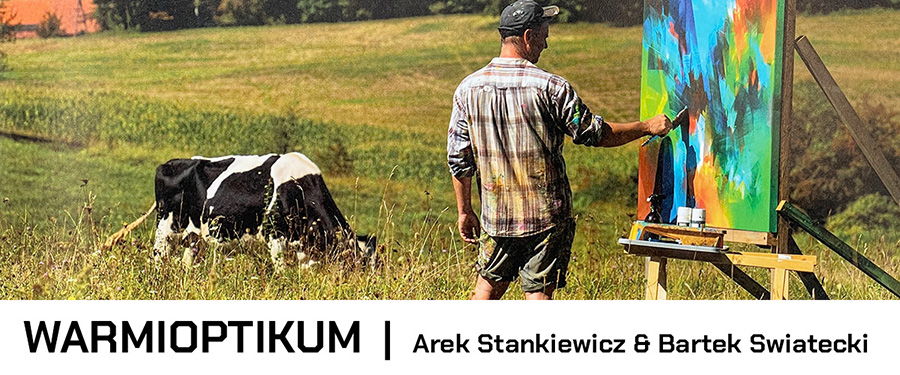
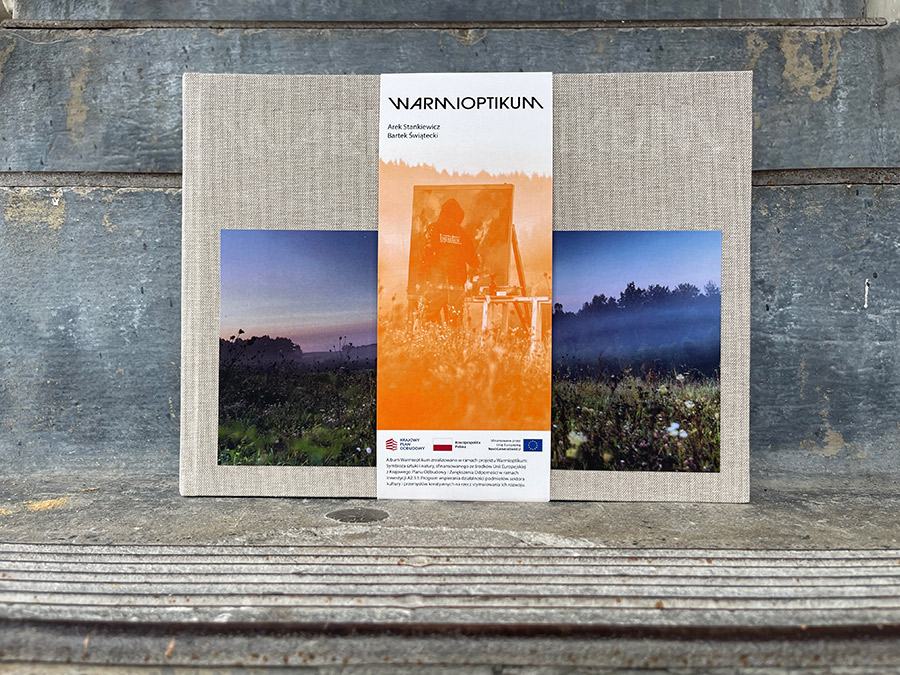
Bartek Swiatecki’s latest book, Warmioptikum, is a striking fusion of abstract painting and aerial photography, capturing the landscapes of Warmia, Poland, from a new perspective. Featuring Swiatecki’s expressive, in-the-moment paintings set against Arek Stankiewicz’s breathtaking drone photography, the book transforms familiar rural scenes into an evolving conversation between art and nature.
Swiatecki, known for his roots in graffiti and urban abstraction, takes his practice beyond the cityscape and into open fields, painting directly within the environment. Stankiewicz’s aerial lens frames these artistic moments, emphasizing their relationship with the land’s patterns, textures, and rhythms. As noted in the book’s foreword by Mateusz Swiatecki, Warmioptikum is a documentation and an exploration of how we perceive and engage with landscape, helping the reader see Warmia through “extraordinary perspectives and new, nonobvious contexts.”
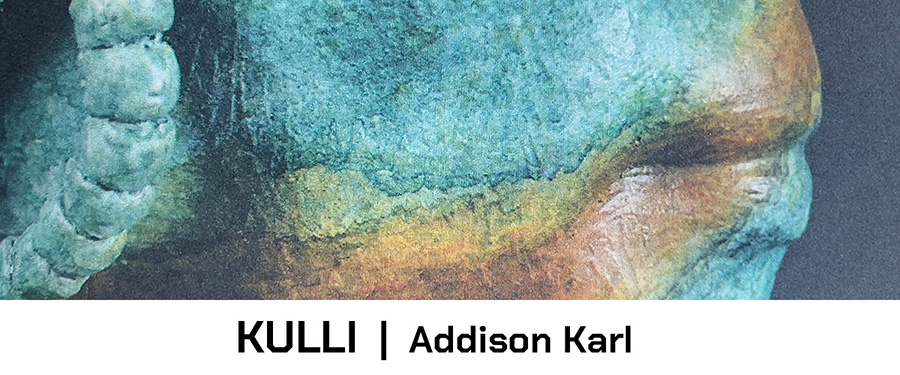
Addison Karl. KULLI. A Natural Spring of Artwork, Sculpture, Painting, Drawing, Public Art, and Inspiration. Self-published. Monee, IL. 2024.
From BSA:
Over the last two decades of covering the street art movement and its many tributaries, one of the deepest satisfactions has been watching artists take real risks, learn in public, and mature—treating “greatness” as a path rather than a finish line. Working at BSA, we’ve interviewed, observed, and collaborated with scores of artists, authors, curators, institutions, and academics; it’s been a privilege to see where they go next.
Addison Karl’s self-published 2024 monograph, “KULLI: A Natural Spring of Artwork, Sculpture, Painting, Drawing, Public Art, and Inspiration,” reads as a first-person chronicle from an artist who moved from the wall to the plaza to the foundry without losing the intimacy of drawing. Dedicated to his son—whose name titles the book—KULLI threads words, process images, and finished works across media: murals, cast-metal and glass sculptures, drawings, and studio paintings, all guided by a sensibility that treats color and material as vessels for memory and place.
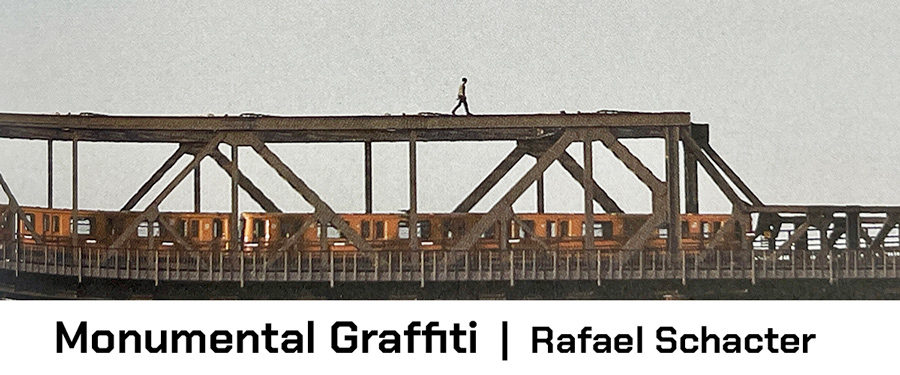
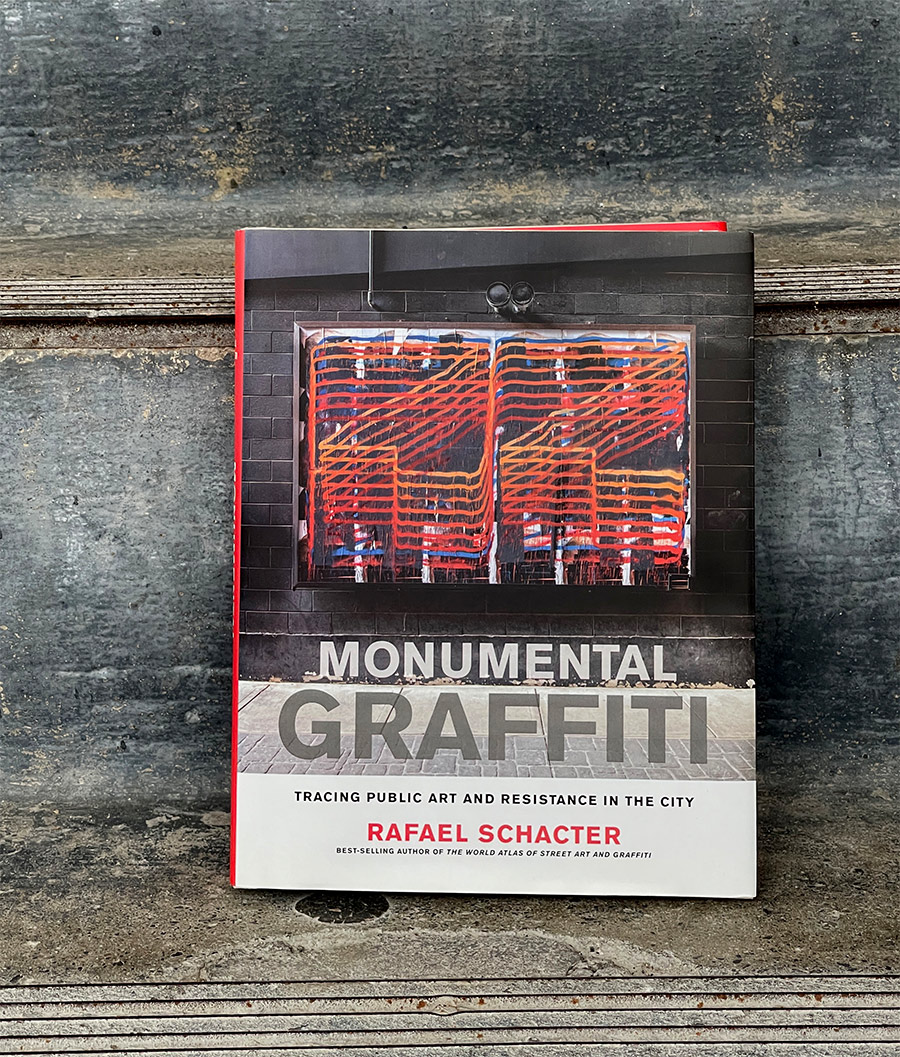
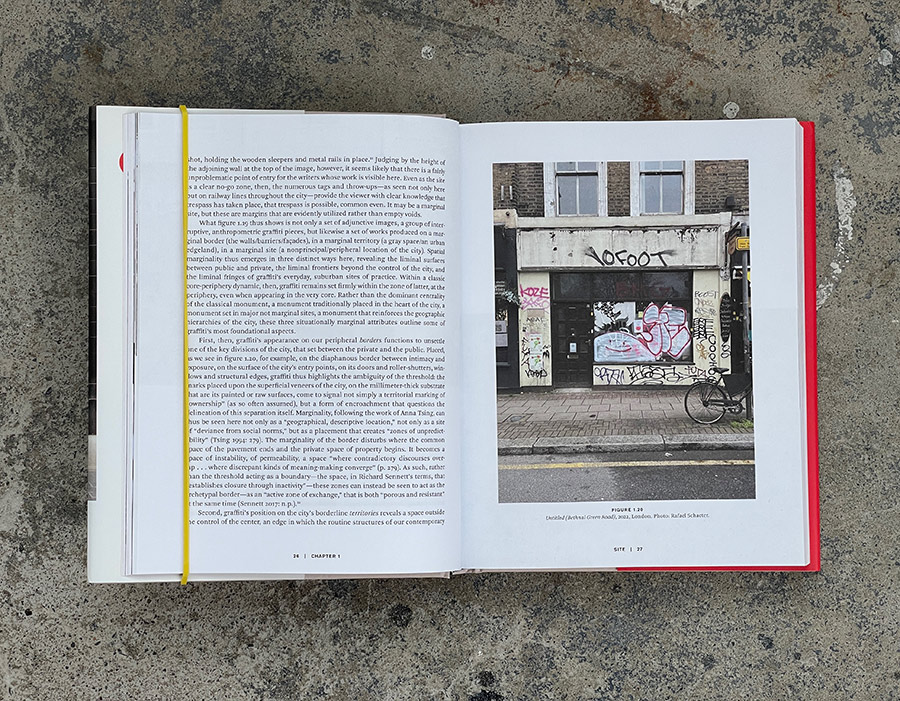
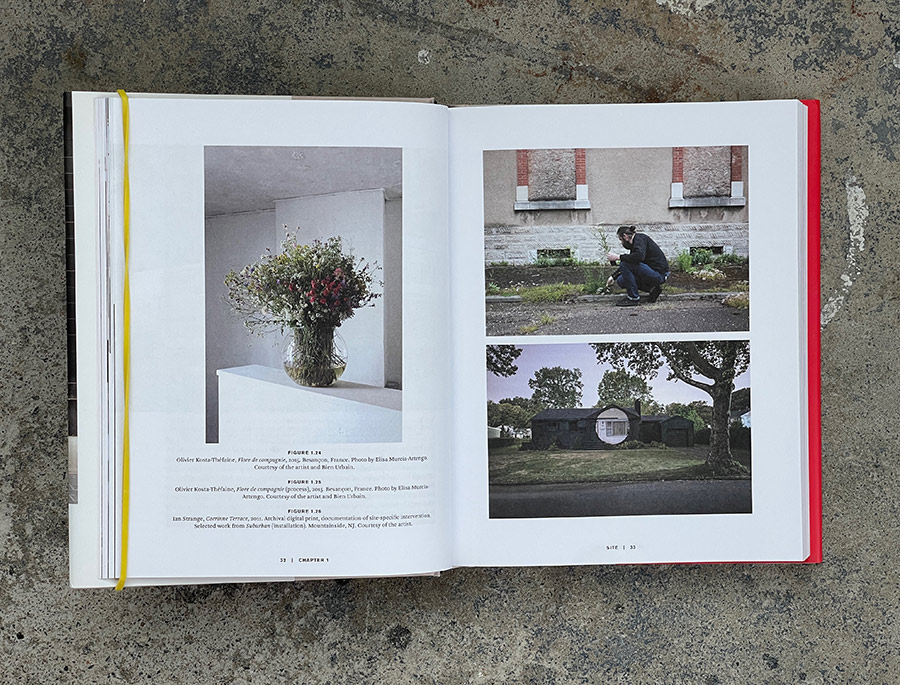
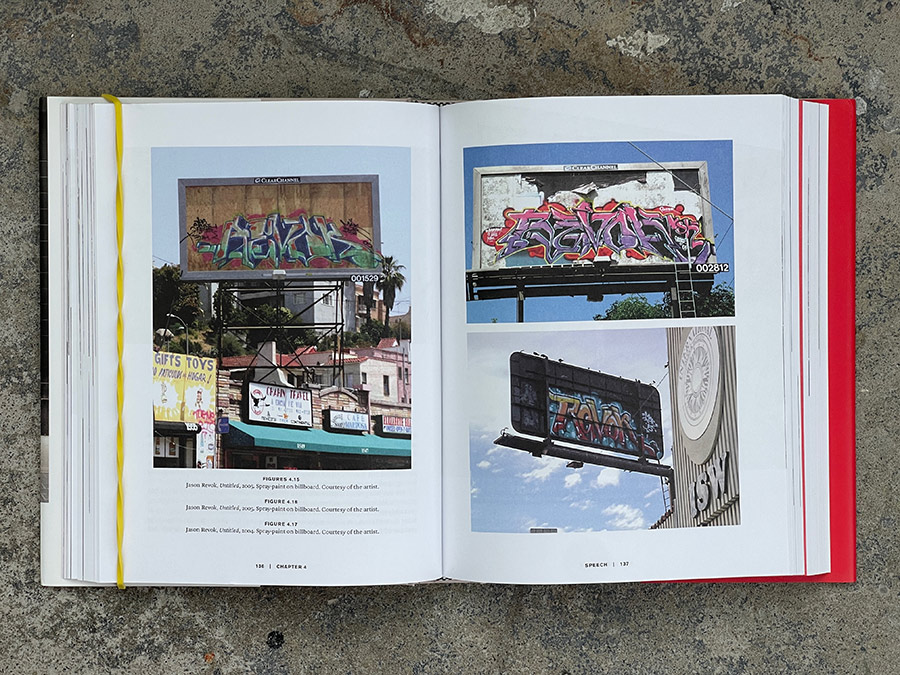
Rafael Schacter. Monumental Graffiti. Tracing Public Art and Resistance in The City. MIT Press. 2024
From BSA:
Graffiti is a living monument—an act of doing rather than keeping.
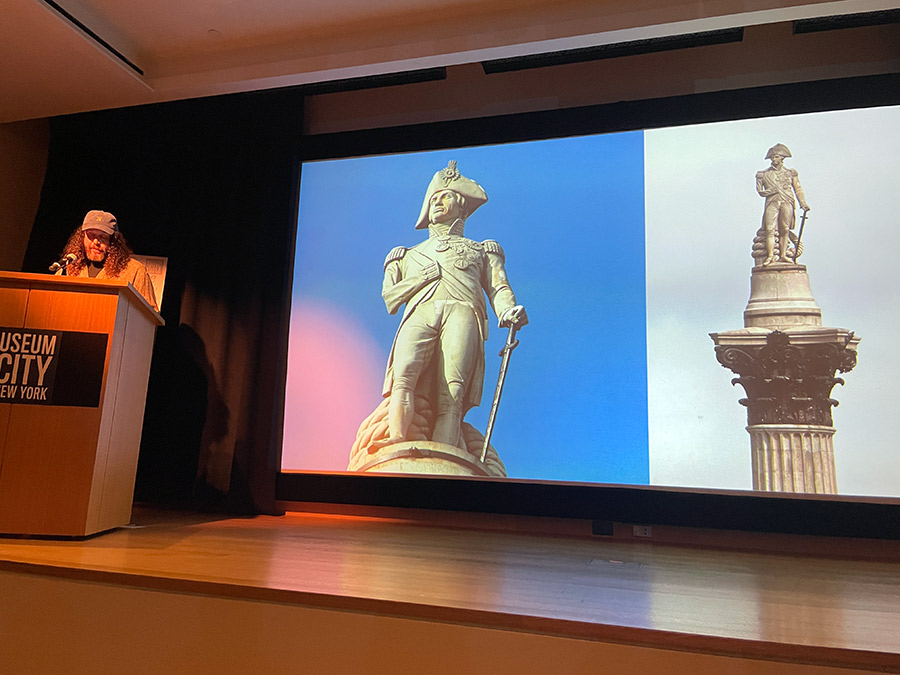
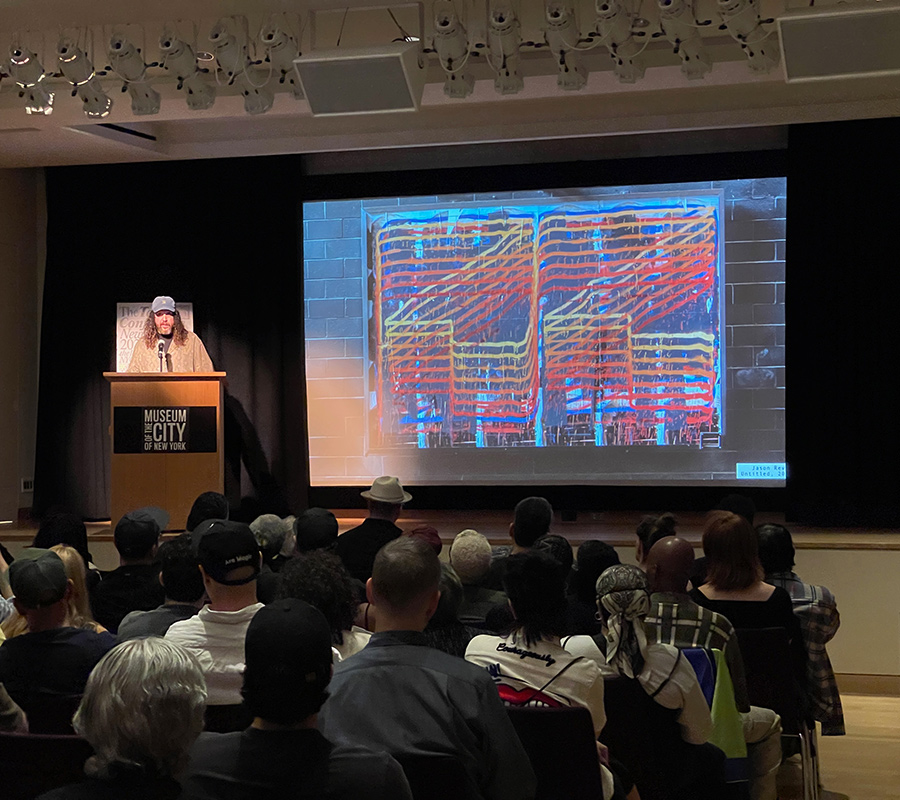
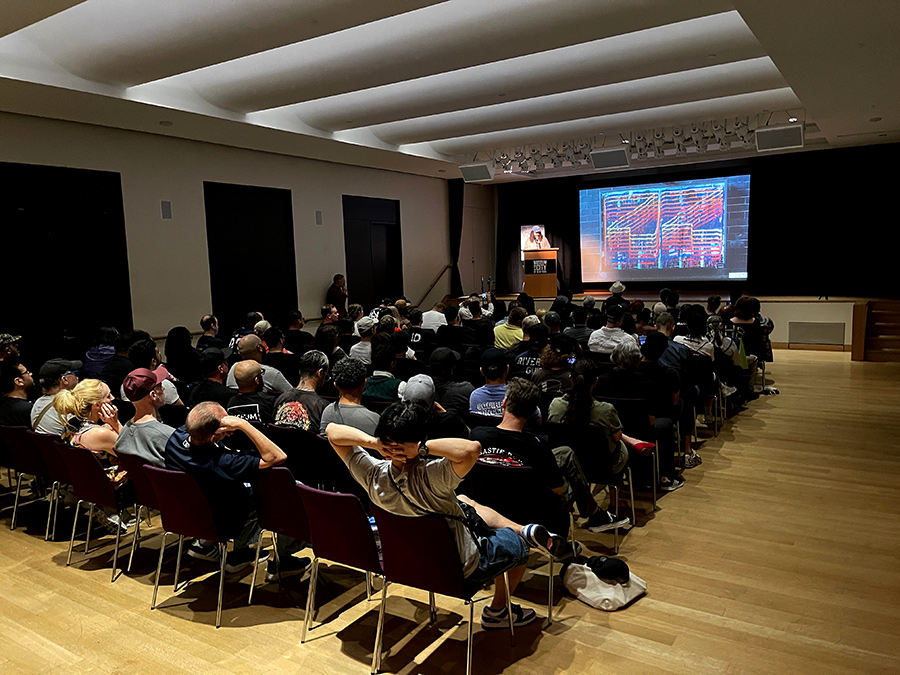
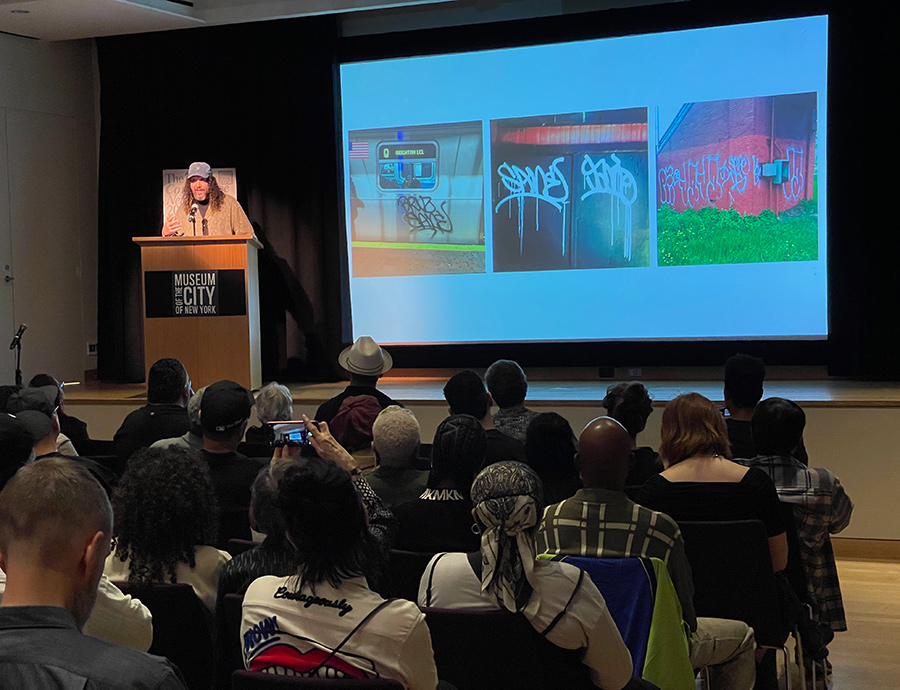
Rafael Schacter has been offering an alternative to institutional monumentality in his latest book Monumental Graffiti (2024). He buttressed his alternative view during his keynote speech for the New York 2025 Tag Conference (BSA is a sponsor). To a packed audience at the Museum of the City of New York, Schacter talked about a monumentality that is grounded in community, embodiment and the acceptance of transience as truth.
In his talk and his book, the London-based art historian argues that monuments and graffiti can illuminate each other: monuments don’t need to be grand or permanent, but can be understood—as their Latin root monere suggests—as acts that remind, advise, or warn. Drawing on counter-monuments and non-Western traditions, he would like to redefine monuments as socially and emotionally engaging public artifacts that may be ephemeral, community-driven, and conceptually monumental rather than physically imposing.
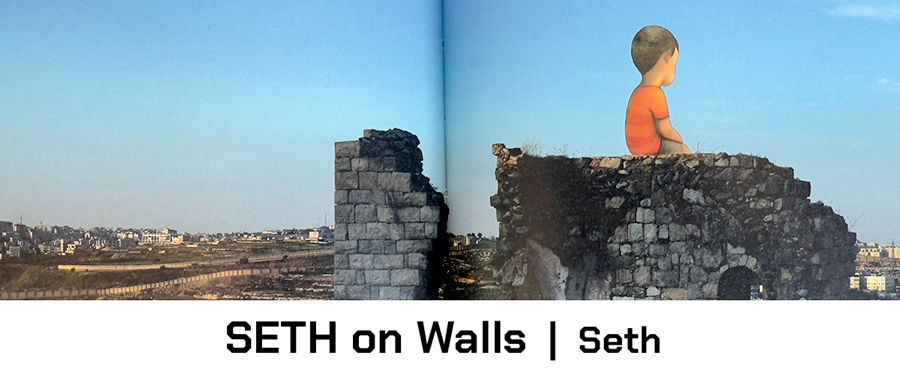
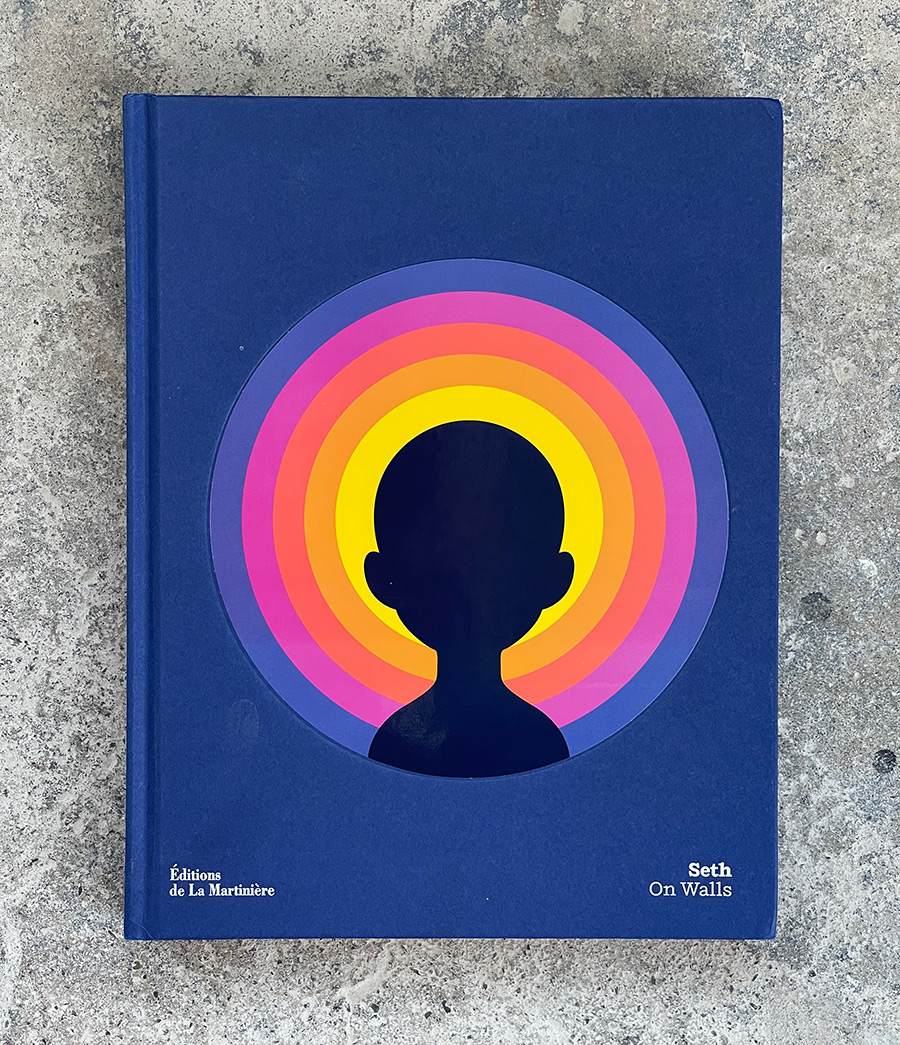
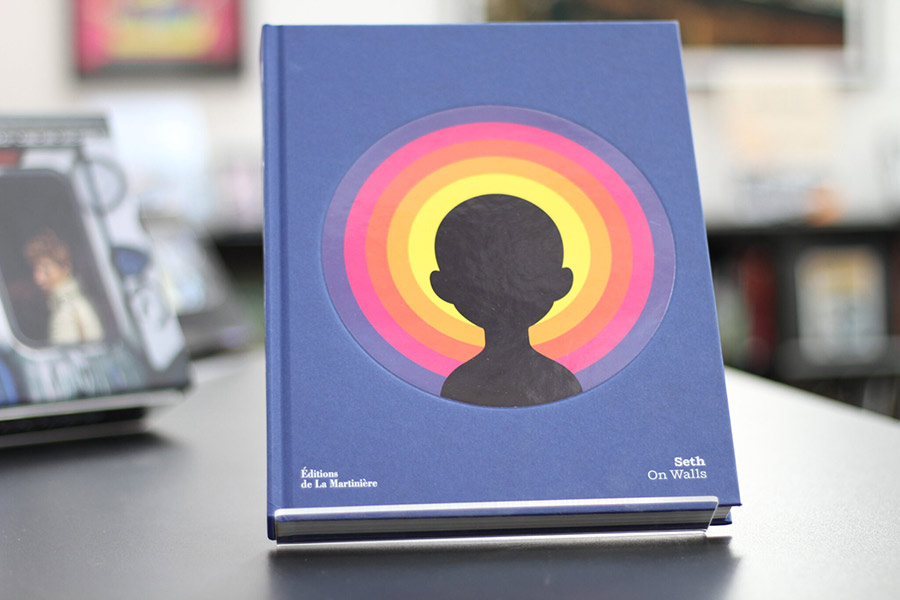
SETH on Walls. Editions de La Martiniere. 2022. Distributed by Abrams. An imprint of ABRAMS, 2023.
From BSA:
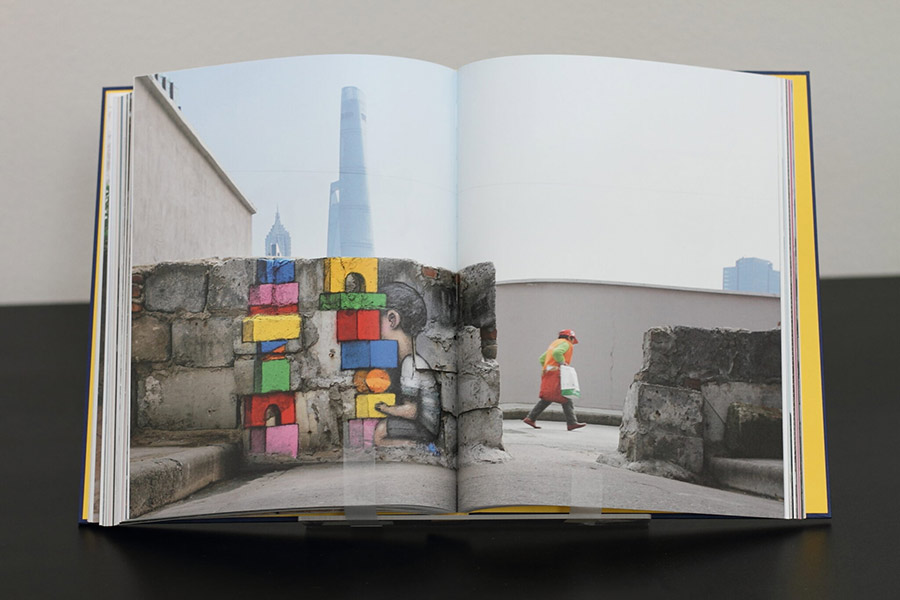
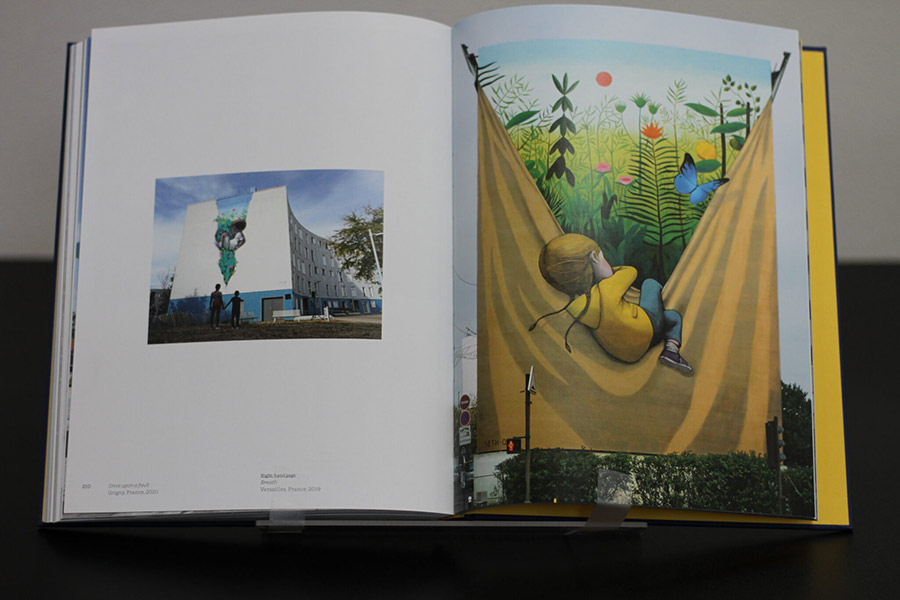
“In a world where the system alienates the most vulnerable, imposing a cynical or pessimistic outlook seems impossible to me,” says French street artist Seth. “Walls remain the space of resilience. Unlike cartoons, which leave no room for ambiguity, the choice to interpret a mural is essential. The curious are free to discover the hidden meaning.”
His new book “Seth On Walls” candidly offers these insights and opinions, helping the reader better understand his motivations and decisions when depicting the singular figures that recur on large walls, broken walls, and canvasses. A collection that covers his last decade of work in solo shows, group shows, festivals, and individual initiatives, you get the central messages of disconnection, connection, and honoring the people who live where his work appears.
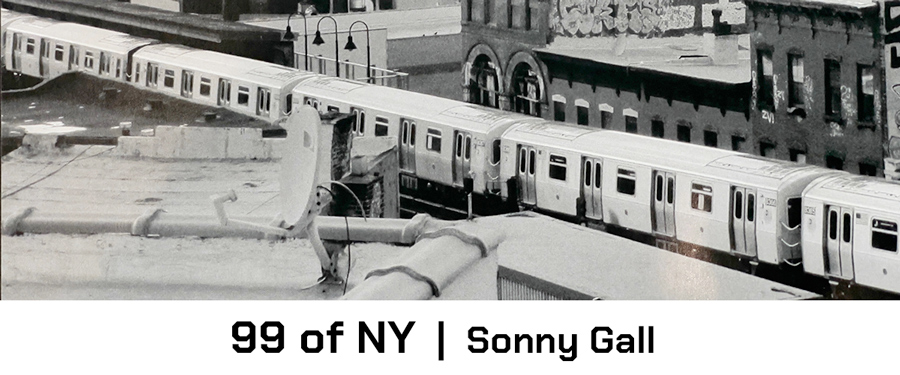
Sonny Gall. 99 of NY, released by King Koala Press with text by Mila Tenaglia. 2025.
From BSA:
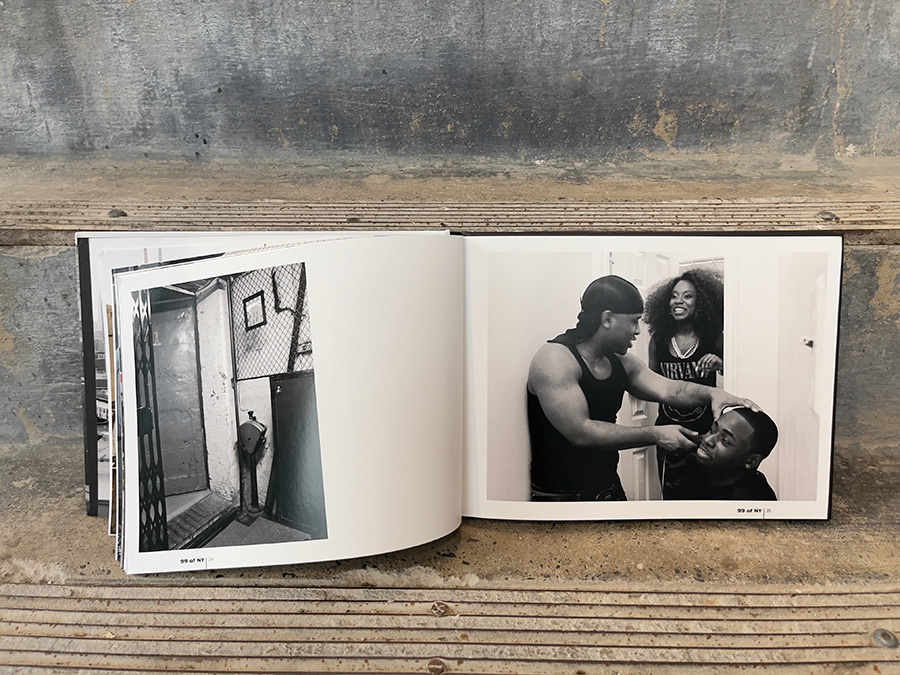
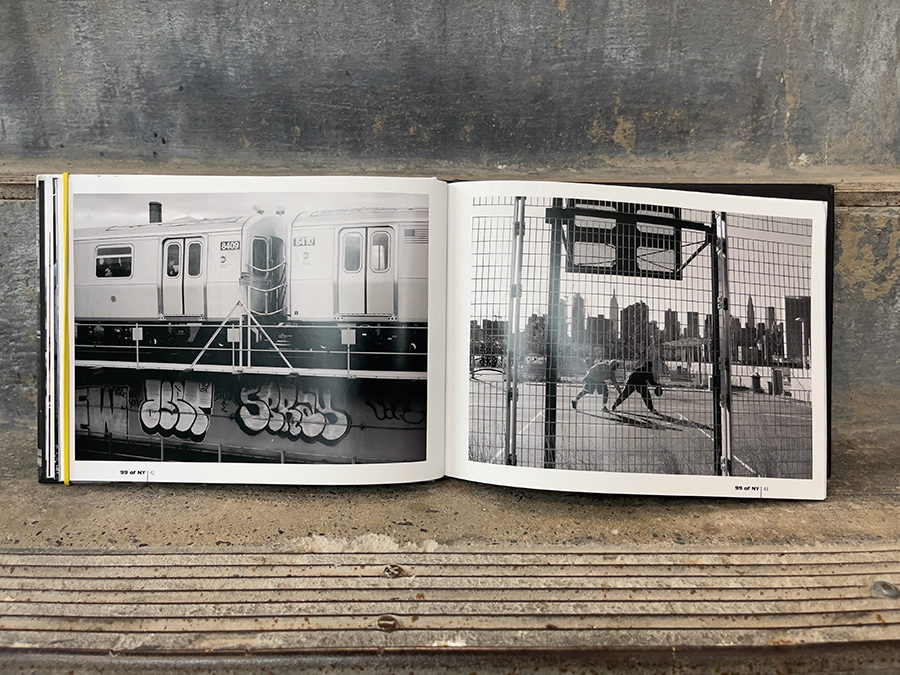
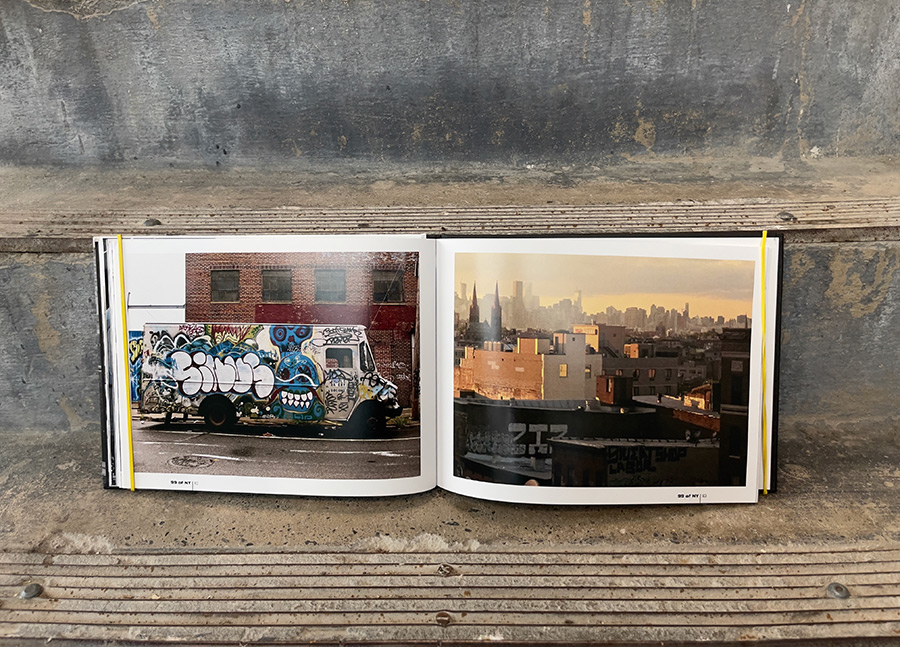
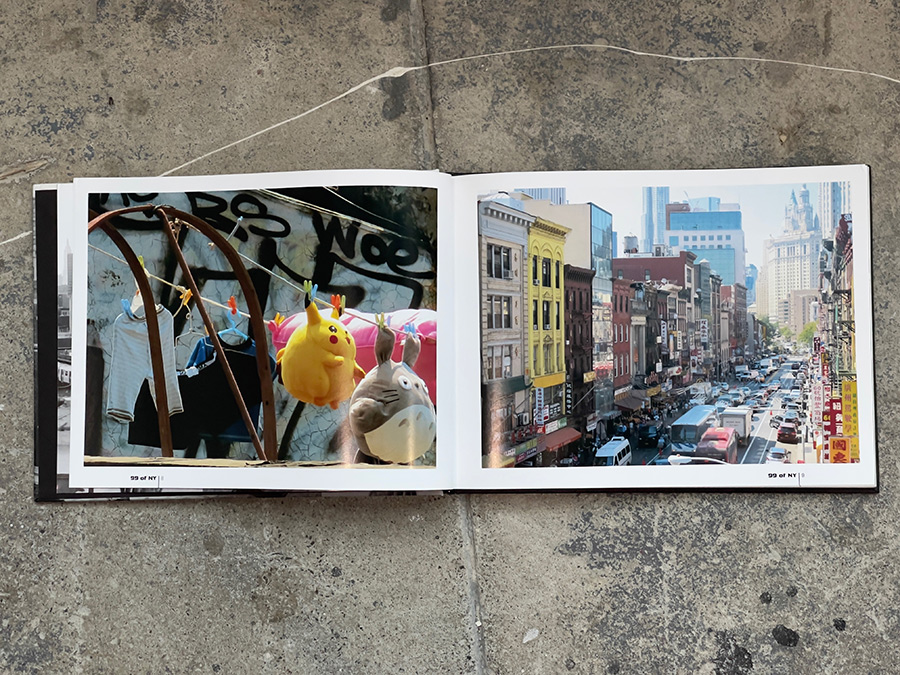
Described by the publisher as “a compositional and documentary endeavor that unfolded naturally over the course of a decade,” 99 of NY gathers 99 photographs across 110 pages, printed in both color and black and white, in a durable hardcover, album-sized format. True to King Koala’s limited-edition tradition, it’s a finely produced object — modest in scale and rich in substance — that rewards slow looking and quiet reading.
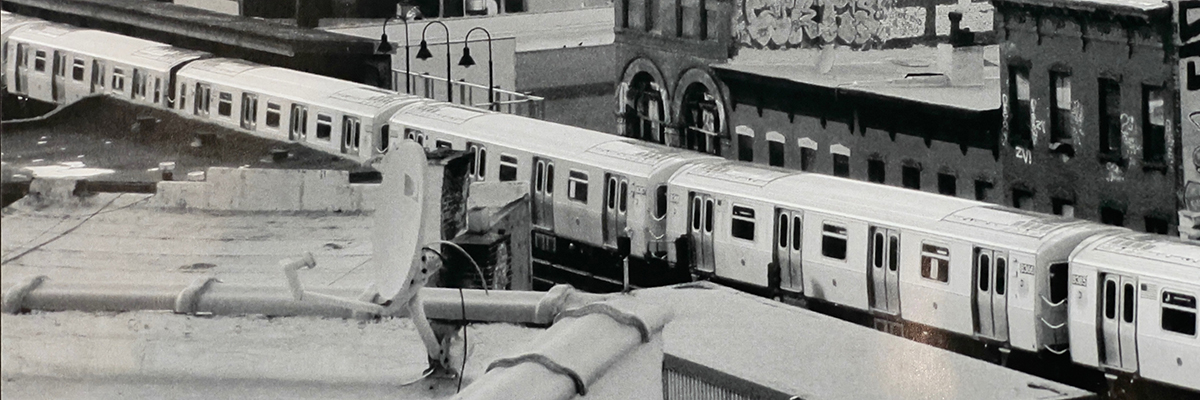
Gall’s images vibrate and render when leaning toward the overlooked: empty lots in Queens, warehouse walls, families at home, scattered pigeons, playgrounds under scaffolding. They are fragments of a living city seen with patience and affection, moments that feel at once offhand and deliberate. Tenaglia’s accompanying texts deepen those impressions without overexplaining, their language as sharp and unadorned as the photographs themselves, yet evocative of the unseen – with a poetic wandering appropriate for the attitude of discovery. Together they capture what it means to move through New York — not as spectacle, but as encounter.
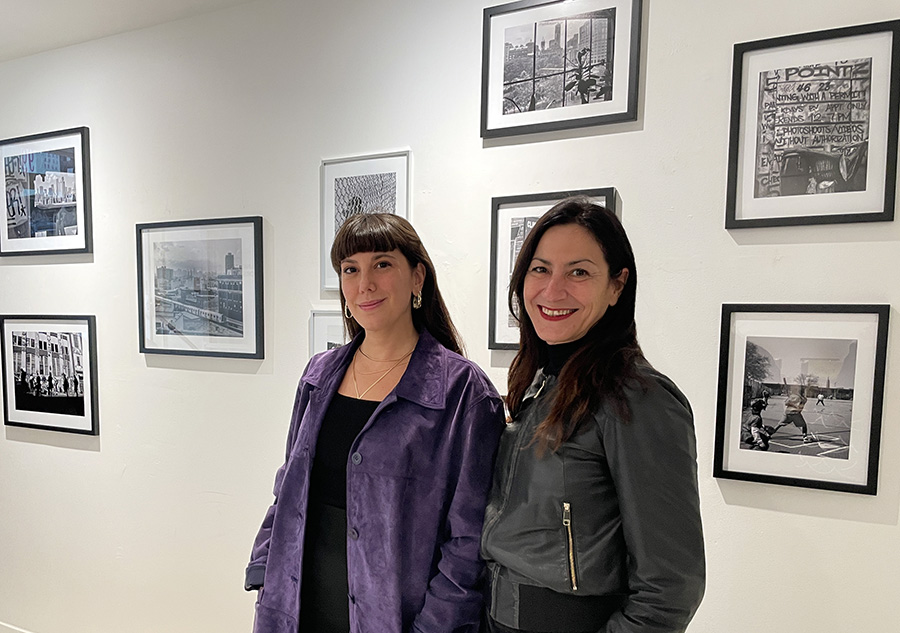
For one week this fall, BlankMagBooks in New York quietly hosted photographs by Sonny Gall from her new publication 99 of NY, released by King Koala Press with text by Mila Tenaglia. The exhibition was small but telling — a passing moment in the life of a project that had already taken a decade to form.
Described by the publisher as “a compositional and documentary endeavor that unfolded naturally over the course of a decade,” 99 of NY gathers 99 photographs across 110 pages, printed in both color and black and white, in a durable hardcover, album-sized format. True to King Koala’s limited-edition tradition, it’s a finely produced object — modest in scale and rich in substance — that rewards slow looking and quiet reading.
Gall’s images vibrate and render when leaning toward the overlooked: empty lots in Queens, warehouse walls, families at home, scattered pigeons, playgrounds under scaffolding. They are fragments of a living city seen with patience and affection, moments that feel at once offhand and deliberate. Tenaglia’s accompanying texts deepen those impressions without overexplaining, their language as sharp and unadorned as the photographs themselves, yet evocative of the unseen – with a poetic wandering appropriate for the attitude of discovery. Together they capture what it means to move through New York — not as spectacle, but as encounter.
Gall, born in Milan and long settled in New York, brings a deep familiarity with the city’s hip-hop and graffiti circles and a sensitivity to its architecture and light. Tenaglia, from Rome by way of Pescara, came to New York through journalism and documentary film, drawn to stories that find beauty in imperfection. Their partnership is grounded in trust, a love for street culture, and shared intuition: one sees, the other shapes the narrative.
99 of NY feels like the city it portrays — restless, imperfect, alive. The brief gallery presentation served as an echo of the book’s essence, but it’s the pages themselves that hold the weight: a decade or more of lived experience distilled into images and words that ask to be read slowly, with attention and care.
We spoke with Gall and Tenaglia about their work:
Brooklyn Street Art:When did you first begin to see yourself as a photographer, rather than simply someone taking pictures?
Sonny Gall: Honestly, I still see myself simply as someone who takes photos to satisfy a personal instinct and sense of pleasure. It was friends, acquaintances, and even people I didn’t know—my Instagram followers—who started calling me a photographer and encouraged me to pursue this project more seriously.
BSA:What do you feel you’re capturing in your photographs of New York — is it its people, geometry, pulse, or something more elusive?
Sonny Gall: What draws me in are all the things often associated with graffiti and street art—the play of colors, architectural contrasts, the diversity of people, and those small details that catch my eye on an aesthetic level. I tend to visualize compositions that I enjoy framing and coming back to later.
BSA:How do graffiti and street culture weave into the moments you frame — are they a backdrop, a rhythm, or a conversation within your images?
Sonny Gall: Graffiti and street art are what primarily capture my attention. I love framing them within the urban context of the city. They’ve become a defining element of my work, giving my photos rhythm, identity, and a distinctive character.
BSA:When did this project first take shape for you, and in what ways has your vision of the city evolved since then?
Sonny Gall:99 of NY was conceived in 2013 but stayed on hold for several years. Life happened, but the idea never left me. With the encouragement of friends and family, I realized I needed someone to help bring it to life. That’s when I reached out to my friend Mila Tenaglia, in 2021, during Covid. We had both moved from Italy to New York around the same time, sharing similar experiences and a deep love for the city. I immediately knew she would be the perfect partner—our visions aligned naturally. With her structured writing and my photography, we created something beyond a book: a visual and emotional portrait of a transforming New York—our New York—rapidly reshaped by gentrification.
BSA: If someone could not see these images, what would you want them to understand about them through your words?
Mila Tenaglia: I’d want the writing to pull readers straight into that chaotic, creative spiral that is New York — a city of bombed-out corners, tags, graffiti, and gestures that still breathe in the semi-illegality of pure expression. Every mark on a wall is an act of self-definition: it demands nothing, yet it insists on being seen. I hope that pulse — the urgency, the defiance, the raw emotion — can be felt even without the images, carried only by the words.
BSA: The city is chaotic and unpredictable — how do you capture its essence in language?
Mila Tenaglia: That’s a beautiful question — one I ask myself all the time. My life and my work, built around culture, people, and documentary storytelling, keep me on the streets every day. I live and work within the pulse of the city. After so many years here — in a place I can finally call home — I think I’ve absorbed something of its rhythm. Like a painter with a brush, I’ve tried to translate that rhythm into language, to turn what I see and live into words that still breathe New York’s restlessness.
99 of NY by Sonny Gall. Written by Mila Tenaglia. King Koala Press. Italy 2025
BSA: Whose words or voices have most inspired your own?
Mila Tenaglia: I’ve always been drawn to voices that carry both fire and fragility — writers who turn experience into resistance. Oriana Fallaci, with her fearless confrontation of power, taught me that truth has a pulse and a price. Patti Smith showed me how poetry can be lived — raw, unfiltered, born from the noise of the streets. Joan Didion taught me the precision of silence, how restraint can be as powerful as rebellion. And Rebecca Solnit, with her wandering intellect, reminds me that thinking and walking are the same act — a way of mapping the world through attention. Together, they form a kind of compass: their words move through chaos with grace, and that’s what I try to do too — to find beauty without erasing the struggle. There are many other names I could mention, but right now I feel like highlighting these voices in particular.
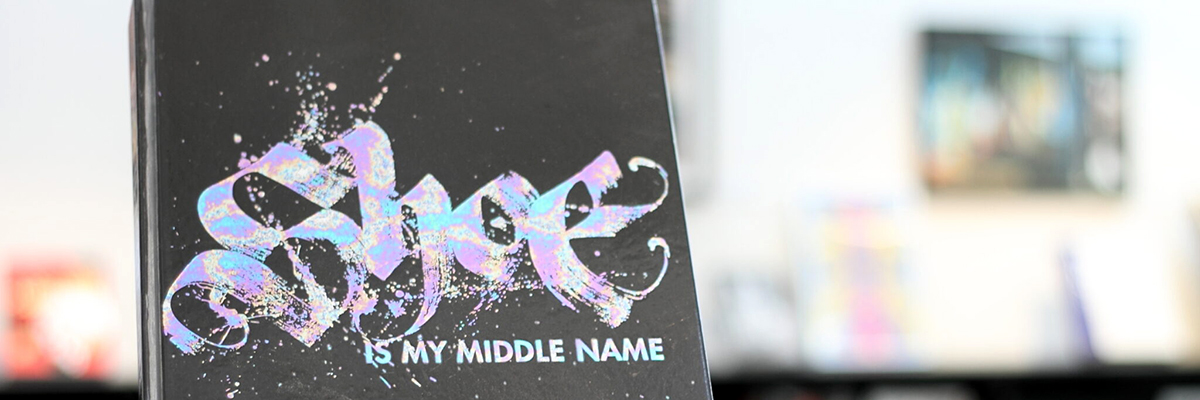
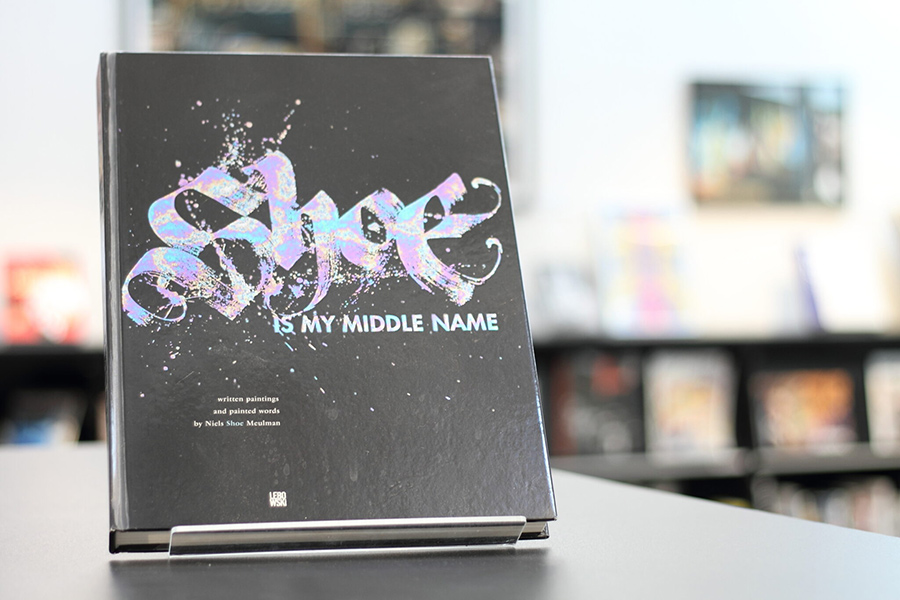
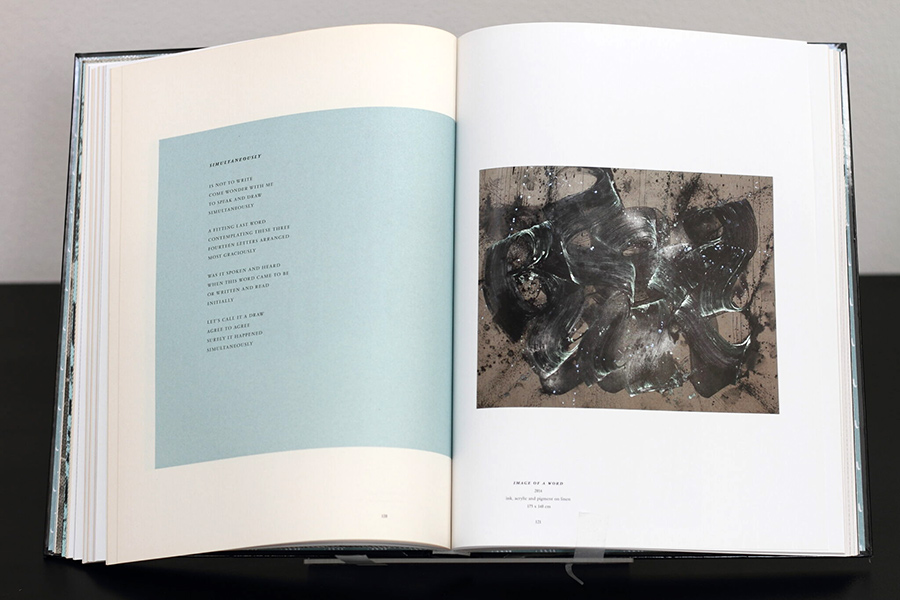
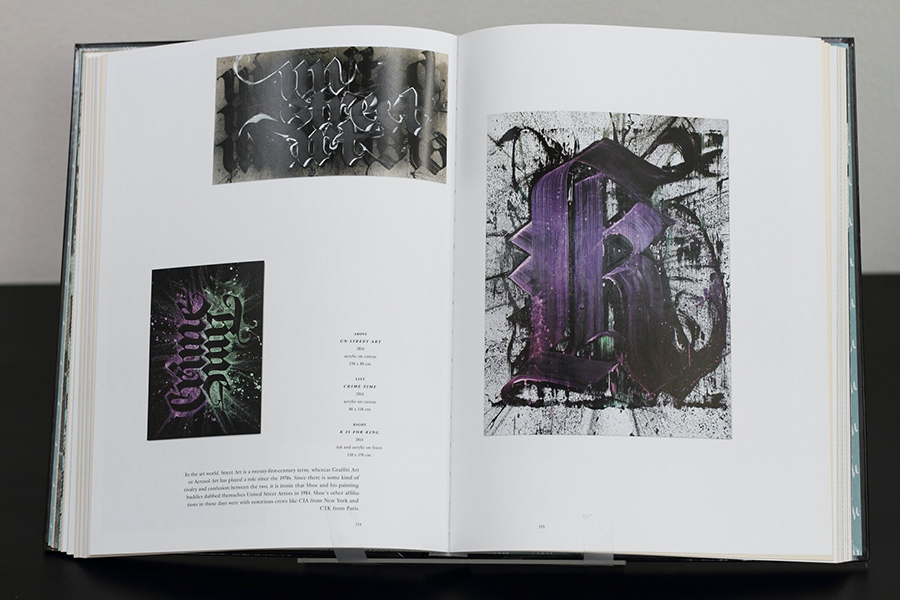
Shoe IS MY MIDDLE NAME. Niels Show Meulman 2016. (photo courtesy of MCL)
Reprinted from the original review by BSA for the Martha Cooper Library.
Graffiti writer, calligrapher, painter, typographer—Meulman’s professional identities have long orbited the written mark. “Shoe Is My Middle Name” gathers those decades-deep orbits into one gravitational field, presenting a mid-career survey whose scale and heft match the artist’s sweeping gestures. Photographs of murals, canvases, and poetry scrolls are sequenced chronologically yet feel rhythmic, echoing the repetitive muscle memory that turns letters into pictures.
The early chapters recall a precocious Amsterdam teen who imported New YorkWild-Style back to Europe after meeting Dondi White, while later spreads document how that fluency in urban letterforms morphed into what critics dubbed “calligraffiti.” Ink splashes, broom-wide strokes, and squeegee drags demonstrate Meulman’s commitment to an all-in mark: once pigment meets surface, there are, as he writes, “no half steps.” Quotes, diary fragments, and the full-page poem “A Writer’s Song” punctuate the visuals, anchoring grand abstractions in an autobiographical voice both swaggering and reflective.
Shoe IS MY MIDDLE NAME. Niels Show Meulman 2016. (photo courtesy of MCL)Shoe IS MY MIDDLE NAME. Niels Show Meulman 2016. (photo courtesy of MCL)
Title: Shoe IS MY MIDDLE NAME Published: Lebowski Publishers / Overamstel. Amsterdam, 2016. Author: Niels Shoe Meulman Language: English
Graffiti is a living monument—an act of doing rather than keeping.
Rafael Schacter has been offering an alternative to institutional monumentality in his latest book Monumental Graffiti (2024). He buttressed his alternative view during his keynote speech for the New York 2025 Tag Conference (BSA is a sponsor). To a packed audience at the Museum of the City of New York, Schacter talked about a monumentality that is grounded in community, embodiment and the acceptance of transience as truth.
Rafael Schacter. Monumental Graffiti. Tracing Public Art and Resistance in The City. MIT Press. 2024
In his talk and his book, the London-based art historian argues that monuments and graffiti can illuminate each other: monuments don’t need to be grand or permanent, but can be understood—as their Latin root monere suggests—as acts that remind, advise, or warn. Drawing on counter-monuments and non-Western traditions, he would like to redefine monuments as socially and emotionally engaging public artifacts that may be ephemeral, community-driven, and conceptually monumental rather than physically imposing.
Using images and examples from streets around the world, Schacter, who is also the author of The World Atlas of Street Art and Graffiti, furthers his vision by exploring how graffiti can itself be a monumental form, demanding public attention and reframing both graffiti and monuments as cultural acts that mark and speak socially. He then examined memorial practices within graffiti culture, where community-created walls and tributes function as grassroots monuments that commemorate loss and address social issues.
A curator and theorist of urban art, Schacter expands on this, distinguishing between spraycan memorials—visible, collective, and community-respected—and memorial tags, which he describes as intimate, cryptic gestures of remembrance shared within the subculture. Schacter contrasts these living practices with the illusion of permanence accorded institutional monuments, showing how graffiti’s embrace of impermanence subverts traditional ideas of stability and authority. Finally, through his discussions of memory through disappearance and the memorial tag as embodied memory, he proposed that graffiti’s transience itself becomes a vessel for remembrance, where memory endures not in material form, but in repeated acts of writing, risk, and presence.
We asked Schacter about the nature of monuments in graffiti and street art—whether an illegal wall piece can ever transcend vandalism, what happens when a tag vanishes, who decides what deserves to be remembered, and whether a true monument is built from the ground up or imposed from above.
BSA:If graffiti can be a monument, what happens to the idea of permanence? You describe monuments as “reminders, warnings, and advice” rather than fixed objects. For people used to thinking of monuments something of bronze, stone, or concrete, how could one reconcile the beauty of graffiti’s impermanence with our instinctive desire to preserve something that we value?
Rafael Schacter: Great question! So many points I could spend hours unpacking! But, to keep myself focused, the key thing to note here is that preservation is by no means only related to permanence; i.e., the relationship between remembering and forgetting on the one hand and presence and absence on the other, is really not so straightforward:
Is it not true that things that are ever-present are often the most easy to forget?
In many cultures outside the West, for example, destruction is something that is core to techniques of commemoration – the heat of destruction burning memory into mind. And in cities crammed with institutional monuments, with thousands of bronze men on horseback, is it not the case that they often seem to, in fact, provoke amnesia!
Is it not a fact that things that become absent are often the most intensely memorable?
I totally agree that graffiti’s impermanence can be beautiful (often physically so, in terms of the way it degrades and becomes part of its surroundings), but more than just beautiful, its disappearance can lead to a heightened sense of memory; let alone push the focus towards the beauty of practice and performance and not just the beauty of the final image itself.
BSA:Who decides what’s worthy of being a monument? Normally it is the decision of institutions or governments, but this new path suggests others may decide what is worthy of monumentalizing. A monument created bottom up or top down – which is a truer monument, or is that a silly question?
RS: Ha! Not silly at all! I’m currently in the middle of teaching my lecture course on public art, and this is a critical part of what we’re discussing. So yes, in most of our cities, this is in fact a legal question – in England, for example, there is what is termed the Schedule of Monuments, a list defining and delimiting what appears under this term, and there is specific legislation surrounding what happens if an artefact is within the list. But, as you say, monuments – monuments as public artefacts or inscriptions that remind, advise, or warn us – come not just from the State but so too from the grassroots. Sometimes these non-state monuments can become formally sanctioned, but whether they do or not, they can be incredibly powerful forms that exist far beyond the necessity or even visibility of officialdom. Which form is ‘truer’ or more ‘authentic’ is always context specific, however.
But all I personally know is that I can be moved more by a spontaneous shrine than by an institutional memorial, by the handwritten note attached to a bouquet of flowers laid by the side of a monument than I could be by the monument in itself! More than anything I just want to move us away from only seeing these permanent, stoney, neo-classical public sculptures as monuments, and in fact see the way monuments can exist through diverse materials and in diverse locations outside of the confines of officialdom.
BSA:If a tag disappears, does the monument die—or does it live in memory? Certainly its disappearance and decay impacts its ability to have lasting impact.
RS: How do we remember things? Do we remember from looking at them? And how do we look at them? Do we look differently when we know something is not going to last? But what about not just looking! Can we remember things through a set of gestures? Through a movement? Through a dance? Can we remember something via lighting a candle that we know will burn out?
When things disappear, memory can often burn even brighter – the presence of absence often being more powerful than physical presence itself. So yes! Disappearance effects visibility, the ability to be co-present with an image, but the image can live on both in the person that made that image as much as in those who saw it, and saw it knowing it would at some point disappear!
BSA:Does a city full of graffiti become a city full of monuments? If we take the argument to heart, then every wall might hold a kind of public archive or memorial. Is a monument made by a vandal illegally still vandalism, or should it be honored and preserved for posterity?
RS:First, YES – when I say graffiti is a monument I mean that literally not metaphorically, and so absolutely yes, the walls of our cities are a constantly transforming archive that holds immense amount of information and history. Whether we term this vandalism or not actually makes no difference. (But is it not the overbearing monuments of the city that are themselves vandalism, themselves the destruction and the blight that damages our cities – I mean, I can think of plenty of examples of large-scale public art that are total degradations of our public sphere). Yet that doesn’t mean I think graffiti should be preserved, absolutely not. Preservation, as I talk about in the book in terms of examples of indigenous material culture, can often itself be destructive. If you preserve something, freezing that thing in time, you can often be more likely to forget what it represents than if you let it naturally degrade. Preservation, then, can be destructive, and destruction preservative!
BSA: Graffiti has turned up in unexpected corners of sacred buildings — scratched into the walls of Christian churches, carved into stone lintels of synagogues. They may be names, coats of arms, or a portrait of the parish cat. When you think about these quiet, unauthorized marks across different faiths, how might your idea of graffiti as a kind of monument apply to them?
RS: I love the idea of what you term ‘quiet’ here. Because often it is the smallest, most marginal, minor forms of graffiti that can be the most powerful. Yes, big graffiti is GREAT, and often very overtly monumental (I’m thinking of the incredible work of RAMS MSK at the moment for example). But smaller marks can be monumental in their effect too, a tiny tag at the edge of a wall containing as much style as a massive masterpiece. So yes, monument is not simply about size. Bigger is not necessarily better. And sometimes it’s the smallest marks that cut the deepest!
Rafael Schacter. Monumental Graffiti. Tracing Public Art And Resistance in The City. The MIT Press. Massachusetts Institute of Thechnology. 2024. USA.
Seth: On Walls. Julien Malland. 2023. (photo courtesy of MCL)
Reprinted from the original review.
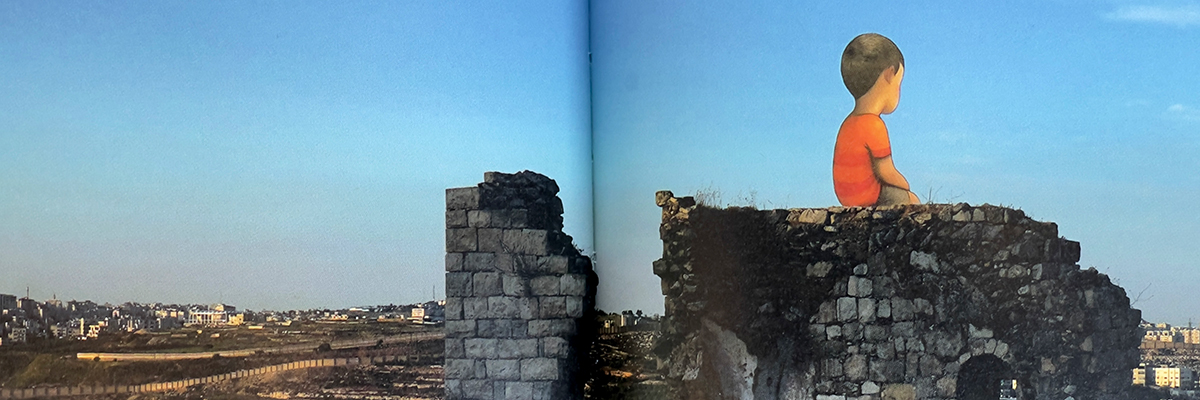
On Walls presents a decade of mural work by French street artist Julien Malland, known as Seth Globepainter. Published by Editions de La Martinière and distributed by Abrams, the book documents Seth’s travels through urban and rural communities worldwide, placing his distinct visual language into diverse local contexts shaped by history, conflict, and transition.
Seth’s imagery blends saturated palettes, geometric constructions, and elements of folklore. His recurring figures—faceless children—are staged within environments that suggest both vulnerability and resilience. Across 256 pages, On Walls traces a path from Phnom Penh to Palestine, from Haiti to Ukraine, each mural shaped by the physical and social landscapes where it was created.
Seth: On Walls. Julien Malland. 2023. (photo courtesy of MCL)Seth: On Walls. Julien Malland. 2023. (photo courtesy of MCL)
Title: SETH on Walls Published: Editions de La Martiniere. 2022. Distributed by Abrams. An imprint of ABRAMS, 2023. Author: SETH Language: English
Over the last two decades of covering the street art movement and its many tributaries, one of the deepest satisfactions has been watching artists take real risks, learn in public, and mature—treating “greatness” as a path rather than a finish line. Working at BSA, we’ve interviewed, observed, and collaborated with scores of artists, authors, curators, institutions, and academics; it’s been a privilege to see where they go next.
Addison Karl. KULLI. A Natural Spring of Artwork, Sculpture, Painting, Drawing, Public Art, and Inspiration. Self-published. Monee, IL. 2024.
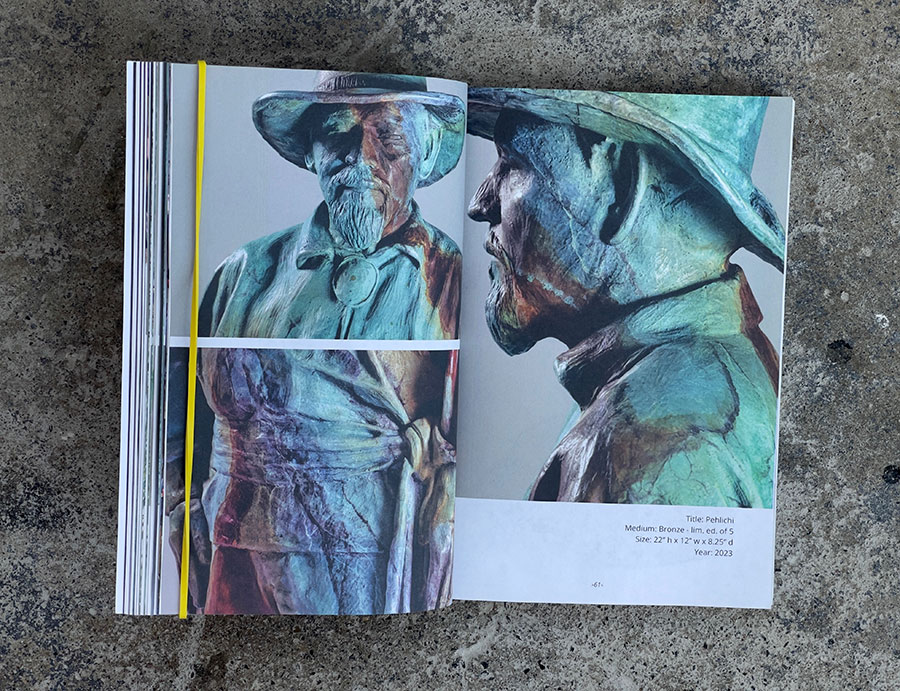
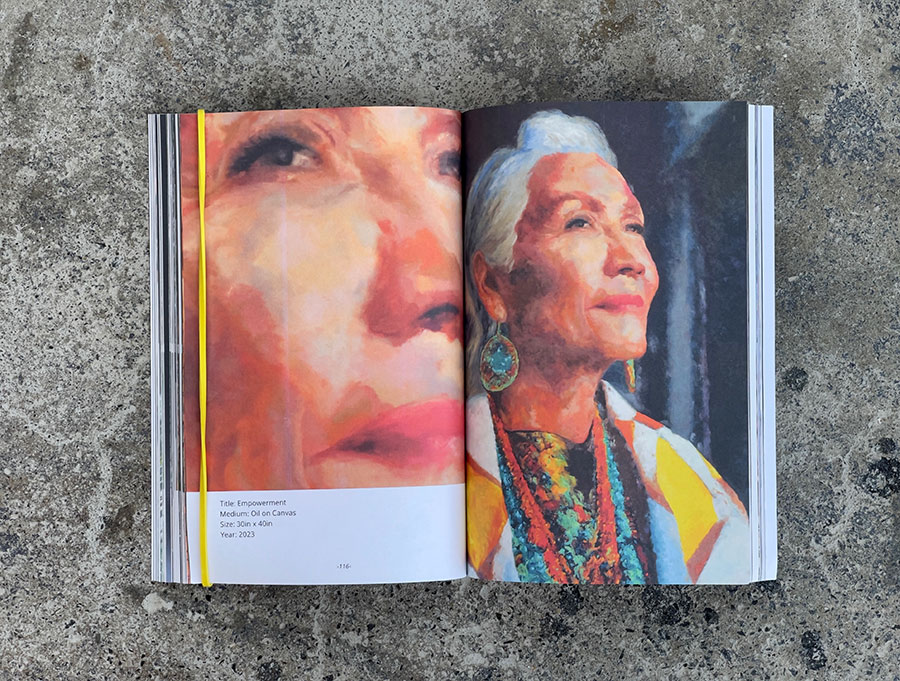
Addison Karl’s self-published 2024 monograph, “KULLI: A Natural Spring of Artwork, Sculpture, Painting, Drawing, Public Art, and Inspiration,” reads as a first-person chronicle from an artist who moved from the wall to the plaza to the foundry without losing the intimacy of drawing. Dedicated to his son—whose name titles the book—KULLI threads words, process images, and finished works across media: murals, cast-metal and glass sculptures, drawings, and studio paintings, all guided by a sensibility that treats color and material as vessels for memory and place.
Trusted observers have mapped this evolution in plain terms. WALL\THERAPY once summarized Karl’s arc “from blank slate, to paper, to mural, to installation, to unoccupied public space,” a concise description of how a drawing-led street practice broadened into public art and beyond. The book situates headline projects within that trajectory: “In Service,” his 2019 McPherson Square Metro mural in Washington, DC—roughly 64 feet along aluminum panels—honors veterans, showing how a hand-drawn hatch can scale to civic form. In Atlanta, the cast-iron BeltLine sculpture Itti’ kapochcha to’li’ (“little brother of war”) roots contemporary public space in Chickasaw story and material logic.
Along the way, BSA documented Karl’s shift into sculpture and his view that public work demands accountability: “It makes you really understand the world in a really different way – of how you take responsibility for what you are doing.” Read together, these frames make KULLI a ledger of experiments—how a printmaker’s line climbed buildings, then solidified into bronze and glass—developed over more than a decade of international projects, including the opening of URBAN NATION in Berlin.
Crucially, the book lets Karl define his own stakes. “Each canvas is not just a painting; it’s a mirror reflecting the viewer’s own inner world,” he writes—an artist’s statement that clarifies why the outdoor work invites dialogue rather than spectacle. Biographical notes reinforce the point: Denver-born, Phoenix-raised, of Chickasaw and Choctaw descent, Karl’s foundation in printmaking underpins his cross-disciplinary approach; his patinas deliberately recall turquoise, and his public commissions translate personal narrative into shared space. Read KULLI as a record of that translation—how a drawing-based street practice consolidated a public voice and expanded into sculpture without losing the hand, the story, or the invitation to look harder.
Addison Karl. KULLI. A Natural Spring of Artwork, Sculpture, Painting, Drawing, Public Art, and Inspiration. Self-published. Monee, IL. 2024.
Liz Munsell, Greg Tate (ed.): Writing the Future: Basquiat and the Hip-Hop Generation
Reprinted from the original review.
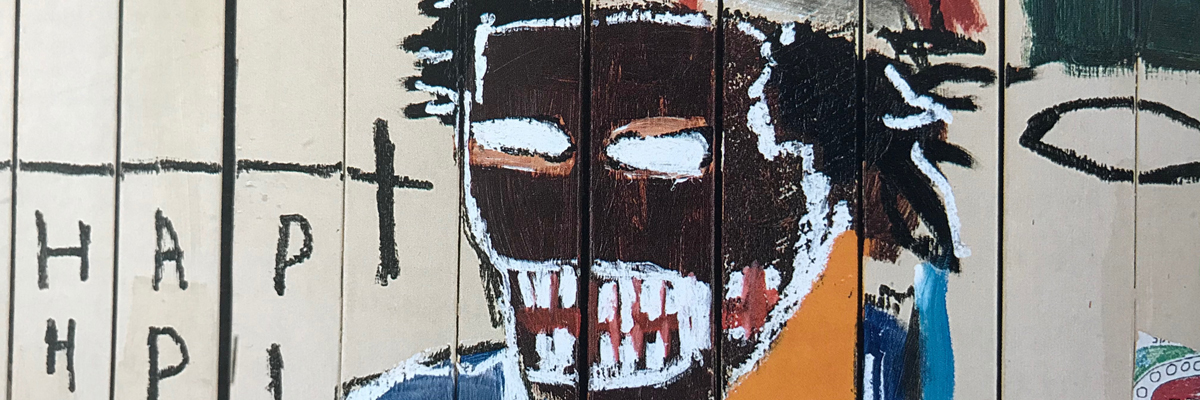
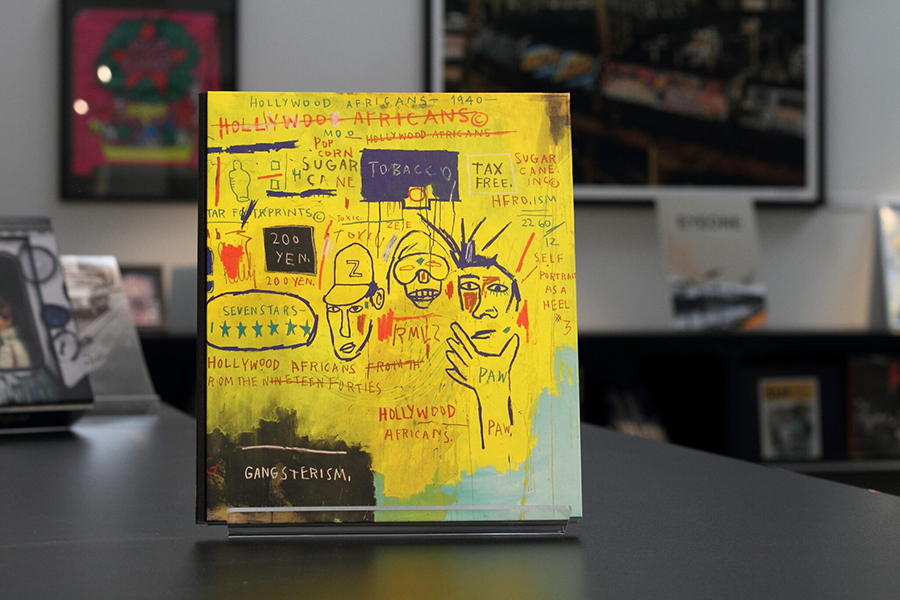
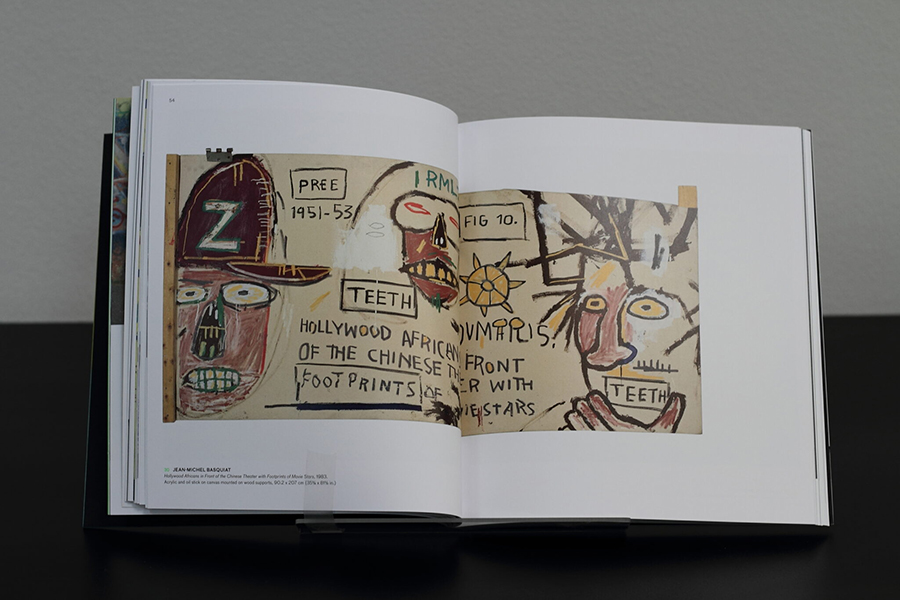
The catalogue Writing the Future: Basquiat and the Hip-Hop Generation, accompanying the Museum of Fine Arts, Boston exhibition, is as multifaceted and dynamic as its subject. Edited by Liz Munsell and Greg Tate, this robust volume unravels the layers of Jean-Michel Basquiat’s artistic world and his role within a transformative cultural era. It positions Basquiat not just as an individual artist but as a pivotal figure in a constellation of intersecting movements reshaping art, music, and performance in 1970s and 1980s New York City.
The book is as much a cultural chronicle as it is an artistic study. It captures the chaotic, electrifying energy of a New York where the boundaries between “high” and “low” art dissolved, and the street became an unregulated gallery. The text delves into the social and cultural exchanges between the Uptown and Downtown scenes—worlds simultaneously divided and united by race, class, and artistic vision. These layers are vividly brought to life through essays that explore the societal forces shaping Basquiat’s era: the collapse of urban economies, the rise of hip-hop, and the cultural syncretism that defined the city’s creative spaces.
MARTHA COOPER LIBRARY: BOOK RECOMMENDATION
? | Title: Writing the Future: Basquiat and the Hip-Hop Generation ? | Publisher: MFA Publications, Museum of Fine Arts, Boston (May 5, 2020) ? | Authors: Liz Munsell, Greg Tate (ed.) With contributions by J. Faith Almiron, Dakota DeVos, Hua Hsu, and Carlo McCormick ? | Language: English
 BROOKLYN STREET ART LOVES YOU MORE EVERY DAY