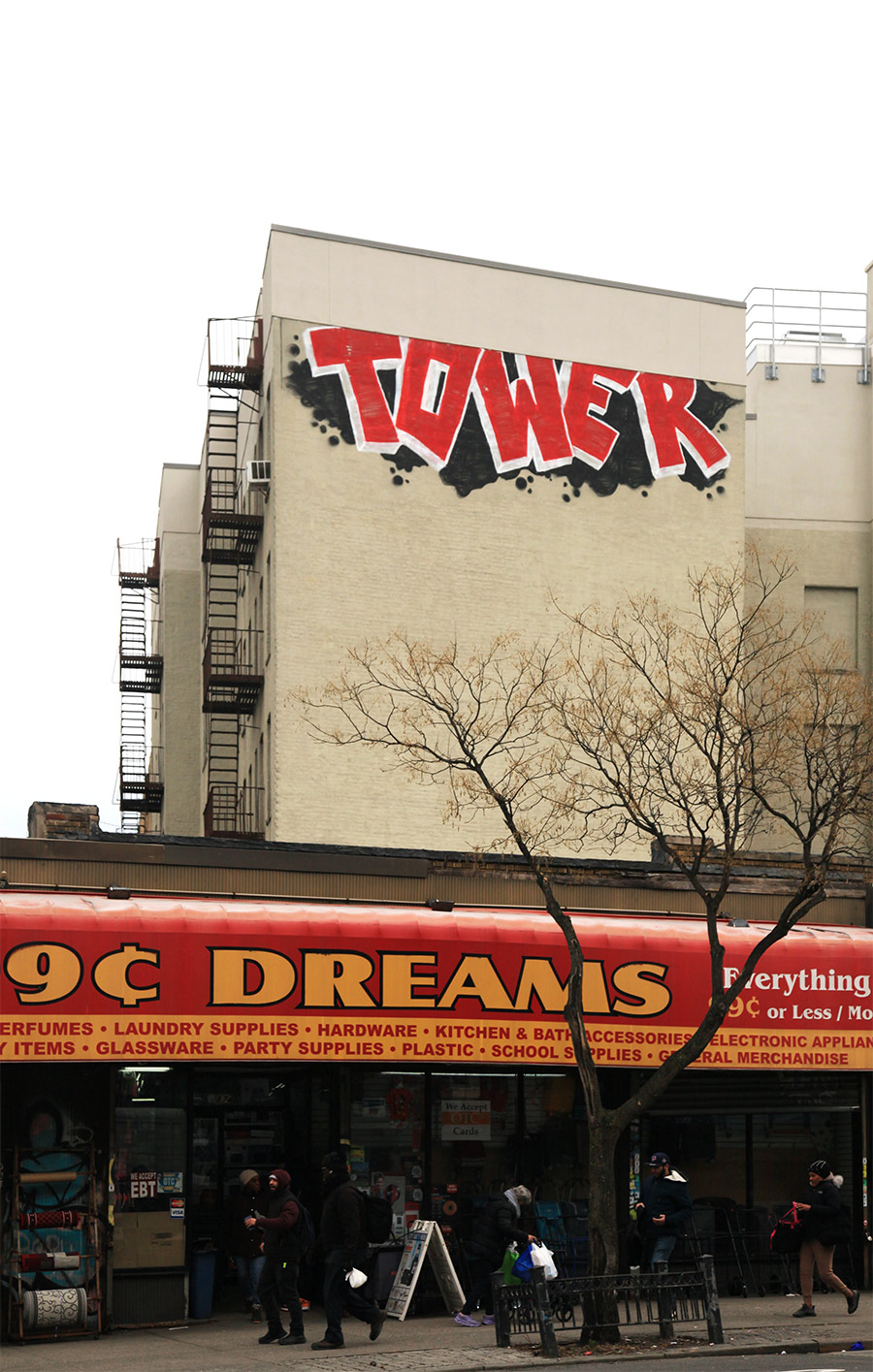
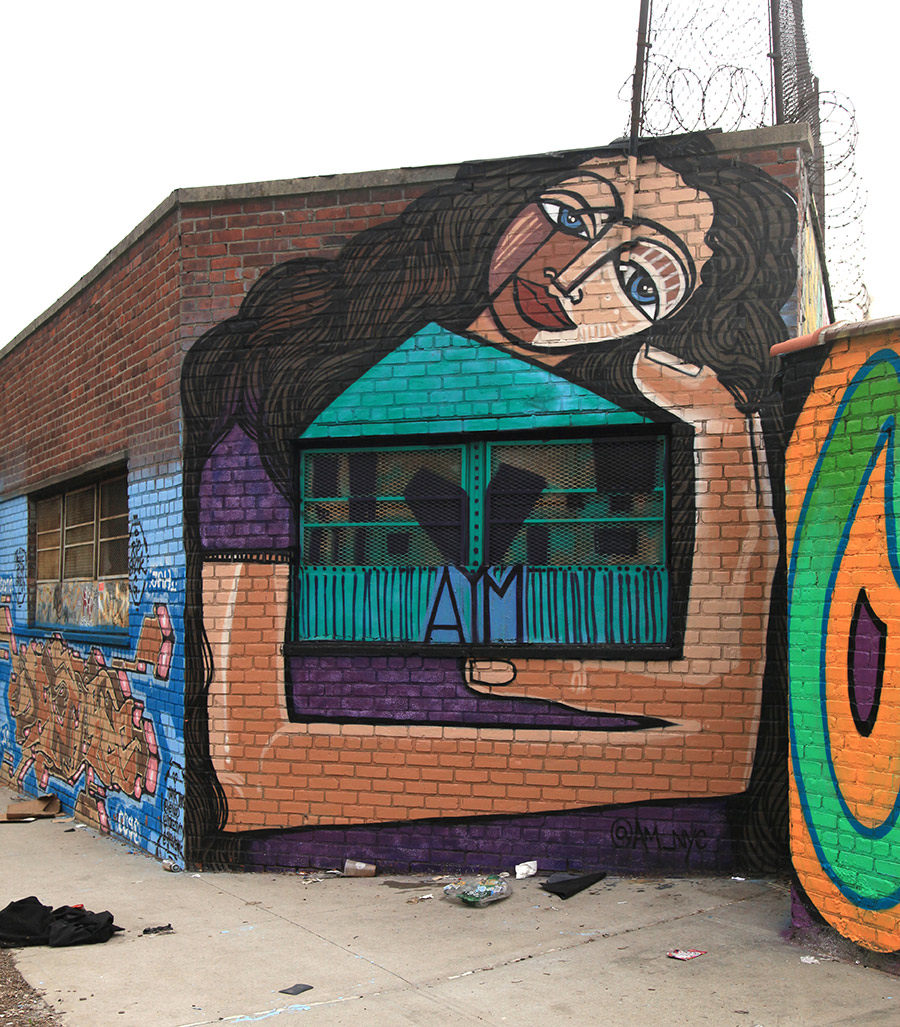
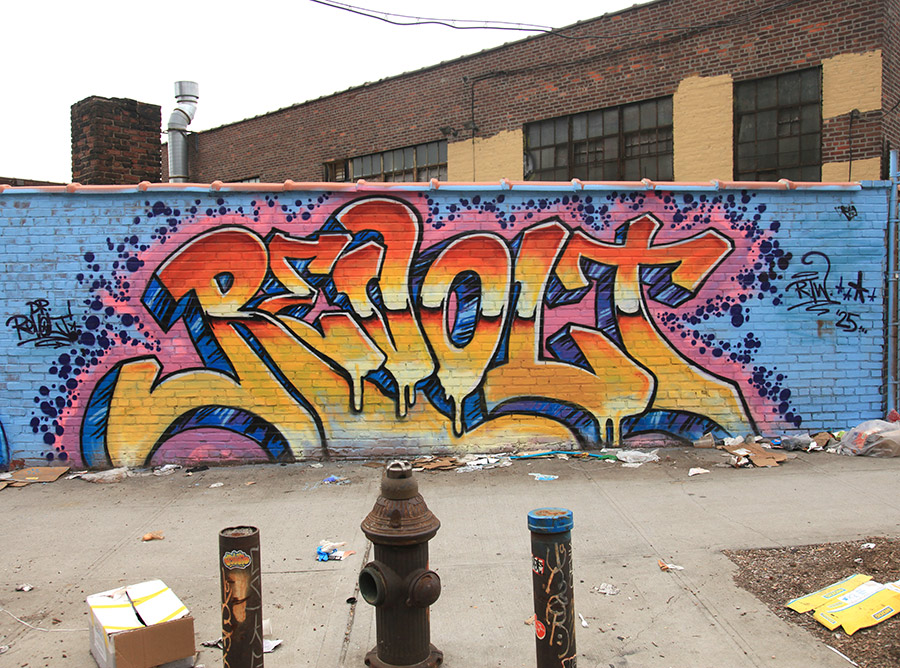
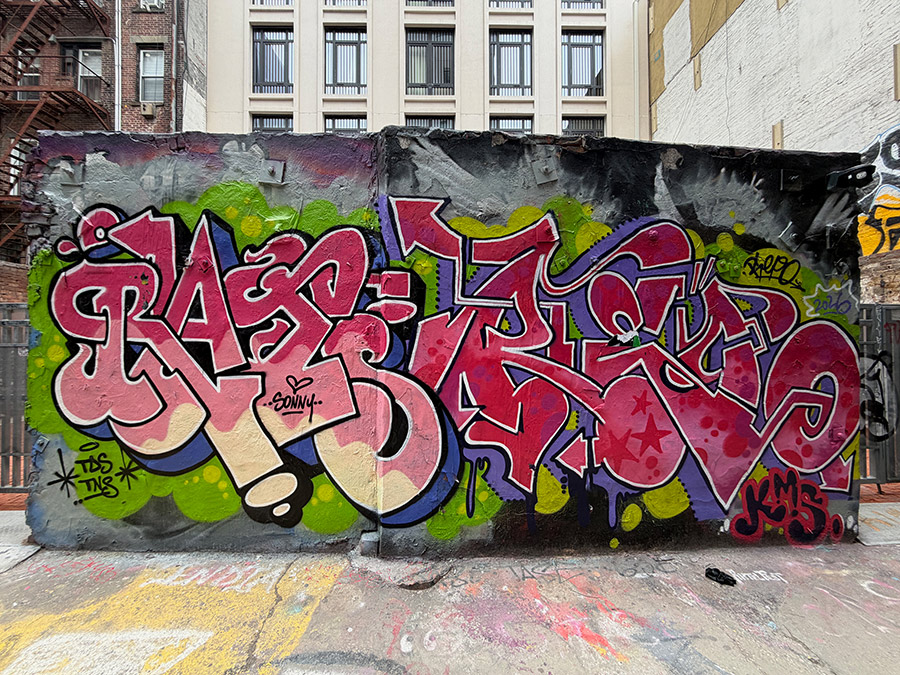
Happy Easter to all our readers who celebrate it, and pray for peace.
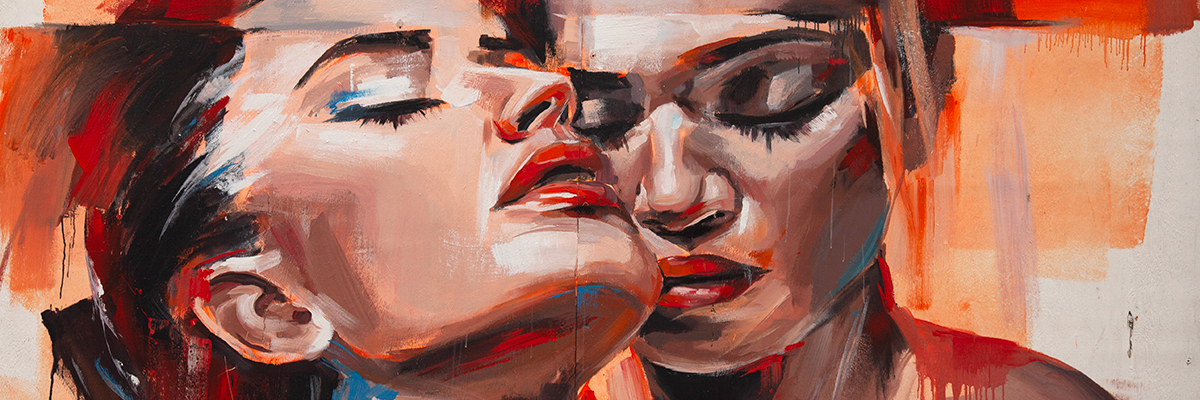
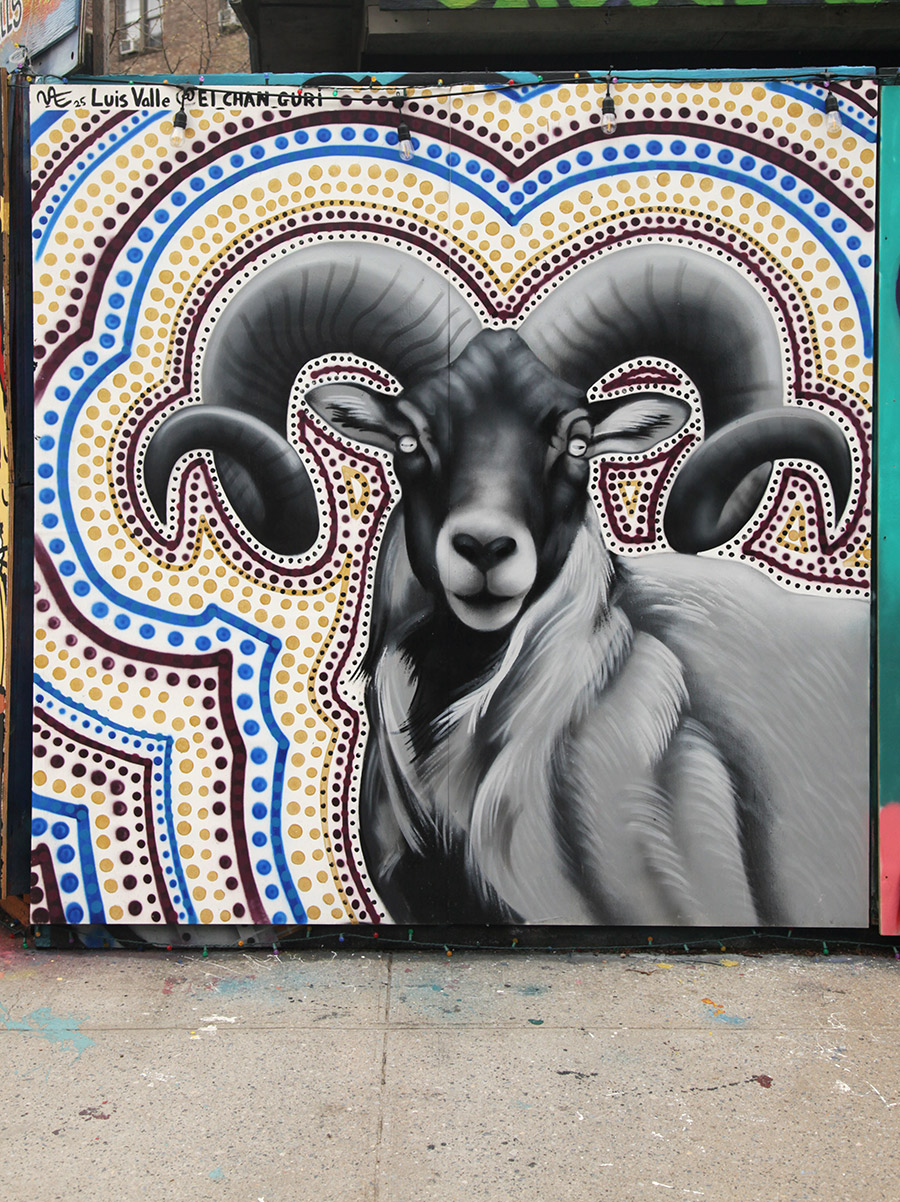
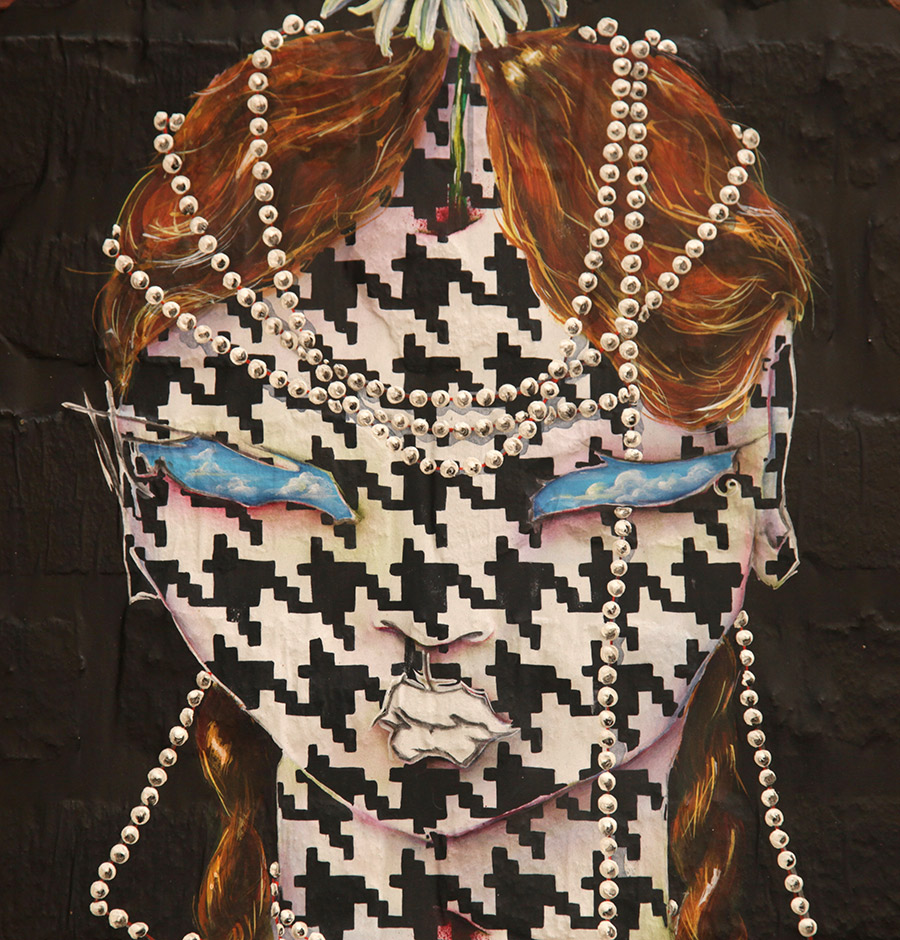
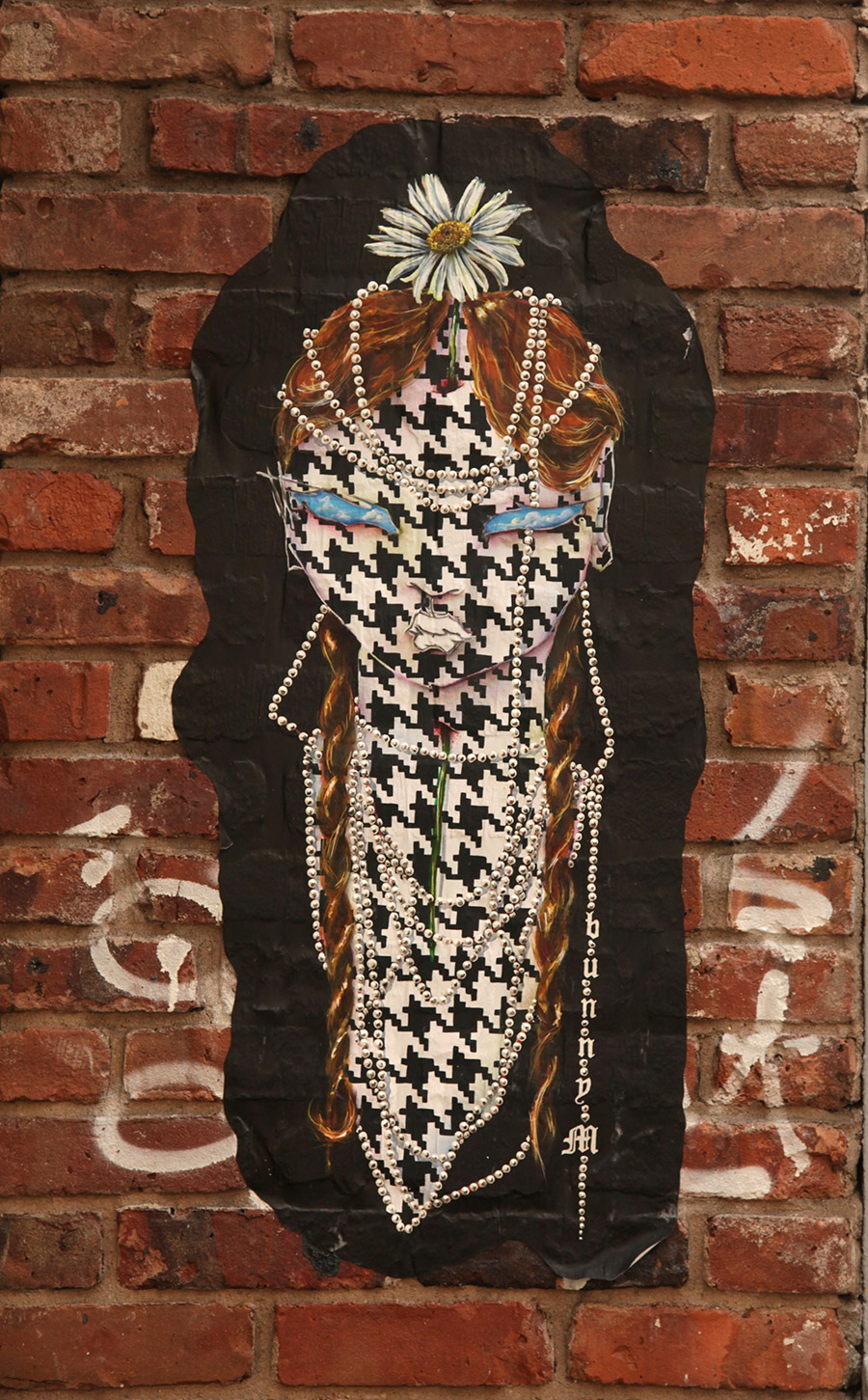
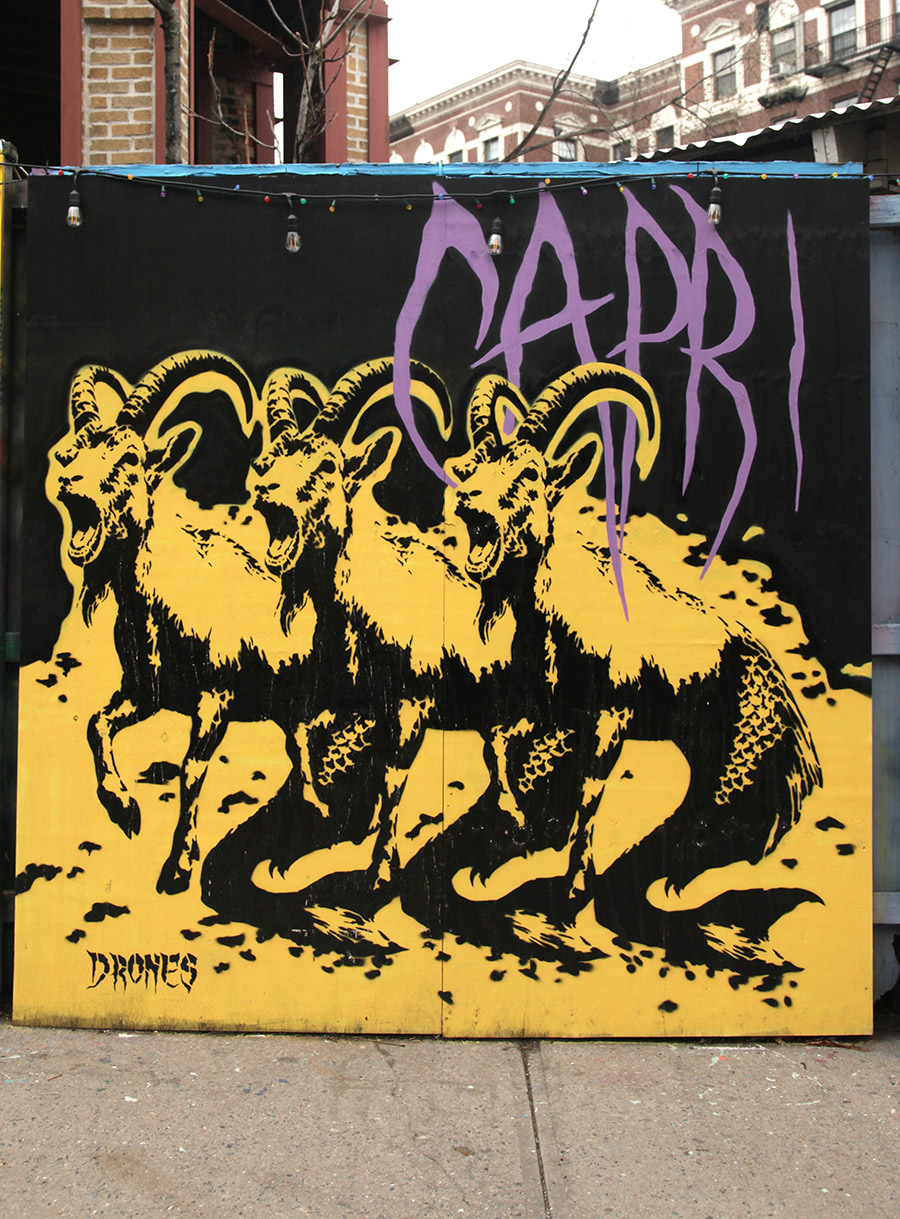
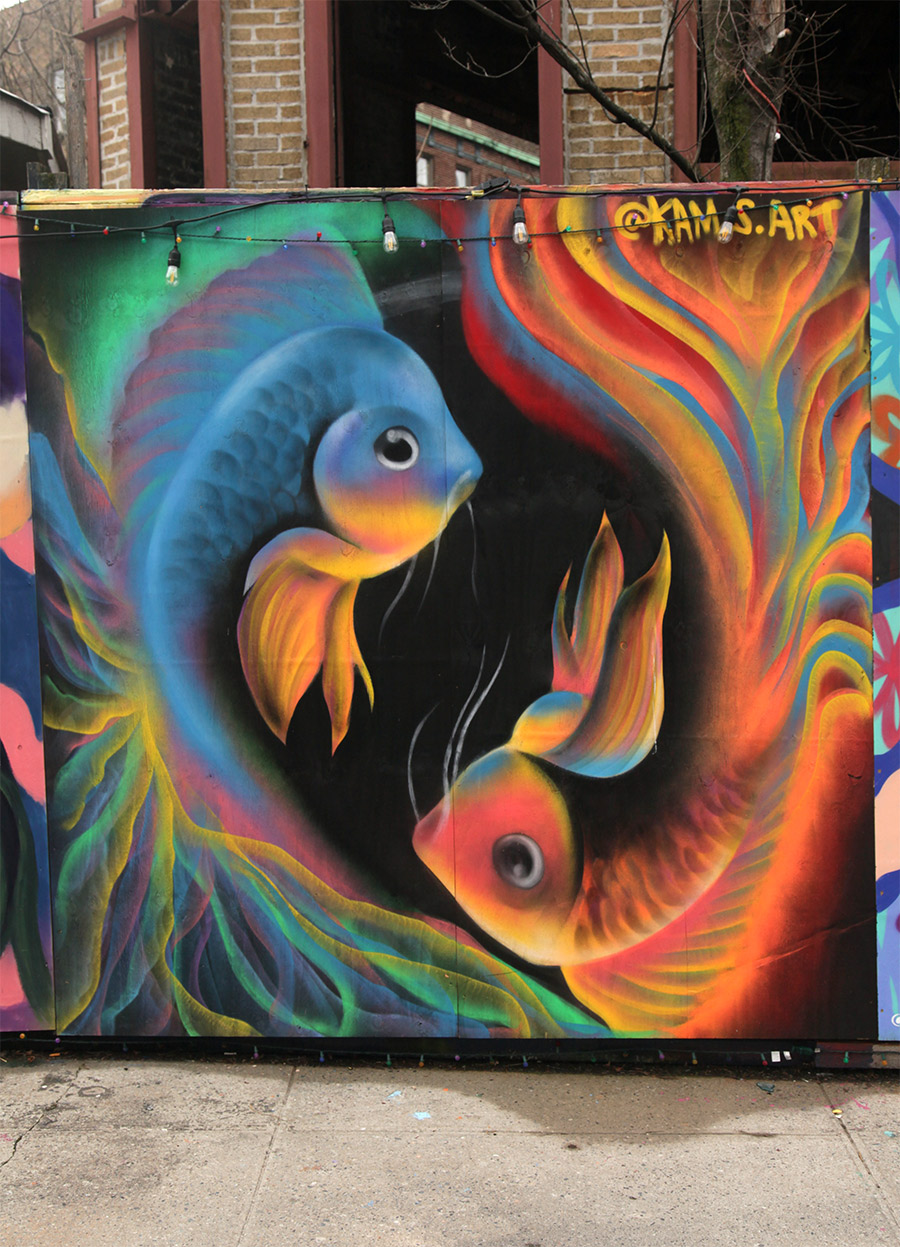
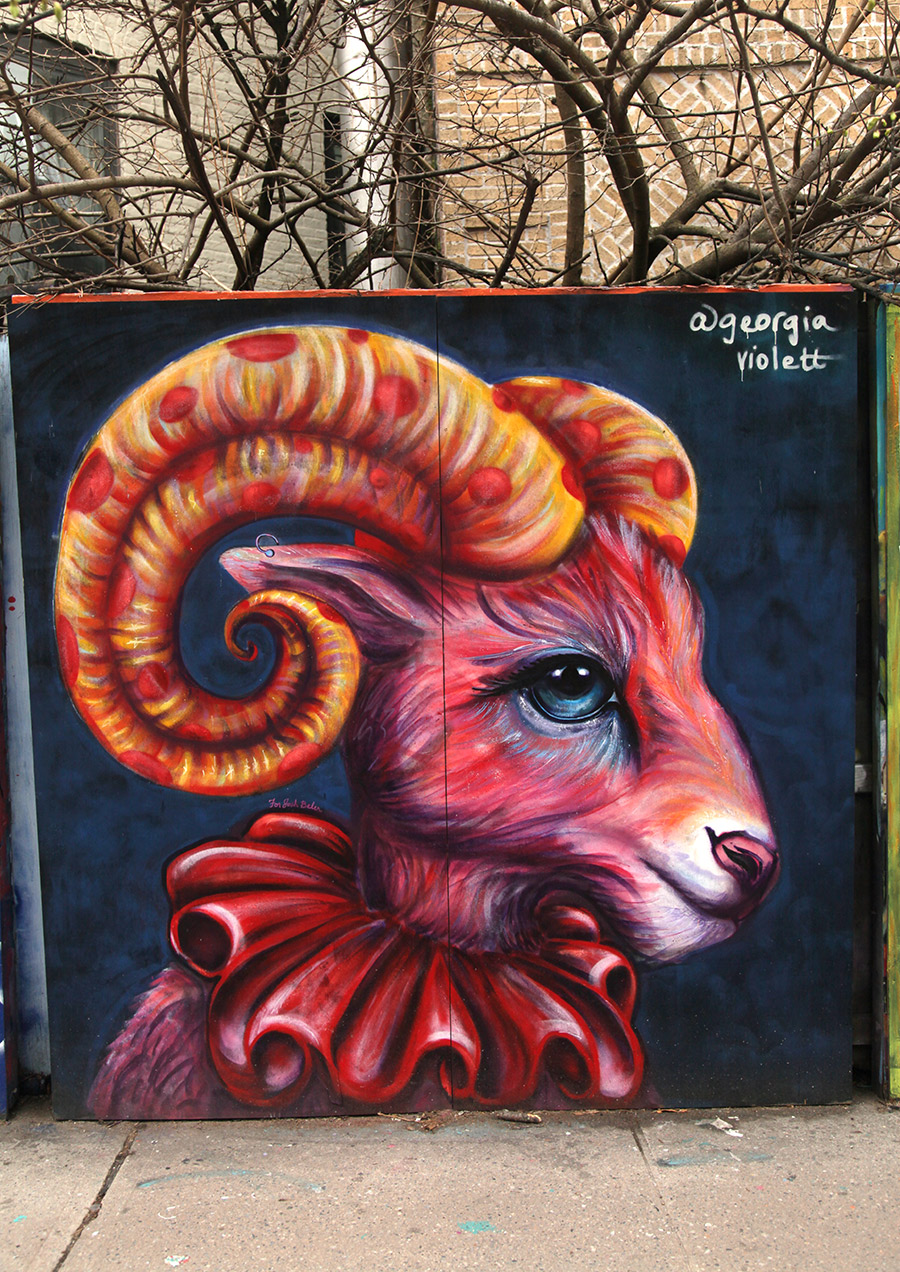
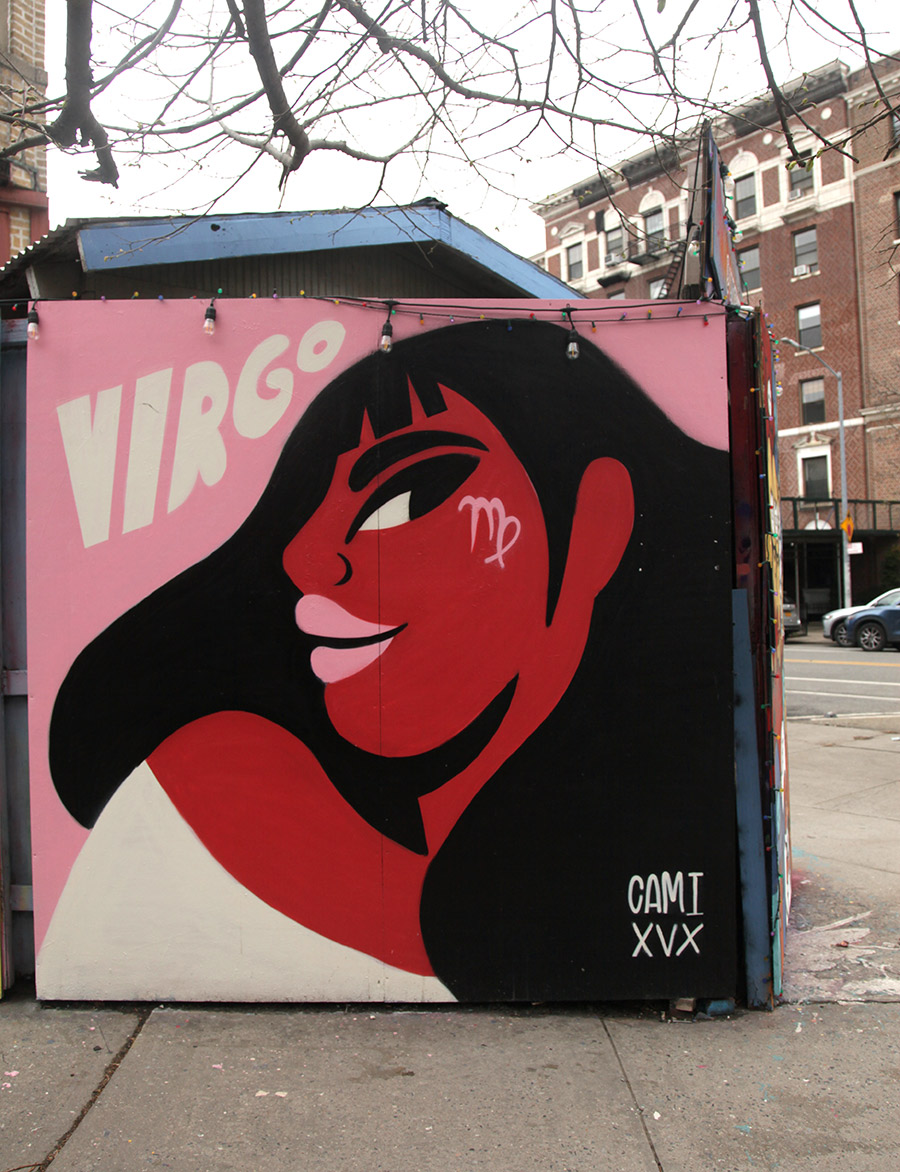
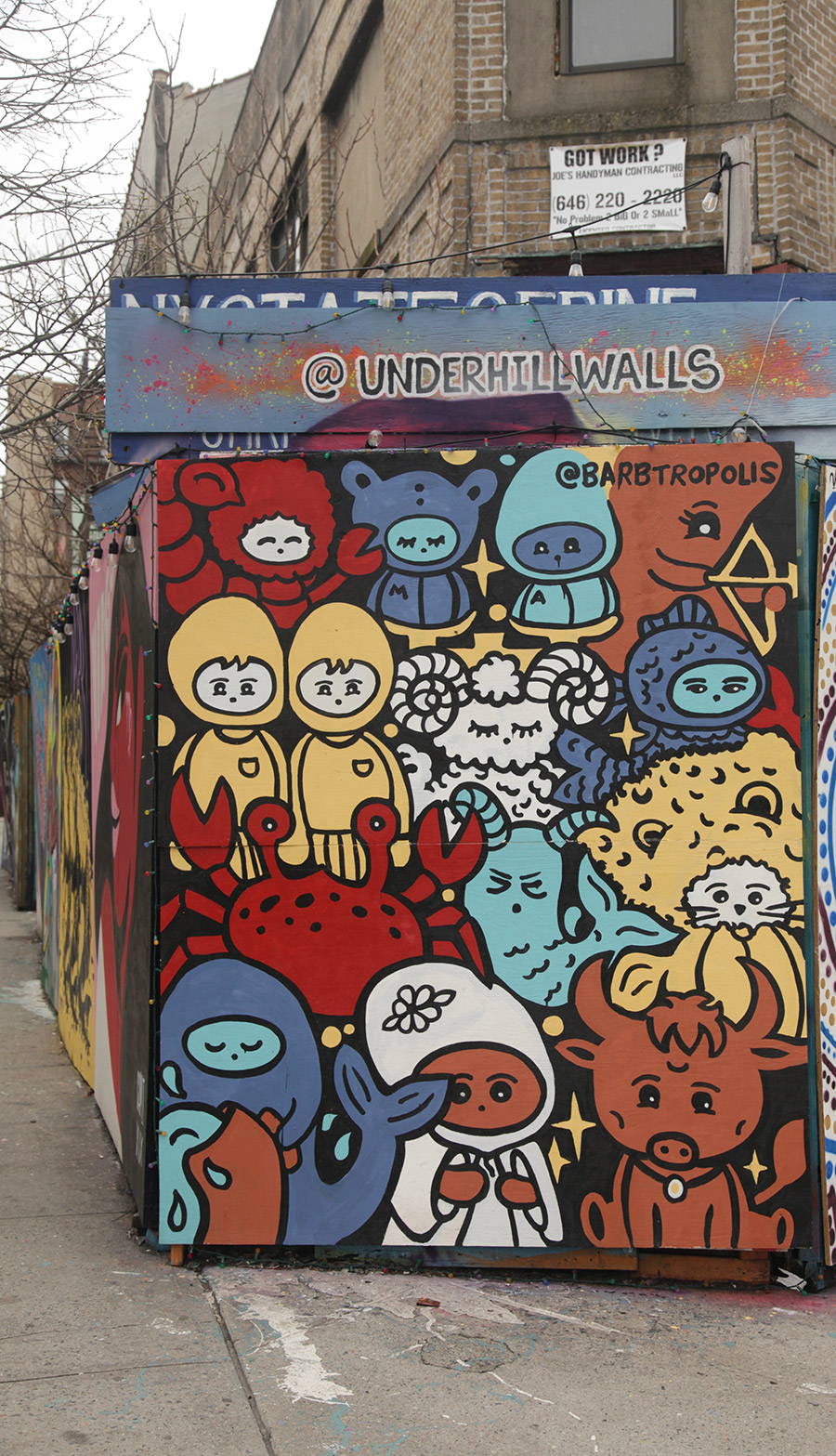
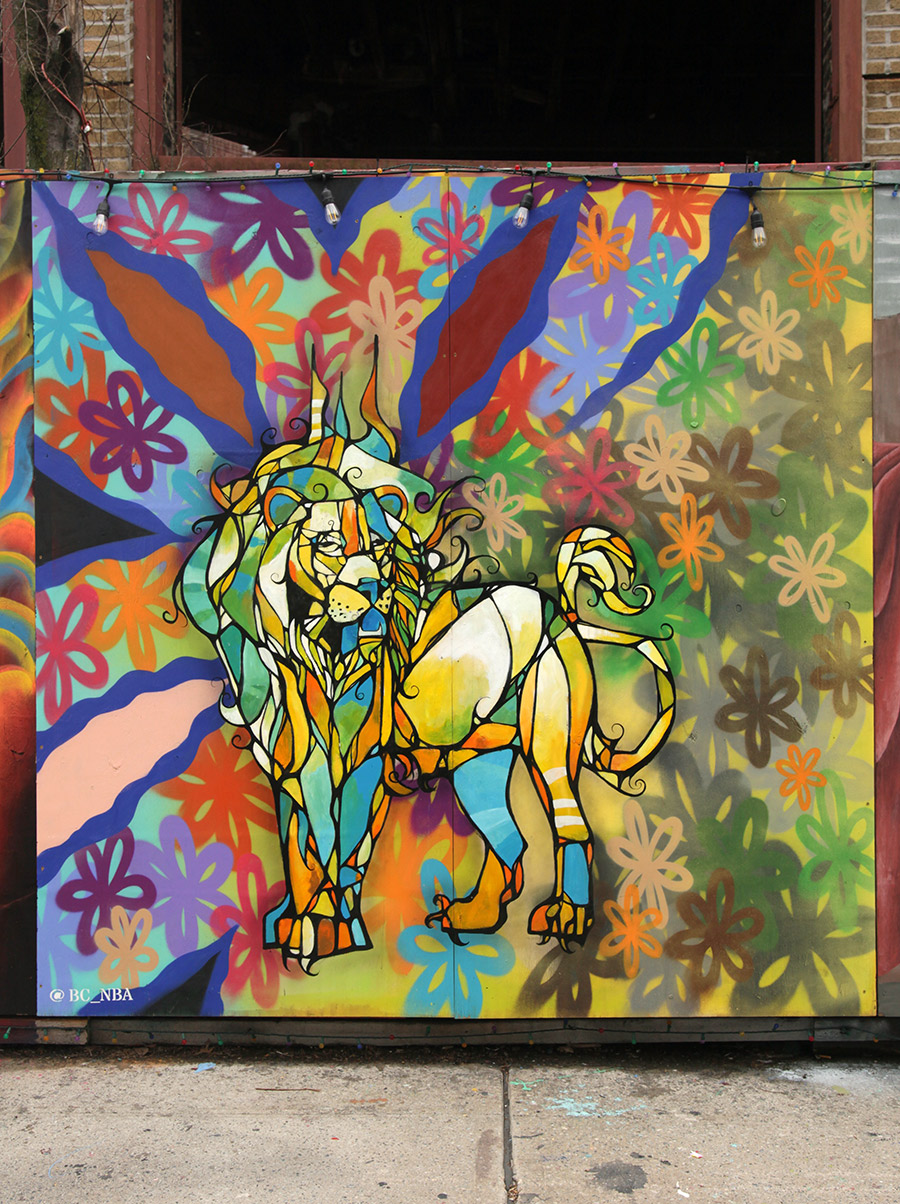
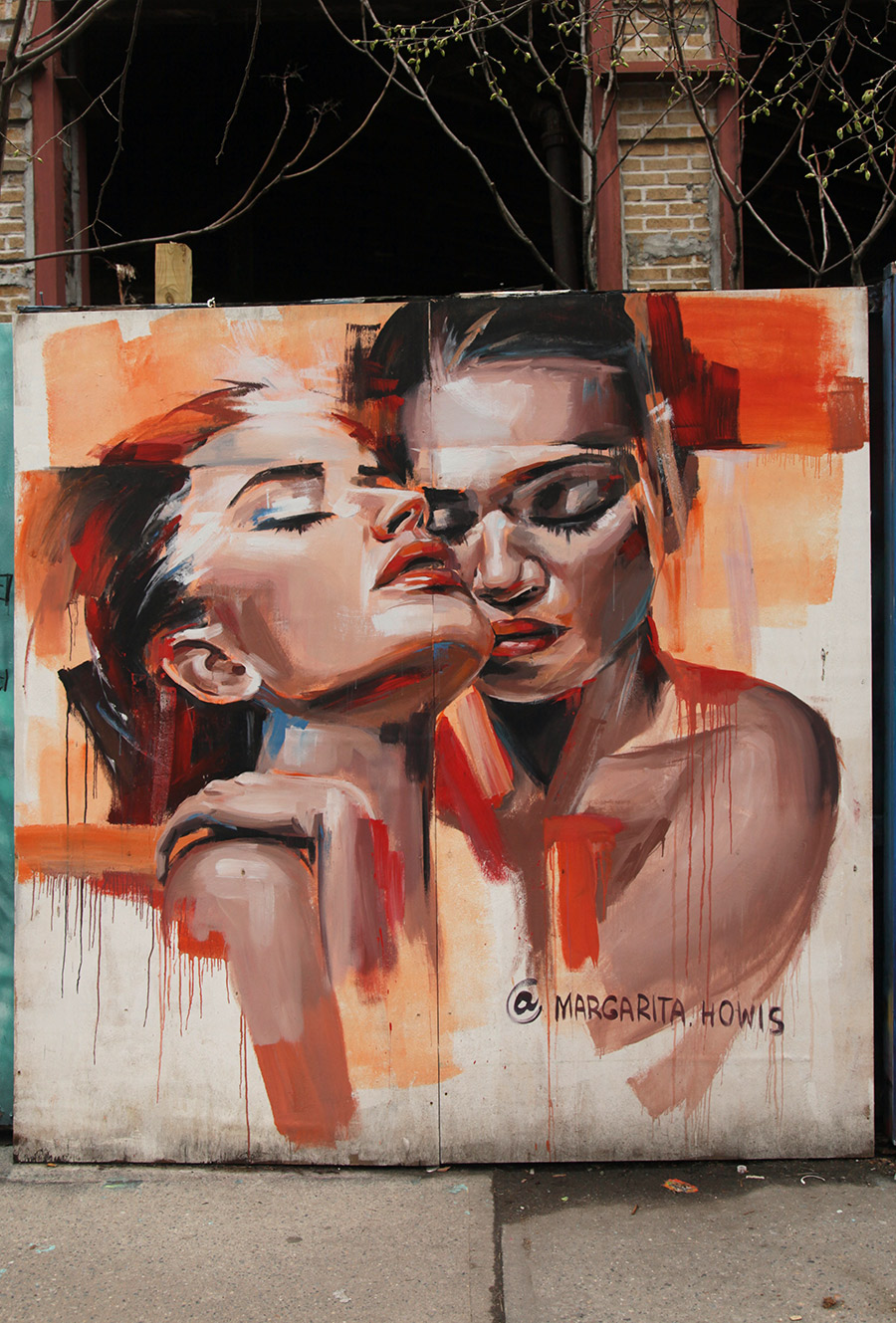
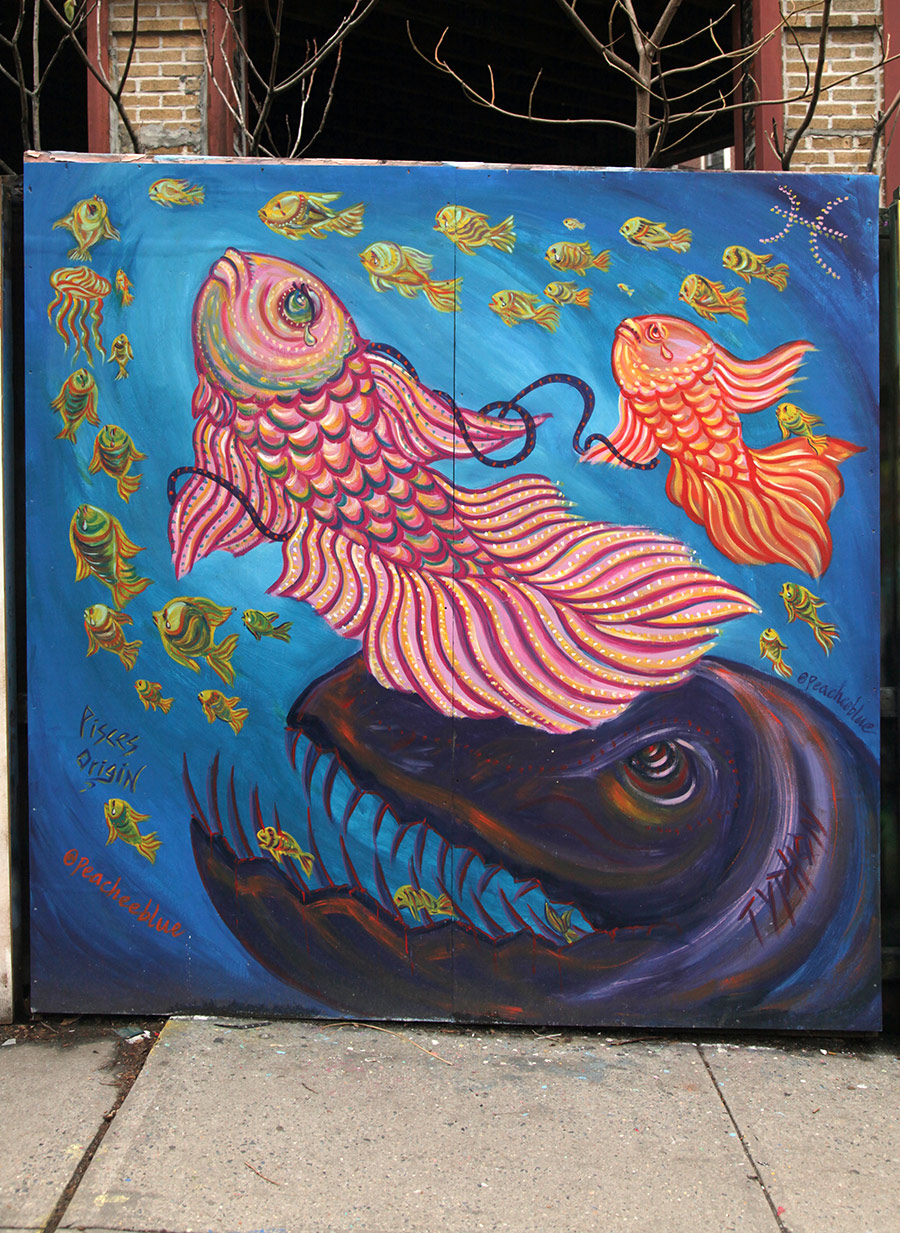
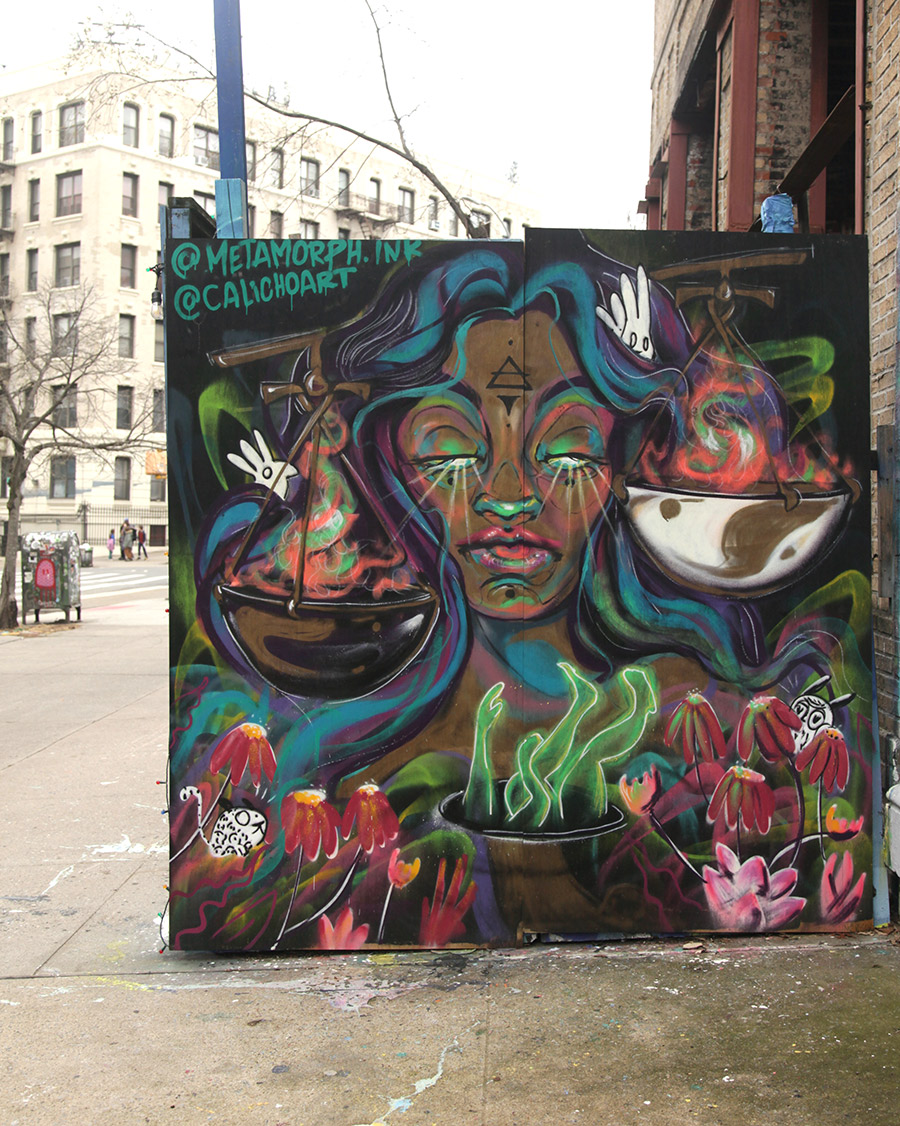
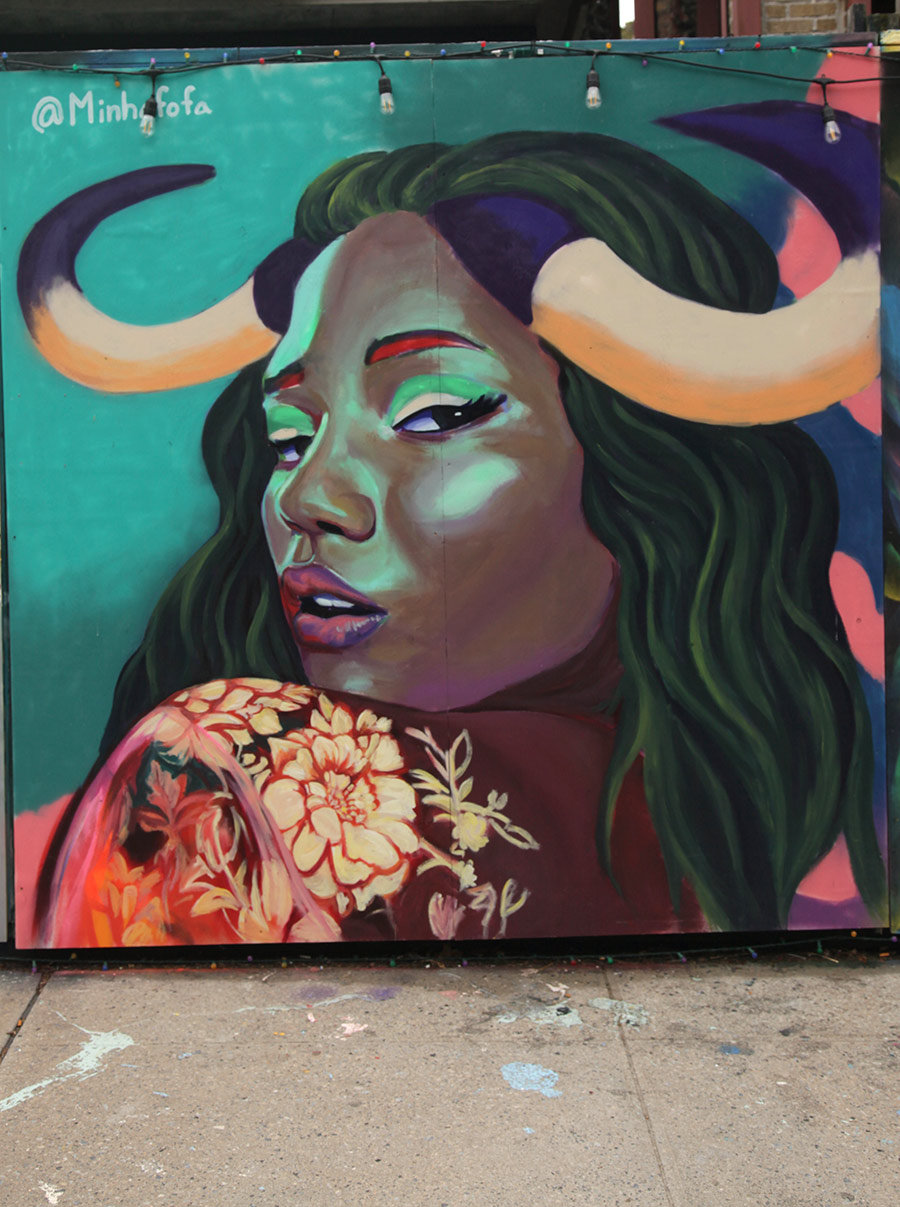
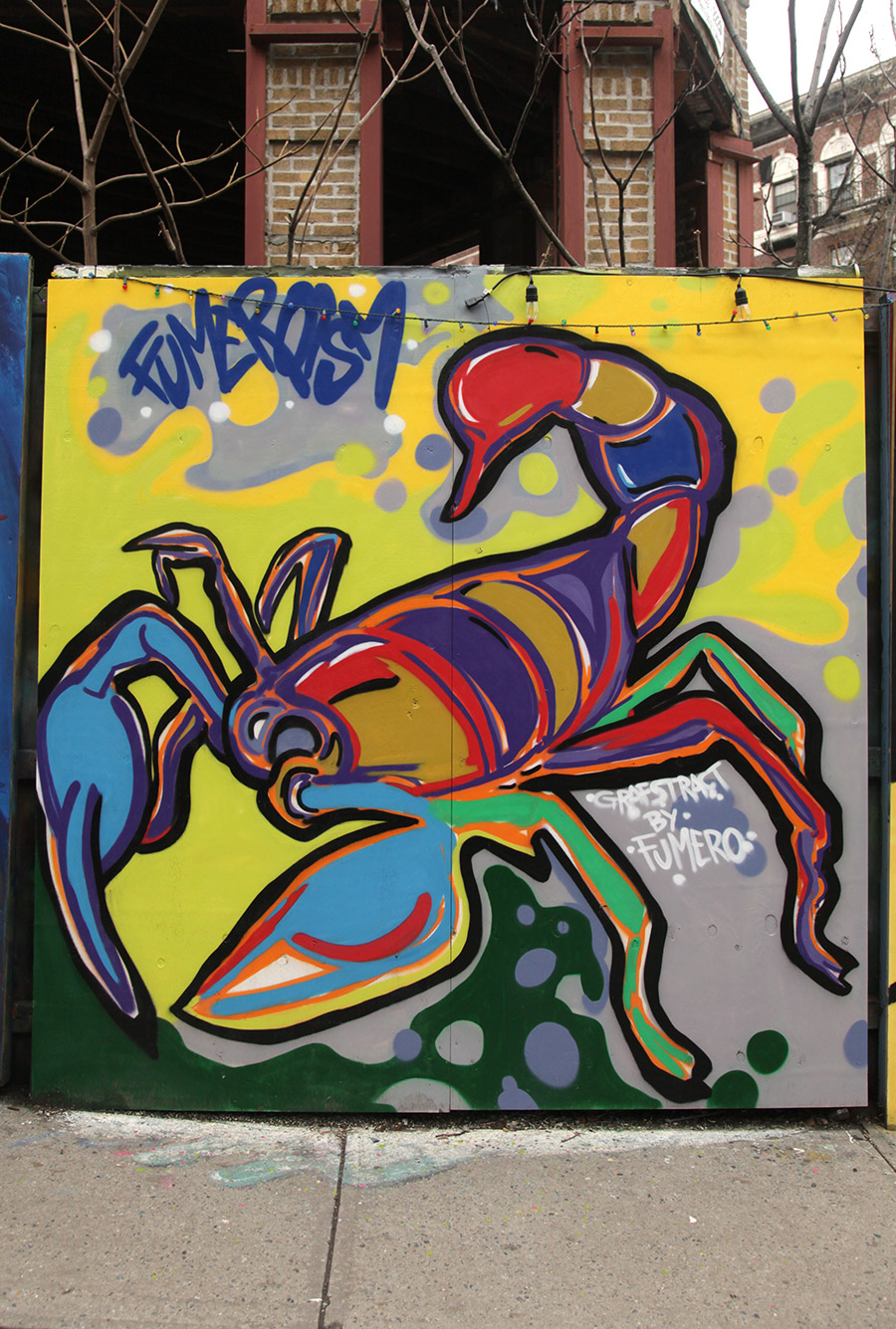
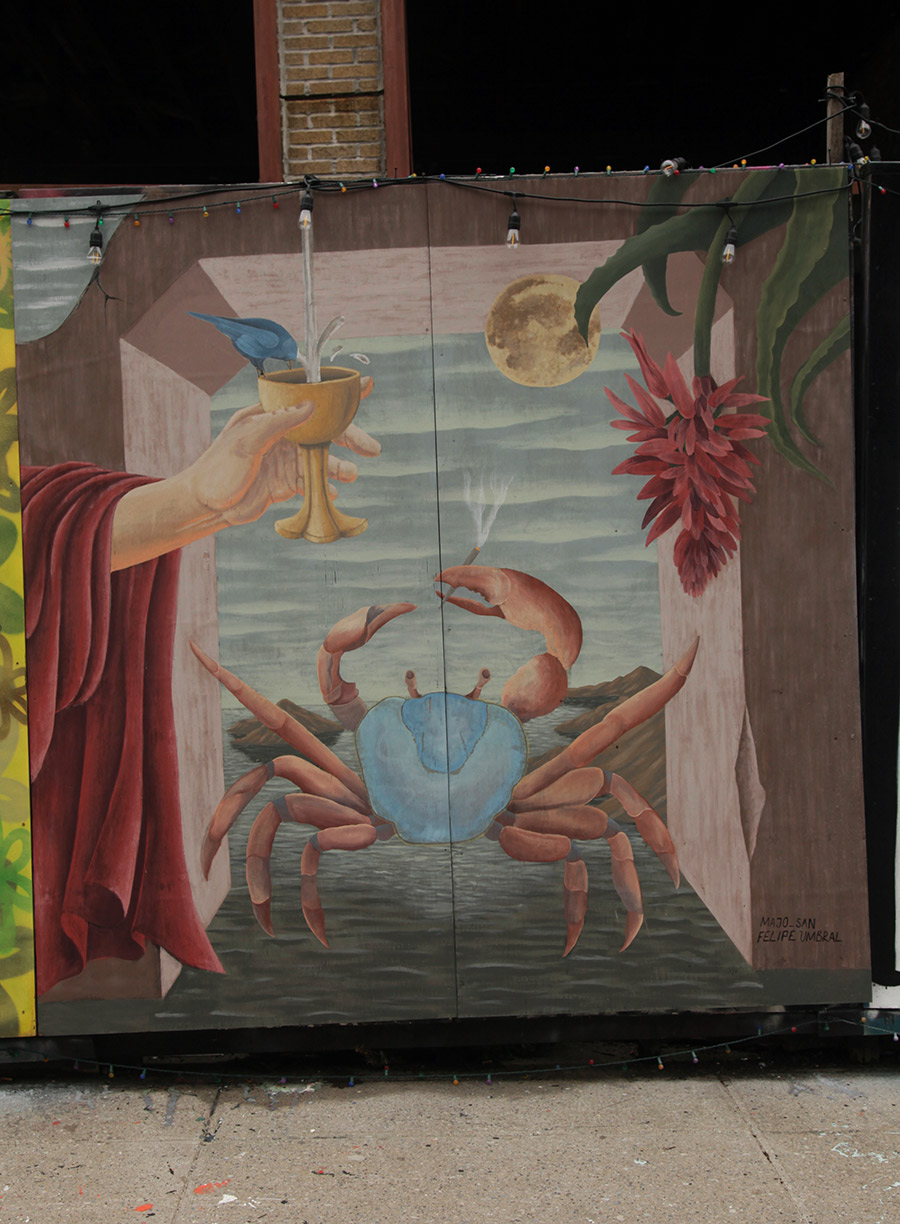
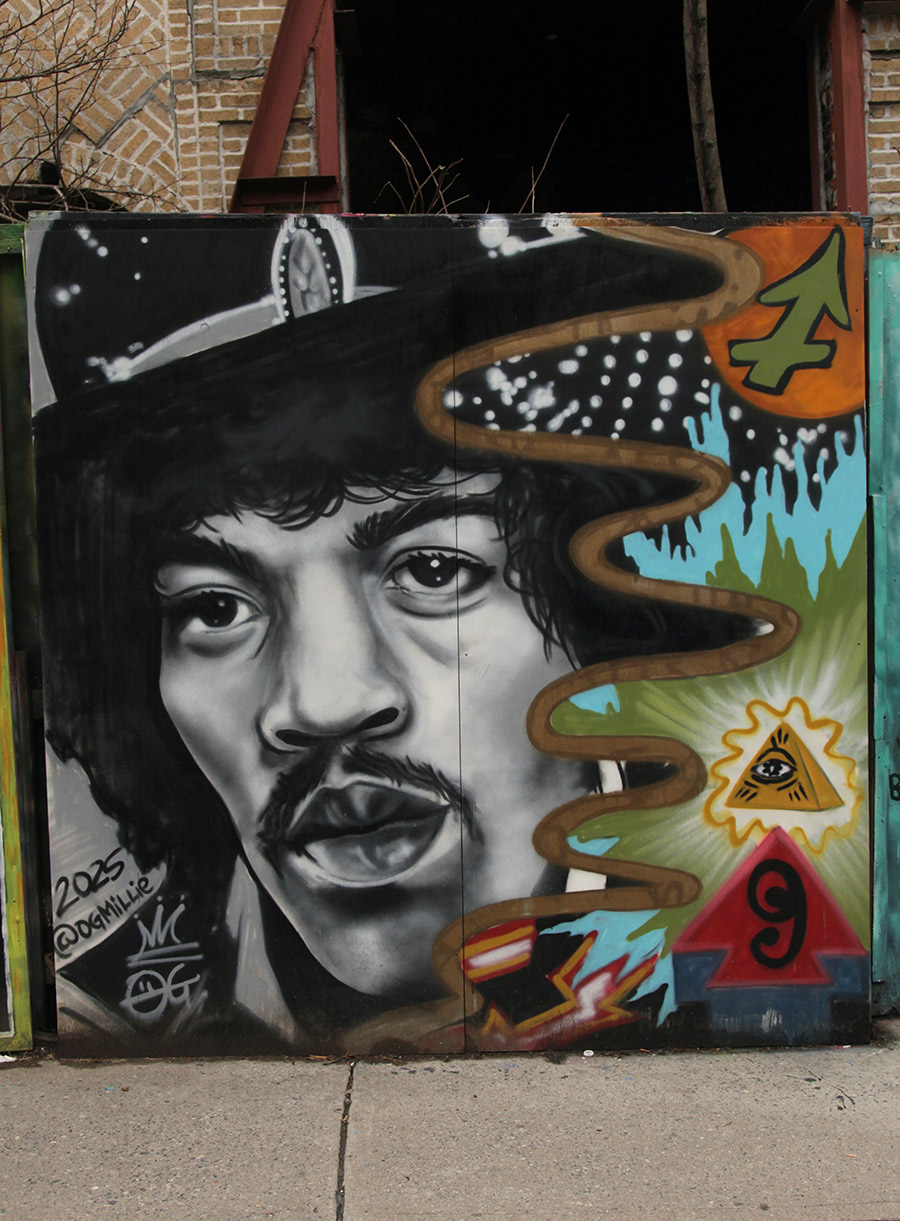
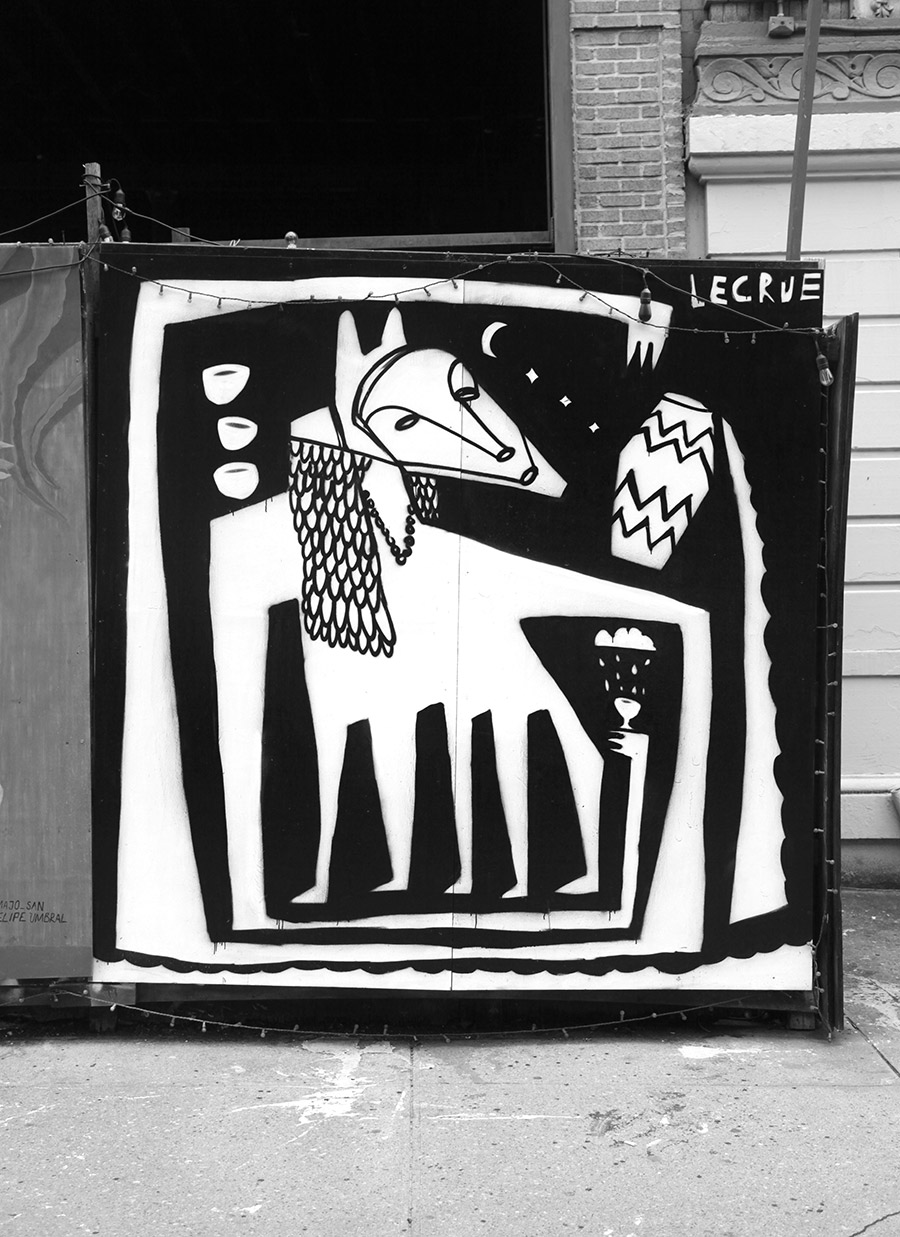
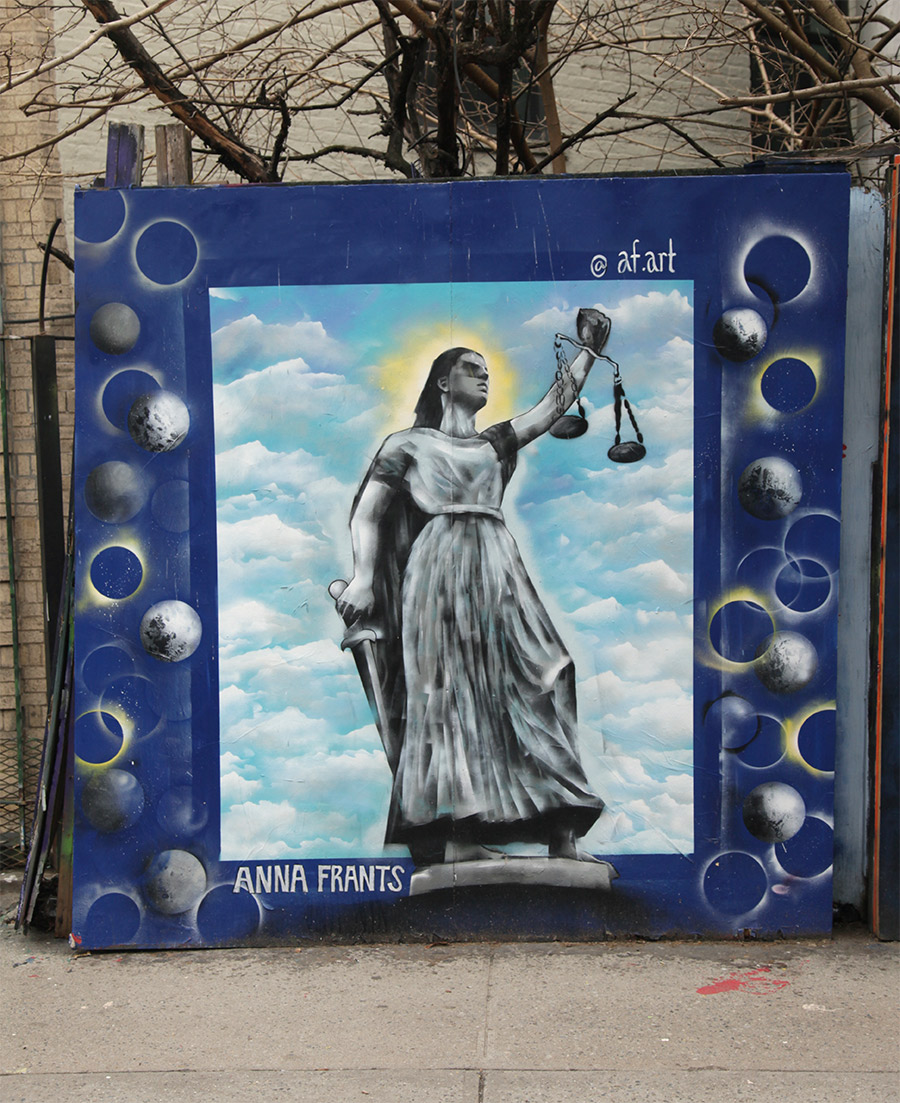
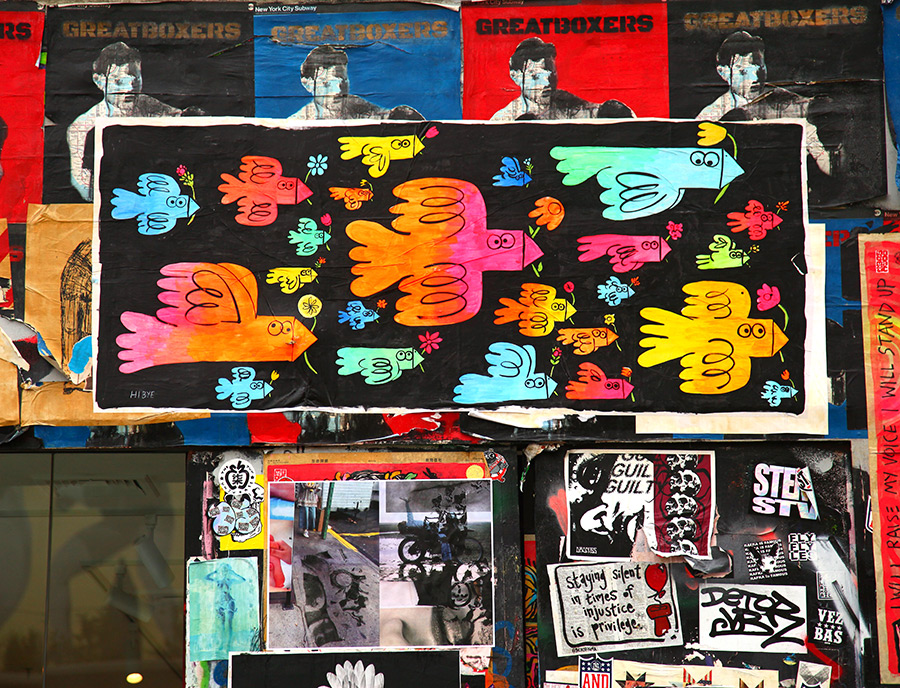
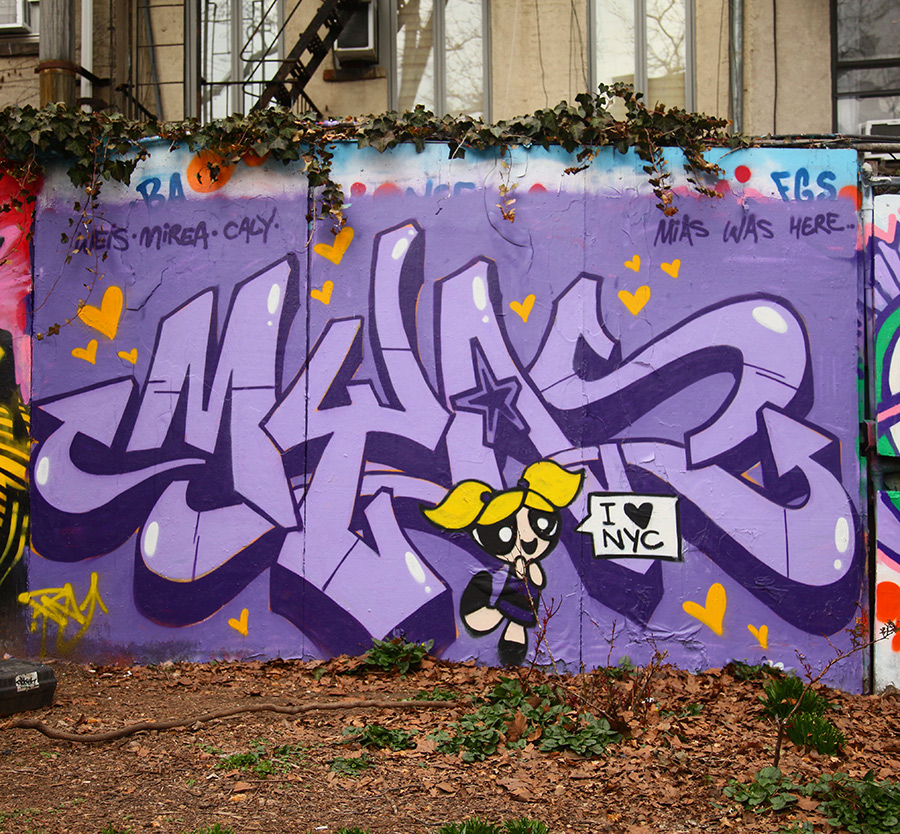
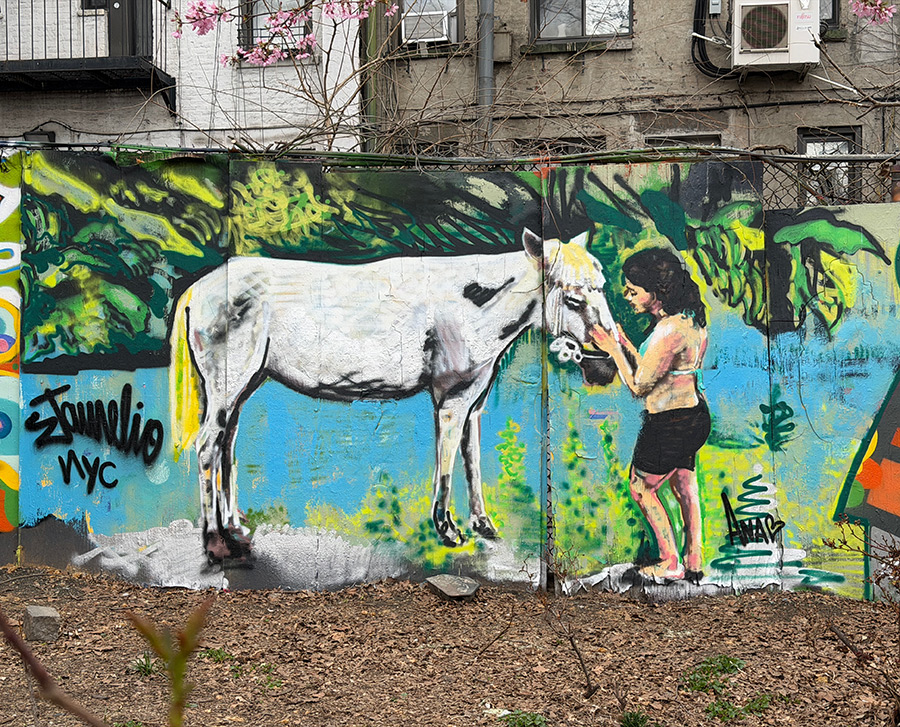
This week, we give light to some of the recent panels from a community wall project that consistently refreshes the view for people in the Prospect Heights neighborhood of Brooklyn. Founded in 2015 by artist and curator Jeff Beler, who developed the site after securing permission to transform construction fencing around a fire-damaged, long-abandoned building into an open-air mural space. The project, initially organized with curator Frankie Velez, operates as a recurring, theme-based installation refreshed roughly twice a year, bringing together a mix of established and emerging muralists to produce site-specific work across multiple panels. A community-based initiative, Underhill Walls has grown into a visible neighborhood fixture and a broader hub for mural production, emphasizing collaboration, accessibility, and artist “chemistry” in selection for the rotating roster.
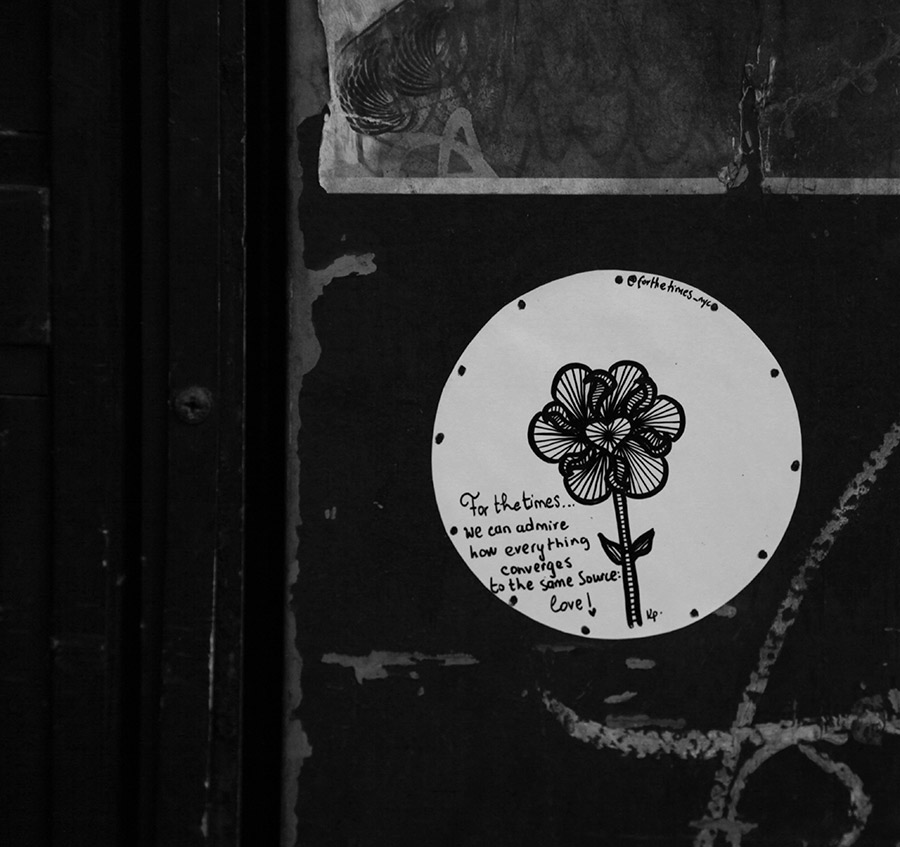
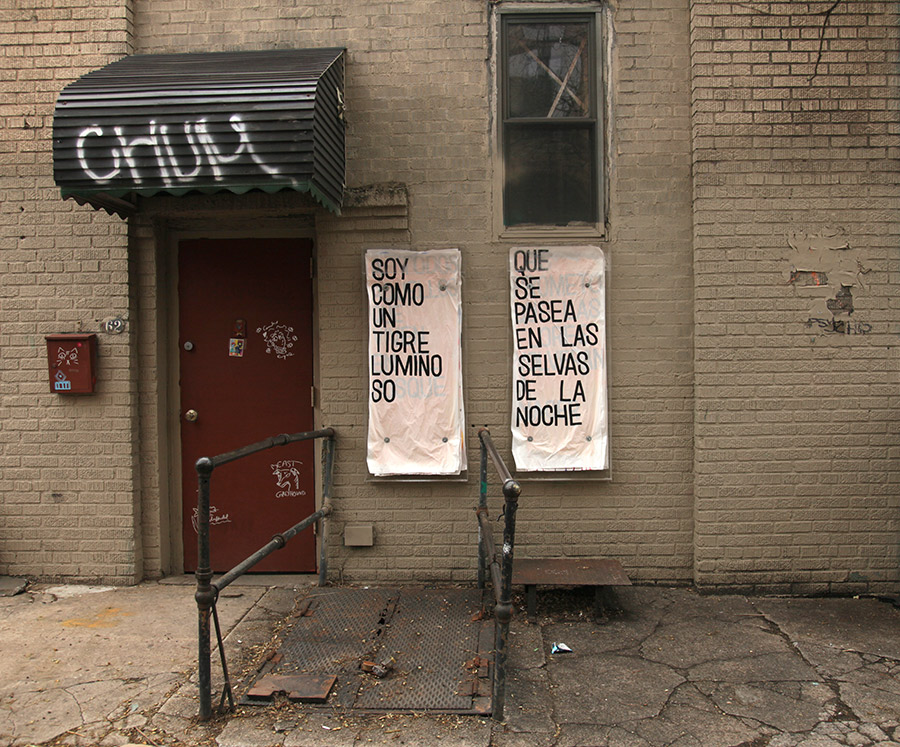
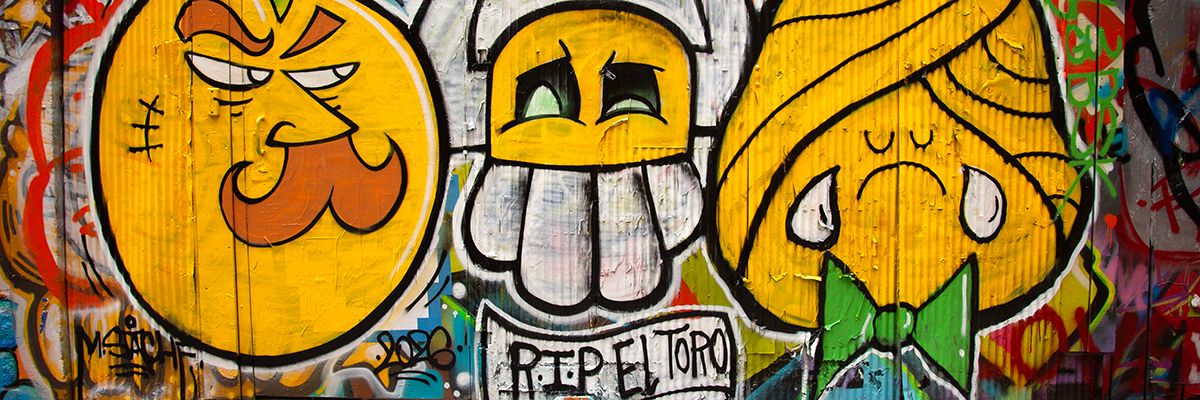
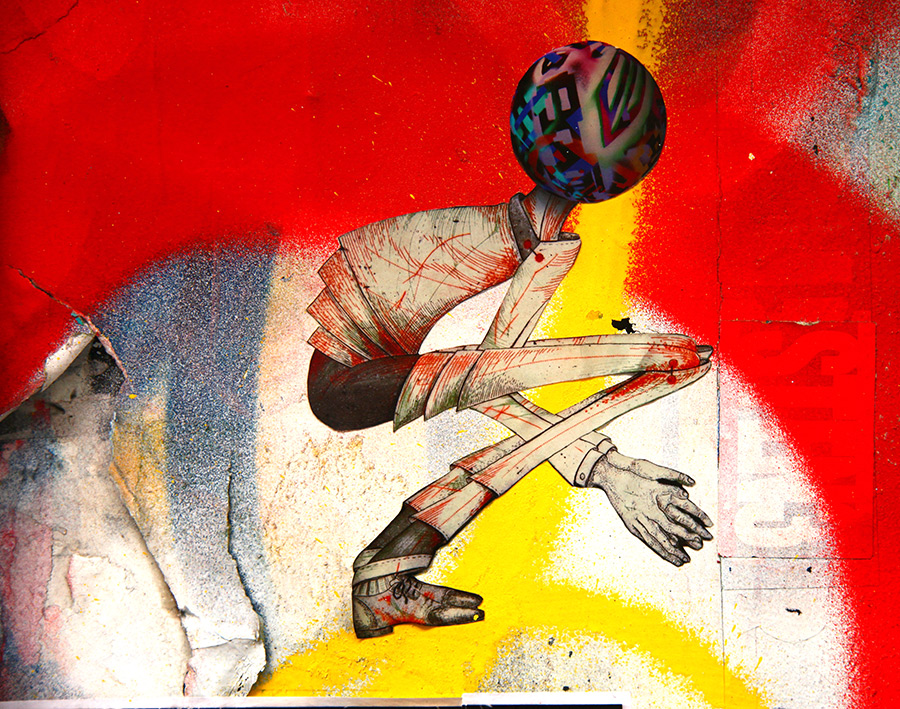
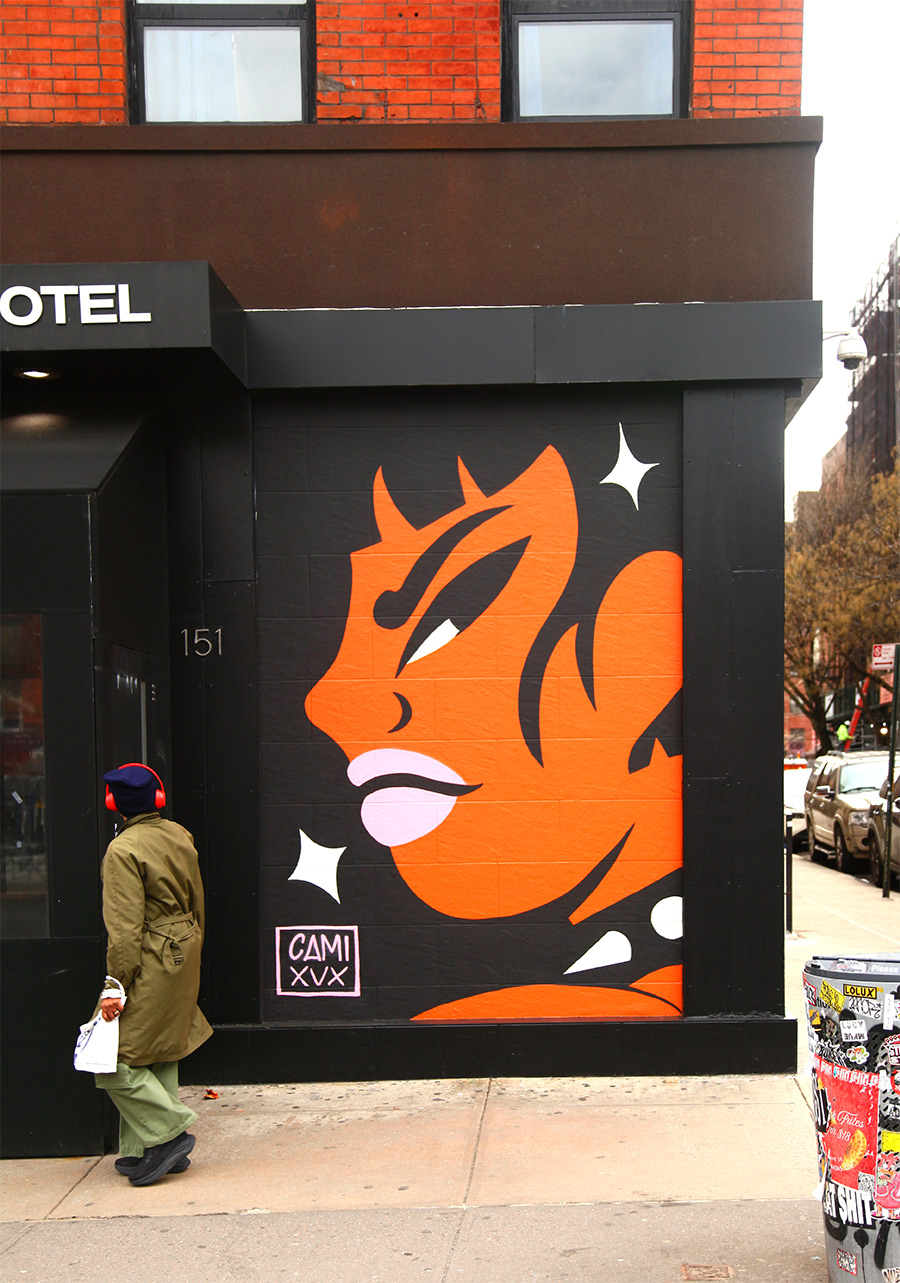
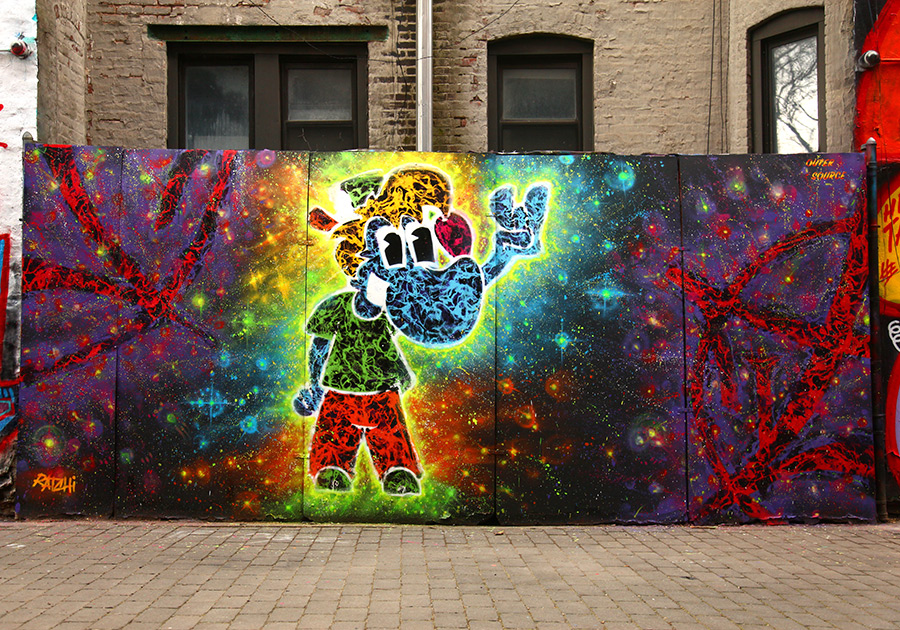
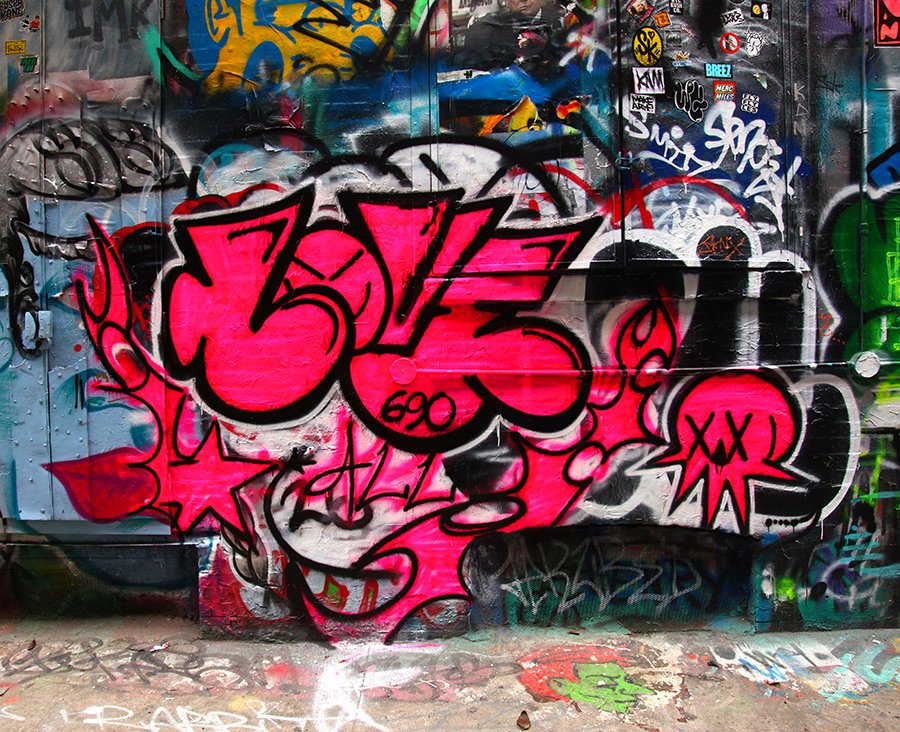
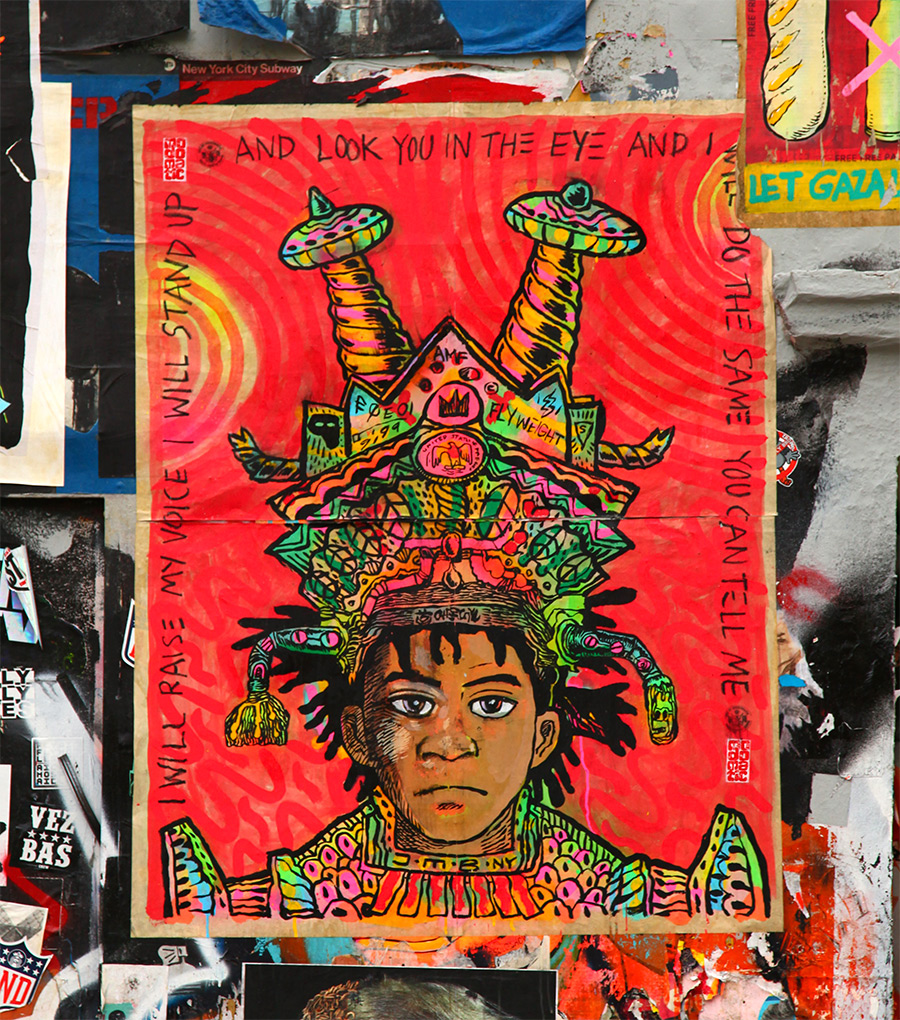
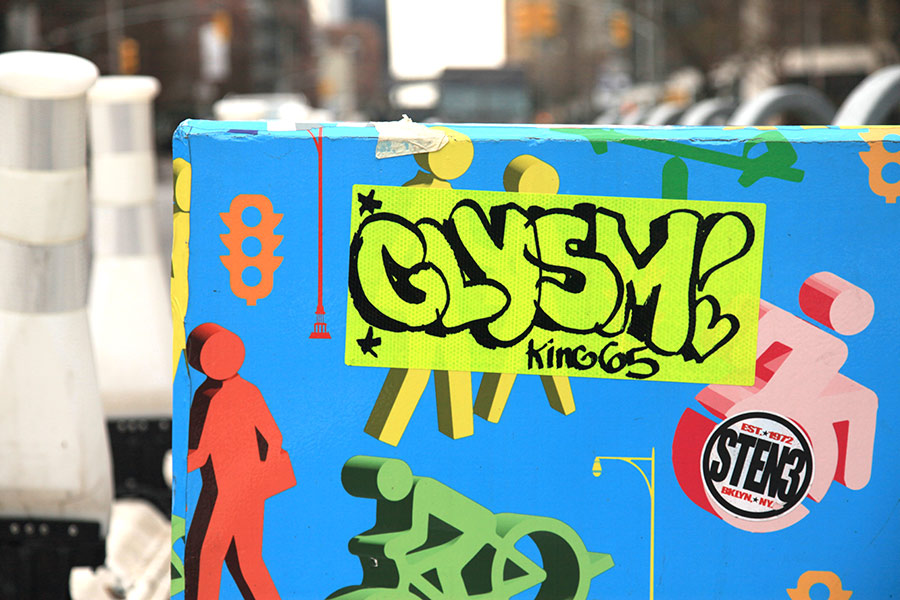
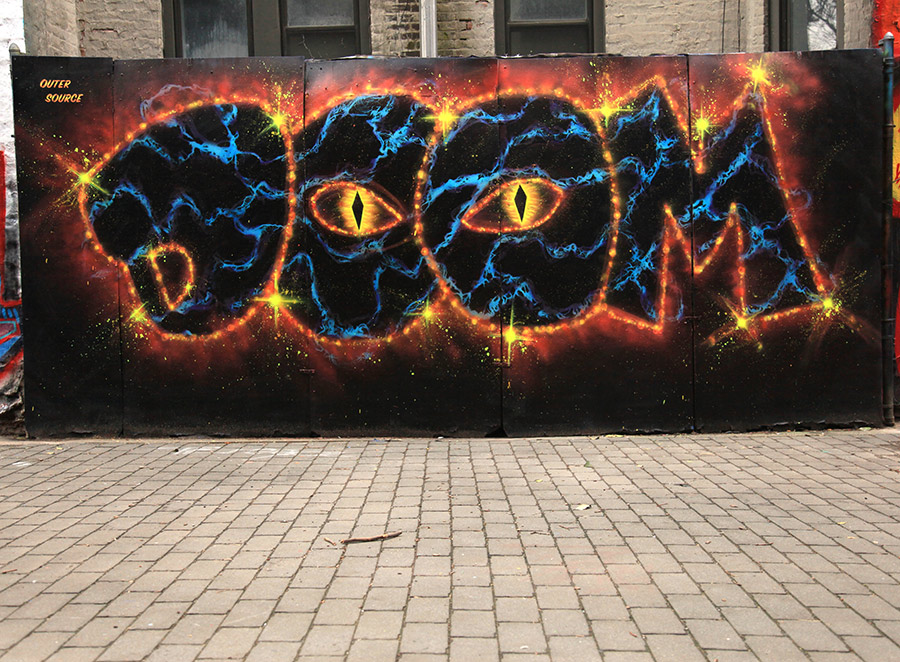
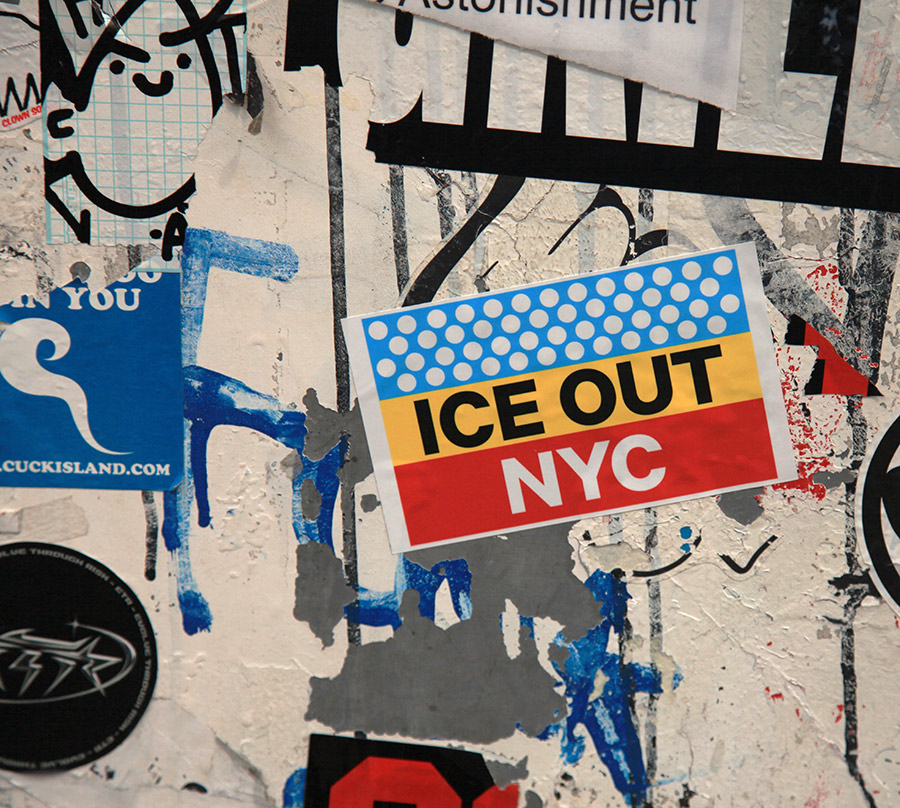
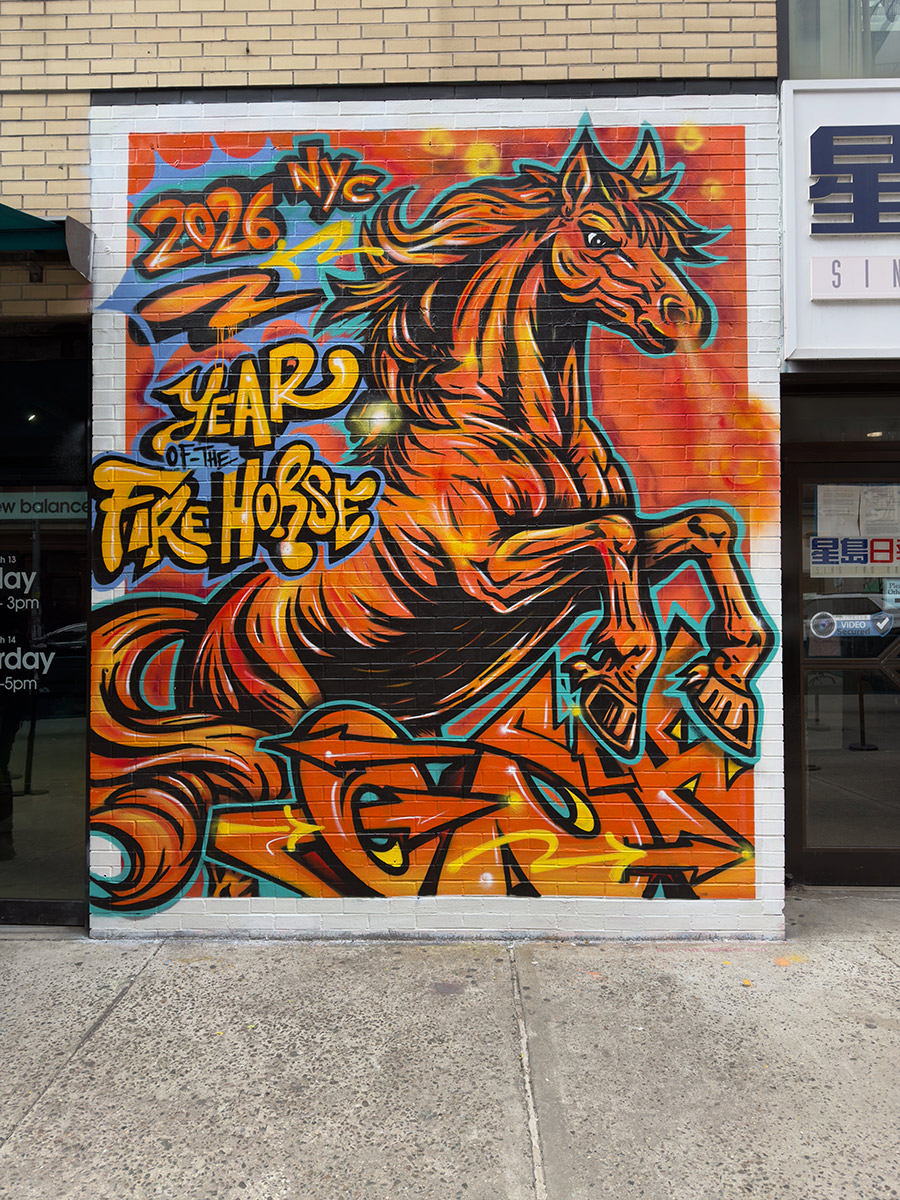
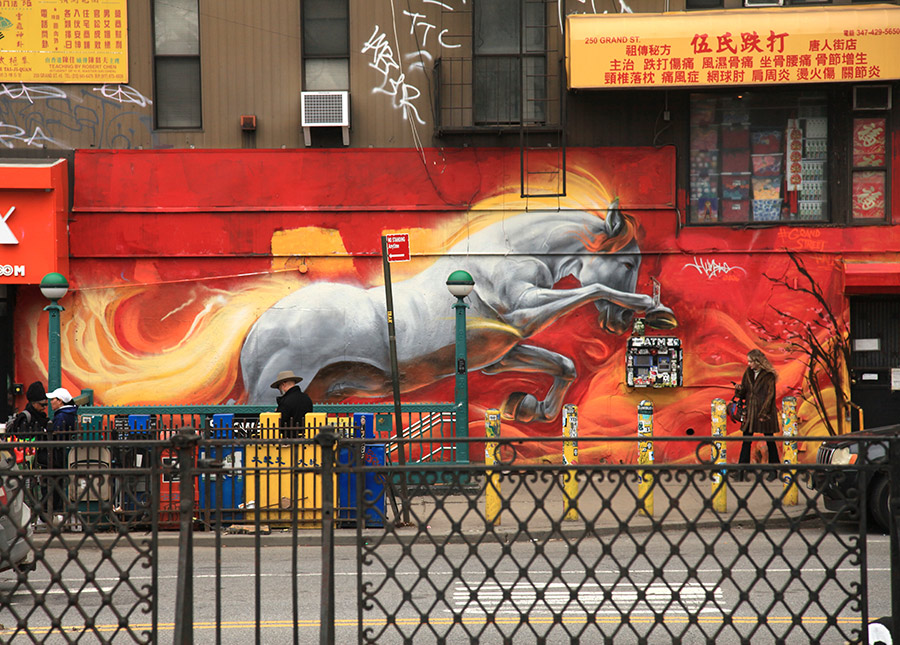
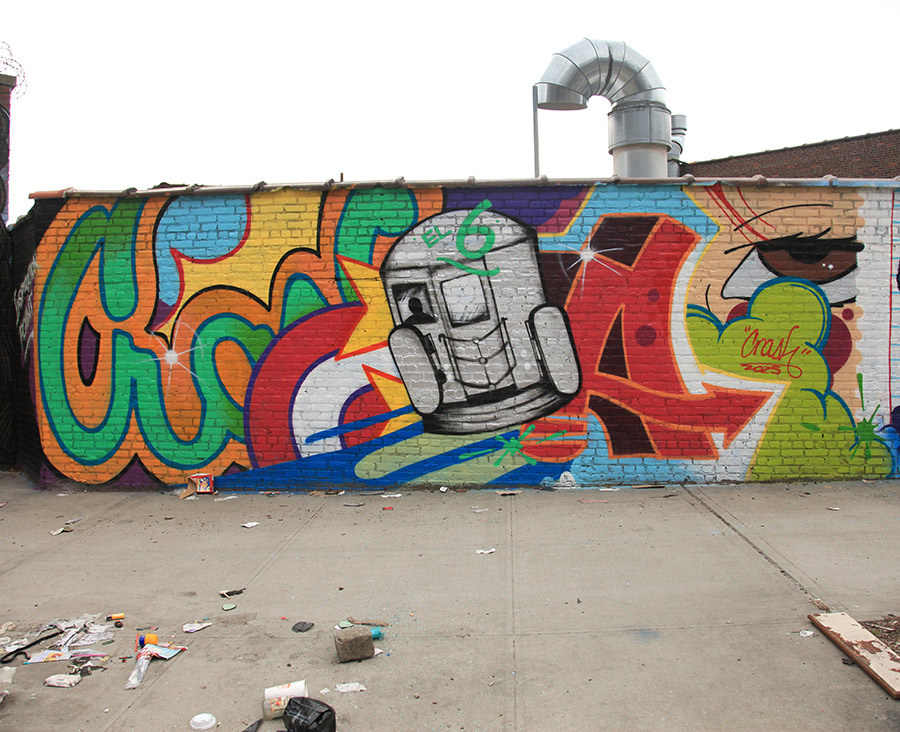
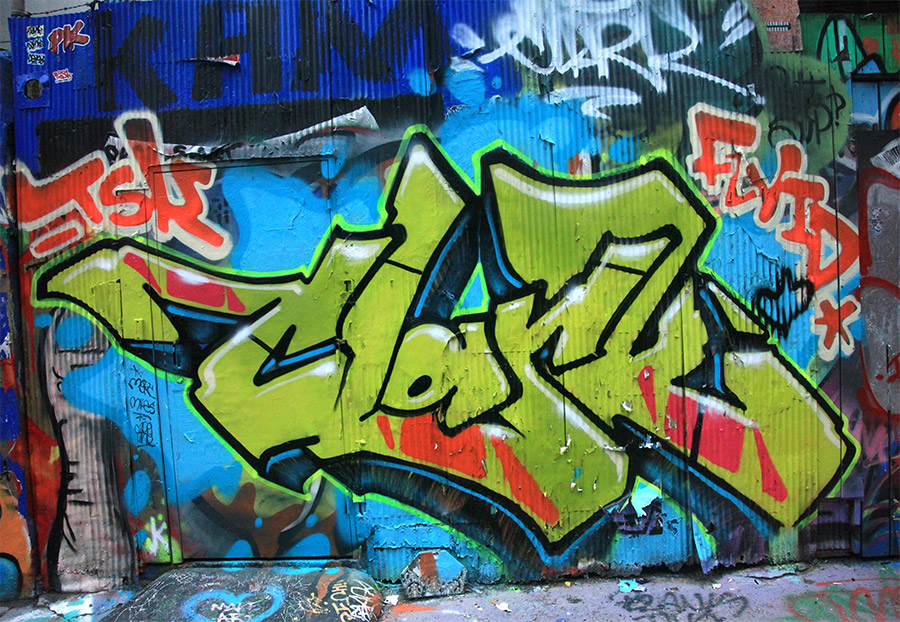
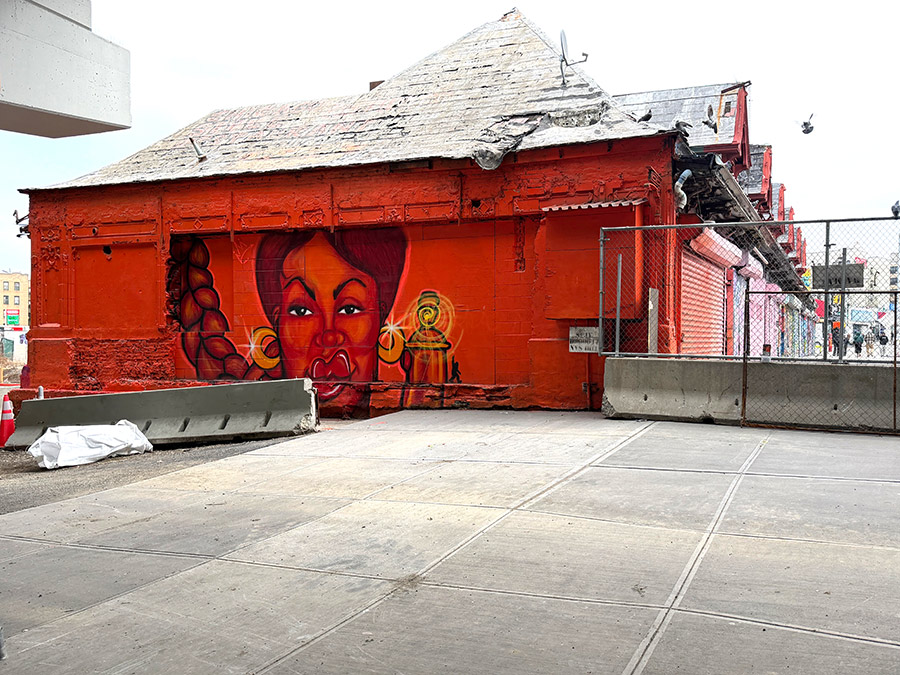
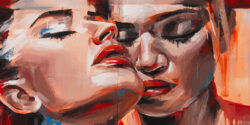
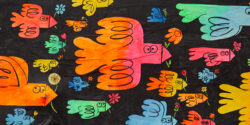
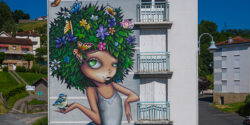
Here is our weekly interview with the street, today featuring Anna Faris, Barbtropolis, BC NBA, Bunny M, Calicho Art, CAMI XVX, DG Millie, Drones, Fumero, Georgia Violett, Kams S Art, LeCrue Eyebrows, Luis Valle, Majo, Margarita Howls, Metamorph, Minhafofa, and Peachee Blue.
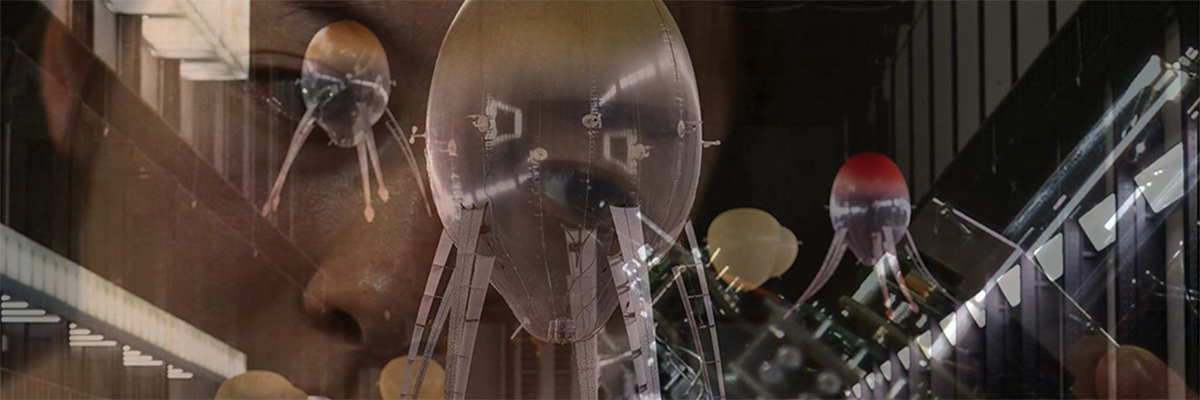
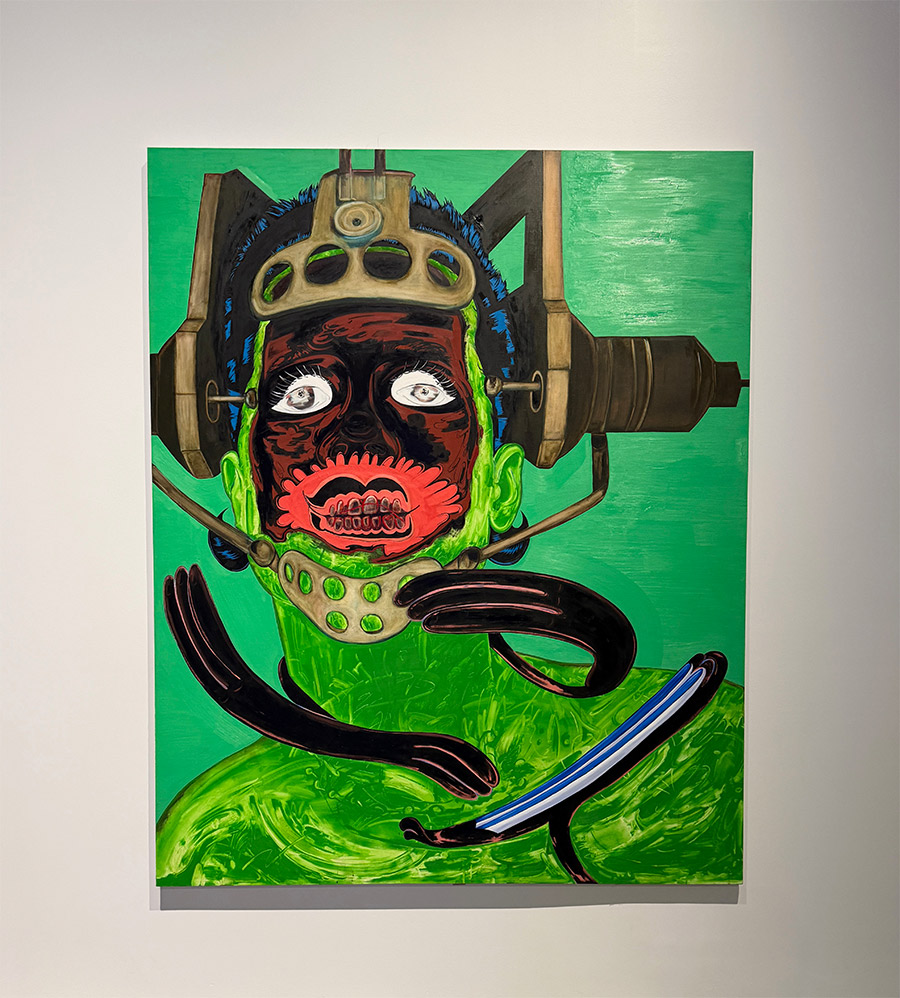
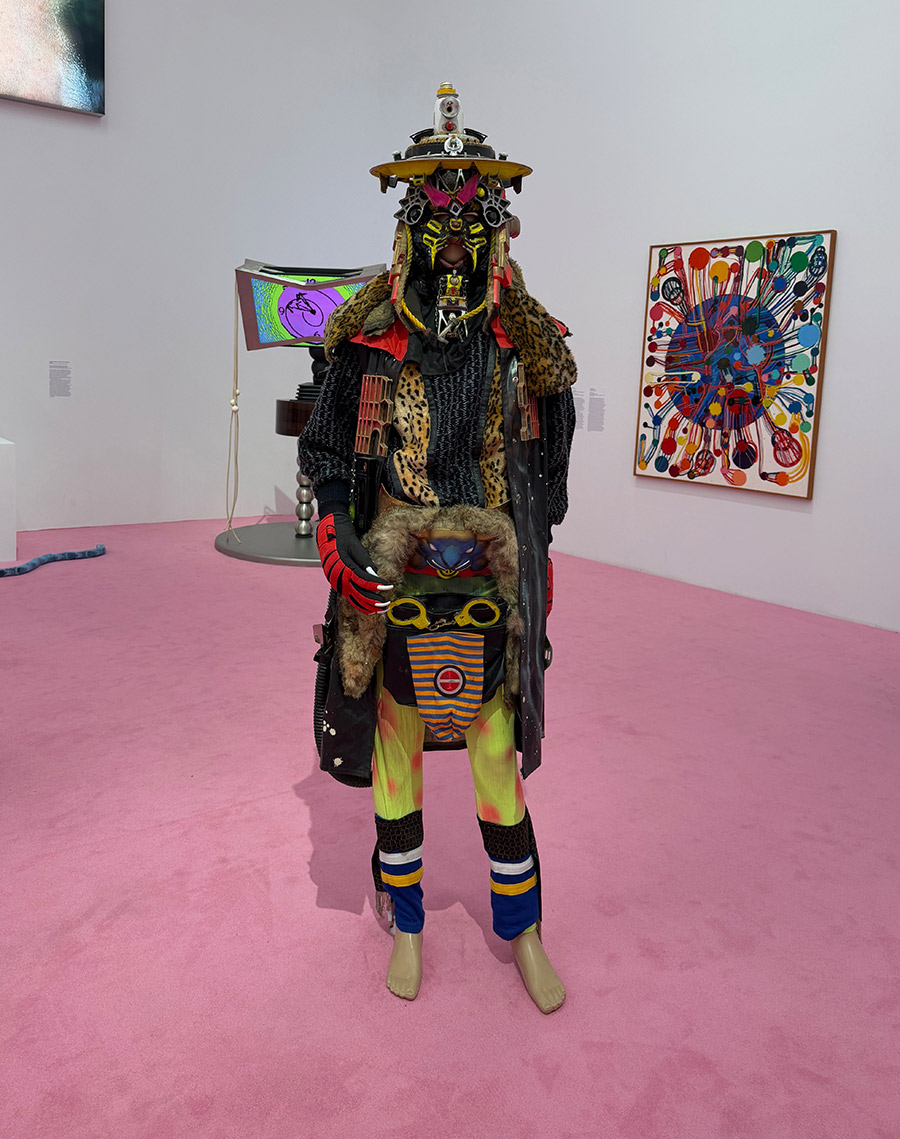
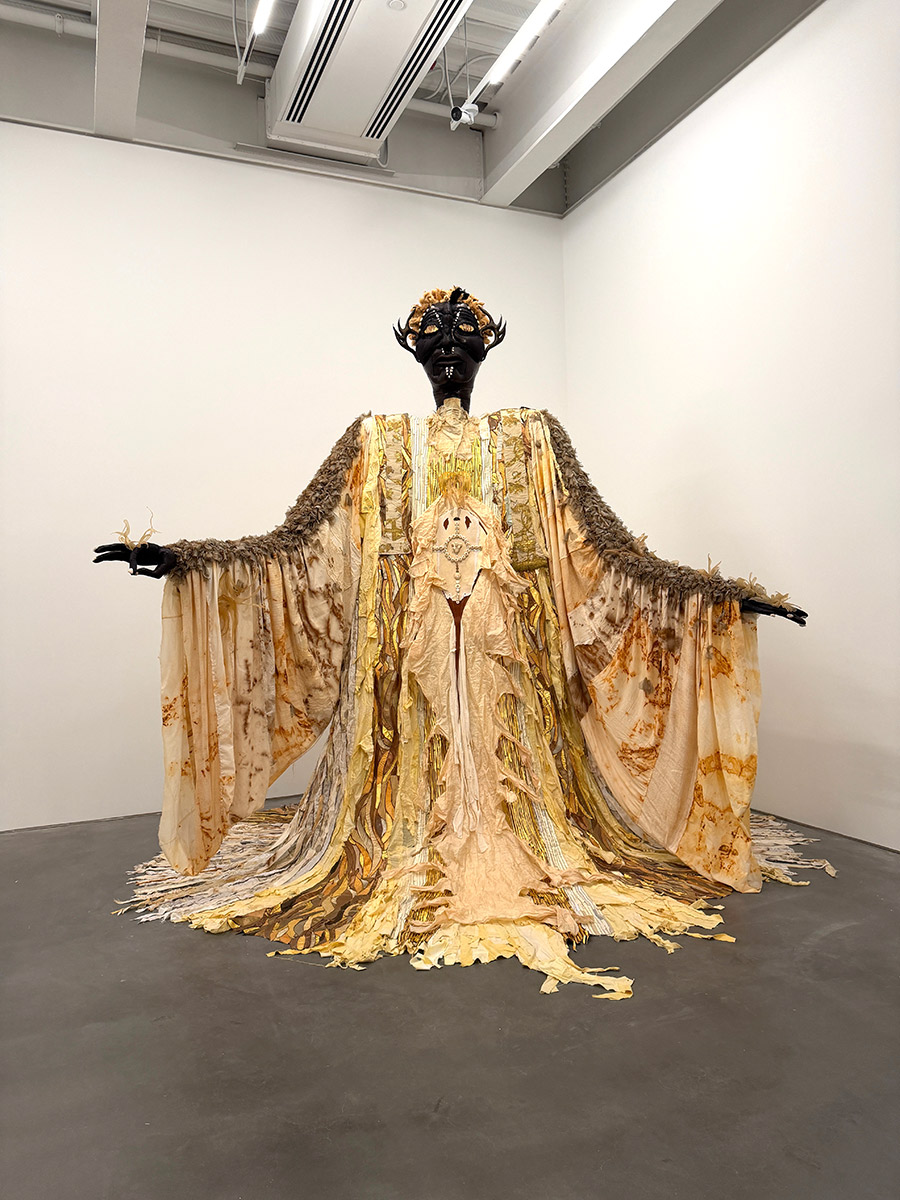
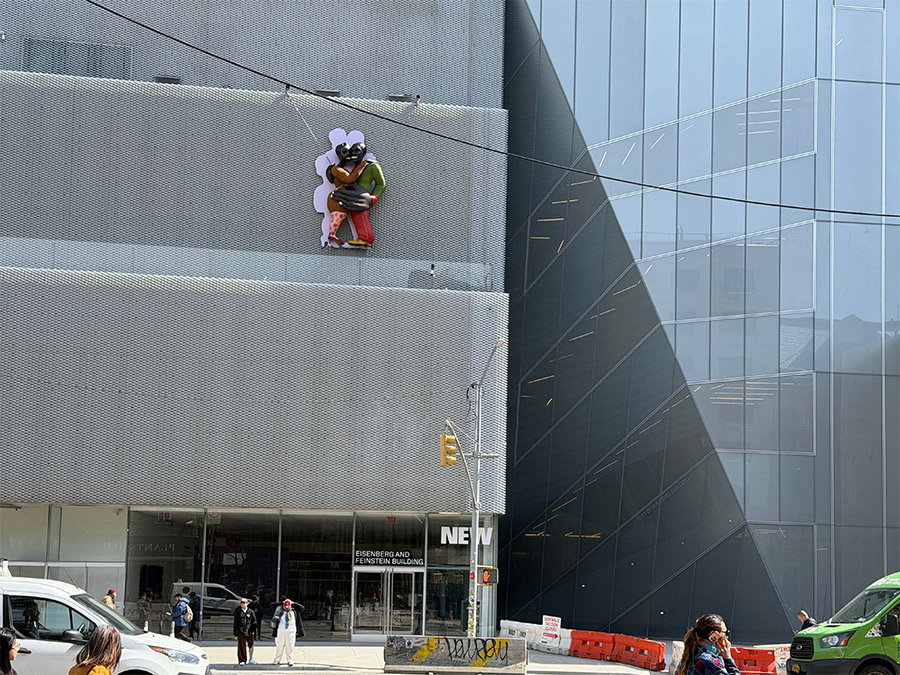
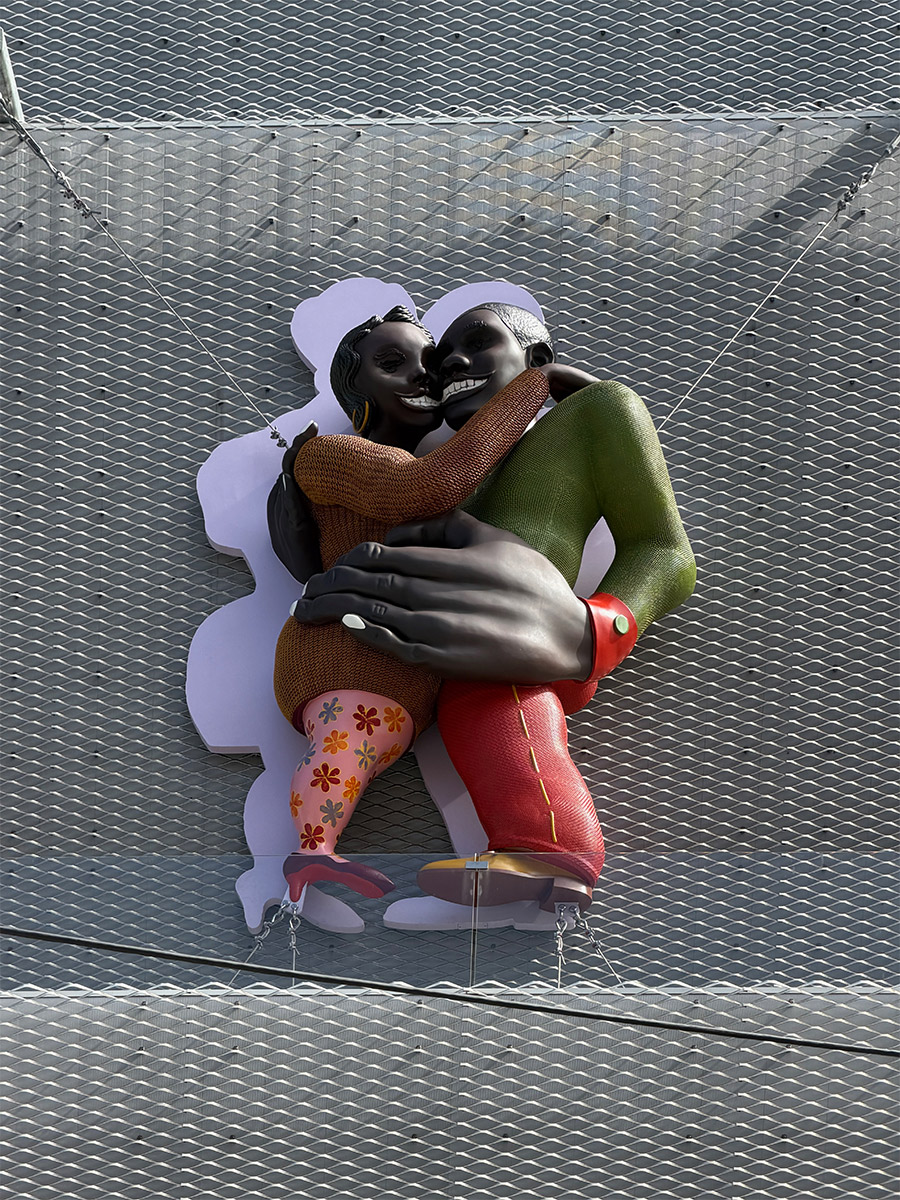
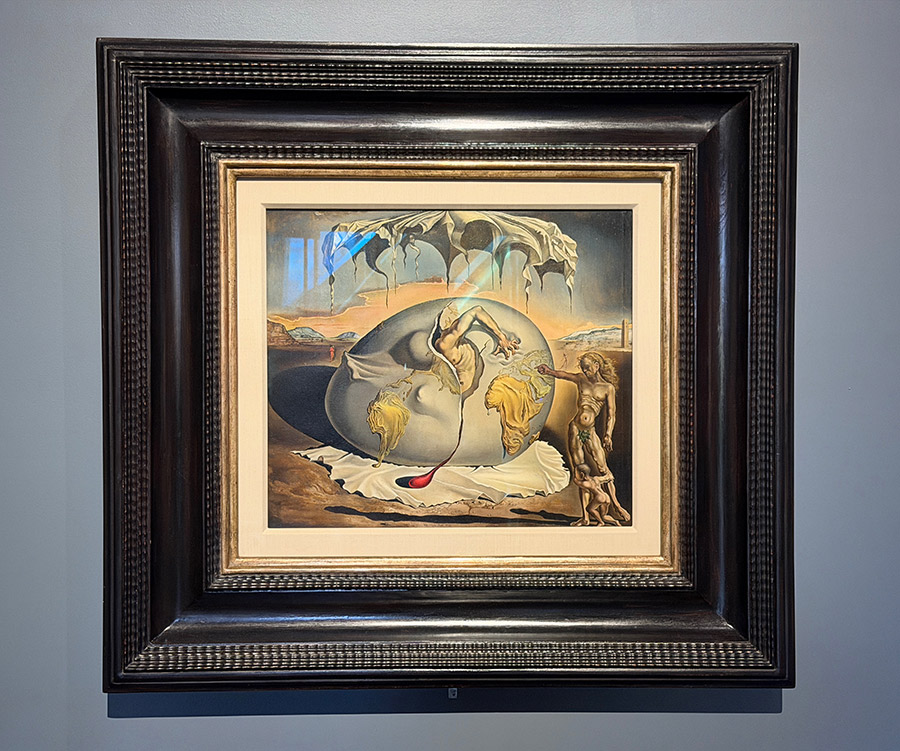
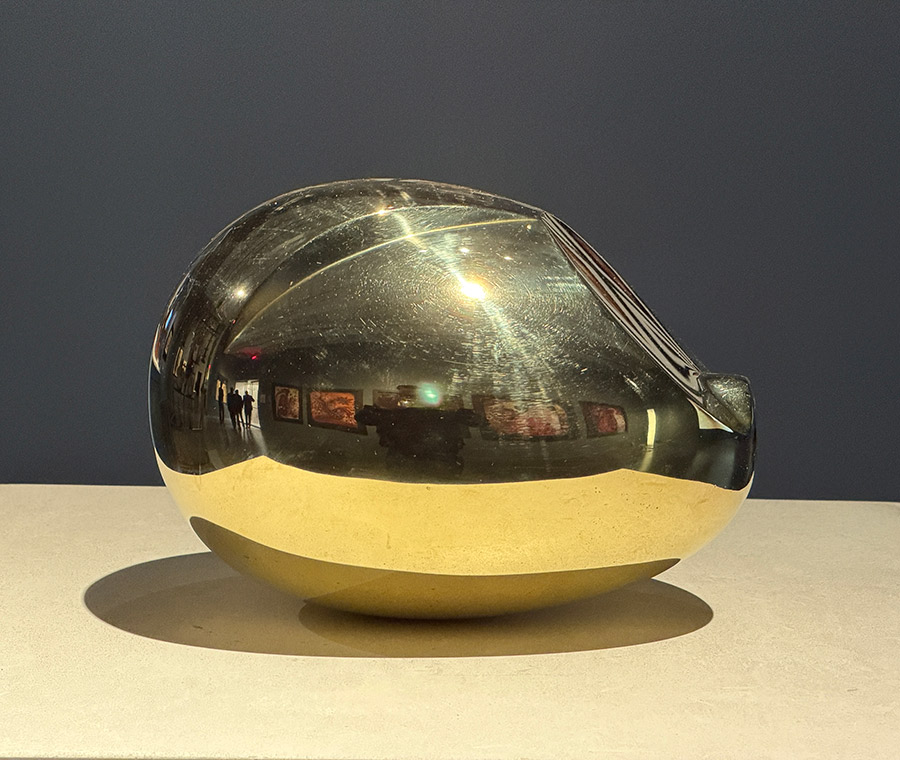
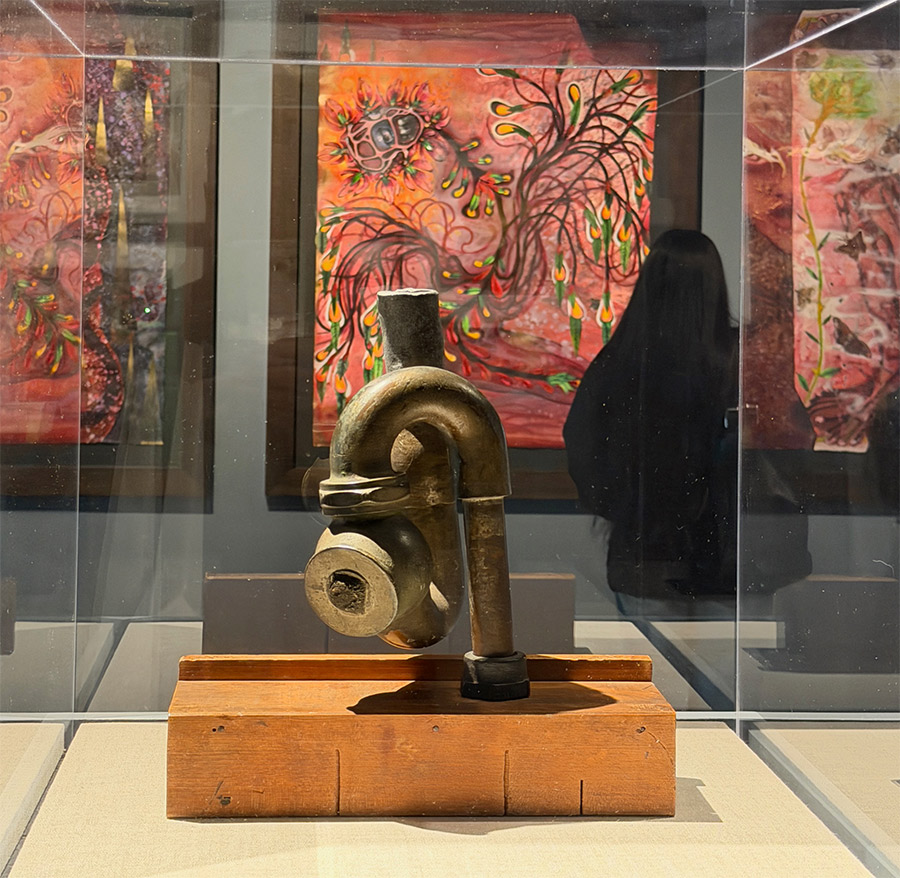
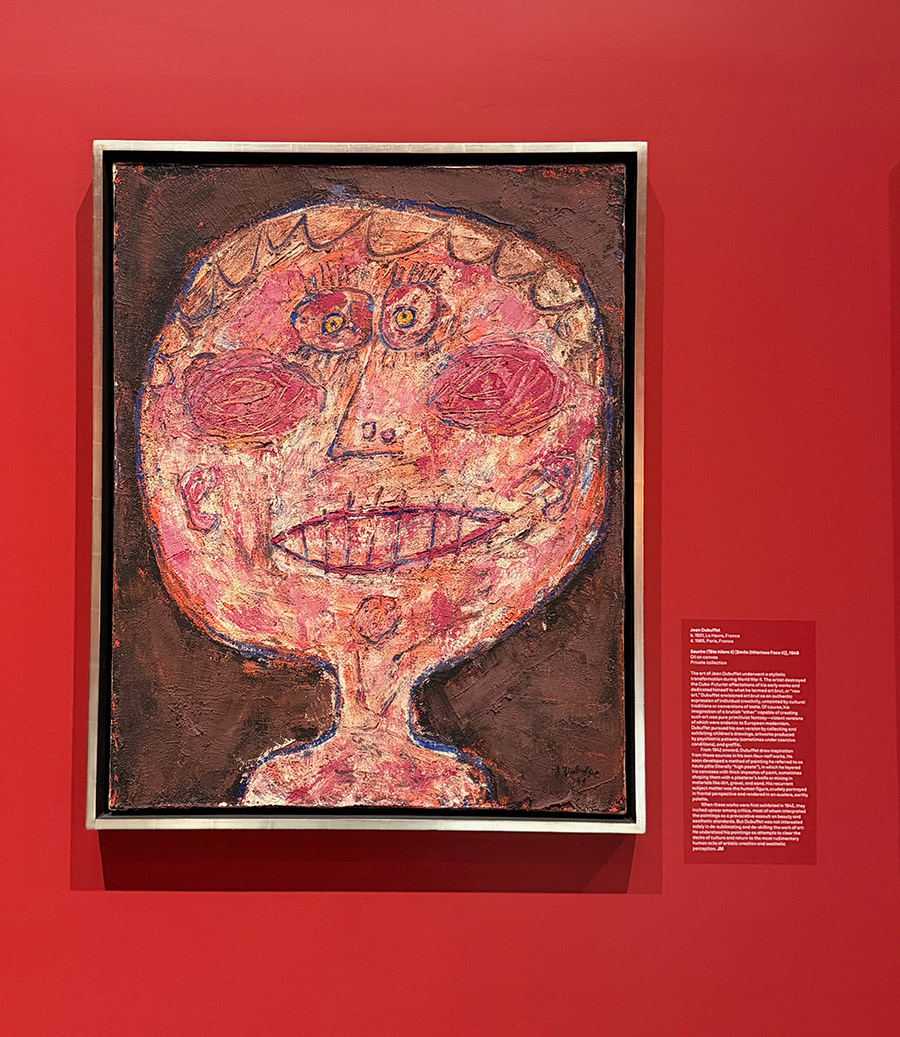
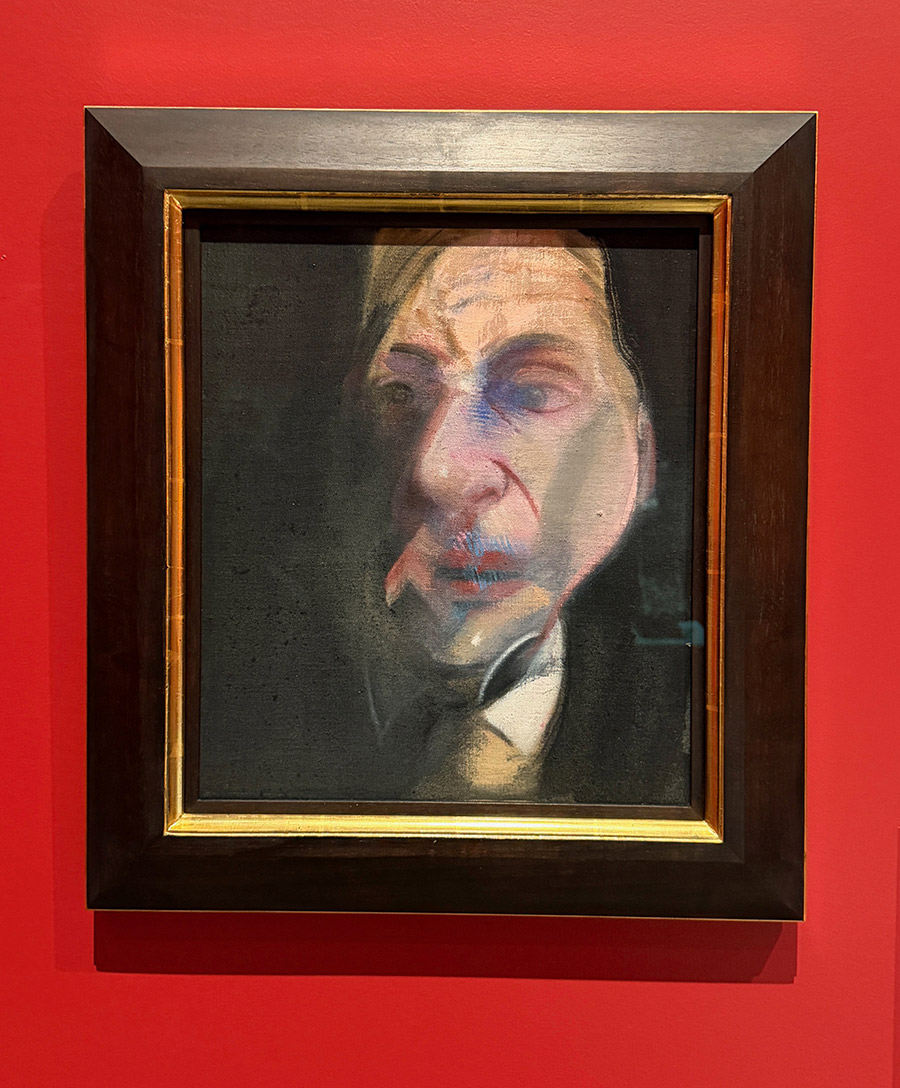
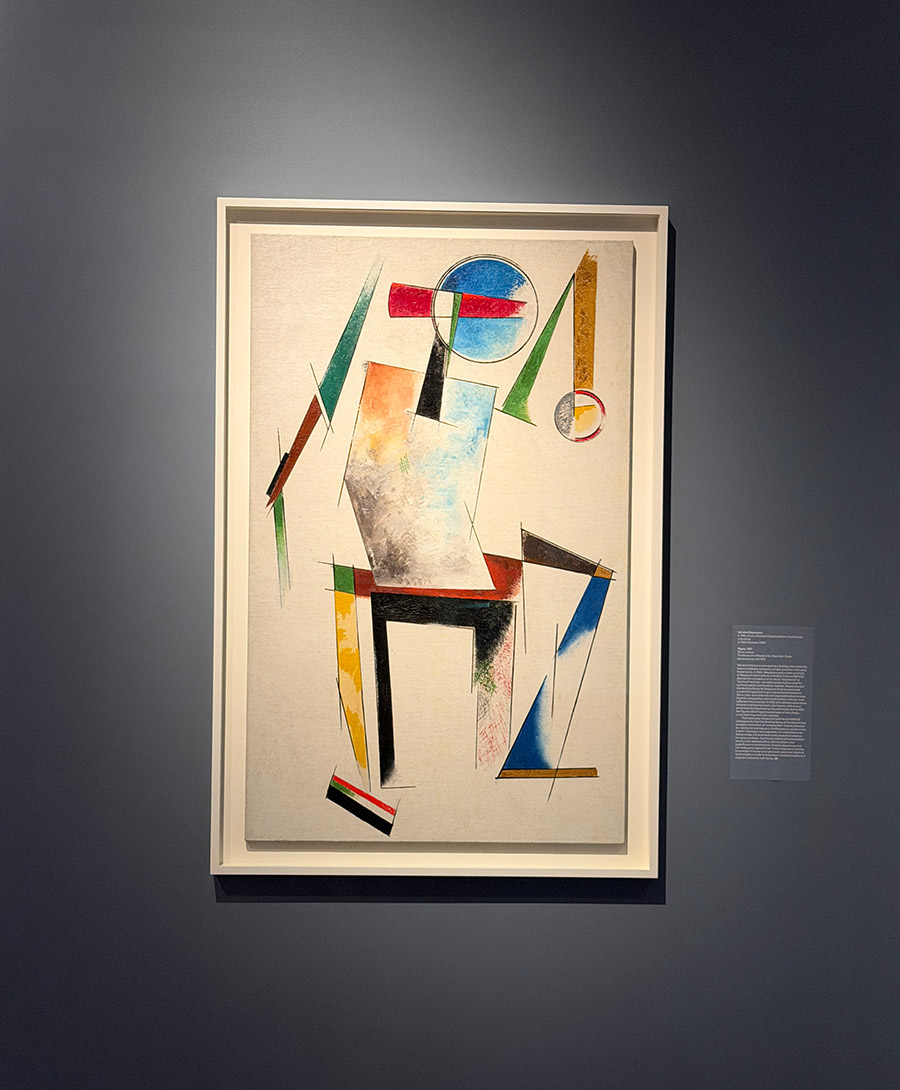
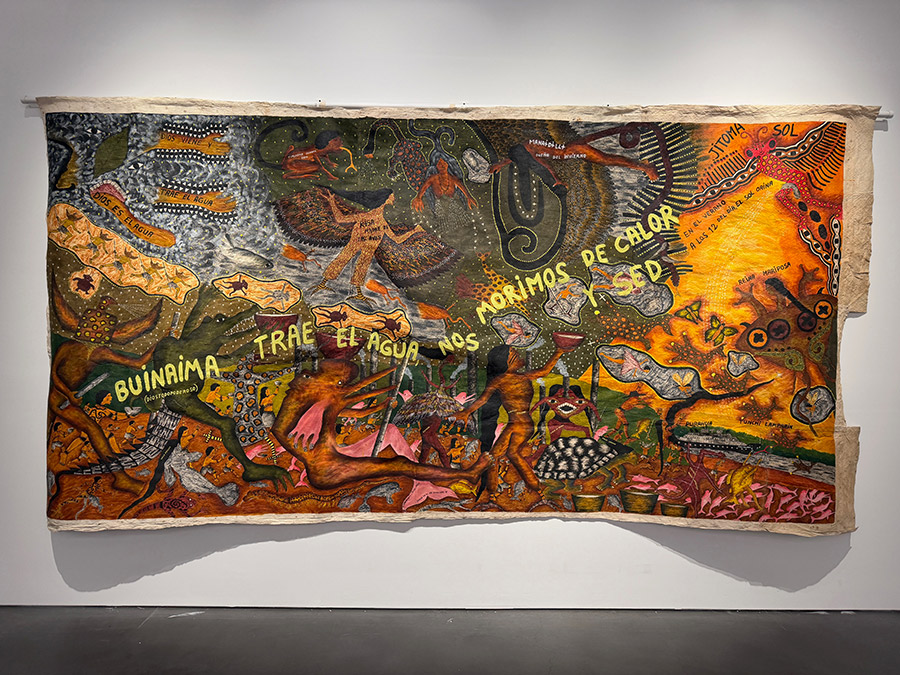
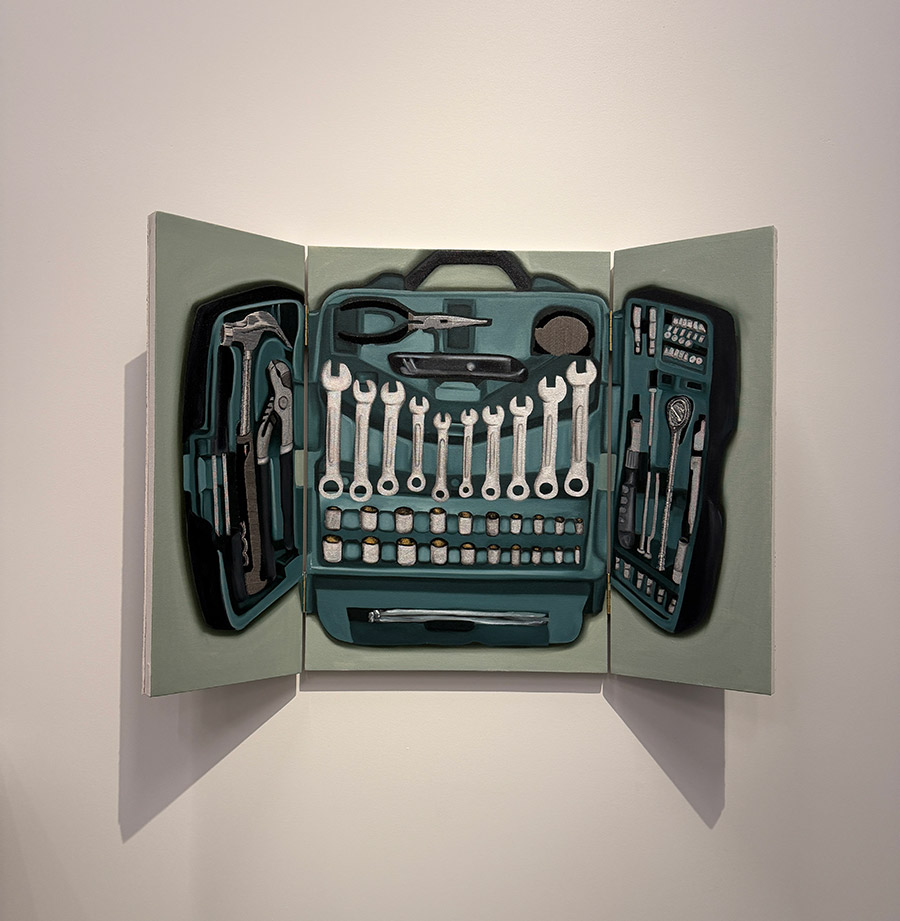
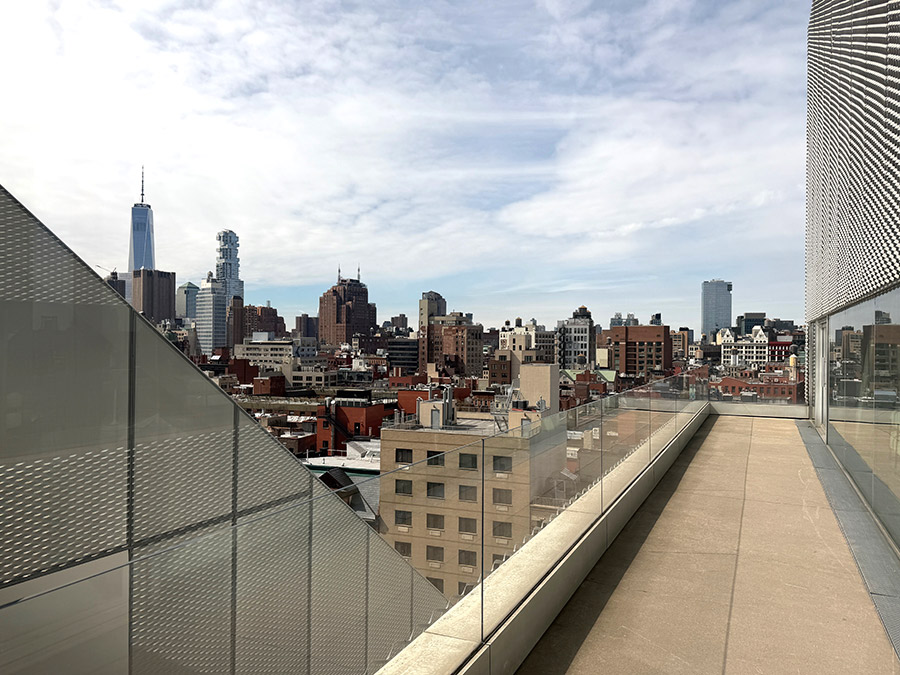
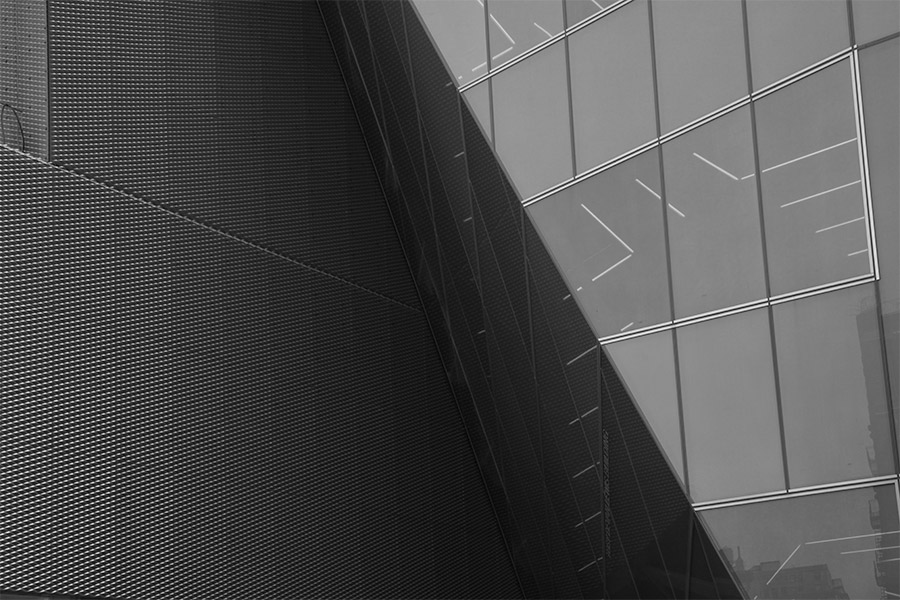
New Humans: Memories of the Future at the expanded New Museum, New York
Steven P. Harrington
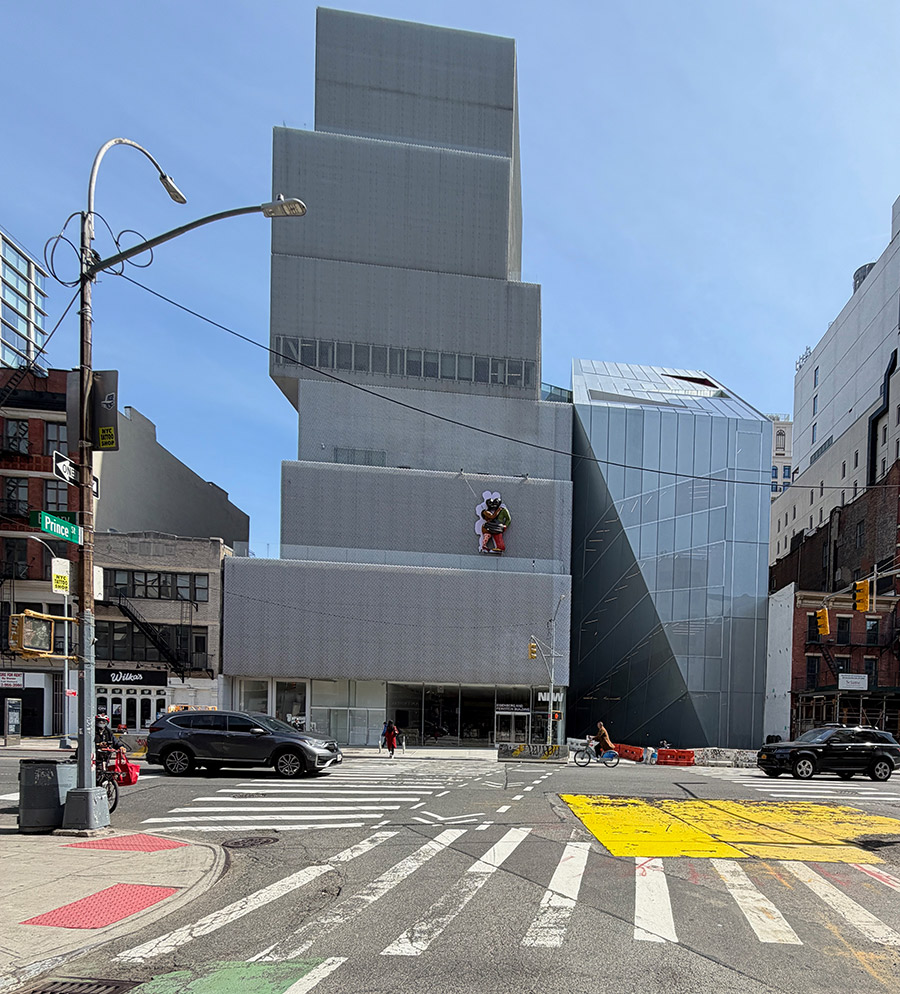
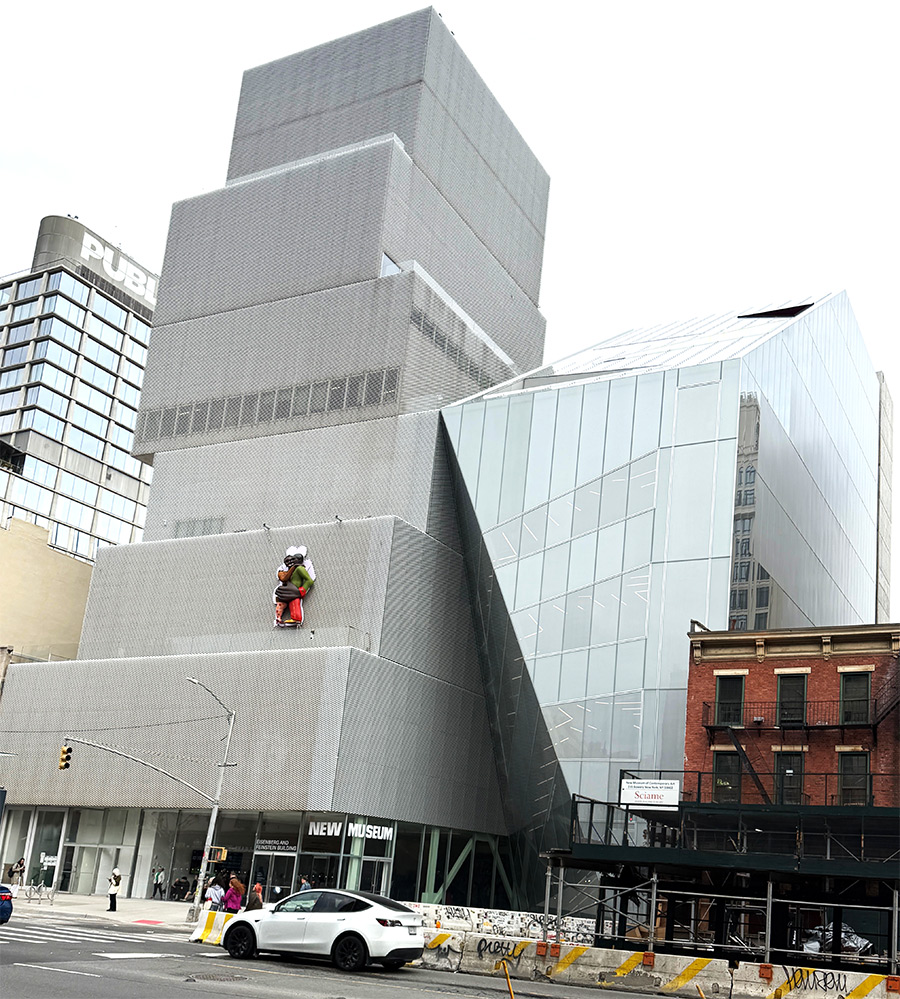
Right on time for a global stage display of man’s inhumanity to man, the New Museum reopens on the Bowery — two years after closing for an $82 million expansion that missed its 2025 target and landed in early spring 2026. Under longtime director Lisa Phillips, the institution returns much as it has always been: ambitious, fast-moving, and still unusual in one key way — it doesn’t collect art. It stages arguments.
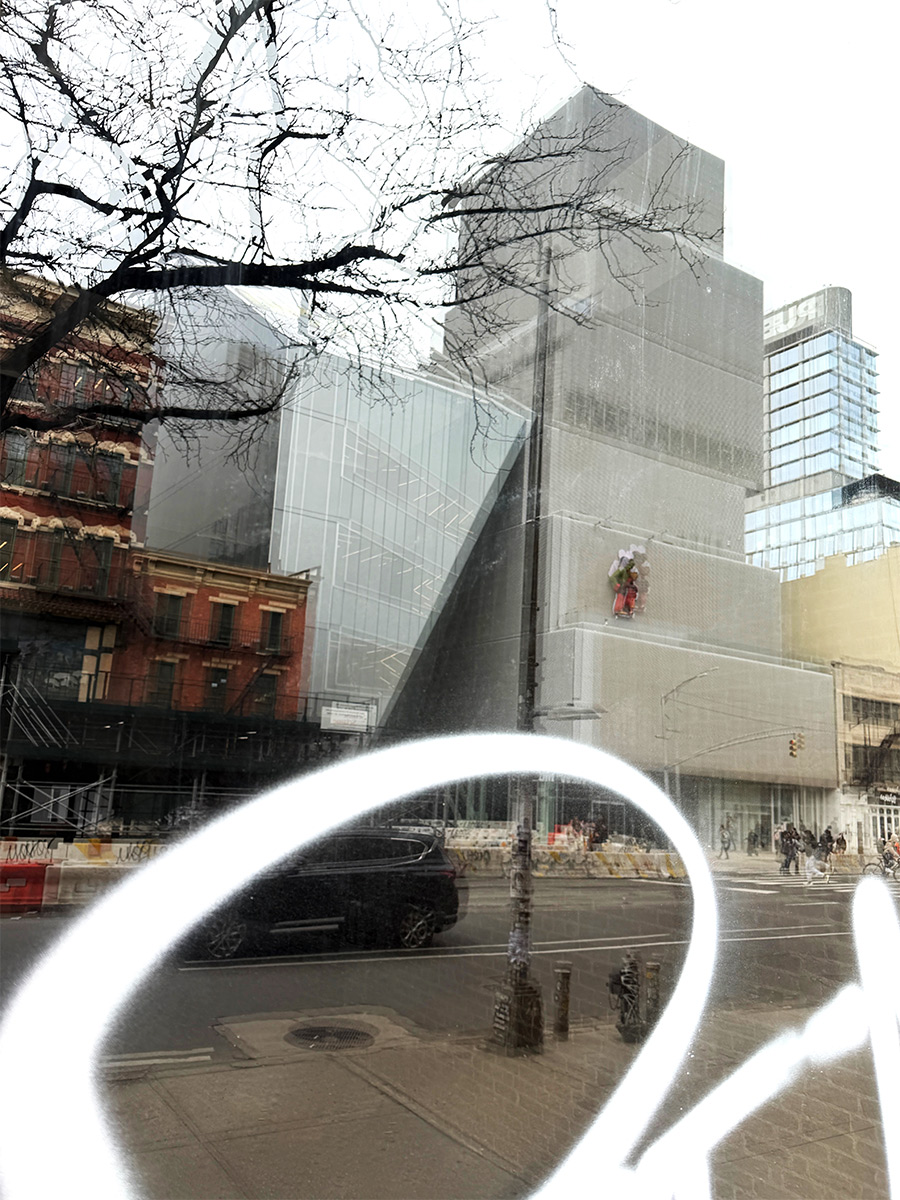
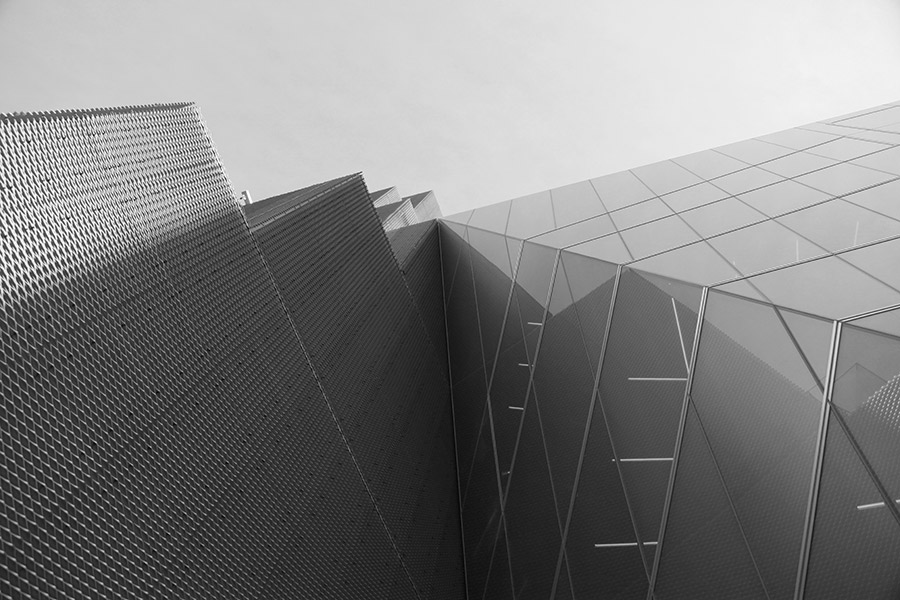
The new building, designed by Rem Koolhaas and Shohei Shigematsu, sleekly, streetly, serves its function. Circulation — once the museum’s quiet, persistent headache — is solved. New elevator banks, a central staircase, and cleaner movement between old and new galleries make it easy to see the work. The glass façade opens small slices of the city, static yet jarring — a fortress framed in streaming HD clarity — and once inside, the transitions are seamless enough to blur where the old ends and the new begins. Strip away the poetry: the architecture does its job and gets out of the way, which reads as a mature team of designers and theoreticians.
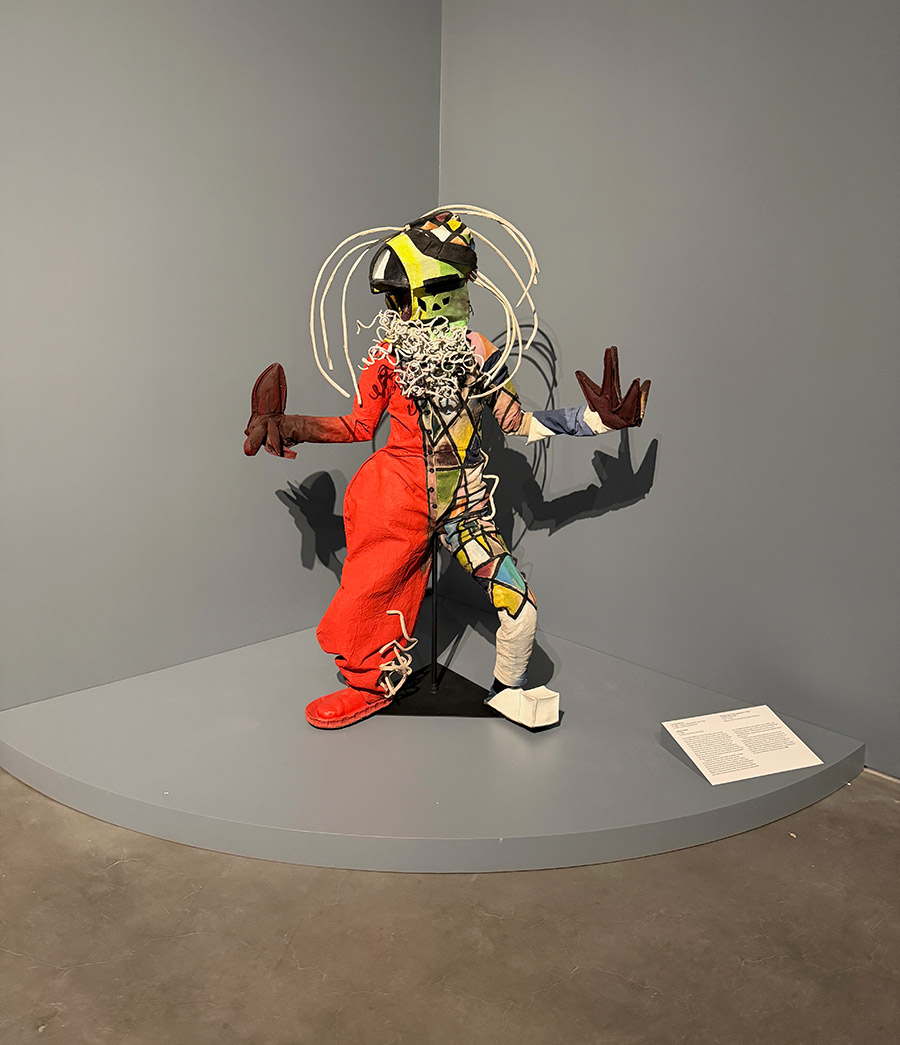
That restraint matters, because the opening exhibition, New Humans, doesn’t hold back from clobbering you with big ideas — and other subtle, darker, compelling ones. With more than 150 artists across multiple floors, it’s an ambitious, possibly overwhelming attempt to map what humanity looks like under all of this pressure — technological, political, biological. The thematic sections read like a checklist of current anxieties and obsessions: Mechanical Ballets, Prosthetic Gods, Hall of Robots, Postapocalyptic Creatures, The City. You can feel the curators tracking how we got here — and where we might be headed as things continue to build, and unravel.
At its best, the show traces a clear throughline across time, pushing earlier experiments to speak directly alongside contemporary work to show these questions didn’t just arrive with AI hype. They’ve been building for a century, at least. You may say it is overpacked — a clattering din of voices — and even with all this new space, we humans still need more room for all our profound ideas to land. Would the Earth be large enough to contemplate what we are, with our exaggerated sense of self and appetite for exuberance and waste?
For us — maybe because of New York street art history — one of the clearest voices in this brain noise is Rammellzee. His work doesn’t ask whether we’re post-human — it assumes we’re already in a struggle over what being human means. His armored figures and self-built cosmology — part graffiti theory, part science fiction, part raw invention — imagines with his sense of swagger — the body as a force in motion, adapting, encoding, defending itself. His is not a retreat from humanity; It’s a push deeper into it, through language, conflict, imagination, and dope style.
One thematic subtitle names it plainly: Postapocalyptic Creatures. In this moment of wars and rumors of wars, it’s hard not to bring the outside in when you see the scepters—and those who carry them—bent on our collective debasement. If we fuck things up beyond repair—what then? What sharpens, what falls away, what regenerates? Your niece wonders, quietly, “Would we still have TikTok?”
Speaking of tension, the language of “post-human” suggests we’ve moved beyond ourselves, but nothing here supports that. The artists aren’t post-human. The audience isn’t post-human. The concerns — war, control, care, survival, identity — are as familiar as ever. If anything feels outdated, it’s the idea that we can step outside these conditions rather than work through them. Right now.
The New Museum excels at staging big questions without pretending to resolve them. New Humans continues that tradition. It’s messy, frustrating, sharp. It asks what we are becoming, but the stronger moments suggest a different task: not imagining a world beyond the human, but figuring out how to live with one another inside it — repairing damage, recognizing each other, deciding what we carry forward.
The building works. The show jars the brain and heart. And the strongest parts don’t point to some distant future — they point right back at us.
Interlocutor #1: ”The future isn’t what it used to be.” Interlocutor #2 “Yes, we have a great future, behind us”.
~ overheard at opening
Thematic subtitles of the exhibition’s main galleries; Reproductive Futures, Mechanical Ballets, Prosthetic Gods, Leviathans, Dream Machines, Automatic Women, New Images of Man, Postapocalyptic Creatures, Human Animal, Homunculus, Animacies, Hall of Robots, and The City.
The New Museum. New Humans: Memories of the Future is now open to the general public. For a full list of artists, tickets, directions, schedule of events, and hours, click HERE.
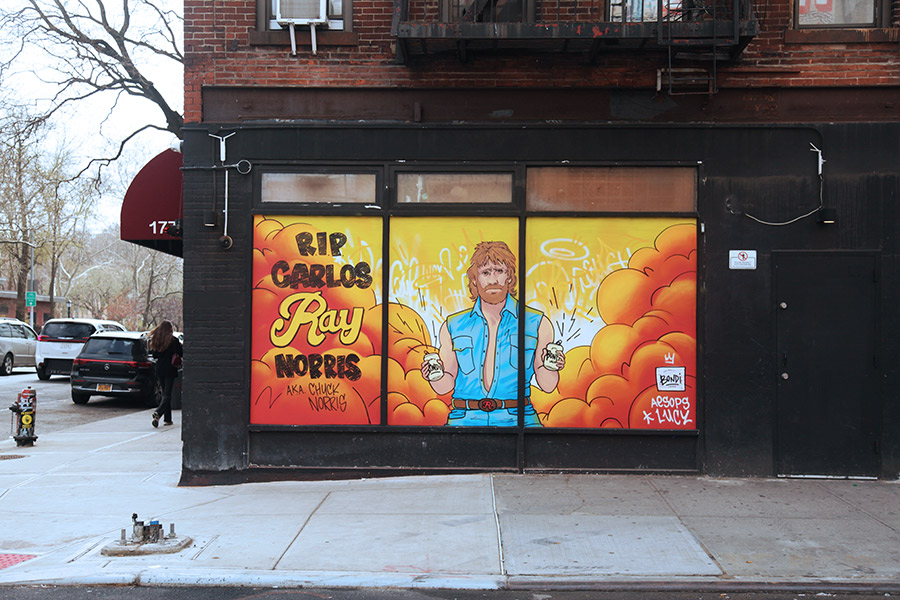
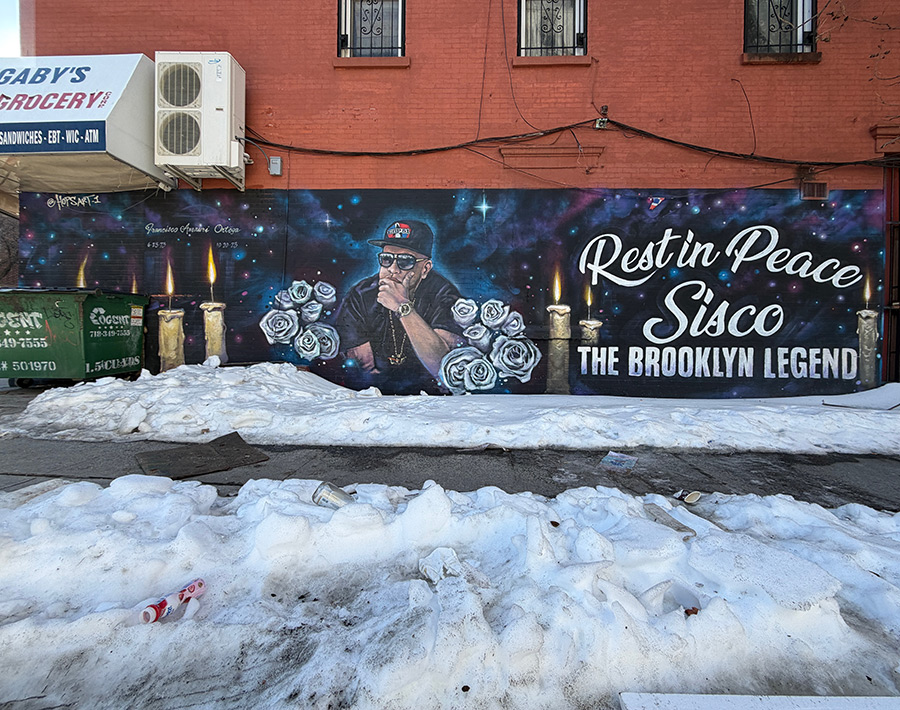
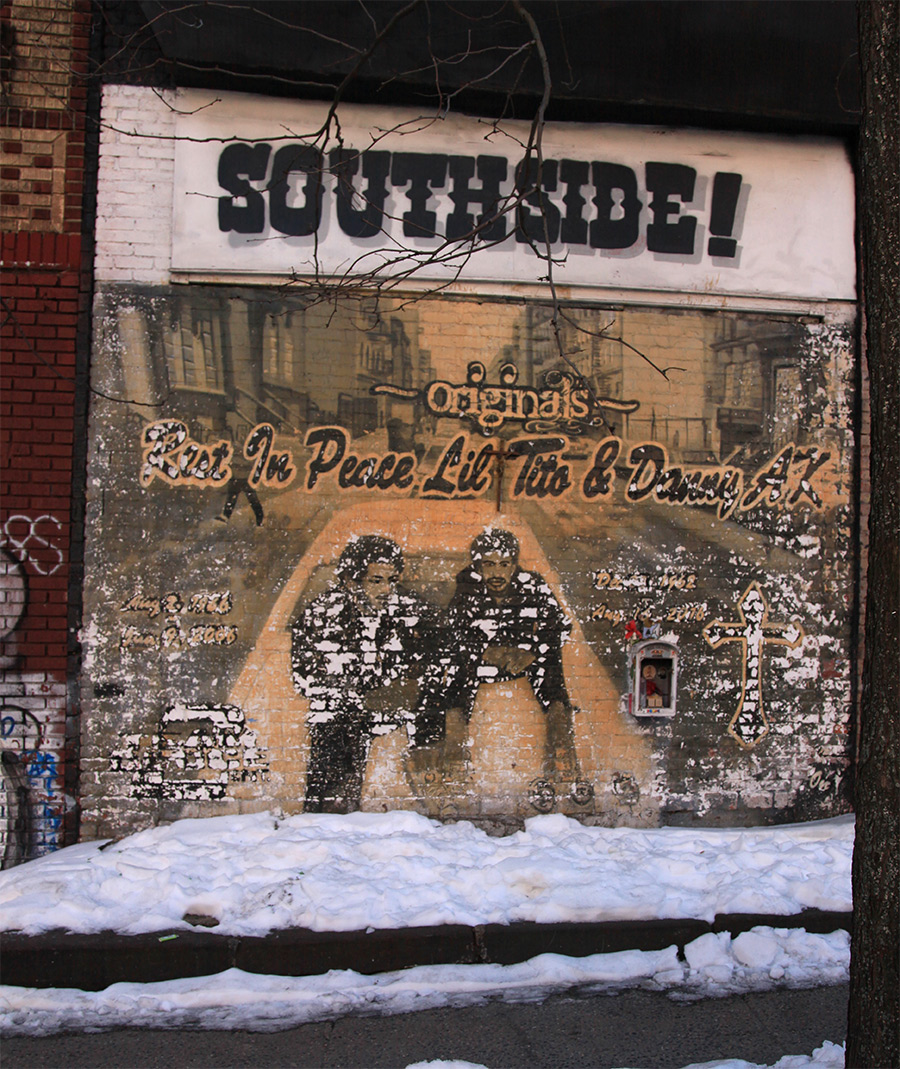
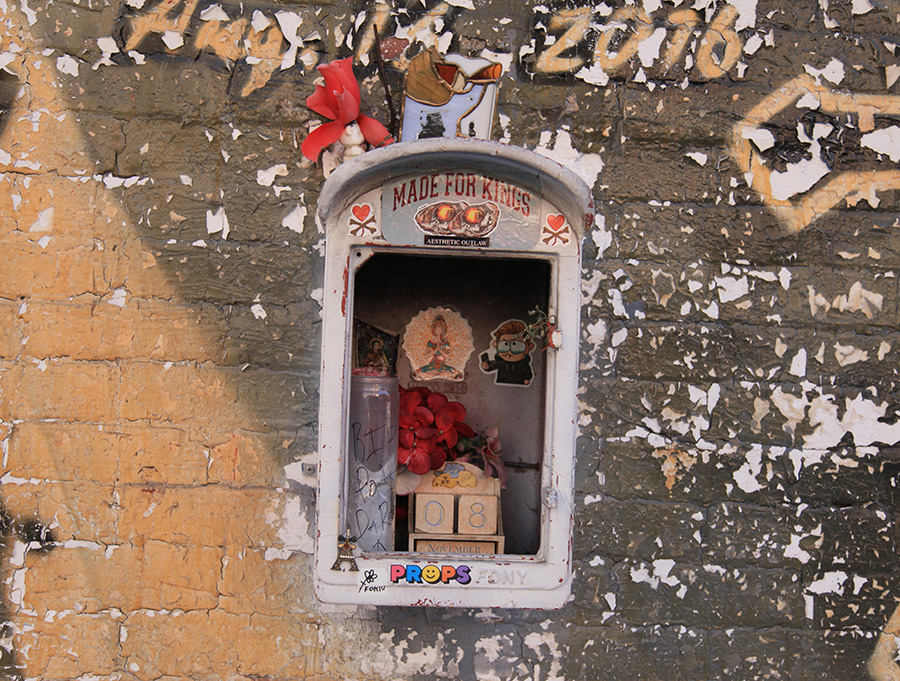
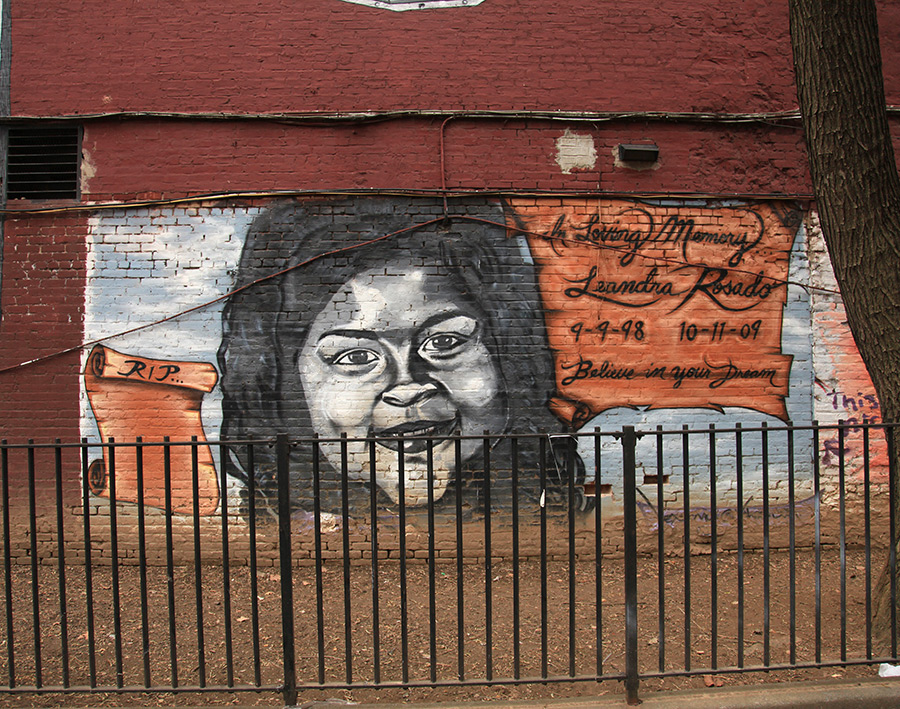
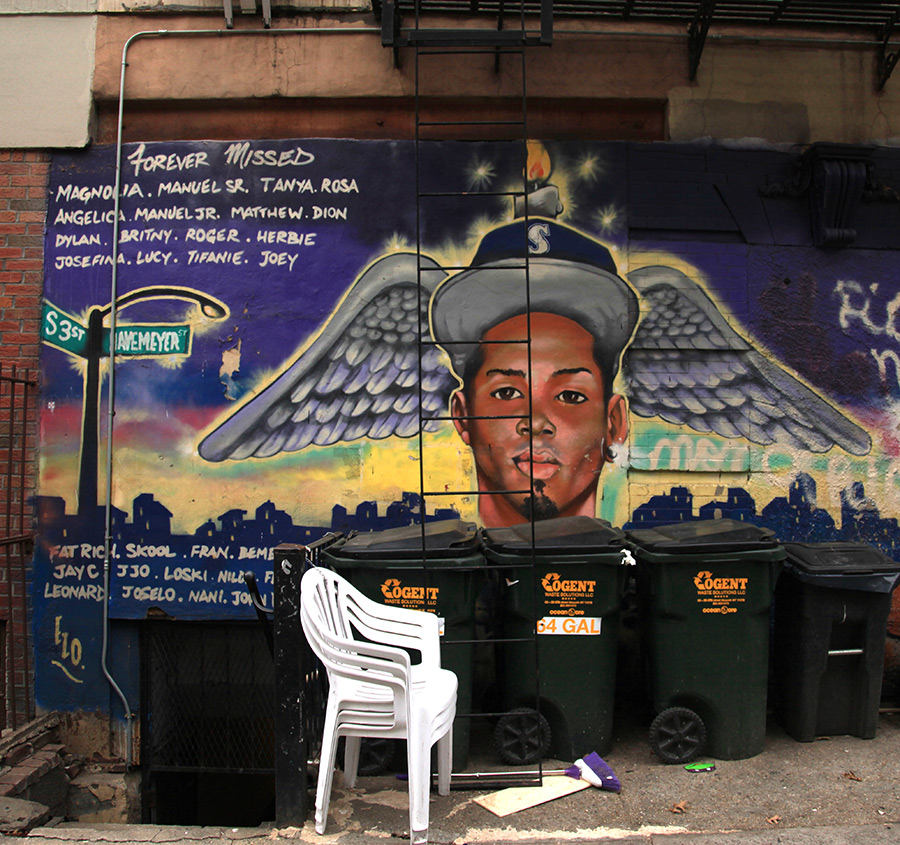
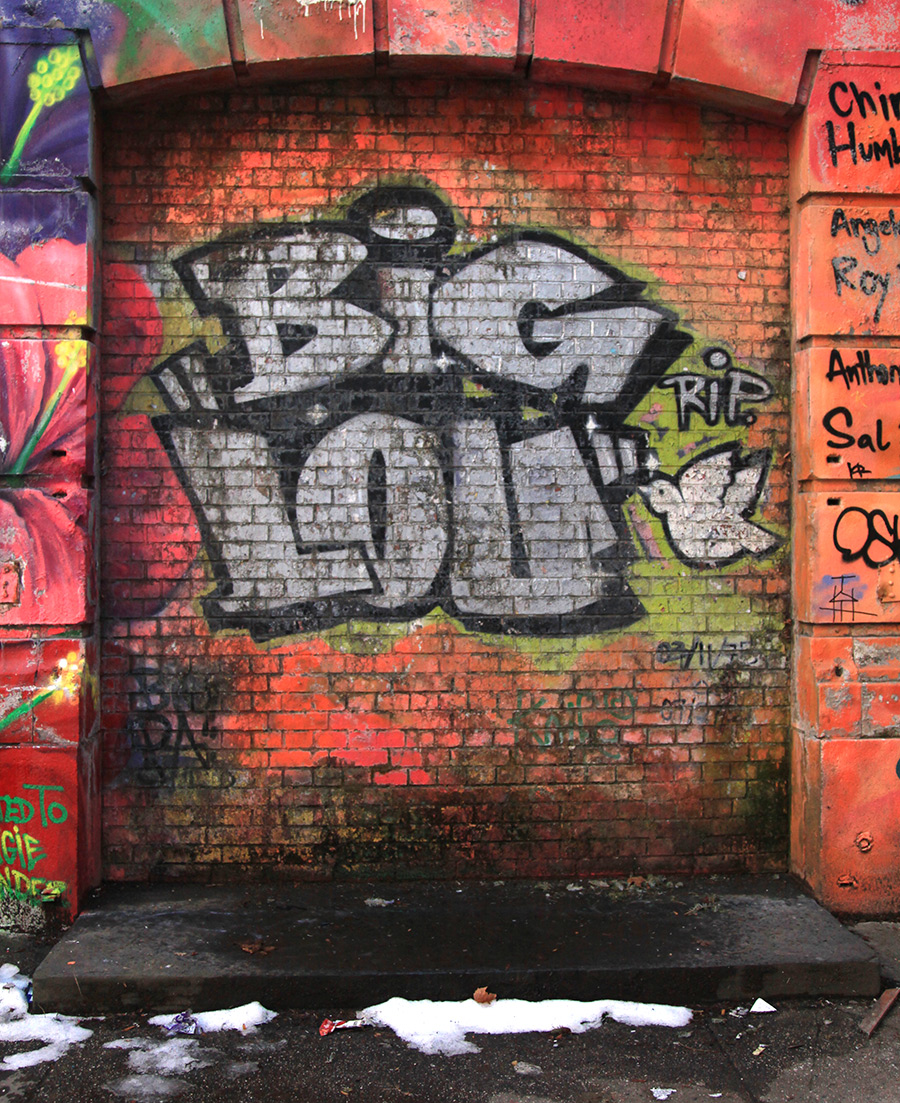
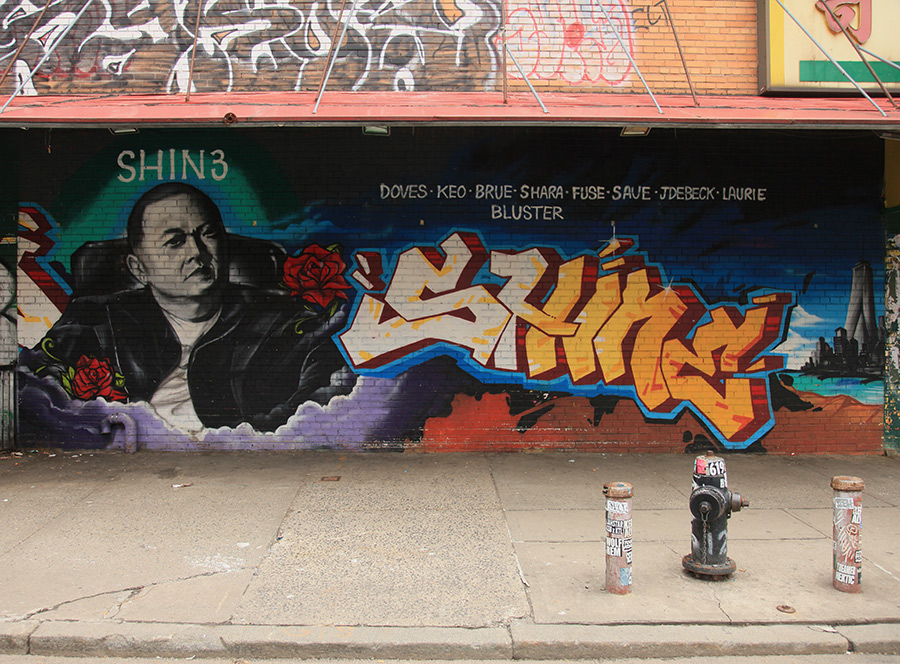
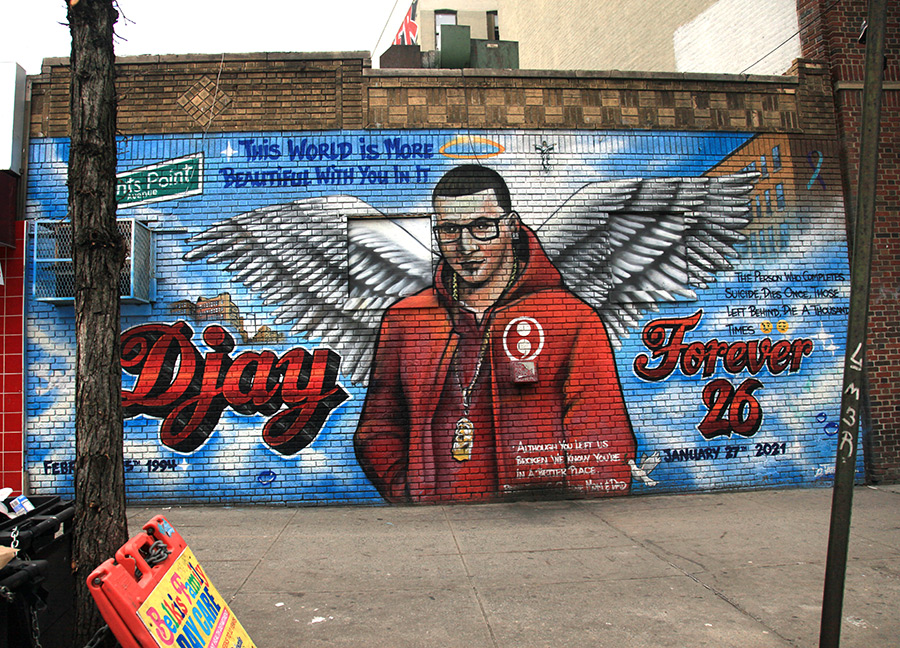
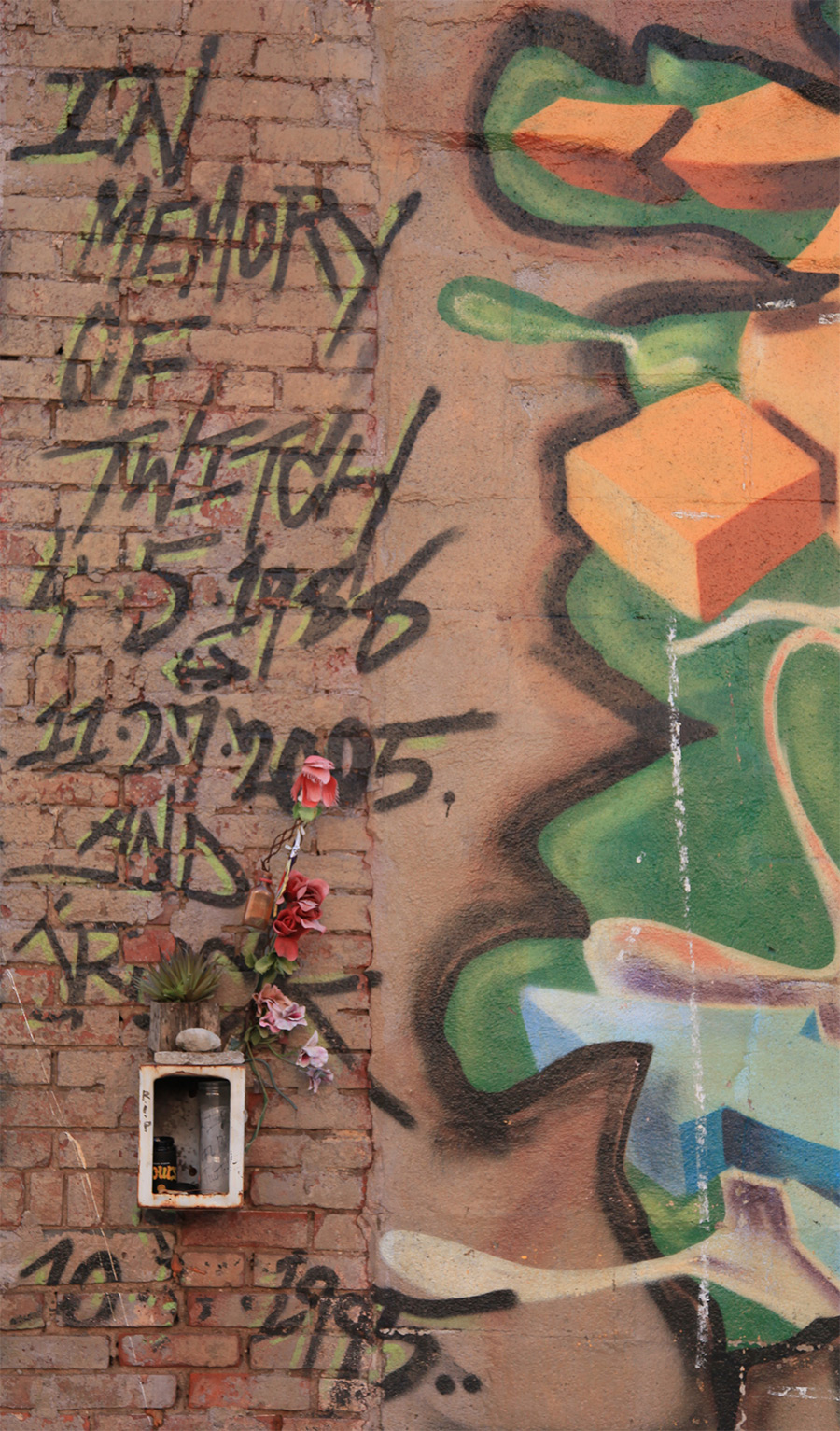
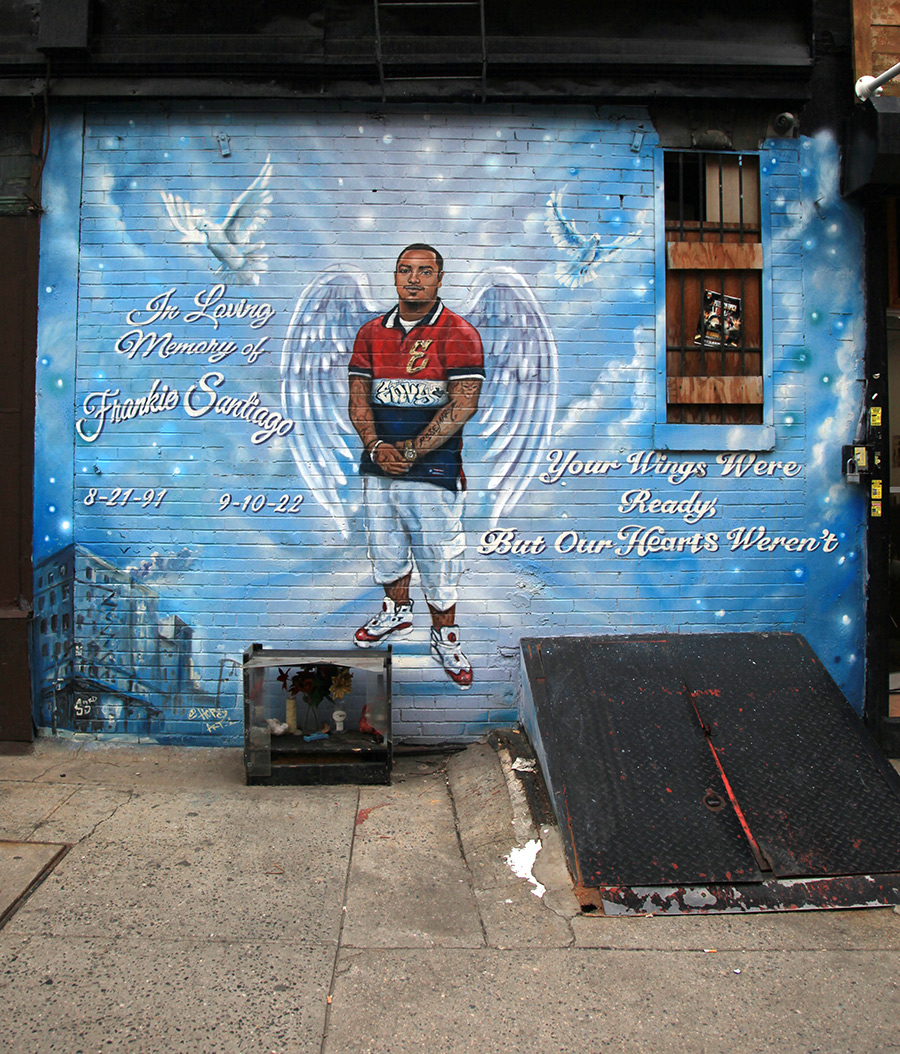
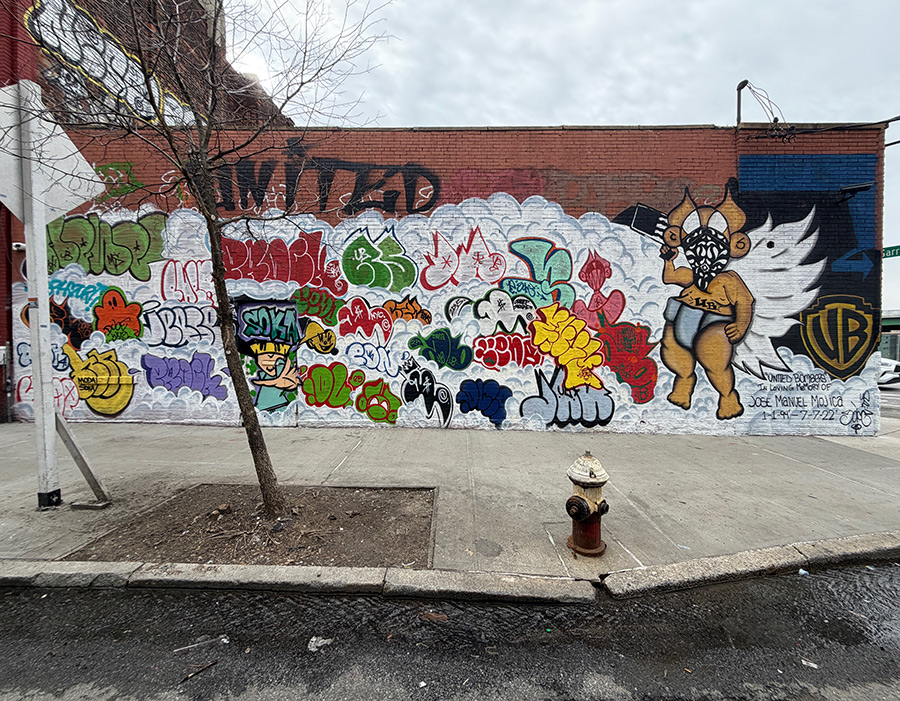
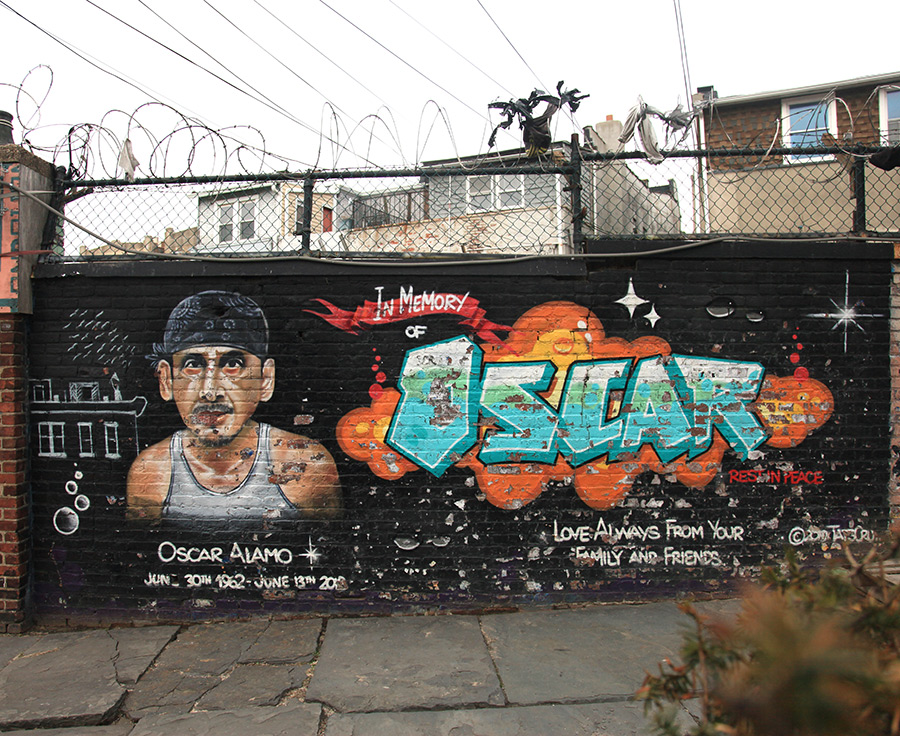
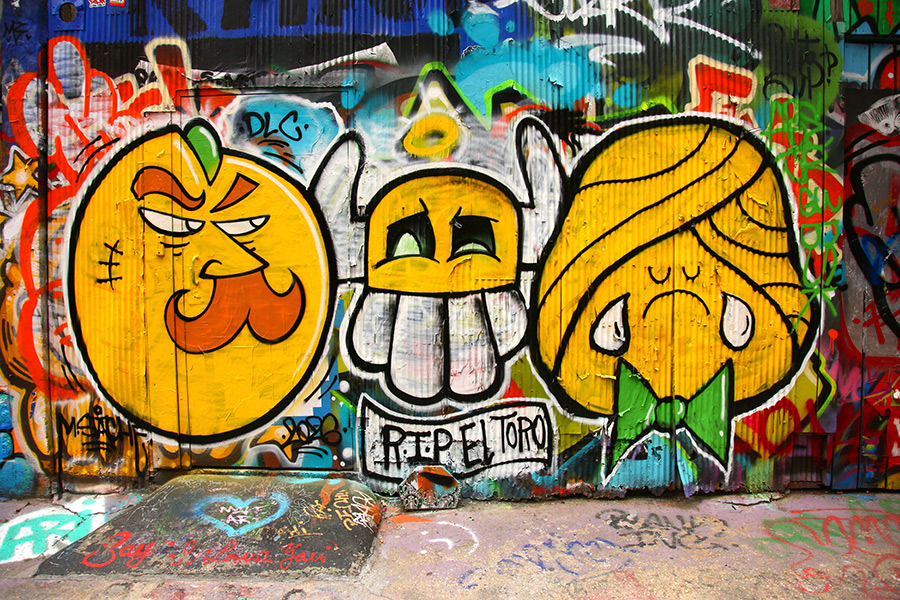
In these recent street photos, the painted tributes read less like “artworks” in the gallery sense and more like public messages—meant to hold their place long enough for the neighborhood to recognize itself in them. The visual grammar is consistent across New York’s “Rest in Peace” walls: the portrait (often larger-than-life), the name set like a headline, the dates, the short dedication, and then the personal details—favorite colors, a car or bike, a sports logo, a prayerful phrase, a few chosen symbols—that insist on a whole life rather than a police report or a death notice. Accounts of these murals emphasize that they frequently avoid explaining the cause of death; the point is the person as they were loved, and the fact of absence as it’s felt on the block.
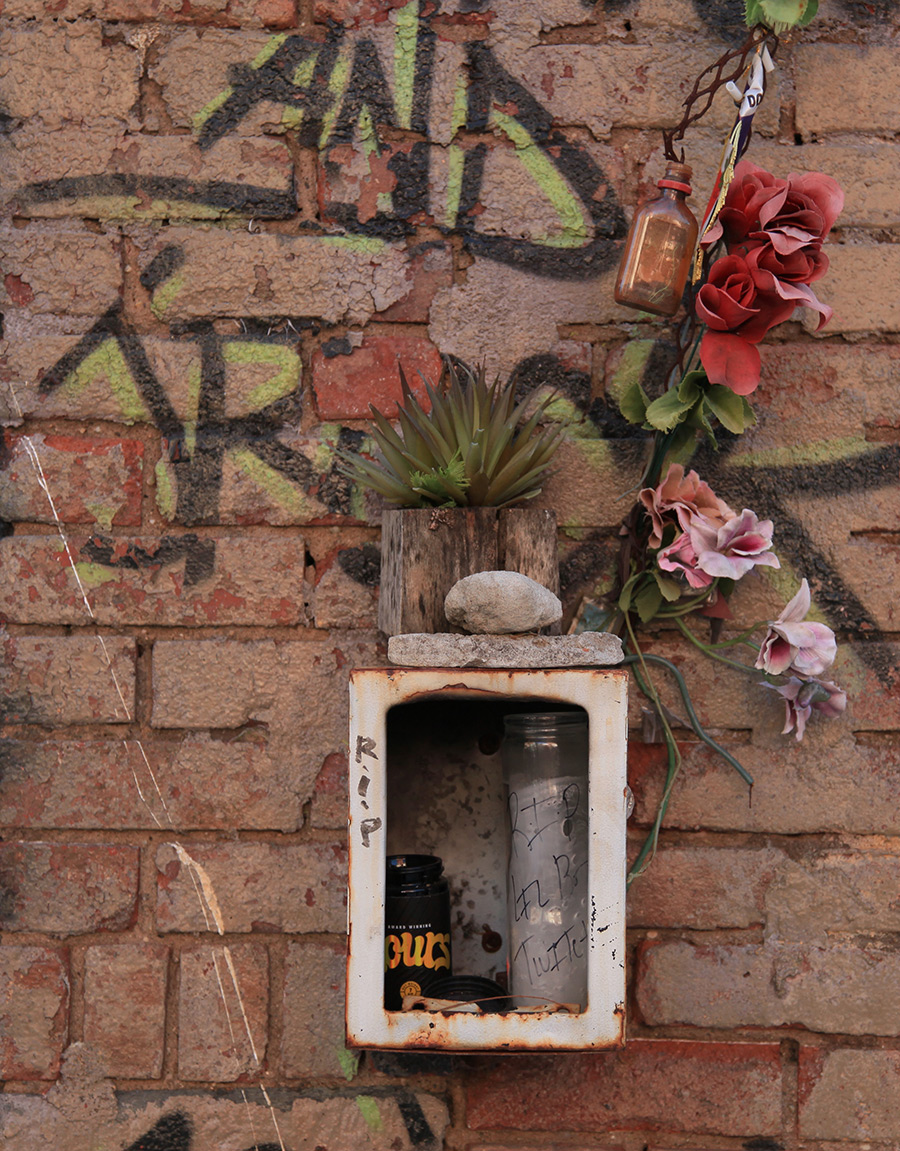
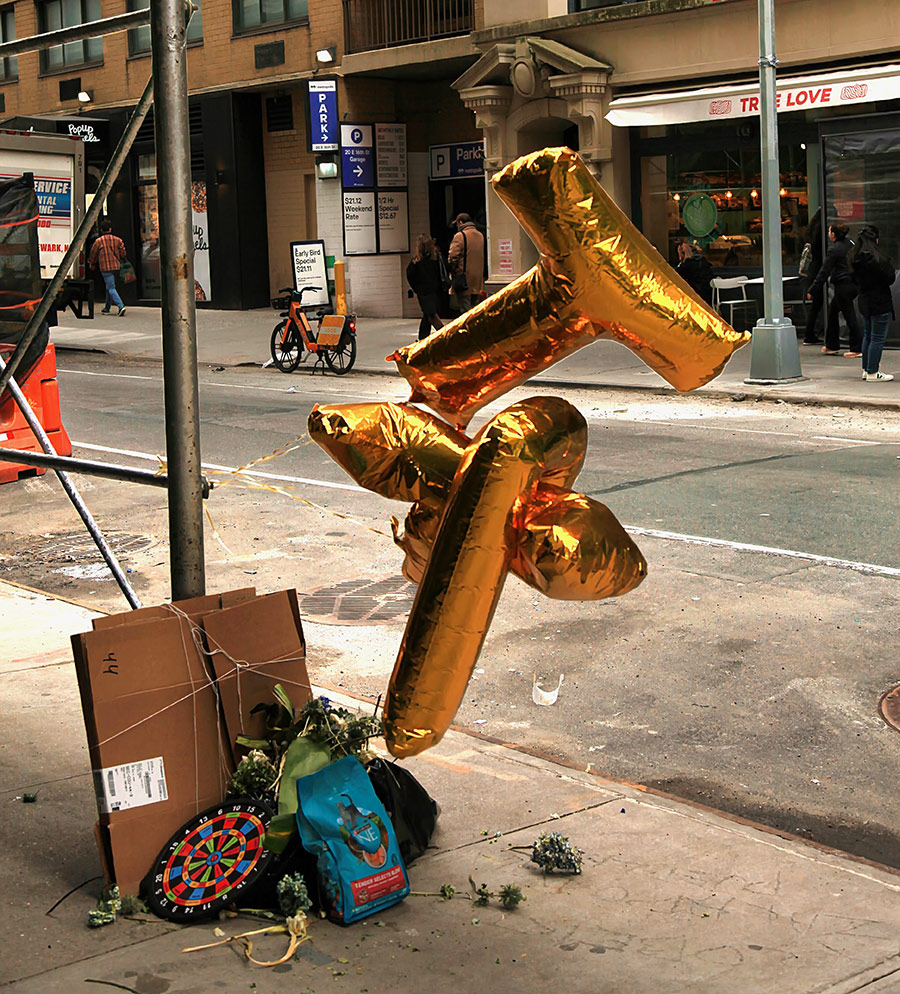
What these memorial walls do socially is as important as what they show visually. They create a fixed location for grief that otherwise may have difficulty finding its place, standing still in a fast, loud city. Ethnographic descriptions of New York memorial walls note that the act of painting can itself function as a public event: neighbors stop, watch, and talk; family members sometimes come by to share stories with the artists; and once the image is up, the wall can become the backdrop for offerings—candles, photos, flowers—left by friends, relatives, and passersby.
Folklore scholarship on spontaneous shrines helps name what’s happening here. As Jack Santino writes in Spontaneous Shrines and the Public Memorialization of Death, these are public forms of mourning that invite participation from those who encounter them.
There’s nothing sentimental about it when you’re standing there. It’s direct. People come, they look, they leave something, they say a name out loud. The wall holds it.
RIP Lies between Graffiti, Educational Murals, and the Ad-Saturated City
These painted “RIP” walls sit squarely in the overlap zone between illegal graffiti practice, street-art portraiture, and longer community-mural traditions. New York documentation explicitly links them to graffiti aesthetics while stressing a crucial difference: unlike name-writing for fame, the name that matters here is the deceased person’s. You can place their growth in late-1980s/1990s city life—an era marked by the AIDS crisis, crack and drugs, police and neighborhood violence, alongside the displacement of writers from trains to walls.
At the same time, community mural histories frame wall painting as civic pedagogy. As Janet Braun-Reinitz and Jane Weissman write in On the Wall: Four Decades of Community Murals in New York City, community murals “beautify, educate, protest, celebrate, affirm, organize, and motivate residents to action.” Memorial walls sit inside that lineage without asking permission. They are not advertising, but they push against it, taking up space in the same visual field and replacing the city’s usual sales language with something harder to ignore: remember this person. They were here.
Published work on this practice now gives a clearer sense of both its visual consistency and its function. The anchor remains R.I.P.: Memorial Wall Art by Martha Cooper and Joseph Sciorra, still one of the most direct documentations of New York’s memorial murals as a public form. More recently, I’ll See You On The Other Side by Omar Hamdoun and Michael Brewer gathers hundreds of examples across the boroughs, reinforcing how embedded the practice has become.
The longer arc—how wall painting operates as cultural memory, public pedagogy, and neighborhood record—runs through works like On the Wall. These walls fade, get painted over, disappear under redevelopment, or simply lose their surface. That fragility is part of their meaning. As Erika Doss writes, “Temporary memorials are created to be experienced: to be felt, not simply to be seen.” They do their work in the open, and then they’re gone, or nearly gone—but not before they’ve marked the place.
Further Reading Martha Cooper & Joseph Sciorra, R.I.P.: Memorial Wall Art Omar Hamdoun & Michael Brewer, I’ll See You On The Other Side Jack Santino, Spontaneous Shrines and the Public Memorialization of Death Erika Doss, The Emotional Life of Contemporary Public Memorials Janet Braun-Reinitz & Jane Weissman, On the Wall: Four Decades of Community Murals in New York City
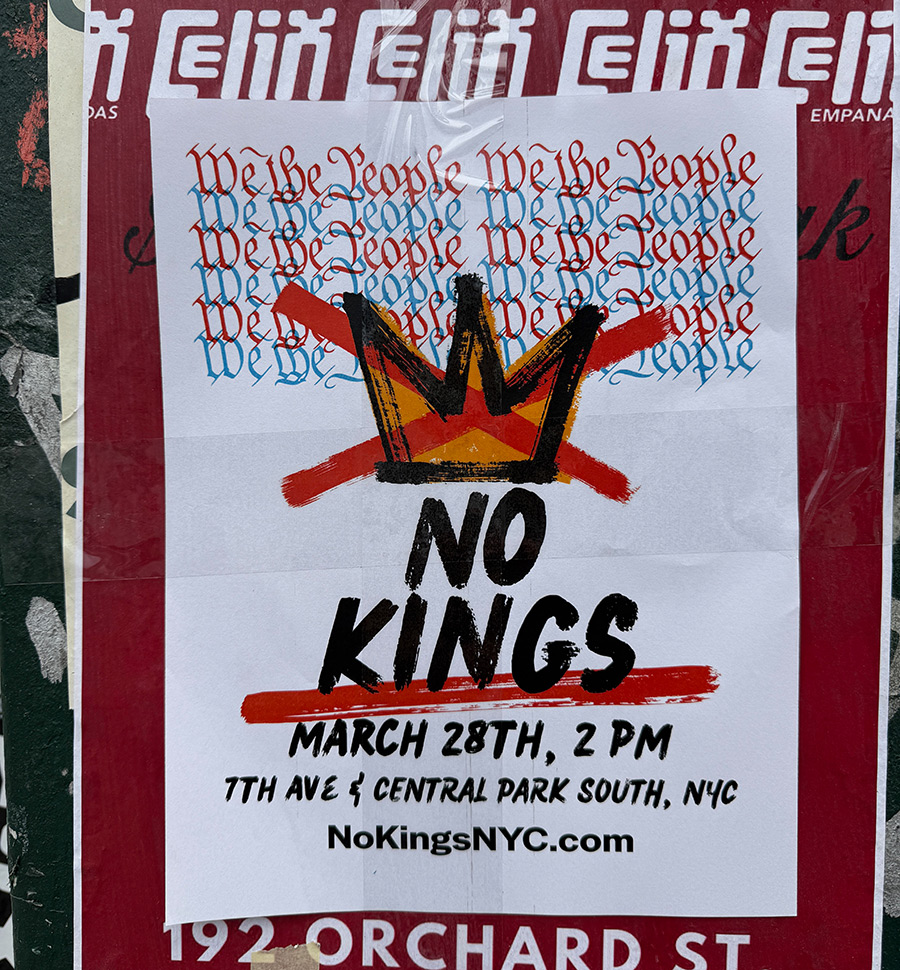
Across thousands of U.S. cities and streets yesterday, speakers at the ‘No Kings’ marches framed the protests as a mass rejection of executive overreach—calling for protection of civil rights, enforcement of limits on presidential power, and an end to aggressive anonymous immigration crackdowns. The dangerously growing war—and concerns about its escalation and its potential cost in blood and money—surfaced but appeared as one thread among several.
According to what’s often called the ‘3.5% rule,’ drawn from the research of Erica Chenoweth and Maria J. Stephan, nonviolent movements that mobilize roughly 3.5% of a population at their peak have historically been difficult to ignore—and often capable of forcing major political change, although that is not a guaranteed tipping point. Current estimates put the recent ‘No Kings’ marches at about 7 million people nationwide, or roughly 2.1% of the U.S. population, organized through a decentralized web of grassroots groups including Indivisible. Impressive—and it’s being read as a signal in many quarters, but it’s hard to see how it is moving the needle. For now, it’s clearly a swelling, emotionally charged expression of public will; whether it hardens into something with leverage will depend on its ability to sharpen its focus, its demands, and its impact on policy.
Meanwhile, in some street art-related news, Trump has large banners of himself on the Department of Justice and Department of Labor buildings. History is full of examples of leaders blowing up large images of themselves and filling public space with them. Not usually in the US, though.
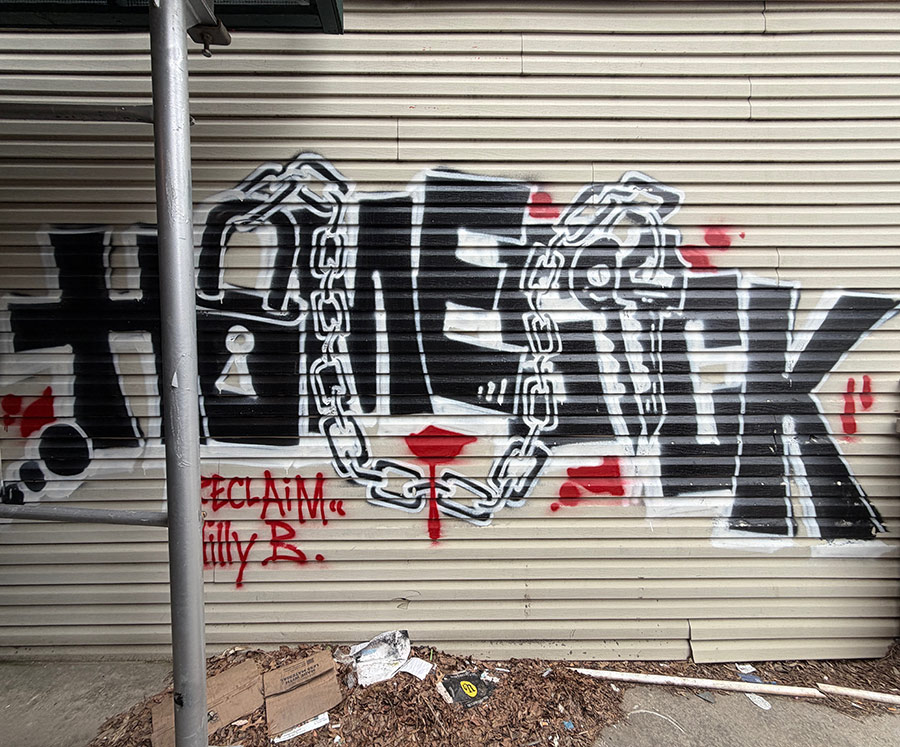
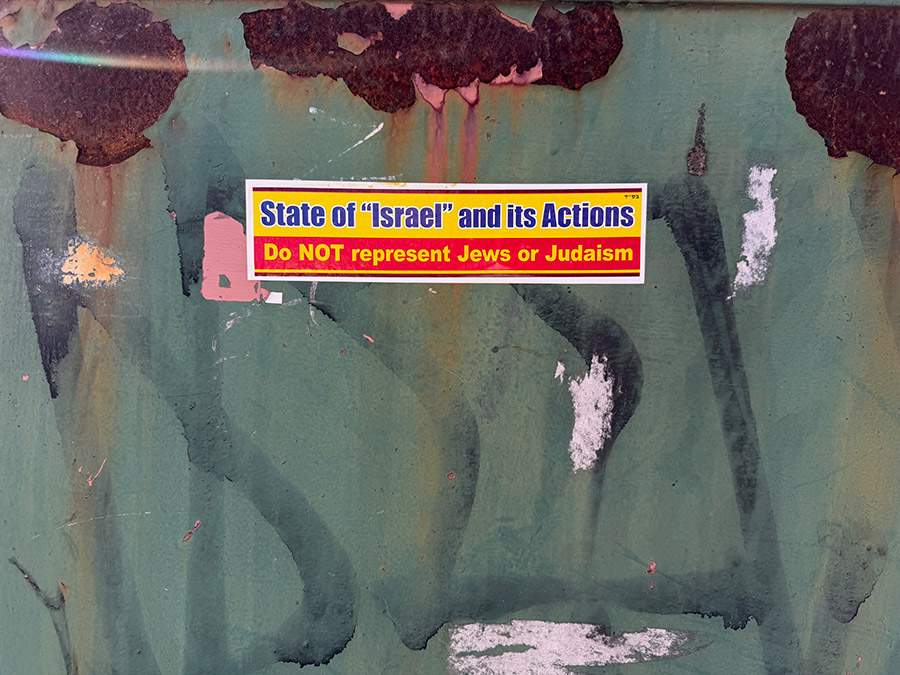
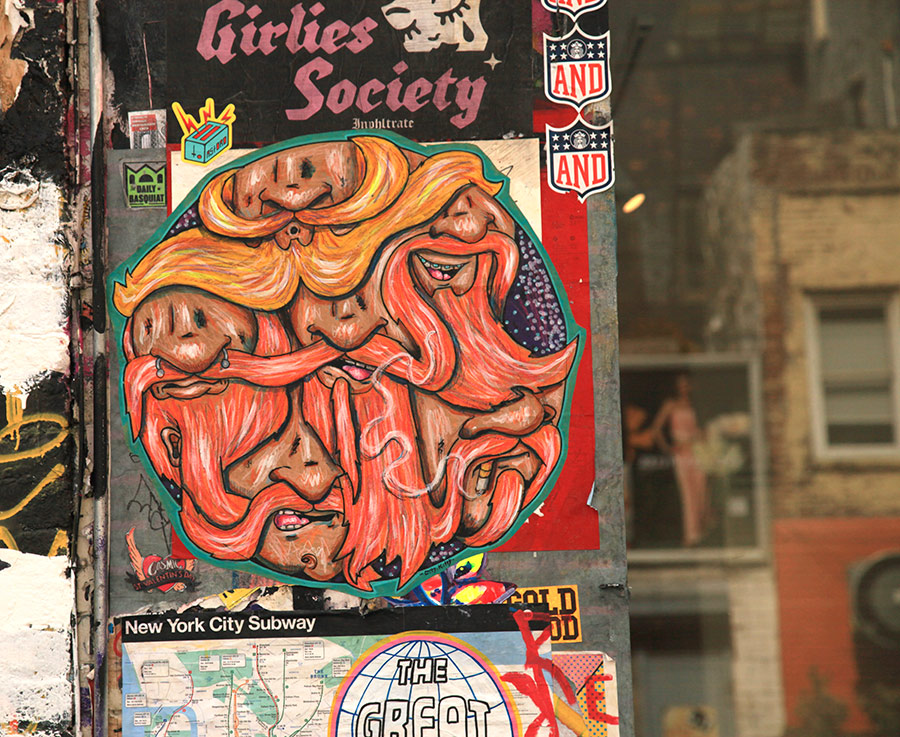
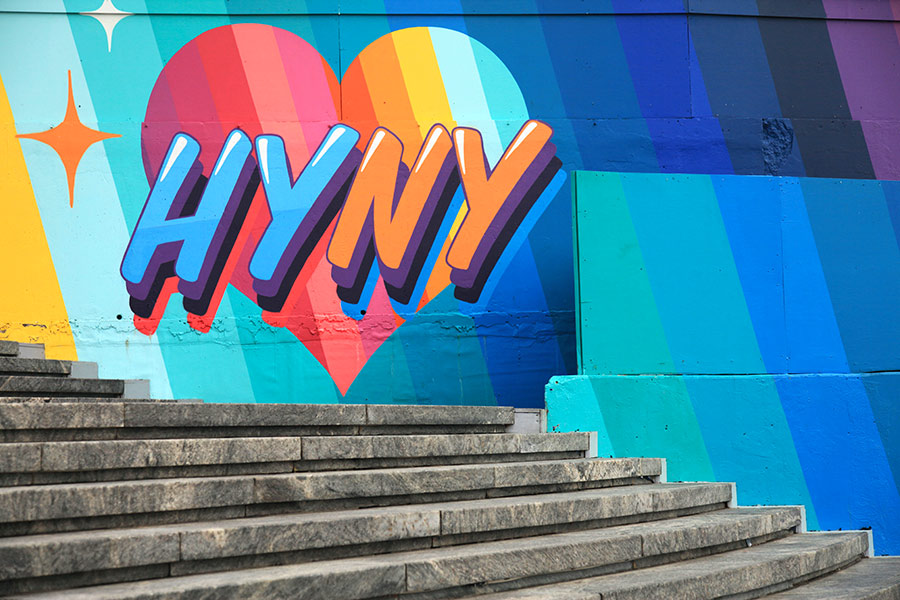
On the streets, we are seeing some of these themes pop up, if tangentially. You’ll see many doves of peace, figures twisted with anxiety, expressions of anger and suspicion, and bewilderment among the more pleasant and palatable prettiness that much of the current generation gravitates toward. Local pride, tribute walls, romance, pop culture affiliations, and conciliatory sentiments still rule the scene, but amongst the bursting crocuses and daffodils, you definitely discern descent dancing with diffidence.
You have read it here for a decade, but finally larger media outlets are confirming that New York is measurably inhospitable to its artists, chasing them from one neighborhood to the next at a rapacious clip. Gentrification feels like a formula now traced with exactitude by developers and private equity, not an organic pot-smoking beast with stylistic panache that evolves over time. Now, the artists population in this creative capital is verifiably going backwards for the first time in anyone’s memory; it is as if living without health insurance in an overcrowded apartment with 5 of your best friends well into your 30s or 40s is somehow, not exactly the New York dream you had imagined.
For street artists, most galleries have discovered that it’s hard to sell much of it, and with these high rents, they have closed or “diversified” their offerings to include Mickey Mouse with paint drips in eye-popping color. Even the venerable and much-loved publication Juxtapoz, at a moment of transition as The Unibrow opens on Substack, has experimented with different formulas—blending street with contemporary, eye-catching scintillation or a measure of self-aware irony—to keep things viable over the last decades. Striking the right balance for a fickle art audience and a K-shaped economy is nearly unicornary.
Street artists thought they could cut out the middleman by taking their art to Instagram, but many have discovered that it is a lot more work to market themselves than they thought, or that they lack the business acumen or Social savvy needed to make it a profitable model. Also, followers do not pay the rent. Despite promising developments in street art’s growing recognition by some institutions a decade ago, it looks like major museums and auction houses steadfastly omit all but a handful of recurring big names in graffiti and street art – a position of safety, if you will. While outlets like The New York Times and The Guardian have only begun to touch on it, the patterns are already well established, if you know where to look.
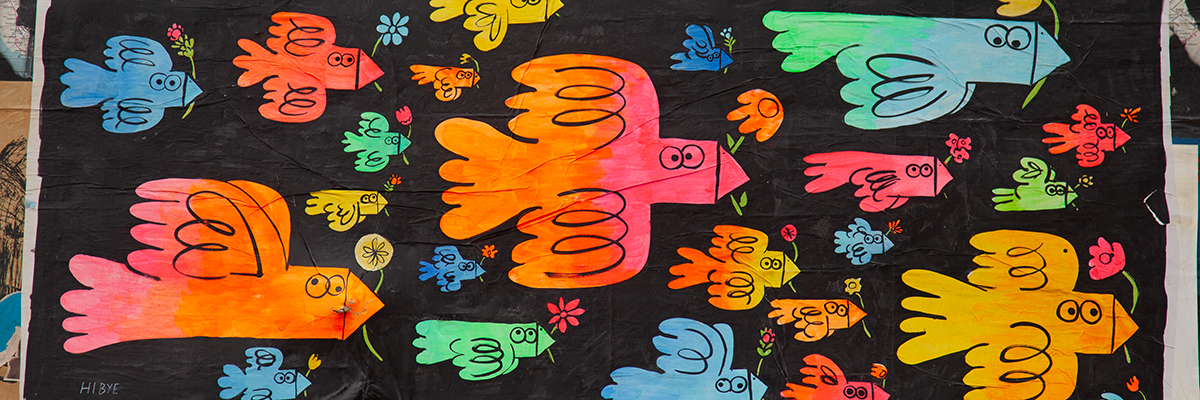
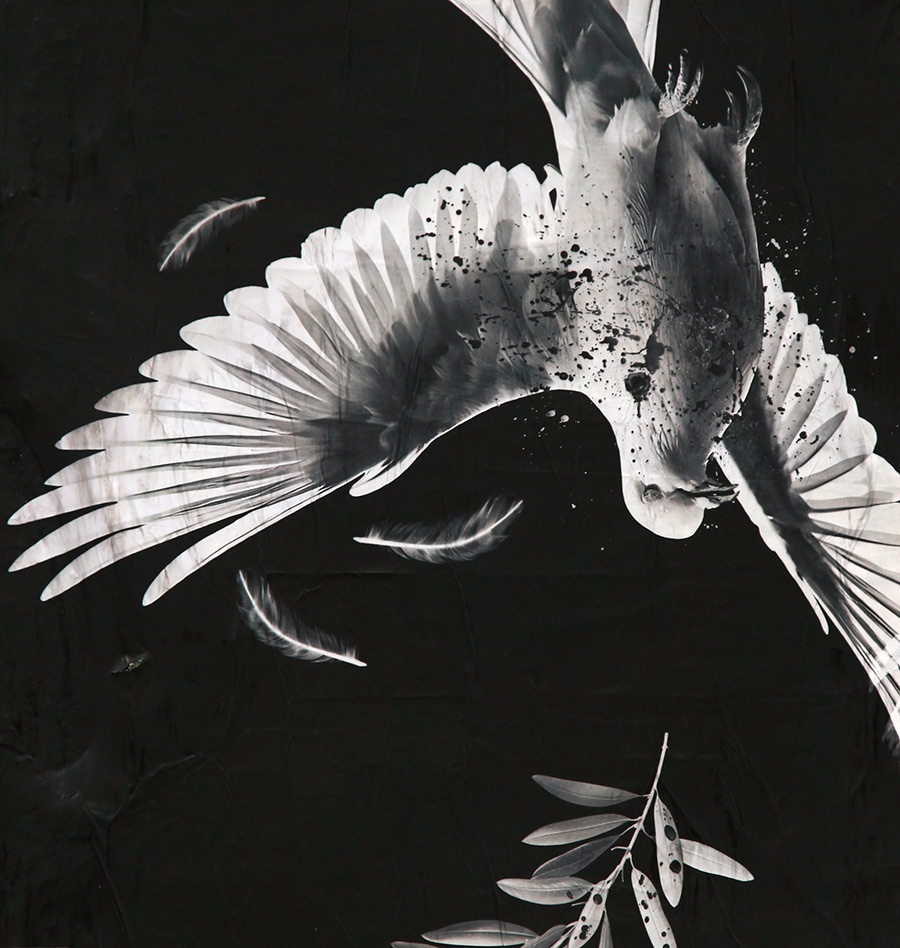
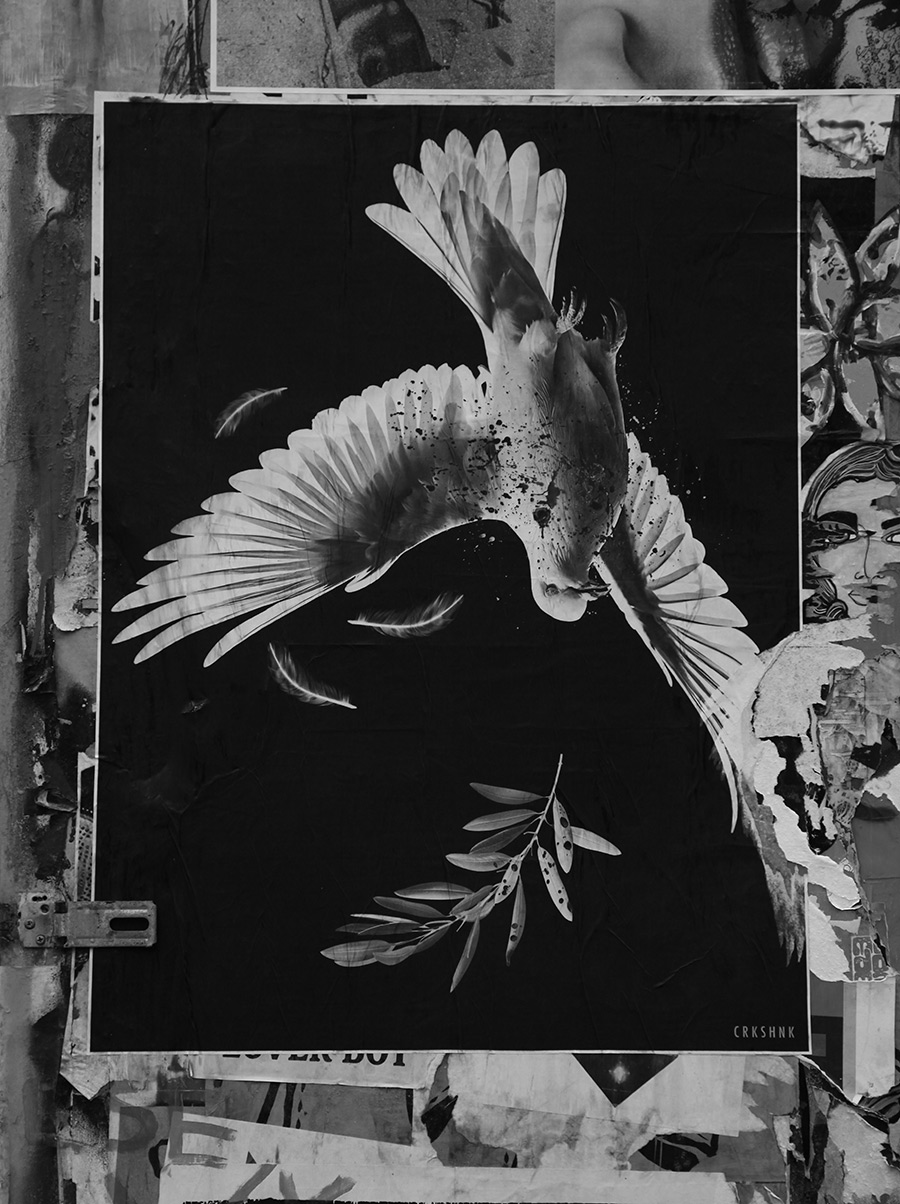
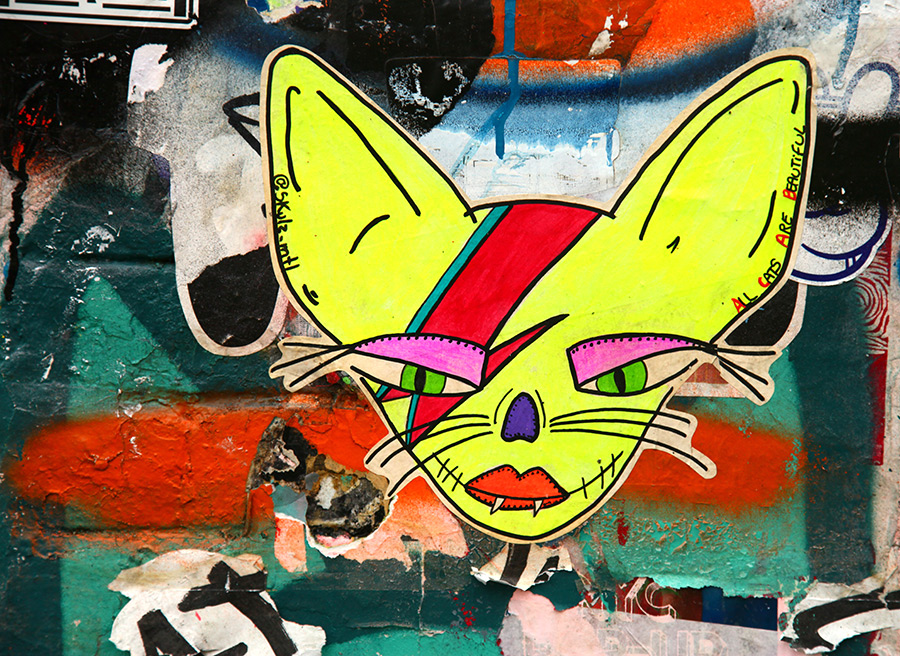
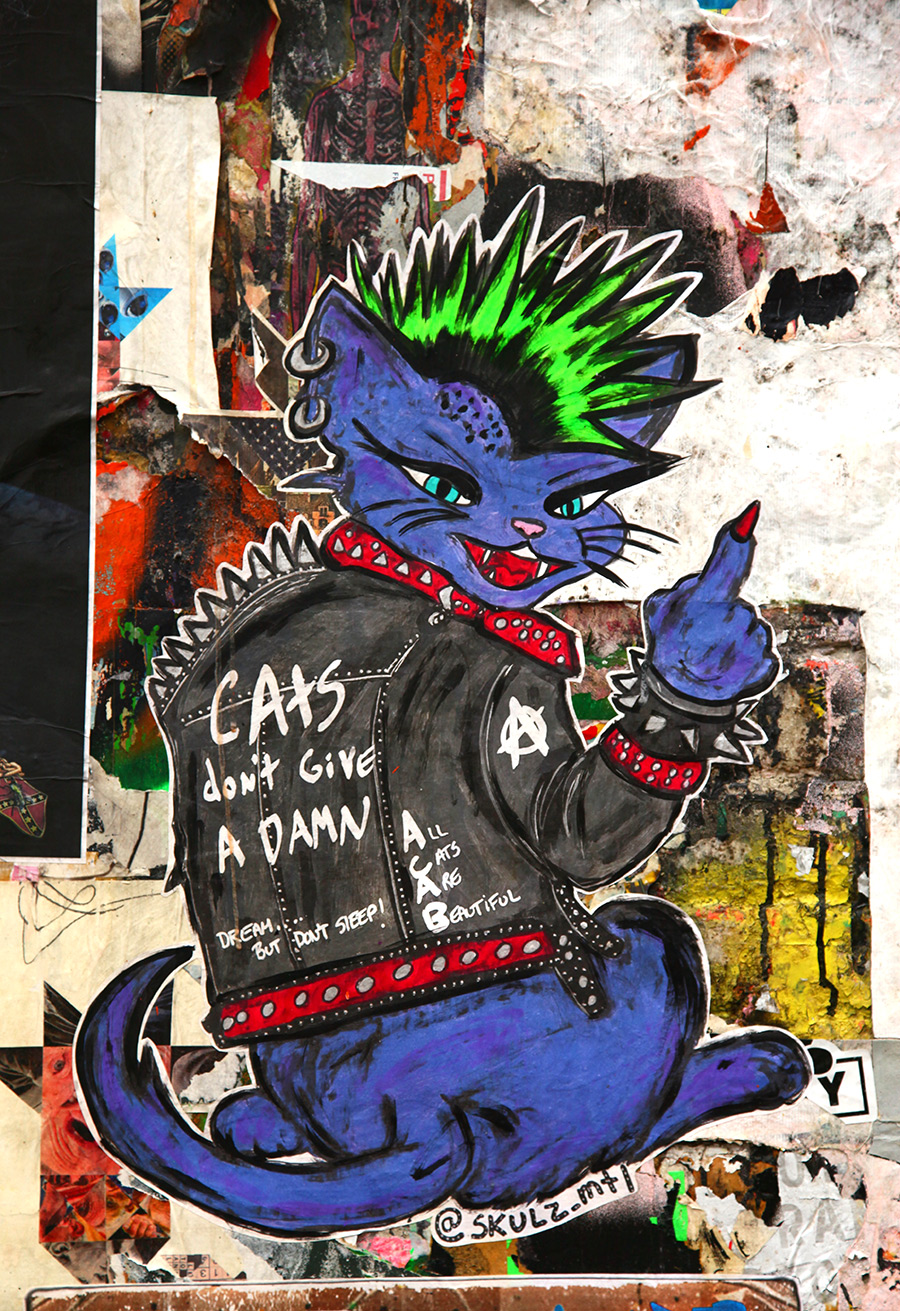
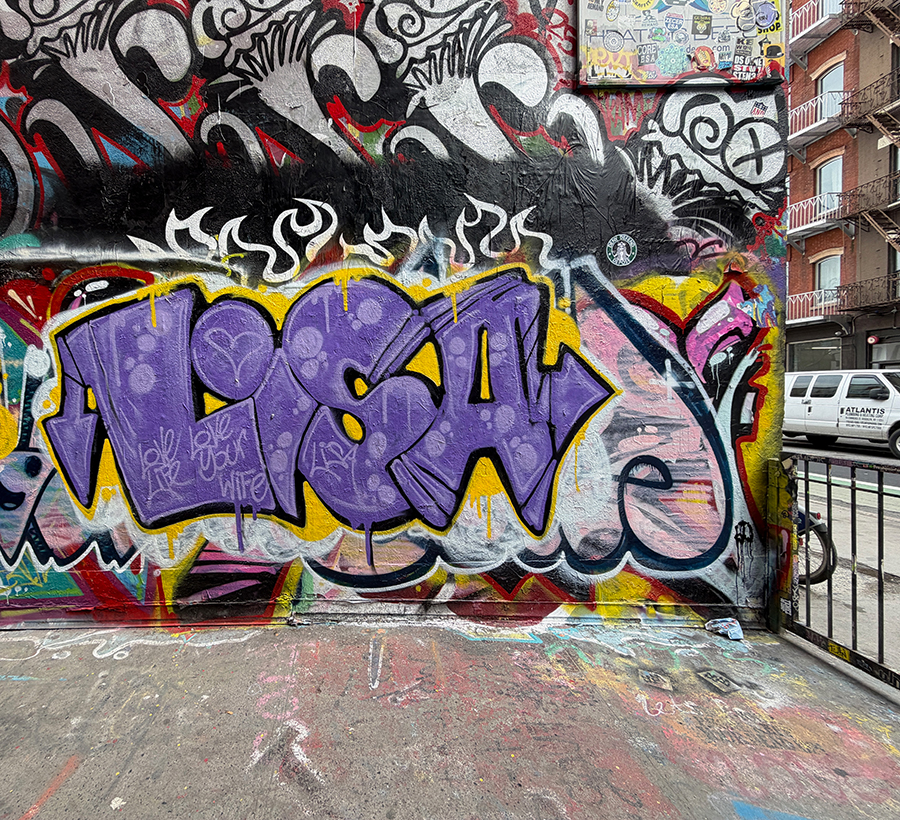
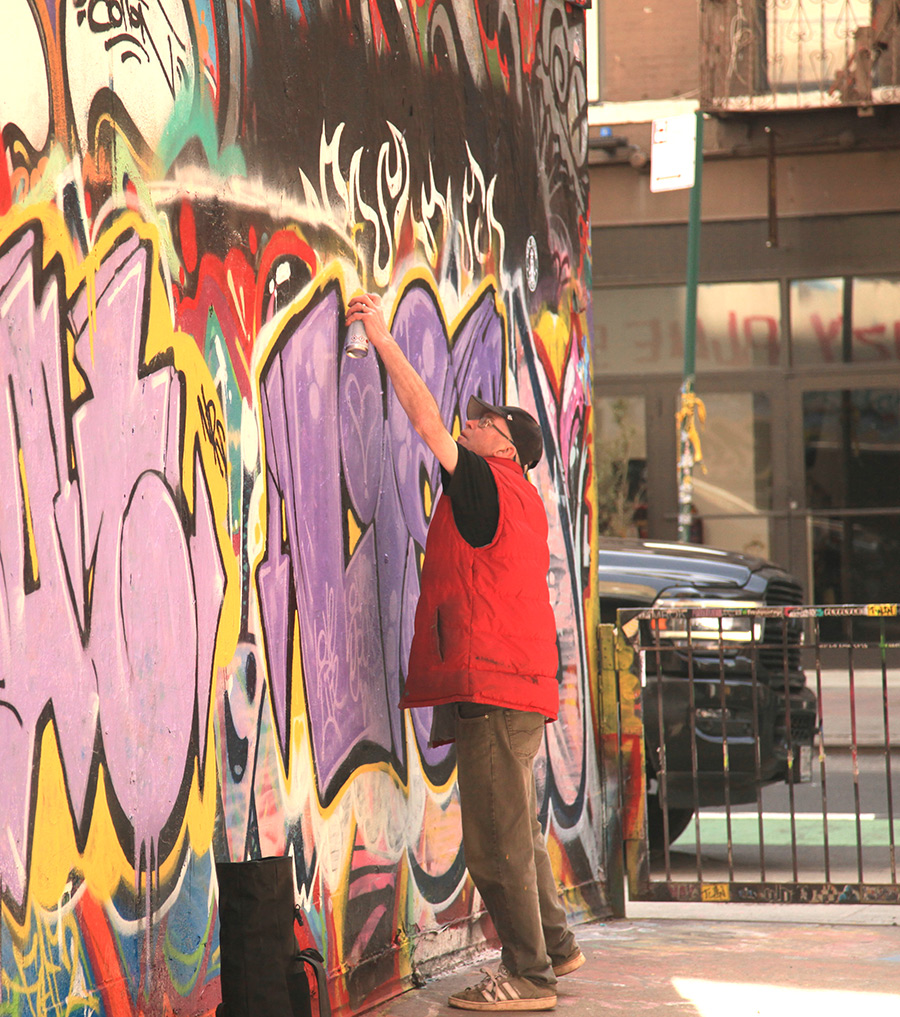
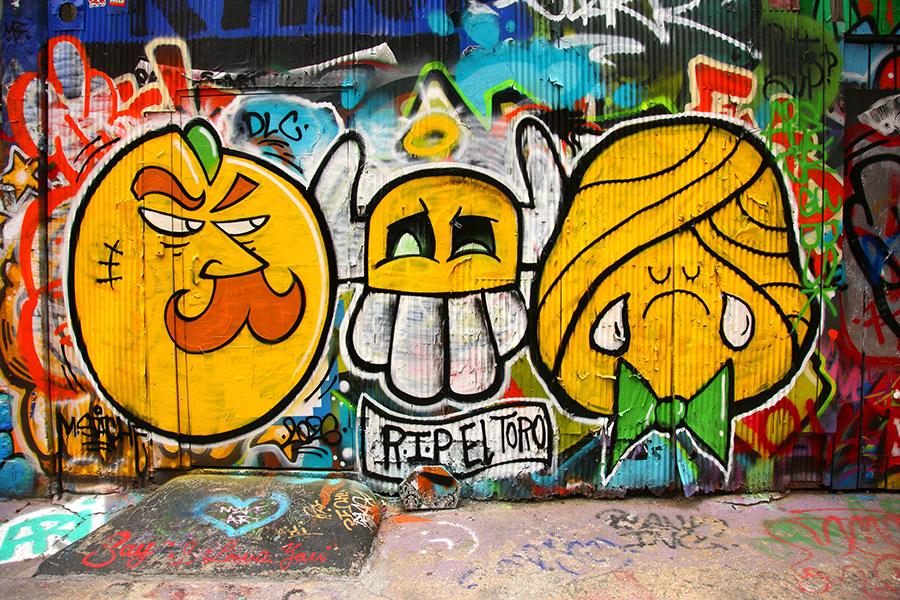
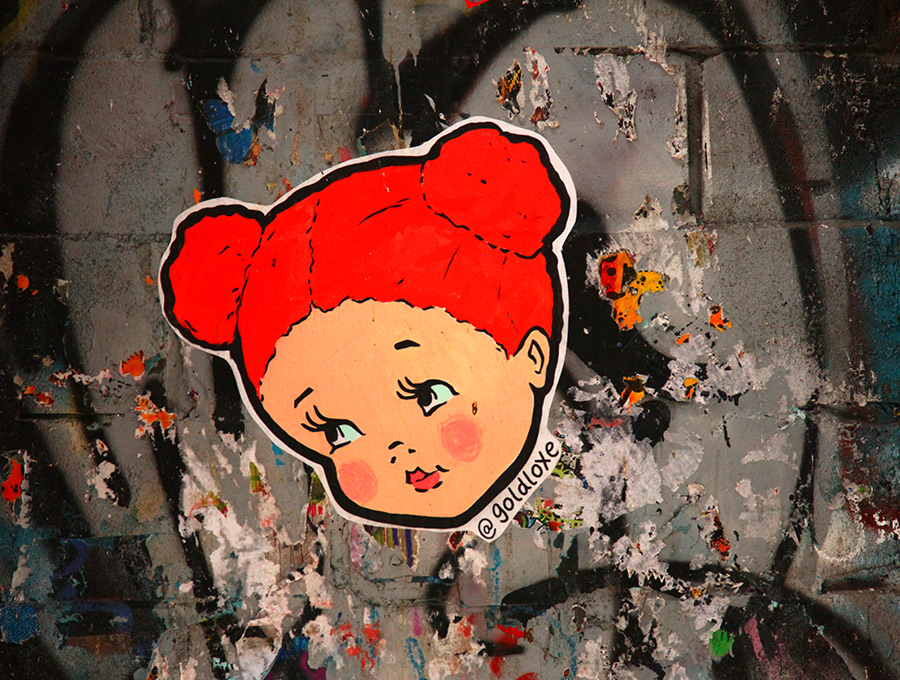
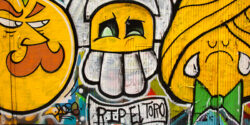
Here’s our weekly interview with the street, this time featuring CAMI, CRKSHNK, Goldloxe, Hi Bye, LISA, RATCHI, Skulz, Abe Lincoln Jr, Mr. Moustachio, El Toro, and Stikman.
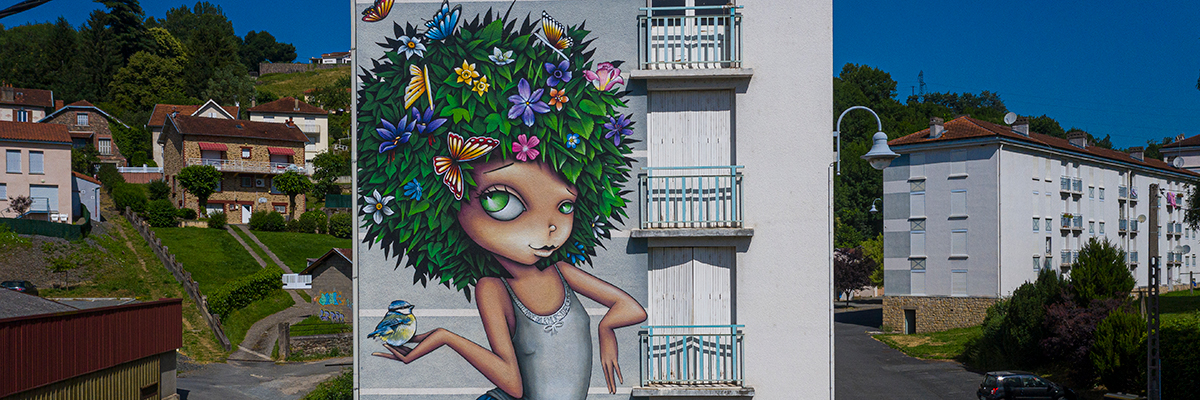
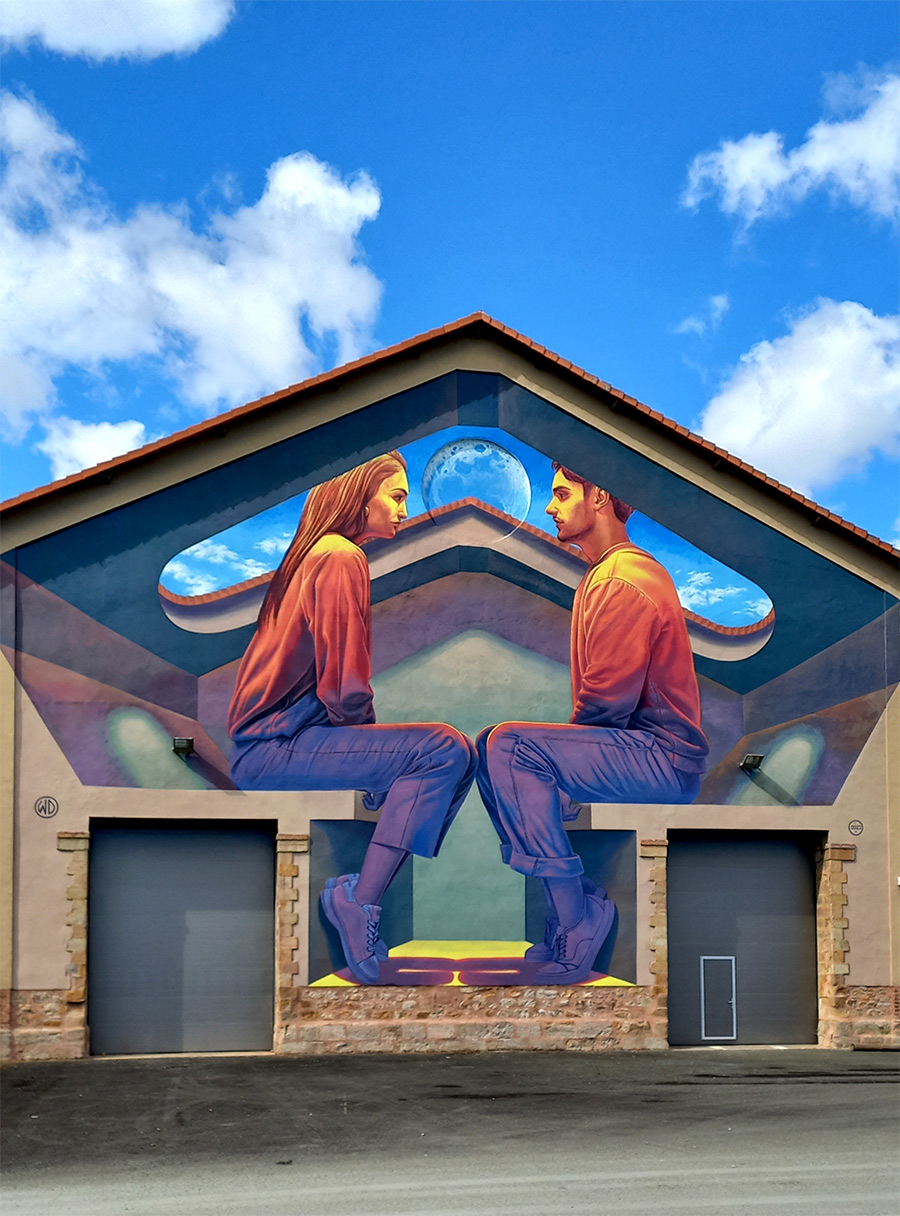
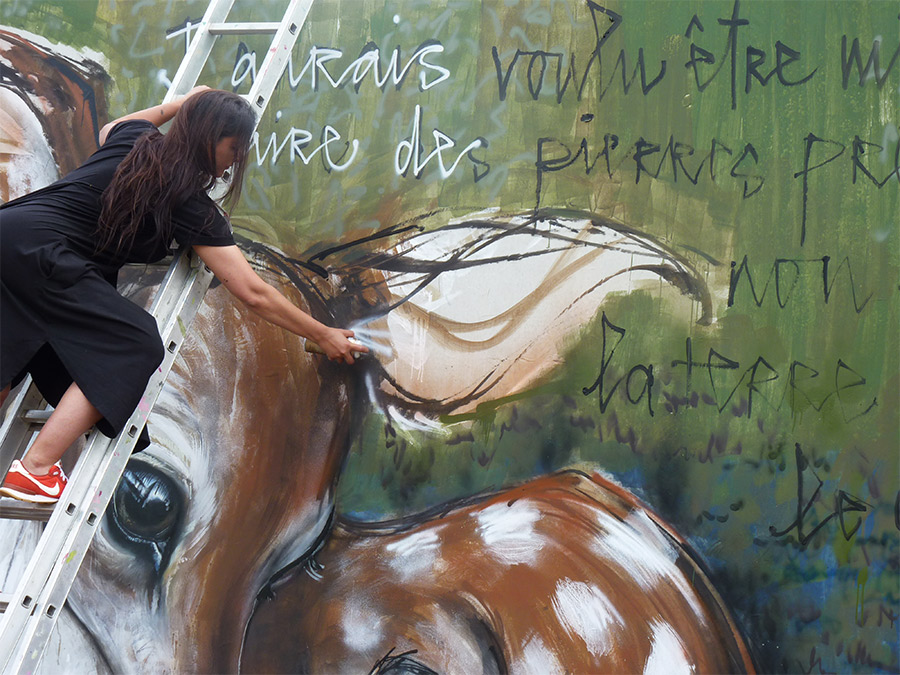
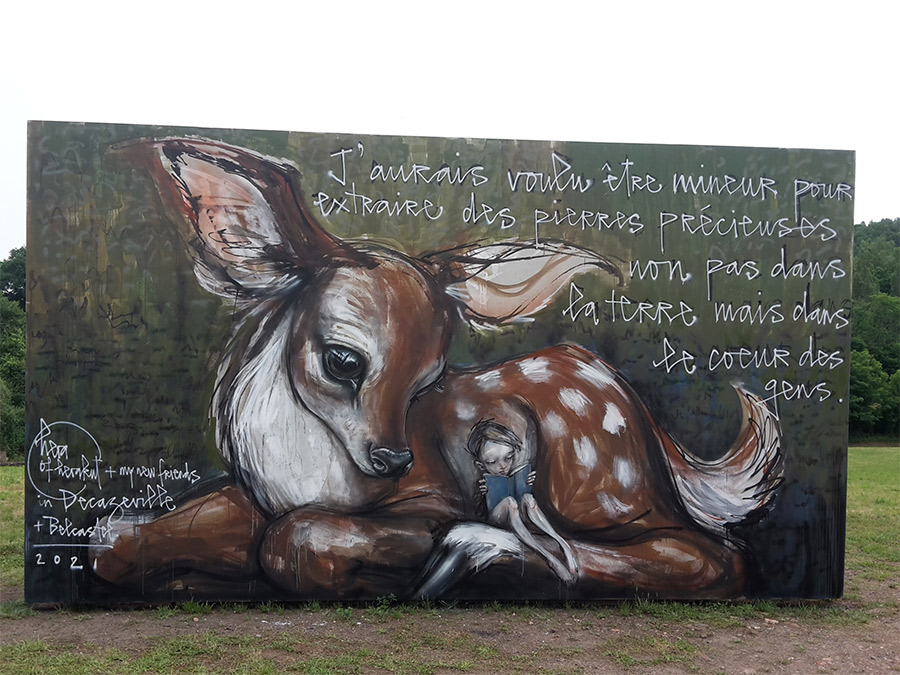
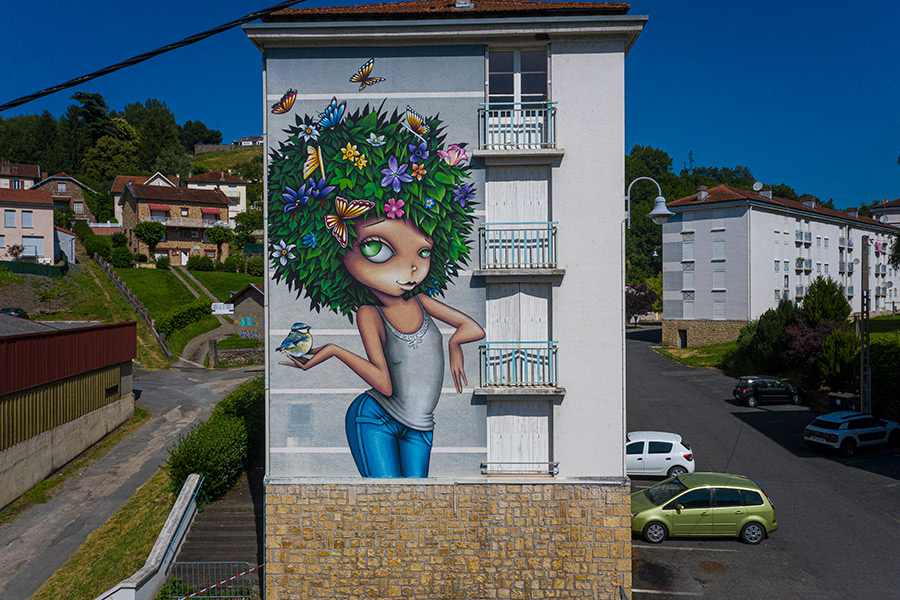
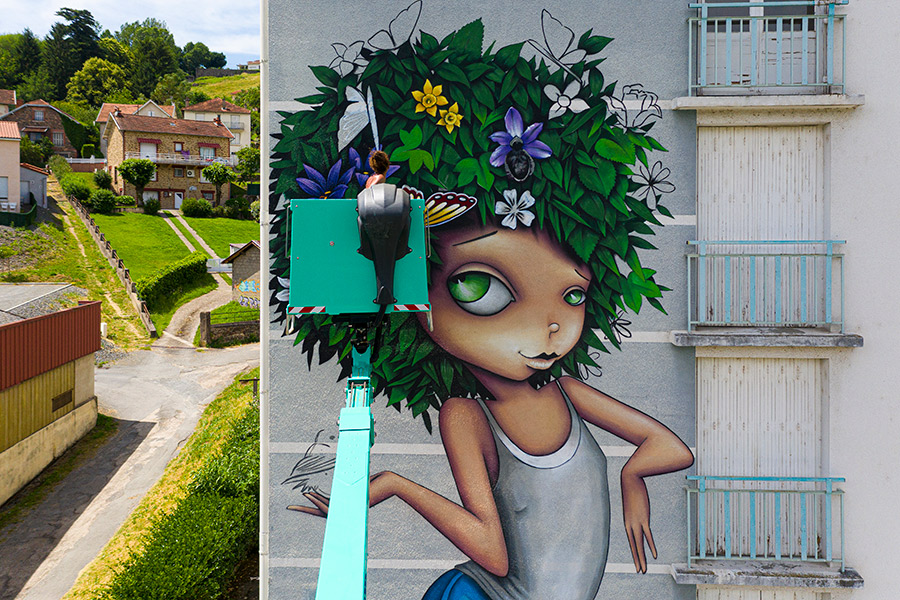
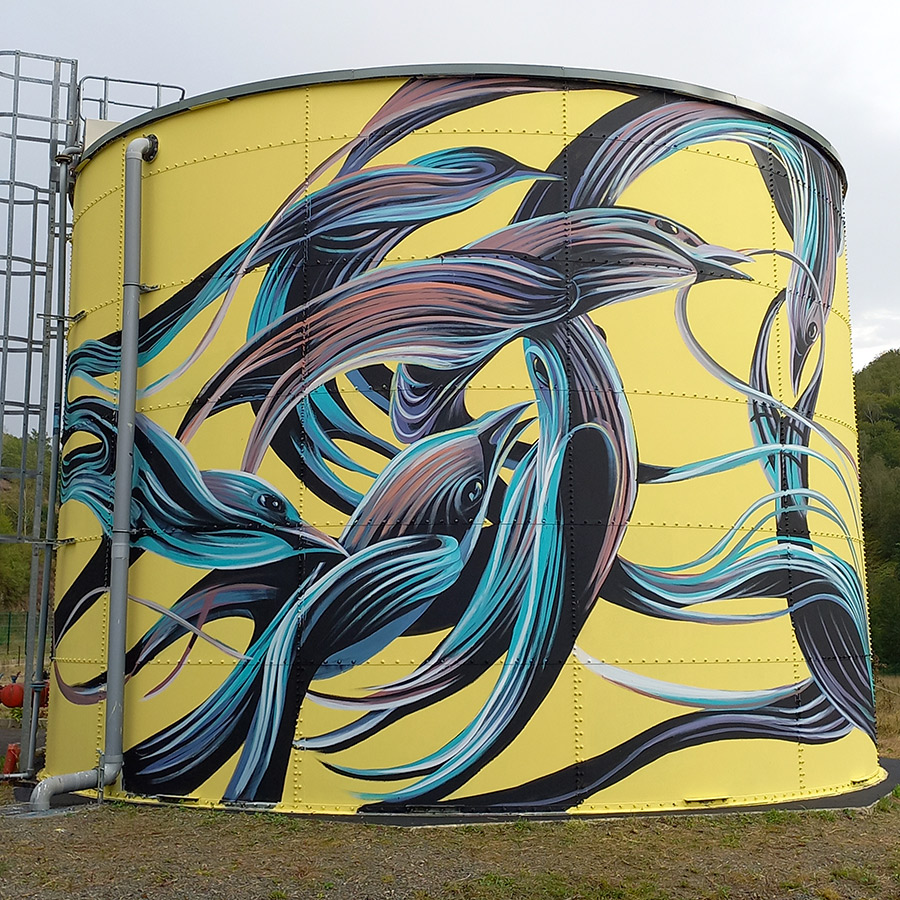
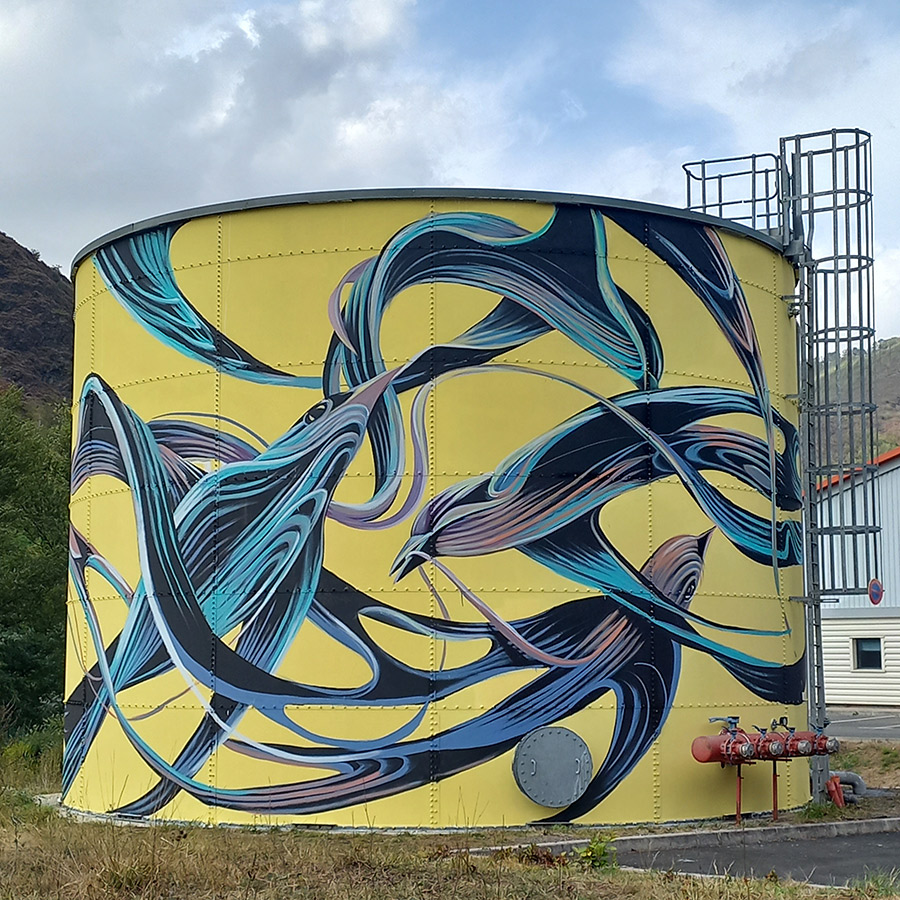
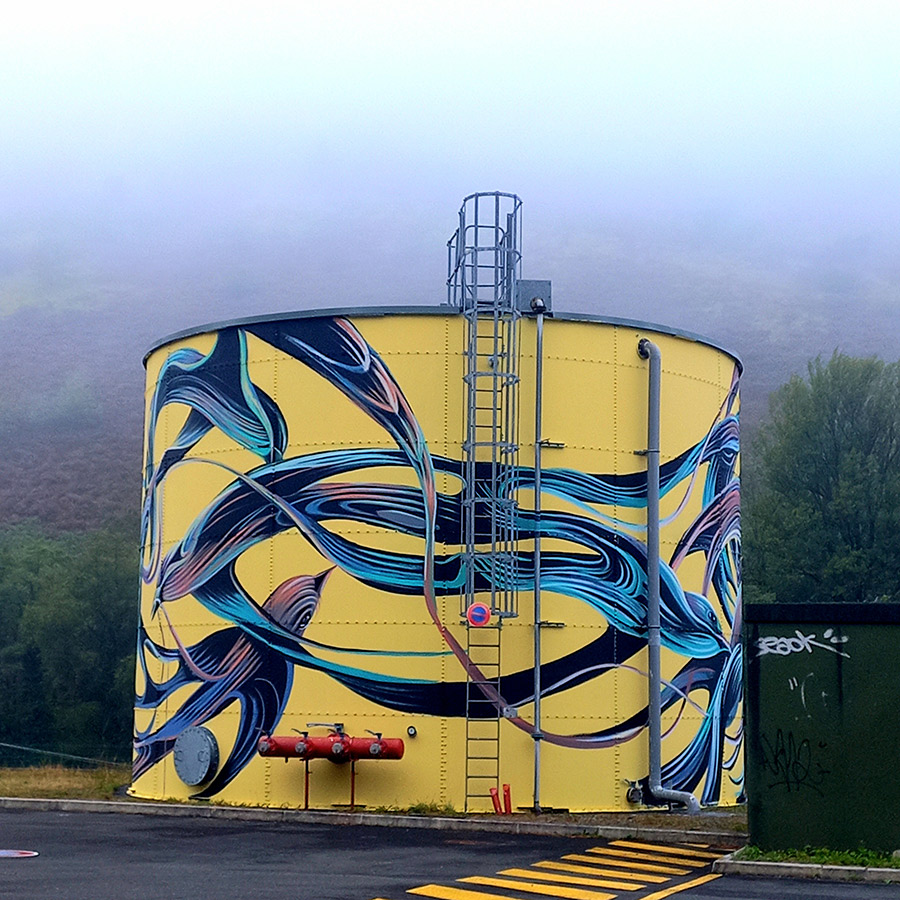
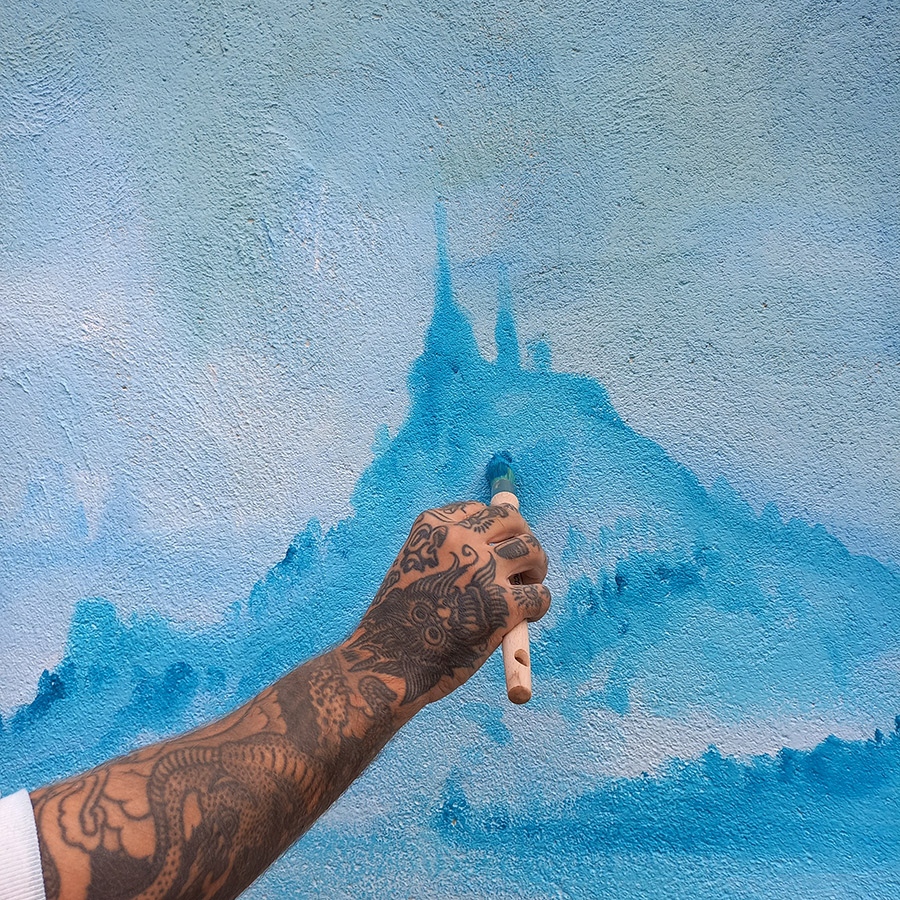
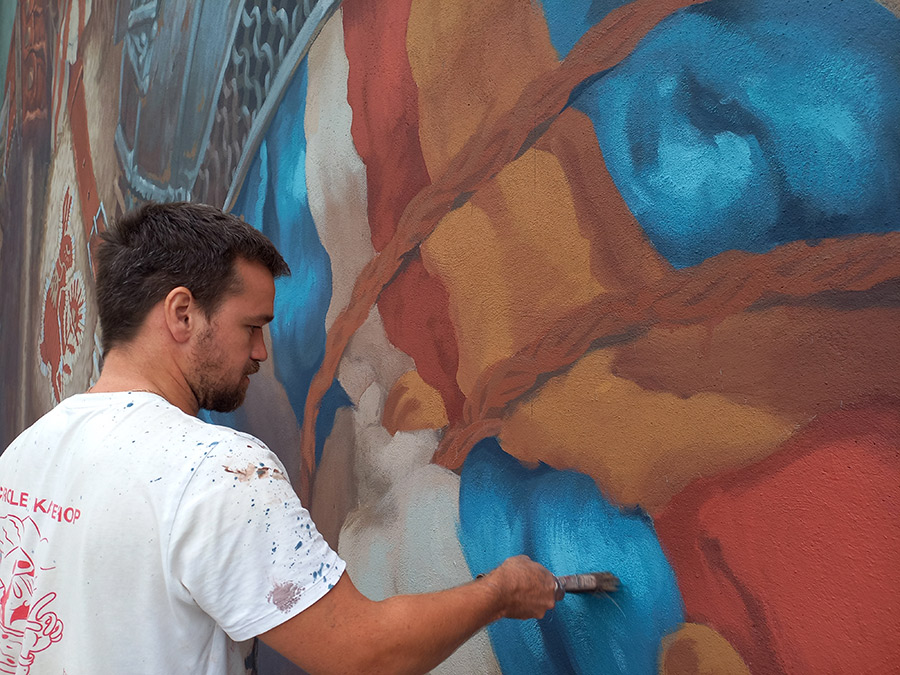
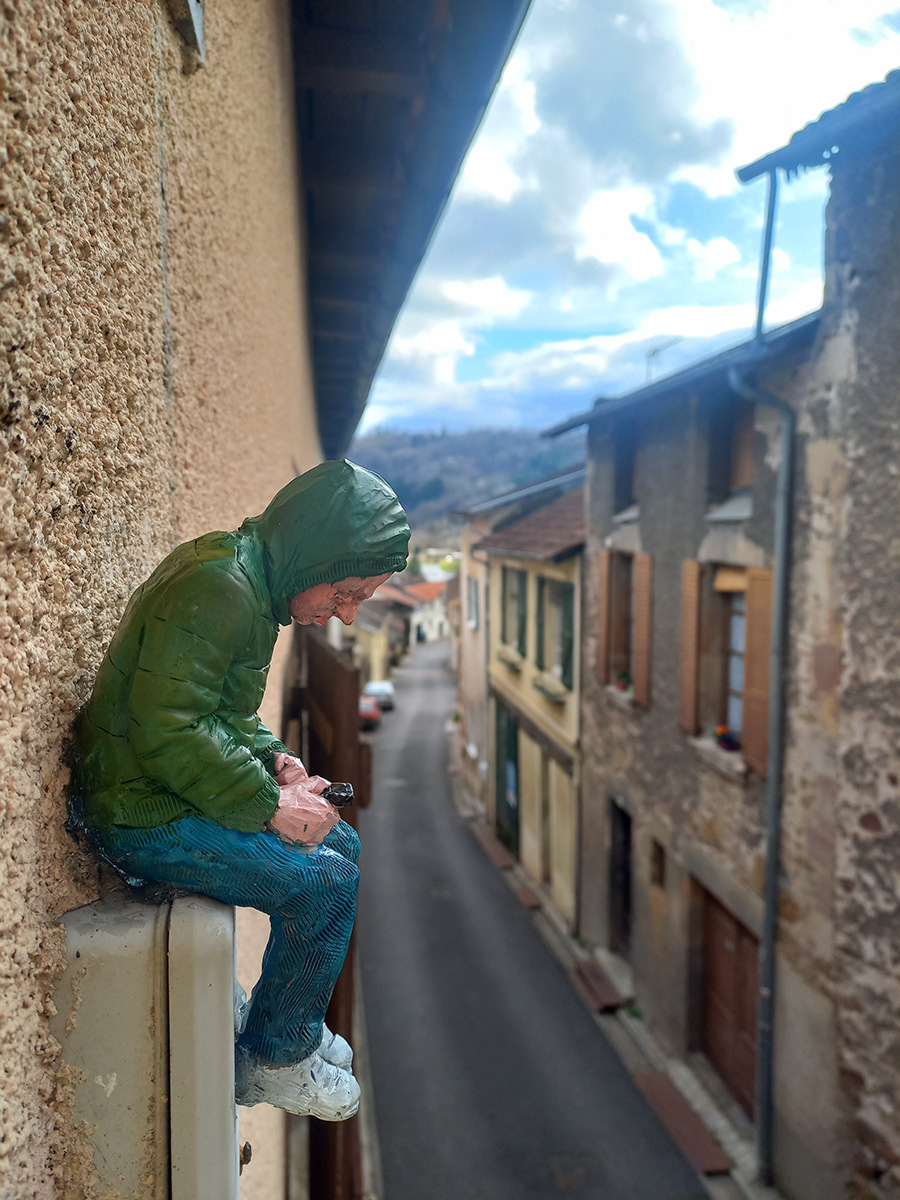
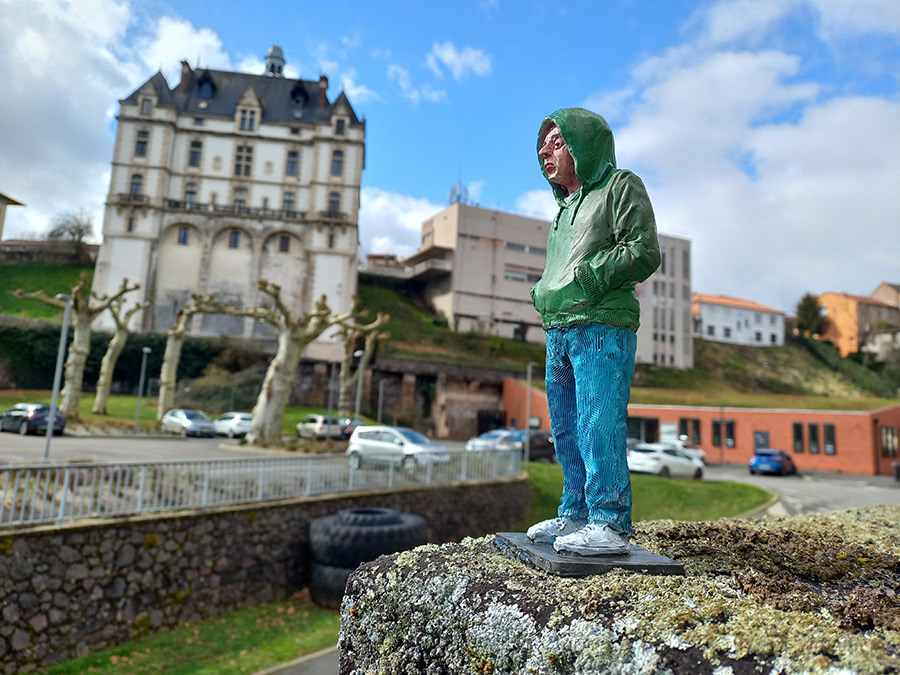
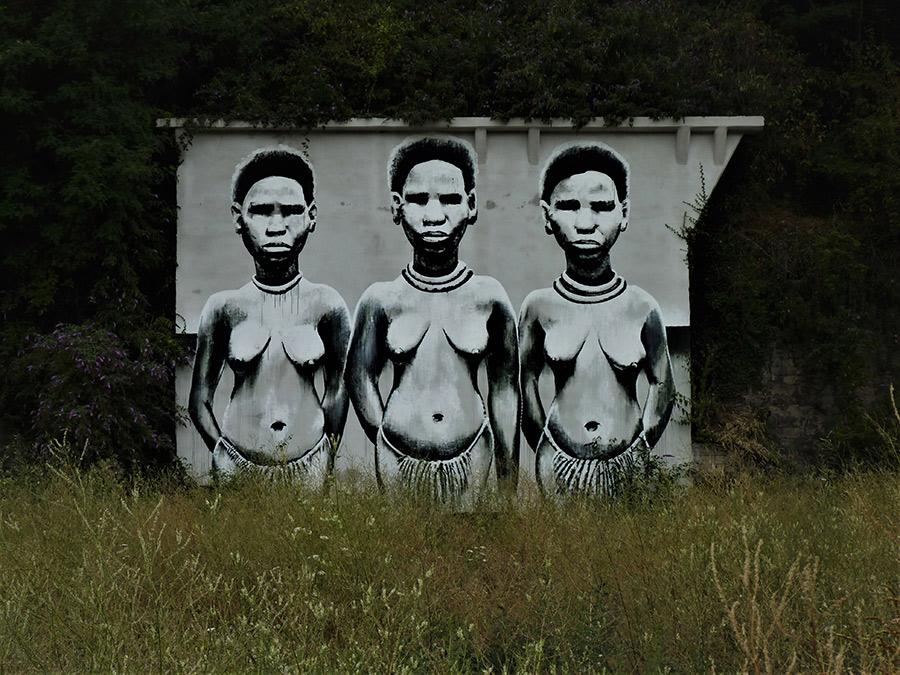
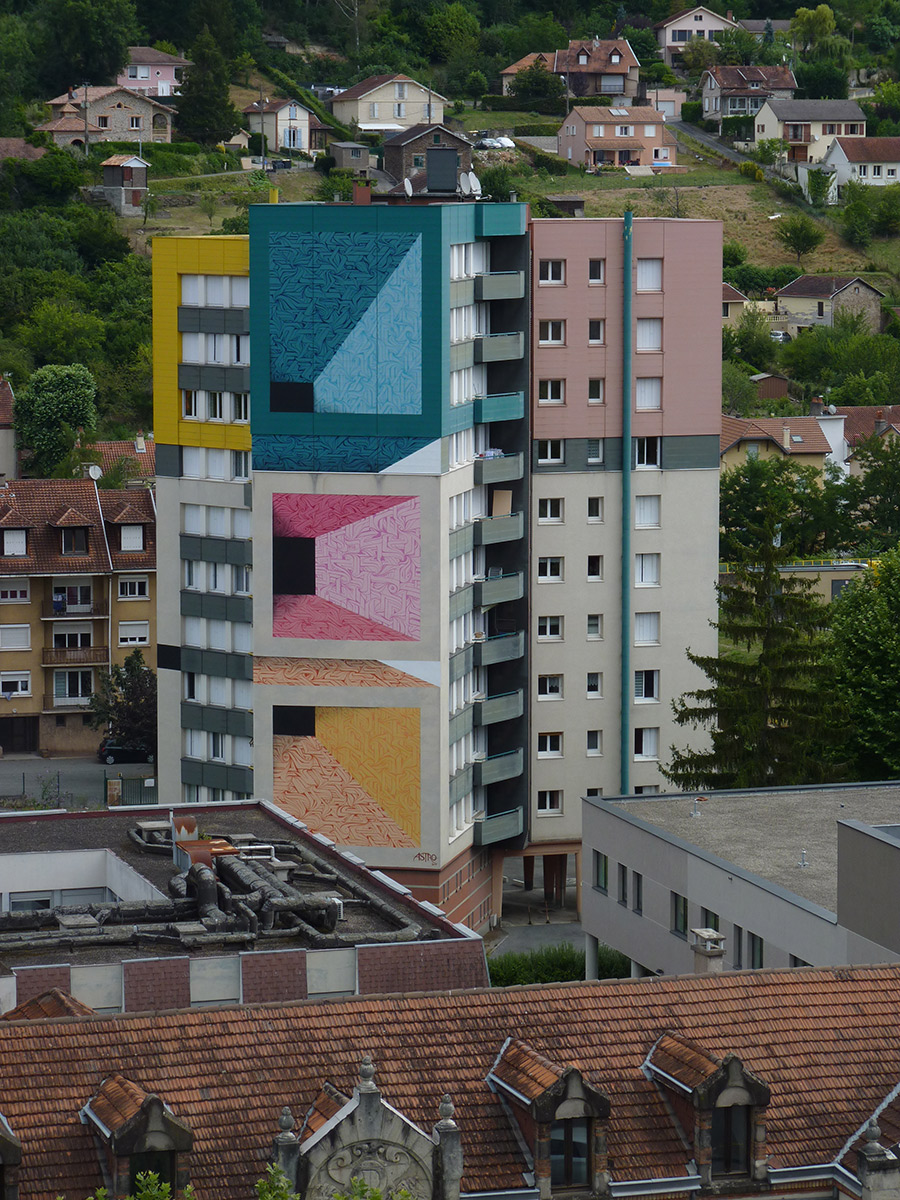
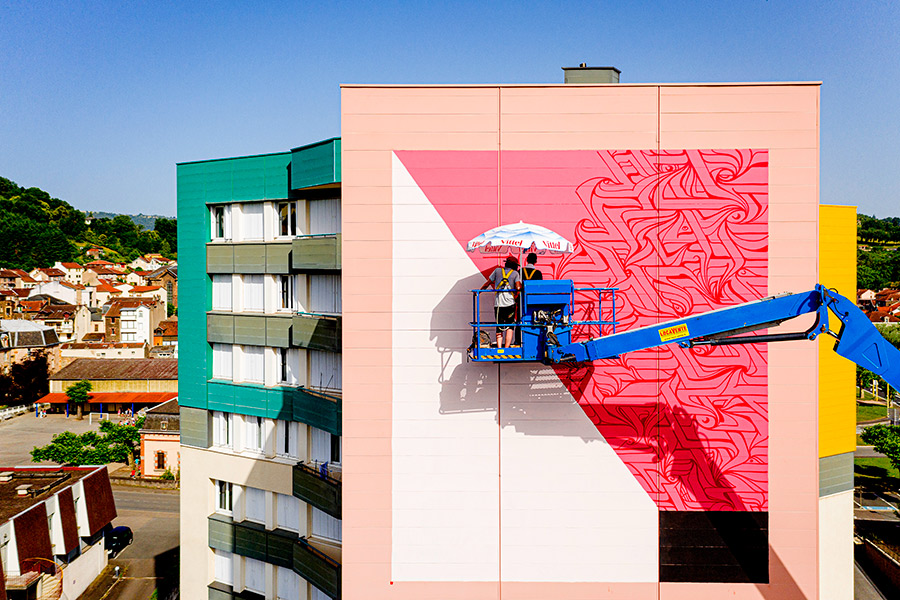
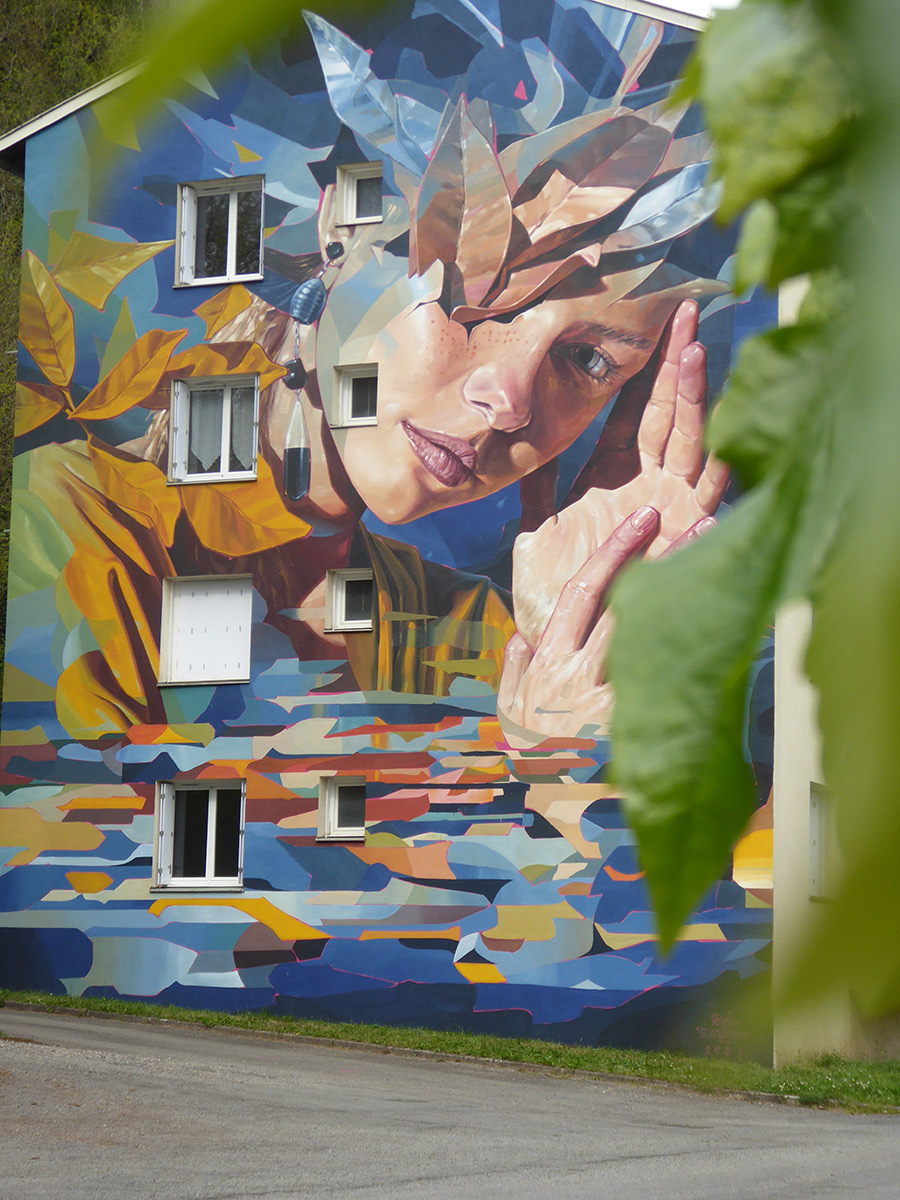
Out in the former mining basin of Aveyron in southern France, the Decazeville Communauté Street Art / “MurMurs” Festival has been rewriting the script on what a mural program can be. Not a quick-hit weekend of lifts and ladders, it has been a slow-build, six-year accumulation of images, ideas, and relationships spread across a cluster of towns that still carry the weight of coal, labor, and collective memory. Here, organizers say that walls aren’t simply blank canvases waiting to be decorated—they’re already loaded with meaning, culture, and history. When artists arrive, they find that they are stepping into a conversation that started long before the first spray can was shaken.
Wild Drawing (photo courtesy of Nicolas Viala)
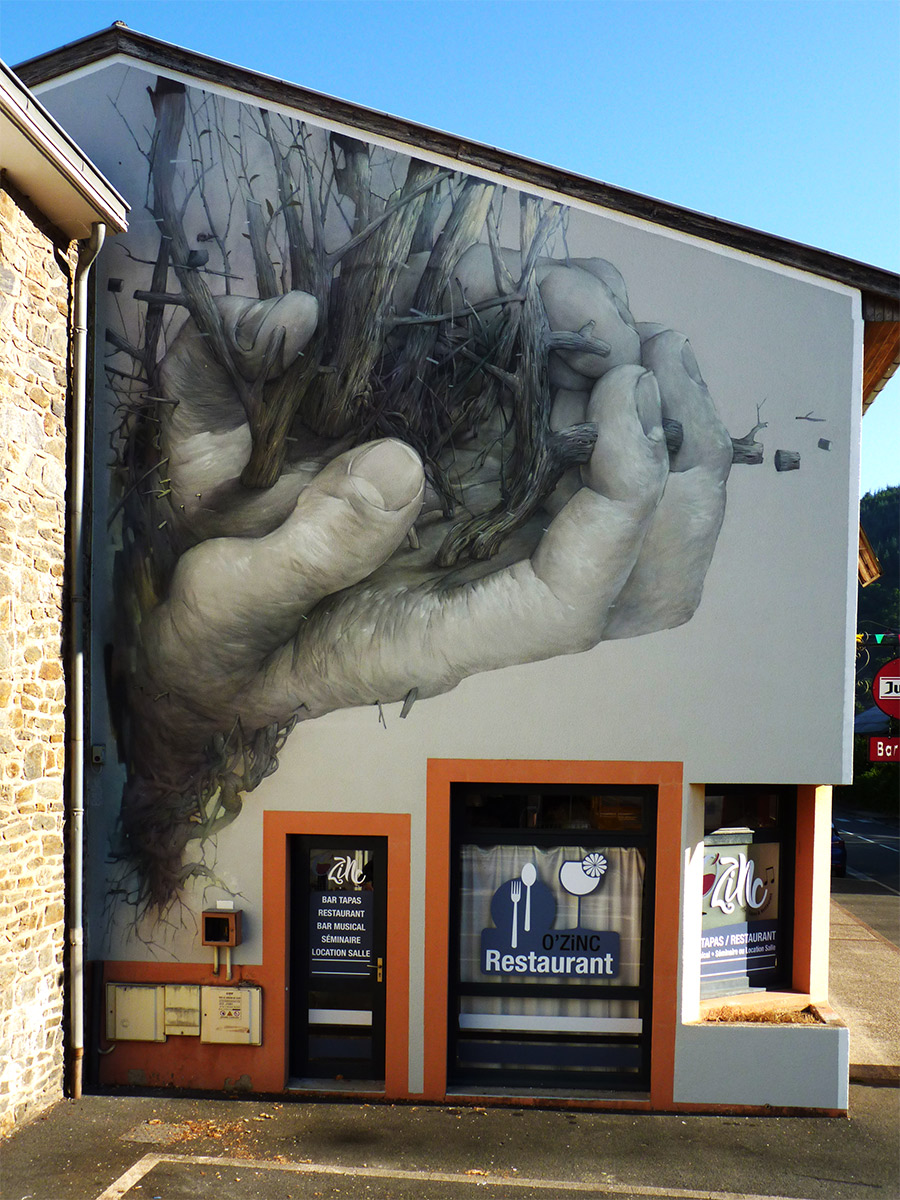
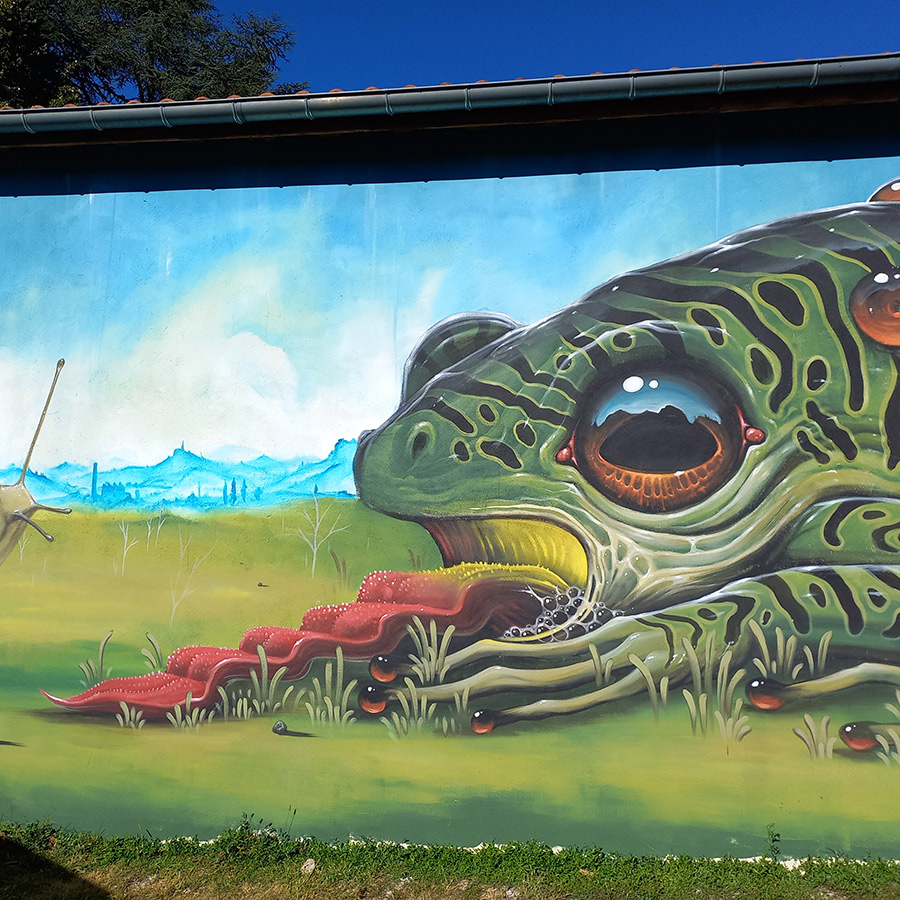
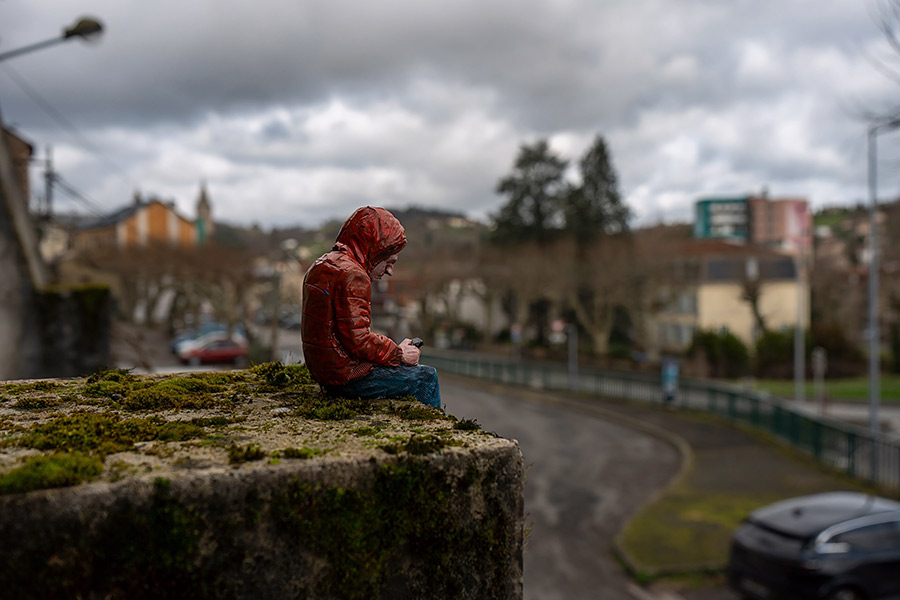
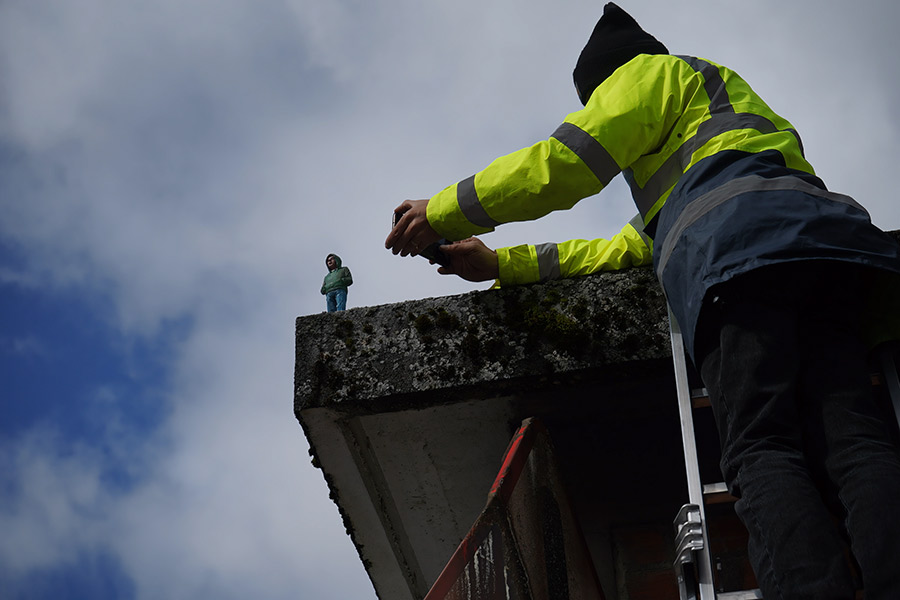
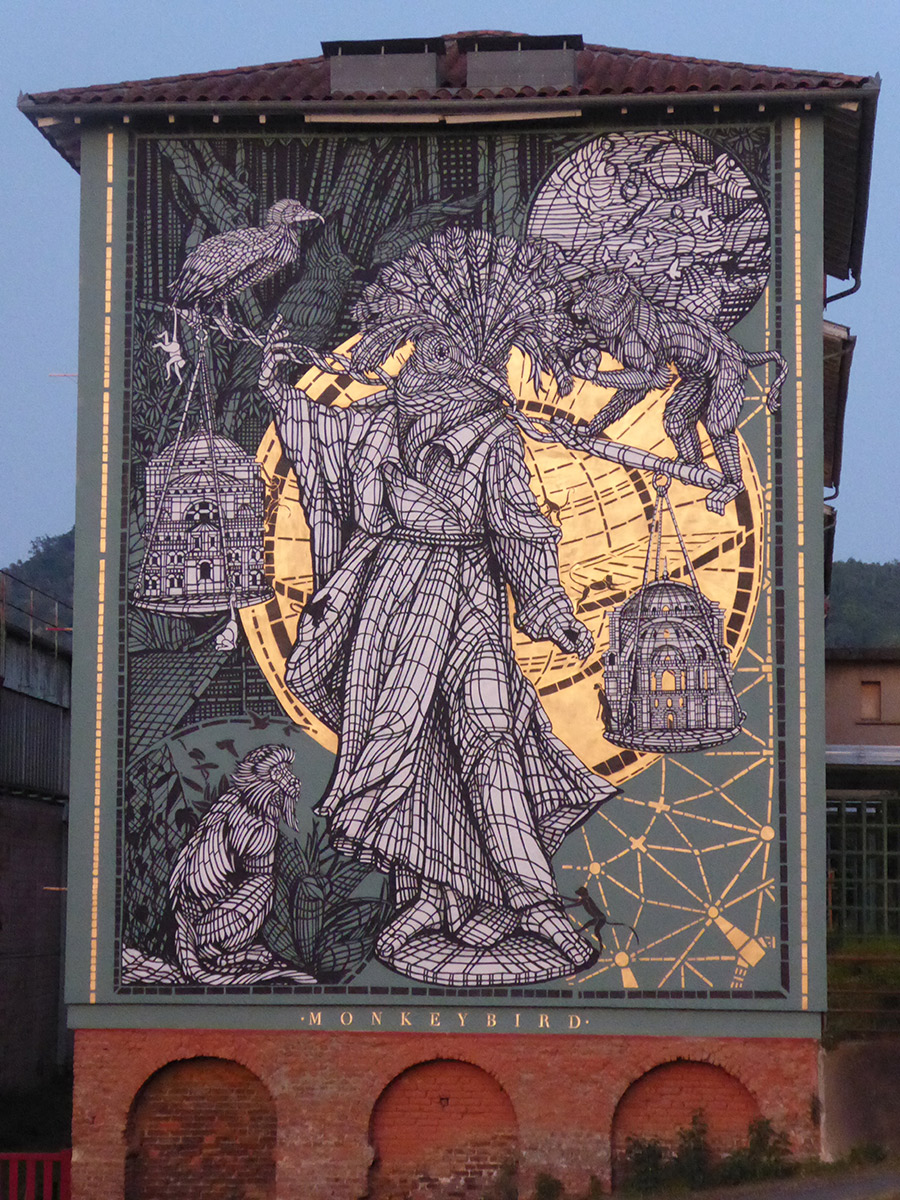
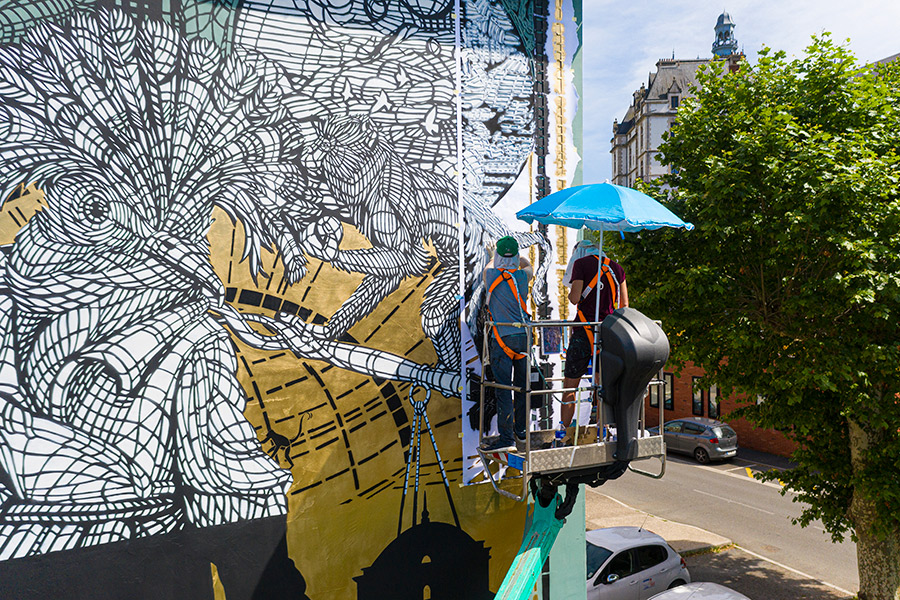
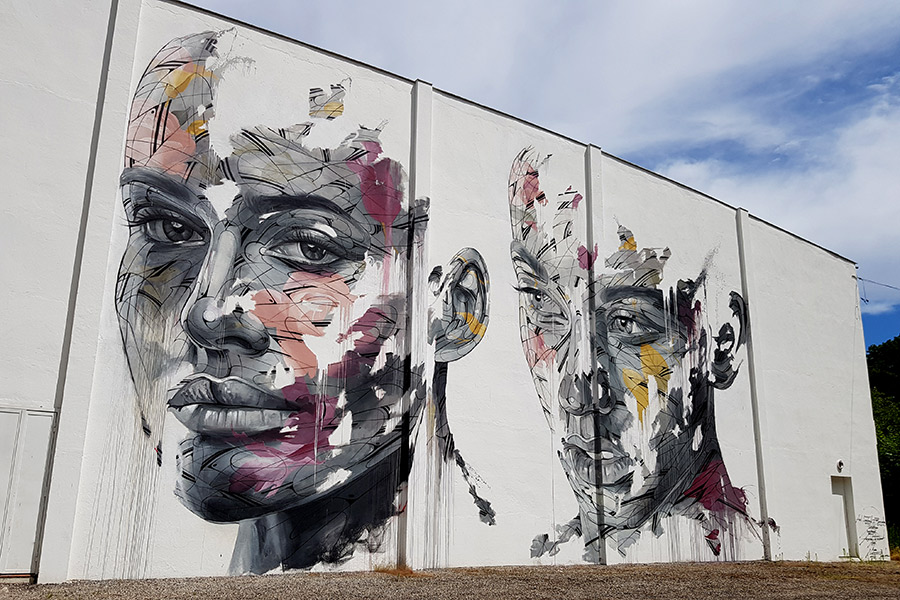
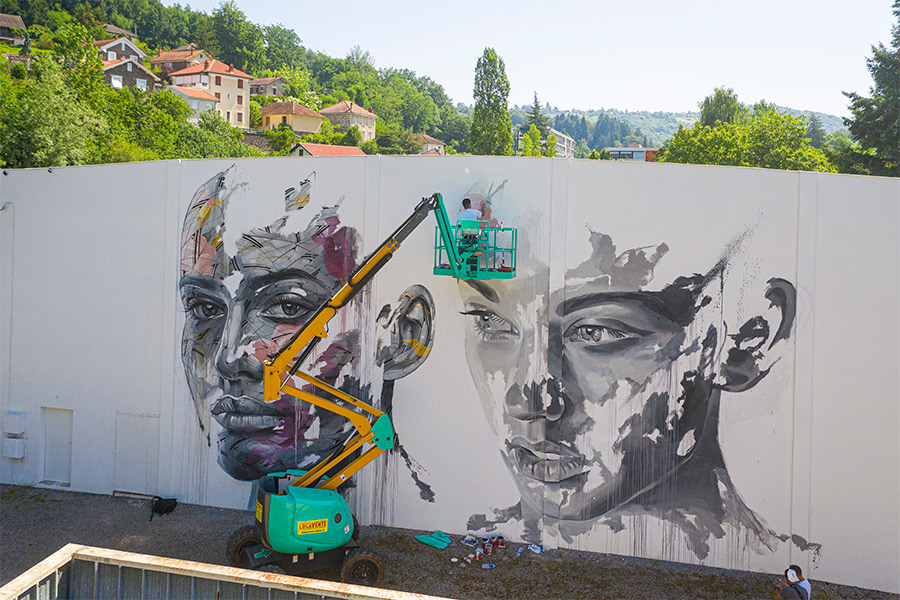
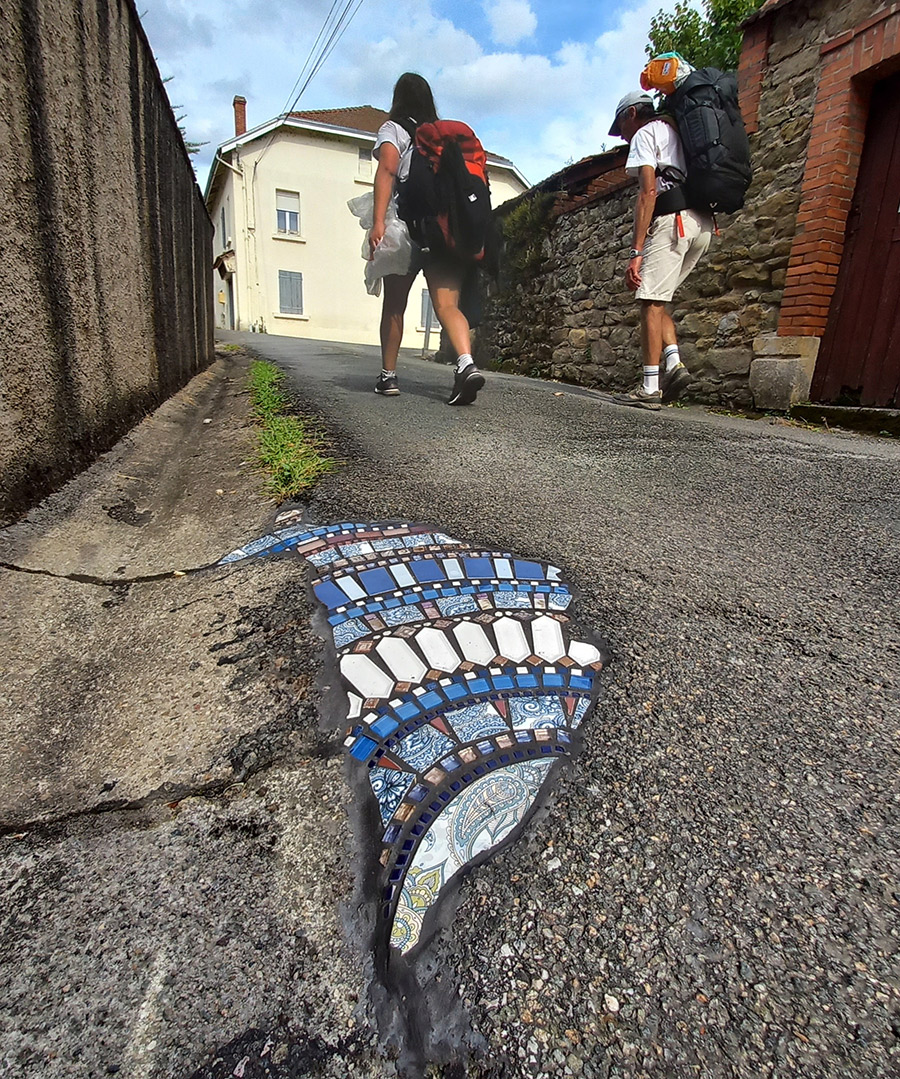
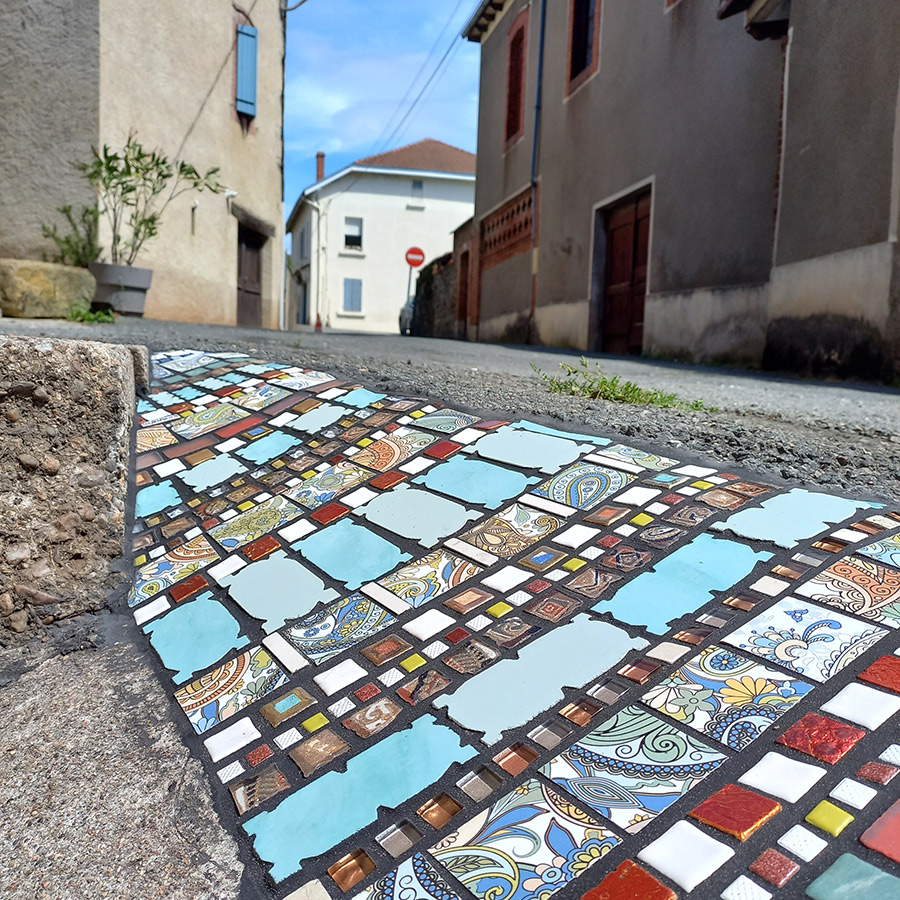
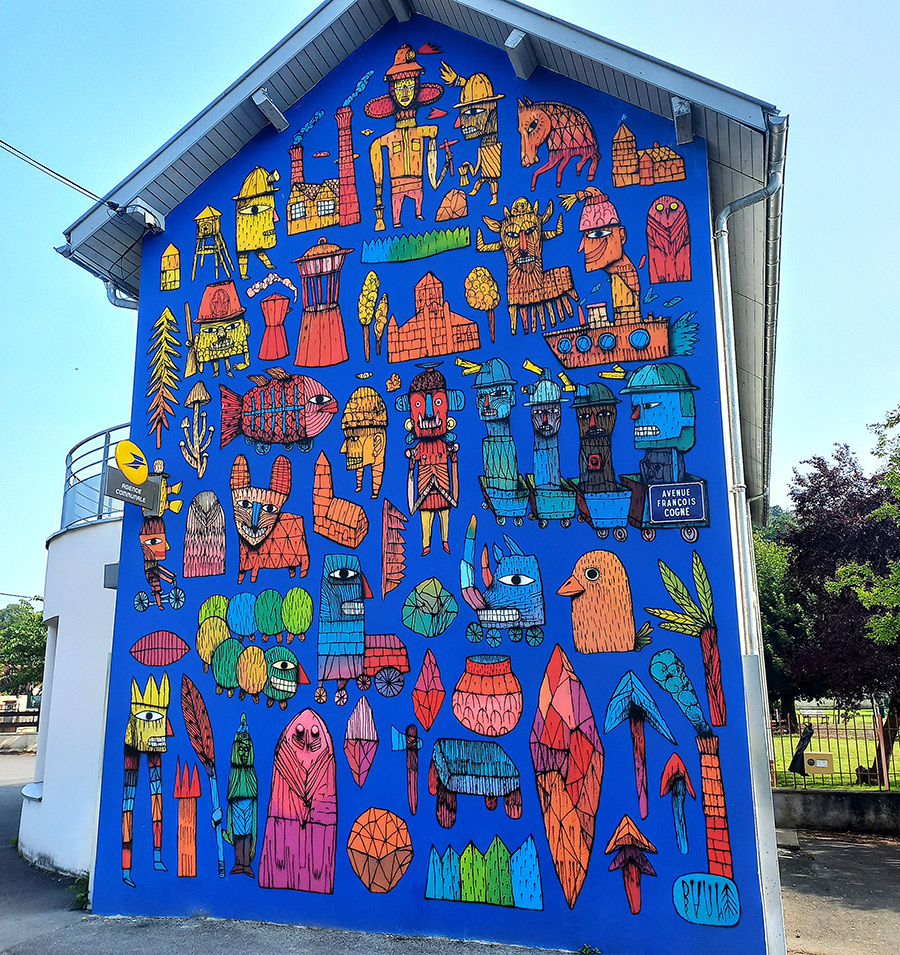
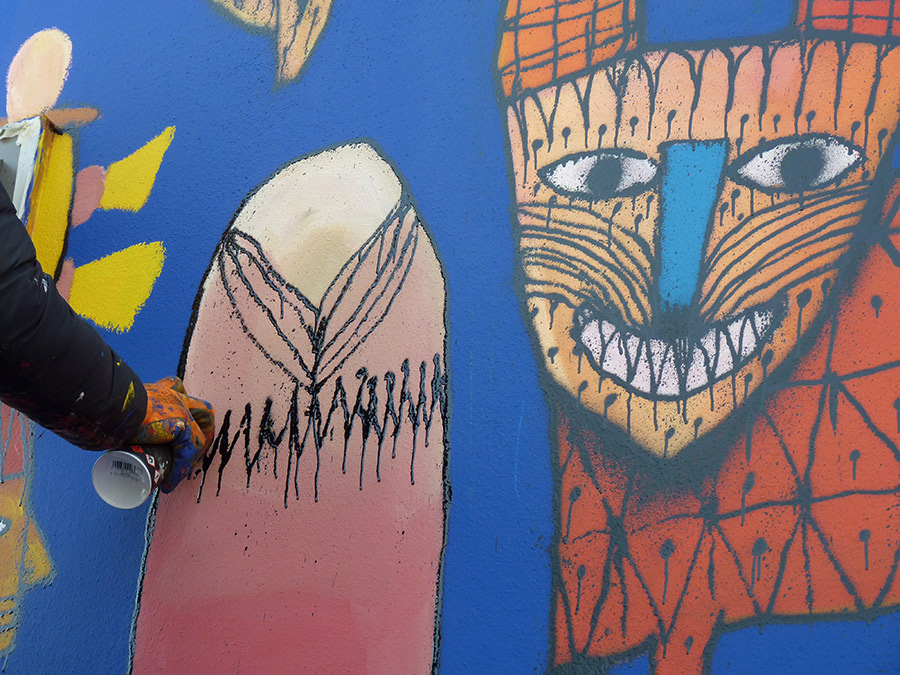
Across these half dozen years, a strong roster of international and European names has passed through—Saype, Astro, Isaac Cordal, Oakoak, Bom.K, Ememem, Pantonio, Hera (Herakut), WD (Wild Drawing), and Hopare among them—each bringing a distinct visual language to a place that doesn’t flatten difference. The appeal is in the vast range and scales: optical abstraction, miniature interventions, sculptural installation, figurative critique, and nature-respecting land art. The through-line isn’t style; it’s responsiveness. The better pieces feel less “placed” than absorbed, shaped by the terrain, the architecture, and the stories still circulating among residents who remember what this region once was—and still is.
Hera of Herakut (photo courtesy of Nicolas Viala)Hera of Herakut (photo courtesy of Nicolas Viala)
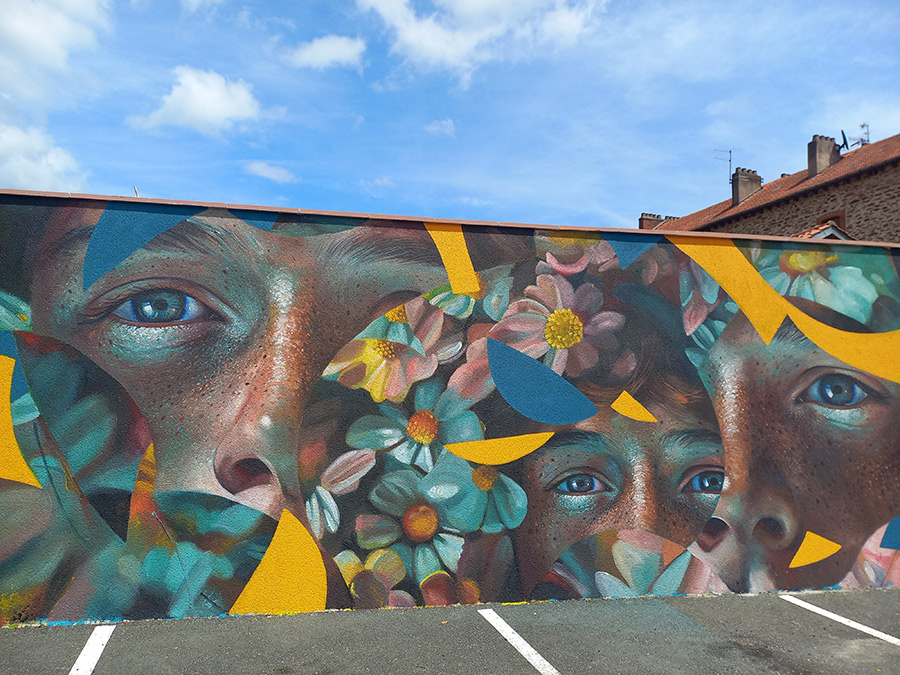
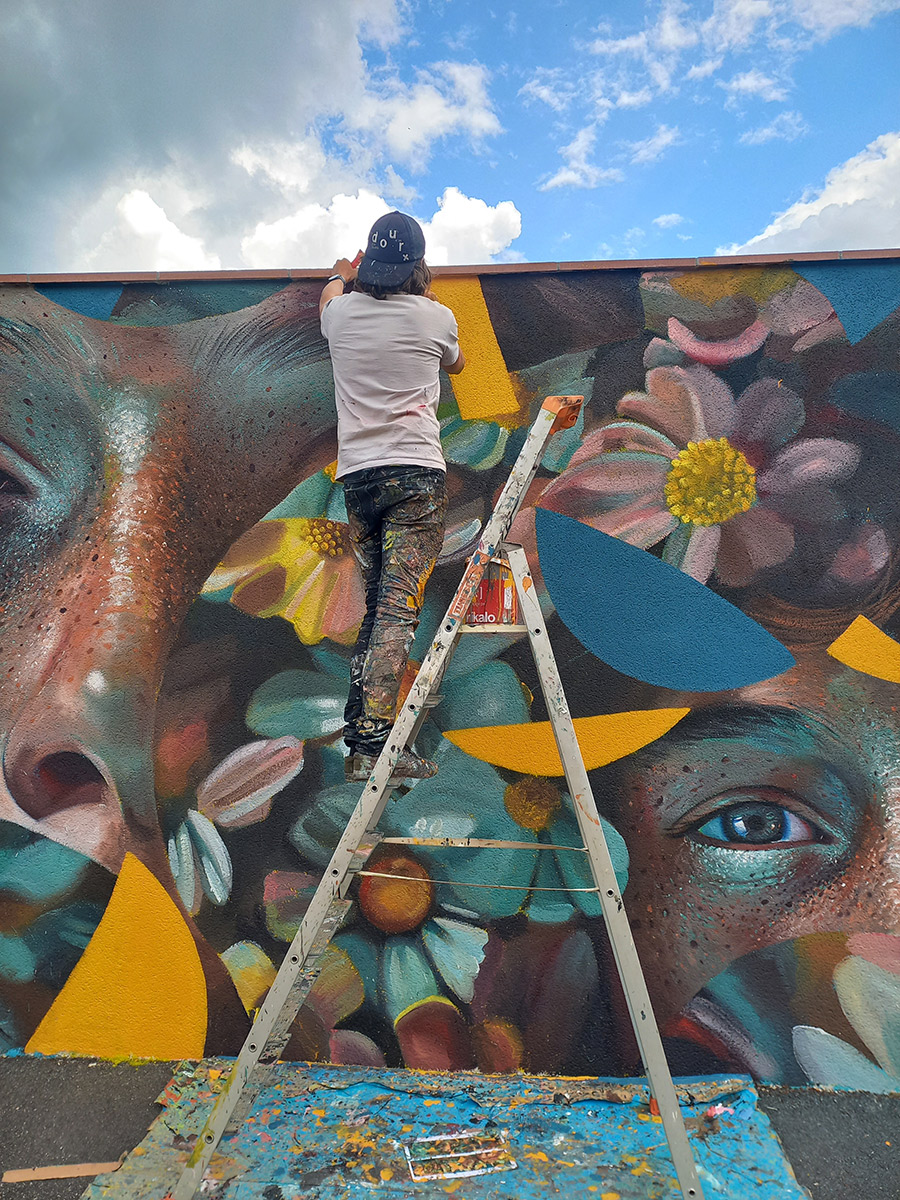
Just as important, the program isn’t running on imported names alone. There’s a visible effort to root the work locally, to keep a thread tied to the region through artists like Ratur, Bault, and Vinie, along with others from Aveyron and nearby, folding their perspectives into the broader mix. That balance—between recognized figures and regional voices—gives the project a different rhythm. It’s less about parachuting in and more about building a layered, evolving route where the global and the local sit side by side without one erasing the other.
Vinie (photo courtesy of Nicolas Viala)Vinie (photo courtesy of Nicolas Viala)
What sets Decazeville apart is the way it gives time and space for artists to engage deeply with the place and its people. Artists stay, meet residents, walk the terrain, and often collaborate with schools, associations, and local groups, creating work that reflects shared experience as much as individual vision. The result is a body of work rich with narrative, context, and connection, where each piece carries a sense of dialogue with the territory.
BSA spoke to the project manager and cultural mediator for the Street Art ‘MurMurs Festival’, Nicolas Viala, about the festival:
BSA: Why is this project so important for Decazeville Communauté, and what has it generated? Nicolas Viala: Located in southwestern France, far from the saturated circuits of major art capitals, Decazeville Communauté has established itself as one of the most distinctive destinations for contemporary urban art in Europe. Over the past six years, this initiative has evolved into a powerful artistic, cultural, social, and territorial project—at the crossroads of mining heritage and the current pulse of the global art scene.
A former territory shaped by social struggles, labor, diversity, and solidarity, Decazeville Communauté carries a strong collective memory. That history, still very much alive, is now expressed on its walls. Here, street art does not decorate—it reveals the soul of the territory. Like the miners of the past, urban artists capture society, its hopes, and the contradictions of our time.
Pantonio-I (photo courtesy of Nicolas Viala)
Designed to democratize access to culture, the project offers artistic programming that is free, accessible, and long-lasting. The results are tangible: a poetic reinterpretation of the territory, expanded access to culture, national and European visibility, and renewed local appeal. Over six editions, more than 240,000 visitors have been welcomed, while numerous school groups and students take part in educational visits each year.
Today, the project stands as a true driver of transformation, generating economic impact, tourism momentum, and a strong sense of local and regional pride.
Pantonio-II (photo courtesy of Nicolas Viala)Pantonio-III (photo courtesy of Nicolas Viala)
BSA:What has your experience been in organizing this project? NV: Our approach has always been guided by a strong conviction: urban art is not decorative. It is a unique cultural movement—narrative, demanding, meaningful, and deeply human. Organizing the festival involves a long-term commitment combining artistic rigor, curatorial coherence, and strong territorial grounding. The goal is to build connections between international, national, and local artists, residents, and local history. The mining past, rooted in social engagement, resonates directly with the practices of contemporary artists, who are often socially engaged themselves.
Within this project, mediation plays a central role. It allows the artworks to be sustainably embedded in the territory and gives them a dimension that is at once artistic, social, and human.
Veks Van Hillik (photo courtesy of Nicolas Viala)
BSA:How has the community responded to the murals, and what kind of support have they provided? NV: Community involvement has been essential from the very beginning. While there were initial questions, they quickly gave way to genuine support.
Residents have gradually changed the way they view their environment, shifting from an industrial legacy to a vibrant cultural territory. Today, the murals have become a source of local pride.
Support from the community takes many forms: exchanges with artists, active participation, and a strong sense of ownership of the artworks. The walls have become shared surfaces, carrying identity and collective memory. This human dimension is one of the foundations of the festival’s success.
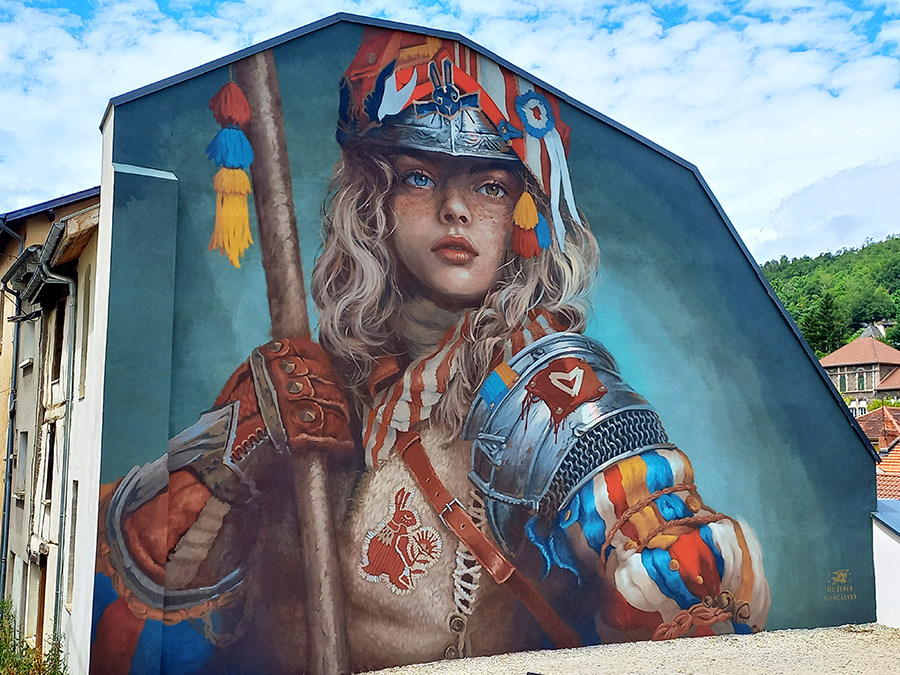
Arnaud de Jesus Gonçalves (photo courtesy of Nicolas Viala)
BSA:How did the artists experience their stay in the village while painting? NV: The artists’ experience in Decazeville Communauté is unanimously described as intense, immersive, and deeply human.
Unlike major urban centers, the creative timeframe here allows for true immersion. Artists meet residents, discover the territory’s history, and absorb its atmosphere and natural surroundings. This proximity directly influences their work, often resulting in more sensitive and engaged pieces.
Drawn by the authenticity of the territory, the quality of the walls, and the uniqueness of the project, more than sixty artists from twelve different nationalities have already taken part in the festival. Their presence creates a strong dialogue between artistic practices and local identity.
Arnaud de Jesus Gonçalves (photo courtesy of Nicolas Viala)
BSA: A project recognized beyond the territory NV: The festival’s singularity has been widely recognized by European media specializing in contemporary art (Italy, Deutschland, England). This recognition confirms that innovation in urban art and culture does not depend on a city’s size but rather on vision, coherence, and commitment.
Today, Decazeville Communauté asserts a unique model, without seeking to imitate major metropolitan areas. Across its seven municipalities, urban art in Decazeville Communauté is a continuation of history, a reflection of the present, and a projection into the future.
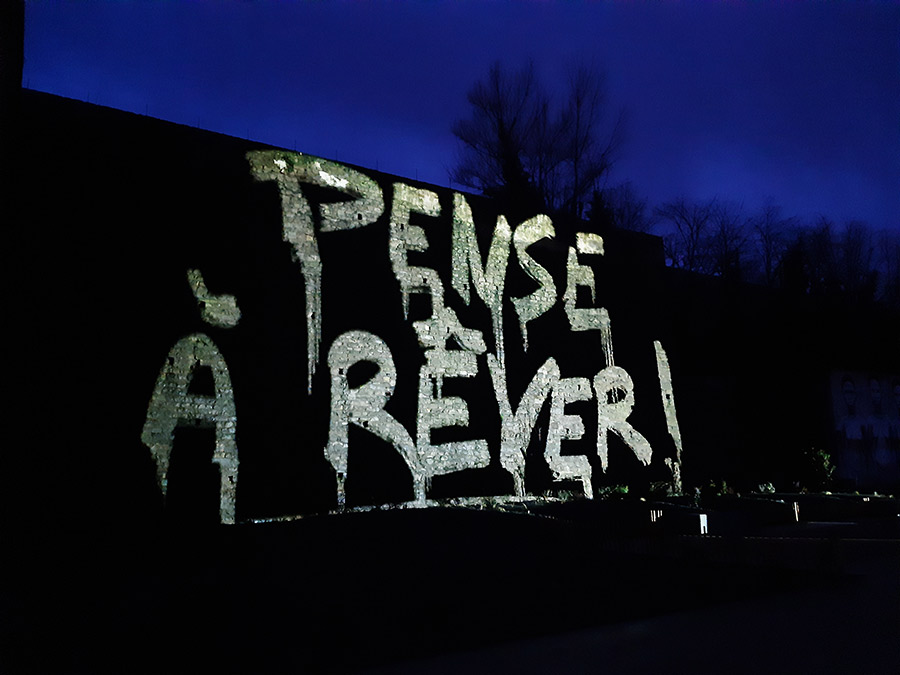
Bom.K (photo courtesy of Nicolas Viala)Veks Van Hillik (photo courtesy of Nicolas Viala)Isaac Cordal (photo courtesy of Nicolas Viala)Isaac Cordal (photo courtesy of Nicolas Viala)Isaac Cordal (photo courtesy of Nicolas Viala)Isaac Cordal (photo courtesy of Nicolas Viala)Philippe Echaroux. Pense à rêver – Think about dreaming. (photo courtesy of Nicolas Viala)Kouka (photo courtesy of Nicolas Viala)Bom.K (photo courtesy of Nicolas Viala)Monkeybird (photo courtesy of Nicolas Viala)Monkeybird (photo courtesy of Nicolas Viala)Hopare (photo courtesy of Nicolas Viala)Hopare (photo courtesy of Nicolas Viala)Koga One (photo courtesy of Nicolas Viala)Koga One (photo courtesy of Nicolas Viala)Astro (photo courtesy of Nicolas Viala)Astro (photo courtesy of Nicolas Viala)Ememem (photo courtesy of Nicolas Viala)Ememem (photo courtesy of Nicolas Viala)Ratur (photo courtesy of Nicolas Viala)Bault (photo courtesy of Nicolas Viala)Bault (photo courtesy of Nicolas Viala)
Street artists are rarely content to stay in one lane. The same instinct that pushes a writer to scale a fence at 2 a.m. or negotiate a sanctioned wall at noon—the need to test limits, materials, audience, and self—also drives them toward unfamiliar formats where the rules shift under their feet. These side quests, whether sculpture, installation, or civic commission, are less detours than recalibrations; they sharpen the hand and reset the eye.
It’s a mindset born in the street, where time is short, surfaces are unpredictable, and every mark is a negotiation with risk, visibility, and consequence. That pressure breeds a kind of ingenuity that doesn’t disappear in the studio—it expands. When artists return to the wall, they bring back new strategies, new muscle memory, and a deeper sense of purpose.
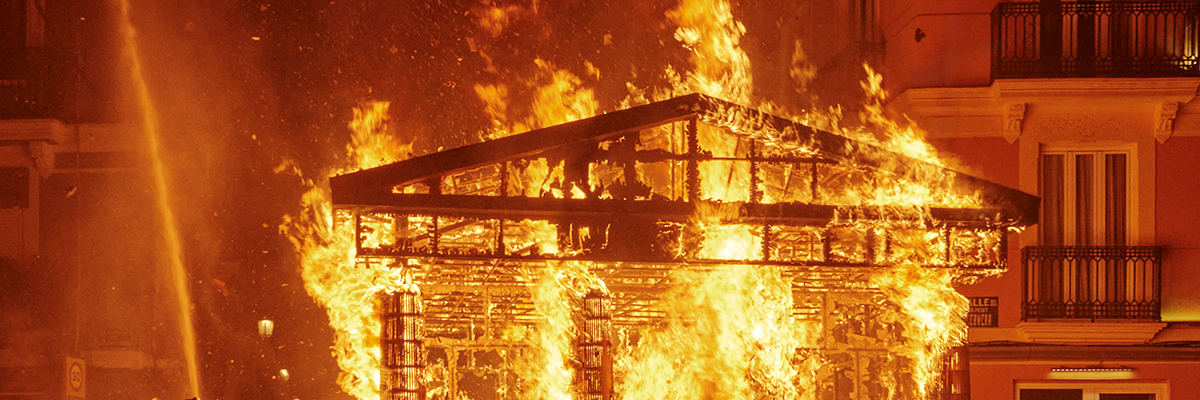
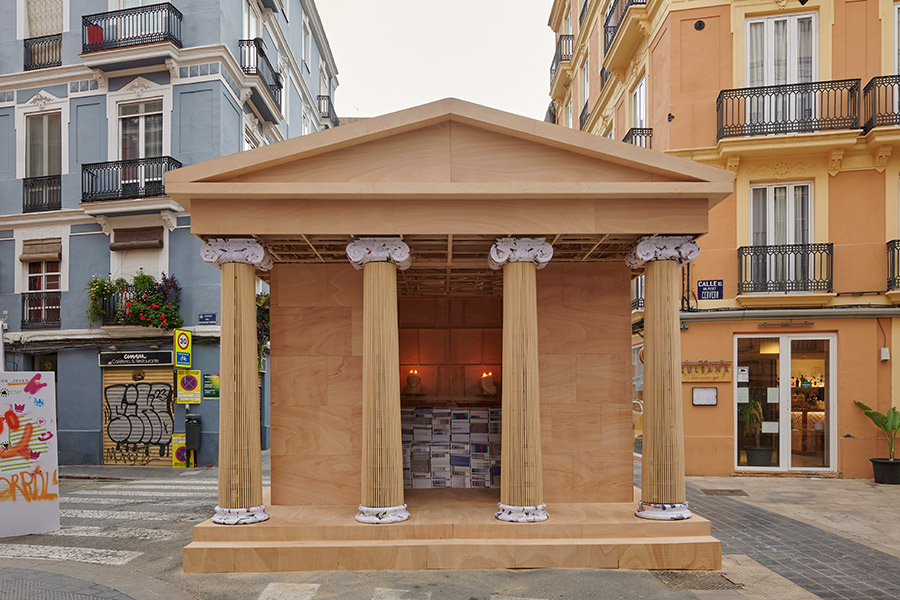
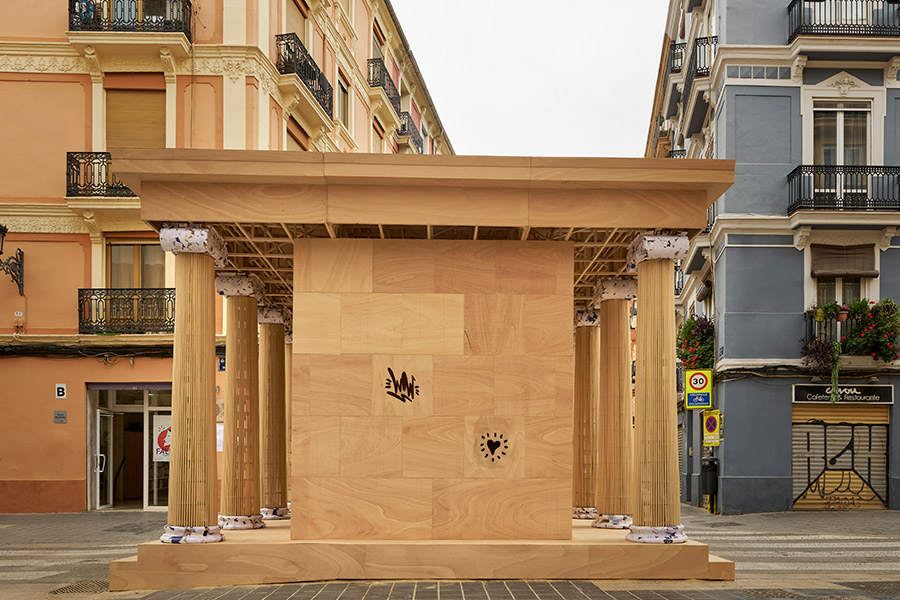
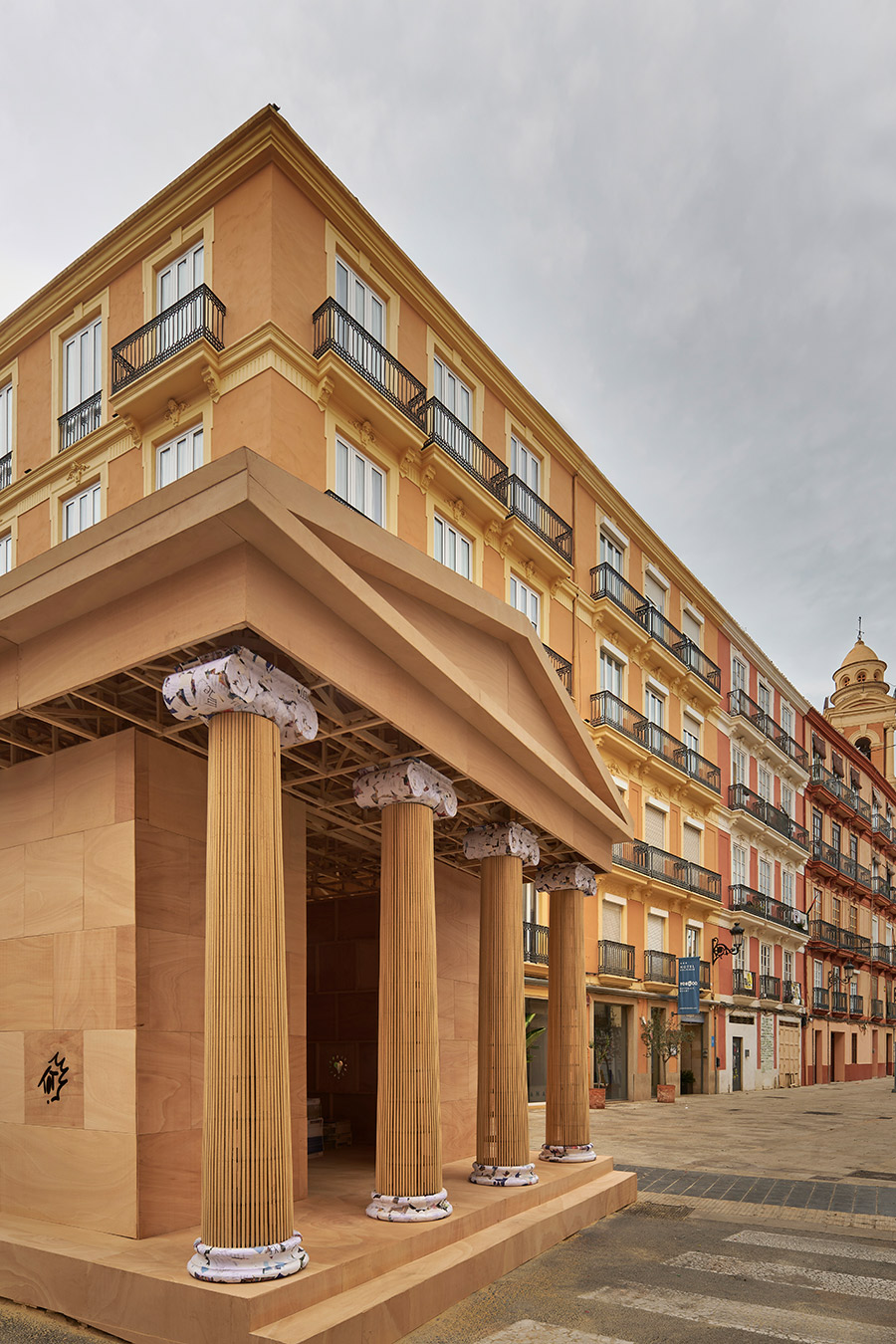
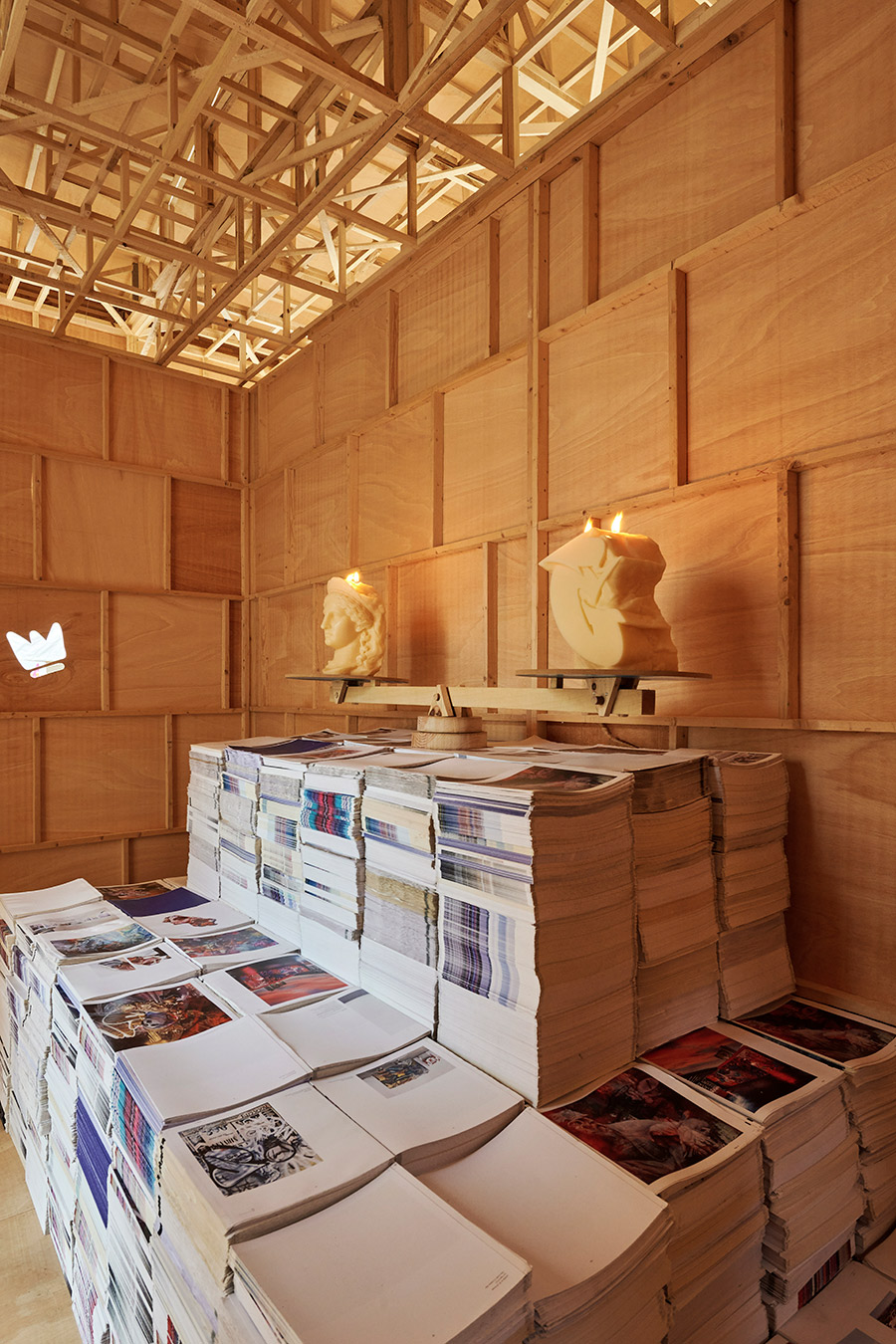
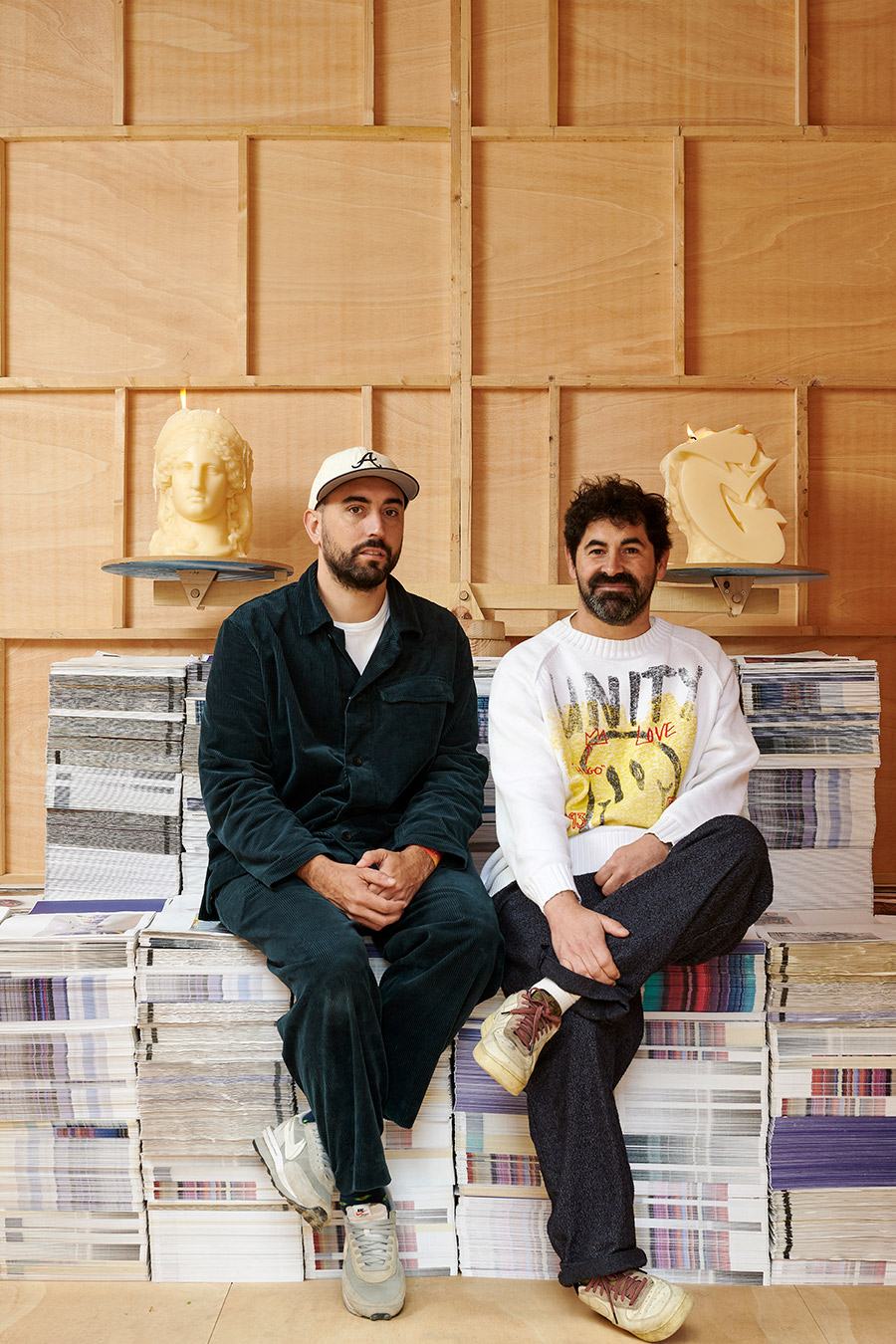
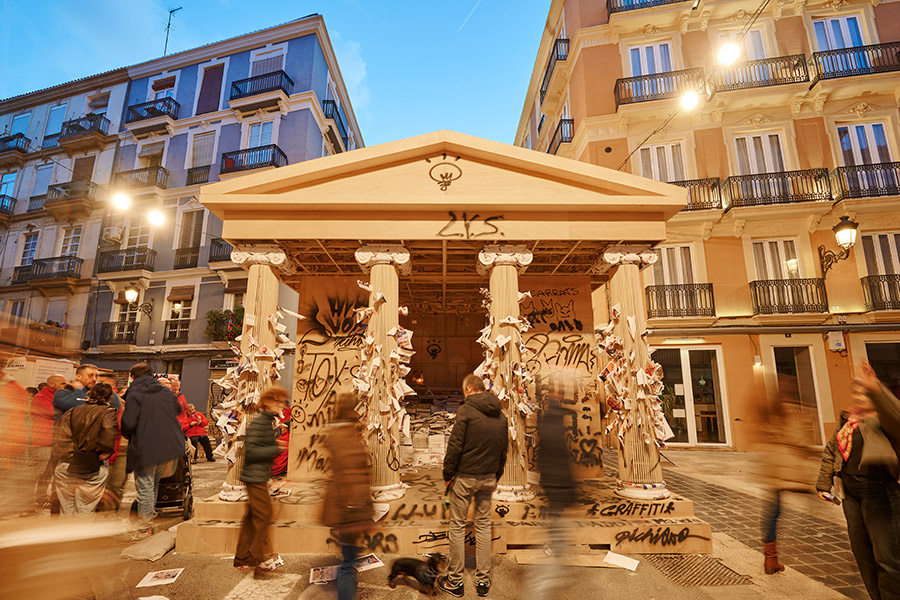
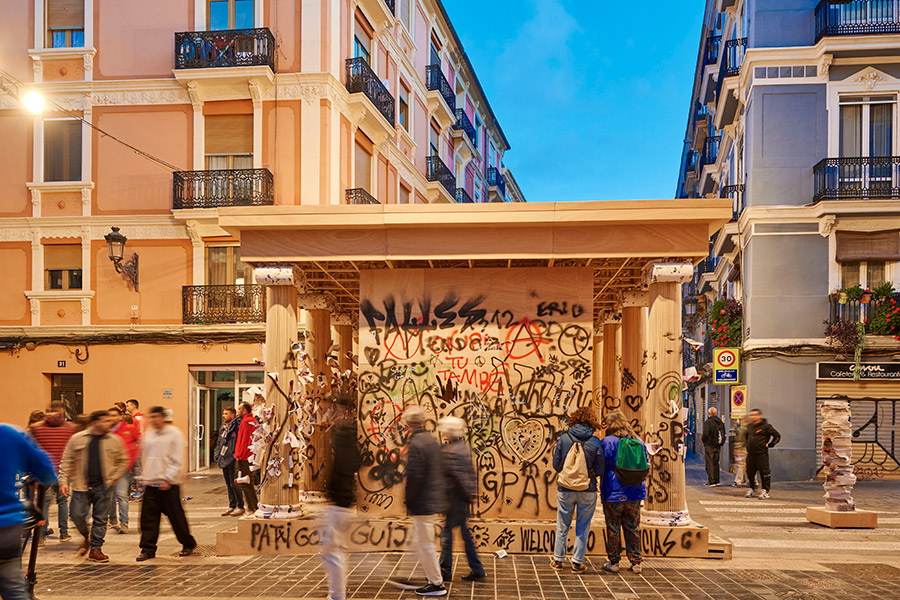
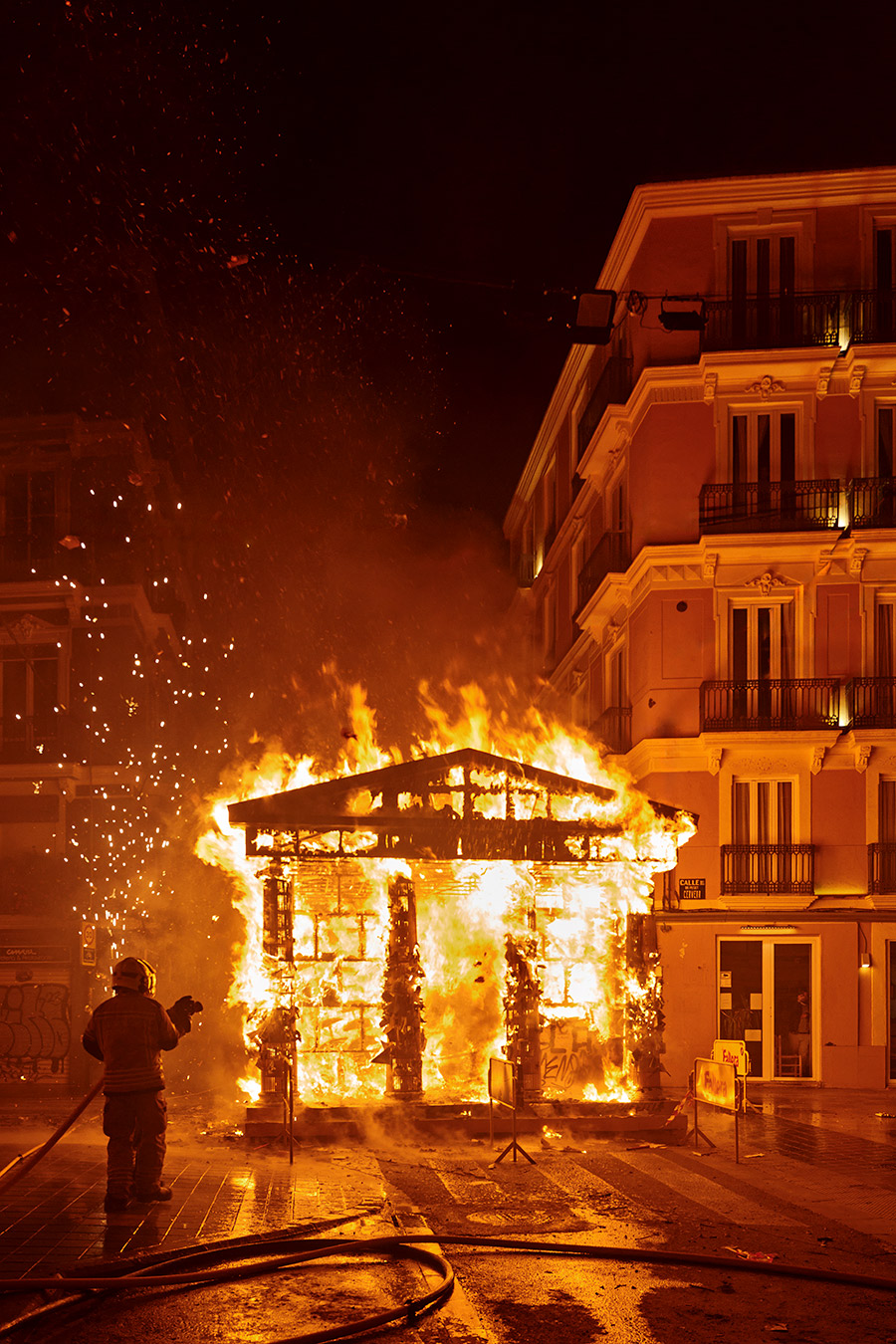
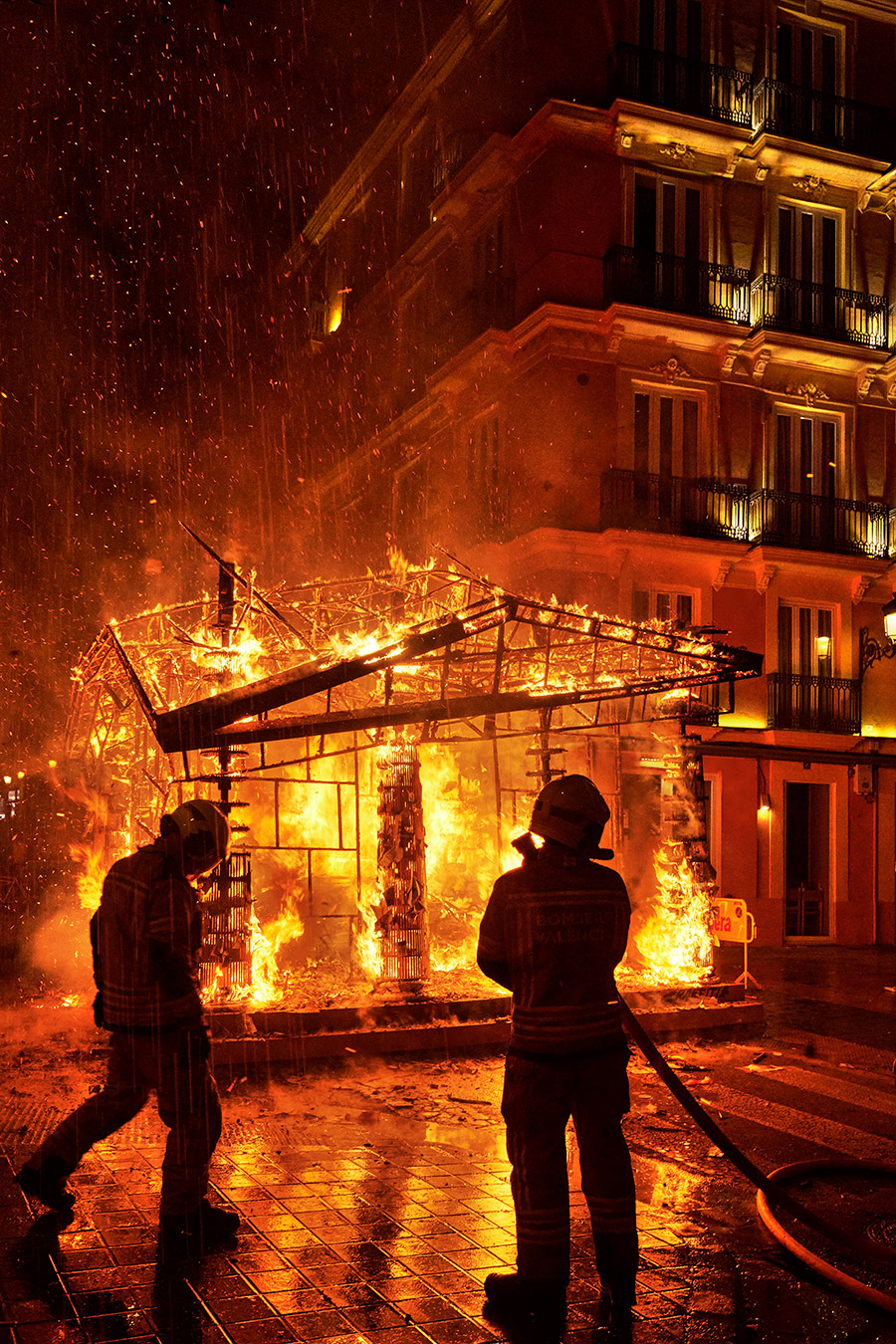
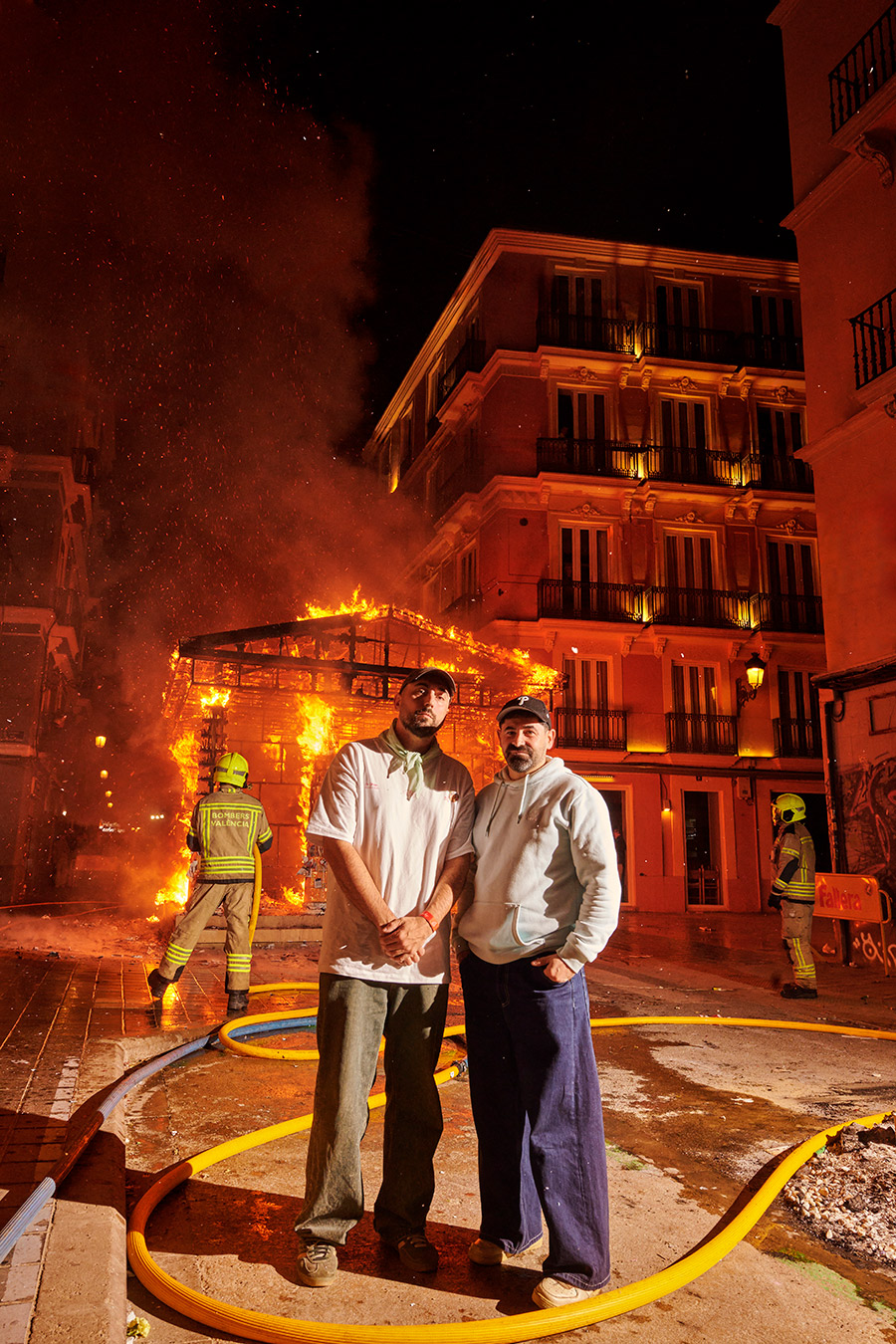
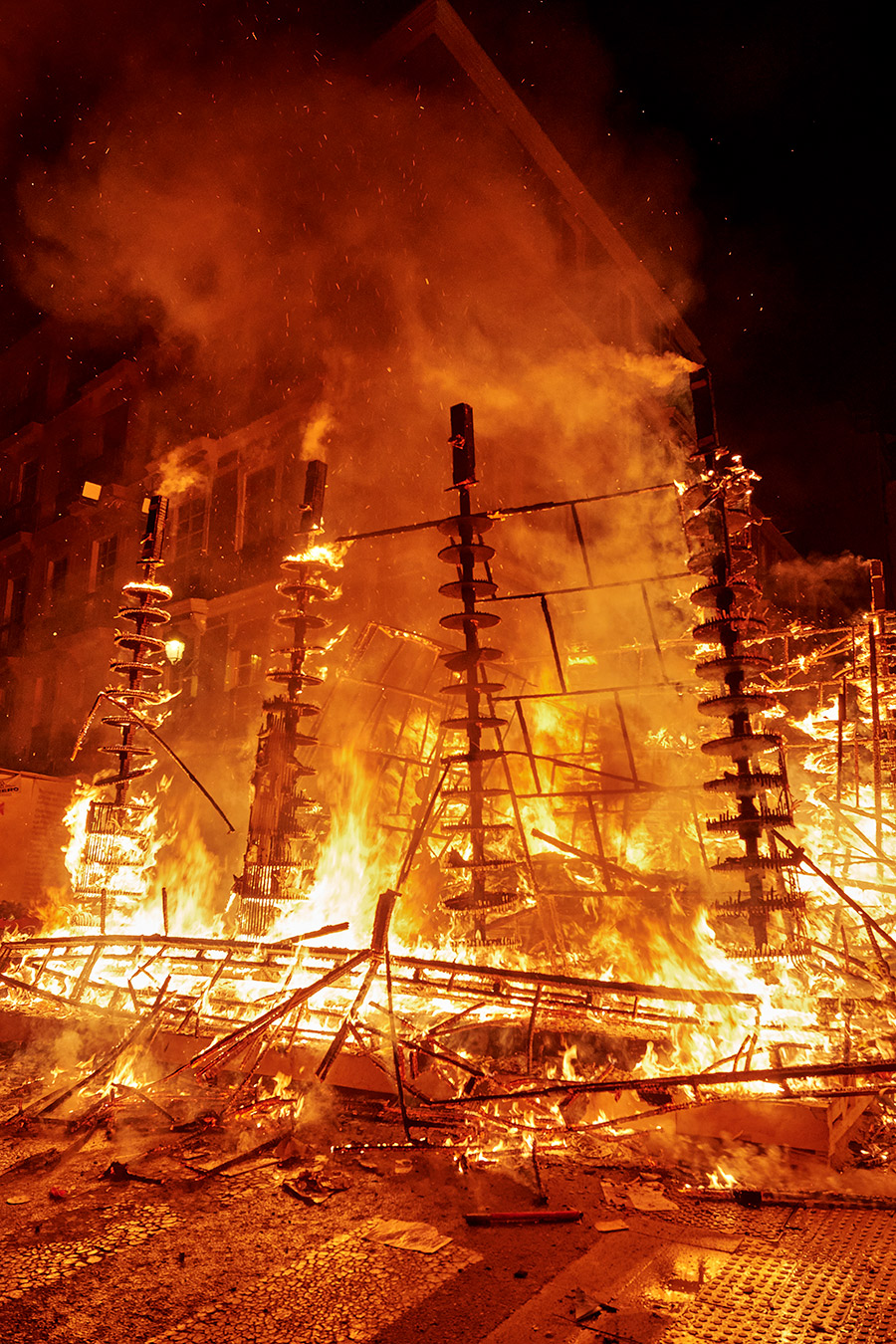
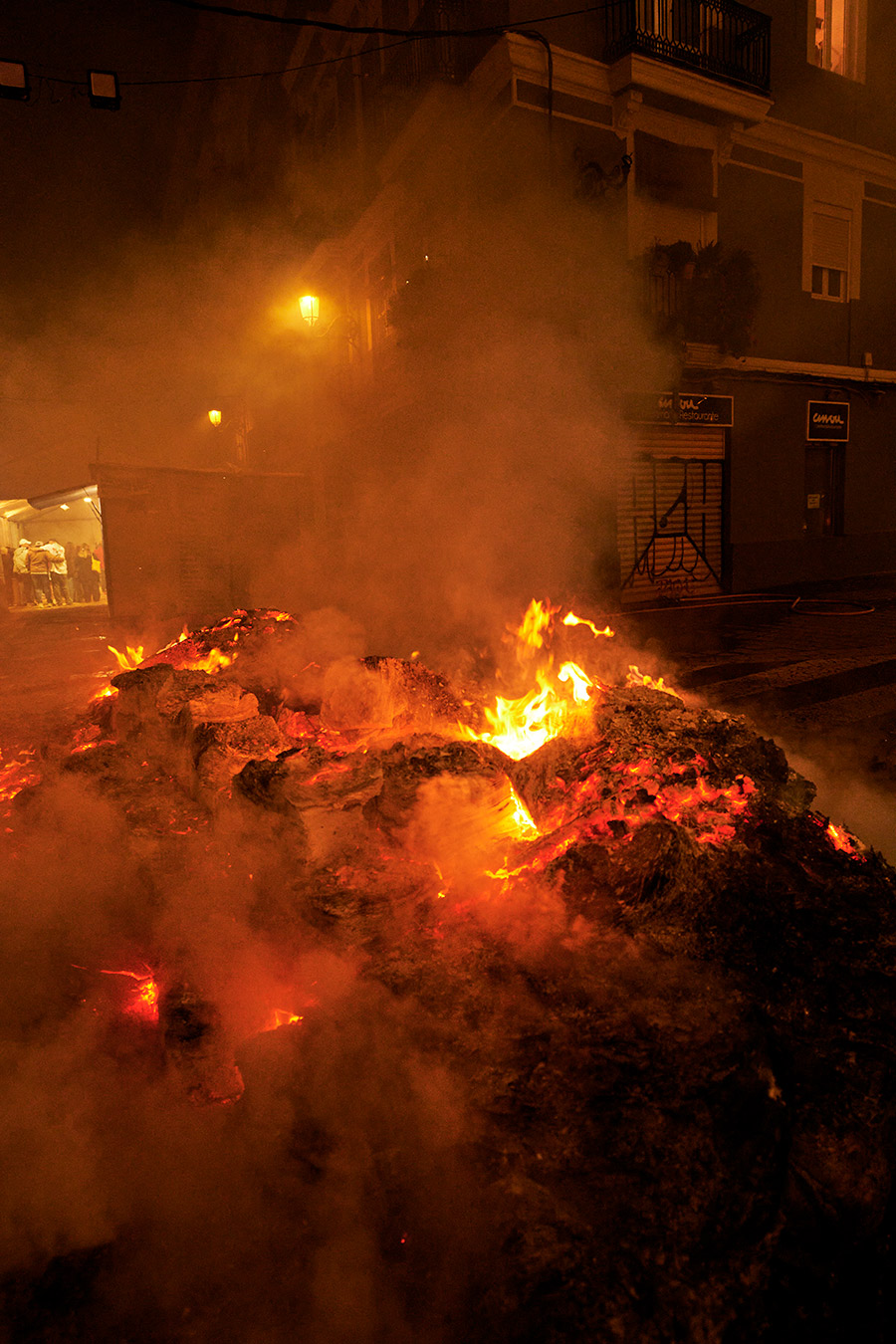
PichiAvo. From Temple to Ashes Falla. Fallas de Valencia 2026. Valencia, Spain. (photo courtesy of Maximus Communications)
For Valencia-born duo PichiAvo, who have been writing and painting since the early 2000s, that expansion takes form this year at Las Fallas de València in Valencia, Spain, where their monumental work “Per ofrenar” appears in the festival’s Experimental Fallas category. Known for fusing classical Greco-Roman imagery with graffiti, they translate their language into a temporary public structure built to exist—and then to burn—within a centuries-old civic ritual .
It’s a move that echoes earlier crossings by artists like Okuda San Miguel and Escif, who have likewise tested how street sensibilities translate into a collective, temporarily ceremonial space. PichiAvo themselves are not new to the festival; in 2019, they designed “Procés Creatiu,” the official municipal falla installed in Valencia’s Plaza del Ayuntamiento. Closer to the imagery that you see in many of their murals and canvases, this was a towering, classically inspired composition fused with graffiti language and romantic adulation of the human form.
This new work, however, pushes further into conceptual territory and invites direct public participation: rather than a fixed monument, it incorporates gestures from the crowd itself, with visitors adding marks, offerings, or inscriptions that become part of the piece before it is consumed by fire. Here, the audience isn’t just passersby or collectors—it’s the city itself, participating, inscribing, and watching it all go up in flames, a somehow familiar ending for writers who understand that nothing in the street is meant to last.
PichiAvo. From Temple to Ashes Falla. Fallas de Valencia 2026. Valencia, Spain. (photo courtesy of Maximus Communications)PichiAvo. From Temple to Ashes Falla. Fallas de Valencia 2026. Valencia, Spain. (photo courtesy of Maximus Communications)PichiAvo. From Temple to Ashes Falla. Fallas de Valencia 2026. Valencia, Spain. (photo courtesy of Maximus Communications)PichiAvo. From Temple to Ashes Falla. Fallas de Valencia 2026. Valencia, Spain. (photo courtesy of Maximus Communications)PichiAvo. From Temple to Ashes Falla. Fallas de Valencia 2026. Valencia, Spain. (photo courtesy of Maximus Communications)PichiAvo. From Temple to Ashes Falla. Fallas de Valencia 2026. Valencia, Spain. (photo courtesy of Maximus Communications)PichiAvo. From Temple to Ashes Falla. Fallas de Valencia 2026. Valencia, Spain. (photo courtesy of Maximus Communications)PichiAvo. From Temple to Ashes Falla. Fallas de Valencia 2026. Valencia, Spain. (photo courtesy of Maximus Communications)PichiAvo. From Temple to Ashes Falla. Fallas de Valencia 2026. Valencia, Spain. (photo courtesy of Maximus Communications)PichiAvo. From Temple to Ashes Falla. Fallas de Valencia 2026. Valencia, Spain. (photo courtesy of Maximus Communications)PichiAvo. From Temple to Ashes Falla. Fallas de Valencia 2026. Valencia, Spain. (photo courtesy of Maximus Communications)
In New York, the New Museum has reopened with its expansion by Rem Koolhaas and Shohei Shigematsu, pulling in steady lines of architecture watchers and contemporary art pilgrims. The opening exhibition, “New Humans: Memories of the Future,”sets out to parse what it means to be human as technology redraws the terms, gathering more than 200 contributors across art, science, and film—an experience that is by turns enthralling, overwhelming, poetic, and brutal.
In a display of the classic New York tension between preservation and redevelopment, a canonical piece of early street culture history—a 1987 mural by Keith Haring—is at risk. The City says it will preserve it, but many remain unclear how—and are openly skeptical.
At the mural festival called The Crystal Ship 2026 in Ostend, Belgium, a cleverly named exhibition “Subway Art”—curated by Alice Gallery—revisits the origins of graffiti culture, tracing its roots in the subway systems of New York and other early writing scenes. Presented alongside the festival’s citywide program, it anchors the broader theme of Curiosity by grounding it in the movement’s unsanctioned beginnings and writer-driven history.
Coming up in April, “Martha Cooper: A Retrospective” opens at the Bronx Documentary Center Annex in the Bronx, New York, offering a comprehensive survey of her five-decade career documenting urban life and creative expression. On view from April 9 through June 14, 2026, the exhibition brings together decades of work that helped define the visual record of graffiti and street culture.
César Chávez, long honored as a leader of the farmworker movement, has also been the subject of grave allegations reported in recent accounts, including statements by Dolores Huerta, who said publicly that he raped her twice in the 1960s and that she bore two children as a result. In recognition of the labor, sacrifice, and leadership of women in the movement, we call for Huerta’s name to replace his on parades, holidays, streets, schools, libraries, parks, post offices, vessels, monuments, murals, and other public institutions or commemorations that now bear his name.
¡Viva Dolores Huerta!
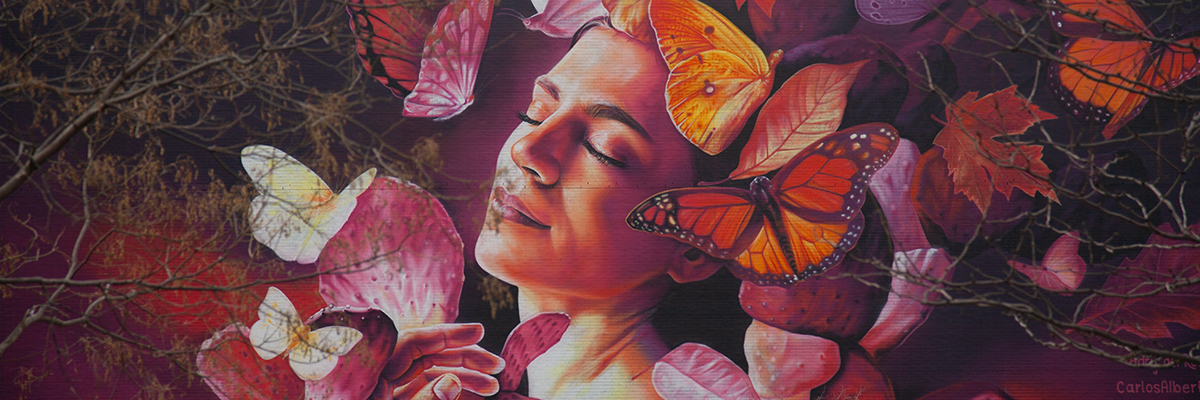
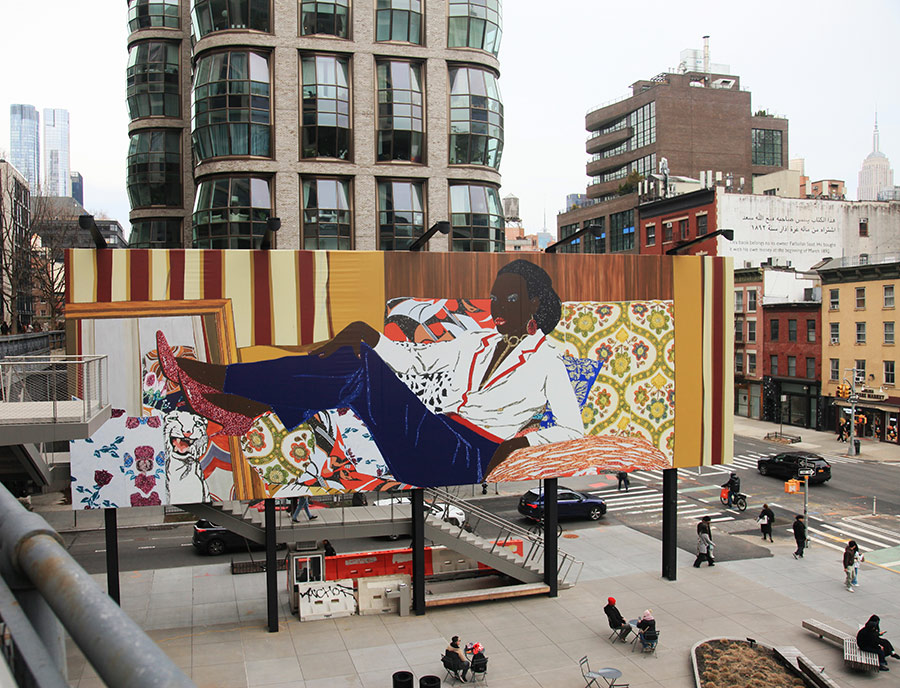
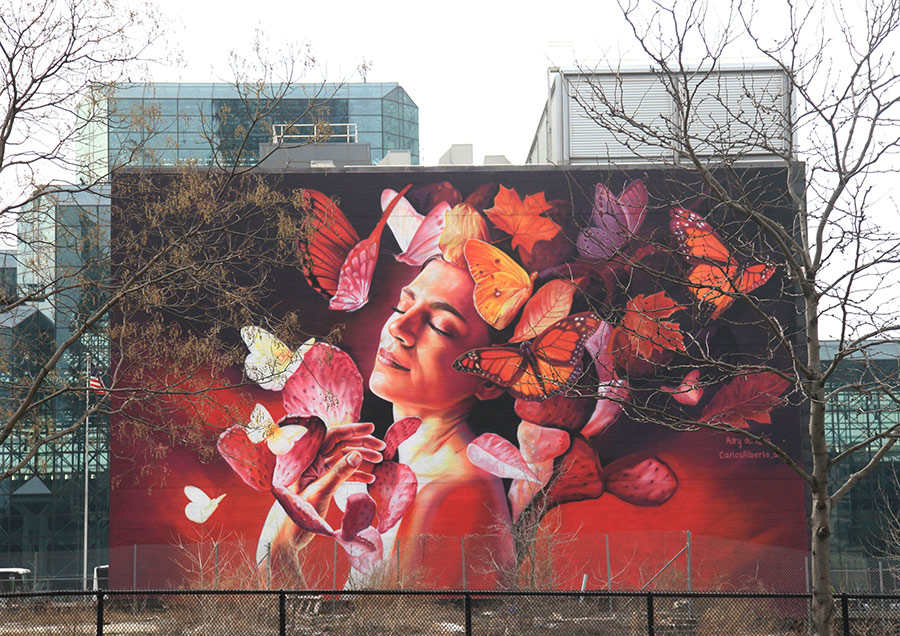
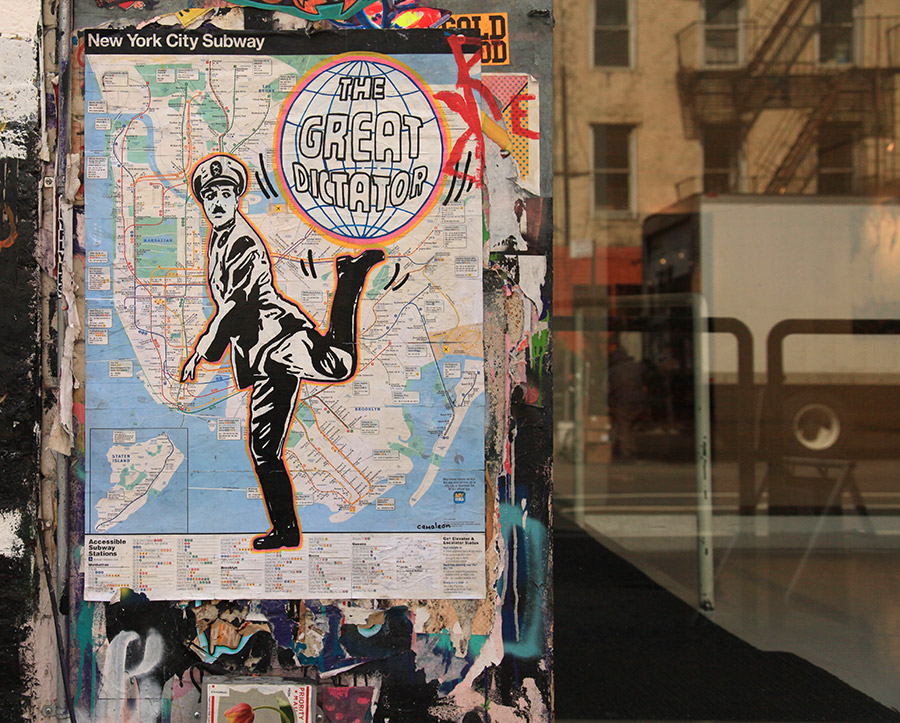
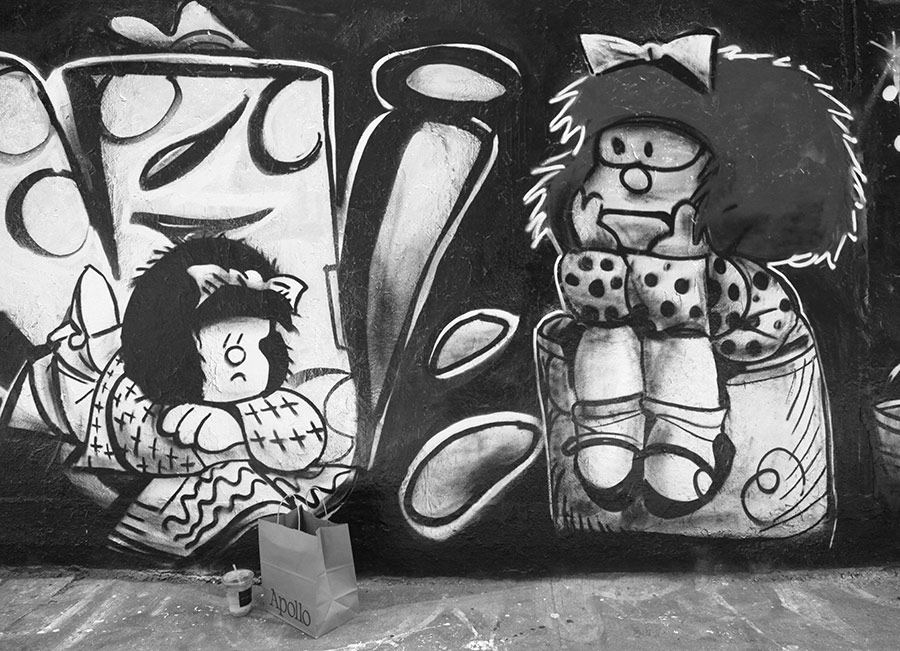
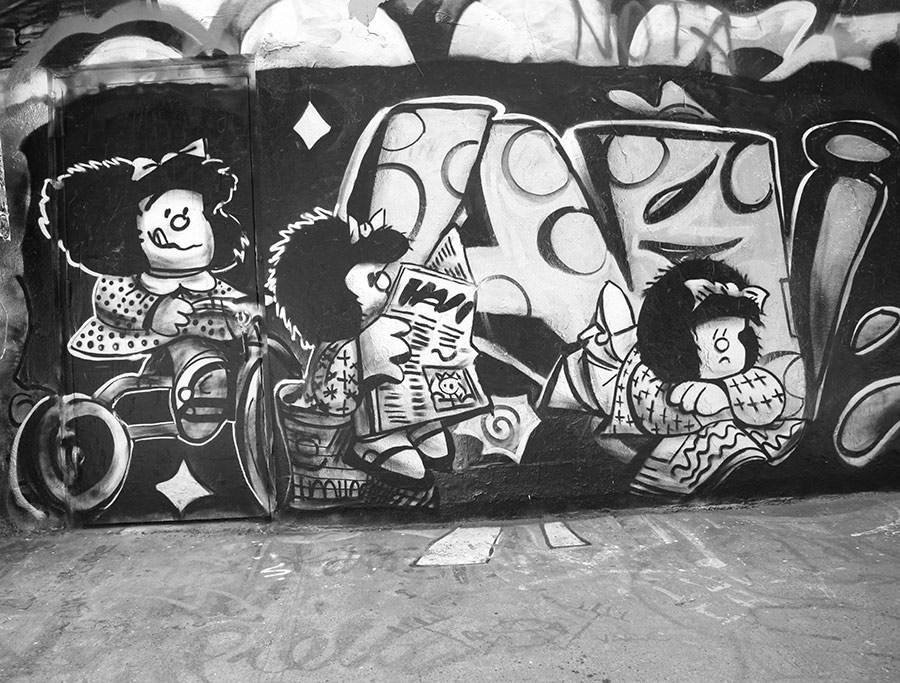
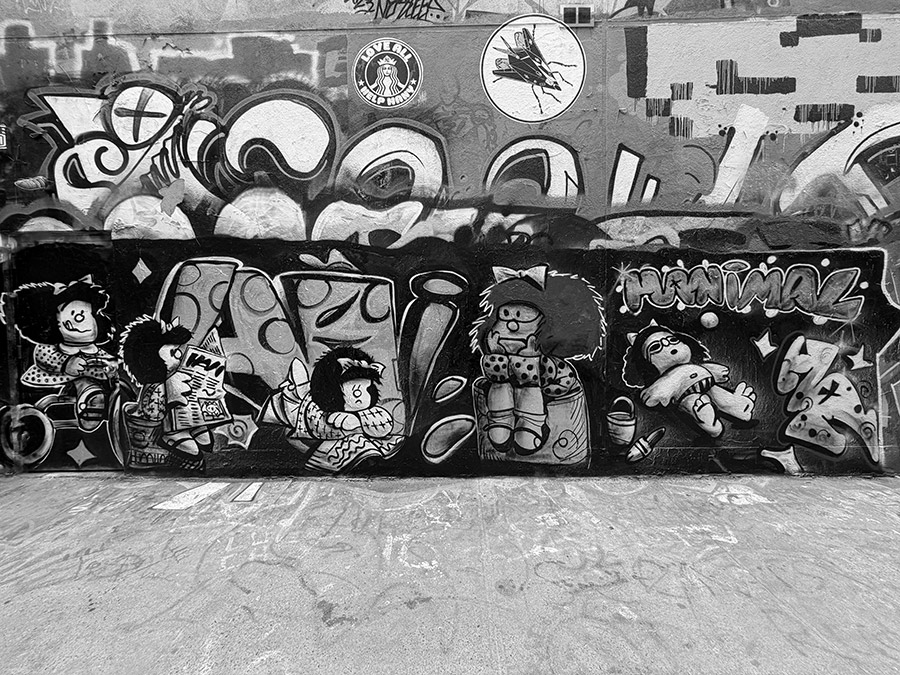
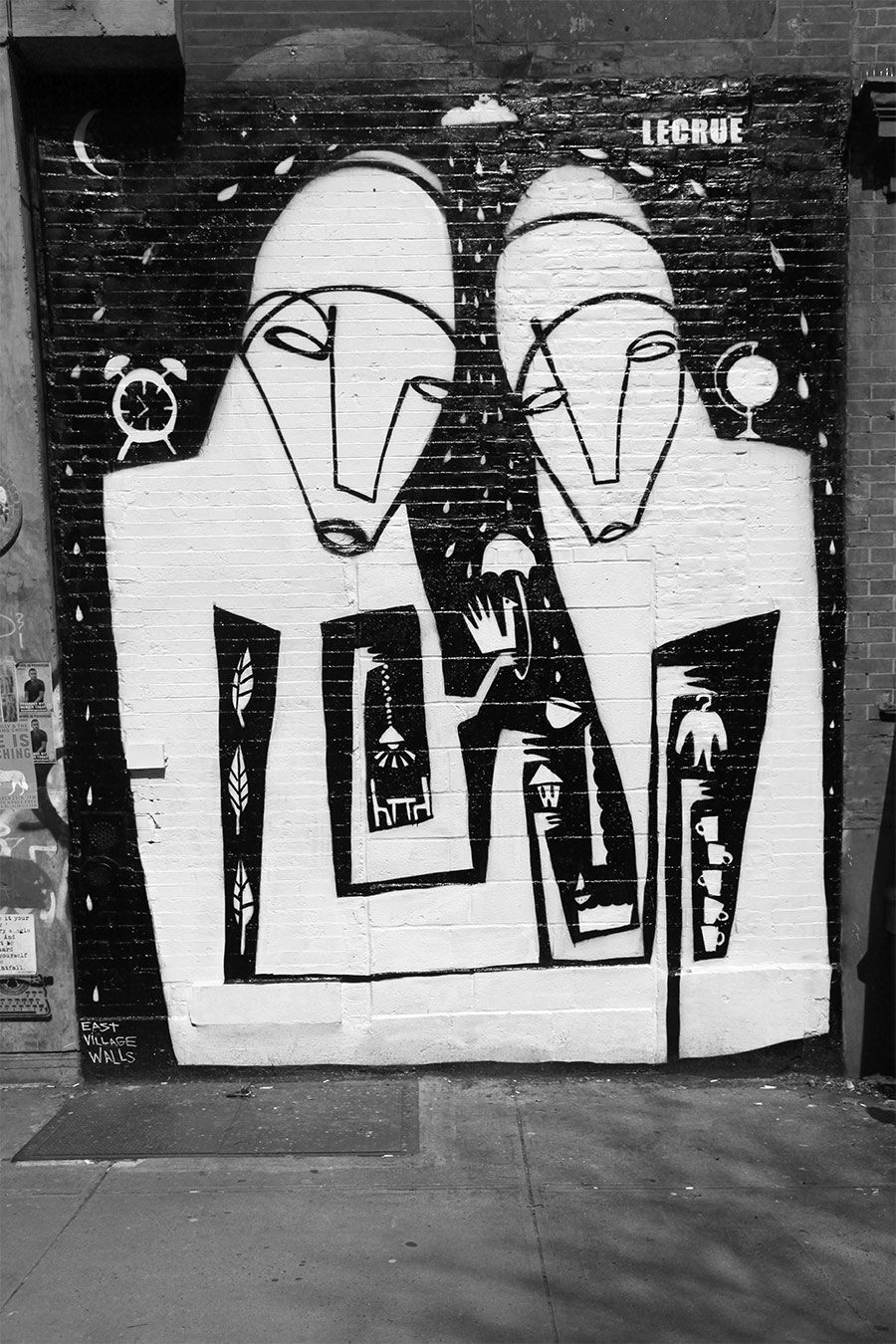
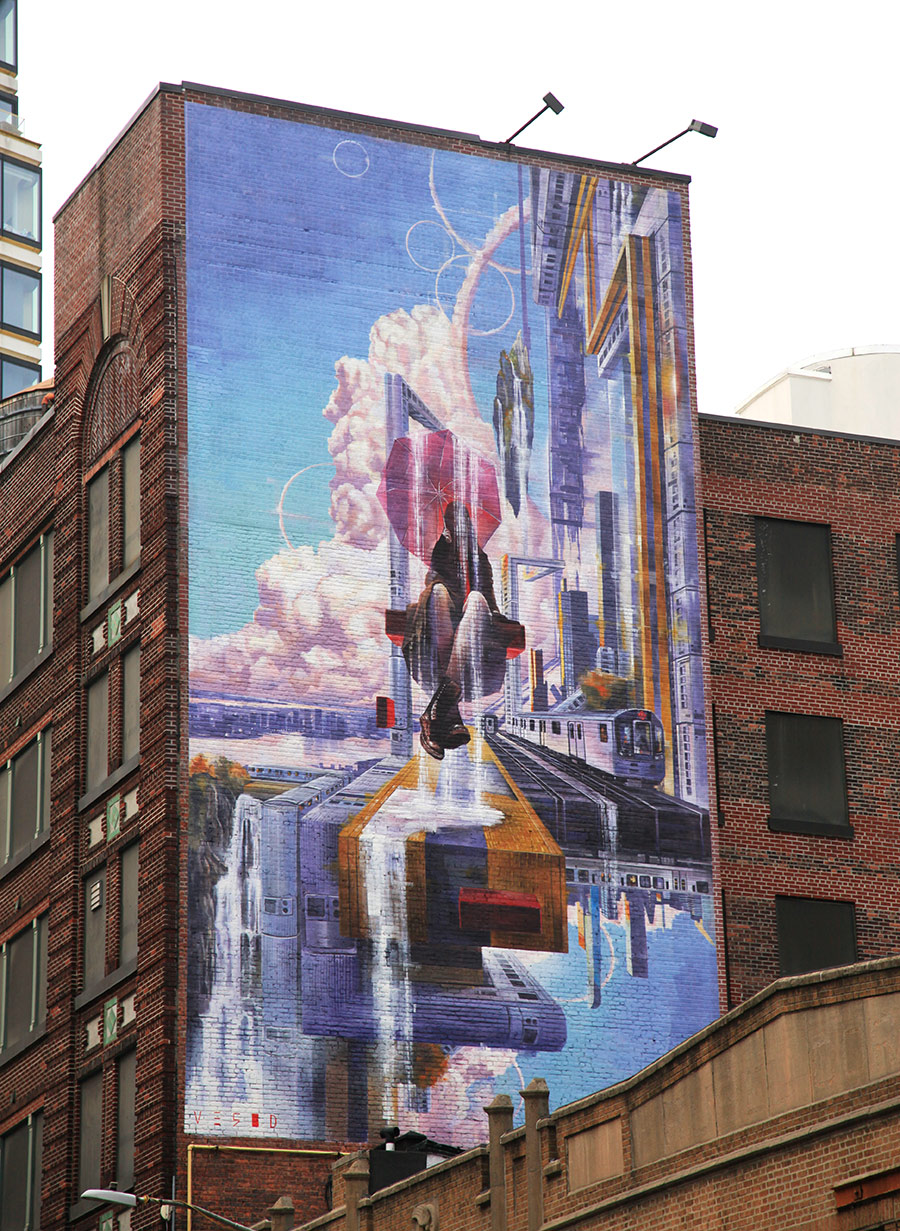
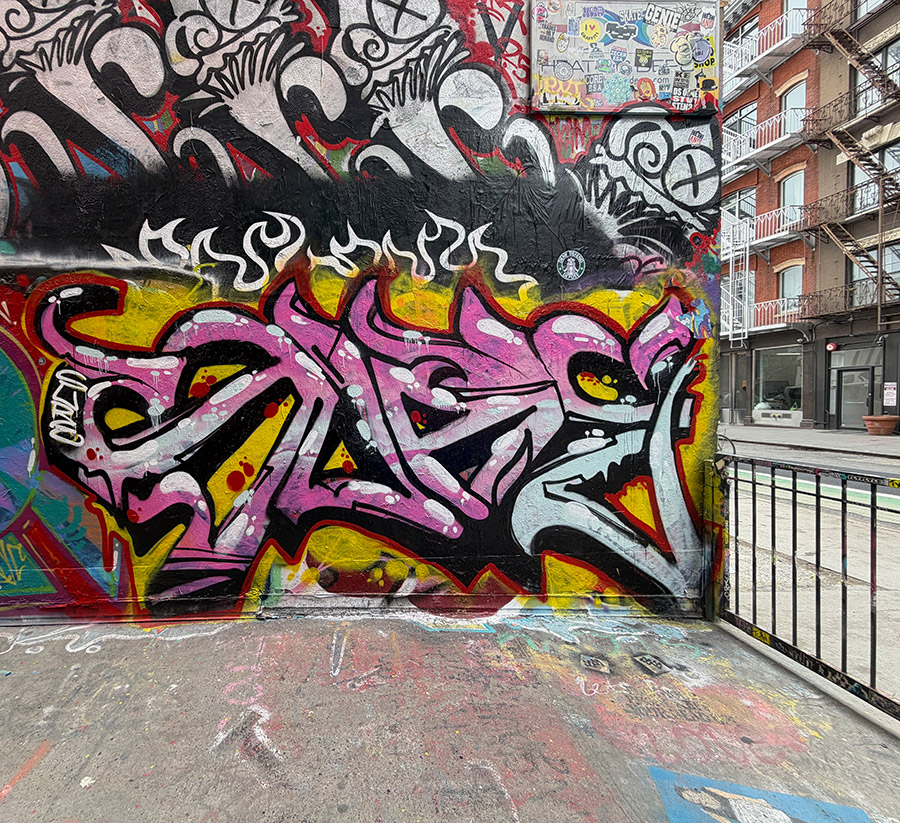
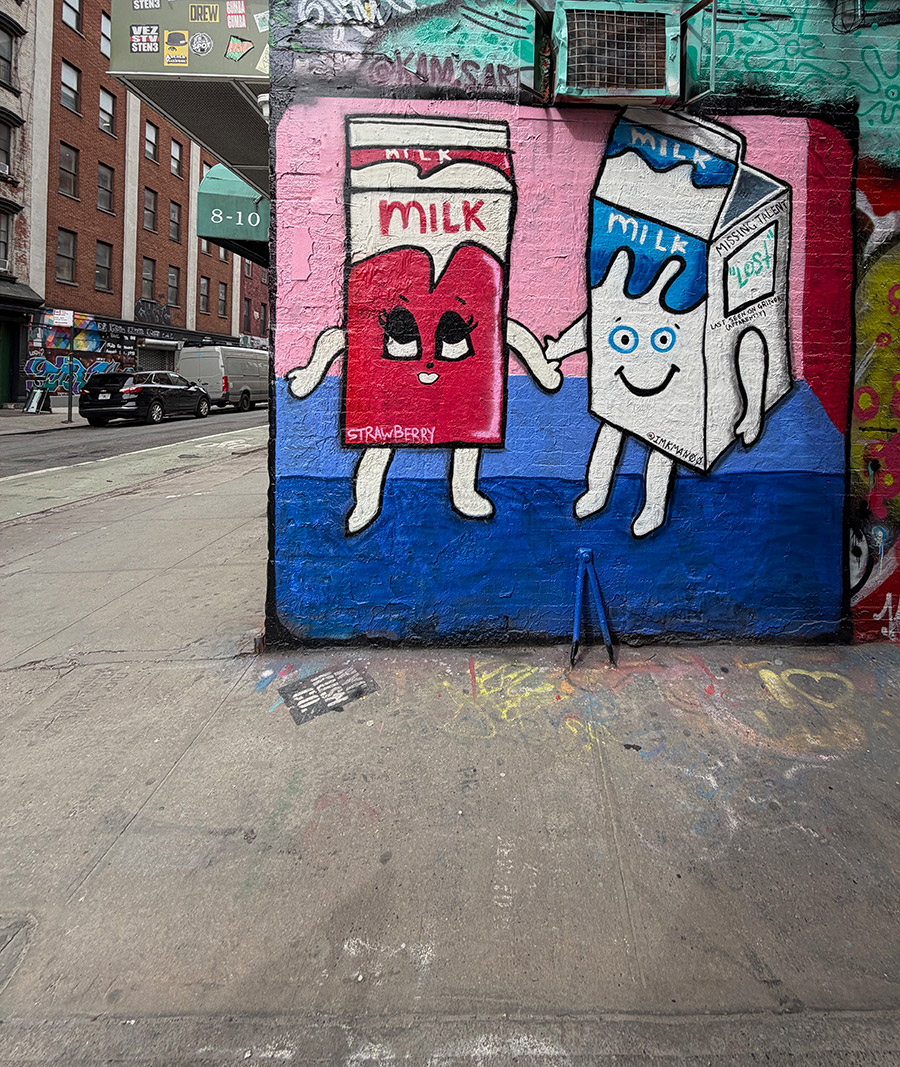
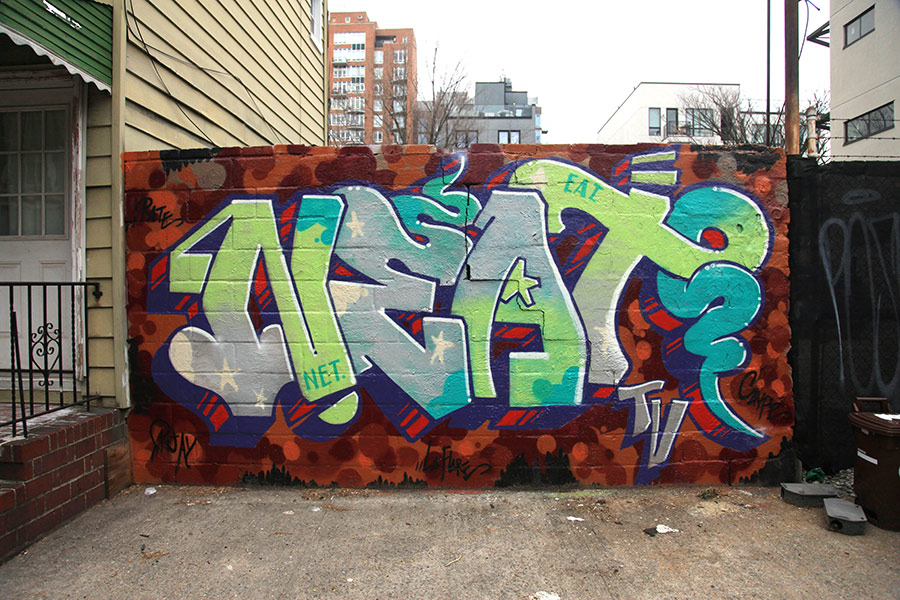
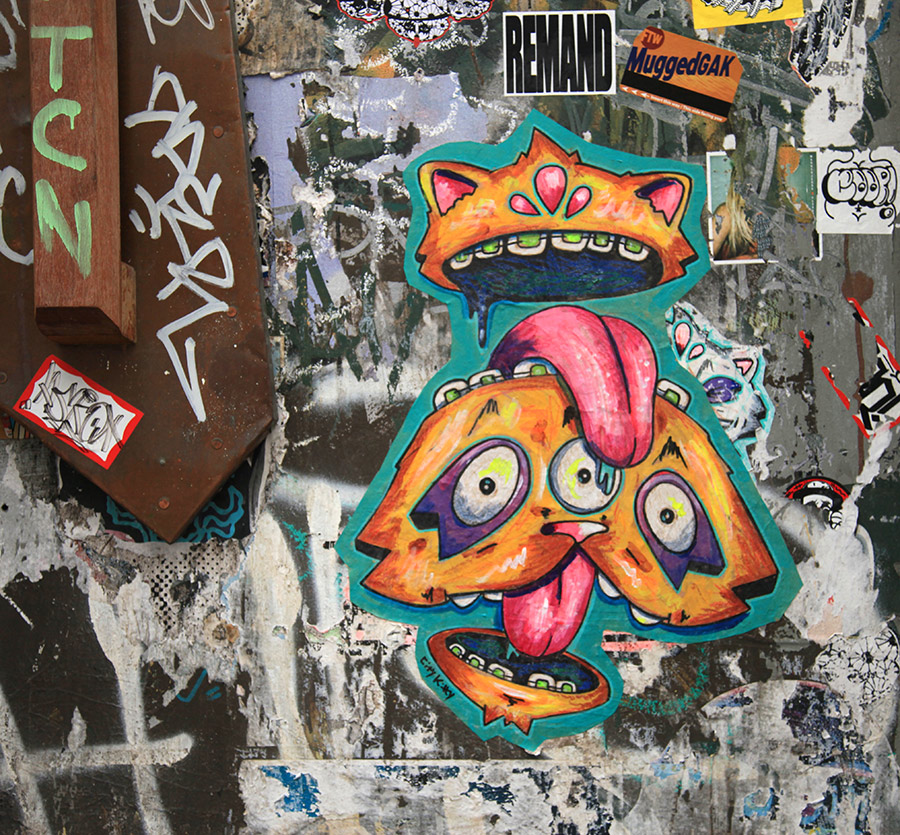
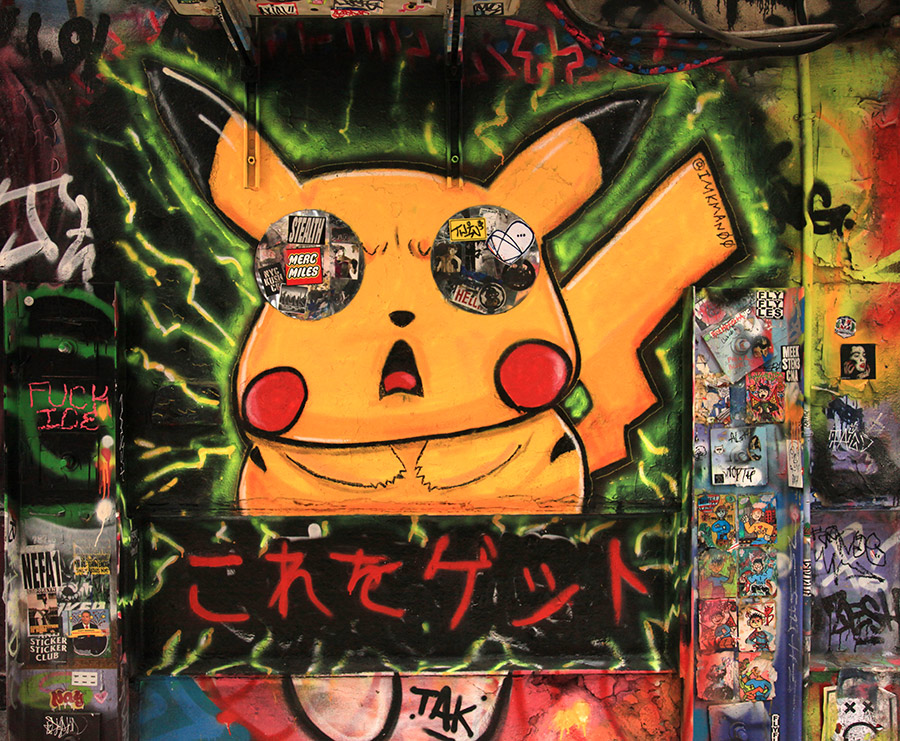
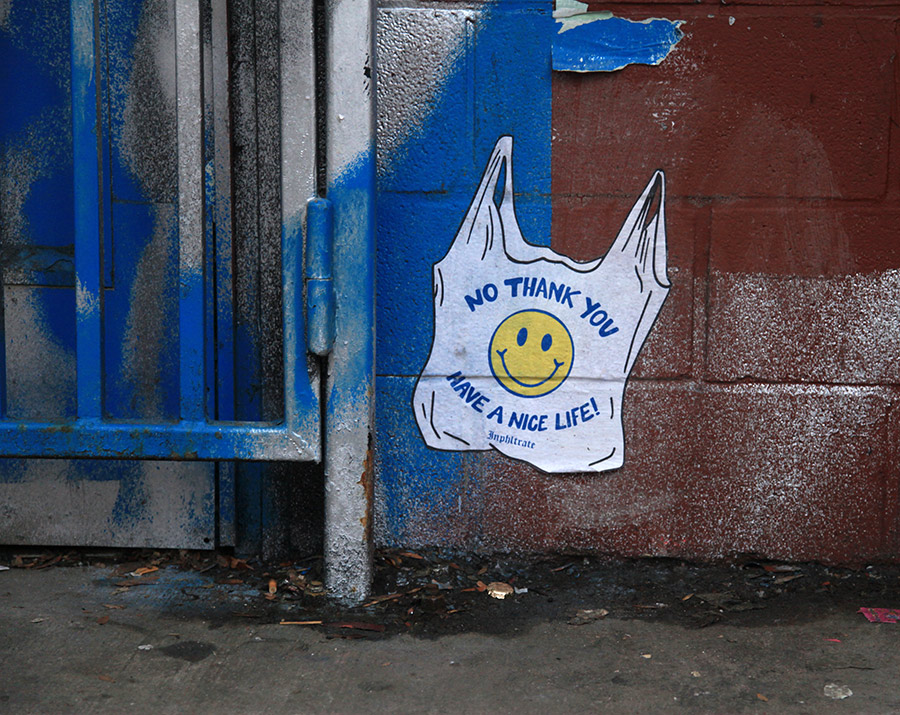
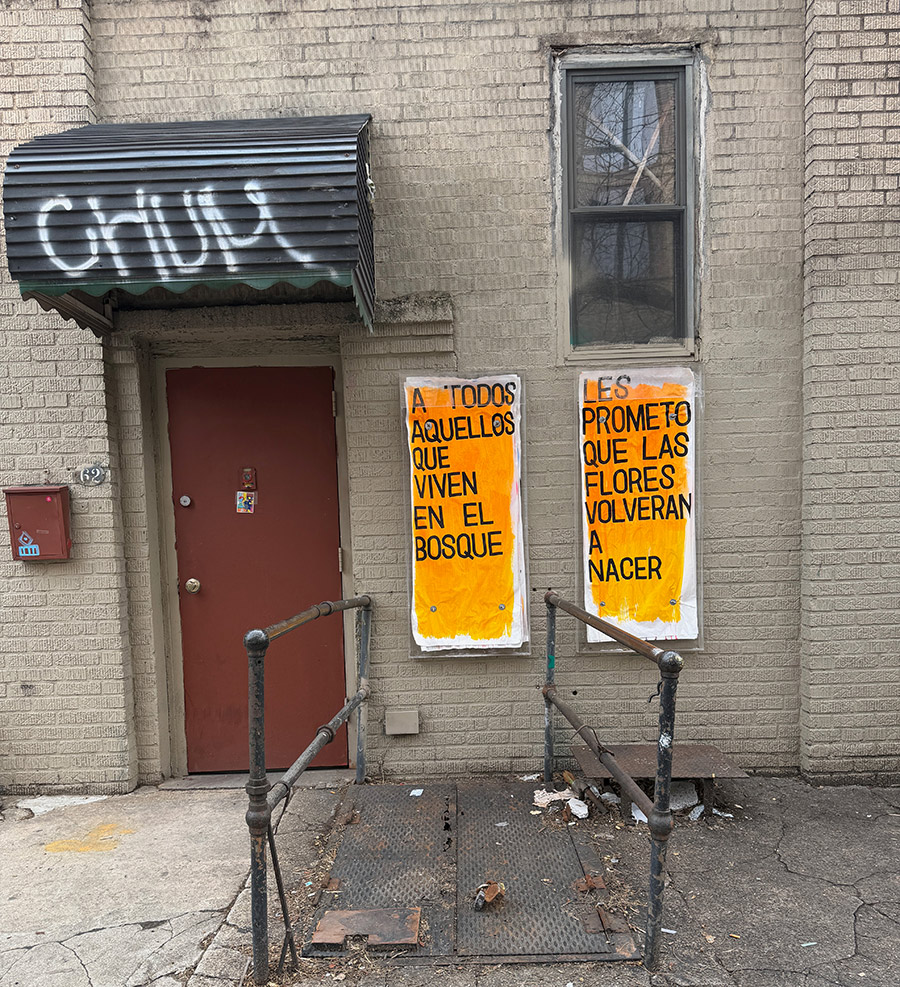
Here is our weekly photographic interview with the street, this time featuring: Carlos Alberto, City Kitty, Hanimal, Homesick, IMK, Le Crue, Mickalene Thomas, Queen Andrea, and Vesod.
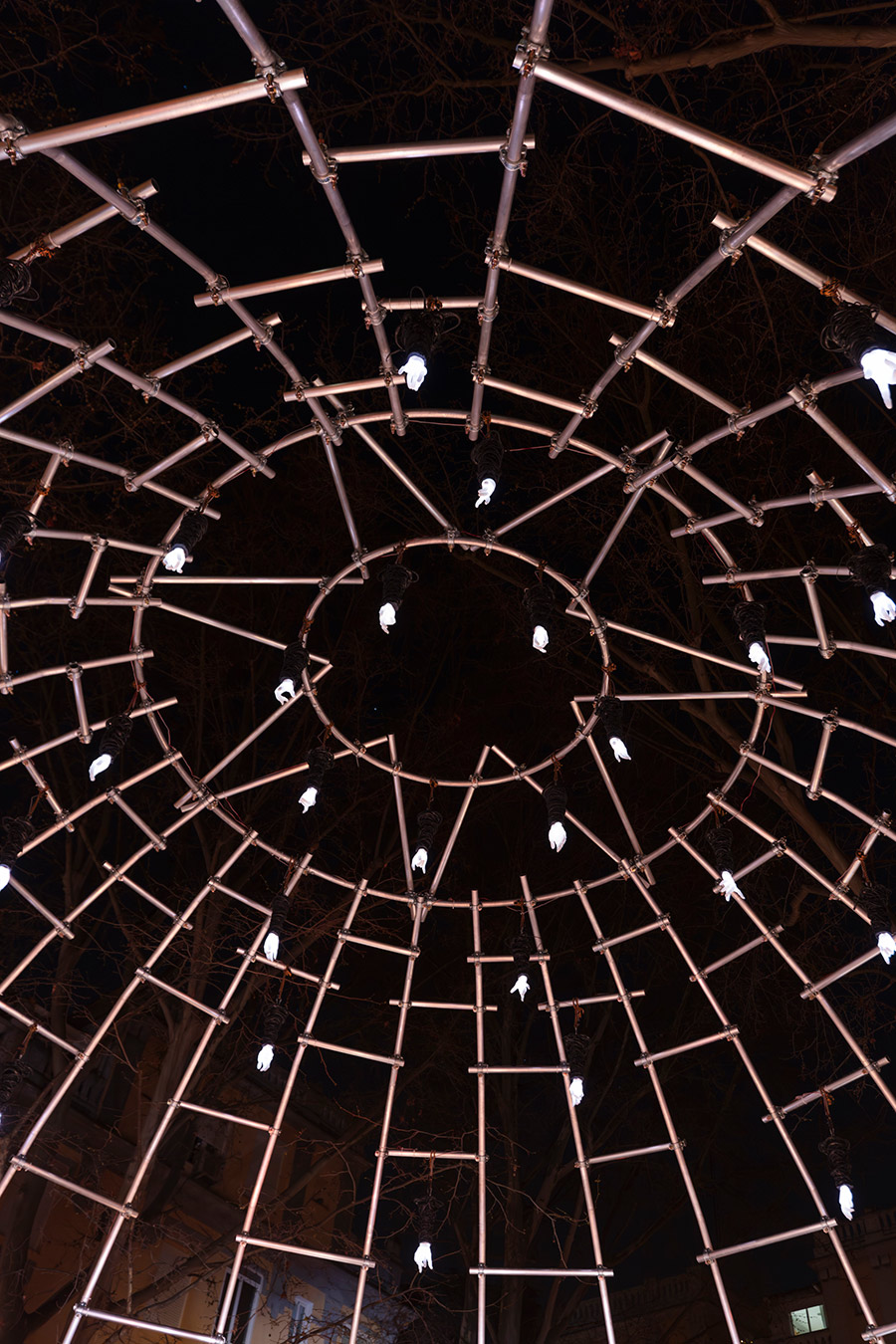
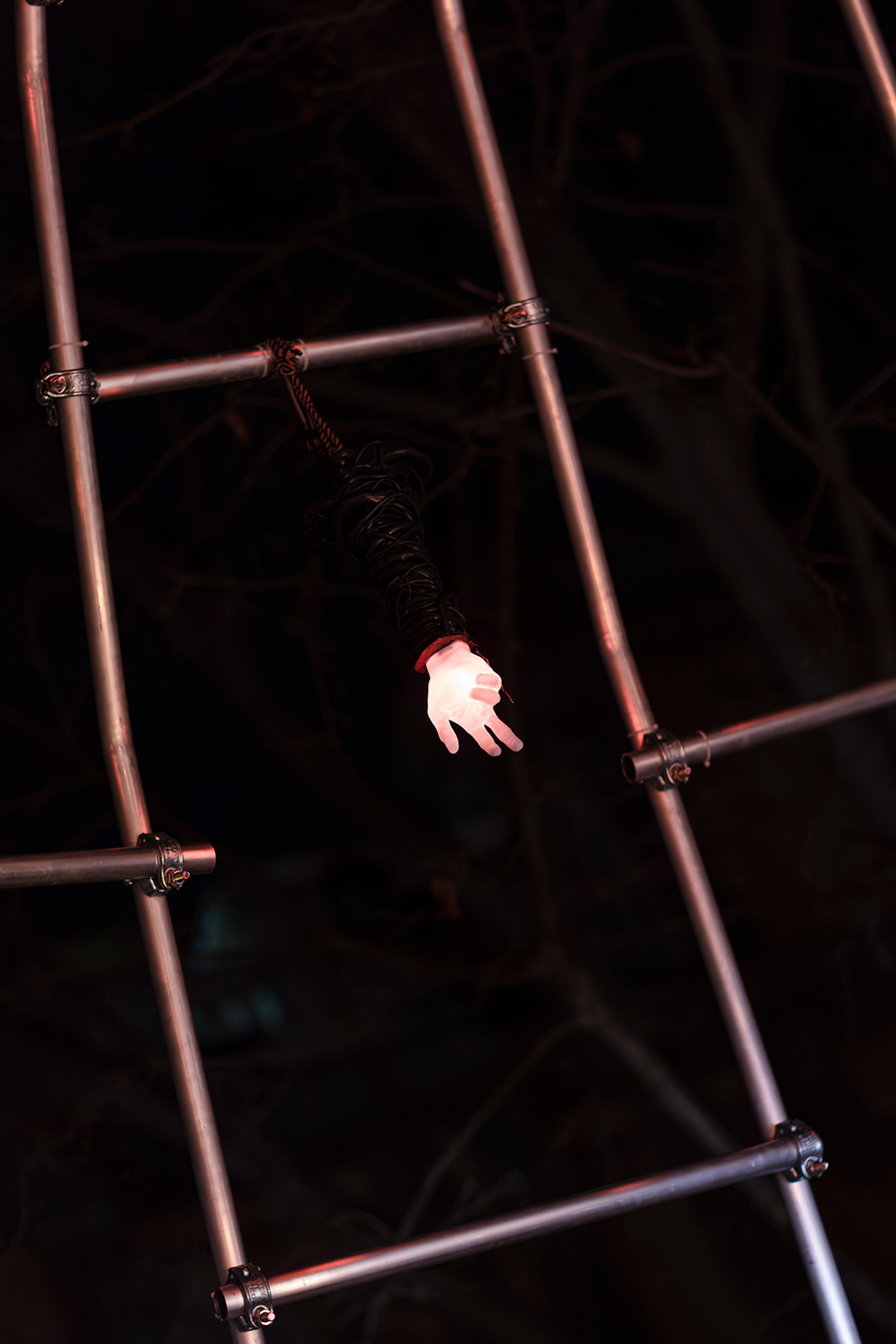
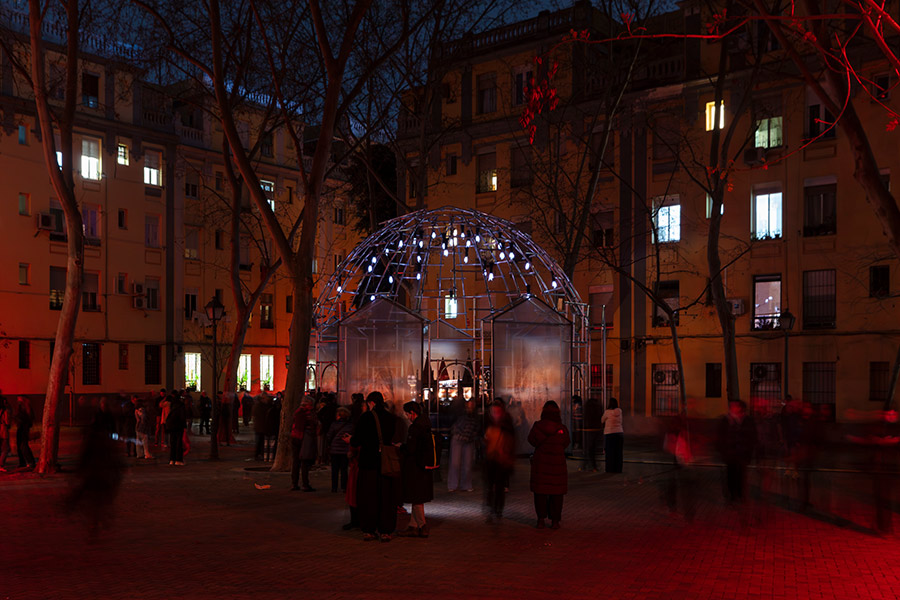
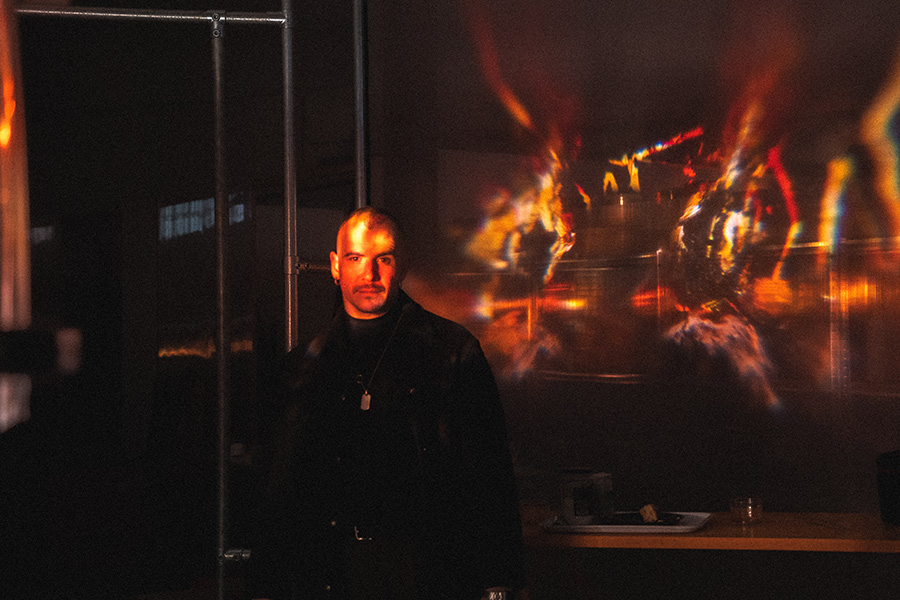
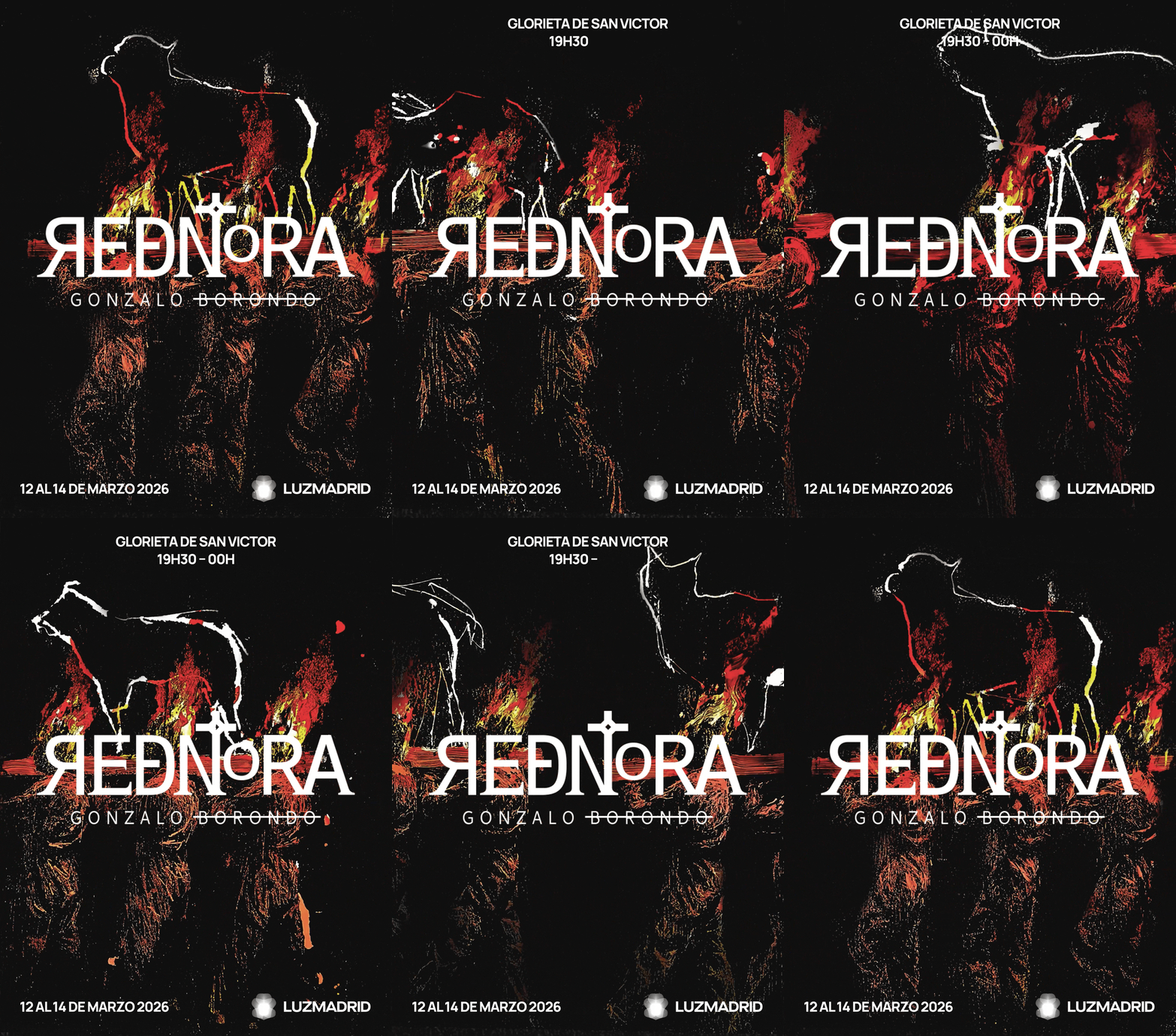
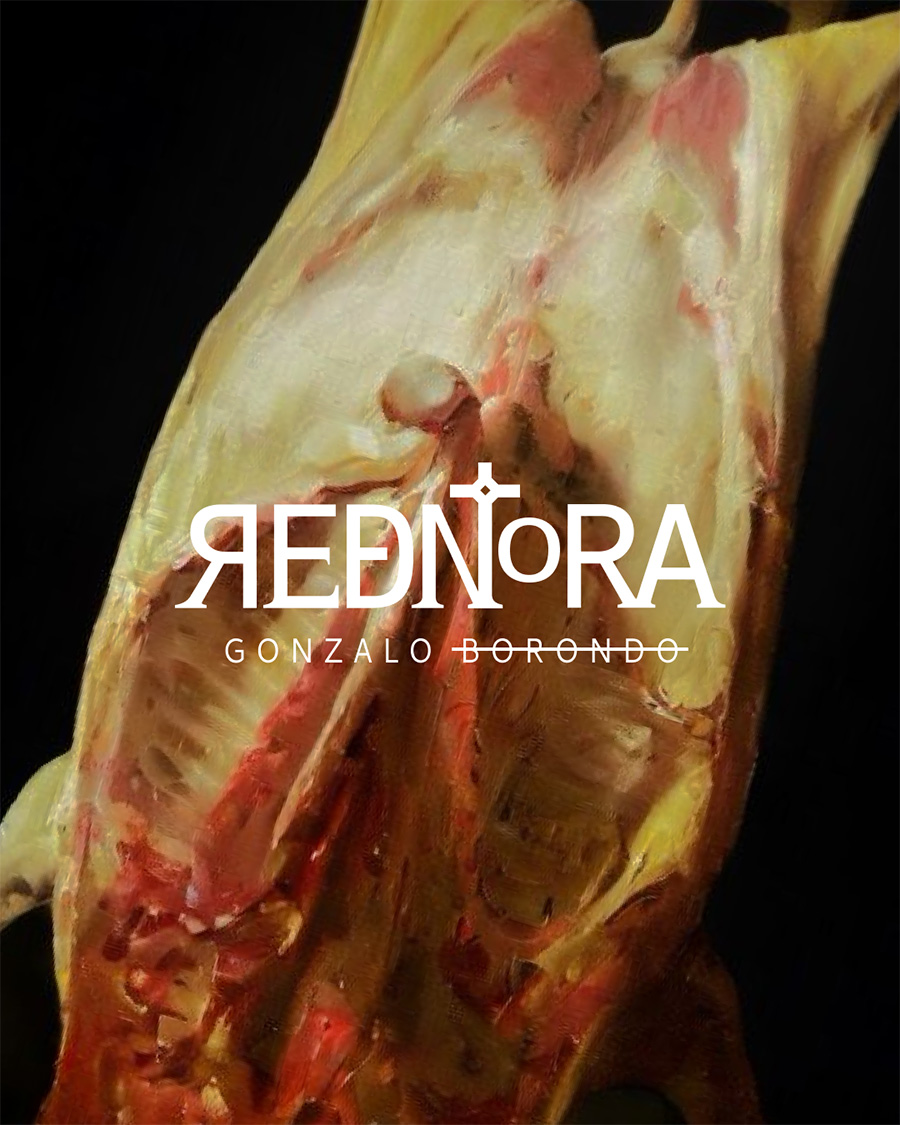
Spanish artist Gonzalo Borondo, from Valladolid, arrives at LuzMadrid Festival with Redentora, a site-specific installation that continues his steady movement from the street into more complex, immersive environments. Early on, Borondo was working directly on walls, glass, and found surfaces—scratching, layering, and revealing figures that appear to surface from within the material itself. That sensitivity to place and surface has stayed with him – and expanded. Whether in abandoned buildings, museum settings, or public squares, his eyes read the space and lets the work grow out of it.
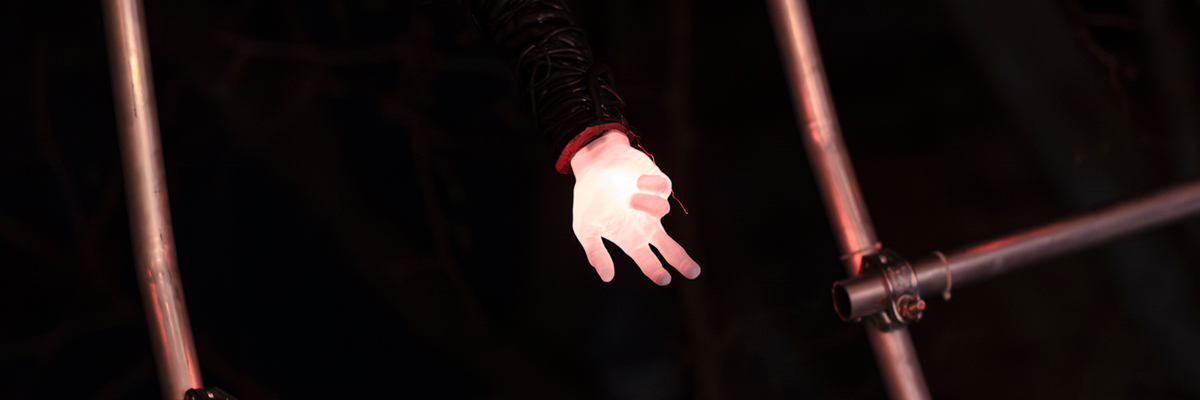
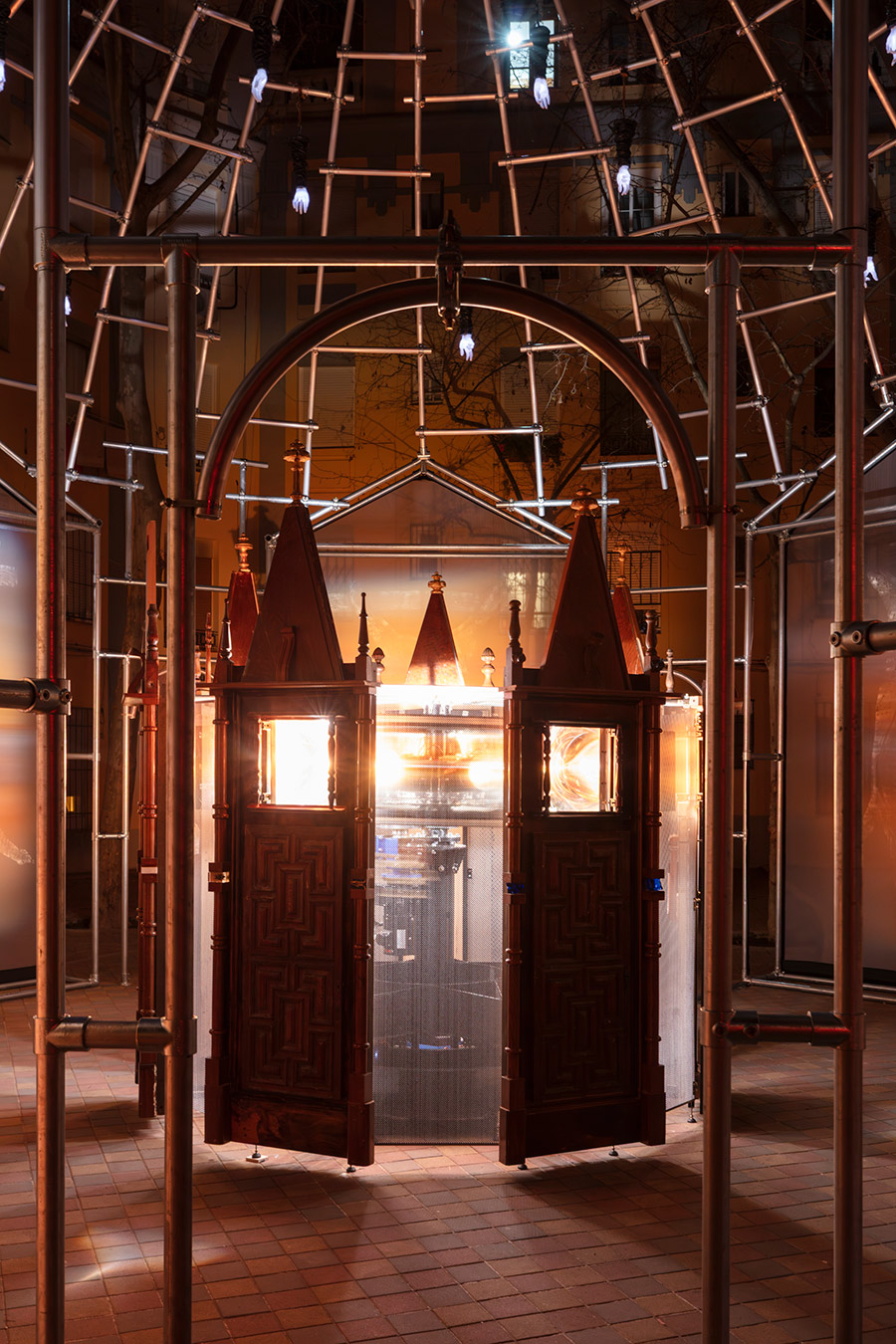
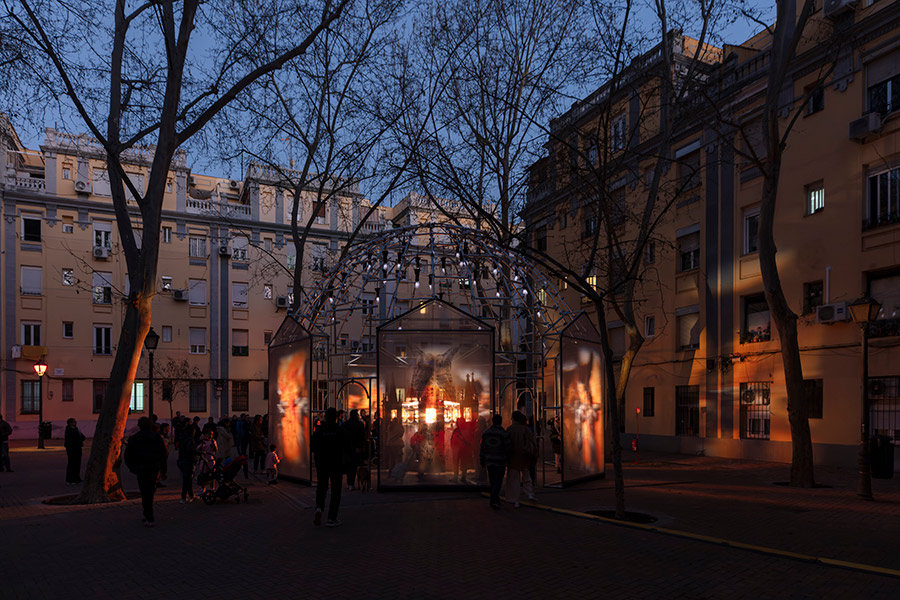
Here, in the Glorieta de San Víctor in Madrid’s Pico del Pañuelo neighborhood, context is specific; and it carries weight. The housing was built in 1927 for workers in the city’s former slaughterhouse, and he engages with that history. For Redentora, Borondo builds a large-scale zoetrope—a rotating, pre-cinematic device that produces the illusion of movement—and places it within a domed structure that visitors can enter. Developed in concert with a soundscape by El Niño de Elche, the installation turns on repetition, rhythm, and physical presence. It links the square, the mechanism, and the memory embedded in the site.
Borondo describes it without embellishment: “a kind of automated, mechanical ritual… that plays with the dimension between the sacred and the idea of sacrifice… and at the same time the industrial side, the machine.” That balance has been present in his work for years—an interest in ritual without doctrine, belief without instruction. The work is often carried by the material and the setting rather than by explanation. Here, the rotating figures, sounds, and enclosure work together to create an environment that is felt before it is interpreted.
Redentora reads as a situation to be in, rather than a statement. It is a place within a place—a temporary, constructed, and open place. Visitors are meant to experience movement, image, and memory looping back upon themselves. As with much of Borondo’s work, the effect is cumulative: you enter, you adjust, and gradually the space begins to register, somewhere between the mechanical and the symbolic, the street and something very close to the stage.
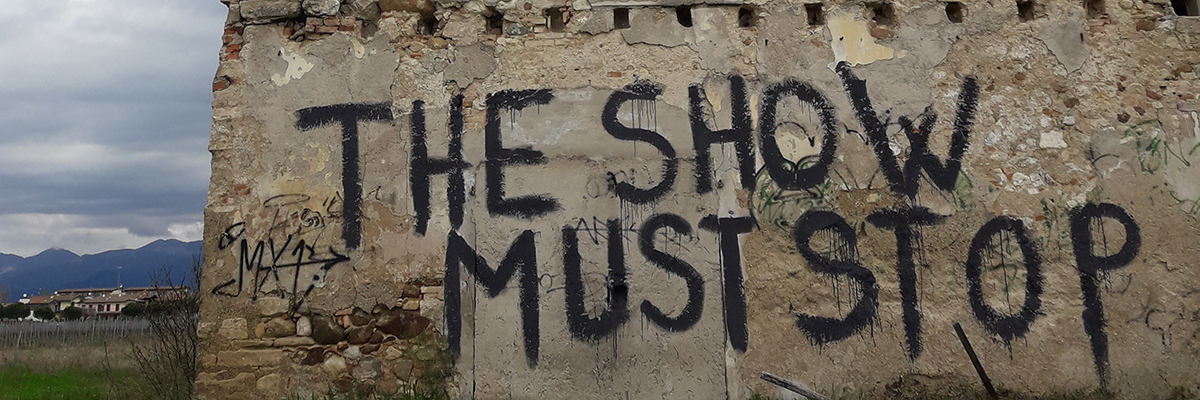
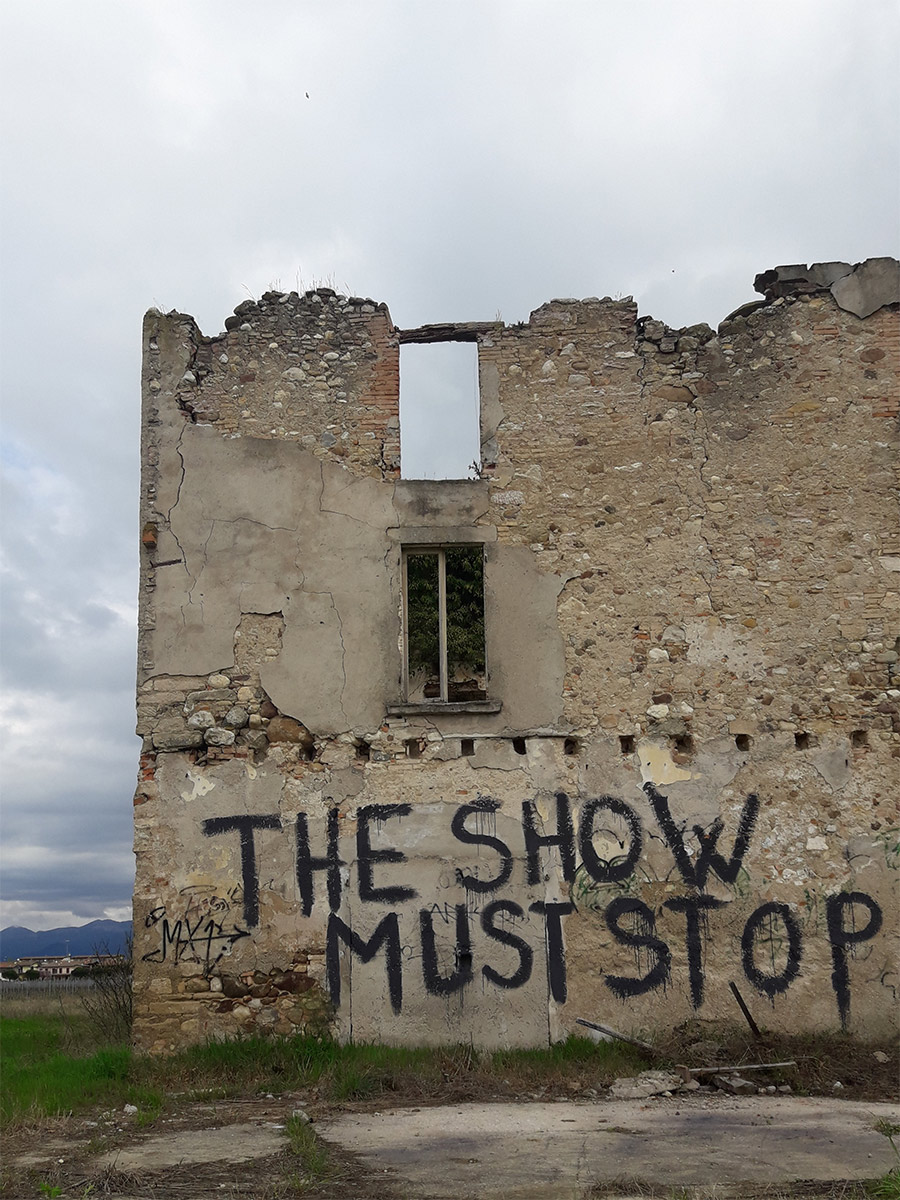
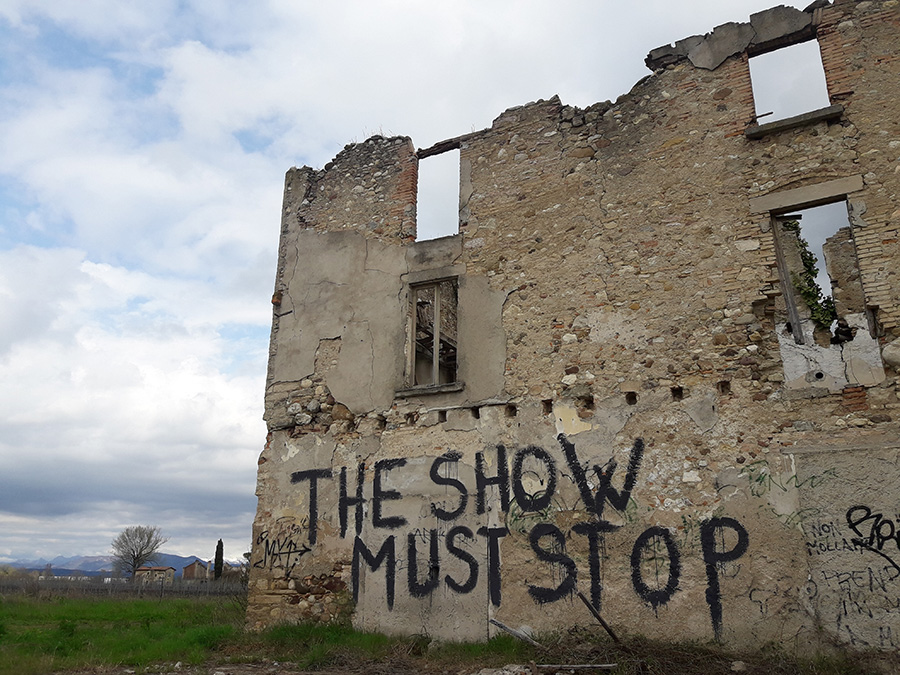
“The show must go on”—a line that neatly captures a certain myth of winning through force of will. For a century, the West has exported that self-image alongside its markets and its currency: adversity as performance, persistence as virtue.
Today, that script appears to be breaking. As Trump pushes toward a broader war in the Middle East and on the world stage, allies everywhere decline to follow—materially or symbolically. This is an unprecedented twist in the story for anyone under 100 years old.
Italian street artist Elfo, finger on the pulse as usual, answers with a simple reversal: ‘The Show Must Stop.’ Says the artist, “I’ve been looking for a phrase that captures this absurd present.”
Spring is arriving, but conversations around the city keep circling back to the war—bombings, deaths, oil prices, and the prospect of boots on the ground. At bars, clubs, and bagel shops, the mood turns serious quickly. There’s little joking in today’s daily discourse. Mostly, people wonder how this war began when so few seem to support it; recent polls put approval around 29%. People don’t feel like they were consulted, or considered.
Across news agencies as days pile up, the stories grow of governments in more than 50 countries across Europe, the Middle East, Asia, Africa, and the Americas have calling for a ceasefire, de-escalation, or a return to diplomacy. It is a widening conflict involving the United States, Israel, Iran, and every contry in the region- with threats to Turkey and Europe. In New York—home to neighborhoods and communities from many of those same countries—the conversations are personal, and the tension is easy to notice.
The famous yet anonymous Banksy has finally been revealed—at least according to a lengthy new piece in Reuters. Over the years, the elusive street artist has weighed in on the plight of Palestinians, Ukrainians, and African and Syrian refugees, and has often returned to the images of children as a symbol of hope, innocence, and loss. At the moment, as events around the world turn darker by the day, few seem to be talking about his wry interventions.
In Washington public space, a satirical sculpture that appeared on the National Mall has been drawing laughs—and, for some, feelings of nausea. The piece depicts Donald Trump and Jeffrey Epstein in a Titanic-style pose and is titled “King of the World.” Reuters reports that the installation was created by the anonymous collective called Secret Handshake. The Epstein scandal has been mentioned in some circles as a possible motive for distraction in launching the war, though others argue the drivers are more likely rooted in geopolitics—namely oil, and the petrodollar that runs through it.
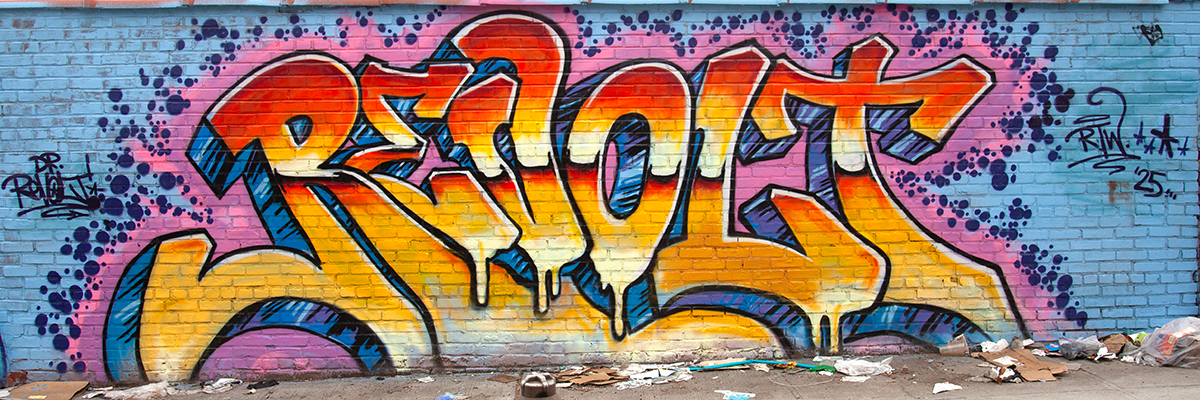
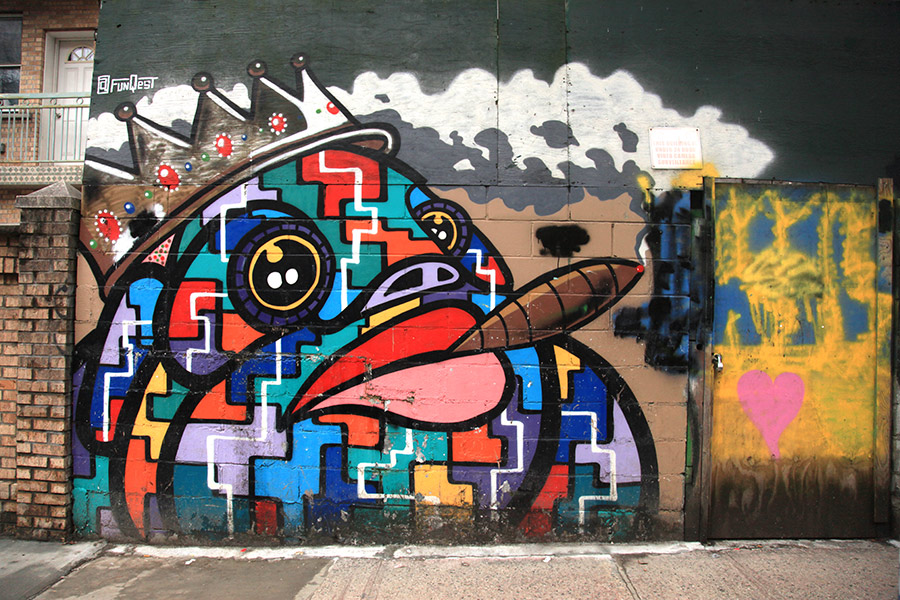
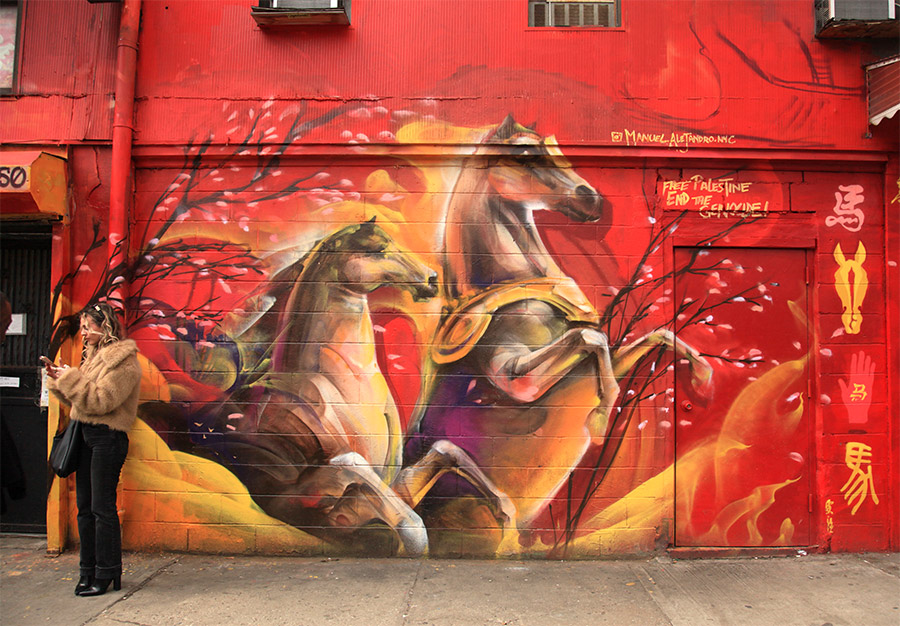
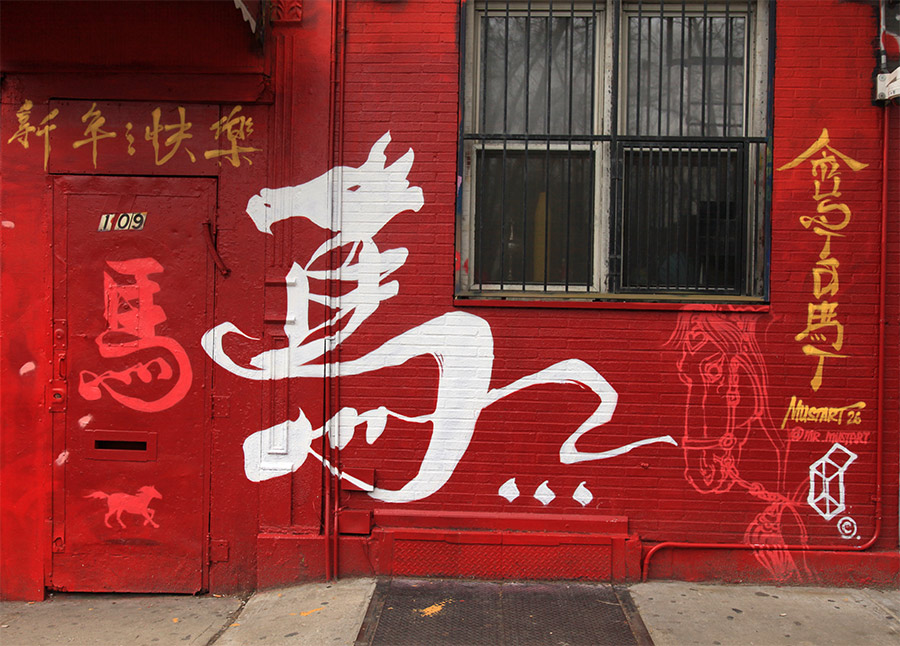
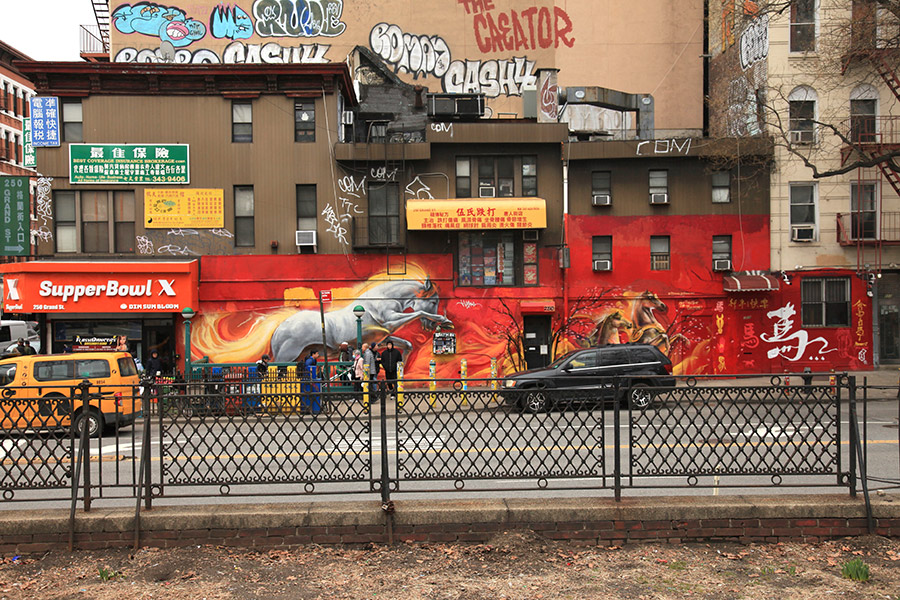
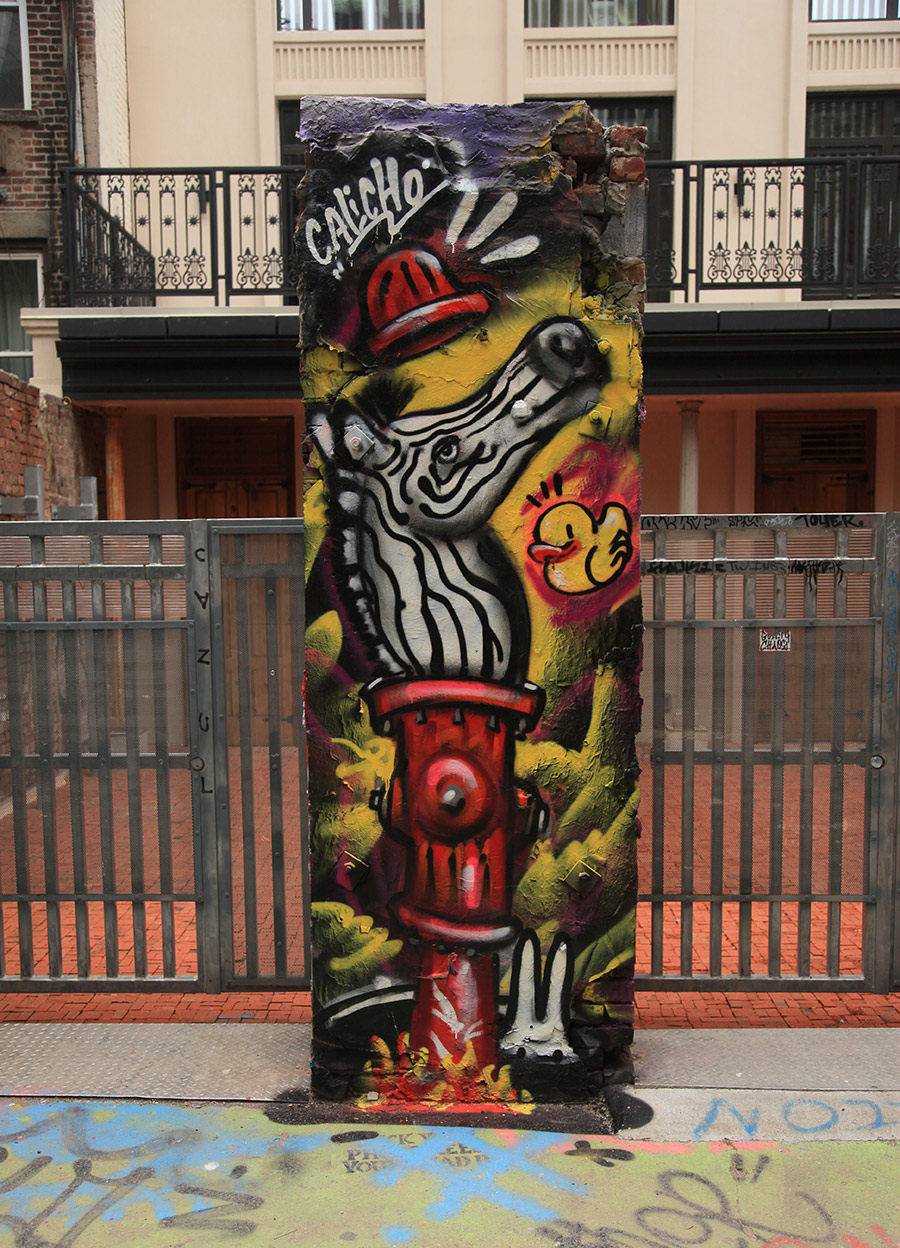
Here is our weekly interview with the streets, this week featuring Alice Mizrachi, Calicho Art, City Kitty, Clark, Crash, Fun Quest, Humble, IMK, Inphiltrate, Manuel Alejando, Must Art, OSK, Outer Source, Rats, REPO, REVOLT, and TOWER.
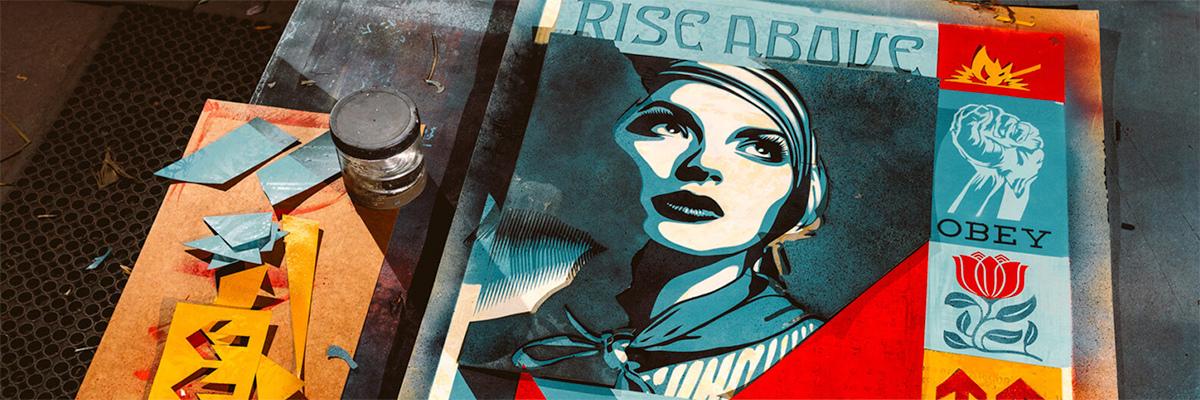
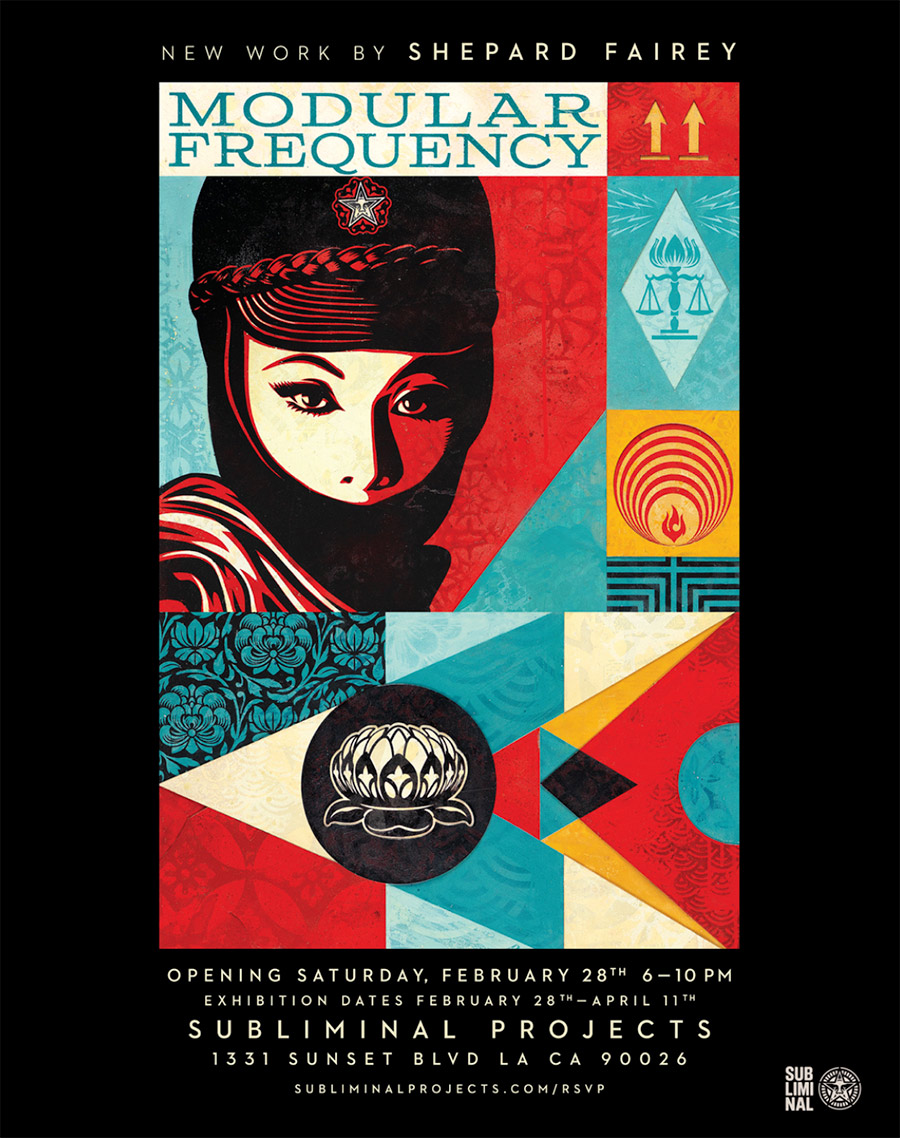
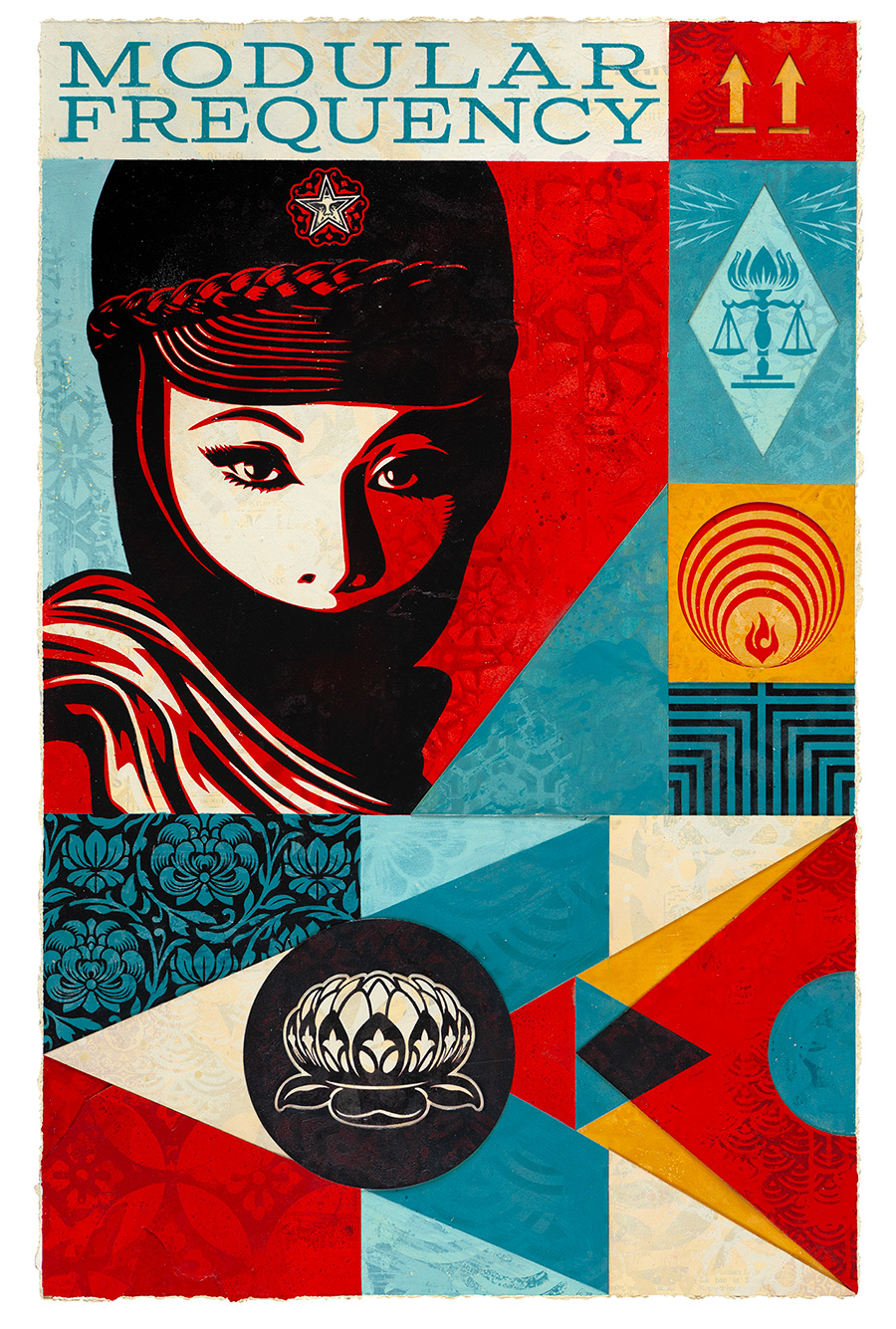
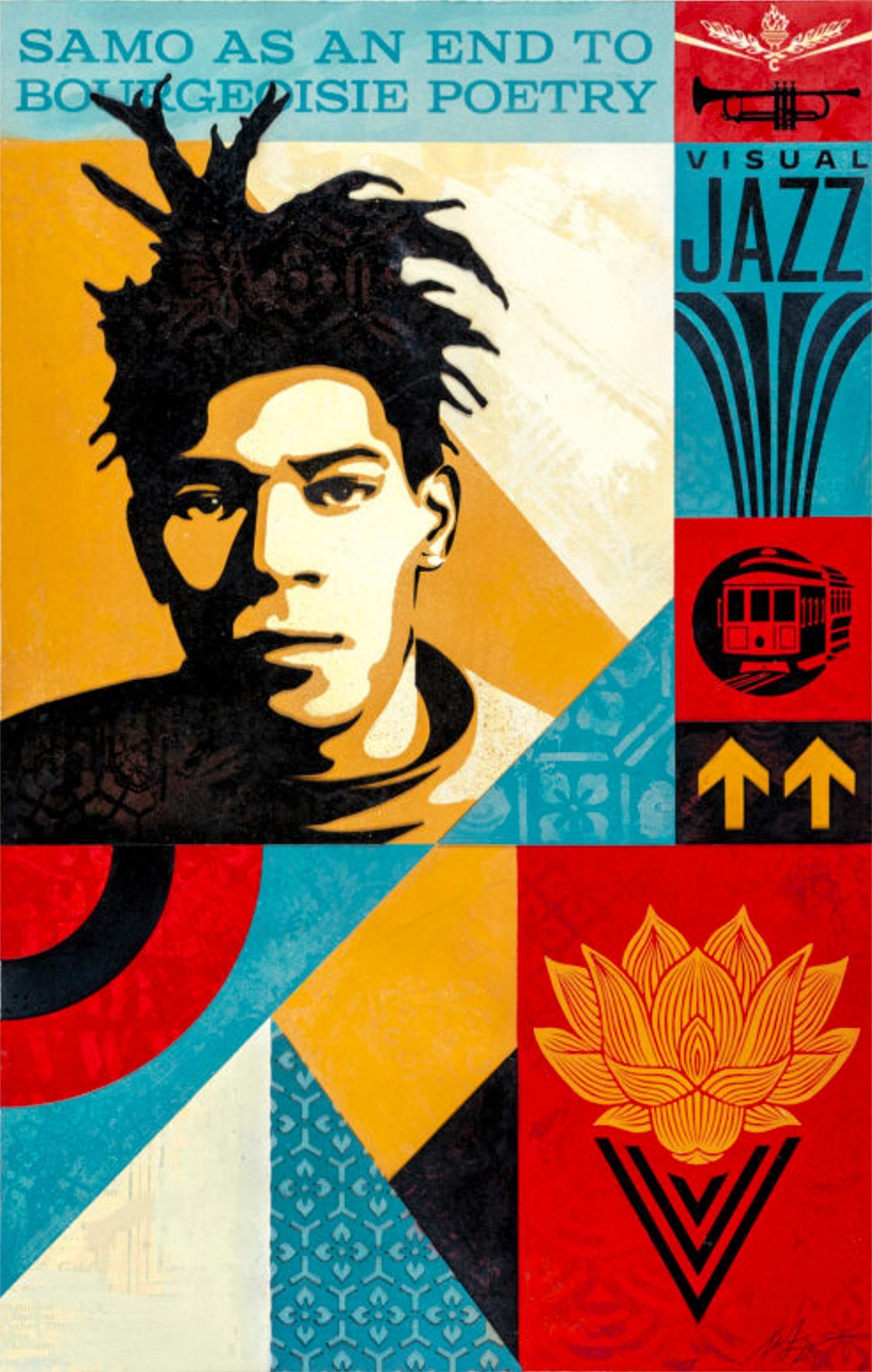
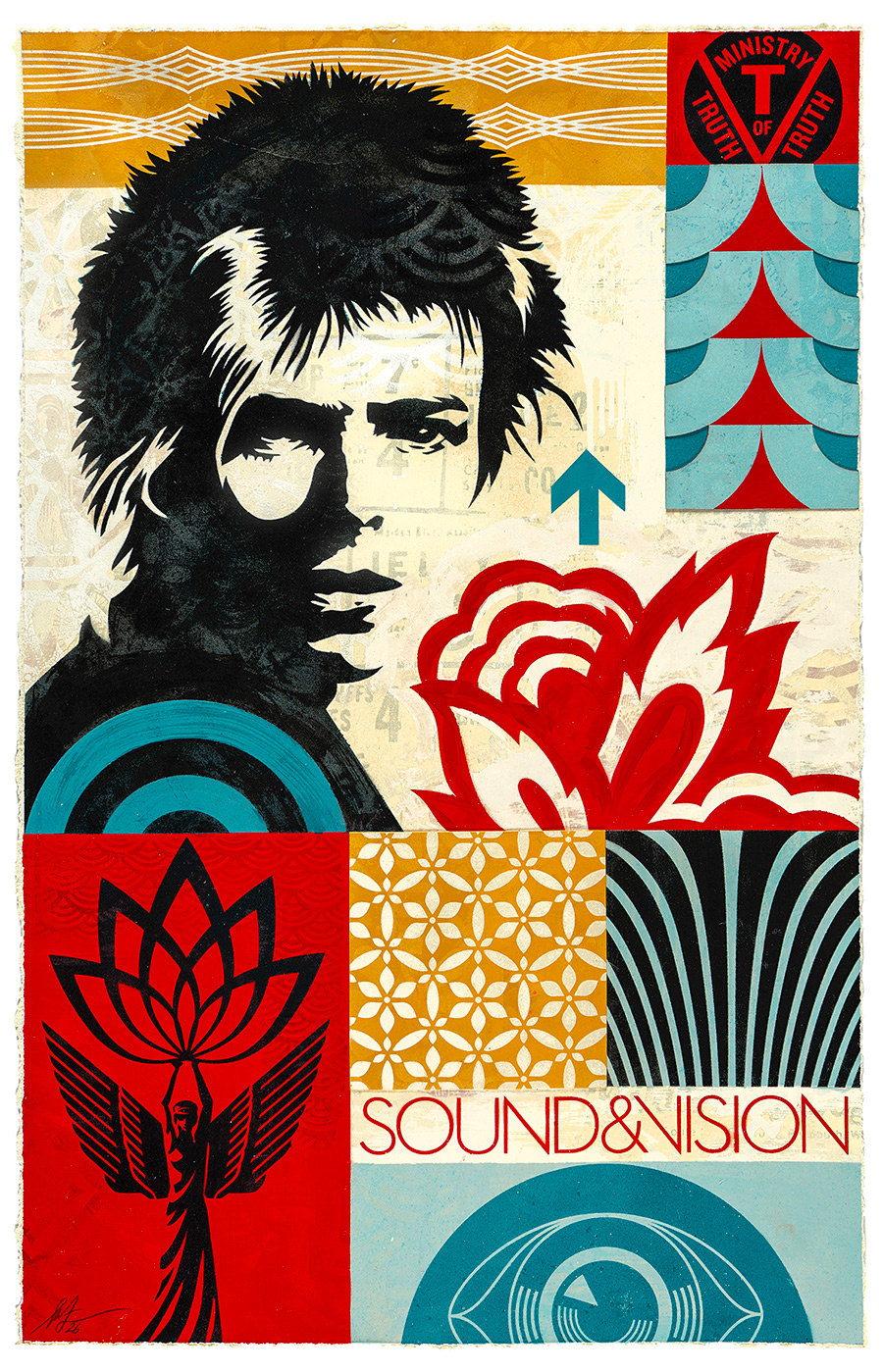
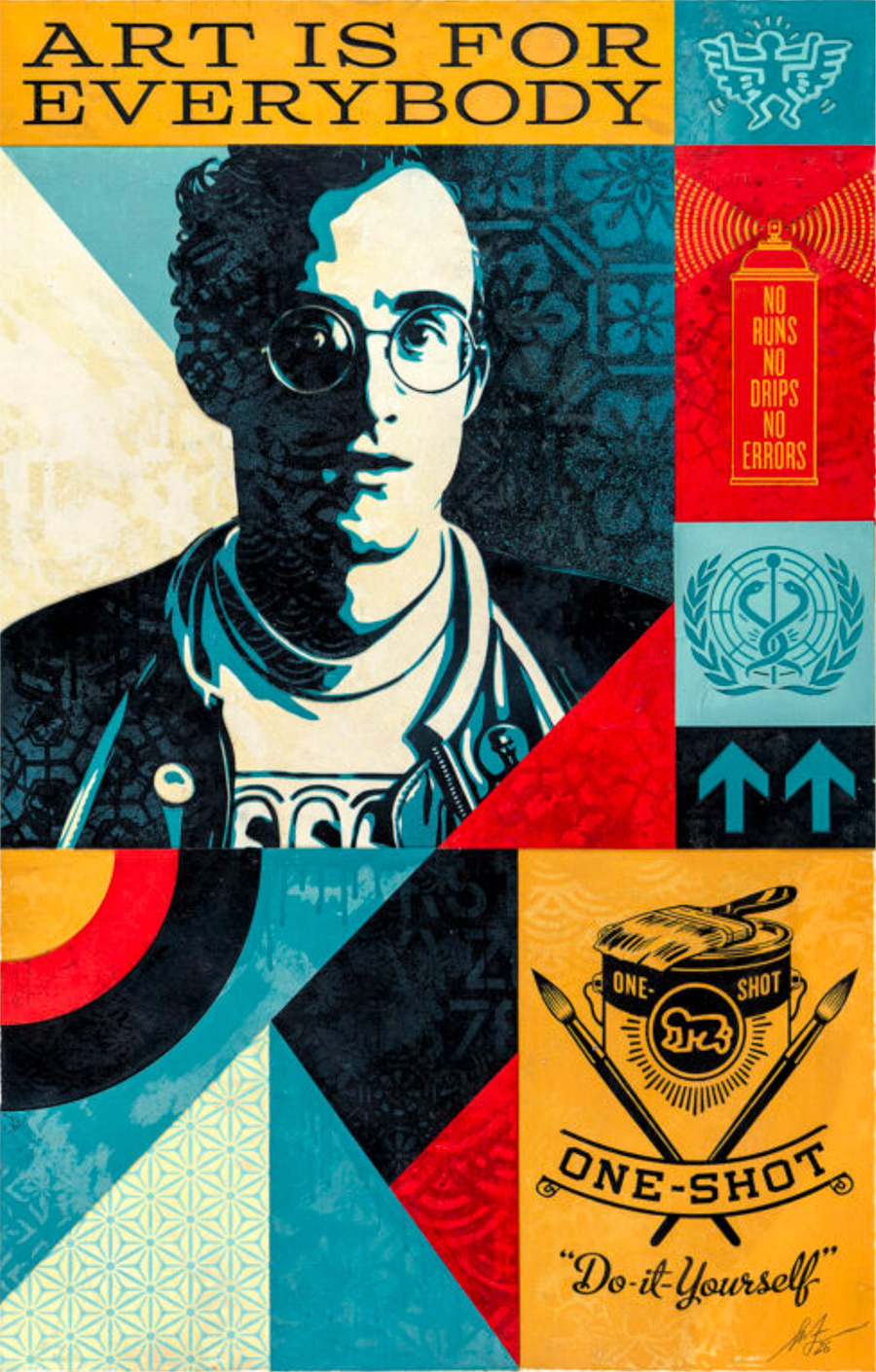
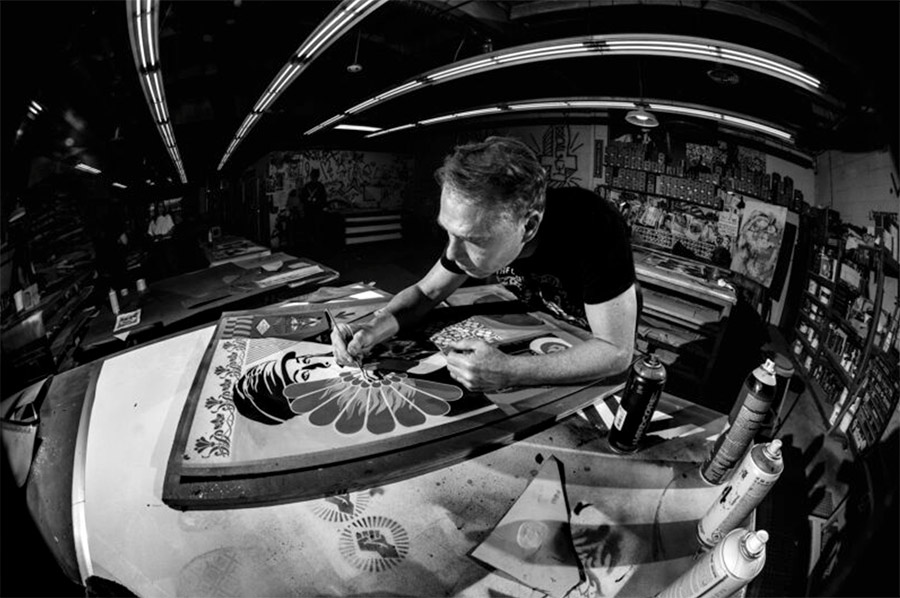
In Modular Frequency, Shepard Fairey returns to Subliminal Projects with a body of work that feels less like a recap than a sharpened presentation of where his language has landed—and where it’s still mutating. The show gathers new mixed-media pieces into a single, intentional atmosphere: street-born immediacy retooled for the gallery wall, where pattern, portraiture, and typography can stack up, scrape back, and reveal their own archaeology.
To quote ourselves from a few weeks back, the exhibition showcases “three decades of modular geometry … into a tight visual rhythm.” That rhythm is the point of entry here: a pulse built from Constructivist angles, propaganda-era clarity, new ventures into the color palette, and the saturated pressure of pop culture, all reorganized into compositions that you can scan quickly—then return to slowly, detail by detail.
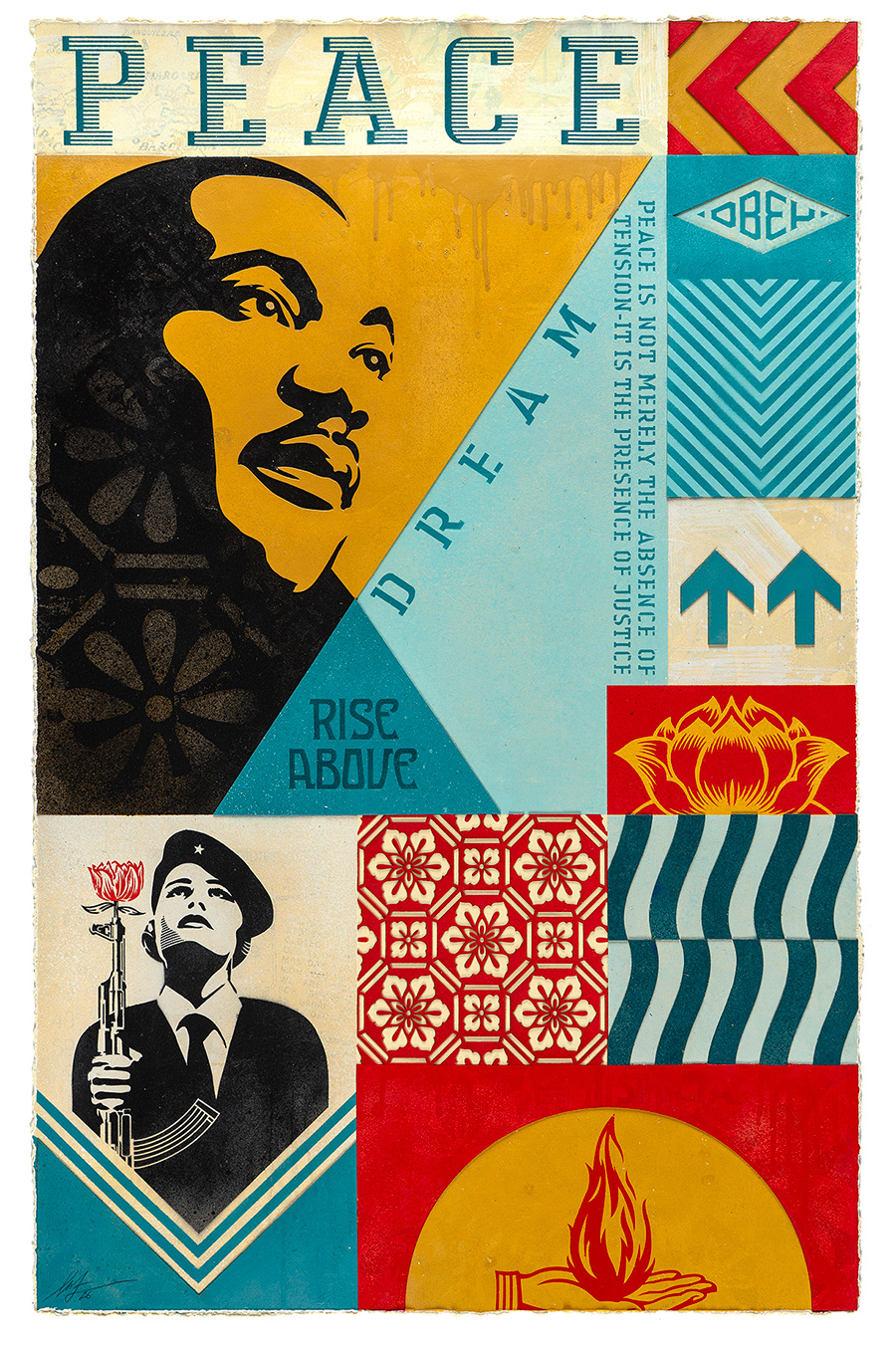
Shepard Fairey. “MKL Modular”. Modular Frequency. (photo courtesy of the gallery)
Fairey’s own framing is rooted in the experience of living inside a constant feed. “I’m confronted with an overwhelming number of images and messages daily,” he says, and these works feel like a mature and practiced response to that condition: taking the barrage and compressing it into symbols you can hold in your mind—icons and archetypes that keep circling back to peace, justice, and environmental responsibility. Hung in salon-style groupings that orbit shared themes, the installation lets the pieces talk laterally, collectively radiating like planets in the darkness—separate bodies, shared gravity.
Coinciding with the opening, the project spills into print in a way that echoes the show’s punch and cadence: the two new screenprints Modular Sound & Vision and Dreams of Peace translate the series into collectible form, alongside a letterpress print titled Modular Frequency. And in the wider wake of the exhibition, collaborations extend the conversation—most concretely, the co-signed “Frequency” print with ADD FUEL, which ties Fairey’s modular iconography to a tile-pattern sensibility that feels both ornamental and insurgent.
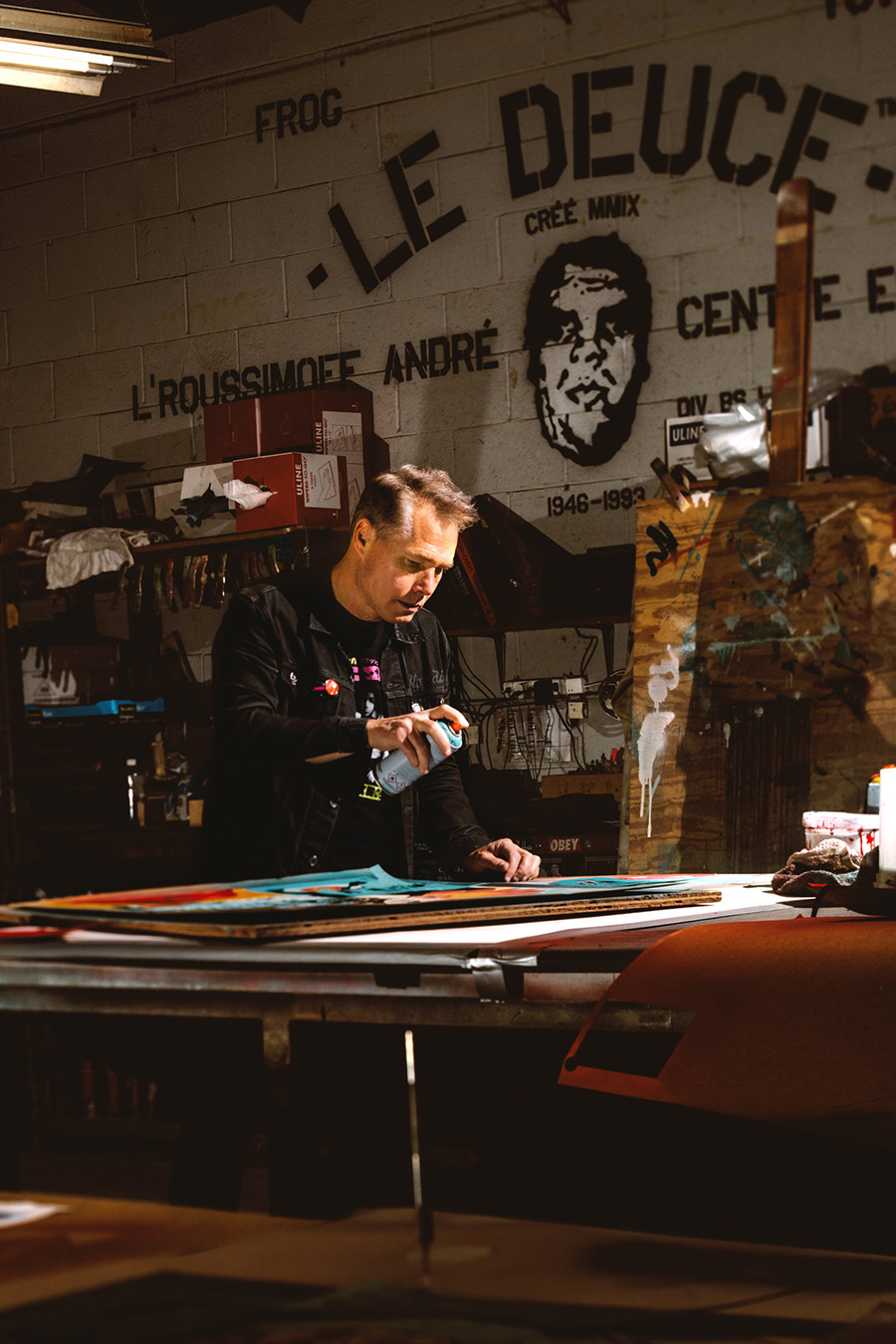
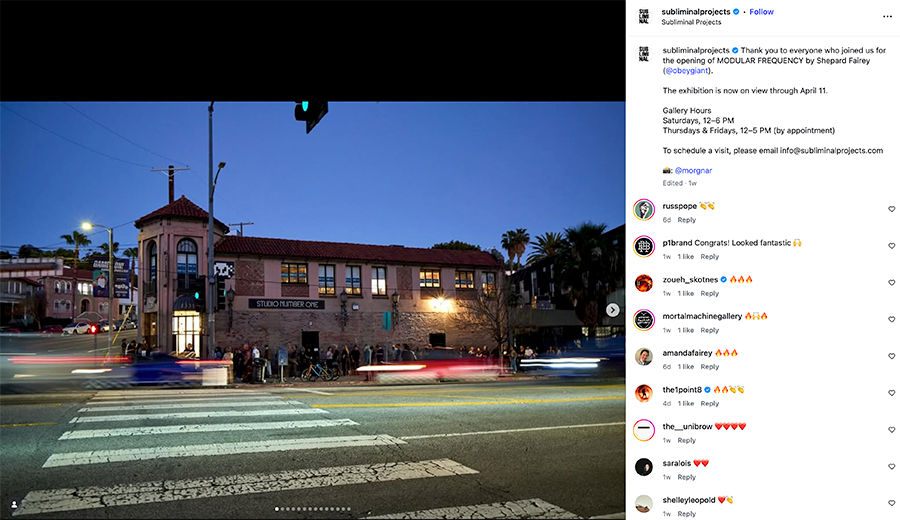
Shepard Fairey. “Mujer Fatal Modular”. Modular Frequency. (photo courtesy of the gallery)Shepard Fairey. “Basquiat Modular”. Modular Frequency. (photo courtesy of the gallery)Shepard Fairey. “Bowie Modular”. Modular Frequency. (photo courtesy of the gallery)Shepard Fairey. “Rise Above Rebel Modular”. Modular Frequency. (photo courtesy of the gallery)Shepard Fairey. “Art Is Fore Everybody Modular”. Modular Frequency. (photo courtesy of the gallery)Shepard at work in the studio for Modular Frequency. (photo courtesy of the gallery)Shepard at work in the studio for Modular Frequency. (photo courtesy of the gallery)Opening night for Shepard’s Modular Frequency at Subliminal Projects in Los Angeles, CA. (photo Instagram)
Shepard Fairey’s Modular Frequency is now open to the general public. Click SUBLIMINAL PROJECTS for hours, scheduled events, directions and other details.
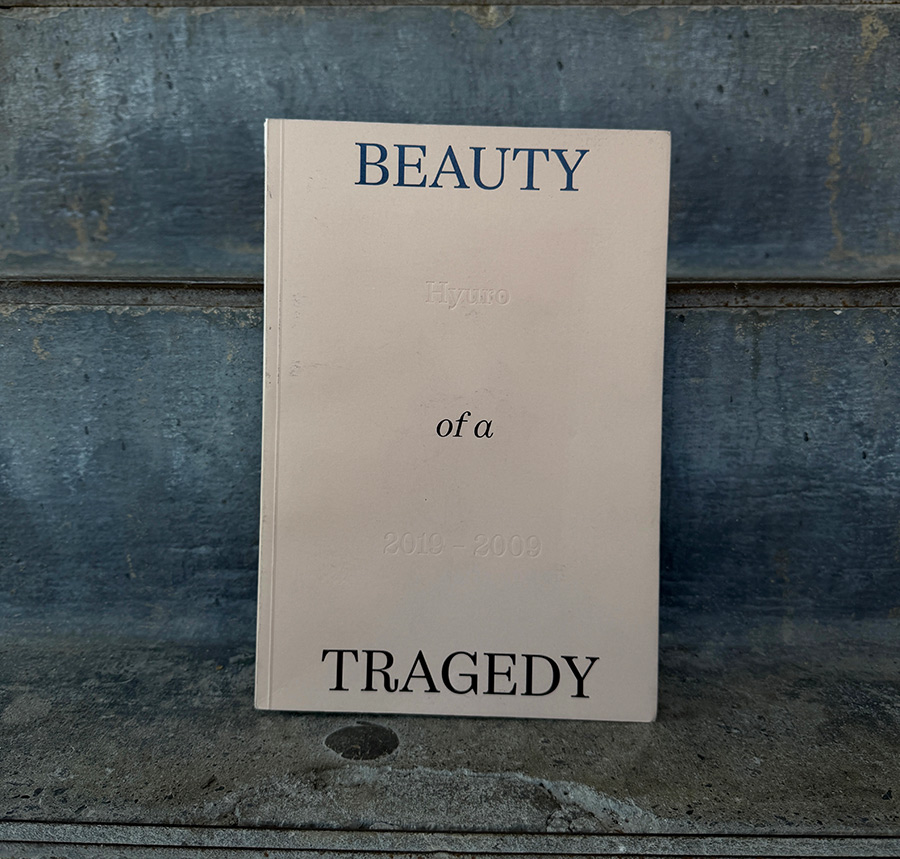
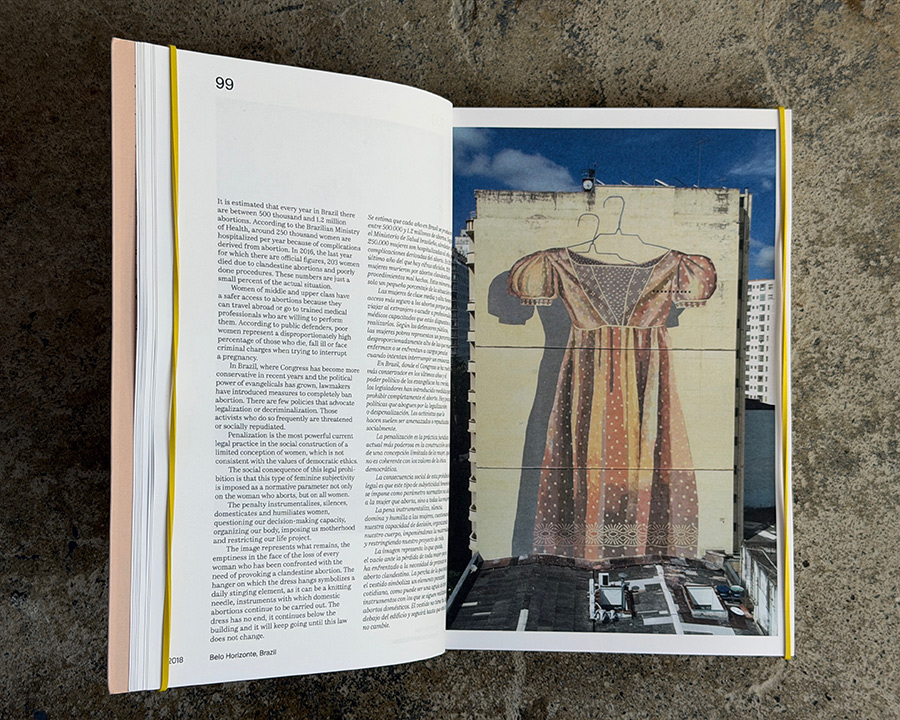
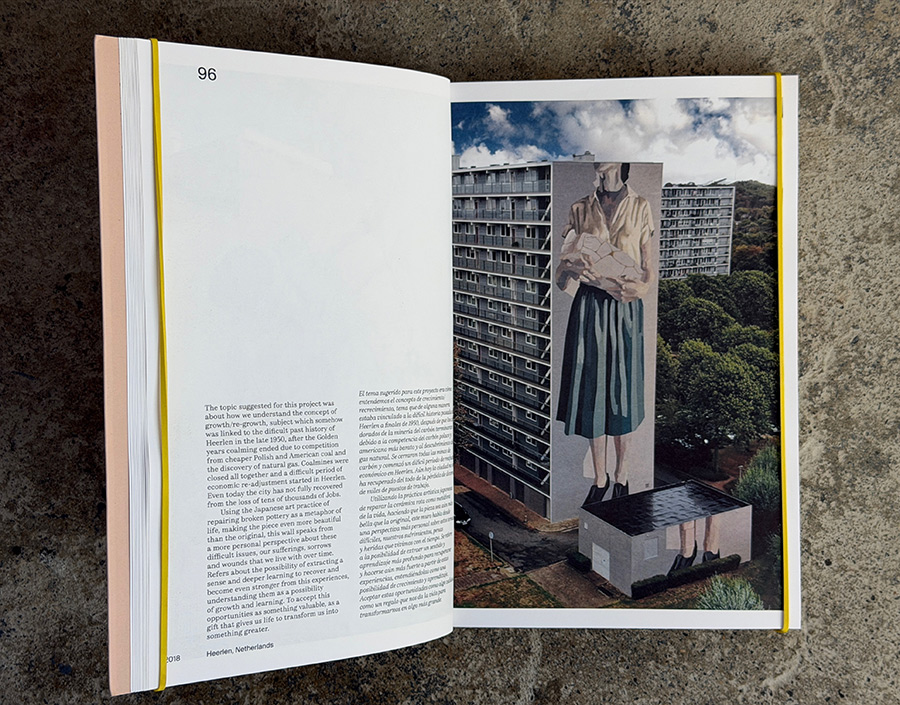
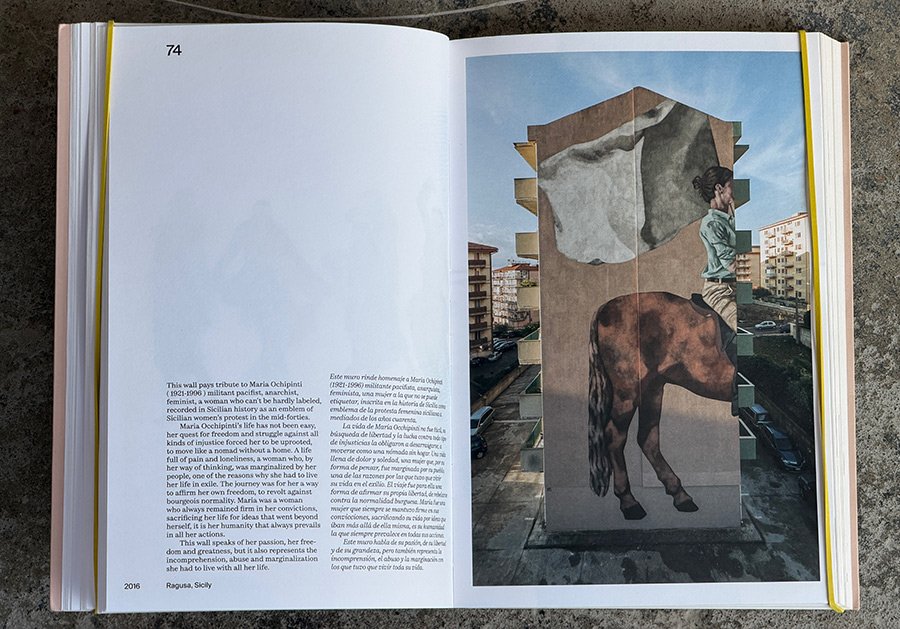
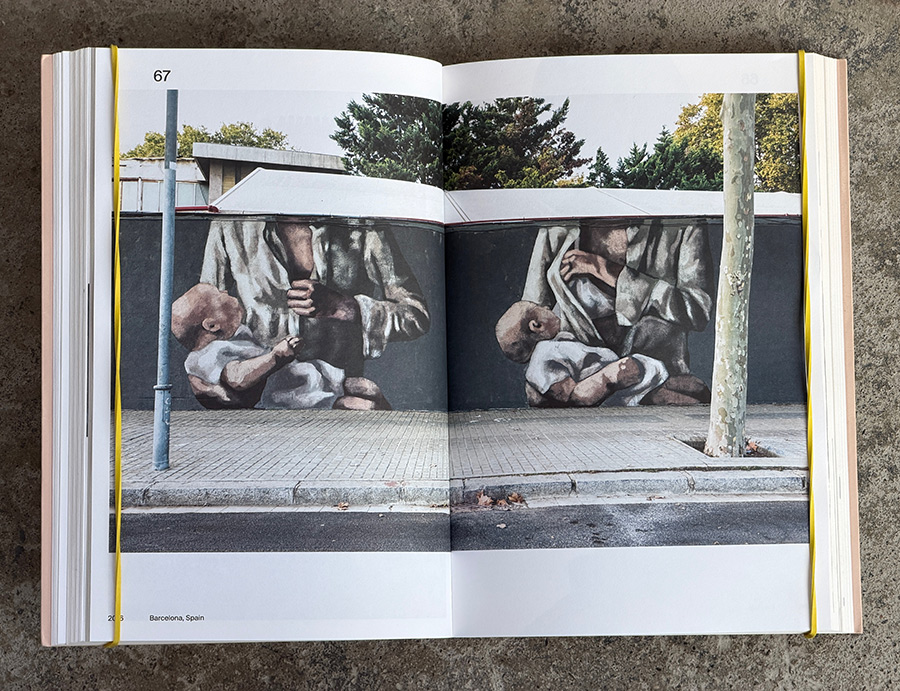
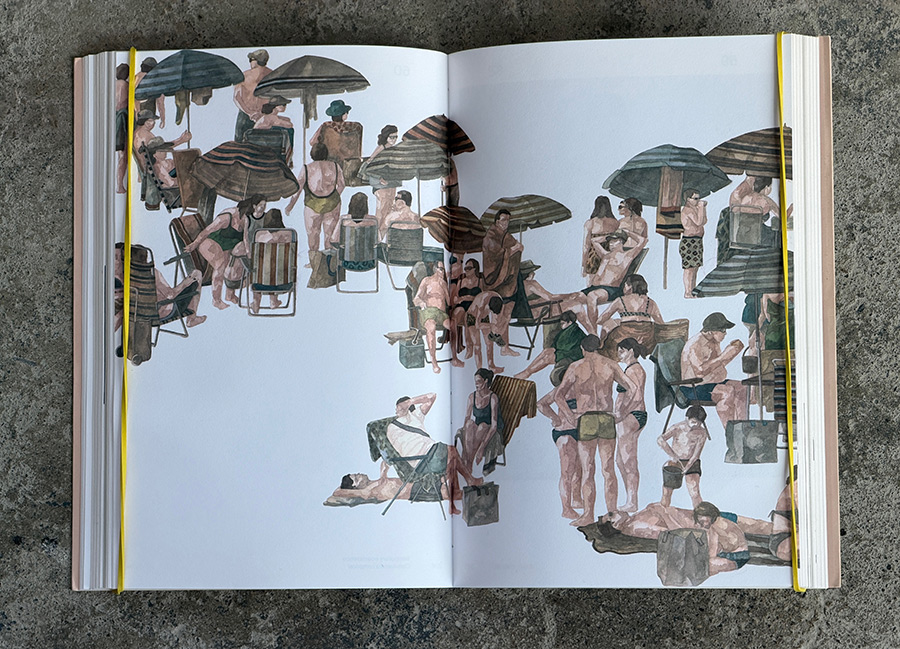
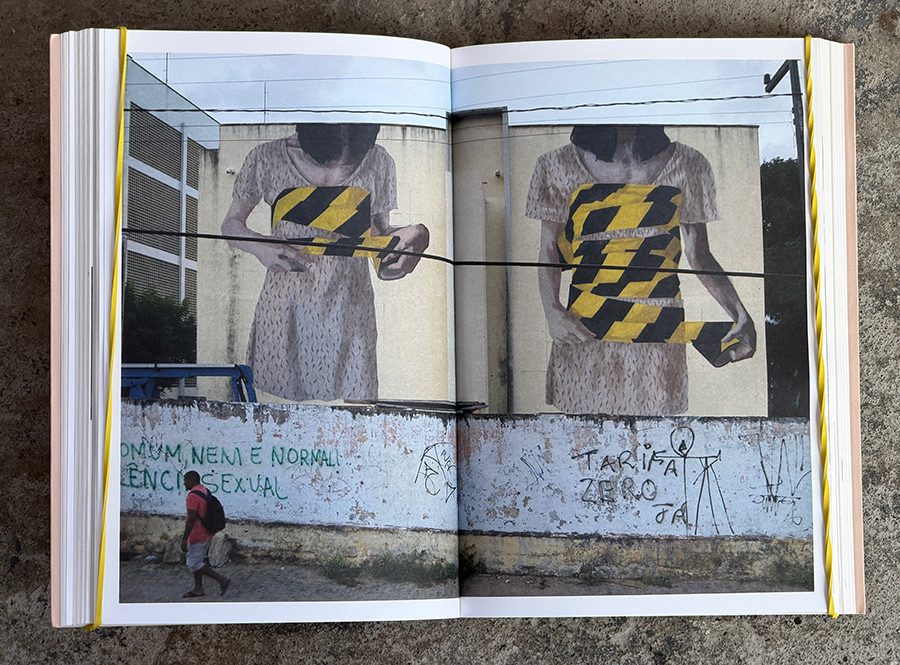
Beauty of a Tragedy gathers the work of the late Argentine muralist Hyuro (Tamara Djurovic), who died in 2020 at only forty-six, leaving behind one of the most thoughtful and quietly disruptive bodies of work to emerge from the street-art movement in the 2010s. The book, designed by Ângela Almeida and Maria Gómez-Senent, compiles murals, paintings, drawings, sketches, and Hyuro’s own texts. Also included are reflections from figures, including photographer Martha Cooper, street art festival curator Monica Campana, publisher/editor/curator Evan Pricco, and street artist Escif. Rather than presenting a conventional “street art monograph,” the publication reads more like a reflective archive of a mind at work—an artist trying to understand how individuals move through systems of power, vulnerability, and care.
Hyuro: Beauty Of A Tragedy. 2009-2019. Independently published. Valencia, 2022. Texts in English and Spanish.
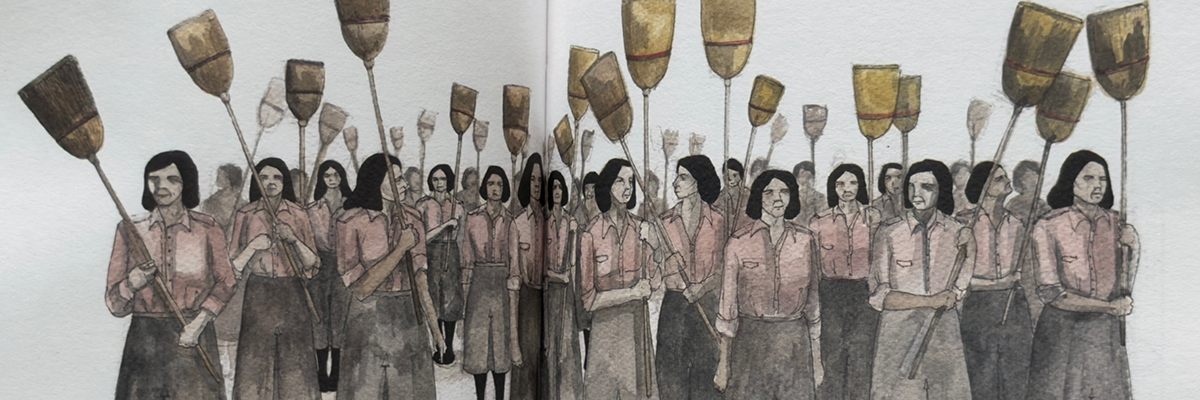
Across its pages, Hyuro’s central concerns appear with clarity: the social conditions imposed on women, the quiet violence embedded in political systems, and the fragile dignity of ordinary lives. With descriptive texts and personal observations, the writing make these motivations explicit. A mural in Fortaleza, Brazil examines the criminalization of abortion and the way the female body becomes “usurped territory” by the state; another, in Monteleone di Puglia, recalls a wartime uprising led by women protesting food restrictions under fascism. Elsewhere she turns to children affected by war, neighborhood life shaped by urban development pressures, or the internal contradictions that shape our identities. These are not decorative murals but acts of witness—images that look closely at, plainly reflect through metaphor and allusion—injustice without theatrical exaggeration.
You knew it then, but it becomes especially clear in the book just how dramatically Hyuro’s work diverged from the prevailing mood of the global street-art boom of the 2010s. While festivals multiplied and the movement embraced spectacle, branding, and easily digestible imagery, Hyuro worked in a different register. Her figures are often partially obscured, cropped, or faceless; gestures are restrained; color is quiet. Instead of offering instant visual gratification, her murals ask viewers to slow down and reflect. In her observations, Martha Cooper notes the deceptive simplicity of her approach—images drawn from everyday life but infused with the artist’s personal observations. Monica Campana, reflecting on Hyuro’s practice, sees a commitment to making the street feel more like a home, a space where vulnerability and resistance can coexist.
In that sense, the book reveals an artist who stood slightly apart from the parade of the street-art moment while still using its platforms and the energy spinning around it. Hyuro accepted the walls, the festivals, the global circulation of murals—but she used that visibility to amplify questions rather than spectacle. Her paintings became quiet interruptions in the visual noise of the city: reflections on women’s autonomy, memory, displacement, and the overlooked labor of care. They were large enough to attract attention, yet conceptually they resisted the simplifications and saccharine belly-button gazing that pulled street art off its rails.
Seen together in Beauty of a Tragedy, the works form something like a moral atlas of a decade—one that traces the pressures placed on bodies, communities, minds and histories. The title itself hints at Hyuro’s sensibility: beauty not as decoration but as a fragile human capacity to endure and to observe. In an era when the global street-art scene often celebrated brightness, scale, and spectacle, Hyuro offered something rarer—a form of muralism grounded in empathy, reflection, and the persistent demand that we look more carefully at the world we have made.
 BROOKLYN STREET ART LOVES YOU MORE EVERY DAY