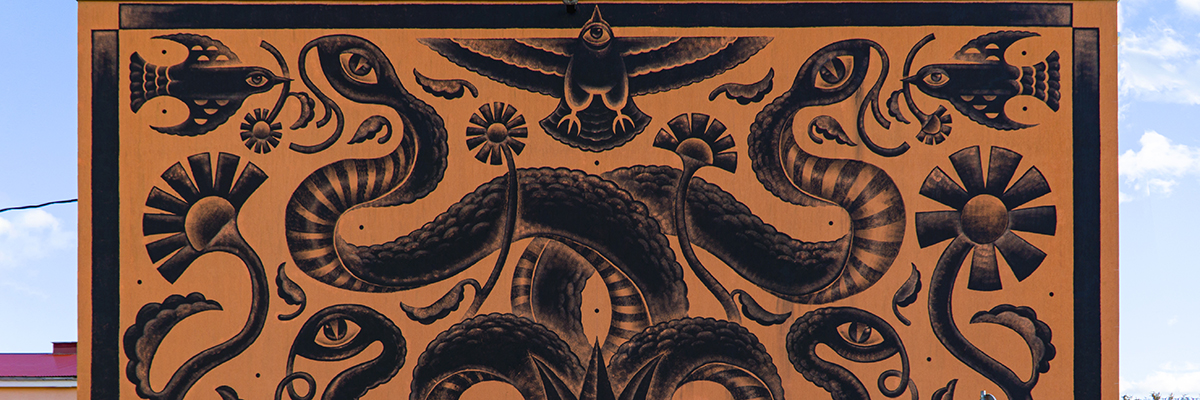
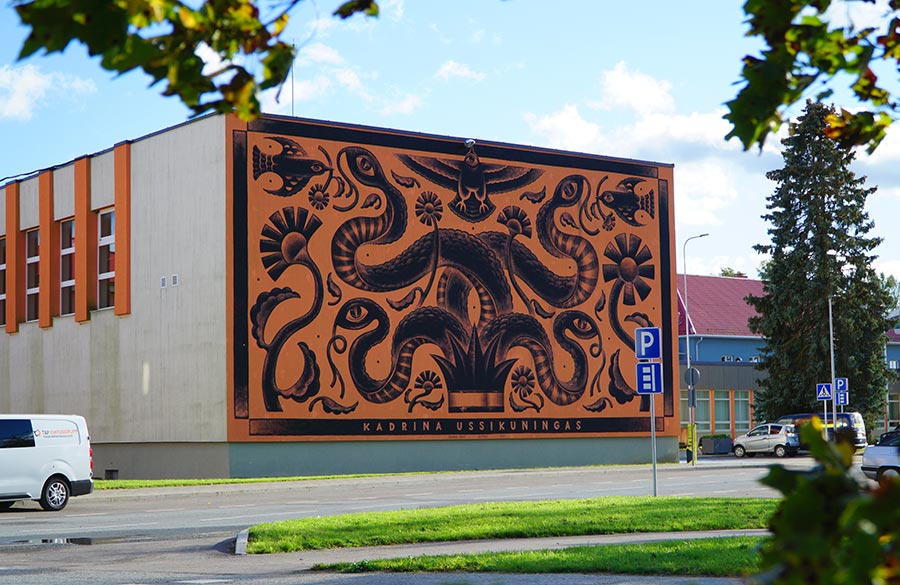
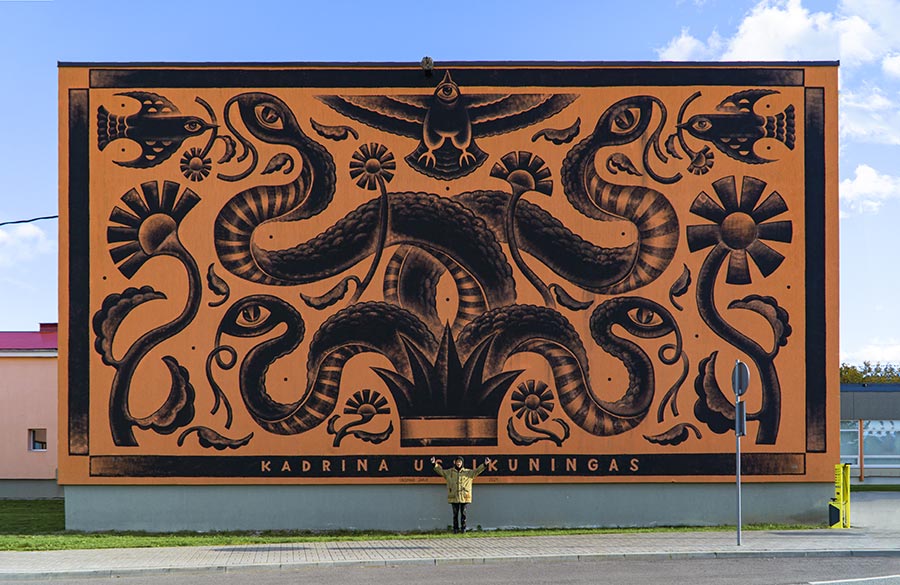
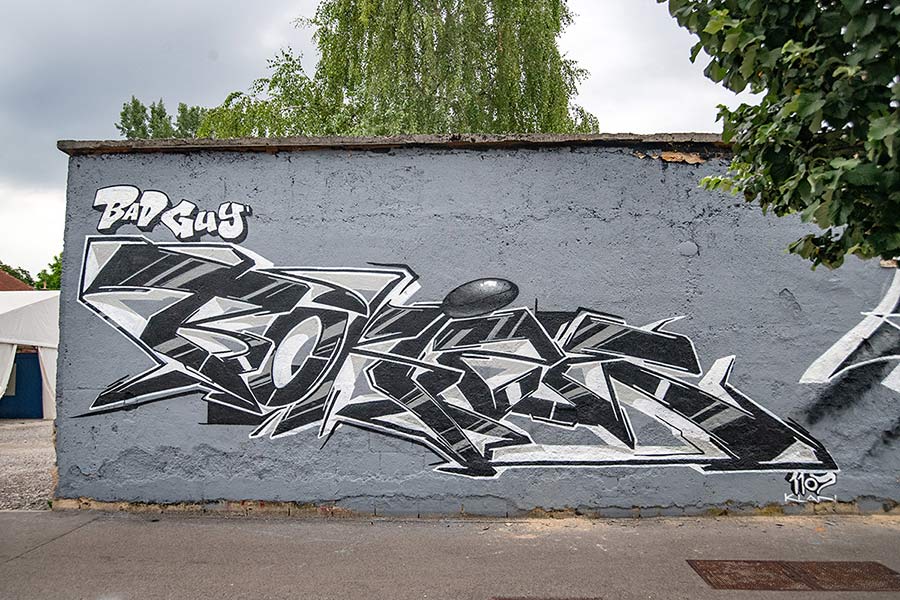
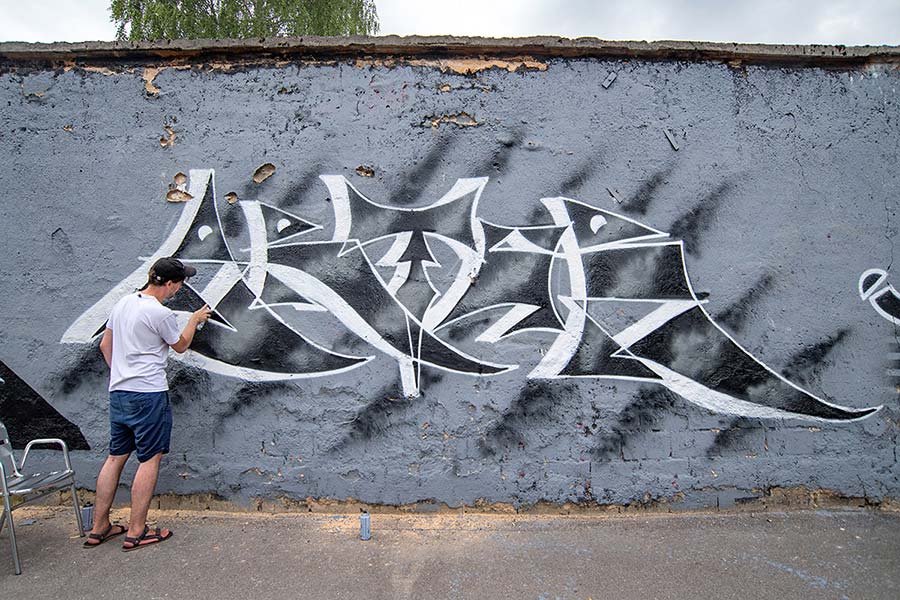
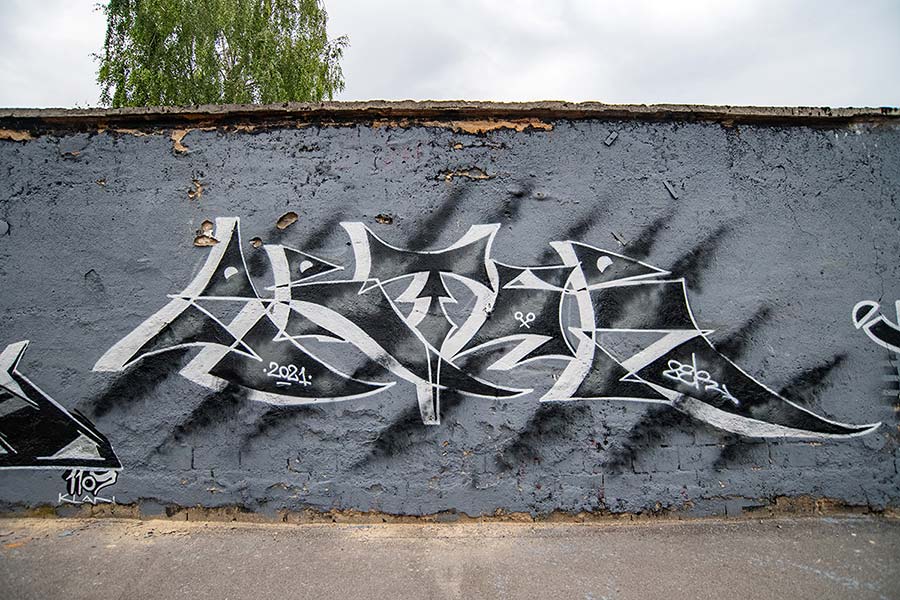
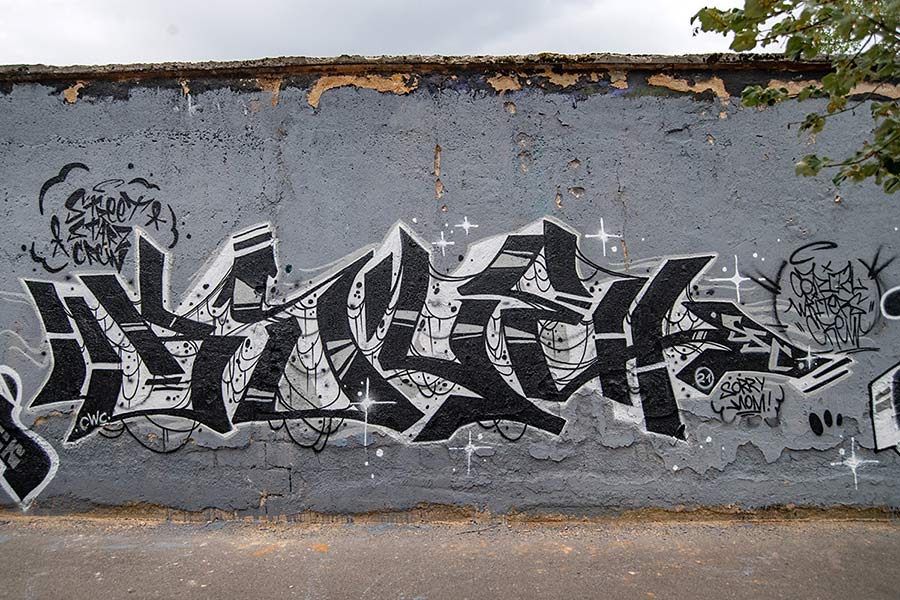
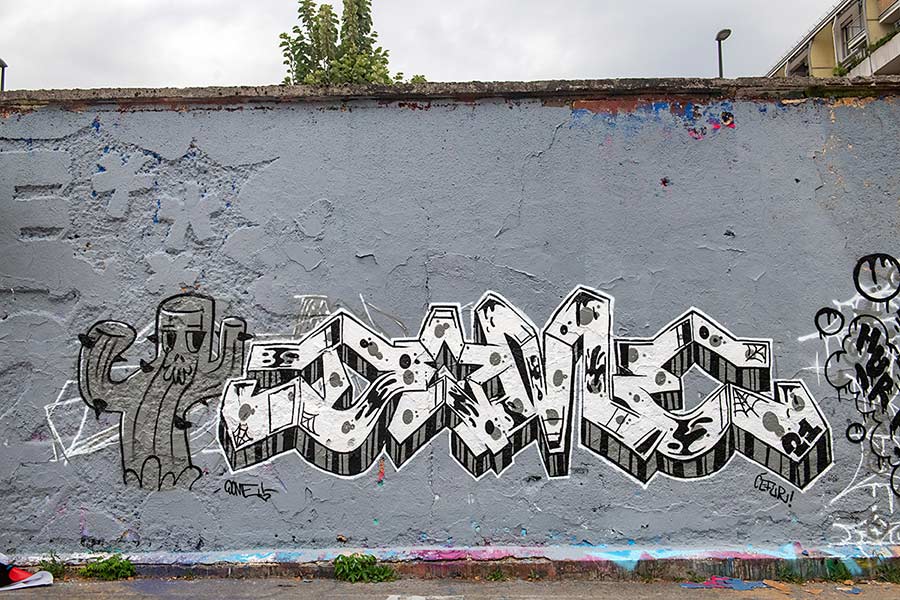
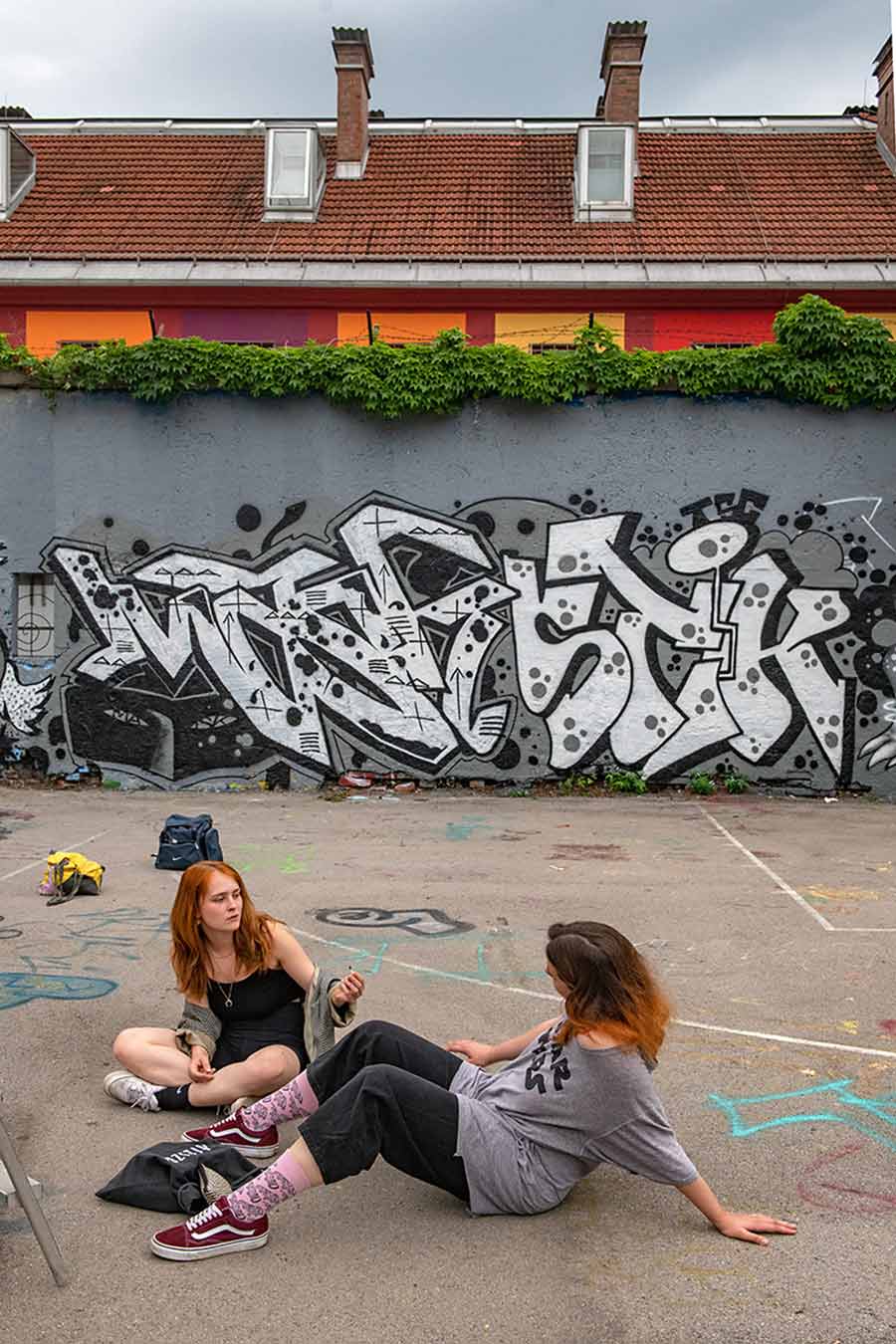
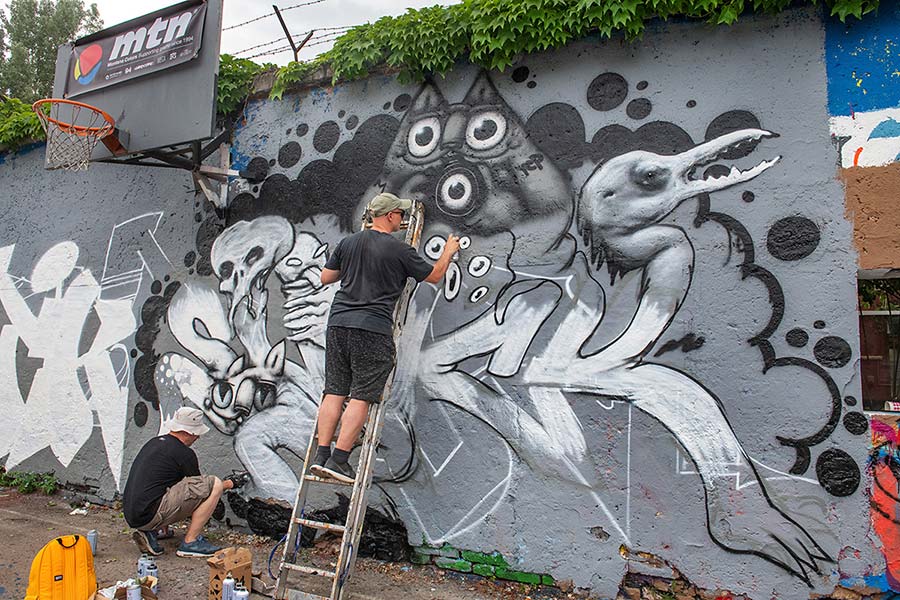
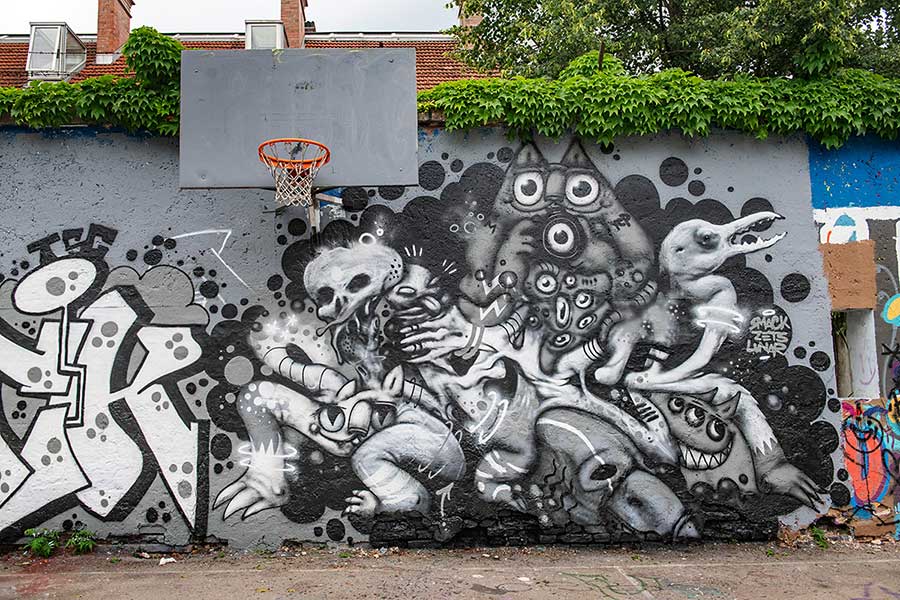
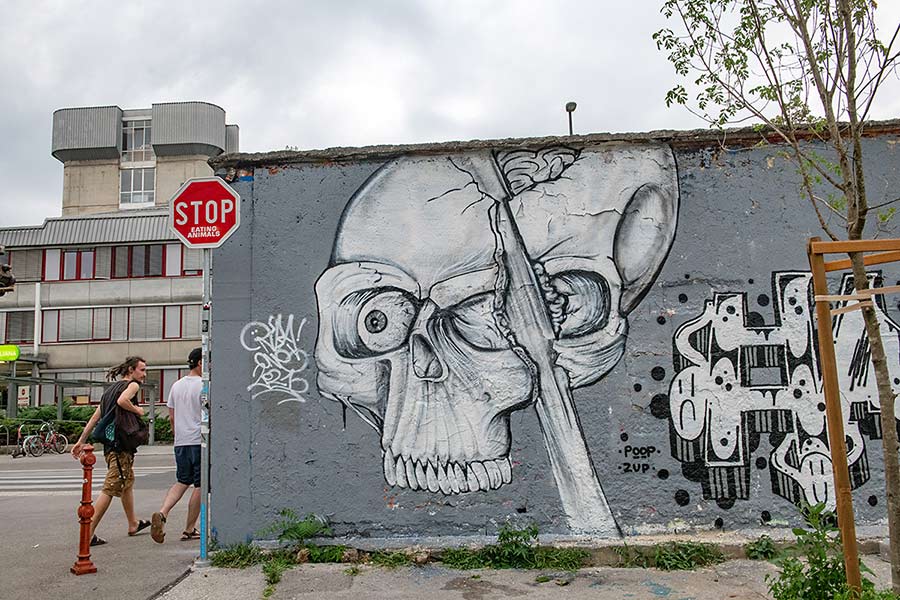
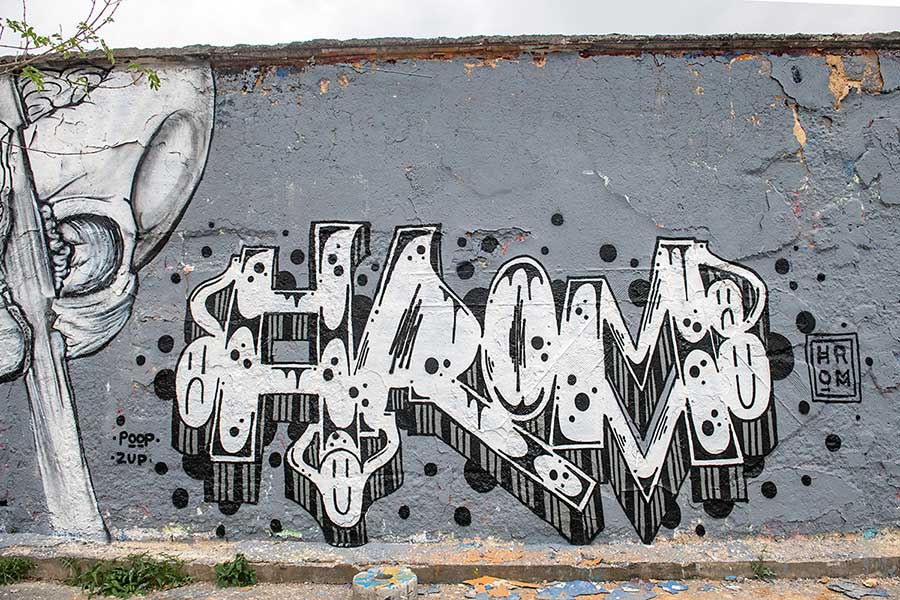
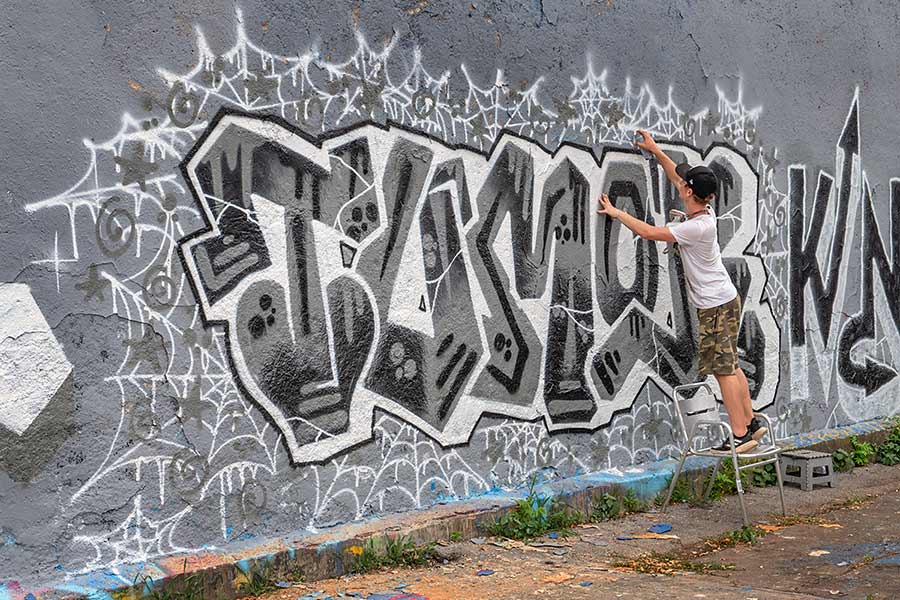
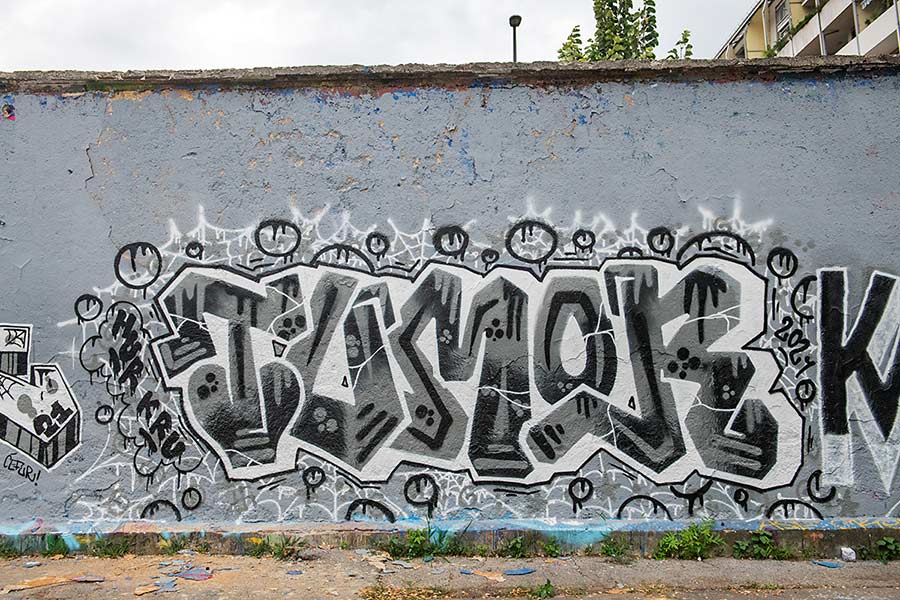
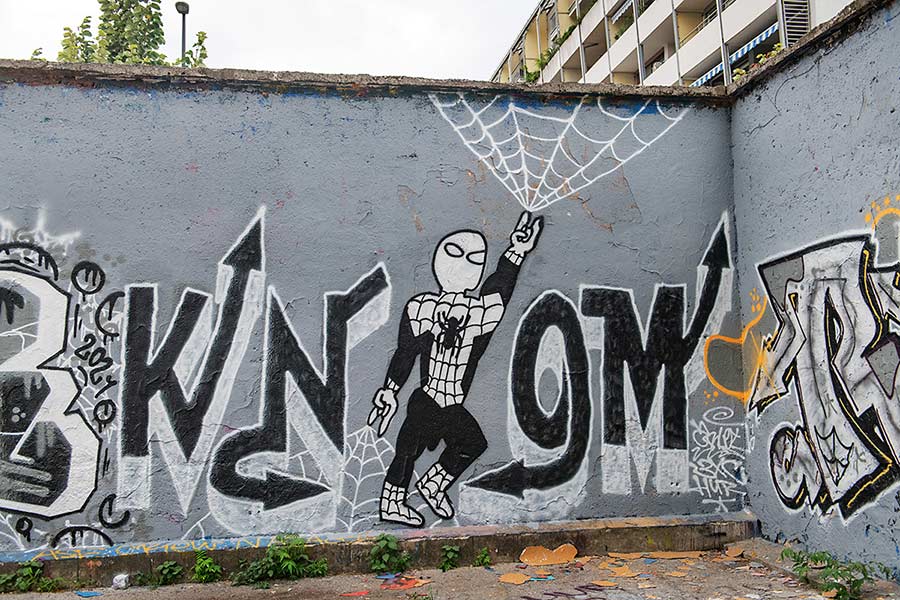
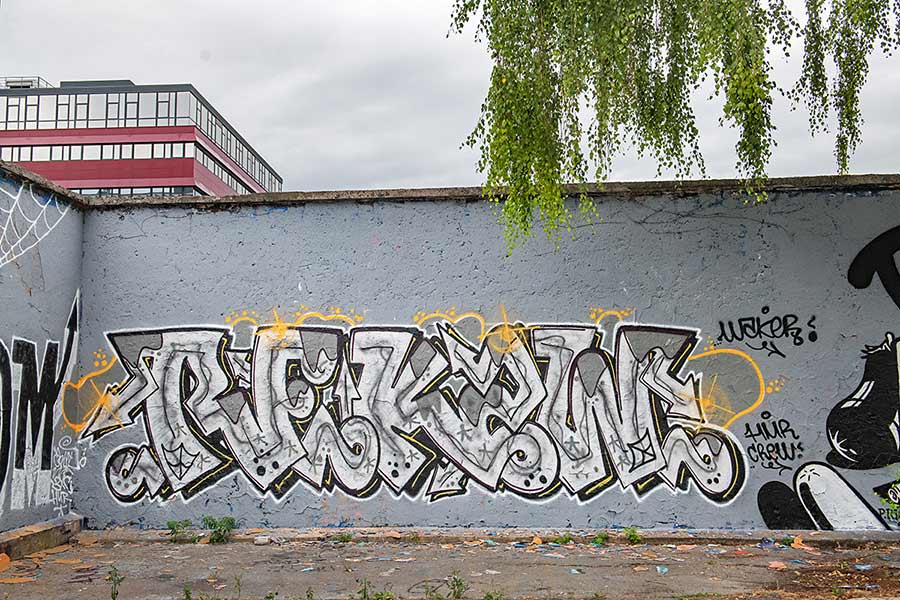
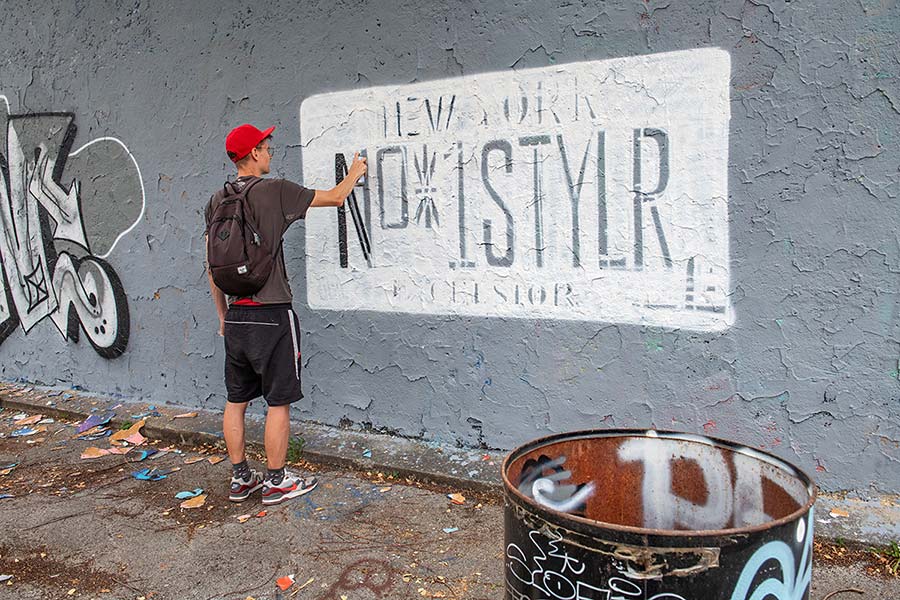
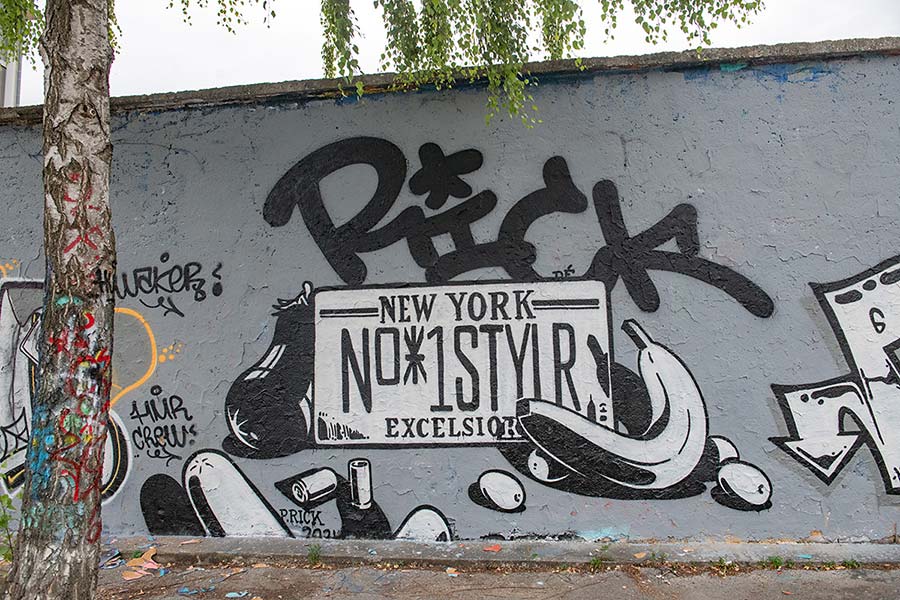
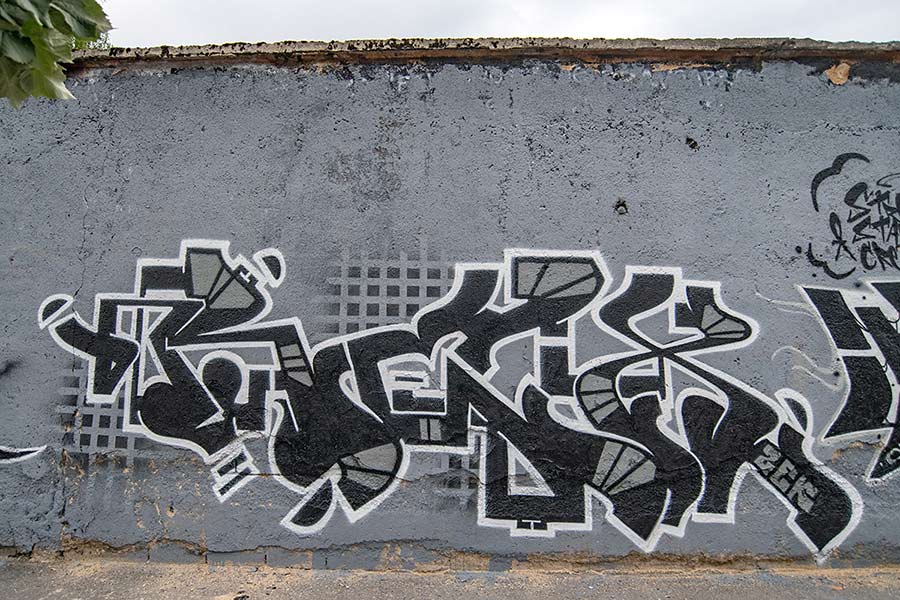
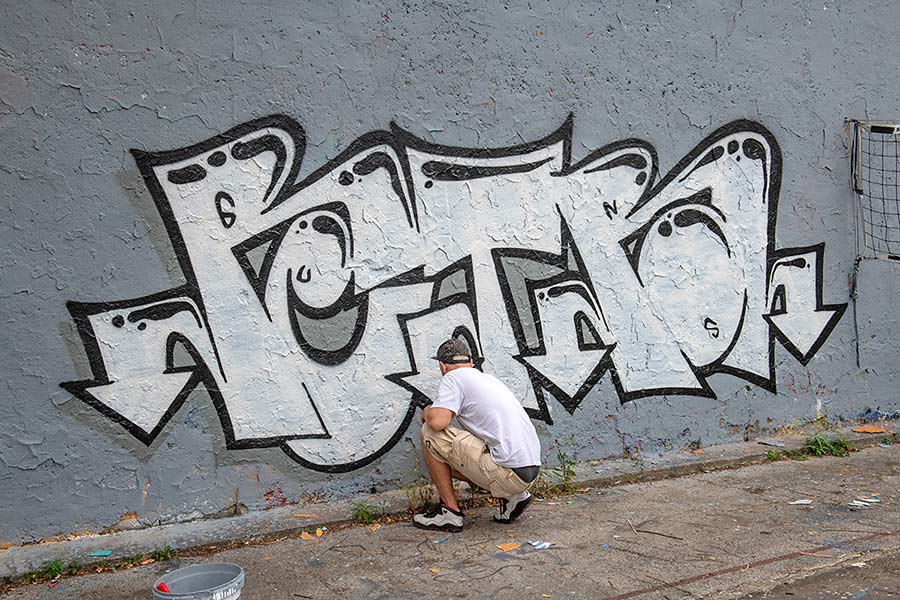
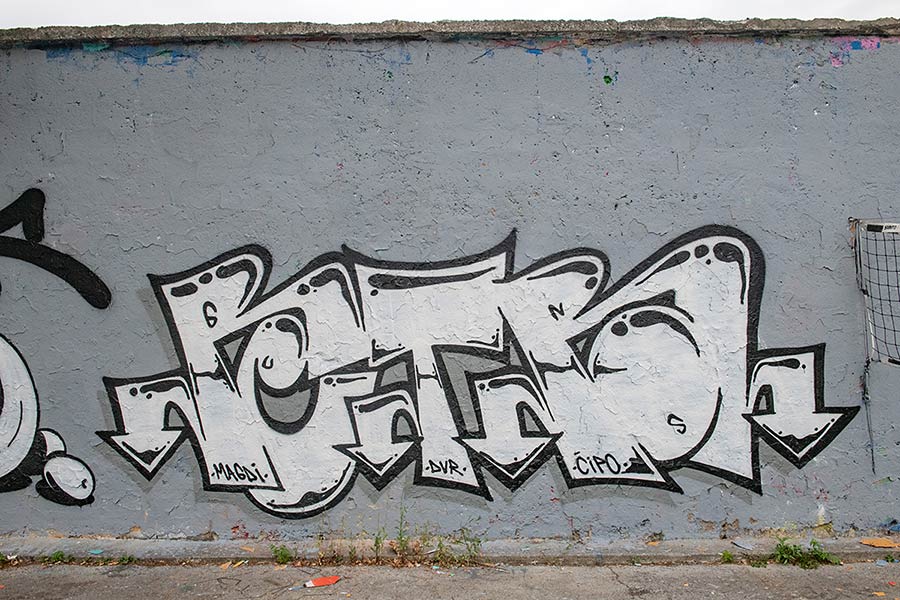
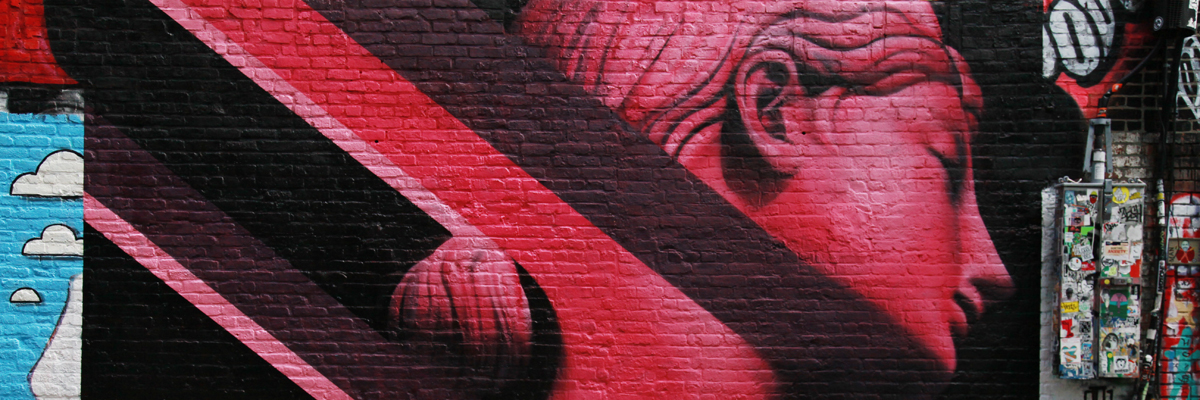
Graphic designer, video animator, illustrator, and artist Ingmar Järve also has done a fair share of illegal street art and legal walls at GUTFACE in the last few years – including participating in Estonia’s Rural Urban Art festival, which focuses on small towns there.
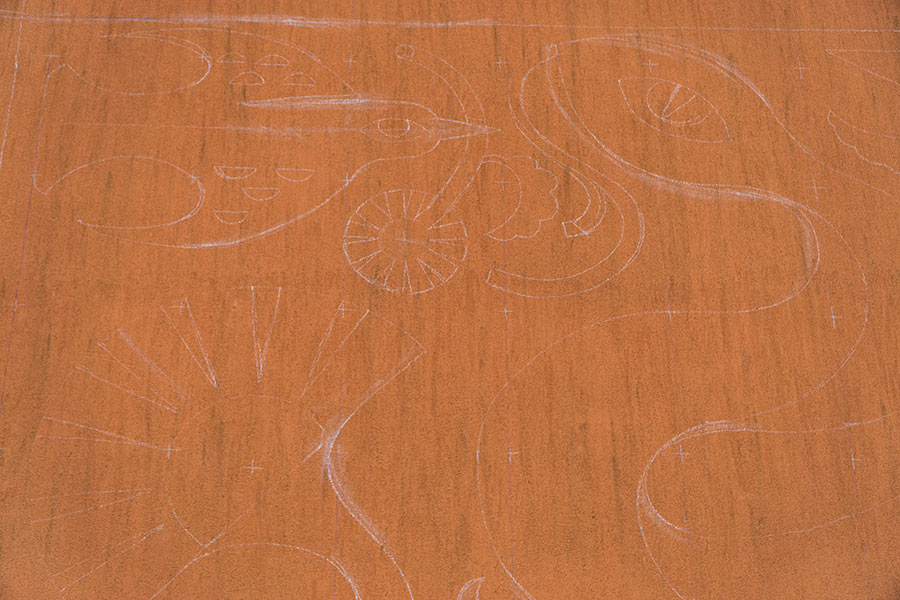
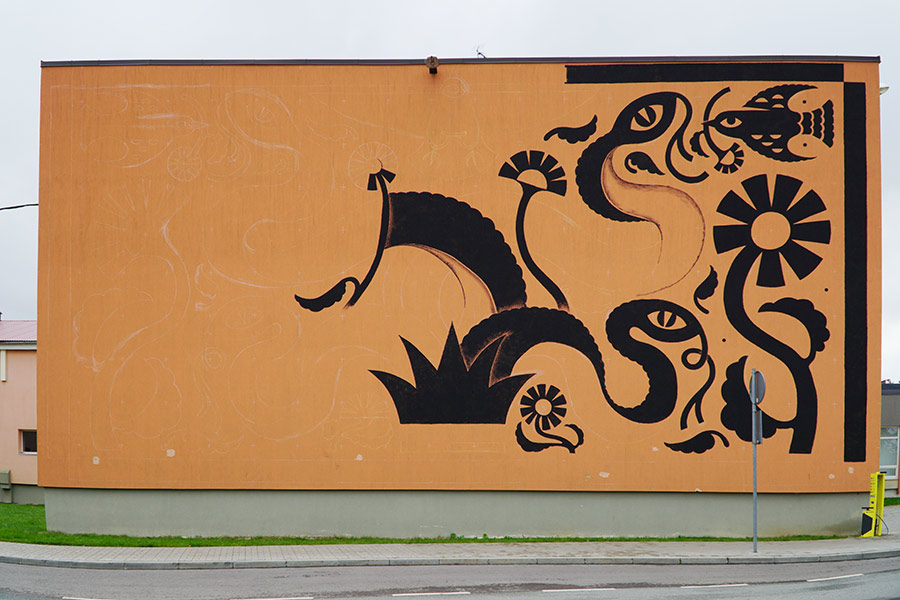
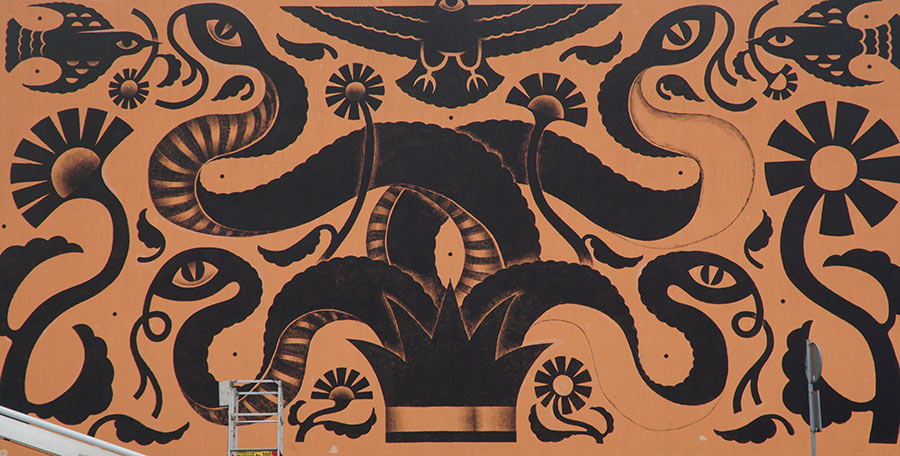
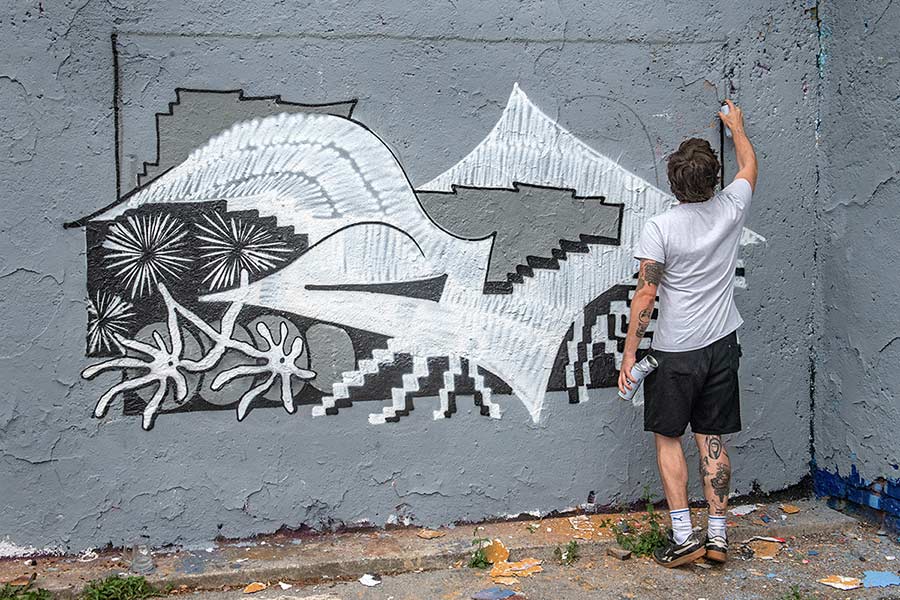
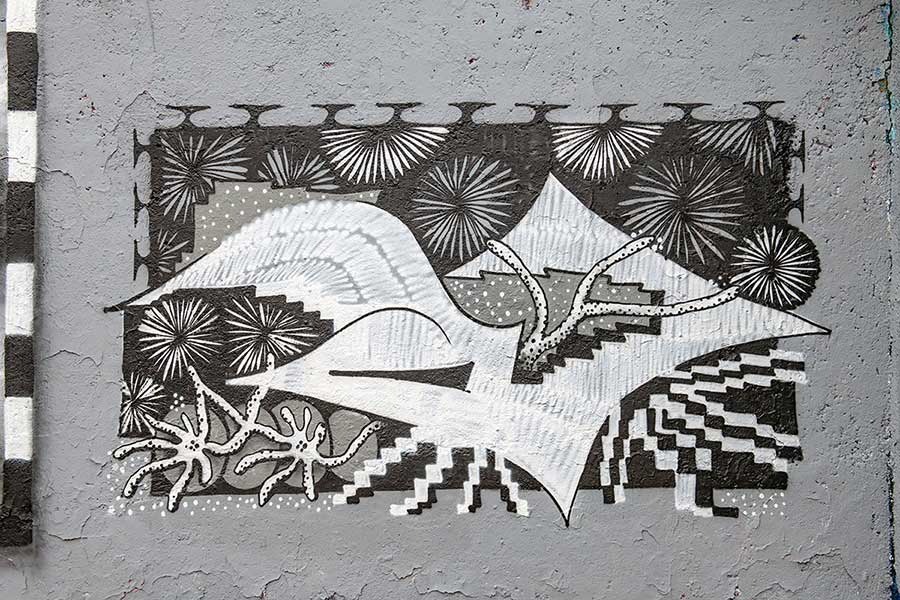
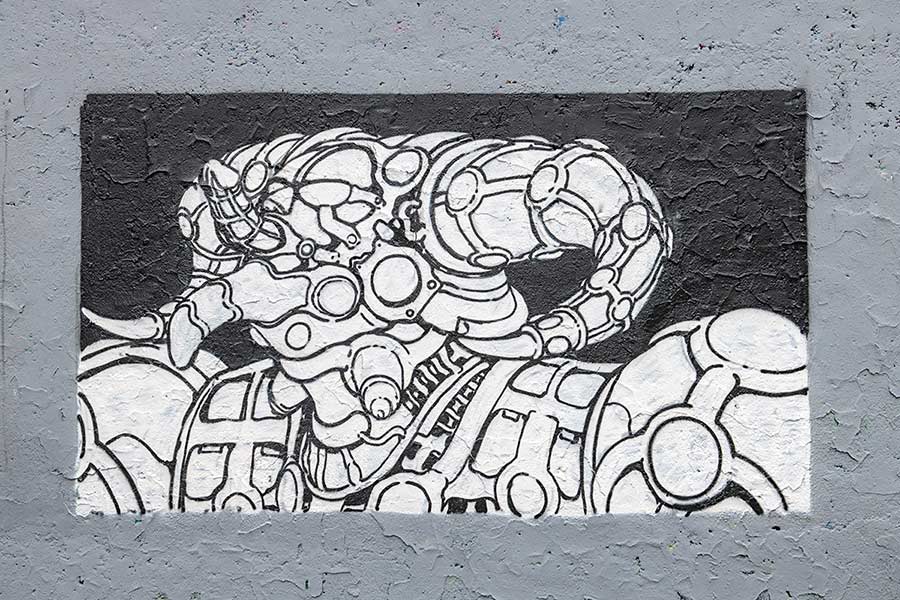
Last year he quit his job in advertising and went on his own away from Estonia’s capital of Tallinn on the Gulf of Finland to pursue a professional career solo in Tartu, a couple of hours southeast. Tartu is also where the Stencibility festival has run for a decade and the street art scene is more lively. He shows us this new mural he created for the local municipality of a small town in the north of Estonia called Kadrina.
“The artwork is inspired by an Estonian folklore character which I interpreted and illustrated,” he says, and you can tell he is proud of the clean lines and curving forms that refer to historical storytelling – as well as their similarity to current tattoo, skater and signage styles.
Our weekly focus on the moving image and art in the streets. And other oddities.
Now screening: 1. Thierry Mandon Living Outside
BSA Special Feature: Thierry Mandon Living Outside
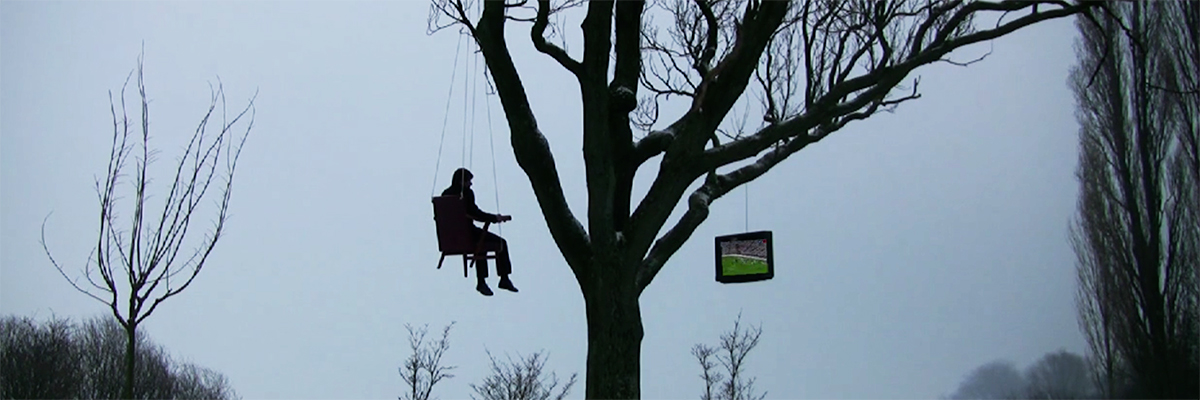
We dedicate this Friday’s edition of BSA Film Friday to French performance and conceptual artist Thierry Mandon. Mr. Mandon conveys his art through performances and installations by using himself as the subject of his compositions, his tableaus of unremarkable domesticity exposed publicly.
Video and photography open the door to the work with the rest of the world as only a handful of people are present while he dangles himself from abandoned buildings or performs an act of solitude openly on the streets. Day-to-day is elevated – the mundane activities of living reframed as sublime acts. Recontextualized, these ordinary moments spawn a feeling of performance, implicating you in the scene.
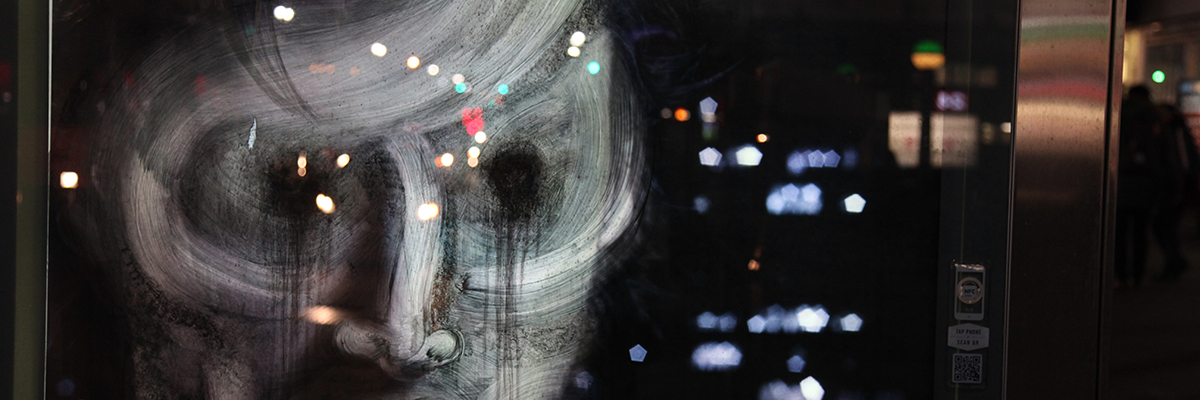
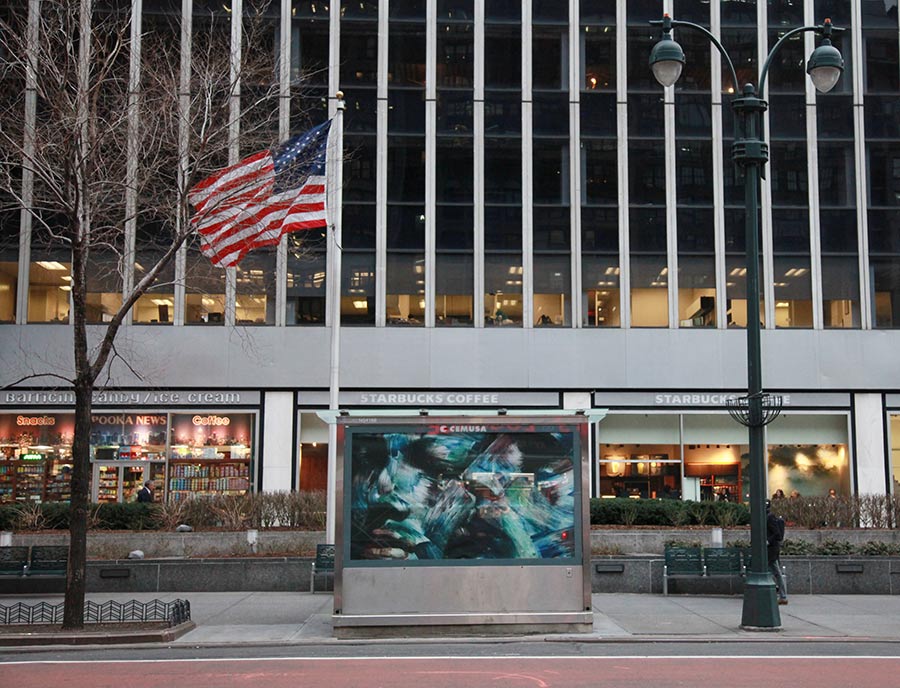
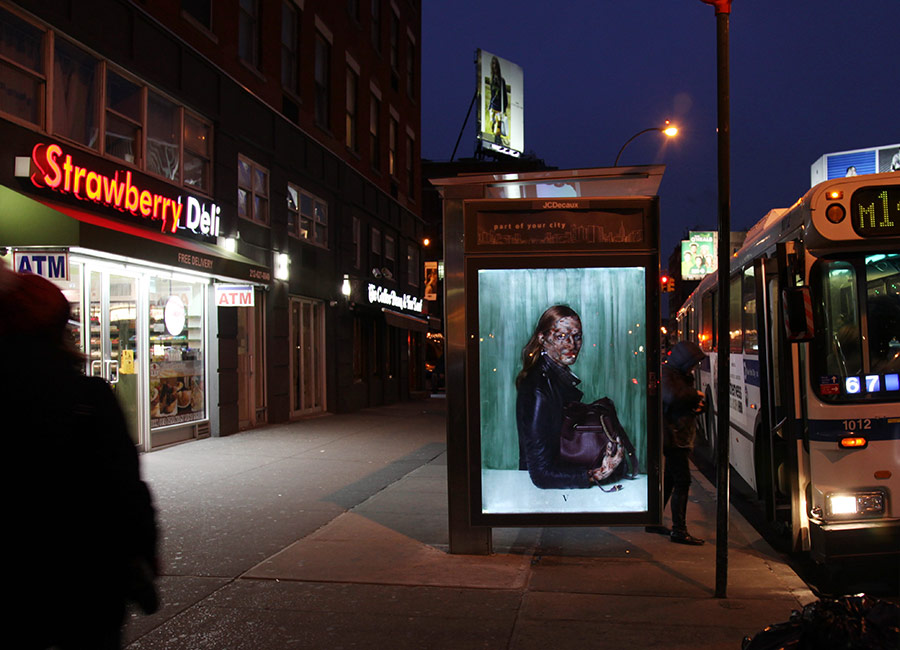
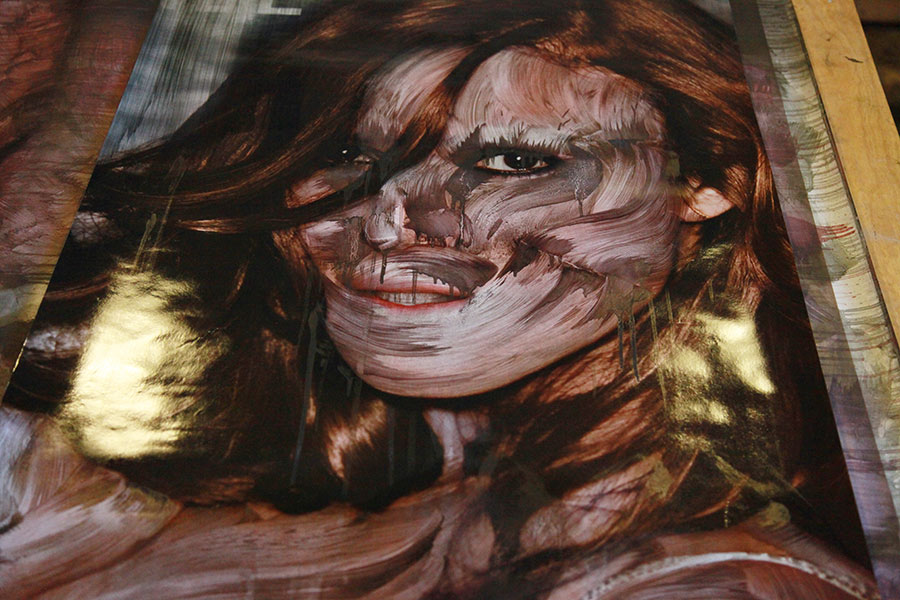
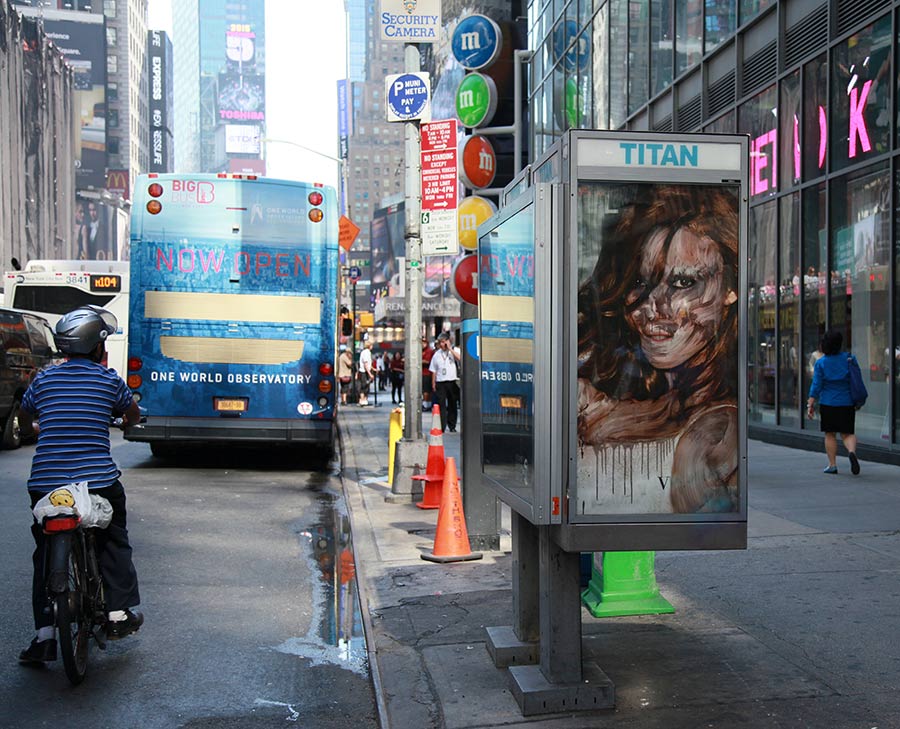
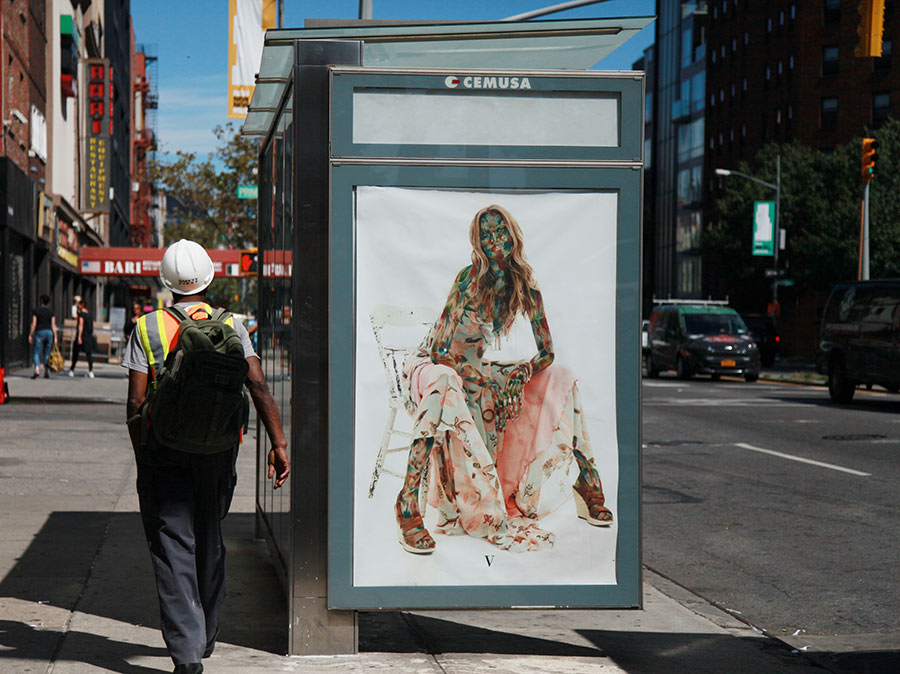
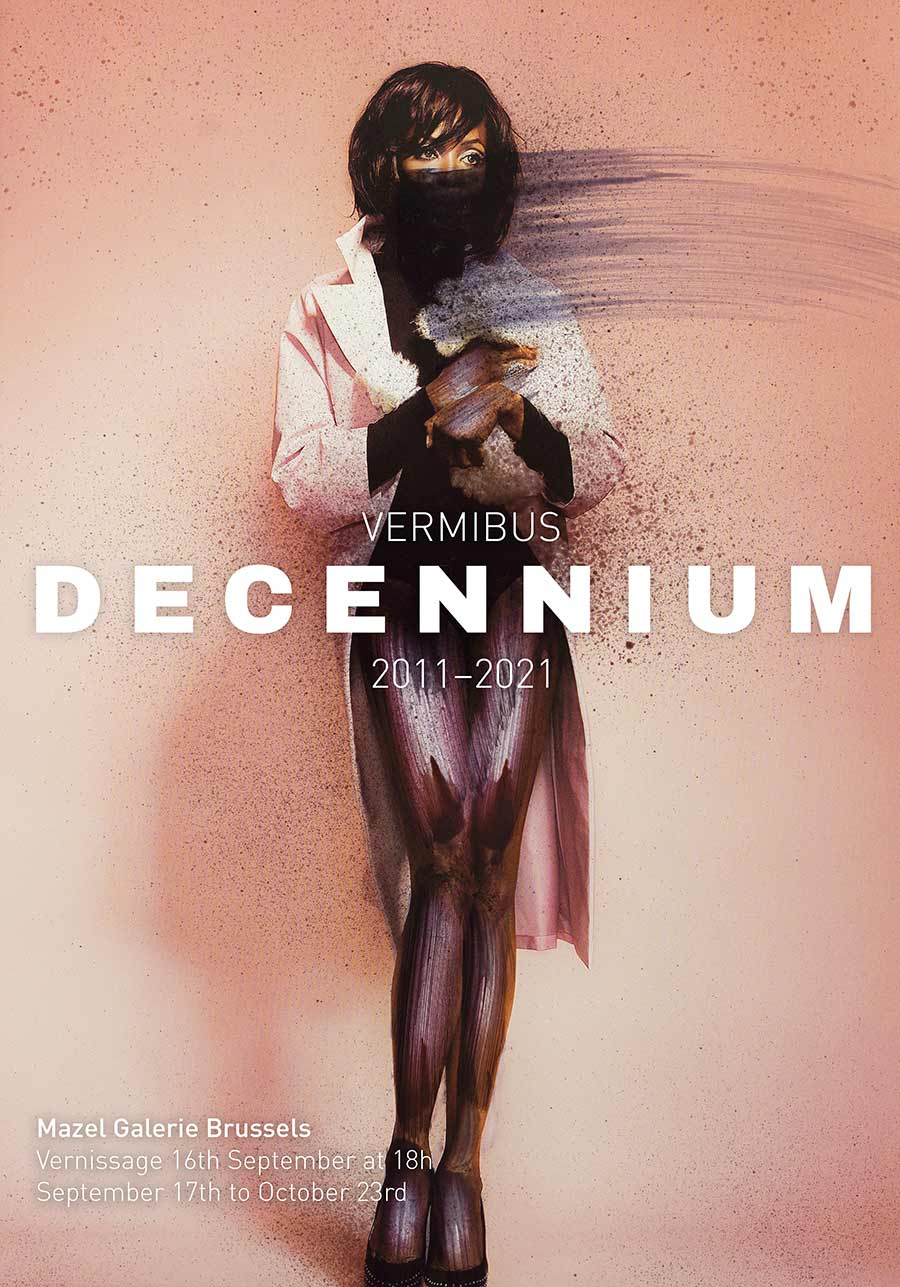
Vermibus, the Spanish street artist and activist based in Berlin is celebrating his 10th anniversary of adbusting on the streets of the world. We have previously written about his work on these pages here, here, here, and here, – and we have introduced his work to audiences during lectures and talks at festivals, classrooms, theaters, and museums.
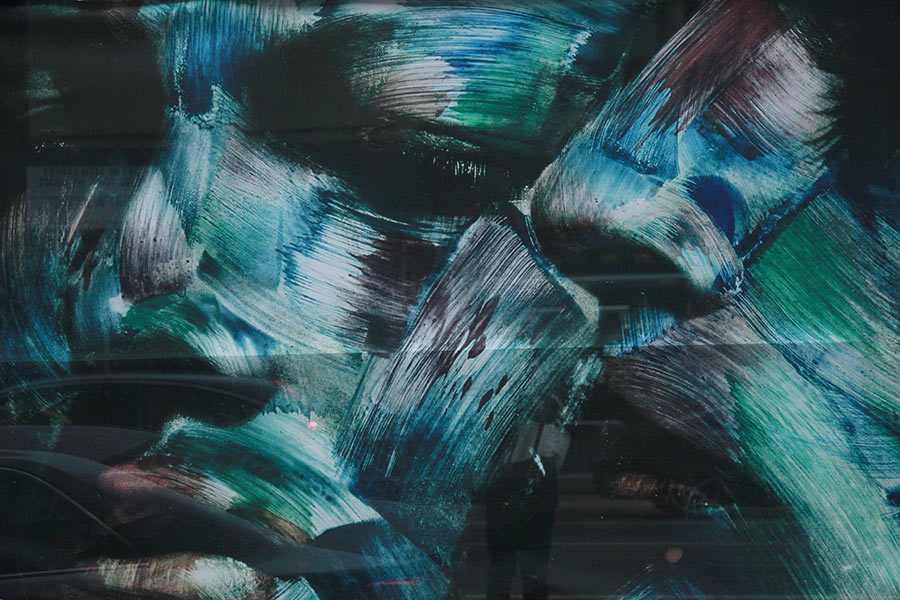
The power of his installation style is dual on streets; a back-lit critique of consumer culture/ beauty culture/ our luxury class system foisted on everyday people – as well as a hearty aesthetic trolling through the world of classical beauty and its shadows that hide the grotesque.
As long as we’re feeling nostalgic, we culled some photos from our archives to share with you from his visits to NYC in February of 2016 and in September of 2015.
“Although this is the conceptual framework in which the artist has developed his work in the last 10 years, the interpretation of his work goes far beyond his counter-advertising militarism. Other fundamental aspects can be found in his work, such as his reflection on ownership, use of public space, appropriation, and re-interpretation of photography, a profound development of his personal technique or field study he makes while choosing locations, where to install his paintings, are essential for a full understanding of his work.
With his current exhibition ‘DECENNIUM’ the artist is bringing focus on this last aspect, and how the perception of his work changes in one space or another. Exploring how the context that holds his work has a direct relationship in how his message is understood, questioning whether it acquires or loses meaning exposed in one place or another.”
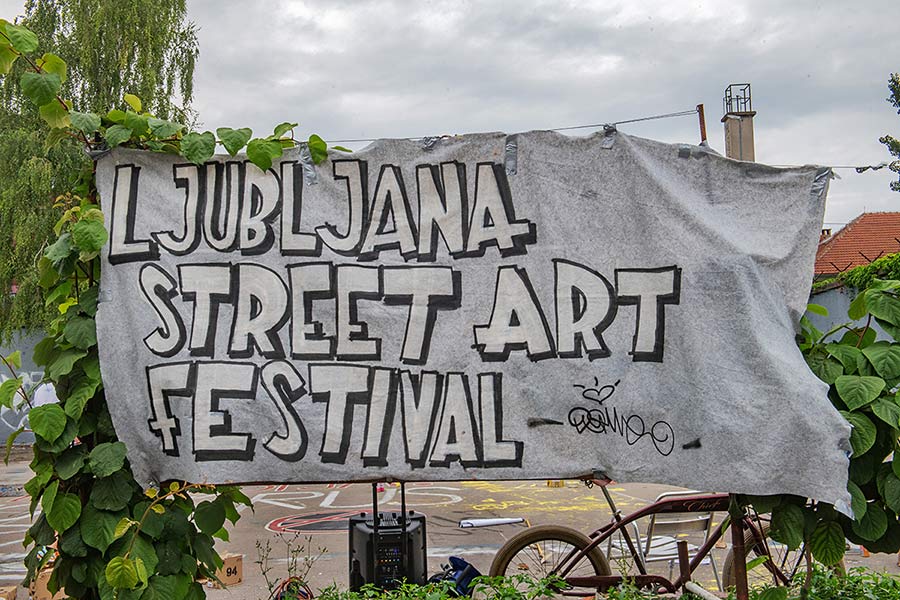
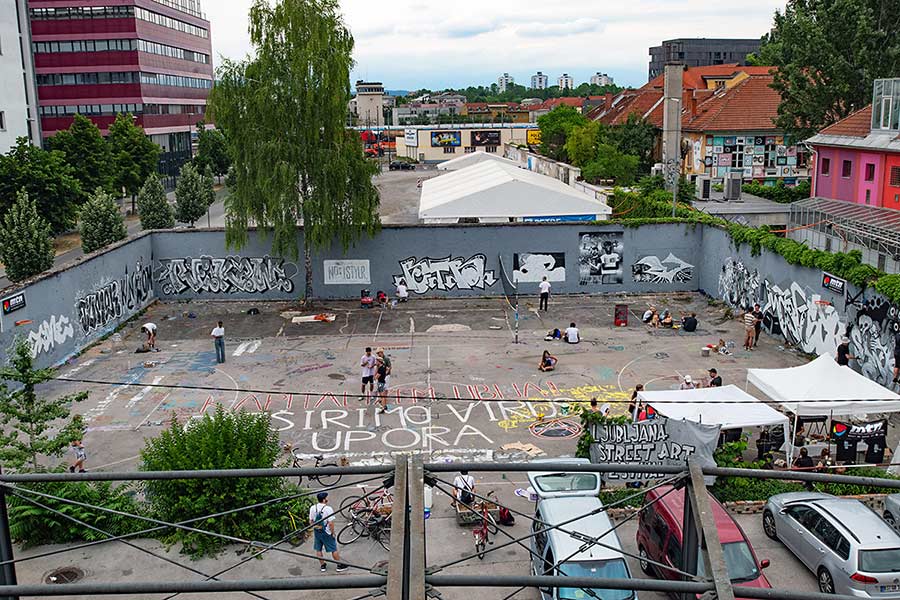
The Ljubljana Street Art Festival 2021 took place as a cultural festival this year in the capital of Slovenia with painting, lectures, panels, special events, and guests like street artists Escif, public installation artist Epos 257, cultural instigator/commentator Good Guy Boris, and global graffiti/street art documentarian and photographer since the 1970s, Martha Cooper.
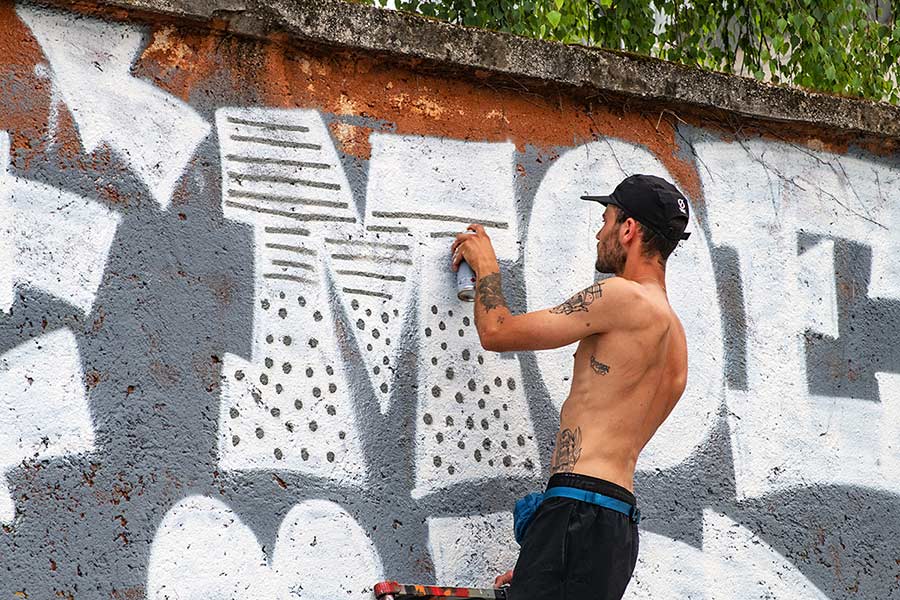
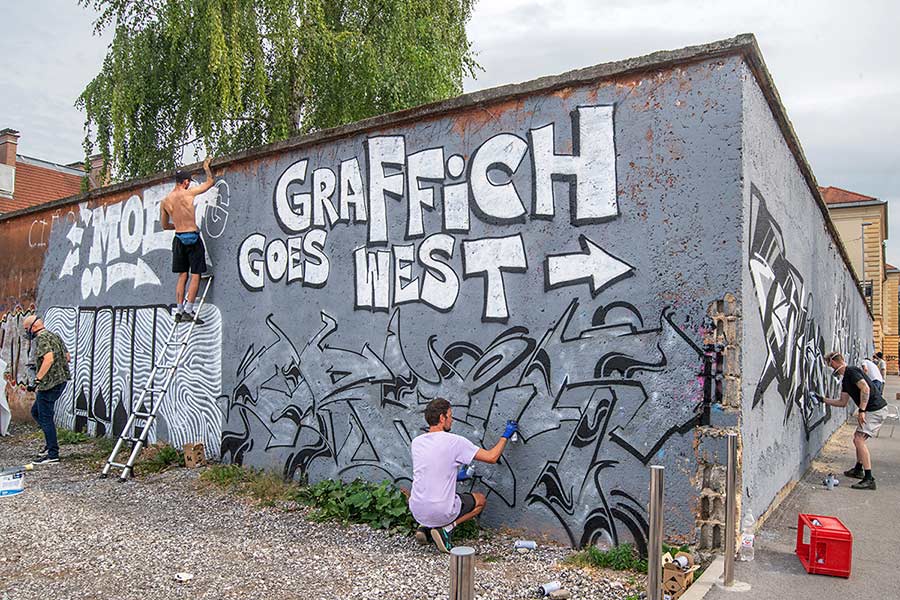
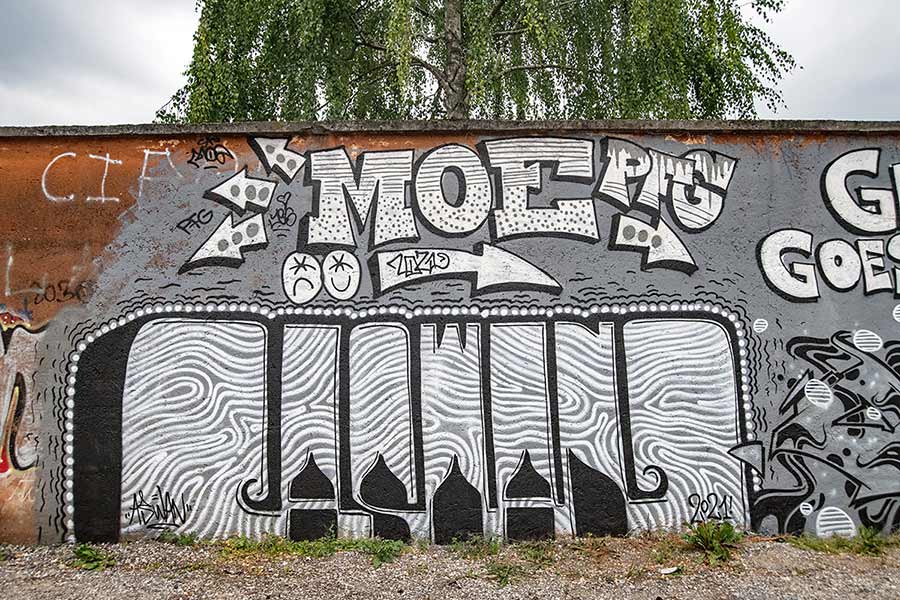
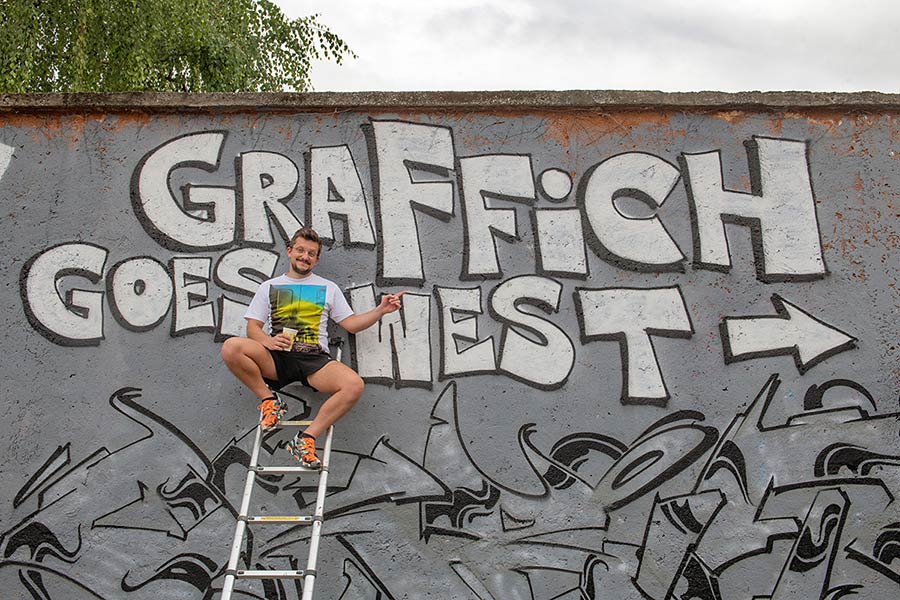
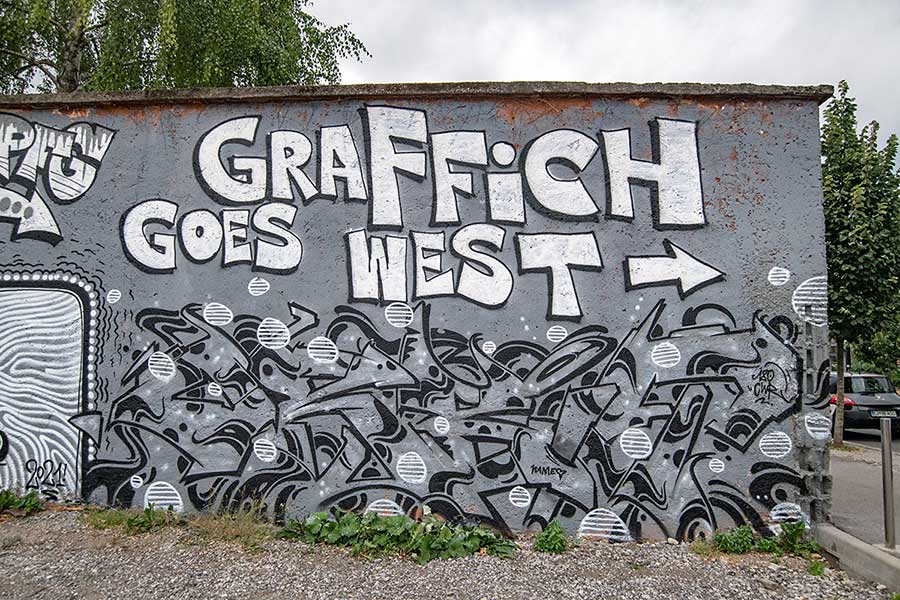
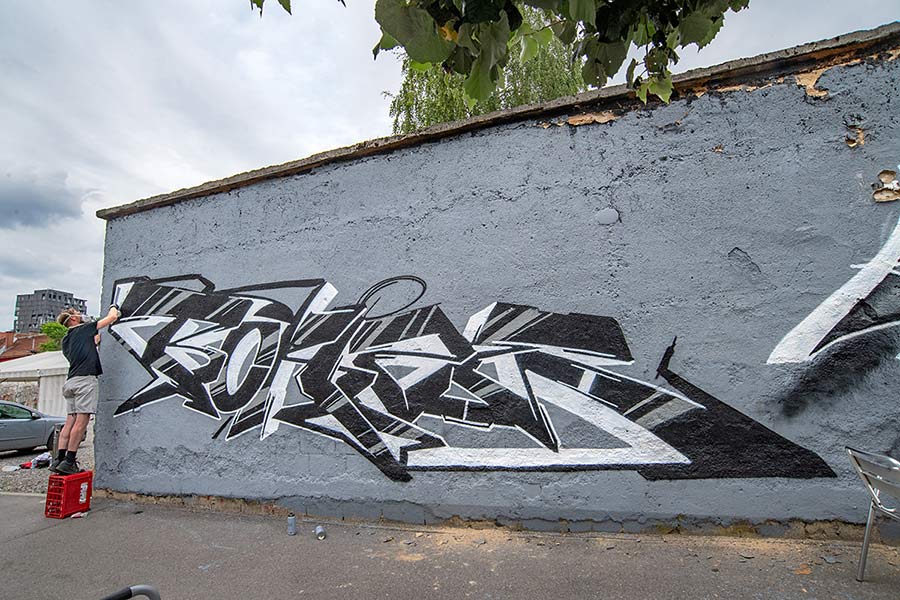
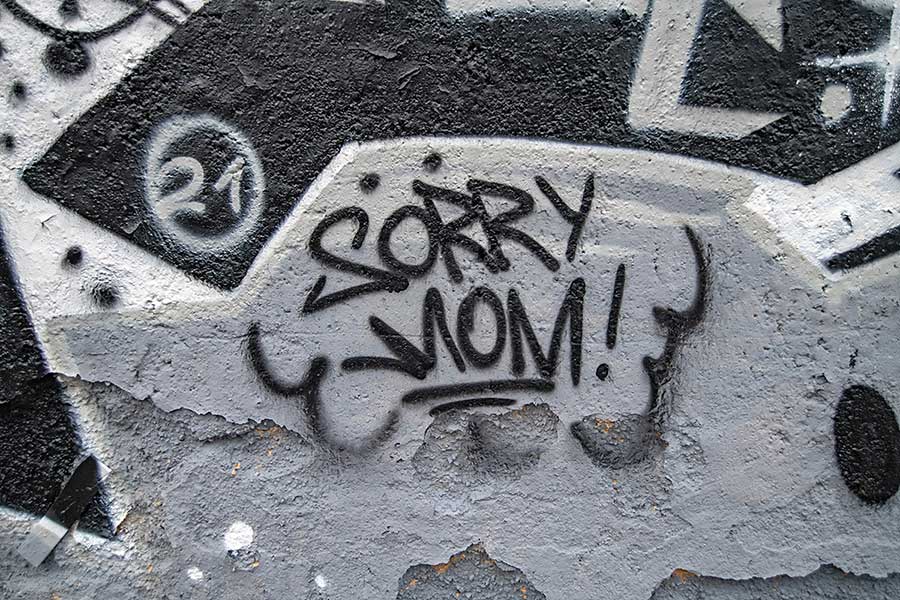
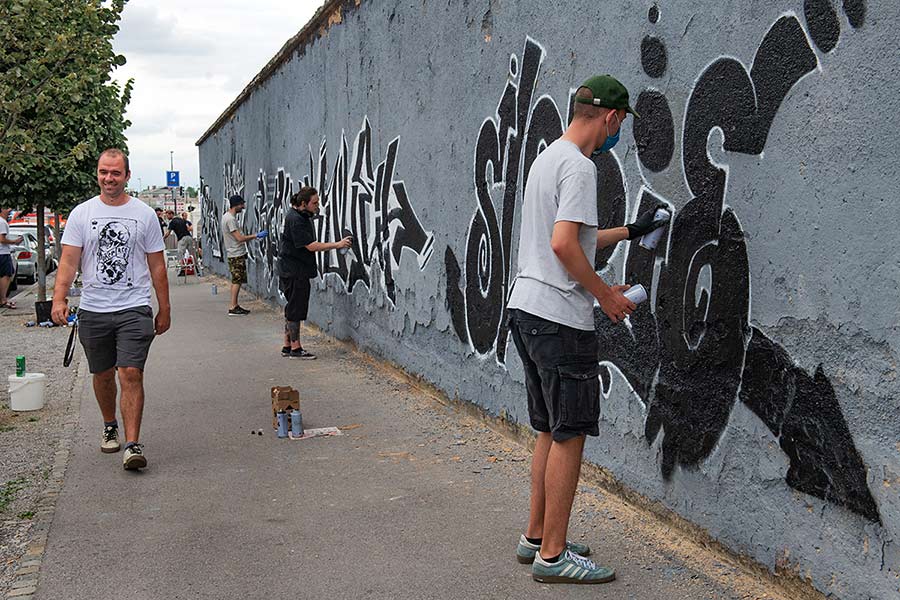
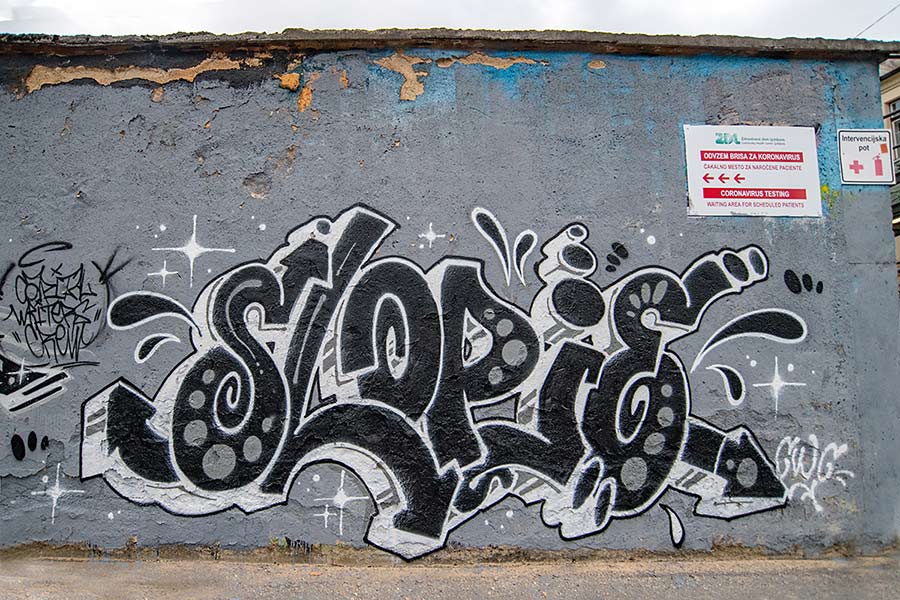
A unique event during this year’s festival included graffiti and street artists of various hand styles and influences crushing walls in monochrome. “The Left Over Graffiti Jam will give a chance to empty the leftover spray cans and hand the walls over to new generations to add to the layers of paint and subculture,” said the program’s description.
Based on the format of a graffiti jam, artists were invited to a series of walls to create while friends and fans set up impromptu picnics, parties, and took photos. The primary link between them all was their limited paint palette of whites, greys, and black paint that was allegedly “left over”. A historic place for many, this time the Hall of Fame was largely given over to new artists, aspiring writers, the new kids on the block. Whether it is still appropriately called a subculture or just “culture”, there is no doubt that the scene thrives on fresh blood and fresh paint.
The result brought more direct comparisons between styles and mastery – enabled by forcing artists to basically use the same materials for public expression. As an audience, you get a true sense of the writer’s personal style and poles of gravitational pull.
Luckily for us, Ms. Cooper shares her exclusive photos of the event here with BSA readers, while we speak with Sandi Abram, a co-founder of the festival with Anja Zver and Miha Erjavec.
A scholar and historian, Mr. Abram also gives us some context of graffiti here in the Balkans and helps us to position the significance of this festival.
BSA: Is there a history of the practice of graffiti and street art in Slovenia and specifically in Ljubljana? Or is it relatively new?
Sandi Abram: In Ljubljana, graffiti have a long history, beginning with World War II. During World War II, the territory of present-day Slovenia was occupied by German, Italian and Hungarian troops. The occupation of Ljubljana dates back to April 1941. The city was divided between Germany and Italy with barbed wire, roadblocks, military bunkers, machine gun nests and minefields.
In response to these events, the Liberation Front was formed. From 1942 to 1945, graffiti was used by individuals, various organizations and authorities as means of expression and as a reflection of socio-political events.
Soon after the occupation of Ljubljana, the so-called resistance graffiti by activists of the Liberation Front appeared on the walls. The first mass graffiti appeared in the shape of the letter V, short for “victory”, as a message to the occupiers that they would be defeated. Other symbols included the acronym for the Liberation Front (“OF”) or the stylized Triglav mountain (Slovenia’s highest mountain). The activists used numerous techniques to leave their mark on the occupied city, such as paste-ups, sgraffito, acid on shop windows, stencils, etc. I refer to these forms of expression as street art before street art; the techniques and strategies were a creative way to confront hegemony, a weapon of the weak, if I use the expression of anthropologist James C. Scott.
From this period, we also know of the so-called collaborator’s graffiti in the form of posters of Mussolini and the Italian king, leaflets also appeared on the streets occasionally. A particularly famous symbol of collaboration was the black hand with which the secret military units confronted the Liberation Army activists.
After the liberation of Ljubljana, post-war graffiti glorified leaders (e.g. Tito, Kardelj, Stalin) and the army (e.g., “Long live the Liberation Army!”). The symbols of communism (sickle and hammer) and praise for the Soviet Union (USSR) as representatives of the revolution and military allies were very common.
Graffiti as a predominantly leftist medium reappeared in socialist Ljubljana in the early 1980s as part of the punk movement, alternative subcultures, and sub political groups. This was also the time of coexistence between political graffiti and more sophisticated subcultural graffiti. On the one hand, punks sprayed “Johnny Rotten Square” to reappropriate space. On the other hand, fine arts students used graffiti as an alternative medium to paint canvases and the interior walls of underground cultural venues.
Finally, after a group of activists and independent artists occupied the former barracks of the Yugoslav People’s Army, today known as Metelkova, in the early 1990s, the first public and legal wall slowly emerged as a field of experimentation for new generations of budding writers. Today, the Metelkova City Autonomous Cultural Zone represents a cultural, artistic, social and intellectual hub where one also finds the Hall of Fame.
In the early 1990s, local artists incorporating the medium of graffiti started to emerge, an example being Strip Core. In more recent history, graffiti crews have left an important mark in the local public space, including ZEK Crew, Egotrip, 1107 Klan, Animals, and writers such as Vixen, Whem, Lo Milo, Rone84, and Planet Rick. Contemporary street artists who emerged from this scene include names like Danilo Milovanović, The Miha Artnak, Nataša Berk, Veli & Amos, Evgen Čopi Gorišek, Sad1.
BSA: We have talked previously about how your festival focuses on content, not on bringing in a dozen big-name artists just for the sake of having big names on your line-up. Why is this important to you?
Sandi Abram: Through LJSAF, we bring together international and local artists and scholars. The Programme Committee, which included me, Anja Zver, and Miha Erjavec, designed the festival events to encourage visitors to read the streets and participate in various activities.
For instance, the mission of the alternative tours and the street art conference is to interpret heterogeneous urban spaces, to explain the actors in the public space, the artistic and creative inspirations, the social struggles, to recognize and decipher ideologies of intolerance. So it is not only about producing the “text” (a mural as a thing-in-itself) but also sensitizing the public about the “context” of street art, i.e. the micro-location in the urban space. It is hard to understand a city if you do not “read” the screams on the walls – already the philosopher and sociologist Henri Lefebvre said that graffiti best illustrates the contradictions of contemporary society. They point out what is tolerated, what disappears.
Content co-creation is another important dimension of LJSAF. The festival events not only showcase young, emerging generations of street artists and scholars, they also provide a space, a productive crossroads for them to meet and collaborate. And for us, that is exactly the purpose of the festival’s art residencies, exhibitions, and graffiti jams. In short, street art is not only about big names, but a broad stream of unknown and underground creative minds joining forces.
“The festival events not only showcase young, emerging generations of street artists and scholars, they also provide a space, a productive crossroads for them to meet and collaborate.”
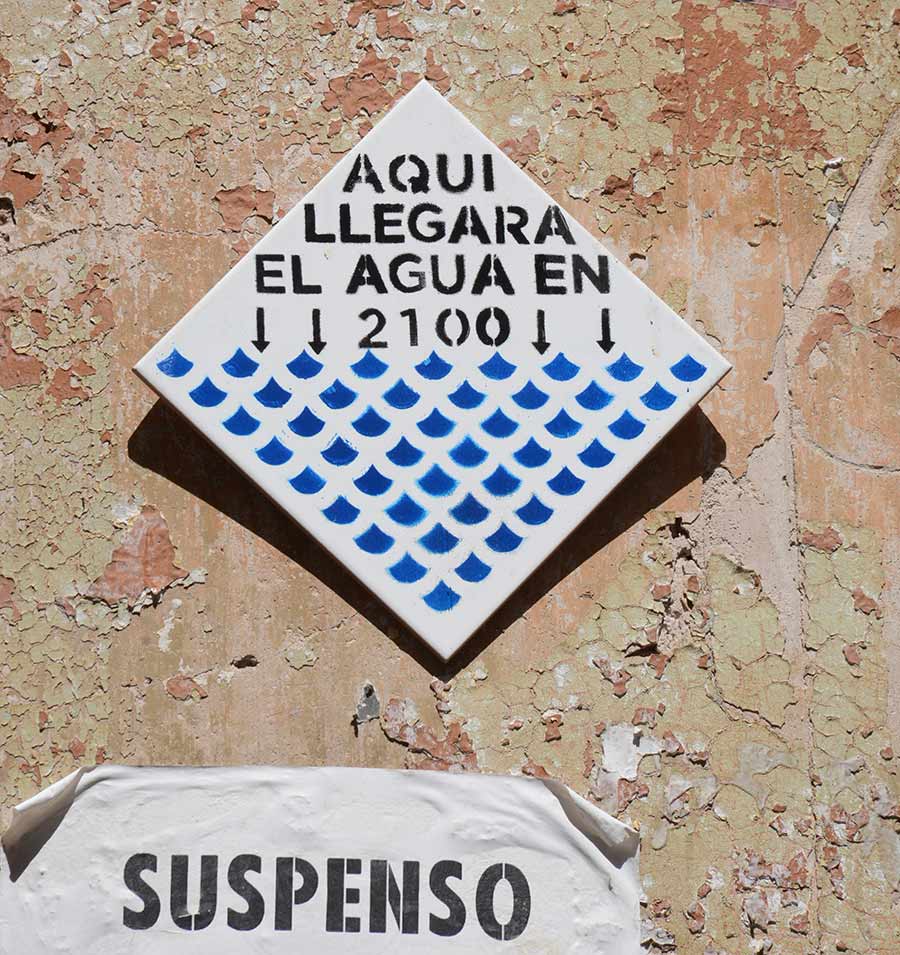
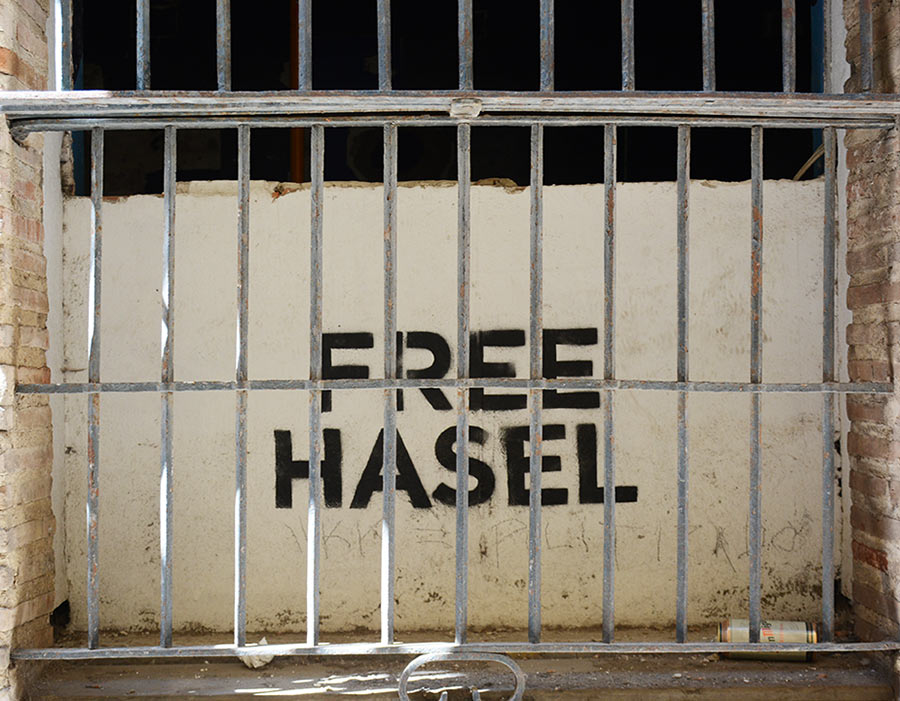
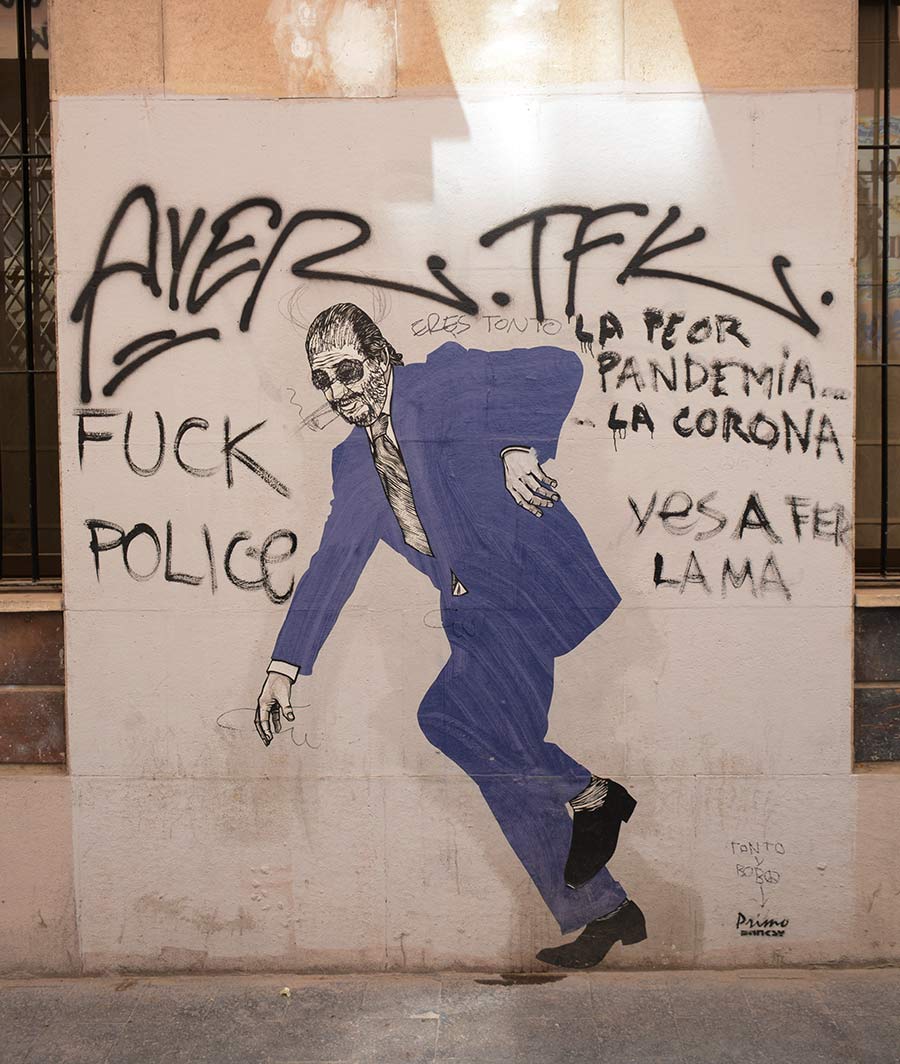
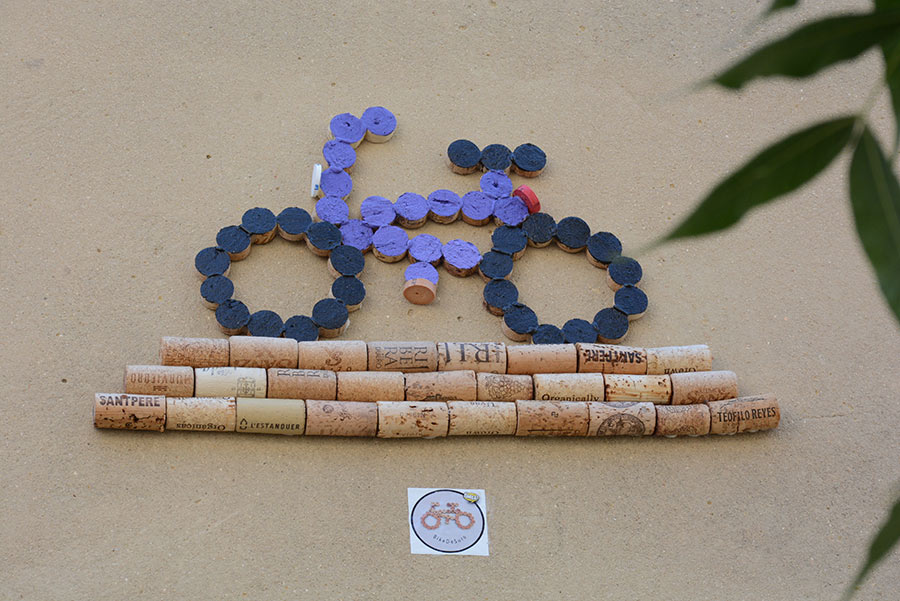
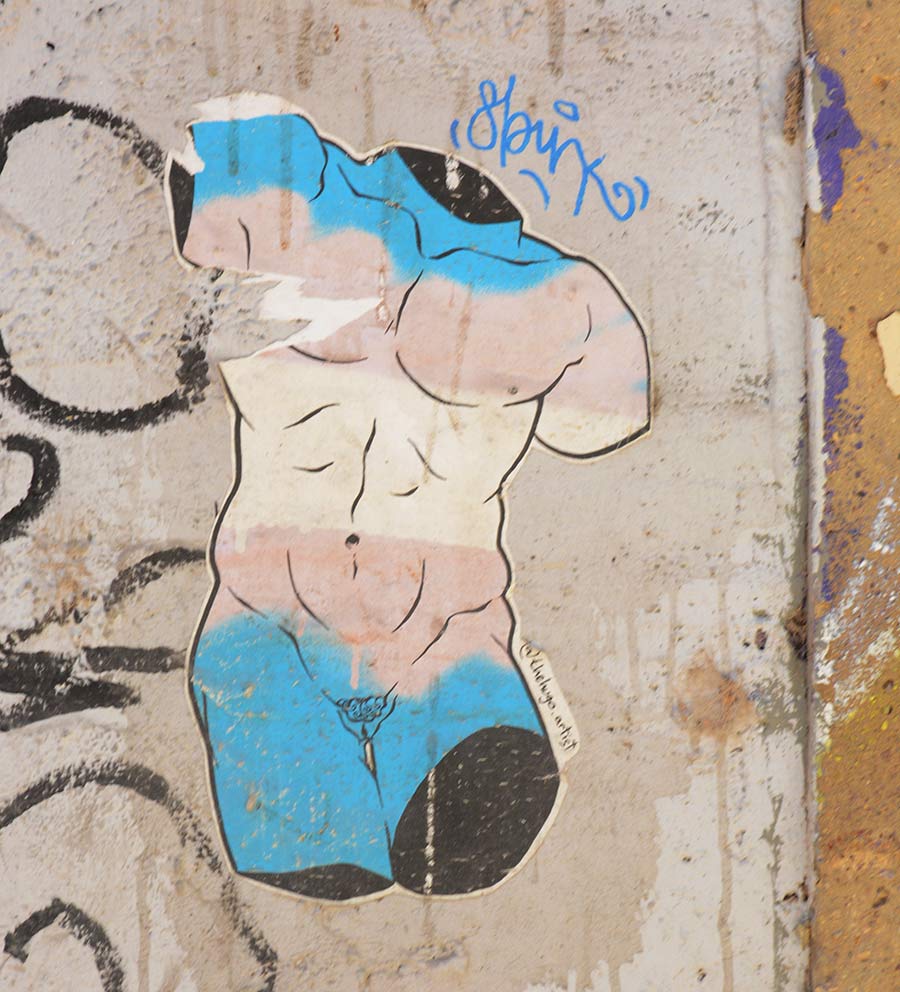
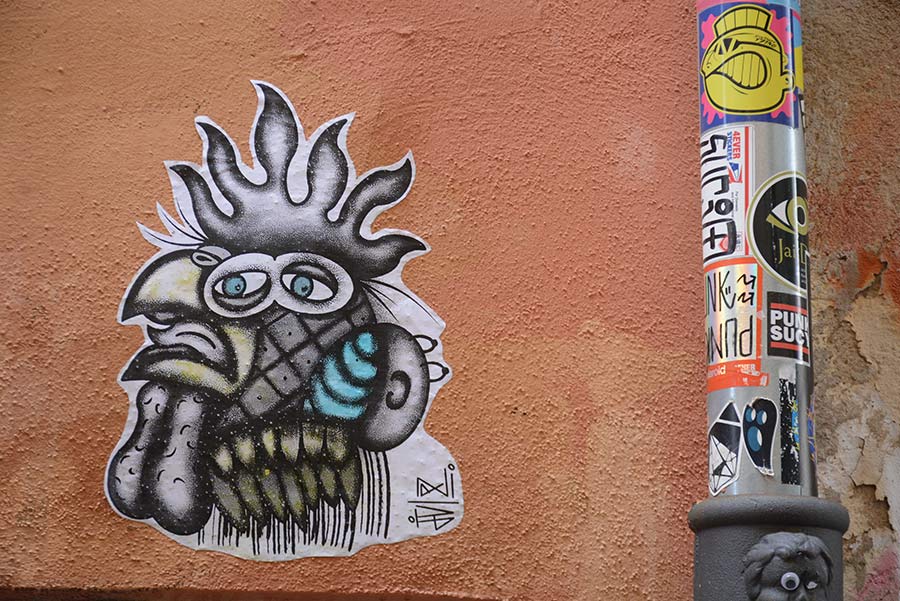
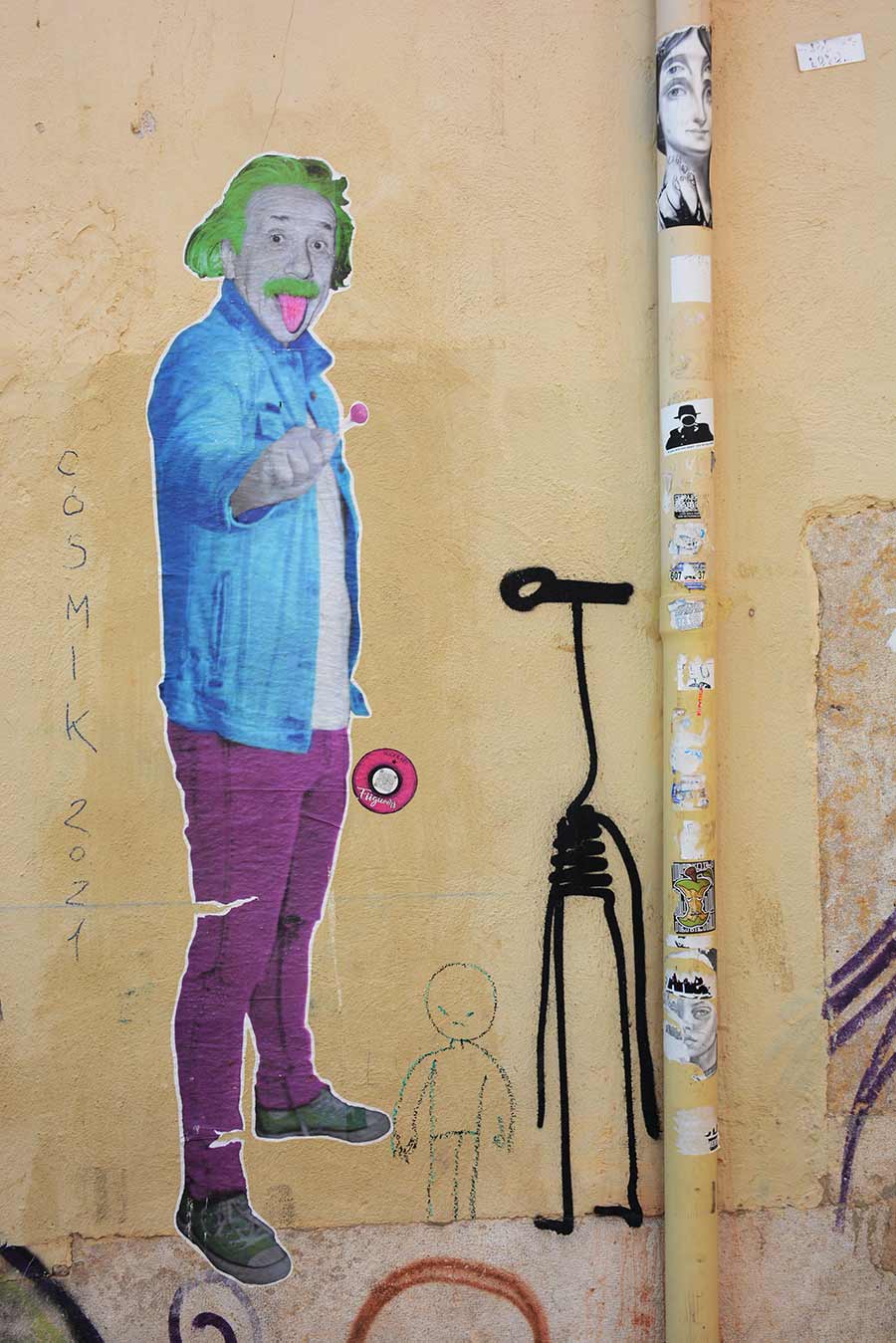
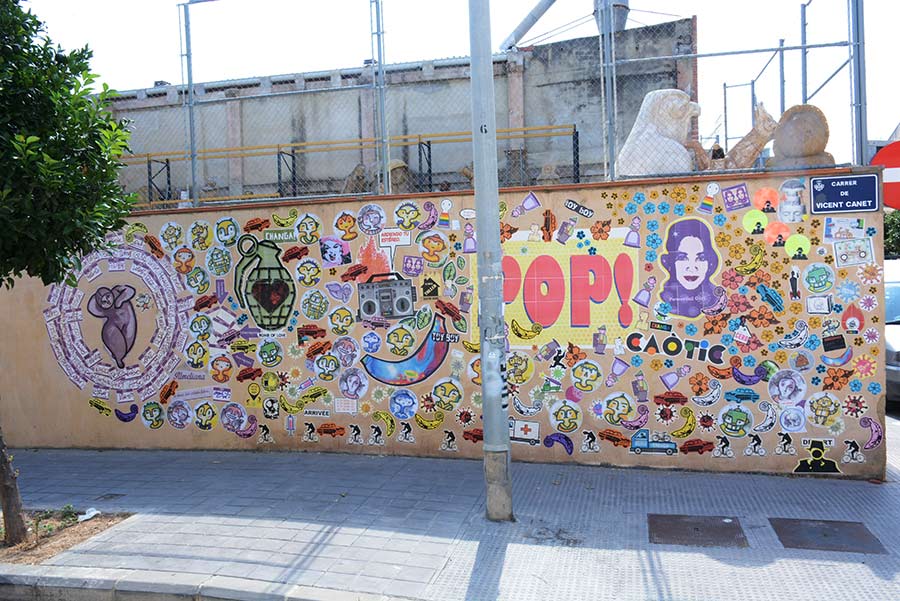
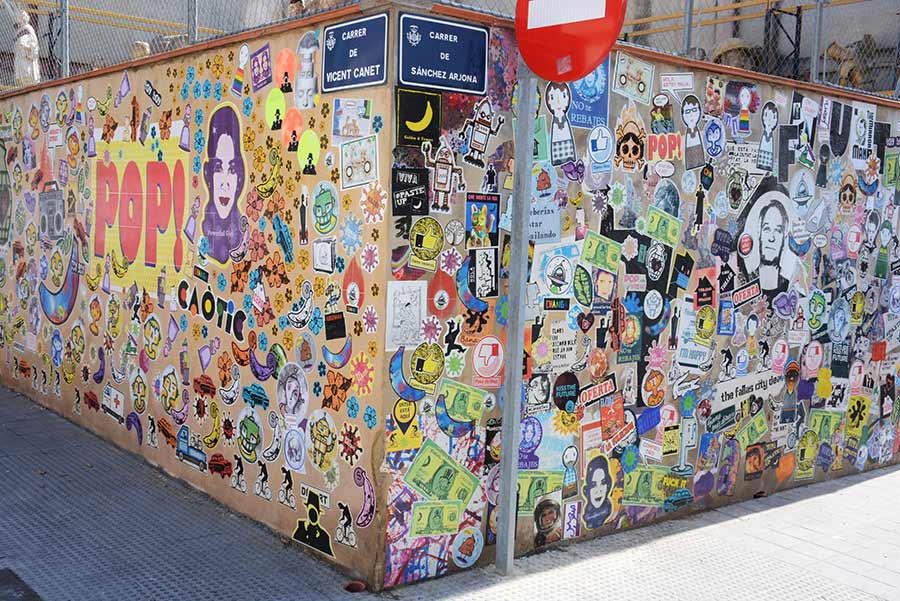
Stencils, wheat-pastes, and fevered texts by hand – they all are speaking to you in Valencia. Here in Spain, the pandemic has canceled Pamplona’s bull-running festival and Seville’s Holy Week procession. This month Valencia’s Fallas festival was held in the strictest of rules.
Thank God we all still have graffiti and street art! This week we have BSA contributing photographer Lluis Olive Bulbena sharing a few late summer beauties from his short trip to Valencia.
A Land Art Installation Dedicated to the Dichotomous Power of Water.
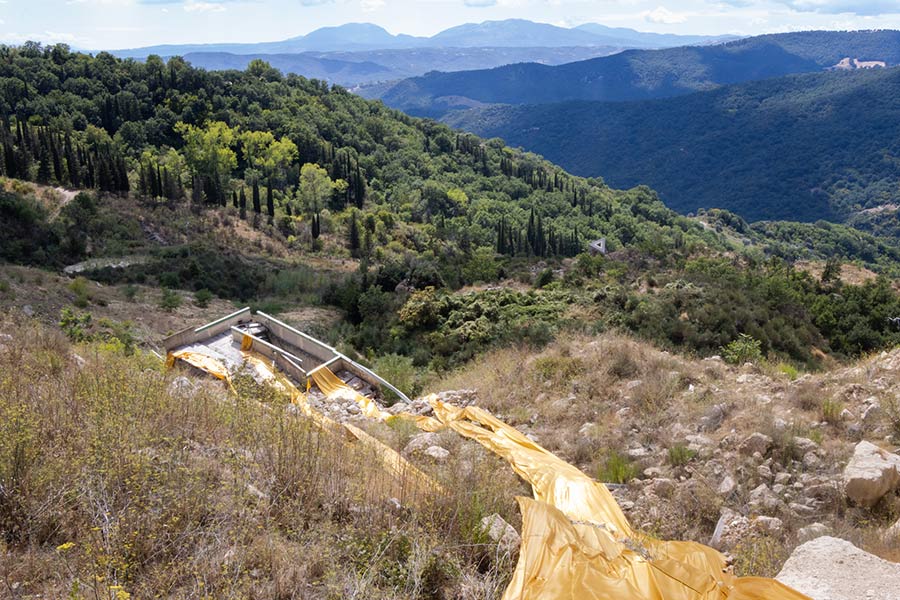
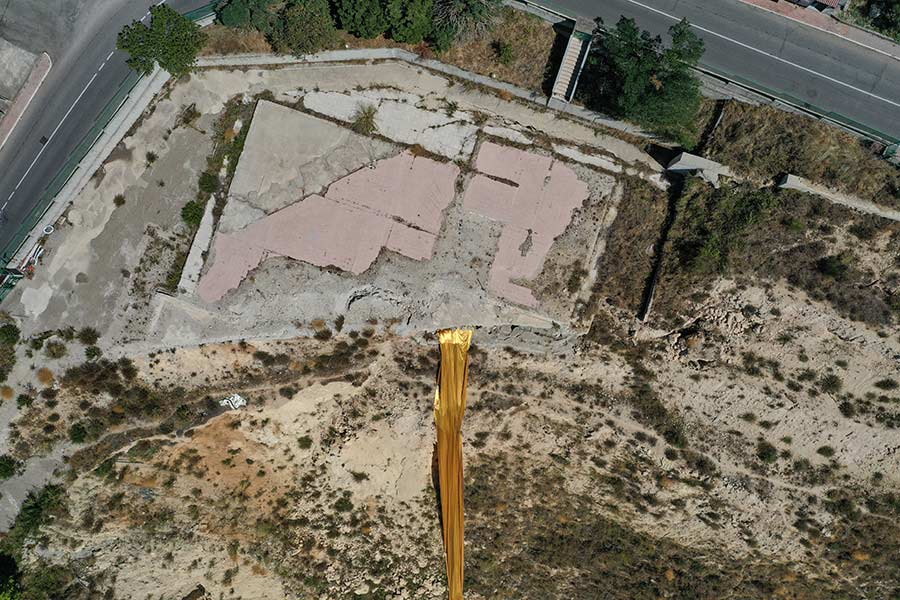
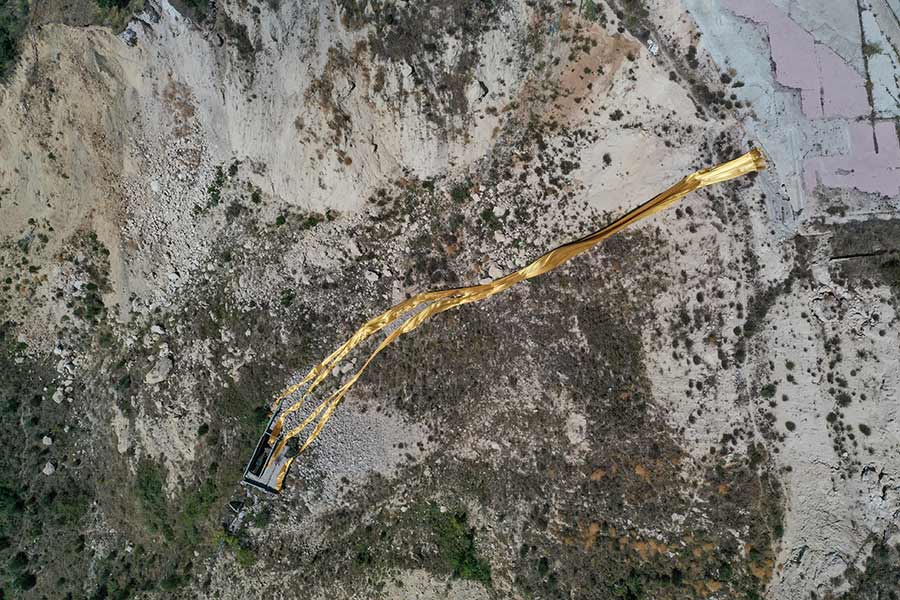
Here in Stigliano, Italy, the area and the people have been seriously impacted, often in negative ways, by several landslides over the last 50 years – including the second largest canyon landslide in Europe in 2014. Events like these can cause casualties, heartbreak, property damage, and severe economic loss.
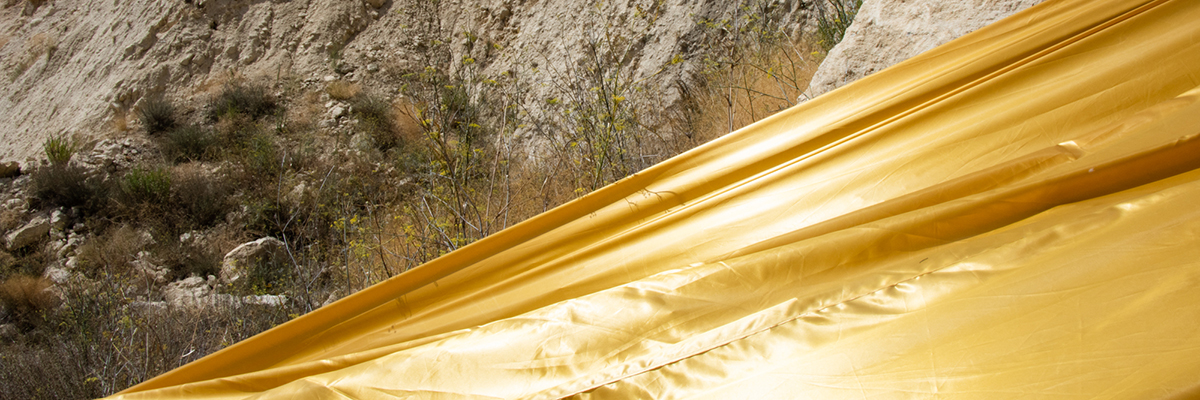
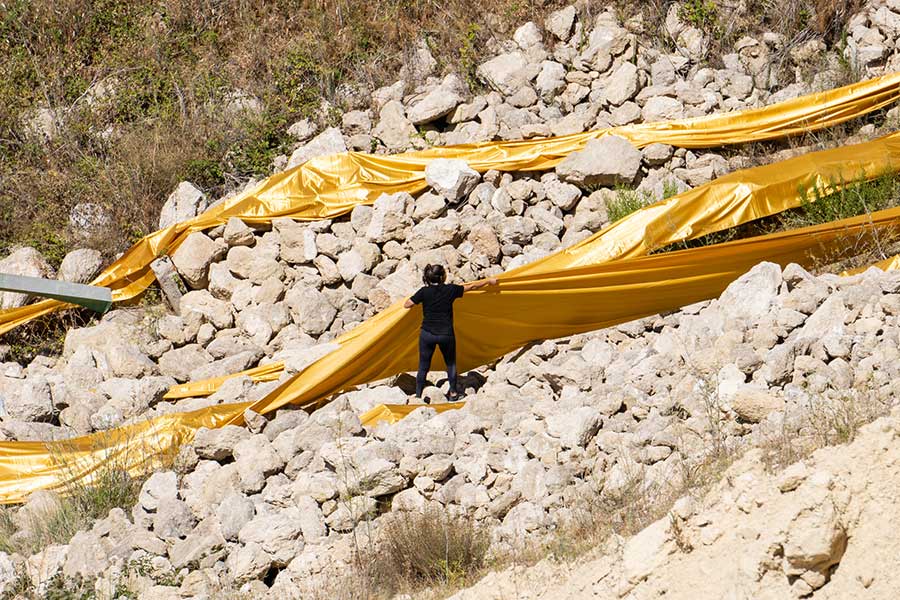
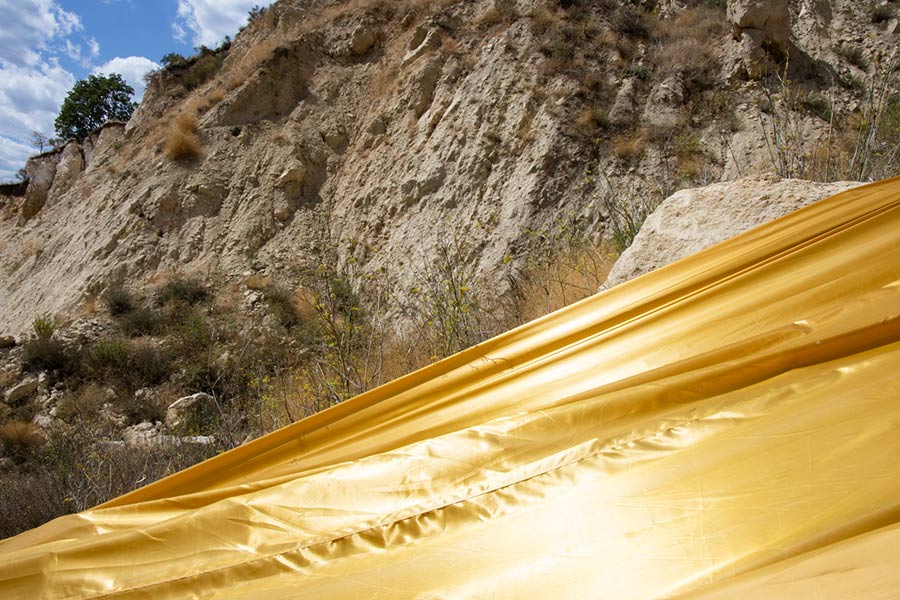
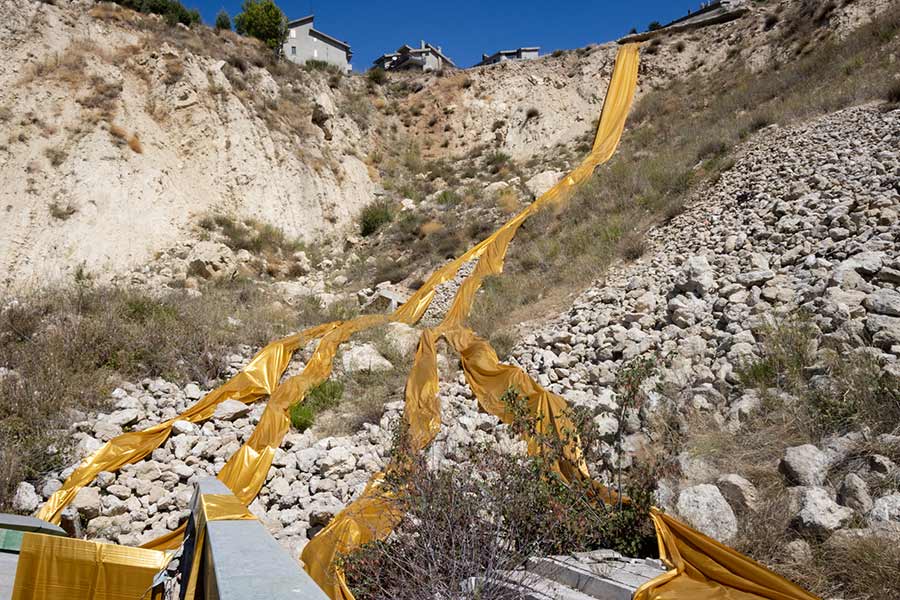
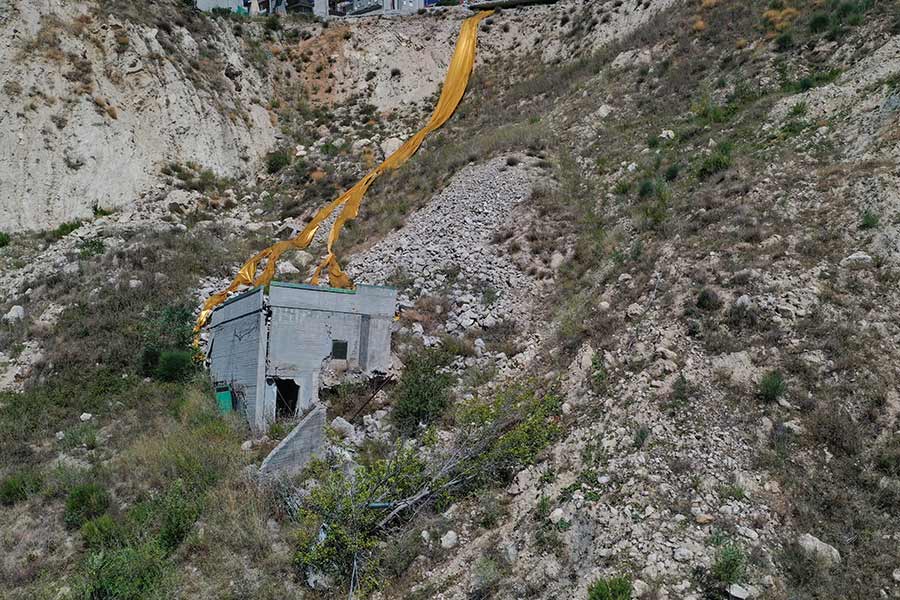
A new golden installation by street artist/land artist Gola Hundun studies the natural flow and recreates it – drawing attention to the role of water, rains, and the hand of man diverting and distorting natural systems.
As is common for Hundun’s artworks and installations, this one looks at the relationship of conflict between humans and the planet – as well as the dichotomy of water; giving us life and being an enormous destructive force at the same time.
Hundun tells us that this new work attempts to reconcile the life-giving and the life-destroying qualities of water. Referring to a Japanese tradition called Kintsugi, he says, this work “sublimates the fracture and highlights the element of reconciliation.”
“Kintsugi consists of 480 square meters of golden satin, sewn by the seamstresses of Stigliano following the artist’s instructions, which recall the shape of a stream of a river that stands out inside the canyon and creeps up to the ruins of the architectural structure most affected by the landslide, emblem of the hand of man forcibly inserted into the natural context.”
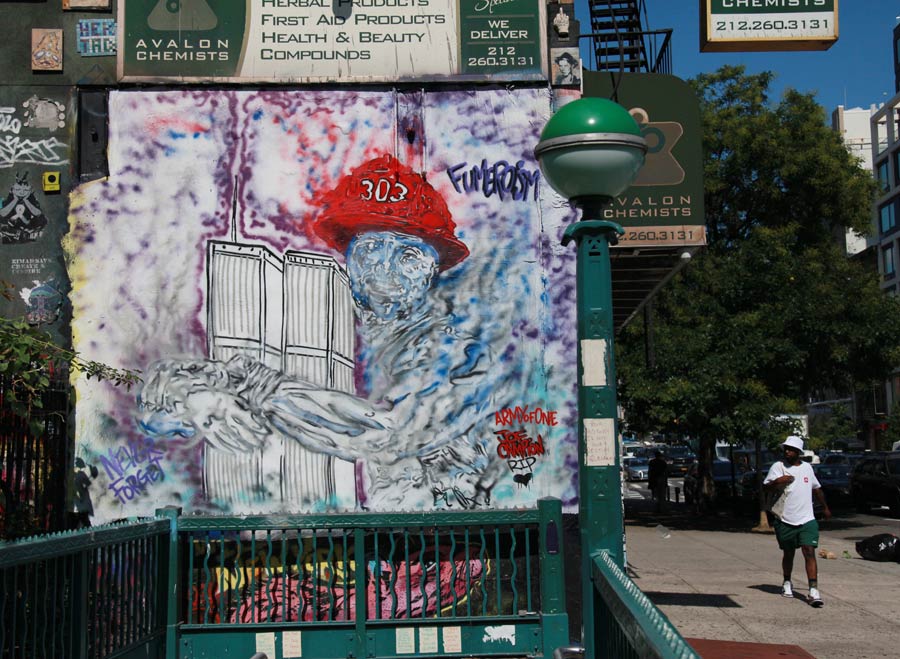
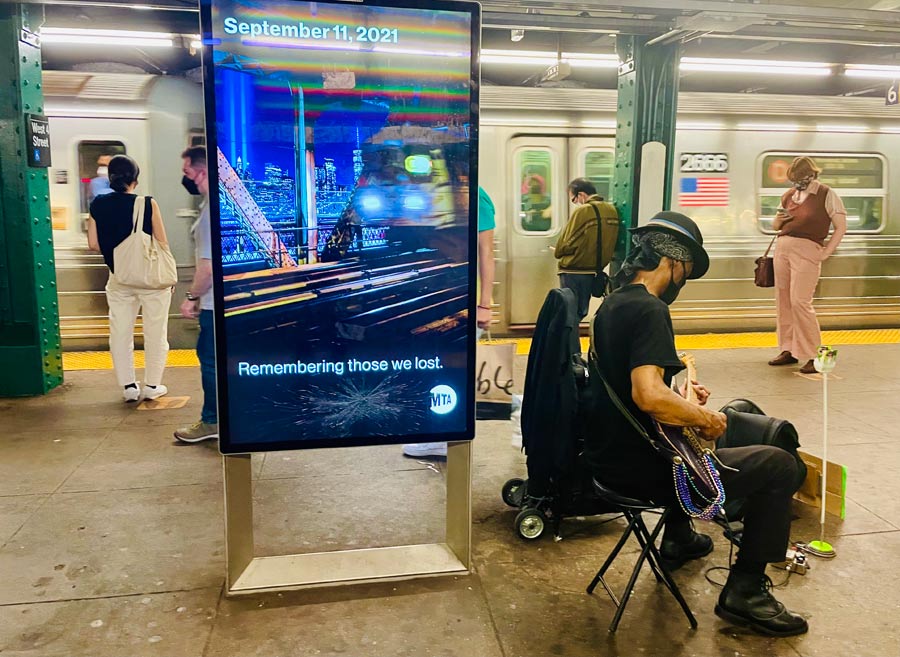
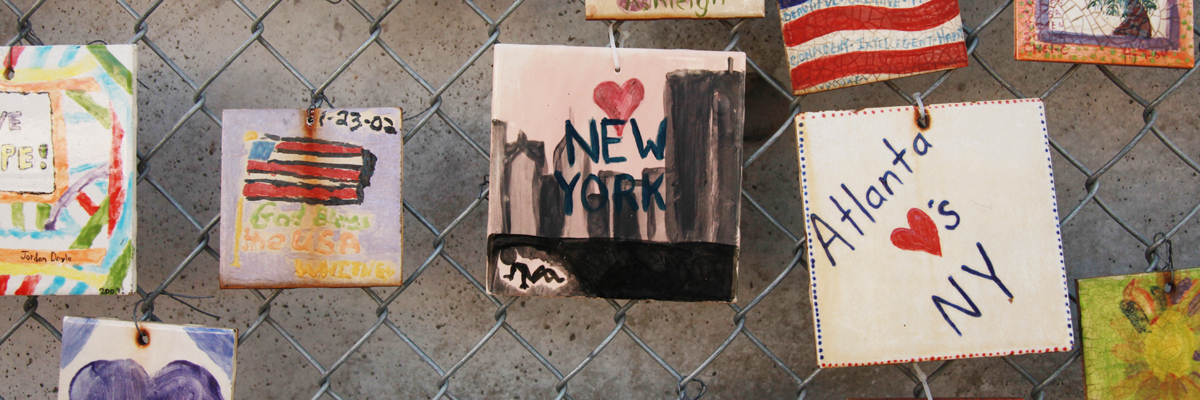
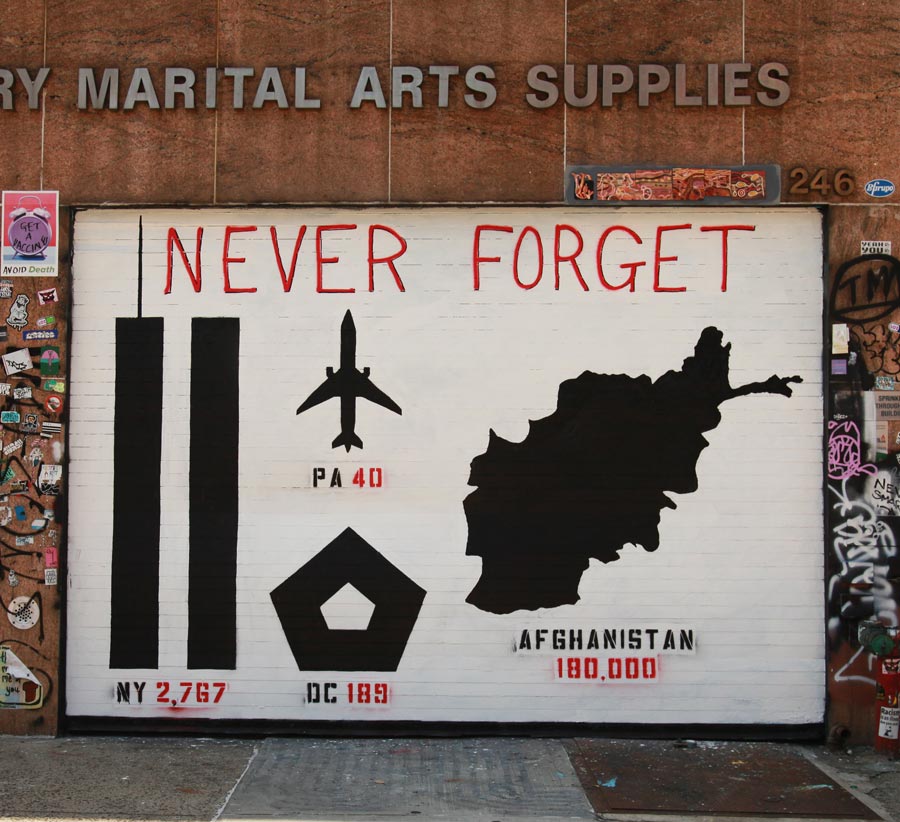
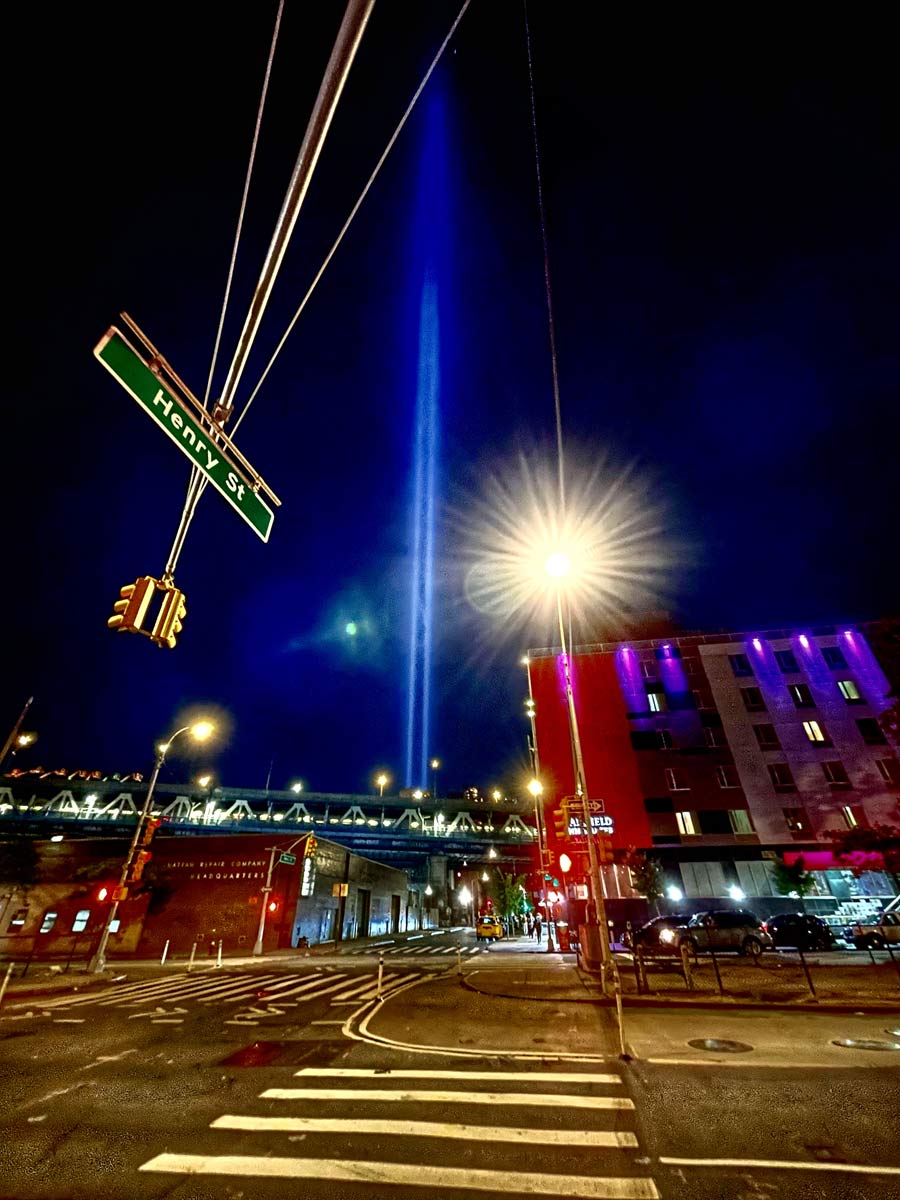
Welcome to BSA Images of the Week. Our hearts and minds are heavy and quiet this weekend as we contemplate the two decades and lost lives and liberties since September 11, 2001.
It’s impossible to know what the world would have looked like had those fateful events not taken place twenty years ago, and only a handful would have predicted that it would have been used as a springboard for more wars that cost more lives. As the country pulls out of Afghanistan so badly and obviously, a real examination of the soul is taking place. There is no real purpose served by trying to extricate the pain of loss locally from those sufferred globally as a result of the events of September 11th, except for us New Yorkers to reflect on how our city is forever changed. Thankfully, New Yorkers prove time and again that we are also forever determined to overcome and to come together.
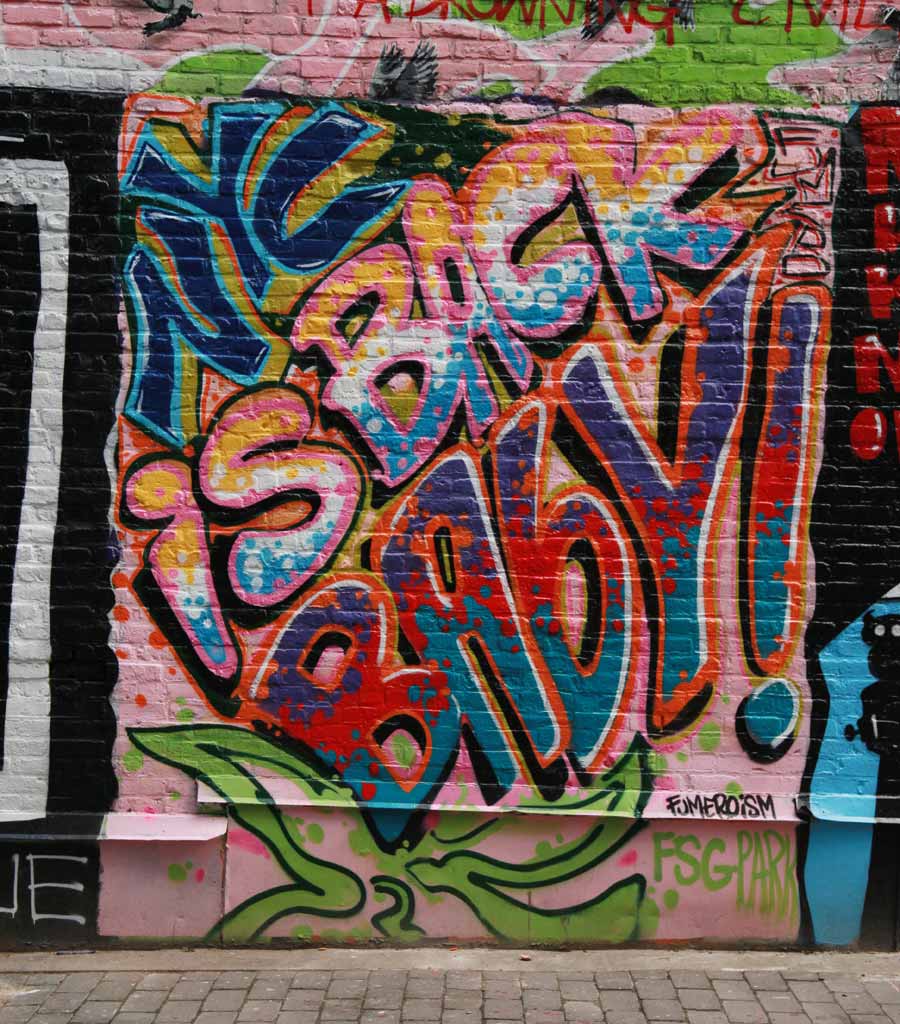
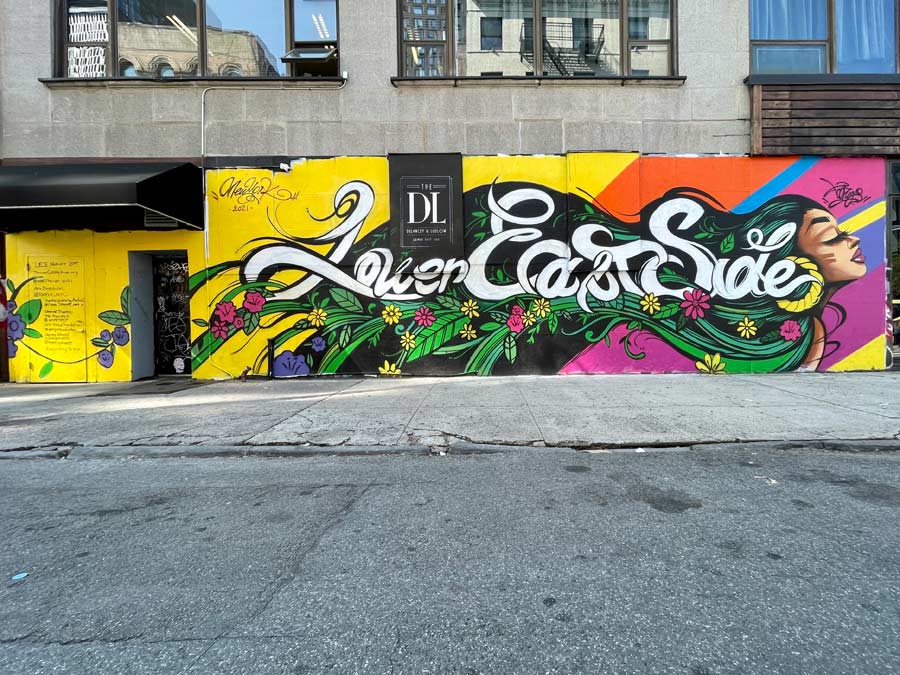
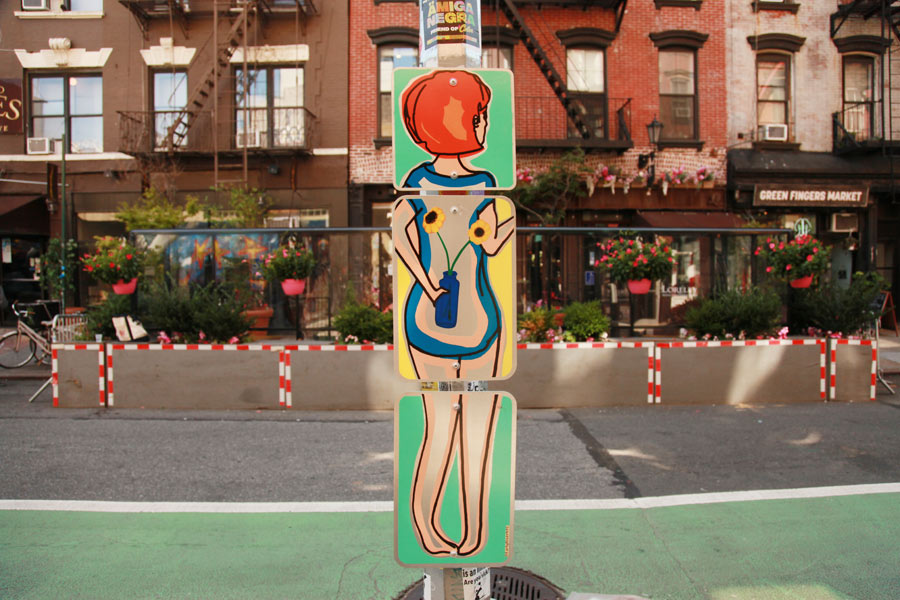
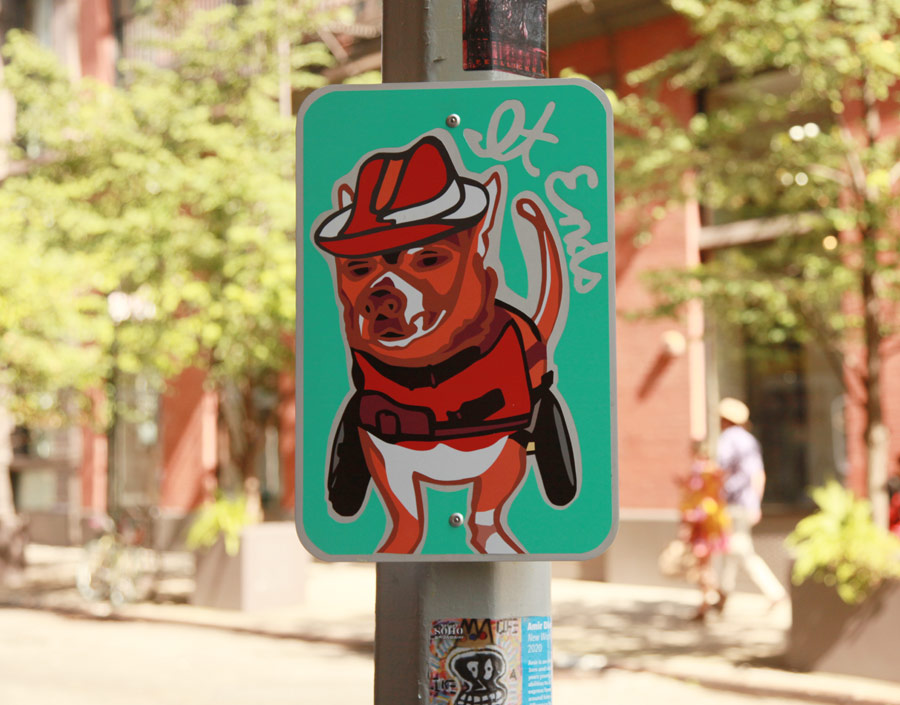
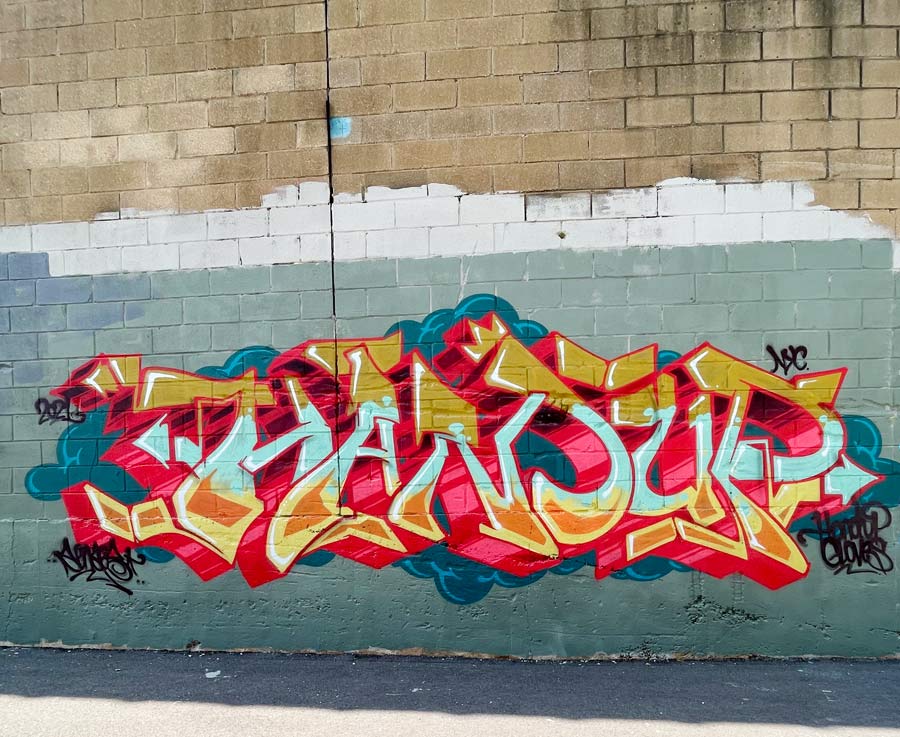
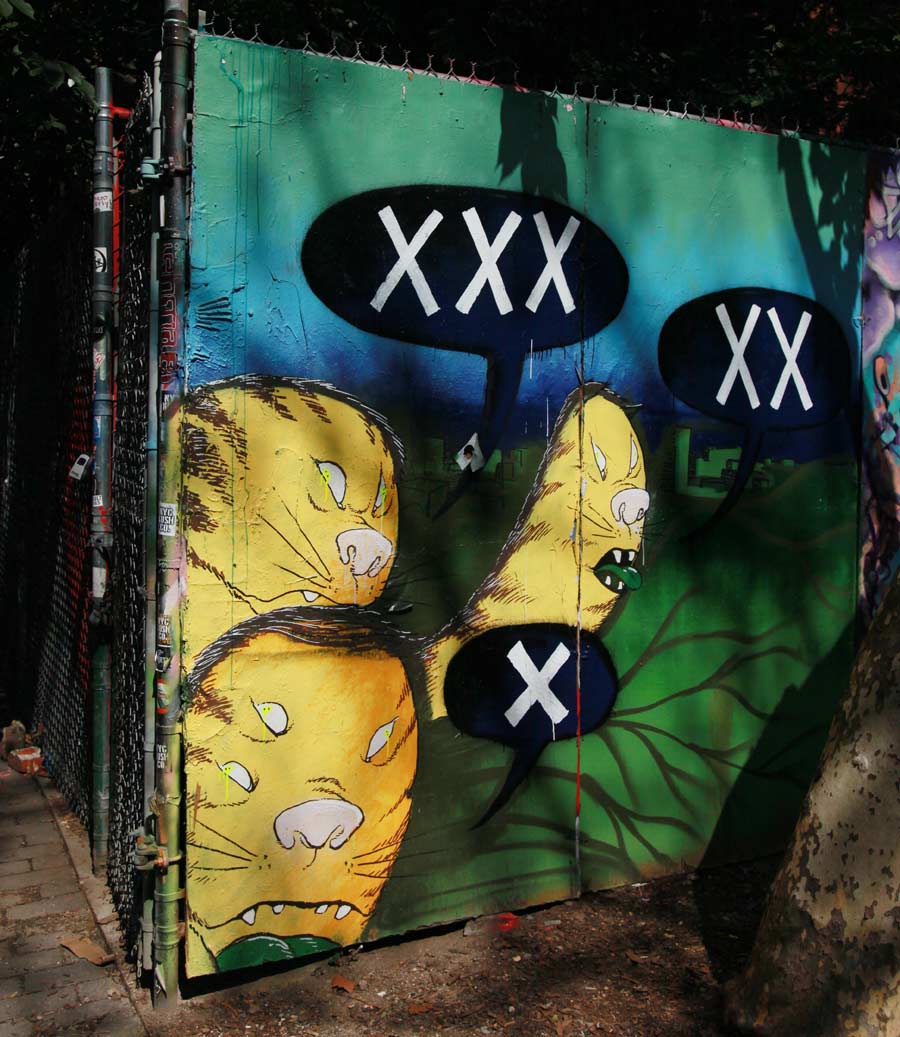
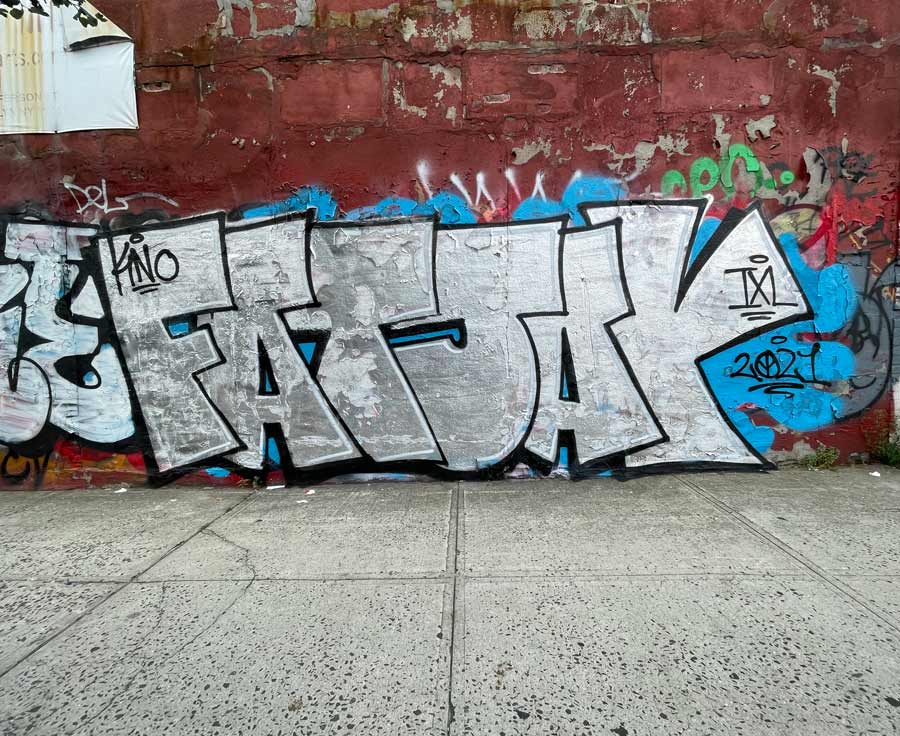
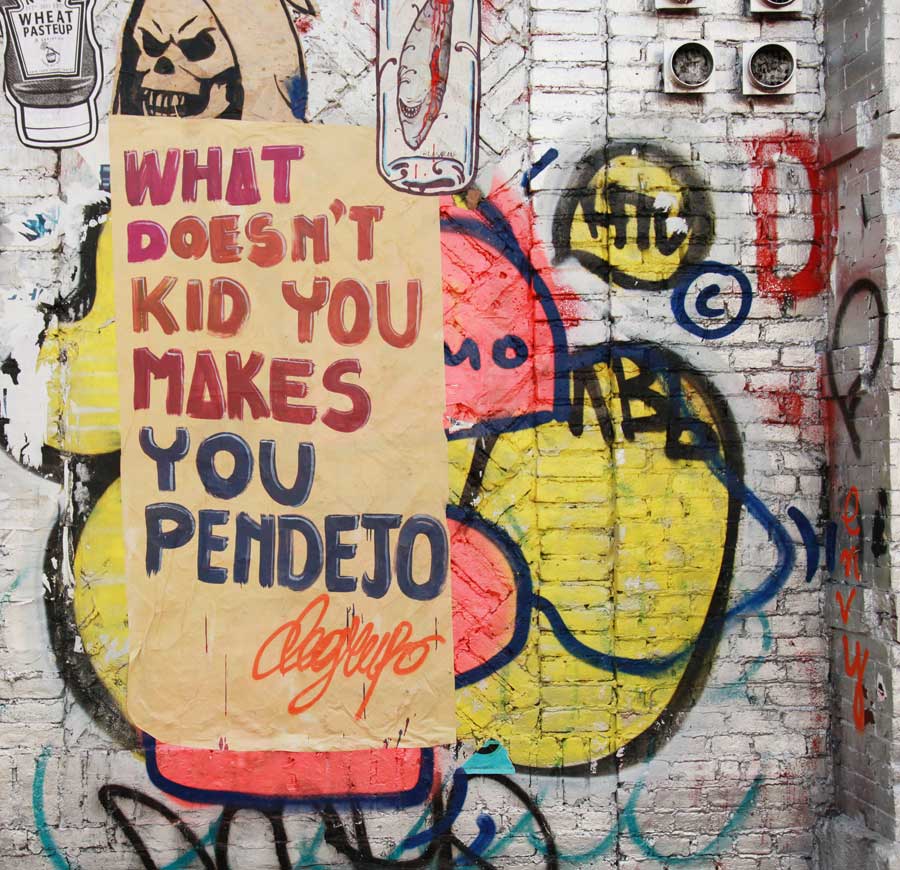
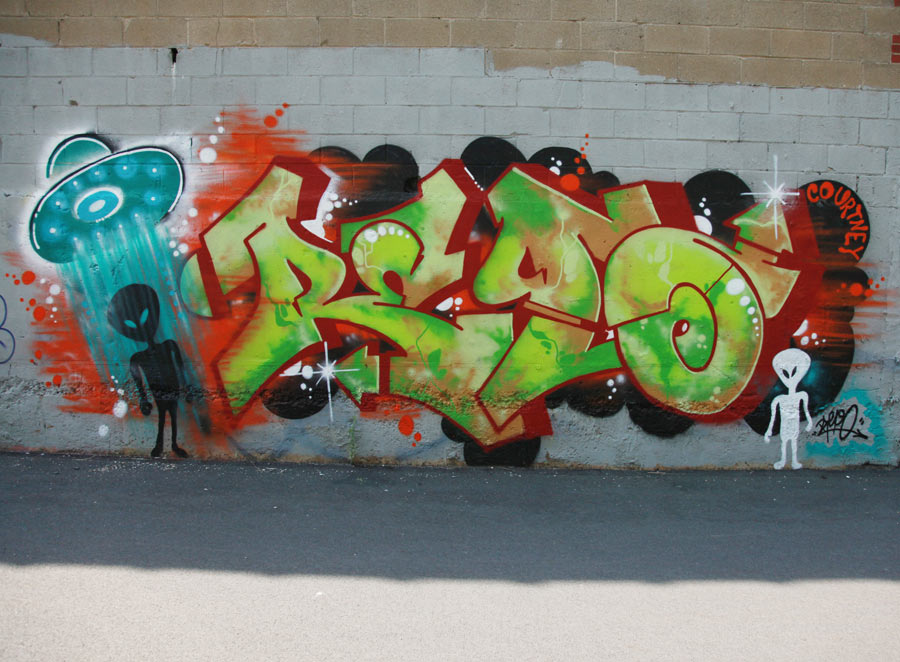
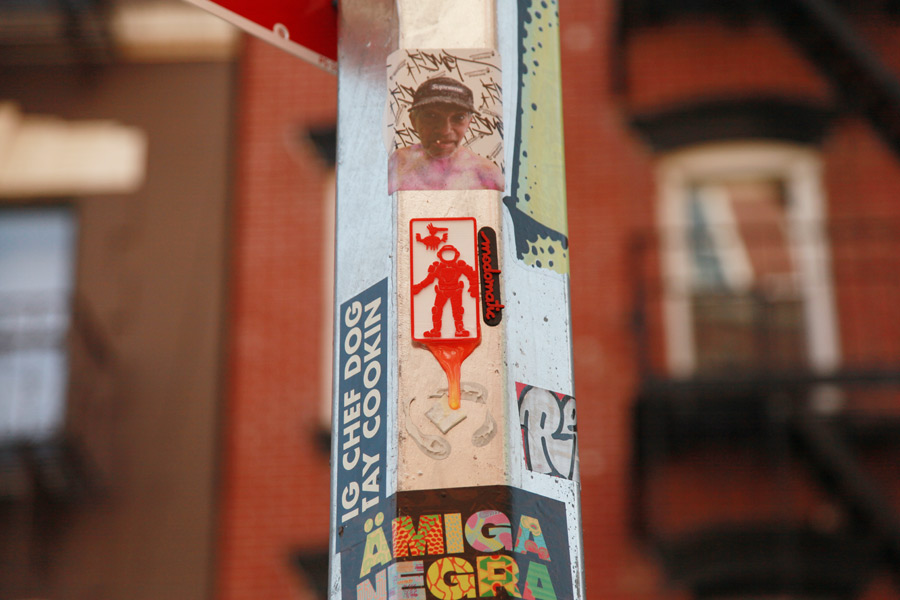
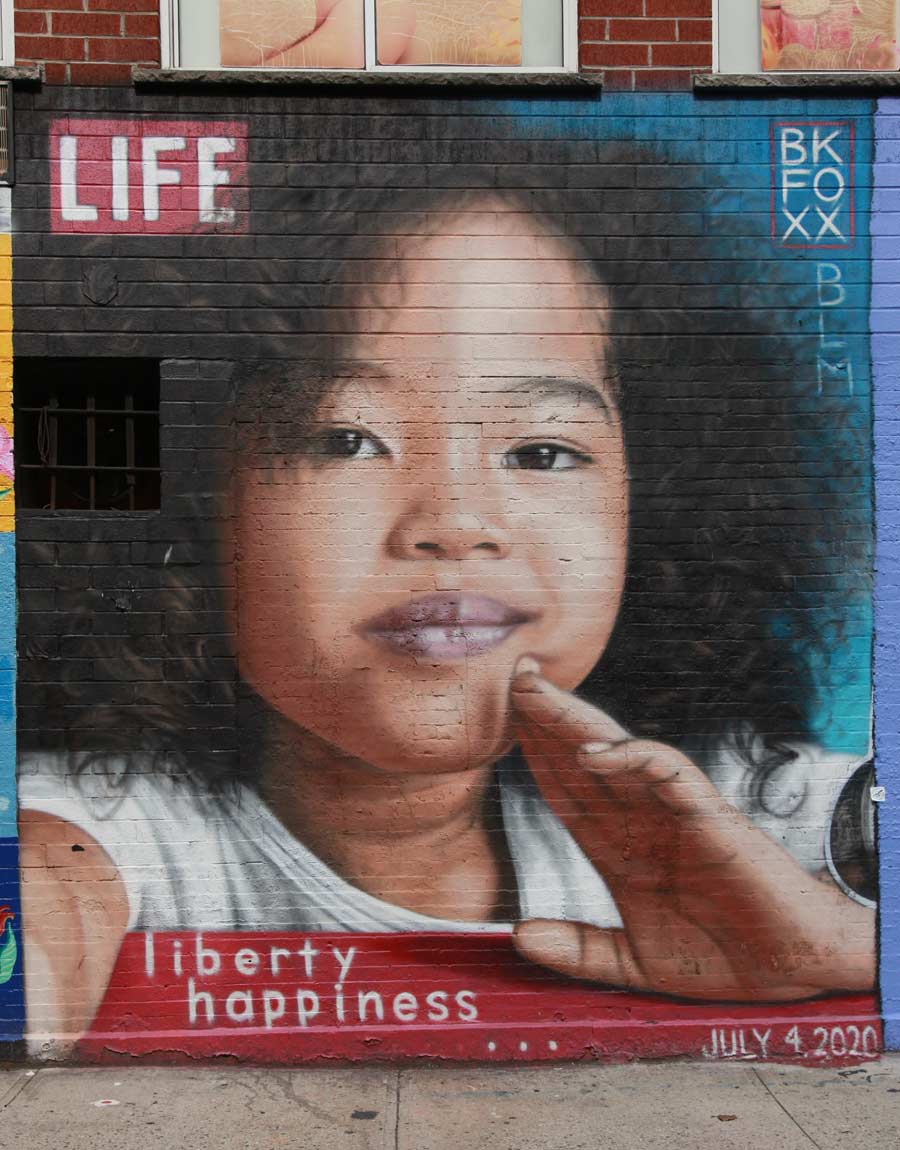
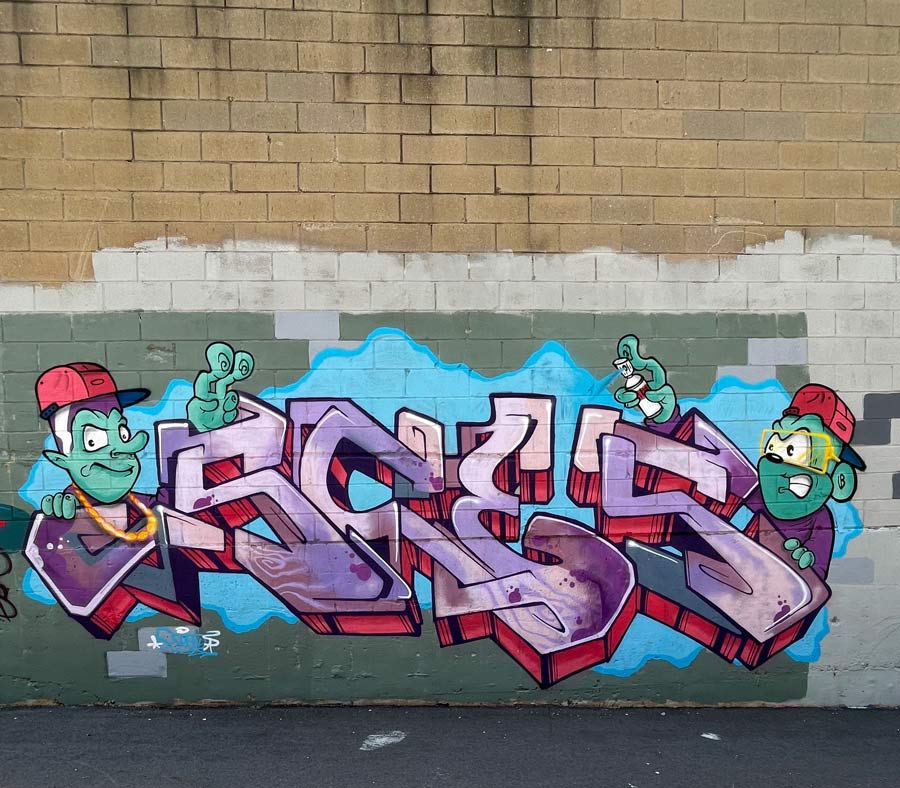
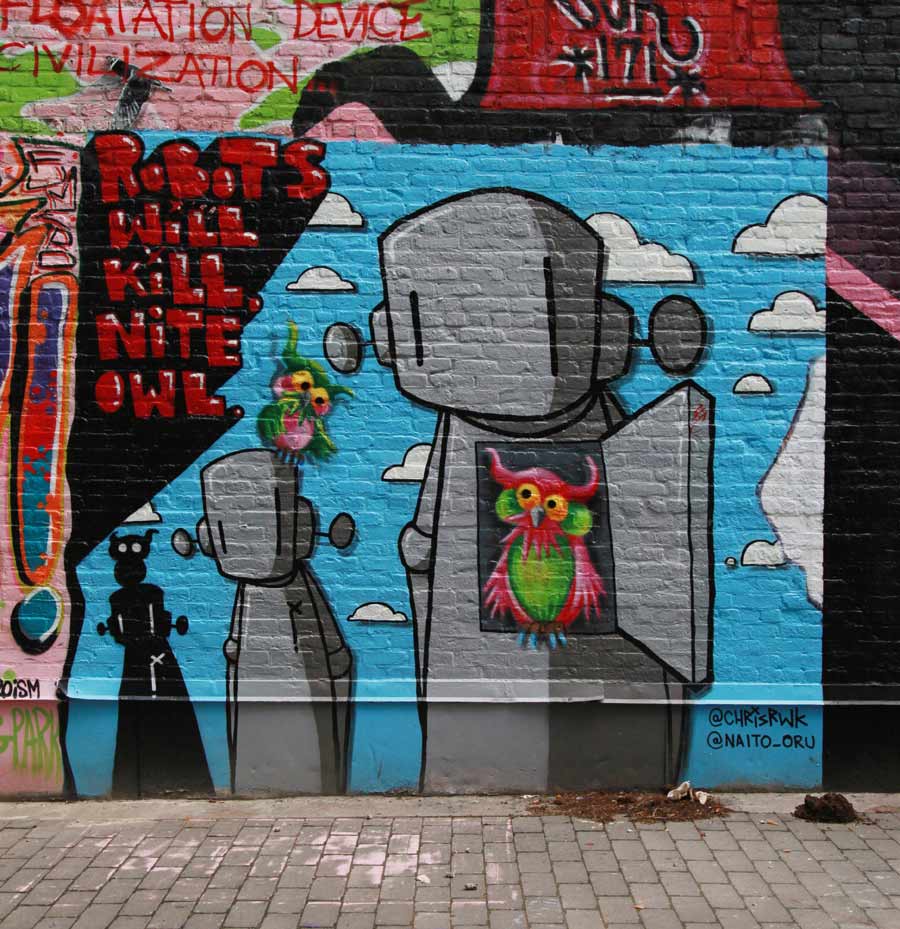
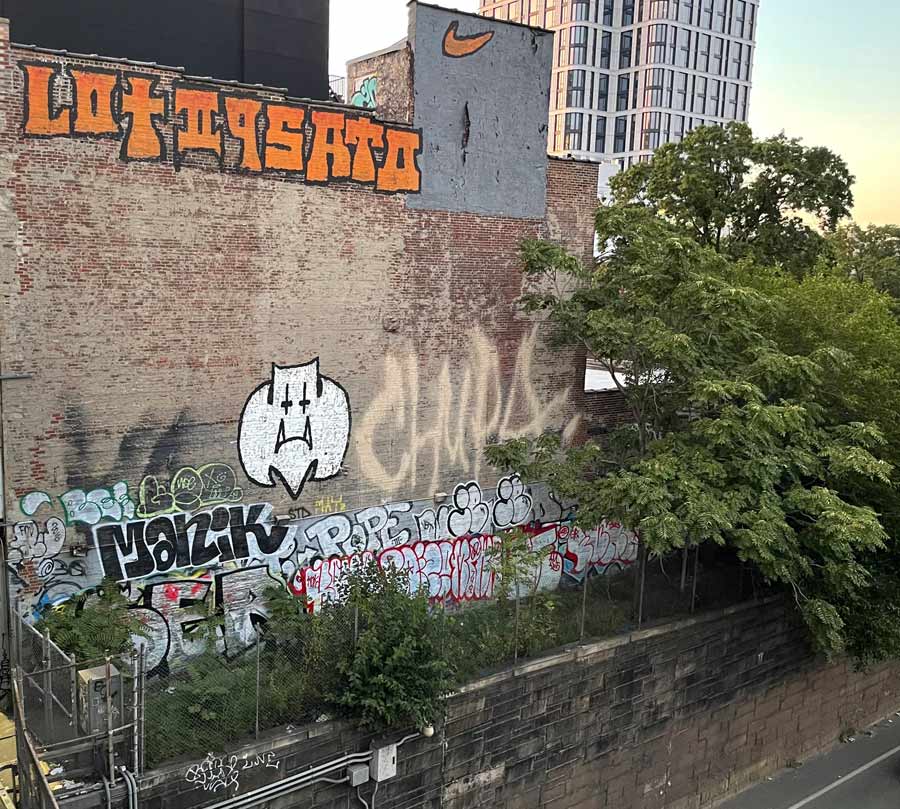
Here’s our weekly interview with the street, this week featuring BAT, Below Key, BK Foxx, Chris RWK, Chupa, De Grupo, Early Riser NYC, Fumero, Futura, Hand Up, Manik, Modomatic, Naito Oru, Pope, Rezo, and Toofly.
Who did it and why? Depends on who is telling the story.
Who made money in the 20 years afterward as a result? Good question.
The plumes of smoke from the pile quickly turned into plumes of disinformation that still have not cleared.
New York, the USA, and indeed the rest of the world were forever changed 20 years ago. Our thoughts today turn to how much we love our city and all our neighbors and friends and family.
Our weekly focus on the moving image and art in the streets. And other oddities.
Now screening: 1. A Kaleidoscopic Journey Through Money 2. My Dog Sighs “Inside” as Discovered by Doug Gillen and FWTV 3. PichiAvo’s Paris St-Michel mural
BSA Special Feature: A Kaleidoscopic Journey Through Money
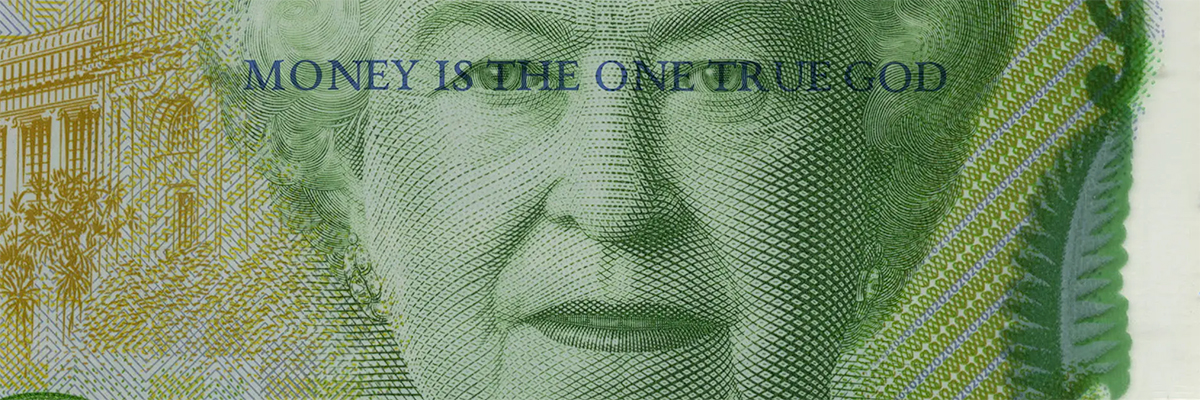
The confidence and reverence that humans give to currencies is as much an article of faith as any religion can conjure. In fact, it is a requirement for any money not backed by gold – your faith. The motifs and icons and design flair employed in its presentation to the user are indicative of our values as well. Here the director and designer Lachlan Turczan breaks apart the elements, finds their similarities and differences, and delightfully, mesmerizingly, re-flows the results to a musical soundtrack by Blake Mills.
“I made hi-resolution scans of banknotes from 23 countries ranging from the 1800s to the modern-day. Machine learning was used to further enhance these scans so that I could zoom in on the intricacies of the engravings. Using replacement animation techniques, the guilloché patterns wash over the viewer in a barrage of linework and geometry. Iconic scenes throughout history are also shown: the age of exploration leads to industrialization, wonders of the world are replaced by office buildings and icons of freedom stand in stark contrast to images of slavery. The project culminates with the collective eyes of all world leaders staring back at the audience.”
My Dog Sighs “Inside” as Discovered by Doug Gillen and FWTV
Paul Stone aka My Dog Sighs in Portsmouth, UK is one of the interior immersive exhibitions that you have been hoping to go inside again but have been leary of because you might get sick and die. Now watch as your Doug sighs walking through the “inside” of this artist’s animated mind.
The PichiAvo duo continues around the world with classic gods intermingled and floating among graffiti gods. Here in Paris they depict Poseidon and Niké on the Boulevard St-Michel.
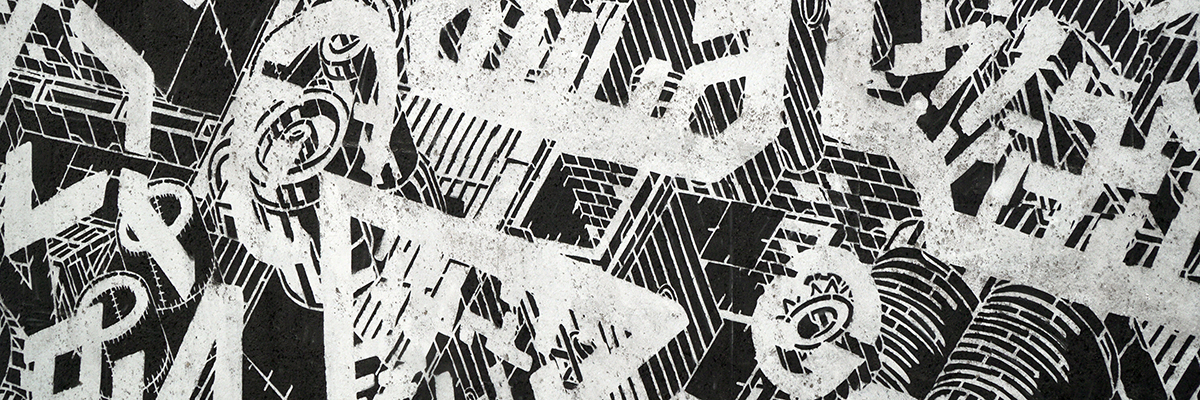
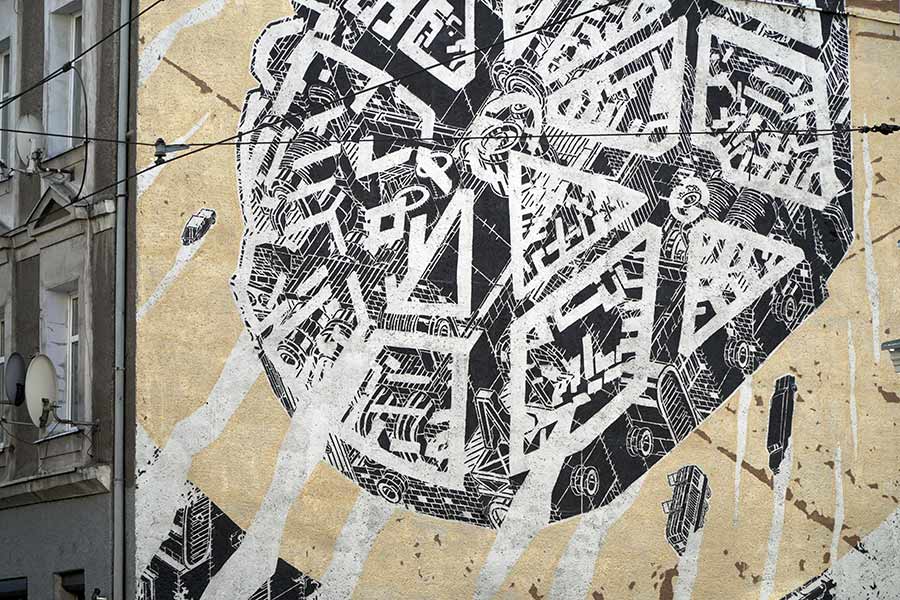
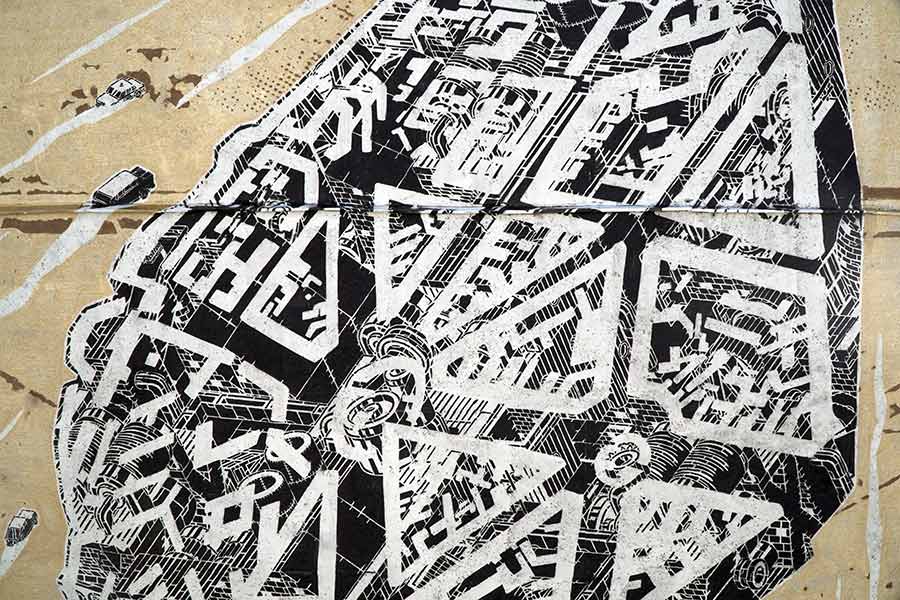
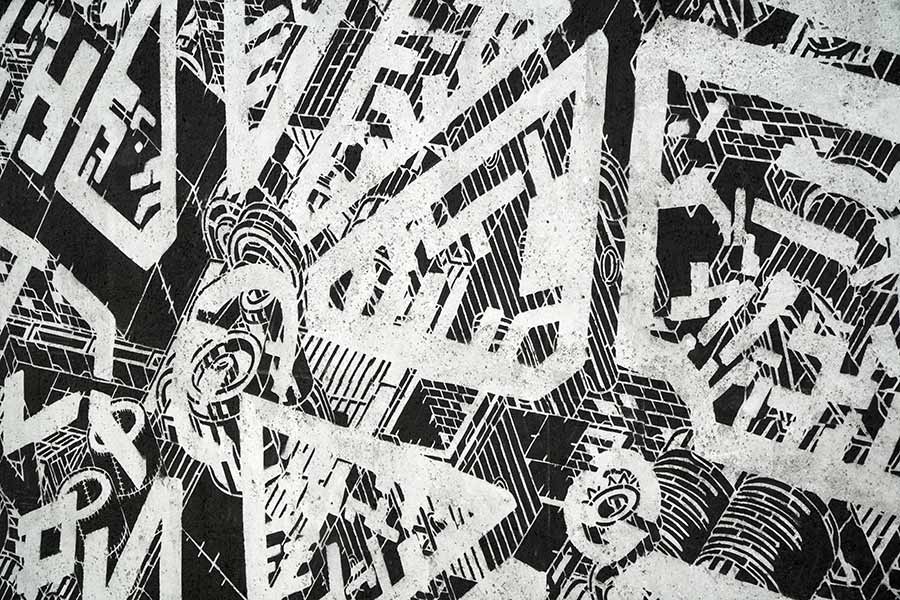
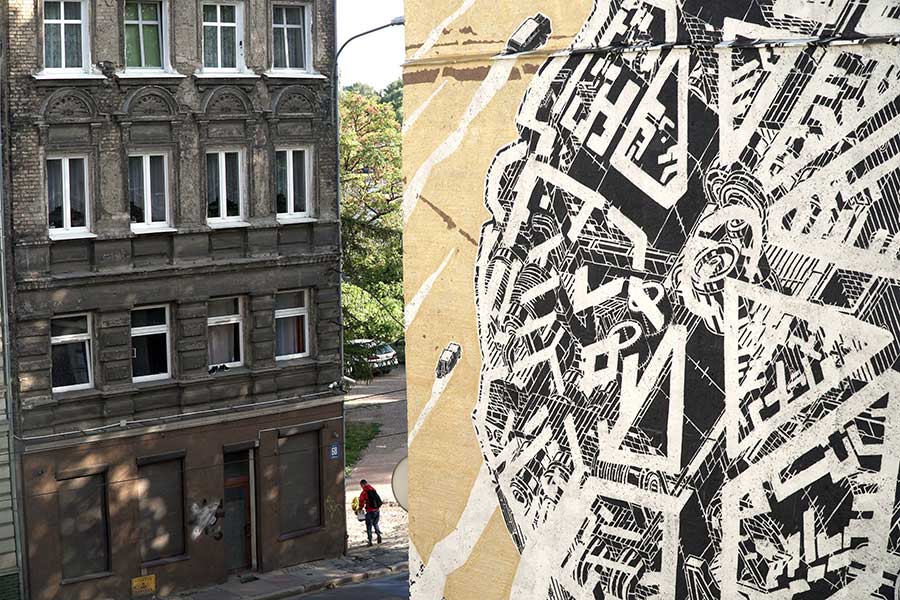
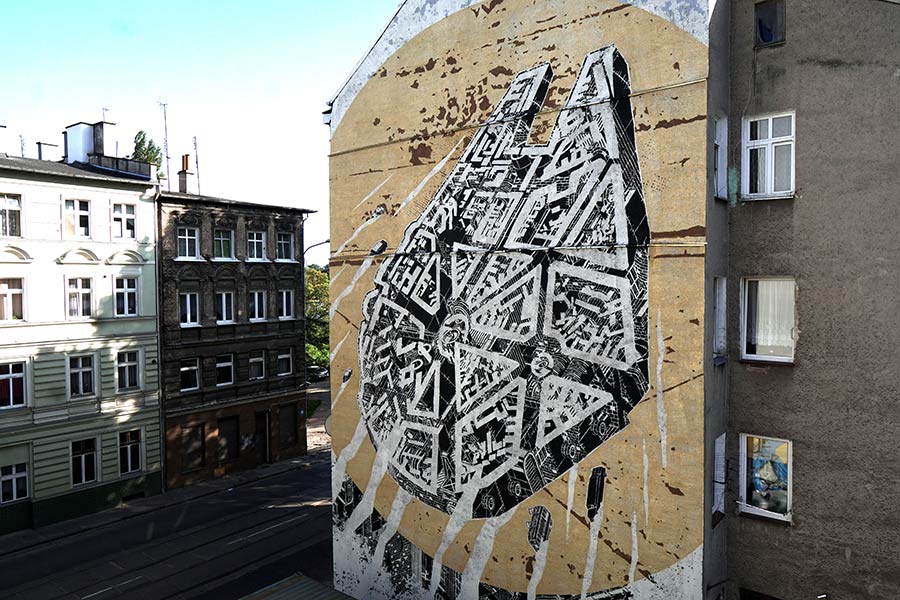
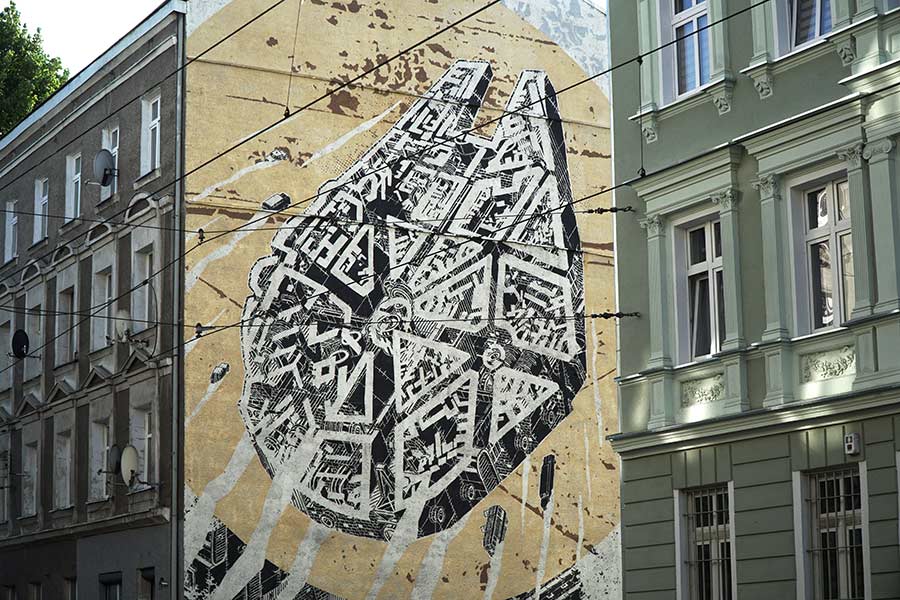
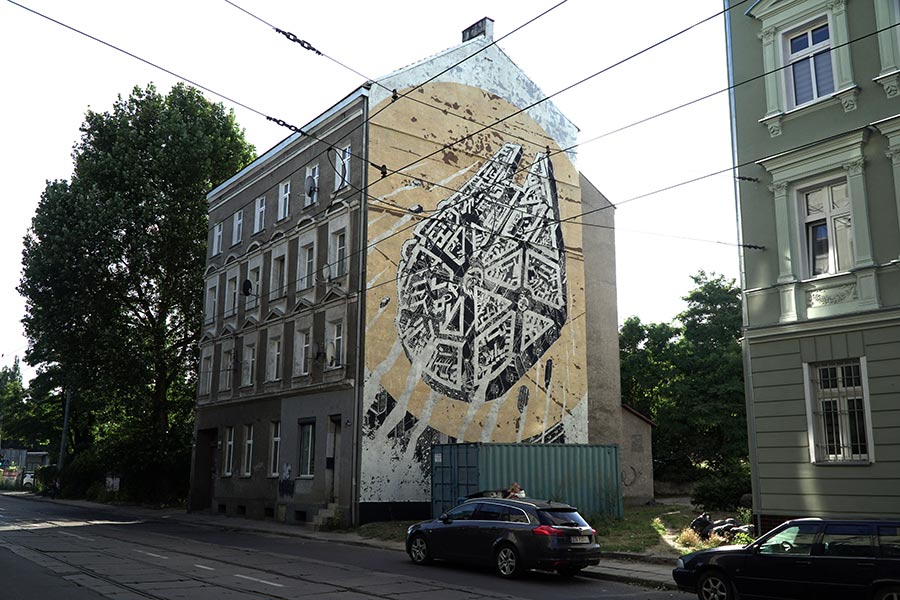
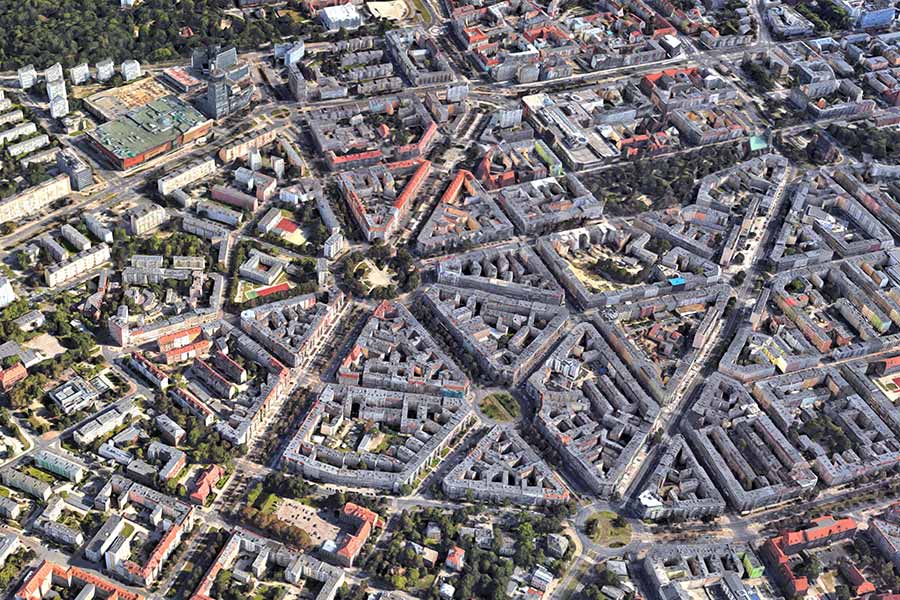
“Szczecin before the Second World War was a German city,” says the street artist named M-City. Now it’s flying as a spaceship in his latest stencil mural here – in Poland.
It was part of a competition in this major cultural city of about 770,000; an airborne urban map inspired as much by the movie Star Wars as the Orion Constellation of this 1100-year-old city only 14 miles from Germany, formerly “Stettin”. It has a history of changing hands between Central European powers, and perhaps why it seems well suited to be up in the air, ready to move, soar, even crash.
About an hour via highway from Berlin, the activist and urban art professor M-City tells us that parts of the city that were not destroyed during WWII capture his imagination even now. “The architecture and plans are quite similar to those of Berlin,” he says. “And it looks like part of a spaceship, or a planet in science fiction movies. For me you can find a Falcon shape from Star Wars in there”.
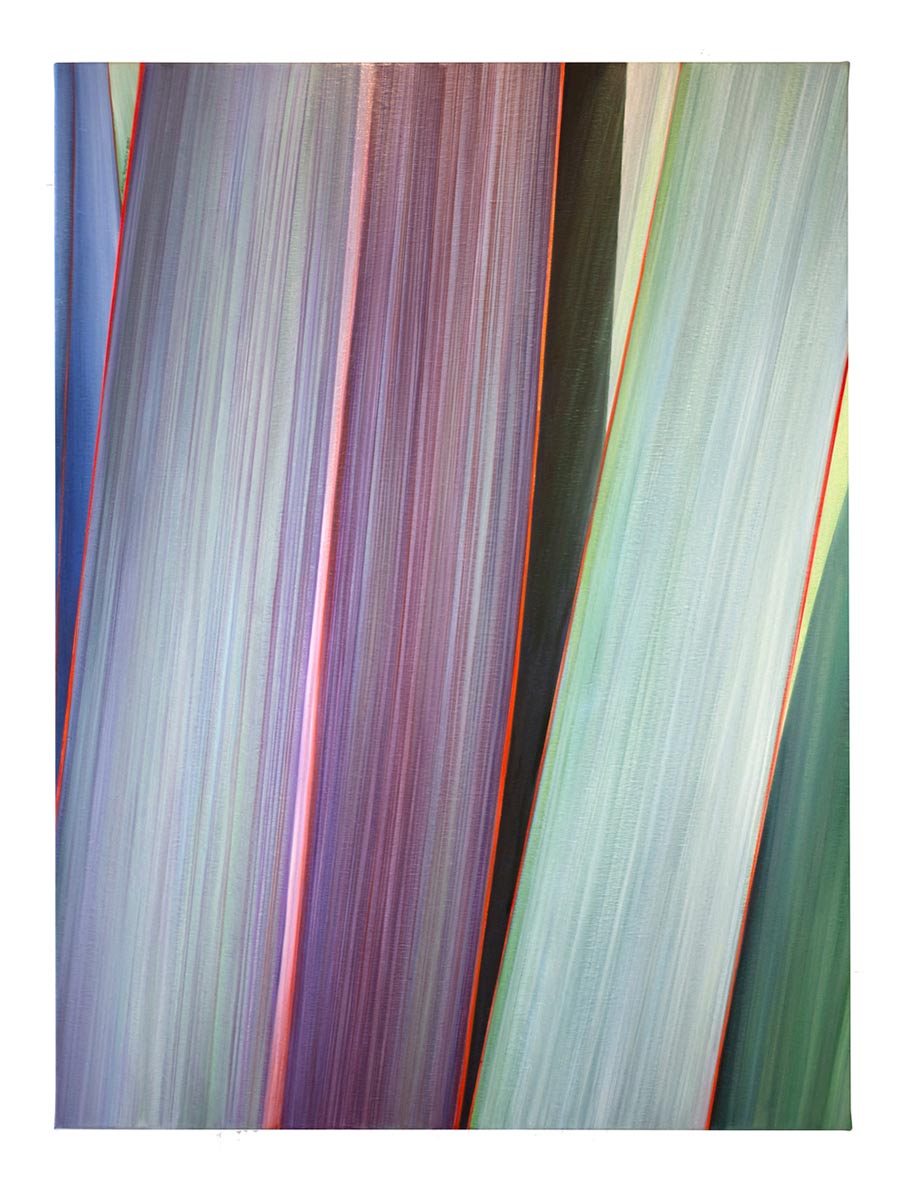
“I was subconsciously gathering up all that information being passed down to me. The moon calendar, what to plant when, how to prepare the earth,” says street artist/fine artist Adelle Renault about her formative years in the early 1990s planting gardens with her mother in the Belgian Ardennes.
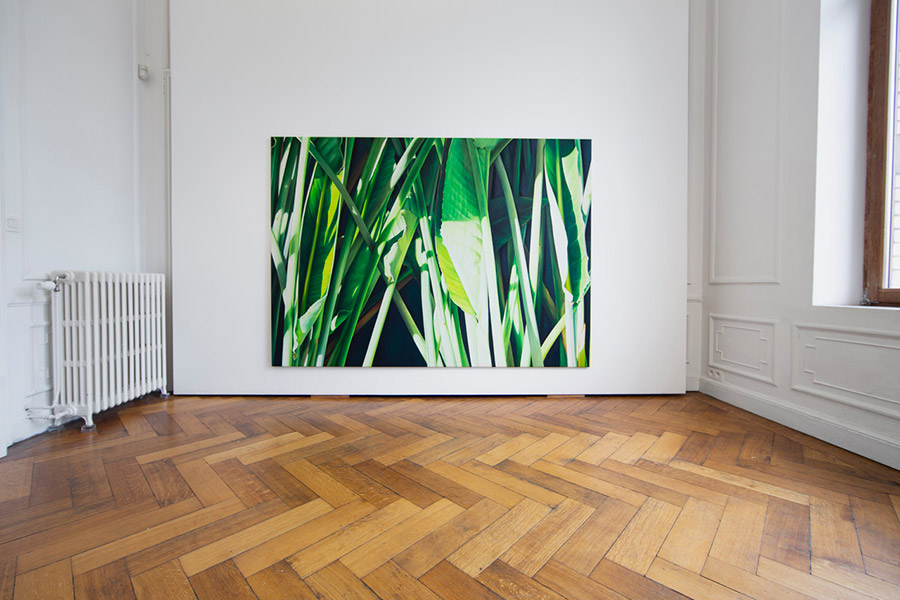
Adele Renault. “Plantasia. Birds Of Paradise”. Galerie Quai4. Belgium. (photo courtesy of the artist)
“Even though I lived most of my adult life in large cities,” she says, “you can take the girl out of the garden but you can’t take the garden out of the girl.”
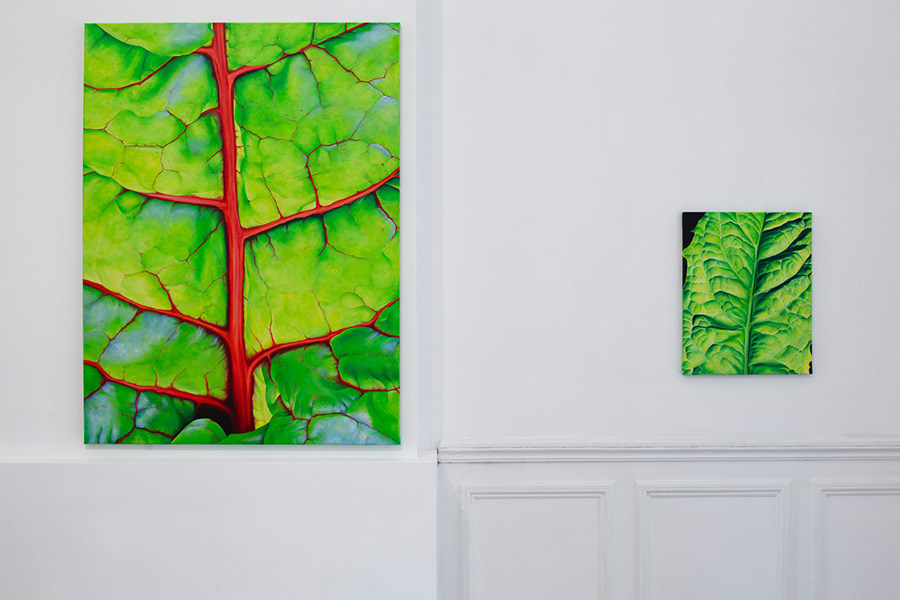
Adele Renault. “Plantasia. Birds Of Paradise”. Galerie Quai4. Belgium. (photo courtesy of the artist)
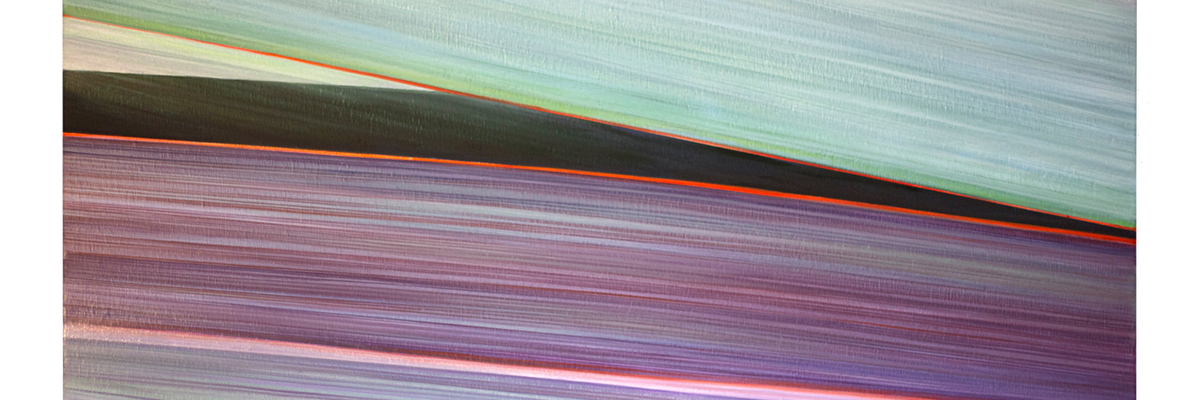
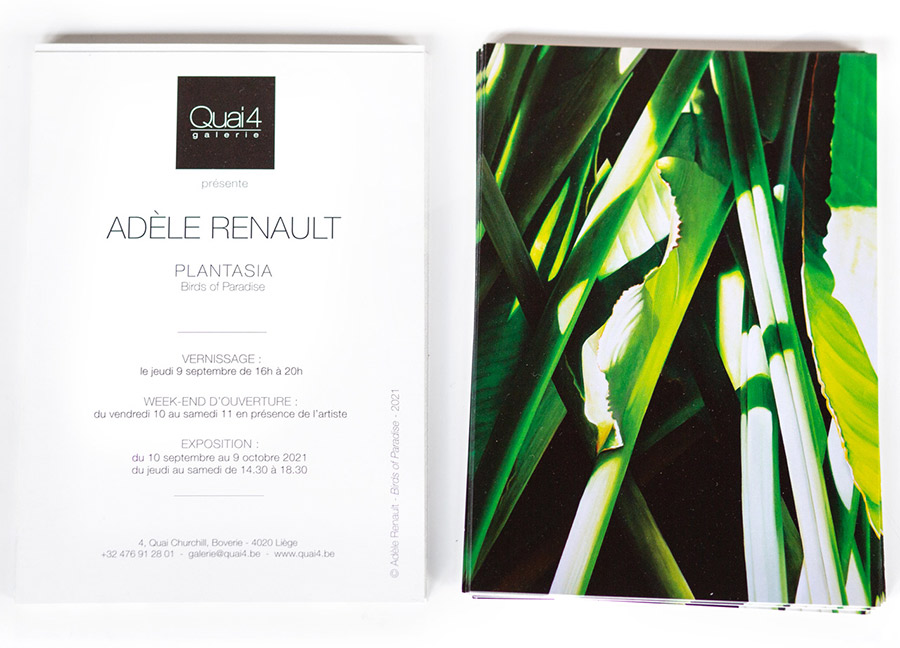
So this is how we arrive at her newest paintings that may appear as photography. The selection of canvasses comprising “Plantasia” will be on display tonight at at Galerie Quai 4 in Belgium, with a particular focus on birds of paradise.
“Of course nature – flowers, trees, landscapes – is the most common of subject, alongside portraiture, in painting,” Adele says. “But I hope that my microscope approach can still bring something new to the table.”
Adele Renault. “Plantasia. Birds Of Paradise”. Galerie Quai4. Belgium. (photo courtesy of the artist)
PLANTASIA
Birds of Paradise
This Thursday 9 September 2021 from 16:00 to 20:00
At Galerie Quai 4 4 Quai Churchill 4020 Liège Belgium
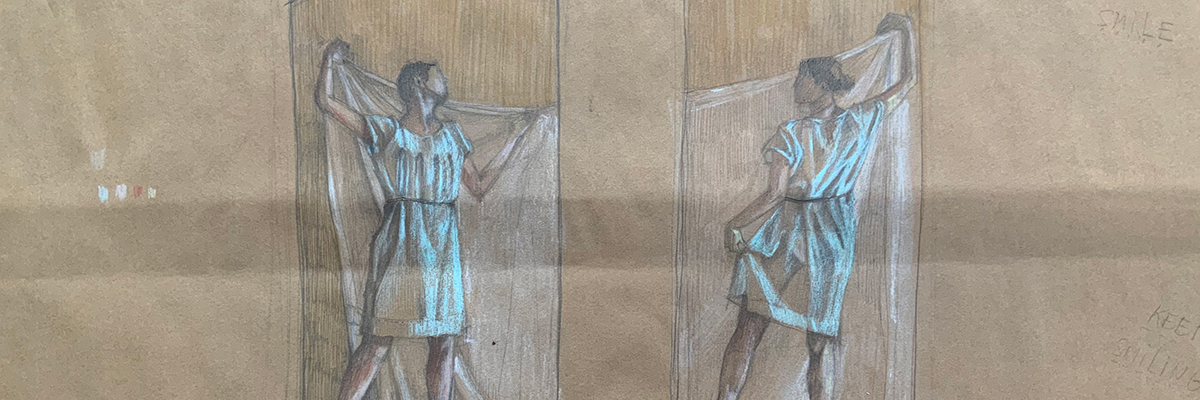
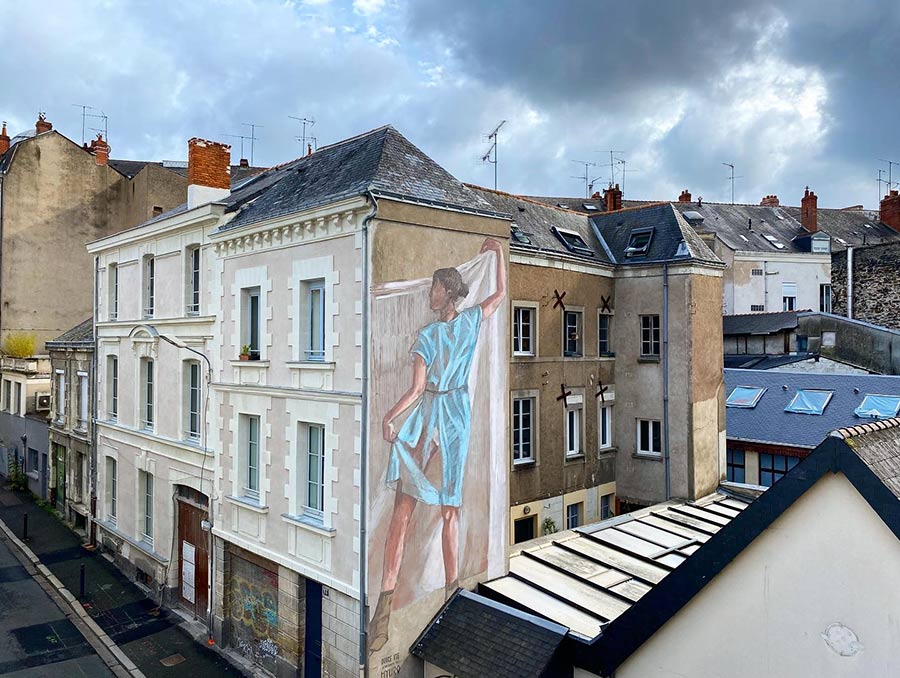
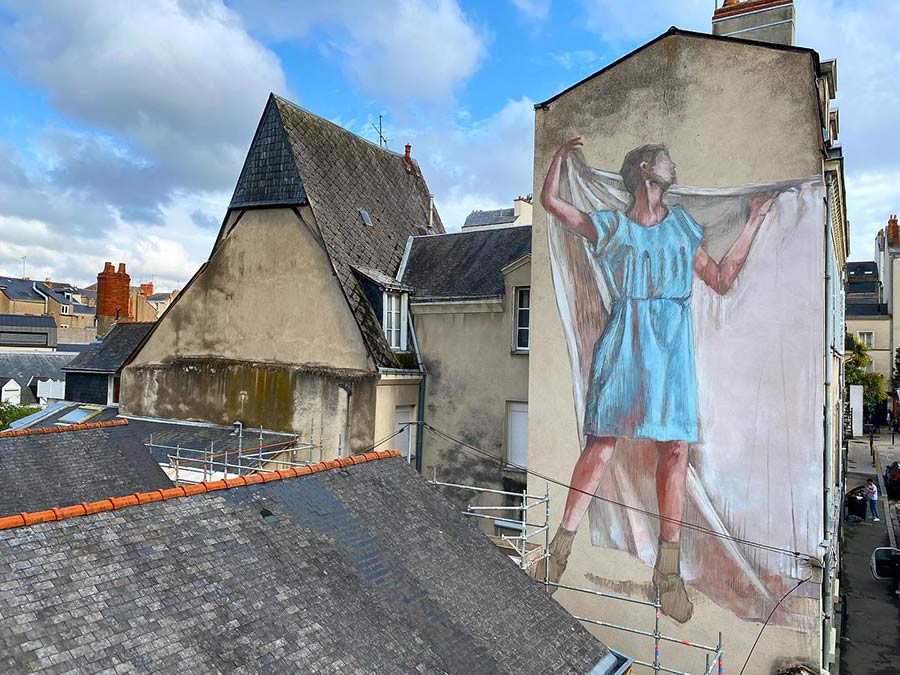
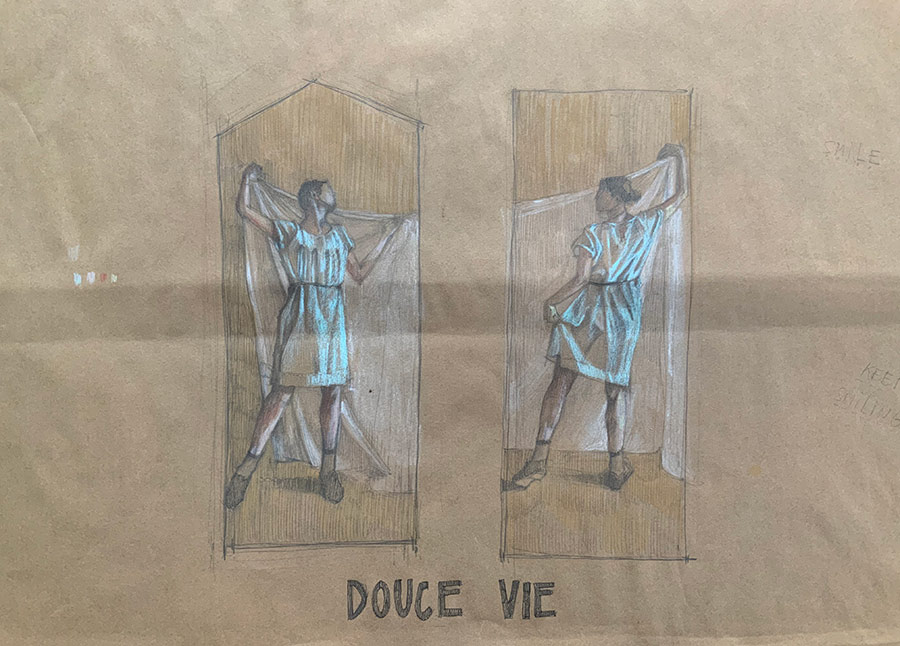
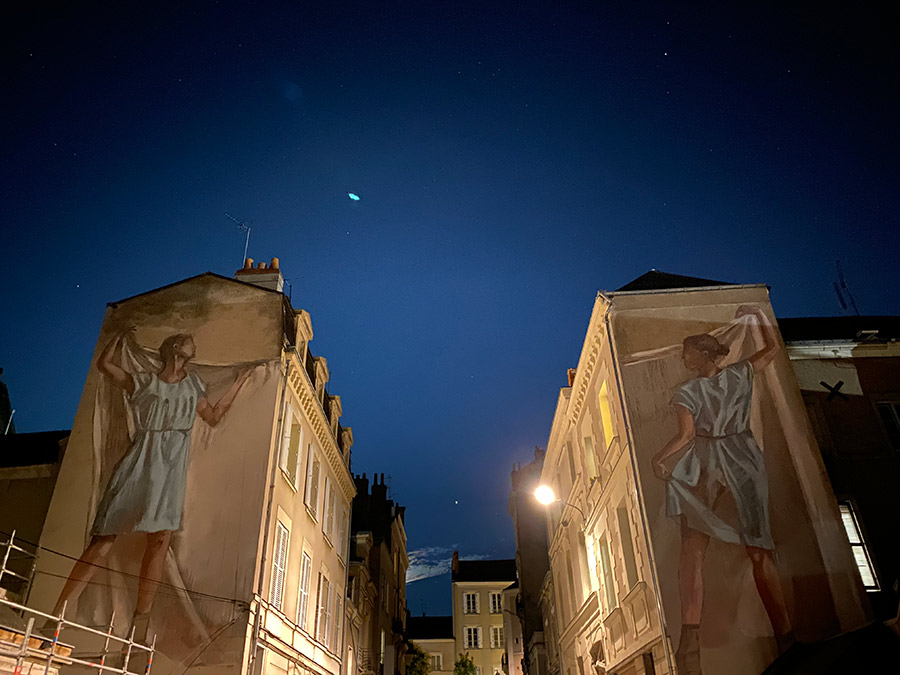
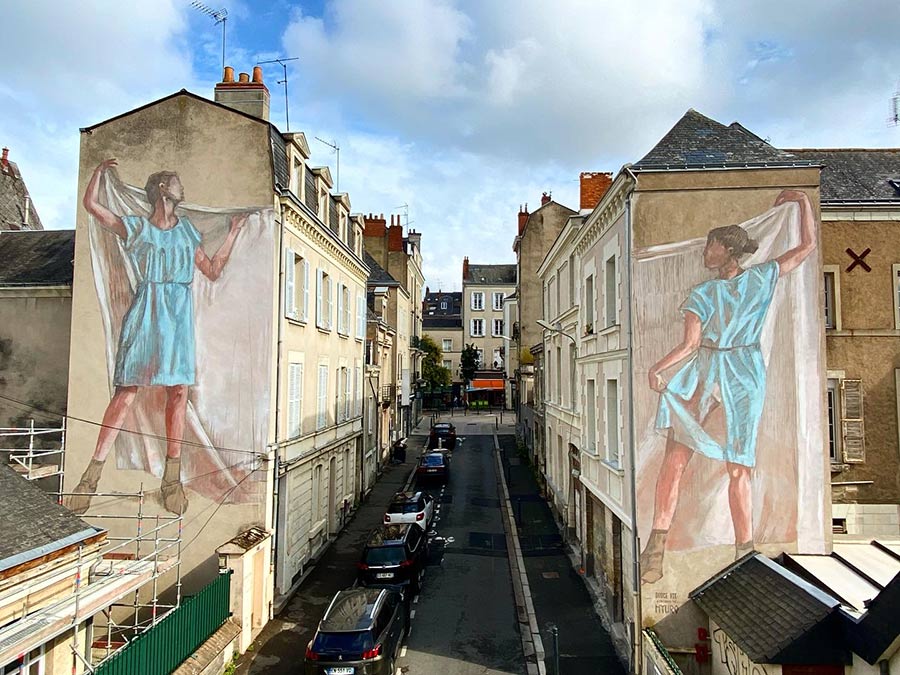
“The idea is there will be two figures dancing while sharing a beautiful blanket, one figure on each wall,” she explained in this project she intended to paint. In May of 2020 she was preparing with her hosts at the festival Echappées d’Arts in Angers, France.
Born in Argentina in 1974, she eventually moved to Spain. Well regarded during the last decade or so in the Street Art world, she made many friends and family during her travels to many world cities to paint. In an act of gratitude and tribute to their friend Hyuro two artists, Faith XLVII of South Africa and Helen Bur of England, each realized these figures from her preparatory sketches.
“The concept of the wall that I like the most is one of a kind of celebration of life… in my personal situation it is a make it very special concept to me,” she wrote.
Hyuro. Sketch for “Douce Vie” (photo courtesy of Eric Surmont)
“Big thanks to @blame_eric_surmont_ and the city of Angers, France for organising this moving tribute to Hyuro’s work and to @escif and @axelvoid for entrusting Faith and I with the task of continuing Tamara’s legacy and sharing her work,” wrote Ms. Bur on her Instagram page.
“One last dance for our friend @h_y_u_r_o ,” says Faith XLVII in her tribute. “It felt strange and difficult to try to mimic Tamara’s sketch that she had planned for these walls. So elegantly thought out with her poetic sense of space and metaphor. We tried not to leave our own mark and to stay true to her rough design. How we will miss the messages that you gave to us. Waking us slowly from our slumber. May you rest sweet sister.”
This one caught our eye for the merging of classic graffiti nerve, blunt style execution, sentimental velvety roses, inspirational verses, …Read More »
Join the BSA Newsletter!
Subscribe to our newsletter for occasional updates, special announcements, and exclusive content.
 BROOKLYN STREET ART LOVES YOU MORE EVERY DAY