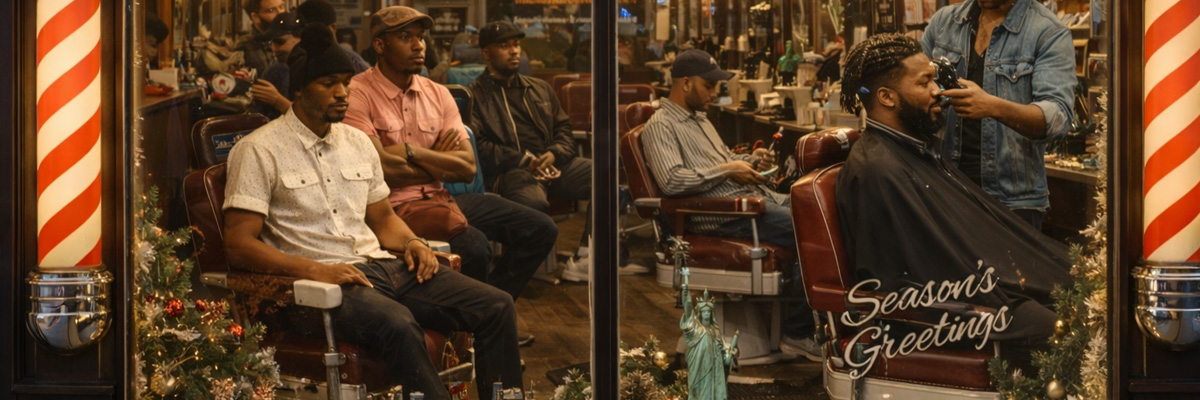
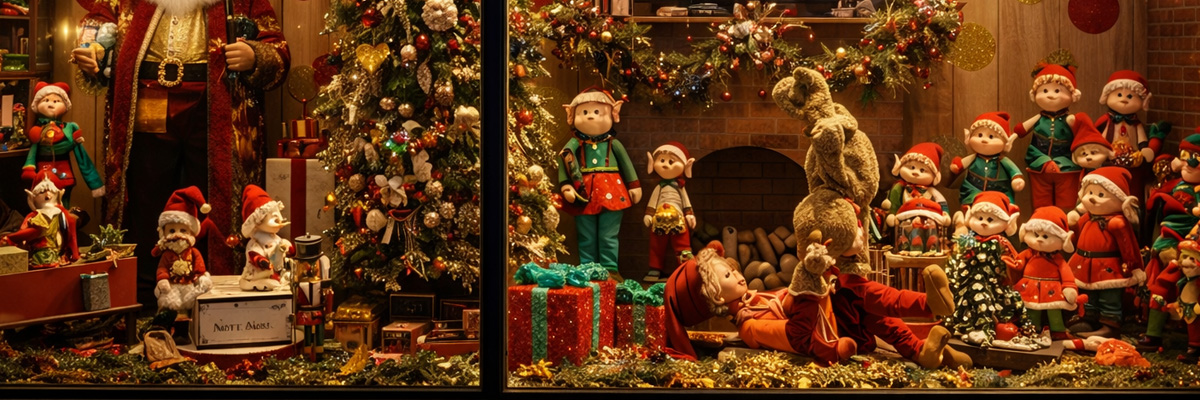
We’re celebrating the end of one year and the beginning of the next by thanking BSA Readers, Friends, and Family for your support in 2025. Picked by our followers, these photos are the heavily circulated and “liked” selections of the year – shot by our Editor of Photography, Jaime Rojo. We’re sharing a new one every day to celebrate all our good times together, our hope for the future, and our love for the street. Happy Holidays, Everyone!
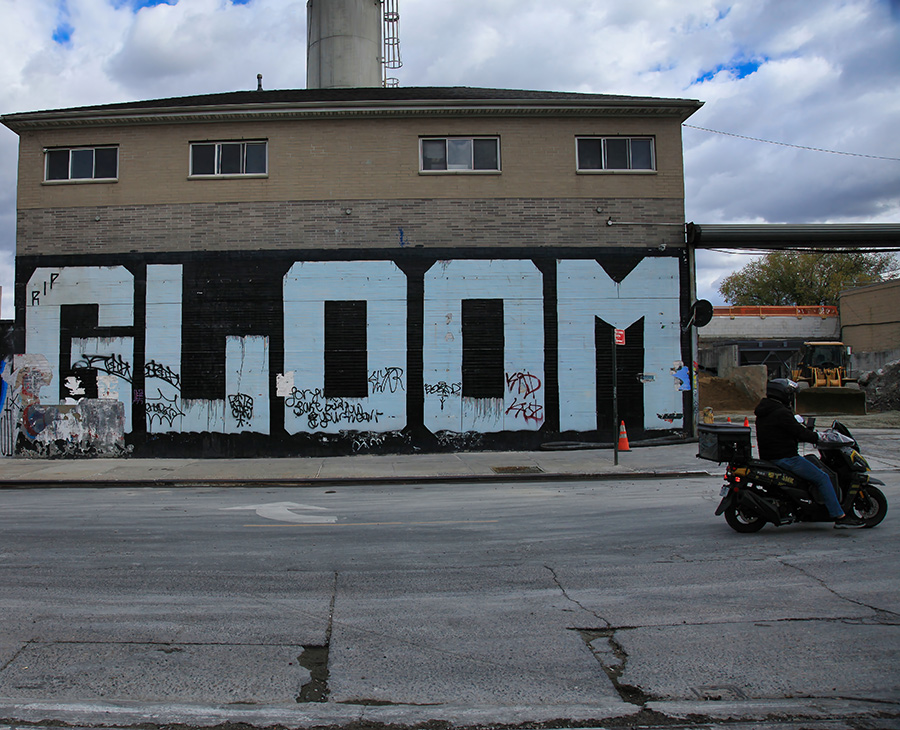
It’s not all doom and gloom, but sometimes you may get that impression. In New York—like everywhere else—economic stress, global chaos, and general social burnout are just kind of… ever present. And yet we yearn to celebrate the New Year! Let’s do it.
The only fundamental mistake is assuming you’re alone in these gloomy feelings. You’re not. Say hi. Check in. Be decent. It won’t save the world, but it does mess with the algorithm.
We’re celebrating the end of one year and the beginning of the next by thanking BSA Readers, Friends, and Family for your support in 2025. Picked by our followers, these photos are the heavily circulated and “liked” selections of the year – shot by our Editor of Photography, Jaime Rojo. We’re sharing a new one every day to celebrate all our good times together, our hope for the future, and our love for the street. Happy Holidays, Everyone!
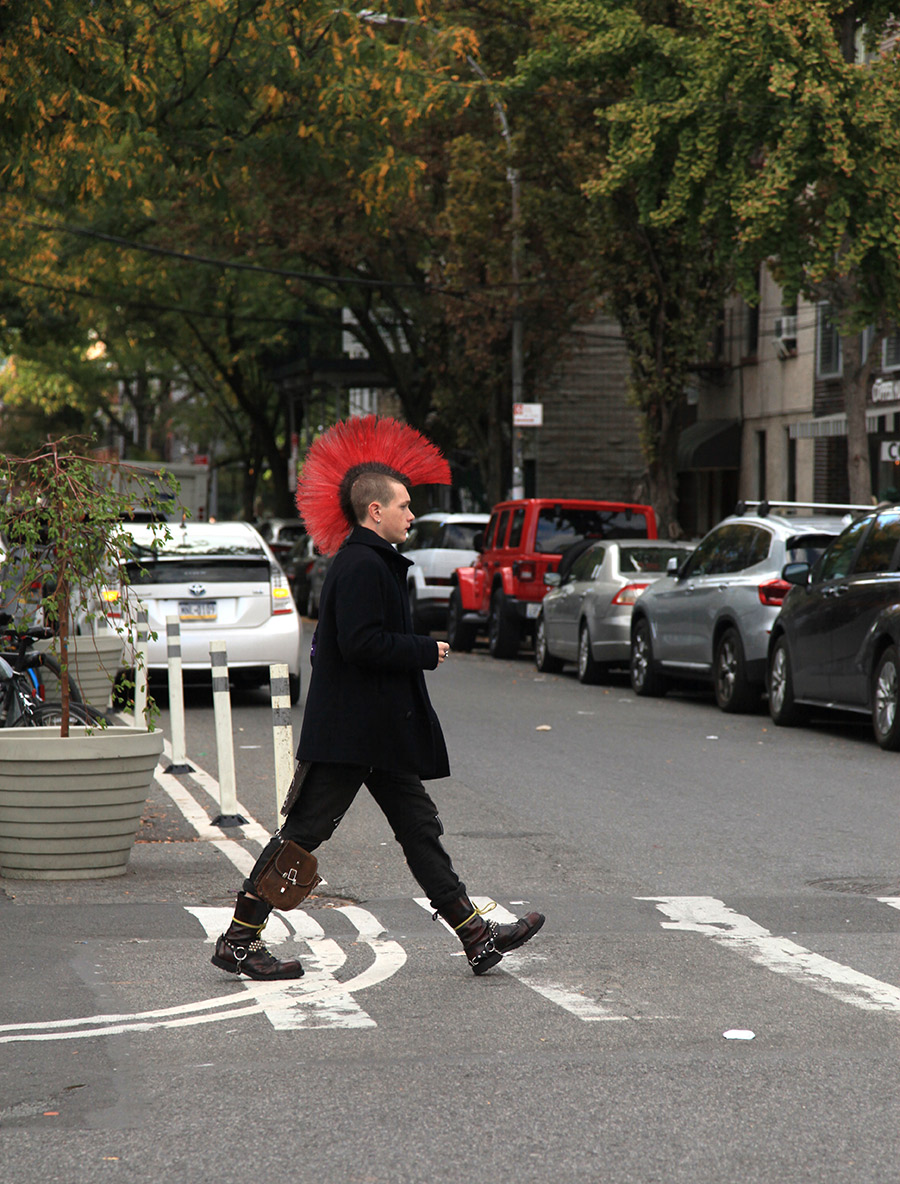
Somewhere along the King’s Road, punk hardened into a classic ‘look’ – or dictionary of ‘looks’. Stripped of its insurgent force by decades of commercial smoothing, anarchy in the UK became as defiant as a Disney cartoon. Yet on a brisk late-summer evening this year, a red-mohawked youth stomped to his own march toward modernity on a Brooklyn street. Provocative or a unique stab at self-expression, this lad appeared to have a presence and resolve. Alternatively, he could have been late to the film set as an extra in a 1970s drama for Netflix.
We’re celebrating the end of one year and the beginning of the next by thanking BSA Readers, Friends, and Family for your support in 2025. Picked by our followers, these photos are the heavily circulated and “liked” selections of the year – shot by our Editor of Photography, Jaime Rojo. We’re sharing a new one every day to celebrate all our good times together, our hope for the future, and our love for the street. Happy Holidays, Everyone!
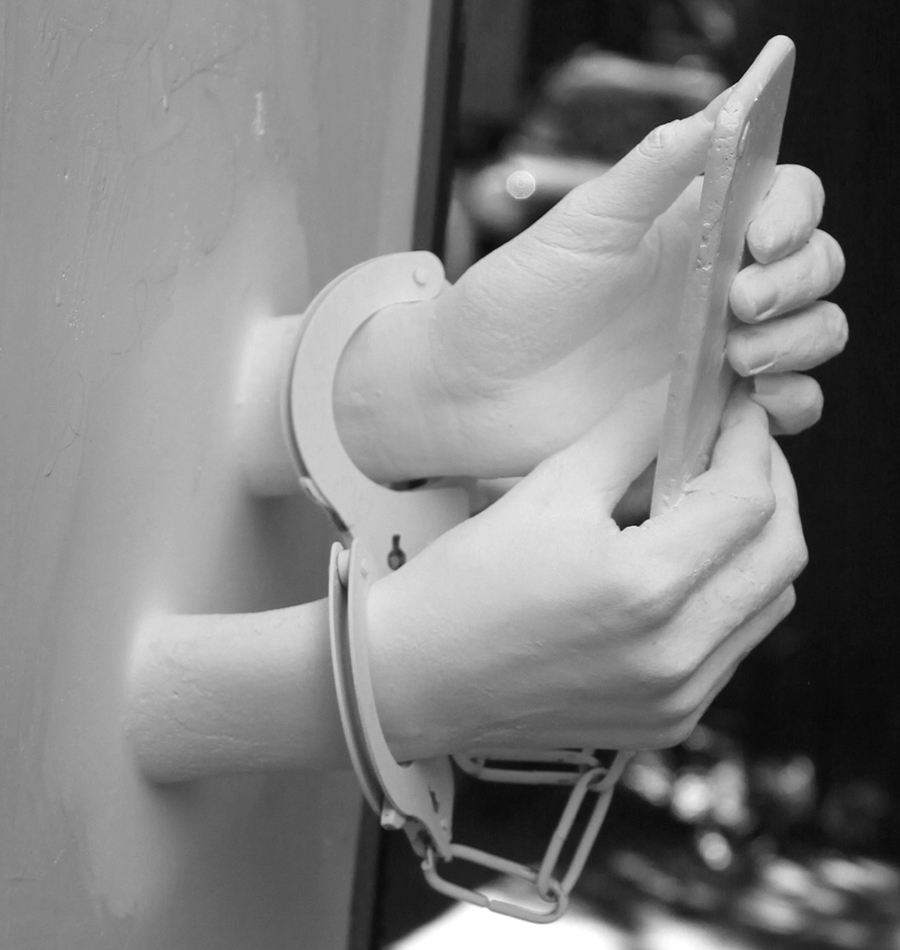
“When I watch people holding their smartphones, I often ask myself: are they holding their phones because they want to, or because they have to?”
This year, conceptual street artist Leon Reid gave that question physical form with a sculptural image of digital servitude that felt unsettlingly precise. The work struck a nerve with BSA readers, prompting a strong and immediate response. Reid’s question cuts to the core of behaviors that increasingly appear compulsory rather than chosen—habitual, addictive, and largely unexamined—and raises the issue of how deeply these technologies are reshaping society. It also invites a more complicated question: how many systems that began as entertainment or convenience will soon become unavoidable, even mandatory?
We’re celebrating the end of one year and the beginning of the next by thanking BSA Readers, Friends, and Family for your support in 2025. Picked by our followers, these photos are the heavily circulated and “liked” selections of the year – shot by our Editor of Photography, Jaime Rojo. We’re sharing a new one every day to celebrate all our good times together, our hope for the future, and our love for the street. Happy Holidays, Everyone!
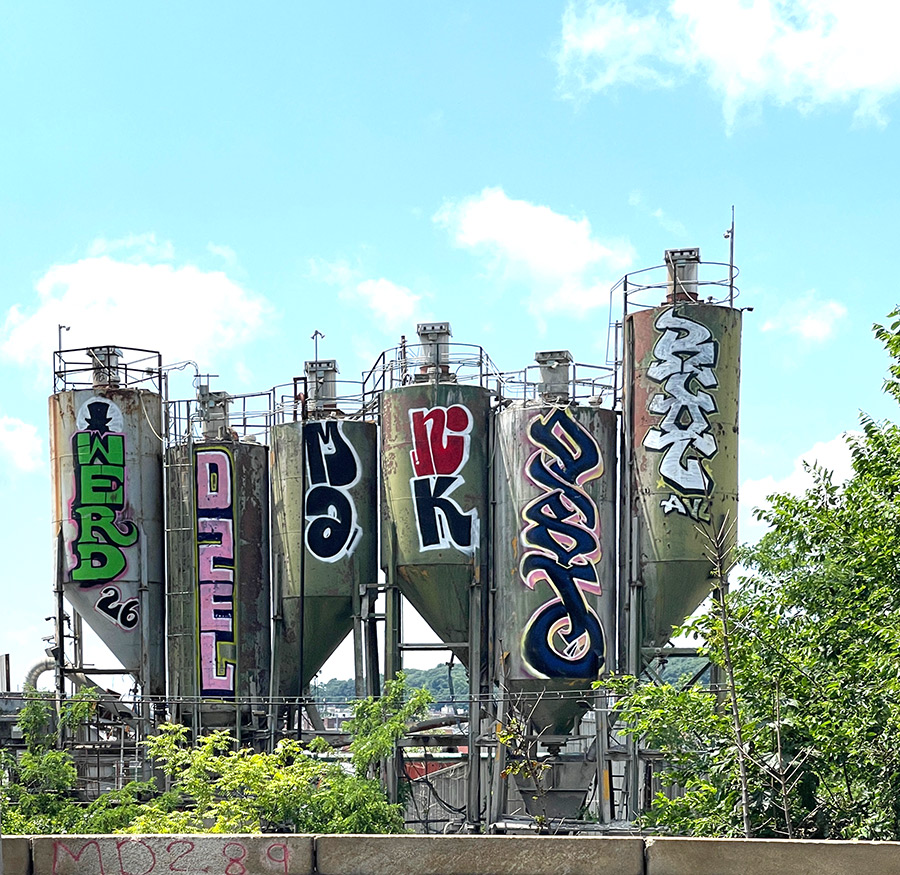
This was the year that rappelling from high places tipped the balance in New York graffiti. No matter the style or anti-style, vertically executed pieces seemed to drop from above.
We’re celebrating the end of one year and the beginning of the next by thanking BSA Readers, Friends, and Family for your support in 2025. Picked by our followers, these photos are the heavily circulated and “liked” selections of the year – shot by our Editor of Photography, Jaime Rojo. We’re sharing a new one every day to celebrate all our good times together, our hope for the future, and our love for the street. Happy Holidays, Everyone!
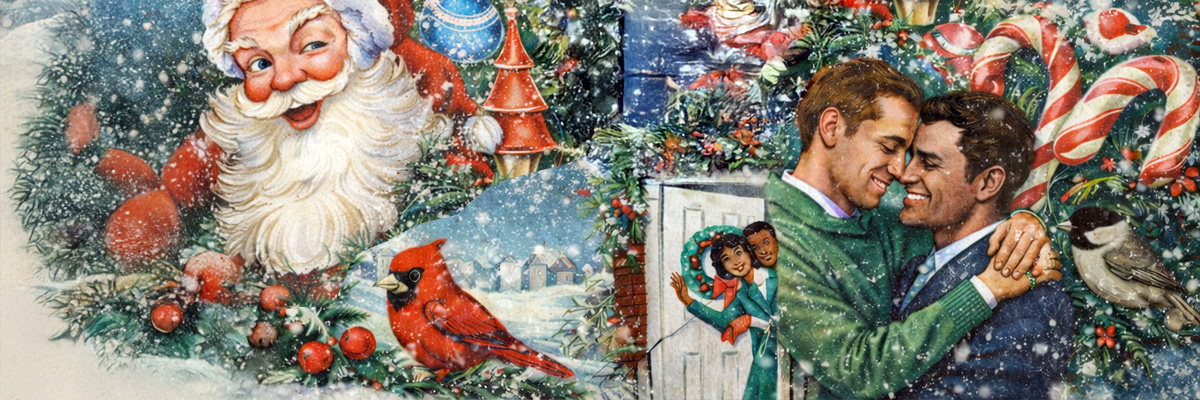
Thanks to the BSA family and friends everywhere who share their camaraderie, creativity, and support for our work. Wherever you are in the world, we wish you a Merry Christmas!
We’re celebrating the end of one year and the beginning of the next by thanking BSA Readers, Friends, and Family for your support in 2025. Picked by our followers, these photos are the heavily circulated and “liked” selections of the year – shot by our Editor of Photography, Jaime Rojo. We’re sharing a new one every day to celebrate all our good times together, our hope for the future, and our love for the street. Happy Holidays, Everyone!
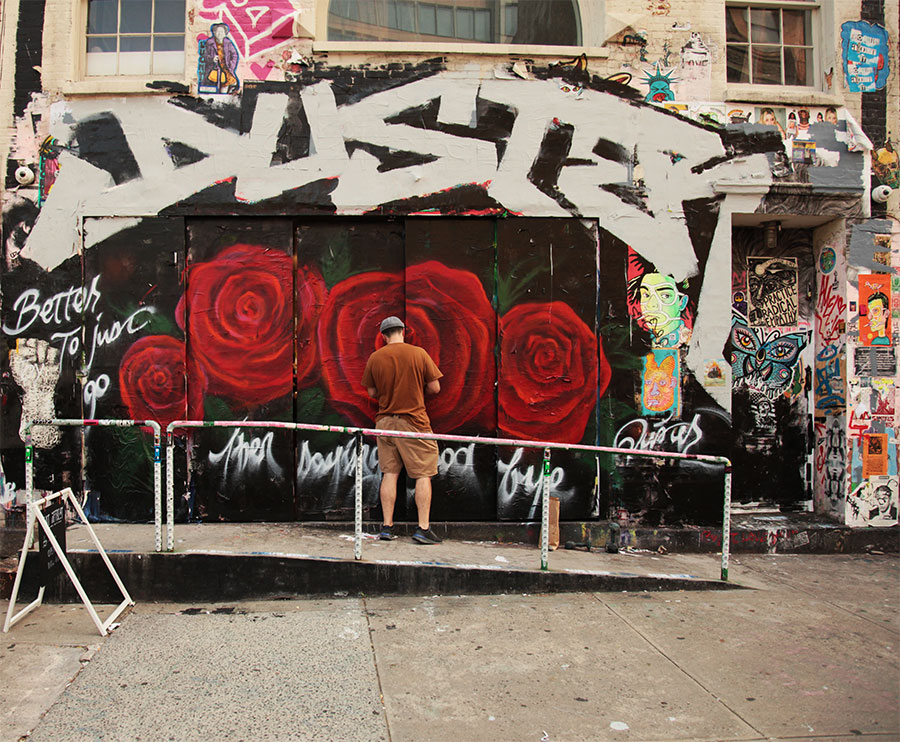
This one caught our eye for the merging of classic graffiti nerve, blunt style execution, sentimental velvety roses, inspirational verses, and the organic smash of an evolving community wall. Not to mention the cross-generational name “Duster” being shared and executed completely differently.
We’re celebrating the end of one year and the beginning of the next by thanking BSA Readers, Friends, and Family for your support in 2025. Picked by our followers, these photos are the heavily circulated and “liked” selections of the year – shot by our Editor of Photography, Jaime Rojo. We’re sharing a new one every day to celebrate all our good times together, our hope for the future, and our love for the street. Happy Holidays, Everyone!
Praise the labor of painting and painters: the technical mastery, the arduous strategic planning, the bodily toll. We usually encounter graffiti, street art, and murals only after they are complete, detached from—and largely unaware of—the conditions that produced them.
Yet for the painter, the city is often an active adversary: hostile architecture, weather, chain-link barriers, gravity, the harness dangling from a roofline. Graffiti writers and some street artists elevate their work by placing it where it should not be possible, making difficulty itself part of the statement, part of the accomplishment. Muralists, across centuries, have paid for scale with their bodies, remaining suspended for hours at a time, contorting themselves to reach a surface or achieve an effect. What we admire as an image is often a record of endurance.
This understanding of art as sustained labor is hardly new. Auguste Rodin, as recalled by Rainer Maria Rilke, reduced artistic success to a discipline of repetition and persistence: “You must work, always work” (Il faut travailler—toujours travailler).
Michelangelo, writing while painting the vault of the Sistine Chapel, was less stoic about the cost. He described a body warped by duration and strain, the romance of genius replaced by physical degradation:
I’ve already grown a goiter from this torture, hunched up here like a cat in Lombardy… My stomach’s squashed under my chin, my beard’s pointing at heaven… my brush, above me all the time, dribbles paint so my face makes a fine floor for droppings.
Seen this way, large-scale painting is not merely an act of vision but one of submission—to time, gravity, and repetition. The finished surface may appear effortless, but it carries within it the residue of labor, risk, and bodily negotiation.
We’re celebrating the end of one year and the beginning of the next by thanking BSA Readers, Friends, and Family for your support in 2025. Picked by our followers, these photos are the heavily circulated and “liked” selections of the year – shot by our Editor of Photography, Jaime Rojo. We’re sharing a new one every day to celebrate all our good times together, our hope for the future, and our love for the street. Happy Holidays, Everyone!
The splasher approach to graffiti has morphed into a kind of visceral graphic abstraction on the street, closer to Abstract Expressionism than to traditional tagging. Where the goal once might have been to weaponize a fire extinguisher for sheer scale, now it’s pure gesture—more Pollock drip, de Kooning slash, even a bit of Gutai thrown onto brick and metal.
It gives your eye a new way to read the streetscape, turning motion and emotion into something immediate and bodily. The obvious gets re-framed through force and speed rather than letters. This red splash comes out of nowhere and suddenly feels unavoidable—an unannounced painting that interrupts the city or reframes it. Catch it while you can.
We’re celebrating the end of one year and the beginning of the next by thanking BSA Readers, Friends, and Family for your support in 2025. Picked by our followers, these photos are the heavily circulated and “liked” selections of the year – shot by our Editor of Photography, Jaime Rojo. We’re sharing a new one every day to celebrate all our good times together, our hope for the future, and our love for the street. Happy Holidays, Everyone!
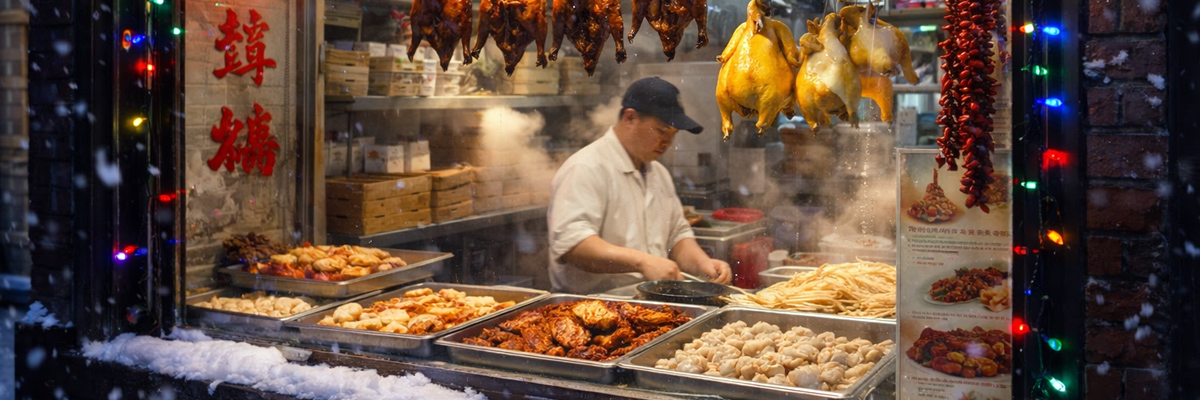
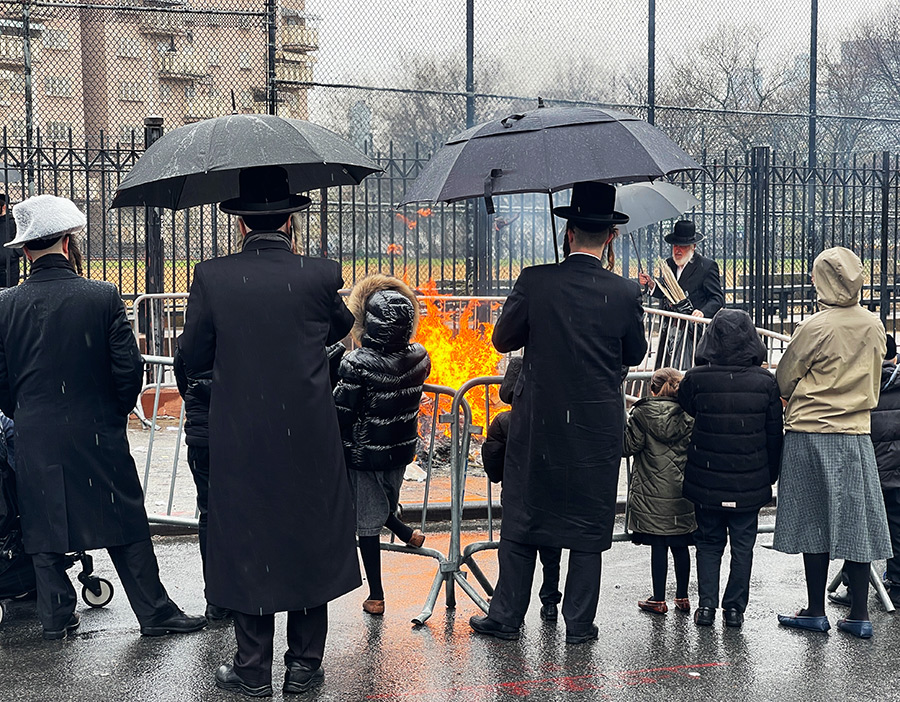
First thing on a Friday morning in the city, you might be hustling to the subway, walking a kid to school, or juggling coffee and a cranky toddler. Or, depending on the calendar, you might be lighting a small fire on the sidewalk.
On the morning before Passover, Hasidic Jews in a few Brooklyn neighborhoods complete a religious ritual called biur chametz, the final removal of leavened food, traditionally by burning it before a specific hour. Fire here isn’t ceremonial or dramatic—it’s practical, deliberate, and brief – but there is always an audience. In a place like Brooklyn, that can mean flames and smoke billowing on the concrete, neighbors pausing, kids watching from a distance, a couple of cops standing by, and a whiff of smoke cutting across the usual mix of languages, routines, and lives—an ancient practice carried out calmly in the middle of a very modern city.
We’re celebrating the end of one year and the beginning of the next by thanking BSA Readers, Friends, and Family for your support in 2025. Picked by our followers, these photos are the heavily circulated and “liked” selections of the year – shot by our Editor of Photography, Jaime Rojo. We’re sharing a new one every day to celebrate all our good times together, our hope for the future, and our love for the street. Happy Holidays, Everyone!
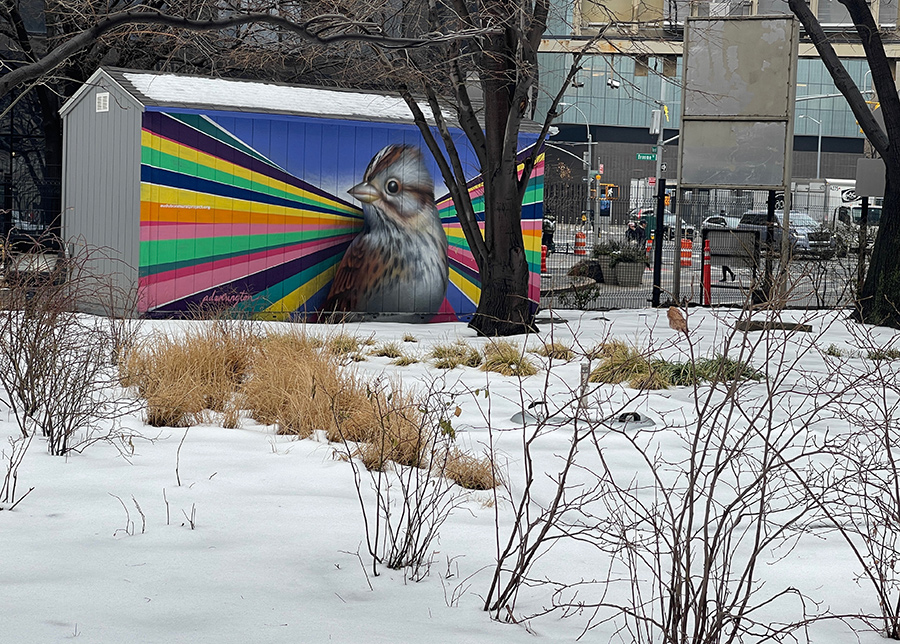
This Lincoln’s Sparrow by Peter Daverington is wise and approachable, its portrait framed by radiating action beams in a Manhattan micro-park. The site itself is barely 5,000 square feet—a triangulated scrap wedged between crisscrossing streets, a byproduct of chaotic city “planning” and rapacious real estate self-interest. Still, through care and intention, this public patch has been shaped into a small oasis. Daverington has spoken about broad painterly interests coalescing in his work, along with an awareness of cycles of collapse and renewal, class struggle, and the evolution of species. Here, one of his wise, enigmatic heads is rendered in portrait language—an intelligent presence meeting your gaze on a grey, cold winter’s day.
We’re celebrating the end of one year and the beginning of the next by thanking BSA Readers, Friends, and Family for your support in 2025. Selected by our readers, these photos are the heavily circulated and “liked” selections of the year – shot by our Editor of Photography, Jaime Rojo. We’re sharing a new one every day to celebrate all our good times together, our hope for the future, and our love for the street. Happy Holidays, Everyone!
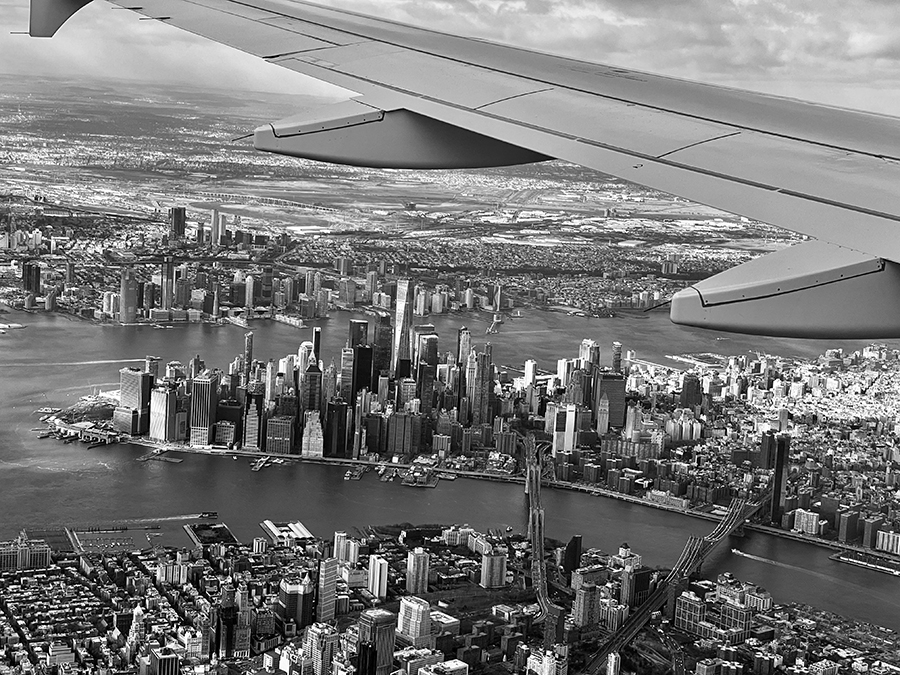
As the year comes to a close, this image calls to mind many trips—across the country and abroad—that allowed us to report the stories that connected with us and with you. Street art is alive and part of the visual experience of cities around the world, shaped by culture, a multitude of histories, and the exigencies of daily life. We’re fortunate to document it firsthand and share those encounters with you.
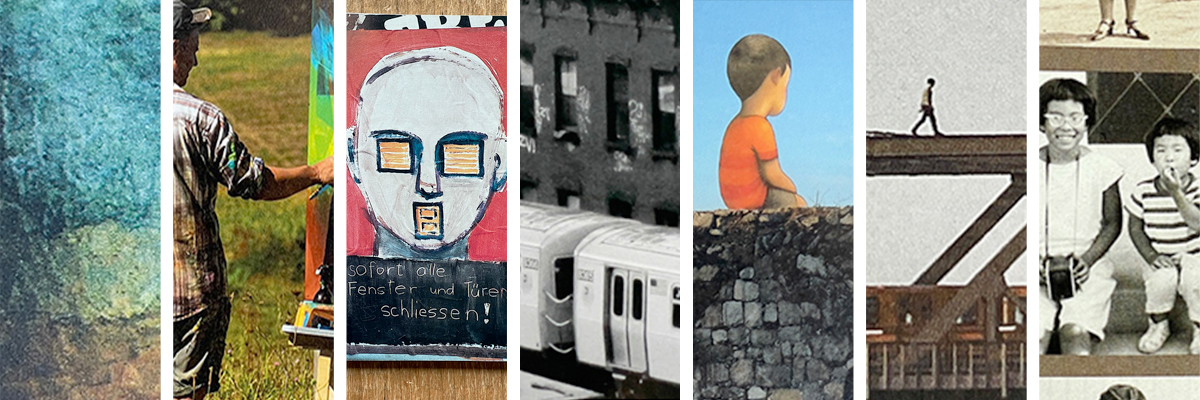
Nearing two decades of this annual list, BSA has changed as the local and global street art/graffiti/fine art scenes have. Less interested in the celebrity and more interested in the people and passions that drive the need to express yourself creatively in public space, BSA has gone through whatever doors opened and a few that were slammed shut. Our shortlist for 2025 reflects a diversity within the street art, graffiti, and fine art worlds that many once assumed would become centralized and homogenized.
Sure, there is a lot of derivative drippy “street art” dreck at art fairs and on particular walls. Still, we suggest the scene is no longer best described as a single movement traveling toward institutional acceptance. We would also argue that it was never the goal, regardless of the Street Art hype of the 2010s. In an interconnected artist’s life, this ‘scene’ is a network of practices that share tools (reproduction, scale, public encounter), ethics (authorship vs anonymity, permission vs necessity), and stakes (who gets to speak in public, and how).
The common threads aren’t style, or even medium—they are circulation, context, and the social life of images. In that sense, this group of books doesn’t just document a year; it maps a portion of the expanded field where street culture, publishing culture, and contemporary art culture now overlap—sometimes comfortably, sometimes in productive friction.
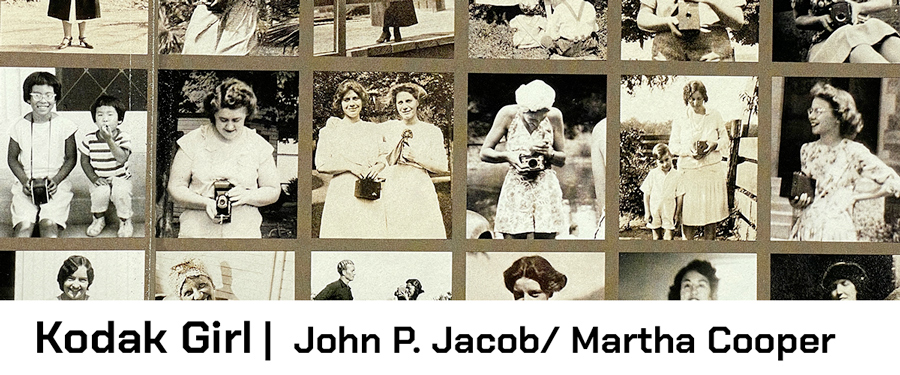
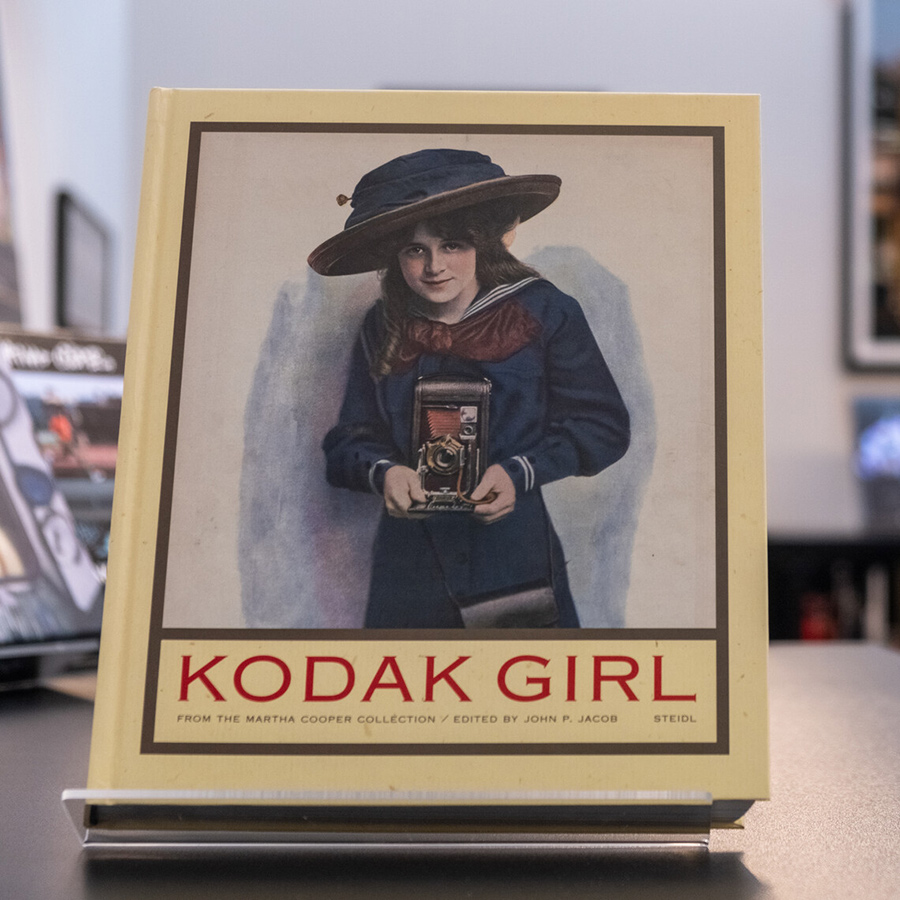
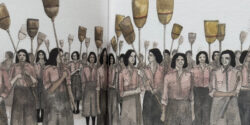
Books in the MCL: John P. Jacob (ed.). “Kodak Girl: From the Martha Cooper Collection”
Kodak Girl: From the Martha Cooper Collection. John P. Jacob (ed.). 2012
From BSA:
“Kodak Girl: From the Martha Cooper Collection“, edited by John P. Jacob with essays by Alison Nordström and Nancy M. West, provides an in-depth examination of Kodak’s influential marketing campaign centered around the iconic Kodak Girl. With a riveting collection of photographs and related ephemera, the book dives into the intersection of technology, culture, and the role of gender in the late 19th to the mid-20th centuries. It offers readers a comprehensive look at how Kodak not only transformed photography into a widely accessible hobby but also significantly influenced societal perceptions of women.
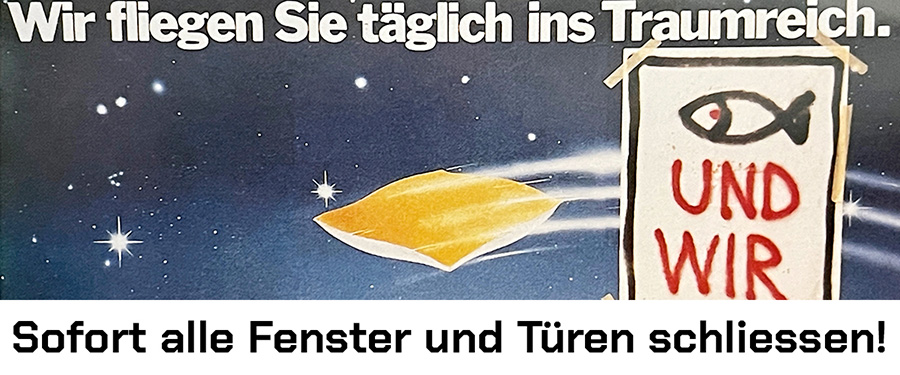
Sofort alle Fenster und Türen schliessen! (Immediately Close All Windows and Doors)
Poster campaign in Basel (Switzerland), 1986, by anonymous artists to highlight the Sandoz fire disaster in Schweizerhalle. Zine photographed and printed anonymously, Basel 1986. Self-published. No longer available for purchase.
From BSA:
On the night of November 1, 1986, Basel was told to “immediately close all windows and doors.” A fire ripped through a Sandoz chemical warehouse, and the Rhine River ran red with toxic runoff. Thousands of fish floated belly-up, and citizens were left in fear and fury, just months after the trauma of Chernobyl【1】.
When the authorities stumbled and minimized the danger, Basel’s artists and students seized the opportunity to express themselves on the walls. Within days, in the middle of the night, activists from the School of Design plastered the city’s billboards and poster kiosks with their furious responses【2】. They worked fast, stayed anonymous, and left the streets covered with raw, hand-painted images and biting slogans.
Interpreting Warmia’s Hidden Patterns from Above and Within
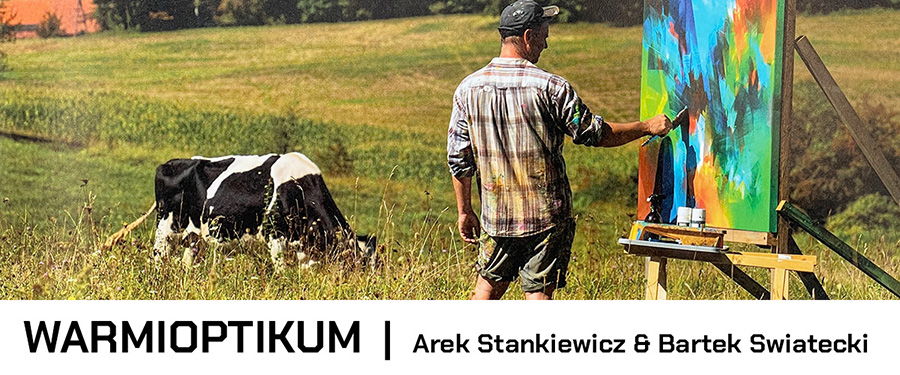
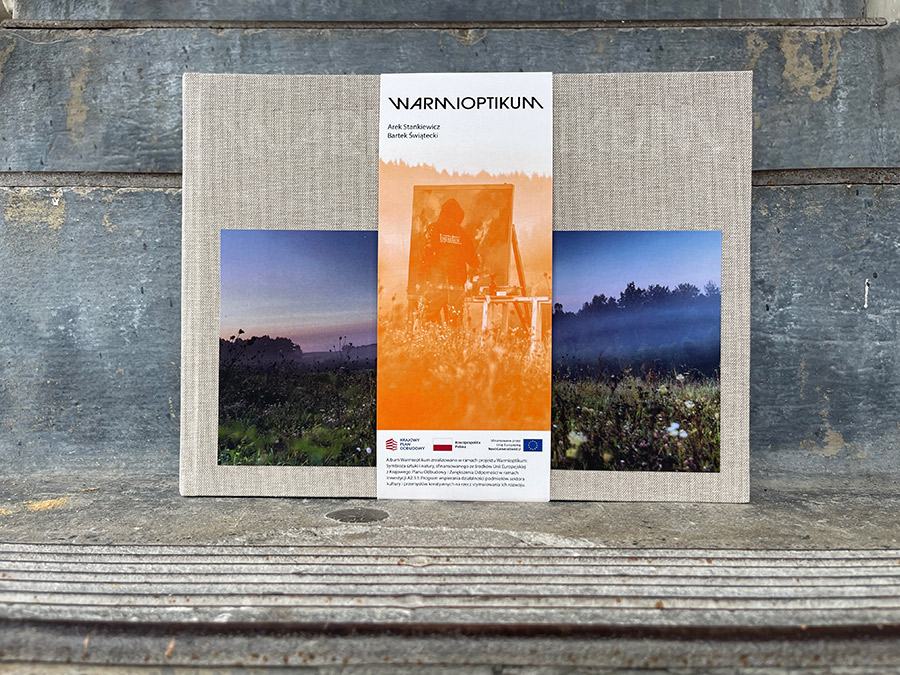
Bartek Swiatecki’s latest book, Warmioptikum, is a striking fusion of abstract painting and aerial photography, capturing the landscapes of Warmia, Poland, from a new perspective. Featuring Swiatecki’s expressive, in-the-moment paintings set against Arek Stankiewicz’s breathtaking drone photography, the book transforms familiar rural scenes into an evolving conversation between art and nature.
Swiatecki, known for his roots in graffiti and urban abstraction, takes his practice beyond the cityscape and into open fields, painting directly within the environment. Stankiewicz’s aerial lens frames these artistic moments, emphasizing their relationship with the land’s patterns, textures, and rhythms. As noted in the book’s foreword by Mateusz Swiatecki, Warmioptikum is a documentation and an exploration of how we perceive and engage with landscape, helping the reader see Warmia through “extraordinary perspectives and new, nonobvious contexts.”
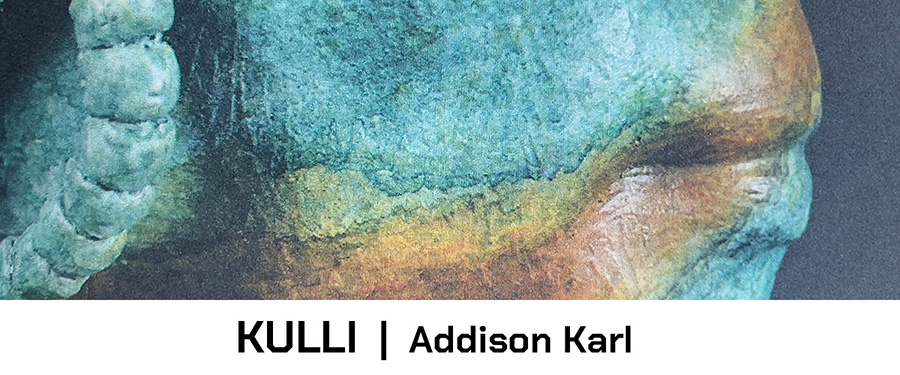
Addison Karl. KULLI. A Natural Spring of Artwork, Sculpture, Painting, Drawing, Public Art, and Inspiration. Self-published. Monee, IL. 2024.
From BSA:
Over the last two decades of covering the street art movement and its many tributaries, one of the deepest satisfactions has been watching artists take real risks, learn in public, and mature—treating “greatness” as a path rather than a finish line. Working at BSA, we’ve interviewed, observed, and collaborated with scores of artists, authors, curators, institutions, and academics; it’s been a privilege to see where they go next.
Addison Karl’s self-published 2024 monograph, “KULLI: A Natural Spring of Artwork, Sculpture, Painting, Drawing, Public Art, and Inspiration,” reads as a first-person chronicle from an artist who moved from the wall to the plaza to the foundry without losing the intimacy of drawing. Dedicated to his son—whose name titles the book—KULLI threads words, process images, and finished works across media: murals, cast-metal and glass sculptures, drawings, and studio paintings, all guided by a sensibility that treats color and material as vessels for memory and place.
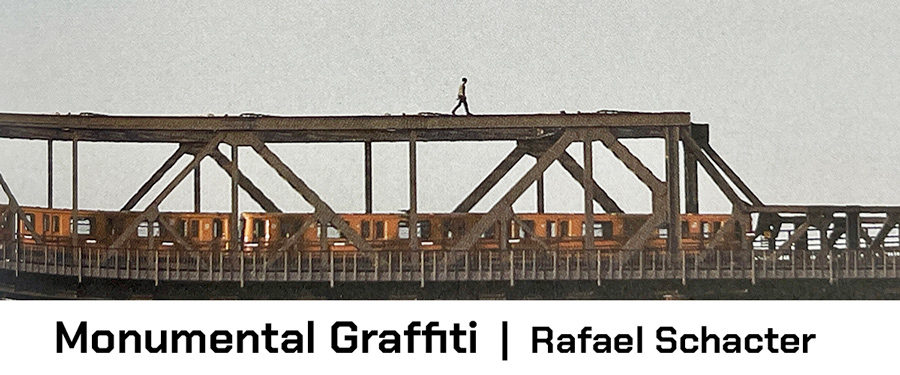
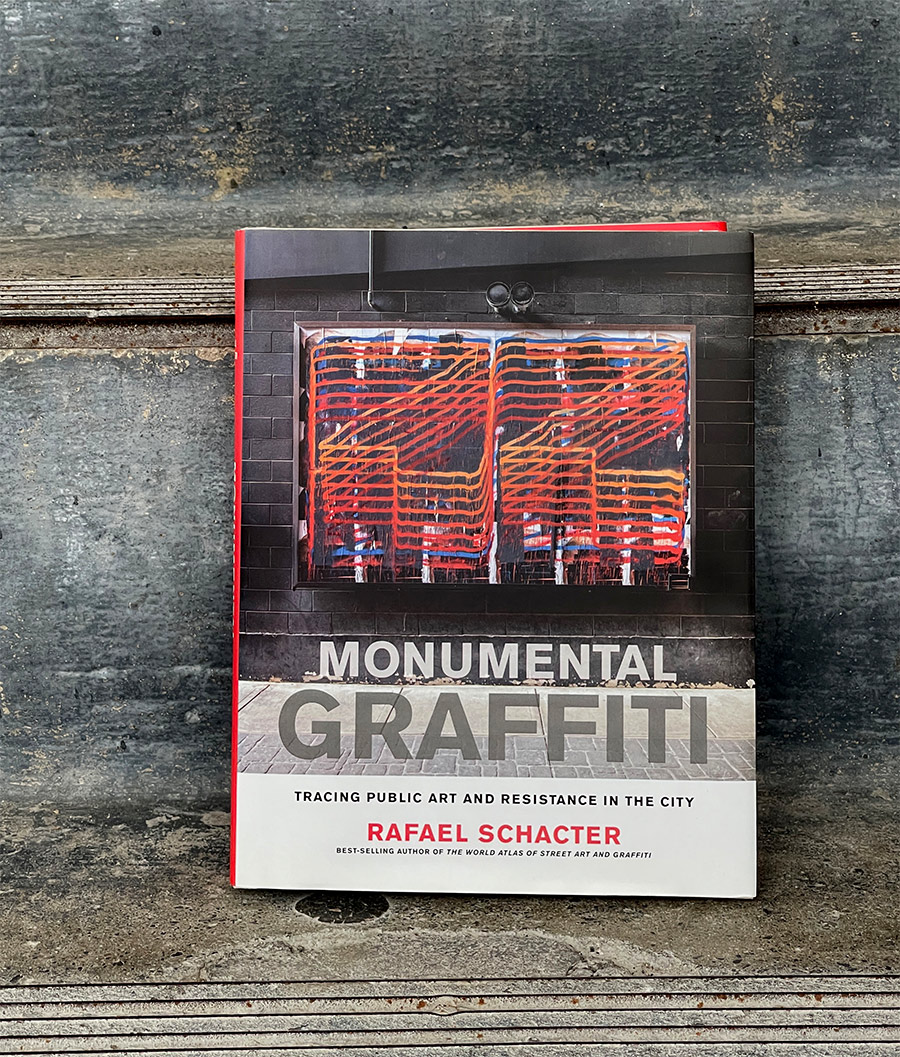
Rafael Schacter. Monumental Graffiti. Tracing Public Art and Resistance in The City. MIT Press. 2024
From BSA:
Graffiti is a living monument—an act of doing rather than keeping.
Rafael Schacter has been offering an alternative to institutional monumentality in his latest book Monumental Graffiti (2024). He buttressed his alternative view during his keynote speech for the New York 2025 Tag Conference (BSA is a sponsor). To a packed audience at the Museum of the City of New York, Schacter talked about a monumentality that is grounded in community, embodiment and the acceptance of transience as truth.
In his talk and his book, the London-based art historian argues that monuments and graffiti can illuminate each other: monuments don’t need to be grand or permanent, but can be understood—as their Latin root monere suggests—as acts that remind, advise, or warn. Drawing on counter-monuments and non-Western traditions, he would like to redefine monuments as socially and emotionally engaging public artifacts that may be ephemeral, community-driven, and conceptually monumental rather than physically imposing.
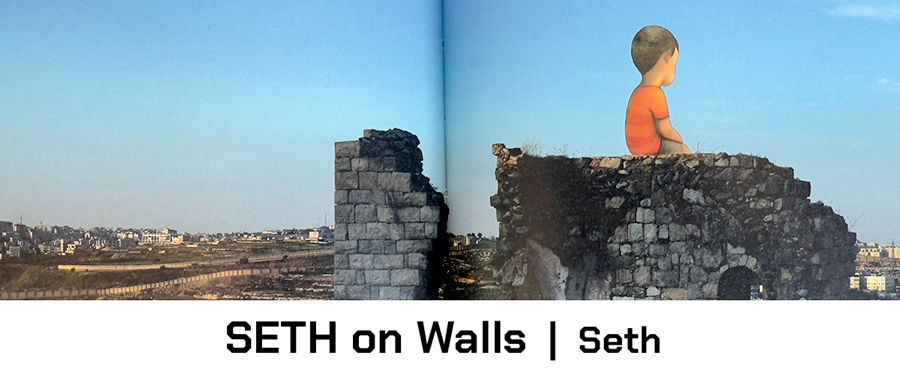
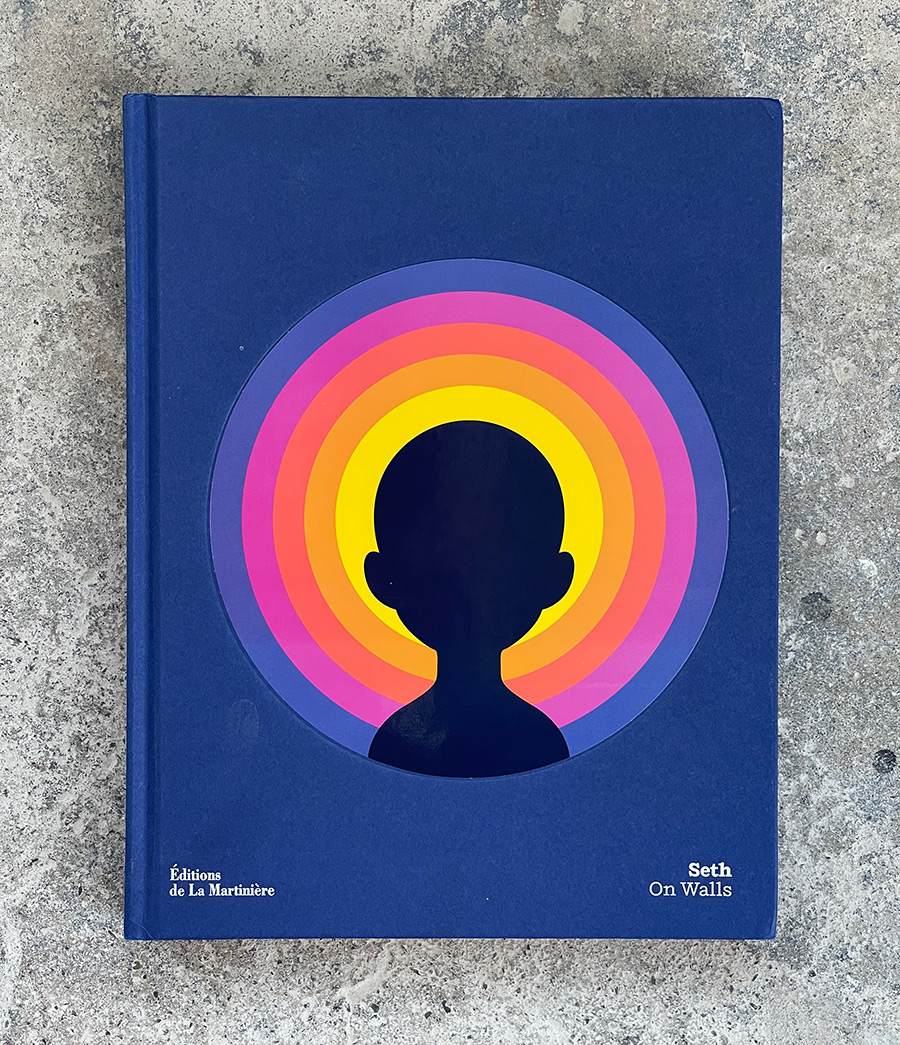
SETH on Walls. Editions de La Martiniere. 2022. Distributed by Abrams. An imprint of ABRAMS, 2023.
From BSA:
“In a world where the system alienates the most vulnerable, imposing a cynical or pessimistic outlook seems impossible to me,” says French street artist Seth. “Walls remain the space of resilience. Unlike cartoons, which leave no room for ambiguity, the choice to interpret a mural is essential. The curious are free to discover the hidden meaning.”
His new book “Seth On Walls” candidly offers these insights and opinions, helping the reader better understand his motivations and decisions when depicting the singular figures that recur on large walls, broken walls, and canvasses. A collection that covers his last decade of work in solo shows, group shows, festivals, and individual initiatives, you get the central messages of disconnection, connection, and honoring the people who live where his work appears.
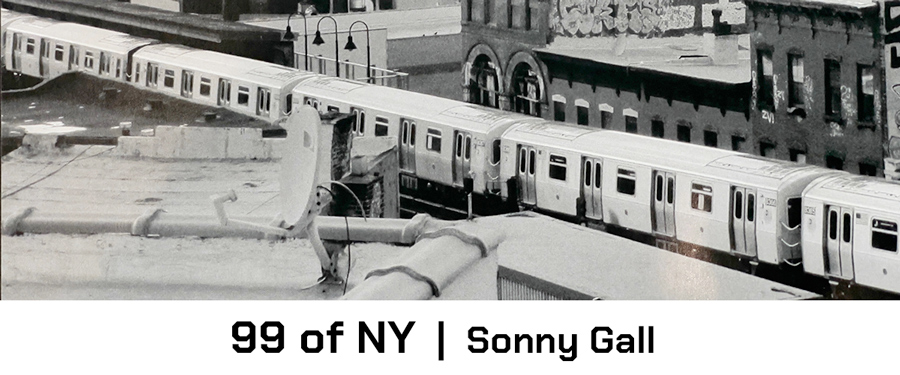
Sonny Gall. 99 of NY, released by King Koala Press with text by Mila Tenaglia. 2025.
From BSA:
Described by the publisher as “a compositional and documentary endeavor that unfolded naturally over the course of a decade,” 99 of NY gathers 99 photographs across 110 pages, printed in both color and black and white, in a durable hardcover, album-sized format. True to King Koala’s limited-edition tradition, it’s a finely produced object — modest in scale and rich in substance — that rewards slow looking and quiet reading.
Gall’s images vibrate and render when leaning toward the overlooked: empty lots in Queens, warehouse walls, families at home, scattered pigeons, playgrounds under scaffolding. They are fragments of a living city seen with patience and affection, moments that feel at once offhand and deliberate. Tenaglia’s accompanying texts deepen those impressions without overexplaining, their language as sharp and unadorned as the photographs themselves, yet evocative of the unseen – with a poetic wandering appropriate for the attitude of discovery. Together they capture what it means to move through New York — not as spectacle, but as encounter.
 BROOKLYN STREET ART LOVES YOU MORE EVERY DAY