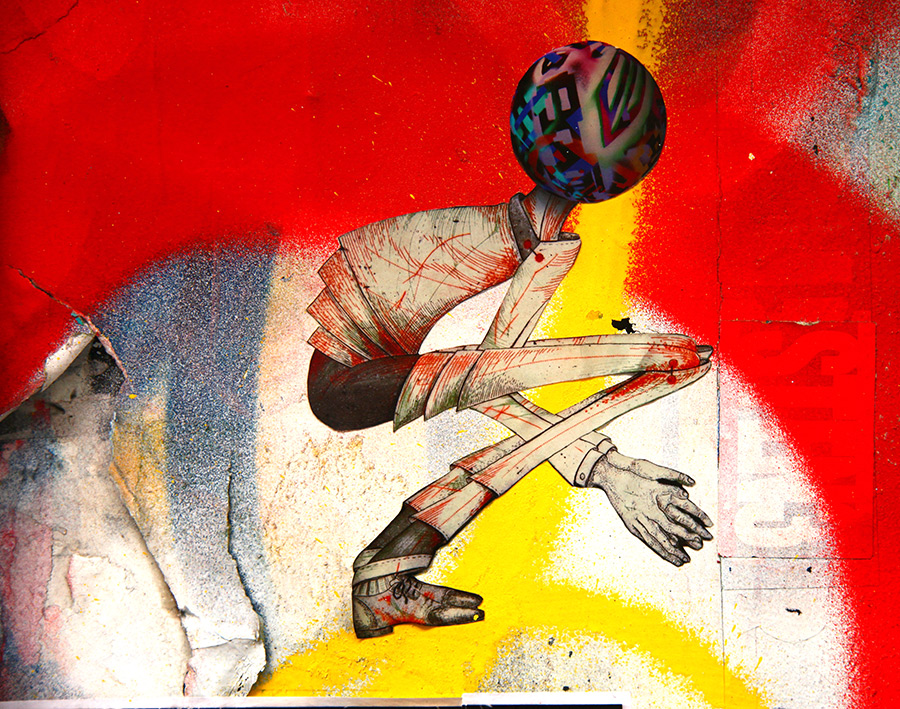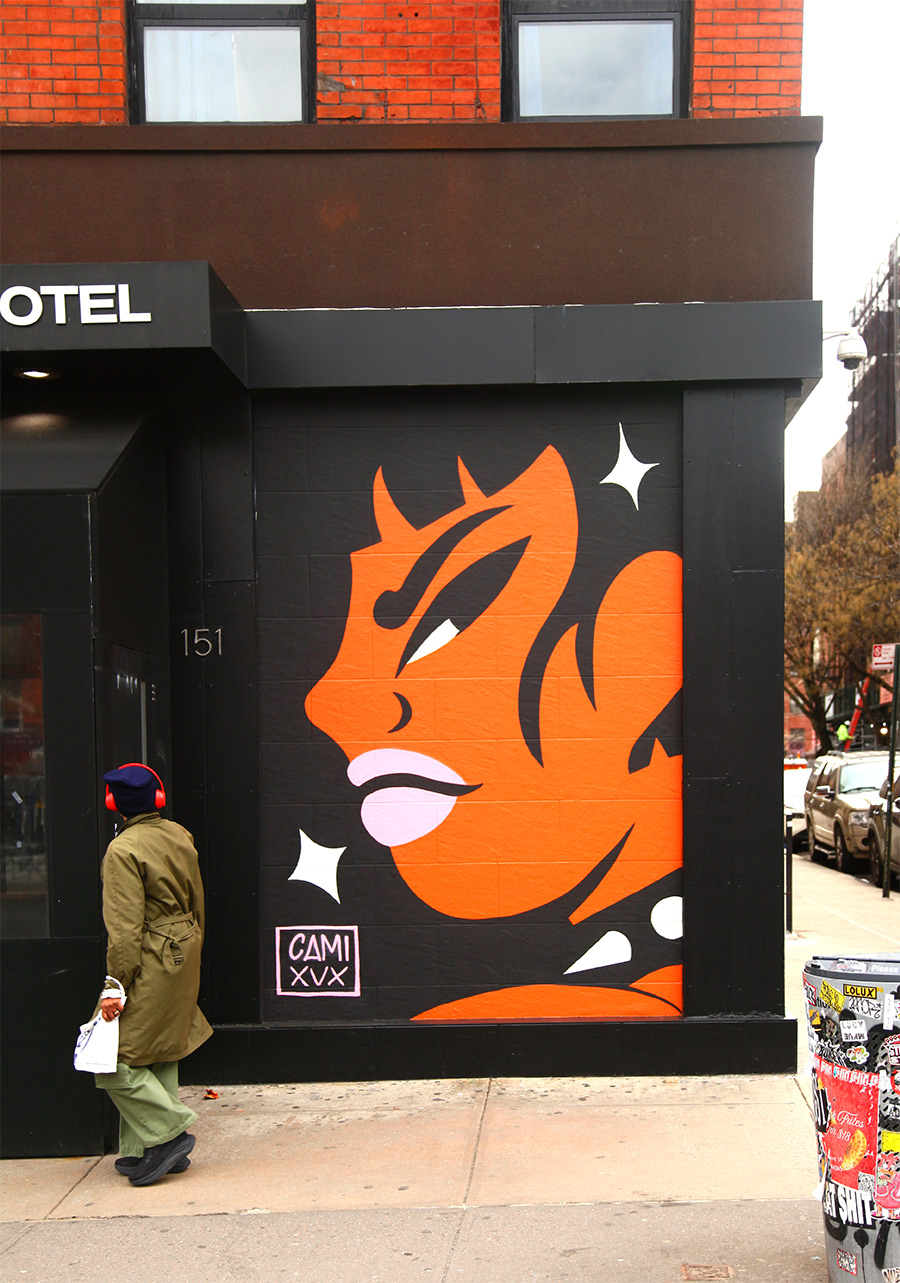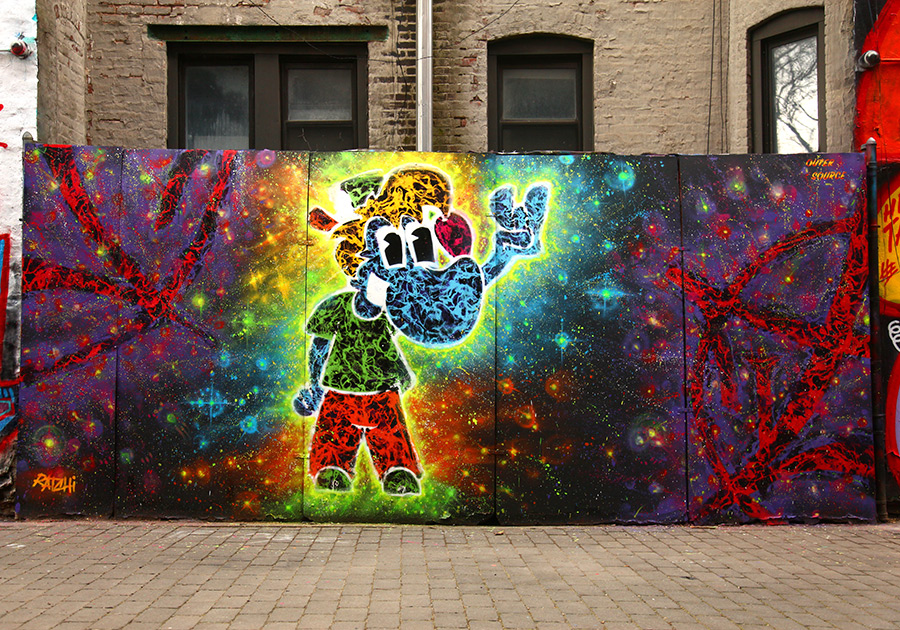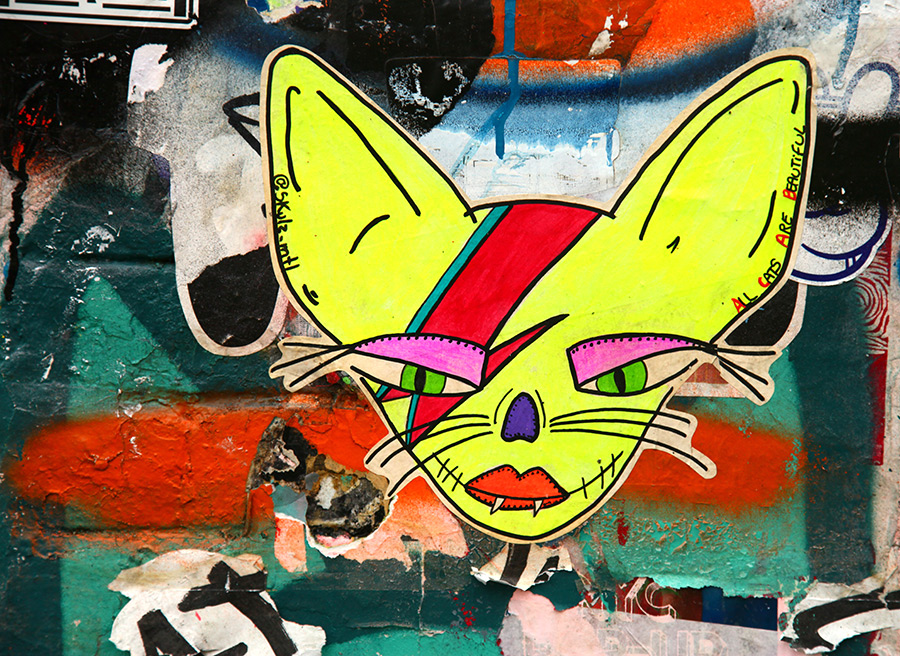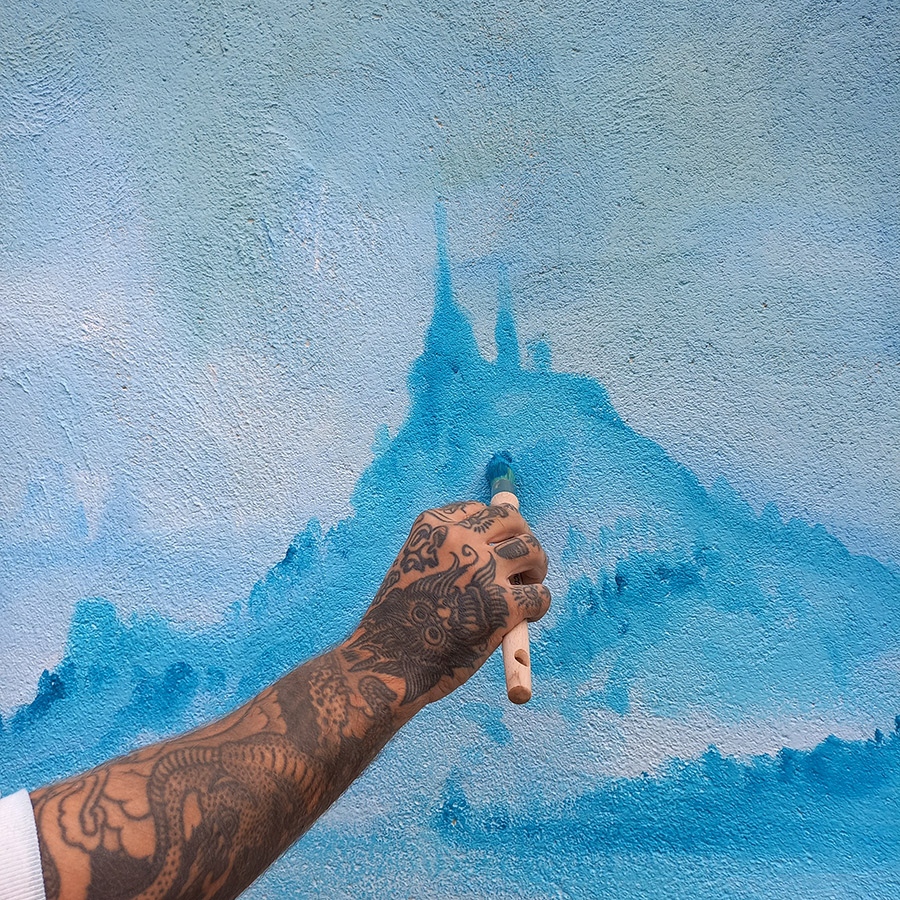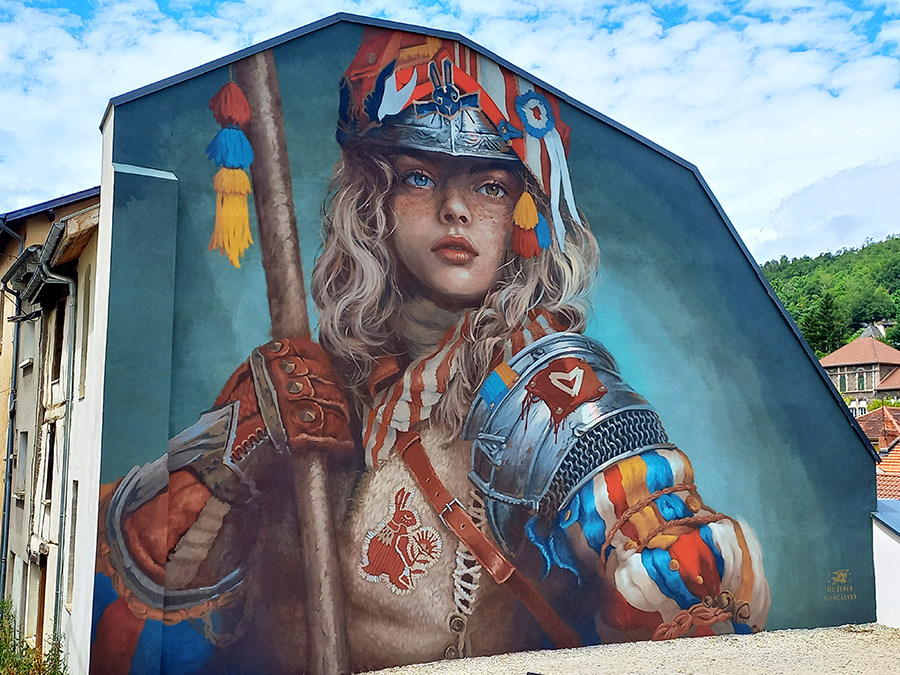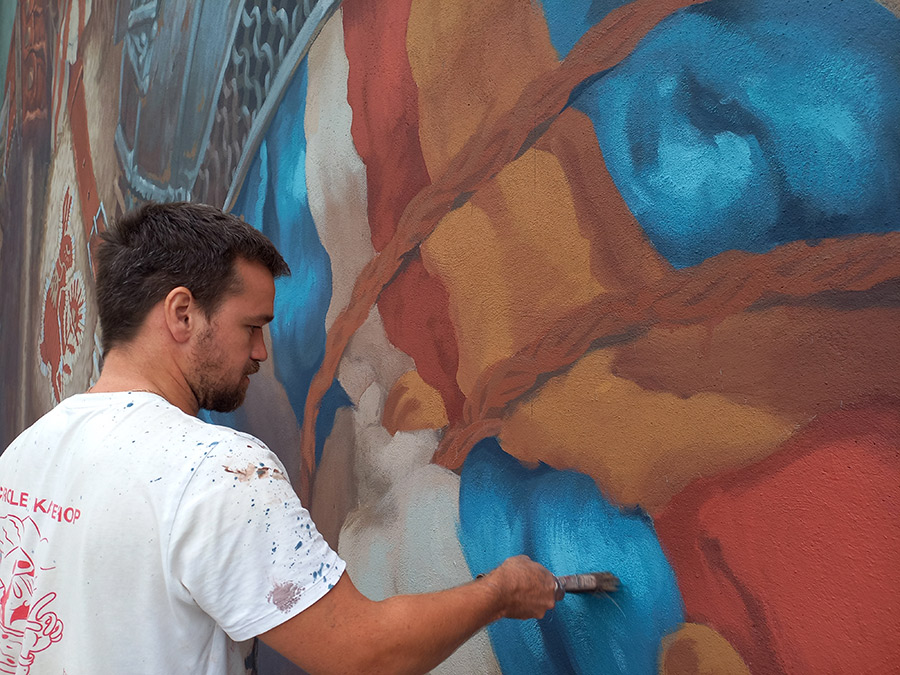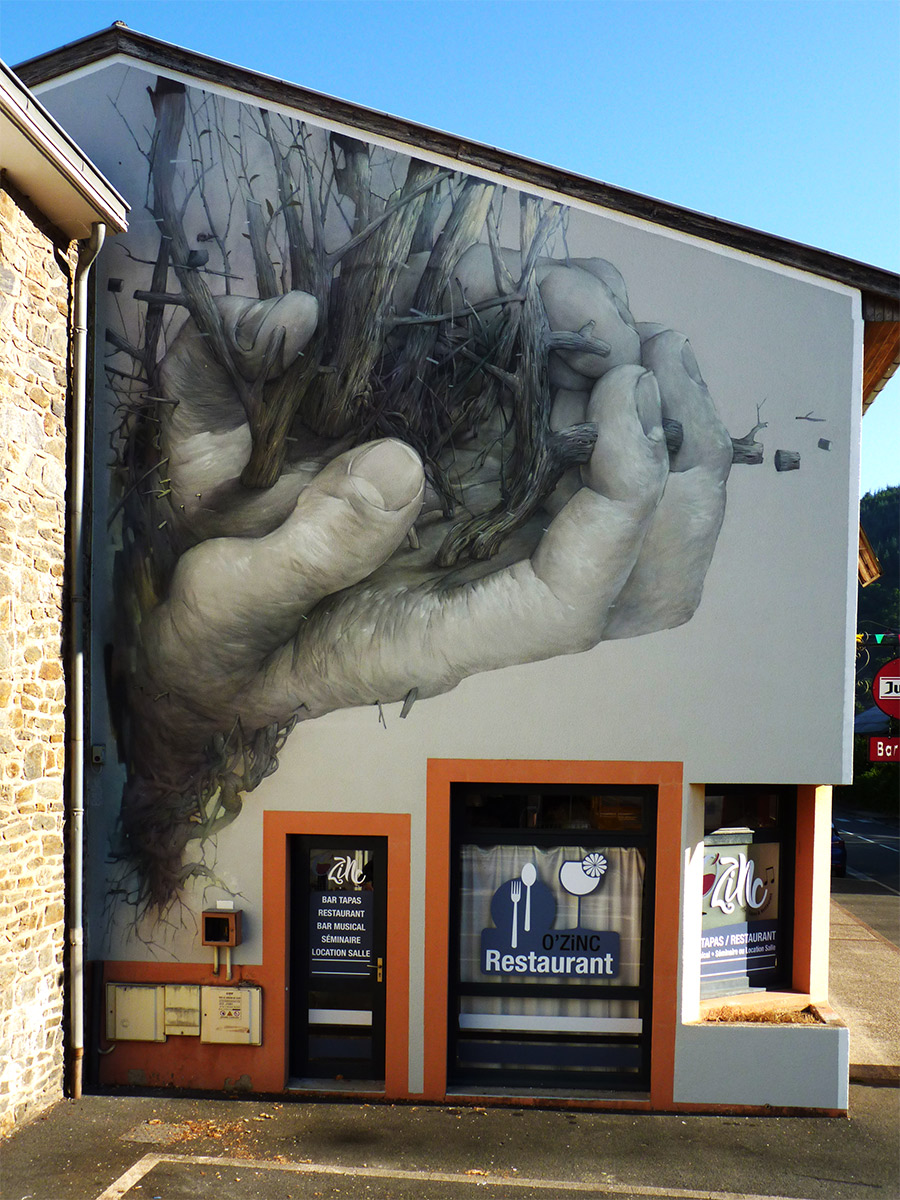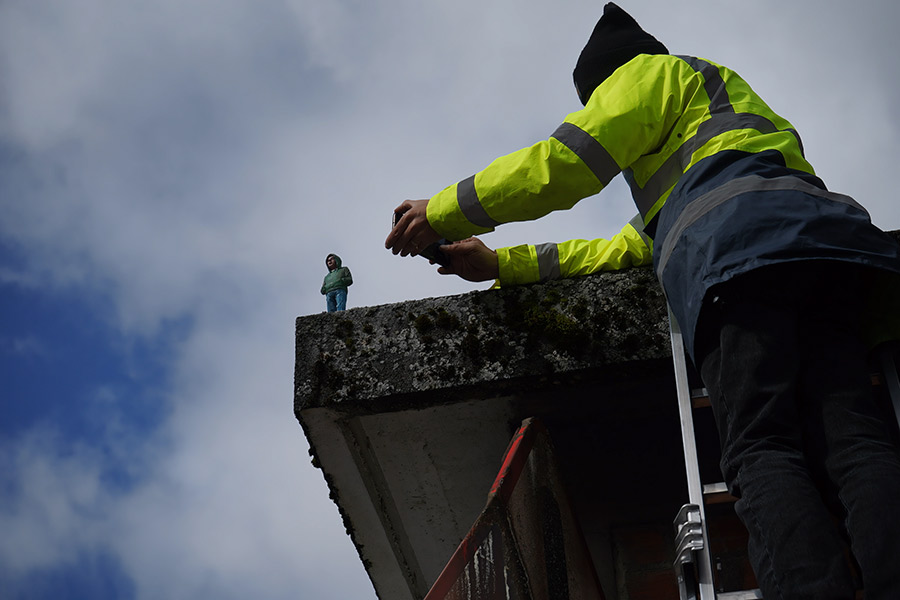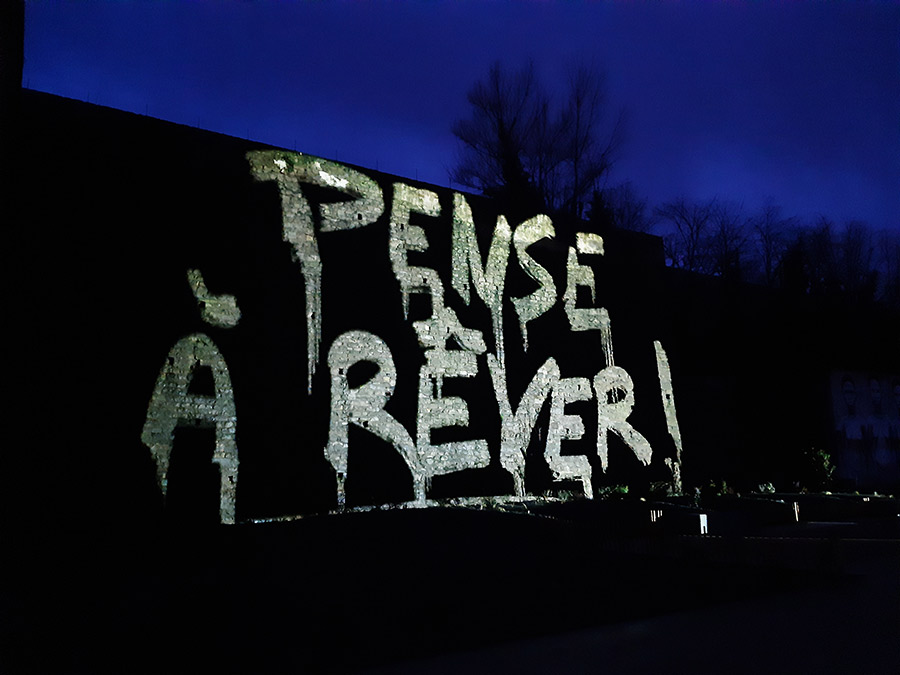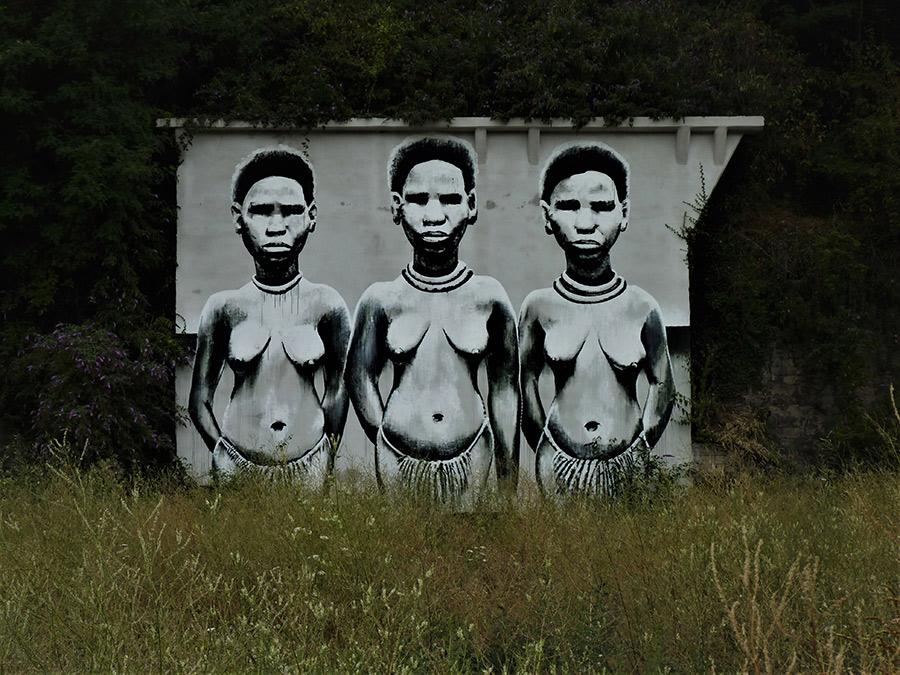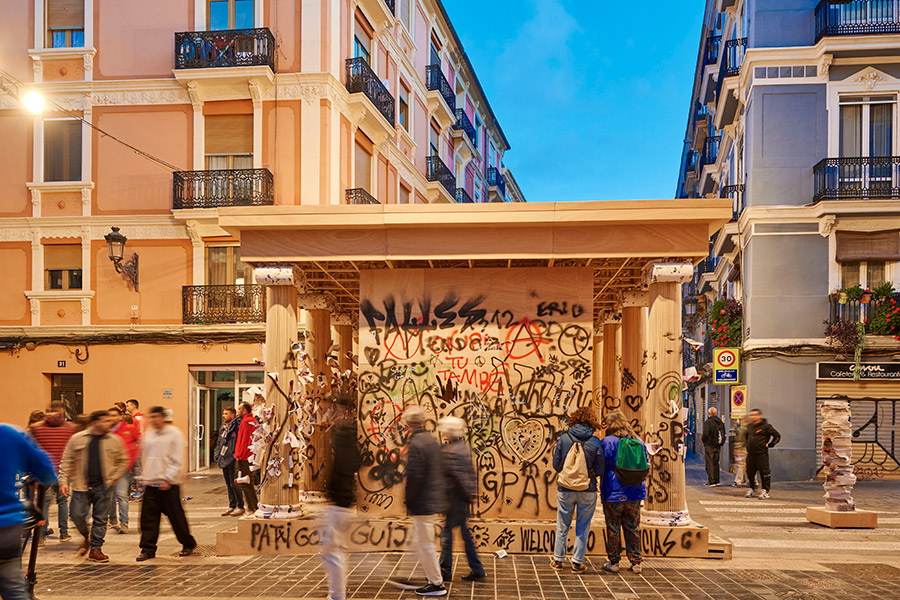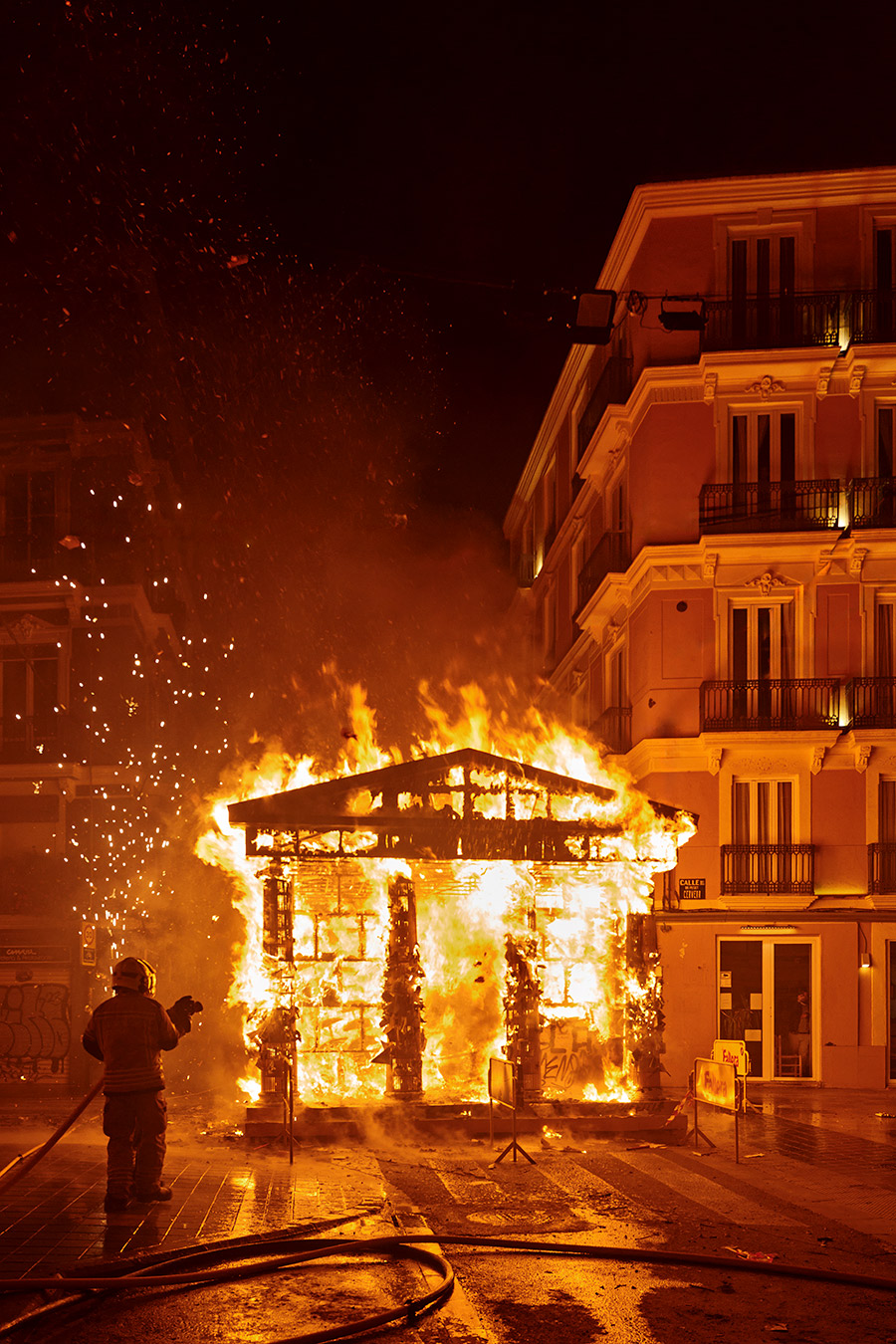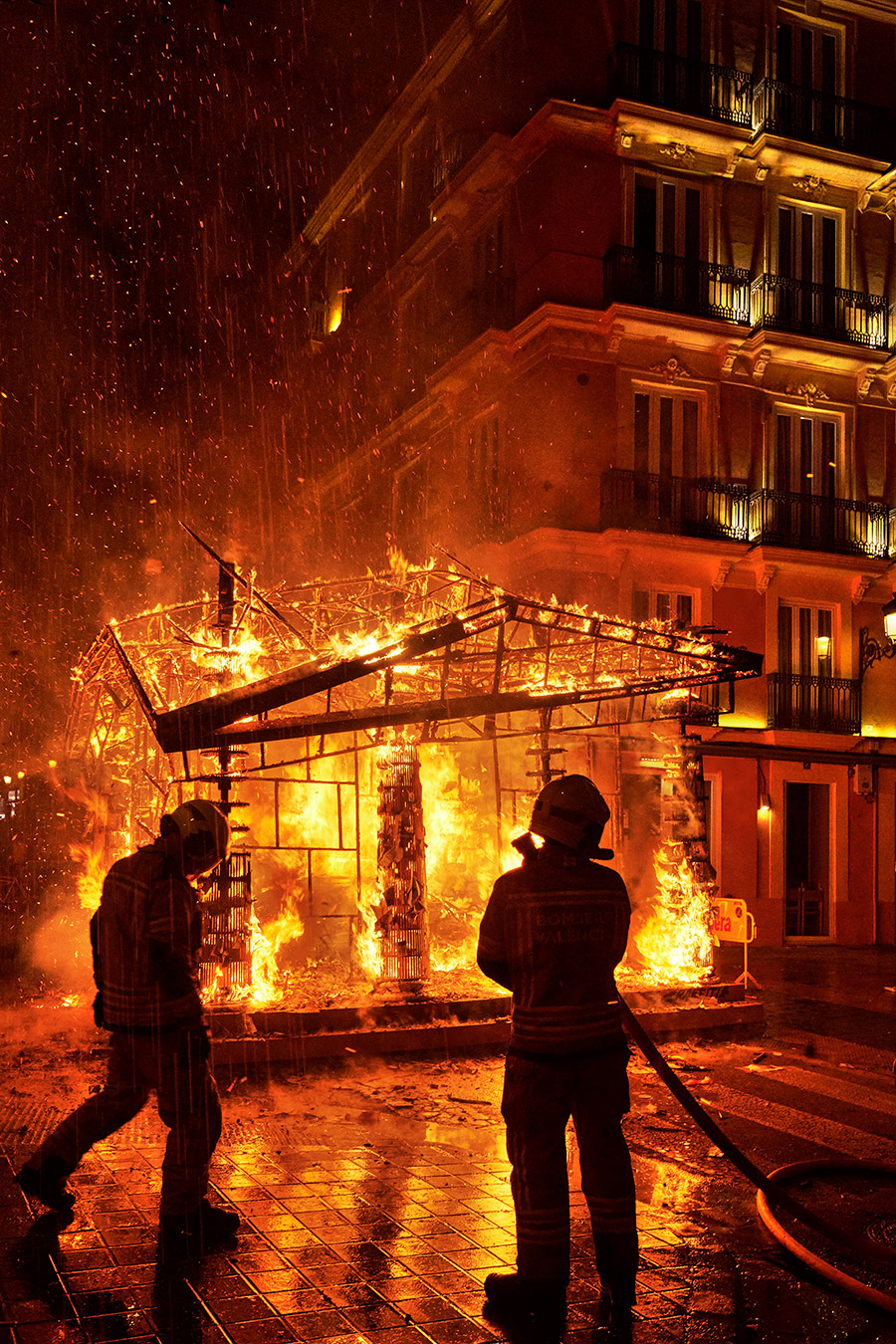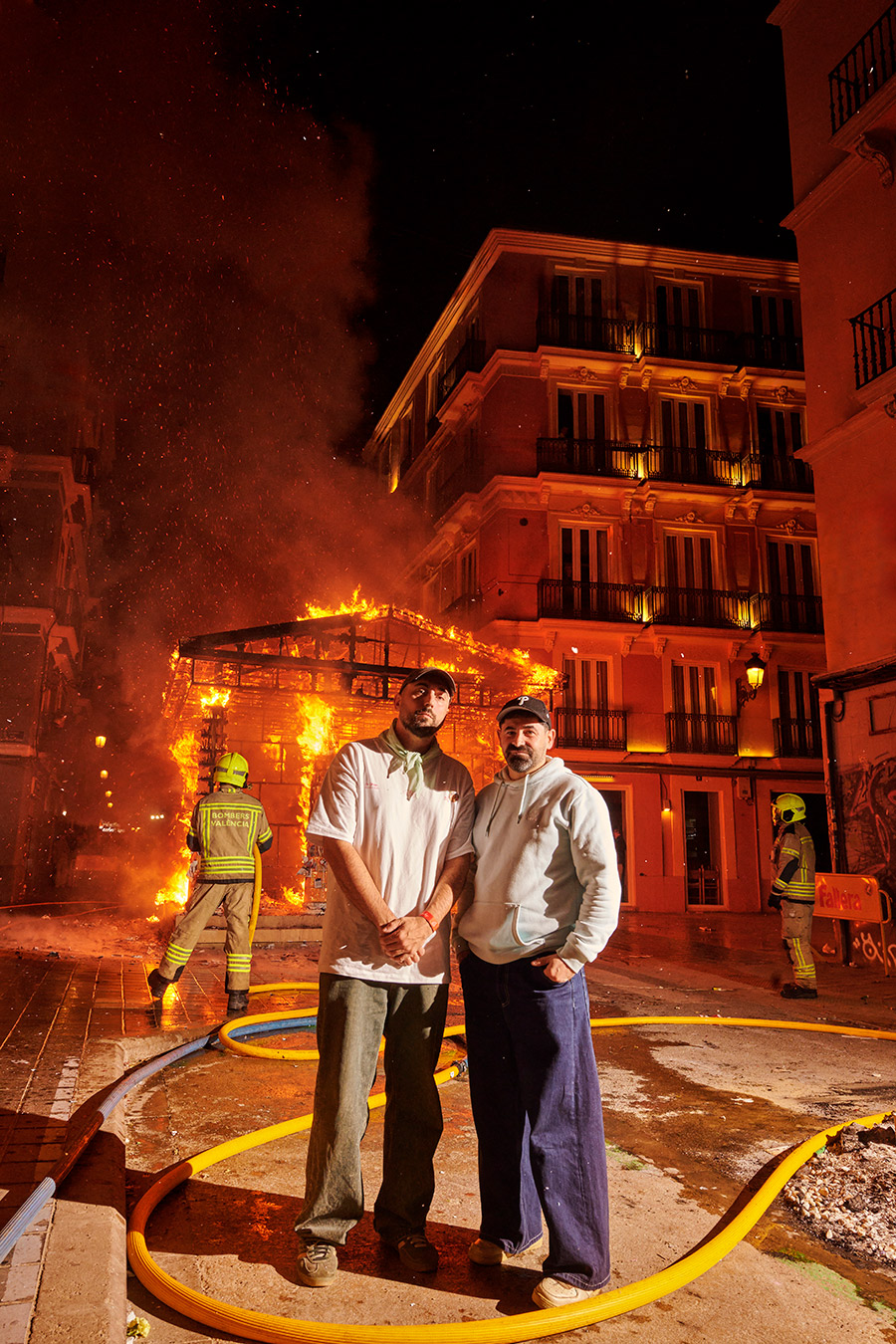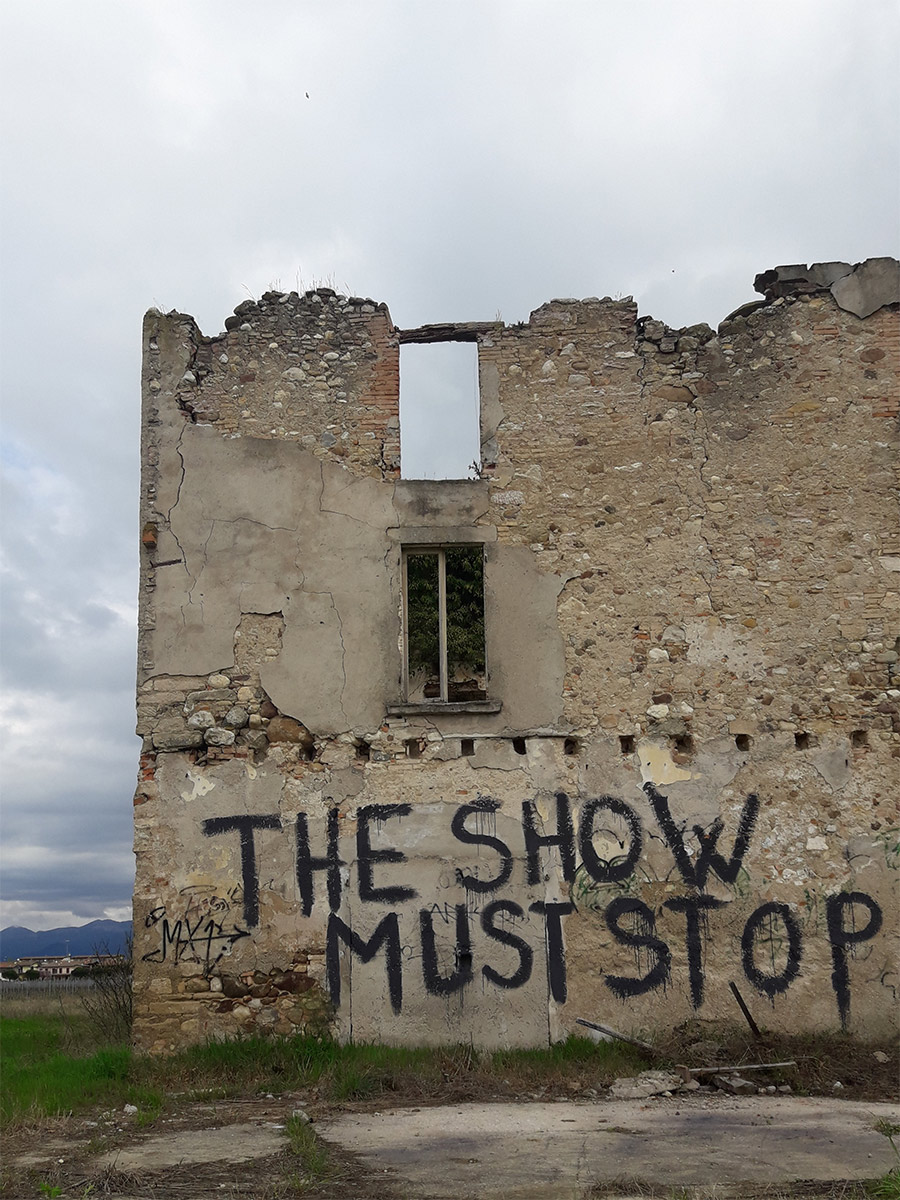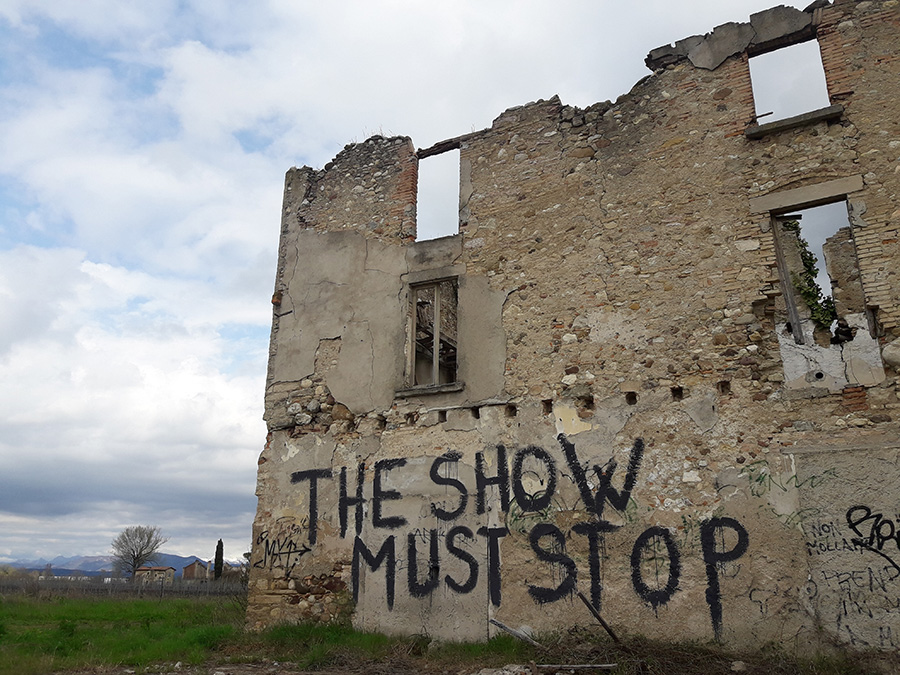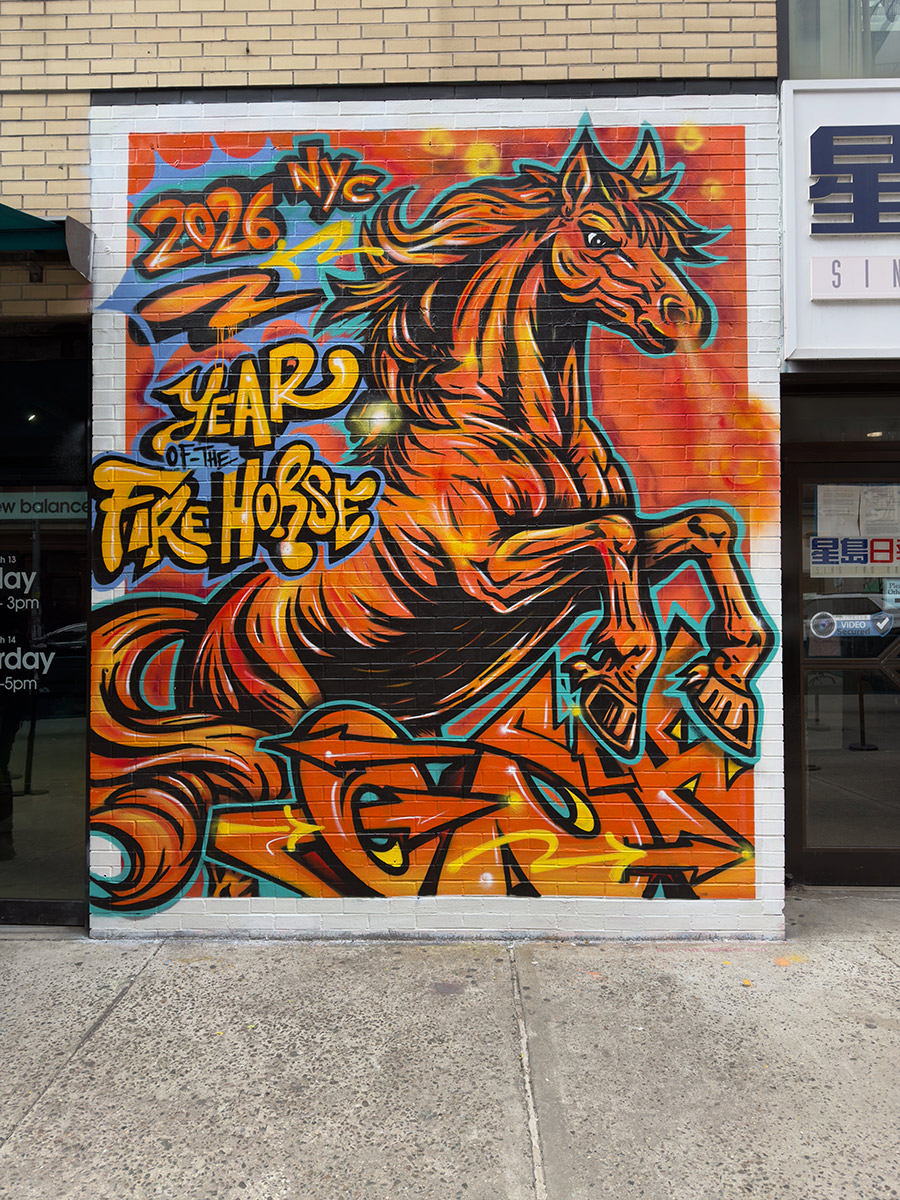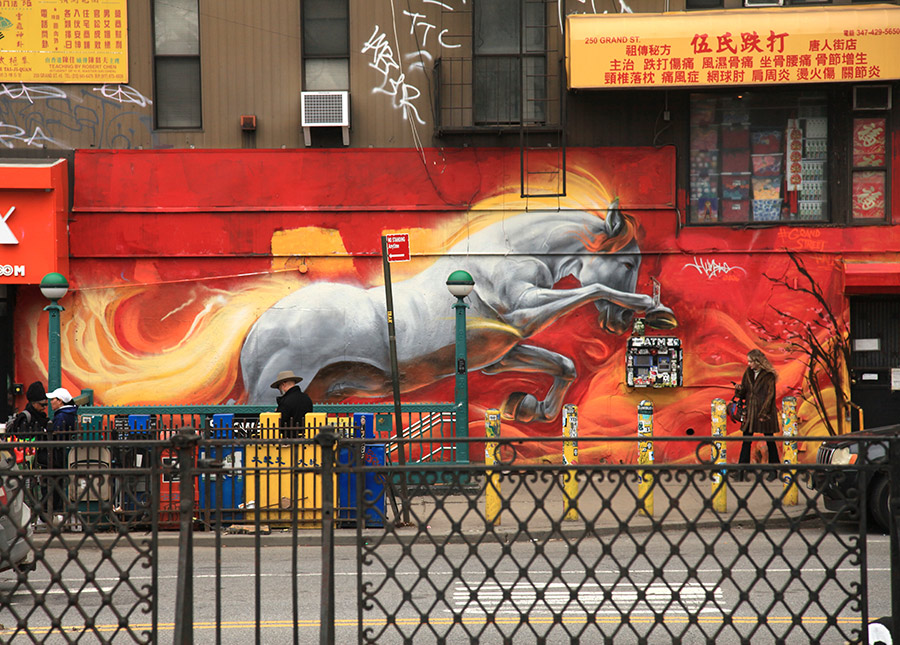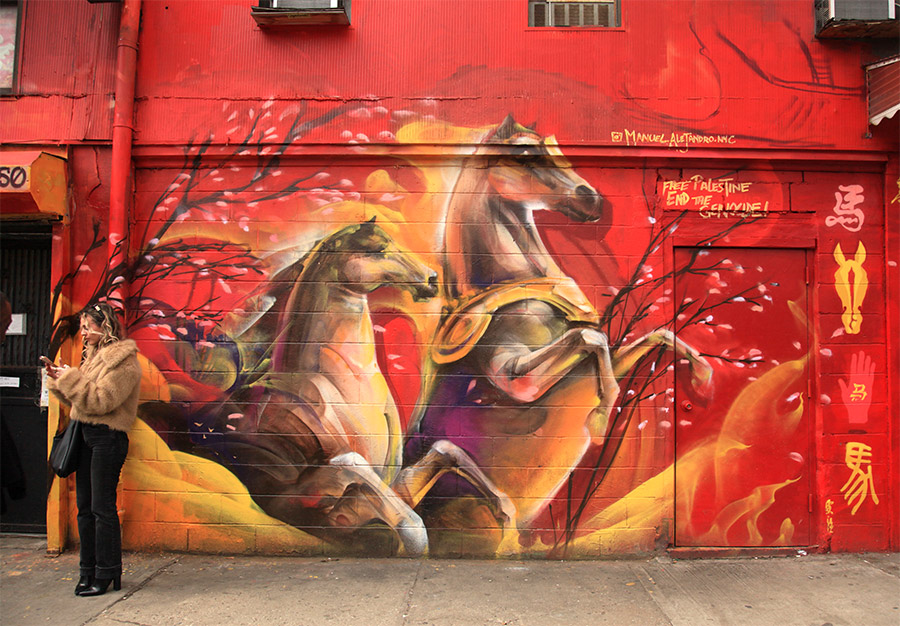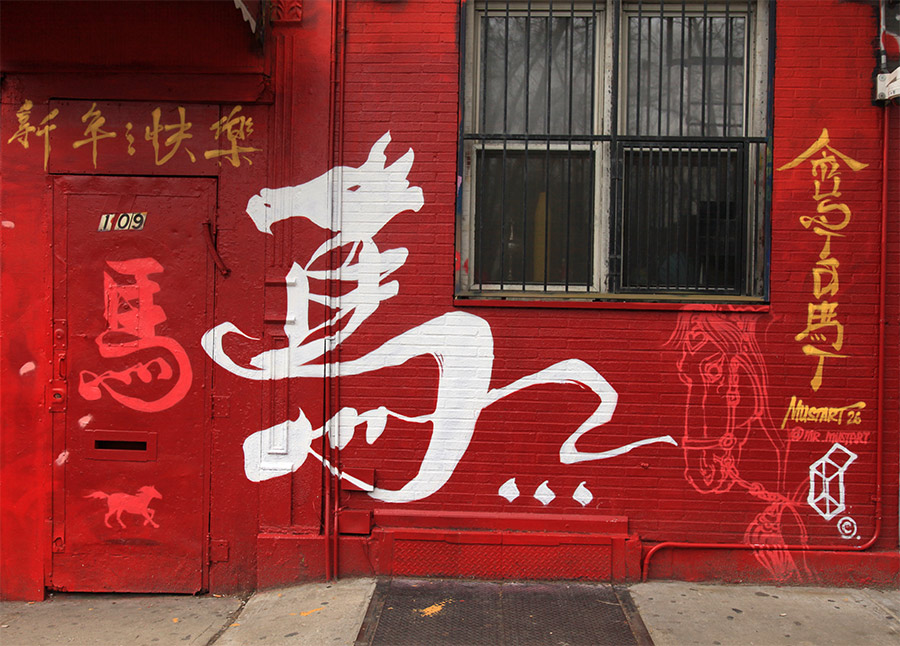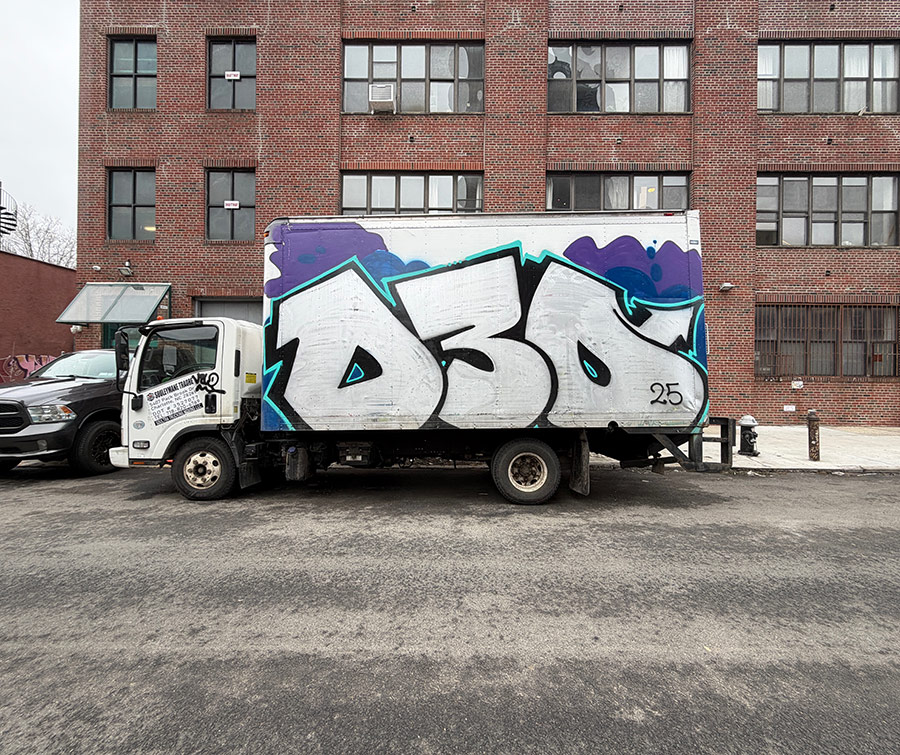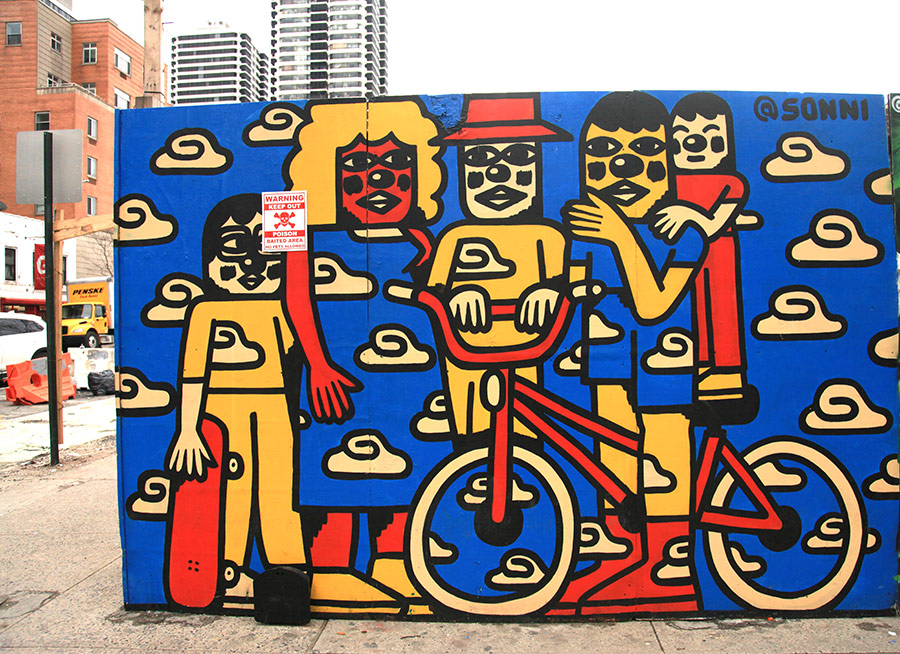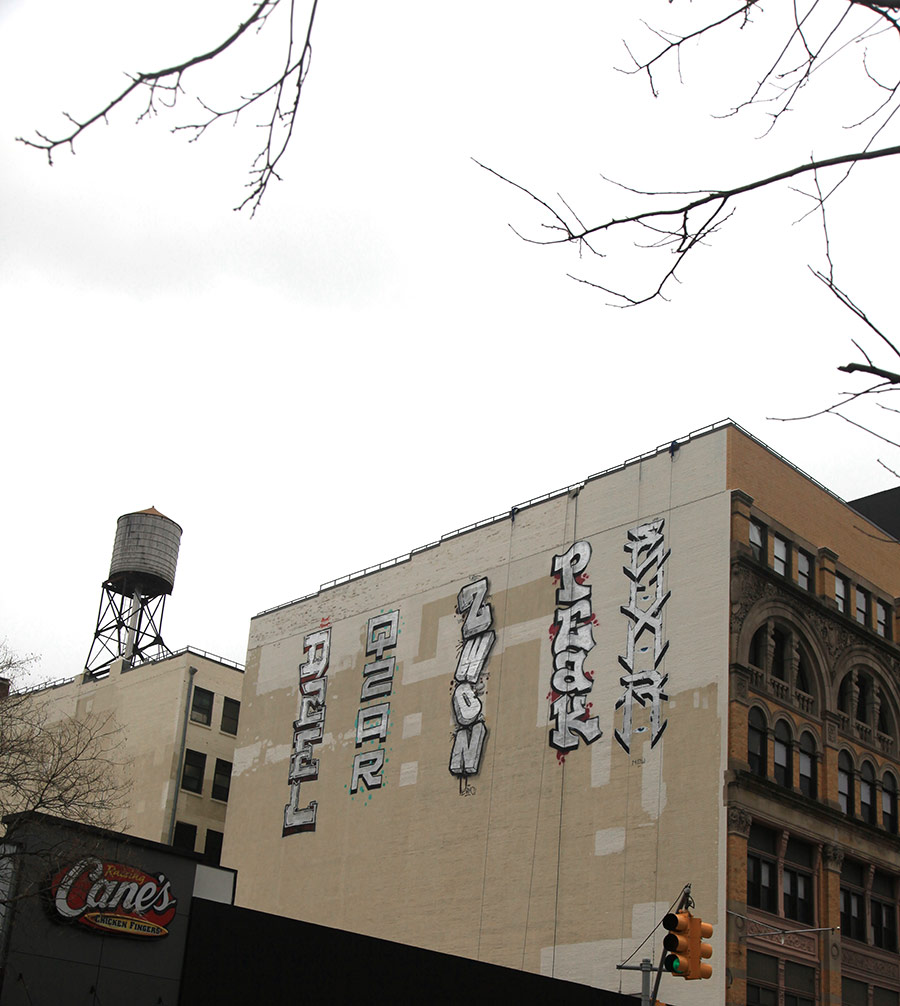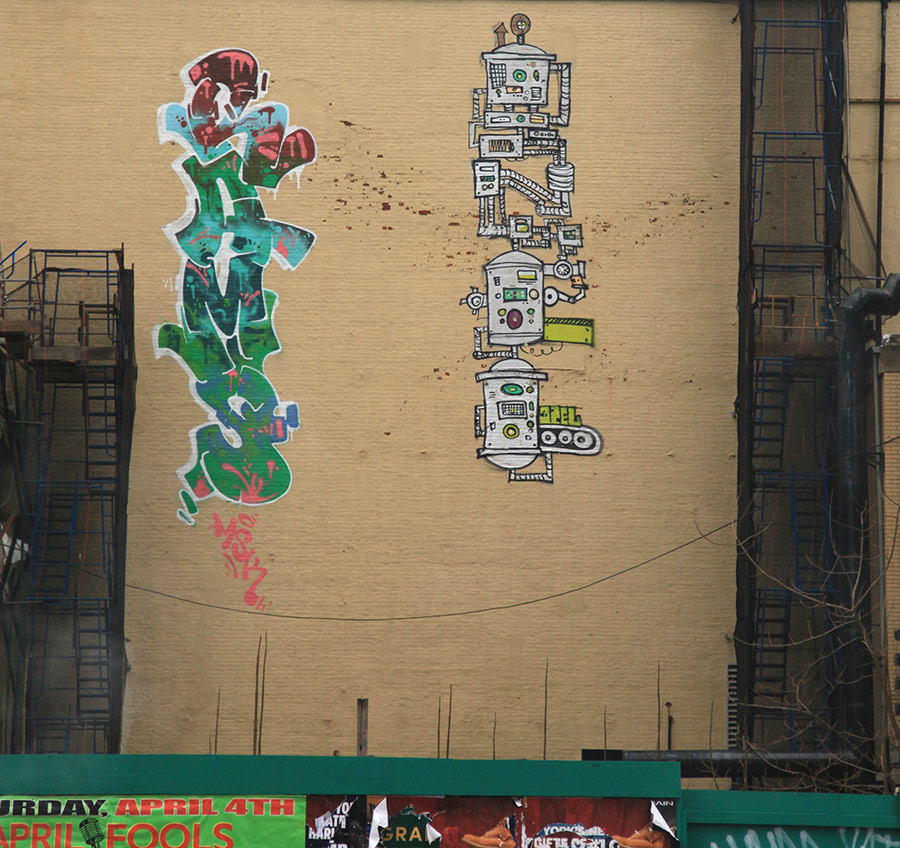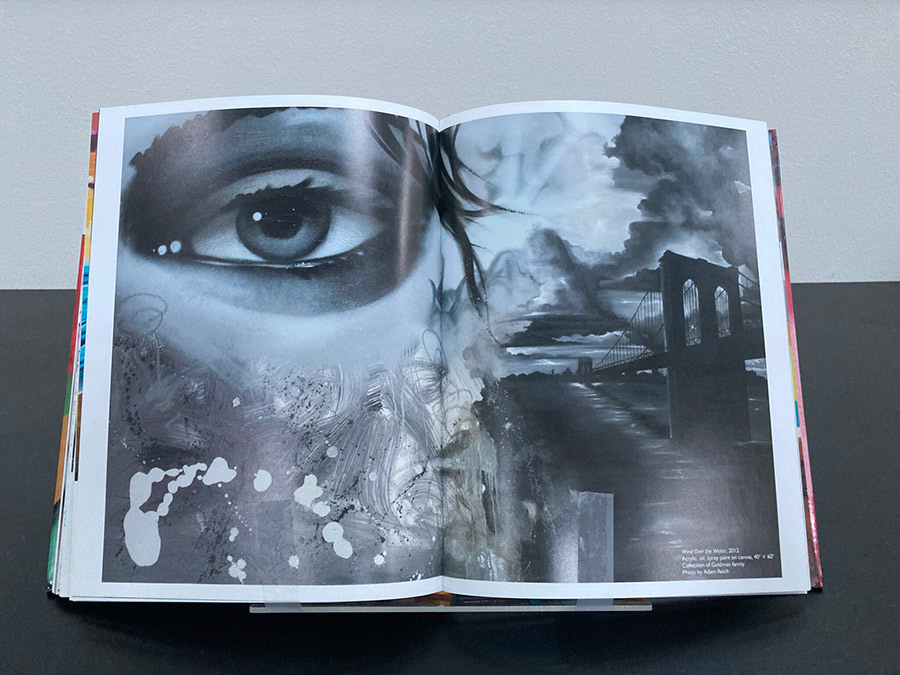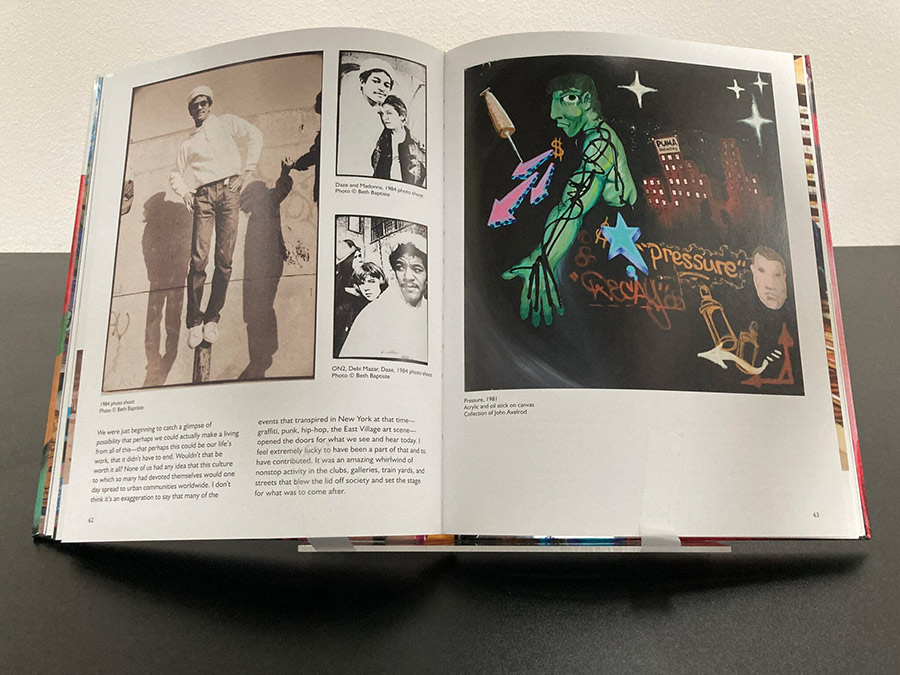
Photos of BSA 2025 # 15

Photos of BSA 2025 # 15

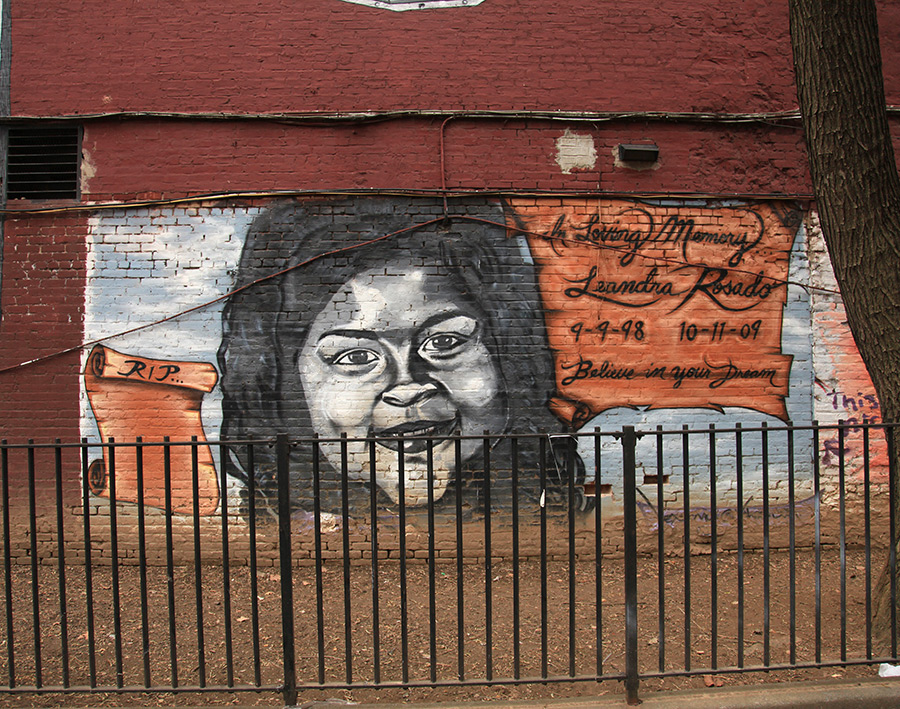
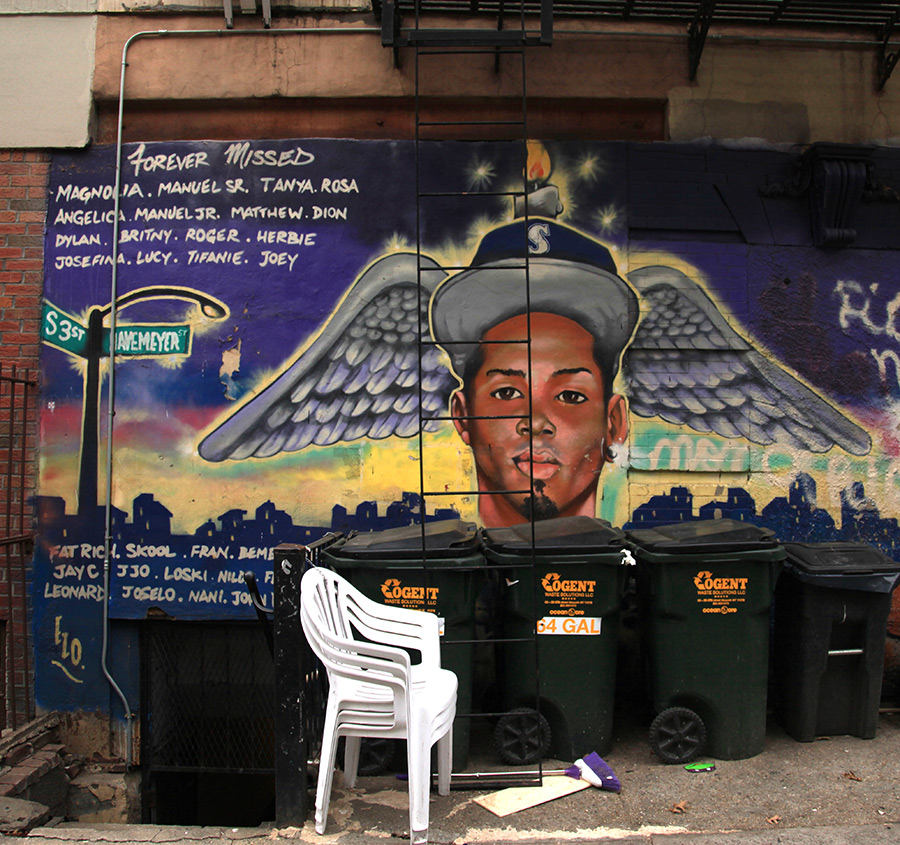
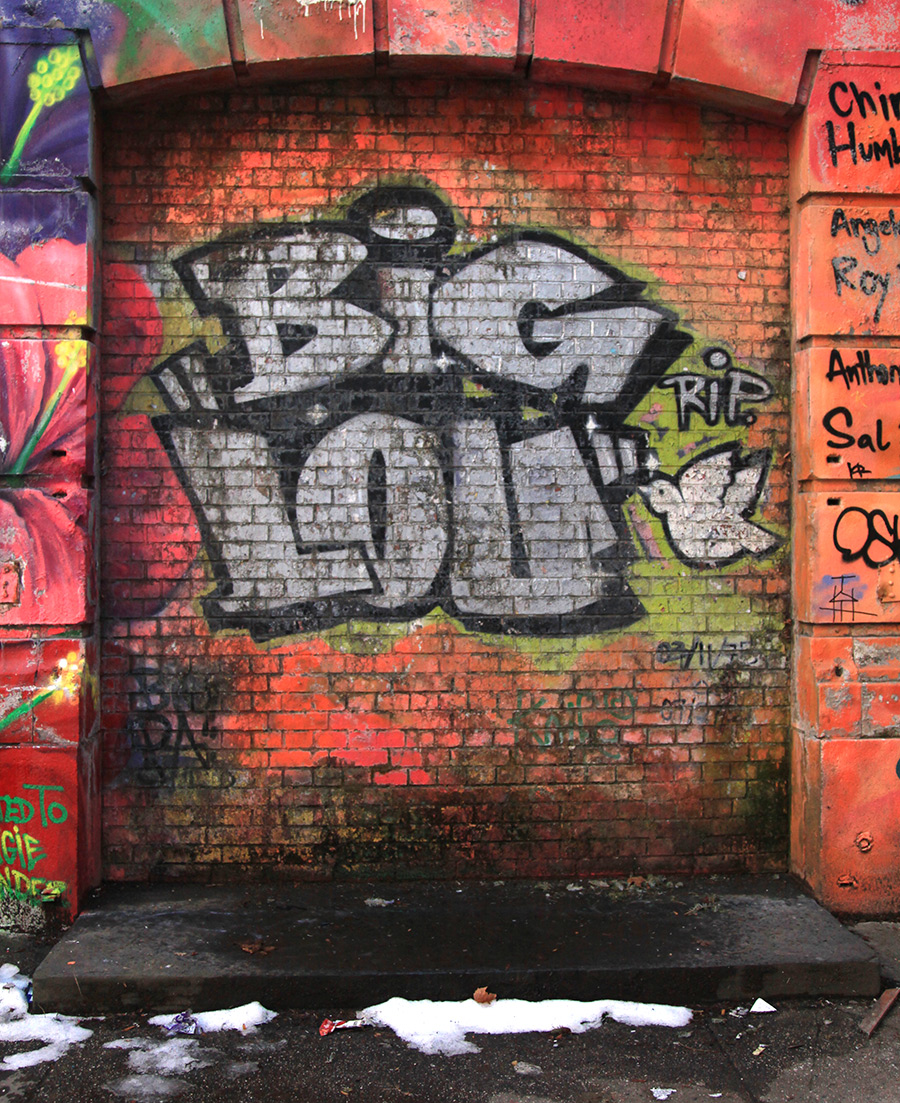
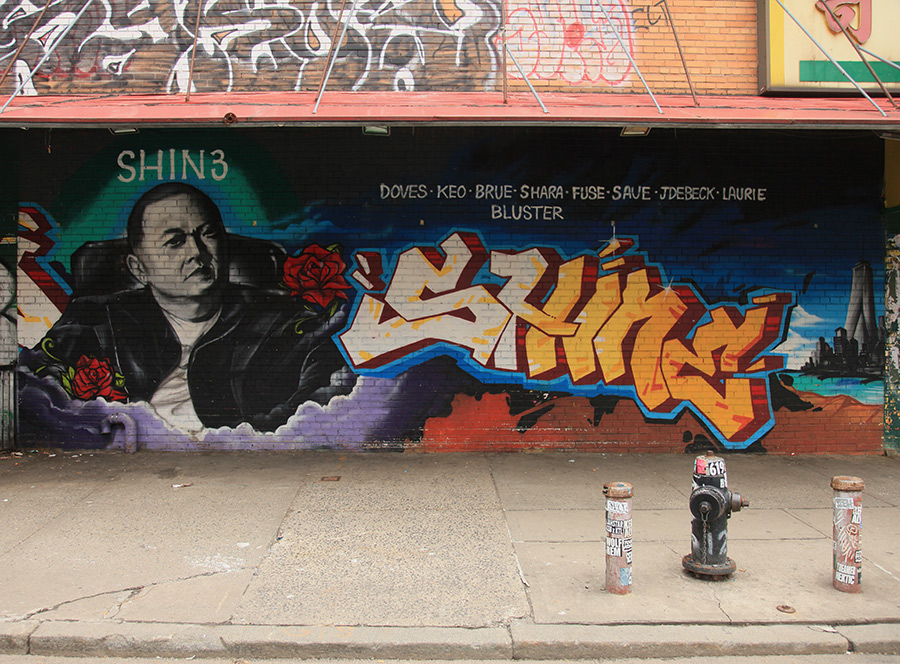
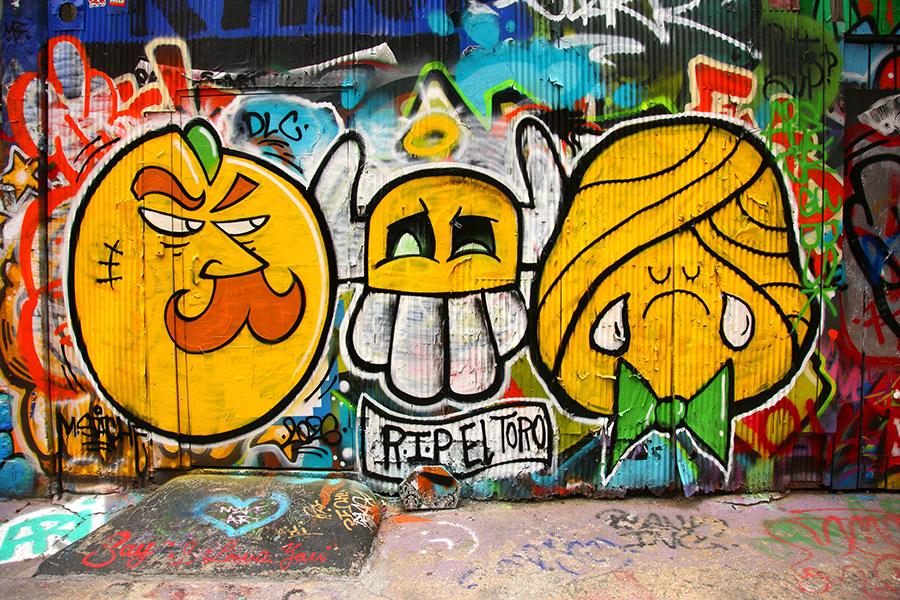
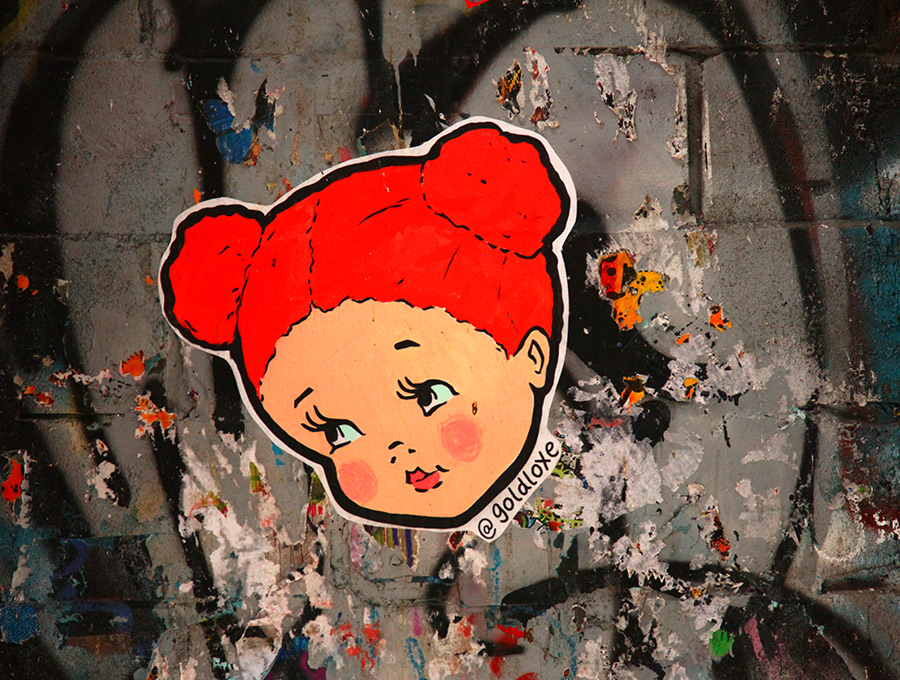
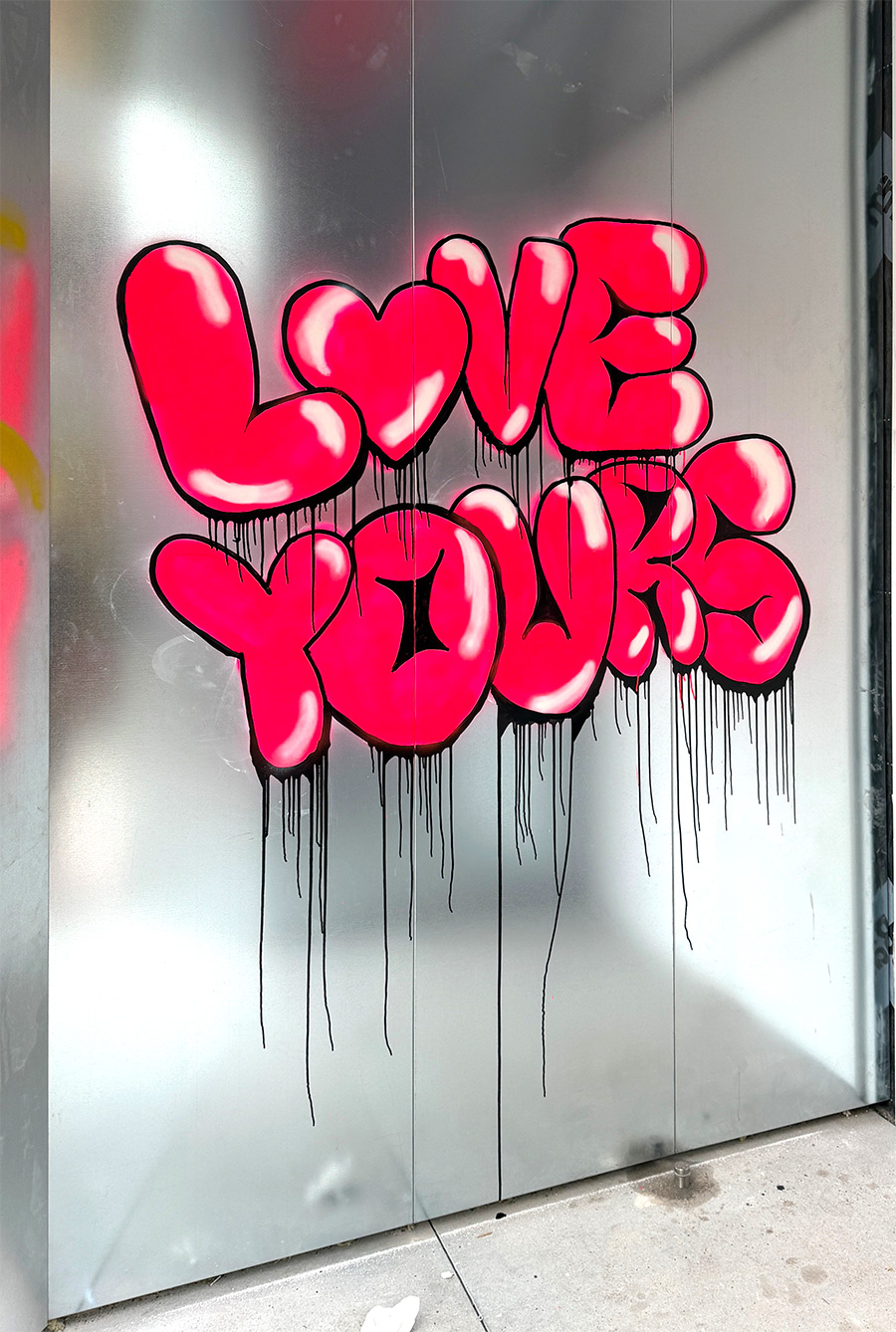
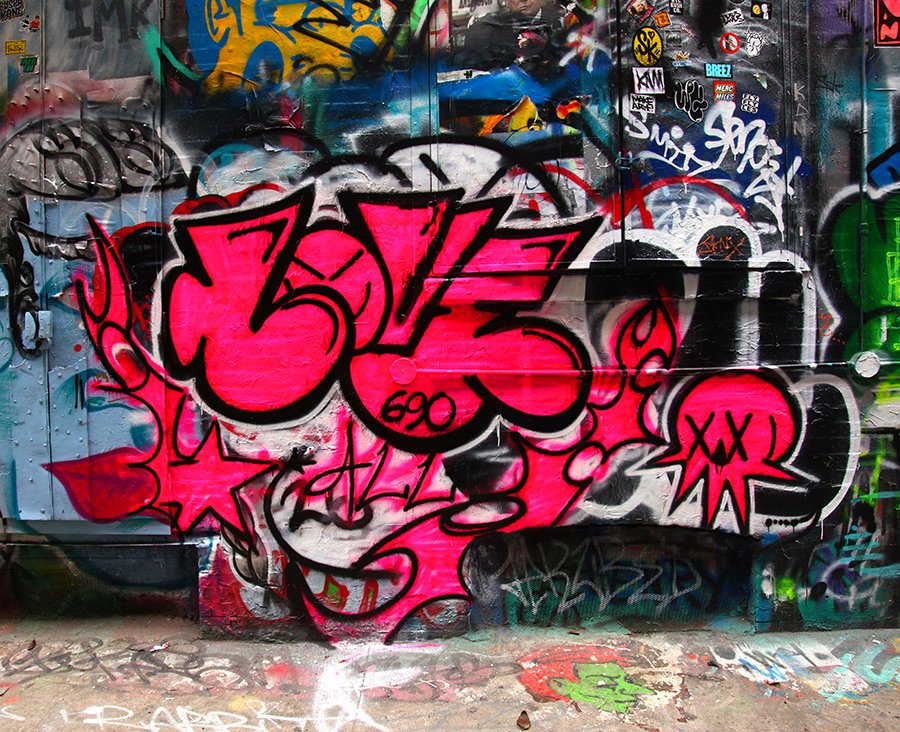
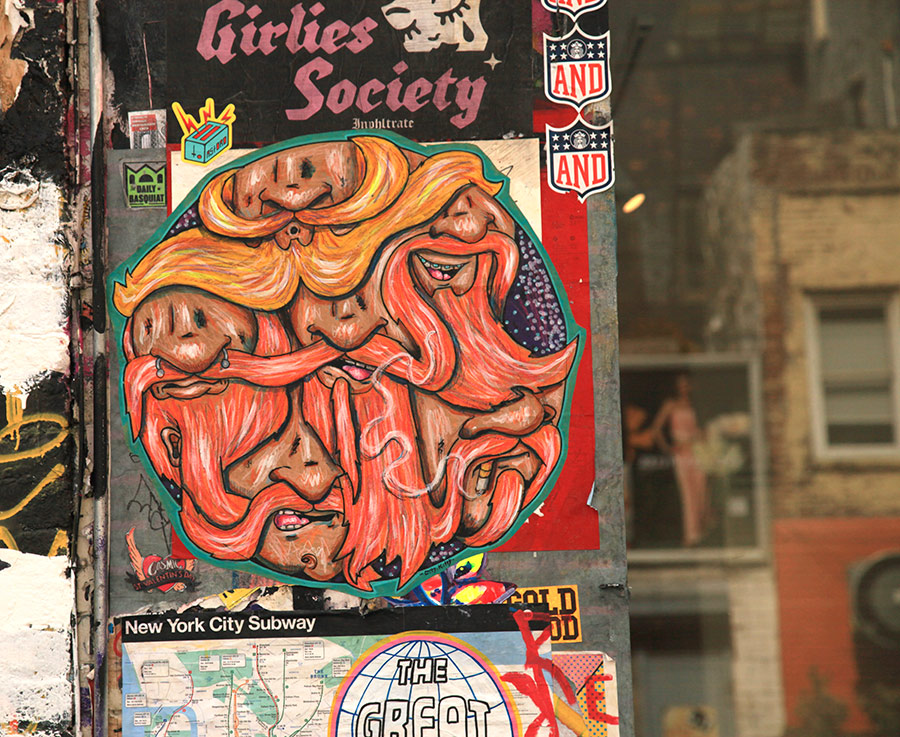
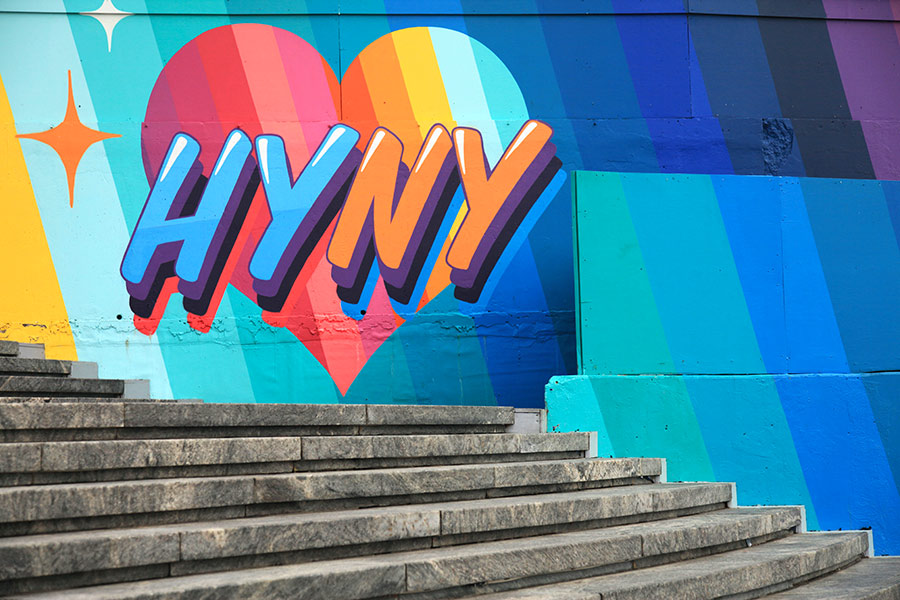
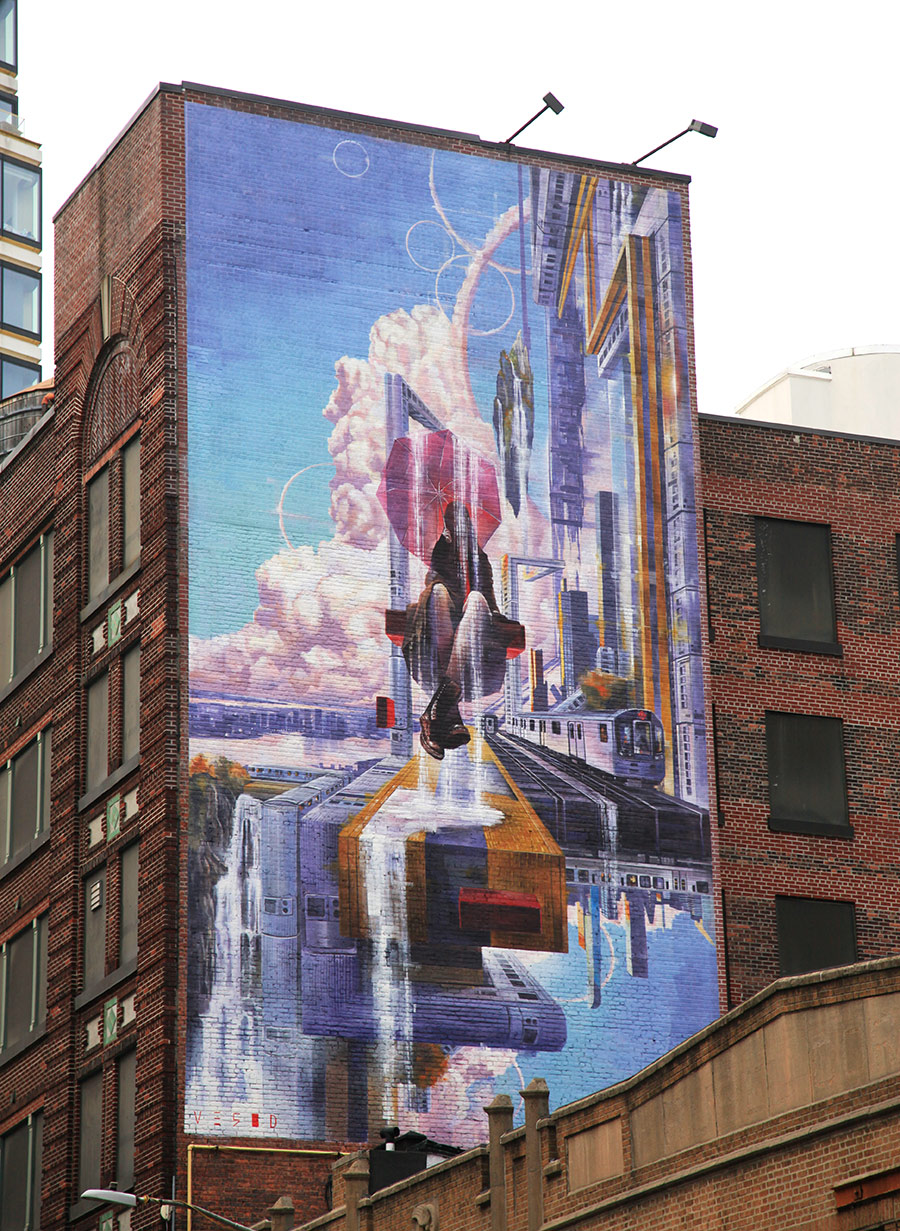
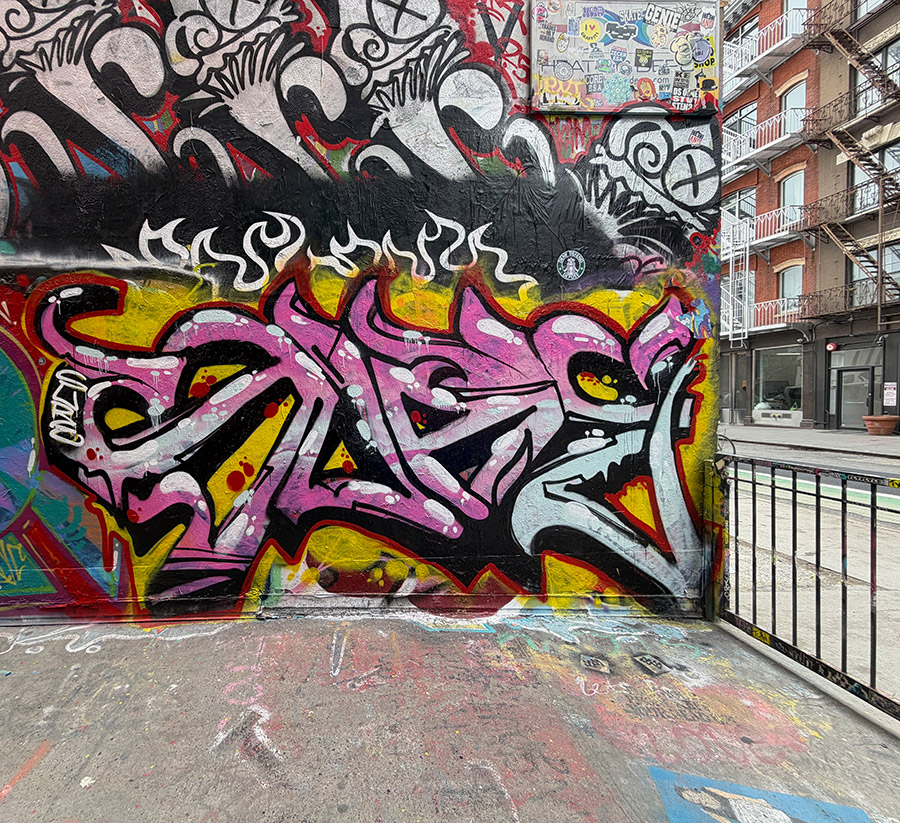
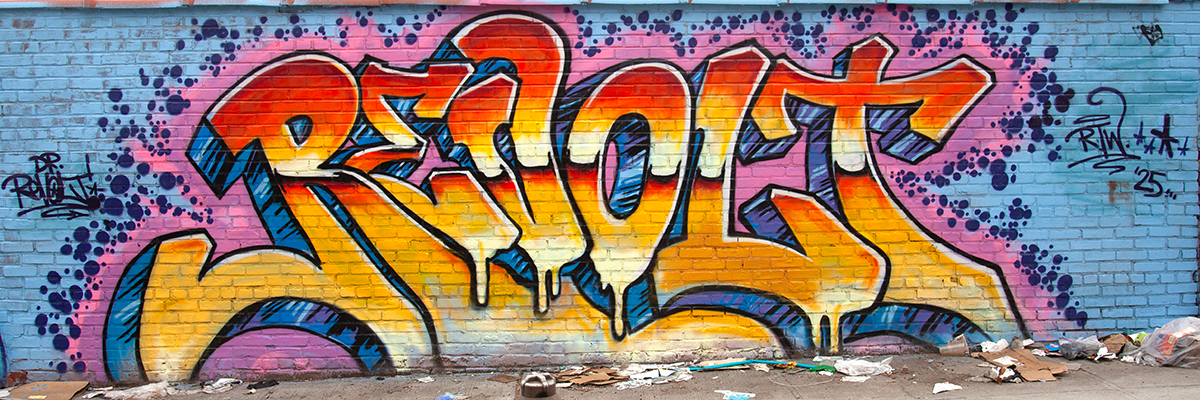
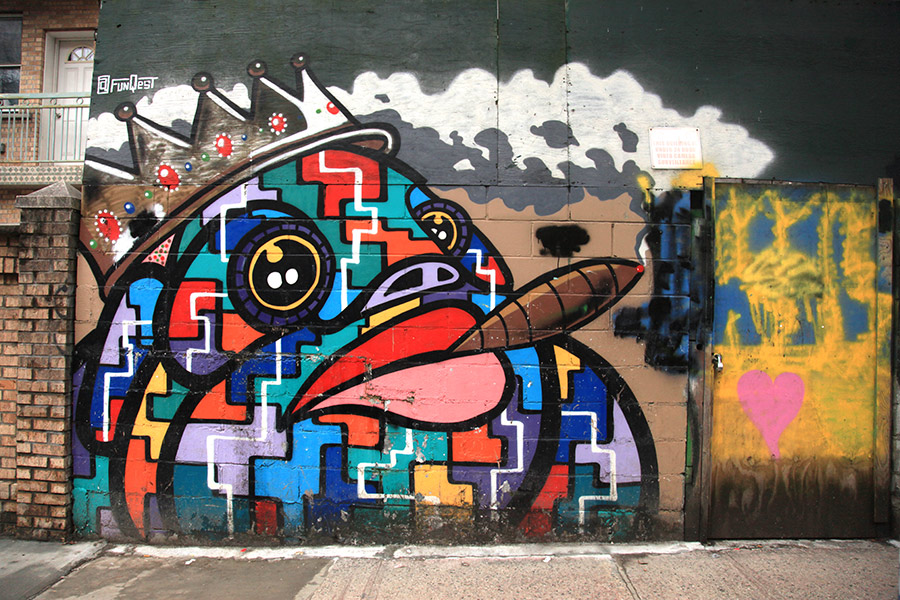
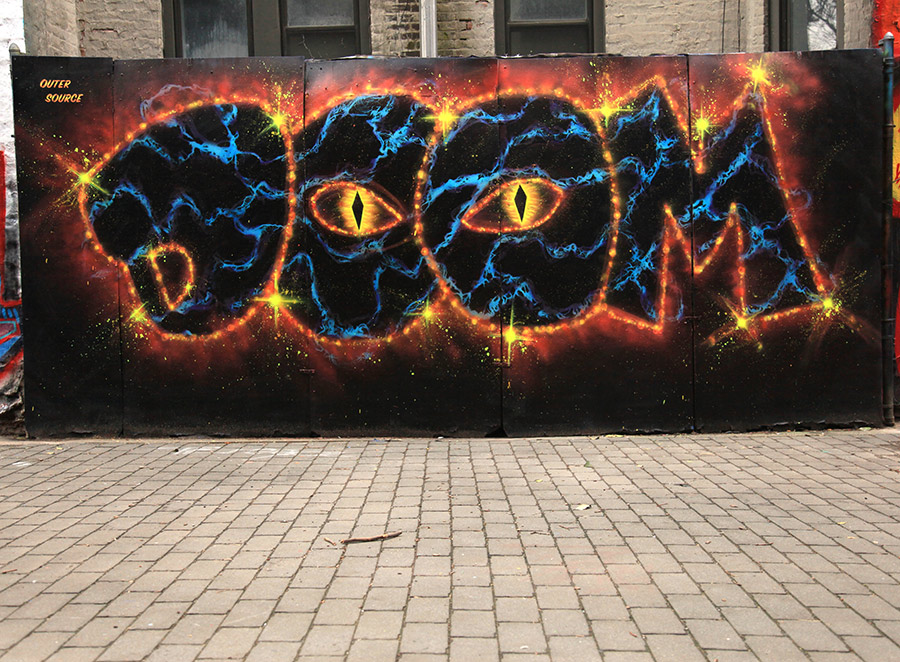
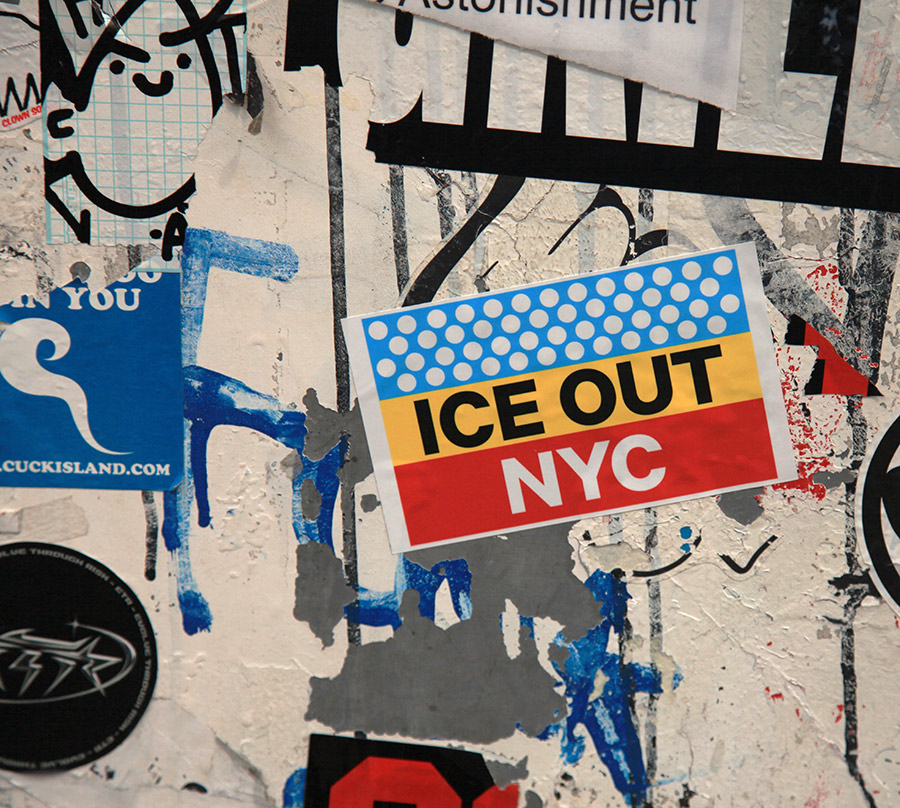
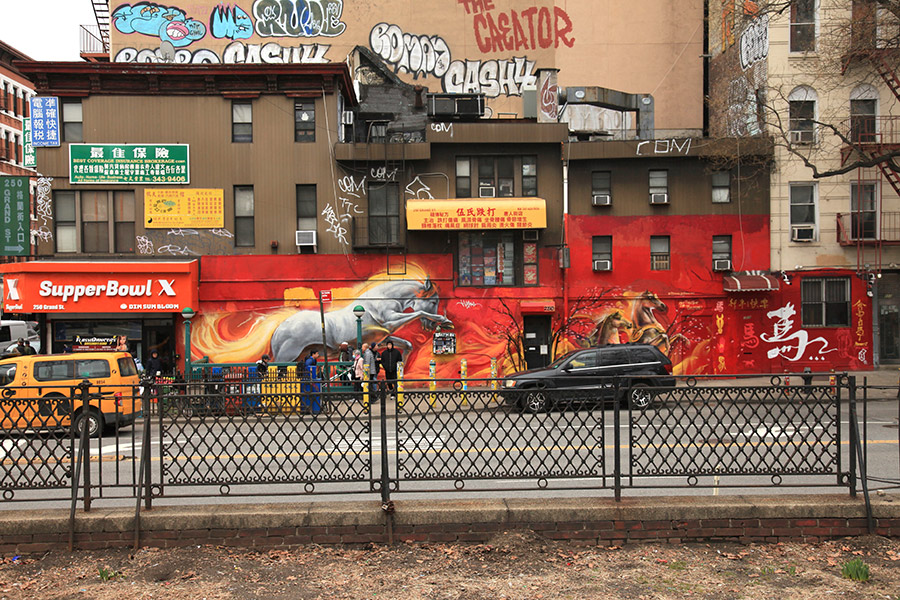
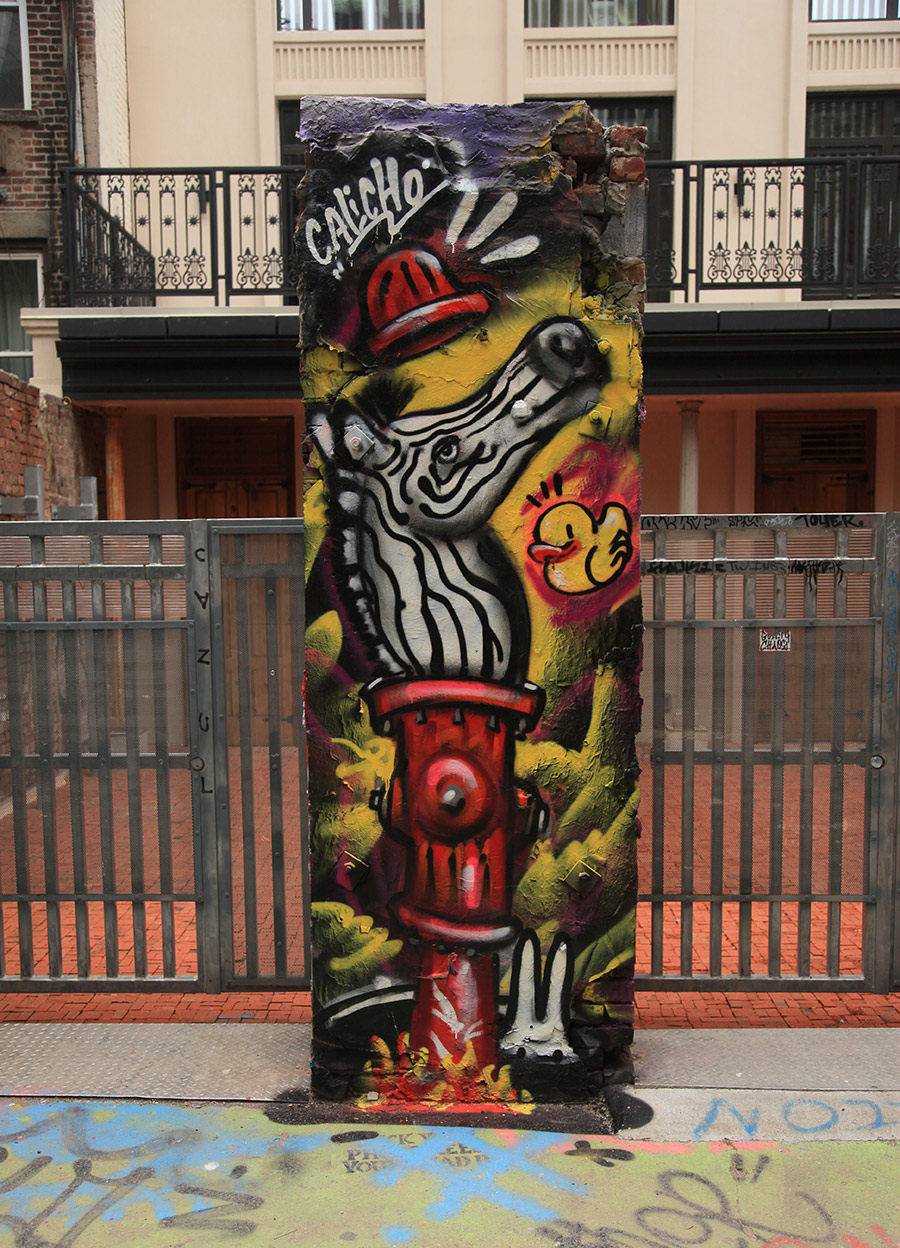
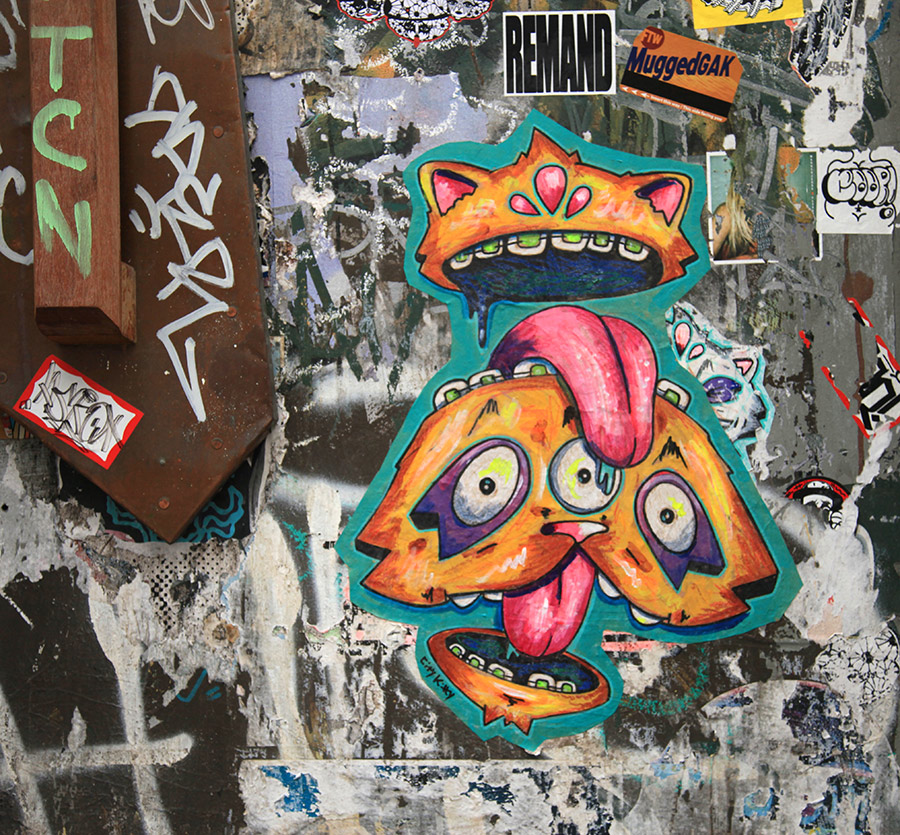
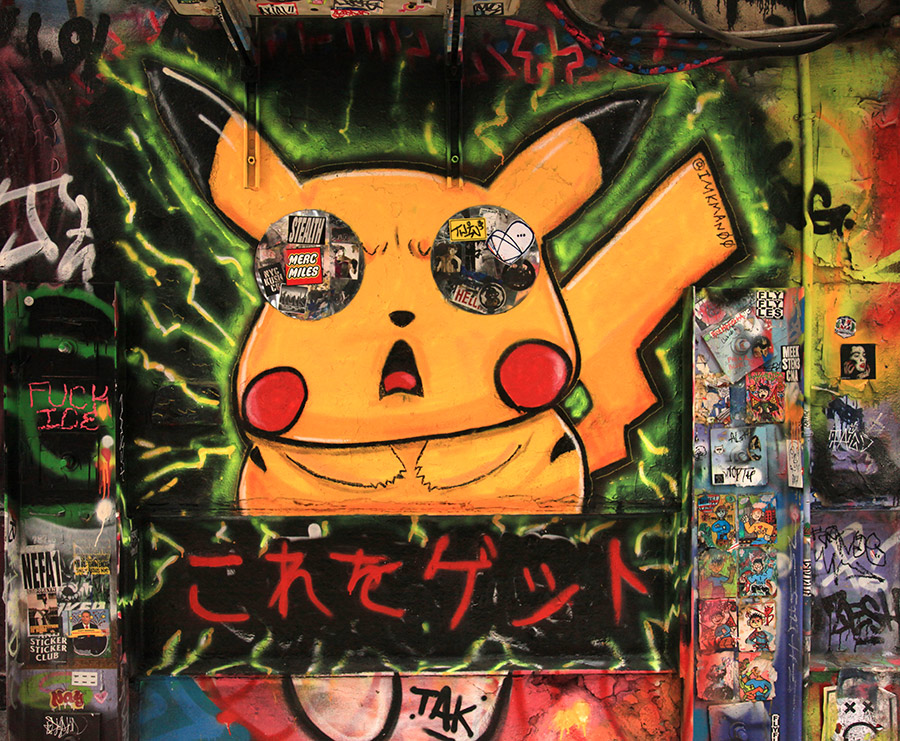
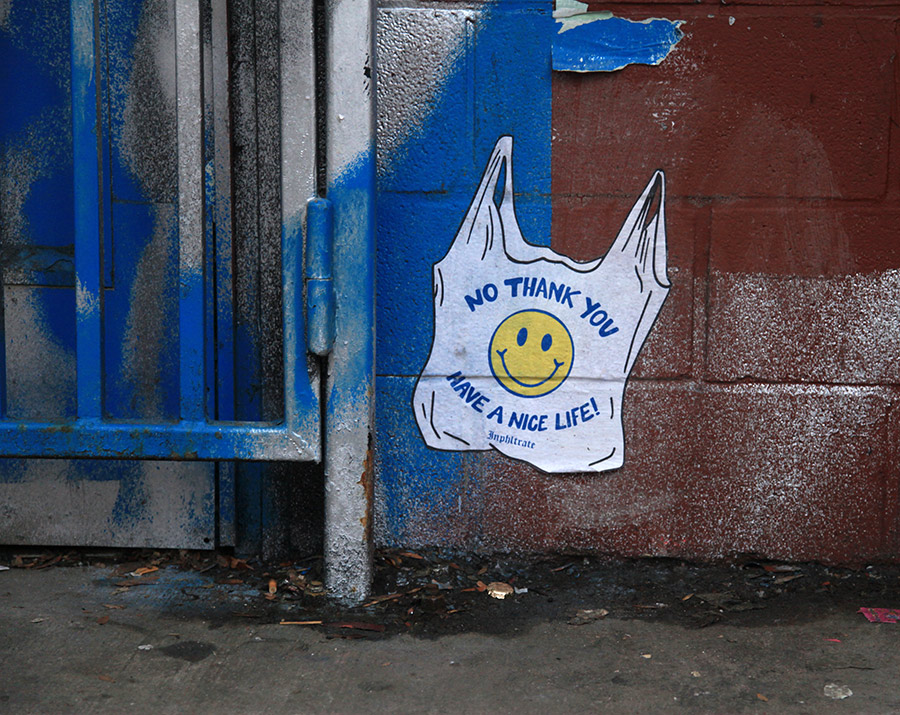
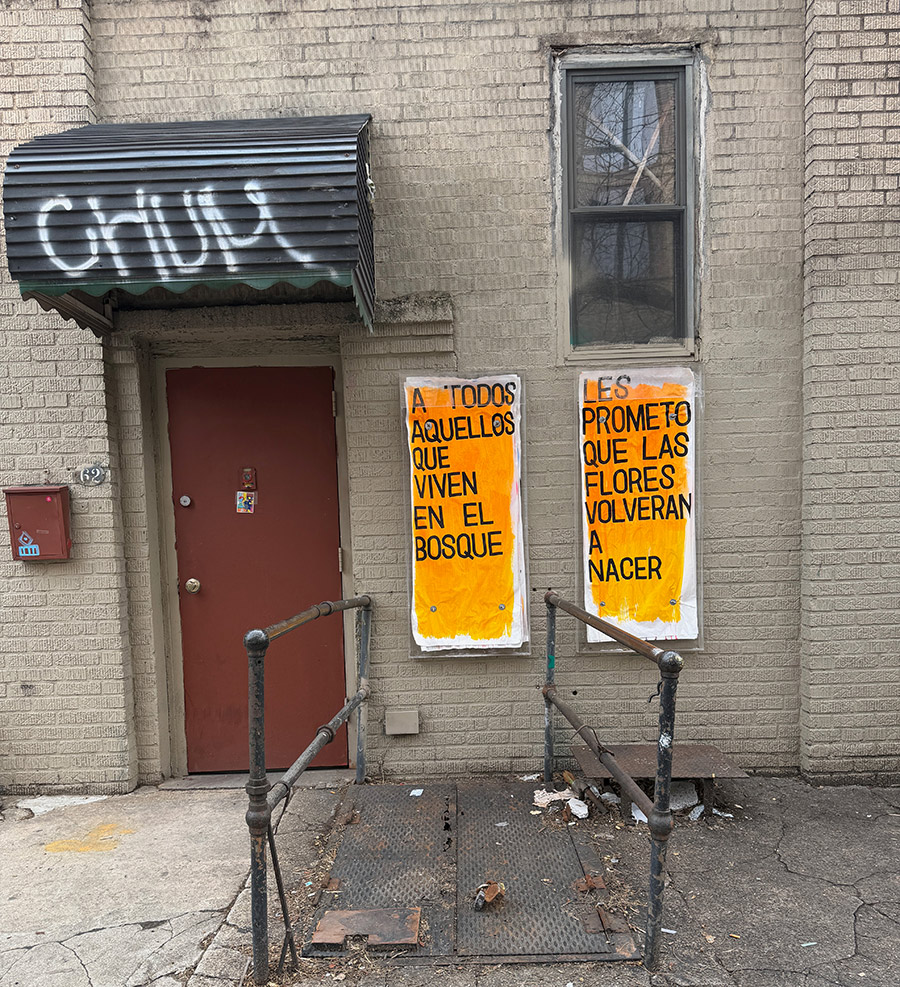
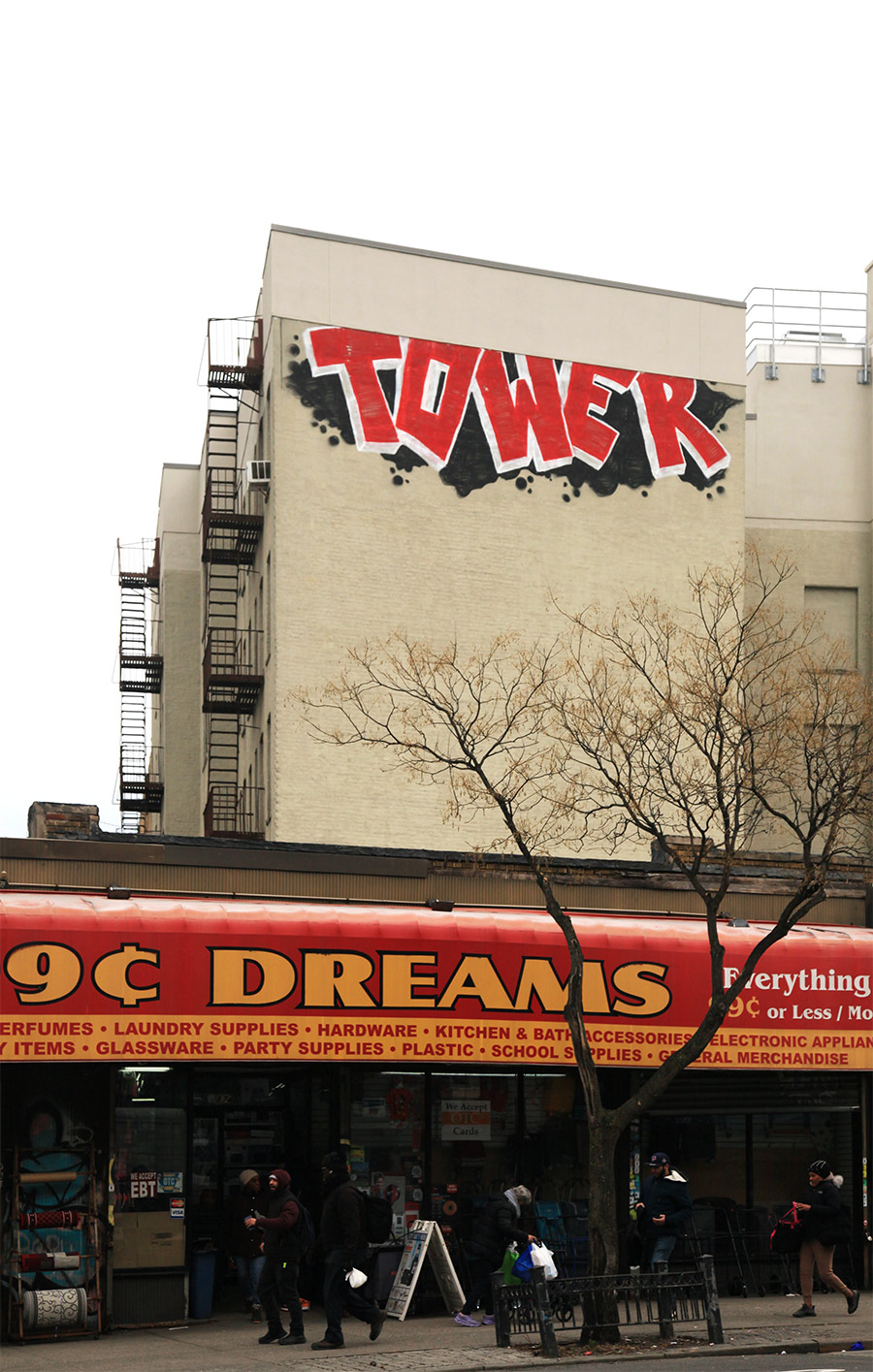
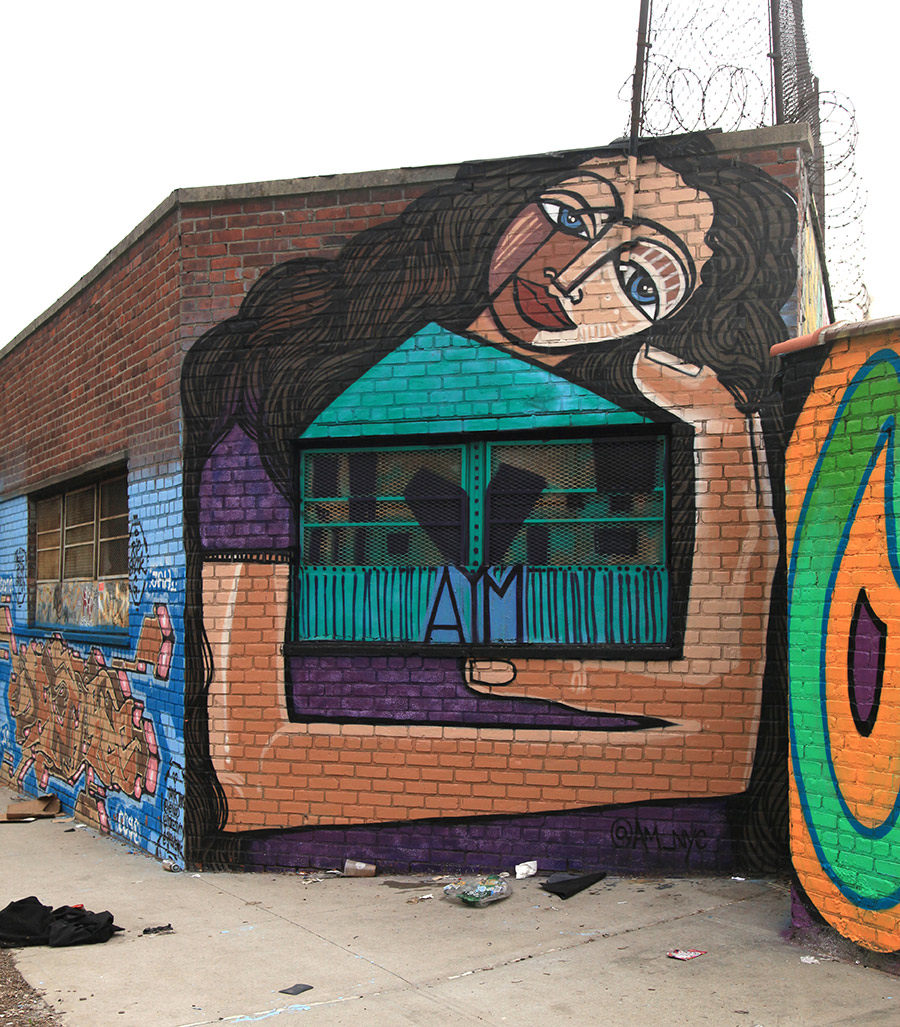
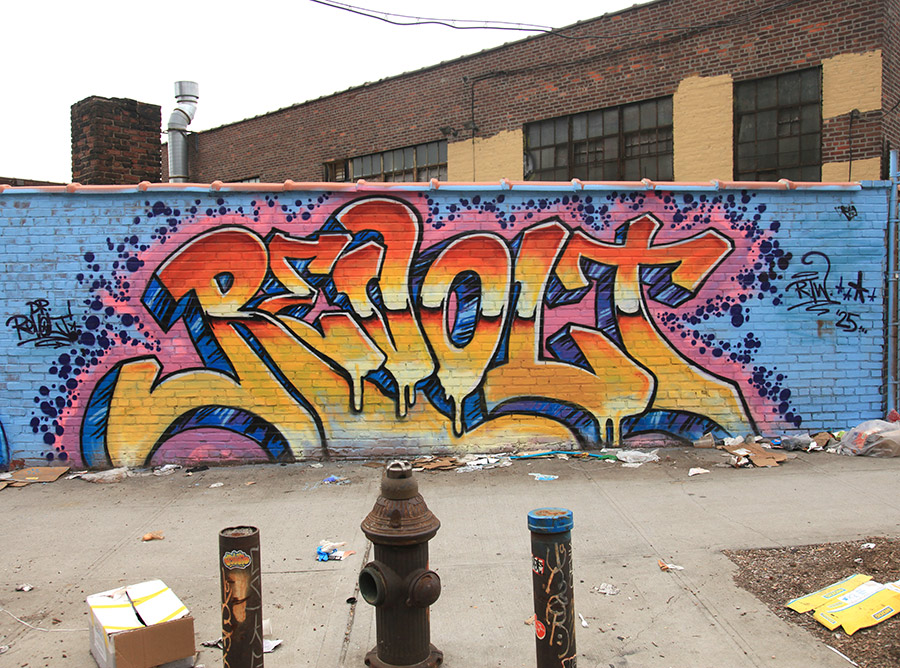
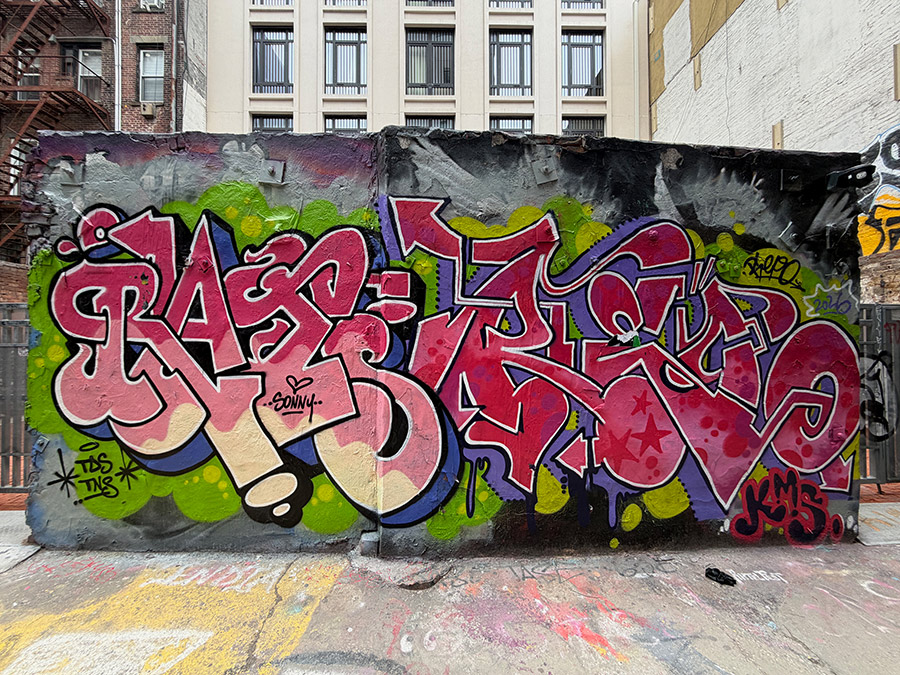
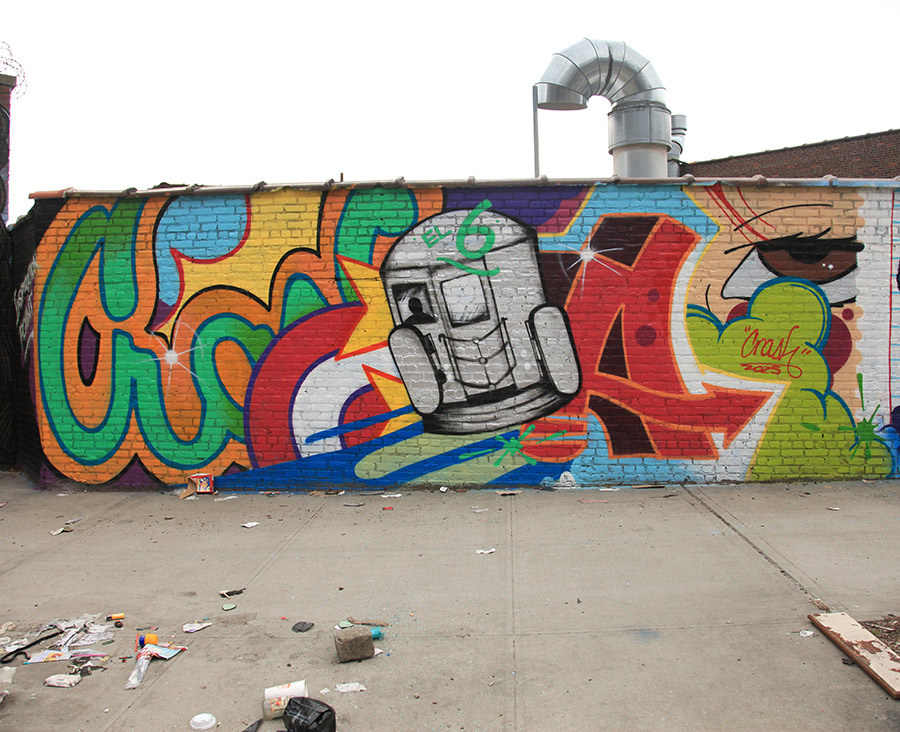
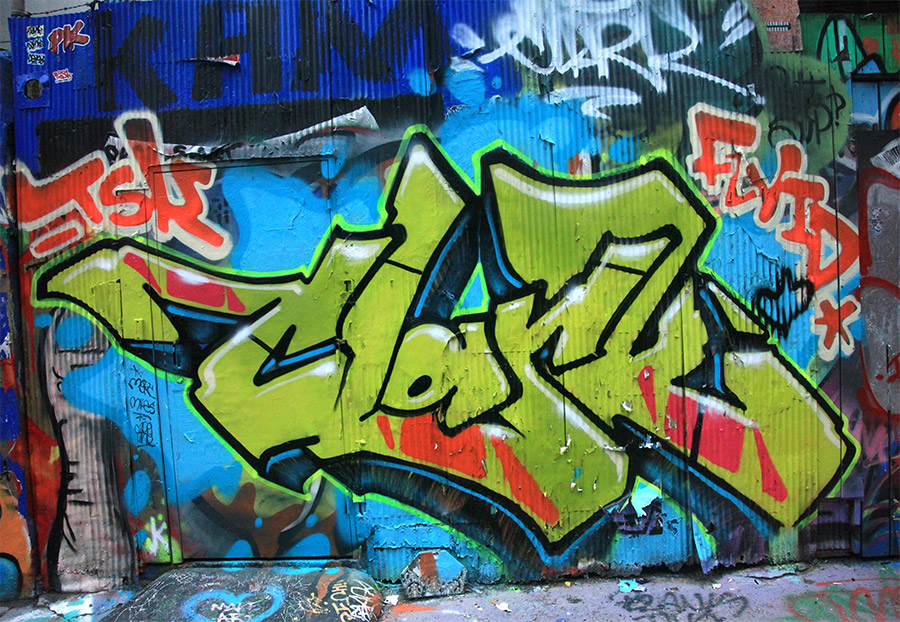
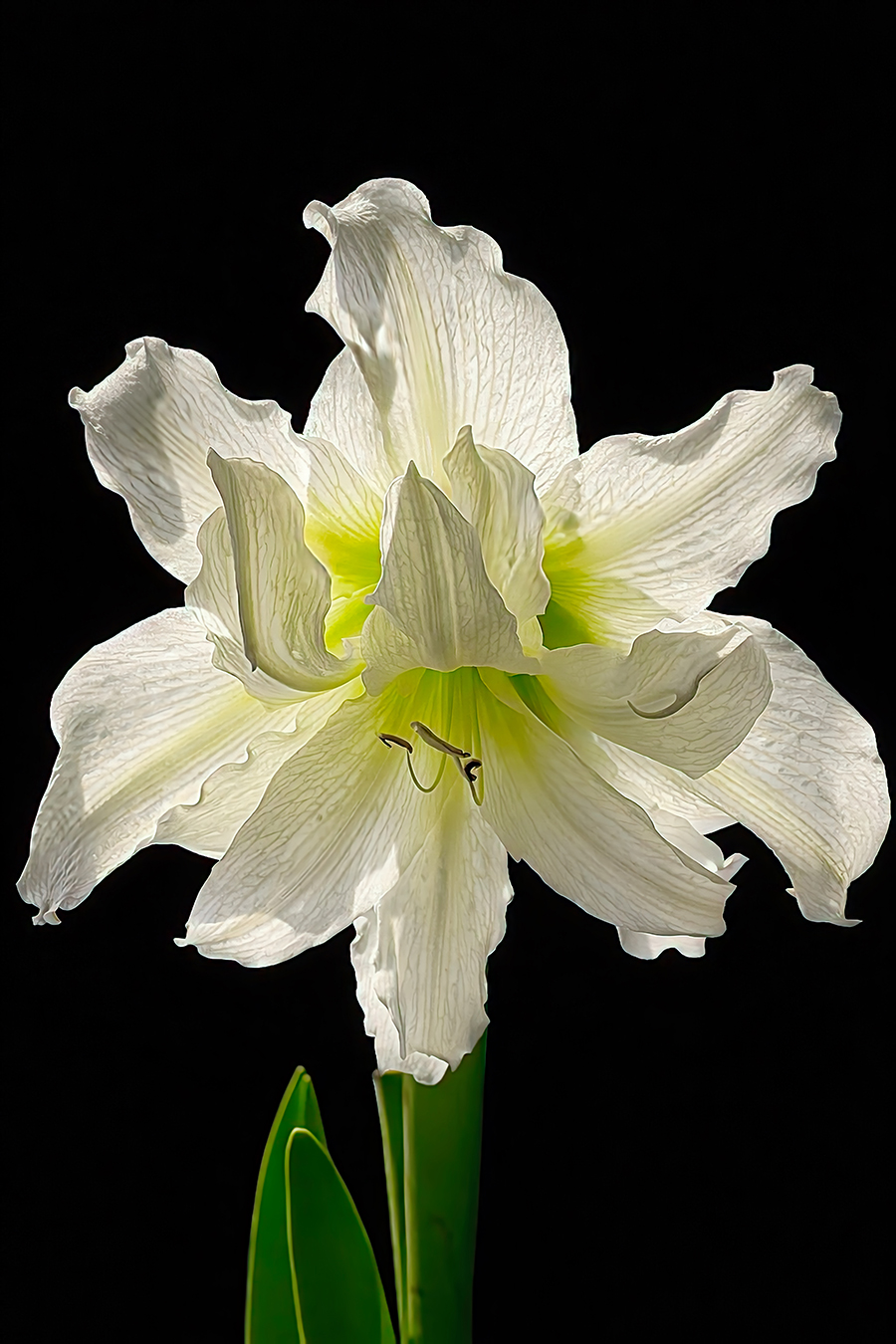
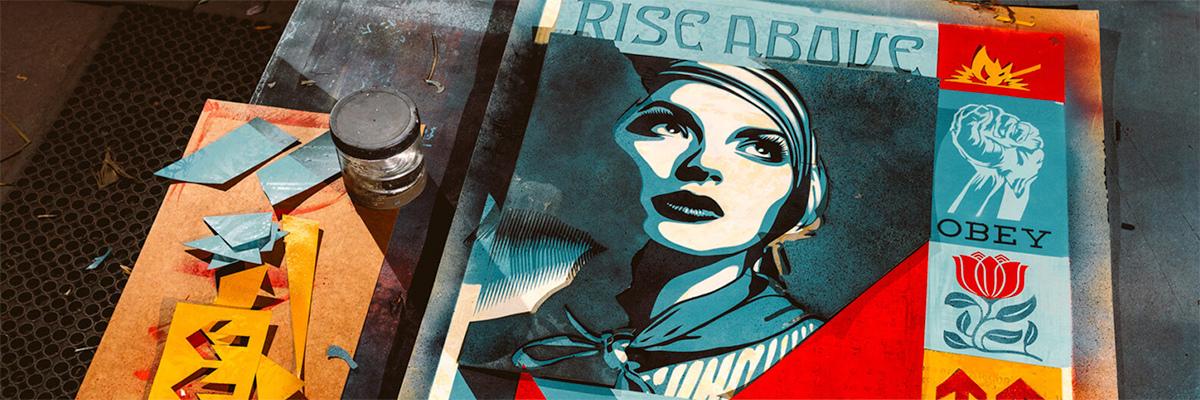
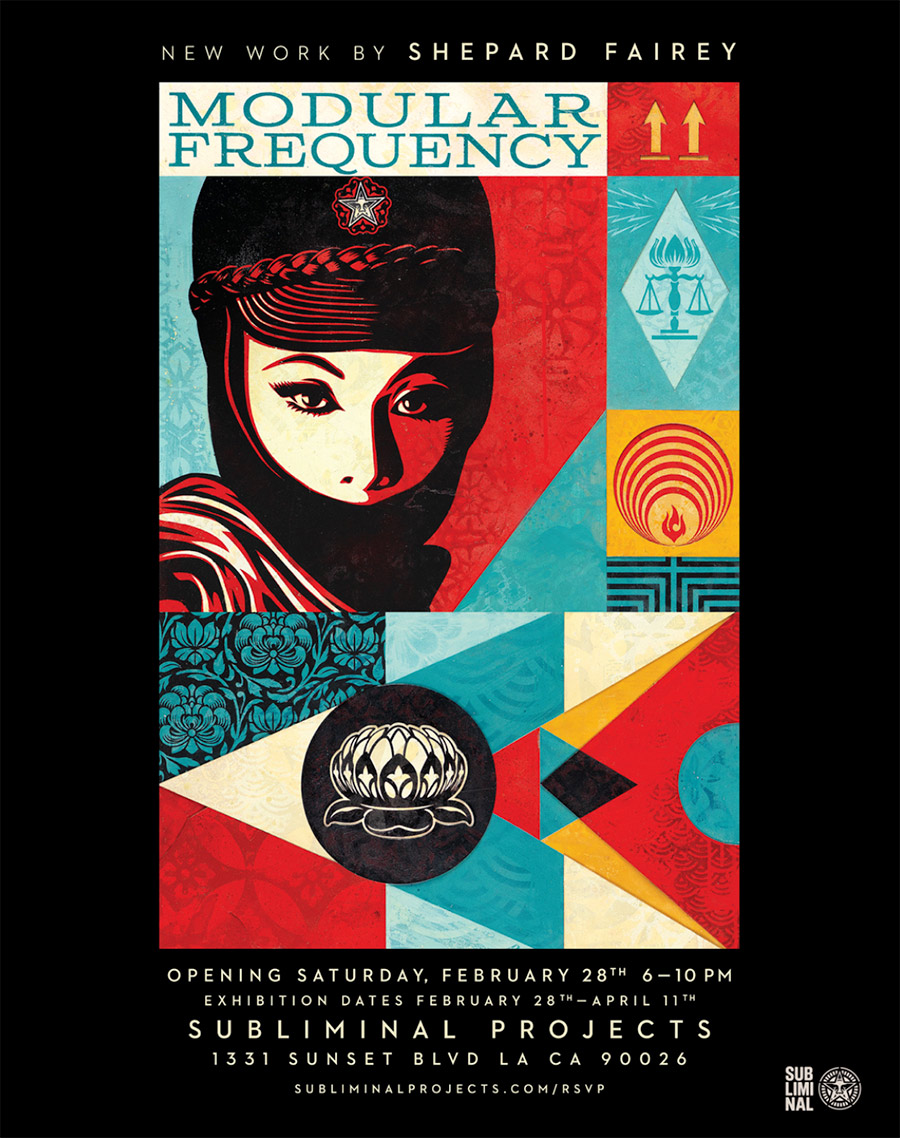
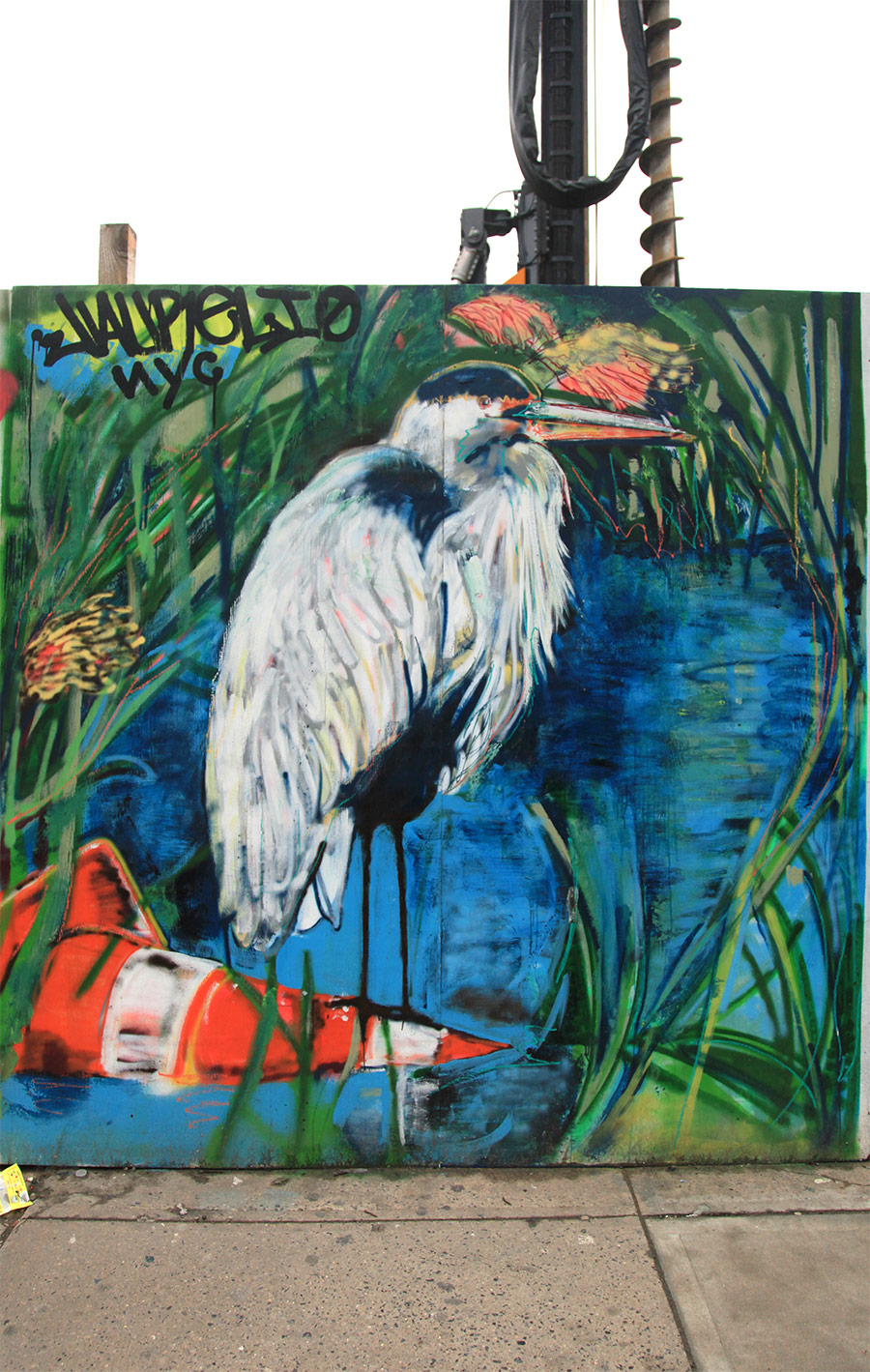
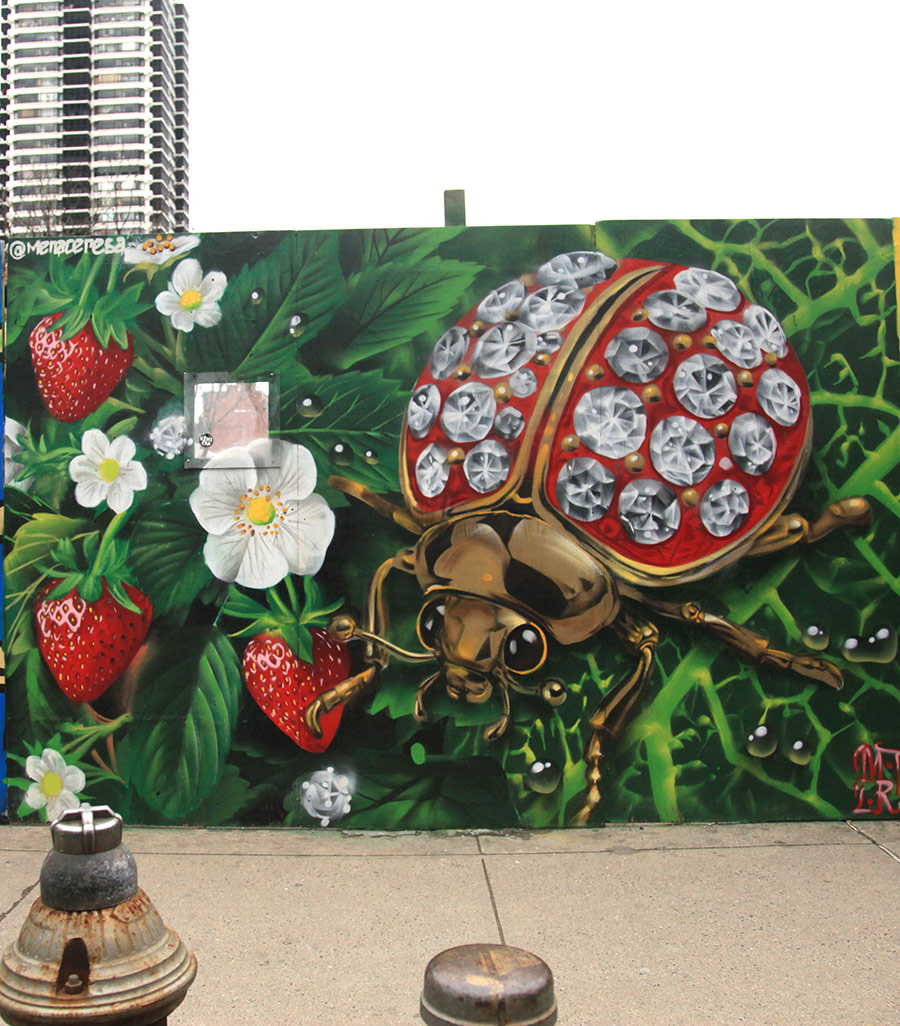
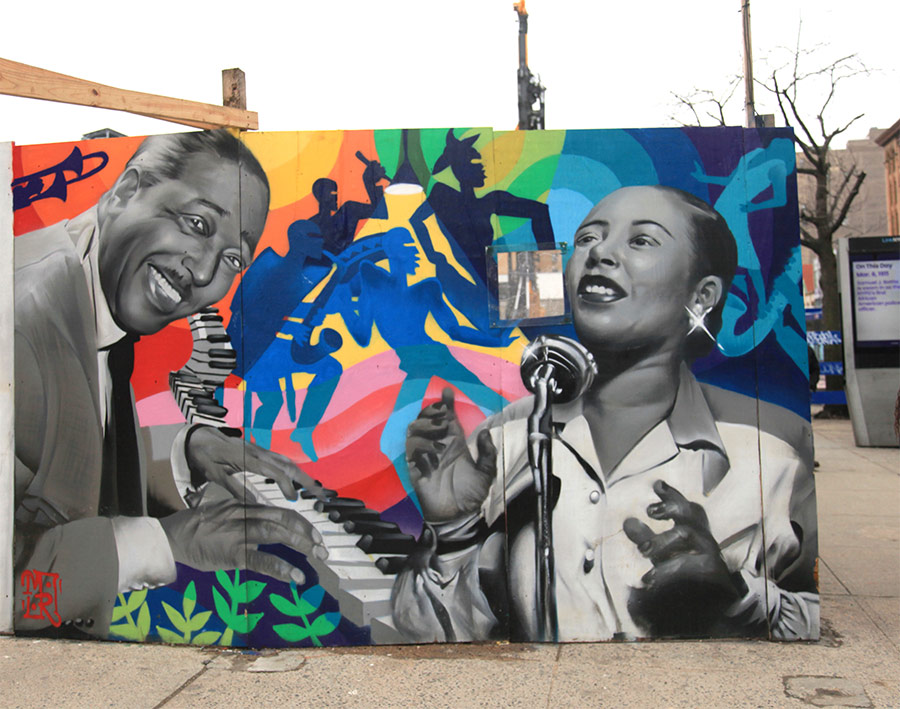
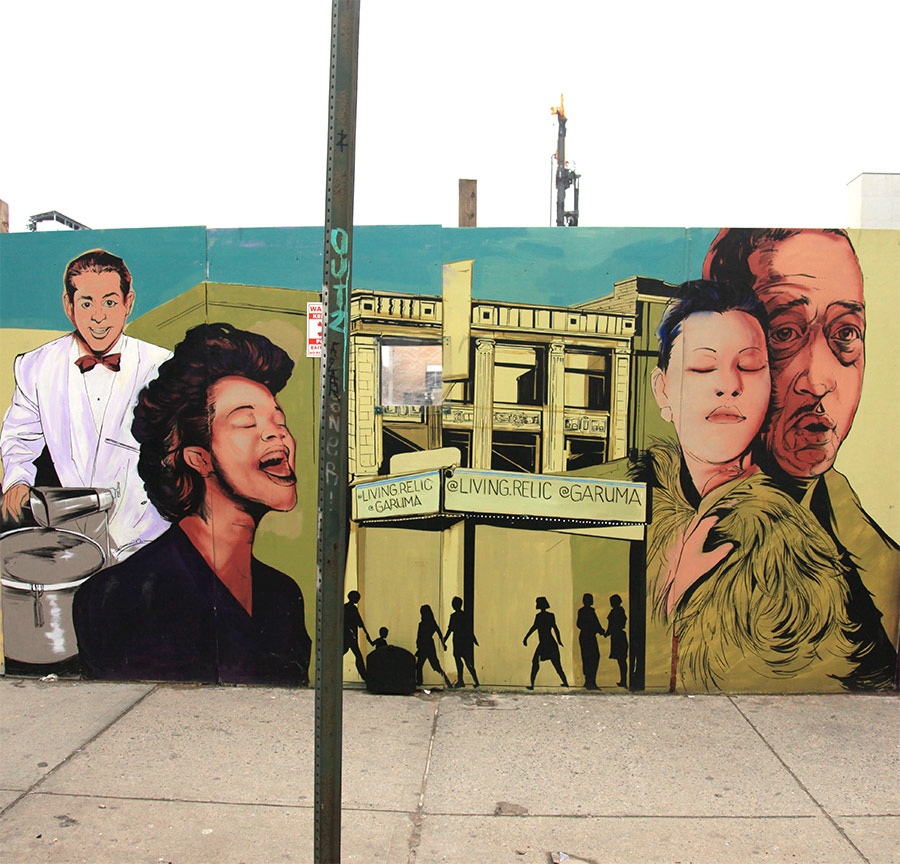
We’re celebrating the end of one year and the beginning of the next by thanking BSA Readers, Friends, and Family for your support in 2025. Selected by our readers, these photos are the heavily circulated and “liked” selections of the year – shot by our Editor of Photography, Jaime Rojo. We’re sharing a new one every day to celebrate all our good times together, our hope for the future, and our love for the street. Happy Holidays, Everyone!


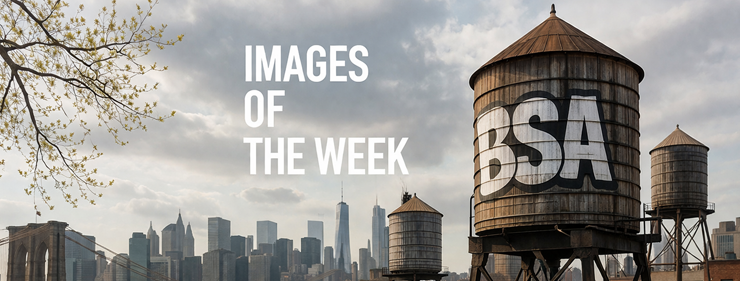
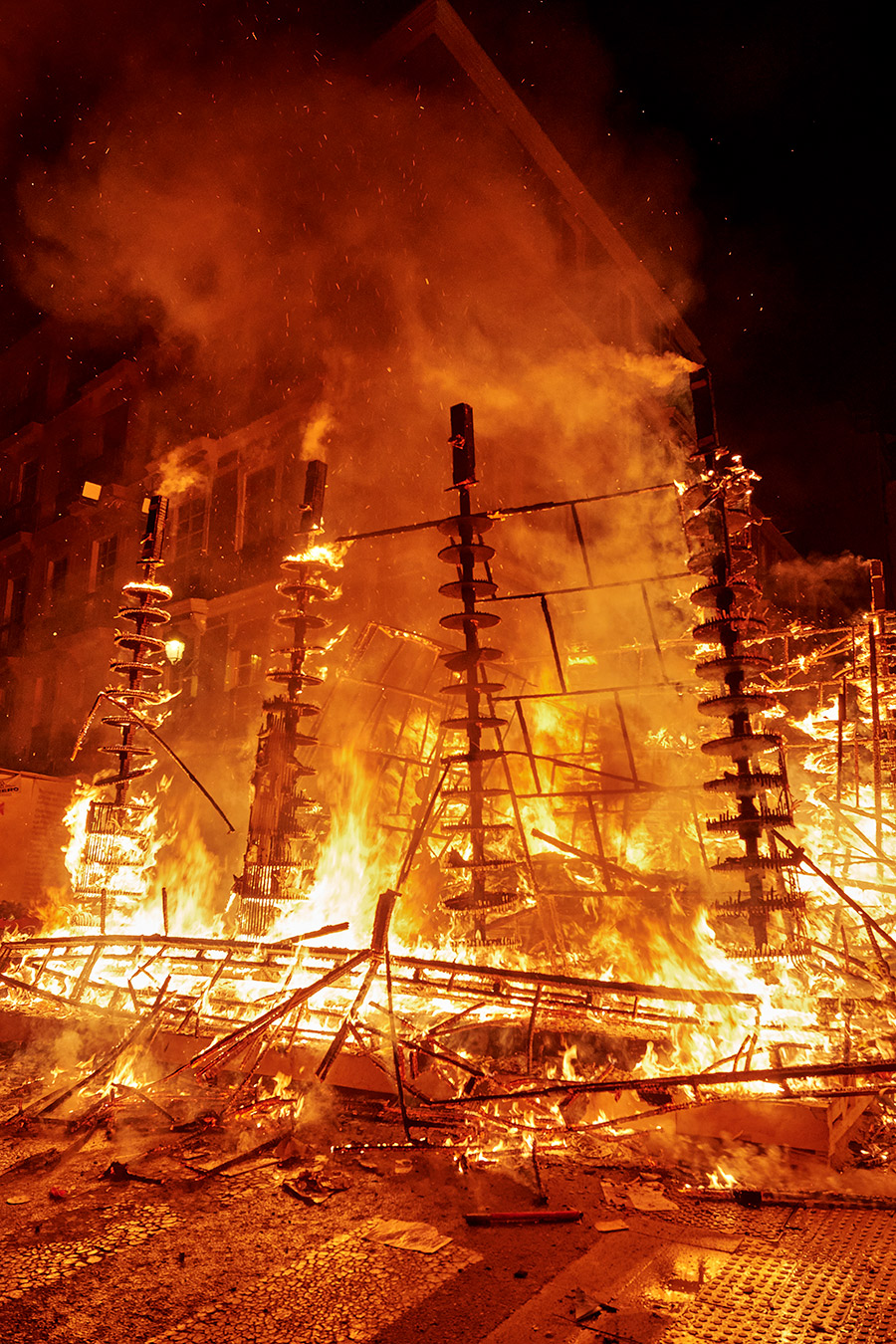
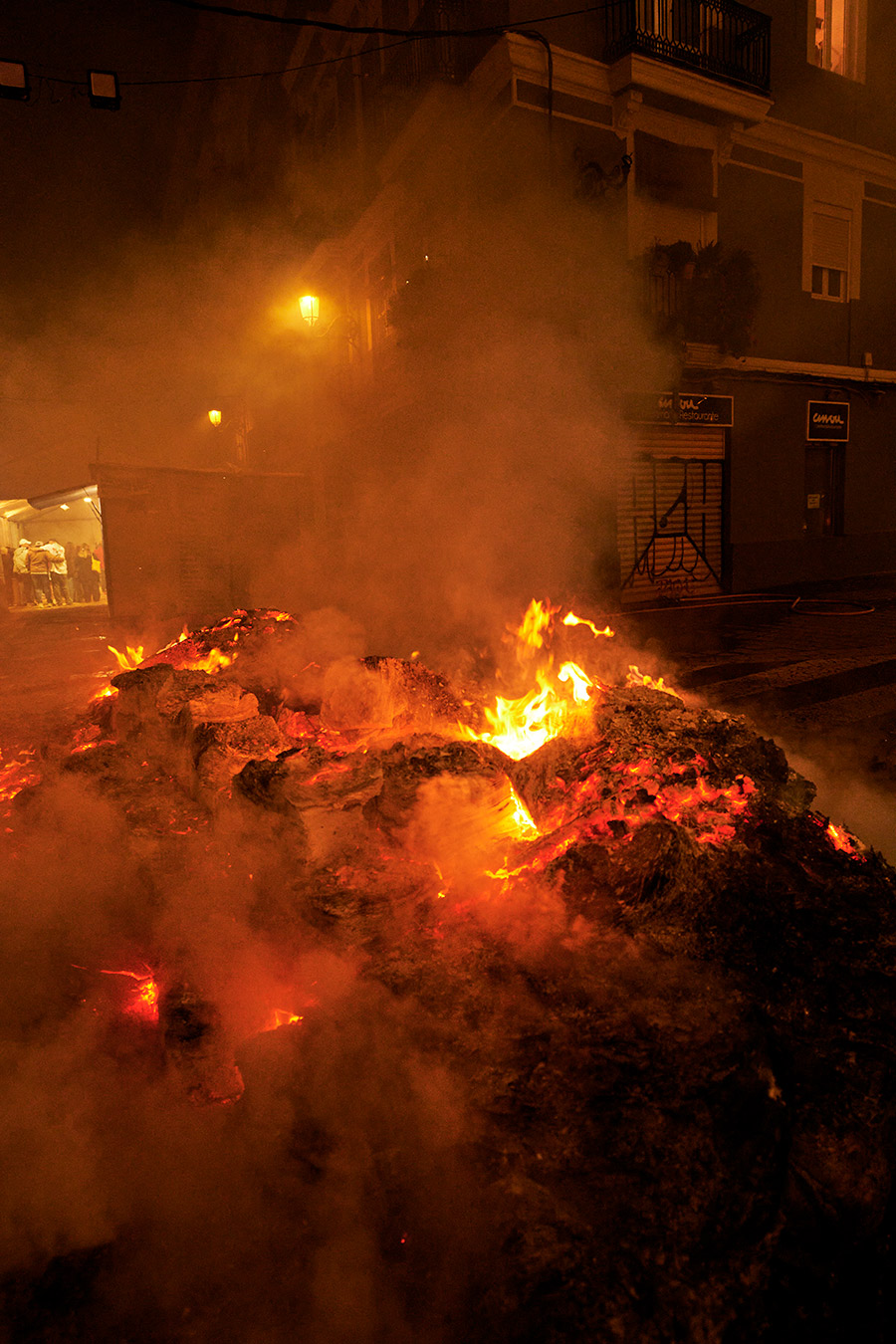
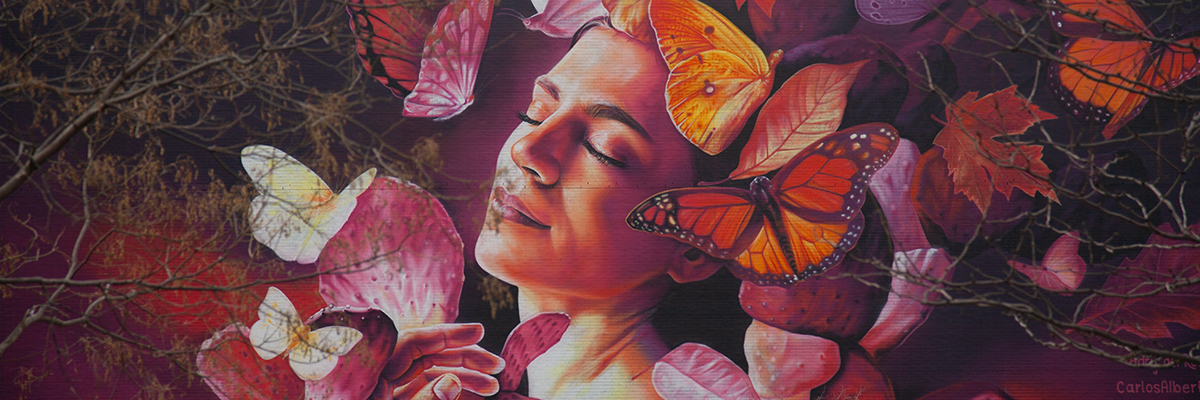
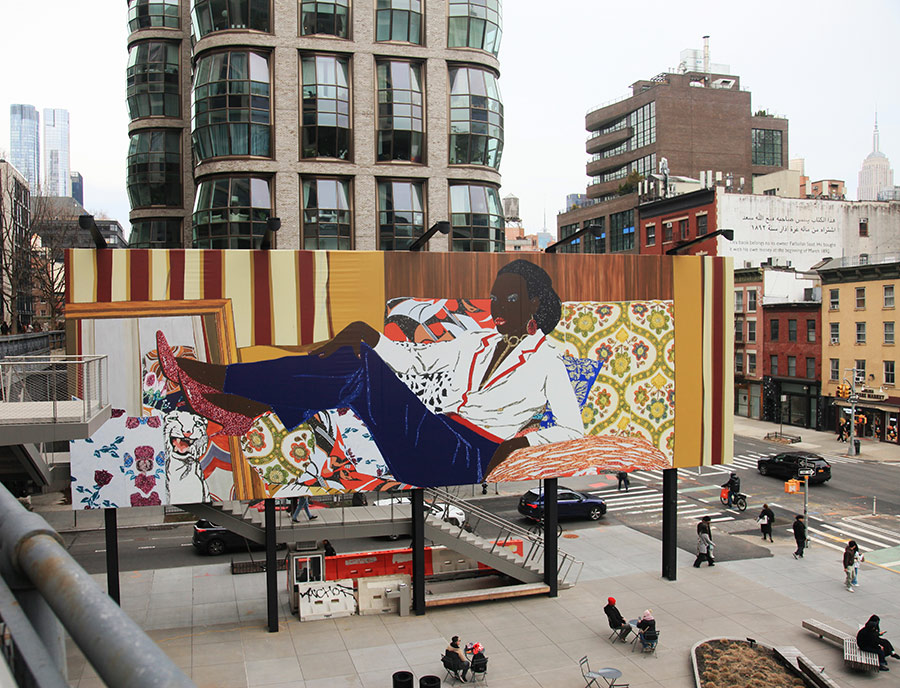
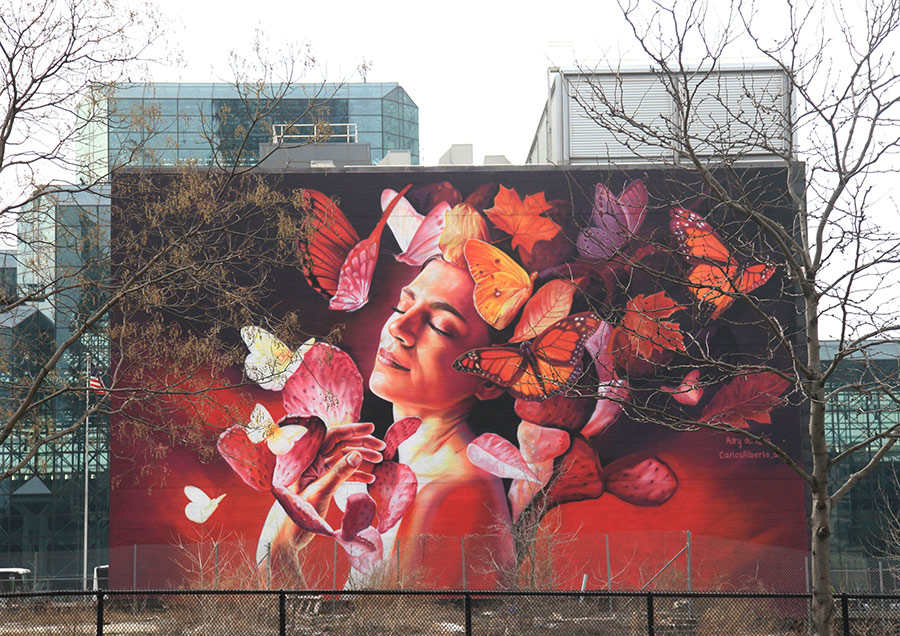
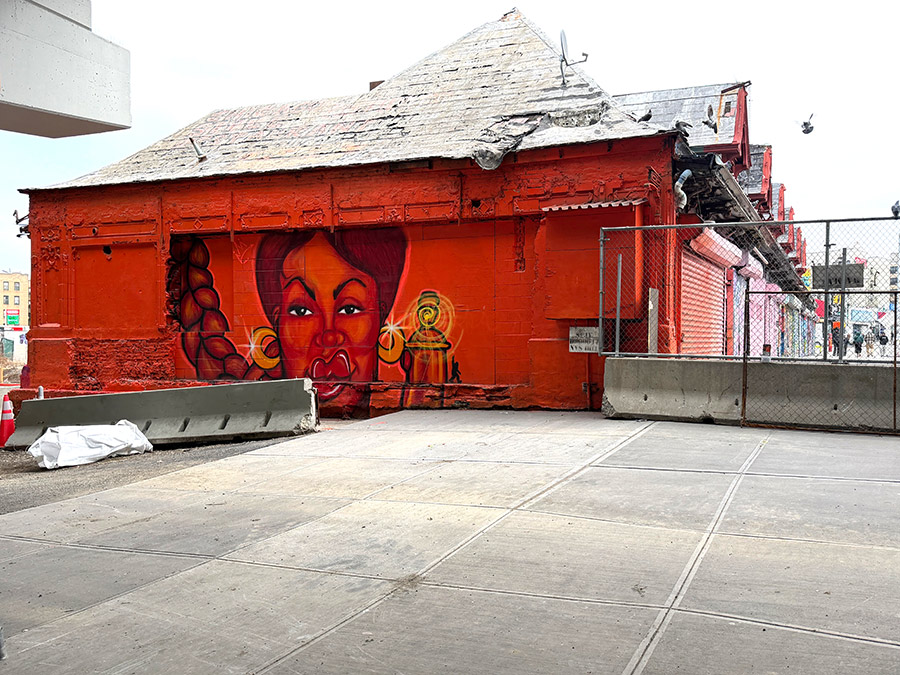
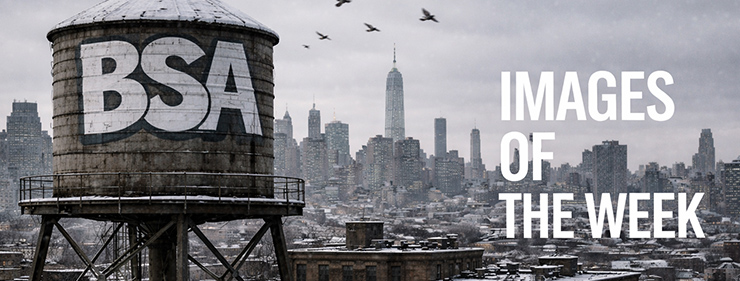
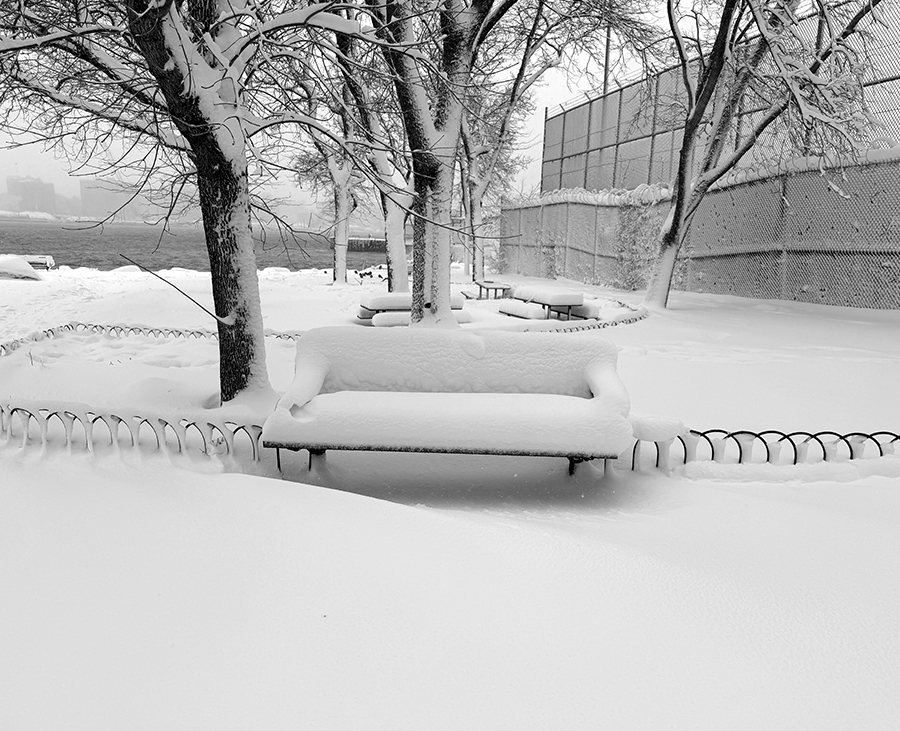
As the year comes to a close, this image calls to mind many trips—across the country and abroad—that allowed us to report the stories that connected with us and with you. Street art is alive and part of the visual experience of cities around the world, shaped by culture, a multitude of histories and the exigencies of daily life. We’re fortunate to document it firsthand and share those encounters with you.

View of Lower Manhattan, Jersey City, and Downtown Brooklyn while landing at LaGuardia Airport, NY. January 2025. (photo © Jaime Rojo)
Read more
BSA HOT LIST 2025: Books For Your Gift Giving

BSA HOT LIST 2025: Books For Your Gift Giving

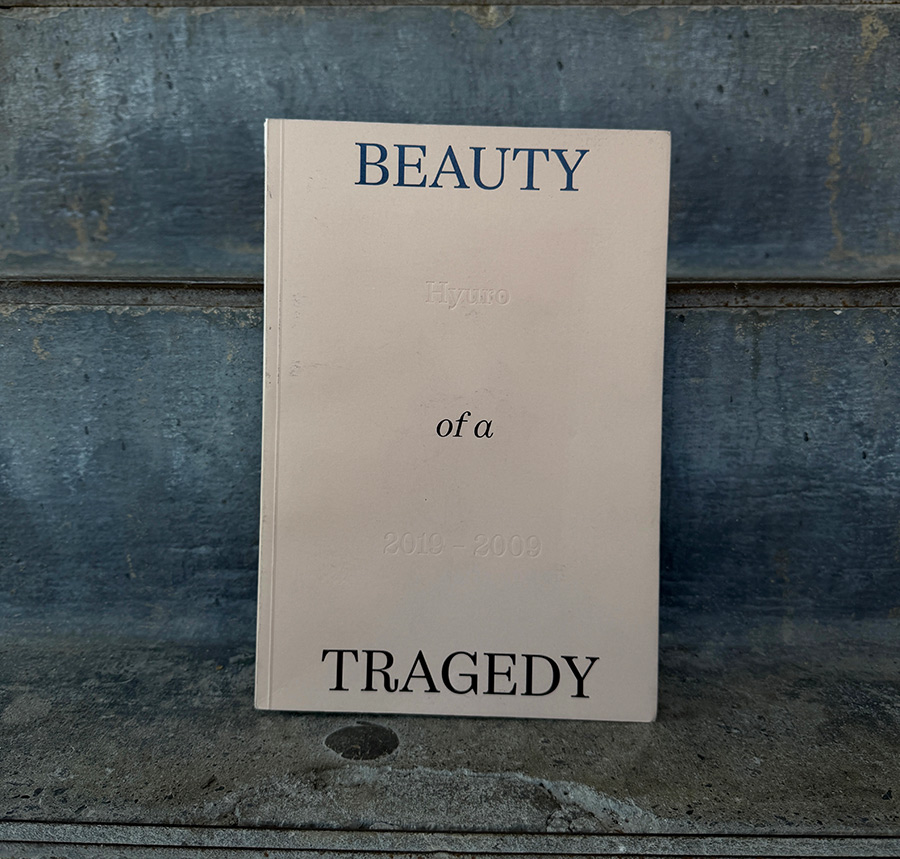
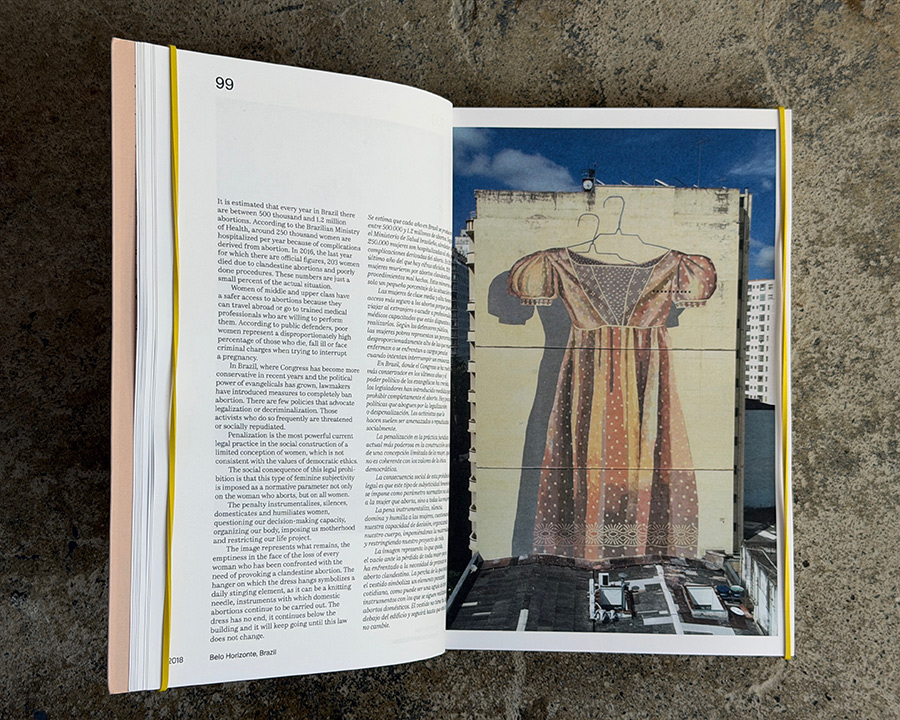
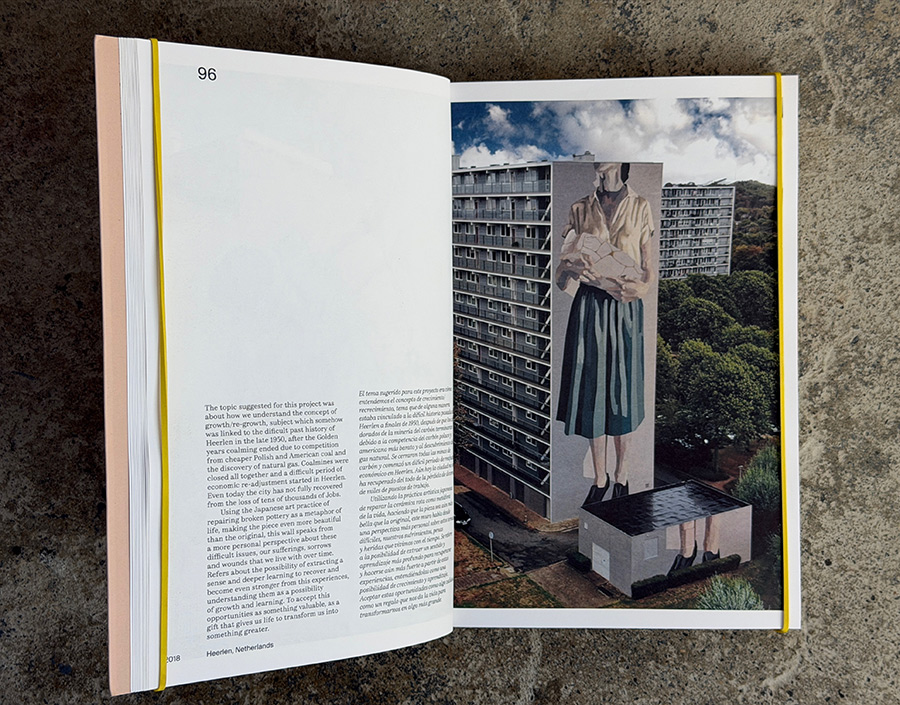
Nearing two decades of this annual list, BSA has changed as the local and global street art/graffiti/fine art scenes have. Less interested in the celebrity and more interested in the people and passions that drive the need to express yourself creatively in public space, BSA has gone through whatever doors opened and a few that were slammed shut. Our shortlist for 2025 reflects a diversity within the street art, graffiti, and fine art worlds that many once assumed would become centralized and homogenized.

Sure, there is a lot of derivative drippy “street art” dreck at art fairs and on particular walls. Still, we suggest the scene is no longer best described as a single movement traveling toward institutional acceptance. We would also argue that it was never the goal, regardless of the Street Art hype of the 2010s. In an interconnected artist’s life, this ‘scene’ is a network of practices that share tools (reproduction, scale, public encounter), ethics (authorship vs anonymity, permission vs necessity), and stakes (who gets to speak in public, and how).

The common threads aren’t style, or even medium—they are circulation, context, and the social life of images. In that sense, this group of books doesn’t just document a year; it maps a portion of the expanded field where street culture, publishing culture, and contemporary art culture now overlap—sometimes comfortably, sometimes in productive friction.


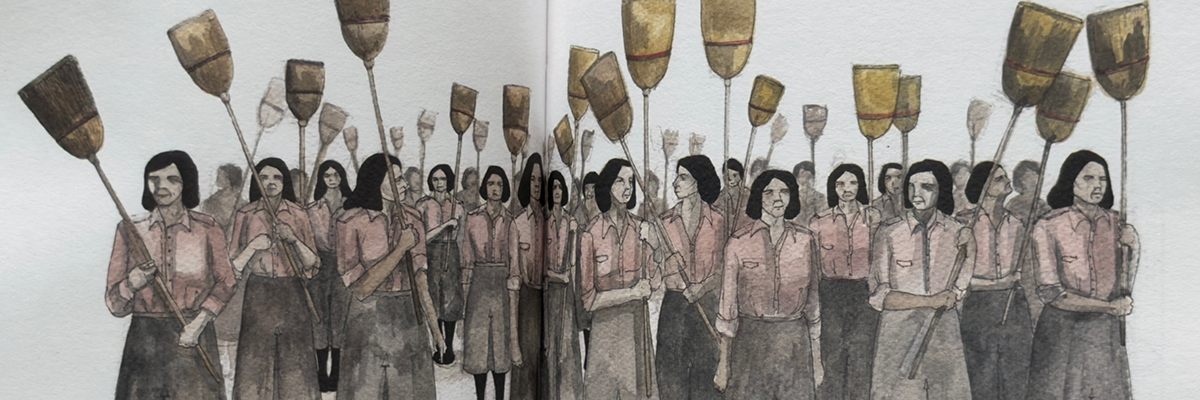
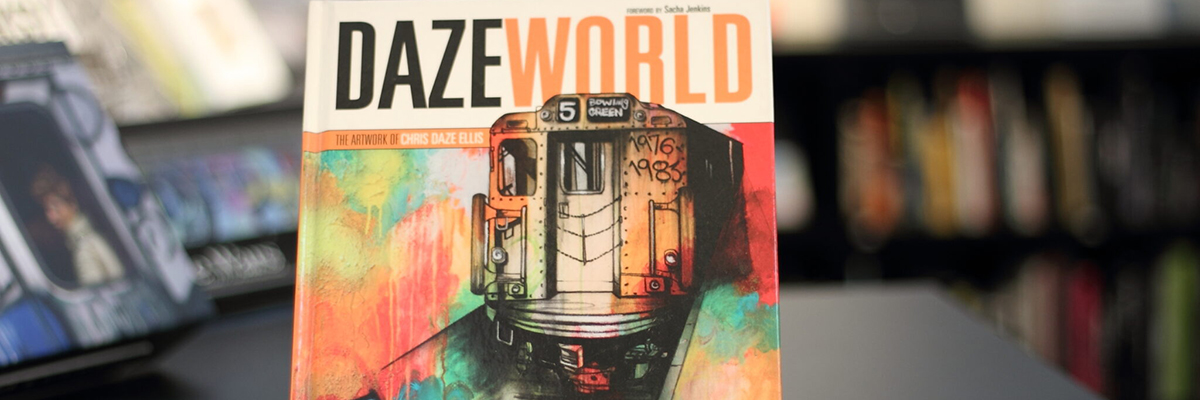
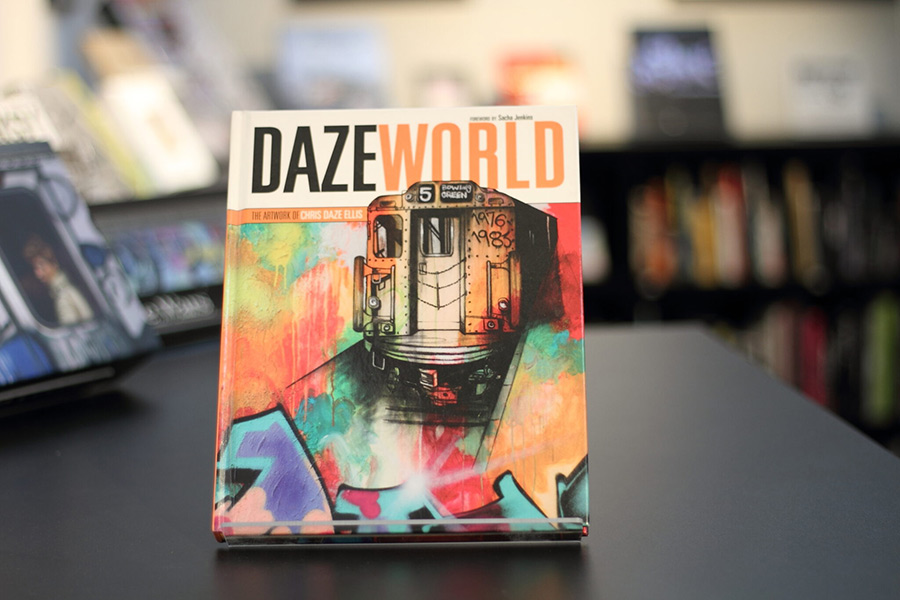
Books in the MCL: John P. Jacob (ed.). “Kodak Girl: From the Martha Cooper Collection”

Kodak Girl: From the Martha Cooper Collection. John P. Jacob (ed.). 2012

From BSA:

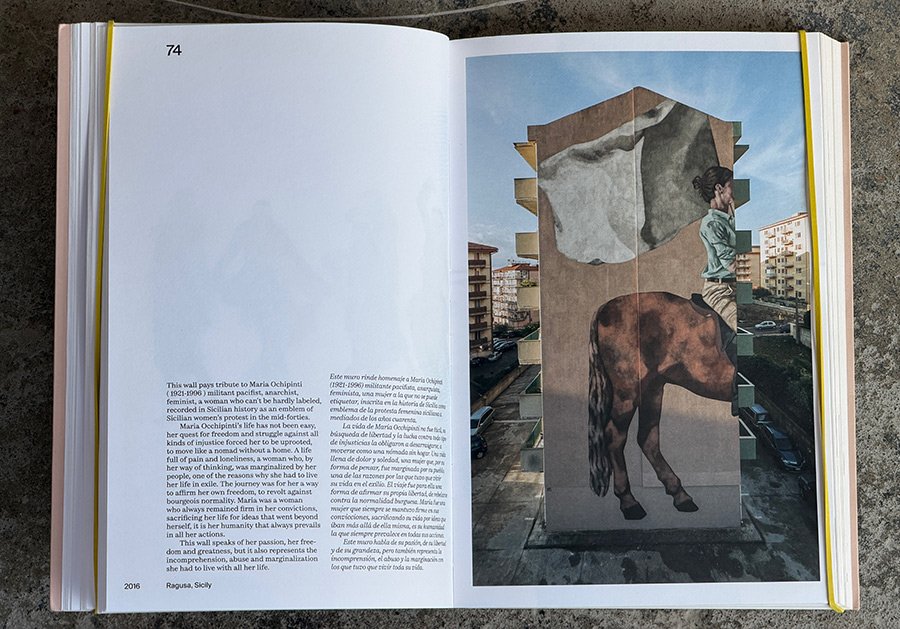
Kodak Girl: From the Martha Cooper Collection“, edited by John P. Jacob with essays by Alison Nordström and Nancy M. West, provides an in-depth examination of Kodak’s influential marketing campaign centered around the iconic Kodak Girl. With a riveting collection of photographs and related ephemera, the book dives into the intersection of technology, culture, and the role of gender in the late 19th to the mid-20th centuries. It offers readers a comprehensive look at how Kodak not only transformed photography into a widely accessible hobby but also significantly influenced societal perceptions of women.

Books in the MCL: John P. Jacob (ed.). “Kodak Girl: From the Martha Cooper Collection”


Sofort alle Fenster und Türen schliessen! (Immediately Close All Windows and Doors)

Poster campaign in Basel (Switzerland), 1986, by anonymous artists to highlight the Sandoz fire disaster in Schweizerhalle. Zine photographed and printed anonymously, Basel 1986. Self-published. No longer available for purchase.

From BSA:

On the night of November 1, 1986, Basel was told to “immediately close all windows and doors.” A fire ripped through a Sandoz chemical warehouse, and the Rhine River ran red with toxic runoff. Thousands of fish floated belly-up, and citizens were left in fear and fury, just months after the trauma of Chernobyl【1】.

When the authorities stumbled and minimized the danger, Basel’s artists and students seized the opportunity to express themselves on the walls. Within days, in the middle of the night, activists from the School of Design plastered the city’s billboards and poster kiosks with their furious responses【2】. They worked fast, stayed anonymous, and left the streets covered with raw, hand-painted images and biting slogans.

Sofort alle Fenster und Türen schliessen! (Immediately Close All Windows and Doors)


Arek Stankiewicz & Bartek Swiatecki. WARMIOPTIKUM. Warmia, Olsztyn. Poland. 2024

From BSA:

Interpreting Warmia’s Hidden Patterns from Above and Within

Bartek Swiatecki’s latest book, Warmioptikum, is a striking fusion of abstract painting and aerial photography, capturing the landscapes of Warmia, Poland, from a new perspective. Featuring Swiatecki’s expressive, in-the-moment paintings set against Arek Stankiewicz’s breathtaking drone photography, the book transforms familiar rural scenes into an evolving conversation between art and nature.

Swiatecki, known for his roots in graffiti and urban abstraction, takes his practice beyond the cityscape and into open fields, painting directly within the environment. Stankiewicz’s aerial lens frames these artistic moments, emphasizing their relationship with the land’s patterns, textures, and rhythms. As noted in the book’s foreword by Mateusz Swiatecki, Warmioptikum is a  documentation and an exploration of how we perceive and engage with landscape, helping the reader see Warmia through “extraordinary perspectives and new, nonobvious contexts.”

Arek Stankiewicz & Bartek Swiatecki. WARMIOPTIKUM. Warmia, Olsztyn. Poland. 2024


Addison Karl. KULLI. A Natural Spring of Artwork, Sculpture, Painting, Drawing, Public Art, and Inspiration. Self-published. Monee, IL. 2024.

From BSA:

Over the last two decades of covering the street art movement and its many tributaries, one of the deepest satisfactions has been watching artists take real risks, learn in public, and mature—treating “greatness” as a path rather than a finish line. Working at BSA, we’ve interviewed, observed, and collaborated with scores of artists, authors, curators, institutions, and academics; it’s been a privilege to see where they go next.

Addison Karl’s self-published 2024 monograph, “KULLI: A Natural Spring of Artwork, Sculpture, Painting, Drawing, Public Art, and Inspiration,” reads as a first-person chronicle from an artist who moved from the wall to the plaza to the foundry without losing the intimacy of drawing. Dedicated to his son—whose name titles the book—KULLI threads words, process images, and finished works across media: murals, cast-metal and glass sculptures, drawings, and studio paintings, all guided by a sensibility that treats color and material as vessels for memory and place.

Addison Karl. KULLI. A Natural Spring of Artwork, Sculpture, Painting, Drawing, Public Art, and Inspiration. Self-published. Monee, IL. 2024.


Rafael Schacter. Monumental Graffiti. Tracing Public Art and Resistance in The City. MIT Press. 2024

From BSA:

Graffiti is a living monument—an act of doing rather than keeping.

Rafael Schacter has been offering an alternative to institutional monumentality in his latest book Monumental Graffiti (2024). He buttressed his alternative view during his keynote speech for the New York 2025 Tag Conference (BSA is a sponsor). To a packed audience at the Museum of the City of New York, Schacter talked about a monumentality that is grounded in community, embodiment and the acceptance of transience as truth.
In his talk and his book, the London-based art historian argues that monuments and graffiti can illuminate each other: monuments don’t need to be grand or permanent, but can be understood—as their Latin root monere suggests—as acts that remind, advise, or warn. Drawing on counter-monuments and non-Western traditions, he would like to redefine monuments as socially and emotionally engaging public artifacts that may be ephemeral, community-driven, and conceptually monumental rather than physically imposing.

Rafael Schacter. Monumental Graffiti. Tracing Public Art and Resistance in The City. MIT Press. 2024


SETH on Walls. Editions de La Martiniere. 2022. Distributed by Abrams. An imprint of ABRAMS, 2023.

From BSA:

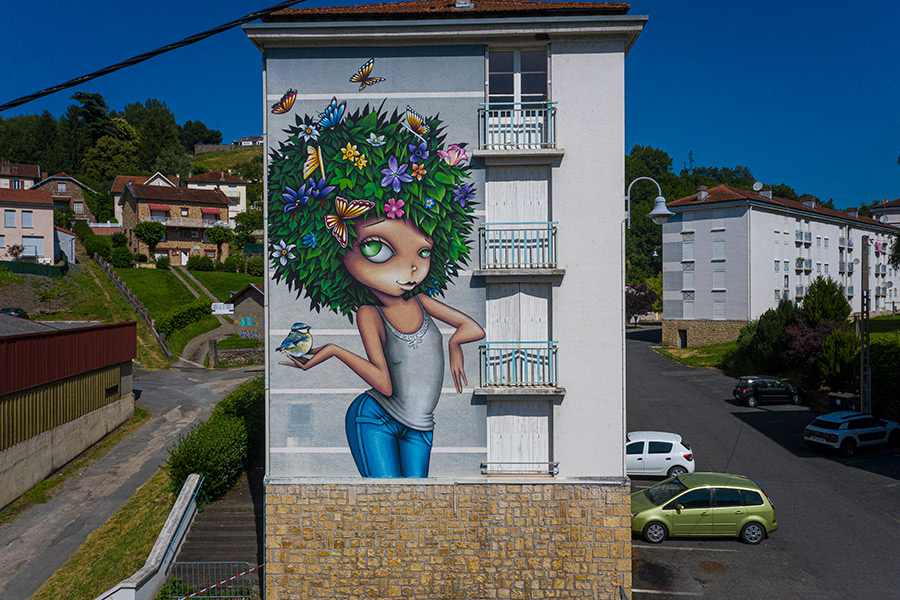
“In a world where the system alienates the most vulnerable, imposing a cynical or pessimistic outlook seems impossible to me,” says French street artist Seth. “Walls remain the space of resilience. Unlike cartoons, which leave no room for ambiguity, the choice to interpret a mural is essential. The curious are free to discover the hidden meaning.”

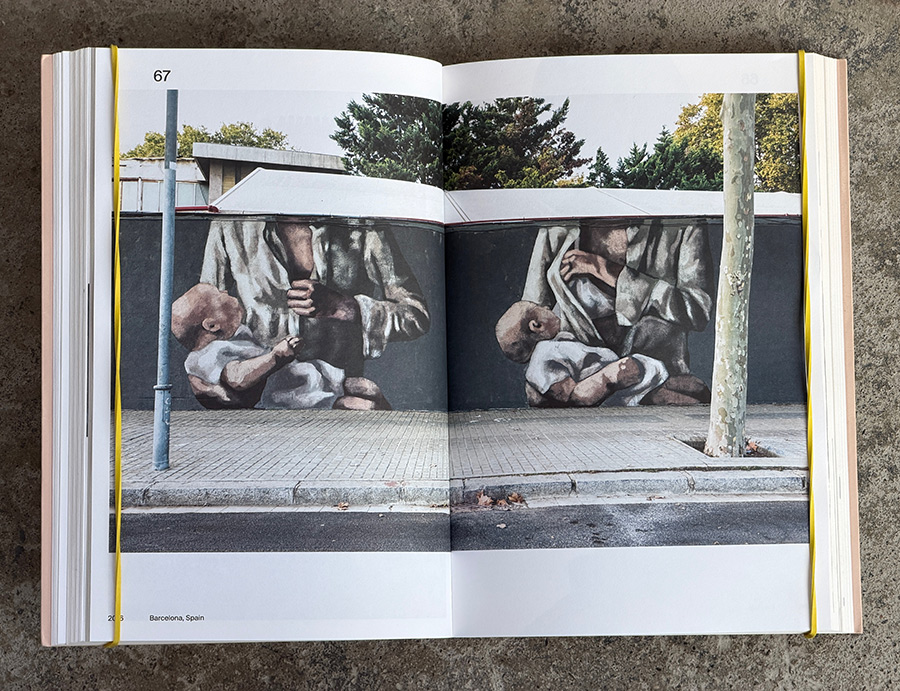
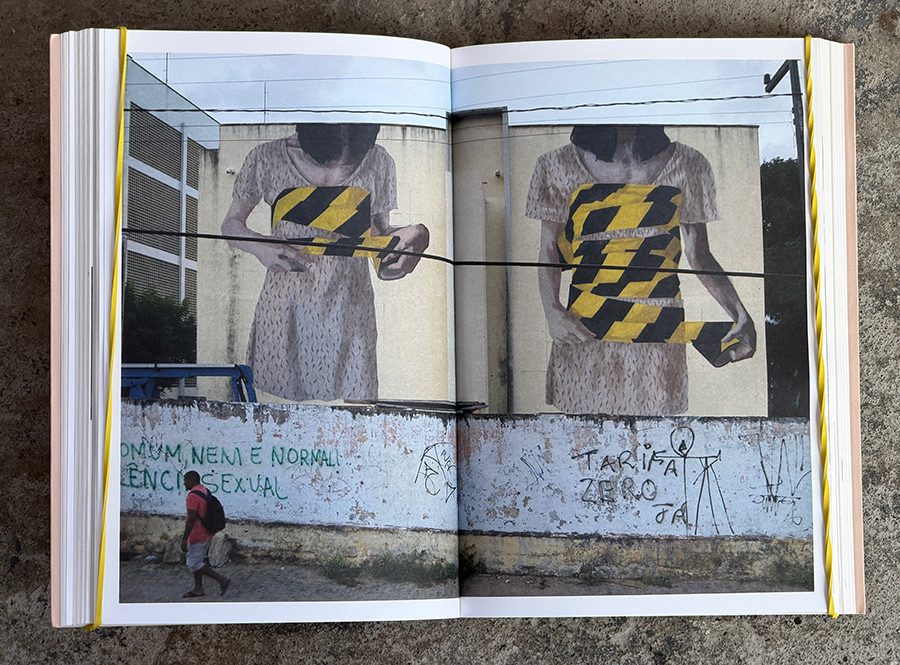
His new book “Seth On Walls” candidly offers these insights and opinions, helping the reader better understand his motivations and decisions when depicting the singular figures that recur on large walls, broken walls, and canvasses. A collection that covers his last decade of work in solo shows, group shows, festivals, and individual initiatives, you get the central messages of disconnection, connection, and honoring the people who live where his work appears.

SETH on Walls. Editions de La Martiniere. 2022. Distributed by Abrams. An imprint of ABRAMS, 2023.


Sonny Gall. 99 of NY, released by King Koala Press with text by Mila Tenaglia. 2025.

From BSA:

Described by the publisher as “a compositional and documentary endeavor that unfolded naturally over the course of a decade,” 99 of NY gathers 99 photographs across 110 pages, printed in both color and black and white, in a durable hardcover, album-sized format. True to King Koala’s limited-edition tradition, it’s a finely produced object — modest in scale and rich in substance — that rewards slow looking and quiet reading.

Gall’s images vibrate and render when leaning toward the overlooked: empty lots in Queens, warehouse walls, families at home, scattered pigeons, playgrounds under scaffolding. They are fragments of a living city seen with patience and affection, moments that feel at once offhand and deliberate. Tenaglia’s accompanying texts deepen those impressions without overexplaining, their language as sharp and unadorned as the photographs themselves, yet evocative of the unseen – with a poetic wandering appropriate for the attitude of discovery. Together they capture what it means to move through New York — not as spectacle, but as encounter.

Sonny Gall. 99 of NY, released by King Koala Press with text by Mila Tenaglia. 2025.

Read more
13 New B-Murals X Nau Bostik In Barcelona

13 New B-Murals X Nau Bostik In Barcelona

As we move through the holidays and look back on the year, it’s a pleasure to reconnect with photographer Fer Alcalá—one of the earliest photographers to work with us and a deeply knowledgeable chronicler of street art. Once again, he’s on the ground in Spain, working closely with artists and organizers, this time in Barcelona, and we’re pleased to share his photographs with BSA readers.

Barcelona’s urban art scene is again finding some footing at Nau Bostik, a former adhesive factory in the La Sagrera neighborhood that is one of the city’s most persistent sites for contemporary muralism. Last month B-Murals unveiled 13 new murals across the complex, marking the 10th anniversary of Nau Bostik as a community-managed cultural space. In a city where legal and informal street painting has been a subject of rowdy debate, and many would say has been in steady decline over the last 15 years, the scale and ambition of this project feels notable.

SAWE. “Tempesta Creativa”. At Nau Bostik in collaboration with B-Murals. Barcelona, Spain. (photo ©
Fer Alcalá)

For context, Barcelona once played a central role in the European street art conversation, and enthusiastically so – giving the stage to many names that later grew in the popular imagination. By the late 2000s, however, stricter regulations, enforcement, and accelerating gentrification dramatically reduced opportunities for unsanctioned work in public space. Many artists left, adapted to studio practice, and shifted toward newly popped-up festivals elsewhere. Against that backdrop, Nau Bostik stands out as an exception—an artist-run and neighborhood-supported site where murals are not treated as decoration, but as a cultural practice worth protecting.

The most visible new interventions came from Emilio Cerezo and Martí SAWE, who each took on large exterior surfaces. Cerezo refreshed Nau Bostik’s main façade with a color-driven abstract composition developed through a participatory process with local residents, reinforcing the site’s collective identity. SAWE’s mural on the nearby Treball Digne bridge uses figurative and graphic elements to explore creative pressure, self-doubt, and momentum, drawing directly from his background in graffiti, illustration, and animation.

SAWE. “Tempesta Creativa”. At Nau Bostik in collaboration with B-Murals. Barcelona, Spain. (photo ©
Fer Alcalá)

Cerezo also presented La Rutina del Sueño, an immersive installation inside the B-Murals gallery. The project extends his painted language into a spatial environment shaped by movement, light, and sound, with music by Ilia Mayer. Together, the exterior mural and interior installation add to the dialogue between public visibility and interior thoughts.

Each artist contributed a distinct piece, turning Nau Bostik’s courtyard into a microcosm of global street art – artists from Poland to Japan to Colombia and Madrid all contributed to the potpurri. Walking through, one can see the veteran spray-can styles of Werens and Chylo on one wall, versus the playful paste-ups of Rockaxson and Vantees on another. Laura Merayo’s contribution stands out with rustic, nature-inspired imagery that quietly pushes against the surrounding industrial architecture, while newer voices introduce illustration, abstraction, and narrative approaches that reflect how muralism continues to expand beyond its graffiti roots.

SAWE. “Tempesta Creativa”. Detail. At Nau Bostik in collaboration with B-Murals. Barcelona, Spain. (photo © Fer Alcalá)

B-Murals describes the project as an ongoing act of cultural resistance, say organizers of the event, emphasizing that Nau Bostik survives not through institutional permanence but through active use, collaboration, and renewal. In a city that once defined street art and later restricted it, the walls here suggest a different model—one grounded in community stewardship rather than spectacle.

SAWE. “Tempesta Creativa”. Detail. At Nau Bostik in collaboration with B-Murals. Barcelona, Spain. (photo © Fer Alcalá)

Artists this year included:
Emilio Cerezo (Totana, Spain), Martí SAWE (Barcelona, Spain), Andrea Devia Nuño (Colombia), Bunker (Spain), Chylo (Poland), Dan Bonssai (Madrid, Spain), Dana Alessi (Buenos Aires, Argentina), Laura Merayo (Zamora, Spain), NSN997 (Naples, Italy), Vantees (Brazil), Werens (Sabadell, Spain), Rockaxson (Chile), Schoko Tanaka (Japan).

About B-MURALS ART CENTER

“B-Murals is a specialized urban art center based in Barcelona. It is a singular and pioneering project for its comprehensive approach, which combines supporting creation through mural interventions, residencies, and exhibitions, with community work, education, reflection, and dissemination of this discipline, aiming to promote its growth and make it accessible to the broader public.”

SAWE. “Tempesta Creativa”. Detail. At Nau Bostik in collaboration with B-Murals. Barcelona, Spain. (photo © Fer Alcalá)
Emilio Cerezo. At Nau Bostik in collaboration with B-Murals. Barcelona, Spain. (photo © Fer Alcalá)

‘La Rutina del Sueño’: Emilio Cerezo’s Immersive Exhibition


“In parallel with his monumental exterior work, Emilio Cerezo inaugurated the installation exhibition ‘La”
Rutina del Sueño’ in the B-Murals gallery, within the WCUB3 series. In this show, the artist expands his pictorial universe into a three-dimensional realm, converting the room into an immersive space where constantly moving forms explore the sensory limits between wakefulness and dream imagery, all enveloped by the hypnotic frequencies of Ilia Mayer.”

Emilio Cerezo. “La Rutina del Sueño”. At Nau Bostik. Barcelona, Spain. (photo © Fer Alcalá)
Read more
BSA Images Of The Week: 12.14.25 / Miami x New York

BSA Images Of The Week: 12.14.25 / Miami x New York

Welcome to BSA’s Image of the Week!

It’s our first snowy December day with swirling clouds of the white snowflakes swirling around you with cigarette butts and potato chip bags and pine snippings from the Christmas tree salesman name Pierre on you block. The First night of Hanukkah is tonight — best wishes to our Jewish friends and families across the city. Menorah lightings and Festival of Lights gatherings are popping off in Brooklyn at Grand Army Plaza, down at the South Street Seaport, and over on Pier 17, where a LEGO menorah is doing what LEGO does best: being quietly indestructible. Expect music, food, treats, face painting — the whole megillah.

The holiday hum (and humbug) carries through the month with holiday markets at Union Square, Columbus Circle, and Bryant Park. For all your ice capades, New York offers Bryant Park (Midtown), Wollman Rink (Central Park South), LeFrak Center at Lakeside (Prospect Park), World Ice Arena (Flushing Meadows–Corona Park), and the FDR Drive (Lower East Side) after it floods, weather permitting. Yes, that tree is lit and doing its annual job of reminding everyone they live in New York, not wherever they came from. Add in these amazing periodic Fifth Avenue street closures when you can literally run on the streets — these rare moments when pedestrians get the upper hand — and the city briefly becomes what it’s always threatening to be: festive, walkable, and almost humane.

Of course, depending on which headline you read, all joy is apparently set to expire on January 1. Certain tabloids would have you believe the city is one Mamdani mayoral term away from collapse, chaos, and moral freefall. That’s one way to welcome the new guy. But if you’ve lived here longer than five minutes, you already know the script — New York absorbs the panic, shrugs off the noise, adapts, and keeps moving. Ideally on foot. Preferably with a hot chocolate.

Zohran Mamdani is a New Yorker, part of the long line of immigrants and children of immigrants who built this city and, frankly, the country. While we’re at it — love to our Muslim friends and families across the five boroughs. New York works best when everybody’s in the room. Happy Hanukkah, Christmas, Solstice, Kwanzaa — and to everyone else, good luck making it to January.

This week, our interview with the streets has a Miami hangover and a New York winter cold snap (slap), with new murals, graffiti pieces, and street art conversing with you as you march to the subway, laundromat, or ice-skating rink. Artists and writers and street scholars this week include: Atomik, Clown Soldier, Cruze Oner, Daniel Lloyd, Dreamscape, EXR, Hiero Veiga, INFOE, Kams Art, Lexi Bella, Mesper, Mr. June, Mucky, Shepard Fairey, Tati, Tesoe, Werds, Zoot, and Zwon.

Daniel Lloyd. Wynwood, Miami. December 2025/ (photo © Jaime Rojo)
Dreamscape. The Bushwick Collective. Brooklyn, NY. December 2025/ (photo © Jaime Rojo)
Hiero Veiga. Wynwood, Miami. December 2025/ (photo © Jaime Rojo)
Tati. East Village Walls. Manhattan, NY. December 2025/ (photo © Jaime Rojo)
Atomiko. Wynwood, Miami. December 2025/ (photo © Jaime Rojo)
Kams Art. Lower East Side, Manhattan, NY. December 2025/ (photo © Jaime Rojo)
TESOE. Wynwood, Miami. December 2025/ (photo © Jaime Rojo)
Clown Soldier. Manhattan, NY. December 2025/ (photo © Jaime Rojo)
OBEY. Wynwood, Miami. December 2025/ (photo © Jaime Rojo)
Unidentified artist. Wynwood, Miami. December 2025/ (photo © Jaime Rojo)
ZOOT. China Town. Manhattan, NY. December 2025/ (photo © Jaime Rojo)
EXR. ZWON. WERDS.. Wynwood, Miami. December 2025/ (photo © Jaime Rojo)
CRUZE ONER. Detail. Brooklyn, NY. December 2025/ (photo © Jaime Rojo)
CRUZE ONER. Brooklyn, NY. December 2025/ (photo © Jaime Rojo)
Unidentified artist. Manhattan, NY. December 2025/ (photo © Jaime Rojo)
Mucky. Manhattan, NY. December 2025/ (photo © Jaime Rojo)
Lexi Bella. Manhattan, NY. December 2025/ (photo © Jaime Rojo)
Unidentified artist. Manhattan, NY. December 2025/ (photo © Jaime Rojo)
Mr. June at SCOPE Art Fair. Miami Beach. December 2025/ (photo © Jaime Rojo)
Atomiko. Mesper. Allapattah, Miami. December 2025/ (photo © Jaime Rojo)
INFOE and friends. Wynwood, Miami. December 2025/ (photo © Jaime Rojo)
Untitled. NOHO, Manhattan. December 2025/ (photo © Jaime Rojo)
Read more
Michal Škapa: Building Worlds from Letters and Light in Prague Studio

Michal Škapa: Building Worlds from Letters and Light in Prague Studio

Michal Škapa (b. 1978, Prague), known in graffiti circles as Tron, is one of the defining figures of the Czech graffiti movement. He emerged in the first wave of Prague writers in the early–mid 1990s, active in influential crews such as DSK, CAP, NUTS, and TOYZ. His reputation grew not only through his presence on Prague’s walls and train lines but also through some of his under-the-radar painting exploits — always a symbolic moment for graffiti writers testing their ambition.

Over nearly three decades, he has expanded from traditional graffiti into murals, airbrush figurative work, acrylic “manuscript” abstractions, neon and light installations, and site-specific projects, while maintaining a clear connection to the tempo, structure, and discipline of lettering. His long associations with Trafačka/Trafo Gallery and MeetFactory placed him within two of Prague’s most important hubs for post-1990s urban and contemporary art, and his work with The Chemistry Gallery and the Urban Pictus festival may have brought him greater international reach.

Michal Skapa. Studio visit. Prague, November 2025. (photo © Jaime Rojo)

Within the Czech Republic, Škapa is recognized as an artist who successfully bridged illegal writing, large-scale public works, and the gallery world. He co-founded the Analog!Bros serigraphy workshop, creates commercial visual works and has exhibited across significant Czech venues. On the mural tip, he is associated with massive works such as Kosmos — a 350-meter mural along the runway wall at Václav Havel Airport — and Vesmír medúz (The Universe of Jellyfish) in Prague’s Karlín district for Urban Pictus, both large semi-abstract compositions that merge cosmic imagery with undersea forms. His illuminated works for the Signal Festival and other public commissions may further assert his role in redefining how Czech graffiti vocabulary evolves into a contemporary visual language.

Michal Skapa. Studio visit. Prague, November 2025. (photo © Jaime Rojo)

Škapa’s trajectory parallels that of many European artists who began as train writers in the 1990s and gradually expanded into broader artistic practices, yet his work feels distinctly rooted in Prague’s cultural landscape. Writers of his generation absorbed global influences through books, films, and early media circulation, but their reinterpretation of those sources unfolded within a city experiencing dramatic social and urban transformation.

In contrast to artists who favor punchline-driven street interventions or pop-derived collage, Škapa’s work leans toward atmosphere — cosmic, psychological, occasionally sci-fi — a sensibility shared by several Czech artists who transitioned from the underground into muralism, abstraction, and installation. The local ecosystem of DIY spaces, collectives, and multi-disciplinary hubs like Trafačka and MeetFactory helped shape this approach, and Škapa stands out as one of the artists who synthesizes and creates accordingly.

Michal Skapa. Studio visit. Prague, November 2025. (photo © Jaime Rojo)

We had the opportunity to tour the artist’s studio, see many of his works in progress, to read the layering of the walls, and to learn from his wide-ranging experience and storytelling what themes drive him. Among them were these three: the construction of a personal alphabet, cross-media experimentation, and the transformation of graffiti experience into contemporary practice.

Michal Skapa. Studio visit. Prague, November 2025. (photo © Jaime Rojo)

A Personal Alphabet as Architecture

Škapa’s studio makes clear how central his self-created alphabet is to his practice — a system that merges graffiti logic with global typographic traditions. He describes it as “based on the Latin alphabet but mixed with inspirations from Brazil, heavy-metal logos, ruins, all kinds of writing systems,” his is a layered script that allows him to embed messages and structure his compositions. Some of his works contain readable words; others dissolve into semi-abstract fragments that behave like scaffolding or urban grids. Skapa is in love with the urban cityscape and its language pushes up like a raised grid into many of his works.

As he put it, “I work with my own alphabet… I put some messages in the canvas. You can find the letters if you look.” His alphabet becomes both a personal code and a generative architecture, a way to “build” cities, atmospheres, and imagined systems that tie back to his years on the street.

Michal Skapa. Studio visit. Prague, November 2025. (photo © Jaime Rojo)

Cross-Media Experimentation

With great appetite for discovery, Škapa moves fluidly between media — neon, lithography, silk-screen, drawing, comics, hand-painted canvases, sculptural models — driven not by stylistic restlessness but by a desire to test how each material can host or distort his visual language. His collaborations with Czech glass studios illustrate this curiosity. He showed us vases produced through layered techniques involving silk-screened transfers, hand-drawn enamel lines, and kiln-fused materials.

Michal Skapa. Studio visit. Prague, November 2025. (photo © Jaime Rojo)

“I love to experiment,” he said. “I’m still searching. I change styles a little, but it’s all connected.”

His neon-cube sculptures, glass models, and smoked-glass vessels borrow from Czech glassmaking’s legacy while extending it into a hybrid territory shaped by graffiti structure, sci-fi atmosphere, and architectural imagination.

Michal Skapa. Studio visit. Prague, November 2025. (photo © Jaime Rojo)

It Emerges from Graffiti as Origin, Ethos, and Continuum

Škapa’s early years as a writer in post-revolution Prague remain a defining foundation for the artist. He recounts discovering graffiti in a city that felt grey and decaying, then experiencing the shock of Berlin’s scene and, later, painting trains in New York just before 9/11.

“It was like shining diamonds in the grey,” he said of graffiti’s arrival in 1990s Prague.

The energy of those years — improvisation, risk, collaboration, and an irreverent sense of possibility — continues to shape his work. He is clear that he is not “bringing graffiti into the gallery,” but rather transforming its mindset:

Michal Skapa. Studio visit. Prague, November 2025. (photo © Jaime Rojo)

“You cannot take it from the streets and just exhibit it. You have to transform it.” His temporary, large-scale installations — painted walls later repainted white, layered panels reassembled into new environments — reflect graffiti’s ephemerality while channeling its instinct for immersion, confrontation, and city-scale rhythm.

Michal Skapa. Studio visit. Prague, November 2025. (photo © Jaime Rojo)

Three Currents Join

Škapa’s studio practice reveals an artist who continues to translate three decades of experience into a visual language that is still expanding. His alphabet operates as both structure and code — a personal script rooted in graffiti’s devotion to the written mark. His cross-media experiments, moving from neon to lithography to Czech glass, reflect a sustained curiosity about how ideas behave when they migrate across materials and traditions. And his grounding in early graffiti culture remains an ethical engine, shaping how he thinks about improvisation, community, and the life cycle of artworks.

Taken together, these themes show how Škapa has built a practice inseparable from Prague’s cultural landscape while remaining fully engaged in a broader conversation about how street-born creativity transforms within contemporary art.

Michal Skapa. Studio visit. Prague, November 2025. (photo © Jaime Rojo)
Michal Skapa. Woody Allen is in there somewhere. Studio visit. Prague, November 2025. (photo © Jaime Rojo)
Michal Skapa. Studio visit. Prague, November 2025. (photo © Jaime Rojo)
Read more
Between Spires and Spray Cans: The Rise of Prague’s Street Art Biennial “Urban Pictus”

Between Spires and Spray Cans: The Rise of Prague’s Street Art Biennial “Urban Pictus”


Launched in 2022 and heading into its third edition in 2026, Urban Pictus is the mural festival shaping Prague’s public art future. Co-founded by Petr Hájek and Petr Kopal of The Chemistry Gallery, the biennial brings together the city’s cultural institutions, municipal partners, and an evolving network of post–Velvet Revolution creative districts. In a city defined by Gothic spires and Baroque curves, Urban Pictus doesn’t shy from the friction of graffiti and street art—it uses it. The festival has activated walls across Prague 1, 6, 7, 8, and 10, inserting large-scale muralism and street-rooted practices into the visual rhythm of a city known for its architectural legacy.

On our recent visit to the so-called City of a Hundred Spires (real count: more like 500), that energy was hard to miss. Prague’s street scene is compact but loaded, less sprawling than some but no less charged. Writers and muralists work tight: from industrial edges to sanctioned façades, they’re building a visual grammar that feels deliberate, hybrid, and defiantly local. You can see the push and pull—between reverence and rebellion, tradition and disruption. What’s emerging is a language that mixes studio finesse with graffiti instinct: abstract fields, narrative symbols, pop-text hits, and gestures that still carry the urgency of the street. The trains and tunnels haven’t gone quiet either—graffiti here still breathes fast, and the old codes hold.
Beyond being a wall project, Urban Pictus is a mural-driven platform with gallery exhibitions, guided tours, workshops, and crossover projects that build bridges between institutional and informal public-voiced scenes. Born out of The Chemistry Gallery’s commitment to newer voices in contemporary urban art, the festival walks both sides of the line between the street and the gallery.

Across its first two editions, Urban Pictus has hosted a sharp and varied roster: Innerfields (Germany), AEC / Interesni Kazki (Ukraine), M-City (Poland), Gorka Gil (Spain), Michal Škapa (Czech Republic), and Tim Marsh (France/Spain). More recent editions have added Toy_Box, YBR, Malujeme Jinak, Zeb One, and Matěj Olmer (Czech Republic), as well as Yessiow (Indonesia), expanding the festival’s reach across Europe and beyond.
With 2026 on the horizon, here are a few standout murals we caught on the ground this fall.

Toy Box. Detail. In collaboration with Urban Pictus. A portrait of Milada Horakova marking the 75th anniversary of her judicial murder. Prague, Czech Republic. November 2025. (photo © Jaime Rojo)

Toy_Box (Czech Republic) is known for blending classical painting, comic art, and street aesthetics. Her mural on Milady Horákové Street in Prague 7 honors the politician Milada Horáková on the 75th anniversary of her execution by the communist regime, depicting her portrait in fractured forms alongside a bilingual quote.

Toy Box. Collaboration with Urban Pictus. Czech Republic. November 2025. (photo © Jaime Rojo)
Tim Marsh. Detail. Collaboration with Urban Pictus. Czech Republic. November 2025. (photo © Jaime Rojo)

Tim Marsh (France/Spain) works in geometric abstraction, using bold colors and masking-tape precision. His 22-meter mural in Holešovice portrays David Attenborough surrounded by animals, part of his ongoing series celebrating biodiversity.

Tim Marsh. Collaboration with Urban Pictus. Czech Republic. November 2025. (photo © Jaime Rojo)
Innerfields. Detail. Collaboration with Urban Pictus. Czech Republic. November 2025. (photo © Jaime Rojo)

Innerfields (Germany), a trio known for blending realism and symbolism, painted a mural in Karlín of a figure staring at a smartphone while a levitating Earth floats nearby, striking him in the head—a reflection on digital distraction and environmental neglect.

Innerfields. Collaboration with Urban Pictus. Czech Republic. November 2025. (photo © Jaime Rojo)
Lukas Malujemejinak Vesely. Collaboration with Urban Pictus. Czech Republic. November 2025. (photo © Jaime Rojo)

Lukáš Veselý / Malujeme Jinak (Czech Republic). The brothers use optical tricks and graphic design to bring kinetic energy to this university environment. Their Holešovice mural on a student residence features abstract dancing figures that celebrate youth and movement.
M-City. Collaboration with Urban Pictus. Czech Republic. November 2025. (photo © Jaime Rojo)

M-City (Poland) is recognized on many continents for his large-scale stenciled cityscapes with industrial themes. His mural in Invalidovna, “Road Ahead Closed,” presents a dense monochrome metropolis made from layered mechanical motifs and factory forms.
M-City. Detail. Collaboration with Urban Pictus. Czech Republic. November 2025. (photo © Jaime Rojo)
M-City. Collaboration with Urban Pictus. Czech Republic. November 2025. (photo © Jaime Rojo)
AEC – Interesni Kazki. Detail. Collaboration with Urban Pictus. Czech Republic. November 2025. (photo © Jaime Rojo)

AEC / Interesni Kazki (Ukraine) is known for surreal, mythic, sometimes epic murals. His piece “Chasing the Red Demon” in Holešovice allegorizes resistance to Soviet imperialism, referencing both Ukrainian and Czech histories.

AEC – Interesni Kazki. Detail. Collaboration with Urban Pictus. Czech Republic. November 2025. (photo © Jaime Rojo)
Michal Skapa. Collaboration with Urban Pictus. Czech Republic. November 2025. (photo © Jaime Rojo)

Michal Škapa (Czech Republic) brings a graffiti-rooted, semi-abstract style to murals, often with cosmic or social themes. His Vesmír medúz (“Universe of Jellyfish”) in Prague’s Karlín district for the 2022 edition of “Wall Street Prague”, the inaugural version of what would later become Urban Pictus. Škapa painted a vertical mural that depicts glowing, jellyfish-like forms ascending like spacecraft against a dark background. The piece reflects his signature fusion of street art energy and speculative futurism, creating a surreal visual field that floats somewhere between deep sea and outer space.

Michal Skapa. Collaboration with Urban Pictus. Czech Republic. November 2025. (photo © Jaime Rojo)
Dede Bandaid. Detail. Collaboration with Urban Pictus. Czech Republic. November 2025. (photo © Jaime Rojo)

Dede Bandaid (Israel) uses warm-toned urban illustration with metaphorical motifs. His mural “Ambitions” in Žižkov, created with poet Nitzan Mintz, pairs wooden animals with a Czech-language poem about creative drive and personal sacrifice.

EPOS257. Graffomat. Detail. The Chemistry Gallery. Czech Republic. November 2025. (photo © Jaime Rojo)

EPOS 257 (Czech Republic) is a conceptual street artist known for anonymous public interventions. His “Graffomat” installation—shown at Urban Pictus 2025—is a vending machine that dispenses spray cans, satirizing the boundary between sanctioned art and illegal graffiti.

EPOS257. Graffomat. The Chemistry Gallery. Czech Republic. November 2025. (photo © Jaime Rojo)

Our thanks to Chemistry Gallery and the many folks who volunteer to make this festival a success. Our thanks to our partner Urban Nation Museum (UN) in Berlin for their support as we bring the art on the streets and people of Prague to BSA.

Read more
BSA Images Of The Week: 12.07.25 / Wynwood, Miami.

BSA Images Of The Week: 12.07.25 / Wynwood, Miami.

Welcome to BSA Images of the week, where we have been surfing through street art in Miami for 7 days. Wynwood keeps upping the ante in terms of spectacle: the entire neighborhood this week has been awash in events, openings, dinners, tours, panel discussions, gallery openings, exhibition boxing, live music performed in store windows, boisterous rooftop cocktails, sponsor ‘activations’, stickers, t-shirts, lanyards, festivalized clubs with fire jugglers and whirling light shows, and pop-up playgrounds in nontraditional venues like parking lots and warehouses. Many people catch these events when they look up from their phones.

Clubs with long lines on the sidewalk are running hot on reggaeton and Latin trap, colliding Bad Bunny’s stadium-sized hooks with Karol G, Rauw Alejandro, Feid, and Peso Pluma, all cut and slammed into sweat-soaked house – with EDM drops. It’s loud, physical, and relentless — the sexy fashion and sleek swagger on the nighttime sidewalk is all fueled by a heavy bass heartbeat blasting out the door and off the roof. If your window panes are thumping rhythmically louder than the air conditioner hum inside the hotel room at 2 am, you are in Wynwood. Also, why are you asleep, bro?

Oops — almost forgot to mention the painting. These days, the lineup is broad: graffiti writers, street artists, mural painters, and plenty of contemporary artists testing their footing out in public. The range of styles is wide — genuinely wide — and if we’re being honest, a fair number of walls double as neatly disguised brand exercises, selling trends back to us in fresh packaging.

We’ve met plenty of real creators along the way — people with muscle memory, ideas of their own, and a sense of why this work matters. But there’s also a growing crowd of art-fair regulars who’ve vacuumed up the look of graffiti and street art, mixed it with a few drips and gestures, and sent it right back out. In their work, you’ll spot familiar DNA — KAWS, Basquiat, Fairey, Warhol, Banksy — sliced, layered, splashed, and lettered across the surface. It’s street art by collage and citation, often stripped of the context that made those references meaningful in the first place.

Here’s a selection of works seen on the street this week in Wynwood, Miami, including: Aine, BK Foxx, Dirt Cobain, Dustoe, Earsnot, EMERGE, Entes, Gyalgebra, Jason Naylor, Johann Aven, Lae, Luis Valle, Marcos Conde, MEPS, Patrick Churcany, Saturno, Shepard Fairey, SMOG ONE, STOE, and TATS004.

BK FOXX. Detail. (photo © Jaime Rojo)
Patrick Churcany. Detail. (photo © Jaime Rojo)
TATS 004 (photo © Jaime Rojo)
MEPS (photo © Jaime Rojo)
SINE. Detail. (photo © Jaime Rojo)
SINE (photo © Jaime Rojo)
Saturno (photo © Jaime Rojo)
EMERGE (photo © Jaime Rojo)
Unidentified artist (photo © Jaime Rojo)
SMOG ONE (photo © Jaime Rojo)
Entes. Museum of Graffiti Facade. Detail. (photo © Jaime Rojo)
Shepard Fairey. SCOPE Miami. (photo © Jaime Rojo)
Unidentified artist (photo © Jaime Rojo)
STOE on and old mural by EARSNOT. (photo © Jaime Rojo)
Gyalgebra (photo © Jaime Rojo)
Marcos Conde (photo © Jaime Rojo)
Jason Naylor (photo © Jaime Rojo)
Luis Valle (photo © Jaime Rojo)
Dirt Cobain (photo © Jaime Rojo)
DUSTOE (photo © Jaime Rojo)
LAE (photo © Jaime Rojo)
Unidentified artist (photo © Jaime Rojo)
Johann Aven (photo © Jaime Rojo)
Unidentified artist (photo © Jaime Rojo)
Untitled. Miami Beach, Florida. December, 2025. (photo © Jaime Rojo)
Read more
Nothing Disappears: How a Residency Helped Dylan Mitro Reclaim Queer History Through Photography

Nothing Disappears: How a Residency Helped Dylan Mitro Reclaim Queer History Through Photography

The first Martha Cooper Scholar in Photography, Dylan Mitro, has completed his residency year of study and development in Berlin. Along the way, he became more closely aligned with his identity as a documentary photographer, a storyteller, an archivist of history, and a member of the queer community. Looking back on his project of study hosted by Berliner Leben and Urban Nation Museum, he says his appreciation for social movements came into focus, as did his role as a photographer in capturing people and preserving cultural memory.

We spent a few hours speaking with him in the rooftop space atop the Urban Nation Museum talking about his experiences over the past year and looking at the materials that he created. We took away a few lessons on culture, art, preservation, and being present.

Dylan Mitro. Studio Visit. Artists Residency. Dylan is a Martha Cooper Scholarship for Photography Recipient at Urban Nation Museum. Fresh A.I.R. #10. The Fresh A.I.R. project is an artist-in-residence program of the Berliner Leben Foundation. Berlin 2025. (photo © Jaime Rojo)

“Before I can be a person with a camera, I have to be a person they can trust… I cannot be exploitative, especially with communities that have been exploited so much.”

Photography Isn’t Just Style; It’s Witnessing.

For Dylan Mitro, the camera has become less an instrument of aesthetics than a way of being present when history is unfolding before him. His “24 hours of protest” sequence of photos from animated and boisterous marches and demonstrations on the streets of Berlin is where this becomes clearest. He describes being in the street, whether raucous or quietly vigilant, with “thousands of people coming towards me,” running through the crowd and asking, “Can I take your photo?” as events unfolded in real time.

That sense of urgency and adrenaline is exactly what he admires in Martha Cooper’s work: her “always on” state, the way she treats the street as a field site and people as subjects rather than props. Dylan understands, as Martha does, that the most meaningful images are not staged or pretty; they are “honest and raw,” capturing people at protests, in queer nightlife, and in ordinary moments of showing up for one another. When he looks back at his protest images this year and says, “This is why I’m doing it,” he’s telling us that he recognizes that these fleeting, unposed encounters would otherwise vanish, leaving no trace in official records. Street photography through an ethnological lense, in his hands, becomes a way of witnessing courage and vulnerability in the moment and preserving it for those who come after.

“In the moment it’s so high energy, but then when you see the photos you’re like—okay, this is why I’m doing it.”

Dylan Mitro. Studio Visit. Artists Residency. Urban Nation Museum. Berlin, November 2025. (photo © Jaime Rojo)

Archiving and Re-Photography are Acts of Care and Resistance.

Dylan’s unconventional project of re-photographing and reactivating historic photos begins in the archive and brings people to speak to us here, now. He related his experience of making contact with private collectors of LGBTQ+ history and organizations who have documented queer history in Berlin, sifting through collections, commercial advertising, and personal stories without quite knowing what he was looking for. Possibly because people hid their identity for protection, some things were just out of reach, and Mitro related how images “appear… in this almost ghostly, haunting way.” From our perspective, this work looks like a fresh battle against erasure.

Dylan Mitro. Studio Visit. Artists Residency. Urban Nation Museum. Berlin, November 2025. (photo © Jaime Rojo)

His research led him to retrace the locations of social clubs and bookstores and to pore over a varied and deep selection of printed and digitized materials at the LGBTQIA+ archives at the Schwules Museum in Berlin, including the publication Berlin von Hinten. Thanks to the careful collecting and preservation by many in the Berlin community, the artist says he found himself faced with an overwhelming array of diverse materials to study. Mitro brought his own scanner into the reading room, mechanically capturing pages to “deal with later,” making sure nothing important slipped past him in the flood. When he began making cyanotypes from sex journals, classifieds, and Berlin bar magazines like Berlin von Hinten, he was not merely appropriating images but changing their context and use, turning fragile, easily discarded ephemera into durable goods like book pages, prints, even shirts that he wore into the public and to the opening of his exhibition.

Dylan Mitro. Studio Visit. Artists Residency. Urban Nation Museum. Berlin, November 2025. (photo © Jaime Rojo)

“The beautiful thing about an archive is you don’t know what you’re looking for when you go in, and then it just appears to you in this almost ghostly, haunting way.”

Thoughtful in his description of this self-created research process, he appears fully aware of an ethical minefield that he kept seeing in the materials: the sexualization of hustlers, questions of consent, the AIDS epidemic unfolding in the background, and the way one scandalous case can be used to demonize and smear an entire community. He also remarks on how much things have changed as queer culture has learned from its own past and become more equitable and inclusive. For him, to re-photograph, to print, to bind, is to refuse both erasure and simplistic moral panic. It is an act of care for those who lived through those years and a quiet resistance to the ways queer histories are flattened, censored, or selectively remembered.

Dylan Mitro. Studio Visit. Artists Residency. Urban Nation Museum. Berlin, November 2025. (photo © Jaime Rojo)

Passing the Torch: How New Artists Build on Earlier Legacies

Dylan repeatedly frames his work as a kind of “grief politics” — a way to process his own grief and “collective grief” through images and stories. While he handles materials that can be considered crass, campy, or uncomfortable, he treats them as evidence of what previous generations built so that people like him can enjoy the relative freedoms they have now. During the conversation, we recalled that on earlier Zoom calls in the year, he talked about “recognizing the work that our ancestors have done… so we can enjoy the freedoms that we have now,” and he confirmed that this became central to his mission. In practical terms, this shows up in small but telling decisions.

Dylan Mitro. Studio Visit. Artists Residency. Urban Nation Museum. Berlin, November 2025. (photo © Jaime Rojo)

Looking over materials and images, he noticed that many photographs in these magazines are uncredited or minimally credited; however, it was vital for him to reconstruct a credit page in his own book from the publication’s credit lists, even when he could not match each image to a specific name. He sees this as “doing the work for the crediting now,” anticipating a future researcher who might ask “who took this?” and refusing to leave them with a dead end.

His admiration for the photographer Martha Cooper is also part of it: he recognizes that she endured periods when her work was underappreciated, then gradually became a reference point for entire scenes and was treasured for their historical significance. By aligning his practice with her documentary, ethnological approach — attentive, long-term, grounded in real communities — Mitro is situating himself in a lineage of photography that tells our stories to each other and future generations.

When Time, Space, and Support Open a Path for an Artist

Dylan Mitro arrived in Berlin after a decade in Toronto, working punishing 14–15-hour days on commercial shoots and features, a rhythm he describes as “so unsustainable.” The residency allowed him to step off that treadmill and begin a course of study in a new city on another continent. He talked about the stark contrast: in the exact moment that he got the news about being selected for the residency, he learned the news of a close family member’s illness. As he talks, you realize that the year in Berlin became a hinge between these two realities — a chance to focus on his art and a forced confrontation with “what are these next chapters of my life?”

“It’s grief politics… how do I deal with my grief that’s also collective grief? And I deal with that in all of my work.”

With a new perspective, removed from Toronto, he considers that he cannot simply “jump right back into the way I was living.” While he regroups in Ontario and supports family, you can see that the residency gave him room to experiment: scanning archives, learning cyanotype techniques, organizing negatives by place, developing a whole book, and then pivoting mid-project to the “24 hours of protest” series that ties everything together. Along the way, he learned how to structure a day when nobody is calling call time, manage the pressure to enjoy and study the city, and answer the uncomfortable question he keeps coming back to: “Why are you doing it. The support he receives — from the scholarship, the residency, and mentors — may make it possible for him to build a thoughtful, ethically grounded body of work that he could not have assembled in the gaps between commercial gigs.

Dylan Mitro. Studio Visit. Artists Residency. Urban Nation Museum. Berlin, November 2025. (photo © Jaime Rojo)

Reflecting: Photography as Proof of Life

Regarding his project, the cultural ground keeps shifting, and Mitro couldn’t have been more timely. In a political climate in the Western world where there is a backtracking on human rights and queer and trans lives are attacked and simplified, this kind of photography and archiving says: we were here, we are complex, and our images won’t disappear.

Dylan Mitro. Studio Visit. Artists Residency. Urban Nation Museum. Berlin, November 2025. (photo © Jaime Rojo)

Throughout the conversation, Dylan connects his work directly to the present rise of fascism and reactionary politics. He notes that people now often say, “You can be queer anywhere in the city,” as if dedicated spaces and organizing structures were no longer necessary. He counters this by pointing back to history: earlier generations had to fight for those spaces and used them to manage when “the world kind of feels so helpless.” At the same time, he sees how quickly media and political actors can weaponize isolated events — a murder, a scandal, a stereotype — to brand entire communities as dangerous, from gay men in the 1990s to immigrants and trans people today.

That’s precisely why he went to the archive, sat with the original materials, and made new work grounded in lived experience rather than sensational headlines. His insistence on consent and trust in photographing protests, especially when working with trans folks, is part of the same refusal to flatten people into symbols. He’s acutely aware that much of the public visual language around queerness is still dominated by highly sexualized images, corporate Pride floats, and what he and the sponsors describe as “rainbow capitalism.”

By pairing reactivated archival images with new, candid protest photographs, Mitro constructs a more layered record: people organizing and dancing, grieving and celebrating, dressing up and just existing. In the shadow of book bans, anti-trans legislation, and cultural backlash, his project quietly insists that queer and trans lives are not a recent “trend” or a single issue to be voted up or down. They are entire worlds, spanning decades, and his camera — like Martha Cooper’s — is there to make sure those worlds are seen and remembered.

“I know I’m not going back to the life that I had before… I’m really reshaping how things are gonna be moving forward.”

Dylan Mitro. Studio Visit. Artists Residency. Urban Nation Museum. Berlin, November 2025. (photo © Jaime Rojo)

Click HERE to read our first interview with Dylan, where he speaks in depth about their project Inhereted Thread for their Fresh A.I.R. Residency and the Martha Cooper Scholar for Photography 2025.

Read more
“War & Order”, War Is a Racket: The Art of Profit and Power at Frost Gallery

“War & Order”, War Is a Racket: The Art of Profit and Power at Frost Gallery

After a successful, painful, and funny take-down of the Dollar bill at their last group show, the artists-run collectivists at 148 Frost Gallery are smoking again with their newest installations and canvases related to the biggest money-maker of all time: War.

“War & Order” features street artists, contemporary artists, outside artists and those adjacent ruminating on the role and roll of the war machine in the 2020’s with Gabriel Specter, Renelerude, Escif, Dan Sabau, Kazuhiro Imafuku, M Shimek, and Cash4 on the march.

Specter. Detail. “War & Order” 148 Frost St. (photo © Jaime Rojo)

Between those two shows, this gallery may have captured the moment prophetically, like a seer in a storm, evaluating the past and anticipating what is next.

A century, at the rise of the so-called American Century, it had just become clear that undermining a nation’s currency through inflation was instrumental to eroding its economic and social order – Lenin is reported to have posited it as a beststrategy. Keynes agreed, and observed that a rampant inflation that debauches your currency secretly will  confiscate wealth, breed inequality, and shatter the trust that underpins society. Not that we’re headed toward rampant inflation, but the similarities of these days and those days leading to world wars are striking, including our own media’s consistent underreporting of the dollar’s loss of value and global influence.

During WWI, all major governments resorted to a programmed money printing. Whether by design or incompetence, the results were undeniable: economic destabilization, often hyperinflation, internal chaos, political upheaval, and war. For many decades people swore that we would never let that happen again. But most of those people are dead now, and the dollar today is worth a nickle, compared to a century ago.

Specter. “War & Order” 148 Frost St. (photo © Jaime Rojo)

What is that saying, often paraphrased, “history doesn’t repeat, but it often rhymes.”?

“War and Order” enlists international and local artists for a pointed, and occasionally mischievous, look at the world we’ve managed to build for ourselves. It doubles as inquiry and needling social commentary, with each artist charting our tangled relationship with war, the creeping architecture of the police state, and the long shadow of militarism, surveillance, and planetary harm—all unfolding in an age where social media spins narratives and we scroll past catastrophe.

Rene Lerude. Detail. “War & Order” 148 Frost St. (photo © Jaime Rojo)

Murals, installations, paintings, and performances push these ideas, probe our past, and interrogate the present. It’s uncomfortable, for sure. What comes next, we have a dreadful guess. But there is a countenance of repairing the broken, correcting injustices, healing pain – even though this is not the focus. As the organizers put it, the exhibition is “our protest, our loud speaker to the world—an unedited, unsilenced voice.”

Rene Lerude. “War & Order” 148 Frost St. (photo © Jaime Rojo)
Rene Lerude. Specter. “War & Order” 148 Frost St. (photo © Jaime Rojo)

Kazuhiro Imafuku’s watercolors read like a plaintive diary of a soul under siege—an illustrated reckoning as he “displays and deciphers” his grandfather’s service in the Manchurian war. Though distant in time and culture, the story feels painfully familiar to the stories of soldiers here and abroad today. His grid of small works echoes the disarming clarity of Escif’s massive hand-painted banners hanging around the homemade gallery space, where the Spanish conceptualist delivers coded commentary in a deceptively plain voice, sharpened by deep critique. Elsewhere and throughout, artists confront imperial overreach, immigration persecution, and high-tech terror without flinching—perhaps daring us not to look away.

Specter’s opus “Expressive Love” calls to mind the glib narcissism of the 20th century westerner historically, a simplistic Norman Rockwell sentimentality that sees the ideal in spite of the truth. It also calls to mind the last enormous propaganda push that engulfed continents for the profits of a few, the fake ‘war on terror’ of the 2000s, when an Internet meme featured UK Prime Minister Tony Blair happily posing for a selfie before a hellfire scene from the oilfields of Iraq.

Adjacent to Specter, the French street artist Rene LeRude presents a disjointed monochrome macabre missive of winners and losers updated with dark tech, echoing the dimension, and disconnected field of vision of Guernica by Picasso – a phalanx of streaming cameras mounted to the wall next to it make sure the scene is monitored and broadcast for best effect. These are the suffering and distorted figures that Picasso was protesting, reported without humanity in black and white back then; atrocities committed against civilians; violence unleashed by authoritarian regimes. LeRude’s own neo-cubism strikes a similarly expressive distortion, his own moral indictment.

Escif. Specter. Plantina at the piano. “War & Order” 148 Frost St. (photo © Jaime Rojo)

This is the kind of work you can still encounter in Brooklyn today, in a warehouse space that brings together music, art, theater, and other forms that resist easy classification. Rooted in DIY culture, punk, activism, and inclusion, Frost doesn’t need to be idealized—only recognized for its commitment to fostering conversations that many would rather sidestep.

Escif. Specter. “War & Order” 148 Frost St. (photo © Jaime Rojo)

We spoke with curators and artists Gabriel Specter and Rene La Rude about the show,

Brooklyn Street Art: “War & Order” is described as both a social study and a critique of global affairs. What was the initial spark that inspired you and the other artists involved in the show to frame the exhibition around the tension between war and order, and did the original idea evolve as you and the rest of the artists began discussing the show?

Gabriel Specter: The initial spark was our current political state. Where freedom of expression and protest are being silenced. We wanted to make a show where the artist could speak their minds without censorship. Each artist added their voice, and through that, there was a natural evolution of the original idea.

BSA: The exhibition explores our “personal and collective relationships to war and the threat of the police state.” How do you balance your own perspective as an artist with the collective voices and experiences represented in the show?

GS: Part of having your own perspective is about respecting and listening to others perspectives at the same time so the show reflected that type of idea creating a nice balance.

Dan Sabau. “War & Order” 148 Frost St. (photo © Jaime Rojo)

BSA: The show is described as “our protest, our loudspeaker to the world.” How do you see visual art functioning as a form of protest or resistance today—especially in an era dominated by social media and engineered narratives? 

GS: I feel like people are starting to value real interactions more and word of mouth is coming back in vogue so I believe the underground has a real power to effect change and as they say a picture tells a million words!

BSA: Since we have known you, and your work on the streets, you have been consistent with delivering messages highlighting a scope of social issues that are relevant to our society. When you began this practice social media and AI didn’t exist. Do you think these new digital tools are useful for you in the transmission of your work? If so how?

Dan Sabau. “War & Order” 148 Frost St. (photo © Jaime Rojo)

GS: New tools are always helpful, can save time, make you more self-sufficient and help you reach new audiences but they can also dilute a lot of your messages and take away the edge and reality of what you’re trying to get across.

BSA: The exhibition includes murals, installations, and paintings. How did you decide which mediums best convey the urgency and emotional weight of these themes? I think the combination of mediums gives an overall experience and that is what we were really trying to achieve. 

GS: We have the power of scale in the murals, the intimacy of the smaller paintings and the raw visceral nature of the installation.

Kazuhiro Imafuko. “War & Order” 148 Frost St. (photo © Jaime Rojo)

BSA: In an age of “mass desensitization to violence,” what emotional or intellectual response do you hope visitors will leave with after experiencing War & Order? 

GS: I hope they care about people’s lives and recognize that life is important even the lives of those you disagree with. People are not pawns, they are flesh and blood and we should never forget this.

Kazuhiro Imafuko. “War & Order” 148 Frost St. (photo © Jaime Rojo)

BSA to Specter and Rene LaRude: The murals are compelling and powerful, with references to both Picasso and Rockwell. How did you decide to use these two paintings as inspiration for your murals? 

GS: I chose the work by Rockwell as inspiration exactly for this reason that it is revered as a romantic time in American history. The kids depicted would have been of “The Greatest Generation” 

We still cling to this American Iconography today. It is rebranded and used for promoting a xenophobic political message, so for me this iconography was the perfect tool to use to flip the narrative.

Rene LaRude: It wasn’t an easy decision given the impact the piece has had over the years. 

I wanted to make use of certain things from Guernica, narrative, composition, and of course colour (or lack thereof) to apply it to what is happening now.

The piece is about Gaza and the litany of war crimes that have been committed. I wanted to honor the original composition and change elements to stories relevant in Palestine. The use of greyscale is because Gaza has been turned into a land of rubble. even things which are not grey are covered in dust.

My effort is certainly overly dense and packed in but then again, that’s just what I wanted to get across in many ways. 

Kazuhiro Imafuko. “War & Order” 148 Frost St. (photo © Jaime Rojo)

All warfare is based on deception.

Sun Tzu (544–496 BC?) – Ancient Chinese Military Strategist

Kazuhiro Imafuko. “War & Order” 148 Frost St. (photo © Jaime Rojo)
Kazuhiro Imafuko. War & Order” 148 Frost St. (photo © Jaime Rojo)
Kazuhiro Imafuko. “War & Order” 148 Frost St. (photo © Jaime Rojo)
“War & Order” 148 Frost St. (photo © Jaime Rojo)

If my soldiers were to begin to think, not one would remain in the ranks.

Frederick the Great (1712–1786) – King of Prussia

Rene Lerude. “War & Order” 148 Frost St. (photo © Jaime Rojo)
Specter. “War & Order” 148 Frost St. (photo © Jaime Rojo)
Kazuhiro Imafuko. Specter. “War & Order” 148 Frost St. (photo © Jaime Rojo)
“War & Order” 148 Frost St. (photo © Jaime Rojo)
Specter. “War & Order” 148 Frost St. (photo © Jaime Rojo)
“War & Order” 148 Frost St. (photo © Jaime Rojo)
Read more
BSA Images Of The Week: 11.30.25 / Berlin X Chihuahua

BSA Images Of The Week: 11.30.25 / Berlin X Chihuahua

Welcome to BSA Images of the Week! It’s a melange of cities and styles this week from Berlin, Brooklyn, and Chihuahua, Mexico. The week has been a traditional holiday time in New York and in the US, and people really reconnected with each other with a vengeance, so eager are we to pretend that these are normal times. It is a laundry list of what is going haywire today. Still, families hosted families, many had “friendsgiving” celebrations, volunteered to serve meals to folks through various organizations, or sat quietly at home and made a list of things they were thankful for. Gratitude is the attitude.

Join us for this week’s wild ride through the streets and hidden margins of cities, our weekly interview with the street. This week we feature BAD35, Birds CRS Crew, Bjorn Out, DSE, ESFER, Fractures194, J’Dart, Mate, MODE NBC, One Truth, Roker TCK, Sestry Feldamn, and TBanBox.

Mate. Berlin Urban Spree. (photo © Jaime Rojo)
T BanBox. Berlin Urban Spree. (photo © Jaime Rojo)
MODE NBC. Chihuahua, Chihuahua, Mexico. (photo © Jaime Rojo)

Mexican street artist, muralist, and graffiti writer Mode Orozco — known as Mode NBC — is currently transforming the perimeter walls of Estadio de Béisbol Manuel L. Almanza in Chihuahua City with a sweeping new mural. Originally from Tijuana and active for more than 25 years in graffiti and large-scale portraiture, he has gained recognition for honoring sports icons, including UFC champion Brandon Moreno and boxer Yamileth Mercado, on public walls throughout northern Mexico.
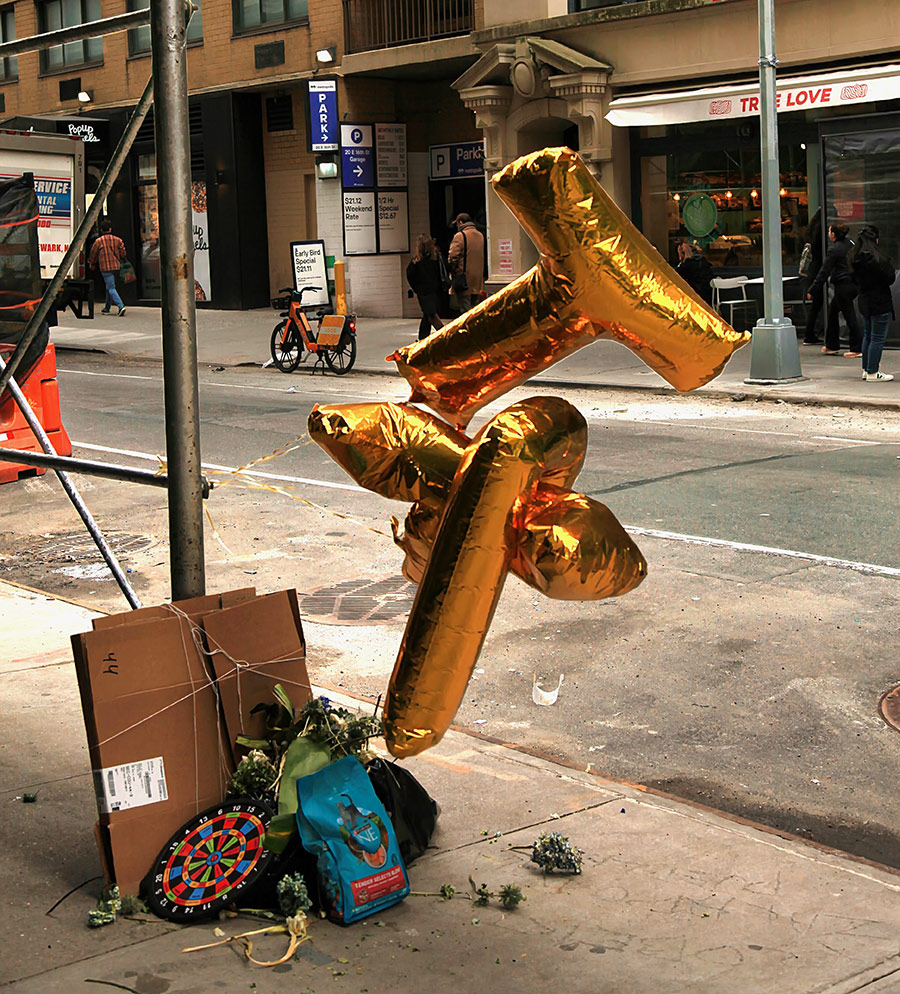
This latest commission from the State of Chihuahua highlights standout hometown baseball players, along with respected broadcasters, sports journalists, and Mexican Olympians who have earned medals on the world stage. Mode NBC has been working on the piece intermittently for the past two months and expects to complete it by the end of December — adding another significant chapter to his ongoing celebration of athletes who inspire their communities.

MODE NBC. Chihuahua, Chihuahua, Mexico. (photo © Jaime Rojo)
DSE. Berlin. (photo © Jaime Rojo)
Unidentified artist. Berlin. (photo © Jaime Rojo)
ROKER TCK. Chihuahua. (photo © Jaime Rojo)
BIRDS CRS CREW. Berlin. (photo © Jaime Rojo)
TRUE KINGS ONLY. Chihuahua. (photo © Jaime Rojo)
ESFER. Chihuahua. (photo © Jaime Rojo)
Jimmy C. Christophe Souchet, 1959-2021. Berlin. (photo © Jaime Rojo)
Fractures194. Berlin. Urban Spree. (photo © Jaime Rojo)
Unidentified artist. Chihuahua. (photo © Jaime Rojo)
Bjorn Out. Berlin. Urban Spree. (photo © Jaime Rojo)
Unidentified artist. Berlin. Urban Spree. (photo © Jaime Rojo)
J’Dart. Berlin. Urban Spree. (photo © Jaime Rojo)
Unidentified artist. Berlin. (photo © Jaime Rojo)
One Truth. Berlin. (photo © Jaime Rojo)
Sestry Feldman. Berlin. (photo © Jaime Rojo)
Untitled. Berlin. Fall 2025. (photo © Jaime Rojo)
Read more
Happy Thanksgiving Day From BSA

Happy Thanksgiving Day From BSA

“Thanksgiving”
by Ralph Waldo Emerson (first published 1867)

For each new morning with its light,
For rest and shelter of the night,
For health and food, for love and friends

With best wishes to you and yours, dear BSA reader.

A harvest wreath is displayed on a time-worn forged iron window gate on the Old Castle Steps in the Prague Castle/Mala Strana area of Prague, taken this month. (photo © Jaime Rojo)
Read more
Martha & Seth Return to Play: Laos Through Two Creative Lenses

Martha & Seth Return to Play: Laos Through Two Creative Lenses

When Seth said ‘Laos,’ there was no way she was going to say ‘no,’ Martha Cooper will tell you.

After all, Laos is where she learned to drive a motorbike in the 1960s — a place she remembers by its dusty roads, warmth, and creative kids who know how to make their own fun. Sixty years later, she’s back with a camera in hand, documenting French street artist Seth Globepainter (Julien Malland) as he works his familiar magic at the edge of the Mekong.

Martha Cooper / Seth. Laos. November 2025. (photo © Martha Cooper)

Luang Prabang — a UNESCO World Heritage town framed by two rivers — is a place where ritual and imagination walk the same path. Early mornings mean barefoot monks collecting alms; afternoons mean kids splashing by the river or painting bold birds across the school walls. Seth’s murals slide right into that rhythm: playful figures, wide-eyed wonder, a bit of folklore and fantasy — public art as storytelling through the words and images of kids.


Martha Cooper / Seth. Laos. November 2025. (photo © Martha Cooper)

Painting With the Community, Not Just for It

Seth was sure to stop at Lao Friends Hospital for Children, the only free pediatric hospital in Northern Laos. His mural — inspired by Hmong embroidered history cloths — became what he called an “extraordinary garden”on his Instagram – possibly one of heritage and healing. When Seth is around, young students are often seen taking brushes into their own hands, adding birds and shapes to a Free Expression Wall that gives them a chance to be collaborative. Martha, never far from the action, captures the imagination and concentration in their faces — the same instinct that drew her to kids on the streets of New York’s Lower East Side in the 1970s.

Martha Cooper / Seth. Laos. November 2025. (photo © Martha Cooper)

Further north in the rural Hoy Bor and Hoy Phoung villages, Seth teamed up with NKSEEDS to transform school walls into collaborative canvases. One piece — titled “Past Future” — honors Khmu tradition with a woman carrying her child. Another project invited every kid to paint a “fetish bird” flying toward the light. Students walked on bamboo stilts and played sport games together- and of course grabbed brushes as Martha documented small hands, bright colors, and the delight of making something permanent together.


Folklore, Masks, and Mischief

Meeting the Royal Ballet mask-maker in Luang Prabang gave Seth a new spark. He adapted a demon mask from the Phra Lak Phra Ram — Laos’ own Ramayana — and painted it atop the crouched body of a local kid. Minutes later, a boy wearing the real mask squatted beside the mural, turning tradition into a living side-by-side remix. Martha’s photos catch a perfect squeeze between imagination and reality that defines Seth’s work.
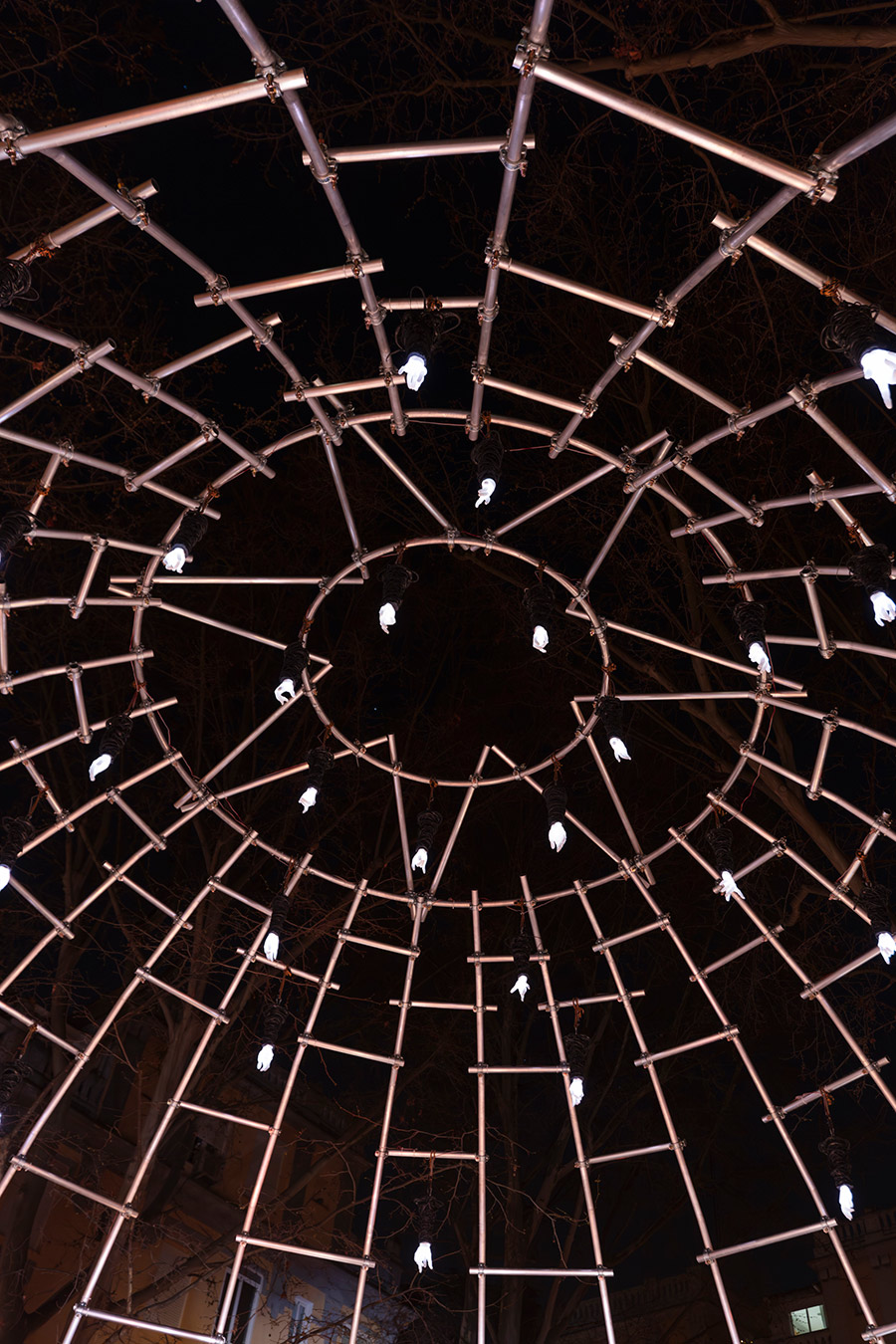

Martha Cooper / Seth. Laos. November 2025. (photo © Martha Cooper)
From Seth’s Instagram: “Street Demon”
“Personal adaptation of a demon mask from the Phra Lak Phra Ram, the Laotian version of the Ramayana. I was inspired by my meeting with Mr Phetmougkhoun, creator of the Luang Prabang Royal Ballet masks, whom we visited at a school in the Old Town to present his art to children.
An intervention that ended in devilish disguise.
Martha Cooper / Seth. Laos. November 2025. (photo © Martha Cooper)

Martha also managed to document the alms-giving ritual at dawn that Seth participated in. Every morning, usually at dawn, Buddhist monks walk silently through the streets in a single line carrying bowls.

Martha Cooper. Laos, Vietnam. November 2025. (photo © Martha Cooper)

Laypeople — often sitting or kneeling — place food into the monks’ bowls. This food is usually prepared rice, fruit, or other simple offerings. In Laos, this ritual is widely observed. Laos is predominantly Theravada Buddhist, and alms-giving is a daily part of community life.
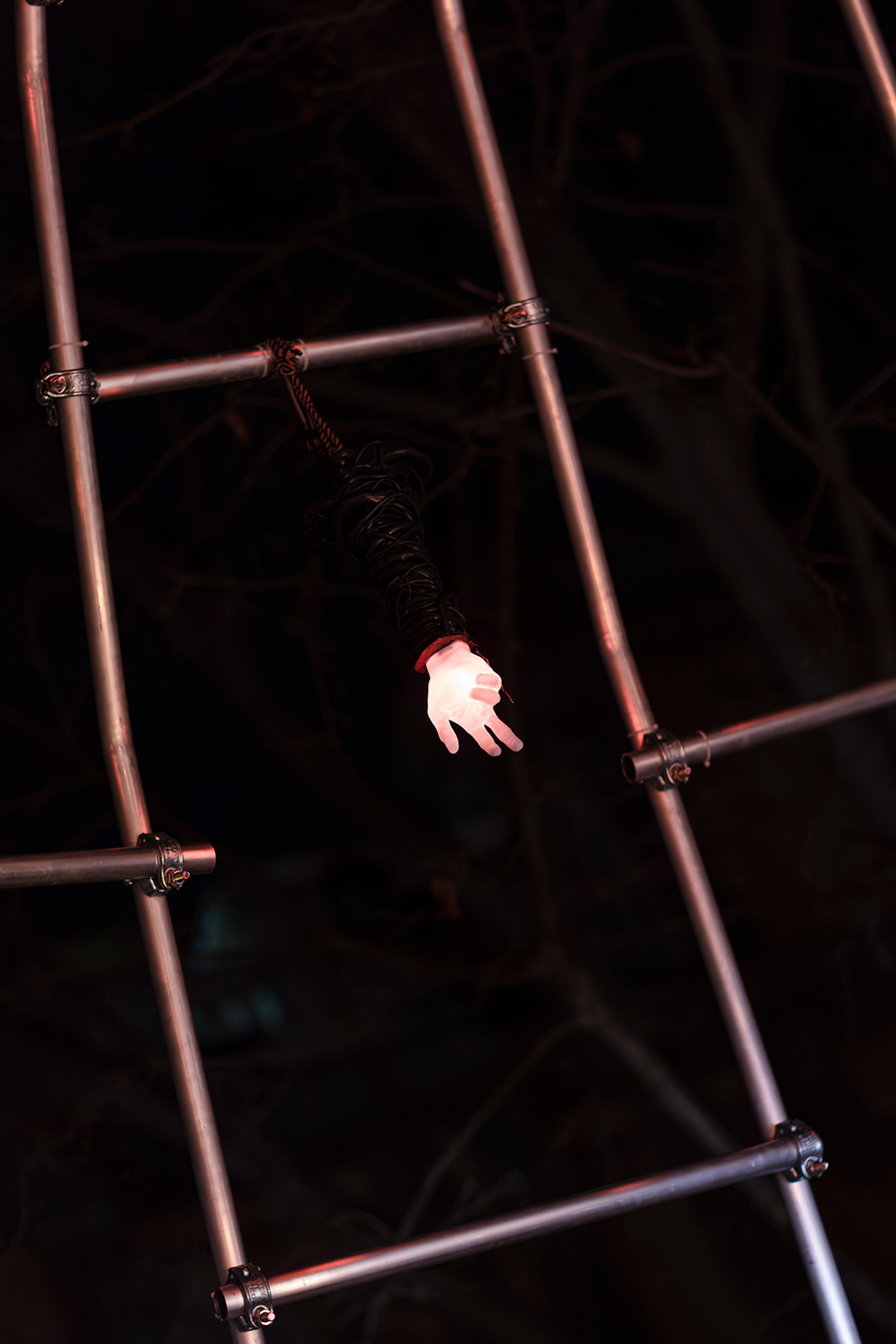
Seth participated in the ritual of feeding the monks. Martha Cooper. Laos, Vietnam. November 2025. (photo © Martha Cooper)

Martha Cooper / Seth. Laos. November 2025. (photo © Martha Cooper)

New Walls, Old Friends

This trip marks another chapter in Seth and Martha’s shared habit of chasing childhood imagination across the world — Kenya, Haiti… and now Laos. With support from curator and author Alisa Phommahaxay (Asian Street Art: Une Anthologie), who helped open doors to schools, families, and the children’s hospital, they kept everything relaxed and personal: art made with people, not just for them.
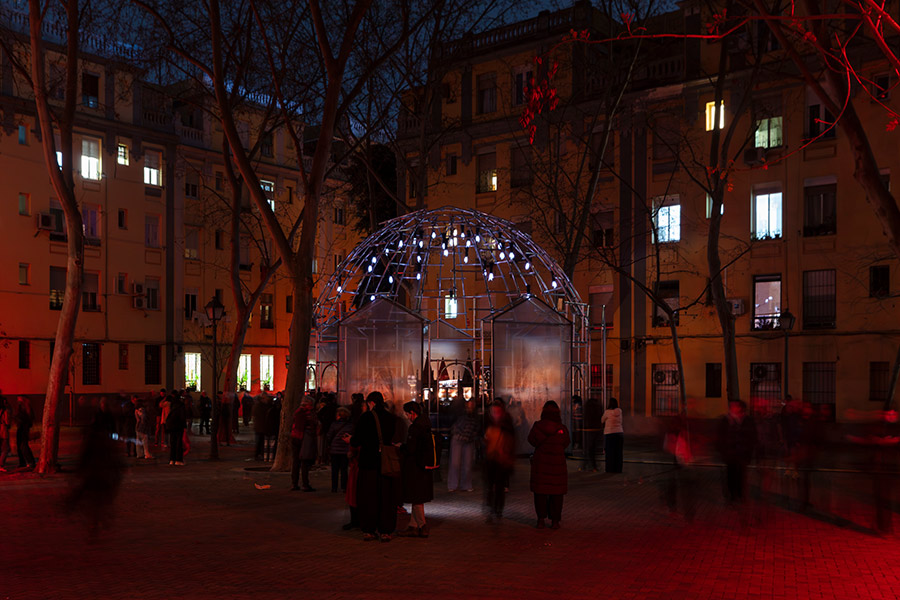
In dusty schoolyards and along the Mekong’s quiet edges, a camera and a paintbrush appear to be a splendid combination that brings people a little closer. Kids still invent games from whatever’s nearby — bamboo poles, bare feet, a splash of color — and Martha still recognizes that spark in an instant. Walls evolve, decades pass, but that simple creative heartbeat remains easy to find.

Martha Cooper / Seth. Laos. November 2025. (photo © Martha Cooper)

Martha Cooper / Seth. Laos. November 2025. (photo © Martha Cooper)

Martha Cooper / Seth. Laos. November 2025. (photo © Martha Cooper)

Read more