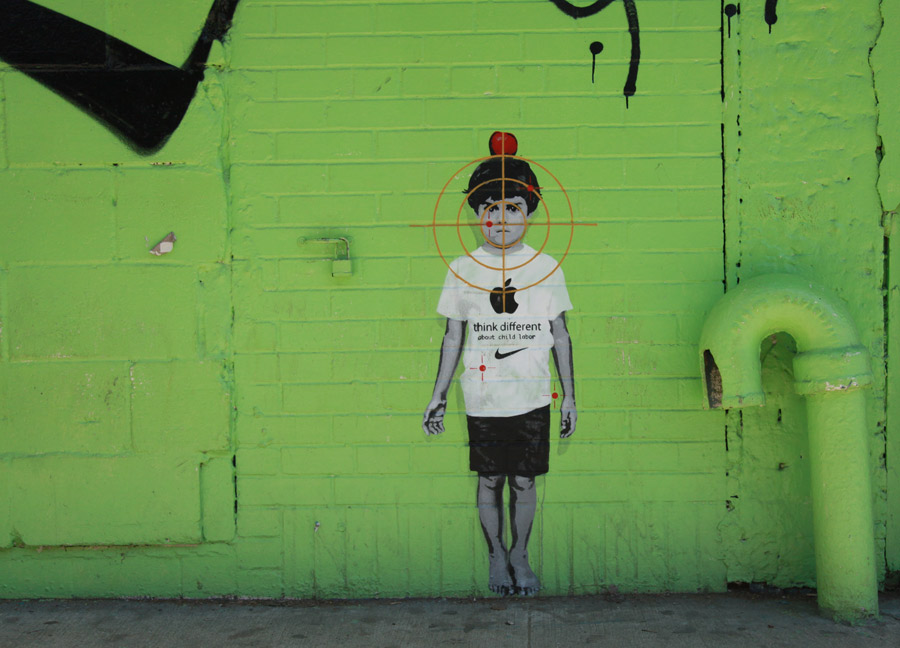
Labor Day in the US and around the world draws our attention to the rights of workers. A compounding topic is the fact that 265 million children are working around the world, according to the International Labour Organisation.
Because of our collective neglect as human
society, children are being forced to work to provide for their families in
countries all over the world. In many poor countries, children must work to
provide for their families otherwise their families will go hungry.
Why do children have to work? Shouldn’t they be free to enjoy their childhood, be fed and clothed, go to school? This is a problem that needs to be condemned as much as it needs to be understood. Simply advocating for universal children’s rights to education, housing, and health care isn’t enough. For as long as greed and unchecked capitalism run amok, families are pushed into poverty – and some children are forced into labor, exploited, and abused under a constant threat of violence.
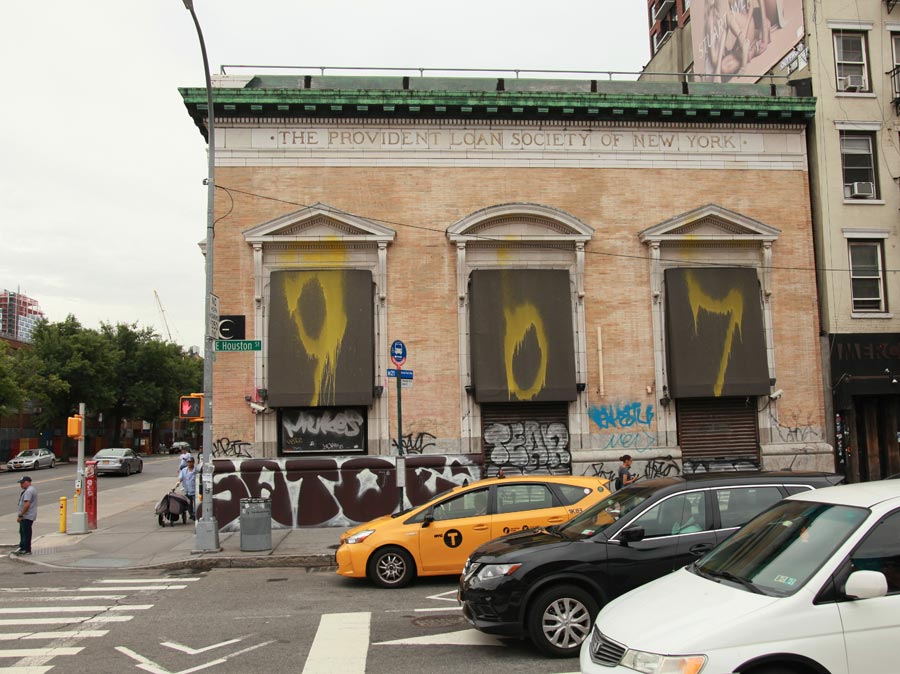
The fires of summer still burn, as do their romances. Yet September 1 brings news of the racing teams of muscular autumn artworld horses just beyond the next valley, thundering their way through the streets of New York to the galleries and museums. Among the cries, “Hail Henry!” “Hail JR!” “Hail Roger!”
And the streets! As inspiring and perplexing and exciting as ever, providing the ultimate exhibition.
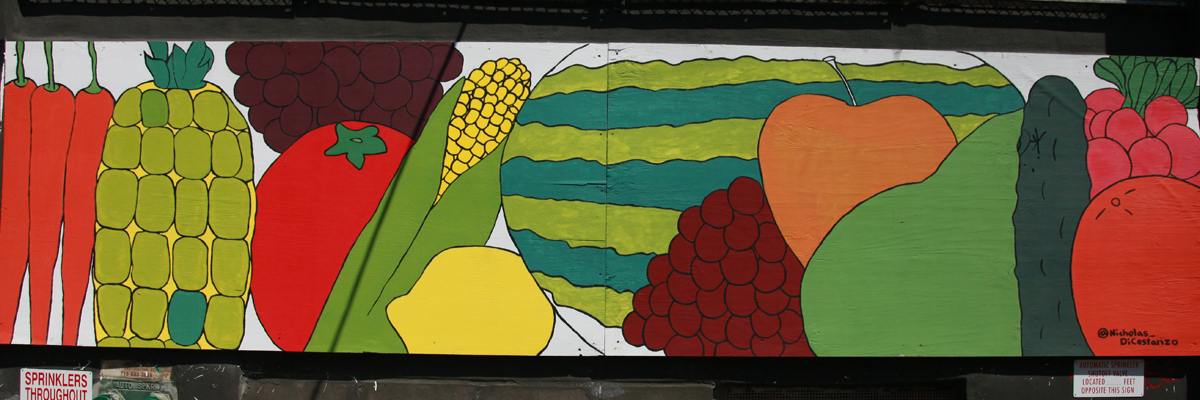
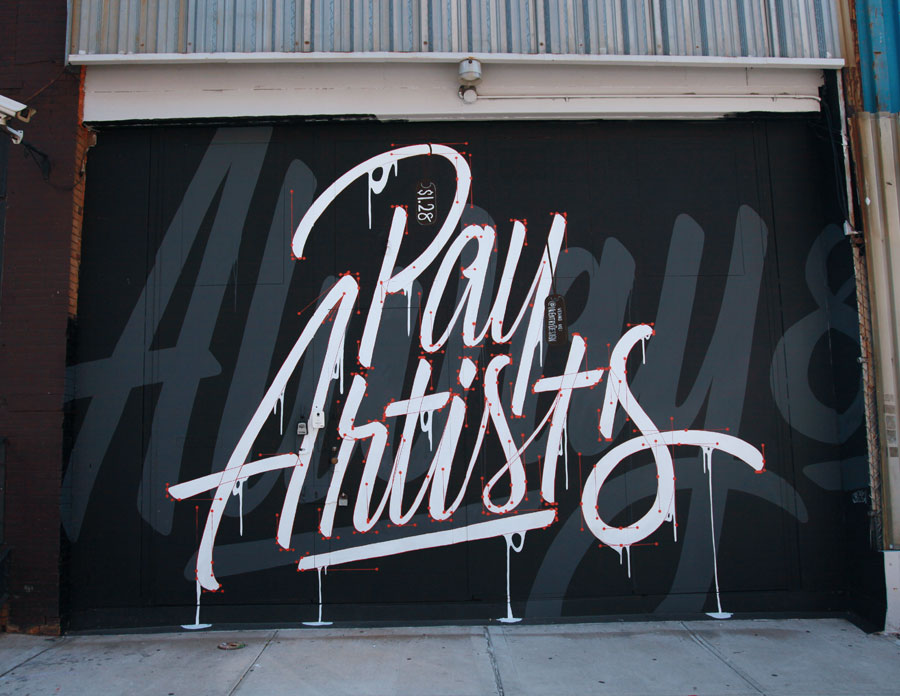
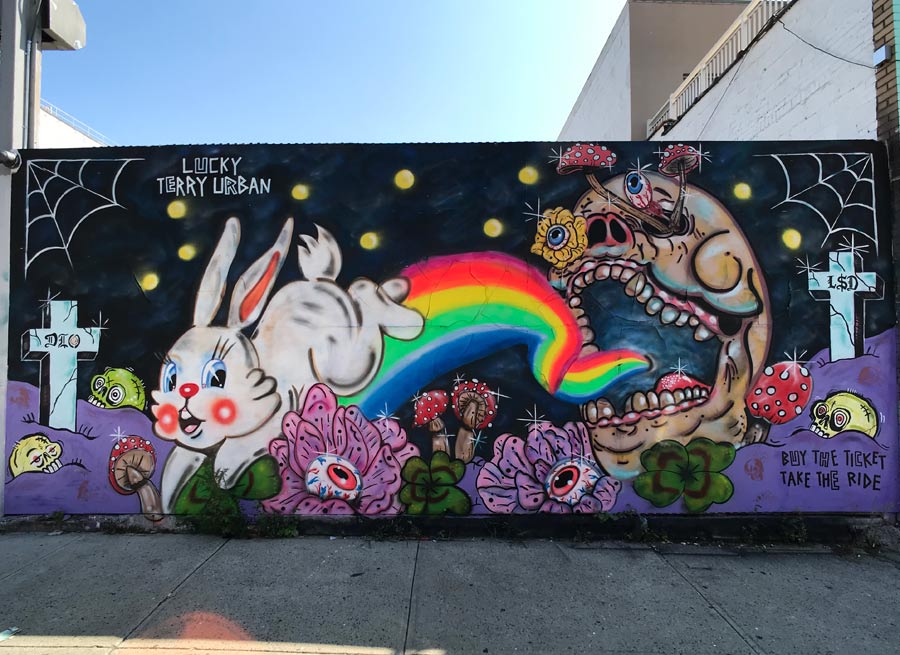
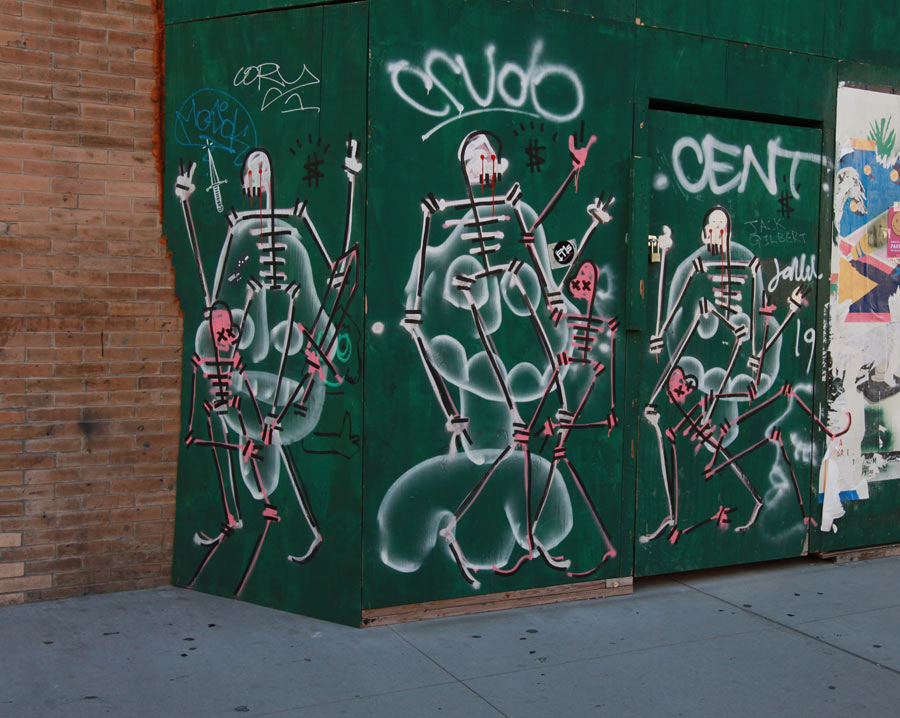
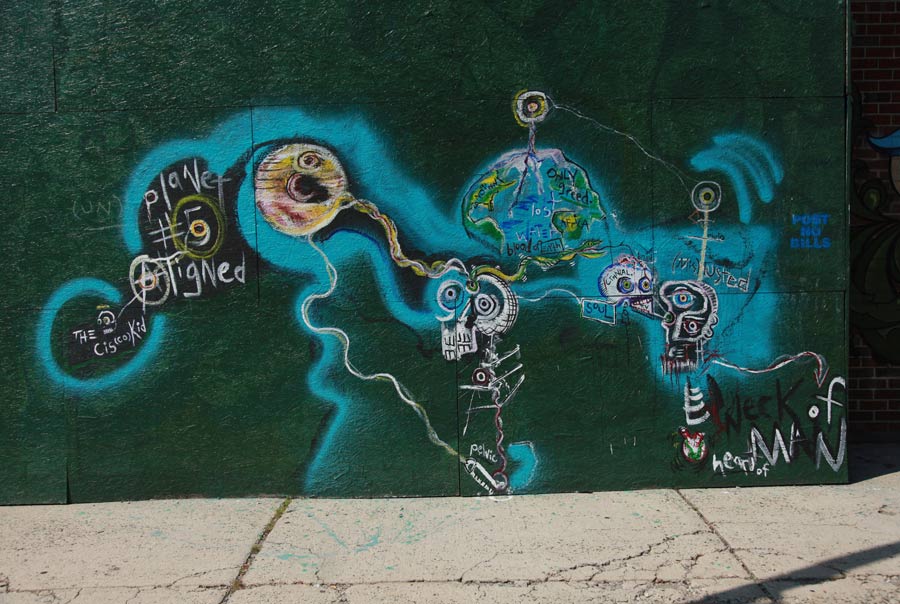
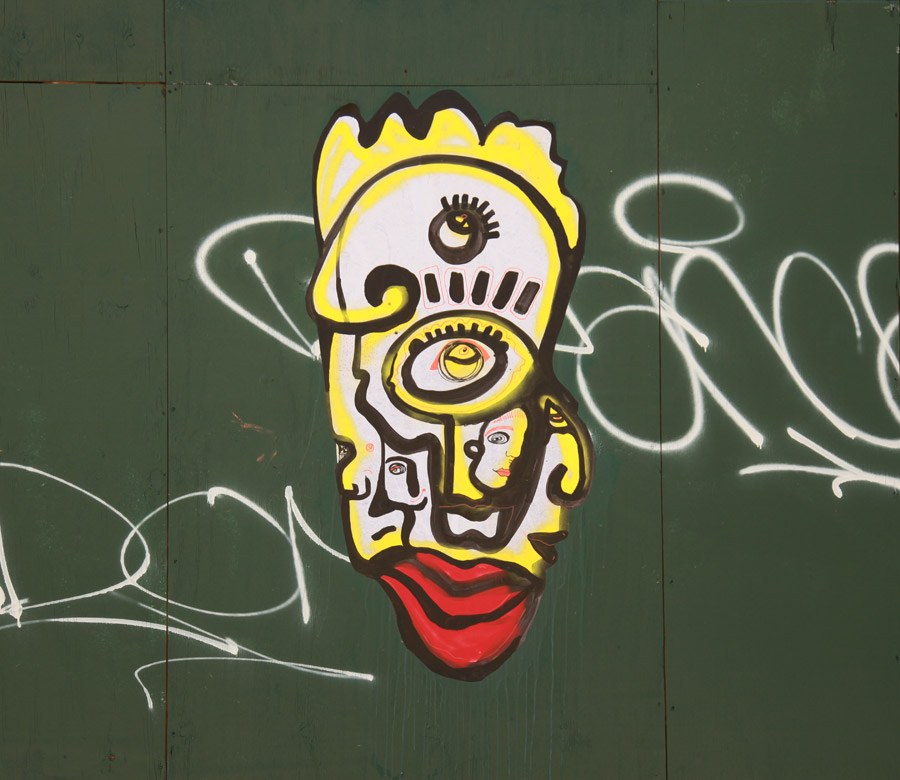
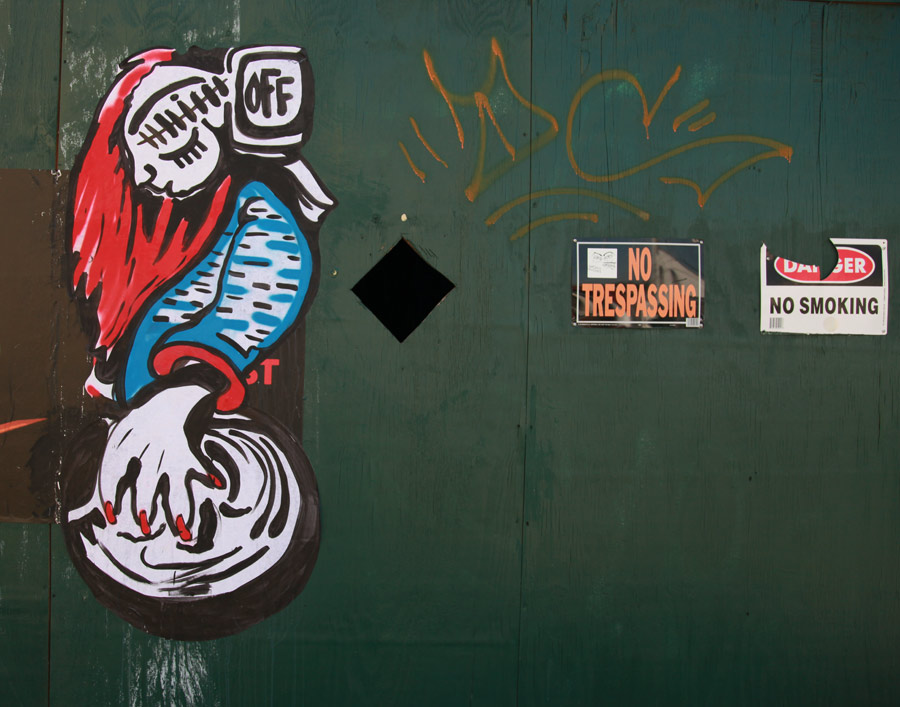
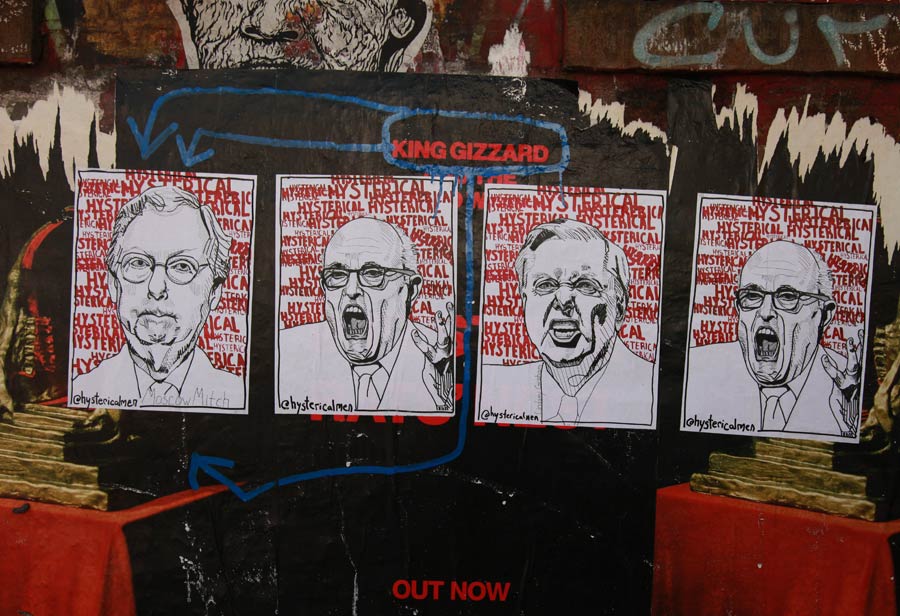
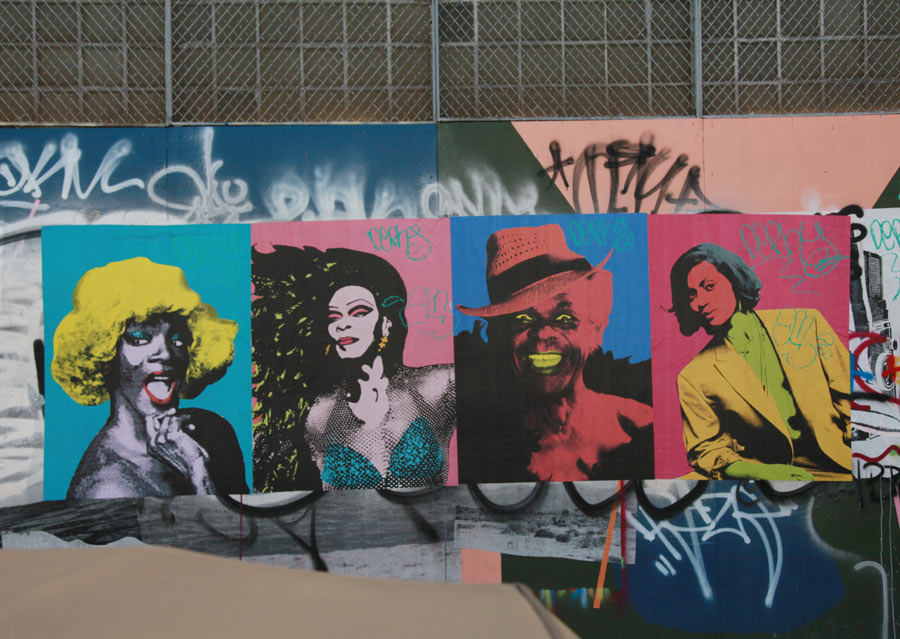
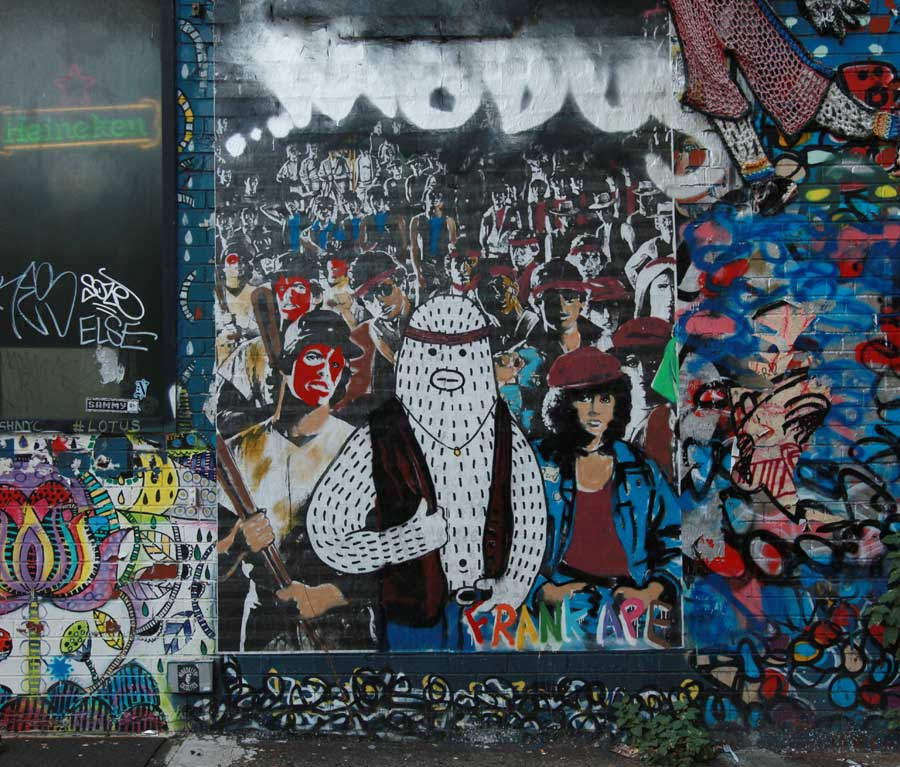
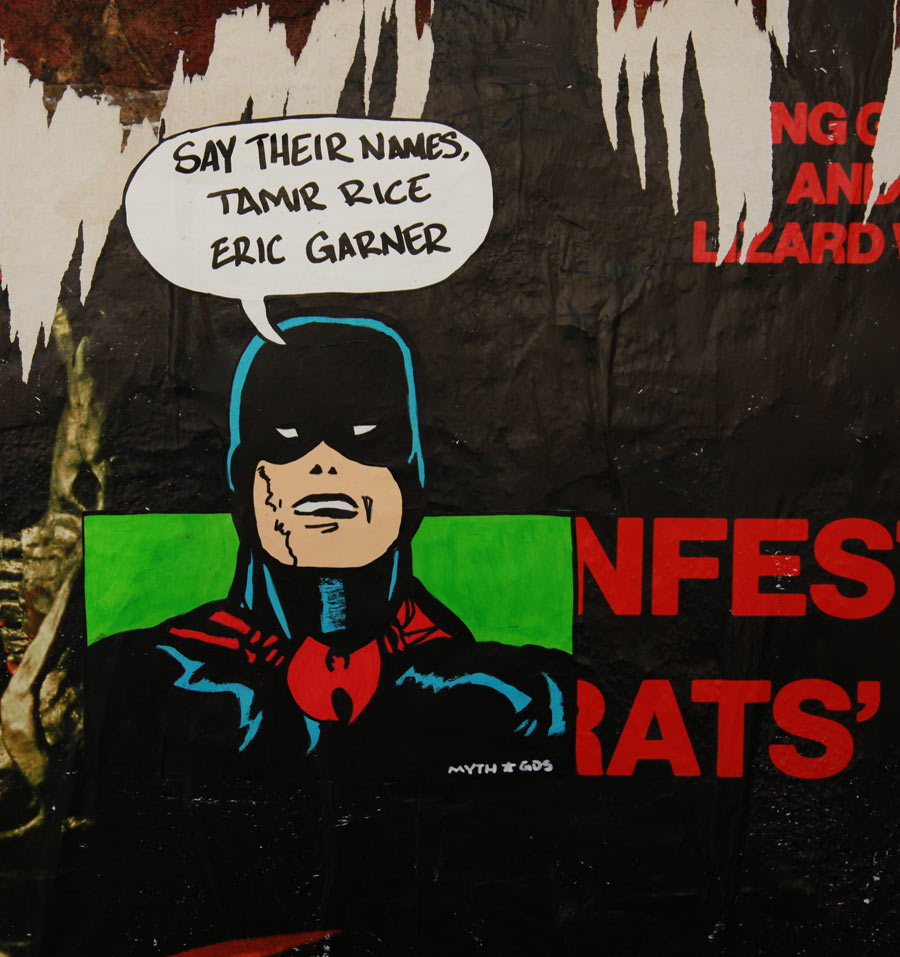
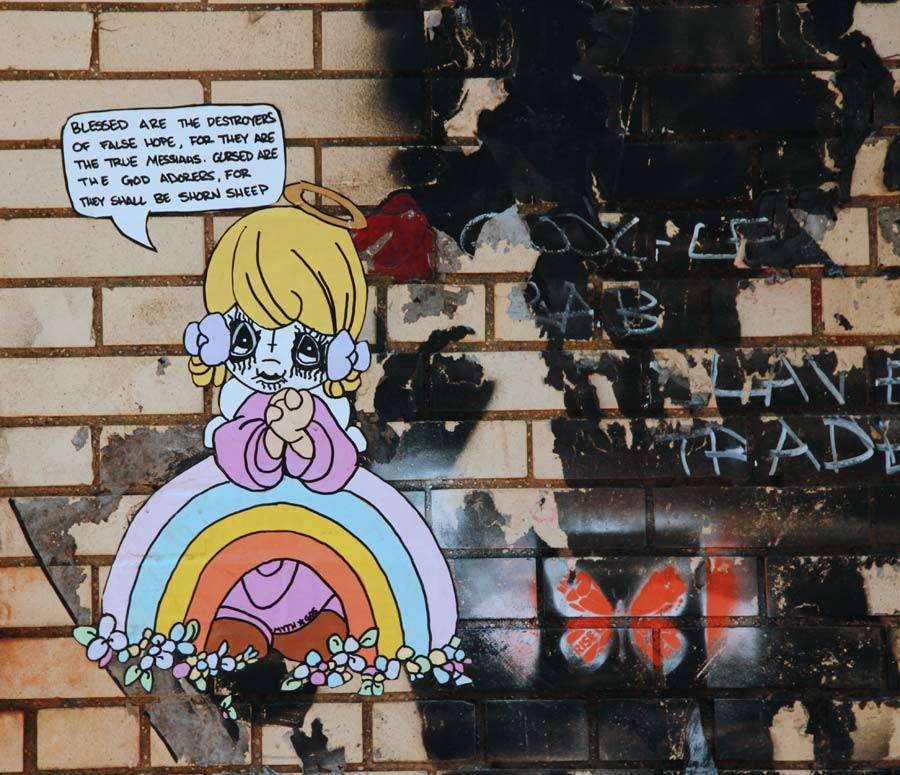
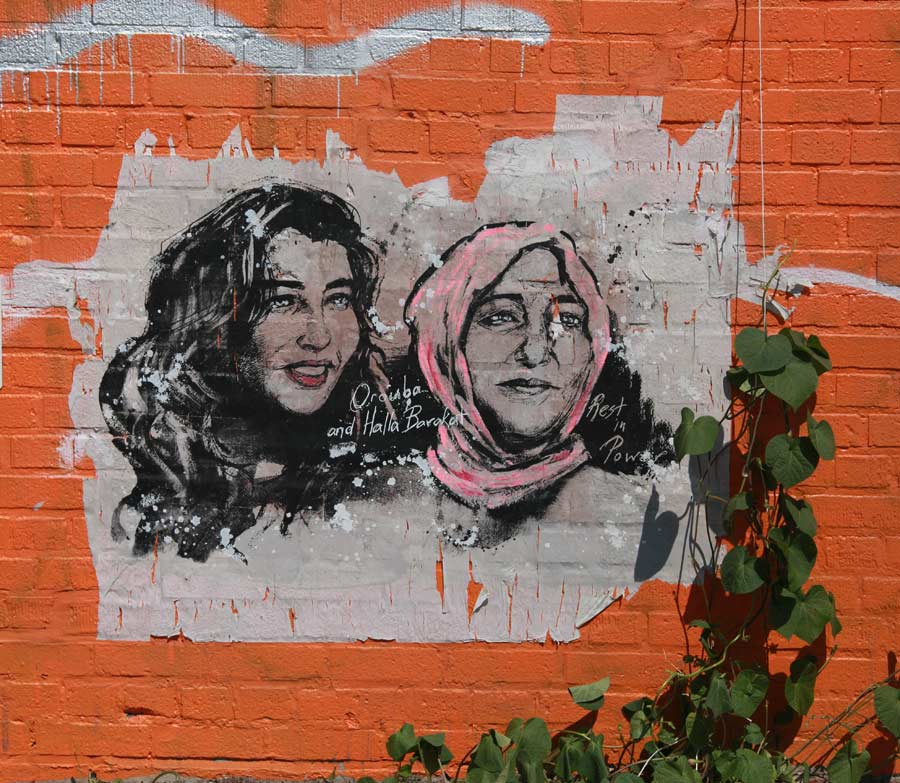
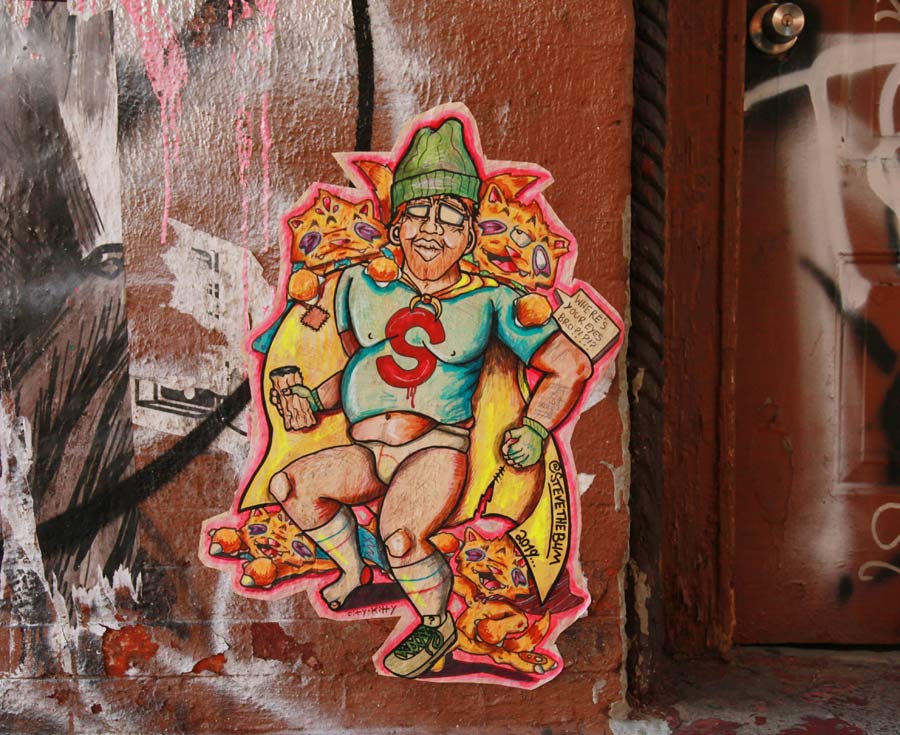
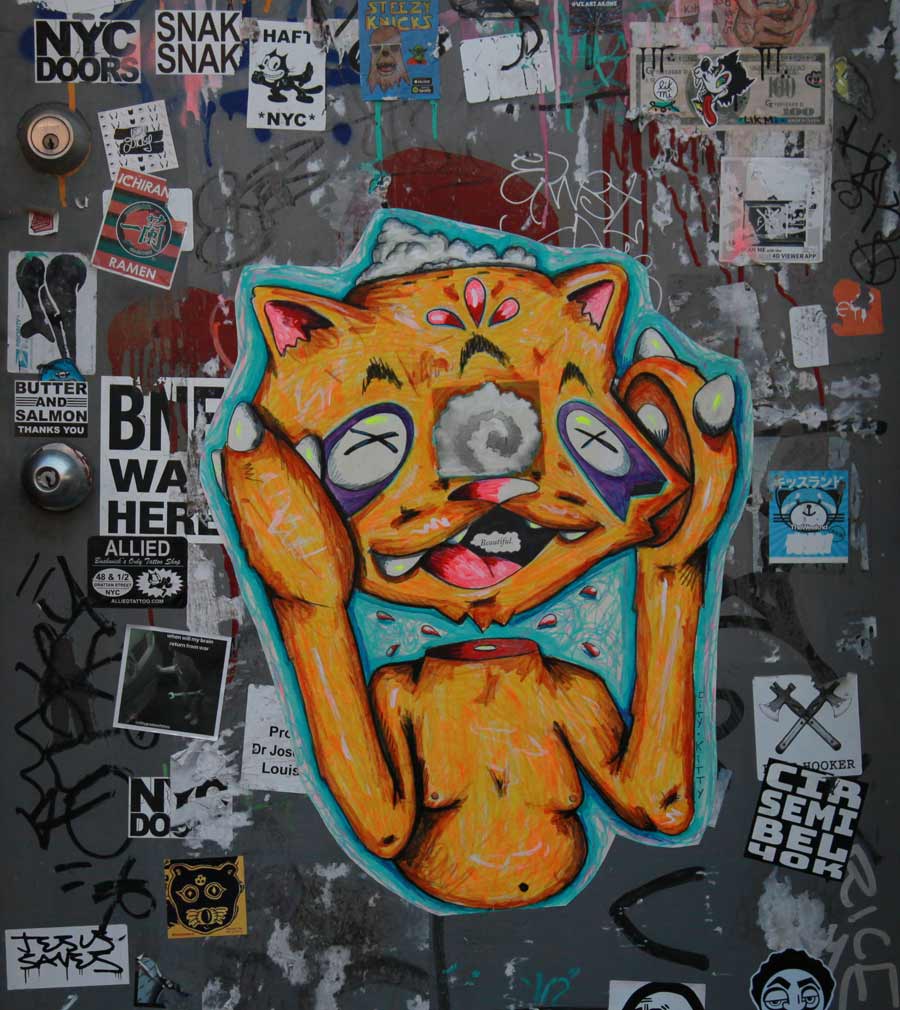
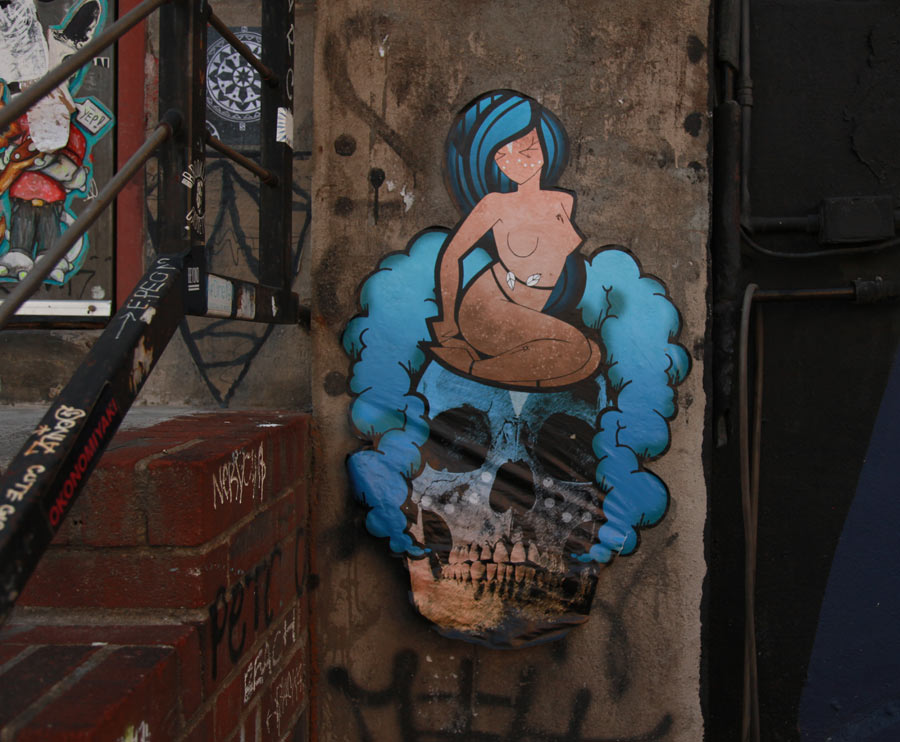
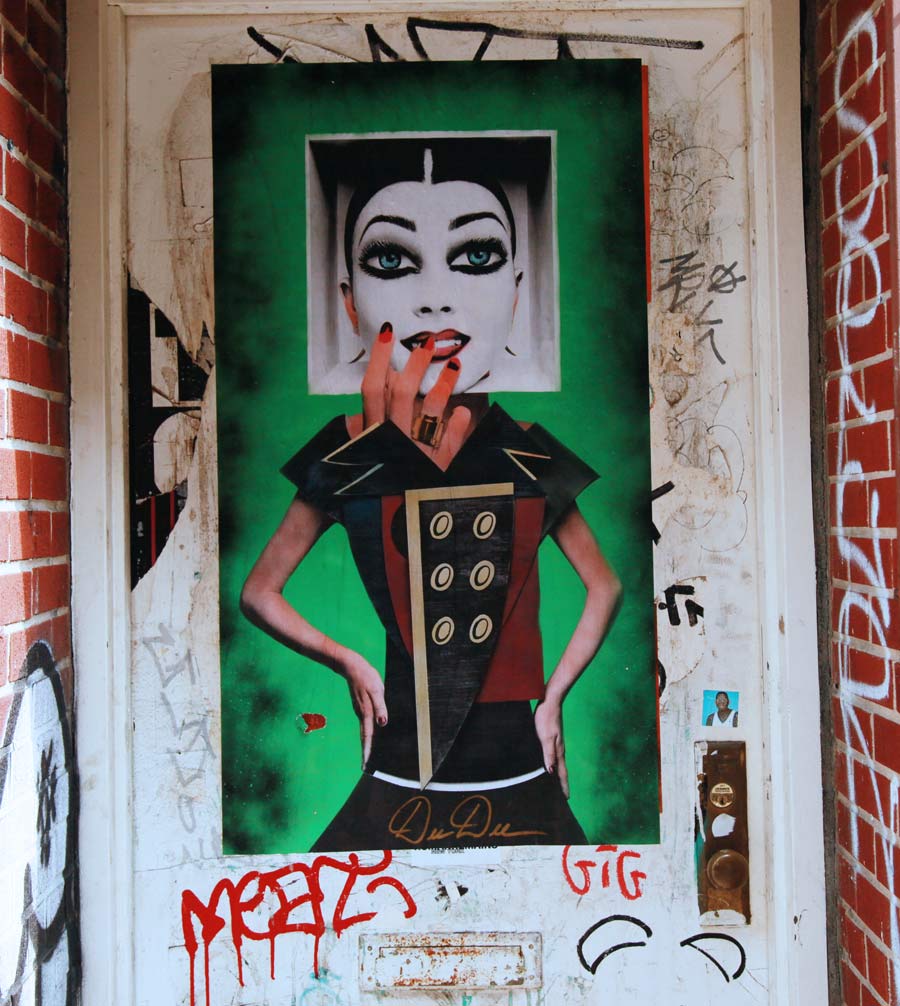
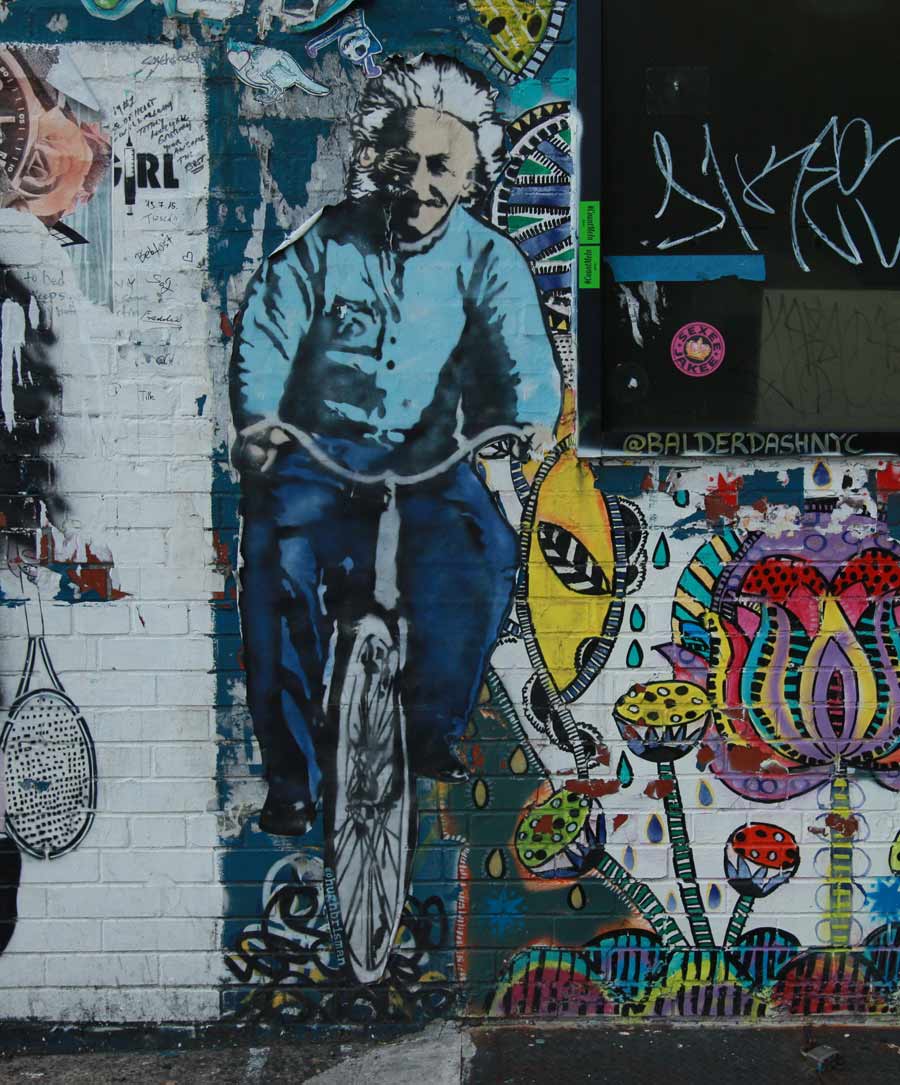
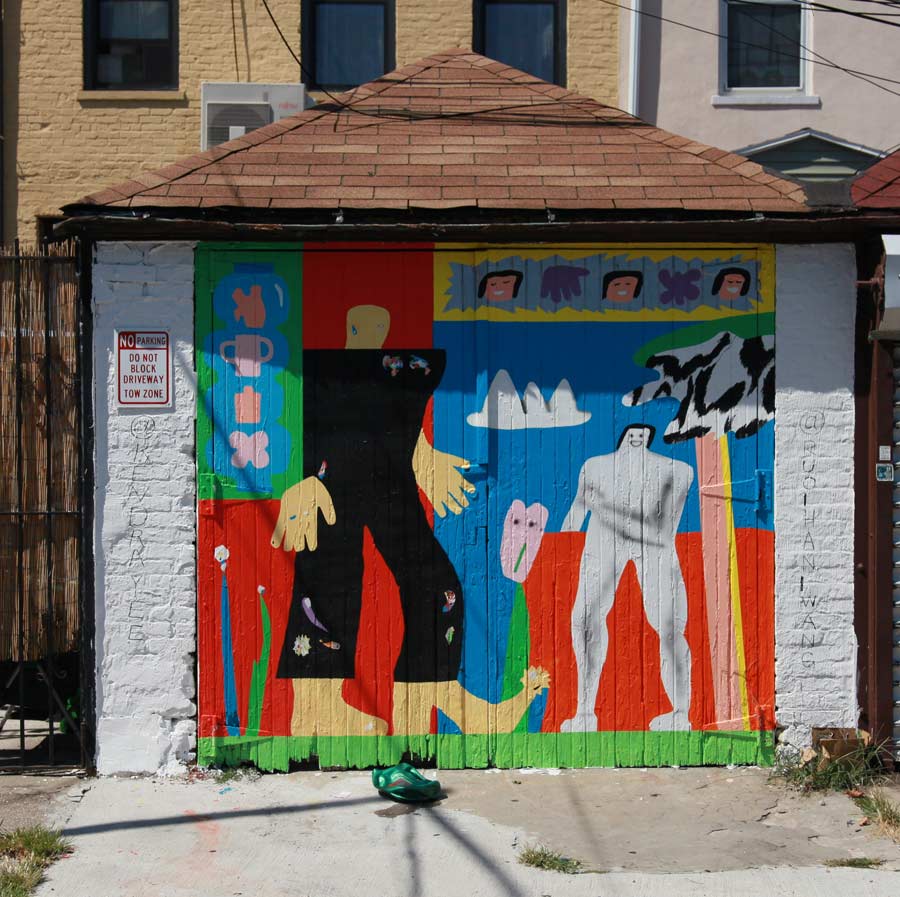
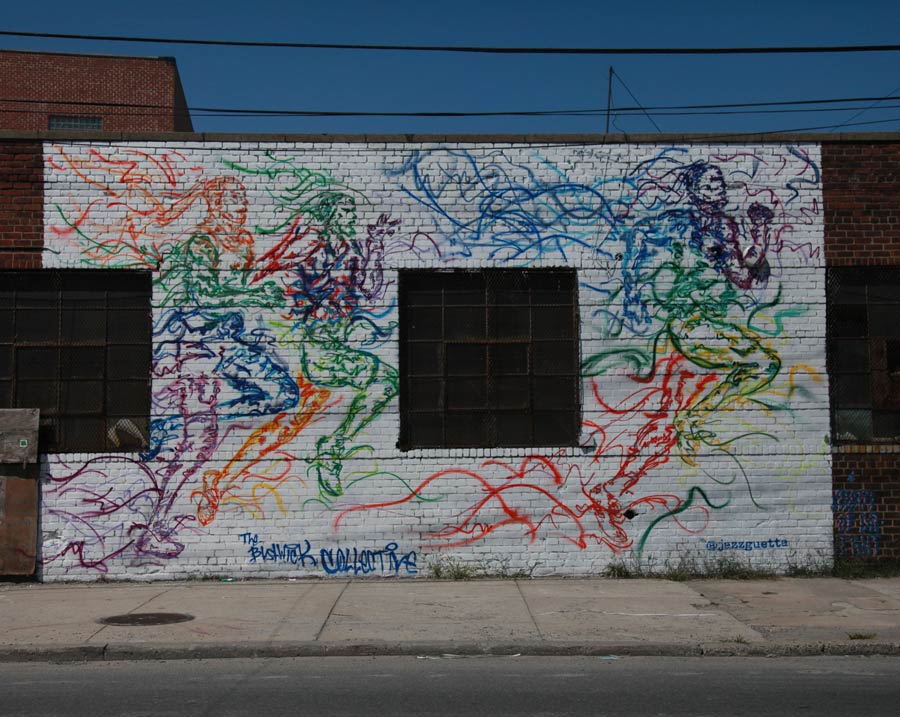
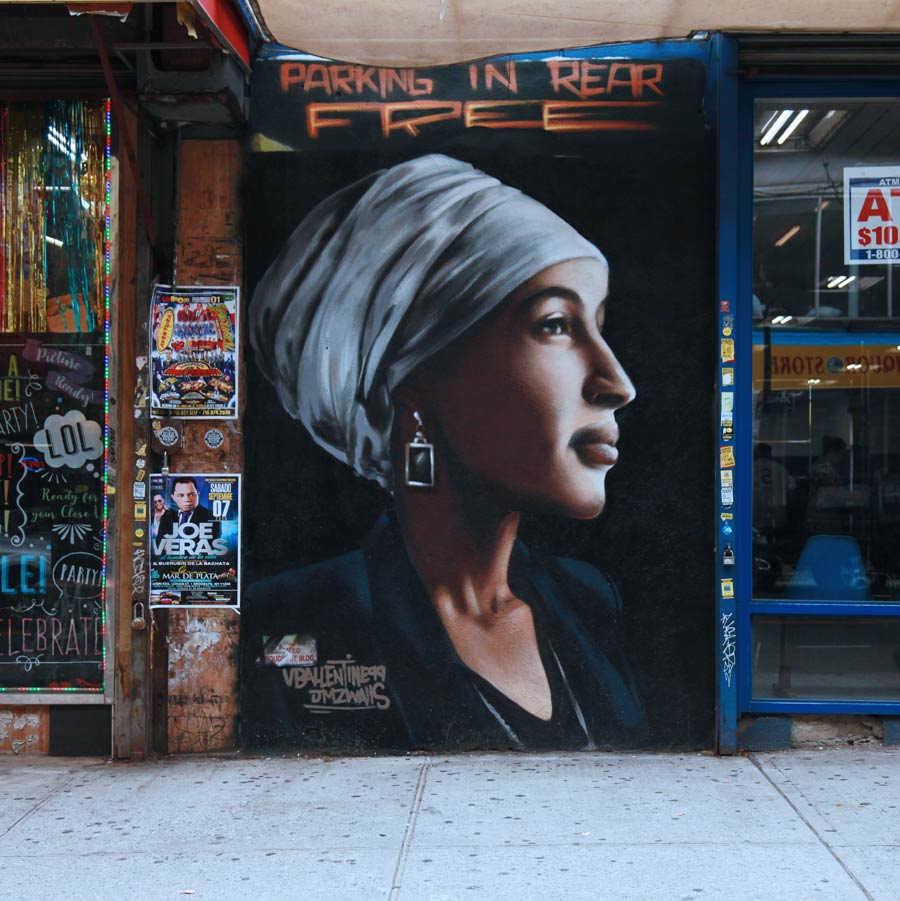
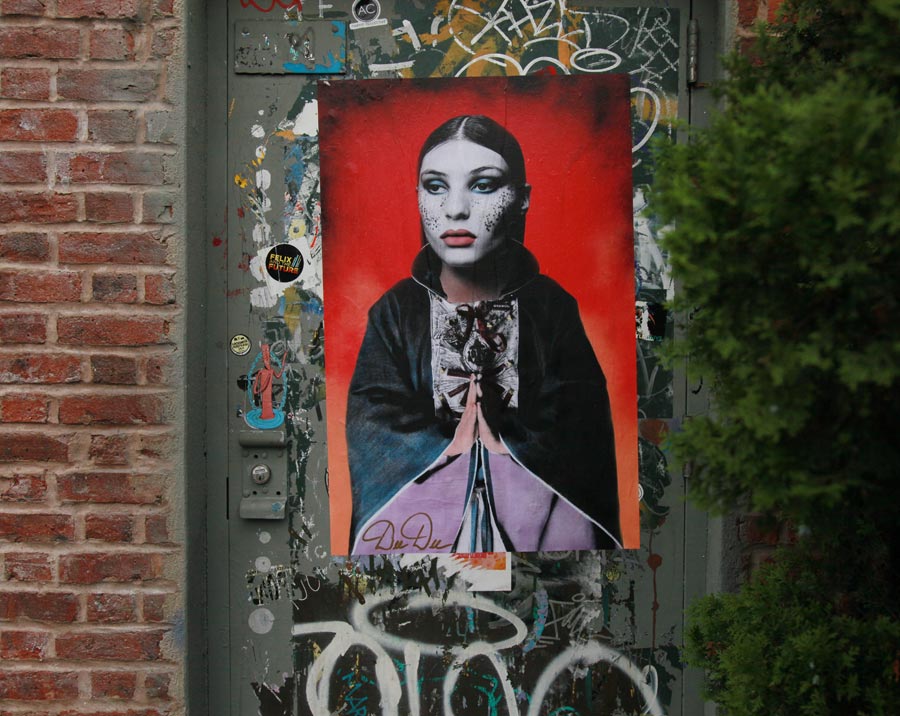
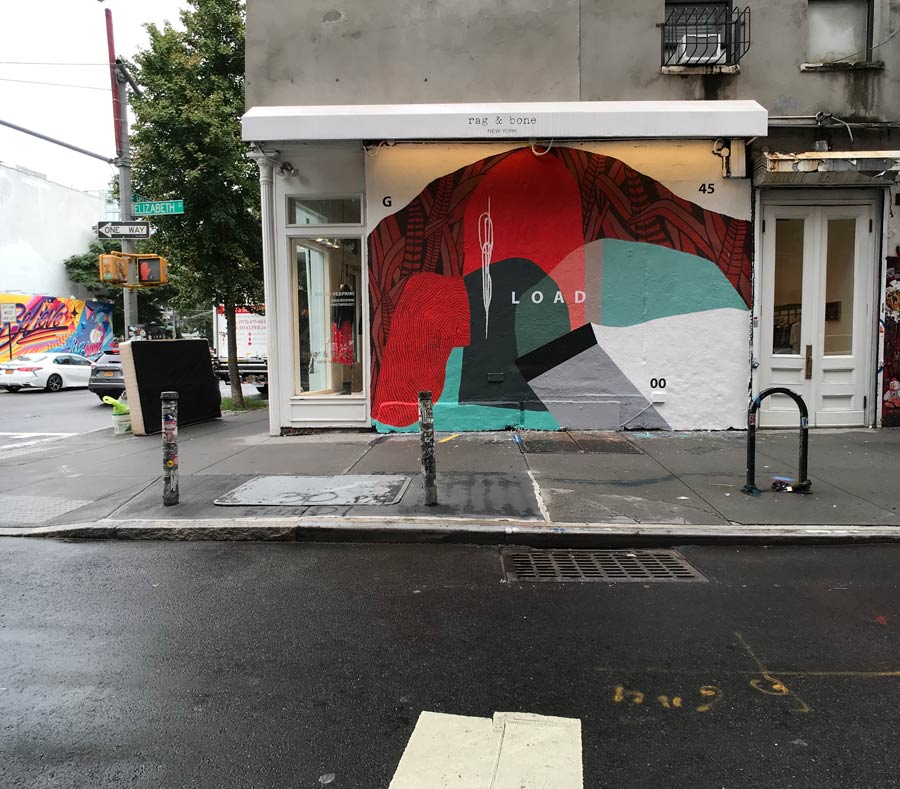
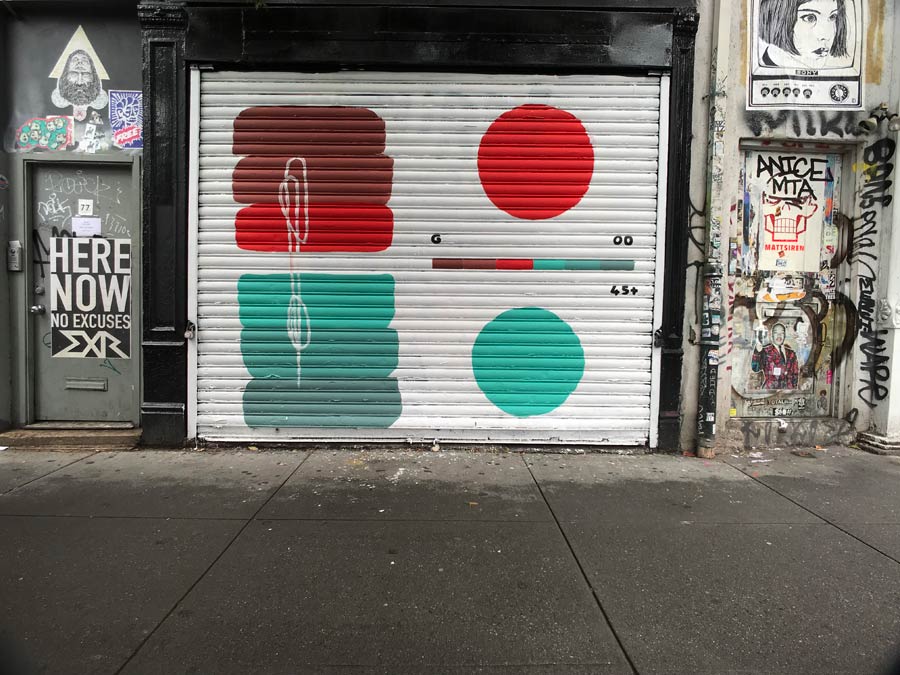
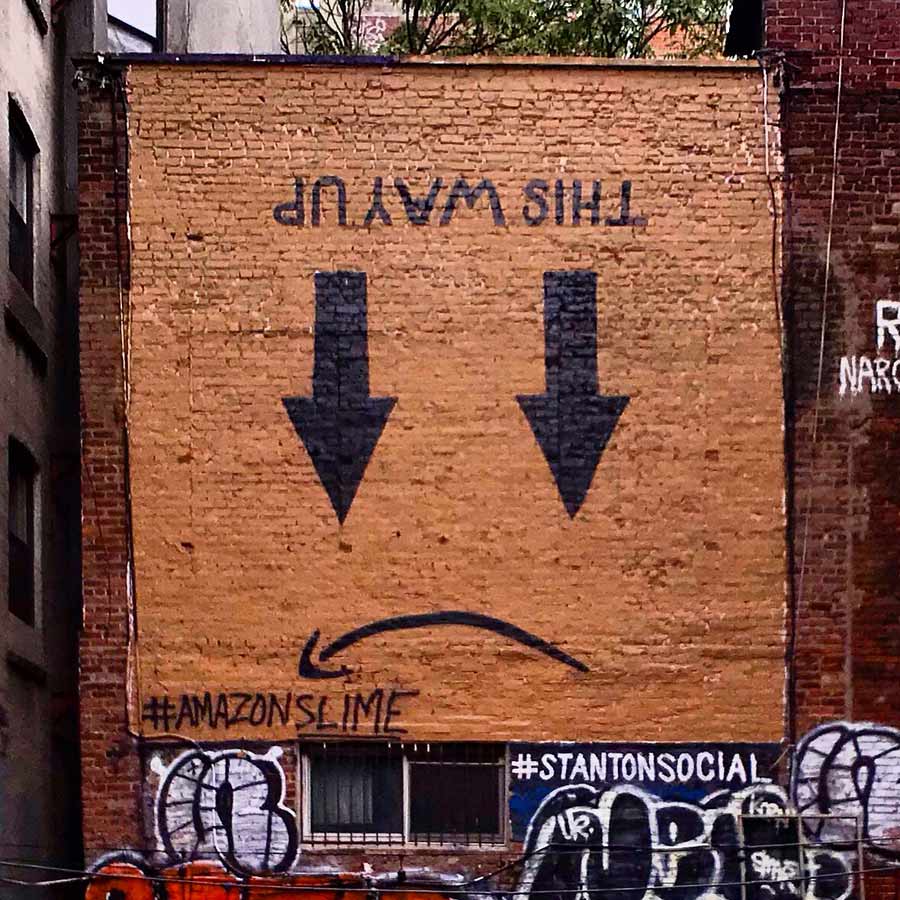
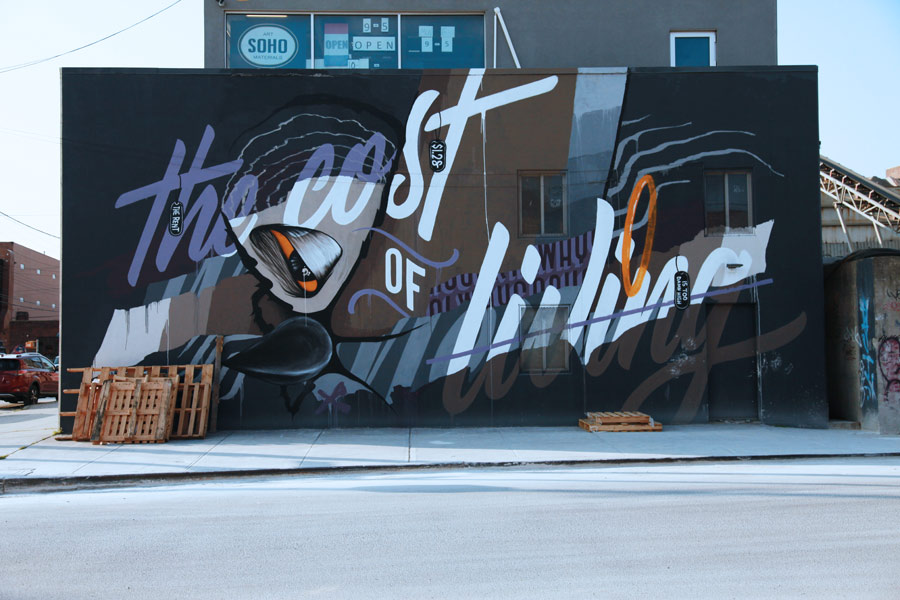
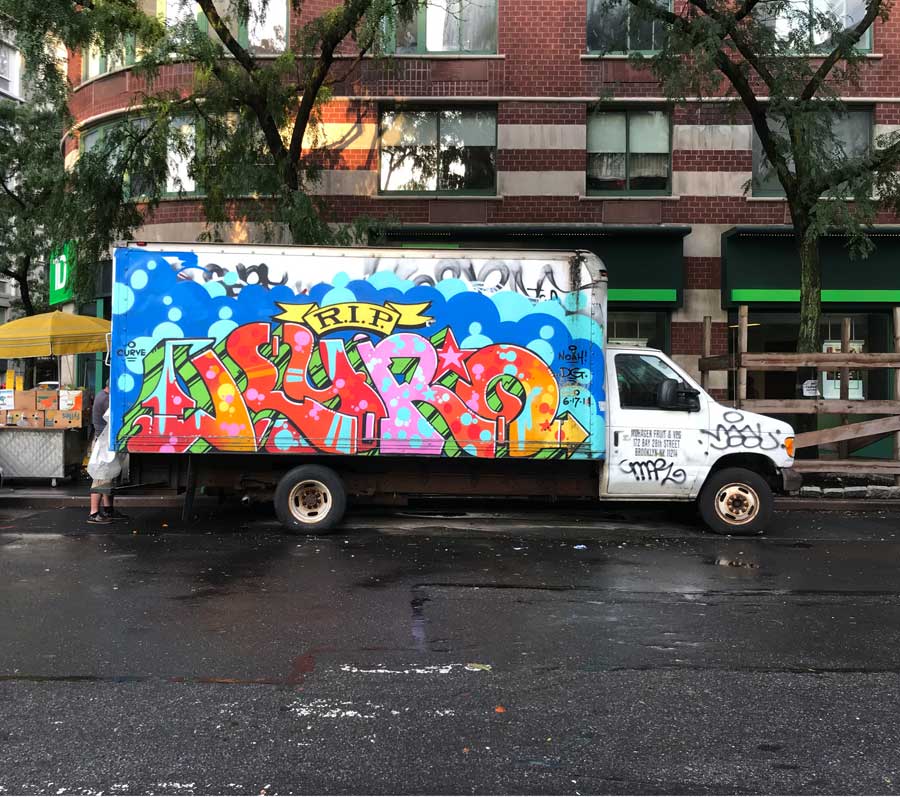
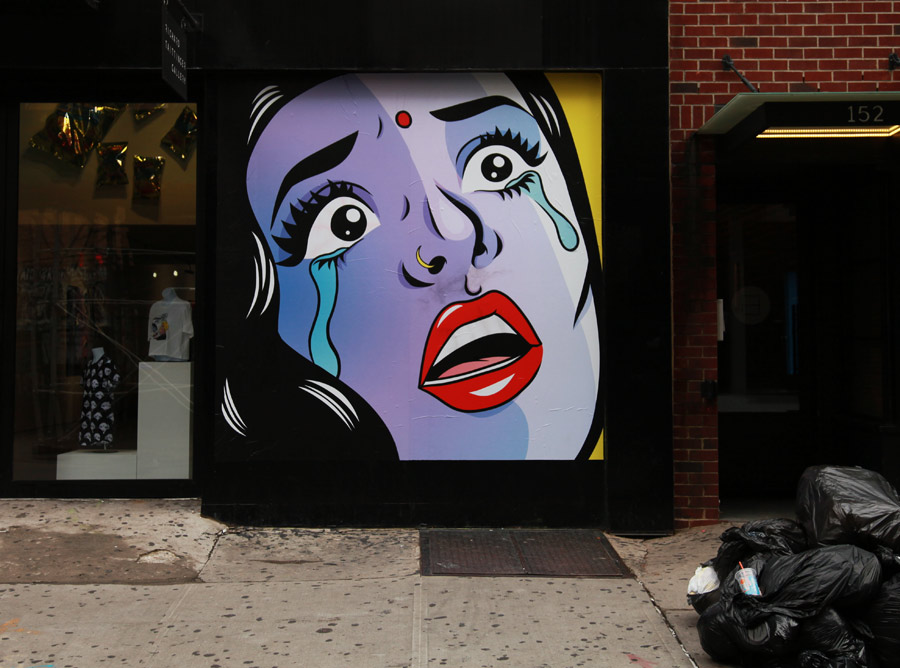
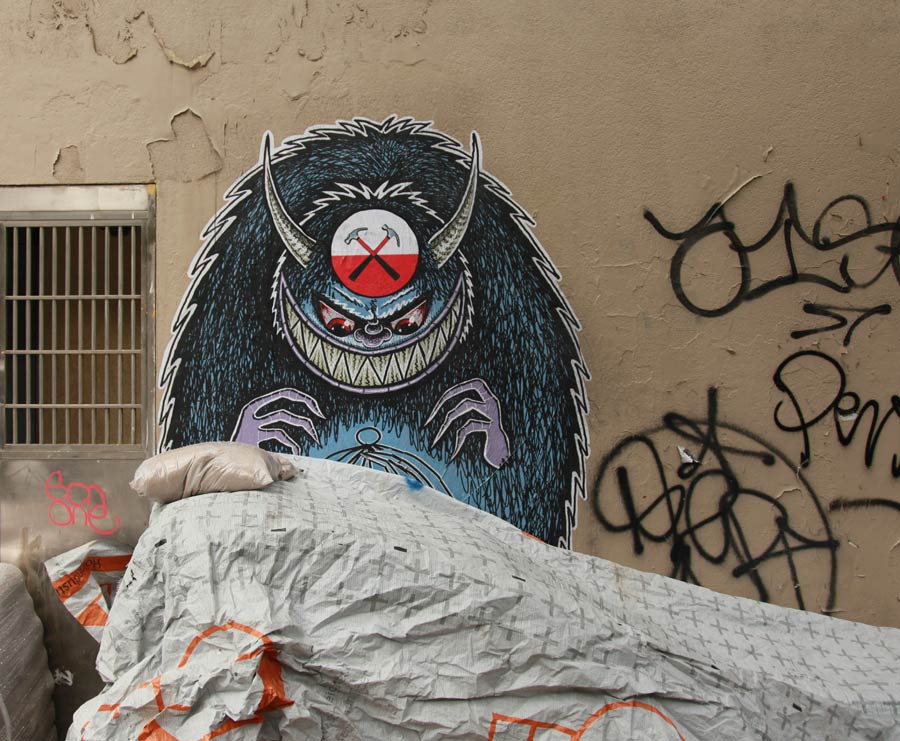
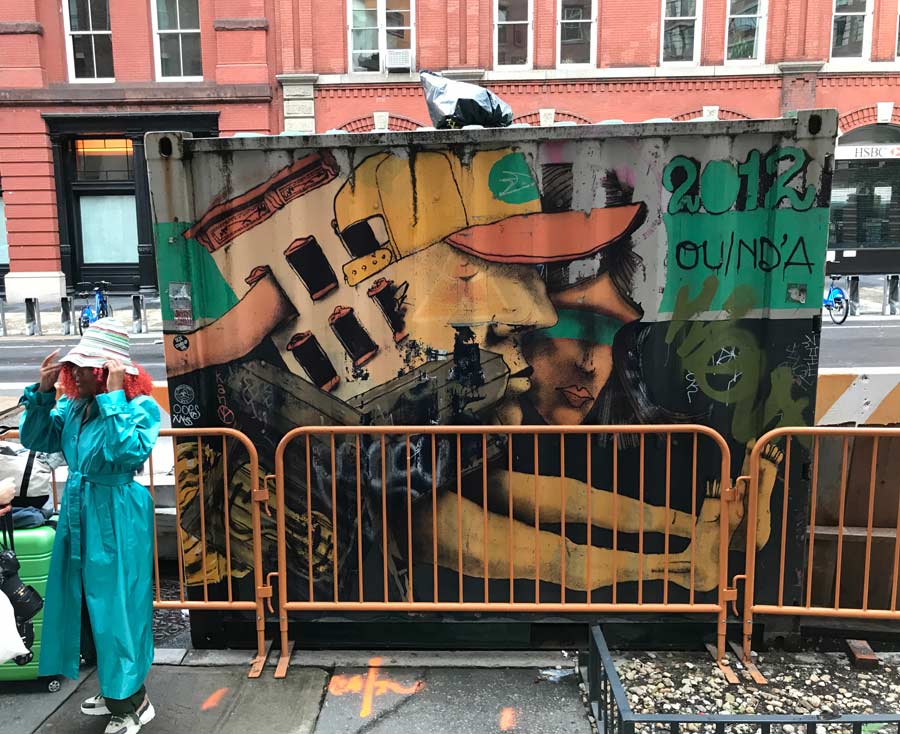
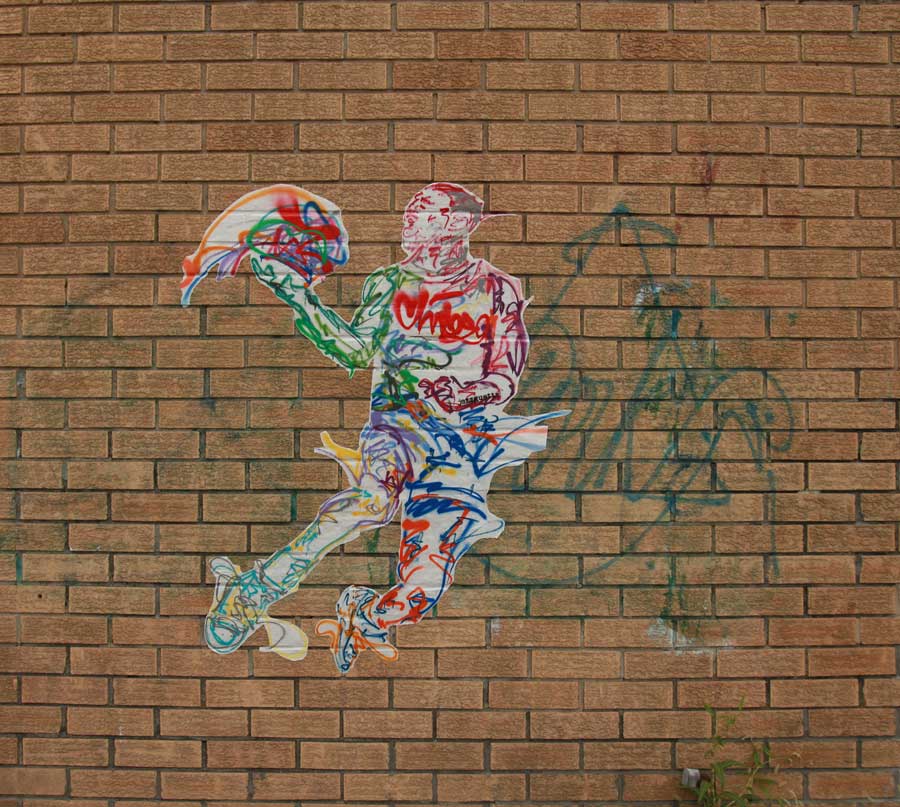
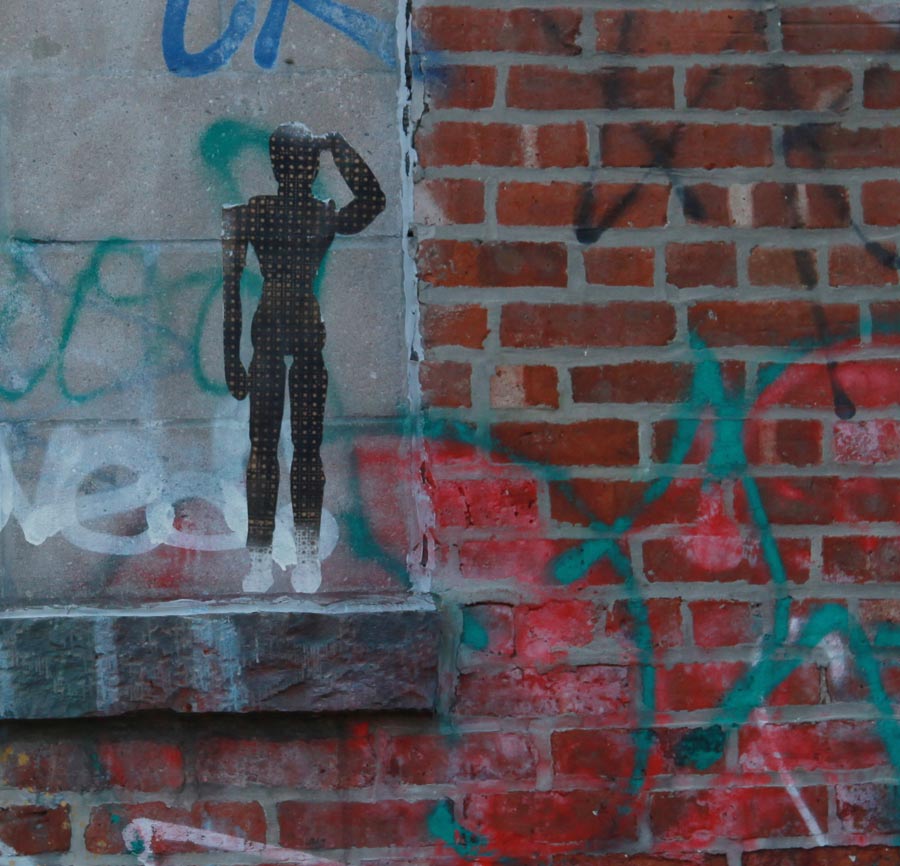
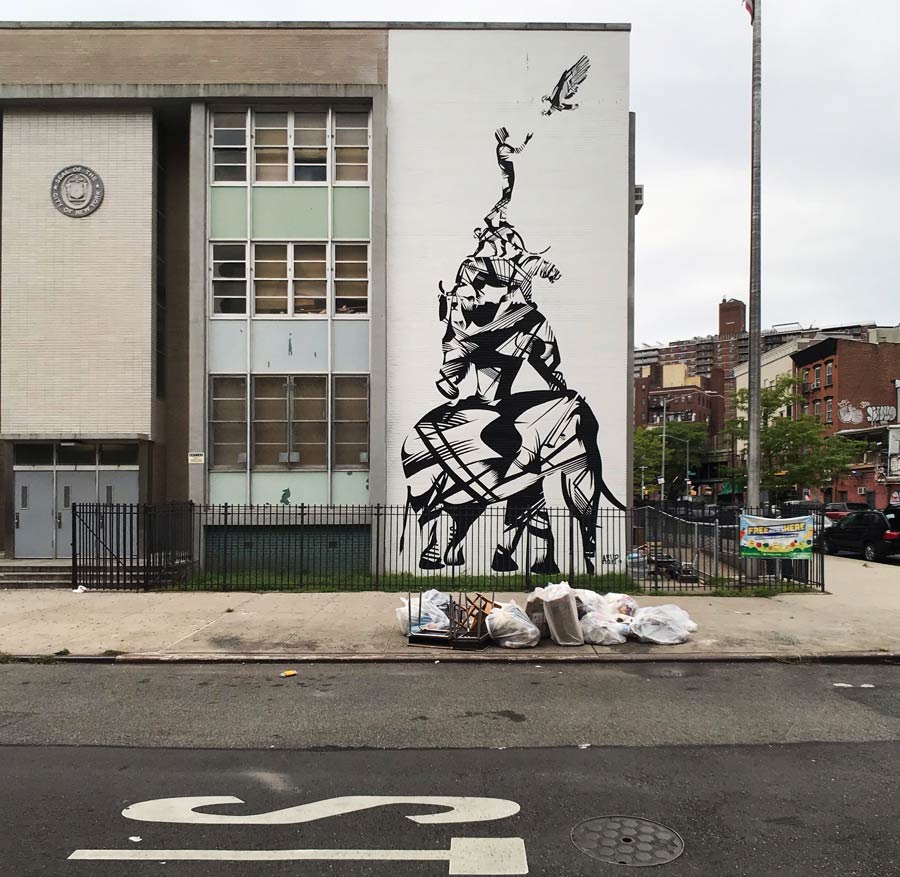
Here’s our weekly interview with the street, this time featuring Dee Dee, Hugh Brisman, Hysterical Men, Jazz Guetta, City Kitty, Steve The Bum, De Grupo, Frank Ape, Gianni Lee, Never, Kendra Yee, Ruo Han Wang, Jazz Guetta, Nicholas Di Constanzo, Myth, Terry Urban, A Lucky Rabbit, Molly Crabapple, Ms Saffaa, and Vy.
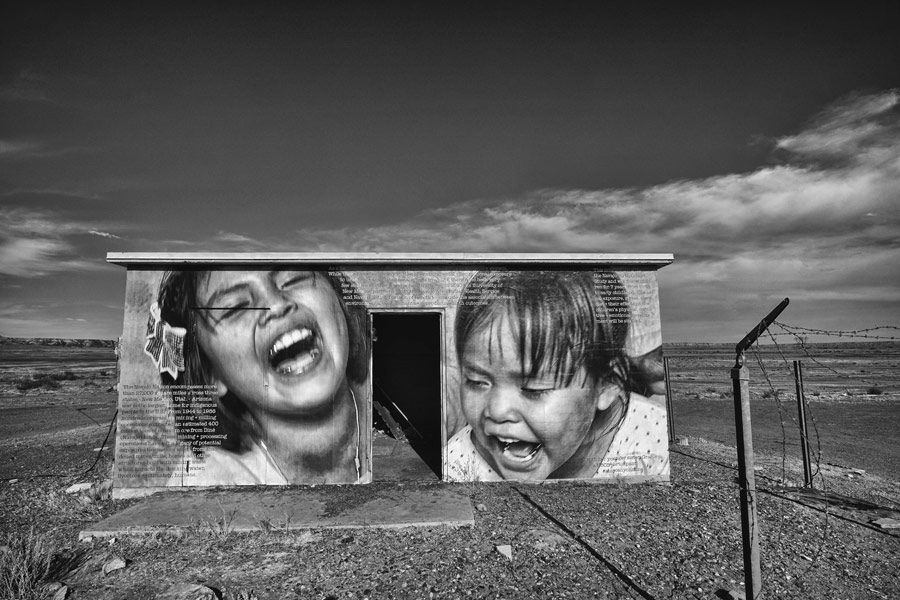
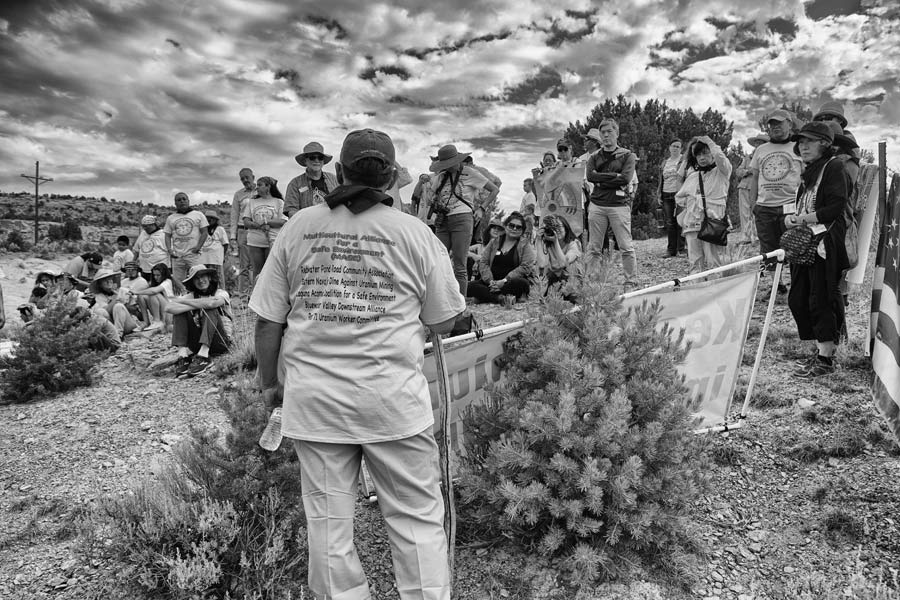
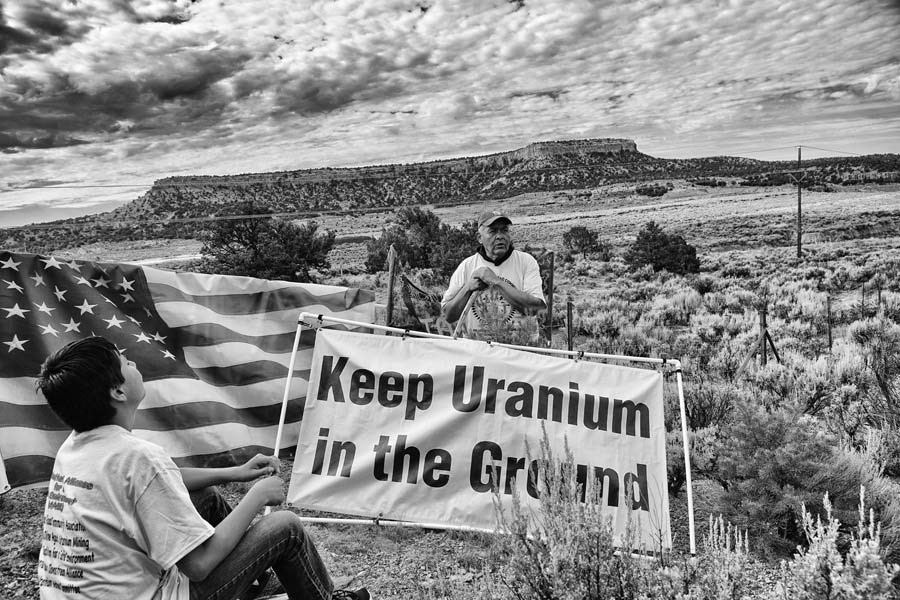
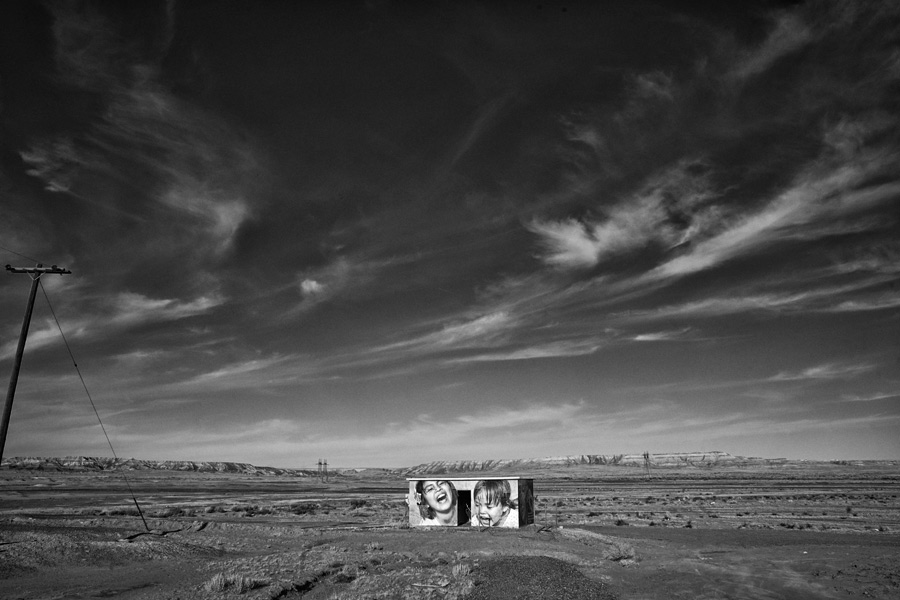
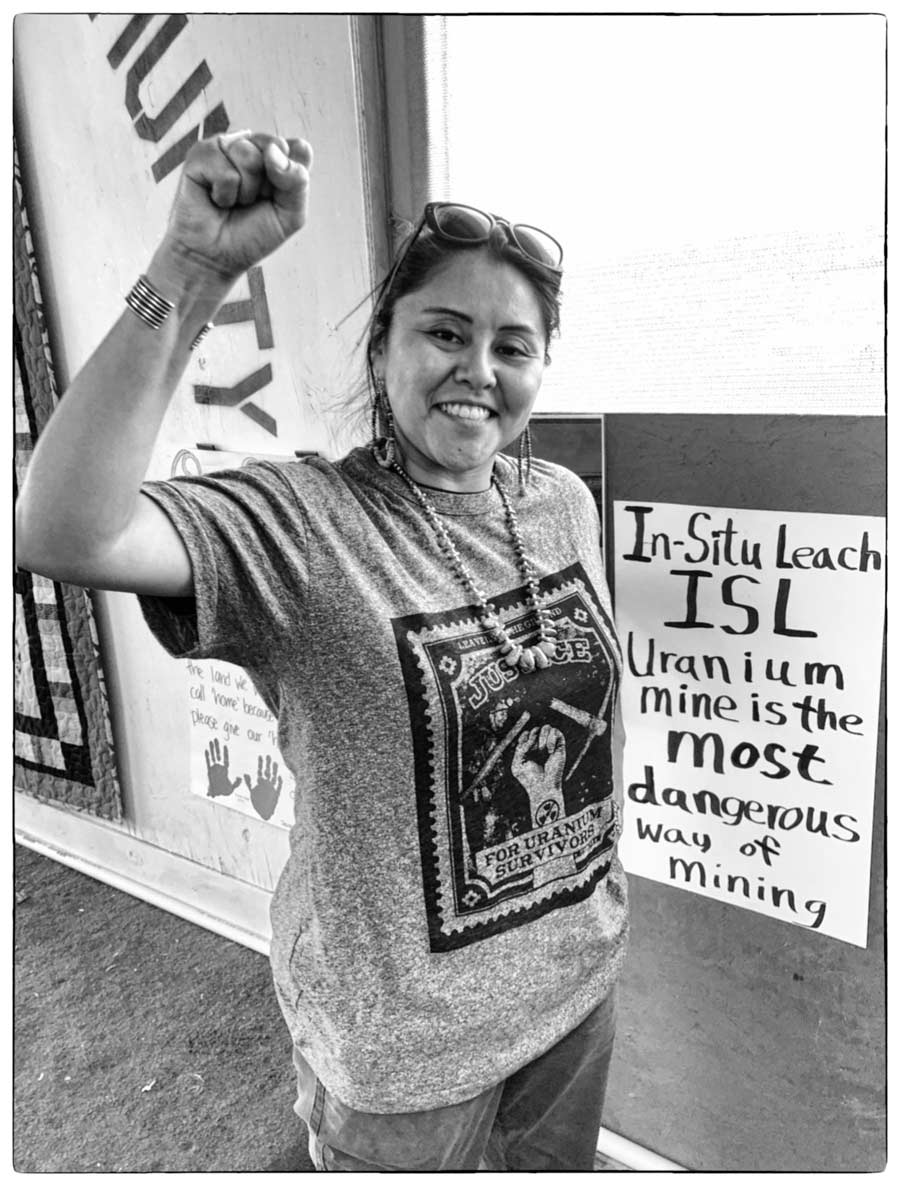
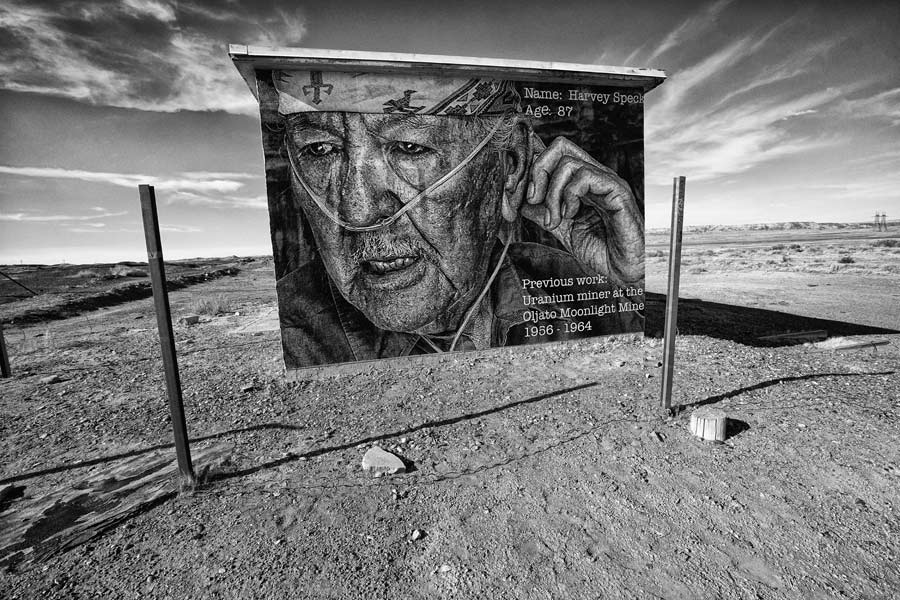
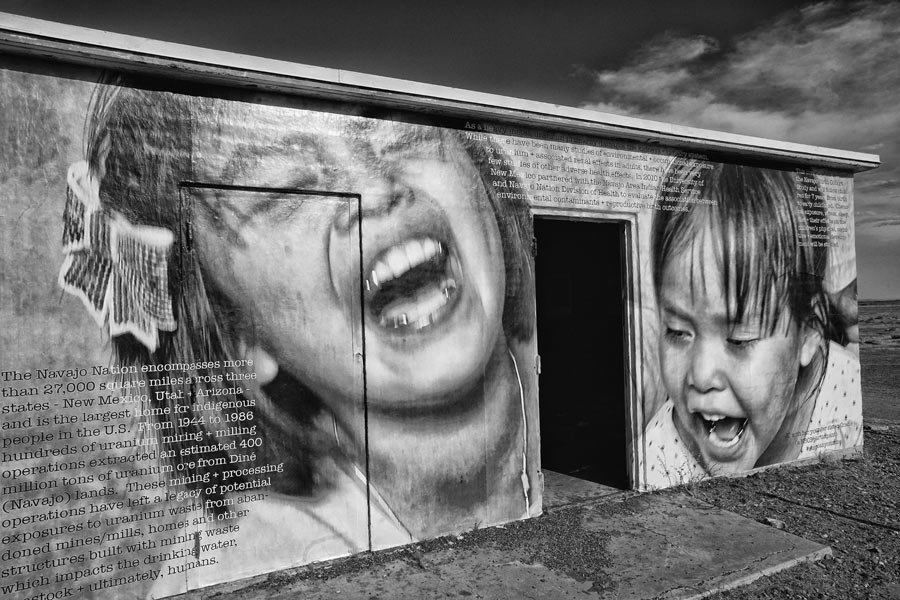
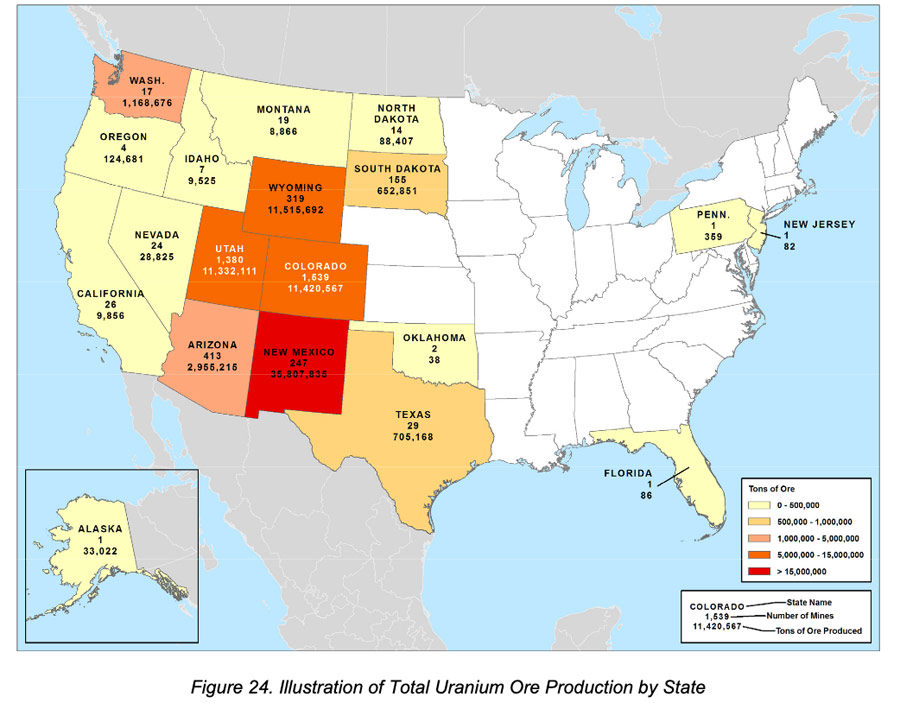
This spill and these events did not happen in San Diego, or Palm Beach. The story doesn’t affect wealthy white families and cannot be used to sell shampoo or real estate. That’s probably why we don’t see it in the press and never on the talking-head news. Street Artist Jetsonorama is not only a photographer who has been wheat-pasting his stunning images of people and nature on desert buildings for over a decade, he is also a doctor on the Navajo reservation, a human-rights activist, andan erudite scholar of American history as it pertains to the poisoning of this land and these people. Today we’re pleased to bring you this long-form examination from Jetsonorama’s perspective on a complicated and tragic US story of environmental poisoning and blight that affects generations of native peoples, miners, military personnel, and everyday people – and has no end in sight.
Most alarming is the news that current White House administration is endeavoring to mine uranium here again.
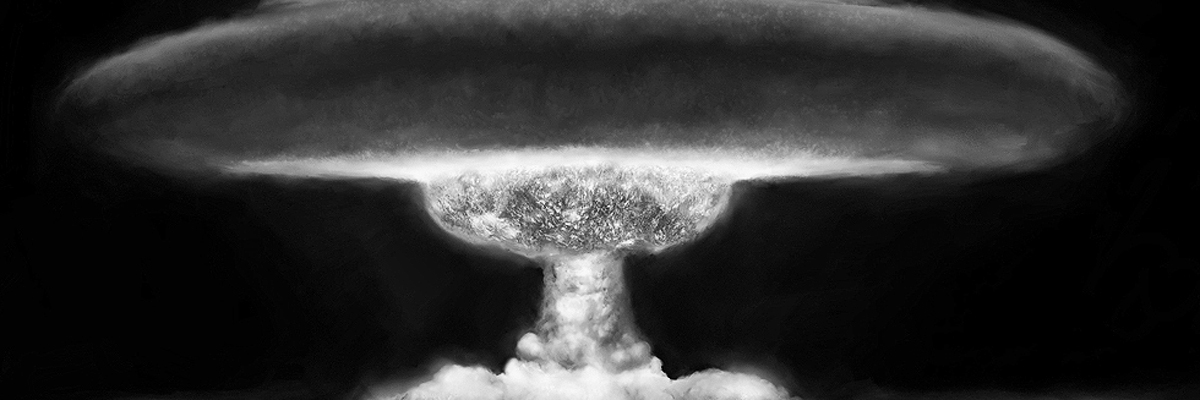
July 16, 1945 was an auspicious day in the history of
humankind and the planet as the US Army’s Manhattan Project detonated Trinity,
the first atomic bomb, in Jornada del Muerto, NM. (“Jornada del
Muerto” fittingly translates as “Journey of the Dead Man” or “Working Day of
the Dead.”) July 16 is also the day of one of the worst nuclear
accidents in US history with the Church Rock, NM uranium tailings spill in 1979
on the Navajo nation (occurring 5 months after the nuclear reactor meltdown at
Three Mile Island).
An earthen dam holding uranium tailings and other toxic waste ruptured releasing 1,100 tons of uranium waste and 94 million gallons of radioactive water into the Rio Puerco and through Navajo lands. Sheep in the wash keeled over and died as did crops along the river bank. According to a Nuclear Regulatory Commission report the levels of radioactivity in the Rio Puerco near the breached dam were 7000 times that of what is allowed in drinking water.
In an effort to end WWII and to beat the Soviets in developing a hydrogen bomb, uranium mining under the Manhattan Project began on Navajo and Lakota lands in 1944. Two years later management of the program was transferred to the US Atomic Energy Commission. The Navajo nation provided the bulk of the country’s uranium ore for our nuclear arsenal until uranium prices dropped in the mid 80s and is largely responsible for our winning the Cold War.
However, environmental regulation for mining the ore was nonexistent in the period prior to the founding of the Environmental Protection Agency in 1970. During this time uranium mining endangered thousands of Navajo workers in addition to producing contamination that persists in adversely affecting air and water quality and contaminating Navajo lands with over 500 abandoned, unsealed former mine sites.
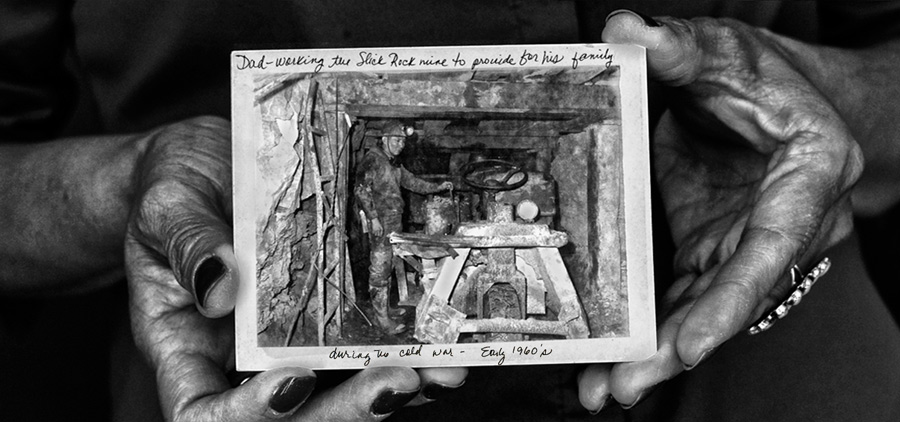
Private companies hired thousands of Navajo men to work the uranium mines and disregarded recommendations to protect miners and mill workers. In 1950 the U.S. Public Health Service began a human testing experiment on Navajo miners without their informed consent during the federal government’s study of the long-term health effects from radiation poisoning. This study followed the same violation of human rights protocol as the US Public Health Service study on the long-term effects of syphilis on humans by experimenting on non-consenting African American men in what is known as the Tuskegee Syphilis Experiment from 1932 – 1972.
In
May 1952 the Public Health Service and the Colorado Health Department publish a
paper called “An interim Report of a Health Study of the Uranium Mines and
Mils.”
The
report noted that levels of radioactive radon gas and radon particles (known as
“radon daughters”), were so high in reservation mines that they recommended
wetting down rocks while drilling to reduce dust which the miners breathed;
giving respirators to the workers; mandating daily showers after a work shift,
frequent changes of clothing, loading rocks into wagons immediately after being
chipped from the wall to decrease time for radon to escape and for miners to
receive pre-employment physicals.
Sadly, the recommendations were ignored.
By 1960 the Public Health Service definitely declared that uranium miners faced an elevated risk of pulmonary cancer. However, it wasn’t until June 10, 1967 that the Secretary of Labor issued a regulation declaring that “…no uranium miner could be exposed to radon levels that would induce a higher risk of cancer than that faced by the general population.” By this time, it was too late. In the 15 years after the uranium boom the cancer death rate among the Diné doubled from the early 1970s to the late 1990s while the overall U.S. cancer death rate declined during this same interval.
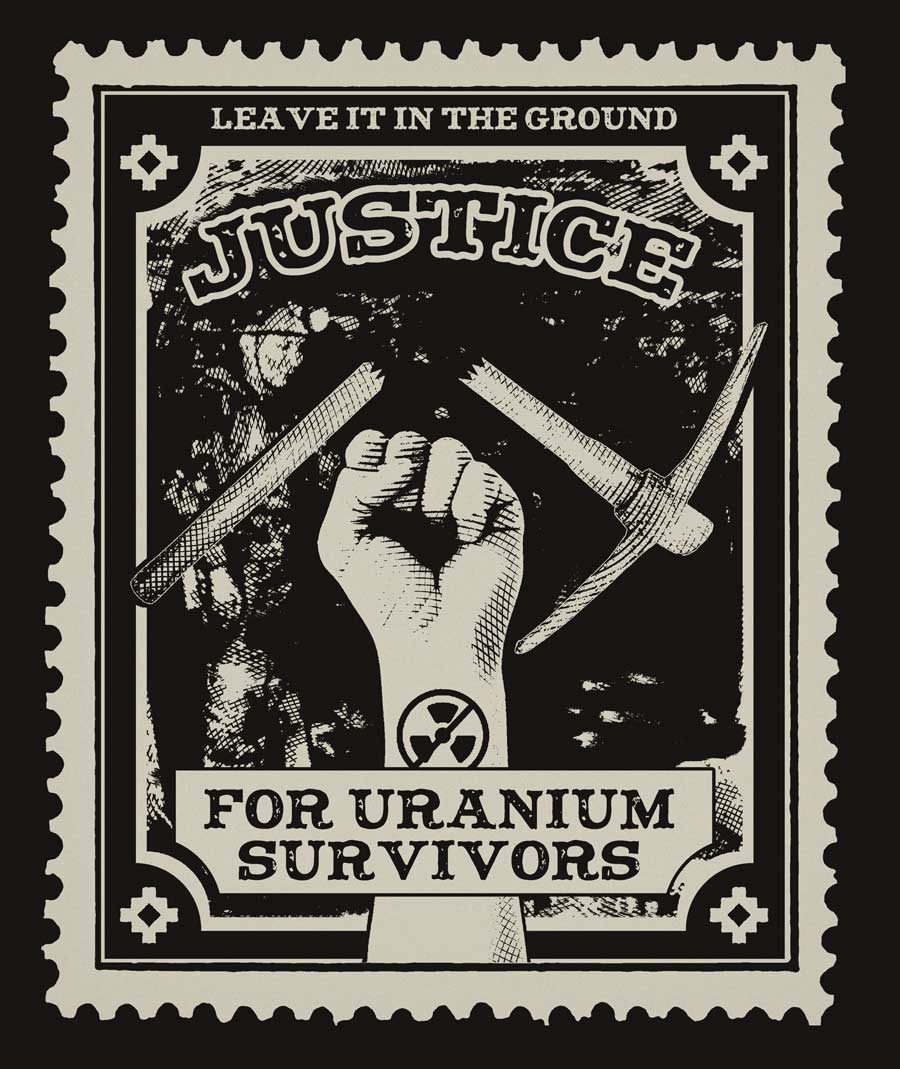
As high rates of illness began to occur workers were frequently unsuccessful in court cases seeking compensation. In 1990 Congress passed the Radiation Exposure Compensation Act which seeks to make compensation available to persons exposed to fallout from nuclear weapons testing and for living uranium miners, mill workers or their survivors who had worked in Utah, Colorado, New Mexico and Arizona between January 1, 1947 and December 31, 1971. An amendment to this bill is awaiting Congress after its recess that will expand years of coverage from 1971 to the mid 1990s as well as expanding the regions of the US covered.
At the other end of the life spectrum
the Navajo Birth Cohort Study is the first prospective epidemiologic
study of pregnancy and neonatal outcomes in a uranium-exposed
population. The goal of the Navajo Birth Cohort Study (NBCS) is to
better understand the relationship between uranium exposures and birth outcomes
and early developmental delays on the Navajo Nation. It started in
2014 and has funding through 2024.
Efforts to mine uranium adjacent to the
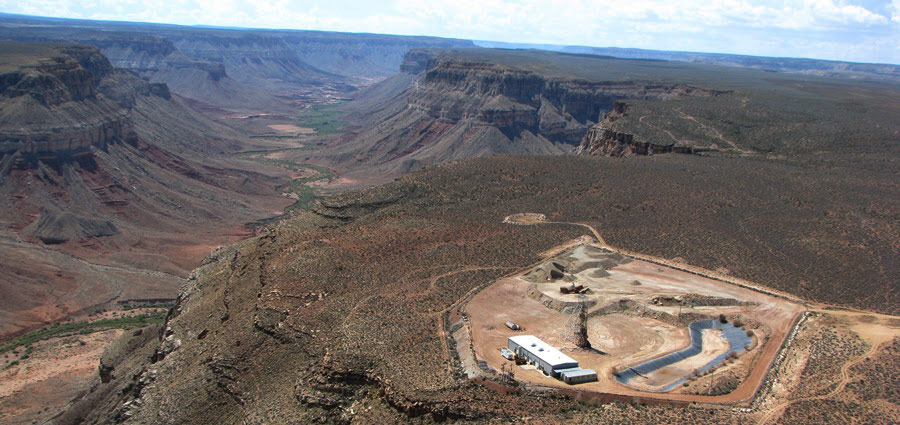
Grand Canyon have accelerated during the Trump administration. The most pressing threat comes from
Canyon Mine located closely to the South Rim of the Grand Canyon. Because of the plethora of abandoned
mines on the reservation the Navajo Nation banned uranium mining on the
reservation in 2005.
However, it’s possible still to transport ore from off the reservation across the reservation. Approximately 180 miles of the Canyon Mine haul route would cross the Navajo Nation where trucks hauling ore had 2 separate accidents in 1987.
Our weekly focus on the moving image and art in the streets. And other oddities.
Now screening : 1. Don Rimx x Owley “Olor A Azucenas El Perfume Del Barrio” 2. Street Art Singapore (VICE) 3. LATINO Legends STREET ART in my BACKYARD! | Los Mendozas 4. Kitt Bennett “Sleeping Giant”
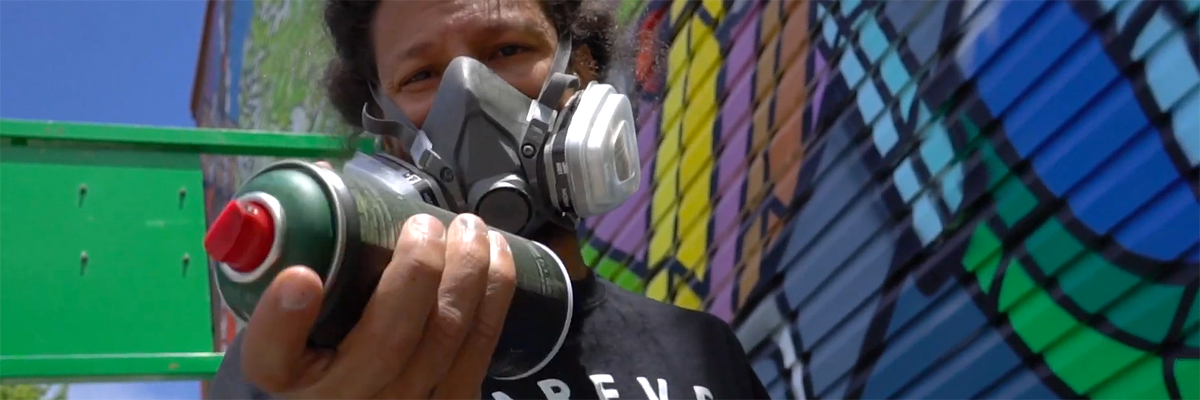
BSA Special Feature: Don Rimx x Owley “Olor A Azucenas El Perfume Del Barrio”
New Yorker/ Puerto Rican Street Artist Don Rimx illustrates his world and ours with his historical people, characters, and archetypes. For this recent piece in Brooklyn he focused on the guy who sells flowers, and the perfumeric effect he has on summer streets.
The mural symbolizes “a cultural bridge”: a flower vendor famous to San Juan, Puerto Rico. As Owley continues to develop his film-maker craft, his own personality is also beginning to emerge; a certain warmth and appreciation for his subjects readily apparent.
Street Art Singapore (VICE)
A quick study of the scene in
Singapore at the moment, featuring a graffiti group of style writers and
illustrators called RSCLS and a more traditional muralist named Yip Yew Chong.
The vandalism laws are strict and violent, yo! So how do you get around them.
Carefully. Also heavier topics like institutionalized racism, the surveillance
state, and censorship are all hit on.
Respect to Vice for capturing these folks and their stories.
LATINO Legends STREET ART in my BACKYARD! | Los Mendozas
Santana, Selena, Vicente Fernandez, and Frida?
They are all heroes of Hispanic heritage in the house of Instagram comedian Jay Mendoza in Los Angeles. With the help of muralist Gustavo Zermeño Jr these neighbors get together to paint in Jay’s backyard.
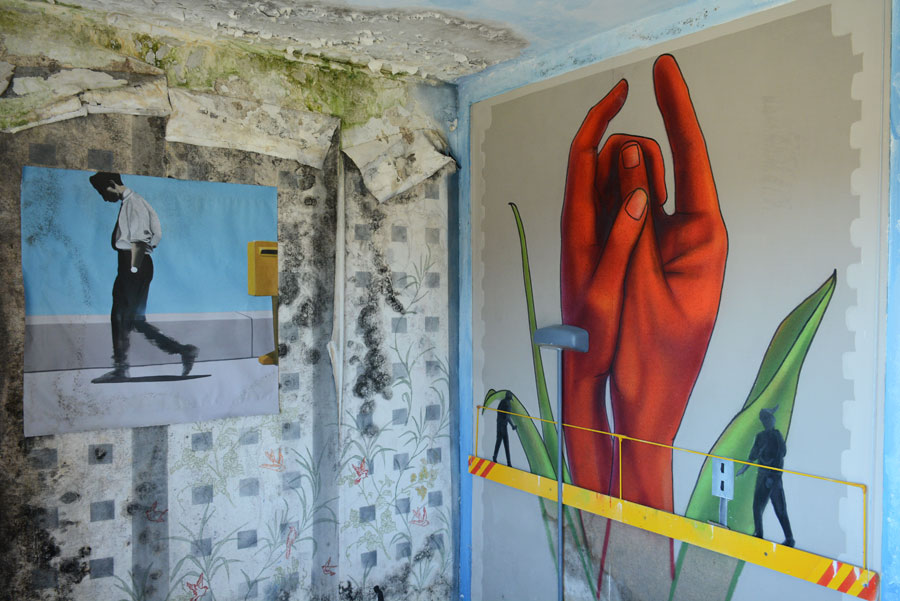
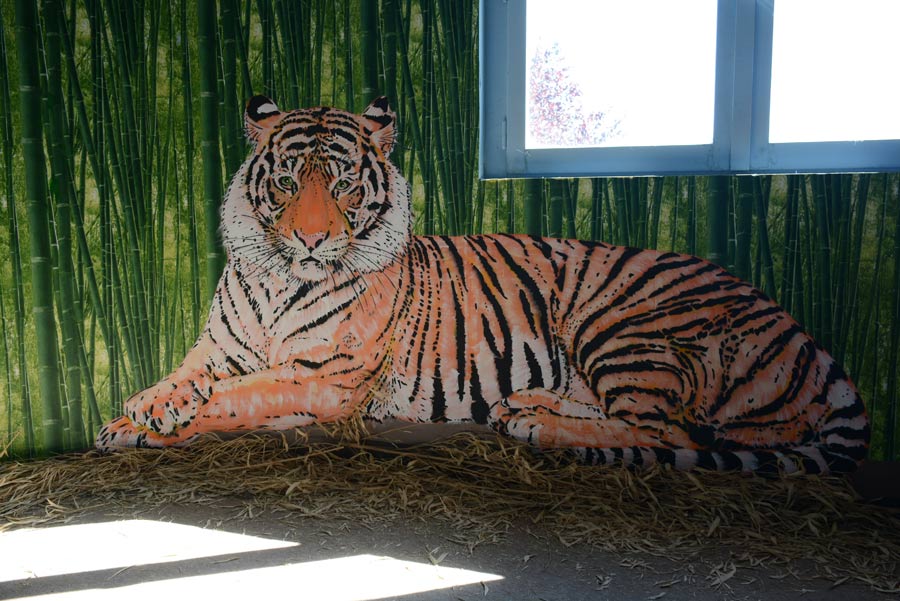
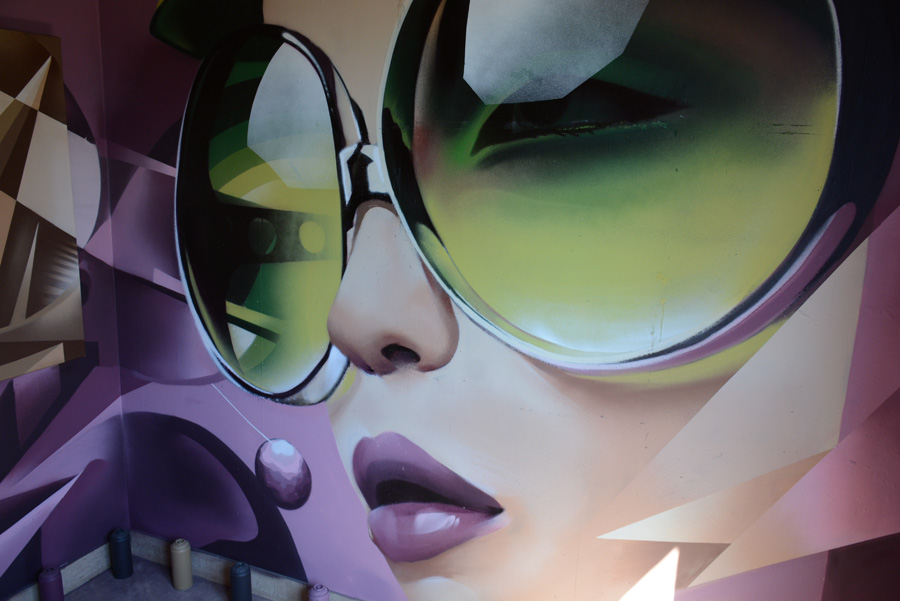
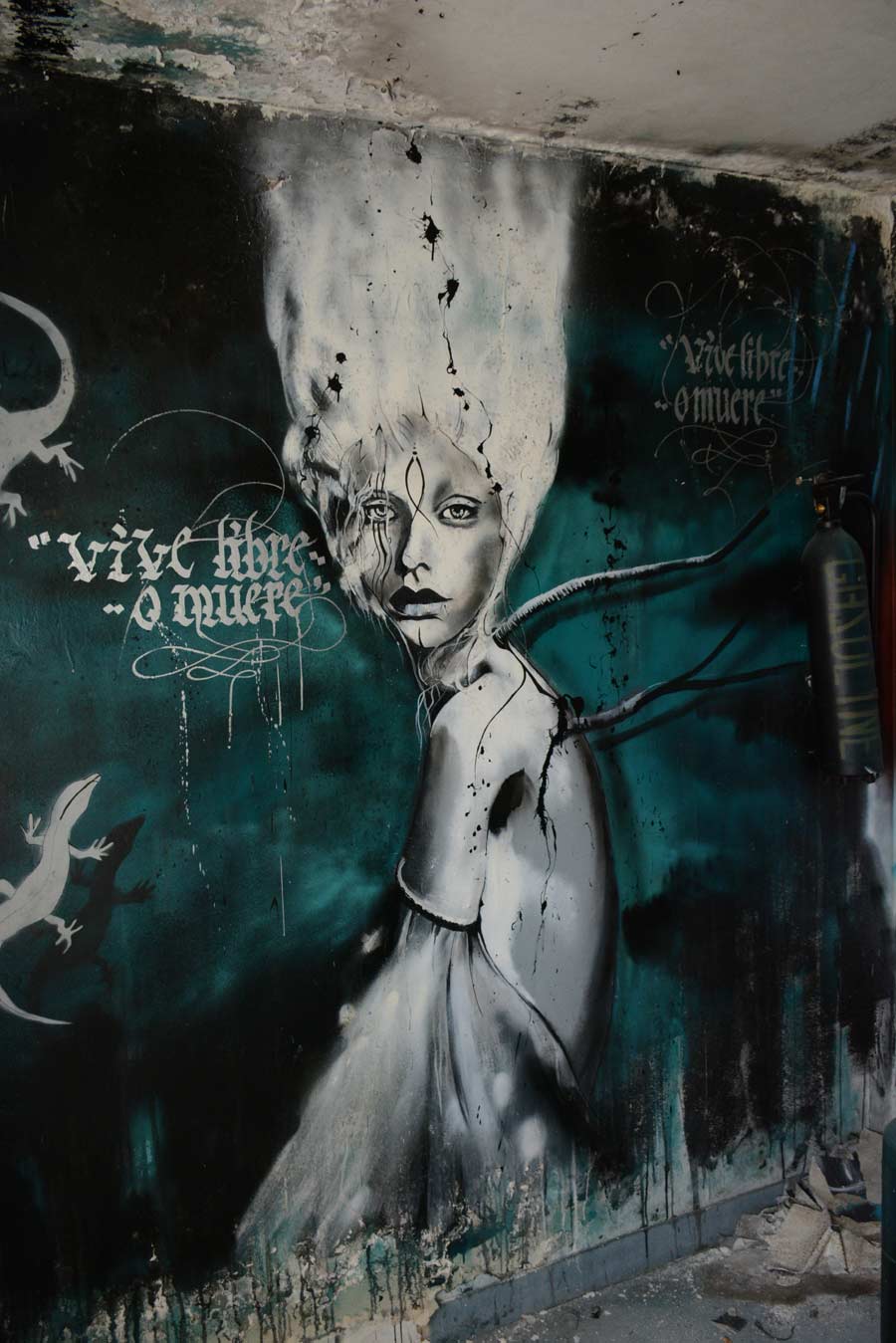
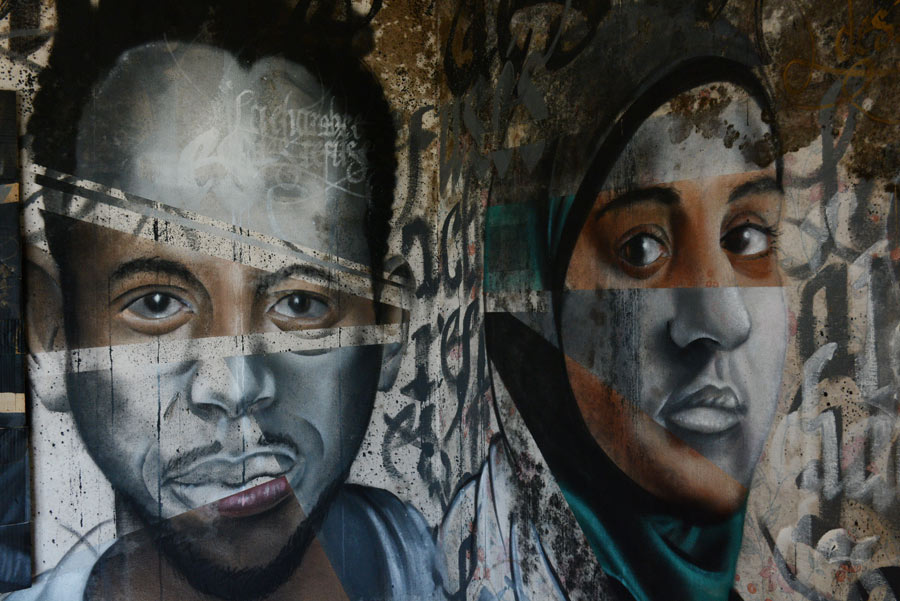
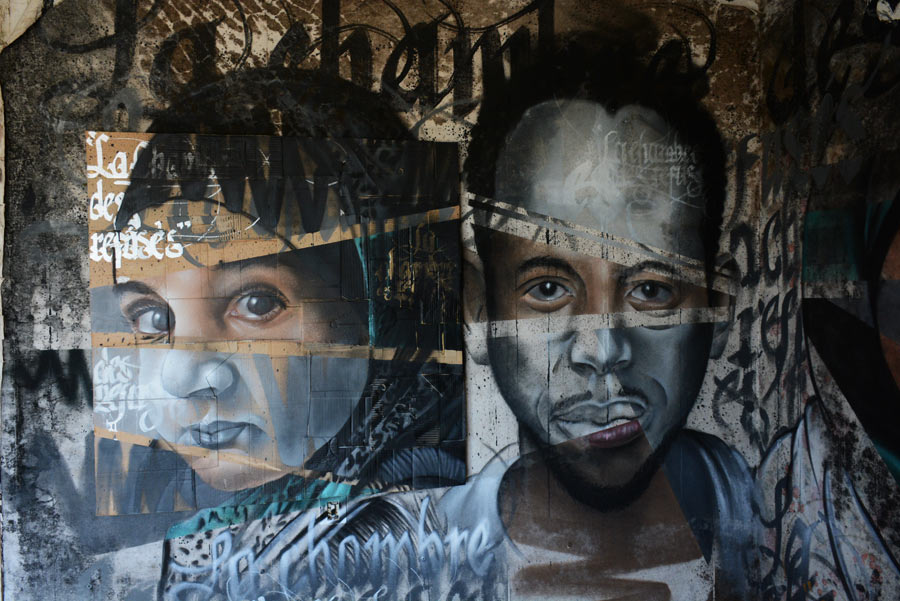
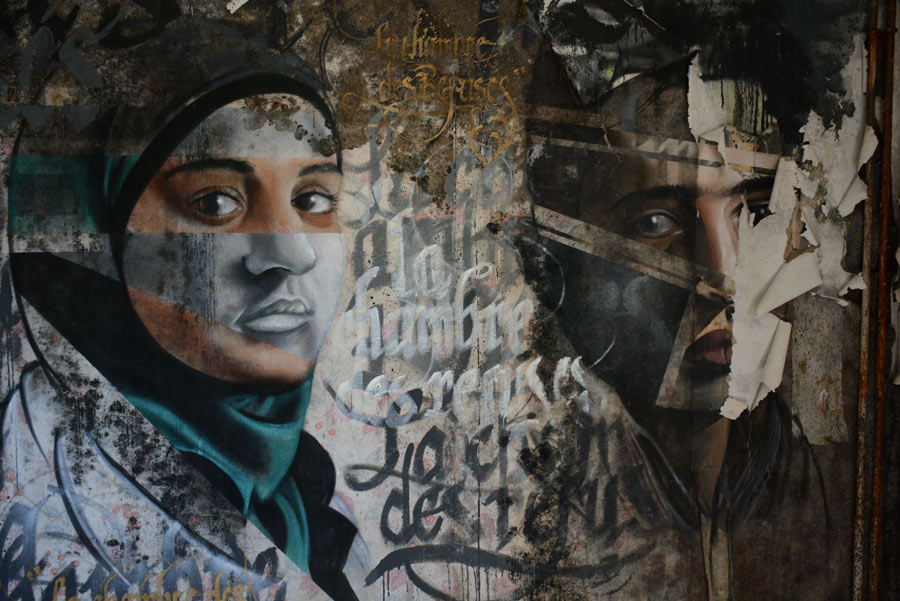
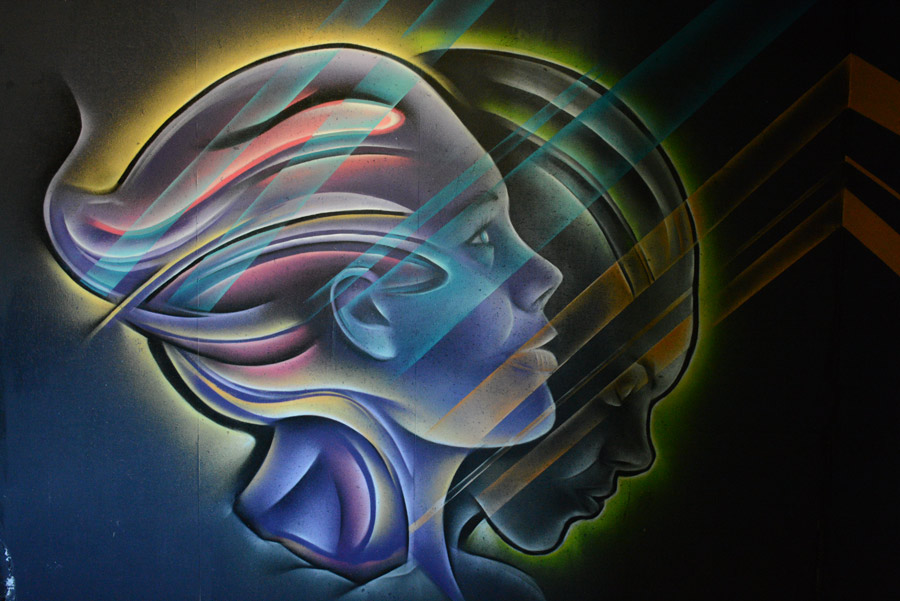
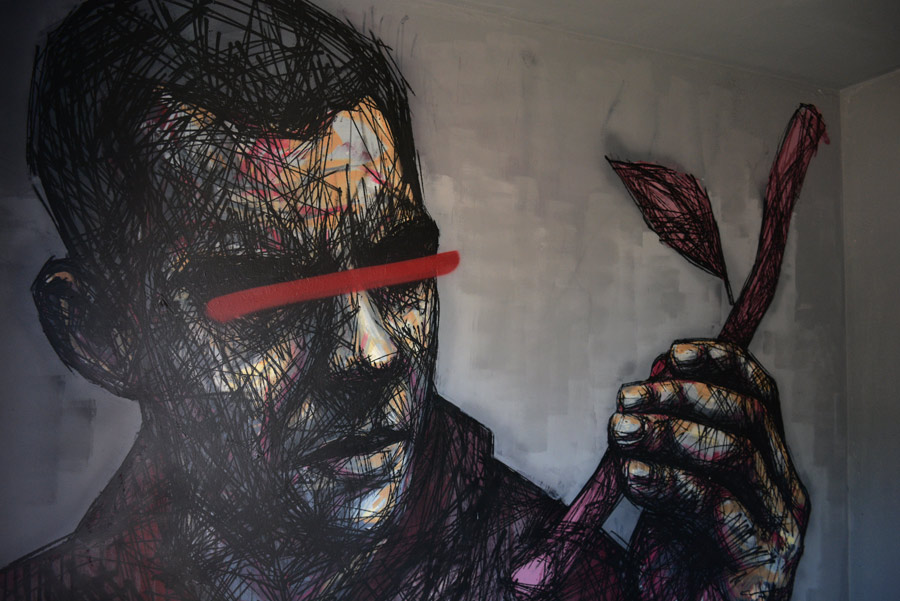
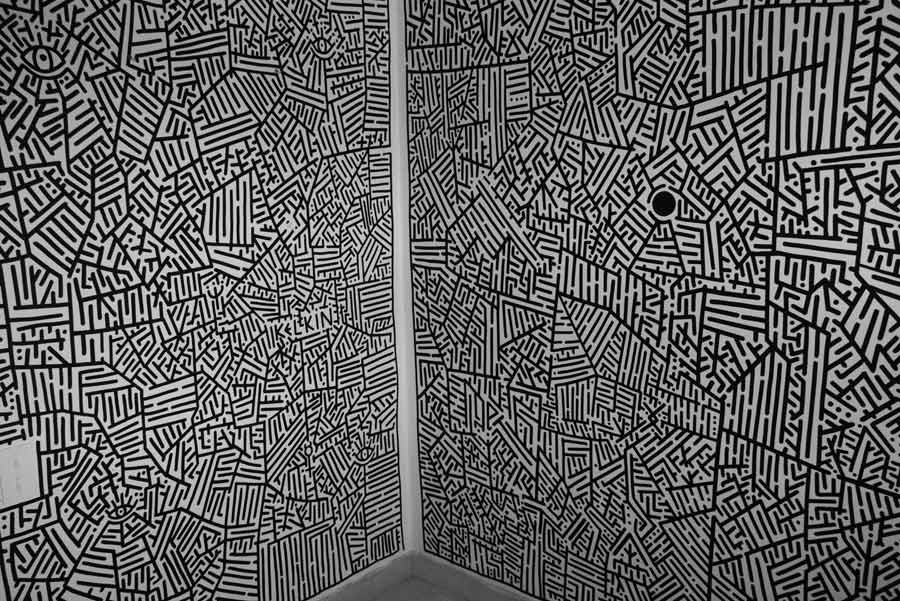
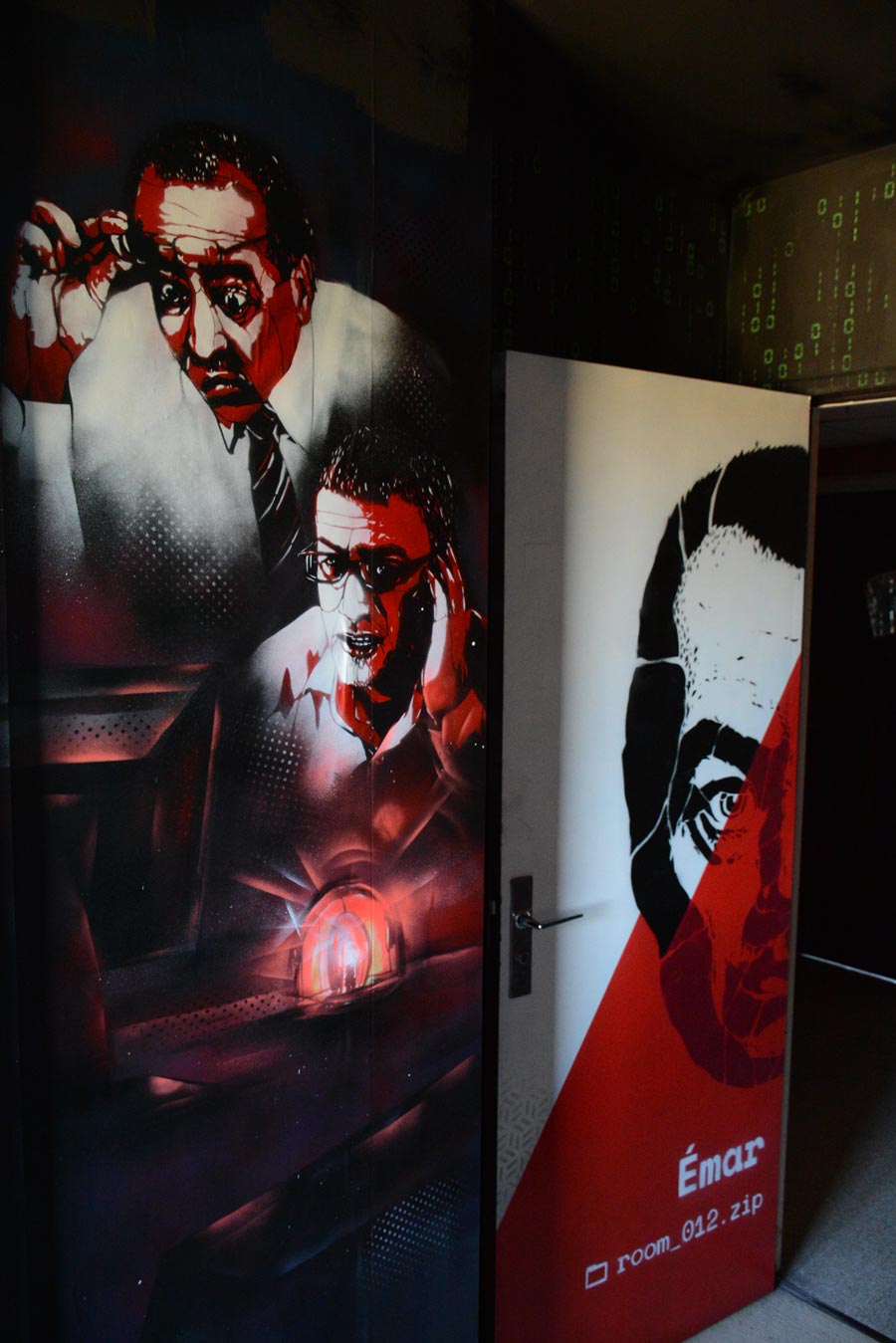
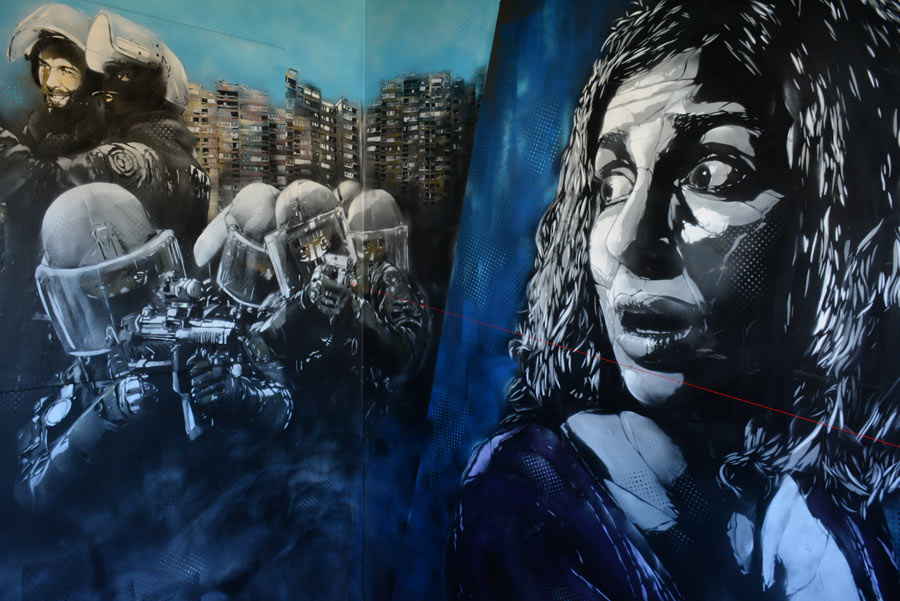
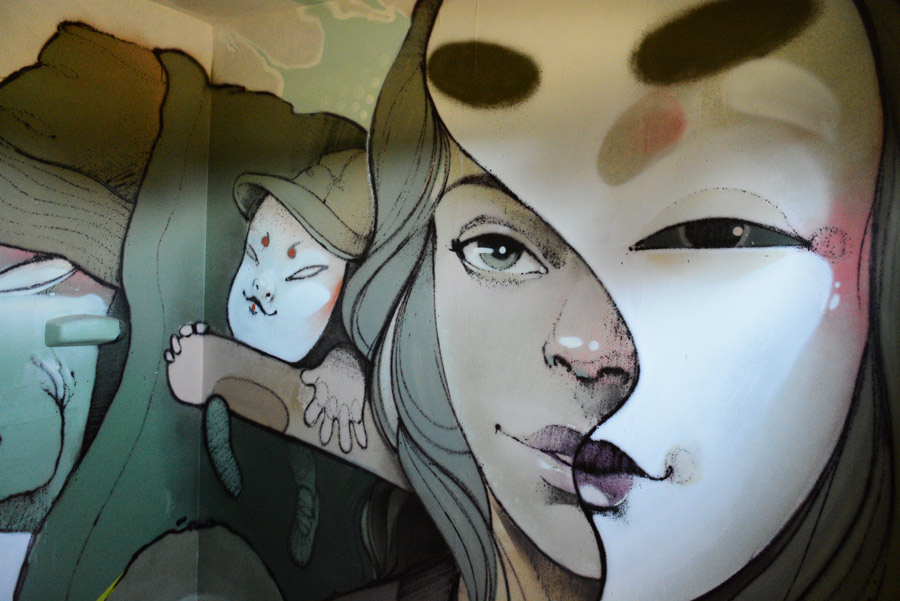
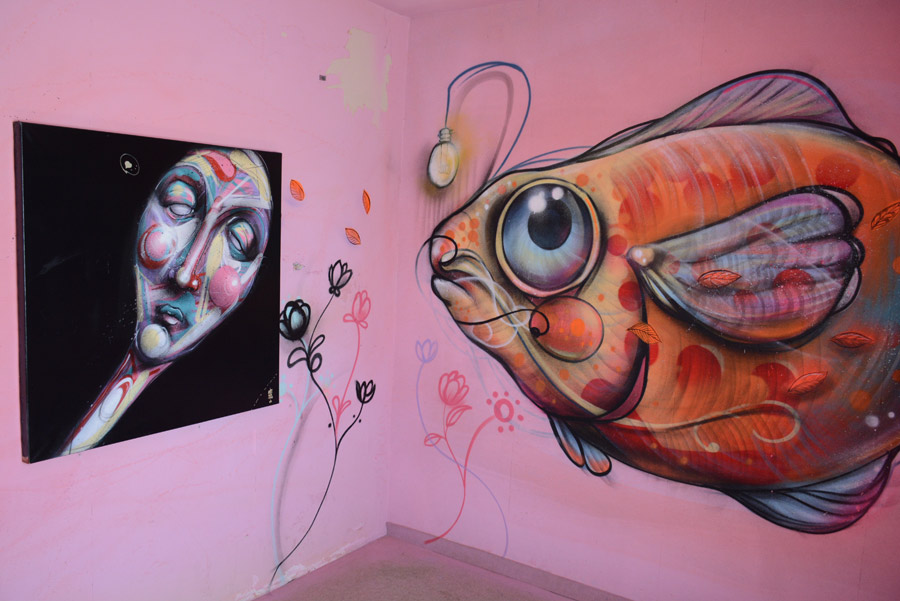
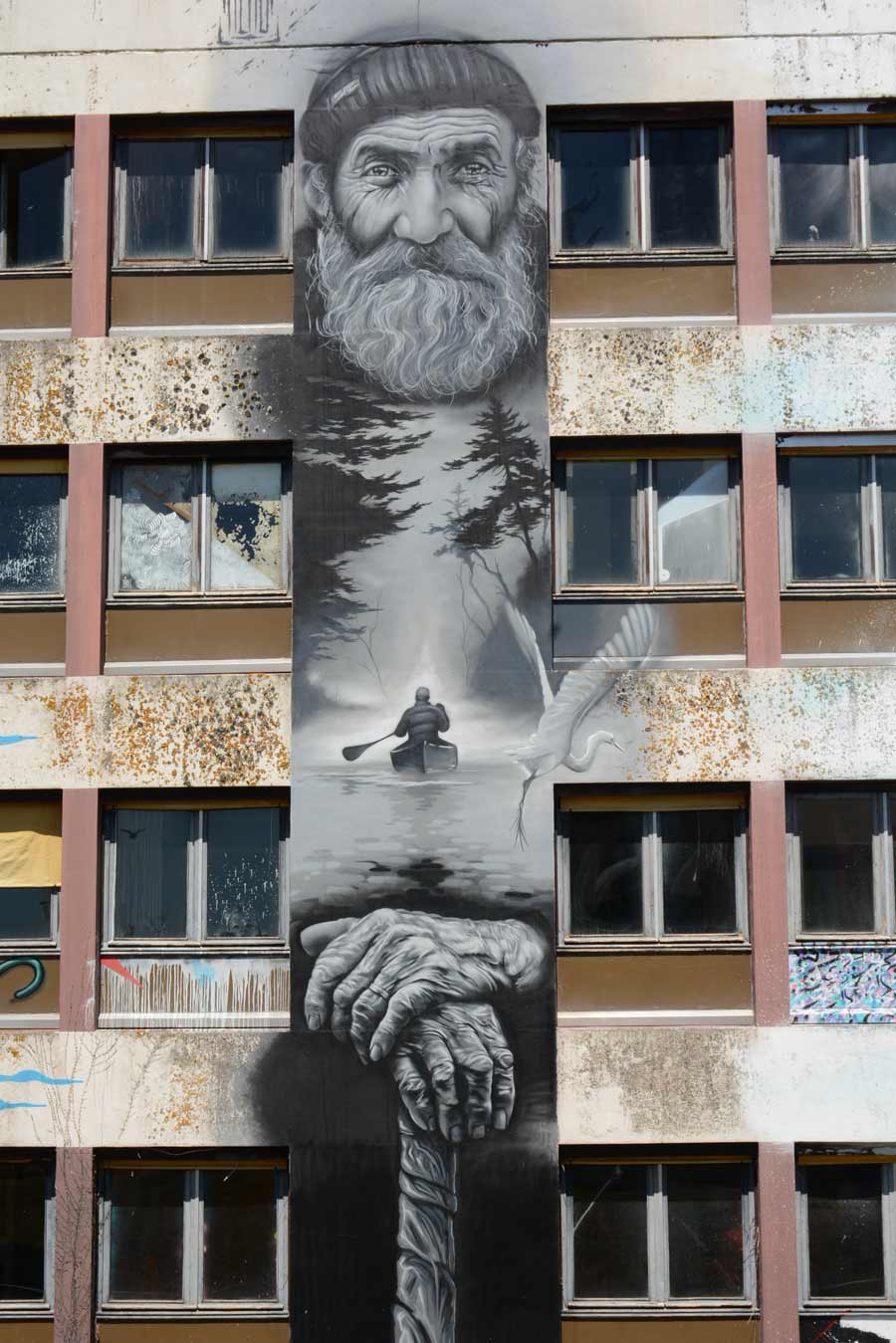
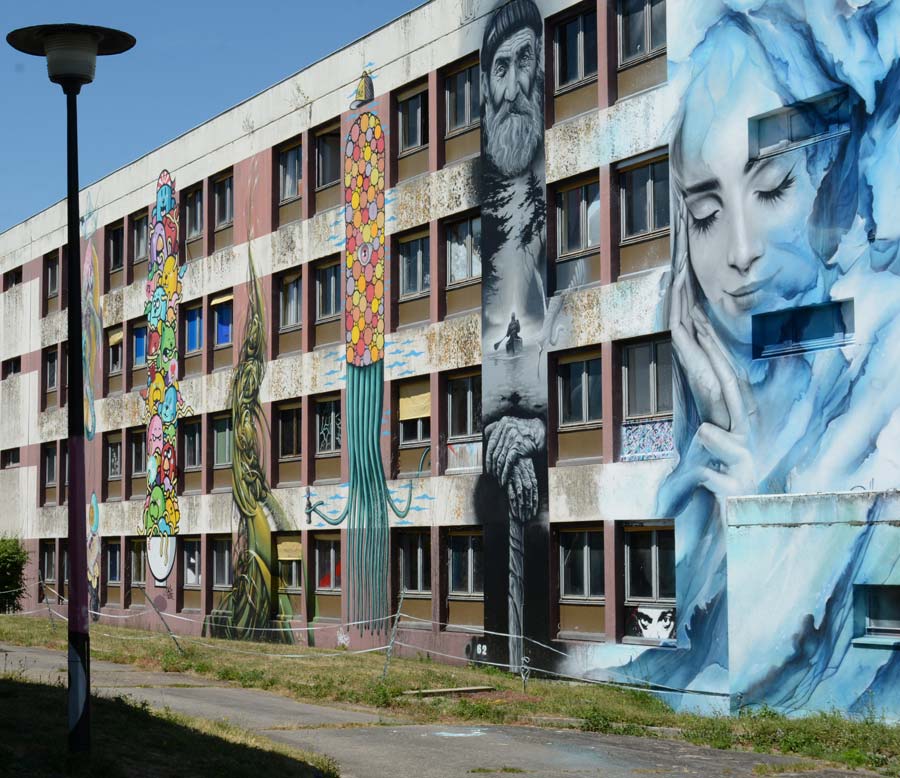
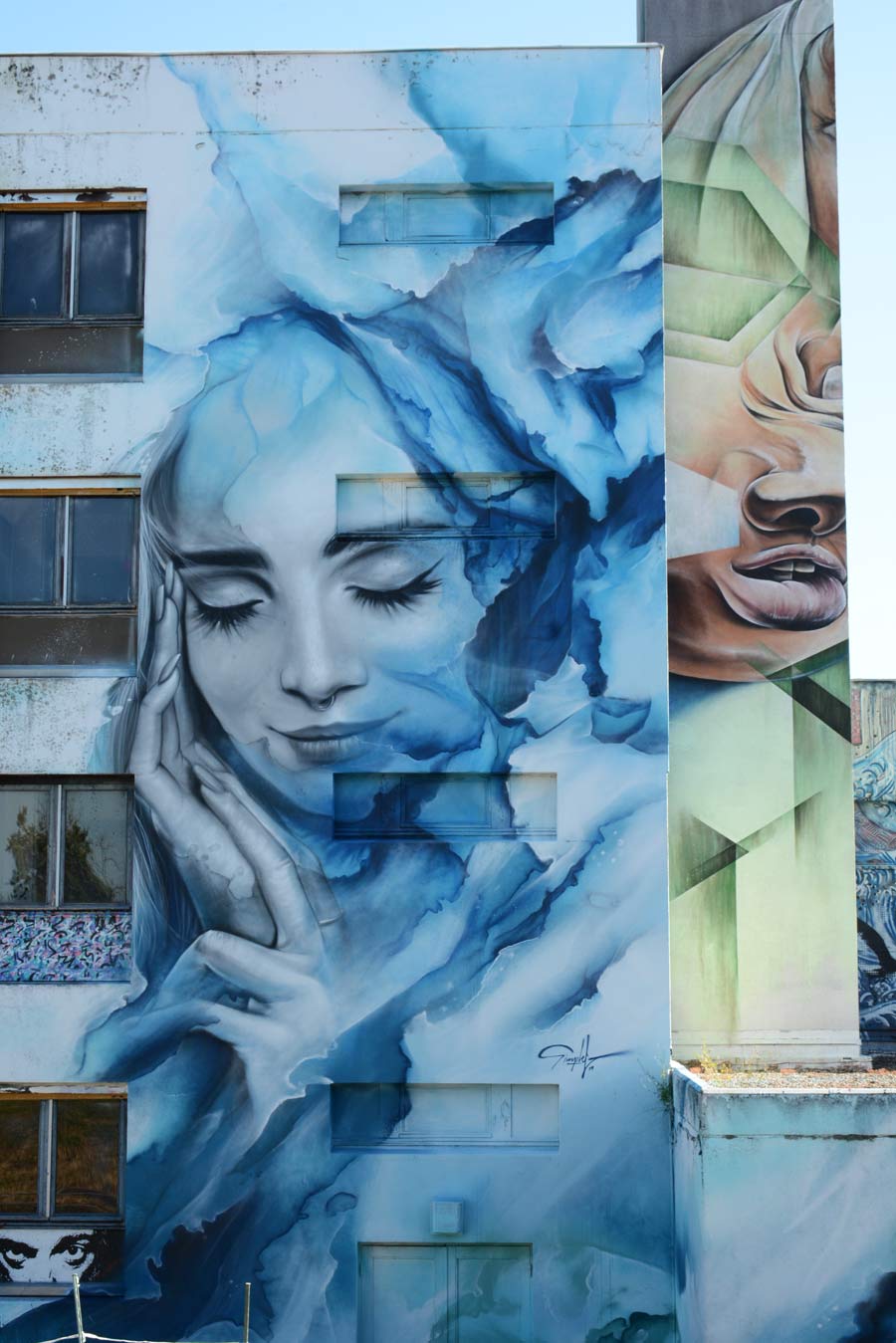
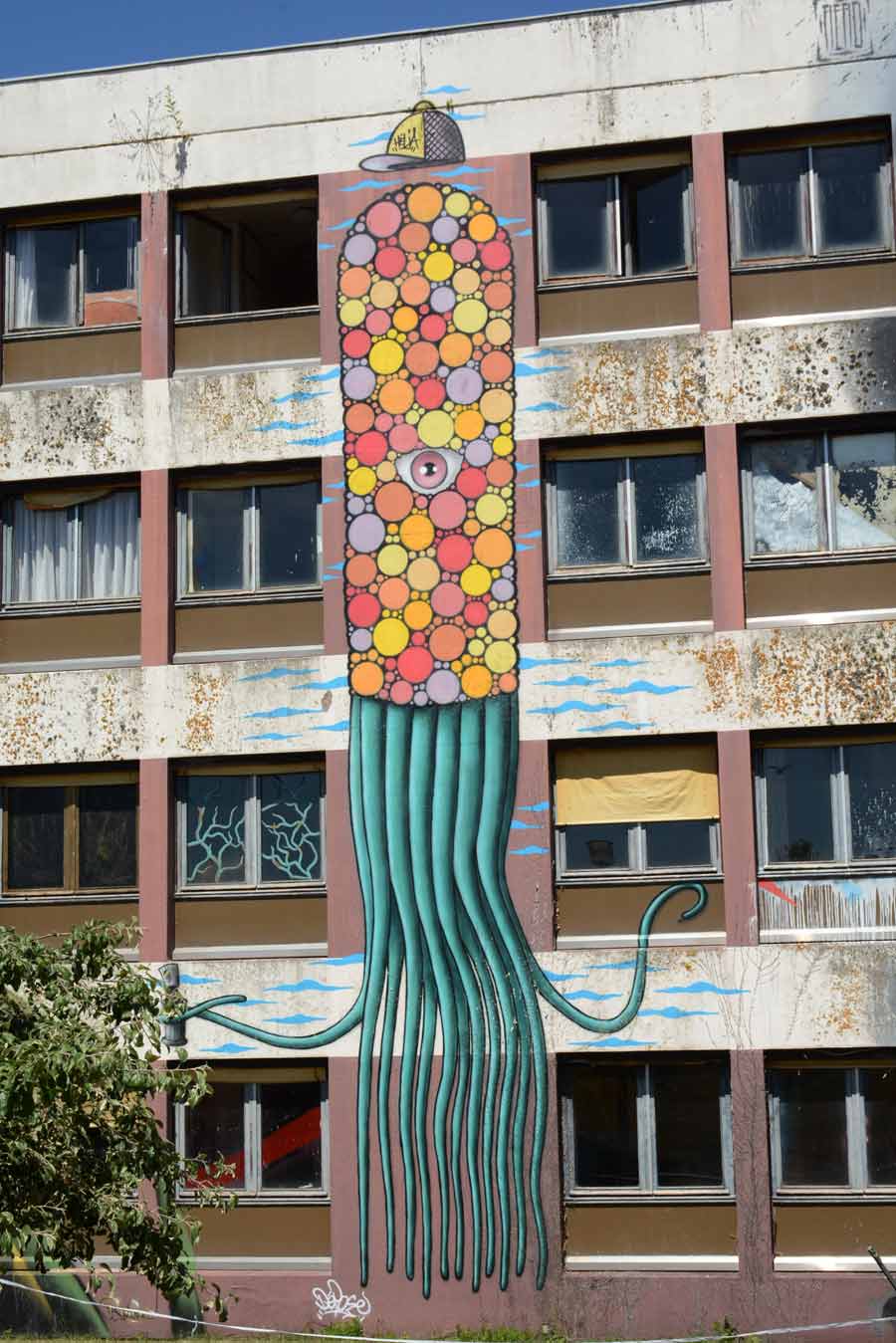
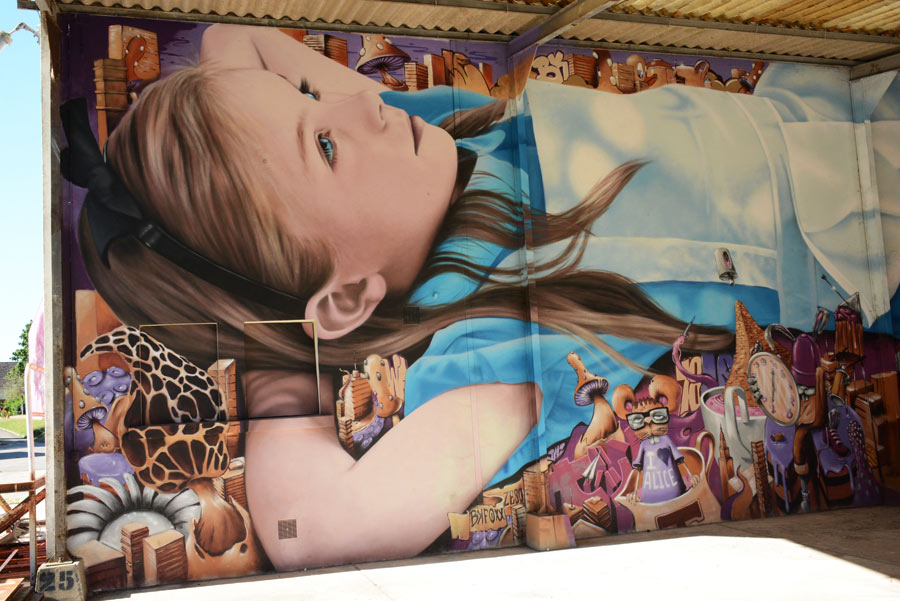
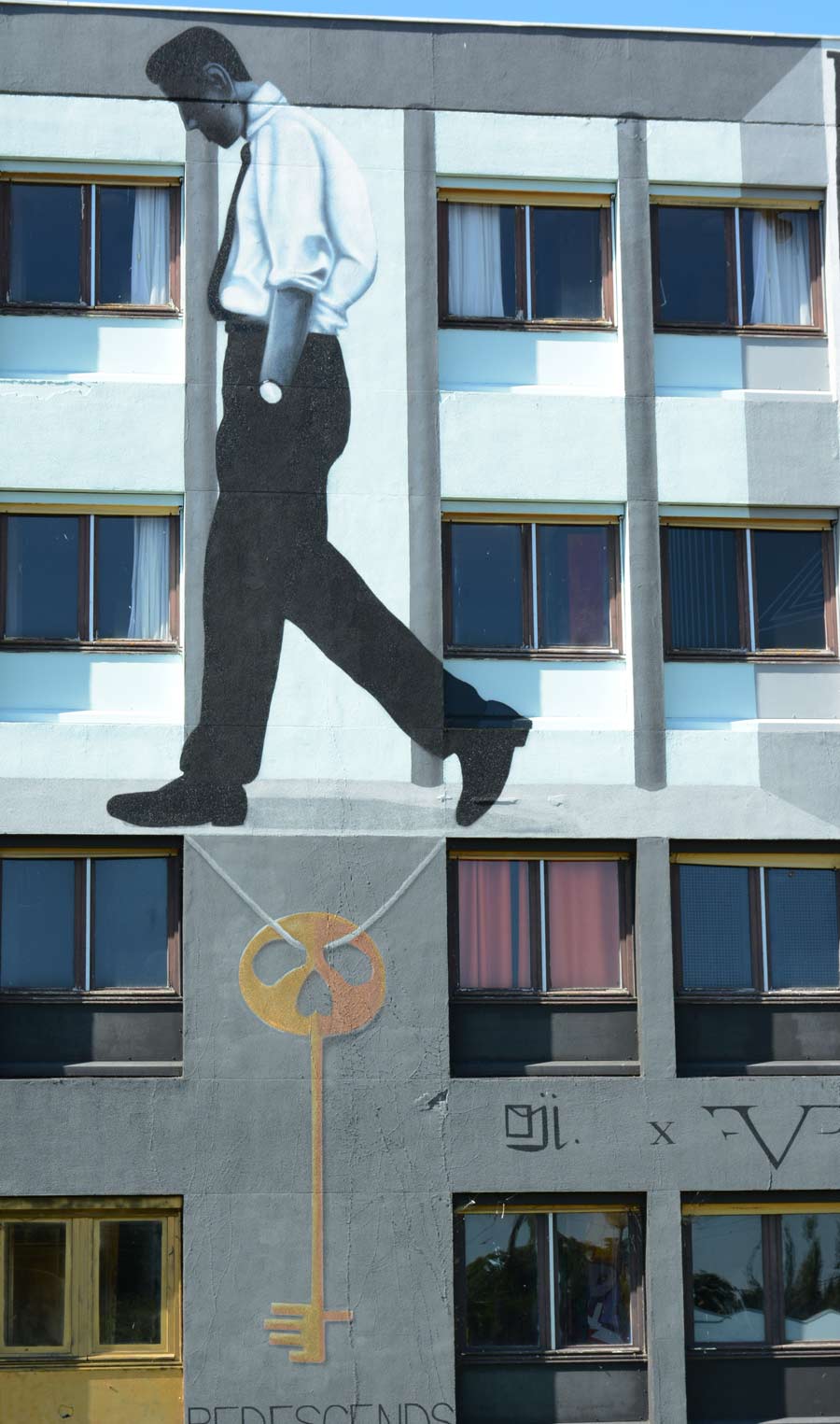
The 4-story building, 14 meters high, 53 meters long, 11 meters wide, is home to 128 rooms – thus the name. A derelict structure reserved for fulsome installations all individually painted by an international roster of artists invited in residency to paint by the co-founders Gilles and Sylvie.
Paid tours are
available, artists are invited, and some programming happens on the grounds
just to keep the conditions of the property cared for. Unlike many “artist
takeover” buildings, none of these are slotted for destruction any time soon,
so the artists are going to continue to explore their ideas for the foreseeable
future and you are welcome to check-in anytime.
Here are some detail
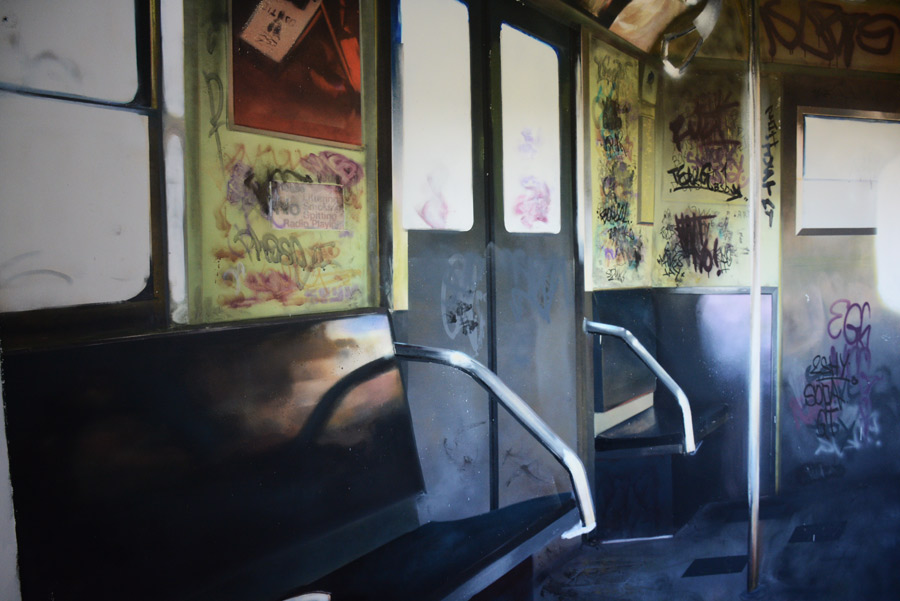
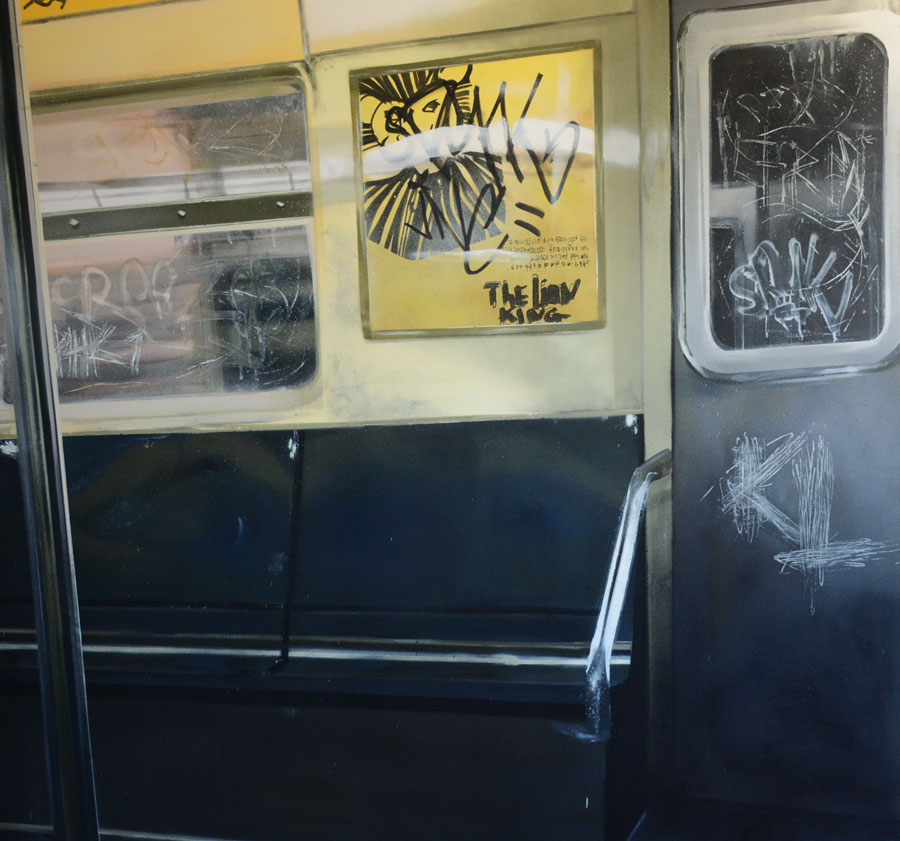
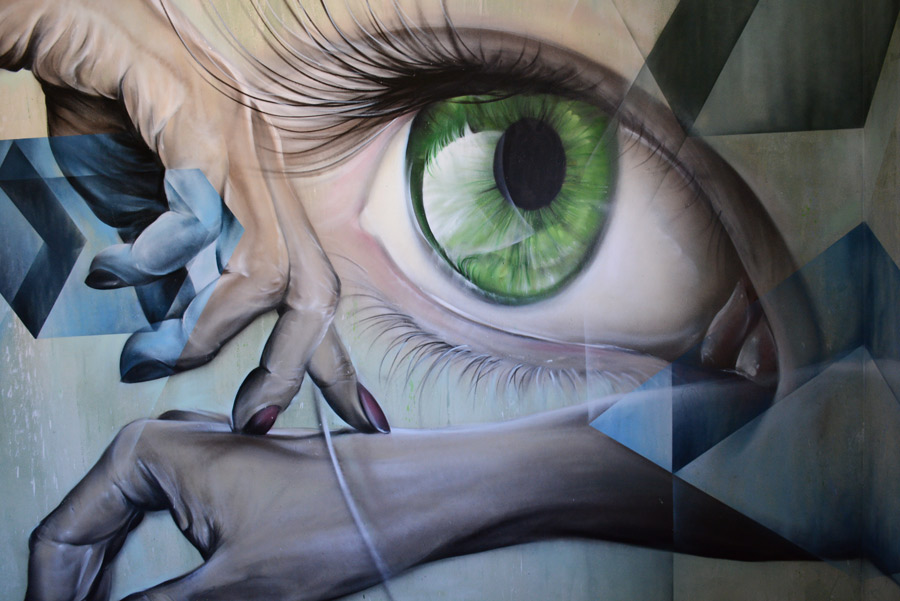
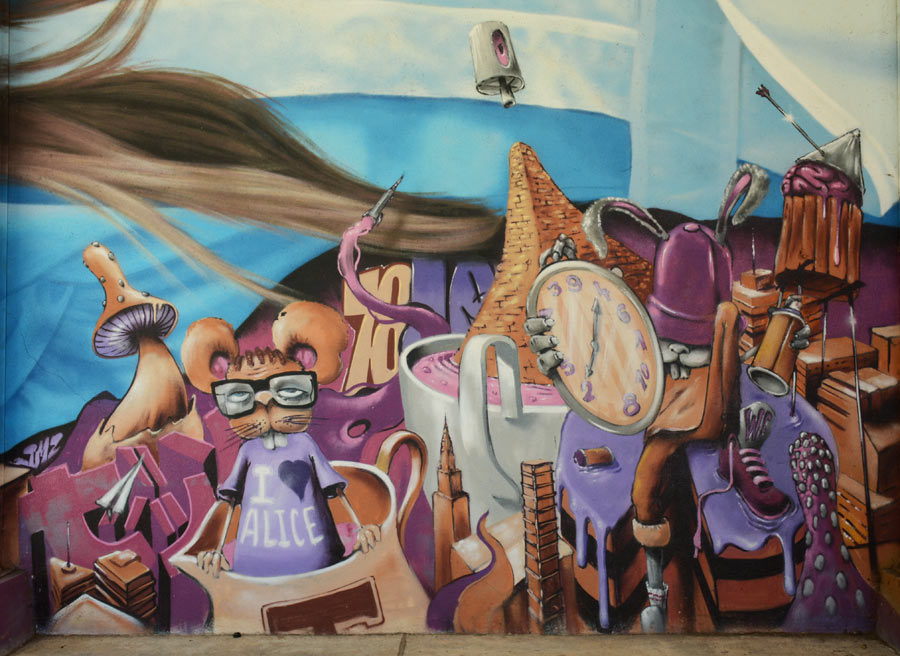
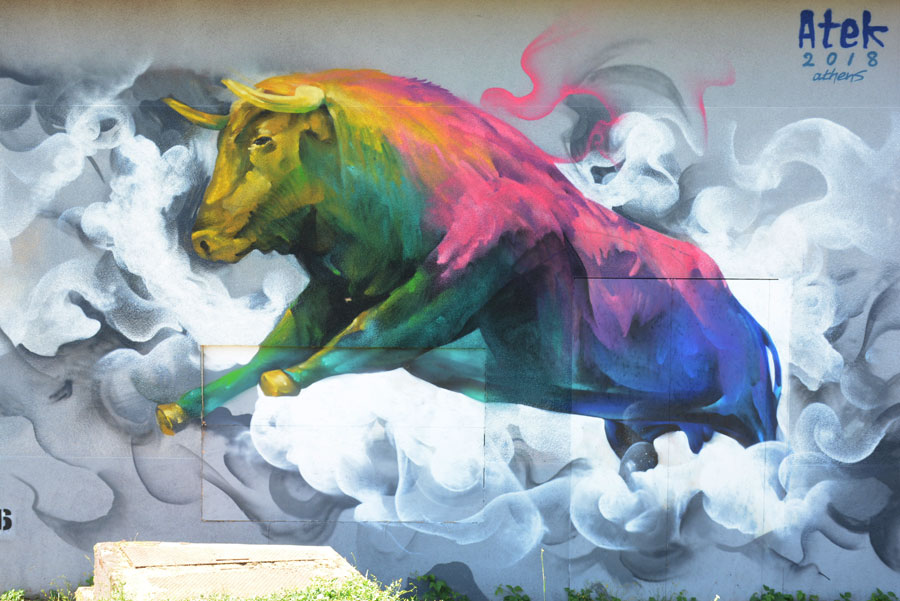
shots from a selection of rooms from BSA contributor Lluis Olive Bulbena.
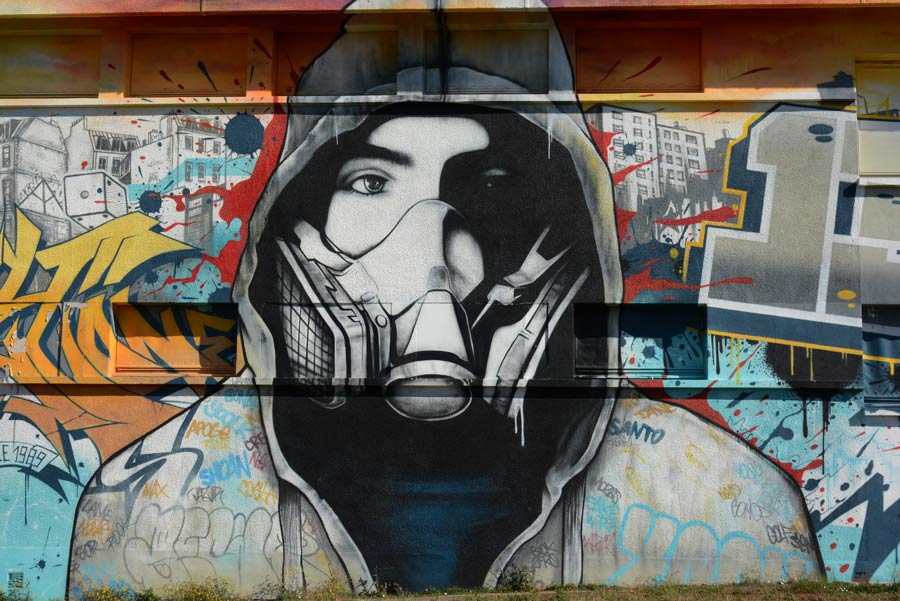
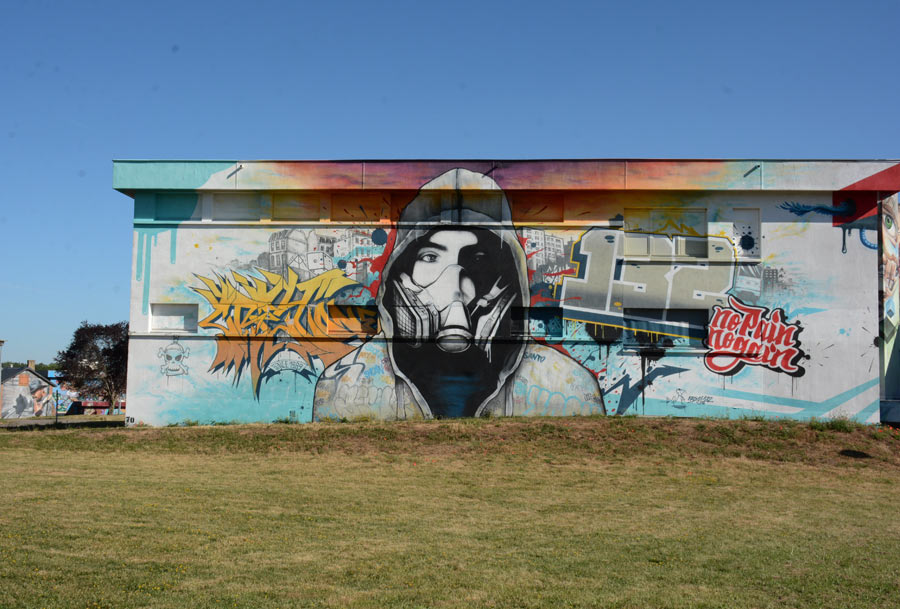
Summertime spray-cations are as popular for the jet-setting aerosol explorer as much as your local graffiti and Street Artist. Grabbing your bicycle, taking a bus, or simply hiking with a backpack full of cans, many writers make a full day of it, or decide to camp out at the abandoned factory, hanging with friends and listening to music.
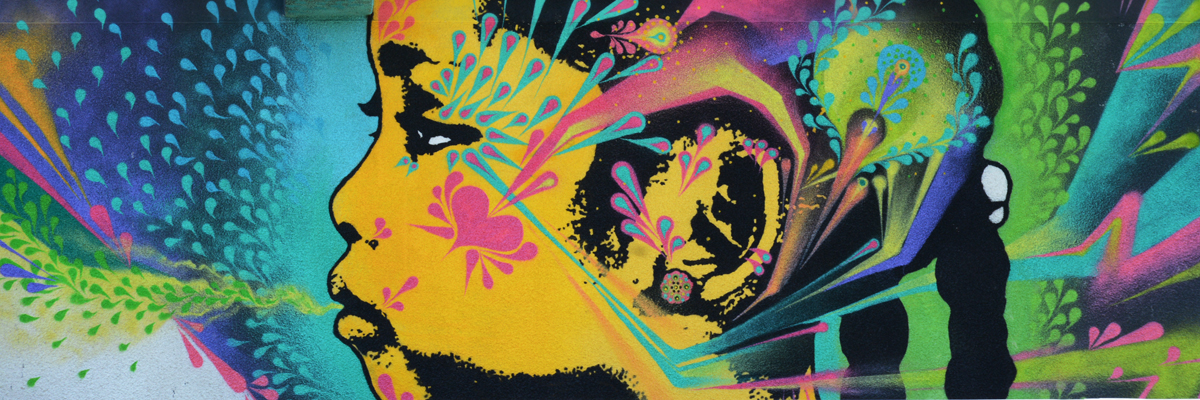
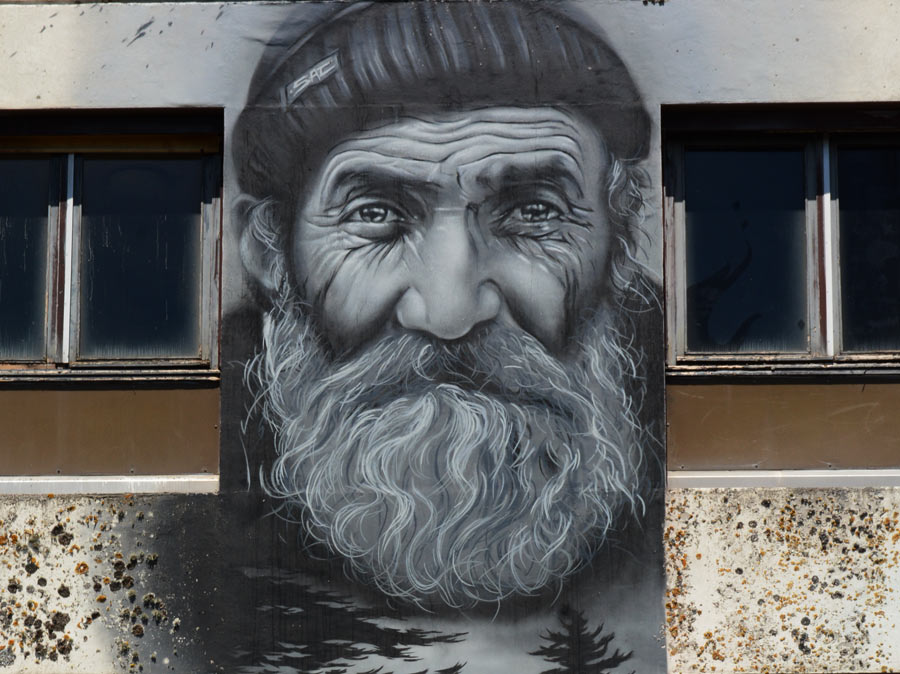
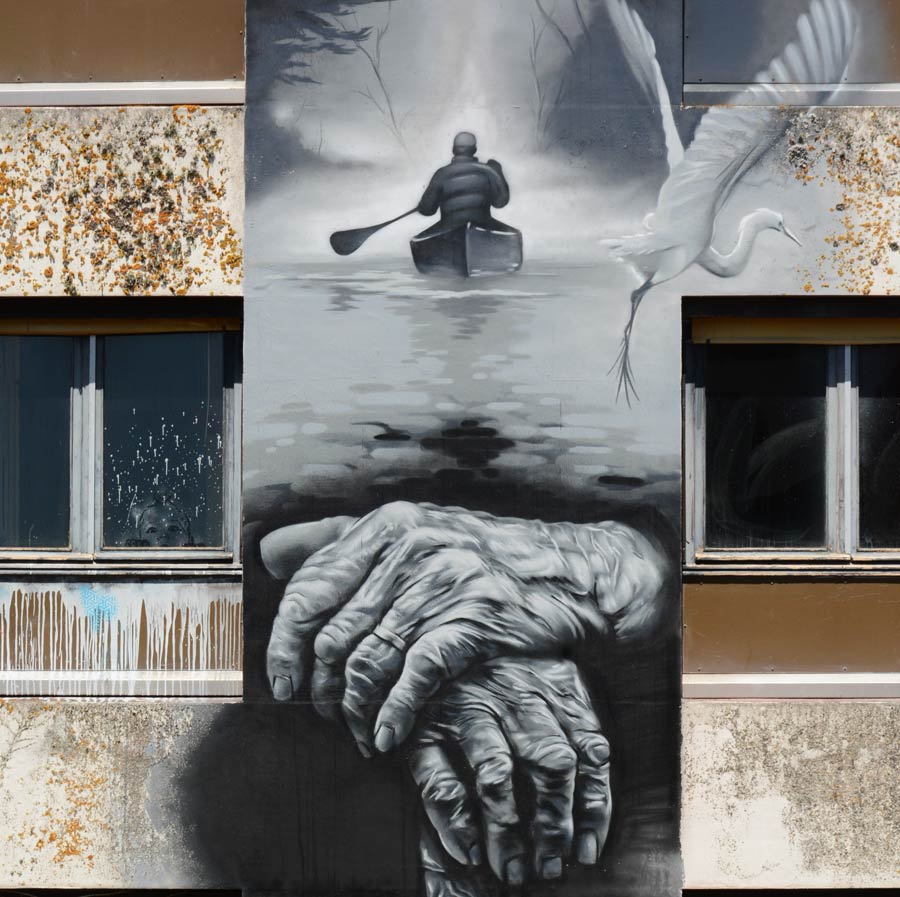
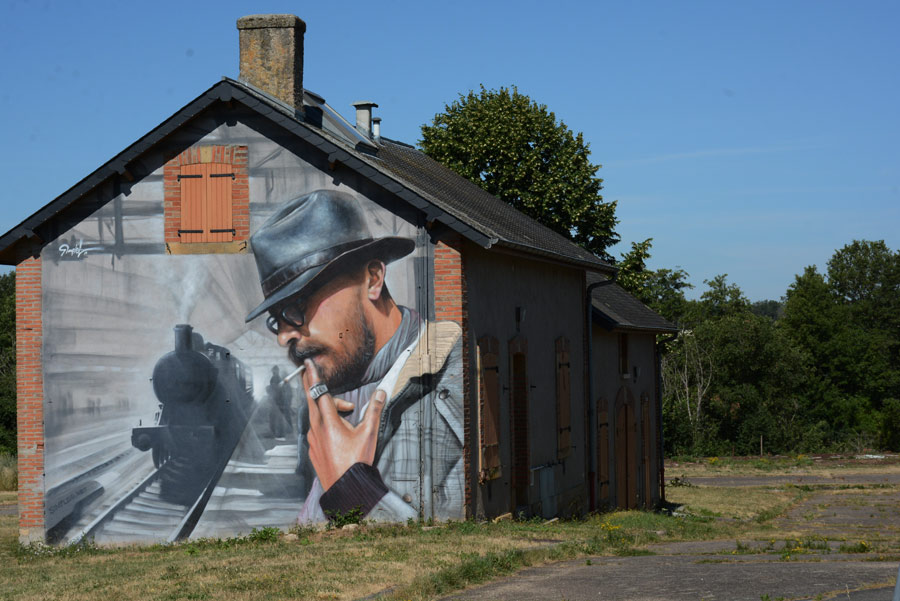
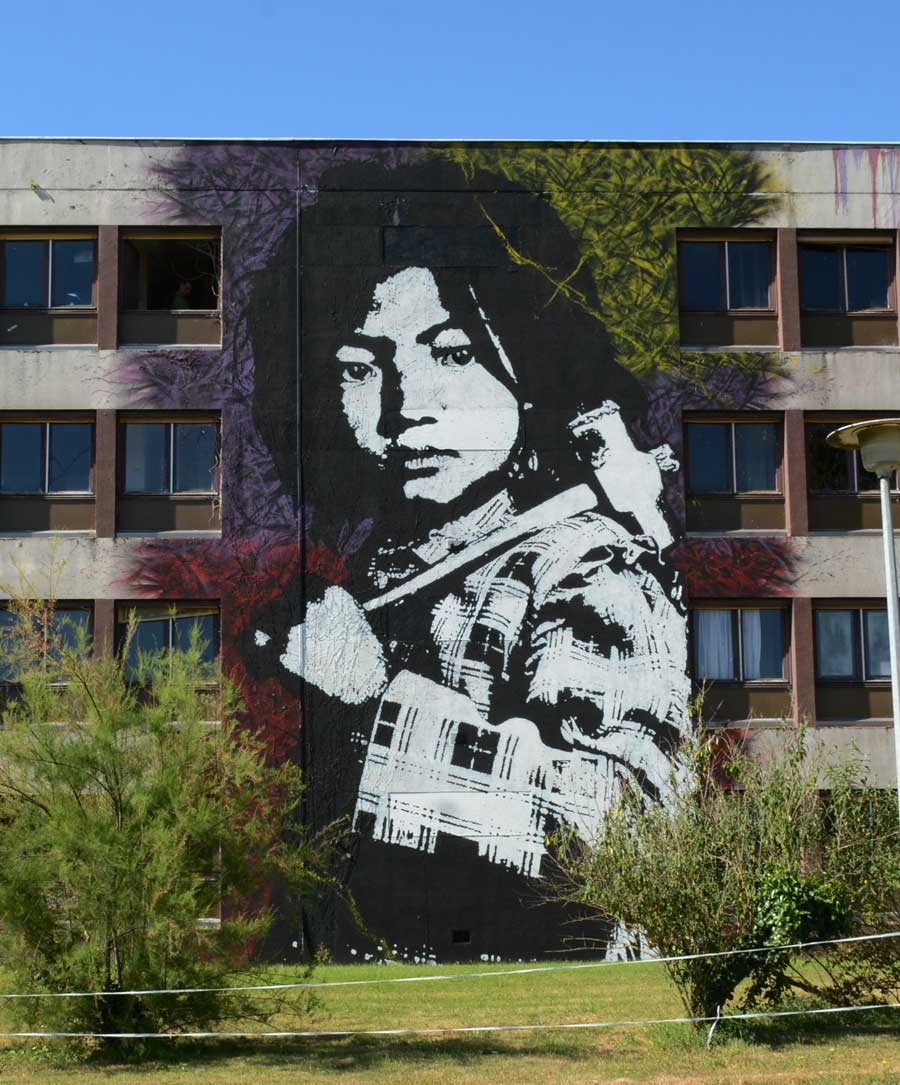
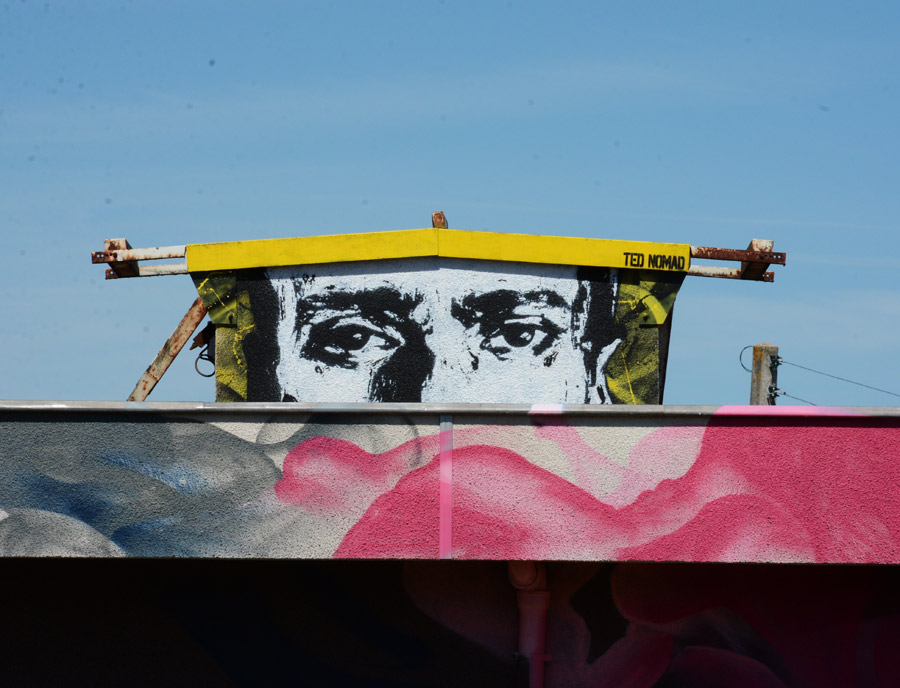
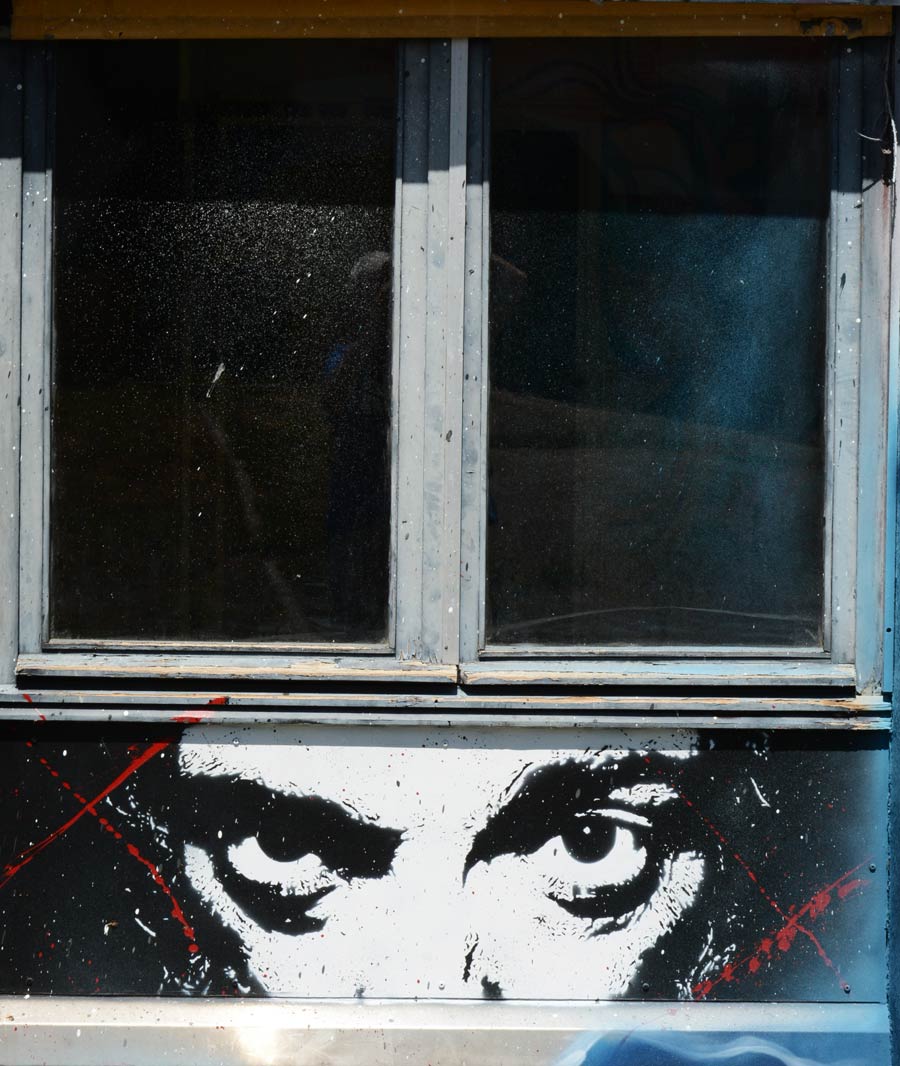
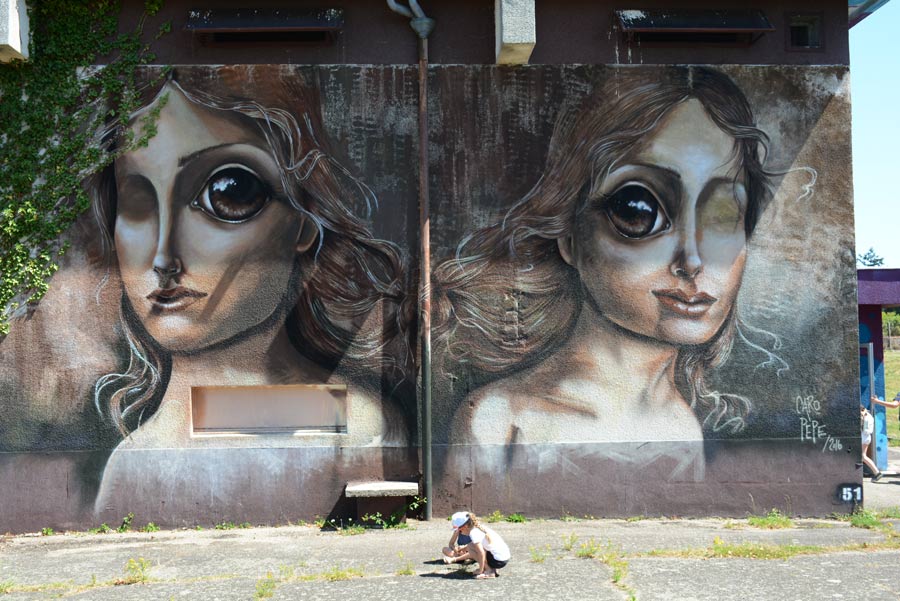
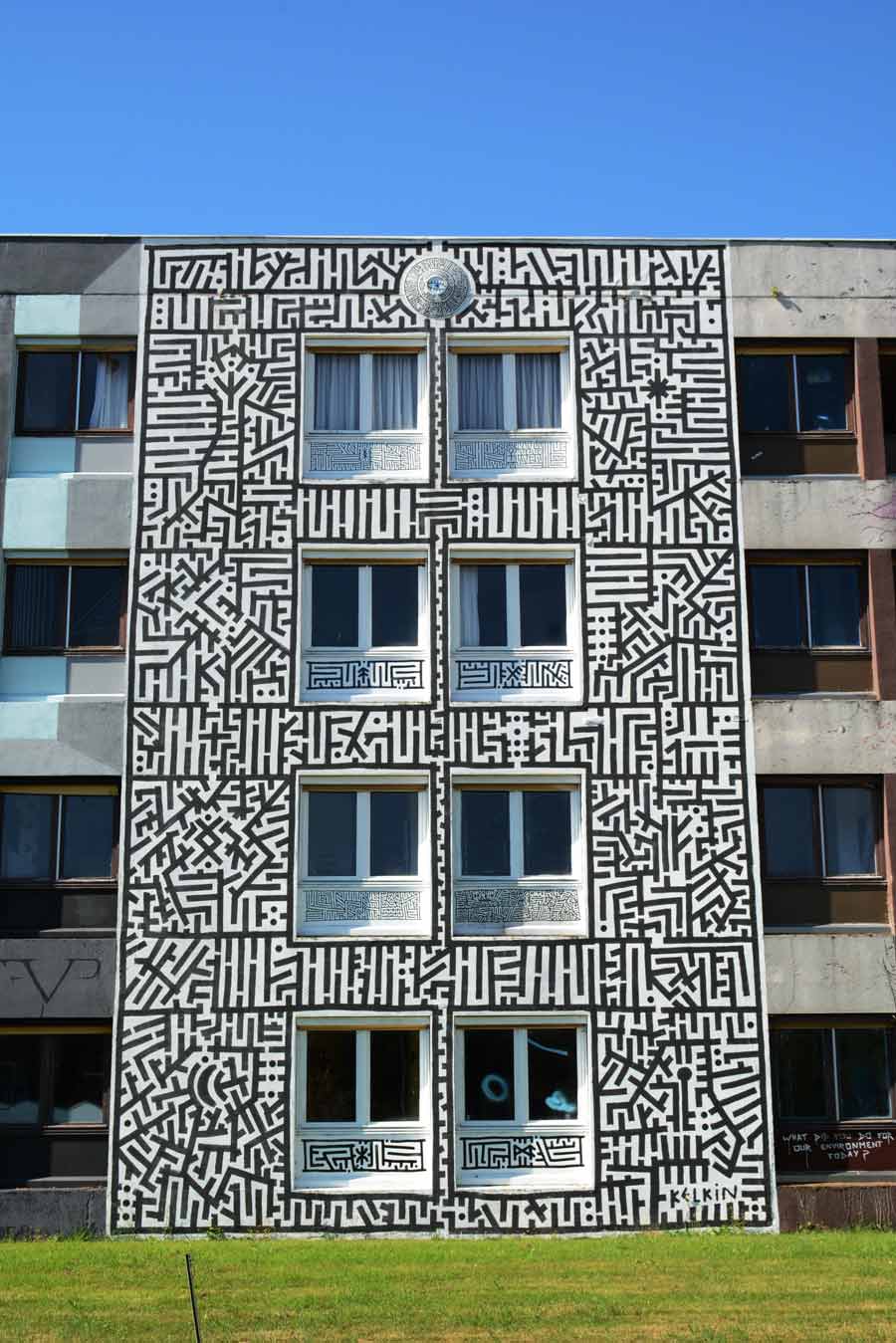
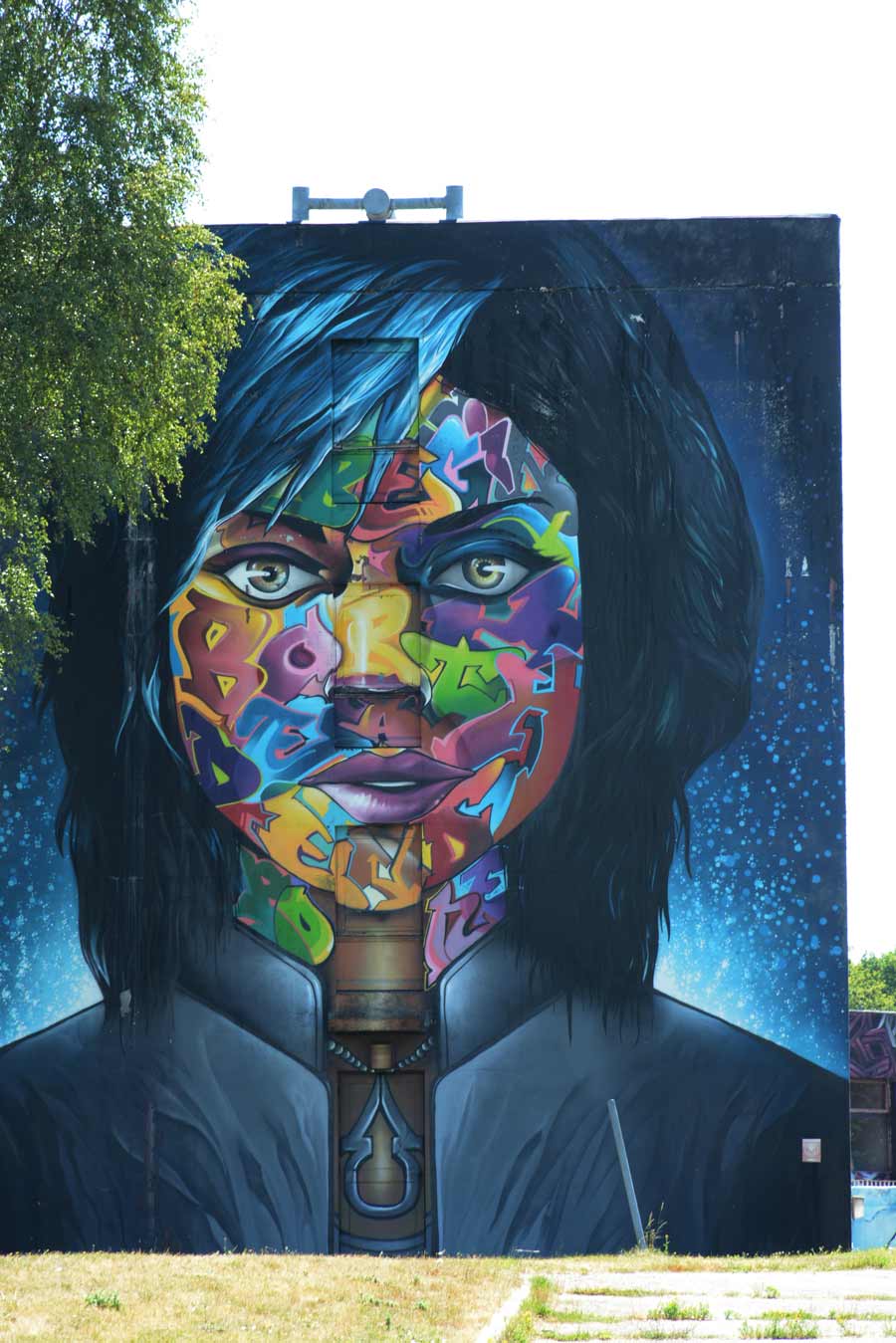
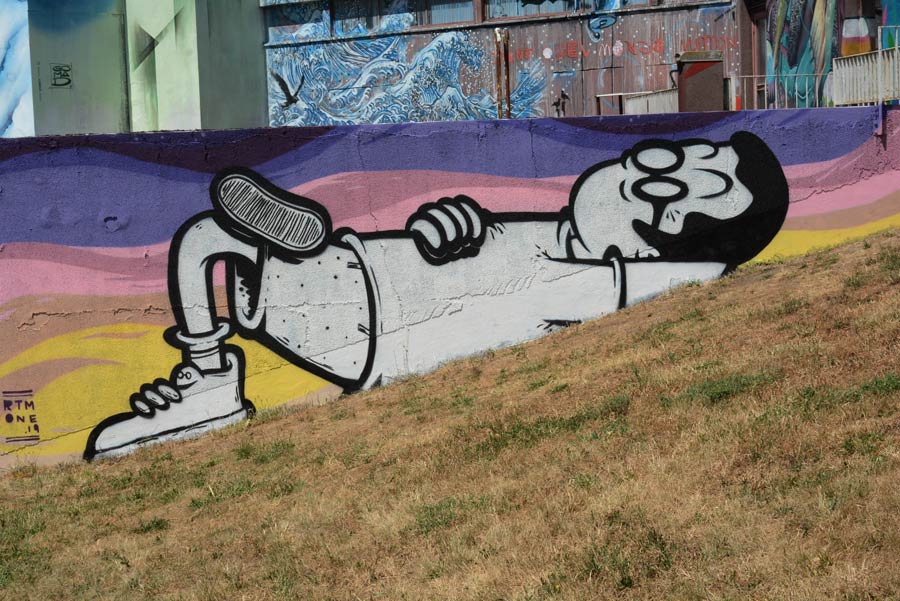
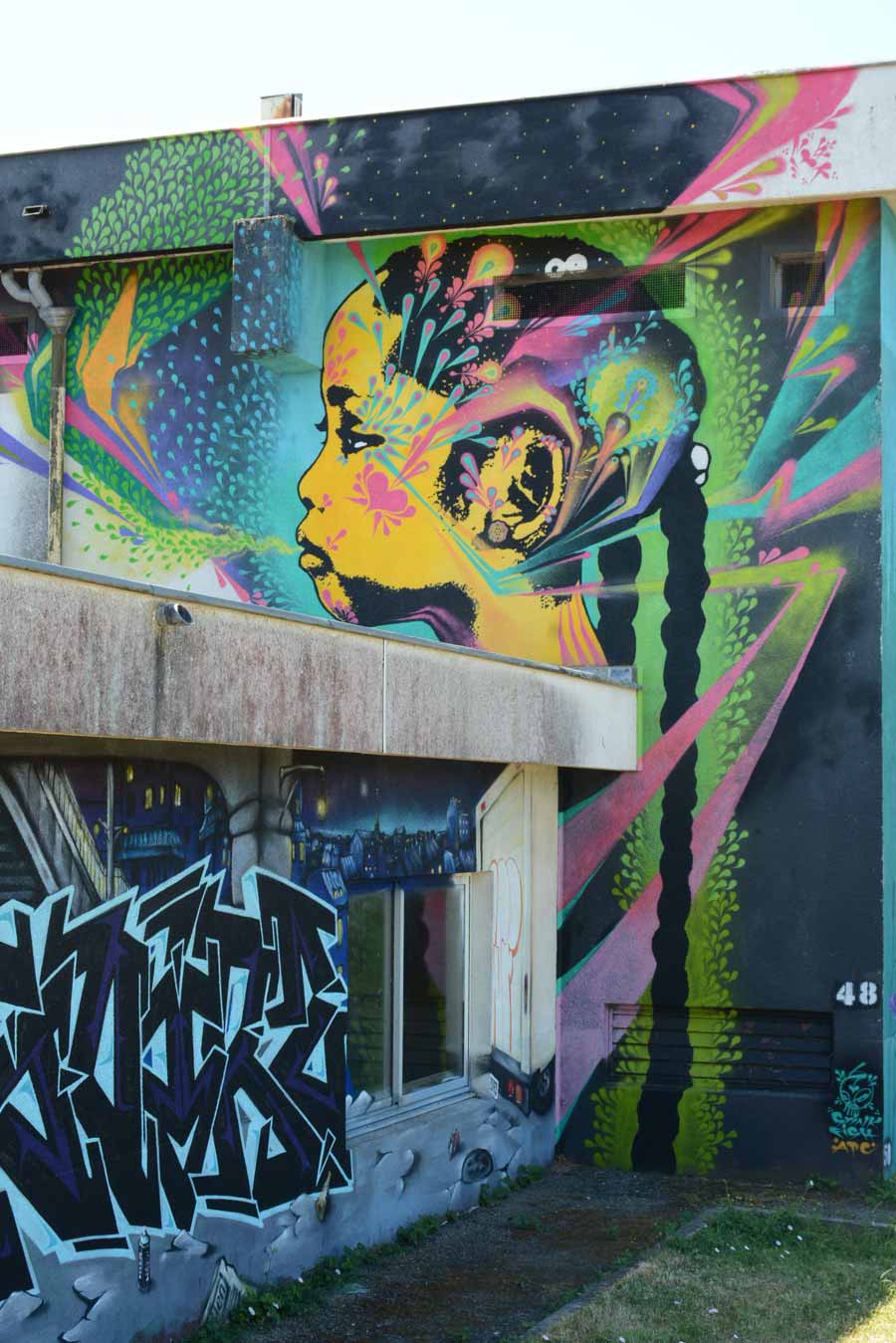
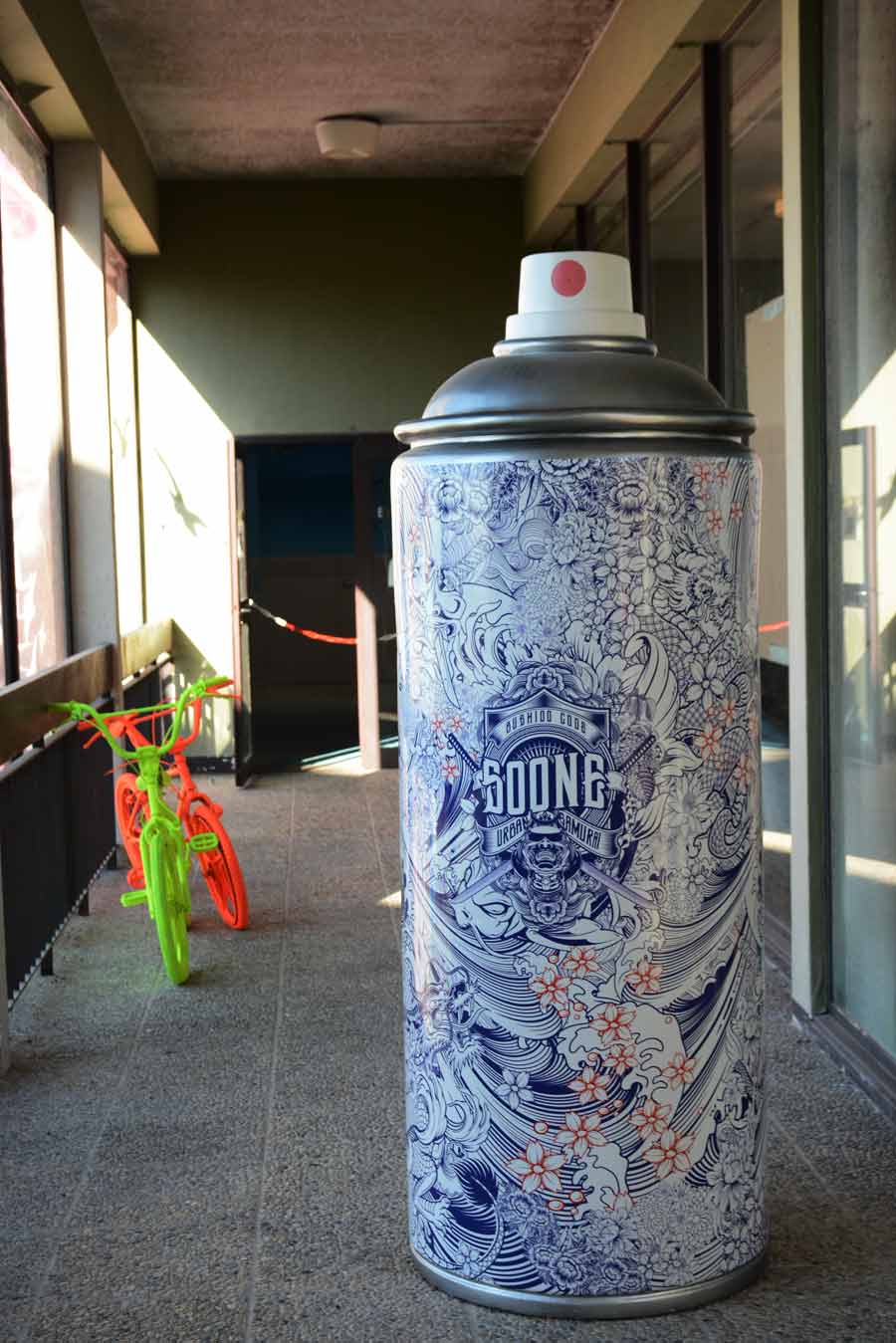
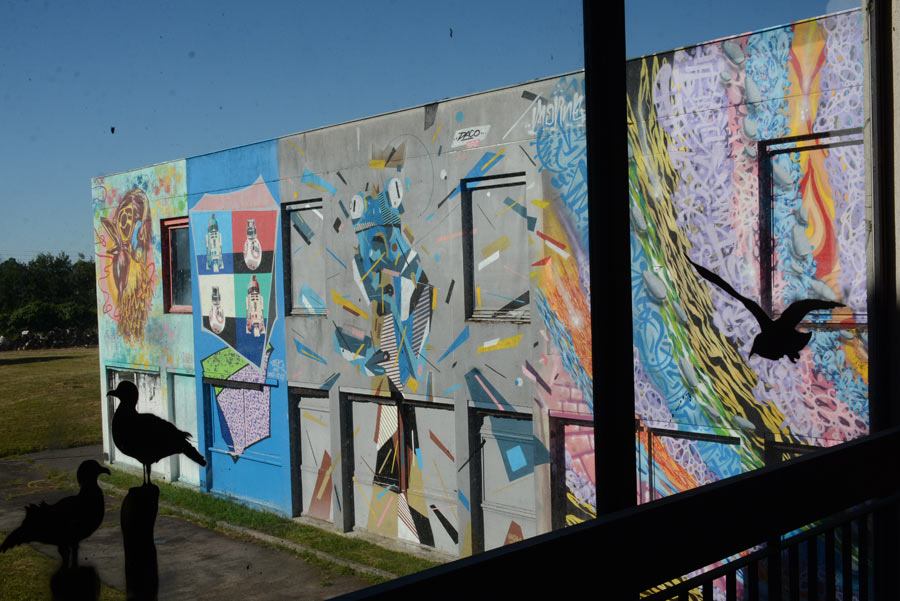
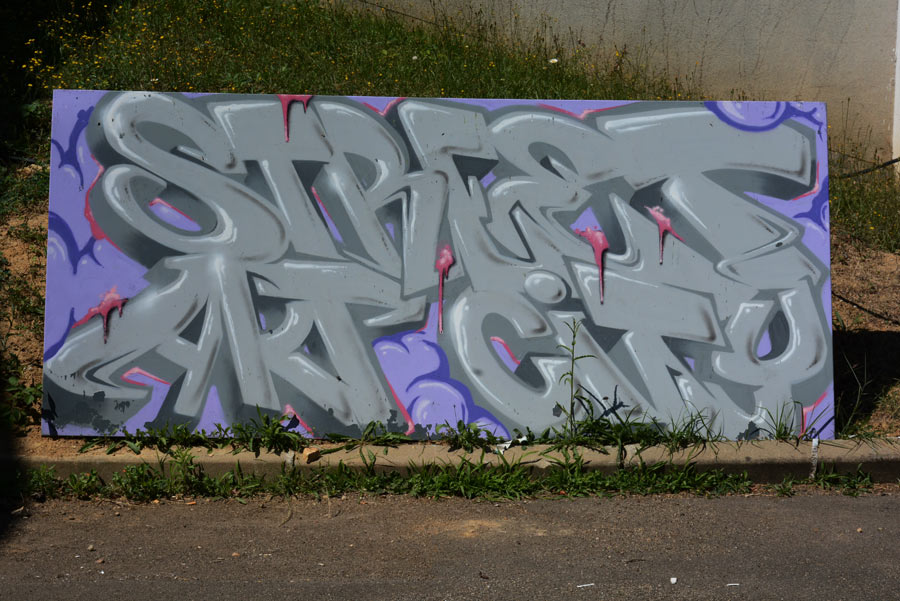
For a photographer of Street Art and murals, its possibly just as much entertainment – just ask BSA contributor, Lluis Olive Bulbena. On vacation with his wife and grandkids between Lyon and Clemont Ferrant (about 250 km south of Paris) he discovered a compound filled with new paintings on the commune of lurcy-Lévis. Informally known as Street Art City, the project is the brainchild of Gilles Iniesta and features hundreds of works on facades out in the open and others in hidden locations – including many who have made the pilgrimage to leave their marks on the walls or inside the dilapidated rooms of Hotel 128 (more about the hotel tomorrow). .Thanks to some good crops of visiting artists this summer, it looks like rural France has a good selection of painting styles to choose from this season.
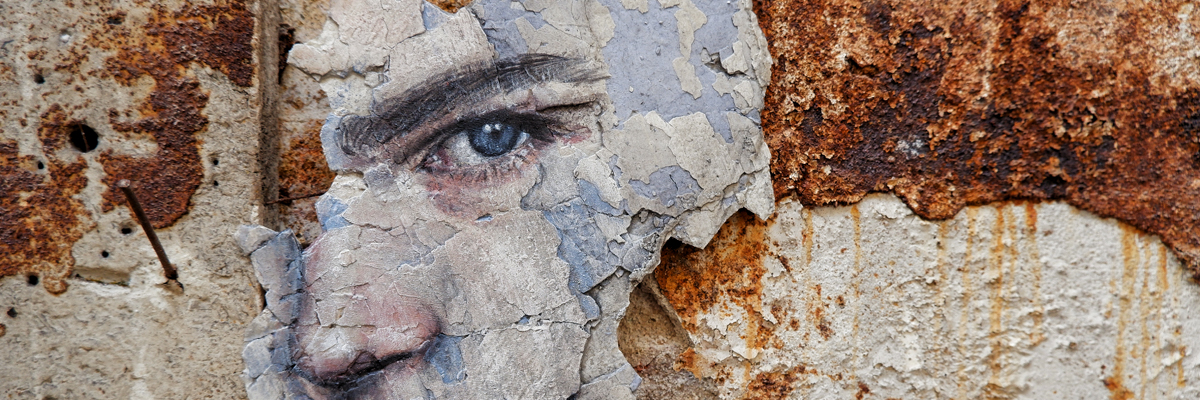
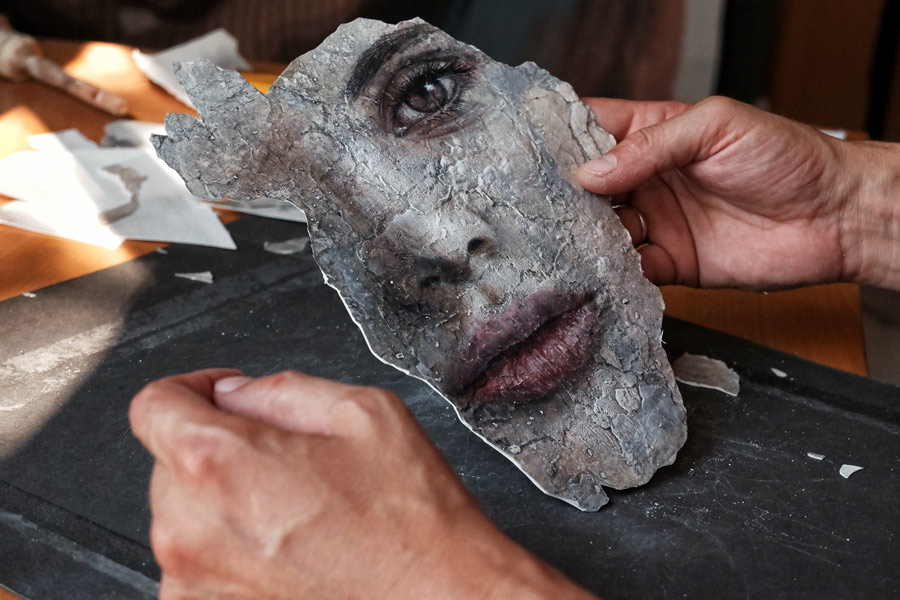
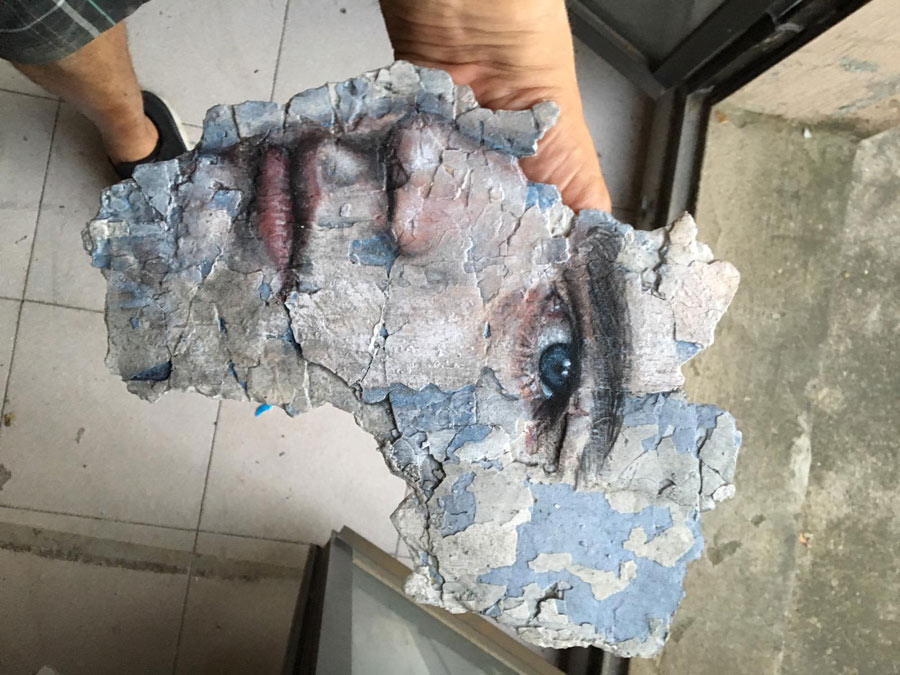
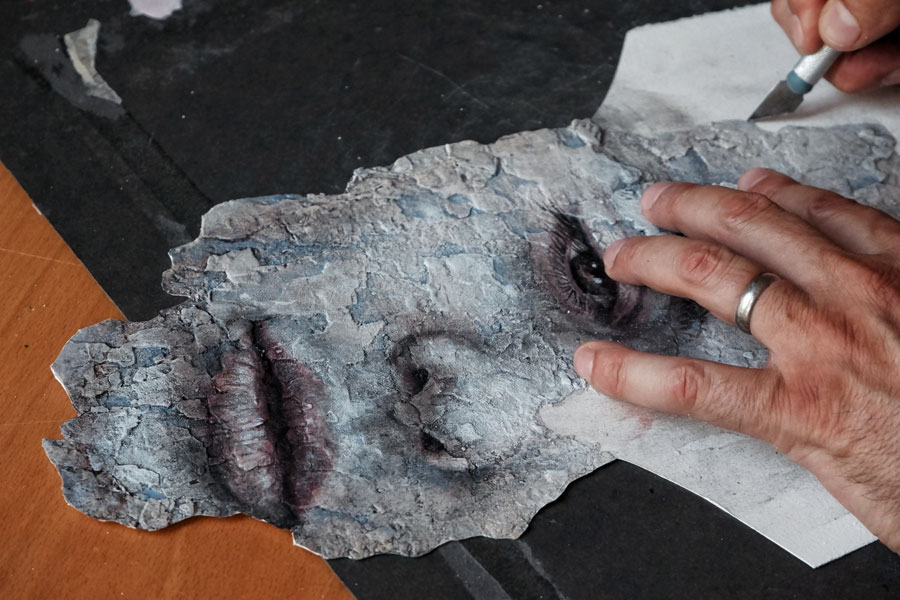
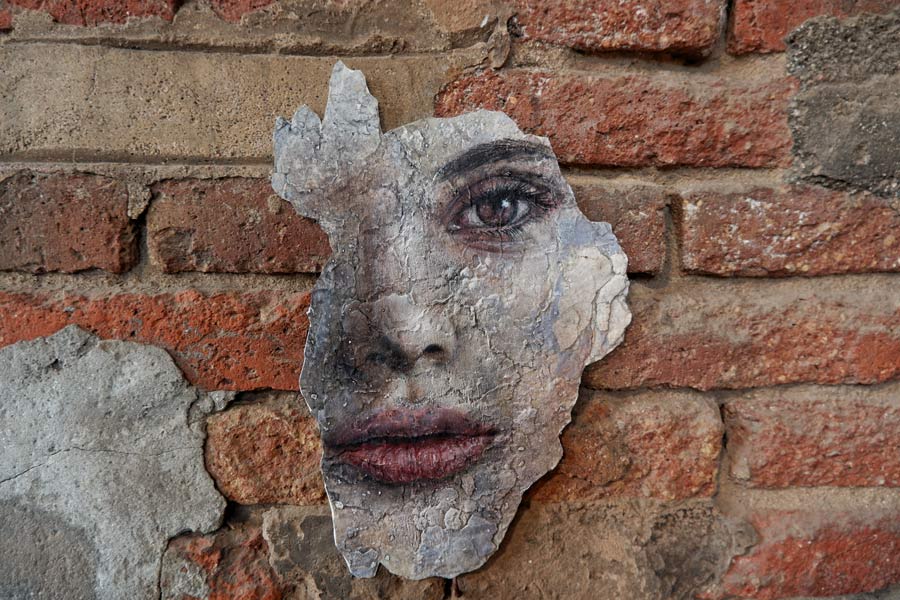
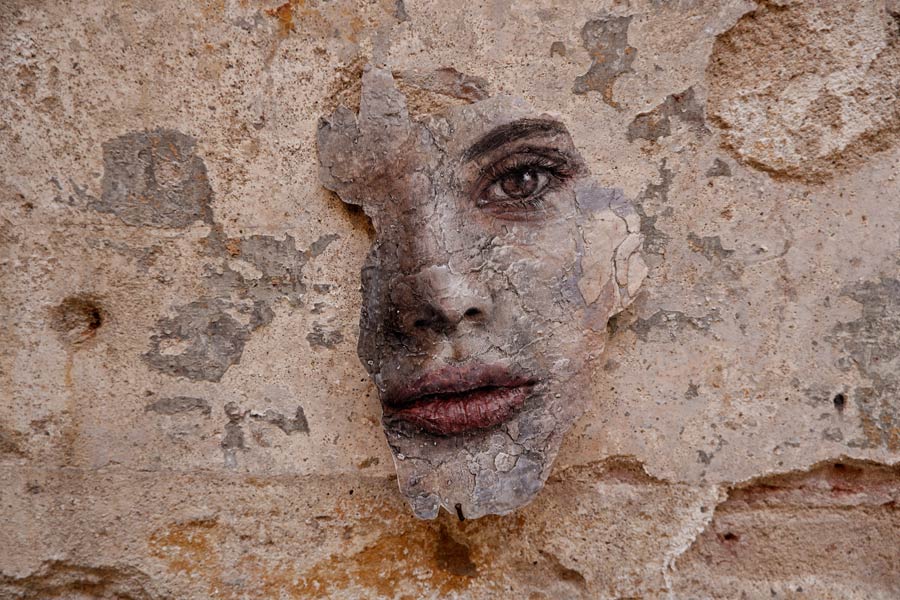
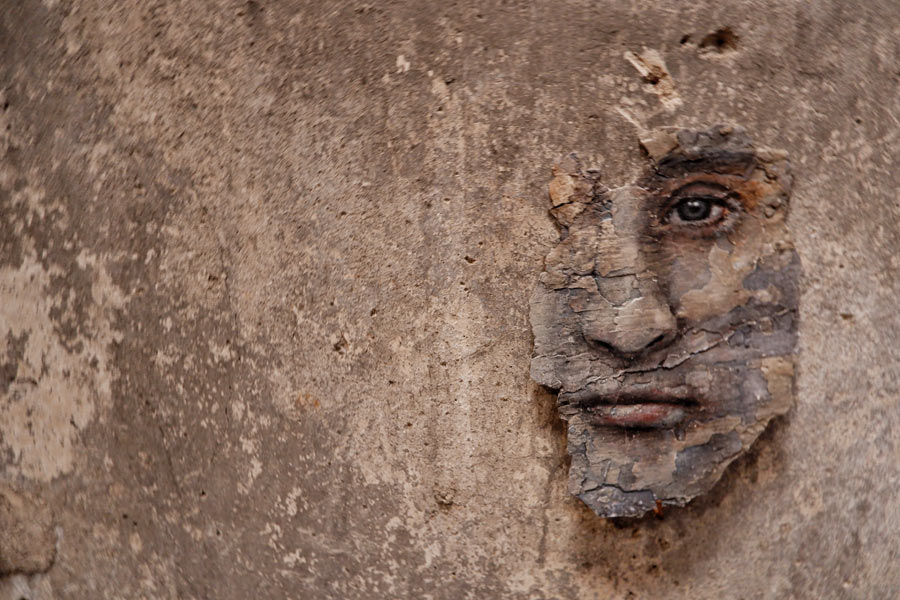
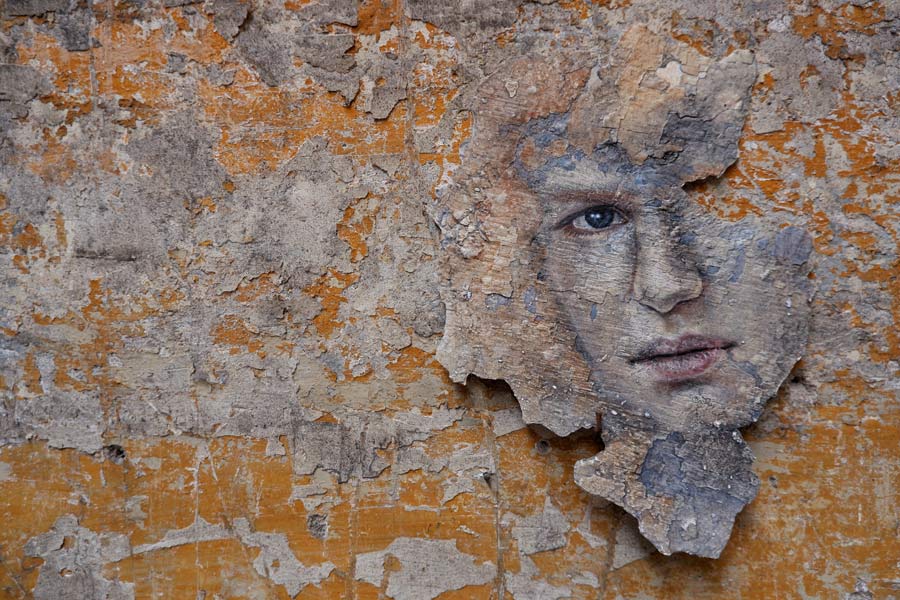
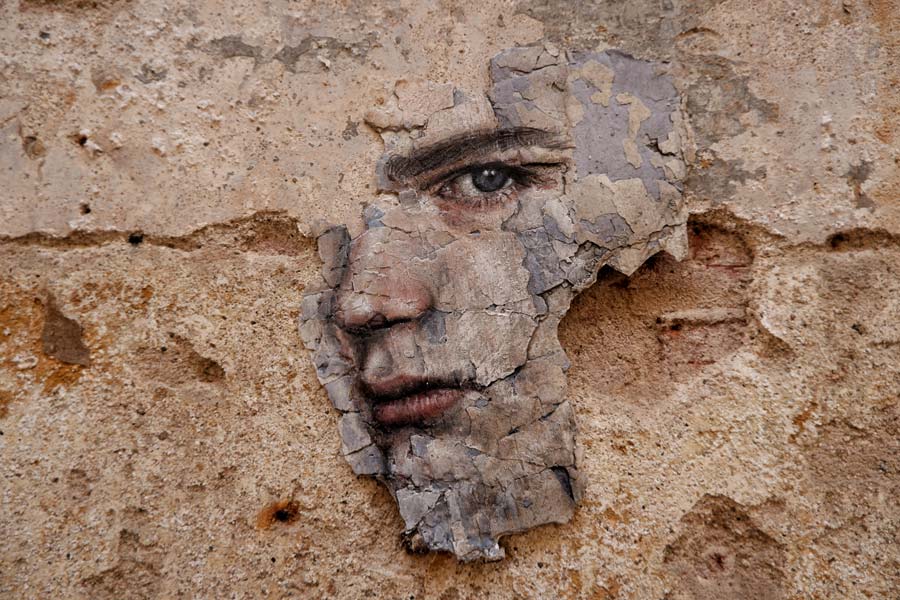
It is always interesting to go into the studio space of a Street Artist to see how their big public practice translates to their “fine art” commercial work. Here we have new works from a figurative painter and portrait maker Jorge Rodriguez-Gerada, who is preparing pieces for his upcoming “Fragments” series.
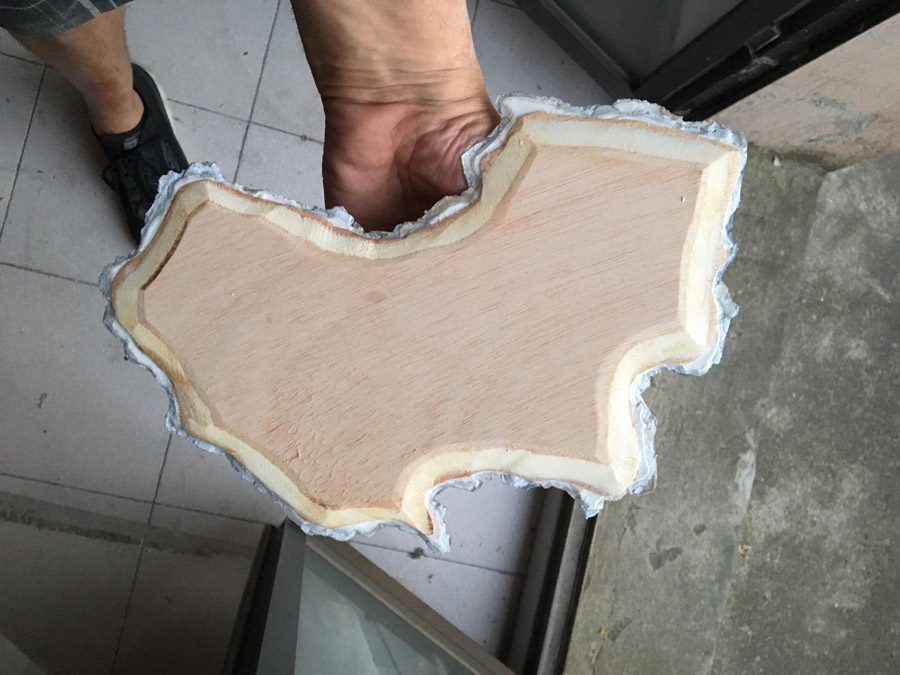
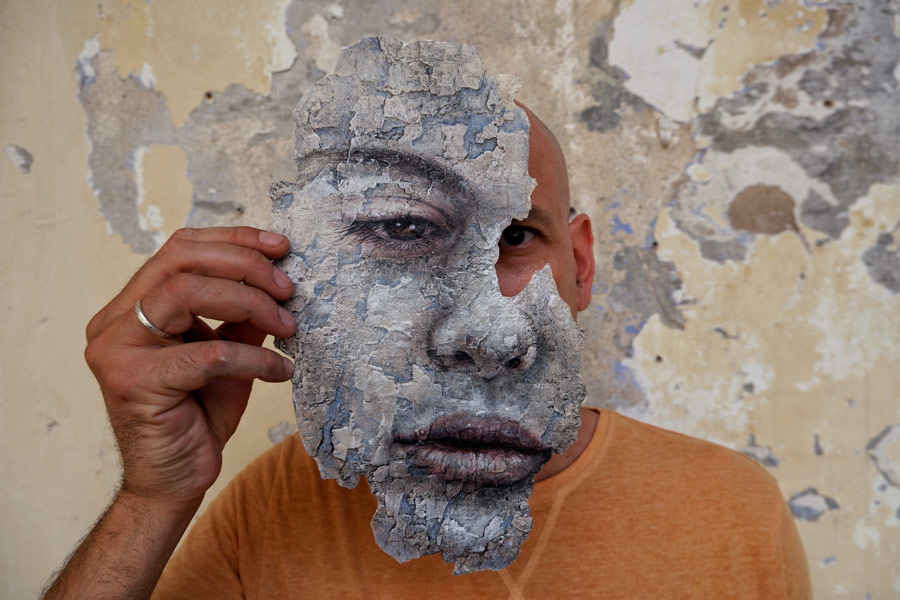
He says that the haunting and beckoning faces are painted upon textured surfaces that are at least 150 years old. How, exactly? “I have perfected a process that allows me to remove old interior wall paint surfaces from abandoned buildings to use as my canvases,” he says. The fragile cracked and flaking surfaces are stabilized and made whole so the new works can actually have an archival quality.
One
gazes at these beauties and considers the axiom, “beauty is only skin deep”,
meaning that a pleasing appearance is not a guide to character. Here,
Rodriguez-Gerada appears to adding character with old skin.
You
may think of them as architectural skin grafts newly preserved, or some form of
urban exfoliation. Seeing the process at play, you may also be reminded of
Italian preservationists “skinning” the first few centimeters of a façade to
remove a BLU piece in Bologna – later hung in a museum.
“While most walls surfaces touched by a restoration technique have some kind of tangible historic importance – frescos or murals, for example,” he says.
“I am giving importance to these commonplace textures for the intangible memory that they possess and the passage of time that they portray.” These fragments of memory and time are now merged with new spirit, enabling them to travel further into the future.
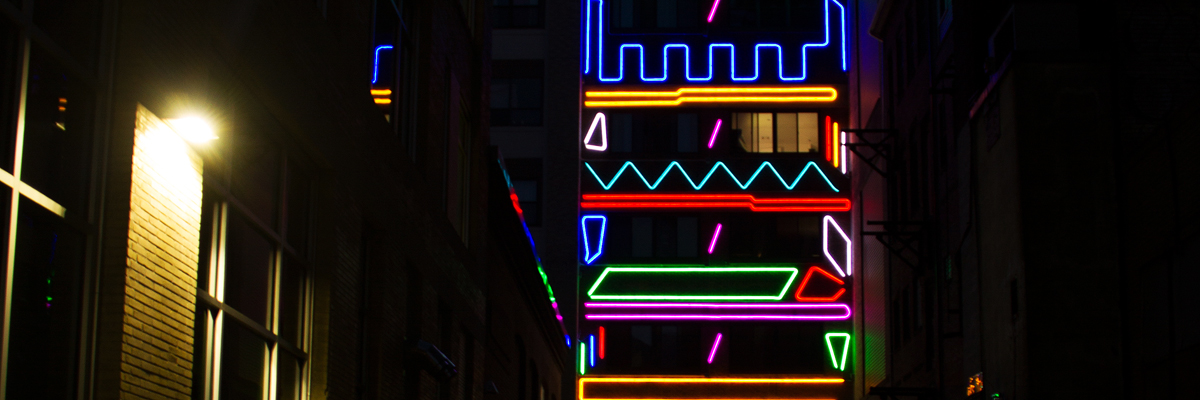
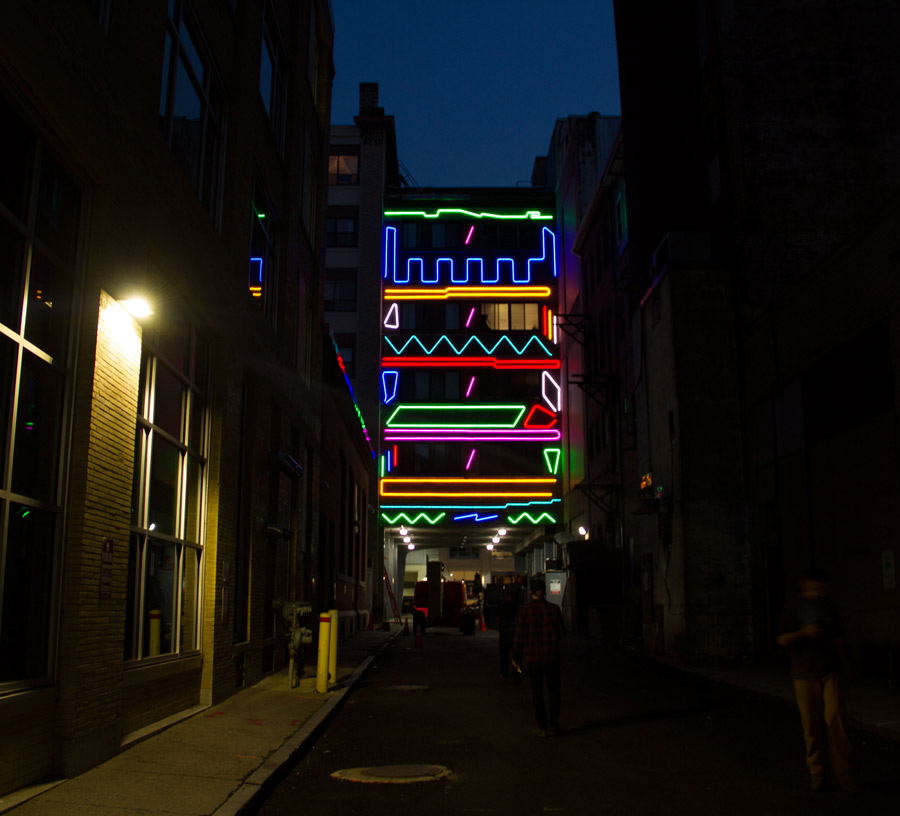
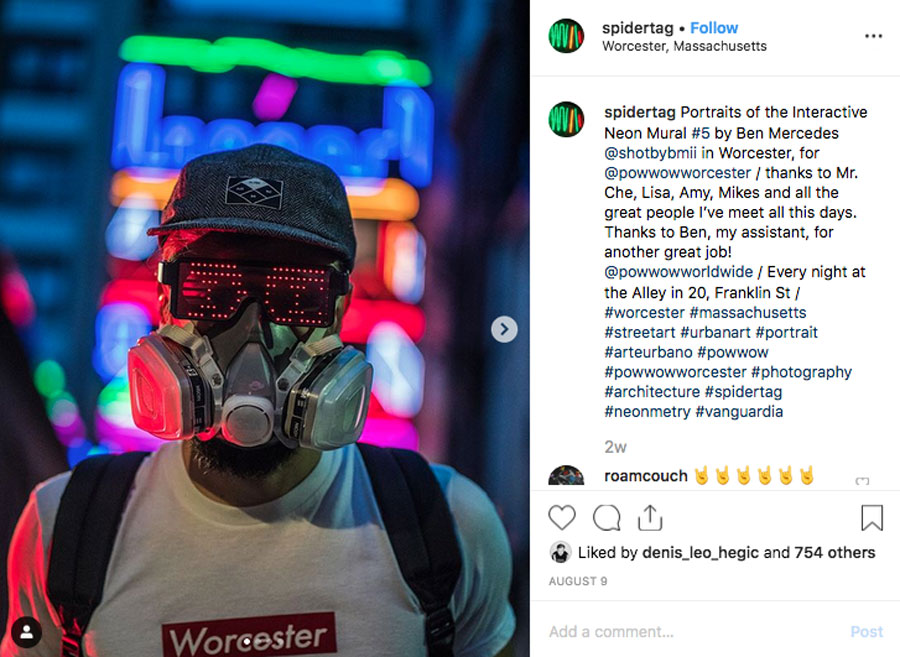
Spanish Street Artist Spider Tag continues to expand his medium far beyond the first string and nail sculptures that we first began giving his art exposure about a decade ago. Now it’s electrified, interactive, and controlled by remote!
Participating in the commercial franchise mural festival Pow!Wow! in cooperation with Worcester Business Development Corporation, the Federal Square Condo Association, and others this eye candy for the Massachussetts town will definitely be appreciated at night.
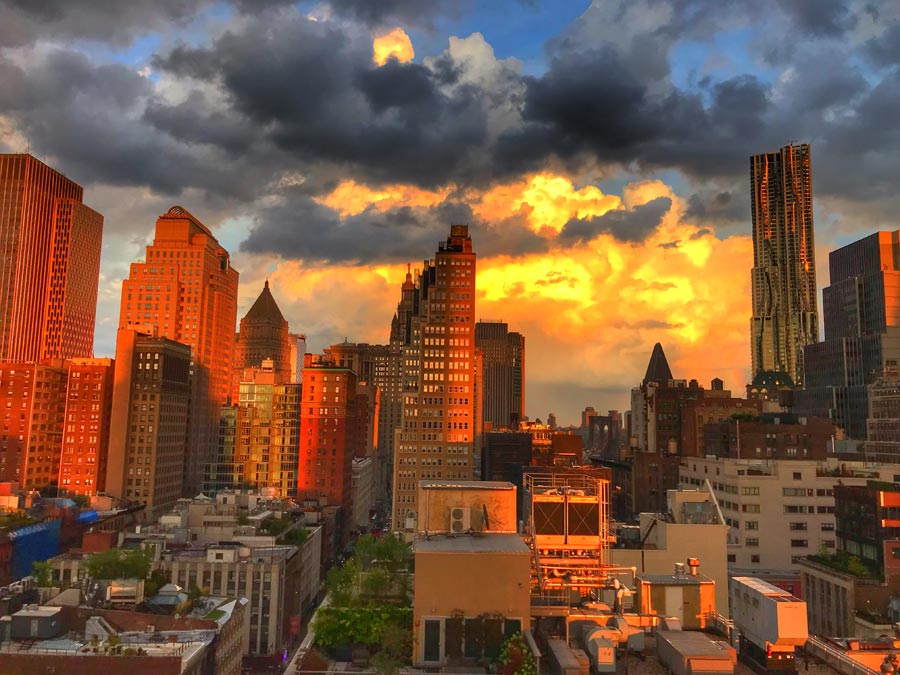
Thankfully, NYC is still gorgeous and hot and steamy and sticky this week – and so is a lot of the Street Art.
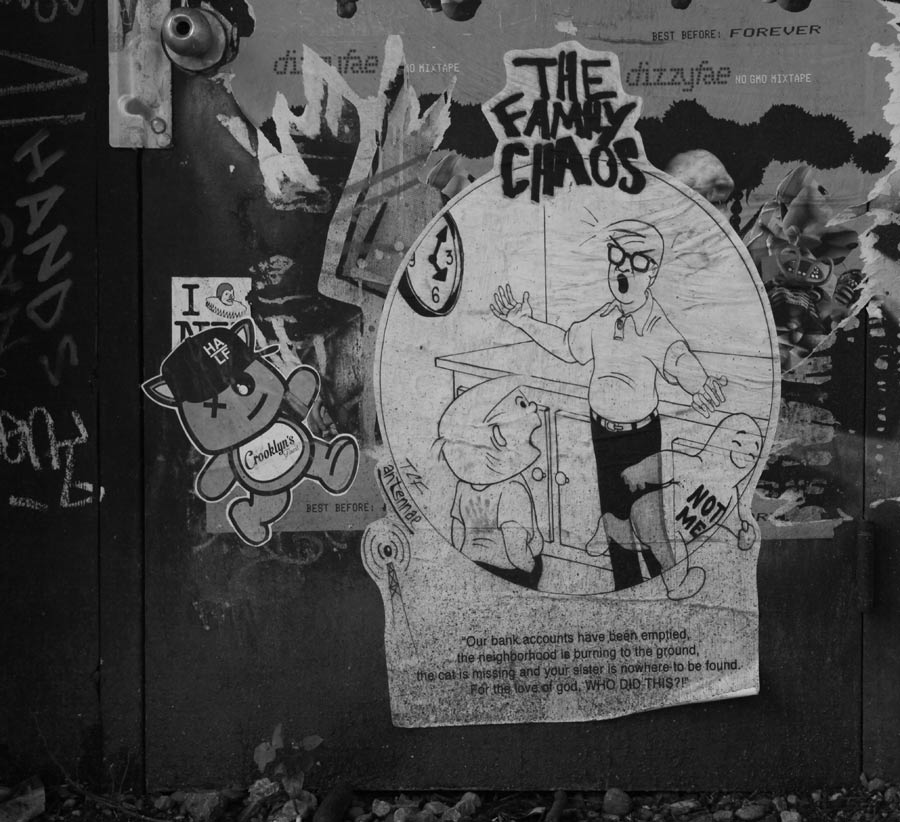
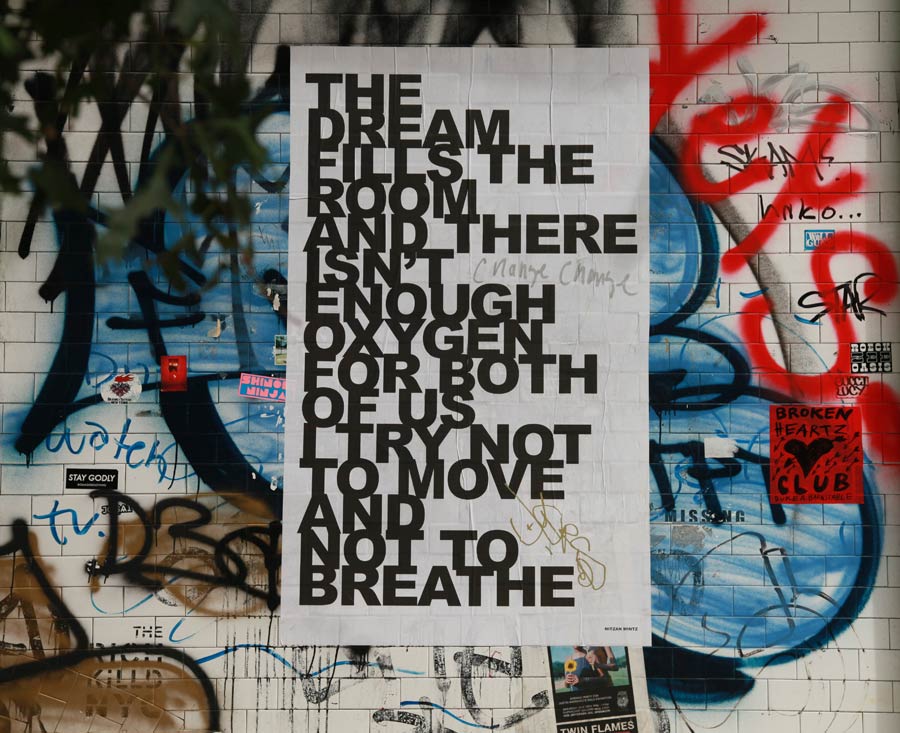
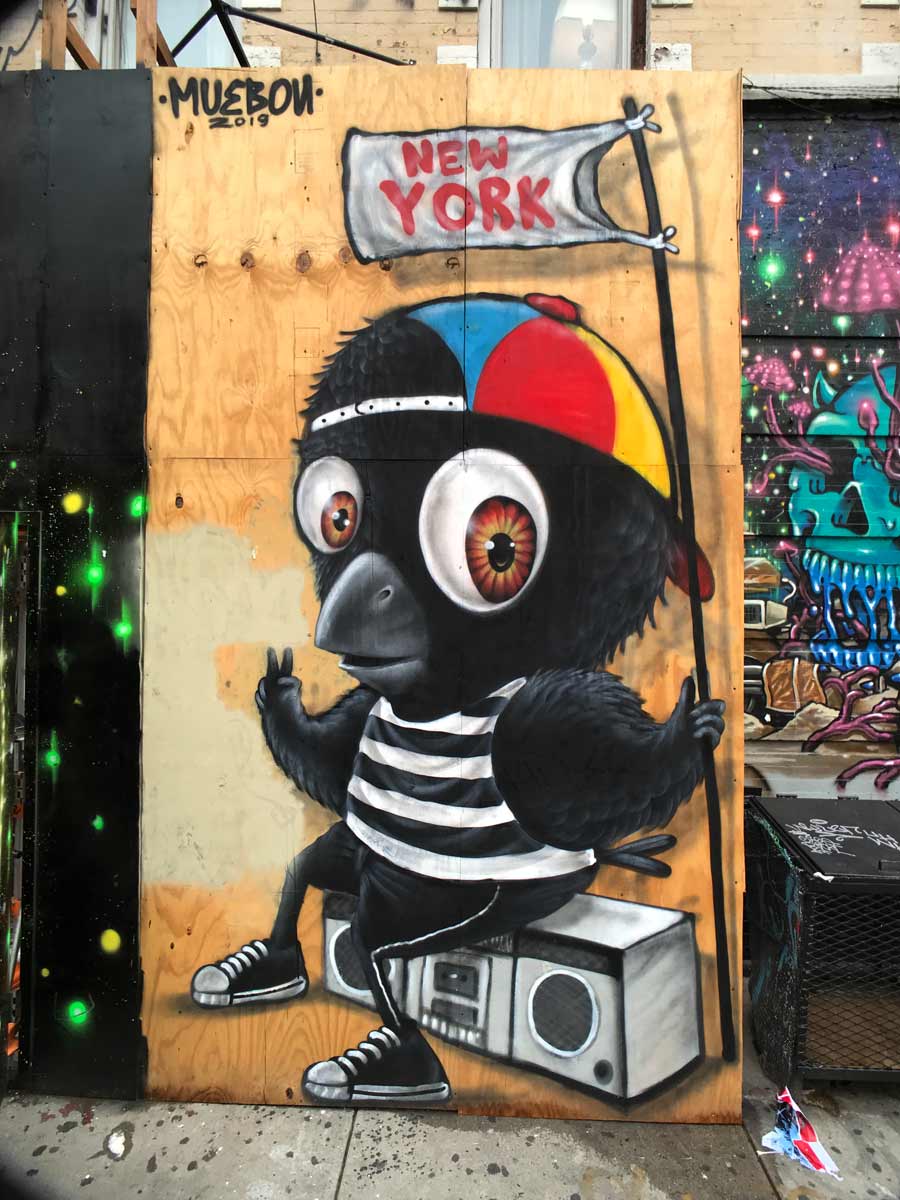
Here’s our weekly interview with the street, this time featuring Adrian Wilson, Antennae, ASVP, Dee Dee, Giulio Vesprini, Jazz Guetta, Kyro, Maria Qamar, Muebon, NDA, Never Satisfied, Nevs, Nitzan Mintz, OverUnder, Sonny Sundancer, Subway Doodle, UFO 907, and Vexx
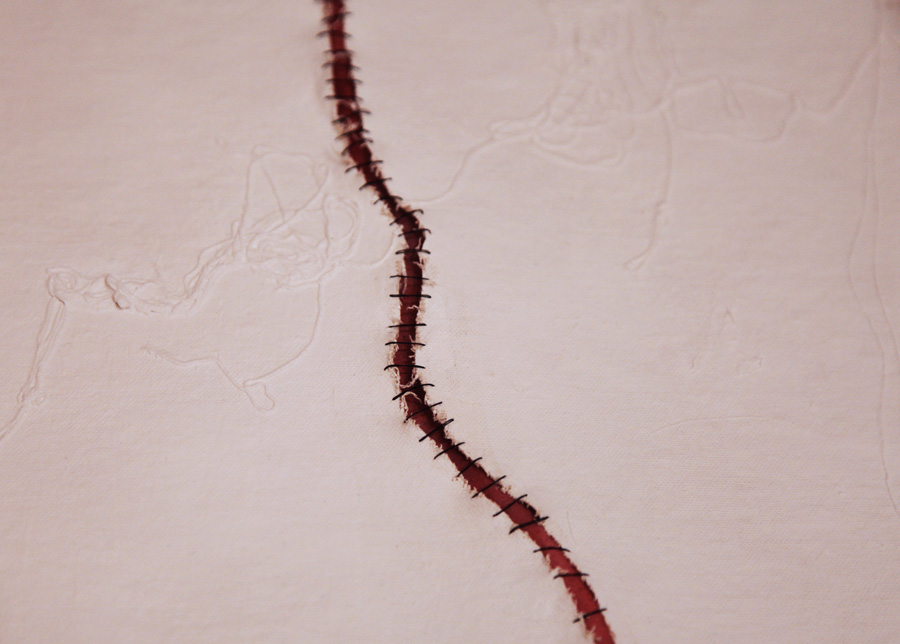
“What
I will be doing is eventually finding scars that resemble the shapes of borders
and creating a re-imagined map of The Israeli/Palestinian region and it
includes its participants – the only criterion is that they need to be people
who are living in the region.”
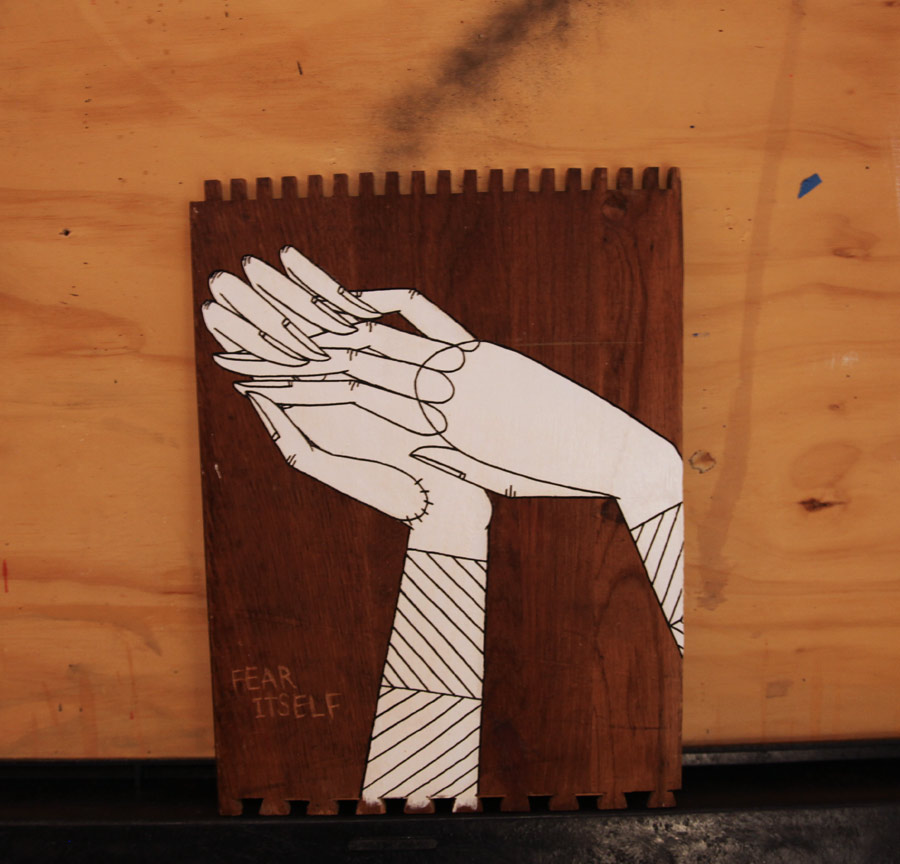
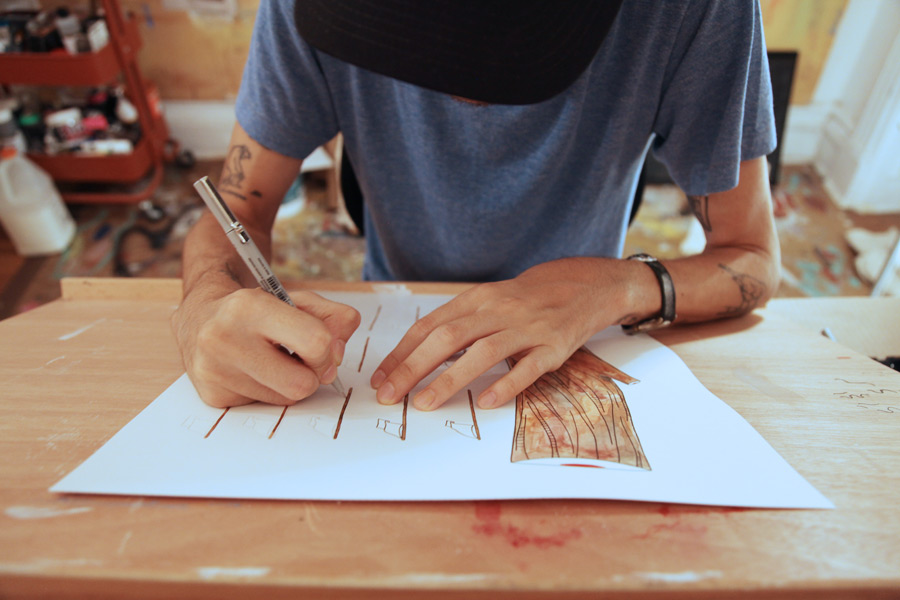
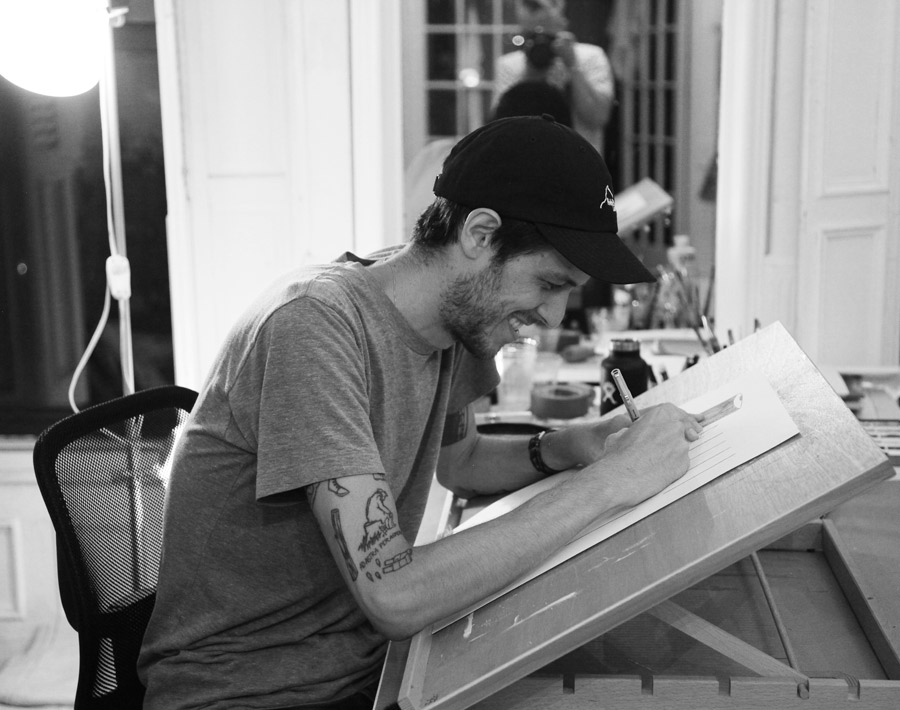
An Israeli Street Artist with an appreciable international collectors record for his illustrative metaphors of brokenness and healing, the artist is embarking on perhaps his most significant new body of work – and not surprisingly it is about the body, and the body politic that is intimately familiar with pain.
“It’s
a project called “A Human Atlas” which focuses on the
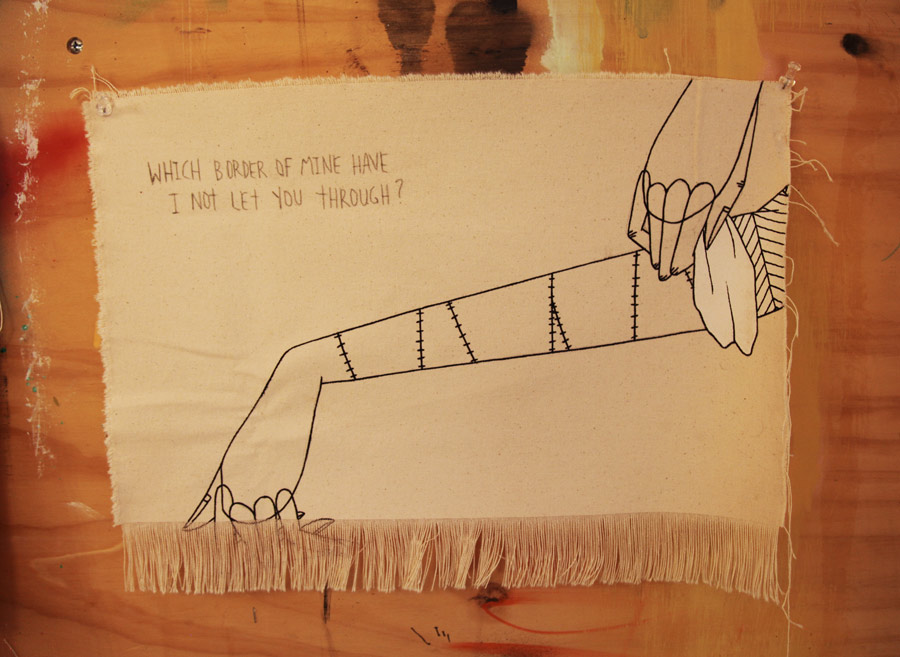
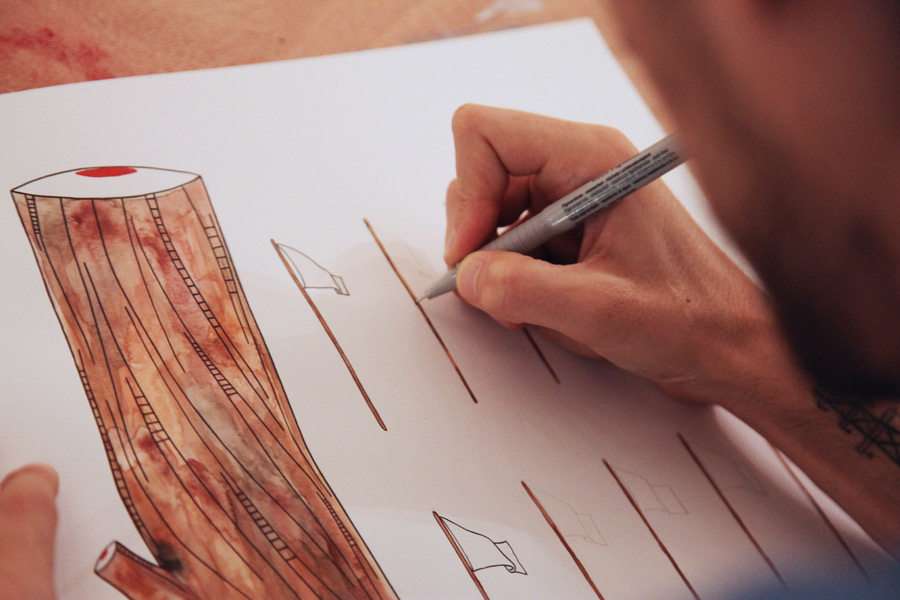
analogy between human scars and national borders,” he says as he illustrates on
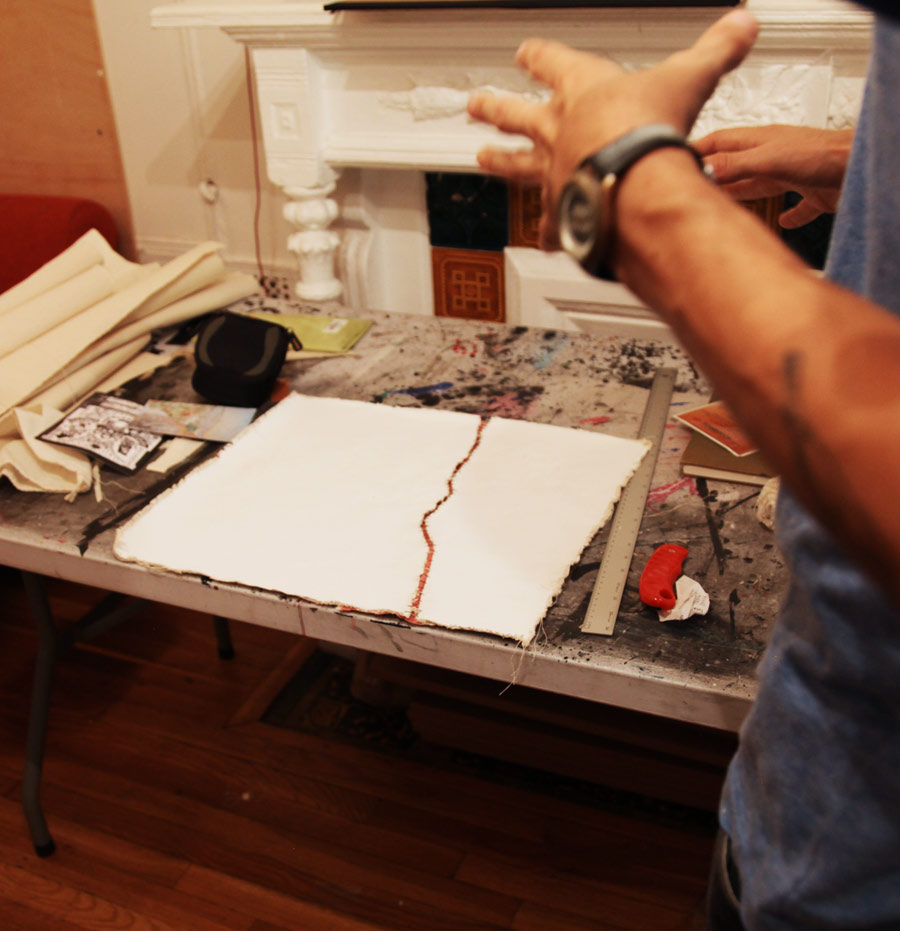
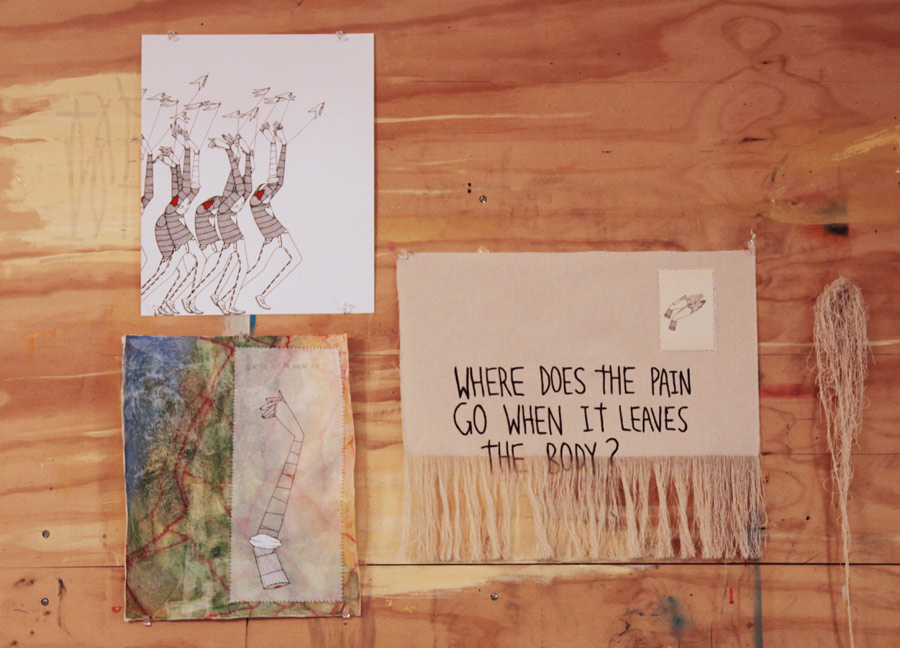
a tilted wooden desktop and signals toward the small works pinned to the wall.
“So I have been collecting and documenting testimonials about scars and people
sharing the stories behind them; with different anecdotes and personal
reflections on them.”
Here in Brooklyn, one is far away from the Israeli/Palestinian rupture, yet often cheek-to-jowl with it. One owns the deli on the corner, the hat store across the street is owned by the other. In a city where 800 languages are spoken, the strife between just two factions is mollified inside a world collection of cultures and the daily roar of all these voices.
The sensitivity necessary to become an artist can be both a blessing and a curse, and often you can see it personified. A man of letters, his work on brick street walls and billboards has often been literary, if necessary, reflexively cryptic – coming from a part of the world so gripped by a continuous war that the air itself can feel thick with hostility. Intentionally or not, the wounds and the scars are always on display.
With the air conditioner rumbling as a low thunder around your conversation in this BedStuy brownstone, he tells you how the project is materializing as he studies the scars of others, perhaps comparing them to his own.
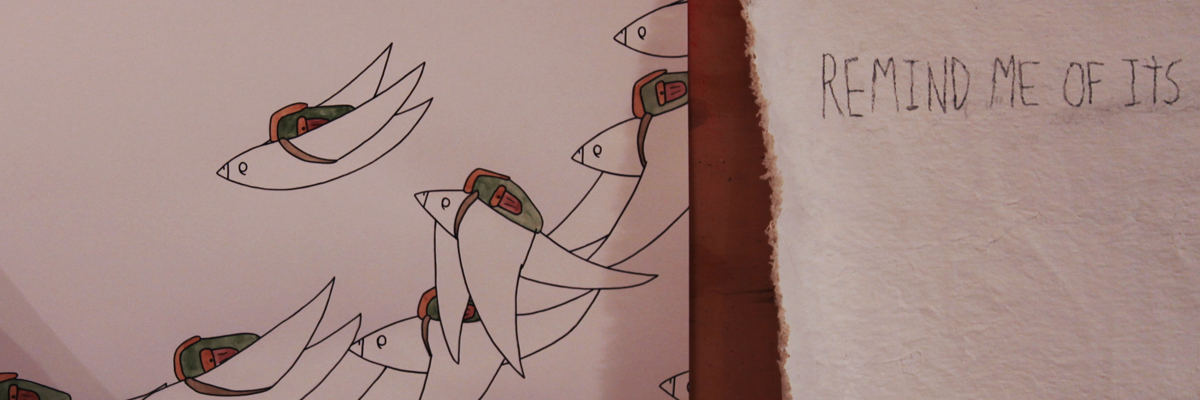
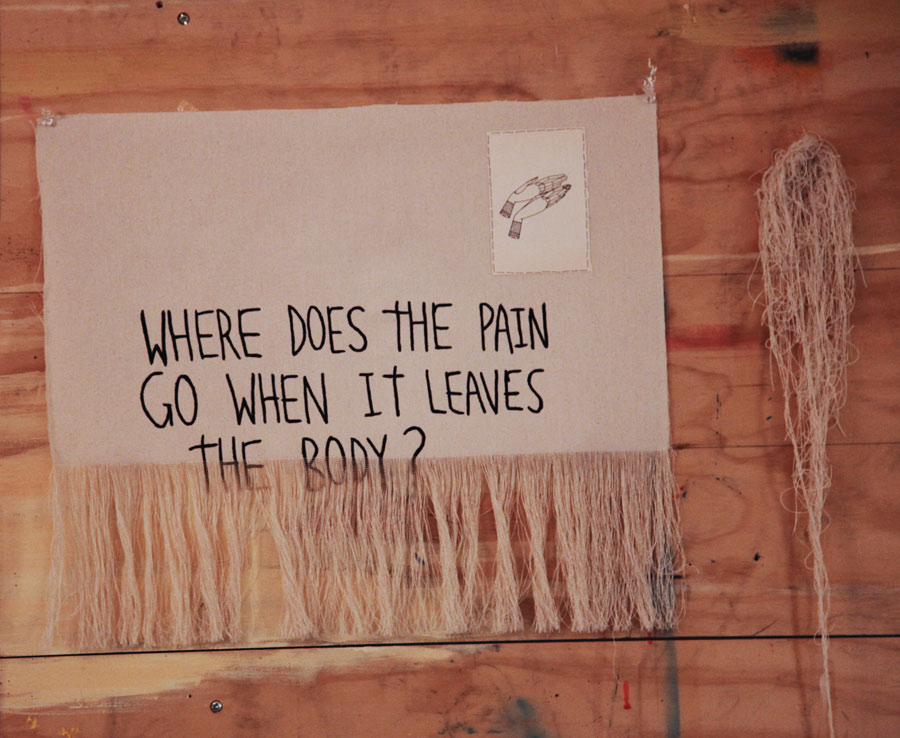
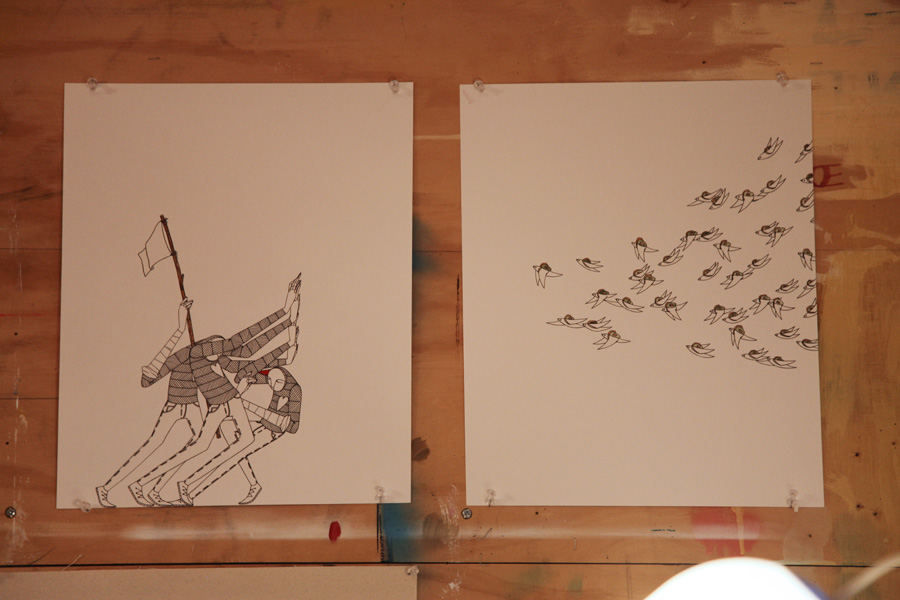
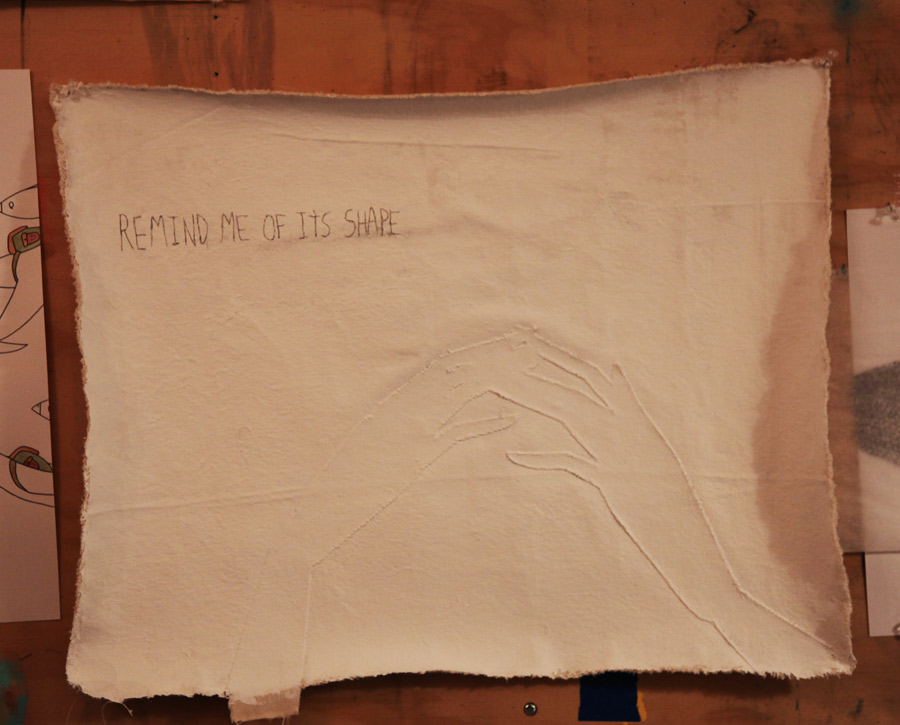
“I’ve been documenting and photographing the scars of people and collecting the stories. I still haven’t gotten around to figuring out how the artworks will actually be…” There are raised reliefs and pencil sketches floating beneath the text on the wall here at the BedStuy Residency. There are the tight and precise monochromatic illustrations using his now-familiar nomenclature of severed limbs, bodies contorted in a singular dance, white flags and doves and non-sequitorial glimpses of prose.
“I
made a conscious decision not to decide on what I wanted the project to be. I
just started by meeting people, which is still going on,” he says as he
describes the organic process that he is taking, letting the end game reveal
itself to him.
“With time I realize that it needs to be a book,” he says. “The information that is usually written in an atlas will be comprised
of the stories that they share. And there will be maps and different mediums.”
It occurs to you that just as Street Art is an external expression that reflects the psychological, emotional state of the society back to itself, the mapping of cities is a tour of our common internalities. Know Hope appears to be looking for a physical way to trace the ruptures in his region with a desire that in the process, he can bring common healing. But first, he is studying the topography of the region and the nature of the wounds.
BSA: Before you told me about this project, minutes ago, I was talking to you about how you have arranged the furniture and your art materials in this residency space and how this place was conceivably tracing a map inside your head and consciously or not you have arranged things because they matched the map. You were saying that you moved the table in a certain direction and distance because it “felt better”. You can’t quantify it. So when I think about the scars in the maps – scars or something that we want to be healed and maybe the process of tracing them – it’s like you are saying if that person could walk along that fissure, that wound, that rupture it might help heal, I don’t know.
Know Hope: Yeah and I think that there is something about wanting to take these separate scars and separate individual experiences and mend them together to create something collectively.
Know Hope: The idea is – the spark that is the initial metaphor – is that scars and borders share a lot of similar traits, common traits. They are both a product of circumstance – something happens to you or to a body or to the land. A war and a wound happe either by design or accident or an act of violence or through surgery.
At this moment it all comes together, this falling apart. You can see how Know Hope knows, and how the Atlas will become an important reference for our time.
“We
kind of develop this long-term relationship with the scar or the wound that
ends up becoming the scar.”
Our weekly focus on the moving image and art in the streets. And other oddities.
Now screening : 1. Conor Harrington in Manhattan 2. Jorge Rodriguez-Gerada “Reflection” Spring 2019 3. Caratoes at Superchief Gallery in Miami 4. DALeast in Seattle
BSA Special Feature: Focus on Zane Meyer & Chop ’em Down Films
Chop ’em Down Films, a film production company based in LA and spearheaded by filmmaker Zane Meyer, has been capturing the scene incredibly as of late. Wherever we go, there he is – jetting from continent to continent to capture and document with video what’s happening in today’s world of street art and graffiti.
The killer detail for us? His soundtrack music choices. Unusual interludes from unsung heroes, sometimes funky and soulful, other times wistful, tilting on the precipice of morning, or mourning. Excerpted as they are from larger works that are somehow familiar, they might not stand on their own in their entirety in your playlist, but they pour layers of meaning and significance on action flying at you from the whirring eye in the sky.
Zane keeps these videos at one minute to meet Instagram limitations (and short attention spans) but he knows how to work within that time constraint to communicate the news and a great deal more; and capture the muscle, the sleek movement, the unwieldy testosterone, the simple song of the heart, the exquisite detail that assures you of mastery, and craft. You don’t know if you heard it or saw it or if it was simply implied; the rich palette of the towns, the stark expanse of the sky, the singing of the birds, the impatience of the cars, the clack and roar of the trains and the sweet action on the streets, plump with possibility, the locals beckoning. With his ability to alchemize, the art is always in context.
Here are four for your enjoyment. Offered without comment, may it please the court.
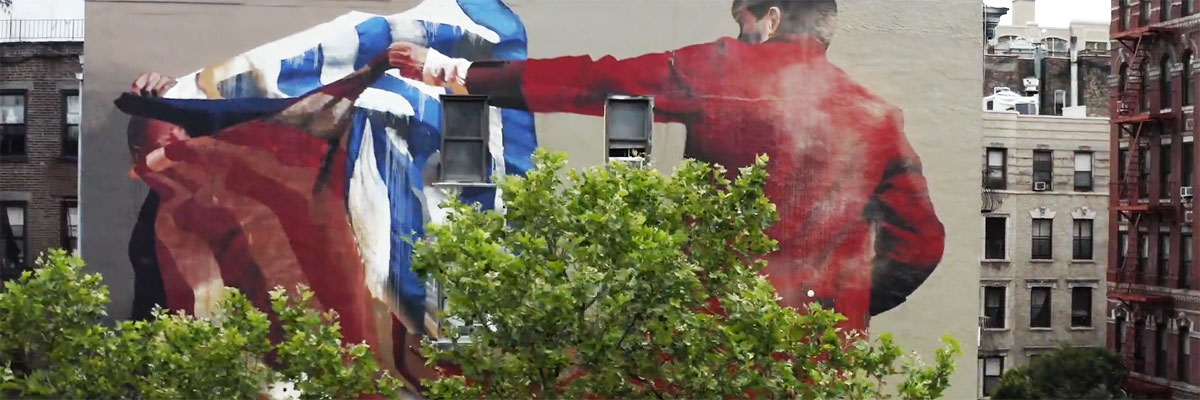
Conor Harrington in Manhattan
Conor Harrington in Manhattan. Organized by The L.I.S.A. Project NYC and shot by Zane Meyer from Chop ’em Down Films.
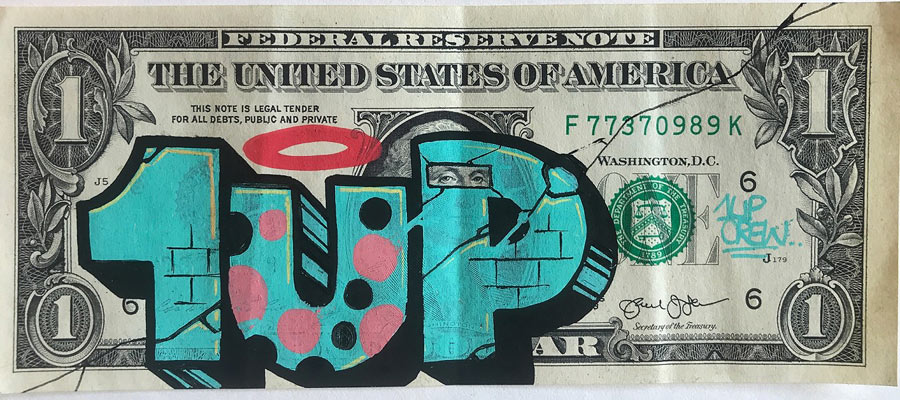
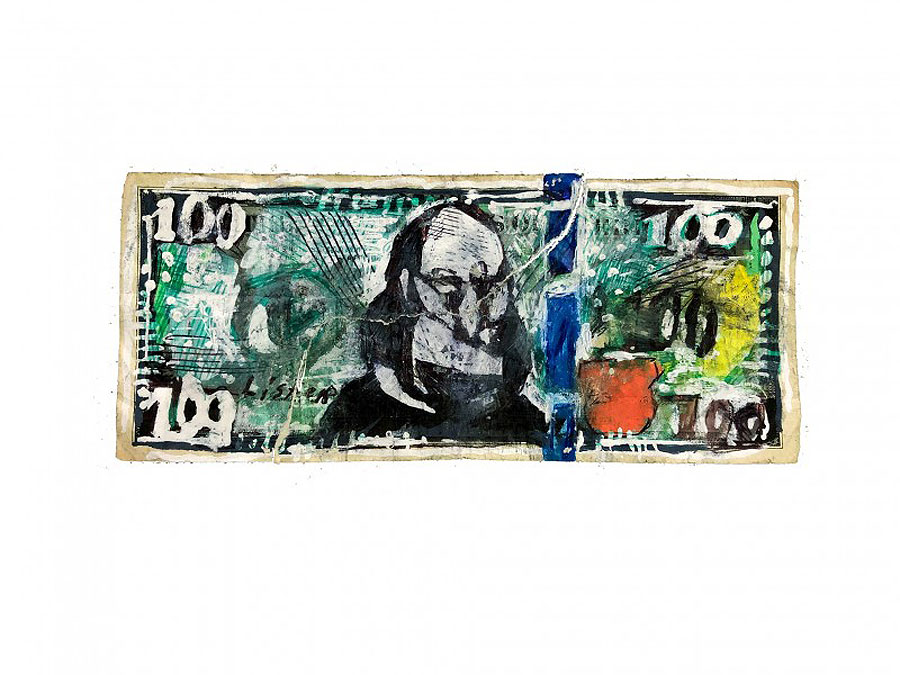
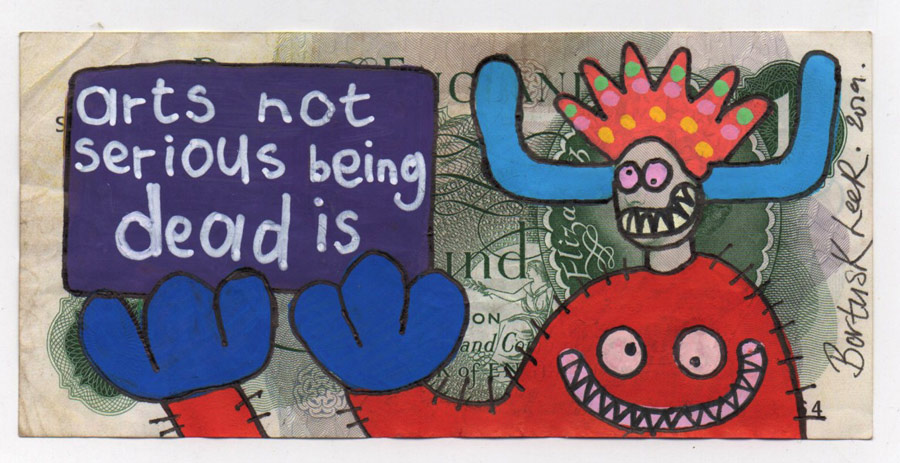
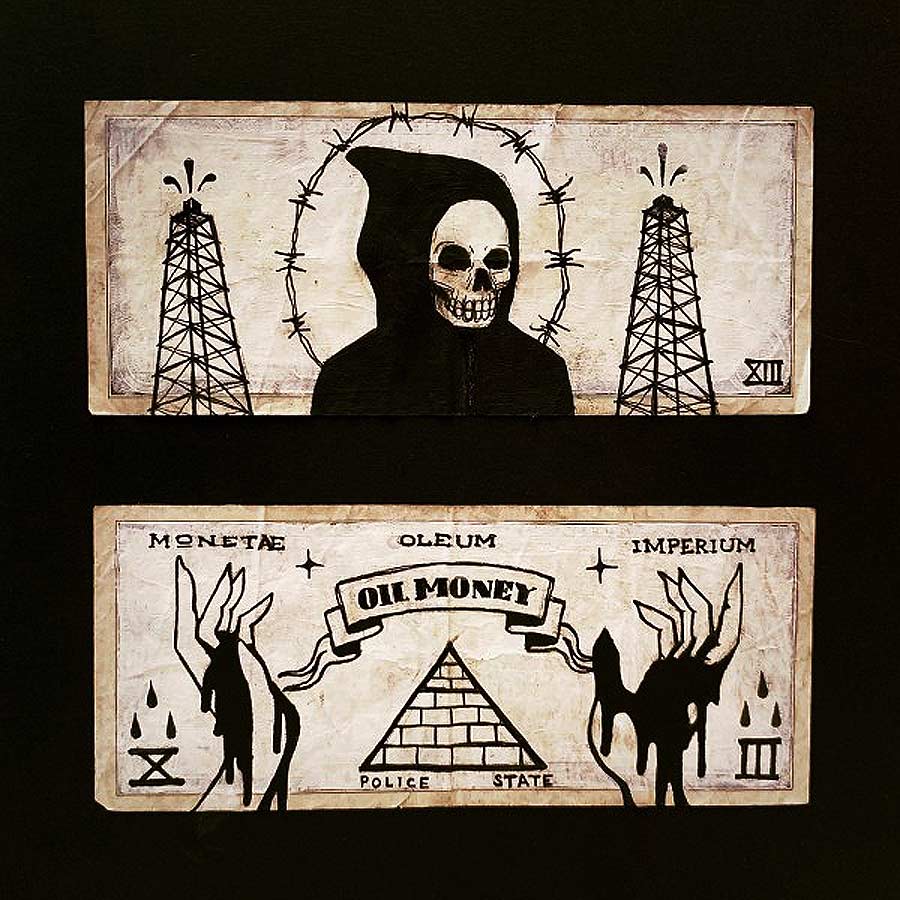
Now that corporate and global debt has surged to an all-time high, posing unprecedented risk to the value of all money, it’s a sweet and sour nostalgia that drives you into your purse or wallet to pluck out a thin colorful slice of that rumpled paper fiat currency to buy yourself a beer at your local pub.
Bitcoin may be coming, and plastic is fantastic but in some parts of the world, cash is still king. And it rules everything around you.
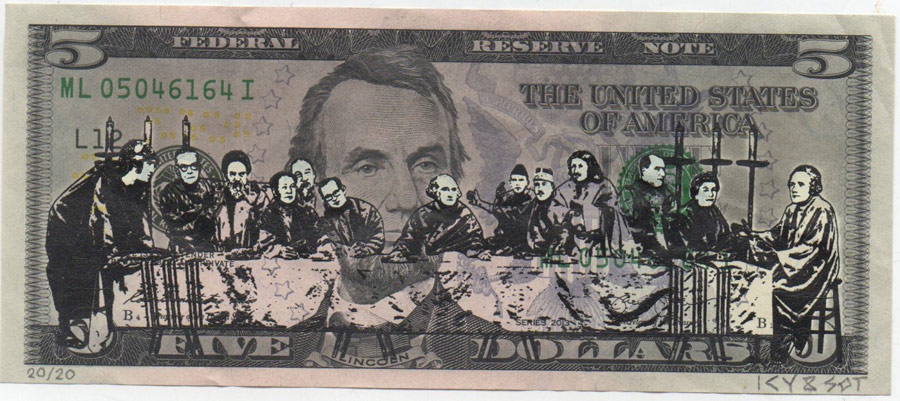
Icy & Sot. Last Supper Five Dollar Bill (photo courtesy of the curators)
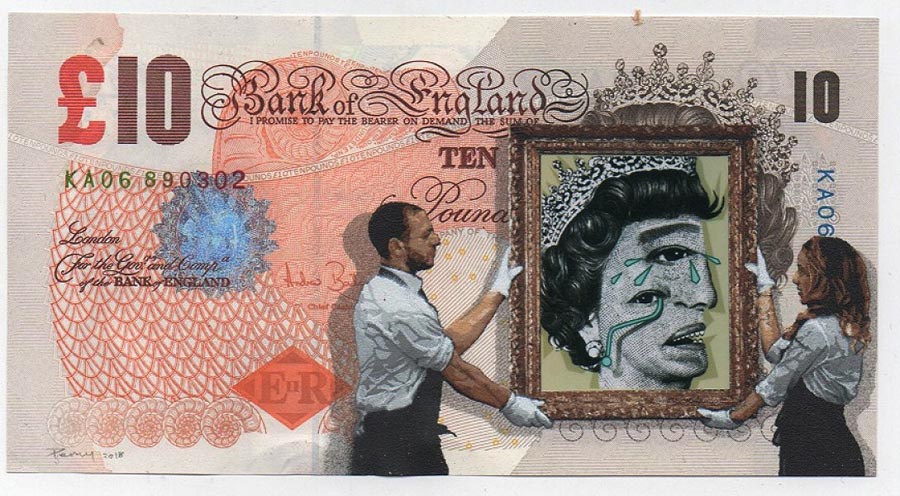
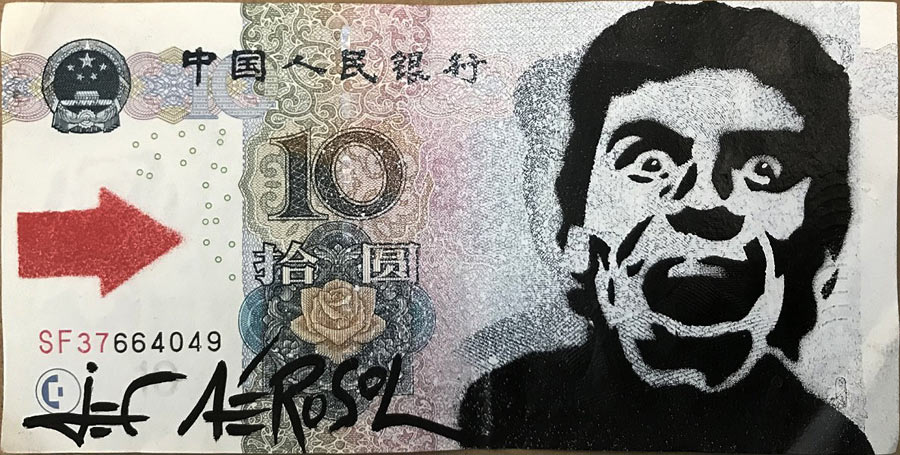
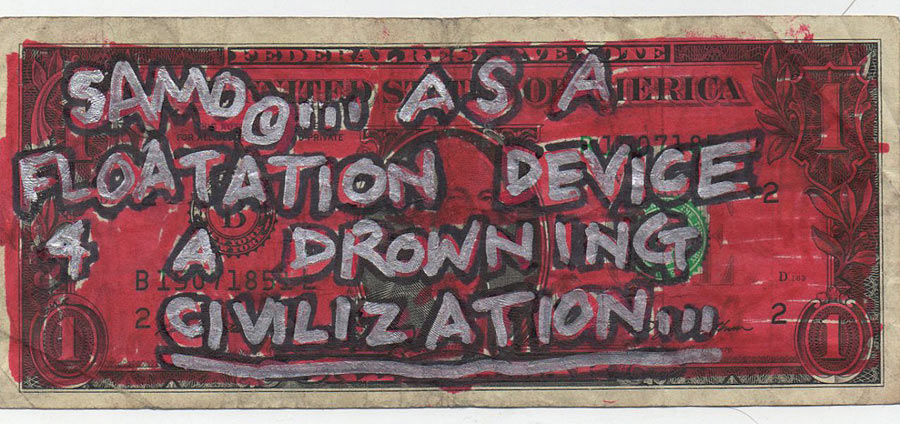
Right now you can see a collection of these banknotes from around the world developed as a series of canvasses at London’s Saatchi Gallery – mutated and defaced and adorned by graffiti and Street Artists, along with a series by Iranian born Aida Wilde, who uses banknotes from Eritrea, Iraq, Somalia, Sudan, and Syria.
Penny. Picasso Ten Pound Note (photo courtesy of the curators)
Cash is King II, a sequel to last years Cash is King – the brainchild book and exhibition of artists Robert Osborne and Carrie Reichardt, the show opened this week to an appreciative crowd who appeared to really enjoy seeing bills reimagined.
Jef Aerosol. Arts Can’t Buy Me Love (photo courtesy of the curators)
Curators Susan Hansen and Olly Walker share these images here with us and tell us they’re also happy that Ms. Wilde’s sales are going to benefit the Help Refugees organization so they are able to continue their work around the world. Not surprisingly perhaps, “Many of these banknotes represent some of the countries that have seen the highest numbers of people become refugees in recent years,” says Hansen.
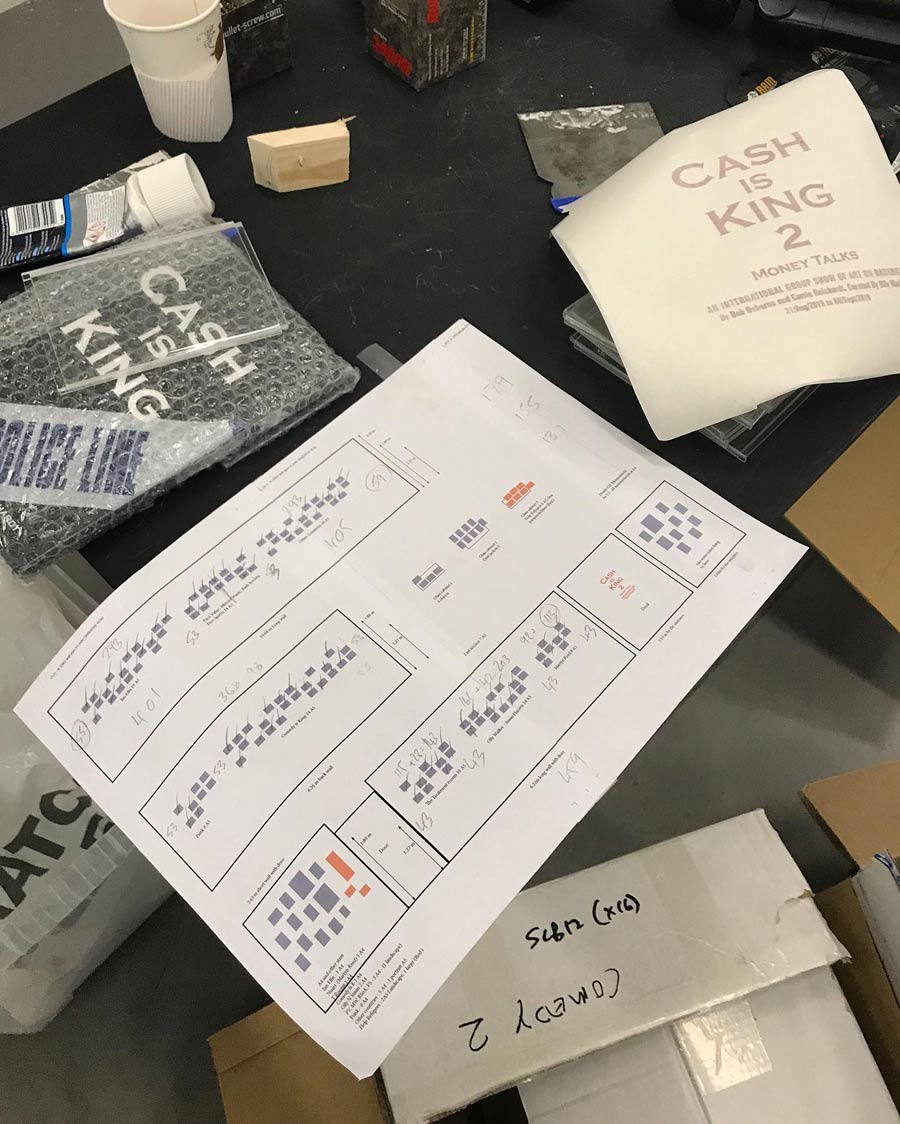
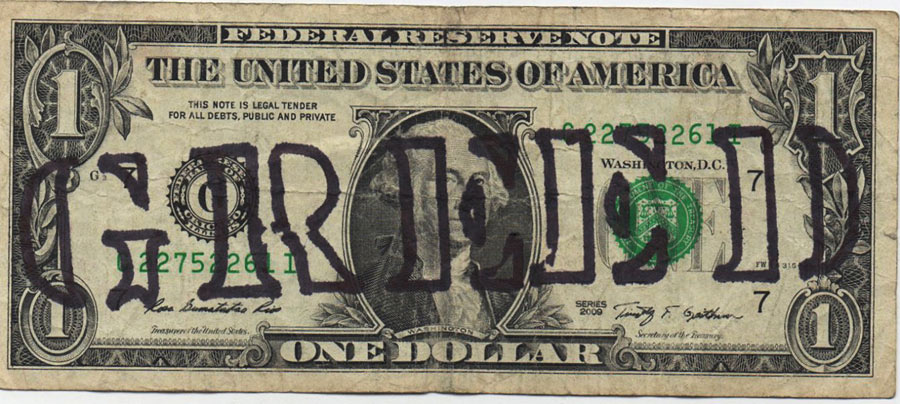
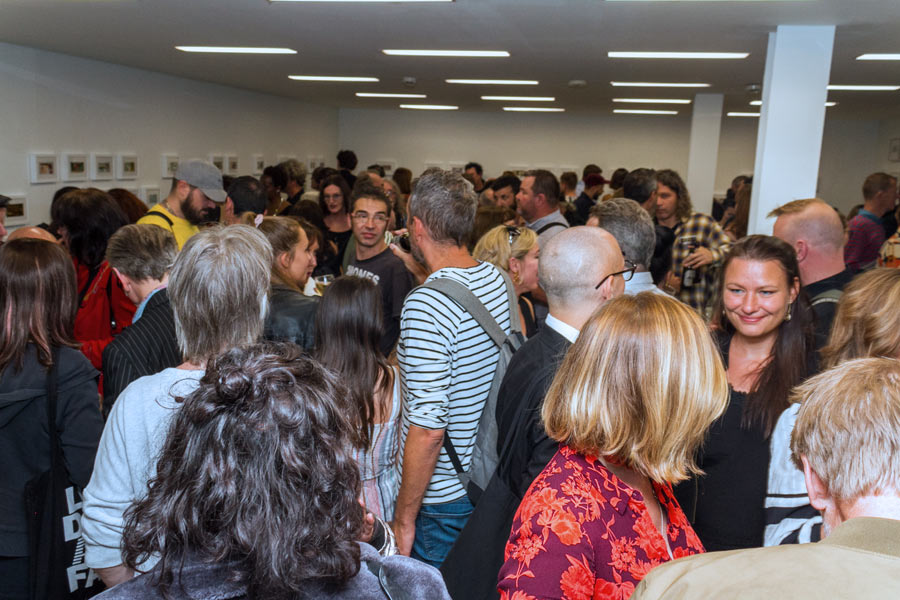
Olly Walker. Process shot. (photo courtesy of the curators)Aida Wilde. And We Walk Eritrean. Process shot. (photo courtesy of the curators)Al Diaz. Samo Dollar (photo courtesy of the curators)1 UP Crew. Tag Dollar (photo courtesy of the curators)Anthony Lister. Zero To One Hundred Real Quick Dollar (photo courtesy of the curators)Bortusk Leer. Art Is Not Serious (photo courtesy of the curators)Caroline Caldwell. Oil Money Dollar (photo courtesy of the curators)John Fekner. Greed Dollar (photo courtesy of the curators)Cash Is King 2: Money Talks. Opening night. (photo courtesy of the curators)
Aida Wilde’s work will available for sale on the Saatchi website from 2pm on Tuesday the 20th of August. All proceeds will go to support Help Refugees’ work around the world.
Cash is King II: Money Talks features works of art executed on banknotes, an exhibition curated by Olly Walker of Ollystudio.
Cash Is King 2: Money Talks is currently on view at the Saatchi Gallery in London installed in the Prints and Originals space until September 8th. Otherwise, click HERE to view and purchase available works of art.
 BROOKLYN STREET ART LOVES YOU MORE EVERY DAY