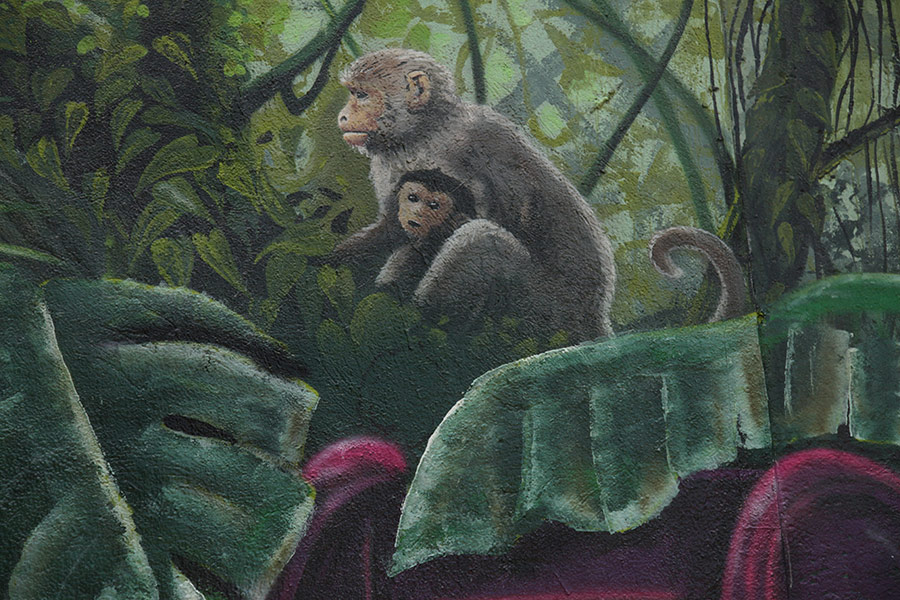
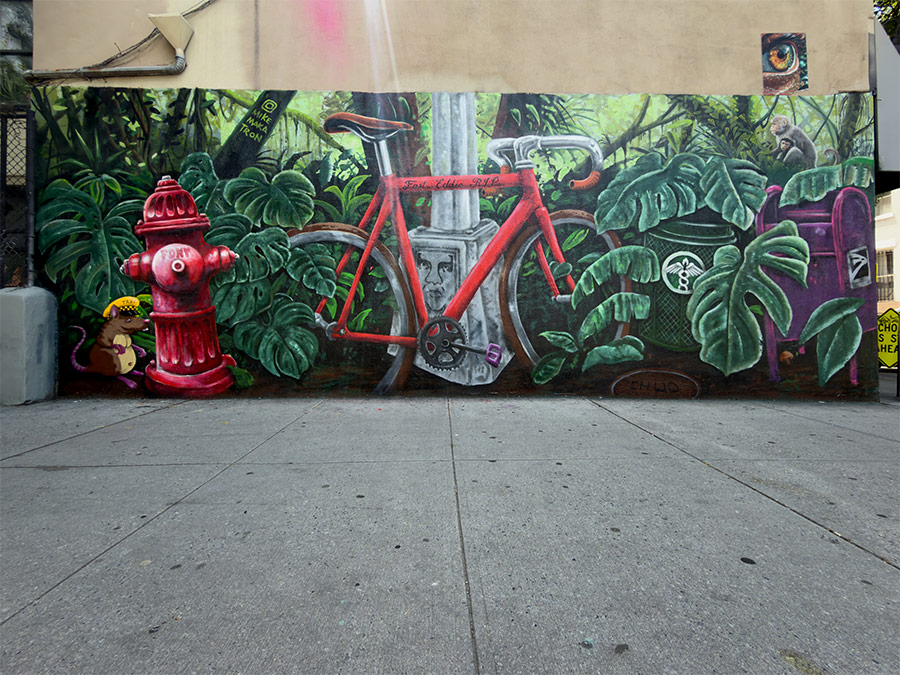
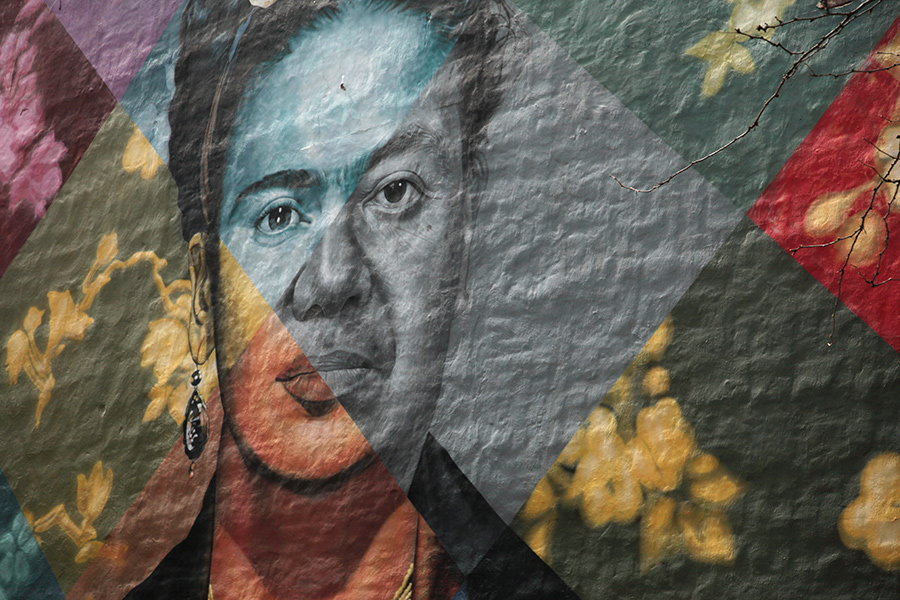
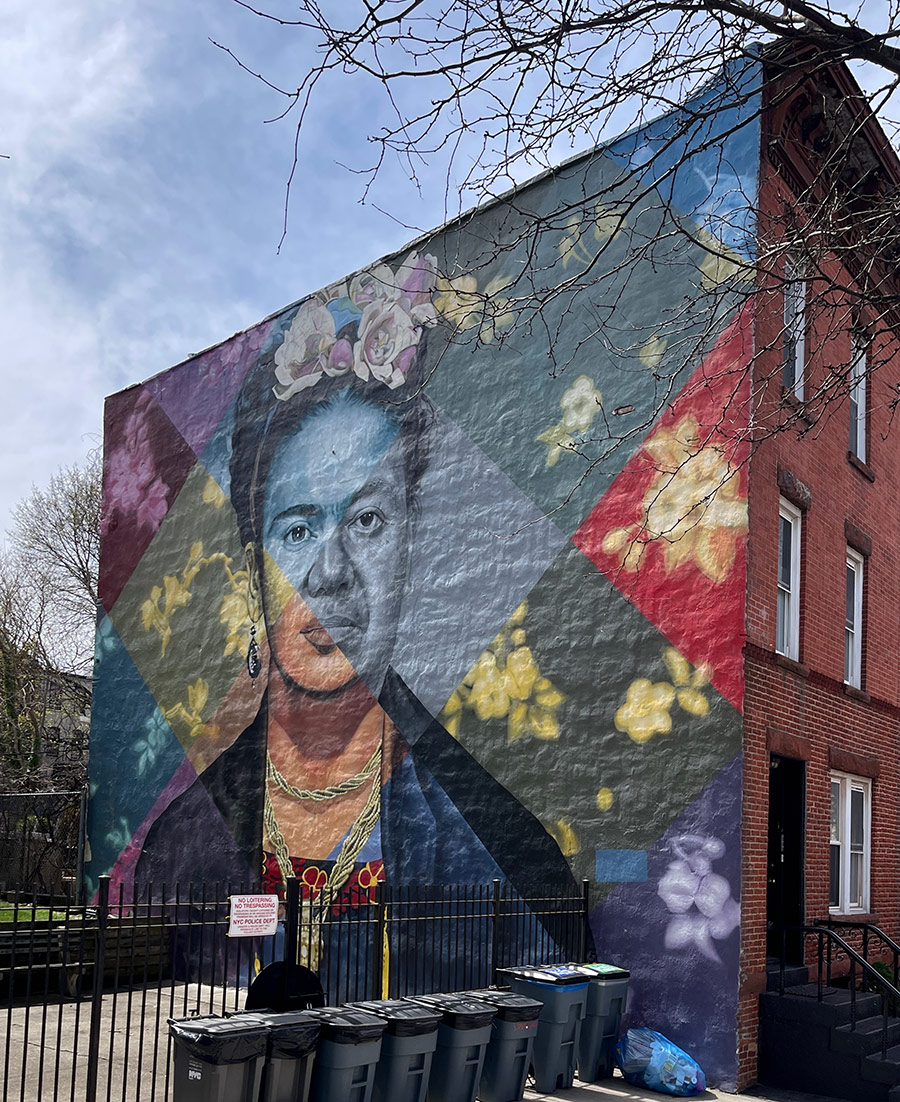
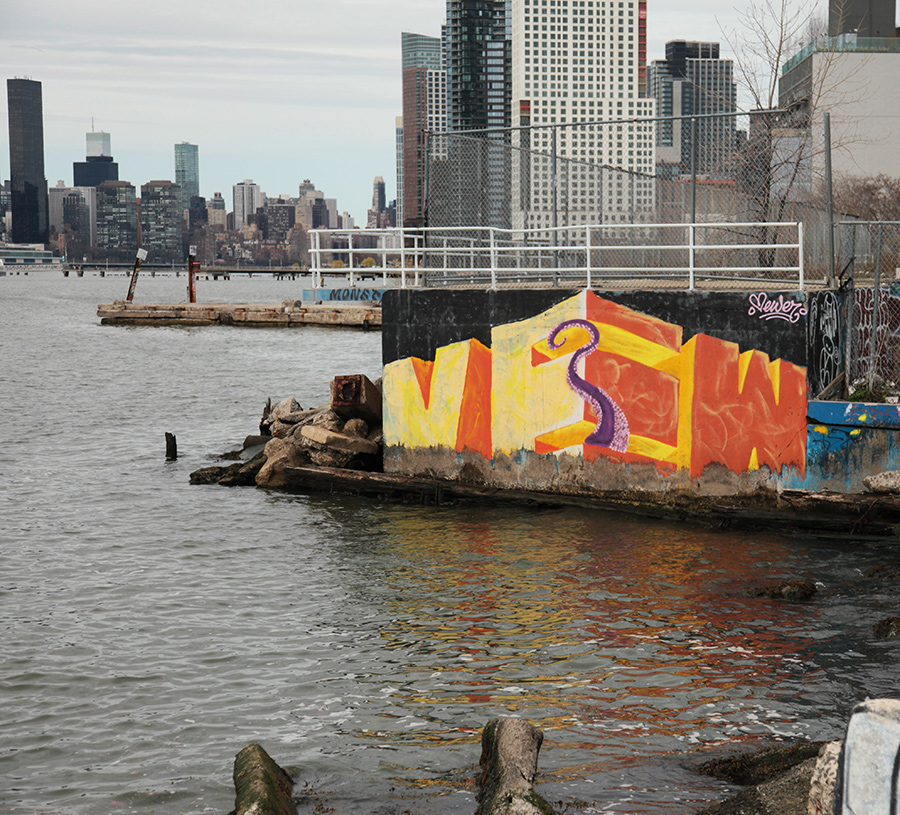
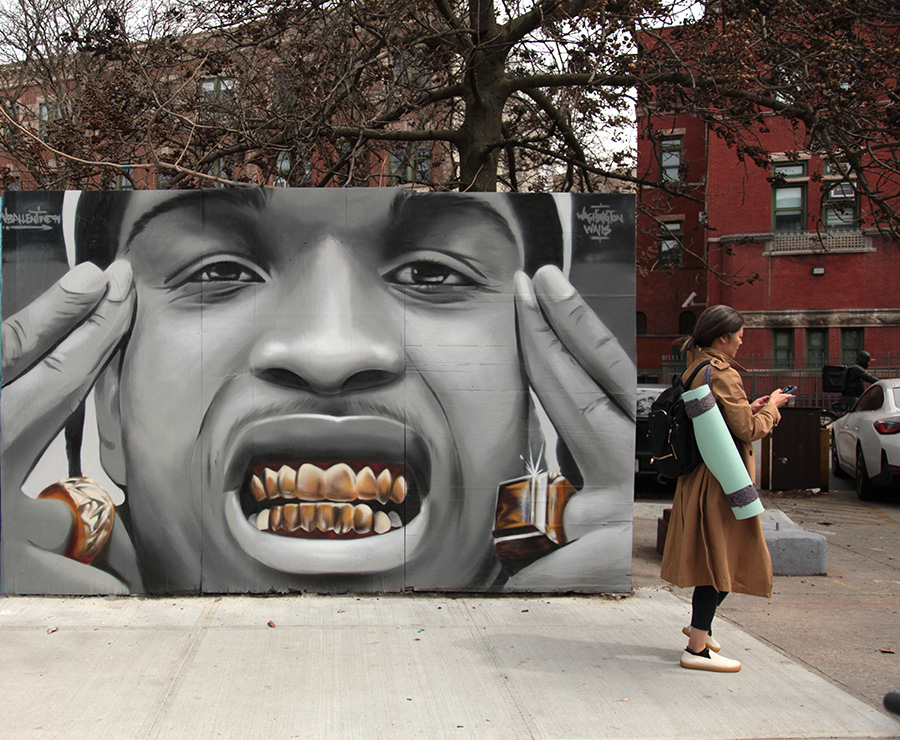
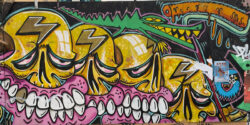
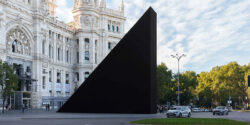
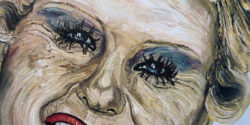
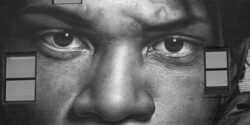
If the crowds come for the murals, the artists themselves are often part of the attraction. During Bushwick Collective weekend, painters from across New York and around the world find themselves performing a peculiar balancing act: creating highly personal work in one of the most public environments imaginable. The walls may be their canvas, but the streets are alive with commentary, questions, compliments, critiques, requests for selfies, and a steady stream of curious onlookers who assume that because the artist is visible, they are also available.
By now, most of these artists know how to handle the practical challenges. They can paint on brick, corrugated metal, concrete, and weather-beaten surfaces. They can work through heat, wind, rain, and long days on lifts. The greater challenge is often maintaining the fragile concentration required to transform an idea into a finished mural while surrounded by the noise and unpredictability of a city in motion.
That means finding the right materials, adapting to changing conditions, trusting the creative process, and protecting the mental space necessary to make hundreds of decisions in a day. It means staying focused while music blasts from nearby speakers, conversations erupt below, cameras point upward, and traffic honks and screeches its way through the neighborhood. Not every passerby understands that an artist standing twenty feet in the air may be in the middle of solving a visual problem, even as they are being asked where they’re from, how long they’ve been painting, or what the mural means.
The Bushwick Collective events have evolved over the years, but they still retain a particular kind of productive chaos that is difficult to find anywhere else. It is part block party, part outdoor studio, part neighborhood reunion, and part international gathering. The best advice for artists arriving here for the first time is simple: bring a thick skin, keep your sense of humor, stay focused on the wall, and enjoy the experience. There is only one Bushwick.
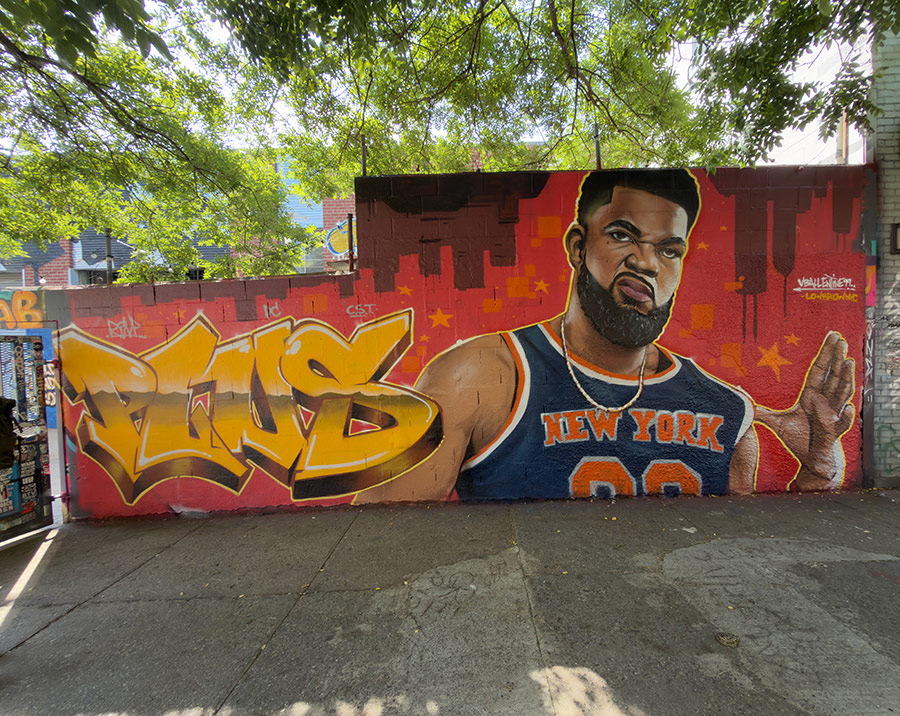
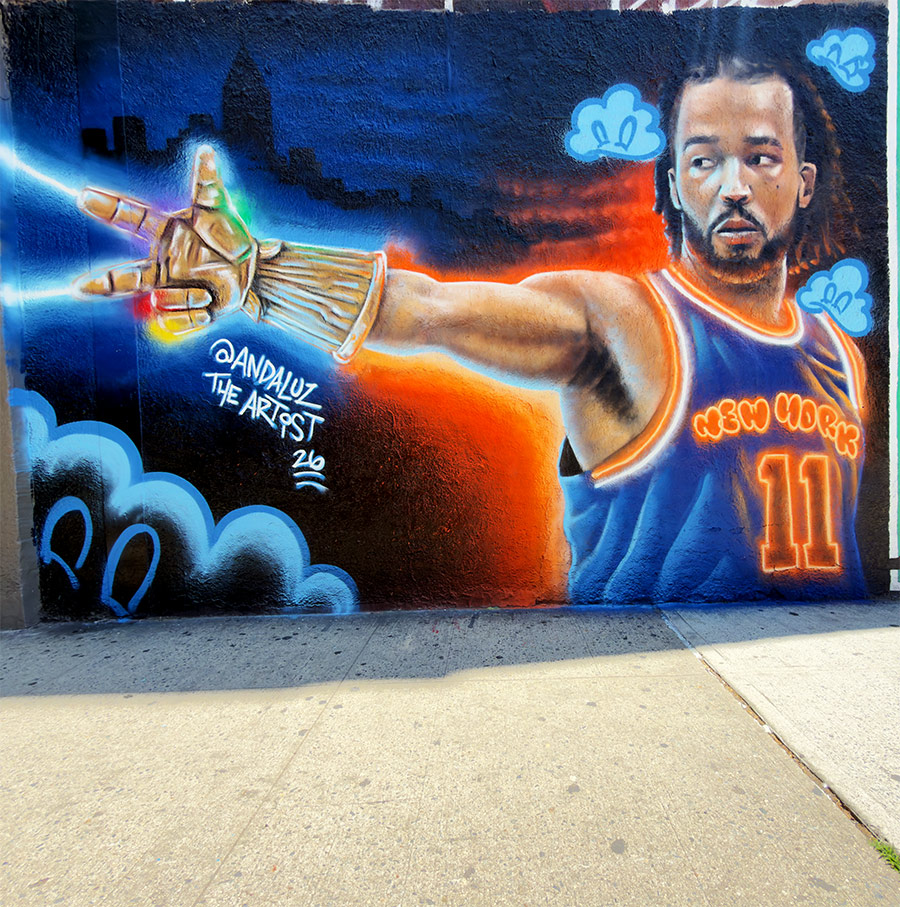
Welcome to BSA Images of the Week. The first World Cup match kicked off just across the river in New Jersey yesterday, and last night the hometown champion Knicks took over your rooftop—or at least a giant screen courtesy of your cousin Eddie, who hosted a raucous watch party where fair-weather fans from every corner of the fandom universe yelled at referees, second-guessed coaches, and hugged strangers after every basket. The city is on an exhuberant high because the New York Knicks have won their first NBA championship since 1973, ending a 53-year title drought.
Ah, bread and circuses. The games grow grander as the purse grows lighter.
Congratulations to the world’s first trillionaire, Elon Musk! Rome would be proud. The only thing missing is a senator feeding grapes to a tech CEO on a livestream. That’s probably next week.
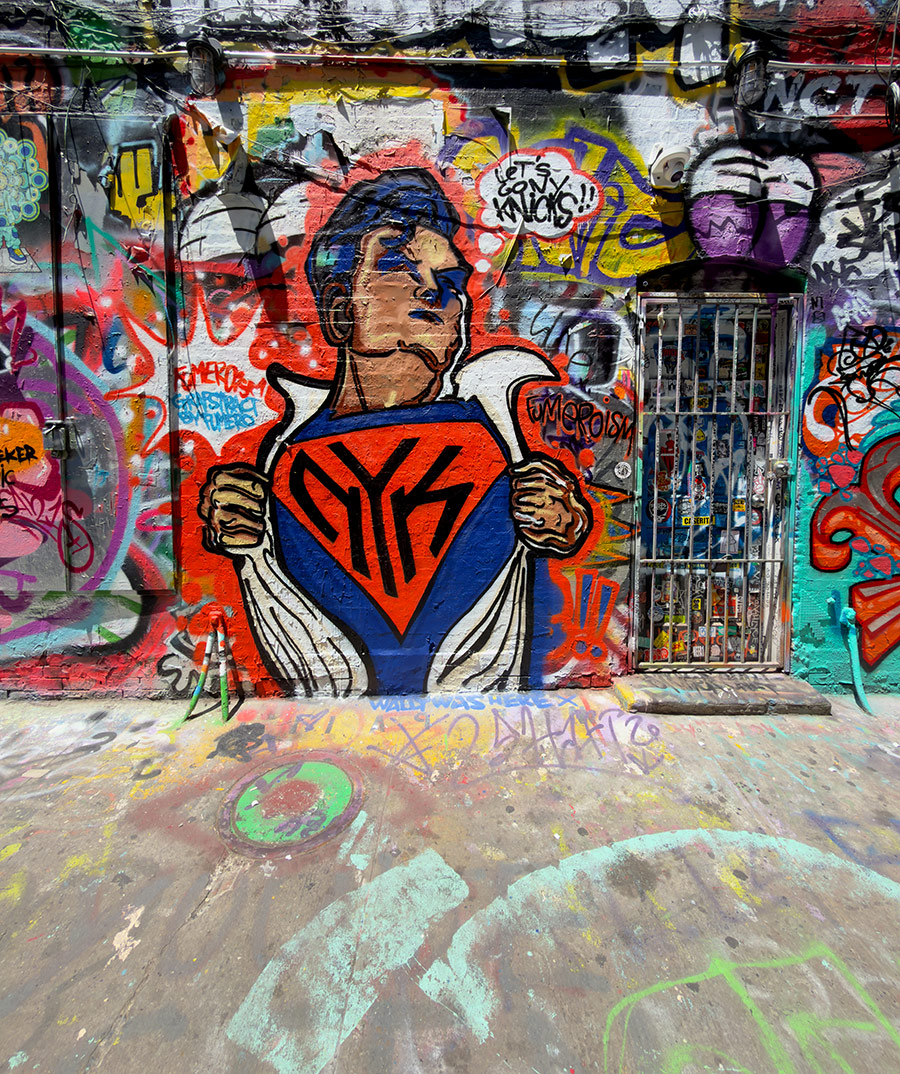
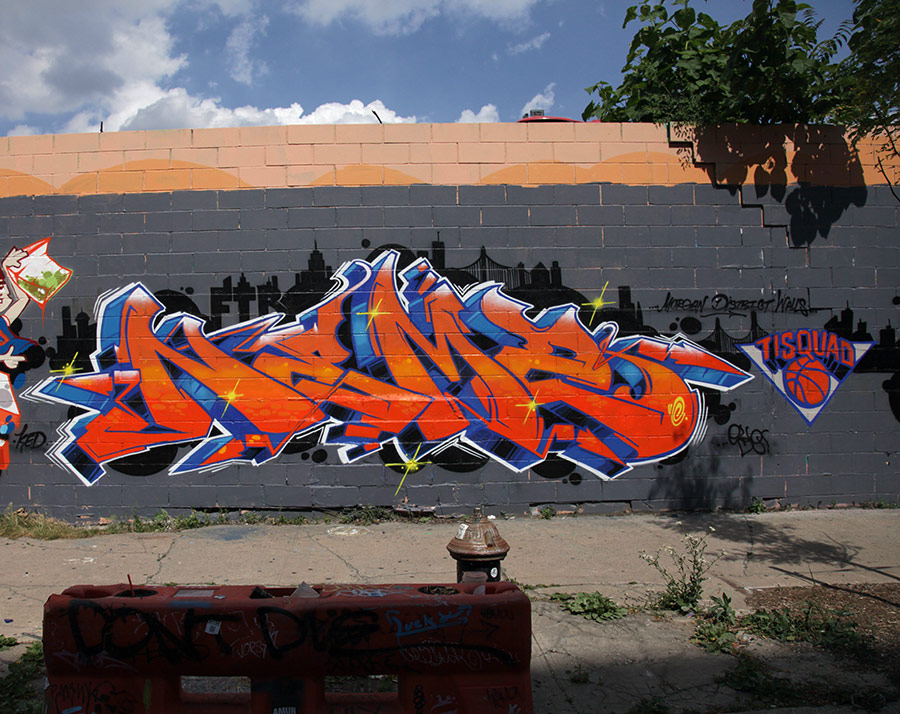
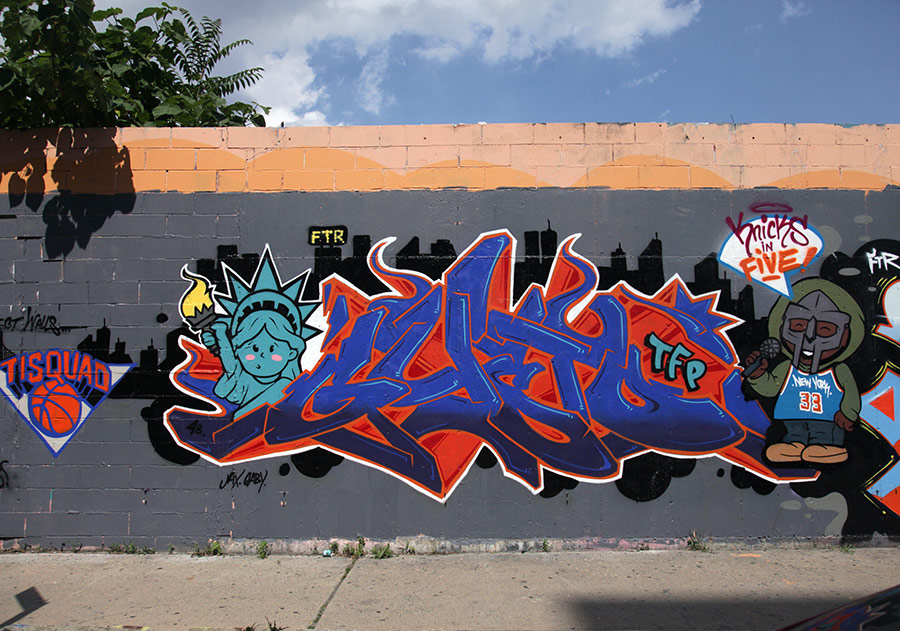
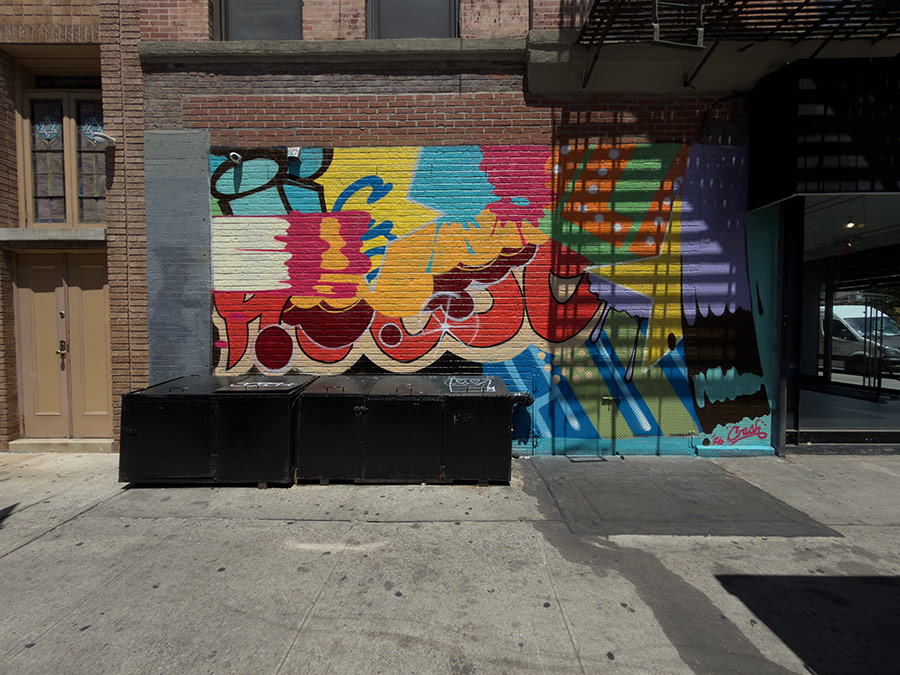
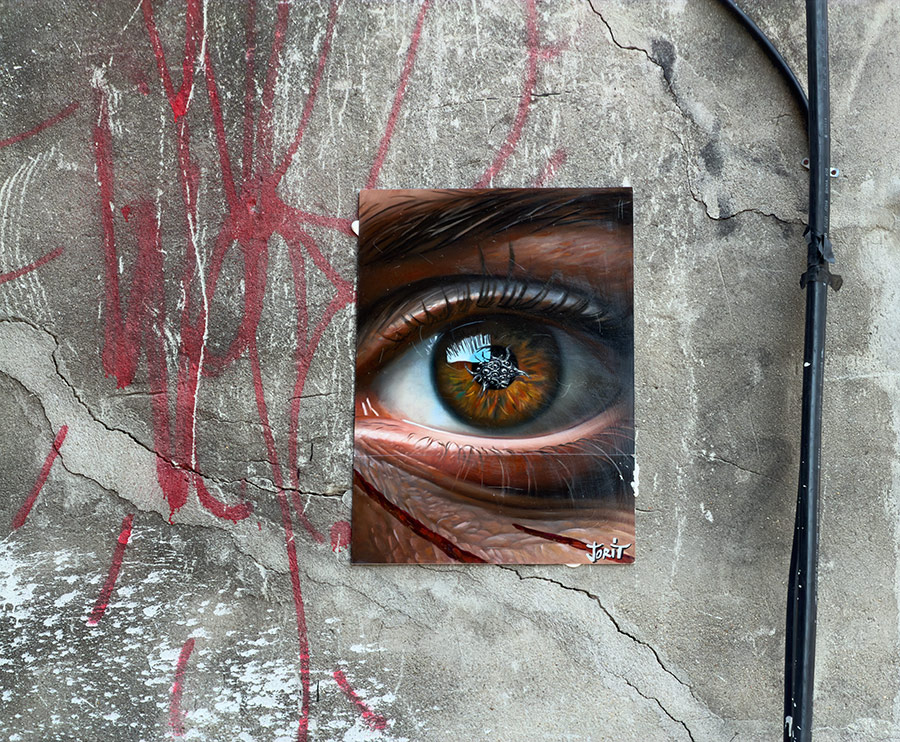
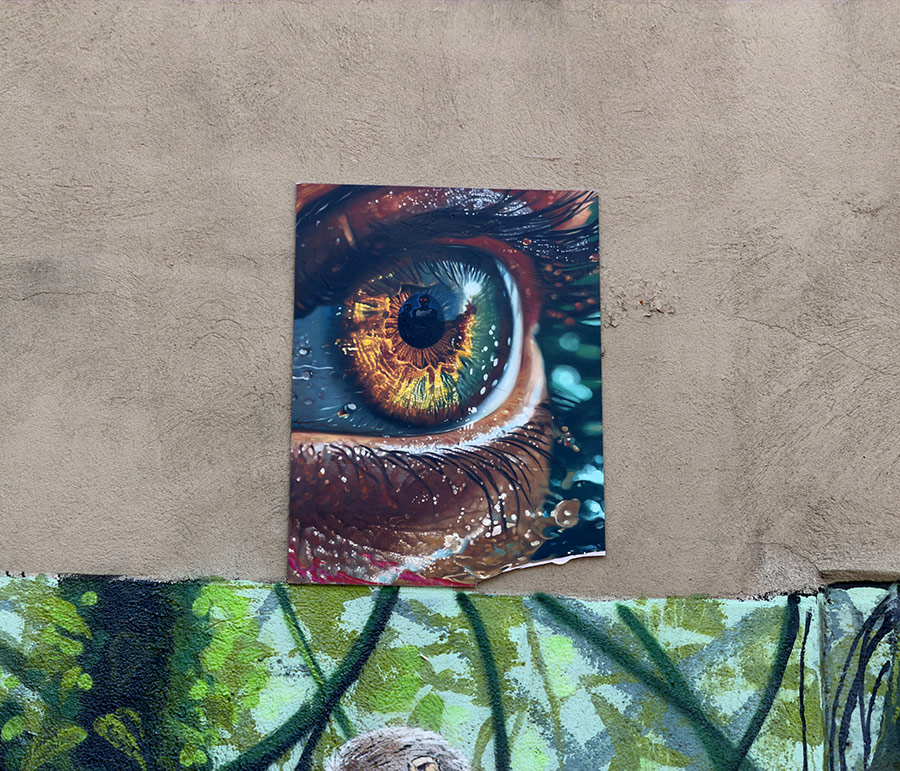
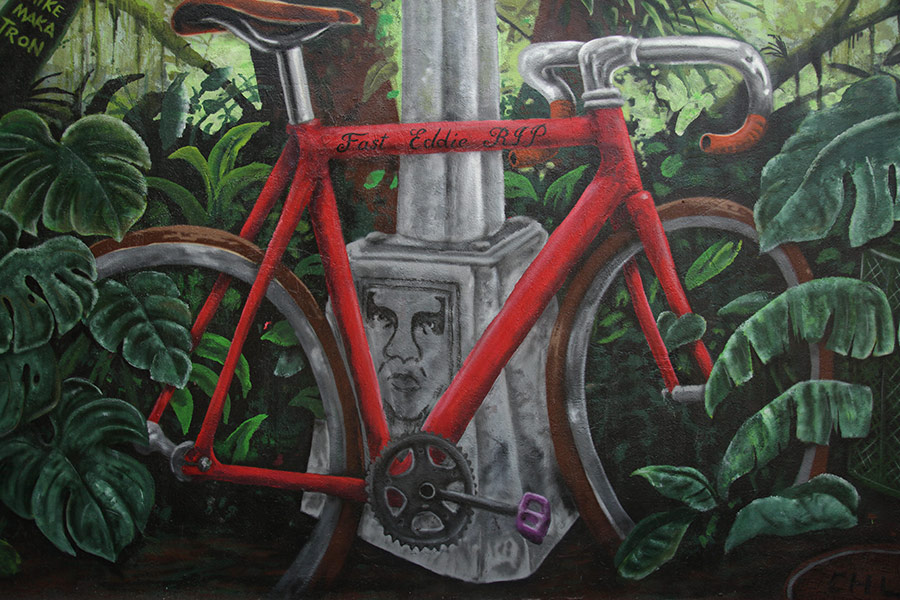
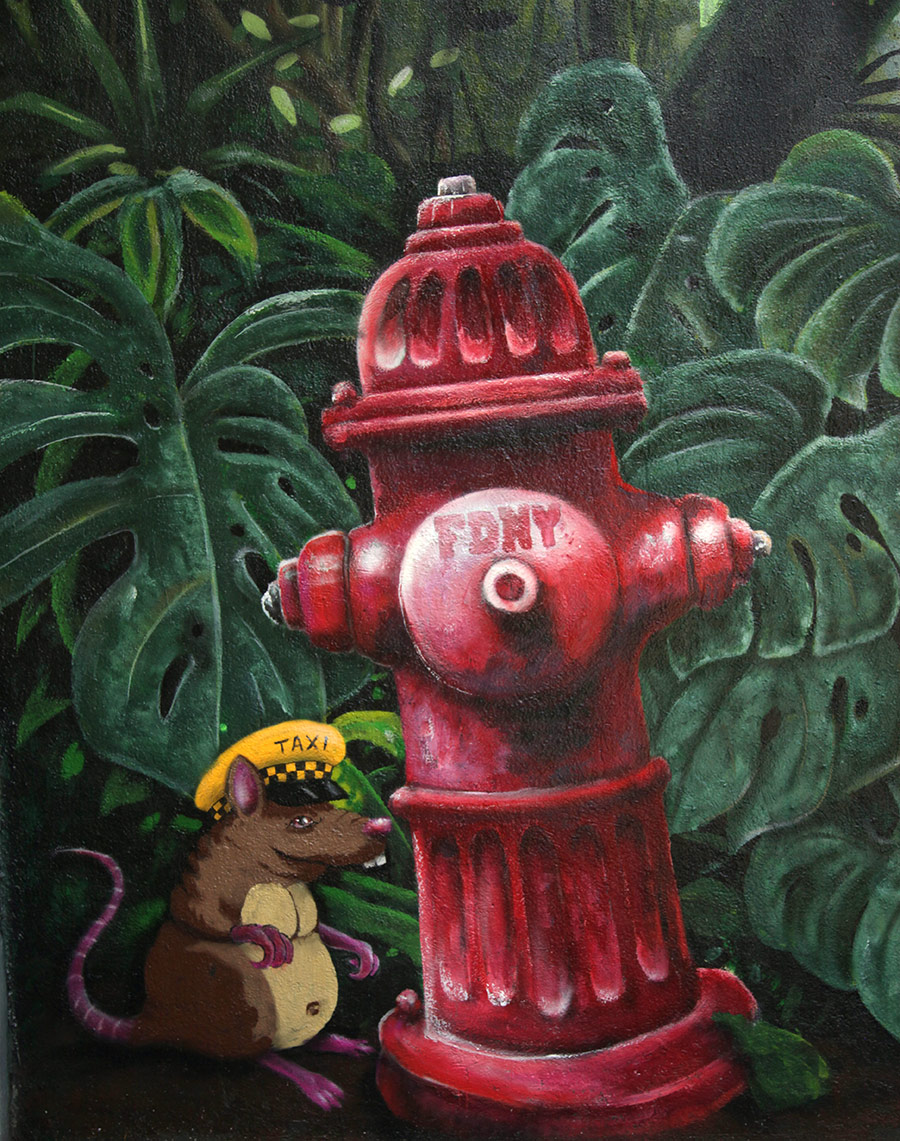
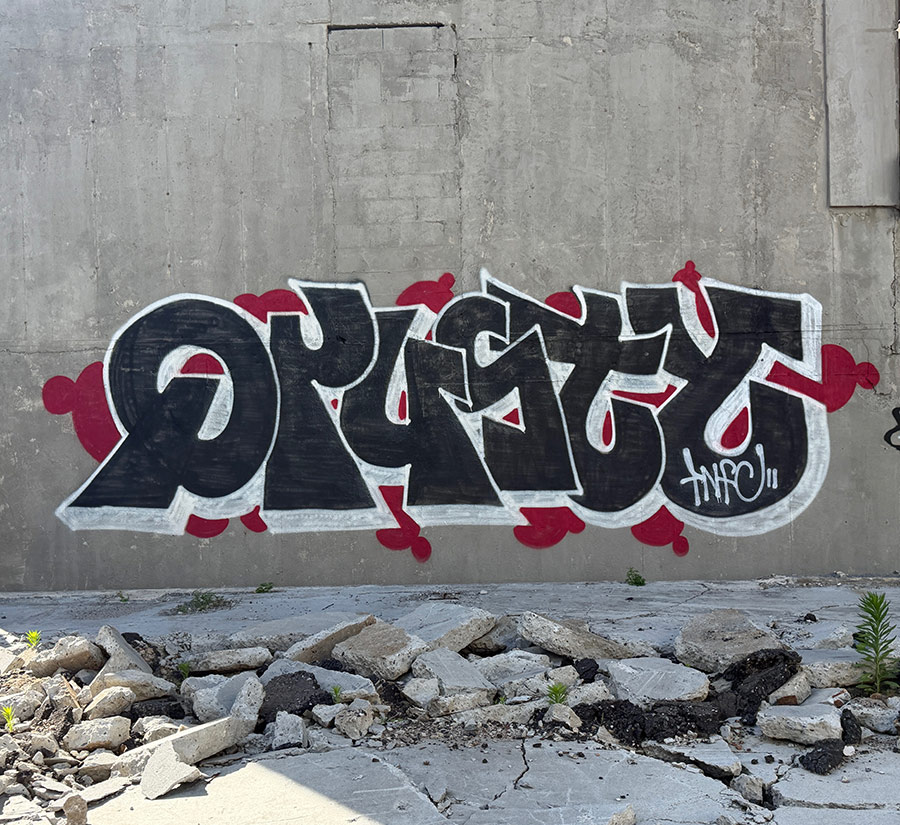
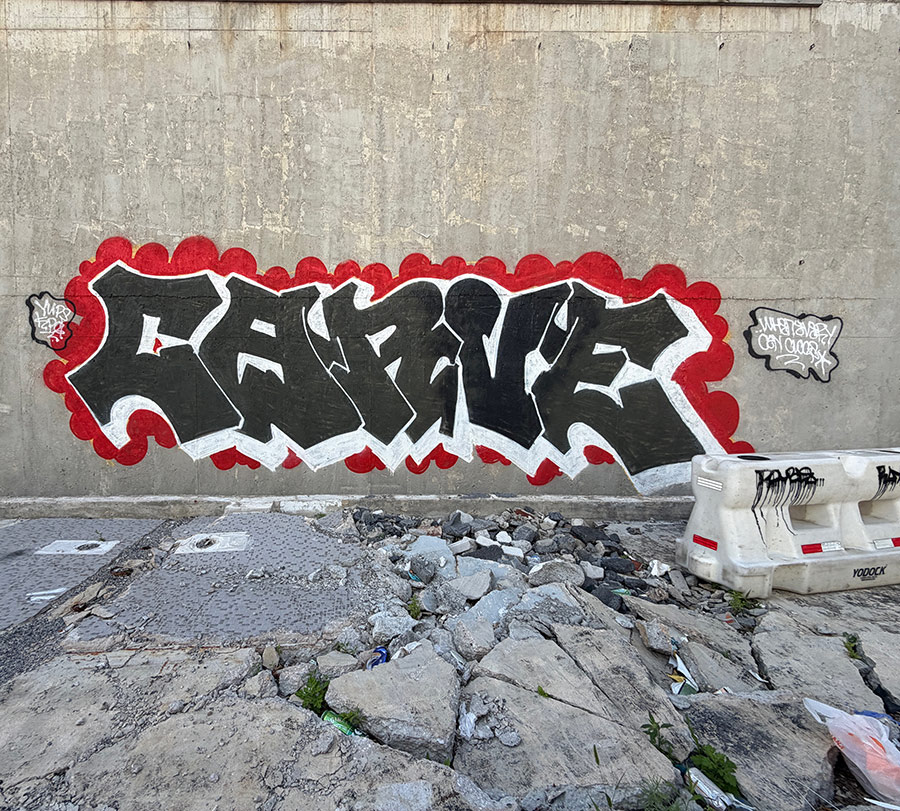
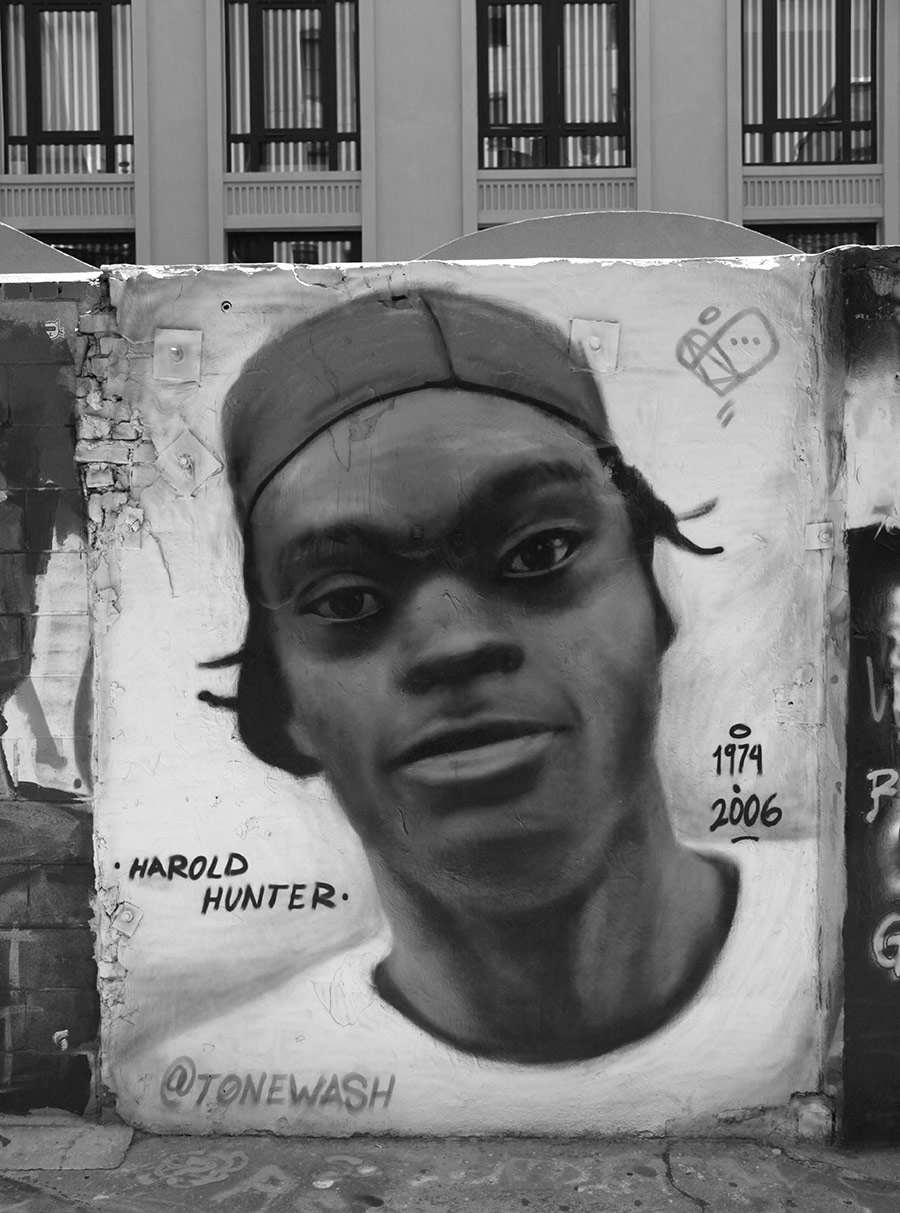
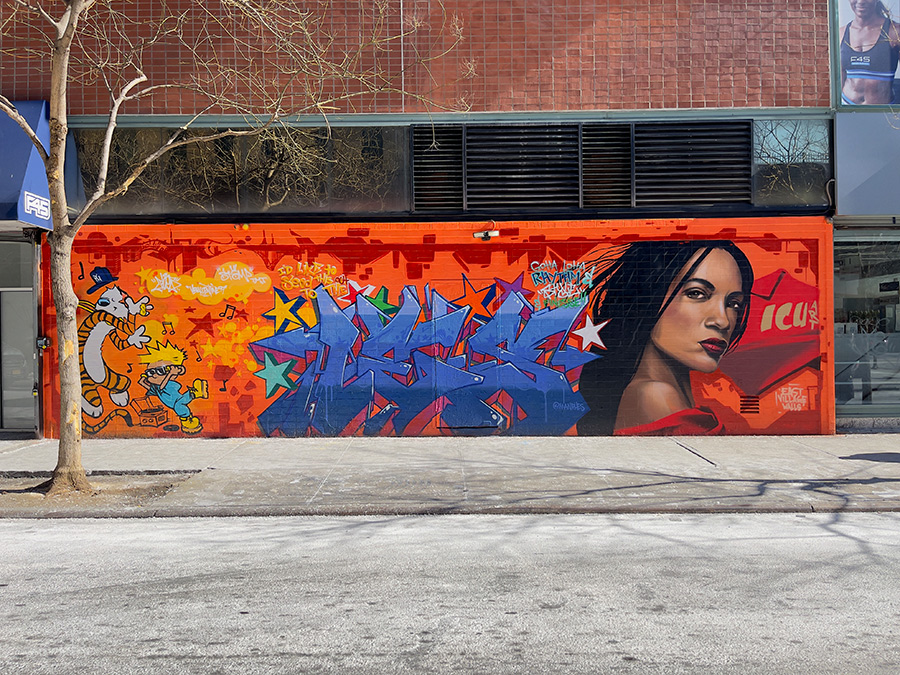
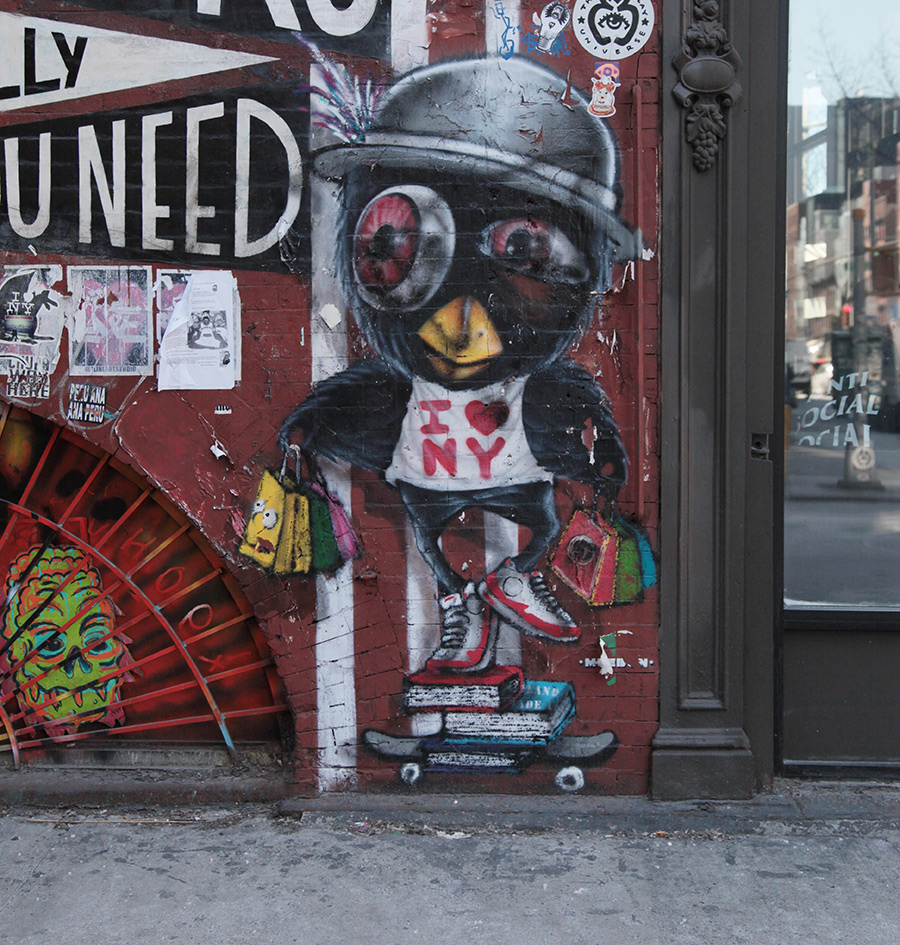
Here’s our weekly interview with the streets, featuring: Andaluz the Artist, CARVE, Crash, Fumero, Gusto NYC, Harold Hunter, Jorit, Mike Makatron, Nemezoid, Qrusty, Tone Wash, and V. Ballentine.
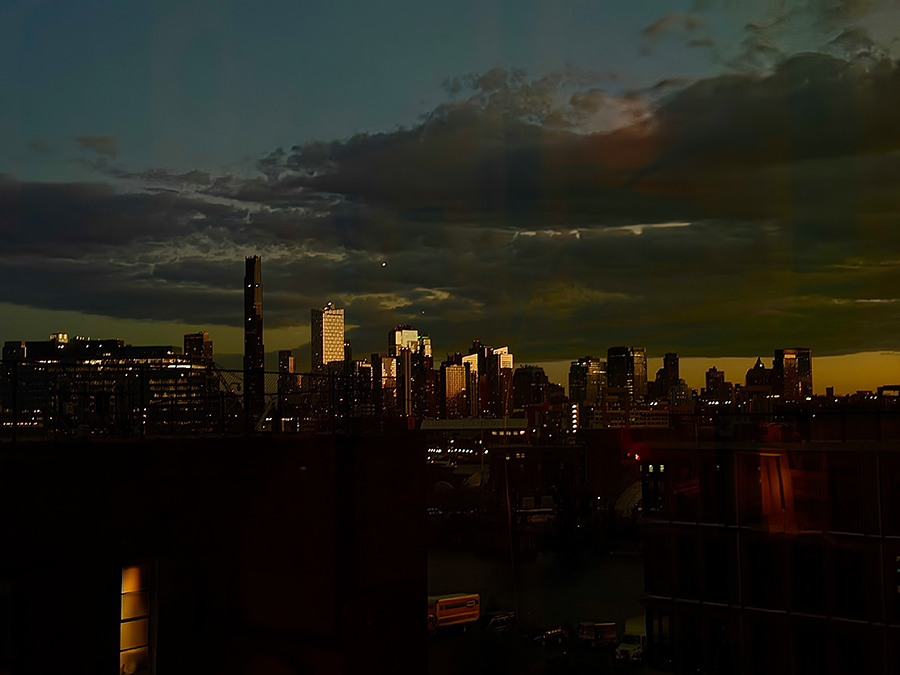
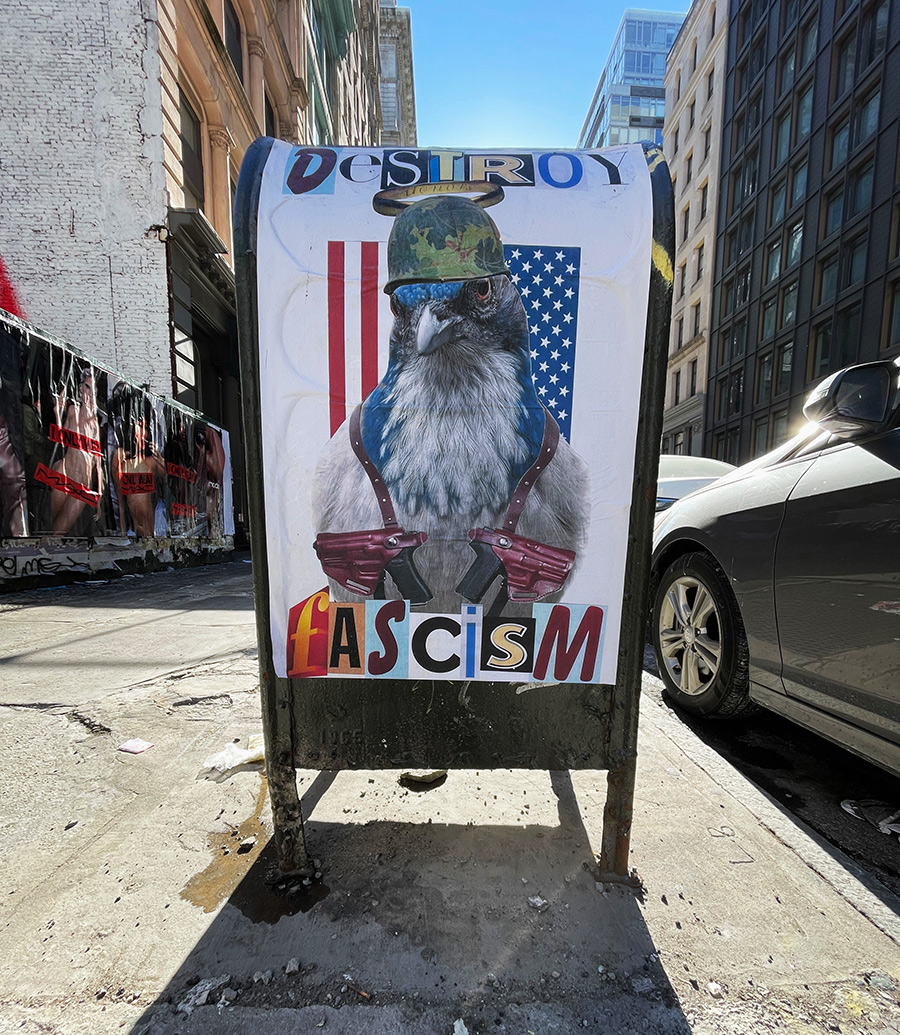
Welcome to BSA’s Images of the week. Mockingbirds are bringing sprigs from the cold, grey, churning East River to build nests on the banks of abandoned lots of Williamsburg/Greenpoint before further ugly gentrification paves it over. Up and down the Brooklyn waterfront, it’s a procession of architectural mediocrity—glass boxes and bland slabs posing as progress. With few exceptions, these vertical office parks evoke visions of photocopier showrooms or surplus staplers stacked in a supply closet.
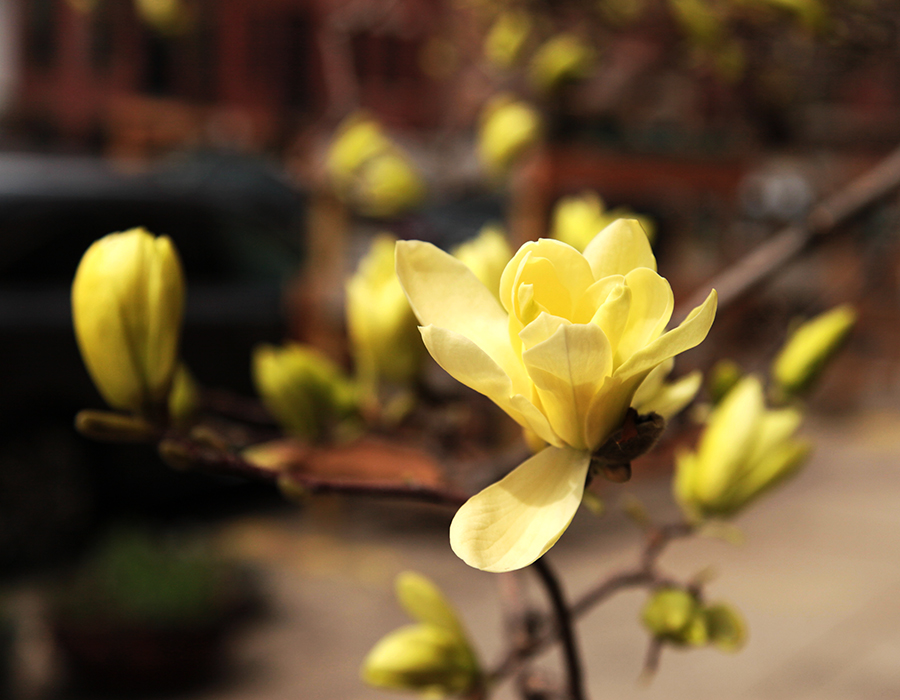
Magnolias and cherry blossoms are starting to bust out all over Brooklyn. Spring is here, and it’s coming in hot—and cold. April’s throwing weather tantrums like a toddler on espresso, bouncing us around like a pinball between heatwaves, cold snaps; all while dodging the political side-swipes we read and hear on social media and the press room. Add in soaring grocery bills (despite what the “official” numbers say), and it’s no wonder everyone’s feeling a little punch-drunk.
In a notable week for New York’s graffiti and street art scene, Dutch artist Tripl, also known as Furious, unveiled his decade-long project, Repainting Subway Art. This ambitious endeavor meticulously recreates the iconic 1984 book Subway Art by Martha Cooper and Henry Chalfant, with Tripl reproducing each original piece on European trains and re-enacting the accompanying photographs. The project culminated in the publication of the 196-page book that was featured Friday night and feted Saturday night.
Friday to a packed auditorium the Museum of the City of New York hosted a panel discussion on featuring Tripl, Cooper, Chalfant, and artist John “Crash” Matos. Moderated by graffiti scholar Edward Birzin and introduced by MCNY’s Sean Corcoran, the conversation delved into the evolution and global impact of graffiti and street art culture and the powerful reverberation of the book’s influence on generations of writers and artists.
Last night, Crash’s gallery WallWorks New York in the Bronx inaugurated the Repainting Subway Art exhibition, offering an immersive experience juxtaposing pages from the original Subway Art with Tripl’s reinterpretations. As word gradually spreads about this project, the graffiti and related communities will undoubtedly debate its significance—as homage, reinterpretation, and artistic intervention—while celebrating the obsessive dedication it took to recreate one of graffiti’s foundational texts from a contemporary, transnational perspective.
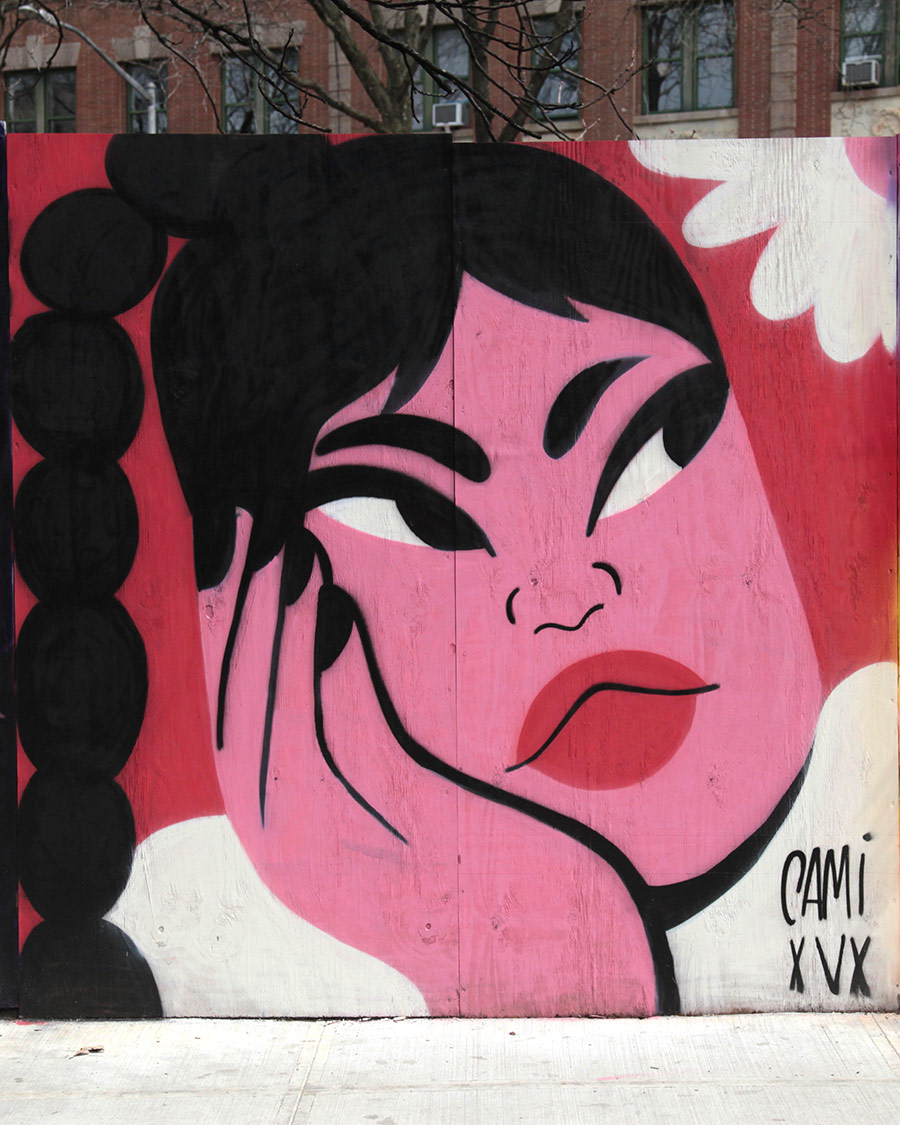
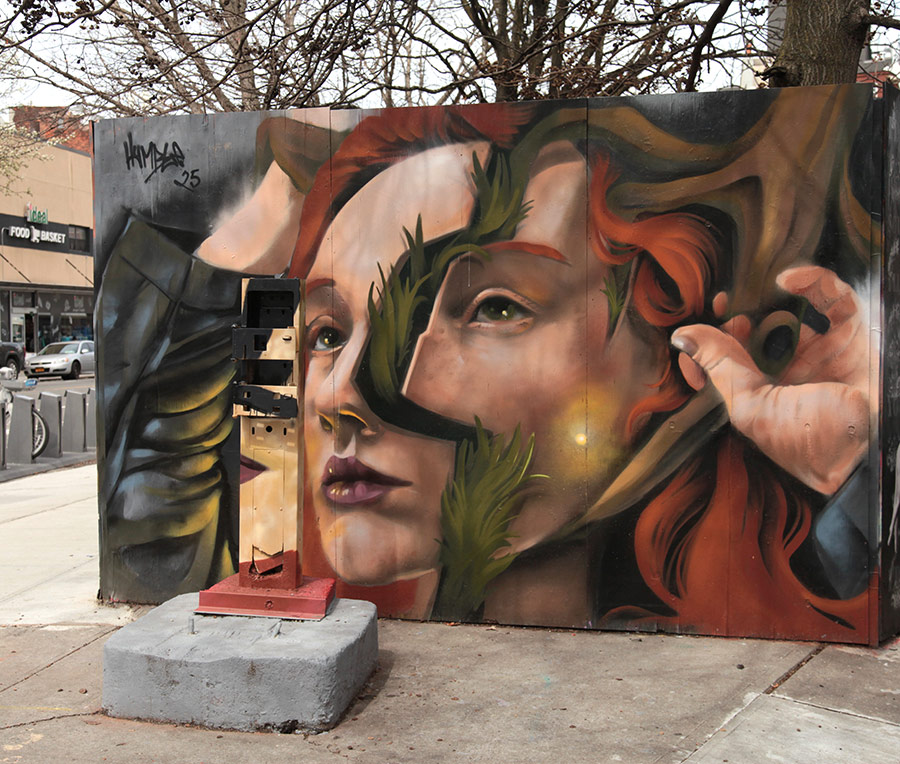
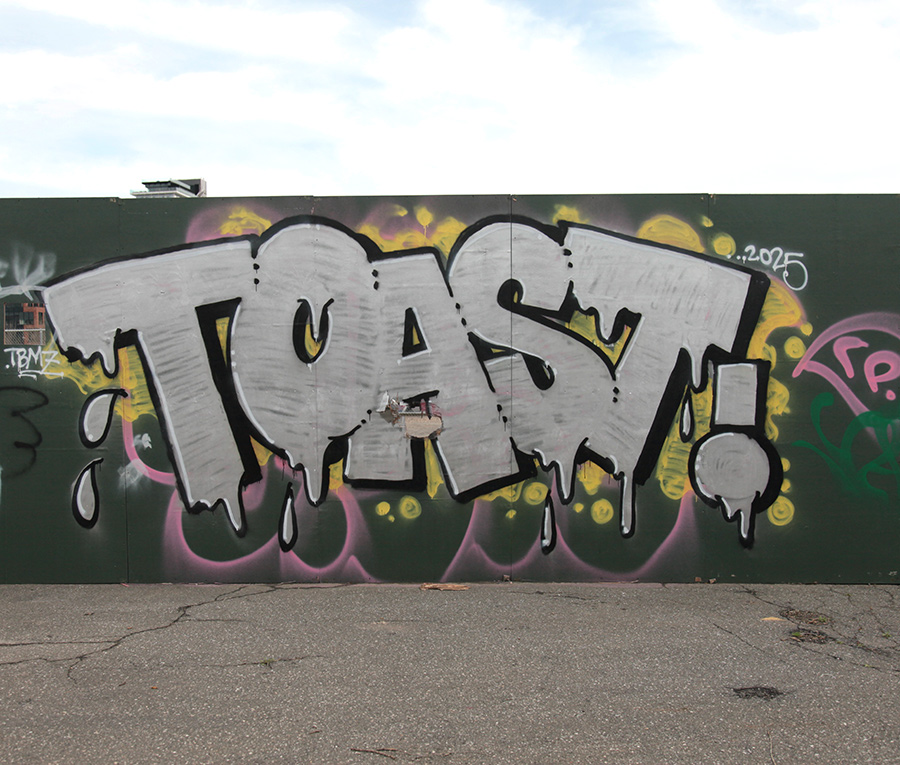
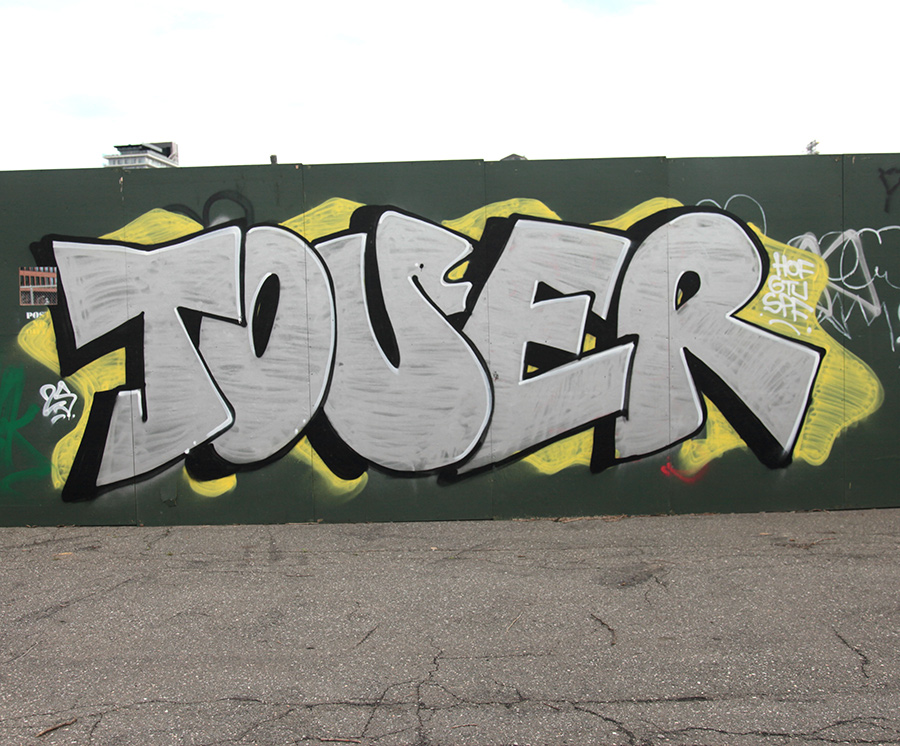
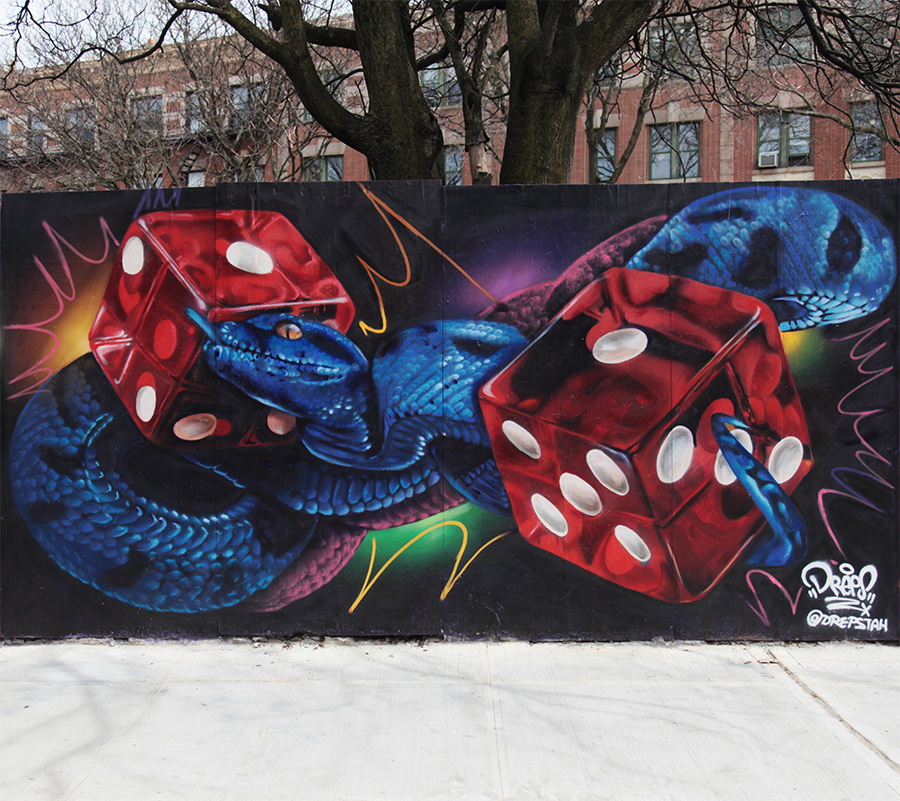
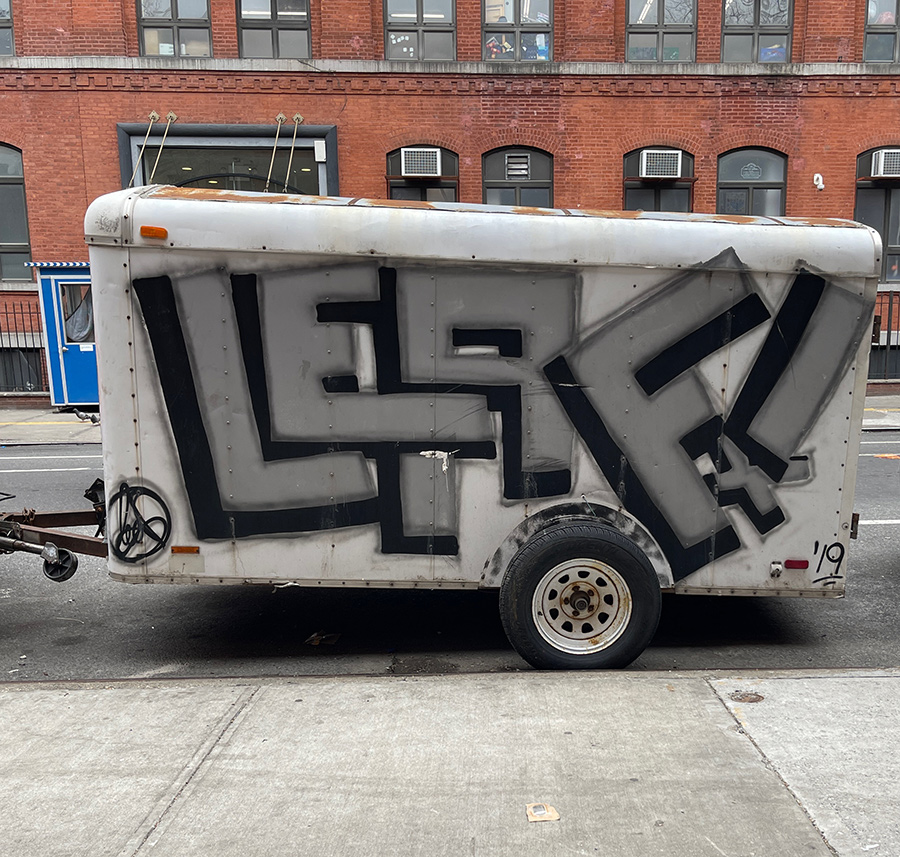
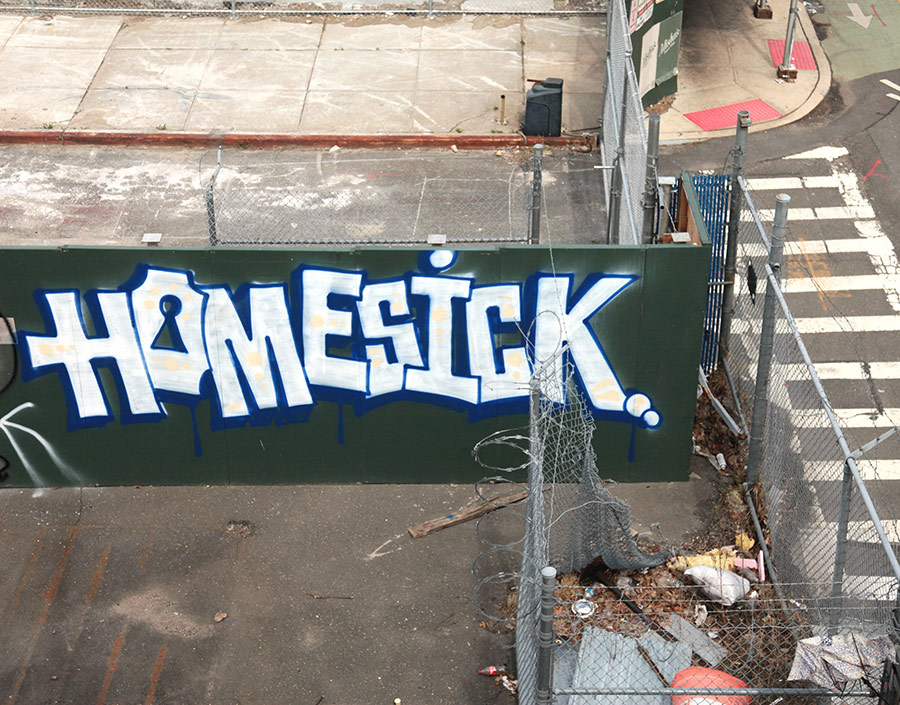
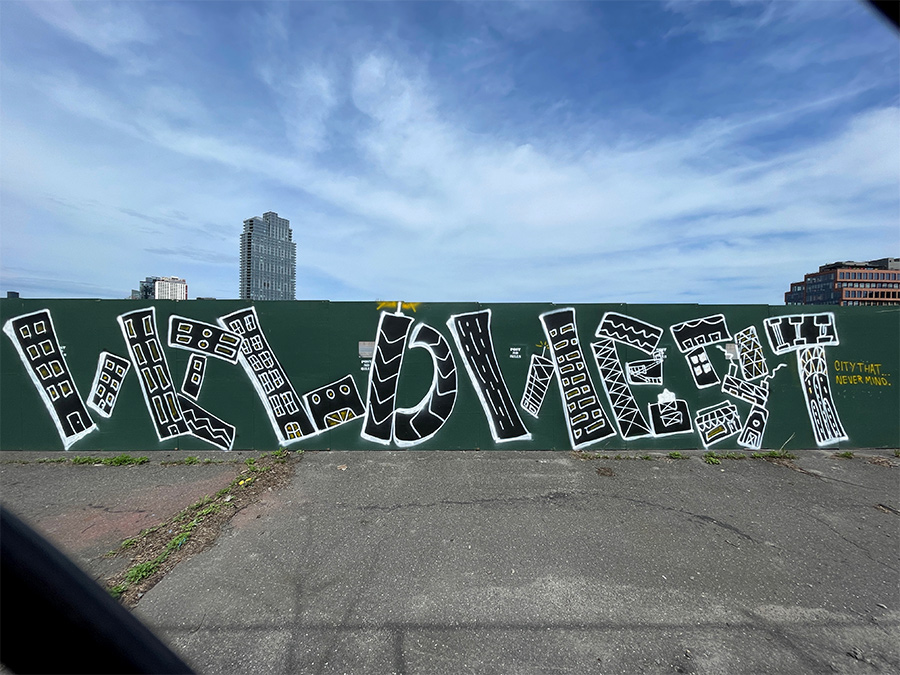
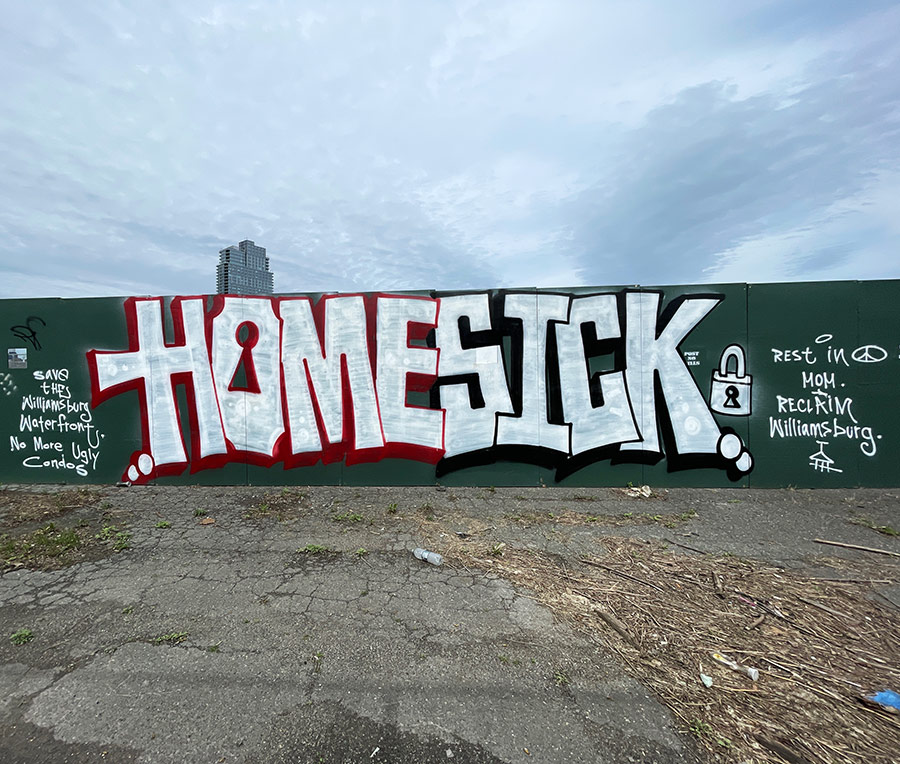
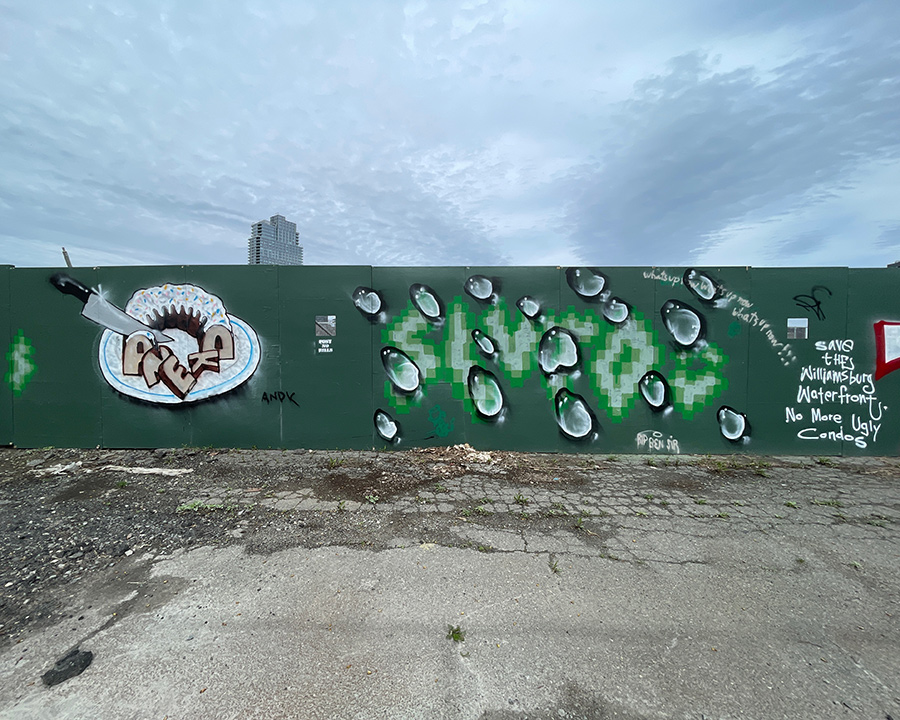
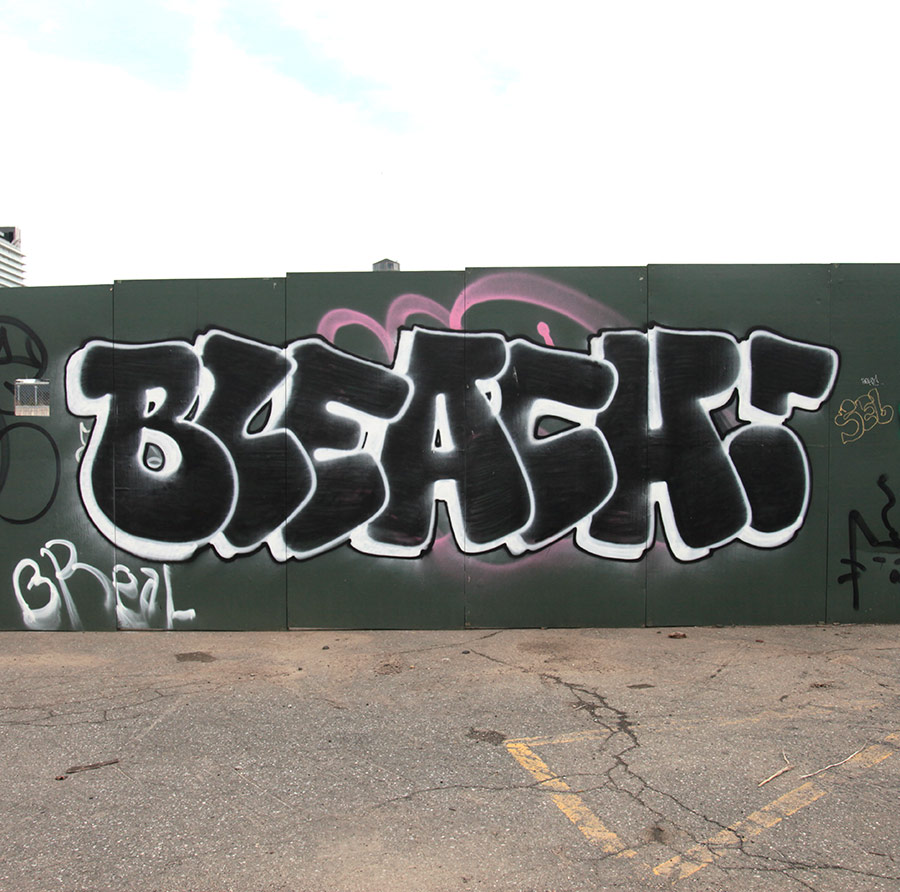
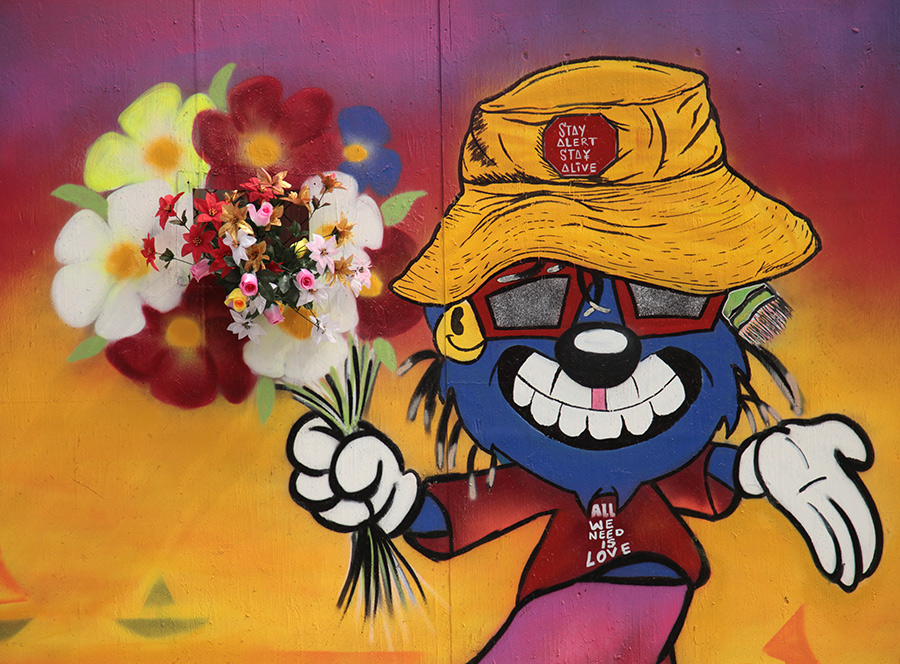
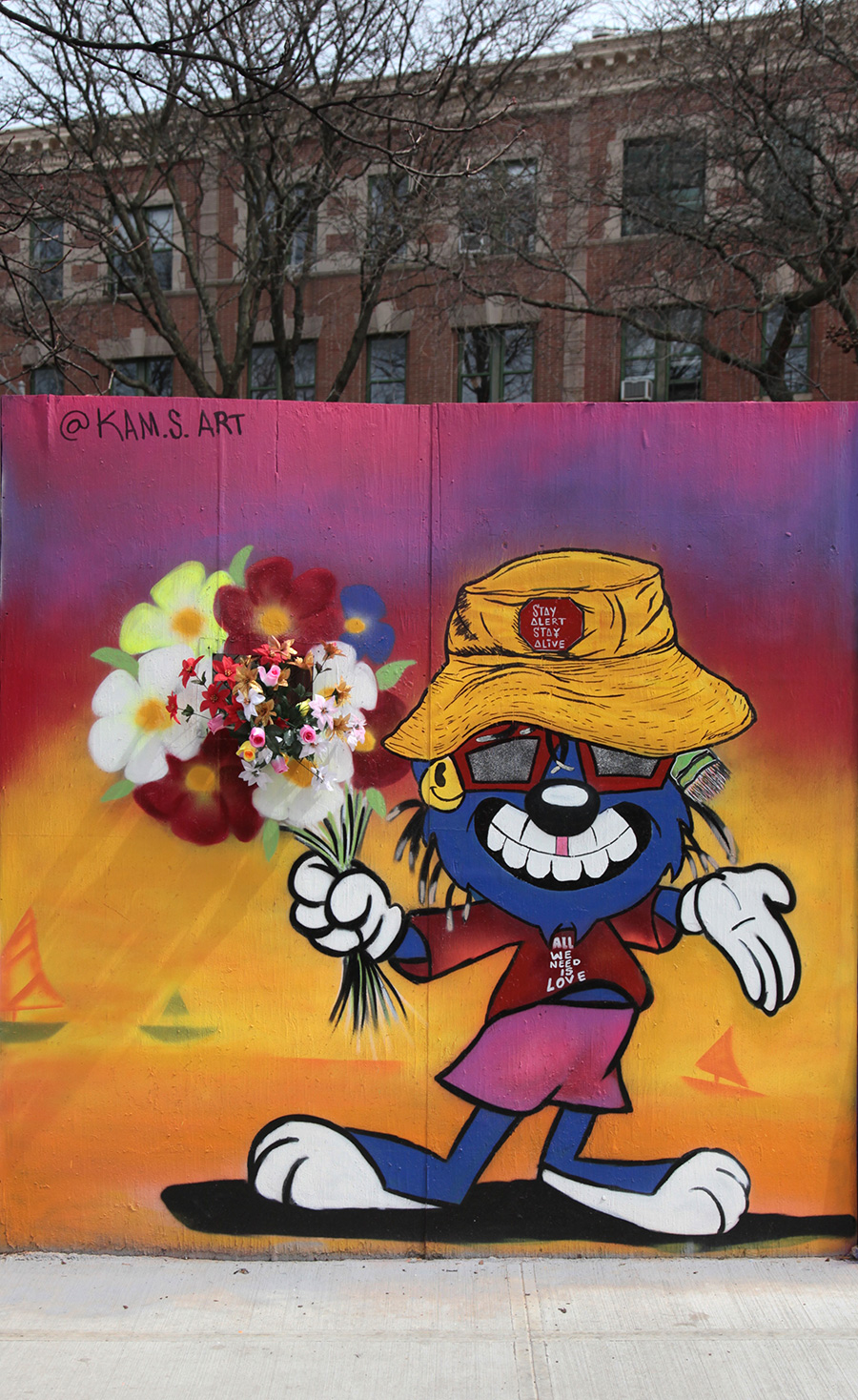
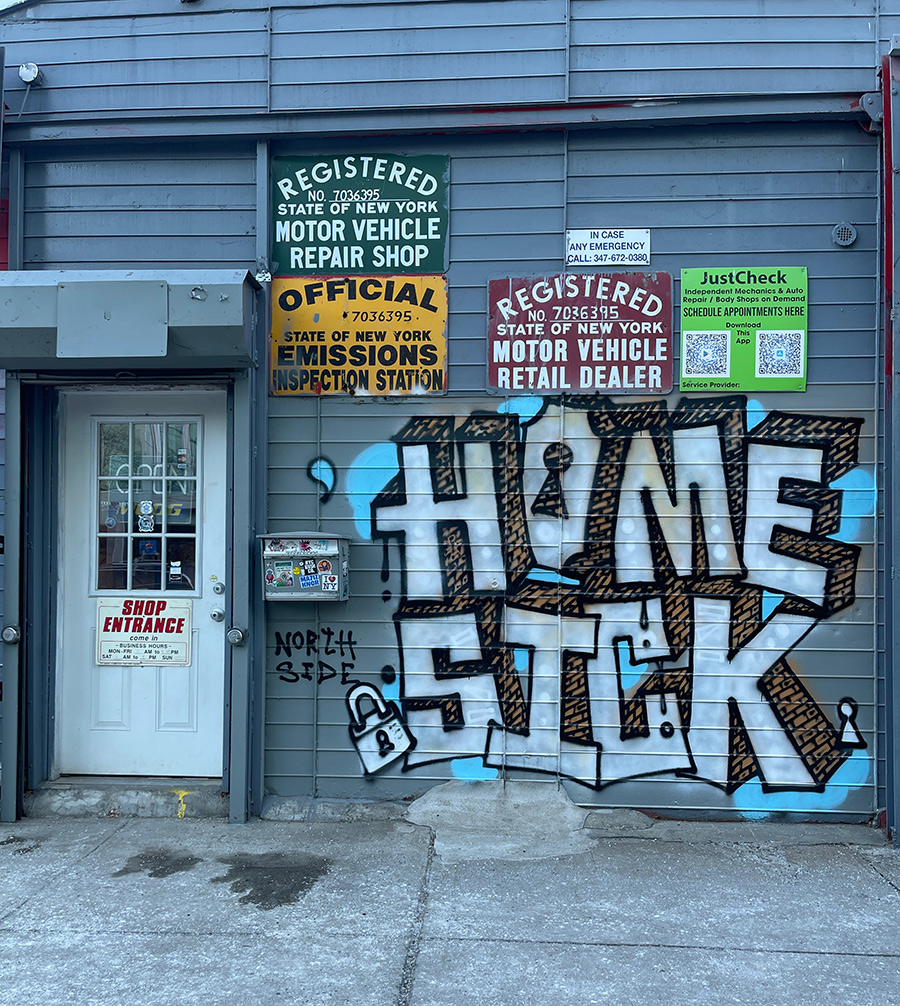
We continue with our interviews with the street, this week including stuff from Homesick, Kobra, Humble, Sluto, Wild West, V. Ballentine, Bleach, Toast, CAMI XVX, Vew, Tover, Dreps, Leaf!, Aneka, Kam S. Art, and John Sear.
A pioneer of French graffiti from Guadaloupe, Shuck One, is presenting Regeneration at the Pompidou Center’s Black Paris exhibition (March 19–June 30), honoring Black figures who shaped France’s history through large-scale paintings and collages depicting key moments like the Tirailleurs Sénégalais, the 1967 Guadeloupe riots, and the BUMIDOM migration program, alongside portraits of pioneers such as Aimé Césaire, Angela Davis, and Joséphine Baker.
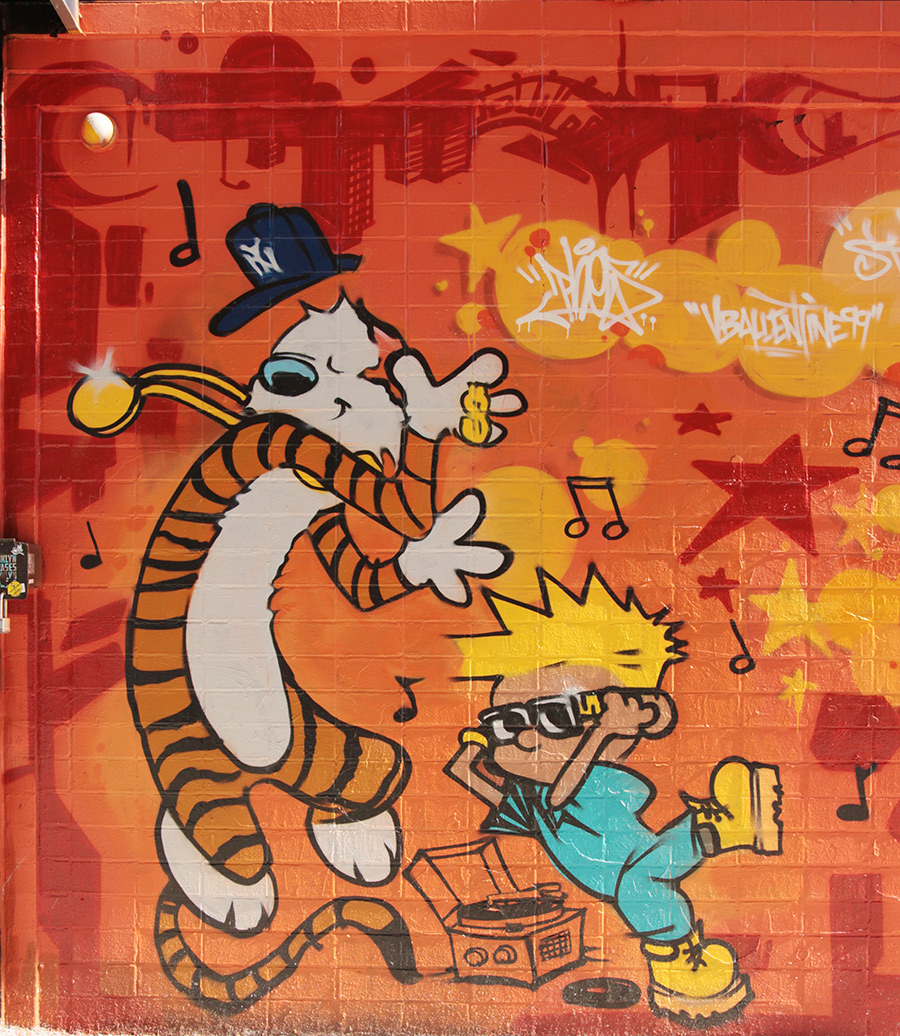
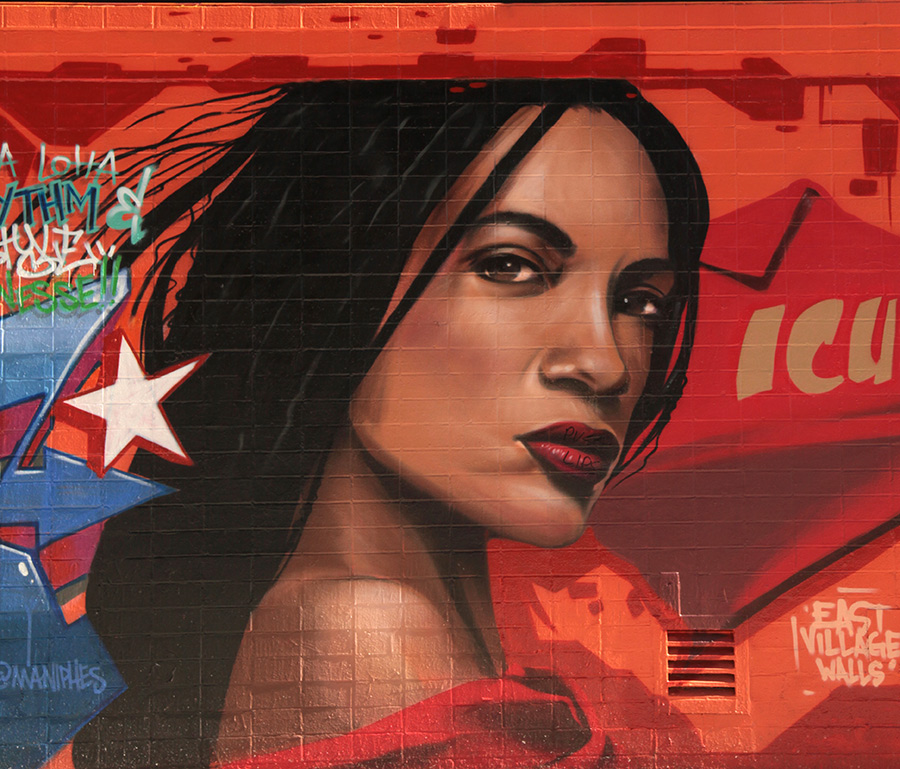
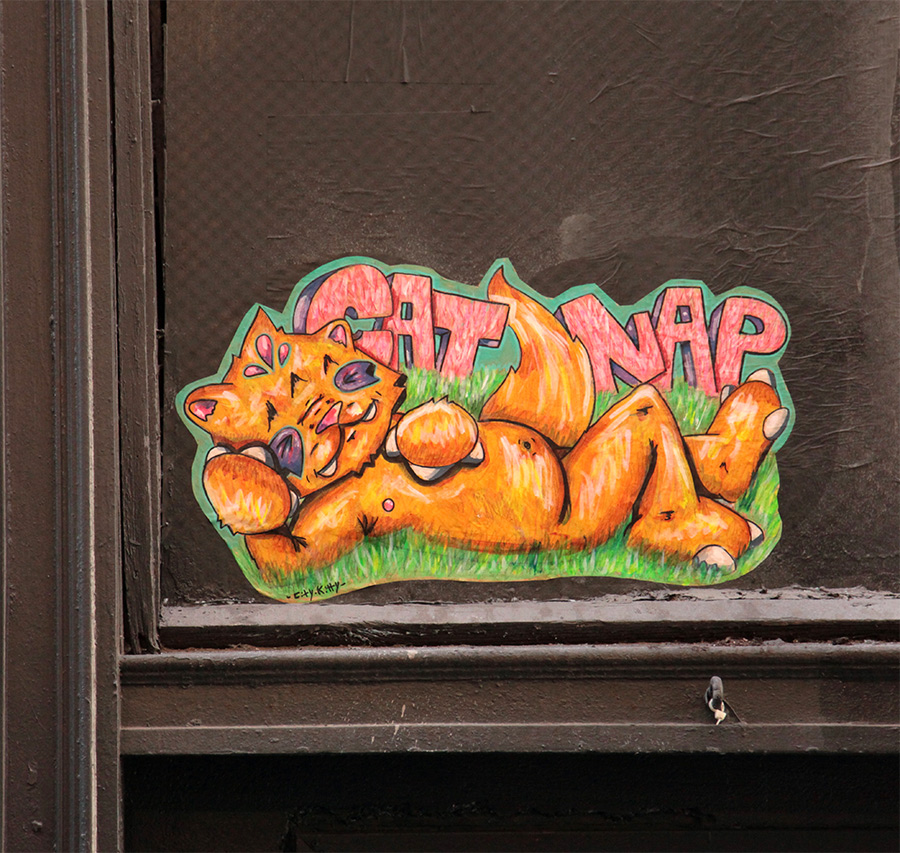
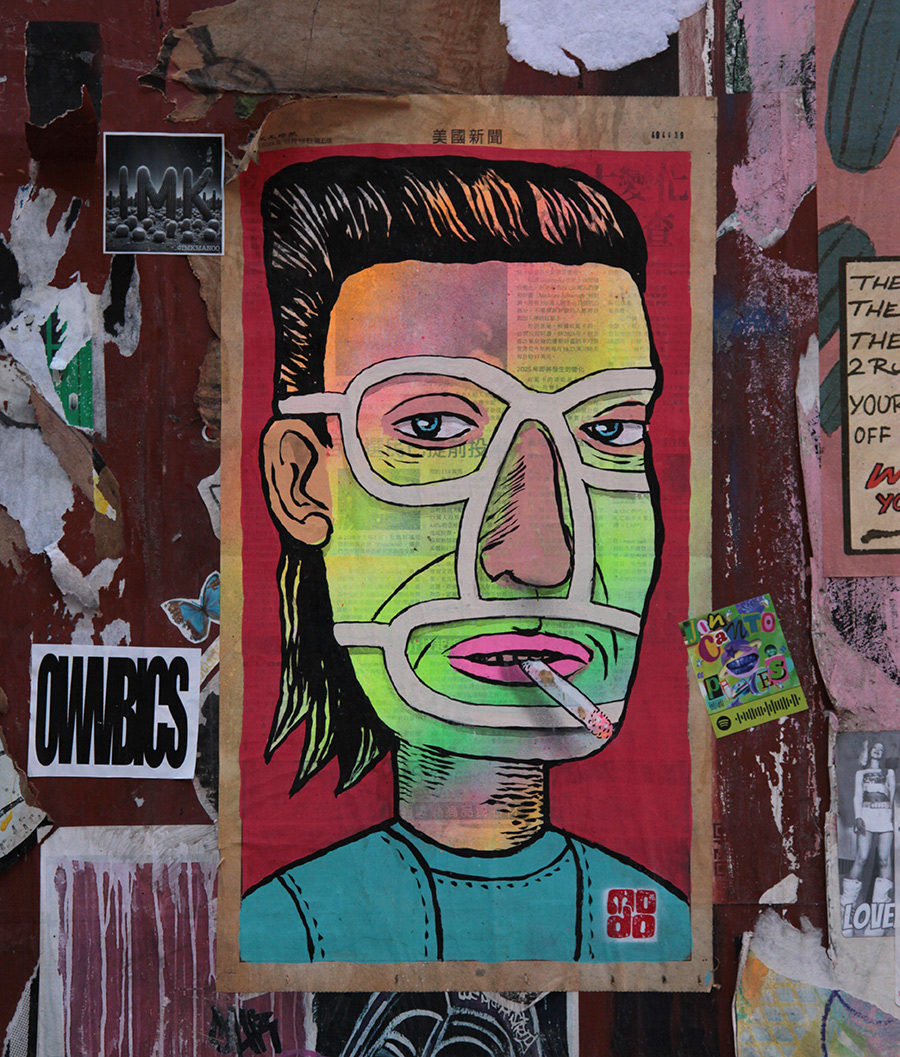
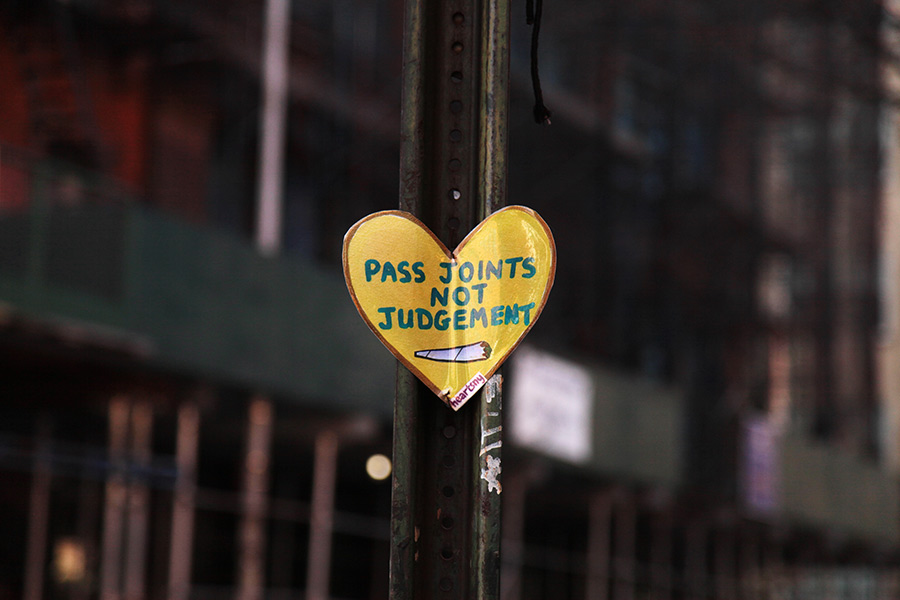
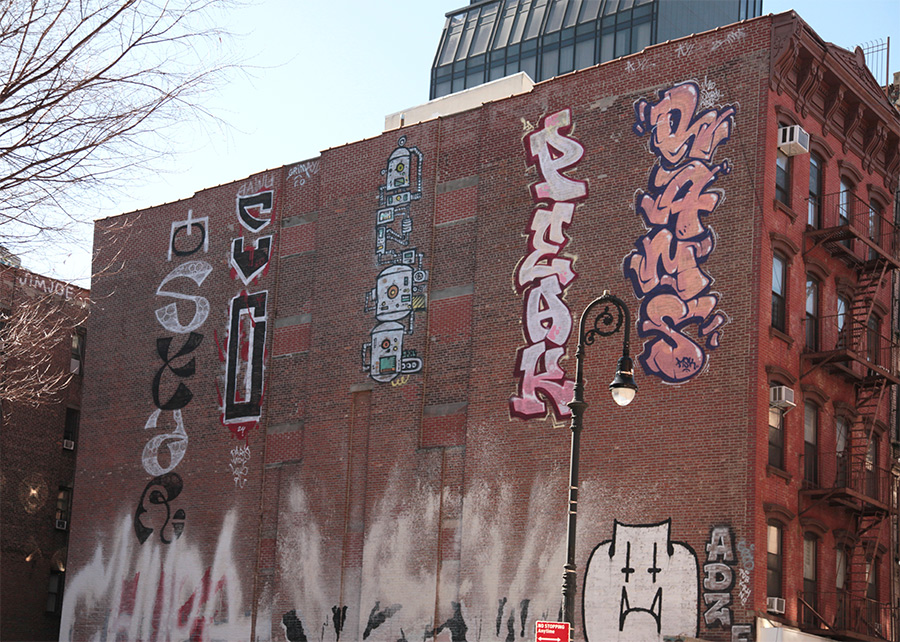
Meanwhile, here’s our interview with the streets this week, including City Kitty, Homesick, Modomatic, Muebon, Hearts NY, V. Ballentine, Nice Beats, Rams, Batola, PEAKS, Adze, Daniel Daz Carello, Andre Trainer, and Maniphes.
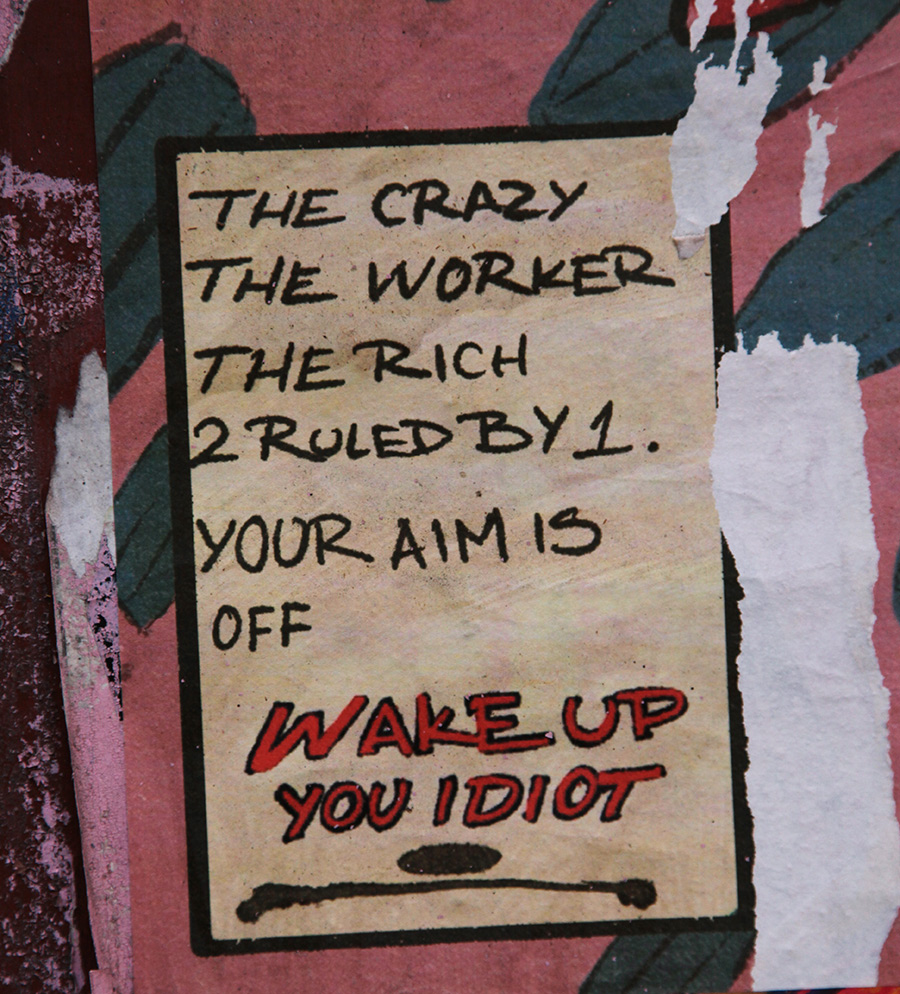
When surveying the current crop of street art here and in other cities around the world, we wonder where the political will has gone – the one that seemed much more confrontational and conflicted in earlier years of the modern movement. The once fiery, in-your-face spirit seems to have mellowed and become pleasant and pleasing. One theory that pops up regularly when surmising why there is a lack of conviction in street messaging, even as wars break out and the wealth gap widens everywhere you look, is that there is no such thing as anonymity as there once was. Privacy has almost completely been allowed by the citizenry to be eroded.
With a default Digital ID following your every movement and transaction, the means for someone to triangulate a particular data point are so sophisticated that if you speak out or actually challenge the status quo, you will probably be traced. Hell, any Twitter storm can produce an army of motivated detective volunteers to doxx someone who has offended social media “norms,” and we use that term loosely.
Your 13-year-old nephew Lucas can easily unearth someone’s personal details without breaking a sweat, and he doesn’t even have a laptop. 20 years ago, a graffiti or street artist could assume some modicum of anonymity, but in practice, the current crop uses the streets as a marketing extension of their Instagram account, an expression of their online personas, studiously and clearly spraying @ tags and websites on their street pieces to make sure you can find them.
So if you are pissed off at the system, you probably think twice before you put it on the streets these days unless it is a screed sprayed with a fire extinguisher that is largely untraceable – or something like that. In the case of whoever sprayed “Rishi Sunak is a Rat-Faced C*nt” on a wall, you may even inspire a punk ditty.* For many right now, activism is not even the point.
Here is our weekly interview with the street, this week featuring David Puck, Shok1, Epic Uno, Par, Kitsune Jolene, Smug One, Trasher, V. Ballentine, Inker, P.T., King57, FUP One, and Cope Doz.
Following the evolution of The Bushwick Collective and its annual block party in Brooklyn has been a captivating journey akin to an anthropological exploration into the growing embrace of street art and murals within the realms of graffiti and HipHop. Back in the day, as the neighborhood began transforming with the influx of gentrifiers, street art faced outright dismissal or was treated as a rare phenomenon, a curiosity.
Unaware of the previous codes that roughly governed the practices of graffiti writers on the street, art-students-cum-street-art-poets often obtusely stomped their way into public view to circumvent a gallery system and to express their right to self-expression in public; something HipHop culture had been encouraging for years but had perhaps not envisioned this way. The rivalry between graffiti aficionados and street artists/muralists was sometimes palpable, with throwies vandalizing fresh paint, the OGs asserting territorial dominance, and at times, even resorting to threats and insults in person and in online forums.
As the block party, now in its twelfth year, unfolded, its early editions predominantly featured international and some local street artists eagerly seeking out BC’s visionary leader, Joe Ficalora, for an opportunity to leave their mark on his neighborhood walls. Local street art forums found fault with Ficalora, masking a barely hidden contempt for a streetwise guy taking a leadership role and betraying their own classist privileged opinions about the right to curation. That has all melted appreciably; this year’s event evidenced the remarkable shift that has been underway. Graffiti writers took the stage alongside the muralists in prime spots, sometimes seamlessly collaborating to create art transcending boundaries, all while the electrifying sounds of live HipHop performances reverberated through the air and TikTokers danced in front of them.
Let’s raise a bottle to those who always believed in the possibility of this transformative phenomenon, and to those who championed inclusivity over exclusivity. It’s yet another reason why our hearts beat for this extraordinary international art movement, the embodiment of the people’s democratic spirit and the unlimited creative spirit that is in every person. And most importantly, it’s a reminder of why we hold you dear.
G. James Daichendt. Robbie Conal: Streetwise: 35 Years of Politically Charged Guerrilla Art. Schiffer, 2020. Reprinted from the original review. …Read More »
A vast aquatic landscape painted on the pavement becomes a collective artwork and an open-air playground.Artistic direction by Andrea Conte …Read More »
Join the BSA Newsletter!
Subscribe to our newsletter for occasional updates, special announcements, and exclusive content.
 BROOKLYN STREET ART LOVES YOU MORE EVERY DAY