All posts tagged: The New Yorker

The Candy Factory: Where Cultural Currency Outweighs Cash

The Candy Factory: Where Cultural Currency Outweighs Cash

In a city like New York, where money is too often mistaken for worth, some know better—and live like it—quietly disproving the myths about success that only reveal their emptiness over time. Here, community and creativity are the true currency, making you richer than you ever imagined. Share.

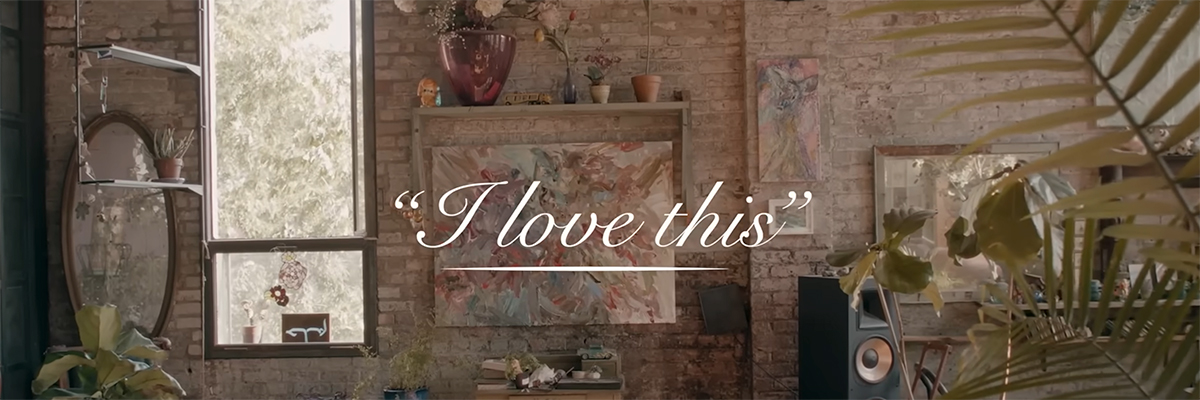
Cory Jacobs and Jason Schmidt’s short documentary, The Candy Factory, drops you into one of those moments and lets you stay there long enough to feel its gravity. The film traces the story of Ann Ballentine, a Brooklyn landlord who understood that the most valuable thing in a building isn’t its square footage—it’s the people who inhabit it. For four decades, she rented studios in a former candy factory in Clinton Hill to painters, sculptors, musicians, designers, and filmmakers, asking for fair rent and providing something the market has no way to price: stability, trust, and a sense of belonging.
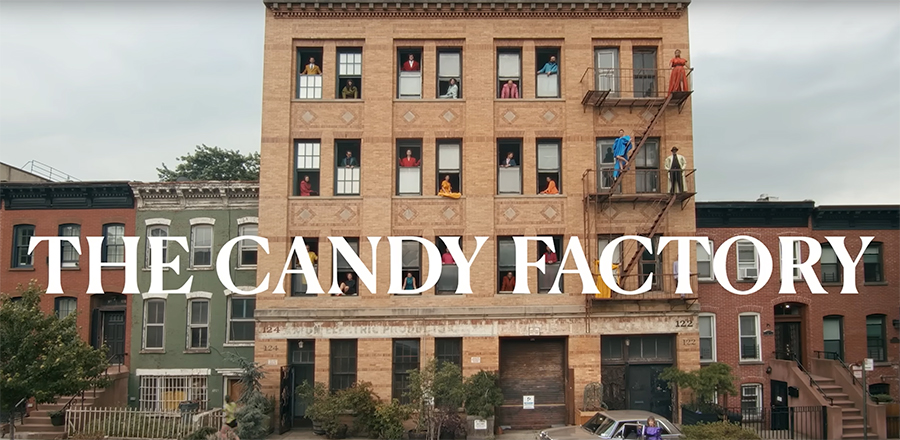
The Candy Factory by The New Yorker. (still from the video)

The tenants and their dedication turned a block into a beacon, making the work that becomes the soul of a neighborhood before the brokers and developers ever think to rename it. In interviews and quiet moments, Jacobs and Schmidt capture their shared history and present reality, weaving together laughter, craft, and resilience. These are not the ornamental “creatives” used to brand a condo brochure or website; they are the lifeblood, the first to arrive and often the first to be pushed out, a profit is to be made.

Ballentine’s defiance was not loud but unwavering. She decided, simply, that she had enough—that her life would be measured not by accumulation but by what she helped to sustain. In New York, that choice is radical. In a market that teaches landlords to extract until nothing is left, she preserved a rare commons where collaboration could outlast the rent cycle. It’s not about romanticism, its about ethics.

The Candy Factory is both a portrait and a document, a reminder that cultural wealth is built slowly, in shared spaces, over decades—and that it can be erased in a single sale.

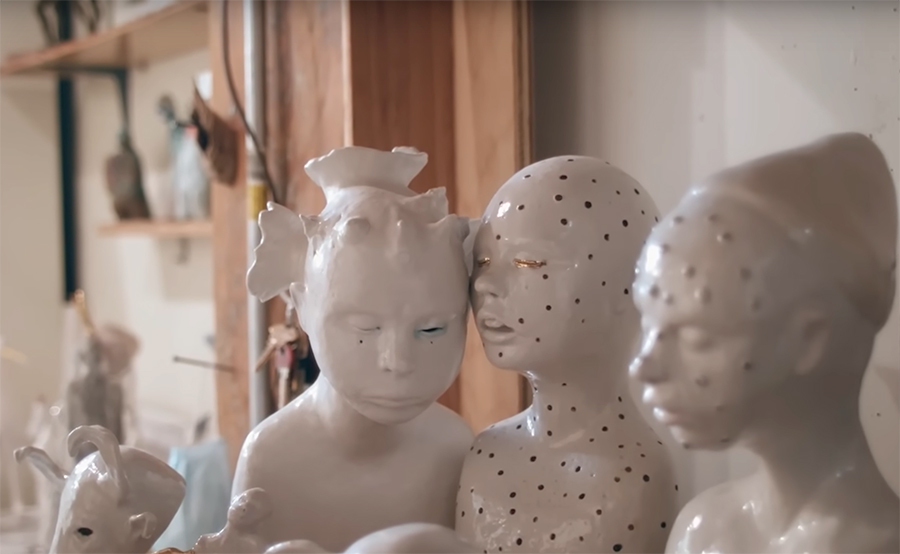
The Candy Factory by The New Yorker. Chrissy. Painter. Tenant at The Candy Factory. (still from the video)
The Candy Factory by The New Yorker. Artwork by Kele, tenant at The Candy Factory. (still from the video)
The Candy Factory by The New Yorker. Artwork by Kathy, tenant at The Candy Factory. (still from the video)
Read more
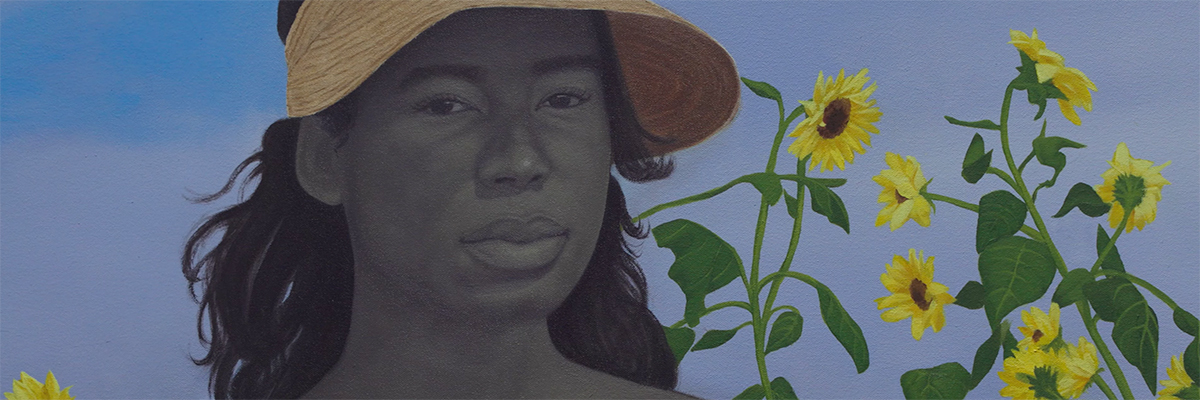
Amy Sherald: Transforming Singular Moments | Art21 “Extended Play”

Amy Sherald: Transforming Singular Moments | Art21 “Extended Play”

Research from the Williams Institute at UCLA Law estimates that around 0.6% of U.S. adults—or approximately 1.4 million people—identify as transgender, based on national and state-level surveys.

Remarkably, the volume of attention directed toward transfolk in some U.S. media and legislation during the most recent decade has been strikingly disproportionate to their size. For example, a 2022 Media Matters study found that Fox News aired over 170 segments about trans people in just three weeks, with fiery verbiage that often framed them as societal threats of some kind. In the same year, over 300 anti-trans bills were introduced across U.S. state legislatures, marking a sharp escalation despite the group’s relatively small size. Influential political figures, such as Florida Governor Ron DeSantis, have made restricting trans healthcare and education content central to their platforms. At the same time, Supreme Court Justice Samuel Alito included attacks on LGBTQ+ rights in his opinions, suggesting broader rollback intentions. Meanwhile, religious leaders such as Franklin Graham have labeled gender-affirming care as “evil,” framing trans existence as a cultural battleground.

Amy Sherald. “Trans Forming Liberty”. The New Yorker. Aug. 11, 2025

This painting—featured on the cover of The New Yorker this month—portrays a Black transgender woman striking the pose of the Statue of Liberty. It drew national attention this spring after sparking controversy around its proposed inclusion in Amy Sherald’s exhibition American Sublime at the Smithsonian’s National Portrait Gallery. “Figuration is the Soul Food of art making. It’s like what takes you back home,” says the artist in the video below.

Video via Art21

This barrage of intense emotion focused on such a small segment of society reflects not population size, but the strategic use of trans identity as a political and ideological wedge. By the way they have been preaching and legislating, you’d think trans people were leading an uprising, storming the gates—with nothing but pronouns and self-respect as weapons. More likely, this is a ginned-up outrage that is good for fundraising for religious posers and for getting low-knowledge voters to the polls, now that topics like abortion, gays, guns, and blacks are either too complicated or don’t have the cultural zing they once did.

In this context, a Black trans woman—even in a painting—set off alarms loud enough to derail a major traveling exhibition. When Amy Sherald’s portrait appeared on the cover of The New Yorker, it wasn’t just art critics who noticed; gatekeepers got nervous and jittery. Sherald, best known for her regal portraits that challenge the visual grammar of Black representation, found her work caught in the crossfire of culture war politics. What followed was a quiet act of protest by artists who refused to let reactionary censorship set the terms. This new video enables the work to speak—calm, composed, undeniable. The work speaks for itself.

Read more