Welcome to BSA Images of the Week! Yes, the Trump war on Iran drags on, months after he declared victory. Unipolar has gone up in flames, and multipolar is the world reality when it comes to power, geopolitics, and solving problems, contributing to the news headlines feeling bi-polar from one day to the next.
Did you see the new graffiti-on-a-subway-car-themed Brooklyn lapel pin sported by Brooklyn Borough President Antonio Reynoso? 17-year-old born and raised Brooklynite Mellina Melezhik won the first-ever “Brooklyn Pin Design Competition”. Remember when political leaders upbraided and threatened teens for spray-painting the subway? Clearly, the lines between mural appreciation and illegal vandalism are unclear now.
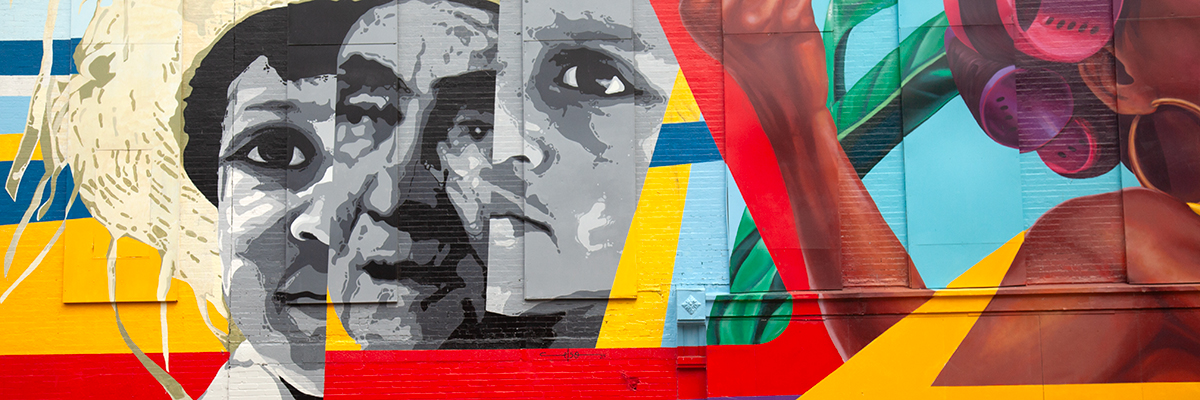
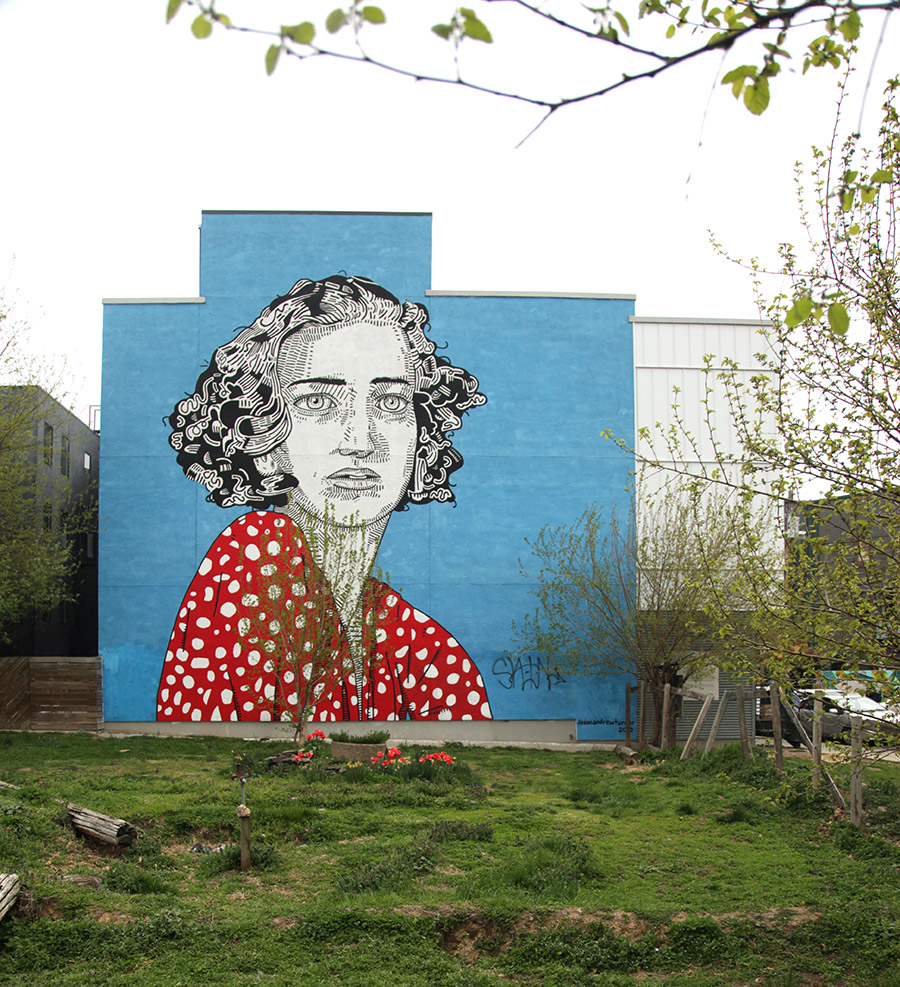
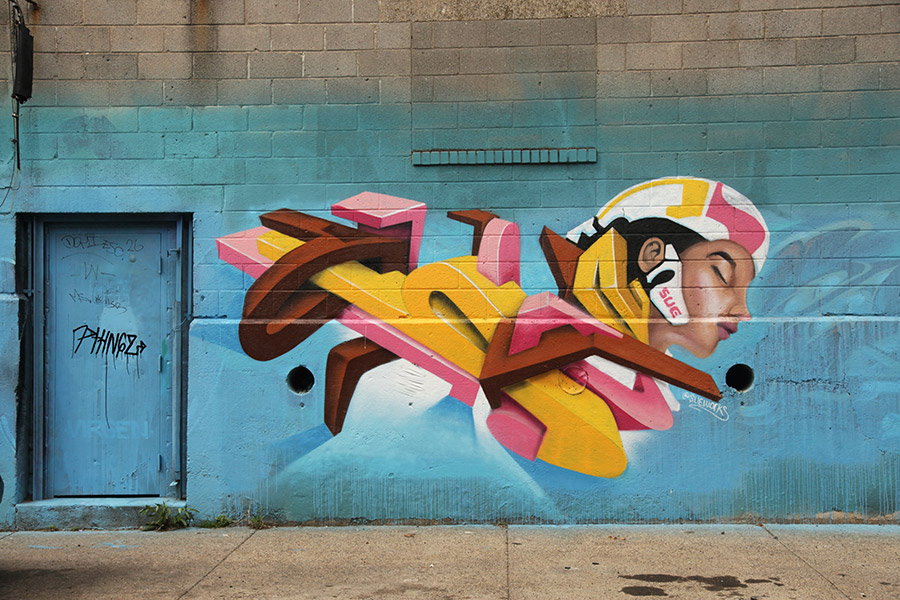
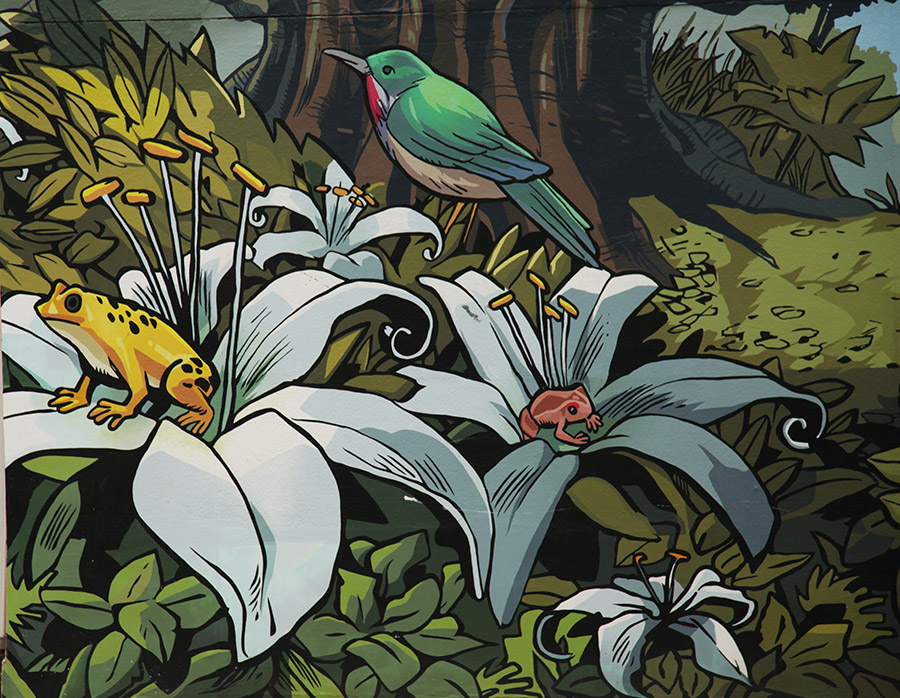
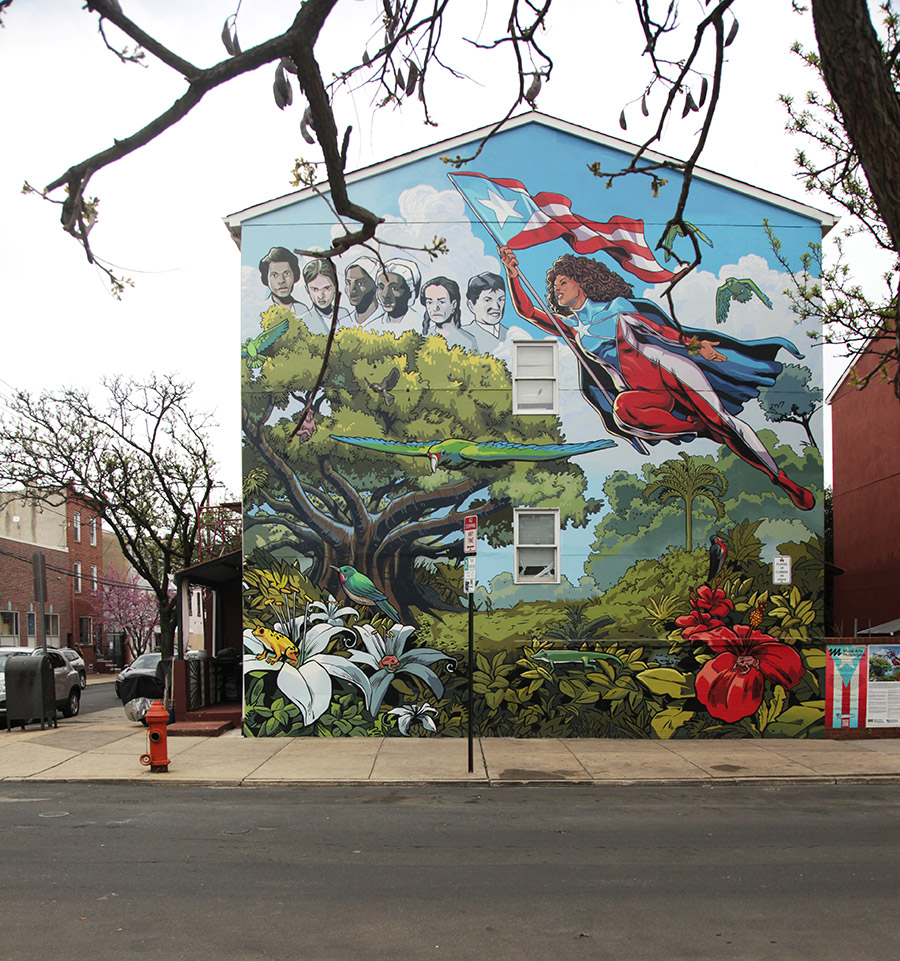
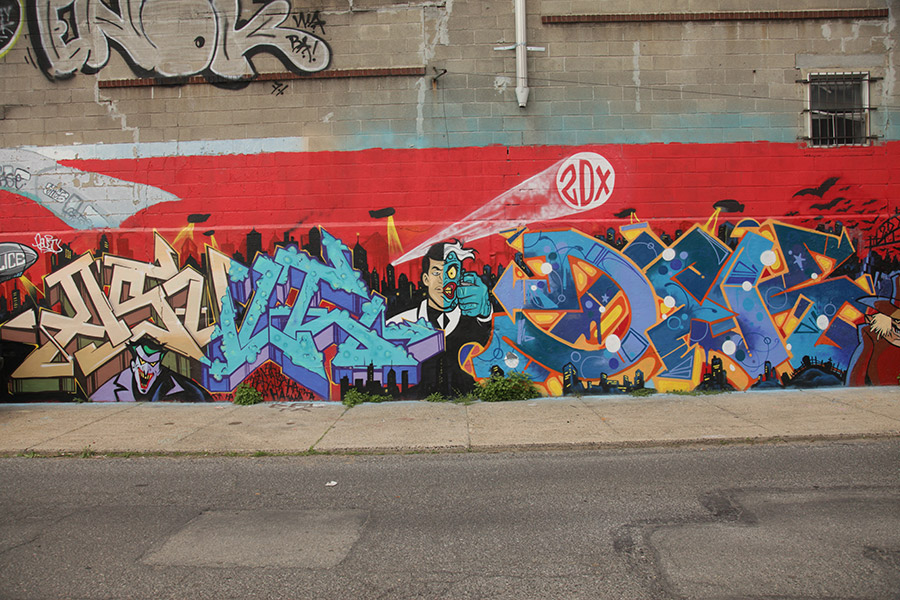
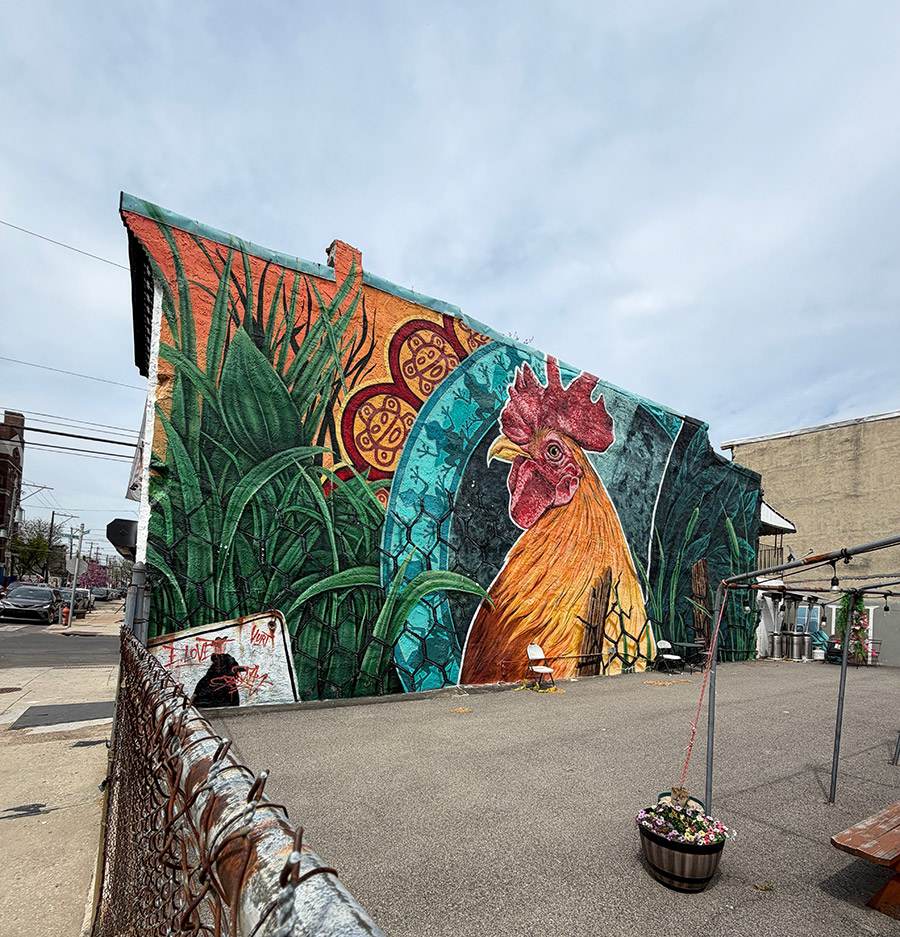
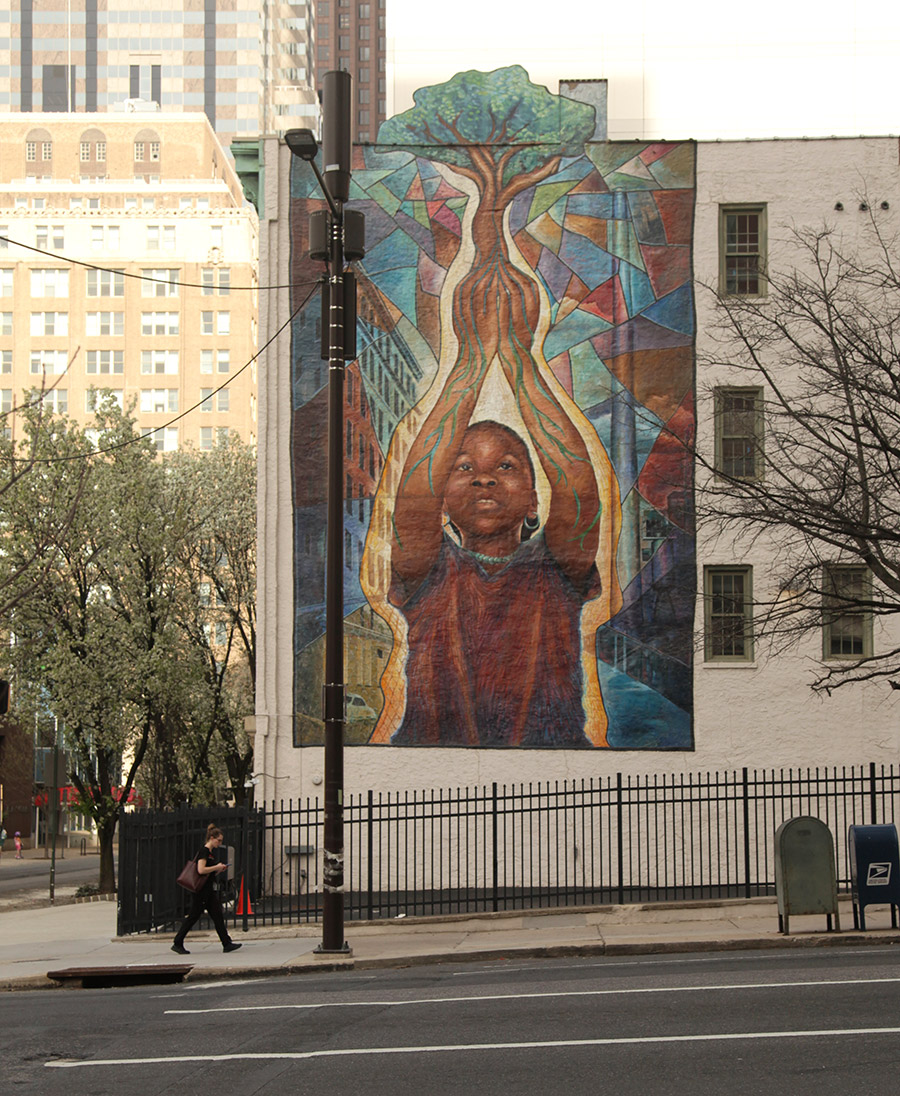
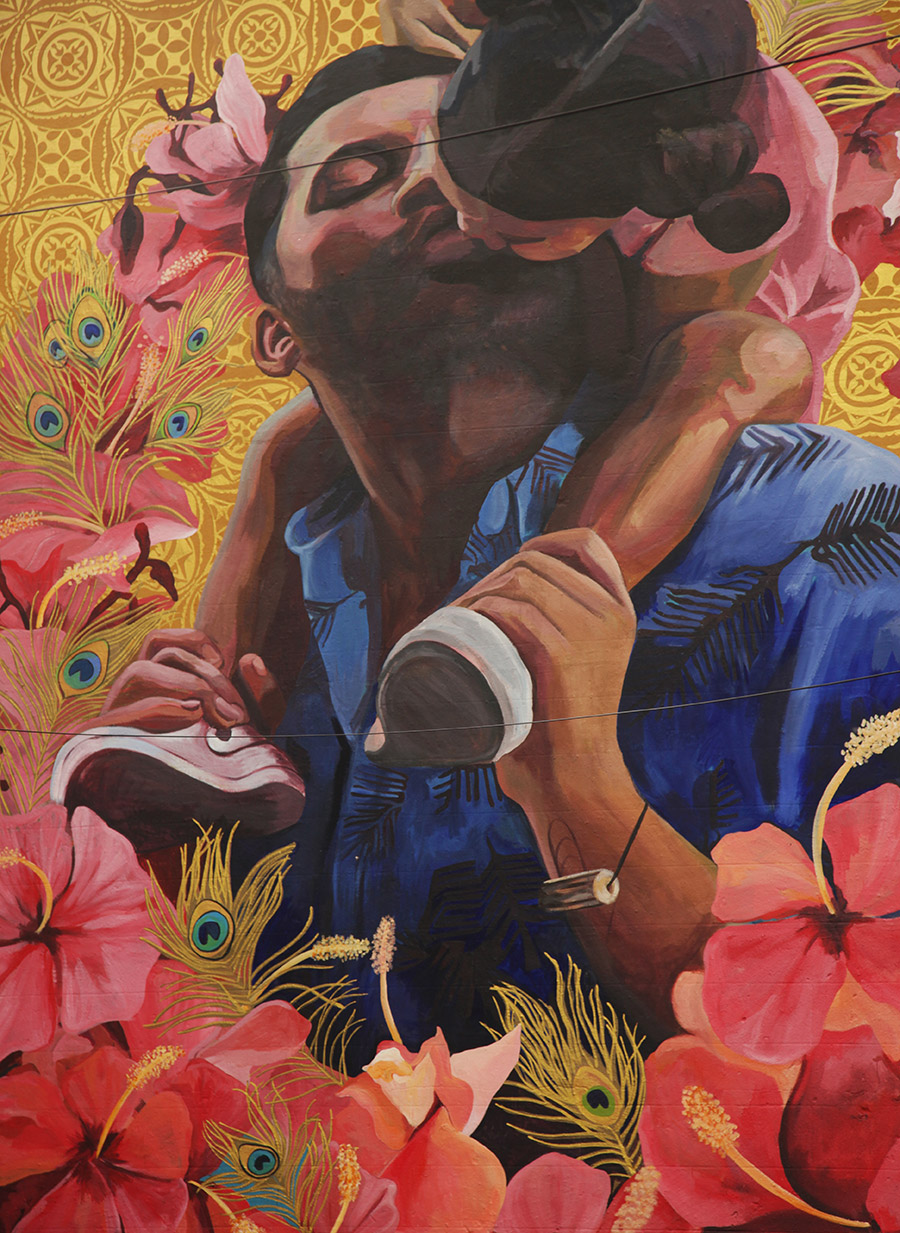
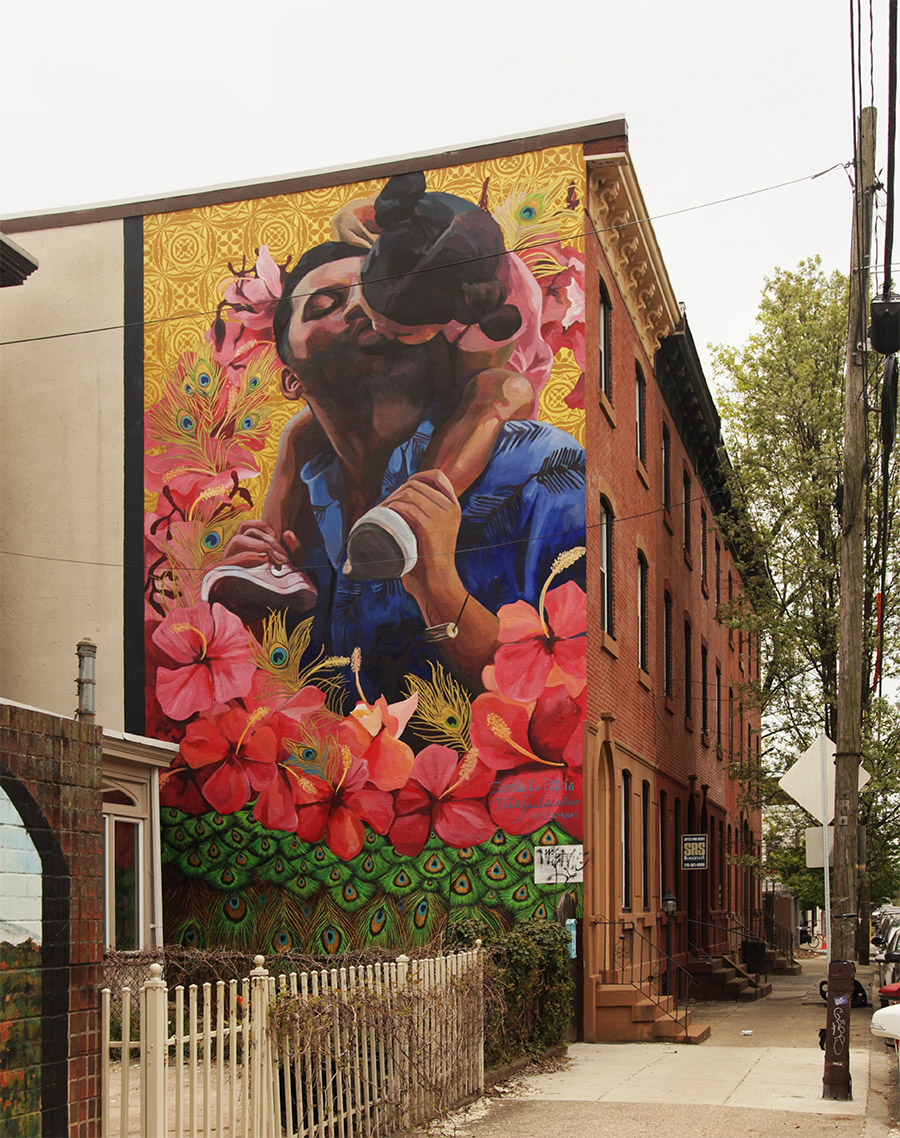
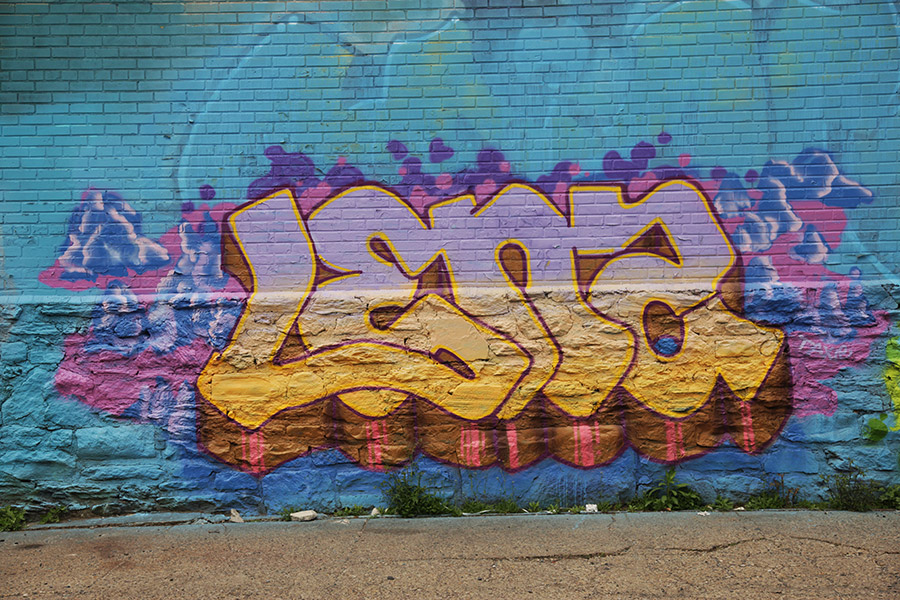
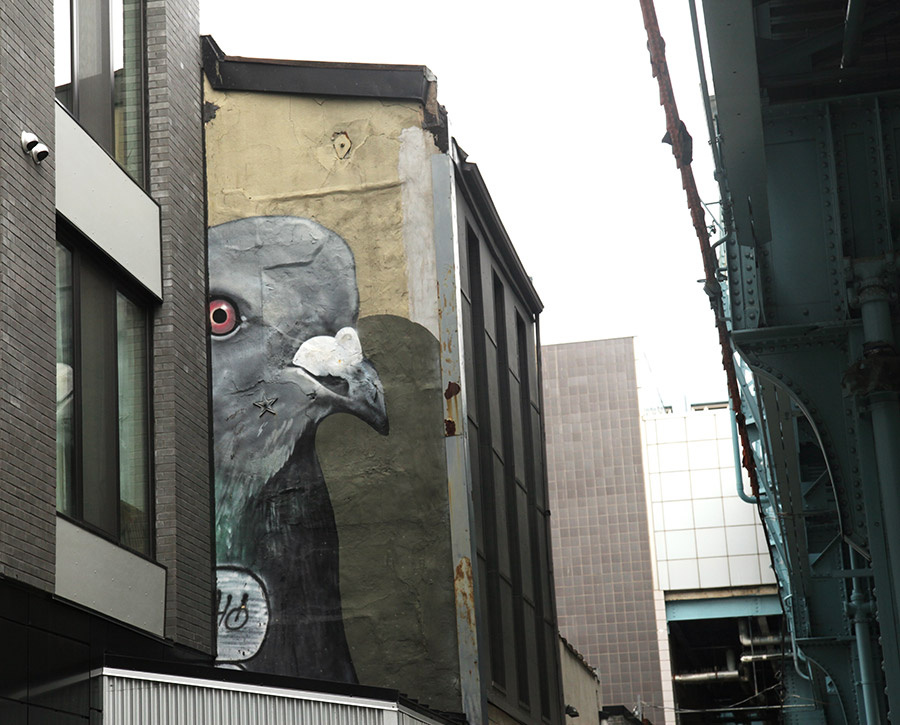
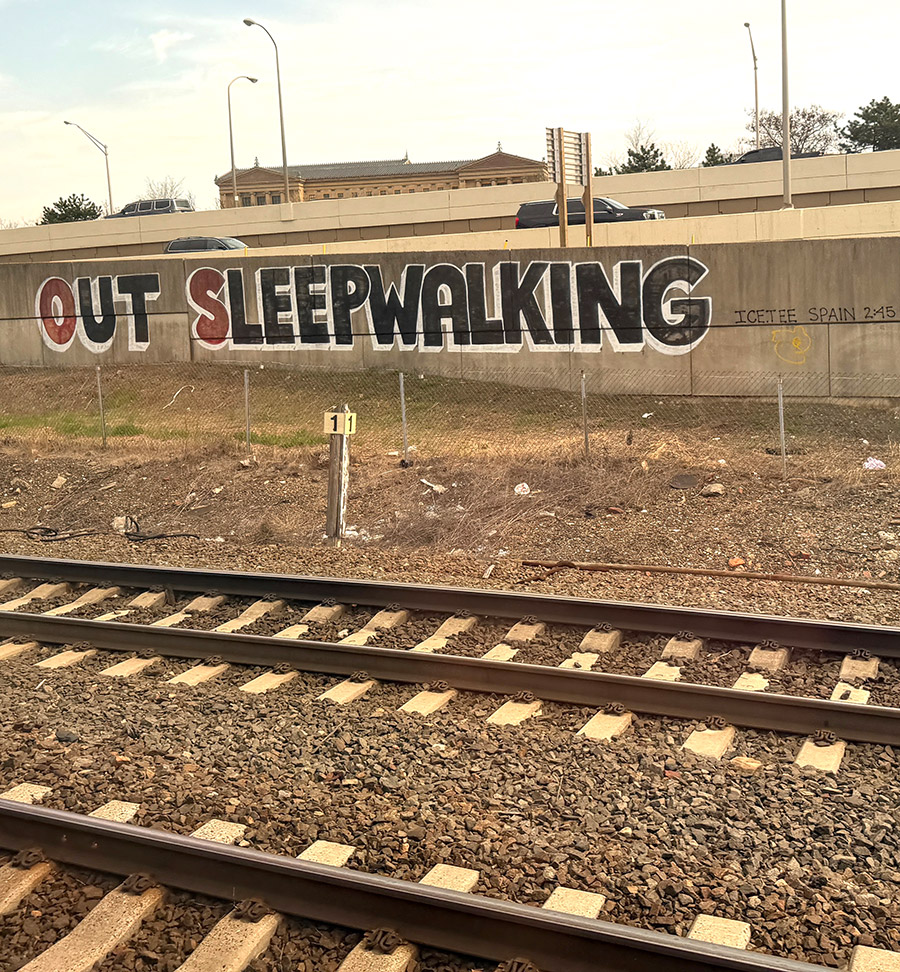
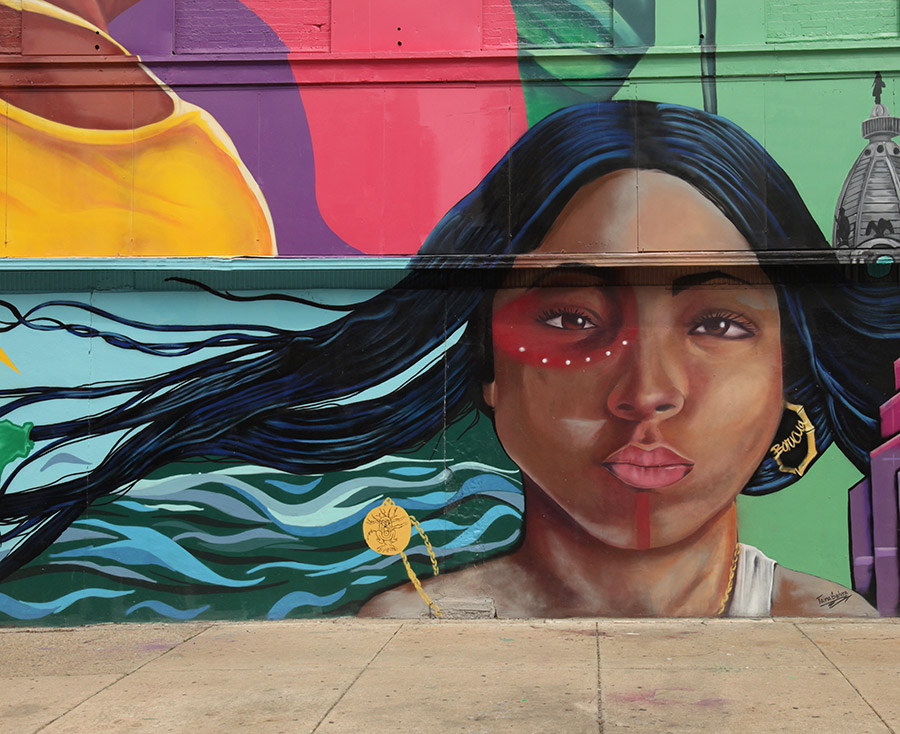
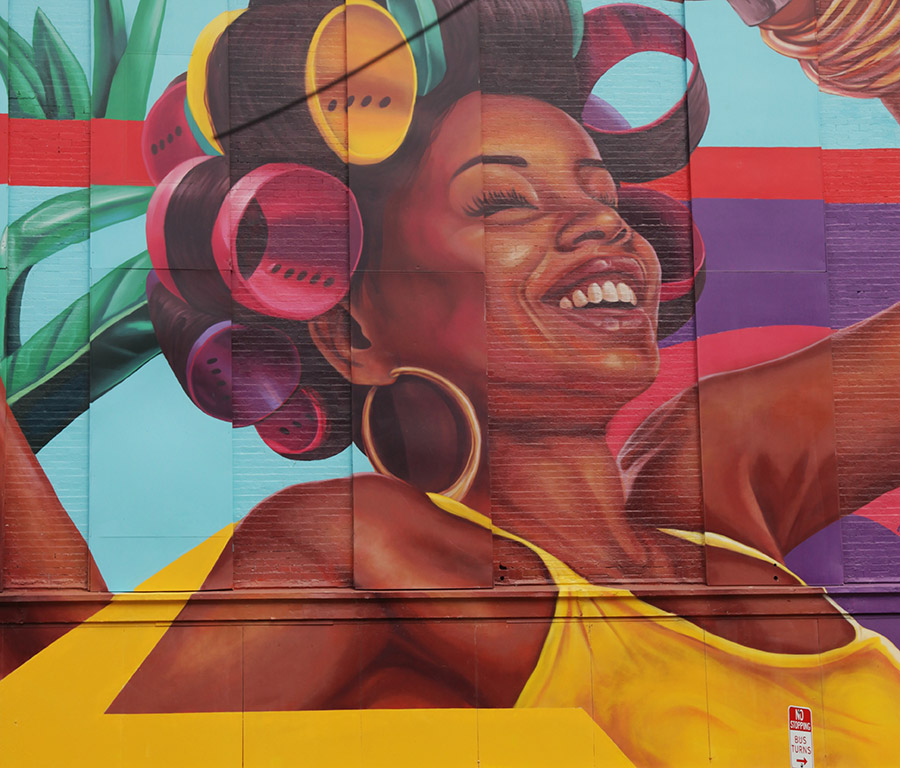
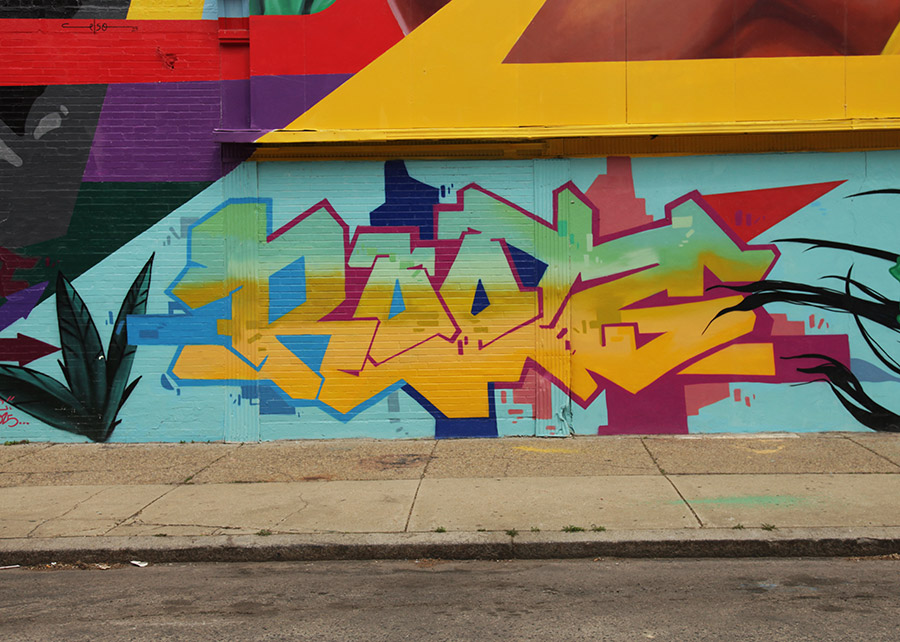
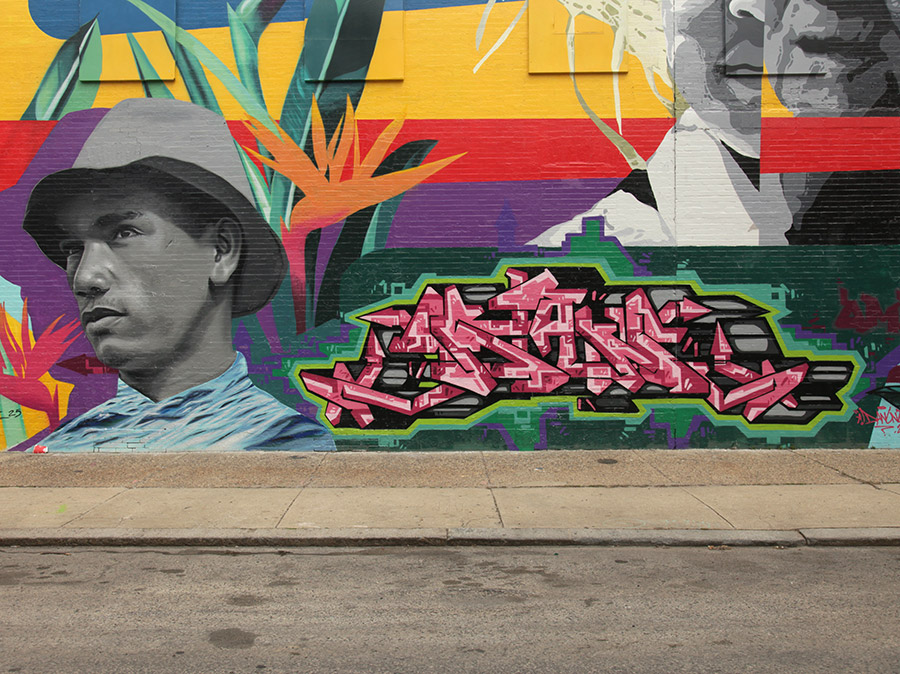
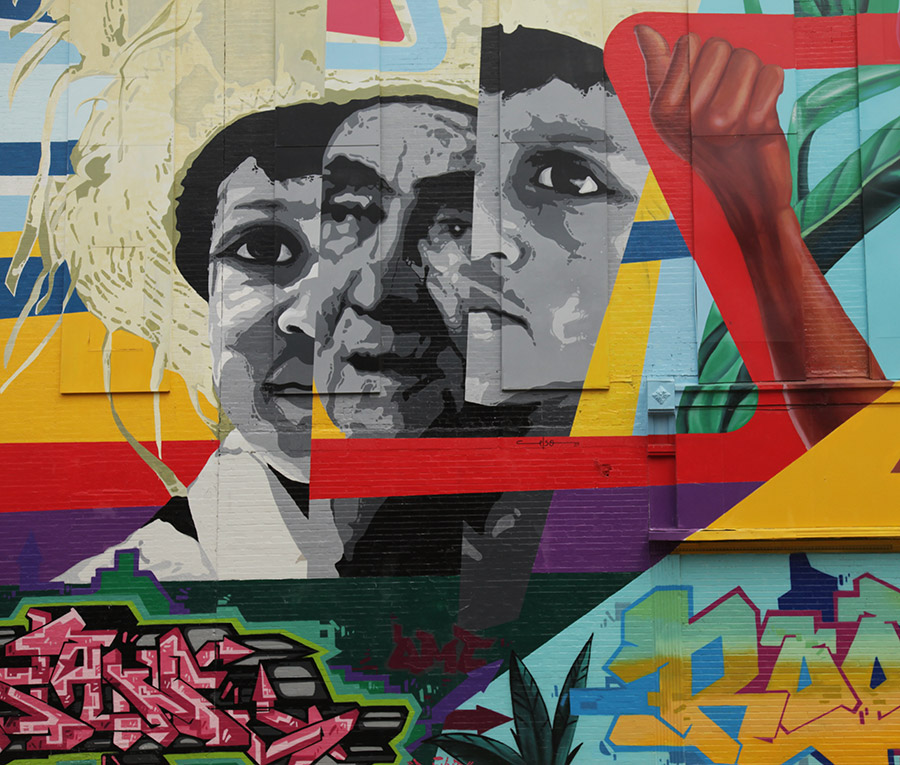
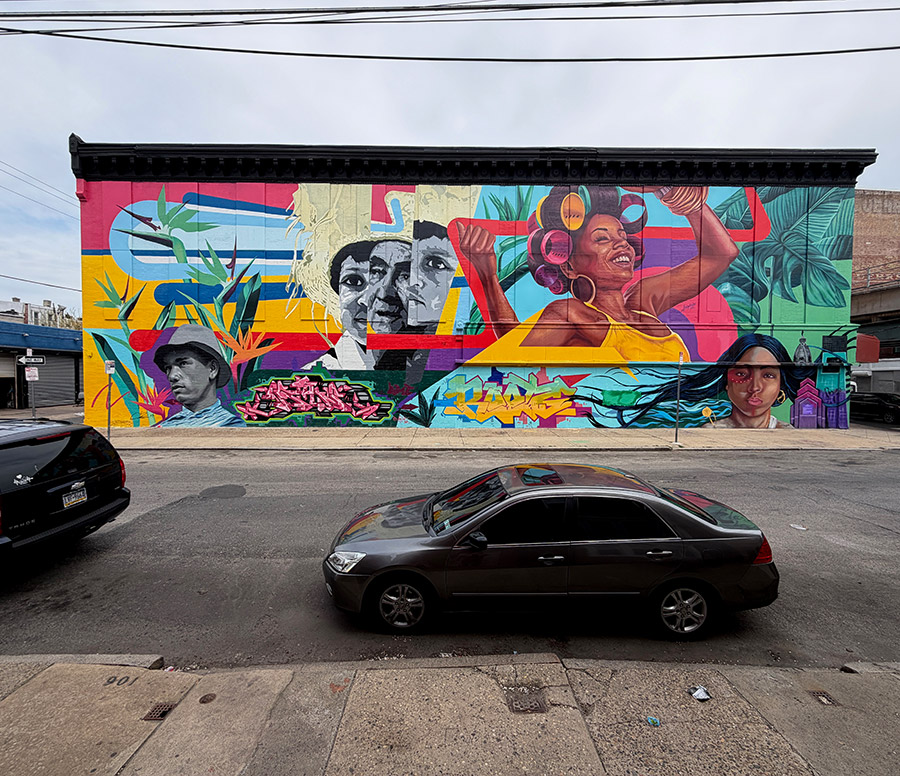
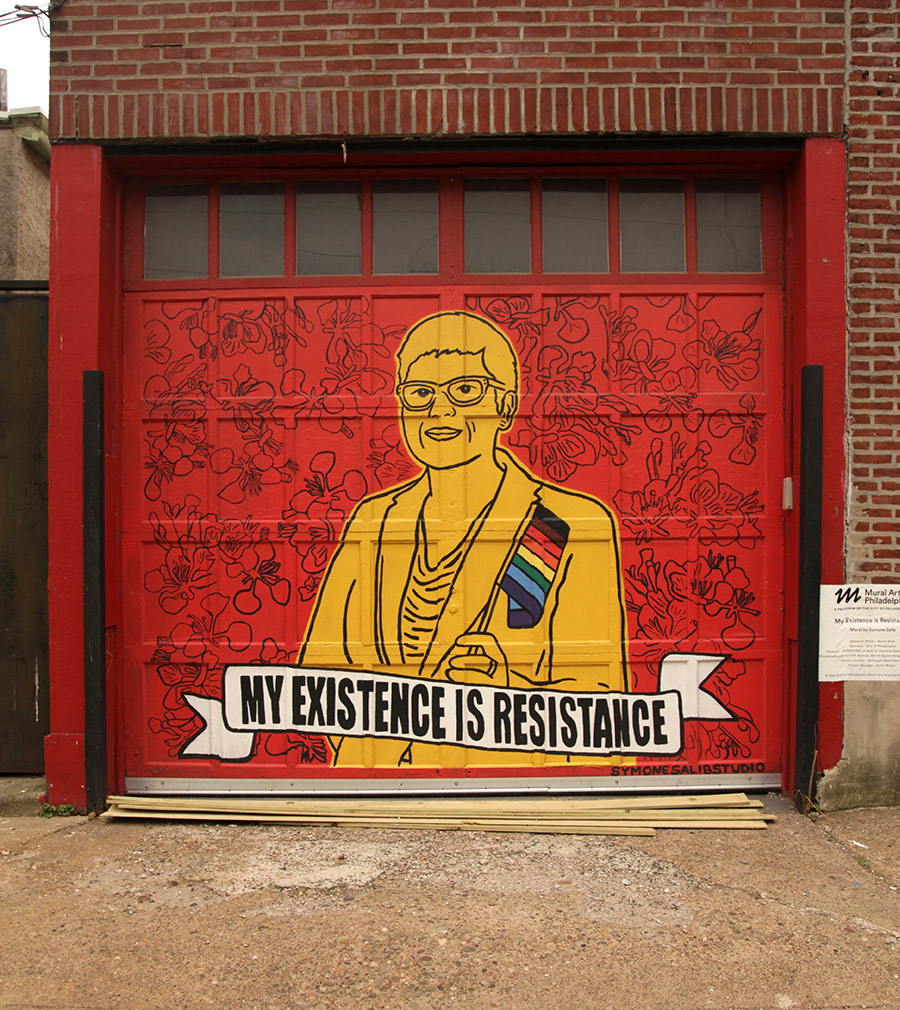
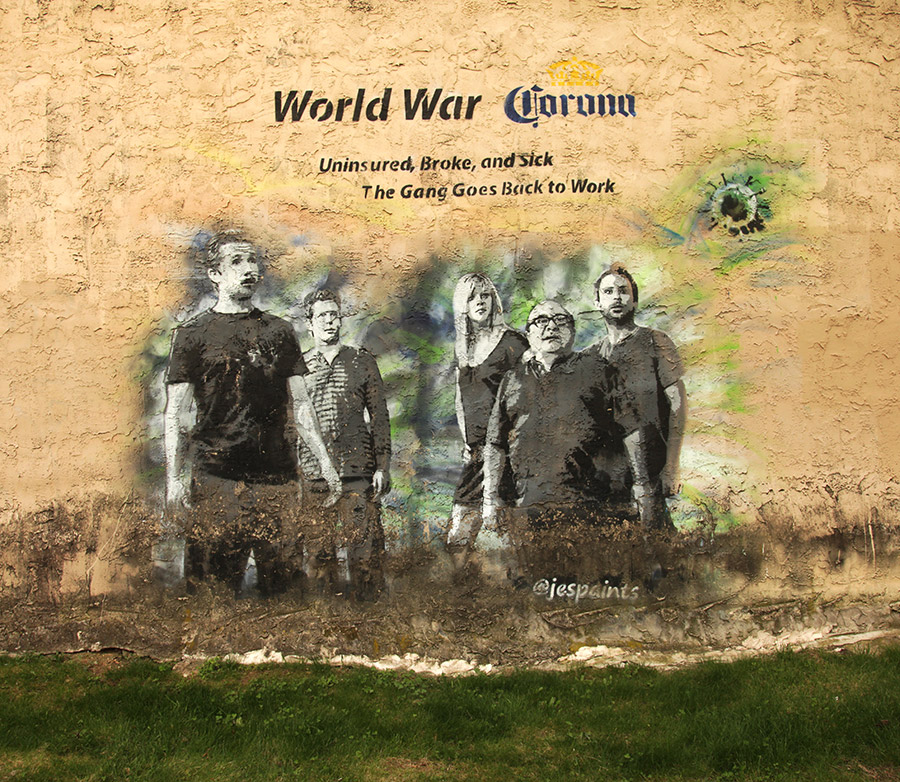
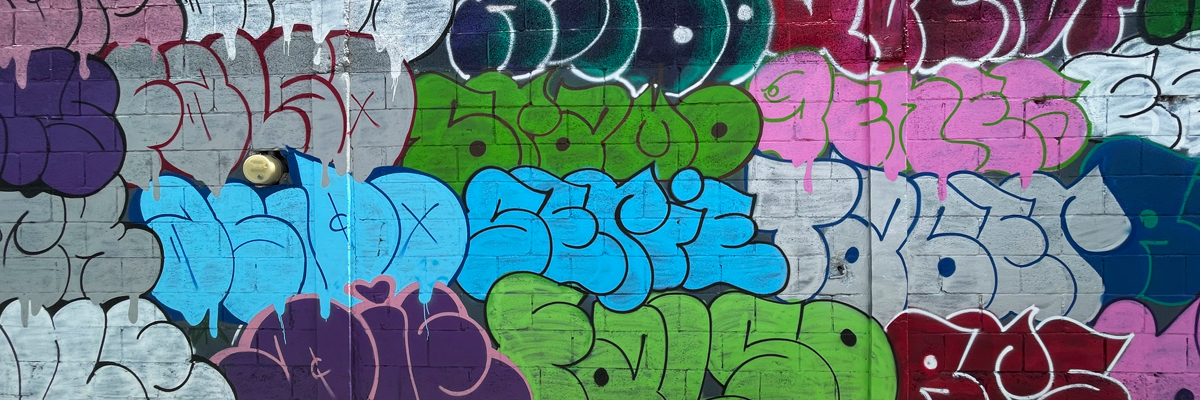
We got down to the City of Brotherly Love this week to see the King and Queen of the Netherlands checking out a graffiti- and street art–inspired façade (more on that soon), and took the opportunity to photograph both the legal and illegal walls around Fishtown. This Philadelphia neighborhood is in the throes of gentrification, as street art and murals often arrive alongside the process—followed, as ever, by tech and hedge fund bros, designers, portfolio managers, and a steady wave of young, affluent transplants from New York and Boston looking for better real estate prices. Naturally, there is the violence of economic displacement of longtime resident families.
What we found was an amazing mix of styles and influences; this is a neighborhood where legacy graffiti culture, global street art aesthetics, and institutional muralism are all stacked on top of each other—sometimes in dialogue, sometimes in competition. Take a look below and decide who the winners are.
Artists and writers this week include 2DX, AESOP ONE. Angurria, Betsy Casana, Calor Rosa, Celso Gonzalez, DanOne, Edgardo Miranda-Rodriguez, Invurt, Jason Andrew Turner, Jes Paints, Josh Sarantitis, Mike Hawthorne, Sabrina Cintron, Symone Salib, Taina Sisters, Vanessa Vega, and Vurt.
People are so careful sometimes to let you know that certain artists are self-taught. You wouldn’t think it so necessary to make the distinction but it’s often an important demarcation for the academic or self-appointed expert who wants to preserve the class divide, assuring that only persons from families who can afford luxury branded education could possibly be awarded highest distinction in any category.
Consider even newer terms like “Outsider Art”. It’s right there in the name, people.
Talk about so-called “outsider artists,” and there is a certain air of incredulity that such original, imaginative, high-quality work and brilliance could come from those who haven’t been to an art academy. The occurrence is likened to a supernatural fluke, something mystical perhaps channeled through this vessel of a person, not indicative of their own talents necessarily.
“Self-taught” is a source of pride for graffiti writers – taught by the university of the streets, a few will tell you. Some street artists like to say they evolved from the Do It Yourself (DIY) subcultures of punk and anarchists. It’s a source of pride, often hard-won. For those making money selling graffiti or street artists’ work in a gallery, however, they’ll check your resume in addition to your canvas. Its easier to assure potential buyers that an artist attended an accredited, if not acclaimed, university or program, or studied under the tutelage of an art star. It’s about branding, for sure, but it is also infused with class.
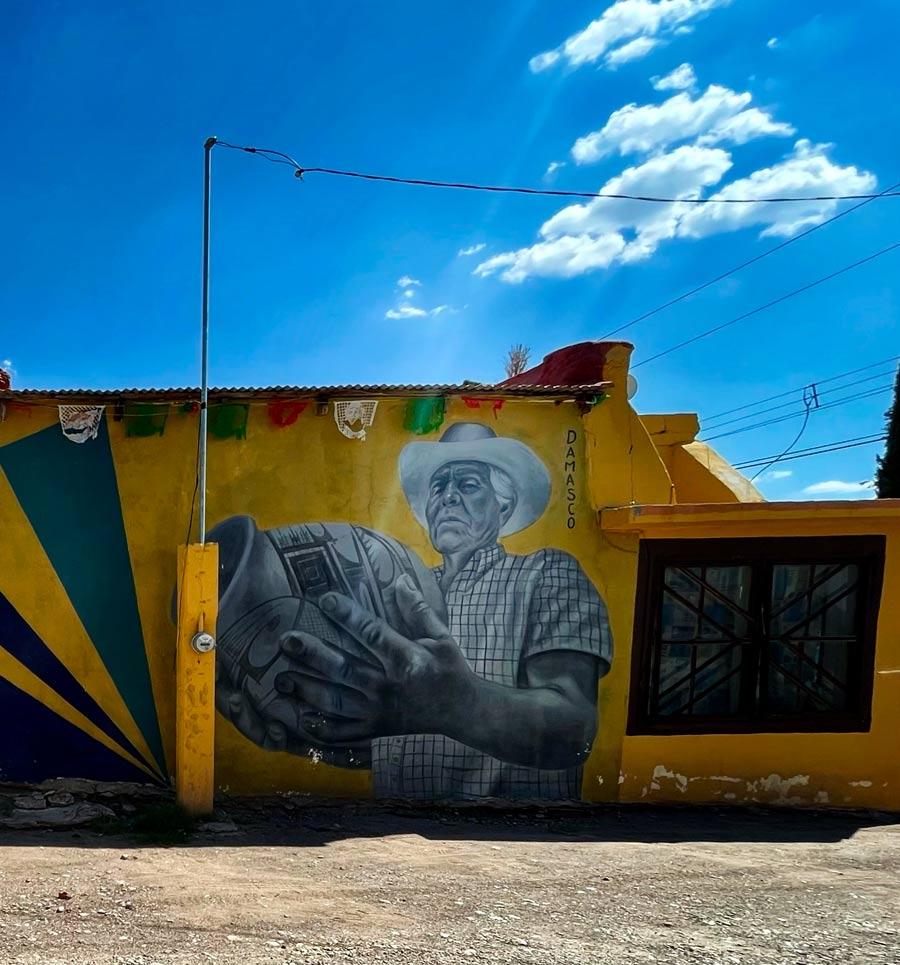
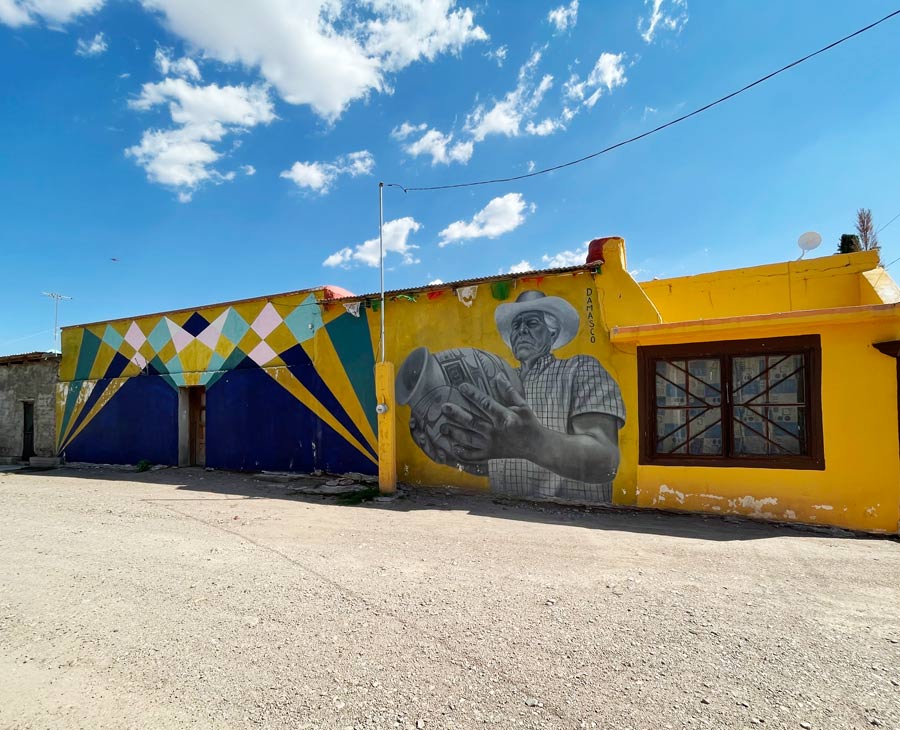
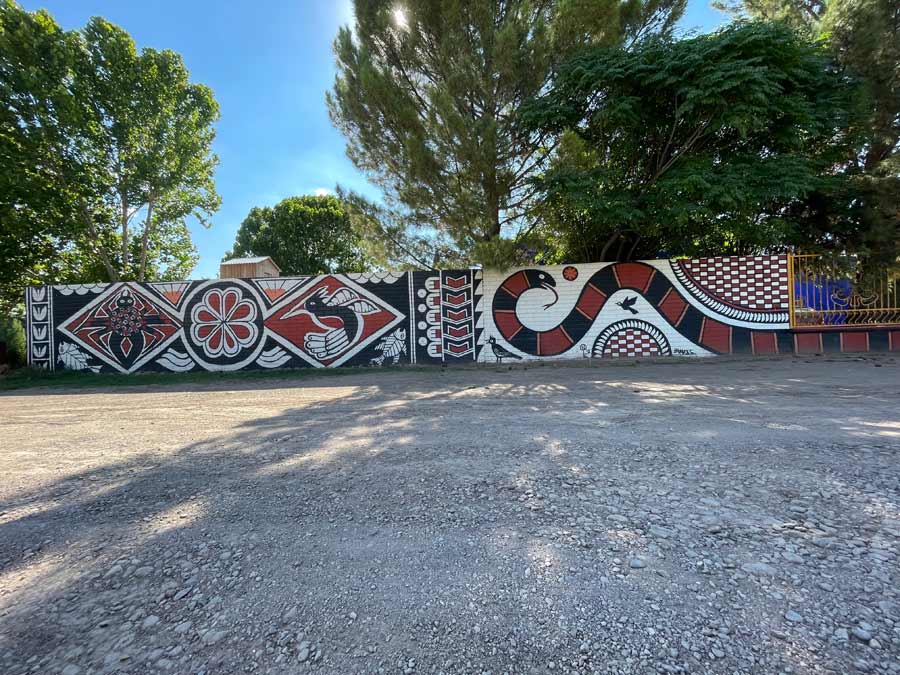
The Mata Ortiz pottery style from the northern central region of Mexico took hold in the 1990s when the Santa Fe style of home décor became popular in parts of the US. Originating from the Indigenous peoples who lived here and in this region before the Europeans arrived, the geometric designs and stylized animal patterning on pottery fragments from prehistoric cultures like the Mimbres and Casas Grandes inspired a new interest among ceramicists and potters.
A farmer who liked to explore near the remains of Paquime countryside and to discover pottery remnants in this desert and forest region, Juan Quesada took inspiration and began to develop his own pottery designs beginning in the 1960s. Over the course of the next decades, his work was “discovered” by an anthropologist and ceramic collector north of the border, and he helped Quesada to develop a sustainable business of sales and to spread word of his talent. These prized pottery works that later became part of museum private collections eventually spawned a small cottage industry in the surrounding area that is primarily known for ranching and lumber. Today Quesada continues to create his own art and has helped hundreds of family and friends to participate, learn, and thrive with the opportunity he authored.
He was also self-taught.
So, we lift a glass of tequila to him and all the self-taught artists and artisans – and those who share their skills with others.
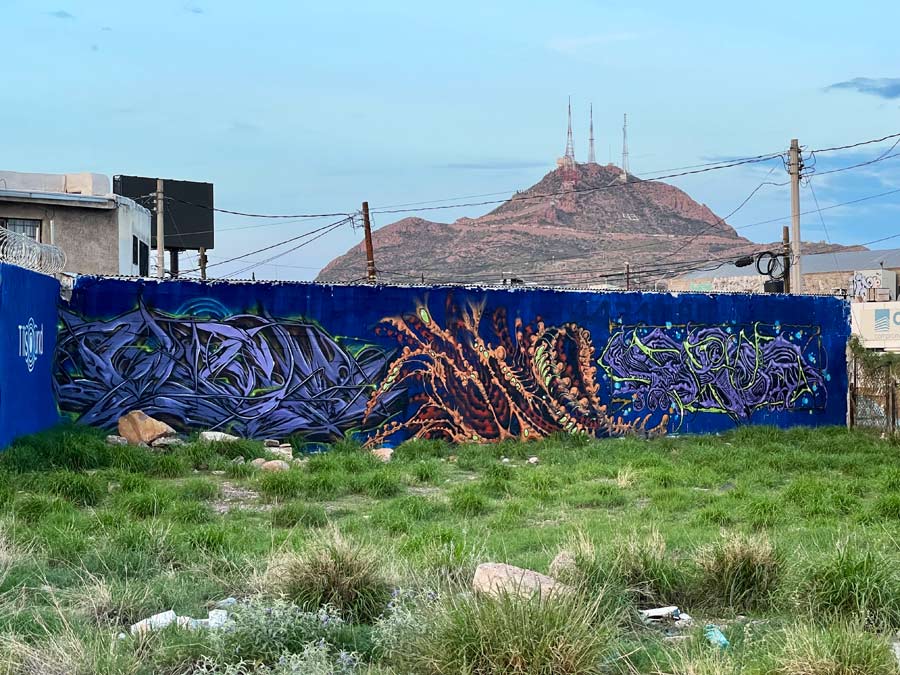
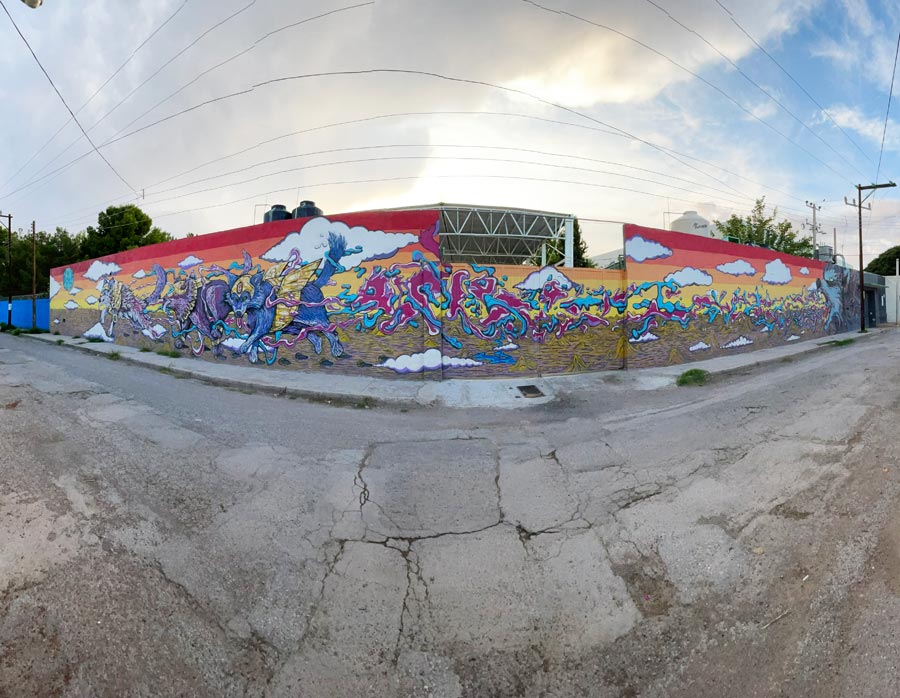
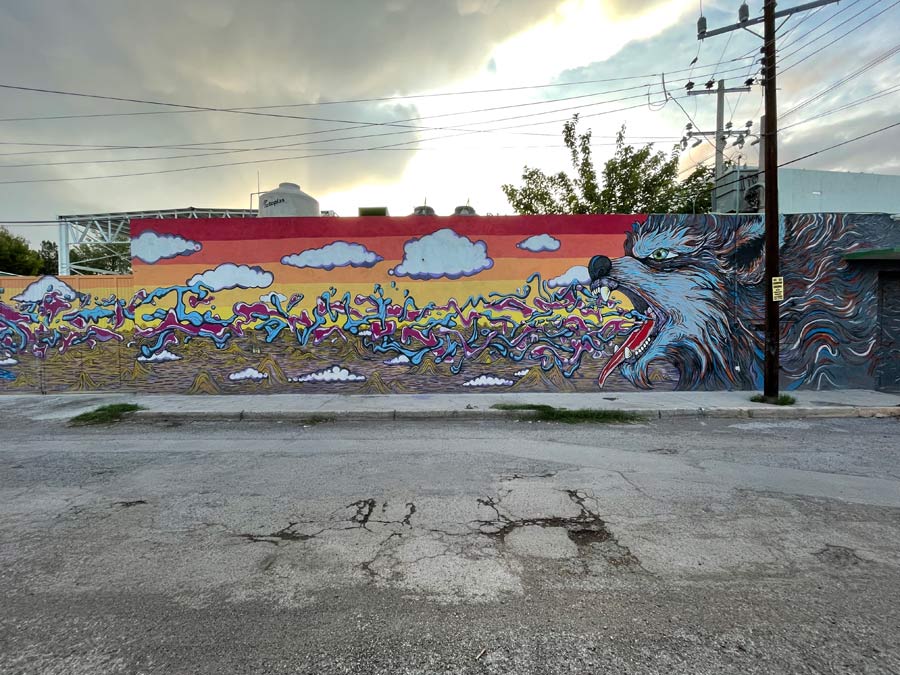
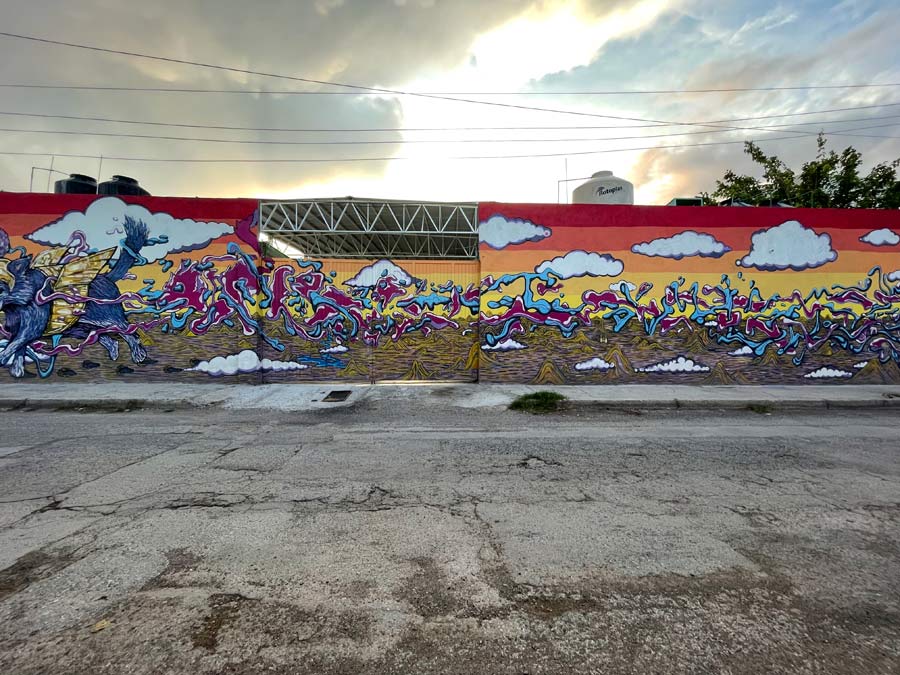
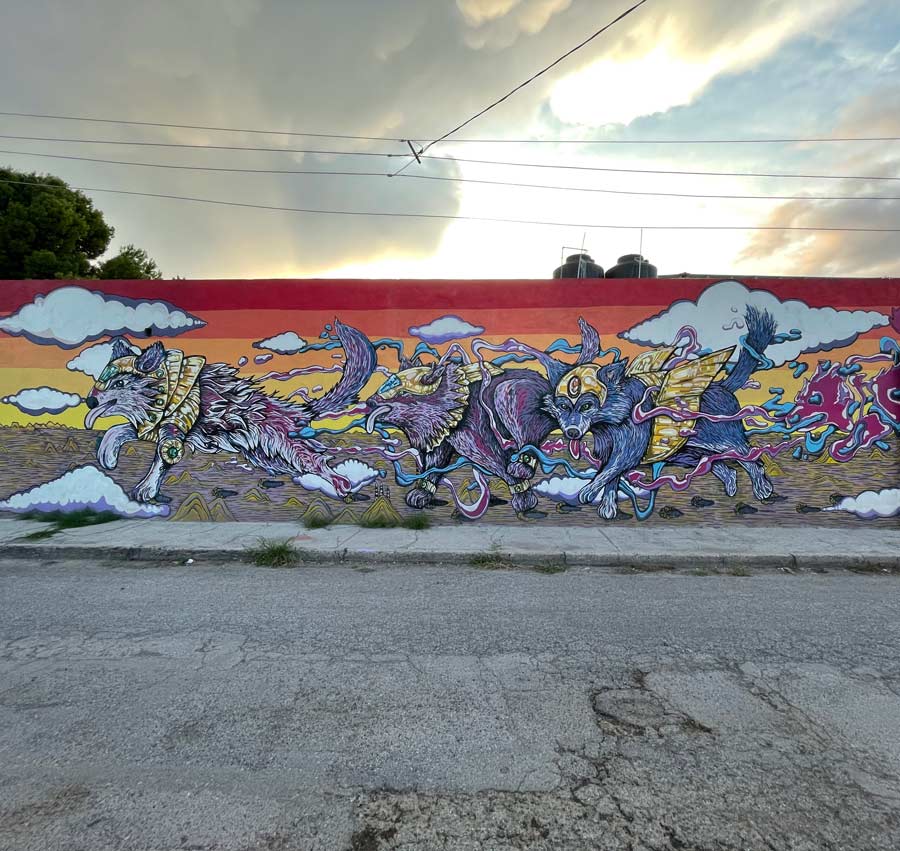
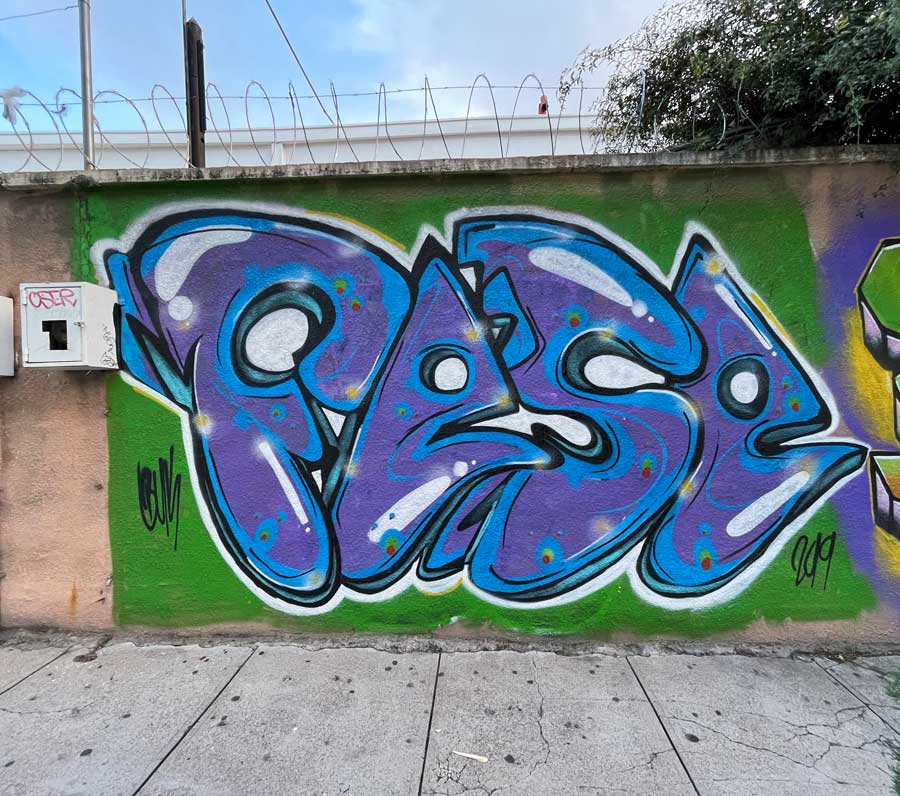
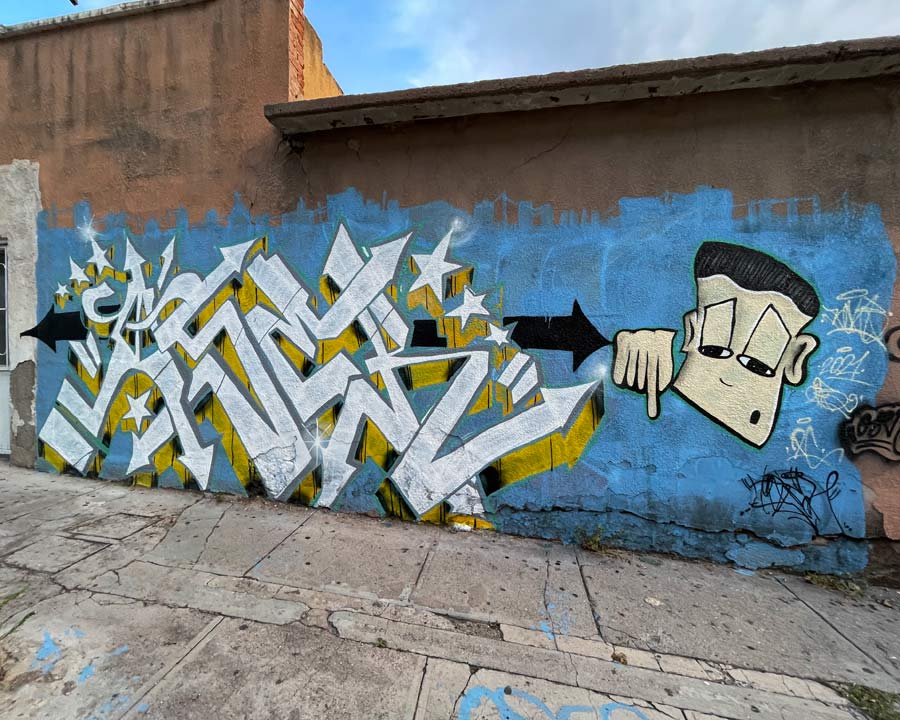
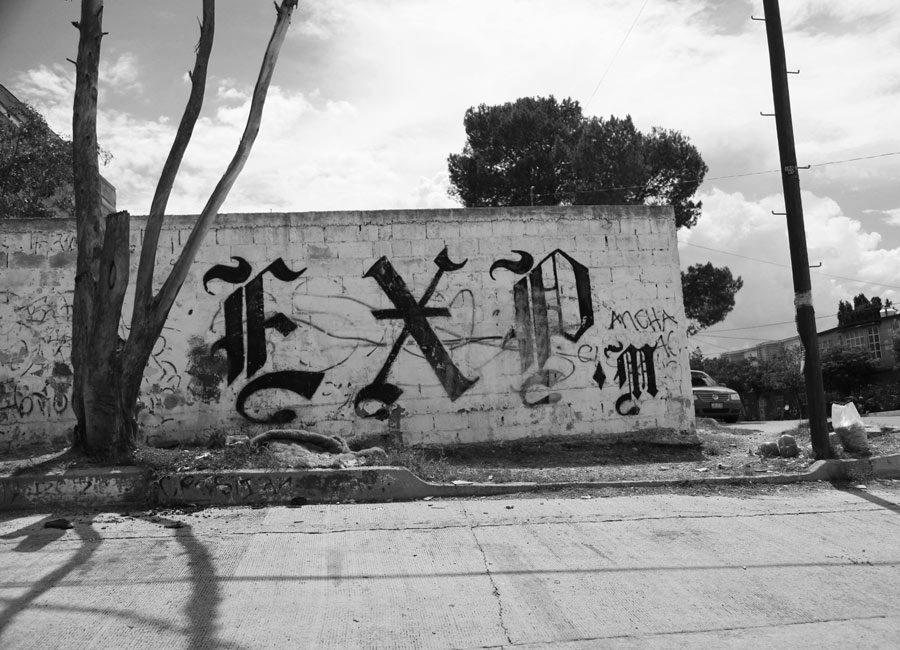
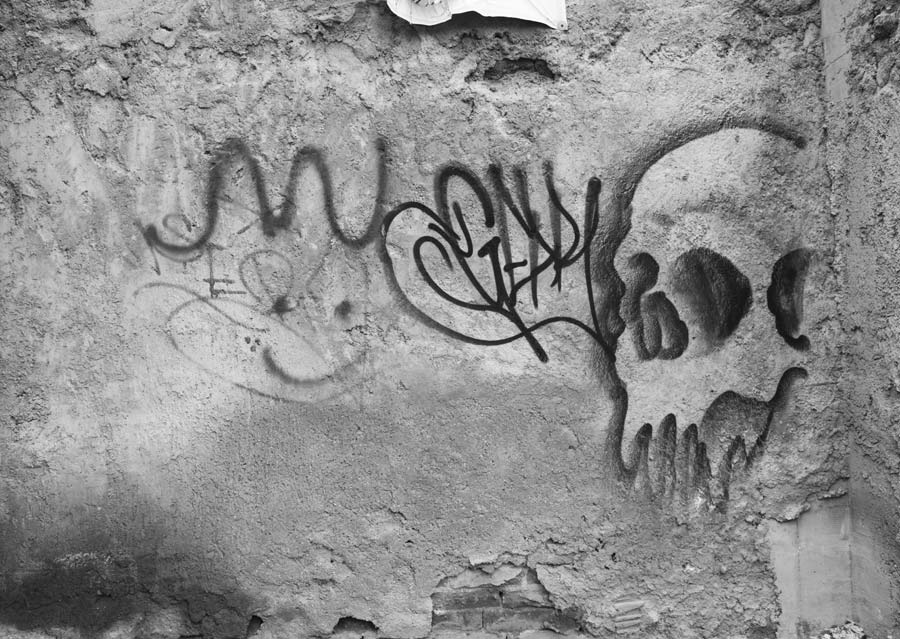
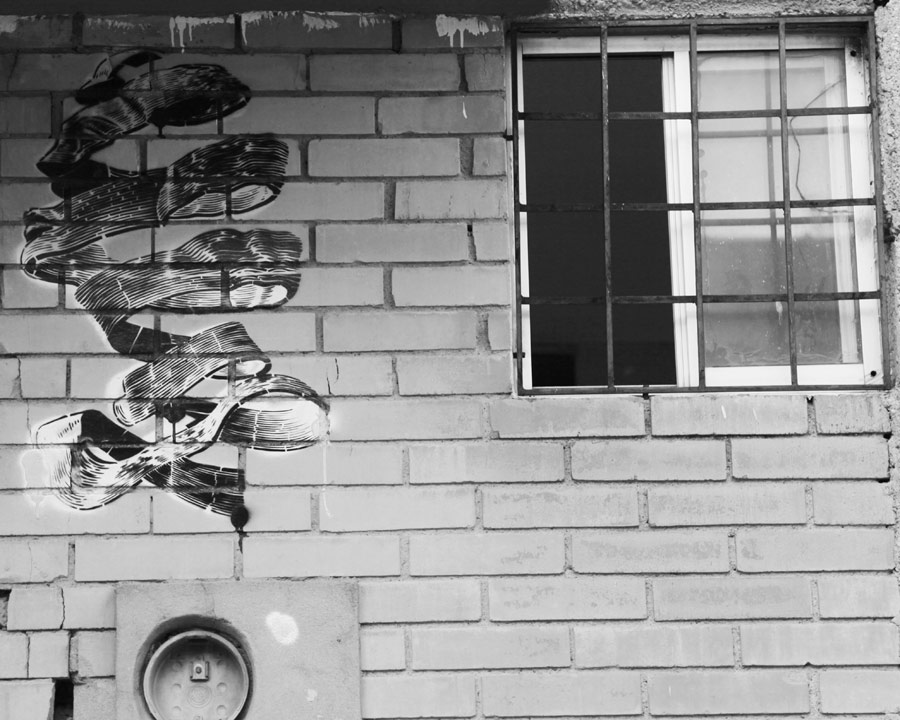
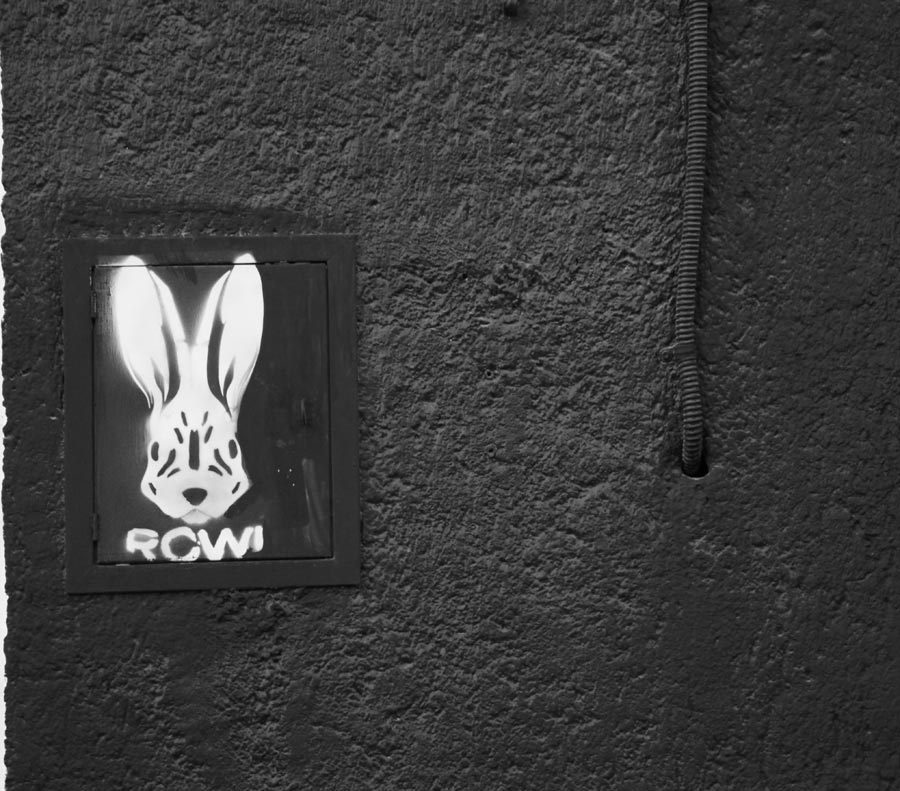
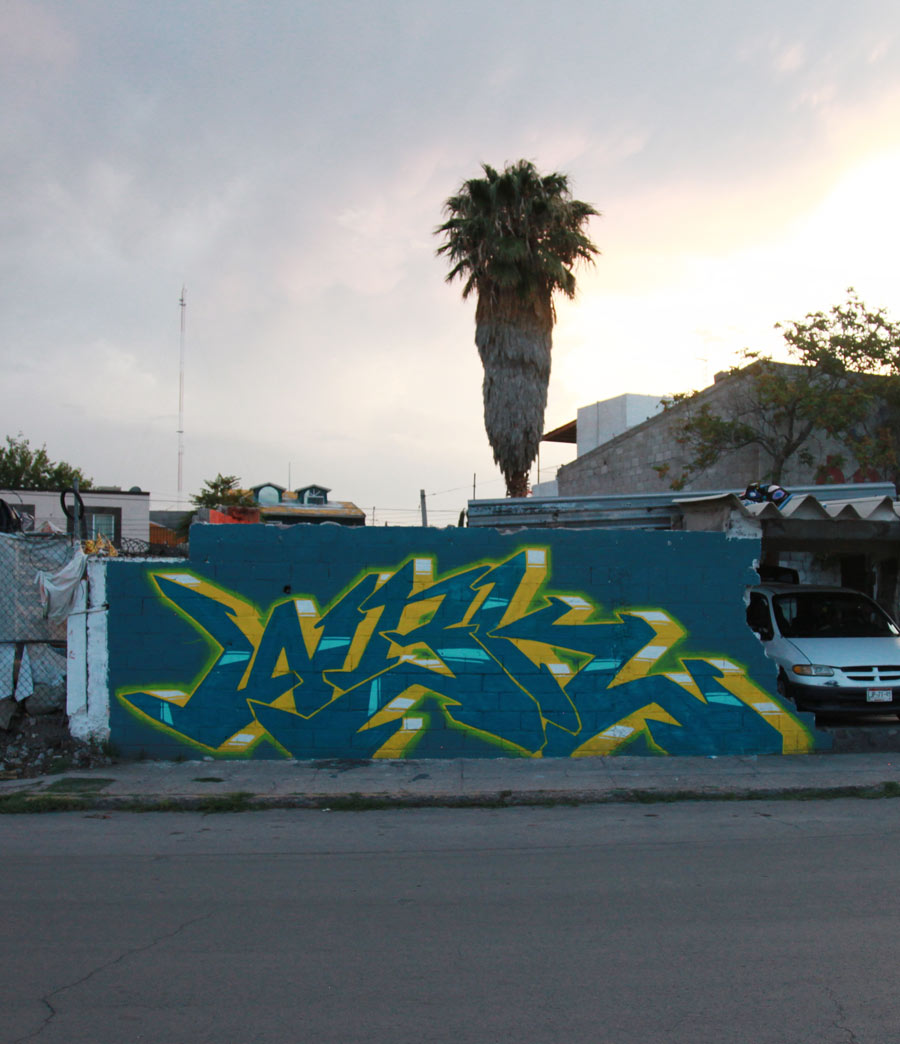
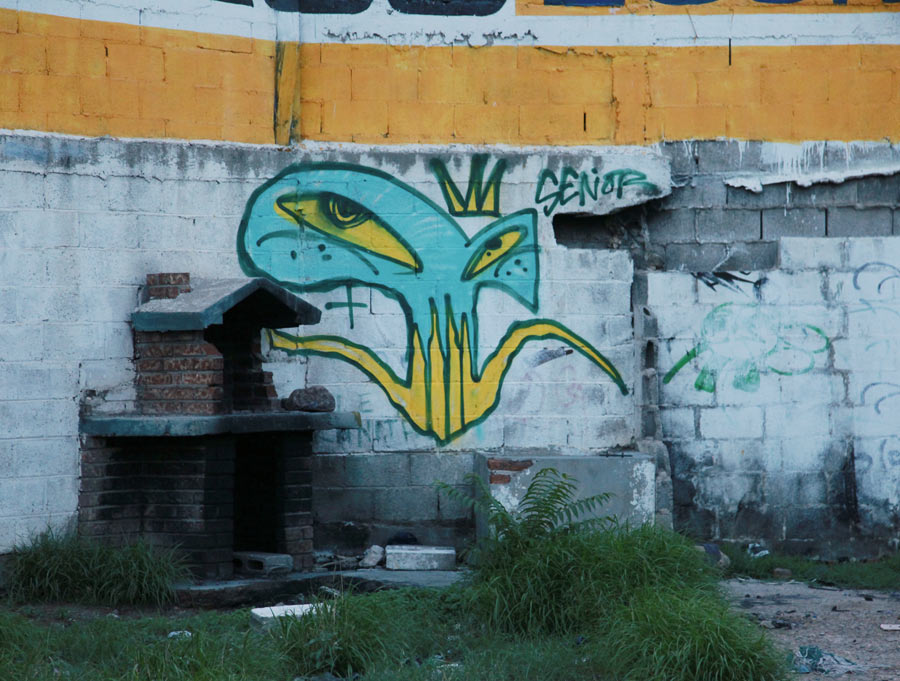
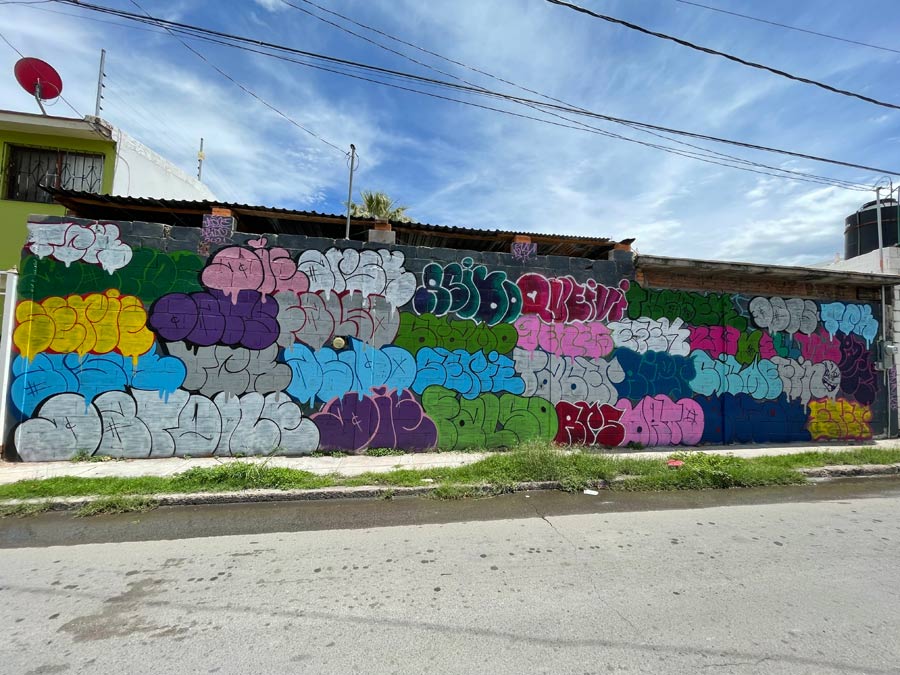
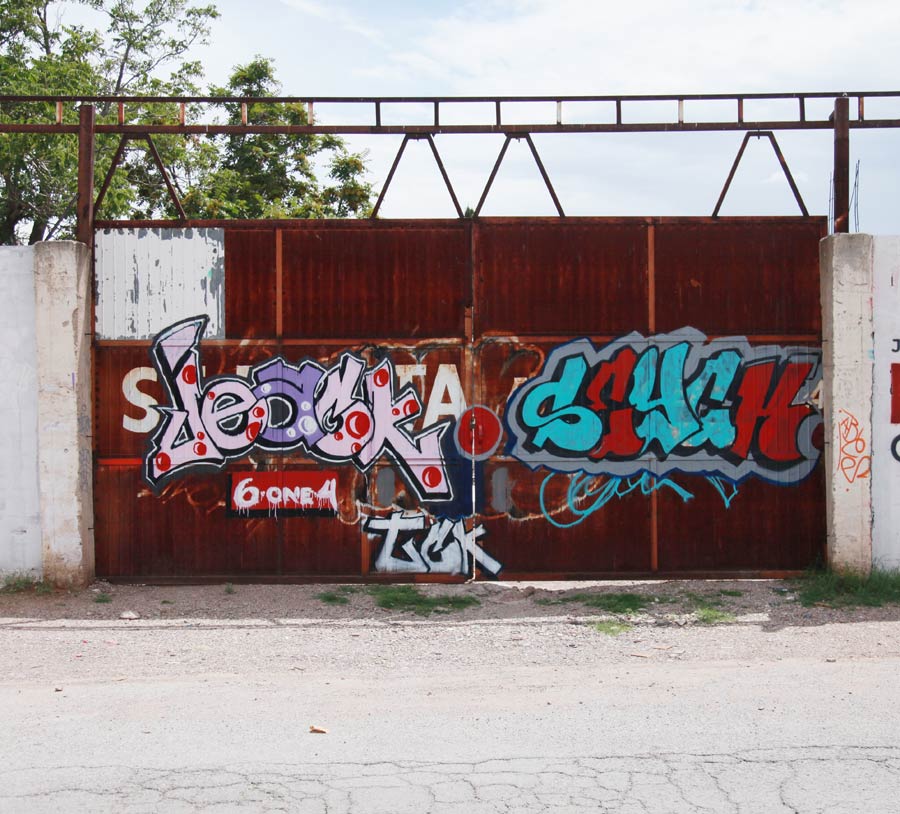
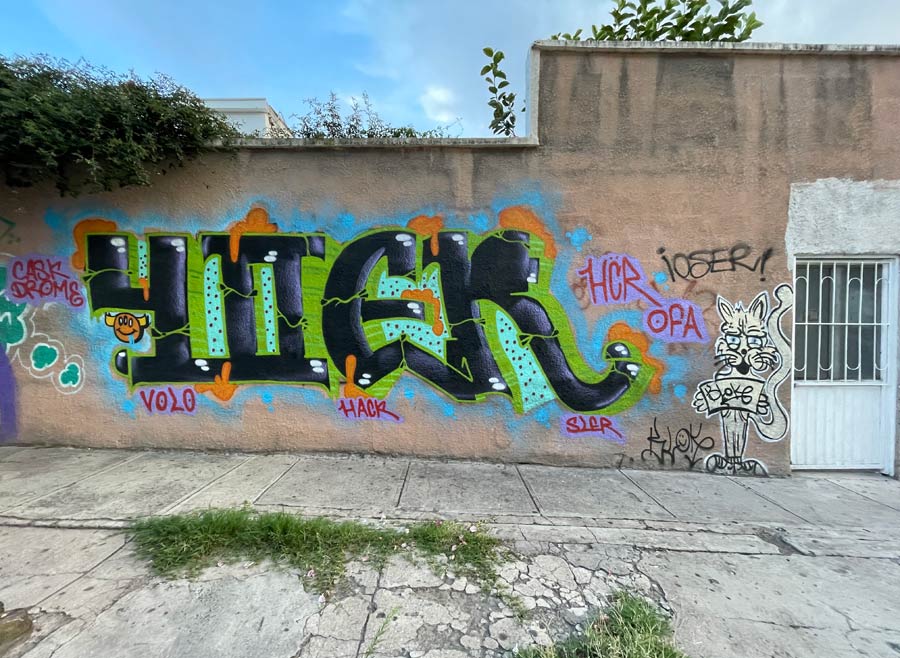
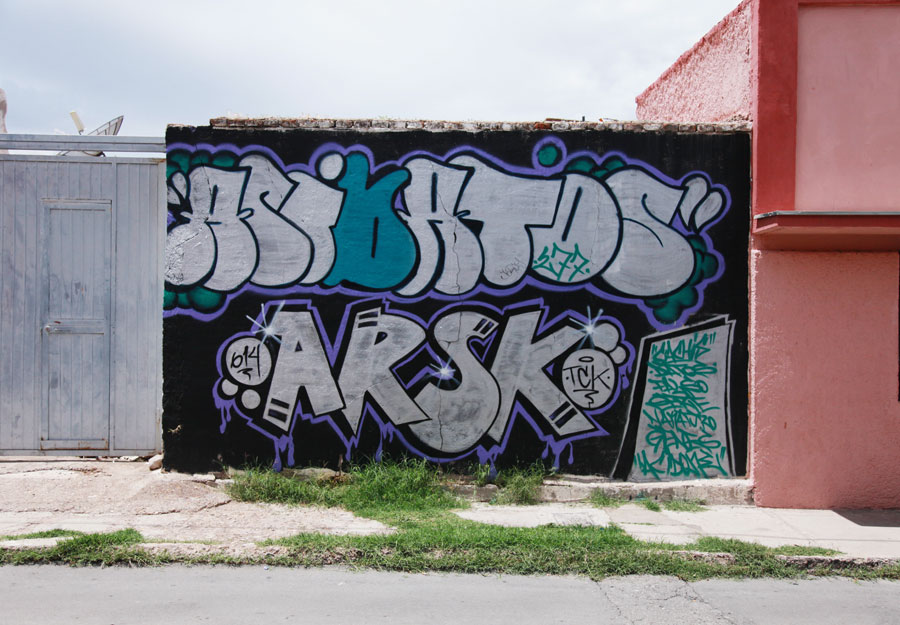
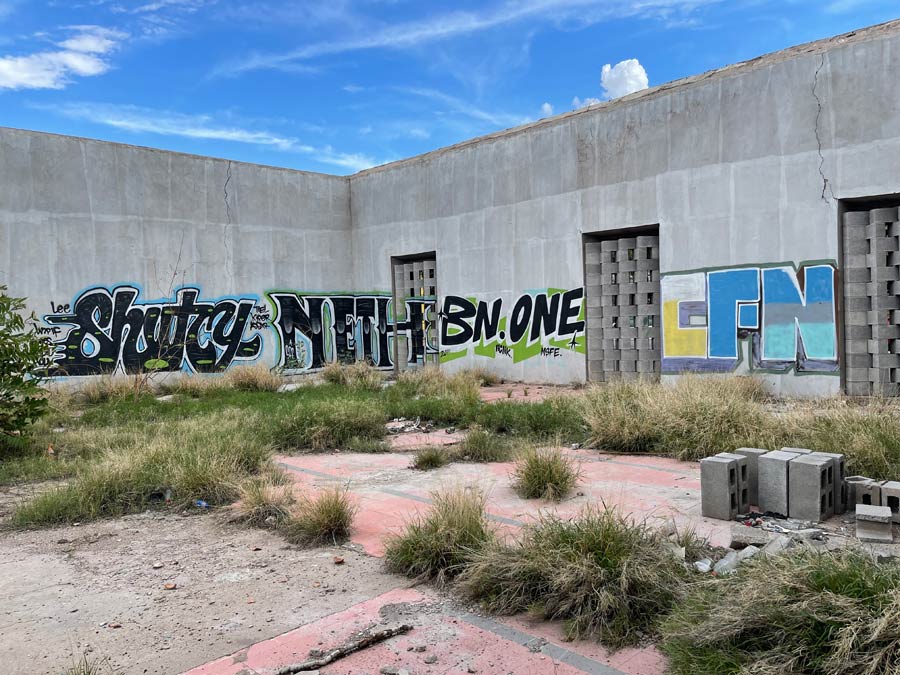
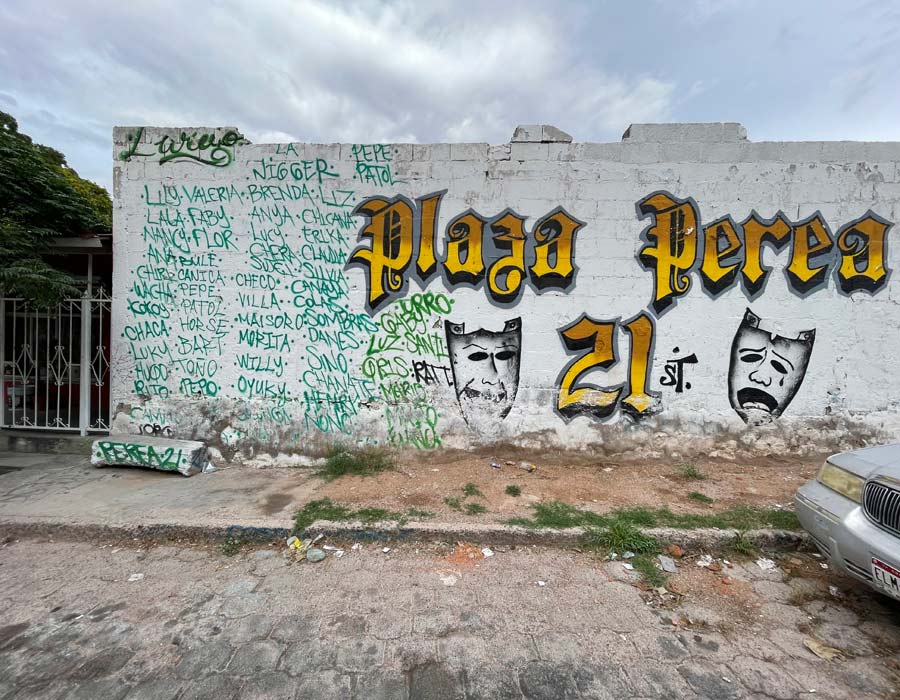
Here’s our weekly interview with the street here in Mexico, this week featuring ARSK, Aser, Bianca S, BN One, CFN, Damasco, EXPm, Llario, Jeack, Juan Quezada, Mabe, Mecivo, Neth, Pese, RCW, Seyk, and Shutney.
For decades, graffiti, street art, and contemporary art have spoken with one another, exchanging ideas, aesthetics, techniques, and attitudes along …Read More »
 BROOKLYN STREET ART LOVES YOU MORE EVERY DAY