Named in honor of photographer Martha Cooper—whose lifelong commitment to documenting everyday life, cultural expression, and human dignity has shaped how communities around the world are seen and understood—the Martha Cooper Scholarship (MCS) supports long-form documentary photography that reflects shared human experience and social responsibility. For the 2027 cycle, the Foundation Berliner Leben will award its third Martha Cooper Scholarship, continuing a multi-year commitment to sustained, thoughtful photographic practice.
The scholarship offers a photographer from Africa, Asia, or Latin America the opportunity to spend 10 months developing an artistic documentary project that engages with contemporary social realities and contributes to greater cross-cultural understanding. In line with values often emphasized by Urban Nation Museum, the program recognizes documentary photography as a vital tool for visibility, dialogue, and empathy in an increasingly complex world.
The Martha Cooper Scholarship is grounded in the annual theme of Fresh A.I.R., Stiftung Berliner Leben’s residency program, which addresses current social and political conditions while foregrounding the diversity of lived experience and perspective. The selected 2027 scholar will live and work in a Fresh A.I.R. residency in Berlin-Schöneberg throughout the scholarship period. The current call is for the 12th class of Fresh A.I.R, running from February 2027 to November 2027.
Click HERE to learn more about the Martha Cooper Scholarship and who qualifies to apply.
The first Martha Cooper Scholarship was awarded to photographer Dylan Mitro for the 2025 MCS. Mr. Mitro was chosen from dozens of submissions. Dylan successfully completed his scholarship in November of 2025 with an exhibition of his proposal and work in Berlin. Click HERE and HERE to read about Dylan’s work during his time as the MCS Scholar in Berlin.
The second Martha Cooper Scholarship was awarded to photographer Mourad Fedouache of Morocco for the 2026 MCS. Mr. Fedouache will arrive in Berlin on February 1st to begin his 10-month residency as the second MCS Scholar, which will conclude in November of this year.
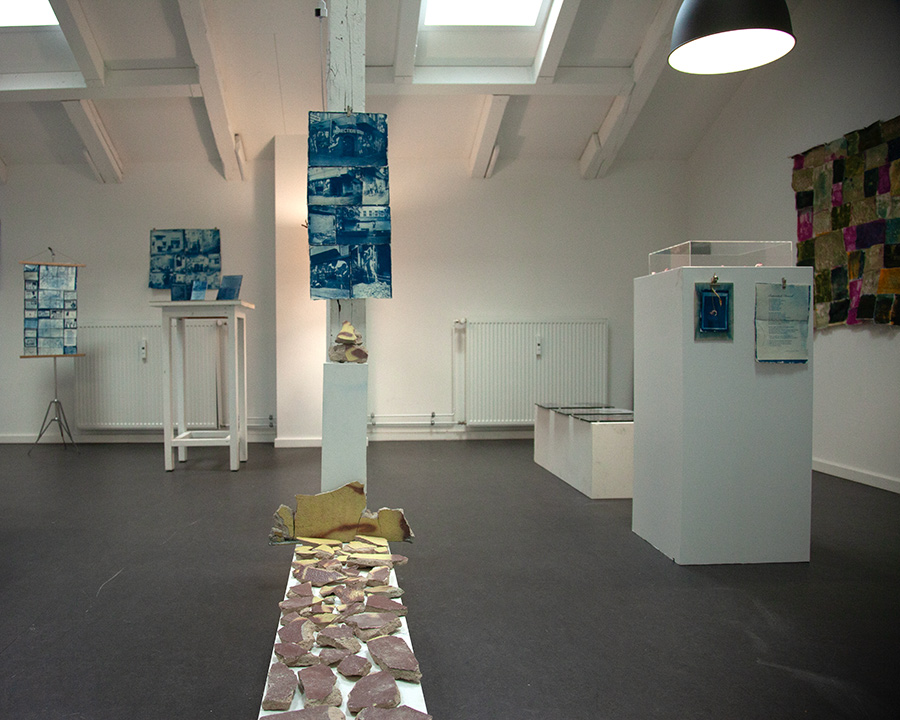
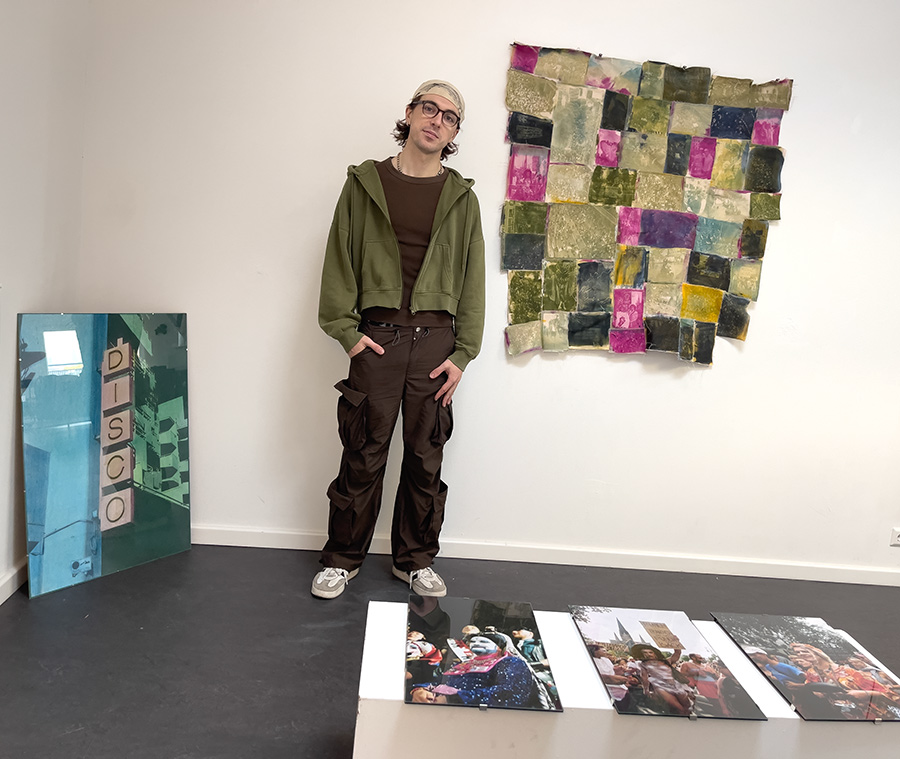
The first Martha Cooper Scholar in Photography, Dylan Mitro, has completed his residency year of study and development in Berlin. Along the way, he became more closely aligned with his identity as a documentary photographer, a storyteller, an archivist of history, and a member of the queer community. Looking back on his project of study hosted by Berliner Leben and Urban Nation Museum, he says his appreciation for social movements came into focus, as did his role as aphotographer in capturing people and preserving cultural memory.
We spent a few hours speaking with him in the rooftop space atop the Urban Nation Museum talking about his experiences over the past year and looking at the materials that he created. We took away a few lessons on culture, art, preservation, and being present.
“Before I can be a person with a camera, I have to be a person they can trust… I cannot be exploitative, especially with communities that have been exploited so much.”
Photography Isn’t Just Style; It’s Witnessing.
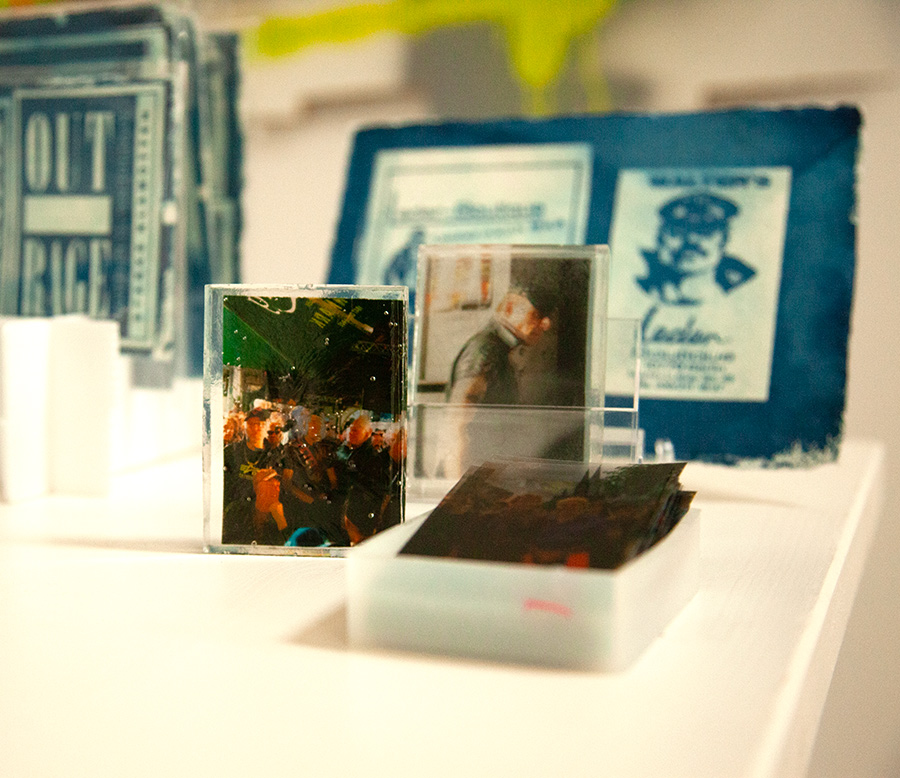
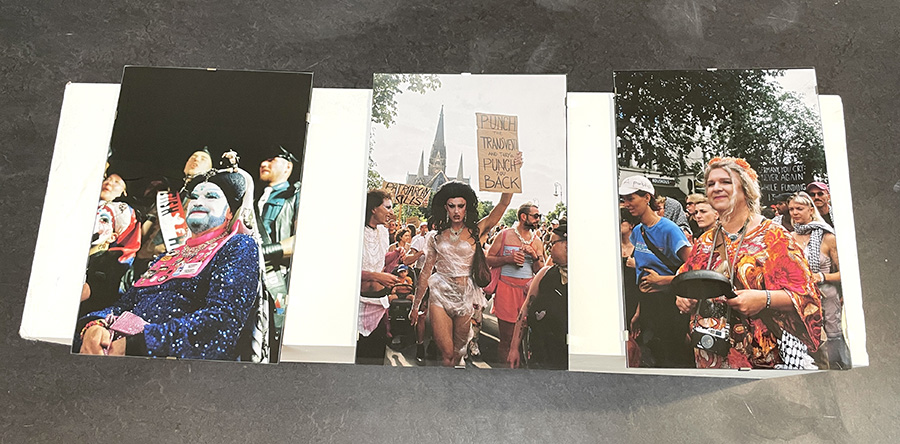
For Dylan Mitro, the camera has become less an instrument of aesthetics than a way of being present when history is unfolding before him. His “24 hours of protest” sequence of photos from animated and boisterous marches and demonstrations on the streets of Berlin is where this becomes clearest. He describes being in the street, whether raucous or quietly vigilant, with “thousands of people coming towards me,” running through the crowd and asking, “Can I take your photo?” as events unfolded in real time.
That sense of urgency and adrenaline is exactly what he admires in Martha Cooper’s work: her “always on” state, the way she treats the street as a field site and people as subjects rather than props. Dylan understands, as Martha does, that the most meaningful images are not staged or pretty; they are “honest and raw,” capturing people at protests, in queer nightlife, and in ordinary moments of showing up for one another. When he looks back at his protest images this year and says, “This is why I’m doing it,” he’s telling us that he recognizes that these fleeting, unposed encounters would otherwise vanish, leaving no trace in official records. Street photography through an ethnological lense, in his hands, becomes a way of witnessing courage and vulnerability in the moment and preserving it for those who come after.
“In the moment it’s so high energy, but then when you see the photos you’re like—okay, this is why I’m doing it.”
Archiving and Re-Photography are Acts of Care and Resistance.
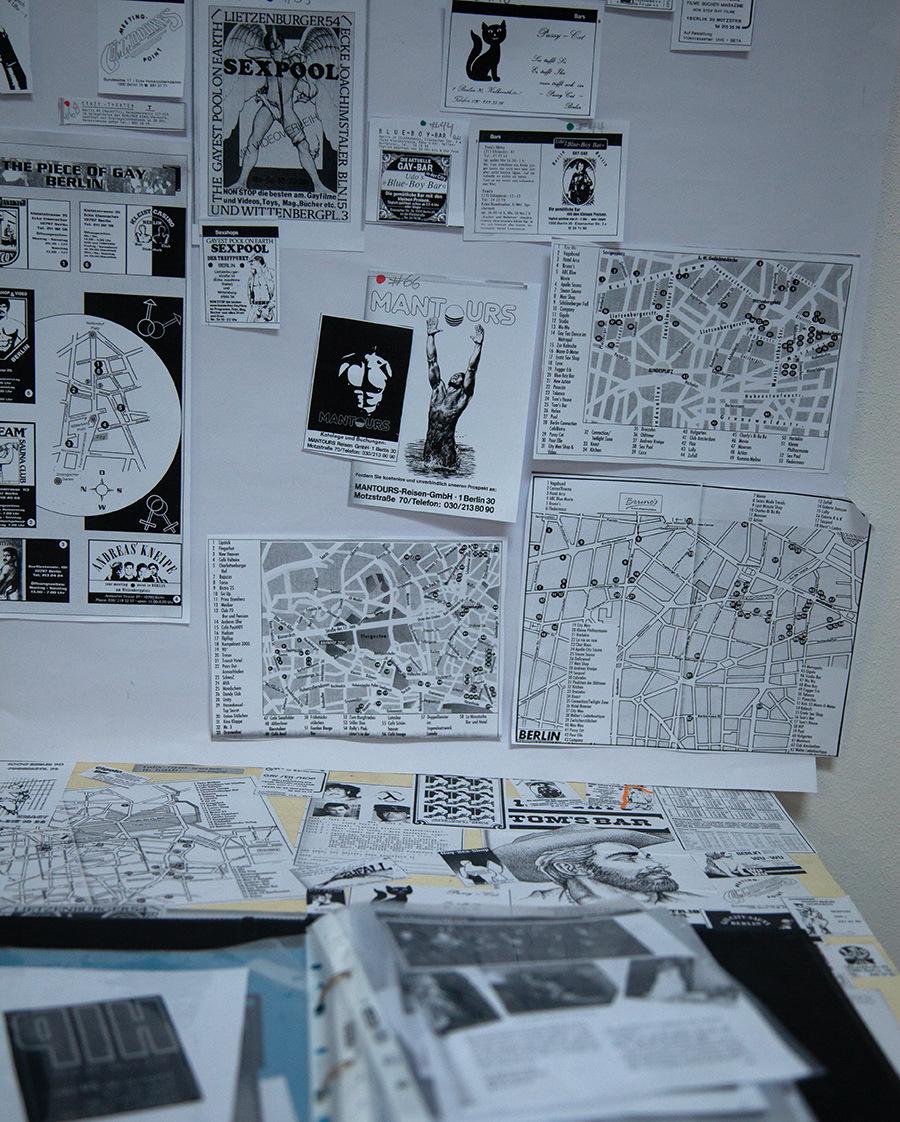
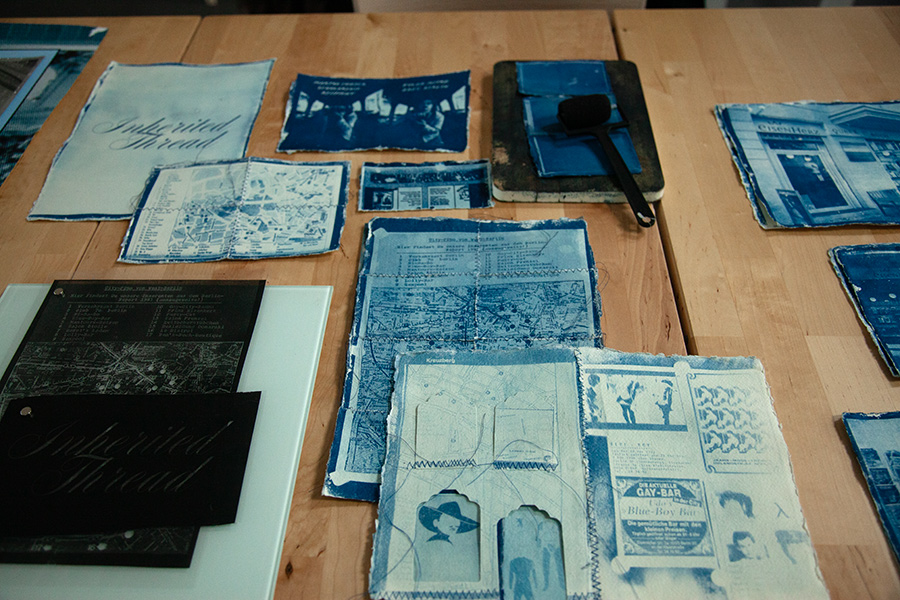
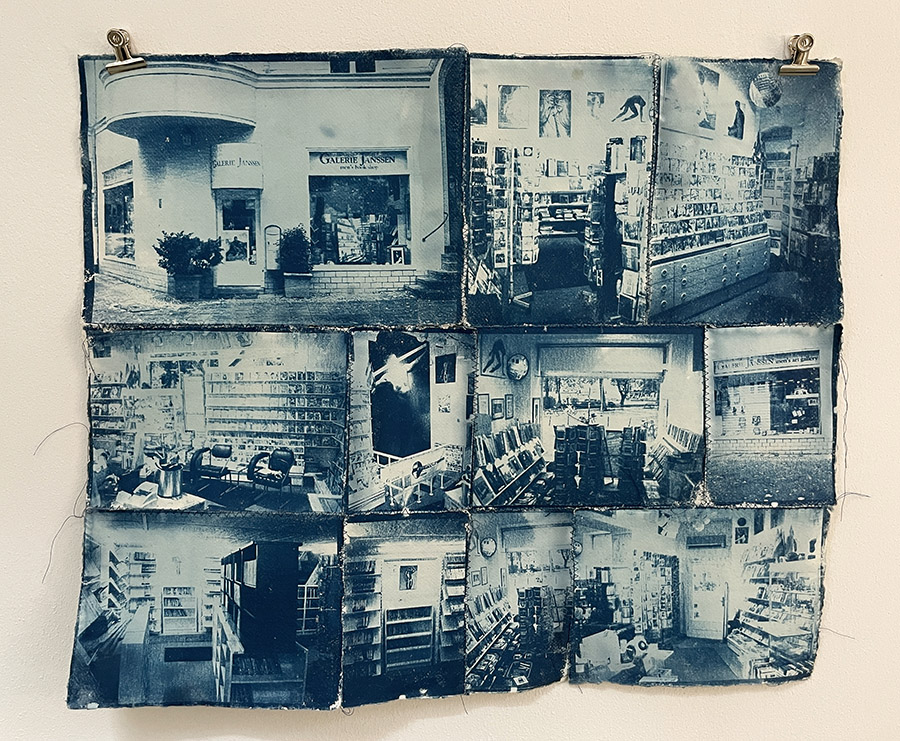
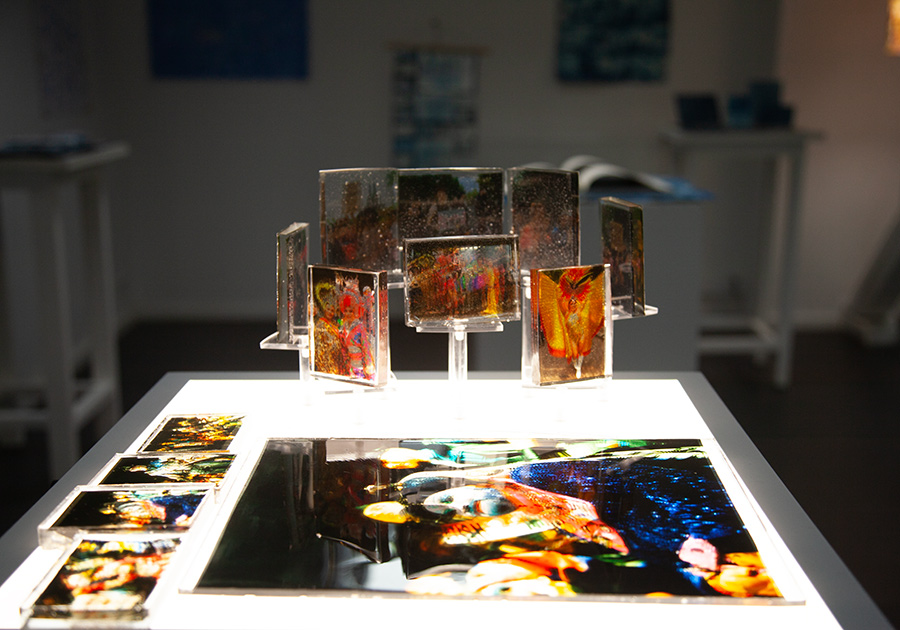
Dylan’s unconventional project of re-photographing and reactivating historic photos begins in the archive and brings people to speak to us here, now. He related his experience of making contact with private collectors of LGBTQ+ history and organizations who have documented queer history in Berlin, sifting through collections, commercial advertising, and personal stories without quite knowing what he was looking for. Possibly because people hid their identity for protection, some things were just out of reach, and Mitro related how images “appear… in this almost ghostly, haunting way.” From our perspective, this work looks like a fresh battle against erasure.
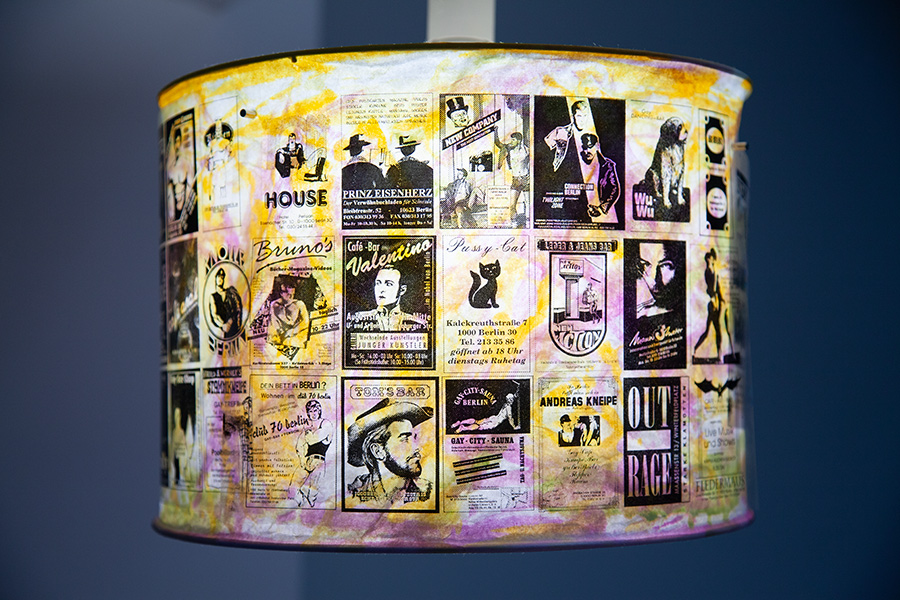
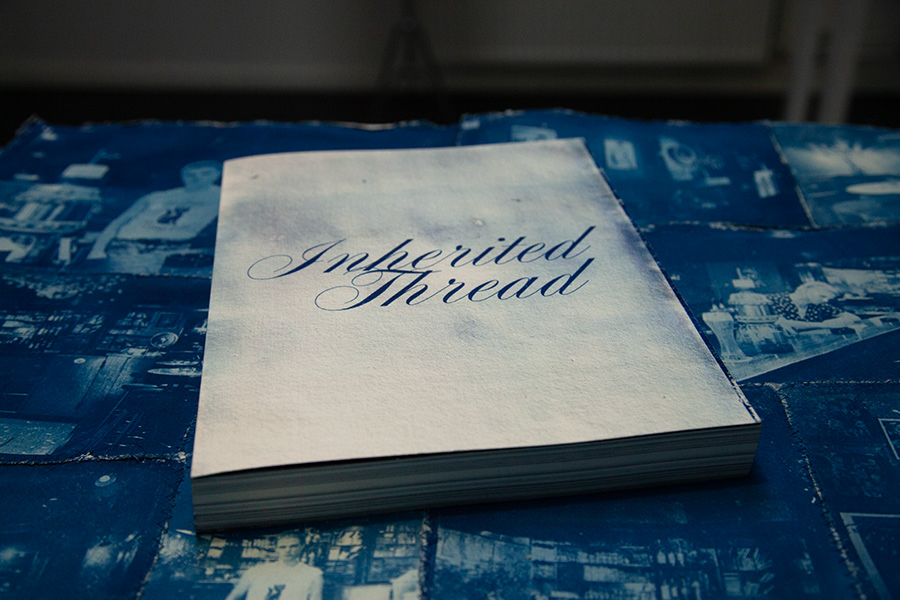
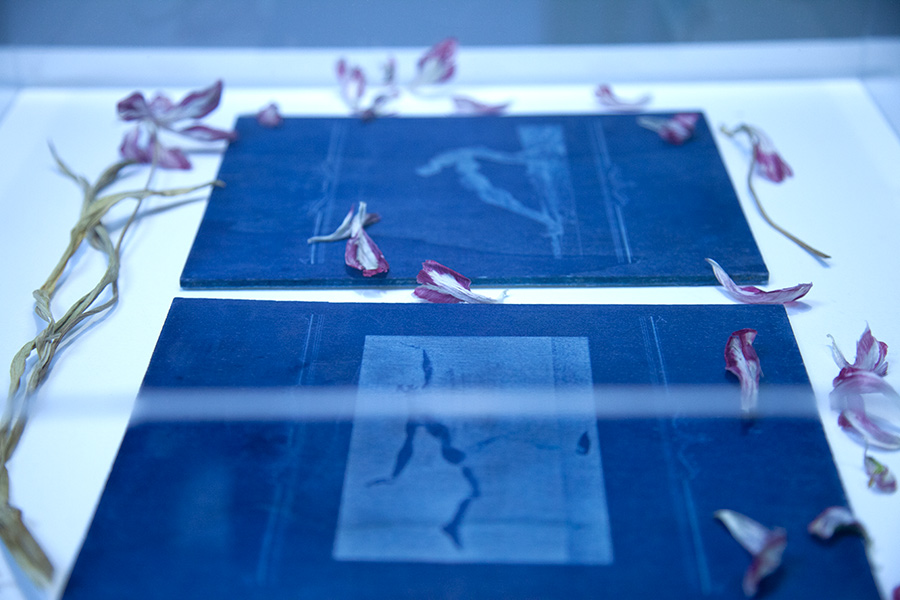
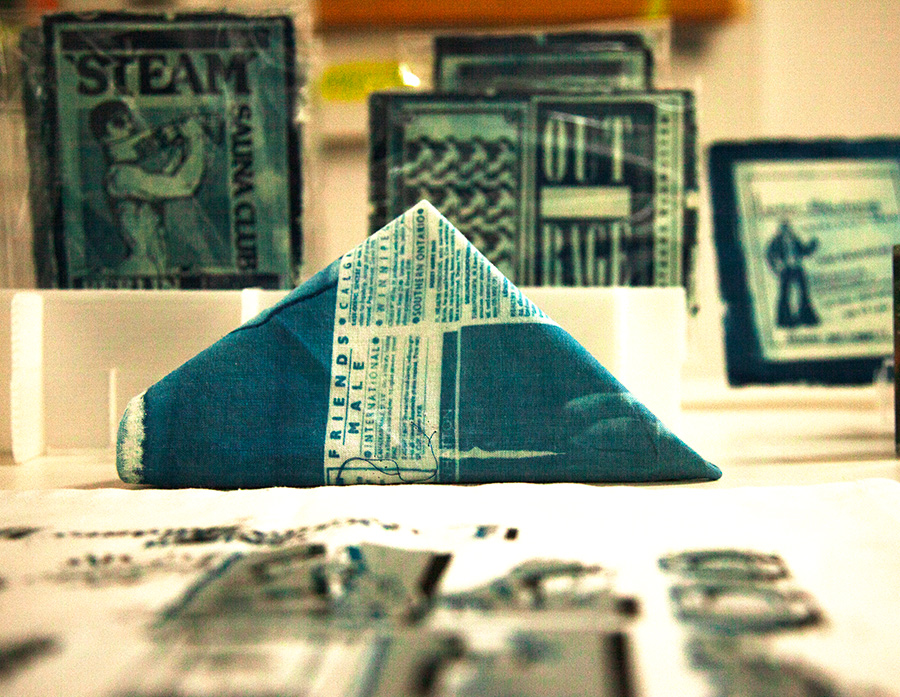
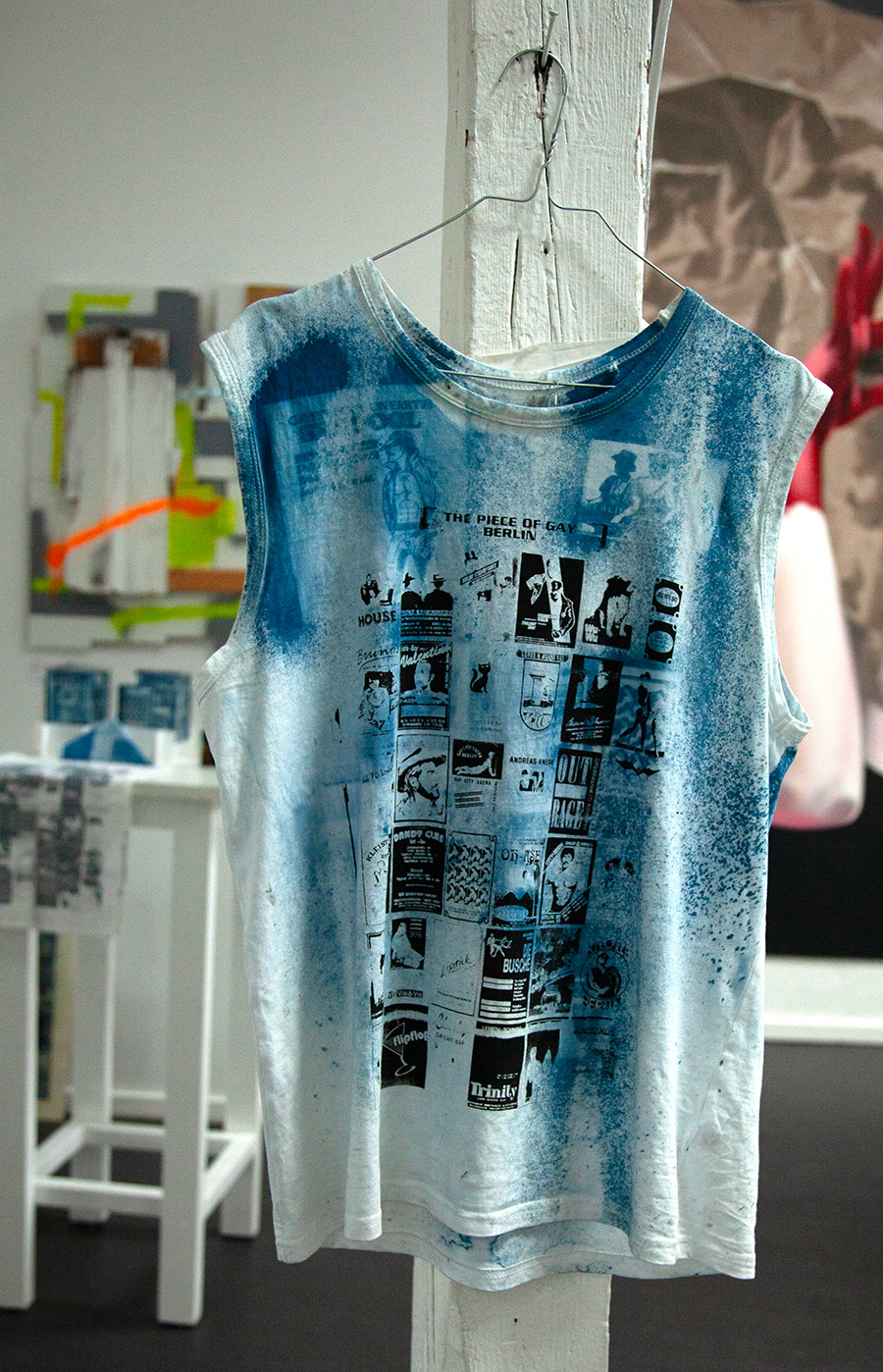
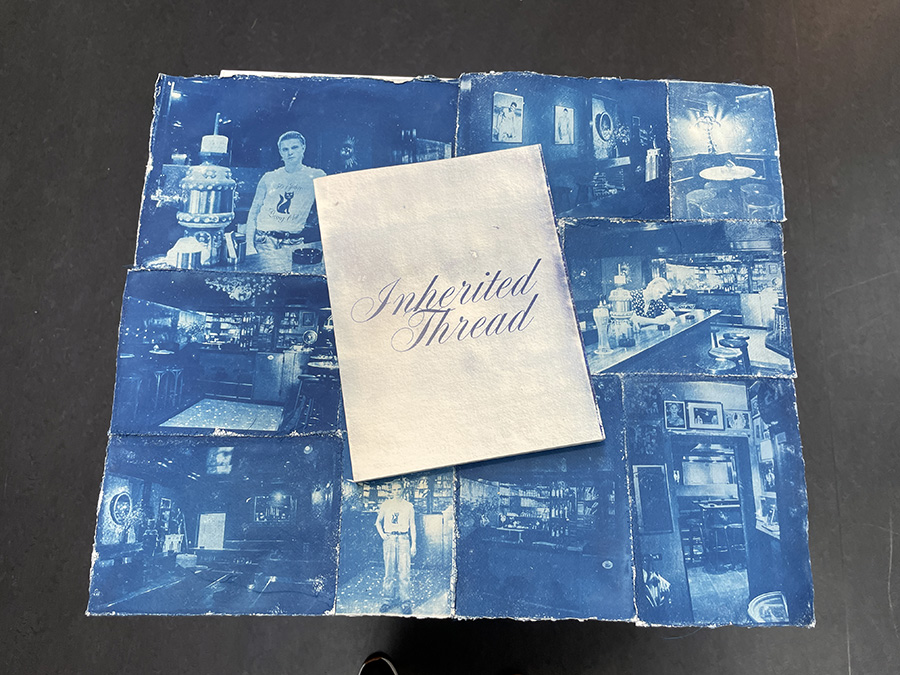
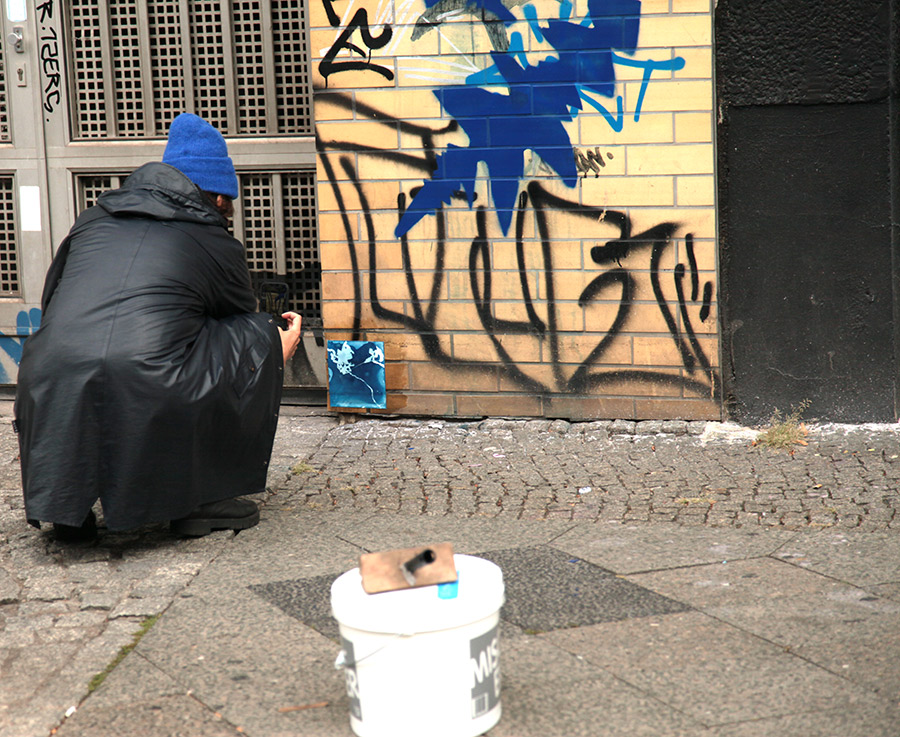
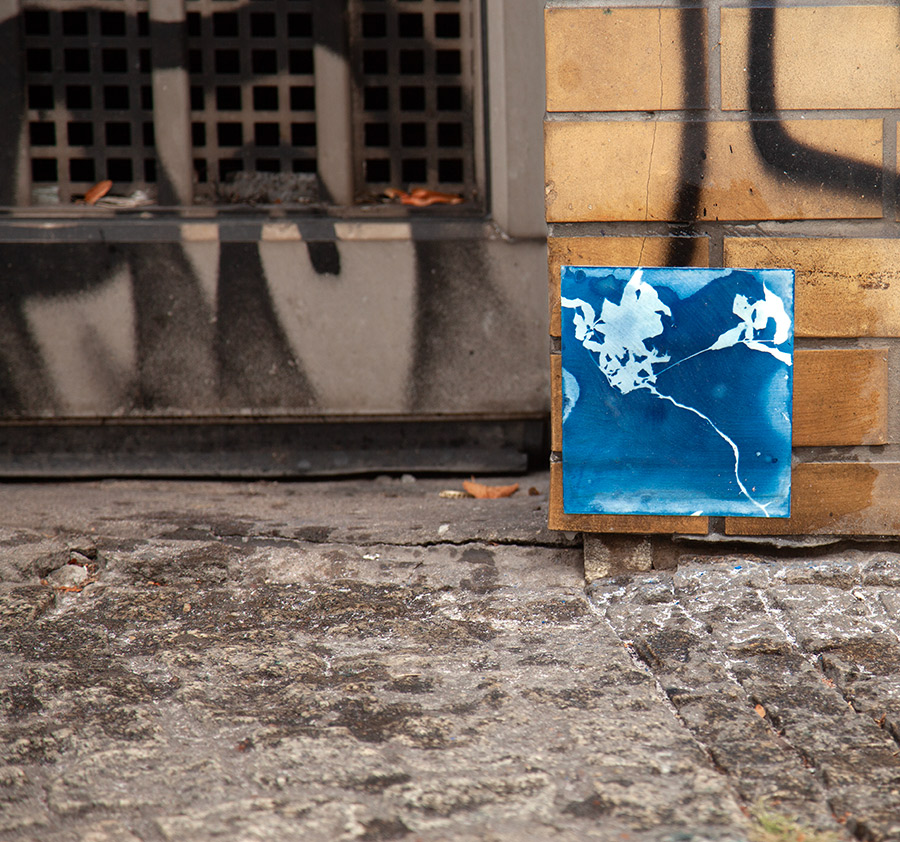
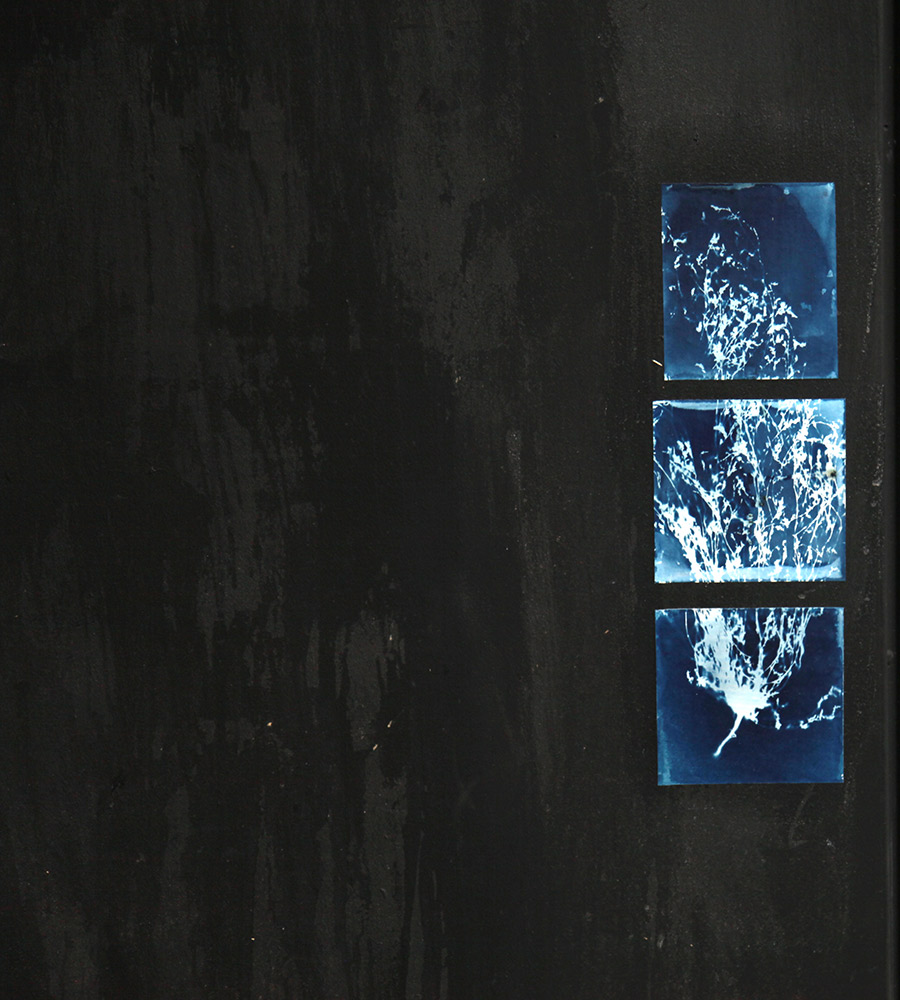
His research led him to retrace the locations of social clubs and bookstores and to pore over a varied and deep selection of printed and digitized materials at the LGBTQIA+ archives at the Schwules Museum in Berlin, including the publication Berlin von Hinten. Thanks to the careful collecting and preservation by many in the Berlin community, the artist says he found himself faced with an overwhelming array of diverse materials to study. Mitro brought his own scanner into the reading room, mechanically capturing pages to “deal with later,” making sure nothing important slipped past him in the flood. When he began making cyanotypes from sex journals, classifieds, and Berlin bar magazines like Berlin von Hinten, he was not merely appropriating images but changing their context and use, turning fragile, easily discarded ephemera into durable goods like book pages, prints, even shirts that he wore into the public and to the opening of his exhibition.
“The beautiful thing about an archive is you don’t know what you’re looking for when you go in, and then it just appears to you in this almost ghostly, haunting way.”
Thoughtful in his description of this self-created research process, he appears fully aware of an ethical minefield that he kept seeing in the materials: the sexualization of hustlers, questions of consent, the AIDS epidemic unfolding in the background, and the way one scandalous case can be used to demonize and smear an entire community. He also remarks on how much things have changed as queer culture has learned from its own past and become more equitable and inclusive. For him, to re-photograph, to print, to bind, is to refuse both erasure and simplistic moral panic. It is an act of care for those who lived through those years and a quiet resistance to the ways queer histories are flattened, censored, or selectively remembered.
Passing the Torch: How New Artists Build on Earlier Legacies
Dylan repeatedly frames his work as a kind of “grief politics” — a way to process his own grief and “collective grief” through images and stories. While he handles materials that can be considered crass, campy, or uncomfortable, he treats them as evidence of what previous generations built so that people like him can enjoy the relative freedoms they have now. During the conversation, we recalled that on earlier Zoom calls in the year, he talked about “recognizing the work that our ancestors have done… so we can enjoy the freedoms that we have now,” and he confirmed that this became central to his mission. In practical terms, this shows up in small but telling decisions.
Looking over materials and images, he noticed that many photographs in these magazines are uncredited or minimally credited; however, it was vital for him to reconstruct a credit page in his own book from the publication’s credit lists, even when he could not match each image to a specific name. He sees this as “doing the work for the crediting now,” anticipating a future researcher who might ask “who took this?” and refusing to leave them with a dead end.
His admiration for the photographer Martha Cooper is also part of it: he recognizes that she endured periods when her work was underappreciated, then gradually became a reference point for entire scenes and was treasured for their historical significance. By aligning his practice with her documentary, ethnological approach — attentive, long-term, grounded in real communities — Mitro is situating himself in a lineage of photography that tells our stories to each other and future generations.
When Time, Space, and Support Open a Path for an Artist
Dylan Mitro arrived in Berlin after a decade in Toronto, working punishing 14–15-hour days on commercial shoots and features, a rhythm he describes as “so unsustainable.” The residency allowed him to step off that treadmill and begin a course of study in a new city on another continent. He talked about the stark contrast: in the exact moment that he got the news about being selected for the residency, he learned the news of a close family member’s illness. As he talks, you realize that the year in Berlin became a hinge between these two realities — a chance to focus on his art and a forced confrontation with “what are these next chapters of my life?”
“It’s grief politics… how do I deal with my grief that’s also collective grief? And I deal with that in all of my work.”
With a new perspective, removed from Toronto, he considers that he cannot simply “jump right back into the way I was living.” While he regroups in Ontario and supports family, you can see that the residency gave him room to experiment: scanning archives, learning cyanotype techniques, organizing negatives by place, developing a whole book, and then pivoting mid-project to the “24 hours of protest” series that ties everything together. Along the way, he learned how to structure a day when nobody is calling call time, manage the pressure to enjoy and study the city, and answer the uncomfortable question he keeps coming back to: “Why are you doing it. The support he receives — from the scholarship, the residency, and mentors — may make it possible for him to build a thoughtful, ethically grounded body of work that he could not have assembled in the gaps between commercial gigs.
Regarding his project, the cultural ground keeps shifting, and Mitro couldn’t have been more timely. In a political climate in the Western world where there is a backtracking on human rights and queer and trans lives are attacked and simplified, this kind of photography and archiving says: we were here, we are complex, and our images won’t disappear.
Throughout the conversation, Dylan connects his work directly to the present rise of fascism and reactionary politics. He notes that people now often say, “You can be queer anywhere in the city,” as if dedicated spaces and organizing structures were no longer necessary. He counters this by pointing back to history: earlier generations had to fight for those spaces and used them to manage when “the world kind of feels so helpless.” At the same time, he sees how quickly media and political actors can weaponize isolated events — a murder, a scandal, a stereotype — to brand entire communities as dangerous, from gay men in the 1990s to immigrants and trans people today.
That’s precisely why he went to the archive, sat with the original materials, and made new work grounded in lived experience rather than sensational headlines. His insistence on consent and trust in photographing protests, especially when working with trans folks, is part of the same refusal to flatten people into symbols. He’s acutely aware that much of the public visual language around queerness is still dominated by highly sexualized images, corporate Pride floats, and what he and the sponsors describe as “rainbow capitalism.”
By pairing reactivated archival images with new, candid protest photographs, Mitro constructs a more layered record: people organizing and dancing, grieving and celebrating, dressing up and just existing. In the shadow of book bans, anti-trans legislation, and cultural backlash, his project quietly insists that queer and trans lives are not a recent “trend” or a single issue to be voted up or down. They are entire worlds, spanning decades, and his camera — like Martha Cooper’s — is there to make sure those worlds are seen and remembered.
“I know I’m not going back to the life that I had before… I’m really reshaping how things are gonna be moving forward.”
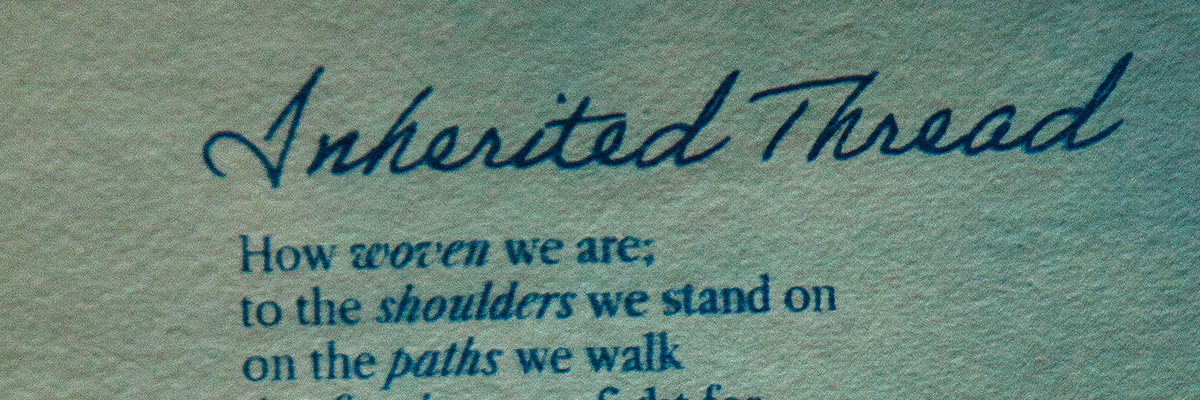
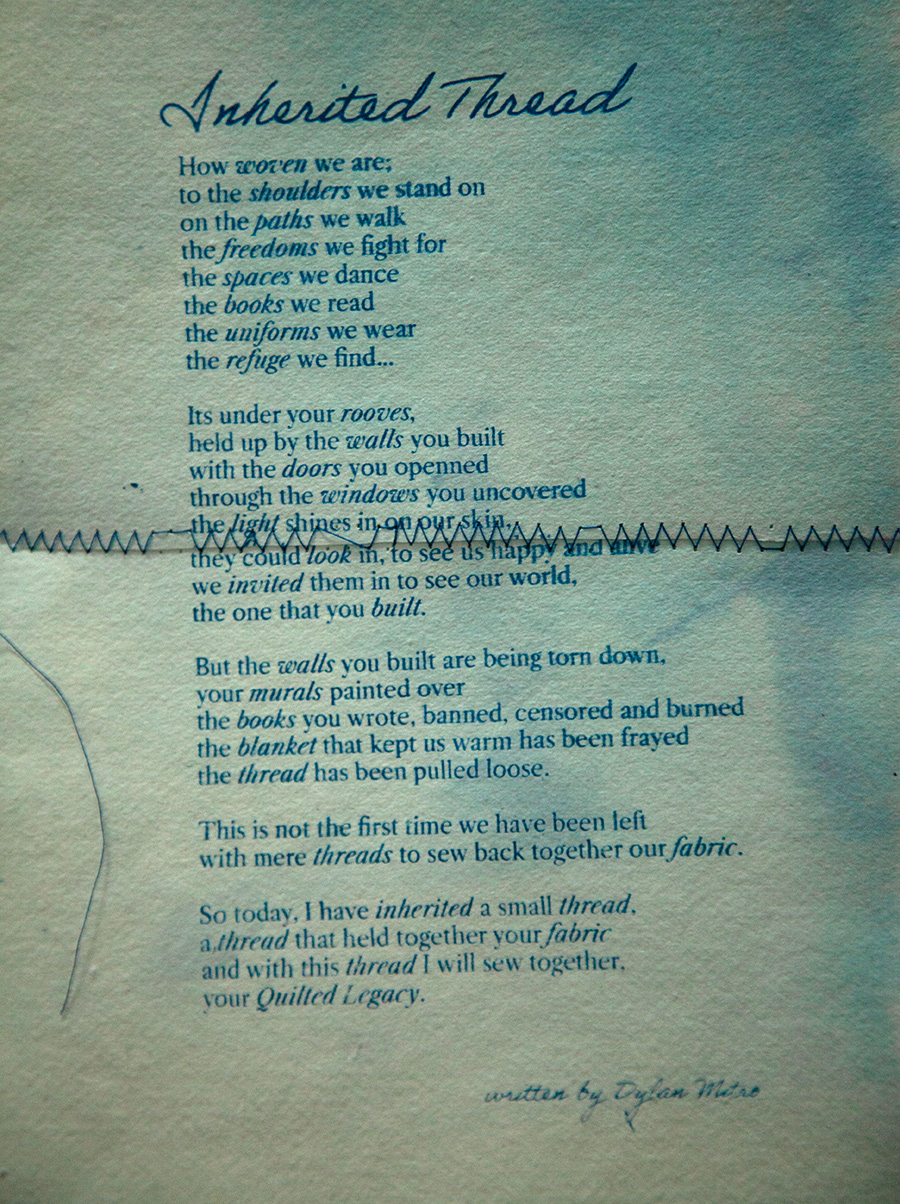
Click HERE to read our first interview with Dylan, where he speaks in depth about their project Inhereted Thread for their Fresh A.I.R. Residency and the Martha Cooper Scholar for Photography 2025.
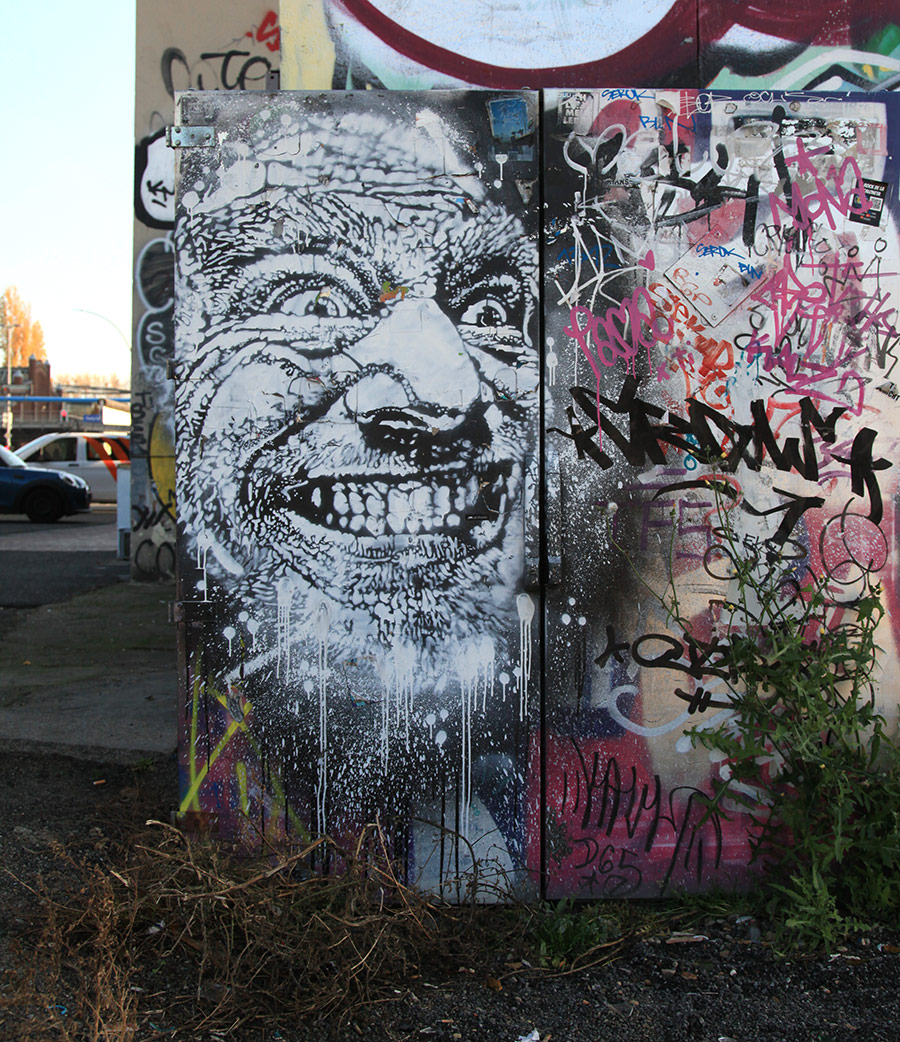
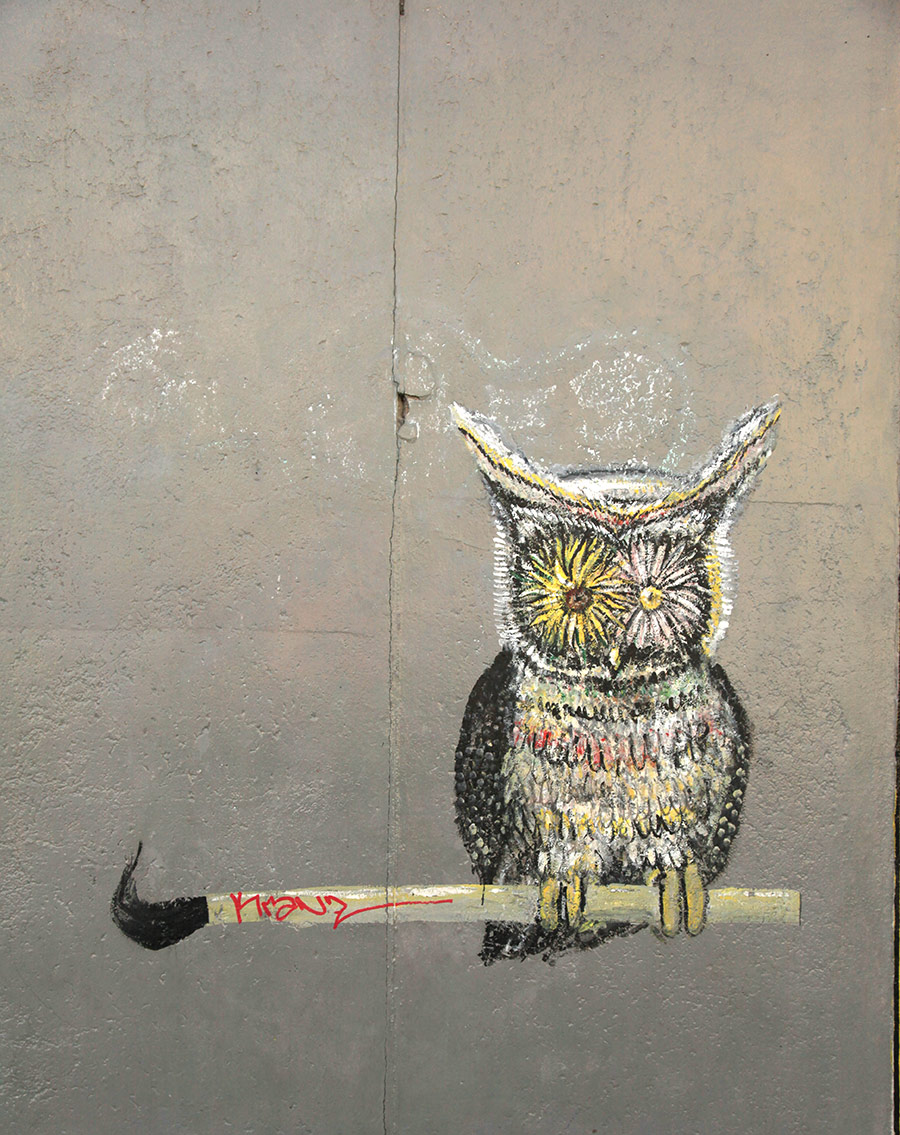
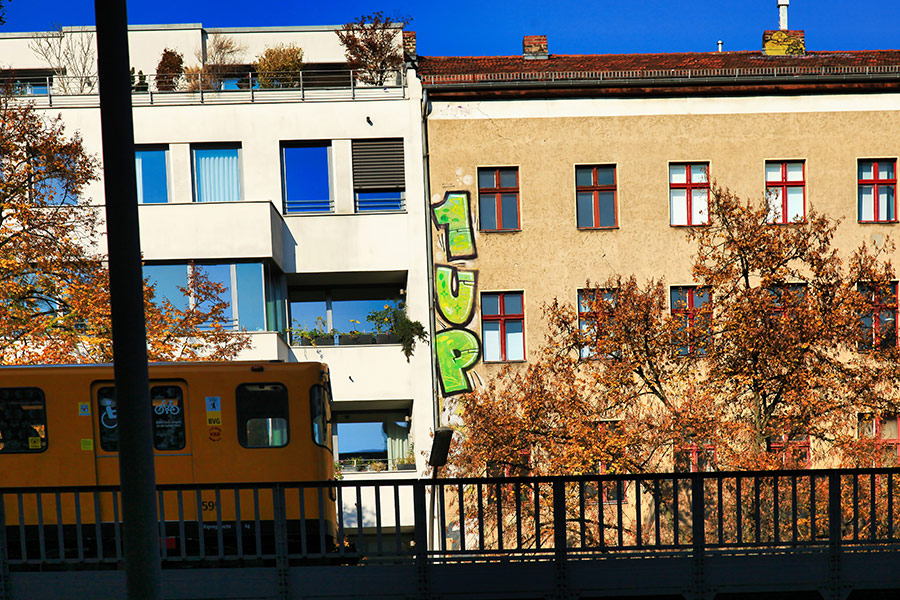
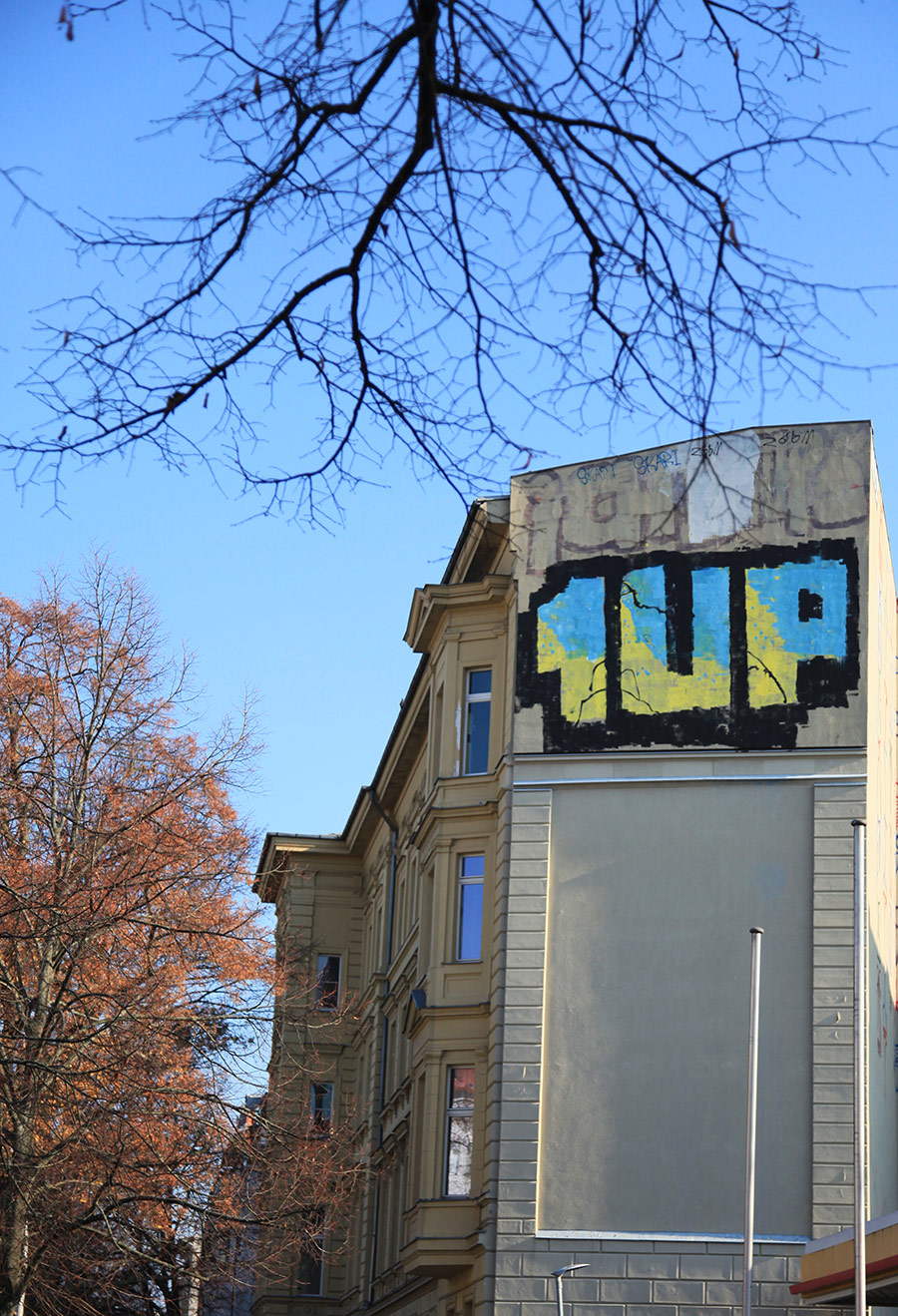
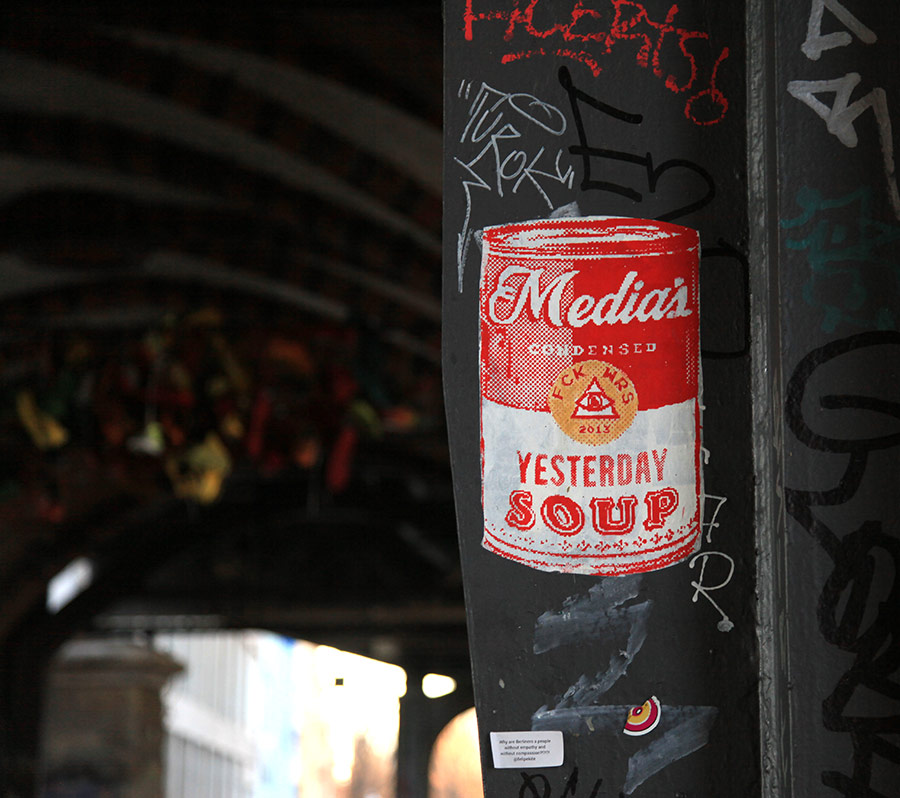
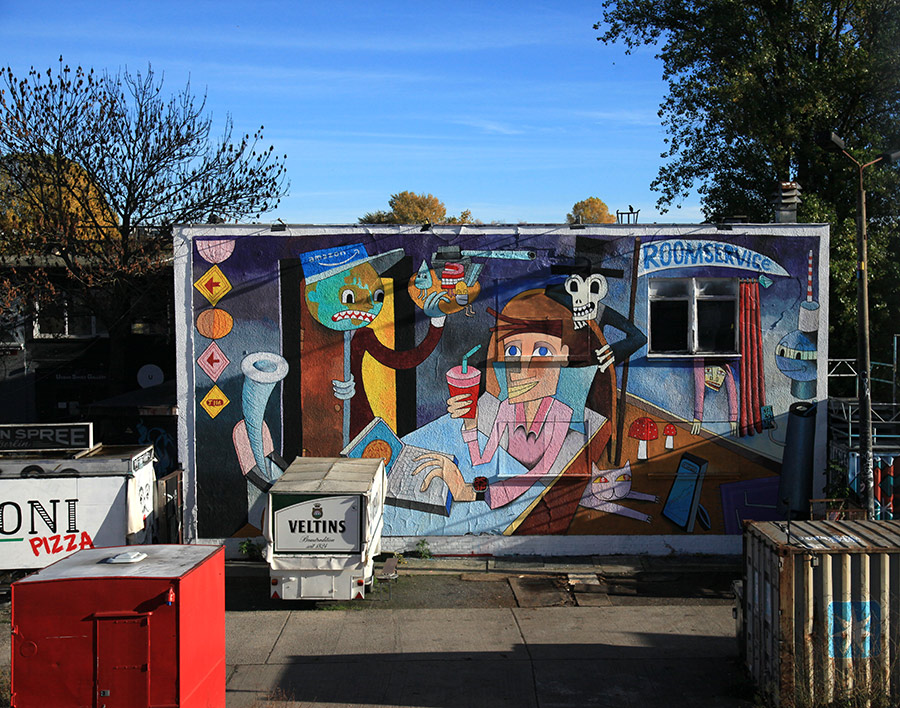
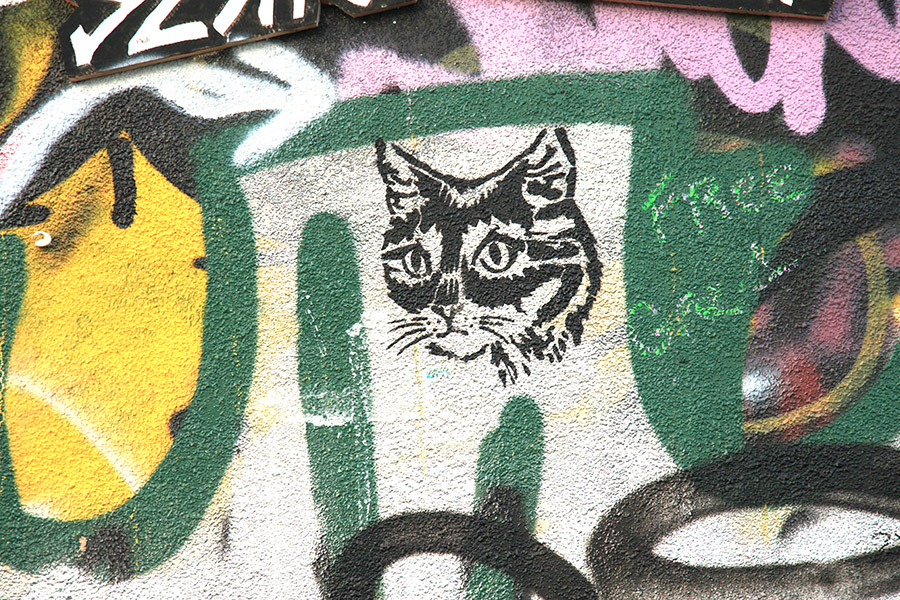
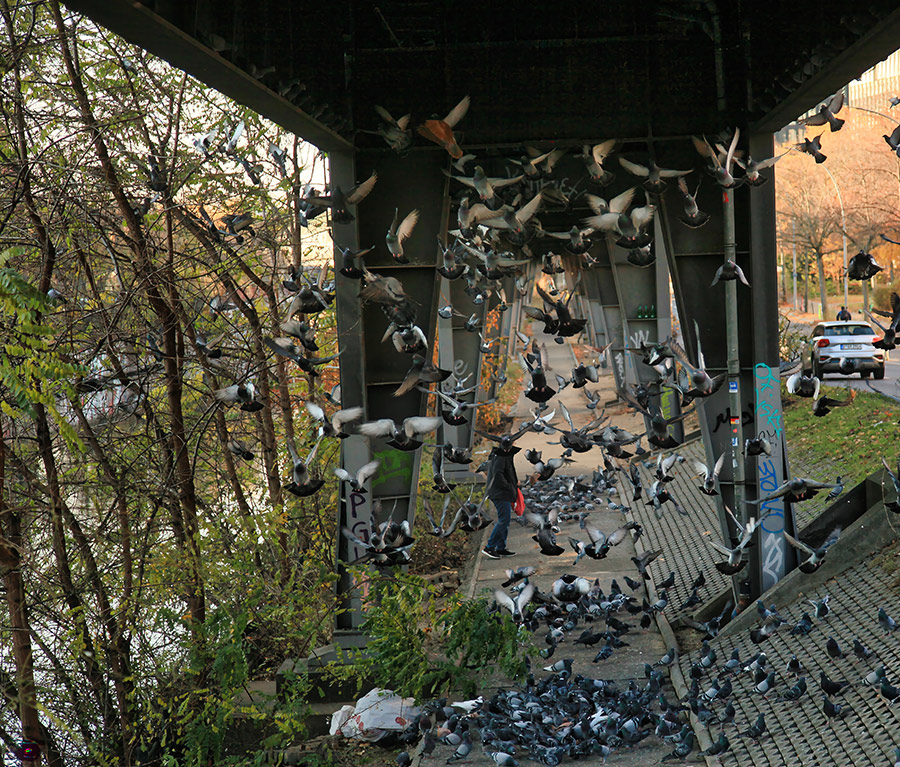
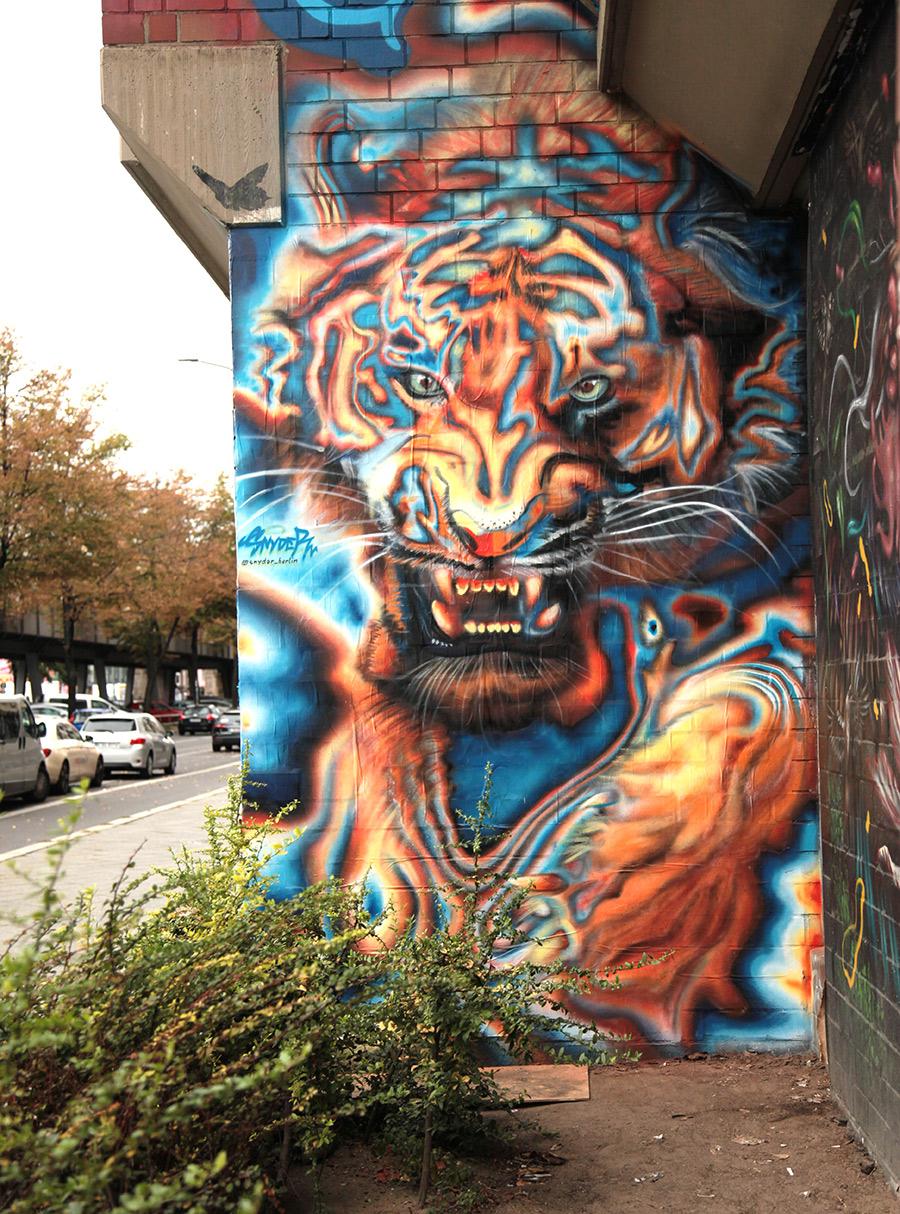
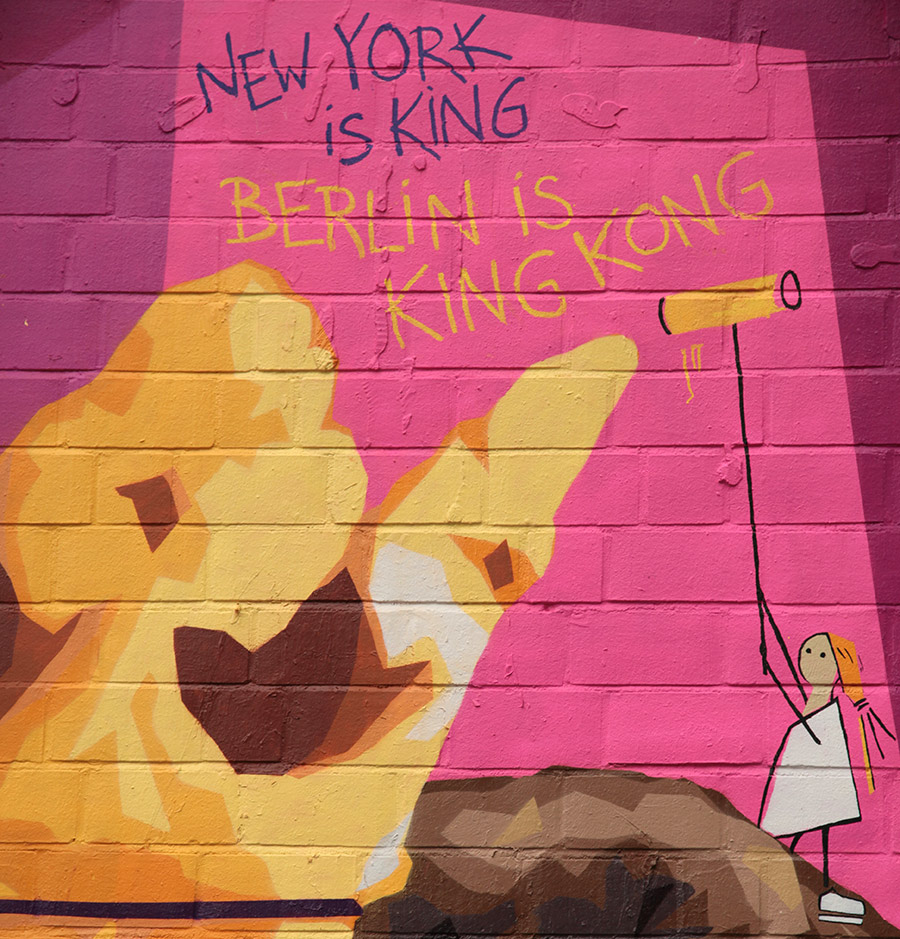
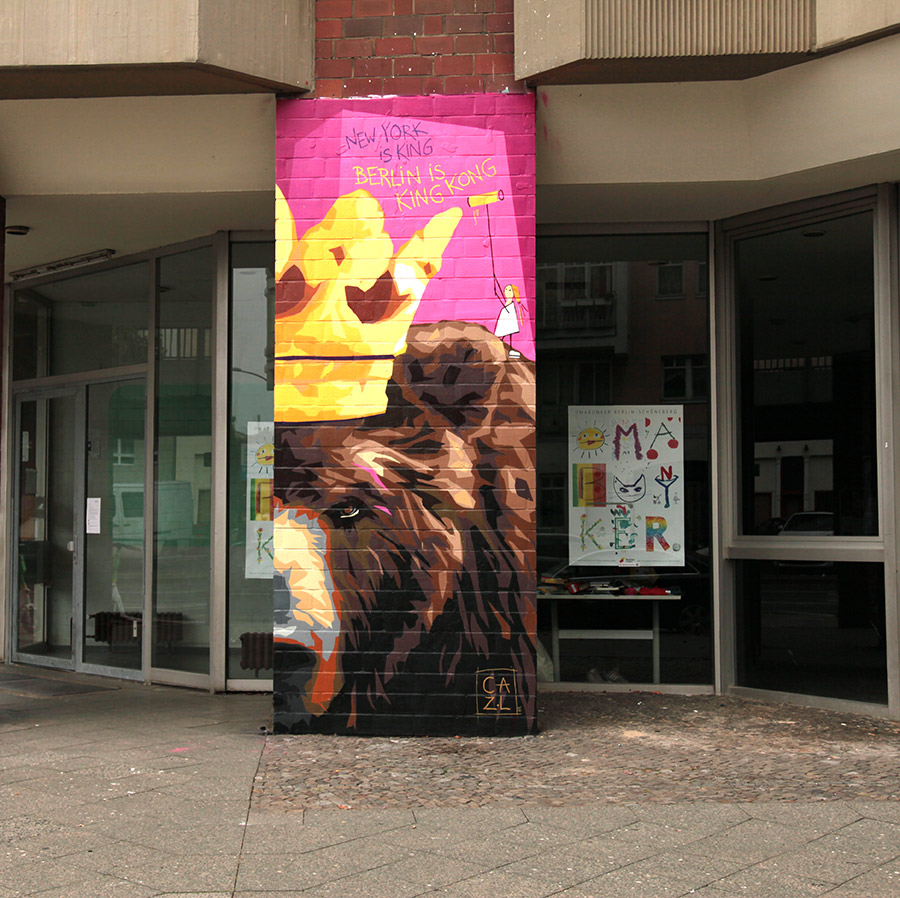
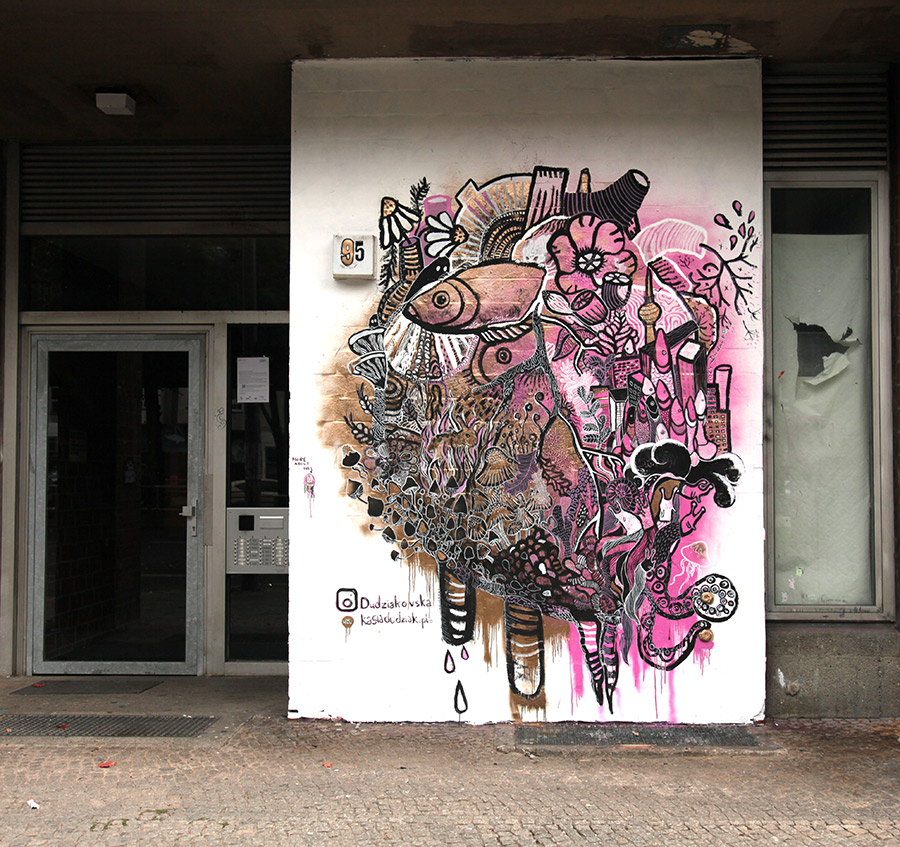
Aerosol, Avignon, astronauts, and an ornery ornithologist under the U-Bahn feeding hundreds of pigeons, making threats toward a visiting photojournalist about revealing her identity — it’s all part of a typical sunny fall survey of Berlin as we track the streets under the U3 from Urban Spree to Urban Nation on foot. It’s a hike, but why not? You’ve got to burn off last night’s Schultheiss beers that add to your girth and your bleary, sun-streaked view of the streets. Keep your eyes darting across surfaces and you’re rewarded in this city: stickers, tags, stencils of owls and cats, and Haring and Frida, impossible Berlin Kidz pieces sliding down walls from high altitudes, and 1UP tags in nearly every possible — and impossible — location.
Closer to Nollendorfplatz station, the formal murals from UN mix with a kaleidoscope of local spray — a lively conversation about fame, the environment, politics, gentrification, fear, love, and the many Paradoxes of life (see what we did there?).. Alive and kicking, shall we say, in Berlin. Next stop; Prague.
This week’s interview with the streets includes: 1Up Crew, Berlin Kidz, Cartonneros, Dylan Mitro, Erka, Kranz, Media’s, Paradox, Phoebe Graphy, Push X, The London Police, Unplatonic, and Victor Ash.
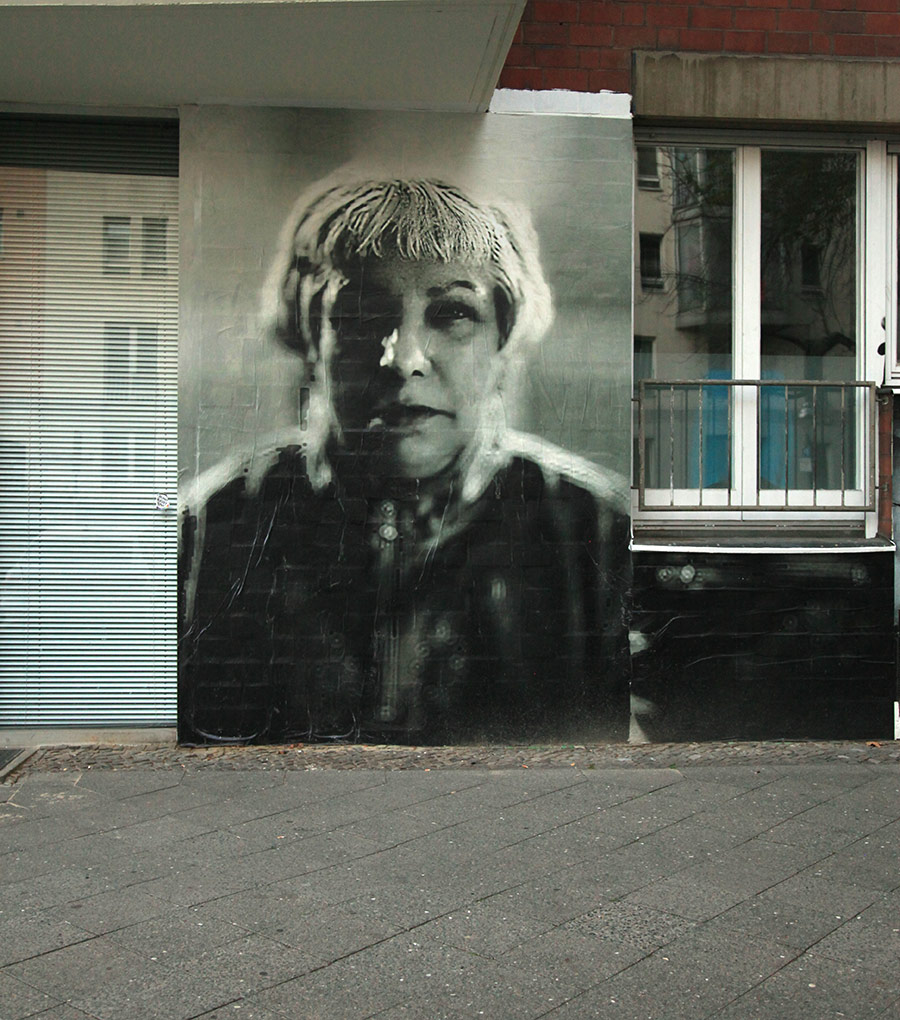
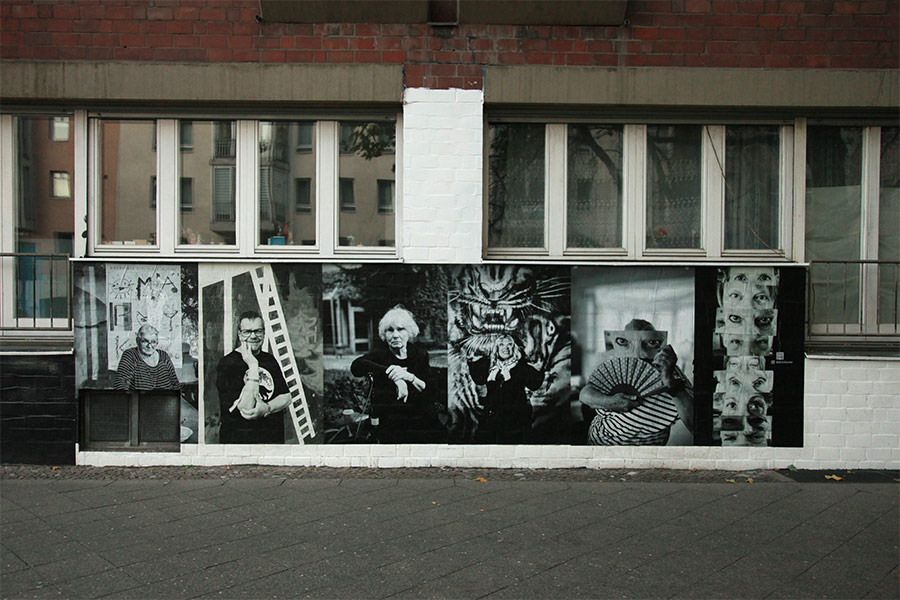
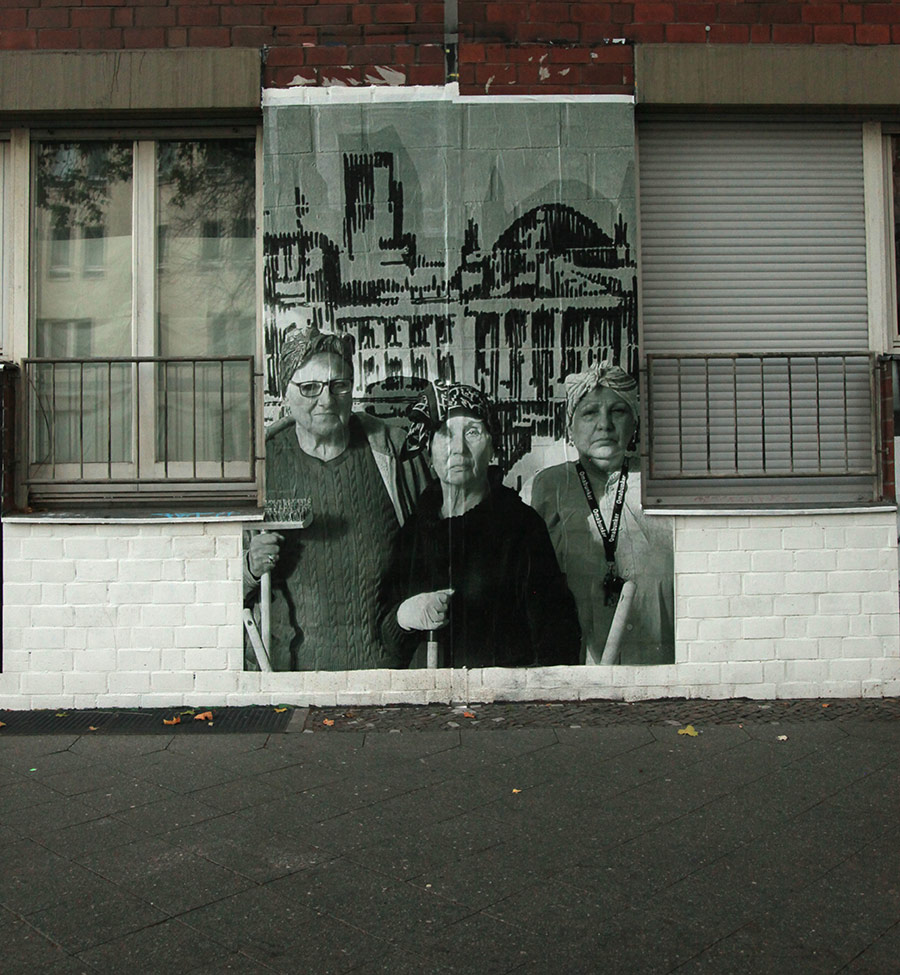
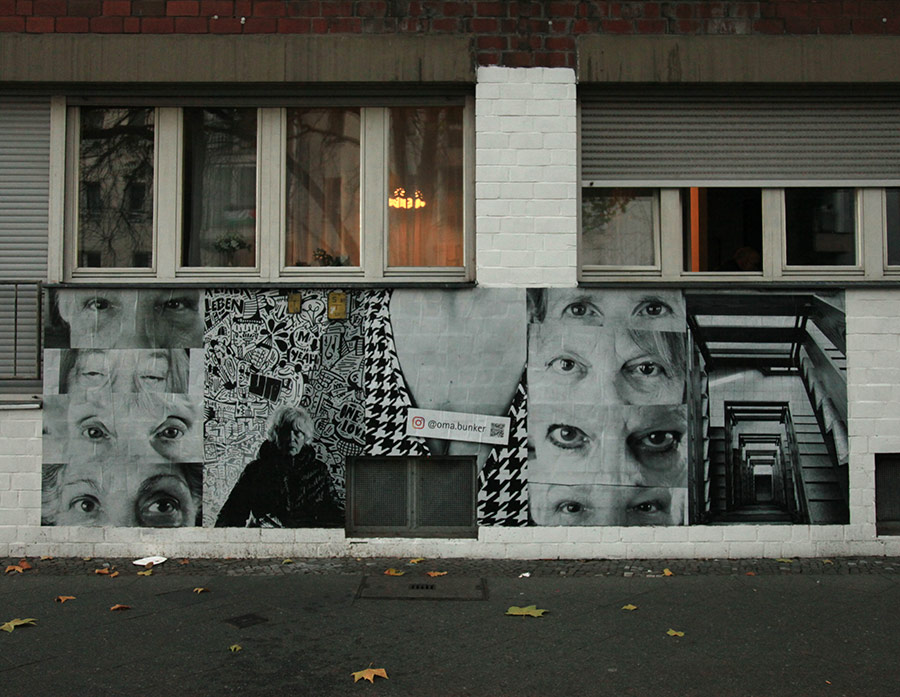
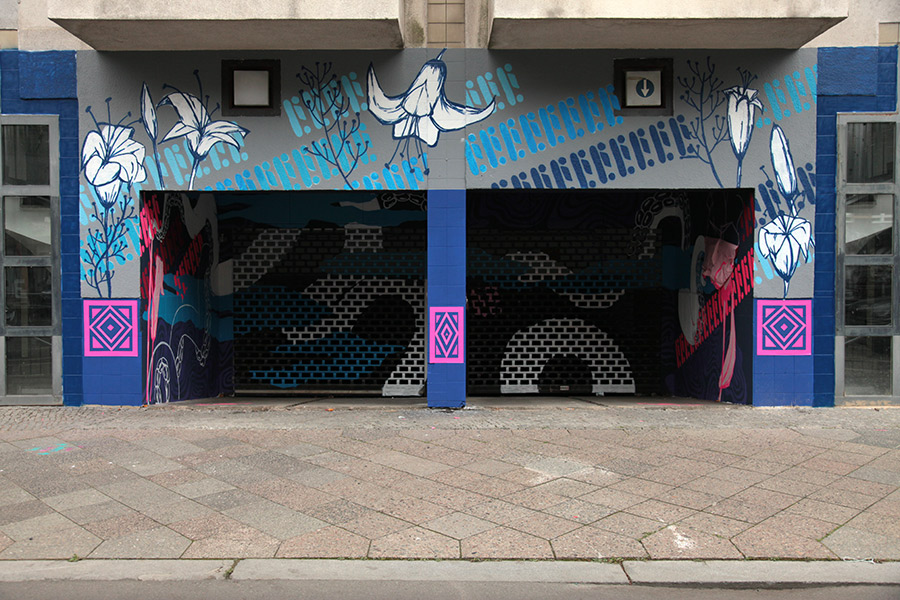
Canadian artist Dylan Mitro collaborated with residents of the so-called “Omabunker”—a senior apartment building near URBAN NATION in Berlin—to create the community wall project “Love Letter from the Omabunker.” During his Martha Cooper Fellowship, Mitro invited the folks who live there to photograph one another and their surroundings, turning everyday snapshots into large black-and-white portraits now covering the building’s façade.
The project reflects Martha Cooper’s documentary spirit—finding beauty and dignity in ordinary lives—while reworking it into a collective, site-specific gesture. Here, the street becomes both subject and canvas: the photographers and the photographed are the same people, turning their home into an image of itself and making visible a community that often may be unseen.
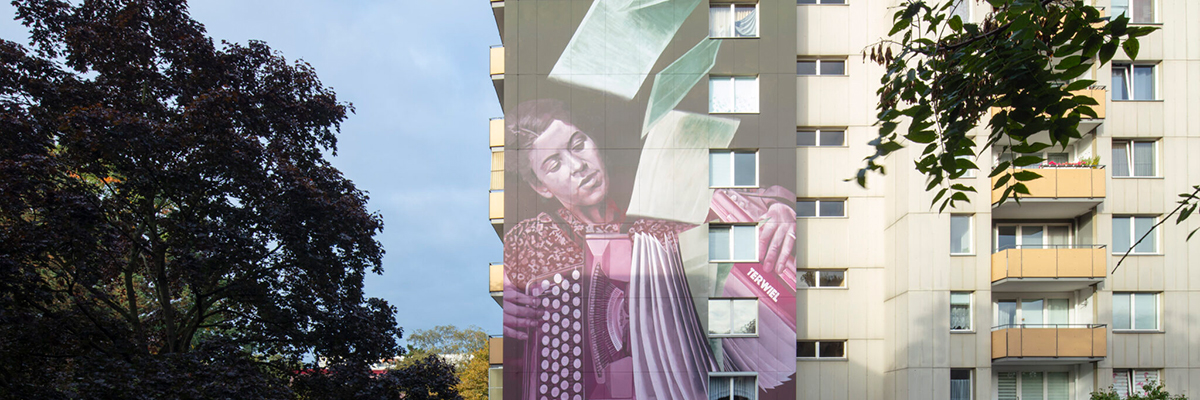
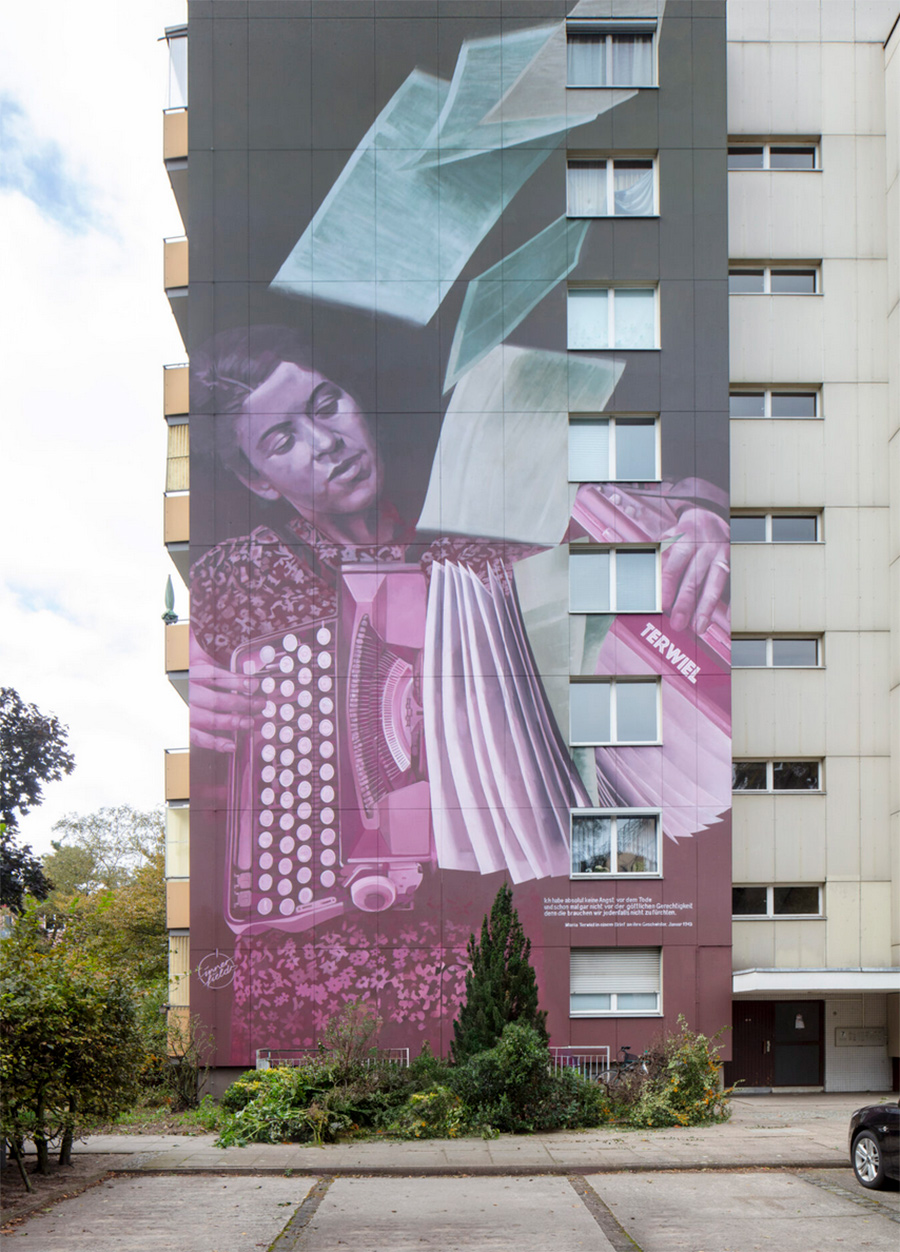
Berlin brings one of its unsung heroes to a wall this month as part of an Urban Nation mural program. On October 9, 2025, UN inaugurated “Akkord,” the newest addition to its long-running One Wall program—a series built on the premise that it is possible a single wall can carry a powerful message in a community. Created by the Berlin-based collective Innerfields, this mural rises above Schwambzeile 7 in Charlottenburg-Nord, transforming an ordinary apartment façade into a site of memory, artistry, and civic reflection. Following the One Wall charge, it’s meant to be public art with purpose: direct, accessible, and impossible to ignore.
Innerfields, who have operated at various times as a trio and a duo since forming in 1998, are well known in Berlin’s street art community for their blend of figurative realism and symbolic abstraction. Emerging from the city’s graffiti culture, they often explore the interplay between humanity, technology, and nature—our coexistence and our contradictions. Their murals are recognizable for their human subjects rendered with near-classical precision, often set against conceptual frameworks that invite reflection rather than spectacle.
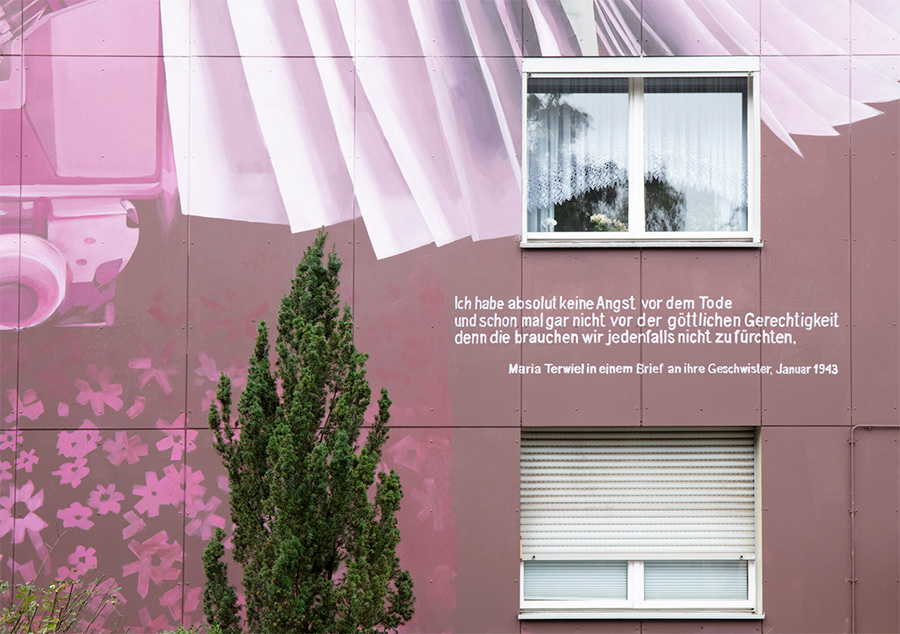
For Akkord, the artists turned their focus to Maria Terwiel, a member of the German resistance executed by the Nazis in 1943 for distributing anti-regime leaflets. The mural’s imagery—Terwiel playing an accordion whose keys morph into those of a typewriter, with the sheet music transforming into the very leaflets she once duplicated—captures the merging of art, intellect, and defiance. The work’s title plays on the dual meaning of “chord” and “accord”: harmony in music, and solidarity in human endeavor.
The concept and design was developed through a workshop with students from the Anna-Freud-Schule and Akkord intends to be as much a pedagogical project as a memorial. It engages young Berliners in reclaiming a silenced voice – and translating history into visual language. In a city that wears its past in layers of paint, Innerfields’ wall may remind us that resistance can take many forms—and that in the right hands, even an accordion can be an instrument of liberty.
GO TO URBAN NATION BERLIN TO READ MORE ABOUT “AKKORD”, INNERFIELDS, AND THE ONE WALL PROJECT
First day of spring in the Northern Hemisphere, and what better sign of renewal than a fresh Urban Nation bloom—sprouting defiantly among the dried leaves, cigarette butts, and abandoned Berliner Pilsner bottles?
As part of an ongoing conversation with curator Michelle Houston about the latest show at Urban Nation, LOVE LETTERS TO THE CITY, we find ourselves drawn to the echoes of the Situationists, those restless wanderers who believed the city wasn’t just a place but an experience—one that tugs at your emotions, plays with your psychology, and sometimes leads you straight to an impromptu picnic on Görlitzer Park’s slightly suspect grass.
The show isn’t just a tribute to urban spaces; it’s a love note, a protest, and a collection of insights into the streets that shape us and our experience.
Video credits: Commissioned by Stiftung Berliner Leben. Shot by Alexander Lichtner & Ilja Braun. Post-production, additional footage, graphics, and a final version by Michelle Nimpsch for YAP Studio/YES, AND… productions GmbH & Co. KG
We are thrilled to once again announce the Martha Cooper Scholarship, in partnership with Urban Nation. This scholarship offers a promising photographer the chance to spend 10 months in Berlin in 2026—fully supported and immersed in the city’s dynamic creative environment.
This extraordinary opportunity provides not only free accommodation in an artist residence and full coverage of travel and living expenses but also regular mentorship, collaboration with artists across disciplines, and participation in Urban Nation’s projects and partnerships.
Now in its second year, this scholarship continues to celebrate the vision and legacy of Martha Cooper, who remains an integral part of the selection committee. Berlin is a global epicenter of urban contemporary art, where history, rebellion, and creative experimentation collide. Its streets are an open-air gallery, layered with decades of graffiti, murals, and artistic interventions that reflect the city’s ever-evolving identity. A magnet for artists, Berlin fosters a culture of artistic freedom, collaboration, and innovation, making it one of the most dynamic places for street art, photography, and contemporary expression. As the first recipient fo the Martha Cooper Scholarship embarks on their journey in Berlin right now, we are eager to welcome the next photographer ready to explore and capture the spirit of Berlin.
Applications for 2026 are now open—we look forward to seeing your work!
Read an excerpt from the official Call below:
The Martha Cooper Scholarship (MCS) offers a unique opportunity for an individual from Africa or Latin America to dedicate themselves for eleven months to an artistic project through the medium of photography. With the newly announced MCS, the Foundation Berliner Leben acknowledges the importance of documentary photography and purposefully offers a production scholarship for documentary photographers with an ethnographic focus to apply for this scholarship, seeking projects that critically and thoughtfully engage with the places, communities, and social realities they document. Prioritizing work that captures the context between people and their environments, we support projects that reflect everyday life, shifting cultural landscapes, and the ways communities adapt and change. The scholarship encourages applications from photographers whose work offers fresh, honest perspectives on lived experience, community, and identity with depth and optimism. The scholarship is based on the annual topic of Fresh A.I.R., the scholarship programme of Stiftung Berliner Leben. It addresses social and political developments that affect us in the present and highlights the diversity of human experience and perception of the world.
The scholarship is based on the annual topic of Fresh A.I.R., the scholarship programme of Stiftung Berliner Leben, which addresses social and political developments that affect us in the present, and highlights the diversity of human experience and perception of the world.
The chosen photographer will be invited to live and work in one of our Fresh A.I.R. residencies in Berlin Schöneberg.
The current call is for the 11th class starting in February 2026 and ending in November 2026.
Application for a scholarship in 2026
Application deadline: Sunday,16th March, 2025
Applications are only accepted via Email: FreshAIR-office@stiftung-berliner-leben.de
For a successful application please hand in the following documents:
• Curriculum vitae
• Project outline/description
• Budget plan
FOR MORE DETAILS, HOW TO APPLY AND IMPORTANT INFORMATION CLICK HERE
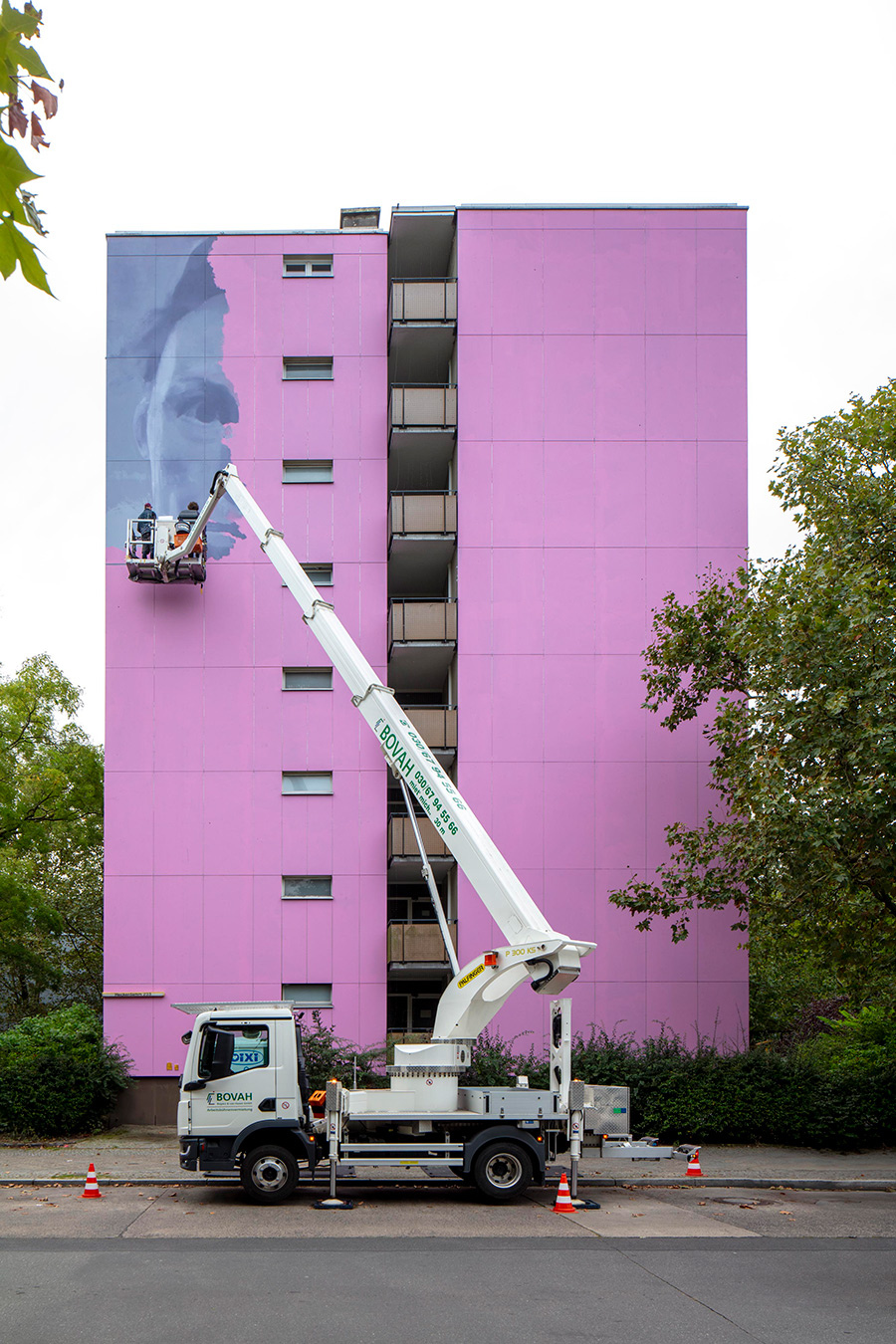
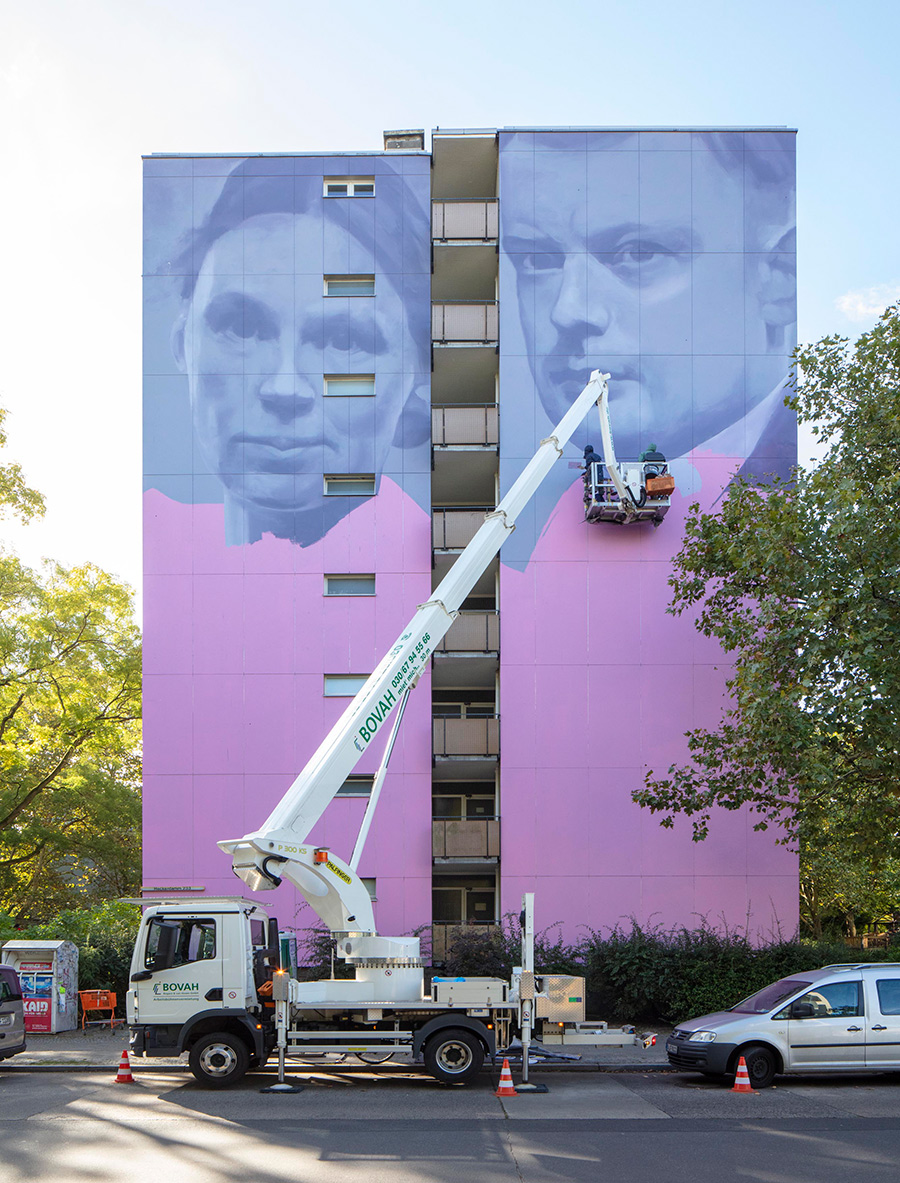
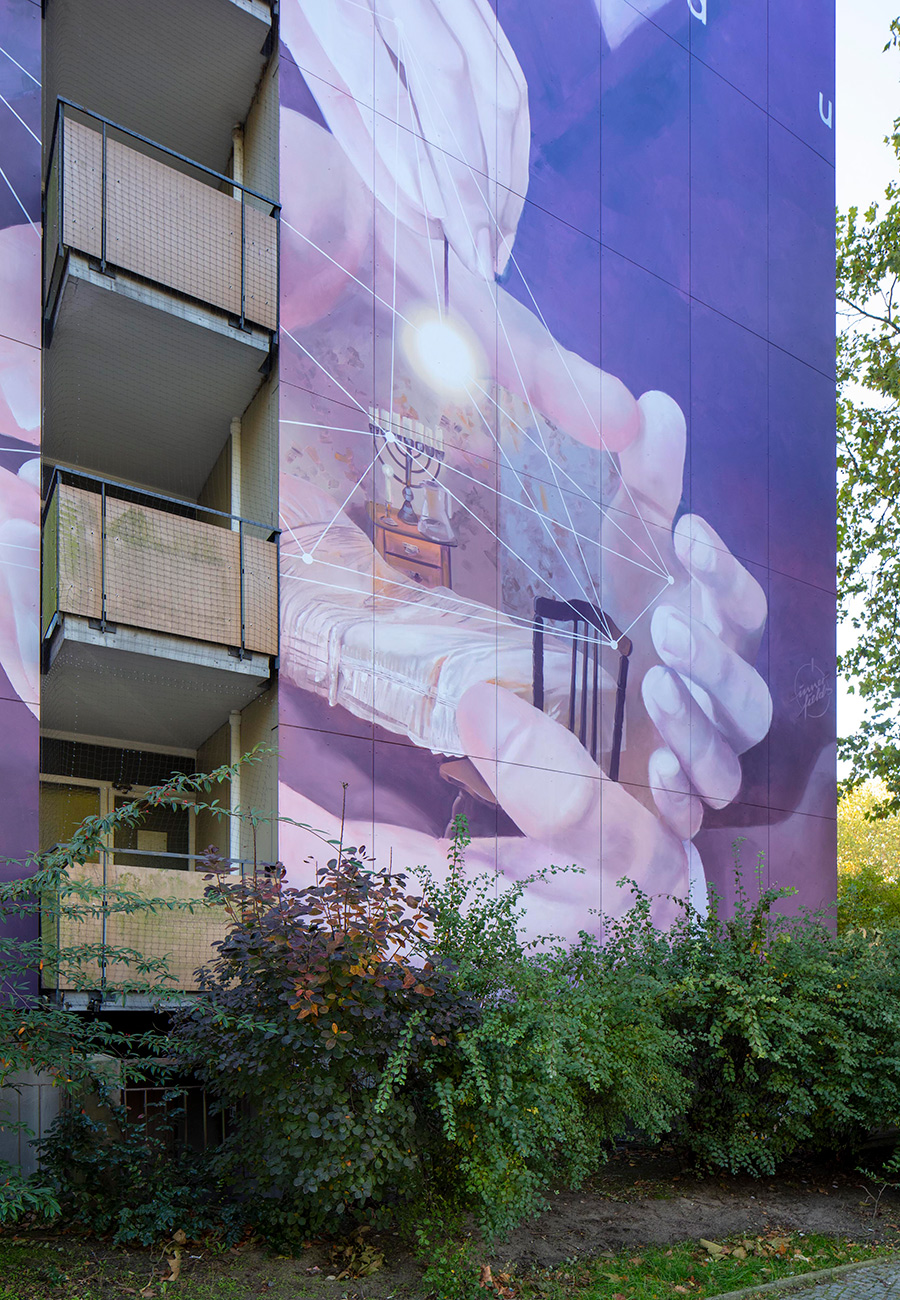
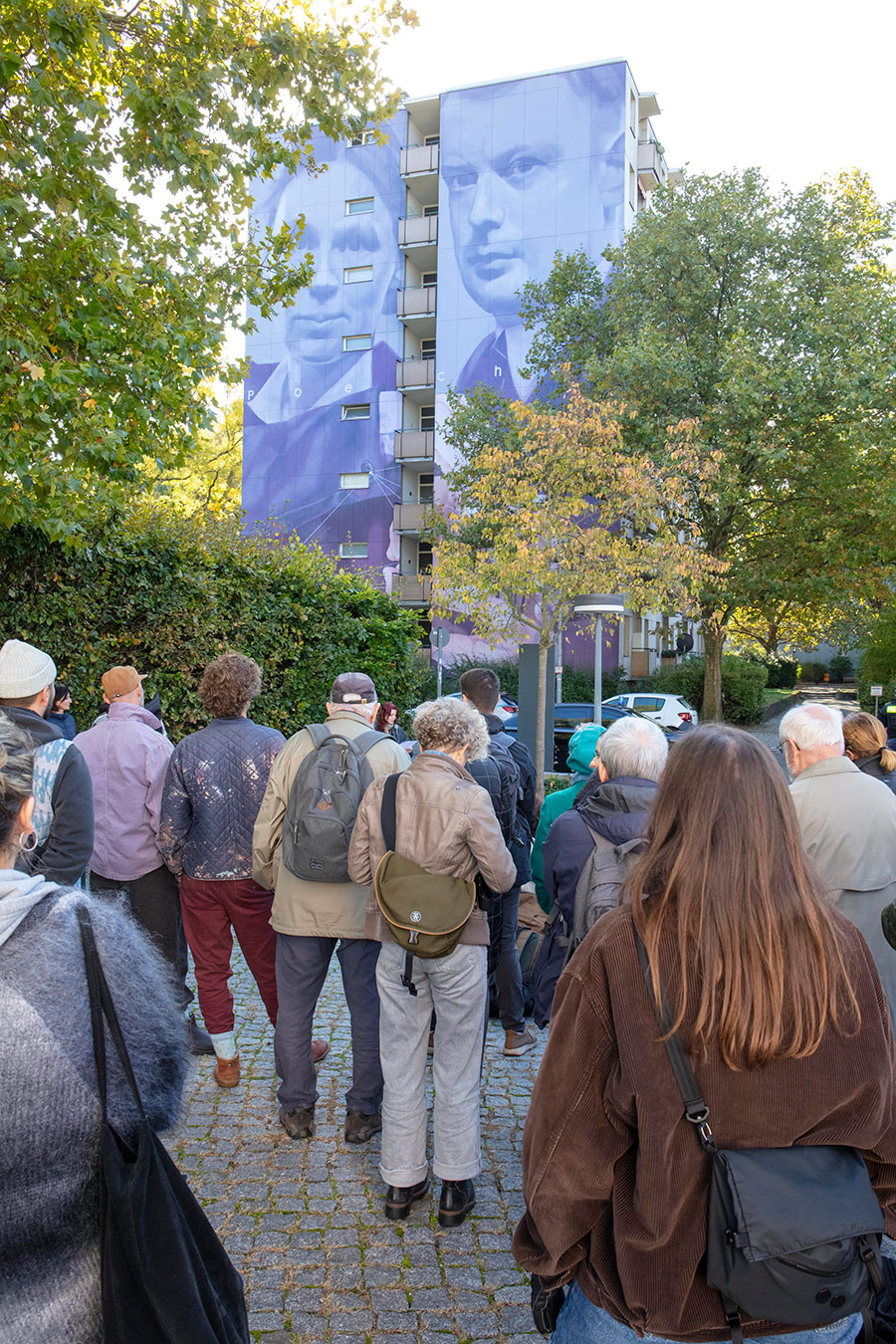
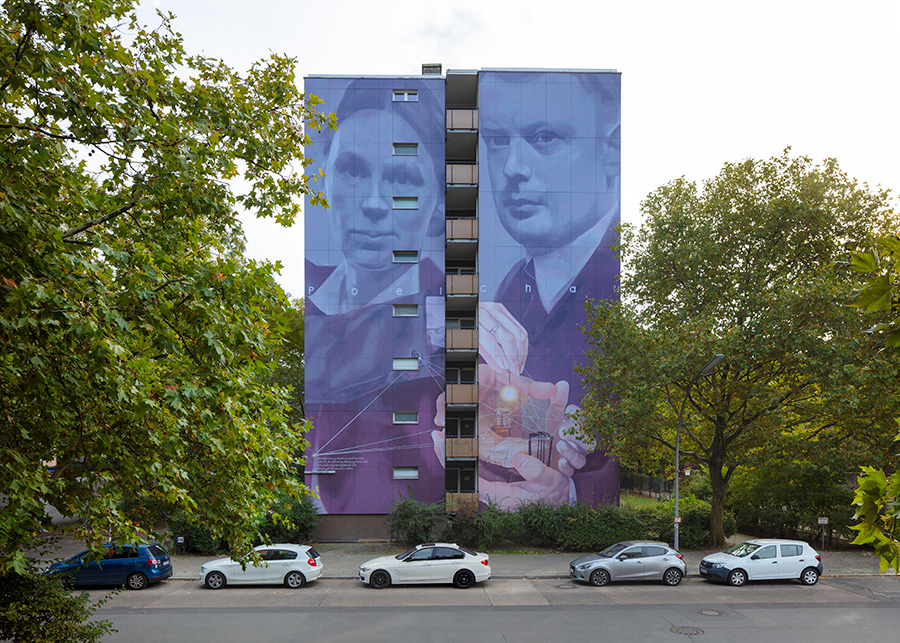
The newest mural by Innerfields marks a powerful addition to Berlin’s urban cityscape, installed as part of the ONE WALL initiative by Urban Nation. This Berlin-based street art duo, Holger Weißflog and Jakob Tory Bardou, has created a moving tribute to Dorothee and Harald Poelchau, who bravely sheltered those persecuted during the Nazi era. The mural, located on the façade of a Gewobag building in Charlottenburg-Nord, draws on Innerfields’ signature photorealistic style with a blend of surrealist and symbolic elements, visually narrating a story of courage, protection, and human resilience.
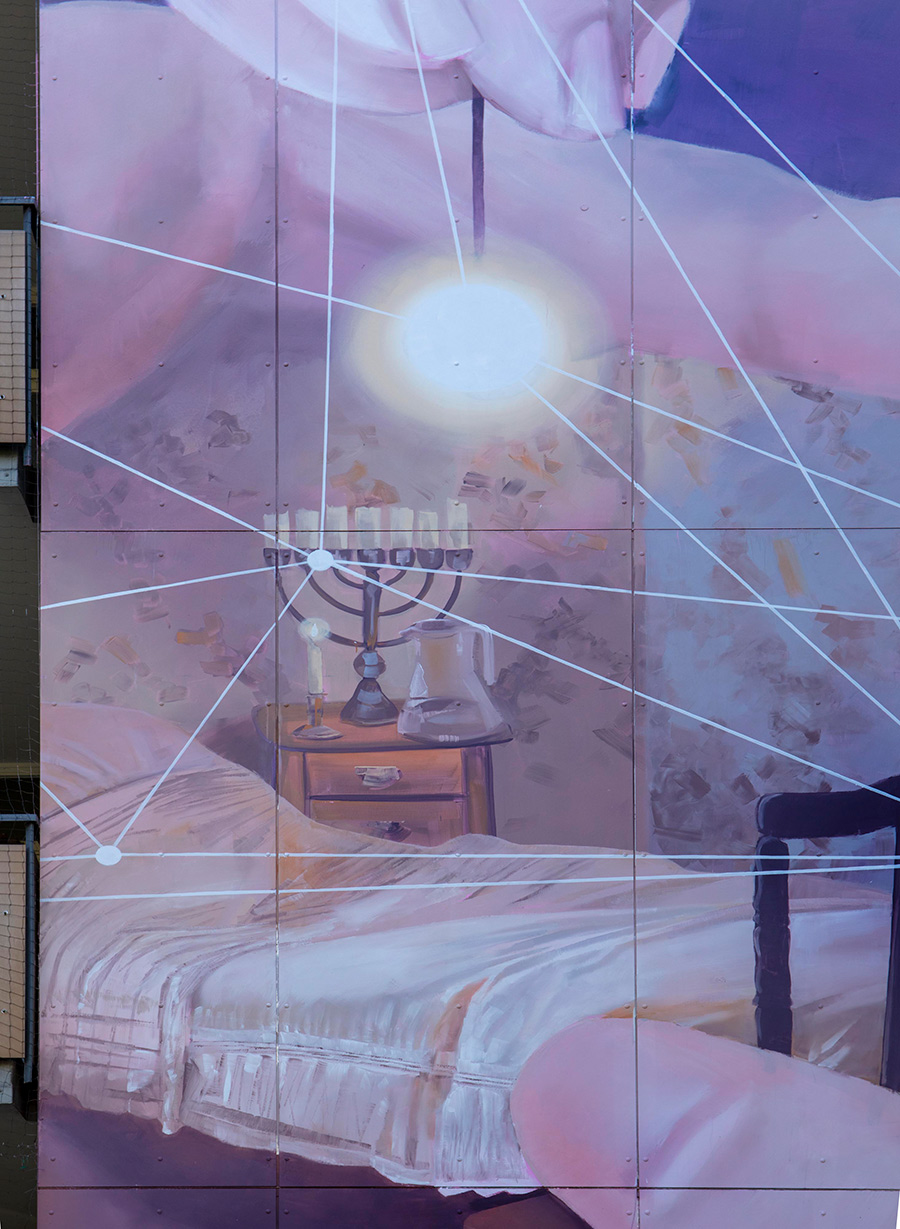
Central to the mural are the intertwined hands of Dorothee and Harald, symbolizing the physical and emotional sanctuary they offered to those in need. Dorothee holds a light, a gesture conveying warmth and hope amid adversity, while a menorah placed nearby serves as a poignant reminder of the Holocaust. Lines weave through these elements, subtly representing the network of resistance that the Poelchaus supported, embodying a collective strength defying oppression.
Originally a trio with artist Veit Tempich, Innerfields has painted murals worldwide, from Berlin, Hamburg, and Cologne to Aalborg, Prague, and Hong Kong. Known for tackling themes of human interaction, technology, and environmental consciousness, Innerfields employs a unique fusion of realism, surrealism, and abstraction; theirs is a unique reflection on society’s dynamics. Their work has appeared at prestigious events like Out in the Open in Aalborg and the Wall Street Festival in Prague, as well as in galleries like ATM Gallery in Berlin and 30works Gallery in Cologne.
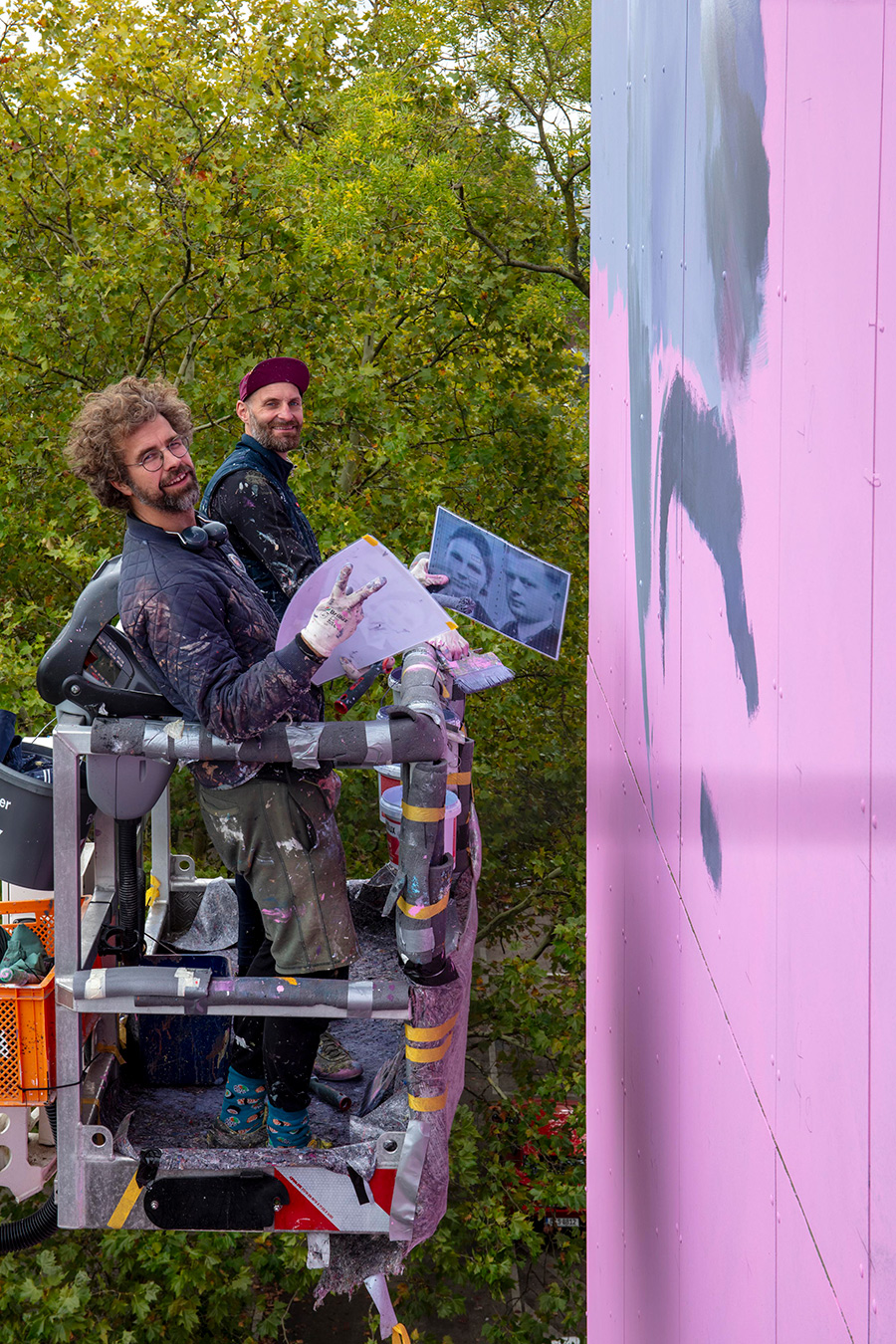
Here, we see how Innerfields brings historical remembrance into the present, creating a public artwork and a newly living memorial. The project involved students from the Anna Freud School, who engaged with the mural’s themes, enhancing their understanding of resistance and actively participating in Berlin’s evolving culture of remembrance. The mural, initially surprising to some in the community with its bright pink primer, it now appears to resonate deeply with locals, fostering a sense of shared history and identity. It is just the latest showing Innerfields’ commitment to creating meaningful public art that honors the past and inspires the future.
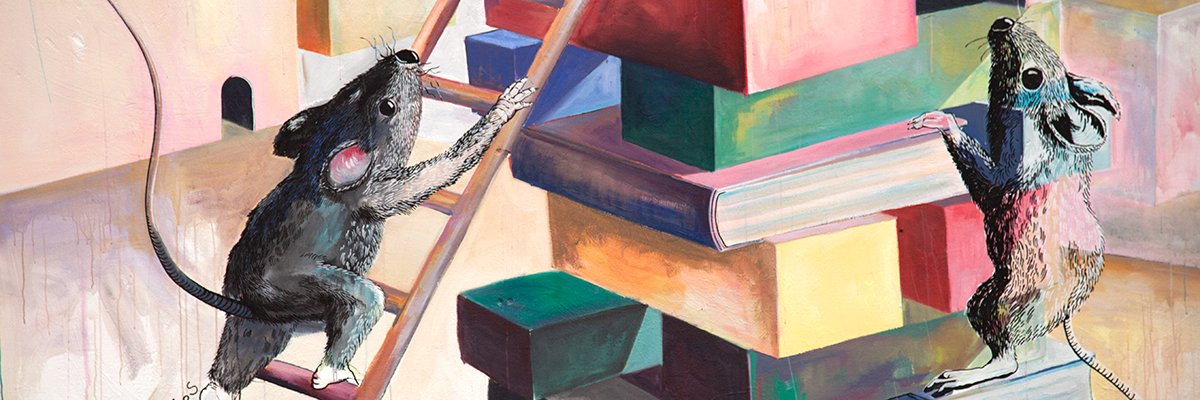
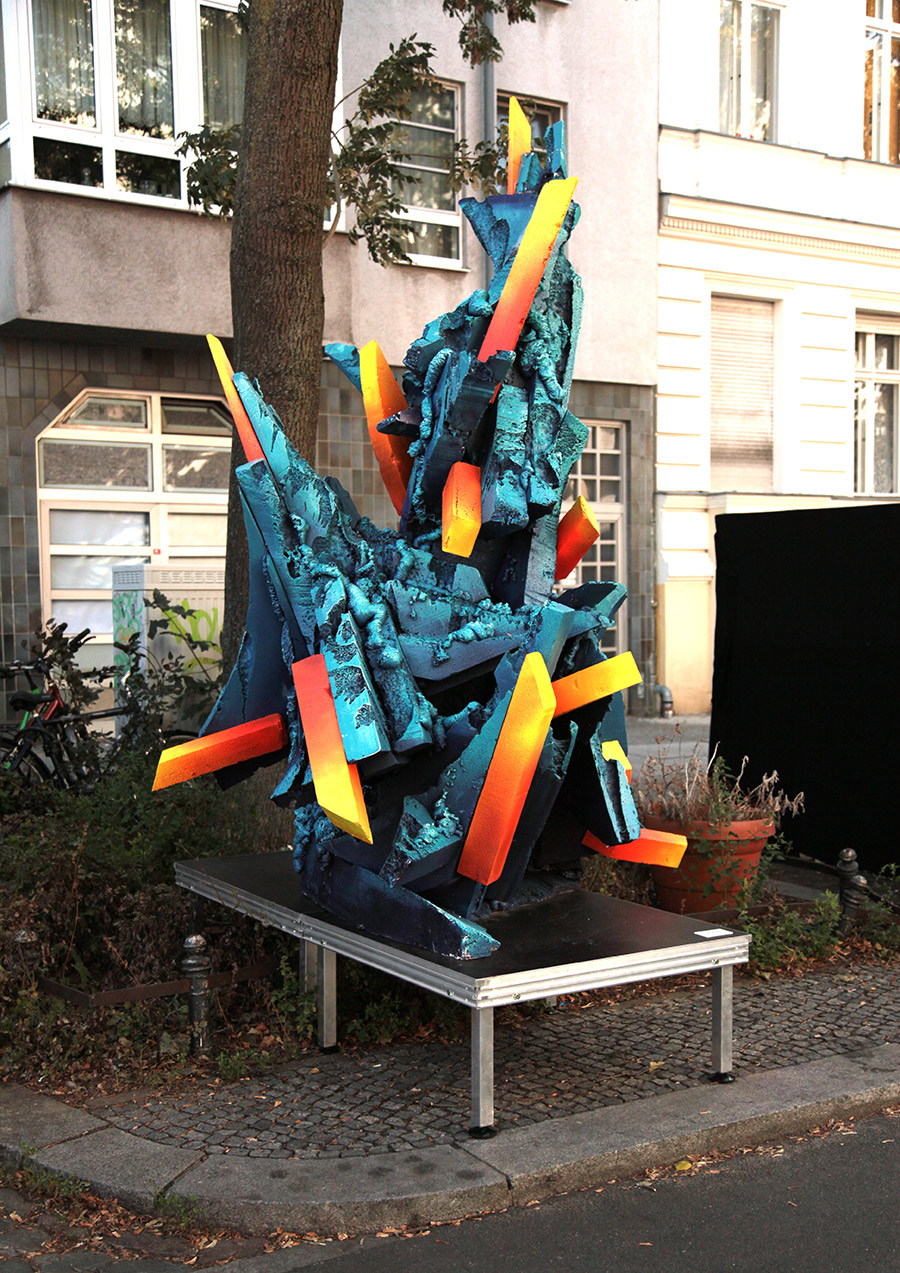
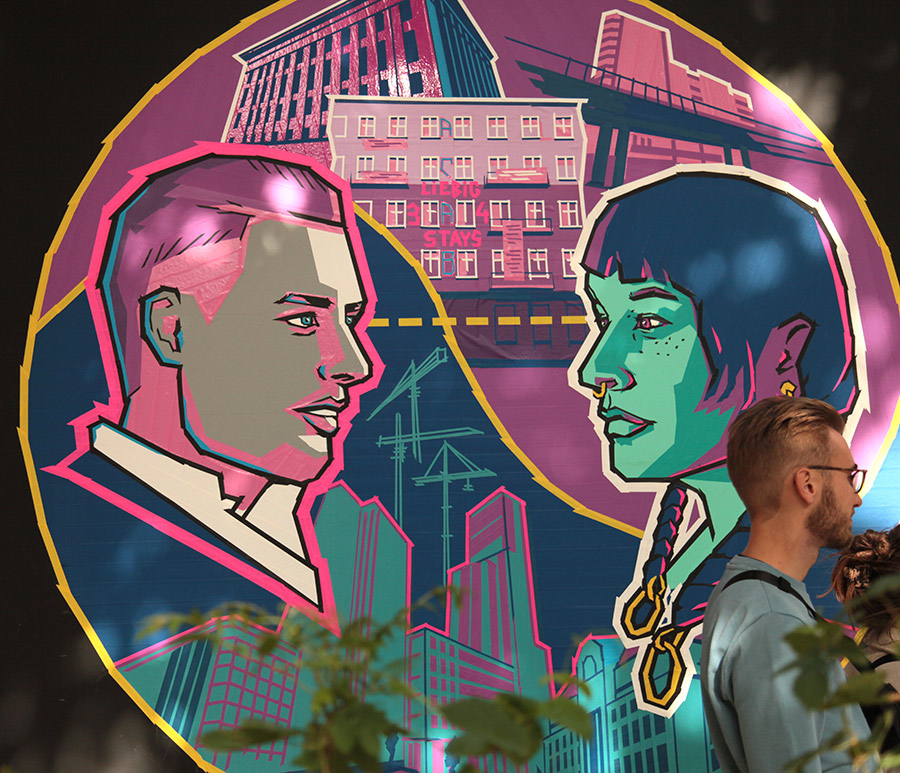
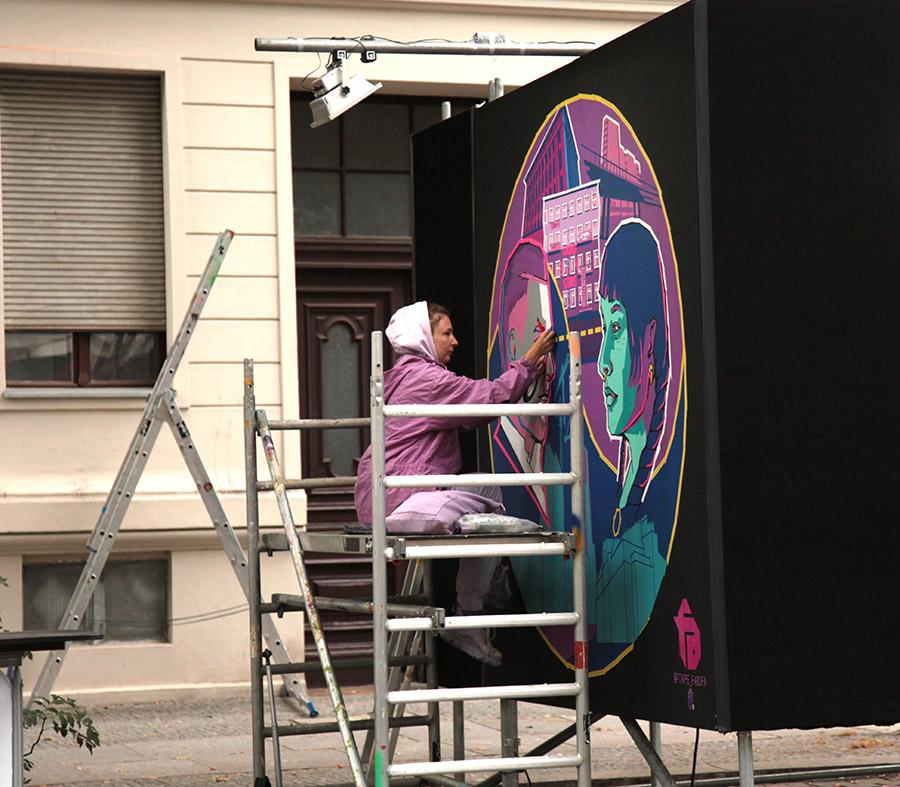
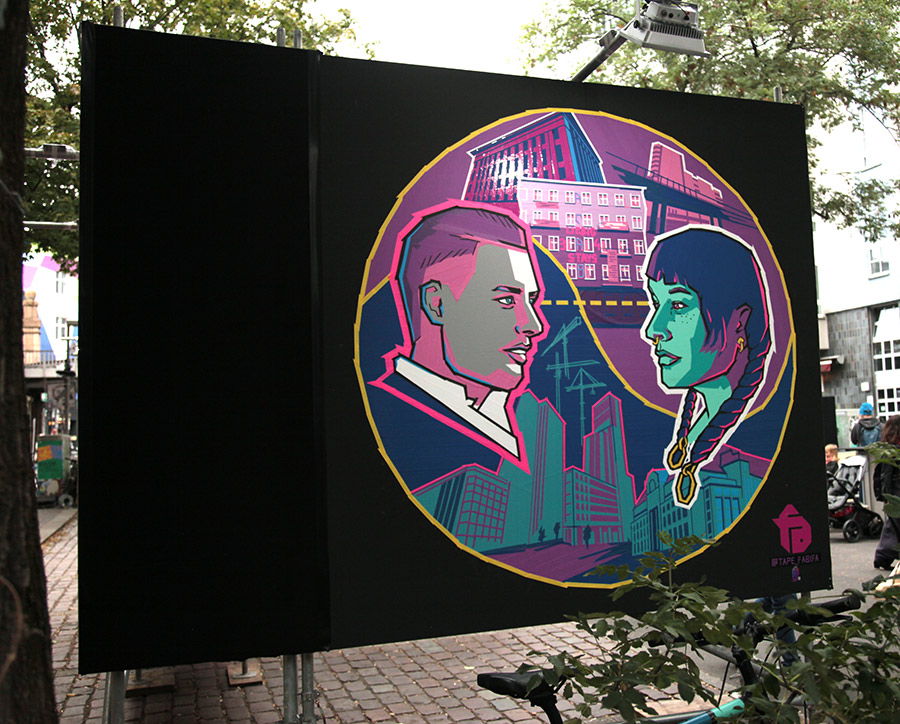
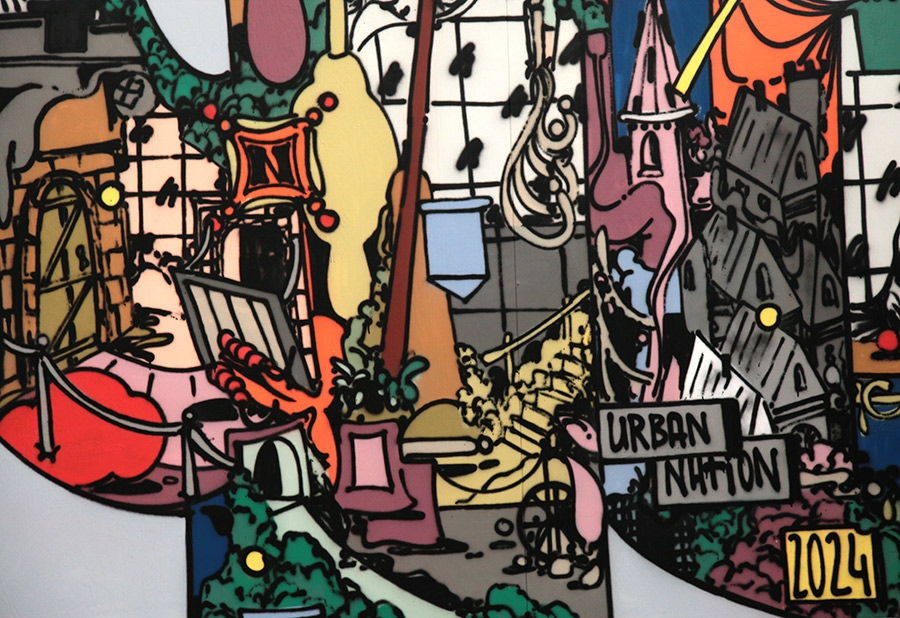
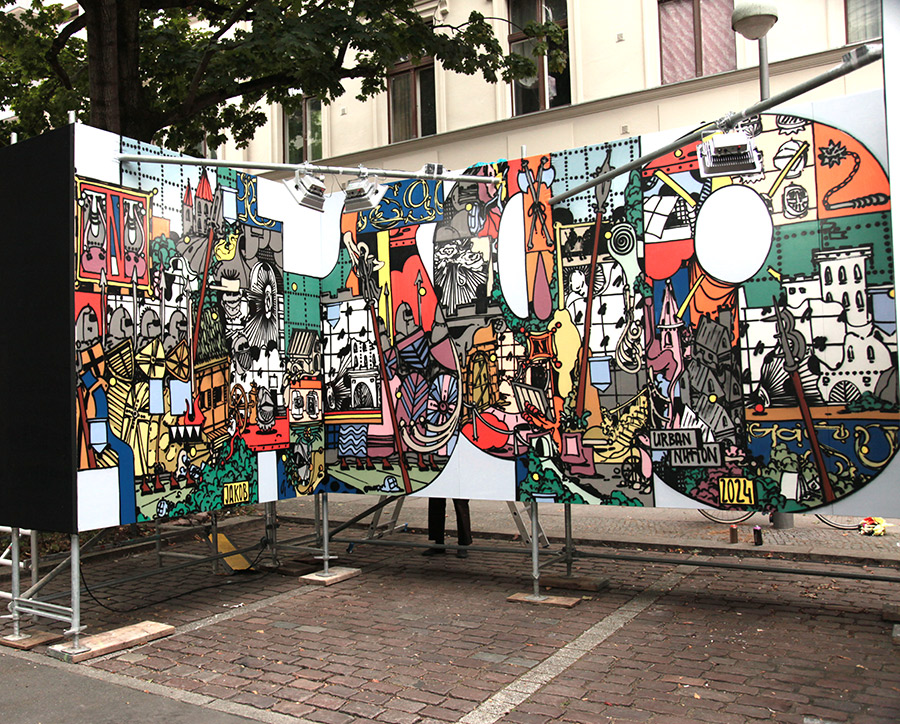
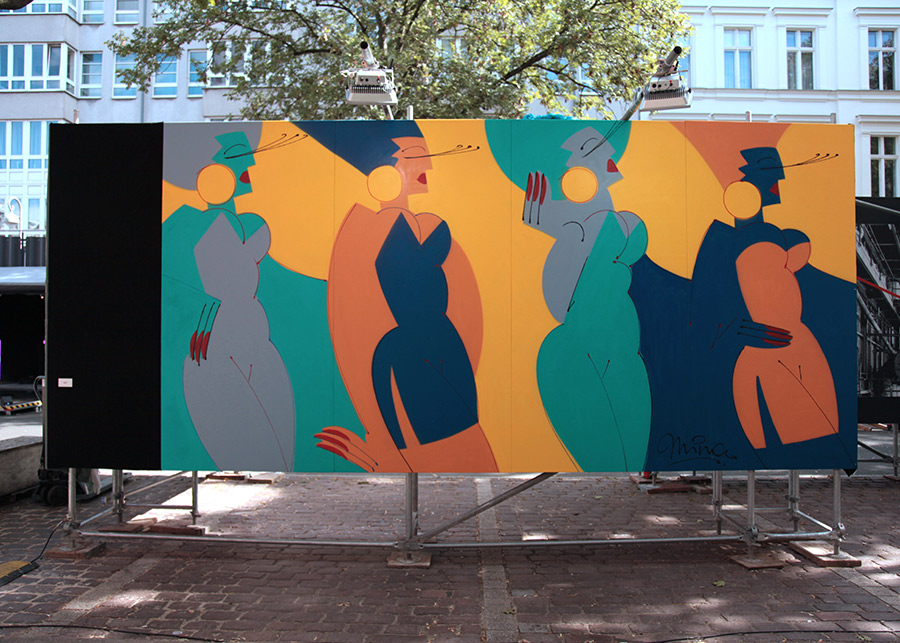
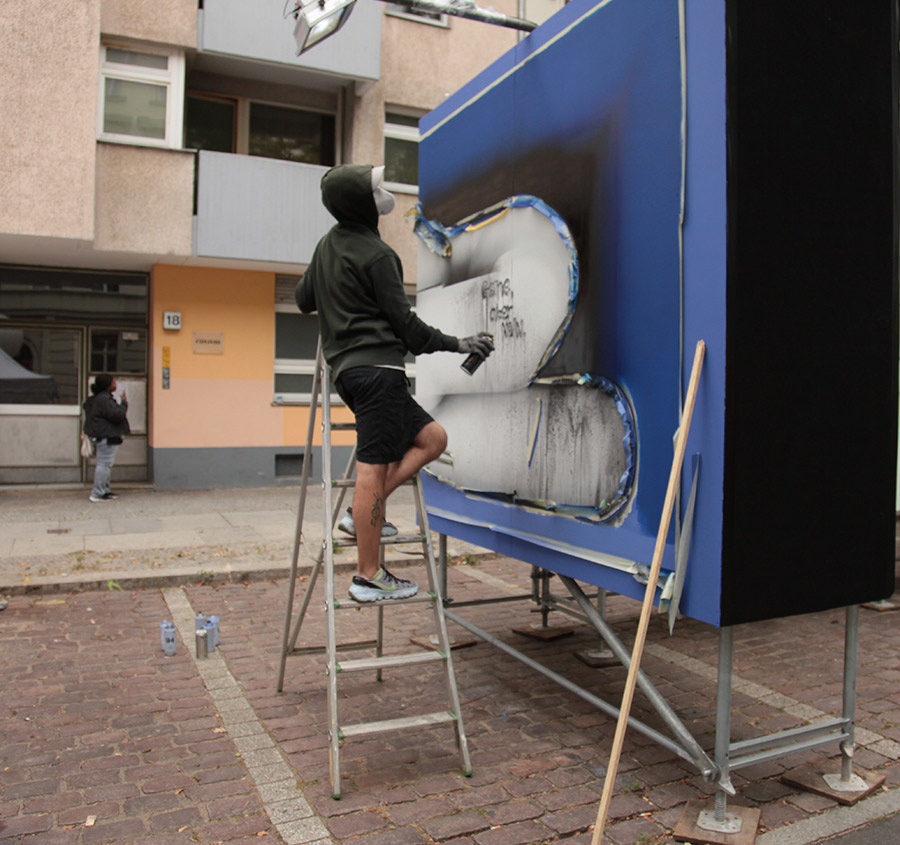
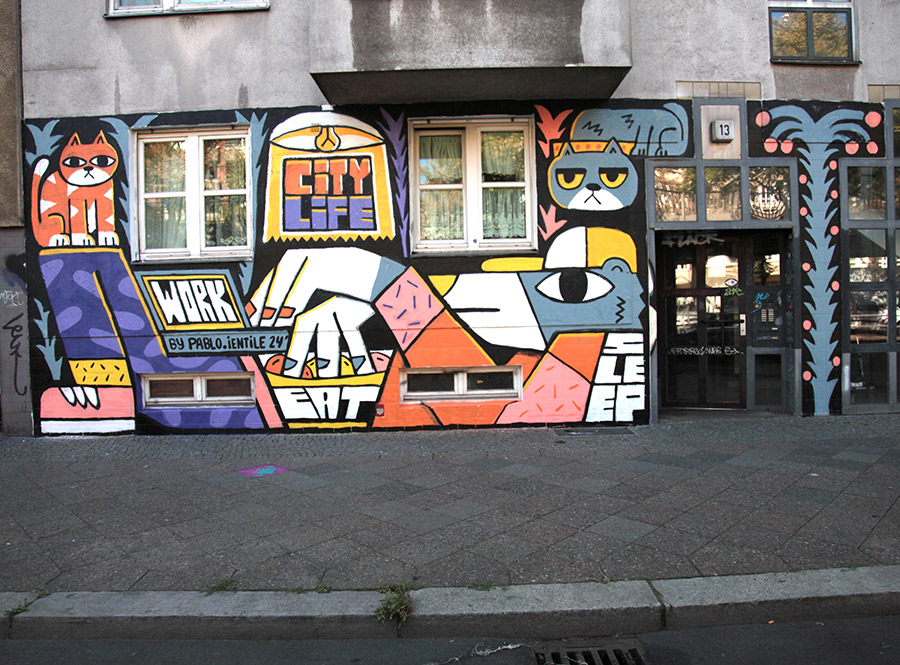
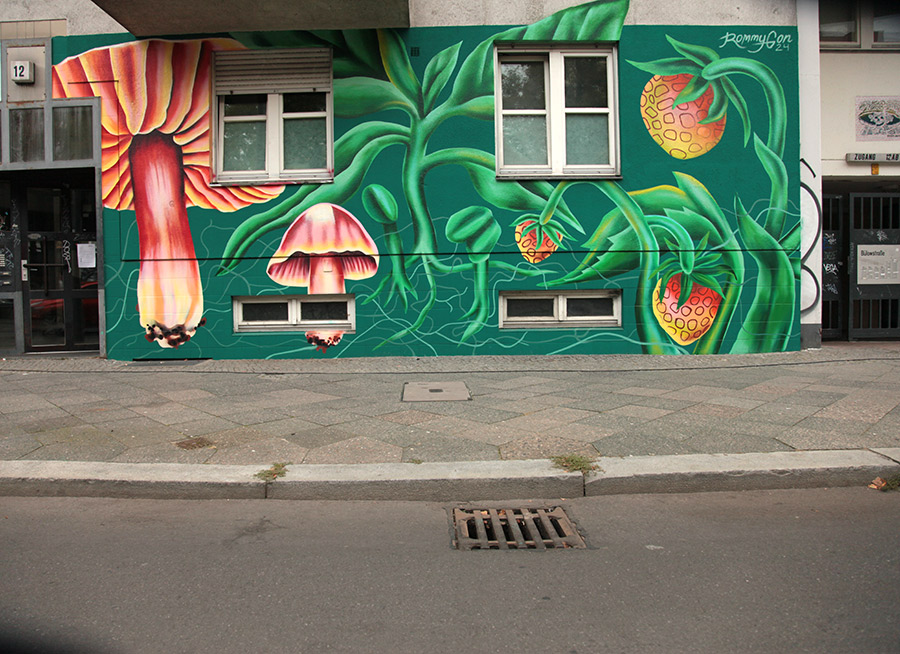
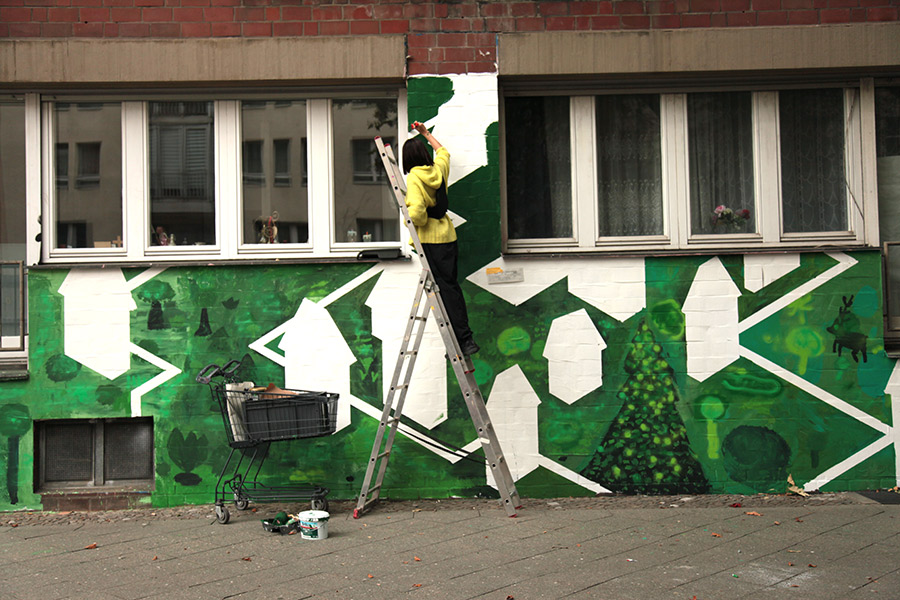
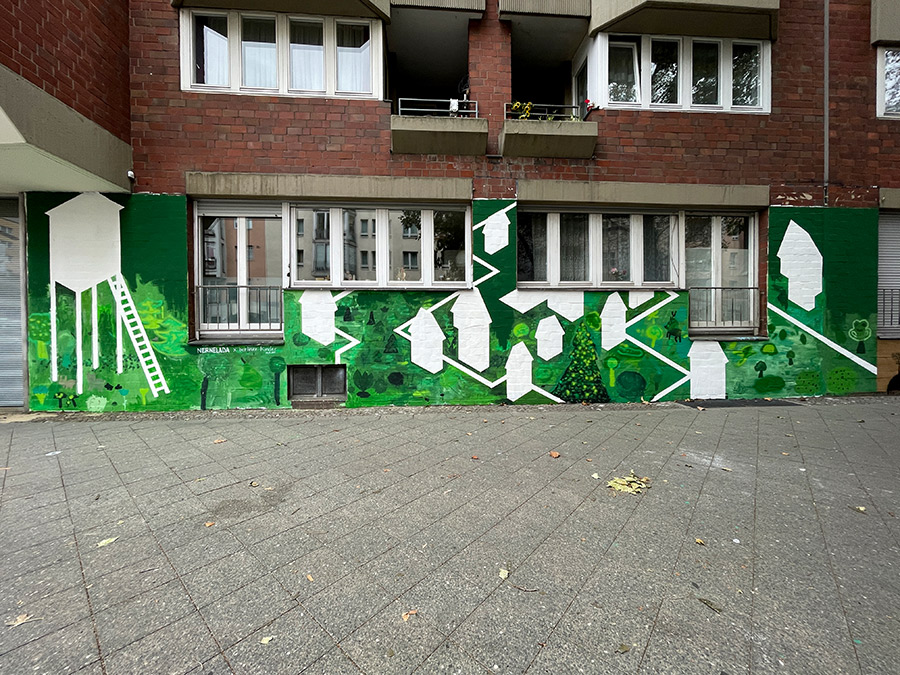
Berlin is teeming with artists of all kinds—not just street artists and graffiti writers—from around the world. For decades, the city has been a natural magnet for creatives. In conjunction with the new exhibition Love Letters to the City, Urban Nation brought around 20 artists to the streets surrounding the museum. The diverse techniques and styles showcased here reflect the incredible talent in the city—a convergence of dreams, aspirations, and life paths intersecting in this urban landscape. Below is a selection of walls and images we captured during the UN celebrations.
URBAN NATION MUSEUM’S EXHIBITION “LOVE LETTERS TO THE CITY” is currently on view. The Community Murals are also on view and free to the public. For schedules and further details click HERE
Zuhanean Haneanzu is a collective of four interdisciplinary artists from Bosnia and Herzegovina: Anel Lepić, Husein Ohran, Muhamed Bešlagić, and …Read More »
Seizing the moment after a high-visibility Super Bowl performance, street artist Alberto León created a wheatpaste titled “America” in Barcelona. …Read More »
Join the BSA Newsletter!
Subscribe to our newsletter for occasional updates, special announcements, and exclusive content.
 BROOKLYN STREET ART LOVES YOU MORE EVERY DAY