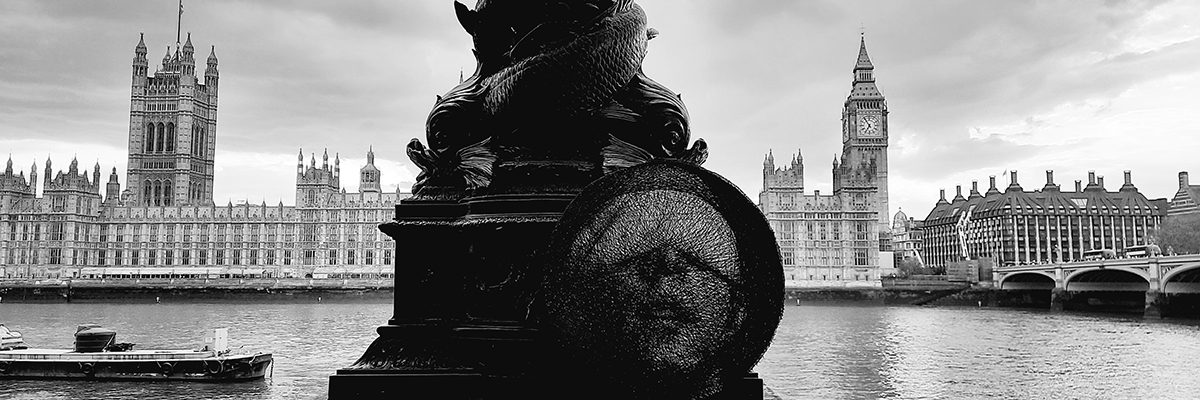
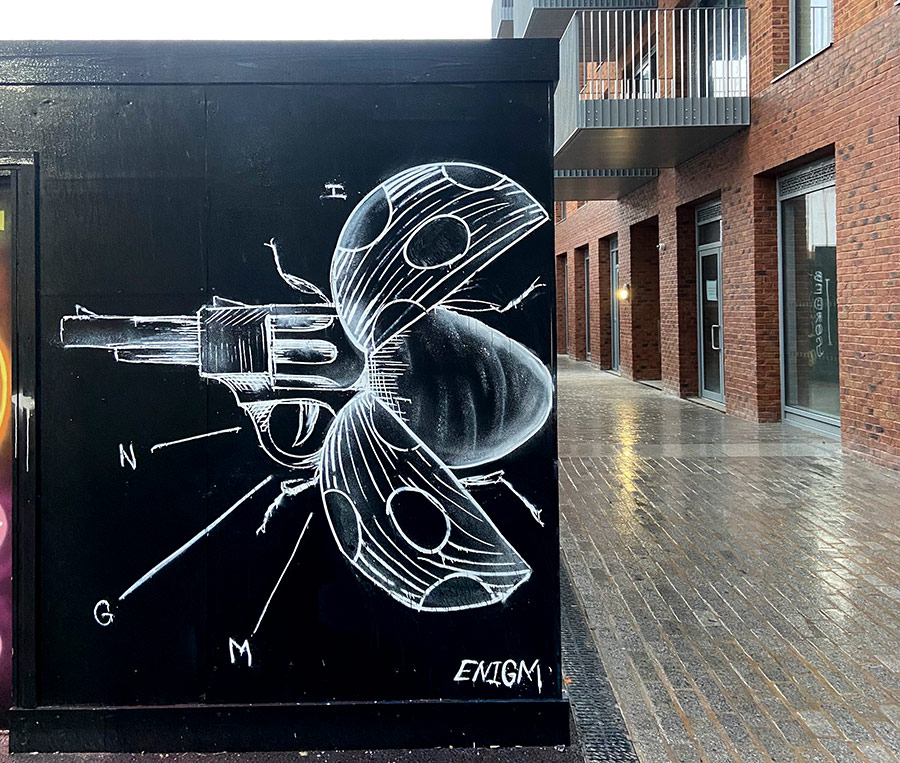
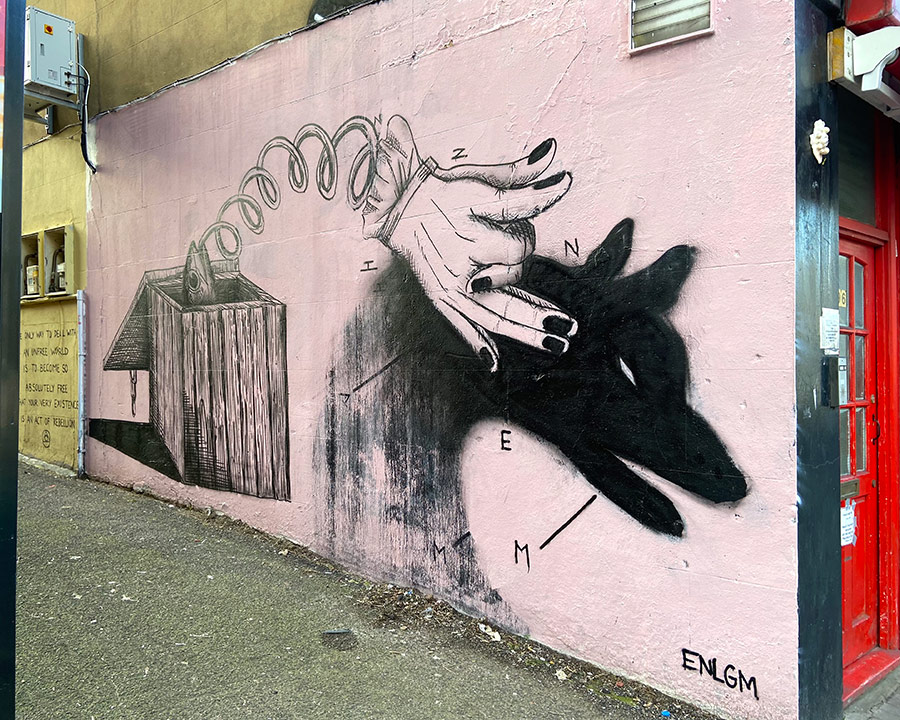
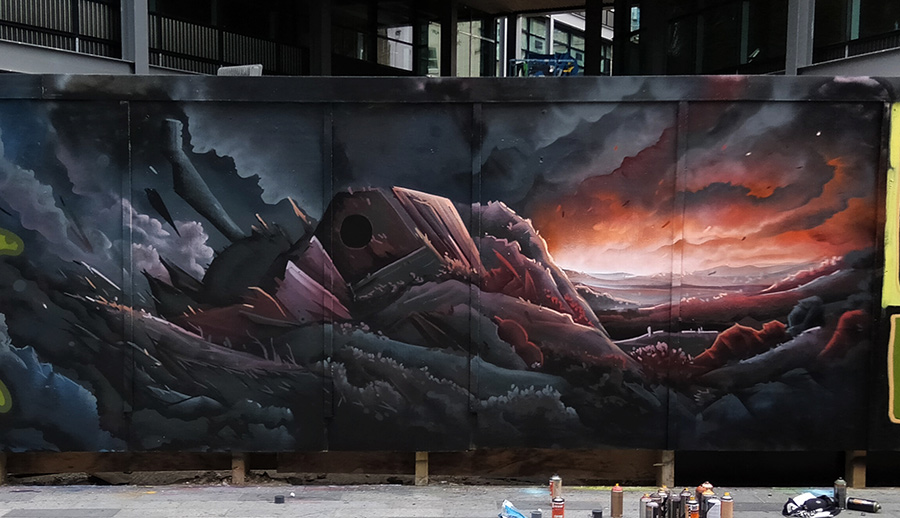
Enigm. New Surrealism. BSMT Space. London, UK. (photo courtesy of BSMT)
We’ve been seeing an uptick – perhaps you have too – in the surrealist inspired works on the street over the past couple of years. In fact it has heightened our interest so much recently that we will soon be looking at originals by Leonora Carrington to reacquaint ourselves with a master of the 20th century movement and to perhaps divine what is coming during globally turbulent times. For this reason it is not a surprise to see these street/studio artists opening a new show next week in the gallery/street that will be endeavoring to stare through the surrealist lens in London as well.
Enigm. New Surrealism. BSMT Space. London, UK. (photo courtesy of BSMT)
Given our poor choices in leaders, our unresponsive institutions, our heaving movements in society and science, and the march of the war industry directly toward what may already be the beginning of WWIII, it is appropriate to consider the role that surrealism played the last time we were slip-sliding toward Hell.
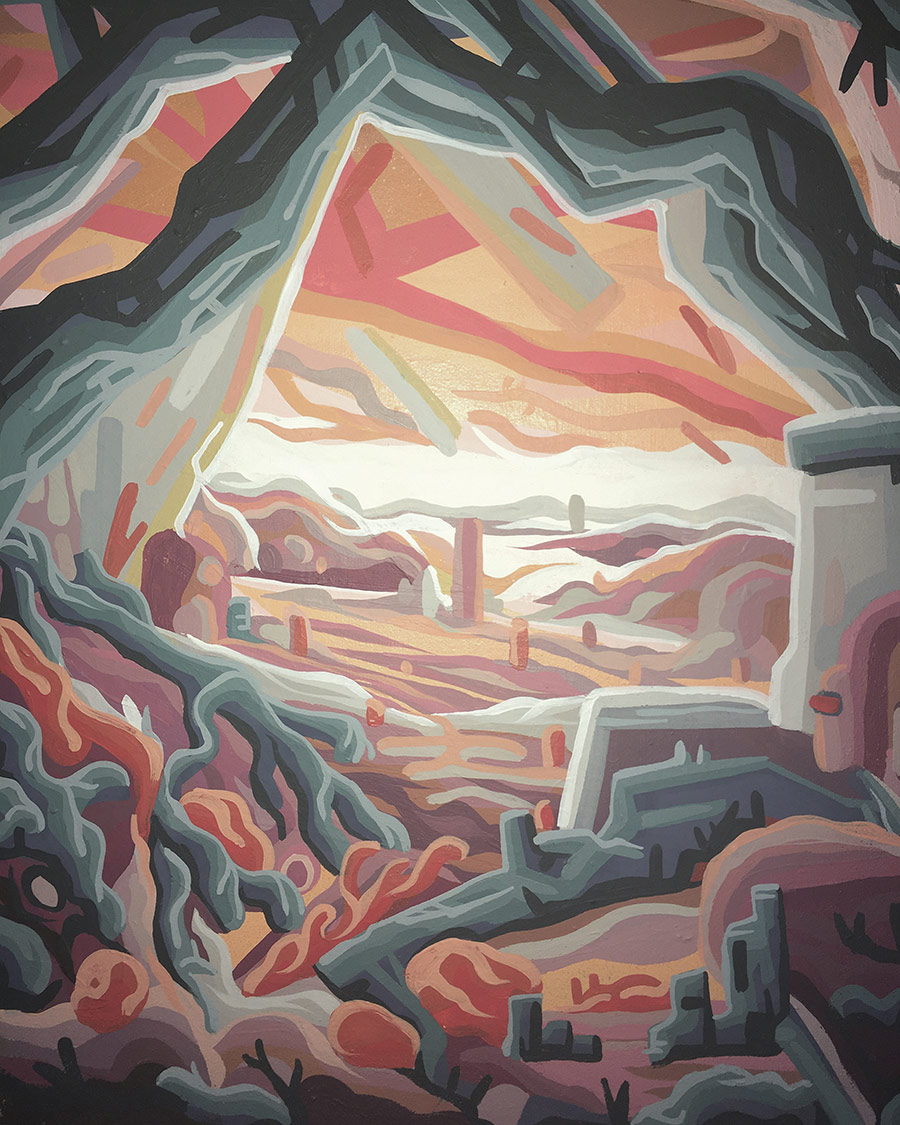
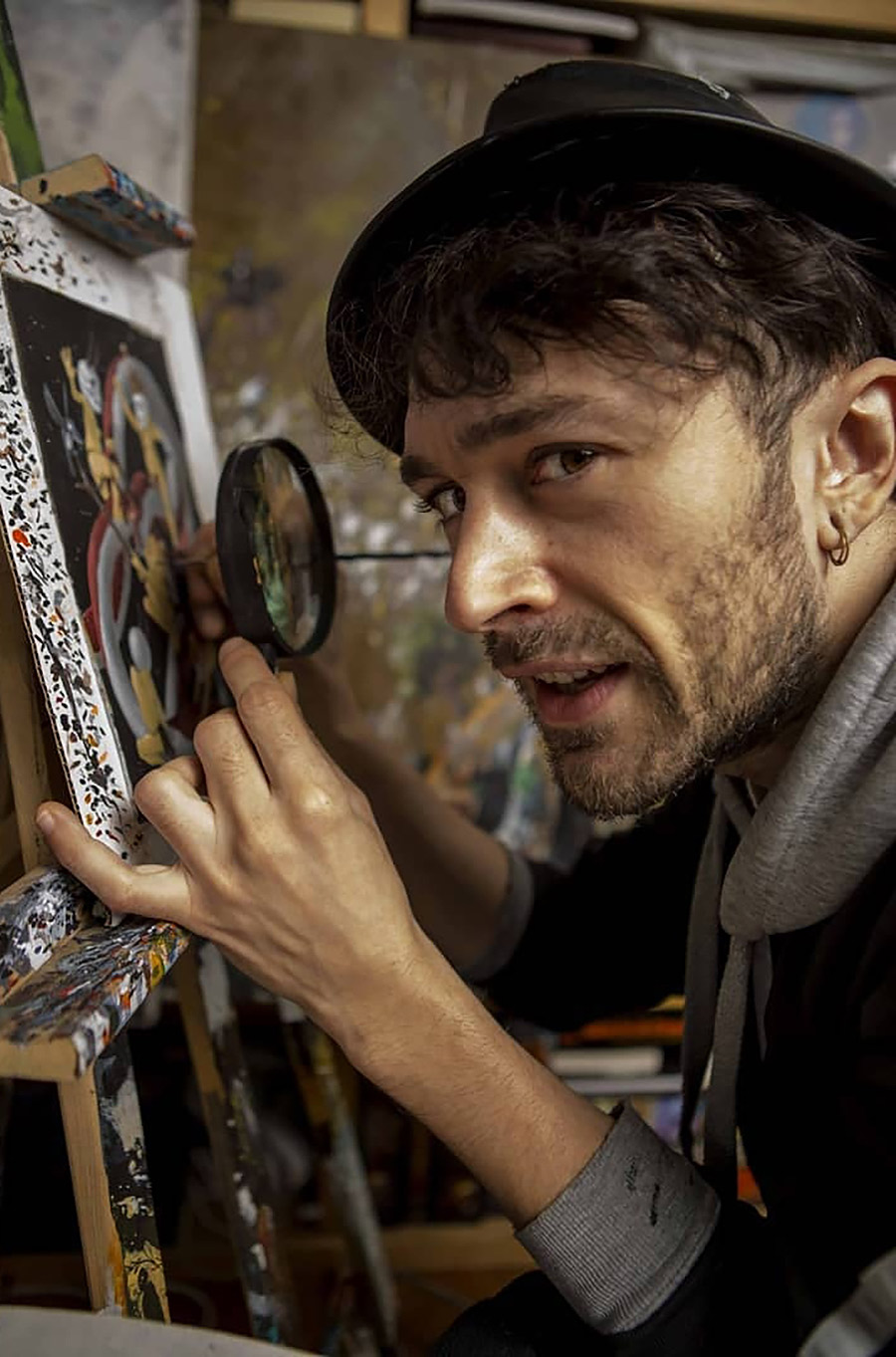
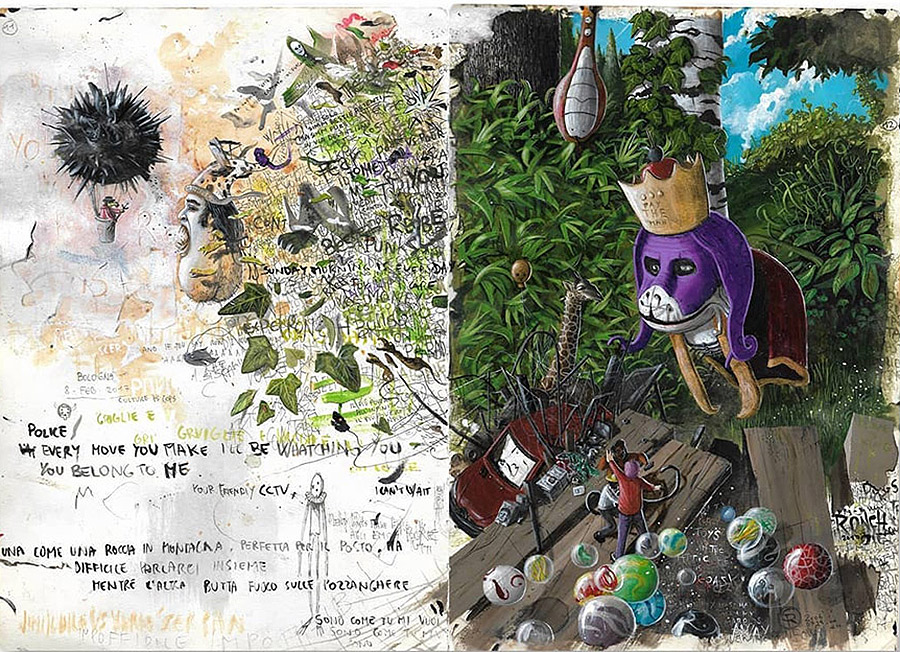
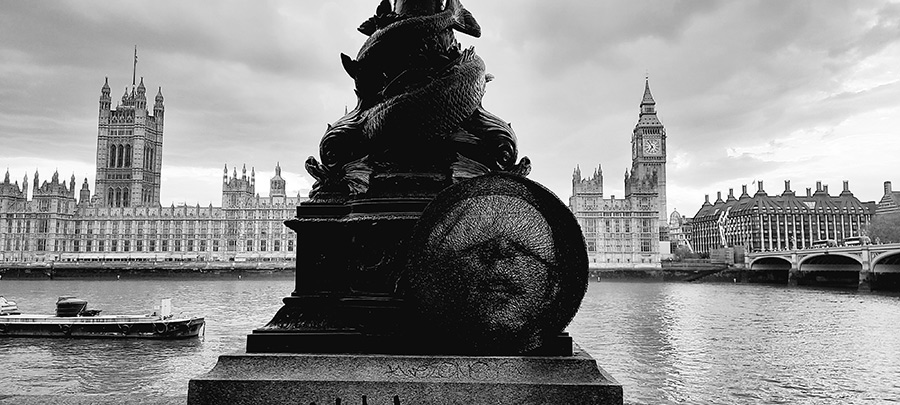
Here in London, the gallery BSMT Space presents what they are calling a New Surrealism with a selection of four new horseriders of the apocalypse: Ed Hicks, Enigm, Perspicere, and Ronch. Grandchildren of the original surrealism movement, they have the distinct honor of living beyond it. Now at the dawn of artificial intelligence, drones, and realistic robots, perhaps it is time to paint surreally, really.
Ed Hicks. New Surrealism. BSMT Space. London, UK. (photo courtesy of BSMT)
Siting Andre Bretons pronouncements in the ‘20s about dreams and realities, this quartet “aims to explore this famous cultural movement through the lens of a new wave of artists whose dream-like scenes and illogical or bizarre imagery collectively explore the workings of the mind,” in these ‘20s. Here their unfamiliar landscapes are welcomed and complex – and familiar.
“From the automatic drawings and paintings of Stefano Ronchi and Enigm which attempt to unlock ideas and images from their unconscious minds to the dream worlds of Ed Hicks or hidden psychological tensions of Perspicere, this exhibition attempts to engage with this new reality through the veil of the Surrealist movement.”
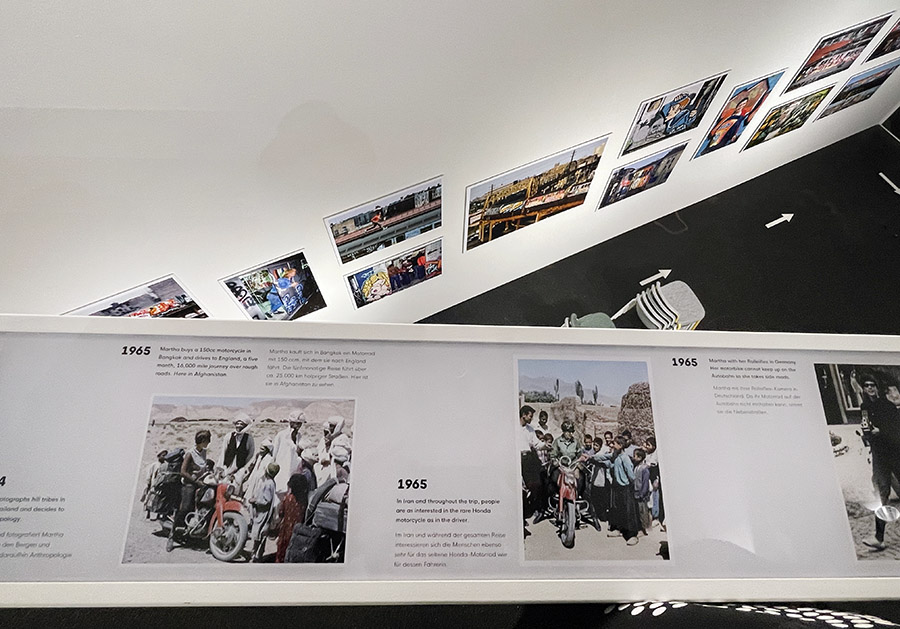
With the foundation’s Dr. Hans-Michael Brey doing the intro, with YAP’s Sam Walter in the audience along with our show catalog contributor Christian Omodeo, and us in the front row – it was a great way to end our “Martha Cooper: Taking Pictures” exhibition at Urban Nation by looking forward at library plans while surrounded by the best team ever.
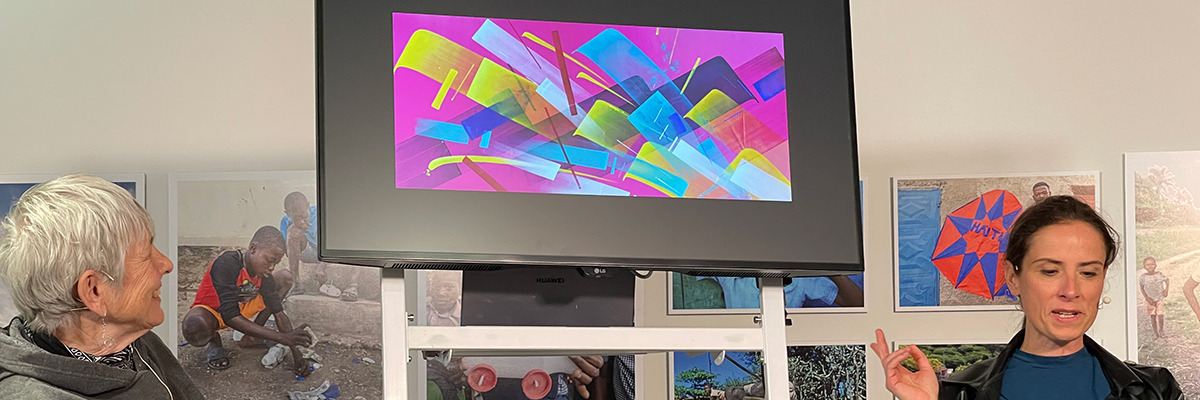
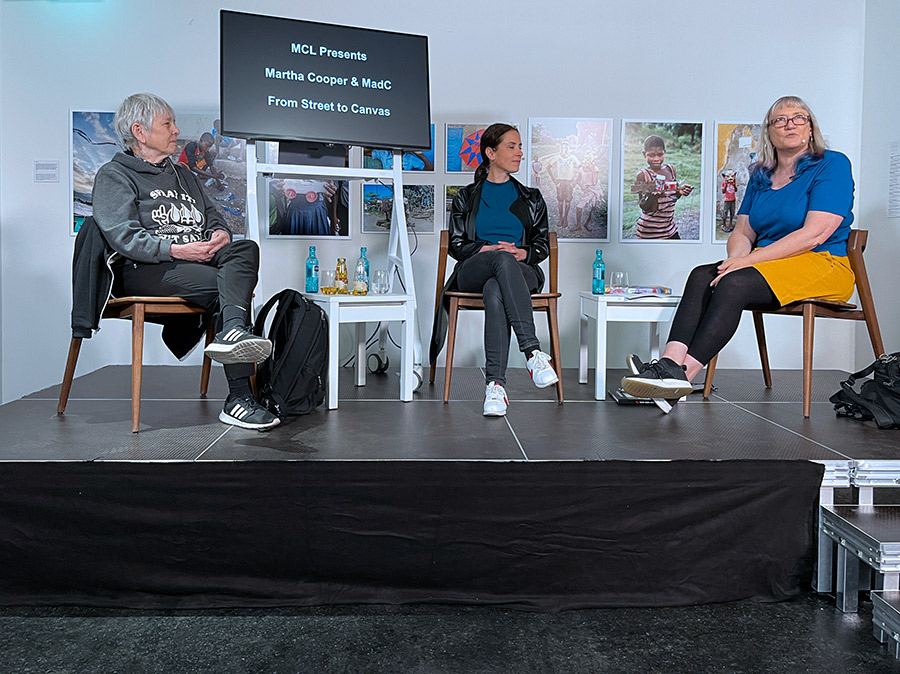
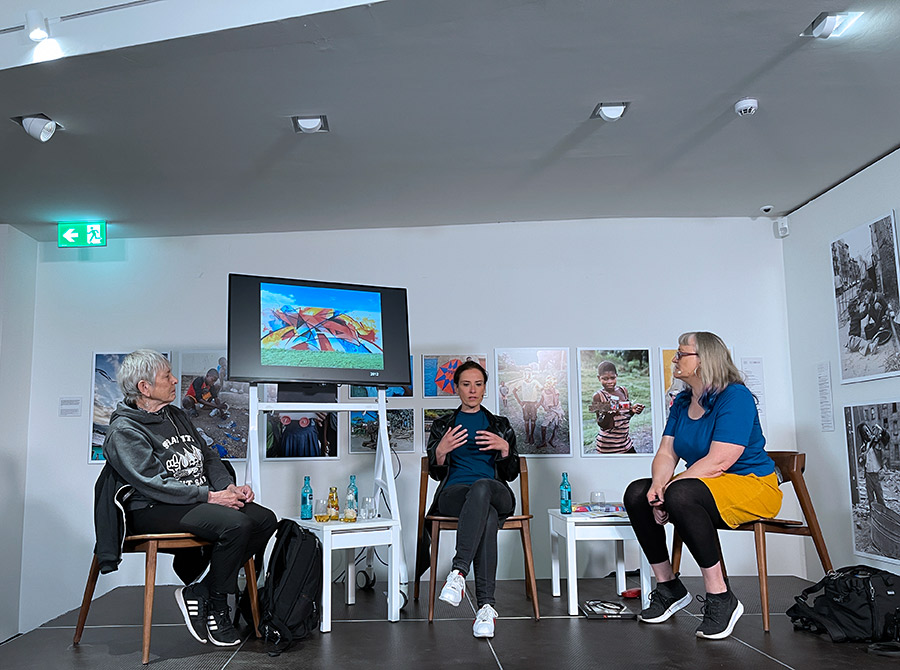
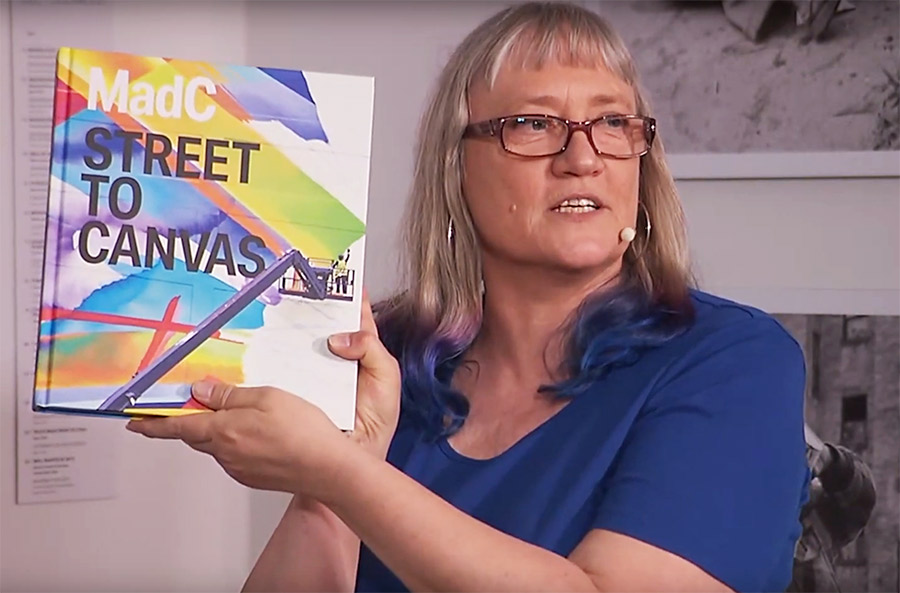
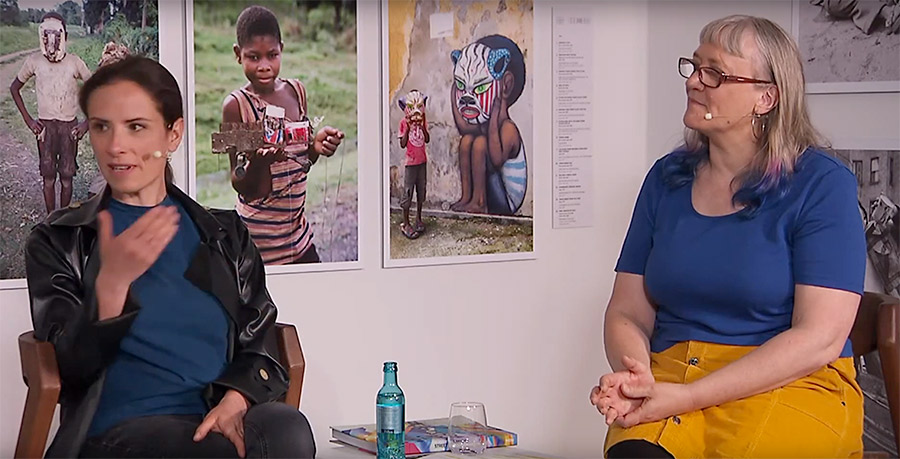
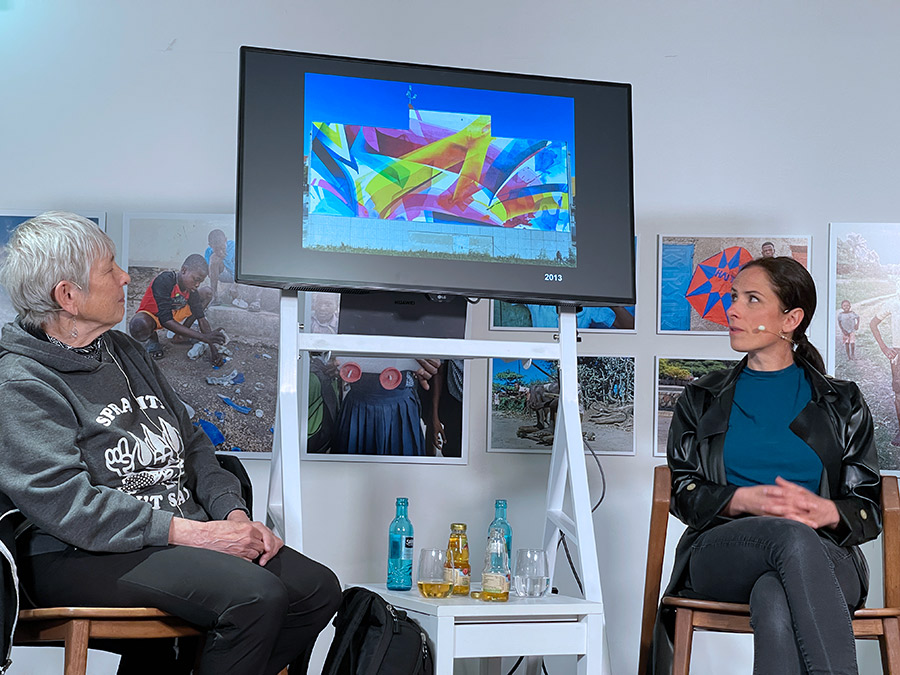
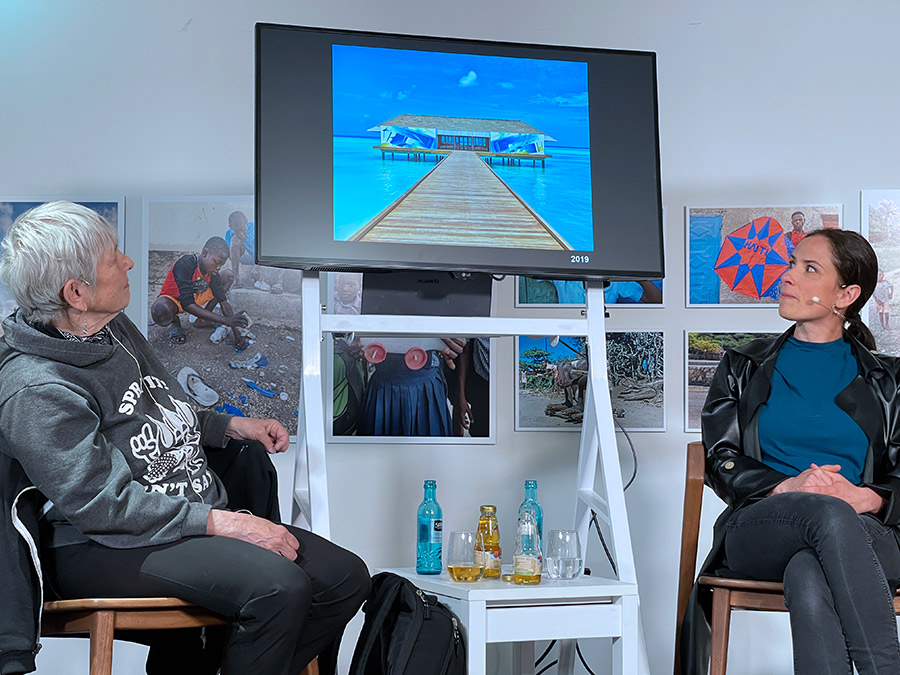
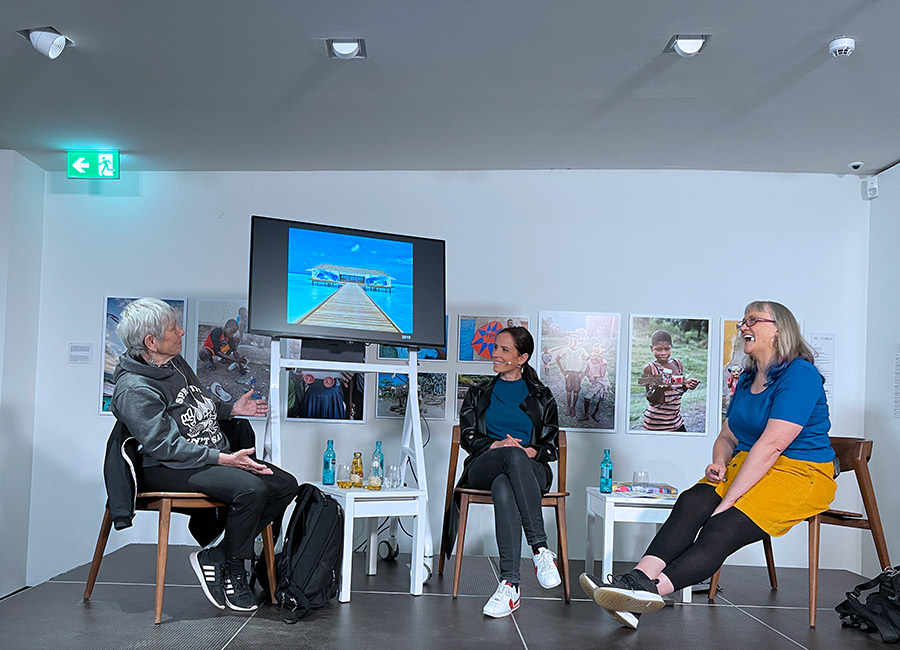
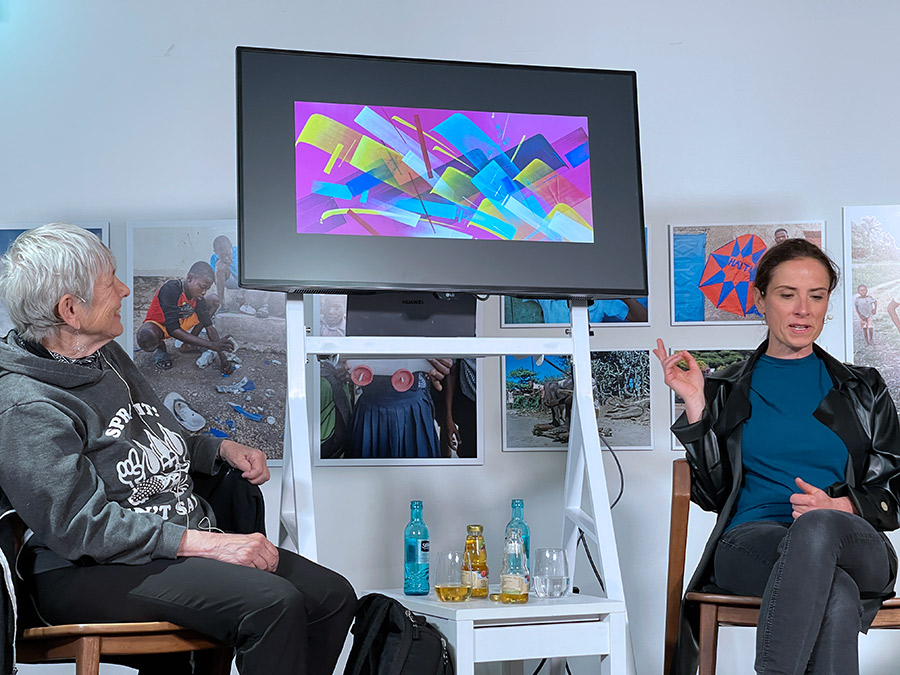
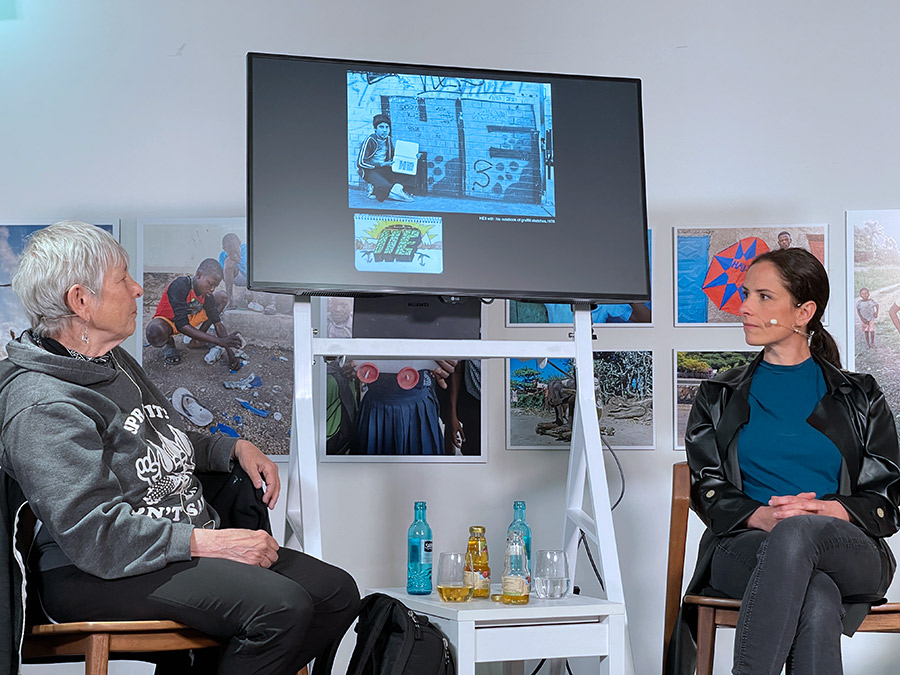
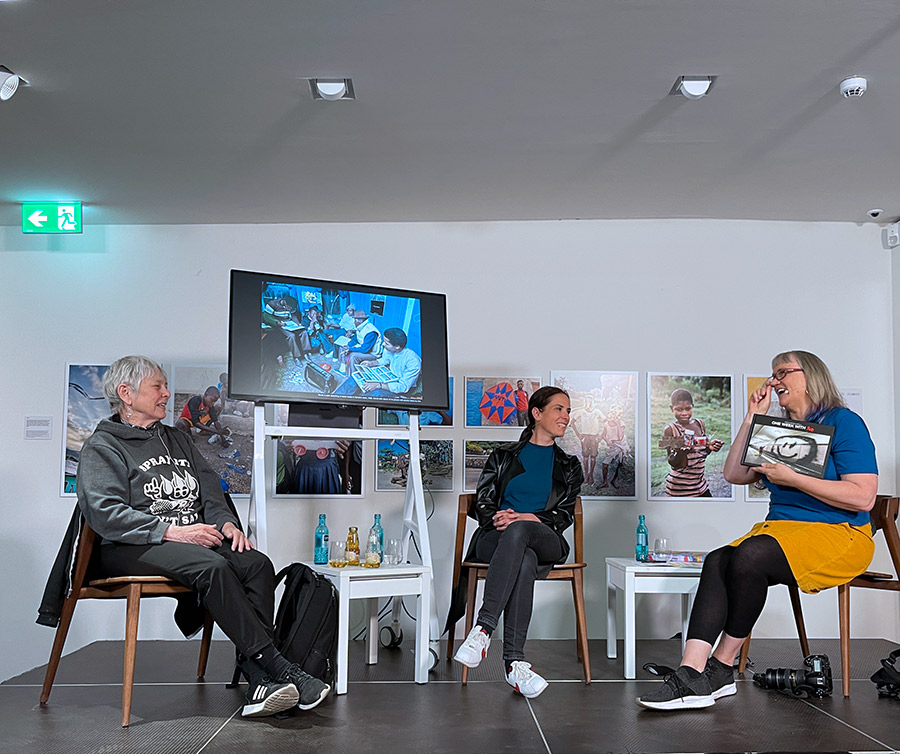
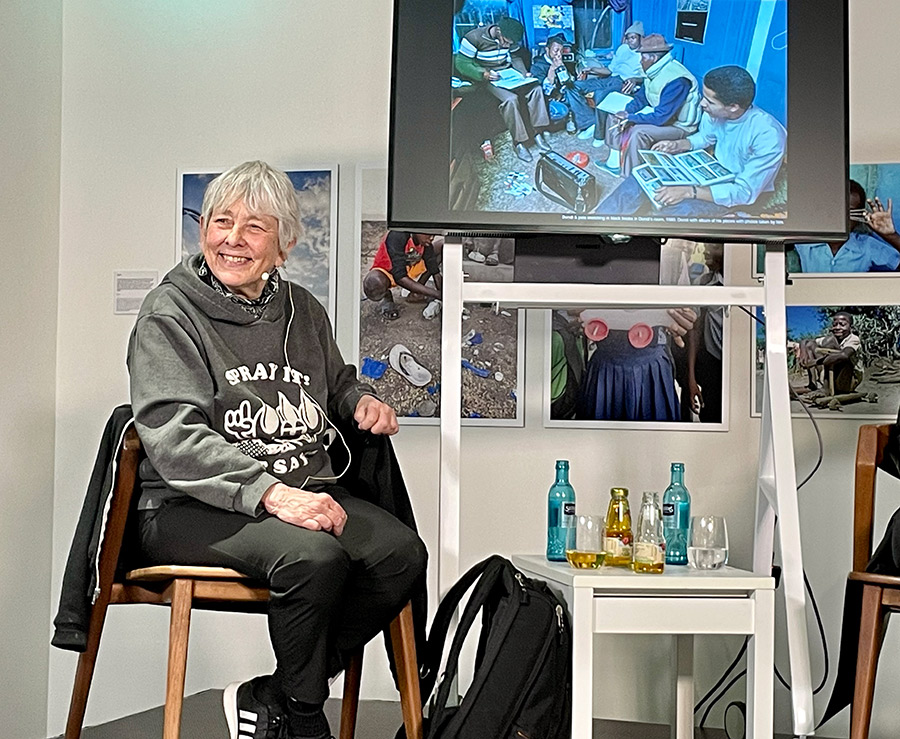
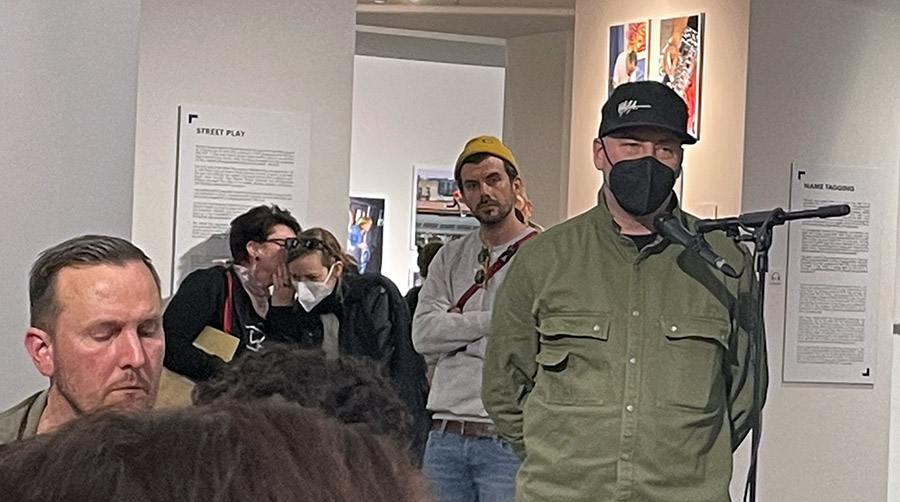
On our last Friday night in Berlin, we celebrated inside the exhibition with a live panel discussion featuring the evenings host Nika Kramer, and her guests Martha Cooper and the German graff writer and abstract painting powerhouse MadC. During a far-ranging discussion before a two-room audience in the museum and a live audience online, the three spoke about the graffiti/street art/mural scene from personal and professional perspectives – and how often the street has intersected with contemporary art in the gallery setting over the last decades.
The occasion was an inaugural MCL Talk that officially begins another component of programming related to the research library that we’ve been working on here, now open, called the Martha Cooper Library at Urban Nation. We will aim to make it the premier research library of graffiti, street art, and related urban art: the first place you think of when you need to begin your investigation into this remarkable global democratic people’s art movement.
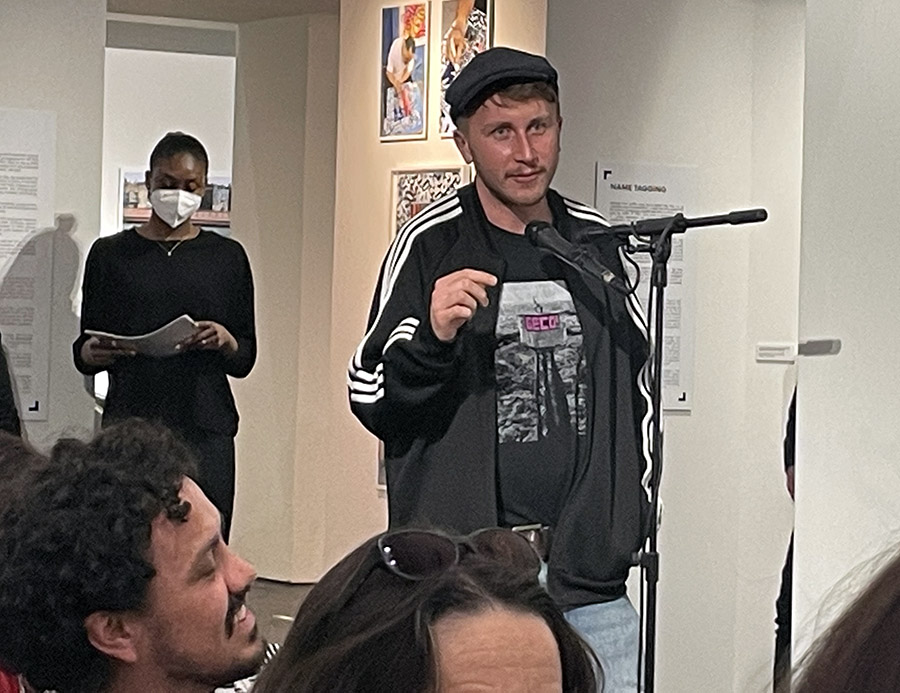
There was a lively discussion of MadC’s evolution from being an artistically inclined child to one who would develop a signature style as she traveled worldwide to paint increasingly complex and massive walls. Creative challenges and cultural roadblocks were discussed and hard-earned philosophies were described; giving an opportunity for greater appreciation for the routes these people took to participate in, to put their mark on, the graffiti/street art environment. Ms. Kramer skillfully steered to parallels in the pioneering photography and documentary career of Martha Cooper. In the open and inclusive way that Cooper’s career has always been, many questions from the audience were welcomed, considered and addressed as well.
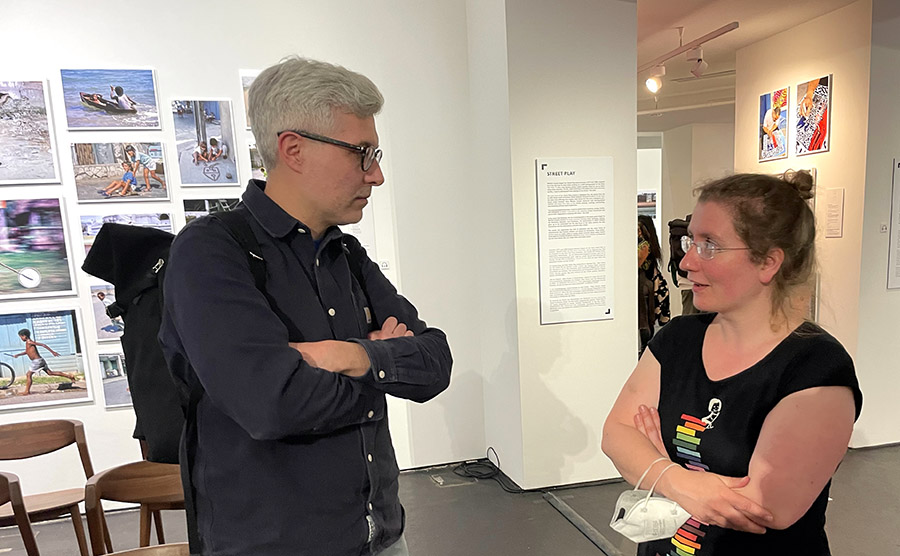
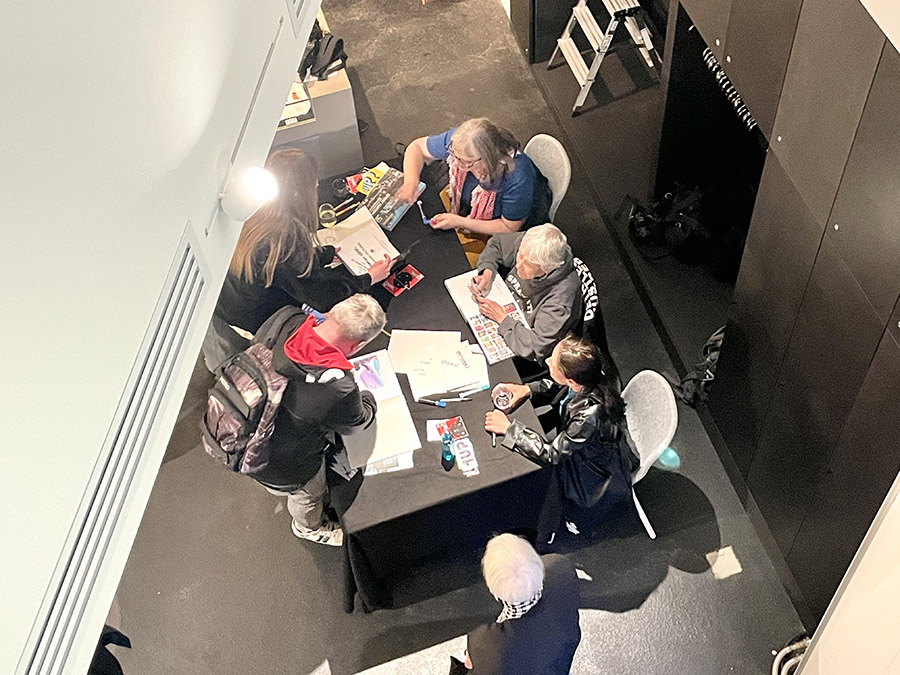
After the talk ended and people mingled and chatted with one another, we took one more quick walk through the museum to admire the wealth of materials and deep dives into history guests could learn about Ms. Cooper. We hovered above the table, looking from the 2nd floor walkway down to the lobby where the three women signed the exhibition catalog and MadC’s new hardcover for patient fans. Finally we left the museum and hung out on the sidewalk in the spring night air with new friends and old and many fans of the night’s special guests at UN.
Thank you again Berlin.
MC Library Presents Martha Cooper, MadC & Nika Kramer. From Street to Canvas. Urban Nation Museum Berlin. (photo still from the video)
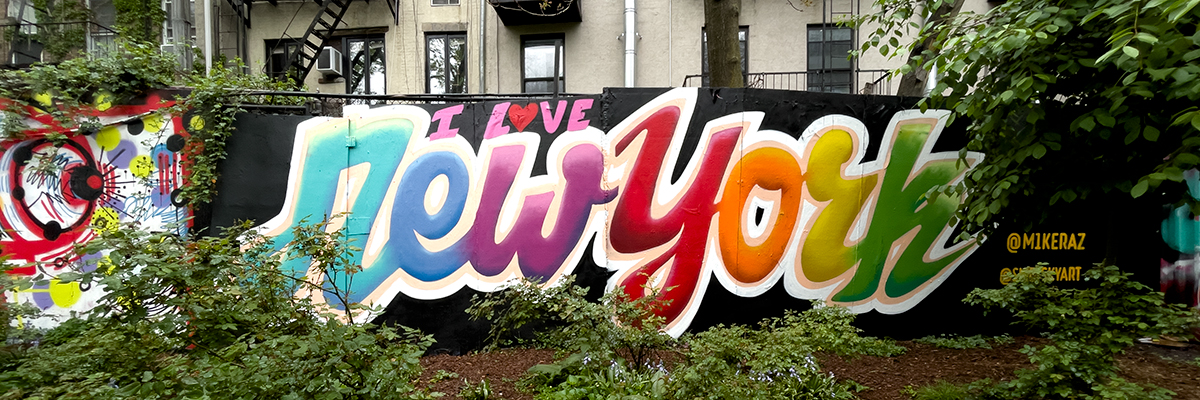
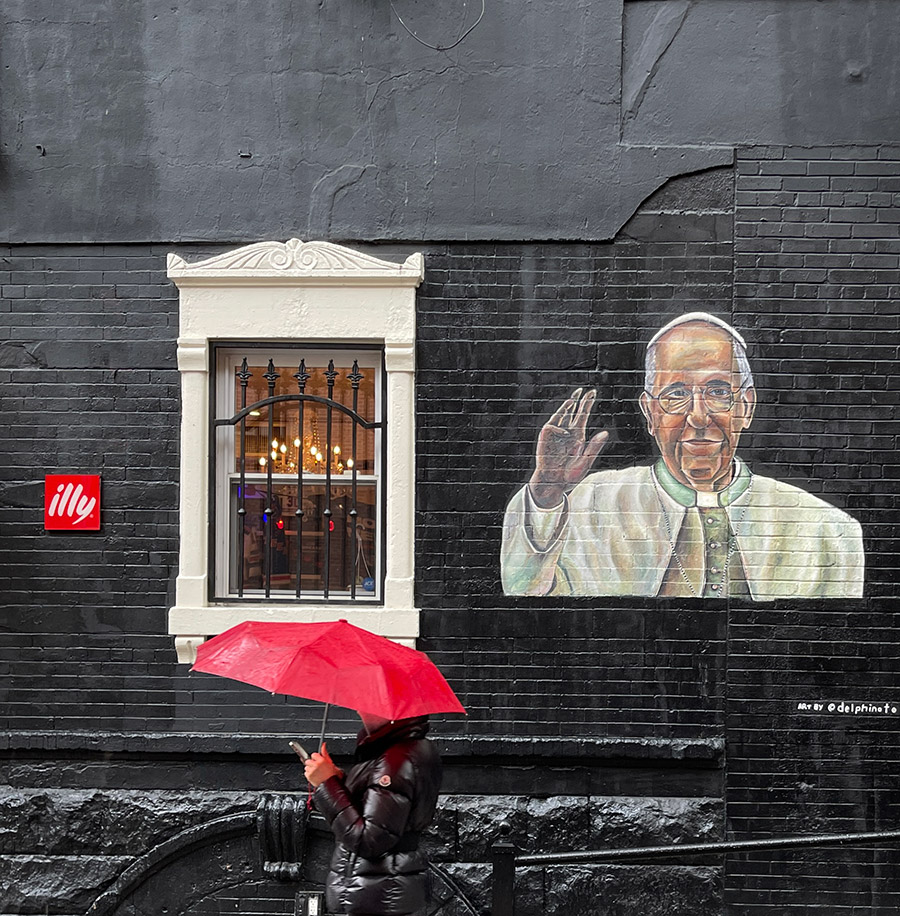
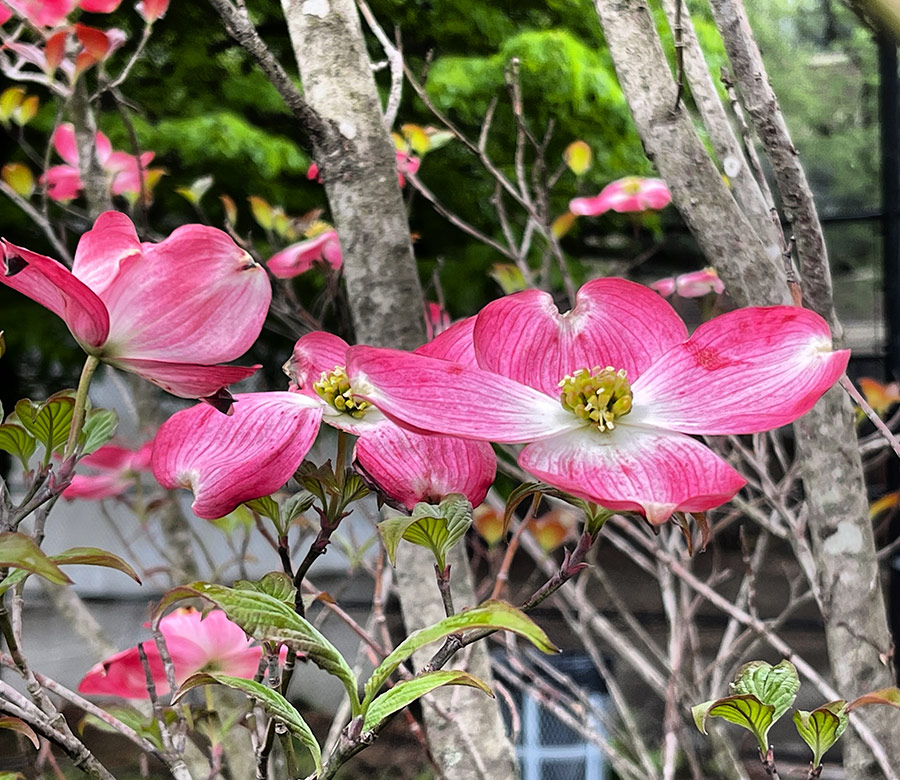
Constant rain for days, but the street art is blooming, baby! As are the riotous news waves about the Supreme Court, abortion laws, the efficacy of the vaccine, the ridiculous/tone deaf Met Ball, the new electric bikes just released by Citi, a rise in anti-semitism in New York, the legalization of weed, the 60 Collective 3 show in Dumbo, Swoon’s new “Sanctuary” Project, Elon Musk buying Twitter, a virtual unknown winning the Kentucky Derby, and Meghan McCain selling only 244 copies of her new book. Who is she again?
Nevermind, we’re back on the streets where we belong, tracking the exciting new directions it is taking us.
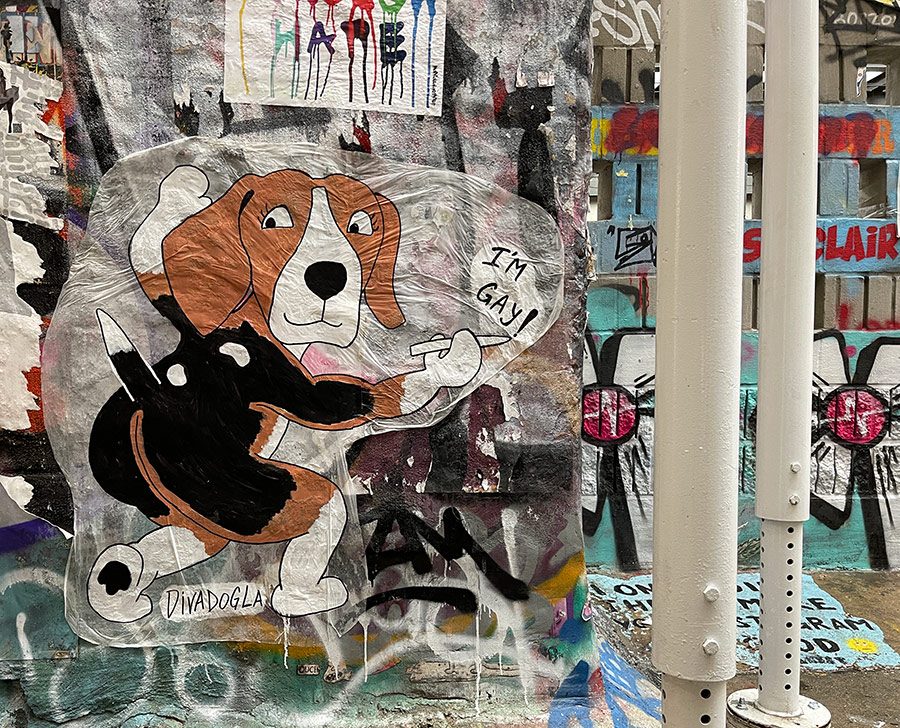
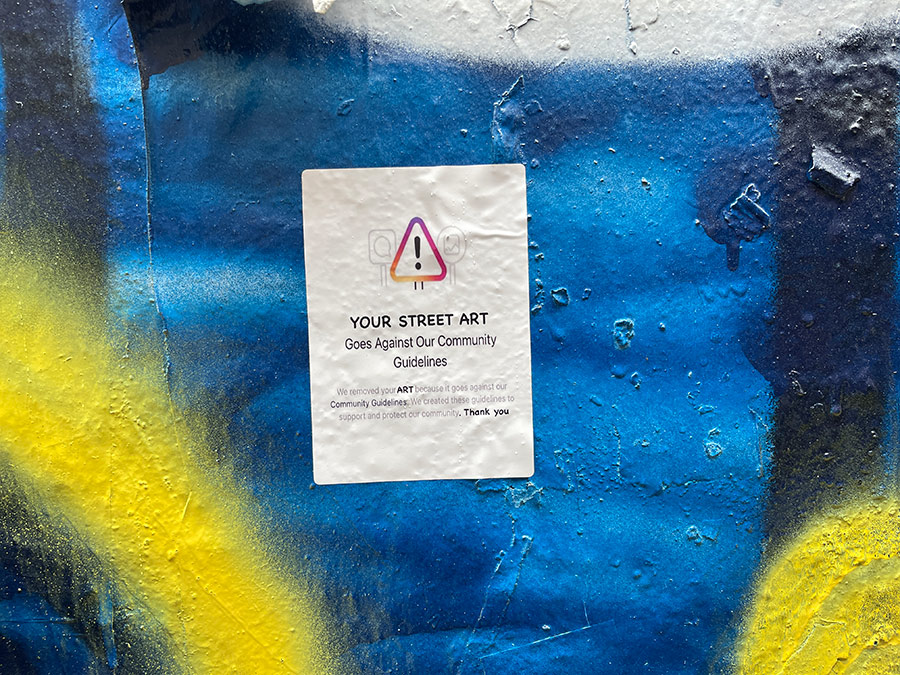
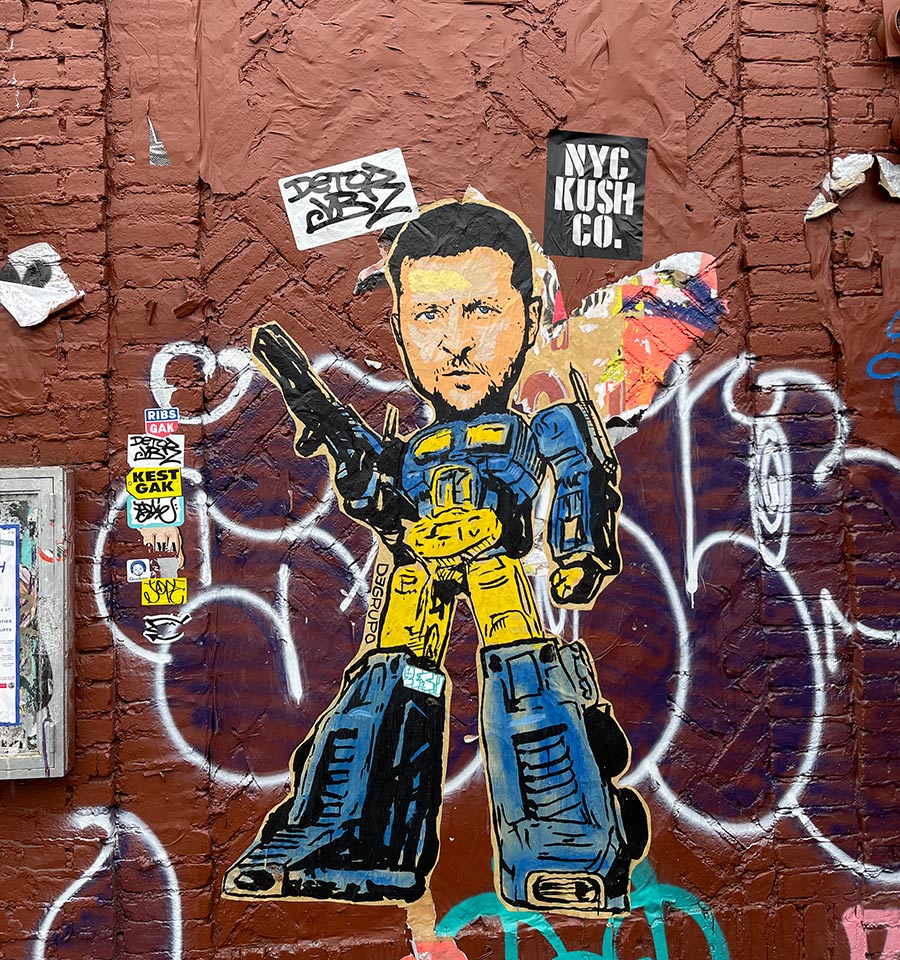
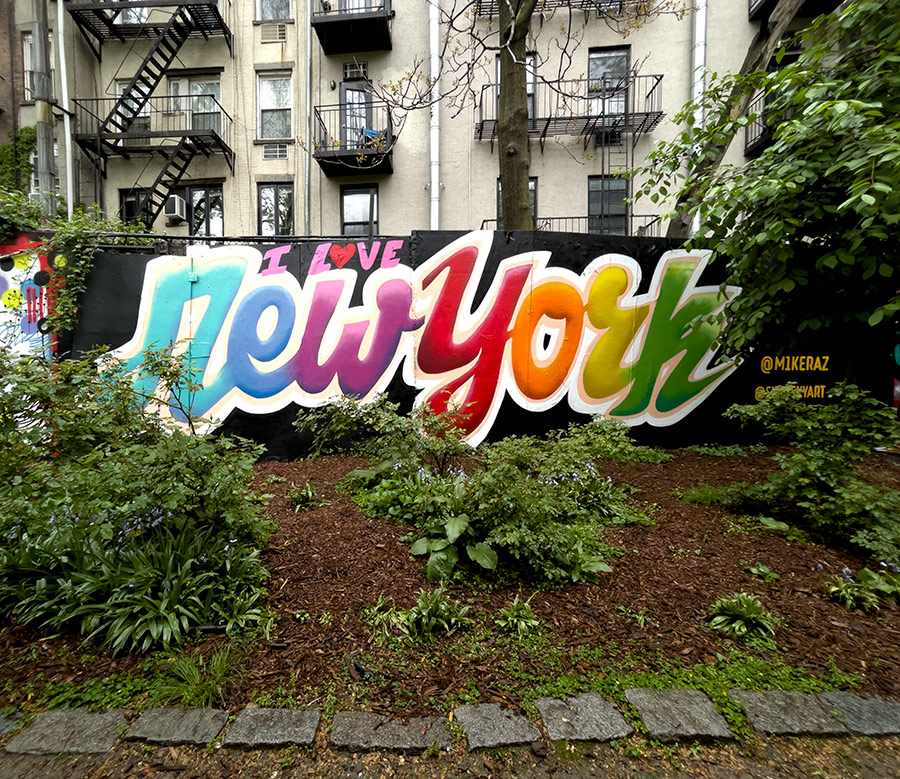
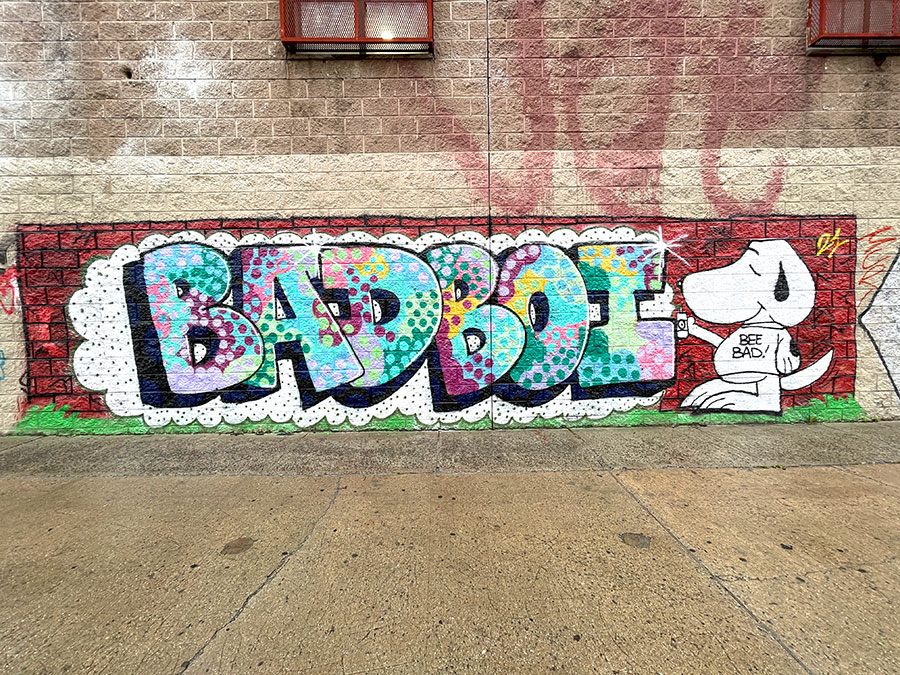
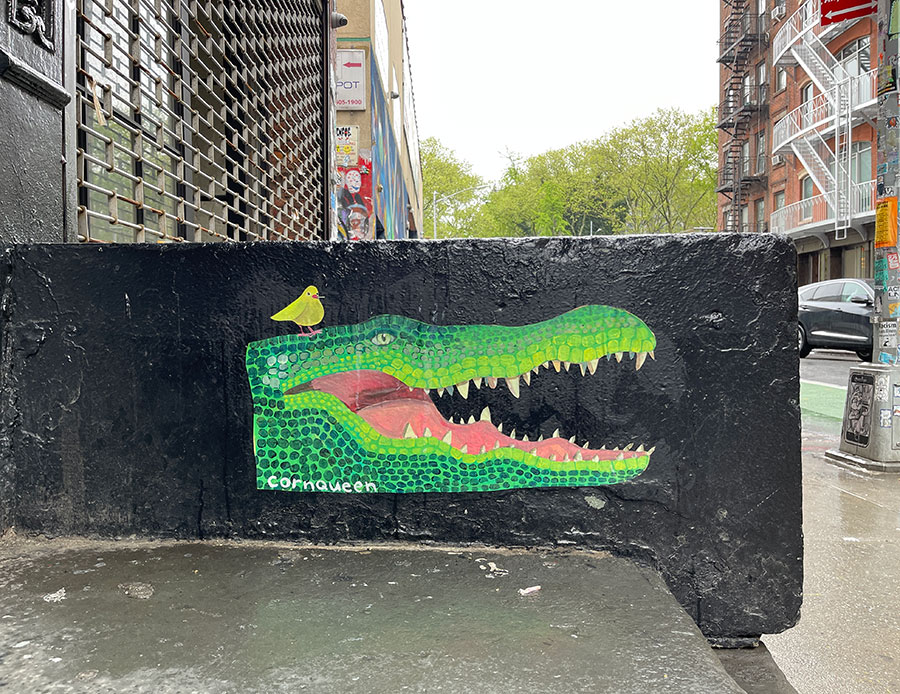
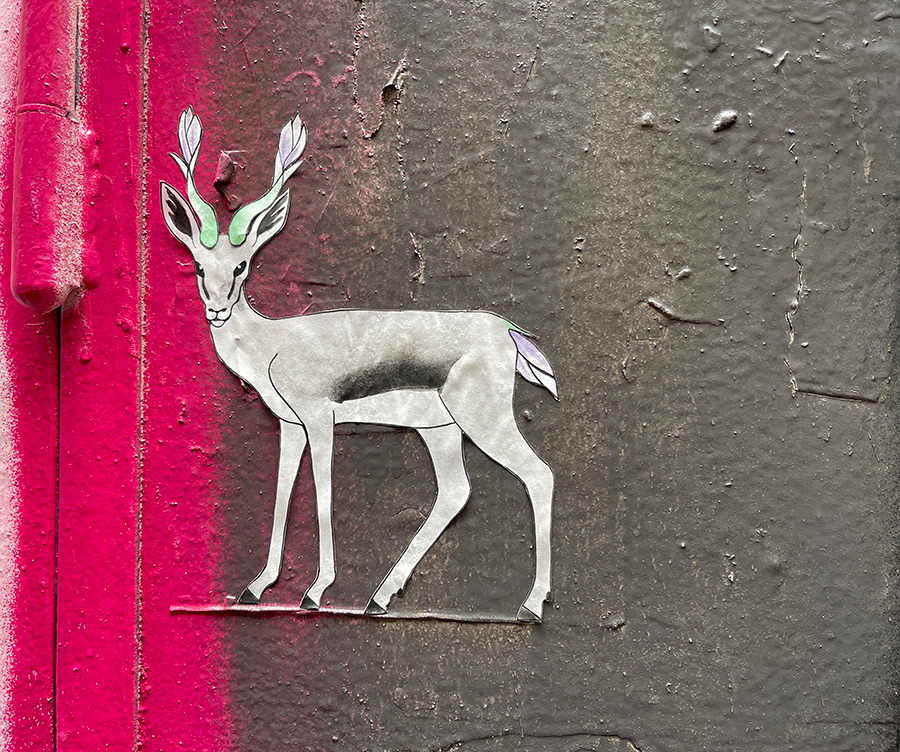
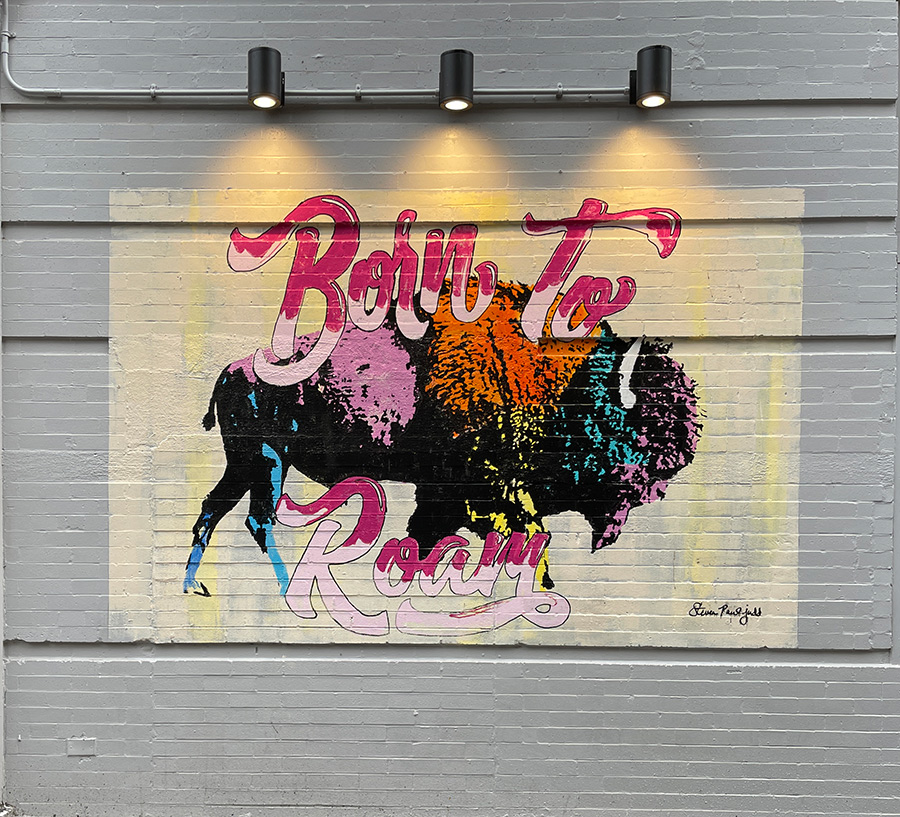
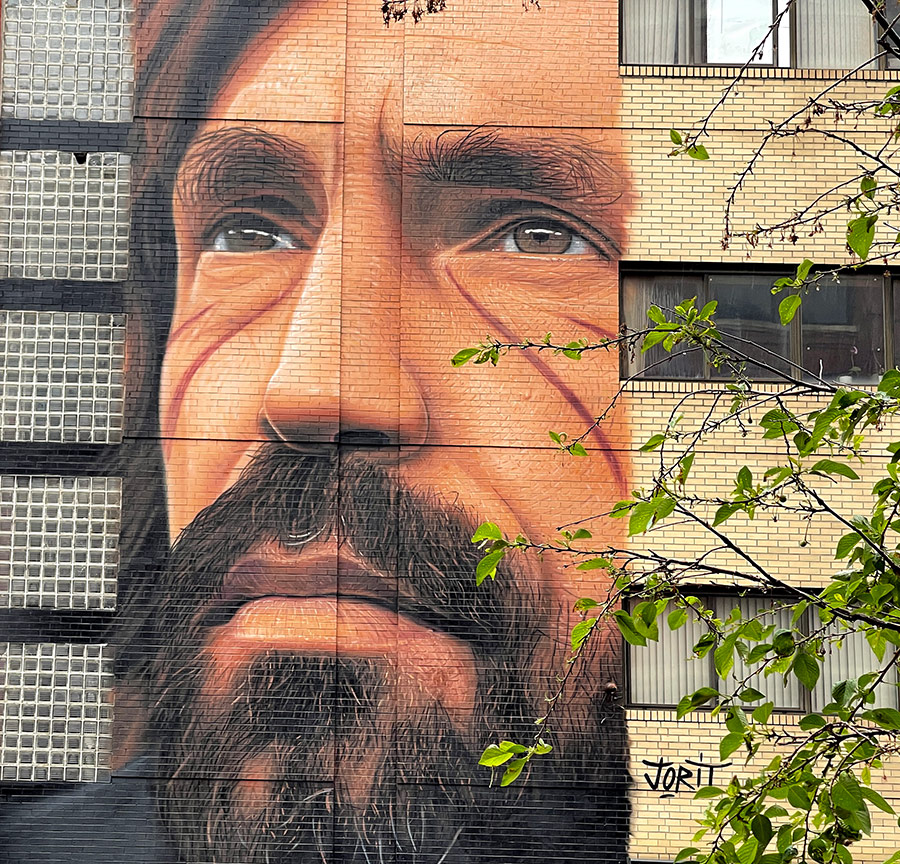
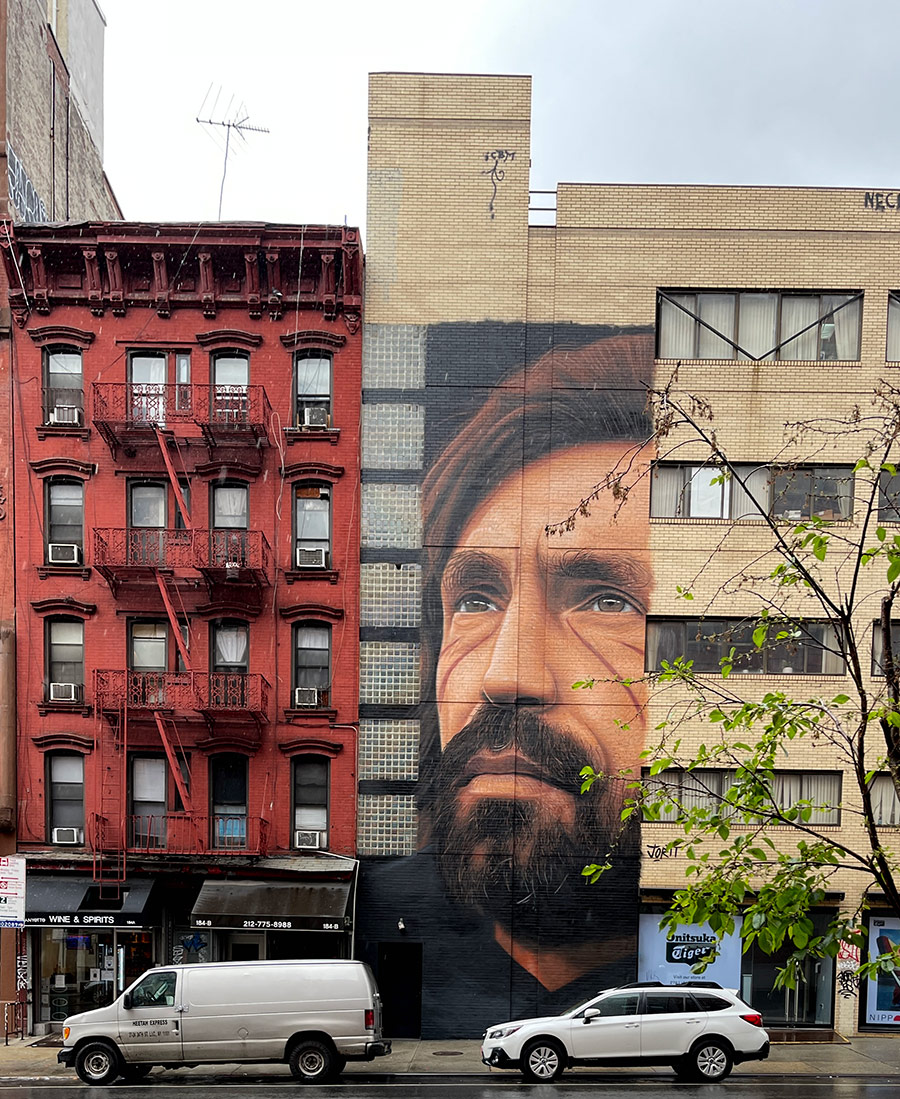
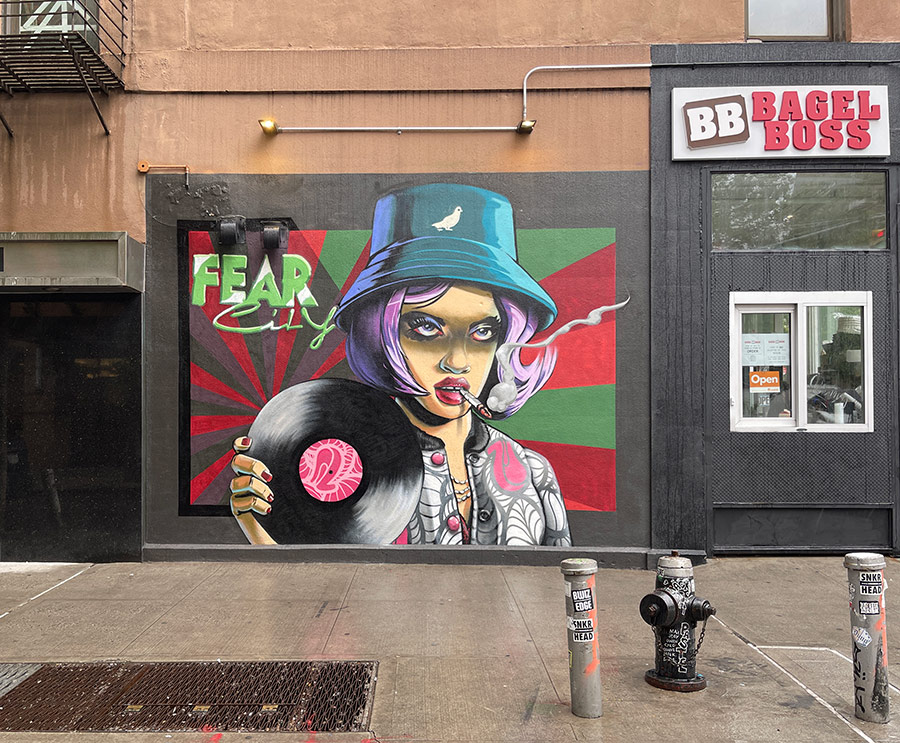
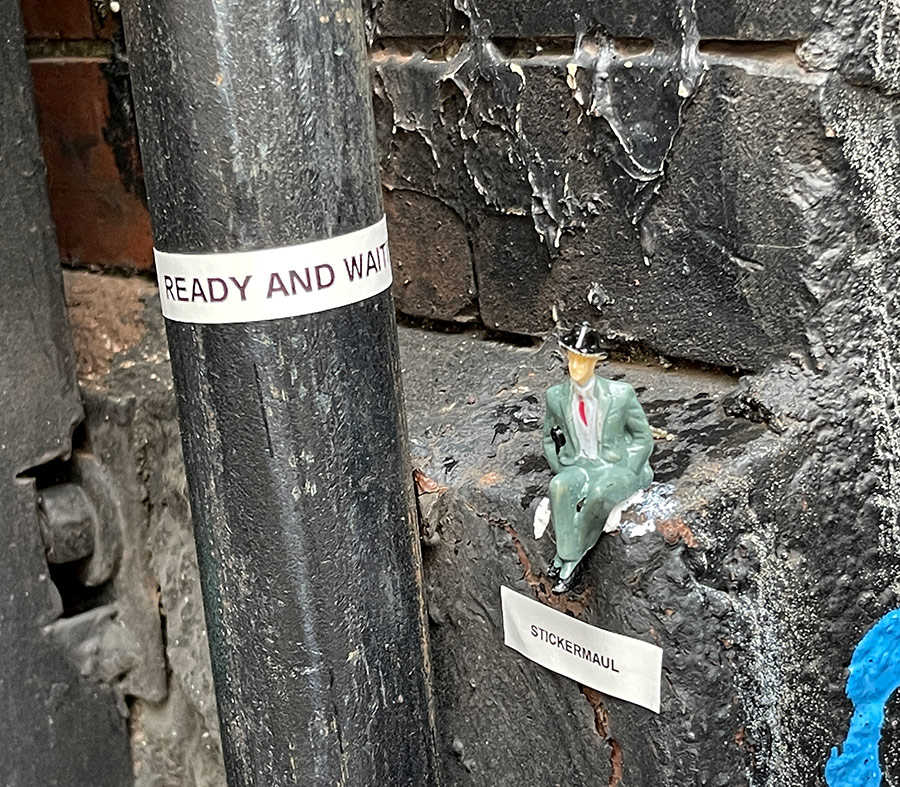
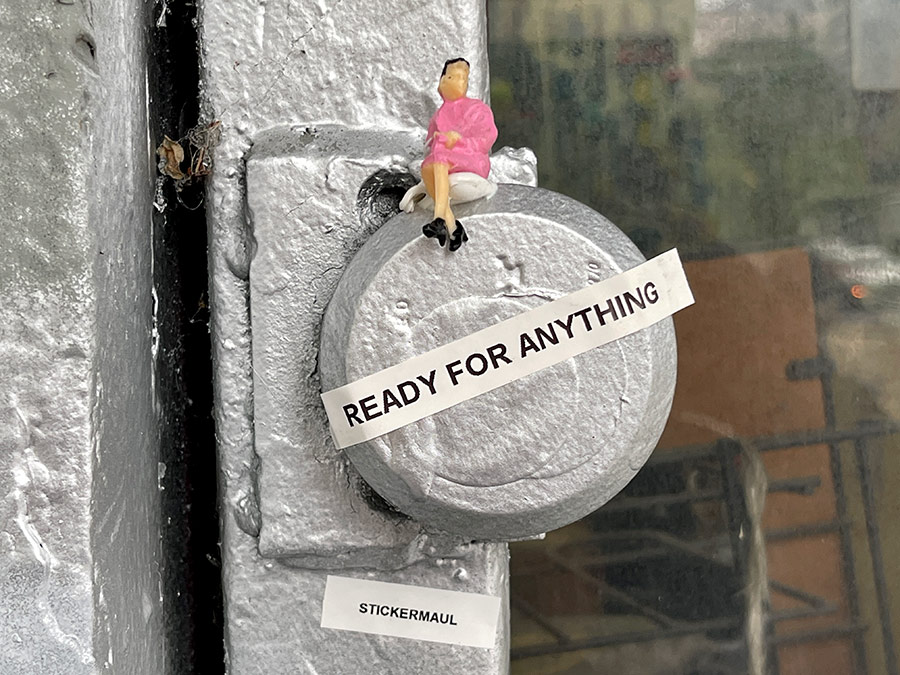
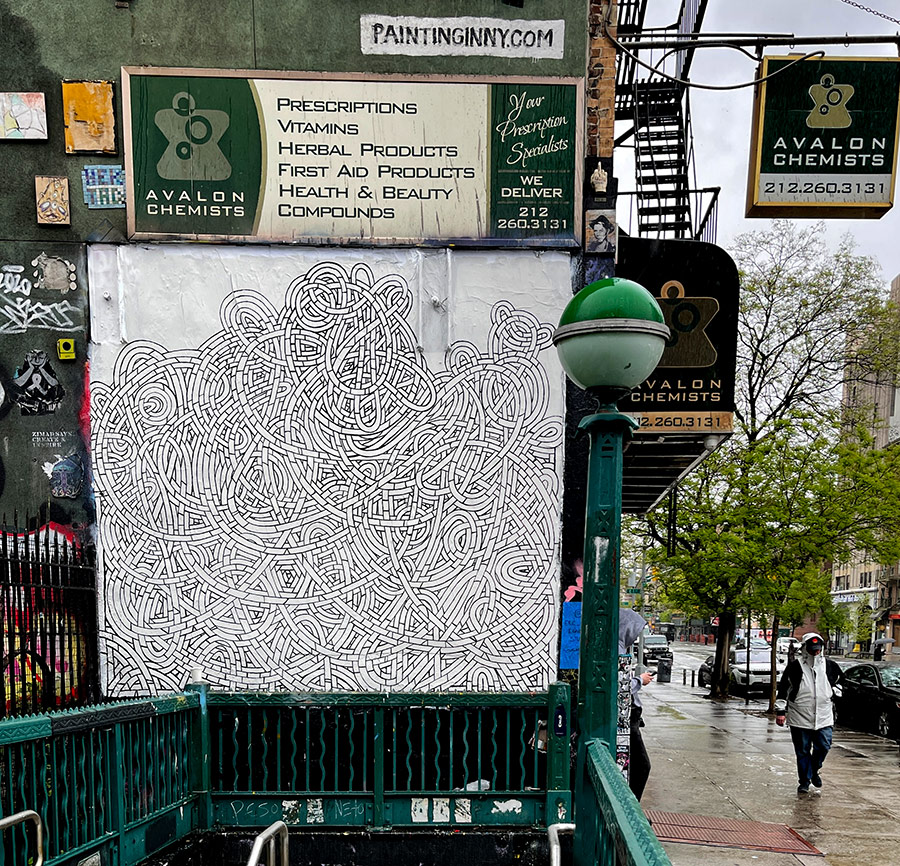
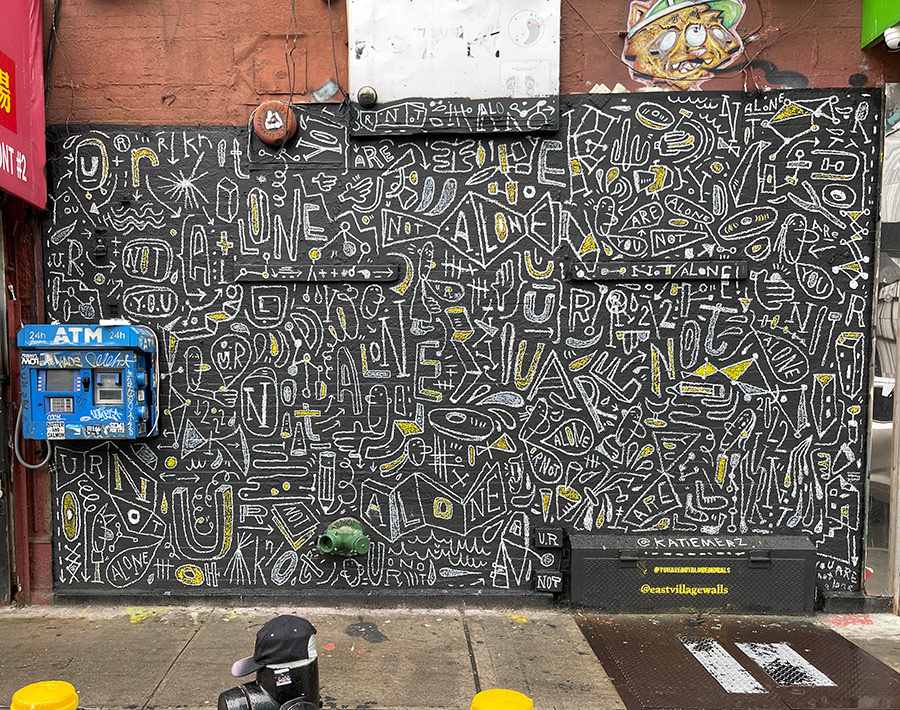
Here’s our weekly interview with the street, this week featuring: Jason Naylor, INSA, Sticker Maul, Stikman, Degrupo, Diva Dogla, Mike Raz, Corn Queen, Jorit, Eric John Eigner, Smet Sky Art, Bad Boi, O. Grey, Steven Paul Judd, Katie Merz, and Delphinoto.
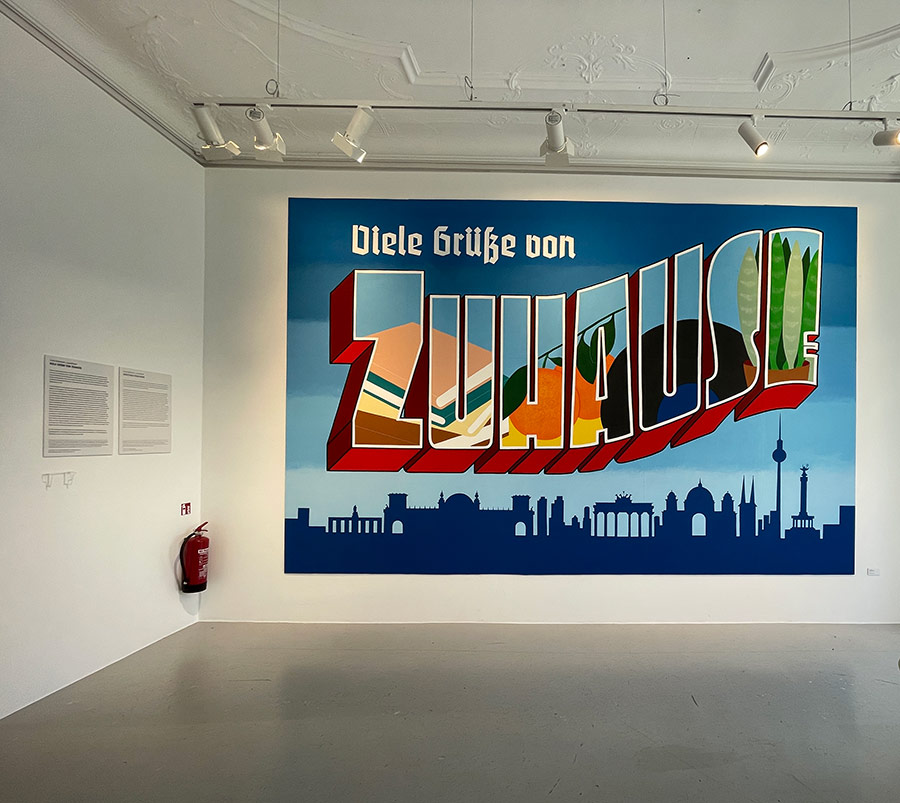
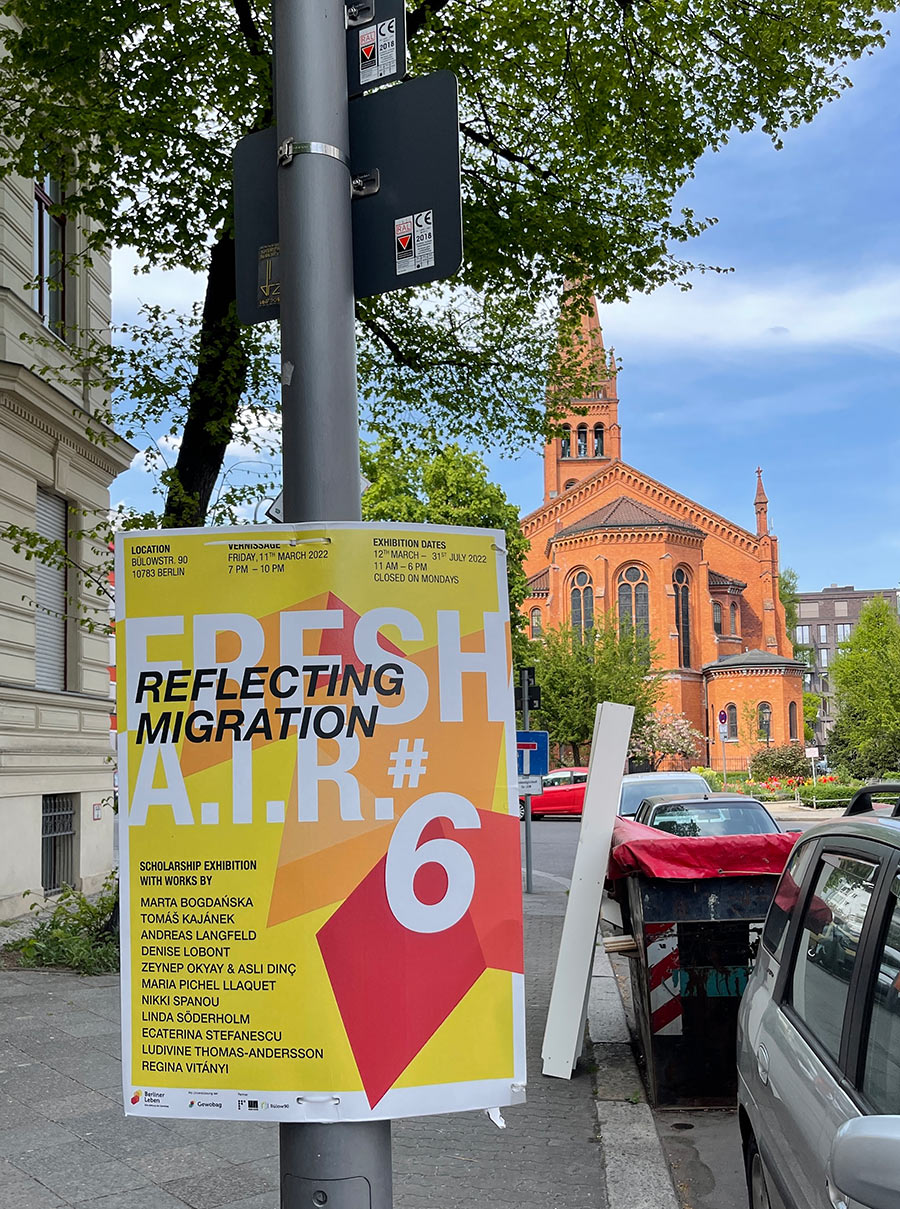
Originating or traveling from places like Romania, Greece, Essen (Germany), Sweden, Poland, Turkey, France, Finland, Slovenia, Hungary, Czech Republic, and the United Kingdom, nearly every artist has the immigrant experience in one way or another here at the Fresh A.I.R. Residency at Urban Nation.
The current theme for this sixth edition of the residency, “Reflecting Migration,” naturally strikes a chord in each – but that is where the similarities stop in this widely varied and complex examination of the immigrant experience.
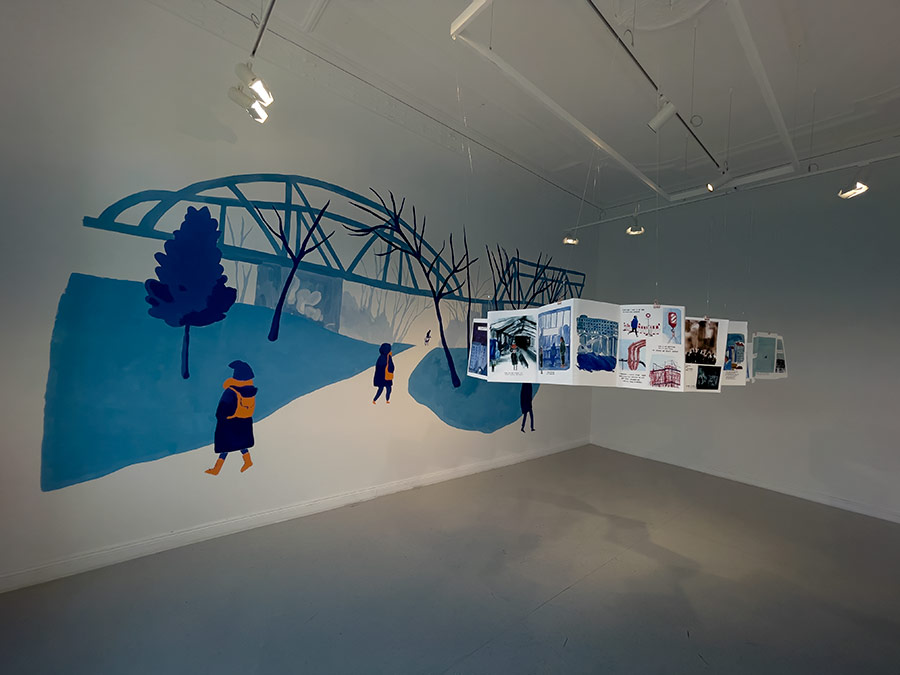
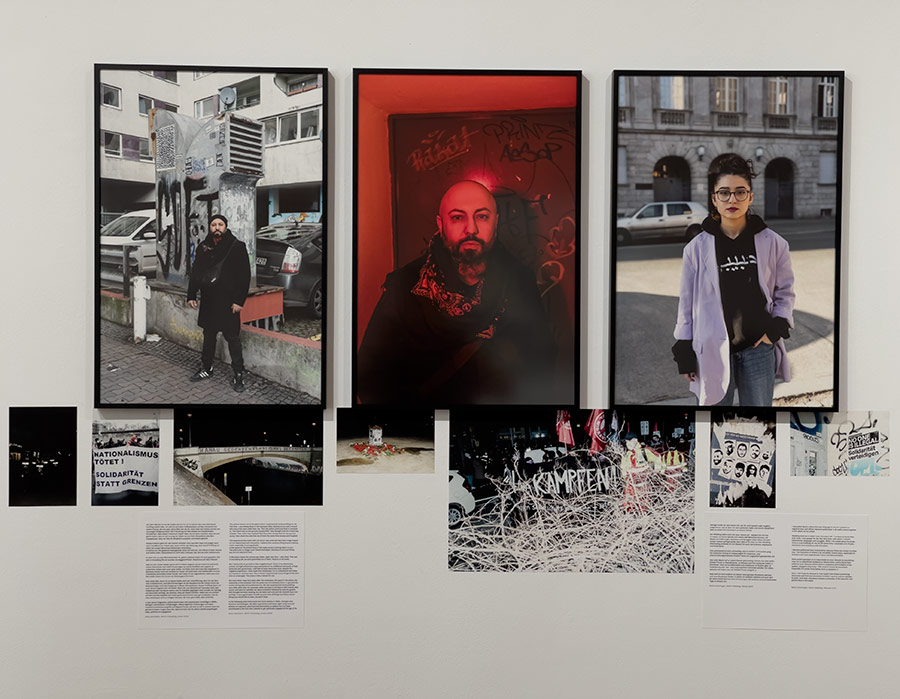
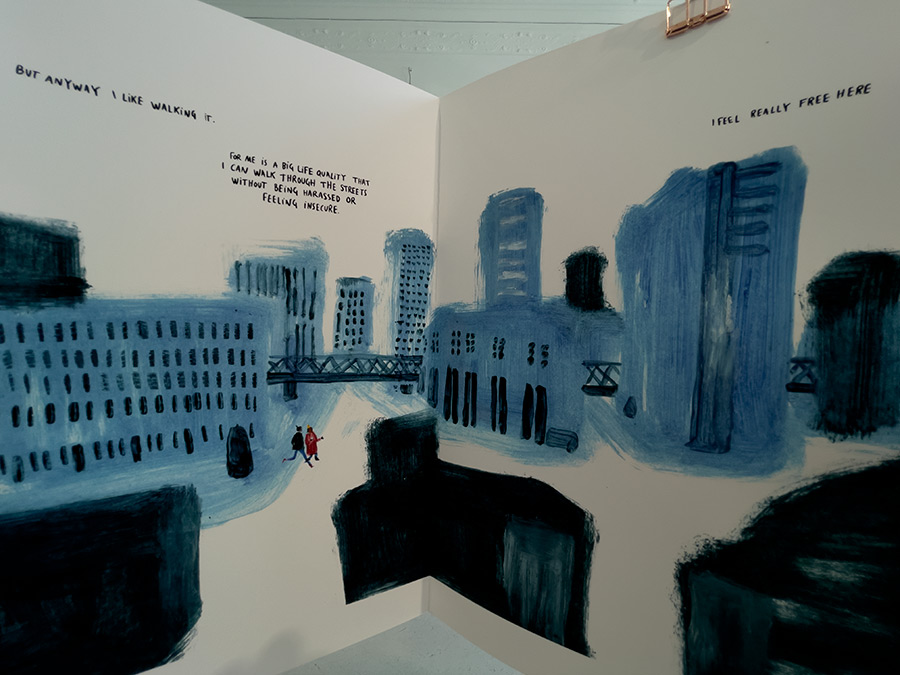
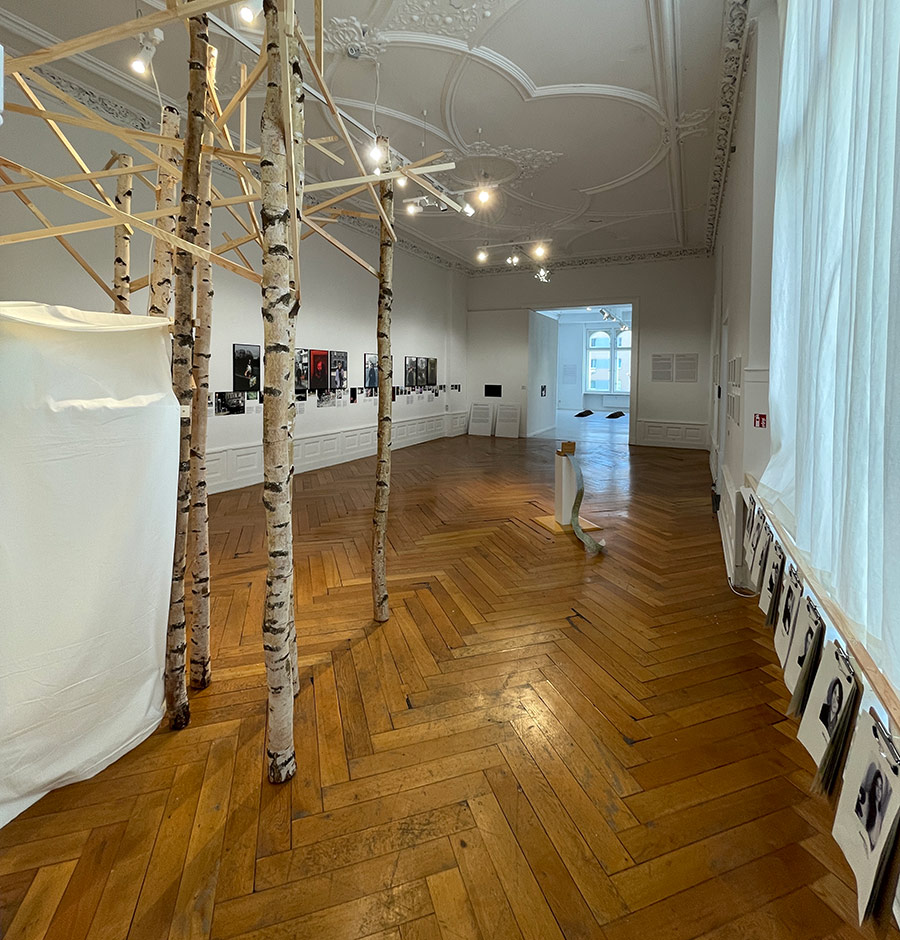
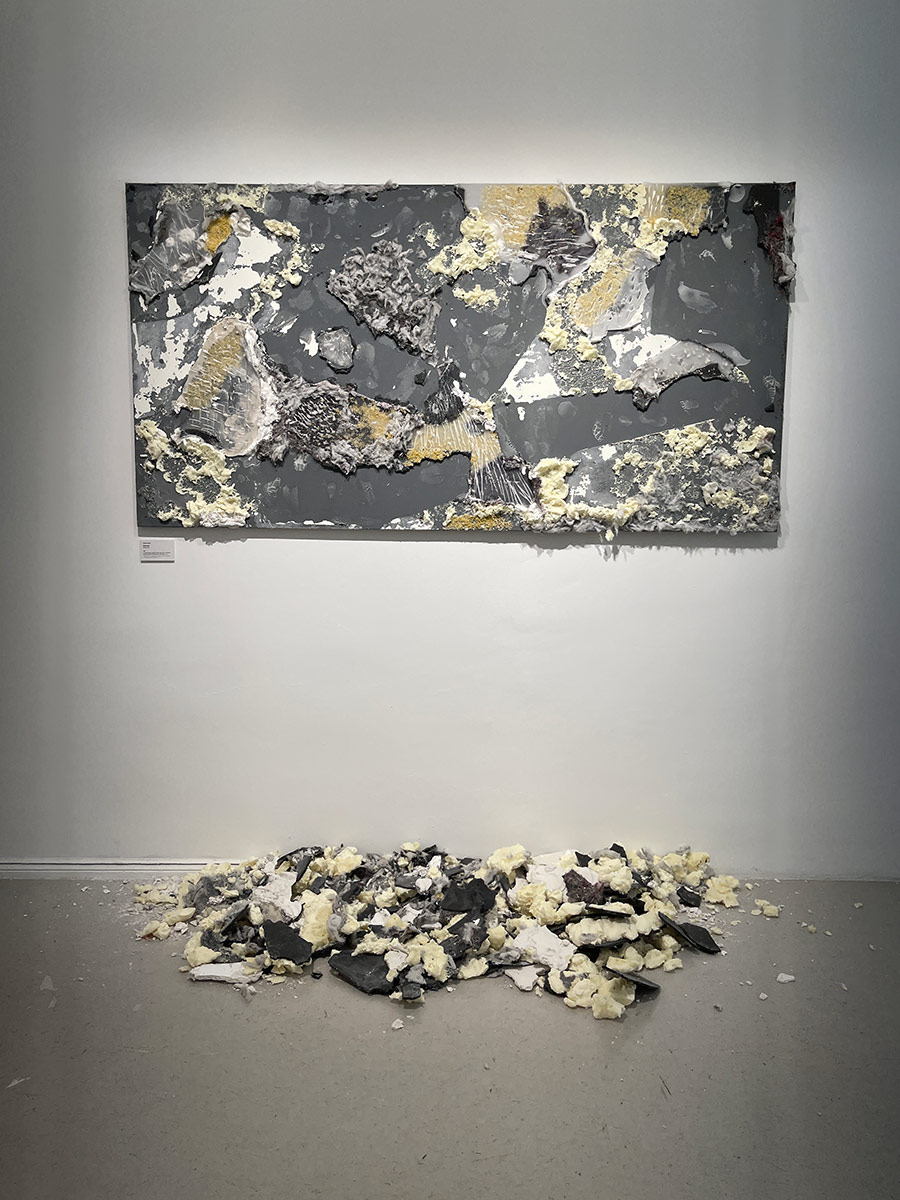
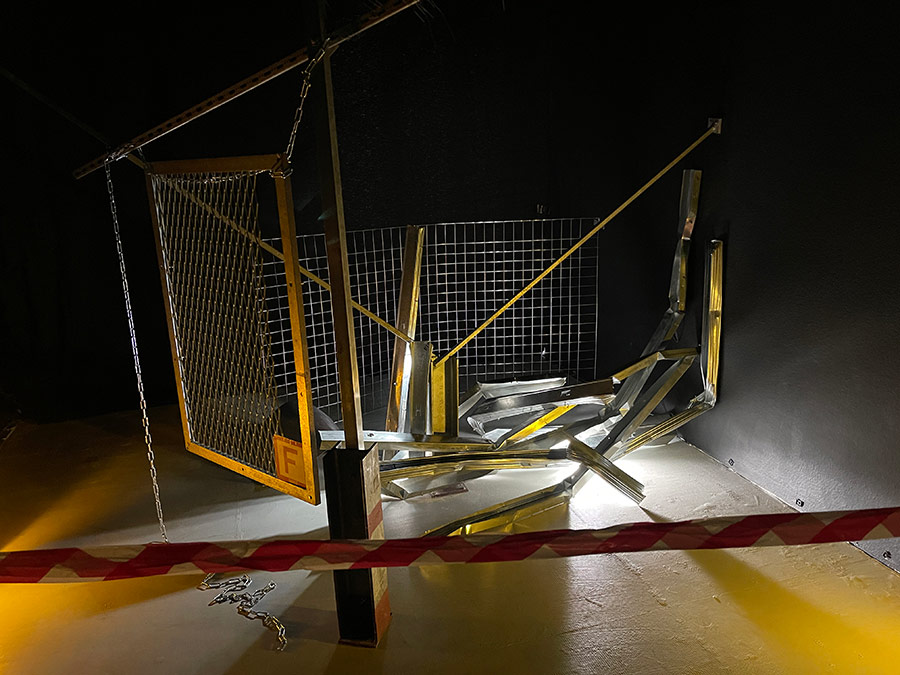
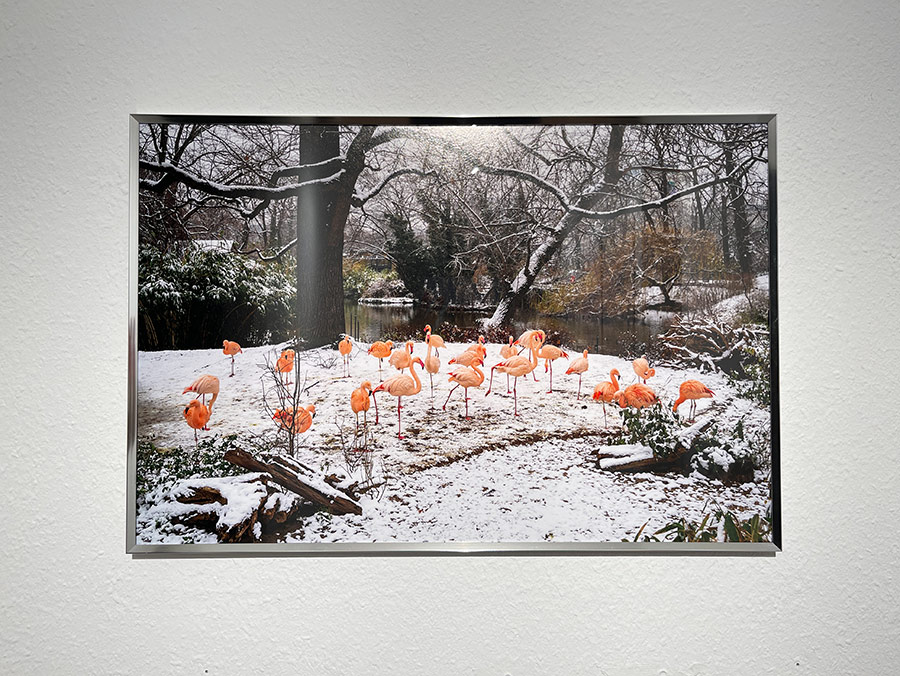
On a recent visit to the current exhibition on the second floor of a well-illuminated historical Berlinian building on Bulowstrasse inSchöneberg, the works and installations in separate galleries reflect the span of interests and disciplines. Thanks to a wide selection of artists, the story of the immigrant experience here is told from multiple perspectives. Participants in the “Migration” exhibition draw from the fields of education, photography, independent art spaces, architecture, data technology, science, philosophy, fine arts, graphic design, and film. The show gives a well-rounded collection of viewpoints, with various routes of expressing those observations.
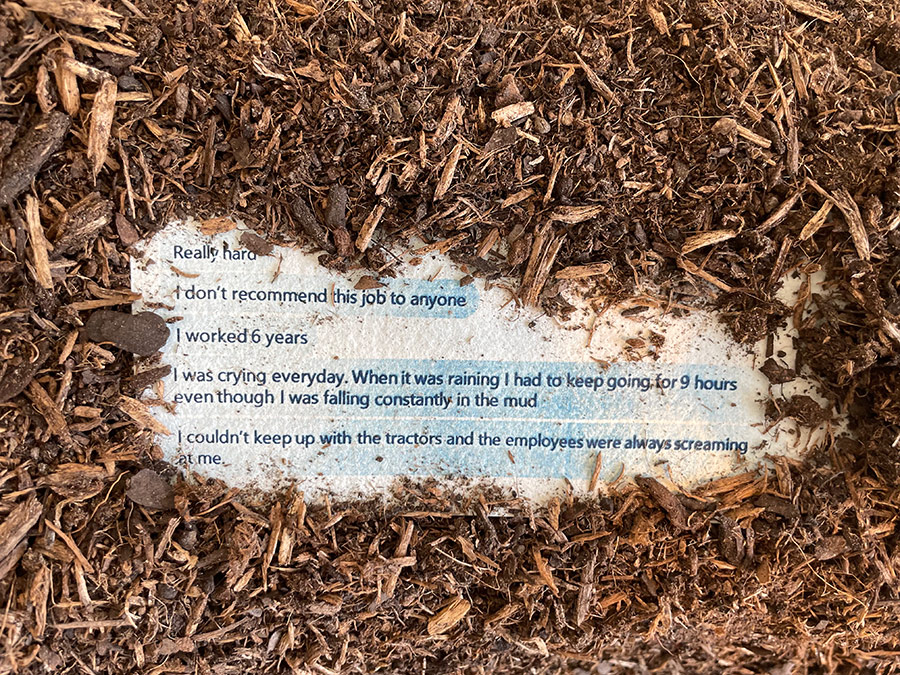
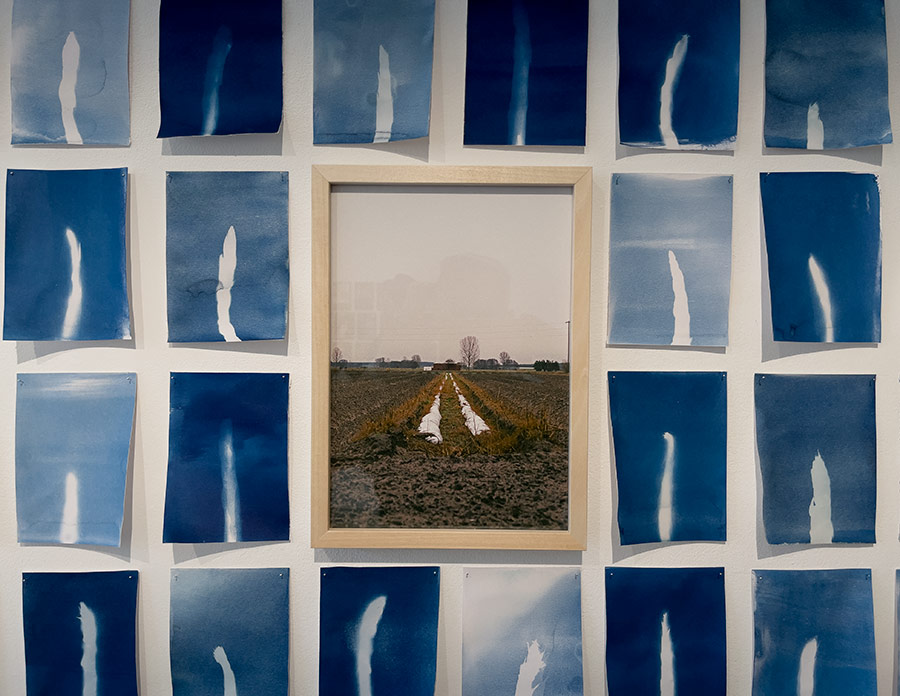
The storylines can be quite personal, such as the installation by Romanian artist Denise Lobont, whose own parents labored as an itinerant worker in Germany “because there was not enough work available in her small hometown.” The long mounds of soil are planted with printed screenshots of social media postings of fields and workers, bringing a historical capitalist reality to the current moment. The timing seemed especially appropriate as Berlin is brimming with the annual white asparagus crop – appearing on grocery shelves and restaurant menus for a limited number of weeks every year – dependent on migrant labor to make it possible.
Elsewhere the Essen-based documentary photographer and performer Andreas Langfeld features interviews with and photographs of persons familiar with racist attitudes and behaviors of the dominant German society directed toward them in ways obvious and subtle. His frank observations are refreshingly open in the project “Encounters in a post-migrant society (which unfortunately is not able to overcome its racism,”. Here Langfeld uses his experiments, public performances, and observations to move the social discourse forward on those and related topics, including sexual and other minorities in a pluralistic, evolving society.
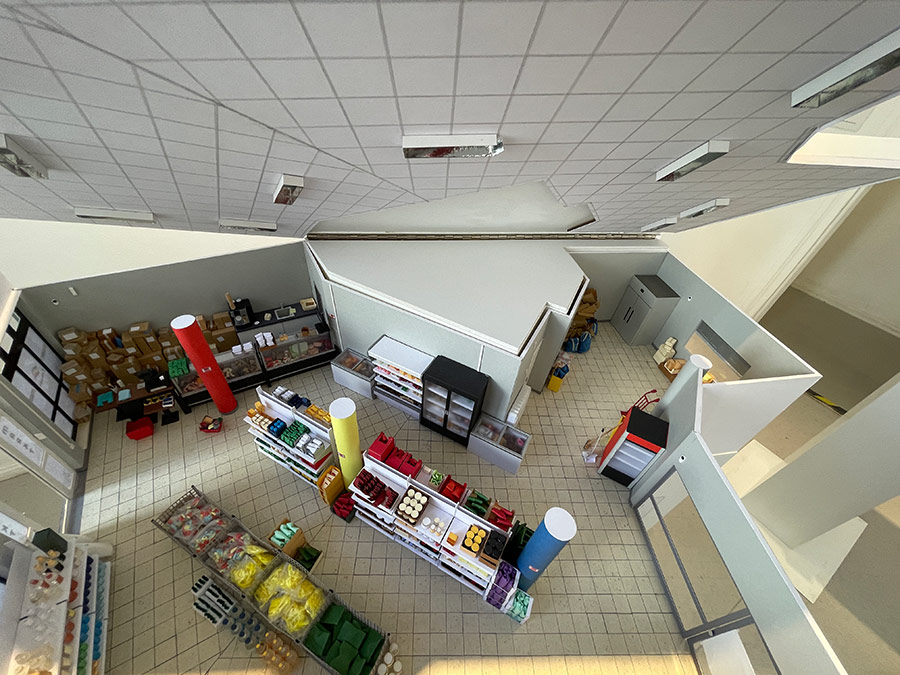
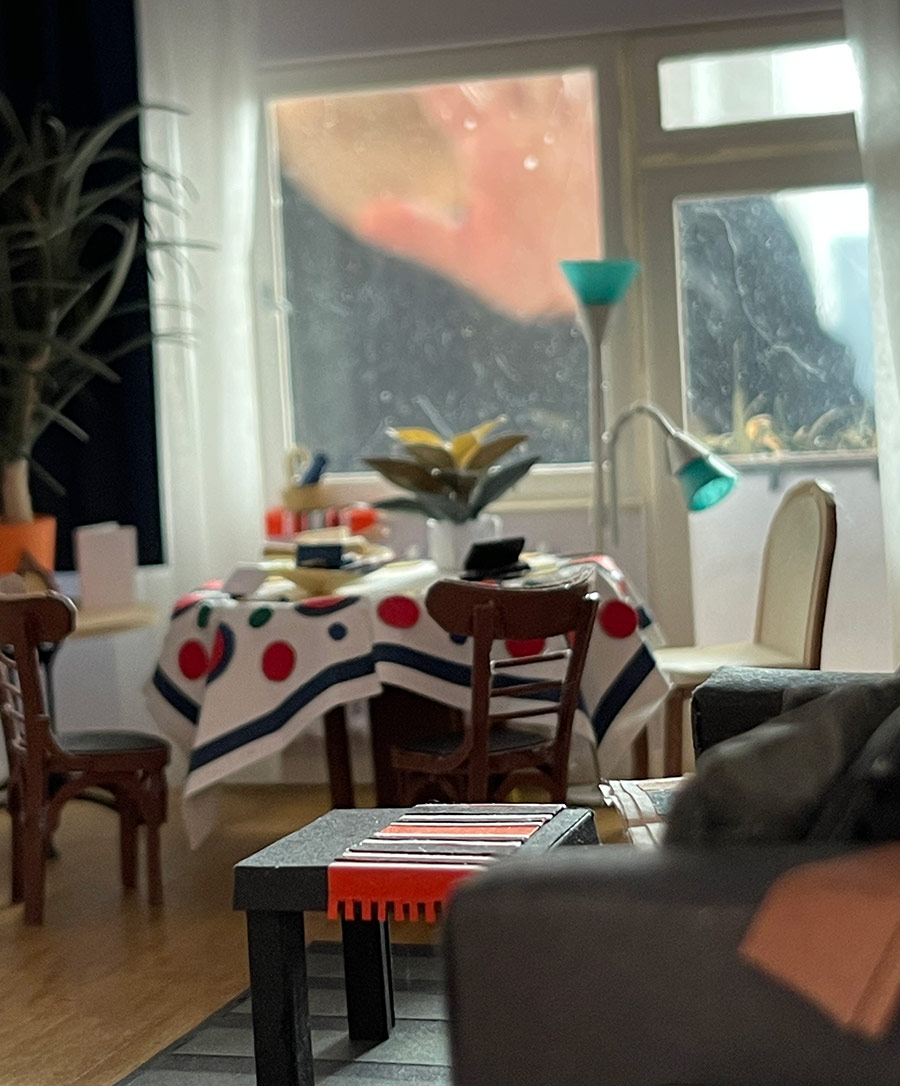
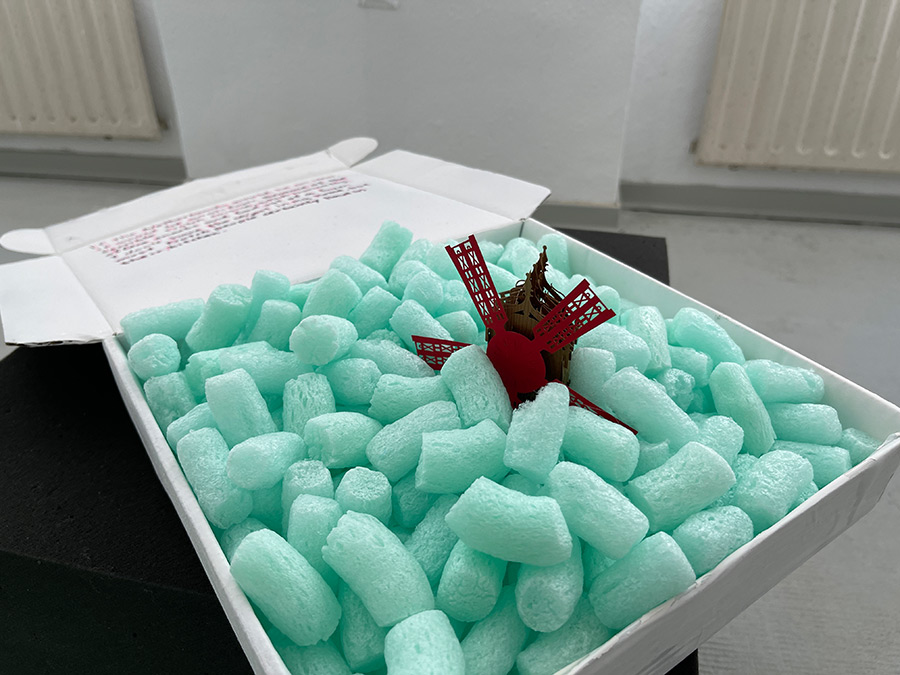
One of the more striking examples of migrant life includes no physical representation of migrants themselves but the places they live and work, rebuilt painstakingly in miniature by Ecaterina Stefanescu, a UK-based architectural designer and artist. Visitors can lift the roof off and closely examine her models of homes and businesses she has mapped here in Berlin belonging to Romanian immigrants, revealing detailed environments that respond to the inhabitants’ cultural, psychological, and physical needs. She calls the project “Rooms.”
By carefully recreating these “intimate portraits of their interior spaces and possessions through a series of large-scale models and paper collages,” she says she illustrates the “liminal identity of immigrants and how this is expressed through their material culture.”
Here you glean a better understanding through “the transient domestic places they inhabit, the objects they surround themselves with during their migratory experience.”
Using techniques as varied as film, sound, gouache, painting, illustration, photography, and sculptural installation, the artists at Fresh A.I.R. present the impact of migration on people and societies from a great range of perspectives. One sees colder, harder themes of data collection, xenophobia, survival, and sacrifice contrasted alongside more inspired viewpoints of liberation, independence, equality, – and even the development of bohemian culture. Clearly, one can take away something meaningful from this migration experience.
Our weekly focus on the moving image and art in the streets. And other oddities.
Now screening: 1. MadC – The Jersey City Mural in collaboration with Jersey City Mural Arts Program 2. Foim & Friends via System Boys 3. Muelle, The Madrid Graffiti Legend
BSA Special Feature: MadC – The Jersey City Mural
A week ago, we were in Berlin to celebrate the closing of our exhibition Martha Cooper: Taking Pictures at Urban Nation Museum. On our last day, we sat front row inside the show at the panel discussion with Martha Cooper and MadC moderated by Nika Kramer.
The three intelligent, hard-working, and accomplished women spoke about their work and the relationship between painting on the streets and the transition of art into the gallery; painting on canvases. Among other topics, MadC spoke about her fear of heights and how this mural in Jersey City proved challenging for her, but in the end, she conquered her fears and set her mind to work on the mural. To her surprise, one morning, she experienced a magnificent sunrise view over Manhattan that she said was worth being high up painting as she wouldn’t otherwise have witnessed such a peaceful and immensely gratifying sight.
MadC – The Jersey City Mural in collaboration with Jersey City Mural Arts Program
Foim & Friends via System Boys
It’s astounding to see the level of Mission Impossible shenanigans that Foim & Friends appear to execute to get into train yards to paint. The results are tight, bright, bubble tags that ride on the lower 2/3 of train cars throughout the city. They are so ubiquitous that you think the train looks like something is missing when it glides past without adornment. But for the writers, its still about competition to get up and its about presence, if not turf.
Muelle, The Madrid Graffiti Legend
“Little did I know. Not only did the Town Hall buy it. But they restored it.” This is when graffiti writers get the recognition by greater society that makes them “legendary”.
The war on our minds continues apace, advertising and propaganda selling shampoo and wars and sowing confusion at such a rate that increasingly, we are willingly forgoing critical thought – willing to be triggered.
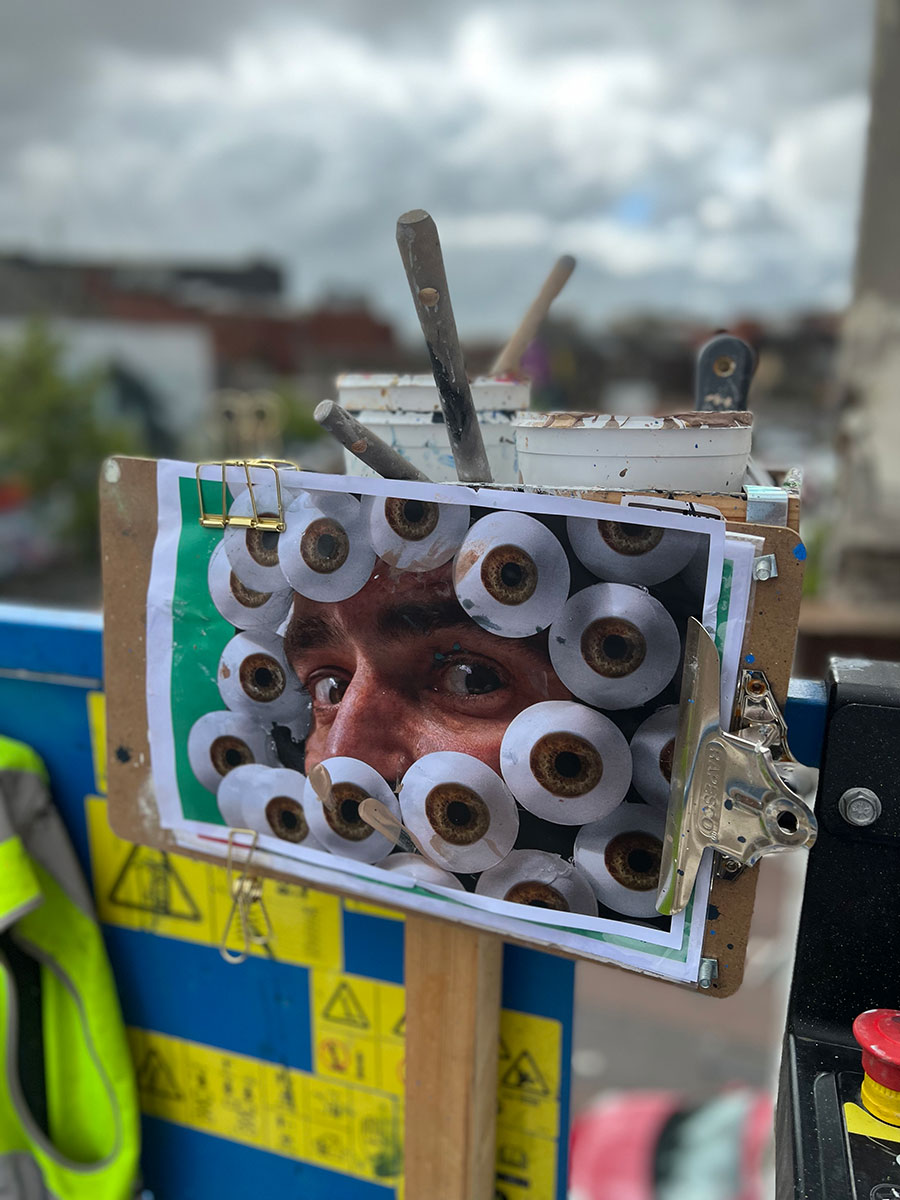
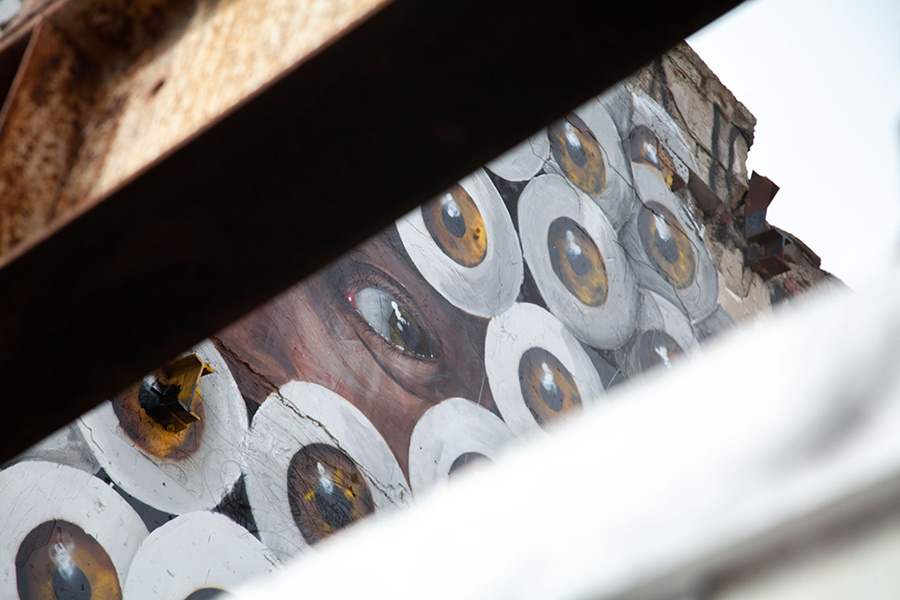
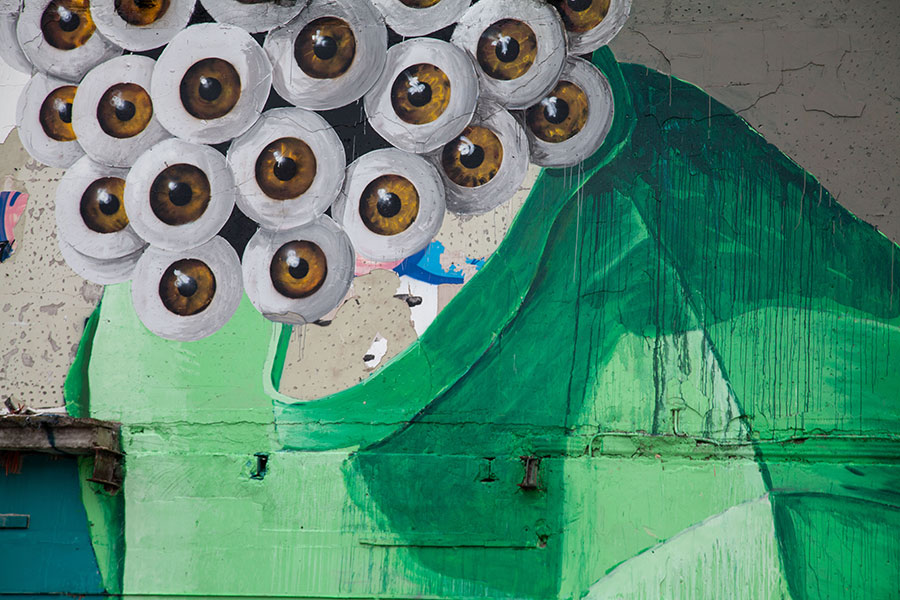
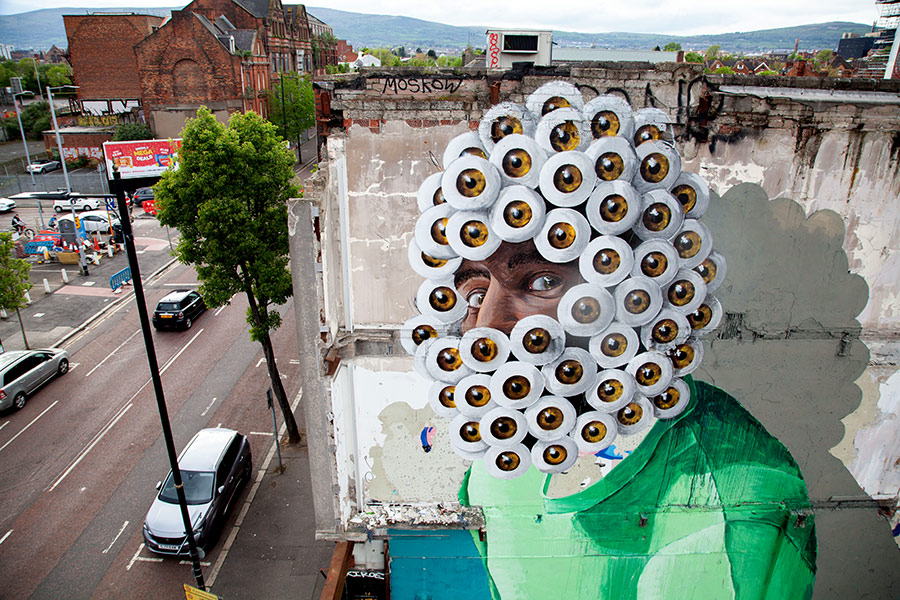
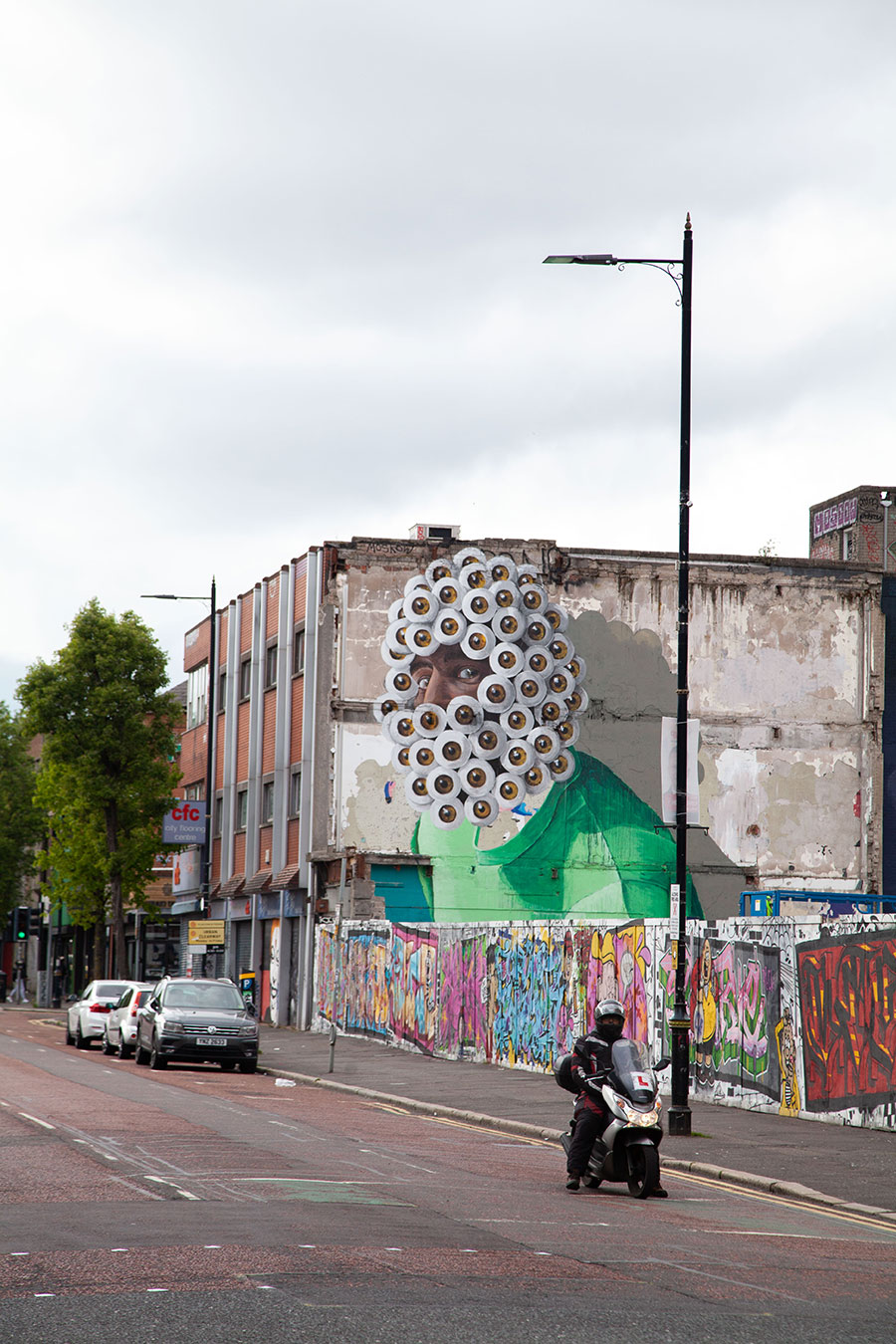
Asbestos has seen this as well and suggests that it’s all too much. Here in Belfast for Hit The North Festival, his new masked figure the human pantoscopic, the master of surveilling, seeing all.
He is calling this new mural, “Let Me Unsee”.
“It feels like the world is bashing more and more through my eyes, filling me with more and more and more,” he tells us. “It’s all consuming, screen after screen, scroll after scroll, ad after ad, another painting, banana jelly, cat memes, peppermint fondant paint, the texture of her hair, conversations, work, war, conflict, love, lust, art, friends. Everything is new, bigger, brighter, better, faster, smoother, sexier.”
His commentary on this glut is engaging, and so are these new eye-popping visuals, virtually guaranteeing his new mural a place alongside the stream of cat memes and banana jelly that are flooding feeds.
“It’s impossible to not be enraptured by it all, but it’s bloody exhausting,” he says. “I feel I need to unsee, to switch off a few of my eyes, and to try to process fewer things. I’m overstimulated, which I love, but sometimes I just need a break.”
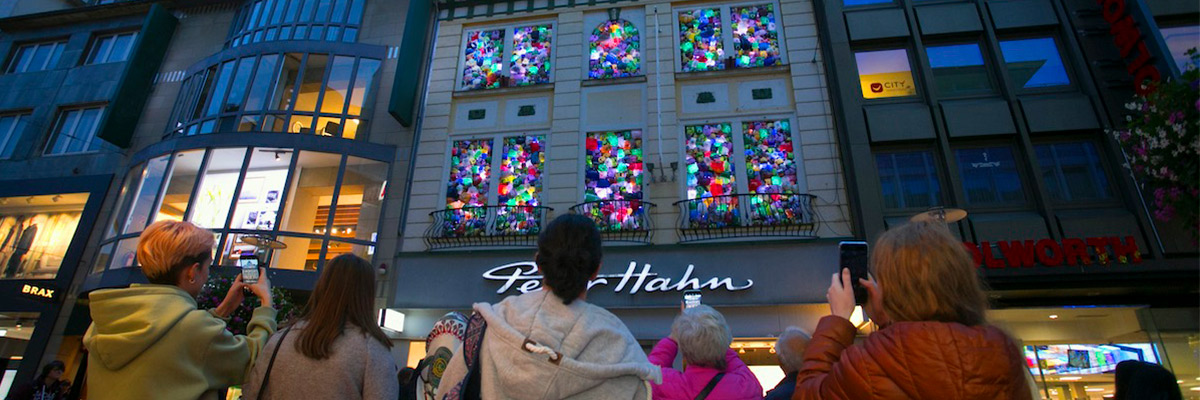
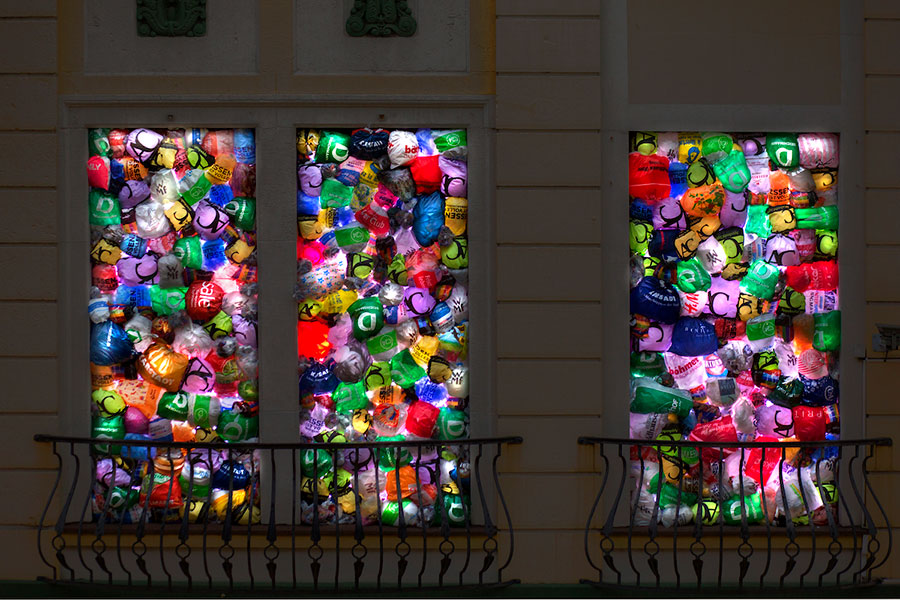
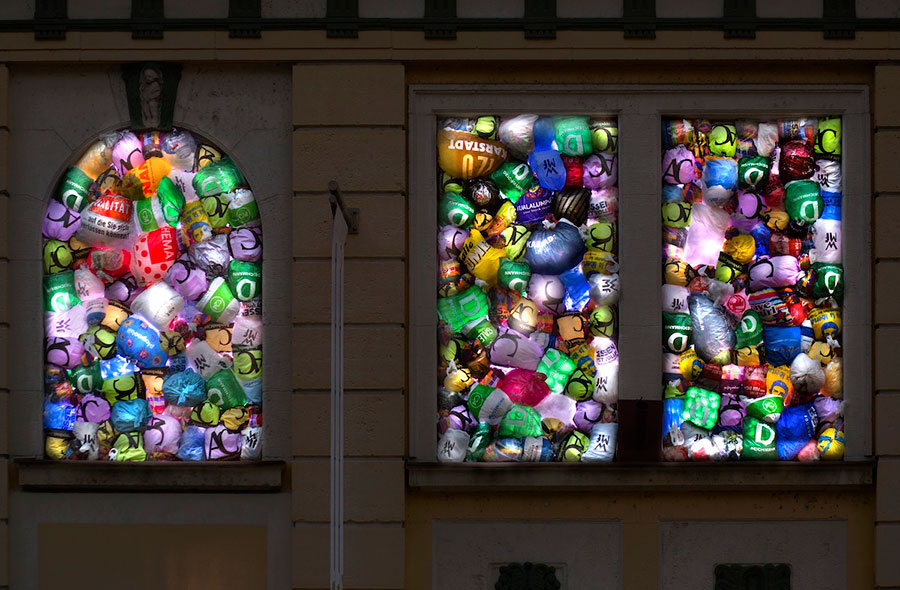
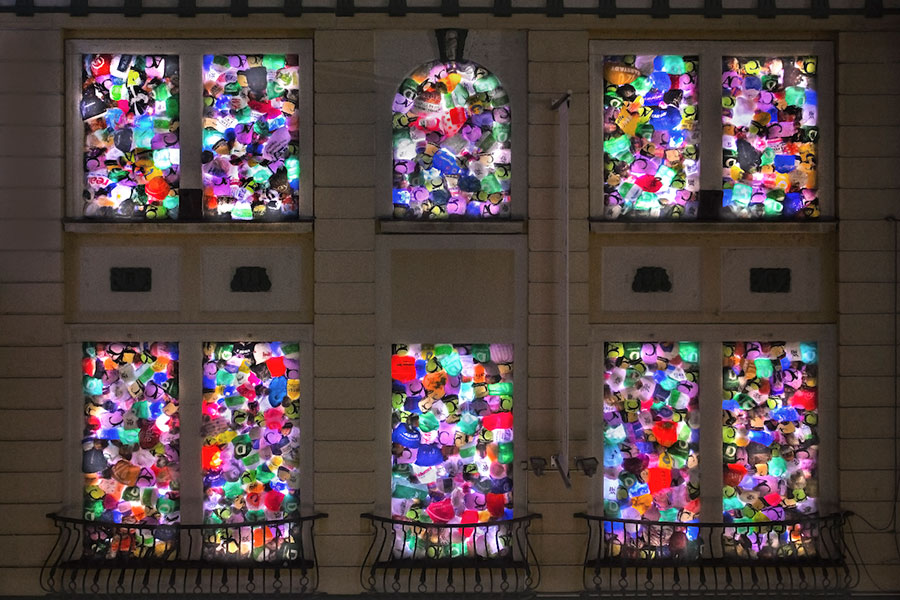
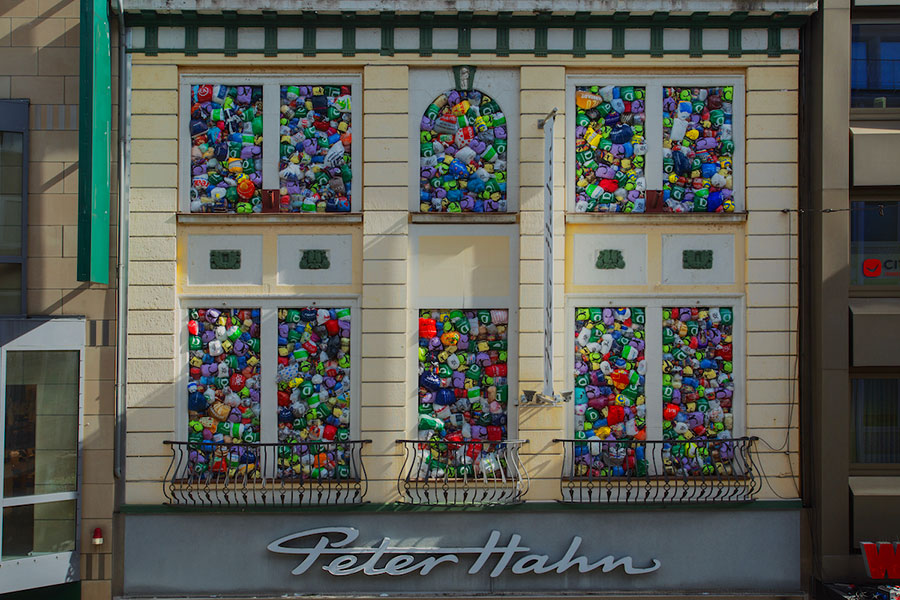
All that plastic you use, have used. You tucked those bags into drawers, plastic bins, containers, closets, cupboards, and boxes. They propagate and spread themselves and take over rooms, and very soon your home is overflowing with them, bursting from the windows, nearly ready to cause the place to explode.
Or so it would appear in this installation in the middle of a fine shopping district of Essen in western Germany. During the recent Essen Light Festival the artist collective Luzinterruptus says their goal was to show in a dramatic way the effect of “our compulsive use of plastic in our daily lives.” Collecting bags and packing windows of this historic façade was tricky work requiring a sense of design and engineering construction so that it could glow from inside.
Ultimately, the team was satisfied, they say, because the installation “rendered the impression that the building was about to explode due to the pressure of the plastic stuffed in its interior.”
“The contrast between the traditional architecture and the colorful appearance of the windows generated an unsettling, though somehow beautiful, sight that brought to mind the lively stained windows of a cathedral with interior lights.”
The team would like to thank the volunteers who helped with this project, including Bigrit, Maren, Misha, Sanine, Nygam, Lukar, and Satya, “who worked with us during the entire process and offered us their kindness and companionship.” In addition, “We also want to thank the building owners for letting us intervene in their lovely edifice.”
Remember lists and rankings on websites? Clickbait? Yes. But readers flocked after those in the early 2010s like TED Talks, shutter shades, and skinny jeans.
For old times sake, we just saw this scintillating list of top US cities for street art and clicked. For those who are interested in the street art rankings, SINGULART Magazine has released a report about the popularity of street art in major urban centers in the United States. We don’t know what it means. But enjoy – with analysis based on Social Media platforms, the authors of the report have listed the top 12 cities for street art in America.
“I didn’t know Christian and Patrick personally at the beginning of the project,” says graffiti writer/artist EGS, “but then we met and went spraying together.”
So many relationships on the street begin as easily, but this one is in service of a greater contemporary art effort – The Versus Project.
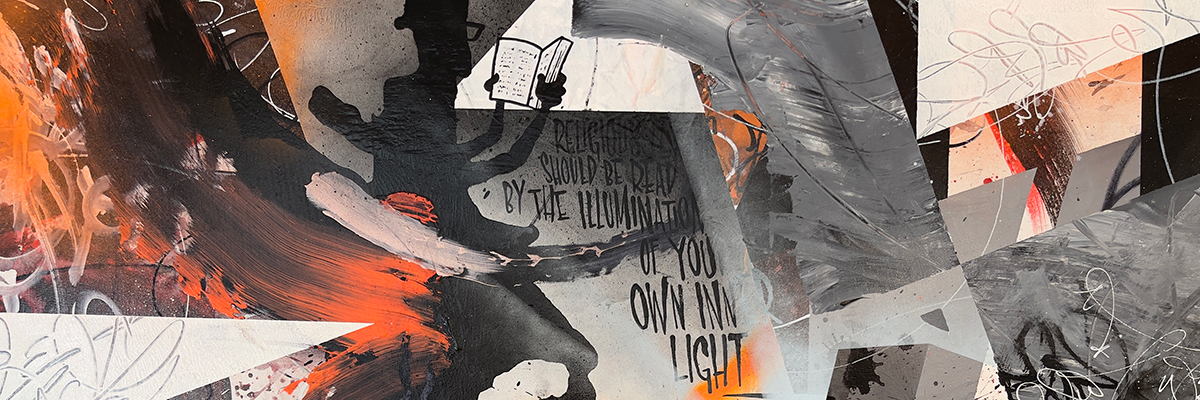
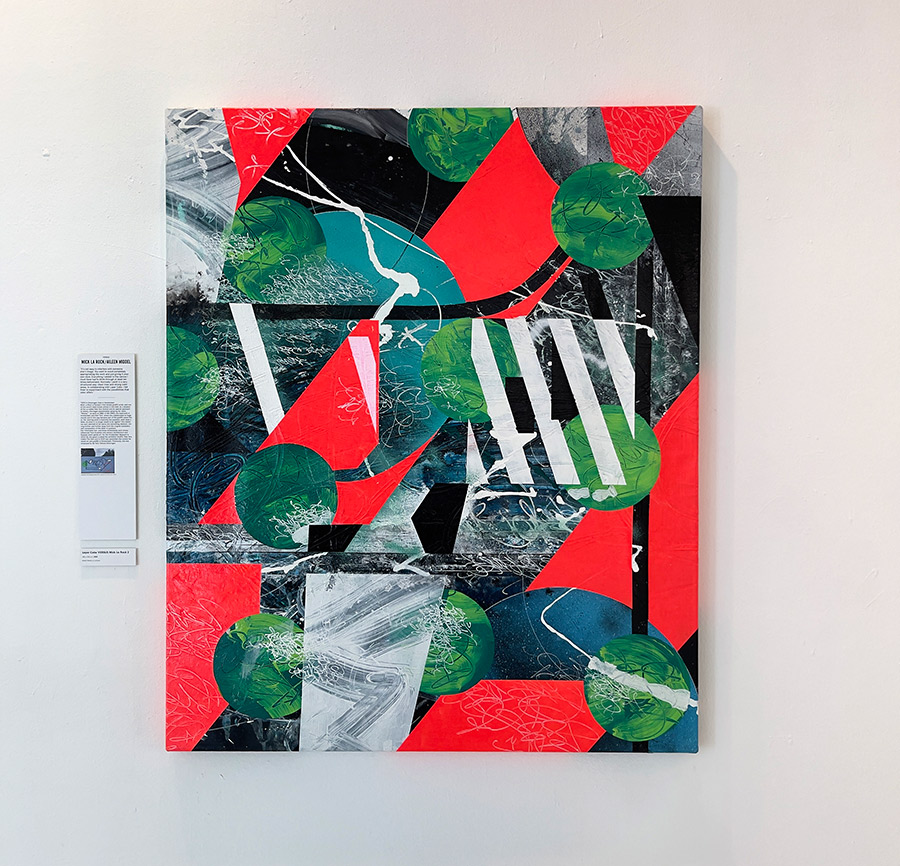
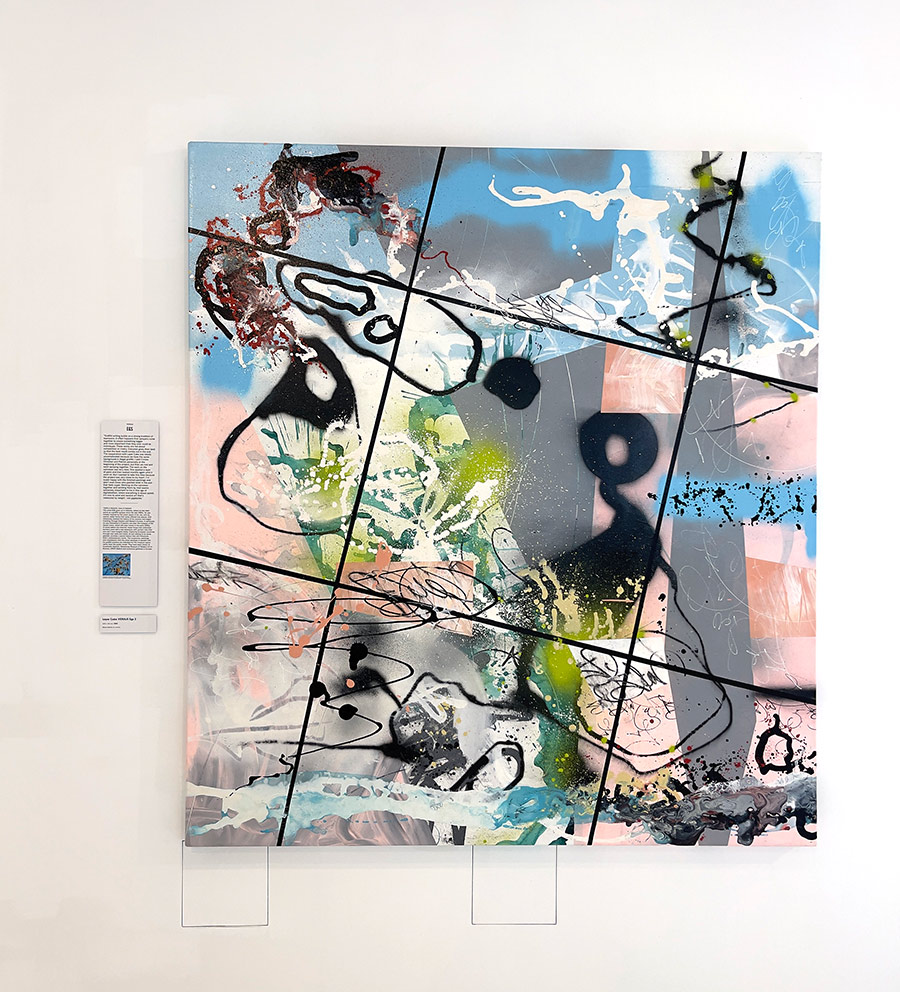
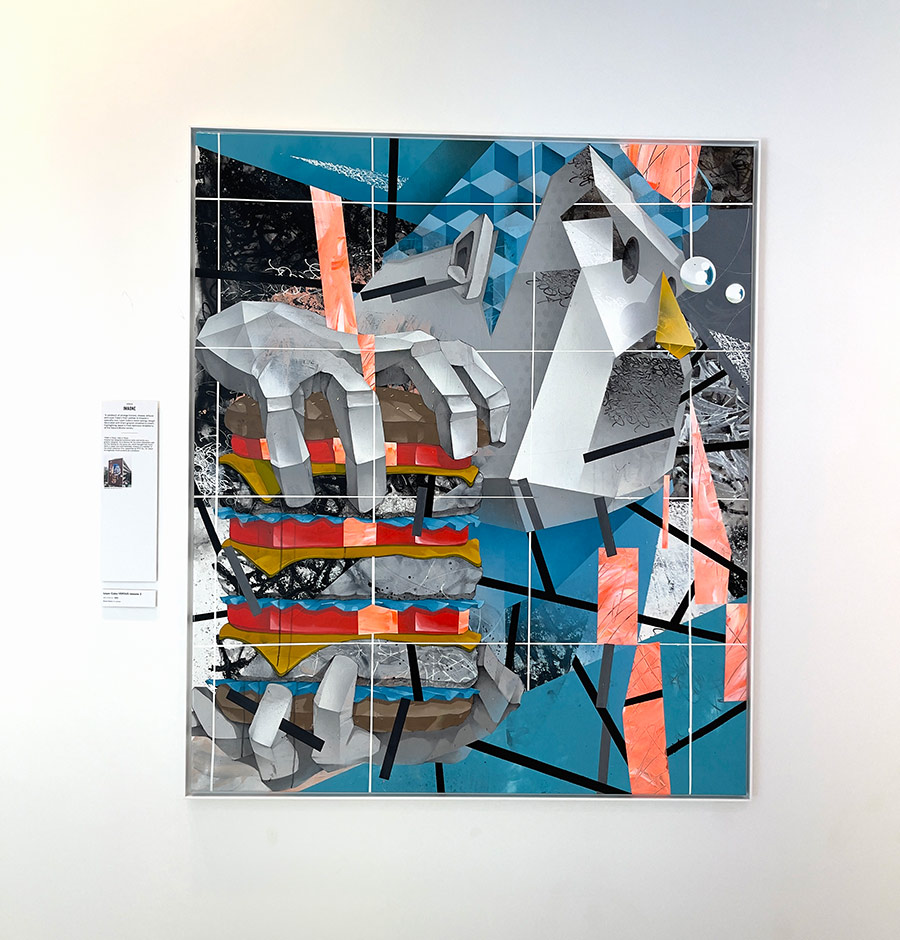
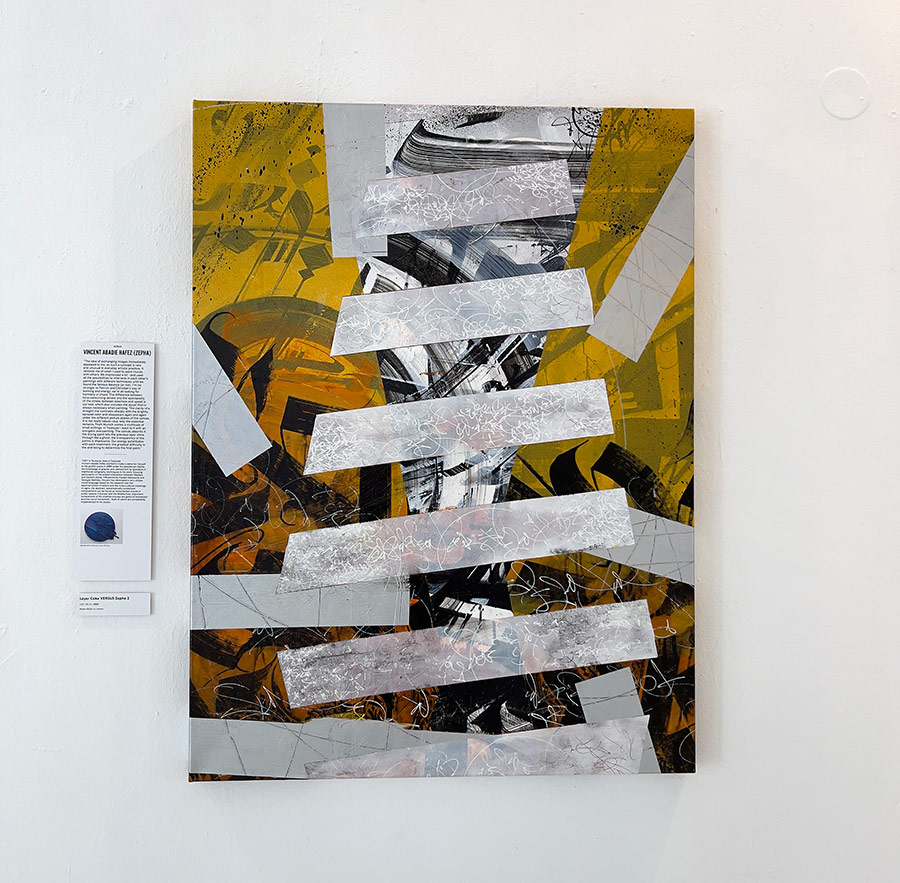
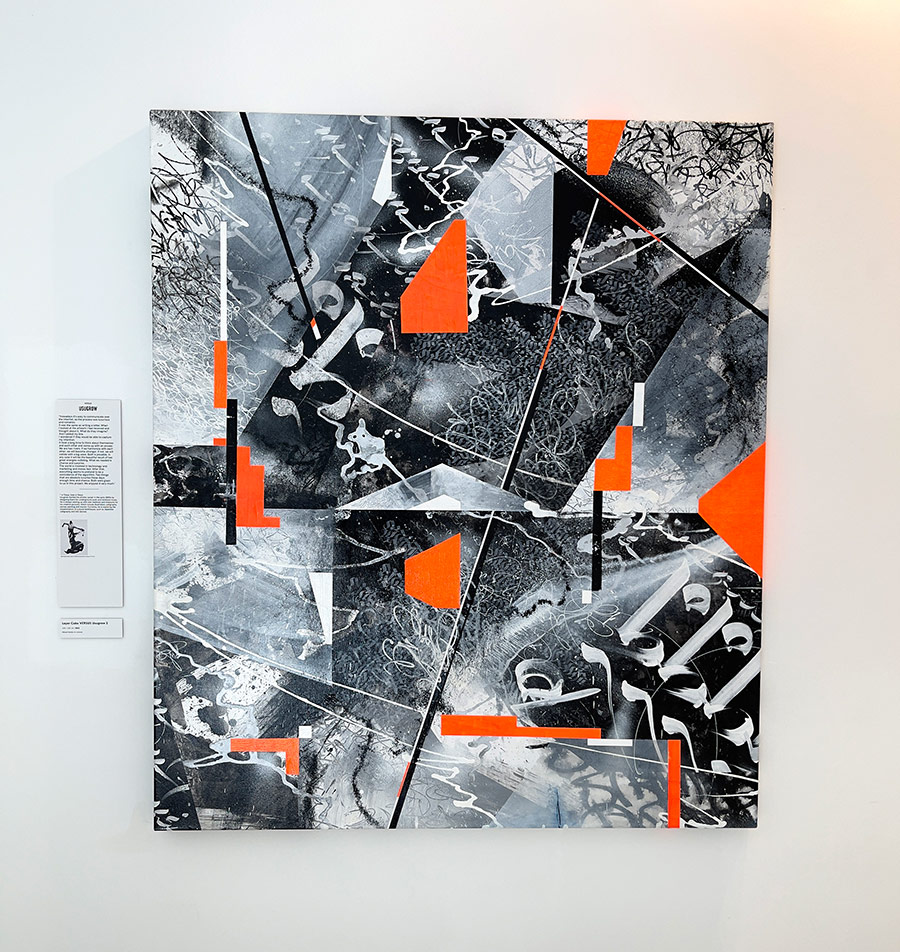
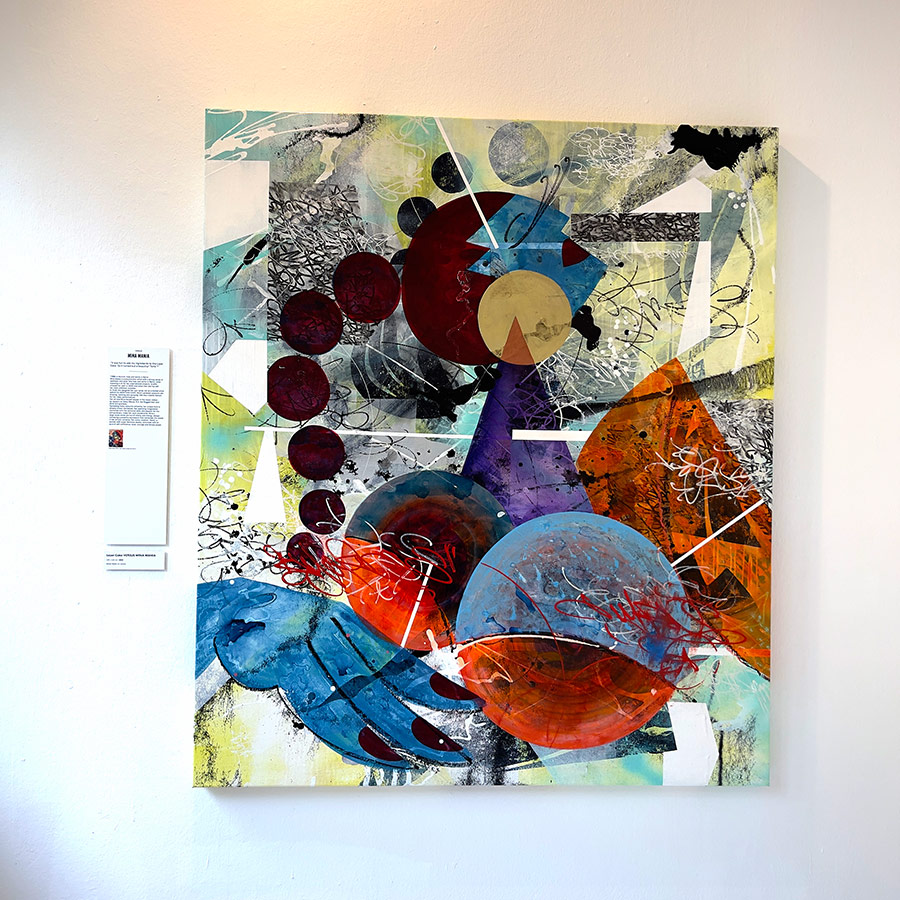
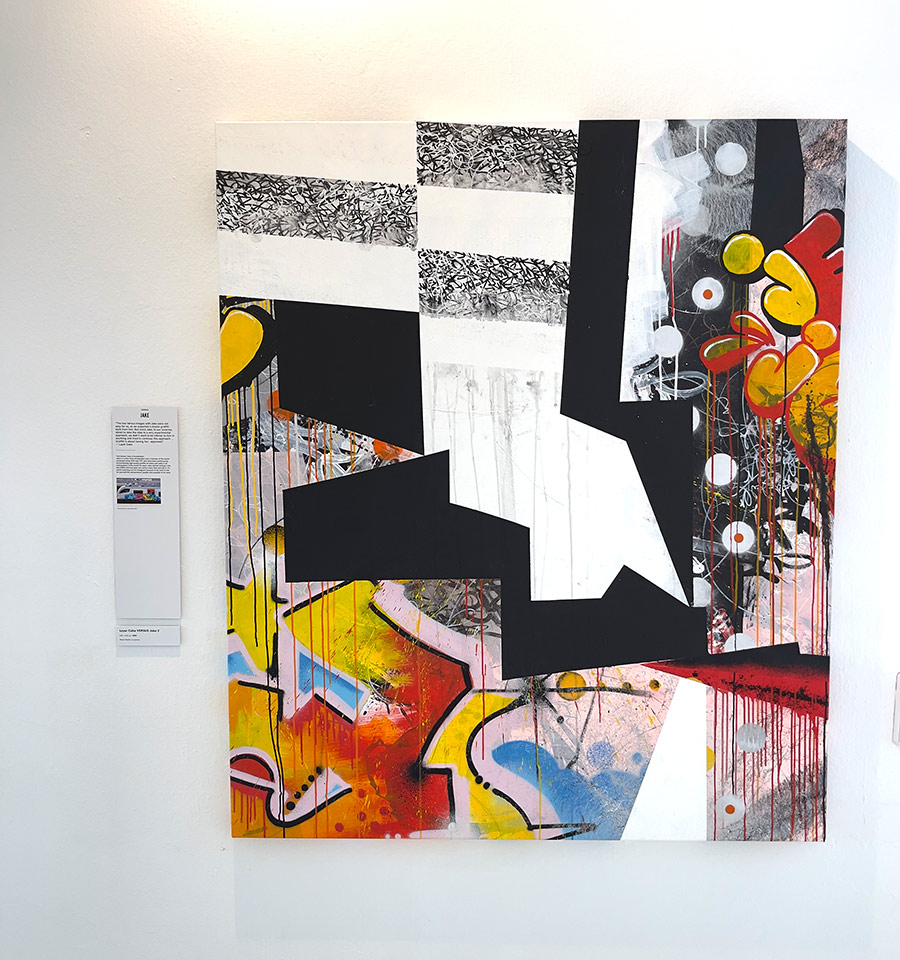
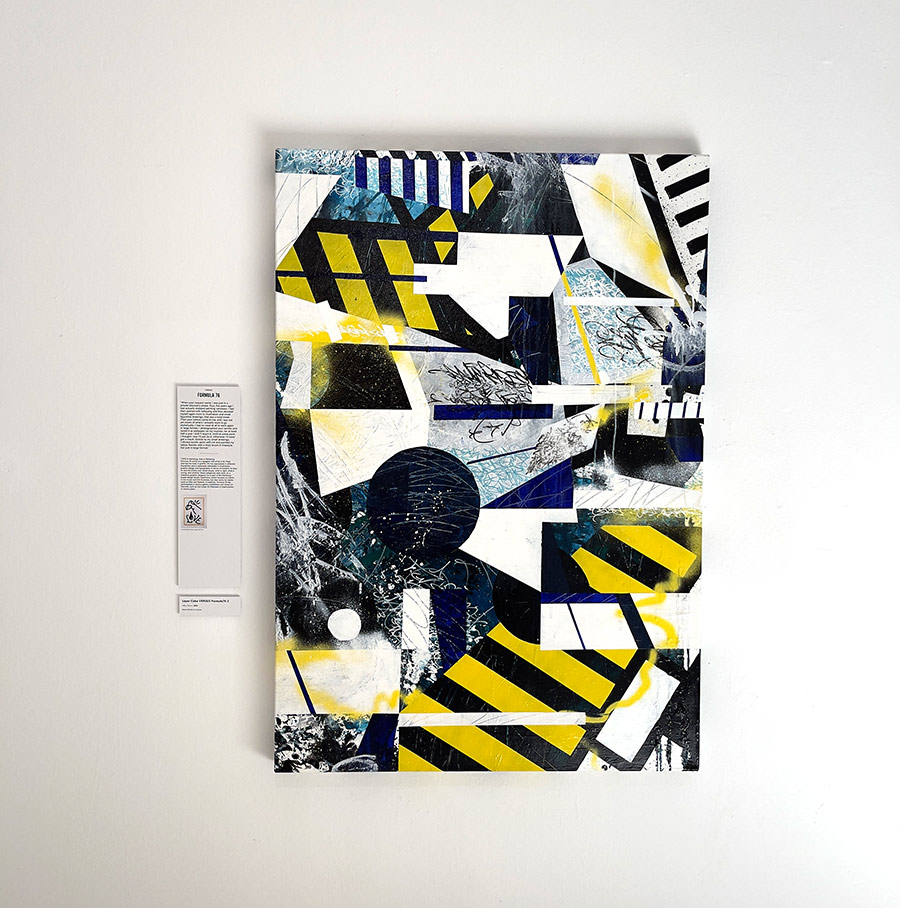
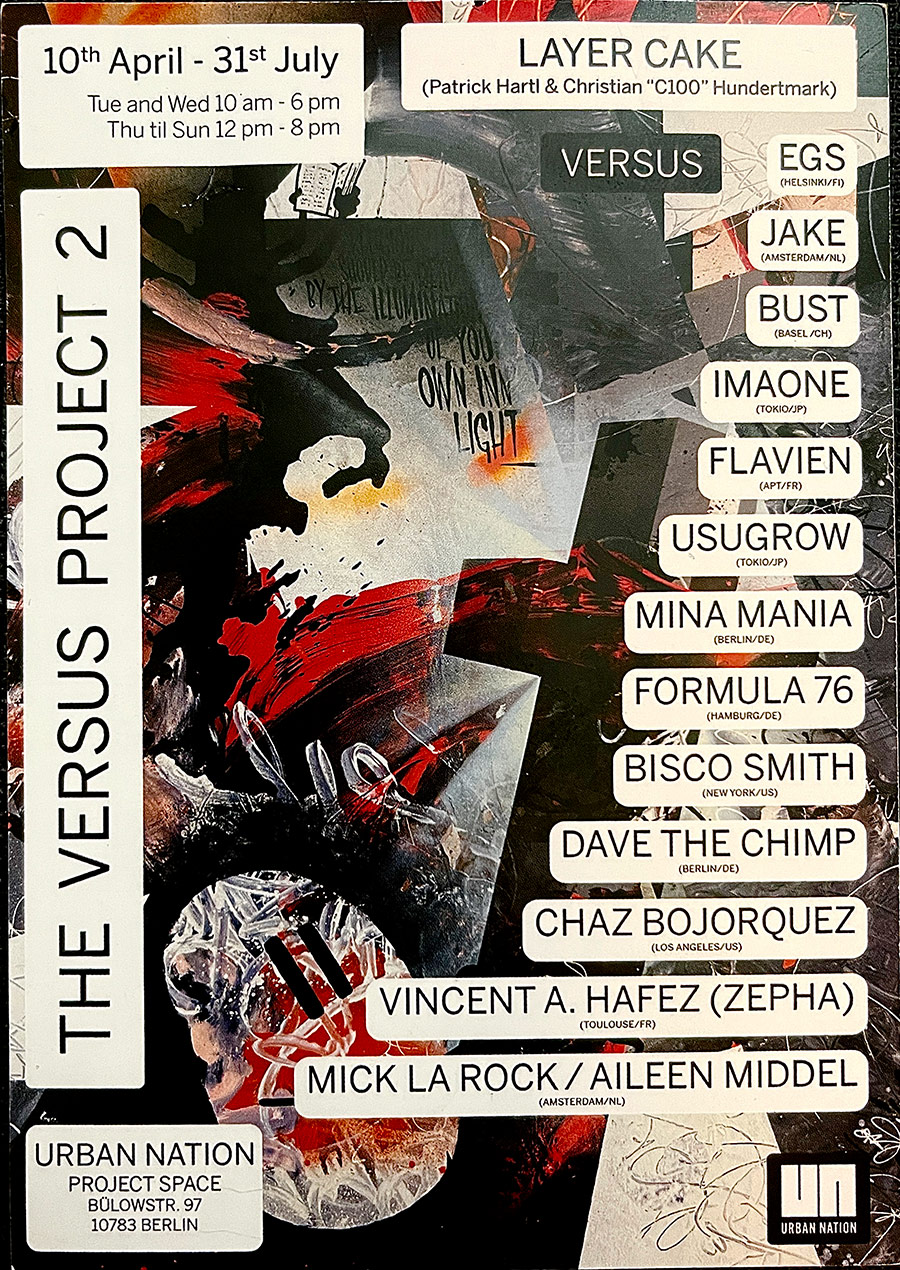
Now unveiling Part 2 of their collaborative canvasses exhibition here at Urban Nation’s special project space, Munich’s Patrick Hartl and Christian Hundertmark (C100) have combined their more painterly efforts as Layer Cake since 2015.
Reaching out to long-term and newer associates from the graffiti scene, they have been trading canvasses and ideas, and techniques for the last few years to discover how to work with others in a unique collaboration quest.
“The work on the canvases was very slow,” says EGS in the printed description of his participation in this second exhibition here. “One applied a layer of paint and then waited months again until it went on. But I wanted to take this time because the project was very close to my heart.”
“I’m super happy with the finished paintings and don’t even know who painted what in the end – that feels super. Working on the canvases together and sending them by mail seems extremely important to me in this age of digitalization, where everything is about speed It’s nice to send and receive art that’s measured by weight – not gigabytes.”
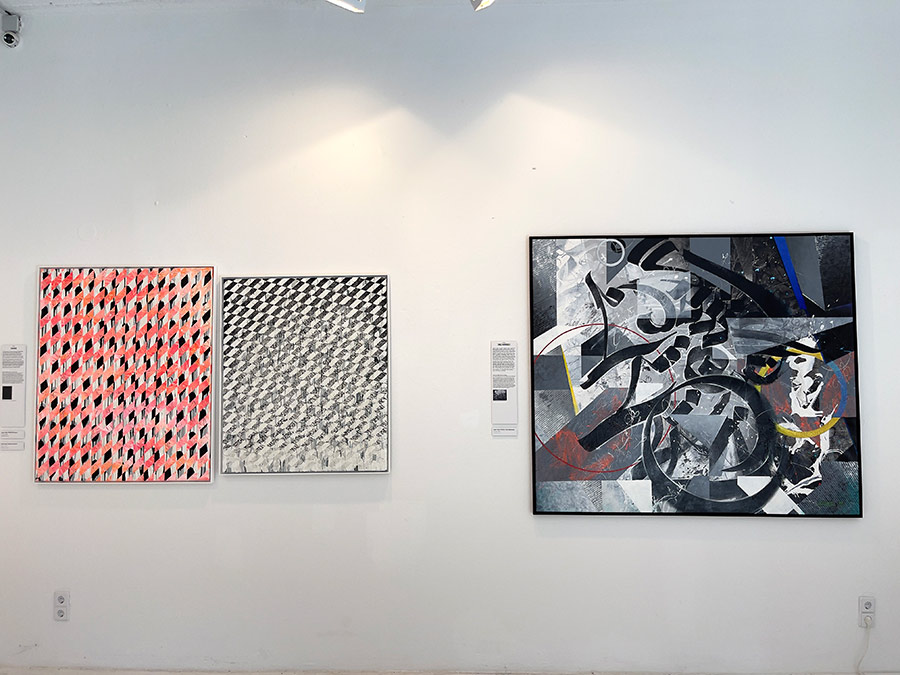
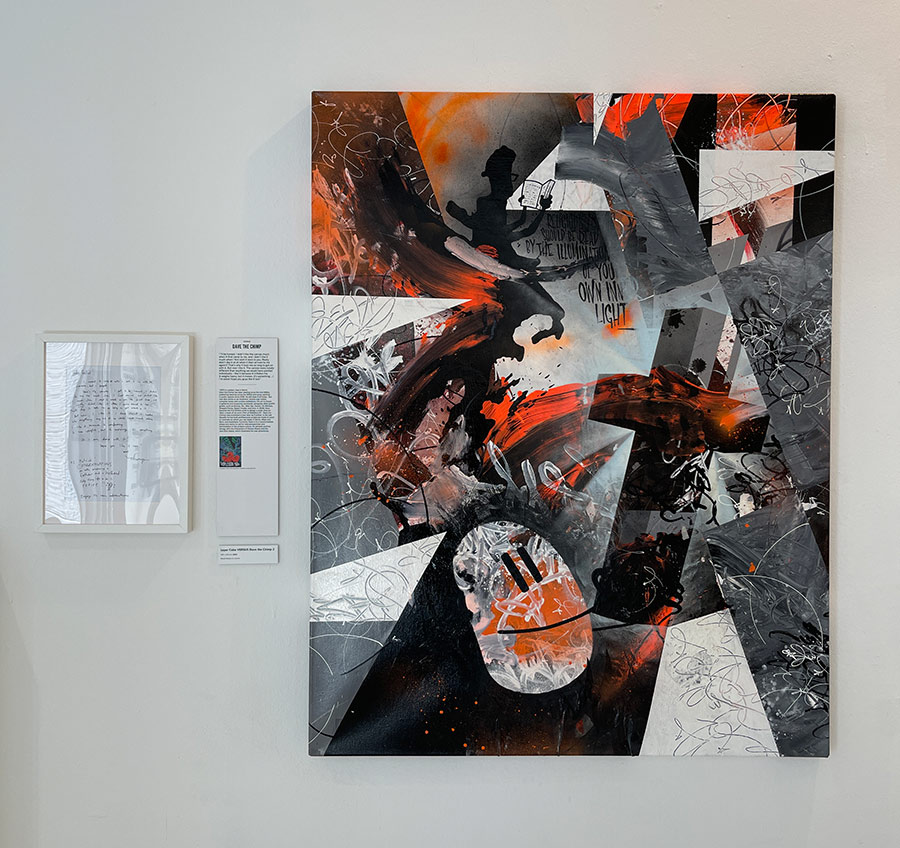
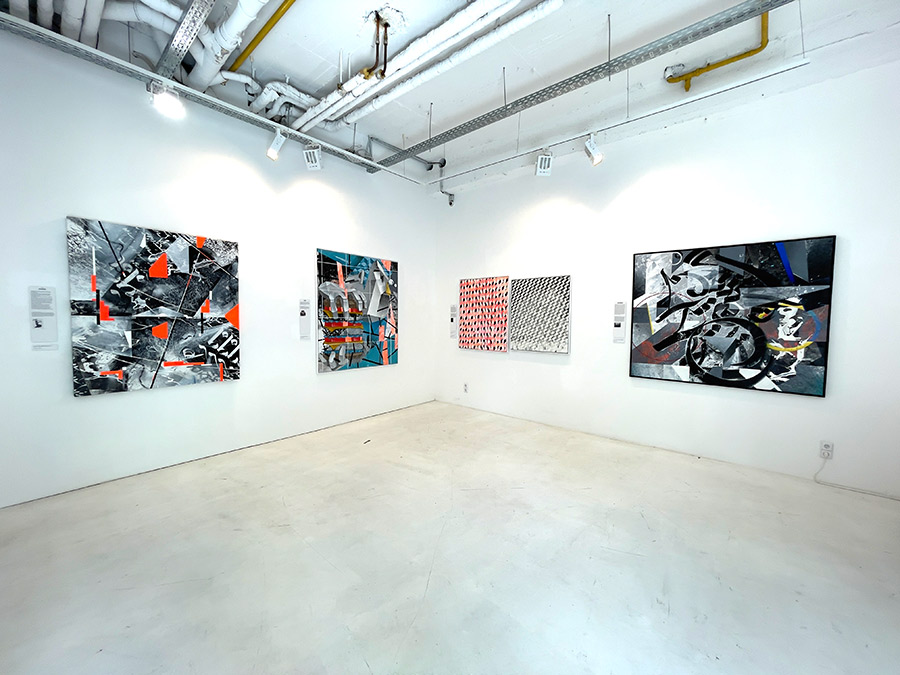
Here is a selection of the canvasses on display in the gallery now – each has its own fusion of minds and methods, an encoded presentation that contains the mark of two, presented as one. “In this way, an artistic dialogue is created,” say the project leads, “the canvases become the platform for a discussion on a painterly level – in this case by artists currently or formerly active in style writing from different generations, countries, and continents.”
The Versus Project 2 presented by Urban Nation and Layer Cake is currently open to the general public at Urban Nation Project Space in Berlin. Click HERE for additional information.
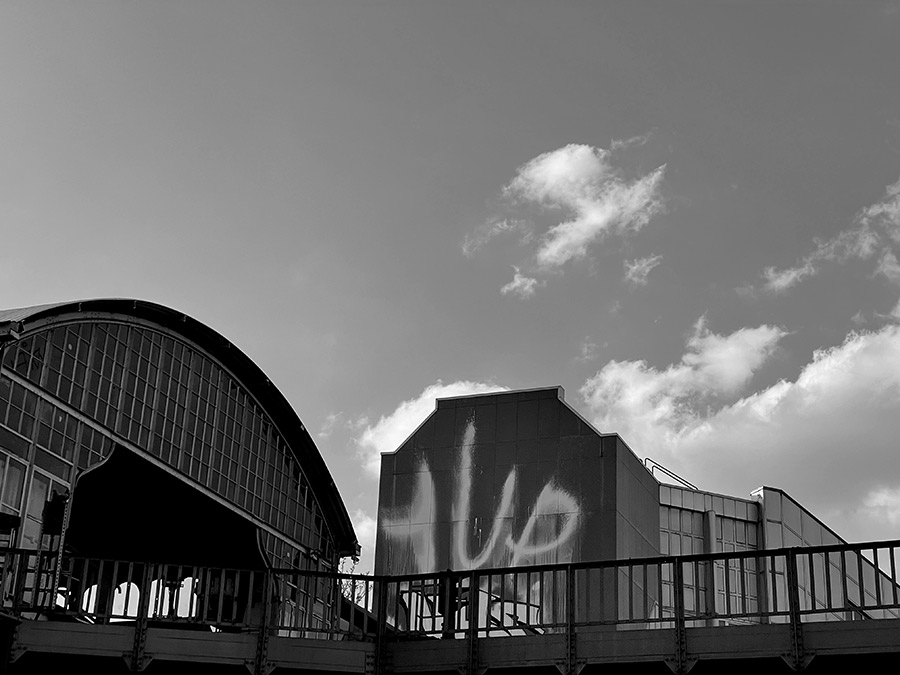
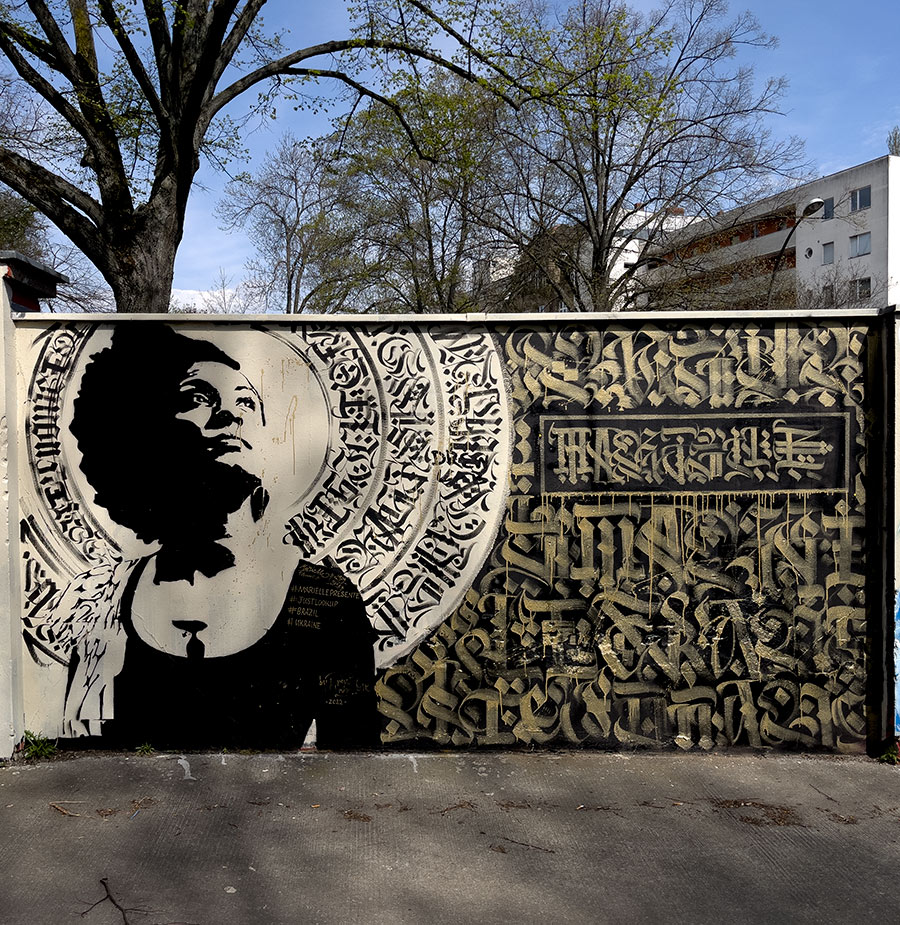
It has been a somewhat delirious spring week in Berlin-town as we cope with that special blend of bliss and dysphoria that envelopes you – mixing intercontinental jet lag, blooming cherry blossoms, birds chirping, aerosol spraying, and the chaos and grief of war at the doorstep. The shadow of war was never far from conversations.
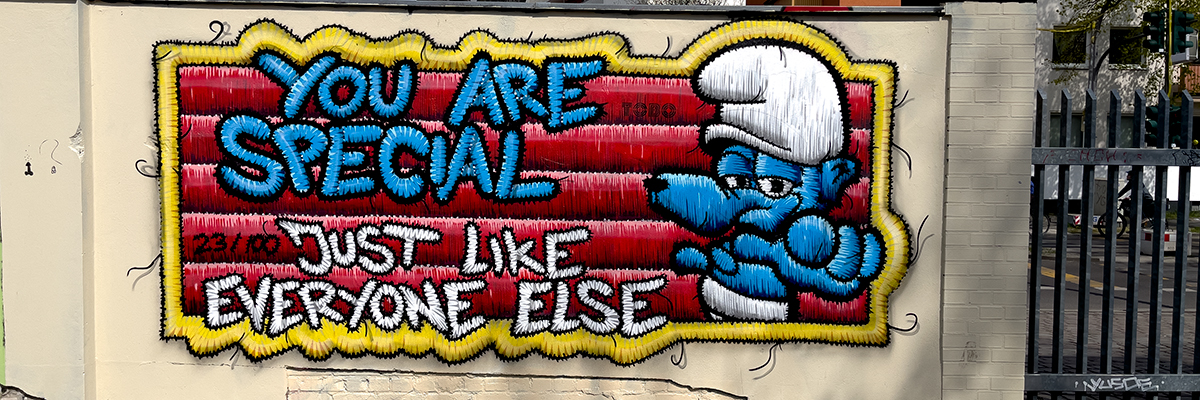
All week we have been gratified, elated, to see the spirit of creativity everywhere- murals, tags, stickers,pop-up gallery show; but friends and colleagues speak of institutional failures, inflation, and fears of war spiraling. Notably in three conversations Berliners told us they expect America to re-elect Trump and that the US will soon be convulsed into war.
But the art! The streets! The spring! The murals in the rag-tag parks here that are dotted with skater half-pipes and blooming lilac bushes, the smell of piss and marijuana and cherry blossoms – it is all here in gritty and eclectic Berlin. People help point you in the next direction, and you discover more. The new real estate developments tend toward towering glass, and some previously artist neighborhoods are decidedly gentrifying, but the balance with the creative sector is still healthy, or so we think.
Today we are back in dirty old Brooklyn, but we already miss our sister-brother Berlin and the beautiful people we spent time with.
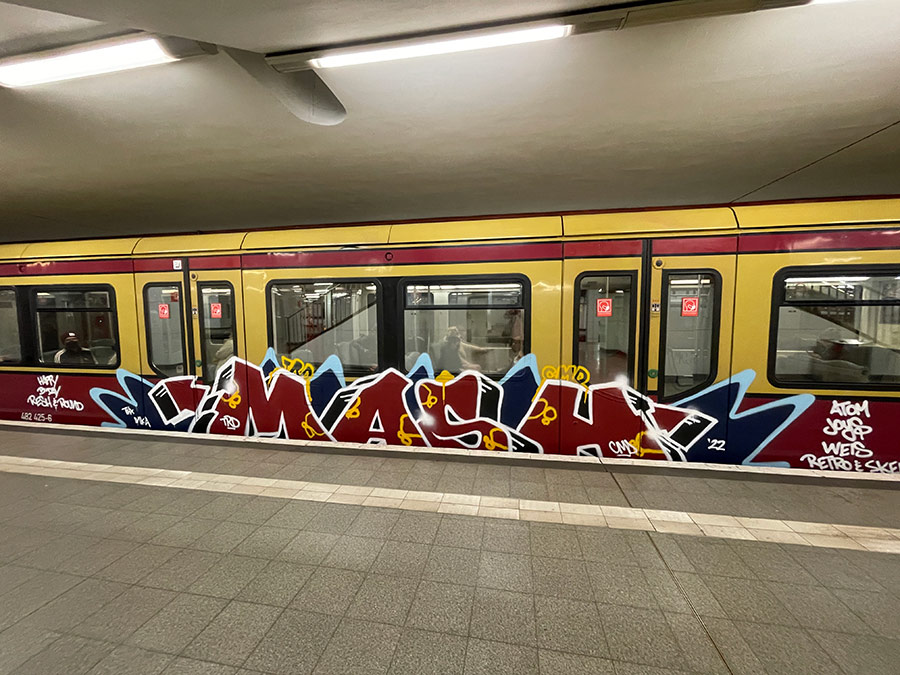
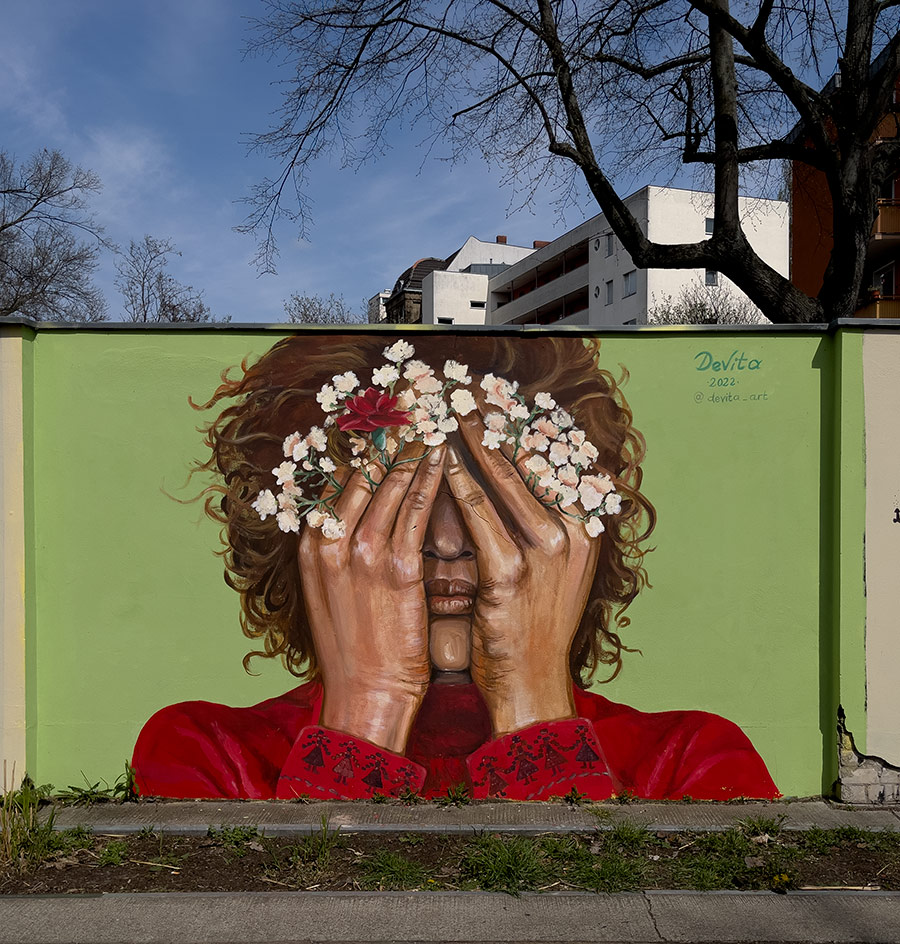
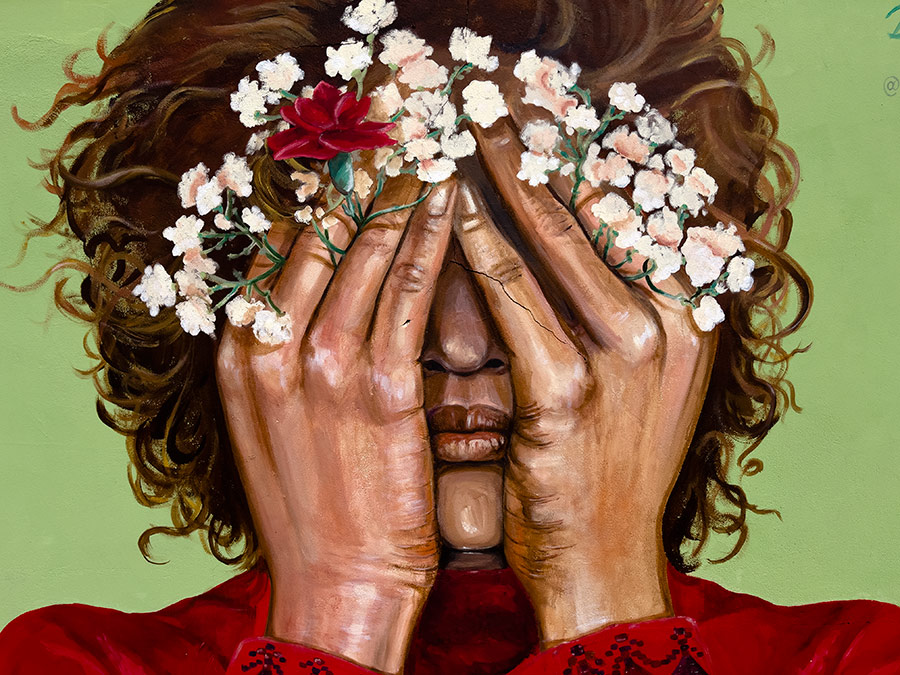
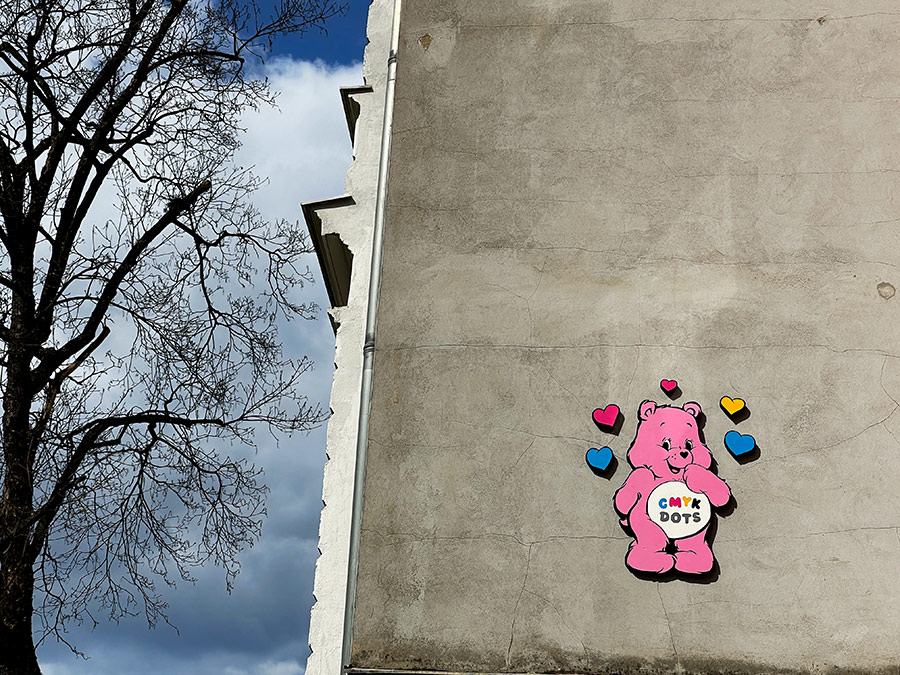
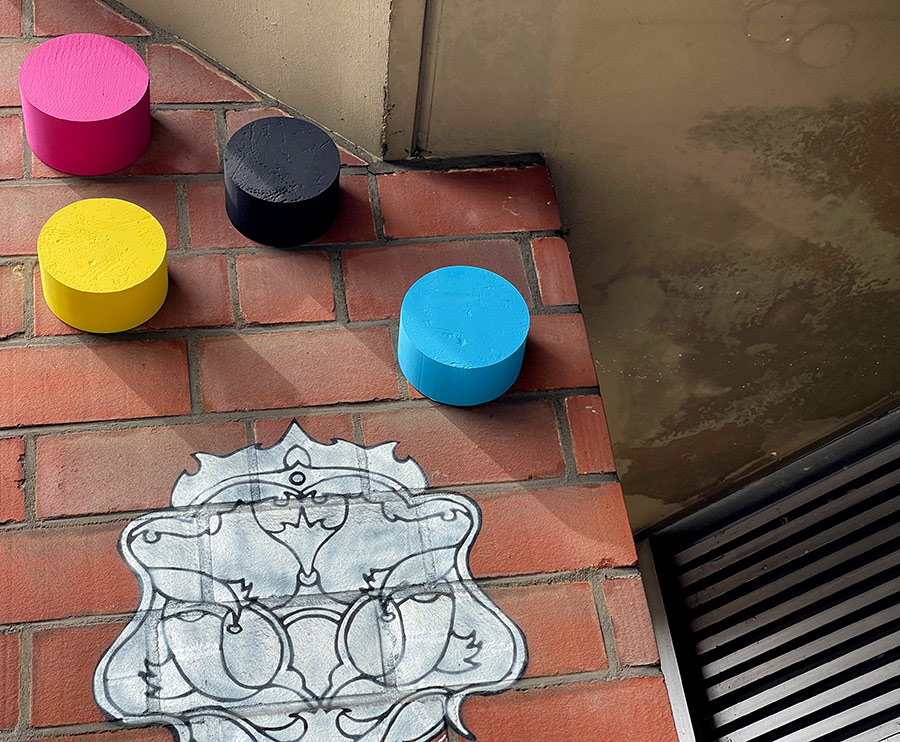
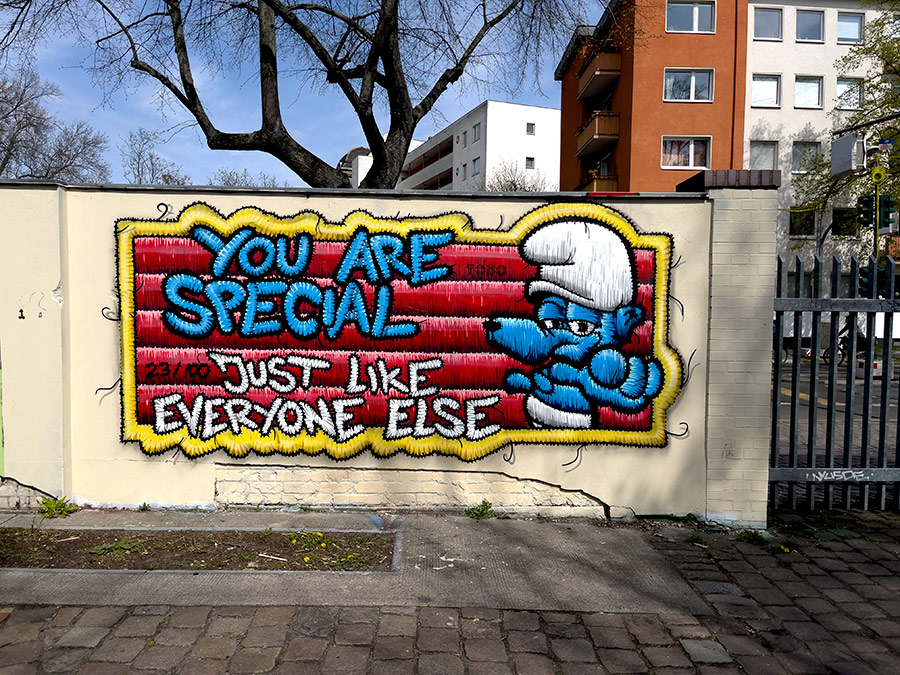
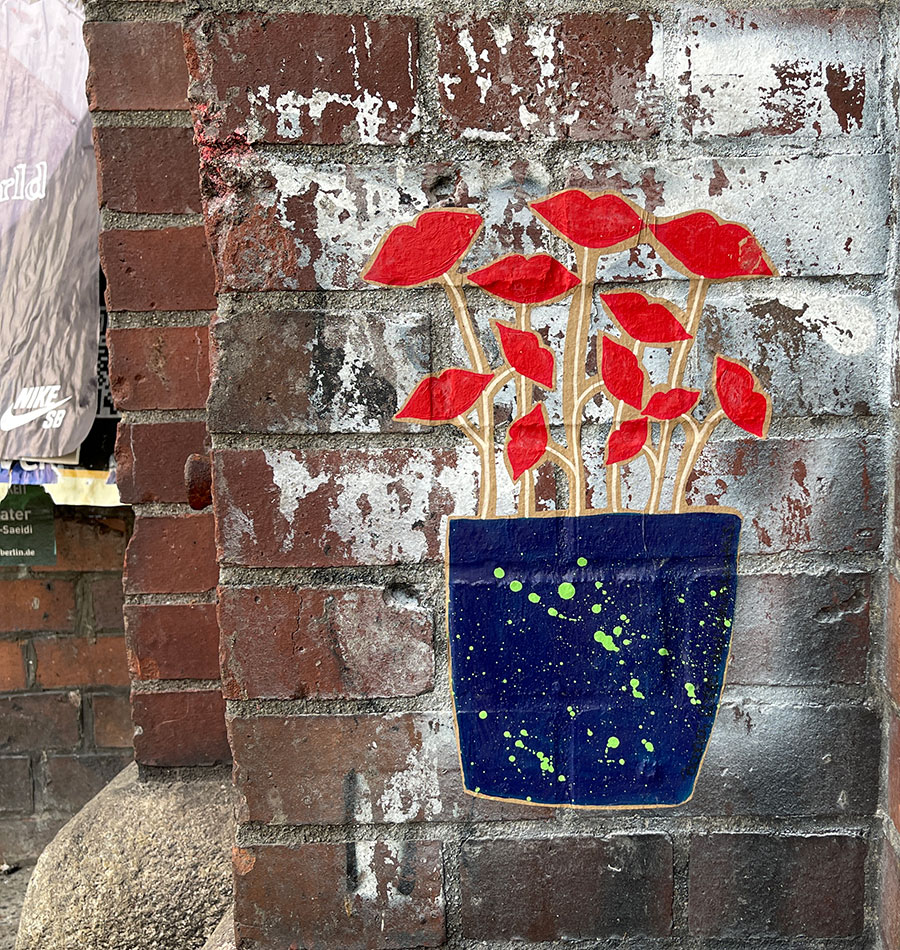
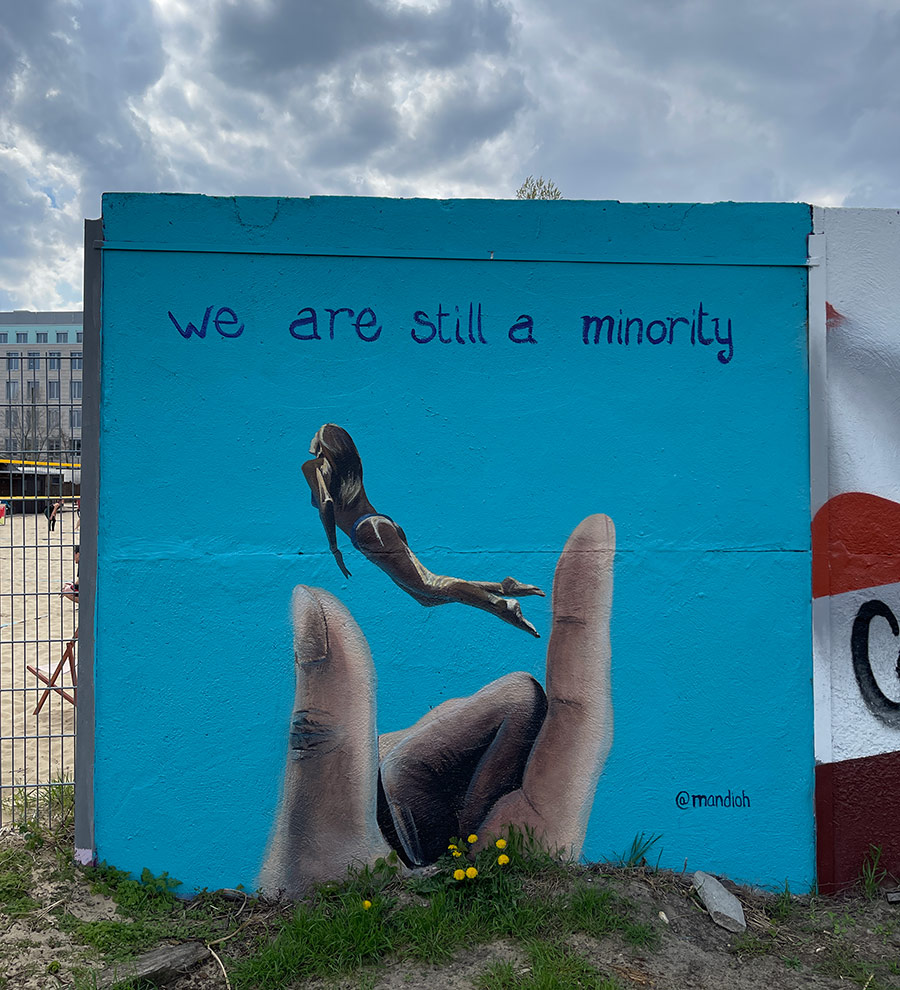
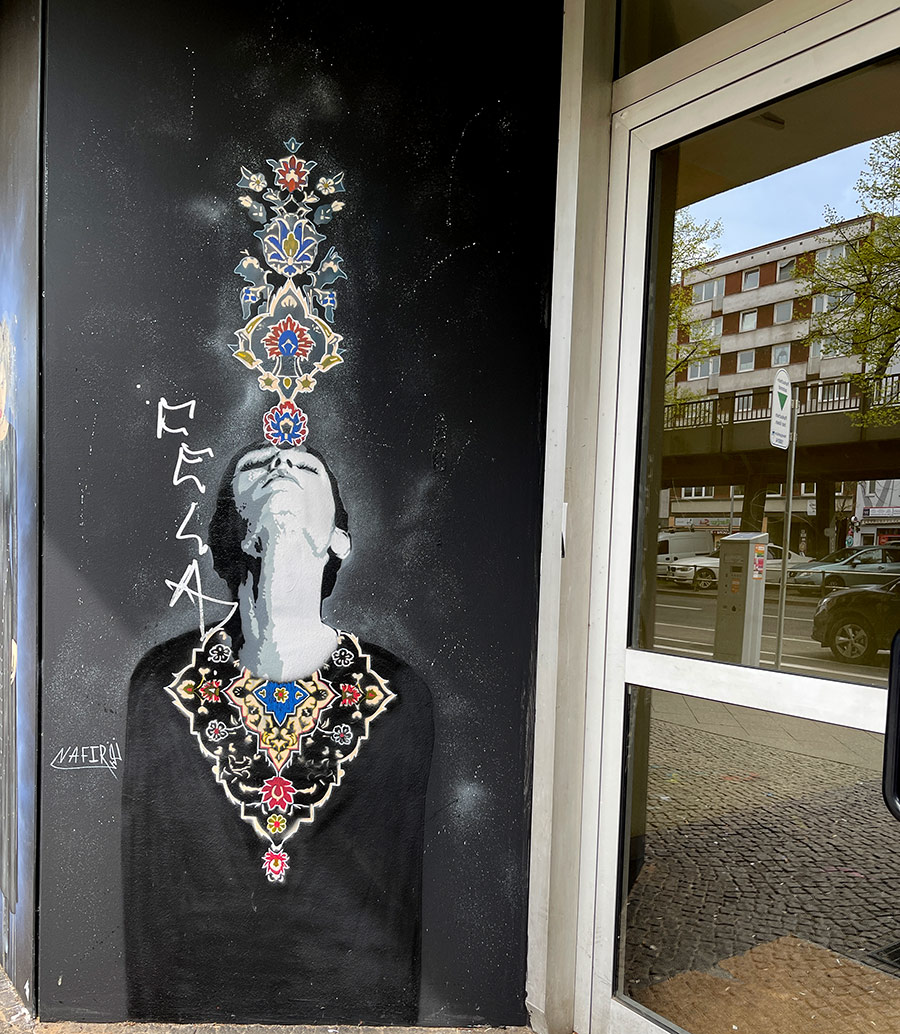
Here’s our weekly interview with the street, this week featuring: 1UP Crew, Nafir, CMYK Dots, Anchor, Emikly Strangre202, Andrea Villanis, Andioh, Liz Art, Tobo Berlin, Devita, and Mash.
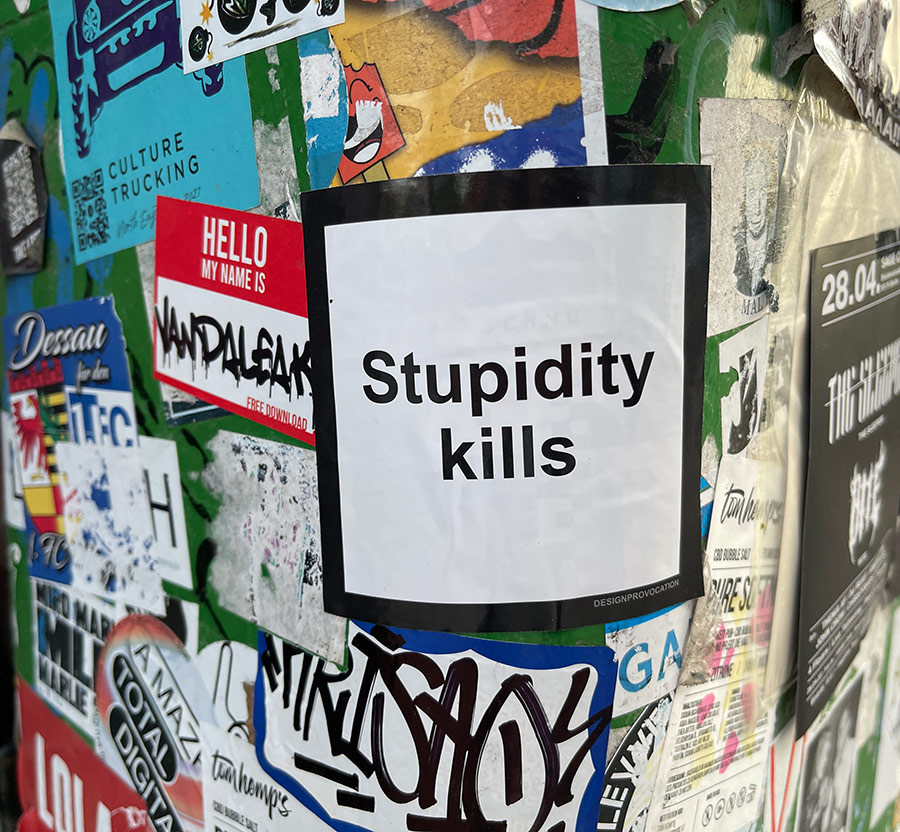
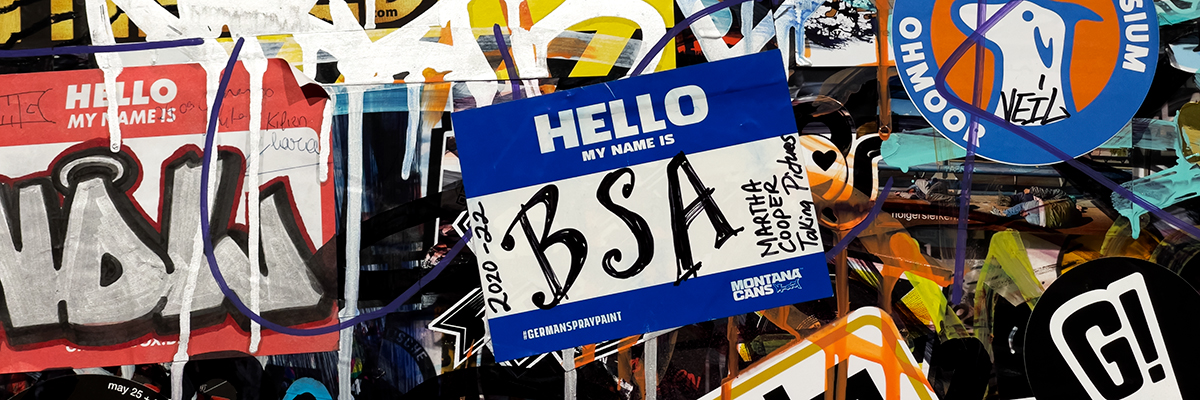
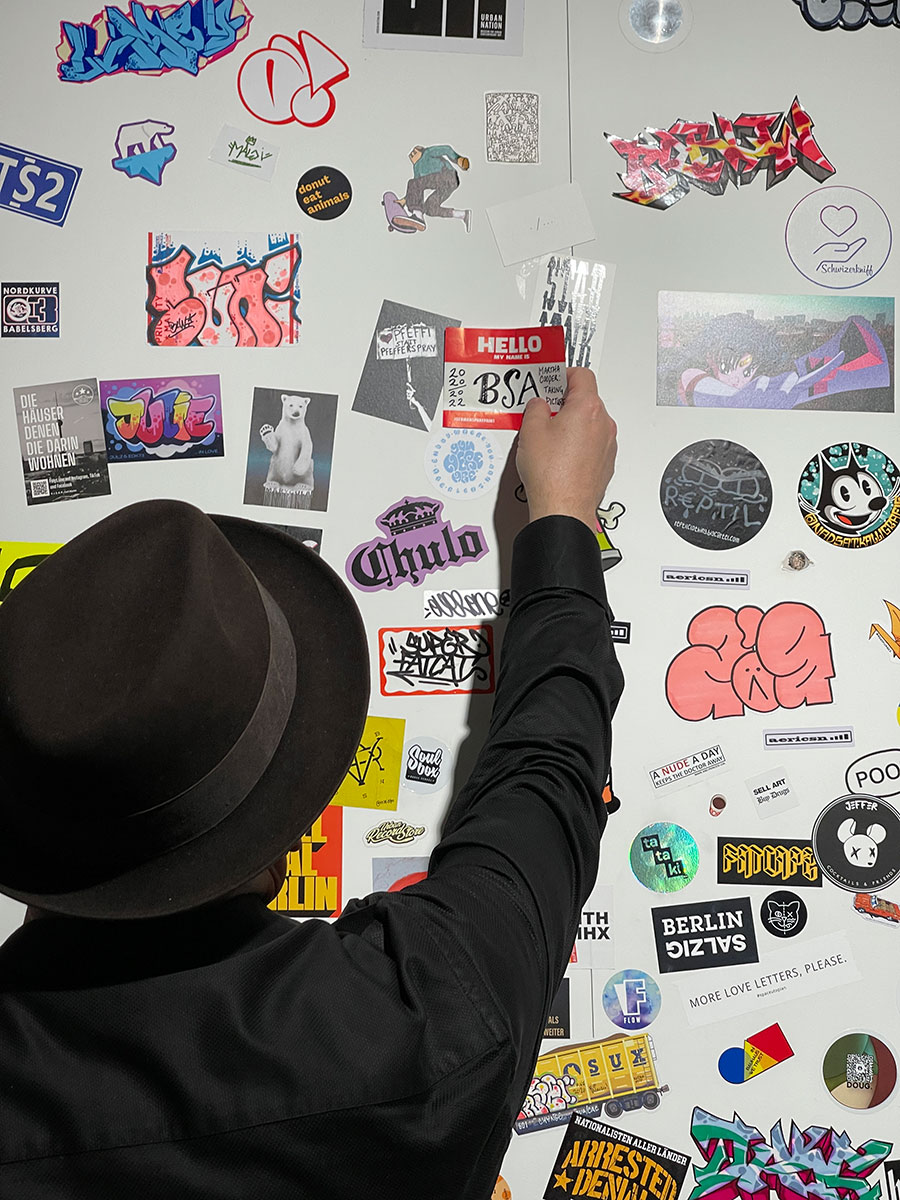
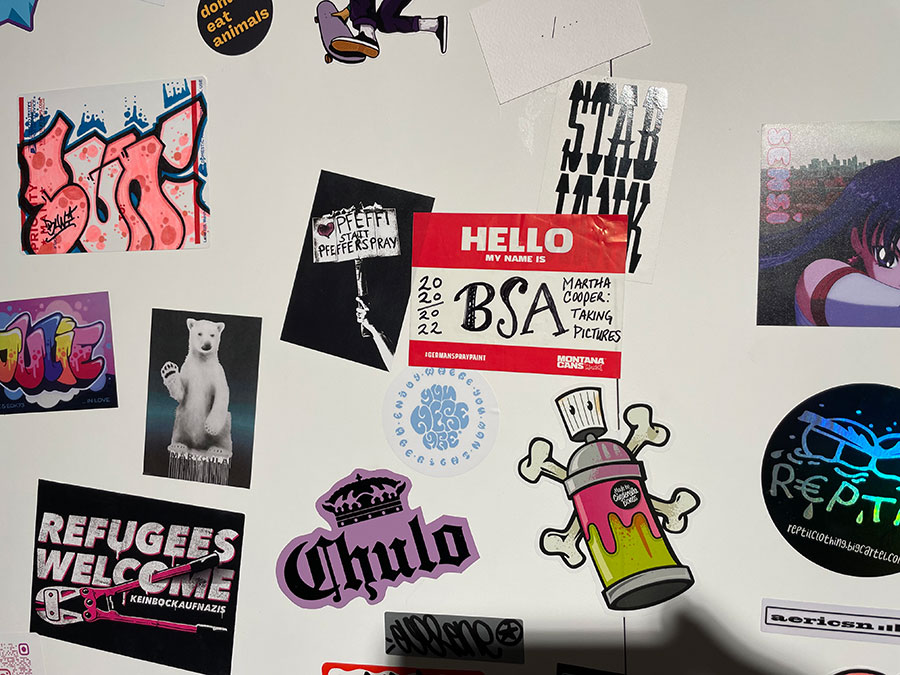
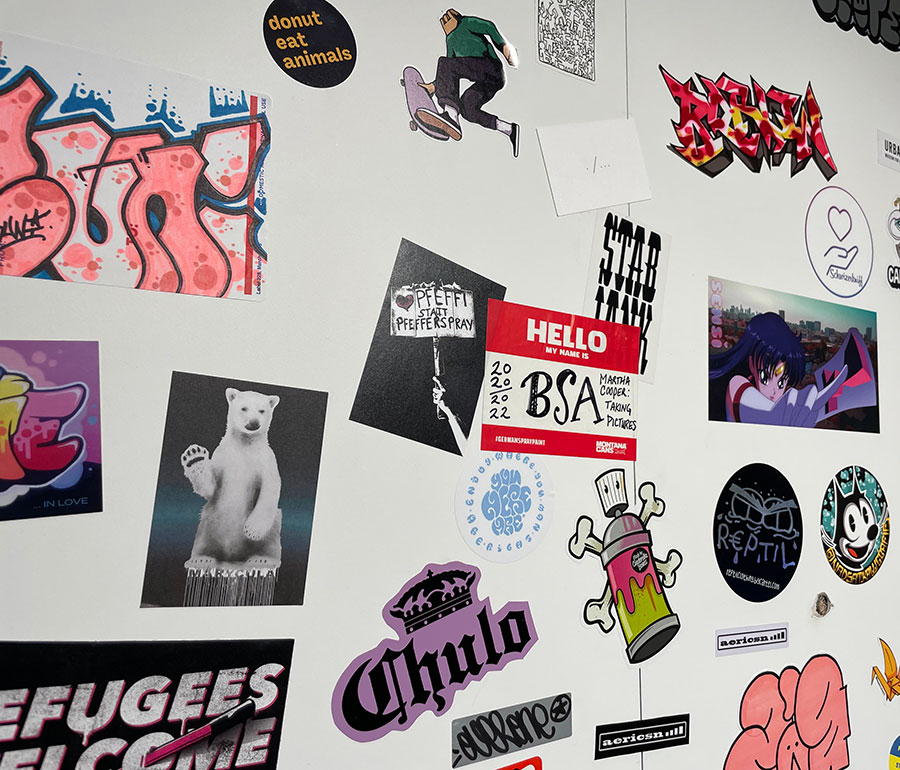
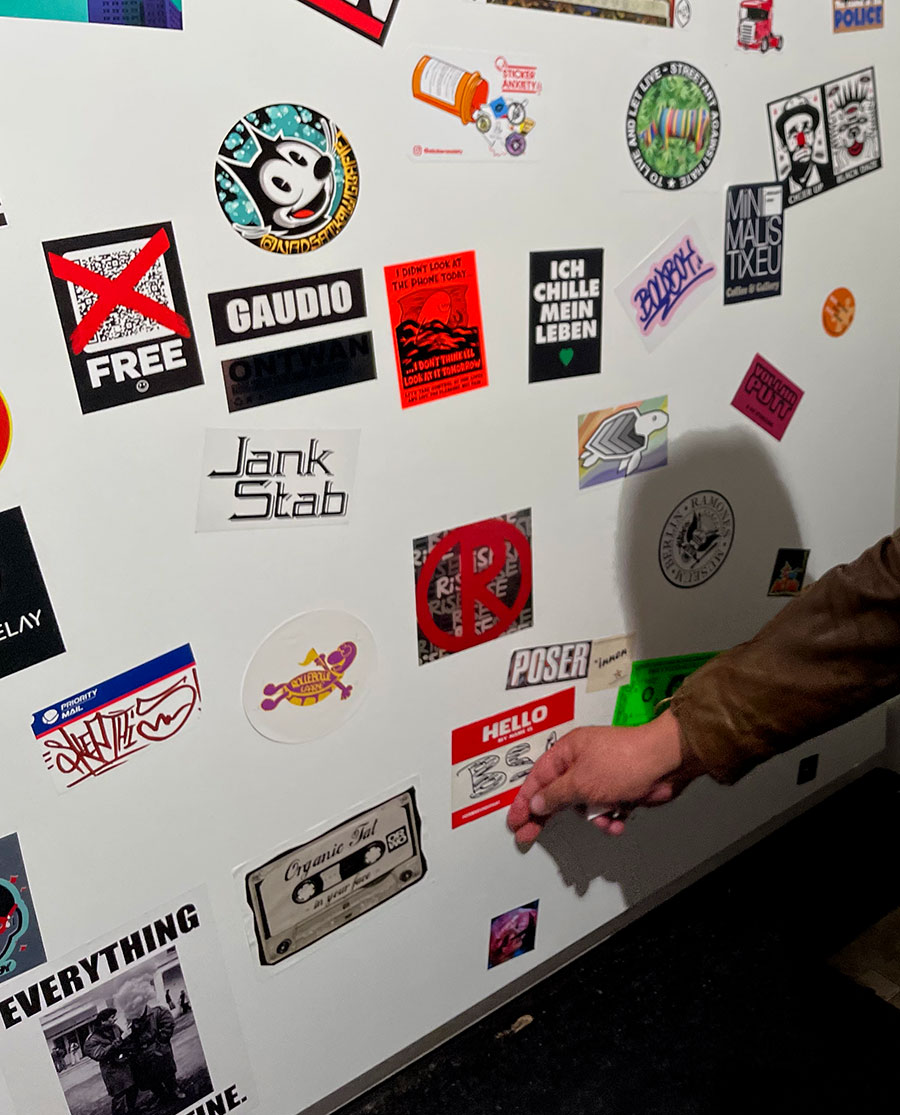
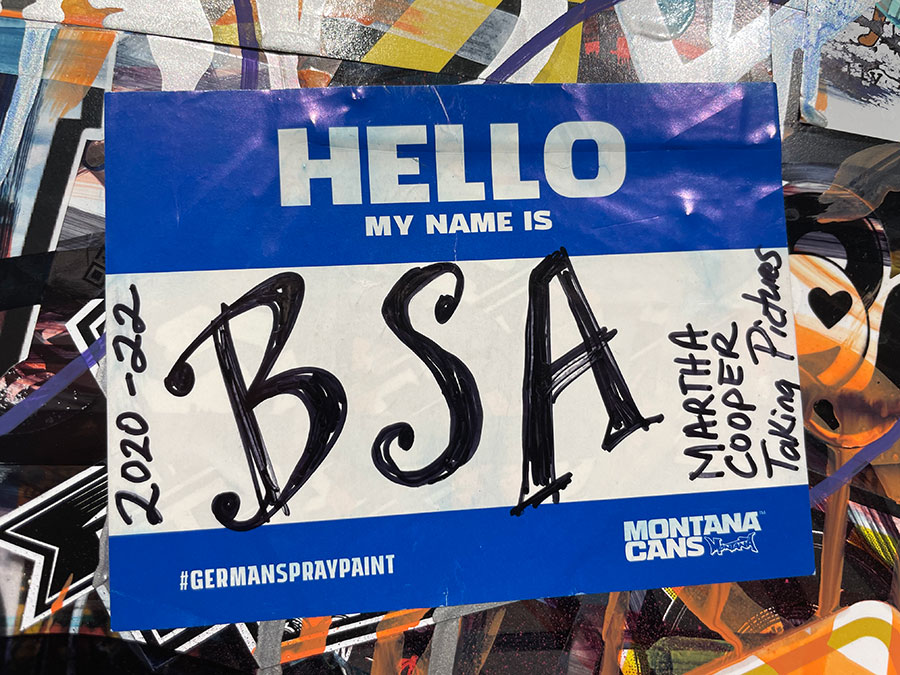
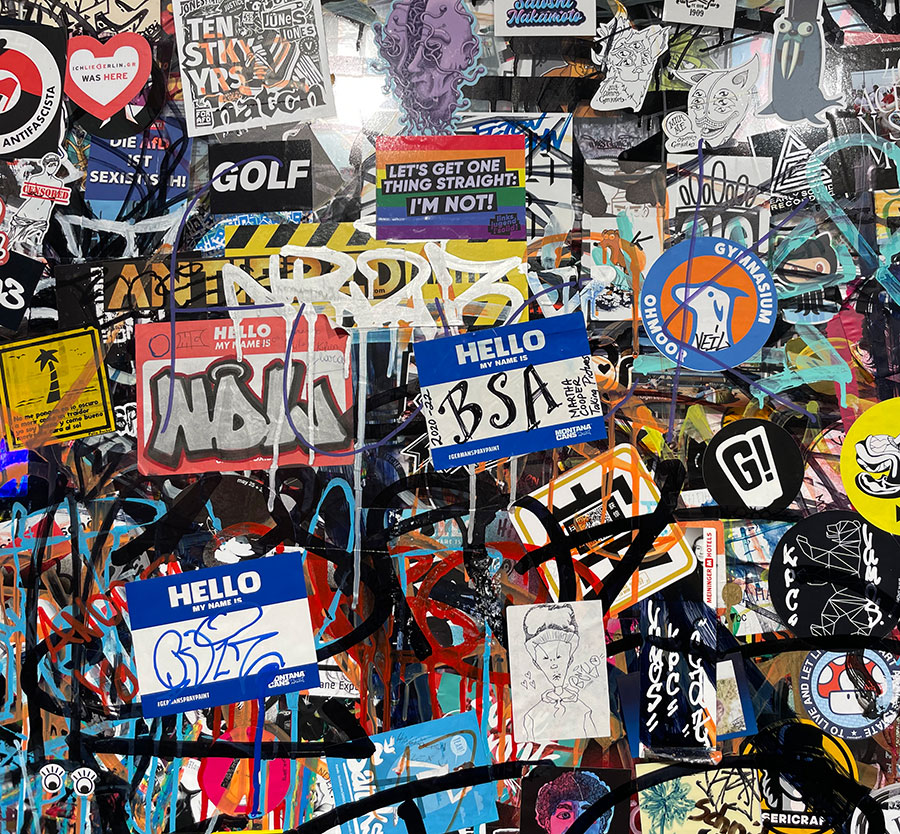
In a triumphant finishing act, we slapped a few stickers on the board this week to say goodbye to our exhibition, Martha Cooper: Taking Pictures at Urban Nation museum in Berlin. The original sticker board in the gallery area had become overloaded and layered with stickers from visitors to the show and also from sticker artists who mailed them to the museum, so we had to replace it with a new one that is filling up as well. Of course we had to slap one in the wash room too to join the visual chorus of tags and stickers always propagate there as a nod to the restrooms in clubs and concert venues all over this city.
Our sincere thanks to Martha for entrusting us with her history and her hundreds of photographs, ephemera, and personal effects so that we could tell the story 7+ decades and 100+ cities traveled to snap pictures. Thank you to the artists who allowed us to exhibit 80 original artworks that reinterpret her photographs and to pay tribute to her.
Thank you especially to film director Selina Miles for her 16 screen visual poem made specifically for this exhibition, to street artist Seth for his original mural painted directly on a two-story wall in the exhibit, to street artist AIKO for her mural on the facade of the museum, and to artist Shepard Fairey for creating a new Martha Remix collaboration artwork and for producing a 550-print release of it with us and Martha and Urban Nation. Thank you to the entire team at YAP for skillfully bringing the exhibit to fruition and to Urban Nation for entrusting us with the entire museum for this unprecedented show of the photographer’s career.
People like Martha Cooper only come around once in a while and her uncanny ability to capture many of the benchmarks in a changing culture give us collectively greater understanding and appreciation for it. Speaking of the many youth she photographs for her “street play” projects, she may as well be speaking of all the graffiti writers and street artists she captured as well. “”As I photographed these kids, I came to admire their creativity, energy, humor, and willingness to share.’” We are forever grateful for Martha’s willingness to share what she captured with all of us as well.
Martha Cooper: Taking Pictures is currently on view at the Urban Nation Museum Berlin. The exhibition will close this May 15th. For more details click HERE.
Our weekly focus on the moving image and art in the streets. And other oddities.
Now screening: 1. A Playgirl and Lowrider Life in Paintings 2. DRM Crew & Edward Nightengale in Berlin. I LOVE GRAFFITI 3. Elmgreen & Dragset: Useless Bodies
BSA Special Feature: LA Playgirl and Lowrider Life in Paintings
“One of my friends said, ‘You make fine art for cholos,” says Los Angeles-based painter Jacqueline Valenzuela who depicts women lowriders in urban landscapes, murals and street art.
“For me its more important that the communities that I’m depicting feel like I am doing them justice.”
DRM Crew & Edward Nightengale in Berlin from I LOVE GRAFFITI
These young graffiti fathers are somehow feeling middle-aged and trapped: looking for the chance to return to painting trains. An open diary narrated describes the yearning to return to an earlier way of life, specifically graffiti bombing Berlin trains. The camera, sounds, and storyline all reveal how far they are willing to go to recapture memories for Berlin for graffiti writers Acid79, Micro, Shus, Area, Mad and Edward Nightingale. The result is an honesty about vandalism that is almost touching; a study of technique, materials, and patience – and a passion that is never quite quenchable.
Elmgreen & Dragset: Useless Bodies
Elmgreen & Dragset explore the present condition of the body in the post-industrial age – of course street art fans will think of Mark Jenkins here, but their additional narrative tells you that they think of the displacement of people wandering through post-industrial modernity, while his often references a more hopeful outlook.
 BROOKLYN STREET ART LOVES YOU MORE EVERY DAY