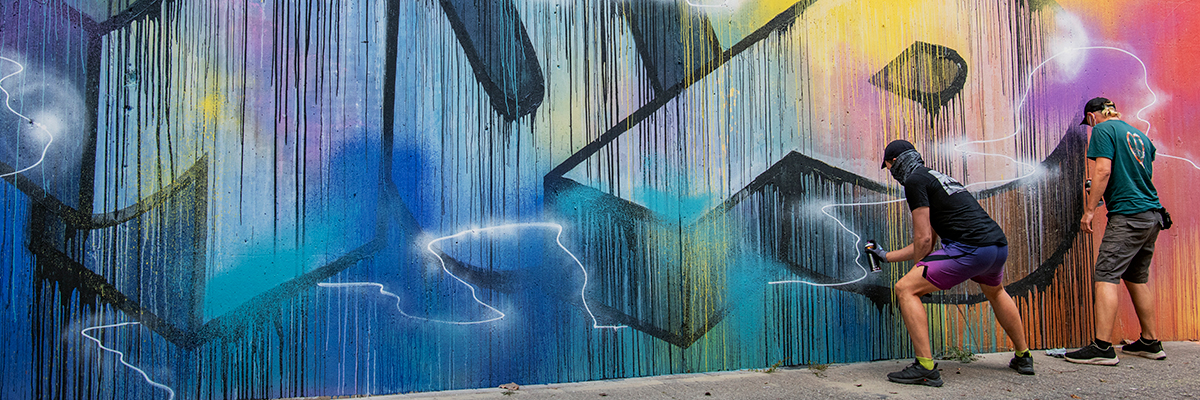
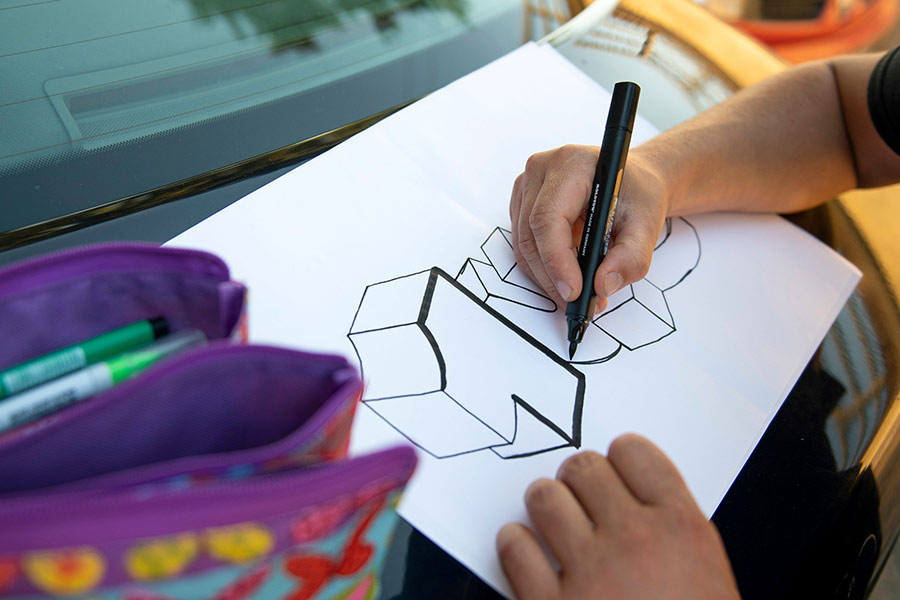
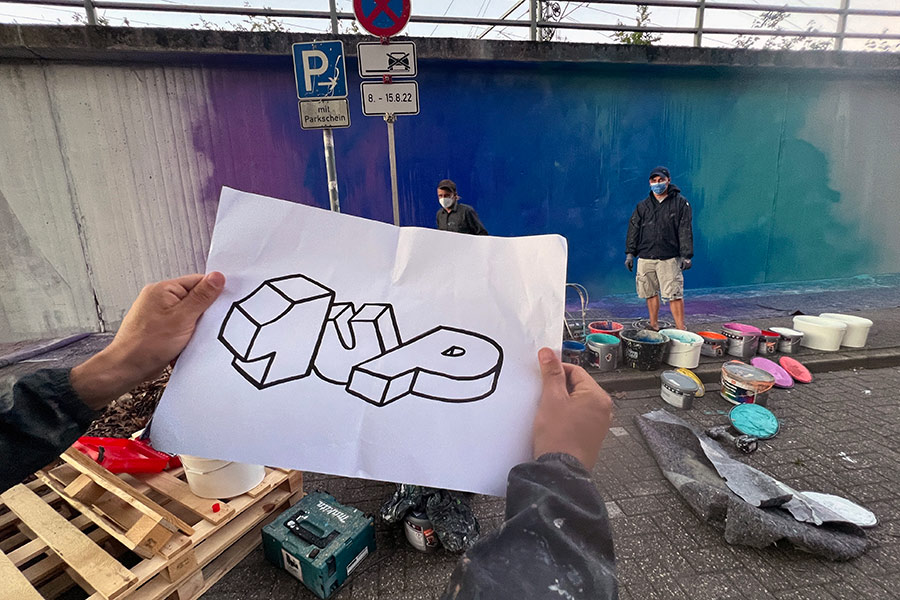
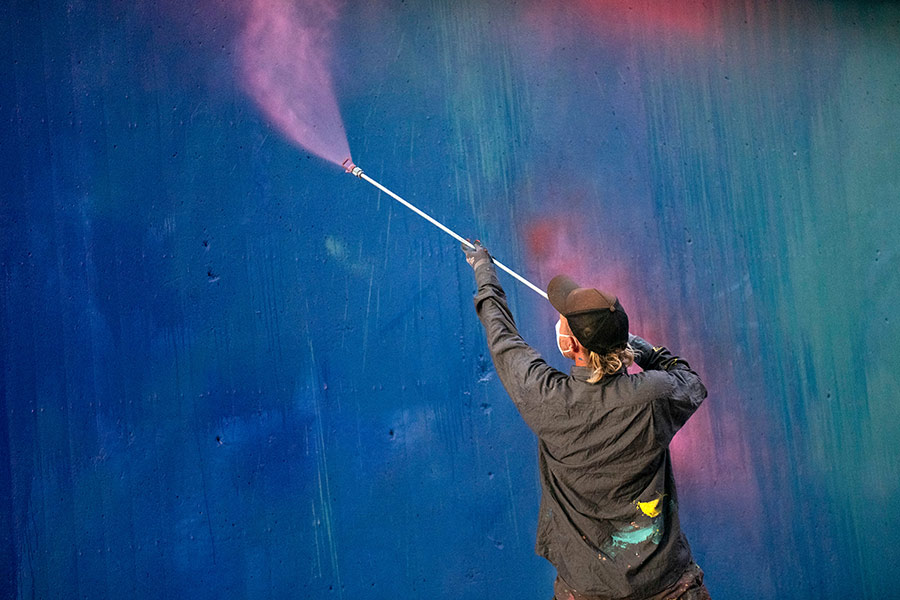
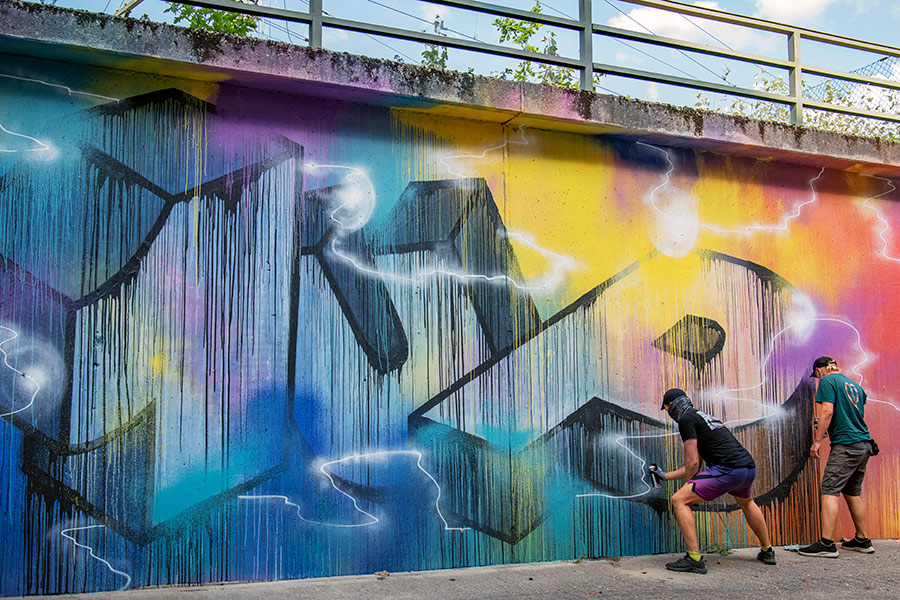
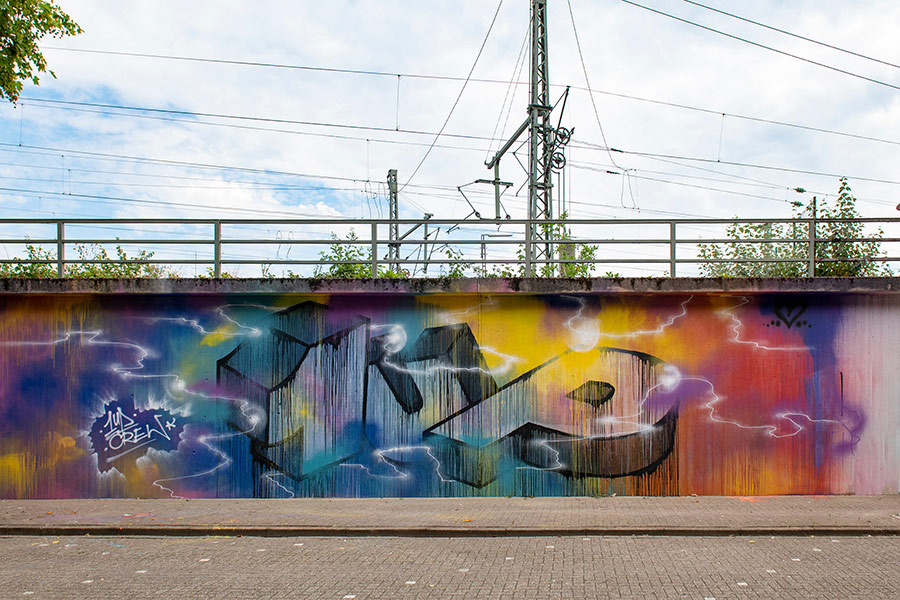
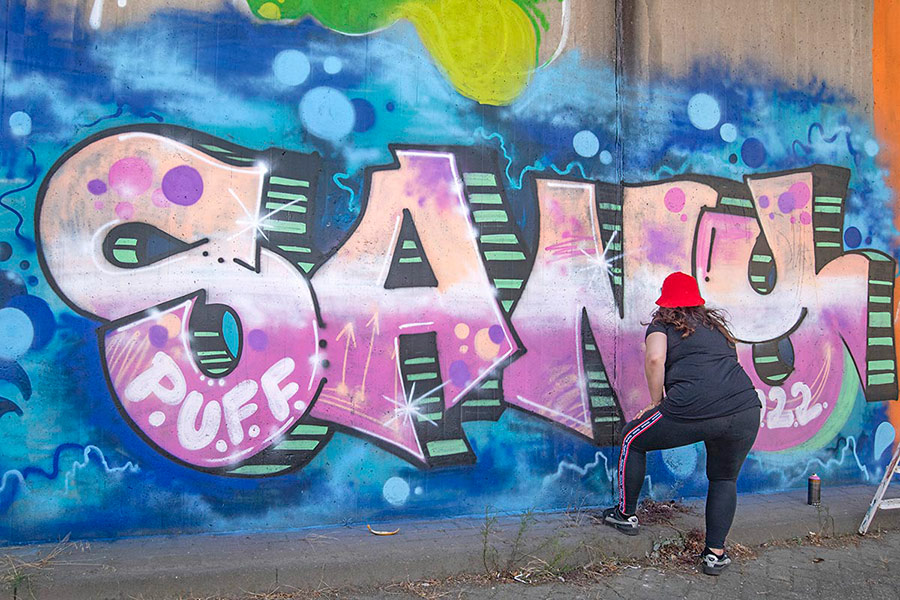
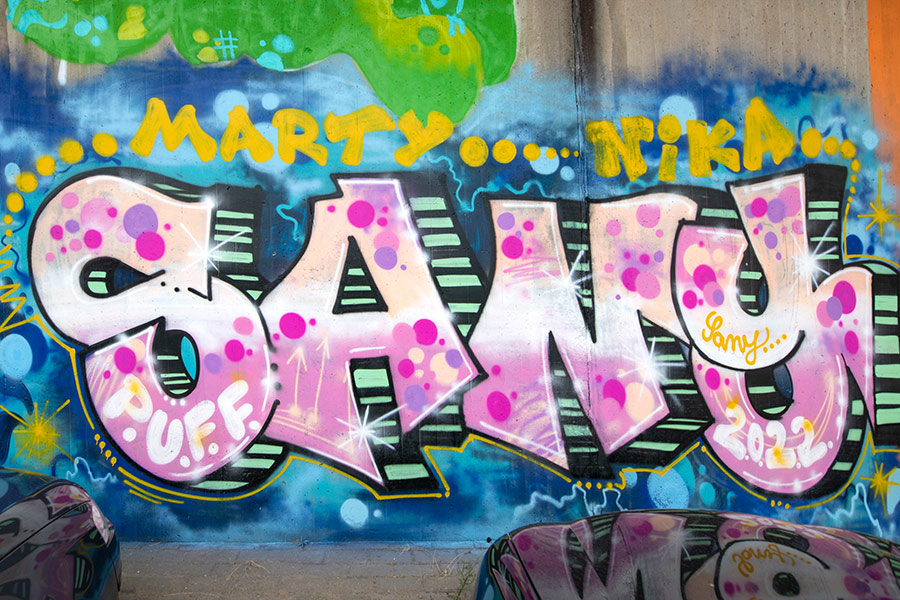
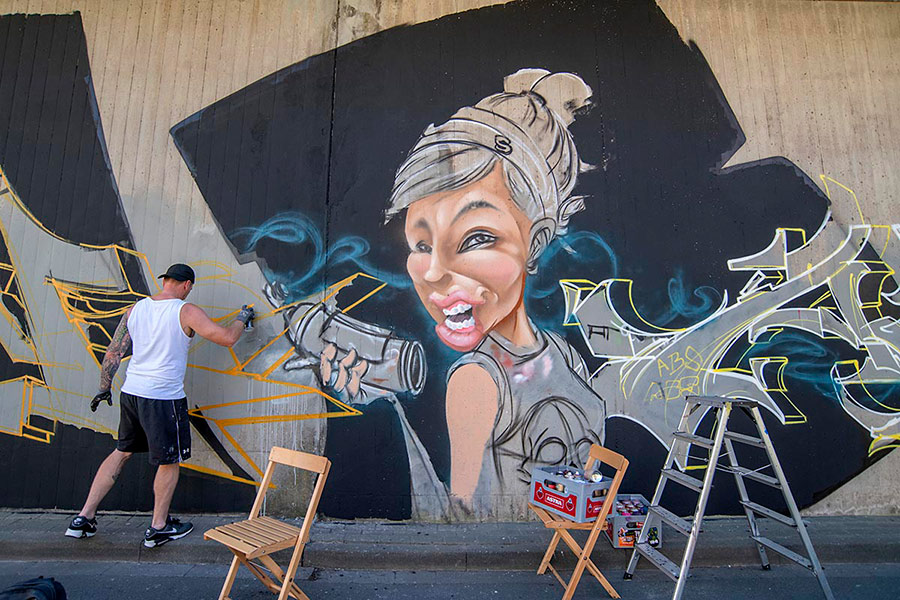
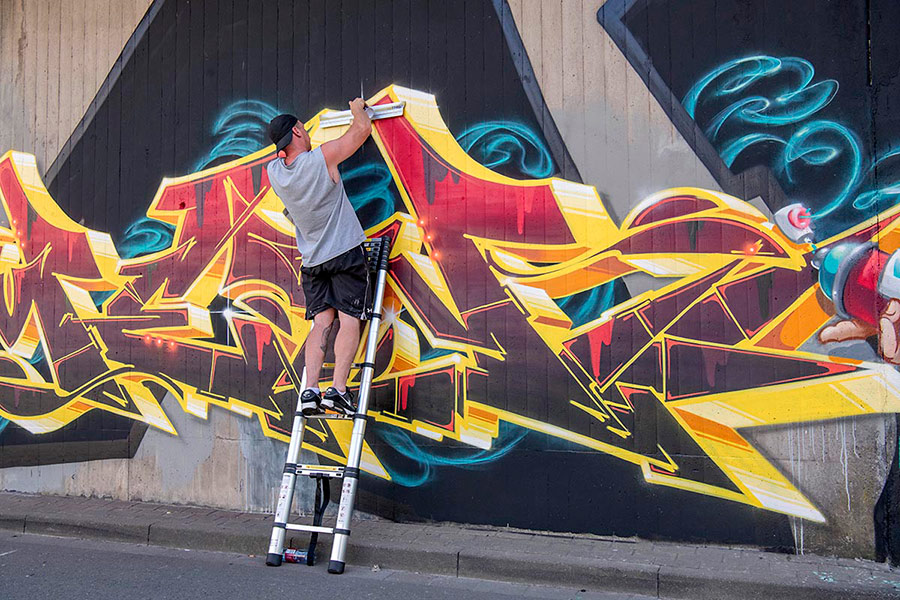
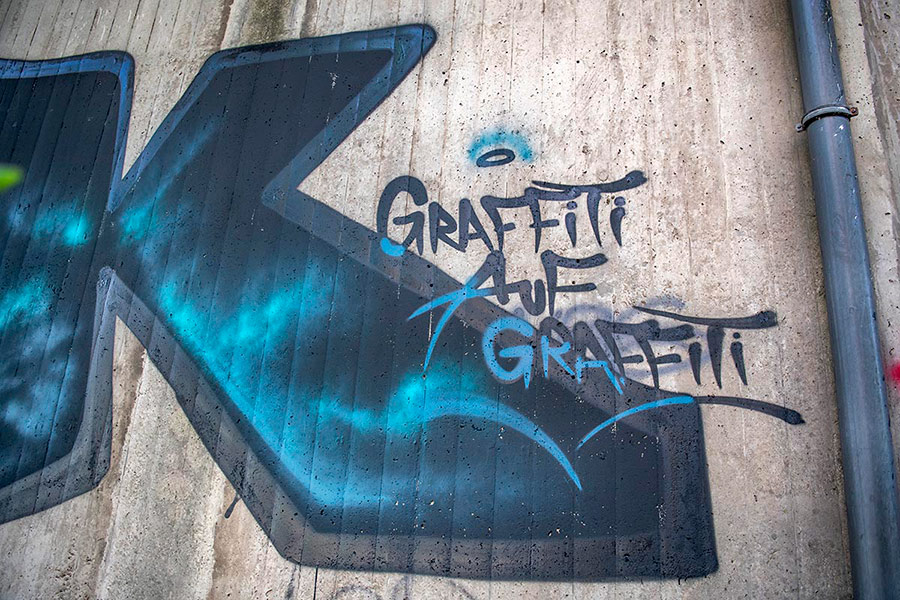
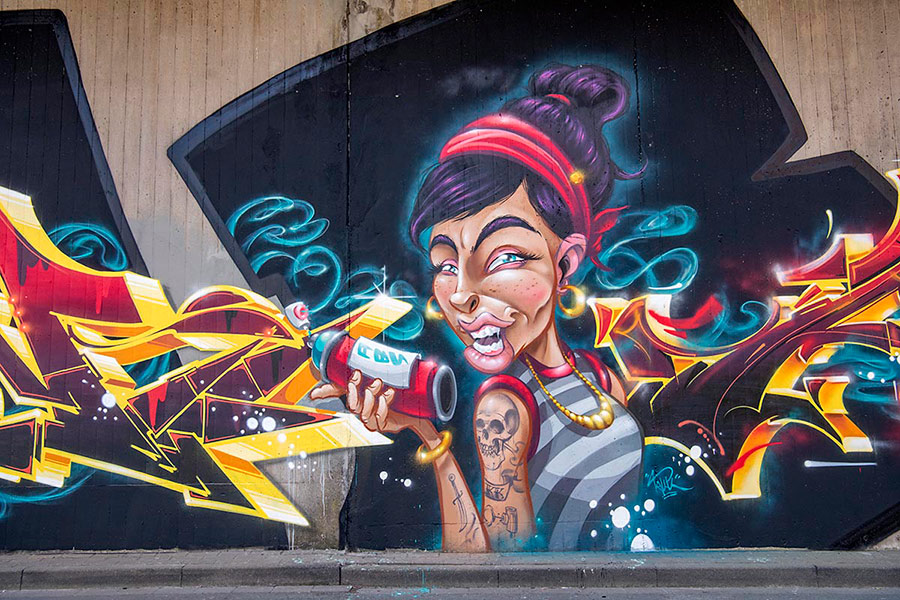
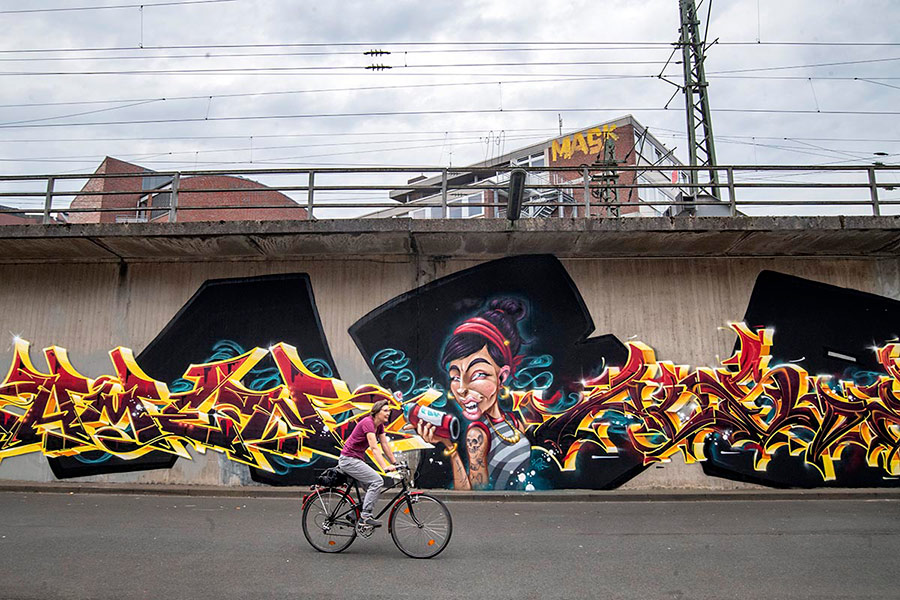
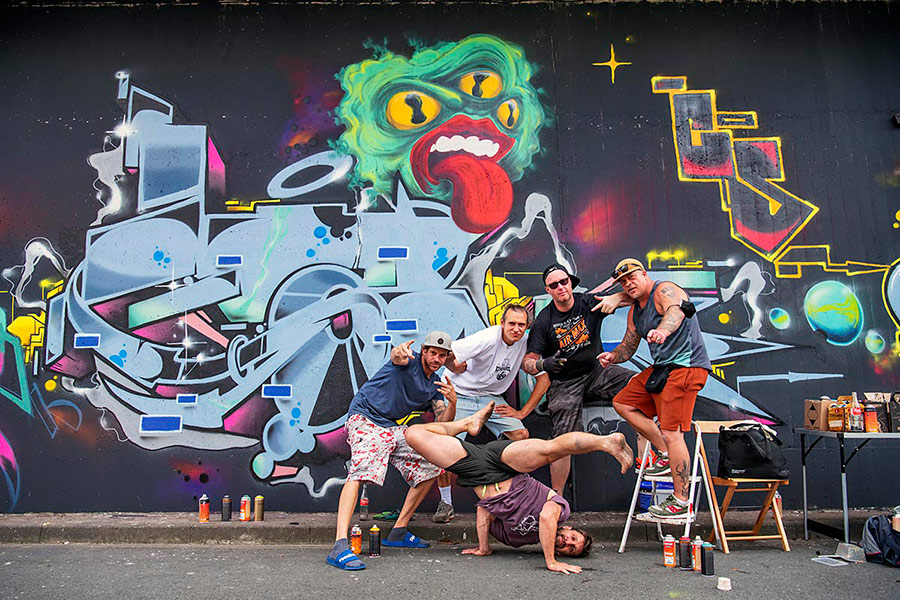
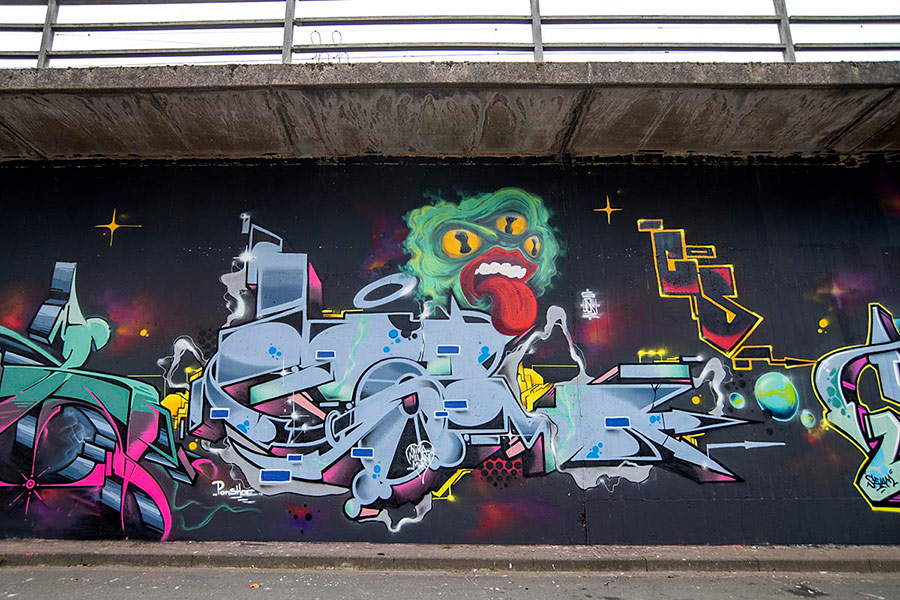
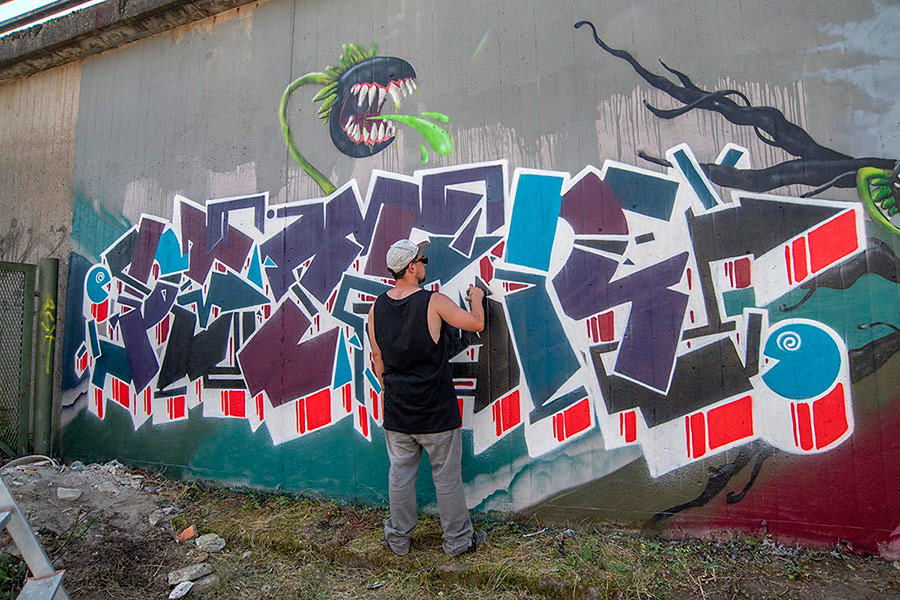
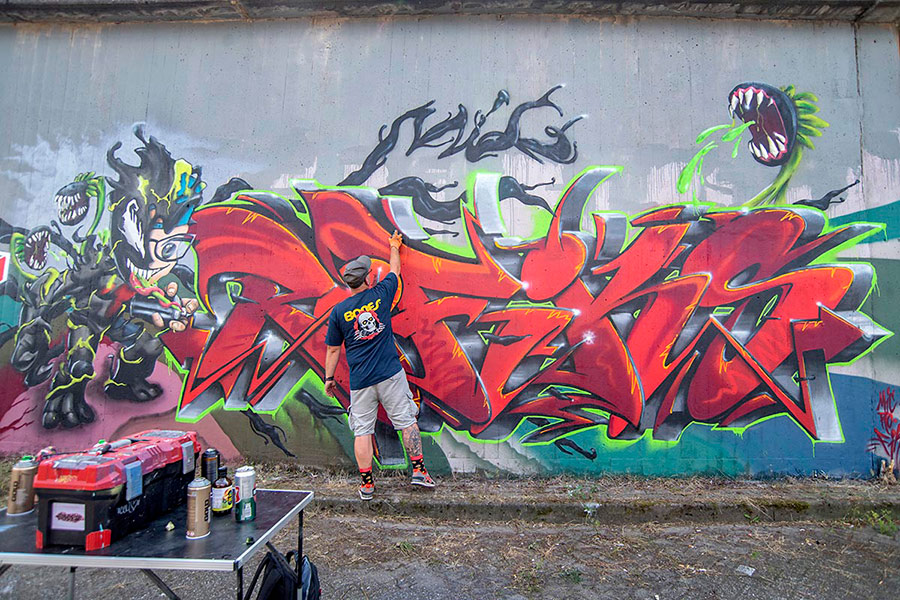
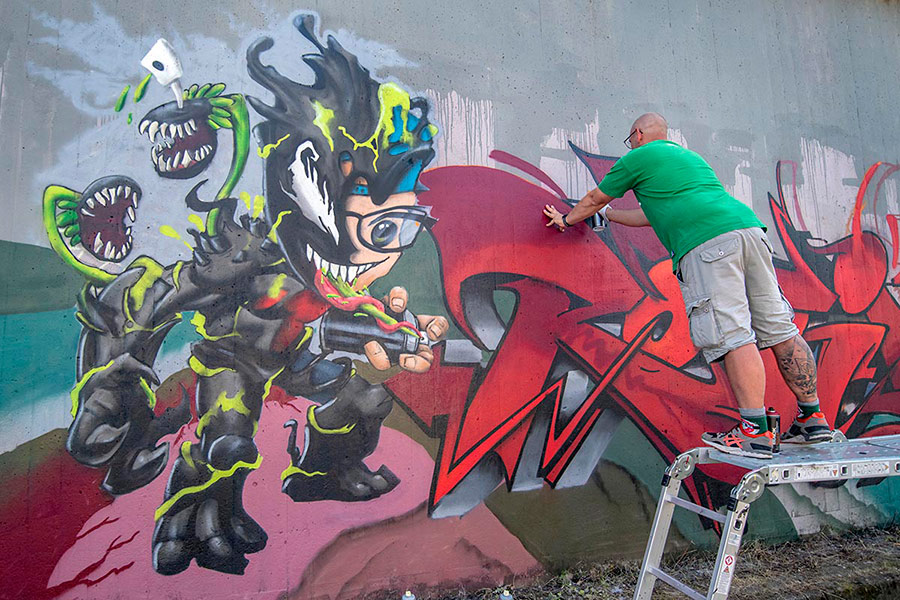
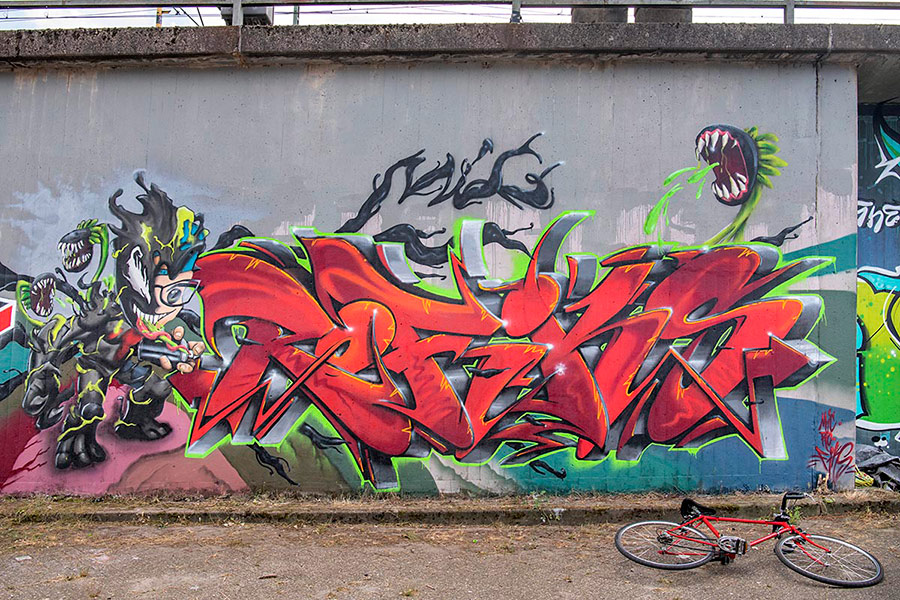
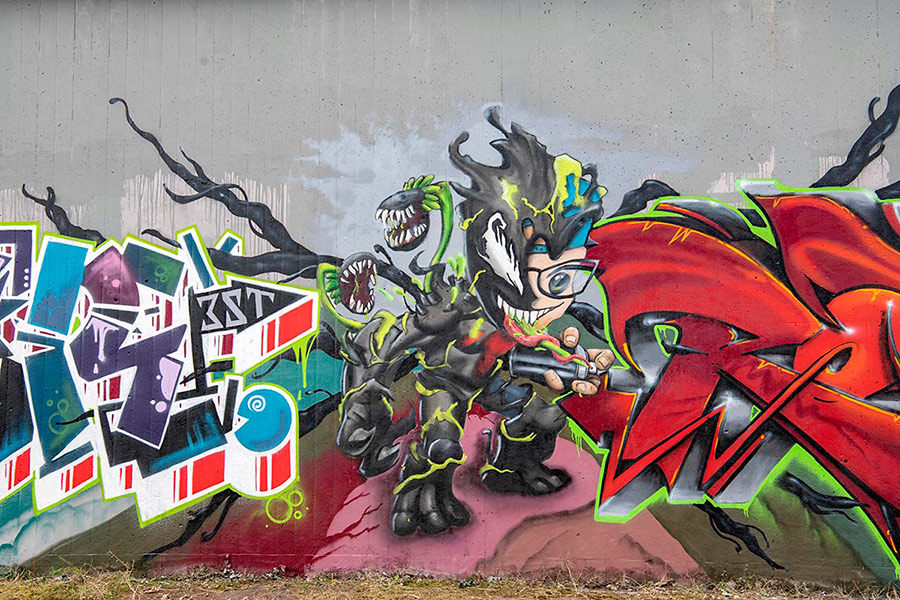
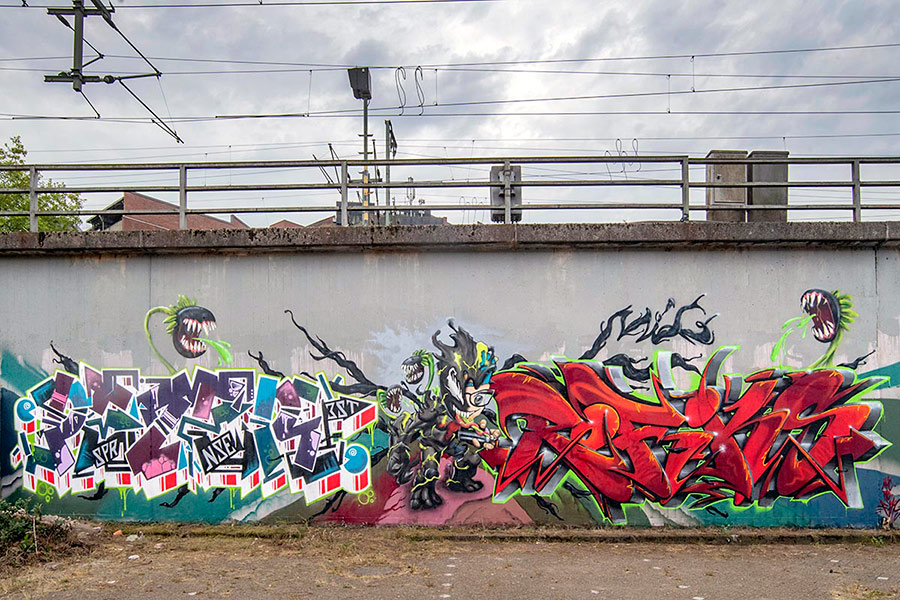
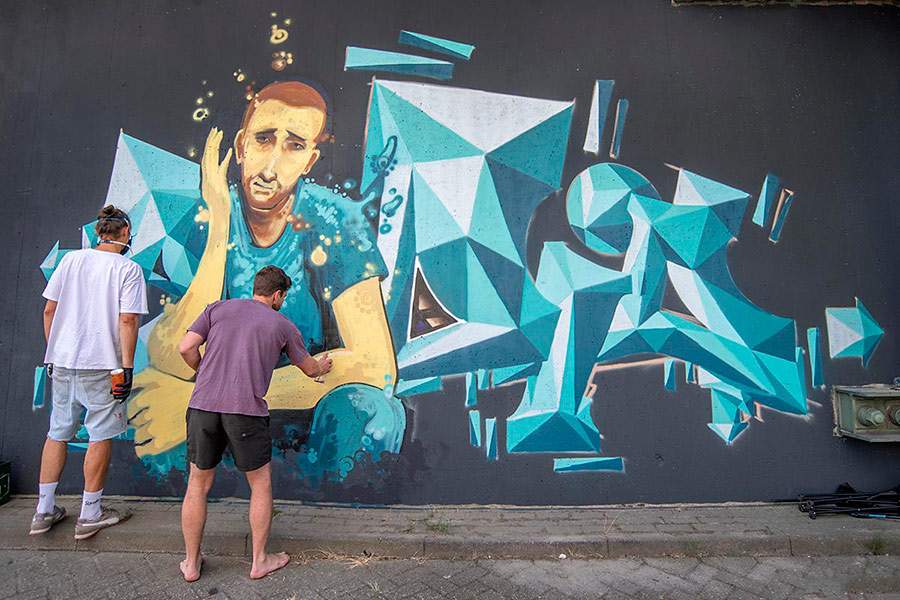
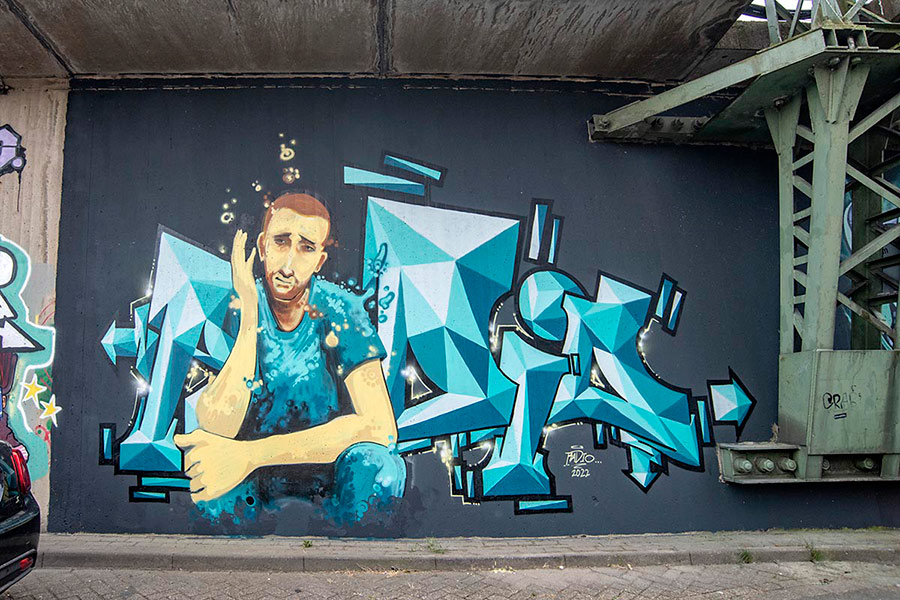
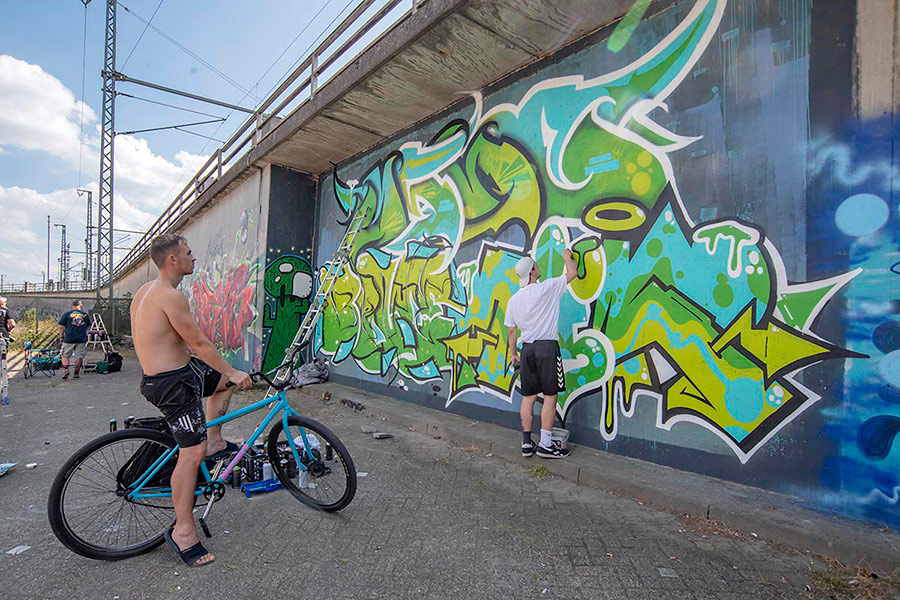
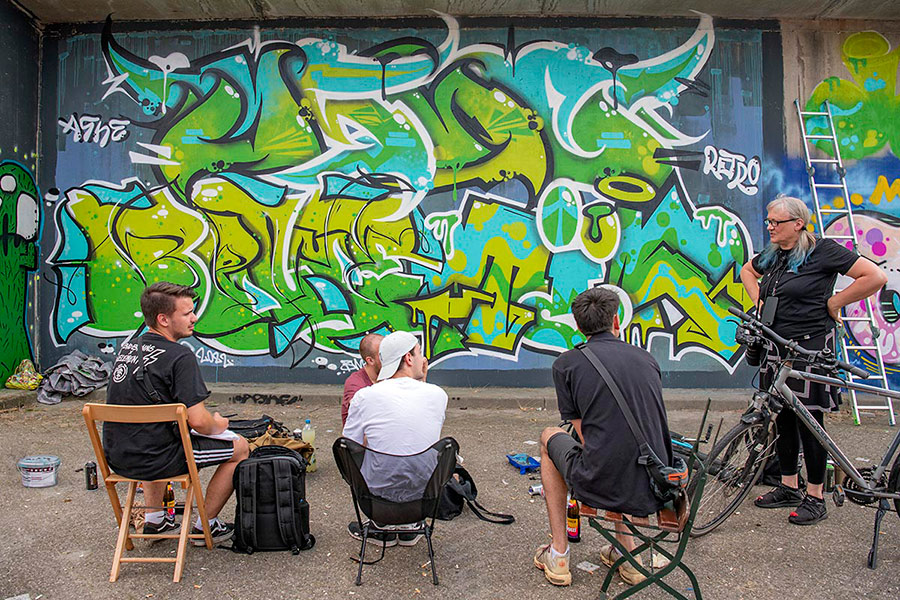
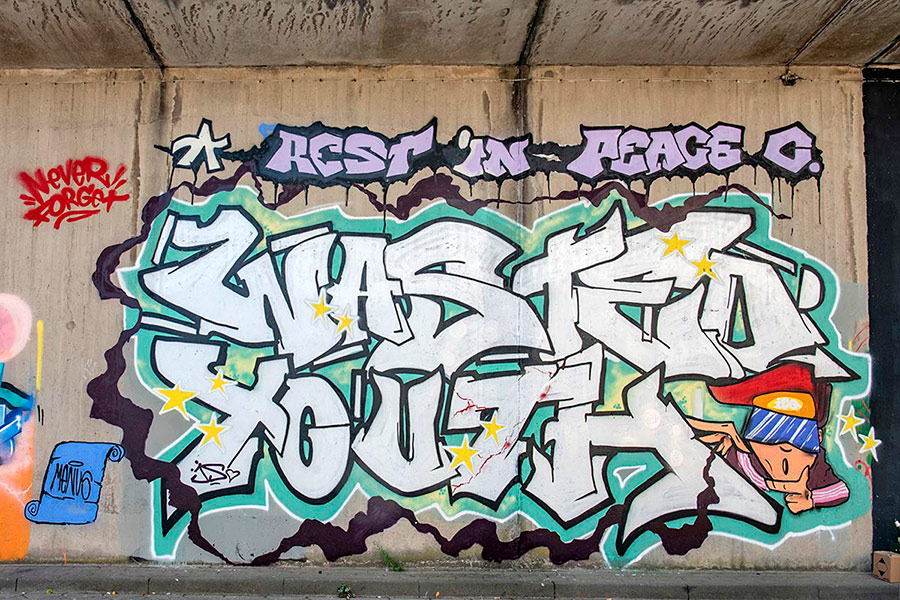
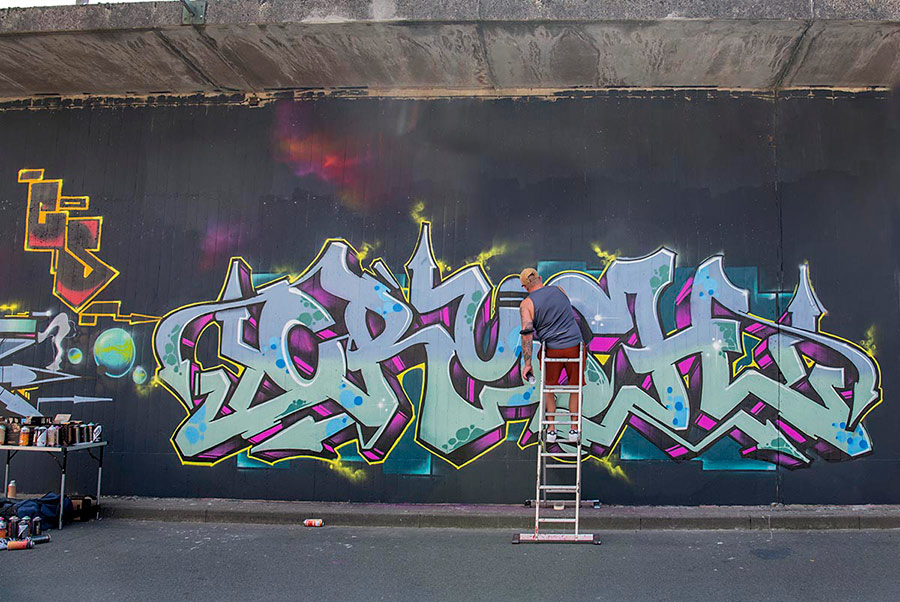
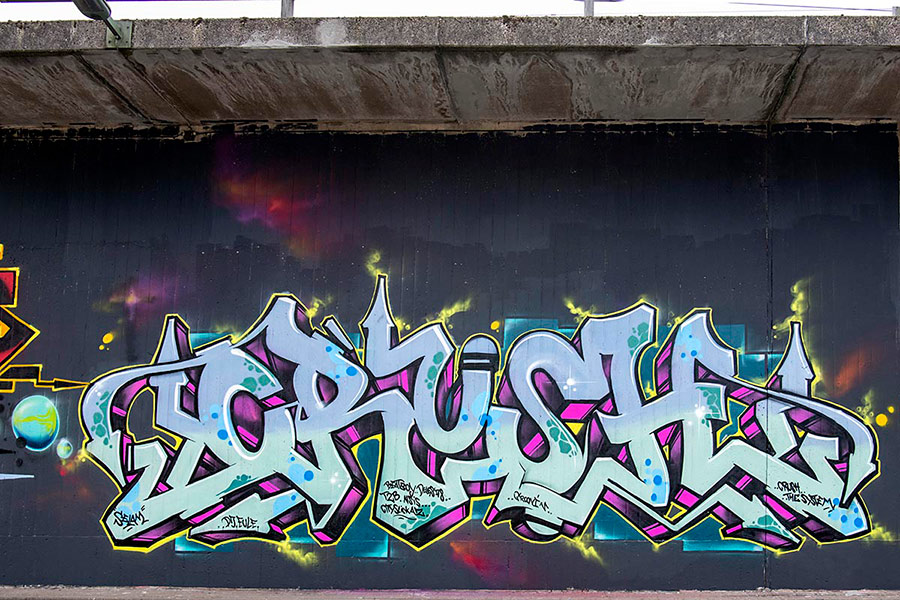
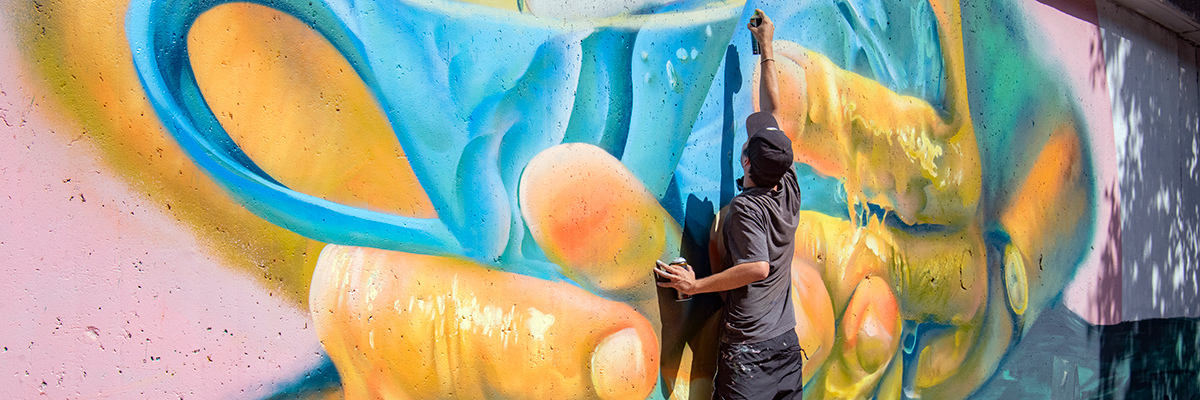
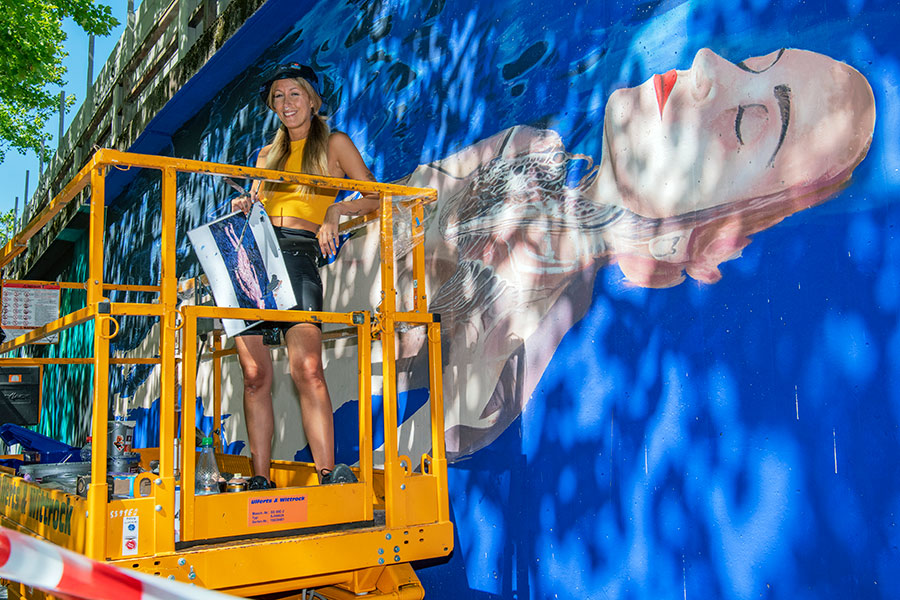
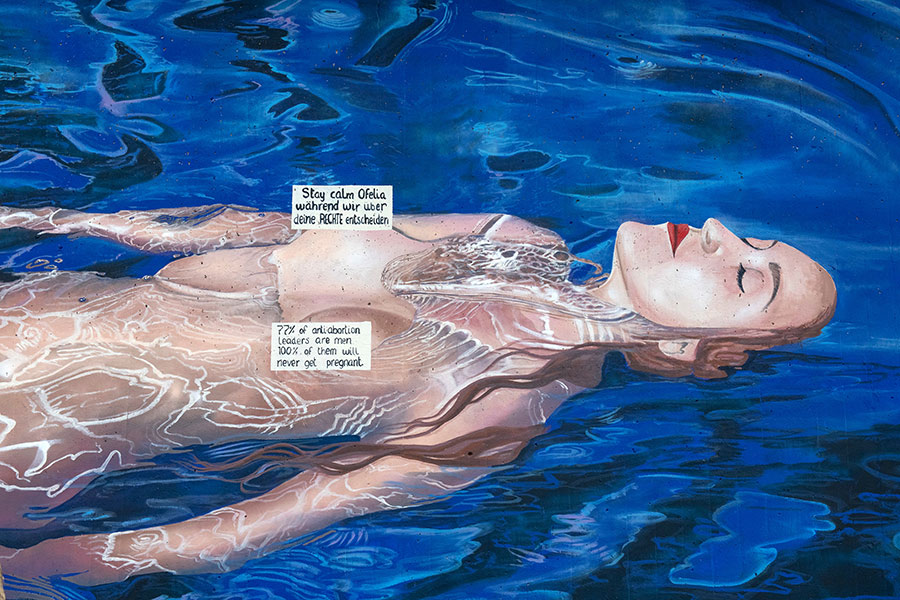
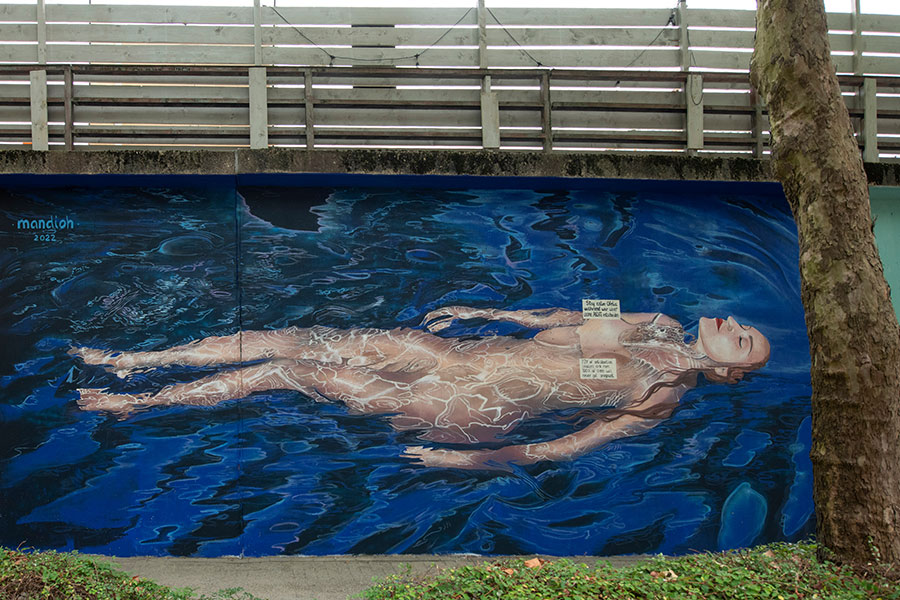
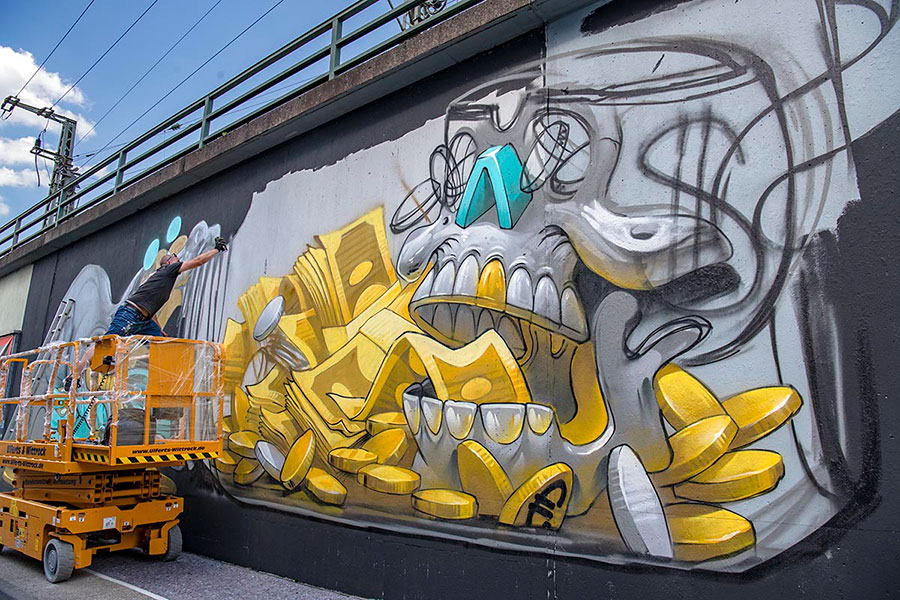
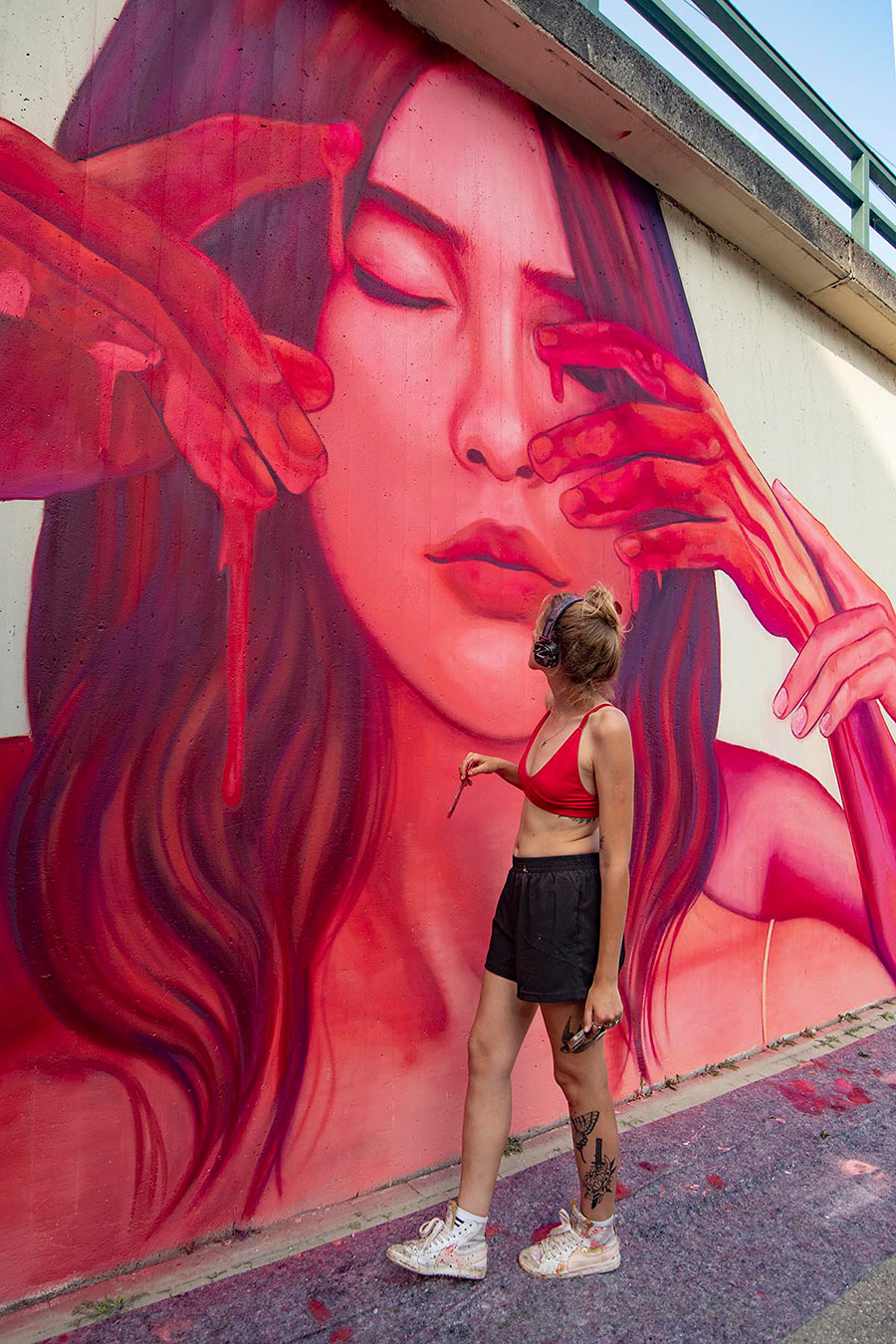
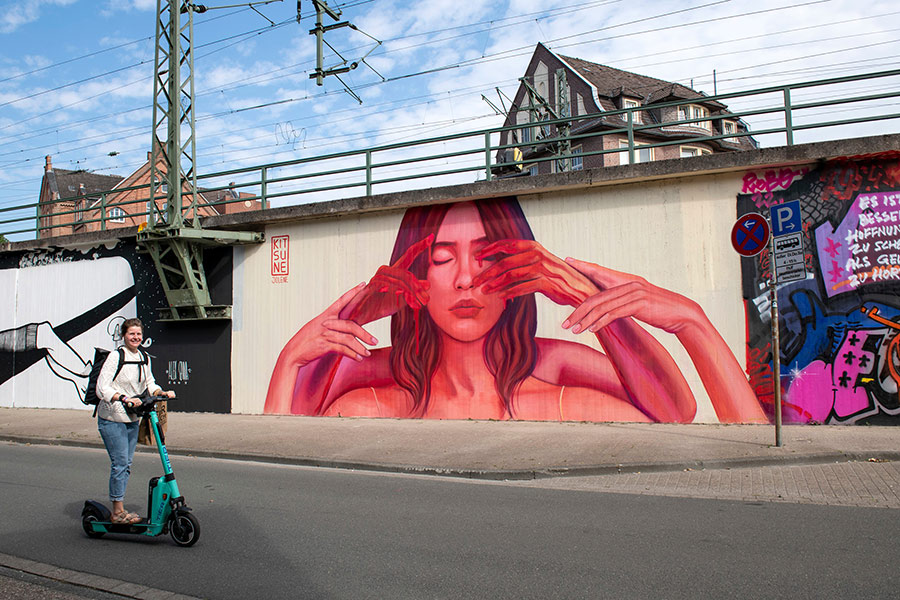
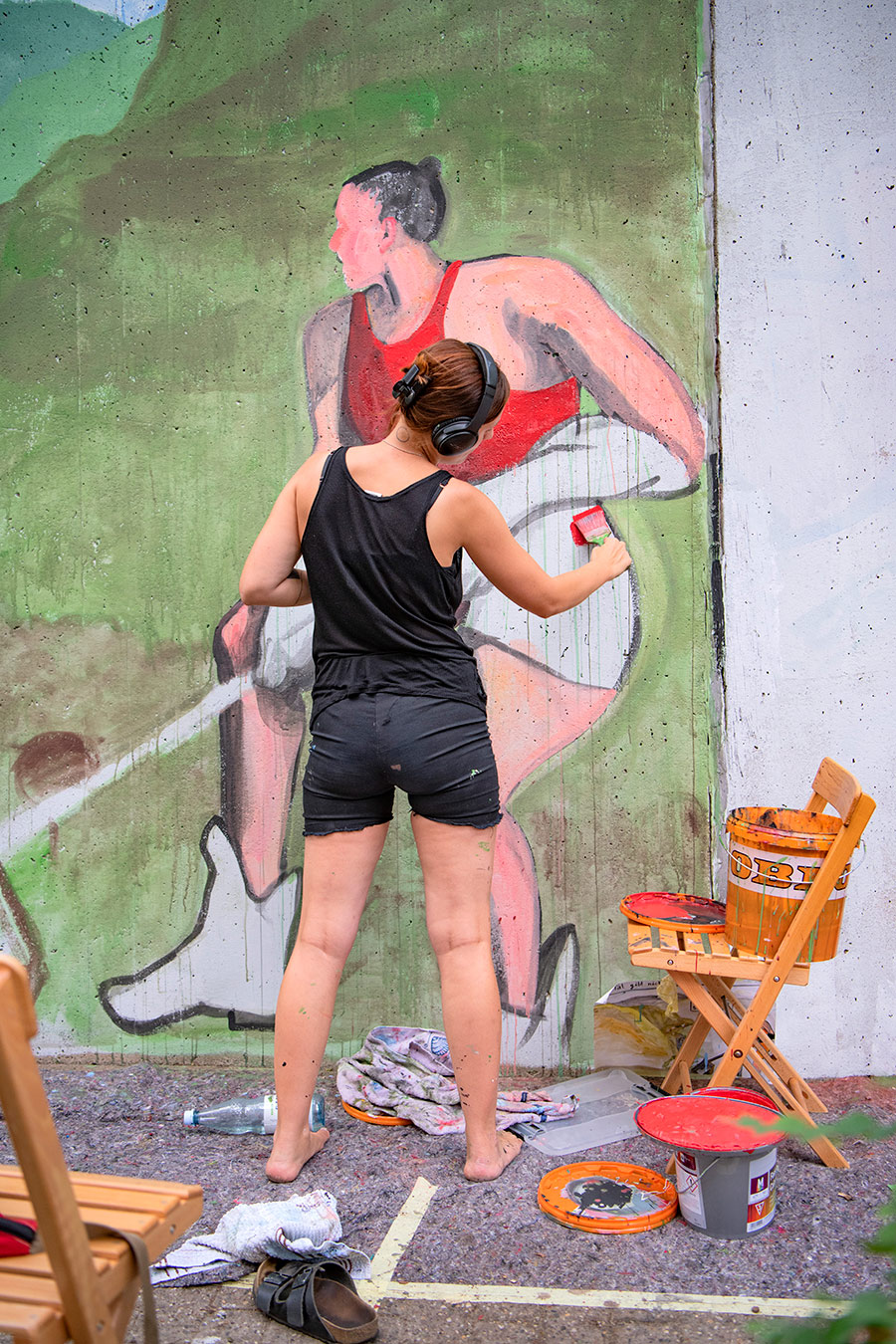
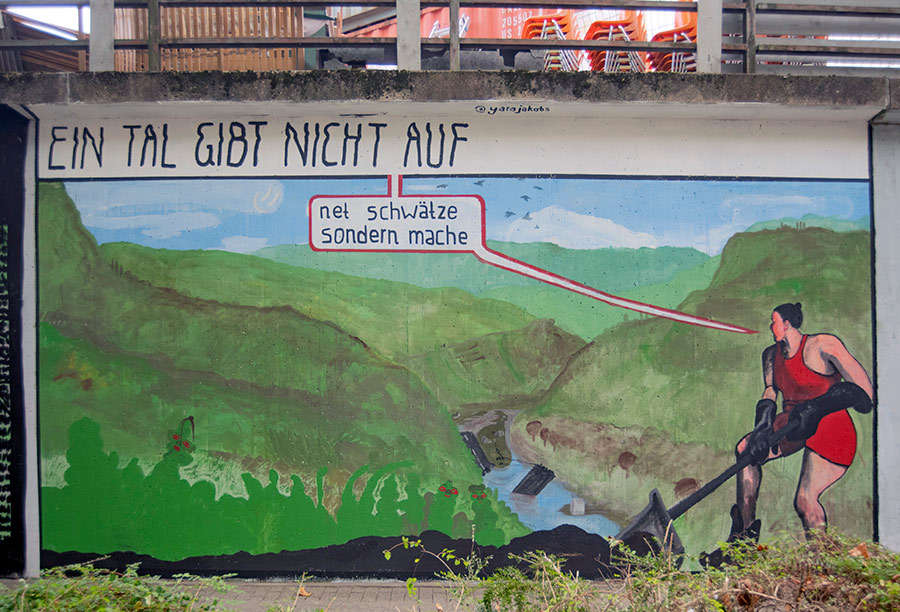
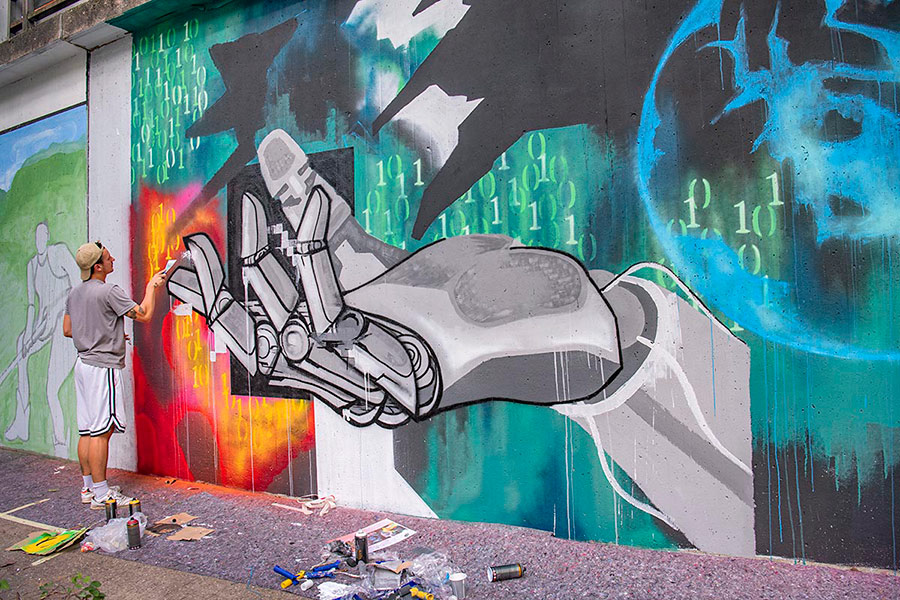
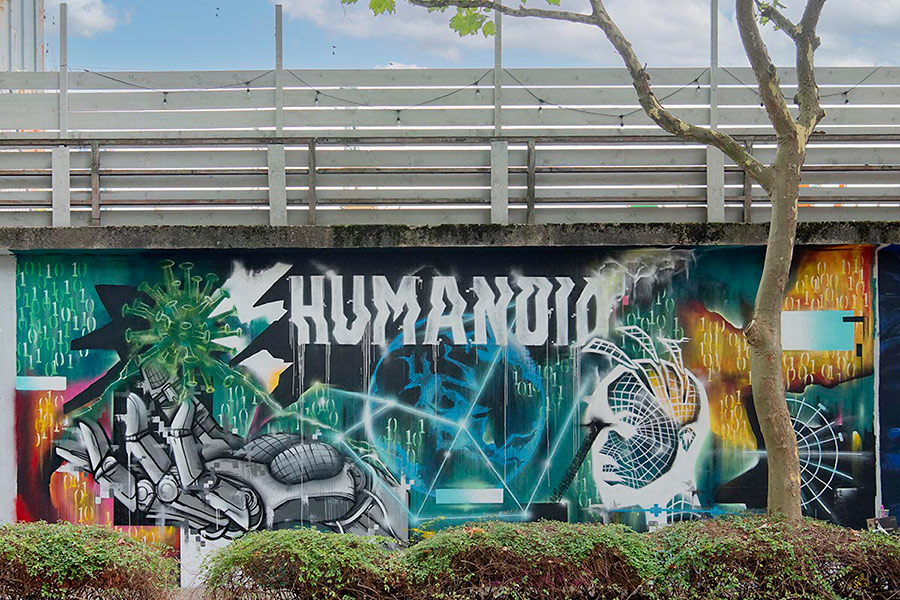
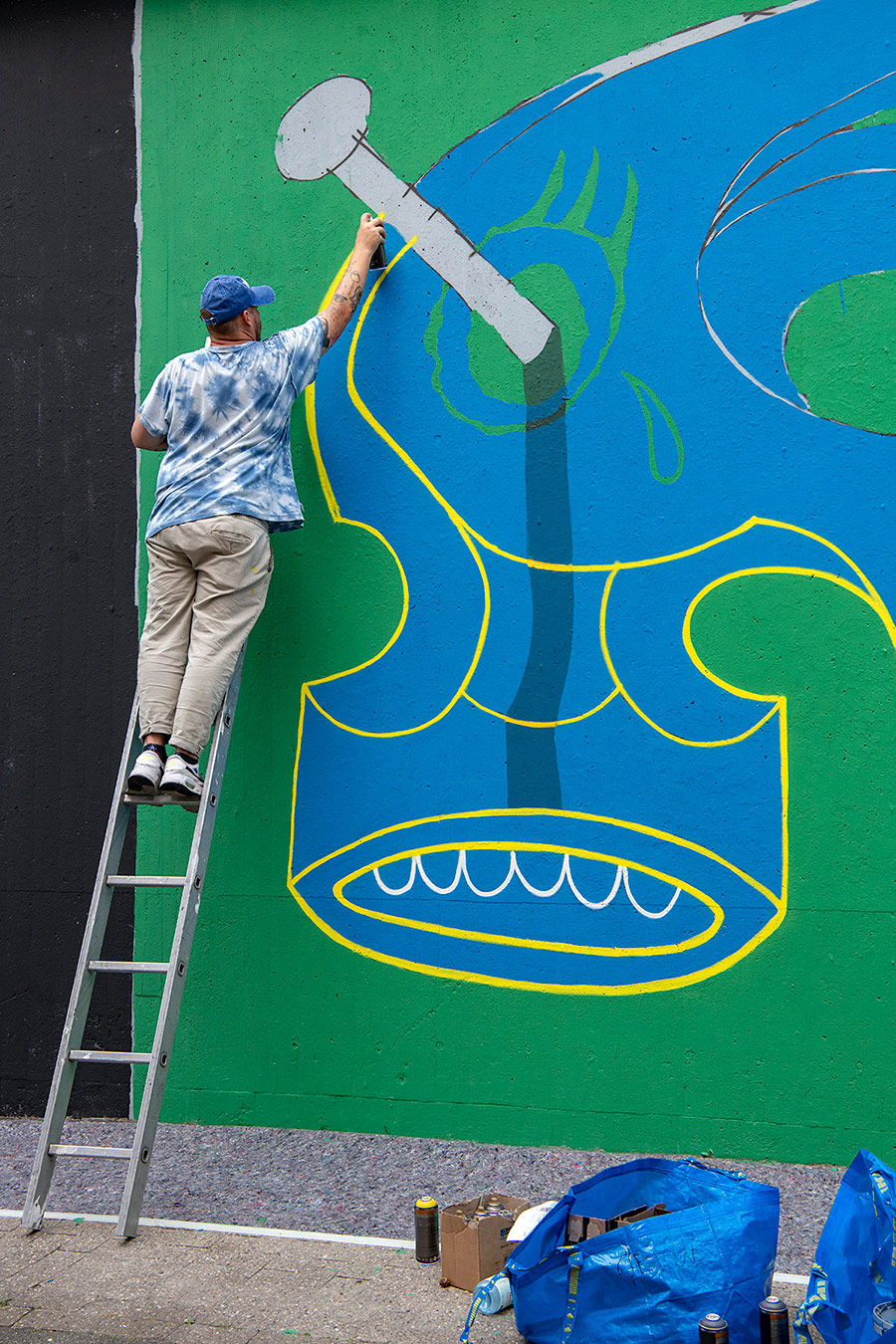
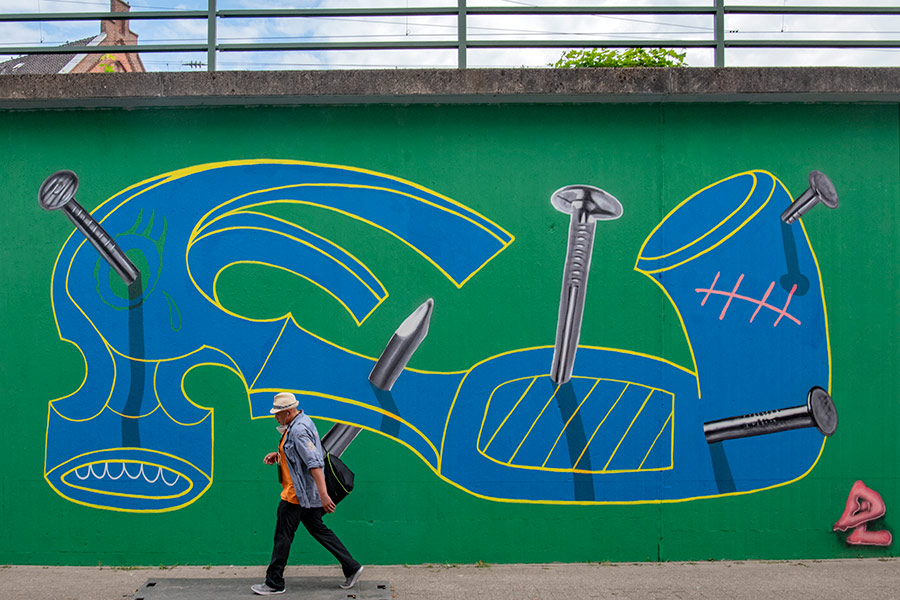
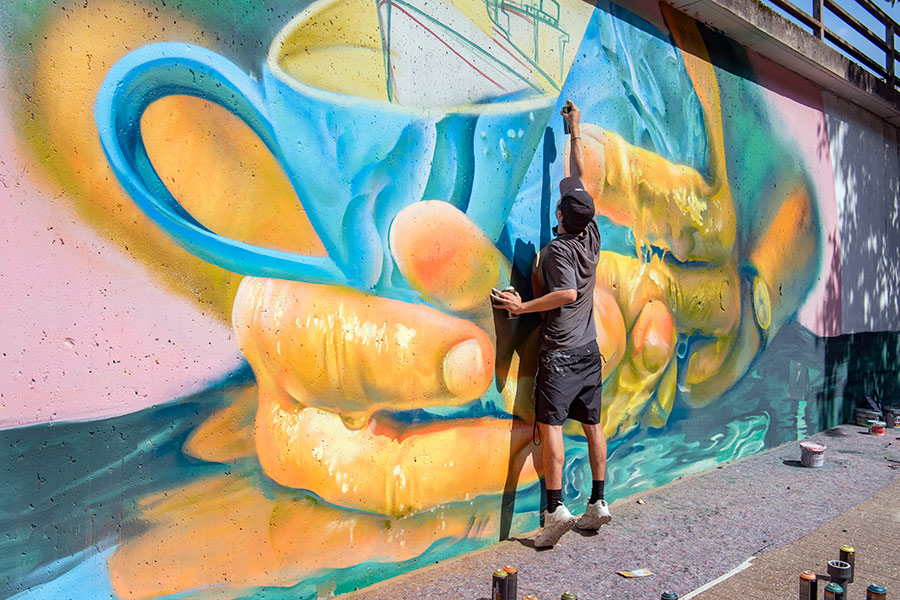
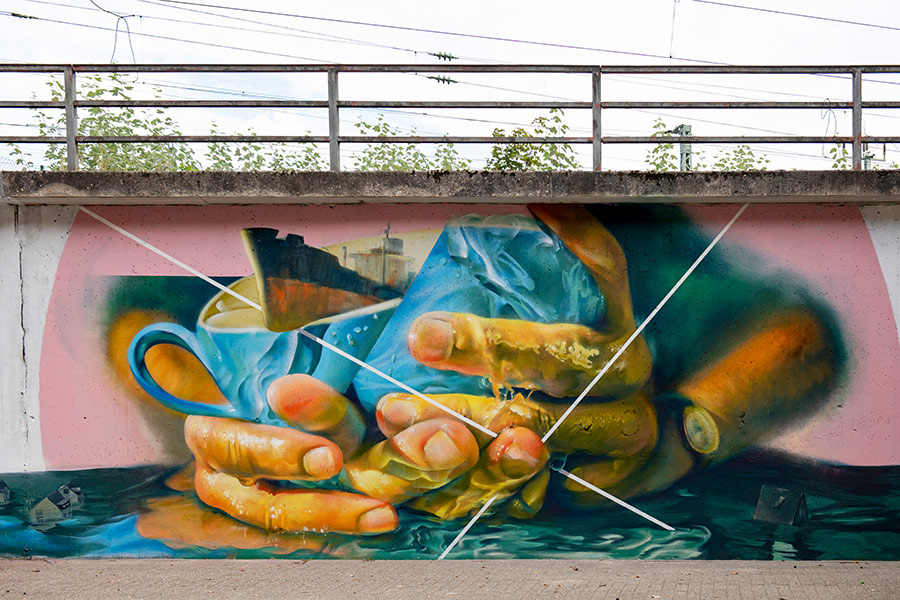
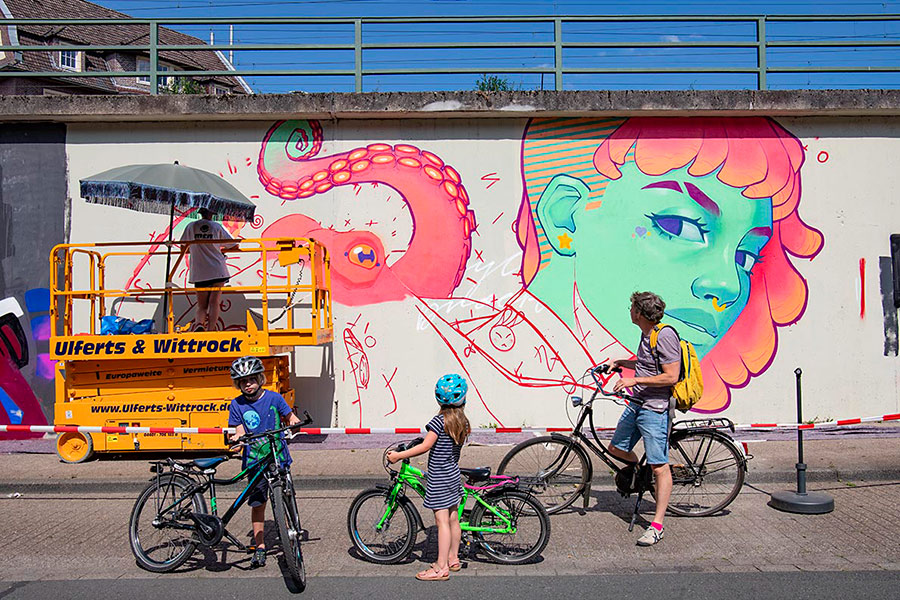
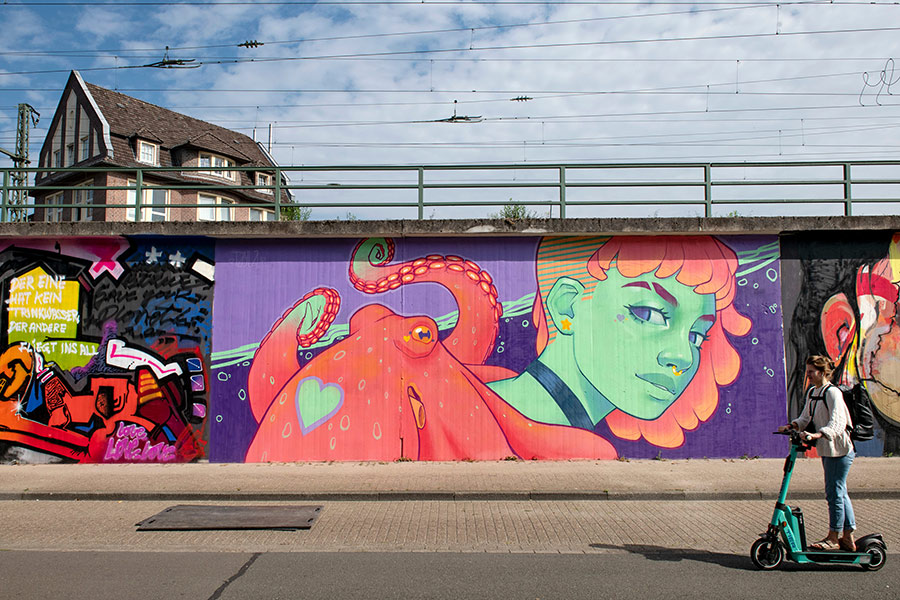
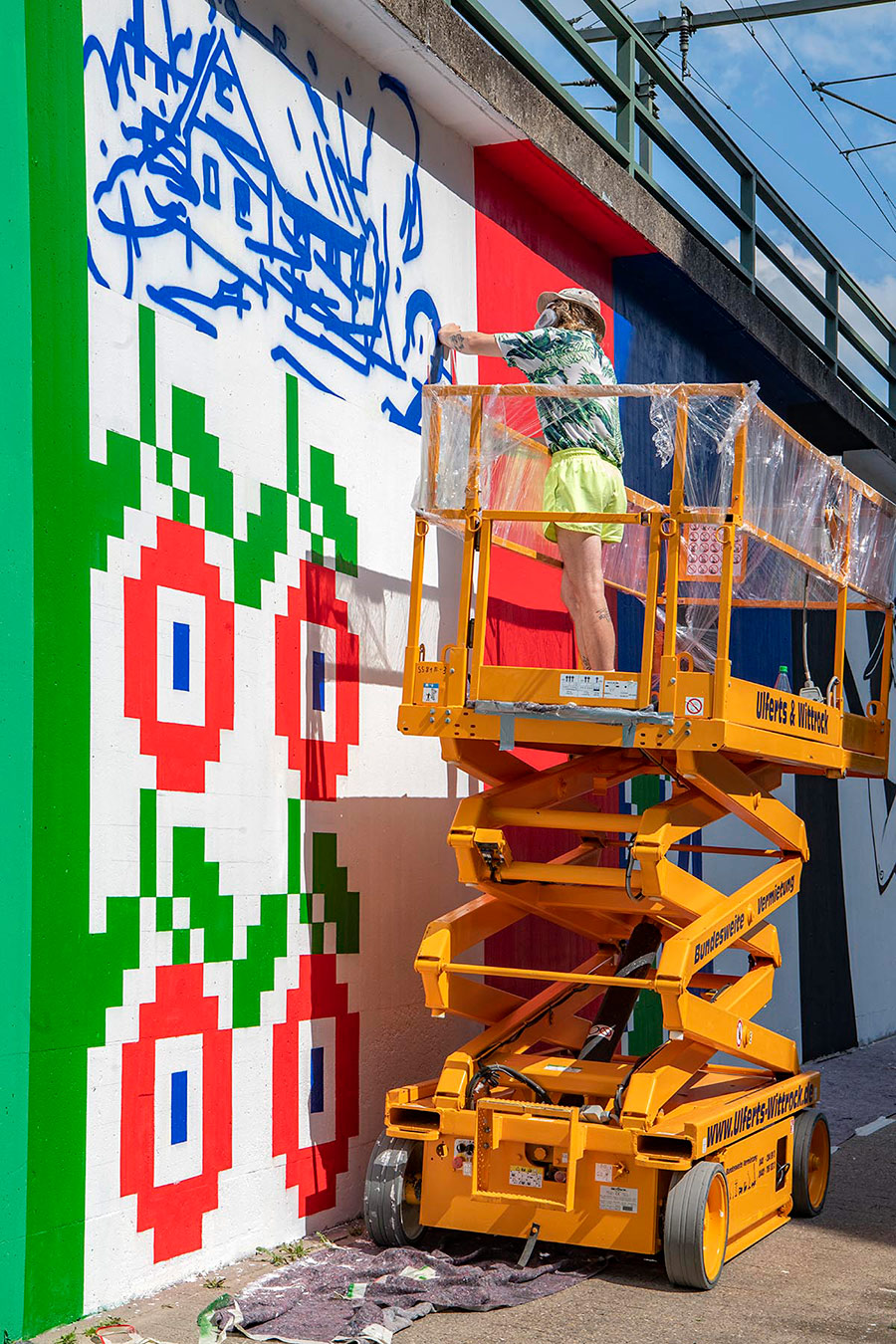
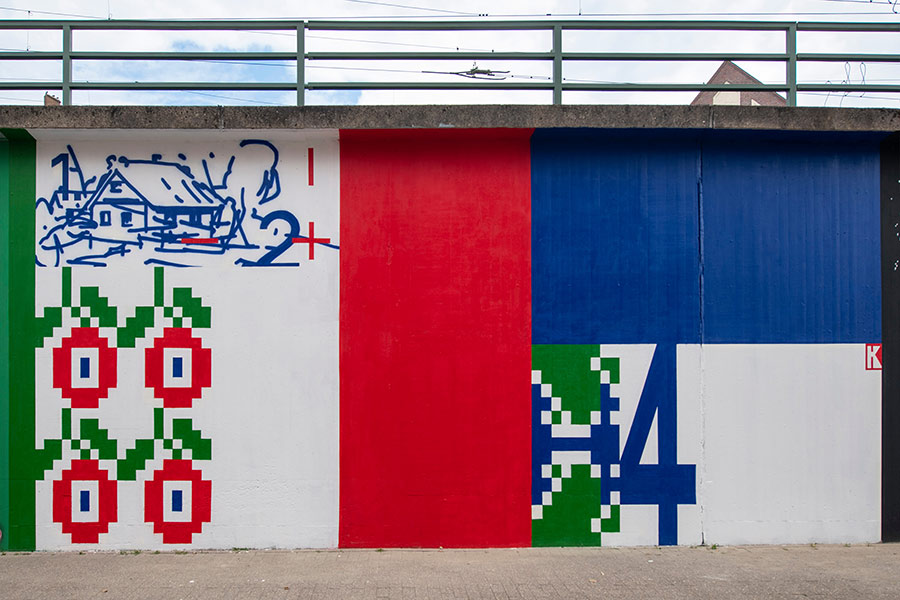
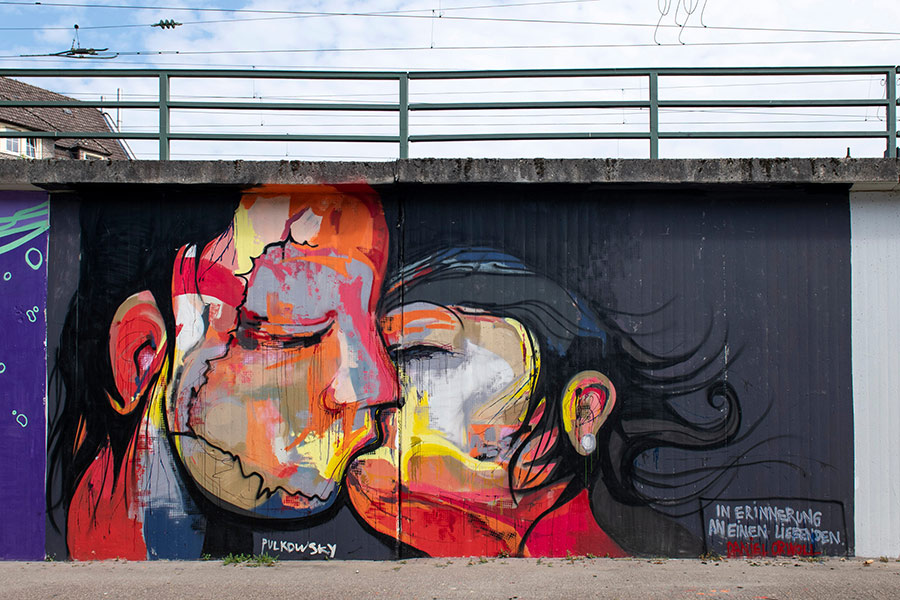
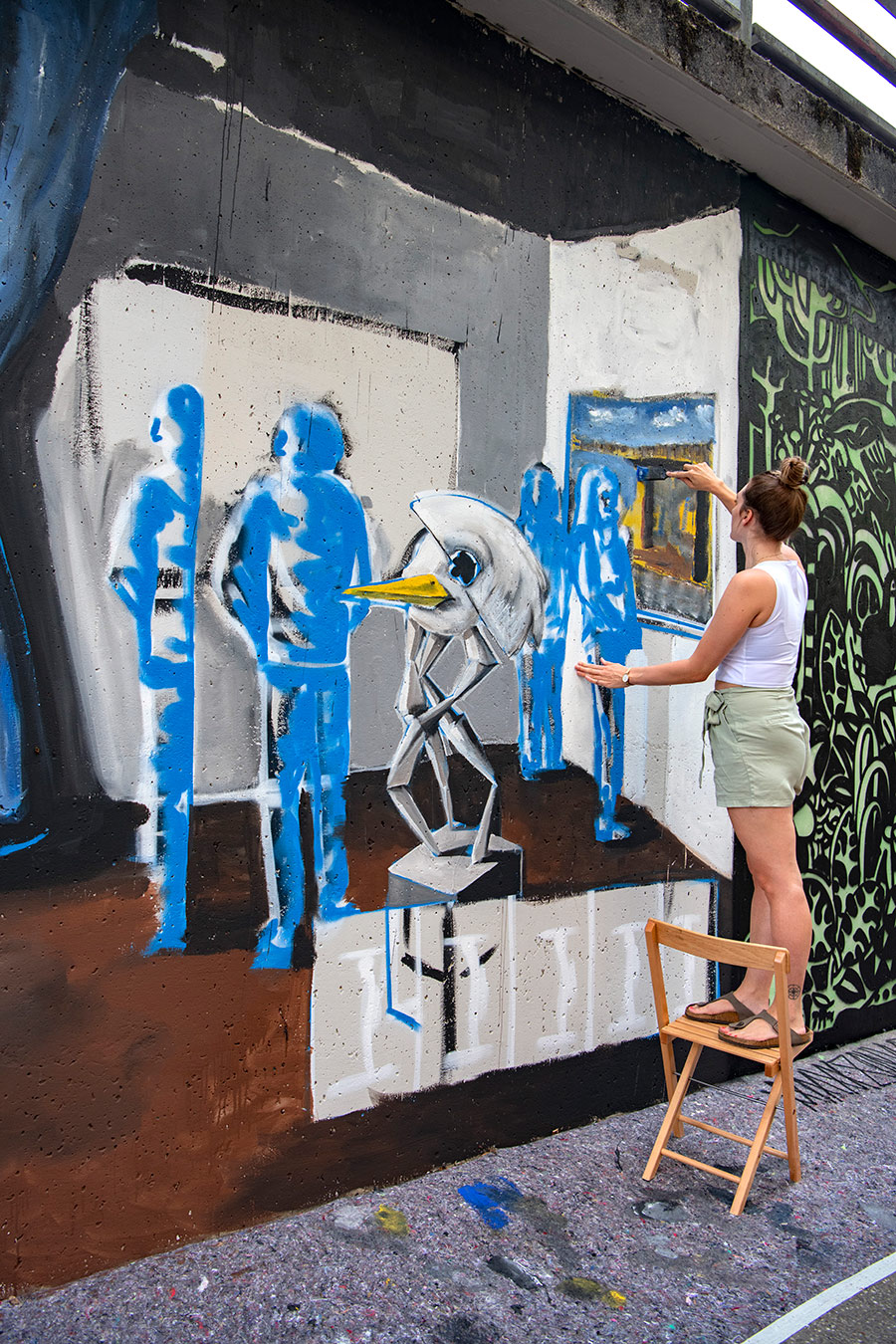
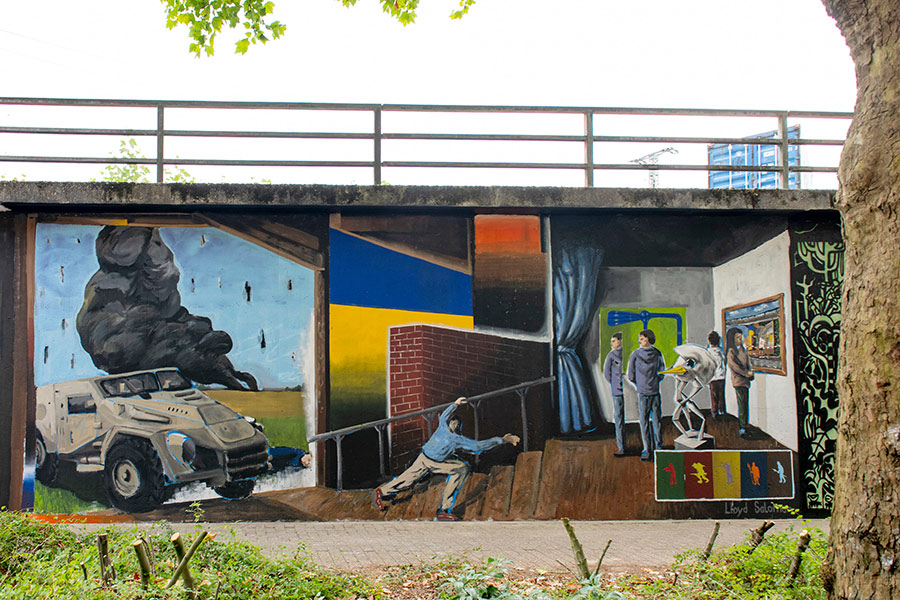
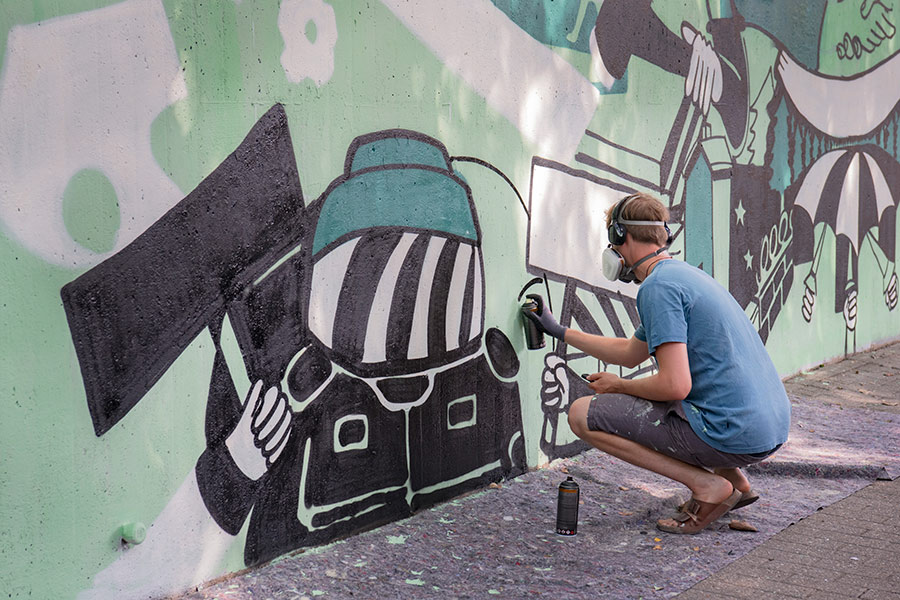
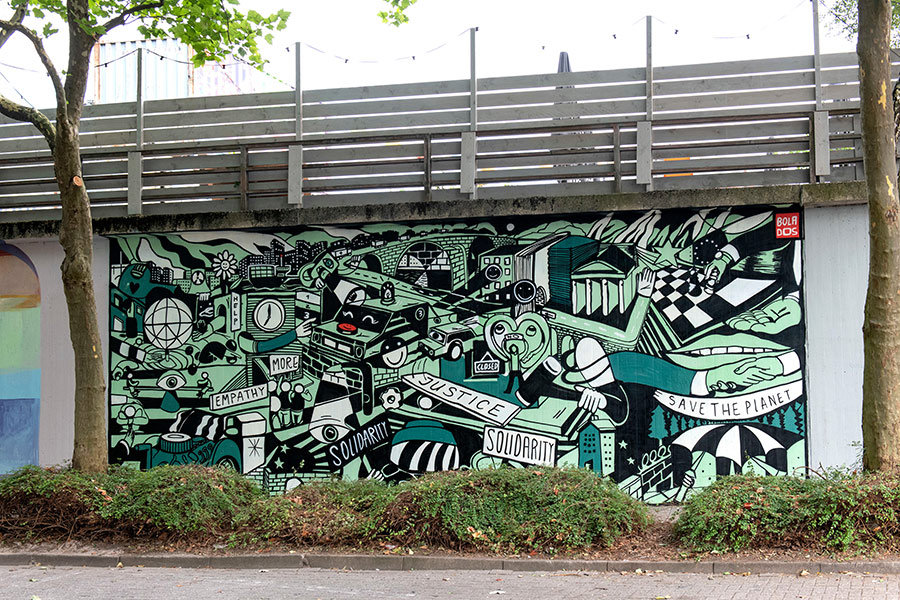
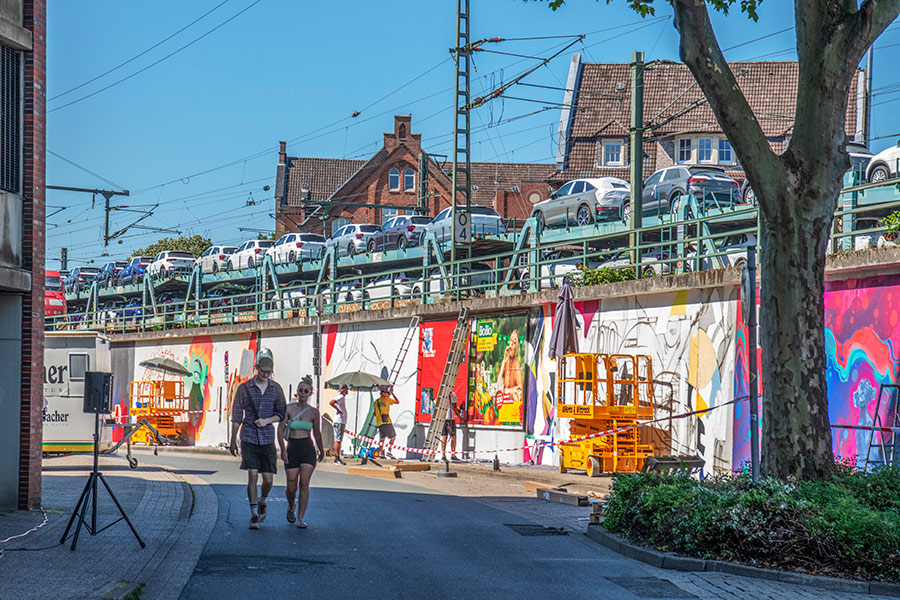
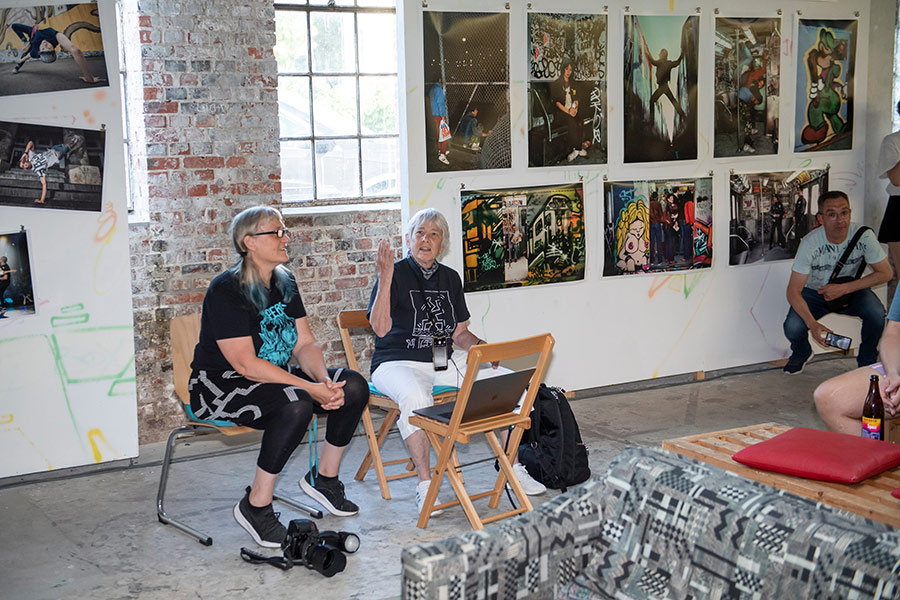
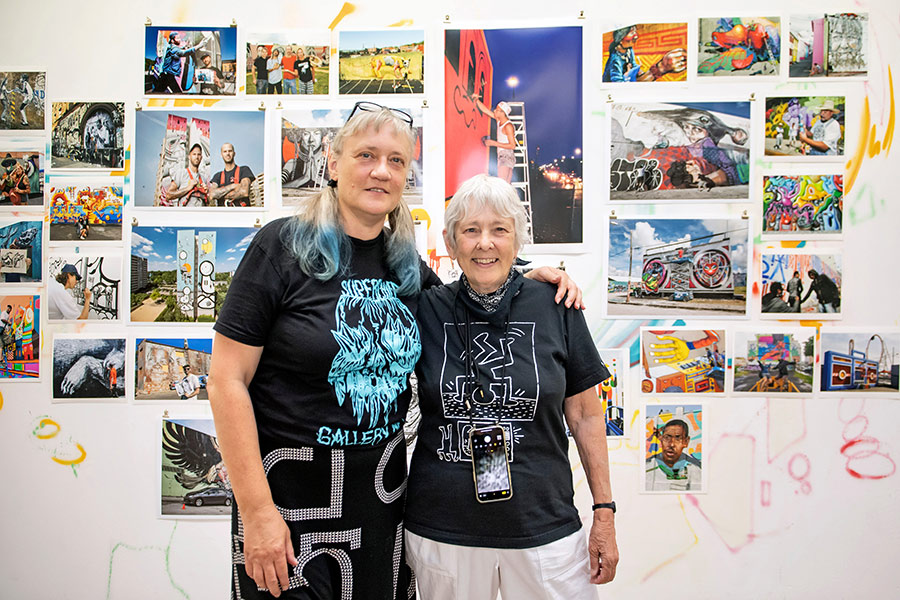
Today we have part two of our coverage of the MEMUR Festival in Oldenburg, Germany. More than 30 regional and international artists painted a 280-meter-long wall of the railway elevation on the Oldenburg federal railway path – street artists on one side, graffiti artists on the other. In addition to the aerosol action, there was a photo exhibition featuring our featured documentarians, Martha Cooper and Nika Kramer, film screenings, photography and art workshops, and an educational program in cooperation with the Oldenburg City Museum and the Oldenburg Prevention Council.
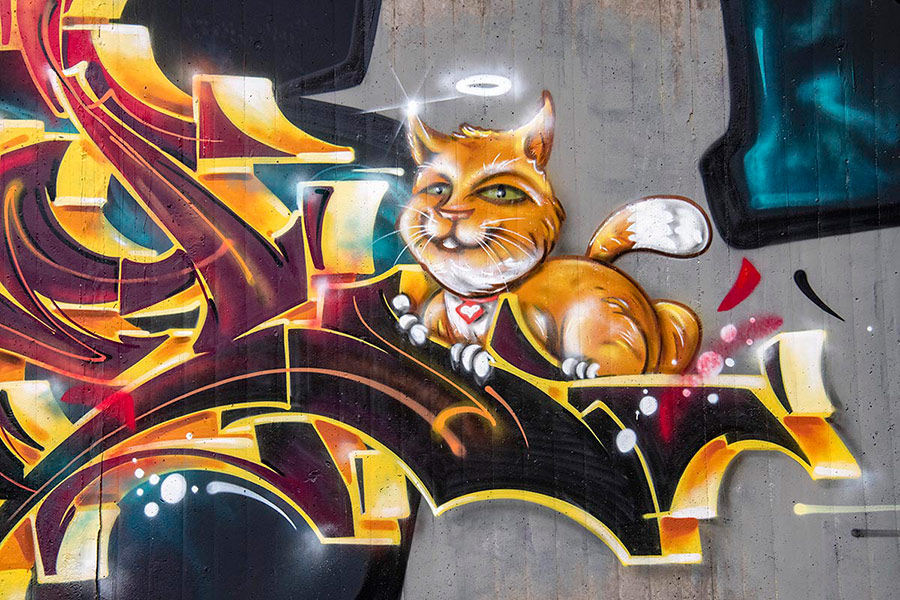
Organizers say they needed 500 liters of wall paint just to prime the walls, and probably 1000 spray cans were used during the 3-day event. The 3D style is ruling the moment, but you can see bubble style and semi-wildstyle, some neofuturism, – as well as introductions of characters and brief fictional scenarios. Most importantly, most of the pieces get ample space to breathe and to stand on their own.
From environmental nightmares to the corporate war machine to social solidarity to identity politics to abortion to the isolation brought on by Covid, the muralists at the MEMUR Festival in Oldenburg, Germany are not muting their serious concerns about the modern world.
For being the inaugural episode of a festival, you have to be impressed with it on many levels. First is the selection high-quality international and national artists from both the street art and graffiti world. Secondly, organizers devised an equitable solution for these two distinct, yet entirely related, subcultures to participate fully on the walls of their fair city – with respect for all. Finally, the true rebellious spirit of this organically grown and democratic global people’s art movement was preserved by encouraging artists to select a modern-day societal ill and address it with their work.
It’s refreshing to experience a themed public exhibition like this that has not been censored by commercial interests but that endeavors to speak openly with its artworks about potentially difficult subjects to address the everyday passerby. “Street art has always been a means to criticize, reflect, and question,” says an online description of the scenes’ nascent beginnings, and that couldn’t be more true from our perspective. MEMUR 2022 calls it ‘Evolution of a Revolution,’ and since there is a widespread notion across developed world countries that leaders are not representing citizens anymore, you can imagine that these works may get people talking together and realizing that we are not polarized left-right, but top-bottom.
Today we’ll show you images from the street art muralists’ walls on one side of the 280-meter-long wall of the railway elevation on the Oldenburg federal railway path, and tomorrow we’ll show you the ‘Wall of Fame’ created on the other side by a stunning array of graffiti writers. In both cases, we extend our heartfelt thanks to two of the main participants in the event, photographers Martha Cooper of New York and hometown superstar/international photographer Nikka Kramer. Thanks to both for sharing their images with BSA readers.
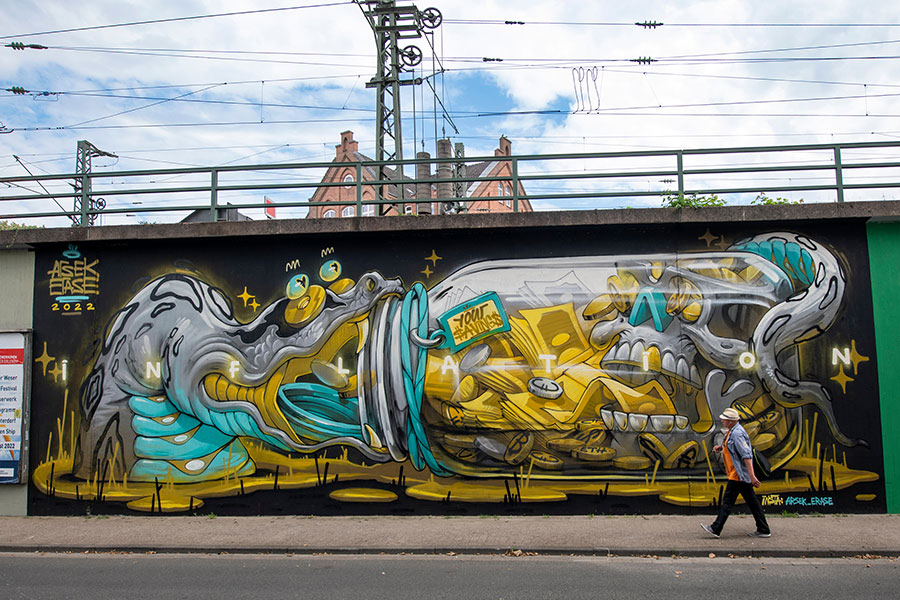
Bulgarian muralists Arsek & Erase may have chosen one of the hottest current topics to address in their mural; the fear of hyperinflation and the severe damage it can do to individuals. The illustration-style painting features a vicious snake enveloping a jar of “savings”, preparing to consume it whole. Here in Oldenburg, where German inflation rose to its highest level in almost 50 years in August (8.8%), people are familiar with the topic. In their hometown of Sofia, Aresek & Erase are experiencing a 17% rate of inflation as of last month. Technically the term “hyperinflation” is somewhere above 50%, and 60 or so countries have fallen into it in the last hundred years, including Argentina today, and rather famously, the Weimar Republic (of which Oldenburg was a federated state) exactly 100 years ago, from 1921-23.
Suffice it to say that today many of the world’s currencies are in danger of inflationary pressures, including the dollar and Euro. There was talk amongst participants and organizers of MEMUR that the costs of the festival itself had to be recalibrated a few times because of increased costs in lodging, transportation, labor, and art materials.
“Thanks to everyone who came despite the heat to watch the artists paint, participate in the graffiti workshops and try their luck at the raffle,” said the organizers in their Instagram posting.
“All the positive feedback on the festival and the exhibition “Evolution of a Revolution” in the Kulturhalle am Pferdemarkt has only strengthened our belief that Oldenburg is ready for street art and that we definitely want to continue!’
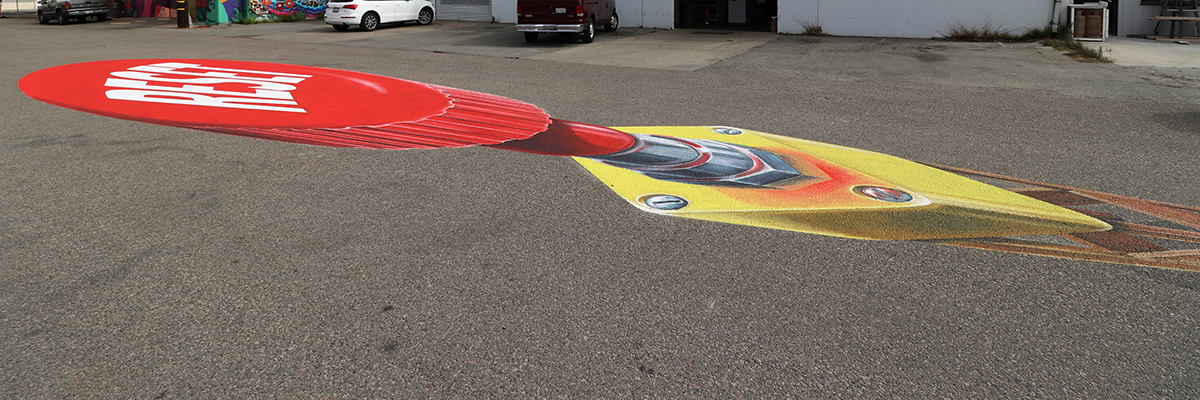
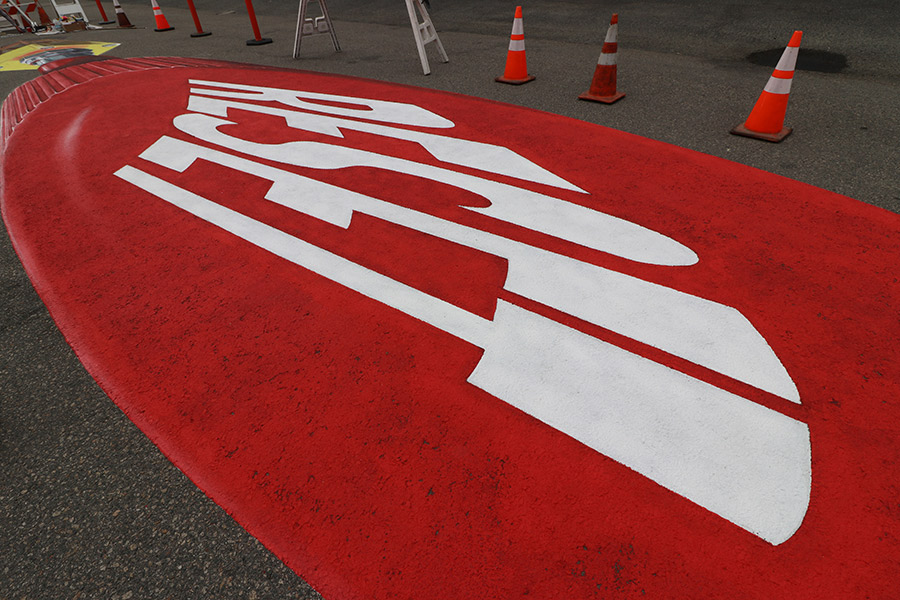
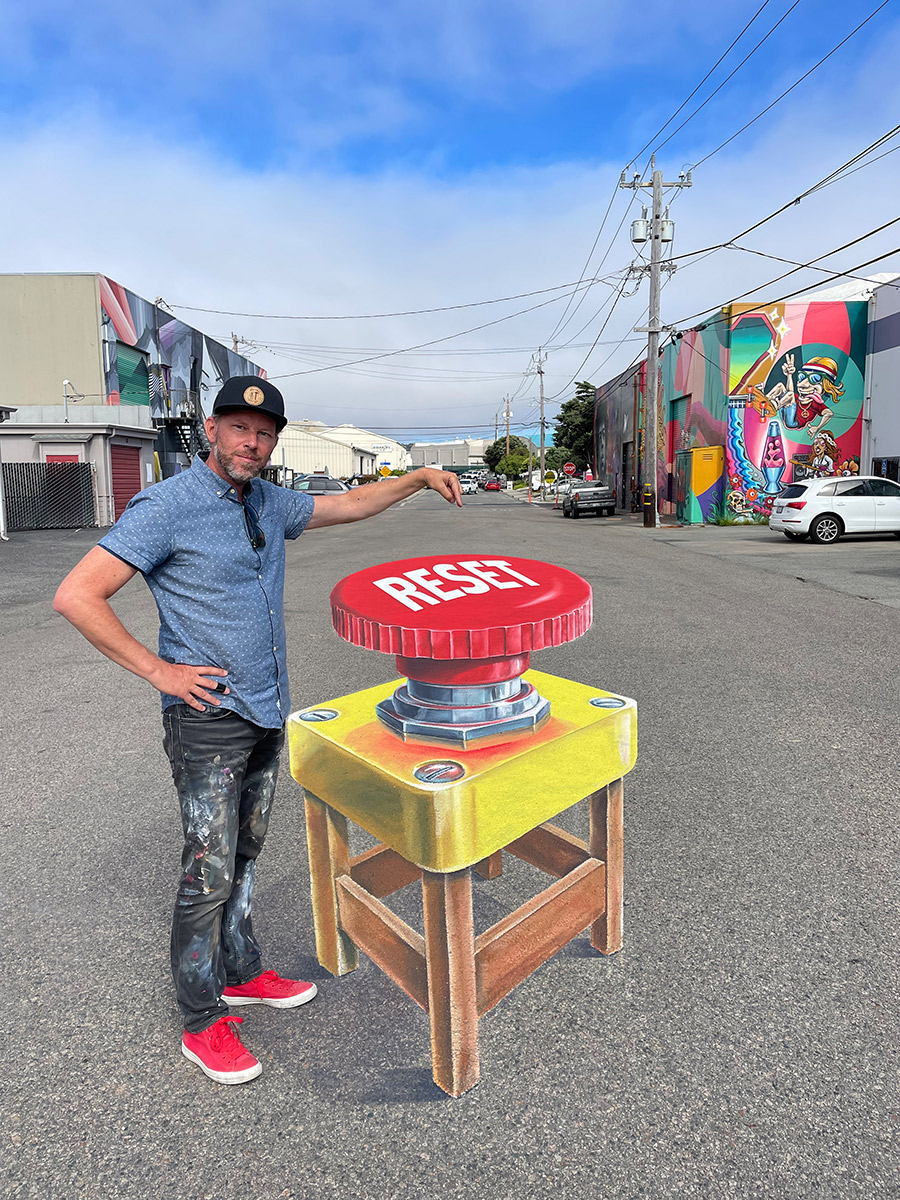
You may think of that unelected global body called the World Economic Forum when you see the word, “Reset” today.
Leon Keer. Reset. Assisted by Massina. We.Create Art Mural Festival. Sand City. Monterey, CA. (photo courtesy of Leon Keer)
The buzzworthy term is bandied about so often today that you could be forgiven for thinking about the death of cash, programmable CBDC currency, streaming surveillance, and social credit systems. The would-be a major reset, wouldn’t it?
For anamorphic street artist Leon Keer participating at the We.mural festival in Sand City, California, his mind travels to someplace perhaps less sinister. He just knows that we appear as a global society to be going in the wrong direction in so many ways.
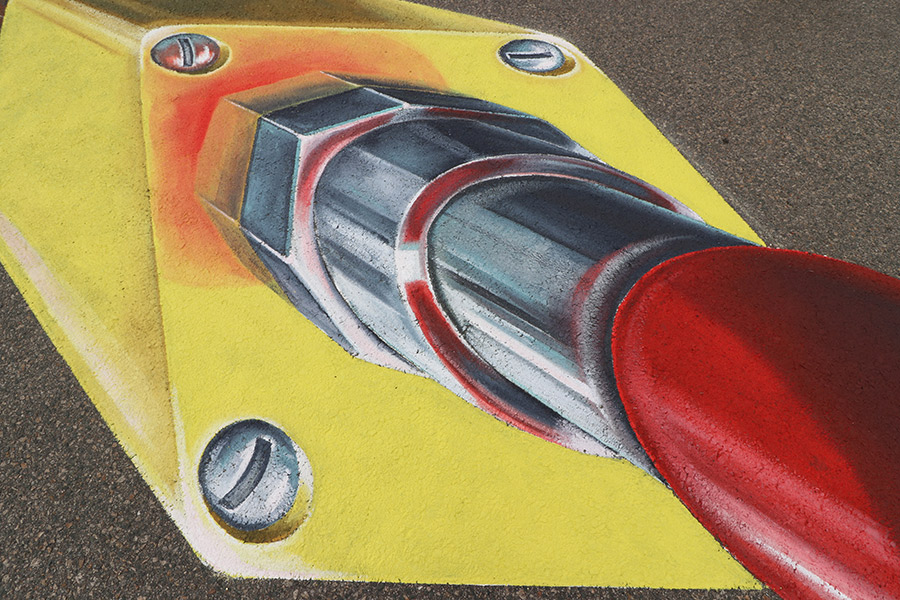
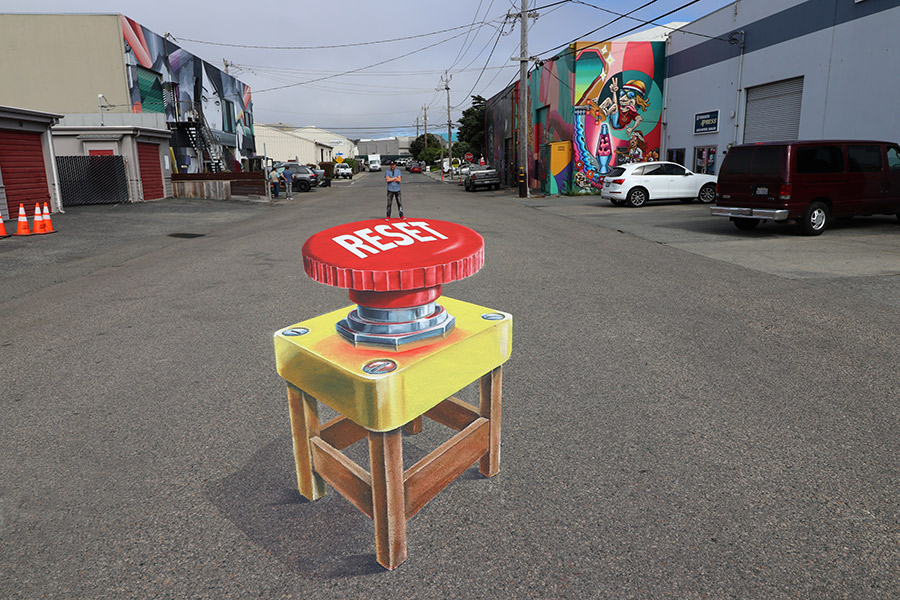
Leon Keer. Reset. Assisted by Massina. We.Create Art Mural Festival. Sand City. Monterey, CA. (photo courtesy of Leon Keer)
“This reset button may not be big enough,” he says. “For me, it is not about everyone’s personal situation, but a reset to a different way of dealing with each other and with how we deal with the world.”
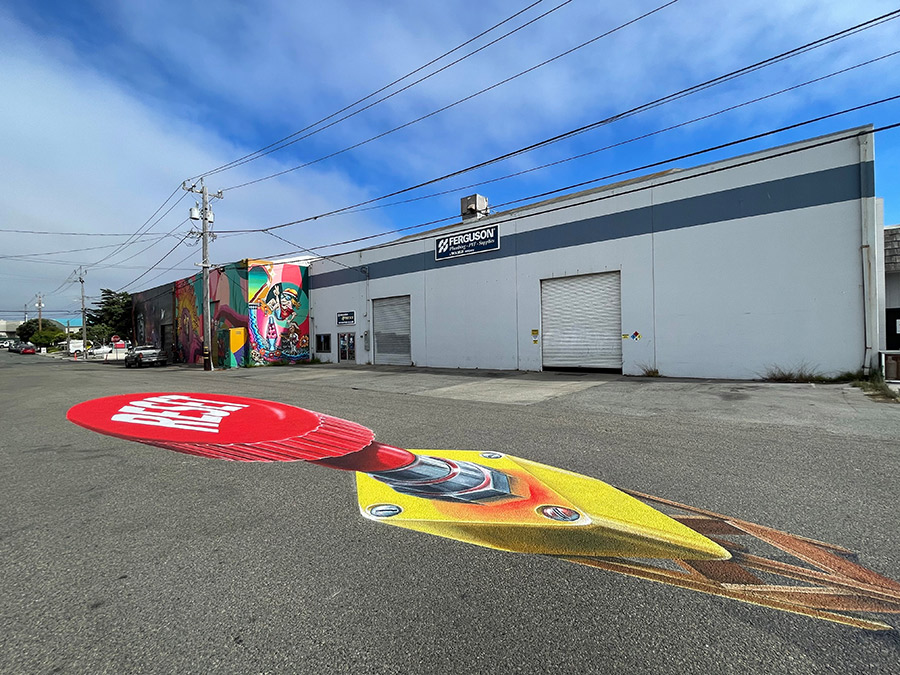
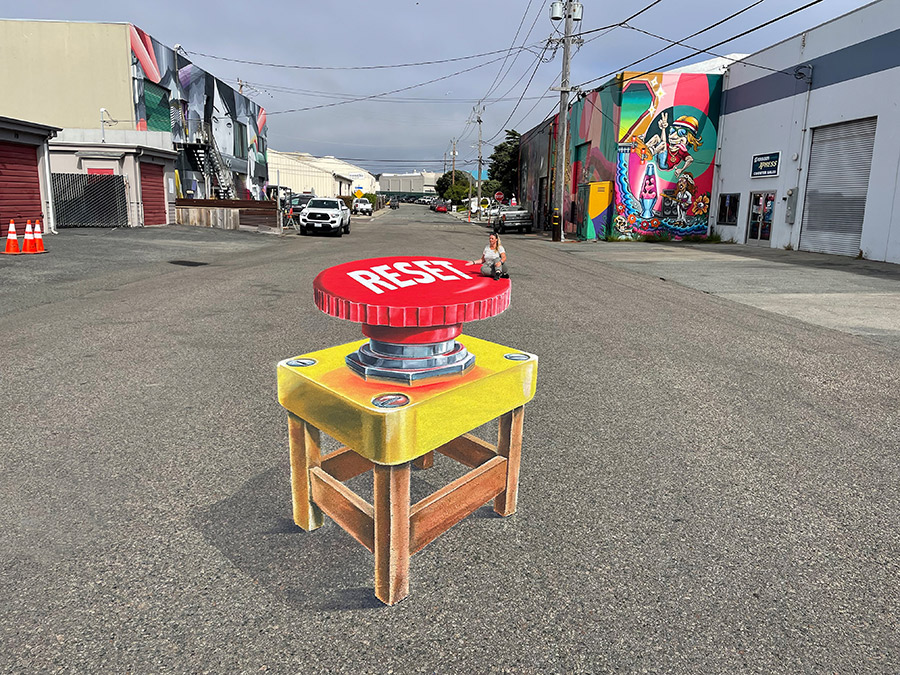
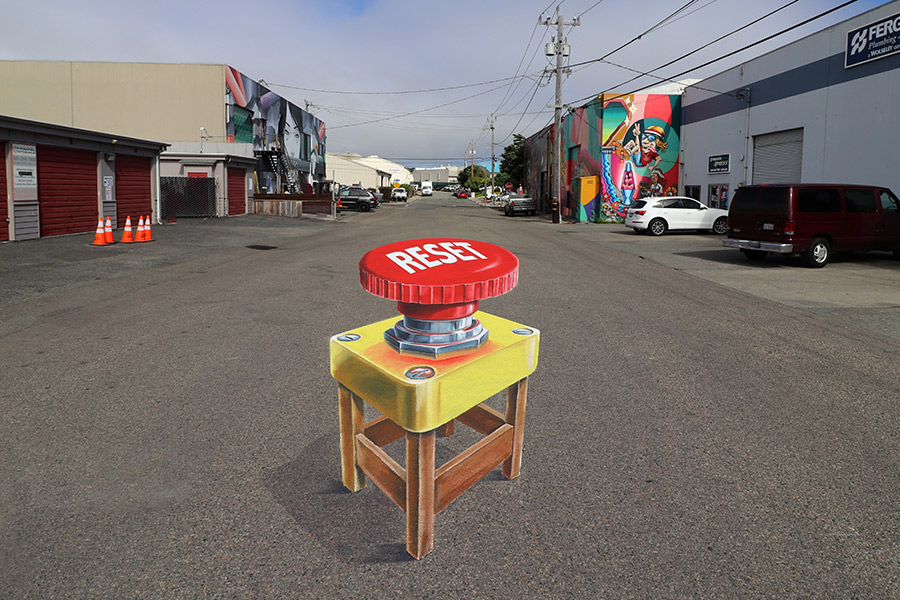
Keer, along with artist Massina, completed this astounding perspective-bending feat right on the street. But you have to be in just the right spot to appreciate it.
Leon Keer. Reset. Assisted by Massina. We.Create Art Mural Festival. Sand City. Monterey, CA. (photo courtesy of Leon Keer)
Title: Reset Where: Sand City – Monterey Bay California Size: 59 ft x 13 ft Material: Acrylics on asphalt
Artwork made with help of Massina. Festival: We.Create Art mural festival with the support of Sand City Art Commitee and the Sand City Council
Leon Keer. Reset. Assisted by Massina. We.Mural Festival. San City. Monterey, CA. (photo courtesy of Leon Keer)Leon Keer. Reset. Assisted by Massina. We.Mural Festival. San City. Monterey, CA. (photo courtesy of Leon Keer)Leon Keer. Reset. Assisted by Massina. We.Mural Festival. San City. Monterey, CA. (photo courtesy of Leon Keer)Leon Keer. Reset. Assisted by Massina. We.Mural Festival. San City. Monterey, CA. (photo courtesy of Leon Keer)Leon Keer. Reset. Assisted by Massina. We.Mural Festival. San City. Monterey, CA. (photo courtesy of Leon Keer)
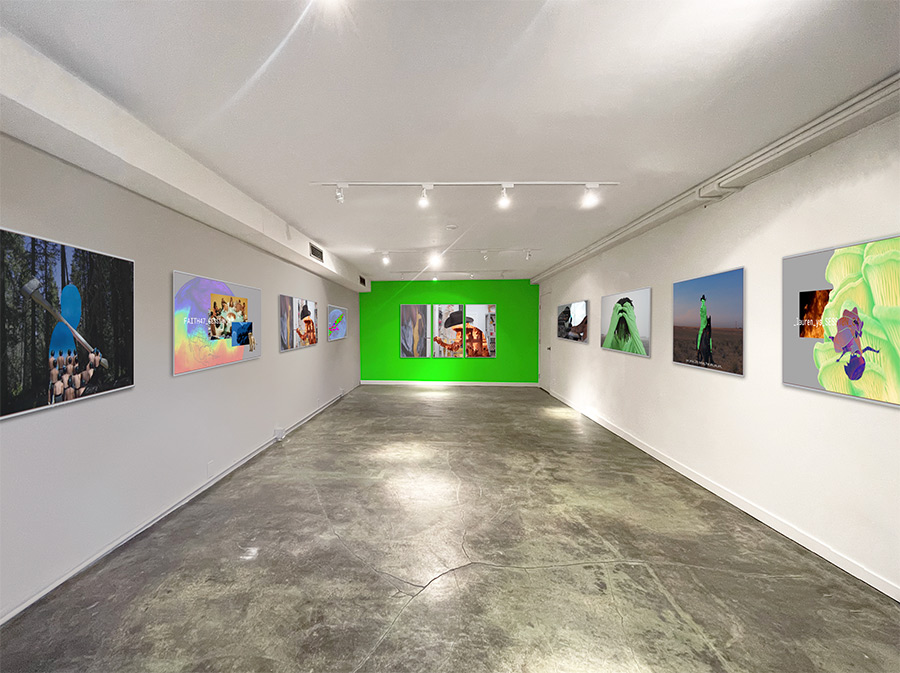
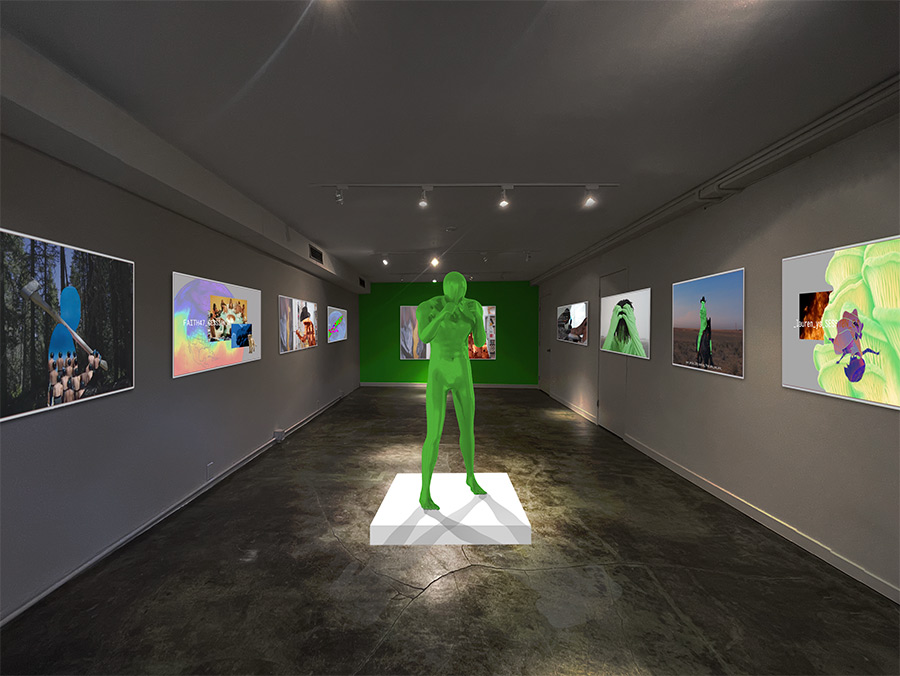
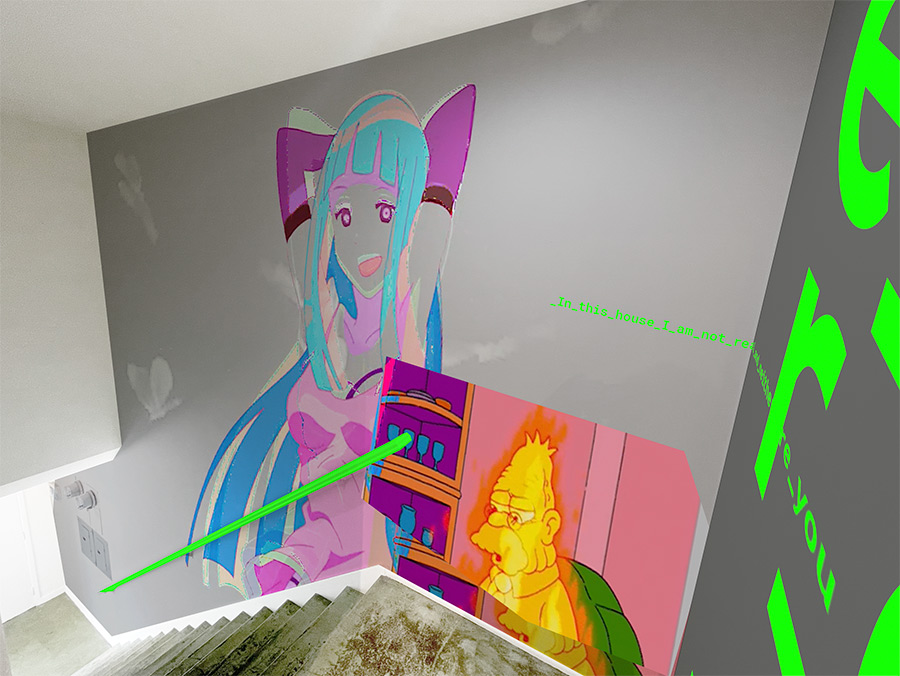
West Hollywood, California has undergone constant change since long before the Internet of Everything, and it is about to reinvent part of itself again on Holloway and Sunset with the brand new Nomad Gallery and its premiere exhibition by artist Rabi (b. 1984 David Emanuel Mordechai Torres).
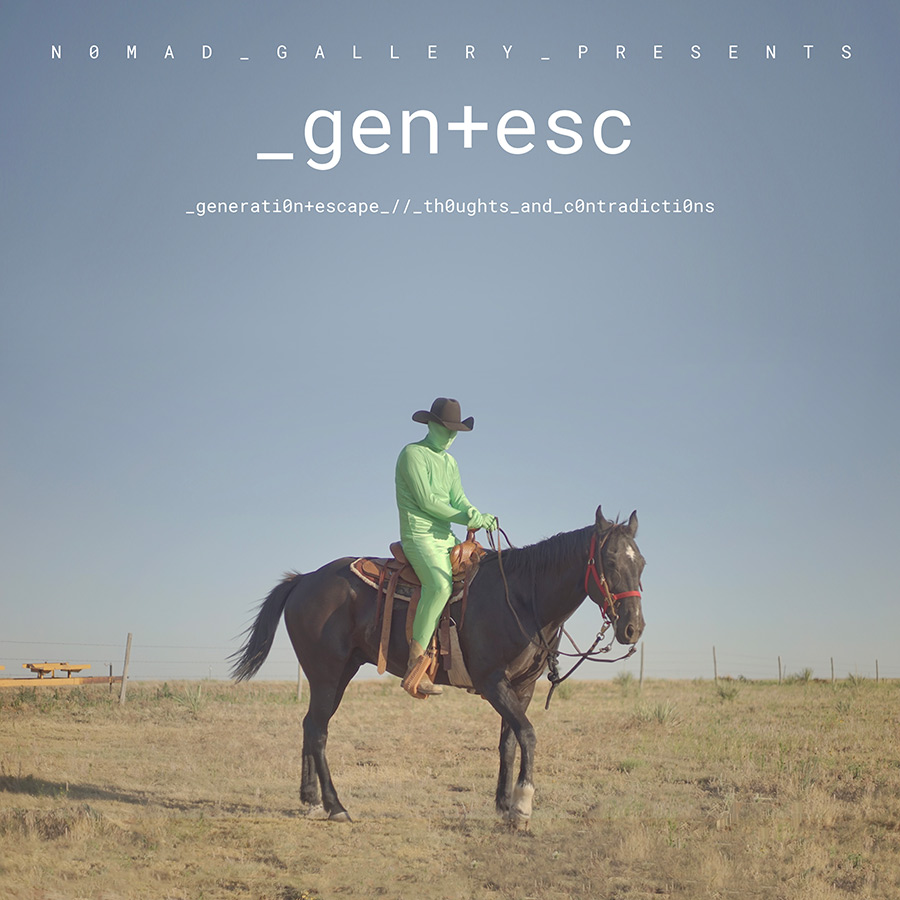
Rabi. _gen+esc (generation+escape. Nomad Gallery. West Hollywood, CA. (photo courtesy of the gallery)
And who better to contemplate the complexity of the modern world?
“There are images that come together as a whole, but the main idea is that the look of the piece is constantly changing, in the same way that life is constantly evolving,” he said to us in an interview 10 years ago this fall when he was still part of the art collective CYRCLE – echoing a perspective he carries today.
Rabi. _gen+esc (generation+escape. Nomad Gallery. West Hollywood, CA. (photo courtesy of the gallery)
As Millennials are being edged out of that desired youthful demographic by the next generation of consumers, there appears to be a reckoning with the loss of citizenry, civility, privacy, the regard for pillars that once provided strong institutions; On a personal level the meaning of existence may still be clouded by perceptions about life that were filtered through the ever-present smartphone, and warped by developing technologies. With the metaphor of the firehouse, many describe a flow of data so overwhelming and confusing that, if unedited or uncontrolled can breed a semi-permanent state of confusion. A show like this countenances that reality and suggests that one can at least begin to make storylines with it.
Rabi. _gen+esc (generation+escape. Nomad Gallery. West Hollywood, CA. (photo courtesy of the gallery)
It’s a crisis for many. When we used our community-based art project called BSA to bring you the CYRCLE project over a decade ago – it was a collaborative of three artists, then two, then one. Maybe it is simply young people discovering their own voices. But looking at people sitting at restaurant dinner tables staring at their phones, one may wonder if this generation is separating into individual molecules, feeling disconnected by their digital experiences, rather than grounded by them?
It is an irony that the ‘Me’ generation of the 70s and 80s appear to not have anticipated this, so self-actualized were they. It is as if the last 20 years drank a cocktail of steroids and MDMA; seduced by the endorphin explosions in brains fried by social platforms. Increasingly targeted content meant that “individuality” and individually tailored preference took firm root, and grew; on music videos, in gaming, at Cosplay conventions, at awards shows and even New York’s Met Ball. The coveted 18-34 age group were courted with greater precision than ever; a beguiling romance with self-expression became weaponized, an arms race of stunning individuality, brandished with “authenticity”.
Rabi. _gen+esc (generation+escape. Nomad Gallery. West Hollywood, CA. (photo courtesy of the gallery)
Powered by a strange identity-based militarism that allies with all things good, and its now nearly a constitutional birthright to be uniquely amazing. Any remaining norms of yesteryear are eschewed, melting away like a polar ice cap, in pursuit of the new normal. “Group individuality”; the Metaverse will allow you to be a human, animal, or a coconut cookie. It’s American exceptionalism writ global, and perhaps Rabi is encouraging you to be brave for this new world that is so boldly ushering itself in, blinkering on and off and flooding/tracking your eyes with images, your ears with sound, your heart with envy, fear, lust, relief, or release. Or you may opt to hit the escape button.
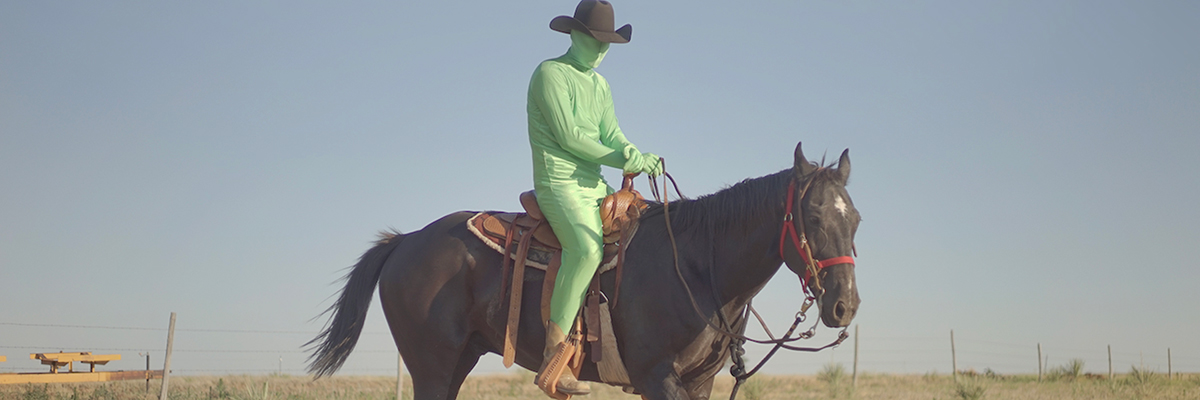
“As isolation moved us apart, we retreated deeper into our digital nativity, highlighting our society’s obsession with self-image and the ironically ubiquitous bid for individuality,” says creator and director Rabi. He calls his exhibition “_gen+esc”, an abbreviation of “generation escape”. He’s pushing into video and featuring actors in greenscreen jumpsuits – a jarringly effective yet lo-fi technique that posits a view on internal life, including the storms raging there.
Rabi. _gen+esc (generation+escape. Nomad Gallery. West Hollywood, CA. (photo courtesy of the gallery)
Does Rabi push outside the parameters in this newest exploration? It is described as “a series of short art films that explores the relationship between identity and the artistic process.”
You’ll decide when it opens on September 15. Or stay home, stage selfies, apply filters, and scroll.
Rabi: _gen+esc. Nomad Gallery. West Hollywood, CA. Thursday, September 15, 2022, at 8 pm. Click HERE for further information.
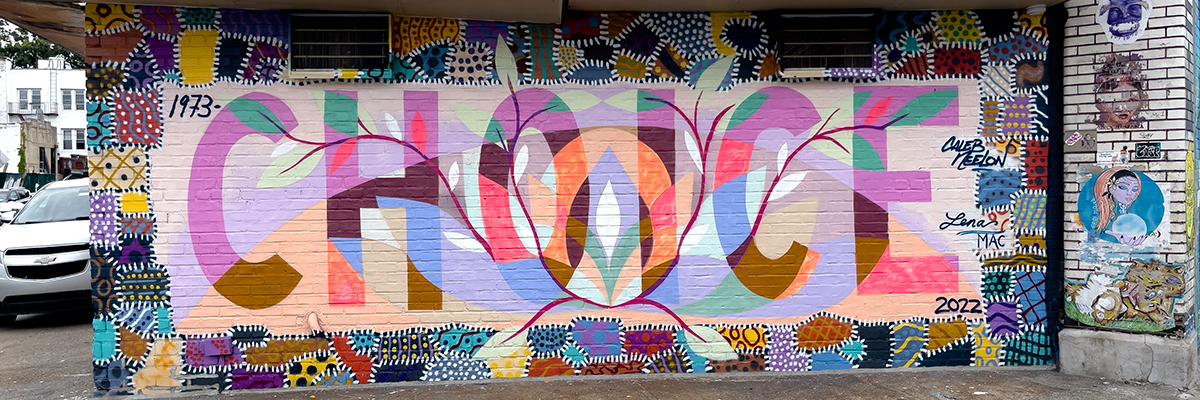
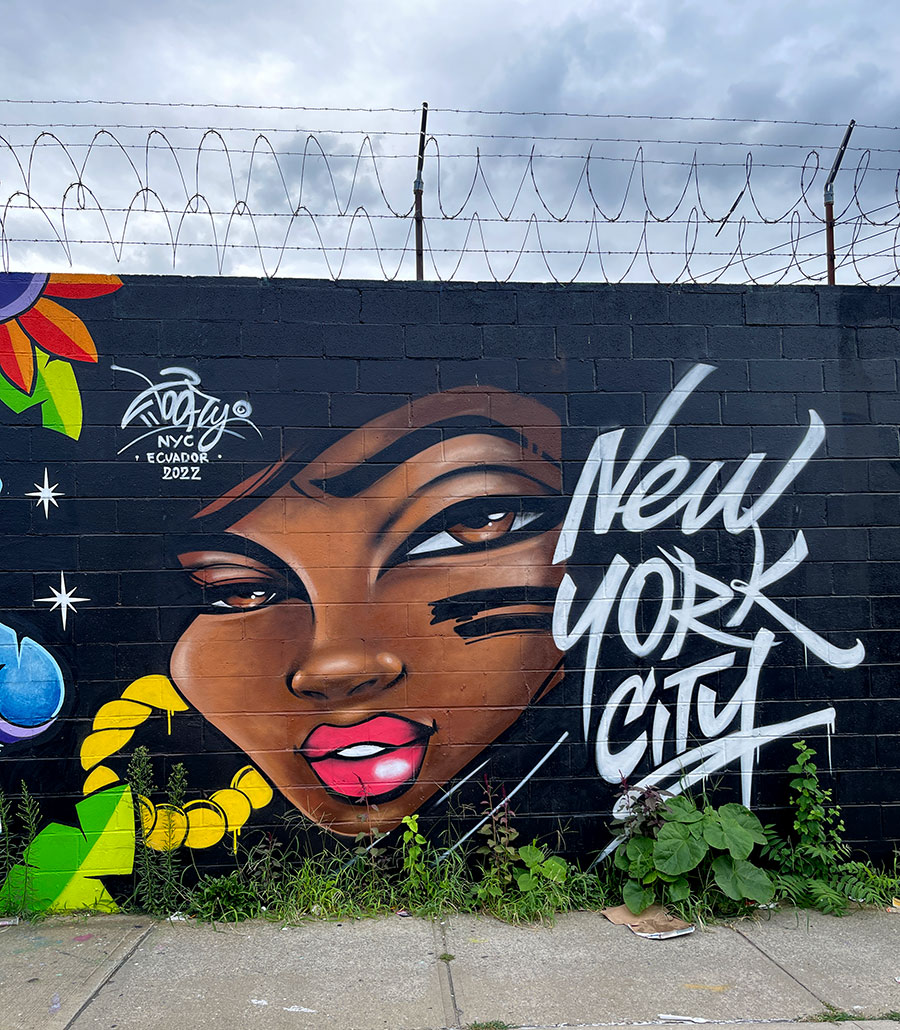
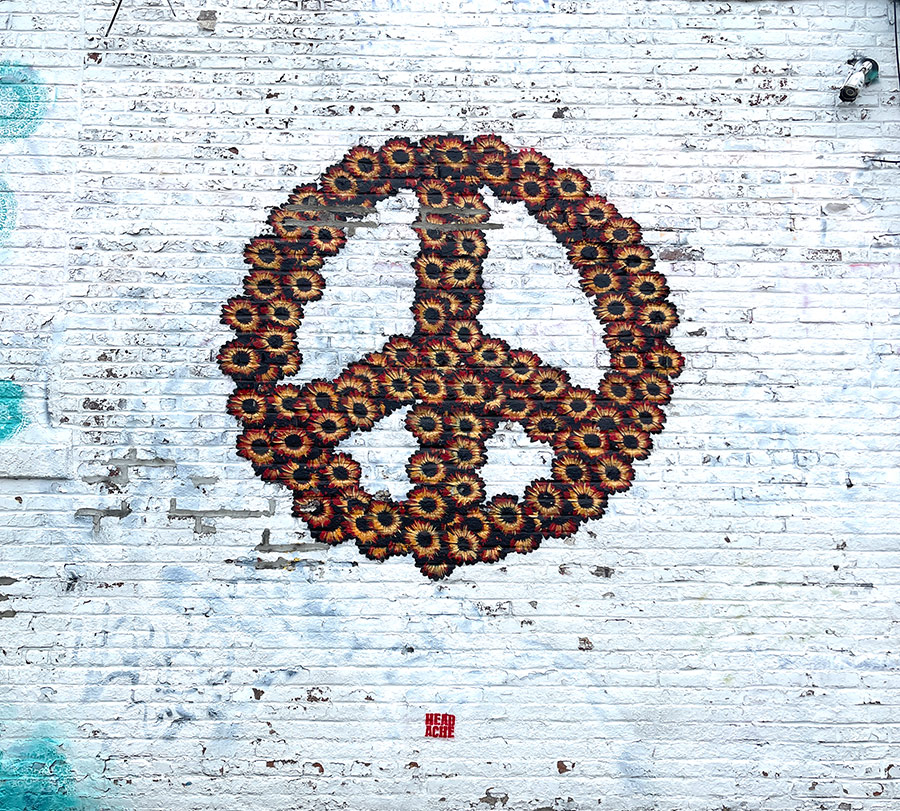
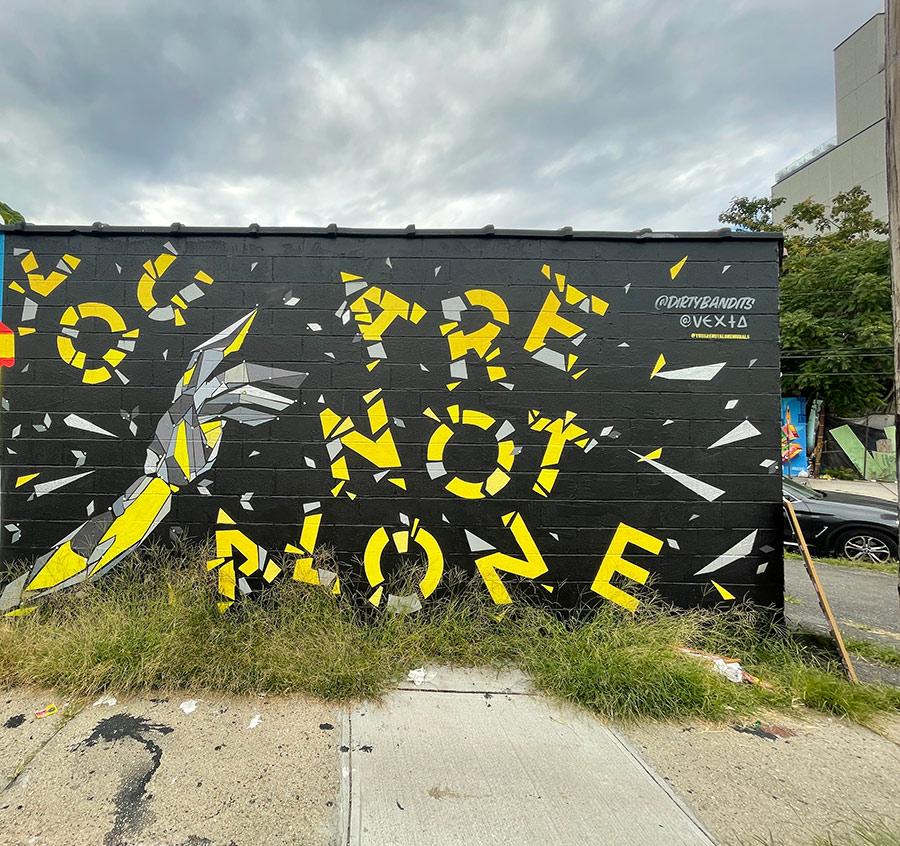
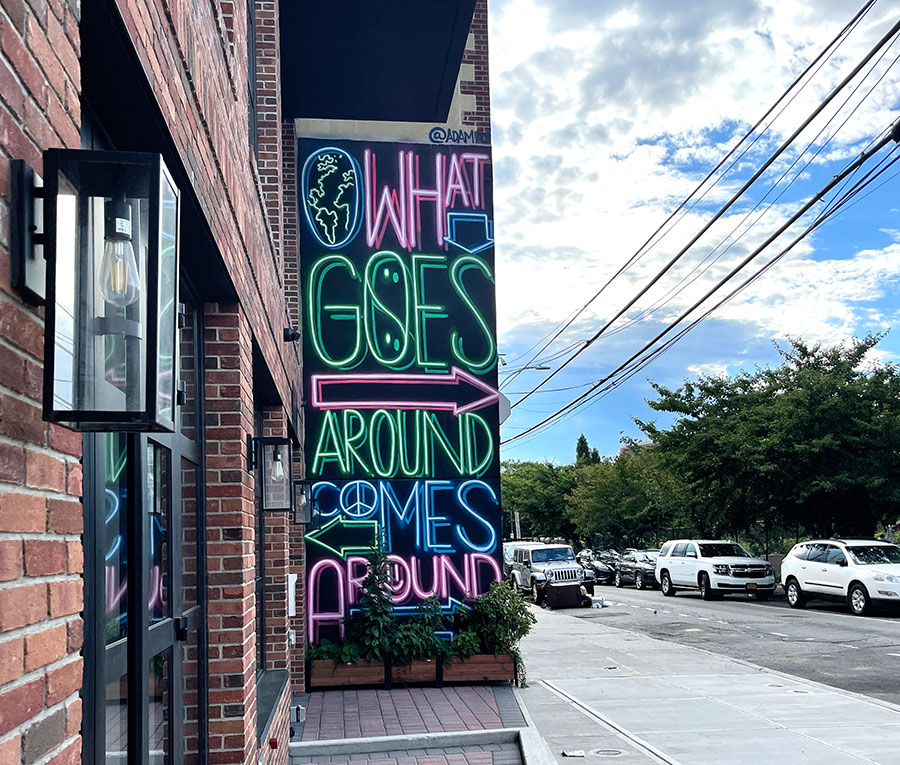
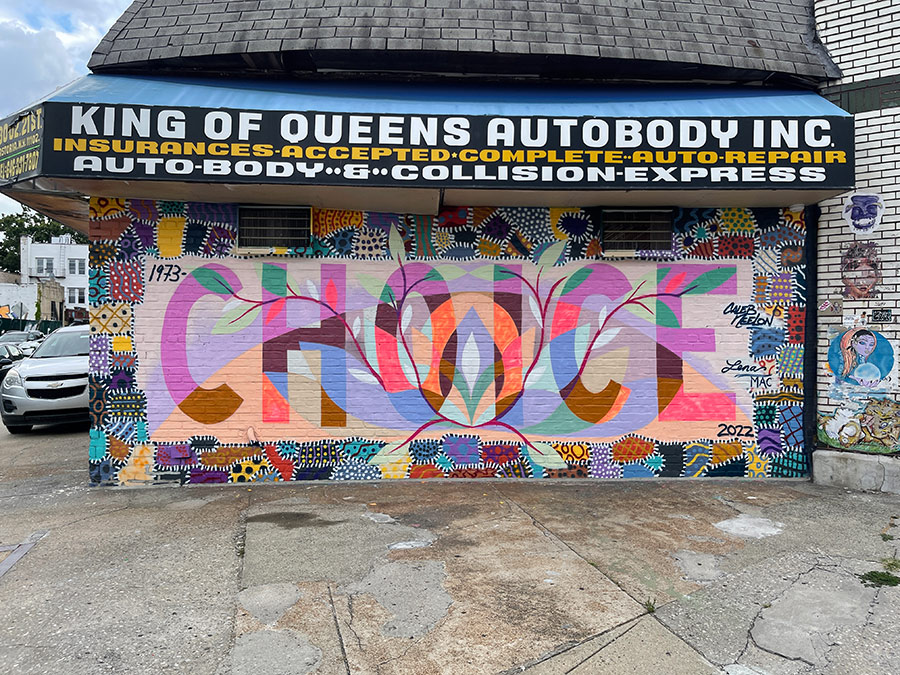
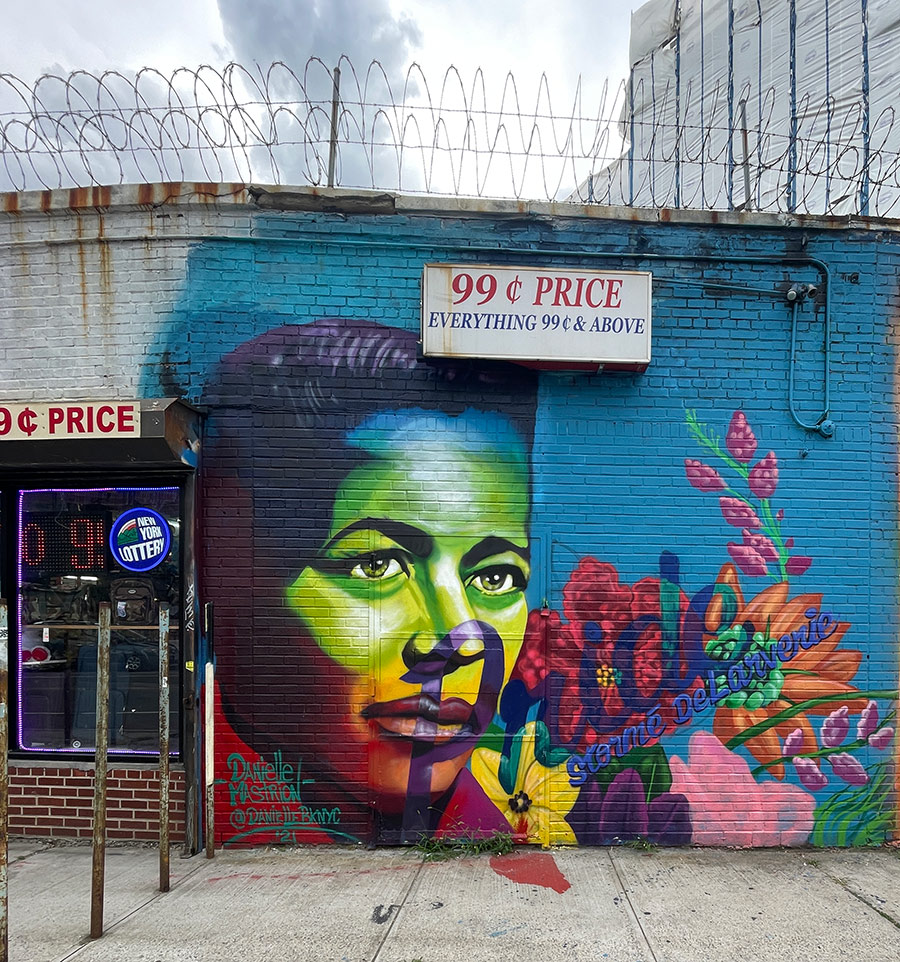
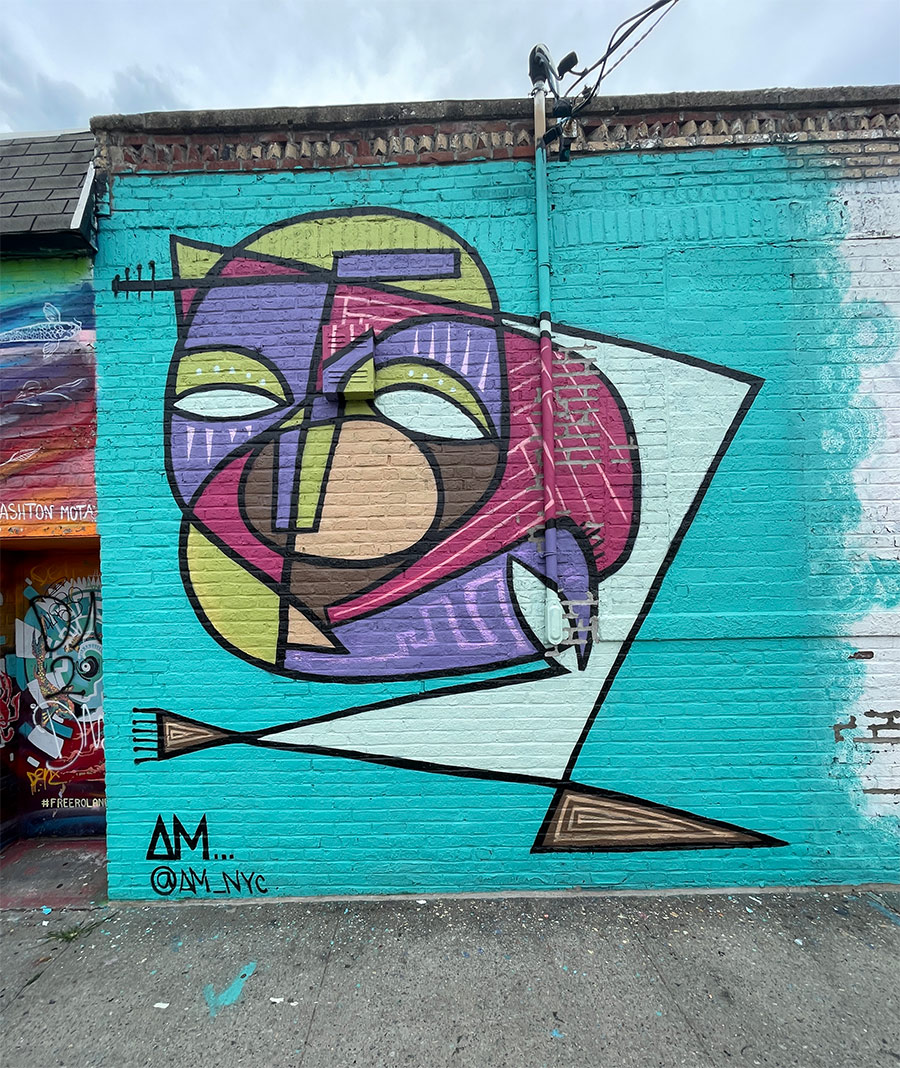
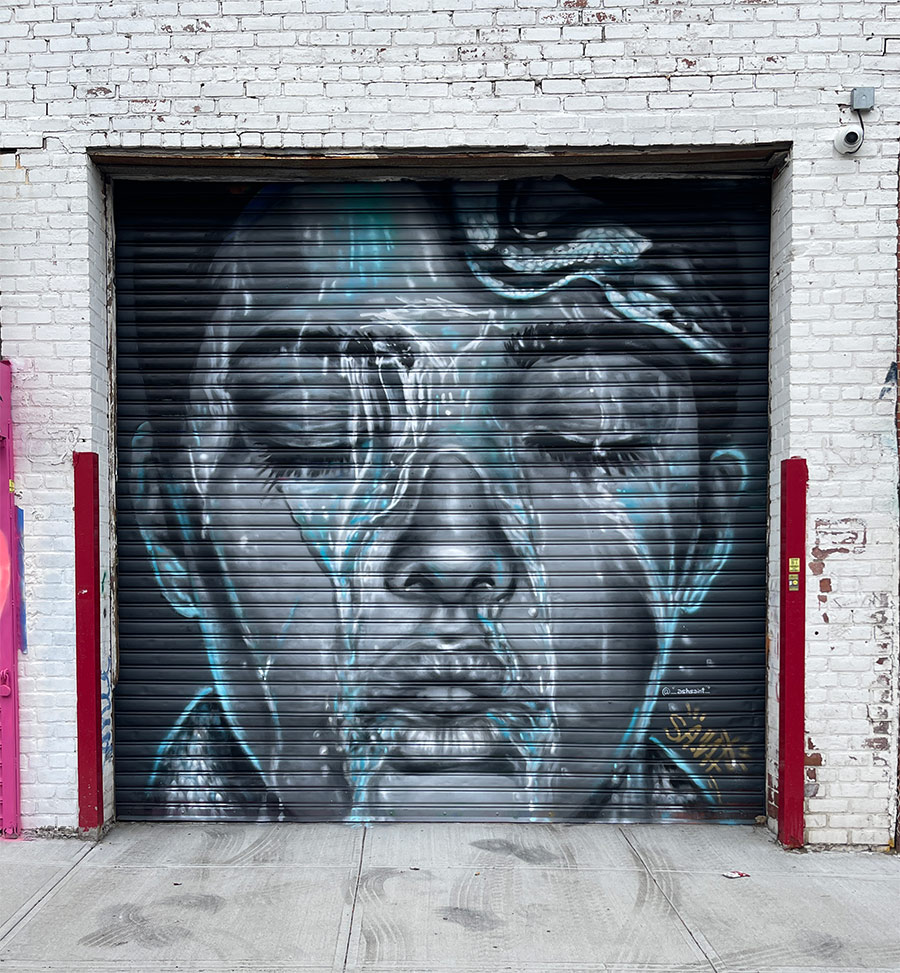
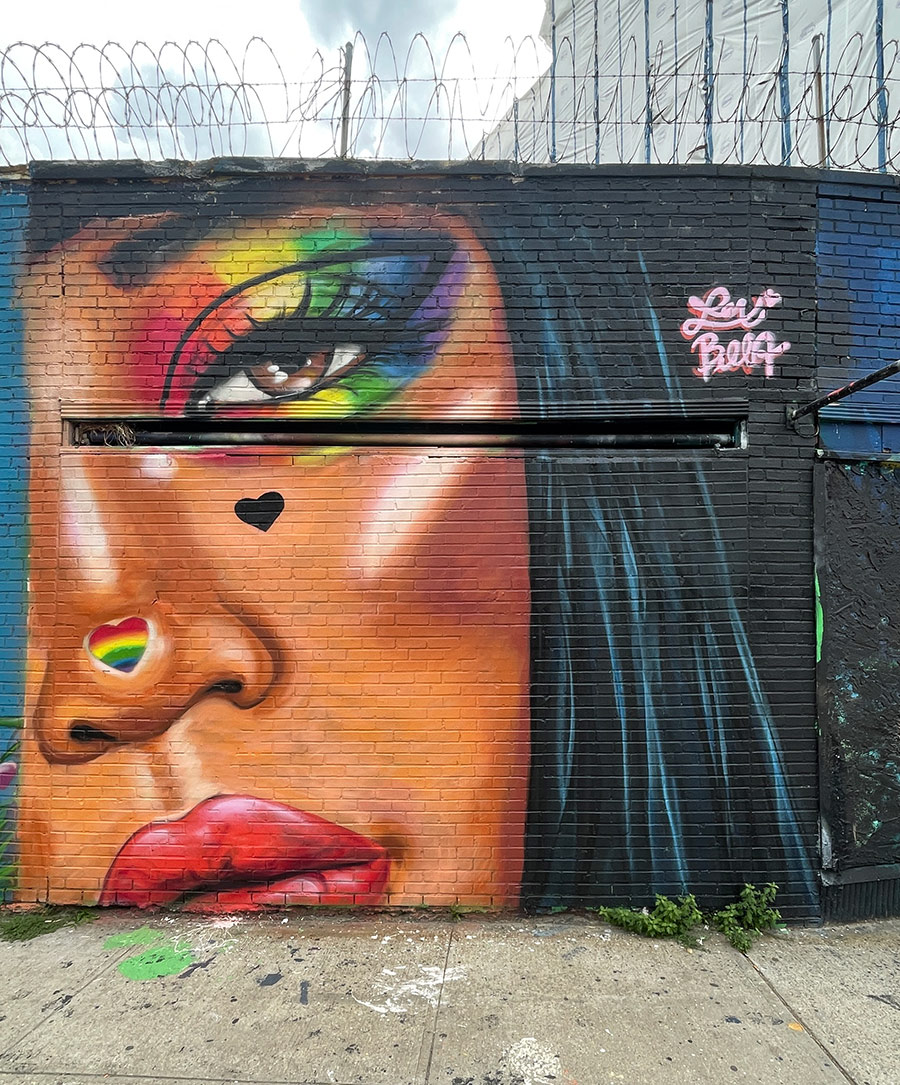
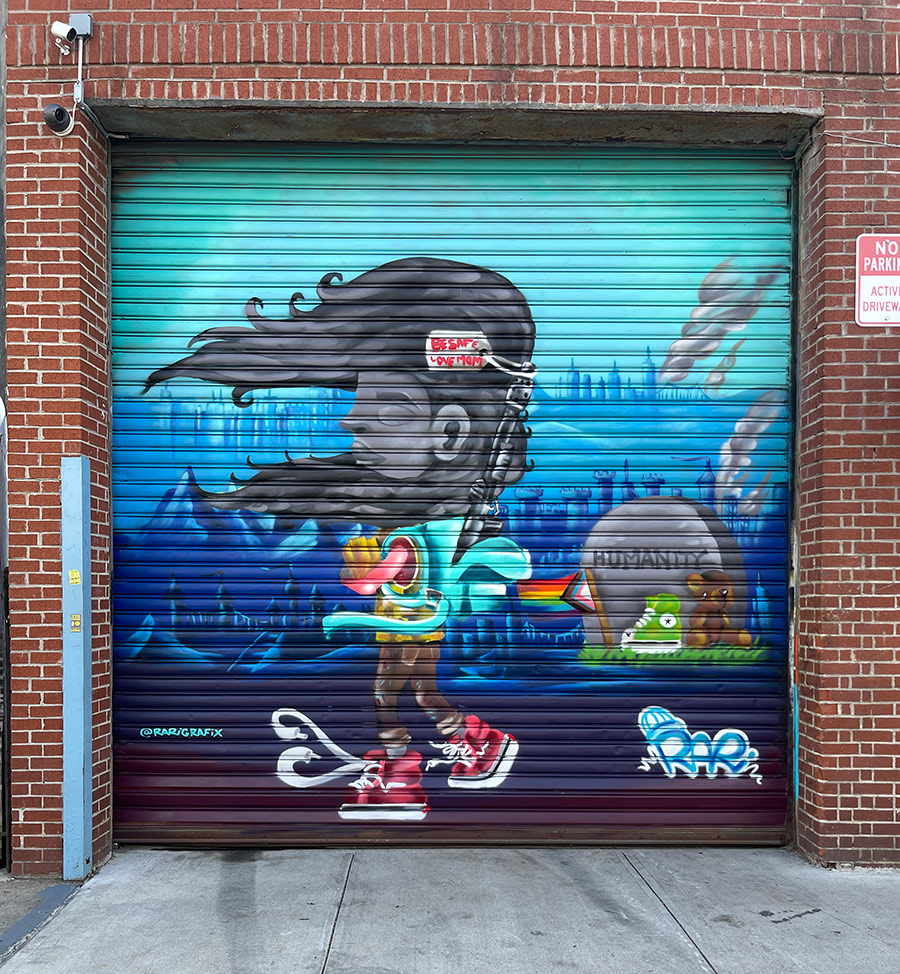
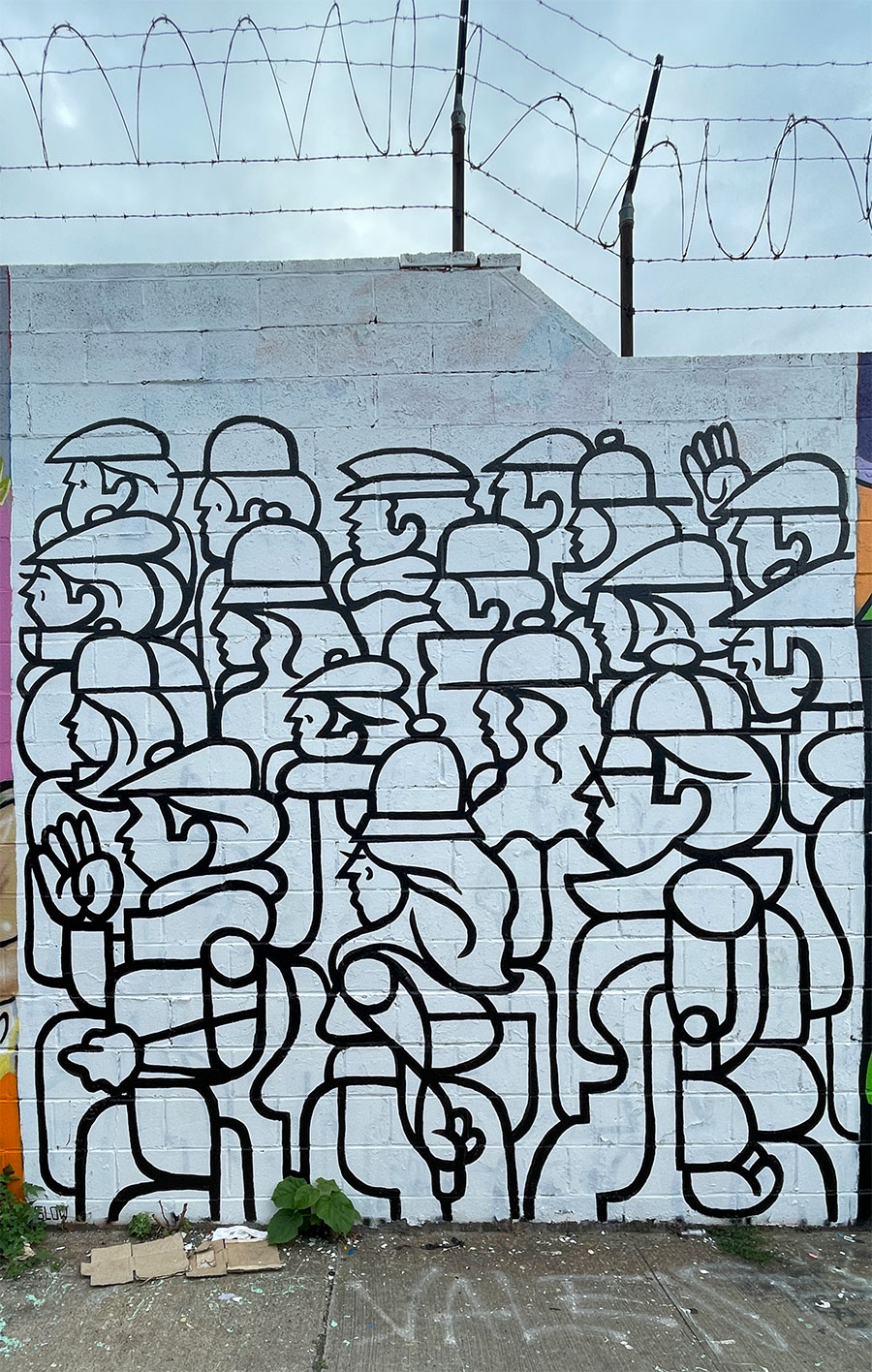
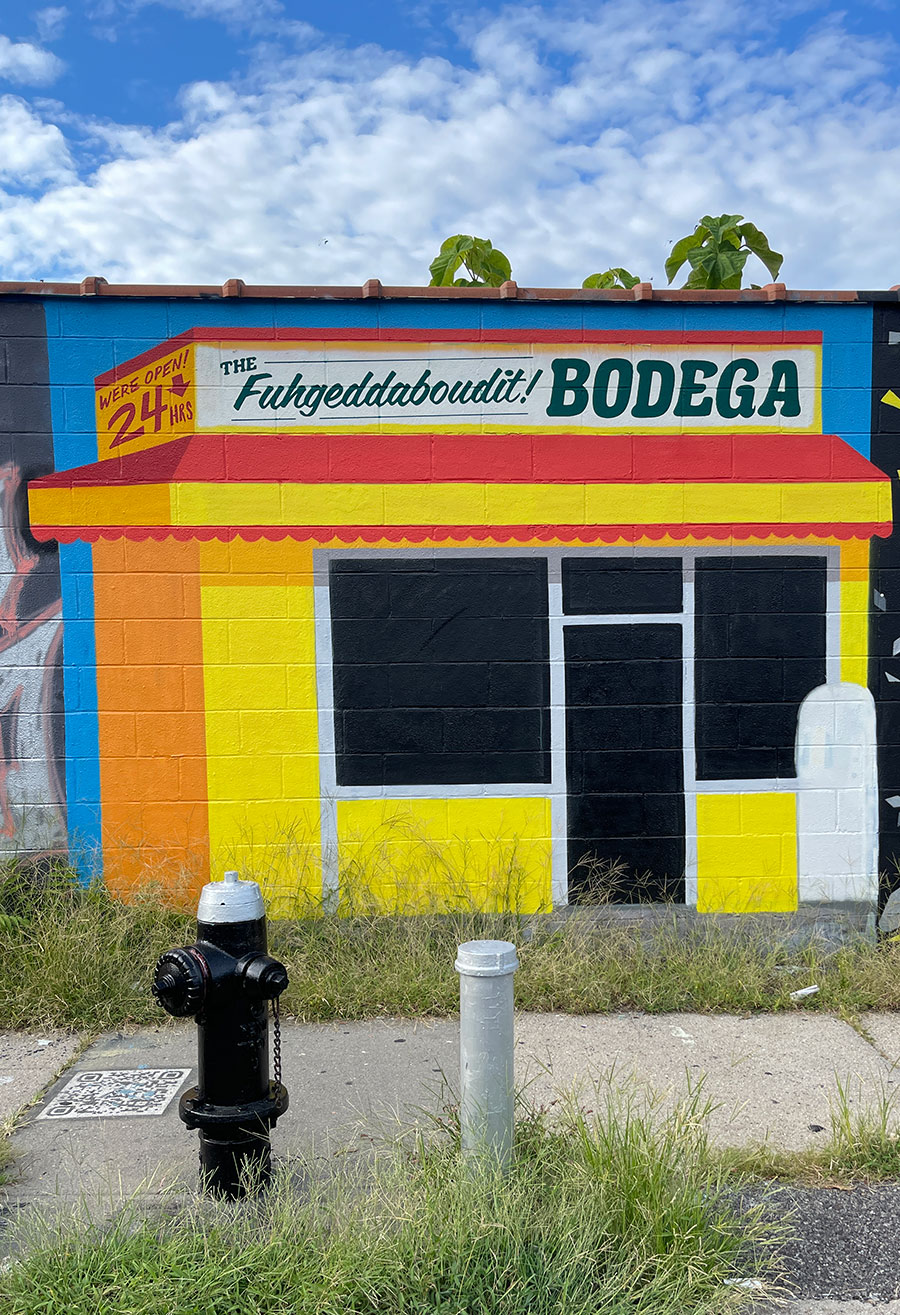
Ultimately people respond to graffiti and street art because of the humanity that vibrates from it. You may care deeply, or care not. If it is effective, art on the street will help you to make the connection. New York is blessed this summer to have a particularly deep and wide selection of unsanctioned and sanctioned artworks across the city that is evidence of a mature, vibrant scene full of many voices, perspectives and styles. Even our art on the streets illustrates that New York is a true melting pot.
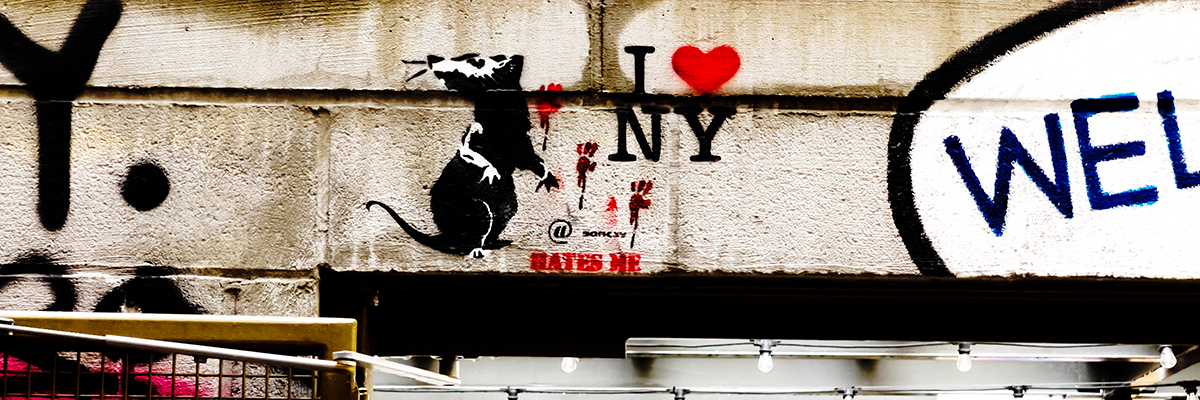
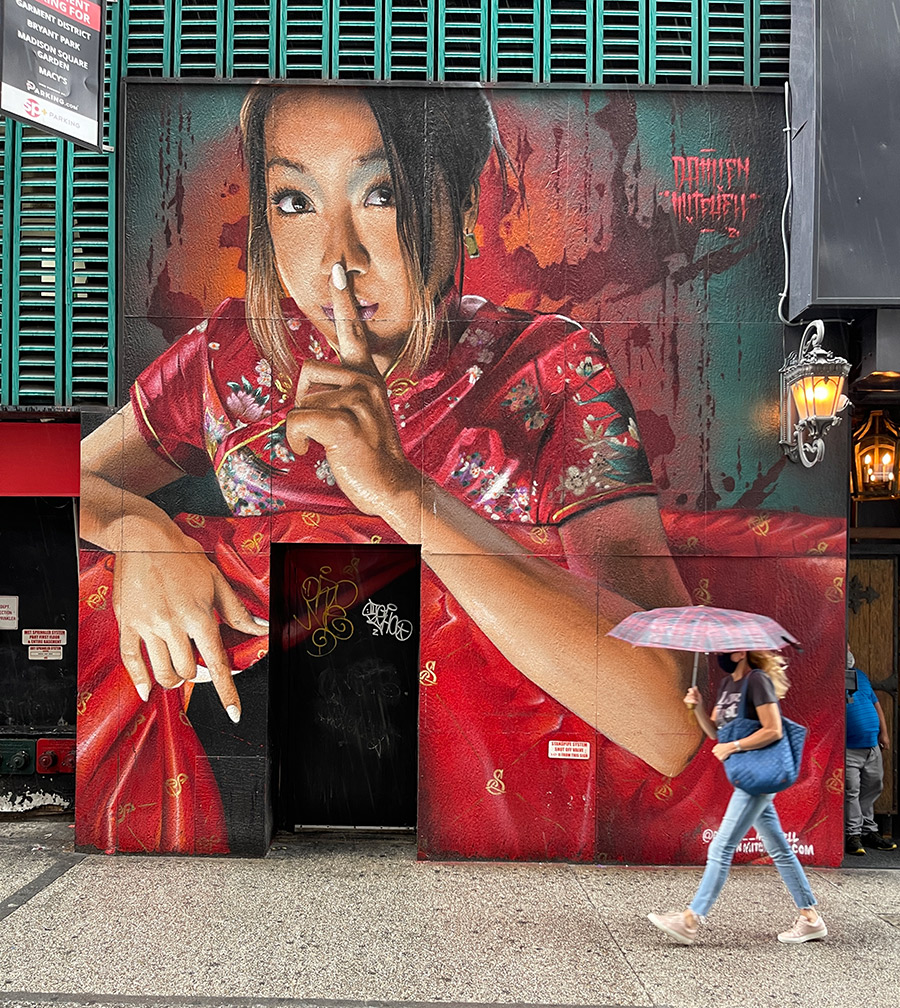
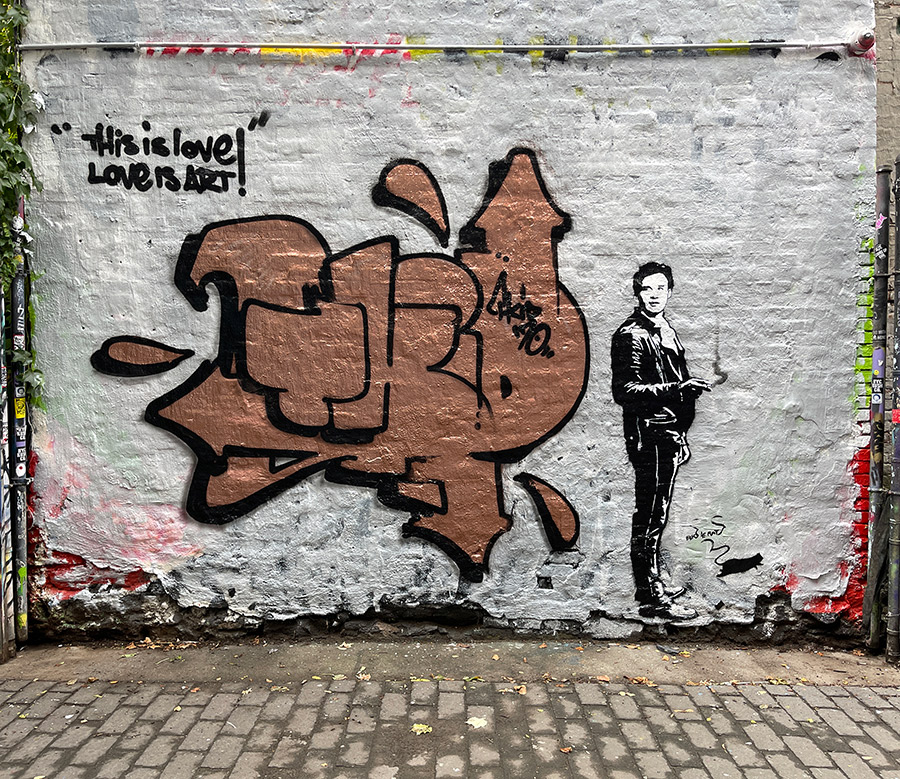
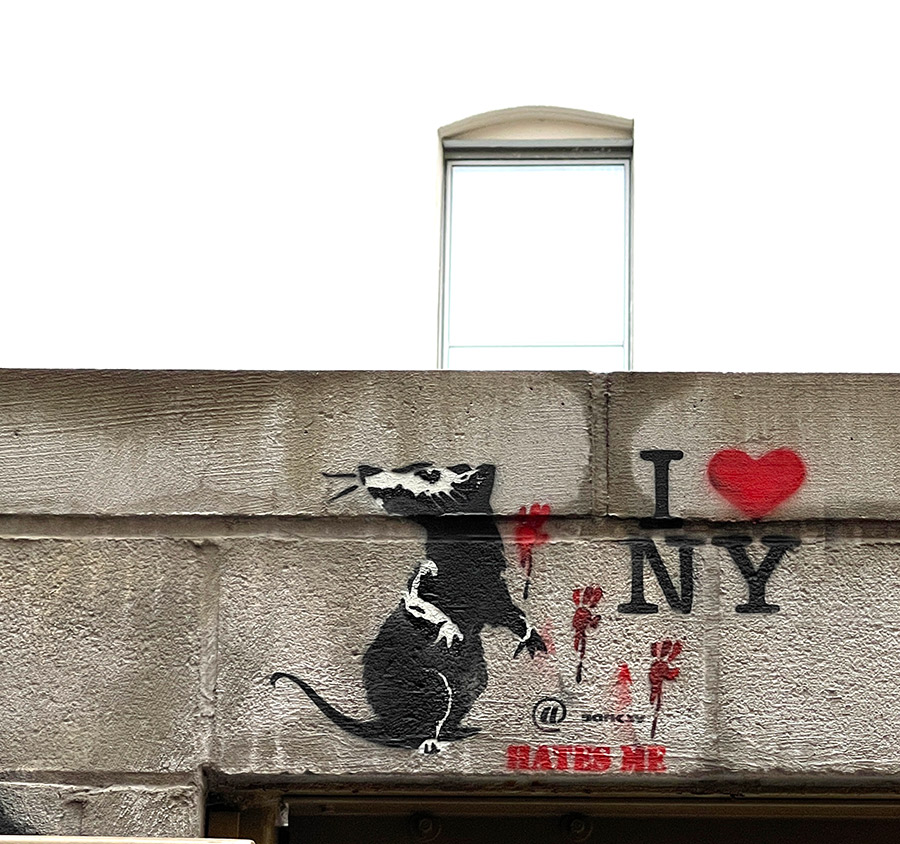
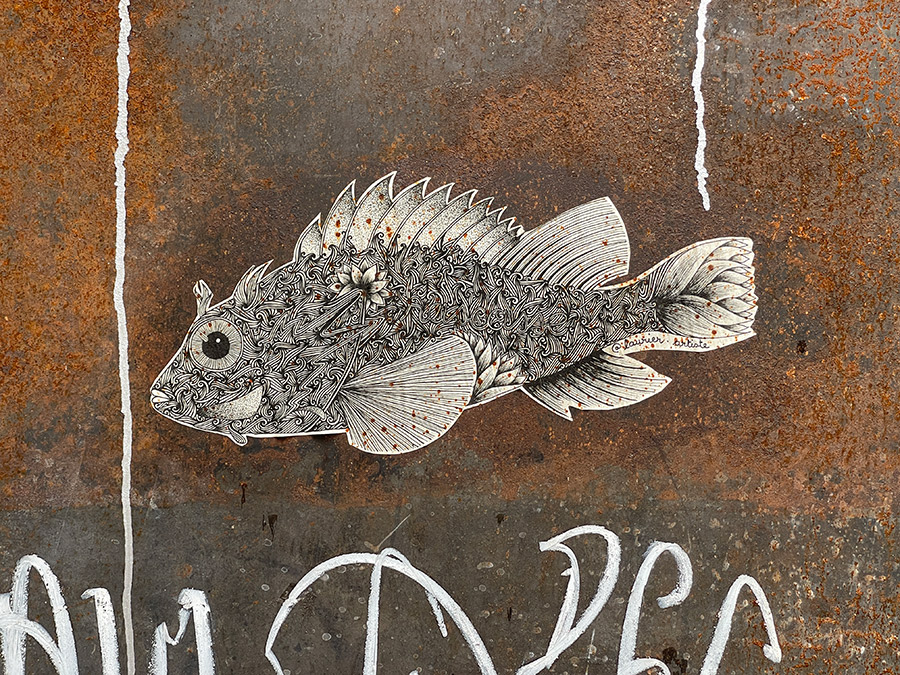
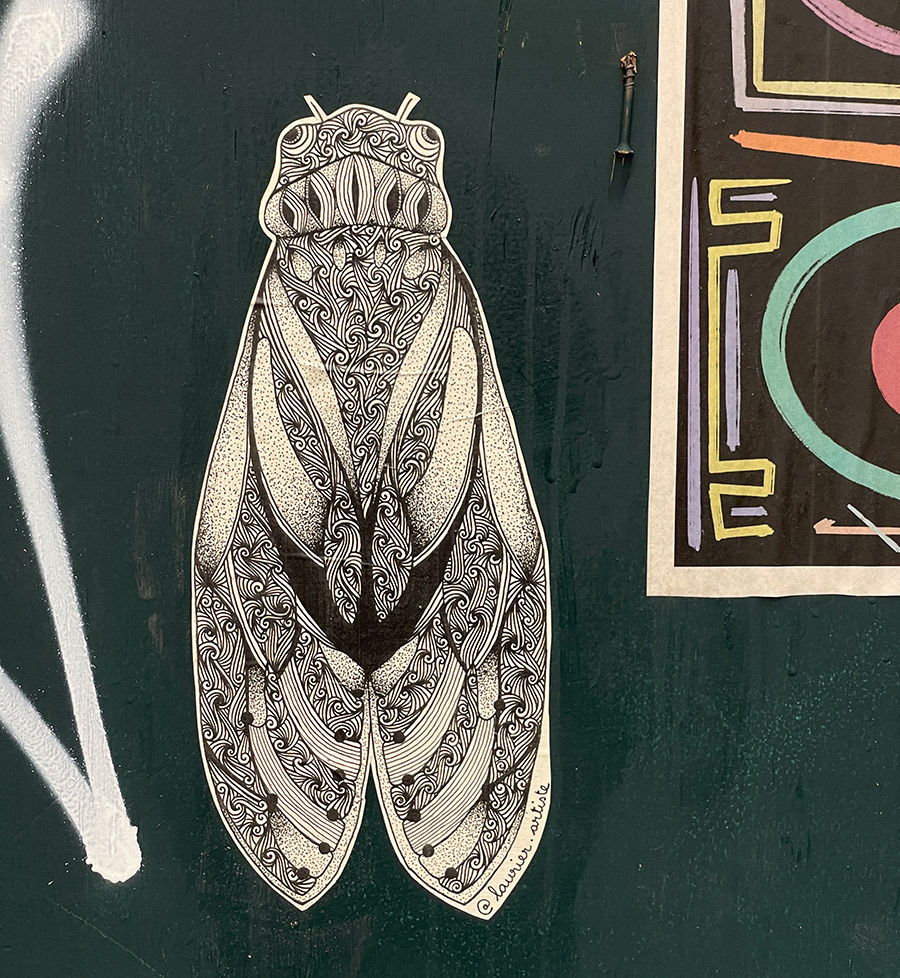
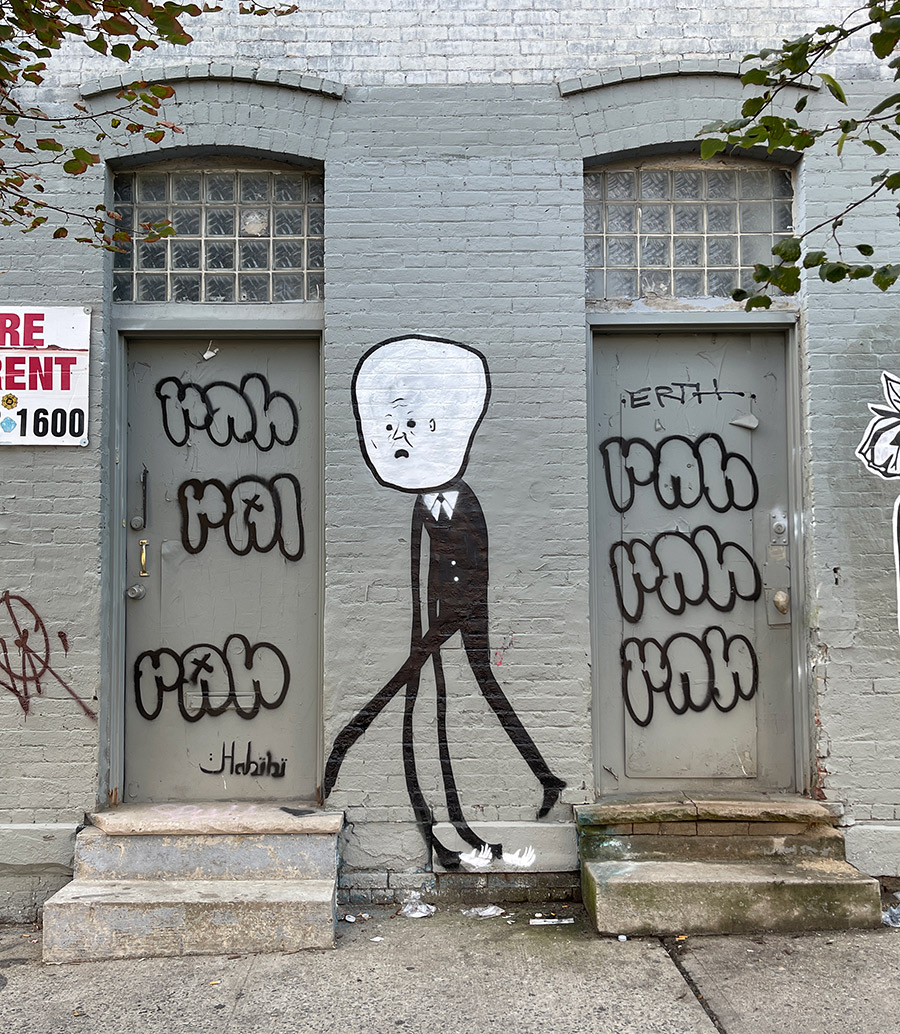
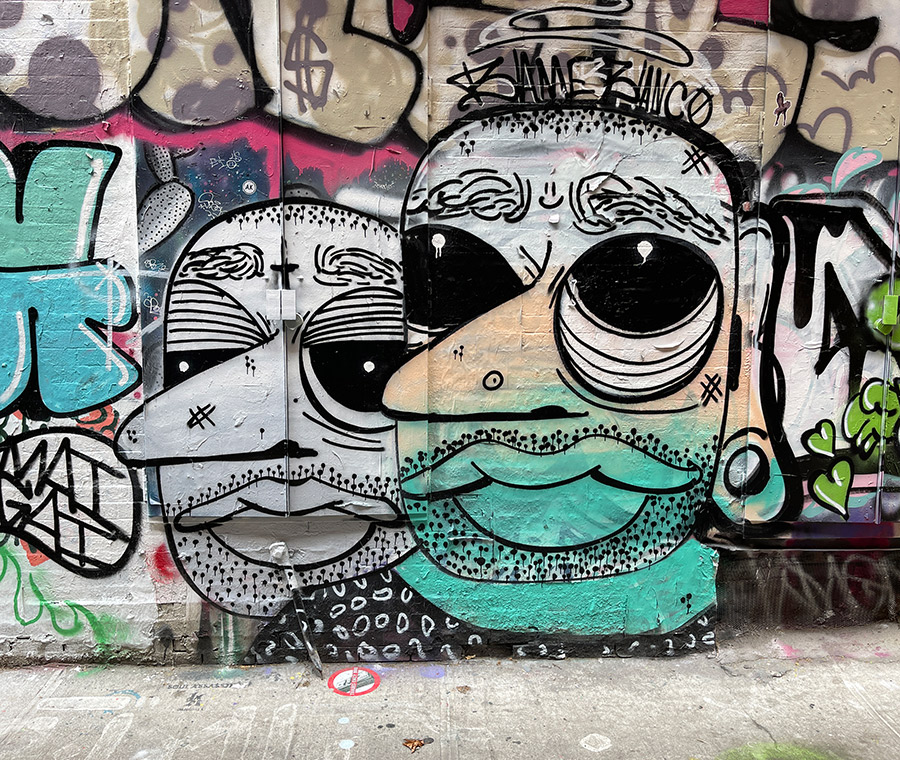
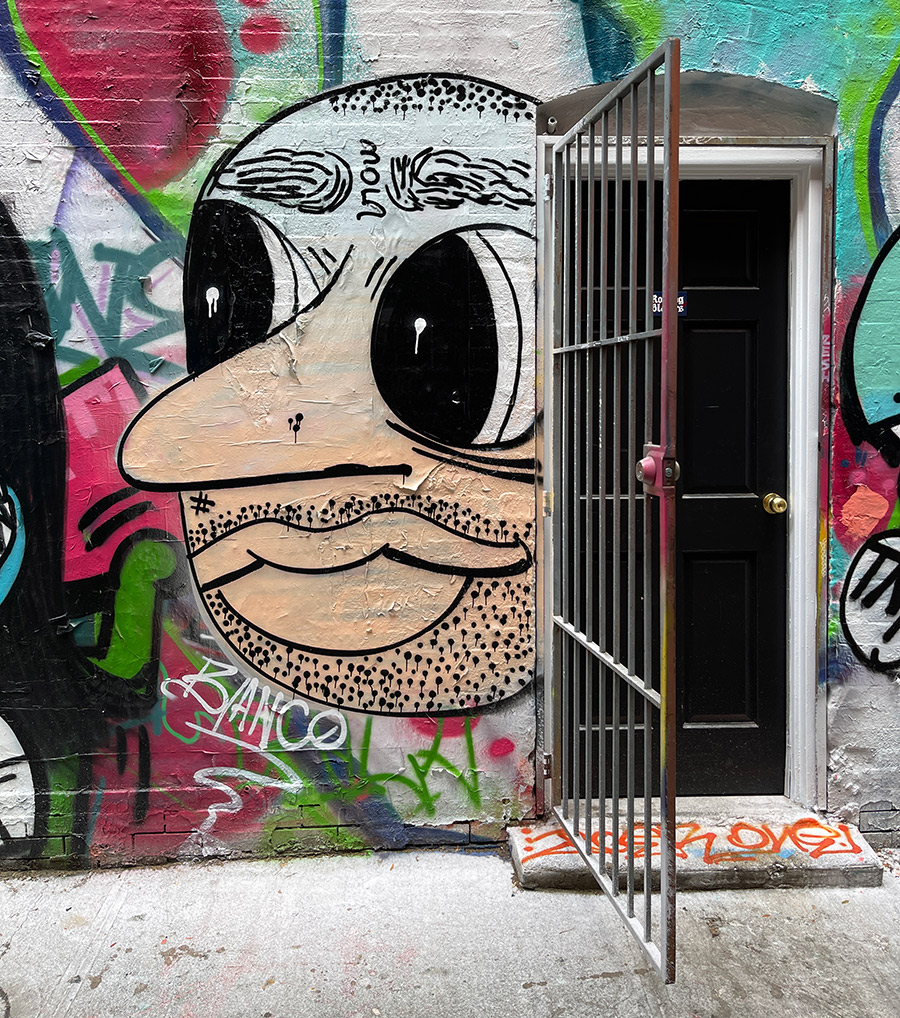
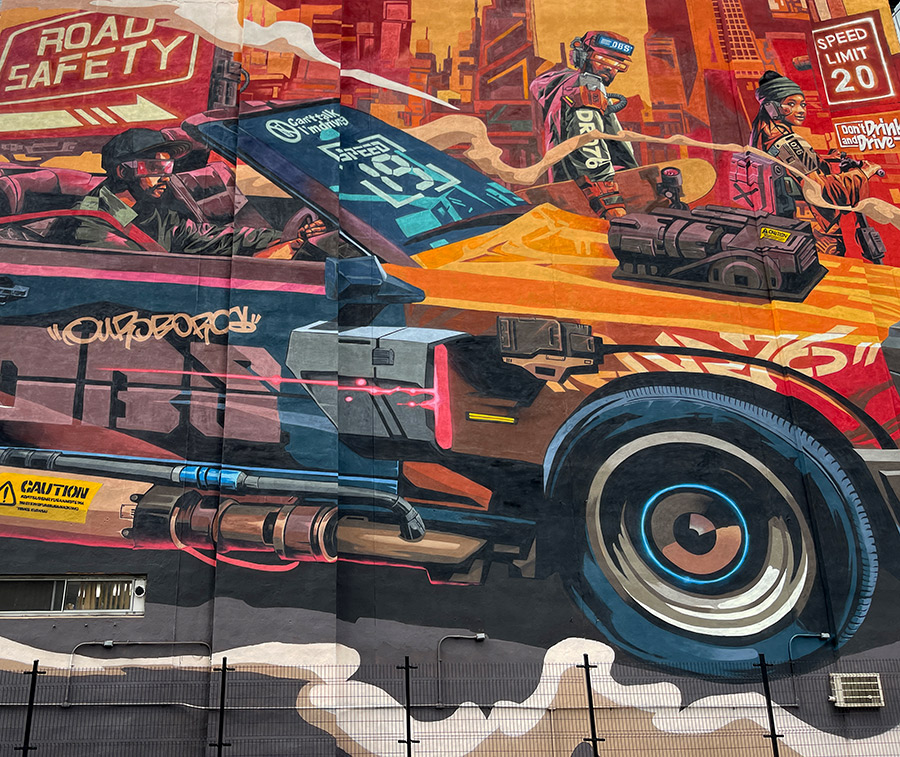
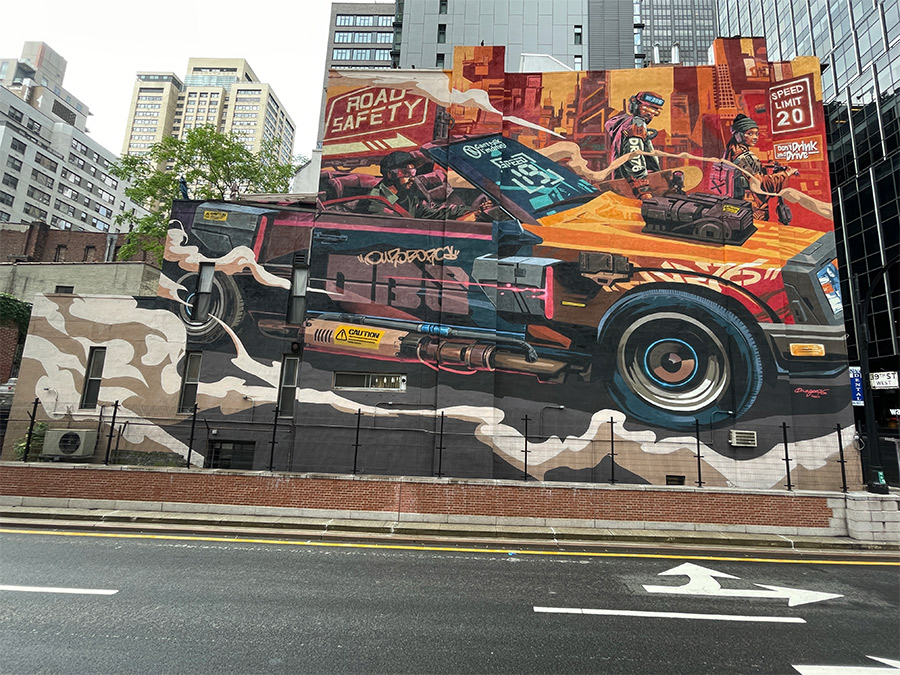
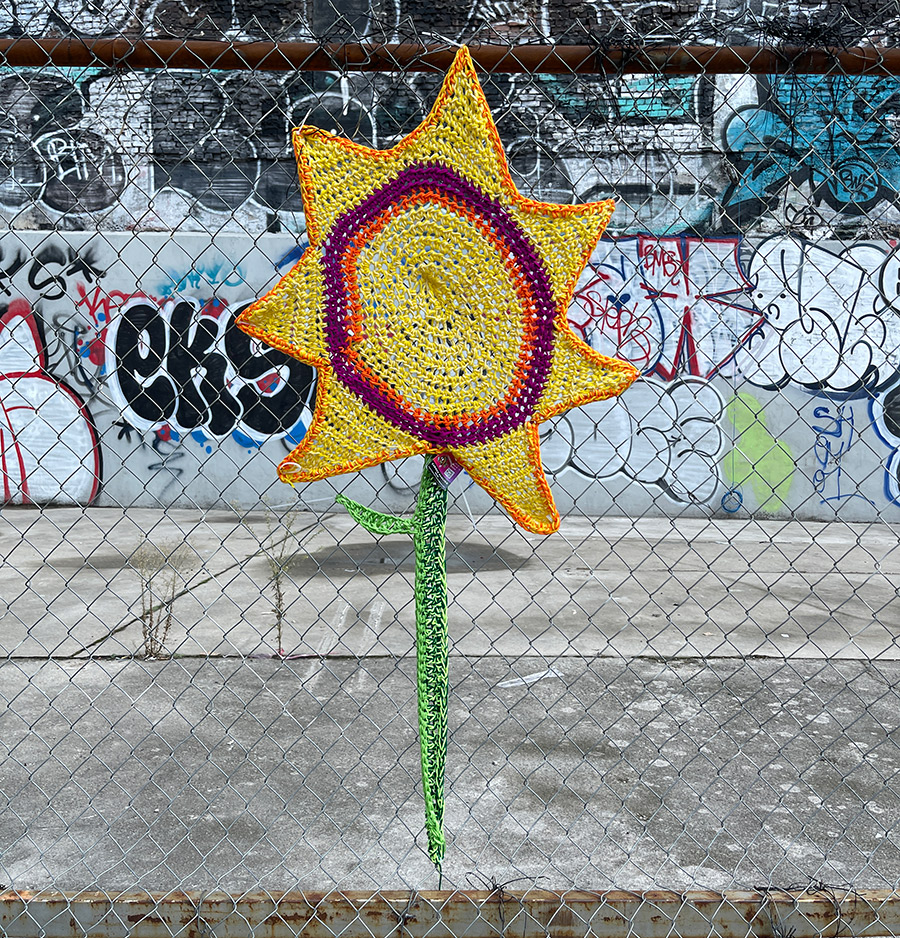
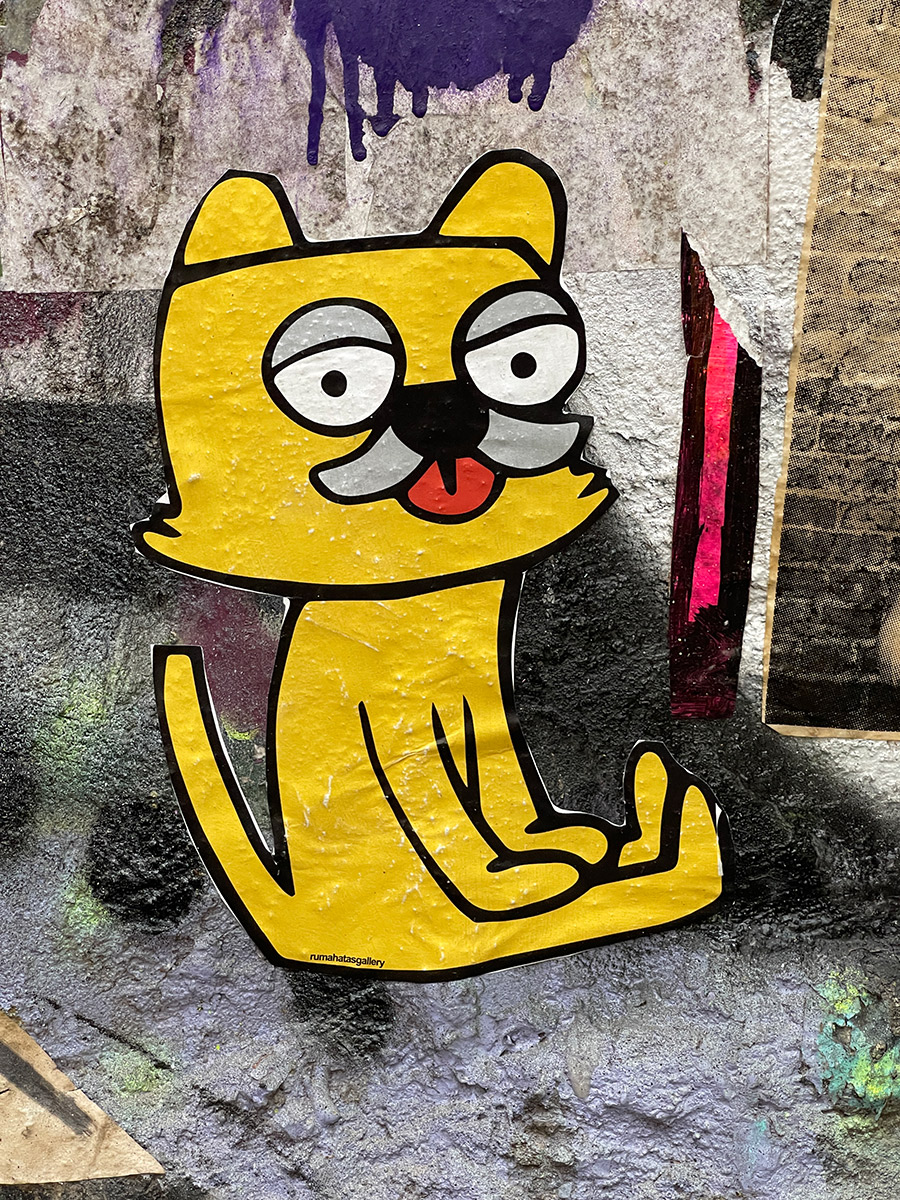
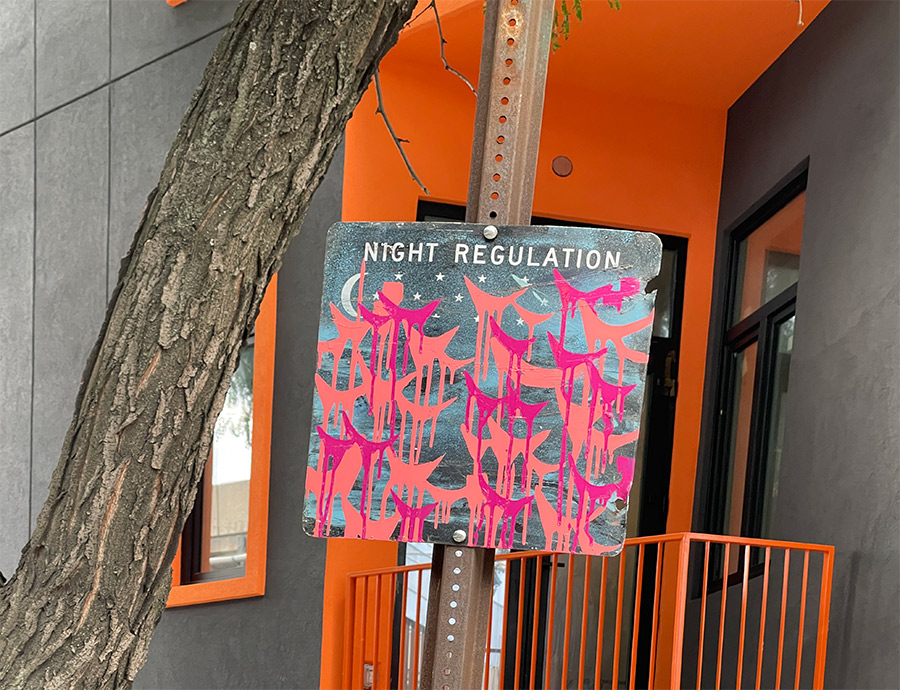
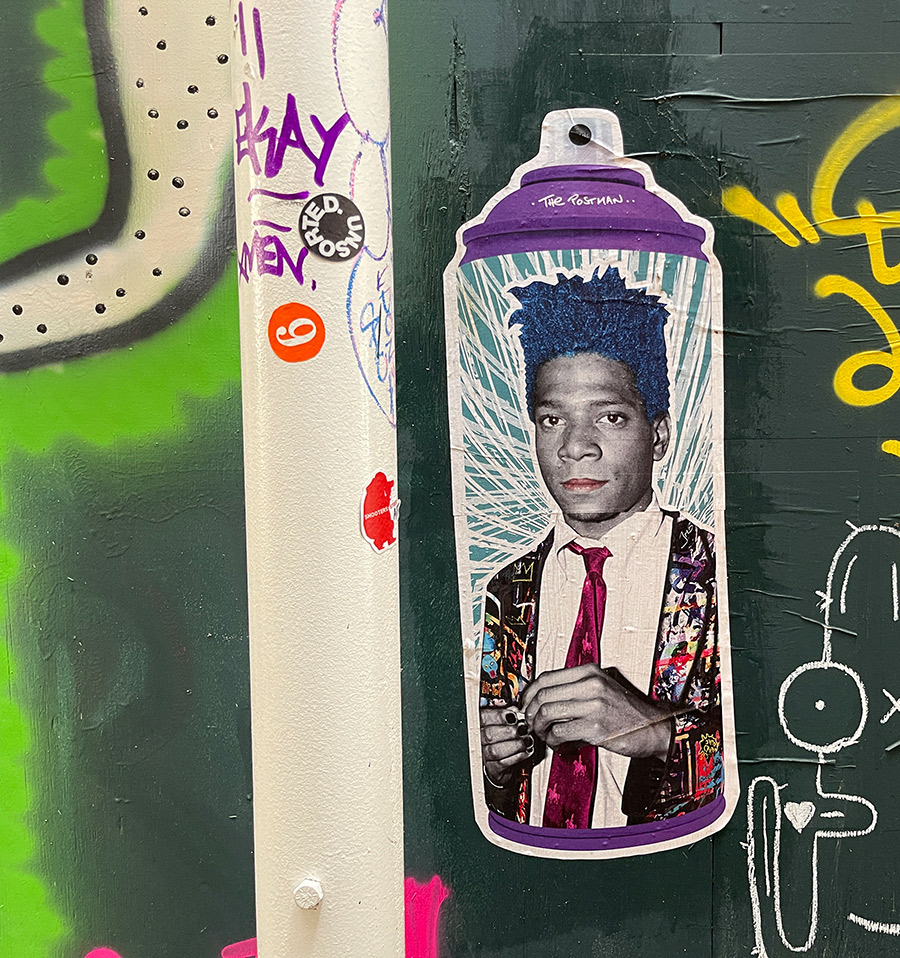
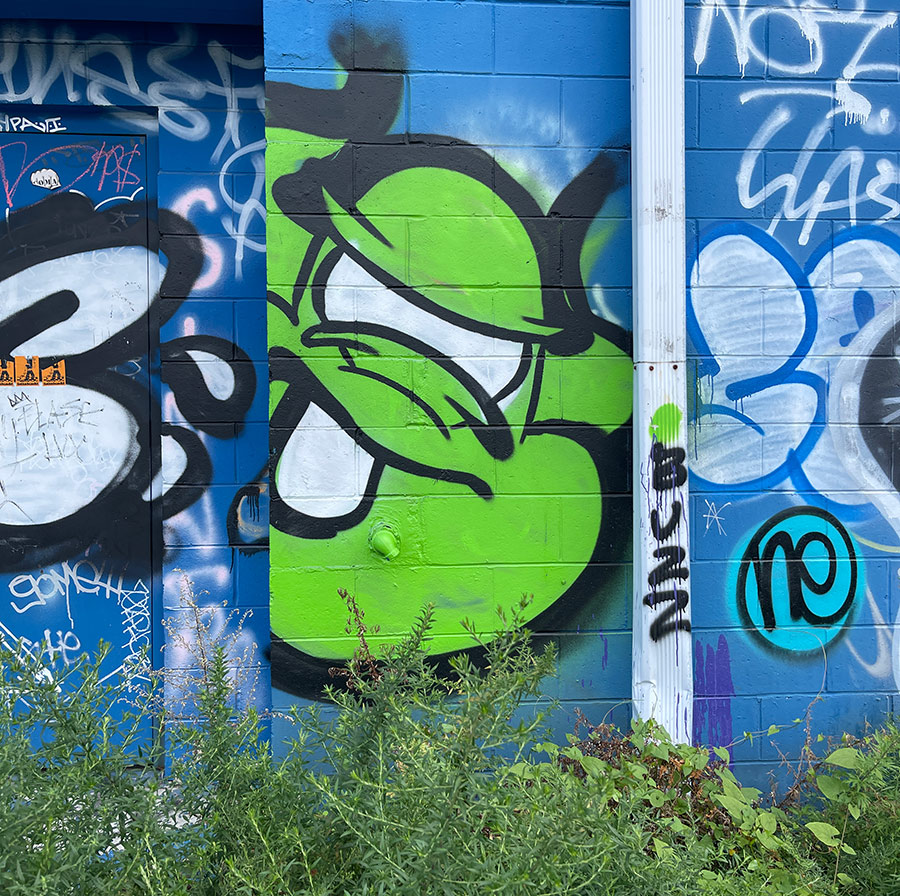
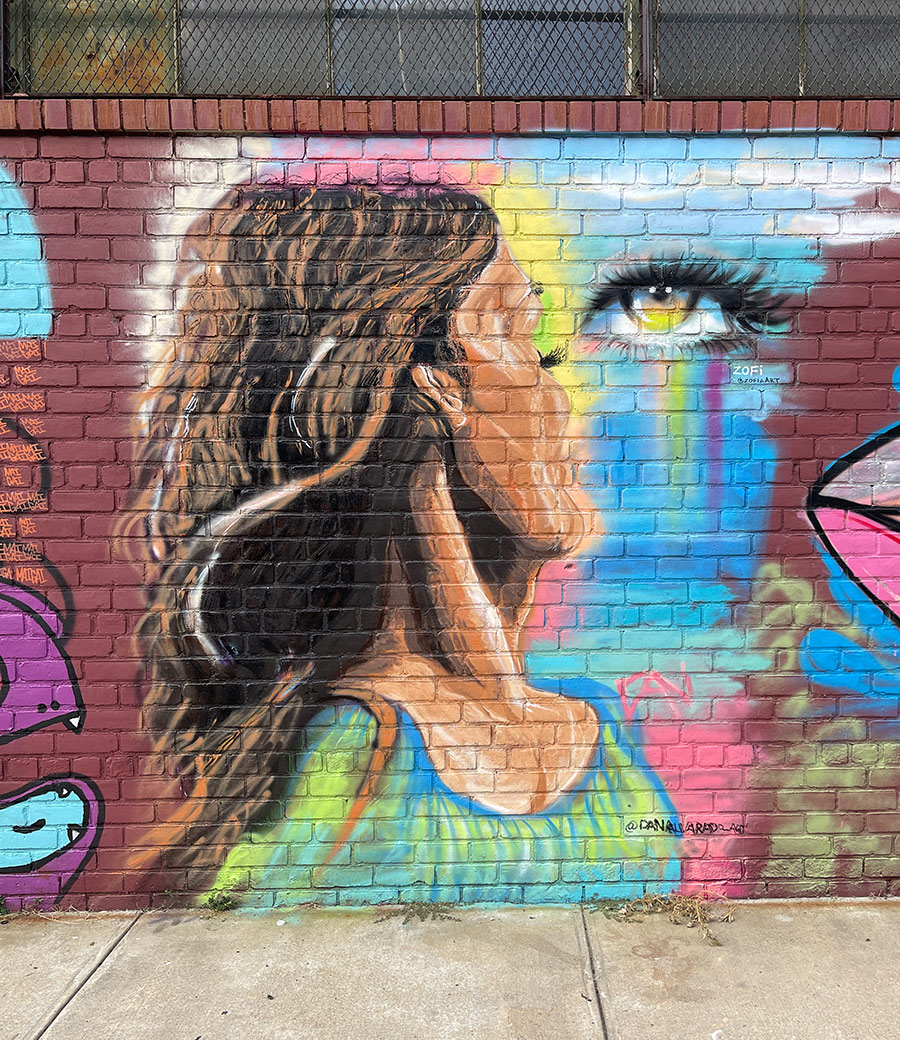
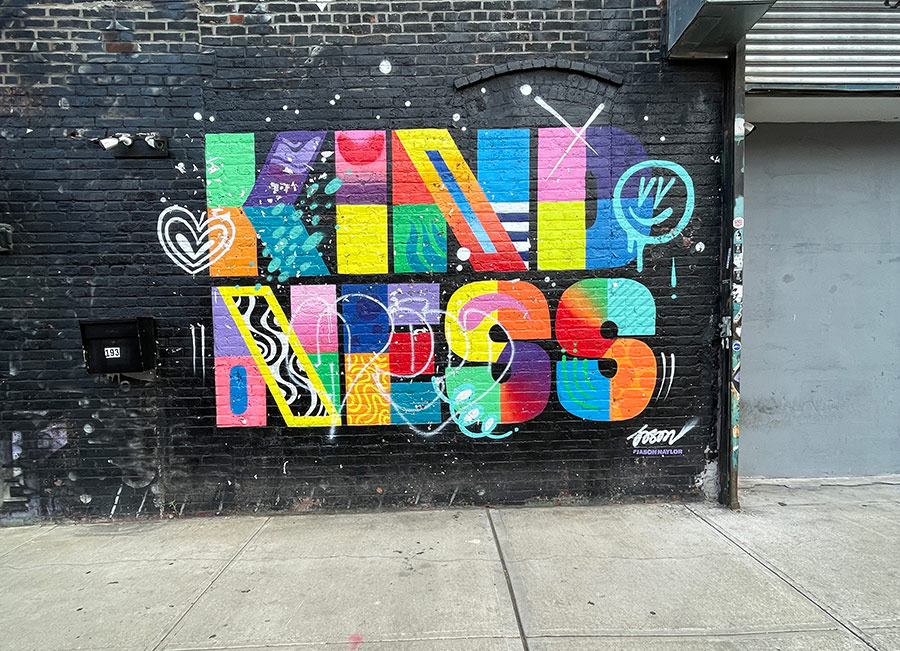
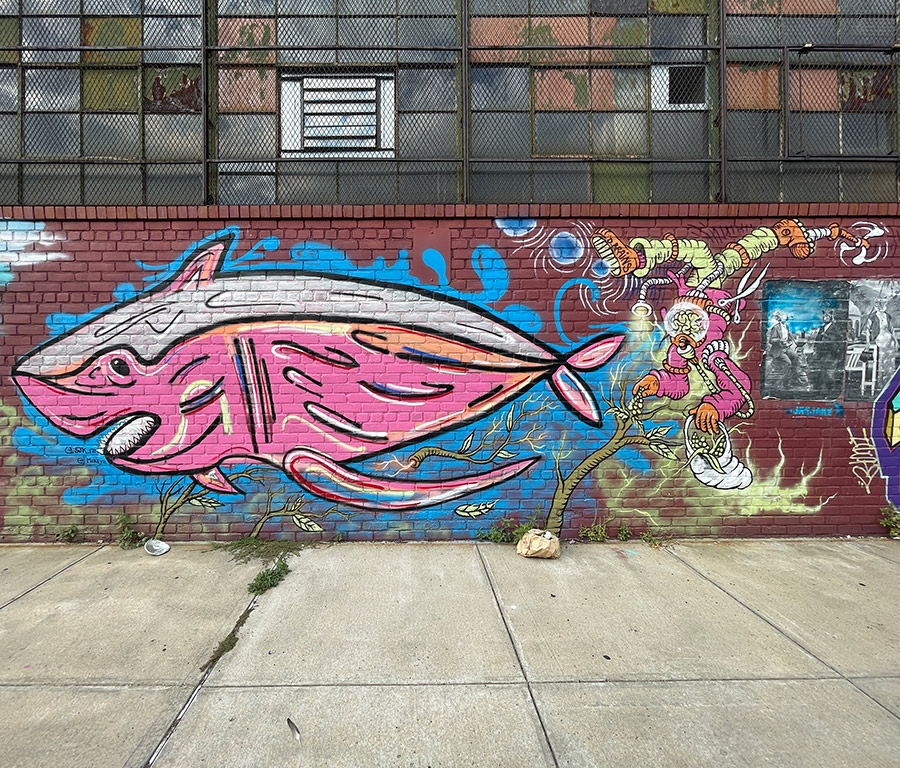
Here’s our weekly interview with the street, this week featuring: Dark Clouds, Blek le Rat, Damien Mitchell, Dragon76, TKid170, Banksy Hates Me, Habibi, Laurier Artiste, Blame Blanco, SanekOne, Carnin Paulino, Ruma, and The Postman.
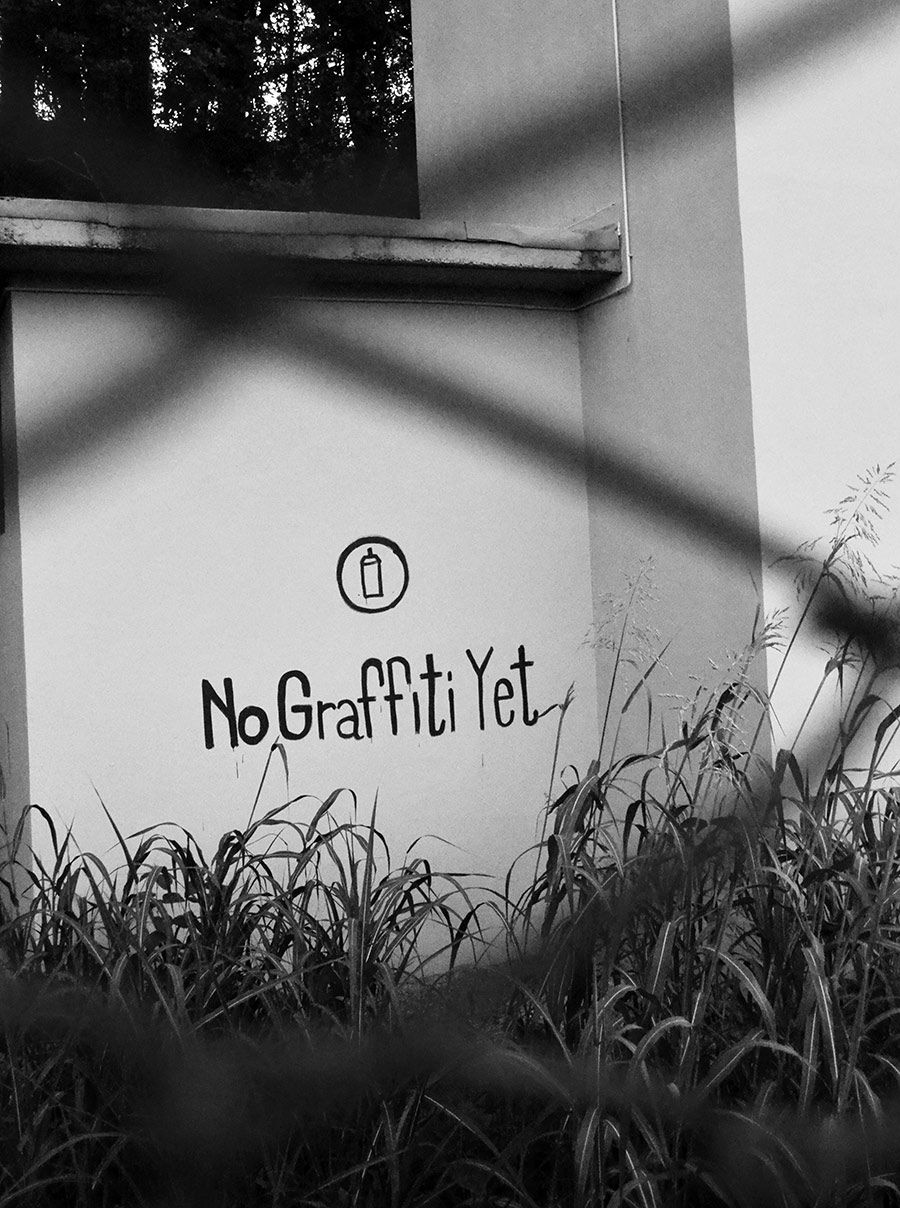
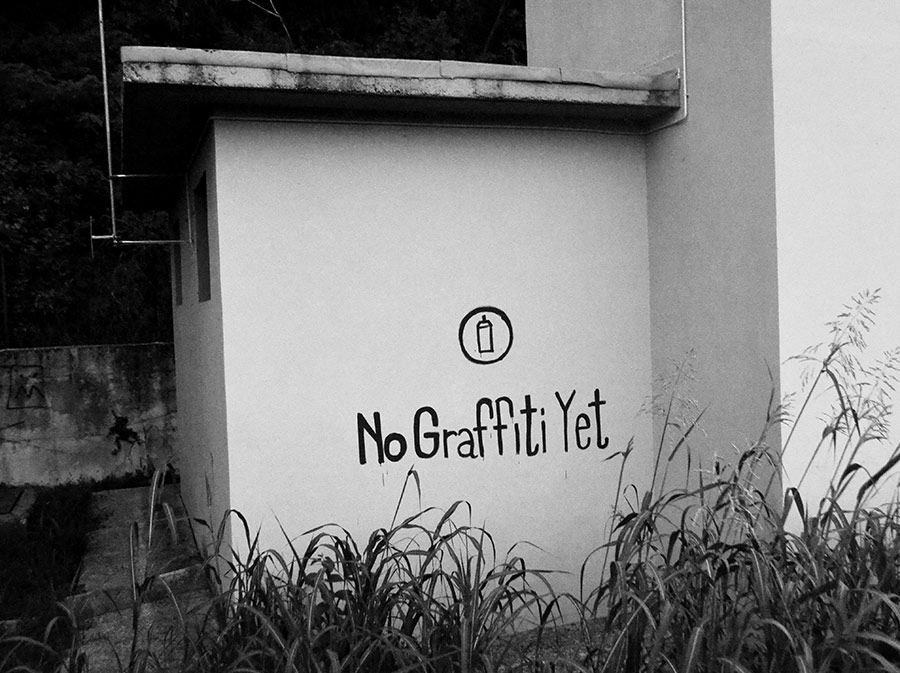
In a sea of street art murals, the simplicity of a hand-rendered text piece may be deceptive sometimes because you may miss its complexity. It is also a brave move to rely upon the minimum of elements and lack of style to create something with weight, or humor.
Elfo (photo courtesy of the artist)
Tuscany-based Elfo preempts your response in this new simple piece, purporting to be an advisory against graffiti. In the process, he draws attention to the fact that anti-graffiti signage on the street is large no different than graffiti. The spontaneity of graffiti is often the source of its power, however, and this hand-rendered piece is anticipatory and contradictory.
Our weekly focus on the moving image and art in the streets. And other oddities.
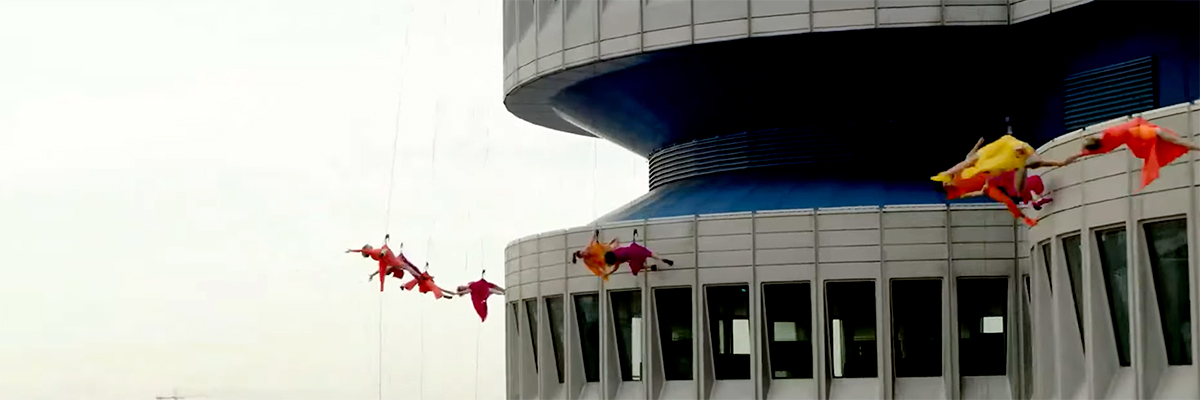
Now screening: 1. Bandaloop. Excerpts from Field. Part II of the multi-year work LOOM. 2. Bandaloop. FLOOD, World premiere. 3. Bandaloop. Redemption Too, at Least Some / A Work-in-Progress Collaboration from DBR and Bandaloop. 4. Bandaloop teams up with BMW to celebrate its headquarters’ 50th anniversary in Munich.
BSA Special Feature: Bandaloop
As you survey the world of breaking (rocking) that blossomed in the Hip Hop era that enveloped graffiti writing among its elements, one may conclude that public performance itself has undergone revolution in the last 4 or 5 decades. A hybrid of rock-climbing, rappelling, parkour and high-flying feats, the vertical dance company has challenged expectations frequently in its battle with gravity – often in view of an awestruck public. This is redefining, reclaiming public space at its finest.
Bandaloop. Excerpts from Field. Part II of the multi-year work LOOM.
Bandaloop. FLOOD, World premiere.
Bandaloop. Redemption Too, at Least Some / A Work-in-Progress Collaboration from DBR and Bandaloop.
Bandaloop teams up with BMW to celebrate its headquarters’ 50th anniversary in Munich.
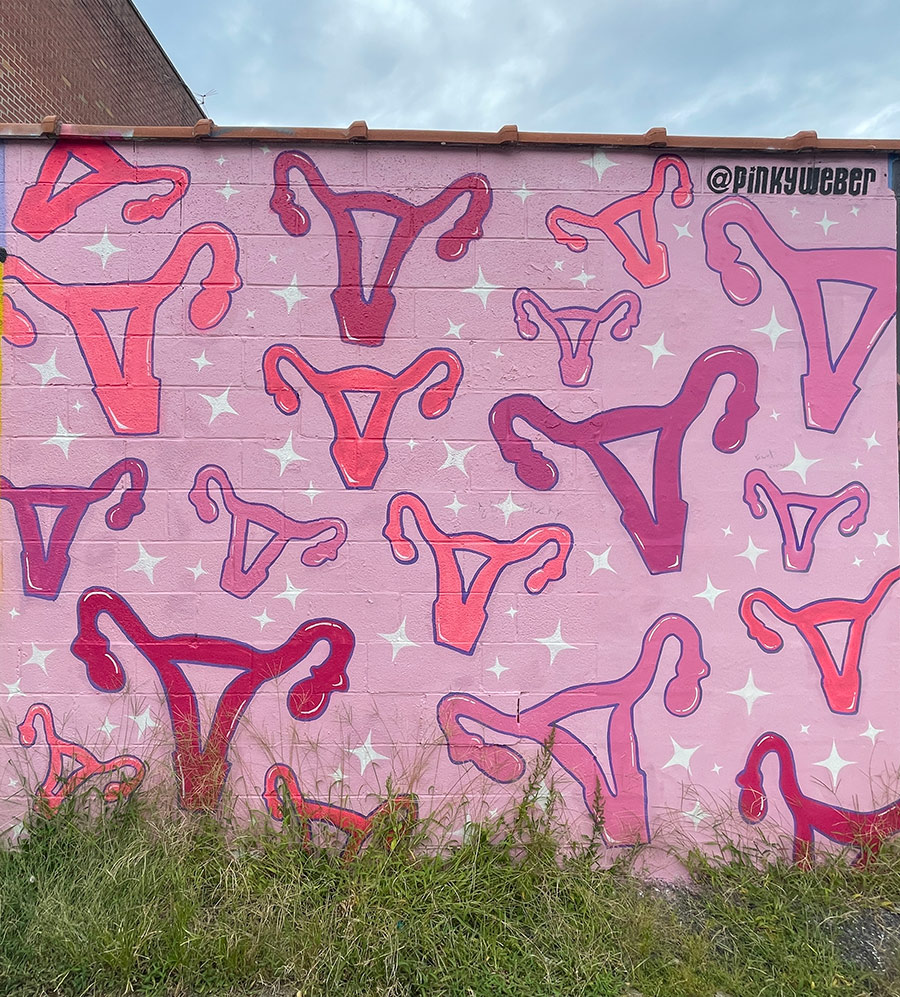
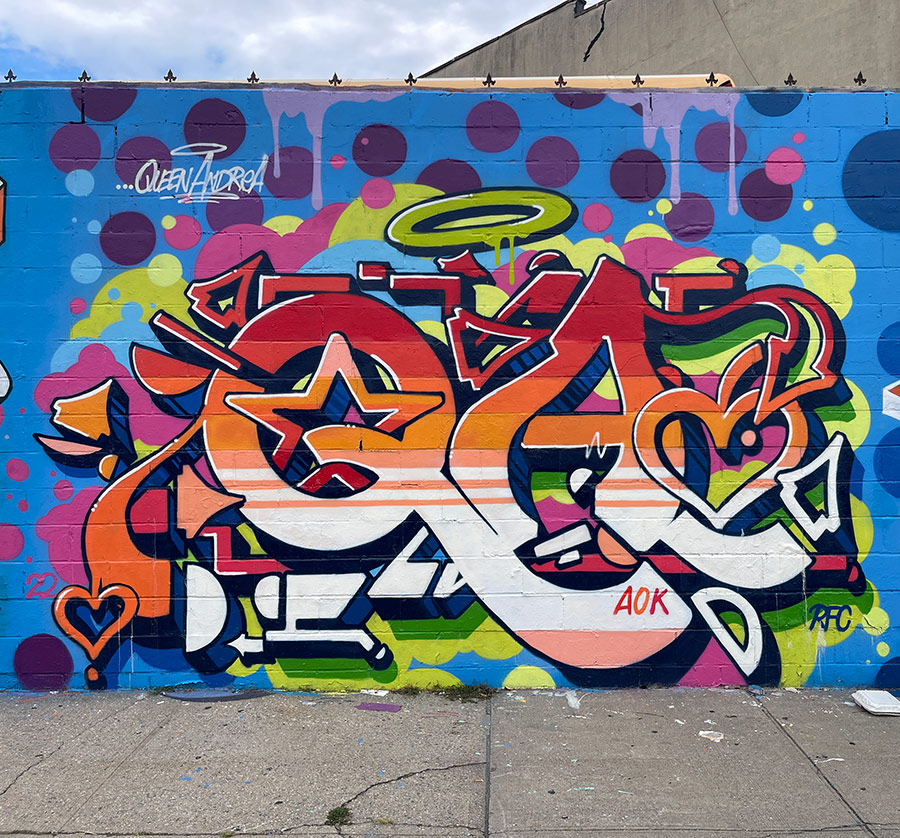
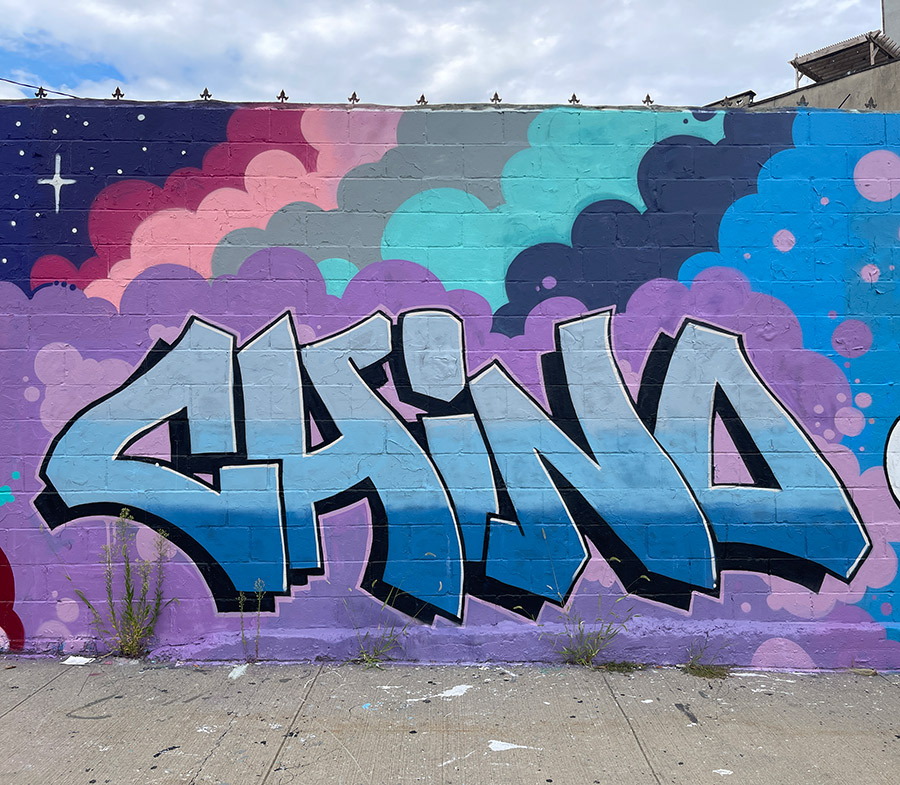
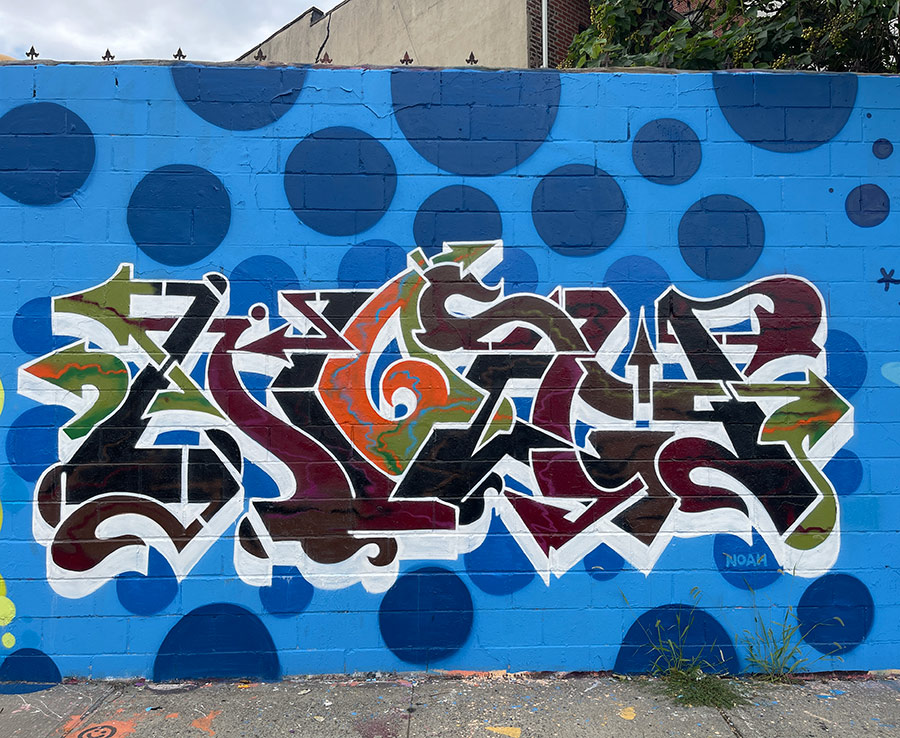
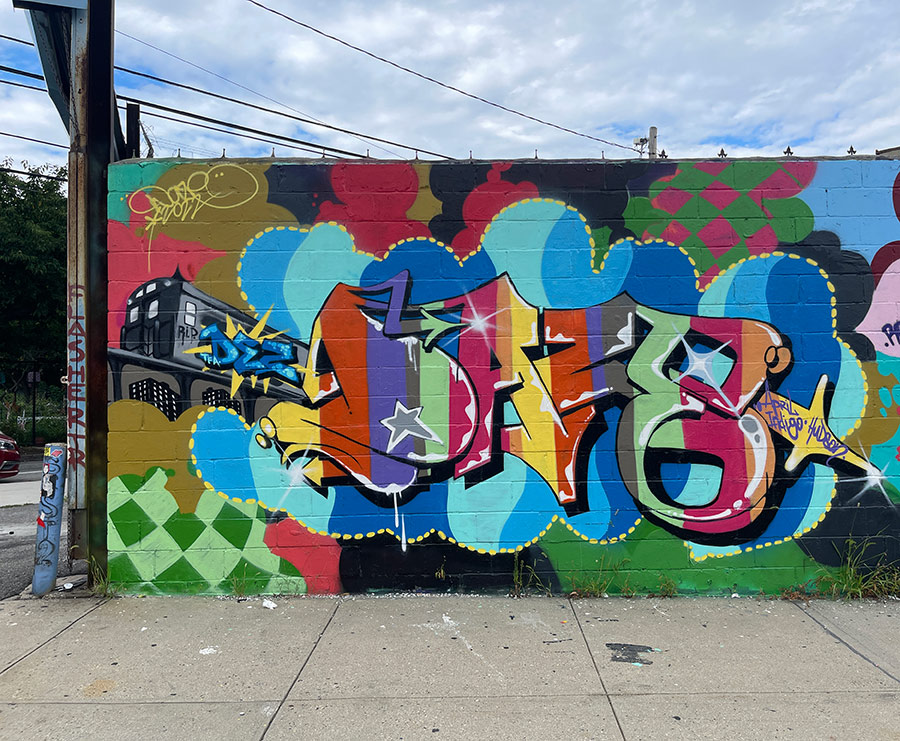
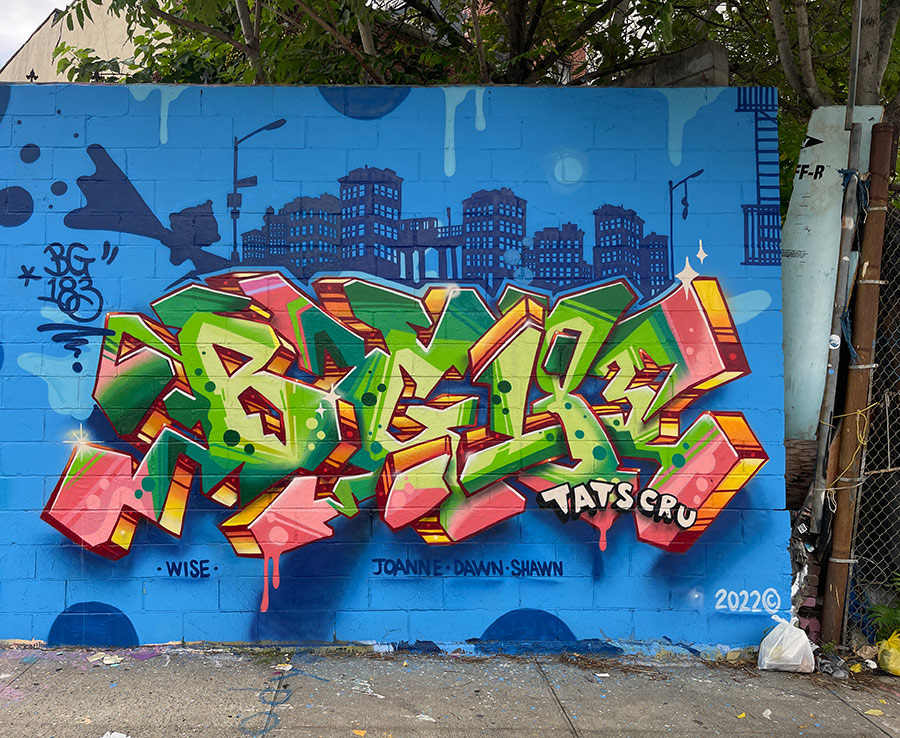
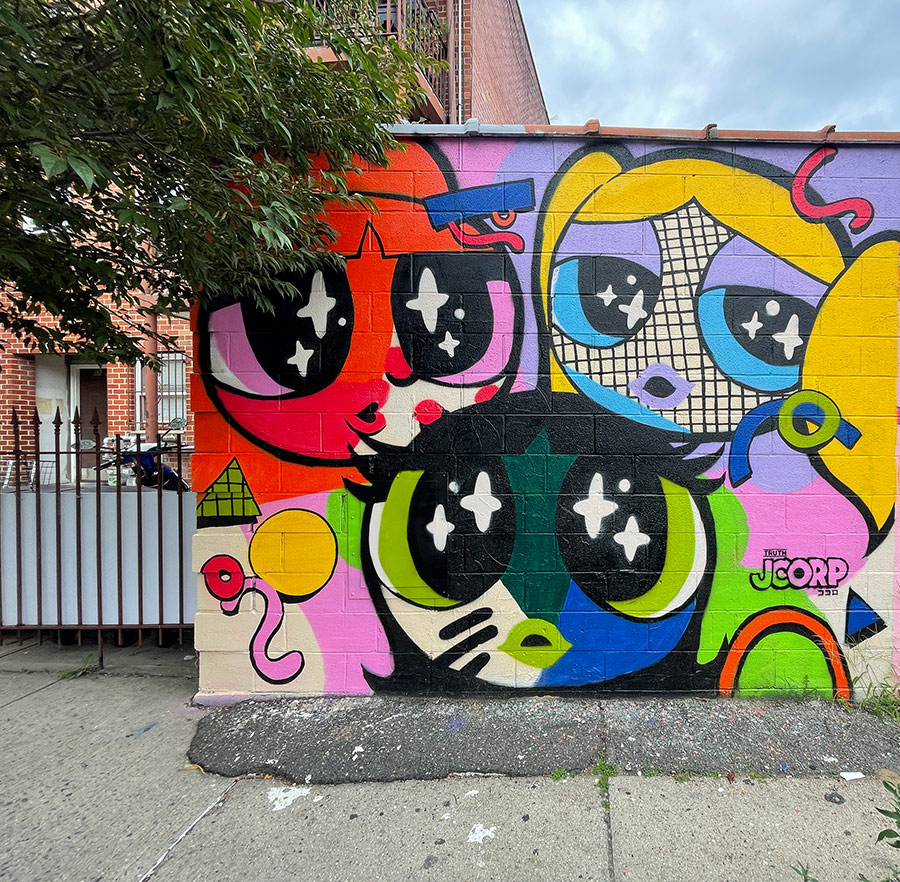
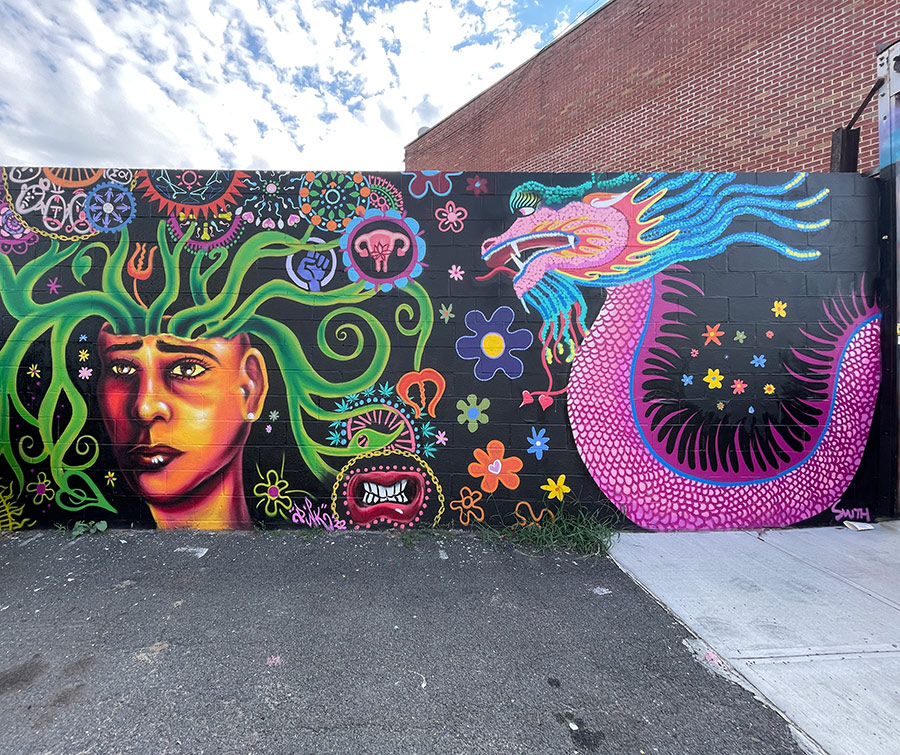
Rocking this little neighborhood since 2009, The Welling Court Mural Project in Queens, New York brought a bevy of old skool and new again this summer to add to the collaborative art project that cheers the locals and thrills visitors. By now, you could call it historic, with writers from the OG crowd like Tats Cru, Lady Pink, John Fekner, and Chino giving their best alongside a slew of newbies in the mural art scene. Alison Wallis is the sole director these days, and her roots with the graffiti and street art community go deep, which means a well of trust is involved.
As she scans the list of artists who have given of themselves to this neighborhood for more than a decade in this community project, Wallis writes in the manifesto: “with early career, mid-career, and burgeoning young artists to help foster beauty of all life, peace, and support for all people of any race, belief, and/or sexual identity around the globe.” Once again it is good to see the many ways a community can join together in an evolving and inspiring collective statement that integrates positive social change via the culture of street art.
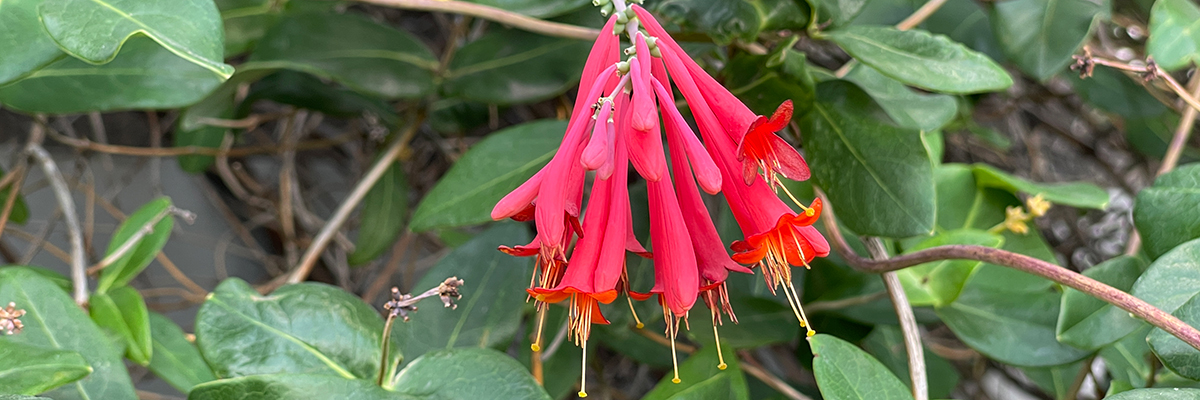
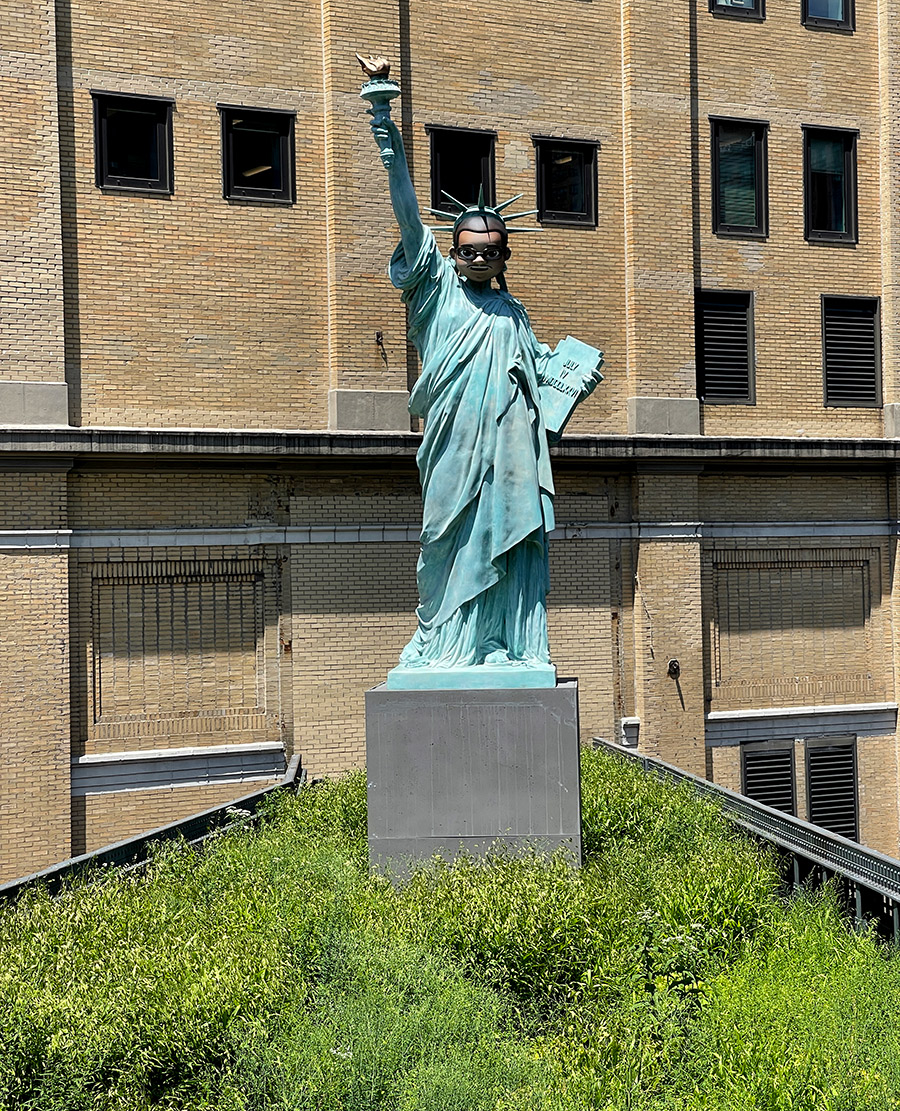
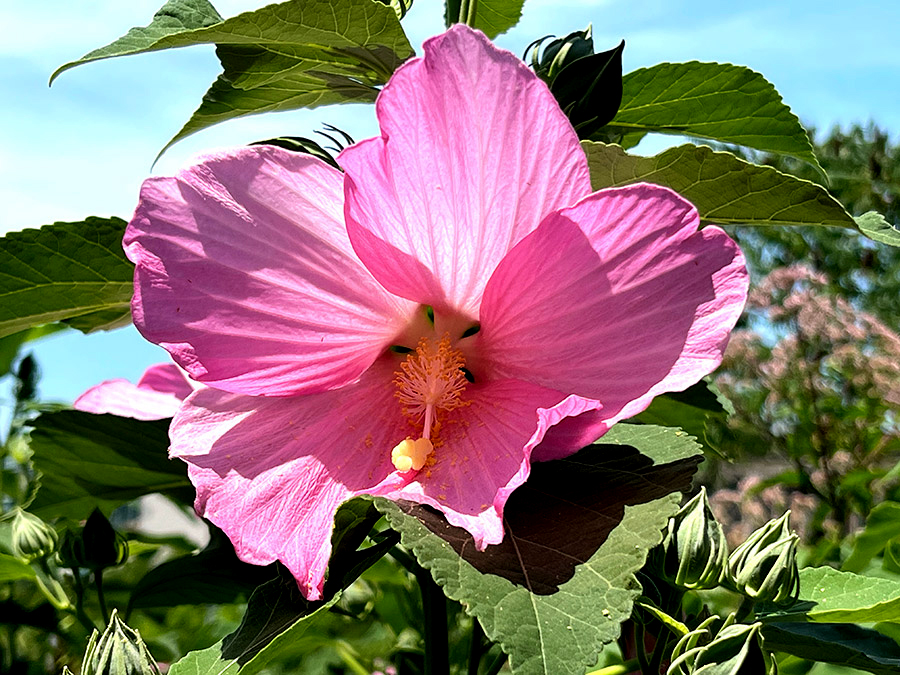
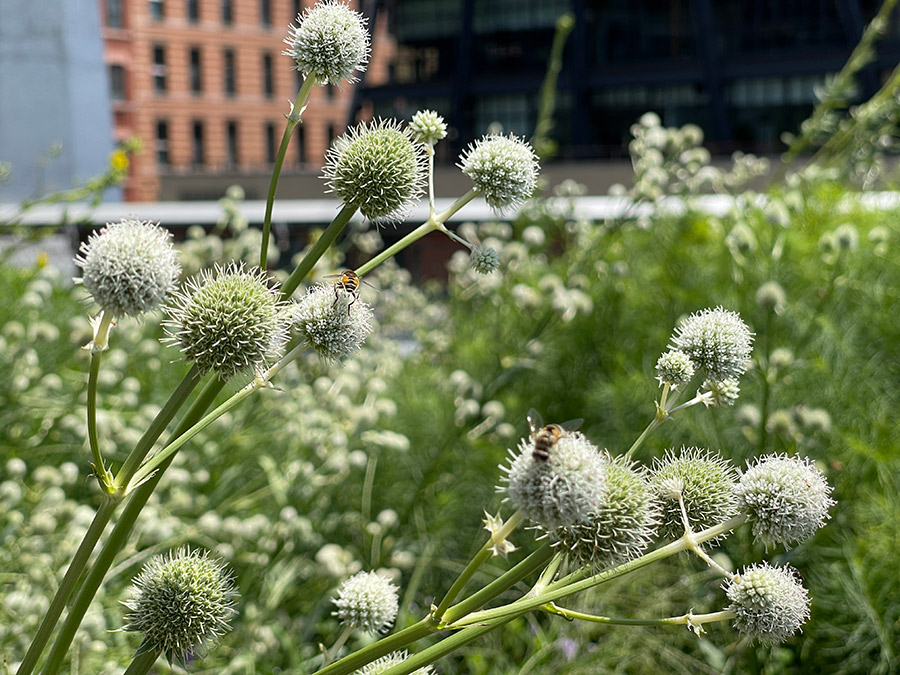
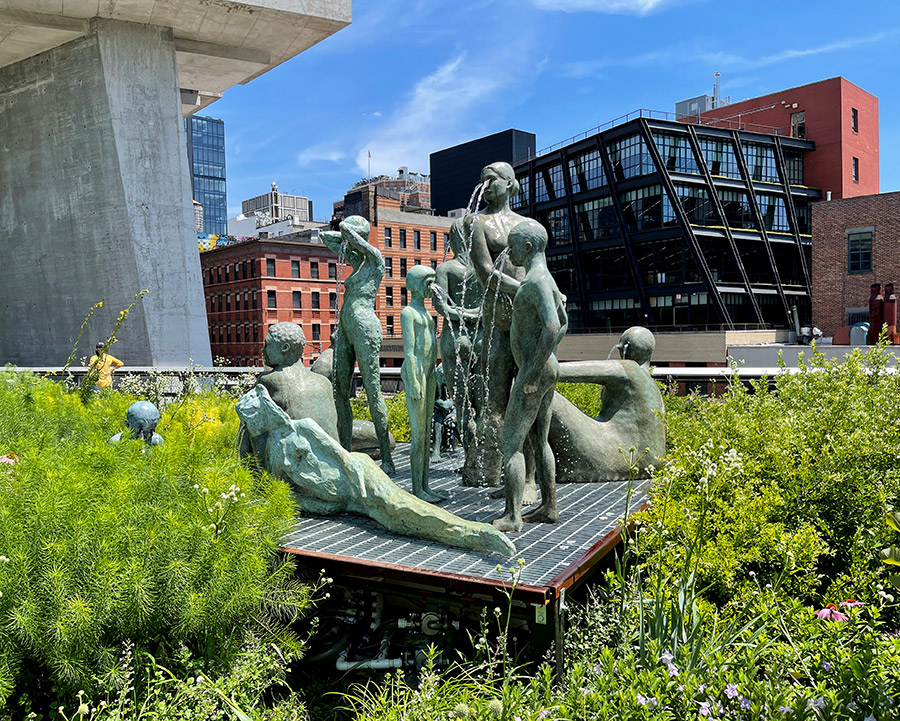
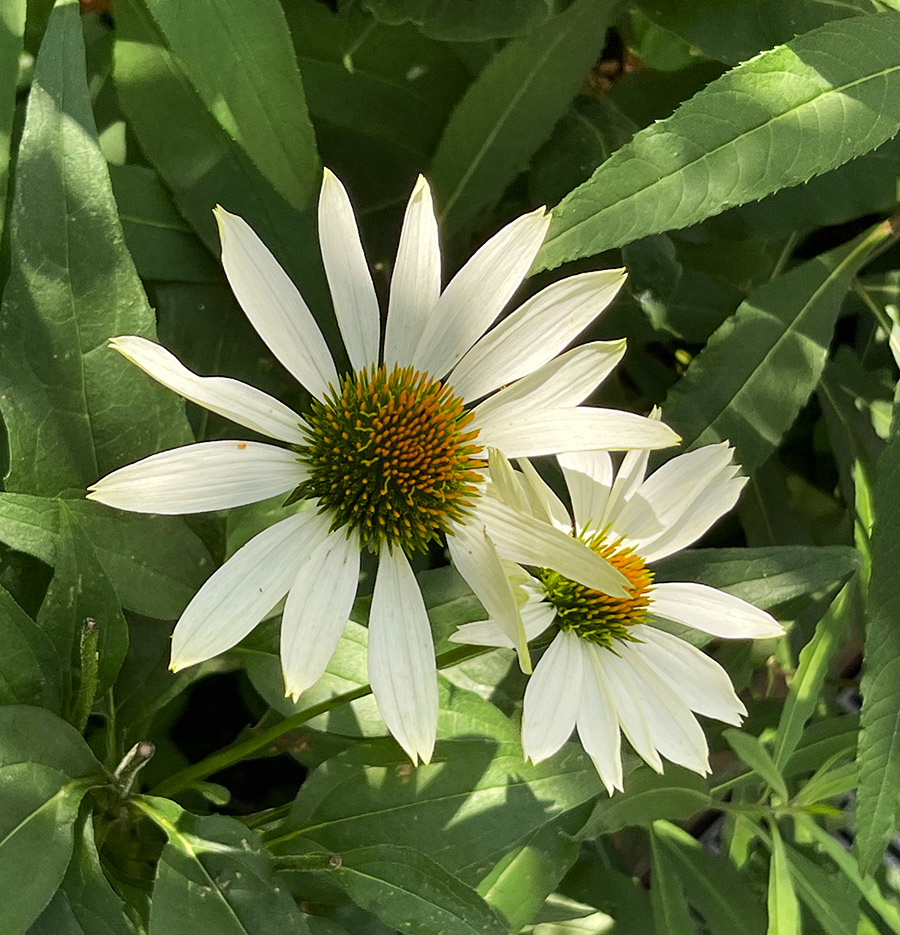
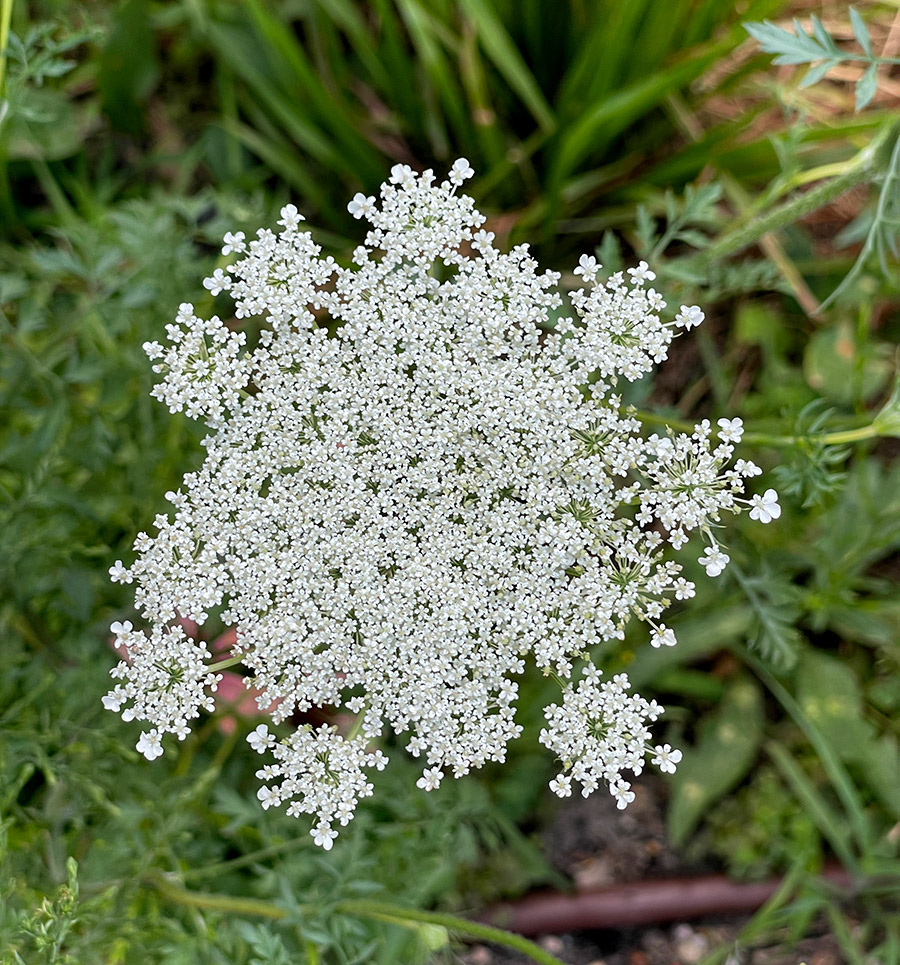
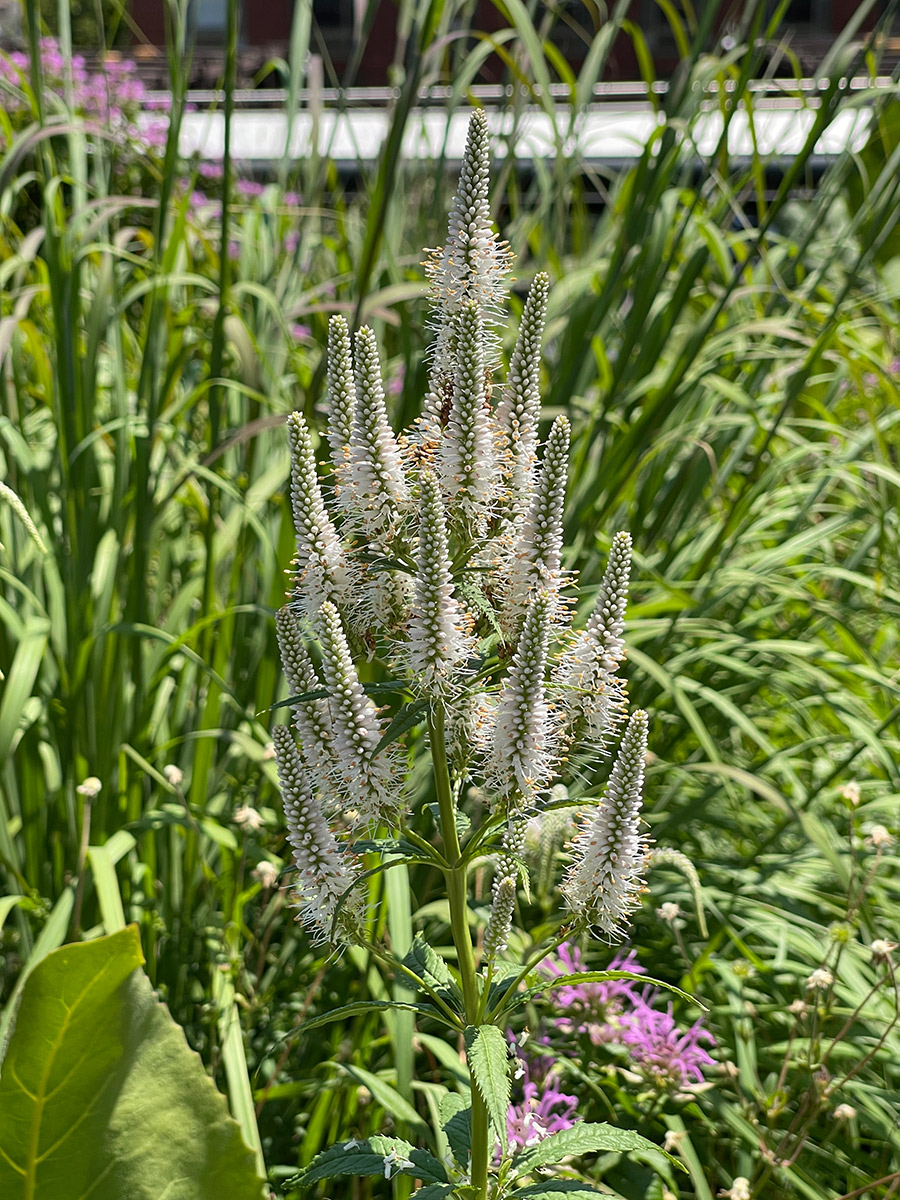
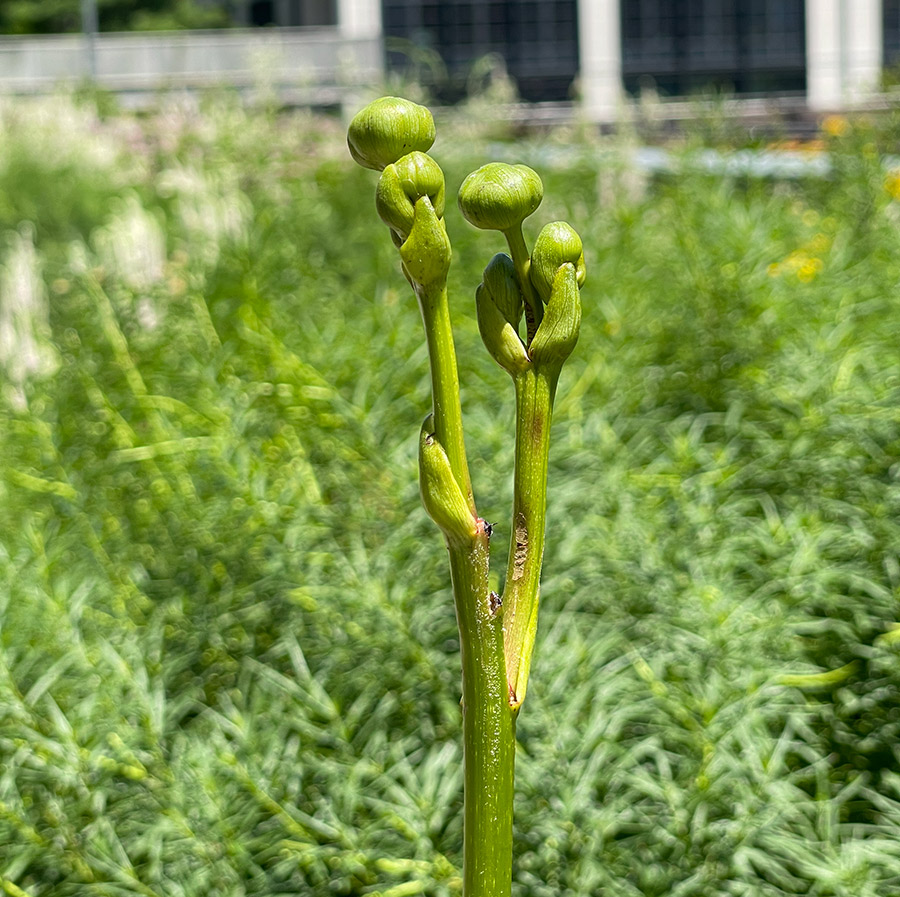
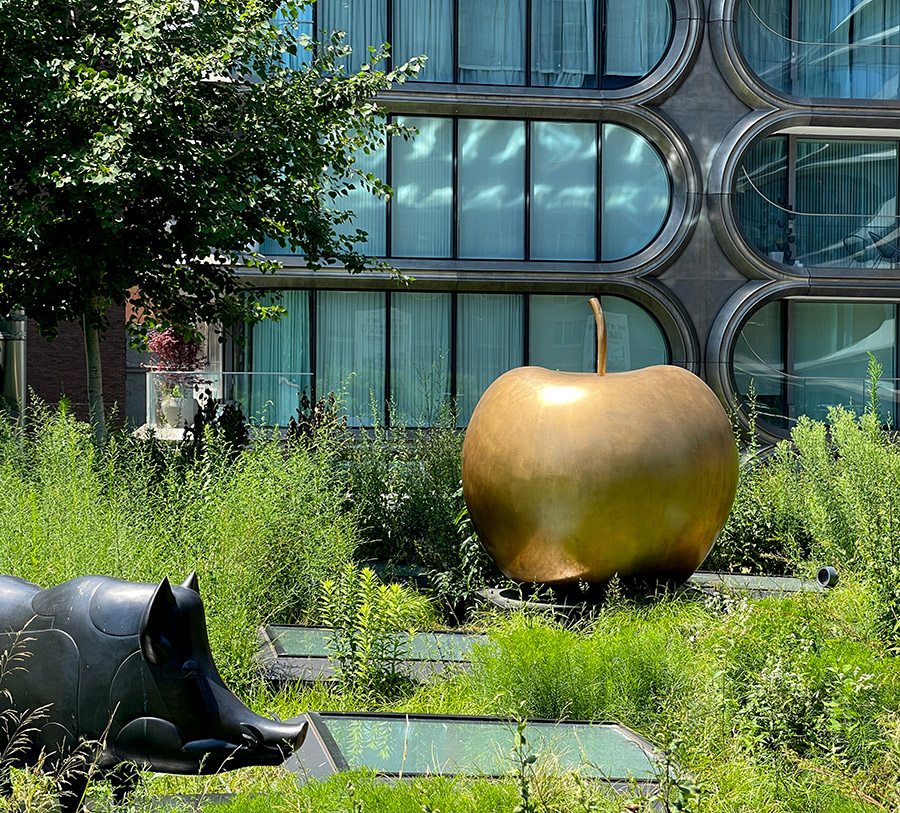
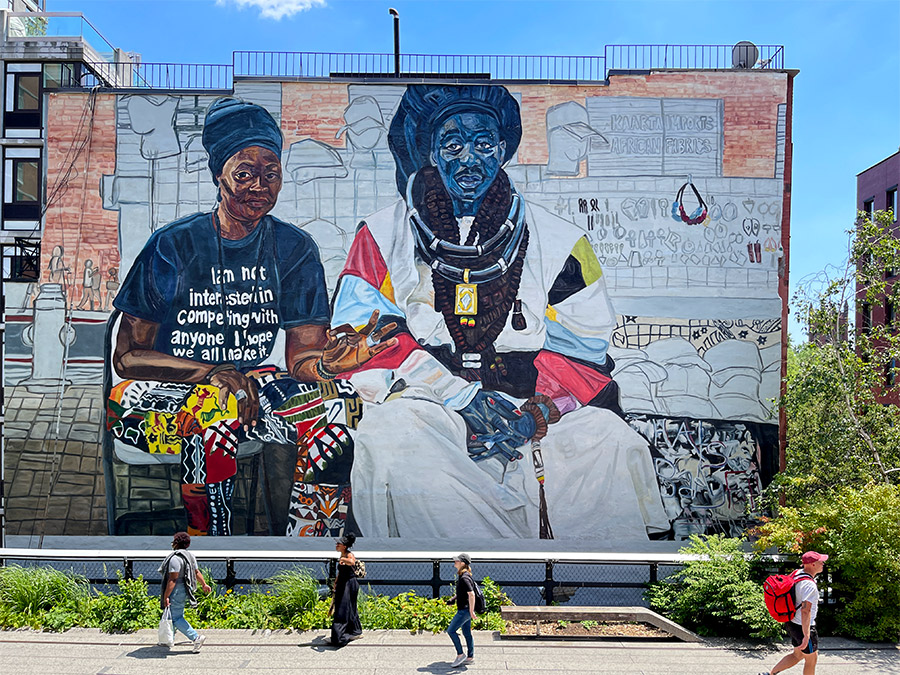
Like 8 million other people every year, we walk with you today to look at art and flowers along the High Line. A mile and a half long, this elevated linear park, greenway, and rail trail converted a New York Central Railroad spur on the west side of Manhattan in New York City into a calming, serene, generous natural hideaway above many streets.
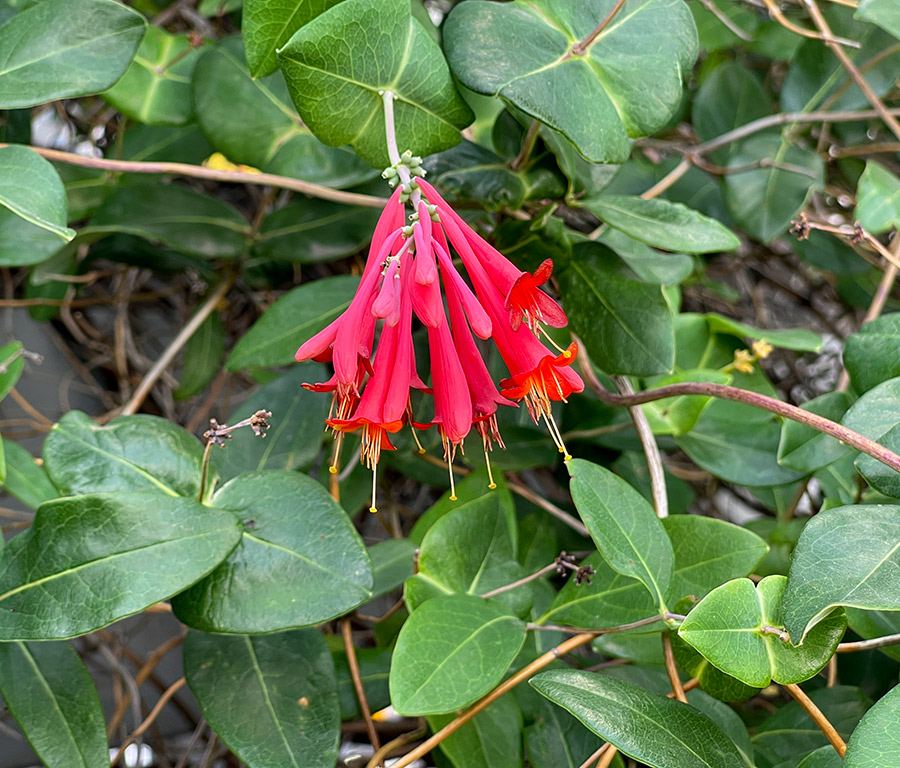
The public art program features a rotating supply of general audience works and you are never quite sure what you will find. More impressive perhaps is the botanical aspect of this experience, which grounds visitors, assuring us somehow that all that crazy stuff we experience on the streets is just one aspect of our beautiful city. Don’t take it all too seriously. Knowing that this park is open and available to all New Yorkers is one of Manhattan’s greatest gifts.
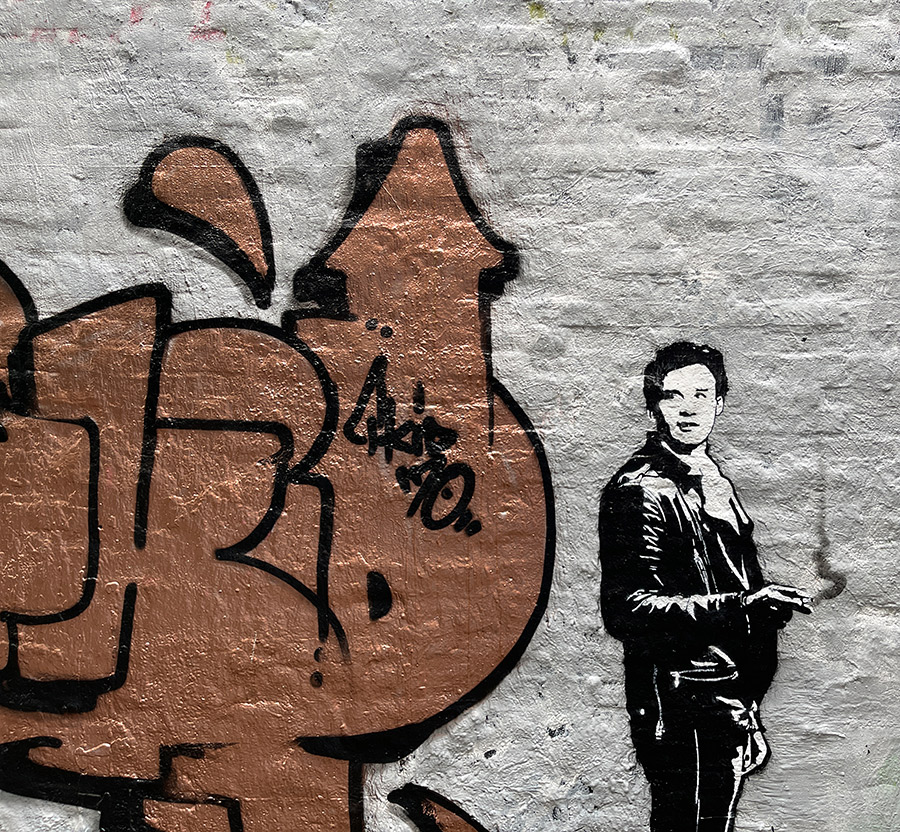
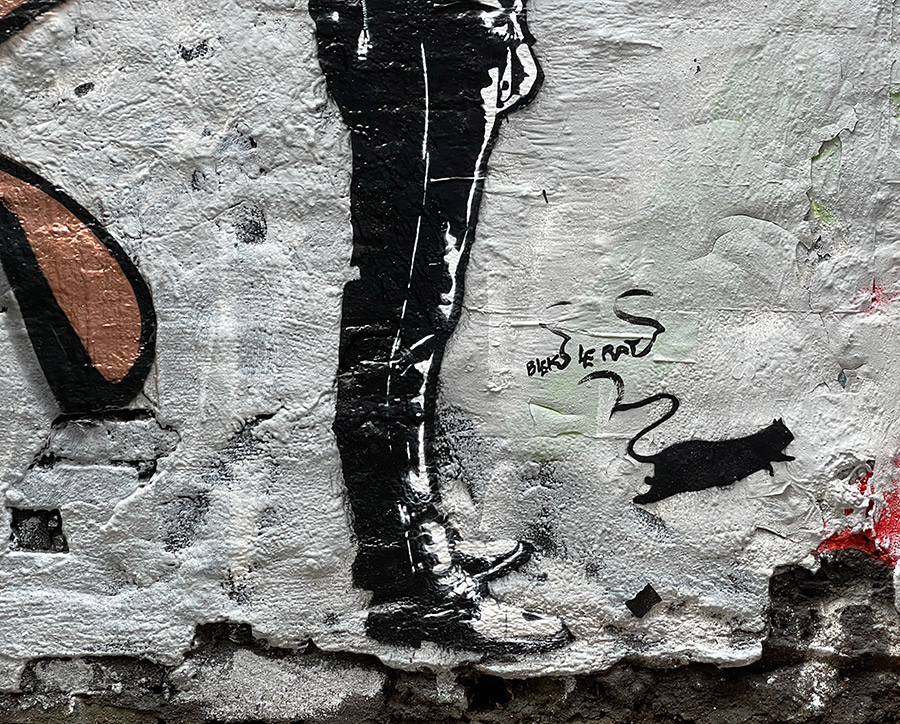
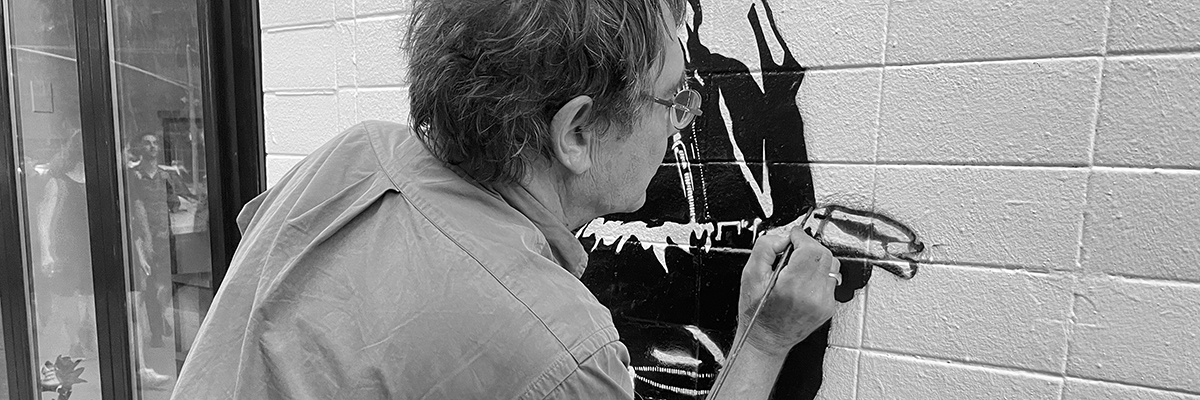
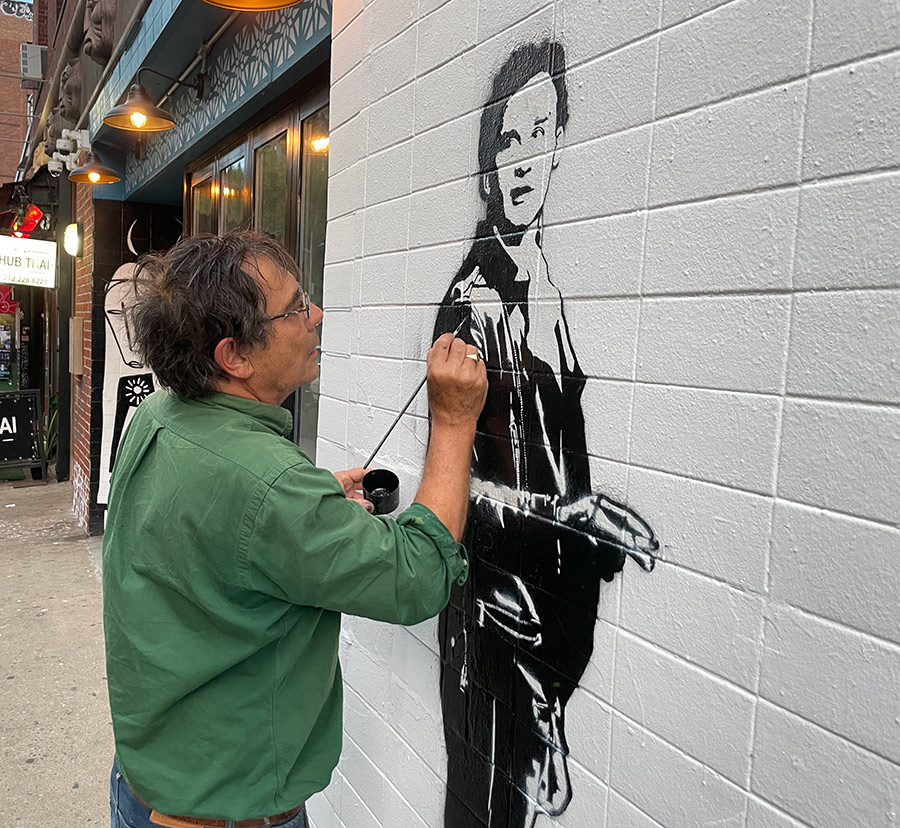
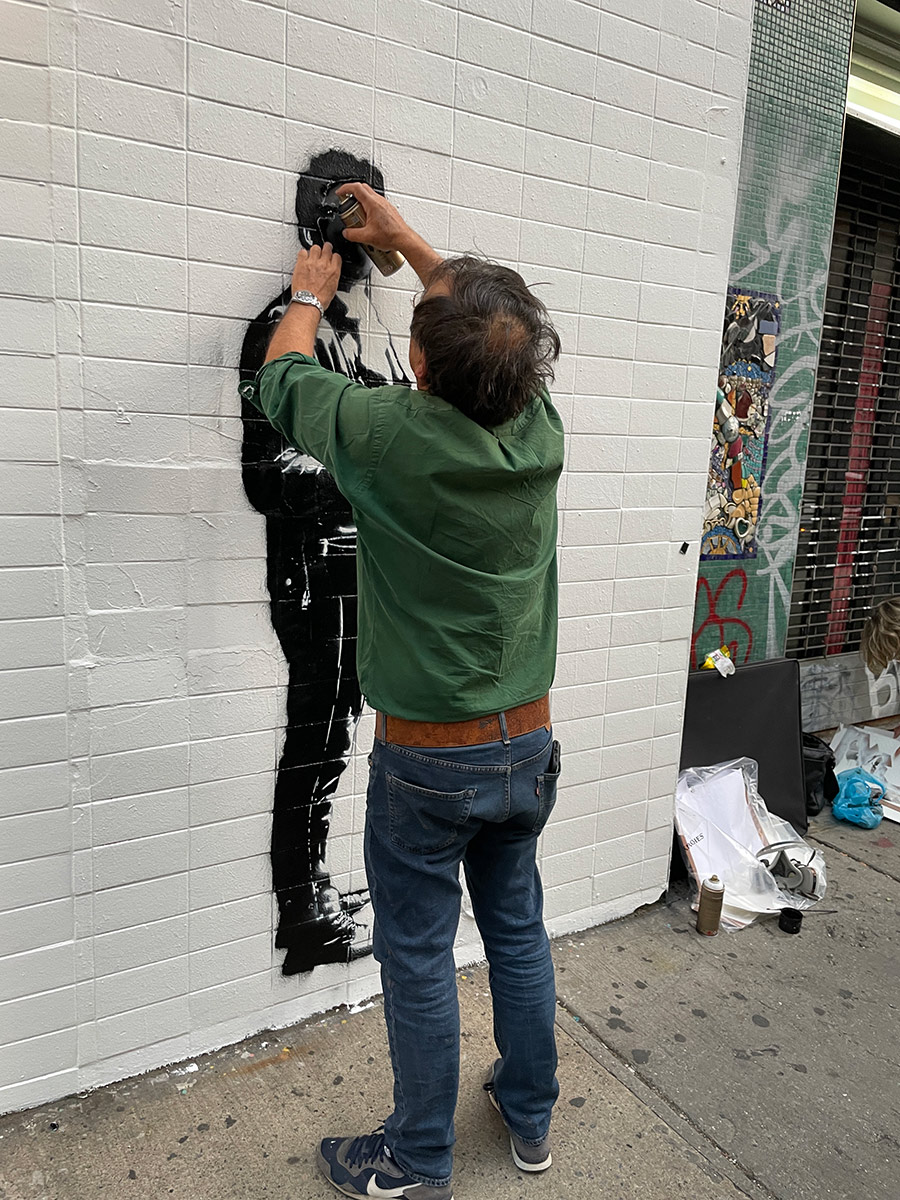
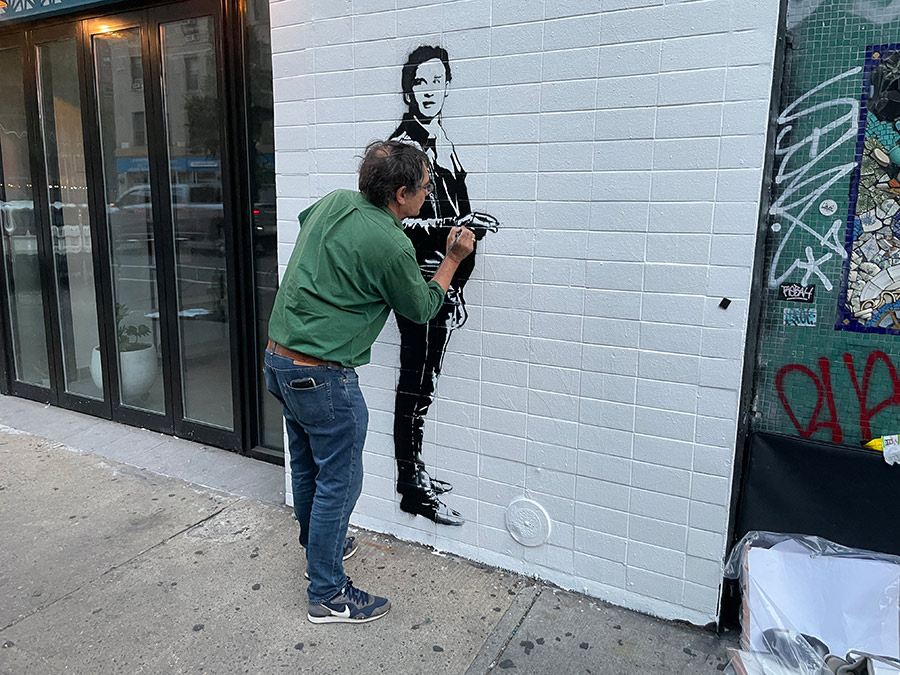
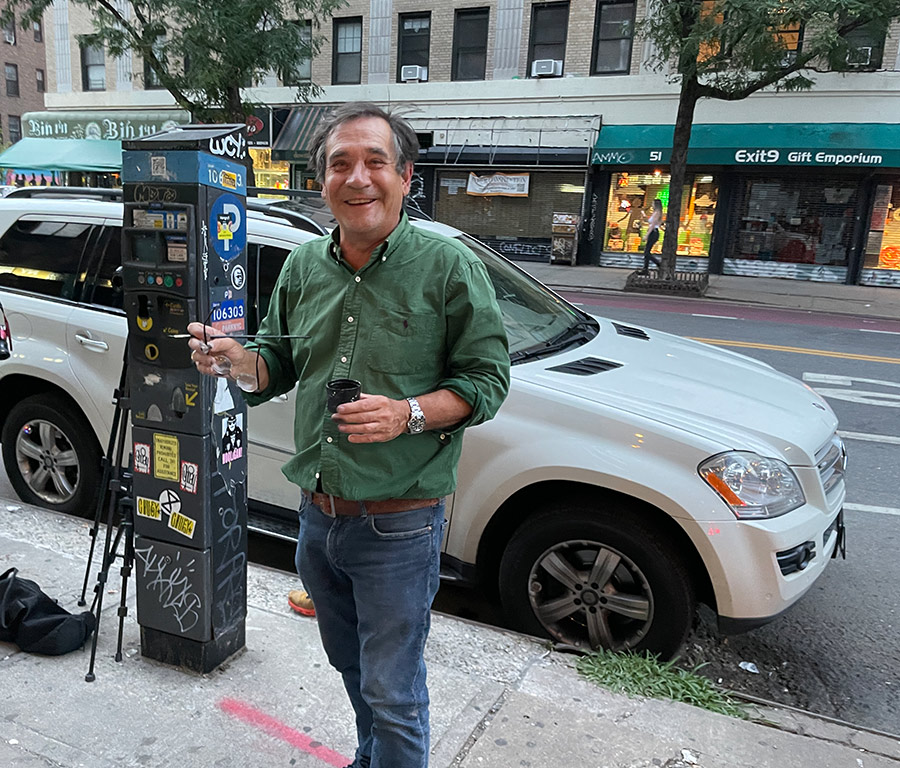
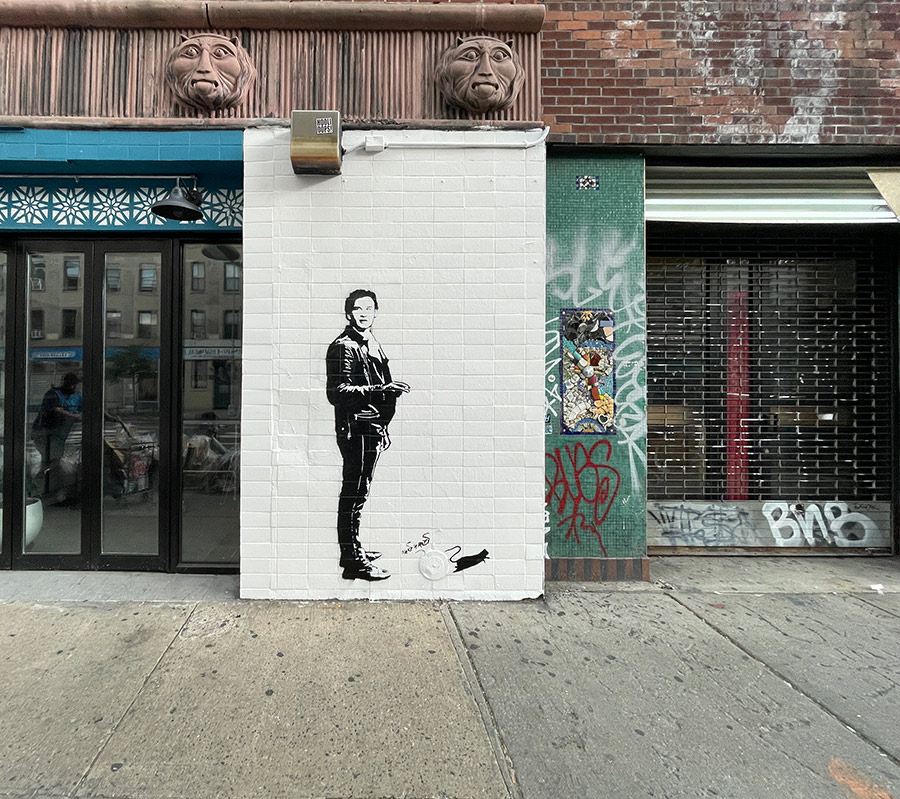
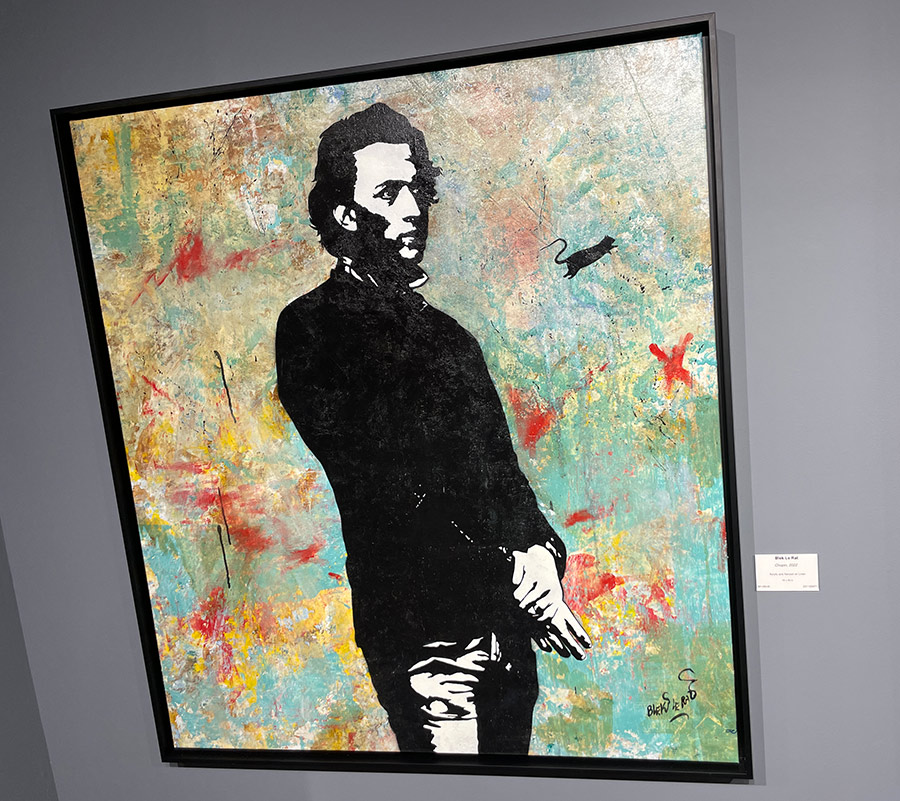
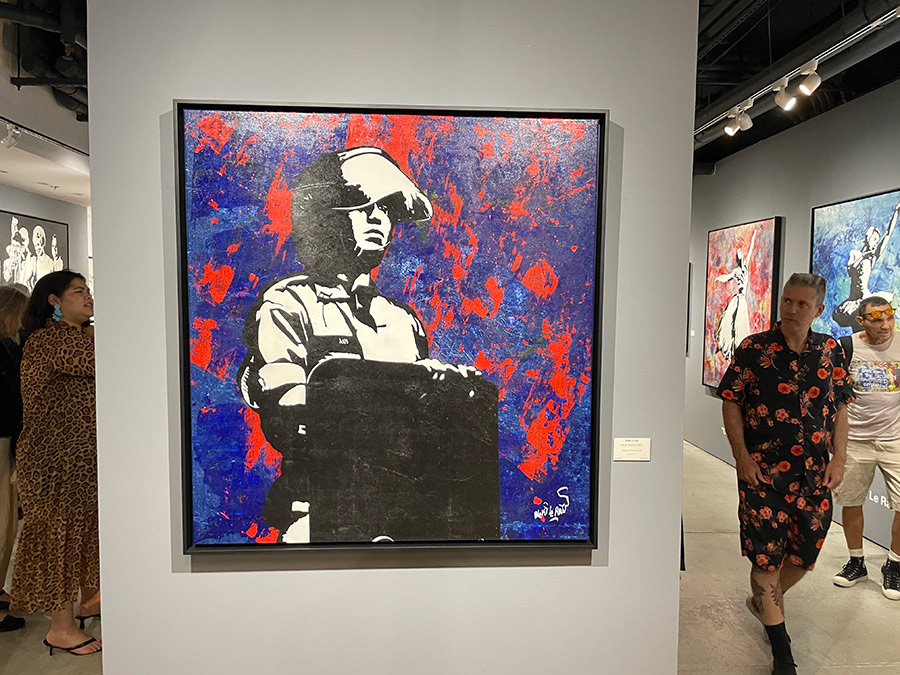
Good to see pioneer stencil artist Blek le Rat on the streets of New York again last week for the first time in the US since Covid, according to his charming partner in crime, Sybille.
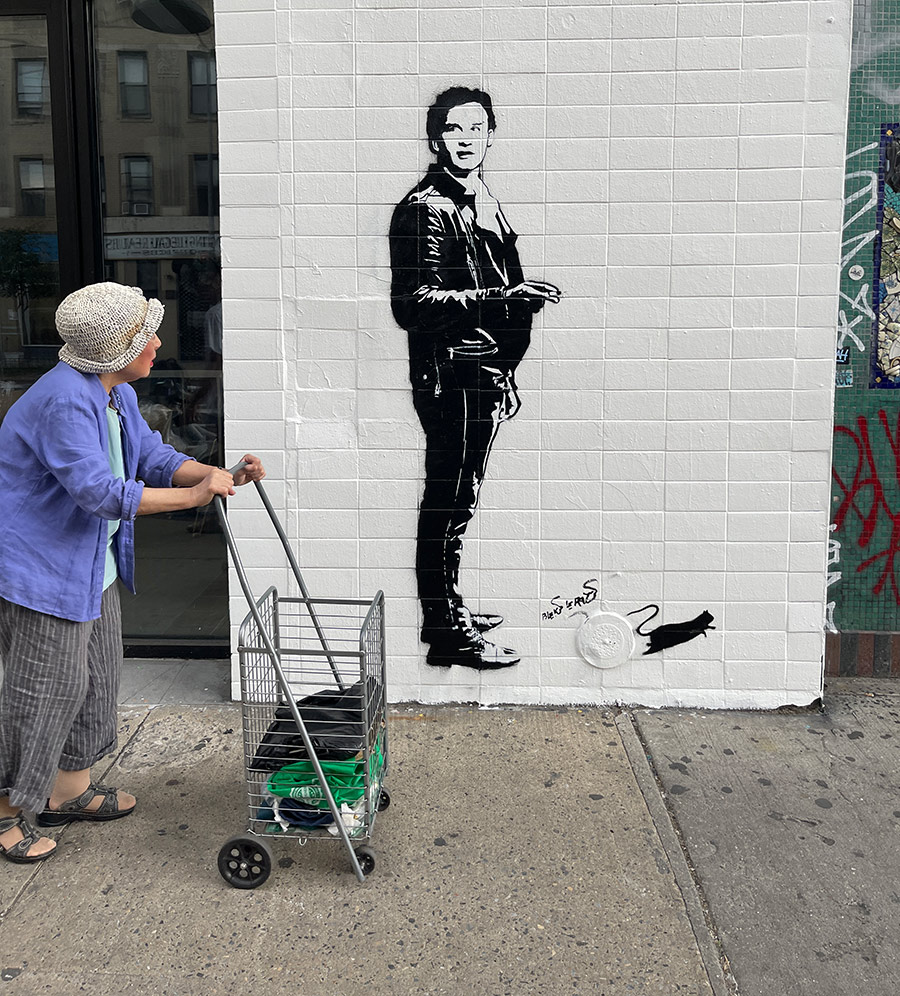
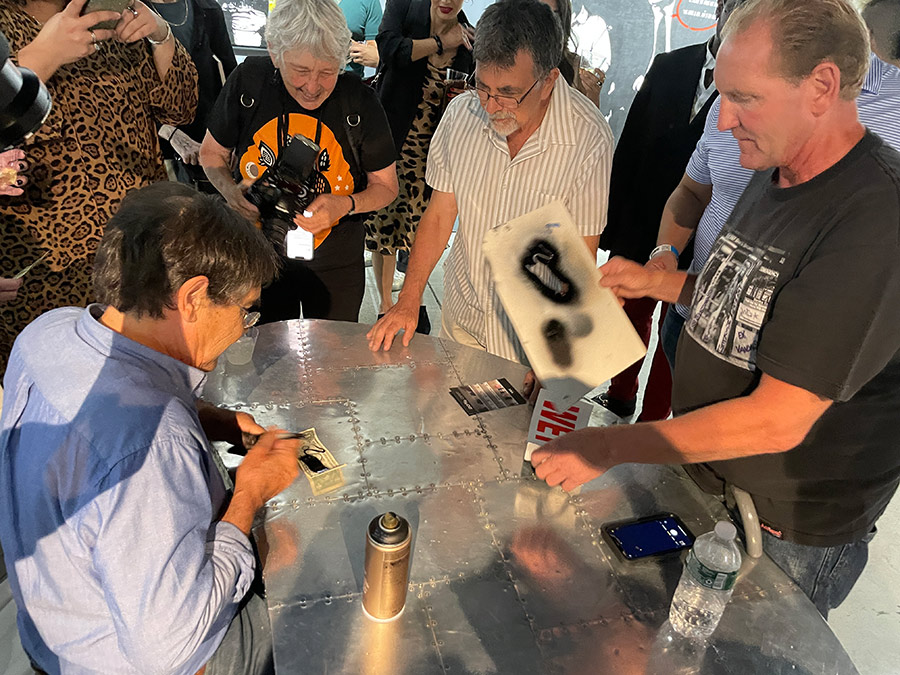
This time he’s on a bit of a whirlwind tour – first in Cleveland at Graffiti Heart with the local celebrity arts facilitator Stamy Paul and a collaborative show with NYC graff legend Taki 183. With various adoring coterie and cameras in tow, Blek hit NY in high style – putting up a brand new street stencil portrait of Richard Hambleton in both Manhattan and Brooklyn, the first gig courtesy of Wayne and Ray at LISA Project – another with TKid 170 joining on a collabo. As is part of the tour, Taki 183 was nearly everywhere Blek was, with visitors like Cope2, Mike 171, and Martha Cooper scattered about.
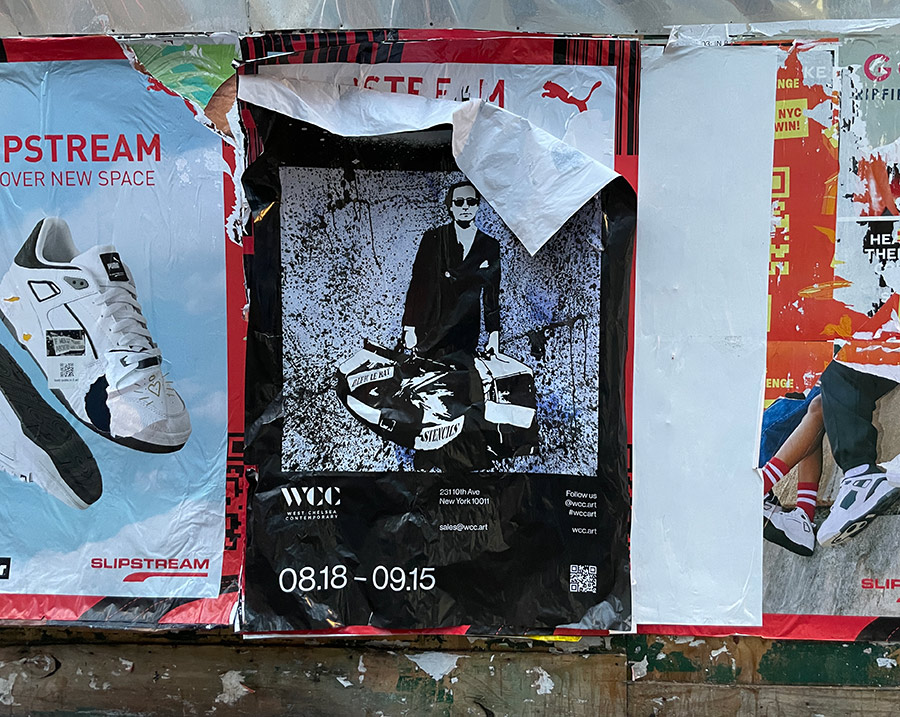
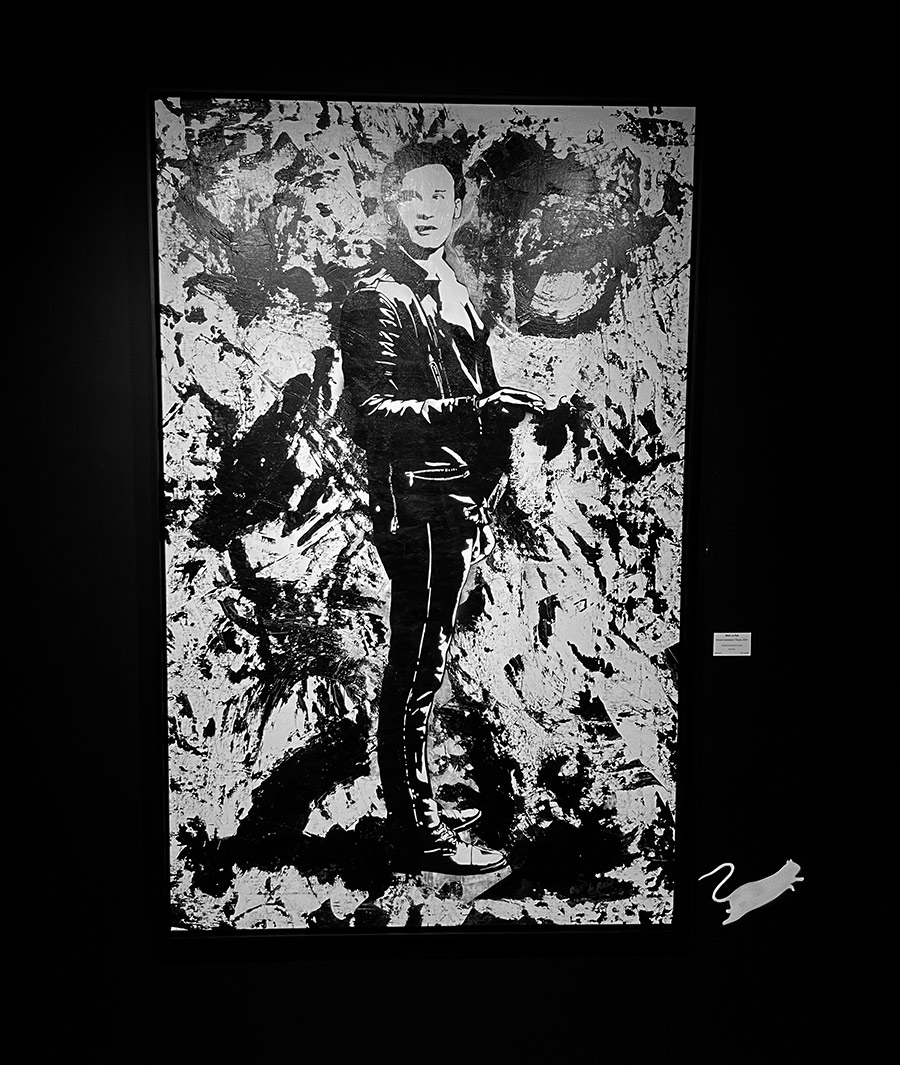
The main event was spread over a few days as the relatively new New York gallery vaguely named West Chelsea Contemporary dedicated nearly the entire space to the first solo show here by the French street artist whom Banksy acknowledges was in the game long before the famed Bristolian came on the scene. In a back gallery West Chelsea showcased some other related talents like Hambleton, Al Diaz (SAMO), and new-gen Phoebe.
With gallery openings on a few successive nights, it was a steady river of graffiti and street art fans, peers, collectors, merchants, and choice figures from New York’s urban cognoscenti coming by to pay respects and show Blek a New York welcome again. Next stop Austin, where the gallery has its 20+ year flagship, to host Monsieur Rat for a new exhibition—and, without doubt, a few new adventures.
Robert Vargas starts us off this week with a compelling trio of faces, or sides of one character. In each case she has been silenced. “Painting my “STOP” mural is a call to action to stop our #Indigenous sisters from going missing and murdered. The red hand over the mouth is the symbol of a growing movement that stands for all missing sisters whose voices are not heard.” The streets are speaking. Will we hear them?
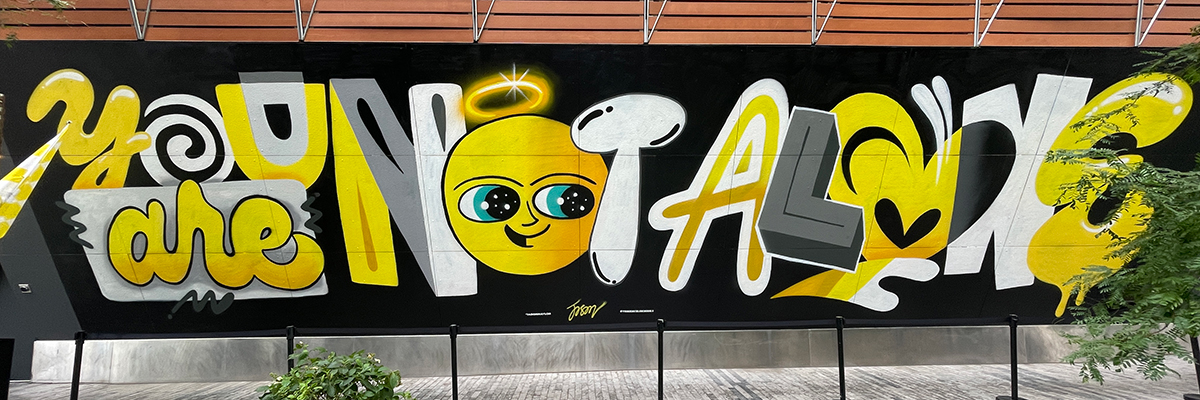
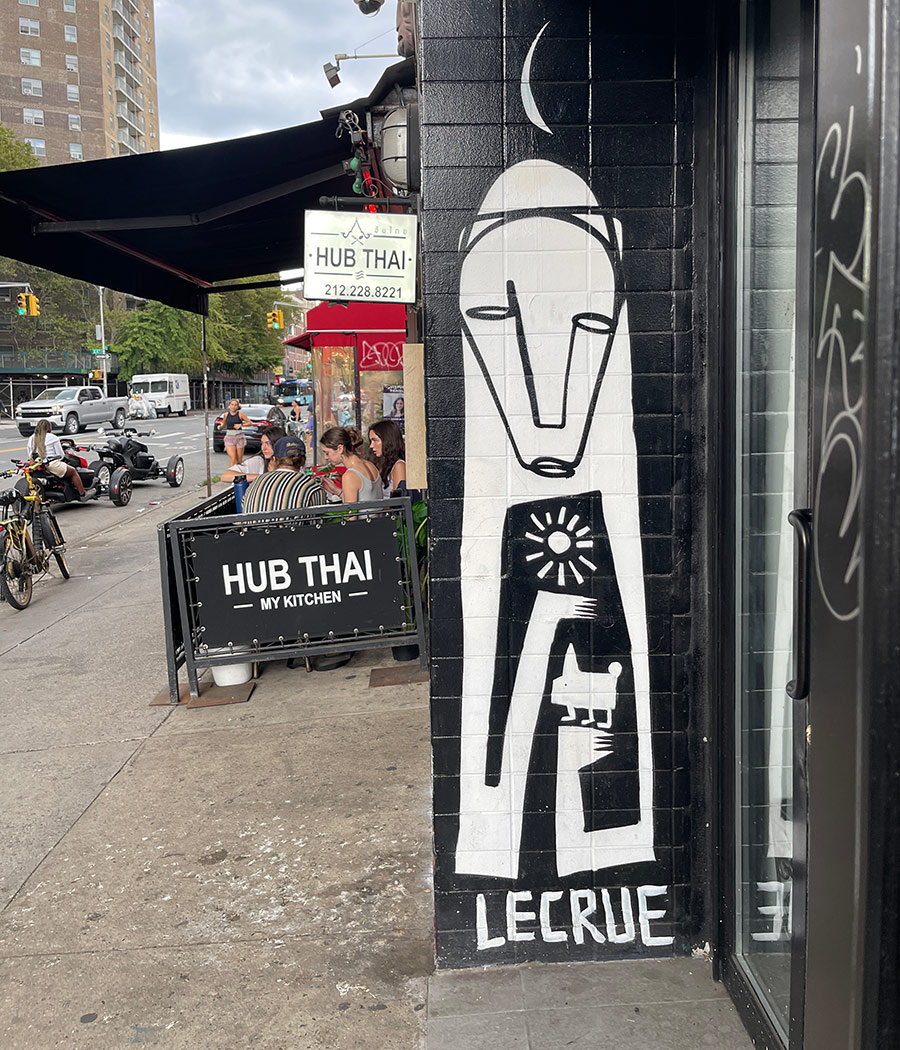
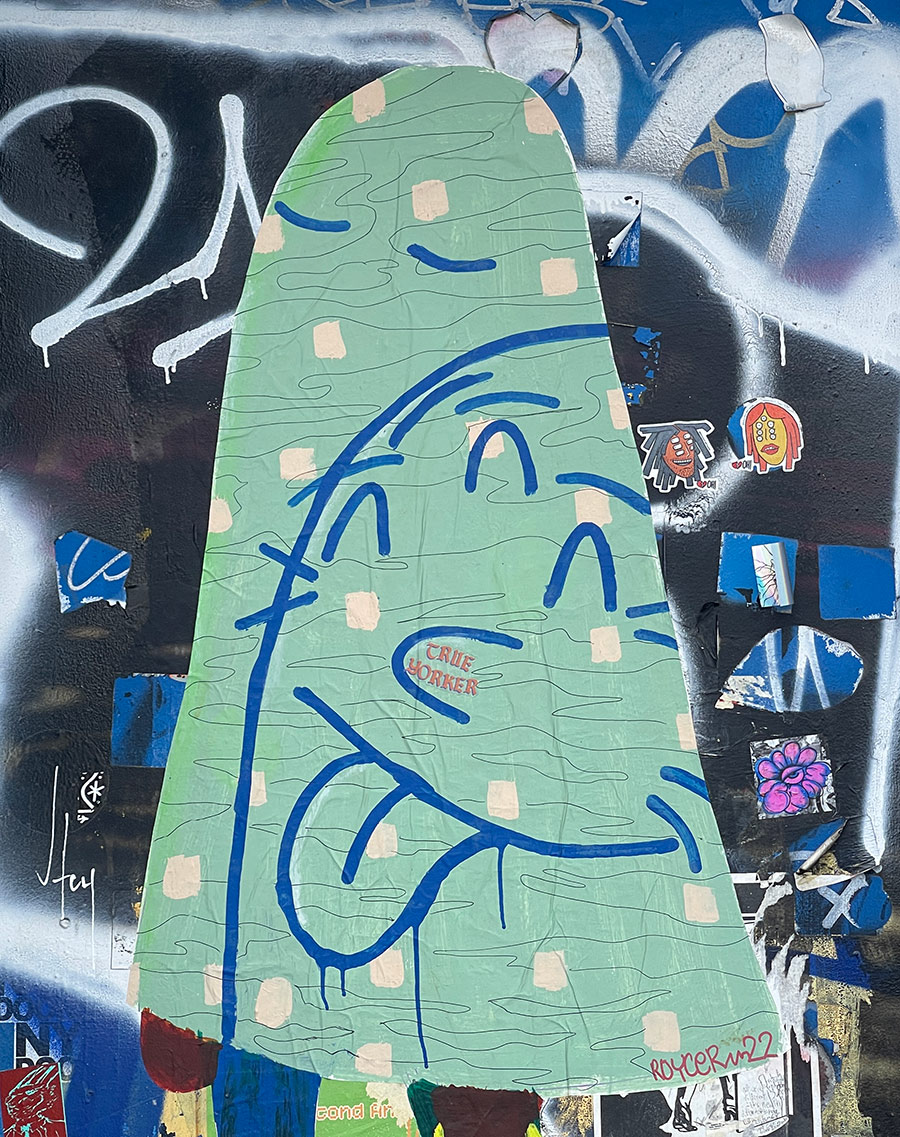
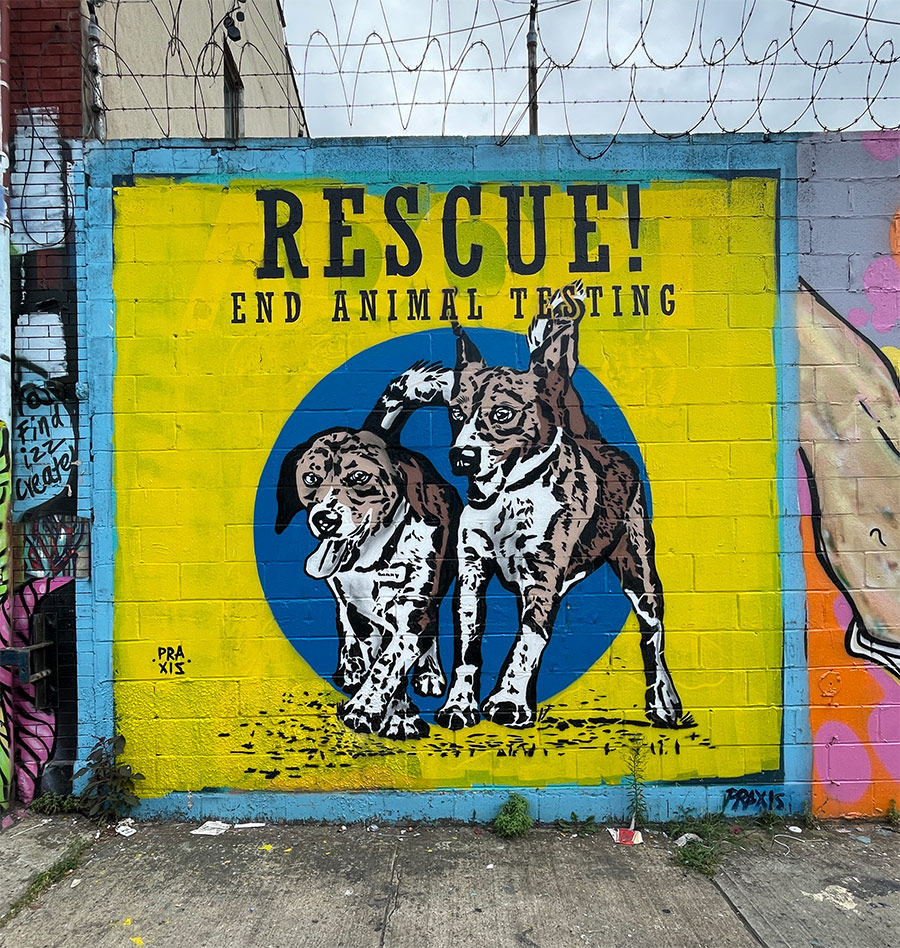
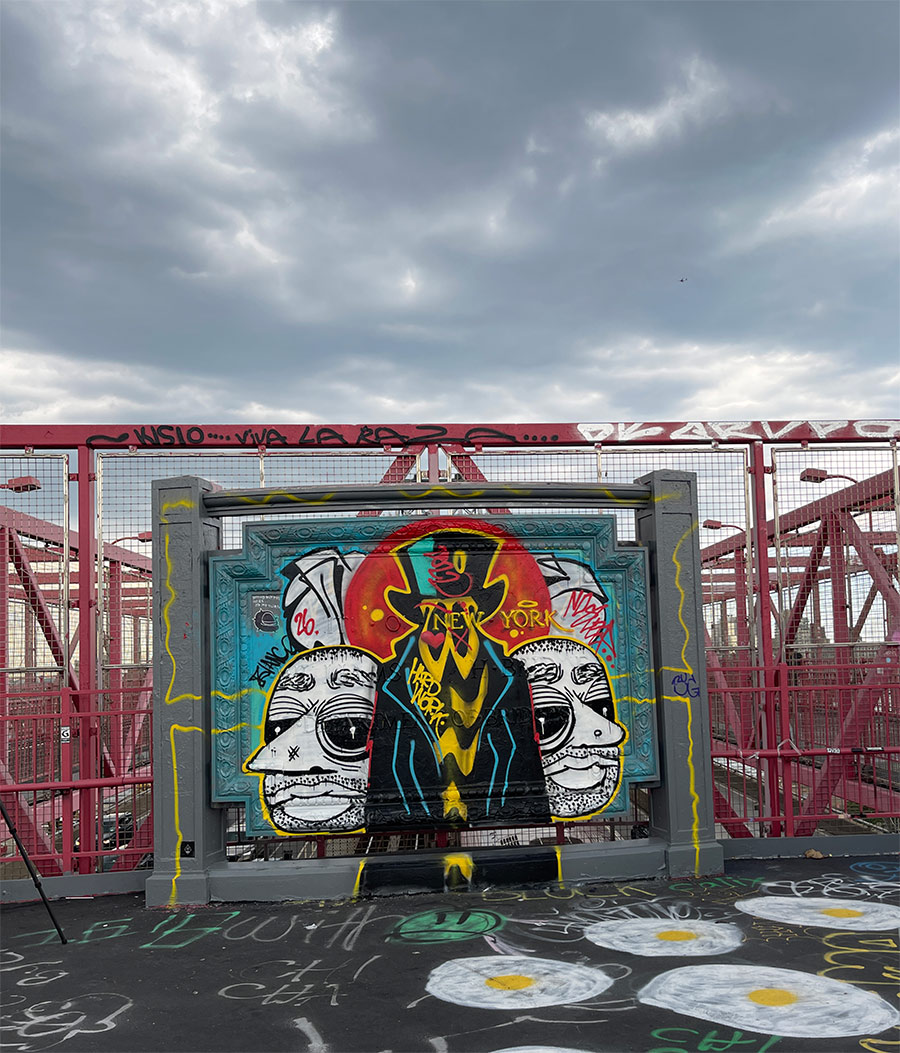
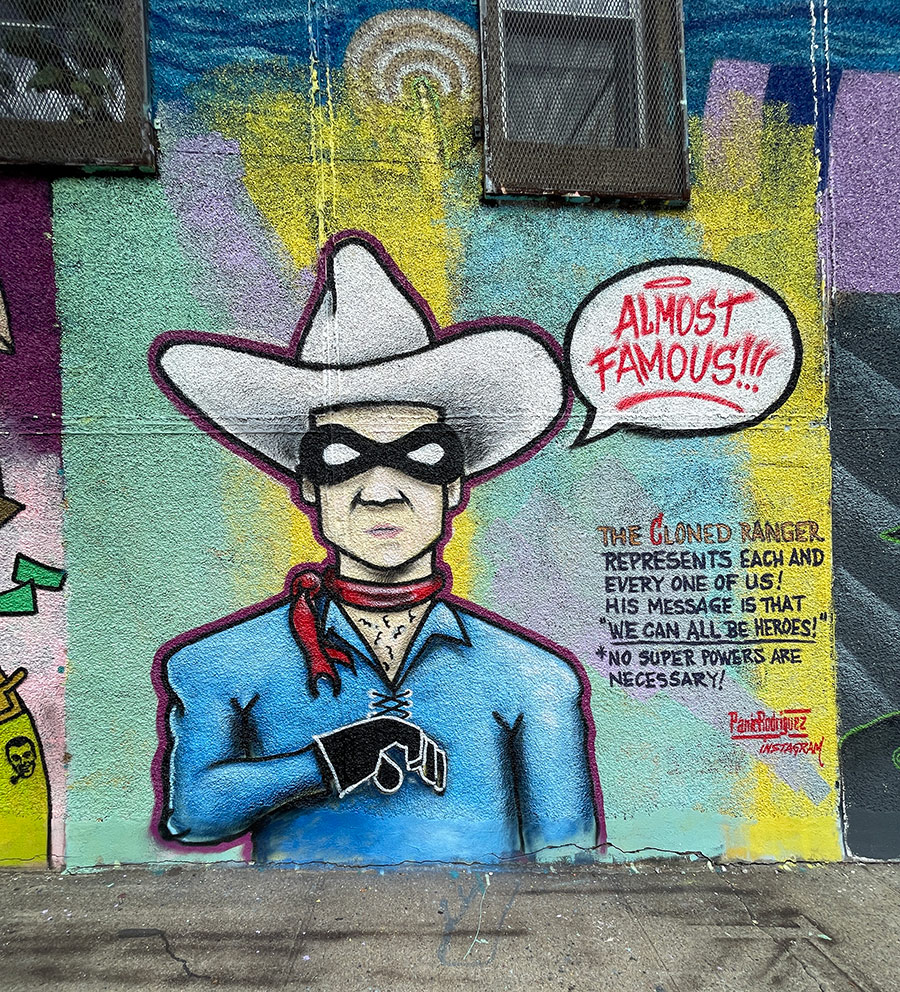
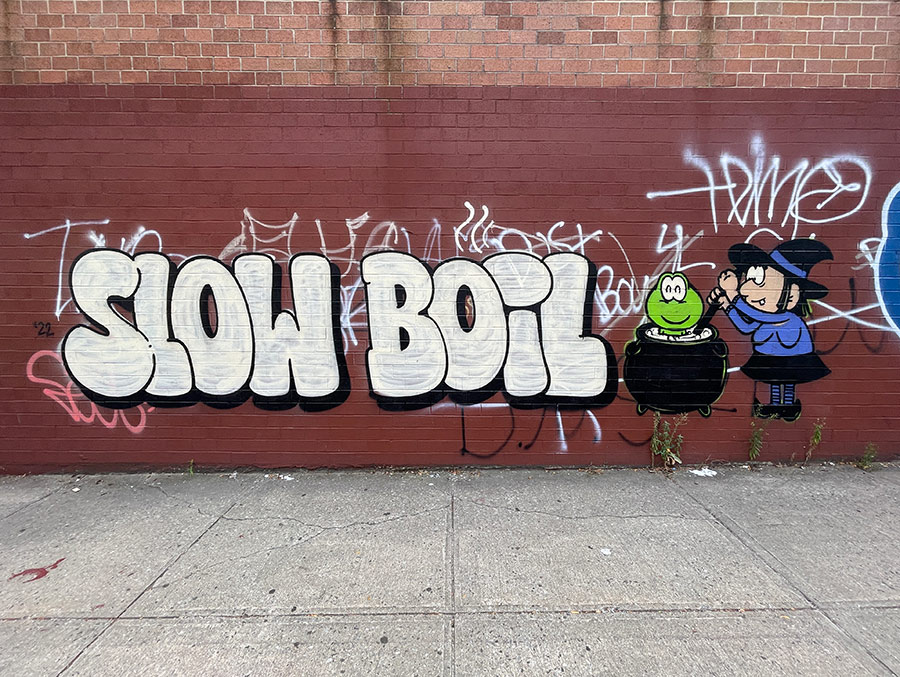
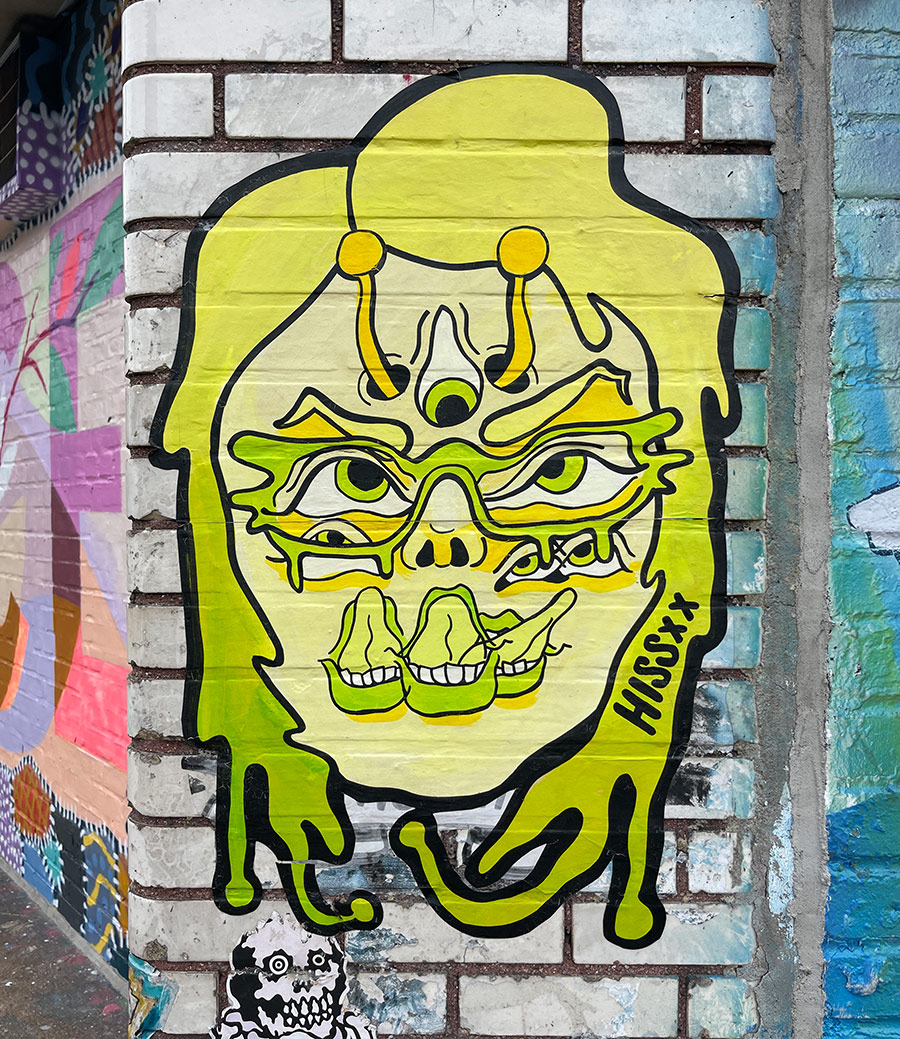
Here’s our weekly interview with the street, this week featuring: Royce Bannon, Jason Naylor, Praxis, No Sleep, JPO, Le Crue, Hiss, Slow Boil, SKJ 171, Mike 171, D. Brains, Dan Alavarado, Panic Rodriguez, and Robert Vargas.
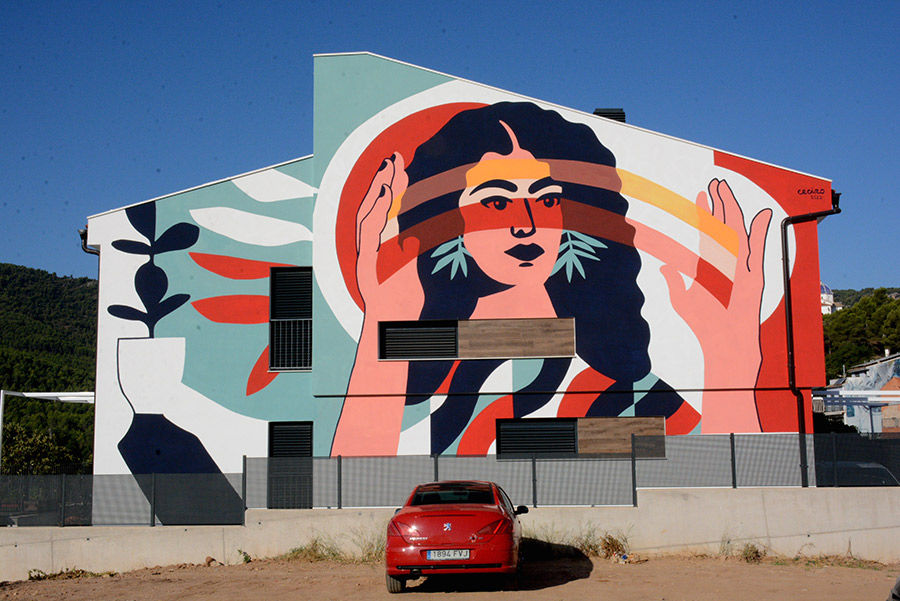
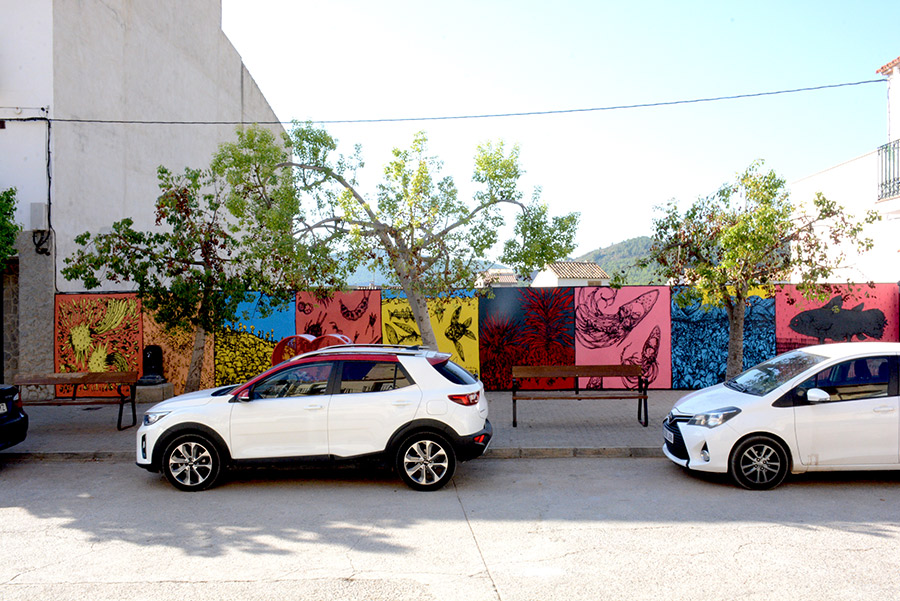
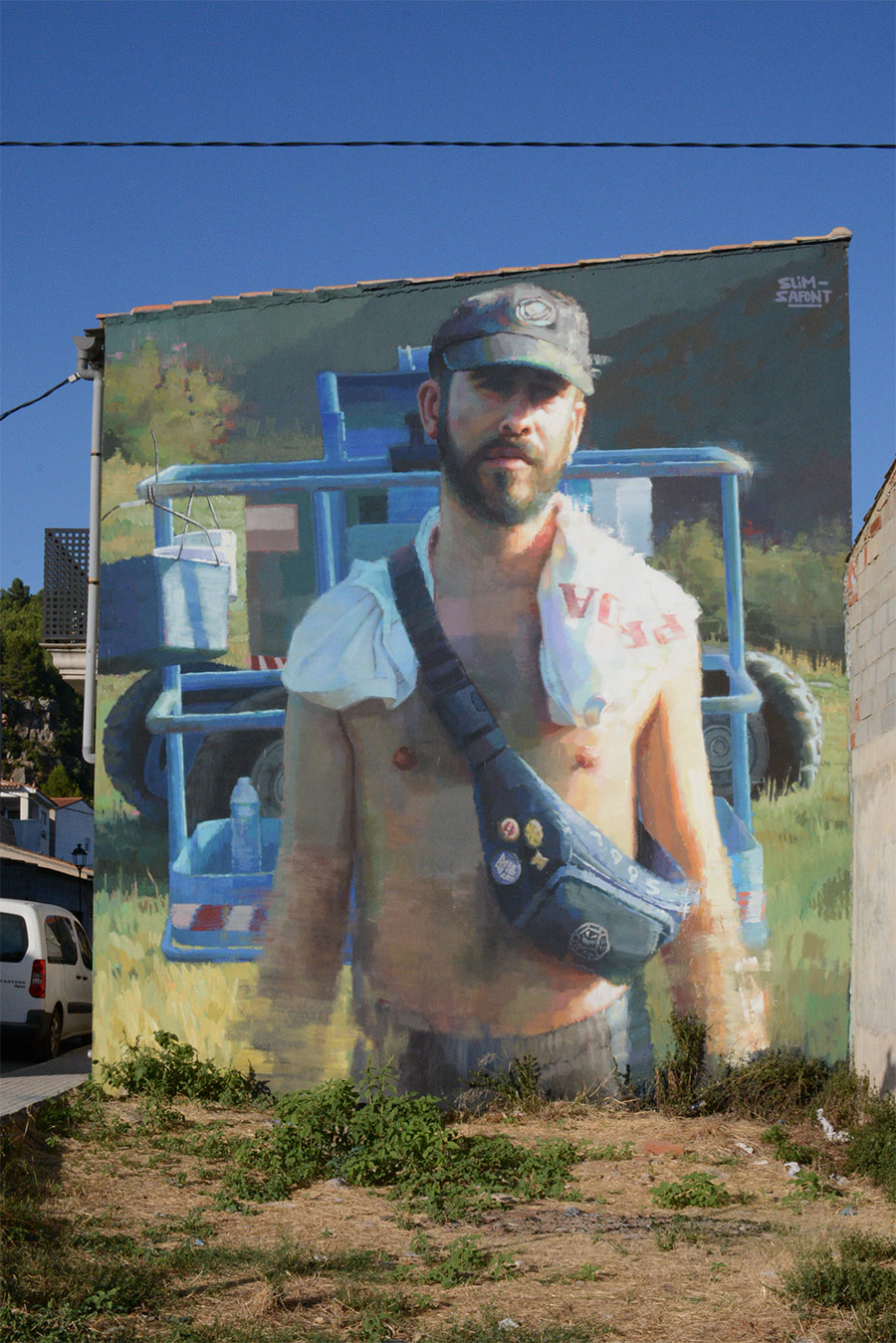
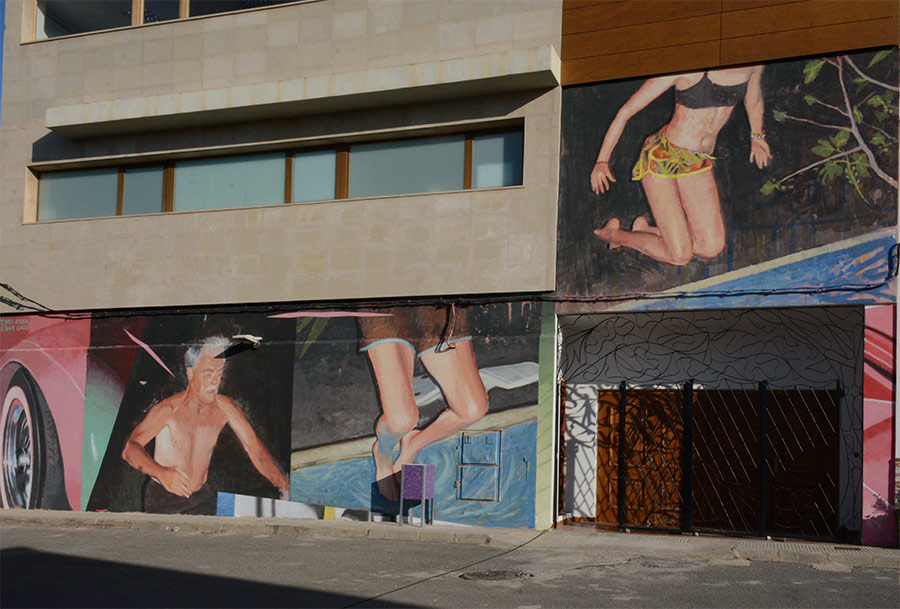
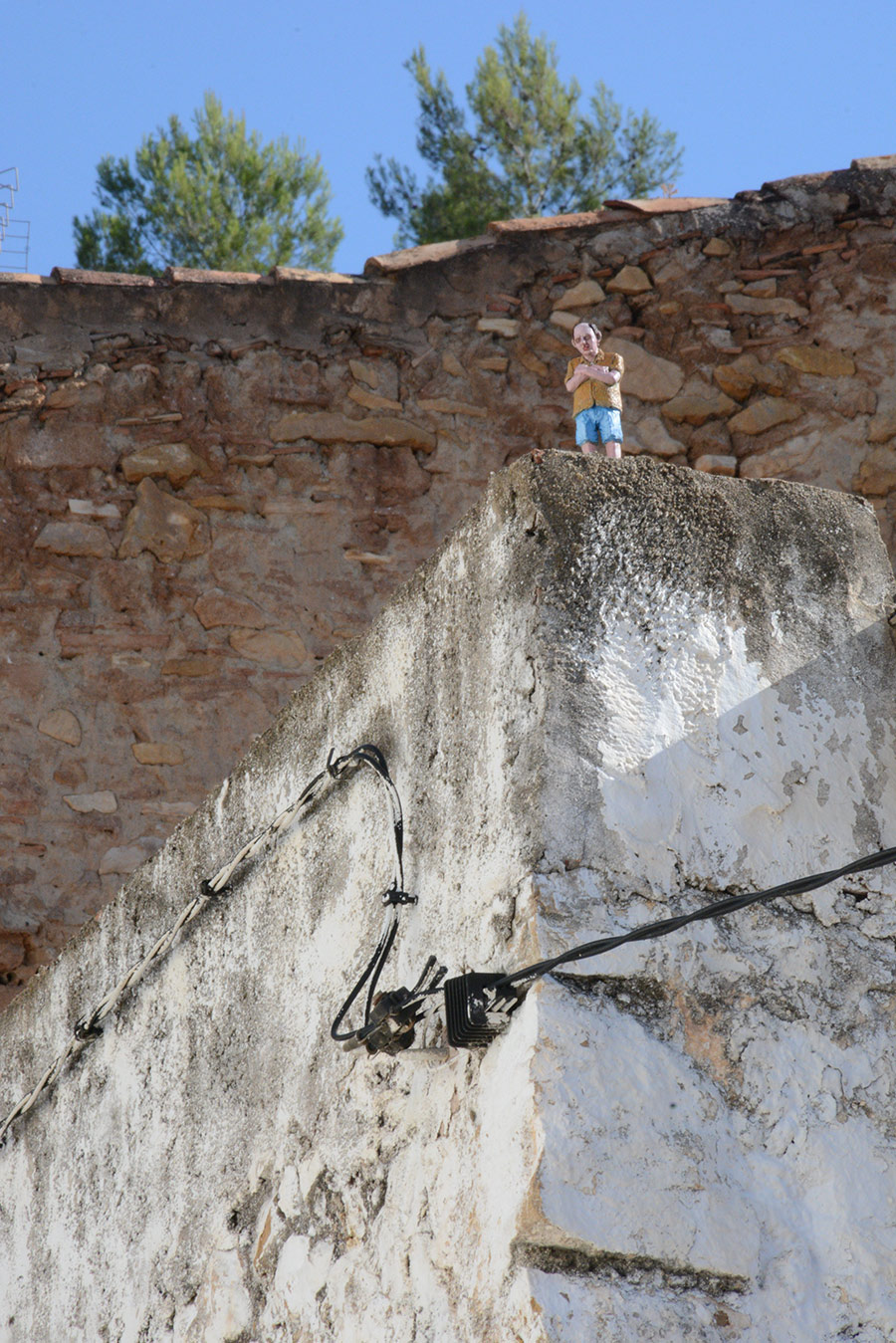
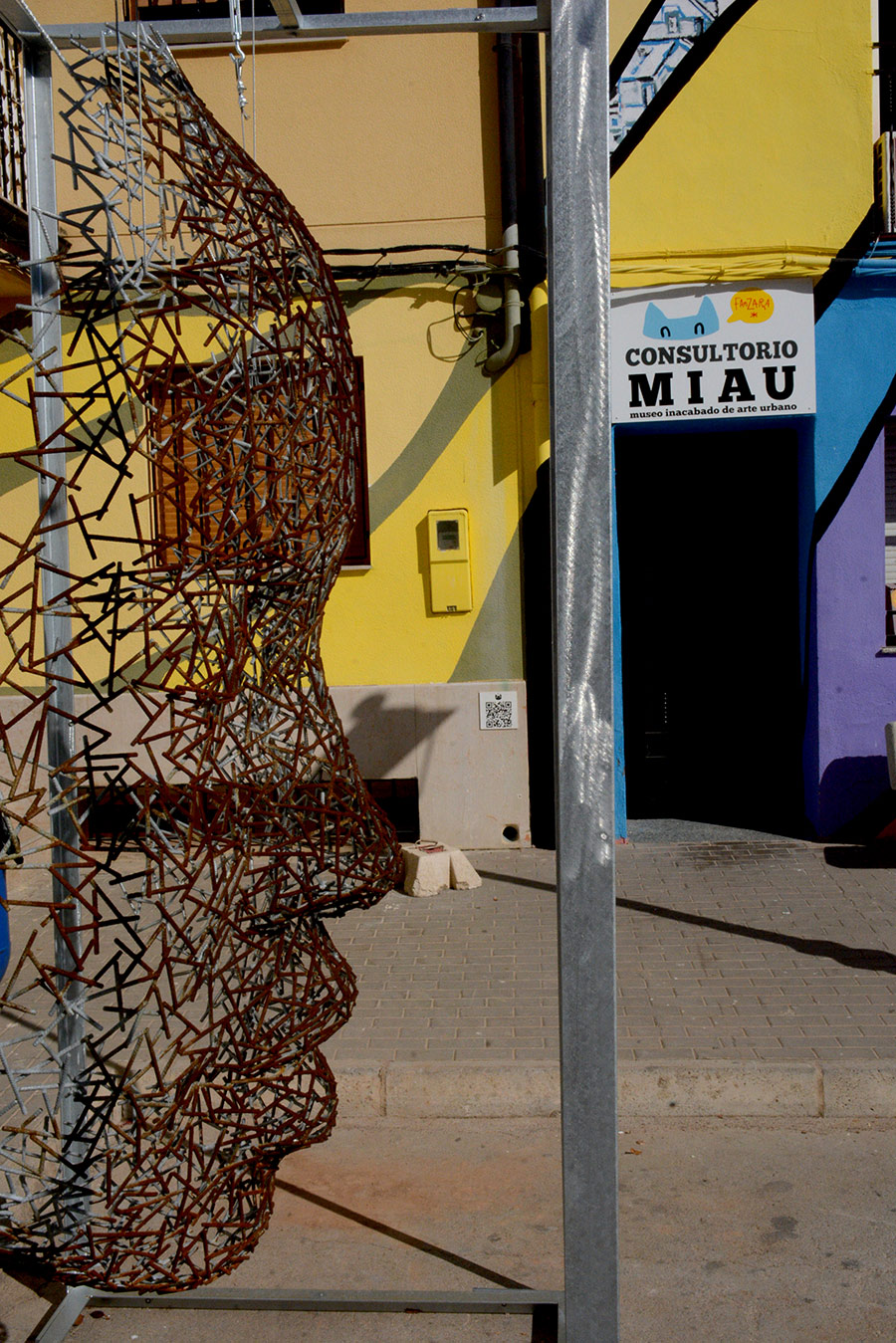
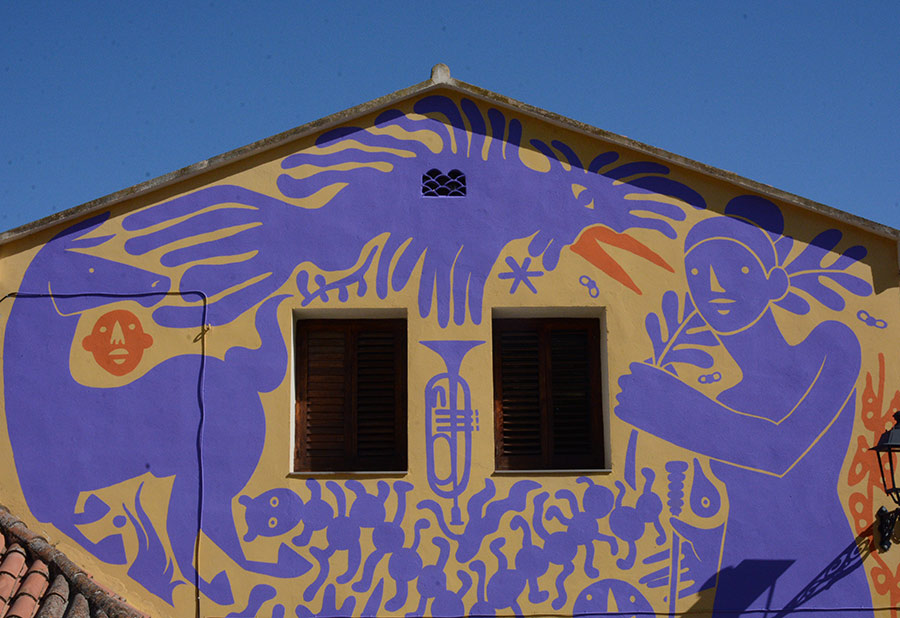
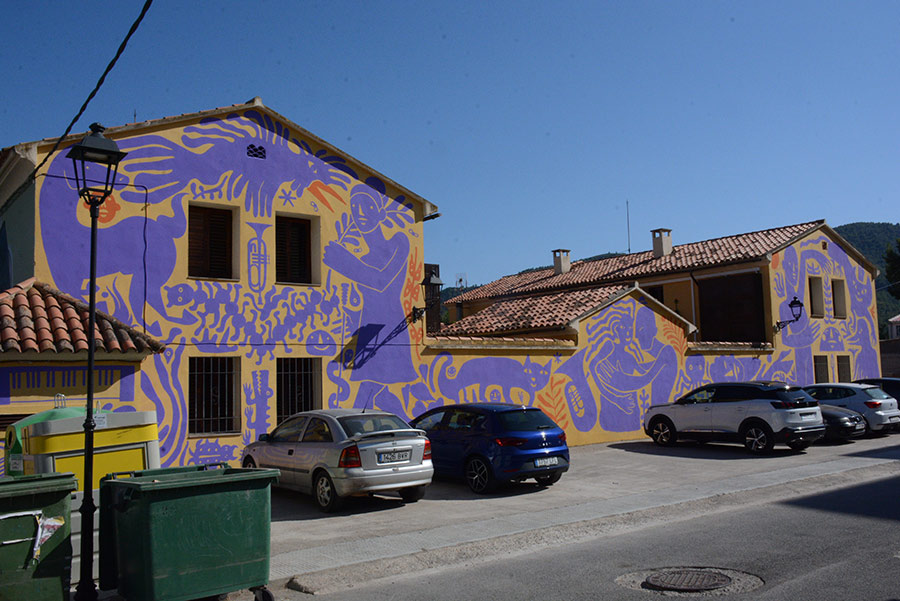
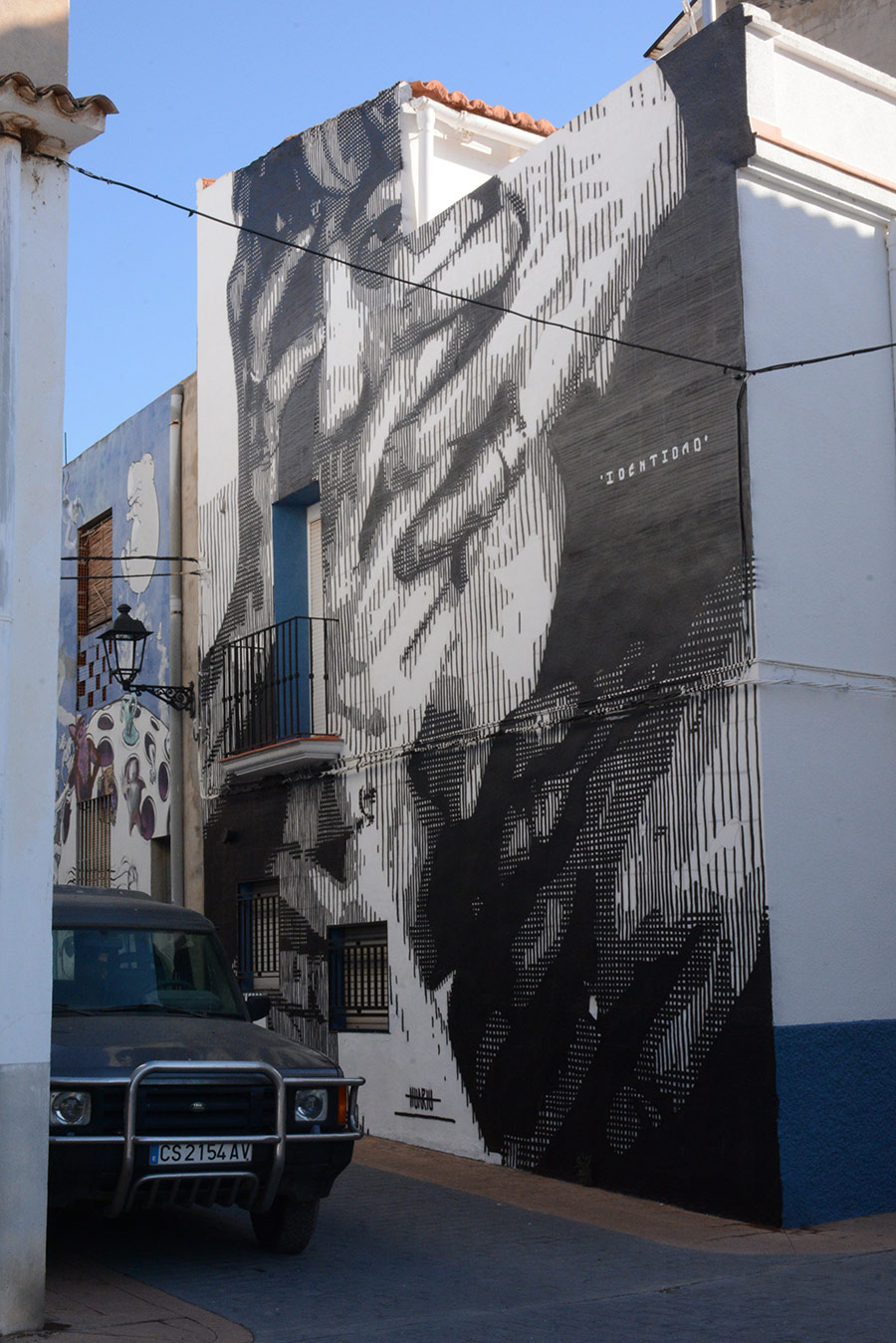
The storied, busy, festive Spanish city of Valencia lies about an hour south of Fanzara, and the difference between the two could not be more pronounced. One of many across the country, this small town has been aging, shrinking in population, a shadow of its former charming self. Since the Fanzara Miau Mural Festival began about a decade ago, that direction has been slowly reversing, with an infusion of murals all over town.
The tourist trafficked has become notable, and that youthful demographic once again wanders through the winding streets, greeting old timers and taking photos of the murals and of course, posing for selfies in front of them.
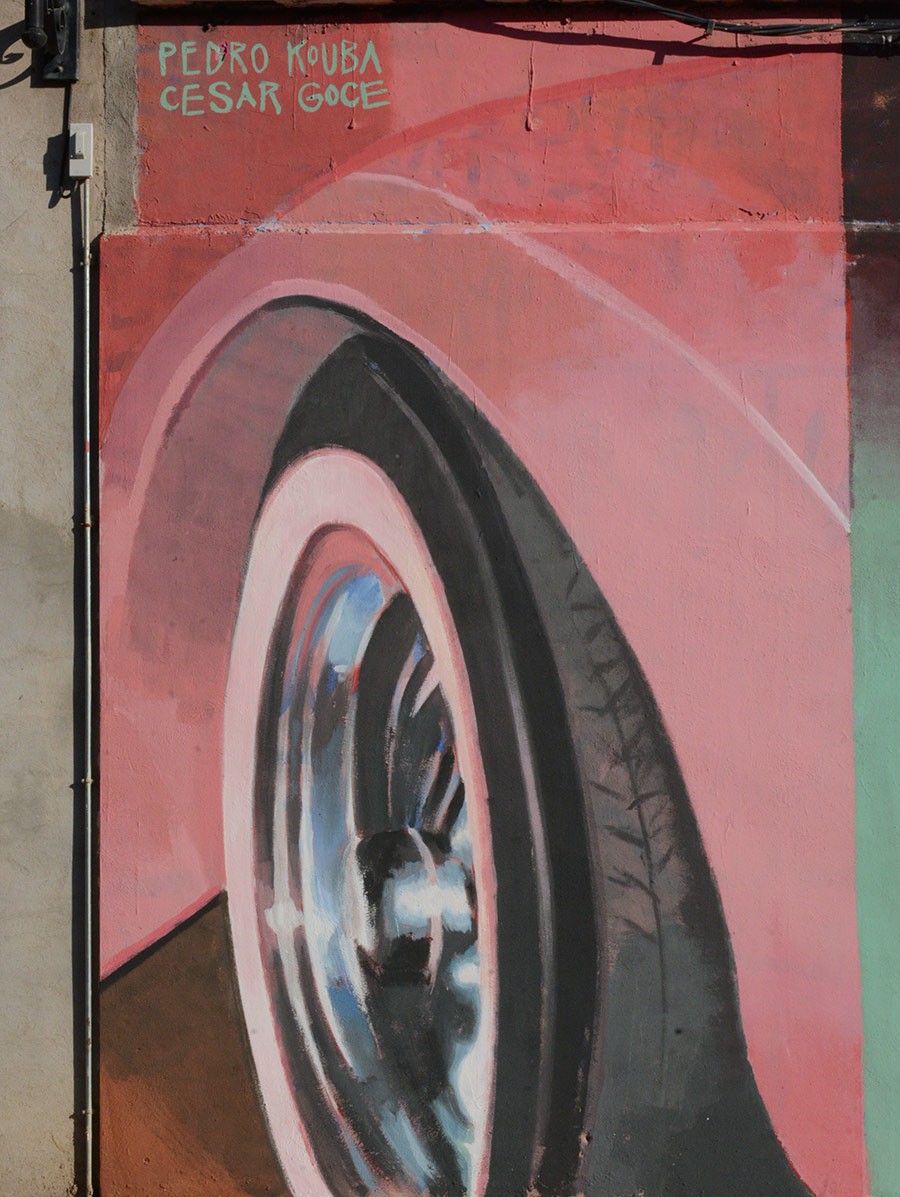
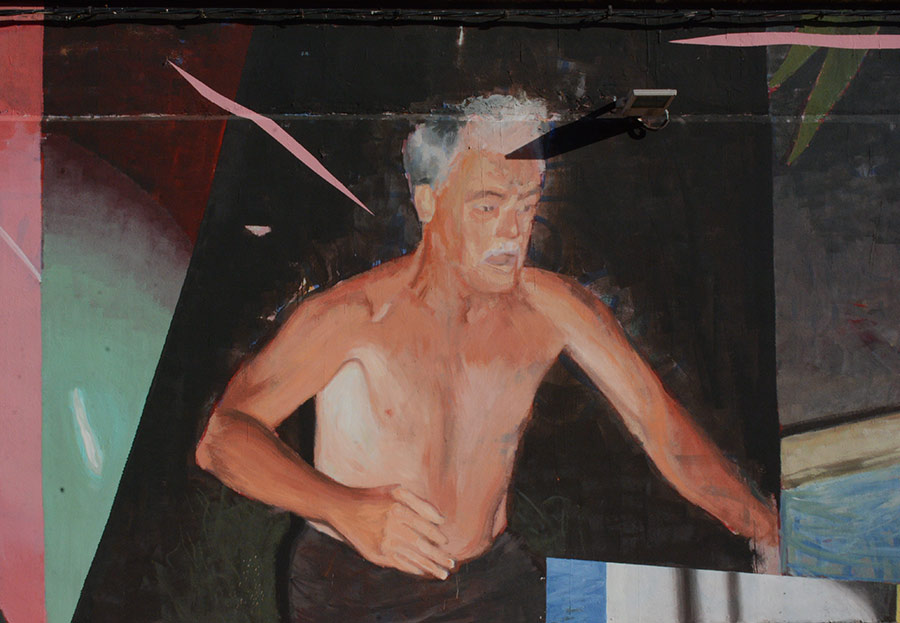
The artworks are quite varied, with street artists now often formally trained studio professionals and those working in the advertising and commercial art industries. Thankfully the feeling remains free spirited, and many artists appear to await inspiration for their subject matter until arriving, preferring to be inspired by their new environment and creating something that initiates dialogue with their surroundings.
From the classically figurative to naïve, illustrative to photorealistic, the natural world to daily life, the common thread is thoughtful and considered work that is far from the hype of other street art festivals – and safely far from commercial gloss.
Today we have new photos from the 2022 edition by frequent contributor Lluis Olive Bulbena.
 BROOKLYN STREET ART LOVES YOU MORE EVERY DAY