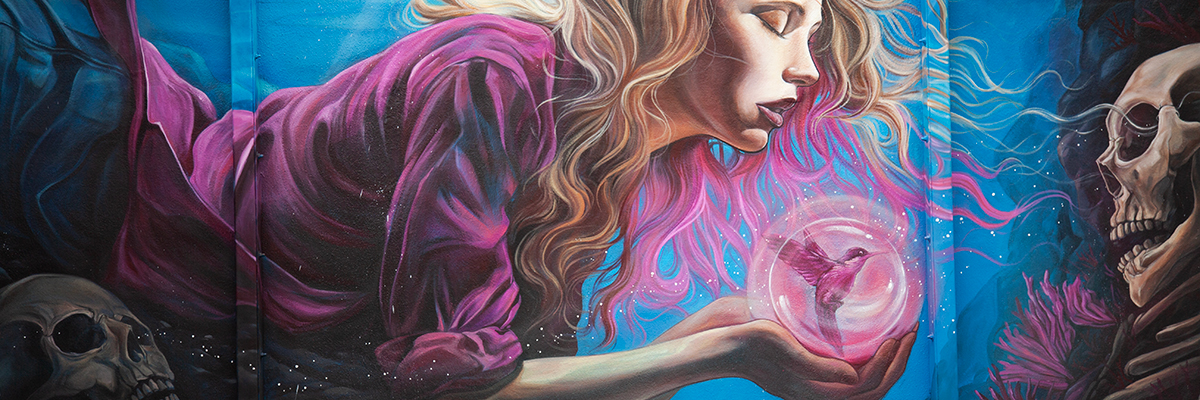
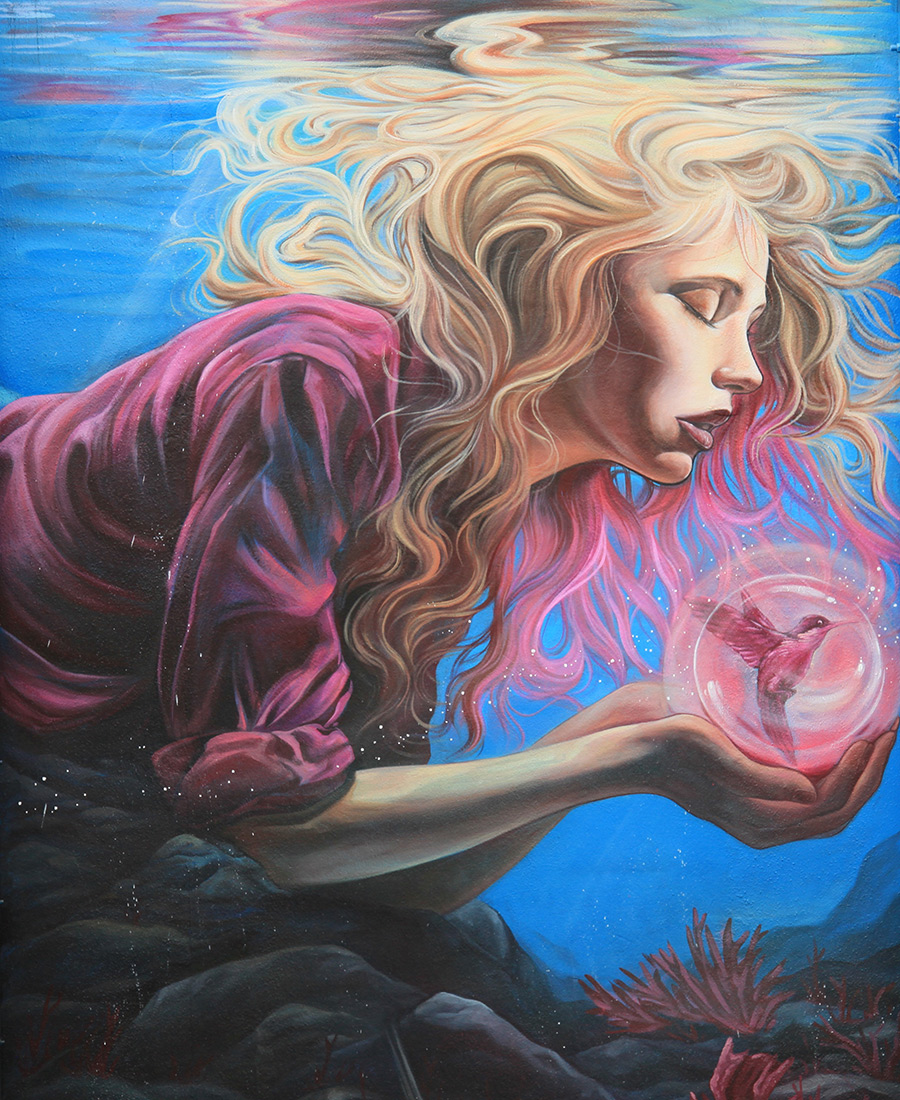
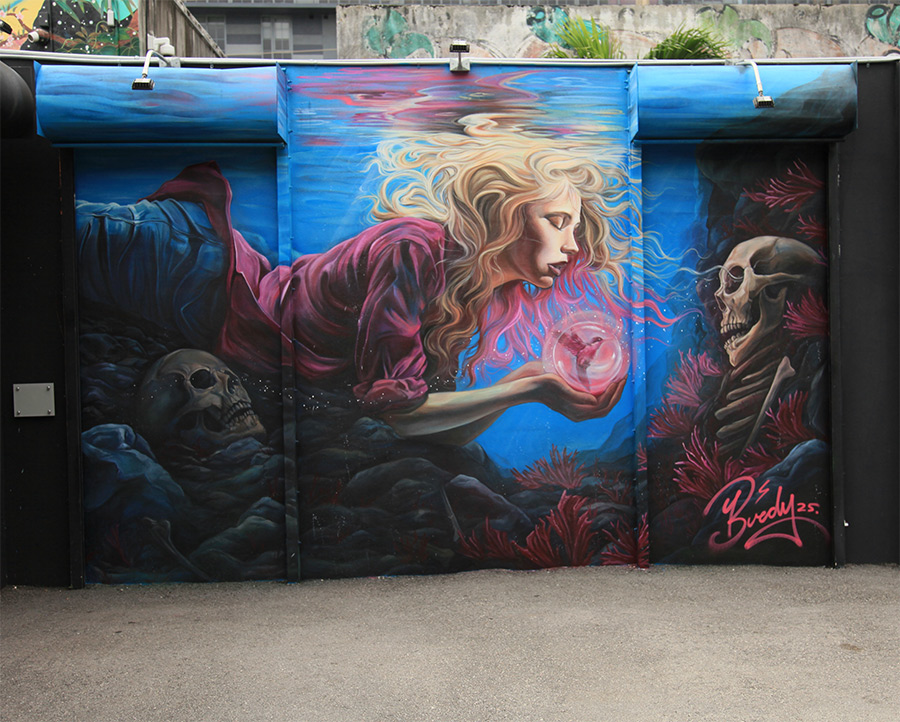
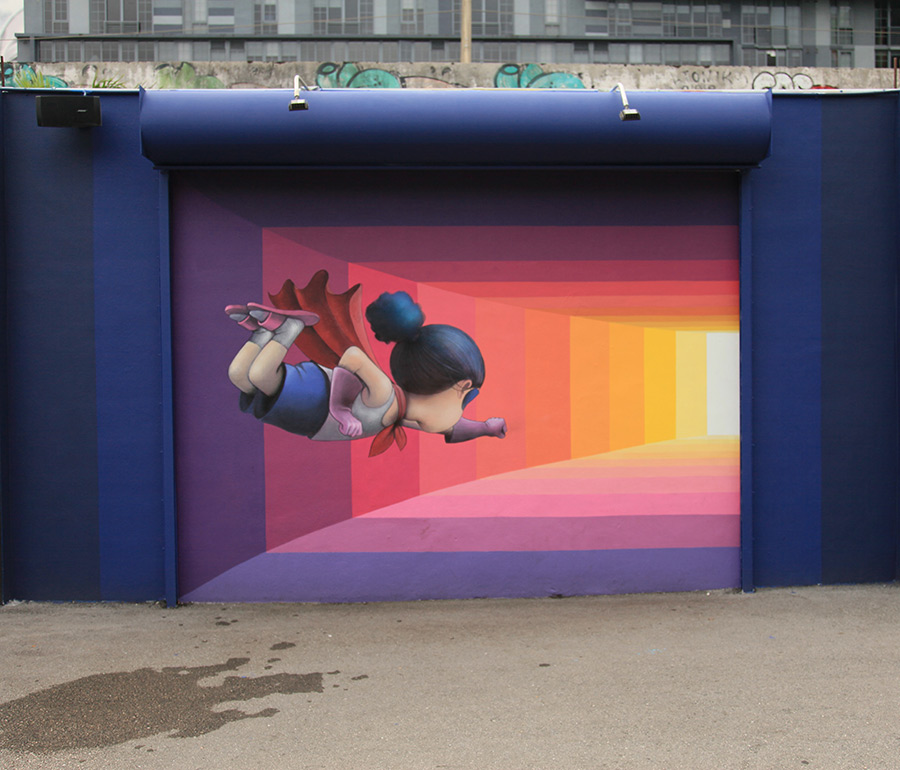
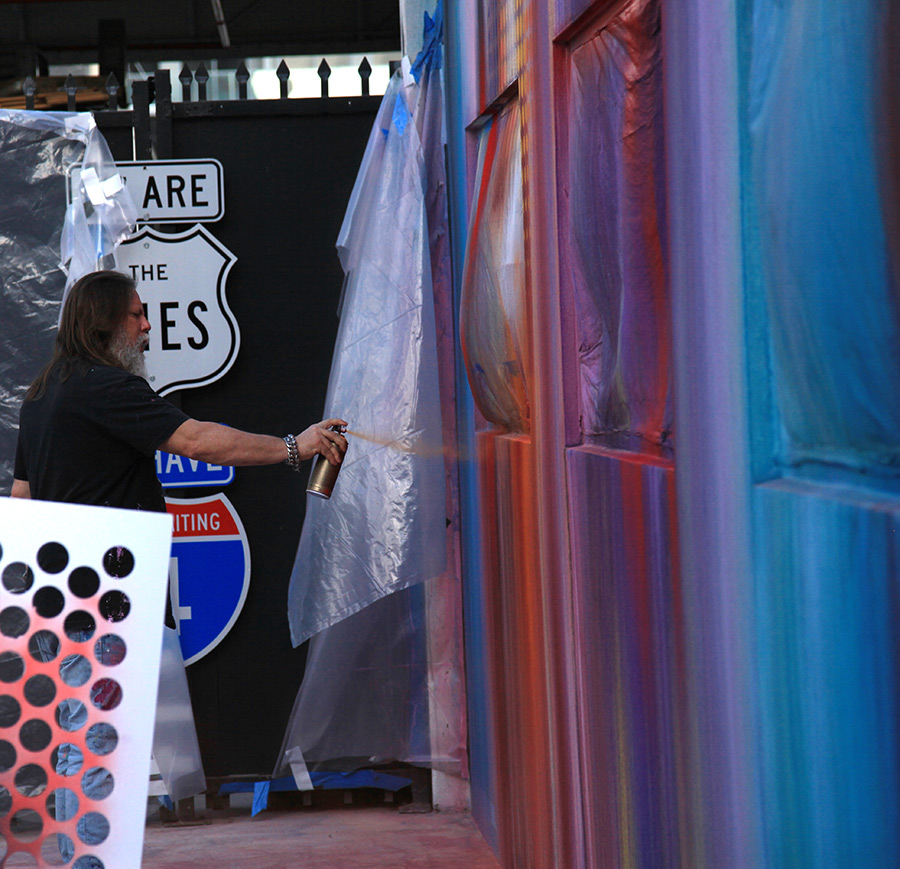
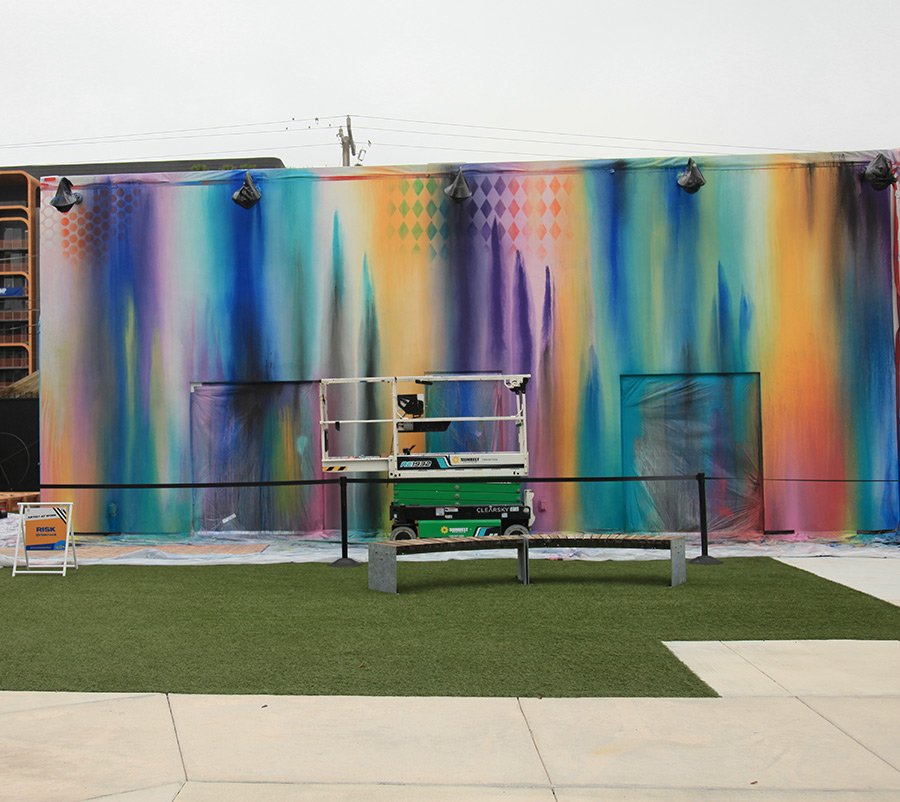
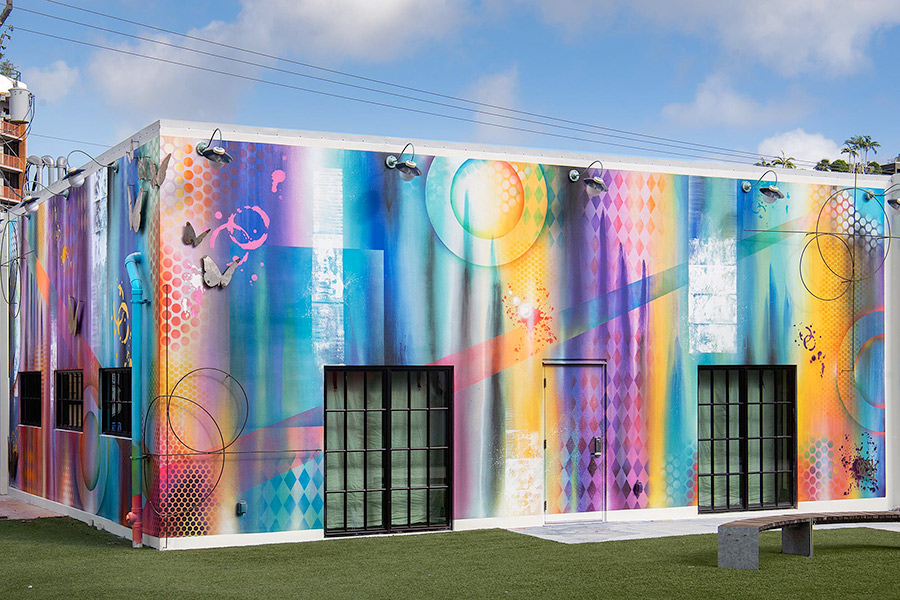
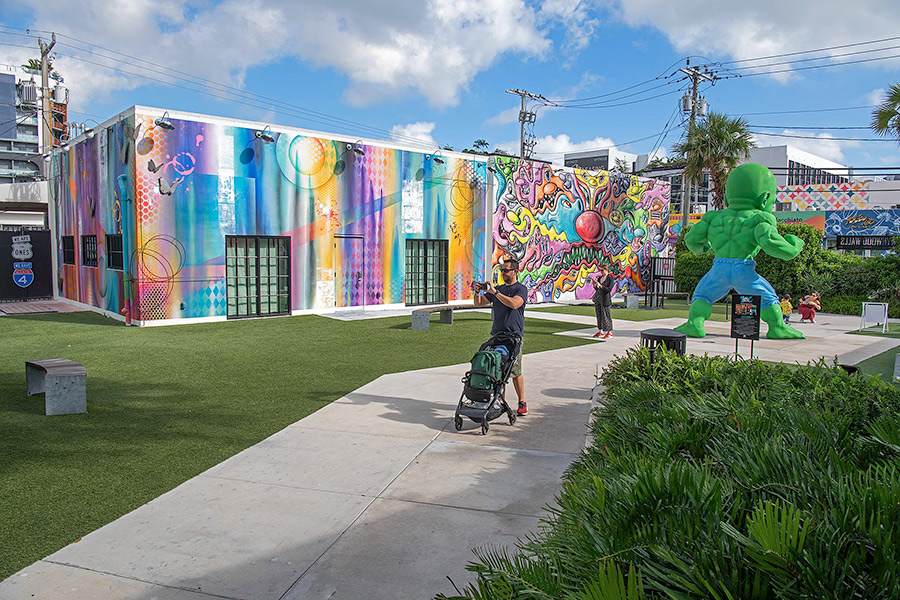
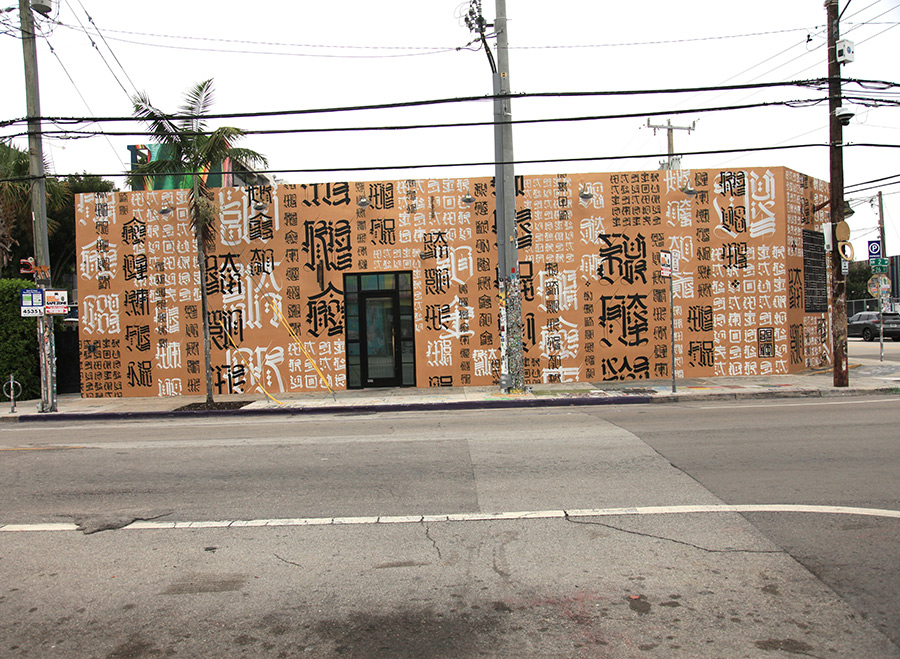
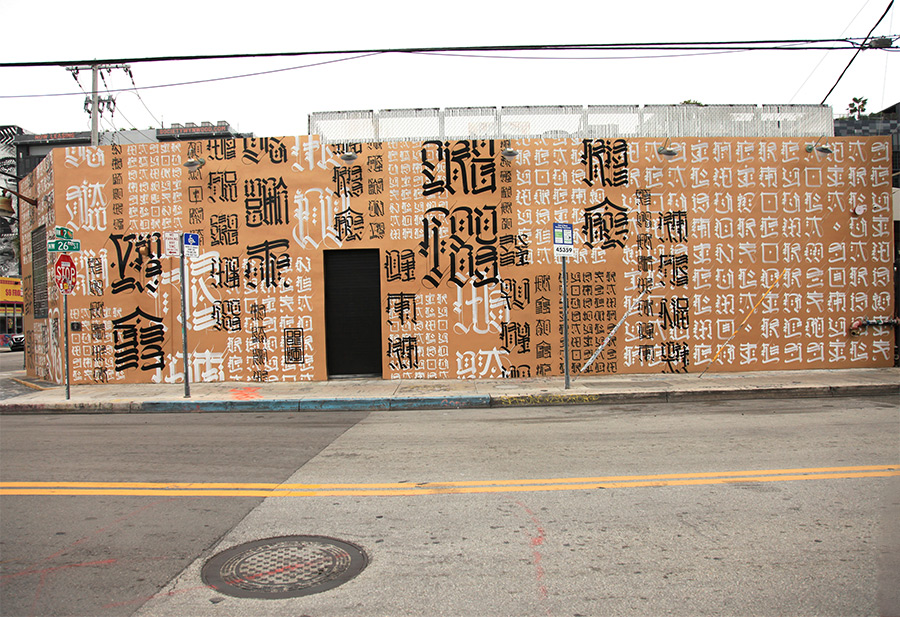
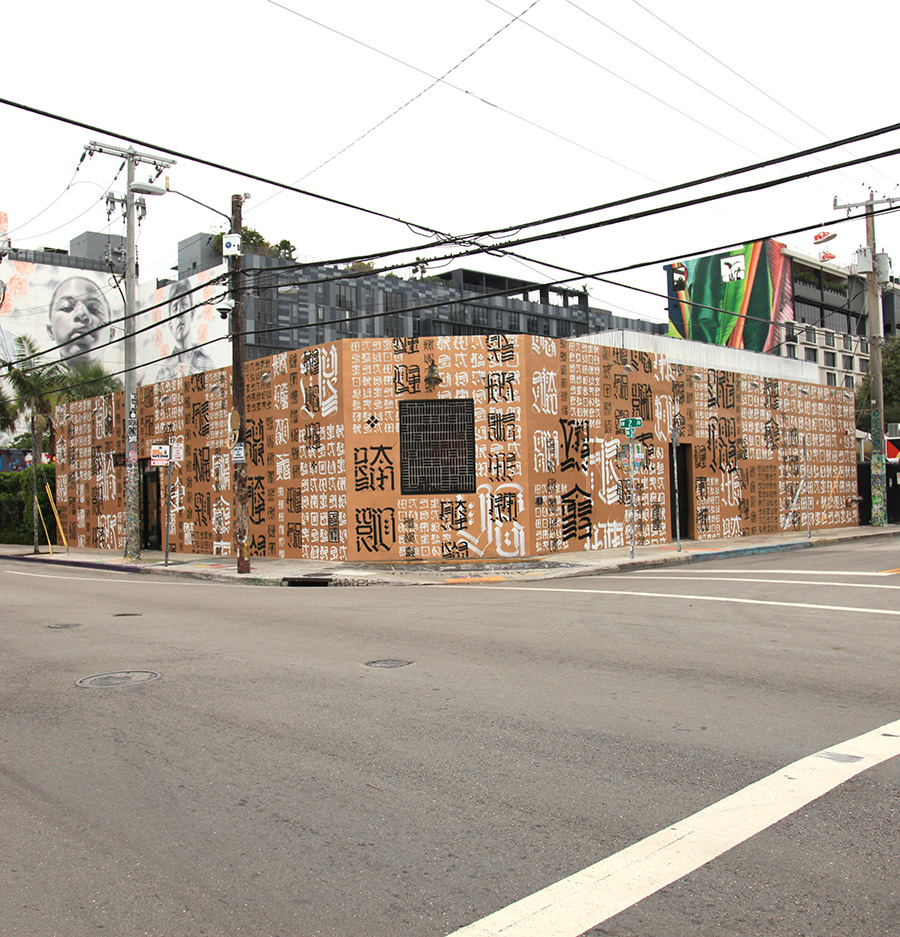
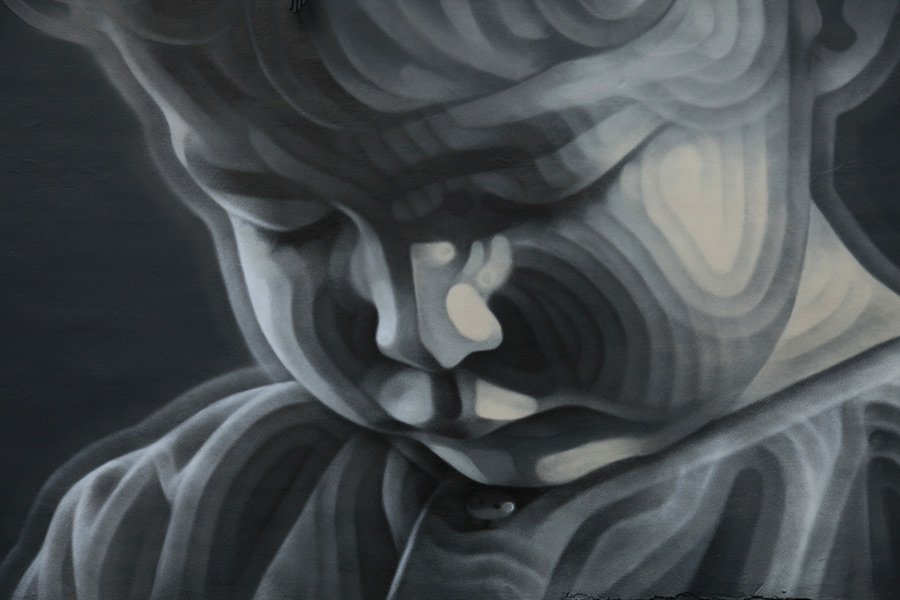
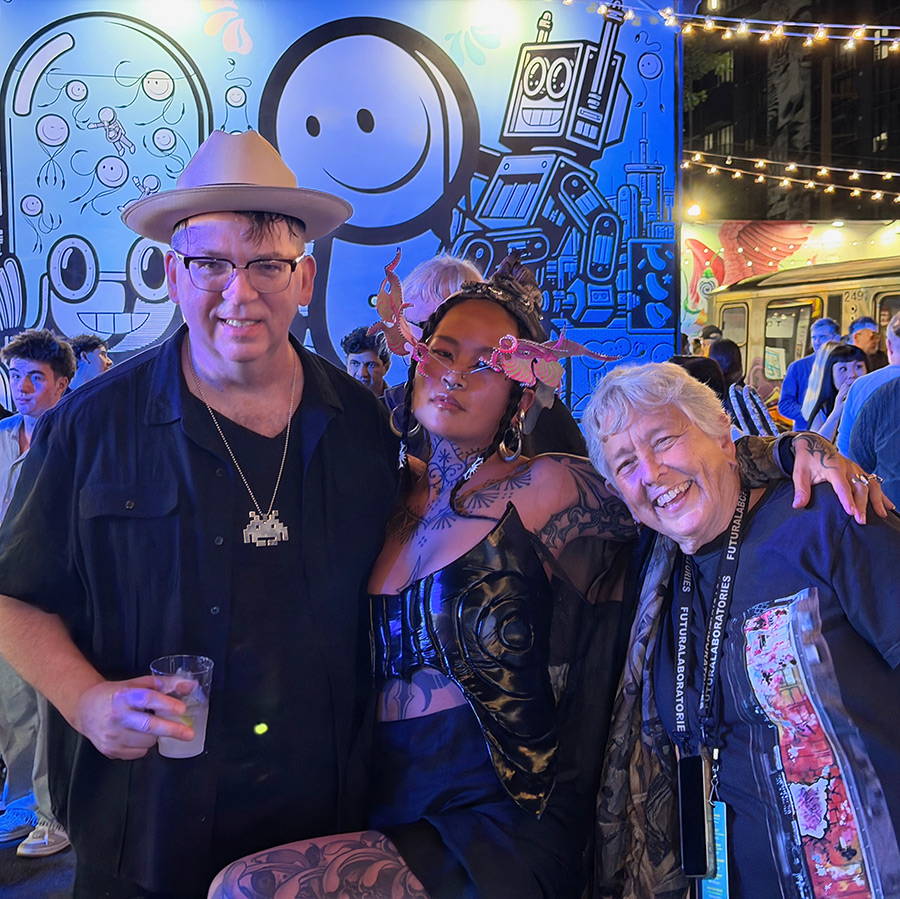
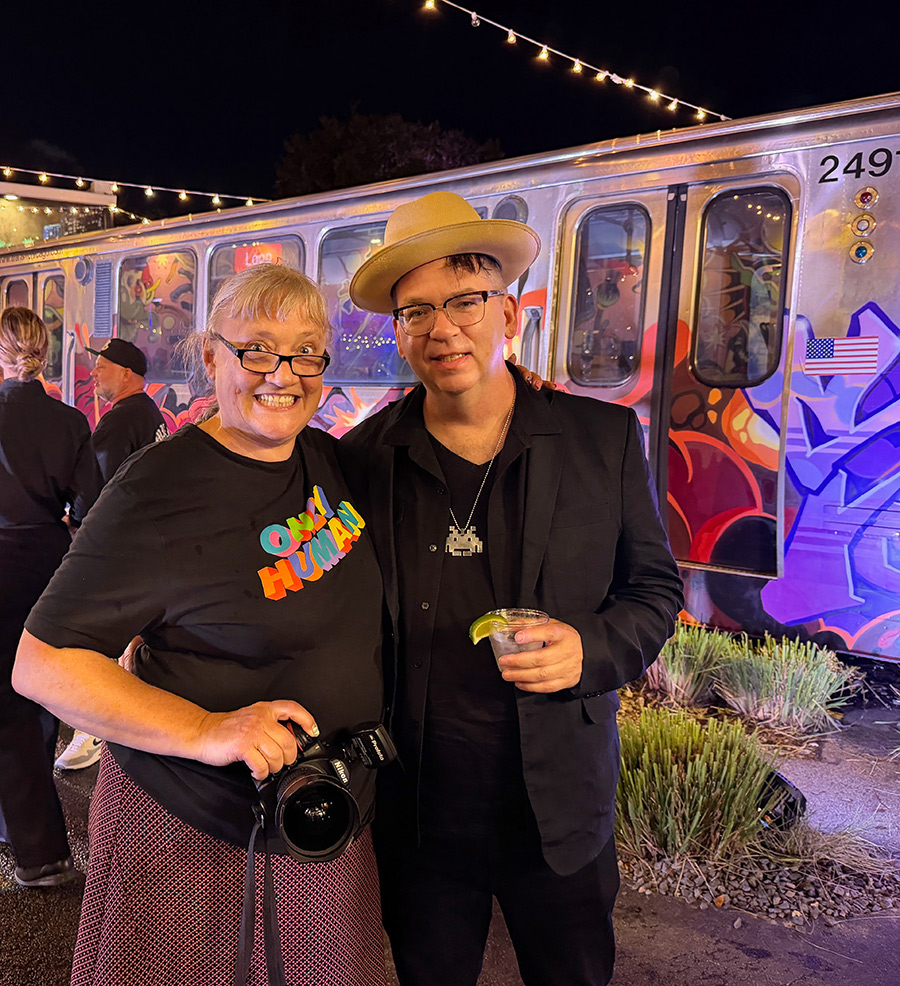
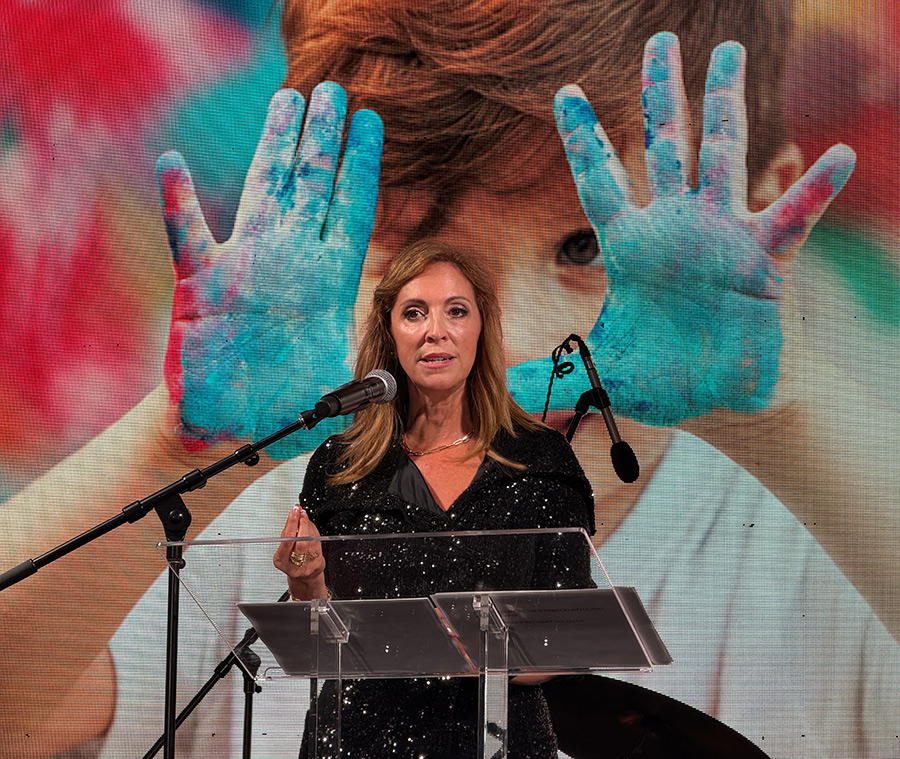
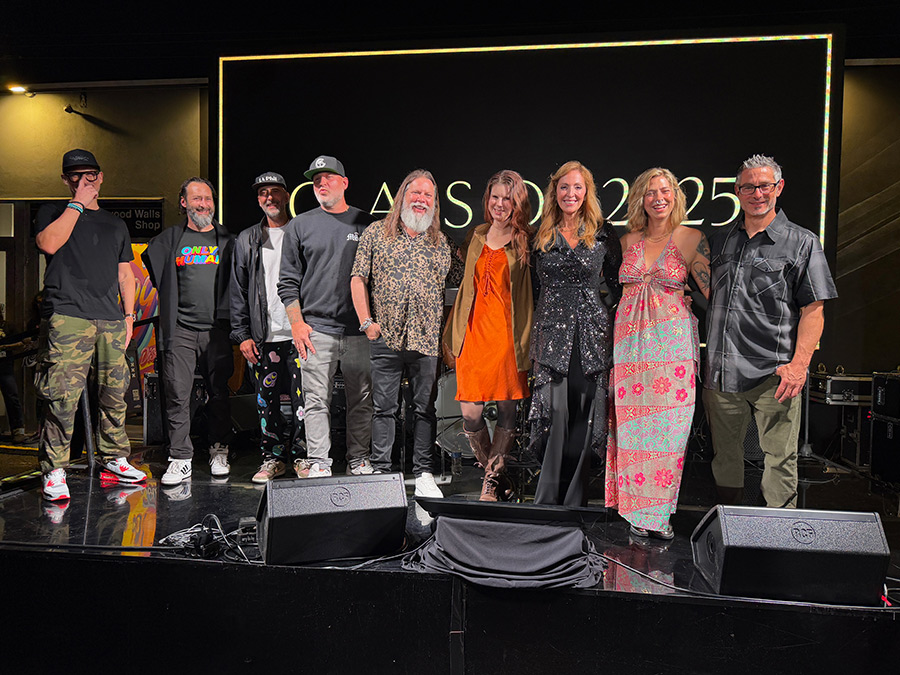
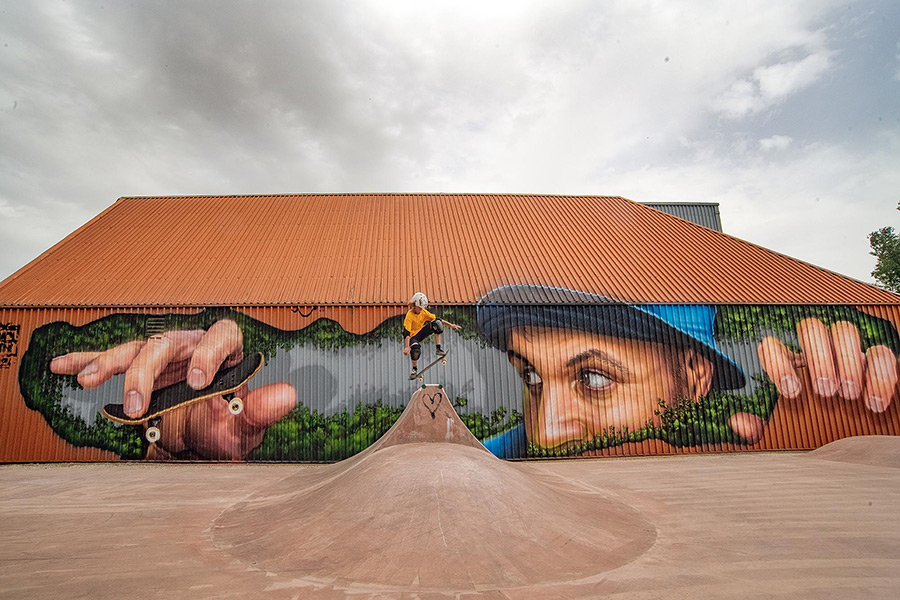
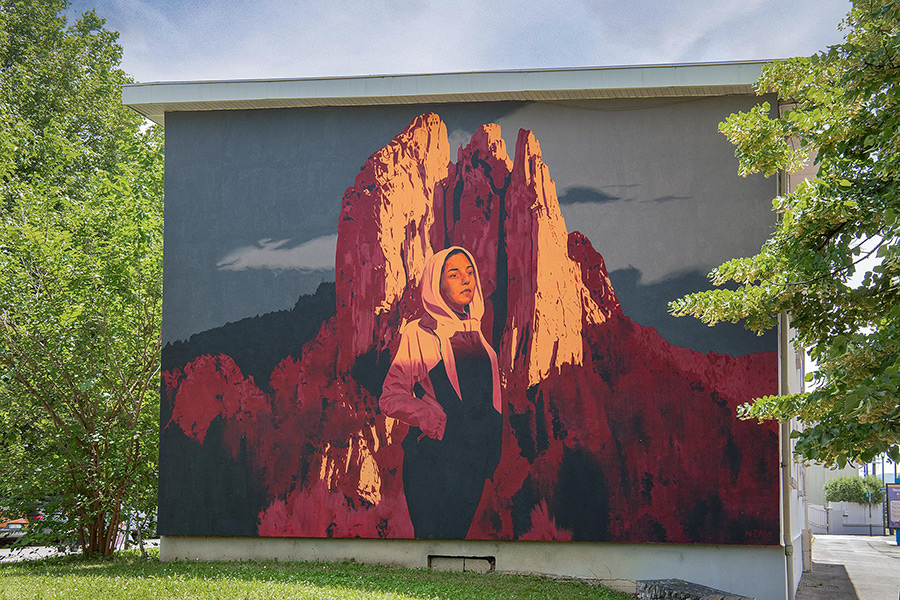
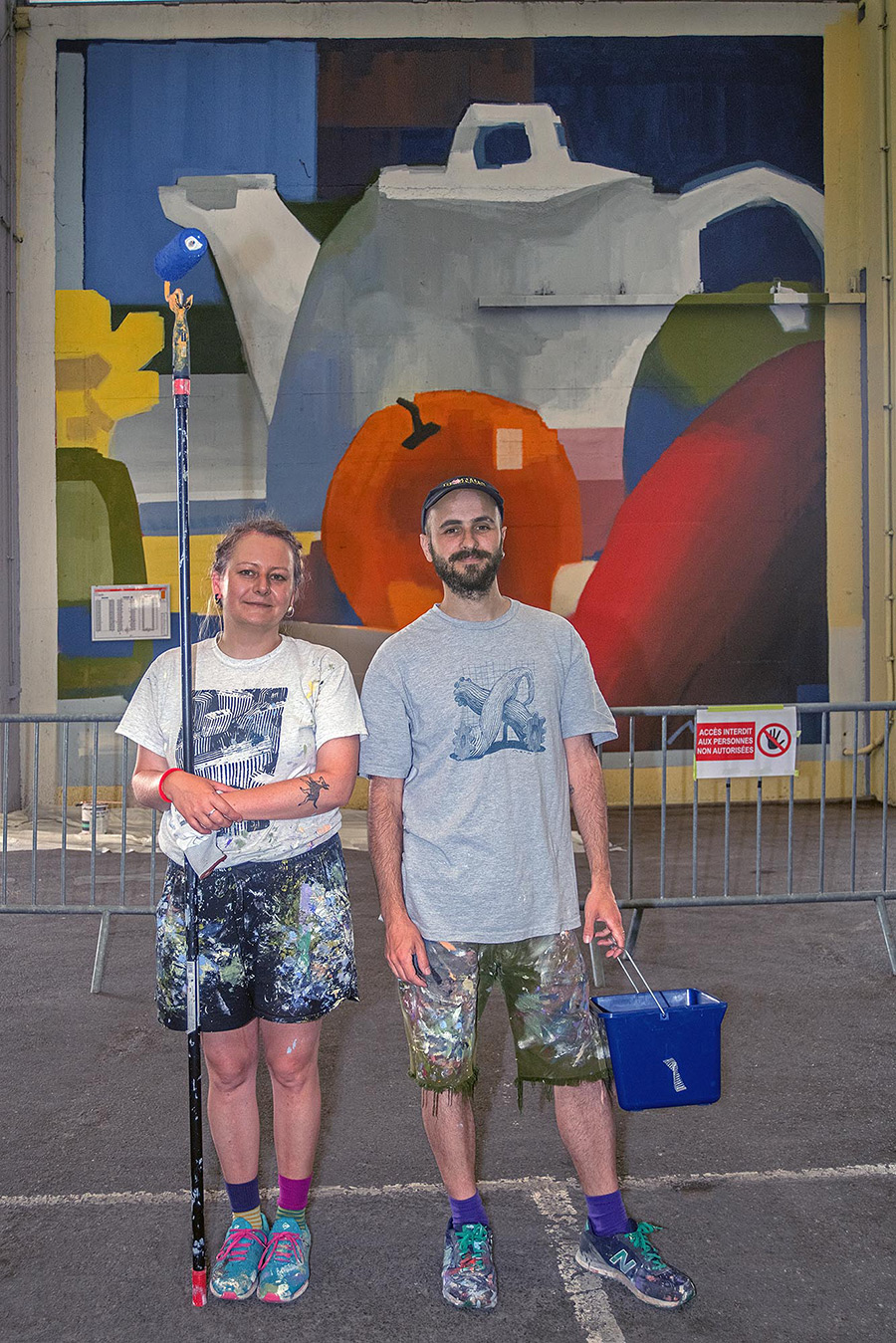
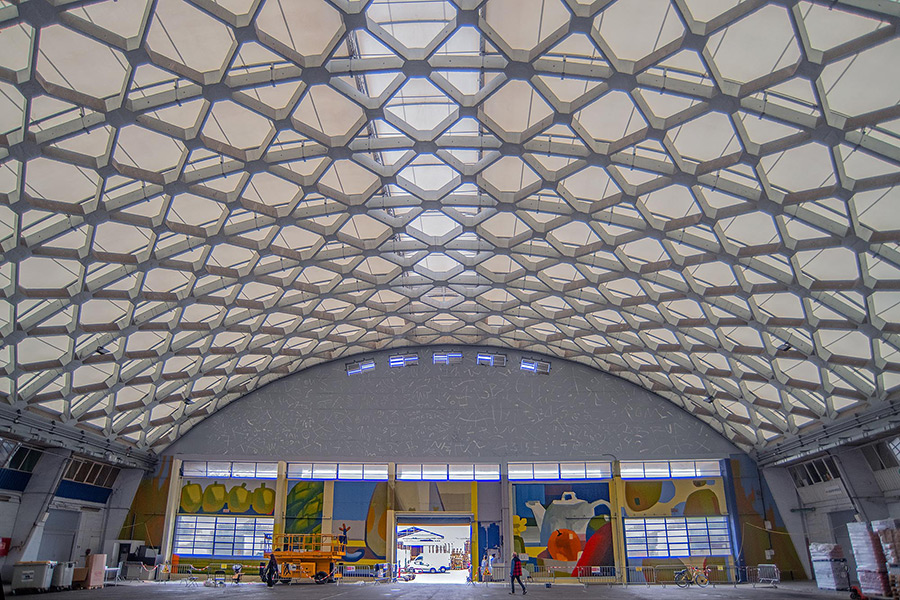
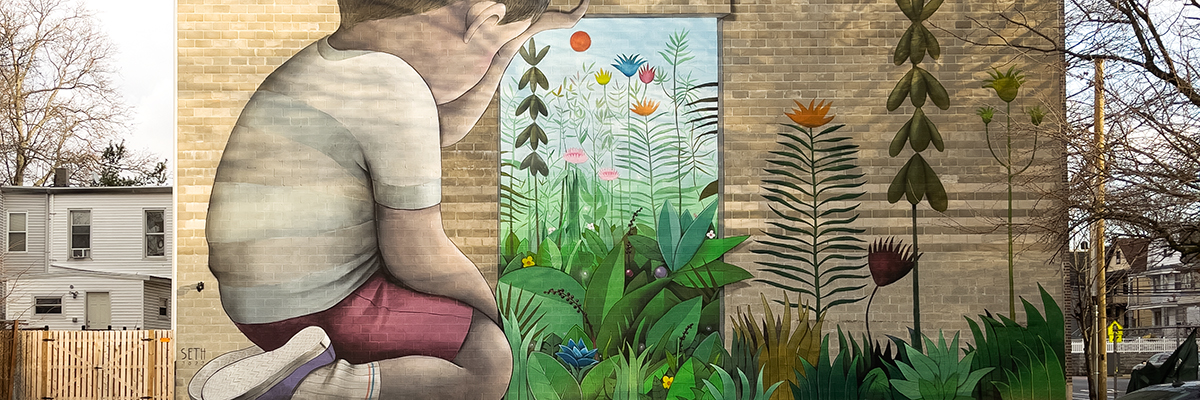
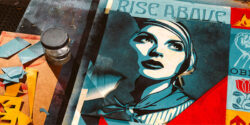
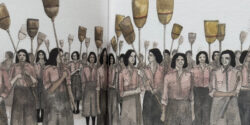
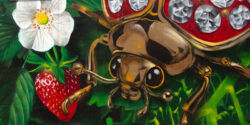
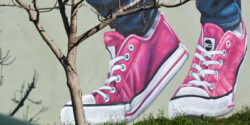
Wynwood Walls made its presence felt throughout Miami Art Week this December with a familiar mix of new murals, established names, and a thematic frame titled ONLY HUMAN. As crowds moved between fairs, pop-ups, concerts, dance floors, bars, receptions, painting jams, and private events, the Walls once again operated as both one of the primary anchors and an amplifier for street art during Art Basel week.
Developed by Jessica Goldman Srebnick, ONLY HUMAN positioned itself as a reflection on lived experience, emotion, and hand-made mark-making at a moment when digital production and AI are reshaping visual culture. The framing was intentionally broad, while the artist roster leaned toward painters with established reputations for figurative, symbolic, and calligraphic work.
New murals and installations unfolded across the site, with contributions by:
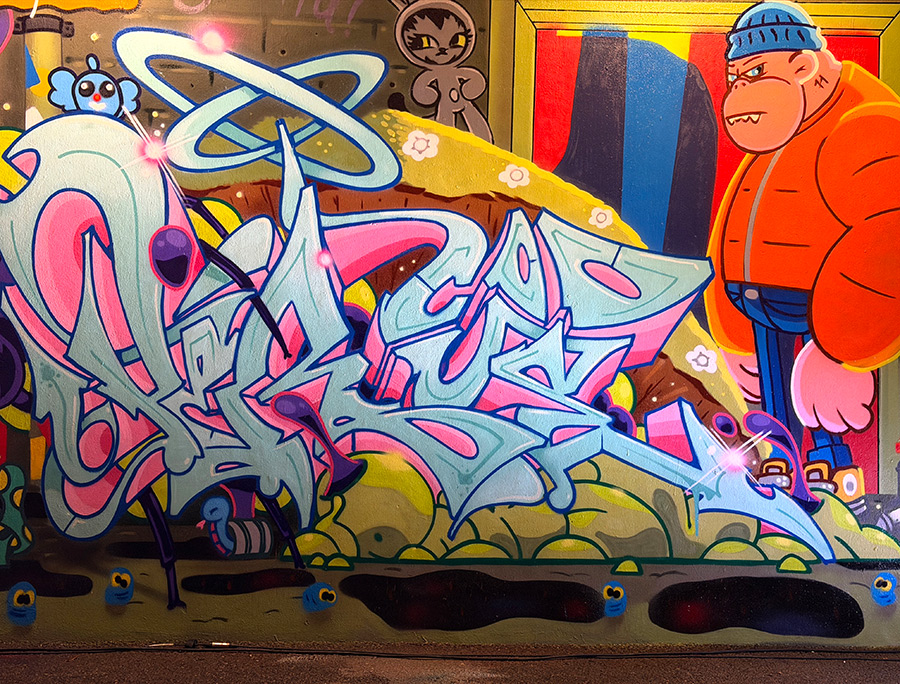
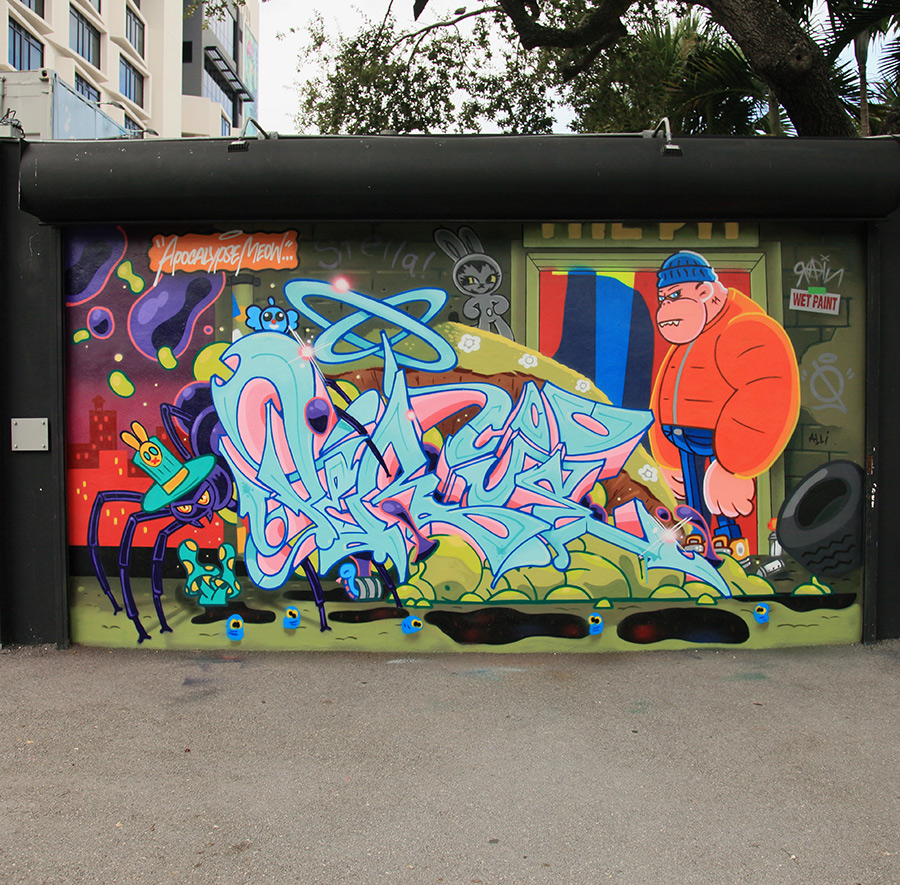
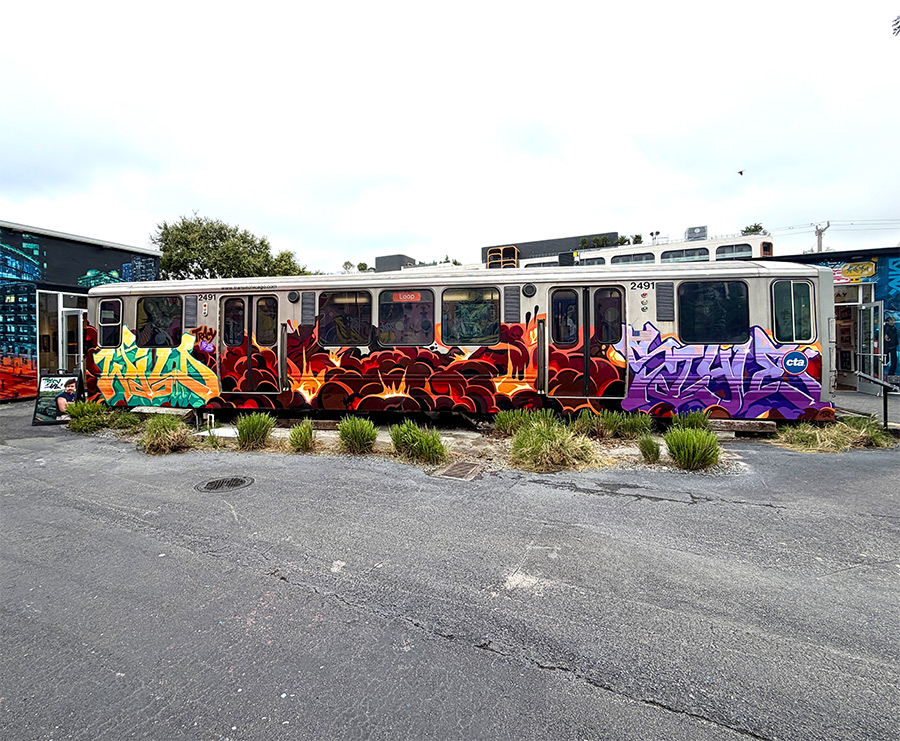
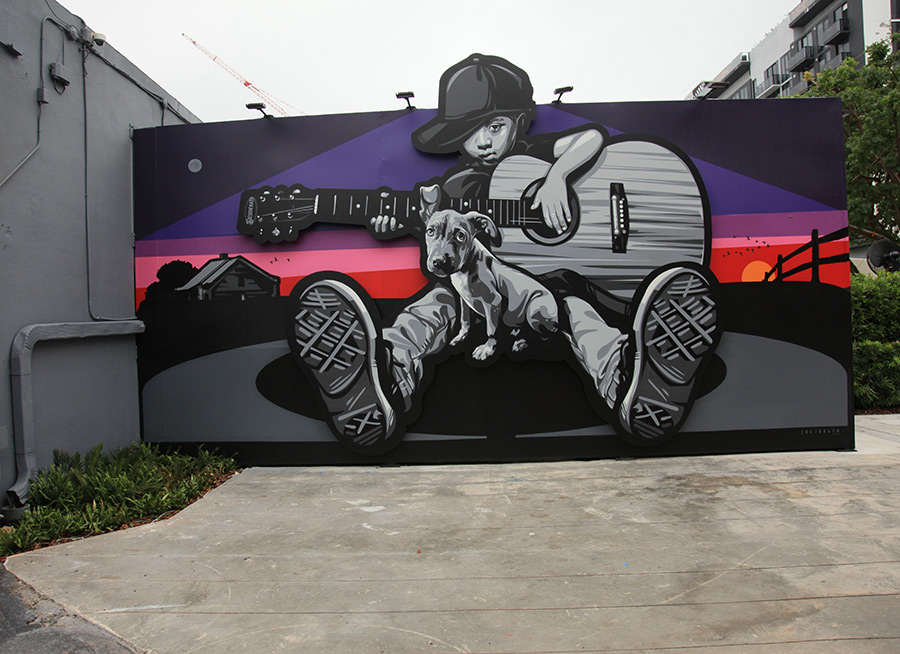
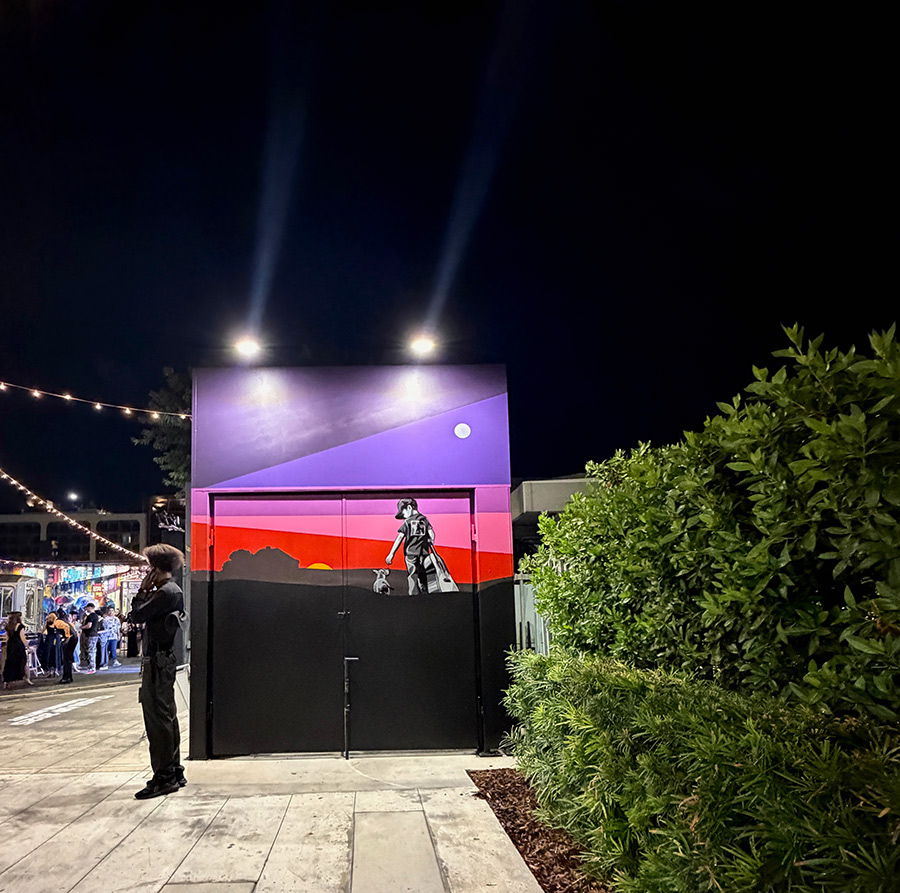
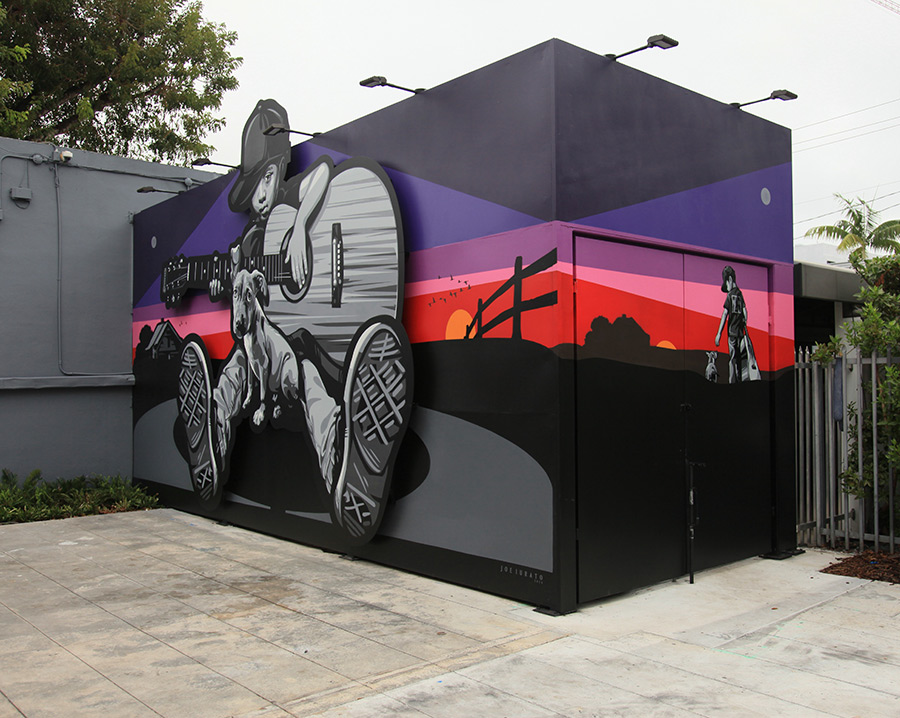
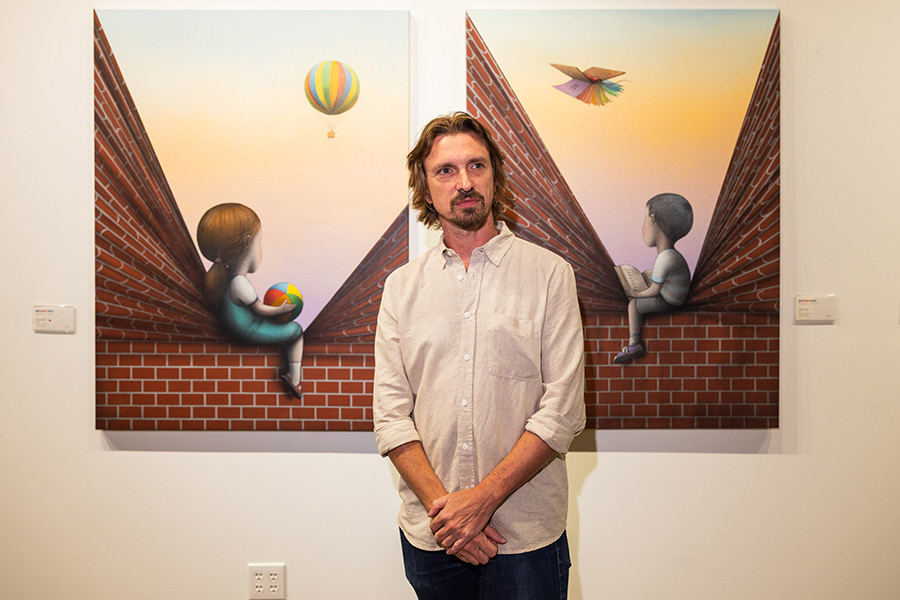
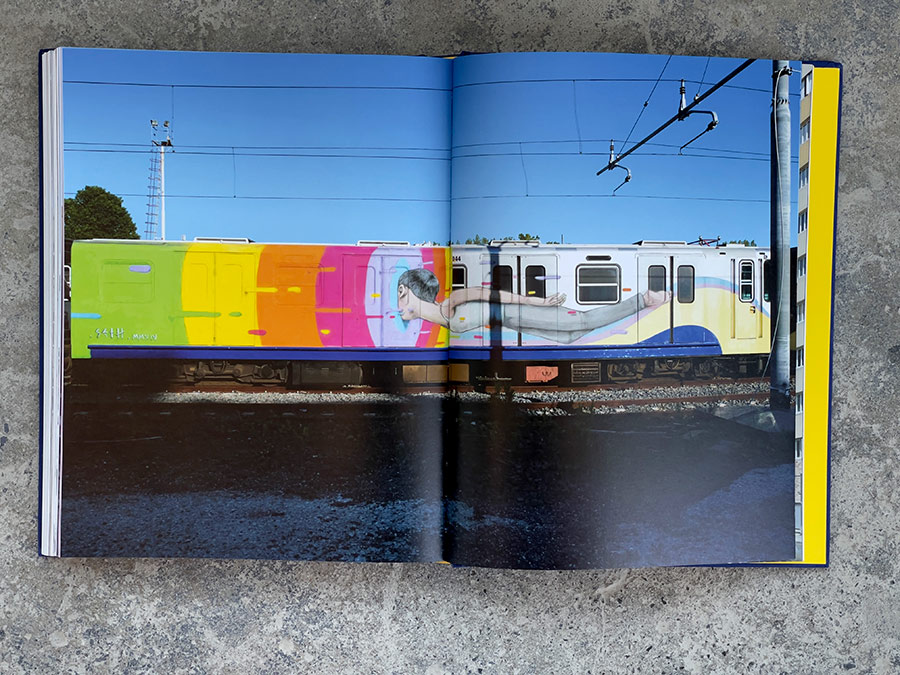
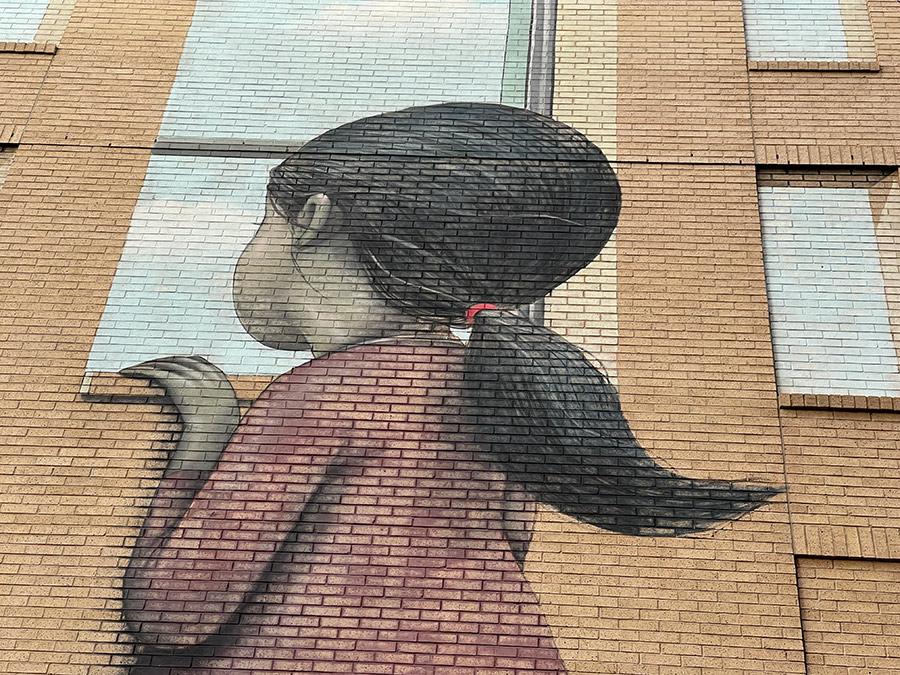
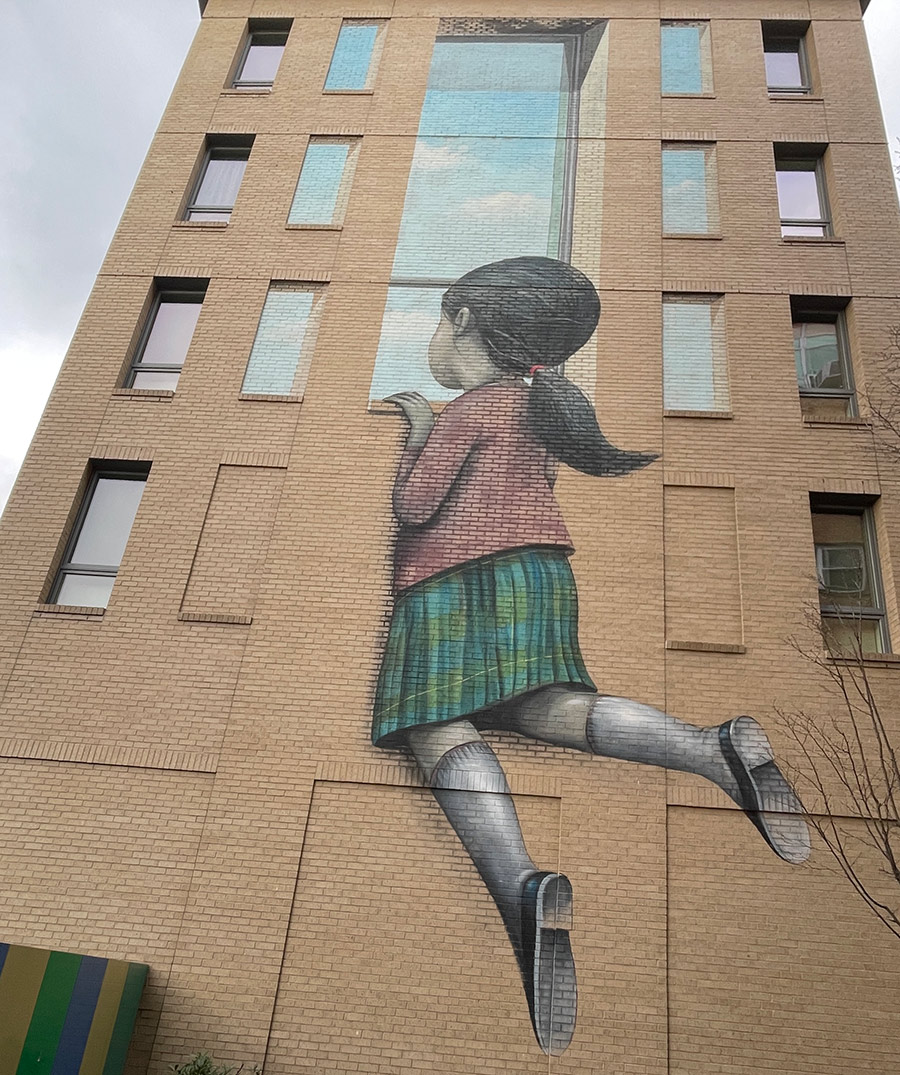
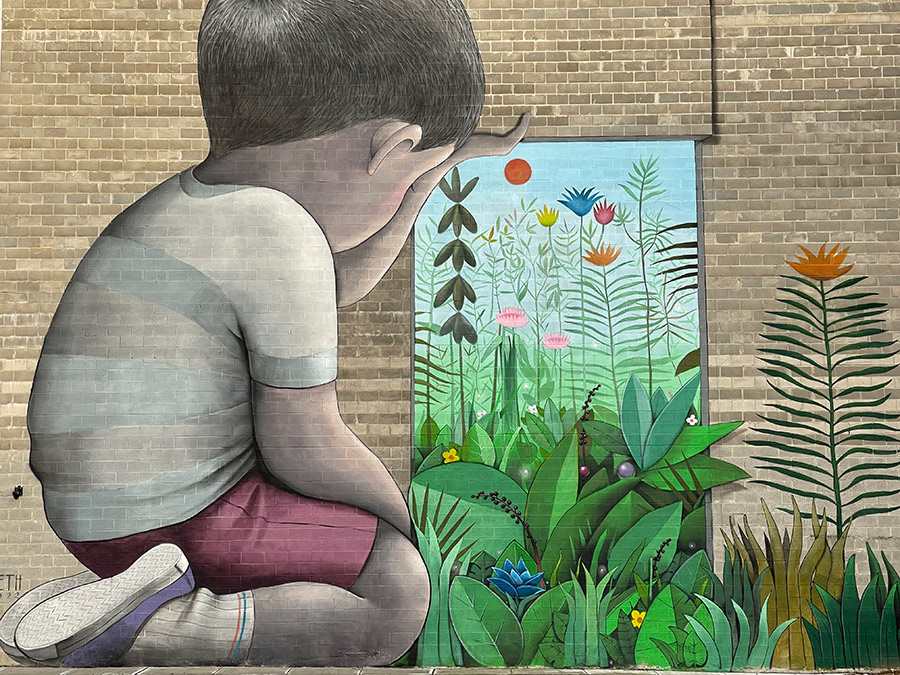
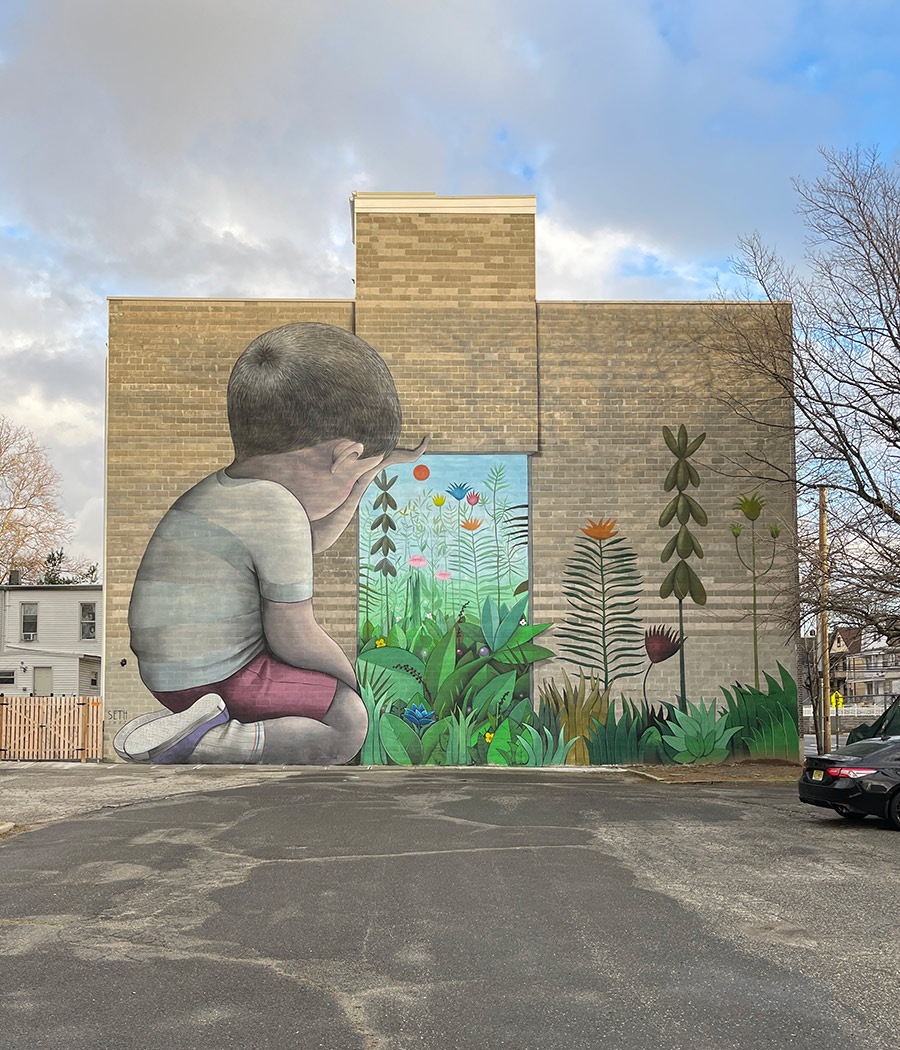
CRYPTIK, who brought his Sanskrit-influenced iconography and meditative symbolism to a prominent exterior façade SETH, continuing his long-running global narrative focused on childhood, memory, and displacement Miss Birdy, whose surreal figurative imagery explored interior worlds and states of reflection Joe Iurato, installing his signature hand-cut wooden figures that sit between drawing, sculpture, and quiet observation Quake, grounding the program in West Coast graffiti history by painting the Wynwood Walls train in motion, dedicating the piece to his friend and graffiti pioneer Tracy 168 Persue, placing his BunnyKitty character into an apocalyptic scenario where graffiti mutates and color intensifies RISK, reinforcing the Walls’ long-standing relationship with early graffiti writers and the culture’s foundational figures
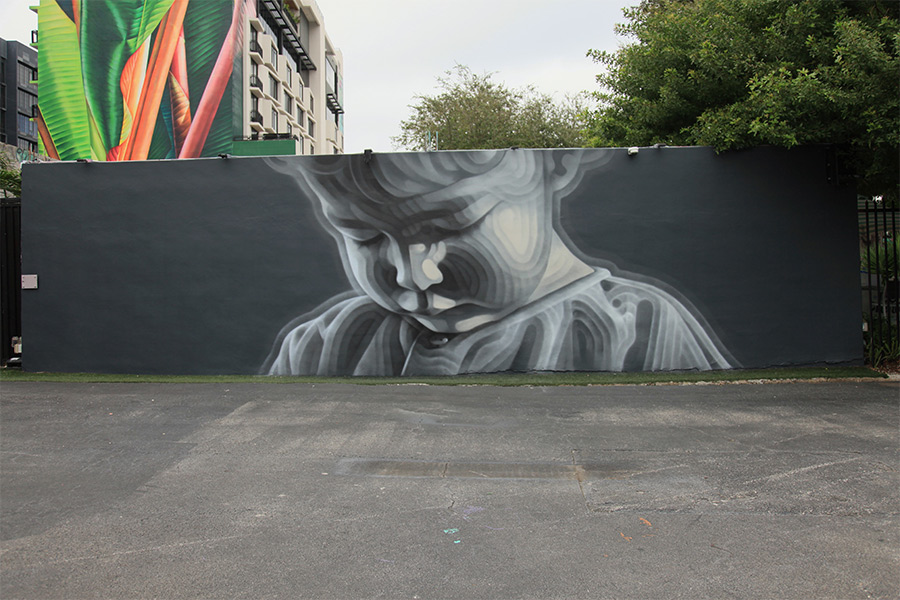
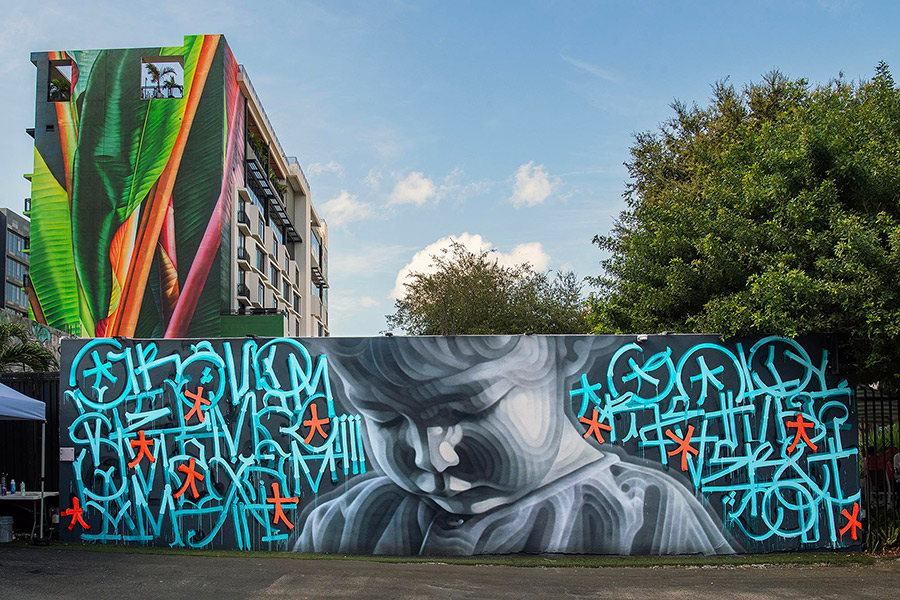
One of the most discussed moments of the week was the return collaboration by El Mac and RETNA, their first joint public work in more than a decade. The pairing carried historical weight, recalling an earlier period when large-scale figurative painting and calligraphic abstraction were helping redefine the possibilities of street art on monumental walls. With El Mac’s son serving as the subject, the work subtly marked a generational passage within a culture now several decades into its evolution.
In the compound, Goldman Global Arts Gallery extended the program with full studio exhibitions by:
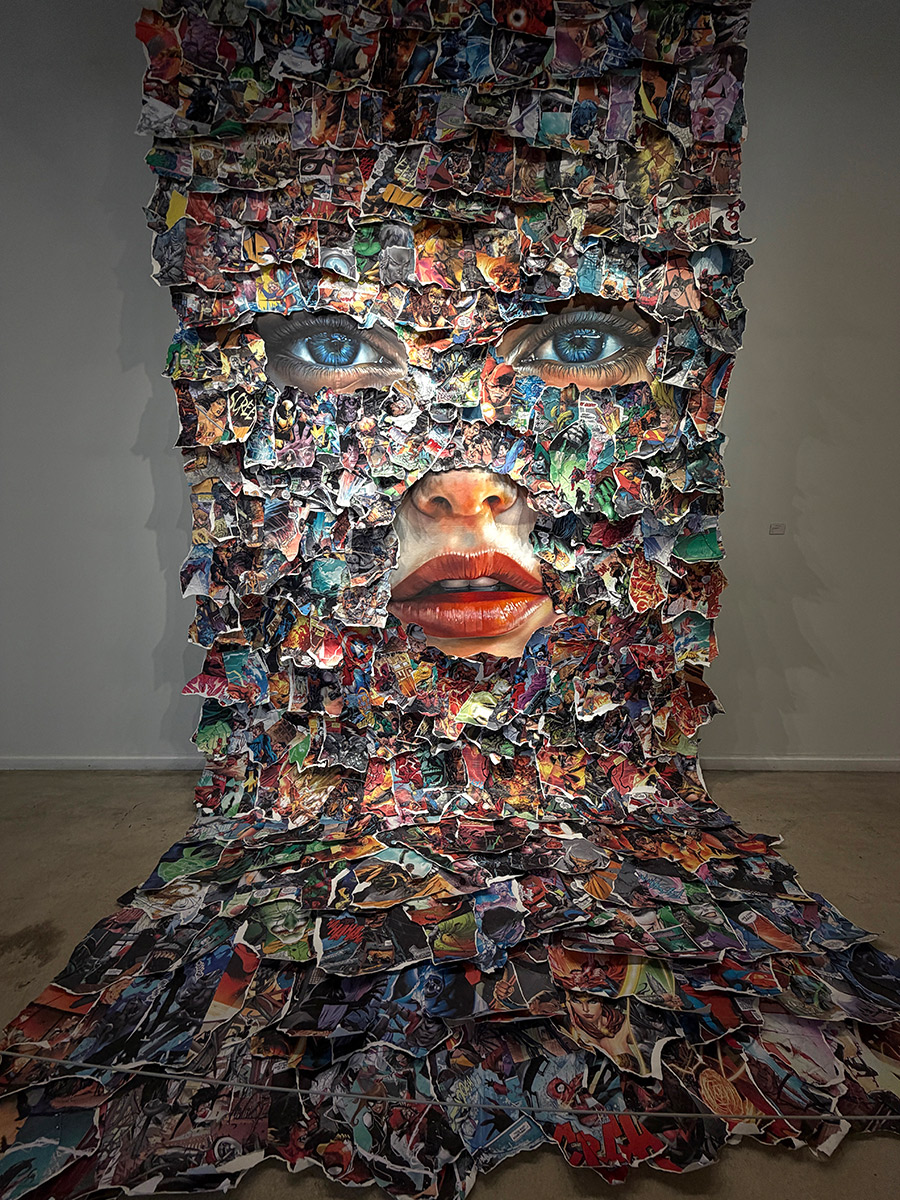
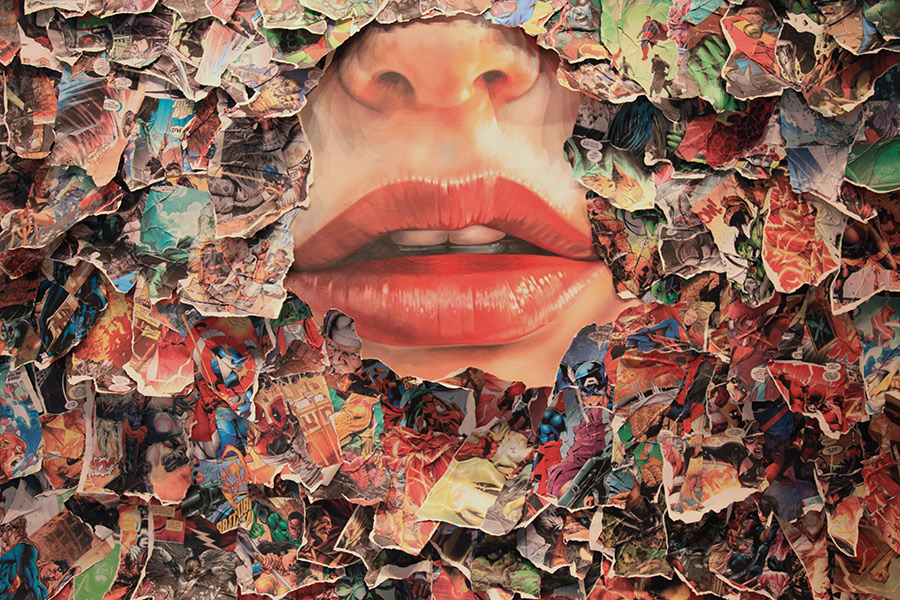
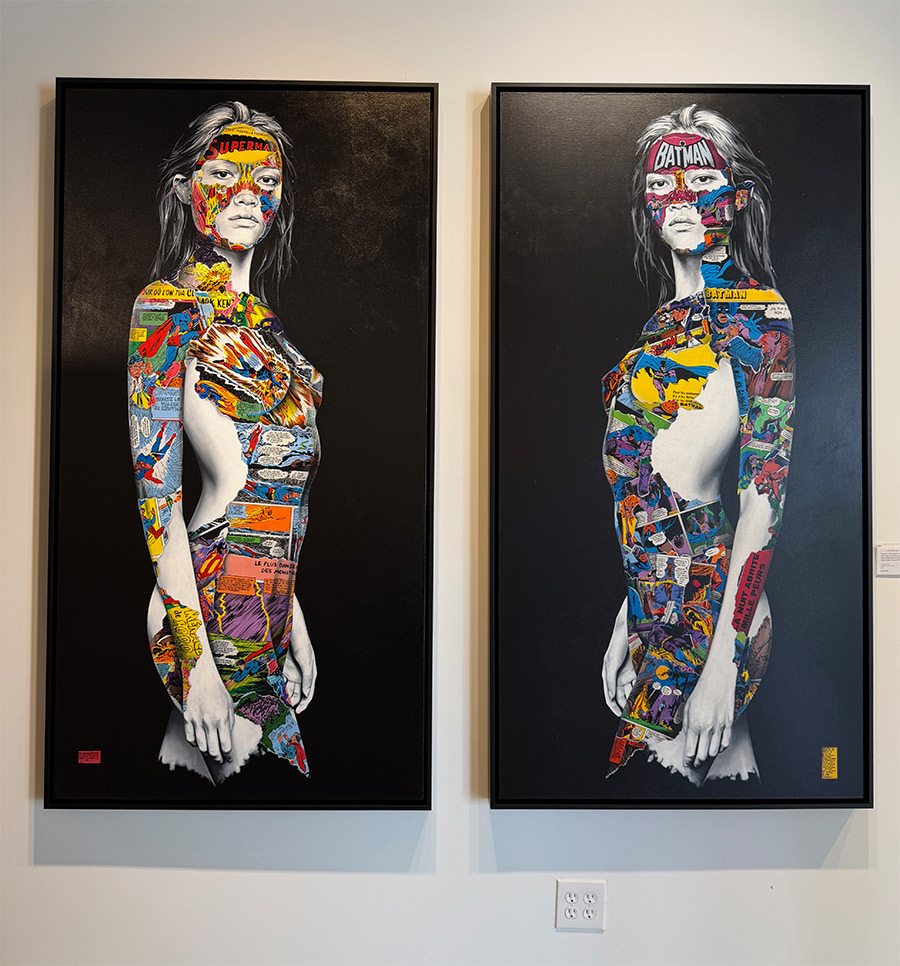
Hebru Brantley, presenting character-driven paintings and sculptural works that draw on pop imagery and storytelling, filtered through childhood, hero archetypes, and social commentary Simon Berger, showing portraits formed through controlled fracturing and impact on glass, using cracks, density, and light to construct faces that feel both precise and fragile Sandra Chevrier, exhibiting mixed-media portraits that layer comic-book imagery over the human figure, using those fragments to address identity, social/psychological pressure, and the public narratives imposed on private lives
These exhibitions echoed the outdoor program’s emphasis on the human figure and modalities of identity, while offering a quieter counterpoint to the crowds milling about the grounds outside—one grounded more in interior presence than the spectacle.
As in past years, Wynwood Walls also hosted private previews and invitation-only gatherings early in the week, including an artists dinner tied to the unveiling of the new works. While guest lists and details remain largely off record, these evenings functioned as bubbling and charged meeting points for artists, collectors, curators, academics, photographers, and figures from real estate, music, and civic life—part celebration, part networking ritual that has become a familiar, carefully managed, feature of Art Week.
In the end, ONLY HUMAN reinforced Wynwood Walls’ role as a highly visible platform balancing graffiti lineage with polished mural production and market-aware programming. For visitors, it offers consistent access to both widely recognized and less-circulated names; for artists, it remains a closely watched stage in the street art calendar.
Wynwood Walls, in Wynwood, Miami, is open to the public year-round. Click HERE for more information on directions, schedules, tickets, and special events.
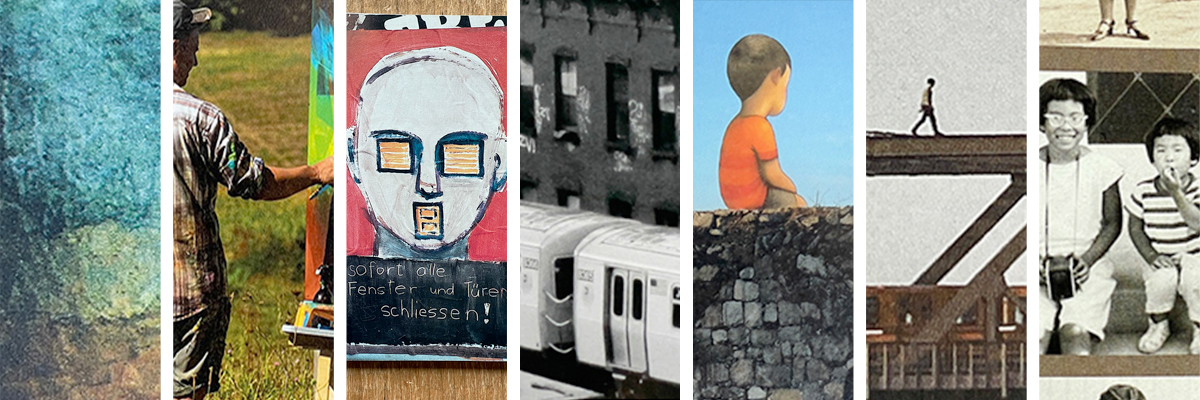
Nearing two decades of this annual list, BSA has changed as the local and global street art/graffiti/fine art scenes have. Less interested in the celebrity and more interested in the people and passions that drive the need to express yourself creatively in public space, BSA has gone through whatever doors opened and a few that were slammed shut. Our shortlist for 2025 reflects a diversity within the street art, graffiti, and fine art worlds that many once assumed would become centralized and homogenized.
Sure, there is a lot of derivative drippy “street art” dreck at art fairs and on particular walls. Still, we suggest the scene is no longer best described as a single movement traveling toward institutional acceptance. We would also argue that it was never the goal, regardless of the Street Art hype of the 2010s. In an interconnected artist’s life, this ‘scene’ is a network of practices that share tools (reproduction, scale, public encounter), ethics (authorship vs anonymity, permission vs necessity), and stakes (who gets to speak in public, and how).
The common threads aren’t style, or even medium—they are circulation, context, and the social life of images. In that sense, this group of books doesn’t just document a year; it maps a portion of the expanded field where street culture, publishing culture, and contemporary art culture now overlap—sometimes comfortably, sometimes in productive friction.
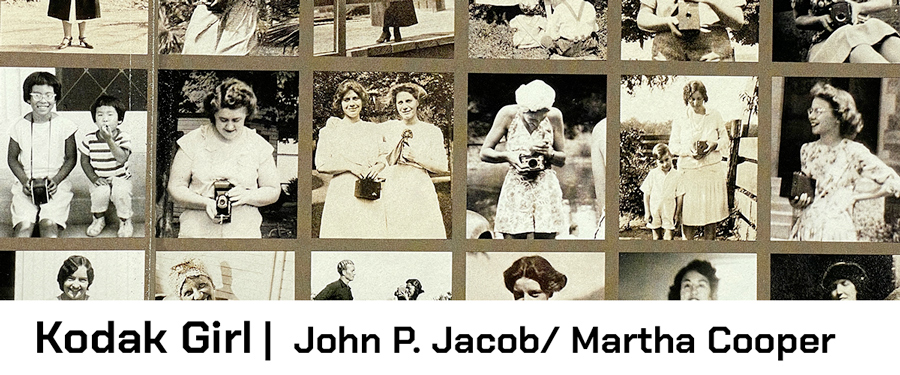
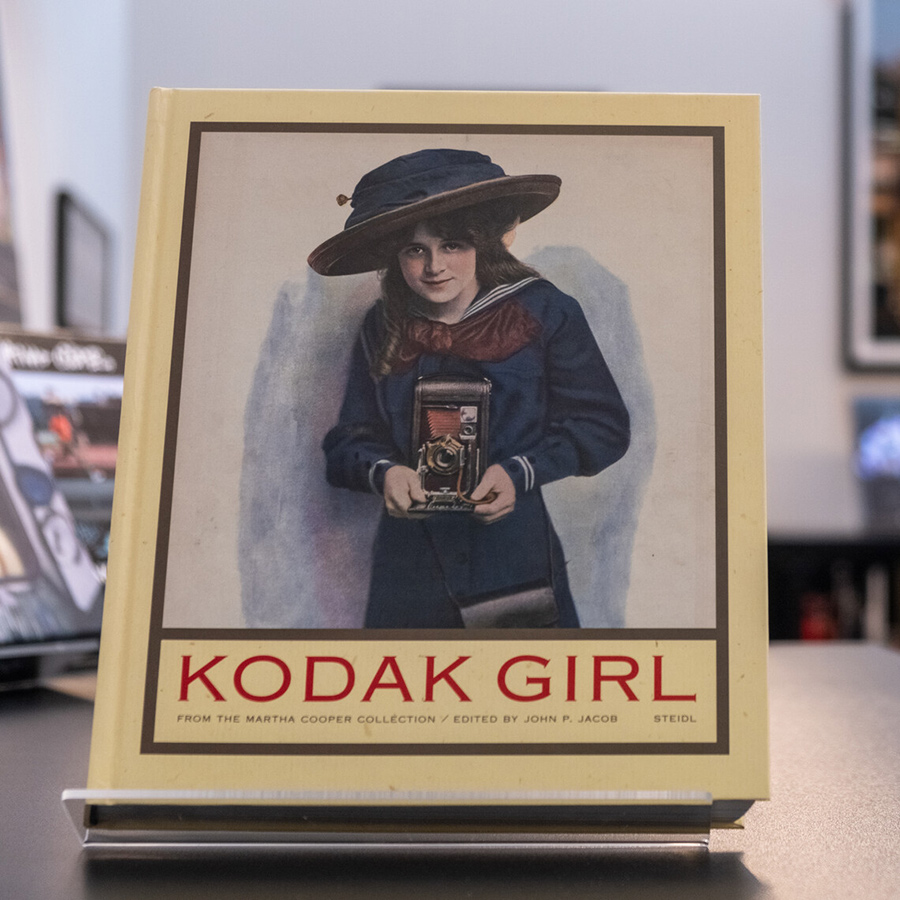
Books in the MCL: John P. Jacob (ed.). “Kodak Girl: From the Martha Cooper Collection”
Kodak Girl: From the Martha Cooper Collection. John P. Jacob (ed.). 2012
From BSA:
“Kodak Girl: From the Martha Cooper Collection“, edited by John P. Jacob with essays by Alison Nordström and Nancy M. West, provides an in-depth examination of Kodak’s influential marketing campaign centered around the iconic Kodak Girl. With a riveting collection of photographs and related ephemera, the book dives into the intersection of technology, culture, and the role of gender in the late 19th to the mid-20th centuries. It offers readers a comprehensive look at how Kodak not only transformed photography into a widely accessible hobby but also significantly influenced societal perceptions of women.
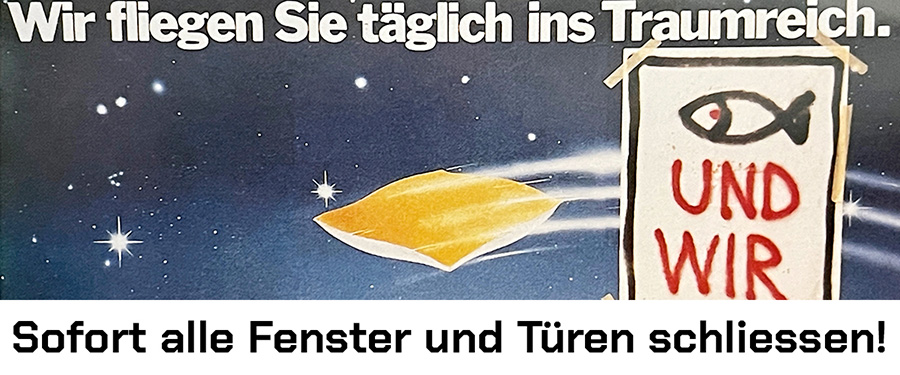
Sofort alle Fenster und Türen schliessen! (Immediately Close All Windows and Doors)
Poster campaign in Basel (Switzerland), 1986, by anonymous artists to highlight the Sandoz fire disaster in Schweizerhalle. Zine photographed and printed anonymously, Basel 1986. Self-published. No longer available for purchase.
From BSA:
On the night of November 1, 1986, Basel was told to “immediately close all windows and doors.” A fire ripped through a Sandoz chemical warehouse, and the Rhine River ran red with toxic runoff. Thousands of fish floated belly-up, and citizens were left in fear and fury, just months after the trauma of Chernobyl【1】.
When the authorities stumbled and minimized the danger, Basel’s artists and students seized the opportunity to express themselves on the walls. Within days, in the middle of the night, activists from the School of Design plastered the city’s billboards and poster kiosks with their furious responses【2】. They worked fast, stayed anonymous, and left the streets covered with raw, hand-painted images and biting slogans.
Interpreting Warmia’s Hidden Patterns from Above and Within
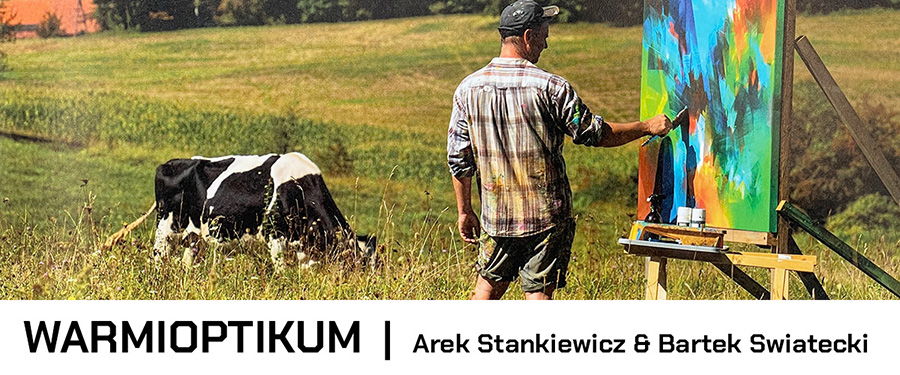
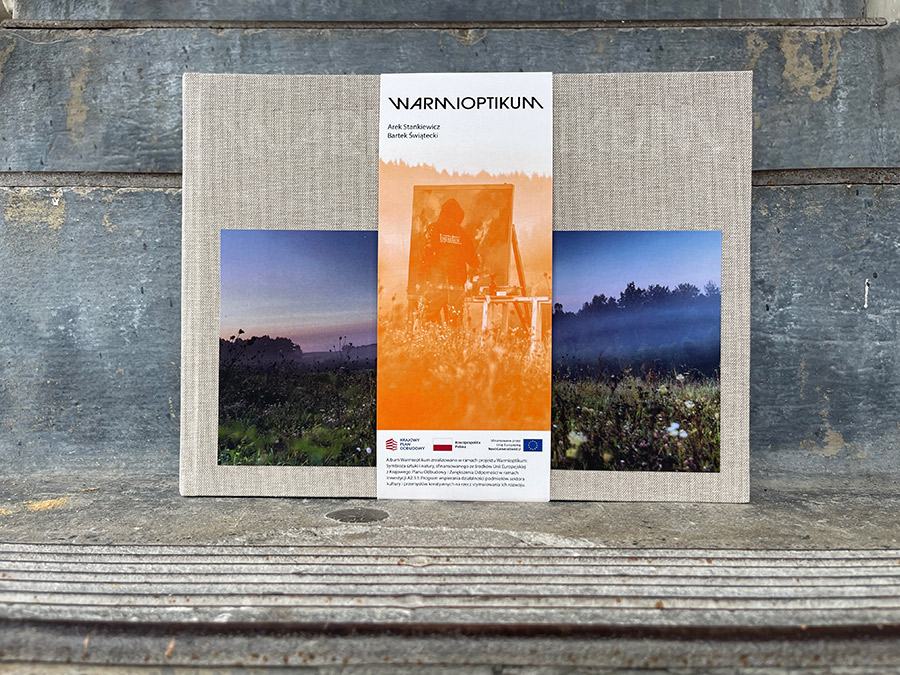
Bartek Swiatecki’s latest book, Warmioptikum, is a striking fusion of abstract painting and aerial photography, capturing the landscapes of Warmia, Poland, from a new perspective. Featuring Swiatecki’s expressive, in-the-moment paintings set against Arek Stankiewicz’s breathtaking drone photography, the book transforms familiar rural scenes into an evolving conversation between art and nature.
Swiatecki, known for his roots in graffiti and urban abstraction, takes his practice beyond the cityscape and into open fields, painting directly within the environment. Stankiewicz’s aerial lens frames these artistic moments, emphasizing their relationship with the land’s patterns, textures, and rhythms. As noted in the book’s foreword by Mateusz Swiatecki, Warmioptikum is a documentation and an exploration of how we perceive and engage with landscape, helping the reader see Warmia through “extraordinary perspectives and new, nonobvious contexts.”
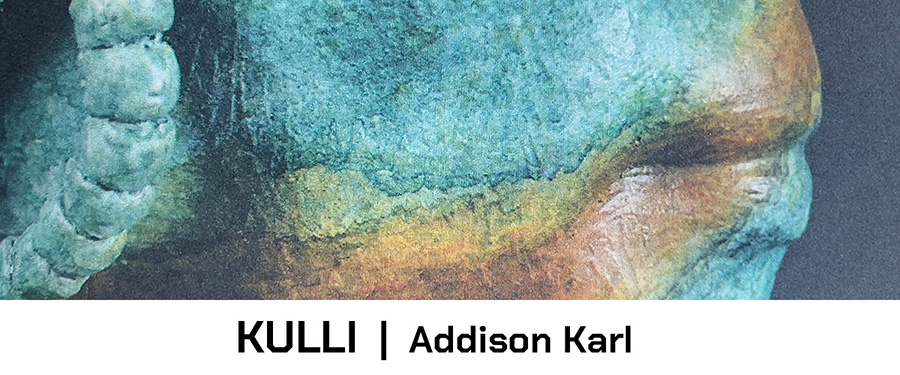
Addison Karl. KULLI. A Natural Spring of Artwork, Sculpture, Painting, Drawing, Public Art, and Inspiration. Self-published. Monee, IL. 2024.
From BSA:
Over the last two decades of covering the street art movement and its many tributaries, one of the deepest satisfactions has been watching artists take real risks, learn in public, and mature—treating “greatness” as a path rather than a finish line. Working at BSA, we’ve interviewed, observed, and collaborated with scores of artists, authors, curators, institutions, and academics; it’s been a privilege to see where they go next.
Addison Karl’s self-published 2024 monograph, “KULLI: A Natural Spring of Artwork, Sculpture, Painting, Drawing, Public Art, and Inspiration,” reads as a first-person chronicle from an artist who moved from the wall to the plaza to the foundry without losing the intimacy of drawing. Dedicated to his son—whose name titles the book—KULLI threads words, process images, and finished works across media: murals, cast-metal and glass sculptures, drawings, and studio paintings, all guided by a sensibility that treats color and material as vessels for memory and place.
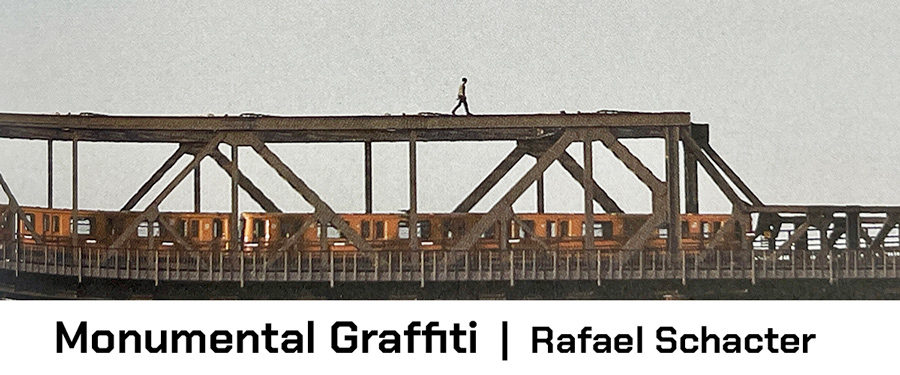
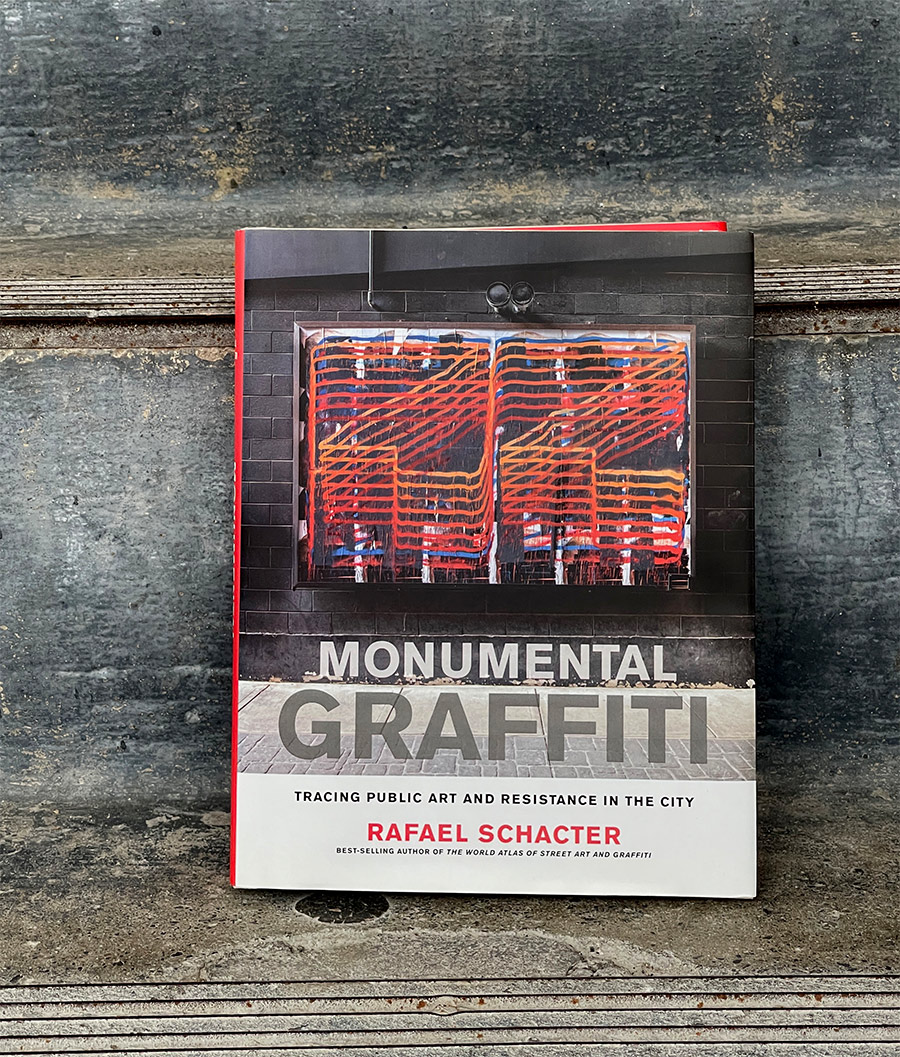
Rafael Schacter. Monumental Graffiti. Tracing Public Art and Resistance in The City. MIT Press. 2024
From BSA:
Graffiti is a living monument—an act of doing rather than keeping.
Rafael Schacter has been offering an alternative to institutional monumentality in his latest book Monumental Graffiti (2024). He buttressed his alternative view during his keynote speech for the New York 2025 Tag Conference (BSA is a sponsor). To a packed audience at the Museum of the City of New York, Schacter talked about a monumentality that is grounded in community, embodiment and the acceptance of transience as truth.
In his talk and his book, the London-based art historian argues that monuments and graffiti can illuminate each other: monuments don’t need to be grand or permanent, but can be understood—as their Latin root monere suggests—as acts that remind, advise, or warn. Drawing on counter-monuments and non-Western traditions, he would like to redefine monuments as socially and emotionally engaging public artifacts that may be ephemeral, community-driven, and conceptually monumental rather than physically imposing.
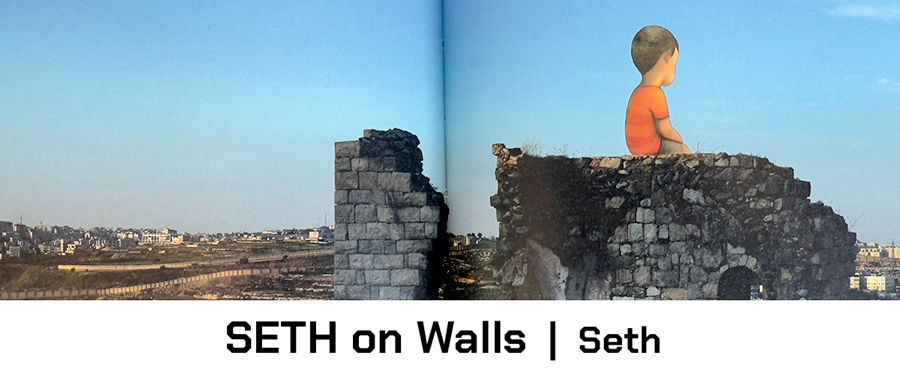
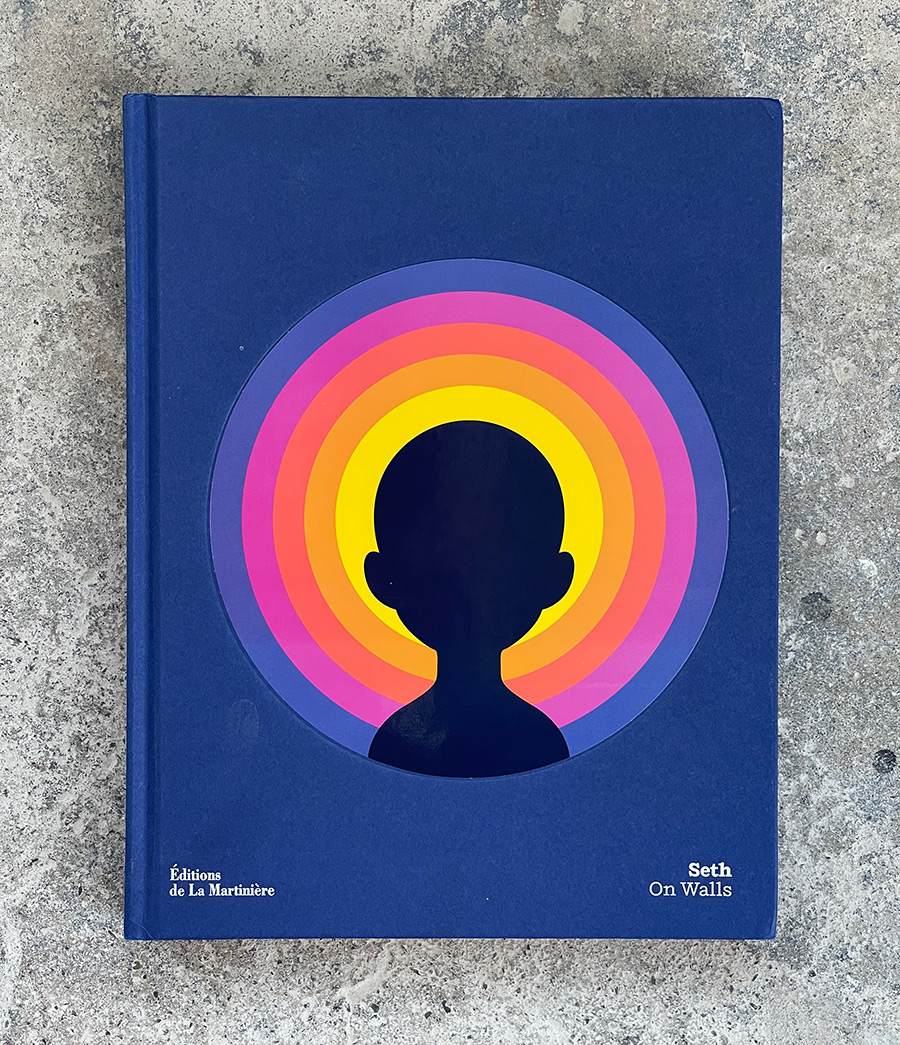
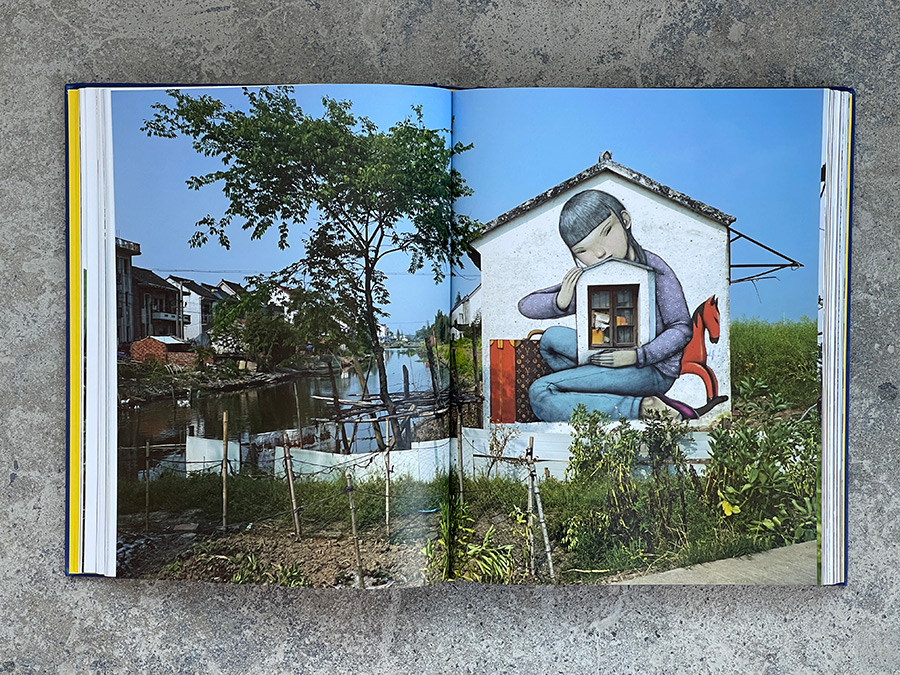
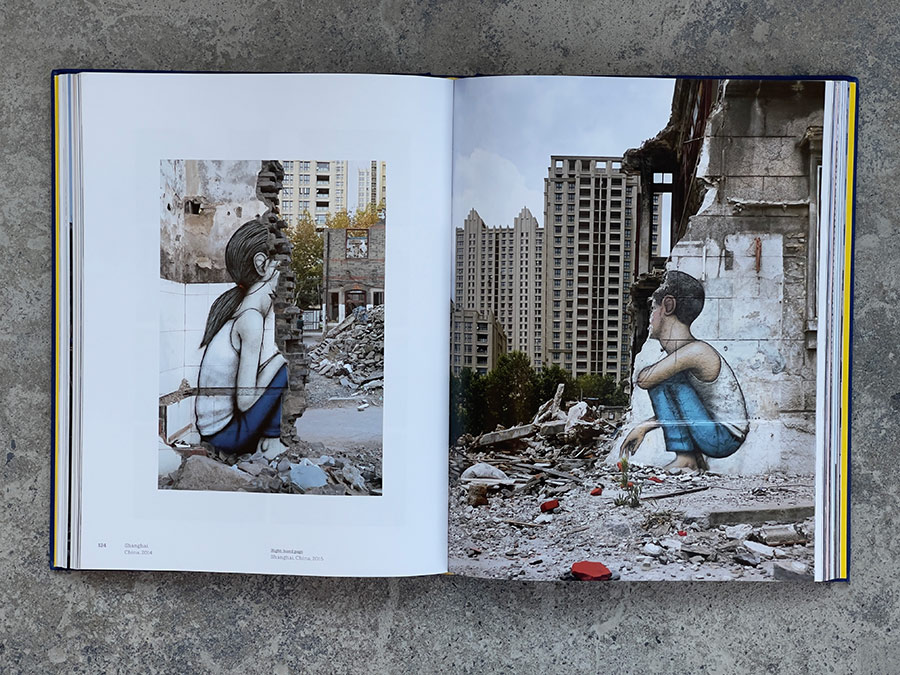
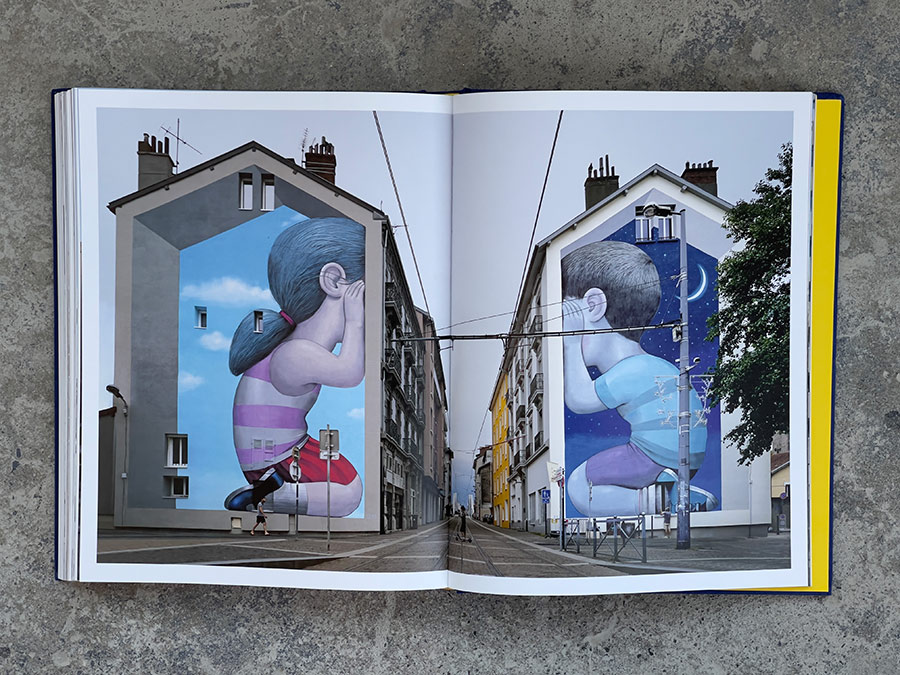
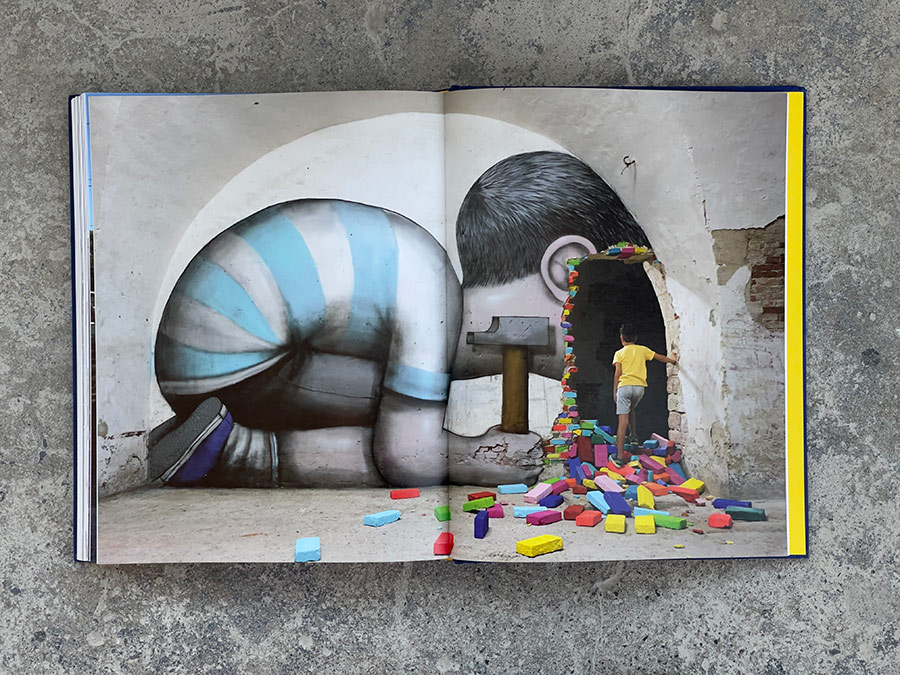
SETH on Walls. Editions de La Martiniere. 2022. Distributed by Abrams. An imprint of ABRAMS, 2023.
From BSA:
“In a world where the system alienates the most vulnerable, imposing a cynical or pessimistic outlook seems impossible to me,” says French street artist Seth. “Walls remain the space of resilience. Unlike cartoons, which leave no room for ambiguity, the choice to interpret a mural is essential. The curious are free to discover the hidden meaning.”
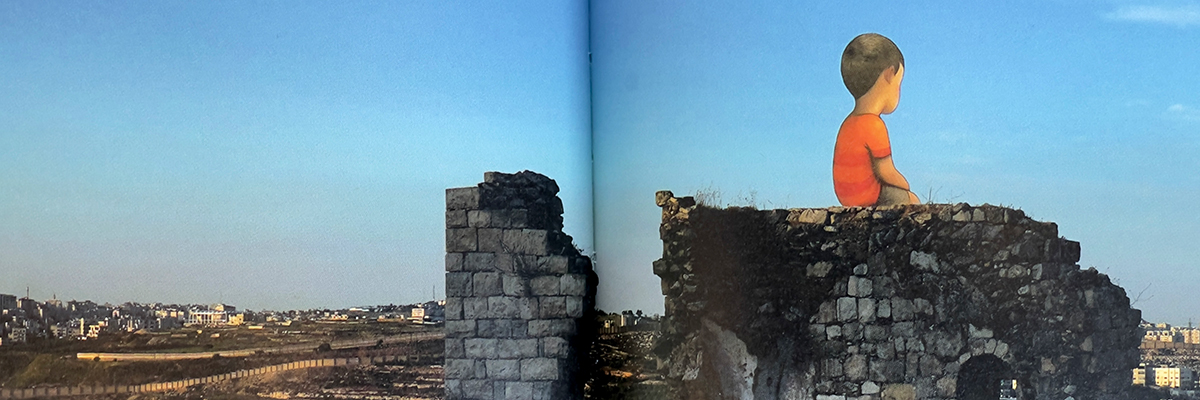
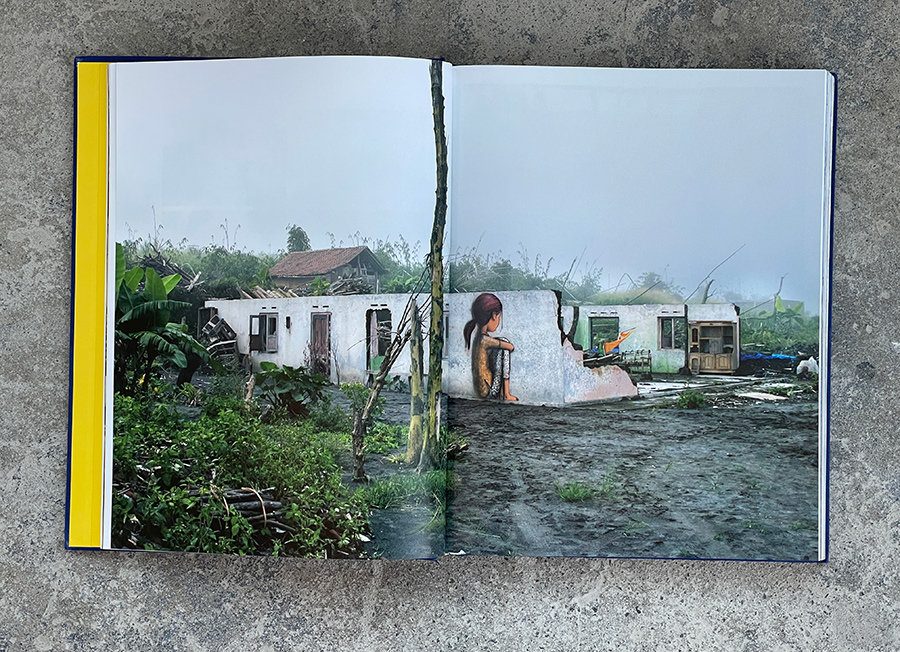
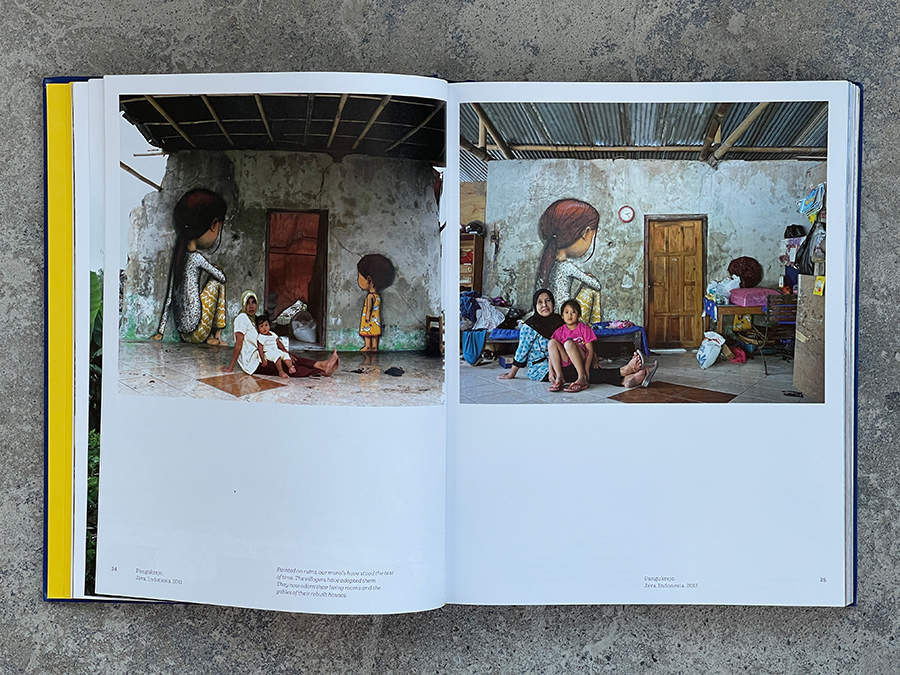
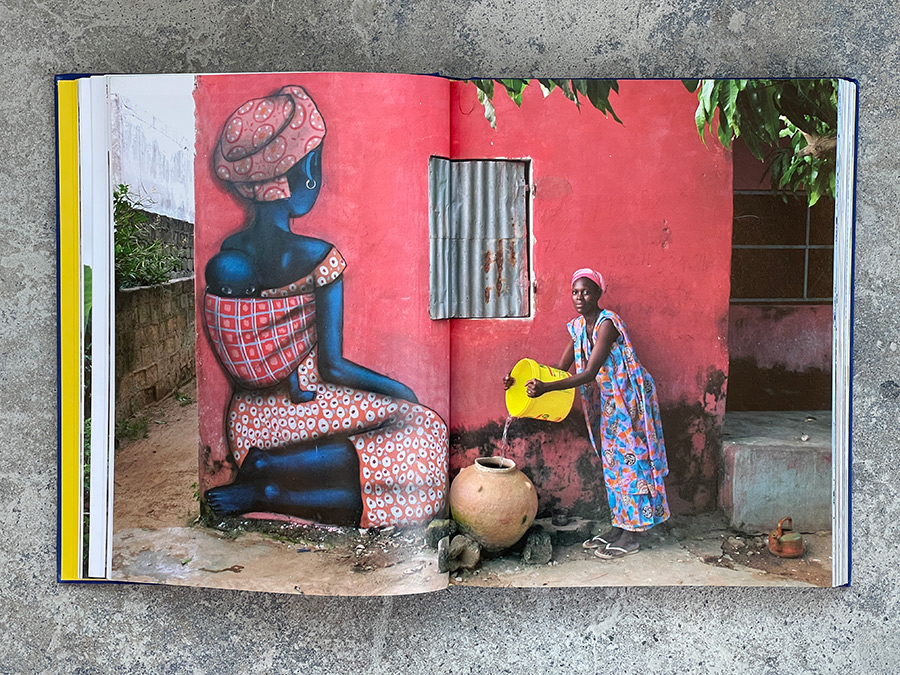
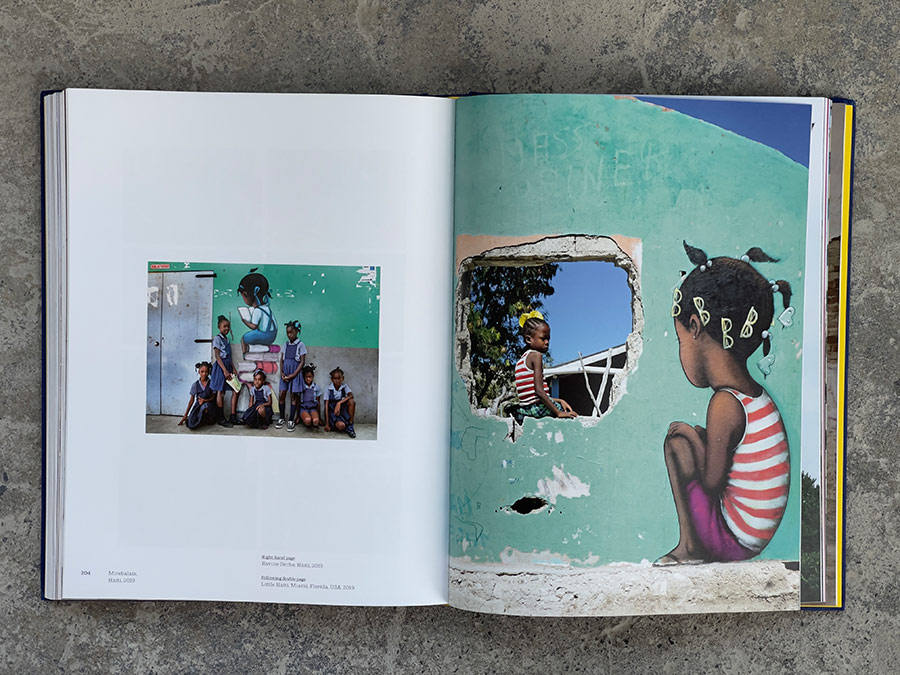
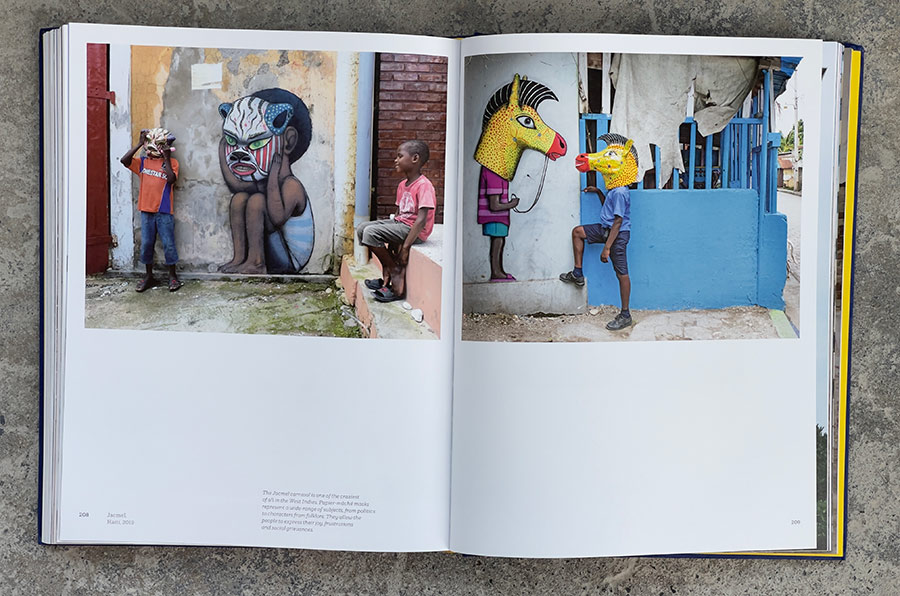
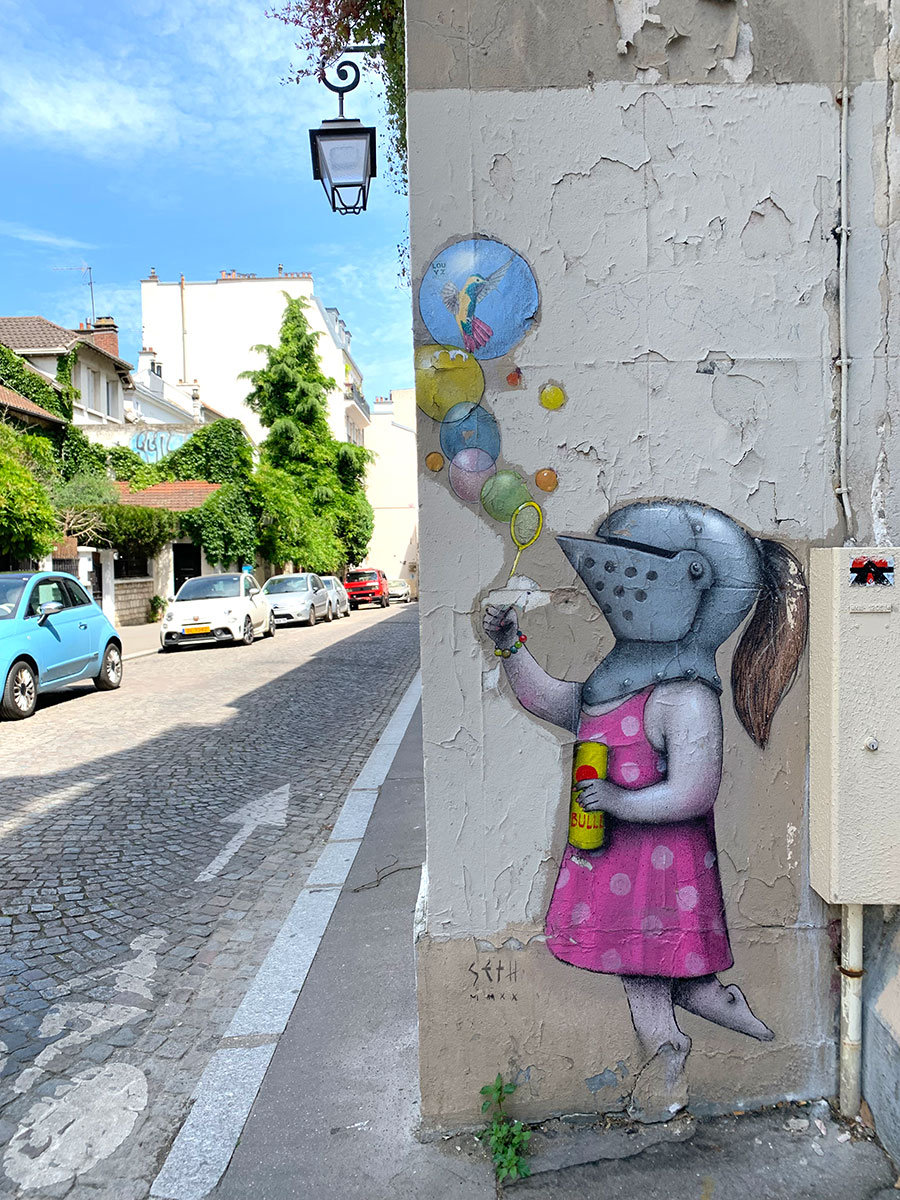
His new book “Seth On Walls” candidly offers these insights and opinions, helping the reader better understand his motivations and decisions when depicting the singular figures that recur on large walls, broken walls, and canvasses. A collection that covers his last decade of work in solo shows, group shows, festivals, and individual initiatives, you get the central messages of disconnection, connection, and honoring the people who live where his work appears.
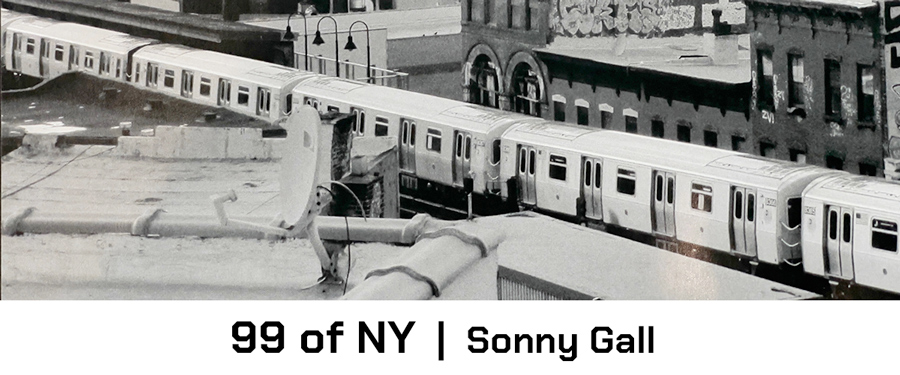
Sonny Gall. 99 of NY, released by King Koala Press with text by Mila Tenaglia. 2025.
From BSA:
Described by the publisher as “a compositional and documentary endeavor that unfolded naturally over the course of a decade,” 99 of NY gathers 99 photographs across 110 pages, printed in both color and black and white, in a durable hardcover, album-sized format. True to King Koala’s limited-edition tradition, it’s a finely produced object — modest in scale and rich in substance — that rewards slow looking and quiet reading.
Gall’s images vibrate and render when leaning toward the overlooked: empty lots in Queens, warehouse walls, families at home, scattered pigeons, playgrounds under scaffolding. They are fragments of a living city seen with patience and affection, moments that feel at once offhand and deliberate. Tenaglia’s accompanying texts deepen those impressions without overexplaining, their language as sharp and unadorned as the photographs themselves, yet evocative of the unseen – with a poetic wandering appropriate for the attitude of discovery. Together they capture what it means to move through New York — not as spectacle, but as encounter.
When Seth said ‘Laos,’ there was no way she was going to say ‘no,’ Martha Cooper will tell you.
After all, Laos is where she learned to drive a motorbike in the 1960s — a place she remembers by its dusty roads, warmth, and creative kids who know how to make their own fun. Sixty years later, she’s back with a camera in hand, documenting French street artist Seth Globepainter (Julien Malland) as he works his familiar magic at the edge of the Mekong.
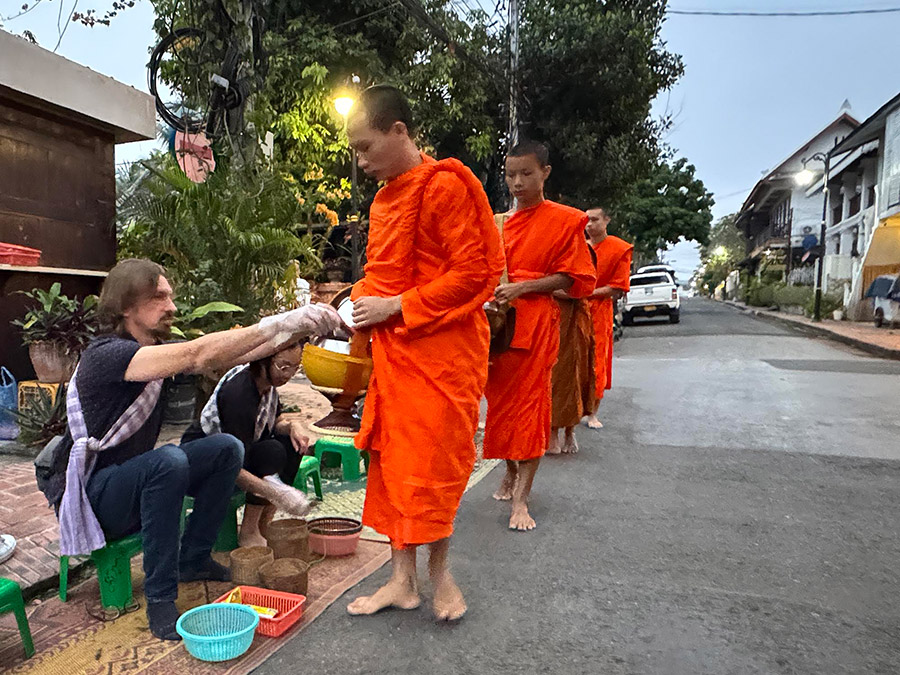
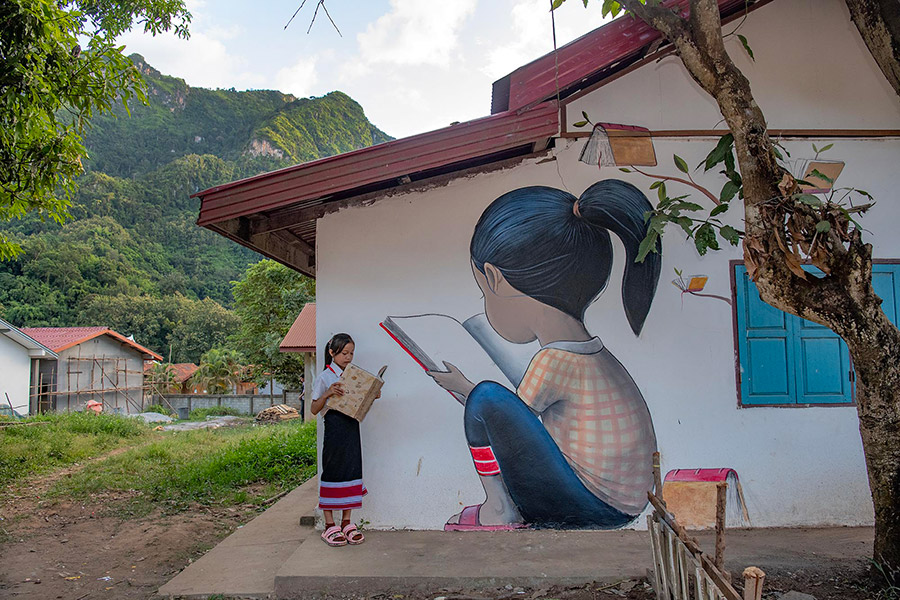
Luang Prabang — a UNESCO World Heritage town framed by two rivers — is a place where ritual and imagination walk the same path. Early mornings mean barefoot monks collecting alms; afternoons mean kids splashing by the river or painting bold birds across the school walls. Seth’s murals slide right into that rhythm: playful figures, wide-eyed wonder, a bit of folklore and fantasy — public art as storytelling through the words and images of kids.
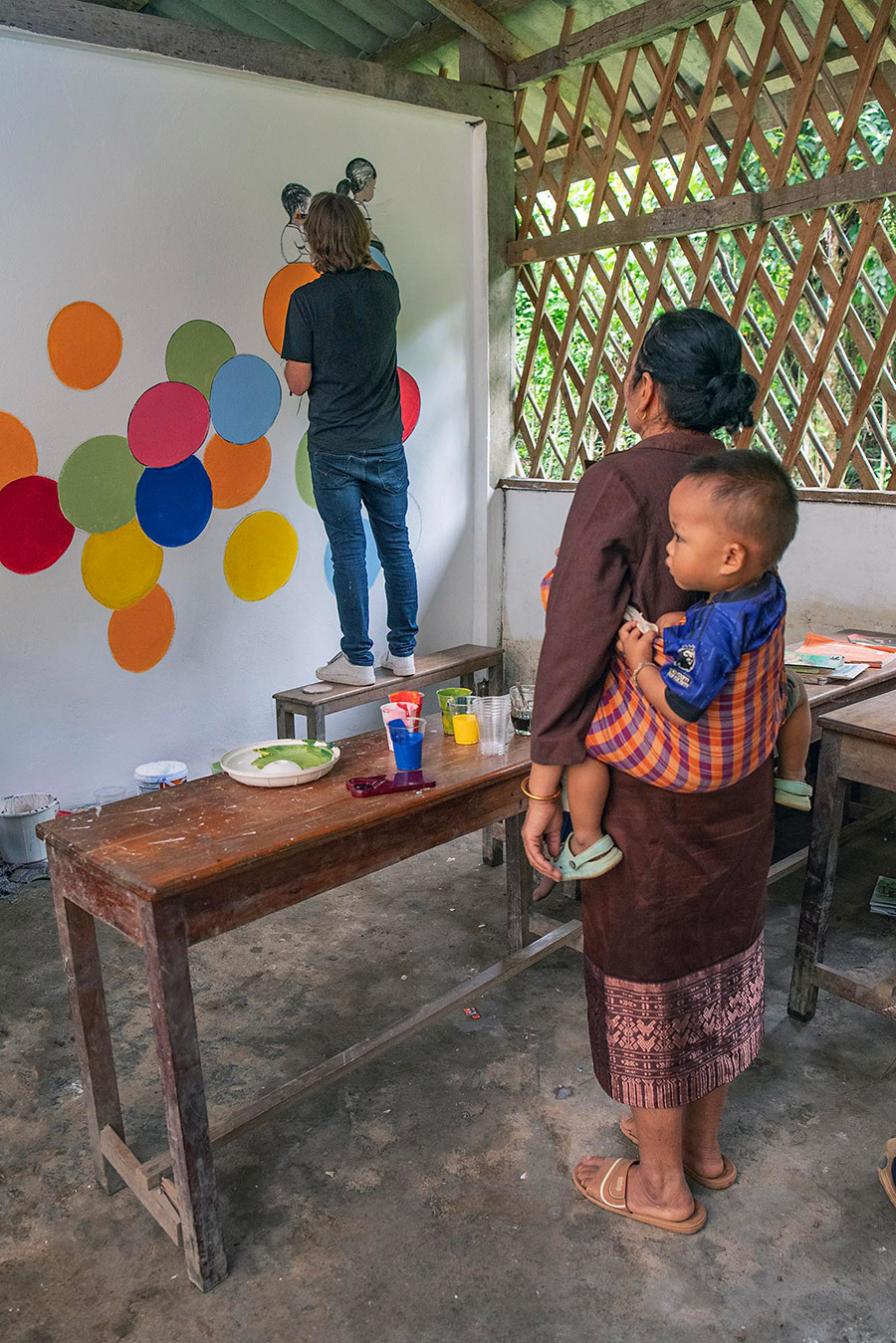
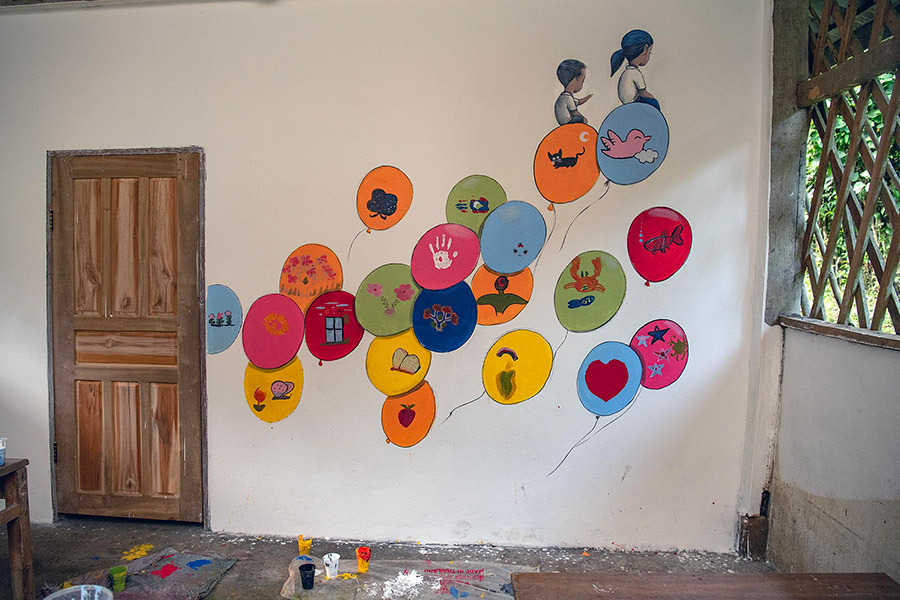
Seth was sure to stop at Lao Friends Hospital for Children, the only free pediatric hospital in Northern Laos. His mural — inspired by Hmong embroidered history cloths — became what he called an “extraordinary garden”on his Instagram – possibly one of heritage and healing. When Seth is around, young students are often seen taking brushes into their own hands, adding birds and shapes to a Free Expression Wall that gives them a chance to be collaborative. Martha, never far from the action, captures the imagination and concentration in their faces — the same instinct that drew her to kids on the streets of New York’s Lower East Side in the 1970s.
Further north in the rural Hoy Bor and Hoy Phoung villages, Seth teamed up with NKSEEDS to transform school walls into collaborative canvases. One piece — titled “Past Future” — honors Khmu tradition with a woman carrying her child. Another project invited every kid to paint a “fetish bird” flying toward the light. Students walked on bamboo stilts and played sport games together- and of course grabbed brushes as Martha documented small hands, bright colors, and the delight of making something permanent together.
Folklore, Masks, and Mischief
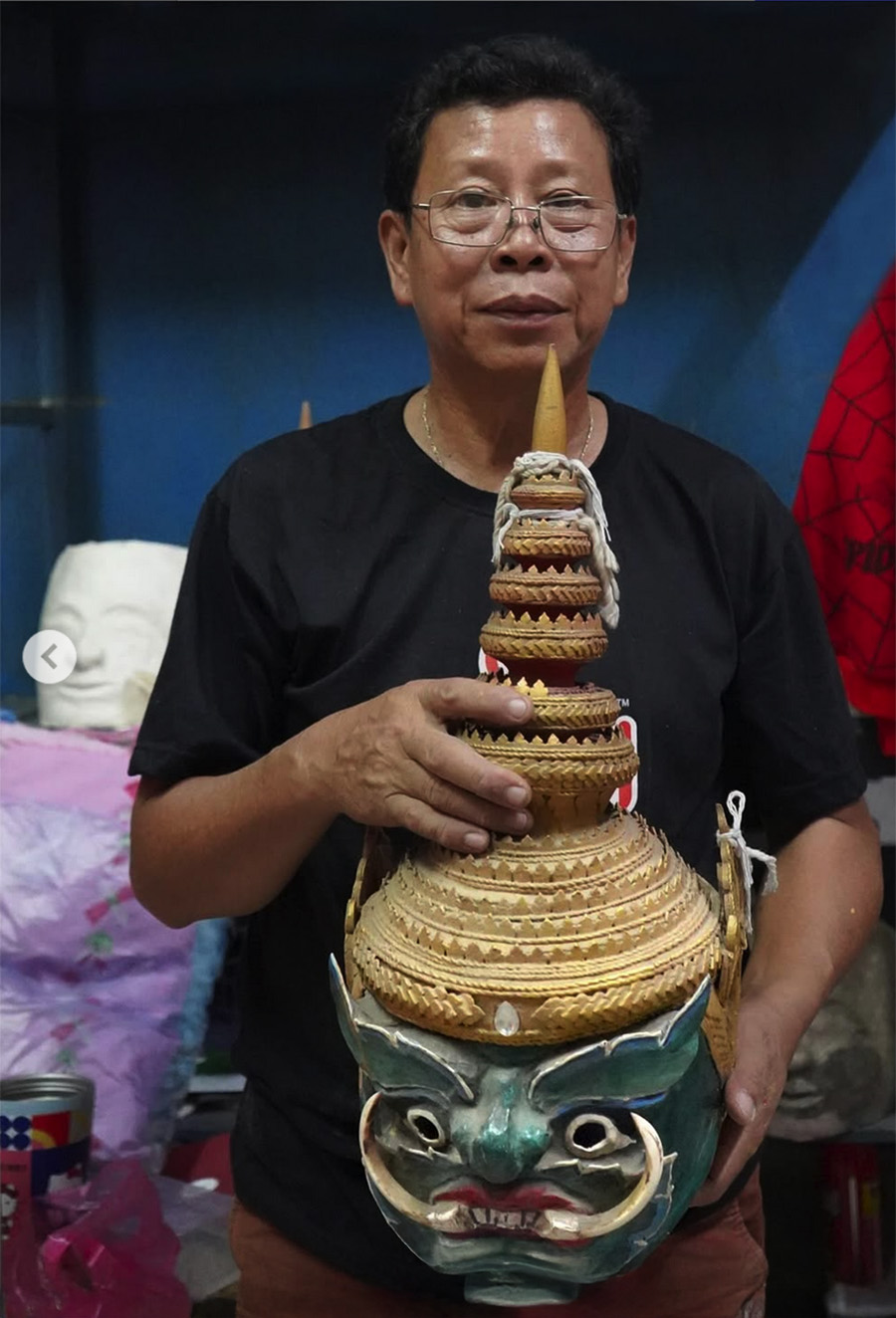
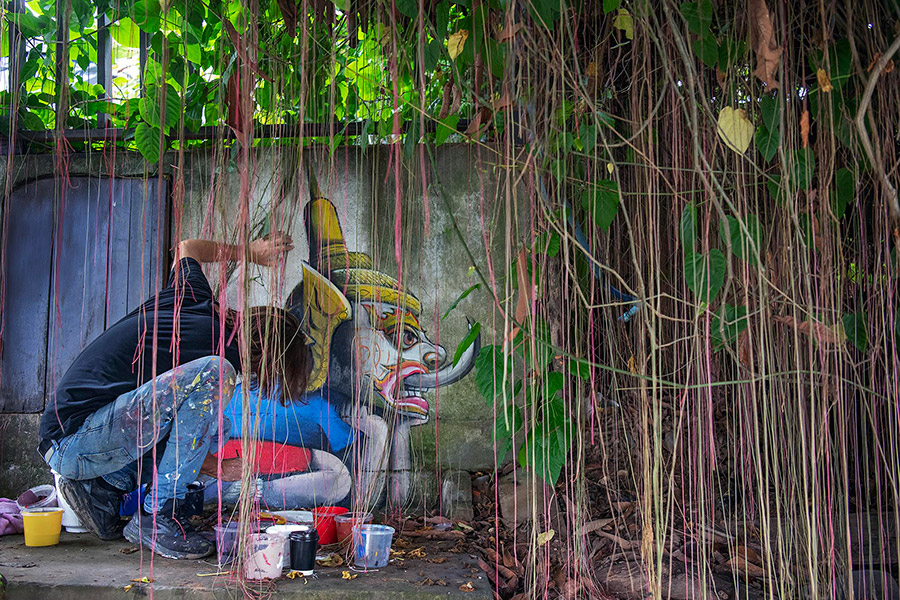
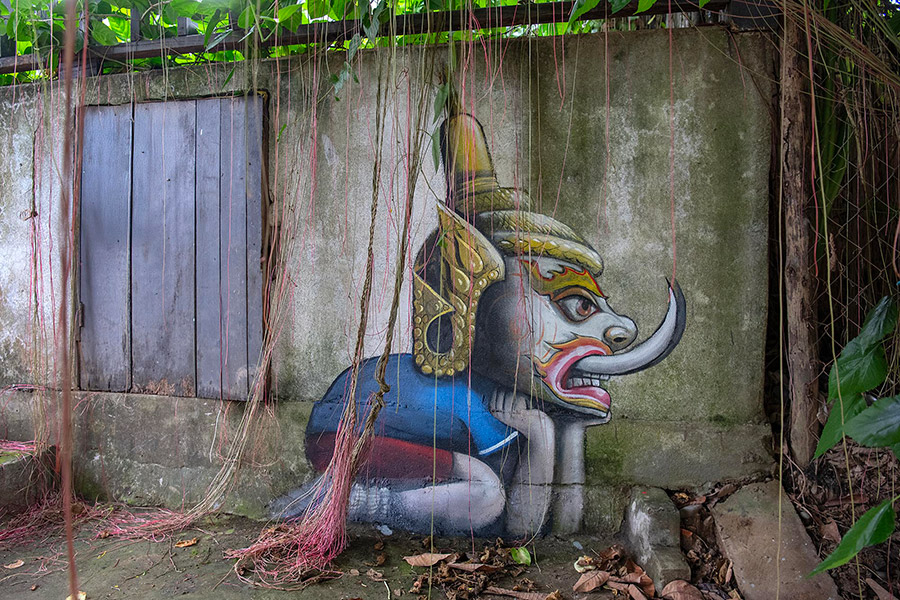
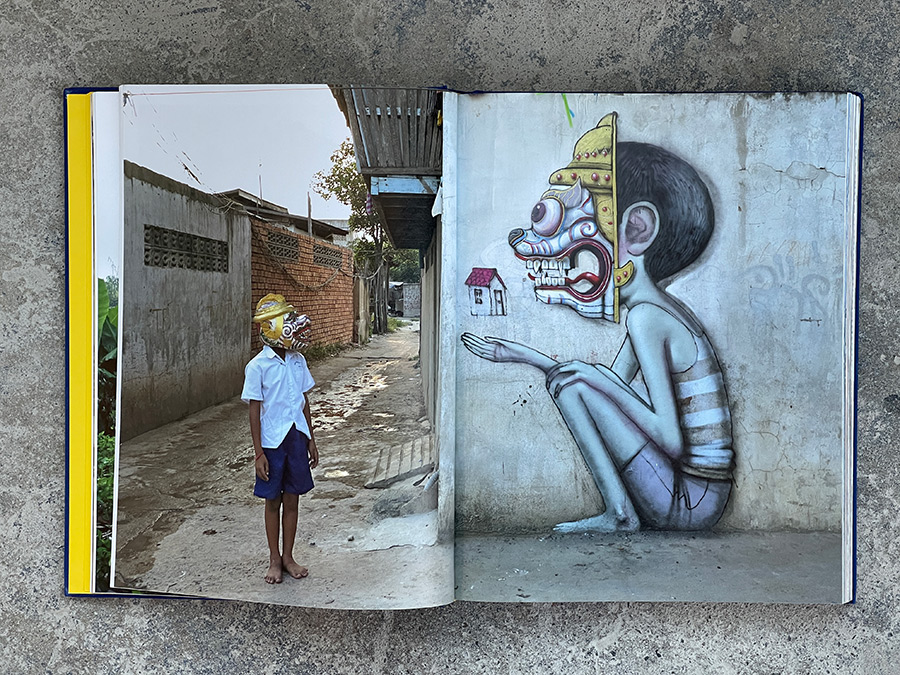
Meeting the Royal Ballet mask-maker in Luang Prabang gave Seth a new spark. He adapted a demon mask from the Phra Lak Phra Ram — Laos’ own Ramayana — and painted it atop the crouched body of a local kid. Minutes later, a boy wearing the real mask squatted beside the mural, turning tradition into a living side-by-side remix. Martha’s photos catch a perfect squeeze between imagination and reality that defines Seth’s work.
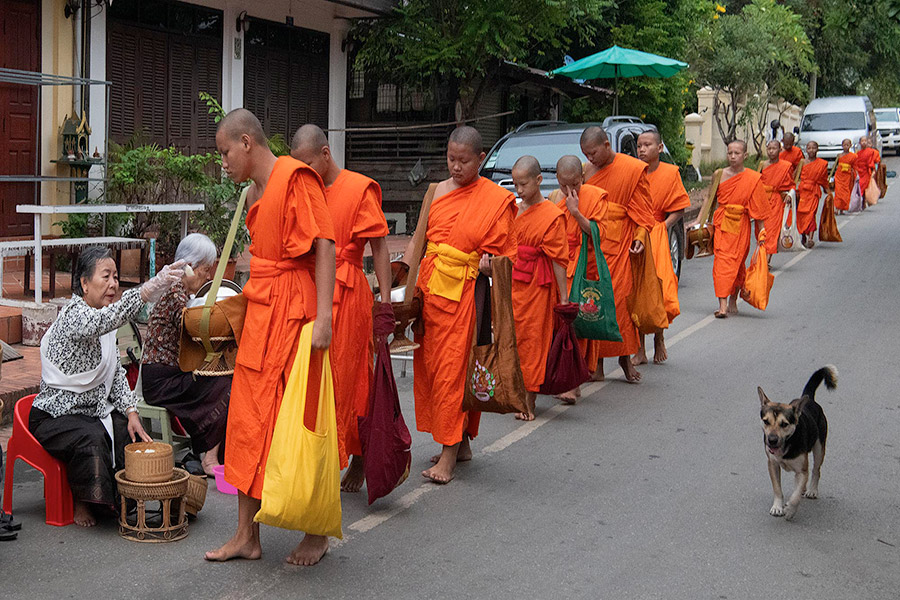
Martha also managed to document the alms-giving ritual at dawn that Seth participated in. Every morning, usually at dawn, Buddhist monks walk silently through the streets in a single line carrying bowls.
Laypeople — often sitting or kneeling — place food into the monks’ bowls. This food is usually prepared rice, fruit, or other simple offerings. In Laos, this ritual is widely observed. Laos is predominantly Theravada Buddhist, and alms-giving is a daily part of community life.
This trip marks another chapter in Seth and Martha’s shared habit of chasing childhood imagination across the world — Kenya, Haiti… and now Laos. With support from curator and author Alisa Phommahaxay (Asian Street Art: Une Anthologie), who helped open doors to schools, families, and the children’s hospital, they kept everything relaxed and personal: art made with people, not just for them.
In dusty schoolyards and along the Mekong’s quiet edges, a camera and a paintbrush appear to be a splendid combination that brings people a little closer. Kids still invent games from whatever’s nearby — bamboo poles, bare feet, a splash of color — and Martha still recognizes that spark in an instant. Walls evolve, decades pass, but that simple creative heartbeat remains easy to find.
You have seen them separately in cities around the world; now see them combine their imaginations in Miami at Goldman Global Arts Gallery this fall. Street artists and muralists Seth Globepainter (Julien Malland) and Millo (Francesco Camillo Giorgino) have developed the vocabulary of their respective styles over more than two decades, each influenced by illustration, surrealism, and a graphic clarity that often feels close to animation or children’s storybooks.
The mystery of each scenario is painted there before you on multi-story buildings in major metropolitan areas. Still, no two are exactly alike, and each requires you to engage your imagination to complete the story. Perpetually on tour for commercial jobs, commissioned murals, or personal adventures, the Frenchman and the Italian say they have overlapped one another 18 times in the last decade, from Shanghai to Buenos Aires, and decided to formalize that long-running dialogue in this collaborative exhibition, “Beyond,” opening September 10, 2025.
A signature mural by Seth Globepainter depicts a child peering into a swirl of vibrant color, symbolizing the imagination that children — and former children — rely upon to explain the world or escape from it. Since beginning his global travels in 2003, Seth has drawn on local cultures, myths, and social realities everywhere he works, using the child as a messenger for the community’s stories. Steering clear of cynicism, his color-rich characters remain hopeful, even amid the most difficult social or political contexts. Millo, by contrast, renders entire cityscapes in crisp black and white, often anchored by a playful giant figure who might be a child or perhaps someone who has refused to grow up. His architecture, grounded in his training as an architect, becomes a stage for adventure, where urban density is made approachable, even humorous, by oversized, childlike explorers.
Together, their collaboration in Miami shows how cleanly and boldly the two vocabularies can work in unison. Seth’s dreamlike reveries and Millo’s urban dreamscapes click together in colorful/black-and-white precision, amplifying one another’s humor, tenderness, and sense of scale. Beyond the novelty of seeing two internationally recognized muralists merge their visual languages, the show also speaks to the friendships and connections formed through years of painting walls around the globe — a reminder that, in a scene as transient as street art, some conversations endure.
Beyond. Millo and Seth Goldman Global Arts Gallery, Wynwood Walls, Miami On view through November 16th, 2025 GGA Gallery at Wynwood Walls 266 NW 26th Street Miami, FL 33127 Gallery Hours Monday – Sunday: 10:30 AM – 6:30 PM
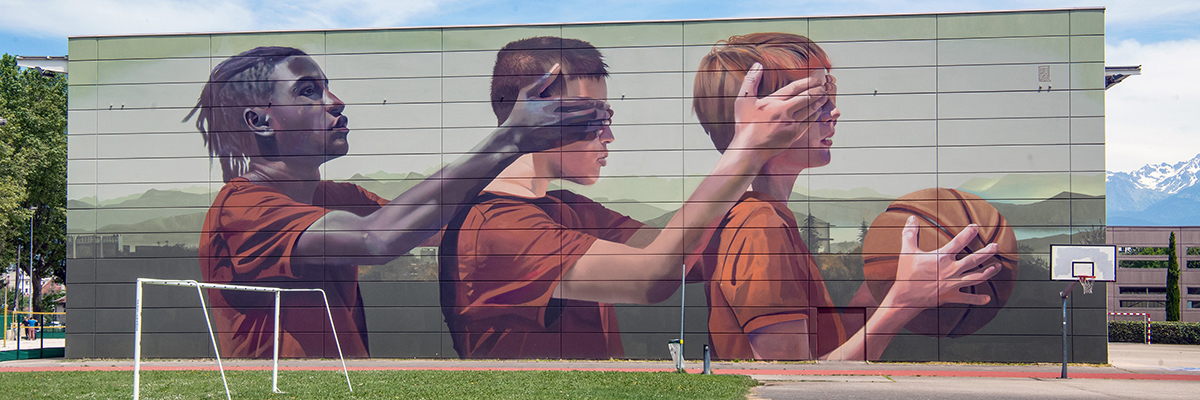
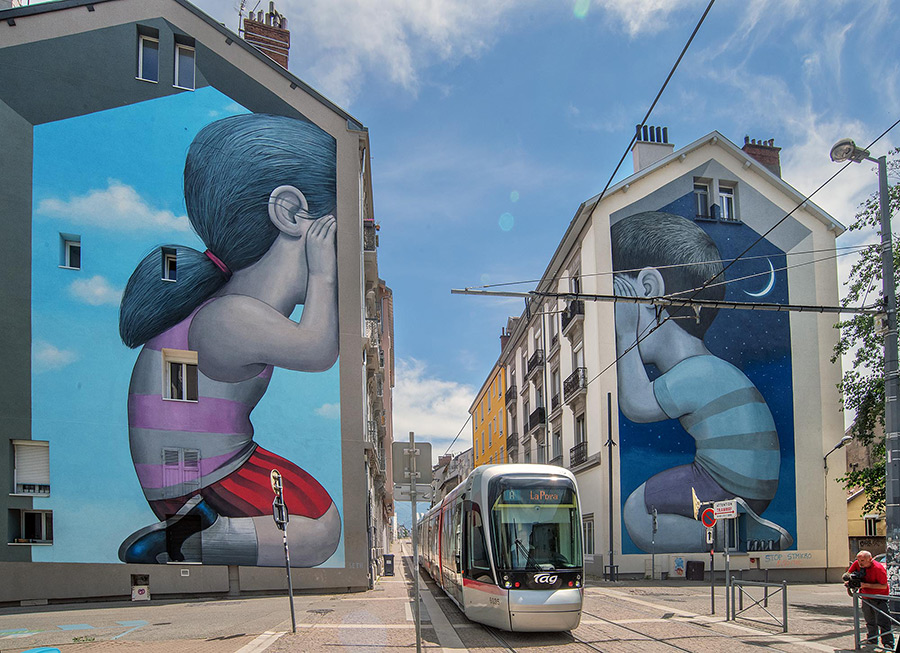
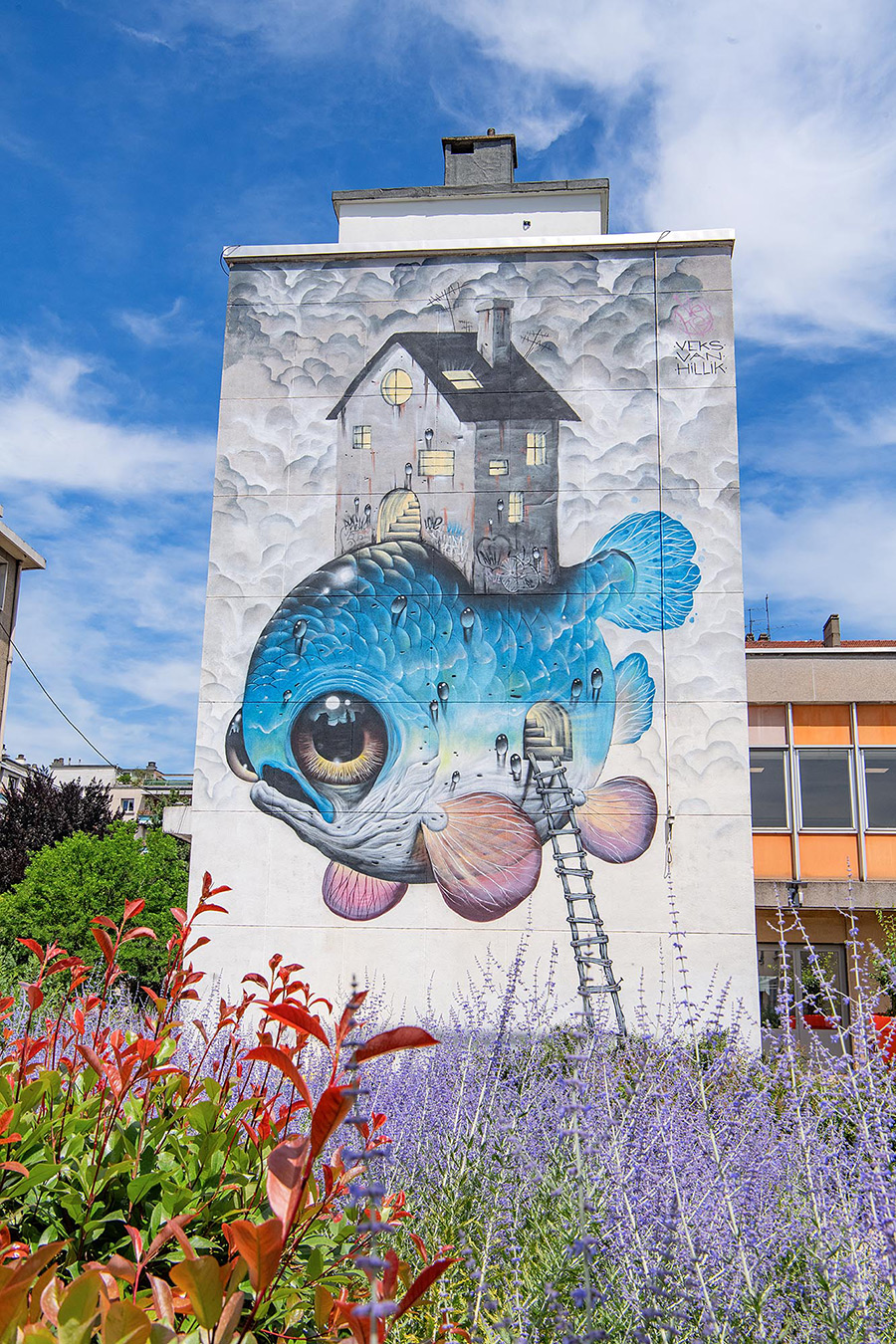
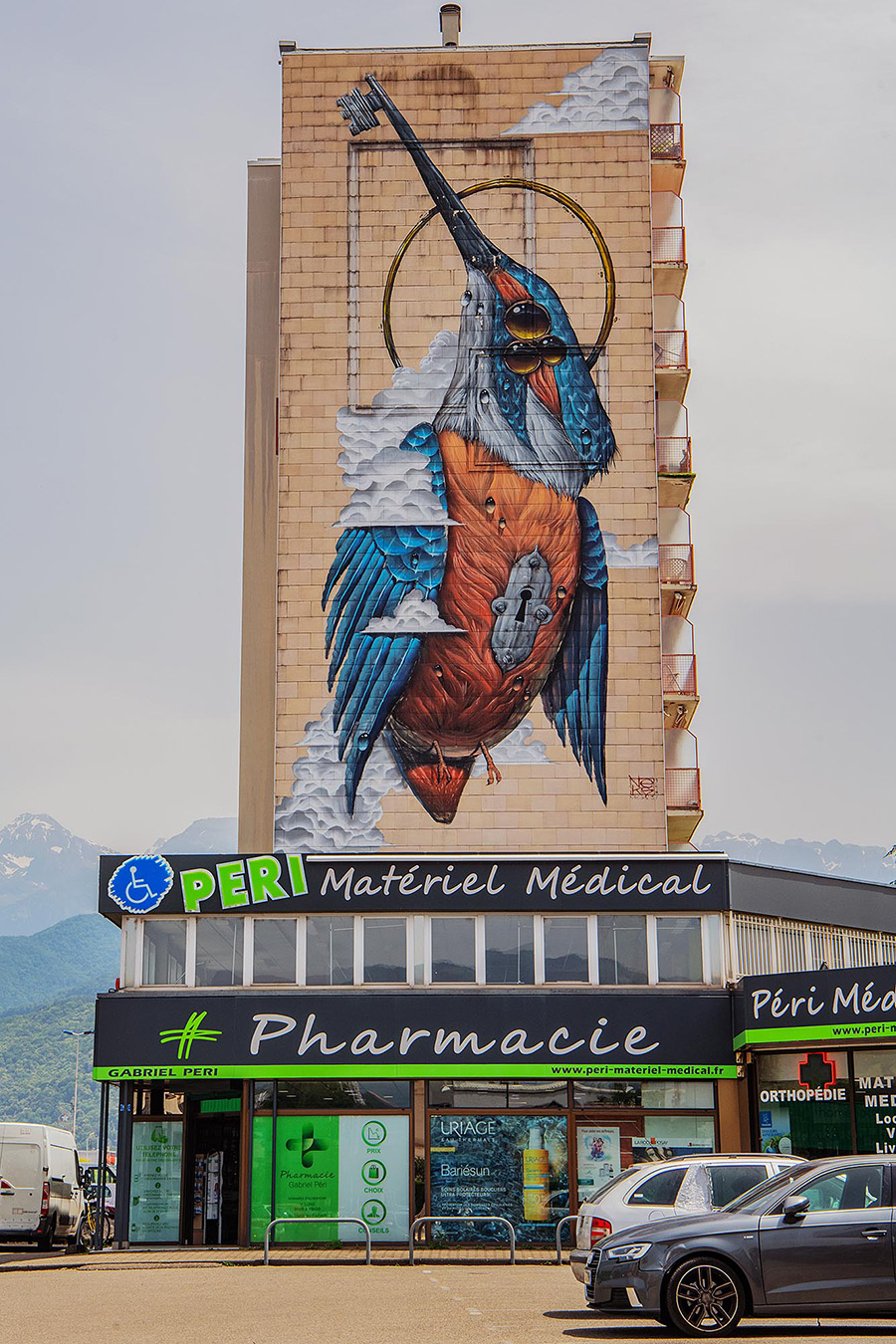
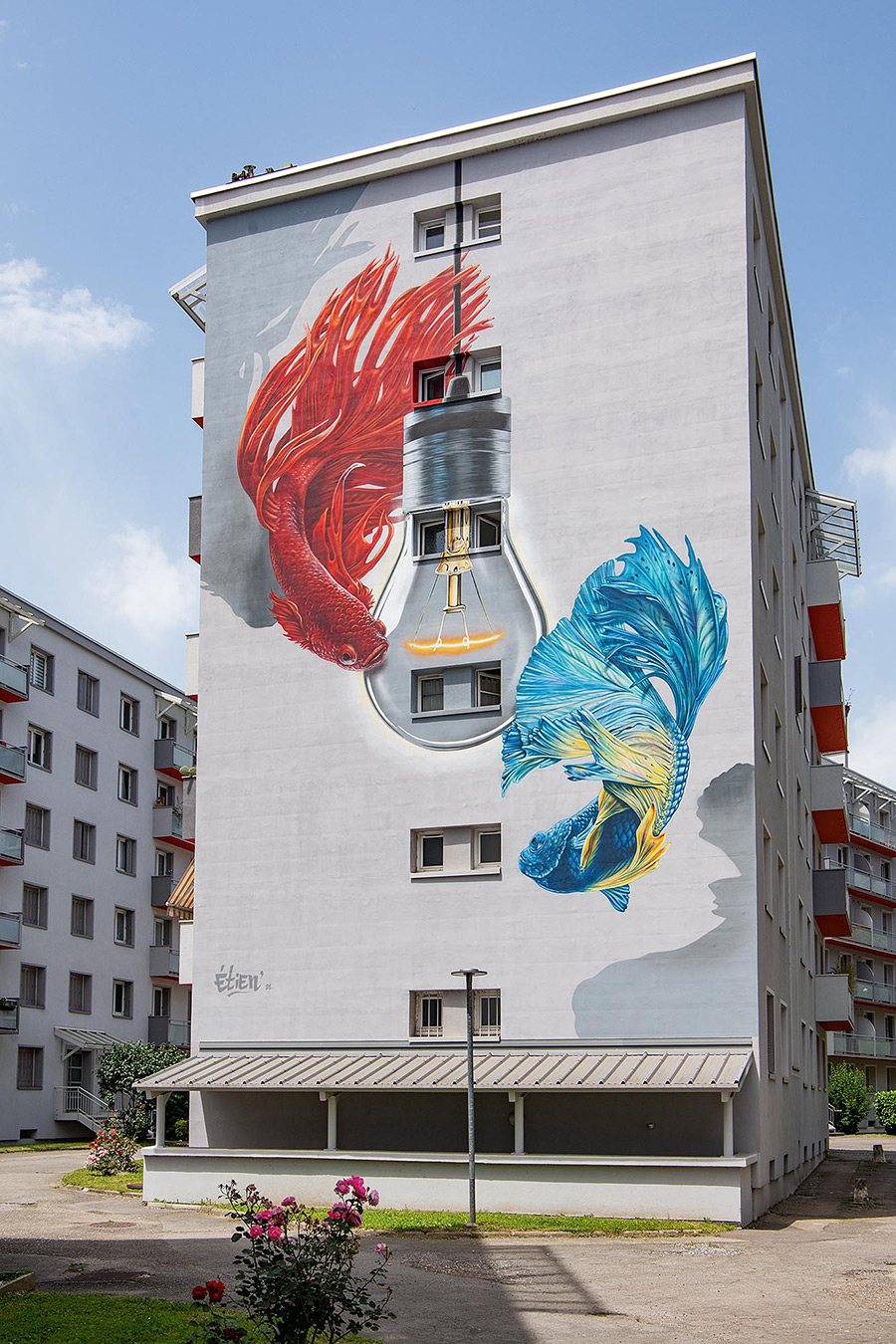
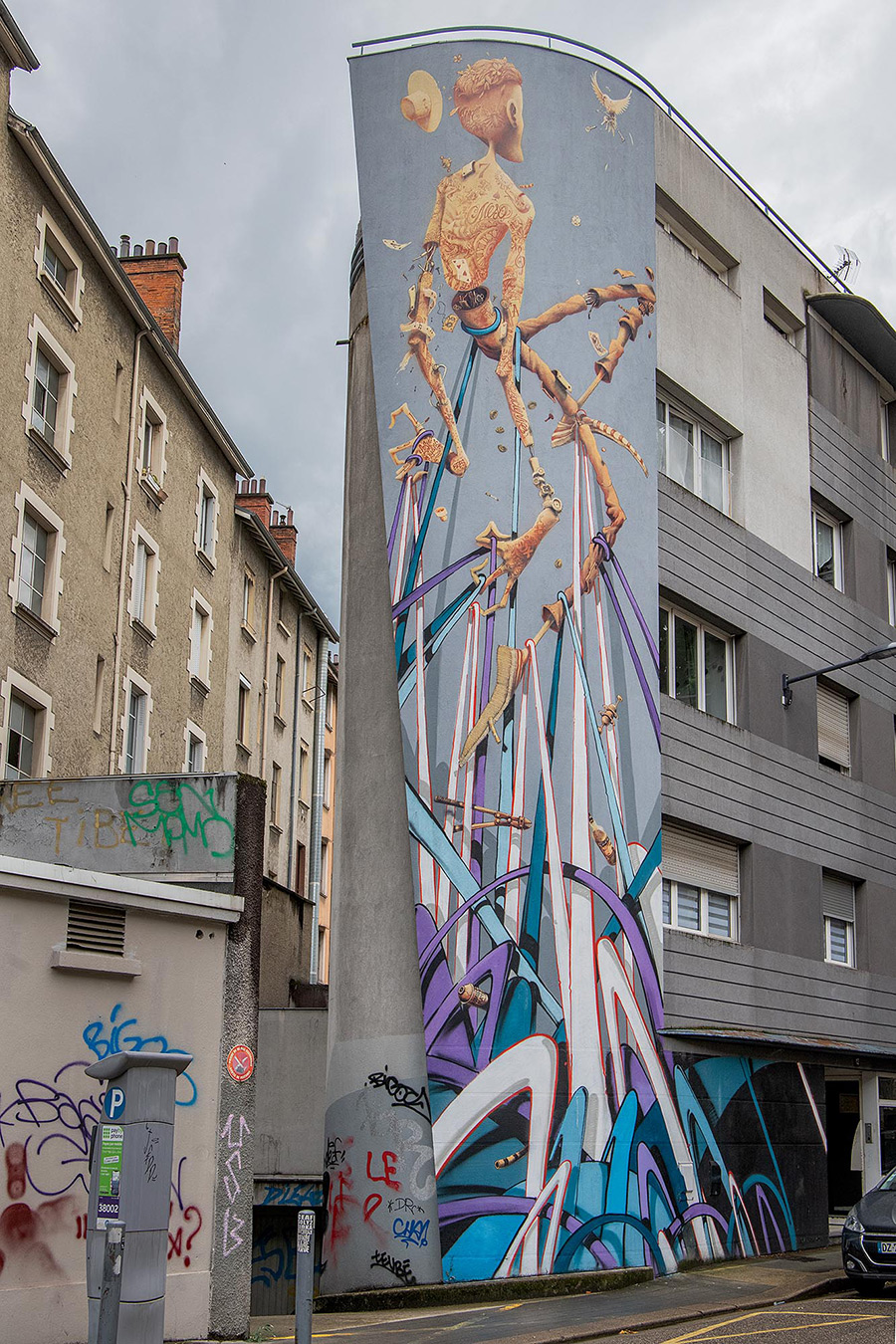
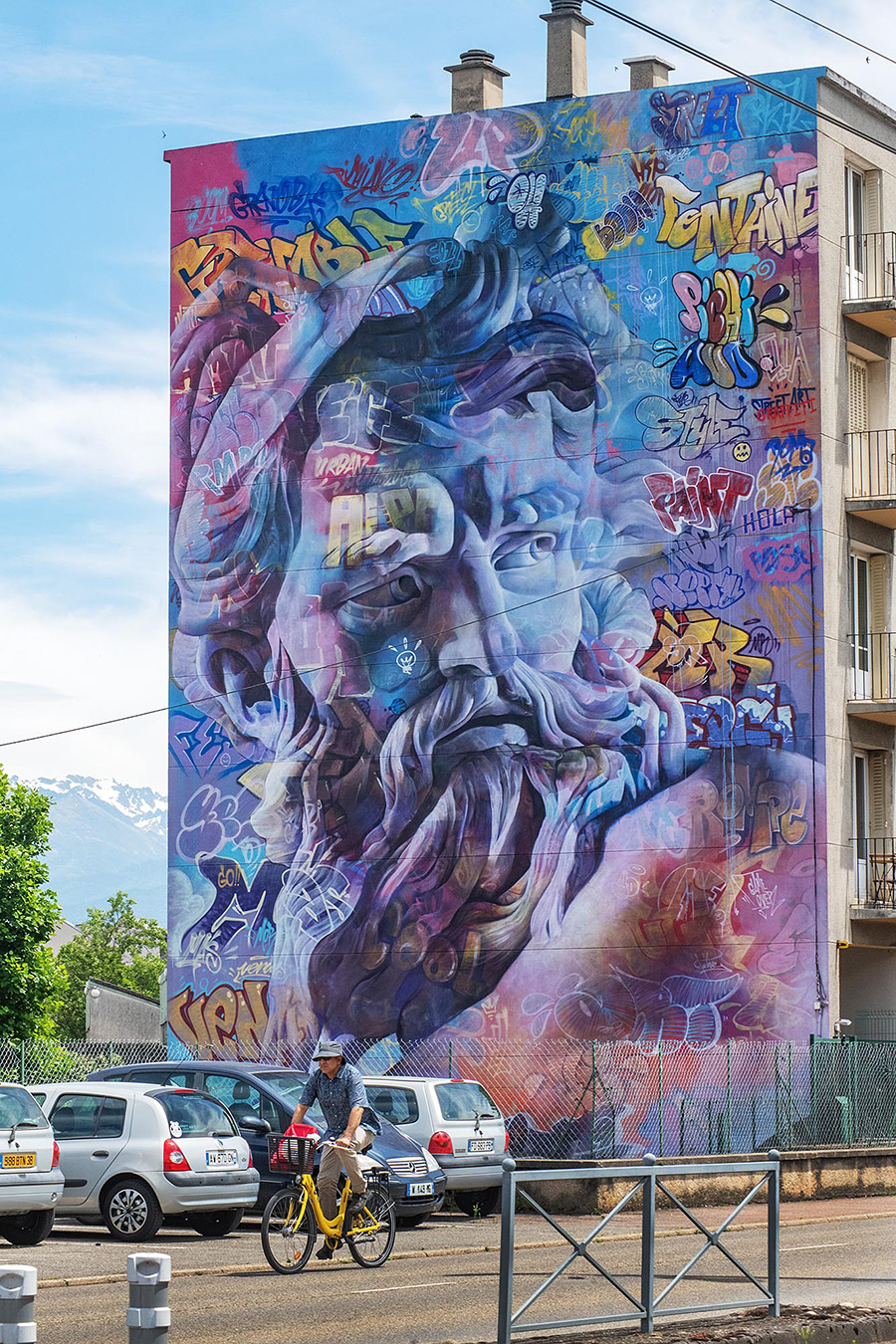
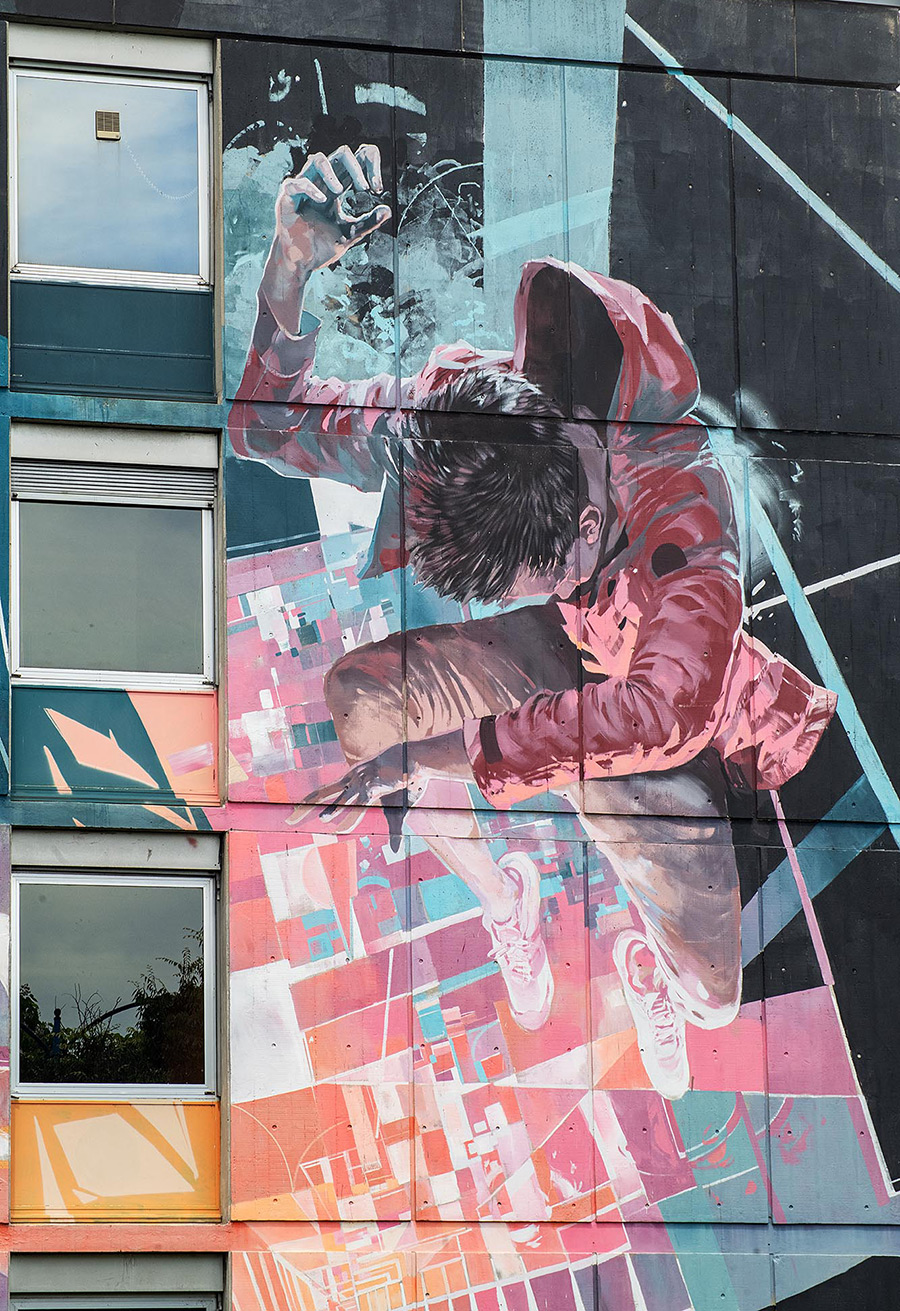
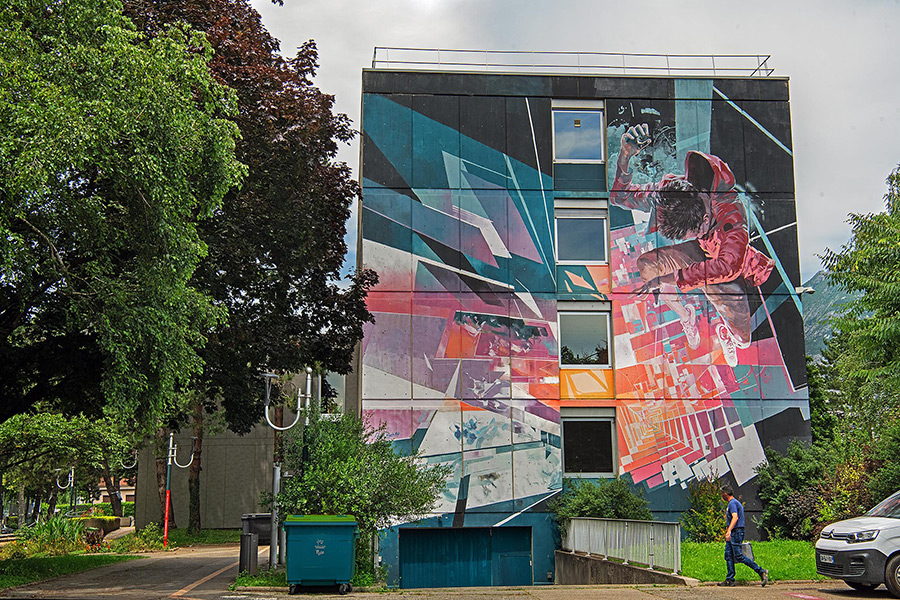
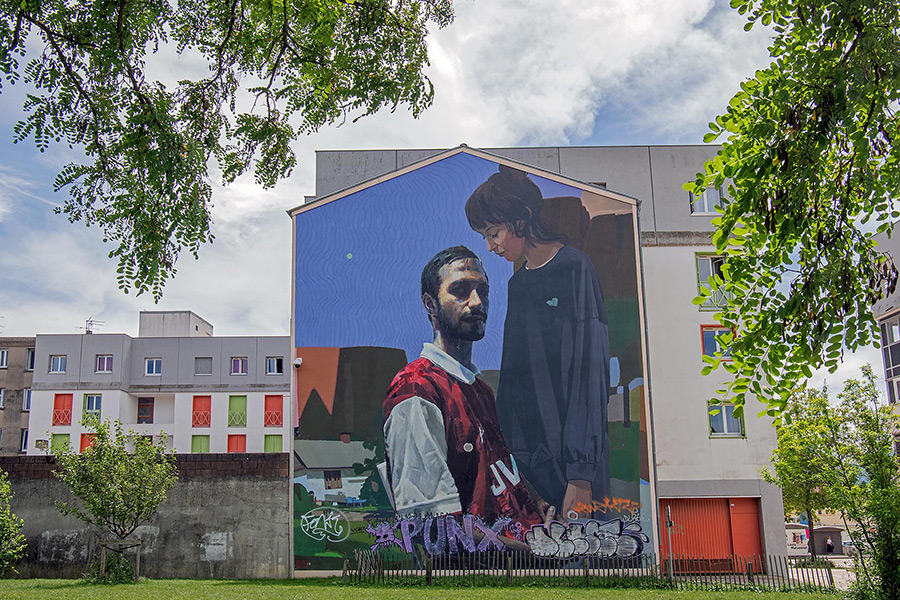
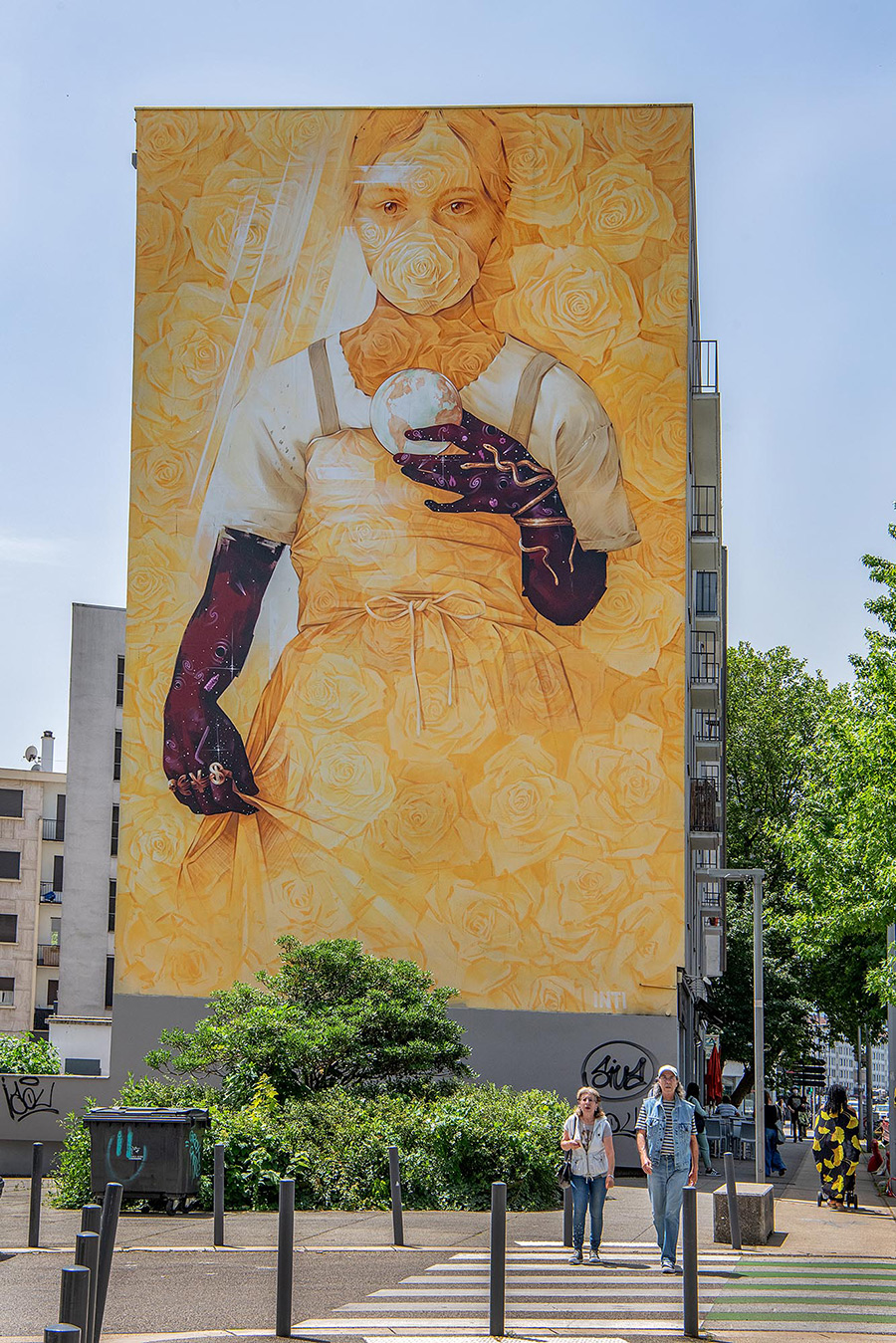
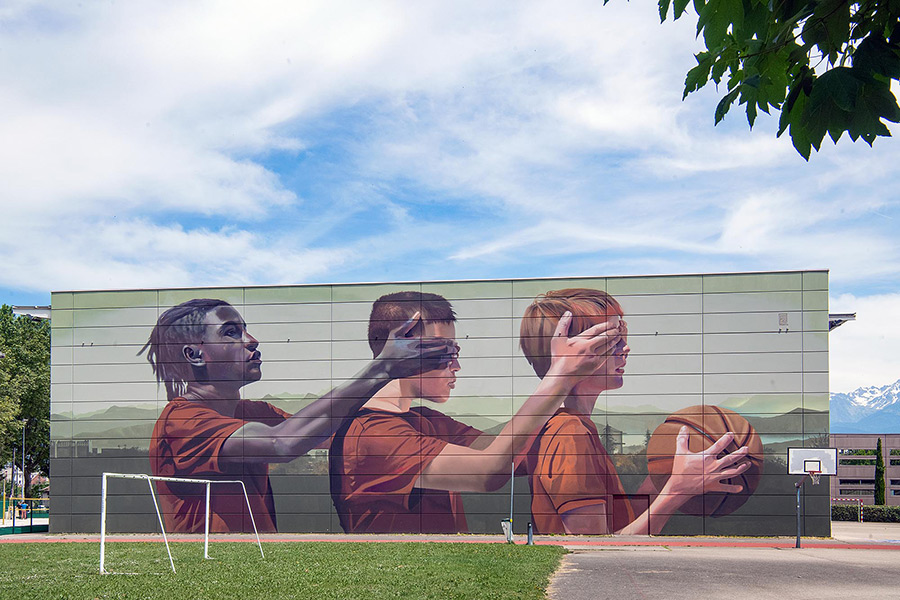
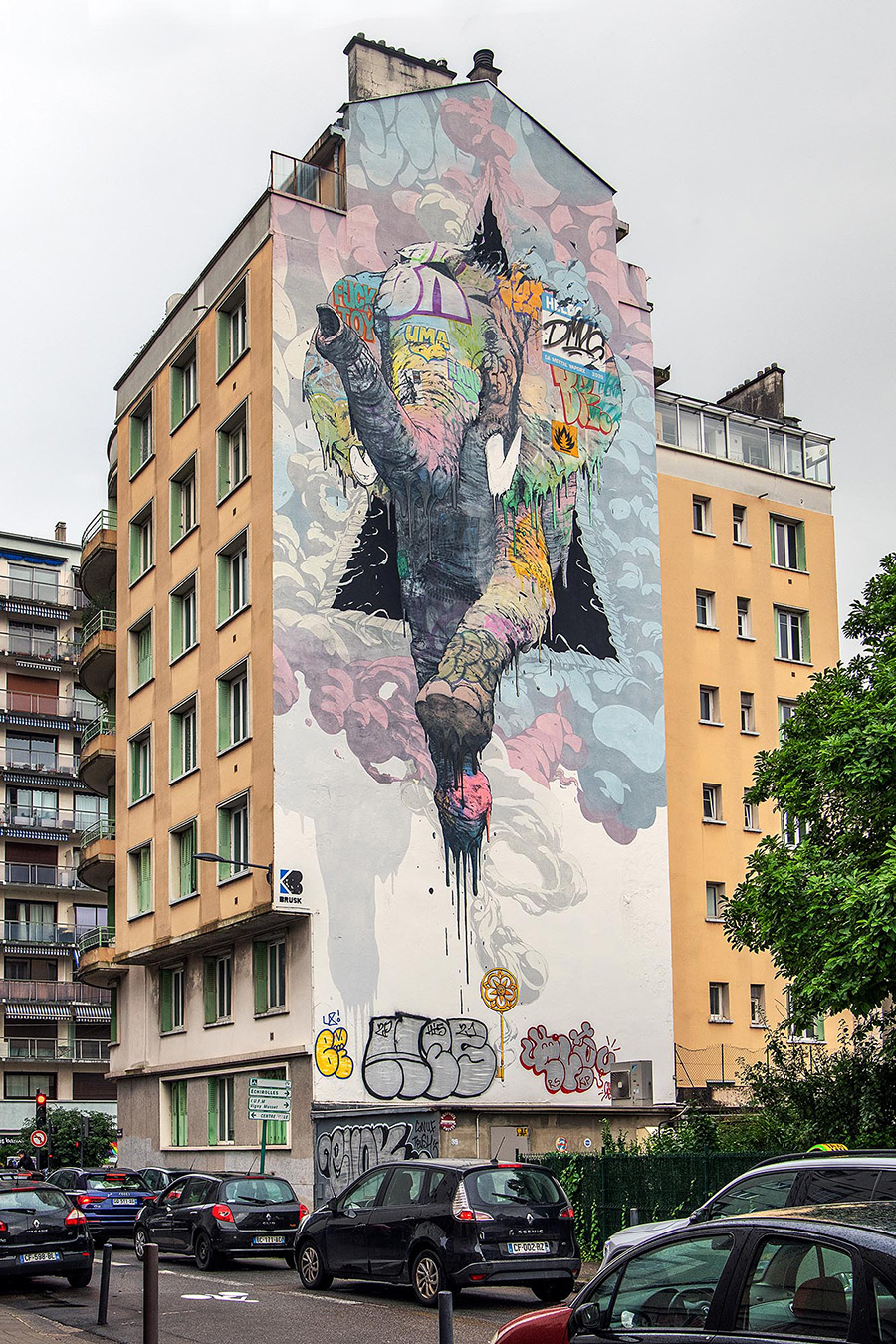
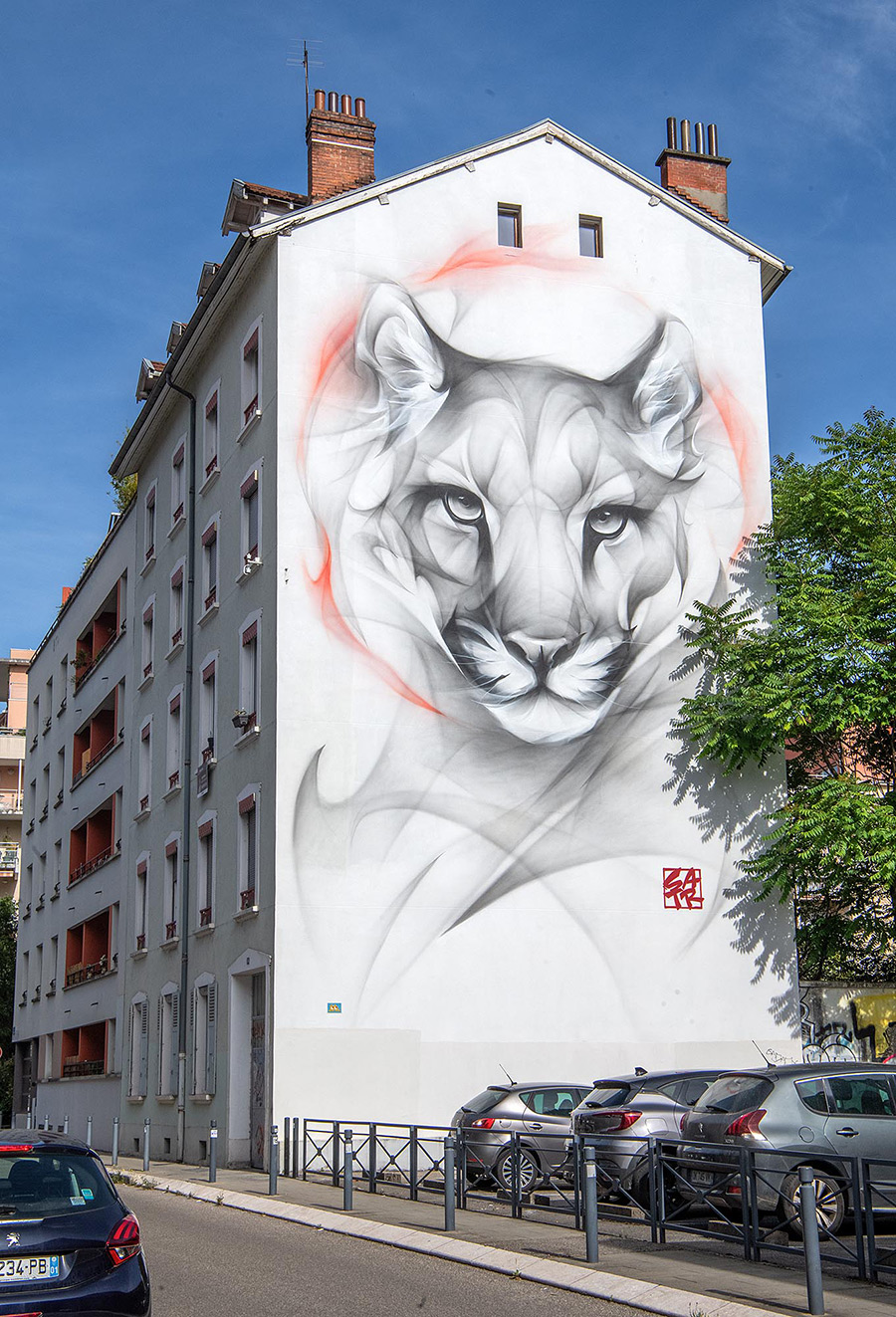
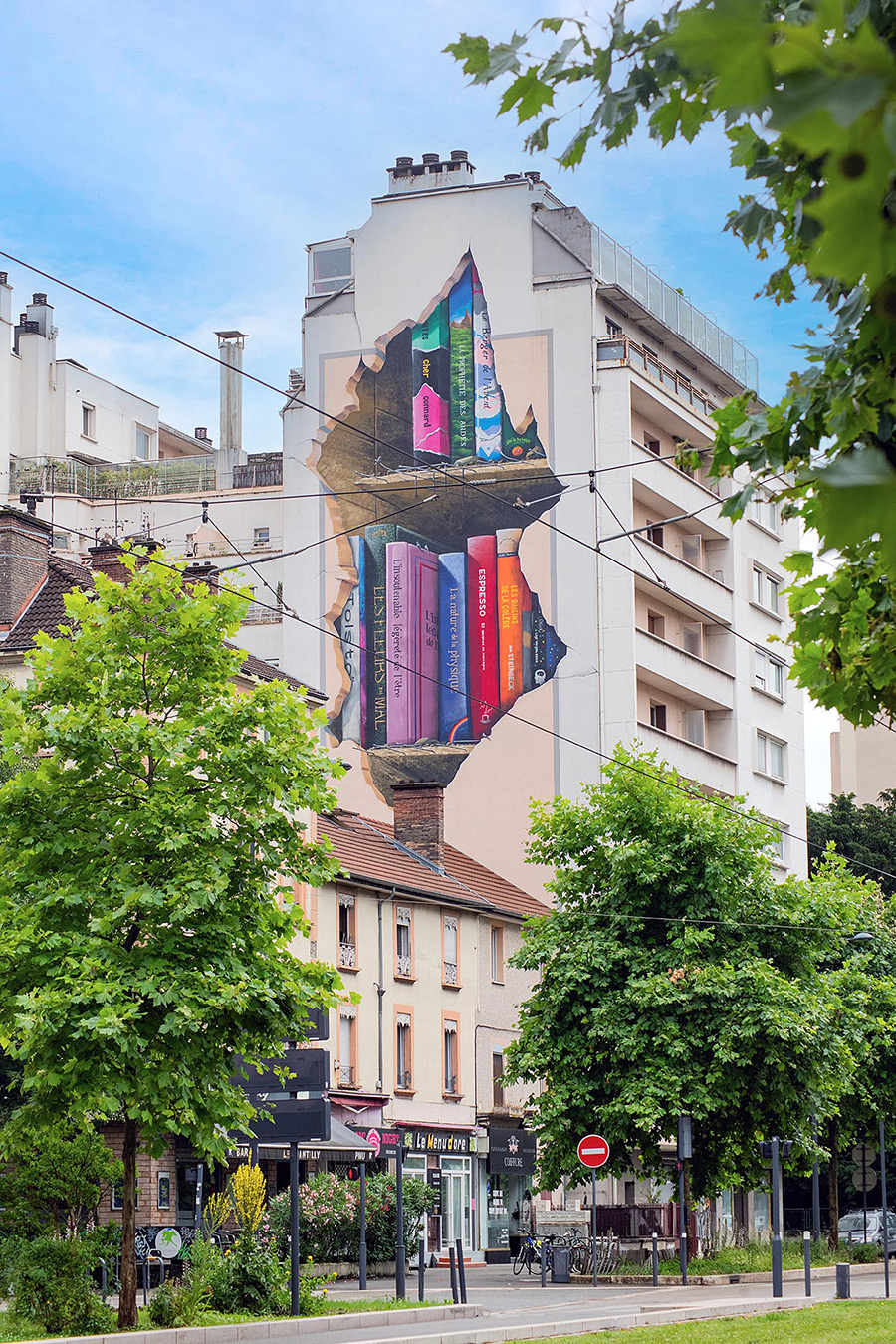
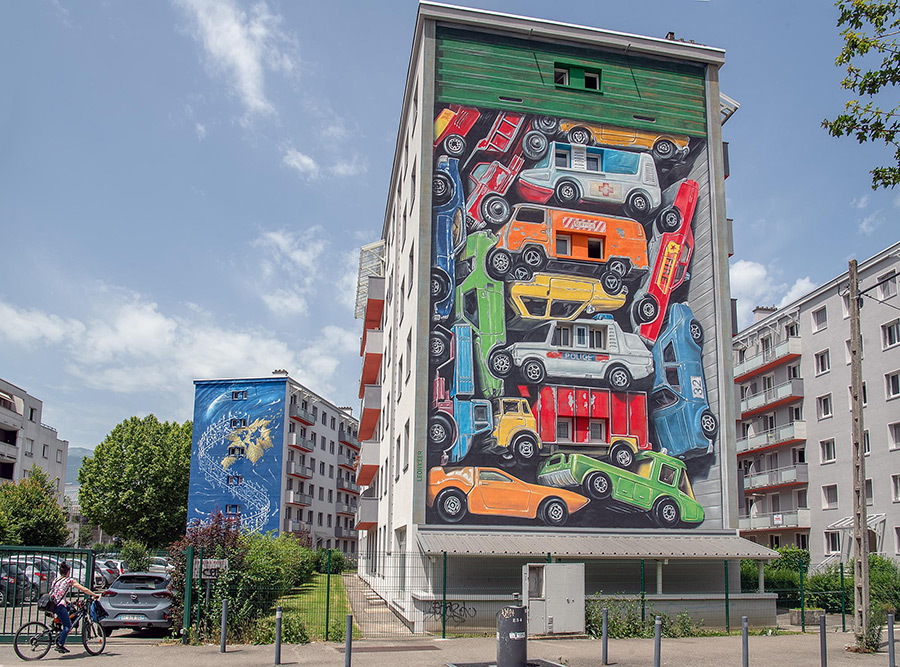
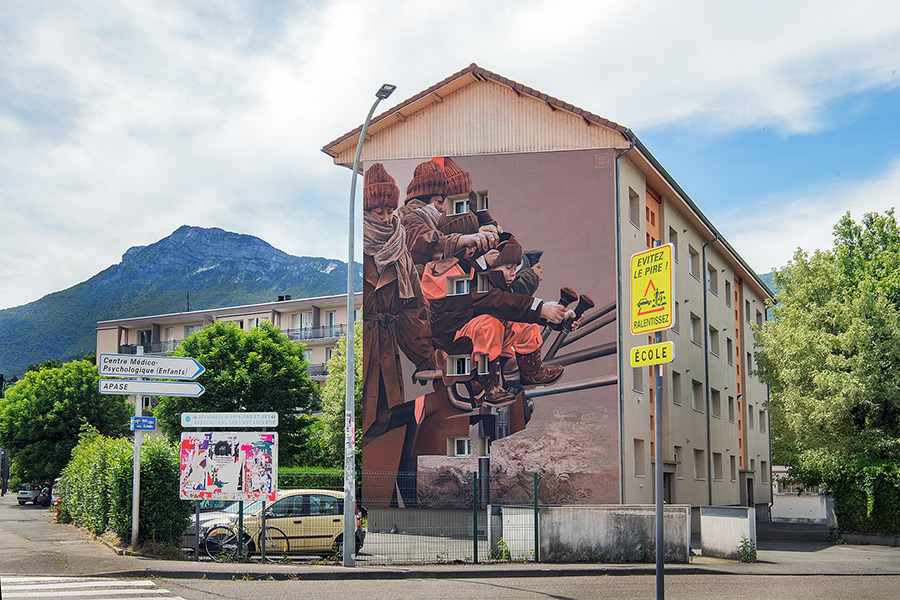
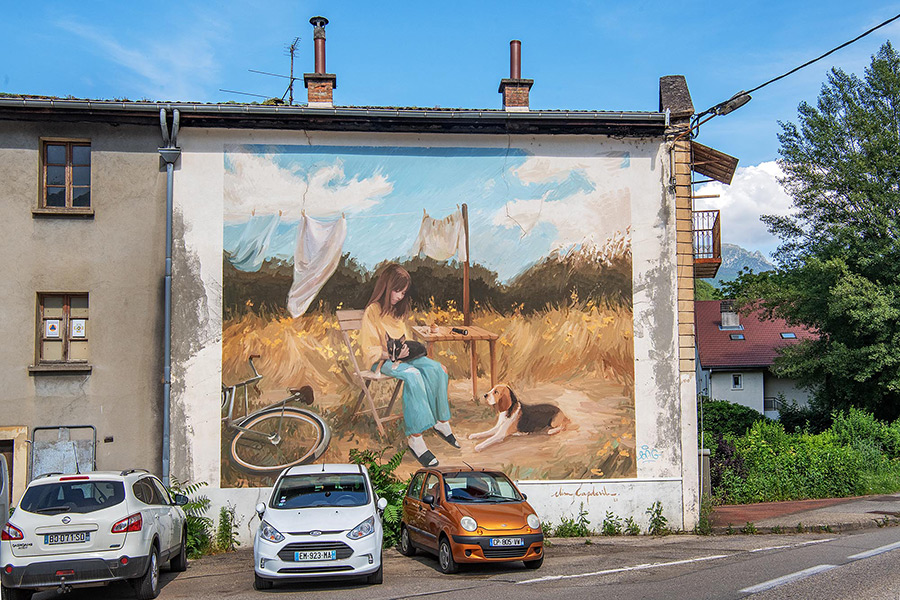
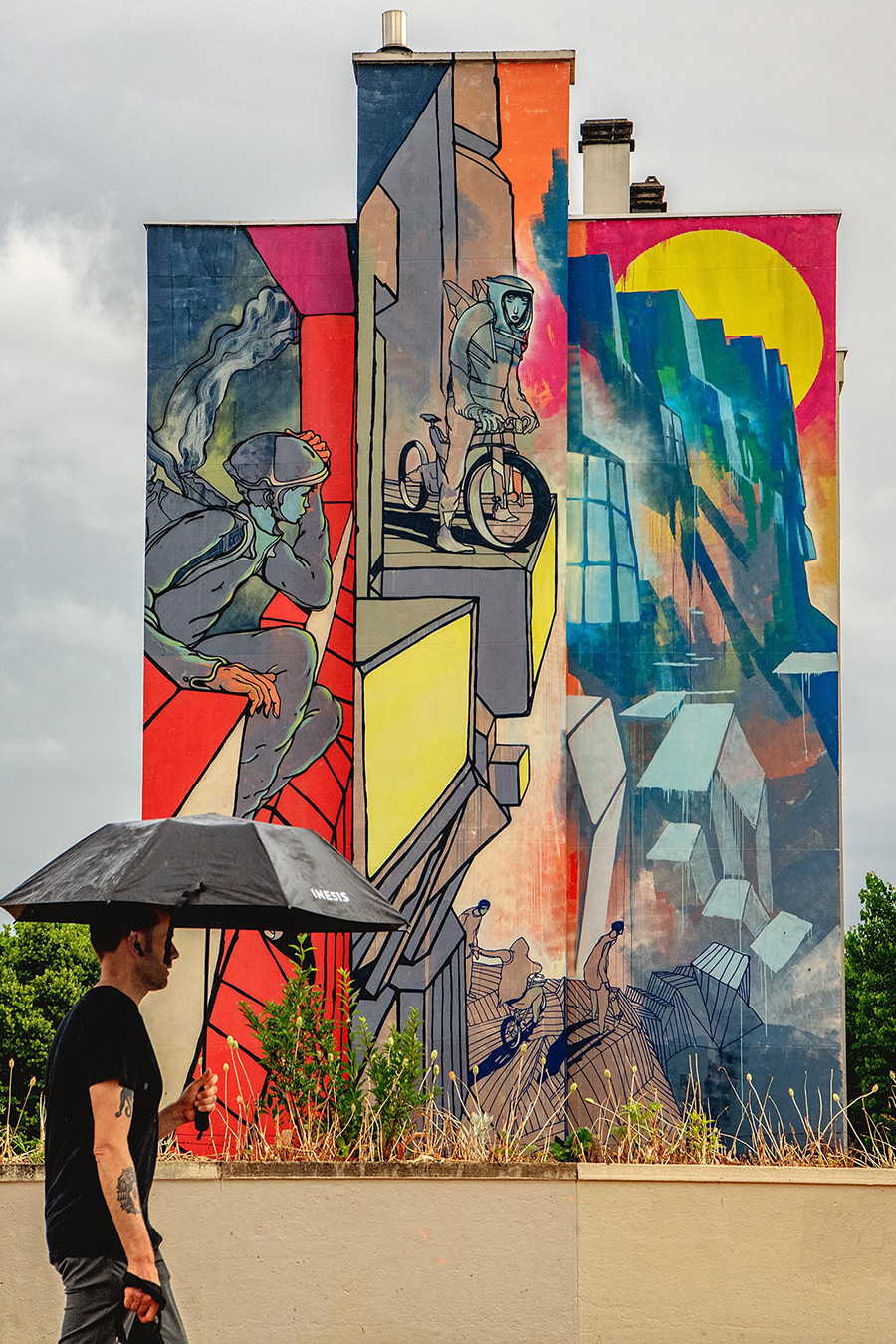
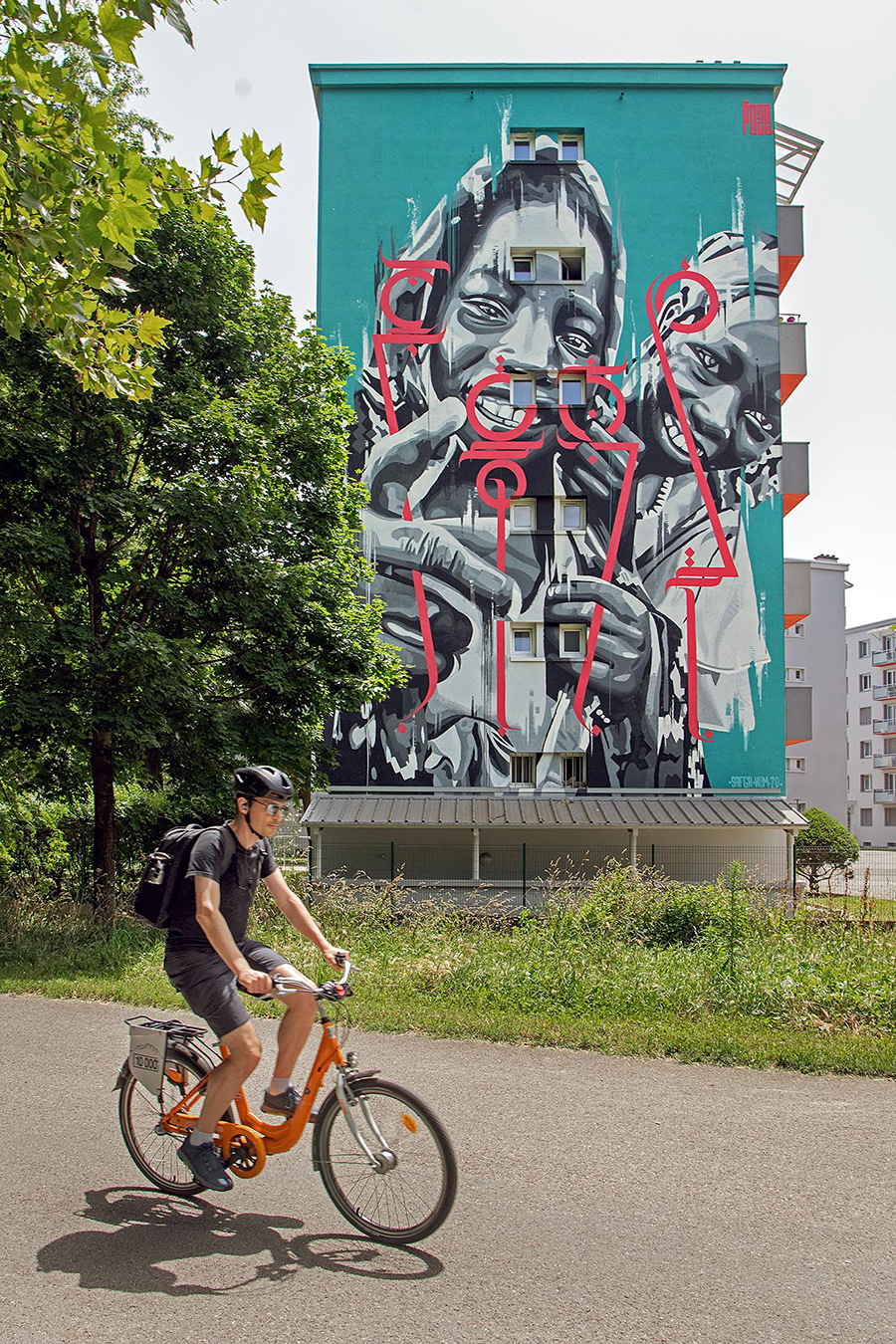
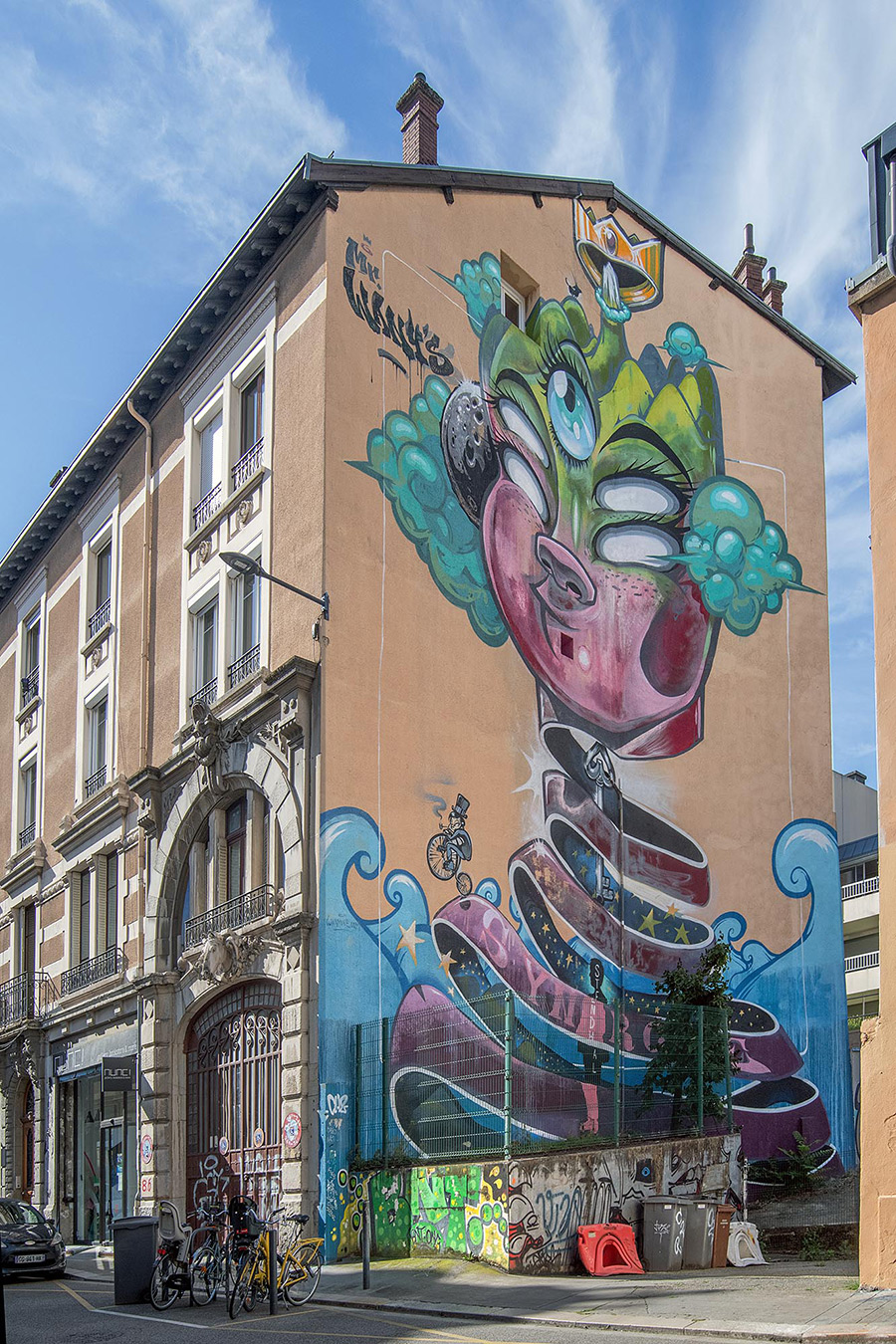
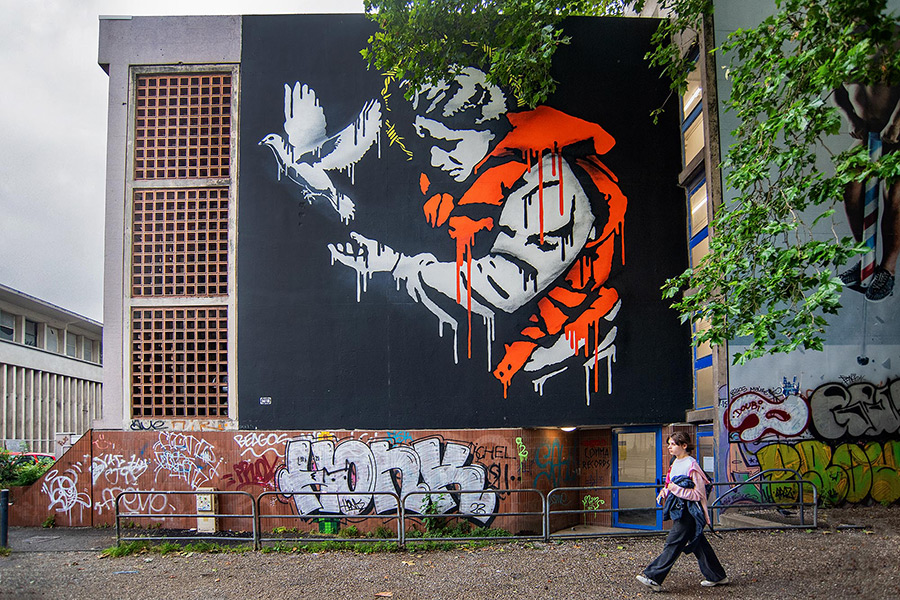
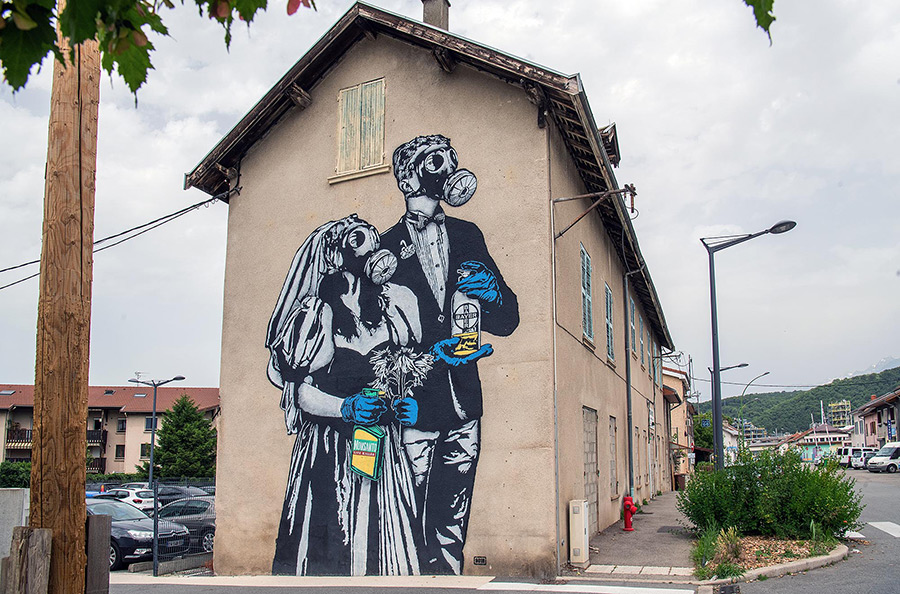
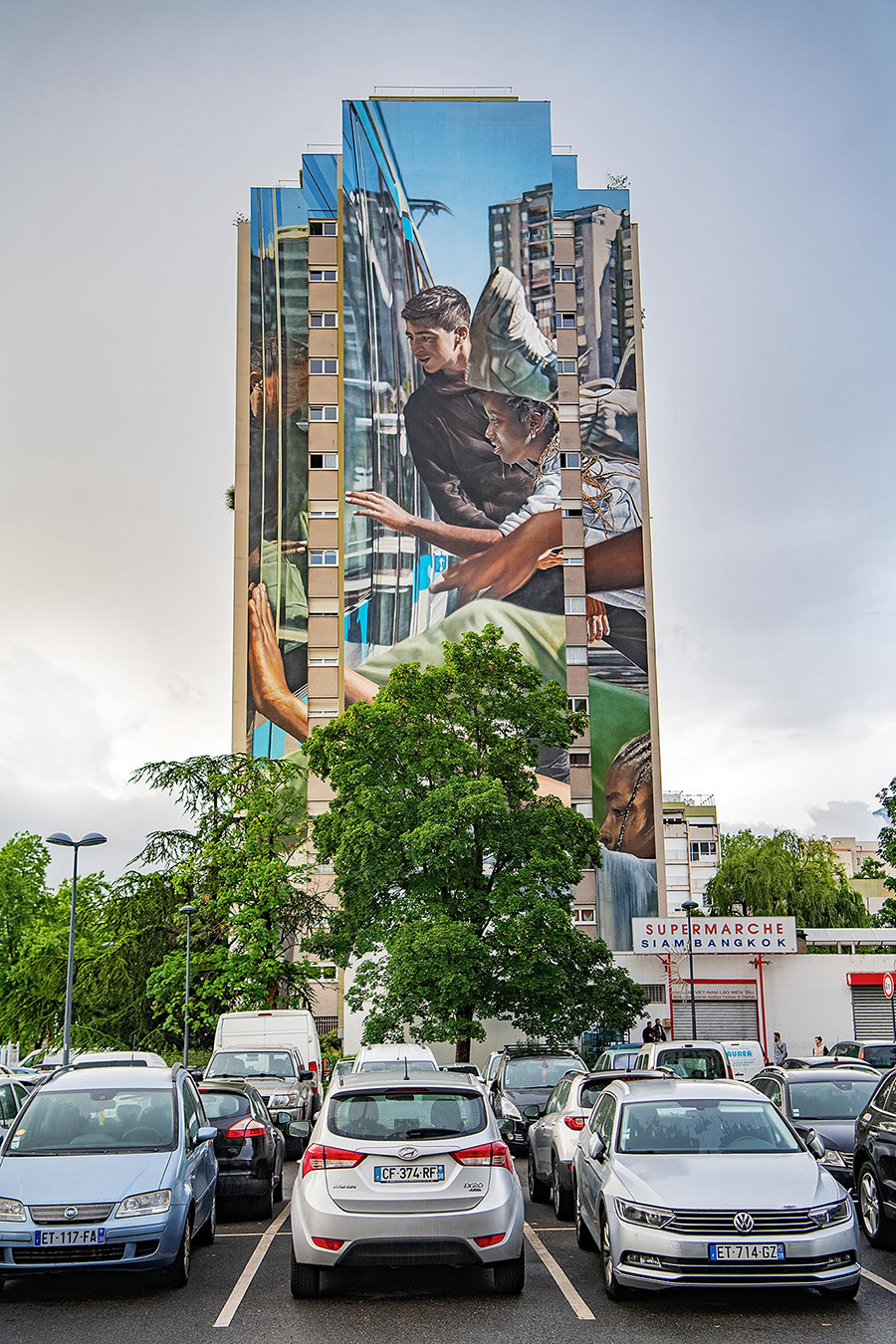
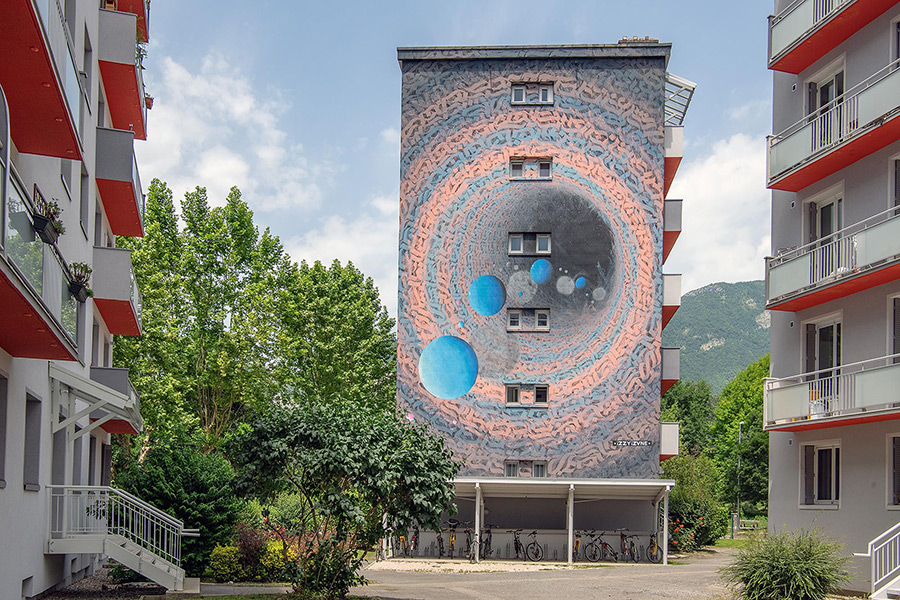
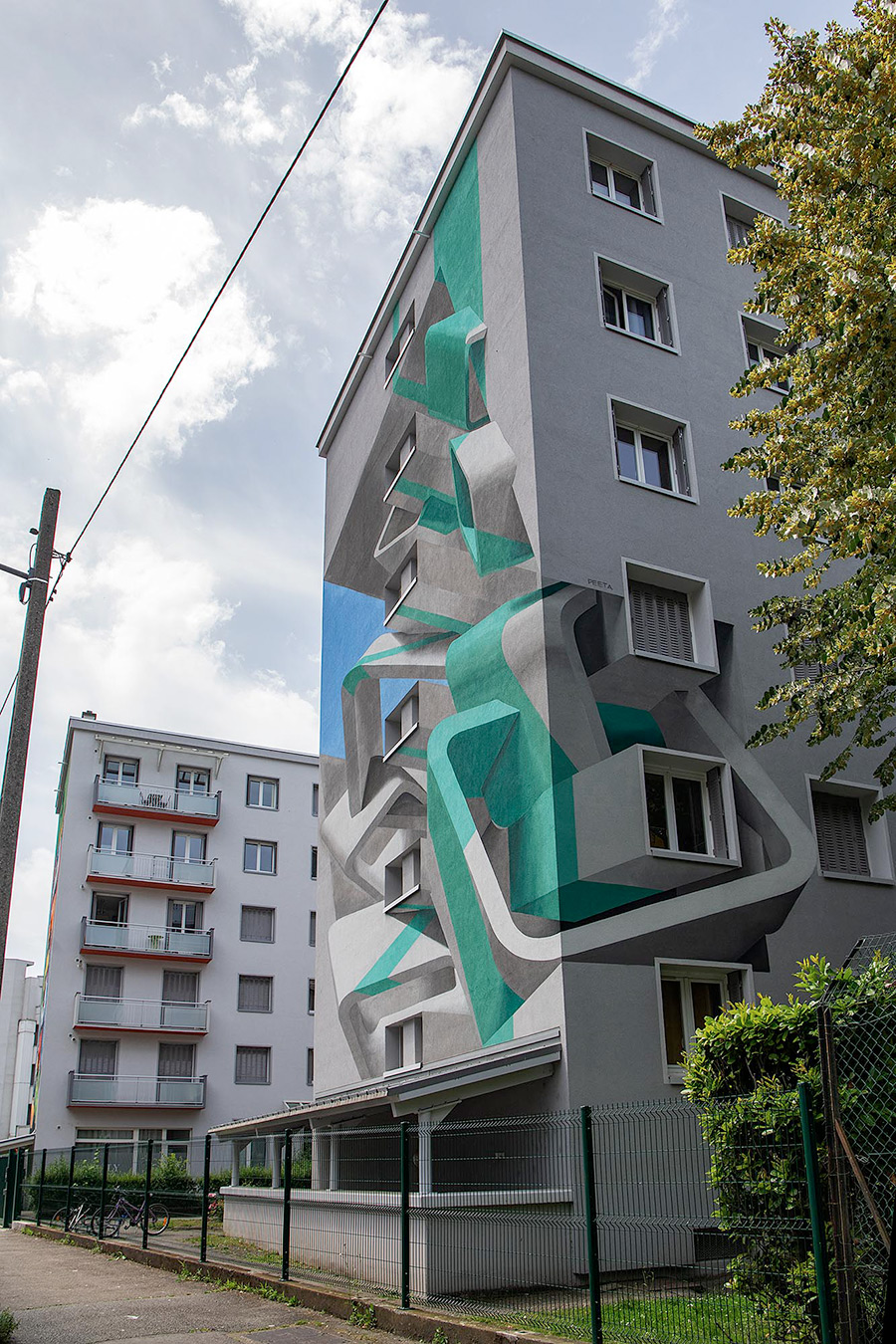
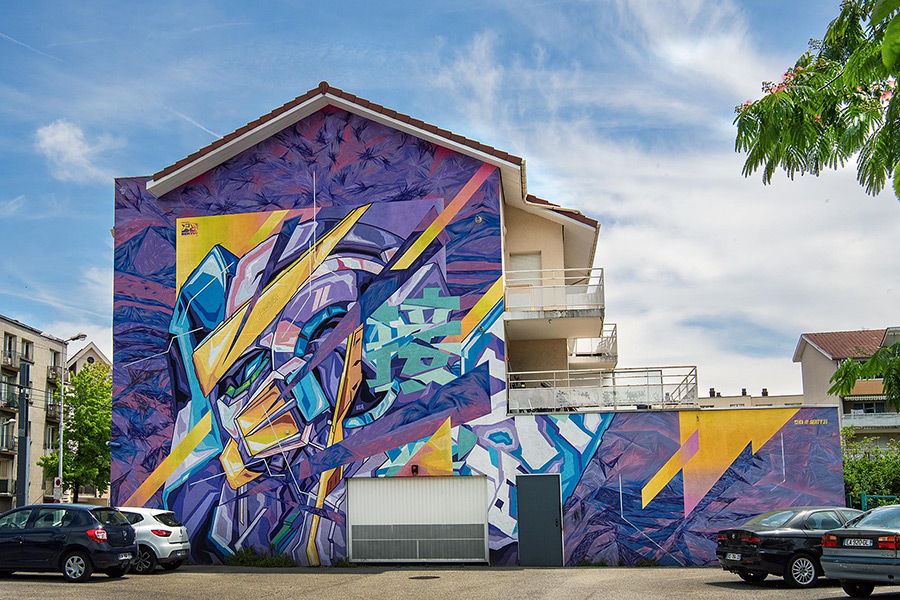
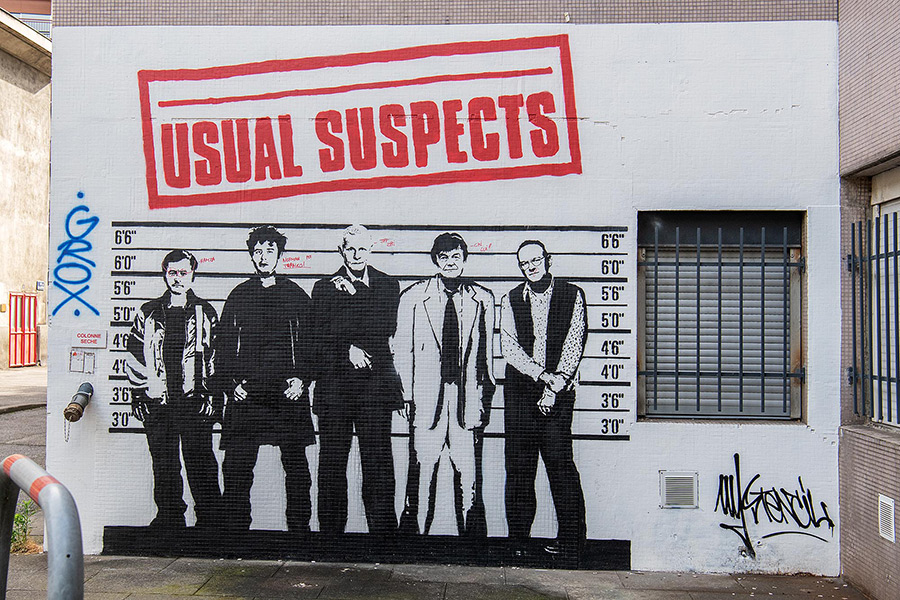
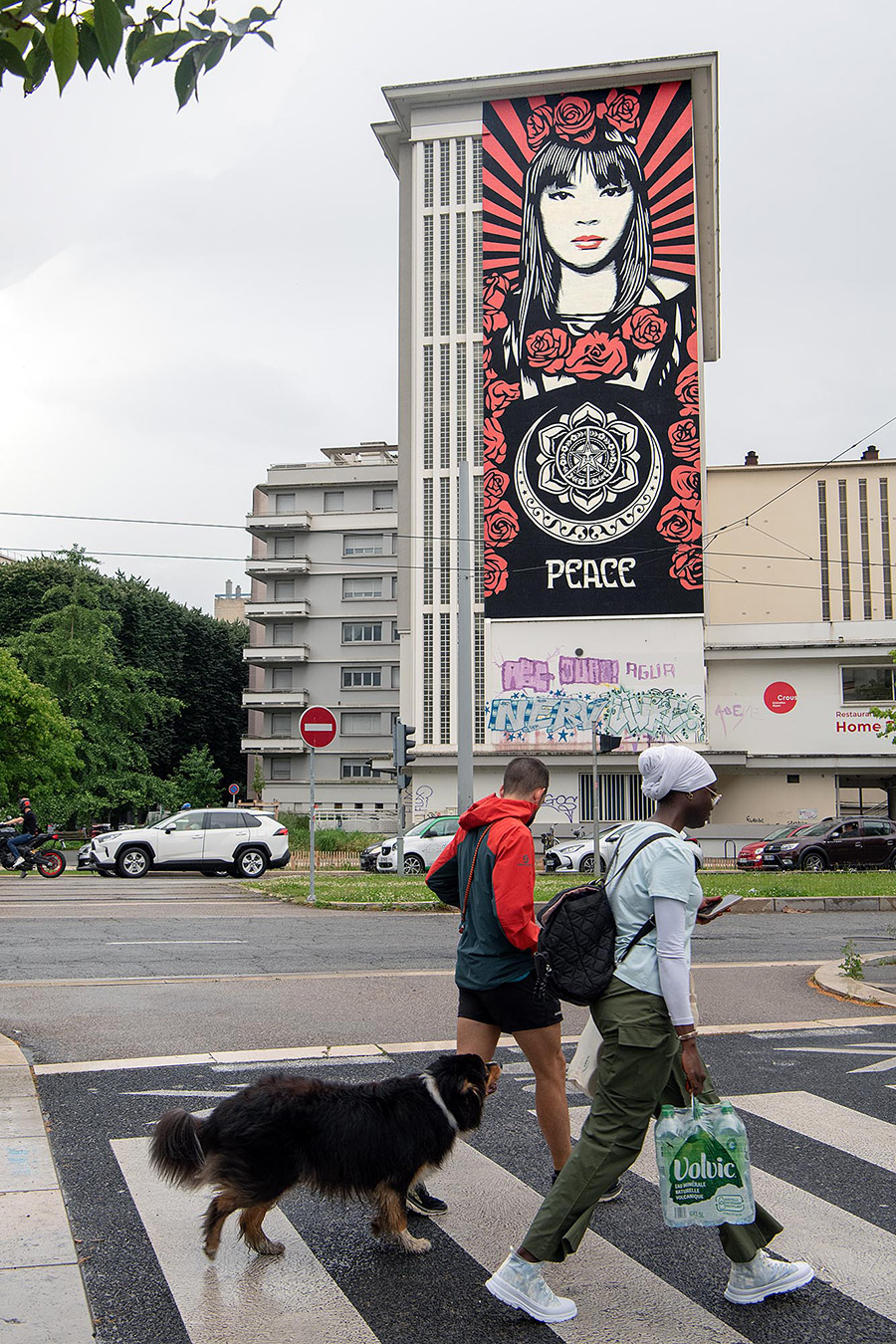
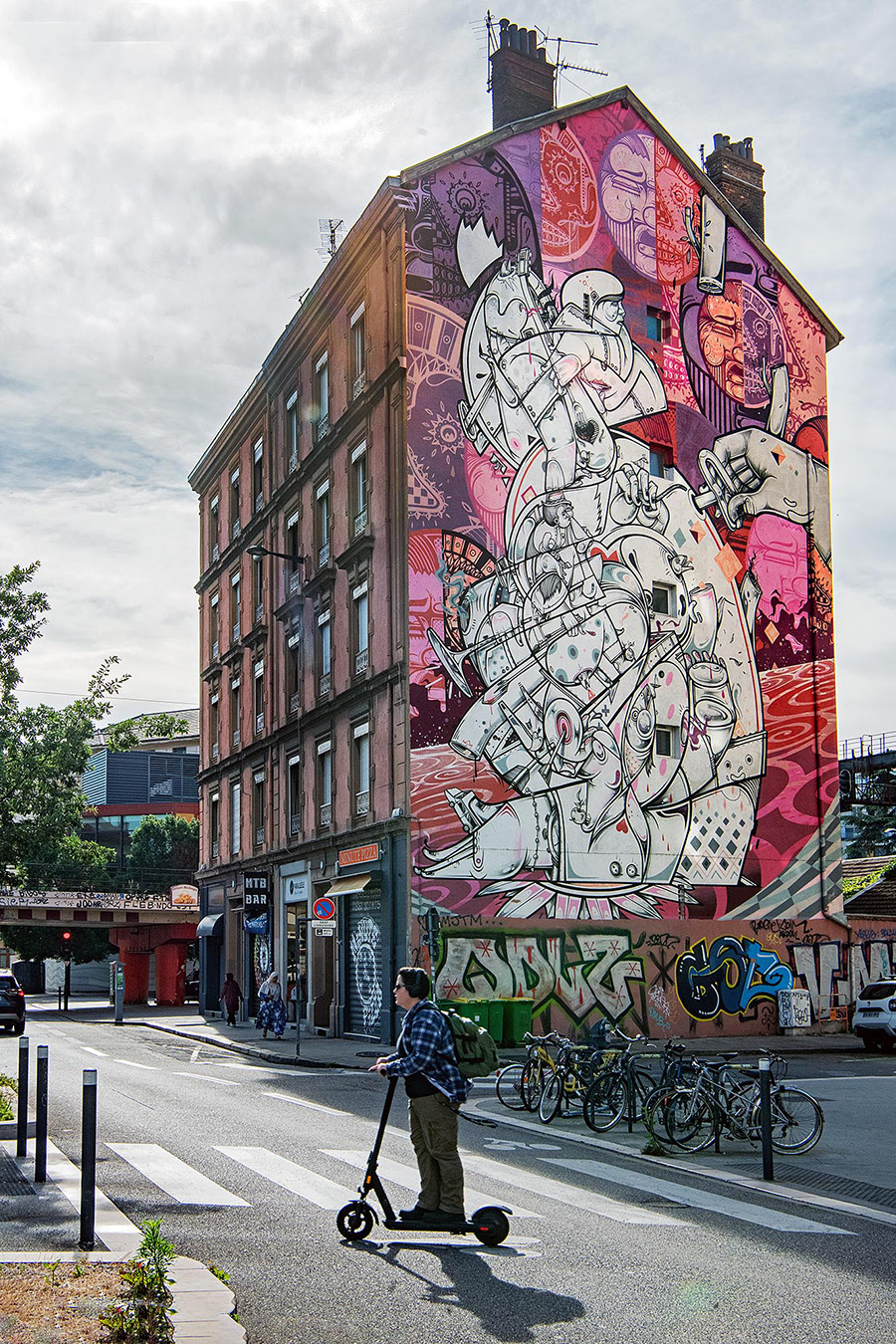
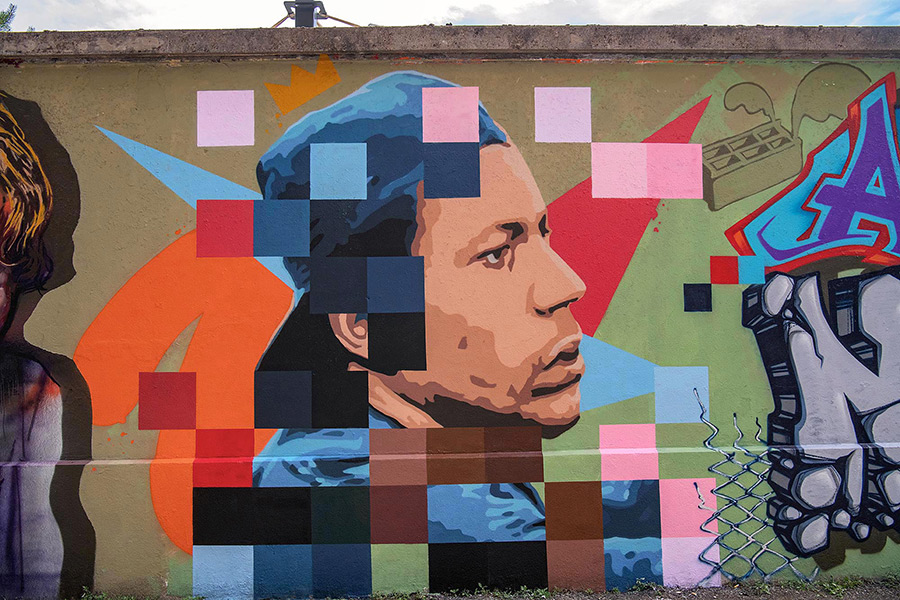
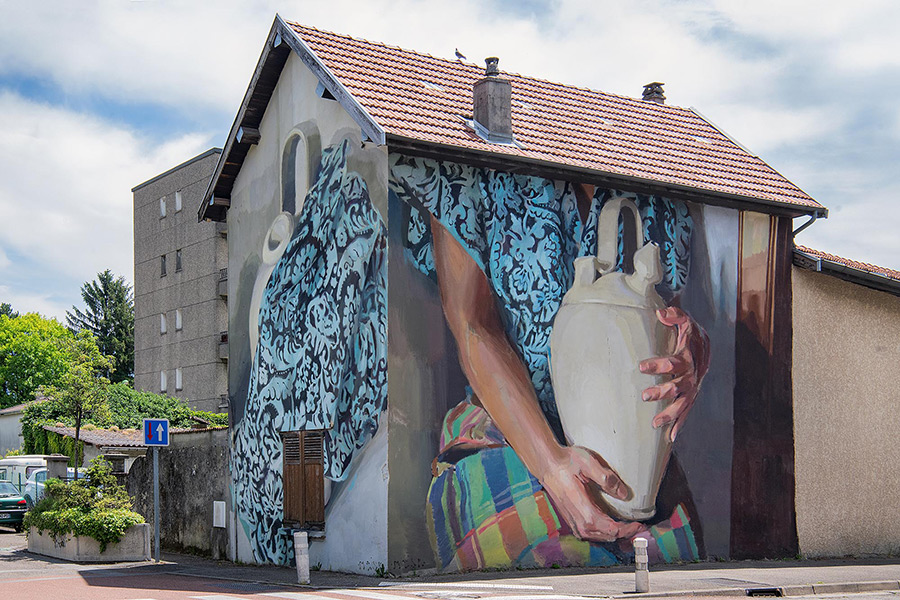
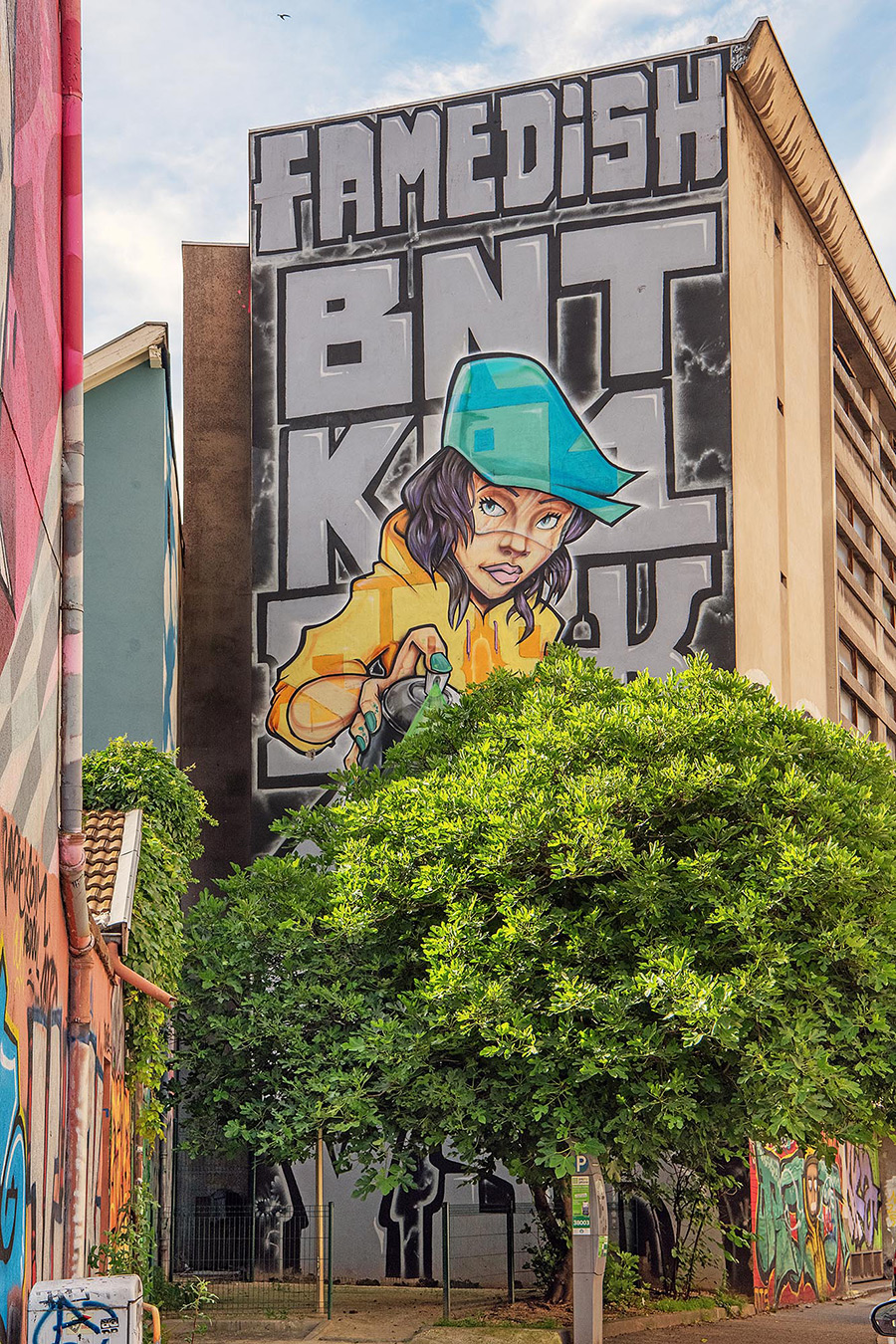
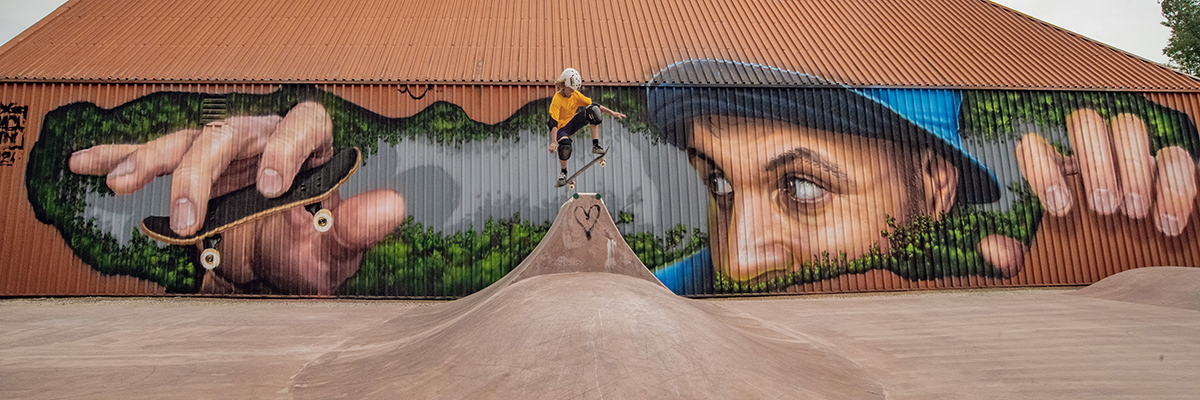
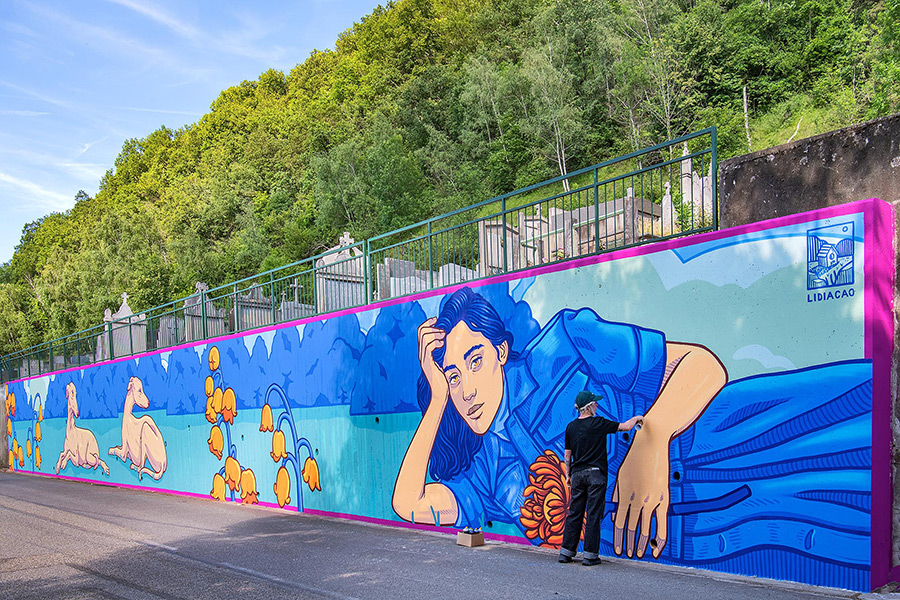
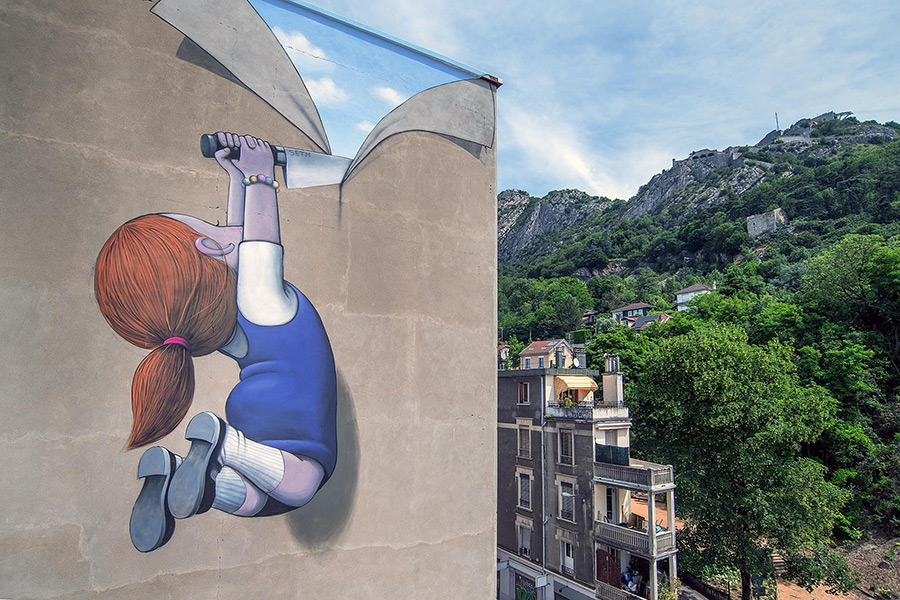
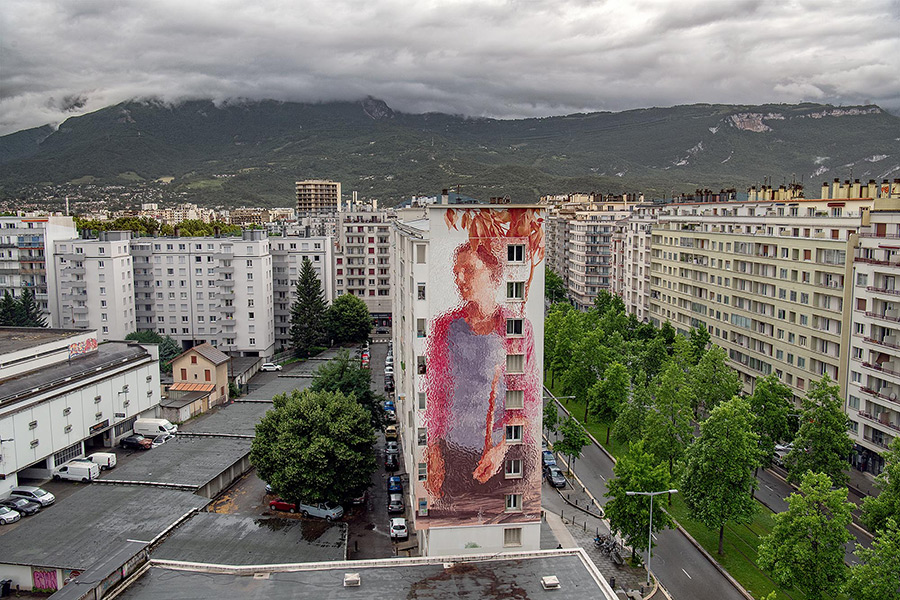
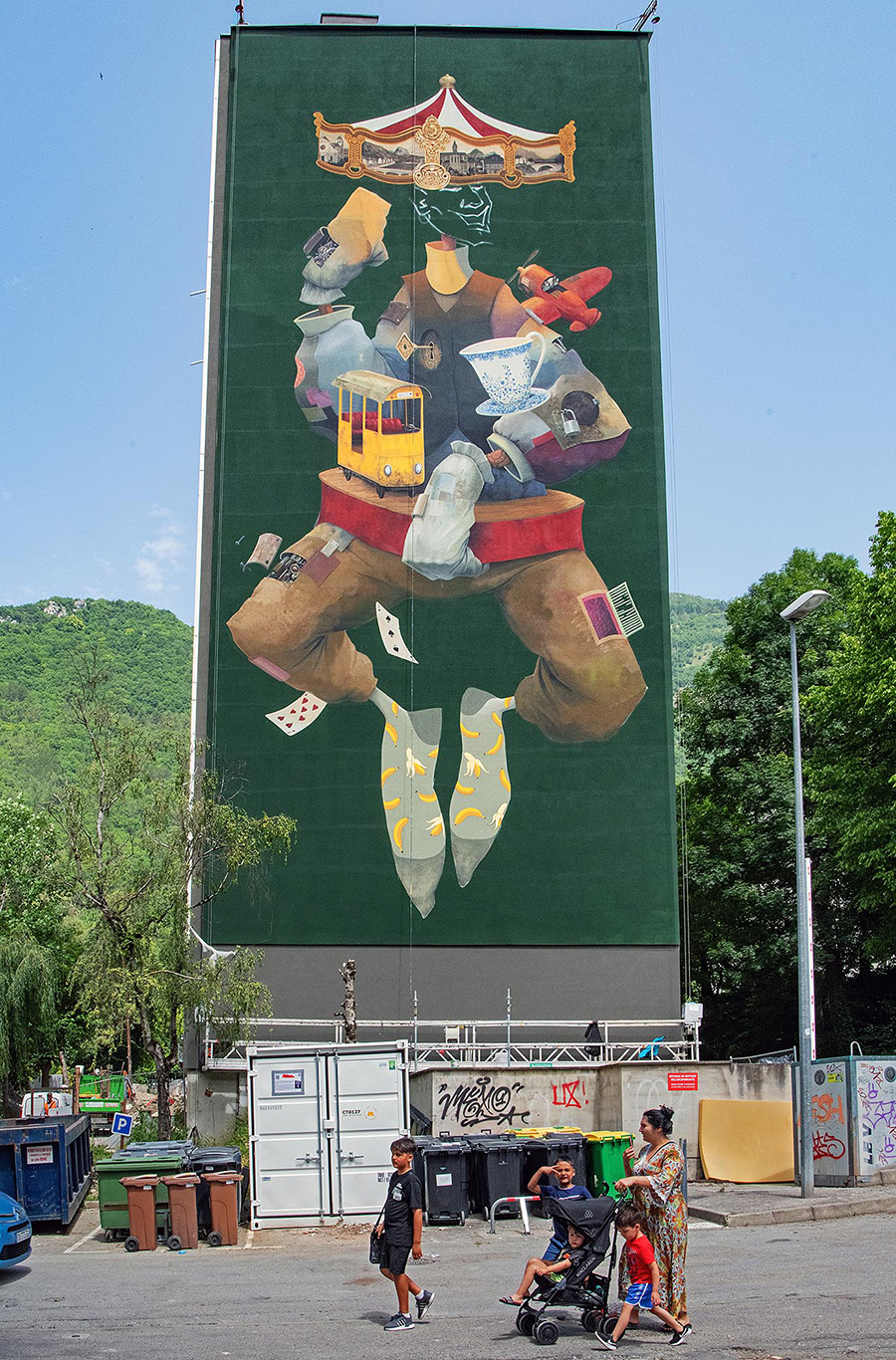
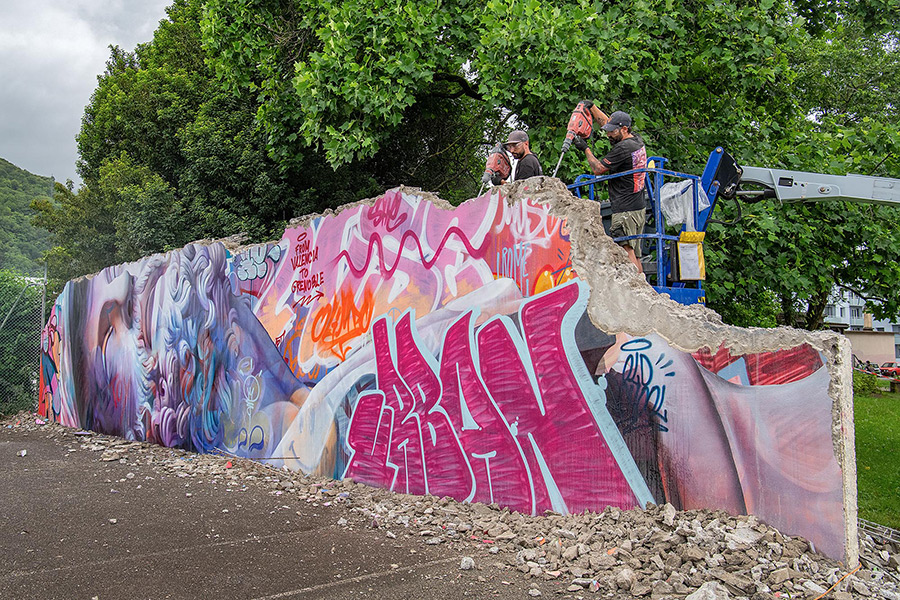
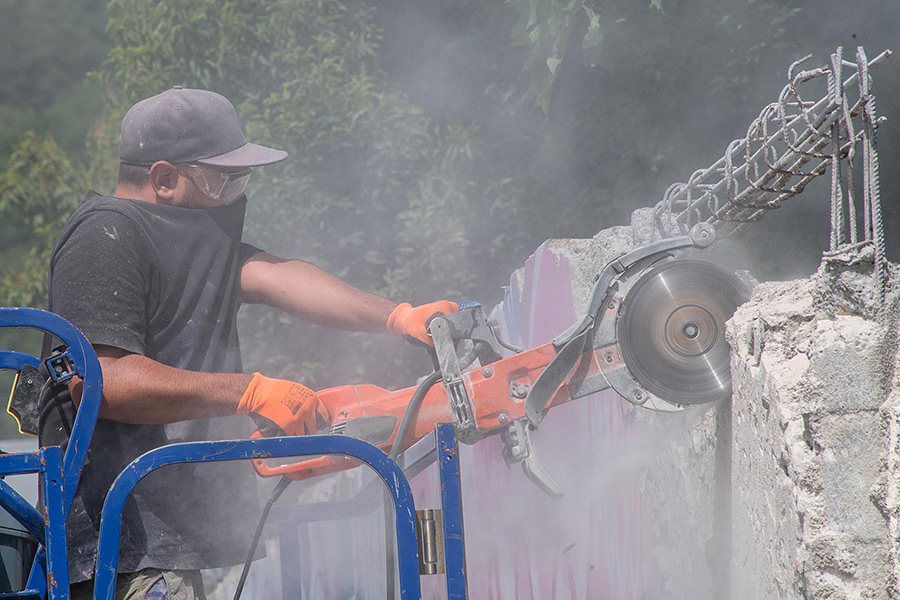
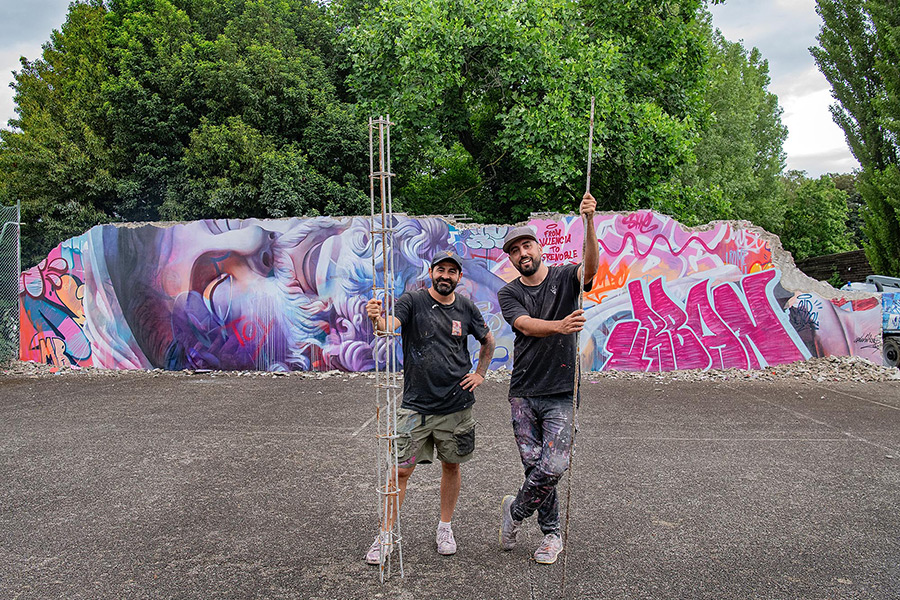
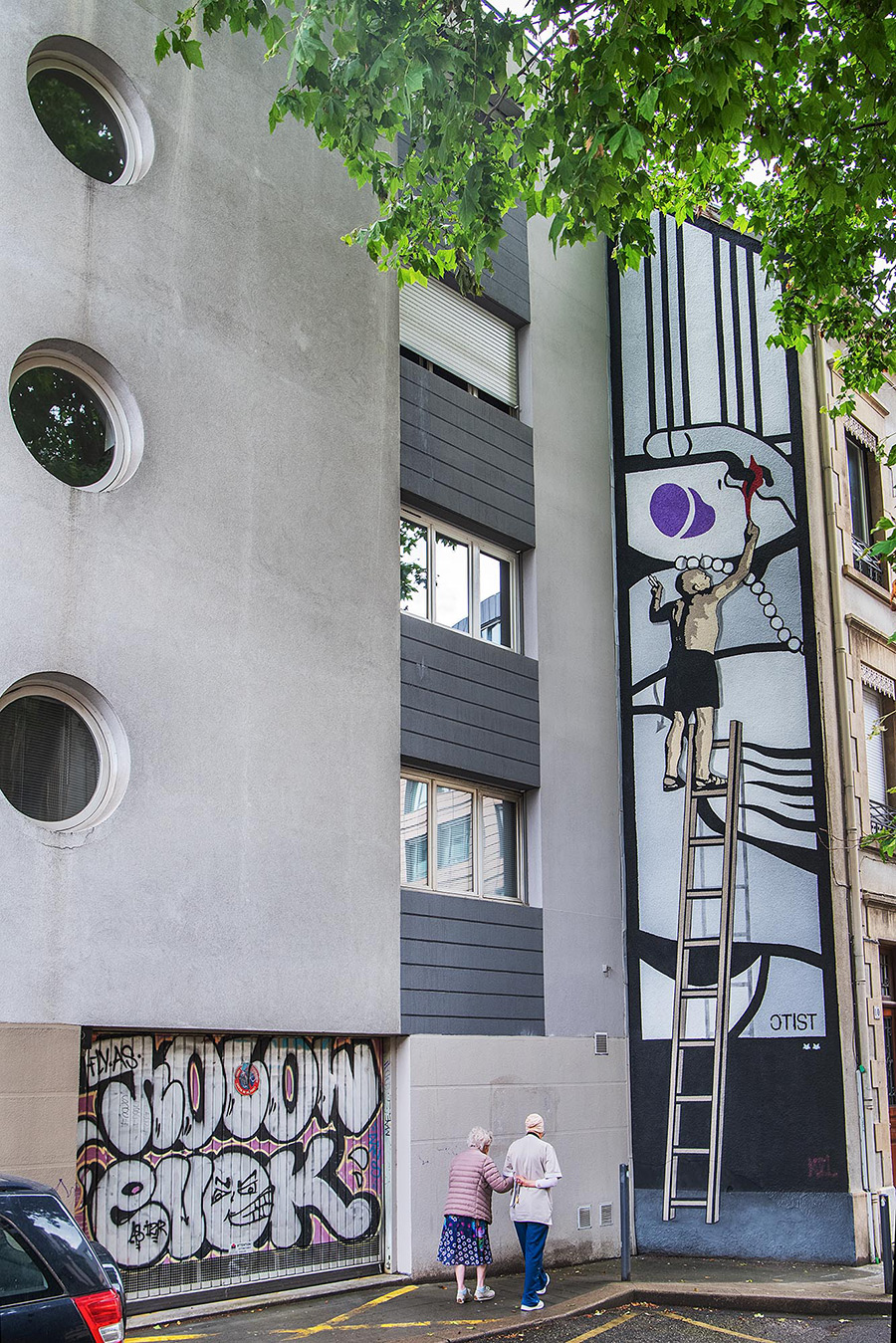
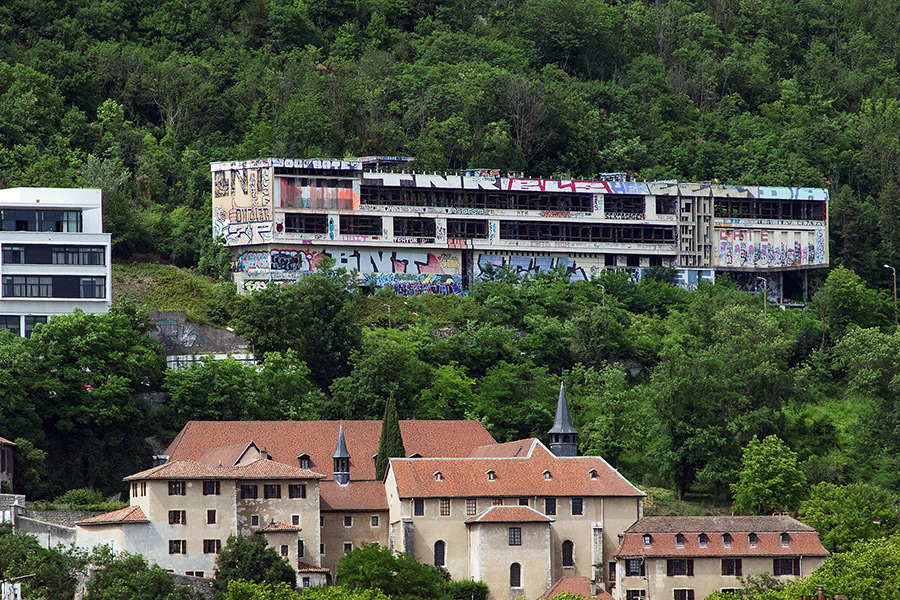
This is part 2 of a series of new works from the 10th Annual Street Art Fest Grenoble, with photographs by veteran photographer Martha Cooper. The massive variety, quantity, and quality of works at Grenoble place it ahead of many festivals, as you can see here. Many of the murals are in context with their surroundings and collaborate with them in a meaningful way. For its 2024 edition, the Street Art Fest Grenoble-Alpes celebrates its 10th anniversary under the direction of Jérôme Catz and The Spacejunk Art Center. Today we focus strictly on the big statements, and there are many.
Today, we have new works from the 10th Annual Street Art Fest Grenoble, with photographs by veteran photographer Martha Cooper to show us the way. This is the first of two installments. Grenoble, surrounded by majestic mountains, once again becomes a dynamic canvas for artistic expression in a way that distinguishes this region from many others. The 2024 edition of the Street Art Fest Grenoble-Alpes celebrates its 10th anniversary with a diverse showcase.
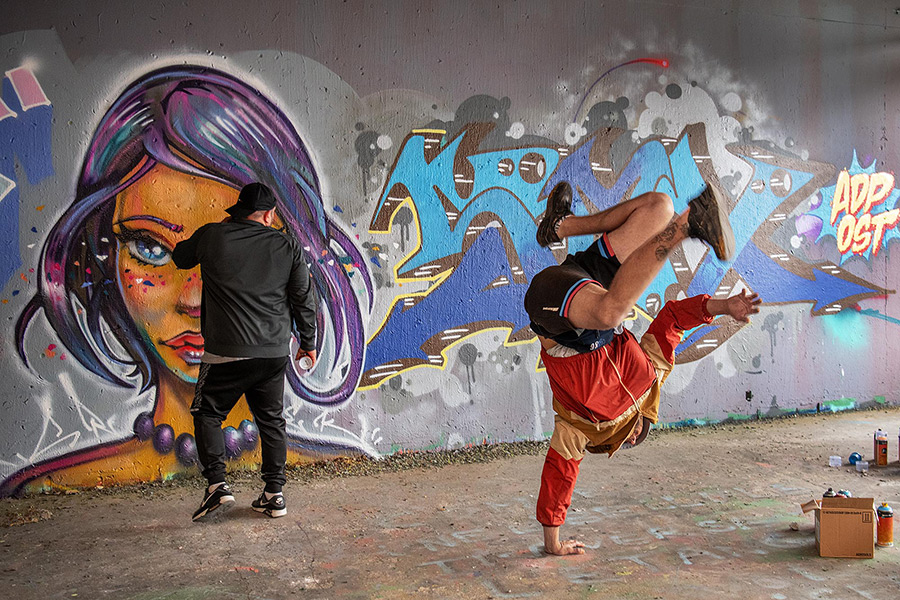
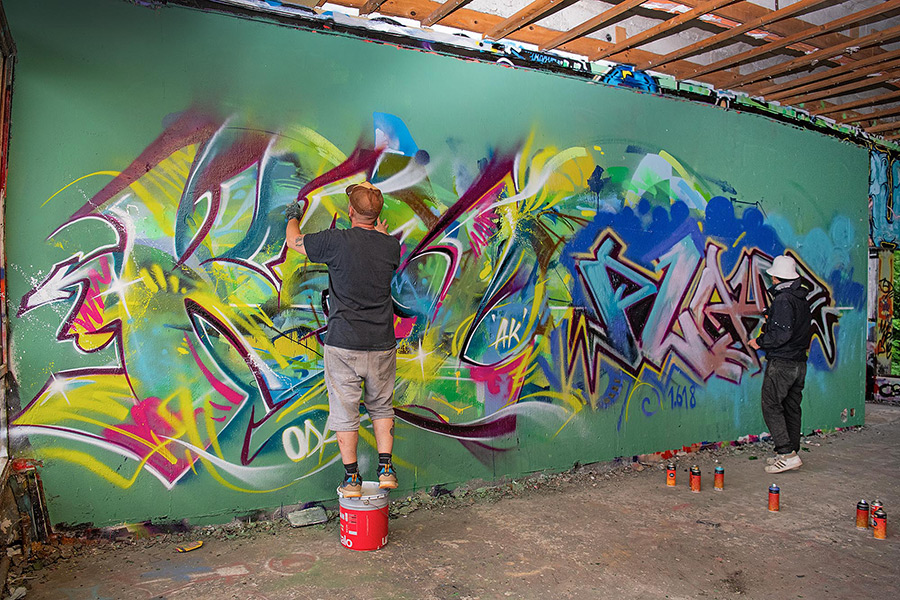
The Spacejunk Art Center, under Jérôme Catz’s direction, organizes the festival, which features a variety of street art styles, from large-scale murals to digital installations. The robust program aims to inspire and educate through concerts, exhibitions, guided tours, and workshops. The event promotes accessibility and cultural dialogue, encouraging interaction between artists and the public. Luckily for Brooklyn Street Art readers, Ms. Cooper has an investigative mind and also treats us to fresh shots of graffiti in the open and hidden spots.
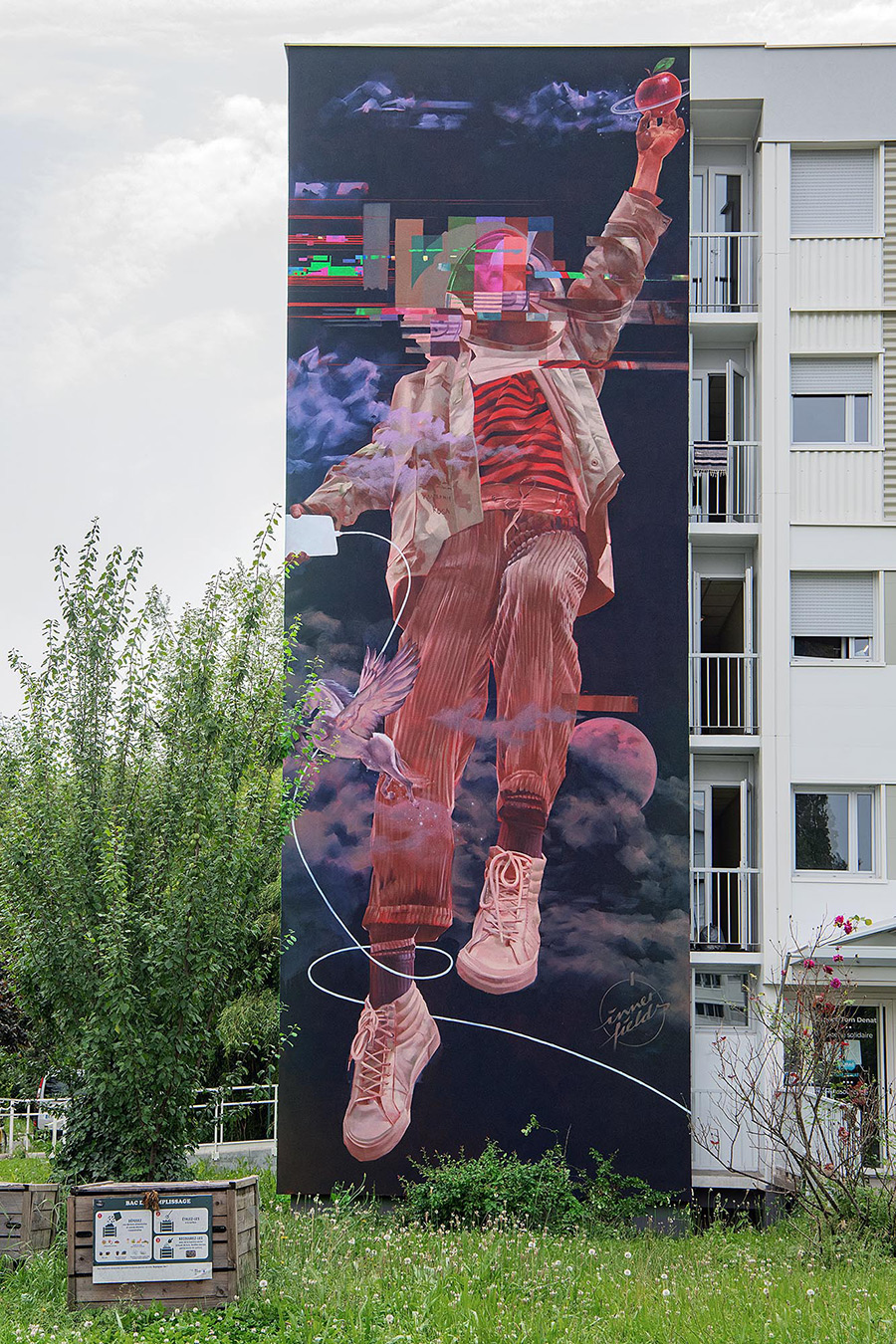
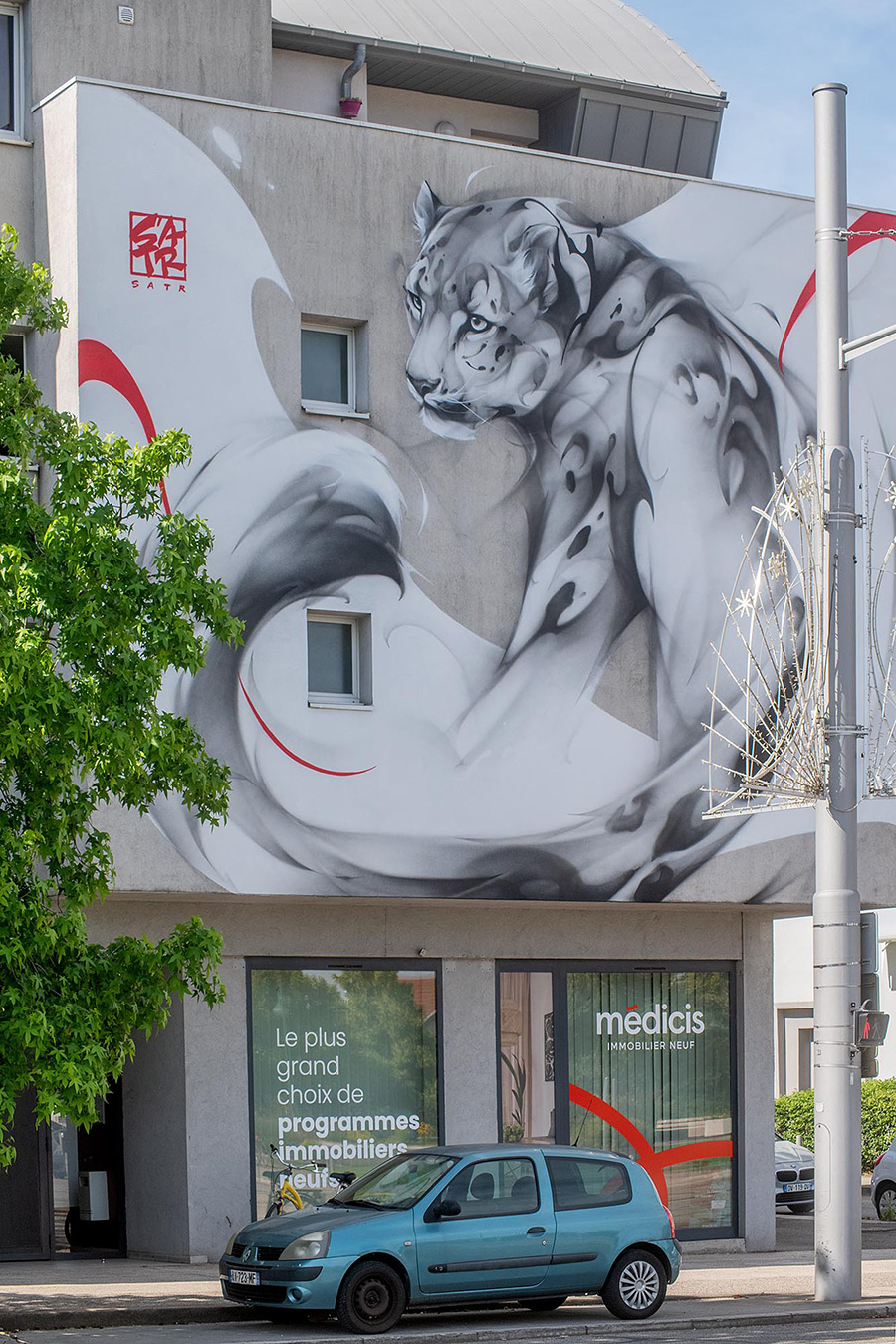
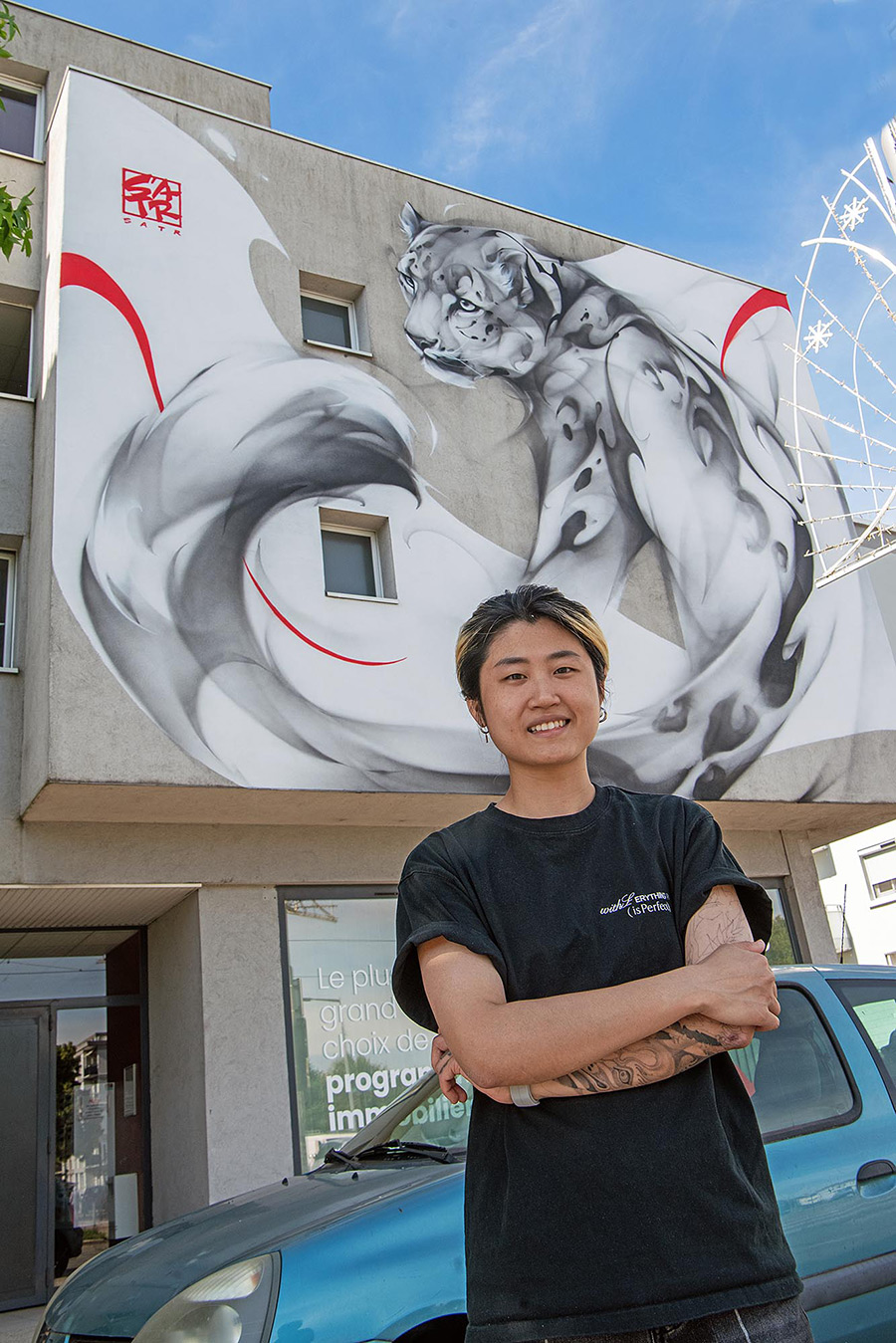
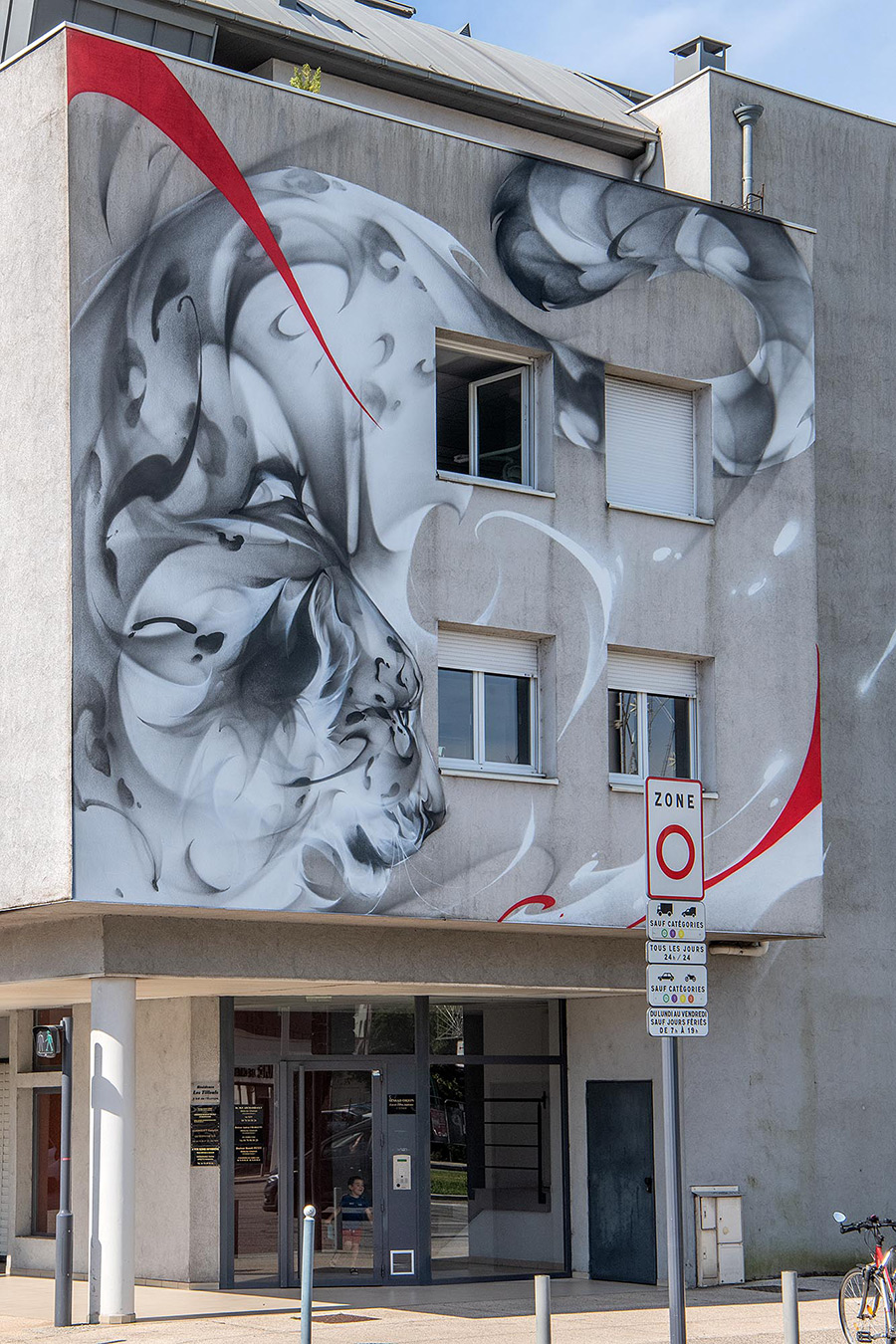
This year’s lineup includes prominent artists such as Madame, STOM500, JACE, Fintan Magee, Innerfields, Belin, Maye, and Jimmy Dvate. They join the collection of over 400 murals already in the city, adding new layers of creativity and commentary. Although the artists do not all arrive simultaneously, the festival’s evolving schedule ensures fresh installations throughout the event.
We invite you to explore this series of photographs showcasing the latest additions to Grenoble’s artistic landscape. Stay tuned for the next installment.
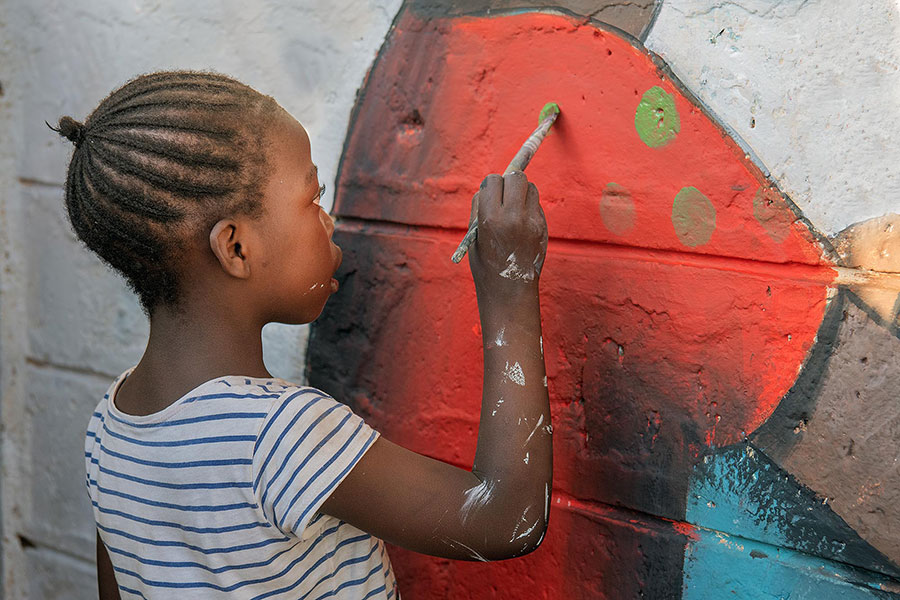
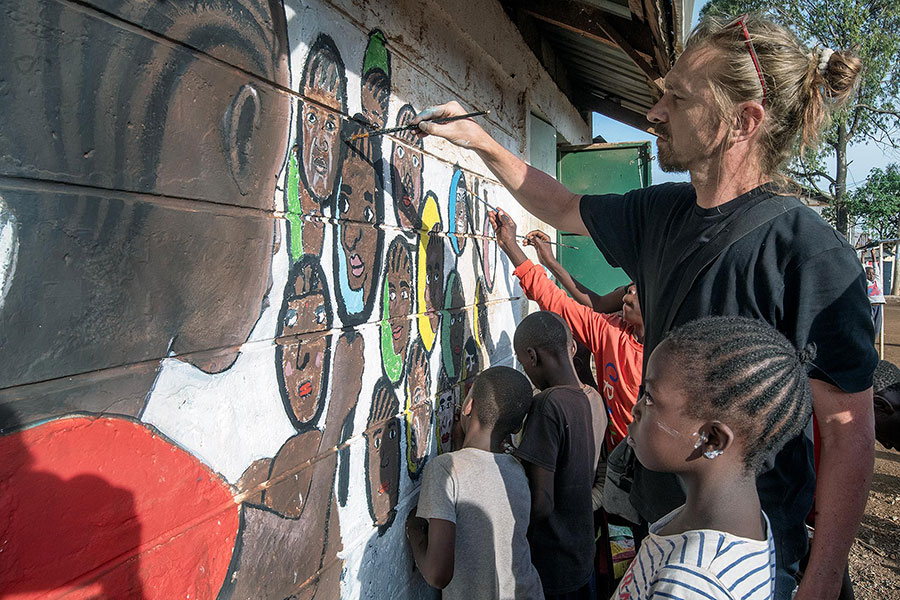
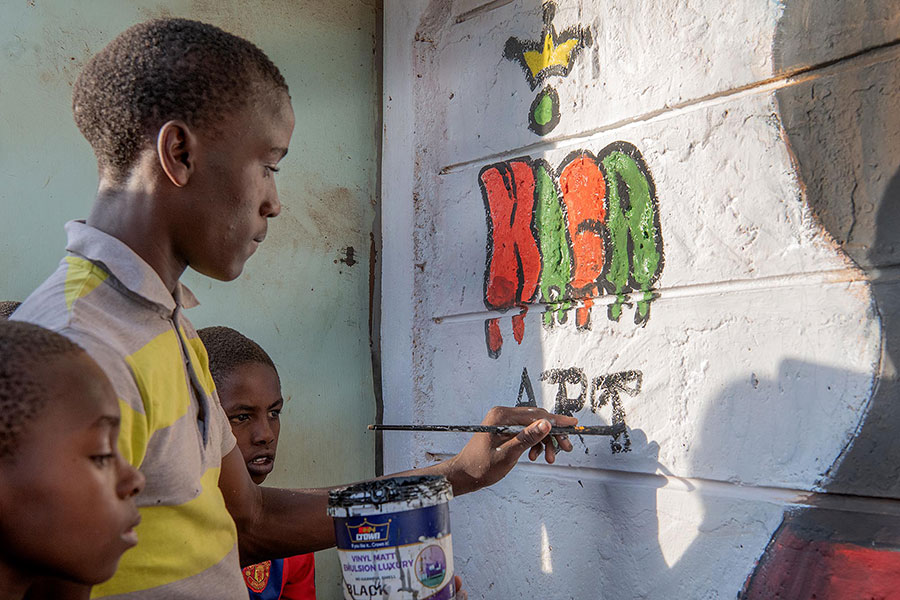
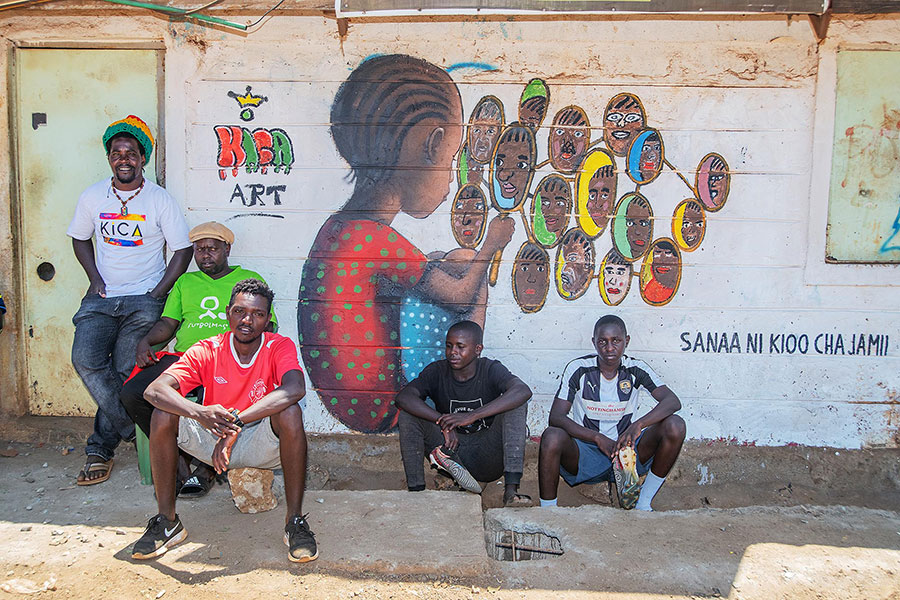
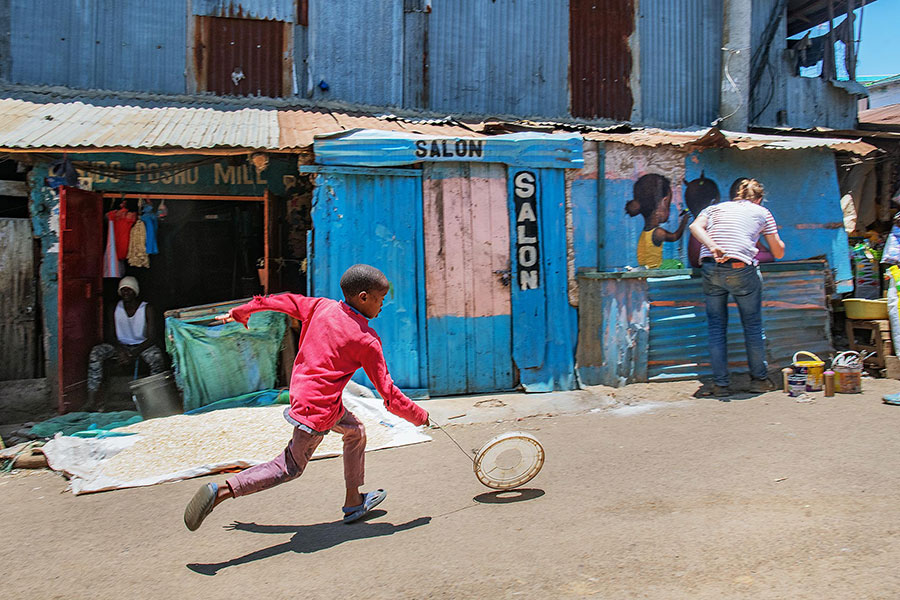
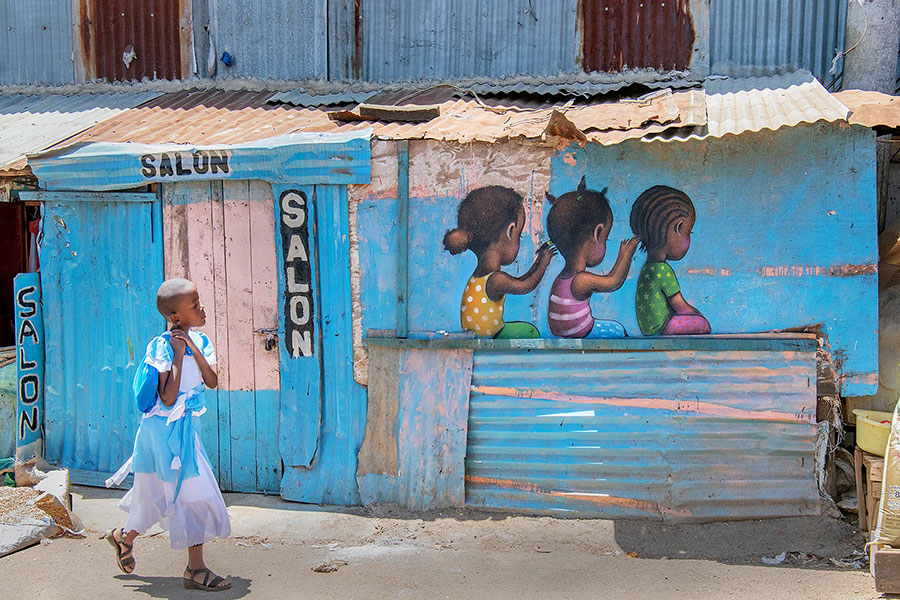
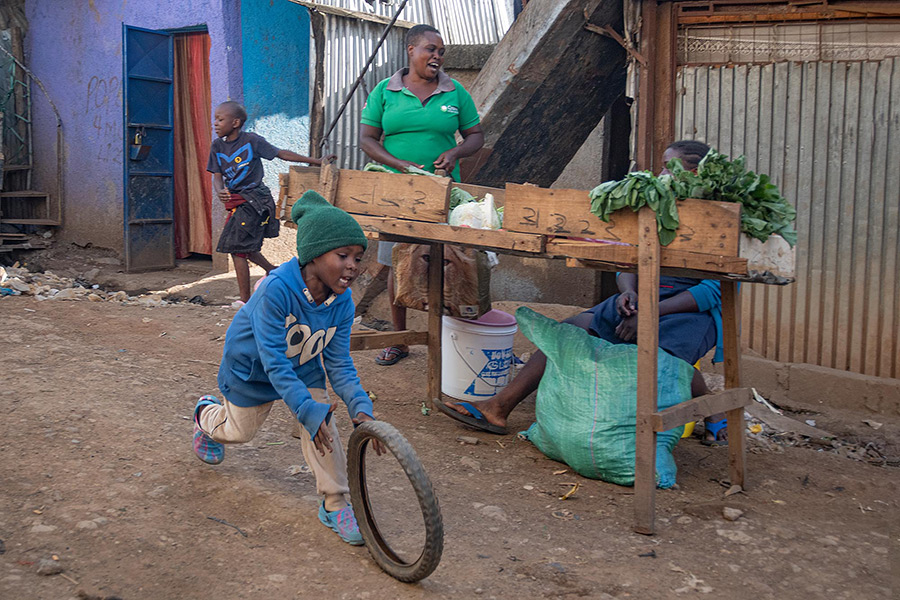
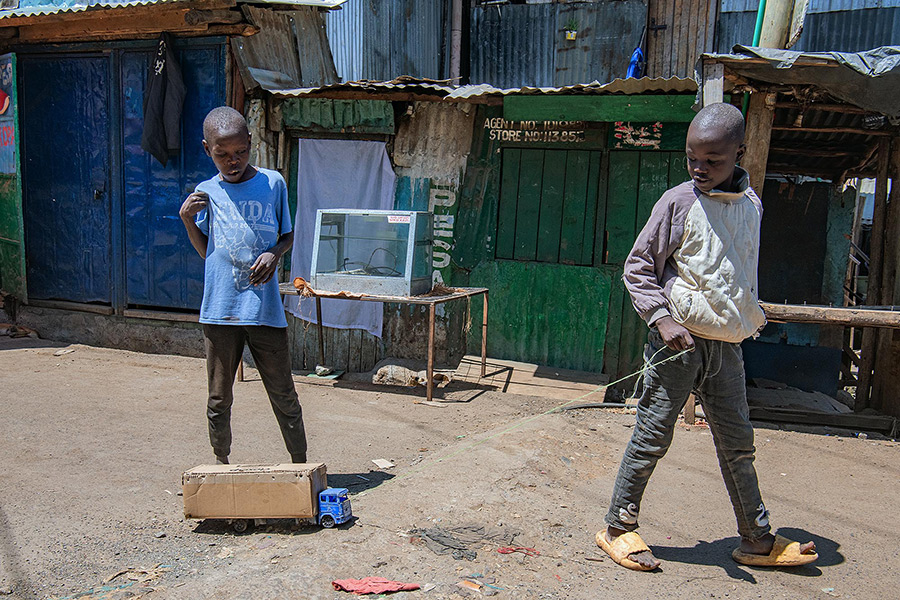
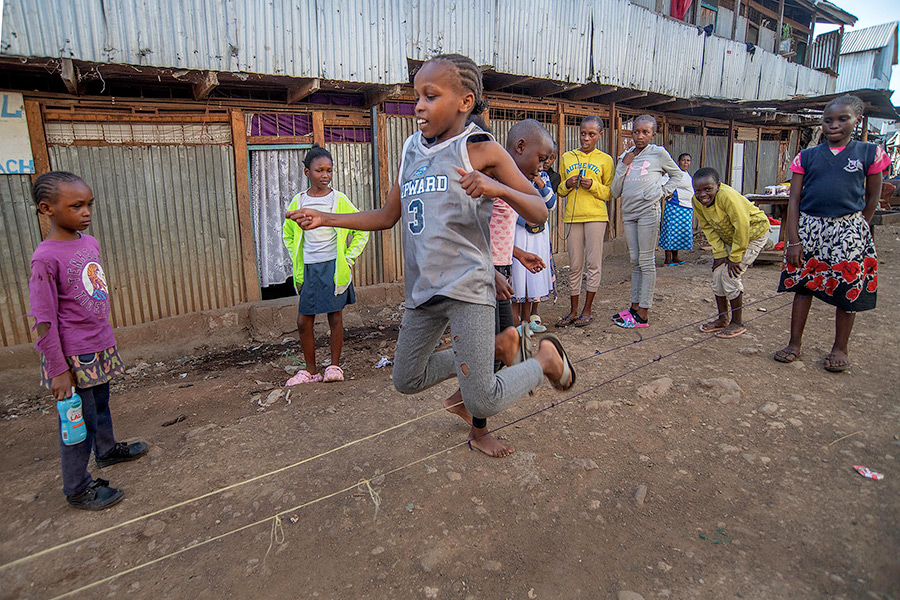
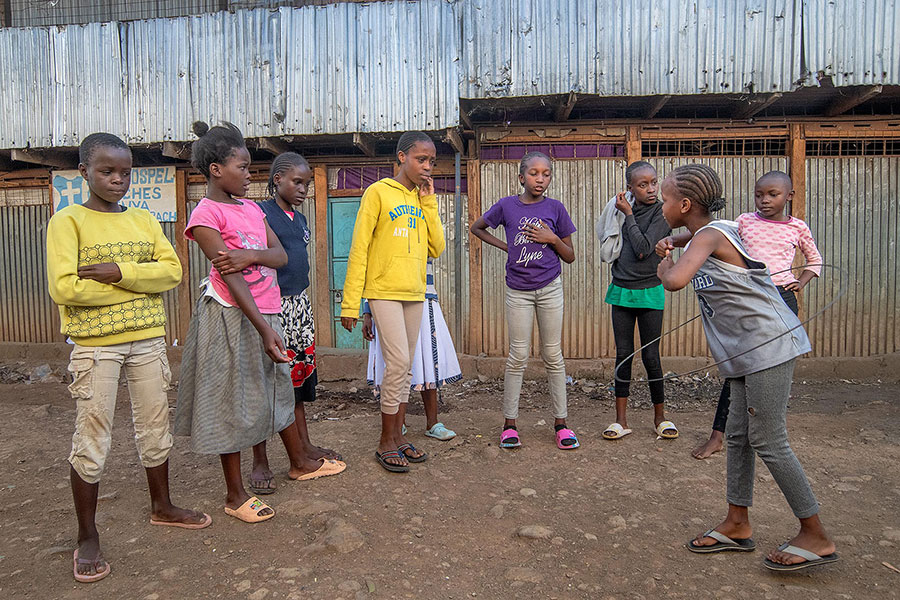
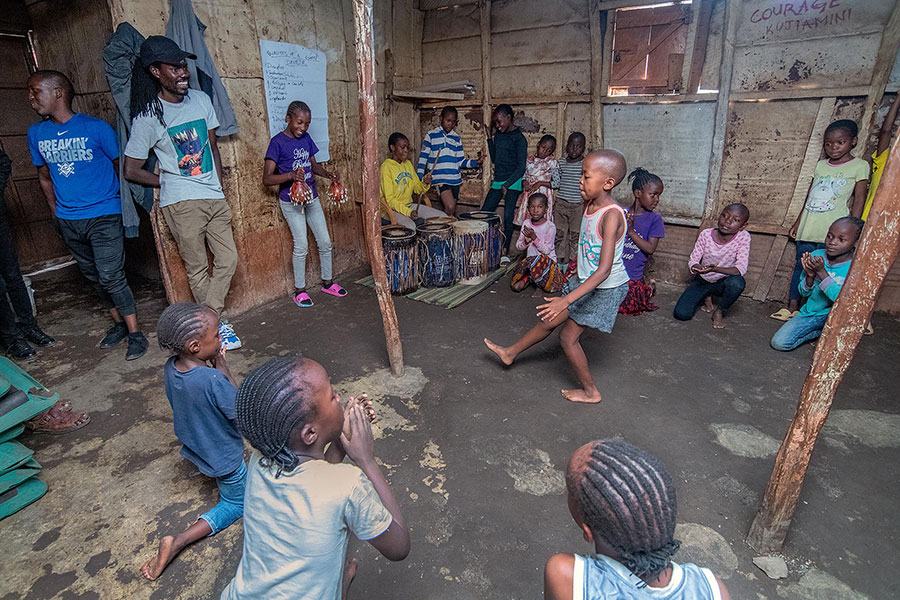
Nestled within the bustling city of Nairobi, Kenya, Kibera is a testament to its inhabitants’ challenges and its collective indomitable spirit. Known as one of the largest urban slums in Africa, Kibera is a vibrant community where resilience and creativity sometimes flourish against a backdrop of economic hardship. This neighborhood, originally established as a settlement for Nubian soldiers in the early 20th century, has grown significantly due to continuous migration and the pursuit of economic opportunities near Nairobi’s urban core.
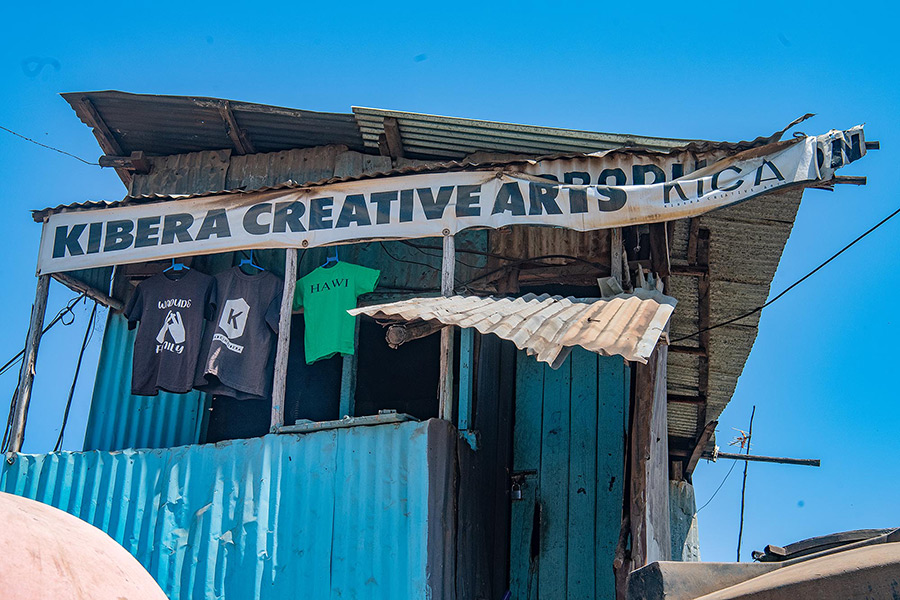
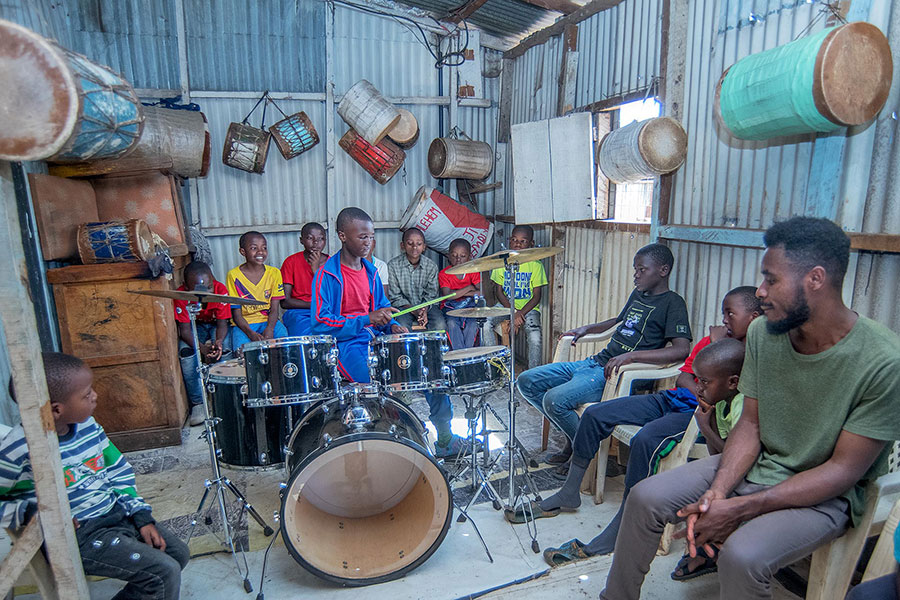
The Kibera Creative Arts (KiCA) organization emerges as a beacon of hope and transformation in a compelling blend of art and altruism. KiCA empowers the community through various artistic expressions, including dance, music, visual arts, and comedy. Their mission is bold and clear: to rewrite Kibera’s narrative from one of mere survival to one of thriving talent and greater opportunities.
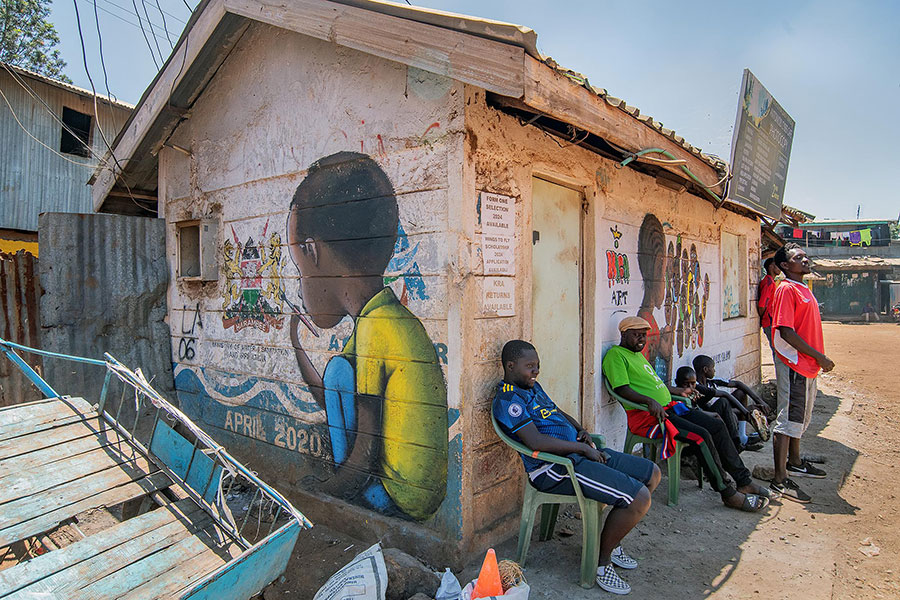
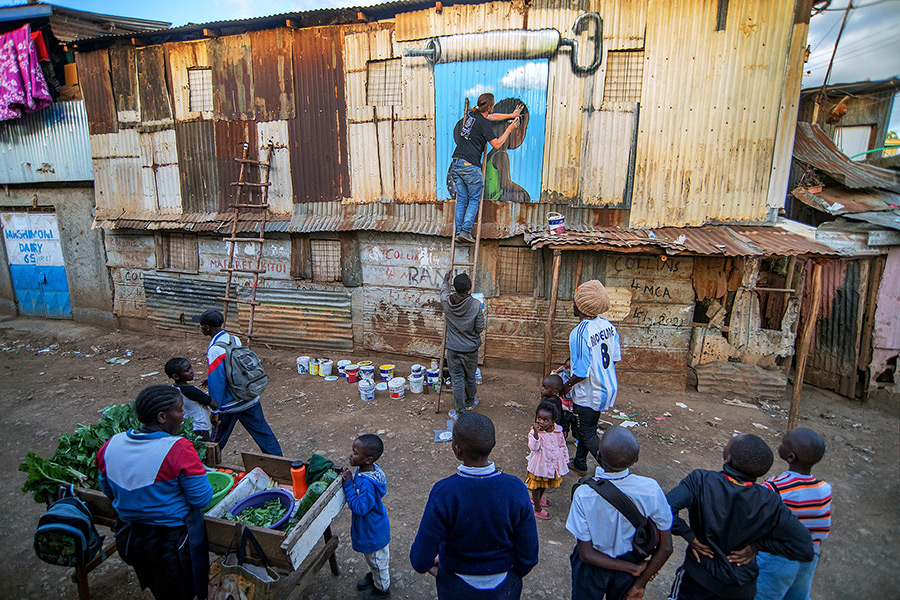
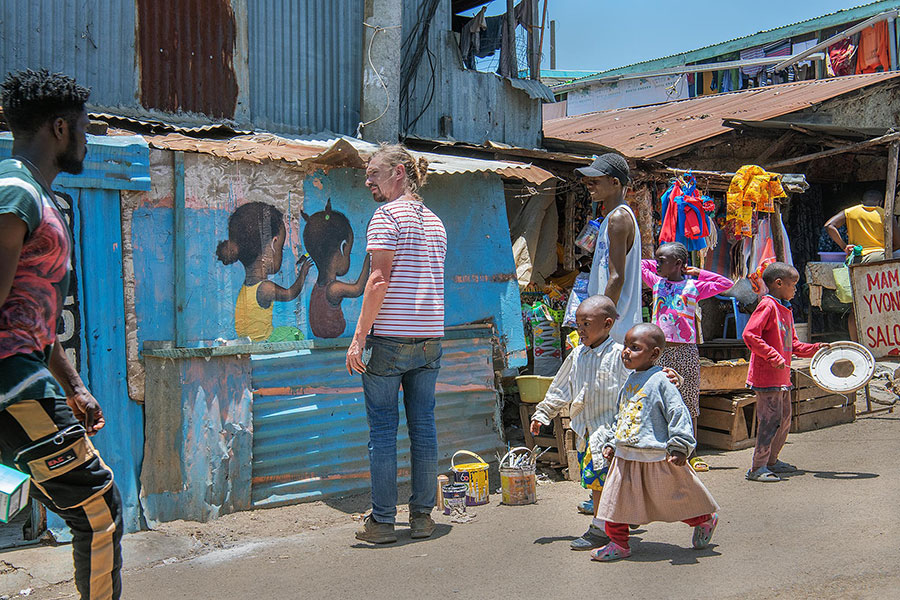
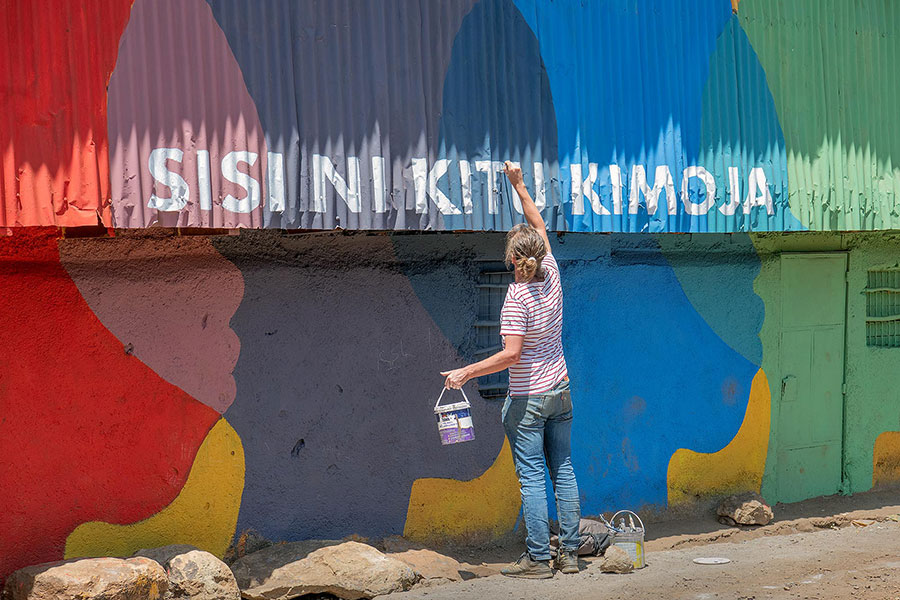
Recently, Kibera had the privilege of hosting two renowned figures in the world of street art—French painter Julien “Seth” Malland, known as Seth, and American photographer Martha Cooper. Their week-long visit was not only a journey through the creative landscapes of Kibera but also an effort to collaborate with and uplift the local artistic talents.
Martha Cooper captured the essence of this vibrant community with her lens, focusing on the joyful expressions of children engaged in art, music, and dance, thanks to KiCA’s programs. Her photographs depict the daily life and creative spirit of Kibera’s youth, who find joy in the simplicity of homemade toys and the rhythm of street games.
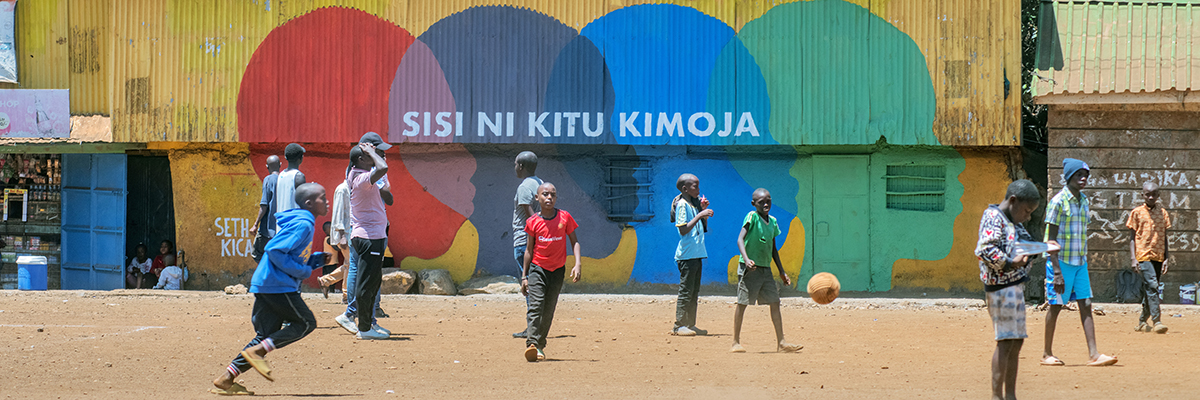
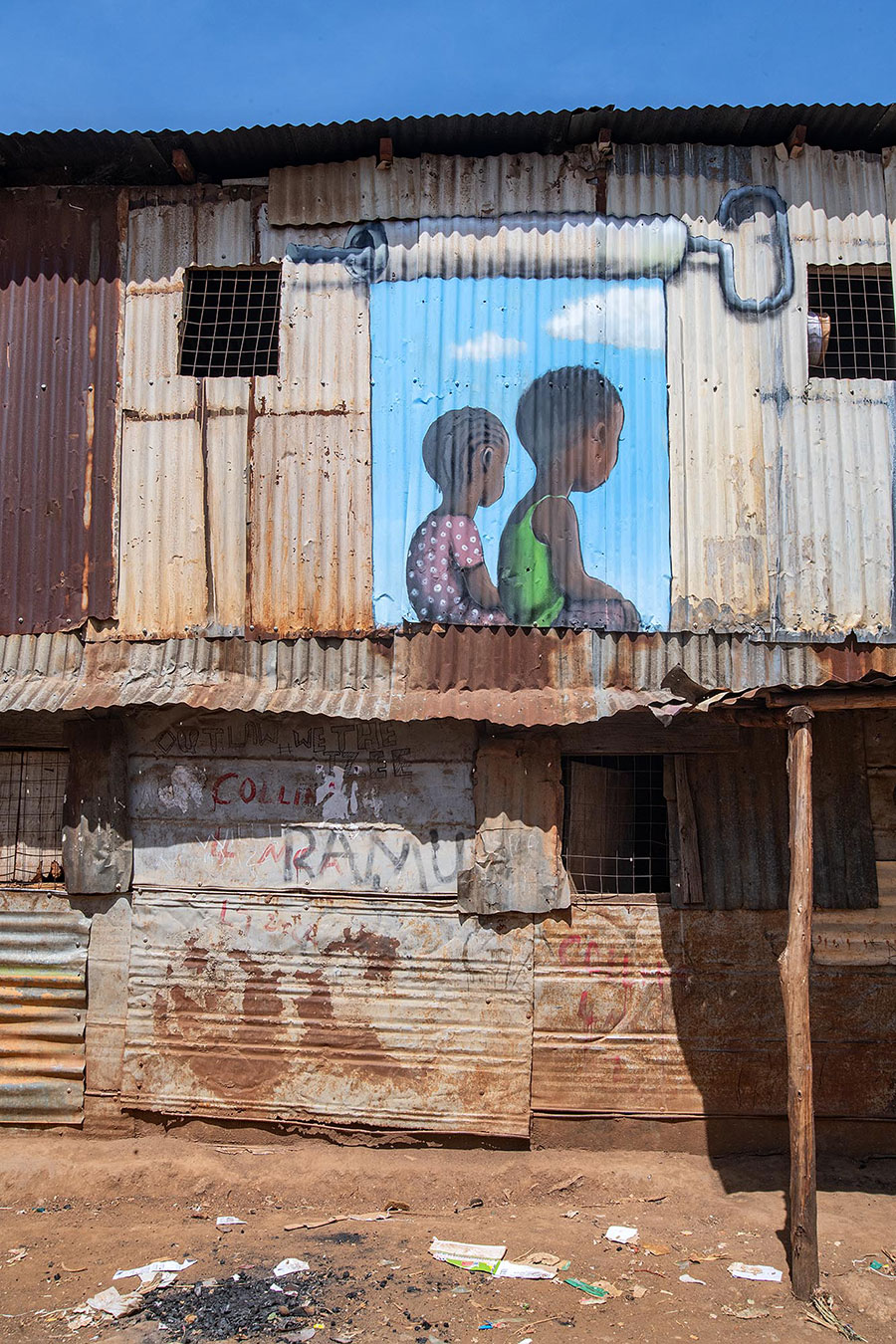
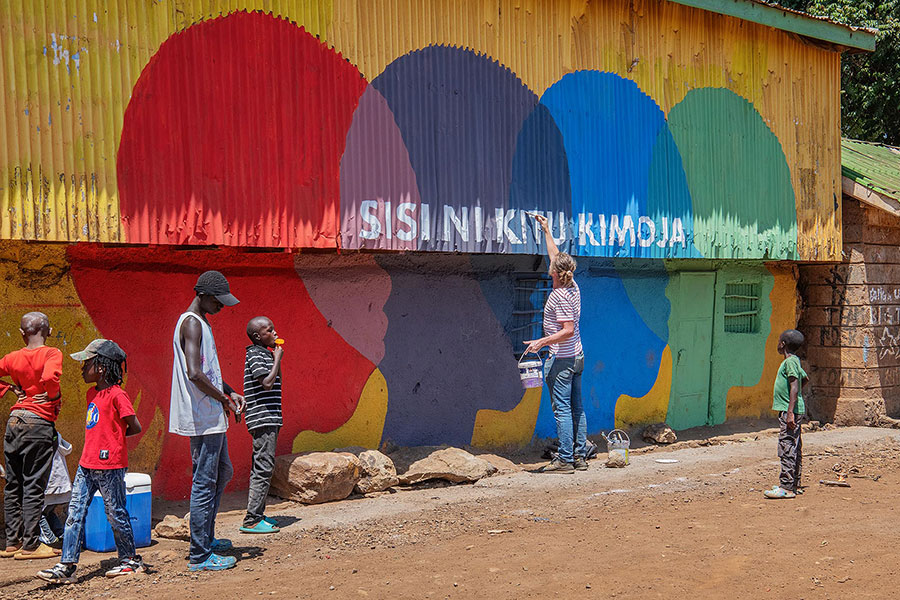
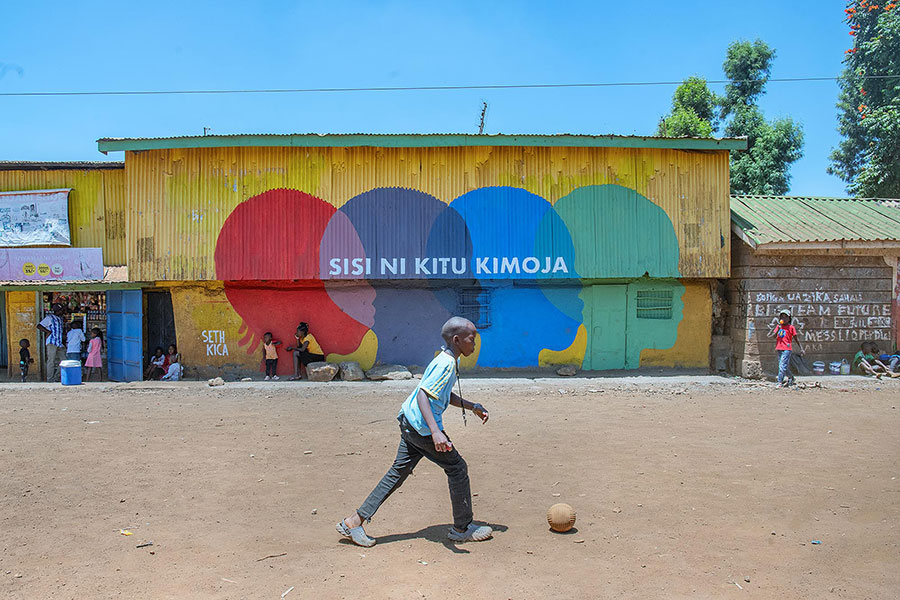
Seth created a series of murals that meld naturally with the fabric of Kibera. His works include a striking depiction on a small wall resembling a sardine can’s rolled top, and a large mural adjacent to a soccer field featuring silhouetted heads with a Swahili slogan translating to “We Are One.” Seth’s art decorates and encourages dialogue with the community, bringing messages of unity and reflection.
The collaborative efforts culminated in vibrant new murals that incorporate local cultural elements and in some cases, the active participation of Kibera’s youth. “After 7 days of painting, we are proud to present to you the end result, a new look of Kibera street arts filled with beauty and diversity,” remarked KiCA organizers on Facebook. These projects are a testament to the power of art in bridging communities and fostering a sense of shared identity and hope.
Both artists reflected on their experiences. Seth shared on his Instagram, “I painted this can opener on the facade of the community center of @kicakibera, which welcomed me to the largest slum in East Africa, Kibera in Nairobi.” Meanwhile, Martha noted, “Here were some of the poorest conditions I have ever seen. We were working with KICA – a cultural organization inside Kibera that teaches art, dance, music, photography, and filmmaking, among other things.”
Throughout the year and with the contributions of visitors, lecturers, performers, and people like Seth and Martha, Kibera may be seen not as a place of despair but as one of immense potential and artistic wealth. The community’s often enthusiastic engagement in these projects highlights a collective aspiration to not only dream but to manifest dreams into reality, painting a new story of Kibera—one stroke at a time.
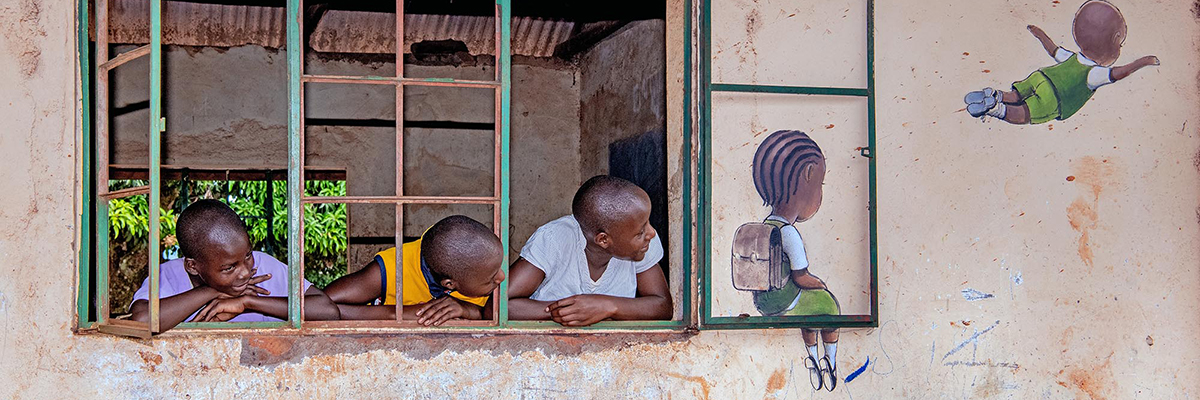
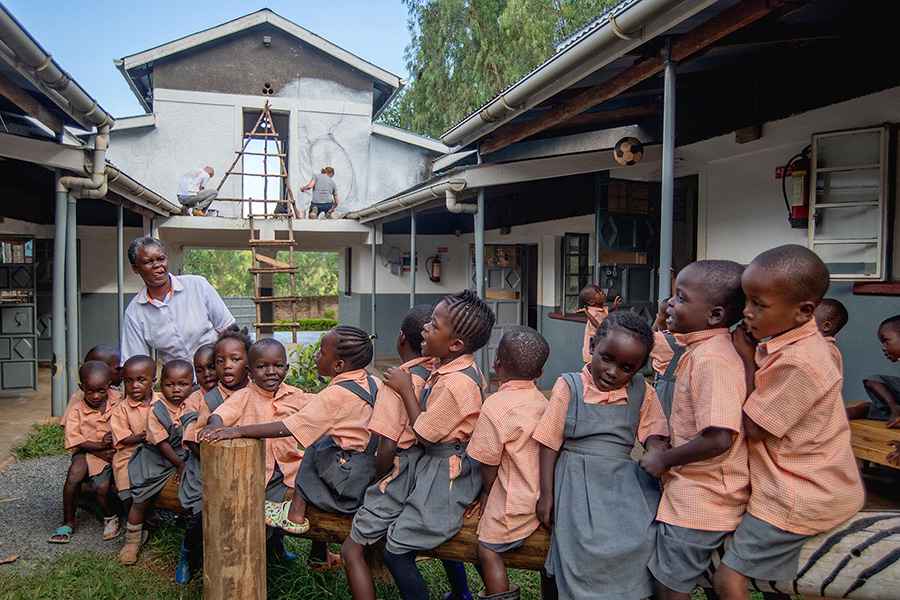
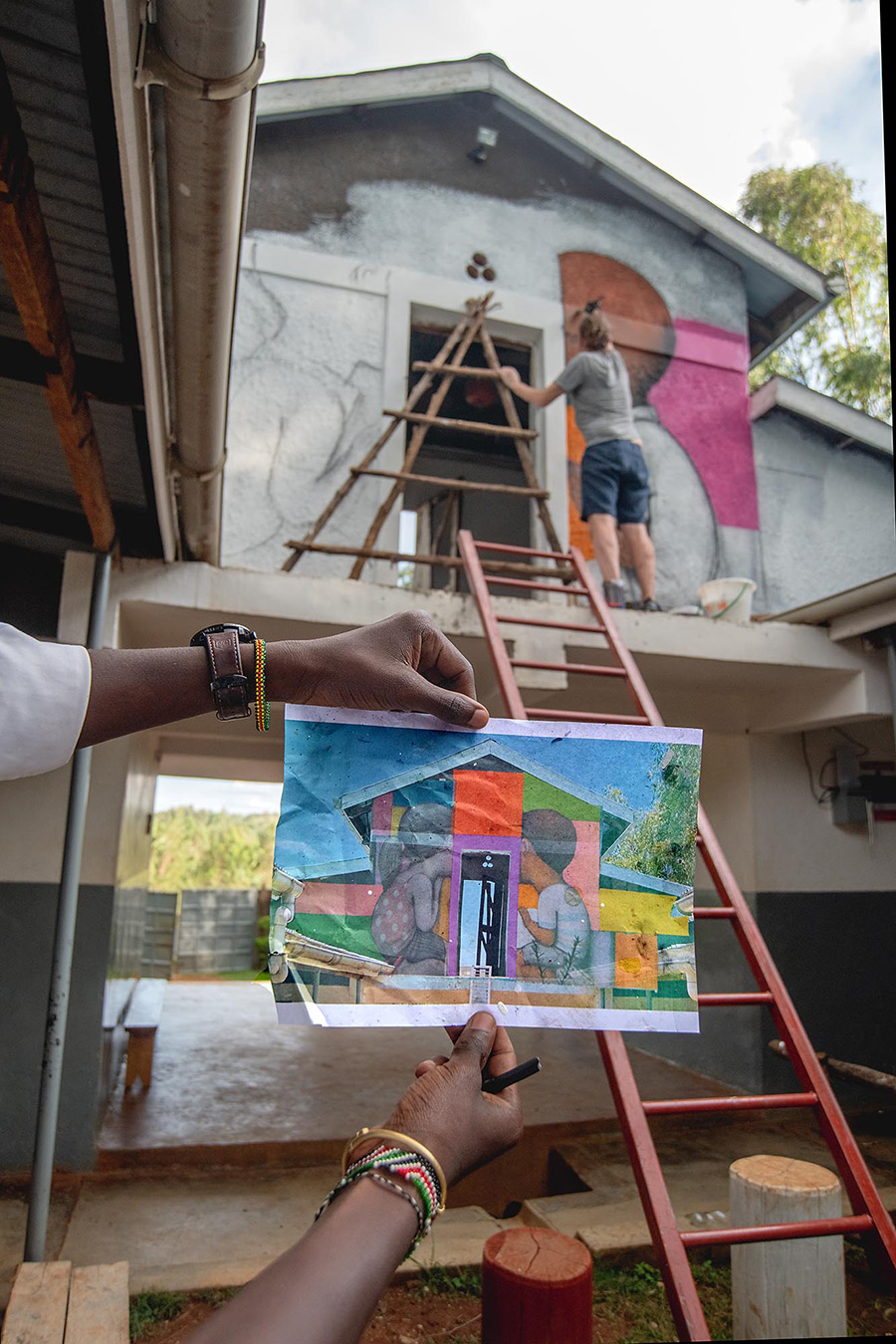
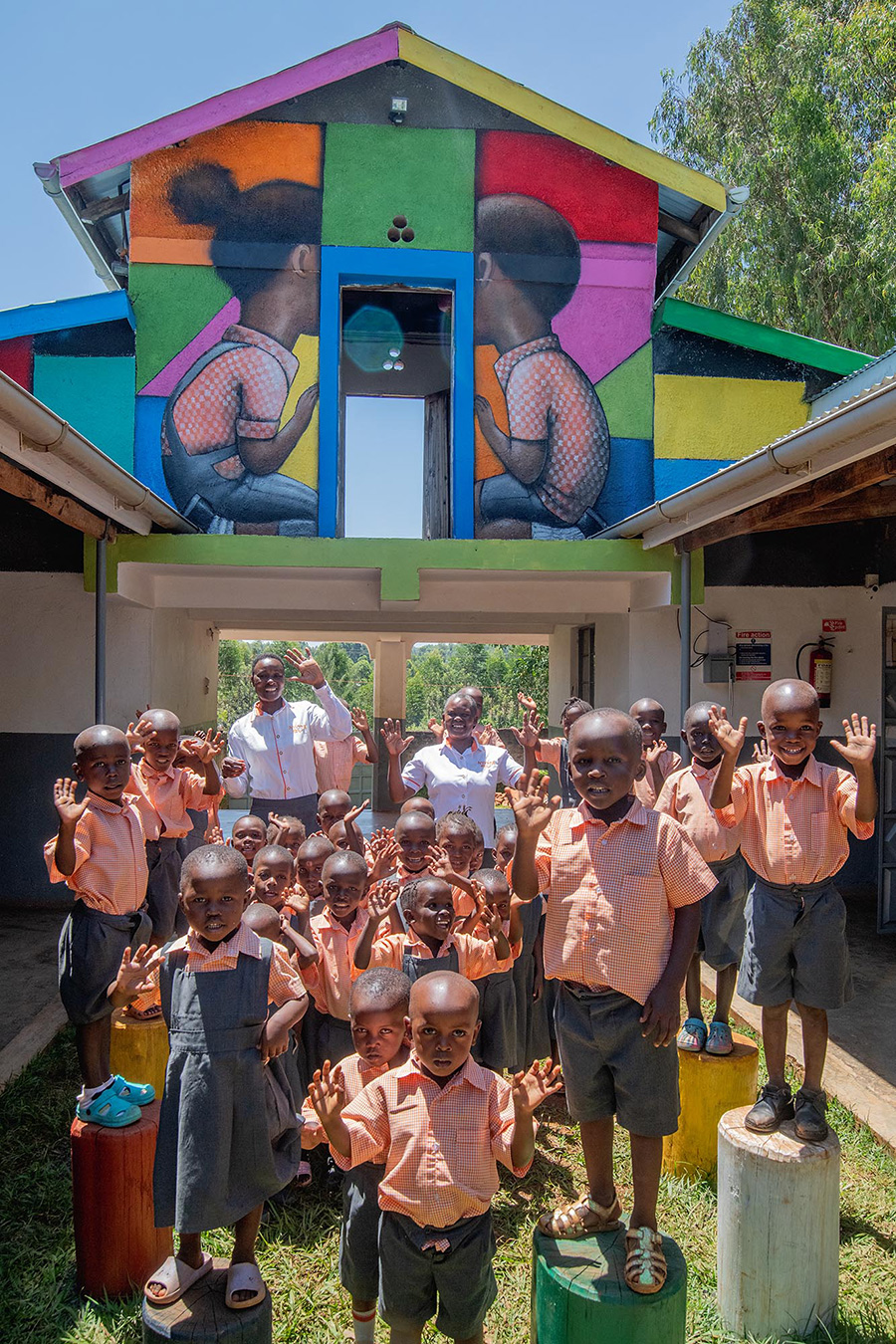
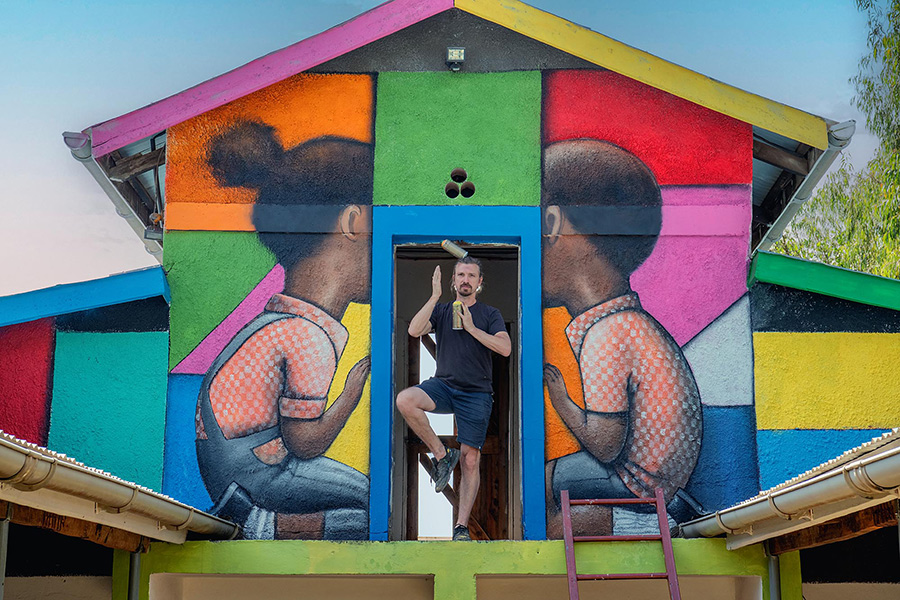
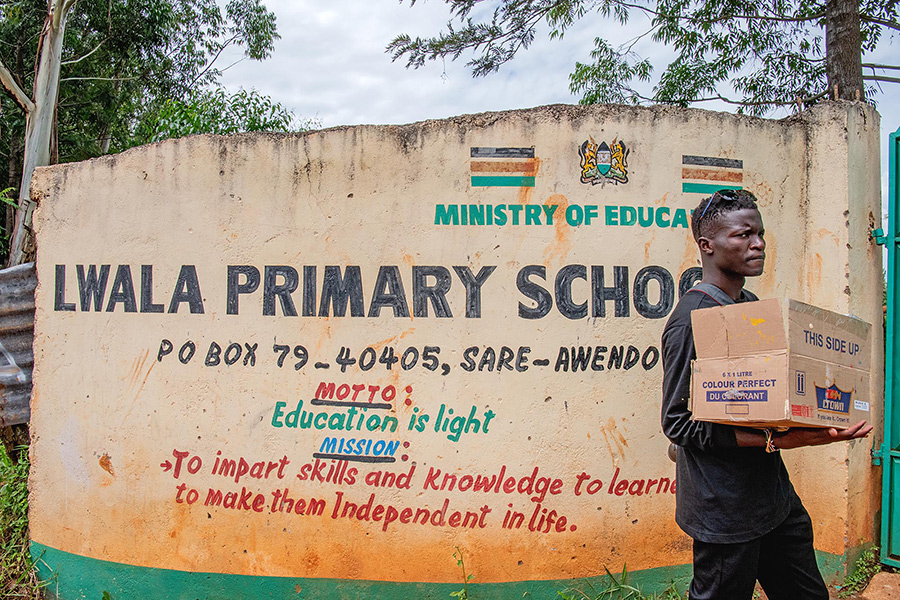
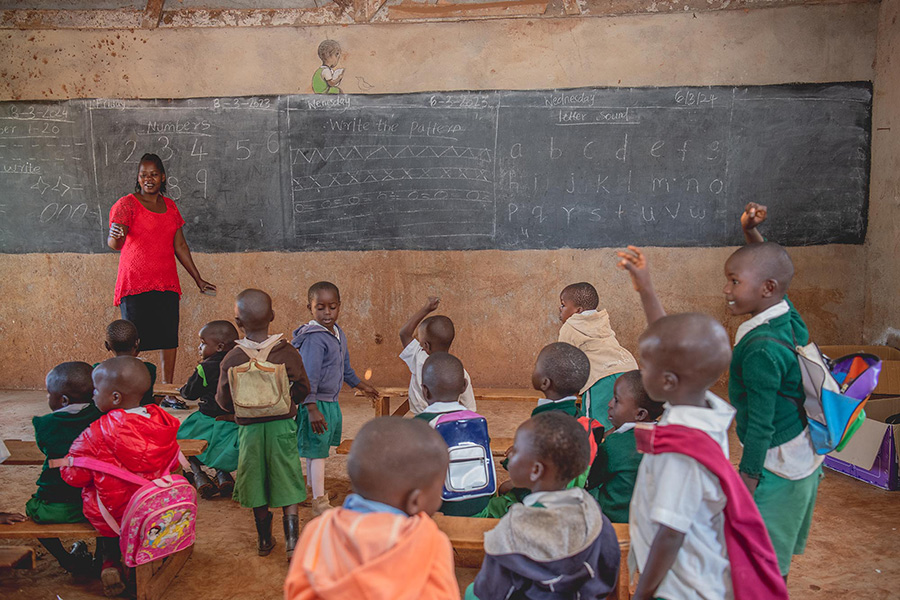
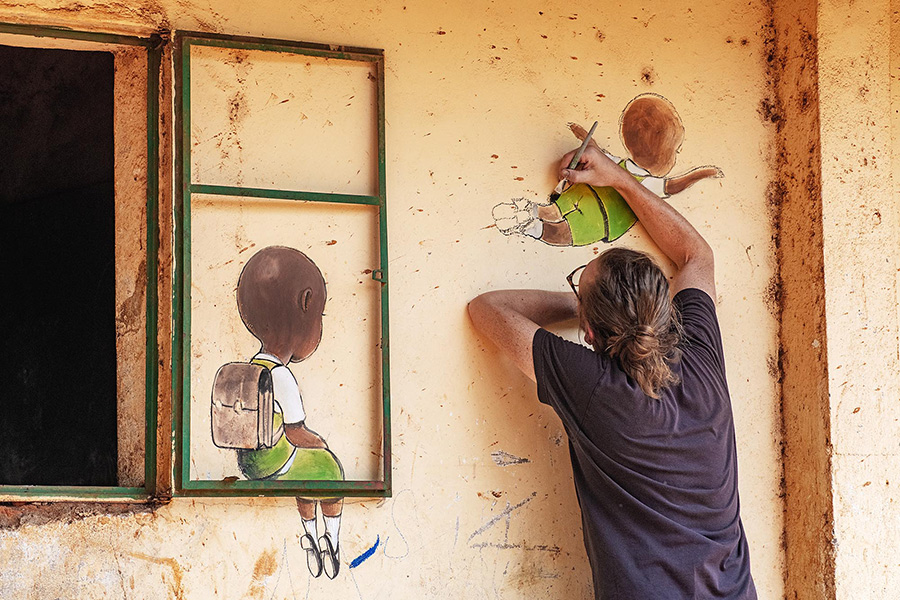
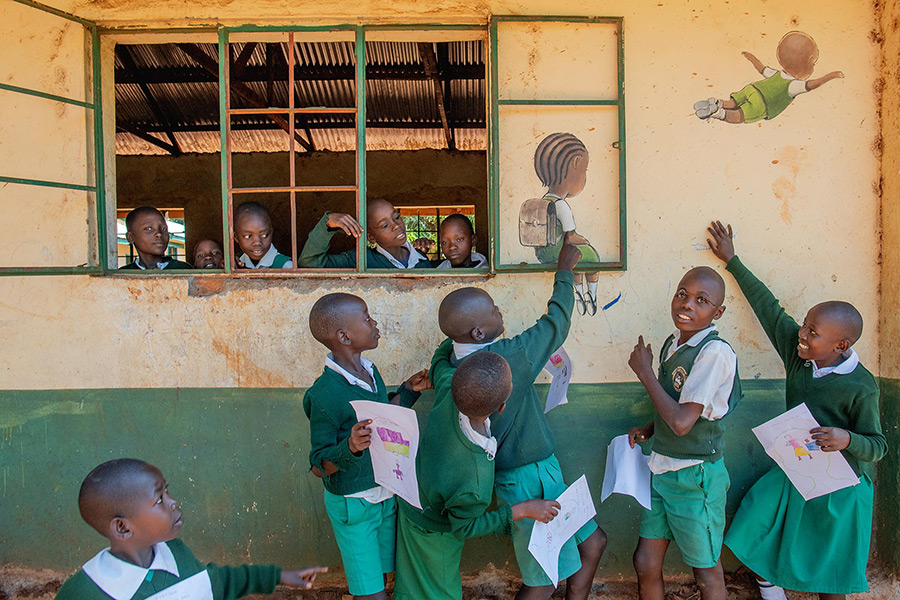
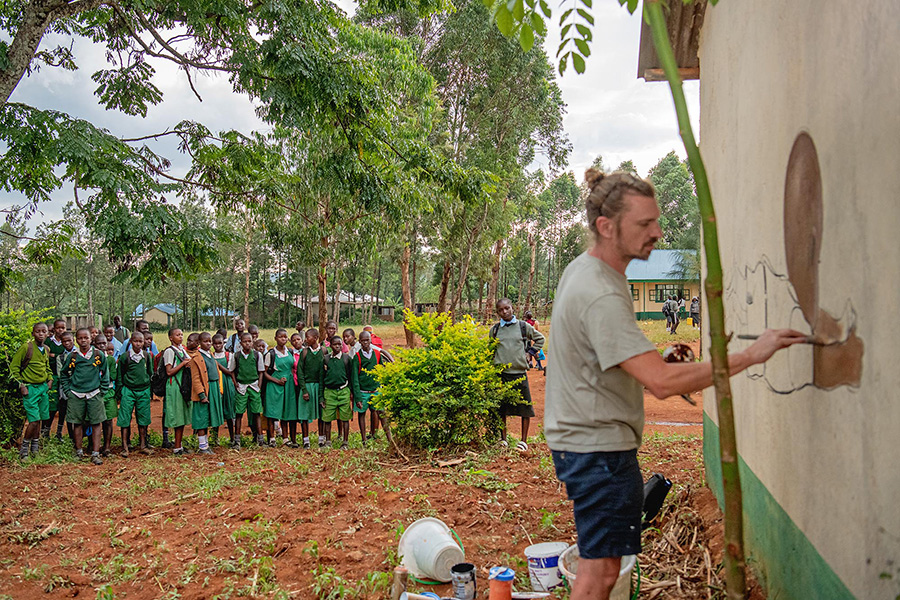
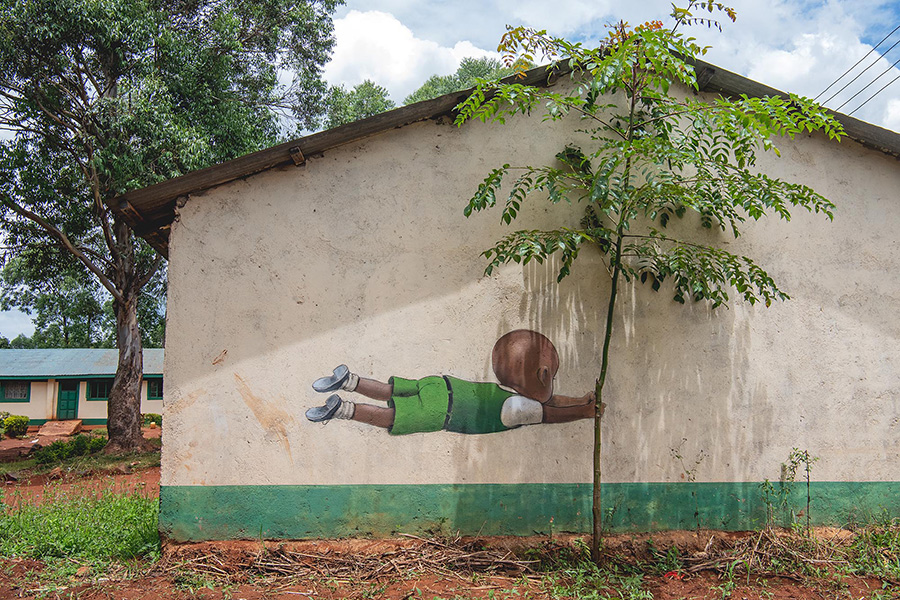
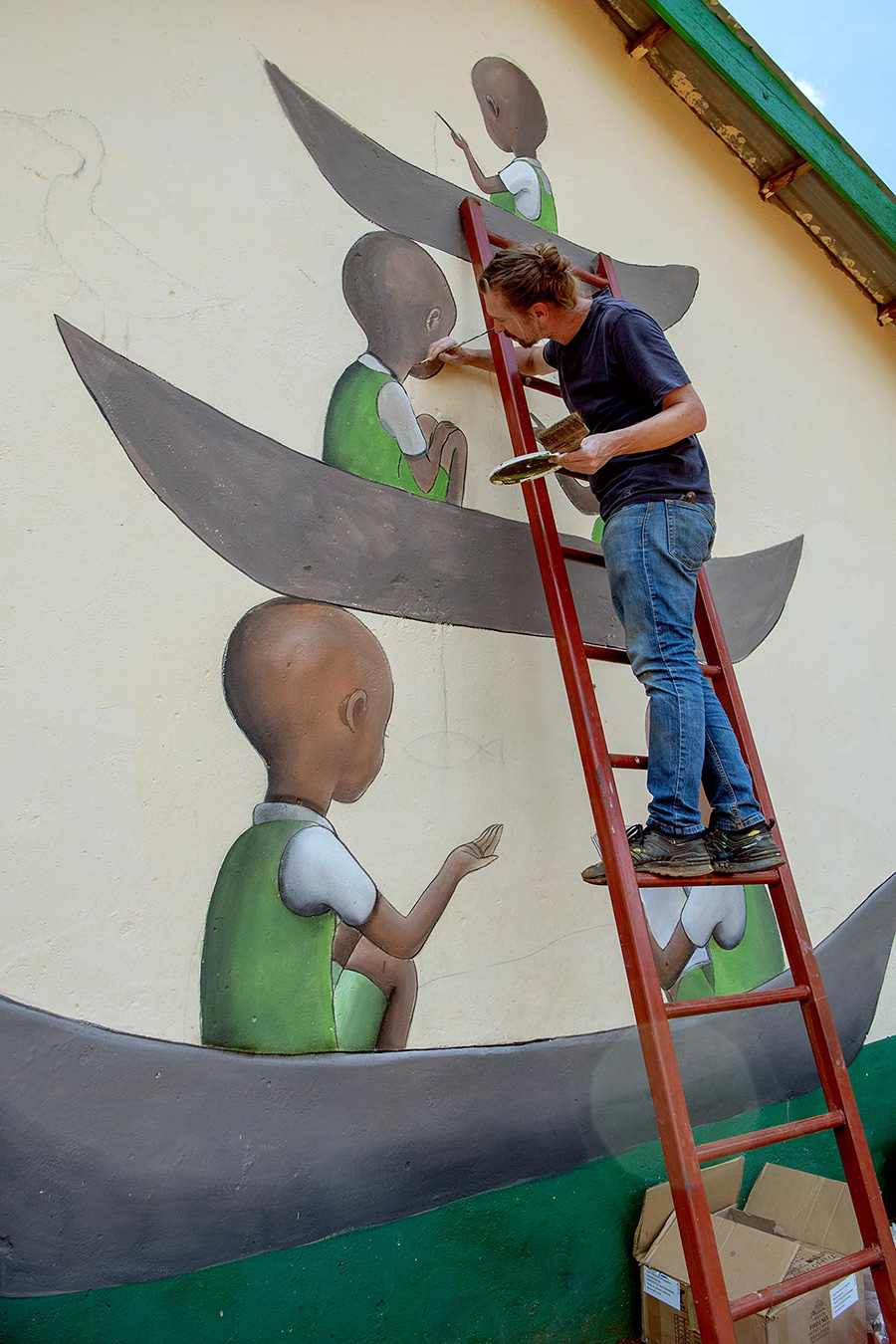
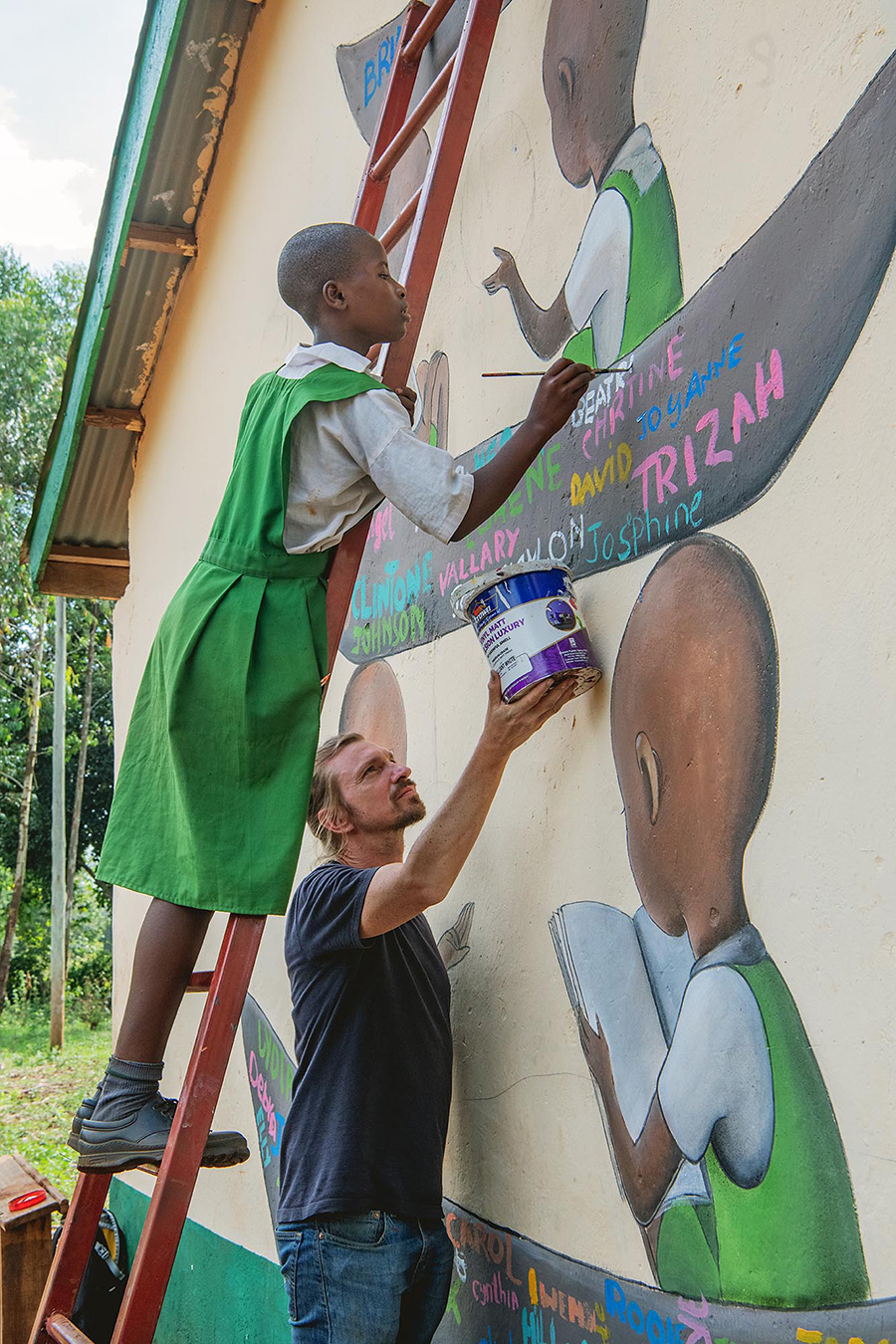
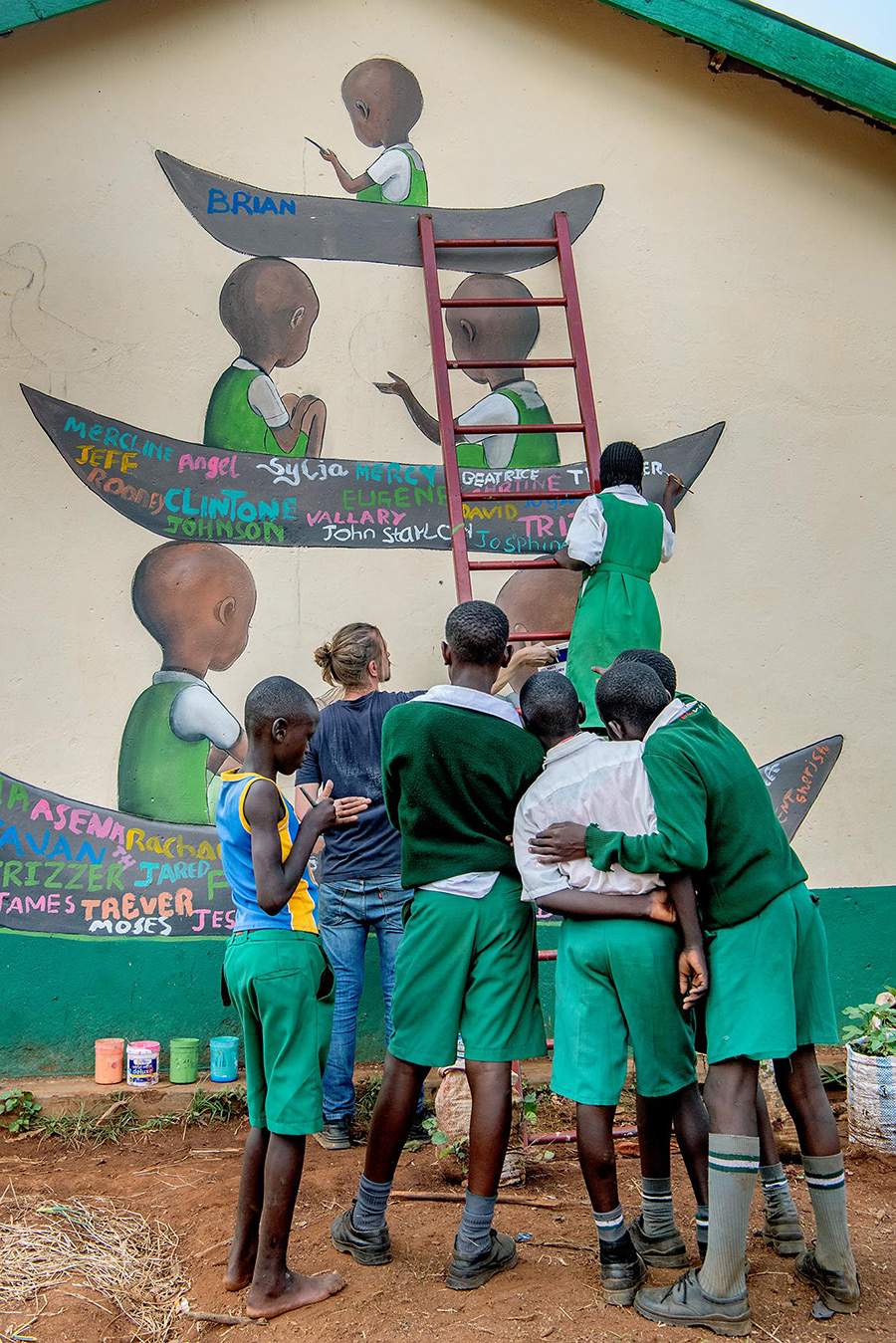
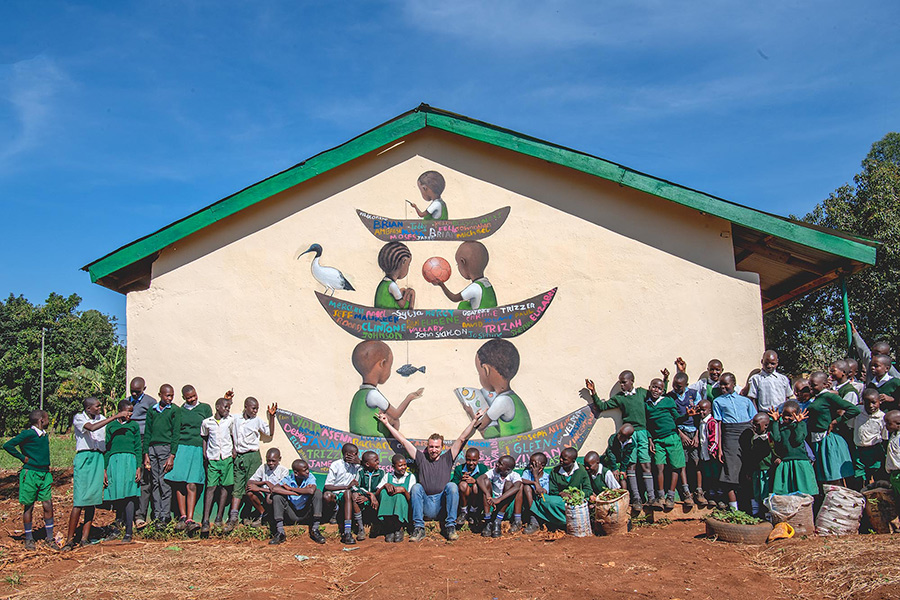
In the heart of Lwala, Kenya, a place where the warmth of the sun is matched only by the warmth of its community, two artists, Martha Cooper, an esteemed New York ethnologist and photographer, and Seth, a visionary French street artist and muralist, embarked on a remarkable journey a few weeks ago. Their mission, rooted in a shared passion for integrating children’s creativity into their work, led them to the vibrant classrooms and playful corners of Lwala, capturing the imaginations we all had as kids – against a backdrop of education, care, and community.
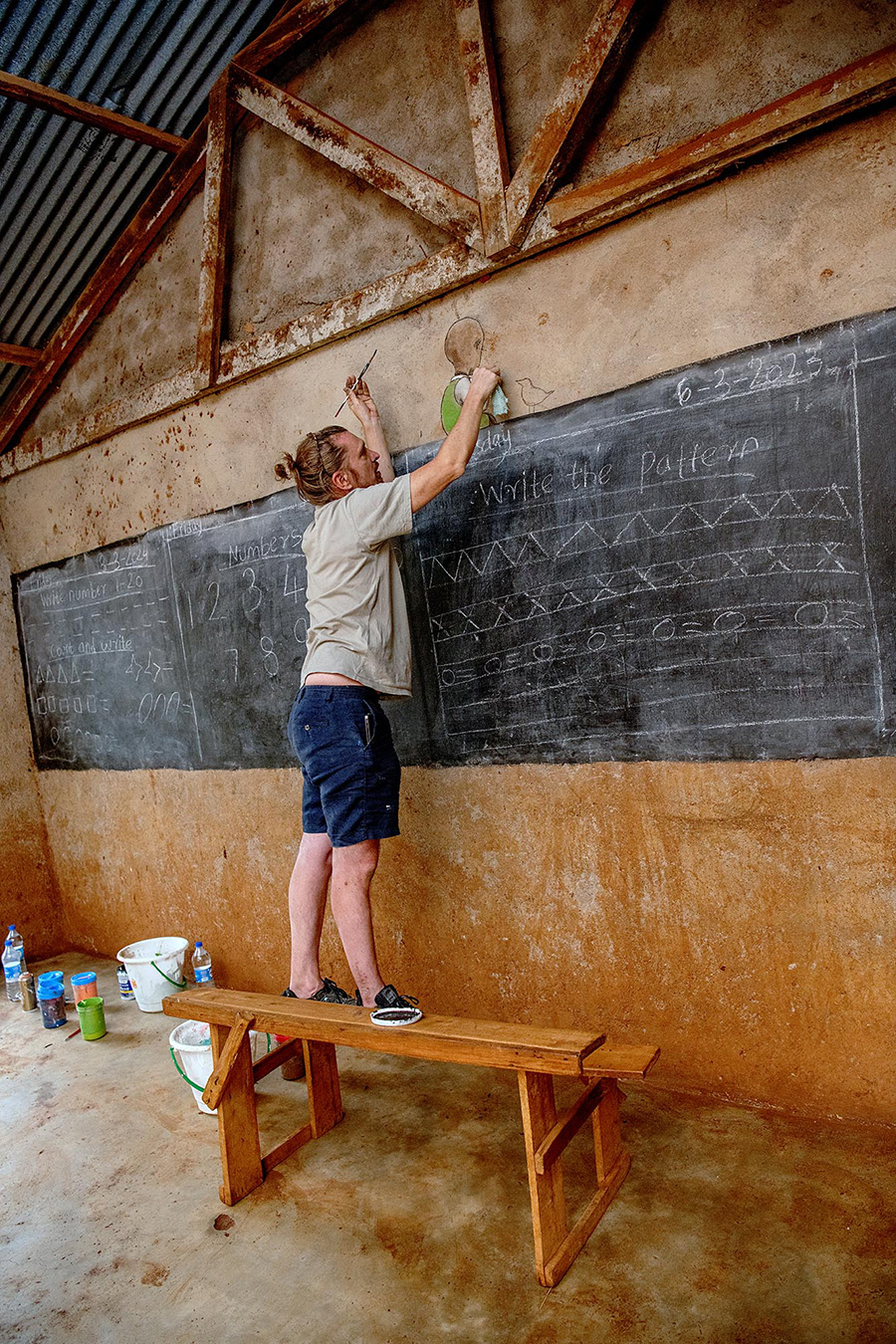
Cooper, with a distinguished career spanning over seven decades, has traversed the globe, documenting children’s inventive play practices and turning her lens toward the ingenuity that flourishes in the spaces between childhood and the urban landscape. Seth, on his canvases of buildings, brings to life the dreams and stories of Lwala’s children in murals that echo the community’s pulse.
Lwala, situated near the shores of Lake Victoria, is more than just a geographical location; it’s a nexus of culture, learning, and artistic expression. Through the eyes of Cooper and the brush/cans of Seth, the essence of Lwala’s youth shines brightly, depicting scenes of everyday life transformed into extraordinary murals.
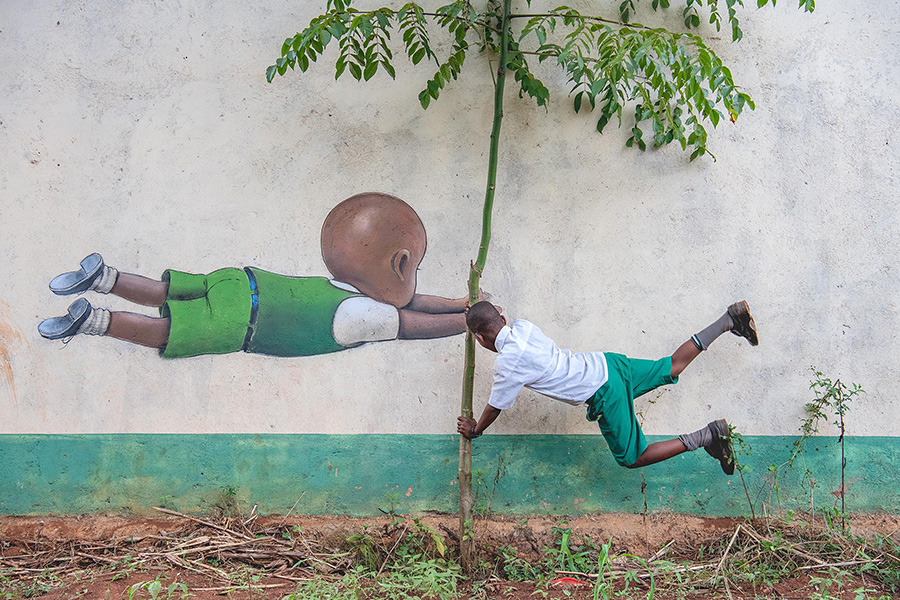
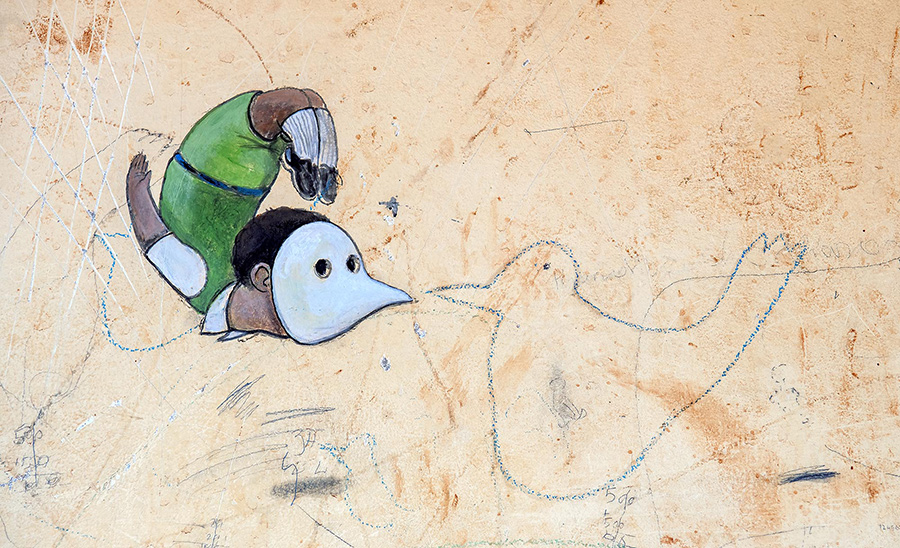
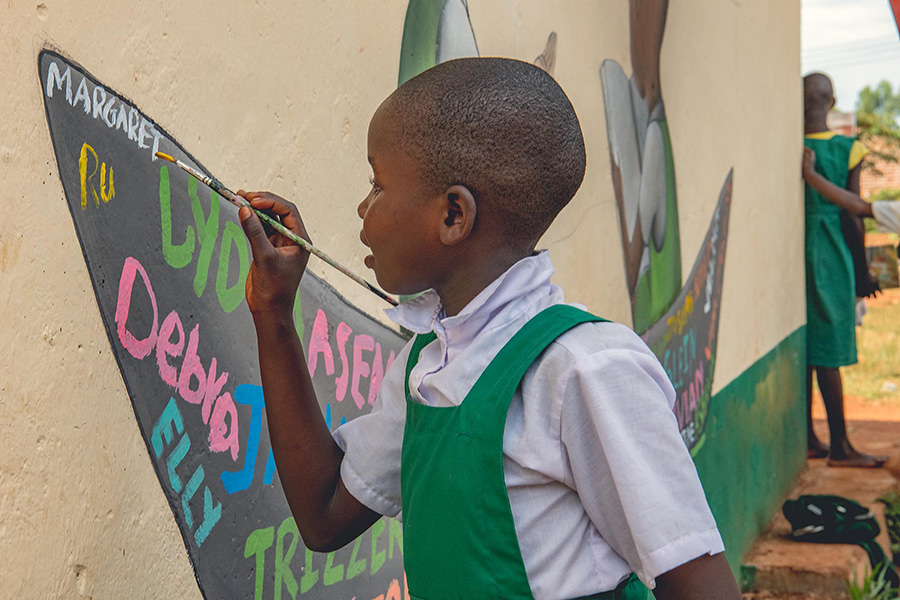
As Seth described on his Instagram, the interaction is key. “The walls of the Lwala primary school are covered with small drawings and graffiti,” he says. “Treasures just waiting to be discovered, to which I sometimes enjoy adding my touch.”
This collaboration marks another chapter in the duo’s journey of artistic exploration and social commentary, previously witnessed in places like Tahiti and Haiti. Yet, Lwala stands out for its own spirit and this natural integration of art into the lives of its children. The murals, vividly capturing scenes from daily life to imaginative escapes, become a canvas where the children’s own artworks also find a place, transforming school walls into collaborative galleries of dreams and aspirations. Martha Cooper’s photography captures these moments of interaction, where art and life converge, offering glimpses into the playful ingenuity that has been the focus of her lens many times in her life.
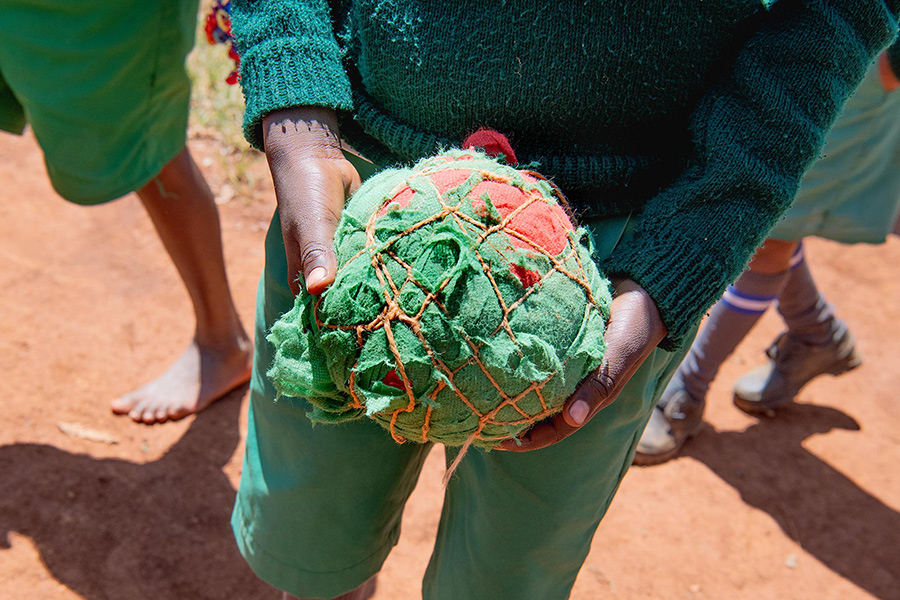
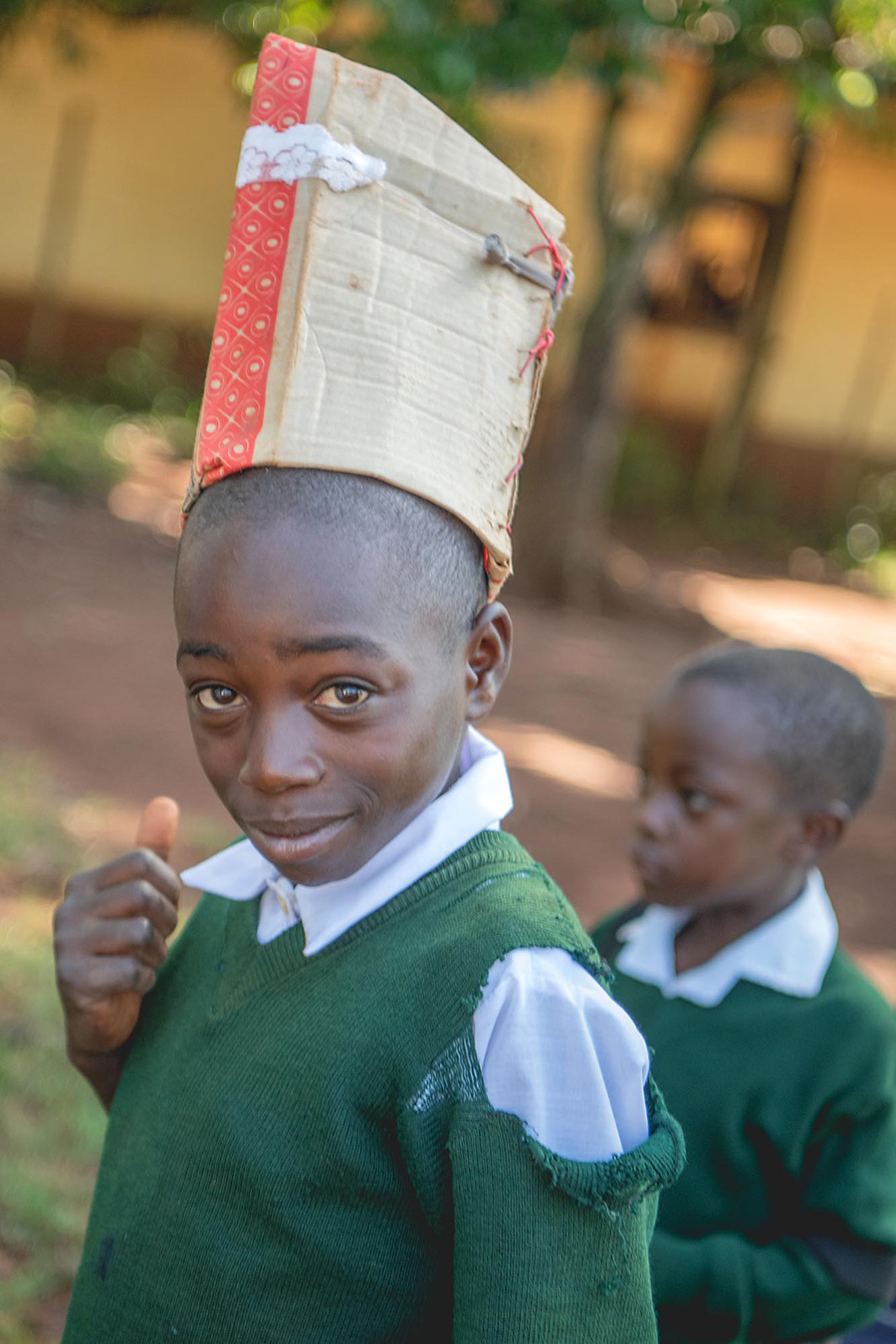
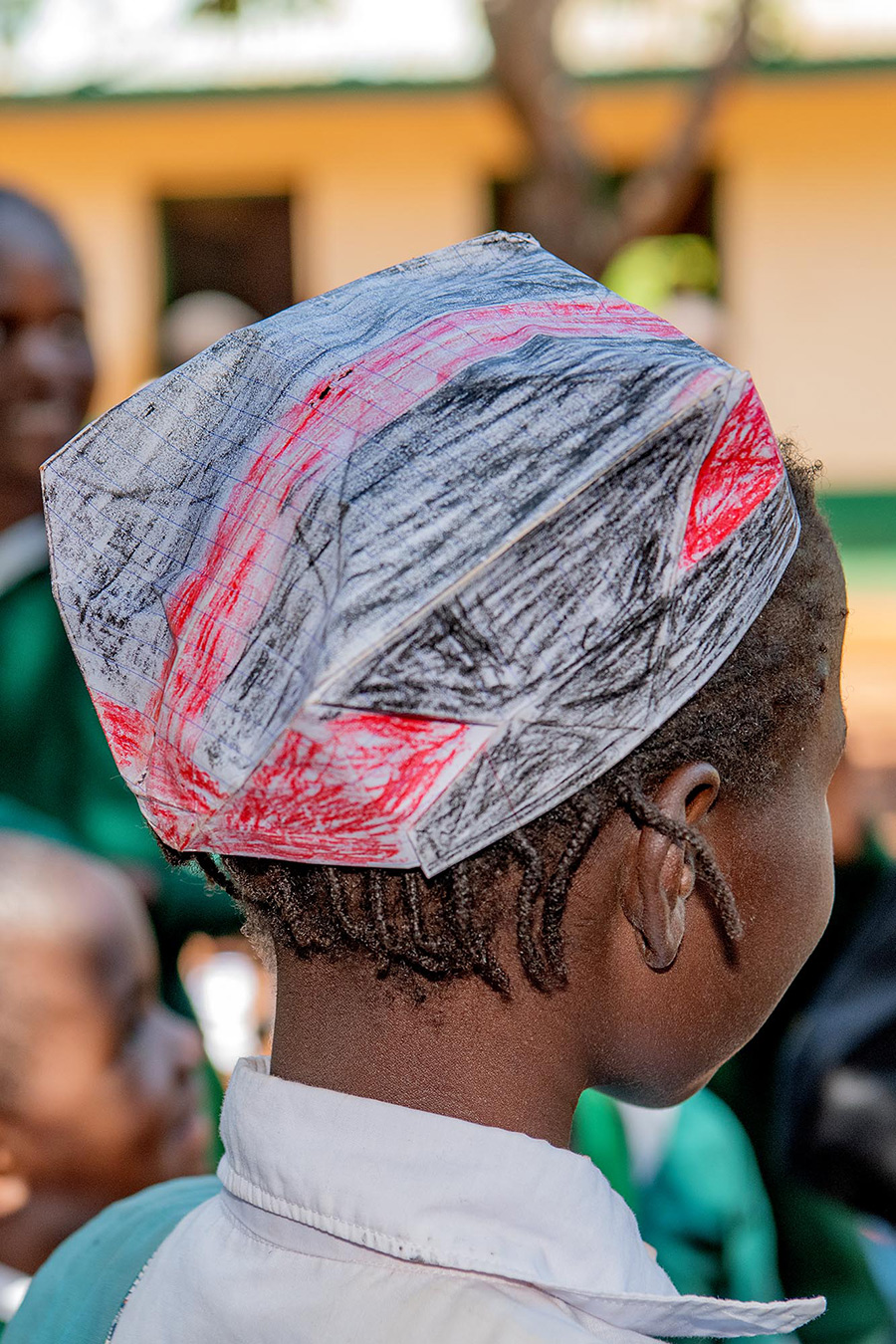
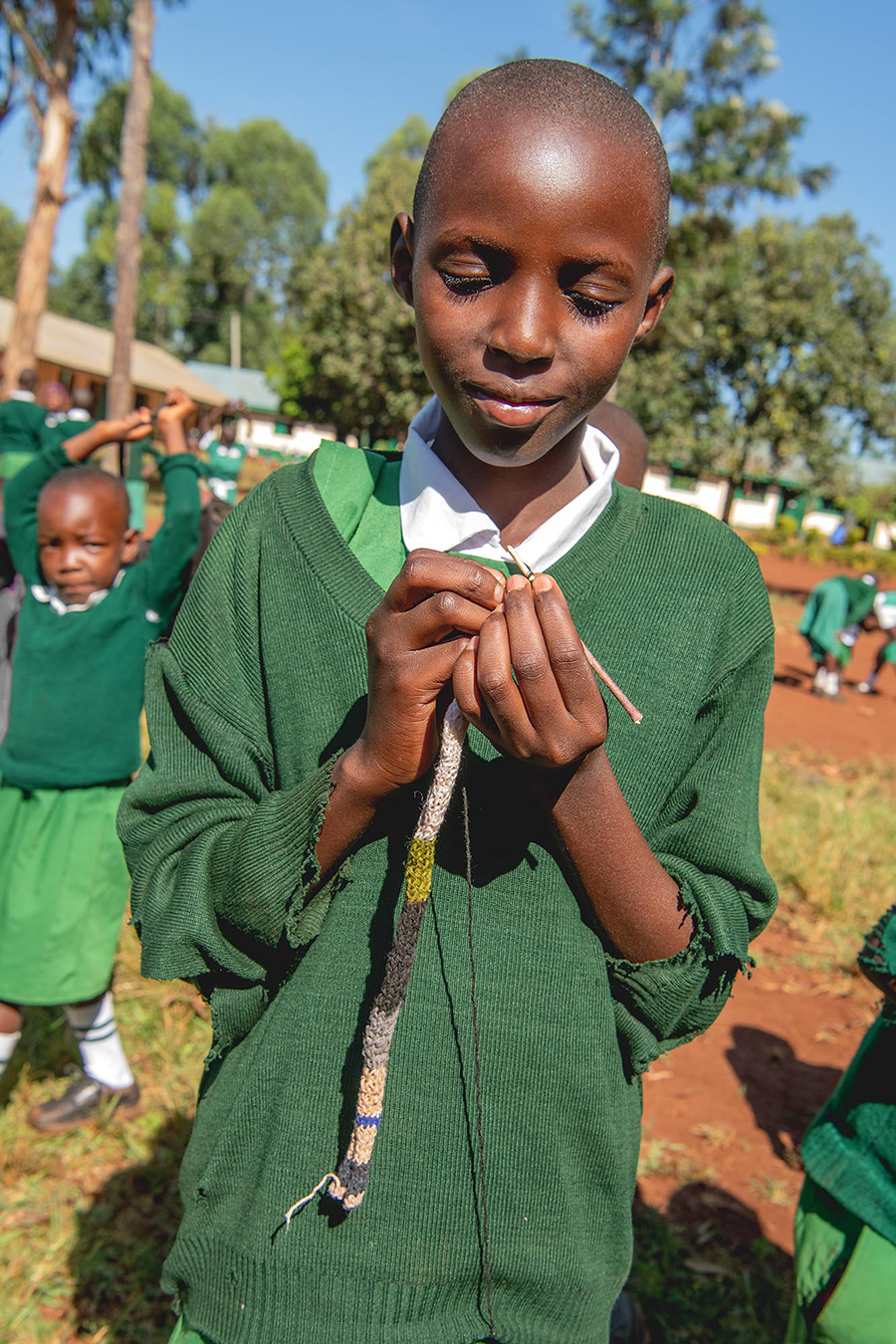
“We asked kids to bring their homemade toys (my ongoing subject). The most creative were wheeled sticks they called ‘motorbikes’ with an engine sound made by a stick hitting a plastic bottle as the wheel turned,” she says. “There were also guns shaped from mud, balls made of trash, paper hats, thin scarves knit from scraps of wool and stick needles and jump ropes.”
Among the observer’s voices echoing the significance of this project, Valentine Otieno’s stands out, “Some of the best memories for the school will be in this art. It will exist for years, and what Seth gave the school is a gift for ages,” he writes on her Instagram page. “Thanks Martha for covering all this through your incredible lense skills and the few snap lessons.” Mode2, a legendary figure in graffiti and urban art, remarks, “The only limits to their resourcefulness is their imagination,” highlighting the boundless creativity captured here in Lwala.
At 81 (she celebrated her birthday while here), Cooper’s journey to Lwala with Seth is a testament to capturing childhood’s essence and art’s transformative power. Without sponsorship, driven solely by passion and friendship, their visit to Lwala becomes a narrative now woven into the fabric of the local school – a vibrant testament to the enduring power of art and the universal language of play.
“In a world where the system alienates the most vulnerable, imposing a cynical or pessimistic outlook seems impossible to me,” says French street artist Seth. “Walls remain the space of resilience. Unlike cartoons, which leave no room for ambiguity, the choice to interpret a mural is essential. The curious are free to discover the hidden meaning.”
SETH On Walls. Editions de La Martiniere. 2022. Distributed by Abrams. An imprint of ABRAMS, 2023.
His new book “Seth On Walls” candidly offers these insights and opinions, helping the reader better understand his motivations and decisions when depicting the singular figures that recur on large walls, broken walls, and canvasses. A collection that covers his last decade of work in solo shows, group shows, festivals, and individual initiatives, you get the central messages of disconnection, connection, and honoring the people who live where his work appears.
“On the street, the first audience for the paintings are the people who live there,” says the former graffiti writer who has developed a distinctive otherworld for his usually faceless children that lies just through the looking glass, parallel to ours, its feelings running deep. The list of rural areas, often in the margins of the dominant culture and overcoming significant obstacles, is longer than your arm. Each time he creates a new mural, he consults the history, the stories that resonate in the tales told.
“They belong to the realm of childhood, where the impossible does not exist. But make no mistake: the apparent gentleness of the palette is not without menace,” says Sophie Pujas in the foreword. “Like children’s games, in which cruelty is always lurking, Seth’s murals are bearers of melancholy, imprinted with a secret darkness.” Pujas is confirming what you had been thinking, but could not quite identify; a longing for escape from the dramas and traumas that often scar us from the youngest age.
With rich, well-framed color plates, the collection takes you to towns and parts of towns you didn’t know about but are still familiar with. The attendant brief descriptors of mission and technique are matched in their conciseness by his account of his interactions with the locals, who many times help to fill the colors of his murals.
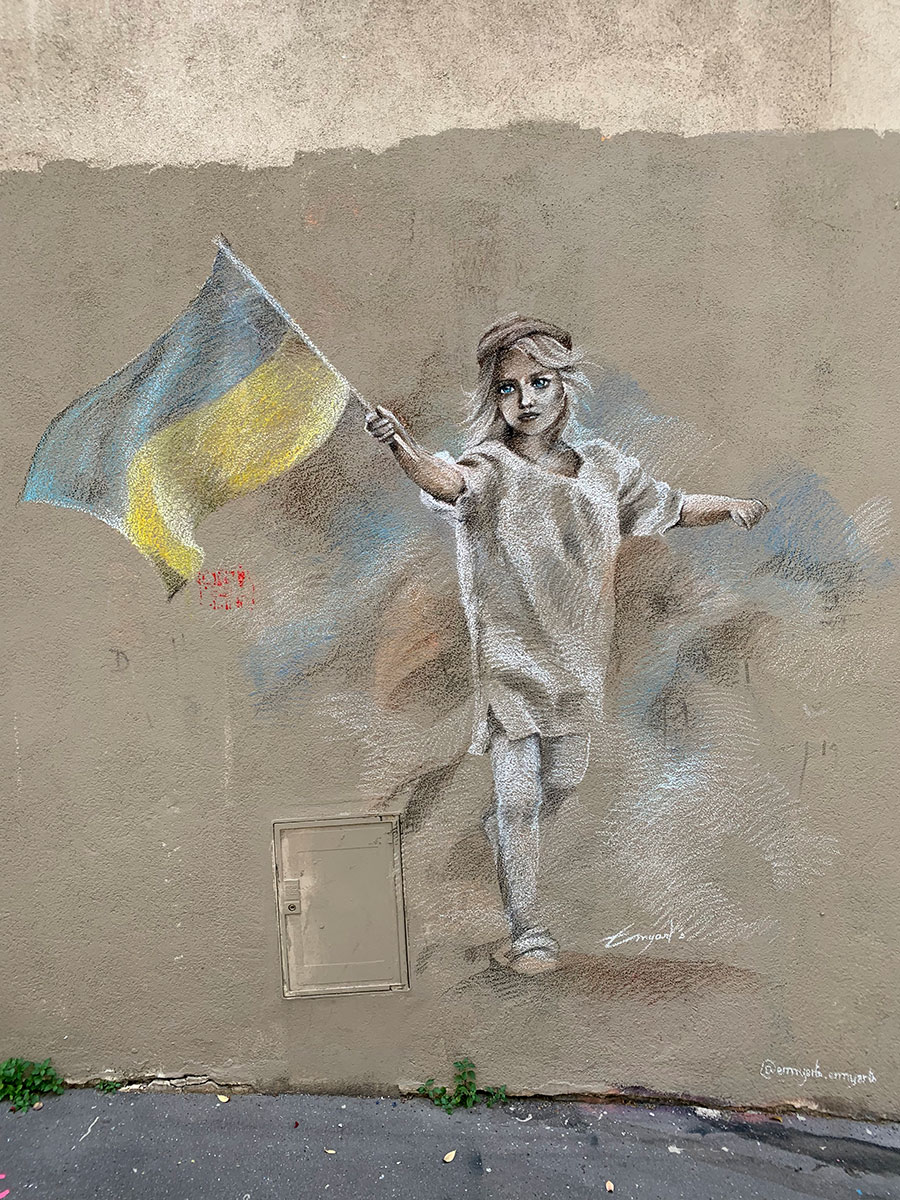
From his home country of France, he has traveled and stayed in communities far from his familiar environs, such as Palestine, Djerba Island in Tunisia, the Sichuan province in China, Indonesia, Haiti, South Korea, French Polynesia, and even in war-torn Ukraine. Conditions may be far from ideal, and sometimes are dangerous.
Still, he enjoys meeting new people, understanding their history and culture, and gifting them with pieces that sometimes resonate so profoundly that they build around them to preserve them when new construction threatens to destroy them. If he can find a way to encourage, that is also part of his mission; he says numerous times in various ways. In Ukraine in 2017, he reflects on the bitterness that fueled hostilities that were too unsafe for him to complete his project, he says in his account.
“Two years after my first visit to Popasna, I returned to paint the school’s last wall. The fear of sniper fire had deterred us from finishing the project. Although still fragile, the situation seemed more stable,” he says. “Despite the lull, propaganda ended up dividing families fed up with the situation. This painting spoke of the need to stick together, despite the events.”
We primarily chose Seth to paint the only mural inside the UN Museum for Martha Cooper’s career retrospective “Taking Pictures” in 2020 because the two have an overlapping interest in the anthropological, ethnological study of children’s play. During successive trips to Haiti and her most recent one with Seth, Cooper marvels at the innate creativity of humans when we are kids, and how resourceful children can be – even when there are few resources.
“Our shared love for the world and the imagination of childhood brought us together,” he says, “Forty years after her first trip to Haiti, off together to meet these creative children.” Remarking on the daunting economic, political, and environmental challenges faced by most of the folks they met, he says the kids were ingenious in their resourcefulness in making tools for their play world. “Bottle cars, yogurt telephones, spinning tops, flying kites – treasures of ingenuity that the children were proud to share.
“Seth On Walls” reiterates his connection to the otherworld we inhabited as children, almost as a way to get back there. The work in one decade is prodigious, yet in many ways, it is uniquely targeted to individuals, and in the process, finding the universal.
“Murals are nods and tributes to the spirit of the places they are part of,” says Pujas. “Each people has its own ghosts, spells and stories. Interpreting them on walls provides a continuation, further journeys. Bringing them to life helps to save them, to keep them alive. From wall to wall. Seth composes an artistic and subjective ethnography, recording the collective history of the countries visited as well as the warmth of remarkable encounters.”
SETH On Walls. Editions de La Martiniere. 2022. Distributed by Abrams. An imprint of ABRAMS, 2023.
Boy, that Kevin McCarthy is as popular as an STD in a bordello. After begging and paying off more and more people to vote for him so he could become Speaker of the House, it was well past midnight before he got some serious action – and it took 15 ballots over 4 days to award him into his position finally. A classy bunch too, if the pushing and shoving is any indication. Not to be outdone, our own favorite Brooklyn right-wing corporate progressive homesnack Jeffries sliced and diced his foes with some fancy alphabetics in his speech that somehow looked suddenly like a State of the Union speech via Sesame Street.
“FREEDOM OVER FASCISM. GOVERNING OVER GASLIGHTING. HOPEFULNESS OVER HATRED. INCLUSION OVER ISOLATION. JUSTICE OVER JUDICIAL OVERREACH. KNOWLEDGE OVER KANGAROO COURTS. LIBERTY OVER LIMITATION. MATURITY OVER MAR-A-LAGO. NORMALCY OVER NEGATIVITY.”
Meanwhile the BSA office game on Friday was Kevin McCarthy name-that-tune day – challenging us to find popular songs to describe the ongoing losing of votes: Winners of the contest were “You Can’t Always Get What You Want” by the Rolling Stones, “Big Pimpin”, by Jay Z, “Burning Down the House,” by Talking Heads, “Fool on the Hill,” by the Beatles, and “Please, Please, Please” by James Brown, “If It Ain’t Ruff,” by NWA.
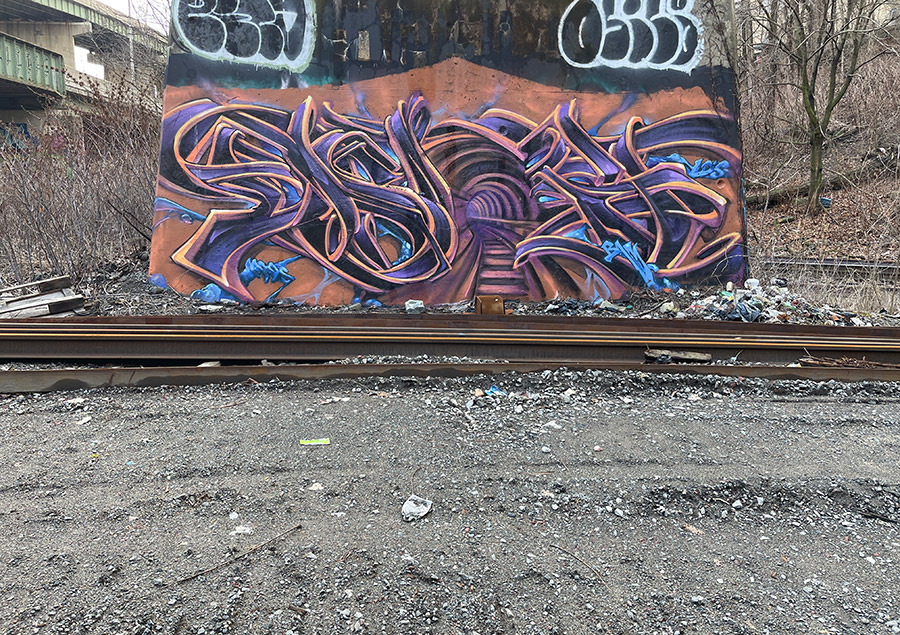
Meanwhile, BSA was starting the year in Jersey City to catch some of the newer street art murals that we haven’t published, and the graffiti was on-point as well.
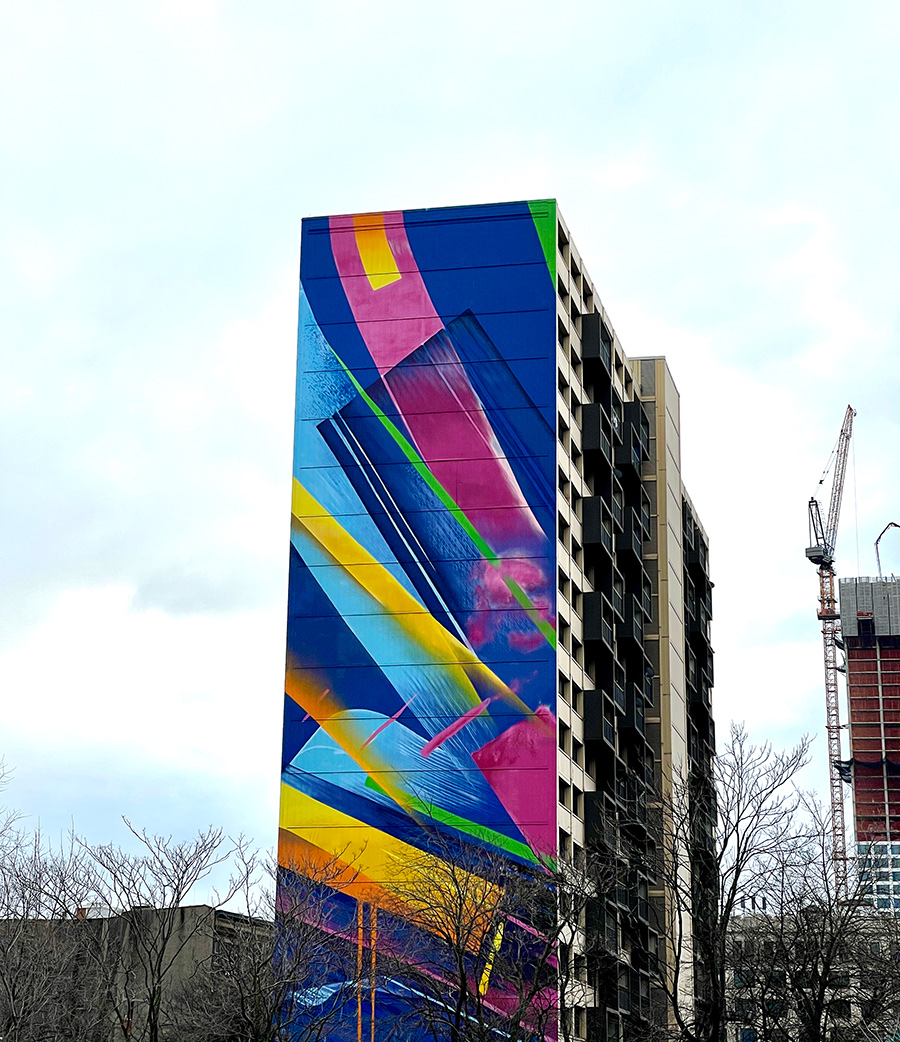
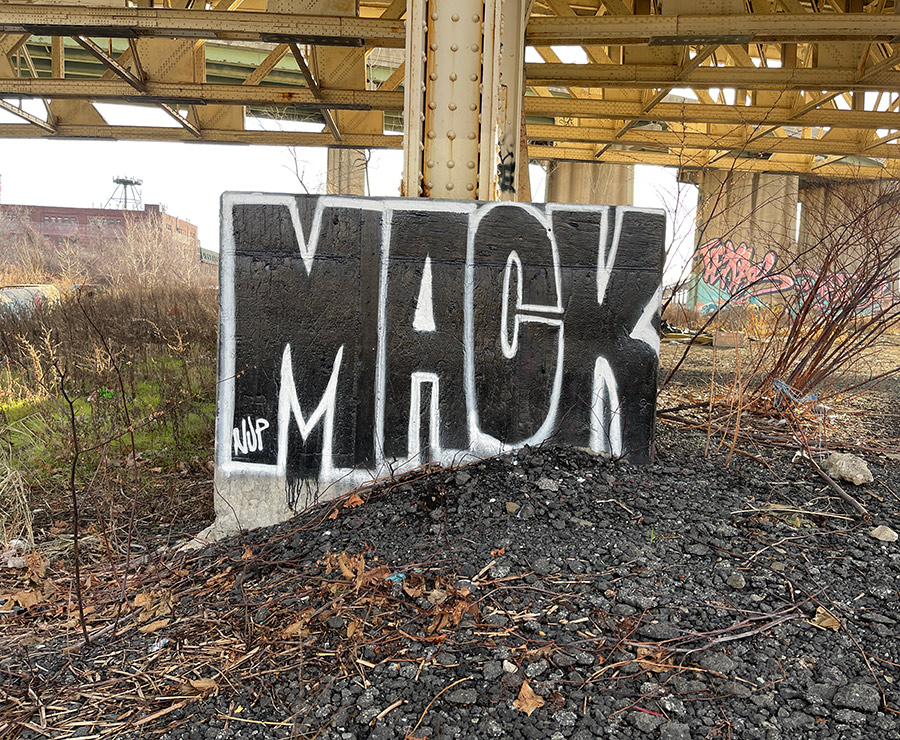
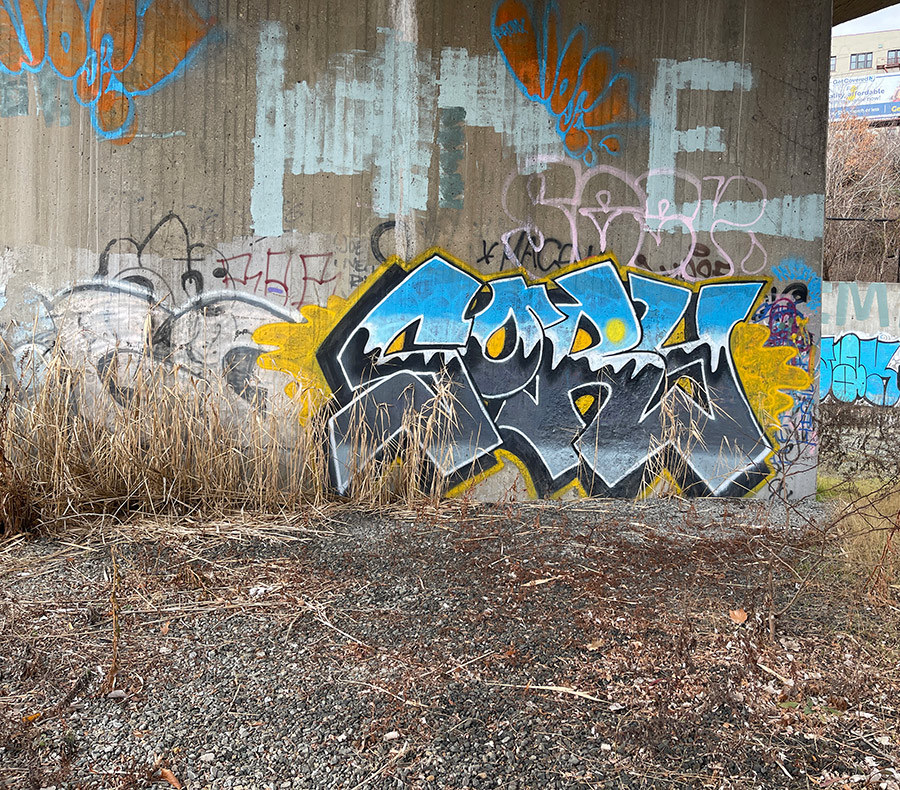
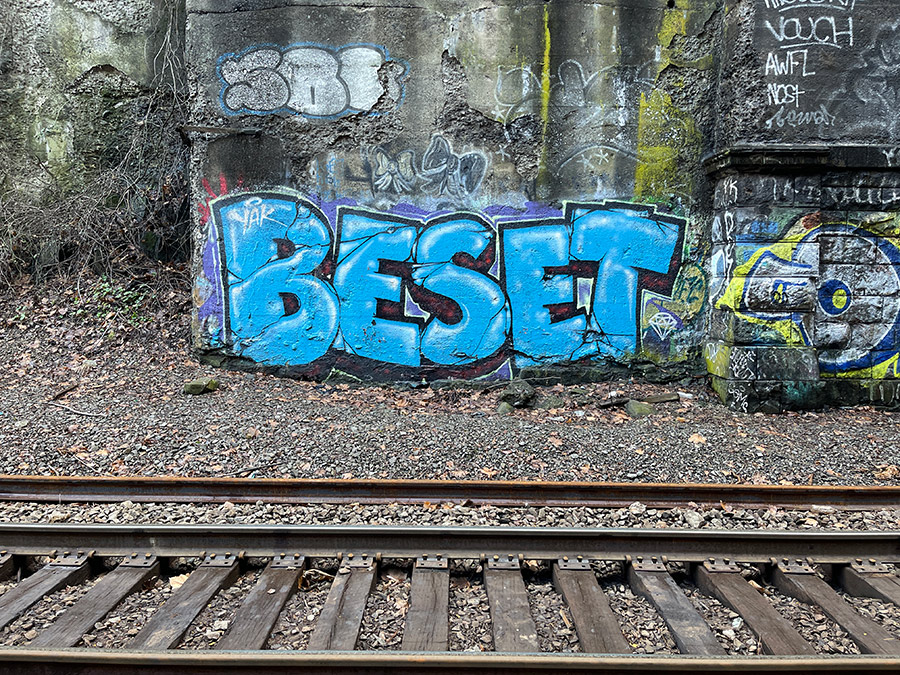
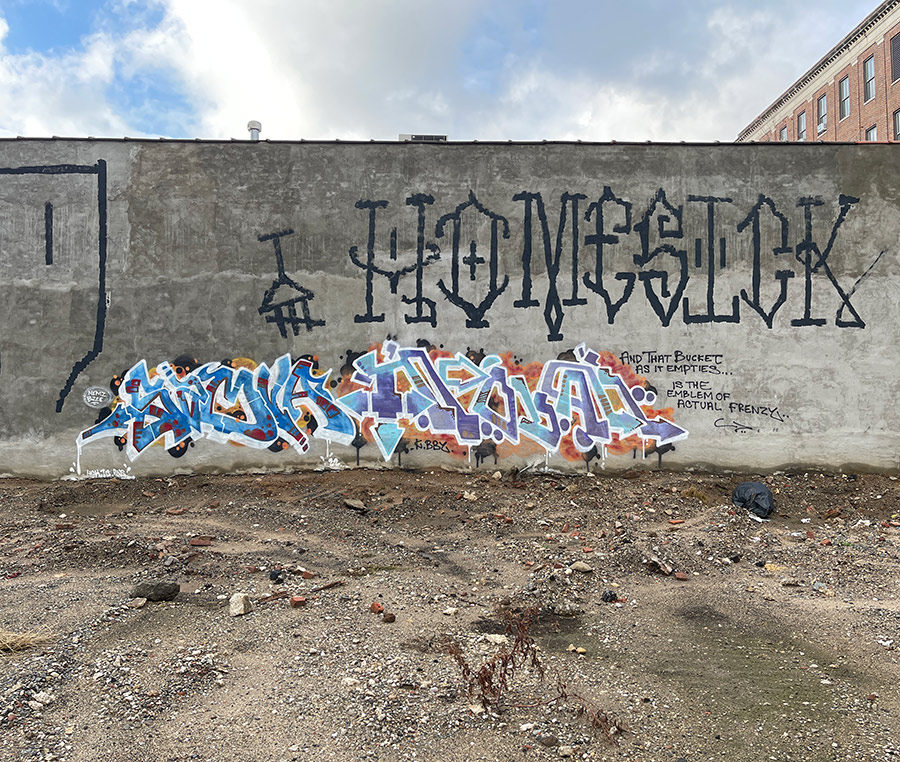
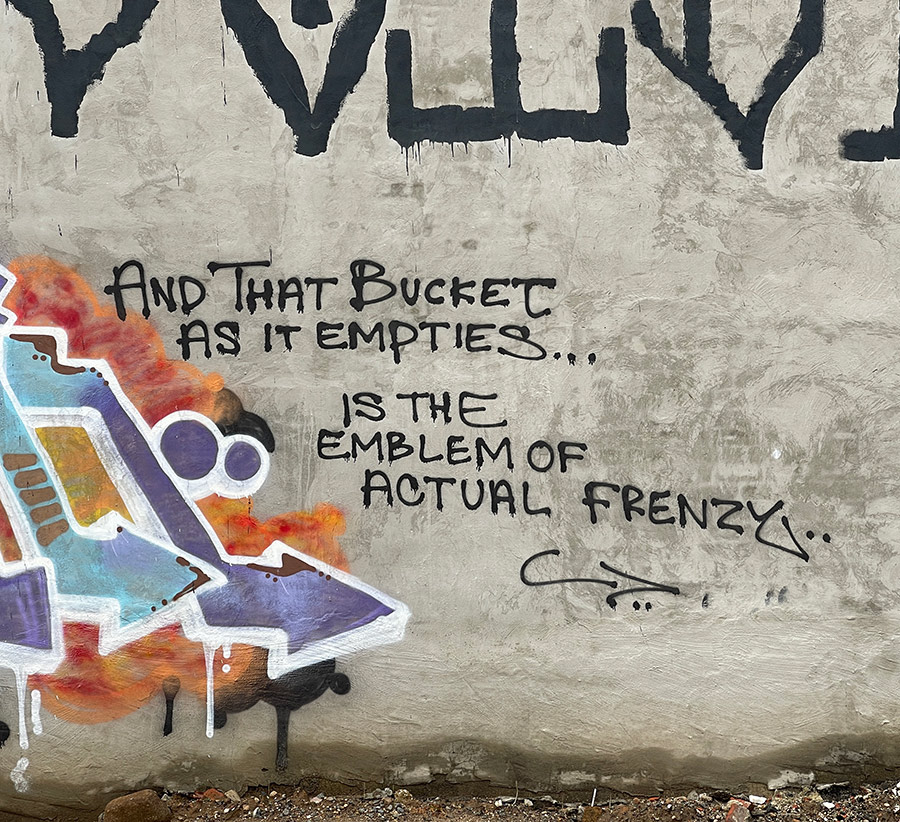
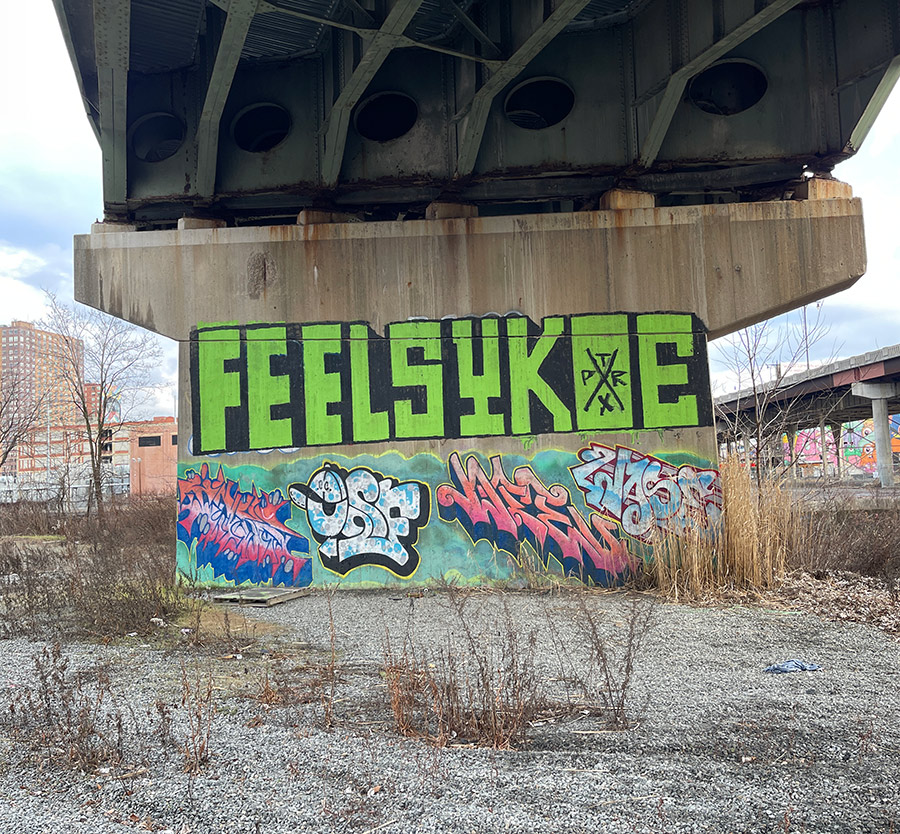
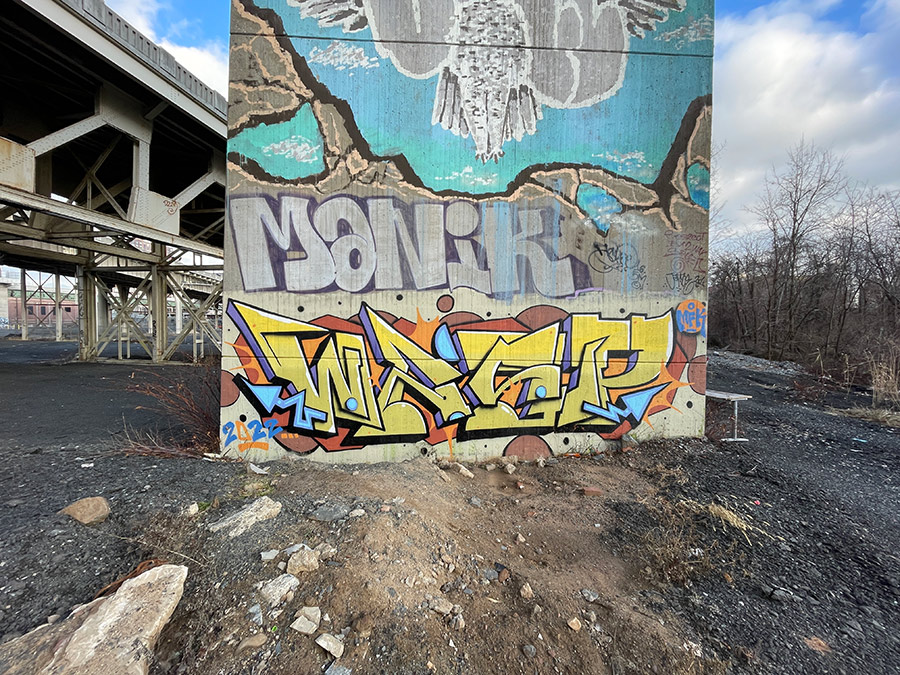
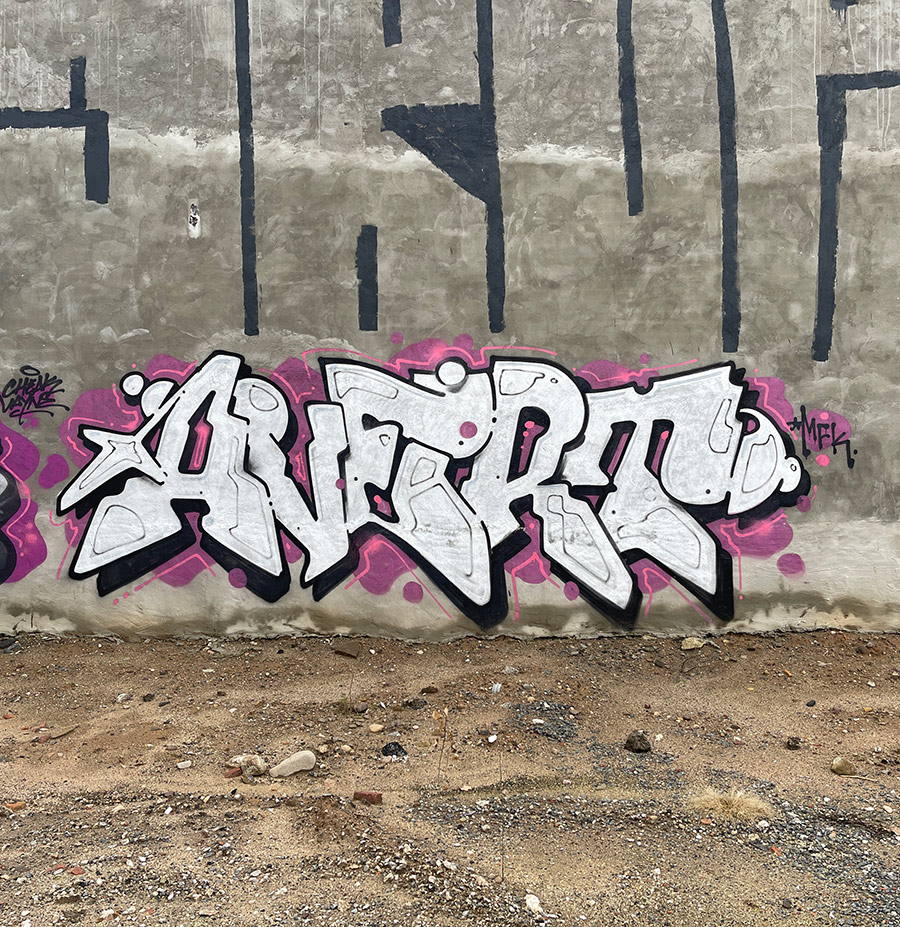
Here’s our weekly interview with the street, this week featuring: Nespoon, SETH, MadC, Homesick, Manik, Mack, WASP, Beset, JCMP, and Louie Gasparro.
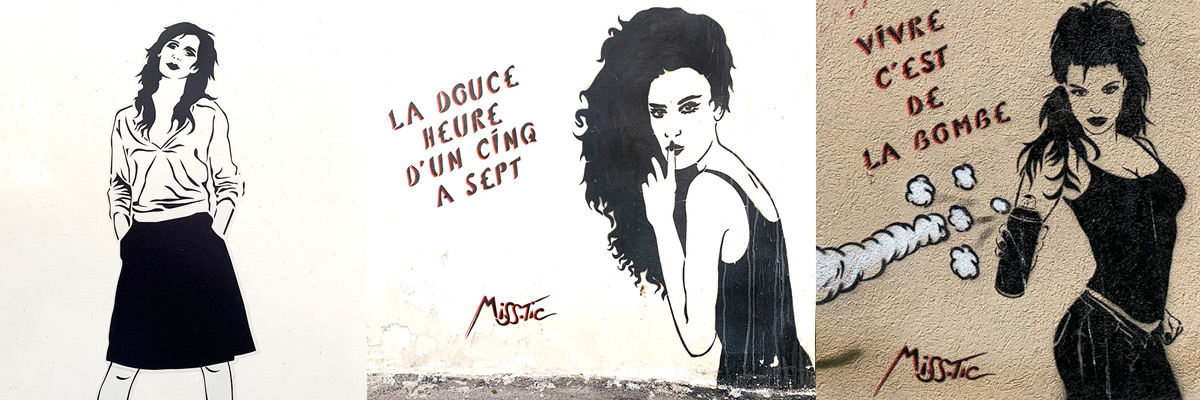
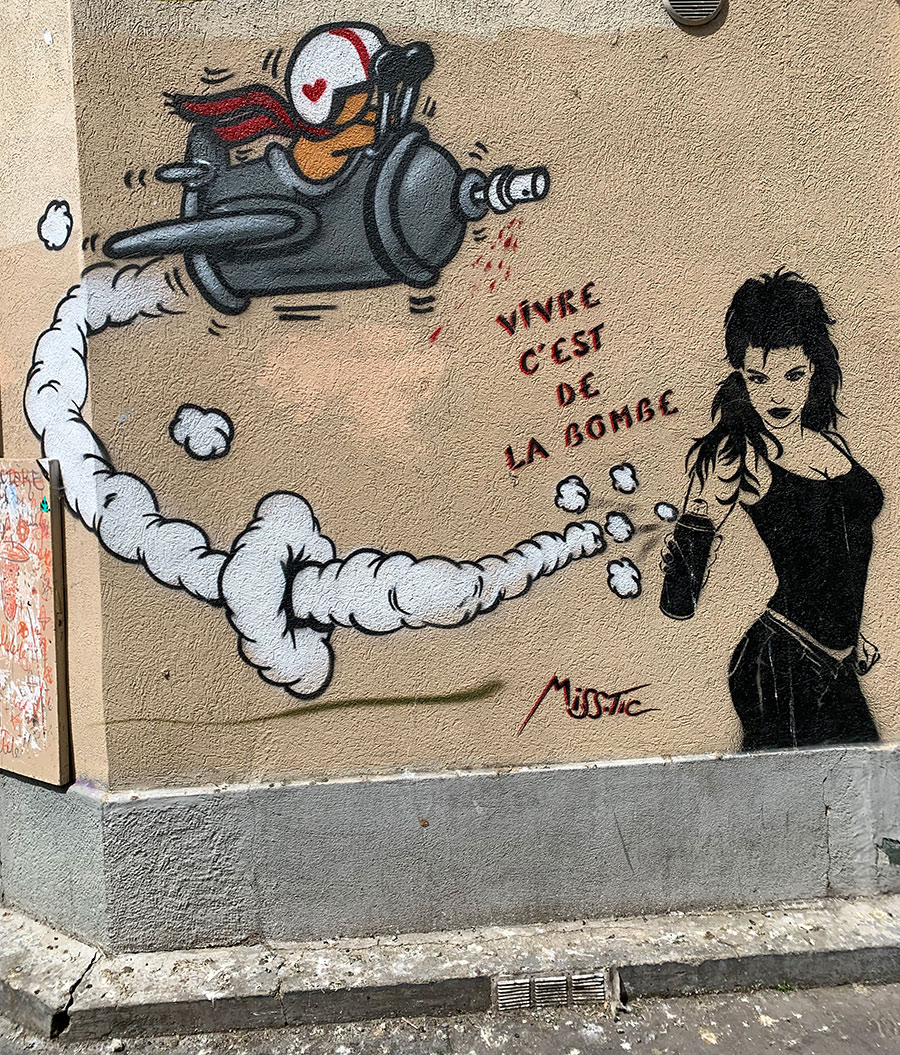
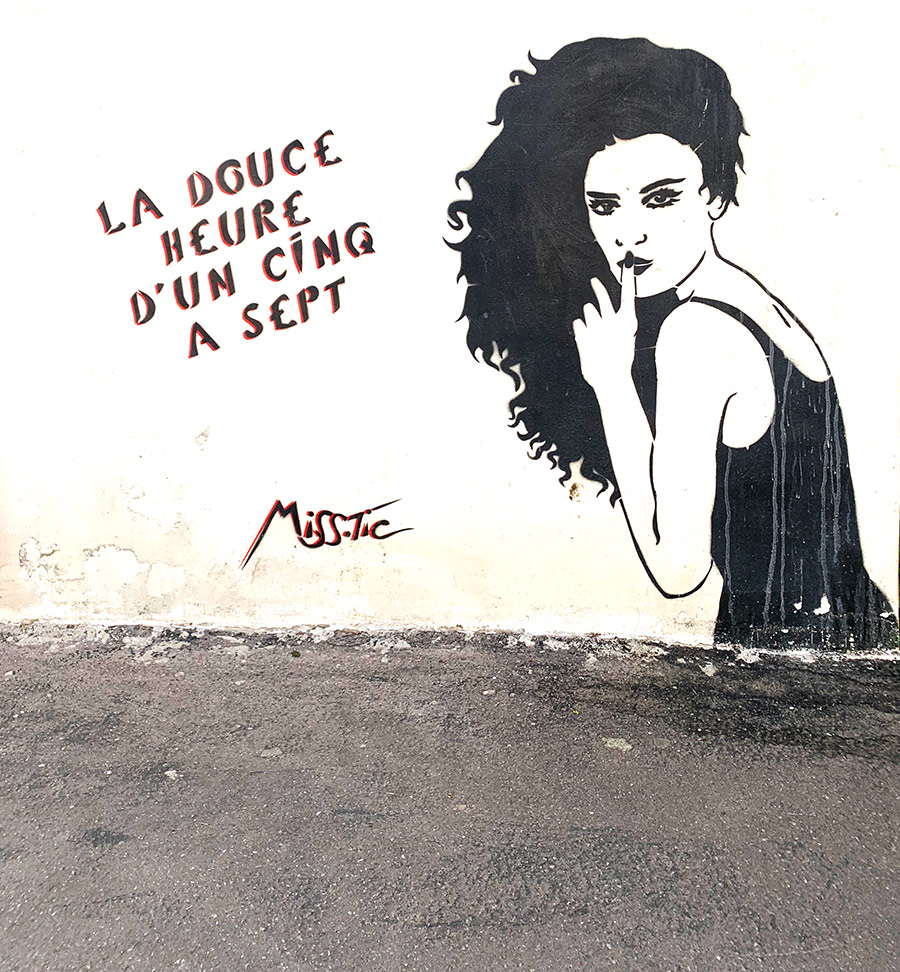
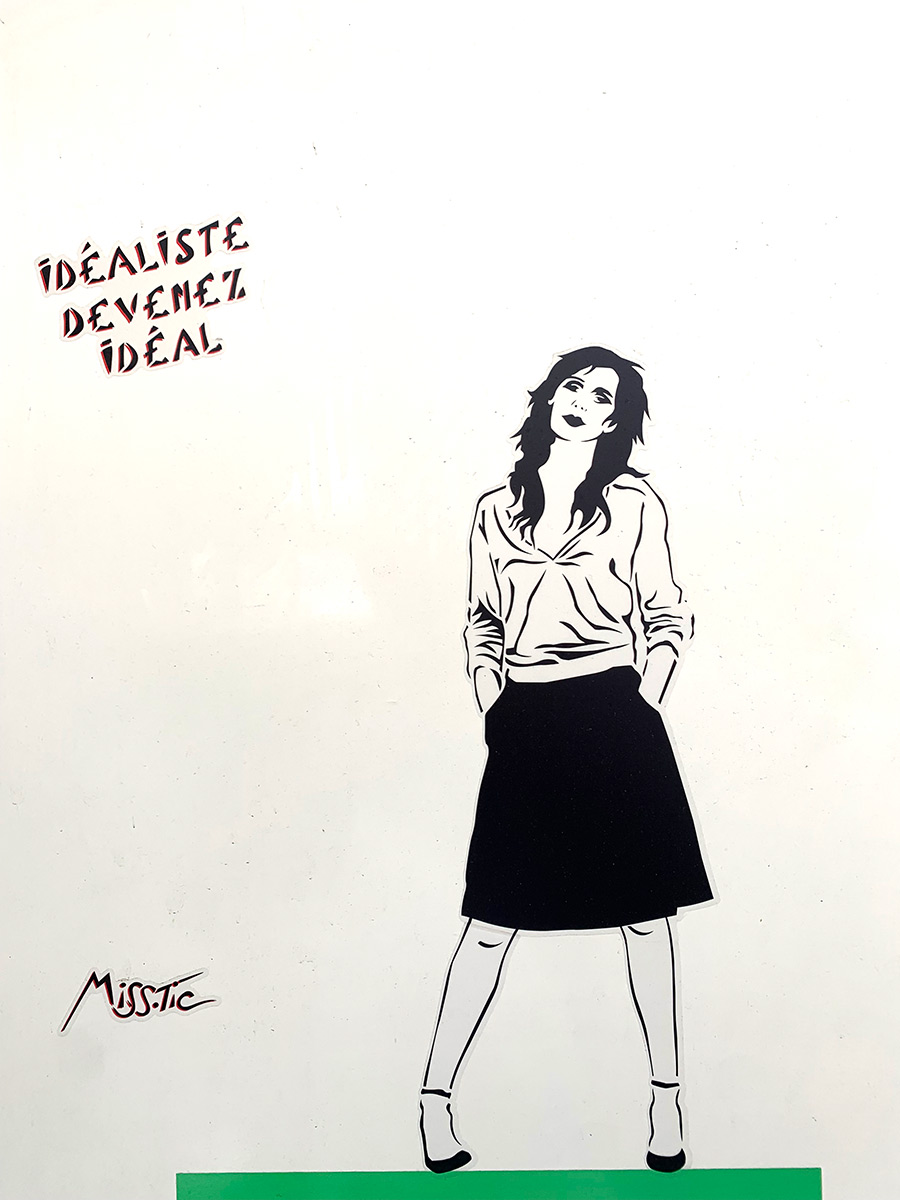
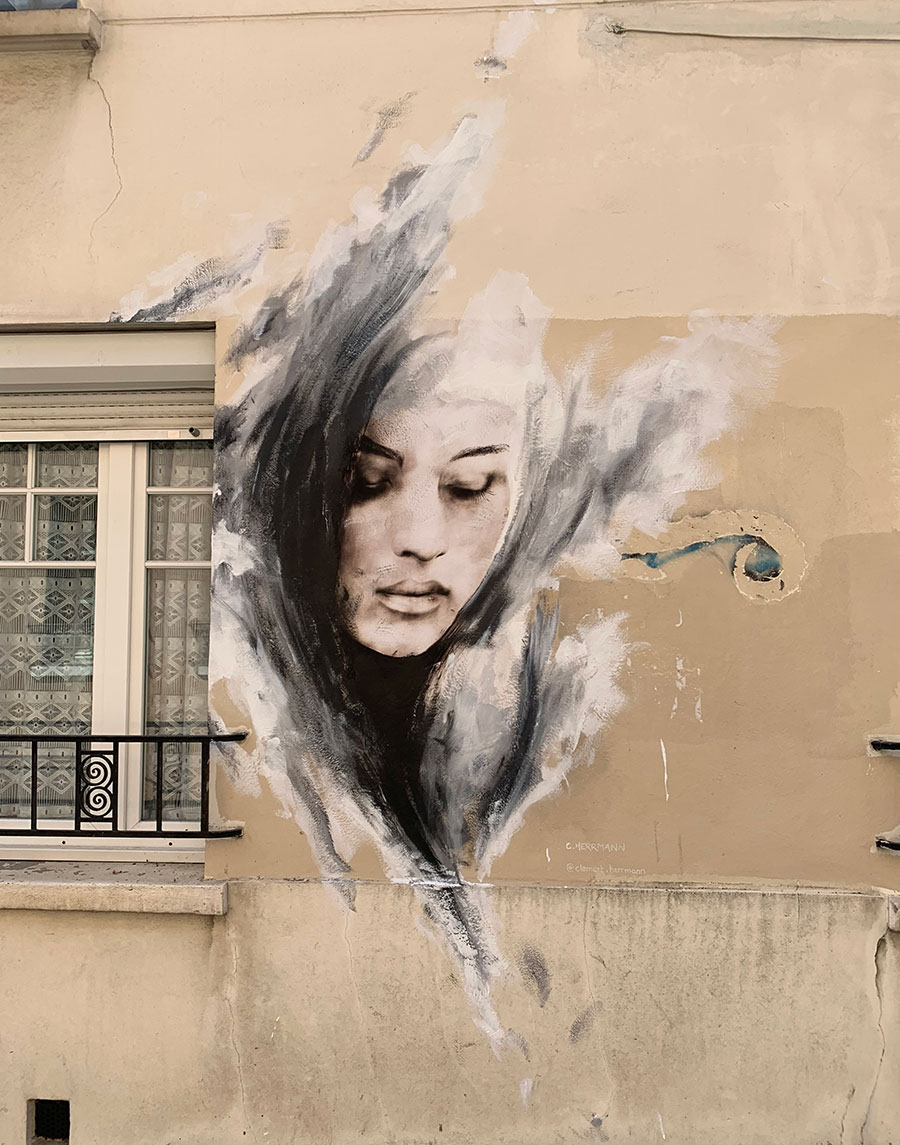
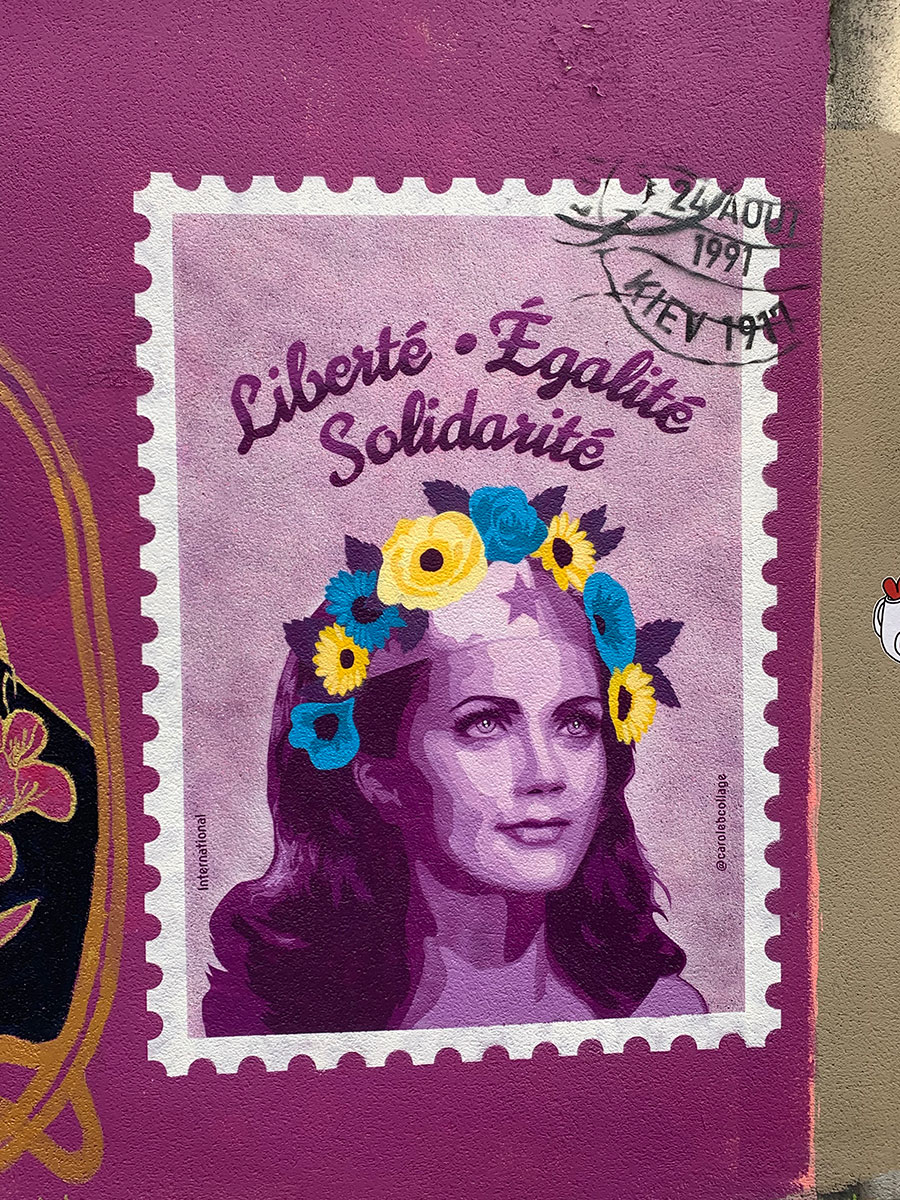
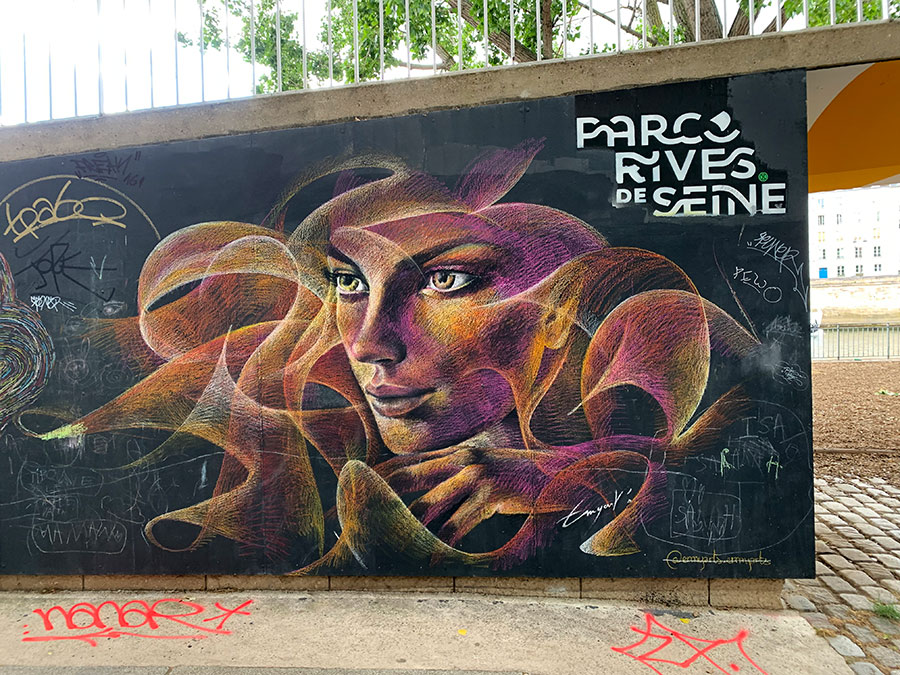
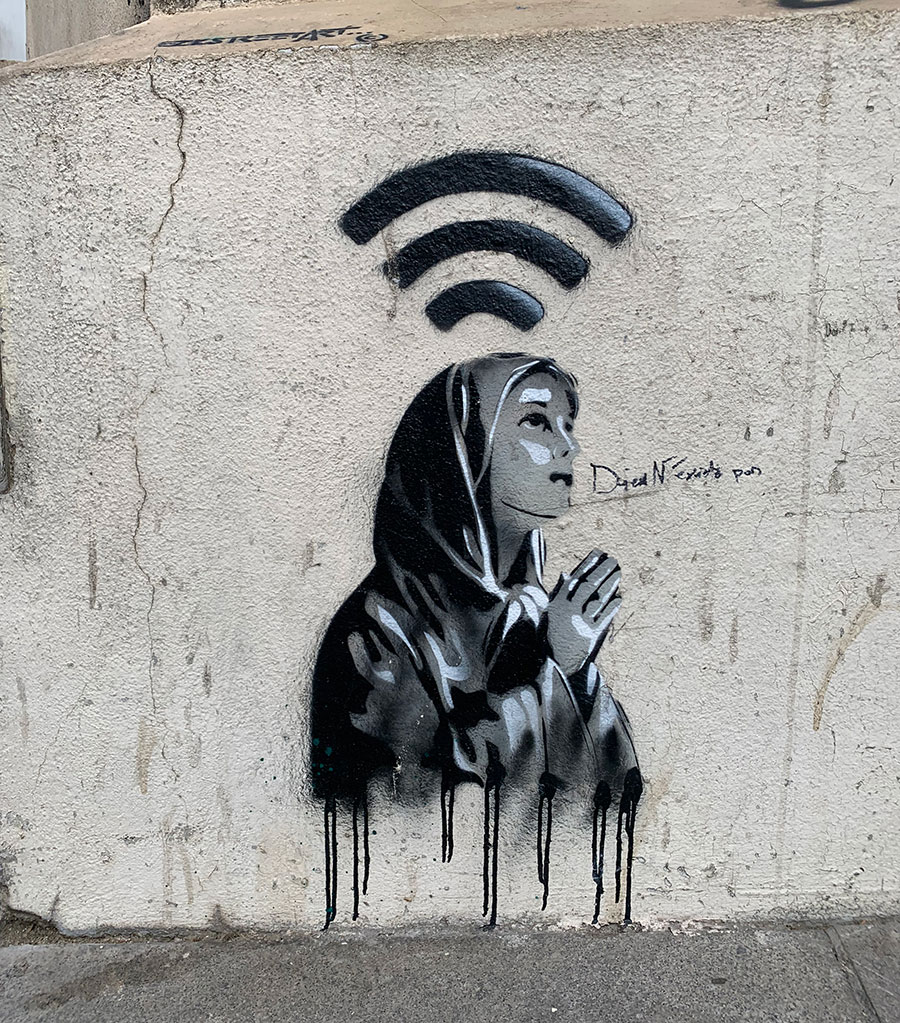
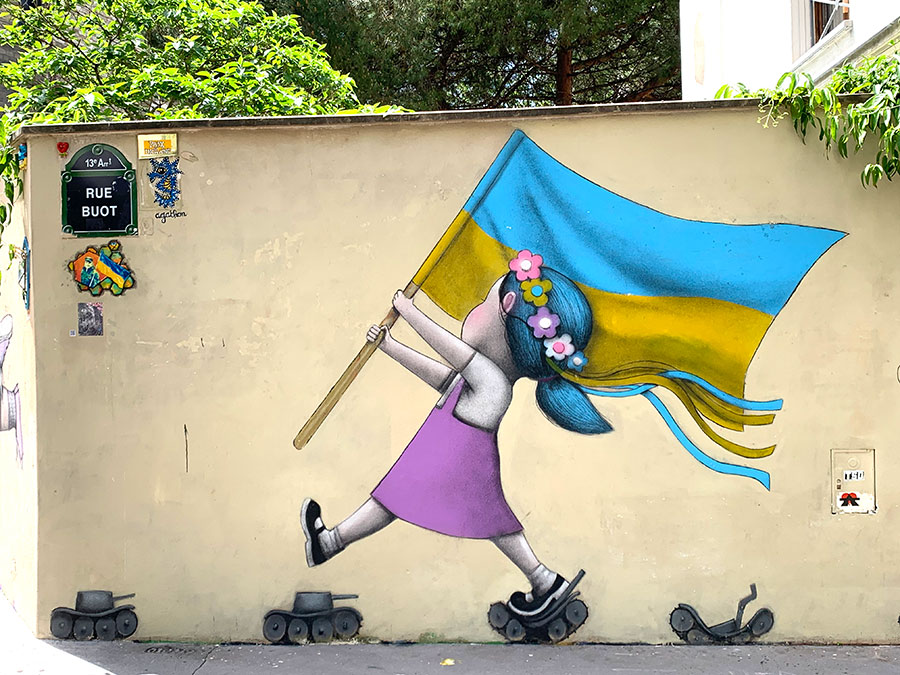
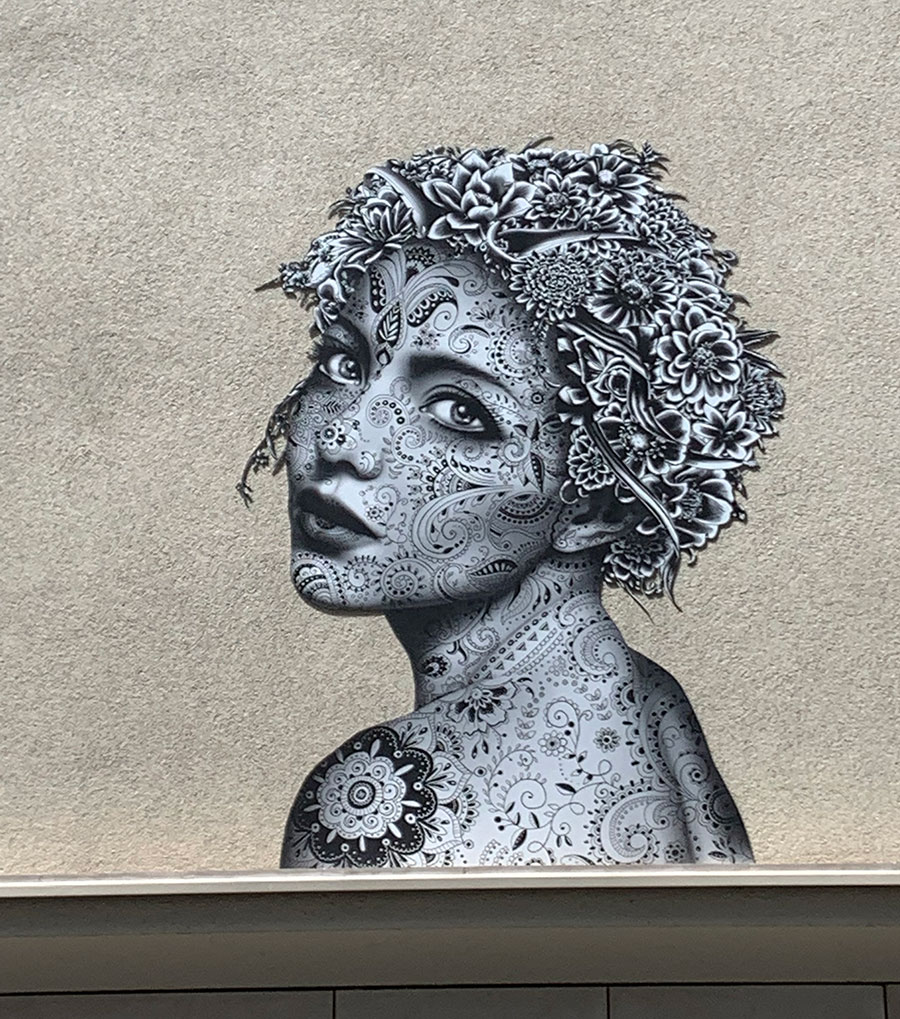
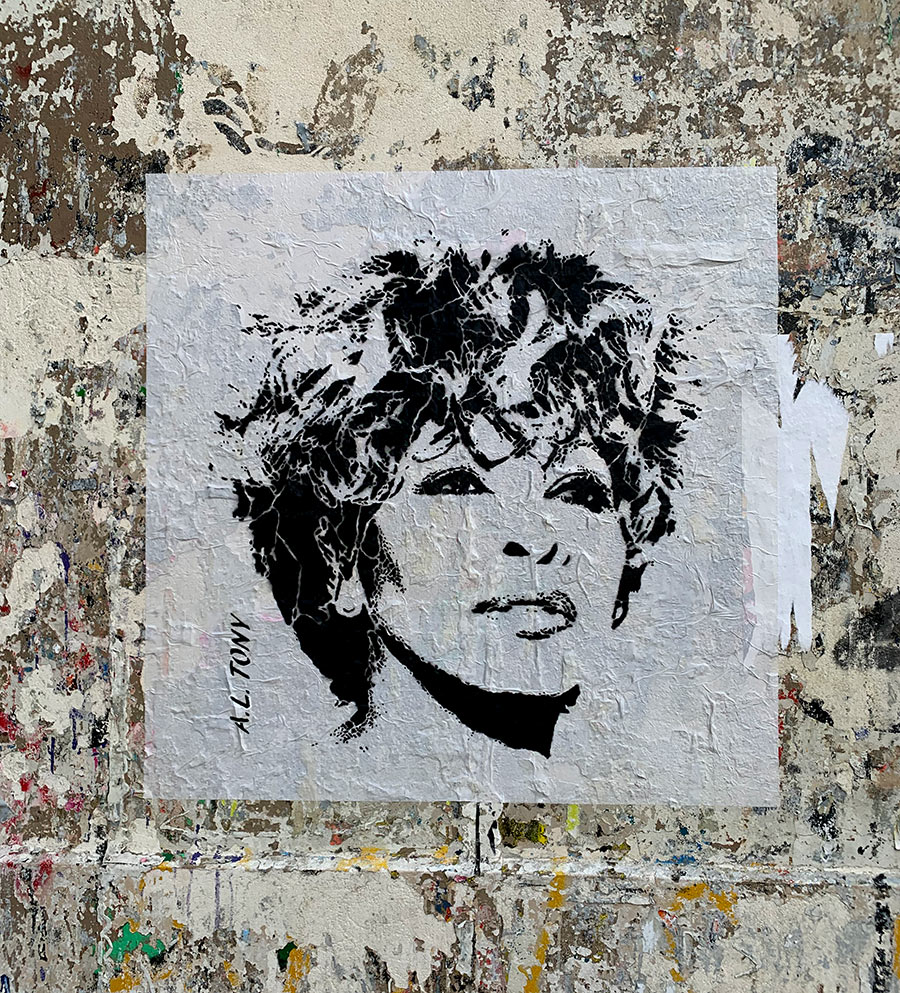
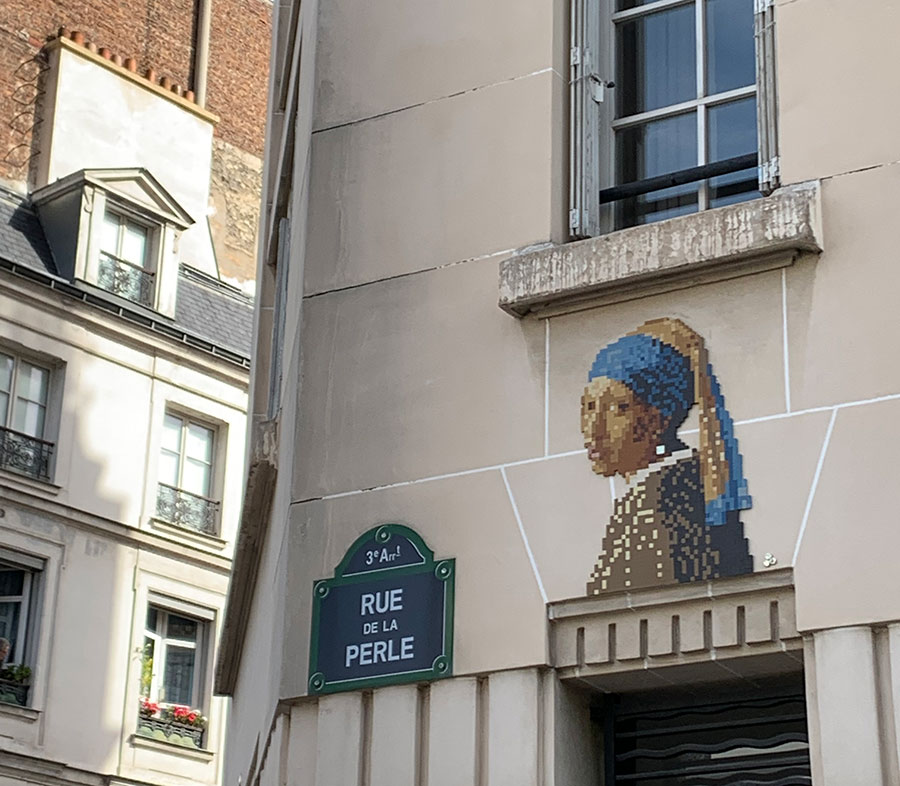
Ah, the women of Paris! Street artists have many interpretations of the female form, visage, and image. We have been thinking of female street artists in particular for the last few days because one of its originators in the modern street art movement, Miss Tic, passed away. Her female figures were frequently versions of herself, or her higher self – a sharp mind with a philosopher’s view, a poet’s heart, and a feminist tongue.
A pioneer in a field mainly populated by men, Miss Tic brought her clean-lined stencils of bold brunettes to greet passersby like a friend. Beginning in the mid-1980s, she leads with poetry and existential texts; insightful, entertaining, humorous, and sometimes strident. Looking at these new images from Norwegian photographer Tor Staale on the streets of Paris, we like to think that Miss Tic opened the door to invite all of these women and girls to share in public space and to have a voice.
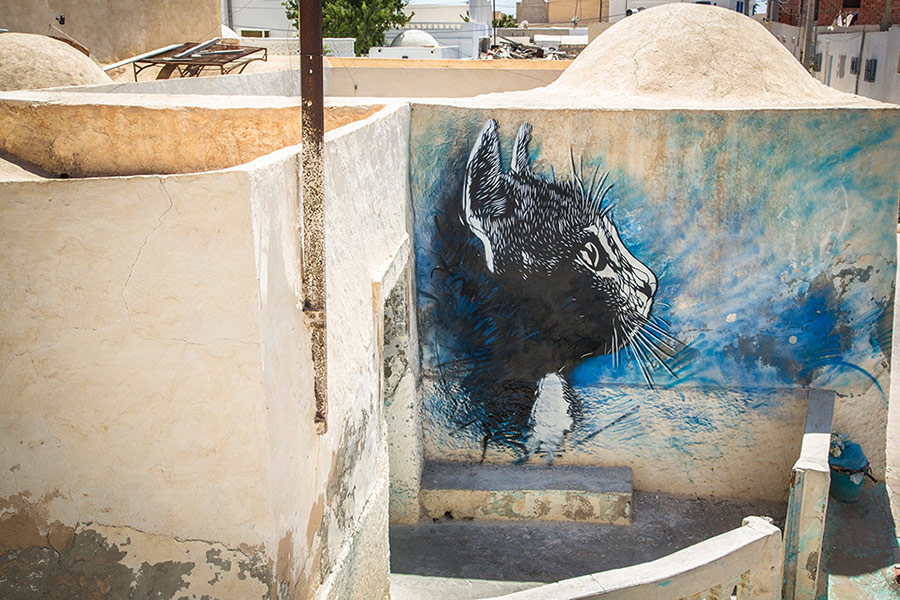
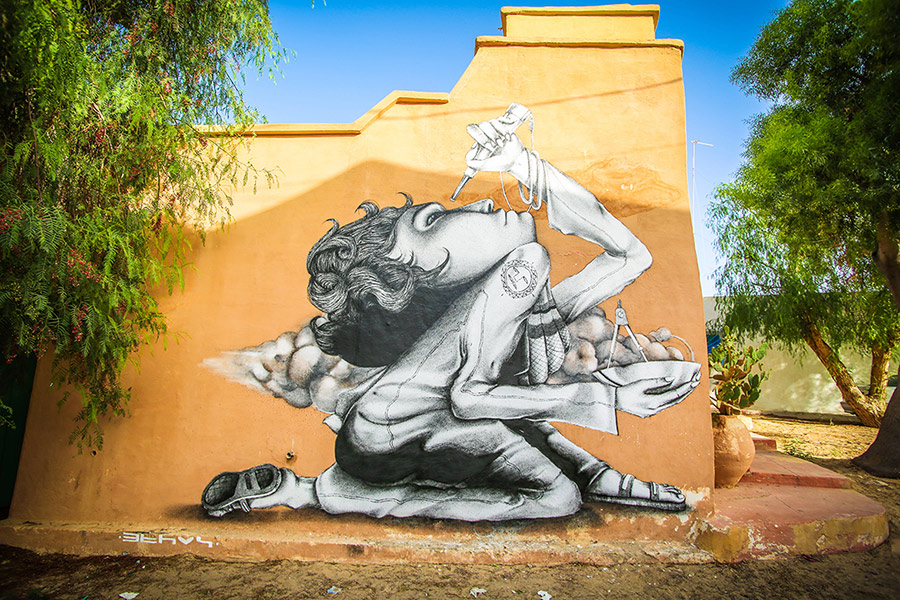
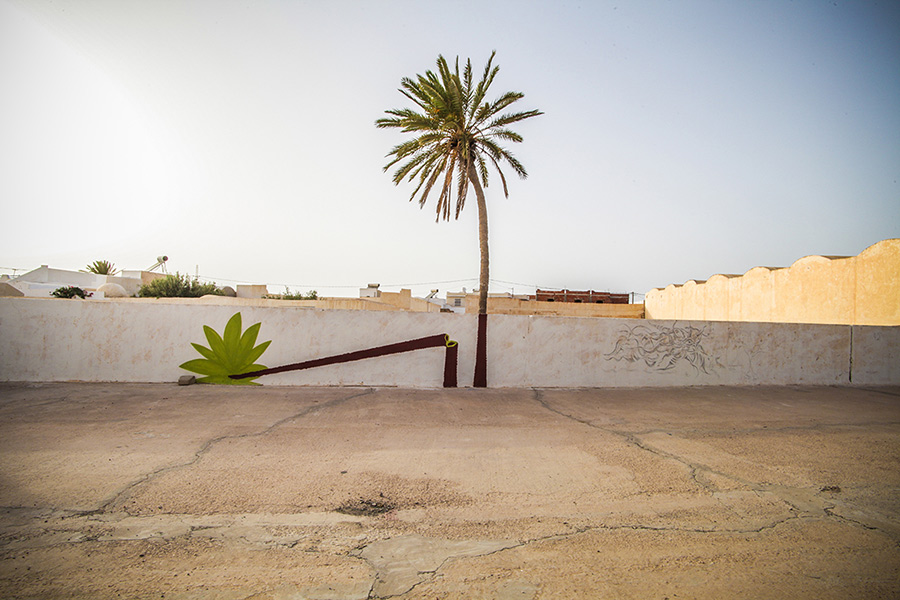
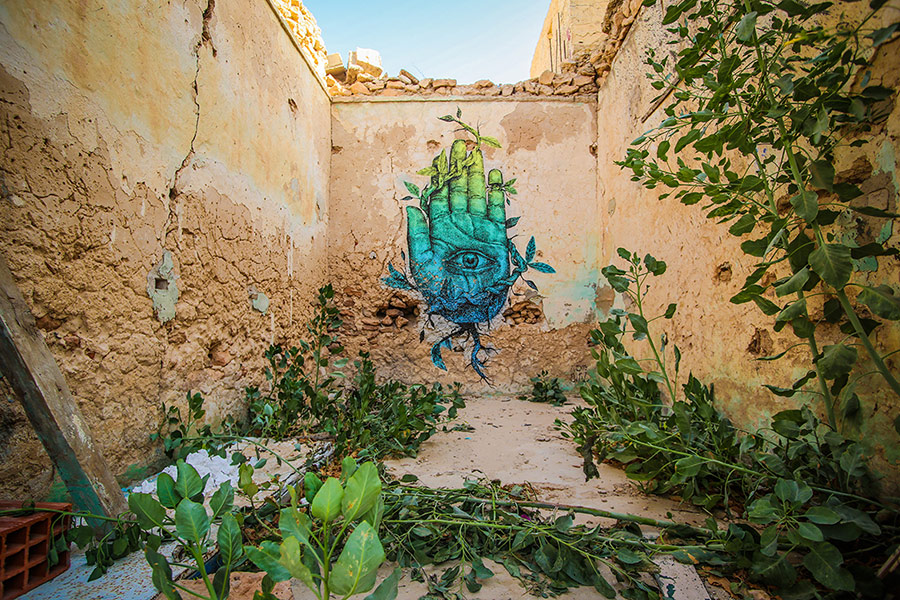
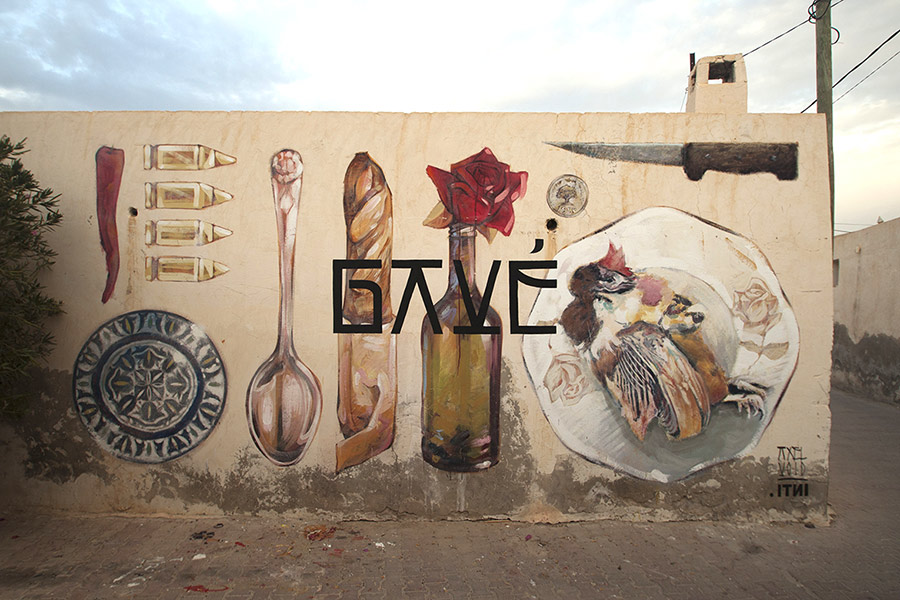
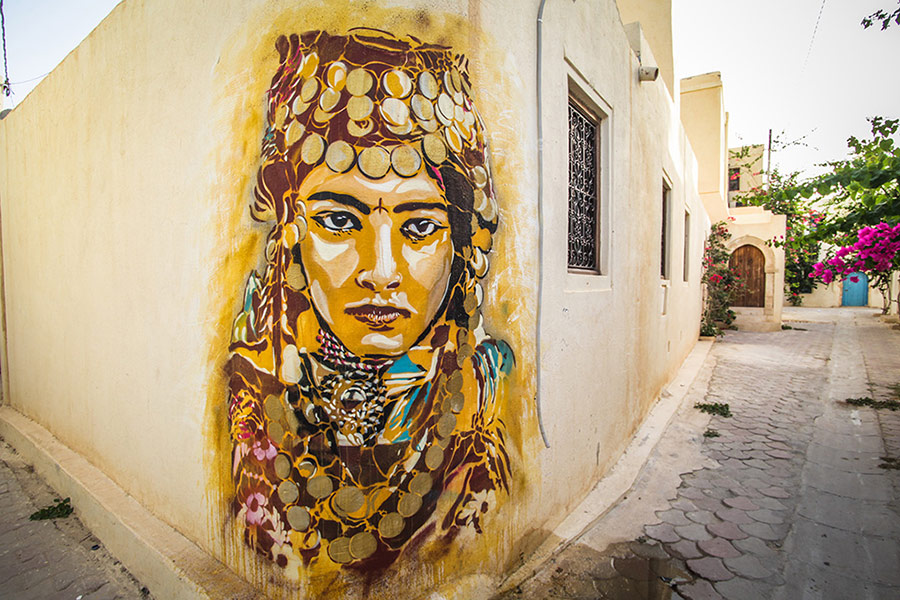
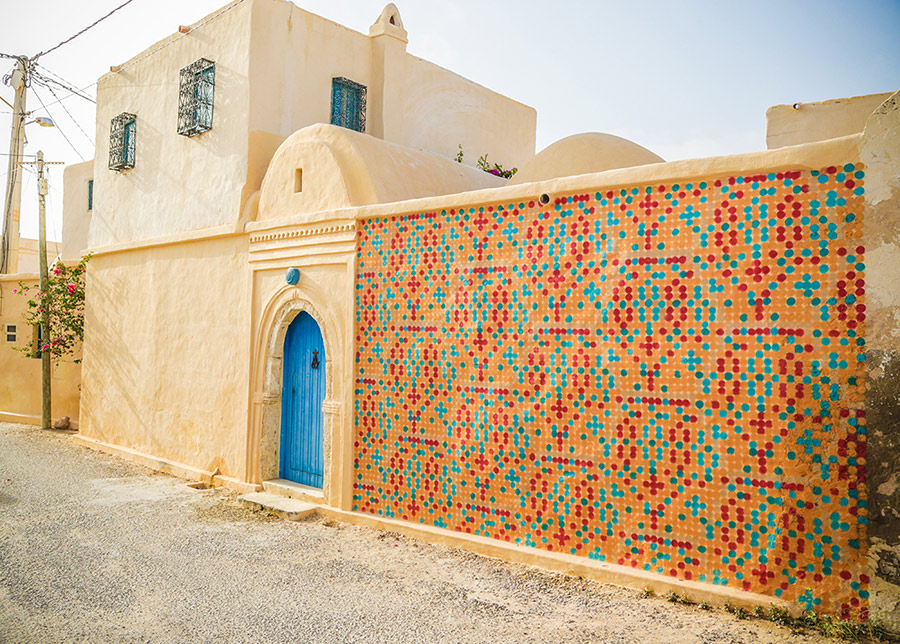
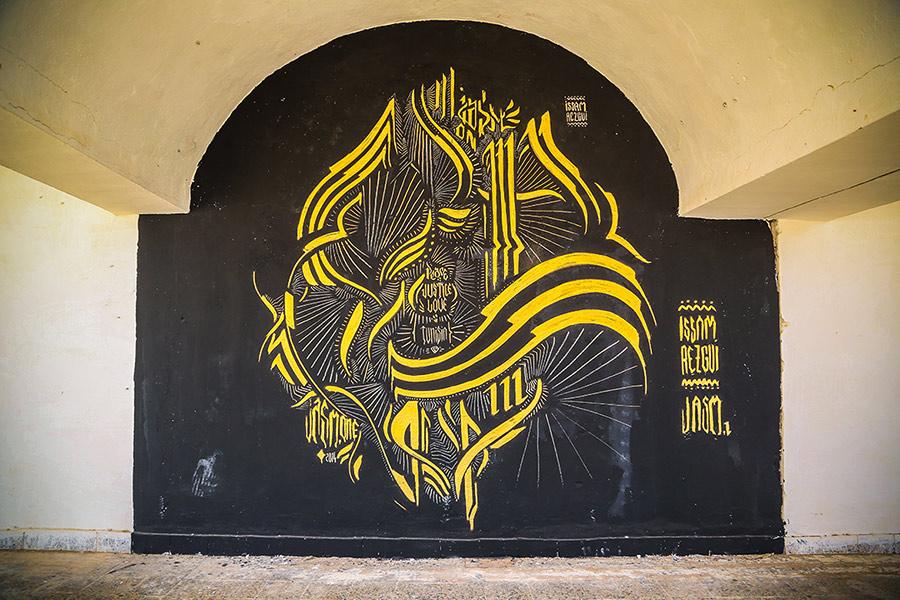
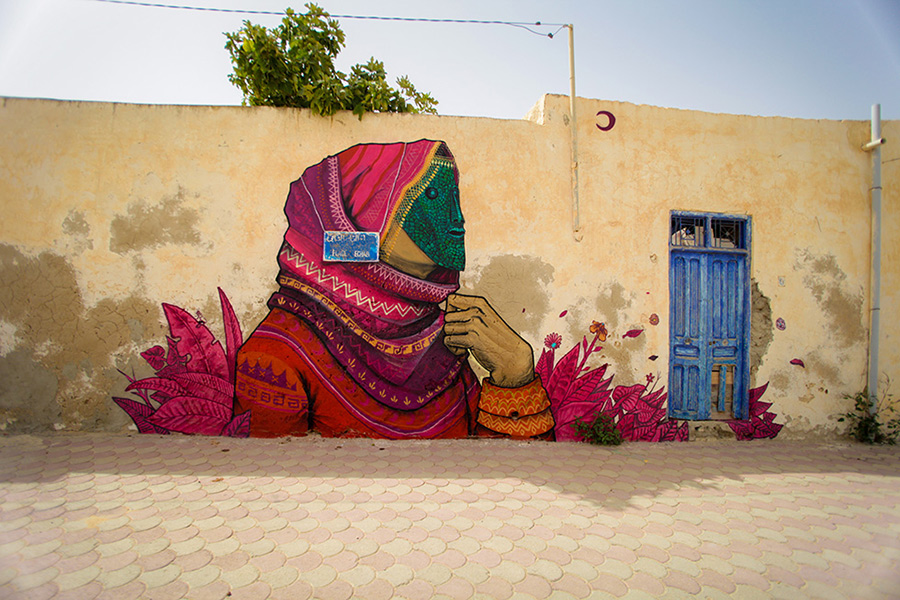
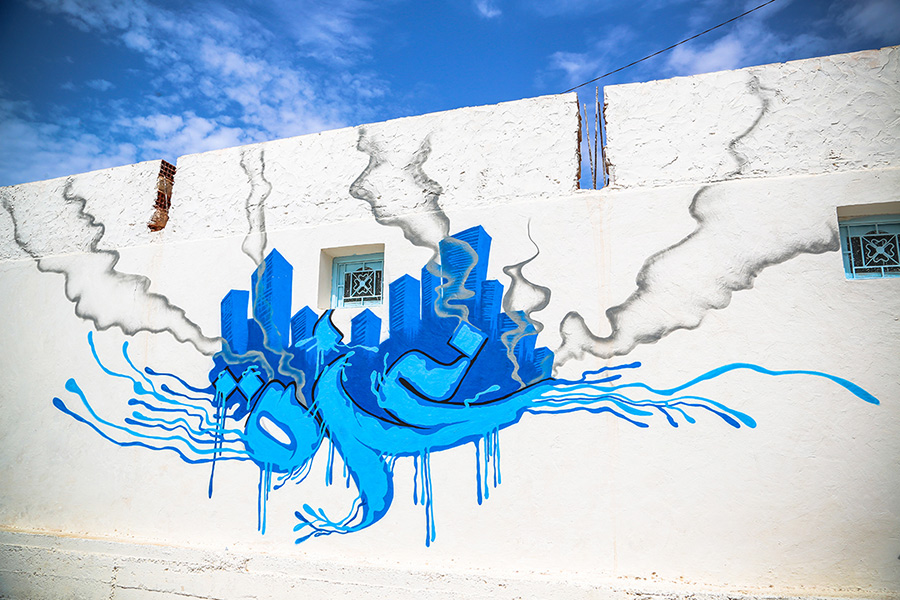
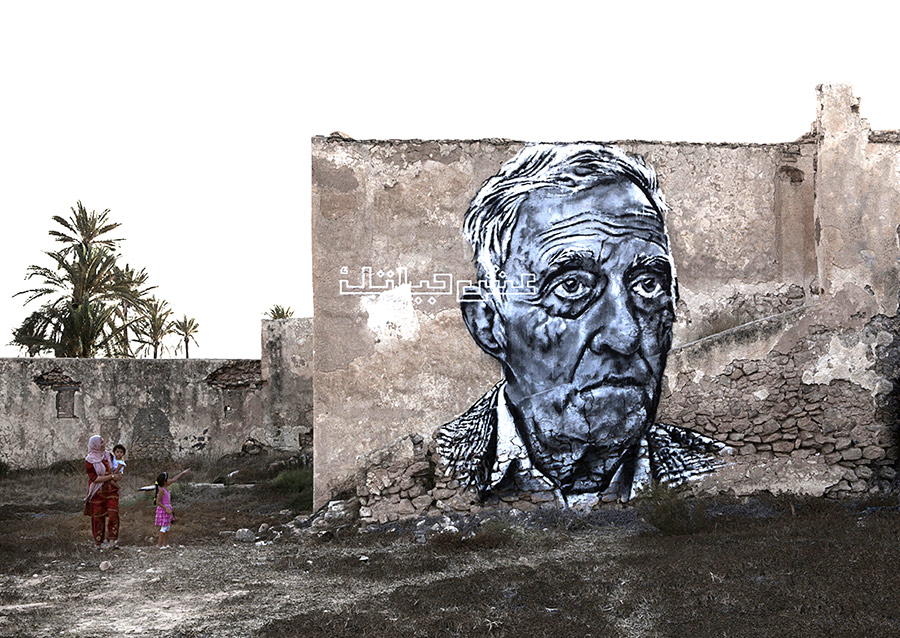
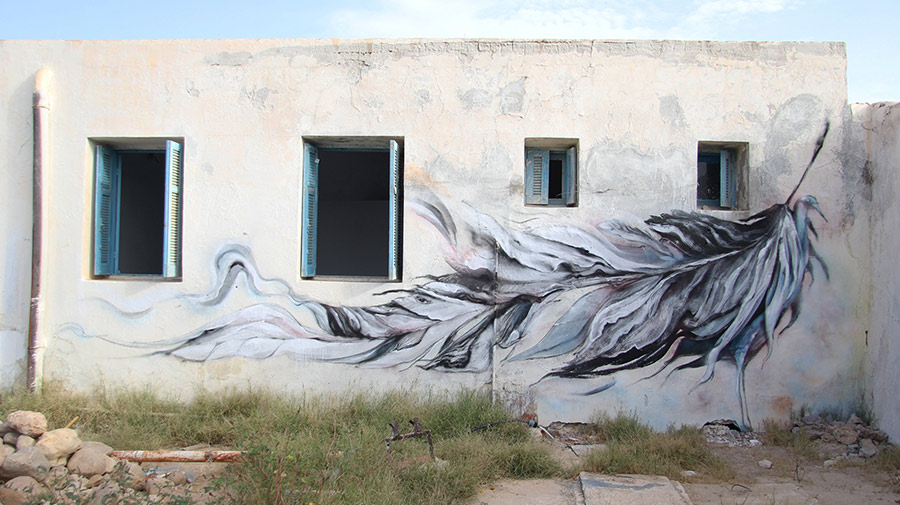
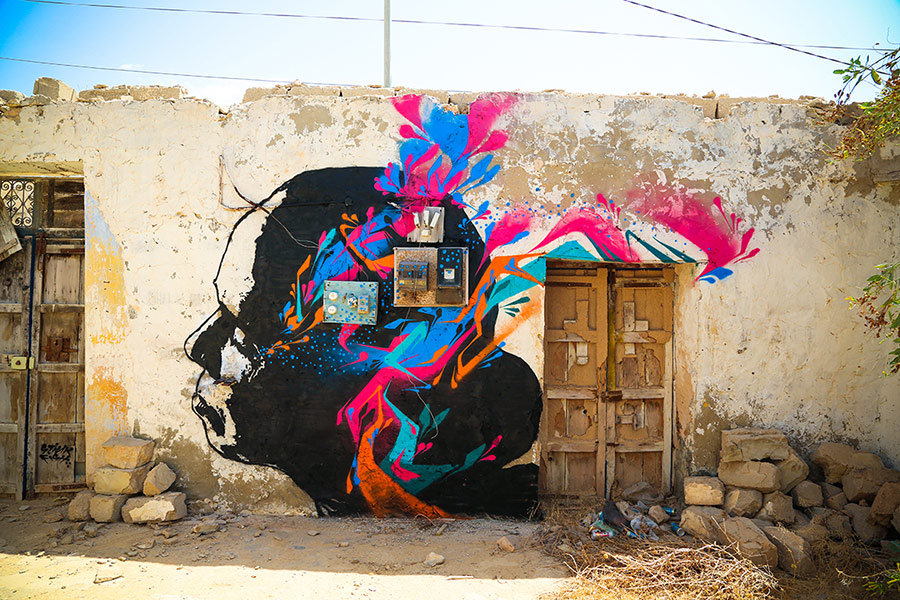
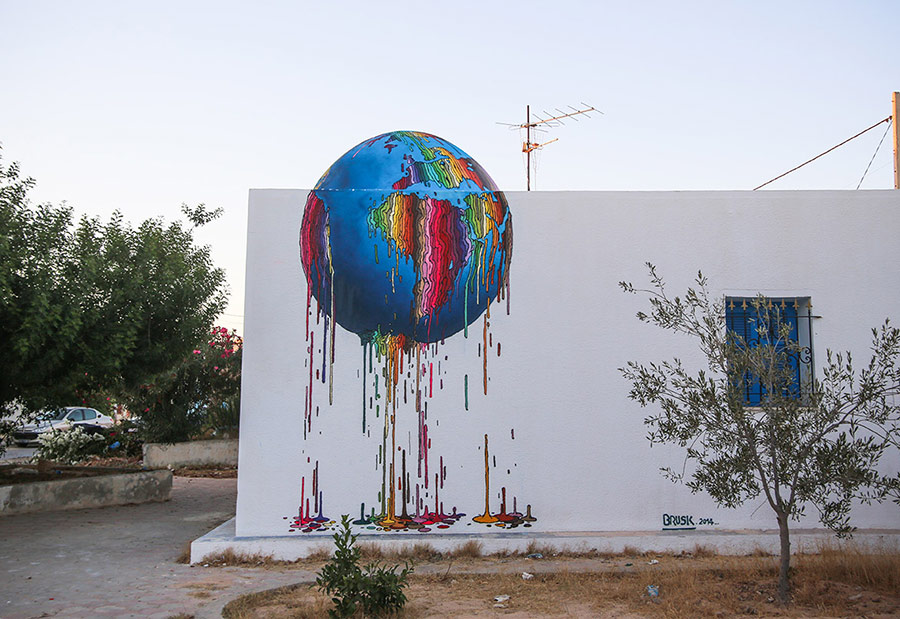
Recently we brought you coverage of Shepard Fairey’s newest work for the Djerbahood project on the island of Hara Sghira Er Riadh in Tunisia. A gradually-building project curated over the last decade or more by the Tunisian-French owner of Paris’ Galerie Itinerrance, Medhi Ben Cheikh, there must be nearly 200 artists from 30+ nations represented here now.
As each year passes we become more aware that the collection represents an era, a vast survey of a time when street art was graduating to murals worldwide. Some of these artists have risen in prominence in the street art/contemporary art world, while others have declined, or have shifted their attention to something else entirely. In that respect, Djerbahood is an archive for all to investigate and analyze.
Seth / Pum Pum. Djerbahood. A Project of Itinerrance Gallery. Hara Sghira Er Riadh, Tunisia (photo courtesy of Itinerrance Gallery)
Sensitive to local cultural values in terms of content, the various expressions of creativity may not follow one aesthetic – but they invariably are complemented by the predominant white stucco walls that define this pristine haven for street art murals. While some have aged quite beautifully, others have shown the passage of time and the elements, gently weathering the overall aesthetic.
The project is documented in a beautifully edited and printed book, which we reviewed here. To reacquaint you, below are a few selections from the project:
To reaquaint you, below are a few selections from the project:
C215. Djerbahood. A Project of Itinerrance Gallery. Hara Sghira Er Riadh, Tunisia (photo courtesy of Itinerrance Gallery)Ethos. Djerbahood. A Project of Itinerrance Gallery. Hara Sghira Er Riadh, Tunisia (photo courtesy of Itinerrance Gallery)M-City. Djerbahood. A Project of Itinerrance Gallery. Hara Sghira Er Riadh, Tunisia (photo courtesy of Itinerrance Gallery)Alexis Diaz. Djerbahood. A Project of Itinerrance Gallery. Hara Sghira Er Riadh, Tunisia (photo courtesy of Itinerrance Gallery)Inti / Axel Void. Djerbahood. A Project of Itinerrance Gallery. Hara Sghira Er Riadh, Tunisia (photo courtesy of Itinerrance Gallery)Btoy. Djerbahood. A Project of Itinerrance Gallery. Hara Sghira Er Riadh, Tunisia (photo courtesy of Itinerrance Gallery)KAN. Djerbahood. A Project of Itinerrance Gallery. Hara Sghira Er Riadh, Tunisia (photo courtesy of Itinerrance Gallery)Jasm1. Djerbahood. A Project of Itinerrance Gallery. Hara Sghira Er Riadh, Tunisia (photo courtesy of Itinerrance Gallery)Saner. Djerbahood. A Project of Itinerrance Gallery. Hara Sghira Er Riadh, Tunisia (photo courtesy of Itinerrance Gallery)Sebas Velasco. Djerbahood. A Project of Itinerrance Gallery. Hara Sghira Er Riadh, Tunisia (photo courtesy of Itinerrance Gallery)Mazen. Djerbahood. A Project of Itinerrance Gallery. Hara Sghira Er Riadh, Tunisia (photo courtesy of Itinerrance Gallery)ECB. Djerbahood. A Project of Itinerrance Gallery. Hara Sghira Er Riadh, Tunisia (photo courtesy of Itinerrance Gallery)Laguna. Djerbahood. A Project of Itinerrance Gallery. Hara Sghira Er Riadh, Tunisia (photo courtesy of Itinerrance Gallery)Stinkfish. Djerbahood. A Project of Itinerrance Gallery. Hara Sghira Er Riadh, Tunisia (photo courtesy of Itinerrance Gallery)Brusk. Djerbahood. A Project of Itinerrance Gallery. Hara Sghira Er Riadh, Tunisia (photo courtesy of Itinerrance Gallery)
 BROOKLYN STREET ART LOVES YOU MORE EVERY DAY