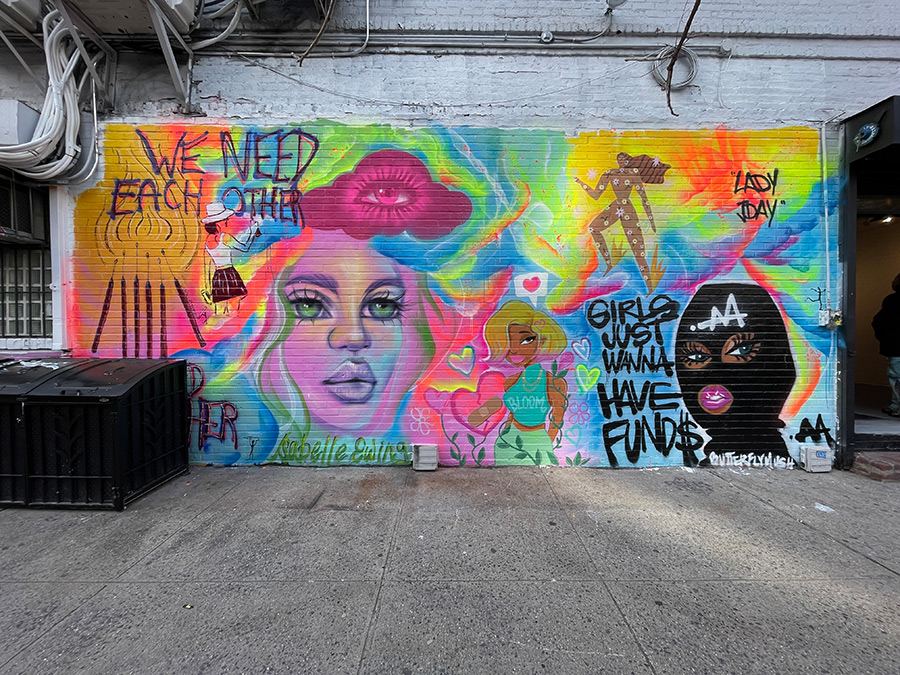
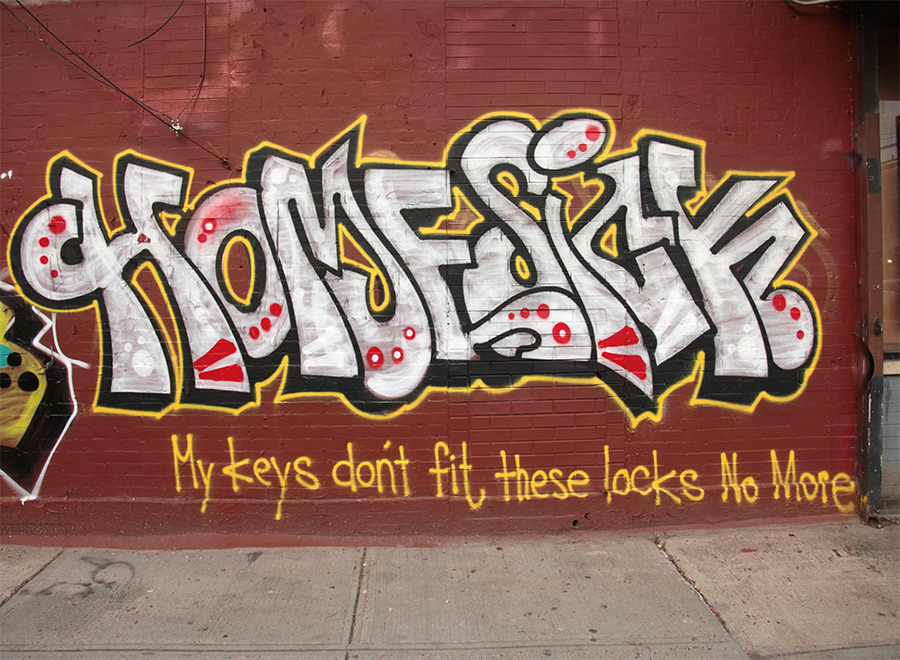
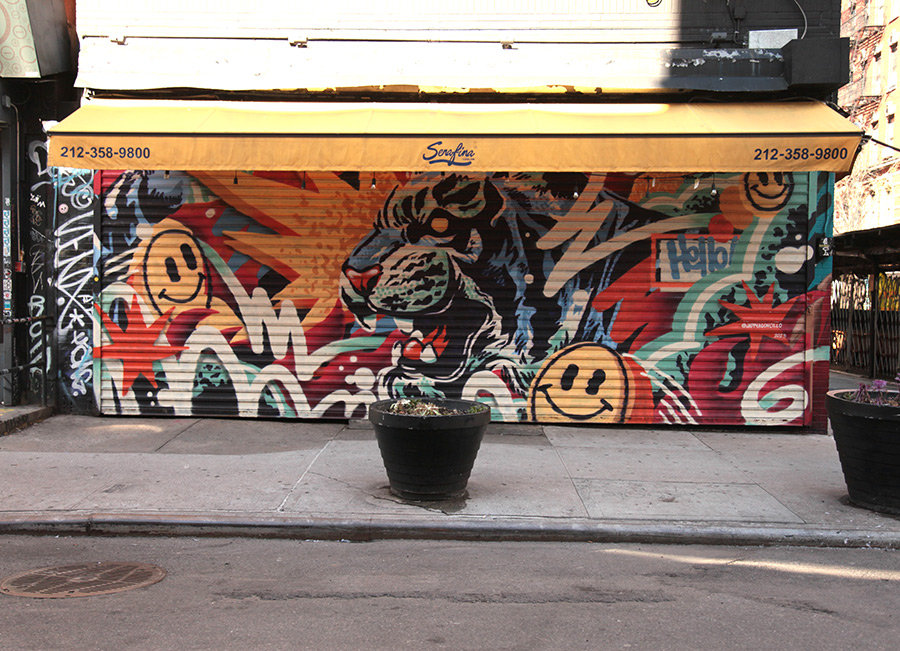
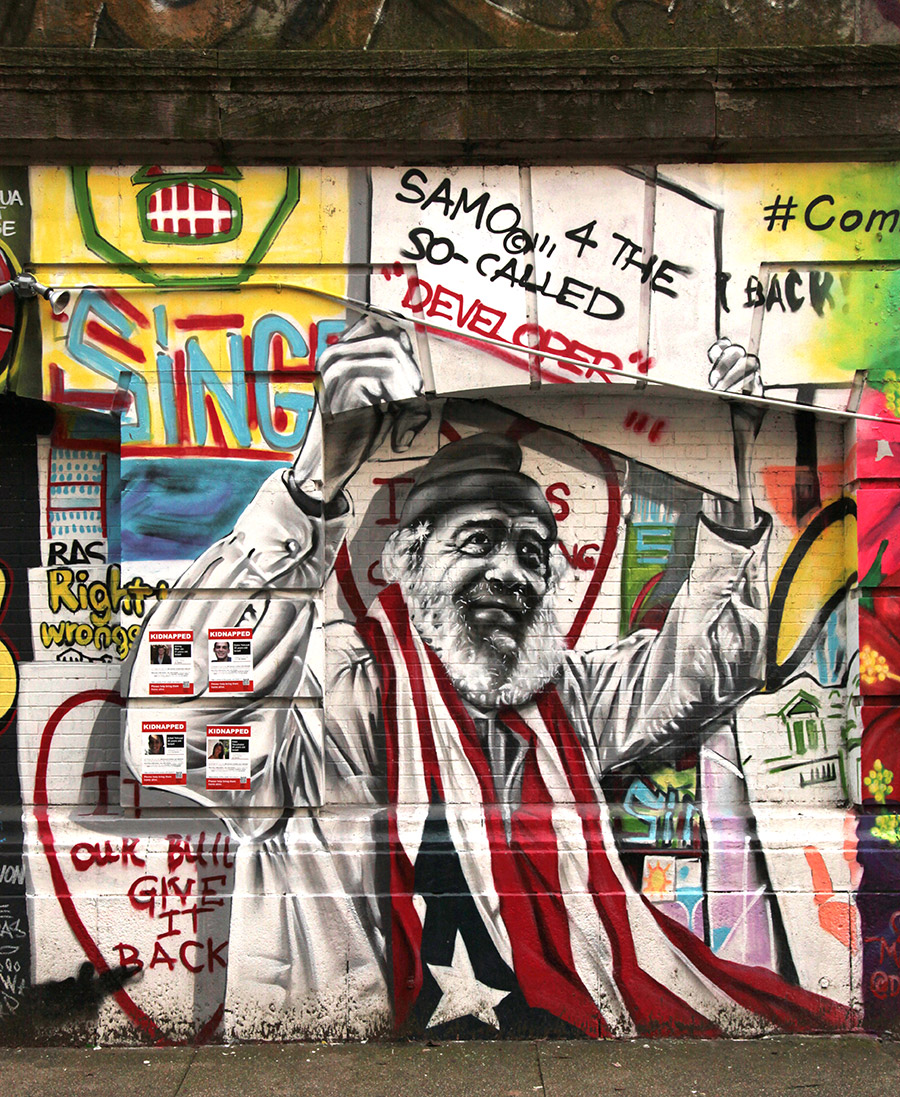
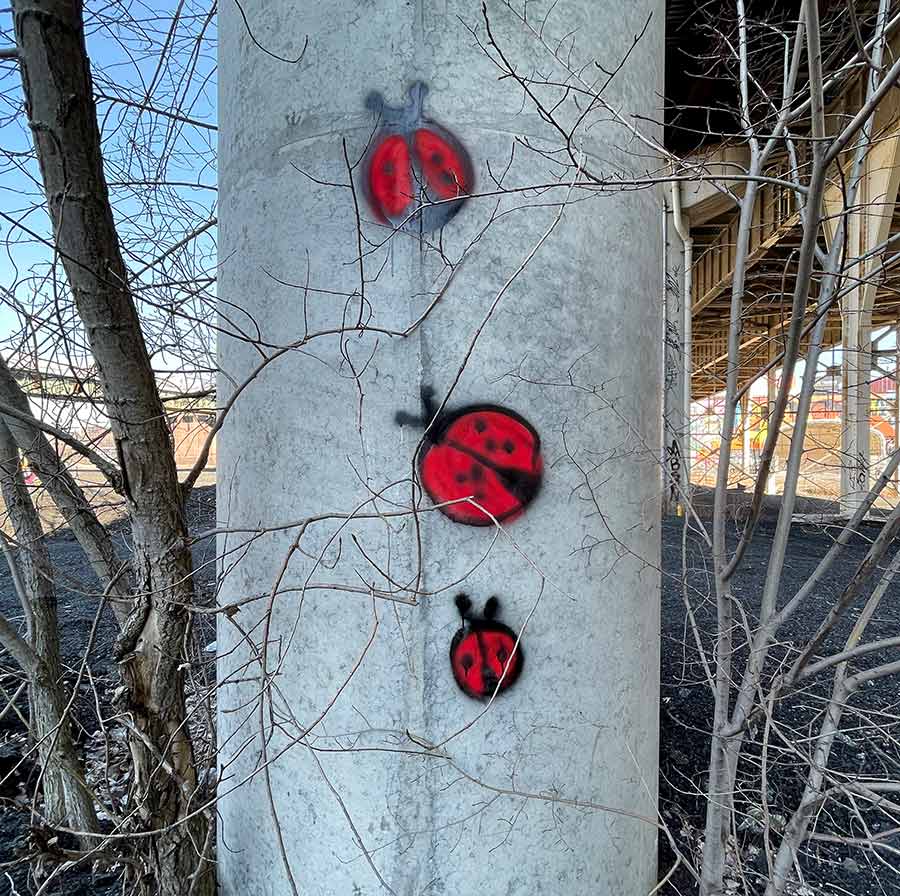
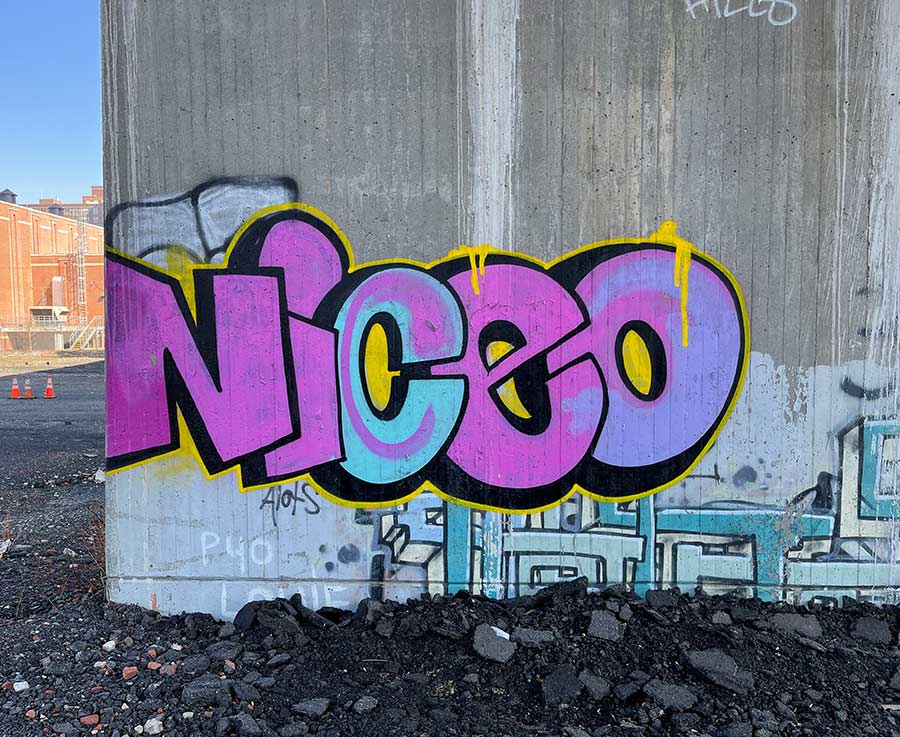
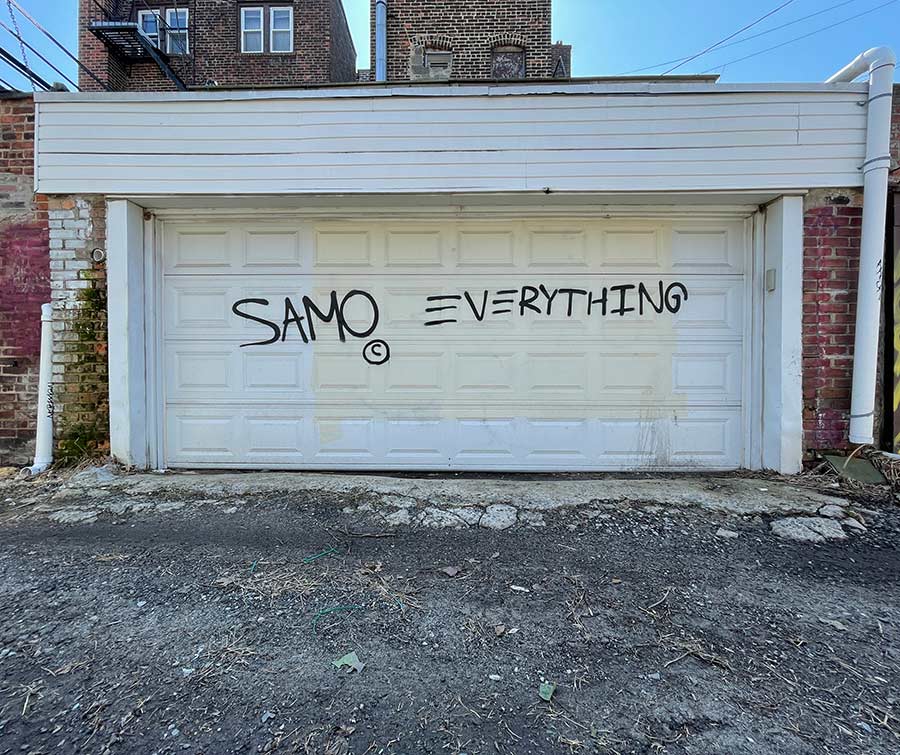
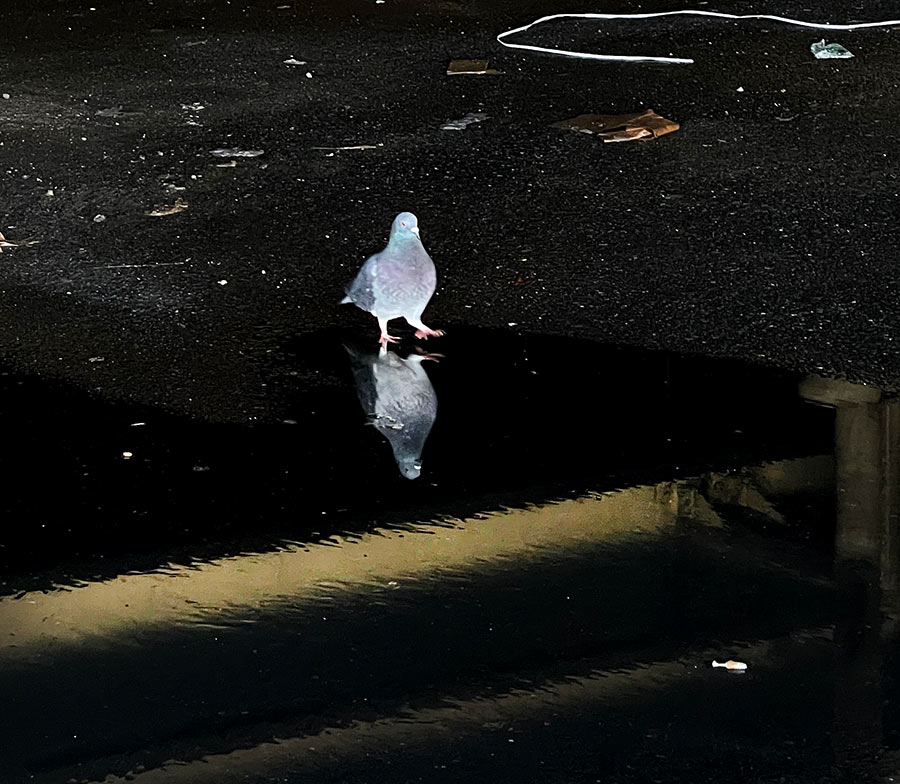
Welcome to BSA Images of the Week! This is the last weekend of the summer for some, a celebration of workers’ rights for others. Labor Day’s parade began in 1882 in Union Square, New York City. Now, unions are under attack, as they have been for a long time. However, without your labor, this city would not exist as it does today.
Labor Day in New York is more than just a long weekend — it’s a reminder of the people whose work has shaped the city and inspired workers’ movements worldwide. From builders and transit crews to teachers, caregivers, and service staff who keep daily life moving, New Yorkers have always been at the forefront of fighting for dignity and fairness on the job, often at great personal sacrifice. Like the uncommissioned art and permissioned art that fills our streets, some labor is public, visible, and often underappreciated — yet it leaves an unmistakable mark on the life of the city. We honor that history and salute the many workers across the five boroughs who carry it forward every day, with grit, pride, and a determination that makes New York what it is.
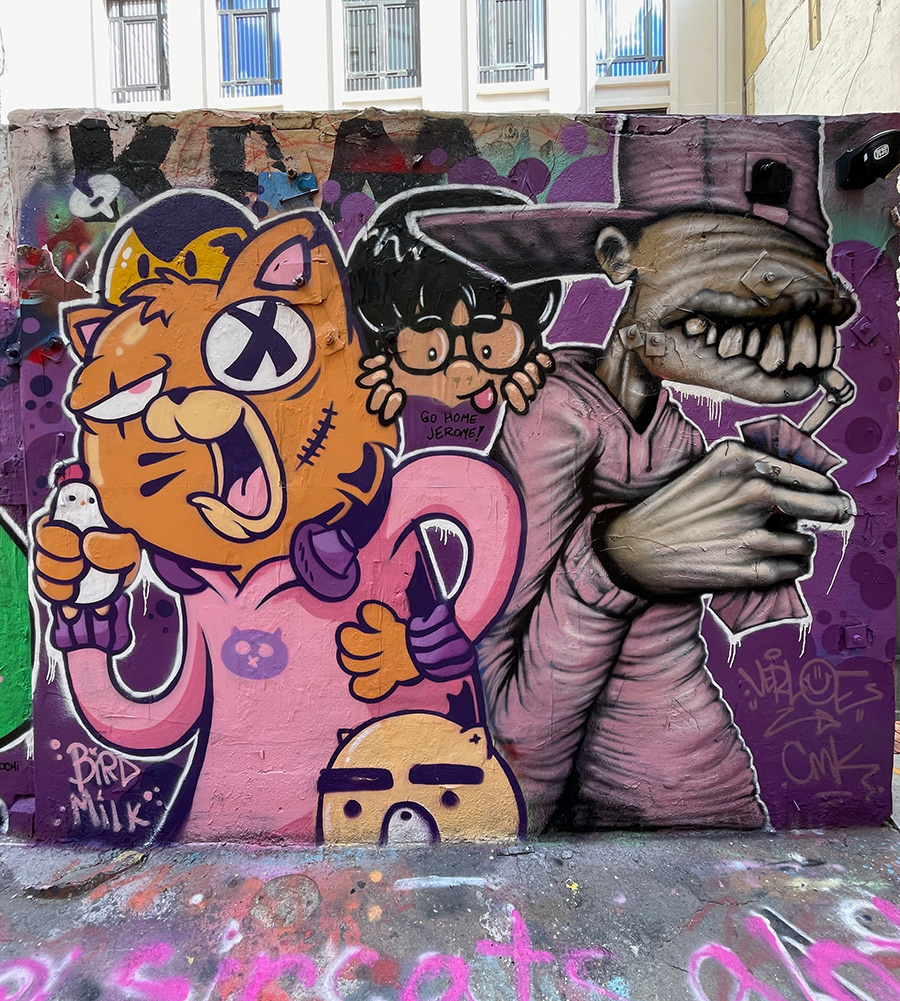
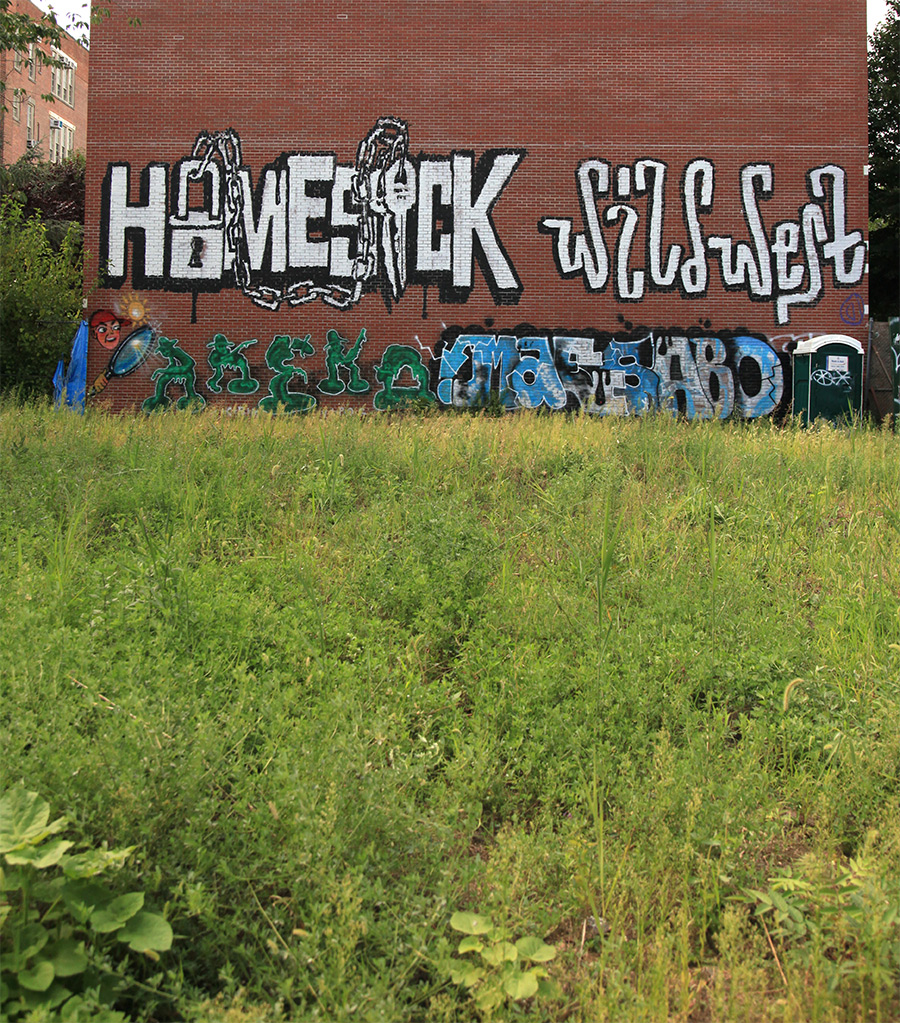
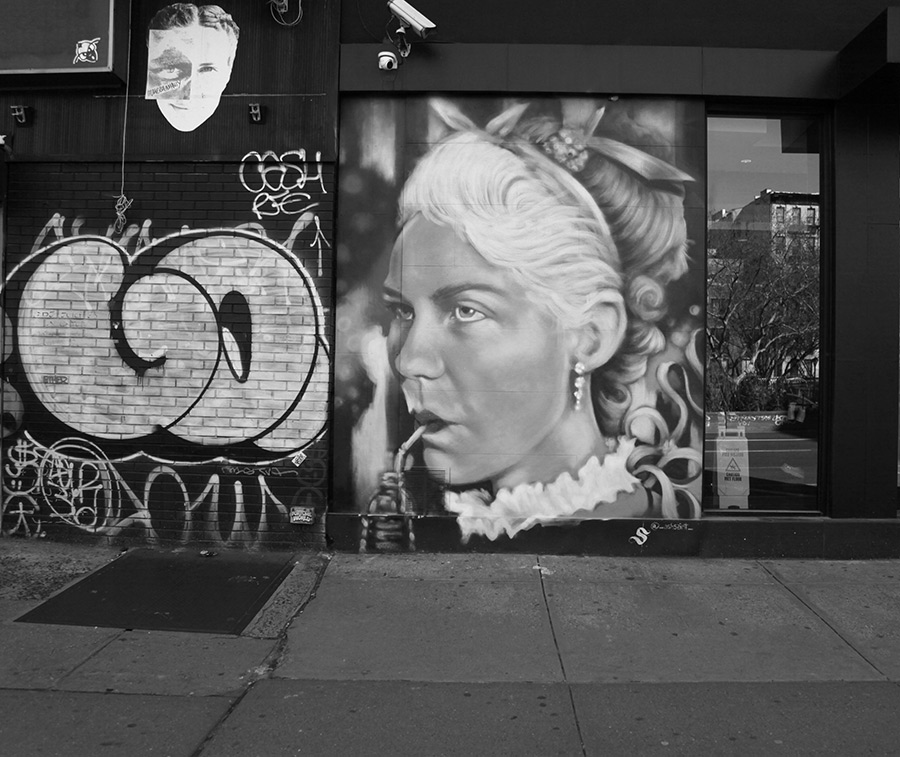
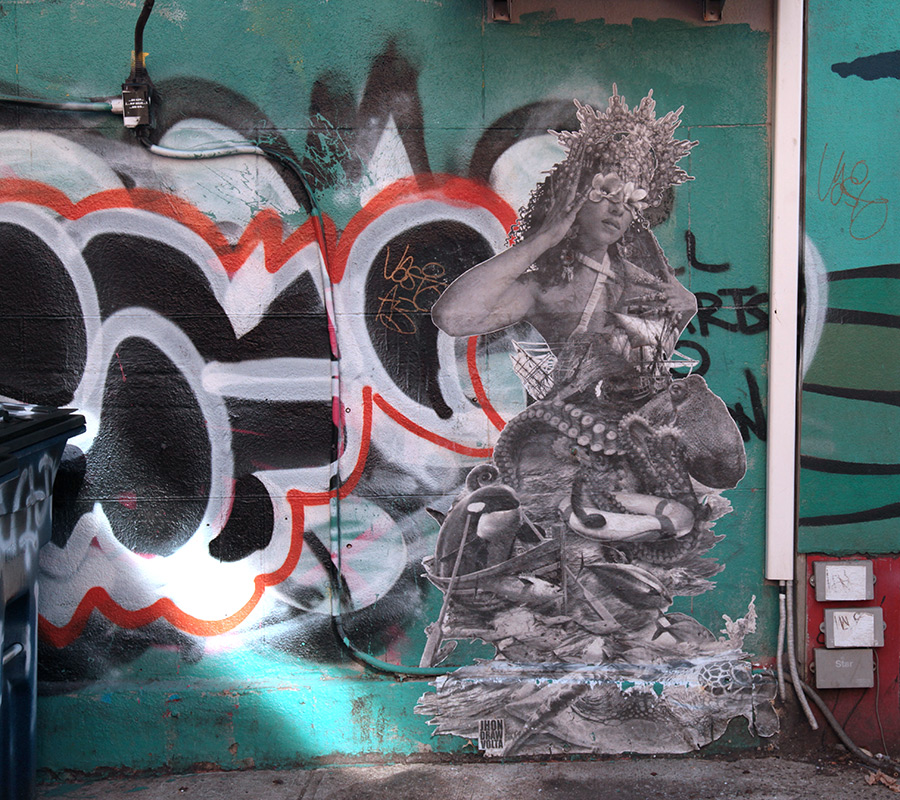
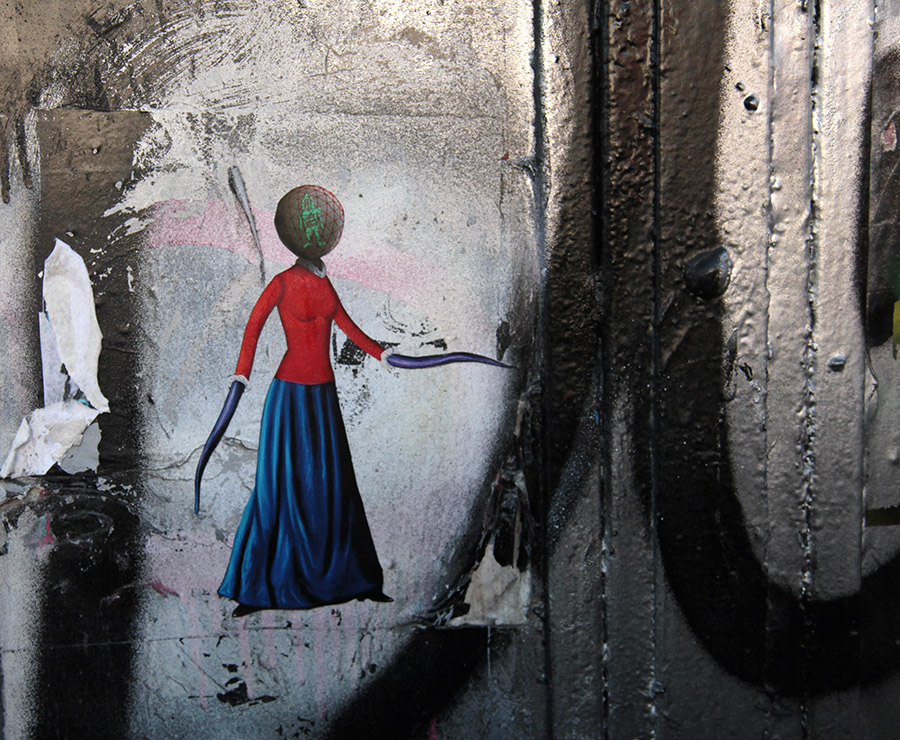
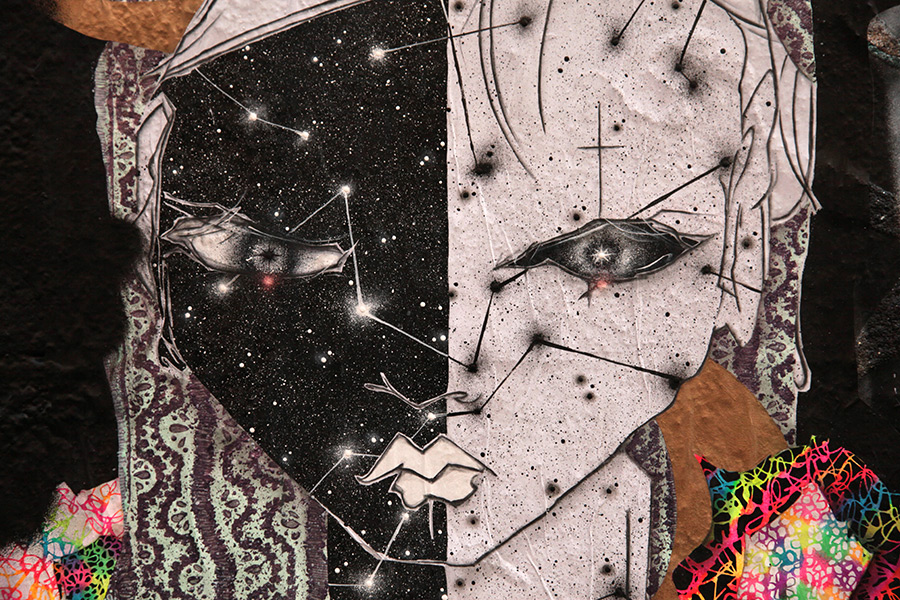
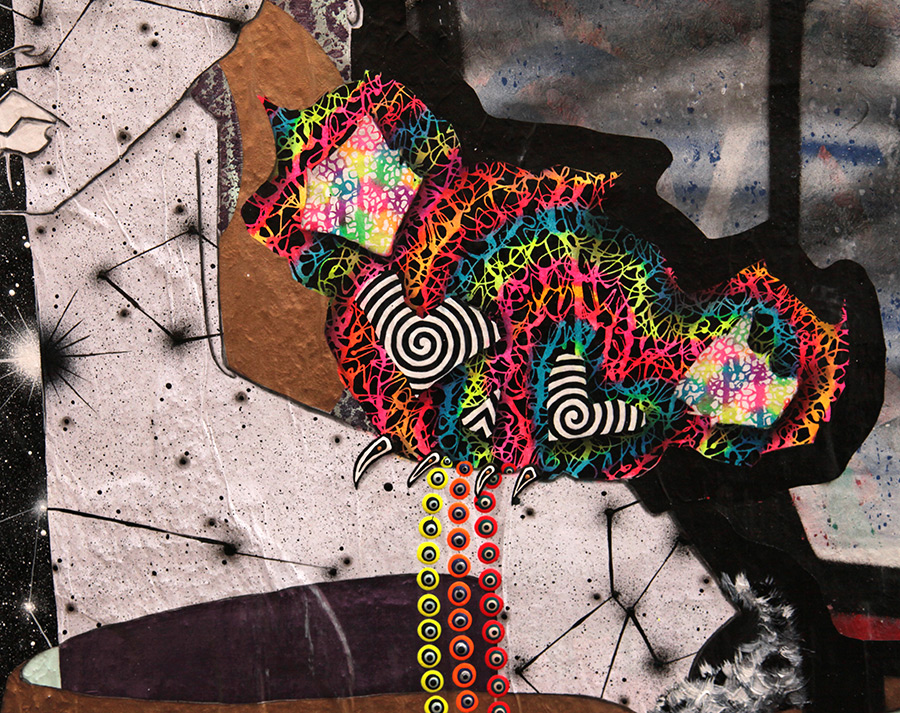
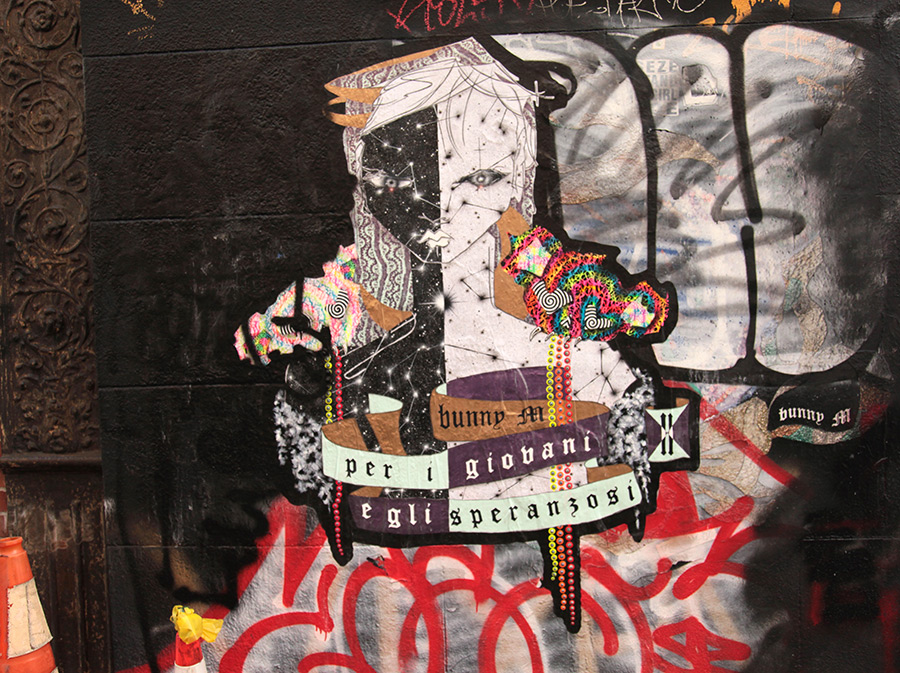
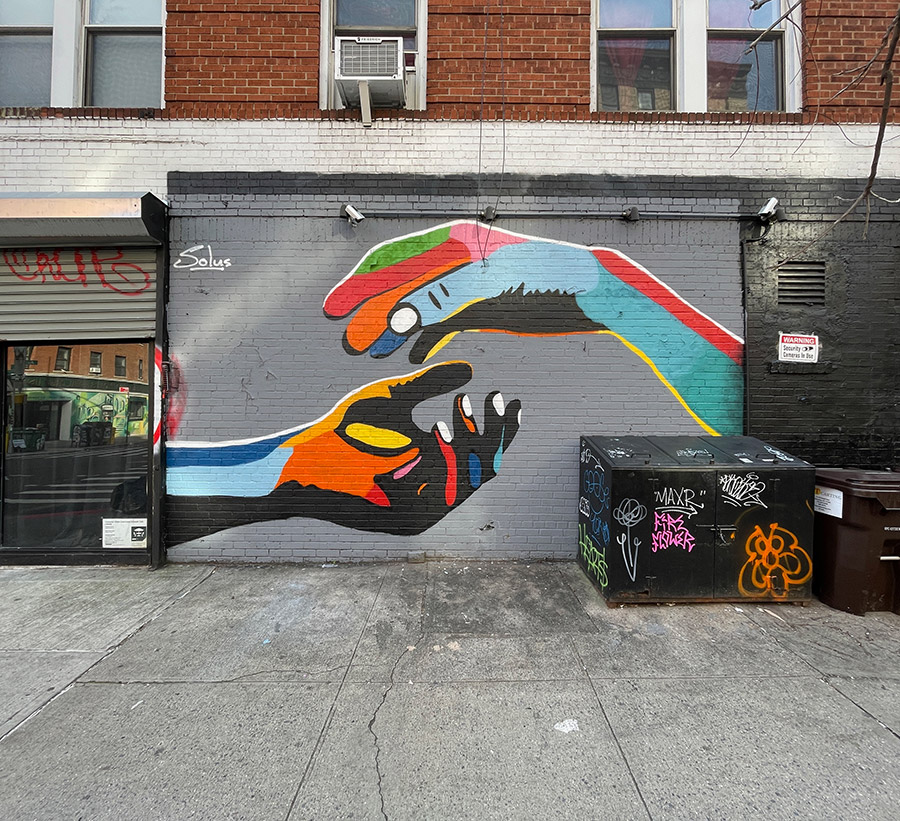
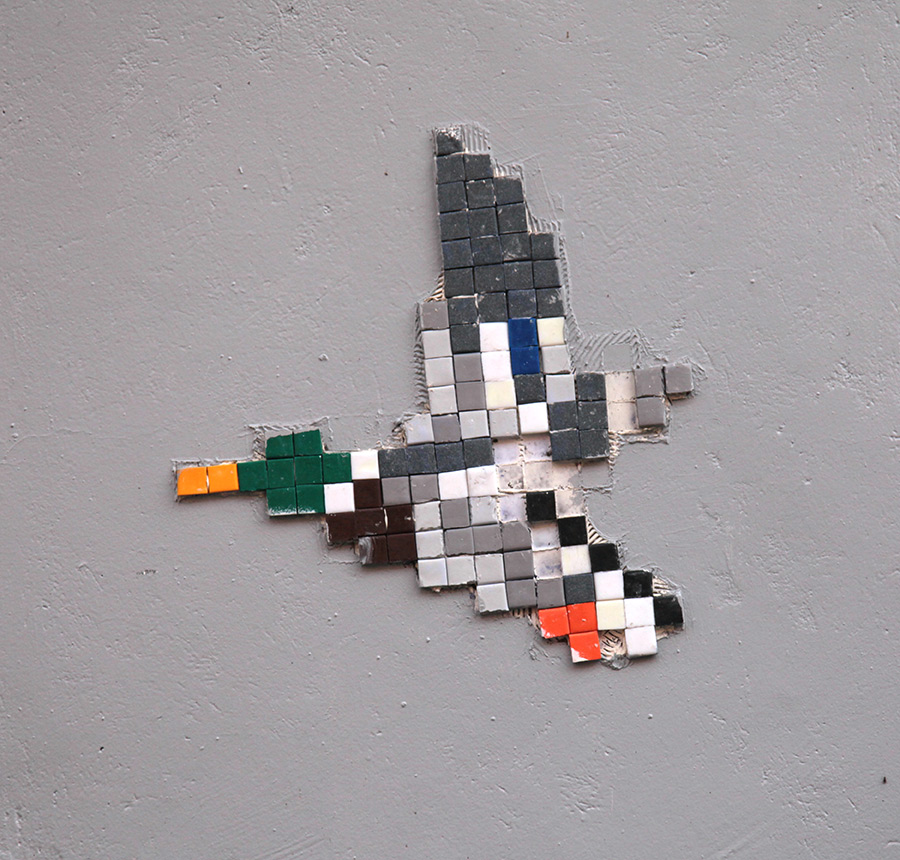
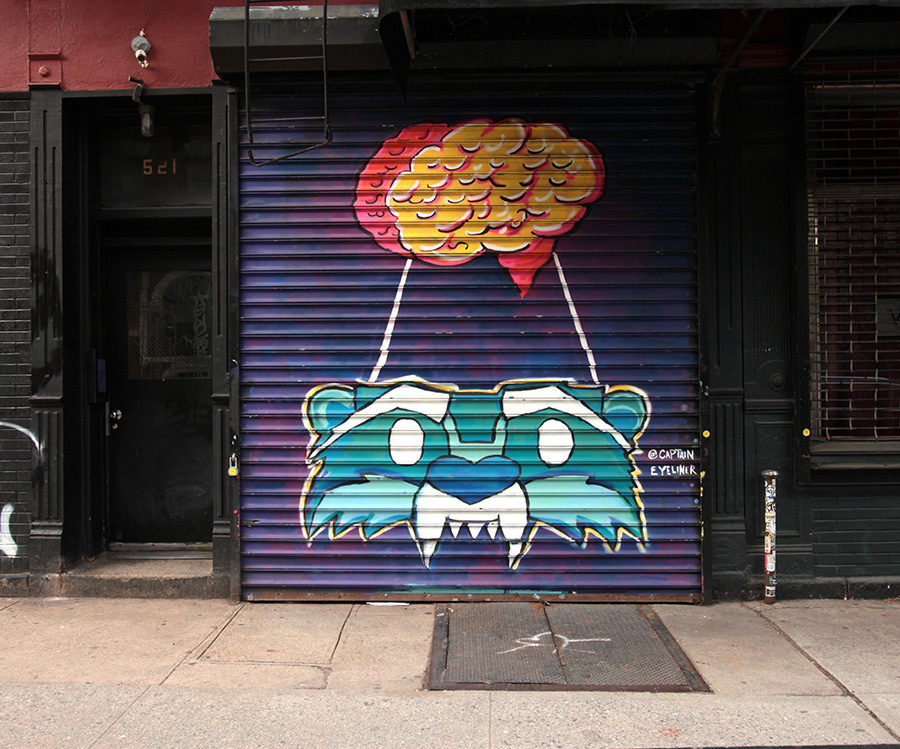
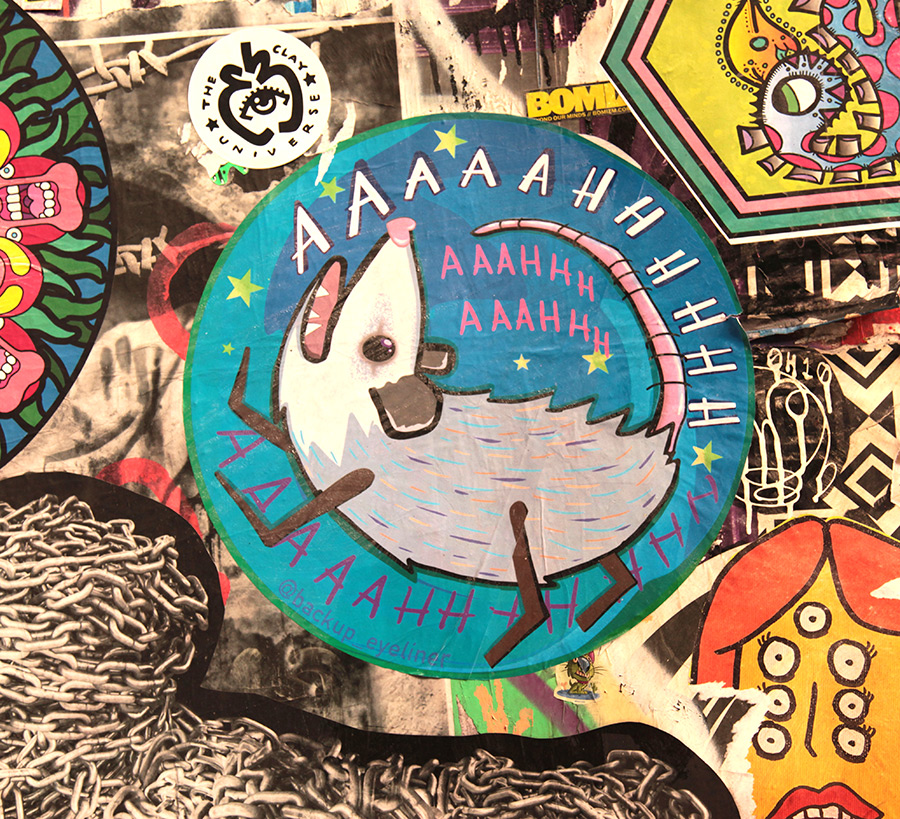
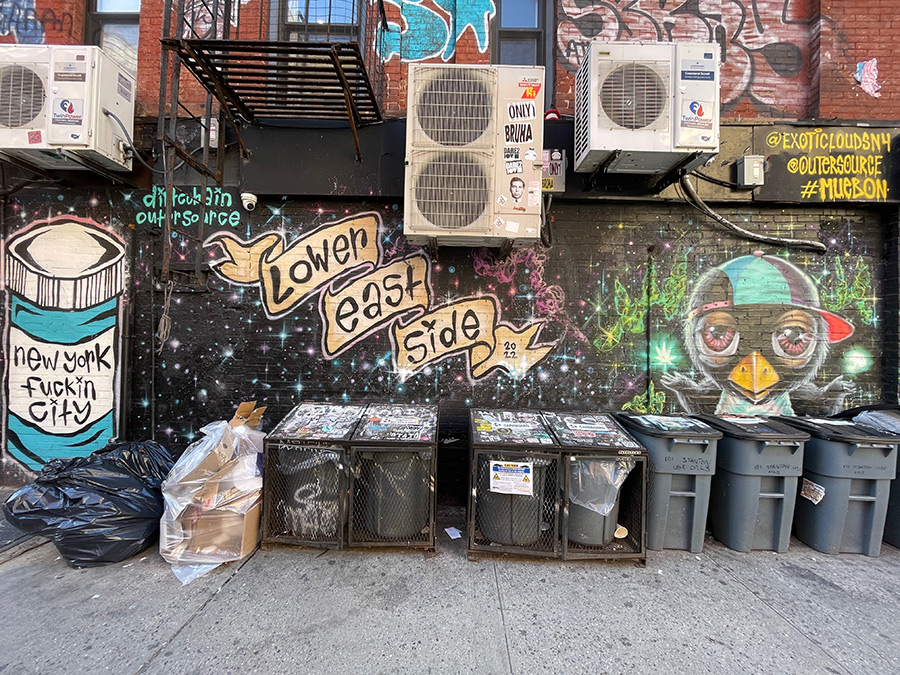
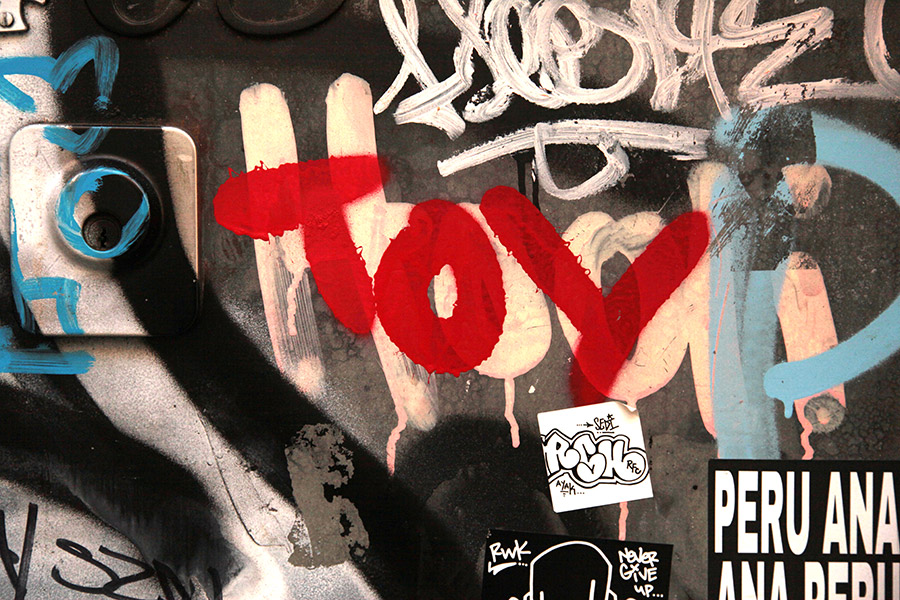
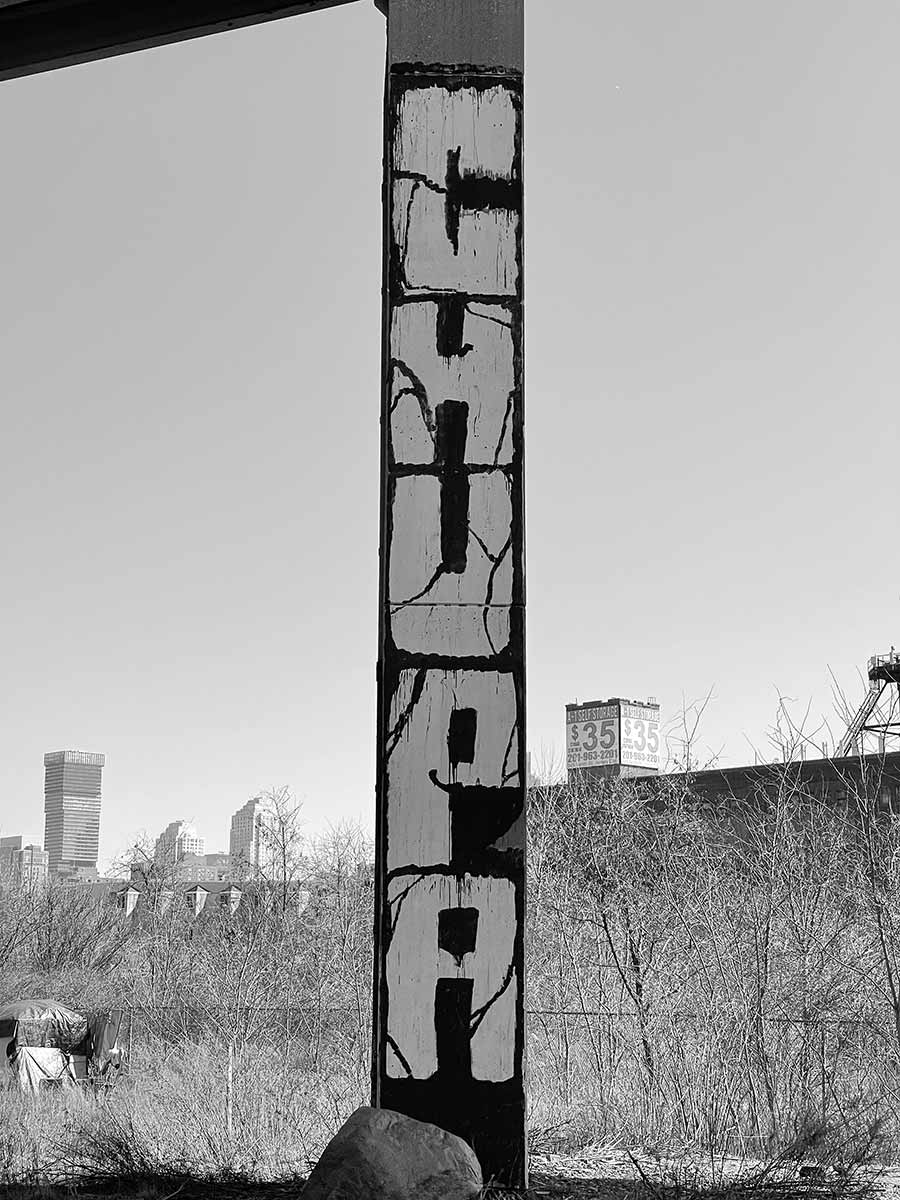
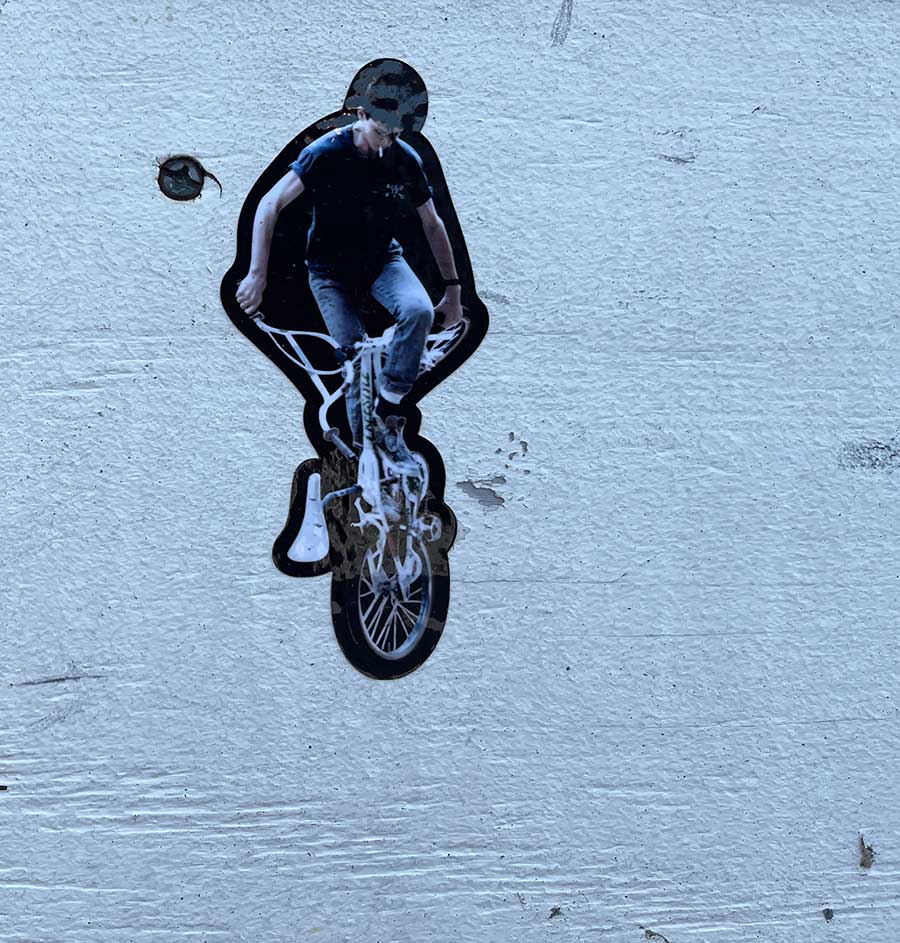
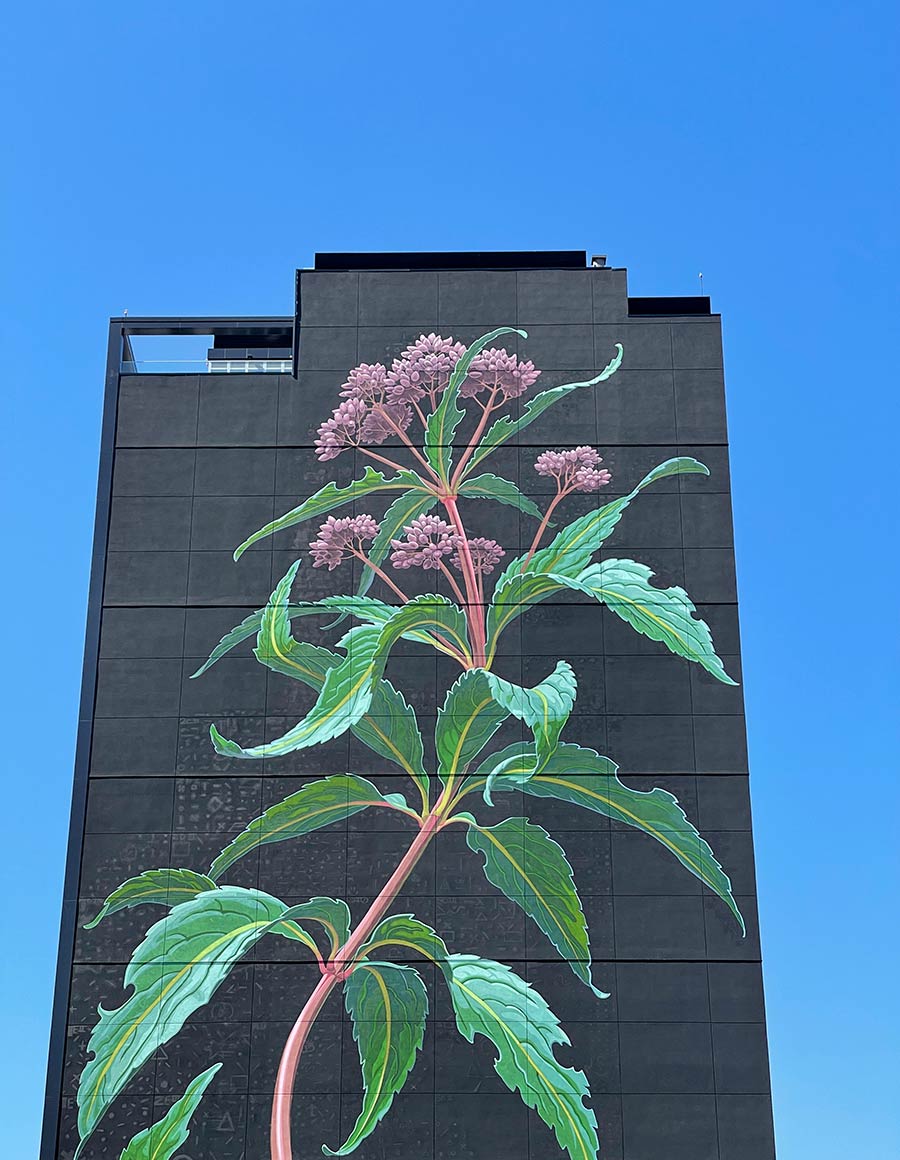
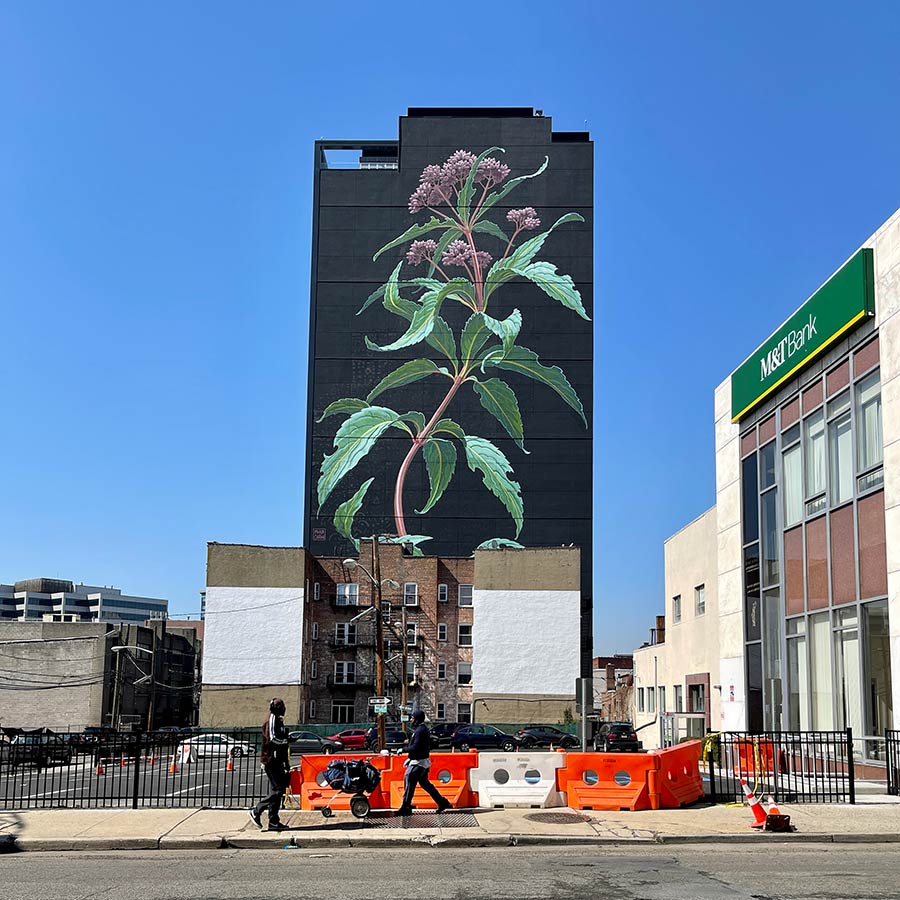
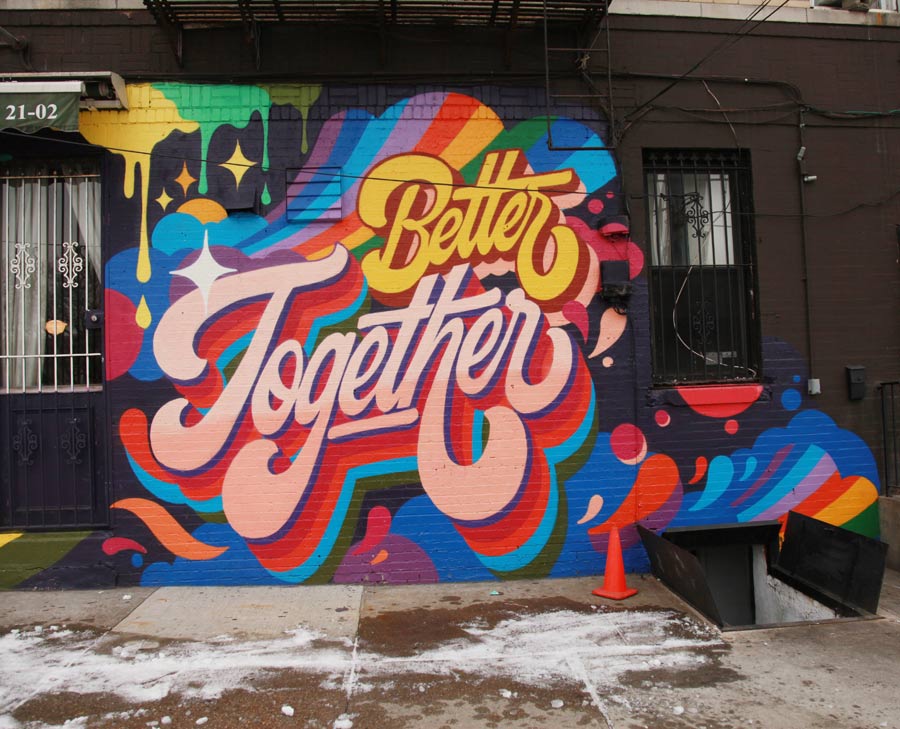
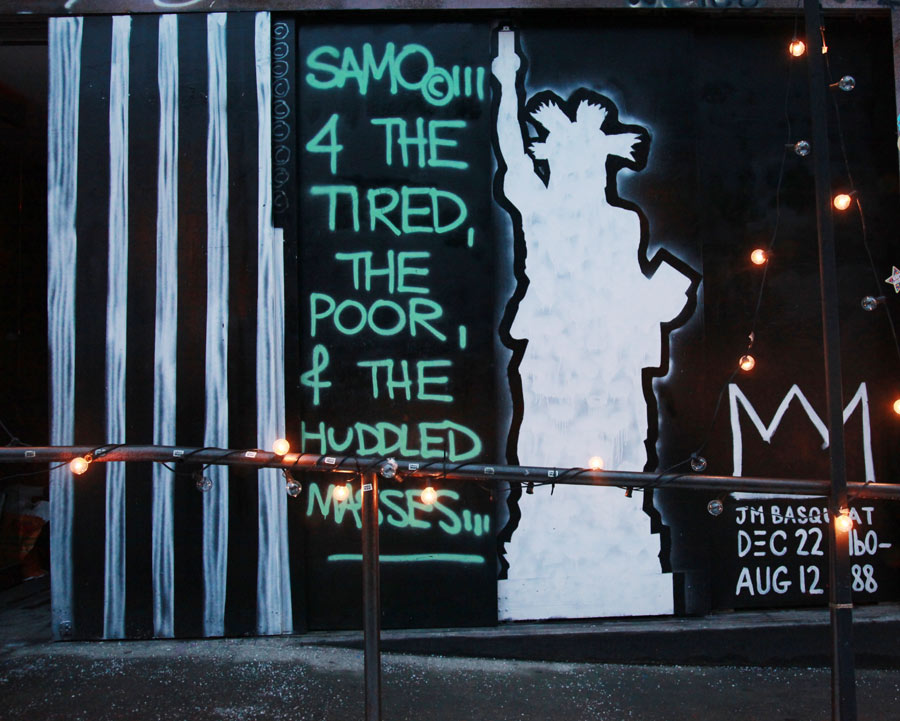
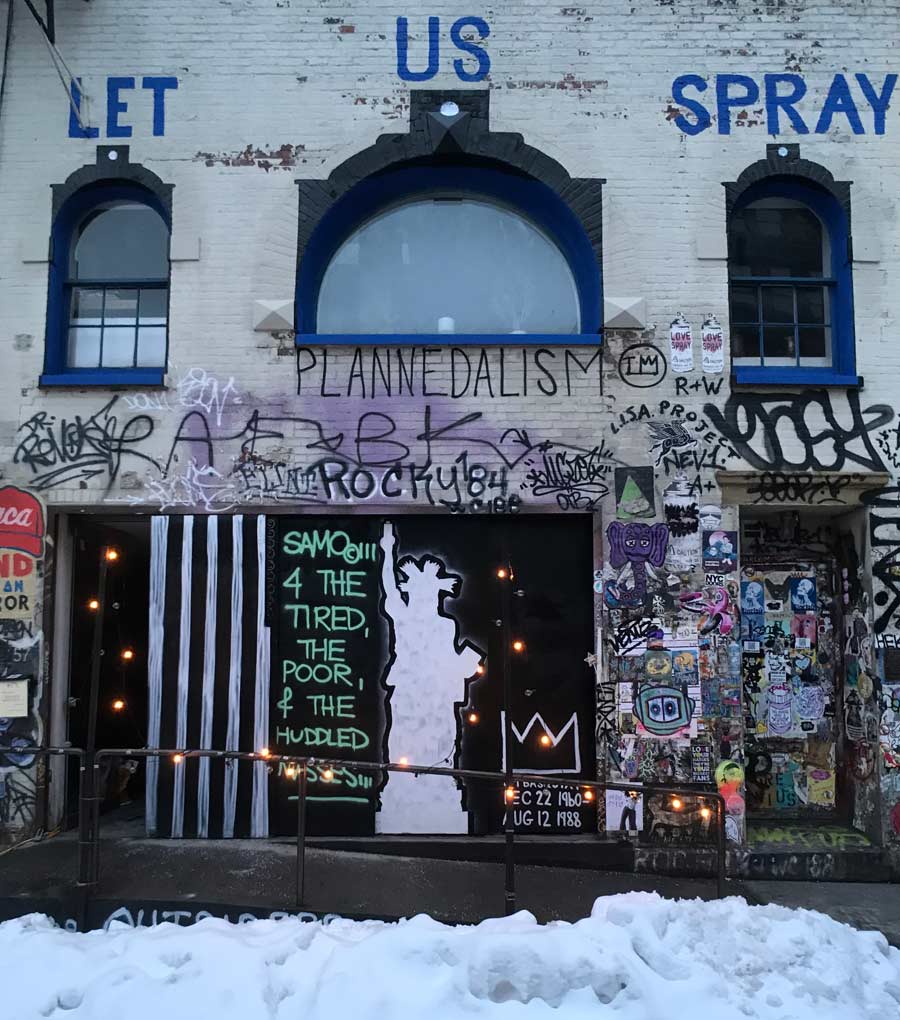
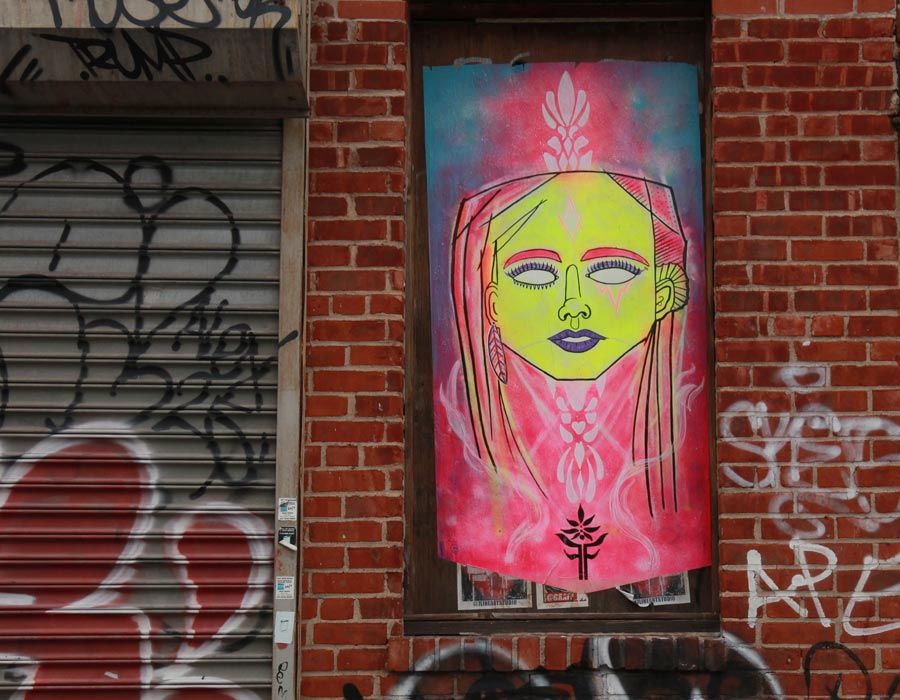
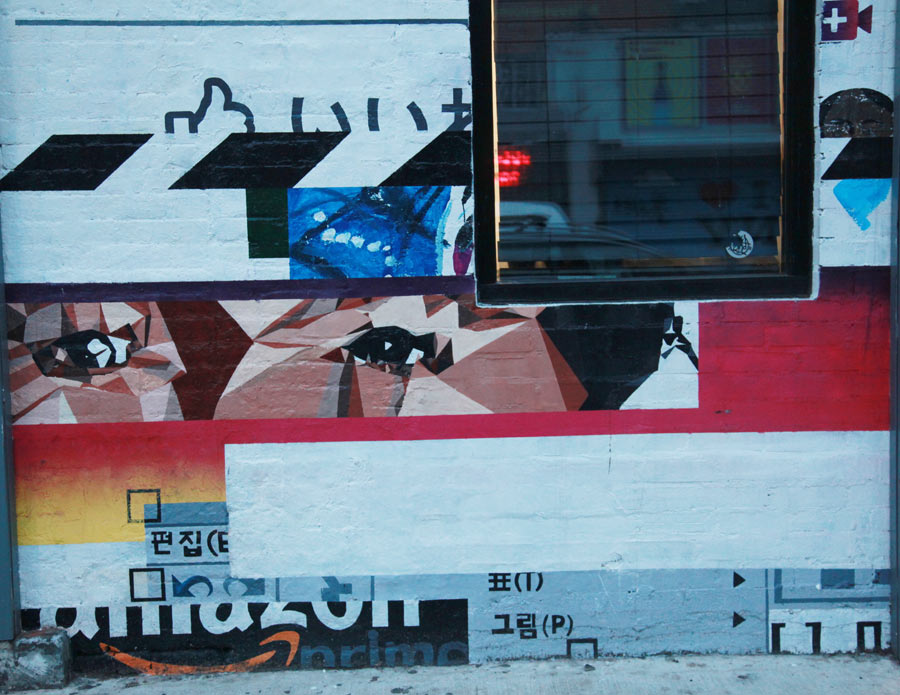
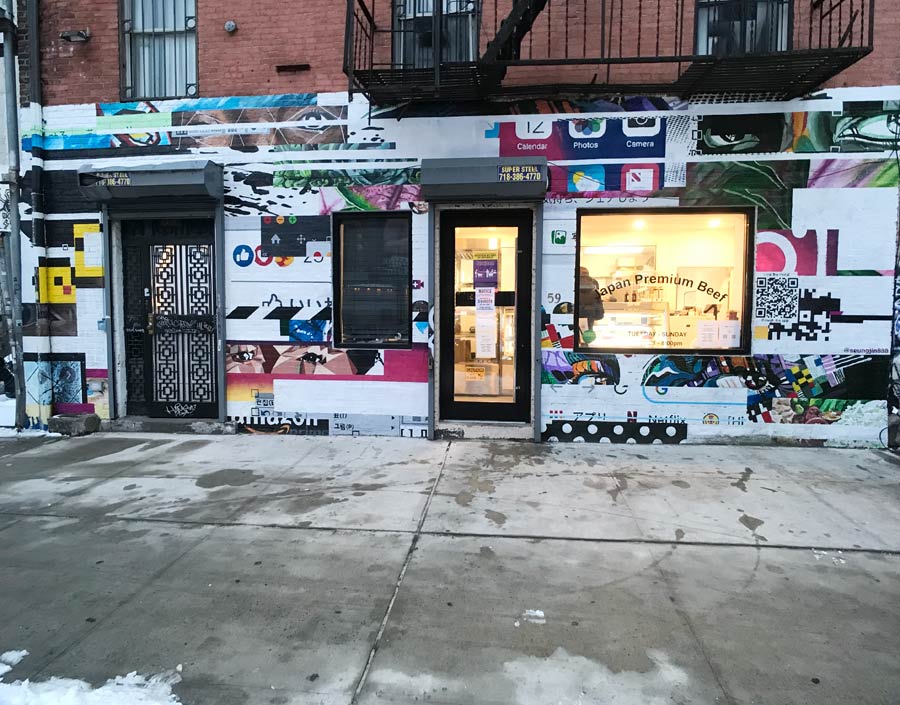
Here’s our weekly interview with the street, this week featuring works from Bird Milk, Crash, Duke A. Barnstable, Homesick, Molly Crabapple, PAGED, SAMO@, SAMOI, TFP Crew, and Wild West.
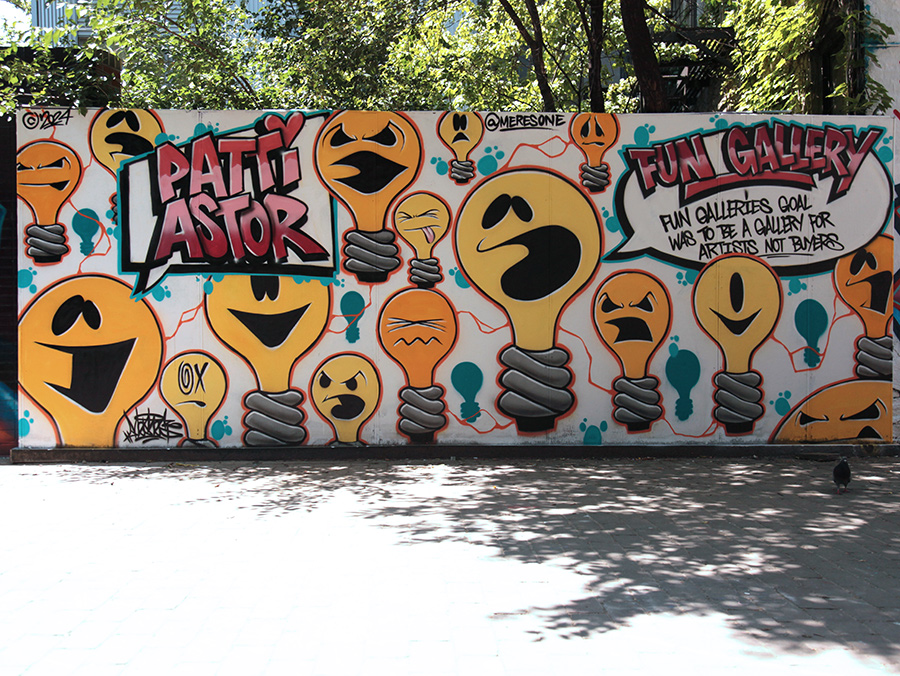
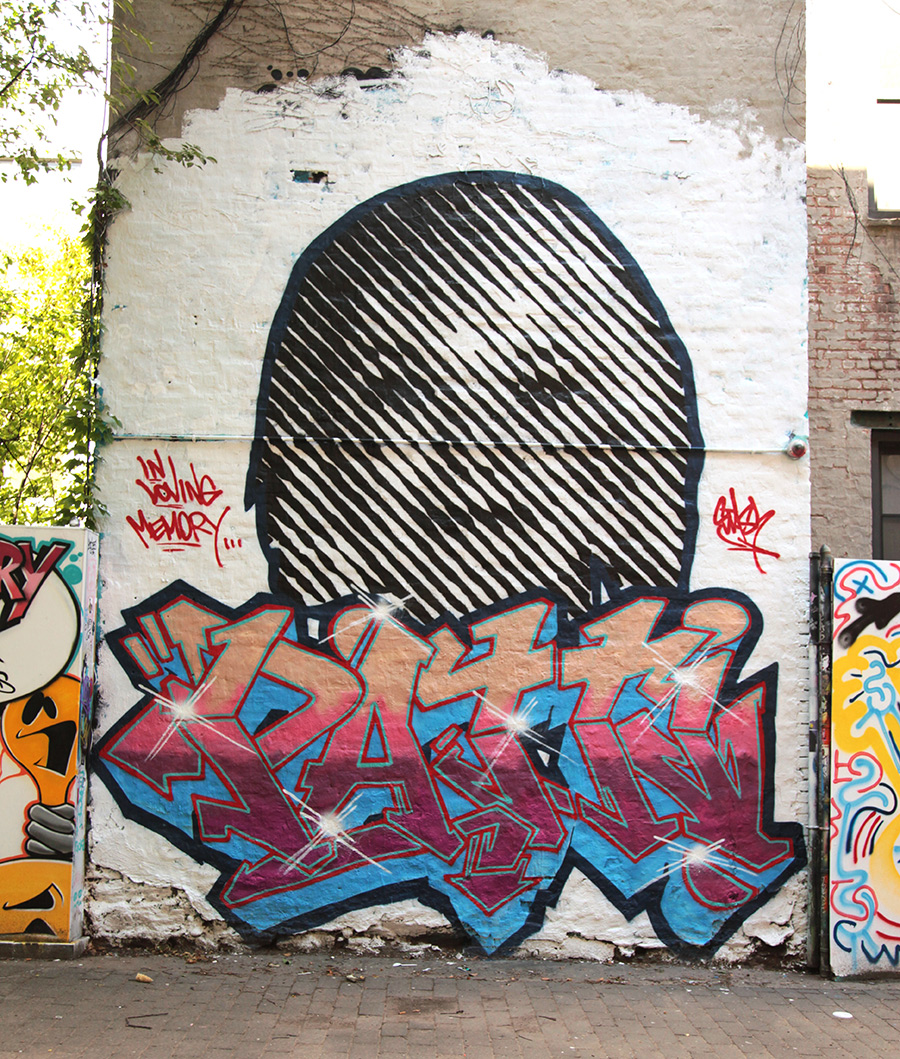
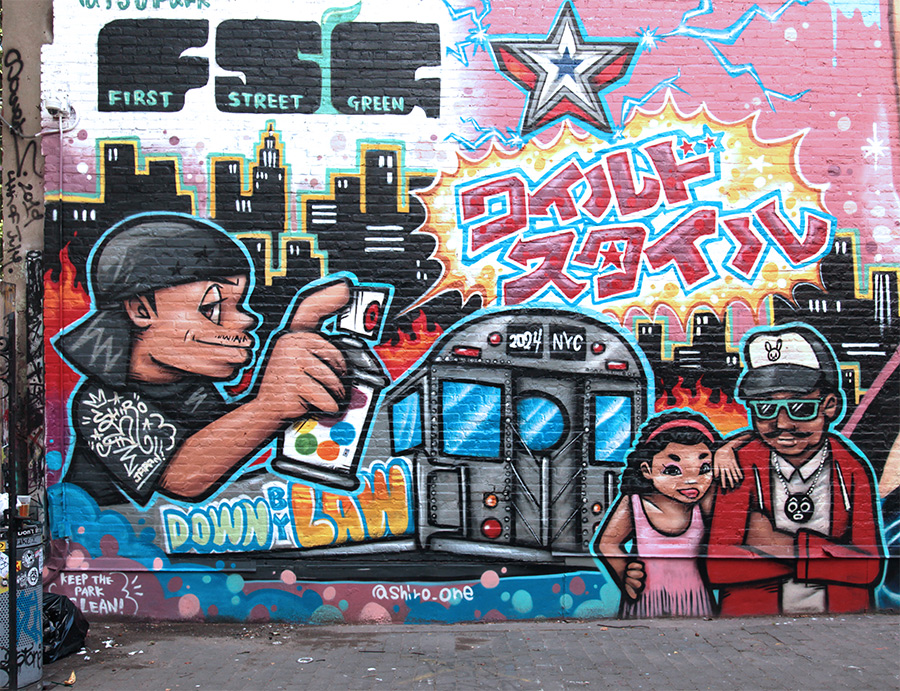
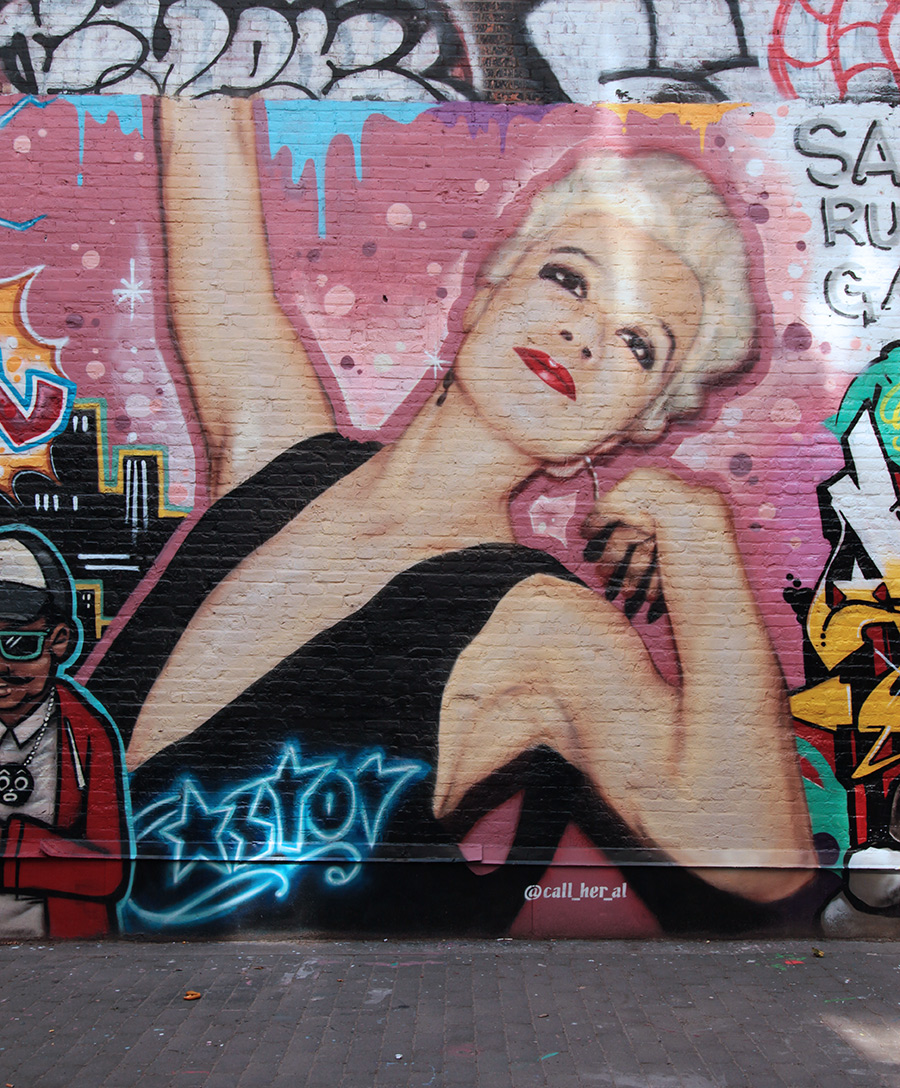
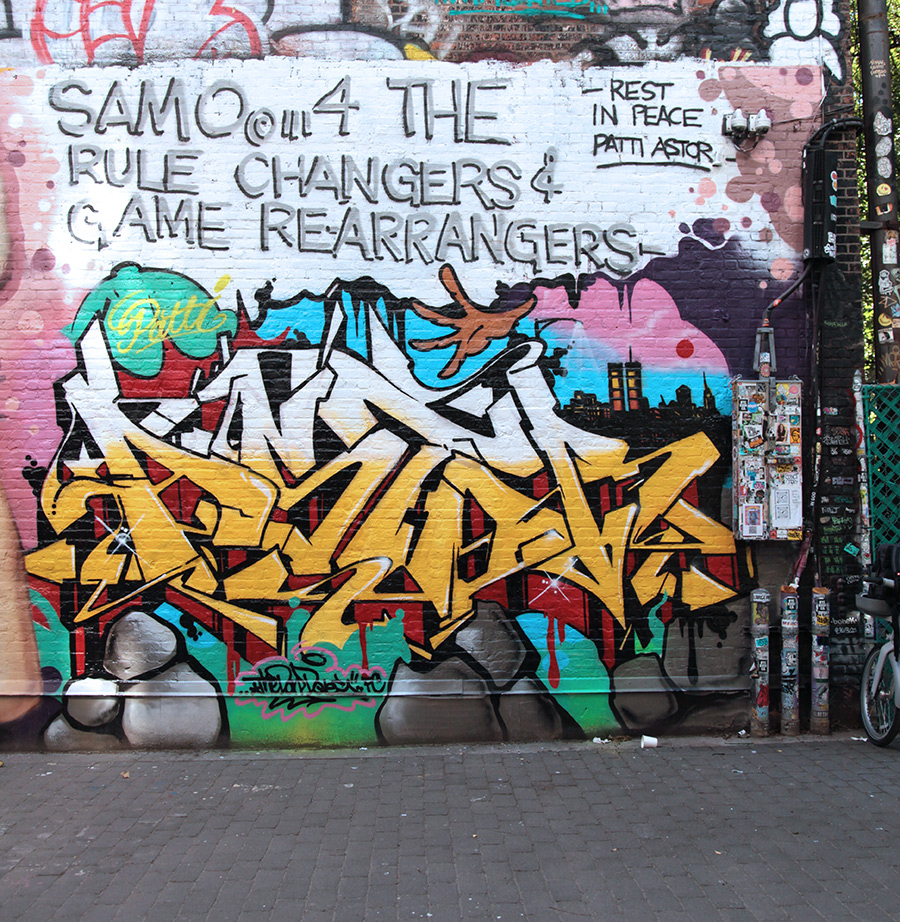
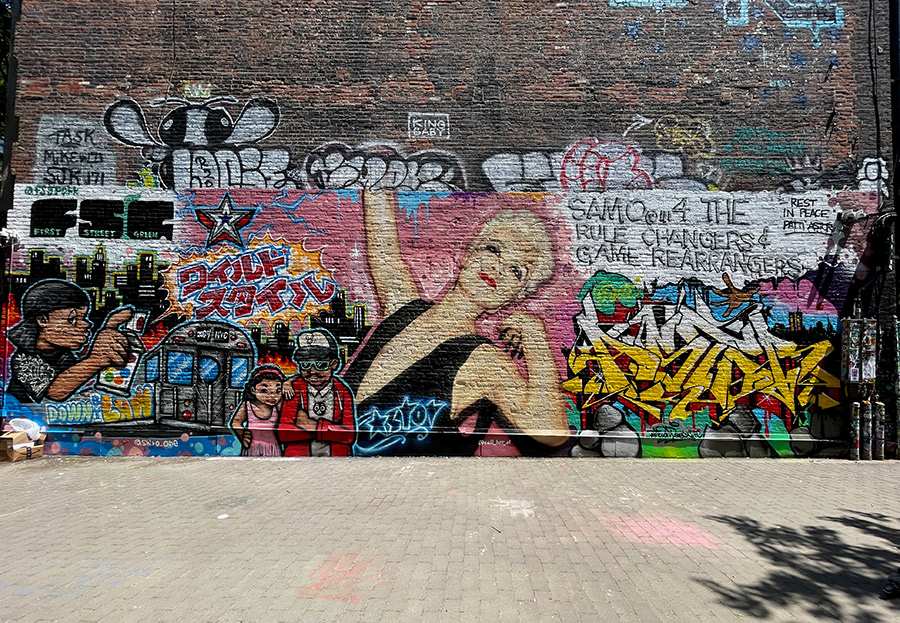
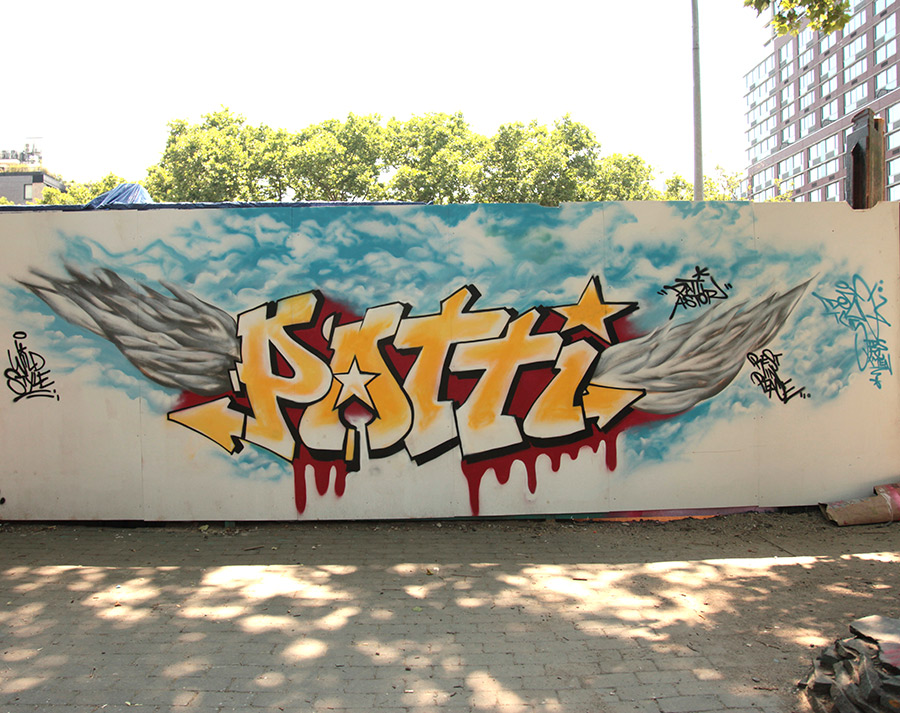
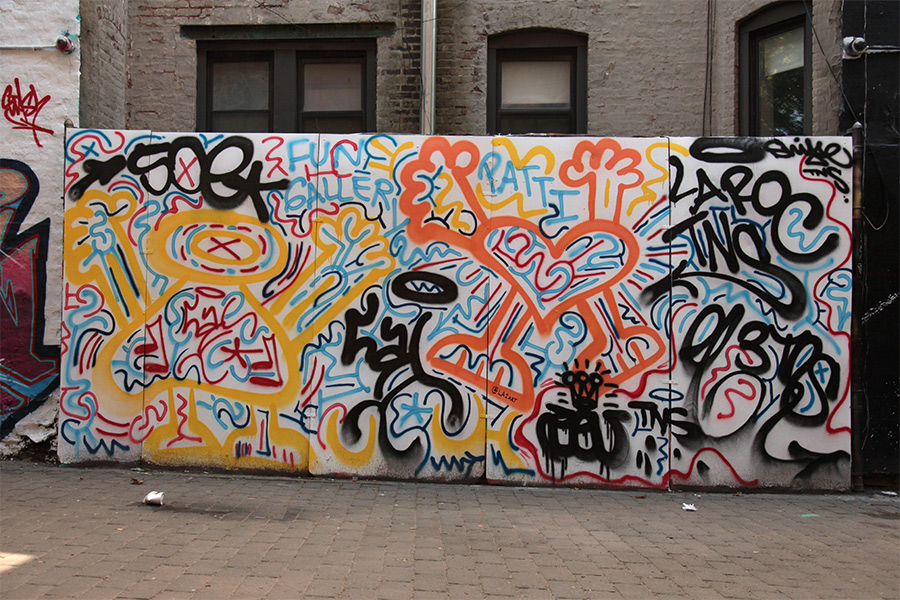
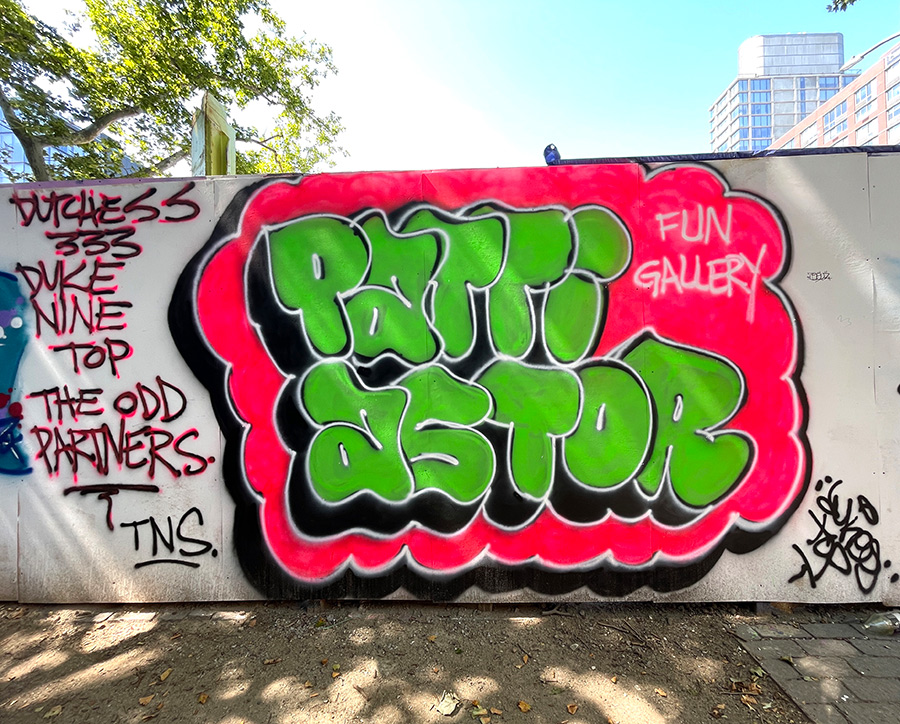
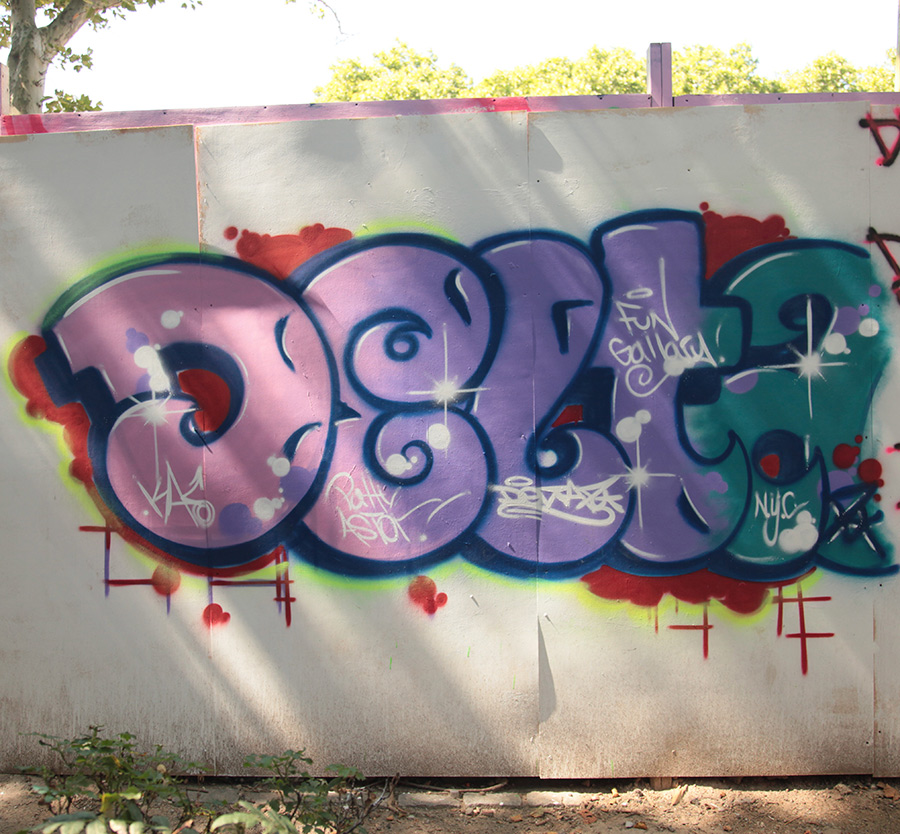
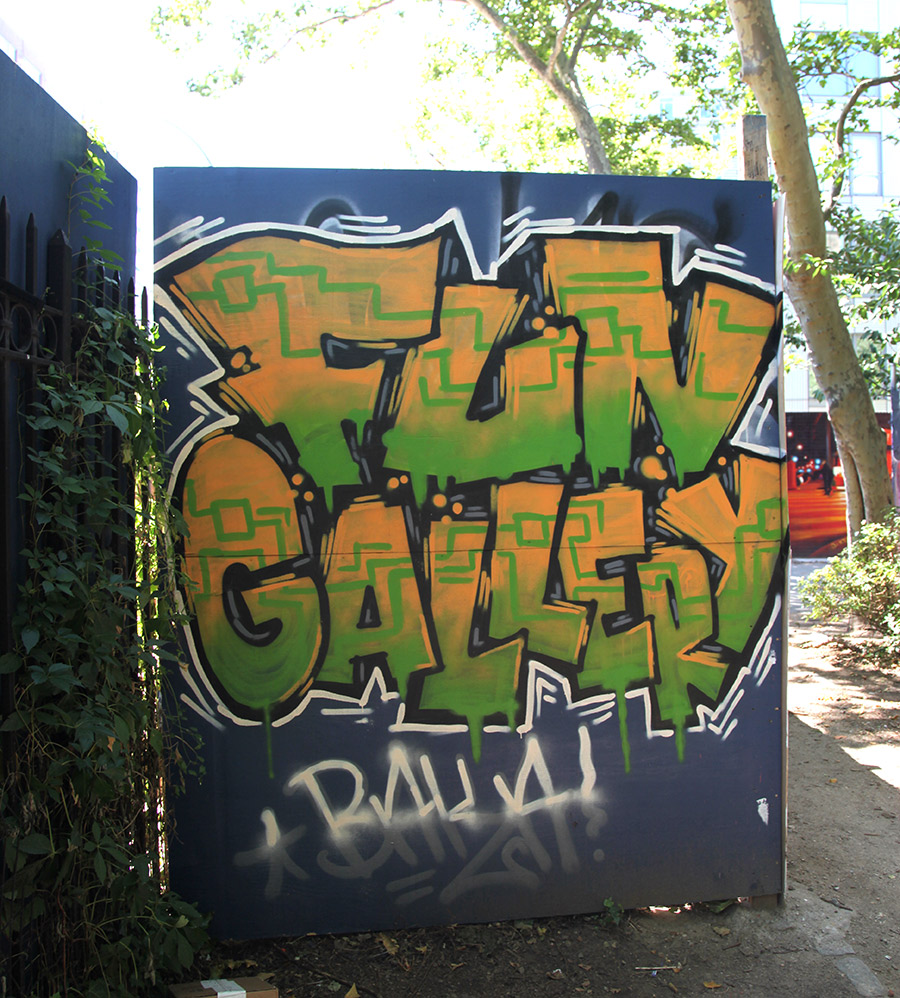
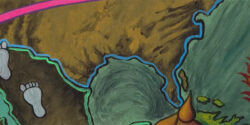
A true New York mix of friends and fans recently gathered in Manhattan at the First Street Green Park on the north side of Houston Street for a personal sendoff and remembrance of Patti Astor in a city she loved. Here are some of the paintings left behind, echoing an earlier time with the DNA of today. While the list of organizers and attendees is incomplete, notable mentions include Delta2, Al Diaz, Meres, Futura, Dr. Revolt, Snake 188, Fab Five Freddy, and Charlie Ahearn. These folks and many others played a part in the vibrant Downtown graffiti scene and the broader fusion of hip-hop and punk culture that flourished in NYC during the 1980s. Perhaps it’s obvious to say so, but when you’re creative and follow your passions, you never know how many lives you will touch.
Astor, often hailed as a star, legend, and avant-garde pioneer, left an enduring legacy that inspired countless artists and cultural enthusiasts. Born Patricia Titchener in Cincinnati, she moved to New York City in 1968, attending Barnard College before joining the anti-war movement. By 1975, she was fully immersed in the underground film scene, collaborating with filmmakers like Eric Mitchell and Amos Poe.
Astor’s film career included roles in Poe’s “Unmade Beds” and “The Foreigner,” but her most iconic performance came in Charlie Ahearn’s 1982 film “Wild Style.” In “Wild Style,” Astor played a roving reporter navigating the Bronx’s vibrant graffiti and hip-hop culture, bridging the gap between uptown graffiti artists and the downtown art scene. This role cemented her status as an underground film star and deepened her connection to New York’s graffiti movement.
In 1981, Astor and Bill Stelling opened Fun Gallery in the East Village. This groundbreaking space showcased artists like Jean-Michel Basquiat, Jane Dickson, Keith Haring, and Kenny Scharf and graffiti legends such as Futura 2000, Fab 5 Freddy, and Lee Quinones. It became a pivotal venue for the East Village art scene, fostering a community where graffiti art was celebrated and legitimized within the broader art world. In some notable cases, it helped elevate the careers of many artists who would achieve international acclaim.
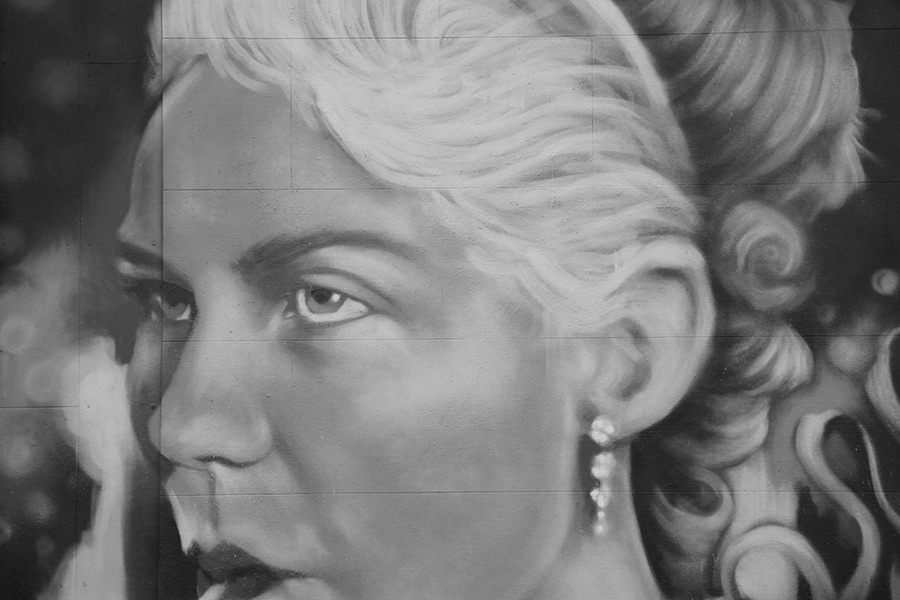
Since her passing, many have highlighted Astor’s multifaceted contributions to art and culture. Her enthusiasm and belief in the value of graffiti art opened doors for a diverse array of artists and supercharged its many distributaries. The vivid energy in these new pieces is a testament to Patti Astor’s lasting impact on the art world, celebrating her legacy as a true pioneer who brought the eclectic vibrancy of New York’s streets into galleries and history.
Welcome to BSA Images of the Week! Set your clocks forward an hour!
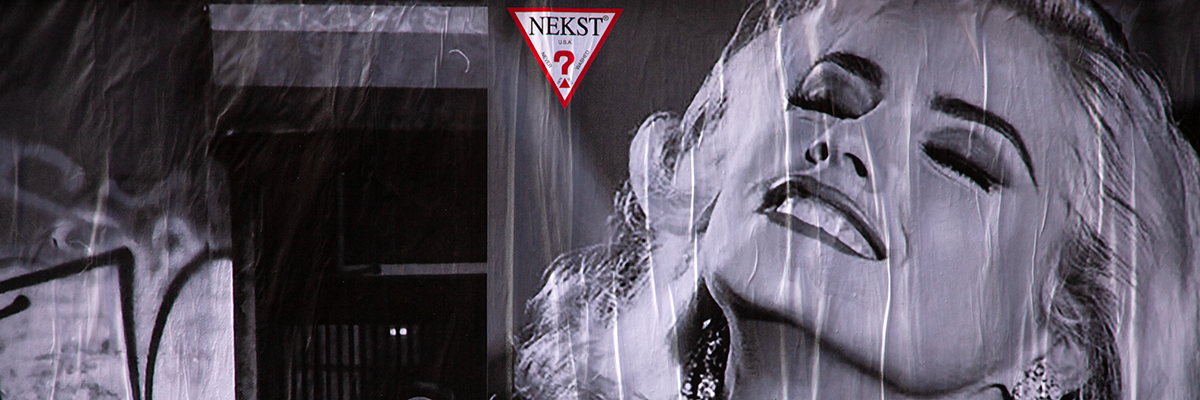
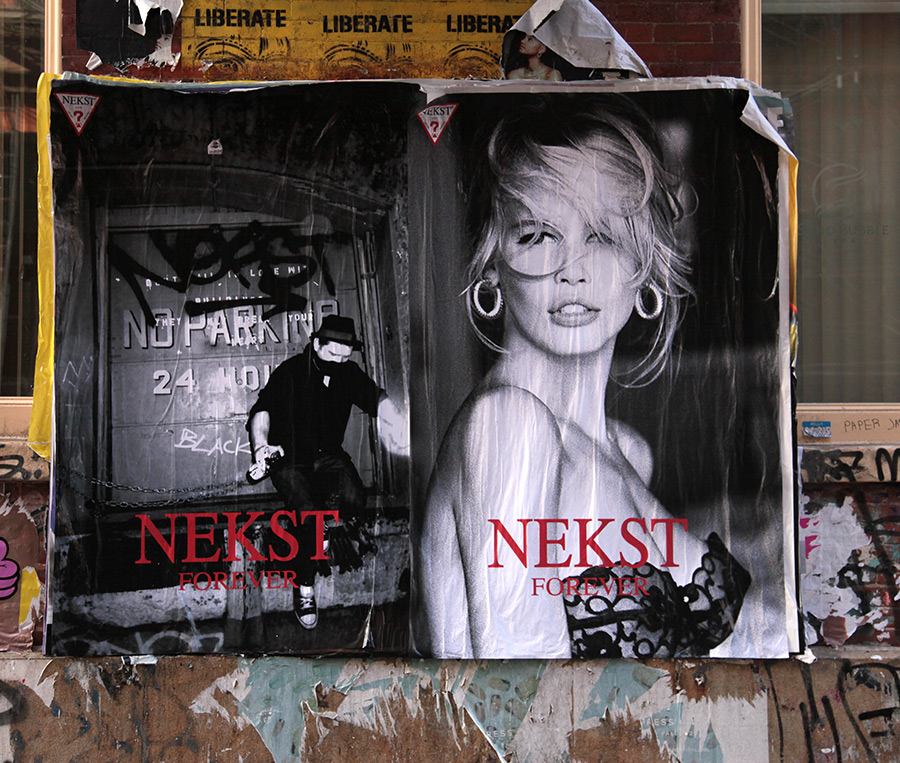
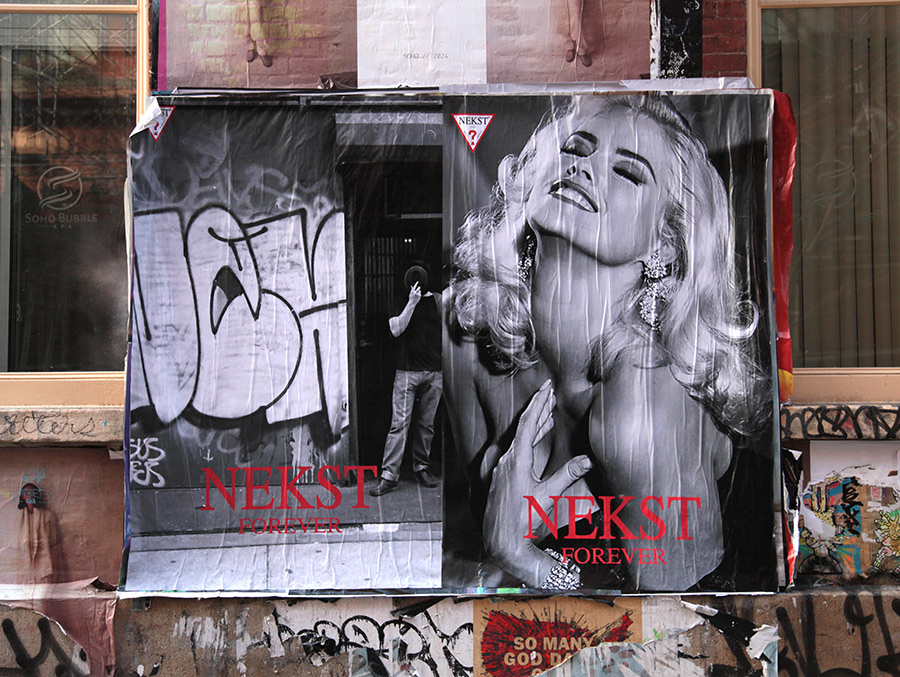
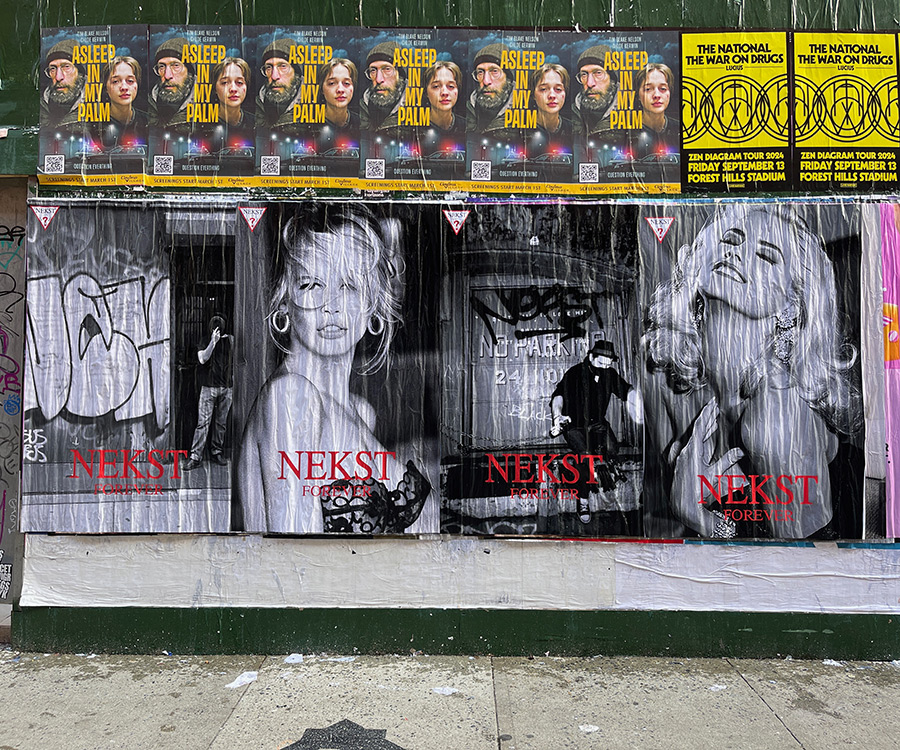
Guess you can’t bite a graffiti artist and expect to make bank – without getting bitten. This new Nekst campaign on the Manhattan streets appears to have Claudia Schiffer and Anna Nicole Smith putting their best face forward, aside from the streams of wrinkles caused by the wet wheat paste. Time is a cruel mistress, even as our nostalgic memories of the 90s are suddenly aflame when seeing these large-scale posters and images on the catwalk named New York.
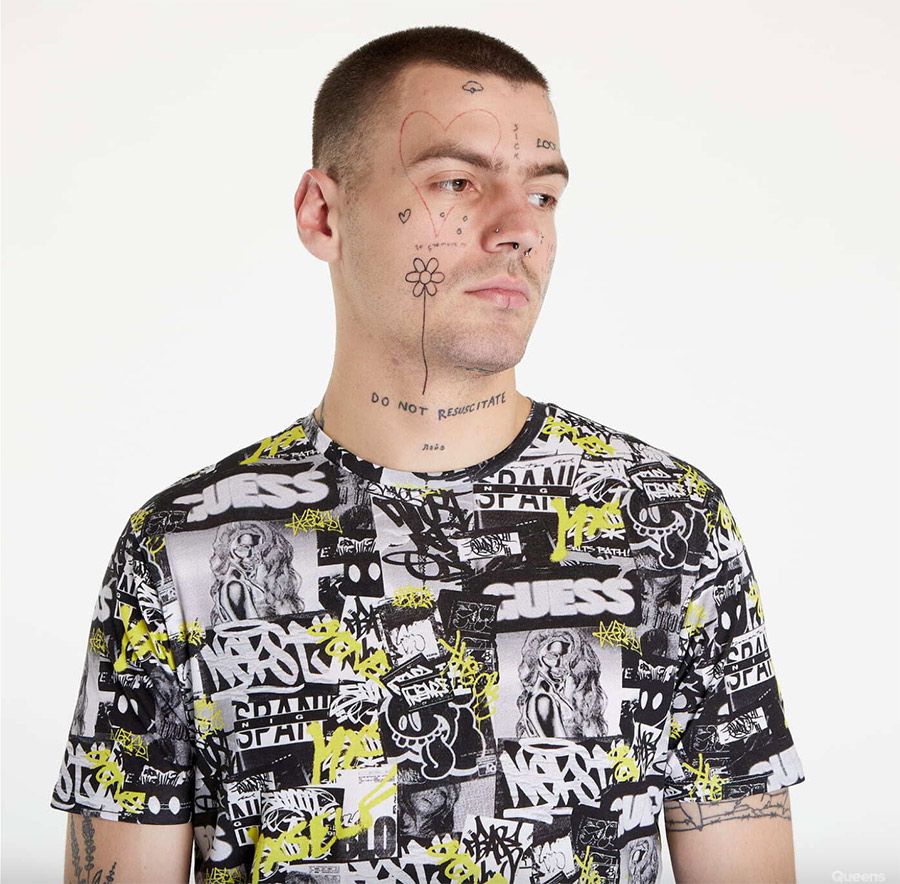
This takes the fashion labels’ accused theft of Nekst’s tag to a new level – and back to the street, where the best fashion houses traditionally find creative inspiration. The deceased graffiti writer was bold in his command of high-profile spots, and his output was profligate, giving him a reputation that current writers still pay homage to a decade after his passing. With the fashion label Guess, Inc. publicly traded, one wonders if this restyling of their brand in a fashion capital will hit them in the ticker, especially when it appears they directly ripped their style from a self-made artist/vandal and took it to the cash register.
This act highlights the ongoing debate about the street’s raw, authentic creativity and the fashion industry’s appropriation tactics. The situation questions the consequences for a major brand like Guess, primarily when the originality in question stems from the underground art world.
As Daniel Cassady from ARTNEWS and Deborah Belgum from WWD illuminate, the recent uproar in the street art/graffiti community is not merely about the misuse of street credibility but a deeper infringement on street artists’ intellectual and cultural property. Cassady discusses the blatant replication of Nekst’s signature by Guess, bringing to the forefront the fashion industry’s recurrent pilferage from street art’s raw, unfiltered energy without due homage or consent. Meanwhile, Belgum adds a familial and emotional layer, highlighting the distress caused to Nekst’s family by the unauthorized commercialization of his legacy, an act they describe as “horrifying.”
In a city where the lines of art, fashion, and identity blur, these incidents prompt us to question the ethics of inspiration versus theft. As we showcase these charged visuals, we invite our readers to ponder the fine line between tribute and exploitation in the ever-evolving narrative of street art. This is not merely about images on a wall or polished cotton; it’s a testament to the indelible impact of artists like Nekst on the fabric of urban culture and the complexities of their posthumous relationships with the commercial world.
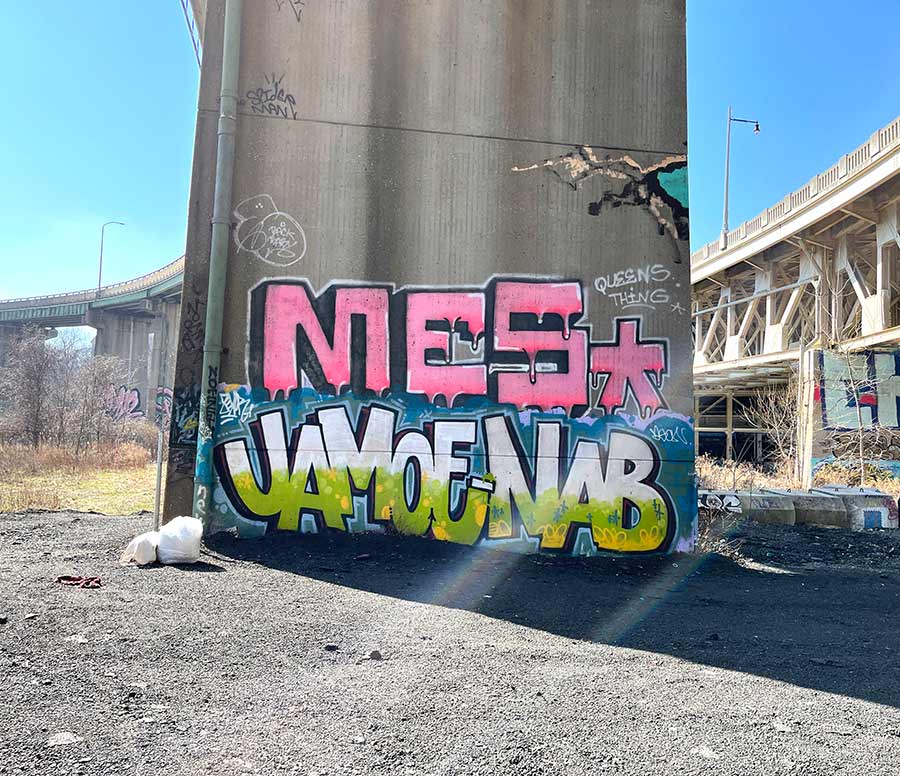
It’s officially Spring here today – the Spring Equinox beginning in the Northern Hemisphere will be at 11:33 am. Outside of the city, away from the glare, people will be able to glimpse Mars, Saturn, and Venus. The geese have been heard honking on the river, kids have been heard screaming on the playground, aerosol cans have been heard spraying under the bridge.
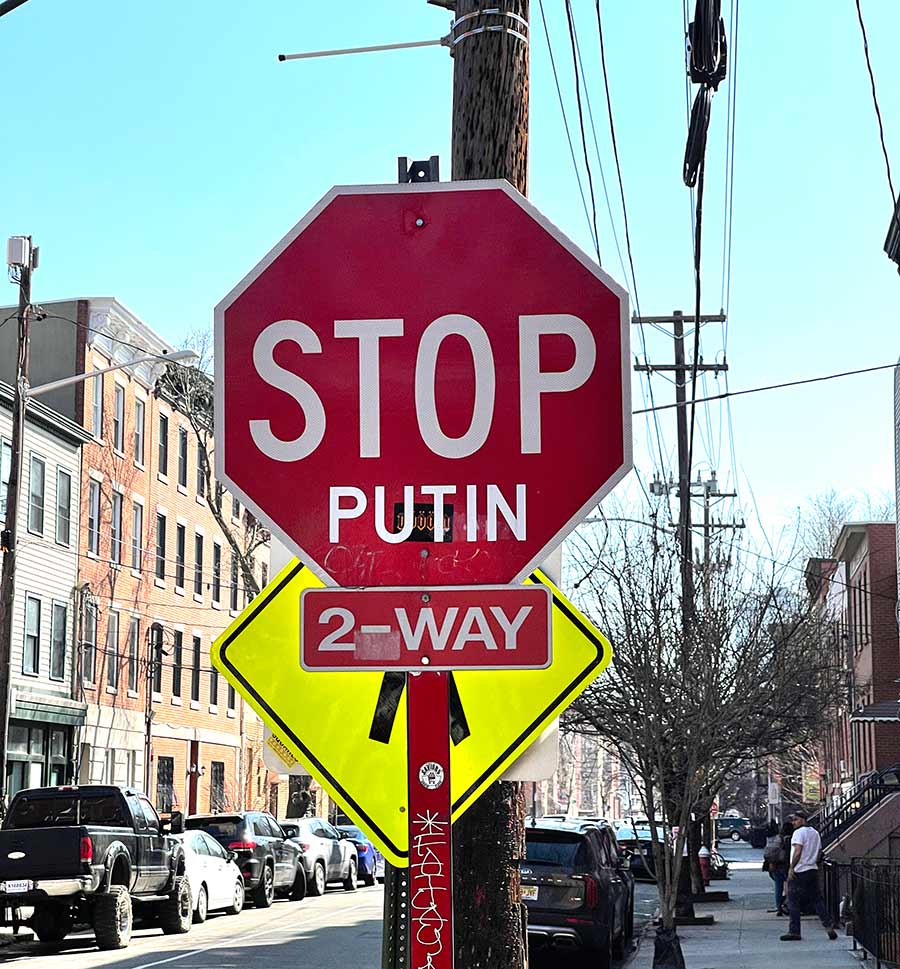
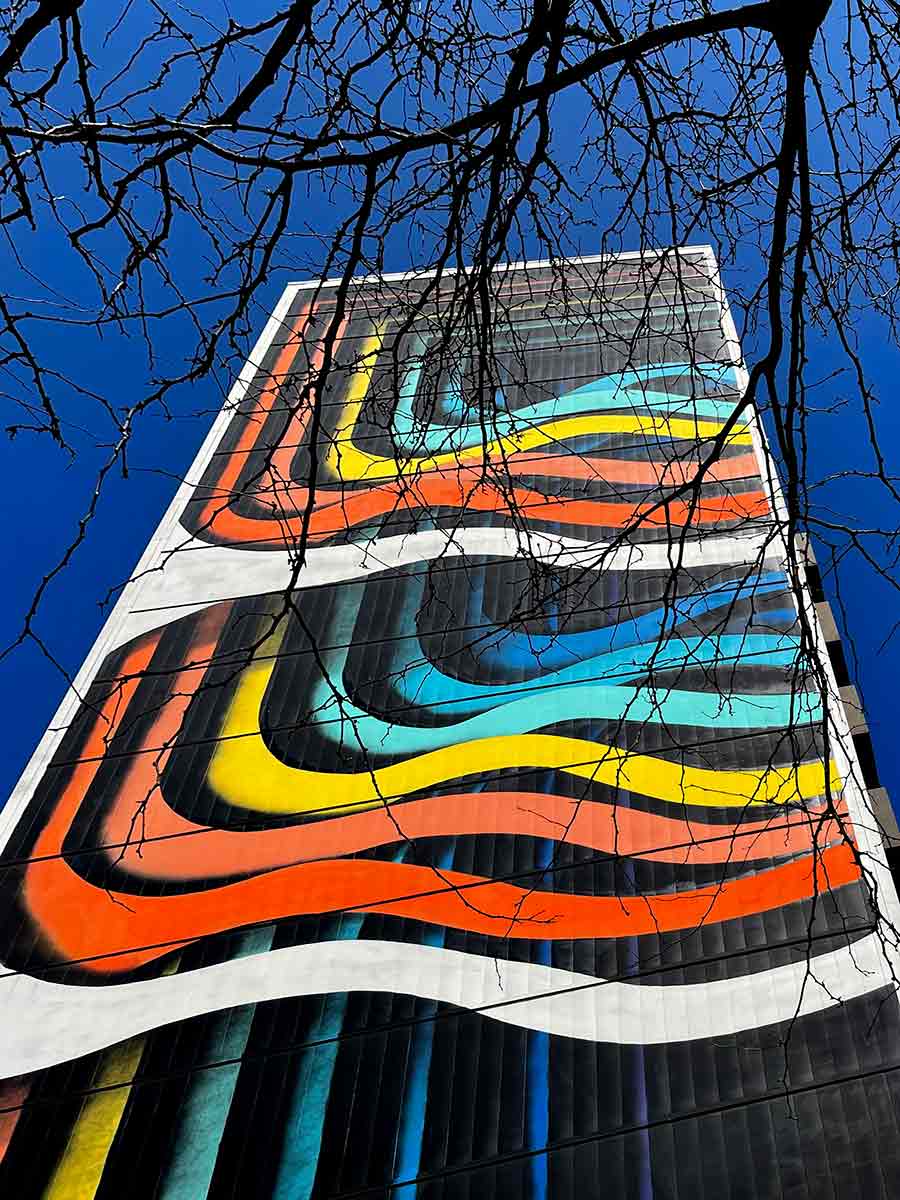
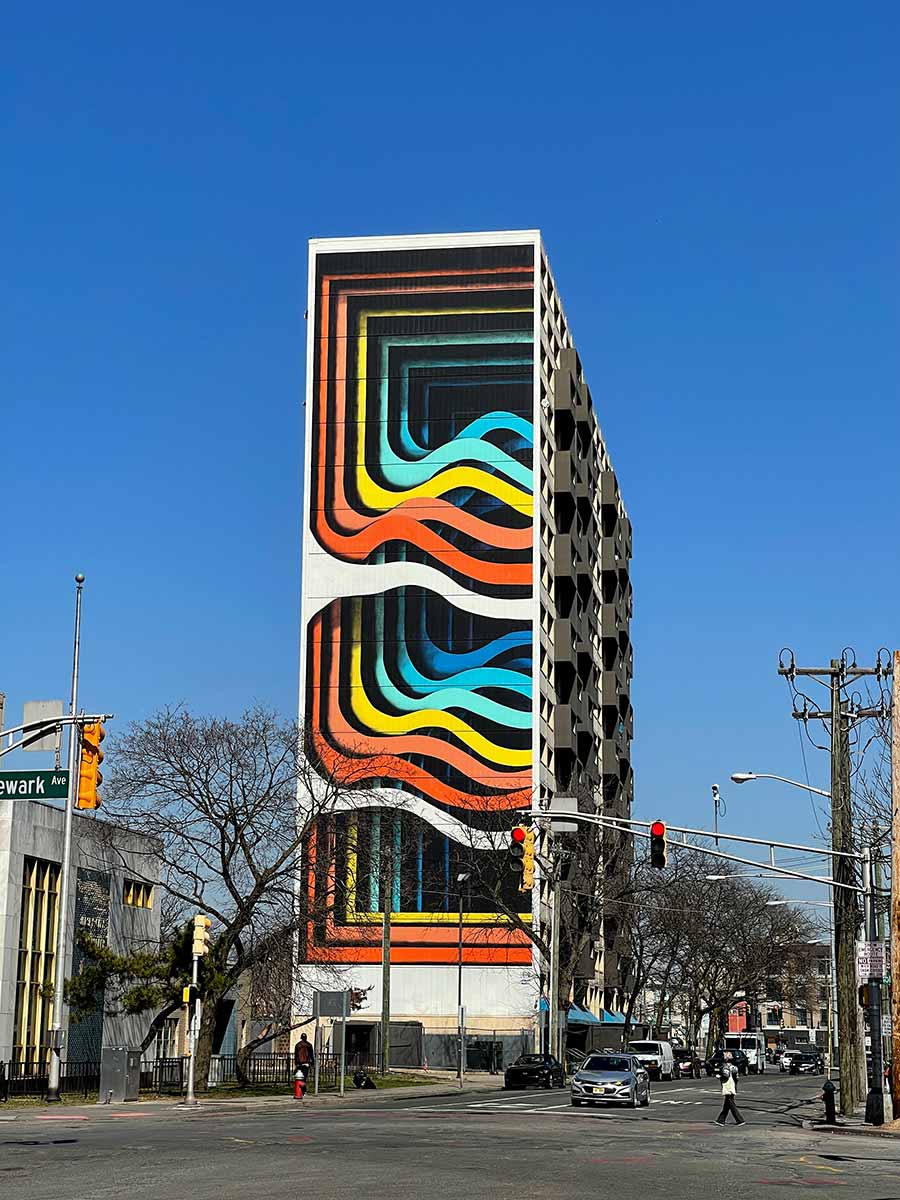
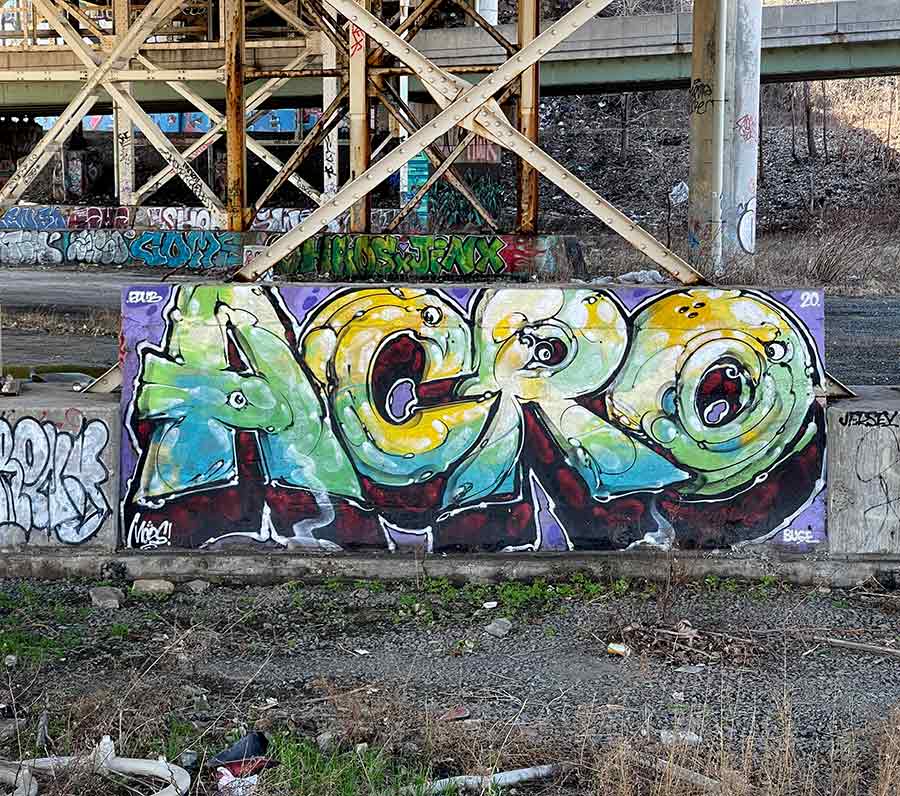
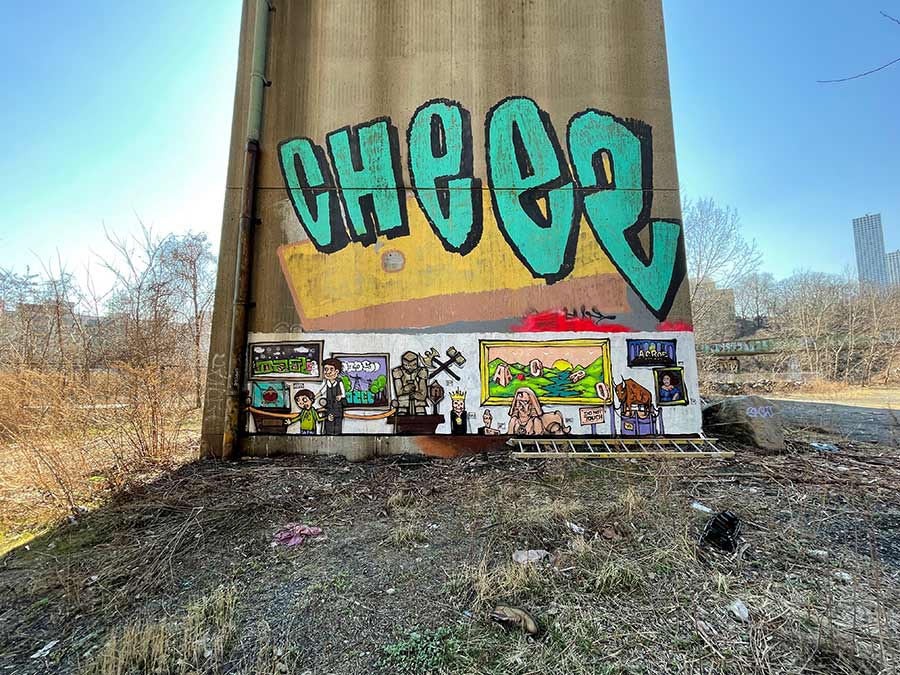
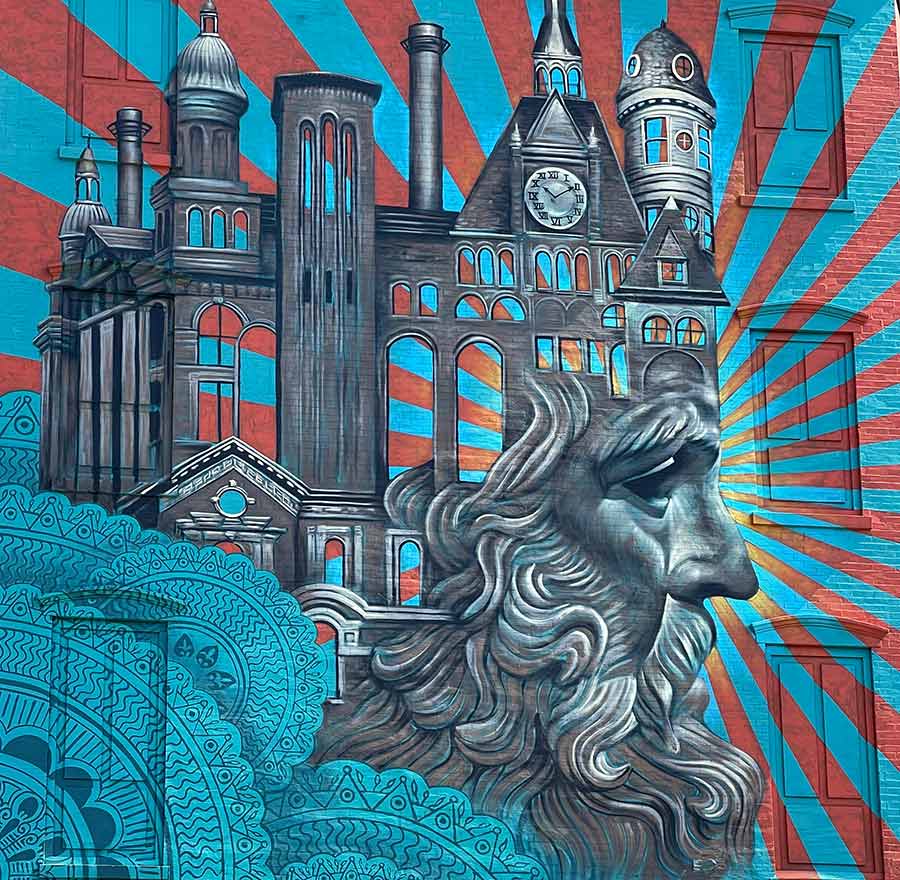
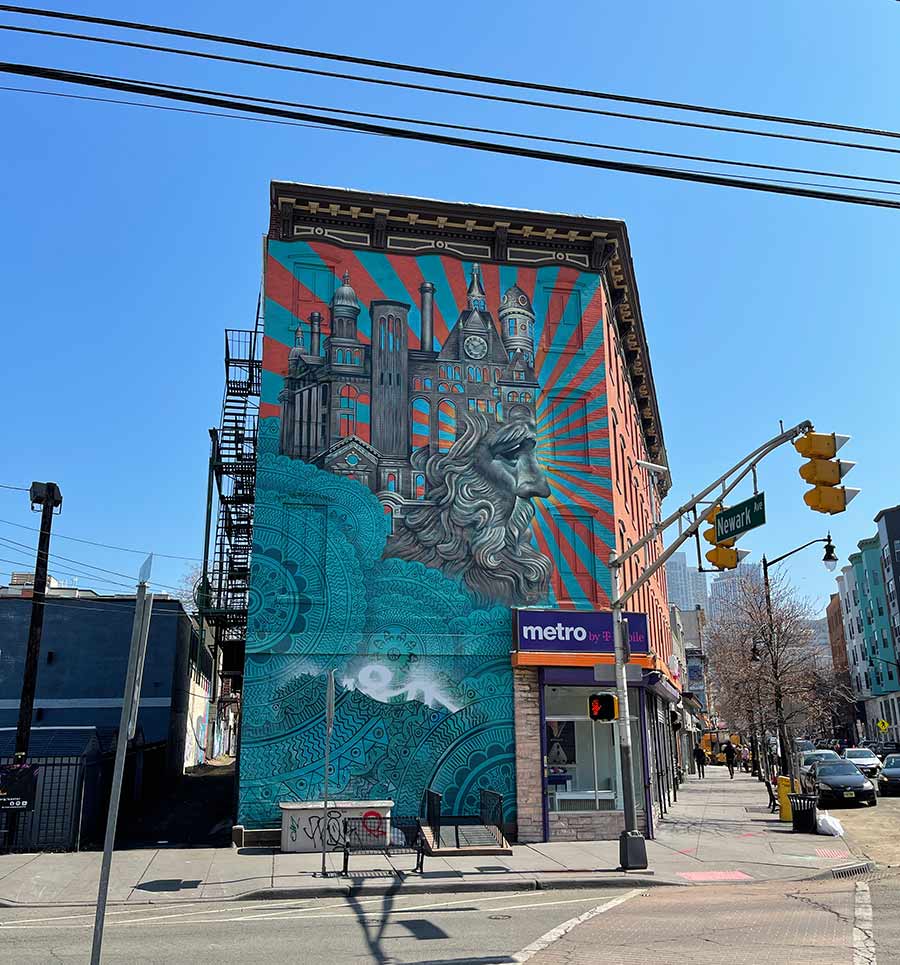
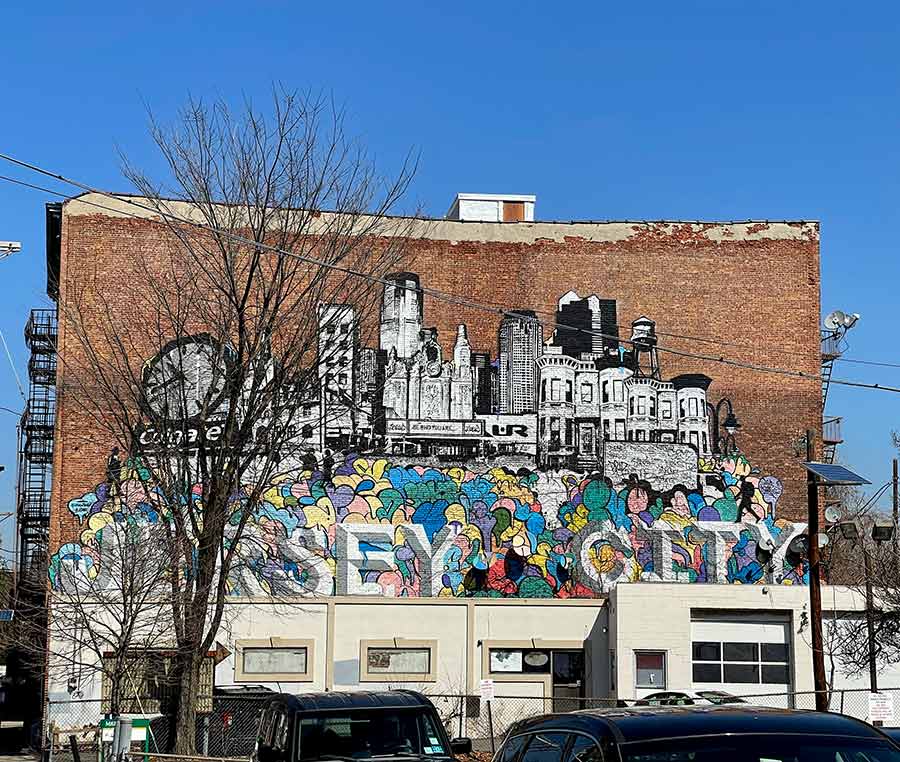
We’re relieved to glimpse fresh creativity on the streets – a sure sign that people are responding to their lives in a productive visual expression. As citizens of the Precariat, the opportunity to offer unfiltered artistic expression often requires a gatekeeper to approve it. When you are a street artist, you regularly circumvent the taste-makers and the influencers, hoping to reach people directly on the street. This week we found a number of unfiltered images and messages on New York walls and felt like these works are just as fresh as crocus popping through the soil, just as relevant as the blooms pushing through branches on trees. Here we have new shots from Jersey City. These are signs of Spring!
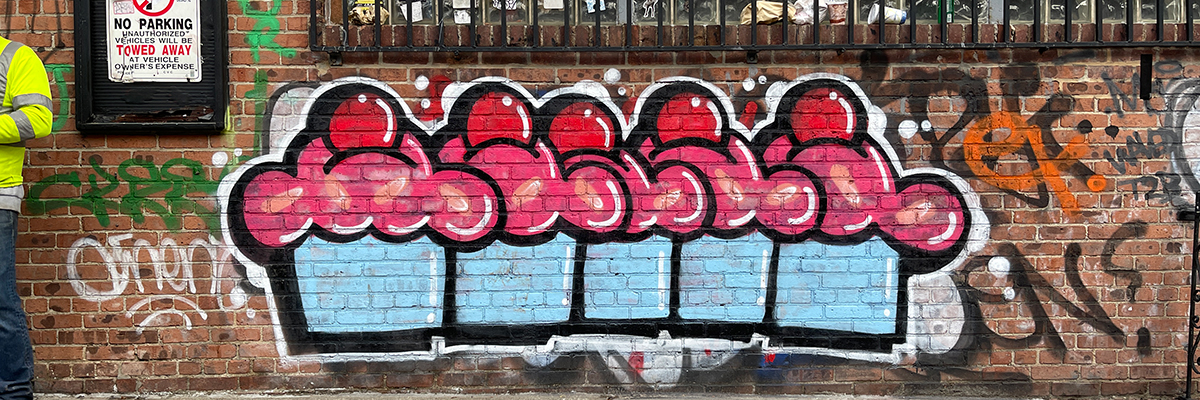
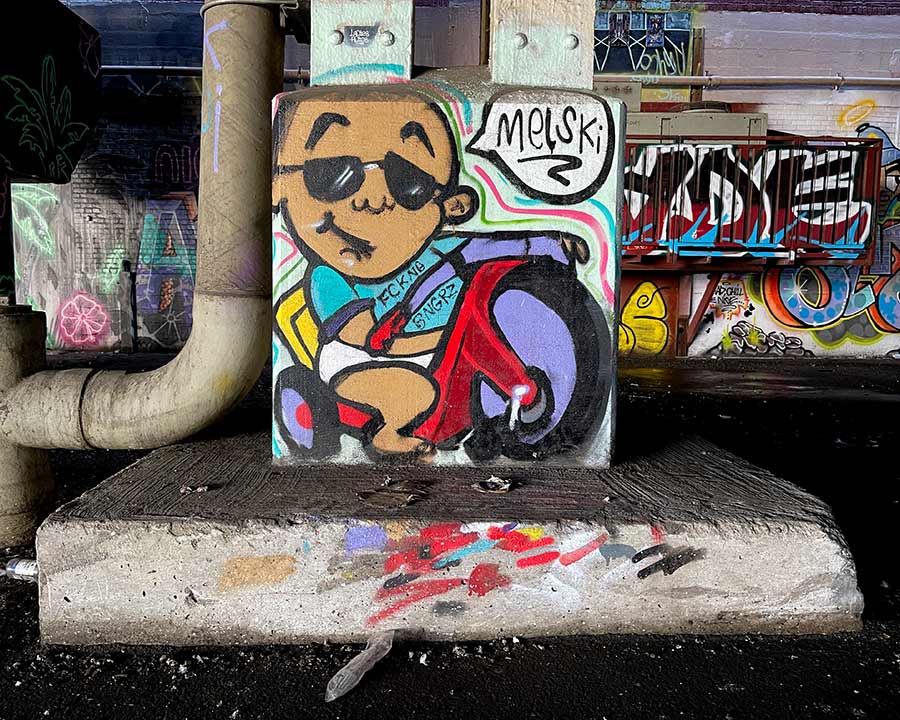
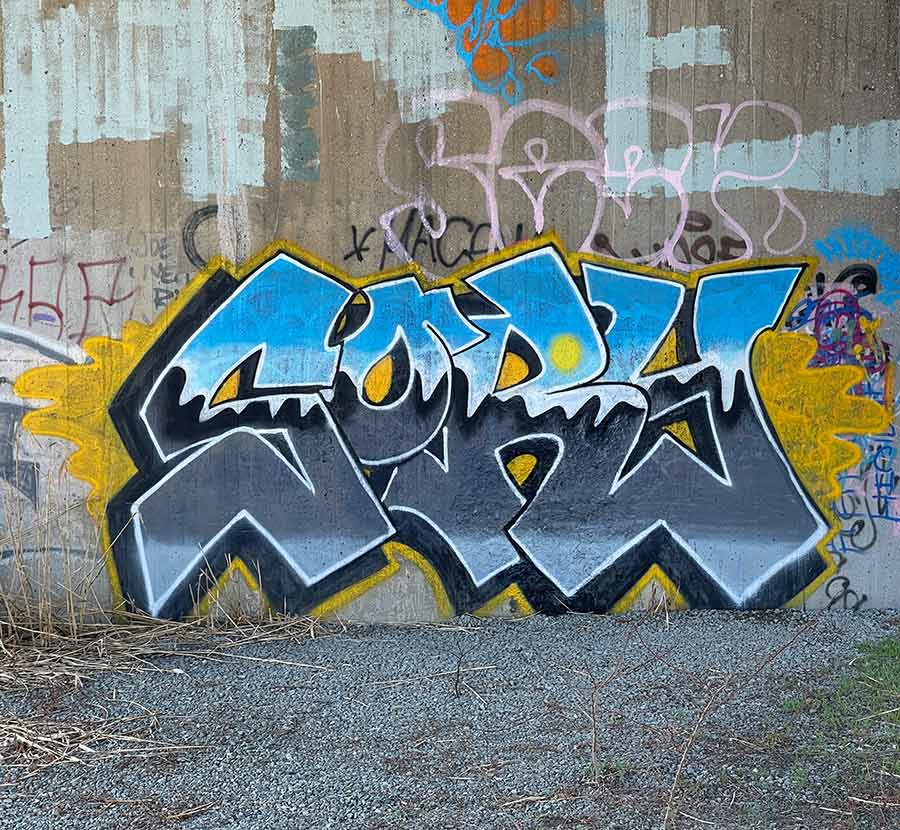
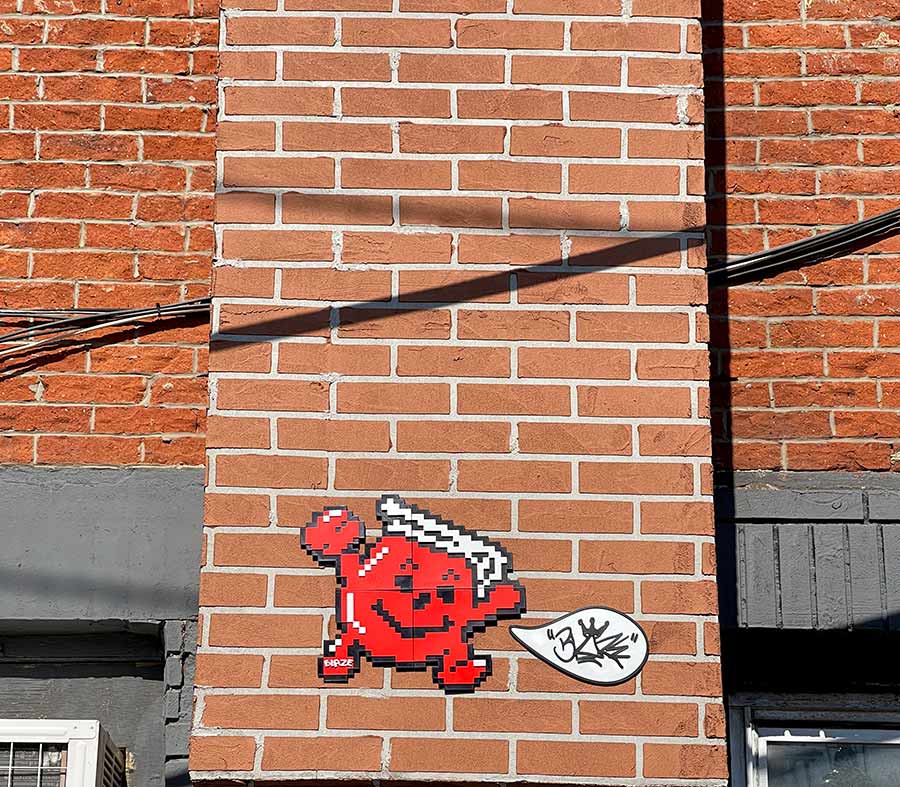
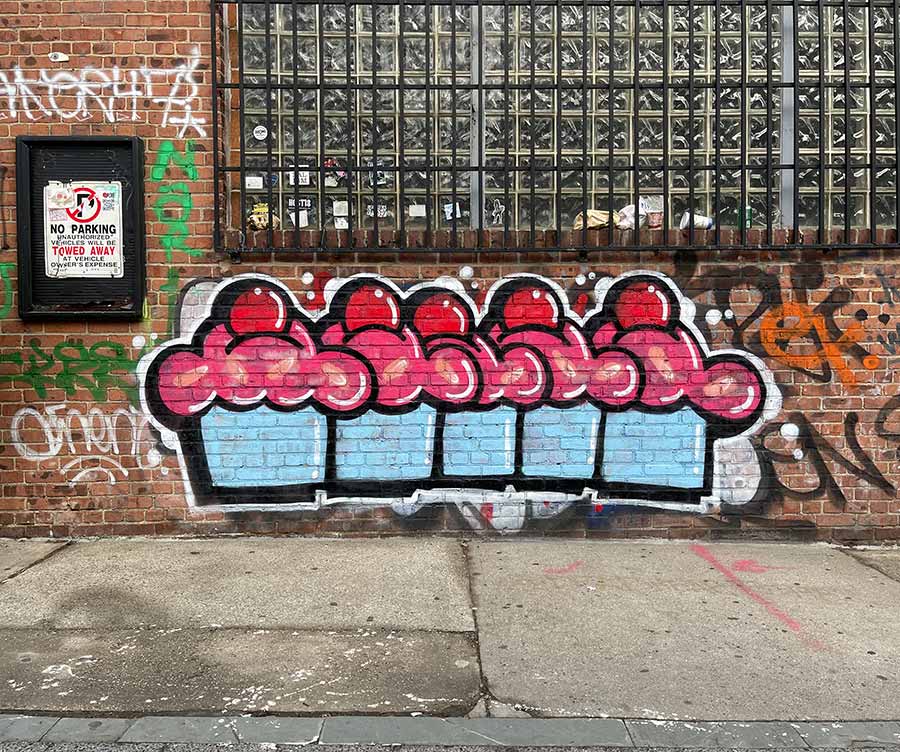
Here’s our weekly interview with the street, this week featuring: Beau Stanton, UR New York, 1010, Chupa, Blaze, Melski, The Cupcake Guy, SAMO, Acro, Sory, Niceo, Mona Caron, Cheez.
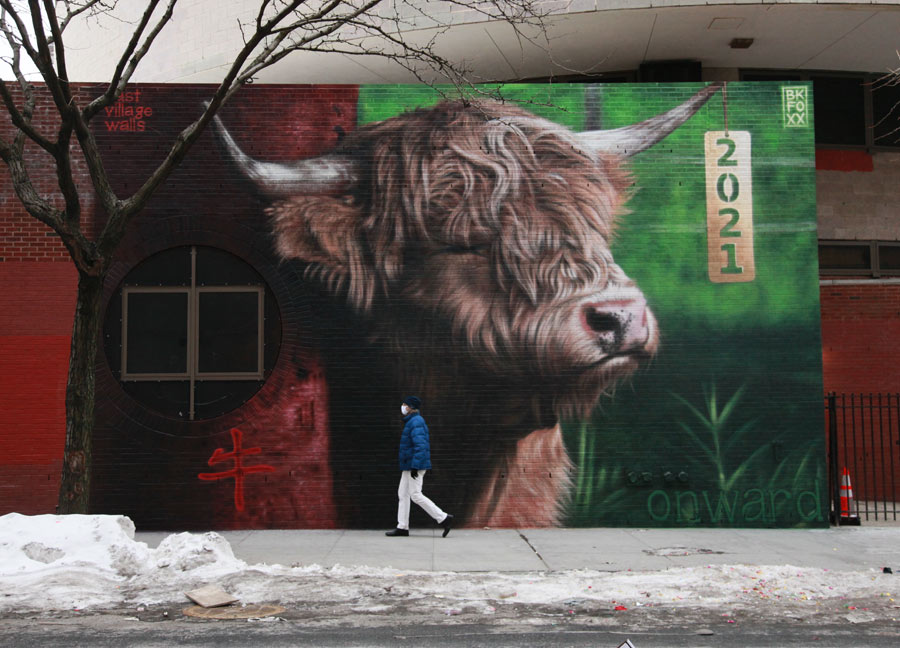
Welcome to BSA Images of the Week. 新年快乐! Happy Lunar New Year! It’s the Year of the Ox, and there was a lot of celebration during this snowy week in New York, although it appeared to be subdued by the standards of pre-Covid times definitely.
Also, Happy Valentines Day to you! We love you more every day! Don’t change a thing; you’re perfect the way you are.
Finally, the 2nd Impeachment of Donald Trump took place this week and it was on every television, radio, laptop, and phone screen it seems.
“Anyone who can make you believe absurdities can make you commit atrocities” is the quote attributed to Voltaire that the Democrat from Maryland Jamie Raskin spoke this week at the 2nd Impeachment trial of the former president in the Senate. It ranks as one of the more memorable.
It would be a stretch to call it a trial when many who voted in this verdict were also witnesses, victims, judges, jury, and/or co-conspirators of the accused. Still, it appears to be the only available way to hold a president accountable for their actions in the U.S.
We would say that it was a good show, but it was not a good show…
Finally, he has been acquitted by a vote of 57 to 43 in the Senate. A two-thirds majority was needed. One outcome is he can run for office again if he wishes. No matter the result of these events, it was inevitable that there would be a pervasive feeling of unrest.
One question remains: Was the January 6, 2021 attack on the Capitol the end of an era or the beginning?
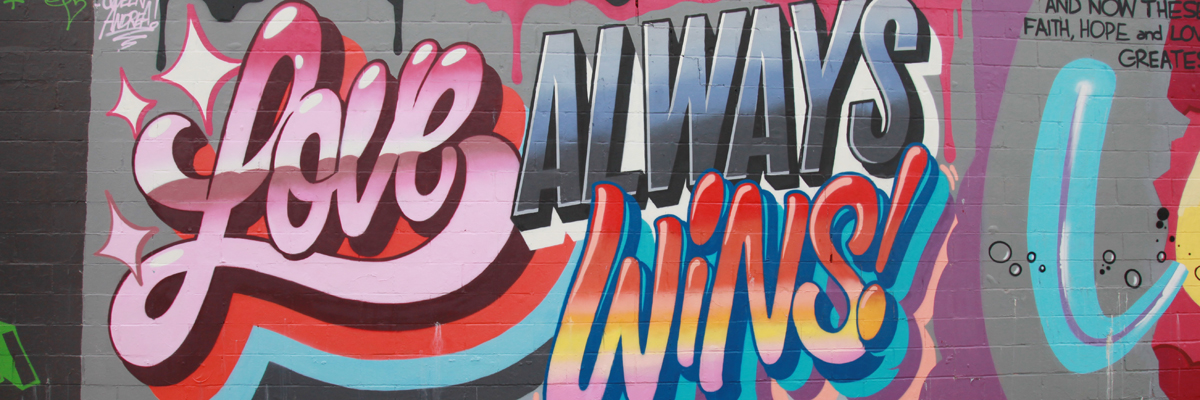
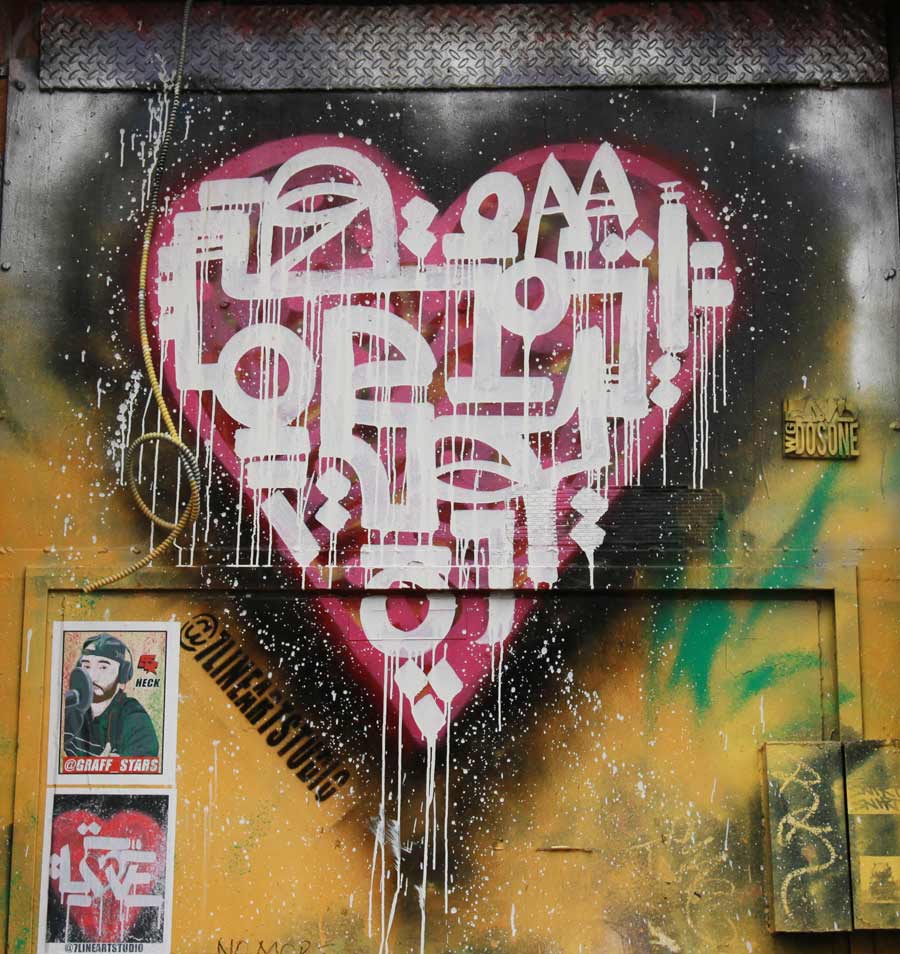
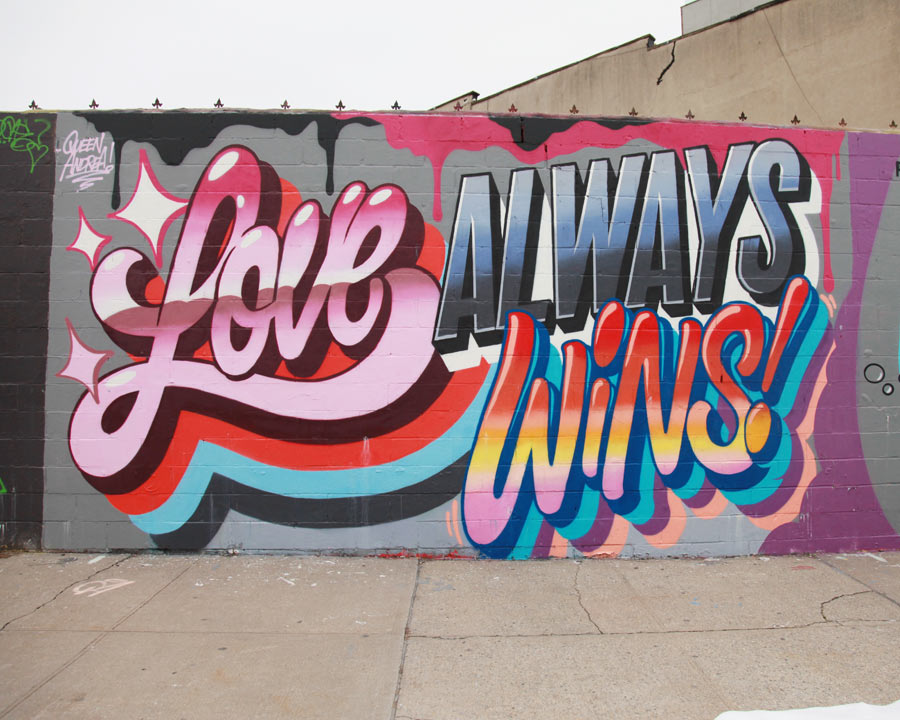
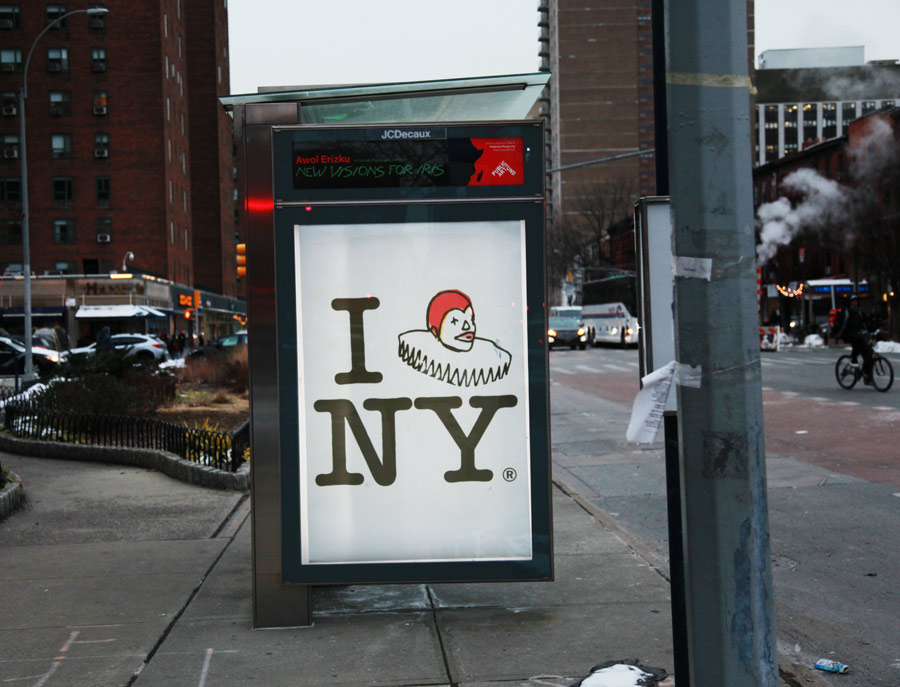
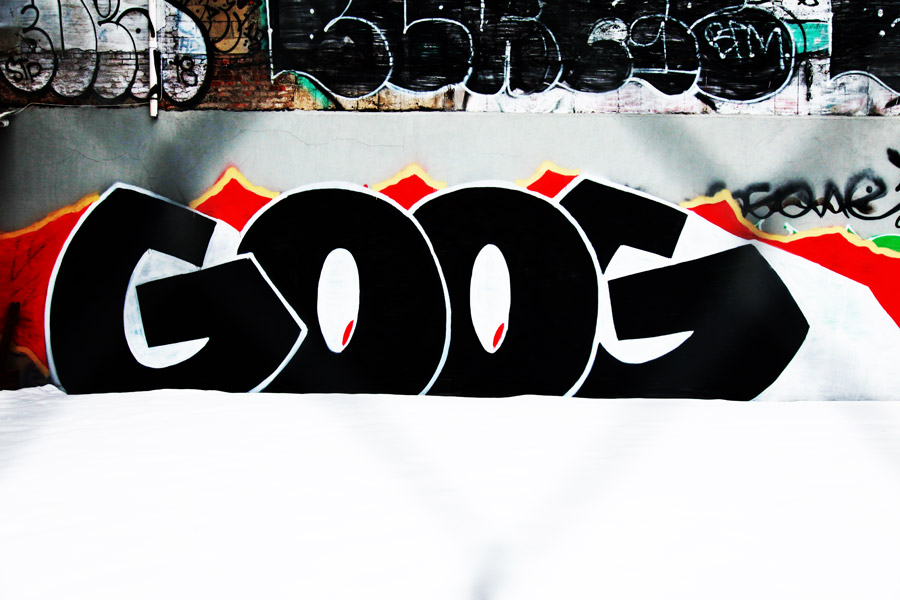
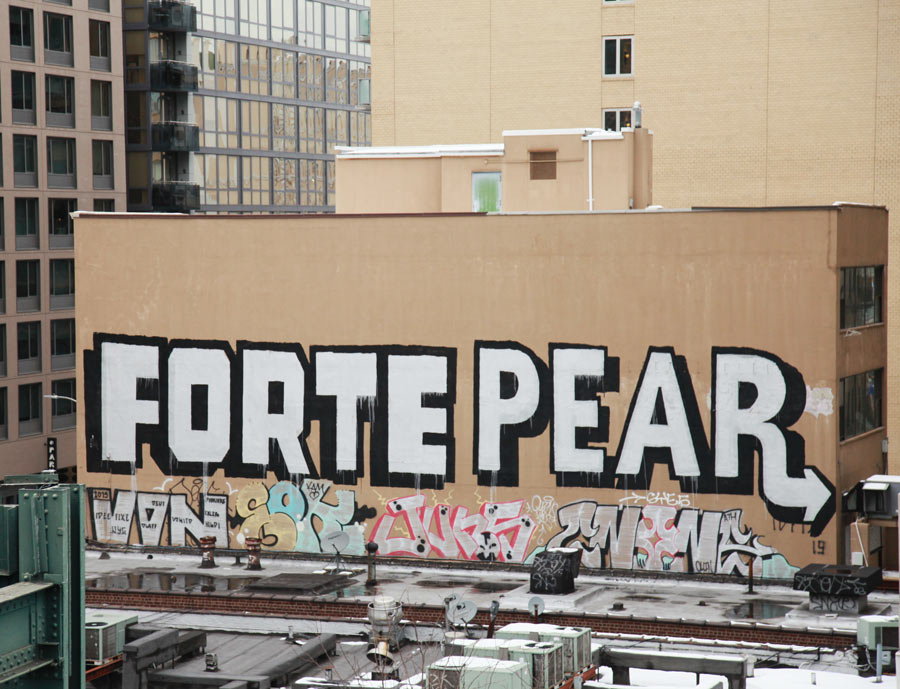
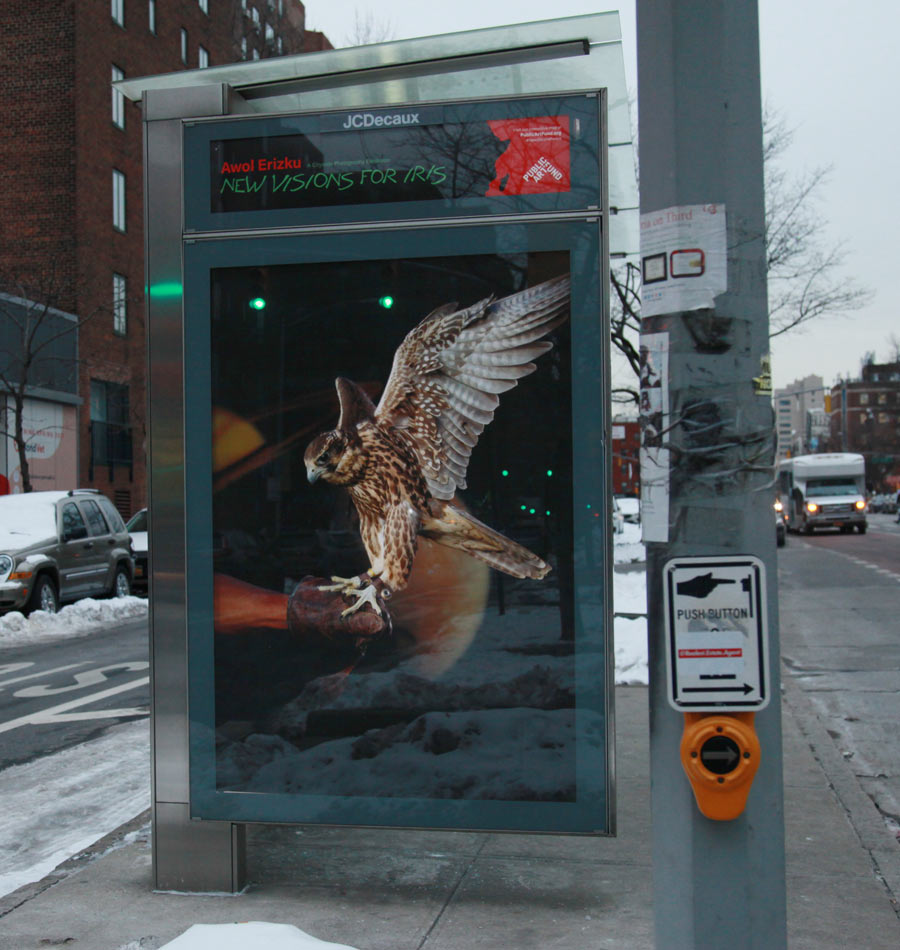
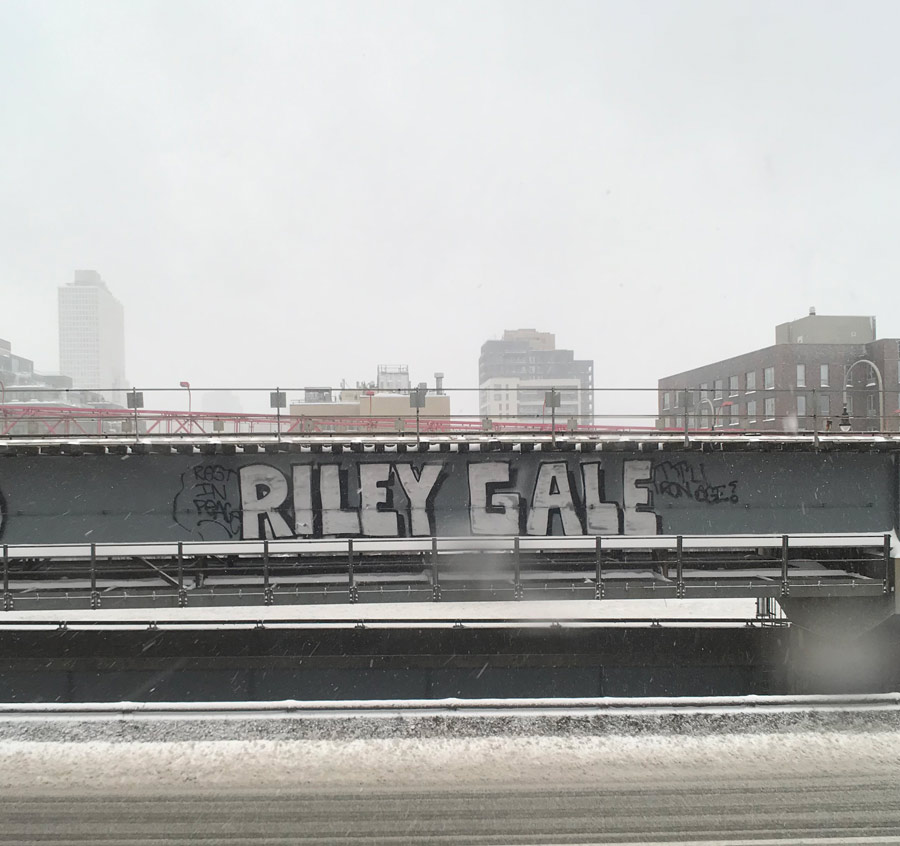
Here’s our weekly interview with the streets, this week featuring 7 Line Arts Studio, Al Diaz, Awol Erizcu, BK Foxx, Clown Soldier, Fire Flower, Goog, Pear, Queen Andrea, Riley Gale, SAMO, and Seung Jin.
A transformed school bus becomes a mobile healing site at the US-Mexico border. This documentary short (Guadalupe Maravilla’s “Mariposa Relámpago”) …Read More »
Named in honor of photographer Martha Cooper—whose lifelong commitment to documenting everyday life, cultural expression, and human dignity has shaped …Read More »
Join the BSA Newsletter!
Subscribe to our newsletter for occasional updates, special announcements, and exclusive content.
 BROOKLYN STREET ART LOVES YOU MORE EVERY DAY